Focused Care at Mount Pleasant
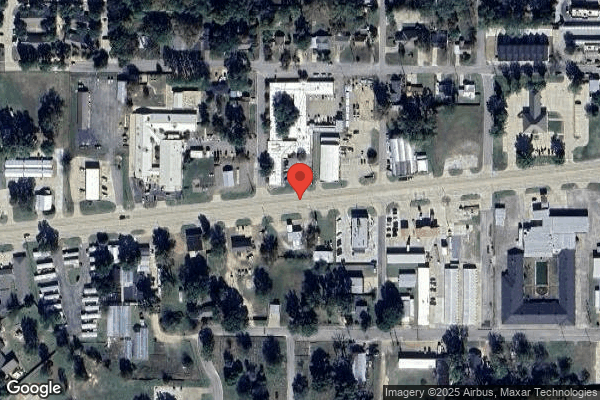
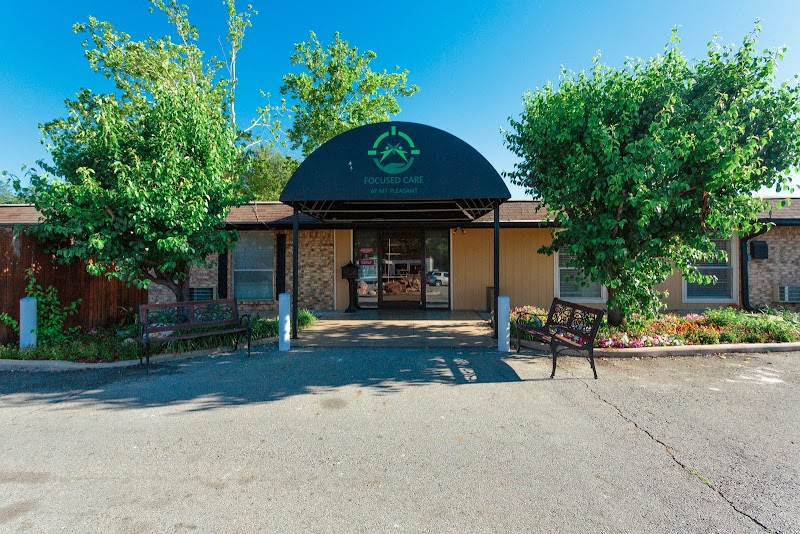
1606 Memorial Ave, Mount Pleasant, TX 75455 (903) 572-3618
For profit - Limited Liability company 122 Beds FOCUSED POST ACUTE CARE PARTNERS Data: November 2025 6 Immediate Jeopardy citations
Trust Grade
0/100
#984 of 1168 in TX
Last Inspection: July 2025

Inspected within the last 6 months. Data reflects current conditions.

Overview

Families considering Focused Care at Mount Pleasant should be cautious, as the facility has received an F grade, indicating significant concerns and a poor overall trust score. It ranks #984 out of 1168 facilities in Texas, placing it in the bottom half of all nursing homes statewide and last in Titus County. Although the facility's compliance issues have improved recently, dropping from 33 to 13 in a year, it still has a troubling history, including critical incidents related to infection control and resident safety, such as a resident being physically assaulted and another suffering a fall that resulted in a fracture. Staffing is a moderate concern, with a 2-star rating and a turnover rate of 54%, which is close to the state average. Additionally, fines of $254,684 are alarming, indicating that the facility has faced serious compliance issues more frequently than 94% of Texas facilities. However, it does provide good RN coverage, which is crucial for identifying potential health issues.
Trust Score
F
0/100
In Texas
#984/1168
Bottom 16%
Safety Record
High Risk
Review needed
Inspections
Getting Better
33 → 13 violations
Staff Stability
⚠ Watch
54% turnover. Above average. Higher turnover means staff may not know residents' routines.
Penalties
✓ Good
$254,684 in fines. Lower than most Texas facilities. Relatively clean record.
Skilled Nurses
✓ Good
Each resident gets 42 minutes of Registered Nurse (RN) attention daily — more than average for Texas. RNs are trained to catch health problems early.
Violations
⚠ Watch
85 deficiencies on record. Higher than average. Multiple issues found across inspections.
★☆☆☆☆
1.0
Overall Rating
★★☆☆☆
2.0
Staff Levels
★★★☆☆
3.0
Care Quality
★☆☆☆☆
1.0
Inspection Score
Stable
2024: 33 issues
2025: 13 issues

The Good

  • Full Sprinkler Coverage · Fire safety systems throughout facility
  • No fines on record

Facility shows strength in fire safety.

The Bad

1-Star Overall Rating

Below Texas average (2.8)

Significant quality concerns identified by CMS

Staff Turnover: 54%

Near Texas avg (46%)

Higher turnover may affect care consistency

Federal Fines: $254,684

Well above median ($33,413)

Significant penalties indicating serious issues

Chain: FOCUSED POST ACUTE CARE PARTNERS

Part of a multi-facility chain

Ask about local staffing decisions and management

The Ugly 85 deficiencies on record

6 life-threatening 1 actual harm
Sept 2025 1 deficiency
CONCERN (E) 📢 Someone Reported This

A family member, employee, or ombudsman was alarmed enough to file a formal complaint

Potential for Harm - no one hurt, but risky conditions existed

Deficiency F0925 (Tag F0925)

Could have caused harm · This affected multiple residents

**NOTE- TERMS IN BRACKETS HAVE BEEN EDITED TO PROTECT CONFIDENTIALITY** Based on observation, record review, and interview the facility failed to have an ongoing and effective pest control program for...

Read full inspector narrative →
**NOTE- TERMS IN BRACKETS HAVE BEEN EDITED TO PROTECT CONFIDENTIALITY** Based on observation, record review, and interview the facility failed to have an ongoing and effective pest control program for 3 of 7 resident rooms reviewed for pest control (Resident #1, Resident #2 and Resident #3.) The facility did not have an effective pest control program to eradicate the cockroaches in the facility. The facility failure placed residents at risk for diarrhea, dysentery (infectious diarrhea), salmonella (an infection that can lead to diarrhea, fever, and stomach cramps), and other serious health concerns. Findings included: 1.Record review of the face sheet for Resident #1 indicated he was re-admitted to the facility on [DATE] with diagnoses including chronic heart failure, COPD (Chronic obstructive pulmonary disease is a group of lung diseases that cause ongoing breathing problems), history of cellulitis to lower extremities (common bacterial skin infection that affects the deeper layers of the skin and underlying tissue). Record review of Resident #1's MDS dated [DATE] indicated Resident #1 had clear speech, made himself understood and usually understood others. The MDS indicated Resident #1 had no cognitive impairment (BIMS of 15). The MDS indicated Resident #1 had a behavior of rejecting care that had occurred 1-3 days during the 7-day look back period. The MDS indicated Resident was dependent on staff toileting hygiene, showers/bathing, dressing the lower body, and putting on footwear. The MDS indicated Resident #1 required substantial assistance dressing the upper body. The MDS indicated Resident #1 required moderate assistance with personal hygiene. The MDS indicated Resident #1 required setup or clean-up assistance only with eating and oral hygiene. Record review of the care plan revised on 6/3/25 indicated Resident #1 was on enhanced barrier precautions (an infection control intervention designed to reduce transmission of multidrug-resistant organisms which could lead to infection). The care plan indicated Resident #1 was risk for skin impairment and infection. During an interview and observation on 8/22/25 at 11:00 a.m., at the hospital, Resident #1 said he saw roaches in his room all the time because his roommate would keep uncovered food items in his room. Resident #1 said he had not seen any roaches in his bed. Resident #1 said he saw small roaches and the big water bugs in his room. Resident #1 said he never saw anyone spray his room. During an interview on 9/8/25 at 8:00 a.m., Resident #1 laid in his bed at the facility. Resident #1 said he was happy to be back at the facility but had seen roaches crawling on his floor since he had been back. During a telephone interview on 9/9/25 at 2:09 p.m., EMS personnel A said she assisted in the transport of Resident #1 from the facility to the on 8/18/25 hospital. EMS personnel A said Resident #1 is a very large man and could not transfer himself. She said when they (EMS personnel) moved Resident #1 from his bed to the stretcher she saw small roaches were crawling on his bed. She said the roaches were small and not like large water bugs. During a telephone interview on 9/9/25 at 2:14 p.m., EMS personnel B said he assisted in the transport of Resident #2 from the facility to the hospital on 8/18/25. EMS personnel B said he saw bugs crawling on the bed but could not say for sure if they were roaches. 2.Record review of Resident#2's face sheet indicated he was readmitted to the facility on [DATE] with diagnoses including COPD and type II diabetes. Record review of the MDS dated [DATE] indicated Resident #2 had short term memory problems and some difficulty with cognitive skills for daily decision making. The MDS indicated Resident #2 required supervision or touch assistance for most ADLs (oral hygiene; toileting; shower/bathing; dressing of the upper/lower body; putting on/off footwear). The MDS Resident #2 needed set up or clean-up assistance only for eating. Record review of the care plan dated 8/28/25 indicated Resident #2 had COPD. The care plan interventions included; monitor for signs and symptoms of respiratory infection. During an interview and observation on 8/21/25 at 1:40 p.m., Resident#2 was sitting in his wheelchair in his room. Resident #2 indicated Resident #1 was his roommate. Resident #2 said he saw roaches in his room all the time. There were multiple covered containers containing food on Resident #1's side of the bed. Resident #2 pointed to the space between the two nightstands and said look there is one right now. A small cockroach was noted crawling on the floor in between the space between the two night stands. Resident #2 declined to talk further with the surveyor and left the room in his wheelchair. 3.Record review of the face sheet for Resident #3 indicated she was readmitted to the facility on 11/30 24 with diagnoses including heart failure, and type II diabetes. Record review of the MDS dated [DATE] indicated Resident #3. The MDS indicated she had clear speech. The MDS indicated she usually understood and usually made herself understood. The MDS indicated she was cognitively intact (BIMS of 14). Record review of the care plan revised on 8/11/25 indicated Resident #3 was at risk for frequent infections related to her diabetes. During an interview and observation on 8/21/25 at 2:00 p.m., Resident #3 was sitting in her bed. Resident #3 said she saw large water bugs and small cockroaches just about every day in her room. Resident #3 said she did see facility staff spray the bugs. During an interview on 8/21/25 at 12:45 p.m. the maintenance director said staff were to report any bug sightings (including roaches) in the maintenance repair book located at the nurses station . The maintenance director said usually staff just came to him and told them if they saw bugs and he would he spray for them. The maintenance director said he was not always at the facility and usually worked 8am -5 pm Monday through Friday. He explained that is why they have the maintenance book for staff to write in. Record review of the facility maintenance log from April 2025 to August 2025 had revealed no loggings of bug sightings. During an observation and interview with CNA D on 8/22/25 at 3:00 p.m., CNA D picked up a large dead bug (commonly described as a water bug) from the hallway to the left of the nurses station with a paper towel and threw it in the trash. CNA D wiped the area with a Cavi wipe. CNA D said she saw large water bugs 2-3 times a week. CNA D said she would usually just squish them and clean the area. CNA D said she was not aware of a book she was suppose to record bug sightings in. During an interview on 8/22/25 at 3:30 p.m., CNA E said she saw water bugs and roaches maybe twice weekly. CNA E said she would report the sightings to the maintenance man if he was still in the building. CNA E said if the maintenance man was not in the building she would squish the bug and throw it away. CNA E said ashe was not aware of any book staff were to write bug sightings in. During a phone interview interview on 9/8/25 at 9:49 a.m., the contracted exterminator reported he sprayed the facility monthly. He said he had sprayed for both American cockroaches and stated theses bugs are what people often refer to as water bugs as well as German roaches, which people generally identify as roaches. He said he always talked to the maintenance director, if he is available, in attempt to identify any problem areas. The contracted exterminator said he also had a book for facility staff to log bug sightings in. He said he checks the book before he sprays monthly but has never saw it utilized for bug sightings. The contracted exterminator said he could spray more frequently and target the areas/bugs the facility continues to have issues with in-between the monthly treatments if it was communicated. During an interview with the ADON on 9/8/25 at 9:50 am the ADON said he had seen large water bugs but could not say he had seen small roaches. The ADON said staff are to write in the maintenance book any bug sightings so they can be targeted if needed. The ADON said it was important to maintain an effective pest control program to prevent infection. During an interview on 9/8/25 at 10:20 a.m., the Administrator said the facility conducts administrative rounds in which Monday through Friday an administrative personnel rounds on no more than 6 residents. Any issues reported by the resident and anything they see in the environment (such as bugs) are placed on a sheet to discuss solutions in morning meetings but any bug sightings are also to be written in the maintenance book. The Administrator during the weekends, the weekend administrator performs the rounds for all residents. The Administrator said all staff identifying bugs, such as roaches, should be writing that in the maintenance book so it can be addressed. Record review of the facility policy and procedure dated 2/1/17, titled Pest Control, stated Policy Our facility shall maintain and effective pest control program. Procedure The facility maintains an on-going pest control program to ensure that the building is kept free of insects and rodents.
Jul 2025 8 deficiencies
CONCERN (D)

Potential for Harm - no one hurt, but risky conditions existed

Safe Environment (Tag F0584)

Could have caused harm · This affected 1 resident

**NOTE- TERMS IN BRACKETS HAVE BEEN EDITED TO PROTECT CONFIDENTIALITY** Based on observation, interview, and record review, the facility failed to provide a safe, clean, and comfortable homelike envir...

Read full inspector narrative →
**NOTE- TERMS IN BRACKETS HAVE BEEN EDITED TO PROTECT CONFIDENTIALITY** Based on observation, interview, and record review, the facility failed to provide a safe, clean, and comfortable homelike environment for 2 of 20 resident's (Resident #7 and Resident #37) reviewed for a homelike environment.1. The facility failed to ensure Resident #7's wall was free from peeling paint at the head of her bed with approximately 4 different areas measuring approximately 1-2 inches wide and 2-3 inches long.2. The facility failed to ensure Resident #7's wall was free from peeling paint by her pillow that measured approximately 6-8 inches at the widest point and a foot long at the longest point.3. The facility failed to ensure Resident #7's air condition/heat unit was free from peeling paint and/or caulk around the unit leaving approximately half inch gaps around the top of the unit.4. The facility failed to ensure Resident #37's wall was free from peeling paint at the midway area of his bed that measured approximately 10 inches at the widest point and a foot long at the longest point.These failures could place residents at risk for an uncomfortable, unhomelike environment, and a diminished quality of life.Findings included:1. Record review of Resident #7's face sheet dated 6/30/25 indicated she was [AGE] years old and admitted to the facility on [DATE]. Resident #7 had diagnoses which included chronic obstructive pulmonary disease (a group of lung diseases that block airflow and make it difficult to breathe), diabetes (high blood sugar), and hypertension (high blood pressure).Record review of Resident #7's quarterly MDS assessment dated [DATE], indicated she had a BIMS score of 13, which indicated she was cognitively intact. Resident #7 used a walker for mobility. Resident #7 was independent to needed supervision for most ADLs.During an observation and interview on 6/30/25 at 11:36 AM, Resident #7 was sitting in her chair in her room. Resident #7 said she wanted her room painted because the paint was peeling off the wall, and she did not like it, and it looked bad. There was peeling paint at the head of her bed with approximately 4 different areas measuring approximately 1-2 inches wide and 2-3 inches long and peeling paint by her pillow that measured approximately 6-8 inches at the widest point and a foot long at the longest point. There was peeling paint and/or caulk around the air condition/heating unit leaving approximately half inch gaps around the top of the unit.2. Record review of Resident #37's face sheet dated 6/30/25 indicated he was [AGE] years old and admitted to the facility on [DATE]. Resident #37 had diagnoses which included chronic obstructive pulmonary disease (COPD- a group of lung diseases that block airflow and make it difficult to breathe), senile degeneration of the brain (decline in cognitive function associated with aging), lack of coordination, and nicotine dependence.Record review of Resident #37's annual MDS assessment dated [DATE], indicated he had a BIMS score of 9, which indicated he had moderate cognitive impairment. The MDS indicated Resident #37 had continuous inattention. The MDS indicated Resident #37 was independent or needed set-up/clean-up assistance for most ADLs.During an observation and interview on 6/30/25 at 12:01 PM, Resident #37 had peeling paint on the wall beside his bed, about midway down his bed, that measured approximately 10 inches at the widest point and a foot long at the longest point. Resident #37 said it did not bother him, and he had lived in worse.During an observation on 7/02/25 at 9:35 AM, Resident #37 was lying in bed asleep. Resident #37's room continued to have peeling paint beside his bed that measured approximately 10 inches at the widest point and a foot long at the longest point. During an interview on 7/02/25 at 9:51 AM, RCP A said Resident #7 had not said anything to her about not liking the peeling paint on her wall. RCP A said she would report any issues with repairs to the nurse or the maintenance man. RCP A said the nurse put needed repairs in the maintenance logbook. RCP A said the maintenance man was responsible for ensuring the rooms were in good repair. RCP A said peeling paint in the residents' rooms was not homelike. RCP A said she would not want her walls like that. RCP A said peeling paint in her room would not make her feel good and would bother her. RCP A said peeling paint on the resident's wall would bother the resident also.During an interview on 7/02/25 at 9:58 AM, RCP F said he had worked at the facility for about 2 years. RCP F said he would report any resident reports of needed repairs to the maintenance man and put it in the maintenance logbook. RCP F said the maintenance man was responsible for repairing and maintaining the residents' rooms. RCP F said peeling paint in a resident's room was not homelike and he would not want peeling paint in his house. RCP F said it would not make him feel good to have peeling paint and would make the resident not feel good and not happy. RCP F said it was important to provide a homelike environment to make sure the resident was happy, and the facility was their home.During an interview on 7/02/25 at 10:16 AM, RN B said peeling paint in a resident's room would not be homelike. RN B said she would not like to have peeling paint in her home. RN B said having peeling paint in their room probably would make the resident feel like they were nothing and nobody cared about them. RN B said the facility should provide a homelike environment so the resident felt comfortable since they had to leave their homes and it had to do with their total wellbeing, if they are not happy, they could not heal. RN B said she would place any needed repairs in the maintenance logbook and the maintenance reviewed it for any needed repairs.During an interview on 7/02/25 at 10:55 AM, the Director of Plant Operations said he was over the maintenance department and had worked at the facility for about one and half years. The Director of Plant Operations said the staff wrote in the logbook at the nurses' station, he reviewed and if he noticed something that needed addressed as he walked by, he would fix it. The Director of Plant Operations said he walked the halls and pretty much glanced in every room every day. The Director of Plant Operations said there was several rooms with peeling paint in the building, but he was only one person and he had to prioritize what needed to be fixed first. The Director of Plant Operations said the residents did not like peeling paint and it was not comfortable for the resident. The Director of Plant Operations said he felt the aides ran the beds up and down the walls and it made it hard to keep the walls looking nice. The Director of Plant Operations said he would not want to have peeling paint in his home. The Director of Plant Operations said the residents should feel safe, be comfortable, and have a homelike environment. During an interview on 7/02/25 at 11:52 AM, the ADCO said there was a maintenance book where they logged issues or needed repairs at the nurses' station and the maintenance man took care of it. The ADCO said he could not say how peeling paint in the resident's room affected the resident, but he was sure no one would prefer that. The ADCO said he would not want peeling paint in his home. The ADCO said it would be bothersome to the resident, but he had not had anyone report to him having an issue with peeling paint in the rooms. The ADCO said it was important to provide a homelike environment for the residents to have a good quality of life because when they entered into the nursing home it was toward the end of their life. During an interview 7/02/25 at 2:14 PM, the DCO said they had been doing repairs a little as they went and painting a room had to be approved because the building was old. The DCO said they had a maintenance logbook at the nurses' station for staff to log any needed repairs and then the maintenance man addressed them. The DCO said peeling paint in a resident's room was not homelike. The DCO said sometimes staff cause the peeling paint by accident due to the beds being against the wall. The DCO said she had not had any residents express concerns with the paint situation. The DCO said the resident's room was their home and they would not want chipped or peeling paint. The DCO said she would not want peeling paint in her home if she had the means to replace it. During an interview on 7/02/25 at 2:39 PM, the EDO said any staff could report an issue or a needed repair and they had partners assigned to each room who do check offs weekly and should report any needed repairs for the rooms. The EDO said the building was older and had a lot that needed to be done. The EDO said they just repainted the men's memory unit. The EDO said a work order would need to be created for any repairs. The EDO said repair of peeling paint was an easy fix and would need to be repaired quickly to contribute to a more home like environment for the residents. The EDO said it was important to promote a home-like environment because it was their home, you want them to be comfortable, and for their psychosocial needs. Record review of the Maintenance Logbook, dated 4/01/2024 through 7/02/2025, did not indicate any wall/paint repairs were needed for Resident #7's (room [ROOM NUMBER]) or Resident #37's (room [ROOM NUMBER]) rooms.Record review of the facility's undated policy titled Homelike Environment indicated . Residents' rooms: Ensure all resident rooms meet federal standards for space, privacy, and comfort . Housekeeping and Maintenance: implement regular cleaning and maintenance schedules to ensure a sanitary and orderly environment . involve residents in decisions about their care plans and living environment to align with their preferences and needs .
CONCERN (D)

Potential for Harm - no one hurt, but risky conditions existed

Respiratory Care (Tag F0695)

Could have caused harm · This affected 1 resident

**NOTE- TERMS IN BRACKETS HAVE BEEN EDITED TO PROTECT CONFIDENTIALITY** Based on observation, interview and record review, the facility failed to ensure that respiratory care was provided consistent w...

Read full inspector narrative →
**NOTE- TERMS IN BRACKETS HAVE BEEN EDITED TO PROTECT CONFIDENTIALITY** Based on observation, interview and record review, the facility failed to ensure that respiratory care was provided consistent with professional standards of practice for 2 of 9 residents reviewed for respiratory care. (Resident #7 and Resident #26)1. The facility failed to ensure Resident #7's oxygen concentrator (takes air from the surroundings, extracts oxygen and filters it into purified oxygen for resident to breathe) air intake area (mouth of the oxygen concentrator bringing in the air that will be processed) was not covered in gray fuzzy dust-like and hair-like particles.2. The facility failed to ensure Resident #7 had an order and care plan for oxygen therapy.3. The facility failed to ensure Resident #26's oxygen concentrator air intake area was not covered in gray fuzzy dust-like and hair-like particles.These failures could place residents at risk of respiratory complications or respiratory infection. Findings included:1. Record review of Resident #7's face sheet dated 6/30/25 indicated she was [AGE] years old and admitted to the facility on [DATE]. Resident #7 had diagnoses which included chronic obstructive pulmonary disease (a group of lung diseases that block airflow and make it difficult to breathe), diabetes (high blood sugar), and hypertension (high blood pressure).Record review of Resident #7's quarterly MDS assessment dated [DATE], indicated she had a BIMS score of 13, which indicated she was cognitively intact. The MDS did not indicate Resident #7 was receiving oxygen therapy.Record review of Resident #7's undated Care Plan Report indicated she had potential for ineffective airway clearance, anxiety, and disturbed sleeping pattern related to chronic obstructive pulmonary disease. The care plan report did not indicate Resident #7 was receiving oxygen therapy.Record review of Resident #7's Order Summary Report dated 6/30/25 did not reflect an order for oxygen therapy.Record review of Resident #7's Medication Administration and Treatment Administration Records dated 6/01/25-6/30/25 did not indicate administration of oxygen therapy.During an observation and interview on 6/30/25 at 11:36 AM, Resident #7 was sitting in her chair in her room, and she reached over and put the oxygen tubing in her nose and over her ears. Resident #7 said she used her oxygen as needed for shortness of breath. Resident #7's oxygen was set on 2 LPM and the tubing was dated 6/30/25. Resident #7's oxygen concentrator's air intake area was covered in gray fuzzy dust and hair-like particles. Resident #7 said she did not know how often the facility cleaned the oxygen concentrator.During an observation on 7/01/25 at 1:45 PM, Resident #7's oxygen concentrator continued to have gray fuzzy dust and hair-like particles covering the air intake area.2. Record review of Resident #26's face sheet dated 6/30/25 indicated he was [AGE] years old and admitted to the facility on initially on 6/19/19 and re-admitted on [DATE]. Resident #26 had diagnoses which included chronic obstructive pulmonary disease, and hypertensive (high blood pressure) heart disease with heart failure.Record review of Resident #26's quarterly MDS assessment dated [DATE], indicated he had a BIMS score of 12, which indicated he had moderate cognitive impairment. The MDS indicated Resident #26 was receiving oxygen therapy.Record review of Resident #26's undated Care Plan Report indicated he had ineffective breathing pattern related to COPD and emphysema. Interventions included administer medications as ordered and may utilize oxygen as needed per physician orders. Resident #26 also had potential for problems related to COPD: problem with ineffective airway clearance related to excessive and tenacious secretions, problem with anxiety related to breathlessness and fear of suffocation, problem with disturbed sleep pattern related to cough or inability to assume recumbent position (lay flat) and used routine oxygen related to shortness of breath with exertion, upon rest and when lying flat. Interventions included administer oxygen per physician orders and change tubing/cannula per facility protocol. Resident also had continuous oxygen therapy related to COPD. Record review of Resident #26's Order Summary Report dated 6/30/25 reflected an order to clean/change oxygen concentrator filters every night shift on Sundays and an order for oxygen at 2-3 LPM by nasal cannula PRN shortness of breath with a start date of 4/14/22. Record review of Resident #26's Licensed Nurse Medication Administration Record dated 6/01/25-6/30/25 indicated there was an order to clean/change oxygen concentrator filters every night shift on Sundays and indicated RN D had completed the task on 6/29/25. Record review of Resident #26's Medication Administration Record dated 6/01/25-6/30/25 indicated he could have oxygen 2-3 LPM PRN shortness of breath and to document if oxygen was in use. The Medication Administration Record indicated he used oxygen daily 6/01/25-6/30/25.During an observation on 6/30/25 at 10:33 AM, Resident #26 self-propelled himself into room. Resident #26 was wearing oxygen by a nasal cannula in his nose attached to an oxygen tank hung on the back of his wheelchair. Resident #26 had an oxygen concentrator in his room with oxygen running at 3 LPM with oxygen tubing dated 6/30/25. Resident #26's oxygen concentrator's air intake area was covered in thick gray, fuzzy dust and hair-like particles. Resident #26 said the staff changed the oxygen tubing weekly, but he did not know if they cleaned the oxygen concentrator air intake area. Resident #26 said the oxygen concentrator air intake area looked really dirty.During an observation on 7/01/25 at 1:55 PM, Resident #26's oxygen concentrator continued to have gray fuzzy dust and hair-like particles covering the air intake area.During an interview on 7/02/25 at 10:16 AM, RN B said she was the nurse on the back hallway and did not have Resident #7 or Resident #26 on her hall. RN B said the nursing staff were responsible for cleaning and changing filters and the oxygen machines. RN B said she checked all her concentrators during her shift to make sure the filters were clean, and she would pop off the back of the oxygen concentrator to clean vents (air intake area). RN B said if the oxygen concentrator filters and vents were not cleaned, they could hold bacteria, and it could get in the resident's lungs. RN B said dirty filters or vents (air intake area) could cause the resident to develop an upper respiratory infection and could even possibly kill the resident if it got bad enough. RN B said if a resident had oxygen in their room and using it, there should be an order for it, it should be care planned, and included on the MDS if it's in the look back timeframe. RN B said the care plan let everyone know what the resident needed to care for them and how to take care of them, what to monitor for, and what medications they were on. RN B said sometimes they have standing orders in their book to use when needed, but she looked in the standing orders and did not see any for oxygen, so anytime a resident needed oxygen they would need to get an order from the physician.During an interview on 7/02/25 at 10:55 AM, the Director of Plant Operations said he had worked at the facility for approximately one and a half years. He said he was told the nurses were responsible for cleaning/changing the oxygen filters. He said if he was supposed to clean the internal air intake areas of the oxygen concentrator, he had not been told and did not know who would be responsible for cleaning them. He said the oxygen concentrator air intake areas should be clean, because it would be an infection control issue and could cause the resident an infection.During an interview on 7/02/25 at 11:34 AM, RN C said she had worked at the facility for less than a week. RN C said she was the nurse assigned to Resident #7 and Resident #26. RN C said the nurses were responsible for cleaning the oxygen concentrator machines and filters. RN C said it was important to keep them clean because the resident could breathe in bacteria from a dirty filter and the resident could get an infection. RN C said she had not checked the oxygen concentrators that day, but she would during her shift. RN C said she had not had to clean the air intake area of the oxygen concentrator yet. RN C said if the resident was using oxygen, they should have an order for oxygen, and it should be care planned. RN C said oxygen was a medication and must have an order and it should be care planned so staff know what to do to care for the resident. RN C said today (7/02/25) was her first day on that hall. RN C reviewed Resident #7's chart and said she did not have an order for oxygen, and it was not care planned.During an interview on 7/02/25 at 11:52 AM, the ADCO said the 10 PM -6 AM nurses on Sundays were responsible for changing out the oxygen filters, tubing, and cleaning the air intake areas of the oxygen concentrators. The ADCO said it was important to keep the oxygen concentrator filters and air intake areas clean because they did not want any microorganisms to be inhaled that could produce infections. The ADCO said the resident was at risk for infection if the oxygen concentrator filters and air intake areas were not kept clean. The ADCO said there should be an order for oxygen and should be care planned if the resident was utilizing oxygen. The ADCO said they have standing orders for like 2 LPM by nasal cannula PRN for all the residents, but if the resident was using oxygen routinely, then it should be added to the resident's orders. The ADCO said the care plan was to allow for the continuity of care and the care to be individualized for the resident. The ADCO said Resident #7 used the oxygen PRN. The ADCO observed the picture of Resident #26's air intake and said, that's not good. The ADCO said he believed Resident #7 had been using the oxygen PRN since her admission [DATE]) and should have had an order and been care planned.During an interview on 7/02/25 at 12:33 PM, RN D said she worked the night shift on 6/29/25. RN D said the night shift nurses on Sundays were responsible for cleaning the oxygen filters, oxygen concentrators, changing out the oxygen tubing and nebulizers. RN D said on the machines without the filters, she just cleaned the outside of the machine. RN D said she did not know who was responsible for cleaning the air intake areas of the concentrator. RN D said if the filter or air intake area was dirty, the resident could breathe dirty air and the resident could possibly have a low oxygen level, upper respiratory infection, and bacteria could go into their lungs.During an interview on 7/02/25 at 2:14 PM, the DCO said the oxygen concentrators were to be done weekly on the night shift nurse on Sundays. The DCO said the same person would be responsible for cleaning the air intake area of the oxygen concentrators. The DCO said dirty filters and air intakes, could cause respiratory issues such as pneumonia and respiratory infections. The DCO said a resident who utilized oxygen should have an order for it and it should be care planned. The DCO said there should be an order for oxygen to ensure the MD was aware if the resident required oxygen, was having shortness of breath, and to identify if the resident was having other issues, and the care plan was so everyone could follow the same plan of care for the resident. The DCO observed the picture of Resident #26's oxygen air intake area and said the air intake area was absolutely not acceptable. The DCO said Resident #7 had been utilizing oxygen since her admission and there should have been an order for it, and it should have been care planned.During an interview on 7/02/25 at 2:39 PM, the EDO said the nursing staff should be checking the oxygen concentrators and cleaning out the air intake weekly. The EDO said the maintenance man should also be checking the oxygen concentrator machines when they were changing out a machine. The EDO said a dirty filter or dirty air intake area could cause the resident a respiratory illness or infection, and it could affect the functioning of the machine. The EDO said she would expect the machines to be kept clean. The EDO said the resident should have an order for oxygen and it should be care planned. The EDO said if the resident was needing oxygen, they needed to document the use of oxygen and whether it was affective. Review of the facility's policy titled Oxygen Therapy dated 04/2021 indicated . policy of this community to ensure all oxygen administration was conducted in a safe manner . verify there was an order for oxygen administration to include . method of delivery, flow rate, oxygen saturation parameters if indicated . start oxygen flow of rate as ordered . document resident's response to PRN oxygen therapy . date and time of oxygen administration . type of delivery . oxygen rate . assessment of resident's respiration status to include oxygen saturation via pulse oximetry . change the reservoir, oxygen cannula and tubing every 7 days . keep oxygen cannula and tubing used PRN in a plastic bag when not in use . wash filters from oxygen concentrators every 7 days in warm soapy water. rinse and squeeze dry .
CONCERN (D)

Potential for Harm - no one hurt, but risky conditions existed

Deficiency F0726 (Tag F0726)

Could have caused harm · This affected 1 resident

**NOTE- TERMS IN BRACKETS HAVE BEEN EDITED TO PROTECT CONFIDENTIALITY** Based on observation, interview and record review the facility failed to ensure nurse aides were able to demonstrate competency ...

Read full inspector narrative →
**NOTE- TERMS IN BRACKETS HAVE BEEN EDITED TO PROTECT CONFIDENTIALITY** Based on observation, interview and record review the facility failed to ensure nurse aides were able to demonstrate competency in skills and necessary techniques to care for resident's needs, as identified through resident assessments and described in the plan of care for 1 of 2 RCPs (RCP E) reviewed for nurse aide competencies. The facility failed to ensure RCP E was competent in performing a safe mechanical lift (machine used to lift and transfer a resident from one surface to another, such as from chair to bed/bed to chair) transfer on Resident #2 when RCP E did not place the legs of the mechanical lift in the wide position when lowering or transferring the resident and did not lock the lift wheels while lifting or lowering the resident.This failure could place residents at an increased and unnecessary risk of injury.Findings included:Record review of Resident #2's face sheet dated 7/02/25 indicated she was [AGE] years old and admitted to the facility on [DATE] and re-admitted [DATE]. Resident #2 had diagnoses which included chronic obstructive pulmonary disease (a group of lung diseases that block airflow and make it difficult to breathe), diabetes (high blood sugar), hypertension (high blood pressure), weakness, blindness in one eye and low vision in the other.Record review of Resident #2's quarterly MDS assessment dated [DATE], indicated she had a BIMS score of 13, which indicated she was cognitively intact. The MDS indicated Resident #2 was dependent to needed substantial assistance in most ADLs.Record review of Resident #2's undated Care Plan Report indicated she was at risk for falls related to poor vision, inability to bear weight, weakness, and decreased sense of safety. Resident #2 had an ADL self-care performance deficit related to weakness, inability to bear weight and loss of vision from a cerebrovascular accident (stroke) with interventions including the resident required total assistance of two staff to move between surfaces using a Hoyer mechanical lift.During an observation on 7/01/25 at 8:38 AM, RCP E performed a mechanical lift transfer from a wheelchair to bed on Resident #2. RCP E placed the mechanical lift legs in the wide position around Resident #2's wheelchair. RCP E and RCP A attached the lift pad that was already under Resident #2. RCP E then did not lock the mechanical lift wheels and lifted Resident #2 up out of the wheelchair. The mechanical lift rolled toward the resident while RCP E was raising Resident #2 up. RCP E pulled Resident #2 backwards while RCP A moved the wheelchair from under the resident. RCP E the moved the mechanical lift legs to closed/narrow position, pulled Resident #2 backwards, turned toward the bed and then pushed Resident #2 over the bed. RCP E then lowered Resident #2 onto the bed, as RCP A guided the resident, and RCP E did not open the mechanical lift legs to the wide position and did not lock the mechanical lift wheels when lowering Resident #2 onto her bed.During an interview on 7/01/25 at 1:52 PM, RCP E said she had worked at the facility for a week and had been training on different halls. RCP E said she had not been checked off on mechanical Hoyer lift transfers yet but had been a CNA for 35 years and had been doing Hoyer lifts all that time. RCP E said the mechanical lift should have the legs in the wide position so it would go around the wheelchair. RCP E said the mechanical lift legs should be closed (narrow position) during transferring the resident because the mechanical lift was easier to push. RCP E said the wheels on the lift should be locked as a safety thing at all times. RCP E said she did not put the mechanical lift wheel locks on because it allowed her to move the mechanical lift to keep the bars out of the resident's face. RCP E said the mechanical lift was more stable with the legs in the wide position. RCP E said the mechanical lift was safer when the mechanical lift legs were closed (narrow position) during a transfer, but the mechanical lift legs should be opened to the wide position when lowering the resident to the bed. RCP E said she did not remember if she put the mechanical lift legs in the wide position or locked the wheels when lowering the position onto the bed.During an interview on 7/01/25 at 2:02 PM, RCP A said she had worked at the facility for approximately three years. RCP A said the mechanical lift legs should be in wide position for stability and so it would fit around the wheelchair. RCP A said the mechanical lift wheels should be locked when lifting or lowering the resident, so the mechanical lift does not move. RCP A said the mechanical lift legs should be in the narrow position during transferring the resident and when lowering the resident onto the bed. RCP A said the lift was more stable with the legs opened wide. RCP A said the legs of the mechanical lift should be opened wide, because it was safer for the resident during transfers and the mechanical lift could tip over and injure the resident. RCP A said she had been checked off on doing safe mechanical lift transfers. RCP A said she was guiding the resident while RCP E performed the mechanical lift on Resident #2 on 7/01/25 and did not notice if RCP E locked the wheels or if the legs were in the wide position during transferring the resident.During an interview on 7/02/25 at 11:52 AM, the ADCO said the lift process should be 2 people, one managing the lift and one making sure to safely move the resident. The ADCO said the mechanical lift legs should be in the wide position when going around the resident's wheelchair. The ADCO said then staff should close the mechanical lift legs after clearing the wheelchair and moving the resident the legs should be in the closed position to keep from hitting the legs on something else. The ADCO said the legs in wide position was to create a larger opening and give a wider base of support when lifting the resident. The ADCO said the legs should be in the closed position when lowering onto the bed. The ADCO said the wheels of the lift should be locked before any lifting or lowering of the resident. The ADCO said the wheels should be locked for the safety of the resident. The ADCO said the resident could be injured or the lift could turn over if the wheels were not locked. The ADCO said he was responsible for doing the competencies with the RCPs and ensuring they were providing safe competent care to the residents. The ADCO said they did not have a policy on competent staff, but utilized the Competency Check Off form as a guide in training staff.During an interview on 7/02/25 at 2:14 PM, the DCO said the wheels should be locked on the mechanical lift during standing positions and the mechanical lift legs in wide position during transferring/moving for resident safety. The DCO said the resident could possibly fall if transferred/moved if the mechanical lift legs were not in the wide position or the wheels locked. The DCO said the legs in the wide position provides a wider surface for preventing falls. The DCO said the administration teams were responsible for ensuring the staff were checked off and were performing skills adequately. The DCO said the wheels of the mechanical lift should be locked so it did not lose positioning and should stay locked until ready to transfer/move the resident.During an interview on 7/02/25 at 2:39 PM, the EDO said the governing body, the DCO and ADCO, were responsible for ensuring staff were providing competent care. The EDO said they performed skill check offs with staff upon hire, annually, and as needed. The EDO said she would expect the supervising nurses to manage that system. The EDO said the legs of the mechanical lift should have been in the wide position during lifting, moving, and lowering the resident and the wheels locked when not in motion for the safety of the resident. The EDO said not locking the wheels during lowering and lifting and not putting the mechanical lift legs in the wide position during lifting, moving, and lowering the resident, could contribute to an accident due to misuse of the lift. The EDO said if the legs of the mechanical lift were not in the wide position, the lift could become off balance and the resident could fall.Record review of the facility's Mechanical Lift Competency (bed to chair) dated 6/27/25 had a P marked in each section of the procedure which indicated RCP E passed all components and performed the skill competently . procedure . 3. place sling under resident . 4. bring mechanical lift over resident and raise bed height to working level, ensuring legs of lift can fit under bedframe, open legs to the widest position possible . 10. one staff member controls and maneuvers the lift; the second staff member guides the resident's body . 11. ensure receiving surface is locked, open legs of the lift to fit on each side of the wheelchair . lower resident. The ADCO had signed the form indicating he had observed RCP E perform a mechanical lift and she had performed it competently. Record review of the facility's policy titled Safe Lifting and Movement of Residents, dated revised July 2017, indicated . to protect the safety and well-being of staff and residents, and to promote quality of care, this facility uses appropriate techniques and devices to lift and move residents . resident safety, dignity, comfort and medical condition will be incorporated into goals and decisions regarding the safe lifting and moving of residents . staff responsible for direct resident care will be trained in the use of manual . and mechanical lifting devices . only staff with documented training on the safe use and care of the machines and equipment used in the facility will be allowed to lift or move residents . staff will be observed for competency in using mechanical lifts and observed periodically for adherence to policies and procedures regarding use of equipment and safe lifting techniques .Record review of Patient Lifts by the U.S. Food and Drug Administration (FDA), (Patient Lifts | FDA) was accessed on 7/08/25 indicated . the FDA has compiled a list of best practices that, when followed, can help mitigate the risks associated with patient lifts . users should . keep the base (legs) of the patient lift at maximum open position and situate the lift to provide stability . Record review of Best Practices for Using Patient Lifts by the U.S. Food and Drug Administration (FDA), Best Practices For Using Patient Lifts (fda.gov) was accessed on 7/08/25 indicated . patient lifts were designed to lift and transfer patients from one place to another . found improper use of patient lifts have led to patient falls . resulted in head traumas, fractures, deaths . can mitigate risks by doing the following . receive training and understand how to operate the lift . keep the base (legs) of the patient lift in the maximum open position .
CONCERN (D)

Potential for Harm - no one hurt, but risky conditions existed

Infection Control (Tag F0880)

Could have caused harm · This affected 1 resident

**NOTE- TERMS IN BRACKETS HAVE BEEN EDITED TO PROTECT CONFIDENTIALITY** Based on observation, interview, and record review, the facility failed to establish and maintain an infection prevention and co...

Read full inspector narrative →
**NOTE- TERMS IN BRACKETS HAVE BEEN EDITED TO PROTECT CONFIDENTIALITY** Based on observation, interview, and record review, the facility failed to establish and maintain an infection prevention and control program designed to provide a safe, sanitary, and comfortable environment, and to help prevent the development and transmission of communicable diseases and infections for 1 of 4 residents reviewed for enhanced barrier precautions (Resident #121) infection control practices.The facility failed to ensure RN C donned (put on) a gown prior administering medications and feeding to Resident #121 via g-tube. Resident #121 was on enhanced barrier precautions.These failures could place residents at risk of exposure to communicable diseases, cross-contamination, and infections.Findings included: Record review of Resident #121's face sheet dated 07/07/25, indicated she was a [AGE] year-old female that admitted [DATE] with diagnoses that included: epilepsy (a disorder in which nerve cell activity in the brain disturbed, causing seizures), gastrostomy status (opening allows for a tube to be inserted, providing a direct route for administering food), muscle weakness and dysphagia (difficulty swallowing foods or liquids). Record review of Resident #121's physician's order indicated: dated 6/24/25 enteral feed order one time a day document start and stop times as they pertain to down time if ordered. If continuous during the shift, document 'not applicable' next to start/stop time. jevity 1.5 at 55mL/hr with 30mL/hr water flush for 20 hours. Record review of the quarterly MDS assessment dated [DATE] indicated Resident #121 usually understood others and was usually understood by others. Resident #121 BIMS score was a 15 which indicated she was cognitively intact. She was dependent with ADL's. Resident #121 was always incontinent with bowel and bladder. Record review of the care plan dated 09/13/24 indicated Resident #121 was on EBP (Enhanced Barrier Precautions) due to feeding tube. Interventions (enhanced barrier precautions) sign will be placed inside resident room within close proximity to resident to inform staff of resident specific needs. EBP supplies (gown and gloves) will be readily available. EBP supplies will be discarded in regular trash receptacle unless soiled with blood or bodily fluids. Residents are not restricted to their rooms or limited from group activities, as they are not considered in isolation for EBP only. Staff will maintain EBP (Enhanced Barrier Precautions) during high contact resident care activities such as dressing, bathing/showering, transferring, providing hygiene, changing linens, changing briefs, or toileting. Staff will maintain EBP will performing any type of device care such as but not limited to the following: central line care, tracheostomy care, urinary catheter care, feeding tube care, and wound care. Record review of the care plan dated 02/15/24 indicated Resident #121 required tube feeding related to dysphagia and recent vent/inability to swallow. I have pleasure feeding only with speech therapy supervision but am NPO (nothing by mouth) with nursing staff. I choose to sit in the dining room during meals even though I am NPO (nothing by mouth). On 6/24/25 Resident #121 failed the swallow study during hospital stay and am now NPO (nothing by mouth). Interventions: the resident needs the HOB (head of bed) elevated at least 30 degrees during and thirty minutes after tube feed. Check for tube placement and gastric contents/residual volume per facility protocol and record. Discuss with the resident/family/caregivers any concerns about tube feeding, advantages, disadvantages and potential complications. Listen to lung sounds. Monitor/document/report PRN (as needed) any signs and symptoms of: aspiration- fever, shortness of breath, tube dislodged, infection at tube site, self-extubating, tube dysfunction or malfunction, abnormal breath/lung sounds, abnormal lab values, abdominal pain, distension, tenderness, constipation or fecal impaction, diarrhea, nausea/vomiting and dehydration. Obtain and monitor lab/diagnostic work as ordered. Report results to medical director and follow-up as indicated. Provide local care to g-tube site as ordered and monitor for signs and symptoms of infection. Registered dietician to evaluate quarterly and PRN (as needed). Monitor caloric intake, estimate needs. Make recommendations for changes to tube feeding as needed. Speech therapy evaluation and treatment as ordered. During observation of med pass to Resident #121 on 7/01/25 at 12:15 P.M. revealed RN C checked for g-tube placement, gave medications and started feeding jevity 1.5 cal 55ml/hr via g-tube without donning a gown. During an interview on 7/01/25 at 12:21 P.M., RN C said this was her first day working with Resident #121. She said she was not sure if Resident #121 was on enhanced barrier precautions. She said she had not been wearing her gown when she gave Resident #121 her medications and feedings. She said she did not see the enhancement barrier precaution sign or the PPE material in the resident's room. She said enhanced barrier precautions prevented the spread of infection. During an interview on 7/01/25 at 12:28 P.M., the ADCO said there was an EBP (enhanced barrier precautions) sign in Resident #121's room under her light and the PPE supplies cart was in the resident's room next to her nightstand. He said he would do a one-on-one in-service with RN C and a general all staff in-service over EBP (enhanced barrier precautions). He said it was important for staff to wear their PPE to reduce the risk of infection to the device Resident #121 had. During an interview on 7/02/25 at 10:49 A.M., LVN H said when a resident was on enhancement barrier precautions staff should wear PPE such as their gown and gloves to prevent the nurse or RCP from coming in contact with the back splash from the resident g-tube. She said EBP (enhancement barrier precautions) was to prevent cross contamination when a resident had a g-tube. During an interview on 7/02/25 at 2:46 P.M., the DCO said she expected the staff to follow EBP (enhancement barrier precautions). She said ADCO did one-on-one in-service with RN C yesterday over EBP (enhancement barrier precautions). She said EBP (enhancement barrier precautions) was not only to protect the staff it was to protect the residents from infections as well. During an interview on 7/02/25 at 3:30 P.M., the EDO said she expected the staff to use the new enhancement barrier precautions guidelines, because Resident #121 did have a peg-tube. She said a negative effect of not using enhancement barrier precautions staff could pass on infections to other residents. Record review of the facility's sign, Enhanced Barrier Precautions sign, undated, indicated: Providers All Staff Must Also: Wear gloves and grown for the following high-contact resident care activities .Device care or use: Central line (a central venous catheter), urinary catheter, feeding tube and tracheostomy (an opening into the trachea from outside the neck) . Record review of the facility's policy, Enhanced Barrier Precautions, dated 04/01/2024, indicated: Enhanced Barrier Precautions (EBP) are a CDC guidance to reduce transmission of multidrug-resistant organisms (MDRO) in health care settings, including nursing homes. EBP require team members to wear a gown and glove while performing high-contact care activities with residents who are infected or colonized with a targeted MDRO, or who have open wound or indwelling medical device . 2. Determine if any of the following indwelling medical devises are in use: urinary catheter, g-tube, EBP will be implemented if any of the above wounds or invasive medical devices are present .3. Place signage on resident's closet door, maintain PPE in residents' room and assure all team members are aware of resident status and need for EBP during high contact care .4. High-contact resident care, Device care or use: central line, urinary catheter, feeding tube, tracheostomy/ventilator . Record review of the facility's policy, Infection Control, revised date 10/25/2022, indicated: This communities' infection control policies and practices are intended to facilitate maintaining as safe, sanitary, and comfortable environment and to help prevent and manage transmission of diseases and infections . Record review of the facility's policy, Personal Protective Equipment, dated 08/25/2021, indicated: Personal protective equipment appropriate to specific task requirements is always available .1. All personnel who performed tasks may involve exposure to blood/body fluids are provided appropriate personal protective equipment (PPE) at no charge .
CONCERN (D)

Potential for Harm - no one hurt, but risky conditions existed

Smoking Policies (Tag F0926)

Could have caused harm · This affected 1 resident

**NOTE- TERMS IN BRACKETS HAVE BEEN EDITED TO PROTECT CONFIDENTIALITY** Based on observation, interview and record review, the facility failed to follow their own established smoking policy for 1 of 9...

Read full inspector narrative →
**NOTE- TERMS IN BRACKETS HAVE BEEN EDITED TO PROTECT CONFIDENTIALITY** Based on observation, interview and record review, the facility failed to follow their own established smoking policy for 1 of 9 residents reviewed for smoking. (Resident #37)The facility failed to ensure Resident #37 followed the smoking policy and did not have smoking supplies (cigarettes and lighter) at his bedside. This failure could place residents at risk for injury or harm. Findings included:Record review of Resident #37's face sheet dated 6/30/25 indicated he was [AGE] years old and admitted to the facility on [DATE]. Resident #37 had diagnoses which included chronic obstructive pulmonary disease (COPD- a group of lung diseases that block airflow and make it difficult to breathe), senile degeneration of the brain (decline in cognitive function associated with aging), lack of coordination, and nicotine dependence.Record review of Resident #37's annual MDS assessment dated [DATE], indicated he had a BIMS score of 9, which indicated he had moderate cognitive impairment. The MDS indicated Resident #37 had continuous inattention. The MDS indicated Resident #37 was independent or needed set-up/clean-up assistance for most ADLs. The MDS did not indicate Resident #37 was using tobacco at the time of the assessment.Record review of Resident #37's undated Care Plan Report indicated he had a behavior problem related to anxiety, low frustration tolerance with poor impulse control, and often refused to follow smoking rules and attempted to hide cigarettes and lighter. Interventions included to intervene as necessary to protect the rights and safety of others. Resident #37 had impaired cognition with poor judgement, sense of safety, decision making skills related to dementia, very poor memory and often thought staff were talking about him, keeping his money, and not following smoke break times. Resident #37 was a smoker of tobacco and had a history of not following smoking rules and was very anxious and aggressive if smoke breaks were late. Interventions included for resident to keep all lighters/matches with facility staff for safety, and resident would participate in supervised smoke breaks.Record review of Resident #37's Safe Smoking assessment dated [DATE] indicated Resident #37 required direct supervision while smoking, all smoking materials would be kept at the nurse's station, the evaluation had been discussed with the resident and explained to his family/responsible party.During an observation and interview on 6/30/25 at 12:01 PM, Resident #37 said he smoked. Resident #37 said he kept his smoking supplies in his room when he had them. Resident #37 said he had a lighter in his room, but said it was out of fluid, then Resident #37 demonstrated with his red zippo-like (refillable) lighter that it flicked and sparked but did not light. Resident #37 said he was out of cigarettes and would not have money to buy more until Thursday (7/03/25) when he got paid.During an observation and interview on 7/01/25 at 2:25 PM, Resident #37 was lying in his bed and still had a red zippo-like lighter on his nightstand and had an empty box of cigarettes. Resident #37 said he was out of cigarettes now, but he kept his cigarettes and lighter in his room when he had them. During an observation on 7/02/25 at 8:00 AM, upon arrival at facility, Resident #37 was observed outside in the smoking area smoking and the Director of Environment Services was supervising the smoke break. During an observation on 7/02/25 at 9:35 AM, Resident #37 was lying in bed asleep. There was a red zippo-like lighter and an almost full pack of cigarettes lying on top of his nightstand in plain view. During an interview on 7/02/25 at 9:41 AM, the Director of Environmental Services said Resident #37 smoked when he wanted to and often would tell her that he did not need a babysitter while she was supervising the smoke breaks. The Director of Environmental Services said they were supposed to stay with the residents during the smoke breaks, but Resident #37 would get mad, so they would watch him through the window of the dining room. The Director of Environmental Services said she guessed the EDO knew it and he kept his cigarettes in his room. The Director of Environmental Services said they were supposed to supervise the residents during smoke breaks to ensure they were safe, and they had to light their cigarettes for them. The Director of Environmental Services said the policy said the residents were not supposed to have cigarettes or lighters in their rooms. The Director of Environmental Services said they should not have smoking supplies in their rooms, because they could smoke in the rooms and start a fire and it was a big no, no. The Director of Environmental Services said she had reported it to EDO previously and they have had a meeting about it and took all the supplies from residents. The Director of Environmental Services said Resident #37 was upset about it but he gave his smoking supplies to her but now had them back in his room. The Director of Environmental Services said Resident #37 had told her that morning (7/02/25), his hospice nurse brought him cigarettes yesterday (7/01/25) and apparently left them with him in his room. The Director of Environmental Services said the Activity Director kept all the extra cigarettes locked up and they had the smoking supply box to take out during smoke breaks.During an interview on 7/02/25 at 9:58 AM, RCP F said he had worked at the facility for about 2 years and normally worked the 6 AM -2 PM shift. RCP F said he was the RCP for Resident #37. RCP F said he had not seen Resident #37 with smoking supplies in his room. RCP F said he would report to the nurse if he saw smoking supplies in a resident's room and explain the rules and safety of him having them. RCP F said smoking supplies should be kept in the smoke box and locked up. RCP F said the EDO and the Social Worker were responsible for ensuring the residents were following the smoking policy, but he guessed they all would be responsible for reporting it to the higher ups. RCP F said residents should not have smoking supplies in room, because they could cause a fire and cause harm to themselves or others. With surveyor intervention, RCP F went to Resident #37's room and retrieved his cigarettes and lighter.During an interview on 7/02/25 at 10:05 AM, the Director of Environmental Services said they had confirmed Resident #37 did not have any smoking supplies on his person and he was informed that he could not smoke without supervision and could not keep smoking supplies in his room.During an interview on 7/02/25 at 10:16 AM, RN B said smoking was a problem at the facility because they took the residents' lighters and they end up getting more on their person, and residents wanting to go out when it was not time. RN B said residents should follow the smoking policy because the resident could set themself or someone else on fire and they should always be supervised. RN B said the residents should not have smoking supplies at their bedside. RN B said the charge nurse, DCO, ADCO, and all employees were responsible for ensuring the smoking policy was being followed by the residents. RN B said when nursing staff enforce the smoking policy; the administration team should back them up. During an interview on 7/02/25 at 11:52 AM, the ADCO said residents should not have smoking supplies in their room to prevent harm to themselves and all the hazards that could happen, being flammable. The ADCO said smoking supplies should be kept in the locked tackle box in the medication room at the nurses' station. The ADCO said everyone was responsible for ensuring the residents were following the smoking policy, but the Social Worker was responsible for addressing any smoking violations. During an interview on 7/02/25 at 2:14 PM, the DCO said resident smoking supplies should be kept in the locked box at the nurses' station. The DCO said they all were responsible for ensuring the smoking policy was being followed by the residents and if they had an issue with a resident, they would send the Social Worker to talk to the resident. The DCO said smoking supplies in a resident's room was a hazard because they had oxygen throughout the building. During an interview on 7/02/25 at 2:37 PM, the Social Worker said she knew she had given Resident #37 some smoking violations, but she did not remember how long ago. The Social Worker said the last smoking violation he received was in February of 2025 for smoking outside the scheduled times.During an interview on 7/02/25 at 2:39 PM, the EDO said they were trying to revamp the smoking policy currently because they had residents with high BIMS and functional ability that would like to smoke unsupervised and at other times than what was scheduled. The EDO said residents should not have cigarettes and lighters at their bedside for the safety of all residents in the facility. The EDO said she would expect the facility's smoking policy to be followed, and it was the responsibility of all staff to ensure it was being followed.Review of the facility's policy titled Smoking dated 3/01/17 indicated . it was the policy of the community to accommodate residents who desired to smoke, including electronic cigarettes by taking reasonable precautions, providing a safe environment for them and protecting the non-smoking residents . residents and their families/responsible parties were informed of the policy prior to or during the admission process, Resident Council meetings, and care conferences . the community would develop a smoking schedule to ensure a safe environment . incendiary devices would be stored by the facility staff . residents would not be allowed to possess any lighters, cigarettes or other smoking material .
CONCERN (E)

Potential for Harm - no one hurt, but risky conditions existed

Deficiency F0804 (Tag F0804)

Could have caused harm · This affected multiple residents

**NOTE- TERMS IN BRACKETS HAVE BEEN EDITED TO PROTECT CONFIDENTIALITY** Based on observation, interview, and record review the facility failed to ensure each resident received and the facility provide...

Read full inspector narrative →
**NOTE- TERMS IN BRACKETS HAVE BEEN EDITED TO PROTECT CONFIDENTIALITY** Based on observation, interview, and record review the facility failed to ensure each resident received and the facility provided food and drink that was palatable, attractive, and at a safe and appetizing temperature for 5 of 17 residents (Resident #3, Resident #24, Resident #39, Resident #48, and Resident #119) and 4 anonymous residents reviewed for palatable food. 1. The facility failed to ensure residents received food that tasted good. 2. The facility failed to ensure residents did not receive cold food. 3. The facility failed to ensure residents received preferred portion sizes. These failures could place residents at risk of weight loss, altered nutritional status and diminished quality of life. Findings included: 1. Record review of a face sheet dated 07/01/25 revealed Resident #3 was a [AGE] year-old female and was admitted to the facility on [DATE] with diagnoses including congestive heart failure, muscle weakness, and anxiety. Record review of a quarterly MDS assessment dated [DATE] revealed Resident #3 was usually understood and usually understood others. The MDS revealed Resident #3 had a BIMS score of 15, which indicated intact cognition. During an interview on 06/30/25 at 2:08 p.m., Resident #3 said, the food ain't good. She said the vegetables had too much salt and were watery. She said when she ate in her room the food was always cold. 2. Record review of a face sheet dated 07/01/25 revealed Resident #24 was a [AGE] year-old female and was admitted to the facility on [DATE] with diagnoses including congestive heart failure, depressive episodes, and anxiety. Record review of an annual MDS assessment dated [DATE] revealed Resident #24 was usually understood and usually understood others. The MDS revealed Resident #24 had a BIMS score of 14 which indicated the resident had intact cognition. During an interview on 06/30/25 at 10:28 a.m., Resident #24 said the food had no taste. She said they were served the same things over and over. She said the food was cold. During an interview on 07/01/25 at 2:35 p.m., Resident #24 said her lunch was not good. She said nothing tasted good. She said the broccoli salad was terrible. 3. Record review of a face sheet dated 07/01/25 revealed Resident #39 was a [AGE] year-old male and was admitted to the facility on [DATE] with diagnoses including congestive heart failure, recurrent depressive disorders, and anxiety. Record review of a quarterly MDS assessment dated [DATE] revealed Resident #39 was usually understood and usually understood others. The MDS revealed Resident #39 had a BIMS score of 15 which indicated the resident had intact cognition. During an interview on 06/30/25 at 10:15 a.m., Resident #39 said the food was terrible. He said it was cold and bland. 4. Record review of a face sheet dated 07/01/25 revealed Resident #48 was a [AGE] year-old male and was admitted to the facility on [DATE] with diagnoses including muscle weakness, depressive episodes, and anxiety disorder. Record review of a quarterly MDS assessment dated [DATE] revealed Resident #48 was understood and understood others. The MDS revealed Resident #48 had a BIMS score of 12 which indicated the resident had moderate impaired cognition. During an interview on 06/30/25 at 10:16 a.m., Resident #48 said, the food sucks. He said they needed a better variety of vegetables. He said the food was served like they were little kids. He said the portions were small. He said the food did not taste good and was sometimes cold. During an interview and observation on 07/01/25 at 8:43 a.m., Resident #39 said the food was terrible. He said he would like to be served some corn or black-eyed peas. He said all they ever had were mixed vegetables and zucchini. He said one night he was served one boiled egg and 4 pieces of toast. He said every Sunday night they were served tomato soup and a grilled cheese sandwich. He said, Even a dog eats more than that. On his cellphone was a picture dated June 23 at 5:41 p.m. of a plate with a tortilla containing four small pieces of meat, cheese, and a few vegetables. He said there was not enough meat. He said, All it tasted like was salsa. A second picture dated June 24 at 5:26 p.m. was of a plate with two pieces of bread and a small scoop of a cucumber tomato onion salad. He said the bread was a sandwich with only one small slice of meat. The meat was not visible in the picture. He said when he was served a sandwich the bread was hard like it had been left out. During an interview on 07/01/25 at 12:50 p.m., Resident #39 said the broccoli salad he was served at lunch was awful. 5. Record review of a face sheet dated 07/01/25 revealed Resident #119 was a [AGE] year-old male and was admitted to the facility on [DATE] with diagnoses including heart disease, diabetes, and chronic kidney disease. Record review of a MDS assessment dated [DATE] for revealed Resident #119 was usually understood and usually understood others. The MDS revealed Resident #119 had a BIMS score of 15 which indicated the resident had intact cognition. During an interview on 06/30/25 at 2:11 p.m., Resident #119 said the food tasted like he was eating someone else's spit. He said the food had no taste. He said it was horrible. During an observation and interview on 07/01/25 at 12:45 p.m., revealed a lunch tray was sampled with 4 surveyors and the Dietary Manager. The sample tray consisted of Beef Macaroni Casserole, broccoli salad, a roll, and a summer fruit cup. The Beef Mac Casserole was seasoned well, but the macaroni was overcooked and falling apart. The Dietary Manager agreed the macaroni was overcooked. The broccoli salad consisted of cooked broccoli with a dressing. All four surveyors agreed the salad did not taste good . The dressing did not taste like it belonged on cooked broccoli. The dressing was too tangy. The Dietary Manager said he did not like broccoli, and it did not taste good. The broccoli salad was the only vegetable on the tray. During a confidential resident group interview on 12/03/24 at 2:00 p.m., Anonymous Resident #1, Anonymous Resident #2, Anonymous Resident #3, Anonymous Resident #4, Resident #3, Resident #24, and Resident #119 stated they had asked for fried chicken and had not gotten any. They stated they were not served enough meat with meals. They stated the food did not taste good at all and it was cold. During an interview on 07/02/25 at 8:26 a.m., RCP A said Resident #119 had told her he did not like his food. She said he told her it had no flavor, and he could not eat it. She said she reported it to the family. She said she had not gotten food complaints very often. She said residents had told her the portions were not big enough. She said when she heard food complaints she had reported them to the dietary department. During an interview on 07/02/25 at 8:40 a.m., RN B said she heard a lot of food complaints. She said she had heard things like What is this? and I wouldn't give this to my dog. She said residents had told her the food was plain and tasted like water. She said she had heard from the residents who ate on the hall that their food was cold. She said when she first started working at the facility, she reported it to the dietary department. She said she quit reporting it because nothing got better. She said when there were certain people in the kitchen it was horrible. She said, The meals are not up to par here. During an interview on 07/02/25 at 10:40 a.m., the Dietary Manager said he had heard food complaints from staff and residents. He said they had to follow corporate made menus. He said they tried to go above and beyond for each specific resident. He said he had made rounds in the past. He said during those rounds no one really complained to him. He said he was not aware of any concerns mentioned during Resident Council. He said residents not liking the food could lead to weight loss and the resident not getting proper nutrition. During an interview on 07/02/25 at 2:38 p.m., the DCO said she had heard complaints about portion sizes and taste. She said the dietician was very active in the kitchen. She said there was a big employee turnover with cooks in the kitchen. She said they had started asking residents specifically what meals the residents would like and then they serve it the next month. She said residents not liking their food could cause weight loss and illness. During an interview on 07/02/25 at 3:02 p.m., the EDO said she had heard food complaints. She said they had been adjusting the menu to try to please the residents. She said they served a lot of sandwiches. She said residents not liking their food could cause weight loss and unhappiness. She said Resident #48 had requested boiled eggs. She said he was served boiled eggs and toast for breakfast after the request. Record review of a Resident Grievance/Complaint Investigation Report dated 06/26/25 indicated Resident #48 said on 06/23/25 the tortilla hardly had any filling, and the beans were burnt and runny. The corrective action taken was for staff to continue to monitor meals. Record review of the resident council minutes, dated between January 2024 and June 2025, revealed the following: 1. On 01/22/25, .Food & Nutrition Services Department .still coming out cold .Meal of the Month .Entrée: Fried Chicken .Side .green beans & corn - cream style - no broc (broccoli). 2. On 02/19/25, .Food & Nutrition Services Department .food is coming out burnt or to hard .still coming out cold .would like to have more fried chicken than baked or rosemary . 3. On 03/20/25, .Food & Nutrition Services Department .food hasn't changed, still cold or burnt. Have not got their fried chicken. Still getting rosemary . 4. On 04/23/25, .Food & Nutrition Services Department .still cold coming down the hall .Meal of the Month .Vegetable: no broc (broccoli) . 5. On 05/21/25, .Food & Nutrition Services Department .still cold coming down the hall .Meal of the Month .Entrée: Fried chicken .Vegetable: Carrots, not broc (broccoli) . 6. On 06/18/25, .Food & Nutrition Service Department .some days it is cold & some days it is warm . Record review of a Preparation of Foods facility policy dated 04/2022 indicated, .Food is to be prepared by methods that conserve nutritive value, flavor, and appearance .All food will be prepared by methods that preserve nutritive value, flavor, and appearance with variety of color, and will be attractively served at the proper temperature and in a form to meet the individual needs of the resident .
CONCERN (F)

Potential for Harm - no one hurt, but risky conditions existed

Food Safety (Tag F0812)

Could have caused harm · This affected most or all residents

Based on observation, interview, and record review the facility failed to store, prepare, distribute, and serve food in accordance with professional standards in 1 of 1 kitchen reviewed for food servi...

Read full inspector narrative →
Based on observation, interview, and record review the facility failed to store, prepare, distribute, and serve food in accordance with professional standards in 1 of 1 kitchen reviewed for food service safety.1. The facility failed to ensure all food items were labeled and dated in Refrigerator #1.2. The facility ensure that wall in the pantry was in good repair. 3. The facility failed to ensure that the pantry was free of rotting food.4. The facility failed to ensure that a scoop for the sugar bin was properly stored. 5. The facility failed to ensure the ceiling under the air conditioner duct was in good repair.6. The facility failed to ensure that all air conditioner vents were clean and free of condensation. These failures could place residents at risk of foodborne illness and food contamination.Findings include: During an observation on 06/30/25 at 8:41 a.m., revealed one plastic bag containing one light brown round food item with no date or label in Refrigerator #1. During an observation 06/30/25 at 8:44 a.m., revealed a wall in the pantry with an air conditioner in the wall. Below the air conditioner there was a large gray stain with peeling paint on the wall. Below the stain and peeling paint there was approximately 3 to 4 feet of the baseboard that was pulled away from the wall. There was a towel on the floor pushed against the baseboard. In the corner at the end of the baseboard, there was a hole in the wall with pieces of sheetrock protruding from the hole. A bin in the pantry contained potatoes with rotten areas and growing sprouts. During an observation on 06/30/25 at 8:53 a.m., revealed there was a cup in the sugar bin. During an observation on 07/01/25 at 11:56 a.m., in the kitchen area the ceiling under the air conditioning duct had several brown stains and was buckled. There were several brackets in place securing the ceiling in place. Between the air conditioning duct and the vent hood over the stove there were five towels stuck in between the vent hood and duct. There were five vents coming from the air conditioning duct and each had gray dust particles built up. One vent had condensation built up and was occasionally dripping onto the kitchen floor. One vent had a black substance on it. During an interview on 07/02/25 at 10:13 a.m., the Maintenance Supervisor said he was not aware of the damage, the baseboard being pulled out or the hole in wall in the pantry. He said he did not go in the kitchen unless he was told about something in the kitchen. He said the Dietary Manager reported any maintenance issues to him. He said the ceiling under the air conditioner duct was old and needed to be replaced. He said he did not know how long it had been buckled and the stains. He said it had been like that at least year. He said the vents dripped because of the heat from the stove caused condensation. He said he did not know who was responsible for cleaning the vents. He said he had cleaned them before. He said he would not go in and clean them unless the DM asked him to clean them. He said the towels were behind the air condition duct to keep the ceiling pushed up and not droop. He said the towels were not to collect condensation. He said he noticed the towels there when he was in the kitchen on 07/01/25. During an interview on 07/02/25 at 10:40 a.m., the Dietary Manager said all dietary staff were responsible for dating and labeling food. He said a food items not being dated could cause old or out of date food to be served. He said even though a food item was not labeled staff would still know what the food item was, but dating and labeling food was important. He said, They go hand in hand. He said usually scoops were not left in bulk food items. He said he did not know why the scoop was left in the sugar. He said a scoop being left in the sugar could cause cross contamination. He said all dietary staff were responsible for removing rotting food. He said any rotting food should be thrown away. He said he would have expected for the potatoes to have been thrown out. He said rotten food could lead to foodborne illness. He said he did not know how long the wall had been damaged in the pantry. He said at some point the air conditioner in that wall had frozen up. He said the towel was placed there to absorb the moisture from the air conditioner. He said moisture from the air conditioner caused the baseboard to pull away and caused the hole in the wall. He said he had forgotten to report it to maintenance. He said the moisture could cause mold and the hole being in the wall could increase the chances of pest in the pantry. He said the ceiling being buckled and stained under the air conditioner duct had been that way for at least a year. He said the Maintenance Supervisor was aware because he had done a walk through. He said he did not know why the towels were between the air duct and the vent-o-hood. He said he thought it was the Maintenance Supervisor's responsibility to clean the air conditioner vents. He said the one vent had a lot of condensation since the weather had gotten hot. He said the condensation or dusty particles from the vents could fall into the food and cause cross contamination. During an interview on 07/02/25 at 3:02 p.m., the EDO said anyone that opened foods was responsible for dating and labeling foods. She said, ultimately the DM was responsible for making sure that was done. She said food not being dated could cause food to be kept past the time of consumption and make the resident ill. She said food not being labeled could cause you not to know what the item was, and it not be safe for consumption. She said scoops should not be stored in food items because it could pass germs to the food item. This could cause a risk for infection and spread of germs. She said any food item with obvious signs of aging or decay should not be consumed because you do not want to keep a spoiled item that could make a resident sick. She said they should not have retained the potatoes. She said the wall in the pantry should have been reported to her and to the Maintenance Supervisor and it should have been repaired upon knowledge. She said the ceiling under the air conditioner duct should have been repaired and towels should be utilized in that space. She said condensation dripping could cause a fall. She said the air conditioning vents should be kept clean by dietary staff. She said there were times and places that would require assistance from the Maintenance Supervisor. She said she would have expected the vents to have been kept clean or at least let her know they were not able to clean them. She said the particle or germs from the dirty air conditioning vents could contaminate the food. Record review of a Food Storage facility policy dated 01/2018 indicated, .All food purchased will be wholesome, manufactured, process, and prepared in compliance with all State, Federal, and local laws and regulations. Food will be handled in a safe and sanitary method to prevent contamination and food-borne illness .Stock will be rotated first-in, first-out. Foods will be used or discarded prior to the expiration date .Food removed from its original packaging will be labeled with the following .Receive Date .Open Date .Contents in the Package .Opened package or leftover food is to be tightly wrapped or covered in airtight, clean containers. It should be labeled, dated with the opened or use by date .Do not store scoops in ready to eat food .
CONCERN (F)

Potential for Harm - no one hurt, but risky conditions existed

Room Equipment (Tag F0908)

Could have caused harm · This affected most or all residents

Based on observation and interview the facility failed to maintain all mechanical and electrical equipment in safe operating condition for 1 of 1 kitchen reviewed for safe operating condition.The faci...

Read full inspector narrative →
Based on observation and interview the facility failed to maintain all mechanical and electrical equipment in safe operating condition for 1 of 1 kitchen reviewed for safe operating condition.The facility failed to ensure Freezer #2 maintained a safe storage temperature and not allow food items to thaw.This failure poses a risk of essential kitchen equipment malfunctions causing foods to be held at an unsafe temperature and cause food borne illness. Findings included: Record review of a Kitchen Freezer Log for June 2025 revealed on 06/27/25 the morning temperature for Freezer #1 was 5 degrees. The temperature was initialed by [NAME] G. The evening temperature for 06/27/25 was 2 degrees Fahrenheit. On 06/28/25, the morning temperature was 0 degrees Fahrenheit, and the evening temperature was 3 degrees Fahrenheit. The morning temperature was initialed by the Dietary Manager. On 06/29/25, the morning temperature was 2 degrees Fahrenheit, and the evening temperature was 0 degrees Fahrenheit. The morning temperature was initialed by the Dietary Manager. On 06/30/25, the morning temperature was 0 degrees Fahrenheit. There were no initials. During an observation and interview on 06/30/25 at 8:44 a.m., revealed the outside digital thermometer on the upper right-hand corner of Freezer #1 read Hi. In the freezer was 1 package of egg rolls thawed and soft to the touch. There was one package of breaded shrimp thawed and soft to the touch. There was 1 box of containing three briskets. One brisket was soft to the touch and another brisket was thawed but cold. [NAME] G said they had been having problems with Freezer #1. She said the Maintenance Supervisor had worked on Freezer #1 on Friday, 06/27/25. During an observation and interview on 06/30/25 at 8:56 a.m., the Dietary Manager said sometimes the door stayed open and it caused ice buildup and food items would thaw. There was a small amount of ice noted at top of Freezer #1. He said the freezer would need to be thawed out. He said the thermometer on the outside of the freezer always read Hi. The Dietary Manager said they used a thermometer inside the freezer. The Dietary Manager had difficulty finding a thermometer in the freezer. A digital thermometer was placed in the freezer by the surveyor. During an observation on 06/30/25 at 8:57 a.m., revealed the digital thermometer in Freezer #1 read 58 degrees Fahrenheit. Within seconds of the door being opened an alarm sounded. The outside digital thermometer on the upper right-hand corner of Freezer #1 read Hi. During an observation on 06/30/25 at 9:01 a.m., revealed the digital thermometer in Freezer #1 read 50 degrees Fahrenheit. Within seconds of the door being opened an alarm sounded. The outside digital thermometer on the upper right-hand corner of Freezer #1 read Hi. During an observation on 06/30/25 at 9:15 a.m., revealed the digital thermometer in Freezer #1 read 50 degrees Fahrenheit. Within seconds of the door being opened an alarm sounded. The outside digital thermometer on the upper right-hand corner of Freezer #1 read Hi. During an observation and interview on 06/30/25 at 2:59 p.m., revealed there was a thermometer attached to a shelf inside Freezer #1. The temperature was 28 degrees Fahrenheit. The Dietary Manager said he had thrown out the food items that had thawed and removed things to increase air circulation and the temperature was returning to normal. During an observation and interview on 07/01/25 at 8:05 a.m., revealed the temperature in Freezer #1 to be 28 degrees Fahrenheit. The briskets were soft to touch. The Dietary Manager said he stayed until 8:00 p.m. on 06/30/25 and the temperature had come down to 20 degrees Fahrenheit. Within seconds of the door being opened an alarm sounded. He said he was in the process of finding an alternative freezer at this time. The outside digital thermometer on the upper right-hand corner of Freezer #1 read Hi. During an observation on 07/01/25 at 11:00 a.m., the temperature in Freezer #1 was 24 degrees Fahrenheit. Outside digital thermometer reads Hi. Within seconds of the door being opened an alarm sounded. The outside digital thermometer on the upper right-hand corner of Freezer #1 read Hi. During an interview on 07/02/25 at 10:13 a.m., the Maintenance Supervisor said he had worked on Freezer #1 on Friday, 06/27/25. He said the fans were frozen up in the freezer. He said he pulled them all out and got them to where they could run. He said he thought the fans were burned up on that freezer. He said on Friday, 06/27/25 the fans were running but running slow. He said the temperature was right at freezing on 06/27/25. He said he had no documentation. During an interview on 07/02/25 at 10:40 a.m., the Dietary Manager said the Maintenance Supervisor did work on Freezer #1 on Friday, 06/27/25. He said he was not at work that day, so he was not sure what the Maintenance Supervisor had done. He said he did work over the weekend, and the freezer was working fine. He said he felt the documented temperatures on the Kitchen Freezer Log were not accurate because it would have taken awhile for the food items to have thawed out. He said they used a thermometer inside the freezer to monitor the temperatures because the outside built-in digital thermometer had been reading hi. He said the outside digital thermometer had not been working for a while. He said food items not being kept frozen could cause foodborne illness if the temperatures got to the temperature danger zone. During an interview on 07/02/25 at 3:02 p.m., the EDO said she expected frozen foods to be kept frozen solid. She said the freezer should freeze the food solid and keep the food frozen. She said all of the food in the freezer had been thrown away. She said the Dietary Manager told her there were issues on Friday, 06.27/25. She said if they used food that was not stored properly at the right temperature it could make a resident ill with foodborne illness. Record review a Food Storage facility policy dated 01/2018 indicated, .Freezer will be maintained at 0 degrees F (Fahrenheit) or below; or at a temperature where frozen foods remain frozen . Record review of a Supplies and Equipment, Environmental Services facility policy dated 2001 indicated, .Equipment must be ready for use at all times of the day and night to serve the residents' needs .
Jun 2025 2 deficiencies 2 IJ
CRITICAL (J) 📢 Someone Reported This

A family member, employee, or ombudsman was alarmed enough to file a formal complaint

Immediate Jeopardy (IJ) - the most serious Medicare violation

Free from Abuse/Neglect (Tag F0600)

Someone could have died · This affected 1 resident

**NOTE- TERMS IN BRACKETS HAVE BEEN EDITED TO PROTECT CONFIDENTIALITY** Based on interview and record review the facility failed to ensure residents were free from abuse for 1 of 8 residents (Resident...

Read full inspector narrative →
**NOTE- TERMS IN BRACKETS HAVE BEEN EDITED TO PROTECT CONFIDENTIALITY** Based on interview and record review the facility failed to ensure residents were free from abuse for 1 of 8 residents (Resident's #1) reviewed for resident abuse. The facility failed to ensure Resident #1 was free from physical abuse on 11/21/24, when Resident #2 hit Resident #1 numerous times with the foot pedal of a wheelchair. The physical assault on Resident #1 resulted in worsening of a brain bleed with a midline shift (increased pressure in the brain). The noncompliance was identified as PNC. The immediate jeopardy (IJ) began on 11/21/24 and ended on 11/21/24. The facility had corrected the noncompliance before the survey began. This failure could place residents at risk of serious injury, physical harm, serious impairment, or death. The findings included: 1. Record review of the face sheet, dated 06/23/25, reflected Resident #1 was a [AGE] year-old male who initially admitted to the facility on [DATE] and discharged from the facility on 01/17/25. The diagnoses included: Alzheimer's disease (a brain disorder that slowly destroys a person's memory and thinking skills), seizures, difficulty in walking, and arthritis (inflammation of the joints). Record review the quarterly MDS assessment, dated 10/25/24, reflected Resident #1 had unclear speech and was sometimes understood by others. Resident #1 was sometimes able to understand others. The MDS reflected a staff assessment was completed because Resident #1 was rarely/never understood. The staff indicated Resident #1 had poor short-term and long-term memory problems. The staff indicated Resident #1 had severely impaired decision making skills. The MDS reflected Resident #1 had physical behavioral symptoms directed toward others and wandering 4 to 6 days during the 7-day look-back period. Record review of the comprehensive care plan, initiated 05/23/22, reflected Resident #1 was on the secured unit for wandering and exit seeking behaviors. Record review of the order summary report, dated 06/23/25, reflected Resident #1 had an order for the secured unit due to exit seeking behaviors, which started on 10/11/23. Record review of the Physical Aggression Received incident report, dated 11/21/24, reflected Resident #1 wandered into another resident's room and was struck by a wheelchair leg rest. The injuries included the following: a laceration to the back of the right hand, a laceration to the back of the head, and a laceration to the right forearm. The incident report reflected Resident #1 was confused with impaired memory. The incident report reflected he was a wanderer. The incident report reflected a staff statement from LVN A, which reflected Resident #1 was laying on the floor between Resident #2's bed and Resident #2's wheelchair. Resident #1 was bleeding from multiple areas to the scalp, right hand, and right forearm. Resident #2 was holding a wheelchair leg rest in his hand stating he [Resident #1] came into my room, and I hit his f**king a**. The incident report reflected the DON and Administrator were notified on 11/21/24. Record review of the neurological assessment form, dated 11/21/24 at 8:45 PM, reflected Resident #1 was at the emergency room. The assessment was blank. The neurological assessments did not restart until 11/22/24 at 7:53 PM, when he returned to the facility. Record review of Resident #1's nursing progress notes reflected the following: 1. On 11/21/24 at 10:20 AM, LVN A documented 8:40 AM - Witnessed fall noted with 1 cm x 0.5 cm laceration to the right eyebrow. No further injuries noted. Hospice nurse was notified and received consent to send to the emergency room for evaluation and treatment . 2. On 11/21/24 at 7:57 PM, LVN A documented Returned to the facility at 6 PM from emergency room status post fall with a diagnosis of subdural hematoma (brain bleed). 3 sutures to the right eyebrow and remove in 7 days. 3. On 11/21/24 at 10:07 PM, LVN A documented sent back to the emergency room per ambulance at 8:20 PM for multiple skin tears, lacerations, and contusions to scalp, right hand/arm following altercations involving another resident. DON and Administrator notified. 4. On 11/21/24 at 10:38 PM, LVN A documented Resident #1 noted by this nurse to be laying on the floor between Resident #2's bed and Resident #2 sitting in his wheelchair. Resident #1 was bleeding from multiple areas to scalp, right hand and forearm. Resident #2 holding a wheelchair leg rest in his hand stated he came in my room, and I hit his f**king a**. 911 called and Resident #1 was transported to the emergency room. Record review of the emergency department records, dated 11/21/24, reflected Resident #1 arrived at the emergency room by ambulance on 11/21/24 at 8:41 PM. The provider notes history reflected Resident #1 was assaulted by another resident at a nursing facility. Resident #1 was struck in the head multiple times with a metal wheelchair leg .this is Resident #1's second visit for the day. Resident #1 had gone back to the nursing facility and was found by the staff with another resident striking him with a leg that had been removed from a wheelchair. Resident #1 sustained some skin tears to his hands . The physical exam reflected Head: sutured wound to right eyebrow from the fall earlier. Two 4-5 mm signs to right scalp which appear new. No active bleeding . Musculoskeletal: Resident #1 has some skin tears that are superficial to his right hand and a hematoma to his right lower triceps area no long bone deformity good movement at shoulder elbow and wrist bilaterally . A CT scan was completed of the head without contrast. The results reflected Increase in size and prominence of known left subdural hematoma as detailed above with small left right midline shift. The scans were compared to the ones completed earlier in the day on 11/21/24. The emergency department records reflected Resident #1 was transferred to another hospital for higher level of care on 11/22/24 at 1:02 AM by air flight. The diagnosis was subdural hematoma (brain bleeding). 2. Record review of the face sheet, dated 06/23/25, reflected Resident #2 was an [AGE] year-old male who initially admitted to the facility on [DATE] and discharged from the facility on 01/19/25. The diagnoses included: Alzheimer's disease (a brain disorder that slowly destroys a person's memory and thinking skills) and prostate cancer with metastasis to the bone. Record review of the quarterly MDS assessment, dated 12/14/24, reflected Resident #2 had clear speech and was sometimes understood by others. Resident #2 was sometimes able to understand others. The MDS reflected Resident #2 had a BIMS score of 3, which indicated severe cognitive impairment. The MDS reflected Resident #2 had inattention that was continuously present and did not fluctuate. The MDS reflected Resident #2 had verbal and other behavioral symptoms, rejection of care, and wandering 1 to 3 days during the 7-day look-back period. Record review of the comprehensive care plan, initiated on 01/24/24, reflected Resident #2 was on an antipsychotic medication for a history of aggression and aggressive behaviors which placed him at an increased risk for mood swings. The interventions included: administer medications per orders and monitor and record occurence of targeted behaviors and document per protocol. Record review of the Physical Aggression Initiated incident report, dated 11/21/24, reflected Resident #2 was sitting in his wheelchair holding the footrest in his right hand above his head with Resident #1 lying on the floor between Resident #2 and the bed. Resident #2 stated he was in my room, and I hit his f**king a**. The incident report Resident #1 and Resident #2 were immediately separated, and Resident #2 had no injuries. The incident report reflected Resident #2 was confused with impaired memory and was agitated. The DON, Administrator, and physician were notified on 11/21/24. Record review of Resident #2's nursing progress notes reflected the following: 1. On 11/21/24 at 10:09 PM, LVN A documented Sent to emergency room per the nurse practitioner orders for extreme agitation and threat to facility following altercation with another resident. Administrator and DON notified. 2. On 11/21/24 at 10:20 PM, LVN A documented This nurse heard a noise, and Resident #2 was noted sitting in his wheelchair holding the footrest in his right hand and above his head with Resident #1 lying on the floor between Resident #2 and the bed. Resident #2 stated he was in my room. Separated the residents while another nurse called 911. Notified Administrator, DON, and nurse practitioner. Resident #2 was ultimately sent to the ER due to extreme agitation and threat to facility. 3. On 11/22/24 at 5:28 PM, LVN BB documented Resident #2 returned from the emergency room due to behaviors/aggression; Resident #2 was transferred with a wheelchair to [a different room]; Resident #2 was awake, alert, skin and warm and dry, color good, respirations even/unlabored with no distress noted; resident was quiet, friendly, and talking with staff; Resident #2 transferred to bed and resting quietly . Record review of the after visit summary, dated 11/21/24, reflected Resident #2 was seen in the emergency room for aggressive behaviors and medical clearance for psychiatric admission. Record review of the provider investigation report, dated 11/28/24, reflected the resident to resident physical altercation occurred on 11/21/24 and was reported to the state agency on 11/21/24. The report reflected LVN A saw Resident #1 in Resident #2's room on the floor. LVN A saw Resident #2 strike Resident #1 with a wheelchair foot pedal. The injuries included skin tears to arms and head and Resident #1 was sent to the emergency room for evaluation of an existing subdural hematoma (brain bleed). The provider response included the separation of Resident #1 and Resident #2 by units. Resident #2 was placed in a private room with increased monitoring until moved to behavioral unit for an in-patient stay. The investigation summary reflected Resident #2 initiated contact with Resident #1 when he wandered into his room. Resident #1 felt it was his fault and apologized. Resident #2 apologized as well but understood his reaction was excessive. Record review of a Room Audit form, undated, reflected rooms 1 - 12, 20, and 23 were inspected for assistive devices to include: oxygen, splints, walking boots, heel elevators, catheters, intravenous or enteral pumps, restraints, side rails, suction machines, other equipment, and fall mats. Record review of the in-patient behavioral hospital records, dated 12/10/24, reflected Resident #2 was admitted to the hospital on [DATE] at 3:52 PM with a principal diagnosis of dementia (memory loss) with behaviors. The records reflected Resident #2 was discharged back to the facility on [DATE]. Record review of the in-service education An Activity-Based Approach to Memory Care, dated 10/27/24, reflected an outside company conducted dementia care training to include dementia definitions, different activities, and managing the environment. Record review of the invoice, dated 11/24/24, reflected an outside company requested payment for in-service education that was provided. During an interview on 06/23/25 at 9:31 AM, Resident #1's family member stated he was at the facility for a little over 2 years. The family member stated he was no longer residing in the facility. The family member stated in November of 2024, Resident #1 had a really bad fall and was sent to the emergency room with lacerations that had to be sutured (stitched). The family member stated Resident #1 also had a hematoma and bruising above his eye and a CT scan showed a subdural hematoma (brain bleed). The family member stated Resident #1 returned from the emergency room and was assaulted and beaten by another resident. The family member stated he was hit multiple times with a metal wheelchair leg and had bleeding on his brain which had gotten worse and bigger. The family member stated Resident #1 was air flighted to another hospital. During an interview on 06/23/25 at 3:21 PM, LVN A stated on 11/21/24 she was sitting at the nurses' station around 8 PM. She stated she heard a muffled noise, multiple times as she was charting and got up to investigate. LVN A stated she was unable to identify the noise and sat back down to start charting again. LVN A stated she heard the muffled noise again but was much louder and sounded like moaning. LVN A stated she walked out of the nurses' station toward the short hallway and saw Resident #2 sitting in his wheelchair in front of his bed as the door was open. LVN A stated Resident #2 had something in his hands, which was lifted above his head, so she hurried toward his room. She said as she walked into the room, Resident #2 had swung the object down, and then she noticed Resident #1 was laying on floor with his right arm up trying to deflect the hits. LVN A stated Resident #2 was saying something that she was unable to recall. She said Resident #2 was getting ready to hit Resident #1 again when she noticed he had a wheelchair foot pedal. LVN A stated Resident #2 had hit Resident #1 in the head and arms. LVN A stated there was blood everywhere. She stated she attempted to remove the wheelchair foot pedal from Resident #2, but he would not let go of it and remained extremely agitated. LVN A stated she was the only staff member in the secured unit and knew she was not able to leave Resident #1 and Resident #2 alone, so she pulled Resident #2 with the wheelchair foot pedal out of the room and down the hallway to the doors for the female secured unit. LVN A stated she opened the door and hollered for help. LVN A said when the other nurse arrived, she left the other nurse with Resident #2, instructed her to call 911 and went to check on Resident #1. LVN A stated she completed first aid on Resident #1 until emergency services arrived. LVN A stated Resident #2 was placed on one-to-one monitoring until he was sent to the emergency room per orders from the nurse practitioner. LVN A stated Resident #2 was territorial about his space and did not like other residents' in his room. During an interview on 06/23/25 at 4:34 PM, the DON stated she remembered receiving a phone call notification back in November 2024, in which Resident #2 had struck Resident #1 with a wheelchair foot pedal. The DON stated Resident #1 and Resident #2 were immediately sent to the emergency room after the incident. The DON stated Resident #1 was transferred to another hospital for a higher level of care for a subdural hematoma (brain bleed). The DON stated Resident #2 returned to the facility from the emergency room and then was sent to an in-patient behavioral hospital for approximately one month. The DON stated neurological assessments were in progress from a fall that Resident #1 had obtained earlier in the day. The DON stated the incident occurred in Resident #2's room, which was directly across from the nurses' station. The DON stated Resident #2 remembered Resident #1 entered his room but did not remember hitting him. The DON stated Resident #2 valued his space and was particular about his space. The DON stated Resident #2 was moved to a room close to the nurses' station, on the hallway with less traffic to try to prevent other residents from wandering into his room. The DON stated Resident #2 was moved off the secured unit and had no further issues. The DON stated Resident #2 had a private room and there was no residents who wandered into his room in the general population.The DON stated she was unable to locate the in-service education provided in November of 2024. The DON stated education on abuse and neglect was completed after the incident and the dementia training was re-done in December 2024. The DON stated she conducted a room audit to search for things that could have been used as weapons. During an interview on 06/24/25 at 10:38 AM, the DON stated the dementia care trainer reported that she did the initial training in October 2024, then provided additional education in November 2024 after the resident-to-resident altercation between Resident #1 and Resident #2, and again in December 2024. The DON stated the trainer did not complete the entire training, only the parts that were pertinent such as the dementia disease process and de-escalation techniques. During interviews completed on 06/25/25 between 9:53 AM and 1:29 PM, CNA B, CNA D, CNA S, CNA T, CNA U, CNA V, CNA W, CNA X, CNA Y, CNA Z, LVN E, LVN F, LVN G, LVN H, LVN K, RN L, RN M, LVN Q, Housekeeper N, Housekeeper O, Laundry Aide P, COTA R, ST AA, the MDS Coordinator, the Housekeeping Supervisor, the AD, the Medical Records Coordinator, the DOR, the Social Worker, and the ADON were able to verbalize the different types of abuse, the abuse coordinator, and when to report abuse. The facility staff were able to verbalize resident-to-resident altercations could have been considered physical abuse. The staff reported residents' should have been immediately separated, placed on monitoring, and reported to the abuse coordinator. Record review of the Abuse policy, last revised 01/01/23, reflected The purpose of this policy is to ensure that reach resident has the right to be free from any type of abuse .abuse is a willful infliction of injury .with resulting physical or emotional harm or pain to a resident .residents will not be subjected to abuse by anyone, including .other residents . The noncompliance was identified as PNC. The noncompliance began on 11/21/24 and ended on 11/21/24.
CRITICAL (J) 📢 Someone Reported This

A family member, employee, or ombudsman was alarmed enough to file a formal complaint

Immediate Jeopardy (IJ) - the most serious Medicare violation

Accident Prevention (Tag F0689)

Someone could have died · This affected 1 resident

**NOTE- TERMS IN BRACKETS HAVE BEEN EDITED TO PROTECT CONFIDENTIALITY** Based on observations, interviews, and record review the facility failed to ensure the resident environment remained free of acc...

Read full inspector narrative →
**NOTE- TERMS IN BRACKETS HAVE BEEN EDITED TO PROTECT CONFIDENTIALITY** Based on observations, interviews, and record review the facility failed to ensure the resident environment remained free of accident hazards as possible, and each resident received adequate supervision to prevent incident and accidents for 2 of 8 residents (Resident #1 and Resident #3) reviewed for accident hazards and supervision. 1. The facility failed to ensure adequate supervision was provided to prevent a resident-to-resident physical altercation on 11/21/24. Resident #2 repeatedly hit Resident #1 with a metal wheelchair pedal, which resulted in worsening of a brain bleed with a midline shift (increased pressure in the brain). 2. The facility failed to ensure adequate supervision was provided to prevent Resident #3 from falling, which resulted in a nasal fracture on 06/02/25. An immediate jeopardy (IJ) was identified on 06/24/25 at 12:55 PM. The IJ template was provided to the facility on [DATE] at 1:30 PM. While the IJ was removed on 06/25/25 at 1:32 PM, the facility remained out of compliance at a scope of isolated and a severity level of no actual harm with potential for more than minimal harm that is not immediate jeopardy because all staff had not been provided education on supervision of residents on the secured units, effective communication practices, reporting on/off duty, and fall management and response policies. These failures could potentially place residents at risk of further serious injury/harm, serious impairment, or death from inadequate supervision on the male secured unit. The findings included: 1. Record review of the face sheet, dated 06/23/25, reflected Resident #1 was a [AGE] year-old male who initially admitted to the facility on [DATE] and discharged from the facility on 01/17/25. The diagnoses included: Alzheimer's disease (a brain disorder that slowly destroys a person's memory and thinking skills), seizures, difficulty in walking, and arthritis (inflammation of the joints). Record review the quarterly MDS assessment, dated 10/25/24, reflected Resident #1 had unclear speech and was sometimes understood by others. Resident #1 was sometimes able to understand others. The MDS reflected a staff assessment was completed because Resident #1 was rarely/never understood. The staff indicated Resident #1 had poor short-term and long-term memory problems. The staff indicated Resident #1 had severely impaired decision making skills. The MDS reflected Resident #1 had physical behavioral symptoms directed toward others and wandering 4 to 6 days during the 7-day look-back period. Record review of the comprehensive care plan, initiated 05/23/22, reflected Resident #1 was on the secured unit for wandering and exit seeking behaviors. Record review of the order summary report, dated 06/23/25, reflected Resident #1 had an order for the secured unit due to exit seeking behaviors, which started on 10/11/23. Record review of the Physical Aggression Received incident report, dated 11/21/24, reflected Resident #1 wandered into another resident's room and was struck by a wheelchair leg rest. The injuries included the following: a laceration to the back of the right hand, a laceration to the back of the head, and a laceration to the right forearm. The incident report reflected Resident #1 was confused with impaired memory. The incident report reflected he was a wanderer. The incident report reflected a staff statement from LVN A, which reflected Resident #1 was laying on the floor between Resident #2's bed and Resident #2's wheelchair. Resident #1 was bleeding from multiple areas to the scalp, right hand, and right forearm. Resident #2 was holding a wheelchair leg rest in his hand stating he [Resident #1] came into my room, and I hit his f**king a**. The incident report reflected the DON and Administrator were notified on 11/21/24. Record review of the neurological assessment form, dated 11/21/24 at 8:45 PM, reflected Resident #1 was at the emergency room. The neurological assessments did not restart until 11/22/24 at 7:53 PM, when he returned to the facility. Record review of Resident #1's nursing progress notes reflected the following: 1. On 11/21/24 at 10:20 AM, LVN A documented 8:40 AM - Witnessed fall noted with 1 cm x 0.5 cm laceration to the right eyebrow. No further injuries noted. Hospice nurse was notified and received consent to send to the emergency room for evaluation and treatment . 2. On 11/21/24 at 7:57 PM, LVN A documented Returned to the facility at 6 PM from emergency room status post fall with a diagnosis of subdural hematoma (brain bleed). 3 sutures to the right eyebrow and remove in 7 days. 3. On 11/21/24 at 10:07 PM, LVN A documented sent back to the emergency room per ambulance at 8:20 PM for multiple skin tears, lacerations, and contusions to scalp, right hand/arm following altercations involving another resident. DON and Administrator notified. 4. On 11/21/24 at 10:38 PM, LVN A documented Resident #1 noted by this nurse to be laying on the floor between Resident #2's bed and Resident #2 sitting in his wheelchair. Resident #1 was bleeding from multiple areas to scalp, right hand and forearm. Resident #2 holding a wheelchair leg rest in his hand stated he came in my room, and I hit his f**king a**. 911 called and Resident #1 was transported to the emergency room. Record review of the emergency department records, dated 11/21/24, reflected Resident #1 arrived at the emergency room by ambulance on 11/21/24 at 8:41 PM. The provider notes history reflected Resident #1 was assaulted by another resident at a nursing facility. Resident #1 was struck in the head multiple times with a metal wheelchair leg .this is Resident #1's second visit for the day. Resident #1 had gone back to the nursing facility and was found by the staff with another resident striking him with a leg that had been removed from a wheelchair. Resident #1 sustained some skin tears to his hands . The physical exam reflected Head: sutured wound to right eyebrow from the fall earlier. Two 4-5 mm signs to right scalp which appear new. No active bleeding . Musculoskeletal: Resident #1 has some skin tears that are superficial to his right hand and a hematoma to his right lower triceps area no long bone deformity good movement at shoulder elbow and wrist bilaterally . A CT scan was completed of the head without contrast. The results reflected Increase in size and prominence of known left subdural hematoma as detailed above with small left right midline shift. The scans were compared to the ones completed earlier in the day on 11/21/24. The emergency department records reflected Resident #1 was transferred to another hospital for higher level of care on 11/22/24 at 1:02 AM by air flight. The diagnosis was subdural hematoma (brain bleeding). 2. Record review of the face sheet, dated 06/23/25, reflected Resident #2 was an [AGE] year-old male who initially admitted to the facility on [DATE] and discharged from the facility on 01/19/25. The diagnoses included: Alzheimer's disease (a brain disorder that slowly destroys a person's memory and thinking skills) and prostate cancer with metastasis to the bone. Record review of the quarterly MDS assessment, dated 12/14/24, reflected Resident #2 had clear speech and was sometimes understood by others. Resident #2 was sometimes able to understand others. The MDS reflected Resident #2 had a BIMS score of 3, which indicated severe cognitive impairment. The MDS reflected Resident #2 had inattention that was continuously present and did not fluctuate. The MDS reflected Resident #2 had verbal and other behavioral symptoms, rejection of care, and wandering 1 to 3 days during the 7-day look-back period. Record review of the comprehensive care plan, initiated on 01/24/24, reflected Resident #2 was on an antipsychotic medication for a history of aggression and aggressive behaviors which places him at an increased risk for mood swings. Record review of the Physical Aggression Initiated incident report, dated 11/21/24, reflected Resident #2 was sitting in his wheelchair holding the footrest in his right hand above his head with Resident #1 lying on the floor between Resident #2 and the bed. Resident #2 stated he was in my room, and I hit his f**king a**. The incident report Resident #1 and Resident #2 were immediately separated, and Resident #2 had no injuries. The incident report reflected Resident #2 was confused with impaired memory and was agitated. The DON, Administrator, and physician were notified on 11/21/24. Record review of Resident #2's nursing progress notes reflected the following: 1. On 11/21/24 at 10:09 PM, LVN A documented Sent to emergency room per the nurse practitioner orders for extreme agitation and threat to facility following altercation with another resident. Administrator and DON notified. 2. On 11/21/24 at 10:20 PM, LVN A documented This nurse heard a noise, and Resident #2 was noted sitting in his wheelchair holding the footrest in his right hand and above his head with Resident #1 lying on the floor between Resident #2 and the bed. Resident #2 stated he was in my room. Separated the residents while another nurse called 911. Notified Administrator, DON, and nurse practitioner. Resident #2 was ultimately sent to the ER due to extreme agitation and threat to facility. 3. On 11/22/24 at 5:28 PM, LVN BB documented Resident #2 returned from the emergency room due to behaviors/aggression; Resident #2 was transferred with a wheelchair to [a different room]; Resident #2 was awake, alert, skin and warm and dry, color good, respirations even/unlabored with no distress noted; resident was quiet, friendly, and talking with staff; Resident #2 transferred to bed and resting quietly . Record review of the after visit summary, dated 11/21/24, reflected Resident #2 was seen in the emergency room for aggressive behaviors and medical clearance for psychiatric admission. Record review of the provider investigation report, dated 11/28/24, reflected the resident to resident physical altercation occurred on 11/21/24 and was reported to the state agency on 11/21/24. The report reflected LVN A saw Resident #1 in Resident #2's room on the floor. LVN A saw Resident #2 strike Resident #1 with a wheelchair foot pedal. The injuries included skin tears to arms and head and Resident #1 was sent to the emergency room for evaluation of an existing subdural hematoma (brain bleed). The provider response included the separation of Resident #1 and Resident #2 by units. Resident #2 was placed in a private room with increased monitoring until moved to behavioral unit for an in-patient stay. The investigation summary reflected Resident #2 initiated contact with Resident #1 when he wandered into his room. Resident #1 felt it was his fault and apologized. Resident #2 apologized as well but understood his reaction was excessive. Record review of a Room Audit form, undated, reflected rooms 1 - 12, 20, and 23 were inspected for assistive devices to include: oxygen, splints, walking boots, heel elevators, catheters, intravenous or enteral pumps, restraints, side rails, suction machines, other equipment, and fall mats. Record review of the in-patient behavioral hospital records, dated 12/10/24, reflected Resident #2 was admitted to the hospital on [DATE] at 3:52 PM with a principal diagnosis of dementia (memory loss) with behaviors. The records reflected Resident #2 was discharged back to the facility on [DATE]. Record review of the in-service education An Activity-Based Approach to Memory Care, dated 10/27/24, reflected an outside company conducted dementia care training to include dementia definitions, different activities, and managing the environment. Record review of the invoice, dated 11/24/24, reflected an outside company requested payment for in-service education that was provided. During an interview on 06/23/25 at 9:31 AM, Resident #1's family member stated Resident #1 was at the facility for a little over 2 years. The family member stated he was no longer residing in the facility. The family member stated in November of 2024, Resident #1 had a really bad fall and was sent to the emergency room with lacerations that had to be sutured (stitched). The family member stated Resident #1 also had a hematoma and bruising above his eye and a CT scan showed a subdural hematoma (brain bleed). The family member stated Resident #1 returned from the emergency room and was assaulted and beaten by another resident. The family member stated he was hit multiple times with a metal wheelchair leg and had bleeding on his brain which had gotten worse and bigger. The family member stated Resident #1 was air flighted to another hospital. The family member stated the staff at the facility did not watch Resident #1. The family member stated multiples times when she visited the facility, the facility staff had to spend up to 5 minutes searching for Resident #1 because they did not know where he was. The family member stated Resident #1 was usually found in another resident's room. The family member stated the facility staff would be sitting behind the nurses' station, talking or no where to be found. The family member stated on several occasions there was only one staff member on the secured unit. During an observation on 06/23/25 on the male secured unit was as follows: 10:00 AM - Surveyor entered the secured unit. LVN C was sitting up at the nurses' station. CNA W followed the surveyor onto the secured unit from the DON's office. Resident #3 was sitting against the wall, leaned back in his wheelchair with his eyes closed. Resident #9 was standing up on the short hallway, walking toward the dining room. He pulled out a chair and sat down. LVN C walked out of the secured unit toward the DON office, approximately 2 minutes. 10:08 AM - Resident #9 stood up from the chair and started walking toward the exit doors, following the MDS Coordinator, who had exited her office. His gait was shuffled. When the exit door shut, Resident #9 turned, and started down the hallway. 10:10 AM - Resident #9 was at the door entrance to the female secured unit. He attempted to open the door and was hitting the door. CNA W redirected Resident #9 to the dining room and encouraged him to sit in the chair. 10:13 AM - Another male resident, sitting at the dining room table, yelled Shut up!, and stood up quickly from the dining room table with an unsteady gait. LVN C was walking out of a room with the hospice nurse, CNA B was coming out of the supply room, and the MDS Coordinator was walking back onto the secured unit. 10:14 AM - LVN C notified surveyor she was responsible for both sides of the secured unit, the male and female sides. LVN C stated she had check on the females and would be back. 10:16 AM - LVN C returned to the male secured unit. 10:17 AM - 2 male residents were wandering around the secured unit, stopping at different rooms, no assistive devices. CNA B exited the secured unit, LVN C was behind the nurses' desk, talking with the hospice nurse. 10:19 AM - CNA B returned to secured unit with coffee. During an interview on 06/23/25 at 3:21 PM, LVN A stated on 11/21/24 she was sitting at the nurses' station around 8 PM. She stated she heard a muffled noise, multiple times as she was charting and got up to investigate. LVN A stated she was unable to identify the noise and sat back down to start charting again. LVN A stated she heard the muffled noise again but was much louder and sounded like moaning. LVN A stated she walked out of the nurses' station toward the short hallway and saw Resident #2 sitting in his wheelchair in front of his bed as the door was open. LVN A stated Resident #2 had something in his hands, which was lifted above his head, so she hurried toward his room. She said as she walked into the room, Resident #2 had swung the object down, and then she noticed Resident #1 was laying on floor with his right arm up trying to deflect the hits. LVN A stated Resident #2 was saying something that she was unable to recall. She said Resident #2 was getting ready to hit Resident #1 again when she noticed he had a wheelchair foot pedal. LVN A stated Resident #2 had hit Resident #1 in the head and arms. LVN A stated there was blood everywhere. She stated she attempted to remove the wheelchair foot pedal from Resident #2, but he would not let go of it and remained extremely agitated. LVN A stated she was the only staff member in the secured unit and knew she was not able to leave Resident #1 and Resident #2 alone, so she pulled Resident #2 with the wheelchair foot pedal out of the room and down the hallway to the doors for the female secured unit. LVN A stated she opened the door and hollered for help. LVN A said when the other nurse arrived, she left the other nurse with Resident #2, instructed her to call 911 and went to check on Resident #1. LVN A stated she completed first aid on Resident #1 until emergency services arrived. LVN A stated Resident #2 was placed on one-to-one monitoring until he was sent to the emergency room per orders from the nurse practitioner. LVN A stated CNA B had left the secured unit on her break. LVN A she was unaware CNA B had left for break and did not recall CNA B reporting that she was leaving. LVN A stated Resident #2 was territorial about his space and did not like other residents' in his room. LVN A stated it had been reported that Resident #2 had spent a majority of his life in prison and his room was like his cell. LVN A stated he would become upset if anyone went into his room and Resident #2 had stated he did not want anyone in his room. LVN A stated Resident #1 was constantly wandering around the secured unit and went in and out of other resident's rooms. During an interview on 06/23/25 at 3:52 PM, the ADON stated he was responsible for completing the staffing schedule for the secured unit. The ADON stated during the week, he tried to schedule a CNA for the female secured unit, a CNA for the male secured unit, and nurse to go between the two secured units. The ADON stated during the week, management staff offices were located on the male secured unit. The ADON stated the management staff provided monitoring and supervision to the residents as well. The ADON stated on the weekends, he scheduled a nurse and a CNA for the female secured unit, and a nurse and a CNA for the male secured unit. The ADON stated the facility recently hired a weekend supervisor who also helped supervise the secured units. The ADON stated the census for the male secured unit had increased within the last few weeks. The ADON stated the facility was working on adding a CNA. The ADON stated he had 2 CNAs orientating this week. The ADON stated he started an action plan for the secured unit staff. The action plan was requested. Record review of the action plan, dated 06/10/25, reflected the following: 1. Issue/concern: secured unit staffing. 2. Measurable goal: with a rise in census facility to determine staffing needs. 3. Intervention: Montessori certification (program offered in a secured unit for dementia care residents) for current transport tech to transport to unit; daily review of admission/discharge with IDT to meet needs of residents; RN weekend supervisor hired. 4. Target date: 06/30/25 and ongoing. During an interview on 06/23/25 at 4:07 PM, the Regional [NAME] President stated the facility had no policy on staffing or supervision of the secured unit. The Regional [NAME] President stated he reviewed the facility assessment and stated the staff was no specified with a number that it was based on the needs of the facility. During an interview on 06/23/25 at 4:34 PM, the DON stated she remembered receiving a phone call notification back in November 2024, in which Resident #2 had struck Resident #1 with a wheelchair foot pedal. The DON stated Resident #1 and Resident #2 were immediately sent to the emergency room after the incident. The DON stated Resident #1 was transferred to another hospital for a higher level of care for a subdural hematoma (brain bleed). The DON stated Resident #2 returned to the facility from the emergency room and then was sent to an in-patient behavioral hospital for approximately one month. The DON stated neurological assessments were in progress from a fall that Resident #1 had obtained earlier in the day. The DON stated the incident occurred in Resident #2's room, which was directly across from the nurses' station. The DON stated Resident #2 remembered Resident #1 entered his room but did not remember hitting him. The DON stated Resident #2 valued his space and was particular about his space. The DON stated Resident #2 was moved to a room close to the nurses' station, on the hallway with less traffic to try to prevent other residents from wandering into his room. The DON stated Resident #2 was moved off the secured unit and had no further issues. The DON stated she was unable to locate the in-service education provided in November of 2024. The DON stated education on abuse and neglect was completed after the incident and the dementia training was re-done in December 2024. The DON stated she conducted a room audit to search for things that could have been used as weapons. The DON stated the typical census in the male secured unit was about 14 - 15 residents. The DON stated the census was currently 19 for the male secured unit. The DON stated the CNAs work 16 hours on the secured unit. The DON stated during the week one nurse was scheduled for both sides of the secured unit and during the weekend there was one nurse for the male side and one nurse for the female side. The DON stated one CNA was scheduled for each side. The DON stated usually the nurses will cover each other when they went on break, and the nurses covered the CNAs during breaks. The DON stated trends were identified with incidents on the secured unit within the last few weeks with the increase in census. The DON stated the facility was working on scheduling additional staff on the secured unit. During an interview on 06/24/25 at 10:38 AM, the DON stated the dementia care trainer reported that she did the initial training in October 2024, then provided additional education in November 2024 after the resident-to-resident altercation between Resident #1 and Resident #2, and again in December 2024. The DON stated the trainer did not complete the entire training, only the parts that were pertinent such as the dementia disease process and de-escalation techniques. During an interview on 06/24/25 at 10:54 AM, CNA B stated on 11/21/24 she was on break when the resident-to-resident altercation happened. CNA B stated she had told the charge nurse she was going on break but the charge nurse did not understand. CNA B stated a lot of things had happened during the day and she had to take a late break. CNA B stated they usually verbally reported when they were going on break or leaving the secured unit. CNA B stated Resident #2 did not like anyone in his room and Resident #1 was constantly wandering. CNA B stated she did not feel like one CNA and one nurse was enough staff to provide adequate supervision on the secured unit because of all the residents with combative and wandering behaviors. CNA B stated she felt like the incident with Resident #1 and Resident #2 could have been prevented because it would have been noticed with an extra set of eyes. 3. Record review of the face sheet, dated 06/25/25, reflected Resident #3 was a [AGE] year-old male who initially admitted to the facility on [DATE] with diagnoses of Alzheimer's disease (a brain disorder that slowly destroys a person's memory and thinking skills). Record review of the quarterly MDS assessment, dated 05/22/25, reflected Resident #3 had clear speech and was usually understood by others. The MDS reflected Resident #3 was usually able to understand others. The MDS reflected Resident #3 had a BIMS score of 0, which indicated severe cognitive impairment. Resident #3 had inattention that was continuously present and did not fluctuate. The MDS reflected Resident #3 had physical, verbal, and wandering behaviors that happened 1 to 3 days during the 7-day look back period. The MDS reflected Resident #3 used a wheelchair and was dependent on staff for most ADLs. The MDS reflected Resident #3 had fallen with no injuries since the prior assessment. Record review of the comprehensive care plan, updated 06/02/25, reflected Resident #3 fell forward from wheelchair. The interventions included: specialty chair utilized that tilts slightly backward for torso control and therapy to assess chair for safe positioning device. Record review of Resident #3's un-witnessed fall incident report, dated 06/02/25, reflected DON was summoned to the men secured unit by CNA related to Resident #3 falling from wheelchair. Upon arriving, Resident #3 was noted lying on his right side outside the nurses' station door with two puddles of blood noted directly under the resident. Resident #3's wheelchair noted in upright position at the foot of the resident with lift pad in place. Resident #3 confused according to baseline stated, someone was shooting at him, and he tried getting away. A statement from CNA D revealed she was redirecting a resident on the back side of the nurses' station when informed by another resident that Resident #3 was in the floor. Record review of the fall scale assessment, dated 06/02/25, reflected Resident #3 was at high risk for falls. Record review of the pain tool assessment, dated 06/02.25, reflected Resident #3 was complaining of pain to his nose and right side of ribcage, 5 out of 10 on the pain scale. Record review of the emergency record, dated 06/02/25, reflected Resident #3 arrived at the emergency room by ambulance on 06/02/25 at 5:42 PM. The provider history reflected Resident #3 had an unwitnessed ground level fall after falling out of wheelchair. Resident #3 landed on his face and was taking blood thinners. The CT results of Resident #3's face reflected an acute nasal fracture. Record review of Resident #3 order details report, dated 06/04/25, reflected an order to monitor nasal fracture for signs and symptoms of bleeding, increased pain, or labored every shift for 14 days. Record review of the MAR, dated June 2025, reflected Resident #3's nasal fracture was monitored every shift for 14 days. During an interview on 06/24/25 at 9:25 AM, LVN C stated she was not on the male secured unit at the time of Resident #3's fall incident. LVN C stated the ADON and DON handled the incident. LVN C stated Resident #3 was always leaning forward in his wheelchair. LVN C stated Resident #3 had a history of falling and was unable to catch himself during the falls. During an interview on 06/24/25 at 9:47 AM, the ADON stated he and the DON were notified by CNA D that Resident #3 was on the ground. The ADON stated when they entered the secured unit, Resident #3 was laying on the floor. The ADON stated Resident #3 was confused and did not specify what happened but stated oh my, I'm just hurting. The ADON stated the nurse practitioner was immediately notified and new orders were received to send Resident #3 to the emergency room for new onset of pain and bleeding from his nose. The ADON stated the nurse had stepped out of the male secured unit onto the female secured unit. The ADON stated CNA D had to come to the doors of the secured unit, office area, to alert the ADON and DON that Resident #3 was on the ground. The ADON stated Resident #3 received a new tilt wheelchair for his tendencies to lean forward. The ADON stated a medication adjustment was completed. The ADON stated when incidents occurred an incident report was completed with a fall assessment, pain assessment, and skin assessment as needed for injuries. The ADON stated the IDT came together during morning clinical meetings to determine what happened, what contributed to the incident, what could have been done better, and what education needed to be provided. The ADON stated the last two weeks the facility had identified trends on the secured unit related to incidents and the increased census. The ADON stated they had been discussing staffing. During an interview on 06/24/25 at 9:59 AM, CNA D stated she was on the other side of the nurses' station, the back side, passing snacks when Resident #3 had fallen out of his wheelchair. CNA D stated she was alert by another resident that Resident #3 was on the ground. CNA D stated LVN C was on the female secured unit when the incident happened, so she notified the DON. CNA D stated she normally worked on the secured unit and the nurse was responsible for supervising the residents when she was providing cares or giving showers. CNA D stated she communicated with the nurse if she had to leave so the residents had constant supervision. She stated if the nurse was unavailable, she would get the ADON. During an interview on 06/24/25 at 10:05 AM, the DON stated CNA D came and got her and the ADON from the north to assess Resident #3 who had fallen. The DON stated when she arrived on the secured unit, Resident #3 was face down with his cheek on the floor. He had some blood coming from his nose. The DON stated Resident #3 was assessed and his nose was hurting, so he was sent to the emergency room. The DON stated Resident #3 was unable to verbalize what had happened and stated someone was shooting and he dodged the bullets. The DON stated she and the ADON were in the lobby area looking at staffing when CNA D alerted them about Resident #3's fall. The DON stated LVN C was on the female secured unit at the time of the incident. The DON stated she obtained reports from some more with it residents and they reported that Resident #3 was asleep and had fallen forward out of his wheelchair. The DON stated when incidents occurred the nurses completed an incident report, completed assessments, evaluated the environment and causative factors. The DON stated after the incident, the nursing management reviewed the documentation, obtained witness statements, evaluated ways to prevent falls from happening again and to keep residents safe. The DON stated trends on incidents had been identified on the male secured unit related to increased census. The DON stated the facility were looking at staffing changes on the secured unit. This was determined to be an immediate jeopardy (IJ) on 06/24/25 at 12:55 PM. The DON and Regional [NAME] President were notified. The DON was provided the IJ template on 06/24/25 at 1:30 PM and the plan of removal was requested. The following plan of removal was submitted by the facility and accepted on 06/25/25 at 9:13 AM and included the following: The following is a plan of?removal, which has been immediately?implemented?[facility] to remedy the immediate jeopardy [IJ] as a result of alleged deficient practices, which?was imposed on 06/24/25 at 1:30 PM.? Resident #1 was discharged from the facility on 01/17/25. Resident #2 was discharged from the facility on 01/19/25. Resident #3 was sent to the emergency room for evaluation and treatment related to the nasal fracture. He returned to the facility the same day. The facility monitored Resident #3 for [signs and symptoms] of nasal fracture complications per physician orders. Resident #3's care plan was updated to reflect the change in condition on 06/02/25 to reflect interventions related to the fall. On 06/24/25, Clinical Management and IDT (interdisciplinary team) reviewed clinical staff schedule for staffing concerns. Assignments confirmed with staff to meet the needs of the residents. Meaning, a thorough review of the clinical staff schedule was conducted to identify any staffing concerns. Following this review, the facility will include one additional team member for resident supervision support to the secure unit populations from 6 AM - 10 PM, strictly dedicated to the secure unit populations, indicated on the assignment sheet collectively, to float between the memory care populations. Eff[TRUNCATED]
Apr 2025 1 deficiency
CONCERN (D) 📢 Someone Reported This

A family member, employee, or ombudsman was alarmed enough to file a formal complaint

Potential for Harm - no one hurt, but risky conditions existed

Pharmacy Services (Tag F0755)

Could have caused harm · This affected 1 resident

**NOTE- TERMS IN BRACKETS HAVE BEEN EDITED TO PROTECT CONFIDENTIALITY** Based on observation , interview and record review the facility failed to establish a system of records of receipt and dispositi...

Read full inspector narrative →
**NOTE- TERMS IN BRACKETS HAVE BEEN EDITED TO PROTECT CONFIDENTIALITY** Based on observation , interview and record review the facility failed to establish a system of records of receipt and disposition of all controlled drugs in sufficient detail to enable an accurate reconciliation and determine that drug records are in order and that an account of all controlled drugs were maintained and periodically reconciled for 1 of 2 residents (Resident #12) reviewed for drug diversion. The facility failed to prevent the drug diversion of 55 tablets of Hydrocodone (Norco) (a combination medicine that is commonly taken for severe pain) for Resident #12 on 2/6/2025. This failure could place residents at risk for drug diversion of physician ordered medications which could result in residents not having medications/treatments available and a decline in health. Findings include: Record review of Resident #12's face sheet, dated 4/17/2025, indicated a [AGE] year-old male who was readmitted to the facility on [DATE]. Resident #12 had diagnoses which included Alzheimer's disease (a progressive disease that destroys memory), pain (a physical discomfort ranging from mild to severe, usually caused by injury, illness, or a nerve condition) and type II diabetes (a condition in which the body has trouble controlling blood sugar and using it for energy). Record review of Resident #12's quarterly MDS, dated [DATE], indicated he was usually able to make self-understood and usually understood others. Resident #12 had a BIMS score of 7, which indicated he had severe cognitive impairment. Resident #12 was dependent on toileting, bathing, required substantial assistance with personal hygiene, and dressing upper and lower body. Record review of Resident #12's care plan, initiated on 9/25/2025, indicated Resident #12 had potential for pain related to chronic pain, diabetes and recent healed hip fracture and was currently on palliative care. Interventions included: Assess characteristics of pain: location, severity, on a scale of 1-10, type and frequency. Discuss with resident factors that precipitated pain and what may reduce it. Administer medication as ordered. Discuss with resident the need to request pain medications before pain becomes severe. Discuss with physician that for maximum pain relief pain medication are best given around the clock, with PRNs for breakthrough pain. Monitor for potential side effects of pain medication. Record review of the pharmacy narcotic sheet, dated 12/27/2024, indicated Hydrocodone-Acetaminophen 10-325 mg was delivered with 55 tablets filled and was started on 1/11/2025 and completed on 2/7/2025. The NP's progress note correlated with the number of 5 tablets remaining on the medication card on 2/5/2025 . Record review of Resident #12's Medication Administration record, dated 2/1/2025-2/28/2025, indicated he was prescribed Hydrocodone-Acetaminophen 10-325 mg 1 tablet by mouth two times daily for pain starting on 11/1/2024. Record review of palliative progress note, dated 2/5/2025 at 3:00 PM, the NP indicated Resident #12 had 5 tablets remaining and the next refill would be due on 2/25/2025. Record review of Resident #12 's assessment, dated 2/7/2025 , titled Pain in Advanced Dementia indicated Resident #12 had a score of NA on his assessment. Resident #12 scored O on assessment questions, which indicated no pain. Record review of the pharmacy narcotic sheet, dated 2/8/2025, indicated Hydrocodone-Acetaminophen 10-325 mg was delivered with 58 tablets that started on 2/8/2025 and completed on 3/9/2025. The NP's progress note narcotic correlated with the number of 48 tablets remaining on the medication card on for 2/8/2025. Record review of palliative progress note, dated 2/13/2025 at 4:00 PM, the NP indicated Resident #12 had 48 tablets remaining during her visit. Record review of the facility's Provider Investigation Report, dated 2/14/2025, indicated .pharmacy would not fill medication stating it was too early . medication card and medication count sheet could not be located .it would appear the last delivery with 55 tablets .the facility searched for medication in all areas .all narcotics in the facility were accounted for by 2 licensed nurse .interviews conducted with staff and pain management .[Resident #12] did not go without medication .incident did not affect [Resident #12]. The PIR indicated the physician, police, management, and pharmacy were notified. Education conducted with staff on clear bag policy for nurses to add a level of security against theft and misappropriation. Education was conducted regarding abuse, to include medication misappropriation. Record review of a police report, dated 2/7/2025 at 10:10 AM, indicated the Administrator reported missing medications. The police report stated a card of medicine for a resident went missing while the resident was being transferred to one part of the facility to the other. The police officer contacted the Administrator and were made aware of the transfer to [NAME] Hall to North Hall. The Administrator indicated to the police officer the facility would implement new protocols when it came to handling medications. Record review of the facility's Performance Improvement Plan (PIP), dated 2/6/2025, indicated an issue of prescription for 55 Hydrocodone administered by the pharmacy on 1/22/2025 had been identified as missing. The facility developed a goal to ensure future incident did not occur by initiating an intervention of a card count and a random weekly audit to ensure card counts were complete and control log was signed with no gaps. The facility initiated an in-service which included card count, individualized card counts at the beginning of each shift. The facility-initiated documentation of received and removed cards during each shift and report card count at each shift with ongoing staff nurse. The facility educated staff on clear bag policy. Record review of the facility's form titled Medication Cart/Card Count Audit indicated the audit was completed which started on 2/7/2025 at 11:45 AM. The audit form indicated 100 % of narcotics were accounted for North, [NAME] and Women's unit. The audit indicated 2 cards were unaccounted for Resident #12. The facility audit started on 2/6/2025 and remained in place. The audit did not indicate any current issues or missing medications. During an observation round on 4/16/2025 at 1:35 PM, the ADON was working the men's secure unit. The ADON performed a narcotic count with surveyor which indicated there were 26 cards locked in the narcotic box. During the review of the cards and counts, the men's unit counts were correct, and no gaps were identified with the counts. During an observation and interview on 4/16/2025 at 1:44 PM, revealed RN G, located on the Northeast Hall, counted 52 cards in the narcotic lock box on the medication cart and 1 card of Marinol locked and attached securely in the refrigerator. RN G said the nurses were counting all the cards at the beginning of each shift. She said the nurse for the cart would document the number of narcotic cards used or received during their shift. RN G said the nurse was to review what they started with and add to the count if a resident was transferred from another unit. RN G said Resident # 12's nurse had come to the unit with all his medication cards and sat them down and left. She said she could not recall who received the medications that shift and did not observe if a count had occurred for Resident #12 when he was transferred to the new unit. RN G said the nurse who was assigned to the cart was responsible for the medication cart and narcotic counts at the beginning and the end of the shift. During an interview on 4/15/2025 at 11:00 AM, Resident #12 said his pain had been managed and he did not recall missing any medications. He said he received his medication timely. Attempted interview with LVN K on 4/15/2025 at 1:33 PM was unsuccessful. No return call received by the end of the survey. During an interview on 4/15/2025 at 2:02 PM, the DON said LVN E originally received the medication on 1/22/2025 with 55 tablets of Hydrocodone and LVN B received the medication from LVN K in one stack at shift change. The DON said all medications were placed on the cart, narcotics were counted, dated, and placed cards in the locked box according to LVN B's statement. During an interview on 4/15/2025 at 2:41 PM, LVN C said she was unable to recall that far back, if there was a narcotic sheet for Resident #12. LVN C said there should always be a narcotic sheet if a resident was prescribed a narcotic. She said if she received a narcotic medication for a resident, she would put the narcotic count sheet in the count book and place the narcotic in the box and lock it up. LVN C said the facility staff were now counting the cards. LVN C said no one else had access to the medication carts. She said a resident's narcotic was kept together and the overflow of narcotics were not stored in a separate area. LVN C said she would report a missing medication card and sheet if she was aware. During an interview on 4/15/2025 at 3:10 PM, LVN F said all the narcotics were to be stored on the locked cart. LVN F said she did not have any narcotic sheets or narcotics come up missing. LVN F said she would know if a card or sheet came up missing during narcotic counts. During an interview on 4/15/2025 at 3:16 PM, the ADON, who was working a unit, said he would verify the paper that came with the narcotics from the pharmacy . He said then he would add the medication to the cart and place the narcotic count in the book. The ADON said he searched the facility with the DON after she was made aware the Hydrocodone was missing. There was no verified paper for the delivery and only the electronic signature for the delivery on January 22, 2025. The ADON said part of the action plan was to count the number of cards along with the number of tablets at the beginning and end of each shift. There was a new form implemented to account for each card completed and added to the cart. During an interview on 4/15/2025 at 3:46 PM, the Chief Operating Officer with Palliative Care services said a triplicate (a 3-part form for the prescription of a controlled narcotics and other psychotropic substance to help reduce the abuse, misuse, and diversion of a controlled substance) order was received on 1/21/2025. She said the pharmacy filled 55 tablets of Hydrocodone which was 27 days' worth. The Chief Operating Officer said the NP had Resident #12 on an auto prescription (an automatic prescription refilled at regular intervals) indicated in the plan on her progress note. During an interview on 4/16/2025 at 1:30 PM, the DON said there were 4 medication carts located on the men's secure unit, the women's secure unit and the Northeast and North Hall . During an interview and observation on 4/16/2025 at 2:11 PM, RN B said there was a new process implemented due to Resident #12's medication card of Hydrocodone disappearance . She said she was working the day the Hydrocodone medications came up missing. She said Resident #12 transferred from the men's unit to the North Hall during shift change. She said she did count with the 2-10 PM nurse coming on shift but did not count with the nurse who brought over the medications. RN B said Resident #12 had remaining Hydrocodone on a card when he arrived at her unit. RN B said she could not recall how many tablets Resident #12 had left. She said she was never looking for an additional card on the cart because she did not know any were missing. RN B said a drug diversion could be bad and result in an overdose of a person who may have taken them. RN B completed narcotic counts with the oncoming nurse and surveyor at the end of her shift with no discrepancies or gaps in narcotic sheet. During an interview on 4/16/2025 at 2:55 PM, the Administrator said she had 2 staff members resign who were from the unit the medications were transferred. The Administrator said the facility put a performance improvement plan (PIP) in place on 2/6/2025. She stated the DON was performing weekly audits of narcotic counts and staff were in-serviced. The Administrator said it was not a suitable time to have transferred Resident #12 during a shift change and the facility was reviewing ways to prevent medication from coming up missing in the future. The Administrator said 2 staff members who worked the shift were drug tested and were negative. During an interview on 4/16/2025 at 3:39 PM, the DON said she went over the requirements for narcotic count and provided a copy of the new form for card counts. She said she expected the staff to follow the clear bag policy but was made aware during observations, clear bags were not observed. The DON said she had been reminding staff about the policy. During an interview on 4/16/2025 at 3:43 PM, LVN E said she had been in-serviced on counting the actual narcotic cards with narcotic counts each shift . During an interview on 4/17/2025 at 8:21 AM, RN B said she took care of Resident #12. She said he did not miss any of his medications and did not report any pain. She said she reordered the Hydrocodone and that was when it was identified by the pharmacy as missing. RN B said the staff was in-serviced after the incident occurred. She said the facility implemented a card counting system and was advised to report if any medication came up missing. RN B said she did not think the clear bag policy was in-serviced on and she said the staff continued to bring their regular bags and the clear bags were not being enforced. During an interview on 4/17/2025 at 8:29 AM, RN G said the nurses were counting the cards at the beginning and end of each shift. She said the nurses made sure they were signing out narcotics at time of administration and she said she was starting to see more clear bags coming in with staff. RN G said the staff were documenting on the new form which indicated a medication was received during the shift. She said she would notify the DON if the counts were off or missing a medication card. During an interview on 4/17/2025 at 8:38 AM, LVN A said the nurses were to sign out narcotics and count the cards at the beginning of the shift. She said if a medication was wasted, there would need to be a witness. LVN A said if the pharmacy brought a medication, the nurses would have to add the medication to the new form. She said the staff would report to the DON if a card was missing and she would also let the Administrator know. LVN A said she had not seen any gaps in her narcotics, and she was not aware of a clear bag policy. LVN A said she had a regular bag. During an interview on 4/17/2025 at 8:53 AM, the DON said Resident #12 transferred to the general population from the men's secure unit. She said the triplicate request form was sent to palliative care and they were notified it was rejected due to 55 tablets of Hydrocodone had already been dispensed on 1/22/2025 and that was when the investigation started. The DON said the facility completed an individual card count on narcotics and educated staff on the clear bag policy. The DON said they could tell staff to bring a clear bag, but they could not enforce or make them bring one. She said the facility could offer them clear bags and was discussing further with corporate. The DON said the pharmacy came in and the NP and Medical Director were notified. She said a suspect could not be identified. The DON said the police report was made. She said a new card count was in place and the facility had no further issues. She said she expected the nurses to count narcotics at each shift change and completed the new form which indicated if they received new medication cards or if a medication card was completed during their shift which was being completed by staff. The DON said the resident could miss medications and not get their pain treated which could affect their quality of life. She said Resident #12 did not miss any doses and was not affected in any way. She said the nurse receiving the medications were responsible for ensuring medications were properly reconciled and responsible for the medication cart. During an interview on 4/17/2025 at 9:03 AM, the Administrator said the police were contacted. She said 1 nurse was interviewed onsite and the other contact information was provided to the police officer. The nurse interviewed was not named on the police report. The Administrator said the police told her the medication may never be found and they would put the medication on their database. The Administrator said she made rounds with the ADON and the DON to count and search for the missing medication. She said they checked every cart, medication storage and narcotic boxes in the building. She also indicated nurse's bags were also checked. The Administrator said she expected the nurses to complete the card count form implemented. She said she was not sure the facility ever had the medications. She said the pharmacy delivered a box of medications with multiple prescriptions in the box that were signed when medication was delivered . The Administrator said now the facility must have 2 nurses upon transfer of a resident from a unit to check medications. She said medications delivered must be checked in by the nurse and notify the DON if there were any discrepancies. The Administrator said they were not requiring 2 nurses to check in the medications delivered to the facility. She said the DON and ADON were to complete an audit of every cart daily and weekly for QAPI . The Administrator said she felt the clear bag would be difficult to enforce but the facility was going to implement. The Administrator said she went out and bought clear bags and tags to label with names of staff and start enforcing the clear bag policy even though it was previously instructed on an in-service and staff not following. She said the bags and tags would be labeled today. The Administrator said she expected nurses to be carrying and following the clear bag policy. She said she expected the nurses to follow the new forms and complete the narcotic counts on each shift and for narcotics to be signed off on the electronic medical record and narcotic sheet when medication was administered. Record review of the facility's policy, revised 8-2020, titled: Storage of Controlled Substances indicated .medication classified by the Drug Enforcement Administration (DEA) as controlled substances are subject to special handling, storage, disposal, and recordkeeping in the facility in accordance with federal, state, and other applicable laws and regulations. Procedures .1. The Director of Nursing, in collaboration with the consultant pharmacist, maintains the facilities compliance .only licensed nursing personnel and pharmacy personnel have access to controlled substances. 2. Schedule II through V medications and other medications subject to abuse or diversion are stored in a permanently affixed, double locked compartment separates from the other medications .if a key system is used, the medication nurse on duty maintains possession of the key .3. Controlled substances that require refrigeration are stored within a locked box within refrigerator .4. A controlled substance accountability records is prepared by the pharmacy/facility for all schedule II, III. IV and IV medications a. at each shift change, or when keys are transferred, a physical inventory of all controlled substances .6. Any discrepancy in controlled substance counts is reported to the Director of nursing immediately .a. the administrator, consultant pharmacist, determine whether other actions are needed .The medication regimen of residents using medication that have such discrepancies are reviewed to assure the resident received .7. Controlled substance inventory is regularly reconciled to medication administration record .8. Current controlled substance accountability records are kept in the MAR
Feb 2025 1 deficiency
CONCERN (E) 📢 Someone Reported This

A family member, employee, or ombudsman was alarmed enough to file a formal complaint

Potential for Harm - no one hurt, but risky conditions existed

Free from Abuse/Neglect (Tag F0600)

Could have caused harm · This affected multiple residents

**NOTE- TERMS IN BRACKETS HAVE BEEN EDITED TO PROTECT CONFIDENTIALITY** Based on interviews and record review the facility failed to ensure residents were free from abuse for 5 of 66 residents (Reside...

Read full inspector narrative →
**NOTE- TERMS IN BRACKETS HAVE BEEN EDITED TO PROTECT CONFIDENTIALITY** Based on interviews and record review the facility failed to ensure residents were free from abuse for 5 of 66 residents (Resident #1, #2, #3, #4, and #5) reviewed for resident abuse. The facility did not ensure Resident (Resident #1, #2, #3, #4, and #5) were free from abuse. This failure could place residents at risk of physical harm, mental anguish, or emotional distress. The findings included: 1. Record Review of Resident #1's face sheet dated 2/11/25 at 2:15 p.m., indicated Resident #1 was a [AGE] year-old male who admitted to the facility on [DATE] with diagnoses of senile degeneration of brain (progressive deterioration of brain tissue and function that occurs beyond what's considered normal aging), Muscle weakness (a lack of muscle strength, meaning the muscles may not contract or move as easily as they used to), Delusional disorders (a psychotic disorder that can make it hard for a person to distinguish between what's real and what's imagined to be true), essential hypertension (high blood pressure). Record Review of Resident #1's MDS assessment dated [DATE] indicated, Resident #1 usually understood others and usually made himself understood. The MDS assessment indicated Resident #1 had a BIMS score of 9, which indicated Resident #1 was moderately impaired. The MDS assessment indicated Resident #1 had behaviors of hitting, kicking, pushing, scratching, grabbing, abusing others sexually that occurred 1 to 3 days. The MDS assessment indicated verbal behavior directed towards others occurred 1 to 3 days (threatening others, screaming at others, cursing at others). The MDS assessment indicated Resident #1's need for assistance with bathing, dressing, using the toilet, or eating was not coded on the MDS assessment. Record Review of Resident #1's care plan, dated on 12/26/24, indicated Resident #1 had potential to be physically aggressive when other residents touch him or try to enter his room r/t Dementia and Poor impulse control and takes offense to being redirected. He also is very possessive about his personal belongings and does not like belongings moved or room cleaned. The Care plan interventions included the resident needs his personal space in his room. The resident does not react well to being touched; When the resident becomes agitated: Intervene before agitation escalates; Guide away from source of distress; Engage calmly in conversation; If response is aggressive, staff to walk calmly away, and approach later; The resident's triggers for physical aggression are being touched by other residents or other residents entering his room. The resident's behaviors is de-escalated by removing him to a quiet area. Record Review of Resident #2's face sheet dated 2/11/25 at 2:19 p.m., indicated Resident #2 was a [AGE] year-old male who admitted to the facility on [DATE] with diagnoses of Alzheimer's (progressive disease that destroys memory and other important mental functions), Post-traumatic stress disorder (a mental health condition that's caused by an extremely stressful or terrifying event - either being part of it or witnessing it), Violent behavior (the intentional use of physical force or power, threatened or actual, against self (suicidal), or another (homicidal) and essential hypertension (high blood pressure). Record Review of Resident #2's MDS assessment dated [DATE] indicated, Resident #2 sometimes understood others and sometimes made himself understood. The MDS assessment indicated Resident #2 had a BIMS score of 2, which indicated Resident #2 was severely impaired. The MDS assessment indicated Resident #2 had no behaviors of hitting, kicking, pushing, scratching, grabbing, abusing others sexually. The MDS assessment indicated verbal behavior directed towards others occurred 1 to 3 days (threatening others, screaming at others, cursing at others). The MDS assessment indicated Resident #2's need for assistance with bathing, dressing, using the toilet, or eating was not coded on the MDS assessment. Record Review of Resident #2's care plan, revised on 1/23/25, indicated Resident #2 had potential to be physically aggressive confusion and delusions. Resists ADL care at times. Dx of PTSD which can contribute to anxiety and aggressive behaviors. The Care plan interventions included, administer medications as ordered; Monitor/document for side effects and effectiveness; analyze times of day, places, circumstances, triggers, and what deescalates behavior and document and assess and address for contributing sensory deficits. Record Review of facility incident report titled Physical aggression initiated, dated on 1/5/25 at 2:04 p.m., revealed, Resident sitting at dining room table eating breakfast when another resident begins touching his napkin resident started cursing loudly and slapping resident in the face. This nurse intervened and got in between residents. Resident #1 then stood up grabbed a cup off his tray striking other resident in the head. This Nurse separated the residents to de-escalate the situation. Resident #1 in room. No Injuries noted. During an interview on 2/10/25 at 10:34 a.m., Resident #1 stated he did not remember this incident. Resident #1 stated, I don't see any damage on my hands. Resident #1 stated, I try not to let things bother me too long. During an interview on 2/10/25 12:44 p.m., LVN A stated she had been employed at the facility for one year and worked part time at the facility. LVN A stated she worked all shifts. LVN A stated at the time of this incident t she was serving breakfast and both residents (Resident #2) and (Resident #1) were sitting next to each other. LVN A stated Resident #2 fidgeted a lot, and Resident #2 was messing with Resident #1's napkins on his tray. LVN A stated Resident #1 yelled at Resident #2 to stop messing with his napkins. LVN A stated she did not feel like Resident #2 understood what was going on. LVN A stated Resident #2 starting cursing at Resident #1. LVN A stated while she was in between the two-resident trying to console Resident #2 , Resident #1 had stood up Resident #1 had swung a cup over her body and hit Resident #2 in the head. LVN A stated there were no injuries from either resident. LVN A stated she reported this incident to the DON, the provider, both families of the residents and the Administrator. LVN A stated she believe this incident happened on a Sunday (1/5/25) in the dining room. LVN A stated abuse and neglect in-services was completed following this incident. LVN A stated Resident #1 was placed on 15 minute checks until he was picked up by EMS to a behavior hospital. LVN A stated the police was notified. During an interview on 2/10/25 at 1:36 p.m. The Administrator stated she tried to keep the residents (Resident #1 and Resident #2) at a distance. The Administrator stated Resident #1 hit Resident #2 in the head with his plastic cups because he was Resident #1's napkins on his tray. The Administrator stated Resident #2 was very anxious and very fidgety. The Administrator stated Resident #2 was passed away unrelated to this incident. The Administrator stated there were no injuries to either resident. The Administrator stated police was not notified of this incident. 2. Record Review of Resident #3's face sheet dated 2/11/25 at 2:21 p.m., indicated Resident #3 was a [AGE] year-old male who admitted to the facility on [DATE] with diagnoses of senile degeneration of brain (progressive deterioration of brain tissue and function that occurs beyond what's considered normal aging), Bipolar (a disorder associated with episodes of mood swings ranging from depression lows to manic highs), Muscle weakness (a lack of muscle strength, meaning the muscles may not contract or move as easily as they used to), essential hypertension (high blood pressure). Record Review of Resident #3's MDS assessment dated [DATE] indicated, Resident #3 understood others and made himself understood. The MDS assessment indicated Resident #3 had a BIMS score of 11, which indicated Resident #3 was moderately impaired. The MDS assessment indicated Resident #3 had behaviors of hitting, kicking, pushing, scratching, grabbing, abusing others sexually that occurred 1 to 3 days. The MDS assessment indicated Resident #3 had no verbal behavior directed towards others which included (threatening others, screaming at others, cursing at others). The MDS assessment indicated Resident #3's need for assistance with bathing, dressing, using the toilet, or eating was not coded on the MDS assessment. Record Review of Resident #3's care plan, revised on 10/18/24, indicated Resident #3 was on antipsychotic medication Schizophrenia and Bipolar disorder placing him at increased risk for adverse behaviors, delusions, self-isolation, and adverse medication side effects. The Care plan interventions included, administer medications as ordered; Educate resident/family regarding medication risks and benefits; Monitor/record occurrence of targeted behavior and document per protocol; Pharmacy and physician to review resident's medication profile for continuing usage monthly and obtain consent from resident or RP prior to medication use. Record Review of Resident #4's face sheet dated 2/11/25 at 2:23 p.m., indicated Resident #4 was a [AGE] year-old male who admitted to the facility on [DATE] with diagnoses Alzheimer's (progressive disease that destroys memory and other important mental functions), osteoarthritis (degeneration of joint cartilage and the underlying bone), Anxiety disorder (any of a broad range of disorders characterized by a continuous state of anxiety or fear, lasting at least a month, generalized anxiety disorder (severe, ongoing anxiety that interferes with daily activities) and Muscle weakness (a lack of muscle strength, meaning the muscles may not contract or move as easily as they used to). Record Review of Resident #4's MDS assessment dated [DATE] indicated, Resident #4 sometimes understood others and sometimes made himself understood. The MDS assessment indicated Resident #4 BIMS was not coded. The MDS assessment indicated Resident #4 had behaviors of hitting, kicking, pushing, scratching, grabbing, abusing others sexually that occurred 1 to 3 days. The MDS assessment indicated verbal behavior directed towards others occurred 1 to 3 days (threatening others, screaming at others, cursing at others). The MDS assessment indicated Resident #1's need for assistance with bathing, dressing, using the toilet, or eating was not coded on the MDS assessment. Record Review of Resident #4's care plan, revised on 3/17/24, indicated Resident #4 had potential to be verbally and physically aggressive agitation, poor impulse control and protective of personal space/room. The Care plan interventions included, administer medications as ordered. Monitor/document for side effects and effectiveness Analyze of key times, places, circumstances, triggers, and what de-escalates behavior and document; Monitor behaviors and document observed behavior and attempted interventions; Assess resident's coping skills and support system; Assess and anticipate resident's needs: food, thirst. toileting needs, comfort level, body positioning, pain etc. and Assess resident's understanding of the situation. Allow time for the resident to express self and feelings towards the situation. Record Review of progress note dated 10/24/24 at 12:25 p.m., indicated, This nurse walked out of the med room on the men's secured unit and witnessed Resident#4 hit another Resident #3 with his fist in the left cheek. Resident #4 and another resident were in Resident #3's room and Resident #4 was pulling on Resident #3's clothes and thought he was in his own room. No aggression was noted towards Resident #4 by Resident #3. Resident #4 and the other resident were redirected out of Resident 3's room without further incident. Small. reddened area noted to Resident #3's left cheek, no swelling at this time. Neuros started, pain and head to toe assessment completed on resident. PCP/DON notified. During an interview on 2/10/25 at 2:14 p.m., Resident #3 stated he did not remember this incident. Resident #3 stated he felt safe. Resident #3 stated he was doing okay. During an interview on 2/10/25 at 2:16 p.m., Resident #4 stated, I was just laying down. Resident #4 repeated again, I was laying down to the surveyor multiple times. Resident #4 did not answer any questions from the Surveyor. During an interview on 2/10/25 at 2:50 p.m., LVN B stated she had been the charge nurse since October of 2024. LVN B stated she worked PRN at the facility. LVN B stated when she walked out of the med room on the secured unit something caught her attention on the hall. LVN B stated Resident #3 was at the doorway of his room. LVN B stated she saw a fist hit come through the doorway striking Resident #3 in the cheek. LVN B stated Resident #4 and Resident #6 was standing in the doorway of Resident #3 room. LVN B stated Resident #4 was putting on Resident #3's clothes in Resident #3 room. LVN B stated Resident #4 thought that Resident #3's room was his room because at one time that was his room. LVN B stated she asked what happened to both residents. LVN B stated Resident #3 said the two residents (add identifiers) was in his room, and he told them to get out. LVN B stated Resident #4 hit Resident #3. LVN B stated she separated the two residents. LVN B stated both residents were compliant. LVN B stated she notified the doctor, DON, and the Administrator. LVN B stated neither resident had any injuries. LVN B stated you can tell Resident #3 was hit because he had a little bit of red on his left cheek. LVN B stated the police was not notified. During an interview on 2/12/25 at 10:06 a.m., The Administrator stated Resident#4 went into Resident# 3's room rummaging through Resident #3's clothes. Resident#4 did not understand it was not his room. Resident#3 tried to get Resident #4 to leave, the nurse was moving towards them to intervene and saw Resident#4 strike Resident#3 on the cheek. The Administrator stated LVN B was a witness to this incident. The Administrator stated LVN B reported this incident to her. The Administrator stated the police was called and notified of incident. The Administrator stated the police declined onsite visit after description of incident. The Administrator stated the reason why this incident happened was due to cognitively impaired resident mistook the closet for his own. The Administrator stated, GDR meetings were discussed in weekly SOC and then monthly QAPI and all residents on anti-psychotic medications are reviewed in the GDR, most recently 2/4/25. The Administrator stated there was no injuries from either resident. The Administrator stated the interventions that were put in place after this resident-to-resident altercation, The closets that should not be available to all have been secured. The Administrator stated both residents were placed on 24-hour report for monitoring post incident. The Administrator stated in-services completed following this incident was related to closet system. 3. Record Review of Resident #5's face sheet dated 2/11/25 at 2:24 p.m., indicated Resident #5 was a [AGE] year-old male who admitted to the facility on [DATE] with diagnoses of Alzheimer's (progressive disease that destroys memory and other important mental functions), cognitive communication deficit (the inability to think of the correct word), Anxiety disorder (any of a broad range of disorders characterized by a continuous state of anxiety or fear, lasting at least a month, generalized anxiety disorder (severe, ongoing anxiety that interferes with daily activities) and essential hypertension (high blood pressure). Record Review of Resident #5's MDS assessment dated [DATE] indicated, Resident #5 understood others and made herself understood. The MDS assessment indicated Resident #5 had a BIMS score of 3, which indicated Resident #5 was severely impaired. The MDS assessment indicated Resident #5 had no behaviors of hitting, kicking, pushing, scratching, grabbing, abusing others sexually. The MDS assessment indicated Resident #5 had not verbal behavior directed towards others occurred which included (threatening others, screaming at others, cursing at others). The MDS assessment indicated Resident #5's need for assistance with bathing, dressing, using the toilet, or eating was not coded on the MDS assessment. Record Review of Resident #5's care plan, revised on 10/18//24, indicated Resident #5 had Anxiety, dementia, and confusion. The Care plan interventions included, analyze key times, places, circumstances, triggers, and what de-escalates anxiety; Evaluate for side effects of medications; Explore coping skills with resident and explain all procedures; Monitor for non-verbal signs of anxiety: restlessness, trembling, rocking, and pacing; Monitor resident frequently for changes in behavior; and Offer to talk with resident and redirect resident with calm and reassuring conversation. Record Review of grievances reviewed on 2/10/25 at 9:21 a.m. indicated there were no grievances related to abuse and neglect. During an interview on 2/11/25 at 9:28 a.m., Resident #5 stated he did not know about the resident-to-resident altercation between him and another resident becauuse it had been so damn long ago. During an interview on 2/11/25 at 9:30 a.m., Resident #1 stated he did not remember this incident. During an interview on 2/1//25 at 9:38 a., LVN C stated she was on the floor outside of the dementia care unit and when she walked back in the dementia care unit, she overheard the two residents arguing (Resident #5 and Resident #1). LVN C stated Resident #1 wanted Resident #5 to move away from him because he was watching television. LVN C stated Resident #5 was talking too much when Resident #1 was watching television. LVN C stated this incident happened so fast that by the time she walked into the unit Resident #1 had jumped up and went towards and strike Resident #5 in the upper body region. LVN C stated she believed Resident #5 was struck on his cheek. LVN C stated, This incident happened so long ago, I'm trying to remember it. LVN C stated both residents were separated. LVN C stated an aide helped her separate the two residents, but she could not remember which aide helped her on this incident. LVN C stated there was no injuries from either resident. LVN C stated, Resident #5 stated call the police because he assaulted me. LVN C stated she reported this incident to the DON and Administrator. LVN C stated the police came and talked to both residents. LVN C stated by the time police came the two residents had forgot about the whole incident. LVN C stated Resident #1 told police, I haven't struck anybody. LVN C stated Resident #1 was placed on 15 min check 72 hours and staff charted on both residents for 72 hours. LVN C stated Resident #1 was sent to a behavior hospital. LVN C stated the police did not complete a police report they just came and talked to the residents. During an interview on 2/11/25 at 1:04 p.m., the Administrator stated this incident happened in the living area of the dementia care unit. The Administrator stated Resident #1 denied hitting Resident #5 in face. The Administrator stated she did not know why the incident occurred. The Administrator stated she was the abuse coordinator. The Administrator stated in-services on formalized dementia training and abuse and neglect was completed following this incident. The Administrator stated the DON reported the incident to her. The Administrator stated she discussed resident-to-resident altercation in QAPI meetings. GDR meetings were no less than quarterly but usually completed monthly. The Administrator stated in the GDR meetings that she looked at medication adjustments, behaviors, and behavior inpatient stays. The Administrator stated QAPI meeting were held monthly. The Administrator stated no resident had to go to the hospital following this incident. The Administrator stated the police were notified but the police did not conduct an investigation because the residents did not have any marks on their body. The Administrator stated the family, physician was notified following this incident. The Administrator stated, Inventions that were in place to prevent resident-to-resident altercation was the facility had meetings about what the residents liked and disliked in family meeting, behavior stays for medication adjustments, room changes, special activity schedules, dementia training follow ups, tried the resident briefly off the unit and if that did not work put the resident back in dementia care unit, and changed ambassadors to see if he would respond better to a man. Record Review on abuse policy dated 1/1/23, indicated Policy: Residents will not be subjected to abuse by anyone, including, but not limited to community, staff, other residents, consultants. volunteers, staff of other agencies serving the residents. family members or legal guardians, care [NAME], friends. or other individuals. This includes physical, verbal, sexual, physical /chemical restraint in the event of resident-.to-resident abuse, the facility will immediately protect the resident being abused and all other residents in the facility. If the initial determination is that the perpetrator is a threat to the health and safety of the residents in the facility, as determined by the attending physician/or other physician, the resident will be discharged as soon as possible. During the time that the perpetrator has not been discharged , the facility will monitor this resident one---0n--one to protect all other residents. The Director of Nursing will coordinate this and set up monitoring. If a threat does not exist then an assessment will be completed, and behavior will be care planned to meet resident's needs and protect others.
Dec 2024 1 deficiency
CONCERN (D) 📢 Someone Reported This

A family member, employee, or ombudsman was alarmed enough to file a formal complaint

Potential for Harm - no one hurt, but risky conditions existed

Free from Abuse/Neglect (Tag F0600)

Could have caused harm · This affected 1 resident

**NOTE- TERMS IN BRACKETS HAVE BEEN EDITED TO PROTECT CONFIDENTIALITY** Based on interview and record review, the facility failed to ensure the resident had the right to be free from abuse for 1 of 8 ...

Read full inspector narrative →
**NOTE- TERMS IN BRACKETS HAVE BEEN EDITED TO PROTECT CONFIDENTIALITY** Based on interview and record review, the facility failed to ensure the resident had the right to be free from abuse for 1 of 8 (Resident #1) residents reviewed for abuse. The facility failed to protect Resident #1 from verbal and physical abuse from LVN A on 9/26/24 resulting in Resident #1 being pushed by LVN A and falling to the floor. The noncompliance was identified as PNC. The noncompliance began on 9/26/24 and ended on 9/27/24. The facility had corrected the noncompliance before the survey began. This failure could place residents at risk for physical and verbal abuse, psychosocial harm, and decreased quality of life. Findings Include: 1. Record review of the face sheet dated 12/19/24 indicated Resident #1 was a [AGE] year-old male, re-admitted to the facility on [DATE] with diagnoses including Alzheimer's, PTSD, difficulty walking, violent behavior, lack of coordination, and cognitive communication deficit (communication difficulty caused by cognitive impairment). Record review of the MDS dated [DATE] indicated Resident # 1 sometimes understood others and was sometimes understood by others. The MDS indicated Resident #1 had a BIMS of 02 and was severely cognitively impaired. The MDS indicated during the 7-day look back period Resident #1 did not have any physical behaviors towards others. The MDS indicated during the 7-day look back period Resident #1 had verbal behaviors directed towards others 1-3 days. The MDS indicated Resident #1 required supervision with transfers and walking. Record review of the care plan last updated 12/5/24 indicated Resident #1 was at risk for falls related to weakness, poor balance, and confusion. The care plan indicated Resident #1 ambulated frequently with poor balance and no sense of safety or purpose. The care plan indicated Resident #1 had an actual fall to the ground on 9/26/24 due to being pushed. The care plan indicated Resident #1 had no injuries noted from his fall on 9/26/24. The care plan indicated Resident #1 had the potential to be physically aggressive related to confusion and delusions with a diagnosis of PTSD which can contribute to anxiety and aggressive behaviors and interventions including provide physical and verbal cues to alleviate anxiety; give positive feedback, assist verbalization of source of agitation, assist to set goals for more pleasant behavior, encourage seeking out of staff member when agitated. Record review of an incident report dated 9/26/24 indicated, Upon arrival of this nurse to male secured unit it was reported to this nurse that resident had sustained a witnessed fall observed by CNA reported to administrator. This nurse immediately assessed resident for any post injuries and only noted old yellow bruises on skin check. The incident report indicated Resident #1 did not have any new injuries and no signs or symptoms of pain. Record review of the Morse Fall Scale dated 9/26/24 indicated Resident #1 was at high risk for falling, The Morse Fall Scale indicated Resident #1 had previous falls. The Morse Fall Scale indicated Resident #1 did not use any ambulatory aids. The Morse Fall Scale indicated Resident #1 had a weak gait. Record review of the PIR dated 9/26/24 indicated CNA B reported witnessing LVN A push Resident #1 resulting in Resident #1 falling without injury. The PIR indicated Resident #1 was assessed by the ADON. The PIR indicated the assessment revealed Resident #1 with bruising to his right upper thigh, left lower leg, and reddened area to his right back. The PIR indicated LVN A was suspended on 9/26/24 and terminated on 9/30/24. The PIR indicated wellness checks were performed in the unit, notifications were made, safe surveys were complete, and staff were in-serviced regarding abuse and neglect. During an interview on 12/18/24 at 12:24 p.m. CNA B said she was still employed at the facility. CNA B said she did recall the incident with LVN A pushing Resident #1 resulting in a fall. CNA A said LVN A was heading to the restroom and Resident #1 was standing close to the restroom. CNA B said she heard LVN A tell Resident #1 to move, get out of the way. CNA B said Resident #1 responded saying F*** it, f*** it. CNA B said then she heard LVN A say don't pull out your dick it is non-existent. CNA B said Resident #1 got more upset and then she witnessed LVN A push Resident #1 to the ground. CNA B said when she tried to assist Resident #1 up LVN A told her not to help him up to let him get up on his own. CNA B said she immediately went to the Administrator at the time to report the incident and the Administrator at the time walked LVN A out of the building immediately. During an interview on 12/19/24 at 1:01 p.m. the Administrator said if staff witnessed abuse, she expected them to establish resident safety first and then report the abuse to her or the DON. The Administrator said being the Abuse Coordinator she would expect them to report the abuse to her as soon as possible. The Administrator said if a staff member was accused of abuse, they would be removed from providing care and suspended pending investigation of the allegation. The Administrator said if a resident became aggressive with staff, she expected staff to honor resident safety, re-direct the resident, if possible, step away and reapproach later if needed. Record review of the facility's Abuse policy last revised 1/1/23 indicated The purpose of this policy is to ensure that each resident had the right to be free from any type of Abuse, Neglect, Intimidation, Involuntary Seclusion/Confinement, and or Misappropriation of property .Residents will not be subjected to abuse by anyone, including, but not limited to community staff, other residents, consultants, volunteers, staff of other agencies serving the residents, family members or legal guardians, care taker, friends, or other individuals .All employees are required to be trained in issues related to abuse prohibition practices . The facility had corrected the noncompliance prior to surveyor entrance by the following: Suspending and Terminating LVN A In-servicing staff regarding abuse and neglect The surveyor confirmed the facility had corrected the non-compliance prior to survey starting by: Record review of the Disciplinary Action Record dated 9/26/24 indicated LVN A was suspended due to failure to refrain from abuse of a resident. Record review of the Disciplinary Action Record dated 9/30/24 indicated LVN was terminated due to failure to refrain from abuse of a resident. Record review of an in-service dated 9/27/24 indicated staff were in-serviced regarding abuse and neglect. Staff interviewed (CNA B, LVN C, CNA D, RN E, LVN F, LVN G, LVN H) on 12/18/24 and 12/19/24 between 9:47 a.m. and 12:29 p.m. were able to name all types of abuse including physical, verbal, sexual, emotional, and misappropriation of property. Staff interviewed said if they witnessed abuse they would intervene and then report it immediately. Staff interviewed said the Administrator was the Abuse Coordinator of the facility. Staff interviewed said if a resident became aggressive towards them, they would stay calm, attempt to redirect the resident, step-away from the resident and reapproach the resident at a later time, attempt to find the resident's trigger, document the behavior, and notify the physician. The noncompliance was identified as PNC. The noncompliance began on 9/26/24 and ended on 9/27/24. The facility had corrected the noncompliance before the survey began.
May 2024 23 deficiencies 2 IJ
CRITICAL (J)

Immediate Jeopardy (IJ) - the most serious Medicare violation

Deficiency F0583 (Tag F0583)

Someone could have died · This affected 1 resident

**NOTE- TERMS IN BRACKETS HAVE BEEN EDITED TO PROTECT CONFIDENTIALITY** Based on observation, interview and record review, the facility failed to provide residents with personal privacy and confidenti...

Read full inspector narrative →
**NOTE- TERMS IN BRACKETS HAVE BEEN EDITED TO PROTECT CONFIDENTIALITY** Based on observation, interview and record review, the facility failed to provide residents with personal privacy and confidentiality of his or her personal and medical records for 1 of 20 (Resident #40) residents reviewed for resident rights. 1. LVN A video recorded Resident #40 on [DATE] when he was in an emergent situation using her personal device and then shared the video with RN B on [DATE]. 2. RN B shared the [DATE] video recording with the ADON, and the BOM on [DATE]. 3. Resident #23 overheard LVN A having a telephone discussion on her personal cell phone of the video recording on [DATE] of Resident #40 while in a common area on her personal cell phone. 4. LVN A and RN B were in possession of the video recording on their personal devices from [DATE] - [DATE]. 5. RN B continued to have a screen shot of the video recording of Resident #40 on her personal cellular device on [DATE]. 6. The facility failed to notify Resident #40 of the video obtained of him during his emergent situation, and the distribution to RN B. An Immediate Jeopardy (IJ) situation was identified on [DATE] 10:38 a.m. While the IJ was removed on [DATE] at 5:55 p.m., the facility remained out of compliance at no actual harm with potential for more than minimal harm that is not immediate jeopardy with a scope of isolated due to the facility's need to evaluate the effectiveness of the corrective systems. These failure could place residents at risk for diminished quality of life, loss of dignity and self-worth. Findings included: Record review of a face sheet dated [DATE] indicated Resident #40 was a [AGE] year-old male who admitted on [DATE] and readmitted on [DATE] with diagnoses of heart failure, depressive disorder, anxiety disorder, and morbid obesity. Record review of the comprehensive care plan dated [DATE] indicated Resident #40 had a diagnosis of depression which placed him at risk for isolation and mood swings. The goal of the comprehensive care plan indicated Resident #40 would be free from discomfort. The interventions included to allow Resident #40 to voice his feelings and validate them. The comprehensive care plan dated [DATE] indicated Resident #40 uses anti-anxiety medications related to having anxiety. The goal of the care plan was Resident #40 would be free from discomfort. The interventions for Resident #40 included to monitor and record occurrences for target behavior symptoms and document according to the facility protocol. Record review of the Quarterly MDS dated [DATE] indicated Resident #40 understood and was understood by others. The MDS indicated Resident #40's BIMs score was 15 indicating he had no cognitive deficits. The MDS indicated Resident #40 sometimes felt lonely or isolated. Record review of a nursing note dated [DATE] at 2:10 p.m., LVN A documented she entered Resident #40's room to deliver groceries he had ordered. LVN A documented she found Resident #40 sitting in his bed unresponsive to verbal stimuli, or tactile stimuli. LVN A documented a sternal rub was performed but Resident #40 remained unresponsive. Resident #40's documented vital signs were temperature of 96.8, heart rate 87, oxygen saturation 84%, and blood pressure of 121/70. The note indicated Resident #40 received an injection of Narcan (opioid reversing medication) and called 911. The note indicated upon EMS arrival Resident #40 was verbally responsive and refused transport to the local hospital. The note indicated the physician was notified at 2:41 p.m. LVN A documented while she was removing the fentanyl patch Resident #40 become unresponsive and was shaking as if he had a seizure. The physician advised to call 911. Record review of a Grievance/Complaint form dated [DATE] indicated RN B documented, resident came to charge nurse at start of shift and asked how resident from across the hall was doing. Charge nurse asked resident what she was talking about, and resident stated that during the smoke break, LVN A was outside with her computer charting and talking on phone and stated while resident was unresponsive that she took a video of resident after medication was given before EMS came back and that she made the resident go to the hospital after the resident refused to go. The resident said that the nurse told the residents outside smoking that she saved his life and that the resident had taken too much medication that he ordered online. The charge nurse again asked this resident what was said during lunch in her room she stated the resident refused to go to the hospital and that a video was taken during the time before the resident was taken to the hospital. Record review of a Resident Grievance/Complaint Investigation Report Form dated [DATE] at 8:10 a.m., indicated RN B was the complainant. The form indicated an unnamed resident had approached her stating a video recording without permission was illegal and asked how she could know this was not happening with other residents. The unnamed resident said a resident was videoed unconscious. The form indicated to describe your findings of the incident and the response was the video was present. The form indicated the recommendations/corrective actions were to in-service all staff on HIPPA, and abuse/neglect. The form indicated the ADON completed and signed this form, and the assistant administrator signed the form [DATE]. Record review of a witness statement form dated [DATE], RN B's telephone statement was obtained and witnessed by the Regional Director of Clinical Services. The form indicated LVN A made the video to allow the physician to visualize how Resident #40 was behaving. The form indicated LVN A initially indicated she had not sent the video to RN B but then she said she may have sent it to a dayshift nurse. The witness statement form indicated LVN A was asked to delete the video and then was informed a formal investigation was in effect and that she was suspended pending investigation. Record review of a Disciplinary Action Record dated [DATE] indicated LVN A was suspended on [DATE] related to the occurrence on [DATE]. The form indicated the facts regarding the incident were listed as a video taken of an unconscious resident while waiting on emergency medical services and discussing circumstances surrounding other residents' episode and condition with other residents during the resident's smoke time. The form indicated the expectations for the team member was LVN A would not violate HIPPA and a HIPPA violation was not tolerated. The form indicated the corrective action taken was LVN A was suspended pending investigation, HIPPA violations were not tolerated, and pending findings of the investigation termination could occur. The form also had written based on the results of the investigation it had been confirmed that LVN A violated HIPPA for Resident #40. Record review of an in-service dated [DATE] indicated the DON provided training regarding the policy and procedure related to Abuse, Neglect, Mistreatment, Exploitation, Involuntary Seclusion, and Misappropriation of resident property. The in-service also covered employee standards of conduct which includes the standard for prohibiting abuse or neglect of a resident and the reporting of any suspected abuse or neglect of a resident. The in-service also included HIPPA and HIPPA violations. Review of the in-service revealed RN B, BOM, and ADON were among the employees in-serviced. Record review of the in-serviced policy named Abuse dated 2017 indicated the purpose of this policy was to ensure that each resident had the right to be free from any type of Abuse, Neglect, Intimidation, involuntary seclusion/confinement, and or Misappropriation of Property .Residents will not be subjected to abuse by anyone, including, but not limited to community staff, other residents, consultants, volunteers, staff of other agencies serving the residents, family members or legal guardians, care taker, friends, or other individuals. Training: All employees are required to be trained in issues related to abuse prohibition practices. Prevention: .Each employee receives the standards of conduct which includes the standards for prohibiting abuse or neglect of a resident, and the reporting of any suspected abuse or neglect of a resident. Reporting: The law requires the abuse coordinator/designee, or employee of the facility who believes that the physical or mental health or welfare of a resident has been or may be adversely affected by abuse, neglect or exploitation caused by another person to report the abuse, neglect, or exploitation All events that involve an allegation of abuse or involve a suspicious serious bodily injury of unknown origin must be reported immediately or not later than 2 hours of alleged violation. If the allegation does not involve abuse and the event does not result in serious bodily injury the allegation should be reported within 24 hours. Protection: It is utmost important that residents suspected of being abused, and all other residents must be protected ruing the initial identification, and investigation process. The facility will initiate immediate procedures to ensure that these residents are protected fully from any further harm or potential harm. The in-service included the undated, New Hire Orientation Education HIPAA education. The education included HIPAA a federal law that protects individuals' health information and provides privacy rights. The law also describes steps that must be taken to secure confidential electronic protect health information for unintended disclosure through security breaches. A breach is an unacceptable, impermissible, use or disclosure of PHI (personal health information) that comprises the security of privacy of PHI 3. No matter how interesting it seems to you, do not share anyone's PHI with friends or family . 8. Never send any PHI electronically Record review of a witness statement dated [DATE] indicated the Regional Director of Clinical Services wrote she spoke to RN B by phone conversation in the DON's office. The Regional Director of Clinical Services asked RN B to provide a written statement regarding how she was informed Resident #40 discharged to the hospital. RN B indicated she had received a video from LVN A. RN B said Resident #40 was lying in his bed with an oxygen mask on. RN B said she had deleted the video, notified the ADON, and she felt uncomfortable about having the video. RN B said she felt uncomfortable about the video because Resident #40 was not awake and could not have consented to the video recording. During an interview on [DATE] at 6:22 p.m., the DON said she was aware of the video recording of Resident #40 taken by LVN A. The DON said honestly, she had never had anything of this nature happen before, so she reached out to her supervisor the Regional Director of Clinical Services. The DON said upon the arrival of the Regional Director of Clinical Services they had RN B erase the video recording from her phone, they called corporate, and was advised to suspend LVN A during the investigation. The DON said when LVN A came to the facility to work her shift she was advised to come to the office where she was interviewed regarding the videoing of Resident #40 and then sending the video to RN B. The DON said LVN A was suspended, and then terminated. The DON said the incident was not reported because corporate failed to advise to report to HHSC. The DON said the facility completed an in-service that indicated to report allegations of abuse. The DON said RN B was not suspended although she failed to report timely to the abuse coordinator. DON said she did not tell Resident #40 of the video because he was in the hospital and when he returned, she had not thought to tell him. The DON said if this had of happened to her, she would want to know. The DON said she should have told Resident #40 of the video. During an interview on [DATE] at 6:25 p.m., the Regional Director of Clinical Services said she had advised the DON and Assistant Administrator how to handle the video recording incident performed by LVN A regarding Resident #40. The Regional Director of Clinical Services said she had requested and observed each LVN A and RN B erase the video recordings from their personal cell phones on [DATE]. The Regional Director of Clinical Services said she had not watched a second deletion of the video from the cell phones deleted sections of photos. The Regional Director of Clinical Services said she was not advised by the [NAME] President of Clinical Services to report this incident to HHSC. During an interview on [DATE] at 6:27 p.m., Resident #23 said she had heard LVN A talking on her personal cell phone about the video. Resident #23 said she did not know who LVN A was talking to on the cell phone. Resident #23 said she was concerned this happened, and voiced she believed the videoing of Resident #40 was not an appropriate choice. During an observation and interview on [DATE] at 6:28 p.m., Resident #40 was sitting up in his bed. Resident #40 was informed by this writer there was sensitive information to discuss with him. Resident #40 agreed to the conversation. Resident #40 after learning there was an employee who videoed him using her personal cell phone on [DATE] when he was unresponsive sat quietly for a moment. Then, Resident #40's eye welled with tears, and he said, I feel violated, this was the first I had heard of the video recording taking place during my emergent situation. Resident #40 said, I was not in control of myself, and I was taken advantage of without my permission. During a telephone interview and an observation on [DATE] at 6:40 p.m., RN B said she was aware of the video recording made by LVN A on Saturday [DATE]. RN B said in the video Resident #40 was not in a condition to be video recorded. RN B said although Resident #40 had a gown on, his gown only went to his upper thigh level, and the video was recorded facing Resident #40 and to his left side. RN B said LVN A sent the video recording to her while she was off duty at her personal residence. RN B said she was unsure why LVN A felt as though she needed to view a video of Resident #40's emergent situation. RN B said she had not shared the video with any until on [DATE] when she informed the ADON, and the BOM of the video recording. RN B said she no longer had the video, but she had a screen shot of the video remaining on her personal cell phone. RN B provided this screen shot. During an observation of this screen shot, in the center of the screen shot was the circled arrow indicating there was a video, the video was sent on Saturday, and Resident #40 was sitting upright in his bed, his head was back, and he had a non-rebreather oxygen mask on his face. During a telephone interview on [DATE] at 7:14 a.m., LVN A said she was in the habit of using her personal cell phone to record videos and take photographs of residents to send to the physician. LVN A said she had video recorded Resident #40 with the intent to send to his physician in so that the physician could visualize Resident #40's situation. LVN A said she never sent Resident #40's physician the video although this was the purpose. LVN A said she sent the video of Resident #40 to RN B thinking because she was Resident #40's daytime nurse she should be aware of what happened to Resident #40. LVN A said the video was deleted when she was called in the DON's office on [DATE]. LVN A said she would not feel anything if she was video recorded during an emergency. LVN A said when asked why she was acting as a videographer instead of a nurse in an emergency she said she had done what she could for Resident #40, and she was waiting on the EMS to arrive. LVN A said she had never thought of the video again, and she said she does not feel as though she had done anything wrong. LVN A said the video taping of a resident was not considered abuse. During an interview on [DATE] at 7:30 a.m., the BOM said she was made aware of the video of Resident #40 on [DATE]. The BOM said the ADON shared with her the existence of the video of Resident #40. The BOM said she viewed the video with the ADON and then said to the ADON that they would have to reach out to a higher management level to instruct how to handle the incident. The BOM said although she does not actually handle HR matters now the staff tend to still come to her for these matters and this was her reasoning behind viewing the video. The BOM said she had RN B screenshot the video of Resident #40 for the DON to have to use for her investigation. The BOM manager said she did advise the DON the videos should be deleted from the recently deleted files as well. The BOM said there was a risk the video was spread on social media platforms that disappear in minutes, and since the video was on personal cell phone devices these devices were in the employees' personal homes and could have been viewed there as well. The BOM said Resident #40's rights were violated, and she would feel violated if this happened to her. During an interview on [DATE] at 7:42 a.m., the ADON said she was working the day Resident #40 was in an emergent situation [DATE]. The ADON said she left her duties and come to help LVN A with the situation. The ADON said she notified the DON and then the DON reached out to the Regional Director of Clinical Services. The ADON said the DON was informed by the Regional Director of Clinical Services she was in route to the facility and would arrive in 3 hours. The ADON said when LVN A arrived at the facility to start her shift she was called to the DON's office. The ADON said LVN A was then suspended on [DATE]. The ADON said she had viewed the video on RN B's cellular device on [DATE]. The ADON said there was not a reason for LVN A to make a video of Resident #40. The ADON said as nurses we were not taught to video during an emergent situation. The ADON said she was aware the nurses at times had sent pictures of resident's wounds to the physician's cell phone to evaluate. The ADON said she would not feel safe in this environment and if this happened to Resident #40 it could happen to anyone. During an interview on [DATE] at 9:48 a.m., the floor tech said there was never a time videoing a resident would be appropriate. The floor tech said videoing a resident against their knowledge was a privacy issue. During an interview on [DATE] at 9:50 a.m., the transportation driver said she had heard about the video of Resident #40. The transportation driver said she believed videoing recording a resident was a HIPPA violation. During an interview on [DATE] at 9:53 a.m., LVN C said she had made photographed a resident's wounds or a leg and sent the pictures to the physician. LVN C said she used her personal cell phone, but she said her personal cell phone has a lock on it and could not be accessed by others. LVN C said she had never made a video of a resident in an emergent situation, and she would never make such a video saying, I know better. LVN C said she had not been informed not to take photographs of residents. This was determined to be an Immediate Jeopardy (IJ) on [DATE] at 10:38 a.m. The Assistant Administrator was informed of the Immediate Jeopardy. The Administrator was provided with the IJ template on [DATE] at 10:39 a.m. The facility's plan of removal was accepted on [DATE] at 3:48 PM and included the following: Action: LVN A who recorded Resident #40 with her personal phone was suspended on [DATE] and terminated [DATE]. Allegations for Residents #40 were self-reported on [DATE] by the Assistant Administrator and will be investigated. Resident #40 has been notified as part of the investigation. Safe Surveys will be conducted by Social Service Director and AD. Any negative findings have been reviewed and acted on accordingly. Completed [DATE]. Self-report that was completed for Resident #40 will be reviewed by RVP/RDCO for areas of further need. Completed [DATE]. Regional Nurse provided education to the MDS nurse/designee on abuse, neglect, exploitation policy and procedure, HIPPA, not utilizing personal cell phones to record residents in vulnerable situations because this could be considered abuse therefore she was allowed to train other staff. The MDS nurse/designee will in-service Staff prior to the next shift worked. Staff will not be allowed to work until education has been completed. All staff expected to be in service by [DATE]. Any staff member not in serviced by completion date will be in serviced prior to their next scheduled shift. a. Abuse neglect exploitation policy and procedure. b. HIPPA c. Not utilizing personal cell phones to record residents In-service provided to Administrator/DON by Regional Nurse on when to report abuse, what could be considered abuse such as recording residents in vulnerable situations. Resident #40 was physically assessed by Treatment Nurse. No adverse finding. Completed [DATE]. RN B provided with 1:1 in service on reporting any incident that could be considered reportable immediately to the Abuse Coordinator/designee provided by Regional Nurse. Licensed Clinical Social Worker from counseling services has evaluated Resident #40. Completed [DATE]. Daily Focus Care rounds will be completed by management staff and Weekend Manager on Duty to ensure residents are receiving appropriate care and treatment. Focus Care rounds reviewed with department heads/Manager on Duty. Completed [DATE]. The Medical Director has been notified by DON of the immediate jeopardy and reviewed current policy and procedures for abuse/neglect. Plan of action reviewed with Medical Director with no changes to the current policy. This practice will be reviewed monthly with the QA committee to ensure we are in compliance with the abuse/neglect policy and procedures. [DATE] On [DATE] the surveyor confirmed the facility implemented their plan of removal sufficiently to remove the Immediate Jeopardy (IJ) by: o Record review of LVN A's personnel file, accessed on [DATE], revealed she was suspended pending investigation on [DATE] and terminated on [DATE]. o Record review of self-report from the facility, undated, revealed the incident was reported to the state agency on [DATE]. o Record review of the safe survey interviews, dated [DATE] at 1:15 PM, revealed no concerns of abuse or further incidents of staff recording residents on their personal phone. o Record review of Resident #40's progress notes, dated [DATE] at 12:11 PM, revealed the Treatment Nurse completed an emotional and physical assessment on Resident #40. o Record review of an in-service, dated [DATE], revealed the RDCO conducted an in-service training with RN B, which included all incidents that can be considered reportable to the state must be reported to the administrator immediately. If you are unsure always err on the side of caution and notify the administrator. o Record review of the written statement dated [DATE], from the Licensed Clinical Social Worker revealed Resident #40 was provided services. o Record review of the In-service and education record, dated [DATE], conducted by the RDCO revealed the MDS Coordinator was provided education on the abuse and neglect policy and procedure to included: abuse, neglect, exploitation, HIPPA. The description of training revealed Residents will not be videoed or have pictures taken without consent. No exceptions. Staff will not use personal phones to capture, video, or picture image of any resident in vulnerable conditions as this could be considered abuse. o Record review of the in-service and education record, dated [DATE], revealed the RDCO completed training with the Administrator and DON on when to report abuse and video recording of resident in a vulnerable condition could be reportable. o Record review of the in-service and education record, dated [DATE], revealed the RDCO conducted training with the department heads to review the focused partner program (daily rounds made with residents to address needs). o Record review of the in-service and education record, dated [DATE], revealed staff were provided education on abuse, neglect, exploitation, and HIPPA policy and procedures. The description of training revealed Residents will not be videoed or have picture taken without consent, no exceptions. Staff will not use personal phones to capture video or picture images of any residents in vulnerable condition as this could be considered abuse. o During an interview on [DATE] at 3:58 p.m., the Medical Director stated he was made aware of the IJ situation regarding abuse. The Medical Director stated the plan of removal was discussed and no changes to the policy and procedures were made. o During an interview on [DATE] at 5:46 p.m. with Regional Director of Clinical Operations said she provided in-servicing to the Administrator, Assistant Administrator, DON, ADON, and the MDS coordinator regarding the provider regarding abuse and neglect and HIPPA. The in-service covered when to report and what to report including video recordings. The Regional Director of Clinical Operations said she also assisted with the monitoring tool for the CPR certifications, focus rounds weekly, and other monitoring tools. o During an interview with RN B on [DATE] she indicated she was able to verbalize the different types of abuse, when to report abuse, and whom to report abuse. RN B was able to verbalize refresh training was provided on focused partner rounding on assigned residents. The department heads (DON, ADON, ADM, MDS, BOM, Maintenance, DM, and SW stated videoing a resident in a vulnerable situation could have been a form of abuse. The department heads were able to verbalize no video recording or picture image should have been obtained without a resident's consent and personal cell phones should not be used to take photos or videos of residents. o During department head interviews on [DATE] between 4:56 PM and 5:38 PM, the Assistant Administrator, DON, ADON, Treatment Nurse (LVN K), BOM, Social Worker, Maintenance Supervisor, Dietary Manager, MDS Coordinator, and AD were able to verbalize the different types of abuse, when to report abuse, and whom to report abuse. They were able to verbalize refresh training was provided on focused partner rounding on assigned residents. The department heads stated videoing a resident in a vulnerable situation could have been a form of abuse. The department heads were able to verbalize no video recording or picture image should have been obtained without a resident's consent and personal cell phones should not be used to take photos or videos of residents. During staff interviews on [DATE] between 4:56 PM and 5:38 PM, DA V, [NAME] W, Housekeeper G, CNA D, CNA H, CNA M, CNA Q, CNA R, CNA X, CNA Y, MA F, LVN C, LVN E, LVN L, LVN N, LVN P, and RN B were able to verbalize the different types of abuse, when to report abuse, and whom to report abuse. The staff were able to verbalize no video recording or picture image should have been obtained without a resident's consent and personal cell phones should not be used to take photos or videos of residents. The staff stated videoing a resident in a vulnerable situation could have been a form of abuse and should have been reported immediately to the abuse coordinator, which was the Administrator. On [DATE] at 5:55 PM, the Administrator and the Assistant Administrator was informed the IJ was removed; however, the facility remained out of compliance at no actual harm with potential for more than minimal harm that is not immediate jeopardy with a scope of isolated due to the facility's need to evaluate the effectiveness of the corrective systems.
CRITICAL (J)

Immediate Jeopardy (IJ) - the most serious Medicare violation

Deficiency F0678 (Tag F0678)

Someone could have died · This affected 1 resident

**NOTE- TERMS IN BRACKETS HAVE BEEN EDITED TO PROTECT CONFIDENTIALITY** Based on observation, interview and record review the facility failed to ensure procedures were in place to document a resident'...

Read full inspector narrative →
**NOTE- TERMS IN BRACKETS HAVE BEEN EDITED TO PROTECT CONFIDENTIALITY** Based on observation, interview and record review the facility failed to ensure procedures were in place to document a resident's choice regarding CPR for 1 of 20 residents (Resident #114) reviewed for CPR. 1. The facility performed CPR on Resident #114 on [DATE], after failing to accurately assess Resident #114's representative's choice for DNR code status on or before admission. 2. The facility failed to have a system in place to ensure staff maintained accurate CPR certifications. The SW failed to accurately document Resident #1's code status on the social service assessment. These failures resulted in an identification of an Immediate Jeopardy (IJ) on [DATE] . The IJ template was provide to the facility on [DATE] at 4:43 p.m. While the IJ was removed on [DATE] at 12:13 p.m., the facility remained out of compliance at no actual harm with potential for more than minimal harm that is not immediate jeopardy with a scope of isolated due to the facility's need to complete in-service training and evaluate the effectiveness of the corrective systems. These failures could place residents at risk of receiving necessary life-saving measures when not desired. Findings included: Record review of a face sheet dated [DATE] indicated Resident #114 was a [AGE] year-old female who admitted on [DATE] with the diagnoses of acute respiratory failure (life threatening disease when there is not enough oxygen in the blood or too much carbon dioxide in the blood stream) with hypoxia (low oxygen levels in the tissues), heart failure, severe kidney disease stage 4 (kidneys not damaged, not working well), and senile degeneration of the brain (loss of memory). The face sheet denoted Resident #114 as desiring to be a Full Code status. Record review of a hospital face sheet dated [DATE] Resident #114 Code Status displayed was a DNR (Do not resuscitate) with the diagnoses of Acute respiratory failure with hypoxia and hypercapnia (high levels of carbon dioxide in the blood), heart failure, and stage 4 kidney disease. Record review of a hospital History and physical dated [DATE] indicated Resident #114 was admitted for hypoxic respiratory failure, heart failure and hypertension. The note indicated EMS responded to the nursing facility due to reporting patient was minimally resposnive with cooncern for intermittent episodes of apena. The note indicated Resident #114 had severe decreased responsivness, and EMS was ready to intubate prior to arriving at the emergency room. The note indicated EMS attempted a breathing tube but was unsuccessful. The note indicated the nrusing home contacted the family who stated they wished for Resident #114 not to be intubated, and not be a DNR/DNI status. The note indicated Resident #114 was placed on a non-rebreather mask by EMS with midly improved arousal. The note indicated Resident #114 was seen on the reclining stretcher, she was wearing a non-rebreather mask in place, had an altered mental status with severly decreased responsiveness to voice and touch, was afebrile, nomostensive, tachypenic, and hypoxic receiving oxygen at 10 liters. The note indicated the neurologic assessment indicated Resident #114 was lethaargic. The note indicated critical care was necessary to treat or prevent imminent or life-threatning deterioration of respiratory failure. Record review of a 5-day MDS assessment dated [DATE] indicated Resident #114 was usually understood and usually understands others. The MDS indicated Resident #114's BIMS was an 8 indicating Resident #114's had moderate cognitive impairment. Record review of a Social Services assessment dated [DATE] but signed on [DATE] indicated in Section B Advanced Directives/Code Status indicated Resident #114 was a Full Code status. In the subsection 1A. the box checked indicated the code status had been verified as current, complete, accurate, and to coincide with the residents or resident representatives wishes. Record review of a Baseline Care plan dated [DATE] indicated Resident #114 required cardiopulmonary resuscitation and was considered a full code status e-signed by the ADON on [DATE]. Record review of a progress note dated [DATE] at 9:14 p.m., LVN T documented Resident #114 wishes to be a DNR (Do Not Resuscitate) status. LVN T said she notified social services and indicated Resident #114's responsible party would be at the facility on [DATE] to sign the documents. Record review of a progress note dated [DATE] at 10:29 a.m., indicated the SW documented Resident #114 was just finishing breakfast. The SW documented Resident #114 was a full code at this time. Record review of Emergency Medical Service Run Report dated [DATE] at 8:44 p.m., the report indicated the dispatch received their call at 8:44 p.m., dispatched at 8:44 p.m., was enroute at 8:45 p.m., at the patient at 8:51 p.m. and left the facility at 9:17 p.m. The narrative indicated the medic unit was dispatched for an unconscious patient. The note indicated upon arrival the medic unit found the staff at Resident #114's bedside with a bag valve mask (used in rescue breathing) assisting breathing. The medic unit said the nursing staff said when Resident #114's airway was repositioned she stopped breathing. The medic note documented Resident #114 was a Full Code status although the nursing staff was reaching out to the family. The note indicated Resident #114 had a strong pulse to her wrists, and assisted respirations continued after little to no respiratory effort was found. The note indicated the medic attempted an intubation of an artificial airway. The medic documented while continuing assisted breathing Resident #114 was transferred to the stretcher. The medic documented staff members had Resident #114's responsible party on the phone and the responsible party stated they wanted no invasive procedures such as intubation, no CPR, and the medic documented Resident #114's responsible party just wanted Resident #114 to pass. The emergency room physician advised if the responsible party does not want any measures done it was okay to leave Resident #114 at the facility. The medic documented upon reentering Resident #114's room she had increased breathing efforts, more responsive and was transferred to the hospital. The medic documented Resident #114 left the faciity on a non-rebreather mask at 15 liters of oxygen per minute. Record review of the hospital History and Physical dated [DATE] indicated Resident #114 had a history of hypoxic respiratory failure, heart failure, and high blood pressure. The note indicated the nursing home staff found Resident #114 minimally responsive with intermittent episodes of apnea (when you stop breathing or have no airflow). The note indicated Resident #114 had severe decreased responsiveness. The note indicated the facility contracted the responsible party who stated their wishes were for Resident #114 to be a DNR and a DNI (do not intubate). Record review of a nursing progress note dated [DATE] at 9:42 p.m., LVN T documented at approximately 8:47 p.m., Resident #114's nurse came for her assistance. LVN T documented Resident #114 had [NAME] Stoke respirations (abnormal breathing pattern which commonly occurs in patients with decompensated heart failure and neurologic diseases) and she was unable to obtain an oxygenation measurement. LVN T documented she applied a non-rebreather oxygen mask at 25 liters per minute. LVN T documented Resident #114's vital signs were heart rate 66, blood pressure 123/66. LVN T documented shortly after placing the oxygen mask on Resident #114 she stopped breathing. LVN T documented she called a code and 911 was called by another nurse. LVN T documented as soon as the crash cart was in the room, she ambu-bagged Resident #114 with 25 liters of oxygen. The note indicated Resident #114's oxygen rose to 80% with a heart rate of 65. LVN T documented emergency medical services arrived and asked this nurse to continue bagging Resident #114. LVN T documented emergency medical services attempted the placement of an endotracheal tube (breathing tube placed in the trachea) but was unsuccessful. LVN T said she continued to bag Resident #114 with oxygen. LVN T stated a call was placed to Resident #114's responsible party. LVN T documented Resident #114's responsible party said to stop lifesaving efforts. LVN T documented she and the emergency medical services went hands off and after approximately 30 seconds, Resident #114 began breathing. LVN T documented Resident #114 was then transferred to the local emergency room. During an interview on [DATE] at 12:16 p.m., the SW said she left early on [DATE] and was unable to visit with Resident #114 and her responsible party on the day of admission. The SW said she had not since reached out to Resident #114's responsible party since her Resident #114's cognitive state was impaired. The SW said since she had not obtained any signed paperwork from Resident #114's responsible party she placed Resident #114 a Full Code. When asked about the SW assessment completed on [DATE] on admission she marked she validated with the responsible party the desires for their advance directive she said she had not actually spoke to the responsible party. The SW said she should have not documented she had confirmed Resident #114's code status when in fact she had not done so. The SW said when not validating a resident's code status a resident could receive life-sustaining measures when not desired. During an interview on [DATE] at 12:44 p.m., the DON said when the facility received referrals the information comes from the corporate care team. The DON said the Administrator received the referral information and the Administrator advised nursing a resident was a pending admission. The DON said she had not reviewed the clinical records of Resident #114 prior to her arrival and was not aware Resident #114 was a DNR status in the hospital. The DON said within 24-48 hours after admission nursing should have had the updated code status for Resident #114. Requested at this time from the DON all nurse competencies for CPR. During an interview on [DATE] at 12:59 p.m., the Assistant Administrator said she was informed of Resident #114 coming to the facility by the centralized admission team. The Assistant Administrator said the centralized admission team validated the admission's financial status, clinical status, and approved for coming. The Assistant Administrator said nursing should have been advised of the hospital code status and reached out to the family on admission. The Assistant Administrator said when a code status was not validated then someone could receive life saving measures when not wanted. During an observation and interview on [DATE] at 1:30 p.m., the DON said the CPR cards were obtained upon hire, but the nursing CPR status was not tracked or maintained after hire. The DON said she would bring the CPR certifications as she obtains them. During an interview on [DATE] at 3:30 p.m., LVN N said she was Resident #114's nurse on [DATE]. LVN N said she went in Resident #114's room to obtain her vital signs when she repositioned her and began checking her vital signs. LVN N said she called Resident #114's name and she opened her eyes, and her breathing as labored. LVN N said she called LVN T in the room and they assessed Resident #114's breathing and indicated she had [NAME] stoke respirations. LVN N said she called 911 and LVN T placed on a non-rebreather mask. Record review of the CPR cards provided indicated the facility failed to provide a current CPR card for anyone other than the DON, ADON, and the treatment nurse. Record review of the Advance Directive policy and procedure dated 4/2020 indicated in accordance with current OBRA definitions and guidelines governing advance directives, our facility has defined advanced directions as preferences regarding treatment options and include, but not limited to: a. Advance Directives-a written instruction, such as a living will or durable power of attorney for health care, recognized by State law, relating to the provisions of health care when the individual is incapacitated e. Do Not Resuscitate-indicates that, in case of respiratory or cardiac failure, the resident, legal guardian, health care proxy, or representative has directed that no cardiopulmonary resuscitation (CPR) or other life-sustaining treatments or methods are to be used . h. Life-sustaining Treatment-treatment that, based on reasonable medical judgement, sustains an individual's life and without it the individual will die. This includes medications and interventions that are considered life-sustaining, but not those that are considered palliative or comfort measures. k. Other Treatment Restrictions-indicates that the resident, legal guardian, health care proxy, or representative does not wish for the resident o receive certain medical treatments. Examples include, but are not restricted to, blood transfusions, tracheotomy, respiratory intubations, etc. 1. Upon admission, the resident will be provided with written information concerning the right to refuse or accept medical or surgical treatment and to formulate an advance directive if he or she chooses to do so. 2. Written information will include a description of the facility's policies to implement advance directives and applicable state law. 3. If the resident is incapacitated and unable to receive information about his or her right to formulate an advance directive, the information may be provided to the resident's legal representative 6. Prior to or upon admission of a resident, the Director of Resident Support Services or designee will inquire of the resident, his/her family members and/or his or her legal representative, about the existence of any written advance directives . 18. The Director of Clinical Operations or designee will notify the Attending Physician of advance directives so that appropriate orders can be documented in the resident's medical record and plan of care 20. Staff will be educated on the advanced directives process and resident's rights annually and as needed. https://www.aclsmedicaltraining.com/respiratory-arrest/ accessed on [DATE] revealed: Respiratory arrest is a condition that exists at any point a patient stops breathing or is ineffectively breathing. It often occurs at the same time as cardiac arrest, but not always. In the context of advanced cardiovascular life support, however, respiratory arrest is a state in which a patient stops breathing but maintains a pulse. Importantly, respiratory arrest can exist when breathing is ineffective, such as agonal gasping. We often think of cardiac arrest leading to respiratory arrest, but the respiratory system may shut down without the heart's involvement. If the nerves and/or muscles are not capable of supporting respiration, a patient may enter respiratory arrest. One example of this is in the disease amyotrophic lateral sclerosis (Lou Gehrigsdisease). If the area of the brain that controls respiration becomes depressed, as might occur in an opioid overdose, the brain does not drive respiration. Another example is a state in which the chest might not be able to physically support respiration. This might occur externally (e.g., with a crush injury to the chest) or internally (e.g., in acute respiratory distress syndrome or tension pneumothorax). It is important to keep these possible causes of respiratory arrest in mind during resuscitation. The first goal is to establish an open airway in the patient. The rescuer should use the tools available to them according to a given situation and as appropriate. For instance, if the patient is found in respiratory arrest in a non-hospital setting, the rescuer may only be able to use basic airway techniques such as head tilt/chin lift or jaw thrust maneuver. Incidentally, the head tilt/chin lift is used when cervical spine injury is not an issue and the jaw thrust maneuver is used when an injury to the cervical spine is suspected or feared. If an oropharyngeal or nasopharyngeal airway device is available, consider using these means to assist in airway maintenance (see A Review of Airways). When you are administering artificial respiration, you are breathing for the patient. Avoid excessive ventilation and make sure that you see the chest rise and fall with breaths. Are you providing sufficient oxygenation? If you have access to supplemental oxygen, use it. You may use 100% oxygen initially, but it is best to titrate the level of supplemental oxygen necessary to achieve blood oxygen levels of 94% or higher (based on pulse oximetry). Likewise, if you have access to quantitative waveform capnography, you can use it to monitor end tidal carbon dioxide. Remember that a person who is in respiratory arrest may enter cardiac arrest at any moment. Therefore, it is important to check for pulses to assess circulation. If the patient enters cardiac arrest at any moment, you should follow the cardiac arrest resuscitation algorithm immediately.J https://www.ncbi.nlm.nih.gov/books/NBK526127/ accessed [DATE] revealed: The respiratory system allows gas exchange between the environment and the body, facilitating the process of aerobic metabolism. Specifically, the respiratory system provides oxygen and removes carbon dioxide from the body. The inability of the respiratory system to perform either or both of these tasks results in respiratory failure. Type 1 respiratory failure occurs when the respiratory system cannot adequately provide oxygen to the body, leading to hypoxemia. Type 2 respiratory failure occurs when the respiratory system cannot sufficiently remove carbon dioxide from the body, leading to hypercapnia. Respiratory failure can be classified based on chronicity (i.e., acute, chronic, and acute on chronic). A thorough understanding of respiratory failure is crucial to managing this disorder. If either type of respiratory failure is not identified and addressed early, it will become life-threatening and lead to respiratory arrest, coma, and death. The approach to adult patients with suspected respiratory failure (both hypercapnia and hypoxic), as well as the diagnosis and treatment of acute and chronic respiratory failure, are discussed in this article. Hypercapnic respiratory failure is defined as an increase in arterial carbon dioxide (CO2) ([NAME])> 45 mmHg with a pH < 7.35 due to respiratory pump failure and/or increased CO2 production. In general, according to the modified alveolar ventilation equation, the PaCO2 level is proportionally related to the rate of CO2 production (VCO2) and inversely associated with the rate of CO2 elimination (i.e., alveolar ventilation) (PaCO2 =VCO2 /VA). The relationship between minute ventilation and CO2 production in response to exercise can be affected by age and pregnancy . Respiratory failure is a syndrome caused by a multitude of pathological states; therefore, the prognosis of this disease process is difficult to ascertain. In 2017, in the United States of America, however, the in-hospital respiratory failure mortality rate was 12%. The case definition used in this study included all diagnosis codes, which included respiratory failure.[2] In-hospital mortality rates for patients requiring intubation with mechanical ventilation for asthma exacerbation, acute exacerbation of chronic obstructive pulmonary disease, and pneumonia were found to be 9.8%, 38.3%, and 48.4%, respectively.[37][38][39] Lastly, the in-hospital mortality rate for acute respiratory distress syndrome was found to be 44.3% http://www.nci.nlm.nih.gov/[NAME]/NBK448165/ accessed on [DATE] revealed: Cheyne-Stokes respiration is a type of breathing disorder characterized by cyclical episodes of apnea and hyperventilation. Although described in the early 19th century by [NAME] and [NAME] Stokes, this disorder has received considerable attention in the last decade due to its association with heart failure and stroke, two major causes of mortality, and morbidity in developed countries. Despite increasing recognition and growing knowledge, Cheyne-Stokes respiration remains elusive, and patients have very limited treatment options. This activity highlights the role of the interprofessional team in caring for patients with [NAME] Stokes respiration. Objectives: o Review the etiology of Cheyne-Stokes breathing. o Identify the clinical features of Cheyne-Stokes breathing. o Summarize the evaluation of a patient with Cheyne-Stokes breathing. o Describe the role of the interprofessional team in caring for patients with Cheyne-Stokes respiration. Access free multiple-choice questions on this topic. Go to: Introduction Cheyne-Stokes respiration is a type of breathing disorder characterized by cyclical episodes of apnea and hyperventilation. Although described in the early 19th century by [NAME] and [NAME] Stokes, this disorder has received considerable attention in the last decade due to its association with heart failure and stroke, two major causes of mortality, and morbidity in developed countries. Unlike obstructive sleep apnea (OSA), which can be the cause of heart failure, Cheyne-Stokes respiration is believed to be a result of heart failure. The presence of Cheyne-Stokes respiration in patients with heart failure also predicts worse outcomes and increases the risk of sudden cardiac death. Despite increasing recognition and growing knowledge, Cheyne-Stokes respiration remains elusive, and patients have very limited treatment options . Prognosis The presence of this pattern indicates a bad prognosis unless attended promptly. Cheyne-Stokes respiration in the upright position can be an ominous sign of cardiovascular dysregulation . This was determined to be an Immediate Jeopardy (IJ) on [DATE] at 4:43 p.m. The Assistant Administrator was informed of the Immediate Jeopardy. The Assistant Administrator was provided with the IJ template on [DATE] at 4:46 p.m. and a Plan of Removal was requested, The facility's plan of removal was accepted on [DATE] at 10:11 AM and included the following: Plan of Action o Social Service Director reviewed clinical records for all residents to ensure that all residents have their code status documented Beginning on 5-21-24 to be completed by 5-21-24. o Social Service Director or Administrative nurses will continue monitoring to begin 5-22-24. o Treatment Nurse and ADON will ensure all residents that are able to make independent decisions have their wishes appropriately documented. Beginning on 5-21-24 to be completed by 5-21-24. o Social Service Director, Director of Nurses, Administrator and Regional Nurse will contact responsible party of those resident that are unable to make independent decision and ensure that the residents wishes were appropriately documented. Beginning on 5-21-24 to be completed by 5-21-24. o Social Service Director will be provided In-service education on 5-21-24 by Regional Director of Clinical Operations to include: 1. Advanced Directive policy 2. Validation of code status on or before admission o All Licensed Nursing staff will be provided in-service education beginning on 5-21-24 by DCO or designee which includes: 1. Validation of code status on or before admission 2. How/where to locate code status in PCC 3. Documentation of Out of Hospital Do Not Resuscitate order. o All Education/In servicing will be done by 5-21-24. o Newly hired nurses will receive in-service covering Code Status/Resident wishes action plan. o An audit of current CPR status of Licensed Nursing staff has been conducted by Director of Nurses and Business Office Manager on 5-21-24. o Director of Nurses will create a binder that has all Nurses CPR certification and a tracker to indicate when certifications are due to be renewed by 5-22-24. o Medical Director notified of IJ 5-21-24. On [DATE] the surveyor confirmed the facility implemented their plan of removal sufficiently to remove the Immediate Jeopardy (IJ) by: o Record review of the CPR audit report revealed it was completed on [DATE] to ensure all advanced directive wishes were being implemented, followed, and documented in electronic charting system. o Record review of the in-service dated [DATE] conducted by the Regional Nurse revealed The Social Worker was provided education on the policy for advance directive to include validating code status before or on admission. o During an interview on [DATE] at 11:03 a.m., the SW said upon admission she would verify with the family member or the resident when applicable their code status wishes. The SW said if the decision was for a DNR status then the SW would provide the appropriate paperwork then for the resident or responsible party to complete. The SW said she would then upload the DNR in the computer system after the completion, have a nurse obtain the physician's order, and ensure the computer system reflected the code status. The SW said then quarterly she would evaluate with the resident or family member the desired code status. o Record review of the in-service dated [DATE] conducted by the DON revealed all nursing staff were provided education on the DNR policy which included All admissions code status will be validated prior to or upon admission; Resident who are out of hospital DNR must have an order written for DNR; and how to find code status in the electronic charting system. o During interviews on [DATE] between 10:59 AM and 12:08 PM revealed LVN C, LVN E, LVN K, LVN L, LVN O, LVN P, LVN U, LVN Z, LVN AA, RN B, RN S, RN BB, MDS Coordinator, ADON, and DON were able to verbalize the process for validating code status on new admission residents and whom to report changes in code status. The nurses were able to verbalize were to find the current code status in the electronic charting system. o Record review of the Nurse CPR sheets dated January - December, revealed an audit of CPR status for the nurses were completed and tracking sheets were started. o During an interview and record review on [DATE] at 10:57 a.m., the DON said prior to and upon admission she would verify the code status of a new resident and ensure the code status was properly placed in the electronic record. The DON said even after hours and on weekend admissions she would ensure the code status was validated and placed in the computer system. The DON said there was a tracking binder created to ensure all nurses remained CPR compliant. Record review of the CPR binder included the nursing current CPR cards and monthly tracking sheets. During an interview [DATE] at 11:03 a.m., the Medial Director stated he was made aware of the immediate jeopardy situation regarding advance directives. During an interview on [DATE] at 11:14 a.m., the ADON said she would verify code status of a new admission prior to or on the day of the admission. The ADON said she would ensure the out of hospital DNR was uploaded, there was a physician's order to reflect the desires of the resident/family, and then ensure the computerized system accurately reflected the desired code status. The ADON said she was now keeping a binder with a tracking method to ensure all nurses had their CPR training current. During an interview on [DATE] at 11:26 a.m., the Assistant Administrator said she was monitoring the advanced directive follow up by the DON and ADON. The Assistant Administrator said as soon as the resident referral was obtained, and the resident was approved for admission the process was to ensure the code status was obtained by reaching out to the family or resident. The Assistant Administrator said a tracking binder had been made to ensure the nurses remained up to date on their CPR certifications, and the facility maintained a copy of the certification. During an interview on [DATE] at 11:30 a.m., the Administrator said he was in constant communication with the Assistant Administrator and the code statuses, and the CPR monitoring would be discussed at least weekly. The Administrator said when he was on-site, he would do random checks to ensure compliance. On [DATE] at 12:13 PM, the Administrator was informed the IJ was removed; however, the facility remained out of compliance at no actual harm with potential for more than minimal harm that is not immediate jeopardy with a scope of isolated due to the facility's need to complete in-service training and evaluate the effectiveness of the corrective systems.
CONCERN (D) 📢 Someone Reported This

A family member, employee, or ombudsman was alarmed enough to file a formal complaint

Potential for Harm - no one hurt, but risky conditions existed

Resident Rights (Tag F0550)

Could have caused harm · This affected 1 resident

Based on observations, interviews, and record review the facility failed to treat each resident with respect and dignity and provide care in a manner that promoted maintenance or enhancement of his or...

Read full inspector narrative →
Based on observations, interviews, and record review the facility failed to treat each resident with respect and dignity and provide care in a manner that promoted maintenance or enhancement of his or her quality of life for 1 of 3 dining room (women's secure unit dining room) reviewed for resident rights. The facility did not ensure LVN O treated residents with dignity and respect by referring to them as feeders in the women's secure unit during lunch meal service. This failure could place residents at an increased risk of embarrassment, isolation, and diminished quality of life. Findings included: During a dining observation on 05/22/24 at 1:15 p.m., LVN O was passing out dining trays to resident sitting at the dining table and loudly stated to the CNA the trays left on the dining cart were for the feeders in the women's secure unit. During an interview on 05/22/24 at 1:25 p.m., LVN O stated she was not going to lie, she did refer to the trays as belonging to the feeders. LVN O stated it was important not to use the word feeder because it was a dignity issue. LVN O stated using the word feeder could make the residents feel bad. LVN O stated referring to residents as feeder was embarrassing to the residents. During an interview on 05/24/24 at 8:20 a.m., the DON stated staff should always refer to residents needing assistance with feeding as assist to dine. The DON stated staff she would educate the staff about dignity and a homelike environment. The DON stated she monitored daily during dining room service and hall tray pass. The DON stated this failure was a dignity issue. During an interview on 05/24/24 at 9:18 a.m., the ADON stated she expect the staff to choose another word and not feeder. The ADON stated it was a dignity issue. The ADON stated we should not advertise someone's inabilities. The ADON stated the failure was emotional harm. The ADON stated she would in-service and educate the staff. During an interview on 05/24/24 at 9:52 a.m., the Administrator stated she expected staff to say assisted instead of the word feeder. The Administrator stated it was important not to refer to resident as feeders. The Administrator stated this failure was a dignity issue. The Administrator stated she would monitor by making rounds during mealtime. Record review of the facility's policy titled Quality of Life - Dignity revised on 08/2009, indicated Staff shall speak respectfully to residents at all times, including addressing the resident by his or her name of choice and not labeling or referring to the resident by his or her room number, diagnosis, or care needs
CONCERN (D) 📢 Someone Reported This

A family member, employee, or ombudsman was alarmed enough to file a formal complaint

Potential for Harm - no one hurt, but risky conditions existed

Deficiency F0573 (Tag F0573)

Could have caused harm · This affected 1 resident

**NOTE- TERMS IN BRACKETS HAVE BEEN EDITED TO PROTECT CONFIDENTIALITY** Based on interview and record review the facility failed to allow residents to obtain a copy of the records or any portions ther...

Read full inspector narrative →
**NOTE- TERMS IN BRACKETS HAVE BEEN EDITED TO PROTECT CONFIDENTIALITY** Based on interview and record review the facility failed to allow residents to obtain a copy of the records or any portions thereof upon request and 2 working days advance notice to the family for 1 of 1 (Resident #44) resident reviewed for the right to access copies of records. The facility failed to provide medical records for Resident #44 to his attorney within two working days of a request on 11/27/2023 for them. This failure could place residents at risk by causing a negative health impact due to not having continuity of care. Findings included: Record review of a face sheet dated 5/22/2024 indicated Resident #44 was a [AGE] year-old male who admitted on [DATE] and readmitted on [DATE] with the diagnoses of Alzheimer's Disease (dementia, memory loss disease), diabetes, and stroke. Record review of a Significant Change MDS dated [DATE] indicated Resident #44 was usually understood, and usually understood others. The MDS indicated Resident #44's BIMS was a 7 indicating severe cognitive impairment. Record review of a formal letter records request for Resident #44's attorney dated 11/27/2023. The formal letter indicated, enclosed please find an authorization for the release of protected health information. Please provide Resident #44's records electronically within 48 hours of receiving this notice. The formal request also included a signed release form from the power of attorney and the power attorney. During an interview on 5/16/2024 at 1:15 p.m., the paralegal indicated the firm had request medical records in November 2023 and again in April 2024. The paralegal said they had just recently received the medical records approximately 2 weeks ago. During an interview on 5/22/2024 at 8:41 a.m., the DON said she was under the understanding when a medical records request was made, an email with the request was sent to the Chief Nursing Officer. The DON said she was unaware in the corporate level who approves the release or how long the release took to process or if the records were released timely. The DON said the BOM may have more knowledge of the process. During an interview on 5/22/2024 at 9:00 a.m., the BOM she said she had found the request in December 2023 in the medical records room. The BOM said she was unsure why the previous medical records staff member failed to respond to the request. The BOM said she had sent the request to corporate in December 2023. The BOM said when the attorney's office called in April 2024, she again sent the medical records request to corporate for approval. The BOM manager said she had sent the medical records to the attorney in May 2024 in several emails. The BOM office manager said she could not find the email correspondences in December 2023 to the corporate level approver. During an interview on 5/22/2024 at 9:59 a.m., the ADON said she was not sure how the release of medical records should occur. During an interview on 5/22/2024 at 10:19 a.m., the Assistant Administrator said when a request was received the request was sent to the corporate level for processing. The Assistant Administrator said when there was a delay in sending the medical records there could be a prolonging of a resolution. Record review of an Access to Medical Records policy dated 4/21/2021 revealed: Each resident has the right to access and or obtain copies of his or her personal and medical records upon request. Procedure: 1. A resident /responsible party may submit his/her request either orally or in writing for access to personal or medical information pertaining to him/her 2. Request will be sent to the Chief Clinical Officer and Director of Regulatory/Risk Management. 4. Access to the resident's personal and medical records will be provided to the resident/responsible party within 7 days (excluding weekends and holidays) of his or her request. 7. The resident, or his/her legal representative, may grant others the right to access the resident's records if such request is made in writing and identifies the information that is to be released and to whom the information is to be released. 9. Electronic Medical Records must be provided in electronic form.
CONCERN (D) 📢 Someone Reported This

A family member, employee, or ombudsman was alarmed enough to file a formal complaint

Potential for Harm - no one hurt, but risky conditions existed

Deficiency F0578 (Tag F0578)

Could have caused harm · This affected 1 resident

**NOTE- TERMS IN BRACKETS HAVE BEEN EDITED TO PROTECT CONFIDENTIALITY** Based on interview, and record review, the facility failed to ensure the residents' rights to formulate an advance directive for...

Read full inspector narrative →
**NOTE- TERMS IN BRACKETS HAVE BEEN EDITED TO PROTECT CONFIDENTIALITY** Based on interview, and record review, the facility failed to ensure the residents' rights to formulate an advance directive for 1 of 20 residents reviewed for advanced directives. (Resident #52) The facility failed to ensure Resident #52's code status was accurate and consistent with all records at the facility. This failure placed the residents at risk of not having their end of life wishes honored. Findings included: Record review of the face sheet dated 05/22/2024, revealed Resident #52 was a [AGE] year-old male with a diagnose other frontotemporal neurocognitive disorder (an umbrella term for a group of brain disease that mainly affect the frontal and temporal lobes of the brain), cognitive communication deficit (difficulty with any aspect of communication that was affected by disruption of cognition), unspecified psychosis not due to a substance or known physiological condition (mental, behavioral and neurodevelopmental disorders). Record review of the MDS dated [DATE], revealed Resident #52 had a BIMS score of 00, indicating severe cognitive impairment. The assessment indicated Resident #52 had no behaviors or refusal of care. Record review of the care plan dated 02/07/2024, revealed Resident #52 had code status as full code. Record review of Resident #52's physician order summary report, dated 05/22/24, indicated an active physician's order for code status: DNR with an order date 03/04/2024. Record review of Resident #52's OOH-DNR dated 03/04/2024, revealed missing signature of responsible party. During an interview on 05/23/2024 at 3:47 p.m., the Social Worker stated herself and the business office manager were both responsible for ensuring DNRs were accurately completed and documented. The Social Worker stated the DNR was missing a missing signature by the responsible party. The Social Worker stated the failure was the resident would be a full code and that was not his wishes. During an interview on 05/23/2024 at 4:00 p.m., the business office manager stated she was responsible for notarizing the DNR's. The business office manager stated it was important for the DNR to be filled out correctly because it was a legal document. The business office manager stated the failure was if the DNR was not filled out correctly it was invalid. During an interview on 05/24/24 at 8:20 a.m., the DON stated she expected DNRs to be filled out correctly or it was not valid. The DON stated the DNR was important to honor the resident's wishes. The DON stated the failure was not honoring the resident's wishes. The DON stated she would review the DNR's before the family left the facility. During an interview on 05/24/24 at 9:52 a.m., the Administrator stated she expected DNRs to be filled out, including signatures and dates. The Administrator stated whoever was filling out the DNR was ultimately responsible for ensuring the DNRs were completed fully. The Administrator stated ensuring the DNRs were completed was important to make sure the resident's and family wishes were honored. The Administrator stated she would monitor during morning meeting. Requested facility's policy for DNR not received.
CONCERN (D) 📢 Someone Reported This

A family member, employee, or ombudsman was alarmed enough to file a formal complaint

Potential for Harm - no one hurt, but risky conditions existed

Safe Environment (Tag F0584)

Could have caused harm · This affected 1 resident

Based on observations, interviews, and record review the facility failed to provide a safe, clean, comfortable, and homelike environment for 1 of 2 locked units (men's secure unit dining room) observe...

Read full inspector narrative →
Based on observations, interviews, and record review the facility failed to provide a safe, clean, comfortable, and homelike environment for 1 of 2 locked units (men's secure unit dining room) observed for homelike environment. The facility failed to ensure residents did not receive meals on serving trays in the dining room during the lunch mealtimes. This failure could result in residents having poor self-esteem and decreased quality of life. The findings included: During a dining observation on 05/20/24 at 12:50 p.m., LVN U was observed leaving the plates on the lunch trays in the men's secure unit. During a dining observation on 05/21/24 at 12:38 p.m., LVN U was observed leaving the plates on the lunch trays in the men's secure unit. During an interview on 05/22/24 at 2:00 p.m., LVN U stated she did not know why they left the plates on the trays. LVN U stated she felt like leaving the plates on the trays was easier to contain the mess. LVN U stated it was important to make the residents feel like they're at home. LVN U stated she did not know what the failure to the residents would be, she would have to ask. During an interview on 05/24/24 at 8:20 a.m., the DON stated she expects staff to remove thee plates off of the trays. The DON stated it was important to provide a homelike environment for the residents and not to be institutionalized. The DON state the failure was not providing a homelike environment. The DON stated she would monitor by making rounds at mealtime. During an interview on 05/24/24 at 9:18 a.m., the ADON stated she expects the plates to be remove from the trays during mealtime. The ADON stated it was important to remove the plates from the trays because you want the residents to feel at home. The ADON stated the failure was a dignity issue. The ADON stated she would reeducate staff. During an interview on 05/24/24 at 9:52 a.m., the Administrator stated she feels like the reasoning for the plates being let on the trays was to keep it contained, so the residents do not pour their meal out or get other residents' food. The Administrator stated she feels it would be more of an issue to take the plates off of the trays because of the resident's cognition. The Administrator stated the failure was not a homelike environment. Record review of the facility's policy titled Quality of Life - Homelike Environment revised on 05/2017, Residents are provided with a safe, clean, comfortable and homelike environment .
CONCERN (D)

Potential for Harm - no one hurt, but risky conditions existed

Deficiency F0688 (Tag F0688)

Could have caused harm · This affected 1 resident

**NOTE- TERMS IN BRACKETS HAVE BEEN EDITED TO PROTECT CONFIDENTIALITY** Based on observation, interview, and record review the facility failed to ensure residents received appropriate treatment and se...

Read full inspector narrative →
**NOTE- TERMS IN BRACKETS HAVE BEEN EDITED TO PROTECT CONFIDENTIALITY** Based on observation, interview, and record review the facility failed to ensure residents received appropriate treatment and services to prevent further decrease of ROM for 1 of 4 residents reviewed for range of motion. (Resident #215) The facility did not ensure Resident #215 had a contracture prevention device in place for the treatment of his left hand, wrist, and elbow contracture. This failure could place residents at risk for decrease in mobility and range of motion and contribute to worsening of contractures. The findings included: Record review of Resident #215's face sheet, dated 05/24/2024, revealed Resident #215 was a [AGE] year-old male who initially admitted to the facility on [DATE] with diagnoses of end stage renal disease (occurs when chronic kidney disease - the gradual loss of kidney function - reaches an advanced state) and hemiplegia and hemiparesis affecting left non-dominant side (conditions that cause weakness or paralysis on one side of the body). Record review of the Annual MDS assessment, dated 05/16/2024, revealed Resident #215 had clear speech and was understood by staff. The MDS revealed Resident #215 was usually able to understand others. The MDS revealed Resident #215 had a BIMS score of 12, which indicated moderately impaired cognition. The MDS revealed Resident #215 had no behaviors or refusal of care. The MDS revealed Resident #215 had an impairment to one side of his upper and lower extremities, which interfered with daily functions and placed Resident #215 at an increased risk for injury. The MDS revealed Resident #215 received no therapy or restorative care. Record review of the comprehensive care plan, last revised on 01/18/2024, revealed Resident #215 had a contracture to his left hand, wrist, and elbow placing him at risk for pain and further immobility to the joint. The interventions included: splint in place per orders. Record review of the order summary report, dated 05/24/2024, revealed Resident #215 had no orders to address the contractures to his left arm, hand, or elbow. During an observation and interview on 05/20/2024 beginning at 3:16 PM, Resident #215 was sitting up in the dining room eating his lunch meal. Resident #215 stated he had just returned from an appointment and was eating his lunch. Resident #215's left arm was contracted with limited range of motion as evidenced by inability to move his arm without resistance. Resident #215 had no device or splint in place. Resident #215 stated his arm had been that way since he had a stroke. During an observation on 05/21/2024 at 9:21 AM, Resident #215 was sitting at the dining room table with his breakfast tray in front of him. Resident #215 had no device or splint in place. Resident #215 was unable to use his left arm, which was tightly held against his chest. During an observation and interview on 05/24/2024, Resident #215 was laying down in the bed with the head of his bed elevated slightly. Resident #215 had no device or splint in place. Resident #215 was unable to use his left arm, which was tightly held against his chest. Resident #215 said he had not been getting his splint put on his left arm. Resident #215 said the last time it was applied was on 05/17/2024. Resident #215 said he was supposed to wear the splint every day, and it helped his left arm when the staff helped him apply it. Resident #215 said he had not been working with therapy since he returned from the hospital. During an interview on 05/24/2024 beginning at 9:23 AM, CNA Y said Resident #215 had a brace for his left arm. CNA Y stated Resident #215's brace should have been applied every day. CNA Y said the nurses were responsible for ensuring Resident #215's brace was applied. CNA Y said he had not noticed Resident #215 was not wearing his brace. During an interview on 05/24/2024 beginning at 10:07 AM, the ADON said Resident #215 was cognitively intact and able to make his own decisions. The ADON stated Resident #215 was receiving OT to her knowledge. The ADON stated she did not know if Resident #215 wore a splint regularly. The ADON stated she thought he could have because she had seen him wearing one to his left arm in the past. The ADON said therapy staff were responsible for obtaining a physician's order and initiating devices used for contracture management. The ADON said therapy staff should have made sure that nursing staff were aware when splints or braces should have been applied. The ADON said nursing staff would have been responsible for applying devices if Resident #215 was not receiving therapy services. The ADON stated it was important to ensure devices for contracture management were applied to ensure the contracture did not get worse and to ensure the resident felt better. During an interview on 05/24/2024 beginning at 10:47 AM, the DOR stated Resident #215 was not currently receiving therapy services. The DOR stated he was discharged from therapy services when he discharged to the hospital. The DOR stated she did have plans to pick Resident #215 back up on OT services. The DOR stated prior to discharging to the hospital Resident #215 was wearing an elbow and hand splint to his left arm. The DOR stated nursing staff were aware he was wearing a splint. The DOR stated therapy was responsible for applying the splints when the residents were on caseload. The DOR stated nursing was responsible for applying the splint if they were not receiving therapy services. The DOR stated once a resident was discharged from therapy services, then an in-service was provided to the nursing staff by the therapy staff to train them on how to apply, care for, and remove the splint or brace. The DOR stated there should have been a physician's order for the splint. The DOR said the orders should have been reestablished once they returned to the facility from the hospital. The DOR stated it was important to ensure Resident #215's splint was applied to maintain his functional mobility and prevent the contracture from getting worse. During an interview on 05/24/2024 beginning at 11:14 AM, the DON said the therapy department was responsible for ensuring Resident #215's splint was applied. The DON said Resident #215 was non-complaint at times with allowing staff to apply his splint. The DON said typically restorative nursing would have been responsible for applying a splint if a resident was not receiving therapy services, but they currently did not have a restorative program. The DON said she expected an order to have been placed in the electronic charting system to include: the number of hours the splint should have been worn, skin checks, and when it should have been removed. The DON said it was important to ensure Resident #215's splint was applied to maintain his mobility and prevent a decline in function. During an interview on 05/24/2024 beginning at 11:33 PM, RN B said Resident #215 had a splint prior to coming back from the hospital. RN B said she has not seen the splint since he came back from the hospital. RN B said therapy should have been the one to re-order the splint for Resident #215's contracture management. RN B stated Resident #215 was not a big fan of the splint but understood the importance of wearing the splint. RN B stated she was not the nurse who re-admitted Resident #215 from the hospital, but the nurse should have notified the physician to re-establish the order for his splint if it was not noticed on the hospital discharge orders. RN B said the nursing staff had been provided training on how to apply Resident #215's splint. RN B said an active order in the computer would have alerted the nurses to apply Resident #215's splint. RN B said it was important to ensure his splint was applied to maintain his functional ability and improve his quality of life. During an interview on 05/24/2024 beginning at 12:22 PM, the Assistant Administrator stated she expected the facility staff to ensure Resident #215's splint was applied for contracture management. The Assistant Administrator stated when a resident discharges from the hospital and then returns, she expected an order reconciliation to have been completed. The Assistant Administrator stated the admitting nurse and then nurse management was responsible for ensuring orders were re-established on devices for contracture management. The Assistant Administrator stated it was important to ensure devices were applied for contracture management to prevent the contracture from getting worse. During an interview on 05/24/2024 beginning at 1:14 PM, the Assistant Administrator stated the facility did not have a policy on contracture management.
CONCERN (D)

Potential for Harm - no one hurt, but risky conditions existed

Incontinence Care (Tag F0690)

Could have caused harm · This affected 1 resident

**NOTE- TERMS IN BRACKETS HAVE BEEN EDITED TO PROTECT CONFIDENTIALITY** Based on observation, interview, and record review, the facility failed to ensure a resident received appropriate treatment and ...

Read full inspector narrative →
**NOTE- TERMS IN BRACKETS HAVE BEEN EDITED TO PROTECT CONFIDENTIALITY** Based on observation, interview, and record review, the facility failed to ensure a resident received appropriate treatment and services to prevent urinary tract infections for 2 of 2 residents (Resident #13 and Resident #44) reviewed for indwelling urinary catheters and incontinent care. 1. The facility failed to ensure Resident #'s 13 and 44's urinary (foley) catheter was properly secured to his leg. 2. The facility failed to ensure Resident #44 was provided proper incontinent care and catheter care. This failure could place residents with urinary catheters at risk for damage to the bladder, penis, or urethra (a hollow tube that lets urine leave your body), dislodging of the catheter, and urinary tract infections. 1) Record review of a face sheet dated 5/23/2024 indicated Resident #13 was an [AGE] year-old male who admitted on [DATE] and readmitted on [DATE] with the diagnoses of senile degeneration of the brain (memory loss/dementia), presence of urogenital implants and obstructive (placement of stents) and reflux uropathy (conditions that affect blockage or backward flow of urine) Record review of the consolidated physician's orders dated May 2024 indicated Resident #13 had an order dated 4/03/2024 for a Foley catheter 16 French with a 10 cubic centimeter bulb related to obstructive neuropathy. The physician orders failed to reflect the Foley catheter's need for securement. Record review of the Quarterly MDS dated [DATE] indicated Resident #13 was usually understood and usually understands. The MDS indicated Resident #13's MDS indicated his BIMS was a 6 indicating he had severe cognitive impairment. The MDS in Section GG-Functional Abilities and Goals indicated for toileting hygiene Resident #13 was dependent and the staff completed all the work. The MDS in section H0300 Urinary Continence indicated Resident #13 was always incontinent. Record review of the Comprehensive Care Plan dated 4/03/2024 Resident #13 had a Foley Catheter related to obstructive uropathy (calculus/stones) placing him at risk for infections and pain. The goal of the care plan was Resident #14 would have no symptoms of urinary infection. The care planned interventions included to have a 16 French 10 cc (cubic centimeter) bulb Foley catheter, position the catheter bag and tubing below the level of the bladder and away from the entrance of the room door. The comprehensive care plan failed to address the need to have a securing device to Resident #13's foley catheter. The care plan also included the intervention of the utilization of enhanced barrier precautions. During an observation and interview on 5/20/2024 at 2:42 p.m., RN B said Resident #13's Foley catheter was not secured. RN B said the nurse was responsible for ensuring Resident #13's Foley catheter was secured. RN B said when the Foley catheter was not secured Resident #13 could suffer trauma to his penis. 2) Record review of a face sheet dated 5/22/2024 indicated Resident #44 was a [AGE] year-old male who admitted on [DATE] and readmitted on [DATE] with the diagnoses of Alzheimer's Disease (dementia, memory loss disease), and obstructive and reflux uropathy. Record review of a Significant Change MDS dated [DATE] indicated Resident #44 was usually understood, and usually understood others. The MDS indicated Resident #44's BIMS was a 7 indicating severe cognitive impairment. The MDS in section GG-Functional Abilities and Goals indicated Resident #44 was dependent of the staff to complete all of the effort of toileting. The MDS in section H-Bladder and Bowel H0100Resident #44 was indicated to have an indwelling catheter and in H0300 to have not rated due to the use of a Foley catheter. Record review of the Comprehensive Care Plan dated 3/06/2023 indicated Resident #44 an indwelling catheter 18 French with a 10 cubic centimeter bulb and was at risk for increased urinary tract infections. The goal of the care plan was Resident #44 would be free from catheter related trauma. The care plan interventions included to check Foley catheter placement, ensure Foley was secured via a Velcro strap to reduce friction/pulling. The care plan interventions also include the utilization of enhanced barrier precautions. Record review of the Consolidated Physician's orders dated May 2024 indicated Resident #44 had a Foley catheter 16 French with 10 cubic centimeters bulb related to obstructive uropathy. Record review of a urinalysis report dated 5/07/2024 indicated Resident #44 had an abnormal urinalysis with white blood cells resulted at 50 with a normal of none, bacteria resulted at few with a normal of none, blood and leukocytes results were moderate with the results should be negative. Record review of the Medication Administration Record dated 5/2024 indicated on 5/07/2024 Resident #44 was ordered Macrobid 100 milligrams one capsule two times daily for 7 days for a urinary tract infection. The Medication Administration Record also indicated on 5/10/2024 Resident #44 was ordered Levaquin 500 milligrams for 7 days for infection. During an observation on 5/20/2024 at 2:44 p.m., RN B said Resident #44 did not have a Foley catheter securing device. RN B said when a Foley catheter was not secured trauma could occur to Resident #44's penis. RN B said she was responsible for ensuring Foley catheters were secured. During an observation on 5/21/2024 at 11:31 a.m., the hospice aide and CNA Y prepared Resident #44 for incontinent care and Foley catheter care. The hospice aide applied her gloves, opened a small package of wipes and took out two wipes, then opened Resident #44's brief, then CNA Y rolled Resident #44 to his left side. The hospice nurse aide saw Resident #44 had a bowel movement. The hospice nurse removed her gloves, walked toward the bedside table when the responsible party handed her another package of wipes and some barrier cream. Then the hospice aide applied another pair of gloves and took the two wipes she previously removed and cleansed Resident #44's anal area. Then the hospice aide removed the dirty brief, opened the clean brief, and placed underneath Resident #44 then the hospice aide applied barrier cream to Resident #44's buttocks. CNA Y rolled Resident #44 onto his back, the hospice aide took two wipes and wiped off Resident #44's top of his penis only. The hospice aide closed Resident #44's brief, replaced the linens and then removed her gloves. The hospice aide failed to clean Resident #44's penis and foley catheter tubing during the Foley catheter care. The hospice aide failed to perform hand hygiene during the incontinent care, nor did she change gloves from dirty to clean. Record review of a Nursing Services-Competency Evaluation Skill/Procedure dated 4/26/2024 indicated the treatment nurse evaluated CNA Y skills for peri/incontinent care male without and with a catheter. The form indicated CNA Y met the skills. During an interview on 5/22/2024 at 7:03 a.m., CNA Y said the hospice aide failed to change her gloves between dirty and clean while performing incontinent care. CNA Y said the hospice nurse aide also failed to properly clean Resident #44's penis and catheter tubing with catheter care. CNA Y said it was important to change gloves between dirty and clean while performing incontinent care and Foley catheter care to prevent infections. During an interview on 5/22/2024 at 11:22 a.m., the hospice aide said she thought she performed incontinent care well. When the hospice aide was asked about changing the gloves between dirty and clean situations, she agreed she had not. When the hospice nurse aide was asked about performing catheter and had she cleaned Resident #44's penis correctly and cleaned the tubing wiping away from Resident #44's penis opening she said she had not done so. The hospice CNA said she had been checked off on skills annually. The hospice CNA said when not performing incontinent care correctly Resident #44 could get a urinary tract infection. During an interview on 5/22/2024 at 4:55 p.m., the hospice DON she expected the hospice aide to change her gloves between dirty and clean. The DON said she expected Foley catheter care to be performed correctly by cleaning the penis and the catheter tubing away from the opening of the penis. The DON said Resident #44 was at risk for infections when the Foley catheter care was not performed correctly. The DON said she was unaware if Resident #44 had a recent UTI. During an interview on 5/24/2024 at 8:53 a.m., the DON said she expected the nurses to ensure Resident #13 and #44's catheters were secured properly. The DON said she expected this especially with these two residents as their Foley catheters were troublesome to replace requiring physician visits for replacement. The DON said stabilizing the Foley catheter prevents pulling and possible trauma from occurring. The DON said she expected the CNAs to perform incontinent care correctly. The DON said Resident #44 was at high risk for urinary tract infections and had even been septic (life-threatening infection) in the past. The DON said skills check off with the facility staff was annually, but she had not thought to ensure the contracted staff performed skills correctly. During an interview on 5/24/2024 at 9:57 a.m., the ADON said the catheter stabilizing device was a required device to prevent trauma from occurring to a resident. The ADON said the nurses were responsible for monitoring the placement of the securing device during their rounds. The ADON said she expected incontinent care to be performed currently and she would have expected CNA Y to stop the hospice CNA when he saw the hospice aide not performing incontinent care and Foley catheter correctly. The ADON said Resident #44 had been treated recently for a UTI and was at risk for UTIs with improper catheter care. During an interview on 5/24/2024 at 10:04 a.m., the Assistant Administrator said she expected a securing device to be applied for Foley catheters. The Assistant Administrator said when the device was not in place the Foley catheter could pull causing trauma. The Assistant Administrator said the nurses were responsible for ensuring the securing devices were properly placed. The Assistant Administrator said she expected incontinent care to be performed correctly to prevent UTIs. The Assistant Administrator said the ADON was responsible for training of the staff as the infection preventionist, and the DON was responsible for the oversight of the training and spot checking of staff skills. Record review of a Catheters-Insertion and Care: Indwelling, Straight, Supra-Pubic, and External dated 4/2021 indicated the policy of this community that the resident with a urinary catheter will be provided services in a safe and appropriate manner to minimize the risks of urinary tract complications . Record review of a Perineal Care policy dated 10/01/2021 indicated the policy was to provide cleanliness and comfort to the resident, to prevent infections and skin irritation, and to observe the resident's skin condition .Steps in the Procedure .2. Wash and dry your hands thoroughly 6. put on gloves .9. Use wipe and apply skin cleansing agent. B. Wash perineal area starting with the urethra and working outward. (Note: if the resident has an indwelling catheter, gently wash the juncture of the tubing from the urethra down the catheter about 3 inches.) 1. Retract foreskin of the uncircumcised male. 2. Cleanse the urethral area using a circular motion. 3. Continue to wash the perineal area including he penis, scrotum and inner thighs. Do not reuse the same side of the disposable wipe, change the surface position of the disposable wipe and/or obtain a clean wipe to clean the urethra. C. If the resident has an indwelling catheter, hold the tubing to one side and support he tubing against the leg to avoid traction or unnecessary movement of the catheter .11. Remove gloves and discard in designated container. Wash and dry your hands thoroughly. 12. Reposition the bed covers. Make the resident comfortable .15. Wash and dry your hands thoroughly. Record review of a Hand Hygiene policy dated 8/04/2021 indicated hand hygiene is used to prevent the spread of pathogens in healthcare setting. Hand hygiene is a general term that describes hand washing using soap and water or the use of an alcohol-based hand rub to destroy harmful pathogens, such as bacteria or viruses on the hands.
CONCERN (D)

Potential for Harm - no one hurt, but risky conditions existed

Respiratory Care (Tag F0695)

Could have caused harm · This affected 1 resident

**NOTE- TERMS IN BRACKETS HAVE BEEN EDITED TO PROTECT CONFIDENTIALITY** Based on observation, interview, and record review, the facility failed to ensure that respiratory care was provided consistent ...

Read full inspector narrative →
**NOTE- TERMS IN BRACKETS HAVE BEEN EDITED TO PROTECT CONFIDENTIALITY** Based on observation, interview, and record review, the facility failed to ensure that respiratory care was provided consistent with professional standards of practice for 1 of 4 residents (Resident #44) reviewed for respiratory care. The facility failed to ensure Resident #44's oxygen was set at 2-3 liters per minute as prescribed by physician. These failures could place residents requiring respiratory care at risk for respiratory infections or complications. Findings included: Record review of a face sheet dated 5/22/2024 indicated Resident #44 was a [AGE] year-old male who admitted on [DATE] and readmitted on [DATE] with the diagnoses of Alzheimer's Disease (dementia, memory loss disease), and obstructive and reflux uropathy (blocked or back flow of urine). Record review of a Significant Change MDS dated [DATE] indicated Resident #44 was usually understood, and usually understood others. The MDS indicated Resident #44's BIMS was a 7 indicating severe cognitive impairment. The MDS indicated in Section J-Health Conditions J1100 indicated Resident #44 had shortness of breath or trouble breathing with exertion, and shortness of breath or trouble breathing when sitting at rest. The MDS in Section O-Special Treatments, Procedures, and Programs Resident #44 was coded as having oxygen therapy while a resident of the facility. The MDS in Section V-Care Area Assessment Summary oxygen therapy was not listed as a triggered area. Record review of the Consolidated Physician's Orders dated 5/2024 indicated Resident #44 was ordered on 3/21/2024 oxygen at 2-3 liters per nasal canula as needed for shortness of breath, desire, or comfort measures. Record review of the Comprehensive Care Plan dated 3/06/2023 failed to indicate Resident #44 had oxygen therapy by way of nasal cannula. During an observation on 5/20/2024 at 2:44 p.m., Resident #44 was lying in bed, he was receiving oxygen therapy by a nasal canula at a rate of 3.5 liters per minute. During an observation on 5/21/2024 at 11:31 a.m., Resident #44 was lying in bed. Resident #44 was receiving oxygen therapy by nasal canula at a rate of 3.5 liters per minute. During an observation and interview on 5/21/2024 at 4:20 p.m., Resident #44 was lying in bed. Resident #44 was receiving oxygen therapy by nasal canula at a rate of 3.5 liters per minute. LVN N reviewed the oxygen therapy and said the oxygen was at a rate of 3.5 liters per minute. LVN N said she was not sure of Resident #44's orders and left the room to validate. LVN N returned and indicated Resident #44's oxygen orders were from 2-3 liters per nasal canula. LVN N said when the oxygen was not set according to the physician's orders this could affect the disease process the oxygen was used to treat. LVN N said she was responsible for ensuring oxygen was set at the physician ordered amounts. LVN N said she was notifying Resident #44's physician. During an interview on 5/24/2024 at 9:09 a.m., the DON said the nurse was responsible for ensuring the oxygen concentrator was set at the ordered amount. The DON said when not following the physician's orders a resident could become over oxygenated or under oxygenated. The DON said this was monitored by spot checking during rounds. During an interview on 5/24/2024 at 9:49 a.m., the ADON said the nurses should evaluate why the oxygen level was increased and if Resident #44 was now requiring this amount for comfort. The ADON said the nurses were responsible for ensuring the physician's orders were followed for the administration of oxygen. During an interview on 5/24/2024 at 12:30 p.m., the Assistant Administrator said she expected the physician's orders to be followed for oxygen administration. The Assistant Administrator said when the order was not followed the resident could affect the disease the oxygen was treating. The Assistant Administrator said the DON and ADON were responsible for monitoring daily and the nurses were responsible for the implementation and monitoring during their shifts. Record review of an Oxygen Therapy policy dated 4/2021 indicated the policy of this community was to ensure all oxygen administration was conducted in a safe manner. Procedure:1. Verify there is an order for oxygen administration to include: a. method of delivery; b. flow rate; c. oxygen saturation parameters if indicated
CONCERN (D)

Potential for Harm - no one hurt, but risky conditions existed

Deficiency F0698 (Tag F0698)

Could have caused harm · This affected 1 resident

**NOTE- TERMS IN BRACKETS HAVE BEEN EDITED TO PROTECT CONFIDENTIALITY** Based on observation, interviews and record review, the facility failed to ensure dialysis service were provided consistently wi...

Read full inspector narrative →
**NOTE- TERMS IN BRACKETS HAVE BEEN EDITED TO PROTECT CONFIDENTIALITY** Based on observation, interviews and record review, the facility failed to ensure dialysis service were provided consistently with professional standards of practice for 1 of 1 resident reviewed for dialysis services. (Resident #215) The facility failed to keep ongoing communication with the dialysis facility and did not ensure the post-dialysis assessments were completed for Resident #215. This failure could place residents who received dialysis at risk for complications and not receiving proper care and treatment to meet their needs. The findings included: Record review of Resident #215's face sheet, dated 05/24/2024, revealed Resident #215 was a [AGE] year-old male who initially admitted to the facility on [DATE] with diagnoses of end stage renal disease (occurs when chronic kidney disease - the gradual loss of kidney function - reaches an advanced state). Record review of the Annual MDS assessment, dated 05/16/2024, revealed Resident #215 had clear speech and was understood by staff. The MDS revealed Resident #215 was usually able to understand others. The MDS revealed Resident #215 had a BIMS score of 12, which indicated moderately impaired cognition. The MDS revealed Resident #215 had no behaviors or refusal of care. The MDS revealed Resident #215 received dialysis while a resident. Record review of the comprehensive care plan, last revised on 01/18/2024, revealed Resident #215 received hemodialysis three times per week and had an indwelling shunt in his right forearm. Record review of the Dialysis Communication Record forms for Resident #215, from March 2024, April 2024, and May 2024, revealed Resident #215 had missing dialysis communication forms for the following dates: 4/20/2024, 04/18/2024, 04/16/2024, 04/13/2024, and 03/16/2024. The communication forms further revealed there was no post-dialysis assessment from the facility on 03/30/2024 and 03/14/2024. During an observation and interview on 05/24/2024 beginning at 9:17 AM, Resident #215 stated the facility sent a communication paper to dialysis with him when he went. Resident #215 said he was unsure if the facility staff monitored his dialysis shunt every day. Resident #215 had a gauze dressing that was secured with tape to his dialysis shunt on his right forearm. During an interview on 05/24/2024 beginning at 10:07 AM, the ADON stated the nursing staff were supposed to fill out a dialysis communication sheet before dialysis and after dialysis. The ADON stated the charge nurse for Resident #215 was responsible for ensuring the dialysis communication form was filled out. The ADON stated she had no responsibility for overseeing the dialysis process. The ADON stated it was important to ensure dialysis communication forms were available and completely filled out to ensure the facility has an oversite of his dialysis care and were able to identify any problems or concerns . The ADON stated it was important to maintain continuity of care and communication with the dialysis center. During an interview on 05/24/2024 beginning at 11:14 AM, the DON stated dialysis communication forms were supposed to have been completed before Resident #215 attended dialysis and when he returned from dialysis. The DON stated the nurse that was assigned to Resident #215 was responsible for ensure the forms were returned by the dialysis center and the post-dialysis assessment was completed . The DON stated the facility recently hired several new staff members and the nurses were recently changed back to 8-hour shifts so they might have been missed. The DON stated she had been checking the dialysis binder once a week for monitoring but was unsure why those were missed. The DON said it was important to ensure the dialysis communication forms were available and completely filled out, so the staff were able to identify and monitor for changes of condition. The DON stated communication was important for continuity of care. During an interview on 05/24/2024 beginning at 11:33 PM, RN B stated the nurse caring for Resident #215 was responsible for ensuring the pre-dialysis section and post-dialysis section of the dialysis communication form was completed. RN B stated if the communication sheet was not returned from the dialysis center, she would call the dialysis center and have them return it via fax to the facility. RN B stated even if the communication sheet was not returned, she would have completed the post-dialysis assessment, so she was able to document it on the form when it was received. RN B said it was important to ensure the communication sheets were available and completely filled out so facility staff would be able to identify and monitor a change in condition. RN B stated communication was important for continuity of care. During an interview on 05/24/2024 beginning at 12:22 PM, the Assistant Administrator stated she expected the nursing staff to ensure the dialysis communication sheets were available at the facility and filled out entirely. The Assistant Administrator stated the DON was responsible for monitoring the dialysis communication forms. The Assistant Administrator stated it was important to ensure the dialysis communication forms were available and completely filled out, so facility staff were aware of the resident's status and continuity of care. Record review of the Dialysis General Guidelines and Management policy, effective date April 2021, revealed .check access site immediately with resident returns . The policy further included a copy of the Pre/Post Dialysis Communication Form which revealed the nursing facility post-dialysis documentation should have been completed upon the resident's return and placed in the clinical record.
CONCERN (D)

Potential for Harm - no one hurt, but risky conditions existed

Deficiency F0699 (Tag F0699)

Could have caused harm · This affected 1 resident

**NOTE- TERMS IN BRACKETS HAVE BEEN EDITED TO PROTECT CONFIDENTIALITY** Based on interviews, and record review, the facility failed to ensure that residents who are trauma survivors receive culturally...

Read full inspector narrative →
**NOTE- TERMS IN BRACKETS HAVE BEEN EDITED TO PROTECT CONFIDENTIALITY** Based on interviews, and record review, the facility failed to ensure that residents who are trauma survivors receive culturally competent, trauma-informed care in accordance with professional standards of practice and accounting for residents' experiences and preferences in order to eliminate or mitigate triggers that may cause re-traumatization of the resident for 1 of 20 residents' (Resident #'s 38) reviewed for trauma-informed care. The facility did not ensure Resident #38 had a trauma screening that identified possible triggers when Resident #38 had a history of trauma. These failures could put residents at an increased risk for severe psychological distress due to re-traumatization. The findings included: Record review of the face sheet, dated 09/12/2023, indicated Resident #38 was a [AGE] year-old male, readmitted to the facility on [DATE] with diagnoses of Alzheimer's disease (disease that destroys memory and other important mental functions), post-traumatic stress disorder ( a mental health condition that can develop in people who experience or witness a traumatic event), anxiety disorder ( condition in which a person has excessive worry and feelings of fear, dread, and uneasiness). Record review of the MDS assessment, dated 02/22/2024, revealed Resident #38 had a BIMS of 00, which indicated severe cognitive impairment. The MDS revealed Resident #38 had no behaviors or refusal of care. Record review of the comprehensive care plan, revised on 03/09/2023, revealed Resident #38 had post traumatic stress disorder with interventions to alleviate stress and post-traumatic stress disorder triggers. During an interview on 05/23/2024 at 3:47 p.m., the Social Worker stated she was responsible for ensuring trauma assessments were done on admission. The Social Worker stated she did not work at the facility when Resident #38 was admitted and did not realize his trauma assessment was not done. The Social Worker stated the trauma assessment was important, so the staff was aware of Resident #38's history. The Social Worker stated the failure was the staff may not be able to assess Resident # 38 needs. During an interview on 05/24/24 at 8:20 a.m., the DON stated she expected trauma assessments to be done on admission. The DON stated the trauma assessment was the social services responsibility. The DON stated the trauma assessment was important because if the resident has PTSD it could play into his problems. The DON stated the failure of not having a trauma assessment was the resident could harm self or others. The DON stated she would monitor on admission and weekly with the social worker. During an interview on 05/24/24 at 9:52 a.m., the Administrator stated she excepted the trauma assessment to be done on admission. The Administrator stated it was social services responsibility to complete the trauma assessment. The Administrator stated the failure was the staff would not know the triggers and would not be able to provide the best care. The Administrator stated she would monitor during morning meetings. Record review of the facility's policy titled Trauma-Informed Care revised on 10/12/2022, indicated This assessment was to be used in conjunction with the initial Social Services Assessment within seven days of admission
CONCERN (D)

Potential for Harm - no one hurt, but risky conditions existed

Deficiency F0760 (Tag F0760)

Could have caused harm · This affected 1 resident

**NOTE- TERMS IN BRACKETS HAVE BEEN EDITED TO PROTECT CONFIDENTIALITY** Based on observation, interview, and record review, the facility failed to ensure that residents were free of significant medica...

Read full inspector narrative →
**NOTE- TERMS IN BRACKETS HAVE BEEN EDITED TO PROTECT CONFIDENTIALITY** Based on observation, interview, and record review, the facility failed to ensure that residents were free of significant medication errors for 2 of 3 residents (Residents #14 and #24) reviewed for pharmacy services. The facility failed to ensure Residents #14 and #24 medications were administered during the scheduled time. This failure could place residents at risk of medical complications and not receiving the therapeutic effects of their medications. Findings included: 1. Record review of Resident #14's face sheet, dated 05/22/2024, indicated Resident #14 was a [AGE] year-old-male, originally admitted to the facility on [DATE] with a diagnoses which included multiple sclerosis (chronic, progressive disease involving damage to the sheaths of nerves cells in the brain and spinal cord causing numbness, impairment of speech, and of muscular coordination, blurred vison and sever fatigue), type 2 diabetes without diabetic neuropathy (chronic condition that affects the way the body processes blood sugar), essential hypertension (high blood pressure), and vitamin deficiency. Record review of the order summary report dated 05/22/2024 indicated Resident #14 was ordered: Acetaminophen-Codeine 300-600 mg one tablet by mouth TID for pain. Divalproex Sodium 250 (750) mg three tablets by mouth QD for anticonvulsant. Jardiance 10 mg one tablet by mouth QD for antidiabetic. Lisinopril 10 mg one tablet by mouth QD for hypertension. Meloxicam 15 mg one tablet by mouth QD for analgesic. Metoprolol Succinate ER on e tablet by mouth QD for hypertension. Cyclobenzaprine 5 mg one tablet by mouth TID for muscle spasms. Gabapentin 600 mg one tablet by mouth QID for neuropathy. Record review of the Medication Administration Audit Report dated 05/22/2024 indicated Resident #14 received his medications as listed: Cyclobenzaprine 5 mg one tablet at 10:14 a.m. Acetaminophen-Codeine 300-600 mg one tablet at 10:15 a.m. Gabapentin 600 mg one tablet at 10:18 a.m. Divalproex Sodium 250 (750) mg three tablets at 10:23 a.m. Jardiance 10 mg one tablet at 10:25 a.m. Lisinopril 10 mg one tablet at 10:26 a.m. Meloxicam 15 mg one tablet at 10:29 a.m. Metoprolol Succinate ER on e tablet at 10:29 a.m. During an observation on 05/20/2024 at 10:14 a.m., RN B prepared and administered Resident #14's medications for administration: Acetaminophen-Codeine 300-600 mg one tablet Divalproex Sodium 250 (750) mg three tablets Jardiance 10 mg one tablet Lisinopril 10 mg one tablet Meloxicam 15 mg one tablet Metoprolol Succinate ER on e tablet Cyclobenzaprine 5 mg one tablet Gabapentin 600 mg one tablet During an interview on 05/21/2024 at 10:57 a.m., RN B stated the medications should have been giving between 7:00 a.m.-9:00 a.m. RN B stated medications were given late due to short staff of CNAs and having to assist with getting residents up for breakfast. RN B stated this failure could potentially cause an overdose or adverse effect. 2. Record review of Resident #24's face sheet, dated 05/22/2024, indicated Resident #24 was a [AGE] year-old-male, originally admitted to the facility on [DATE] with a diagnosis which included type 2 diabetes without complications (chronic condition that affects the way the body processes blood sugar). Record review of the order summary report dated 05/22/2024 indicated Resident #24 was ordered: Novolog FlexPen Solution 100 unit/ml inject 5-unit Sub Q for Type II Diabetes Mellitus. Record review of the Medication Administration Audit Report dated 05/22/2024 indicated Resident #24 received his medications as listed: Novolog FlexPen Solution 100 unit/ml (5 units) at 12:30 p.m. During an observation on 05/20/2024 at 12:28 p.m., RN B prepared and administered Resident #24's medications for administration: Novolog FlexPen Solution 5 units During an interview on 05/22/2024 at 11:05 a.m., RN B stated Resident #24's insulin should have been given at 11:30 a.m. but per her nursing judgment with his blood sugar being 122 and meals were just started being served in the dining room and his hall was served last she waited until trays were being served to residents on his hall. RN B stated his blood sugars were to be held if less than 120 and he was right there at the holding range so if she had of administered the fast-acting insulin it would put him at risk for hypoglycemia (low blood sugar). RN B stated this failure could potentially put him at risk for hypoglycemia episodes. During an interview on 05/23/2024 at 4:12 p.m., the DON stated she expected medications to be administered one hour before or one hour after scheduled time. The DON stated RN B should have notified the MD prior to administering medications. The DON stated she was responsible for monitoring to ensure medications were passed timely along with the nurses by running the medication administering audit every other day and looking on the dashboard on PCC. The DON stated she had noticed the issue in the past and staff were verbally in serviced. The DON stated if that staff member continued to administer medications late a write up was completed. The DON stated the failure of not administering medications on time were not following the physician's order and could cause interactions with other medications and depended on the severity it could lead to death. During an interview on 05/23/2024 at 4:44 p.m., the Administrator stated she expected the medications to be administered according to the schedule to ensure effectiveness. The Administrator stated she expected the 5 rights to be followed by comparing the orders to the MAR. The Administrator stated the DON was responsible for overseeing and monitoring. The Administrator stated it was important to follow the MD orders and administration medications on time to prevent medication. The Administrator stated these failures could potentially cause an adverse reaction. Record review of the facility's policy titled, General Guidelines for Medication Administration, revised 08/2020 indicated, . Medications are administered as prescribed in accordance with good nursing principles and practices 4. At a minimum, the 5 rights-right resident, right drug, right dose, right route, and right time should be applied to all medication administration and reviewed at three steps in the process of preparation .11. A schedule of routine dose administration times is established by the facility and utilized on the administration records Record review of the facility's policy titled, Administration Procedures for All Medications, revised on 08/2020 indicated, .Medications will be administered in a safe and effective manner
CONCERN (D)

Potential for Harm - no one hurt, but risky conditions existed

Menu Adequacy (Tag F0803)

Could have caused harm · This affected 1 resident

Based on observation, interviews, and record review, the facility failed to follow menus for 1 of 1 resident meal (breakfast) reviewed for menus. The facility failed to follow the breakfast menu for ...

Read full inspector narrative →
Based on observation, interviews, and record review, the facility failed to follow menus for 1 of 1 resident meal (breakfast) reviewed for menus. The facility failed to follow the breakfast menu for residents on 05/22/2024 . This failure could place residents at risk for dissatisfaction, poor intake, and diminished quality of life. Findings included: Record review of the daily menu posted outside the kitchen on 05/22/2024 at 7:00 a.m. indicated the breakfast meal scheduled for that day was: oatmeal, sausage patty, waffle. There was no sign indicating a substitution available from the menu. During an observation on 05/22/2024 at 7:05 a.m. of the steam table assembled with food ready to be plated for the breakfast meal indicated there was no sausage or waffle . During an interview on 05/22/2024 at 12:14 p.m., the Dietician Consultant stated she expected the menu to be followed. The Dietician Consultant stated the Dietary Manager should have contacted her and discussed a substitution since there was no sausage or waffle available. The Dietician Consultant stated it was important to ensure the menu was followed to ensure the resident got the correct nutritional value for that day. During an interview on 05/23/2024 at 2:15 p.m., [NAME] DD stated the menu should be always followed. [NAME] DD stated if there was something not available residents should be given a substitute. [NAME] DD stated she had been on vacation and was not aware there was no waffles or sausage available. [NAME] DD stated it was important to follow the menu to prevent weight loss. During an interview on 05/23/2024 at 2:30 p.m., the Dietary Manager stated he expected the menu to be followed. The Dietary Manager stated he was aware that on Friday 5/17/2024 there was enough sausage available to last the following week. The Dietary Manager stated he believed the cook over the weekend had cooked to many sausages. The Dietary Manager stated [NAME] DD had got the breakfast mixed up with Thursday breakfast, but the residents were supposed to still received sausages according to the menu. The Dietary Manager stated he monitored by random spot checks. The Dietary Manager stated he had not noticed any issues in the past. The Dietary Manager stated it was important to ensure menus have been followed to ensure residents were receiving their nourishment. During an interview on 05/23/2024 at 4:44 p.m., the Administrator stated she expected menus to be followed. The Administrator stated there had been times the dietary staff let her know if there was an item not available. The Administrator stated usually someone will go get the item or a substitution would have been available. The Administrator stated she was responsible for monitoring and overseeing but the system she currently had in place will be revised. The Administrator stated it was important to ensure menus were being followed to ensure the resident received their nutrition value. Record review of the facility's policy titled, Preparation of Foods, effective 04/2022 indicated, .food is to be prepared by methods that conserve nutritive value, flavor and appearance .4. All recipes in use will be standardized and will be maintained in a file or book accessible to the cooks. The cook is responsible for food preparation using those recipes which reflect the planned menu .
CONCERN (D) 📢 Someone Reported This

A family member, employee, or ombudsman was alarmed enough to file a formal complaint

Potential for Harm - no one hurt, but risky conditions existed

Deficiency F0847 (Tag F0847)

Could have caused harm · This affected 1 resident

**NOTE- TERMS IN BRACKETS HAVE BEEN EDITED TO PROTECT CONFIDENTIALITY** Based on record review and interview the facility failed to ensure the arbitration agreement was explained in a form and manner,...

Read full inspector narrative →
**NOTE- TERMS IN BRACKETS HAVE BEEN EDITED TO PROTECT CONFIDENTIALITY** Based on record review and interview the facility failed to ensure the arbitration agreement was explained in a form and manner, including a language the resident or representative understood for 1 of 4 residents reviewed for arbitration agreements. (Resident #44) The facility failed to ensure the binding arbitration agreement was fully understood and explained to Resident #44's responsible party, prior to signing it as part of the admission packet. This failure could place the residents or the residents' responsible parties in binding agreements not fully understood, have a loss of their legal rights, and cause negative psychological issues. The findings included: Record review of the face sheet, dated 05/22/2024, revealed Resident #44 was a [AGE] year-old male who initially admitted to the facility on [DATE] with diagnoses of Alzheimer's disease (brain disorder that causes memory loss, thinking problems and personality changes and gets worse over time), schizoaffective disorder (a mental disorder characterized by abnormal thought processes and an unstable mood), and bipolar disorder (serious mental illness characterized by extreme mood swings). The face sheet revealed Resident #44's family member was his Responsible Party and emergency contact. Record review of the significant change MDS assessment, dated 03/24/2024, revealed Resident #44 had a BIMS score of 7, which indicated severe cognitive impairment. The MDS revealed Resident #44 had an active diagnosis of Alzheimer's disease, schizophrenia, and bipolar disorder. Record review of the comprehensive care plan, revised on 02/28/2024, revealed Resident #44 had poor cognition and memory with a history of delusions. The care plan further revealed Resident #44 had difficulty conveying needs and understanding communication. Record review of the Resident and Facility Arbitration Agreement (page 16 of the admission Packet) revealed Resident #44's Responsible Party electronically signed the form on 02/21/2024 at 2:05 PM. The form further revealed the BOM also electronically signed the form as the community representative on 02/21/2024 at 2:14 PM. During an interview on 05/21/2024 beginning at 10:59 AM, the Responsible Party stated she was not aware that she had signed an arbitration agreement. The Responsible Party said when Resident #44 admitted to the facility she signed everything in the admission packet so quickly and the facility did not go over the admission packet with her. The Responsible Party said she would not have signed the arbitration agreement if she was aware, it was in the admission packet and the if facility staff would have explained to her what she was signing. During an interview on 05/24/2024 beginning at 11:58 AM, the BOM said the arbitration agreements were a part of the admission packet. The BOM stated the admission packet was either sent to the families electronically or completed at the facility. The BOM stated the responsibility of ensuring the admission packets were completed had been passed to several different facility staff members. The BOM stated the corporate office was completing them until she recently took back over. The BOM stated when the admission packets were completed at the facility, she went over every page individually with the families. The BOM stated when the admission packet was completed electronically, the pages were only explained if the families had questions. The BOM stated the arbitration agreement was not required to have been signed as part of admitting to the facility. The BOM stated Resident #44's Responsible Party completed the admission packet electronically. The BOM stated the Responsible Party did not ask her any questions and so the arbitration agreement was not explained. The BOM said it was important to ensure the residents or responsible parties were aware of what paperwork they were signing. The BOM said if residents or responsible parties were not aware of what they were signing, they could have entered into legally binding agreements without their knowledge. During an interview on 05/24/2024 beginning at 12:22 PM, the Assistant Administrator stated she expected the staff member completing the admission packet to explain the arbitration agreement to the resident or family. The Assistant Administrator stated the Administrator and nursing management were responsible for monitoring to ensure the residents and family were aware of what they were signing as part of the admission packet. The Assistant Administrator stated it was important to ensure the residents and families knew what they were signing before they signed so they could exercise their rights and make informed decisions. During an interview on 05/24/2024 at 1:14 PM, the BOM stated the facility did not have a policy related to arbitration.
CONCERN (D)

Potential for Harm - no one hurt, but risky conditions existed

Deficiency F0849 (Tag F0849)

Could have caused harm · This affected 1 resident

**NOTE- TERMS IN BRACKETS HAVE BEEN EDITED TO PROTECT CONFIDENTIALITY** Based on interview and record review, the facility failed to collaborate with hospice representatives and coordinate the hospice...

Read full inspector narrative →
**NOTE- TERMS IN BRACKETS HAVE BEEN EDITED TO PROTECT CONFIDENTIALITY** Based on interview and record review, the facility failed to collaborate with hospice representatives and coordinate the hospice care planning process for each resident receiving hospice services, to ensure the quality of care for the resident, ensuring communication with the hospice medical director, the resident's attending physician, and others participating in the provision of care for 1 of 3 residents (Resident #13) reviewed for hospice services. The facility failed to ensure coordination of care with Resident #13's hospice provider. These deficient practices could place residents who receive hospice services at risk of receiving inadequate end-of-life care due to a lack of documentation, coordination of care, and communication of resident needs. Findings included: Record review of a face sheet dated 5/23/2024 indicated Resident #13 was an [AGE] year-old male who admitted on [DATE] and readmitted on [DATE] with the diagnoses of senile degeneration of the brain (memory loss/dementia), malnutrition, and high blood pressure. Record review of the consolidated physician's orders dated May 2024 indicated Resident #13 had an order to admit to hospice under his attending and his hospice physician dated 5/17/2024. Record review of the Quarterly MDS dated [DATE] indicated Resident #13 was usually understood and usually understands. The MDS indicated Resident #13's MDS indicated his BIMS was a 6 indicating he had severe cognitive impairment. The Quarterly MDS did not reflect the election of Resident #13's hospice benefit. Record review of the comprehensive care plan dated 5/23/2024 (after surveyor intervention) Resident #13 had a terminal diagnosis and was admitted to hospice services and was at increased risk for unavoidable skin issues, weight loss, and overall decline. The goal of the care plan was Resident #13 would have his comfort maintained. The interventions included to notify his hospice provider of any changes in condition, uncontrolled pain, or death. Another intervention was the facility would work cooperatively with the hospice team to ensure the resident's spiritual, emotional, intellectual, physical, and social needs were met. Record review of the hospice Patient Information Report (obtained after surveyor intervention) indicated Resident #13 admitted to hospice services on 5/17/2024. The Patient Information Report indicated the certification period was from 5/17/2024 - 7/15/2024 for the primary diagnosis of malnutrition. Record Review of the Texas Medicaid Hospice Program Physician Certification of Terminal Illness form 3074 (after surveyor intervention) indicated Resident #13 elected hospice on 5/17/2024. Record review of the Hospice Certification and Plan of Care (obtained after surveyor intervention) indicated Resident #13 would have a skilled nurse visit 2 times weekly and then 2 as needed visits, the social worker visits were 1 time a month for one visit then 2 as needed visits, the home health aide visits would be effective as of 5/19/2024 as 5 times a week, and the chaplain would visit 1 time a month for one visit then 2 as needed visits. The Hospice Plan of care indicated the hospice RN would evaluate Resident #13 and develop a nursing plan of care, the hospice nurse would monitor the Resident #13's pain level and report ineffective pain control to the physician. The Hospice Plan of Care indicated the medical social worker would evaluation social, emotional, and financial matters. The Chaplain would evaluate Resident #13 and develop a plan of care. The Hospice Plan of care indicated the hospice was not supplying any medical equipment. During an interview on 5/22/2024 at 3:00 p.m., the DON said Resident #13 admitted to hospice on last Friday 5/17/2024 and she unable locate the hospice binder in the facility and was unsure how to reach the hospice agency Resident #13 elected. The DON was unable to voice how often Resident #13 was seen by his hospice team, or the delineation of duties of each party. During an interview on 5/24/2024 at 9:25 a.m., the DON said Resident #13 was admitted on [DATE]. The DON said there was no coordination of care. The DON said the nursing staff should have asked the hospice provider for the documentation for the coordination of care. The DON said with no coordination of care there was a risk of continuity of care. The DON said the lack of continuity of care could cause increased emotional issues with the Resident #13 and his family. During an interview on 5/24/2024 at 9:39 a.m., the ADON said with the lack of the hospice coordination of care there could be a gap in the care and services provided to Resident #13. The ADON said the nurse, herself, and the DON were responsible for ensuring the coordination of care with the facility, Resident #13, and his hospice provider. The ADON said the gap in the care could cause a lack of services for Resident #13 and his family. During an interview on 5/24/2024 at 10:17 a.m., the Assistant Administrator said the DON was responsible for the coordination of care with the hospice providers. The Assistant Administrator said without the coordination of care the facility was unaware of the responsibilities of each party. The Assistant Administrator said the lack of awareness of responsibilities could cause the lack of the best care for Resident #13 and others. The Assistant Administrator said she was unaware of any monitoring system in place to ensure the continuity of care. The Assistant Administrator said the Administrator said the interviews with her was sufficient for him. Record review of a Hospice Program policy dated 2001 indicated hospice services were available to residents at the end of life. 1. Our facility has an agreement with at least one Medicare-certified hospice to ensure that residents who wish to participate in a hospice program may do so. 9. In general it is the responsibility of the hospice to manage the resident's care as it relates to the terminal illness and related conditions, including a. determining the appropriate hospice plan of care .c. providing medical direction, nursing and clinical management of the terminal illness d. Providing spiritual, bereavement, and or psychosocial counseling and social services as needed; and e. providing medical supplies, durable medical equipment, and medications necessary for the palliation of pain and symptoms. 12. Our facility has designated the DON to coordinate care provided to the resident by our facility staff and the hospice staff. a. Collaborating with hospice representatives and other healthcare providers participating in the hospice care planning process for resident receiving there services; b. communicating with hospice representatives and other healthcare providers participating in the provision of care for the terminal illness, related conditions, and other conditions, to ensure quality of care for the resident and the family; d. Obtaining the following information from the hospice: 1. The most recent hospice plan of care specific to each resident; 2. Hospice election form; 3. Physician certification and recertification of the terminal illness specific to each resident; 4 Names and contact information for hospice personnel involved in hospice car of each resident; 5. Instructions on how to access the hospice's 24-hour on-call system; 6. Hospice medication information specific to each resident; and 7. Hospice physician and attending physician orders specific to each resident. 13. Coordinated care plans for residents receiving hospice services will include the most recent hospice plan of care as well as the care and services provided by our facility (including the responsible provider and discipline assigned to specific tasks) in order to maintain he resident's highest practicable physical, mental and psychosocial well-being.
CONCERN (E) 📢 Someone Reported This

A family member, employee, or ombudsman was alarmed enough to file a formal complaint

Potential for Harm - no one hurt, but risky conditions existed

Deficiency F0552 (Tag F0552)

Could have caused harm · This affected multiple residents

**NOTE- TERMS IN BRACKETS HAVE BEEN EDITED TO PROTECT CONFIDENTIALITY** Based on observation, interviews, and record review the facility failed to ensure residents have the right to be informed in adv...

Read full inspector narrative →
**NOTE- TERMS IN BRACKETS HAVE BEEN EDITED TO PROTECT CONFIDENTIALITY** Based on observation, interviews, and record review the facility failed to ensure residents have the right to be informed in advance, by the physician or other practitioner or professional, of the risks and benefits of proposed care, of treatment and treatment alternatives and to choose the option he or she prefers for 3 of 5 residents reviewed for the right to be informed. (Resident's #30, #56, and #60) 1. The facility failed to ensure Resident #60 had a signed psychotropic consent form for Trazodone (antidepressant medication). 2. The facility did not ensure the need for, and benefits of, the proposed treatment with antipsychotic or neuroleptic medication was filled out on the HHSC Form 1012 Consent for Antipsychotic or Neurolept Medication for Resident #30 and Resident #56. These failures could place residents at risk for treatment or services provided without their informed consent. The findings included: 1. Record review of the face sheet, dated 05/23/2024, revealed Resident # 60 was an [AGE] year-old male who admitted to the facility on [DATE] with diagnoses of Alzheimer's disease, unspecified (disease that destroys memory and other important mental functions), cognitive communication deficit ( difficulty with any aspect of communication that was affected by disruption of cognition), and chronic atrial fibrillation (disease of the heart characterized by irregular and often faster heartbeat). Record review of the MDS assessment, dated 04/23/2024, revealed Resident #60 had a BIMS of 3, which indicated severe cognitive impairment. The MDS revealed Resident #60 had no behaviors or refusal of care. Record review of the comprehensive care plan, revised on 04/26/2024, revealed Resident #60 used psychotropic medications (antidepressant). Record review of the order summary report, dated 05/23/2024, revealed Resident #60 had an order, which started on 05/15/2024, for Trazodone (an antidepressant medication). Record review of the MAR, dated 05/23/2024, revealed Resident #60 received Trazodone as ordered by the physician. Record review of the electronic medical record for Resident #60, accessed on 05/23/2024 at 10:00 a.m., revealed no consent forms for Trazodone. During an observation and interview on 05/23/2024 at 8:34 a.m., Resident #60 was sitting in the commons area of the men's secure unit, clothing appears neat and clean. Resident #60 was pleasant during interview but was not able to remember the medications he was taking. Resident #60 stated to ask his wife what medication he took. During a phone interview on 05/23/2024 at 1:10 p.m., Resident # 60's wife stated she gave consent over the phone to the nurse to start Trazodone last week. Resident # 60's wife stated she has no concerns at this time. During an interview on 05/23/2024 at 2:16p.m., LVN E stated she was responsible for completing the psychotropic consent forms, but she got busy and forgot. LVN E stated an informed consent form should have been obtained for an antidepressant medication prior to the medication being administered. LVN E stated it was important to ensure psychotropic medication consent forms were obtained prior to administering the medications so the resident and family knew the risks and benefits of the medication. LVN E stated the failure of not getting a consent prior to administrating the medication could be detrimental to the resident's wellbeing. During an interview on 05/24/24 at 8:20 a.m., the DON stated the nurses were responsible for ensuring psychotropic consent forms were obtained prior to administering the medications. The DON stated consent form should have been obtained for Resident #60's Trazodone. The DON stated it was important to ensure consent forms were completed prior to administering medications so that resident's and their family were aware of the medication, side effects, risks, and benefits. The DON stated the failure was the resident may not get the medication they need. The DON stated she would monitor by medication review. During an interview on 05/24/24 at 9:18 a.m., the ADON stated the charge nurse was responsible for ensuring psychotropic consent forms were completed. The ADON stated it was important to ensure psychotropic consent forms were obtained prior to administering the medications so the resident was aware of the medication, side effects, risks, and benefits. The ADON stated the failure was possible medication error. During an interview on 05/24/24 at 9:52 a.m., the Administrator stated she expected psychotropic consent forms to be obtained prior to administering psychotropic medications. The Administrator stated nursing management was responsible for monitoring psychotropic consent forms. The Administrator stated it was important to ensure psychotropic consent forms were obtained prior to administering the medications to ensure the residents were informed of the risks and benefits and provided informed consent. The Administrator stated the failure was unnecessary medication maybe given. The Administrator stated she would monitor in the morning meetings. 2. Record review of the face sheet, dated 05/24/2024, revealed Resident #30 was an [AGE] year-old male who admitted to the facility on [DATE] with diagnoses of anxiety disorder (mental illnesses that cause constant fear and worry) and neuropathy (numbness or tingling in hands or feet from damaged nerves). Record review of the comprehensive MDS assessment, dated 03/11/2024, revealed Resident #30 had clear speech and was understood by staff. The MDS revealed Resident #30 was able to understand others. The MDS revealed Resident #30 had a BIMS score of 7, which indicated severely impaired cognition. The MDS revealed Resident #30 was taking an antipsychotic and antianxiety medication during the last 7 days of the look-back period. Record review of the comprehensive care plan, initiated on 03/15/2024, revealed Resident #30 was taking an antipsychotic medication related to history of aggression, delusion, and agitation. Record review of the physician orders for Resident #30 revealed the following: o Risperidone (antipsychotic) 0.25mg - give 2 tablet by mouth, which started on 03/28/2024. o Gabapentin (neuroleptic/anticonvulsant) 100mg - give 1 capsule by mouth, which started on 04/02/2024. Record review of Resident #30's Consent for Antipsychotic or Neuroleptic Medication Treatment (Form 3713) for the risperidone, signed by the family on 03/03/2024, revealed the section titled the need for, and benefits of, the proposed treatment with antipsychotic or neuroleptic medications is indicated: was blank. The section had not been filled out. Record review of Resident #30's Consent for Antipsychotic or Neuroleptic Medication Treatment (Form 3713) for the gabapentin, signed by the family on 04/02/2024, revealed the section titled the need for, and benefits of, the proposed treatment with antipsychotic or neuroleptic medications is indicated: was blank. The section had not been filled out. During an attempted interview on 05/24/2024 at 8:55 AM to gather more information, Resident #30's family member did not answer the phone. 3. Record review of the face sheet, dated 05/24/2024, revealed Resident #56 was a [AGE] year-old female who initially admitted to the facility on [DATE] with diagnoses of epilepsy (neurological disorder that causes seizures or unusual sensations and behaviors). Record review of the quarterly MDS assessment, dated 05/02/2024, revealed Resident #56 had clear speech and was usually understood by staff. The MDS revealed Resident #56 was usually able to understand others. The MDS revealed Resident #56 had a BIMS score of 14, which indicated no cognitive impairment. The MDS revealed Resident #56 had an active diagnosis of seizure disorder or epilepsy. Record review of the comprehensive care plan, revised 02/16/2024, revealed Resident #56 was taking an antipsychotic medication. Record review of the order summary report, dated 05/24/2024, revealed Resident #56 had an order which started on 02/08/2024, for Vimpat (neuroleptic/anticonvulsant medication) 200 mg - give 1 tablet via gastrostomy tube two times a day for epilepsy. Record review of Resident #56's Consent for Antipsychotic or Neuroleptic Medication Treatment (Form 3713) for the Vimpat, signed by the family on 02/08/2024, revealed the section titled the need for, and benefits of, the proposed treatment with antipsychotic or neuroleptic medications is indicated: was blank. The section had not been filled out. During an interview on 05/24/2024 beginning at 10:07 AM, the ADON stated she was the person responsible for filling out the consent forms. The ADON stated the benefits, needs, and proposed treatment section on the consent form should have been filled out. The ADON stated when she filled out Resident #30 and Resident #56's consent forms she completed them like the prior staff members had been completing them because she had not been trained on how to complete them. The ADON stated it was important to ensure the consent forms were completely filled out to ensure the residents and their families knew why they were getting the medications so they could make an informed decision. During an interview on 05/24/2024 beginning at 11:14 AM, the DON stated the ADON was responsible for ensuring psychotropic consent forms were filled out. The DON stated if a new order was obtained on the weekend or after hours, the charge nurse was responsible for ensuring the consent was filled out, then the ADON was supposed to verify the consent was filled out. The DON stated she was responsible if the ADON was not in the facility. The DON stated she expected psychotropic consent forms to have been filled out completely to include the needs and benefits. The DON stated it was important to ensure the psychotropic consent forms were completely filled out so the residents and families were advised of the risks and benefits of the prescribed medications so they could have made an informed decision. During an interview on 05/24/2024 beginning at 11:33 PM, RN B stated she was responsible for ensuring psychotropic consent forms were filled out when there was a new resident admitting to the facility. RN B stated every part on the consent form should have been filled out. RN B said it was important to make sure the consent forms included the need and benefits so the resident or the family could have understood the purpose of the medication to have made an informed decision. During an interview on 05/24/2024 beginning at 12:22 PM, the Assistant Administrator stated she expected psychotropic consent forms to have been completely filled out. The Assistant Administrator stated nursing management was responsible for ensuring psychotropic consent forms were completely accurately. The Assistant Administrator stated it was important to ensure psychotropic consent forms included the needs and benefits so the family would have known what the medication was for so they could have made an informed decision. Record review of the Psychotropic Medication Review policy, effective date April 2020, did not address psychotropic consent forms.
CONCERN (E)

Potential for Harm - no one hurt, but risky conditions existed

Deficiency F0657 (Tag F0657)

Could have caused harm · This affected multiple residents

**NOTE- TERMS IN BRACKETS HAVE BEEN EDITED TO PROTECT CONFIDENTIALITY** Based on observation, interview, and record review, the facility failed to ensure each resident's person-centered comprehensive ...

Read full inspector narrative →
**NOTE- TERMS IN BRACKETS HAVE BEEN EDITED TO PROTECT CONFIDENTIALITY** Based on observation, interview, and record review, the facility failed to ensure each resident's person-centered comprehensive care plan was reviewed and revised by the interdisciplinary team after each assessment for 4 of 20 residents (Residents #'s 13, 39, 44, and 59), reviewed for care plans. 1)The facility failed to revise and update Resident #13's comprehensive care to reflect his election of hospice services on 5/17/2024. 2)The facility failed to revise and update Resident #39's comprehensive care plan to reflect he was no longer residing on the secured unit as of 5/17/2024. 3)The facility failed to revise and update Resident #44's comprehensive care plan to reflect he was using oxygen continuously. 4)The facility failed to revise and update Resident #59's comprehensive care plan to reflect he was no longer receiving antibiotic and had an PICC (Peripheral Inserted Central Catheter) line since March 2024. These deficient practices could affect residents by placing them at risk of not receiving appropriate interventions to meet their current needs. Findings included: 1) Record review of a face sheet dated 5/23/2024 indicated Resident #13 was an [AGE] year-old male who admitted on [DATE] and readmitted on [DATE] with the diagnoses of senile degeneration of the brain (memory loss/dementia), malnutrition, and high blood pressure. Record review of the consolidated physician's orders dated May 2024 indicated Resident #13 had an order to admit to hospice under his attending and his hospice physician dated 5/17/2024. Record review of the Quarterly MDS dated [DATE] indicated Resident #13 was usually understood and usually understands. The MDS indicated Resident #13's MDS indicated his BIMS was a 6 indicating he had severe cognitive impairment. The Quarterly MDS did not reflect the election of Resident #13's hospice benefit. Record review of the comprehensive care plan dated 5/23/2024 (after state surveyor intervention) Resident #13 had a terminal diagnosis and was admitted to hospice services and was at increased risk for unavoidable skin issues, weight loss, and overall decline. The goal of the care plan was Resident #13 would have his comfort maintained. The interventions included to notify his hospice provider of any changes in condition, uncontrolled pain, or death. Another intervention was the facility would work cooperatively with the hospice team to ensure the resident's spiritual, emotional, intellectual, physical, and social needs were met. 2) Record review of a face sheet dated 5/23/2024 indicated Resident #39 was a [AGE] year-old male who admitted on [DATE] with the diagnoses of profound intellectual disabilities, anxiety, seizures, and difficulty swallowing. Record review of the Comprehensive Care Plan dated 3/07/2024 indicated Resident #39 resided on the facility memory care unit related to being an elopement risk. The goal of this care plan was Resident #39 maintained safety. The interventions included to provided structured activities. Record review of the Quarterly MDS dated [DATE] indicated Resident #39 was rarely understood, and sometimes understood others. The MDS in Section C-Cognitive Pattern C0700 Resident #39 had a memory problem. The MDS in Section E-Behaviors E0900 Wandering was coded as no behavior was exhibited. During an observation on 5/20/2024 at 8:55 a.m., Resident #39 was sitting in the day room in his wheelchair. Resident #39's room was on the north side of the facility (main halls not the secured unit). 3) Record review of a face sheet dated 5/22/2024 indicated Resident #44 was a [AGE] year-old male who admitted on [DATE] and readmitted on [DATE] with the diagnoses of Alzheimer's Disease (dementia, memory loss disease), and obstructive and reflux uropathy. Record review of a Significant Change MDS dated [DATE] indicated Resident #44 was usually understood, and usually understood others. The MDS indicated Resident #44's BIMS was a 7 indicating severe cognitive impairment. The MDS indicated in Section J-Health Conditions J1100 indicated Resident #44 had shortness of breath or trouble breathing with exertion, and shortness of breath or trouble breathing when sitting at rest. The MDS in Section O-Special Treatments, Procedures, and Programs Resident #44 was coded as having oxygen therapy while a resident of the facility. The MDS in Section V-Care Area Assessment Summary oxygen therapy was not listed as a triggered area. Record review of the Consolidated Physician's Orders dated 5/2024 indicated Resident #44 was ordered on 3/21/2024 oxygen at 2-3 liters per nasal canula as needed for shortness of breath, desire, or comfort measures. Record review of the Comprehensive Care Plan dated 3/06/2023 failed to indicate Resident #44 had oxygen therapy by way of nasal cannula. During an observation on 5/20/2024 at 2:44 p.m., Resident #44 was lying in bed, he was receiving oxygen therapy by a nasal canula at a rate of 3.5 liters per minute. During an observation on 5/21/2024 at 11:31 a.m., Resident #44 was lying in bed. Resident #44 was receiving oxygen therapy by nasal canula at a rate of 3.5 liters per minute. During an observation on 5/21/2024 at 4:20 p.m., Resident #44 was lying in bed. Resident #44 was receiving oxygen therapy by nasal canula at a rate of 3.5 liters per minute. 4) Record review of a face sheet dated 5/24/2024 indicated Resident # 59 was a [AGE] year-old male who admitted on [DATE] with the diagnoses of a stroke and high blood pressure. Record review of the admission MDS dated [DATE] indicated Resident #59 was understood and he understood others. The MDS indicated Resident #59's BIMS was a 9 indicating moderate cognitive impairment. The MDS in Section I-Active Diagnoses indicated Resident #59 had a urinary tract infection over the last 30 days. The MDS in Section O-Special Treatment, Procedures, and Programs indicated Resident #59 was receiving IV (intravenous therapy) antibiotics. Record review of a Comprehensive Care Plan dated 3/08/2024 indicated Resident #59 had a PICC (Peripheral Inserted Central Catheter) line and was receiving antibiotic therapy. The goal of this care plan was the infection would be resolved by the end of the antibiotic therapy for Resident #59. The interventions implemented were to administer the antibiotics as ordered and monitor for adverse reactions. Record review of a Medication Administration Record dated March 2024 indicated Resident #59 had a PICC (Peripheral Inserted Central Catheter) line for treatment of an infection for 4 weeks starting on 3/05/2024. During an observation on 5/20/2024 at 9:28 a.m., Resident #59 was preparing to leave his room by way of his wheelchair. Resident #59 had no PICC (Peripheral Inserted Central Catheter) line from either arm, or (intravenous therapy) was there an IV pole in his room. During an interview on 5/24/2024 at 9:16 a.m., the DON said the care plans were reviewed in the morning meeting. The DON said she and the ADON initiated the acute care plans. The DON said the MDS coordinator completed the long-term care plans. The DON said the care plan was updated quarterly and with changes to reflect the correct care the residents require. The DON said a resident could receive inaccurate care when the care plan was inaccurate. During an interview on 5/24/2024 at 9:44 a.m., the ADON said she expected the care plans to be updated as they were discussed in the morning meetings. The ADON said the MDS coordinator updates the care plan in the morning meetings. The ADON said she and the DON complete the acute care plans, and the MDS coordinator completes and revised the long-term care plans. The ADON said inaccurate care plans could cause gaps in care, have misleading information, that could lead to a lack of care and services. During an interview on 5/24/2024 at 10:14 a.m., the Assistant Administrator said she expected the care plans to be updated to ensure the care meets the needs of the resident. The Assistant Administrator said the care plans were a team effort by the DON, ADON, and MDS coordinator. The Assistant Administrator said the care plan accuracy was required to ensure a clear picture of the resident and their care. The Assistant Administrator said the care plans were monitored and revised in the morning meetings. During an interview on 5/24/2024 at 12:28 p.m., the MDS Coordinator said in the morning meeting the acute care plans were addressed and in weekly meetings the care plans were reviewed. The MDS Coordinator said she monitors care plans monthly and quarterly. The MDS Coordinator said the care plans should be accurate, so the wrong care was not provided. Record review of the Comprehensive Care Plan dated 1/20/2021 indicated, that every resident would have an individualized interdisciplinary plan of care in place. A baseline plan of is to meet the resident's immediate needs hall be developed for each resident within 48 hours of Admission. The Interdisciplinary Team will continue to develop the plan in conjunction with the MDS The Care Plan is revised every quarter, significant change of condition, annual, or as the resident condition changes on an individualized basis. The Care Plan process is an ongoing review process.
CONCERN (E)

Potential for Harm - no one hurt, but risky conditions existed

Unnecessary Medications (Tag F0759)

Could have caused harm · This affected multiple residents

**NOTE- TERMS IN BRACKETS HAVE BEEN EDITED TO PROTECT CONFIDENTIALITY** Based on observation, interview and record review, the facility failed to ensure that it was free of medication error rate of 5 ...

Read full inspector narrative →
**NOTE- TERMS IN BRACKETS HAVE BEEN EDITED TO PROTECT CONFIDENTIALITY** Based on observation, interview and record review, the facility failed to ensure that it was free of medication error rate of 5 percent or greater. The facility had a medication error rate of 73.08 %, based on 19 errors out of 26 opportunities, which involved 3 of 3 residents (Residents #14, #24 and #56) reviewed for medication administration. The facility failed to ensure Residents #14 and #24 medications were administered during the scheduled time. The facility did not ensure Resident #56 was given Famotidine 20 mg. The facility did not ensure Resident #56 Diclofenac Sodium 1% was applied to one extremity instead of both extremities. These failures could place residents at risk for not receiving the intended therapeutic benefit of their medications or receiving them as prescribed, per physician orders. Findings included: 1. Record review of Resident #14's face sheet, dated 05/22/2024, indicated Resident #14 was a [AGE] year-old-male, originally admitted to the facility on [DATE] with a diagnosis which included multiple sclerosis (chronic, progressive disease involving damage to the sheaths of nerves cells in the brain and spinal cord causing numbness, impairment of speech, and of muscular coordination, blurred vison and sever fatigue), type 2 diabetes without diabetic neuropathy (chronic condition that affects the way the body processes blood sugar), essential hypertension (high blood pressure), and vitamin deficiency. Record review of the order summary report dated 05/22/2024 indicated Resident #14 was ordered: Acetaminophen-Codeine 300-600 mg one tablet by mouth TID for pain. Ascorbic Acid 500 mg one tablet by mouth QD for supplement. Cholecalciferol 1,000-unit one tablet by mouth QD for vitamin. Divalproex Sodium 250 (750) mg three tablets by mouth QD for anticonvulsant. Jardiance 10 mg one tablet by mouth QD for antidiabetic. Lisinopril 10 mg one tablet by mouth QD for hypertension. Meloxicam 15 mg one tablet by mouth QD for analgesic. Metoprolol Succinate ER on e tablet by mouth QD for HTN. Montelukast Sodium 10 mg one tablet by mouth QD for antiasthmatic. Risperidone 2 mg one tablet by mouth QD for Psychosis. Senna 8.6 mg two capsule by mouth QD for constipation. Vitamin B12 ER 1000 mcg one tablet by mouth QD for supplement. Duloxetine 30 mg one capsule by mouth BID for depression. Cyclobenzaprine 5 mg one tablet by mouth TID for muscle spasms. Gabapentin 600 mg one tablet by mouth QID for neuropathy (numbness/tingling hands/feet). Cranberry 400 mg 1 capsule by mouth BID for supplement. Record review of the Medication Administration Audit Report dated 05/22/2024 indicated Resident #14 received his medications as listed: Cyclobenzaprine 5 mg one tablet at 10:14 a.m. Acetaminophen-Codeine 300-600 mg one tablet at 10:15 a.m. Ascorbic Acid 500 mg one tablet at 10:17 a.m. Cholecalciferol 1,000-unit one tablet at 10:17 a.m. Gabapentin 600 mg one tablet at 10:18 a.m. Duloxetine 30 mg one capsule at 10:19 a.m. Divalproex Sodium 250 (750) mg three tablets at 10:23 a.m. Cranberry 400 mg 1 capsule at 10:25 a.m . Jardiance 10 mg one tablet at 10:25 a.m. Lisinopril 10 mg one tablet at 10:26 a.m. Montelukast Sodium 10 mg one tablet at 10:28 a.m. Risperidone 2 mg one tablet at 10:28 a.m. Senna 8.6 mg two capsule at 10:28 a.m. Vitamin B12 ER 1000 mcg one tablet at 10:29 a.m. Meloxicam 15 mg one tablet at 10:29 a.m. Metoprolol Succinate ER on e tablet at 10:29 a.m. During an observation on 05/20/2024 at 10:14 a.m., RN B prepared and administered Resident #14's medications for administration: Acetaminophen-Codeine 300-600 mg one tablet Ascorbic Acid 500 mg one tablet Cholecalciferol 1,000-unit one tablet Divalproex Sodium 250 (750) mg three tablets Jardiance 10 mg one tablet Lisinopril 10 mg one tablet Meloxicam 15 mg one tablet Metoprolol Succinate ER on e tablet Montelukast Sodium 10 mg one tablet Risperidone 2 mg one tablet Senna 8.6 mg two capsule Vitamin B12 ER 1000 mcg one tablet Duloxetine 30 mg one capsule Cyclobenzaprine 5 mg one tablet Gabapentin 600 mg one tablet Cranberry 400 mg 1 capsule During an interview on 05/21/2024 at 10:57 a.m., RN B stated the medications should have been given between 7:00 a.m.-9:00 a.m. RN B stated medications were given late due to short staff of CNAs and having to assist with getting residents up for breakfast. RN B stated this failure could potentially cause an overdose or adverse effect. 2. Record review of Resident #24's face sheet, dated 05/22/2024, indicated Resident #24 was a [AGE] year-old-male, originally admitted to the facility on [DATE] with a diagnosis which included type 2 diabetes without complications (chronic condition that affects the way the body processes blood sugar). Record review of the order summary report dated 05/22/2024 indicated Resident #24 was ordered: Novolog FlexPen Solution 100 unit/ml inject 5-unit Sub Q for Type II Diabetes Mellitus. Record review of the Medication Administration Audit Report dated 05/22/2024 indicated Resident #24 received his medications as listed: Novolog FlexPen Solution 100 unit/ml (5 units) at 12:30 p.m. During an observation on 05/20/2024 at 12:28 p.m., RN B prepared and administered Resident #24's medications for administration: Novolog FlexPen Solution 5 units During an interview on 05/22/2024 at 11:05 a.m., RN B stated Resident #24's insulin should have been given at 11:30 a.m. but per her nursing judgment with his blood sugar being 122 and meals were just started being served in the dining room and his hall was served last she waited until trays were being served to residents on his hall. RN B stated his blood sugars were to be held if less than 120 and he was right there at the holding range so if she had of administered the fast-acting insulin it would put him at risk for hypoglycemia (low blood sugar). RN B stated this failure could potentially put him at risk for hypoglycemia episodes. 3. Record review of Resident #56's face sheet, dated 05/22/2024, indicated Resident #56 was a [AGE] year-old-female, originally admitted to the facility on [DATE] with a diagnosis which included paranoid schizophrenia (a type of psychosis that causes people to lose touch with reality and experience disorienting and frightening symptoms). Record review of the order summary report dated 05/22/2024 indicated Resident #56 was ordered: Famotidine 20 mg 1 tablet via G-tube for acid reflux. Diclofenac Sodium 1% ointment apply to right lower extremity BID for arthritis pain. During an observation on 05/21/2024 at 7:57 a.m., RN S was preparing Resident #56's medication for administration. RN S obtained a bottle of omeprazole 20 mg and placed 1 tablet in the cup. RN S finished preparing the remainder of Resident #56's morning medications. The medication label on the ointment read as follows: Diclofenac Sodium 1% ointment apply to right lower extremity BID. RN S went into Resident #56's room and administered the medications via G-tube. RN S applied ointment to Resident #56's right and left extremity. During an interview on 05/21/2024 at 8:24 a.m., RN S stated the medication should be verified with the MAR prior to administering medication. RN S stated if the medication label did not match the physicians order she should have notified the nurse for DON. RN S stated, I really thought the bottle said to compare to famotidine because it's a generic. RN S stated it was important to clarify discrepancies in the medication orders prior to medication administration to ensure Resident #56 get relief acid reflux and prevent medication error. RN S stated this failure could potentially put Resident #56 at risk for aspiration and discomfort. RN S stated should have followed the directions on the box and only applied the ointment to her right lower extremity. RN S stated sometimes Resident #56 complained of left leg pain. RN S stated she should have contacted the MD and got an order to apply ointment to the left leg. RN S stated this failure could cause a drug interaction. During an interview on 05/23/2024 at 4:12 p.m., the DON stated she expected medications to be administered one hour before or one hour after scheduled time. The DON stated RN B should have notified the MD prior to administering medications. The DON stated she was responsible for monitoring to ensure medications were passed timely along with the nurses by running the medication administering audit every other day and looking on the dashboard on PCC. The DON stated she had noticed the issue in the past and staff were verbally in serviced. The DON stated if that staff member continued to administer medications late a write up was completed. The DON stated the failure of not administering medications on time were not following the physician's order and could cause interactions with other medications and depended on the severity it could lead to death. The DON stated she expected medications to be given per the physician orders. The DON stated nurses should follow the five rights of medication administration. The DON stated the nurse should have compared the medication to the MAR. The DON stated once she realized it was incorrect, she should have ceased the administration. The DON stated RN S should have notified the MD. The DON stated she completed a medication administration pass on last week and there were no issues. The DON stated was important to clarify discrepancies in the medication orders prior to medication administration so medication errors or adverse reactions did not occur. During an interview on 05/23/2024 at 4:44 p.m., the Administrator stated she expected the medications to be administered according to the schedule to ensure effectiveness. The Administrator stated she expected MD orders to be followed. The Administrator stated she expected the 5 rights to be followed by comparing the orders to the MAR. The Administrator stated the DON was responsible for overseeing and monitoring. The Administrator stated it was important to follow the MD orders and administration medications on time to prevent medication. The Administrator stated these failures could potentially cause an adverse reaction. Record review of the facility's policy titled, Administration Procedures for All Medications, revised on 08/2020 indicated, .Medications will be administered in a safe and effective manner 2. Prior to removing the medication from the container: (a) check the label against the order on the MAR Record review of the facility's policy titled, General Guidelines for Medication Administration, revised 08/2020 indicated, . Medications are administered as prescribed in accordance with good nursing principles and practices 4. At a minimum, the 5 rights-right resident, right drug, right dose, right route, and right time should be applied to all medication administration and reviewed at three steps in the process of preparation .11. A schedule of routine dose administration times is established by the facility and utilized on the administration records
CONCERN (E)

Potential for Harm - no one hurt, but risky conditions existed

Deficiency F0802 (Tag F0802)

Could have caused harm · This affected multiple residents

Based on observation, interviews, and record reviews, the facility failed provide sufficient support personnel to safely and effectively carry out the functions of the food and nutrition service for 1...

Read full inspector narrative →
Based on observation, interviews, and record reviews, the facility failed provide sufficient support personnel to safely and effectively carry out the functions of the food and nutrition service for 1 out of 1 kitchen reviewed for sufficient support personnel. The facility did not ensure the lunch meal on 05/20/2024, 05/21/2024, and 05/22/2024 were served on time. This failure could place residents at risks who consume food prepared in the kitchen at risk of foodborne illness. Findings included: Record review of the Meal Time Serving Order, sheet undated, indicated breakfast was started at 7:00 a.m. and lunch was started at 12:00 p.m. for the secured men's unit, dining room, women's unit and north hall. During an interview on 05/20/2024 beginning at 9:00 a.m., the Dietary Manager stated breakfast was served at 7:00 a.m. and lunch was served at 12:00 p.m. During an observation on 05/20/2024 at 12:30 p.m., first trays were wheeled to the secured men's unit. The first dining room trays were served at 12:50 p.m. The last trays on north hall were served at 1:45 p.m. During an observation on 05/21/2024 at 12:17 p.m., first trays were wheeled to the secured men's unit. The first dining room trays were served at 12:21 p.m. The last trays on north hall were served at 12:28 p.m. During an observation on 05/22/2024at 7:12 a.m., first trays were wheeled to the secured men's unit. The first dining room trays were served at 7:15 a.m. The last trays on north hall were served at 7:21 a.m. During an interview on 05/22/2024 at 12:14 p.m., the Dietician Consultant stated she expected meals to be served on time. The Dietitian Consultant stated she expected the Dietary Manager to help make sure his staff served meals on time. The Dietician Consultant stated it was important to ensure food was served on time to ensure the resident best interest. During an interview on 05/23/2024 at 1:36 p.m., Dietary Aide CC stated for the past two months there had been an issue with meals served on time. Dietary Aide CC stated the food has been served late because of the lack of staff and available help in the kitchen. Dietary Aide CC stated it was important to ensure food was served on time a to ensure residents did not become sick such as hypoglycemi a (low blood sugar) or lose their appetite. During a telephone interview on 05/23/2024 at 2:15 p.m., [NAME] DD stated for the past two months there had been an issue with meals served on time because staff turnover. [NAME] DD stated it was important to ensure food was served on time because they need to eat. During an interview on 05/23/2024 at 2:30 p.m., the Dietary Manager stated he expected meals to be served on time. The Dietary Manager stated it had been an issue with staff turnover since he became the Dietary Manager back in October 2023 . The Dietary Manager stated he monitored by random spot checks. The Dietary Manager stated staff and residents had reported to him that their food had not been on time . The DM stated it was important to ensure food was served on time because the residents nutrition was important, and it affected their health and behaviors. During an interview on 05/23/2024 at 4:44 p.m., the Administrator stated she expected meals to be served on time. The Administrator stated because of the inexperience in the management position meals been served late had been an issue. The Administrator stated she believed the dietary staff had sufficient staffing but mismanagement of time due to staff not coming in earlier enough to prepare the food had caused this issue. The Administrator stated she was responsible for monitoring and overseeing but the system she currently had in place will be revised. The Administrator stated it was important to ensure food was served on time to prevent illness and it was their right to received meals on time. A request for the facility policy regarding meals served on time was submitted to the Administrator on 05/23/204 at 5:00 p.m. A policy regarding meals served on time was not received prior to exit.
CONCERN (E)

Potential for Harm - no one hurt, but risky conditions existed

Food Safety (Tag F0812)

Could have caused harm · This affected multiple residents

Based on observation, interview, and record review, the facility failed to store, prepare, distribute, and serve food in accordance with professional standards for food safety in the facility's only k...

Read full inspector narrative →
Based on observation, interview, and record review, the facility failed to store, prepare, distribute, and serve food in accordance with professional standards for food safety in the facility's only kitchen. The facility failed to ensure: 1. Food items were dated. 2. The juice machine spigot was free from a red gooey substance where the juice was dispersed. 3. Muffin pans were free from encrusted black colored grease buildup coating the entire outside and most of the inside surface. 4. The steam pans were stacked with water pooled in between them. 5. The microwave was clean and free of food debris. 6. The stove was clean and free of food debris. 7. Test strips (test strips used to measure the concentration of chemicals in sanitizing solution) were not expired. 8. Hair restraints worn. These failures could place residents at risk for foodborne illness. Findings included: During the initial tour observation with the Dietary Manager on 05/20/2024 between 9:00 a.m. and 9:45 a.m., the following was revealed: 1. 3 Muffin pans were free from encrusted black colored grease buildup coating the entire outside and most of the inside surface. 2. 3 small and 3 big steam pans were stacked with water pooled in between them. 3. The juice machine spigot with a thick gooey red substance. 4. Inside the microwave had a black/yellow buildup. 5. Stove had several brown spots with food debris noted. 6. 2 packages of English muffin undated. 7. 1 package of coleslaw undated. 8. 4 bags of hashbrowns undated. 9. 1 bag of mixed vegetables undated. 10. 1 bag of sweet potatoes fries undated . 12. Test strips dated 02/2024 and 05/01/2024. During an observation and interview on 05/20/2024 at 9:10 a.m., the Director of Environmental Services came in the kitchen without wearing a hair restraint. The Director of Environmental Services stated she should have worn a hairnet prior to entering the kitchen. The Director of Environmental Services stated, It was a mistake, I was in hurry. The Director of Environmental Services stated it was important to wear to prevent food contamination. During an interview on 05/22/2024 at 12:14 p.m., the Dietician Consultant stated she expected food to be dated when the item was taking out the original packet. The Dietitian Consultant stated the microwave and stove should be cleaned after each meal and as needed. The Dietician Consult stated she expected the juice dispenser to be cleaned per protocol of the juice company. The Dietitian Consultant stated she expected the test strips to be in date and hair nets worn while in the kitchen. The Dietitian Consult stated she expected the pans to be air dried first before stacking. The Dietitian Consultant stated she expected the muffins pans to be replaced and not used. The Dietitian Consultant stated she had noticed these issues in her sanitation audit and had in-serviced staff. The Dietitian Consultant stated there was a daily and weekly cleaning schedule that each staff member should have signed off prior to completing their shift. The Dietitian Consultant stated the Administrator was responsible for monitoring and overseeing in between. The Dietitian Consultant stated these failures mentioned above put residents at risk for food contamination. During an interview on 05/23/2024 at 1:36 p.m., Dietary Aide CC stated whoever removed the item from the original package should have dated the bag. Dietary Aide CC stated the steam pans should have been air dyed first and then stacked. Dietary Aide CC stated everyone was responsible for cleaning. Dietary Aide CC stated whoever use the microwave or stove last should have cleaned it. Dietary Aide CC stated the juice dispenser should be cleaned daily. Dietary Aide CC stated there was a list of what should be cleaned and whoever completed the task should put their initialed by the task. Dietary Aide CC stated these failures could cause a food borne illness. During a telephone interview on 05/23/2024 at 2:15 p.m., [NAME] DD stated the person that took the item out the original packet should have dated the package. [NAME] DD stated the pans should have been dried prior to stacking. [NAME] DD stated the cooks were responsible for cleaning the stove after each use. [NAME] DD stated she had just come back from vacation and the stove was like that when she came in. [NAME] DD stated all staff were responsible for cleaning the microwave and the aides were responsible for cleaning the juice dispenser. [NAME] DD stated these failures put residents at risk for food borne illness. During an interview on 05/23/2024 at 2:30 p.m., the Dietary Manager stated he was responsible for making sure the muffin pans were clean. The Dietary Manager stated it was monitored by inspecting them weekly. The Dietary Manager stated he had replaced the muffin pans but had not brought them out because he been on medical leave. The Dietary Manager stated all staff were responsible for ensuring steam pans were dried prior to stacking. The Dietary Manager stated the stove and microwave should be cleaned after each use and the juice dispenser daily. The Dietary Manager stated he was unaware the test strips had expirations date until surveyor intervention. The Dietary Manager stated hair restraints should be worn prior to entering the kitchen. The Dietary Manager stated there was a cleaning schedule, but no one was assigned to any tasks. The Dietary Manager stated whoever completed the task first should put their initial by it. The Dietary Manager stated he was responsible for monitoring and overseeing by daily rounds and when there was an issue staff was verbally in serviced immediately. The Dietary Manager stated these failures could potentially put residents at risk for food borne illness and contamination. During an interview on 05/23/2024 at 4:44 p.m., the Administrator stated she expected when an item was taken out the original packet it should be dated. The Administrator stated she expected the kitchen staff to dry the items appropriately to ensure that there was not a sanitation issue from the moisture. The Administrator stated she expected the pans to be cleaned or replaced. The Administrator stated the microwave and stove should have been cleaned daily and after each use. The Administrator stated the juice dispenser should have been cleaned daily. The Administrator stated she expected test strips to be within the correct date range. The Administrator stated hair restraints should be worn prior to going in the kitchen. The Administrator stated rounds were done once a week and if she noticed an issues staff were addressed immediately. The Administrator stated it was important to ensure compliance to prevent food borne illness and cross contamination. Record review of the facility's policy titled, Food Storage, revised 04/11/2022 indicated, .food will be handled in a safe and sanitary method to prevent contamination and food-borne illness .6. Food removed from its original packaging will be labeled with the following: a. receive date b. open date . Record review of the facility's policy titled, Food Service Uniforms, revised 04/2022 indicated, .all hair will be covered prior to entering the kitchen with a hairnet . A request for the facility policy regarding general kitchen sanitation was submitted to the Administrator on 05/23/204 at 5:00 p.m. A policy was not received prior to exit.
CONCERN (E) 📢 Someone Reported This

A family member, employee, or ombudsman was alarmed enough to file a formal complaint

Potential for Harm - no one hurt, but risky conditions existed

Infection Control (Tag F0880)

Could have caused harm · This affected multiple residents

**NOTE- TERMS IN BRACKETS HAVE BEEN EDITED TO PROTECT CONFIDENTIALITY** 3. During an observation on 05/22/2024 at 12:38 p.m., MA F was observed eating a donut while serving residents their lunch trays...

Read full inspector narrative →
**NOTE- TERMS IN BRACKETS HAVE BEEN EDITED TO PROTECT CONFIDENTIALITY** 3. During an observation on 05/22/2024 at 12:38 p.m., MA F was observed eating a donut while serving residents their lunch trays on the men's secure unit. During an interview on 05/22/2024 at 1:53 p.m., MA F stated she forgot she had the donut in her hand because she was hypoglycemic (low blood sugar). MA F stated it was important not to eat when passing out lunch trays because it was not appropriate. MA F stated the failure was cross contamination. During an interview on 05/23/2024 at 11:00 a.m., LVN U stated the charge nurses were responsible for ensuring the CNAs were not eating while passing out resident lunch trays. LVN U stated when she noticed MA F with the donut in her hand and told her to put it down. LVN U stated it was important not to eat when passing out trays because it could make the residents feel bad, they are not eating the same thing and it was not appropriate. LVN U stated the failure was cross contamination. During an interview on 05/24/2024 at 8:20 a.m., the DON stated she did not expect the CNAs to be eating on the unit period. The DON stated it was important not to be eating when passing out trays because it was a dignity issue. The DON stated the failure was infection control or possible resident staff altercation being on the secure unit. The DON stated she would monitor by making rounds during meals. During an interview on 05/24/2024 at 9:18 a.m., the ADON stated she did not expect the CNAs to be eating on the unit. The ADON stated it was important for the staff to not be eating because of cross contamination and infection control. The ADON stated she would monitor by in service, education, and reiterate that eating while serving residents was not acceptable. During an interview on 05/24/2024 at 9:52 a.m., the Administrator stated staff eating on the secure was not acceptable. The Administrator said the DON was responsible for providing oversight for the CNAs. The Administrator said it was important for the staff not to eat when serving trays for cross contamination. The Administrator stated the failure was infection control. The Administrator stated she would monitor by rounds and reenforcing staff was not to be eating when serving the residents. Record review of a Catheters-Insertion and Care: Indwelling, Straight, Supra-Pubic, and External dated 4/2021 indicated the policy of this community that the resident with a urinary catheter will be provided services in a safe and appropriate manner to minimize the risks of urinary tract complications Record review of a Perineal Care policy dated 10/01/2021 indicated the policy was to provide cleanliness and comfort to the resident, to prevent infections and skin irritation, and to observe the resident's skin condition Steps in the Procedure .2. Wash and dry your hands thoroughly 6. put on gloves .9. Use wipe and apply skin cleansing agent. B. Wash perineal area starting with the urethra and working outward. (Note: if the resident has an indwelling catheter, gently wash the juncture of the tubing from the urethra down the catheter about 3 inches.) 1. Retract foreskin of the uncircumcised male. 2. Cleanse the urethral area using a circular motion. 3. Continue to wash the perineal area including the penis, scrotum, and inner thighs. Do not reuse the same side of the disposable wipe, change the surface position of the disposable wipe and/or obtain a clean wipe to clean the urethra. C. If the resident has an indwelling catheter, hold the tubing to one side and support the tubing against the leg to avoid traction or unnecessary movement of the catheter 11. Remove gloves and discard in designated container. Wash and dry your hands thoroughly. 12. Reposition the bed covers. Make the resident comfortable 15. Wash and dry your hands thoroughly. Record review of a Hand Hygiene policy dated 8/04/2021 indicated hand hygiene is used to prevent the spread of pathogens in healthcare setting. Hand hygiene is a general term that describes hand washing using soap and water or the use of an alcohol-based hand rub to destroy harmful pathogens, such as bacteria or viruses on the hands. Record review of the facility's policy titled Infection Control revised on 01/05/2022, indicated maintain a safe, sanitary, and comfortable environment for personnel, resident's, visitors, and the public Based on observation, interview, and record review, the facility failed to maintain an infection prevention and control program designed to provide a safe, sanitary, and comfortable environment and to help prevent the development and transmission of communicable diseases and infections for 2 of 8 residents (Resident #11 and Resident #44) and 1 of 3 dining rooms (men's secure unit dining room) reviewed for infection control. 1. The facility did not ensure Resident #11's urine specimen was adequately obtained to prevent potential contaminates in her urinalysis with culture and sensitivity. 2. The facility did not ensure Resident #11 was placed on isolation precautions when her culture and sensitivity showed multiple drug resistant organisms. 3. The facility failed to ensure Resident #44 was provided proper incontinent care and catheter care. 4. The facility failed to ensure MA F did not eat a donut while serving resident lunch trays in the men's secure unit dining room. These failures could place residents and staff at risk for cross contamination and the spread of infection. The findings included: 1. Record review of the face sheet, dated 05/24/2024, revealed Resident #11 was a [AGE] year-old female who admitted to the facility on [DATE] with diagnoses of schizophrenia (serious mental disorder that affects how people interpret reality), multiple sclerosis (disease that affects the brain and spinal cord and causes nerve damage and communication problems), and parkinsonism (umbrella term for brain conditions that cause slowed movements, rigidity and tremors). Record review of the admission MDS assessment, dated 04/15/2024, revealed Resident #11 had clear speech and was understood by staff. The MDS revealed Resident #11 was able to understand others. The MDS revealed Resident #11 had a BIMS score of 12, which indicated moderately impaired cognition. The MDS revealed Resident #11 had no behaviors or refusal of care. The MDS revealed Resident #11 required partial/moderate assistant with toilet hygiene and toilet transfer. The MDS revealed Resident #11 was always incontinent of bladder. Record review of the comprehensive care plan, revised on 04/28/2024, revealed Resident #11 had episodes of incontinence which placed her at risk for infection. The interventions included: labs as ordered by doctor, monitor for signs of infection, and notify doctor promptly. The care plan further revealed Resident #11 required limited assistant x 1 staff assistance with toileting. Record review of the culture and sensitivity results, received on 04/19/2024, revealed Resident #11 had 6 identified bacterial organisms in her urine. Three out of the six bacteria were less than 10,000 CFU /mL, which could have indicated contamination. The results also revealed Resident #11 had 4 antibiotic resistance markers, which included macrolide resistance, methicillin resistance, tetracycline resistance, and vancomycin resistance. Record review of the McGeer's Criteria for Infection, dated 04/20/2024, revealed Resident #11 had fluctuated mental status, and acute functional decline in locomotion. The assessment revealed Resident #11 did not meet the criteria for UTI without indwelling catheter. The assessment was blank regarding the physician notification of infection and his response for not meeting the criteria for antibiotic usage. During an interview on 05/22/2024 beginning at 5:17 PM, Resident #11 stated she had an infection when she first admitted to the facility. Resident #11 stated she was not sure if she was having symptoms, but they tested her urine. Resident #11 said she peed into a hat on the toilet. Resident #11 said she did not remember if staff helped her, but she was not cleaned prior to peeing in the hat. Resident #11 stated she has not had to stay in her room and staff had not put on PPE when helping her to the bathroom since she admitted to the facility. During an interview on 05/24/2024 beginning at 9:23 AM, CNA Y stated he has worked with Resident #11 since she admitted to the facility. CNA Y stated he did not believe Resident #11 had been on isolation precautions since admitted to the facility. CNA Y stated he was unsure if she had been treated for an infection. During an interview on 05/24/2024 beginning at 10:07 AM, the ADON stated she was the infection control preventionist. The ADON said Resident #11 was treated for a UTI close to when she admitted to the facility. The ADON stated Resident #11 had not been placed on isolation precautions since she admitted to the facility. The ADON reviewed Resident #11's culture and sensitivity results and stated she was unaware Resident #11 had antibiotic resistance organisms in her urine. The ADON stated multiple organisms in the urine could have indicated the specimen was contaminated and she was not sure if another specimen was re-collected. The ADON stated she was the nurse who collected the urine specimen. The ADON stated she placed a hat in Resident #11's toilet but she did not provide education to Resident #11 on obtaining a clean-catch urine specimen. The ADON stated Resident #11 toileted herself, so she was unsure if Resident #11 cleaned herself prior to peeing in the hat. The ADON stated when the culture and sensitivity results were potentially contaminated and showed antibiotic resistant organisms, Resident #11 should have been placed on contact isolation precautions and the specimen should have been re-collected. The ADON stated this did not happen for Resident #11. The ADON said it was important to ensure urinalysis with culture and sensitivities were reviewed for potential contamination and antibiotic resistance organisms to prevent the spread of infection to others and so the residents would have been treated appropriately. During an interview on 05/24/2024 beginning at 11:14 AM, the DON stated the ADON was responsible for reviewing the urinalysis with culture and sensitivities. The DON said the charge nurse should have obtained the cultures and notified the doctor, then the ADON should have reviewed the cultures. The DON reviewed Resident #11's labs. The DON stated Resident #11 should have been placed on contact isolation precautions pending a repeat UA. The DON stated the repeat UA should have been obtained via in and out catheter. The DON stated a hat was not considered sterile and the multiple organisms could have been a contaminated urine specimen. The DON stated it was important to ensure urine specimens were obtained properly and isolation precautions were implemented for antibiotic resistant organisms to prevent cross contamination and untreated UTIs, which could have led to sepsis or super-infections caused by the facility not providing good care. During an interview on 05/24/2024 beginning at 12:22 PM, the Assistant Administrator stated the ADON was responsible for monitoring labs to include UAs and following up with nursing staff as needed. The Assistant Administrator stated she expected proper infection control measure to have been implemented for a resident with antibiotic resistant organisms and potentially contaminated urine results. The Assistant Administrator stated it was important to follow the proper infection control procedures to prevent the spread of infection. 2. Record review of a face sheet dated 5/22/2024 indicated Resident #44 was a [AGE] year-old male who admitted on [DATE] and readmitted on [DATE] with the diagnoses of Alzheimer's Disease (dementia, memory loss disease), and obstructive and reflux uropathy (blocked or backward flow of uine). Record review of a Significant Change MDS dated [DATE] indicated Resident #44 was usually understood, and usually understood others. The MDS indicated Resident #44's BIMS was a 7 indicating severe cognitive impairment. The MDS in section GG-Functional Abilities and Goals indicated Resident #44 was dependent of the staff to complete all of the effort of toileting. The MDS in section H-Bladder and Bowel H0100Resident #44 was indicated to have an indwelling catheter and in H0300 to have not rated due to the use of a Foley catheter. Record review of the Comprehensive Care Plan dated 3/06/2023 indicated Resident #44 an indwelling catheter 18 French with a 10 cubic centimeter bulb and was at risk for increased urinary tract infections. The goal of the care plan was Resident #44 would be free from catheter related trauma. The care plan interventions included to check Foley catheter placement, ensure Foley was secured via a Velcro strap to reduce friction/pulling. The care plan interventions also include the utilization of enhanced barrier precautions. Record review of the Consolidated Physician's orders dated May 2024 indicated Resident #44 had a Foley catheter 16 French with 10 cubic centimeters bulb related to obstructive uropathy. Record review of a urinalysis report dated 5/07/2024 indicated Resident #44 had an abnormal urinalysis with white blood cells resulted at 50 with a normal of none, bacteria resulted at few with a normal of none, blood and leukocytes results were moderate with the results should be negative. Record review of the Medication Administration Record dated 5/2024 indicated on 5/07/2024 Resident #44 was ordered Macrobid 100 milligrams one capsule two times daily for 7 days for a urinary tract infection. The Medication Administration Record also indicated on 5/10/2024 Resident #44 was ordered Levaquin 500 milligrams for 7 days for infection. During an observation and interview on 5/21/2024 at 11:31 a.m., the hospice aide and CNA Y prepared Resident #44 for incontinent care and Foley catheter care. The hospice aide applied her gloves, opened a small package of wipes and took out two wipes, then opened Resident #44's brief, then CNA Y rolled Resident #44 to his left side. The hospice nurse aide saw Resident #44 had a bowel movement. The hospice nurse removed her gloves, walked toward the bedside table when the responsible party handed her another package of wipes and some barrier cream. Then the hospice aide applied another pair of gloves and took the two wipes she previously removed and cleansed Resident #44's anal area. Then the hospice aide removed the dirty brief, opened the clean brief, and placed underneath Resident #44 then the hospice aide applied barrier cream to Resident #44's buttocks. CNA Y rolled Resident #44 onto his back, the hospice aide took two wipes and wiped off Resident #44's top of his penis only. The hospice aide closed Resident #44's brief, replaced the linens and then removed her gloves. The hospice aide failed to clean Resident #44's penis and foley catheter tubing during the Foley catheter care. The hospice aide failed to perform hand hygiene during the incontinent care, nor did she change gloves from dirty to clean. During the observation neither the hospice aide nor CNA Y donned (put on) PPE for enhanced barrier precautions even though the sign for enhanced barrier precautions was posted on Resident #44's closet, and PPE was in a wall hanging holder on his wall as you walked in his door. During the interview the hospice aide said she was unaware she should use enhanced barrier precautions by donning PPE during foley catheter care for Resident #44. During an interview CNA Y said he was aware of the enhanced barrier precautions but said he forgot to put on the PPE for enhanced barrier precautions. Record review of a Nursing Services-Competency Evaluation Skill/Procedure dated 4/26/2024 indicated the treatment nurse evaluated CNA Y skills for peri/incontinent care male without and with a catheter. The form indicated CNA Y met the skills. During an interview on 5/22/2024 at 7:03 a.m., CNA Y said the hospice aide failed to change her gloves between dirty and clean while performing incontinent care. CNA Y said the hospice nurse aide also failed to properly clean Resident #44's penis and catheter tubing with catheter care. CNA Y said it was important to change gloves between dirty and clean while performing incontinent care and Foley catheter care to prevent infections. CNA Y said he and the hospice aide should have used PPE for the enhanced barrier precautions. CNA Y said wearing the PPE prevents the spread of infections from one resident to another resident. During an interview on 5/22/2024 at 11:22 a.m., the hospice aide said she thought she performed incontinent care well. When the hospice aide was asked about changing the gloves between dirty and clean situations, she agreed she had not. When the hospice nurse aide was asked about performing catheter care and had she cleaned Resident #44's penis correctly and cleaned the tubing wiping away from Resident #44's penis opening she said she had not done so. The hospice CNA said she had been checked off on skills annually. The hospice CNA said when not performing incontinent care correctly Resident #44 could get a urinary tract infection. During an interview on 5/22/2024 at 4:55 p.m., the hospice DON said she expected the hospice aide to change her gloves between dirty and clean. The DON said she expected Foley catheter care to be performed correctly by cleaning the penis and the catheter tubing away from the opening of the penis. The DON said Resident #44 was at risk for infections when the Foley catheter care was not performed correctly. The DON said she was unaware if Resident #44 had a recent UTI. The DON said she was unaware of enhanced barrier precautions, and she had called the DON on 5/21/2024 after learning of this precaution from the hospice aide. During an interview on 5/24/2024 at 8:53 a.m., the DON said she expected the nurses to ensure Resident #13 and #44's catheters were secured properly. The DON said she expected this especially with these two residents as their Foley catheters were troublesome to replace requiring physician visits for replacement. The DON said stabilizing the Foley catheter prevents pulling and possible trauma from occurring. The DON said she expected the CNAs to perform incontinent care correctly. The DON said Resident #44 was at high risk for urinary tract infections and had even been septic (life-threatening infection) in the past. The DON said skills check off with the facility staff was annually, but she had not thought to ensure the contracted staff performed skills correctly. The DON said she had not thought to in-service the hospice providers on the enhanced barrier precautions newly initiated in April of this year. During an interview on 5/24/2024 at 9:57 a.m., the ADON said the catheter stabilizing device was a required device to prevent trauma from occurring to a resident. The ADON said the nurses were responsible for monitoring the placement of the securing device during their rounds. The ADON said she expected incontinent care to be performed currently and she would have expected CNA Y to stop the hospice CNA when he saw the hospice aide not performing incontinent care and Foley catheter correctly. The ADON said Resident #44 had been treated recently for a UTI and was at risk for UTIs with improper catheter care. During an interview on 5/24/2024 at 10:04 a.m., the Assistant Administrator said she expected a securing device to be applied for Foley catheters. The Assistant Administrator said when the device was not in place the Foley catheter could pull causing trauma. The Assistant Administrator said the nurses were responsible for ensuring the securing devices were properly placed. The Assistant Administrator said she expected incontinent care to be performed correctly to prevent UTIs. The Assistant Administrator said the ADON was responsible for training of the staff as the infection preventionist, and the DON was responsible for the oversight of the training and spot checking of staff skills.
CONCERN (E) 📢 Someone Reported This

A family member, employee, or ombudsman was alarmed enough to file a formal complaint

Potential for Harm - no one hurt, but risky conditions existed

Antibiotic Stewardship (Tag F0881)

Could have caused harm · This affected multiple residents

**NOTE- TERMS IN BRACKETS HAVE BEEN EDITED TO PROTECT CONFIDENTIALITY** Based on interview and record review, the facility failed to establish a infection prevention and control program that includes ...

Read full inspector narrative →
**NOTE- TERMS IN BRACKETS HAVE BEEN EDITED TO PROTECT CONFIDENTIALITY** Based on interview and record review, the facility failed to establish a infection prevention and control program that includes antibiotic use protocol and a system to monitor antibiotic use for 1 of 4 residents and reviewed for antibiotic stewardship program. (Resident #11) The facility did not ensure Resident #11 was assessed using the established and accepted criteria to determine if her UTI met the criteria for antibiotic use. These failures could place residents receiving antibiotics at risk for unnecessary antibiotic use, inappropriate antibiotic use, and increased antibiotic-resistant infections. The findings included: Record review of the face sheet, dated 05/24/2024, revealed Resident #11 was a [AGE] year-old female who admitted to the facility on [DATE] with diagnoses of schizophrenia (serious mental disorder that affects how people interpret reality), multiple sclerosis (disease that affects the brain and spinal cord and causes nerve damage and communication problems), and parkinsonism (umbrella term for brain conditions that cause slowed movements, rigidity and tremors). Record review of the admission MDS assessment, dated 04/15/2024, revealed Resident #11 had clear speech and was understood by staff. The MDS revealed Resident #11 was able to understand others. The MDS revealed Resident #11 had a BIMS score of 12, which indicated moderately impaired cognition. The MDS revealed Resident #11 had no behaviors or refusal of care. The MDS revealed Resident #11 required partial/moderate assistant with toilet hygiene and toilet transfer. The MDS revealed Resident #11 was always incontinent of bladder. Record review of the comprehensive care plan, revised on 04/28/2024, revealed Resident #11 had episodes of incontinence which placed her at risk for infection. The interventions included: labs as ordered by doctor, monitor for signs of infection, and notify doctor promptly. The care plan further revealed Resident #11 required limited assistant x 1 staff assistance with toileting. Record review of the culture and sensitivity results , received on 04/19/2024, revealed Resident #11 had 6 identified bacterial organisms in her urine. Three out of the six bacteria were less than 10,000 CFU /mL, which could have indicated contamination . Record review of the McGeer's Criteria for Infection, dated 04/20/2024, revealed Resident #11 had fluctuated mental status, and acute functional decline in locomotion. The assessment revealed Resident #11 did not meet the criteria for UTI without indwelling catheter. The assessment was blank regarding the physician notification of infection and his response for not meeting the criteria for antibiotic usage . During an interview on 05/22/2024 beginning at 5:17 PM, Resident #11 stated she had an infection when she first admitted to the facility. Resident #11 stated she was not sure if she was having symptoms, but they tested her urine. Resident #11 said she peed into a hat on the toilet. Resident #11 said she did not remember if staff helped her, but she was not cleaned prior to peeing in the hat. During an interview on 05/24/2024 beginning at 10:07 AM, the ADON stated she was the infection control preventionist. The ADON said Resident #11 was treated for a UTI close to when she admitted to the facility. The ADON stated multiple organisms in the urine could have indicated the specimen was contaminated and she was not sure if another specimen was re-collected . The ADON stated she was the nurse who collected the urine specimen. The ADON stated she placed a hat in Resident #11's toilet but she did not provide education to Resident #11 on obtaining a clean-catch urine specimen. The ADON stated Resident #11 toileted herself, so she was unsure if Resident #11 cleaned herself prior to peeing in the hat. The ADON stated when the culture and sensitivity results were potentially contaminated and showed antibiotic resistant organisms, Resident #11 should have been placed on contact isolation precautions and the specimen should have been re-collected. The ADON stated this did not happen for Resident #11. The ADON stated she believed Resident #11 did meet the criteria for infection it just was not documented by the facility nurses. The ADON stated Resident #11 was having urgency and odor to her urine. The ADON stated she believed the nurses had a lack of education for the McGeer's criteria and additional training was needed . The ADON stated a progress note should have been placed in the computer if Resident #11 did not meet the criteria for antibiotics that revealed the doctor was notified and his response. The ADON said it was important to ensure urinalysis with culture and sensitivities were reviewed for potential contamination and antibiotic resistance organisms to prevent the spread of infection to others and so the residents would have been treated appropriately. During an interview on 05/24/2024 beginning at 11:14 AM, the DON stated the ADON was responsible for reviewing the urinalysis with culture and sensitivities. The DON said the charge nurse should have obtained the cultures and notified the doctor, then the ADON should have reviewed the cultures. The DON reviewed Resident #11's labs. The DON stated a hat was not considered sterile and the multiple organisms could have been a contaminated urine specimen. The DON said the doctor should have been notified if Resident #11 did not meet the criteria for antibiotic use. The DON stated it was important to ensure urine specimens were obtained properly and antibiotic stewardship polices were implemented to prevent cross contamination and antibiotic resistance related to unnecessary antibiotics . During an interview on 05/24/2024 beginning at 12:22 PM, the Assistant Administrator stated the ADON was responsible for monitoring labs to include UAs and following up with nursing staff and doctor as needed. The Assistant Administrator stated she expected proper infection control measure to have been implemented for a resident with antibiotic resistant organisms and potentially contaminated urine results. The Assistant Administrator stated it was important to follow the proper infection control procedures to prevent the spread of infection. Record review of the Antibiotic Stewardship Program, revised 10/01/2021, revealed .infection preventionist .monitoring adherence to evidence-based published criteria during the evaluation and management of treated infections . and .the community uses an evidence-based approach to antibiotic protocols for recommendations to licensed independent practitioners .
CONCERN (E)

Potential for Harm - no one hurt, but risky conditions existed

Deficiency F0925 (Tag F0925)

Could have caused harm · This affected multiple residents

**NOTE- TERMS IN BRACKETS HAVE BEEN EDITED TO PROTECT CONFIDENTIALITY** Based on observations, interviews, and record review the facility failed to maintain an effective pest control program so that f...

Read full inspector narrative →
**NOTE- TERMS IN BRACKETS HAVE BEEN EDITED TO PROTECT CONFIDENTIALITY** Based on observations, interviews, and record review the facility failed to maintain an effective pest control program so that facility is free of pests and rodents for 1 of 3 units (the facility's main building to include the dining room, hallway, and room [ROOM NUMBER], 49, and 52). The facility did not maintain an effective pest control program to ensure the facility was free of flies in the main building dining room, hallway, and Resident Room's 48, 49, and 52. These findings could place residents at risk for an unsanitary environment and a decreased quality of life. The findings included: Record review of the pest control log dated 10/10/2022, 03/02/2023, 06/07/2023, 09/06/2023, 10/05/2023, 11/01/2023, 12/09/2023, 01/03/2024, 01/30/2024, 02/07/2024, and 03/05/2024 revealed the pest control company had serviced the facility on the above dates . The log did not specify the areas that were serviced. Record review of the service notification from the pest control company , dated 05/01/2024, revealed Upon arrival I met with Director of Plant Operations, He said no issues since last visit. I explained plan of service to him and started with servicing .I visited with kitchen staff saying no issues at this time .I serviced fly light. I treated all common areas and exits with a liquid residual to help with occasional invading pest . The pest control company did not implement additional measures to prevent or help reduce flies as it was not reported by the facility. During an observation and attempted interview on 05/20/2024 at 9:45 AM in room [ROOM NUMBER], a fly was buzzing around the room and landed on Resident #31''s left leg. Resident #31 was unable to effectively communicate as evidenced by confused conversation. During an observation on 05/20/2024 at 9:55 AM, multiple flies were buzzing around in the hallway near room [ROOM NUMBER] and 51. During an observation and interview on 05/20/2024 at 10:02 AM in room [ROOM NUMBER], a fly was buzzing around the room and landed on Resident #53's gray hoodie. Resident #53 said the flies were annoying. During an observation 05/20/2024 at 10:08 AM, multiple flies were flying around the hallway in the main building. During an observation on 05/20/2024 at 10:15 AM in room [ROOM NUMBER], a fly was sitting on a bed side table. During a dining observation on 05/20/2024 beginning at 12:30 PM, multiple flies (approximately 6 - 7) were landing on the tables in the dining room while trays were being served. Resident #6 was swatting flies aware from her food. During a dining observation on 05/20/2024 at 12:39 PM, Resident #6 had a fly on her food. Resident #6 was unable to communicate as evidenced by confused conversation. During an observation and interview on 05/20/2024 beginning at 3:16 PM, Resident #215 was sitting at the dining room table eating his lunch meal. Resident #215 stated he just returned from an appointment. There were multiple flies landing on the table around his food. Resident #215 stated he had noticed the flies but did not think anything about them. During an observation on 05/21/2024 at 9:21 AM, Resident #215 was sitting alone at the dining room table with his breakfast tray in front of him. There was a fly sitting on the left side of the table, near his breakfast tray. During an observation on 05/21/2024 at 9:29 AM, Resident #215 continued to eat from his breakfast tray at the dining room table. Approximately 5 - 6 flies were flying around and landing on the table near his food. During an interview on 05/24/2024 beginning at 9:23 AM, CNA Y stated some of the residents had complained about the flies buzzing around the facility. CNA Y said the facility staff propped the smoking door open when taking the residents outside to smoke. CNA Y said he had asked the staff members to stop propping the door open especially with meal service. CNA Y stated he had also mentioned it to the Director of Plant Operations and was told the pest control company had been out to exterminate. CNA Y stated it was important to ensure measures were taken to keep flies out of the facility because the facility was the resident's home. CNA Y said when flies land on stuff they carry disease and infections. CNA Y stated it was important to maintain a clean and sanitary environment. During an interview on 05/24/2024 beginning at 11:33 PM, RN B stated the issues with flies only occurred during the summer time because the smokers keep the doors propped open. RN B stated residents had complained about the flies and the door being kept propped open. RN B said they had to prop the doors open to get the residents outside timely. RN B said all management staff were aware of the ongoing issues with the flies. RN B said she was unsure if any pest control measures or treatments were being conducted. RN B said she had educated staff who take the residents out to smoke to ensure they were not keeping them propped open. RN B stated it was important to ensure measure were taken to prevent and reduce flies in the facility because flies spread bacteria and feces. RN B stated flies were unpleasant and unsanitary and she would not have wanted them in her own home. During an interview on 05/24/2024 beginning at 11:54 AM, Housekeeper EE stated the flies had been getting worse because the facility staff were leaving the doors cracked. Housekeeper EE stated no residents had complained to her about the flies. Housekeeper EE said she had reported the flies to the management staff, and they stated the bug man was supposed to come. Housekeeper EE said she had not noticed the flies getting better. Housekeeper EE said it was important to ensure measures were taken to prevent the flies from entering the facility, so the flies did not land in the resident's food or make maggots. During an interview on 05/24/2024 beginning at 12:08 PM, the Director of Plant Operations stated he had noticed the flies in the facility. The Director of Plant Operations said the door fan had been out for approximately one month and he was trying to get it operational. The Director of Plant Operations stated the flies have gotten worse since it was getting warmer outside. The Director of Plant Operations stated the pest control company came to the facility at the beginning of every month and was scheduled to come out soon. The Director of Plant Operations stated he had not made any extra calls to the pest control company when the flies were noticed. The Director of Plant Operations said no residents or staff members had complained about the flies in the facility. The Director of Plant Operations stated it was important to ensure measures were taken to prevent and control flies from entering the facility to maintain sanitary conditions. During an interview on 05/24/2024 beginning at 12:22 PM, the Assistant Administrator stated she was aware of problems with flies. The Assistant Administrator stated the pest control company regularly came to the facility once per month. The Assistant Administrator said the Director of Plant Operations was getting a new blower. The Assistant Administrator said the pest control company could have come to the facility in between visits and they had not been in, but she would be calling them today. The Assistant Administrator stated the Director of Plant Operations was responsible for ensure the pest control program was maintained. The Assistant Administrator stated she was responsible for overseeing the Director of Plant Operations. The Assistant Administrator stated it was important to ensure appropriate measures were put in place to prevent or reduce the occurrence of flies for infection control and sanitation. The Assistant Administrator stated she would not have wanted the flies in her own home. Record review of the Pest Control policy, effective 02/01/2017, revealed 1. This facility maintains an on-going pest control program to ensure that the building is kept free of insects and rodents . and 6. Maintenance services assist, when appropriate and necessary, in providing pest control services.
Mar 2024 2 deficiencies
CONCERN (D) 📢 Someone Reported This

A family member, employee, or ombudsman was alarmed enough to file a formal complaint

Potential for Harm - no one hurt, but risky conditions existed

Deficiency F0602 (Tag F0602)

Could have caused harm · This affected 1 resident

**NOTE- TERMS IN BRACKETS HAVE BEEN EDITED TO PROTECT CONFIDENTIALITY** Based on interview and record review, the facility failed to ensure all alleged violations involving abuse, neglect, exploitatio...

Read full inspector narrative →
**NOTE- TERMS IN BRACKETS HAVE BEEN EDITED TO PROTECT CONFIDENTIALITY** Based on interview and record review, the facility failed to ensure all alleged violations involving abuse, neglect, exploitation, or mistreatment were reported immediately to local law enforcement for 1 of 12 (Resident #2) residents reviewed for abuse, neglect, and misappropriation. HK A withdrew money from Resident #2's bank account. The facility failed to report the misappropriation to the local police and failed to thoroughly investigate the allegation of misappropriation. This failure could place residents at risk of misappropriation. Findings included: Review of a face sheet dated 03/24/24 showed Resident #2 was a [AGE] year-old admitted on [DATE] with diagnoses of senile degeneration of the brain, COPD, and cognitive communication deficit. Resident #2 was his own responsible part. Review of a MDS dated [DATE] showed Resident #2 had a BIMS score of 11, which indicated he had moderately impaired cognition and was alert to person, time, place, and situation. Review of an incident report dated 10/04/23 showed on 10/04/23 at 10:00 a.m., Resident #2 reported he gave his ATM card to HK A to withdraw some cash from his banking account. Resident #2 reported in addition to making the withdraw as requested, HK A withdrew an extra one-hundred dollars which he did not authorize. The incident report showed the police were not notified at the time. Review of a bank statement dated September 2023 for Resident #2 showed on 09/30/23 a ATM cash withdraw was made in the amount of $202.75. There was an additional ATM cash withdraw for $102.75 on the same day. Review of employee records for HK A showed on 10/04/23 HK A was suspended pending investigation into an allegation of misappropriation. HK A was notified of the suspension via phone. On 03/24/24 at 11:07 a.m. an attempt was made to contact HK A by phone at the phone number provided by the facility. There was no answer. A voice message was left with purpose of call, identifying and contact information. HK A was asked to return the call. HK A did not respond to the request. During an interview on 03/24/24 at 11:15 a.m. Resident #2 said he gave his ATM card to HK A to withdraw $200.00 in cash for his personal use. Resident #2 said in addition to making the withdraw as requested, HK A withdrew an additional $100.00. Resident #2 said he reported it to the office staff and had not been reimbursed the money. During an interview on 03/24/24 at 11:20 a.m. the BOM said she was aware of the incident involving Resident #2 reporting missing money. On 10/04/23 Resident #2 said he gave his ATM card to HK A to withdraw money for him. BOM said HK A withdrew $200.00 for Resident #2 and there was a separate withdraw of $102.75. the BOM said HK A said she withdrew money using her ATM card at the same ATM. The BOM said HK A was suspended pending investigation by the former administrator, but she did not know the outcome of the investigation. During an interview on 03/24/24 at 11:55 a.m. the Assistant Administrator said the former administrator reported she had reimbursed Resident #2 the $100.00 out of her own money, but there was no documentation of Resident #2 being reimbursed. The assistant administrator said there is no documentation that the police had been notified of the misappropriation. She said there was no specific policy relating to staff taking money or ATM cards from residents to make purchase of withdraw cash. She said the activity director routinely makes purchases for residents and it is coordinated with the BOM. She said HK A was terminated on 10/02/23, which was her last date of employment at the facility. She said HK A did not return to work after being suspended on 10/04/23 and would not answer the phone. During an interview on 03/24/24 at 12:20 p.m. the BOM said Resident #2 had been reimbursed $102.75 by the facility and provided a signed receipt dated 03/24/24. Review of a receipt dated 03/.24/24, signed by Resident #2 showed reimbursement in the amount of $102.75. During an interview on 03/24/24 at 12:37 p.m. Resident #2 said he had been reimbursed $102.75 and was pleased with the outcome. Review of facility policy dated 07/10/19 showed Misappropriation: HHSC rules define misappropriation as, the taking .or attempted transfer to any person not entitled to receive any property .or anything of value belonging to .a resident without the effective consent of the resident .The deliberate .use of a resident's belongings or money without the resident's consent . Example of misappropriation: A staff member [NAME] a resident's signature and cashes a resident's personal check without authorization. See S&C: 11-30-NH for guidance on reporting a suspected crime to local law enforcement with jurisdiction .Section 1150B requires reporting of any reasonable suspicion of a crime to at least one local law enforcement agency of jurisdiction .
CONCERN (D) 📢 Someone Reported This

A family member, employee, or ombudsman was alarmed enough to file a formal complaint

Potential for Harm - no one hurt, but risky conditions existed

Quality of Care (Tag F0684)

Could have caused harm · This affected 1 resident

**NOTE- TERMS IN BRACKETS HAVE BEEN EDITED TO PROTECT CONFIDENTIALITY** Based on interview and record review the facility failed to ensure residents received treatment and care in accordance with prof...

Read full inspector narrative →
**NOTE- TERMS IN BRACKETS HAVE BEEN EDITED TO PROTECT CONFIDENTIALITY** Based on interview and record review the facility failed to ensure residents received treatment and care in accordance with professional standards of practice for 1 of 12 residents (Resident #1) reviewed for Quality of Care. LVN A did not document neurological checks were completed after Resident #1 had an unwitnessed fall on [DATE]. The facility failed to ensure neuro checks were completed as ordered. LVN A failed to document Resident #1's use of anticoagulants on the change in condition form given to emergency responders and the hospital when Resident #1 was sent to the hospital due to a change in his condition. These failures could place residents at risk of physical harm or infection. Findings included: Review of a face-sheet dated [DATE] showed Resident #1 was a [AGE] year-old male first admitted to the facility on [DATE] with diagnoses of Alzheimer's Disease, Hypertension, (high blood pressure) moderate protein malnutrition, Atrial fibrillation, (irregular heartbeat) Tracheostomy Status, (a tube inserted that allows a person to breathe without the use of the nose or mouth.) Gastrostomy, (a tube inserted into the stomach used as a feeding device), and Chronic respiratory failure with hypoxia, (shortness of breath requiring supplemental Oxygen). Resident #1 was re-admitted on [DATE] with diagnoses of Traumatic subdural hemorrhage (bleeding inside the head) without loss of consciousness, Alcohol use induced disorder, (uncontrolled dependence on alcohol anxiety), and encephalopathy (damage or disease that affects the brain). Resident #1 died on [DATE] in the facility. Record review of nurse progress notes dated [DATE] at 7:50 a.m. by LVN A showed Resident #1 was found in floor .fall was unwitnessed. Resident had no sign or symptoms of injury post fall. Blood pressure was 130/66, Pulse was 58, and Oxygen level was 96 percent and respiratory rate was 19 breaths per minute. Resident was put back into bed by two staff. Trach still in place, g-tube still in place during time of fall. Neuros in place, DON notified, family notified, will continue to monitor. All needs met at this time of assessment. Fall mat in place, bed in lowest position, call light within reach. Record review of nurse progress notes dated [DATE] at 2:26 PM by LVN A showed when LVN A left for lunch at 1:30 p.m., Resident #1 showed no sign or symptoms of drooping in the face. When LVN A return at 2:30 p.m., from lunch, LVN A noticed drooping on right side of face with drooling. When LVN A asked Resident #1 to grip her finger, Resident #1 was unable to do so. When Resident #1 was asked to smile, there was drooping on the right side. Blood pressure was 114/63, pulse was 74, Oxygen saturation was 96 percent, temperature was 98.1 and respiration was 19 breaths per minute. DON notified. Resident #1 was sent to the emergency room via EMS. Family and physician notified. Review of Medication Administration Records (MAR) dated [DATE] (date of admission to the facility) through [DATE] (dated sent to hospital) showed Resident #1 was administered Apixaban 5 mg twice daily for blood clot in a deep vein of the extremities. Review of a change in condition form dated [DATE] at 2:50 p.m. completed by LVN A showed Resident #1 was not taking anticoagulant medications (Medications given to prevent blood clots). Records review of nurse progress notes dated [DATE] at 5:19 p.m. showed LVN A spoke with emergency room nurse at hospital. Resident #1 had Bilateral hematoma between [NAME]/brain with midline shift. (A midline shift occurs when the pressure exerted by the buildup of blood and swelling around the damaged brain tissues is powerful enough to push the entire brain off-center. This is considered a medical emergency and is an ominous sign.) Resident was being flown to a higher level of care hospital. Family was notified Resident #1 was being transported via helicopter. DON notified of situation. Review of hospital records dated [DATE] showed principal problem for Resident #1 was a subdural hematoma. Traumatic post fall at skilled Nursing Facility. Resident #1 was transferred to a higher level of care. CT scan shows acute on chromic frontal subdural hematomas with midline shift. Neurosurgery on board. On [DATE] Resident #1 had a craniotomy (brain surgery that involves cutting a piece of the skull to reach the brain and then putting it back) with drain placement. On [DATE] a CT scan showed new superior cerebellar hemispheric bleeding which is new since previous examination. On [DATE] Resident #1 was discharged back to the facility without significant neurological improvement. During an interview on [DATE] at 9:30 a.m., LVN A said she no longer worked at the facility but does remember the incident. LVN A said she was the nurse on duty and was caring for Resident #1 on [DATE] when he was found on the floor in his room by a nurse aide. LVN A said she assessed Resident #1 at the time of the fall and saw no apparent injuries. LVN A said Resident #1 had major cognition issues and although could communicate some, it was difficult for him to make his needs known, because he was non-verbal but could understand commands. LVN A said she took Resident #1's vital signs as part of the assessment and found them within normal limits. LVN A said she contacted the medical director and was told to monitor and start neuro checks per facility protocol. LVN A said she conducted neuro checks as directed and documented in the PCC. (The facility's electronic medical records) LVN A said she did not know why the documentation was not in PCC or why someone would have deleted the neuros. LVN A said after Resident #1 fell she monitored him per facility protocol. She said she went to lunch around 1:30 PM and when she checked on Resident #1 before she left, he had no change in his condition. LVN A said when she returned after lunch around 2:30 p.m., she noticed Resident #1's face was drooping, and he was not able to follow simple commands. She said she called for an emergency transfer to the hospital and notified the DON, the Medical Director, and the family. LVN A said she did not remember what she documented on the change in condition form because it was several months ago, but if a resident was on any anticoagulant medication, that should be forwarded to the EMT's and the hospital. LVN A said a copy of current physician orders and MAR should also be sent to the hospital with the resident. During an interview on [DATE] at 10:00 a.m., the DON said neuro checks should be started any time there is an unwitnessed fall or a resident hits their head even if it is witnessed. The DON said there was no documentation that neuros were done on Resident #1 after he had an unwitnessed fall on [DATE]. The DON said facility protocol is to start neuro checks every 15 minutes for the first hour, every 30 minutes for the next hour, every hour for the next two hours, and every 8 hours for the next 48 hours and continue for 72 hours. During an interview on [DATE] at 10:10 a.m. the Assistant Administrator said she reviewed PCC and found where neuro checks were started on [DATE] by LVN A, but the former DON had deleted the documentation on [DATE]. Assistant Administrator said she did not know why the former DON had deleted the documentation. Review of a Neuro assessment printed [DATE] showed on [DATE] an assessment was started by LVN A and was deleted on [DATE] by the former DON. The neuro assessment did not provide evidence that neuro checks were completed as ordered and per facility policy. Review of facility policy on Risk Management dated [DATE] showed, Accidents or incidents involving residents shall be reported to the Executive Director or Operations .13. A neurological check form is to be completed for any fall involving the head or any unwitnessed fall .
Feb 2024 7 deficiencies 1 Harm
SERIOUS (G) 📢 Someone Reported This

A family member, employee, or ombudsman was alarmed enough to file a formal complaint

Actual Harm - a resident was hurt due to facility failures

Deficiency F0757 (Tag F0757)

A resident was harmed · This affected 1 resident

**NOTE- TERMS IN BRACKETS HAVE BEEN EDITED TO PROTECT CONFIDENTIALITY** Based on interview, and record review, the facility failed to ensure each resident's drug regimen was free from unnecessary medi...

Read full inspector narrative →
**NOTE- TERMS IN BRACKETS HAVE BEEN EDITED TO PROTECT CONFIDENTIALITY** Based on interview, and record review, the facility failed to ensure each resident's drug regimen was free from unnecessary medications (a medication used in excessive doses and including duplicate therapy or for excessive duration; or without adequate monitoring, or without adequate indications for its use; or in the presence of adverse consequences which indicated the dose should be reduced or discontinued) for 1 of 5 residents reviewed for unnecessary medications. (Resident #5) The facility failed to ensure Resident #5 had behavior monitoring for with the use of anti-psychotic medications. These failures could place residents at risk for receiving unnecessary psychotropic medications with possible medication side effects, adverse consequences, decreased quality of life, and dependence on unnecessary medications. Findings included: Record review of a face sheet dated 2/21/2024 indicated Resident #5 was a [AGE] year-old female who admitted on [DATE] and readmitted on [DATE] with the diagnoses of Alzheimer's disease (memory loss disease), high blood pressure, and diabetes. Record review of a progress note dated 7/04/2023 reviewed from the electronic record from the facility indicated this was provided from the local behavior health hospital indicated Resident #5 was struggling with her lability (rapid, often exaggerated changes in mood) with frequent episodes of yelling and tearfulness. The progress note indicated the physician adjusted her medications to control her symptomology but continues to struggle with hallucinations requiring frequent redirection. Record review of discharge orders from the local behavioral health hospital indicated Resident #5 was planned for readmission to the facility on 7/06/2023 with the discharge medications of acetaminophen-codeine (pain medication) 300 milligrams 1 tablet twice daily started on 6/15/2023, clozapine (anti-psychotic) 125 milligrams nightly started on 7/03/2023, divalproex EC (anti-seizure) 500 milligrams three times daily started on 7/03/2023, Aricept (dementia treatment) 5 milligrams nightly started on 6/21/2023, melatonin (herbal sleep aide) 6 milligrams nightly started on 6/23/2023. Record review of a physician's order dated 7/10/2023 at 4:40 p.m., Resident #5 was ordered Lorazepam 1 milligram twice daily for Preventative by her physician. Record review of an admission MDS dated [DATE] indicated Resident #5 was rarely understood, and rarely understands. The MDS indicated Resident #5 had a long-term and short-term memory problem. The MDS indicated Resident #5 was moderately impaired in decision making tasks, had changes in mental status indicating delirium. The MDS indicated Resident #5 had inattention, and disorganized thinking that was continuously present. The MDS did not have any results entered for Resident #5's BIMS score. The MDS indicated Resident #5 required extensive assistance with two staff for bed mobility, transfers, dressing, toileting, and personal hygiene. The MDS indicated Resident #5 required extensive assistance on one staff with walking in her room, locomotion on the unit and off the unit, and eating. The MDS indicated Resident #5 required total assistance of two staff for bathing. The MDS indicated Resident #5 was always incontinent of bowel and bladder. The MDS Section I had no psychiatric/mood disorders coded for Resident #5. The MDS Section J indicated Resident #5 had a fall in the last month and had a fall since admission. The MDS in Section J1900 indicated Resident #5 had two falls with no injury, and 1 fall with injury except a major injury, and no falls with major injury. The MDS in section N Medications indicated Resident #5 had received antipsychotic medications during the last 7 days of the assessment period, had 6 days of anti-anxiety medications used over the last 7 days, and she received an anti-depressant 1 day out of the 7 days. The MDS indicated Resident #5 received anti-psychotic medications routinely since admission. The MDS indicated in Section O the physician had made no examinations but there were 5 physician order changes over the last 14 days. Record review of the consolidated physician orders dated 6/01/2023 - 8/31/2023 indicated Resident #5 was ordered Aricept (dementia medication) 10 milligrams one tablet one time a day on 7/17/2023 and started on 7/18/2023, Aricept 5 milligrams one tablet daily on 7/17/2023 and started on 7/18/2023, Ativan (Anti-anxiety) 1 milligram three times a day ordered on 7/13/2023 and started on 7/13/2023, Ativan 1 milligram one tablet two times a day ordered on 7/10/2023 and started on 7/11/2024, benztropine (Cogentin) mesylate 1 milligram one tablet at bedtime ordered on 7/28/2023 and started on 7/28/2023, Celexa (anti-depressant) 10 milligrams one tablet daily for anxiety and depression ordered on and started on 7/06/2023; Clozaril (Anti-psychotic) 100 milligrams one tablet by mouth at bedtime ordered on and started on 7/06/2023; Cogentin (anti-Parkinson's medication)1 milligram one time a day ordered on 7/13/2023 and started on 7/14/2023, Depakote (anti-convulsant medication) delayed release 500 milligrams three times a day ordered and started on 7/06/2023, Gabapentin (anti-seizure medication)100 milligrams give 2 capsules three times daily ordered on 7/06/2023, started on 7/11/2023 and ended on 7/13/2023; Gabapentin 100 milligrams one capsule three times a day ordered on 7/06/2023, started on 7/07/2023 and stopped on 7/10/2023, Gabapentin 300 milligrams daily ordered on 7/06/2023 and started on 7/07/2023, Gabapentin 300 milligrams one capsule three times a day ordered and started on 7/08/2023; Haldol injection (anti-psychotic) 5mg/ml inject 1 ml intramuscularly one time for restless, aggressive ordered on, started on, and ended on 7/14/2023, Lorazepam (Anti-anxiety) concentrate 2 milligrams/milliliter give 1 milliliter every 4 hours as needed for agitation ordered and started on 7/08/2023, Lorazepam tablets 0.5 milligrams one tablet every 4 hours as needed for restlessness or agitation ordered on and started on 7/08/2023; Lorazepam 1 milligram tablet every 4 hours as needed for anxiety and agitation ordered on and started on 7/17/2024, Lorazepam 1 milligram every 6 hours as needed for anxiety and agitation ordered on and started on 7/27/2023, Lorazepam 1 milligram every 6 hours as needed for anxiety for 14 days ordered on and started on 8/15/2023 and ended on 8/29/2023, Seroquel (anti-psychotic) 100 milligrams twice daily for dementia/delirium ordered on and started on 7/08/2023, Seroquel 100 milligrams, twice daily for insomnia ordered on and started on 7/13/2023, Seroquel 50 milligrams one time only ordered on, started on and ended on 8/09/2023, Seroquel 50 milligrams twice daily for insomnia ordered on and started on 7/13/2023; Zyprexa (anti-psychotic) 2.5 milligrams as needed for agitation for 14 days ordered on, started on 8/28/2023 and stopped on 9/11/2023, and Zyprexa 5 milligrams by mouth at bedtime ordered on and started on 8/28/2023. Record review of the comprehensive care plan dated 7/20/2023 indicated Resident #5 used anti-depressant medications related to the diagnosis of depression. The goal of Resident #5's care plan was she should be free from discomfort or adverse reactions related to the use of anti-depressant therapy. The interventions for Resident #5 included administer the anti-depressant as ordered, educate the family on the risks, monitor, and report adverse reactions. The comprehensive care plan indicated Resident #5 used as needed anti-anxiety medications related to agitation from end stage dementia. The goal of Resident #5's care plan indicated she would be free from discomfort or adverse reactions related to anti-anxiety therapy. The interventions for Resident #5 included the administration of the anti-anxiety medications as ordered, monitor the resident for safety due to Resident #5 was at an increased risk of confusion, amnesia, loss of balance, increased falls, broken hips, and legs. Record review of the fall care plan indicated Resident #5 was at risk for falls related to poor balance, decreased safety awareness. The goal of Resident #5's fall care plan indicated she would be free from preventable injury from preventable falls. Resident #5's interventions failed to reflect any new interventions or a review during the time period of 7/09/2023, 7/10/2023 when she had multiple falls when she sustained substantial facial bruising, and on 9/13/2023 when she sustained a skin tear. Record review of an Unwitnessed Fall Report indicated on 7/09/2023 at 5:22 p.m., Resident #5 had a fall and was sitting on her buttocks in front of the glass doorway entrance. The incident report indicated Resident #5 was alert and crying. The report indicated there were no environmental factors, predisposing factors included confused, incontinence, gait imbalance, and impaired memory. The fall report indicated Resident #5's nurse practitioner was notified. Record review of a Witnessed Fall Report indicated on 7/10/2023 at 5:23 p.m., Resident #5 was sitting in the blue chair, staff was standing nearby, Resident #5 leaned over forward in chair and rolled out of chair on to the floor. The report indicated Resident #5 had not hit her head and had no injuries. The report indicated there were no environmental factors, predisposing physiological factors included confused, impaired memory, recent change in cognition, and weakness. Record review of a Witness Fall Report indicated on 7/10/2023 at 11:21 p.m., Resident #5 had fallen forward out of the chair in the lobby, after she had been sleeping in the chair and wrapped in a blanket because she would not stay in bed in the room. No injuries were noted other than Resident #5 had small swelling to right forehead. The report indicated no environmental factors noted, predisposing physiological factors included confused, drowsy, incontinent, recent changes in medications, and gait imbalance. The fall report indicated Resident #5 had recently readmitted from the behavioral hospital, admitted to hospice care, declined, and was a high risk for falls. Record review of a physician's visit note dated 7/12/2023 and signed by the nurse practitioner and physician as of 7/30/2023 indicated Resident #5 was seen for a routine monthly visit. The note indicated Resident #5 had bruise over her right eye being status post a fall. The note indicated Resident #5 was in a wheelchair but just sitting here with her head down and she did not communicate with us. The physician's note indicated Resident #5's medications were reconciled and included Lorazepam 0.5 milligrams one tablet by mouth three times daily as needed, and Seroquel 150 milligrams nightly. The physician's visit note indicated Resident #5 received the Lorazepam and Seroquel for anxiety disorder. Record review of a weekly skin assessment dated [DATE] indicated Resident #5 had bruising on her face. Record review of Resident #5's MAR dated July 2023 indicated on July 22, 2023, at 1:18 p.m., Resident #5 was administered Lorazepam 1 milligram tablet. The MAR failed to indicate behaviors demonstrated for the use of this medication for Resident #5. Record review of Resident #5's MAR dated July 2023 indicated she received: Aricept 5 milligrams 1 tablet by mouth daily started on 7/18/2023 noted administered remainder of the month. Cogentin (Benztropine mesylate) 1 milligram by mouth daily started on 7/14/2023 and discontinued on 7/28/2023. Benztropine Mesylate 1 milligram by mouth at bedtime was started on 7/28/2023 and administered the remainder of the month and discontinued on 8/10/2023. Celexa 10 milligrams one tablet daily was administered starting on 7/18/2023 through the remainder of the month. Gabapentin 300 milligrams one capsule by mouth daily was ordered on 7/07/2023 and discontinued on 7/08/2023. Seroquel 100 milligrams once every evening for dementia with behaviors was ordered on 4/11/2023 and discontinued on 7/06/2023. The MAR had no behavior monitoring for the use of this medication. Seroquel 50 milligrams 1 tablet daily started on 7/06/2023 and stopped on 7/08/2023. The MAR had not behavior monitoring for the use of this medication. Ativan (Lorazepam) 1 milligram twice daily for preventative was ordered on 7/11/2023 and administer each day then discontinued on 7/13/2023. The MAR had no behavior monitoring for the use of this medication. Gabapentin 300 milligrams 1 capsule twice daily for dementia was ordered on 7/06/2023, administered once and then discontinued. The MAR had no behavior monitoring for the use of this medication. Seroquel 100 milligrams ordered twice daily starting and administered 7/08/2023 and ended on 7/13/2023. The MAR had no behavioral monitoring for this medication use. Seroquel 100 milligrams ordered twice daily started on 7/13/2023 and administered as ordered until 8/28/2023. The MAR had no behavior monitoring for this medication use. Seroquel 50 milligrams ordered twice daily starting 7/13/2023 and administer until 7/17/2023. The MAR had no behavior monitoring for this medication use. Ativan 1 milligram tablet by mouth three times daily started on 7/13/2023 and stopped on 7/17/2023. The MAR had no behavior monitoring for this medication use. Depakote 500 milligrams one tablet three times daily for preventative ordered on 7/06/2023 one dose administered then discontinued on 7/06/2023. The MAR had no behavior monitoring for this medication use. Gabapentin 100 milligrams three times daily ordered on 7/07/2023 and to stop of 7/10/2023. Resident #5 received 3 doses of this medication before discontinued on 7/08/2023. Gabapentin 300 milligrams 1 capsule three times daily started on 7/08/2023 for preventative and continued administration until discontinued on 8/09/2023. The MAR had no behavior monitoring for this medication. Haldol Injection 5 milligrams/milliliter inject 1 milliliter one time only for restlessness, aggression dated 7/14/2023. The MAR had no behavior monitoring entry for this medication. Lorazepam 2 milligrams give 1 milligram every 4 hours as needed was ordered on 7/08/2023 administer on 7/14/2023, 7/17/2023, 7/18/2023, 7/23/2023, and 7/27/2023 and discontinued on 7/27/2023. The MAR had no behavior monitoring entry for this medication. Record review of a Witnessed Fall Report dated 8/07/2023 at 10:15 a.m., Resident #5 was being showered by the hospice aide when Resident #5 began to slide down. The report indicated Resident #5 did not fall but was assisted down to her knees. The report indicated the hospice staff failed to notify the nurse on the same day of the occurrence. The report indicated there were no injuries. Record review of a physician's visit note dated 8/08/2023 and signed on 8/23/2023 at 9:46 p.m., the Nurse Practitioner and the physician indicated Resident #5 was seen on this day and was asleep in a chair. The note indicated the staff voiced her spouse was very unrealistic about her outcome and has threatened to take her home. The note indicated the physician had spoken to the spouse and indicated home would have not been the best situation for Resident #5. The note indicated Resident #5's medication regimen included gabapentin 300 milligrams by mouth two times daily, Lorazepam 0.5 milligrams three times daily as needed, Seroquel 150 milligrams by mouth daily at bedtime. The plan of the note indicted the physician and nurse practitioner was treating Resident #5's anxiety with lorazepam and Seroquel. Record review of an Un-witnessed fall report dated 8/13/2023 at 6:06 p.m., the report indicated Resident #5 was sitting on the floor. The report indicated Resident #5 had gotten out of her bed, safety mat beside the bed, and scooted on buttocks to the door entry. The report indicated Resident #5 was alert and confused. The note indicated Resident #5 was transferred in her specialty chair with her legs elevated and taken to the lobby to be observed. The report indicated Resident #5 was confused, incontinent, had impaired balance, and impaired memory. The report indicated Resident #5 was clean, dry, room was well lit, and the floor was clean and dry. Record review of an un-witnessed fall report dated 8/21/2023 at 7:10 p.m. indicated Resident #5 was found sitting on her buttocks in another resident's room, alert, no complaints of pain or discomfort. The mental status on the report indicted Resident #5 was confused, aggressive at times, continued to walk fast and unsteady gait, and tries to get out of the Broda chair (reclining chair) at times. The report indicated there was predisposing factors of noise. The predisposing physiological factors included confusion, incontinence, gait imbalance, and impaired memory. The report indicated the situation factors were Resident #5 was an exit seeker, had improper footwear, and ambulated without assistance. The other information on the report indicted Resident #5 had no safety awareness and was not wearing her safety socks. Record review of an Un-witnessed fall report dated 9/02/2023 at 5:03 p.m. indicated Resident #5 was found on the floor in the hallway near the exit door. Resident #5 was noted to be lying predominantly on her right side. The report indicated the predisposing physiological factors included confused, incontinent, gait imbalance, and impaired memory. Record review of an un-witnessed fall dated 9/03/2023 at 5:54 p.m., indicated Resident #5 was in another resident's room and was found sitting on her buttocks in an upright position. The report indicated the predisposing physiological factors included Resident #5 was confused, incontinent, gait imbalance, and impaired memory. Record review of a physician's visit note dated 9/05/2023 and signed on 9/17/2023 by the Nurse Practitioner and the physician indicating he agreed with the assessment and plan of care indicated Resident #5 was seen for her advanced dementia disease. The note indicated Resident #5's medications regimen was reconsolidated and included Gabapentin 300 milligrams twice daily, Ativan 0.5 milligrams three times daily as needed, Seroquel 150 milligrams at bedtime. The physician's note indicted Resident #5 was taking the Lorazepam and Seroquel for anxiety disorder. Record review of an Un-witnessed Fall report indicated Resident #5 had a fall on 9/07/2023 at 10:14 a.m. The note indicated Resident #5 was found sitting on her buttocks between two chairs with dining table behind her. The report indicated Resident #5 had the physiological factors of confused, incontinent, gait imbalance, and impaired memory. The report indicated Resident #5 possibly missed the dining room chair and sat on the floor on her buttocks. Record review of a Witnessed Fall Report indicated on 9/08/2023 at 11:15 a.m., Resident #5 had a fall. The report indicated Resident #5 was walking in another resident room with her eyes closed, she bumped her forehead on the door facing of the bathroom, and then she turned and slid down the wall to the floor. The report indicated there was no injuries noted. The predisposing physiological factors included incontinent, impaired memory, and weakness. Record review of an Un-witnessed fall report indicated on 9/08/2023 at 11:38 p.m., Resident #5 had slid off the chair in the lobby. The report indicted Resident #5 was lying on the left side with her head up, on the floor next to low chair in lobby. The report indicated Resident #5 was alert, and confused speech, denied pain at the time. The report indicated the physiological factors were confused, drowsy, incontinent, gait imbalance, and impaired memory. The section other information indicated Resident #5 had been aggressive, cussing at the staff, refused to stay in her broad chair to relax. Record review of an Unwitnessed Fall report dated 9/13/2023 at 5:31 p.m., Resident #5 was heard falling. Resident #5 was found on her buttocks in front of a chair. The report indicated Resident #5 had a skin tear to left arm. The report indicated Resident #5 had predisposing physiological factors of confused, and impaired memory. Record review of a progress note dated 9/13/2023 at 5:37 p.m., LVN E indicated Resident #5 had a fall and was found sitting on her bottom in front of the chair. Record review of a progress note dated 9/13/2023 at 5:23 p.m., LVN E documented Resident #5 had a bruise to her right hand and forehead. Record review of a progress note dated 9/14/2023 at 5:16 p.m., Resident #5 was ordered Depakote sodium 250 milligrams one tablet twice daily for behaviors. Record review of a progress note dated 9/14/2023 at 5:43 p.m., LVN F documented Resident #5 was ordered by the hospice nurse Depakote 250 milligrams twice daily for behaviors, Mobic 15 milligrams daily for pain, and one dose of Morphine sulfate 0.25 milliliters. The note indicated Resident #5 was sitting in the day areas in a wheelchair at this time. Record review of a progress note dated 9/16/2023 at 12:12 a.m., LVN G documented Resident #5 was gotten out of bed and put into the lobby area in a chair due to multiple attempts of trying to get out of bed by herself, resident is a high fall risk and recently recovered from one. LVN G documented Resident #5 was swaying back and forth moaning, unlabored breathing with signs and symptoms of distress mentally. LVN G documented the as needed orders for anxiety and pain followed. Record review of a progress note dated 9/19/2023 at 4:30 a.m., LVN H documented Resident #5 had been resting quietly all night, during rounds this morning Resident #5 had noted audible gurgling, repositioned in high fowlers with her head up and suctioned Resident #5 three times with approximately 30 milliliters of clear mucous, oral care was given, lungs had bilateral wheezing. LVN H indicated she would notify Resident #5's hospice provider. Record review of a progress note dated 9/19/2023 at 5:59 a.m., LVN H documented she notified Resident #5's hospice provider reporting the gurgling and bilateral wheezing. LVN H documented she reported suctioning Resident #5 with some improvement. LVN H documented hospice would make a visit and check Resident #5. Record review of a progress note dated 9/20/2023 at 6:15 a.m., LVN K documented she notified the family Resident #5 was not breathing, she documented Resident #5 had no pulse, and hospice was notified to come and assess Resident #5. During an interview and record review on 2/13/2024 at 8:15 a.m., Resident #5's family members had voiced concern over the bruising Resident #5 sustained during falls on 7/10/2023. The family members reported they were not notified of the falls and was alarmed when they arrived at the facility for a visit on 7/12/2023. The family member provided picture dated from 7/12/2023 documentation of Resident #5 sitting in the dining area with dark purple bruising to both of her eye lids and the brow on both sides. The pictures include the right eye was a very deep purple color and the entire right forehead had varying colors of purple throughout the bruised area. A review of the pictures provided dated July 14, 2023, indicated Resident #5 had deep purple bruising on the right side of her face extending down below the eye, the left eye lid remained a deep purple color. Resident #5's forehead had various colors of purple and yellow colors. During an interview on 2/14/2024 at 10:02 a.m., LVN L said she had administered Resident #5 the newly ordered Ativan 1 milligram prior to her falls on 7/10/2023 at 5:23 p.m. and 11:21 p.m. LVN L said the Ativan should have indications for use where this medication said preventative. LVN L said the anti-anxiety medications should be used after non-pharmacological interventions were tried. LVN L said before the nurses administers an as needed medication the resident should be offered food, sweets, and incontinent care. LVN L said she should have documented those interventions prior to the administration. During an interview on 2/14/2024 at 10:37 a.m., the DON said she was not the DON when Resident #5 was residing in the facility but indicated Resident #5 was on all kinds of medications that required monitoring and documentation of behaviors. The DON said, this was horrible. The DON said she searched the electronic medical record and could not provide the any evidence Resident #5 was being monitored for behaviors indicating use of these medications. The DON said these medications required monitoring of behaviors and side effects. During an interview on 2/14/2024 at 11:00 a.m., the previous Administrator said she was not aware Resident #5's behaviors were not being monitored. The previous Administrator said behaviors should be monitored for the use of anti-psychotic medications. The Administrator said this was the responsibility of the DON. https://www.ncbi.nlm.nih.gov/pmc/articles/PMC7048860 accessed on 2/22/2024 indicated: Along with cognitive decline, 90% of patients with dementia experience behavioral and psychological symptoms of dementia, such as psychosis, aggression, agitation, and depression. Atypical antipsychotics are commonly prescribed off-label to manage certain symptoms, despite warnings from the regulatory agencies regarding the increased risk of mortality associated with their use in elderly patients. Moreover, these compounds display a limited clinical efficacy, mostly owing to the fact that they were developed to treat schizophrenia, a disease characterized by neurobiological deficits. Thus, to improve clinical efficacy, it has been suggested that patients with dementia should be treated with exclusively designed and developed drugs that interact with pharmacologically relevant targets. Within this context, numerous studies have suggested druggable targets that might achieve therapeutically acceptable pharmacological profiles. Based on this, several different drug candidates have been proposed that are being investigated in clinical trials for behavioral and psychological symptoms of dementia. We highlight the recent advances toward the development of therapeutic agents for dementia-related psychosis and agitation/aggression and discuss the relationship between the relevant biological targets and their etiology. In addition, we review the compounds that are in the early stage of development (discovery or preclinical phase) and those that are currently being investigated in clinical trials for dementia-related psychosis and agitation/aggression. We also discuss the mechanism of action of these compounds and their pharmacological utility in patients with dementia Currently, a specifically approved pharmacotherapy for BPSD remains elusive. The most troublesome psychiatric events such as aggression and the remaining symptoms psychosis and agitation are addressed with atypical antipsychotics administered off-label [6]. However, the clinical efficacy of these drugs is unsatisfactory because a large percentage of patients do not respond or respond partially to the drugs [7]. Moreover, atypical antipsychotics are not actually recommended for elderly patients because they pose a risk of many side effects [8]. Elderly patients seem to be particularly sensitive to severe adverse reactions induced by atypical antipsychotics such as excessive sedation, orthostatic hypotension and related complications such as falls, extrapyramidal symptoms, cognitive slowing, cardiovascular complications, and anticholinergic side effects [9]. Notably, the use of currently available antipsychotics in patients with dementia has been associated with an increased risk of death. Consequently, in April 2004, the US Food and Drug Administration (FDA) issued a black-box warning against the use of atypical antipsychotics in elderly patients [10, 11]. The American and British clinical guidelines [12-14] state that antipsychotics can be used only if the patient constitutes a threat to self or others and should be administered after evaluating the benefit/risk ratio of the treatment [15]. If the physician decides to prescribe antipsychotics, clinical guidelines recommend the exclusive usage of the following drugs: risperidone, olanzapine, quetiapine, and aripiprazole [12]. Nevertheless, several reviews in this subject emphasized that prior to treatment with antipsychotics, one should always consider that these drugs exert detrimental effects and provide limited efficacy [6, 7, 16]. https://www.ncbi.nlm.nih.gov/pmc/articles/PMC5840911 accessed on 2/22/2024 indicated: Treatment of geriatric anxiety actually involves more of non-pharmacological approaches which are first recommended rather than pharmacological approaches. The usual non-pharmacological measures advised are: 1. Lifestyle modification: Sleep, diet, exercise, socialization -all in moderation. Eliminate medical and non-medical triggers. Structured daily activities are one of the mainstays of elder care. The premise behind the same being, that activities provide some stimulation and interaction with the environment, give a sense of control and reduce overall anxiety. Apart from managing one's own daily routine, the following are commonly advocated. Physical Exercise: Regular physical exercise, even for just a few minutes daily, improves cerebral blood flow and metabolism. Sedentary individuals who are bound to their beds have a distinct reduction in cerebral blood flow. Exercise need not be strenuous in the form of aerobic exercises or gym-based exercises. A simple walk in the garden or outdoors should suffice, that too at the pace of the individual concerned. If wheelchair bound, then upper body can be exercised with simple stretches, use of a ball and hand exercises. Other forms of physical exercise could include: - Walking in the house if too frail - Swimming or aqua exercises or playing around in a large tub to mobilize the limbs - Physical games like playing ball, carrom, table tennis, etc. Sleep: We are aware that the sleep architecture gets altered with advancing age, hence a shorter night time sleep, phase advancement and more fragmented sleep are all seen in the elder. Hence while teaching about sleep hygiene, it is also important to counsel the elder individual about lowering their expectations about sleep duration. Nutrition: By virtue of decreasing appetite and increasing social isolation, elderly often have compromised nutrition and imbalanced electrolytes. Minor changes in blood levels of sodium, potassium, chloride, vitamin D etc. could give rise to anxiety symptoms. Monitoring through a simple nutrition chart, helps maintain basic parameters, and at times is the only intervention required to manage the anxiety. Behavior Therapy: Relaxation Therapy: Classical Jacobson's technique of progressive muscle relaxation can be taught to the individual with anxiety. This can also be coupled with guided imagery or practiced alone.b) Systemic desensitization: This works particularly for phobias and unspecified fears for eg. fear of falling. Creating a hierarchy and controlling the response helps. Exposure and Response Prevention: For OCD Eye Movement Desensitization and Reprocessing (EMDR): For PTSD. Cognitive Therapy: Cognitive Behavior Therapy: The aim of CBT in older adults is to target cognitive symptoms, physical symptoms as well as behavioral symptoms. First and foremost, psychoeducation is a must -about the anxiety in general and management of the same. Acceptance that the symptoms may not be suggestive of a medical emergency, at the same time being vigilant of associated co-morbidities, becomes a tricky issue to deal with and require a lot of awareness and self-monitoring. The principles of relaxation and hierarchal construction may also be used. The core of CBT, however, remains cognitive restructuring using the ABC model(antecedents-behavior-consequences), wherein cognitive errors and maladaptive behavior are identified and worked upon. The pace may have to be a little slow, as with age new learning takes time, and the template of old learned behaviors is hard to change. Mindfulness: Mindfulness as a therapeutic intervention is finding applicability in a wide range of disorders. Mindfulness is inculca[TRUNCATED]
CONCERN (D) 📢 Someone Reported This

A family member, employee, or ombudsman was alarmed enough to file a formal complaint

Potential for Harm - no one hurt, but risky conditions existed

Deficiency F0558 (Tag F0558)

Could have caused harm · This affected 1 resident

**NOTE- TERMS IN BRACKETS HAVE BEEN EDITED TO PROTECT CONFIDENTIALITY** Based on interview, and record review the facility failed to ensure the resident had a right to reasonable accommodations of res...

Read full inspector narrative →
**NOTE- TERMS IN BRACKETS HAVE BEEN EDITED TO PROTECT CONFIDENTIALITY** Based on interview, and record review the facility failed to ensure the resident had a right to reasonable accommodations of resident needs for 2 of 2 residents (Resident #'s 3 and 4) reviewed for accommodations of needs. The facility failed to have a bariatric shower chair available for showers for Resident #'s 3 and 4. This failure could place residents at risk for skin irritation, wounds, and a sense of loss of dignity. Findings included: 1) Record review of a face sheet dated 2/13/2024 indicated Resident #3 was a [AGE] year-old male who admitted on [DATE] and readmitted on [DATE] with the diagnoses of heart failure, sepsis (severe systemic infection), and morbid obesity. Record review of the consolidated physician's orders dated 2/13/2024 indicated Resident #3 was being treated for MASD (moisture-associated skin damage). The physician's orders indicated on 1/10/2024 Resident #3 was ordered to cleanse bilateral lower extremities with wound cleanser, pat dry, apply ammonium lactate cream daily, and cleanse bilateral buttocks with wound cleanser, apply caldesense powder mixed with nystatin powder twice daily. Record review of the Quarterly MDS dated [DATE] indicated Resident #3 was understood by others and understood others. Resident #3's MDS indicated his cognition was intact. The MDS indicated Resident #3 felt depressed 2-6 days of the assessment period. Section GG of the MDS indicated Resident #3 was dependent for toileting, and showering. The MDS indicated Resident #3 was not transferred to the toilet, to the chair, to the shower during the assessment period. The MDS in Section H Bladder and Bowel indicated he was occasional incontinent of urine and frequently incontinent of bowel. The MDS indicated Resident #3 was at risk for developing pressure ulcers/injuries. Record review of the comprehensive care plan dated 5/31/2022 and revised on 11/15/2023 indicated Resident #3 had an ADL self-care performance deficit related to weakness, obesity, and heart failure. The goal of the care plan was to maintain his current level of function. The interventions of Resident #3's care plan included he was totally dependent on 1 staff to provide showers/bed baths 3 x weekly and as needed. The care plan indicated Resident #3 prefers morning bed baths. The care plan indicated Resident #3 had a current skin concern related to MASD to his bilateral buttocks, and bilateral lower extremities from immobility, recurrent cellulitis (inflammation of the tissue), noncompliance, and frequent refusals of personal care and wound care. Record review of the electronic documentation of bathing dated last 30 days from 1/15/2024 - 2/12/2024 indicted Resident #3 received 6 baths dating 1/15/2024, 1/22/2024, 1/29/2024, 1/31/2024, 2/06/2024, and 2/09/2024. During an observation and interview on 2/13/2024 at 11:40 a.m., Resident #3 smelled of body odor, his hair appeared unclean and greasy. Resident #3 appeared unkempt. Resident #3 said he has refused bed baths at times but would enjoy a shower at times. Resident #3 said he was unable to be showered due to there was not a shower chair large enough to allow for him to be showered. Resident #3 said he had been given a shower in the remote past while sitting in his wheelchair. Resident #3 said he had made it known several times he preferred bathing in the mornings. Resident #3 said some staff have come and asked him to bath late in the evening and this was not his preference. During an interview on 2/13/2024 at 12:05 p.m., RN D said Resident #3 refused a bed bath on Monday 2/12/2024. RN D said Resident #3 had requested Monday and Thursdays and had the habit of changing his mind often. RN D said Resident #3 had showered in his wheelchair in the past since no shower chair was available. RN D said not having a shower chair was in the mix of refusals for Resident #3 . 2) Record review of a face sheet dated 2/13/2024 indicated Resident #4 was a [AGE] year-old female who admitted on [DATE] with the diagnoses of heart failure, diabetes, and morbid obesity. Record review of the consolidated physician's orders dated 2/13/2024 indicated Resident #4 was receiving a treatment to her right lateral abdomen. The treatment was implemented on 2/03/2024 and included to cleanse with wound cleanser, pat dry, apply zinc oxide cream, and leave open to air every shift. Record review of the Significant Change MDS dated [DATE] indicated Resident #4 was usually understood and usually understands. The MDS indicated Resident #4's memory was intact with no issues with cognition. The MDS in the section of daily preferences F0400 Resident #4 answered it was important, but she can't do or no choice with choosing between a tub bath, shower, bed bath, or sponge bath. The MDS indicated Resident #4 was totally dependent on the staff for her bathing, toileting, dressing, and apply her shoes. The MDS indicated Resident #4 was totally dependent for transfers to the tub/shower, and toilet. The MDS in Section H indicated Resident #4 was frequently incontinent of bowel. The MDS indicated Resident #4 was at risk for pressure injuries. Record review of the comprehensive care plan dated 11/15/2023 indicated Resident #4 had an ADL deficit related to obesity, inability to bear weight, and a cognitive deficit. The care plan goal was Resident #4 would have her needs met with staff assistance. The interventions included to avoid scrubbing and pat dry sensitive skin and provide a sponge bath when a full bath or shower cannot be tolerated. Another intervention was Resident #4 was totally dependent on 1-2 staff to provide showers or a bed bath 3 times a week and as necessary. The ADL care plan also indicated Resident #4 required a mechanical lift for transfers using 2 staff. Record review of a computerized bathing support provided report dated for the last 30 days from 1/15/2024 - 2/13/2024 indicated Resident #4 received a bath on 2/01/2024 and 2/13/2024. All other entries indicated the activity (bathing performance) had not occurred 1/15/2024, 1/16/2024, 1/17/2024, 1/20/2024, 1/21/2024, 1/27/2024, 1/28/2024, 1/29/2024, 1/30/2024, 2/03/2024, 2/05/2024, 2/06/2024, 2/10/2024, 2/11/2024, and 2/12/2024. During an observation and interview on 2/13/2024 at 1:29 p.m., Resident #4 said she had her first bath last week, this was a bed bath. Resident #4 said she has not been offered a shower because the facility does not have a shower chair large enough for me. Resident #4 said I am fat, and I sweat and I need to be showered there are a lot of cracks that need cleaning. Resident #4 when assisted to roll over by RN D she had large skin folds on her thighs, that had a caked powder type substance and the areas smelled of yeast (musty pungent smell). Resident #4 said she would like to have a shower as an option for bathing. During an interview on 2/14/2024 at 11:00 a.m., the previous Administrator said she was aware the facility was unable to shower Resident #3 and #4 due to not having a bariatric shower chair. The Administrator said she had looked on the ordering platform two to three weeks ago the facility used and was able to find a bariatric chair meeting Resident #3 and #4's needs. The Administrator said the chair would have to be special ordered and she was told by the upper management during the same 2-3 weeks prior to wait on the shower chair purchase related to the budget. The Administrator said it was her responsibility to ensure the facility had the equipment to care for the resident's needs. During an interview on 2/14/2024 at 2:33 p.m., the DON said she was aware Resident #'s 3 and 4 required a bariatric shower chair for bathing and the facility did not have a bariatric shower chair available for use. The DON said she had asked the previous Administrator for a new bariatric shower chair several weeks back and was told the shower chair was not in the budget to wait a while. The DON said she would get with the COO to request the purchase of a bariatric shower chair. The DON said the resident could have skin issues, and dignity issues from not receiving their baths. The DON said she was unable to provide a policy related to accommodation of needs. https://journals.lww.com/aswcjournal/Fulltext/2017/11000/Management_of_Moisture_Associated_skin_damage_A.3.aspx accessed on 2/21/2024 indicated: Among many vital functions, the skin functions as a barrier to protect the body against mechanical trauma, noxious irritants, infectious pathogens, and excessive fluids. Overexposure of the skin to moisture can compromise the integrity of the barrier, disrupting the intricate molecular arrangement of intercellular lipids in the stratum corneum and the intercellular connections between epidermal cells (corneocytes). Once damaged, the skin is more permeable and susceptible to irritant penetration, leading to inflammation or dermatitis. Further, wet skin has a high coefficient of friction, making it susceptible to friction and shear damage. The term moisture-associated skin damage (MASD) delineates a spectrum of injury characterized by the inflammation and erosion (or denudation) of the epidermis resulting from prolonged exposure to various sources of moisture and potential irritants (eg, urine, stool, perspiration, wound exudate, and ostomy effluent).1 Technically, MASD is a type of irritant contact dermatitis, but it is an umbrella term that includes 4 distinct clinical entities: incontinence-associated dermatitis (IAD), intertriginous dermatitis (ITD), periwound skin damage, and peristomal MASD.1 Moisture-associated skin damage is a complex, heterogeneous condition. With the shift in demographic toward an aging population worldwide, MASD is an increasingly common condition that places a significant burden on patients and the health system.1 Patients with MASD experience intense, persistent symptoms such as pain, burning, and pruritus, especially where skin breakdown involves partial-thickness erosions and denudement. Emerging evidence highlights the association between MASD and other skin conditions such as dermatitis, cutaneous fungal/bacterial infection, and pressure injuries.2,3 The development and severity of MASD depend on a number of intrinsic and extrinsic factors. It is common among individuals with excessive perspiration, increased dermal metabolism (ie, elevated local temperature), abnormal skin pH, history of atopy (ie, genetic susceptibility to contaminants/irritants), deep body folds, dermal atrophy, and inadequate sebum production.1,4 Extrinsic factors that may precipitate and exacerbate MASD are chemical/biologic irritants, mechanical stress on the skin (eg, friction, pressure, shear), fungal/candidiasis proliferation, seasonal or environmental factors (eg, humidity), incontinence (urine, fecal, or both), and hygienic practices.4 Prevention and treatment of MASD may encompass a variety of options including specialized equipment or surfaces, incontinence products, customized linen and fabrics, dressings, and skin cleansing agents, in addition to topical application of barriers and moisturizers to protect or strengthen the skin. It is important to implement cost-effective evidence-based practices to prevent and treat MASD; therefore, this article presents a scoping review of management strategies and interventions for preventing or treating MASD across the continuum of care.
CONCERN (D) 📢 Someone Reported This

A family member, employee, or ombudsman was alarmed enough to file a formal complaint

Potential for Harm - no one hurt, but risky conditions existed

Notification of Changes (Tag F0580)

Could have caused harm · This affected 1 resident

**NOTE- TERMS IN BRACKETS HAVE BEEN EDITED TO PROTECT CONFIDENTIALITY** Based on interview and record review the facility failed to consult with the resident's physician when there was a significant c...

Read full inspector narrative →
**NOTE- TERMS IN BRACKETS HAVE BEEN EDITED TO PROTECT CONFIDENTIALITY** Based on interview and record review the facility failed to consult with the resident's physician when there was a significant change in the resident's physical and mental status that is, a deterioration in health, mental, or psychosocial status in either life-threatening conditions or clinical complications for 1 of 5 (Resident #2) residents reviewed for notification of change. The facility failed to notify Resident #2's physician when he continually refused his medications. These failures could result in residents with not receiving treatments, supplements, or medications to maintain health. Findings included: Record review of a face sheet dated 2/14/2024 indicated Resident #2 was a [AGE] year-old male who admitted on [DATE] and readmitted on [DATE] with the diagnoses of stroke, diabetes, kidney disease (stage 4) and absence of a kidney. Record review of an admission MDS dated [DATE] indicated Resident #2 was usually understood and usually understood others. The MDS indicated Resident #2 had no cognition deficits. The MDS indicated Resident #2 had not rejected care including medications. The MDS failed to be coded in Section N2005 regarding the facility contact and completed a physician prescribed/recommendations each time a potential clinically significant medication issue was identified since admission. Record review of the consolidated physician orders dated 10/01/2023 - 10/30/2023 indicated Resident #2 was ordered: Acetaminophen extended release 650 milligrams every 8 hours for pain Atorvastatin Calcium 40 milligrams every bedtime cerebrovascular disease Benzonatate 100 milligrams every 8 hours Cholecalciferol 1000 units daily for muscle wasting and atrophy. Ciprofloxacin 500 milligrams twice daily for 5 days for urinary tract infection Ciprofloxacin 750 milligrams twice daily for urinary tract infection and pneumonia until 10/21/2023. Cyclobenzaprine 10 milligrams every 8 hours as needed for muscle spasms. Eliquis 5 milligrams twice daily for anticoagulant Eliquis 5 milligrams twice daily for atrial fibrillation. Furosemide 20 milligrams daily for fluid retention. Guaifenesin 100 milligrams/5 milliliters give 20 milliliters every 6 hours for cough. Ipratropium-albuterol solution 3 milligrams/ 3 milliliters every 4 hours as needed for shortness of breath for 7 days. Lisinopril 2.5 milligrams daily for high blood pressure. Loperamide 2 milligrams 2 capsules as needed for diarrhea. Metoprolol Succinate ER 100 milligrams daily for chronic a fibrillation. MiraLAX 17 grams daily for constipations. Pantoprazole 40 milligrams daily for esophagitis. Prednisone 40 milligrams daily for cough for 5 days. Tradjenta 5 milligrams daily for diabetes, Tramadol 50 milligrams every 6 hours as needed for pain. Cefdinir 300 milligrams twice daily (ordered after an emergency room visit) Record review of Resident #2's electronic medication administration record dated October 2023 indicated: Atorvastatin refused on October 3, 6, 8, 16, 21, and no documentation of the 18. Cholecalciferol refused on October 4, 5, 7, 8,10 and no documentation of 18, and 19. Furosemide not administered on October 18, and 19. No edema documented. Lisinopril no documentation on October 18, and 19. No blood pressures documented. Metoprolol Succinate ER refused on October 4, 5, 7, 8,10, and no documentation on 18, and 19 no blood pressures documented. MiraLAX refused on October 4, 8, 16, no documentation on 18. Prednisone no documentation on 18, and 19. Tradjenta refused on October 4, 5, 7, 8, 10, and no documentation of 18 and 19. Ciprofloxacin with no documentation on October 18 and 19. Eliquis no documentation of October 3, 4, 5, 18, and 19. Refused on 7, 8, and 10. Acetaminophen with no documentation on October 18 and 19. Benzonatate refused on 3, 4, 5, 7, 8, 10, and 29. No documentation on October 18 and 19. Ipratropium Albuterol no documentation on October 18 and 19. Record review of the Comprehensive Care plan dated 10/11/2023 indicated Resident #2 had reflux disease and the intervention included to administer the medications as ordered. The comprehensive care plan indicated Resident #2 had a risk for infections, ulcers, high and low blood sugars, and renal impairment with the intervention of administered diabetes medications as ordered by the doctor and monitor the side effects and effectiveness. The comprehensive care plan indicated Resident #2 had alteration in bowel elimination related to history of constipation with the intervention of administer medication as ordered by the physician and monitor the effectiveness. The comprehensive care plan indicated Resident #2 was at risk for bleeding and bruising related to anticoagulation therapy the intervention included to administer medications as ordered and monitor for bleeding. The comprehensive care plan indicated Resident #2 was at risk for an ineffective breathing pattern with the intervention was to administer medications, respiratory treatments as ordered. The comprehensive care plan indicated Resident #2 had high blood pressure and the interventions included administer anti-hypertensive medications as ordered, and monitor the blood pressures, edema, and report to the physician abnormal findings. Record review of Resident #2's recent hospital discharge date d 10/15/2023 indicated he was admitted with the diagnoses of pyelonephritis (inflammation of the kidney), acute on chronic kidney failure, and a single functioning kidney. The discharge orders indicated Resident #2 was prescribed Ciprofloxacin 500 milligrams twice daily, Furosemide 20 milligrams daily, and lisinopril 2.5 milligrams daily. Record review of a communication tool dated 10/17/2023 indicated Resident #2 had shortness of breath, and had Furosemide 20 milligrams daily, lisinopril 2.5 milligrams daily and Ciprofloxacin 500 milligrams twice daily prescribed in the last week. The note indicated the physician was notified and ordered Ipratropium Atrovent (Duoneb) respiratory treatments 4 times daily for 7 days then three times daily as needed for shortness of breath, prednisone 40 milligrams daily x 5 days, and a chest x-ray. The physician also ordered a chest x-ray. Record review of Resident #2's chest x-ray dated 10/17/2023 indicated the impression was left lower lobe pneumonia. During an interview on 2/13/2024 at 9:00 a.m., Resident #2's family member indicated she was afraid Resident #2 had not signed a waiver regarding his medication refusals and was he provided any education regarding the complications of refusing his medications. Resident #2's family member also voiced concerns was his physician made aware of the medication refusals and what was the plan to address the refusals with Resident #2. Resident #2's family had not spoken to the facility concerning this matter during his stay. During an interview on 2/14/2024 at 11:00 a.m., the previous Administrator said she was unaware Resident #2 had refused his medications and the physician was not notified. The Administrator said she expected the DON to ensure the physician was updated when a resident continually refuses their medications. The Administrator said not taking their prescribed medications could have poor outcomes. During an interview on 2/14/2024 at 2:33 p.m., the DON said she was newly placed in her role during the time Resident #2 was residing in the facility. The DON said she was too new in her role to have recognized Resident #2's medication refusals without being informed by the nursing staff. The DON said she expected the nurses to notify the physician or the nurse practitioner when residents consistently refuse their medications. Requested a policy on physician notification from the DON but one was not provided prior to exit. During an interview on 2/14/2024 at 4:04 p.m., RN D said she was a nurse for Resident #2. RN D said Resident #2 often refused his medications. RN D indicated in the computerized system the coding 2 was refused and the coding 9 was hospital. RN D said she had marked Resident #2 refusing his medications but was unsure if she had notified the physician. RN D said she would review the progress notes. RN D said she reviewed the progress notes and found no documentation to the physician of Resident #2's medication refusals . RN D said she should have notified the physician because the missing medications could affect a resident's health. During an interview on 2/14/2024 at 4:18 p.m., the physician said he was unsure if he had been notified Resident #2 was refusing his medications. The physician said he or his nurse practitioner should be notified when residents continually refuse medications. https://www.ncbi,nlm.nih.gov/pmc/articles/PMC5142359 accessed on 2/22/1013 indicated: The effects of poor medication compliance are well documented and include increased morbidity, early mortality, and financial costs to the society. According to national guidelines, when a competent patient refuses medication, the doctor on duty has a responsibility to ensure the patient understands their proposed course of action .
CONCERN (D) 📢 Someone Reported This

A family member, employee, or ombudsman was alarmed enough to file a formal complaint

Potential for Harm - no one hurt, but risky conditions existed

Investigate Abuse (Tag F0610)

Could have caused harm · This affected 1 resident

**NOTE- TERMS IN BRACKETS HAVE BEEN EDITED TO PROTECT CONFIDENTIALITY** Based on observation, interview, and record review the facility failed to have evidence alleged violations were thoroughly inves...

Read full inspector narrative →
**NOTE- TERMS IN BRACKETS HAVE BEEN EDITED TO PROTECT CONFIDENTIALITY** Based on observation, interview, and record review the facility failed to have evidence alleged violations were thoroughly investigated to prevent further abuse for 1 of 5 residents reviewed for neglect. (Resident #1). The facility failed to ensure a thorough investigation was conducted when Resident #1's family alleged Resident #1 was not provided care on 9/17/2023 from 10:43 p.m. to 5:27 a.m. on 9/18/2023. This failure placed residents at risk for further neglect of the provision of care. Findings included: Record review of a face sheet dated 2/14/2024 indicated Resident #1 was a [AGE] year-old male who admitted on [DATE] with the diagnoses of neurocognitive disorder with Lewy Bodies (a form of dementia with a gradual worsening over time), anxiety, and cognitive communication deficit (impaired functioning of attention, memory, perception, insight and judgement, organization, orientation, and language). Record review of the physician orders dated 9/01/2023 - 11/01/2023 indicated Resident #1 was prescribed Aricept, clonazepam, Risperdal, Seroquel, and Zyprexa medications documented for anxiety and agitation. Record review of the comprehensive care plan dated 9/13/2023 indicated Resident #1 was at risk to fall related to poor balance, no sense of safety, and decreased cognition. The interventions for Resident #1 included anticipate needs and provide prompt assistance. The comprehensive care plan indicated Resident #1 was incontinent of bowel and bladder with an increased risk of skin breakdown and infection. The goal of the care plan was Resident #1 would remain clean, dry, and odor free with no occurrence of skin breakdown throughout the review. The interventions included monitor for incontinence every 2 hours and as needed. Record review of an admission MDS dated [DATE] indicated Resident #1 was usually understood, and usually understood others. The MDS indicated Resident #1's BIMS score indicated he had severe cognitive impairment. Section G Functional Status of the MDS indicated Resident #1 required extensive assistance of one staff with bed mobility, dressing, toileting, and personal hygiene. The MDS indicated Resident #1 required extensive assistance of two staff with transfers. The MDS in Section H Bladder and Bowel indicated Resident #1 was always incontinent of bowel and bladder. Record review on 2/13/2024 at 5:00 p.m., the providers investigative folder contained the self-reporting document indicating the allegation of neglect was reported on 9/18/2023 at 5:23 p.m. to the state agency. The self-report indicated Resident #1's pertinent diagnosis was Lewy Body Dementia, and he was had special supervision provided in the secured unit. The provider report indicated the facility first learned on the incident on 9/18/2023 at 10:00 a.m., and the report indicated the incident occurred on 9/18/2023 at 1:00 a.m. The report indicated the facility was made aware of the allegation by the spouse who had an electronic monitoring device in her husband's room. The report indicated the spouse was upset that Resident #1 her husband was on the fall mat by his bed around 1:00 a.m. until 5:00 a.m. this morning. The recording indicated the last round that was made on this resident was approximately 10:00 p.m. on 9/17/2023. The report indicated the resident was not appropriately monitored throughout the night by the CNA or charge nurse. The report indicated both employees were suspended pending investigation. The state agency sent a response on 9/19/2023 at 9:38 a.m. this was in the folder. The folder included an in-service provided by the previous DON regarding abuse with 7 employee signatures, two witness statements, and safe surveys from 4 residents on the secured unit. Record review of a witness statement dated 9/18/2023 with no time indicated LVN B documented CNA may have reported to me that the resident was on the floor mat with a pillow under his head and covered with a pillow under his head and covered with a blanket asleep, I don't remember, I know that the CNA made rounds every 2 hours and as needed. I am aware that there is documentation that resident likes to lay on the floor mat. Signed by LVN B. Record review of a witness statement dated 9/19/2023 with no time indicated CNA C wrote, at around 10:00 p.m. the resident's responsible party called saying the resident was sitting on the side of his bed. I went down to check on him and lay him back down, at around 11:30 p.m. I went back to check on him and he had got down on the fall mat beside his bed, I notified the nurse she said as long as he was on the mat it was okay. I continued to check on him peeking through the door at around 5:00 in the morning I went in to change him and noticed he had taken his pants and pull up off, I went to get help to get him off the floor and get him dressed for the day. Record review of an in-service dated 9/18/2023 provided by the previous DON indicated a written in-service titled Abuse was provided to 7 staff members (4 LVNs, 2 MAs, and 1 CNA). The in-service failed to reveal LVN B and CNA C was in-serviced on abuse and neglect. Record review of CNA C's time sheet dated 9/16/2023 - 9/30/2023 indicated she Worked on 9/17/2023 from 6:00 p.m. until 6:20 a.m., no time for 9/18/2023 and 9/19/2023. The time sheet revealed non-productive time was paid at 11.50 hours on 9/20/23 and 9/21/2023. Record review of LVN B's time sheet dated 9/16/2023 - 9/30/2023 indicated LVN C worked 9/17/2023 5:30 p.m. to 6:38 a.m. The time sheet indicated LVN B had no time for 9/18/2023 and 9/19/2023. The time sheet indicated on 9/20/2023 and 9/21/2023 non-productive time of 11.50 hours was paid each day. During an observation of a recorded event of Resident #1's sleeping quarters indicated on 9/18/2023 Resident #1 was lying on a mat beside his bed with his brief on 10:43 p.m. until he removed his brief at 2:17 a.m. The recording even indicated Resident #1 laid on his fall mat without any undergarments from 2:17 a.m. until 5:27 a.m. when the staff began to assist Resident #1 up for the day. During an interview on 2/13/2024 at 9:11 a.m., Resident #1's family member said she had a video recording of Resident #1 lying on the floor 6 hours with no one checking on him throughout the night. Resident #1's family member indicated she was so upset concerning his care and treatment on 9/18/2023, that she moved Resident #1 to another facility immediately. Resident #1's family member provided the video to the surveyor on 2/14/2024 but indicated she could not watch the video with the surveyor as it was too heartbreaking to see how he had been treated. Resident #1's family member said reported this event to the administrator and the previous DON on 9/18/2023. During a review of the state agency reporting system on 2/13/2023, revealed there was no evidence (provider investigation report) uploaded/summited establishing a thorough investigation had occurred . During an interview on 2/14/2024 at 12:18 p.m., CNA C said worked on 9/17/2023 - 9/18/2023 6:00 p.m. to 6:00 a.m. shift as a CNA on the men's secured unit. CNA C said she was assigned the care of Resident #1. CNA C said she peeked in the door of Resident #1 throughout the night and provided incontinent care to the residents who required incontinent care. CNA C said she changed Resident #1 around 10:00 p.m., then she said she and other staff assisted him up between 4:30 a.m. - 5:00 a.m. CNA C said Resident #1 had removed his brief when she had returned for his care in the morning. CNA C said the brief Resident #1 had removed during the night was wet with urine. CNA C said Resident #1 had been several hours without any incontinent care and undergarments (adult briefs). During an interview on 2/14/2024 at 12:55 p.m., LVN B said she had worked on the night shift of 9/17/2023 she indicated during this time the nursing staff worked 12-hour shifts. LVN B said she worked 6:00 p.m. to 6:00 a.m. LVN B said she was Resident #1's nurse on 9/17/2023 - 9/18/2023. LVN B said Resident #1 had a habit of not staying in the bed. LVN B said Resident #1 would sleep on his fall mat with a pillow. LVN B said she made rounds at the beginning of her shift and another round in the morning. LVN B said the nurse aides were to make rounds every 2 hours and as needed . LVN B said she had not made monitoring rounds on the CNAs making their rounds. LVN B said Resident #1 was incontinent of urine and feces and required monitoring every two hours and as needed. LVN B said just cracking the door and peeking in on a resident was not considered rounding every two hours. LVN B said not providing care to a resident was neglect. LVN B said she was suspended for three days but was paid for those three days. LVN B said she provided her statement to the previous administrator. LVN B said she remained currently an employee of the facility. During an interview on 2/14/2024 at 2:33 p.m., the DON said the previous administrator was the abuse coordinator during the incident with Resident #1. The DON said she was not employed at the time of the incident there fore she was unsure of the investigation into the allegation of neglect. The DON said the two staff named in the allegation were current employees of the facility. The DON said currently the facility had not had an Administrator for the last two weeks, but the Chief operating officer had oversight of the facility. The DON said when the Administrator position was filled the Administrator was the abuse coordinator, and she was the abuse coordinator if the Administrator was unavailable. The DON said she expected abuse and neglect to be reported immediately, suspension of any staff members named in the allegation should occur immediately, and a thorough investigation should occur and be summited to the state promptly. The DON said she could not locate documents indicating the investigation was completed nor the submission of the investigation to the state agency. The DON said she reviewed the investigative material provided to the surveyor and noted the two staff members named in the allegation were not in-serviced on abuse and neglect. The DON reviewed LVN B and CNA C's employee files with the surveyor and she was unable to locate formal suspension forms indicated the investigation had occurred or any abuse in-servicing during the time of 9/17/2023 and 9/18/2023. Record review of an Abuse policy dated 1/27/2020 indicated the purpose of this policy is to ensure that each resident has the right to be free from any type of Abuse, Neglect, Involuntary Seclusion/Confinement, and or Misappropriation of property The administrator or designee are responsible for maintaining all facility policies that prohibit abuse, neglect, and misappropriation of funds/personal belongings, involuntary seclusion, or corporal punishment .Identification of possible problems that need investigation .Investigate allegations Reporting/Investigation: the law requires the abuse coordinator/designee, or employee of the facility who believe that the physical or mental health or welfare of a resident has been or may be adversely affected by abuse, neglect or exploitation caused by another person to report the abuse, neglect, or exploitation. Upon notification of an allegation of physical or mental abuse, neglect or involuntary seclusion, the facility will conduct interviews that include documented statements summaries from the alleged perpetrator, the alleged victim, family members, visitors who may have made observations, roommate, and any staff who worked prior to and during the time of the incident. Investigations will focus on determining if the abuse occurred, the extent of the abuse and the potential causes The abuse coordinator with the DON /designee will investigate all allegations and use the appropriate forms to document the investigation and turn it in to the HHS within 5 calendar days. All documentation of investigation must be protected and made available upon request. Protection: It is the utmost important that residents suspected of being abused, and all other residents must be protected during the initial identification, and investigation process Identify the perpetrator that is identified by eyewitness or during investigation and remove the perpetrator from further contact with the resident pending outcome of the investigation.
CONCERN (D) 📢 Someone Reported This

A family member, employee, or ombudsman was alarmed enough to file a formal complaint

Potential for Harm - no one hurt, but risky conditions existed

Deficiency F0692 (Tag F0692)

Could have caused harm · This affected 1 resident

**NOTE- TERMS IN BRACKETS HAVE BEEN EDITED TO PROTECT CONFIDENTIALITY** Based on interview and record review the facility failed to maintain acceptable parameters of nutritional status, such as usual ...

Read full inspector narrative →
**NOTE- TERMS IN BRACKETS HAVE BEEN EDITED TO PROTECT CONFIDENTIALITY** Based on interview and record review the facility failed to maintain acceptable parameters of nutritional status, such as usual body weight or desirable body weight range and electrolyte balance, unless the resident's clinical condition demonstrates that this is not possible or resident preferences indicate otherwise for 1 of 4 residents reviewed for nutritional status (Resident #1). The facility failed to ensure Resident #1 did not have a significant weight loss in 30 days. This failure could place residents at risk for malnourishment, illness, skin breakdown, and decreased quality of life. Findings included: Record review of a face sheet dated 2/14/2024 indicated Resident #1 was a [AGE] year-old male who admitted on [DATE] and discharged on 9/19/2023 with the diagnoses of neurocognitive disorder with Lewy Bodies (a form of dementia with a gradual worsening over time), anxiety, and cognitive communication deficit (impaired functioning of attention, memory, perception, insight and judgement, organization, orientation, and language). Record review of the physician orders dated 9/01/2023 - 11/01/2023 indicated Resident #1 ordered at regular diet on 9/13/2023. The physician orders indicated on 9/18/2023 Resident #1's diet indicated a regular diet with an added snack twice daily for 30 days related to a weight change. A record review of Resident #1's medication regiment revealed he had not received any supplemental drinks, or vitamins. The medication regimen for Resident #1 included Aricept, clonazepam, Risperdal, Seroquel, and Zyprexa. Record review of the comprehensive care plan dated 9/13/2023 indicated Resident #1 was at risk for nutritional deficit related to his confusion and inability to stay on task at meals. The goal was Resident #1 would have adequate nutrition and fluid intake. The interventions included to monitor and discuss the food preferences, monitor, and document the intake, offer snacks within diet, serve the diet as ordered and offer a substitute if less than 50% was eaten. Record review of an admission MDS dated [DATE] indicated Resident #1 was usually understood, and usually understood others. The MDS indicated Resident #1's BIMS score indicated he had severe cognitive impairment. The MDS indicated Resident #1 had no weight loss or gain of 5% or less. The MDS indicated Resident #1's height was 69 inches, and his weight was 174. Record review of the computerized weights on 2/13/2024 - 2/14/2024 indicated on 8/31/2023 Resident #1's weight was 189.0 and on 9/8/2023 his weight was documented as 173.5 . The computerized system had no other weights documented. The weight loss was noted at 15.5 pounds lost in 8 days. Resident #1 no longer resided in the facility for an observation of his weight during the survey process. Record review of the Nutrition-Amount Eaten dated 2/14/2024 indicated: 8/31/2023 lunch eaten was 51%-75% 8/31/2023 dinner eaten was 51%-75% 9/01/2023 breakfast eaten was 76%-100% 9/01/2023 lunch eaten was 51%-75% 9/01/2023 dinner eaten was 51% -75% 9/02/2023 breakfast had no meal consumption documented or supplement documented. 9/02/2023 lunch eaten was 51% - 75% and 76% -100 % both documented. 9/02/2023 dinner eaten was 76% to 100 % 9/03/2023 no breakfast meal or supplement documented. 9/03/2023 no lunch meal or supplement documented. 9/03/2023 no dinner meal or supplement documented. 9/04/2023 no breakfast meal or supplement documented. 9/04/2023 no lunch meal or supplement documented. 9/04/2023 no dinner meal or supplement documented. 9/05/2023 no breakfast meal or supplement documented. 9/05/2023 lunch eaten was 76%- 100%. 9/05/2023 dinner eaten was 76% - 100%. 9/06/2023 no breakfast meal or supplement documented. 9/06/2023 no lunch meal or supplement documented. 9/06/2023 no dinner meal or supplement documented. 9/07/2023 breakfast eaten was 51%-75% 9/07/2023 lunch eaten was 51%-75% 9/07/2023 dinner eaten was 76%-100% 9/08/2023 no breakfast or supplement documented. 9/08/2023 lunch eaten was 0-25% with no supplement documented. 9/08/2023 no dinner or supplement was documented. 9/09/2023 no breakfast or supplement documented. 9/09/2023 no lunch or supplement documented. 9/09/2023 no dinner or supplement documented. 9/10/2023 no breakfast or supplement documented. 9/10/2023 no lunch or supplement documented. 9/10/2023 no supper or supplement documented. 9/12/2023 no breakfast or supplement documented. 9/14/2023 no breakfast or supplement documented. 9/14/2023 no lunch or supplement documented. 9/15/2023 no breakfast or supplement documented. 9/16/2023 no lunch or supplement documented. 9/17/2023 no lunch or supplement documented. 9/19/2023 no breakfast or supplement documented. 9/19/2023 no lunch or supplement documented. Record review of a Nutritional Recommendation to Physician dated 9/15/2023 indicated the physician signed a communication indicating Resident #1's nutritional assessment indicated he had a significant weight loss change during the month of September 2023 and she recommended to add planned snack twice daily for 30 days related to weight change. During an interview on 2/13/2024 at 9:11 a.m., Resident #1's family member said Resident #1 had lost so much weight since he admitted to the facility. Resident #1's family member said she was not made aware of the significant weight loss and any interventions put in place to prevent the weight loss. During an interview on 2/14/2024 at 11:00 a.m., the previous Administrator said she was unaware of Resident #1's weight loss but she expected the DON and dietician to monitor weights and implement measures to prevent weight loss. The previous Administrator said she expected the CNAs and nurses to document the food intake. During an interview on 2/14/2024 at 2:33 p.m., the DON said she was not the DON when Resident #1 resided in the facility. The DON said weights should be monitored weekly and interventions implemented when weights start declining. The DON said weights were monitored in the standards of care meetings . The DON said Resident #1's nurse was not available for interview due to a personal tragedy. A policy for nutrition was requested but not provided. The DON said the nursing staff were responsible for obtaining weights. https://www.mayoclinic.org/drugs-supplements/donepezil-oral-route/side-effects/drg-20063538 accessed on 2/20/2024 indicated Along with its needed effects, a medicine may cause some unwanted effects. Although not all of these side effects may occur, if they do occur they may need medical attention. Check with your doctor as soon as possible if any of the following side effects occur: More common Diarrhea loss of appetite muscle cramps nausea trouble in sleeping unusual tiredness or weakness vomiting https://www.mayoclinic.org/drugs-supplmments/clonazepam-oral-route/side-effects/drg-20072102 accessed on 2/20/2024 indicated: Along with its needed effects, a medicine may cause some unwanted effects. Although not all of these side effects may occur, if they do occur they may need medical attention. Check with your doctor immediately if any of the following side effects occur: More common Body aches or pain chills cough difficulty breathing discouragement dizziness ear congestion feeling sad or empty fever headache irritability lack of appetite
CONCERN (D) 📢 Someone Reported This

A family member, employee, or ombudsman was alarmed enough to file a formal complaint

Potential for Harm - no one hurt, but risky conditions existed

Deficiency F0840 (Tag F0840)

Could have caused harm · This affected 1 resident

**NOTE- TERMS IN BRACKETS HAVE BEEN EDITED TO PROTECT CONFIDENTIALITY** Based on observations, interview, and record review, the facility failed to develop and implement a comprehensive person-centere...

Read full inspector narrative →
**NOTE- TERMS IN BRACKETS HAVE BEEN EDITED TO PROTECT CONFIDENTIALITY** Based on observations, interview, and record review, the facility failed to develop and implement a comprehensive person-centered care plan for each resident, consistent with the resident rights, that includes measurable objectives and timeframes to meet a resident's medical, nursing, mental and psychosocial needs that are identified in the comprehensive assessment for 2 of 5 residents (Resident #'s 3 and 4) reviewed for comprehensive person-centered care plans. The facility failed to ensure Resident #3 was scheduled a specialty vision appointment, a cardiology appointment, and a gastrologist appointment as ordered. The facility failed to ensure Resident #4 was scheduled a sleep study and an echocardiogram as ordered. These failures could place residents at risk for inadequate monitoring of their health status. Findings included: 1) Record review of a face sheet dated 2/13/2024 indicated Resident #3 was a [AGE] year-old male who admitted on [DATE] and readmitted on [DATE] with the diagnoses of heart failure, sepsis (severe systemic infection), and morbid obesity. During a record review on 2/13/2024 at 12:30 p.m., a progress note dated 12/25/2023 RN D documented the nurse practitioner ordered a GI (gastroenterology) consult related to constipation. Record review of the physician's orders indicated the ordered GI consult was not transcribed in the physician's orders for Resident #2. Record review of the consolidated physician's orders dated 2/13/2024 indicated Resident #3 was ordered an ophthalmology appointment for the left eye on 10/24/2023, and a cardiologist consult was ordered on 1/24/2024 . Record review of the Quarterly MDS dated [DATE] indicated Resident #3 was understood by others and understood others. Resident #3's MDS indicated his cognition was intact. The MDS in Section H Bladder and Bowel indicated he was occasional incontinent of urine and frequently incontinent of bowel. During an observation and interview on 2/13/2024 at 11:40 a.m., Resident #3 said he had been trying for the last three months to get an eye appointment for blurred vision to his left eye. Resident #3 said he had previous cataract surgery on his eyes and was fearful of losing his eyesight. Resident #3 said his physician had ordered a gastroenterology appointment more than six weeks ago and an appointment was not scheduled. Resident #3 said he had been taken on one appointment to an eye specialist but after arriving at the facility he was unable to be seen due to his bariatric wheelchair. During an interview on 2/13/2024 at 1:30 p.m., the transportation driver indicated the facility's van would not accommodate Resident #3 and Resident #4's weight. The transportation driver said the van's lift would not accommodate the weight of the resident and their chairs. The transportation driver also indicated the van's lift width would not accommodate the bariatric wheelchairs. The transportation driver said when she had a rental van in January 2024 she drove Resident #3 to the appointment at the eye specialist only to find out after sitting there several hours the facility examination room doors would not accommodate the width of Resident #3's wheelchair . The transportation driver said she had not been scheduled to take Resident #3 or Resident #4 on any other appointments. 2) Record review of a face sheet dated 2/13/2024 indicated Resident #4 was a [AGE] year-old female who admitted on [DATE] with the diagnoses of heart failure, diabetes, and morbid obesity. Record review of the comprehensive care plan dated 11/15/2023 indicated Resident #4 had heart failure and was at risk for cardiac insufficiency, excessive fluid volume related to cardiac failure, at risk for disturbed sleep pattern related to nocturnal difficulty breathing with the goal being Resident #4 would not complain of shortness of breath, chest pain, edema, and blood pressure issues. The care plan's interventions failed to include the ordered echocardiogram and the ordered sleeps study to ensure the goal of the care plan was met. Record review of the consolidated physician's orders dated 2/13/2024 indicated on 11/21/2023 Resident #4 had an order for a sleep study (used to diagnoses sleep disorders) and an echocardiogram (study of the heart's structure and blood flow). Record review of the Significant Change MDS dated [DATE] indicated Resident #4 was usually understood and usually understands. The MDS indicated Resident #4's memory was intact with no issues with cognition. During an interview on 2/13/2024 at 11:00 a.m., the previous Administrator said she was not aware of Resident #3's and Resident #4's appointments. The Administrator said she could have booked a non-emergent transport after obtaining a Medicaid approval to transport them if she had been aware of the ordered appointments. The previous administrator said Resident #4's medical conditions could worsen. During an interview on 2/13/2024 at 12:35 p.m., the social worker said she was responsible for appointment arrangements for the residents. The social worker said she was new to her position since January 2024 and had just become familiar with making the resident appointments. The social worker said she was aware Resident #3 was taken to an out-of-town eye specialist appointment using a rental van and Resident #3's wheelchair could not fit through the doors. The social worker was unsure if Resident #3 could be transported on an ambulance and the facility accommodate a stretcher. The social worker said she was made aware of Resident #4's cardiology appointment and had faxed over the information requesting an appointment but had not heard from the cardiology office and she indicated she had not yet followed up with the office . The social worker said she was unaware Resident #3 needed a gastroenterologist appointment and was unaware of the need of a sleep study for Resident #4. The social worker said she had not documented evidence of the sent referral. The social worker said she had become aware of the appointments during the morning meeting. During an interview on 2/13/2024 at 1:05 p.m., the DON said Resident #3 wanted a referral to specific eye specialists. The DON said she was unsure of other eye specialists being contacted to see if their facility would accommodate a bariatric wheelchair specifically in the examination rooms. The DON said she was not aware of the orders for Resident #4 until the surveyor asked about the needed referrals. The DON said with both Resident #3 and Resident #4 the use of the facility van was an issue with transporting to appointments outside of the facility. The DON said the facility van could not accommodate Resident #3 and #4 due to the bariatric chairs weight and their weight combined. The DON said she had brought the concern with Resident #3's appointments to the previous administrator. The DON said she was responsible for ensuring residents were scheduled for their outside appointments. During an interview on 2/13/2024 at 1:29 p.m., Resident #4 said she was unaware she even had the ordered appointments. During an interview on 2/14/2024 at 4:04 p.m., RN D said she had made the management aware of Resident #3's and Resident #4's appointments during the morning clinical meetings when she received the orders. RN D said after making the management team aware this was all she felt was she could do to assist the residents with their appointments. Record review of a Comprehensive Care Plan policy dated 1/20/2021 and revised on 4/25/2021 indicated every resident will have an individualized interdisciplinary plan of care in place .5. The Interdisciplinary Team will review the healthcare practitioner's notes and orders and implement a Comprehensive Care Plan to meet the residents' immediate care needs including but not limited to: b. physician orders .e. social services.
CONCERN (E) 📢 Someone Reported This

A family member, employee, or ombudsman was alarmed enough to file a formal complaint

Potential for Harm - no one hurt, but risky conditions existed

Safe Environment (Tag F0584)

Could have caused harm · This affected multiple residents

**NOTE- TERMS IN BRACKETS HAVE BEEN EDITED TO PROTECT CONFIDENTIALITY** Based on observation, and interview the facility failed to provide a safe, clean, and comfortable environment for 4 of 4 restroo...

Read full inspector narrative →
**NOTE- TERMS IN BRACKETS HAVE BEEN EDITED TO PROTECT CONFIDENTIALITY** Based on observation, and interview the facility failed to provide a safe, clean, and comfortable environment for 4 of 4 restrooms reviewed. (Room #'s 1 and 3, 2, 5 and 7, and 6 and 8, and 2) The facility failed to ensure resident room #'s 1 and 3's restroom flooring was not discolored with black colored staining. The facility failed to ensure resident room [ROOM NUMBER]'s restroom flooring was not water stained and discolored, and the toilet caulking was brown and discolored. The toilet seat in room [ROOM NUMBER]'s restroom had worn areas with the wood material visible. The facility failed to ensure resident room #'s 5 and 7's restroom flooring appeared to have water damage and the caulking around the toilet was a brown and black color. The facility failed to ensure resident room #'s 6 and 8's restroom flooring was water damaged, torn, and coming unglued from the concrete floor. These failures could place residents at risk for falls, a diminished quality of life, and a diminished well-kept environment. Findings included: During initial tour on 2/13/2024 beginning at 10:12 a.m., the following was observed: Room #'s 1 and 3 shared a jack and [NAME] type restroom. The vinyl flooring was discolored black and appeared to be water stained. Room #'s 5 and 7 shared a jack and [NAME] type restroom. The vinyl flooring was discolored from water damage and the caulking around the toilet was brown in color. Room #'s 6 and 8 shared a jack and [NAME] type restroom. The vinyl flooring was torn and coming up from the concrete floor base. The vinyl was discolored brown in color. room [ROOM NUMBER]'s toilet seat had worn areas where the white coating was worn, and the wood-colored material appeared. The vinyl flooring was torn and was coming up from the concrete. The toileting caulking was brown and discolored. During an observation and interview on 2/13/2024 at 10:26 a.m., Housekeeper A said the tile in the male secured unit restrooms for room #'s 1, 2, 3, 5, 6, 7, and 8 were stained and she was unable to clean the flooring thoroughly. During an interview on 2/14/2024 at 2:33 p.m., the DON said the men's unit restrooms needed repair. The DON said the previous administrator was aware of the need of the needed repairs. The DON said the floors were a trip hazard and were unable to be cleaned sufficiently. The DON said the previous administrator and the previous regional director both were recently no longer with the company, and she believed the needed repairs would need to be reviewed with the new administrator once hired. The DON said she was unable to locate a policy related to the environment. During an interview on 2/14/2024 at 3:00 p.m., the maintenance supervisor said the previous administrator had discussed with him the needed repairs in the men's secured unit restrooms. The maintenance supervisor said he the floors were not able to be cleaned sufficiently and were a trip hazard. The maintenance supervisor said there was not a current plan for any repairs to the restrooms on the secured unit.
Oct 2023 3 deficiencies 1 IJ (1 facility-wide)
CRITICAL (L) 📢 Someone Reported This

A family member, employee, or ombudsman was alarmed enough to file a formal complaint

Immediate Jeopardy (IJ) - the most serious Medicare violation

Infection Control (Tag F0880)

Someone could have died · This affected most or all residents

⚠️ Facility-wide issue

**NOTE- TERMS IN BRACKETS HAVE BEEN EDITED TO PROTECT CONFIDENTIALITY** Based on observations, interviews, and record reviews the facility failed to maintain an infection prevention and control progra...

Read full inspector narrative →
**NOTE- TERMS IN BRACKETS HAVE BEEN EDITED TO PROTECT CONFIDENTIALITY** Based on observations, interviews, and record reviews the facility failed to maintain an infection prevention and control program designed to provide a safe, sanitary, and comfortable environment and to help prevent the development and transmission of communicable diseases and infections for 5 of 5 residents (Residents #1, #2, #3, #4 and #5) and 6 out of 11 nondedicated and contracted staff (MA A, CNA B, CNA F, CNA CC, Hospice Aide and X-ray Technician) in the facility reviewed for infection control practices and transmission-based precautions. 1. The facility failed to report the COVID-19 outbreak to both the local health department and HHSC. 2. The facility failed to ensure facility staff had readily available access to appropriate PPE supplies when caring for Resident #1, Resident #2, Resident #3, Resident #4, and Resident #5. 3. The facility failed to ensure Resident #3, and Resident #4 were separated after Resident #3 tested positive for COVID and Resident #4 did not. 4. The facility failed to ensure Resident #5 was placed on isolation precautions for COVID. 5. The facility failed to ensure non-dedicated facility staff and contracted staff wore appropriate PPE when entering COVID positive residents' room. (Resident #1, Resident #3, and Resident #5) 6. The facility failed to ensure staff was trained on current COVID-19 protocols and interventions. 7. The facility staff failed to follow facility infection prevention policies to prevent the spread of infections. An Immediate Jeopardy (IJ) was identified on 10/07/23 at 2:10 PM. While the IJ was removed on 10/09/23, the facility remained out of compliance at no actual harm with the potential for more than minimal harm with a scope identified as widespread because the facility needed to complete in-service training and evaluate the effectiveness of the corrective systems. These failures could place residents at increased risk for serious complications from a communicable disease that could diminish the resident's quality of life. The findings included: 1. Record review of the e-mail submitted to the state agency on 10/06/23 revealed an outbreak occurred at the facility on 09/21/23. It was reported to the state agency 15 days after the outbreak occurred. Record review of the e-mail submitted to the local health department on 10/07/23 revealed the outbreak was reported to the epidemiologist 16 days after the outbreak occurred. During an interview on 10/06/23 beginning at 1:56 PM, the Administrator stated she did not submit a self-report to the state agency regarding the recent COVID-19 outbreak at the facility. The Administrator stated she had talked to the corporate managers who said the incident was not considered an outbreak because it was contained to the secured unit. The Administrator stated she submitted the self-report to the state agency on 10/06/23 after surveyor entrance to the facility. During an interview on 10/07/23 beginning at 4:20 PM, the DON stated the whole facility had gone into outbreak status on 10/04/23. The DON stated prior to 10/04/23, only the secured unit was considered outbreak status per the facility policy. The DON stated the positive residents were contained to the secured unit, so it was not considered an outbreak which needed to be reported to the state agency, until 10/04/23. The DON stated the Administrator was responsible for reporting outbreaks to the state agency and local health department. The DON stated she believed the Administrator had reported the incident on 10/04/23 but was unsure. During an interview on 10/08/23 beginning at 10:37 AM, the Administrator stated after reviewing the guidance and current COVID-19 situation at the facility, the incident should have been considered an outbreak. The Administrator stated it should have been reported to the state agency and the local health department when the first resident tested positive on 09/21/23. The Administrator stated it was important to ensure the state agency and local health department was notified of outbreaks of communicable disease to ensure protocol was followed to prevent the spread of infection. Record review of the COVID-19 Reporting Guidance for NF Providers provider letter, issued 07/26/22, revealed nursing facilities should report to state agency within 24 hours of the first confirmed positive case of COVID-19 staff or residents and any new confirmed case of COVID-19 in staff or residents after a facility has been without new cases for 14 days or longer. 2. During an observation on 10/06/23 beginning at 10:00 AM, room [ROOM NUMBER] and #62 had no isolation supply carts readily available outside the doors to access PPE supplies before entering the residents' rooms. room [ROOM NUMBER] and #62 had signage on the doors that stated STOP Airborne precautions, see nurse before entering. During an interview on 10/06/23 beginning at 10:17 AM, RN D stated she had been asking for isolation kits to have been placed outside of room [ROOM NUMBER] and room [ROOM NUMBER] since 10/04/23, when the residents had tested positive for COVID-19. RN D stated she notified the DON the isolation supplies were needed. RN D stated no comment when asked what the DON did with the provided information. RN D stated you can see we still don't have the supplies. RN D stated the supplies were in the big supply closet that was locked. RN D stated she did not have access to the supply closet to obtain the PPE herself . RN D stated the DON had access to the big supply closet but was unaware of everyone who had a key. RN D stated it was important to ensure the appropriate PPE was readily accessible and worn in COVID-19 positive residents' room to prevent transmission of infections and to protect the residents. During an observation on 10/06/23 beginning at 10:28 AM, Resident #5's room (room [ROOM NUMBER]) had no isolation supply carts readily available outside the doors to access PPE supplies before entering the resident's room. During an interview on 10/06/23 beginning at 10:36 AM, MA A stated the facility had PPE supplies. MA A stated the women's unit kept an isolation cart behind the locked nurses' station. MA A stated an isolation cart should have been placed in front of Resident #5's door (room [ROOM NUMBER]). MA A stated it was everyone's responsibility to place an isolation cart outside resident's room who were on transmission-based precautions. MA A stated it was important to ensure PPE supplies were readily available for use prior to entering a resident's room to protect the staff and residents from the spread of infection. During an interview on 10/06/23 beginning at 11:47 AM, LVN E stated he worked with the COVID-19 positive resident's on 10/05/23. LVN E stated he was not provided isolation gowns. LVN E stated he only wore the N-95 mask and a face shield or goggles when he went into the COVID-19 positive resident rooms. LVN E stated he tried to find the isolation gowns and was able to find a few but it was scattered and not readily accessible. LVN E stated the nursing management was aware the staff did not have access to the isolation gowns because it was on the 24-hour report sheet. LVN E stated the facility had a big isolation supply room that was locked, and he did not have access to it. LVN E stated it was important to ensure the staff had PPE supplies readily available and wore the recommended PPE to prevent the spread of infection. During an observation and interview on 10/06/23 at 1:42 PM, CNA M took the surveyor to the big supply closet where the PPE was kept. CNA M stated himself and the DON had a key to the supply closet . CNA M stated he believed there was another key but was unsure who had it. The PPE supply closet had several rows of boxes that were 4 boxes high that contained isolation gowns. The PPE supply closet had several boxes of N95 masks, hand sanitizer, face shields, goggles, purple-top wipes, and shoe covers. CNA M stated he usually placed the isolation carts outside of the residents' rooms who tested positive for COVID-19. During an interview on 10/07/23 beginning at 10:50 AM, CNA B stated isolation supplies should have been readily accessible outside the resident's door. CNA B stated it was important to ensure PPE supplies was readily accessible for the safety of the staff and residents. During an interview on 10/07/23 beginning at 4:20 PM, the DON stated the staff had not reported that they had no access to PPE supplies. The DON stated she expected the facility staff to call her or the administrator if they had no PPE supplies. The DON stated CNA M and nursing management was responsible for ensuring PPE supplies were located outside COVID-19 positive resident's room. The DON stated it was important to ensure the PPE supplies were readily accessible for use by the staff to protect other residents from the spread of infection . During an interview on 10/08/23 beginning at 10:37 AM, the Administrator stated when a resident tested positive for COVID-19, an isolation cart should have been placed outside the door with the appropriate PPE supplies. The Administrator stated if there was more than one COVID-19 positive resident room, then one cart could have been placed if it was easily accessible to both rooms. The Administrator stated she expected the staff to notify nurse management staff if they did not have access to PPE supplies. The Administrator stated she was unaware the facility staff had no access to the PPE supplies. The Administrator stated an in-service had been conducted with CNA M to ensure isolation carts were placed outside resident's room who tested positive for COVID-19 or had been exposed. The Administrator stated it was important to ensure facility staff had easily accessible PPE supplies for COVID-19 positive residents to prevent the spread of infectious disease. 3. A. Record review of the face sheet, dated 10/07/23, revealed Resident #3 was a [AGE] year-old female who re-admitted to the facility on [DATE] with a current diagnosis of COVID-19 (an acute communicable disease caused by a coronavirus, which is characterized mainly by fever and cough and can progress to severe symptoms and in some cases death, especially in older people with underlying health conditions). Resident #3 also had diagnoses of acute diastolic (congestive) heart failure (condition in which your heart's main pumping chamber (left ventricle) becomes stiff and unable to fill properly), polyneuropathy (damage to multiple peripheral nerves), and history of cerebral infarction without residual deficits (stroke). Record review of the MDS assessment, dated 09/13/23, revealed Resident #3 had clear speech and was usually understood by staff. The MDS revealed Resident #3 was usually able to understand others. The MDS revealed Resident #3 had a BIMS of 12, which indicated moderately impaired cognition. The MDS revealed Resident #3 had no behaviors or refusal of care. The MDS revealed Resident #3 required an extensive, one-person physical assistance with bed mobility and a total dependence, two-person physical assistance with transfers. Record review of the comprehensive care plan, updated on 10/04/2023, revealed Resident #3 was COVID-19 positive with no symptoms. The interventions included isolate per facility protocol. Record review of the order summary report, dated 10/07/23, revealed Resident #3 had an order, which started on 10/04/23, for Isolation, droplet precautions for COVID-19 positive. During an interview on 10/06/23 beginning at 4:53 PM, Resident #3 stated facility staff only wore a mask when entering her room. Resident #3 stated she thought the staff was supposed to wear the full gear. B. Record review of the face sheet, dated 10/07/23, revealed Resident #4 was an [AGE] year-old female who re-admitted to the facility on [DATE] with diagnoses of pulmonary fibrosis (disease in which the lungs become scarred (fibrosed) and damaged causing difficulty in breathing), legal blindness, COPD (characterized by persistent respiratory symptoms like progressive breathlessness and cough), PVD (narrowed arteries reduce blood flow to the arms or legs), and a history of CVA (stroke). Record review of the MDS assessment, dated 08/04/23, revealed Resident #4 had clear speech and was sometimes understood by staff. The MDS revealed Resident #4 was sometimes able to understand others. The MDS revealed Resident #4 had a BIMS of 8, which indicated moderately impaired cognition. The MDS revealed Resident #4 had no behaviors or refusal of care. The MDS revealed Resident #4 required an extensive, one-person assistance with transfers. Record review of the comprehensive care plan, revised 08/01/23, revealed Resident #4 had no care plan to address her exposure to COVID-19 or potential risk for infection. Record review of the order summary report, dated 10/07/23, revealed Resident #4 had no order for isolation precautions related to exposure. The order summary report revealed no monitoring for signs or symptoms of COVID-19. Record review of the progress notes, dated 09/07/23 to 10/08/23, revealed Resident #4 had no monitoring for signs or symptoms of COVID-19 and no nurse documentation that indicated the physician was notified of her exposure to COVID-19. During an observation on 10/06/23 beginning at 10:17 AM, Resident #3 and Resident #4 were in room [ROOM NUMBER]. The door was open and the signage on the door indicated STOP: airborne precautions .before entering room, perform hand hygiene, put on gown, put on gloves, apply N-95 mask and perform fit check of mask . During an interview on 10/06/23 beginning at 10:17 AM, RN D stated Resident #3 was positive for COVID-19 but Resident #4 was not. RN D stated she spoke with the Medical Director regarding Resident #4 remaining in the room with a COVID-19 positive roommate. RN D stated she was behind on charting and had not charted the conversation. RN D stated the Medical Director said it was okay to keep Resident #4 in the room with Resident #3 because Resident #4 was exposed anyways. RN D stated Resident #4 had remained COVID-19 during the testing that had been performed. During an observation and interview on 10/06/23 beginning at 4:53 PM, upon entrance into the room [ROOM NUMBER] f ull PPE was applied to include an isolation gown, N-95 mask, goggles, and gloves. The door was opened, and a biohazard box was in front of the door. Resident #3 was laying in the bed with the head of the bed elevated at approximately 80 degrees. Resident #3 was watching television and placed it on mute during the interview. Resident #3 stated she started out having allergy type symptoms with fatigue. Resident #3 stated she was COVID-19 tested on [DATE] and it was positive. Resident #3 stated she was tested again on 10/04/23 and it was still positive. Resident #3 stated the facility staff did not attempt to move her roommate and she was worried about her because she did not want her to get COVID-19. Resident #3 stated facility staff had not tried to place a barrier between her and her roommate, such as keeping the curtain pulled. During an observation and interview on 10/06/23 beginning at 4:57 PM, Resident #3 was sitting up in her recliner leaning on her left side with her feet reclined. Resident #3 was not wearing a mask or face covering. Resident #3 stated the facility staff had not attempted to move her to another room. Resident #3 had a wet, congested cough during the interview. Resident #3 stated she always had a cough because she smoked. During an interview on 10/07/23 beginning at 4:14 PM, the Medical Director stated Resident #4 had been exposed to COVID-19 from her roommate, Resident #3. The Medical Director stated technically speaking the policy was to separate the resident's and isolate them if one tested positive for COVID-19 and the other one did not. The Medical Director stated both residents were doing well, and he felt like the risk was low for Resident #4. The Medical Director stated the facility staff were continuing to monitor both residents and were to notify him of any changes. During an interview on 10/07/23 beginning at 4:20 PM, the DON stated the Medical Director was aware that Resident #3 had tested positive for COVID-19 and Resident #4, her roommate had tested negative. The DON stated the Medical Director was notified and he was okay with them staying in the same room. The DON stated Resident #4 had been exposed to COVID-19 from Resident #3. The DON stated the residents should have been separated when Resident #3 was suspected of having COVID-19. The DON stated the failure to Resident #4 was exposure to a communicable disease that could cause serious complications. During an interview on 10/08/23 beginning at 10:37 AM, the Administrator stated Resident #3 and Resident #4 refused to move rooms. The Administrator stated when the residents refused to move rooms the doctor was notified, and he stated it was okay to keep them in the same room. The Administrator stated it should have been documented by facility staff. The Administrator stated she was unsure why the refusal was not documented. The Administrator stated after reviewing current CDC guidelines and the facility policy, Resident #3 and Resident #4 should have been separated to prevent the spread of infection and lower the risk of transmission of COVID-19 for Resident #4. Record review of the CDC Guidelines Interim Infection Preventions and Control Recommendations for Healthcare Personnel During the Coronavirus Disease 2019 (COVID-19) Pandemic, updated 05/08/23, revealed Only patients with confirmed SARS-CoV-2 infection should be cohorted together. 4. Record review of the face sheet, dated 10/07/23, revealed Resident #5 was a [AGE] year-old-female who admitted to the facility on [DATE] with a current diagnosis of COVID-19 (an acute communicable disease caused by a coronavirus, which is characterized mainly by fever and cough and can progress to severe symptoms and in some cases death, especially in older people with underlying health conditions). Record review of the MDS assessment, dated 09/04/23, revealed Resident #5 had clear speech and was usually understood by staff. The MDS revealed Resident #5 was usually able to understand others. The MDS revealed Resident #5 had a BIMS of 10, which indicated moderately impaired cognition. The MDS revealed Resident #5 had no behaviors or refusal of care. The MDS revealed Resident #5 required partial to moderate assistance with transfers, indicated the helper does less than half the effort. Record review of the comprehensive care plan, initiated on 10/05/23, revealed Resident #5 was positive for COVID-19. The interventions included: isolate per facility policy. Record review of the order summary report, dated 10/07/23, revealed Resident #5 had no order for isolation precautions. Record review of the progress note, completed on 10/07/23 at 11:41 AM, revealed Resident #5 remained on isolation precautions due to positive for COVID. During an observation on 10/06/23 beginning at 10:28 AM, Resident #5 was sitting up in a Geri chair with her legs elevated and an N-95 down around her neck. Resident #5 had a wet, congested cough with a crusted substance around her nose and mouth. Resident #5 was sitting in the dining room with 8 other residents and was within arm's reach of 2 of the residents. COTA GG was sitting at a dining room table with other residents. MA A and CNA B were behind the nurses' desk with the half door. No attempts were made by facility staff to ensure Resident #5 was isolated to her room. During an interview on 10/06/23 beginning at 10:36 AM, CNA B stated Resident #5 was positive for COVID-19. CNA B stated Resident #5 should have been isolated to her room. CNA B stated Resident #5 was not isolated to her room because the night shift had gotten her up. During an interview on 10/07/23 beginning at 9:36 AM, LVN C stated Resident #5 should not have been sitting in the dining room because she was positive for COVID-19. LVN C stated she was unsure the exact date Resident #5 tested positive, but she was on isolation when she returned to work on 10/04/23. LVN C stated it was hard to ensure the residents on the secured unit understood they needed to isolate to their room because of their cognitive status. LVN C stated it was important to ensure residents were isolated to prevent the spread of infection. During an interview on 10/07/23 beginning at 10:21 AM, MA A stated Resident #5 should have been isolated to her room MA A stated she was nervous with the state surveyor watching her. MA A stated it was important to ensure residents were isolated to prevent the spread of infection to other residents. During an interview on 10/07/23 beginning at 4:20 PM, the DON stated residents who were positive for COVID-19 should have been isolated in their room. The DON stated she expected staff to isolate residents who were positive for COVID-19. The DON stated Resident #5 should not have been sitting at the dining room table. The DON stated isolation was monitored by random observations. The DON stated it was important to ensure residents were isolated to their room to prevent the spread of infection. During an interview on 10/08/23 beginning at 10:37 AM, the Administrator stated she expected facility staff to ensure COVID-19 positive residents were isolated to their room. The Administrator stated nursing management was responsible for monitoring to ensure residents were isolated in their room. The Administrator stated it was important to ensure residents were isolated when they tested positive for COVID-19 to prevent the illness from spreading. 5. During an observation on 10/06/23 beginning at 10:13 AM, the Hospice Aide was in room [ROOM NUMBER] providing care for Resident #1. The Hospice Aide was wearing a surgical mask and gloves. There was a sign on the door that stated STOP: Airborne Precautions and listed the required PPE needed to be worn in the room, which included N-95 mask, face shield or goggles, isolation gown, and gloves. The Hospice Aide remained in the room for approximately 15 - 20 minutes. The Hospice Aide left the room, did not perform hand hygiene, and was observed walking down the hallway toward another resident's room. During an interview on 10/06/23 beginning at 10:17 AM, RN D stated hospice staff was instructed to wear appropriate PPE. RN D stated the Hospice Aide might not have been aware Resident #1 was positive for COVID-19 because the isolation carts were not outside the door. RN D stated the Hospice Aide might not have seen the sign on the door. RN D stated the required PPE for entering a COVID-19 positive room was isolation gown, gloves, shoe covers, N-95 mask, and either face shield or goggles. RN D stated it was important to wear the recommended PPE to protect other residents and staff. During an observation and interview on 10/06/23 beginning at 12:38 PM, the X-ray Technician entered Resident #3 and Resident #4's room. The X-ray Technician wheeled his x-ray machine into the room. The X-ray Technician was wearing a KN-95 mask and gloves. The X-ray Technician asked the surveyor which resident was positive for COVID-19, and he was redirected to the nurse. The X-ray Technician stated, oh okay and proceeded with x-ray without checking with the nurse or applying the required PPE. The X-ray Technician completed the x-ray with his gloved hands and then touched the biohazard box, Resident #4's wheelchair footrests and placed them on top of her personal refrigerator, and then wheeled his x-ray machine out of the room and wheeled it down the hallway without removing his gloves. The X-ray Technician stopped in the hallway with his x-ray machine within arms-reach of the tray cart, and them removed his gloves. The X-ray Technician did not perform hand hygiene and immediately started typing on his keyboard. No sanitization was performed on the x-ray machine that was used in the COVID-19 positive room. The X-ray Technician stated he was aware one of the residents in the room he went into was COVID-19 positive, which was why he was wearing a KN-95 mask. The X-ray Technician stated he did not notice the sign on the door. The X-ray Technician stated the facility staff did not ask him to wear the full PPE. During an observation on 10/06/23 beginning at 12:53 PM, CNA F and CNA CC were passing meal trays. CNA CC entered Resident #3 and Resident #4's room to bring them a meal tray. CNA CC did not put on the required PPE prior to entering Resident #3 and Resident #4's room. CNA CC wore an N-95 mask only. CNA F followed CNA CC into Resident #3 and Resident #4's room to bring the other meal tray without donning the required PPE. CNA F wore an N-95 mask only. CNA CC went into a COVID-19 negative residents' room to assist with feeding. CNA F went into Resident #1 and Resident #2's room to pass meal trays without the required PPE. CNA F wore an N-95 mask only. During an observation on 10/06/23 beginning at 1:03 PM, Resident #5 was isolated in her room with the door open. Signage was observed on the door indicated resident was isolation precautions and listed the required PPE. MA A entered the room without donning the required PPE and assisted Resident #5 with repositioning in her chair. MA A had on an N-95 mask only with both straps located at the base of her neck. MA A left Resident #5's room and did not perform hand hygiene. MA A immediately went into the dining room, grabbed the back of a chair, and scooted it under the table. MA A then grabbed a resident's wheelchair and pushed her under the dining table. MA A went back into Resident #5's room without donning the required PPE and took a fall mat out of her room and placed it in room [ROOM NUMBER]. Resident #5 was sitting in up in the Geri chair with the head elevated at approximately 85 degrees. MA A did not sanitize the fall mat and did not perform hand hygiene. MA A came out of room [ROOM NUMBER], grabbed another resident by the hands and led her to a blue recliner in the dining room. MA A opened the half door to the nurse's station, sat down at the desk, and started typing on her computer. A big gallon bottle of hand sanitizer was observed on the counter to the nurses' desk. During an interview on 10/06/23 beginning at 1:23 PM, the Hospice Aide stated she was aware Resident #1 was positive for COVID-19. The Hospice Aide stated the required PPE was a facemask or shield and gloves. The Hospice Aide stated she was new to the facility and had only been seeing Resident #1 for a few weeks. The Hospice Aide said the nurse handed her a surgical mask off the cart and stated that was the only required PPE. The Hospice Aide stated she was unsure of the nurse's name. The Hospice Aide stated when she left Resident #1's room, she had another resident to see at the facility and she went into his room, but he refused care. The Hospice Aide stated she had no access to the required PPE because there were no isolation carts outside the resident's room. The Hospice Aide stated it was important to ensure the required PPE was worn in a COVID-19 positive resident's room to protect the staff and other residents from obtaining COVID-19. During an interview on 10/07/23 beginning at 936 AM, LVN C stated the required isolation precautions when entering a COVID-19 positive resident's room was a face shield, N-95 mask, isolation gown, and gloves. LVN C stated facility staff or contracted staff should wear the required PPE when entering the COVID-19 positive room. LVN C stated it was important to ensure the required PPE was worn to prevent the spread of infection and protect the staff and residents. During an interview on 10/07/23 beginning at 10:21 AM, MA A stated all required PPE should have been applied prior to entering a COVID-19 positive resident's room. MA A stated the required PPE was an isolation gown, N-95 mask, face shield or goggles, shoe covers, and gloves. MA A stated hand hygiene should have been performed between rooms. MA A stated she did not apply the required PPE or perform hand hygiene because she was nervous the state surveyor was watching. MA A stated it was important to apply the required PPE and perform hand hygiene to protect the staff and residents from getting COVID-19. During an interview 10/07/23 beginning at 10:50 AM, CNA B stated the required PPE to put on prior to entering a COVID-19 positive residents' room was isolation gown, N-95 mask, face shield or goggles, and gloves. CNA B stated she had only been wearing an N-95 mask and gloves because she was not thinking about it. CNA B stated it was important to wear the appropriate PPE when caring for someone who was COVID positive to protect the staff and other residents. 6. Record review of the COVID/Infection Control Policy and Procedure in-service, dated 09/21/23 and reviewed on 10/06/23, revealed only 6 staff signatures. Only one direct care staff had signed the in-serviced. Record review of the PPE Competency Check Off Form, dated 10/07/23, revealed only 11 check-off had been completed. The form was dated after surveyor entrance to the facility. During an interview on 10/07/23 beginning at 11:19 AM, CNA F stated he had been working at the facility for approximately one week. CNA F stated he had not been in-serviced on infection control or checked off on donning or doffing PPE. During an interview on 10/07/23 beginning at 3:50 PM, the ADON stated the Administrator gave her a form for PPE check offs the morning of 10/06/23. The ADON stated she had only been hired at the facility for a few weeks. The ADON stated it was important to ensure that training and competencies were performed to education staff on policy and procedures, current COVID-19 guidelines, and to prevent the spread of infections. 7. Record review of the Strategies to Prevent the Spread of Respiratory Diseases in Long-Term Care Facilities policy, revised 05/11/23, revealed report any possible . COVID-19 illness in residents and employees to the local health department, including your state coordinator. The policy revealed j. provides the right supplies to ensure easy and correct use of PPE .l. make PPE, including facemasks, eye protection, gowns, and gloves, available immediately outside of the resident room. The policy did not address cohorting residents. The policy revealed .use Mask, eye protection, isolation gown and gloves. Record review of the Transmission-Based Precautions for Infections policy, revised 10/24/22, revealed 7. PPE cart should be hung on door or rolling cart placed outside door in hallway. The policy did not address cohorting residents. The policy revealed Resident's on transmission-based precautions should remain in their room expect for medically necessary care. Record review of the Infection Control policy, revised 10/25/22, revealed Maintain a safe, sanitary, and comfortable environment for personnel, residents, visitors, and the public. The policy further revealed assure that outbreaks of infections are investigated and take appropriate steps to diagnoses and manage cases, implement appropriate precautions, and prevent further transmission of disease. The policy revealed . oversee implementation of infection control policies and practices and help department heads and managers ensure that they are implemented and followed. The policy revealed all personnel will be trained on our infection control policies and practices upon hire and periodically thereafter . The Administrator was notified on 10/07/23 at 2:49 PM that an immediate jeopardy situation was identified due to the above failures. The Administrator was provided the immediate jeopardy template on 10/07/23 at 2:53 PM. The facility's plan of removal was accepted on 10/08/23 at 12:48 PM and included the following: Alleged Issues: The facility failed to: 1. Report current COVID-19 outbreak to both the local health department and HHSC. 2. Ensure facility staff had access to appropriate PPE supplies. <[TRUNCATED]
CONCERN (D) 📢 Someone Reported This

A family member, employee, or ombudsman was alarmed enough to file a formal complaint

Potential for Harm - no one hurt, but risky conditions existed

Accident Prevention (Tag F0689)

Could have caused harm · This affected 1 resident

Based on observations, interviews, and record review the facility failed to ensure that the resident environment remains as free of accident hazards as is possible to prevent accidents for 2 of 6 lock...

Read full inspector narrative →
Based on observations, interviews, and record review the facility failed to ensure that the resident environment remains as free of accident hazards as is possible to prevent accidents for 2 of 6 locked doors (employee smoke door and exit door on the northeast hall) reviewed for accidents and hazards. The facility did not ensure the employee smoke door and the exit on the northeast hall remained locked with the alarm engaged. This failure could place residents at risk for injury from elopement to unsafe areas around the facility. The findings included: Record review of the At risk for elopement on open unit list, provided by the facility on 10/07/23, revealed Resident #7 and Resident #8 were at risk for elopement. Record review of the maintenance work orders log for July 2023, August 2023, September 2023, and October 2023 revealed no work orders for door alarms or unlocked doors. During a observation of the facility and interview with the Maintenance Director on 10/06/23 beginning at 10:54 AM, revealed the employee smoke door and the exit on the northeast hall had a red alarm and lock device located in the top left corner of the door. The red alarm and lock device was in the off position. The door was able to open easily, without the alarm and 15 second delay. The employee smoking door had easy access to the road located around the facility. The exit door on the northeast hall opened to a large construction area with large blue and white piping. The Maintenance Director stated he was new to the facility and had been working for only a few weeks. The Maintenance Director was unsure who had the keys to the doors but stated he would ensure the keys were found and the doors were locked. The Maintenance Director stated he had no previous complaints of the doors being unlocked or the alarms not working. During an interview on 10/08/23 beginning at 10:37 AM, the Administrator stated she expected the doors to remain locked with the alarm engaged. The Administrator stated the Maintenance Director was responsible for monitoring the doors. The Administrator stated it was important to ensure the doors were locked and alarms were engaged to prevent the residents at risk for elopement from exiting the building without staff knowledge. The Administrator stated residents could have found themselves in an unsafe environment which put them at an increased risk for injury. During an interview on 10/08/23 beginning at 11:02 AM , the Maintenance Director stated during business hours he was responsible for ensuring the doors were locked and the alarms were functioning. The Maintenance Director stated the nurses were responsible after hours because they had a key to the doors. The Maintenance Director stated it was important to ensure the doors were locked and the alarms were functioning to prevent residents at risk for elopement from getting out of the building unsupervised. The Maintenance Director stated residents who got out of the building unsupervised were at risk for injury from falls or getting hit by a car. Record review of the Risk Management, Signaling Device policy, effective April 2020, revealed a daily inspection should be made of the monitor to ensure that the indicator light is on and that electrical connections are secure. Any door alarms that are not routinely operated at least once per shift should be activated least once a day as a test.
CONCERN (D) 📢 Someone Reported This

A family member, employee, or ombudsman was alarmed enough to file a formal complaint

Potential for Harm - no one hurt, but risky conditions existed

Deficiency F0761 (Tag F0761)

Could have caused harm · This affected 1 resident

Based on observations, interviews, and record review the facility failed to ensure all drugs were stored in a locked compartment, only accessible by authorized personnel for 1 of 2 (women's secured un...

Read full inspector narrative →
Based on observations, interviews, and record review the facility failed to ensure all drugs were stored in a locked compartment, only accessible by authorized personnel for 1 of 2 (women's secured unit) medication carts reviewed for storage of medications. The facility did not ensure MA A kept the medication cart on the women's secured unit locked or within her line of site. This failure could place residents at risk for misuse of medication and overdose, drug diversions, adverse reactions of medications, and not receiving the therapeutic benefit of medications. The findings included: During an observation on 10/06/23 between 10:28 AM and 10:36 AM, the medication cart on the secured unit was unlocked. The medication cart was located behind a half door that was in arms-reach from the desk counter. No facility staff were in eyes view of the medication cart. There were several residents walking around the secured unit. During an interview on 10/06/23 at 10:36 AM, MA A returned to the nurses' desk and stated that was the cart that contained resident's medications. MA A did not lock the cart. During an observation on 10/06/23 between 1:03 PM and 1:09 PM, MA A was up providing cares to residents on the secured unit. The medication cart was unlocked and not within eyes view of MA A. During an interview on 10/07/23 beginning at 9:36 AM, LVN C stated the medication aide scheduled on the women's secured unit was responsible for ensuring the medication cart was locked. LVN C stated the cart was counted with the medication aide before the shift and after the shift. LVN C stated she had not noticed any medications missing. LVN C stated she had not noticed any discrepancies in the narcotic counts. LVN C stated the medication cart should have remained locked, even if it was located behind the half door. LVN C stated it was important to ensure the medication carts remained locked, especially on a secured unit, to ensure the residents did not get ahold of medication that could cause an allergic reaction, overdose, or death. During an interview on 10/07/23 beginning at 10:21 AM, MA A stated she was normally scheduled to work the women's secured unit. MA A stated she was responsible for the passing medications and the medications carts. MA A stated she figured since the medication cart was behind a locked nurses' station that it would have been okay to have been left unlocked. MA A stated during the surveyor observation she had to use the bathroom and did not have an opportunity to grab the keys out of the cart to lock it. MA A stated she tried not to stay too far away from the medication cart. MA A stated the women on the secured unit frequently touch items left on the medication cart, when she's not behind the desk. MA A stated she had to ensure items were kept off the top of the medication carts. MA A stated it was important to ensure medication carts were locked to keep residents from taking medications that could cause an overdose or an allergic reaction. During an interview on 10/08/23 beginning at 10:30 AM, the ADON stated the person on the medication cart was responsible for ensuring the medication cart was kept locked. The ADON stated she was responsible for monitoring medications carts to ensure they were locked. The ADON stated she monitored that by performing random observations as she walked down the hallway. The ADON stated it was important to ensure medication carts remained locked, especially on the secured unit, because residents could have gotten another resident's medications, which could have caused an overdose, allergic reaction, or death. The ADON stated medication carts being left unlocked could have caused a drug diversion. During an interview on 10/08/23 beginning at 10:37 AM, the Administrator stated she expected facility staff to ensure medication carts remained locked. The Administrator stated nurse management was responsible for monitoring to ensure medication carts remained locked. The Administrator stated it was important to ensure medication carts remained locked, especially on the secured unit, to prevent residents from taking medications that were not their own. Record review of the General Guidelines for Medication Administration policy , revised in August 2020, revealed .the medication cart is kept closed and locked when out of sight of the medication nurse or aide.
Mar 2023 3 deficiencies
CONCERN (D) 📢 Someone Reported This

A family member, employee, or ombudsman was alarmed enough to file a formal complaint

Potential for Harm - no one hurt, but risky conditions existed

Grievances (Tag F0585)

Could have caused harm · This affected 1 resident

**NOTE- TERMS IN BRACKETS HAVE BEEN EDITED TO PROTECT CONFIDENTIALITY** Based on interview and record review, the facility failed to ensure prompt efforts were made to resolve grievances for 1 of 4 re...

Read full inspector narrative →
**NOTE- TERMS IN BRACKETS HAVE BEEN EDITED TO PROTECT CONFIDENTIALITY** Based on interview and record review, the facility failed to ensure prompt efforts were made to resolve grievances for 1 of 4 residents (Residents #1) reviewed for grievances. The facility did not ensure a grievance was completed for Resident #1's family member that made a complaint of a male resident wandering into Resident #1's room and attempting to climb into her bed and attempted to take his clothing off. This failure could place resident at risk for grievances not being addressed or resolved promptly and a diminished quality of life. Findings included: Record review of Resident #1's consolidated face sheet dated 03/25/23 indicated she was a [AGE] year-old female that was admitted to the facility on [DATE]. Resident #1 had a diagnosis of type 2 diabetes (a chronic condition that impacts the way the body processes blood sugars), developmental disorder (severe developmental order of an individual physically impaired by the age of 22) of speech and language and cognitive communication deficit (difficulty with language and thinking). Record review of the MDS dated [DATE] indicated Resident #1 had a BIMS of 0 indicating severe cognitive impairment. The MDS indicated Resident #1 rarely made self-understood and sometimes understood others. During an interview on 03/25/23 at 11:03 AM, Resident #1's family member stated she had spoken to the SW at the facility on 03/23/23 about a concern involving Resident #1 and a male resident wandering into Resident #1's room and attempting to climb into bed with her and take his clothing off. The family member said the SW reported she would have to look into it and get back with her. Record review of the grievances and complaints from 3/5/23 to 03/25/23 did not indicate any complaints regarding Resident #1 and a male resident wandering into her room and attempting to climb into her bed and take his clothing off. During an interview on 03/25/23 at 12:05 PM, the SW stated Resident #1's family member had come to her office on 03/23/23 and was concerned about an incident involving Resident #1 and a male resident wandering into her room and attempting to get into bed with Resident #1 and take his clothing off. The SW stated she did not fill out a grievance for the family members concern at that time. The SW stated that everyone in the facility was responsible for filling out a grievance and the purpose was to make sure the situation was resolved. The SW stated, I did not think I had to fill out a grievance form when the family member came into my office concerned about the incident that occurred. The SW stated the importance of filling out grievances was to make sure concerns were addressed and see what she could do to make the situation better for the residents and their families. The SW stated if grievances were not filled out, then the facility would not know what was going on with the residents or how they could help. During an interview on 3/25/23 at 12:51 PM, the ADON stated the social worker was responsible for filling out a grievance form and it should have been completed because Resident #1's family member had complained to the SW about the incident that had occurred. The ADON stated that grievances were important because if they were not done, then the facility could get tagged for it. During an interview on 3/25/23 at 1:03 PM, the DON, stated he found out on 03/24/23 that the family member had come to the facility and spoke to the social worker about a concern involving Resident #1 and a male resident wandering into her room and attempting to take off his clothes and get into her bed. The DON stated the social worker was responsible for filling out a grievance form because the family member was complaining about the situation. The DON stated the importance of filling out grievances was to make sure the problem was resolved. The DON stated if they did not get grievances filled out, then the problems could happen again. During an interview on 3/25/23 at 1:43 PM, the Administrator stated she was aware of the incident and the social worker was responsible for filling out a grievance from. The Administrator stated the importance of grievance forms were to follow up on concerns and make sure they were taken care of. Record review of the policy on, Grievance, dated 04/01/17 indicated that if a staff member overheard or be the recipient of a complaint voiced by a resident, a resident's representative, or another interested family member of a resident concerning the residents medical care, treatment, food, clothing, or behavior of other residents etc. The staff member should ask if the resident would like assistance to file a written complaint with the facility.
CONCERN (D) 📢 Someone Reported This

A family member, employee, or ombudsman was alarmed enough to file a formal complaint

Potential for Harm - no one hurt, but risky conditions existed

Abuse Prevention Policies (Tag F0607)

Could have caused harm · This affected 1 resident

**NOTE- TERMS IN BRACKETS HAVE BEEN EDITED TO PROTECT CONFIDENTIALITY** Based on interview and record review, the facility failed to develop written policies and procedures that prohibit mistreatment,...

Read full inspector narrative →
**NOTE- TERMS IN BRACKETS HAVE BEEN EDITED TO PROTECT CONFIDENTIALITY** Based on interview and record review, the facility failed to develop written policies and procedures that prohibit mistreatment, neglect, and abuse of residents and misappropriation of resident property. The facility failed to follow their policy on abuse for 1 of 4 residents (Resident #1). This failure could cause residents to be abused and neglected. Findings included: Record review of Resident #1's consolidated face sheet dated 03/25/23 indicated she was a [AGE] year-old female that was admitted to the facility on [DATE]. Resident #1 had a diagnosis of type 2 diabetes (a chronic condition that impacts the way the body processes blood sugars), developmental disorder (severe developmental order of an individual physically impaired by the age of 22) of speech and language and cognitive communication deficit (difficulty with language and thinking). Record review of the MDS dated [DATE] indicated Resident #1 had a BIMS of 0 indicating severe cognitive impairment. The MDS indicated Resident #1 rarely made self-understood and sometimes understood others. Observation made on 03/25/23 at 10:40 AM, Resident #1 was laying in her bed watching TV. Resident #1 was not interviewable. During an interview with Resident #1's family member on 03/25/23 at 11:03 AM, the family member stated Resident #1 had a code that she was taught back in the state school to say, bad boy and policeman if a man tried to assault her because he had a history of sexual abuse. The family member stated when she picked Resident #1 up during the week to take her to eat, she kept repeating, bad boy and policeman to her. The family member stated she spoke to Resident #1's roommate earlier in the week and she explained to her that a man had wandered into their room and attempted to climb into Resident #1's bed and pulled at his pants like he was going to take them off. The family member stated the roommate told her that she yelled at the male resident, and he walked away. The family member stated she spoke to the SW at the facility on 03/23/23 and informed her of the male resident wandering into Resident #1's room and he attempted to take his clothes off and tried to get into bed with Resident #1. The family member stated she had requested a copy of the incident report and she was angry and upset that the SW would not give her the incident report to look at. The family member stated the SW said she would have to get more information on the incident and get back to her. Record review of the grievances and complaints from 3/5/23 to 3/25/23 did not indicate any grievances for Resident #1 indicating a male resident attempted to climb in bed with her and taking his clothing off. Record review of the incident reports dated 2/28/23 to 3/20/23 did not indicate any incidents involving Resident #1. During an interview on 03/25/23 at 10:30 AM, Resident #1's roommate stated a male resident that was wearing a shirt, pajama pants and a pullup had come into their room while she was sleeping. The roommate stated she heard Resident #1 screaming and she opened her eyes and saw the male resident was standing over Resident #1 while she was in her bed, and he was pulling at his elastic pants like he was trying to take them off. The roommate stated she yelled at him to get out and he got up immediately and started walking off. The roommate stated that staff quickly intervened and redirected the male resident to his room next door. The roommate reported that the activity director had come to her room on 03/23/23 and got a witness statement from her about the incident involving Resident #33. During an interview on 03/25/23 at 12:05 PM, the SW stated Resident #1's family member came into her office on 03/23/23 and complained that a male resident had had wandered into Resident #1's room and attempted to climb into her bed with her and take his clothing off. The family member was requesting a copy of the incident report that the facility had made. The SW stated the incident was not reported to the state because nothing had happened. The resident was just confused and tried to get in bed with another resident. The SW stated she was, going to notify the ADM, but the ADM was off work on 03/23/23 and 03/24/23. The SW stated reportable incidents should have been reported within 8 hours to the state, but this was not a reportable incident. The SW stated the DON was aware of the situation and she thought he was going to take care of it. The SW stated that if abuse was not reported to the state, the resident could have been in harm. The SW stated, there was no harm in this case because the resident did not get in the bed, he was just confused and did not understand. During an interview on 03/25/23 at 1:03 PM, the DON, stated he was notified on 03/24/23 of the incident involving Resident #1. The DON stated, I was told that the male resident had attempted to get into bed with Resident #1 and that he never actually got into the bed with her. An incident report was not needed, and they did not need to make a complaint to the state because the male resident had just attempted to get into Resident #1's bed and he was very confused. The DON stated the importance of reporting abuse was because, it is the law to report abuse within 2 hours and make sure the situation was taken care of. If abuse was not reported, then the abuse could continue to happen. The DON stated, I did not need to report a male resident attempting to get in bed with [Resident #1] and attempting to take his clothes off because his BIMS score was low, and he was confused. The DON reported the male resident was moved back to the secured unit on 03/20/23. During a phone interview on 03/25/23 at 1:43 PM, the Administrator stated she was aware of the incident involving Resident #1 but could not remember what day she was notified. The Administrator stated, If a male resident attempted to climb in bed with Resident #1 and attempted to take his clothes off, that she would have to look at his BIMS score and all the variables first to see if it needed to be reported to state. The Administrator stated the importance of reporting abuse is to ensure the quality of life of residents and if not reported, then the quality of life could be affected. Record review of the policy on, Abuse dated 02/01/2027 indicated that upon notification of an allegation of sexual abuse, the facility will identify whether the sexual activity was consensual on the part of the resident and if the resident has the capacity to consent or has a legal guardian. All events that involve an allegation of abuse or involve a suspicious serious bodily injury of unknown origin must be reported immediately or not later than 2 hours of alleged violation.
CONCERN (D) 📢 Someone Reported This

A family member, employee, or ombudsman was alarmed enough to file a formal complaint

Potential for Harm - no one hurt, but risky conditions existed

Report Alleged Abuse (Tag F0609)

Could have caused harm · This affected 1 resident

**NOTE- TERMS IN BRACKETS HAVE BEEN EDITED TO PROTECT CONFIDENTIALITY** Based on observation, interview, and record review the facility failed to ensure that all alleged violations involving abuse, ne...

Read full inspector narrative →
**NOTE- TERMS IN BRACKETS HAVE BEEN EDITED TO PROTECT CONFIDENTIALITY** Based on observation, interview, and record review the facility failed to ensure that all alleged violations involving abuse, neglect, exploitation, or mistreatment, including injuries of unknown source and misappropriation of resident property, are reported immediately, but not later than 2 hours after the allegation is made, if the events that cause the allegation involve abuse or result in serious bodily injury, for 1 of 4 residents reviewed for abuse and neglect (Resident #1). This failure could cause residents to be abused and neglected. Findings included: Record review of Resident #1's consolidated face sheet dated 03/25/23 indicated she was a [AGE] year-old female that was admitted to the facility on [DATE]. Resident #1 had a diagnosis of type 2 diabetes (a chronic condition that impacts the way the body processes blood sugars), developmental disorder (severe developmental order of an individual physically impaired by the age of 22) of speech and language and cognitive communication deficit (difficulty with language and thinking). Record review of the MDS dated [DATE] indicated Resident #1 had a BIMS of 0 indicating severe cognitive impairment. The MDS indicated Resident #1 rarely made self-understood and sometimes understood others. Observation made on 03/25/23 at 10:40 AM, Resident #1 was laying in her bed watching TV. Resident #1 was not interviewable. During an interview with Resident #1's family member on 03/25/23 at 11:03 AM, the family member stated Resident #1 had a code that she was taught back in the state school to say, bad boy and policeman if a man tried to assault her because he had a history of sexual abuse. The family member stated when she picked Resident #1 up during the week to take her to eat, she kept repeating, bad boy and policeman to her. The family member stated she spoke to Resident #1's roommate earlier in the week and she explained to her that a man had wandered into their room and attempted to climb into Resident #1's bed and pulled at his pants like he was going to take them off. The family member stated the roommate told her that she yelled at the male resident, and he walked away. The family member stated she spoke to the SW at the facility on 03/23/23 and informed her of the male resident wandering into Resident #1's room and he attempted to take his clothes off and tried to get into bed with Resident #1. The family member stated she had requested a copy of the incident report and she was angry and upset that the SW would not give her the incident report to look at. The family member stated the SW said she would have to get more information on the incident and get back to her. Record review of the grievances and complaints from 3/5/23 to 3/25/23 did not indicate any grievances for Resident #1 indicating a male resident attempted to climb in bed with her and taking his clothing off. Record review of the incident reports dated 2/28/23 to 3/20/23 did not indicate any incidents involving Resident #1. During an interview on 03/25/23 at 10:30 AM, Resident #1's roommate stated a male resident that was wearing a shirt, pajama pants and a pullup had come into their room while she was sleeping. The roommate stated she heard Resident #1 screaming and she opened her eyes and saw the male resident was standing over Resident #1 while she was in her bed, and he was pulling at his elastic pants like he was trying to take them off. The roommate stated she yelled at him to get out and he got up immediately and started walking off. The roommate stated that staff quickly intervened and redirected the male resident to his room next door. The roommate reported that the activity director had come to her room on 03/23/23 and got a witness statement from her about the incident involving Resident #33. During an interview on 03/25/23 at 12:05 PM, the SW stated Resident #1's family member came into her office on 03/23/23 and complained that a male resident had had wandered into Resident #1's room and attempted to climb into her bed with her and take his clothing off. The family member was requesting a copy of the incident report that the facility had made. The SW stated the incident was not reported to the state because nothing had happened. The resident was just confused and tried to get in bed with another resident. The SW stated she was, going to notify the ADM, but the ADM was off work on 03/23/23 and 03/24/23. The SW stated reportable incidents should have been reported within 8 hours to the state, but this was not a reportable incident. The SW stated the DON was aware of the situation and she thought he was going to take care of it. The SW stated that if abuse was not reported to the state, the resident could have been in harm. The SW stated, there was no harm in this case because the resident did not get in the bed, he was just confused and did not understand. During an interview on 03/25/23 at 1:03 PM, the DON, stated he was notified on 03/24/23 of the incident involving Resident #1. The DON stated, I was told that the male resident had attempted to get into bed with Resident #1 and that he never actually got into the bed with her. An incident report was not needed, and they did not need to make a complaint to the state because the male resident had just attempted to get into Resident #1's bed and he was very confused. The DON stated the importance of reporting abuse was because, it is the law to report abuse within 2 hours and make sure the situation was taken care of. If abuse was not reported, then the abuse could continue to happen. The DON stated, I did not need to report a male resident attempting to get in bed with [Resident #1] and attempting to take his clothes off because his BIMS score was low, and he was confused. The DON reported the male resident was moved back to the secured unit on 03/20/23. During a phone interview on 03/25/23 at 1:43 PM, the Administrator stated she was aware of the incident involving Resident #1 but could not remember what day she was notified. The Administrator stated, If a male resident attempted to climb in bed with Resident #1 and attempted to take his clothes off, that she would have to look at his BIMS score and all the variables first to see if it needed to be reported to state. The Administrator stated the importance of reporting abuse is to ensure the quality of life of residents and if not reported, then the quality of life could be affected. Record review of the policy on, Abuse dated 02/01/2027 indicated that upon notification of an allegation of sexual abuse, the facility will identify whether the sexual activity was consensual on the part of the resident and if the resident has the capacity to consent or has a legal guardian. All events that involve an allegation of abuse or involve a suspicious serious bodily injury of unknown origin must be reported immediately or not later than 2 hours of alleged violation.
Mar 2023 26 deficiencies
CONCERN (D)

Potential for Harm - no one hurt, but risky conditions existed

Deficiency F0552 (Tag F0552)

Could have caused harm · This affected 1 resident

**NOTE- TERMS IN BRACKETS HAVE BEEN EDITED TO PROTECT CONFIDENTIALITY** Based on interviews and record review the facility failed to ensure residents have the right to be informed in advance, by the p...

Read full inspector narrative →
**NOTE- TERMS IN BRACKETS HAVE BEEN EDITED TO PROTECT CONFIDENTIALITY** Based on interviews and record review the facility failed to ensure residents have the right to be informed in advance, by the physician or other practitioner or professional, of the risks and benefits of proposed care, of treatment and treatment alternatives and to choose the option he or she prefers for 1 of 5 residents reviewed for right to be informed. (Resident #30) The facility failed to ensure Resident #30 had signed psychotropic consent forms for Risperdal (antipsychotic) and buspirone (antianxiety). This failure could place residents at risk for treatment or services without informed consent. The findings included: Record review of Resident #30's face sheet, dated 03/09/2023, revealed Resident #30 was a [AGE] year-old male who admitted to the facility on [DATE] with diagnoses of anxiety disorder (intense, excessive and persistent worry and fear about everyday situations) and schizoaffective disorder (mental health disorder that is marked by a combination of schizophrenia symptoms, such as hallucinations or delusions, and mood disorder symptoms, such as depression or mania). Resident #30's face sheet further revealed he was his own responsible party. Record review of the order summary report, dated 03/09/2023, revealed Resident #30 had an order, which started on 12/03/2022, for buspirone 5 mg - give one tablet by mouth two times a day for anxiety. The order summary report further revealed Resident #30 had an order, which started on 07/31/2022, for Risperdal 1 mg - give one tablet by mouth two times a day for mood. Record review of the HHSC form 3713 Consent for Antipsychotic or Neuroleptic Medication Treatment, undated, revealed no signature of resident or resident representative. Record review of the medical record for Resident #30 revealed no consent form for buspirone. Record review of the MDS assessment, dated 12/06/2023, revealed Resident #30 had clear speech and was understood by staff. The MDS revealed Resident #30 was usually able to understand others. The MDS revealed Resident #30 had a BIMS score of 07, which indicated severe cognitive impairment. The MDS revealed Resident #30 had no behaviors or refusal of care. The MDS revealed Resident #30 received an antipsychotic medication 5 out of 7 days during the look-back period. The MDS further revealed Resident #30 received an antianxiety medication 4 out of 7 days during the look-back period. Record review of the comprehensive care plan, last revised on 02/20/2023, revealed Resident #30 had impaired cognition related to schizoaffective disorder. The interventions were to administer medications as ordered. During an interview on 03/08/2023 at 10:23 AM, Resident #30 stated he required psychotropic medications for his schizoaffective disorder. Resident #30 stated he understood the risks and benefits for the medications and wanted to take the medications as ordered by the doctor because they were helping him. During an interview on 03/09/2023 at 3:46 PM, RN M stated nurses were responsible for ensuring consent forms for psychotropic medications were signed by the resident or resident representative. RN M stated she was unsure why Resident #30 did not have a consent form for buspirone or a signed consent from for Risperdal. RN M stated it could have been overlooked. RN M stated it was important to ensure residents signed consent forms because they require a consent and so Resident #30 could make an informed decision. During an interview on 03/09/2023 at 4:37 PM, the DON stated he was responsible for monitoring to ensure consent forms were completed. The DON stated he was unsure why Resident #30 had no consent form for buspirone or signed consent for Risperdal. The DON stated it was important to ensure consent forms were filled out so Resident #30 could make an informed decision. During an interview on 03/09/2023 at 5:01 PM, the ADM stated nurse management was responsible for ensuring psychotropic consent forms were signed and filled out. The ADM stated she expected nursing management to ensure consent forms were signed. The ADM stated it was important to ensure consent forms were signed so the residents understand and were able to give informed consent. The psychotropic consent policy was requested and not provided upon exit.
CONCERN (D)

Potential for Harm - no one hurt, but risky conditions existed

Deficiency F0582 (Tag F0582)

Could have caused harm · This affected 1 resident

**NOTE- TERMS IN BRACKETS HAVE BEEN EDITED TO PROTECT CONFIDENTIALITY** Based on interview and record review the facility failed to ensure each resident was informed before, or at the time of admissio...

Read full inspector narrative →
**NOTE- TERMS IN BRACKETS HAVE BEEN EDITED TO PROTECT CONFIDENTIALITY** Based on interview and record review the facility failed to ensure each resident was informed before, or at the time of admission, and periodically during the residents stay, of services available in the facility and of changes for those services, which included changes for services not covered under Medicare/Medicaid or by the facility's per diem rate for 2 of 3 residents (Residents #57 and #42) reviewed for Medicare/Medicaid coverage. The facility failed to ensure Residents #57 and #42 were given a SNF ABN when discharged from skilled services at the facility prior to covered days being exhausted. This failure could place residents at risk for not being aware of changes to provided services. Findings include: 1. Record review of Resident #57's face sheet, dated 03/08/2023, indicated Resident #57 was a [AGE] year-old male, originally admitted to the facility on [DATE] with a diagnosis which included Alzheimer's (progressive disease that destroys memory and other important mental functions), essential hypertension (high blood pressure), and schizoaffective disorder (a condition that can make you feel detached from reality and can affect our mood). Record review of Resident #57's admission MDS assessment, dated 07/12/2022, indicated Resident #57 usually understood others and usually made himself understood. The assessment did not address Resident #57's cognitive status. Record review of the SNF Beneficiary Protection Notification Review indicated Resident #57 was receiving Medicare Part A services starting on 10/27/2022 and the last covered day of Part A services was 12/01/2022, however it was revealed that a Skilled Nursing Facility Advance Beneficiary Notice (SNFABN) was not completed which would have informed Resident #57 of the option to continue services at the risk of out-of-pocket cost. 2. Record review of Resident #42's face sheet, dated 03/08/2023, indicated Resident #42 was a [AGE] year-old male, originally admitted to the facility on [DATE] with a diagnosis which included essential hypertension (high blood pressure), Type 1 diabetes mellitus (chronic condition in which the pancreas produces little or no insulin) and hyperlipidemia (blood has too many fats). Record review of Resident #42's annual MDS assessment, dated 07/13/2022, indicated Resident #42 sometimes understood others and sometimes made himself understood. The assessment did not address Resident #42's cognitive status. Record review of the SNF Beneficiary Protection Notification Review indicated Resident #42 was receiving Medicare Part A services starting on 01/08/2023 and the last covered day of Part A services was 02/07/2023, however it was revealed that a Skilled Nursing Facility Advance Beneficiary Notice (SNFABN) was not completed which would have informed Resident #42 of the option to continue services at the risk of out-of-pocket cost. During an interview on 03/09/2023 at 9:12 a.m., the MDS nurse stated the BOM was responsible for ensuring Residents #57 and #42 was issued the form. The MDS nurse stated in the BOM absence, she was responsible for completing the SNF ABN. The MDS nurse stated this failure could put residents at risk for losing their chance to appeal coming off of Medicare. During an interview on 03/09/2023 at 10:50 a.m., the Regional Director of Clinical Reimbursement stated the previous BOM was responsible for SNF ABN notices. The Regional Director of Clinical Reimbursement stated in the BOM absence, the MDS was responsible for ensuring Residents #57 and #42 was issued the form. The Regional Director of Clinical Reimbursement stated the form should have been issued if the resident had skilled benefit days remaining and is being discharged from Part A services and will continue living in the facility. The Regional Director of Clinical Reimbursement stated the BOM last day at the facility was 02/16/2023. The Regional Director of Clinical Reimbursement stated at the beginning of each month the current Medicare was reviewed to ensure residents had a skilled need. The Regional Director of Clinical Reimbursement stated once she completes the audit if there were any concerns or issues the BOM of that building was notified. The Regional Director of Clinical Reimbursement stated she would not have noticed Resident #42 SNF ABN was not completed until the end of March because his services ended 02/08/2023. When asked how Resident #57 SNF ABN was missed during audit, the Regional Director of Clinical Reimbursement stated, I don't know how I miss that one. The Regional Director of Clinical Reimbursement stated this failure put residents at risk of not receiving all the care and services allotted through their Part A coverage. During an interview on 03/09/2023 at 3:00 p.m., the Administrator stated she was unsure whose responsibility it was to issue ABN letters to residents. The Administrator stated she would have expected Residents #57 and #42 to have been notified by an ABN letter that their Part A benefits were ending. The Administrator stated the facility did not have a policy concerning notification of ending Part A Benefits or ABN/NOMNC letters. Record review of CMS guidelines Beneficiary Notice Guidelines, approved by CMS-10124-DENC December 31, 2011, indicated Scenario Part A stay will end because: SNF (Skilled Nursing Facility) determines the beneficiary no longer requires daily skilled services. Resident has days remaining in the benefit period. Resident will remain in the facility (custodial care) Skilled Nursing Facility Advance Beneficiary Notice (SNF ABN) CMS-10055 (2018) and Notice of Medicare Non-Coverage (NOMNC) CMS-10123 (12/31/11)) to be completed .
CONCERN (D)

Potential for Harm - no one hurt, but risky conditions existed

Safe Environment (Tag F0584)

Could have caused harm · This affected 1 resident

**NOTE- TERMS IN BRACKETS HAVE BEEN EDITED TO PROTECT CONFIDENTIALITY** Based on observation, interview, and record review, the facility failed to provide a safe, clean, and comfortable environment fo...

Read full inspector narrative →
**NOTE- TERMS IN BRACKETS HAVE BEEN EDITED TO PROTECT CONFIDENTIALITY** Based on observation, interview, and record review, the facility failed to provide a safe, clean, and comfortable environment for 1 of 3 shower rooms (north hall) and 1 of 22 rooms (room [ROOM NUMBER]) reviewed for a homelike environment. The facility failed to ensure the north hall shower room was clean. The facility failed to repair a missing tile on the wall in front of the toilet in room [ROOM NUMBER]'s bathroom, leaving a hole in the wall. The facility failed to repair a fallen tile on the wall inside of the bathroom by the doorframe in room [ROOM NUMBER], exposing the sheetrock and leaving the tile against the wall in upright position. This failure could place residents at risk for a diminished quality of life and a diminished clean well-kept environment. Findings included: 1.During an observation on 03/06/23 at 11:52 AM, the north hall shower room had feces all over the shower room floor. During an interview on 03/09/23 at 8:06 AM, CNA B stated she walked in the north hall shower room daily because that was where the resident razors and extra towels were kept. CNA B stated she saw the feces on 03/06/23 and she reported it to housekeeper D after breakfast. CNA B stated the feces were left in the shower room floor since Sunday night (03/05/23) because an agency CNA had been in the shower room that night and sprayed a dirty wheelchair chair off. During an interview on 03/08/23 at 10:58 AM, LVN A stated housekeeping was responsible for making sure the shower rooms was cleaned. During an interview on 03/08/23 at 11:27 AM, Housekeeper C stated the housekeepers were responsible for cleaning the shower rooms twice daily. Housekeeper C stated she was not working on 03/06/23 and housekeeper D was working. Housekeeper C stated the importance of making sure the shower rooms were clean was to make sure residents had a clean space to shower. Housekeeper C stated if the shower room was not clean, then residents could slip and fall, or it could have been unsanitary and made them sick. During an interview on 03/8/23 at 5:38 PM, housekeeper D stated she cleaned the shower room on 03/06/23. Housekeeper C stated she did not clean the shower room that morning and she only checked the shower room once daily about 2 PM. During an interview on 03/09/23 at 11:45 AM, the housekeeping supervisor stated the housekeepers were required to check the shower rooms every morning and afternoon. The housekeeping supervisor stated they often checked the shower rooms a third time after lunch, but she expected them to check shower rooms twice daily. The housekeeping supervisor stated she made daily rounds to make sure things were getting done. The housekeeping supervisor stated not cleaning the shower rooms could cause infection issues. During an interview on 03/8/23 at 12:15, the DON stated the CNAs were responsible for making sure the shower rooms were cleaned after each use. The DON stated the CNAs were responsible for making sure the feces were cleaned up prior to housekeeping cleaning the showers. The DON stated not making sure the shower rooms were cleaned could cause an infection control problem. During an interview on 03/9/21 at 10:57 AM, the ADM stated she expected housekeeping to make sure the shower rooms were cleaned, or anyone who walks into the shower room should have made sure they were cleaned. The ADM stated the feces left in the shower room impacted infection control. 2. During an observation on 03/06/2023 at 10:55 AM, room [ROOM NUMBER] had missing tile on the wall in front of the toilet in room [ROOM NUMBER]'s bathroom. The missing tile resulted in an open hole in the wall. room [ROOM NUMBER] had a missing tile that resulted in the sheetrock being exposed. A tile was laid against the wall in upright position. During an observation and interview of room [ROOM NUMBER]'s bathroom on 03/09/2023 at 11:00 AM, LVN D stated she was not aware of the hole in the wall in room [ROOM NUMBER]'s bathroom. LVN D stated she was not aware of the fallen tile in upright position next to the door frame on the inside of room [ROOM NUMBER]'s bathroom. LVN D stated it was important for the hole and tile to be fixed because it did not look good and mice or other things could crawl in from the outside. During an observation and interview of room [ROOM NUMBER]'s bathroom on 03/09/2023 at 11:21 AM, Housekeeper L stated she had seen the hole and the fallen tile in room [ROOM NUMBER]'s bathroom. Housekeeper L stated it was about three weeks ago she had noticed it for the first time. Housekeeper L stated she did not think to notify anyone of the hole and fallen tile in room [ROOM NUMBER]'s bathroom. Housekeeper L stated it was important for the hole and tile to be fixed so insects and other things would not come out of there, and so Resident #55's hand would not get stuck in the hole. During an interview on 03/09/2023 at 2:58 PM, the ADON stated she was not aware that room [ROOM NUMBER] had a hole in the wall in the bathroom and fallen tile. The ADON stated the maintenance supervisor was responsible for making sure the hole and missing tile in room [ROOM NUMBER]'s bathroom were fixed. The ADON stated all the staff were responsible for reporting to the maintenance supervisor any holes in the wall and missing tile that needed to be fixed when they noticed it. The ADON stated the staff should report it by logging things needing to be fixed in the maintenance book. The ADON stated it was important for the hole in the wall and missing tile to be fixed because rodents and roaches could come in from the hole, and it was a hazard for the residents. During an interview on 03/09/2023 at 3:51 PM, the administrator stated she was not aware that room [ROOM NUMBER] had a hole in the wall in the bathroom and fallen tile. The administrator stated the maintenance supervisor was responsible for fixing the hole and fallen tile in room [ROOM NUMBER]'s bathroom. The administrator stated she expected the maintenance supervisor to fix any holes in the wall and fallen tile. The administrator stated having holes in the wall and fallen tile was a dignity issue because the facility was the resident's home. During an interview on 03/09/2023 at 5:09 PM, LVN C stated she had noticed the hole in room [ROOM NUMBER]'s bathroom and the fallen tile a couple weeks ago. LVN C stated she had verbally notified the maintenance supervisor about it. LVN C stated since she verbally notified the maintenance supervisor, she did not log it in the maintenance book. LVN C stated it was important to fix the hole and the fallen tile in room [ROOM NUMBER]'s bathroom because it did not look good, it was a danger for the residents, and they could get hurt. During an observation and interview of room [ROOM NUMBER]'s bathroom on 03/09/2023 at 5:42 PM, the corporate maintenance director stated he was not aware of the hole and fallen tile. The corporate maintenance director stated the facility's maintenance supervisor was responsible for fixing the hole and the fallen tile. The corporate maintenance director stated the maintenance supervisor was unavailable for interview. The corporate maintenance director stated it was important to fix the hole in the wall and the fallen tile because it was not a safe, homelike environment. During an interview on 03/09/2023 at 5:55 PM, the DON stated he did not know room [ROOM NUMBER] had a hole in the wall and fallen tile in the bathroom. The DON stated the CNA or nurses were responsible for logging it in the maintenance log when they noticed it so it could be fixed. The DON stated it was important to fix the hole in the wall and the fallen tile in room [ROOM NUMBER]'s bathroom because it could place the residents at risk for injury. Record review of the facility's maintenance log with dates ranging between 07/10/2022-03/08/2023, revealed an undated entry indicating room [ROOM NUMBER]A tile missing in bathroom person reporting was [NAME] (Director of Resident Accounts) P. Record review of the facility's policy, titled Quality of Life- Homelike Environment, last revised May 2017, revealed, Residents are provided with a safe, clean, comfortable, and homelike environment and encouraged to use their personal belongings to the extent possible . 2. The facility staff and management shall maximize, to the extent possible, the characteristics of the facility that reflect a personalized, homelike setting. These characteristics include: a. Clean, sanitary and orderly environment .
CONCERN (D)

Potential for Harm - no one hurt, but risky conditions existed

Grievances (Tag F0585)

Could have caused harm · This affected 1 resident

**NOTE- TERMS IN BRACKETS HAVE BEEN EDITED TO PROTECT CONFIDENTIALITY** Based on interview and record review, the facility failed to ensure prompt efforts were made to resolve grievances for 1 of 1 re...

Read full inspector narrative →
**NOTE- TERMS IN BRACKETS HAVE BEEN EDITED TO PROTECT CONFIDENTIALITY** Based on interview and record review, the facility failed to ensure prompt efforts were made to resolve grievances for 1 of 1 residents (Residents#52) reviewed for grievances. The facility did not ensure Residents #52's grievances related to protein bars was resolved. This failure could place resident at risk for grievances not being addressed or resolved promptly. Findings included: Record review of Resident #52's consolidated face sheet dated 03/09/23 indicated he was a [AGE] year-old male that was admitted to the facility on [DATE]. Resident #52 had a diagnosis of congestive heart failure (the heart does not pump blood as it should), HTN (the force of the blood against the artery walls is too high) and chronic obstructive pulmonary disease (lung disease that blocks the airflow and makes it difficult to breathe). Record review of the MDS dated [DATE] indicated Resident #52 had a BIMS of 12 for mild cognitive impairment. Record review of the grievance and complaint report dated 10/24/22 indicated Resident #52 made a complaint that he never received his protein bars in the mail from Amazon, and his mail often gets lost. No status was documented on the report. During an interview with Resident #52 on 03/06/23 at 10:36 a.m., Resident #52 stated he never received his protein bars from Amazon, and he had reported it in his grievance. Resident #52 stated the facility never did anything about his protein bars and never reimbursed his money. During an interview on 03/08/23 at 10:27 a.m., the social worker stated she had only worked at the facility for 4 weeks and she did not know about the missing protein bars. The social worker stated the old activity director was responsible for the grievance at that time and she no longer worked at the facility. The social worker stated it was important to follow up on the grievances to make sure the residents were happy and felt like they were cared for. The social worker stated if the grievances were not followed up on, then residents could have felt like the facility was not meeting their needs or taking care of them. The social worker stated she was responsible for making sure the grievances were taking care of now, and all the grievances would go directly to her. During an interview on 03/08/23 at 12:15 p.m., the DON stated he did not know that Resident #52 never received his protein bars. The DON stated the process for grievances was for the social worker to assist with finding missing items and if the items were not found, then the facility would reimburse the resident. During an interview on 03/9/21 at 10:57 a.m., the ADM stated she did not know about Resident #52 missing any protein bars. The ADM stated the process was for the social worker to talk to family about the grievances once they were filled out and then the facility was responsible for replacing the missing item if needed. The ADM stated it was important to follow up on grievances to make sure residents had a good quality of life and their needs were being met. The ADM stated not following up on the grievances could result in poor quality of life for the residents. Record review of the policy on Grievance dated 04/01/17 indicated that after a grievance was made, the ADM or designee would investigate the allegations and provide a response within three working days.
CONCERN (D)

Potential for Harm - no one hurt, but risky conditions existed

Assessment Accuracy (Tag F0641)

Could have caused harm · This affected 1 resident

**NOTE- TERMS IN BRACKETS HAVE BEEN EDITED TO PROTECT CONFIDENTIALITY** Based on interview, and record review the facility failed to ensure the assessment accurately reflect the status of 1 of 24 resi...

Read full inspector narrative →
**NOTE- TERMS IN BRACKETS HAVE BEEN EDITED TO PROTECT CONFIDENTIALITY** Based on interview, and record review the facility failed to ensure the assessment accurately reflect the status of 1 of 24 residents reviewed for assessment accuracy (Resident #57). The facility failed to accurately reflect Resident #57's weight loss of 5% of more that was indicated on the MDS. This failure could place residents at risk for not receiving care and services to meet their needs. Findings included: Record review of Resident #57's face sheet dated 03/09/23 indicated he was a [AGE] year-old male that was admitted to the facility on [DATE]. Resident #57 had a diagnoses of Alzheimer's disease (disease that destroys memory and other important mental functions), Type 2 Diabetes Mellitus (chronic condition that affects the way the body processes blood sugar) and HTN (the force of the blood against the artery walls was too height). Record review of Resident #57's MDS dated [DATE] indicated he had a BIMS score of 2 indicating severe impairment. Resident #57's MDS indicated he weighed 148 lbs. and was on a mechanically altered diet. The MDS did not indicate a weight loss of 5% or more in the last month or loss of 10% or more in the last 6 months. Record review of Resident #57's MDS dated [DATE] indicated he was 163 lbs. and had a loss of 5% or more weight in the last month, or loss of 10% or more in the last 6 months. Record review of Resident #57's physician orders dated 10/30/22 indicated he was on a mechanical soft diet with ground meat texture. Record review of Resident #57's care plan dated 08/08/22 indicated he was on a regular diet with regular food consistency. The interventions included the dietary manager to discuss food preferences, monitor and document, offer snacks, leave a substitute if less than 50% was eaten and weight every month and PRN-report 5% loss/gain to MD and responsible party. Record review of Resident #57's monthly weights indicated he weighed 149 lbs. on 2/20/23, 148.4 lbs. on 11/7/22, 192.0 lbs. 8/10/22 and 184.8 lbs. 9/13/22. During an interview on 03/7/23 at 2:29 PM, the MDS nurse stated the MDS should have indicated a weight loss of 5% or more in the last month, or 10% or more in the last 6 months on Resident #57. The MDS nurse stated she must have overlooked it when filling out the MDS. The MDS nurse stated she was responsible for filling out the MDS correctly and it was important to indicate the resident's weight to give an accurate picture of the resident and to make sure the team monitors the weight loss and prevents further decline. The MDS nurse stated if the weight loss was not indicated on the MDS, then the resident could continue to lose weight and have a decline. During an interview on 03/8/23 at 12:15 PM, the DON stated the MDS was the overall huge plan of care and it helped to develop the residents care plan. The DON stated the MDS nurse was responsible for making sure the MDS was correct. The DON stated the importance of the MDS was to monitor what the resident was doing and to make sure there was a plan in place for the resident. The DON stated if the MDS was not done correctly, then the resident might not be taken care of like they needed. During an interview on 03/09/21 at 10:57 AM, the ADM stated she expected the MDS to be done correctly and the MDS nurse was responsible. The ADM stated the importance of making sure the MDS was correct, was to make sure the residents needs were being addressed. The ADM stated if the MDS was not correct, it could have impacted the resident's quality of care. A policy was requested from the ADM on 03/09/23 at 5:00 PM regarding the MDS and she stated the facility did not have a policy, they followed the RAI manual.
CONCERN (D)

Potential for Harm - no one hurt, but risky conditions existed

Deficiency F0655 (Tag F0655)

Could have caused harm · This affected 1 resident

**NOTE- TERMS IN BRACKETS HAVE BEEN EDITED TO PROTECT CONFIDENTIALITY** Based on interviews and record review the facility failed to develop the baseline care plan within 48 hours of admission for 1 o...

Read full inspector narrative →
**NOTE- TERMS IN BRACKETS HAVE BEEN EDITED TO PROTECT CONFIDENTIALITY** Based on interviews and record review the facility failed to develop the baseline care plan within 48 hours of admission for 1 of 3 residents (Resident #4) reviewed for baseline care plans. The facility failed to ensure Resident #4 had a baseline care plan completed within 48 hours of admission This failure could affect residents by not addressing their physical, mental, and psychosocial needs for each resident to attain or maintain their highest practicable physical, mental, and psychosocial outcome. Findings included: Record review of a face sheet dated 03/09/2023 revealed, Resident #4 was a [AGE] year-old male admitted on [DATE] with diagnoses of schizoaffective disorder (mental disorder characterized by delusions, hallucinations, disorganized thoughts, speech, and behavior), bipolar type, type 2 diabetes mellitus without complications (chronic condition that affects the way the body processes blood sugar), and essential (primary) hypertension (high blood pressure). Record review of Resident #4's assessments in the electronic health record with dates ranging from 01/05/2023-03/06/2023, revealed no baseline care plan had been completed. During an interview on 03/09/2023 at 2:46 PM, the ADON stated the baseline care plan was completed by the nurse on admission. The ADON stated Resident #4 should have had a baseline care plan completed within 72 hours of admission. The ADON was not aware of the facility's policy to complete the baseline care plan within 48 hours of admission. The ADON stated she did not know why it was important to complete the baseline care plan. The ADON stated the DON and herself were responsible for ensuring the baseline care plans were completed. The ADON stated the baseline care plans were checked daily, and she did not know what had happened with Resident #4's baseline care plan. The ADON stated it should have been completed by LVN C or LVN E. During an interview on 03/09/2023 at 3:50 PM, the administrator stated she expected the baseline care plan to be completed on time. The administrator stated she was not familiar with what a baseline care plan included that it was more of a nursing thing. During an interview on 03/09/2023 at 5:04 PM, LVN C stated the baseline care plan was completed by the nurse who admitted the resident, but sometimes it was passed on to the next nurse if there was not time to complete it during the shift. LVN C stated she had admitted Resident #4, and she had told LVN E she did not have time to complete the baseline care plan. LVN C stated it was her understanding the baseline care plan should be completed within 24 hours of admission. LVN C stated it was important to complete the baseline care plan so everybody knew what the resident needed. During an interview on 03/09/2023 at 5:19 PM, LVN E stated she did not recall if she admitted Resident #4 or if she was responsible for completing his baseline care plan. LVN E stated the baseline care plan should be completed within 24 hours. LVN E stated it was important to complete the baseline care plan so everybody knew how to care for the resident. During an interview on 03/09/2023 at 5:49 PM, the DON stated the baseline care plan should be completed within 48 hours of admission The DON stated the admitting nurse was responsible for completing the baseline care plan. The DON stated the IDT team should have reviewed the baseline care plan the morning after the admission to ensure it was done. The DON stated Resident #4's baseline care plan was not done because it got missed. The DON stated it was important to complete the baseline care plan for staff to know how to provide care for the residents. Record review of the facility's policy titled, Comprehensive Care Plan, last revised 01/20/2021, revealed, . A baseline care plan of care to meet the resident's immediate needs shall be developed for each resident within forty-eight (48) hours of admission .
CONCERN (D)

Potential for Harm - no one hurt, but risky conditions existed

Deficiency F0676 (Tag F0676)

Could have caused harm · This affected 1 resident

**NOTE- TERMS IN BRACKETS HAVE BEEN EDITED TO PROTECT CONFIDENTIALITY** Based on observation, interview, and record review, the facility failed to provide the necessary care and services to ensure tha...

Read full inspector narrative →
**NOTE- TERMS IN BRACKETS HAVE BEEN EDITED TO PROTECT CONFIDENTIALITY** Based on observation, interview, and record review, the facility failed to provide the necessary care and services to ensure that a resident's abilities in activities of daily living do not diminish based on the comprehensive assessment and consistent with the resident's needs and choices for 2 of 2 residents (Resident #15 and Resident #165) reviewed for activities of daily living. The facility failed to assess Resident #15's and Resident #165's need for communication assistance to effectively communicate with staff. This failure could place residents at risk for decline and diminished quality of life. Findings included: 1. Record review of a face sheet dated 03/09/2023, revealed Resident #15 was an [AGE] year-old-male initially admitted on [DATE] and readmitted on [DATE] with diagnoses of NSTEMI (non-st elevation myocardial infarction- damage of the heart muscle caused by a loss of blood supply due to blocked arteries), Alzheimer's disease (progressive disease that destroys memory and other important mental functions), and chronic obstructive pulmonary disease (chronic inflammatory lung disease that causes obstructed airflow from the lungs). Record review of the comprehensive MDS assessment dated [DATE], revealed Resident #15 needed or wanted an interpreter to communicate with a doctor or health care staff and indicated preferred language was Spanish. The MDS assessment revealed Resident #15 was sometimes understood by others and was sometimes able to make himself understood. The MDS assessment revealed Resident #15's cognition was severely impaired, BIMS score of 01. The MDS assessment revealed Resident #15 required supervision for bed mobility, transfer, walk in room and corridor, locomotion on and off unit, eating, and extensive assistance with dressing, toilet use, and personal hygiene. Record review of the care plan last revised 01/04/2023, revealed Resident #15 had a communication problem related to language barrier with a goal of resident to maintain ability to communicate needs as anticipated daily through next review date, interventions included to provide translator as necessary to communicate in Spanish with the resident. Record review of the facility's undated document titled, NON-VERBAL RESIDENTS, revealed Resident #15 speaks Spanish only. During an observation on 03/07/2023 at 07:50 AM, MA G administered medication to Resident #15. Resident #15 spoke to MA G in Spanish, and she nodded her head yes and continued. Resident #15 did not say anything else. During an observation on 03/07/2023 at 11:22 AM, Resident #15 was sitting at a table in the dining area and spoke to CNA H in Spanish. CNA H stated, Ok, and walked away from Resident #15. Resident #15 shrugged his shoulders and watched CNA H walk away. During an interview on 03/08/2023 at 11:23 AM, Resident #15 stated he had difficulty expressing his needs and communicating with the staff when the CNA that spoke Spanish was not working at the facility. During an interview on 03/08/2023 at 3:18 PM, MA G stated Resident #15 only spoke Spanish, and she did not understand what he was saying. MA G stated there was nothing she could do because she only spoke her language, English. MA G stated Resident #15 at times got agitated because the staff could not communicate with him. MA G stated Resident #15 not being able to communicate with the staff could make him feel frustrated and the staff would not know what he needed. During an interview on 03/09/2023 at 8:02 AM, the DON stated the staff was not able to communicate with Resident #15 if they did not speak Spanish. The DON stated the staff should be finding a way to understand Resident #15 either by finding a staff member to translate, using a translator application, or using the language line. The DON stated it was important for the staff to communicate effectively with Resident #15 so his needs could be met. During an interview on 03/09/2023 at 2:33 PM, the ADON stated they had some staff that spoke in Spanish. The ADON stated if there was no staff that spoke in Spanish the facility used a 1-800 phone number to assist the with translating. The ADON stated she was not sure that all the staff were able to effectively communicate with Resident #15. The ADON stated the administrator, the DON, and herself were responsible for making sure that the staff knew to use the language line or find someone to translate for Resident #15. The ADON stated the staff not communicating effectively with Resident #15 could make him feel frustrated and not have his needs met. During an interview on 03/09/2023 at 4:34 PM, CNA H stated he had walked away from Resident #15 because he did not understand what he had told him. CNA H stated no one told him how to communicate with Resident #15. CNA H stated he assumed Resident #15 understood him when he spoke to him. CNA H stated Resident #15 not being able to communicate with the staff placed him at risk for the staff not knowing if something was wrong with him. During an interview on 03/09/2023 at 5:02 PM, LVN C stated she could not effectively communicate with Resident #15. LVN C stated when Resident #15 spoke to her she tried to read between the lines and understand. LVN C stated Resident #15 would get frustrated when the staff did not understand him. LVN C stated no one had told her how she can communicate with Resident #15. LVN C stated not being able to communicate effectively with Resident #15 the staff would now know what he needed. 2. Record review of Resident #165's face sheet, dated 03/09/2023, revealed a [AGE] year-old male admitted on [DATE], with diagnoses of profound intellectual disabilities (inability to live independently, needing close supervision, limited communication, and physical restrictions), hypothyroidism (thyroid gland does not produce enough thyroid hormone), and unspecified mood (affective) disorder (mental disorders that primarily affect a person's emotional state). Record review of Resident #165's comprehensive MDS assessment dated [DATE] revealed, Resident #165 rarely/never made self-understood and rarely/never understood others. Resident #165's staff assessment for mental status revealed, Resident #165 had a short-term and long-term memory problem, and Resident #165's cognitive skills for daily decision making were severely impaired. The MDS assessment revealed Resident #165 required extensive assistance with bed mobility, locomotion on and off the unit, dressing, eating, toilet use, personal hygiene, and limited assistance with transfers, and supervision with walk in room and corridor. Record review of the care plan last revised 02/21/2023, revealed Resident #165 had a communication problem elated to non-verbal and uses hand gestures to communicate very basic needs with a goal of all needs will be met with staff assistance interventions included anticipate and meet needs, monitor effectiveness of communication strategies, and monitor/document for physical/nonverbal indicators of discomfort or distress and follow-up as needed. Record review of the facility's undated document titled, NON-VERBAL RESIDENTS, revealed Resident #165 used his own signs to make his needs known. During an observation on 03/06/2023 at 3:18 PM, Resident #165 was wandering around the nurse's station. LVN C was sitting at the nurse's station. Resident #165 approached LVN C and signed he wanted a drink (surveyor understands sign language). LVN C did not acknowledge Resident #165's request, and he walked away and attempted to go into the nurse's station and grab a drink. LVN C attempted to redirect Resident #165 from going into the nurse's station, and noticed he was trying to grab a drink and gave him one. During a phone call with Resident #165's family member on 03/07/2023 at 10:10 AM, the family member stated Resident #165 knew basic sign language and did speak some words. During an observation on 03/08/2023 at 8:11 AM, Resident #165 was sitting in a chair at a table in the dining area. Resident #165 tried to scoot back and get up but was unable to and hollered out. CNA F went to Resident #165, and he used the sign for needing to use the toilet. CNA F did not recognize this and walked away. Resident #165 attempted again to scoot back and get up and was unable to. Resident #165 appeared to be getting frustrated pushing at the table. Surveyor intervened and notified CNA F Resident #165 required assistance with toileting. CNA F assisted Resident #165. During an interview on 03/08/2023 at 3:22 PM, MA G stated, she assumed Resident #165 did not understand what she was telling him. MA G stated she did not have a way to communicate with Resident #165 because he did not talk. MA G stated no one had instructed her on a way to communicate with Resident #165. MA G stated not being able to communicate with Resident #165 resulted in the staff not knowing what he wanted, and this could result in him being frustrated and upset. During an interview on 03/08/2023 at 3:41 PM, CNA F stated no one had taught her the signs Resident #165 used. CNA F stated she did not feel like she could understand what Resident #165 wanted. CNA F stated it was important for the staff to communicate with Resident #165 so the staff would know what he wanted or what he needed. During an interview on 03/09/2023 at 7:38 AM, the DON stated the staff was not able to communicate effectively with Resident #165. The DON stated the previous facility he was at had informed him the resident knew some basic sign language and told him of how Resident #165 signed hunger and thirst and that was it. The DON stated he had not done any training or in-services with the staff on how to communicate with Resident #165. The DON stated the staff not being able to communicate with Resident #165 could result in them not knowing what was going on with him and not know if he was in pain. During an interview on 03/09/2023 at 2:28 PM, the ADON stated she did not know if the staff knew how to communicate effectively with Resident #165. The ADON stated in my opinion this is not the place for Resident #165. The ADON stated she was aware Resident #165 knew some basic signs, but the facility had not done any in-services to make sure the staff knew how to communicate with Resident #165. The ADON stated staff not being able to communicate with Resident #165 place him at risk for a lot because staff would not know what was wrong with him that it was a barrier. The ADON stated the administrator, DON, and herself were responsible for making sure the staff could adequately communicate with the residents. The ADON stated the staff not being able to communicate effectively with Resident #165 could make him feel frustrated. During an interview on 03/09/2023 at 4:32 PM, CNA H stated he did not know if he could communicate effectively with Resident #165. CNA H stated Resident #165 was able to understand when he spoke to him. CNA H stated he only understood when Resident #165 rubbed his stomach, and this meant he was hungry. CNA H stated he did not receive any instructions on how to communicate with Resident #165. CNA H stated not being able to effectively communicate with Resident #165 placed him at risk for neglect and it was a dignity issue. During an interview on 03/09/2023 at 3:36 PM, the administrator stated when they received a new admission the DON and herself should make sure the staff could communicate effectively with the resident. The administrator stated the charge nurses should communicate with the CNAs on how to communicate with the residents so that the residents' needs could be met. The administrator stated for Resident #15 the staff should try to find someone Spanish speaking to translate, and if no one was available the staff should use the language line. The administrator stated if Resident #15 could not communicate effectively with the staff it could make him feel uncomfortable and placed him at risk for not having his needs met from basic to very severe. The administrator stated for Resident #165 he was not able to vocalize but he did know basic hand gestures. The administrator stated nurse management was responsible for making sure the staff knew Resident #165 used basic hand gestures. The administrator stated there were no interventions in place to ensure the staff was effectively communicating with Resident #165. The administrator stated the staff not being able to communicate with Resident #165 placed him at risk for not having his needs met. During an interview with the corporate nurse on 03/09/2023 at 4:52 PM, the policy regarding residents requiring communication assistance was requested and not provided upon exit of the facility.
CONCERN (D)

Potential for Harm - no one hurt, but risky conditions existed

Accident Prevention (Tag F0689)

Could have caused harm · This affected 1 resident

**NOTE- TERMS IN BRACKETS HAVE BEEN EDITED TO PROTECT CONFIDENTIALITY** Based on observation, interviews, and record review the facility failed to ensure that each resident received adequate supervisi...

Read full inspector narrative →
**NOTE- TERMS IN BRACKETS HAVE BEEN EDITED TO PROTECT CONFIDENTIALITY** Based on observation, interviews, and record review the facility failed to ensure that each resident received adequate supervision and assistance devices to prevent accidents for 1 of 1 resident (Resident #51) reviewed for accidents, hazards and supervision. The facility failed to ensure LVN C and the DON transferred Resident #51 appropriately with the use of a gait belt. This failure could place residents who require assistance with transfers at risk for falls, pain, and injuries. The findings included: Record review of Resident #51's face sheet, dated 03/09/2023, revealed a [AGE] year-old male admitted on [DATE], with diagnoses of Alzheimer's disease (progressive disease that destroys memory and other important mental functions), Post-Traumatic Stress Disorder, acute (a mental health condition that's triggered by a terrifying event, either experiencing it or witnessing it), and major depressive disorder, recurrent, severe with psychotic symptoms (a serious mood disorder involving one or more episodes of intense psychological depression or loss of interest or pleasure that lasts two or more weeks). Record review of Resident #51's comprehensive MDS assessment dated [DATE] revealed, Resident #51 had clear speech and was sometimes able to make self-understood and was sometimes understood by others. The MDS assessment revealed, Resident #51's BIMS score was 00, indicating severe cognitive impairment. The MDS assessment revealed, Resident #51 required limited assistance with bed mobility, extensive assistance with dressing, toilet use, and personal hygiene, and limited assistance with transfer, walk in room and in corridor. Record review of the care plan last revised on 12/16/2022, revealed Resident #51 had an ADL self-care performance deficit and he required extensive assistance by one staff. During an observation on 03/07/2023 at 8:07 AM, Resident #51 was sitting in a chair in the dining room. Resident #51 was unable to assist with the transfer. LVN C and the DON transferred Resident #51 from the chair to a wheelchair with no gait belt. LVN C placed her arm under Resident #51's arm and the DON placed his arm under Resident #51's other arm. LVN C and the DON pulled him up to a standing position from underneath Resident #51's arms and placed him in the wheelchair. During an interview on 03/09/2023 at 2:53 PM, the ADON stated a gait belt should be used for any one person assist or two person assist transfers. The ADON stated the staff should not be picking the residents up by the arms. The ADON stated it was important to use a gait belt, so the residents did not fall during the transfer. The ADON stated the DON and herself were responsible for ensuring the staff used a gait belt and transferred the residents appropriately. The ADON stated not using a gait belt during transfers could result in broken bones, bruises, and skin tears. During an interview on 03/09/2023 at 5:06 PM, LVN C stated Resident #51's level of assistance with transfers varied, but sometimes he did require 1-to-2-person assistance with transfers. LVN C stated she did not use a gait belt when transferring Resident #51 because gait belts were not allowed on the secured unit because all the residents on the secured unit should be able to walk and transfer themselves. LVN C stated a proper transfer should be done with a gait belt. LVN C stated not using a gait belt during transfers could cause the residents to be sore under their arms. During an interview on 03/09/2023 at 5:51 PM, the DON stated he should have used a gait belt when transferring Resident #51. The DON stated he did not use a gait belt because he did not have a gait belt to use. The DON stated not using a gait belt for transfers placed the residents at risk for further injuries, falls, skin tears. The DON stated he was responsible for ensuring all the staff used a gait belt for transfers. Record review of the facility's policy titled, Safe Lifting and Movement of Residents, last revised July 2017 revealed, In order to protect the safety and well-being of staff and residents, and to promote quality care, this facility uses appropriate techniques and devices to lift and move residents . Staff responsible for direct resident care will be trained in the use of manual (gait/transfer belts, lateral boards) and mechanical lifting devices .
CONCERN (D)

Potential for Harm - no one hurt, but risky conditions existed

Respiratory Care (Tag F0695)

Could have caused harm · This affected 1 resident

**NOTE- TERMS IN BRACKETS HAVE BEEN EDITED TO PROTECT CONFIDENTIALITY** Resident #33 Respiratory Care Based on observation, interview, and record review the facility failed to ensure that residents r...

Read full inspector narrative →
**NOTE- TERMS IN BRACKETS HAVE BEEN EDITED TO PROTECT CONFIDENTIALITY** Resident #33 Respiratory Care Based on observation, interview, and record review the facility failed to ensure that residents requiring respiratory care were provided such care, consistent with professional standards of practices for 2 of 2 residents (Resident #52 and Resident #33) reviewed for respiratory care. The facility failed to administer oxygen at 2 liters per minute via nasal cannula as prescribed by the physician for Resident #52. The facility failed to administer oxygen at 2 - 3 liters per minute via nasal cannula as prescribed by the physician and ensure the filter door vents were free of debris for Resident #33. This failure could place residents who receive respiratory care at risk for developing respiratory complications. Findings Included: Record review of Resident #52's face sheet dated 03/09/23 indicated he was a [AGE] year-old male that was admitted to the facility on [DATE]. Resident #52 had a diagnosis of congestive heart failure (the heart does not pump blood as it should), HTN (the force of the blood against the artery walls is too high) and chronic obstructive pulmonary disease (lung disease that blocks the airflow and makes it difficult to breathe). Record review of the MDS dated [DATE] indicated Resident #52 had a BIMS of 12 for mild cognitive impairment. The MDS indicated Resident #52 was on oxygen therapy. Record review of the physician orders (no date) indicated Resident #52 was on oxygen 2 liters. Record review of Resident #52's care plan dated 01/27/23 indicated he had potential for ineffective airway clearance, anxiety and disturbed sleeping pattern related to COPD. The interventions included utilizing oxygen as ordered. During an observation on 03/06/23 at 10:36 AM, Resident #52 was sitting up in bed wearing oxygen at 7liters via nasal cannula. During an observation on 03/07/23 at 1:50 PM, Resident #52 was sitting up in bed wearing oxygen at 7liters via nasal cannula. During an observation and interview on 03/08/23 at 10:50 AM, Resident #52 was sitting up in bed wearing oxygen at 7liters via nasal cannula. Resident #52 stated his oxygen had been at 7 liters per nasal cannula since he was discharged from hospice. Resident #52 stated he required his oxygen to be on 7 liters because he was short of breath and was not able to breath with it any lower in the past. During an interview and observation on 03/08/23 at 10:58 AM, LVN A stated she did not know Resident #52 had received oxygen at 7 liters via nasal cannula. LVN A stated too little oxygen could have resulted in Resident #52 not receiving enough oxygen and too much oxygen could suffocate him. During an interview on 03/8/23 at 11:47 AM, the ADON stated all nursing staff was responsible for putting in the physician orders. The ADON stated the DON was responsible for checking the orders and making sure the orders were correct. The ADON stated not receiving the correct amount of oxygen could result in Resident #52 over oxygenating himself. During an interview on 03/08/23 at 12:15, the DON stated he was responsible for checking the physician orders. The DON stated too much oxygen could have caused respiratory issues or metabolic problems. During an interview on 03/09/23 at 10:57 AM, the ADM stated she expected staff to follow the physician orders and the charge nurses were responsible for putting in the physician orders. The ADM stated adverse health reactions could happen if the orders were not followed. 2. Record review of Resident #33's face sheet, dated 03/08/2023, revealed Resident #33 was a [AGE] year-old male who admitted to the facility on [DATE] with diagnoses of COPD - chronic obstructive pulmonary disease with (acute) exacerbation (chronic inflammatory lung disease that causes obstructed airflow from the lungs) and vascular dementia (condition caused by the lack of blood that carries oxygen and nutrient to a part of the brain). Record review of the order summary report, dated 03/07/2023, revealed Resident #33 had an order, which started on 04/14/2022, that stated May have O2 at 2 to 3 liters via nasal cannula as needed for decreased shortness of breath. Record review of the MDS assessment, dated 01/09/2023, revealed Resident #33 had clear speech and was understood by staff. The MDS revealed Resident #33 was able to understand others. The MDS revealed Resident #33 had a BIMS score of 15, which indicated no cognitive impairment. The MDS revealed Resident #33 had no behaviors or rejection of care. The MDS revealed Resident #33 received oxygen while a resident during the last 14 days of the look-back period. Record review of the comprehensive care plan, last revised on 01/10/2023, revealed Resident #33 required continuous oxygen therapy related to COPD. The interventions included: Give medications as ordered by physician. During an observation and interview on 03/06/2023 at 11:01 AM, Resident #33 was sitting up in his wheelchair with nasal cannula oxygen tubing in his nose. Resident #33 was using the portable oxygen tank attached to his wheelchair via oxygen bag. Resident #33's portable oxygen tank was set at 4 LPM. Resident #33 pushed the call light and had staff assist him back onto his in-room concentrator. Resident #33's oxygen concentrator was set at 4.5 LPM. Resident #33 allowed surveyor to view his oxygen concentrator filter door vents and there were thick layers of gray dust along the vents. Resident #33 stated he depended on the staff to adjust his oxygen tubing and settings. Resident #33 stated he did not remember the last time his oxygen filter door vents were cleaned. Resident #33 stated No wonder I have trouble breathing. During an observation on 03/06/2023 at 4:42 PM, Resident #33's oxygen concentrator was set a 5 LPM. Resident #33's oxygen concentrator filter door vents had thick layers of gray dust along the vent openings. During an observation on 03/07/2023 at 10:27 AM, Resident #33's oxygen concentrator was set at 5 LPM. Resident #33's oxygen concentrator filter door vents had thick layers of gray dust along the vent openings. During an interview on 03/07/2023 at 10:30 AM, LVN B stated the nurses who worked on Sunday night were responsible for ensuring oxygen filters were cleaned. LVN B stated filters should have been cleaned every week on Sunday. LVN B stated the filter did not look like it was cleaned Sunday night. LVN B stated the importance of ensuring oxygen concentrator filter door vents were cleaned was to ensure Resident #33 did not breath in dust particles causing further difficulty in breathing. During an interview on 03/09/2023 at 3:47 PM, RN M stated the nurses were responsible for ensuring oxygen was set at the correct LPM. RN M stated Resident #33 requests his oxygen to be at 4 LPM. RN M stated the nurses should have notified the doctor to increase his oxygen's LPM. RN M stated she had thought about notifying the doctor. RN M stated it was important to follow doctors' orders to ensure the residents safety. During an interview on 03/09/2023 at 4:33 PM, the DON stated the charge nurse was responsible for ensuring oxygen was set at the ordered LPM and cleaning oxygen filter vents. The DON stated he expected the nurses to ensure oxygen was set at the ordered LPM every shift and cleaned oxygen filter vents weekly. The DON stated this was not monitored prior to recertification survey, however, the facility had it added to their daily focused rounds. The DON stated the importance to Resident #33 for ensuring oxygen was set at the correct LPM and oxygen filters were cleaned was to prevent long-term damage to his lungs. During an interview on 03/09/2023 at 5:04 PM, the ADM stated she expected nursing staff to ensure oxygen was set at the correct LPM and filters were free of debris. The ADM stated the facility has added monitoring of oxygen concentrators to their daily focused rounds. The ADM stated the importance to Resident #33 for ensuring oxygen was set at the correct LPM and oxygen filters were free of debris was quality of care. Record review of the policy on Oxygen Therapy dated 04/2021 indicated to verify there was an order for oxygen administration to include the flow rate.
CONCERN (D)

Potential for Harm - no one hurt, but risky conditions existed

Deficiency F0697 (Tag F0697)

Could have caused harm · This affected 1 resident

**NOTE- TERMS IN BRACKETS HAVE BEEN EDITED TO PROTECT CONFIDENTIALITY** Based on observation, interview, and record review the facility failed to ensure pain management was provided to residents who r...

Read full inspector narrative →
**NOTE- TERMS IN BRACKETS HAVE BEEN EDITED TO PROTECT CONFIDENTIALITY** Based on observation, interview, and record review the facility failed to ensure pain management was provided to residents who require such services consistent with professional standards of practice, the comprehensive person-centered care plan, and the residents' choices for 1 of 1 residents reviewed for pain management. (Resident #52) The facility failed to ensure Resident #52 had effective pain management by not making an appointment or attempting to schedule an appointment with pain management after resident was discharged from hospice care. This failure could place resident at risk for increased pain causing undo suffering. Findings included: Record review of Resident #52's face sheet dated 03/09/23 indicated he was a [AGE] year-old male that was admitted to the facility on [DATE]. Resident #52 had a diagnosis of congestive heart failure (the heart does not pump blood as it should), HTN (the force of the blood against the artery walls is too high) and chronic obstructive pulmonary disease (lung disease that blocks the airflow and makes it difficult to breathe). Record review of the MDS dated [DATE] indicated Resident #52 had a BIMS of 12 for mild cognitive impairment. The MDS indicated Resident #52 was on a scheduled pain medication regimen and received PRN pain medications. The MDS indicated Resident #52 experienced pain frequently and pain intensity was rated a 08 on a numeric scale of 0-10. Record review of the physician orders indicated Resident #52 was assessed for pain every shift. Resident #52's discontinued orders dated 09/01/22 indicated he was taking methadone 5mg twice daily for pain, hydrocodone-acetaminophen 10-325mg every 6 hours for pain and morphine sulfate 20mg/ml 0.25ml every 4 hours as needed for pain. Resident #52 was currently receiving Tylenol with codeine #4 300-60mg every 6 hours as needed for pain. Record review of the care plan dated 02/27/23 indicated Resident #52 had a potential for pain related to disease processes and inability to reposition self independently. Interventions included assessment for pain, administering pain medications as ordered and discussing with resident the need to request pain medications before pain becomes severe. Record review of Resident #52's progress notes dated 06/02/22 to 03/08/23 did not indicate that any attempts had been made to find a pain management specialist, or an appointment was scheduled for a pain management specialist. During an observation and interview on 03/06/23 at 10:36 a.m., Resident #52 stated, He was taking Tylenol #4 for chronic knee pain every 6 hours as needed for pain and his primary care physician refused to make it routine. Resident #52 stated he was discharged from Hospice a while back and he was still waiting on someone to make him an appointment with pain management to control his pain better. Resident #52 was sitting up in the bed watching TV, no facial grimacing noted or indications of pain. Resident #52 stated his pain was at an 11 and he had received Tylenol #4 this morning. Resident #52 stated it was too early for his next dose of Tylenol #4. During an interview on 03/08/23 at 10:58 AM, LVN A stated the ADON was responsible to making sure Resident #52 had an appointment with a pain management specialist. LVN A stated she had contacted a pain management specialist to make an appointment for Resident #52 and they never returned her call. LVN A stated she had documented the attempt under the progress notes dated 01/30/23. LVN A stated the importance of making Resident #52 an appointment with a pain specialist was to make sure he was not in pain. LVN A stated not making sure the visit was made could lead to increase pain and result in increased blood pressure problems. During an interview on 03/07/23 at 4:14 p.m., the ADON stated she was responsible for making sure the pain management appointment was made. The ADON stated she had sent a referral to UT Health and the pain management clinic in [NAME], TX. The ADON stated the clinic in [NAME] did not have an opening until 05/2023. The ADON stated she did not chart her attempts to make the appointments anywhere and resident does not have a scheduled appointment at this time. The ADON stated, making sure the appointment was made was important because it was important to the resident. The ADON stated, not making the appointment could have resulted in Resident #52 having continued pain. During an interview on 03/08/23 at 12:15 PM, the DON stated he had completed 3 different hospice referrals for Resident #52, and he was denied hospice services. The DON stated Resident #52 was recently discharged from hospice and had been taking Morphine, but now Resident #52 was taking Tylenol #3. The DON stated Resident #52 could have withdrawals from the decreased pain medication. During an interview on 03/9/21 at 10:57 a.m., the ADM stated she expected Resident #52 to have been made an appointment with a pain specialist and the attempts to make the appointment should have been documented. The ADM stated not making the appointment could result in Resident #52 not being comfortable. The ADM stated the charge nurses, and the IDT team were responsible for making sure the appointment was made for a pain management specialist. Record review of the policy on Pain Management dated 08/10/2021 indicated The community recognizes that a resident's response to pain is subjective and individual. The community will treat the resident under the premise that pain is present whenever the resident says that it is. The physician will order appropriate pain medications intervention both routine and PRN to address the individual's pain.
CONCERN (D)

Potential for Harm - no one hurt, but risky conditions existed

Deficiency F0698 (Tag F0698)

Could have caused harm · This affected 1 resident

**NOTE- TERMS IN BRACKETS HAVE BEEN EDITED TO PROTECT CONFIDENTIALITY** Based on interviews and record review, the facility failed to ensure dialysis service were provided consistently with profession...

Read full inspector narrative →
**NOTE- TERMS IN BRACKETS HAVE BEEN EDITED TO PROTECT CONFIDENTIALITY** Based on interviews and record review, the facility failed to ensure dialysis service were provided consistently with professional standards of practice for 2 of 2 residents reviewed for dialysis services. (Residents #26 and Resident #44) The facility failed to keep ongoing communication with the dialysis facility for Resident #26 and Resident #44. This failure could place residents who received dialysis at risk for complications and not receiving proper care and treatment to meet their needs. The findings included: 1. Record review of Resident #26's face sheet, dated 03/08/2023, revealed Resident #26 was a [AGE] year-old male who admitted to the facility on [DATE] with diagnoses of end stage renal disease (occurs when chronic kidney disease - the gradual loss of kidney function - reaches an advanced state), type 2 diabetes mellitus with diabetic neuropathy (high blood sugar that has caused nerve damage), and hemiplegia and hemiparesis affecting left non-dominant side (conditions that cause weakness or paralysis on one side of the body). Record review of the order summary report, dated 03/07/2023, revealed Resident #26 had an order, which started on 08/15/2022, that stated Resident to attend hemodialysis on Tuesday, Thursday, and Saturday days with chair time of 10:45 AM. Record review of the pre and post dialysis communication forms for January 2023, February 2023, and March 2023, revealed the following: 1. No dialysis communication form on 01/03/2023, 01/05/2023, 01/10/2023, 01/14/2023, and 03/07/2023. 2. No post-dialysis documentation filled out on 01/19/2023 and 01/24/2023. 3. No post-dialysis vital signs filled out on 02/11/2023. Record review of the MDS assessment, dated 01/18/2023, revealed Resident #26 had clear speech and was understood by staff. The MDS revealed Resident #26 was able to understand others. The MDS revealed Resident #26 had a BIMS score of 11, which indicated moderate cognitive impairment. The MDS revealed Resident #26 received dialysis while a resident during the 14-day look-back period. Record review of the comprehensive care plan, last revised on 11/15/2022, revealed Resident #26 received dialysis three times a week for end stage renal disease. During an interview on 03/09/2023 at 3:34 PM, RN M stated the nurses were responsible for ensuring the pre and post dialysis communication form was filled out. RN M stated the post dialysis form should have been completed when the resident returned from dialysis. RN M stated there was no reason why the post part should not have been filled out. RN M stated she was unsure why Resident #26 was missing post dialysis documentation. RN M stated if the dialysis communication sheets were missing it was because someone did not fill them out. RN M stated agency staff have been used frequently and the agency staff were unfamiliar with the routine. RN M stated the importance of ensuring dialysis communication forms were filled out was to ensure communication, monitoring, and documentation of the resident. During an interview on 03/09/2023 at 4:45 PM, the DON stated dialysis communication forms should have been completed by the nurses. The DON stated the nurses were expected to ensure both the pre and post dialysis documentation was completed. The DON stated the forms had the wrong fax number on them a few months ago but he thought it had been fixed. The DON stated the importance of ensuring dialysis communication forms were filled out was to ensure continuity of care and to catch potential problems early. During an interview on 03/09/2023 at 4:57 PM, the ADM stated she expected dialysis communication forms to be completed. The ADM stated the charge nurses were responsible for ensuring the communication forms were filled out. The ADM stated the importance of ensuring dialysis communication forms were filled out was to ensure the residents received proper documentation of their care. 2. Record review of Resident #44's consolidated face sheet dated 03/09/23 indicated she was a [AGE] year-old female that was admitted to the facility on [DATE]. Resident #44 had a diagnoses of chronic kidney disease (disease where your kidneys are not filtering your blood and removing waste), schizotypal disorder (eccentric thinking or beliefs) and type 2 diabetes mellitus (too much sugar in the blood). Record review of Resident #44's MDS dated [DATE] indicated she had a BIMS score of 11 indicating moderately impaired. The MDS indicated she had an active diagnosis of end stage renal disease, chronic kidney disease and edema. Record review of Resident #44's physician orders dated 01/21/23 indicated she attended hemodialysis on Tuesday, Thursday, and Saturday. Record review of Resident #44's care plan dated 11/11/22 indicated she needed hemodialysis 3 times weekly related to renal failure and must often dialyze extra sessions related to noncompliance. The interventions included, encouraging resident to go to appointments, monitoring labs and vital signs and documenting any infection to the access site. Record review of the medical record for Resident #44 indicated there was no communication between the facility and dialysis for Resident #44 on the following dates: Sunday 02/12/23 Tuesday 02/14/23 Thursday 02/16/23 Tuesday 02/21/23 Tuesday 02/28/23 Record review of Resident #44's progress notes dated 02/12/23 to 02/28/23 did not indicate Resident #44 had not attended dialysis. During an interview on 03/08/23 at 10:58 AM, LVN A stated the charge nurses were responsible for filling out and sending the dialysis communication forms with the resident to dialysis. LVN A stated when the resident returns, the charge nurses were responsible for putting the dialysis communication form in the DON's door because he was responsible for keeping up with the forms. LVN A stated the facility has had issues with keeping up with the dialysis forms in the past and that was why the DON keeps track of the forms now. LVN A stated the importance of the dialysis forms was to monitor changes in patient conditions and promote communication between staff. LVN A stated if the forms were not completed, then the nurses might not know what was wrong with the resident when she returned from dialysis. During an interview on 03/8/23 at 12:15 PM, the DON stated the charge nurses were responsible for keeping up with the dialysis forms and either keeping them at the nursing station or giving the forms to him. The DON stated some of charge nurses give the dialysis forms to him, and he will scan them into the electronic chart. The dialysis communication forms were important to find out if there were any issues with the resident. The DON stated if the forms were not completed, then the resident's vital signs could be out of whack and staff would not know about it or the resident could get ill. During an interview on 03/09/21 at 10:57 AM, the ADM stated she expected the dialysis communication forms to be completed and in the resident charts. The ADM stated the charge nurses were responsible for filling out the forms and giving them to the DON. The ADM stated the DON was responsible for keeping up with the forms once he received them. The ADM stated if the communication forms were not done, it could result in residents having adverse reactions. Record review of the policy on Dialysis General Guidelines and Management dated 04/2021 indicated under nursing implications that blood pressure and pulse should be monitored after hemodialysis and site access should be checked immediately when resident returns.
CONCERN (D)

Potential for Harm - no one hurt, but risky conditions existed

Unnecessary Medications (Tag F0759)

Could have caused harm · This affected 1 resident

**NOTE- TERMS IN BRACKETS HAVE BEEN EDITED TO PROTECT CONFIDENTIALITY** Based on observation and interview, the facility failed to ensure that it was free of medication error rate of 5 percent or grea...

Read full inspector narrative →
**NOTE- TERMS IN BRACKETS HAVE BEEN EDITED TO PROTECT CONFIDENTIALITY** Based on observation and interview, the facility failed to ensure that it was free of medication error rate of 5 percent or greater. The facility had a medication error rate of 20%, based on 5 errors out of 25 opportunities, which involved 1 of 4 residents (Resident #19) reviewed for medication administration. The facility failed to ensure Resident #19 received amlodipine besylate 10 mg, ASA 81 mg, doxazosin mesylate 4 mg, vitamin B12 1000 mcg, and vitamin D3 2000 IU between 6:00 a.m. and 8:00 a.m. This failure could place residents at risk for not receiving the intended therapeutic benefit of their medications or receiving them as prescribed, per physician orders. Findings included: Record review of Resident #19's order summary report, dated 03/08/2023, indicated Resident #19 was a [AGE] year-old male, admitted to the facility on [DATE] with a diagnosis included memory deficient following cerebral infarction (stroke), essential hypertension (high blood pressure), and CKD (kidneys cease functioning on a permanent basis). Further review of Resident #19's order summary report, dated 03/08/2023, indicated Resident #19 was prescribed amlodipine besylate tablet, 10 mg by mouth one time a day for HTN with start date 08/19/2022; ASA tablet, 81 mg by mouth one time day for CVA (stroke) with a start date 08/19/2022; doxazosin mesylate tablet, 4 mg by mouth one time day for HTN with start date 08/19/2022; vitamin B12 tablet, 1000 mcg by mouth one time a day for supplement with start date 08/19/2022, and vitamin D3 tablet, 2000 IU by mouth one time day for supplement with start date 08/19/2022. Record review of the MAR dated 03/01/2023-03/31/2023 revealed Resident #19 had an order for amlodipine besylate 10 mg to be given at 7:00 a.m. Record review of the MAR dated 03/01/2023-03/31/2023 revealed Resident #19 had an order for ASA 81mg to be given at 7:00 a.m. Record review of the MAR dated 03/01/2023-03/31/2023 revealed Resident #19 had an order for doxazosin mesylate to be given at 7:00 a.m. Record review of the MAR dated 03/01/2023-03/31/2023 revealed Resident #19 had an order for vitamin B12 1000 mcg to be given at 7:00 a.m. Record review of the MAR dated 03/01/2023-03/31/2023 revealed Resident #19 had an order for vitamin D3 2000 IU to be given at 7:00 a.m. During an observation on 03/07/2023 at 8:08 a.m., LVN B administered amlodipine besylate, ASA, doxazosin mesylate, vitamin B12 and vitamin D3 at 8:08 a.m. to Resident #19. During an interview on 03/09/2023 at 8:39 a.m., LVN B stated the medications should have been given between 6:00 a.m. and 8:00 a.m. LVN B stated medications were given late due to her being behind on other duties such as checking blood sugars and watching the dining room to ensure safety. LVN B stated this failure could potentially cause hypotension and interactions with other medications. During an interview on 03/09/2023 at 2:32 p.m., the DON stated he expected medications to be given in the time limit. The DON stated he has a dashboard in the electronic medical records that alerts him when a medication was given late. The DON stated when received the alerts, he contacts the staff to find out the reason why the medication was given late. The DON stated LVN B told him she was running behind on other tasks. The DON stated additional help was offered. The DON stated this failure could potentially cause interactions with other medications and lower efficacy of the medication. During an interview on 03/09/2023 at 3:00 p.m., the Administrator stated she expected medications to be given at the correct time. The Administrator stated this failure could cause adverse medical and mental reactions. Record review of the facility's policy titled, Administration Procedures for All Medications, revised on 08/2020 indicated, . medications will be administered in a safe and effective manner .
CONCERN (D)

Potential for Harm - no one hurt, but risky conditions existed

Deficiency F0761 (Tag F0761)

Could have caused harm · This affected 1 resident

Based on observation, interview and record review, the facility failed to ensure all drugs and biologicals were stored in accordance with currently accepted professional principles in locked compartme...

Read full inspector narrative →
Based on observation, interview and record review, the facility failed to ensure all drugs and biologicals were stored in accordance with currently accepted professional principles in locked compartments and permit only authorized personnel to have access to the keys for 1 of 2 medication carts (Nurse Northwest Hall) reviewed for storage of drugs. The facility failed to ensure Northwest Hall nurse cart was locked when unattended. This deficient practice could place residents at risk of medication misuse and diversion. Findings include: During an observation on 03/06/2023 at 11:52 a.m., LVN A left the Northwest Hall medication cart unlocked and out of sight while administering Resident #27's medication. During an interview on 03/06/2023 at 12:00 p.m., LVN A stated she should have locked the medication cart prior to going in Resident #27's room. LVN A stated she was under the impression since the cart was facing the doorway it was ok to keep it unlocked. LVN A stated after she thought about it, she realized her back was turned away from the cart and out of her sight. LVN A stated this failure allows residents, staff, and visitors access to other residents' medication. During an interview on 03/09/2023 at 2:32 p.m., the DON stated he expected medication carts to be locked when unattended. The DON stated the charge nurses and MAs were responsible for monitoring their own medication cart. The DON stated he was responsible for training staff on securing/storage of medications. The DON stated he does random checks throughout the day to ensure medication carts were locked when unattended. The DON stated this issue had definitely improved from when he first started back in December 2022. The DON stated this failure allows anyone access to residents' medication. During an interview on 03/09/2023 at 3:00 p.m., the Administrator stated she expected medication carts to be locked when unattended. The Administrator stated this failure could put residents at risk for accidently indigestion of medications. Record review of the Administration Procedures for All Medications policy, last revised on 08/2020, revealed . medications will be administered in a safe and effective manner. The guidelines in this policy apply to all medications . all medications storage areas (carts, medications rooms, central supply) are locked at all times unless in use and under the direct observation of the medication nurse/aide Record review of the Storage of Medications policy, last revised on 4/2007, indicated . the facility shall store all drugs and biologicals in a safe, secure, and orderly manner . 7. Compartments (including, but not limited to, drawers, cabinets, rooms, refrigerators, cart, and boxes) containing drugs and biologicals shall be locked when not in use, and trays or carts used to transport such items shall not be left unattended if open or otherwise potentially available to others .
CONCERN (D)

Potential for Harm - no one hurt, but risky conditions existed

Deficiency F0808 (Tag F0808)

Could have caused harm · This affected 1 resident

**NOTE- TERMS IN BRACKETS HAVE BEEN EDITED TO PROTECT CONFIDENTIALITY** Based on observation, interview and record review, the facility failed to ensure food was prepared in a form designed to meet in...

Read full inspector narrative →
**NOTE- TERMS IN BRACKETS HAVE BEEN EDITED TO PROTECT CONFIDENTIALITY** Based on observation, interview and record review, the facility failed to ensure food was prepared in a form designed to meet individual needs for 1 of 1 residents (Resident #165) reviewed for therapeutic diets. The facility failed to ensure Resident #165 received a pureed diet and honey thick liquids as ordered by the physician. This failure could place residents at risk for poor intake, weight loss, unmet nutritional needs, choking, and aspiration (when food or drinks enter the lungs). Findings included: Record review of Resident #165's face sheet, dated 03/09/2023, revealed a [AGE] year-old male admitted on [DATE], with diagnoses of profound intellectual disabilities (inability to live independently, needing close supervision, limited communication, and physical restrictions), hypothyroidism (thyroid gland does not produce enough thyroid hormone), and unspecified mood (affective) disorder (mental disorders that primarily affect a person's emotional state). Record review of Resident #165's comprehensive MDS assessment dated [DATE] revealed, Resident #165 rarely/never made self-understood and rarely/never understood others. Resident #165's staff assessment for mental status revealed, Resident #165 had a short-term and long-term memory problem, and Resident #165's cognitive skills for daily decision making were severely impaired. The MDS assessment revealed Resident #165 required extensive assistance with eating. The MDS assessment revealed Resident #165 required a mechanically altered diet (require change in texture of food or liquids examples: pureed food, thickened liquids). Record review of Resident #165's care plan last revised 03/02/2023, revealed, Resident #165 was at risk for choking and aspiration related to dysphagia (difficulty swallowing) and was on a regular pureed diet with honey thick liquids. Record review of the order summary report dated 03/07/2023 revealed, Resident #165 had a diet order for regular diet pureed texture, honey consistency with start date of 02/22/2023. Record review of Resident #165's meal ticket for noon meal dated 03/07/2023 revealed pureed chocolate cake/frosting. During an observation and interview on 03/07/2023 08:12 AM, MA G administered medication to Resident #165 and handed him a cup to drink. Resident #165 started drinking and walked over to surveyor's bedside table and set down the cup. The cup appeared to have water that was not thickened. Resident #165 did not appear to be in distress or choking. Surveyor took the cup with water to LVN C and the DON. Both LVN C and the DON agreed the water in the cup was not thickened. LVN C and the DON stated giving Resident #165 water that was not thickened could place him at risk for aspiration. LVN C stated MA G should have known not to give Resident #165 regular water, and she did not know why MA G had given it to him. During an interview on 03/07/2023 at 8:14 AM, MA G stated she gave Resident #165 a cup of regular water because she had just administered medications. MA G stated no one had told her Resident #165 required thickened liquids. MA G stated, I was under the impression everybody on the men's unit had regular water. MA G stated she always gave Resident #165 regular water, and she did not know how she would know what consistency fluids a resident required. MA G stated usually the nurses notified her who received thickened liquids, and she had not been told Resident #165 was on thickened liquids. MA G stated giving the wrong consistency liquids could result in the residents aspirating or choking and something could happen to them. During an observation of dining on 03/07/2023 starting at 12:53, LVN C was sitting next to Resident #165 with dining. Resident #165 was observed eating a piece of regular chocolate cake. Surveyor intervened and LVN C stated Resident #165 should not have received the piece of regular chocolate cake that he was supposed to receive pureed chocolate cake. Resident #165 did not appear to be in distress or choking. During an interview on 03/09/23 at 8:08 AM, the DON stated a licensed person (a speech therapist, nurse, or dietician) should make sure the diet on the tray was the correct one prior to serving it to the residents. The DON stated it was not the CNAs responsibility to check the meal tickets. The DON stated a resident on a pureed diet should not receive a piece of cake because it could place them at risk of aspiration. During an interview on 03/09/23 at 3:00 PM, the ADON stated the nurses should check the meal trays, and then the staff could pass out the meal trays. The ADON stated a resident on a pureed diet should not receive a piece of cake. The ADON stated giving the resident the wrong diet could lead to aspiration or the resident choking. The ADON stated the MAs should know who received thickened liquids that they should be able to see that on the MAR. The ADON stated she did not know why MA G did not know Resident #165 received thickened liquids. The ADON stated giving a resident that was supposed to receive thickened liquids regular water could cause aspiration pneumonia (an infection of the lungs caused by inhaling food or liquids). During an interview on 03/09/23 at 3:53 PM, the administrator stated she expected the nursing staff to ensure residents received the appropriate diet and liquids. The administrator stated if a resident received the incorrect diet or incorrect liquids, they could have a health incident. During an interview on 03/09/23 at 5:11 PM, LVN C stated she was responsible for checking the meal trays prior to the staff passing them out to the residents. LVN C stated she did not check Resident #165's tray prior to giving it to him on 03/07/2023. LVN C stated things were hectic during the mealtime so she did not check Resident #165's tray, but she should have checked it. LVN C stated giving Resident #165 the incorrect diet could have caused him to choke or aspirate. Record review of the facility's policy titled, Therapeutic Diets, last revised October 2017, revealed, Therapeutic diets are prescribed by the Attending Physician to support the resident's treatment and plan of care and in accordance with his or her goals and preferences . 4. A therapeutic diet is considered a diet ordered by a physician, practitioner, or dietitian as part of treatment for a disease or clinical condition, to modify specific nutrients in the diet or to alter the texture of a diet .
CONCERN (D)

Potential for Harm - no one hurt, but risky conditions existed

Medical Records (Tag F0842)

Could have caused harm · This affected 1 resident

**NOTE- TERMS IN BRACKETS HAVE BEEN EDITED TO PROTECT CONFIDENTIALITY** Based on observation, interview, and record review the facility failed to ensure medical records were maintained in accordance w...

Read full inspector narrative →
**NOTE- TERMS IN BRACKETS HAVE BEEN EDITED TO PROTECT CONFIDENTIALITY** Based on observation, interview, and record review the facility failed to ensure medical records were maintained in accordance with accepted professional standards and practices on each resident and accurately documented for 1 of 4 residents (Resident #19) reviewed for accuracy of medical records. The facility did not ensure Resident #19 ASA order had the medication dosage listed. This failure could place residents at risk of not receiving the correct medication dosage. The findings included: Record review of Resident #19's order summary report, dated 03/08/2023, indicated Resident #19 was a [AGE] year-old male, admitted to the facility on [DATE] with a diagnosis included memory deficient following cerebral infarction (stroke), essential hypertension (high blood pressure), and CKD (kidneys cease functioning on a permanent basis). Record review of the MAR dated 03/01/2023-03/31/2023 revealed Resident #19 had an order for ASA with a start date of 08/19/2022. The MAR did not address the medication dosage. During an observation on 03/07/2023 at 8:08 a.m., LVN B administered ASA 81 mg to Resident #19. During an observation and interview on 03/07/2023 at 11:47 a.m., LVN B stated she assumed Resident #19's ASA was 81mg. After reviewing the electronic medical records, LVN B stated she did not know what mg Resident #19 ASA should be due to the mg was missing from the ASA order. After clarifying with the MD via telephone with the surveyor, LVN B stated the dosage should be 81mg. LVN B stated ultimately the nurse that received the order was responsible for ensuring the physician order had the dosage. LVN B stated charge nurses that provided care for Resident #19 was also responsible for clarifying the mg. LVN B stated this failure could potentially cause ineffective therapeutic medication dosage and put Resident #19 at risk for a blood clot or stroke. During an interview on 03/09/2023 at 2:32 p.m., the DON stated the charge nurses were responsible for ensuring the physician order had the correct dosage. The DON stated the nurse that received the order was responsible for clarifying the mg prior to the first dose. The DON stated this was monitored by the morning after the resident was admitted , the IDT team which included the Administrator, DON, ADON, MDS nurse, and social services reviewed the orders to ensure it was correct and in place. When asked how the Resident #19's ASA order was missed, the DON stated this order was done prior to my position. The DON stated this failure could potentially cause an overdose. During an interview on 03/09/2023 at 3:00 p.m., the Administrator stated she expected the 5 rights of medication (patient, drug, dosage, route, and time) administration to be followed. The Administrator stated due to her not having a clinical background she did not feel comfortable answering what was the failure. Record review of the Administration Procedures for All Medications policy, last revised on 08/2020, indicated At a minimum, review the 5 rights at each of the following steps of medication administration . 1. Prior to removing the medication package/container from the drawer: (a) Check the MAR/TAR for the order 2. Prior to removing the medication from the container . (a) Check the label against the order on the MAR .
CONCERN (D)

Potential for Harm - no one hurt, but risky conditions existed

Deficiency F0883 (Tag F0883)

Could have caused harm · This affected 1 resident

**NOTE- TERMS IN BRACKETS HAVE BEEN EDITED TO PROTECT CONFIDENTIALITY** Based on interview and record review, the facility failed to ensure the resident's medical record included documentation that in...

Read full inspector narrative →
**NOTE- TERMS IN BRACKETS HAVE BEEN EDITED TO PROTECT CONFIDENTIALITY** Based on interview and record review, the facility failed to ensure the resident's medical record included documentation that indicates the resident received education on the influenza and the pneumococcal immunizations of 3 of 5 residents (Residents #53, #21, and #57) reviewed for immunizations. 1. The facility failed to ensure Resident #53's medical record contained evidence of education on the influenza vaccine when the vaccine was administered to the resident. 2.The facility failed to ensure Resident #21's medical record contained evidence of education on the pneumococcal immunization when the vaccine was administered to the resident. The facility failed to ensure Resident #21's medical record contained evidence of education on the influenza vaccine when the vaccine was administered to the resident. 3. The facility failed to ensure Resident #57's medical record contained evidence of education on the pneumococcal immunization when the vaccine was administered to the resident. The facility failed to ensure Resident #57's medical record contained evidence of education on the influenza vaccine when the vaccine was administered to the resident. These failures could place residents at risk for contracting a viral disease that could spread through the facility and cause respiratory complications, and potential adverse health outcomes. Findings included: 1. Record review of Resident #53's face sheet, dated 03/08/2023, indicated Resident #53 was a [AGE] year-old male, admitted to the facility on [DATE] with a diagnosis which included Alzheimer's (progressive disease that destroys memory and other important mental functions), schizoaffective disorder (a condition that can make you feel detached from reality and can affect our mood), and generalized muscle weakness. Record review of Resident #53's admission MDS assessment, dated 03/16/2022, indicated Resident #53 rarely/never understood others and rarely/never made himself understood. The assessment did not address Resident #53's cognitive status. Record review of the immunization report dated 03/06/2023 indicated Resident #53 received his influenza vaccine on 09/28/2022. Record review of Resident #53's electronic medical records indicated there was no information on the education being provided to Resident #53. 2. Record review of Resident #21's face sheet, dated 03/08/2023, indicated Resident #21 was a [AGE] year-old female, admitted to the facility on [DATE] with a diagnosis which included Alzheimer's (progressive disease that destroys memory and other important mental functions), essential hypertension (high blood pressure), and bipolar (a disorder associated with episodes of mood swings ranging from depression lows to manic highs). Record review of Resident #21's admission MDS assessment, dated 07/04/2022, indicated Resident #21 usually understood others and usually made herself understood. The assessment indicated Resident #61 was severely cognitive impaired with a BIMS score of 6. Record review of the immunization report dated 03/06/2023 indicated Resident #21 received her influenza vaccine on 10/26/2022. Record review of the immunization report dated 03/06/2023 indicated Resident #21 received her pneumovax dose 1 on 07/14/2022. Record review of Resident #21's electronic medical records indicated there was no information on the education being provided to Resident #21. 3. Record review of Resident #57's face sheet, dated 03/08/2023, indicated Resident #57 was a [AGE] year-old male, originally admitted to the facility on [DATE] with a diagnosis which included Alzheimer's (progressive disease that destroys memory and other important mental functions), essential hypertension (high blood pressure), and schizoaffective disorder (a condition that can make you feel detached from reality and can affect our mood). Record review of Resident #57's admission MDS assessment, dated 07/12/2022, indicated Resident #57 usually understood others and usually made himself understood. The assessment did not address Resident #57's cognitive status. Record review of the immunization report dated 03/06/2023 indicated Resident #57 received his influenza vaccine on 11/03/2022. Record review of the immunization report dated 03/06/2023 indicated Resident #57 received his Prevnar 20 on 02/14/2023. Record review of Resident #57's electronic medical records indicated there was no information on the education being provided to Resident #57. During an interview on 03/09/2023 at 1:43 p.m., the ADON stated she was responsible for giving residents their vaccines. The ADON stated she was not aware that a consent was needed yearly or when a vaccine was given. The ADON stated she was not aware that she was responsible for charting the education on the influenza and pneumococcal vaccines that were given in the electronic health record until surveyor intervention. The ADON stated she was under the impression the consent the residents or responsible party gave upon admission was the only consent needed. The ADON stated charting education on the vaccines during the time they were given was important due to possible outcomes of the vaccine or possible adverse reactions. During an interview on 03/09/2023 at 2:32 p.m., the DON stated he expected a consent to be completed prior to any vaccine. The DON stated the consent should have been completed yearly or before the next one was given. The DON stated charges nurses and the ADON was responsible for obtaining the consent prior to administration. The DON stated prior to surveyor intervention there was not a system but there is a system in progress to monitor both residents and staff vaccinations. The DON stated this failure could cause an allergic reaction. During an interview on 03/09/2023 at 3:00 p.m., the Administrator stated she expected education to be given and a consent signed and completed every year or prior to a vaccine given. The Administrator stated due to her not having a clinical background she did not know the particular side effects that could occur. Record review of the facility's policy titled, Resident/Staff Immunization revised on 10/24/2022 indicated, . Flu Vaccine . current VIS must be provided with education to all residents, whether vaccine is accepted or refused. Education of each resident/responsible party on the vaccine must be done, and acceptance encouraged, each year .
CONCERN (E) 📢 Someone Reported This

A family member, employee, or ombudsman was alarmed enough to file a formal complaint

Potential for Harm - no one hurt, but risky conditions existed

Resident Rights (Tag F0550)

Could have caused harm · This affected multiple residents

**NOTE- TERMS IN BRACKETS HAVE BEEN EDITED TO PROTECT CONFIDENTIALITY** Based on observations, interviews, and record review, the facility failed to treat each resident with respect and dignity and pr...

Read full inspector narrative →
**NOTE- TERMS IN BRACKETS HAVE BEEN EDITED TO PROTECT CONFIDENTIALITY** Based on observations, interviews, and record review, the facility failed to treat each resident with respect and dignity and provide care in a manner that promotes maintenance or enhancement of his or her quality of life for 6 of 21 residents (Resident #2, Resident #7, Resident #29, Resident #44, Resident #54, and Resident #58) and 1 of 1 staff (CNA N) reviewed for resident rights. The facility failed to ensure Resident #2 was treated with dignity and respect when CNA H did not refrain from using his cell phone while assisting Resident #2 with dining. The facility failed to ensure Resident #29's catheter drainage bag was not visible from the hallway. The facility failed to ensure Resident #54, and Resident #58 were served lunch at the same time as the other residents at the table. The facility did not ensure CNA N treated residents with dignity and respect by referring to them as feeders. The facility failed to ensure Resident #7, Resident #44, and Resident #58 were provided with smoke breaks at 5:30 p.m. These failures could place residents at risk for diminished quality of life, loss of dignity and loss of self-worth. Findings included: 1. Record review of Resident #2's face sheet dated 03/09/2023 revealed a [AGE] year-old male admitted on [DATE] with diagnoses including unspecified intellectual disabilities (disability that limits a person's ability to learn at an expected level and function in daily life), dysphagia, oropharyngeal phase (difficulty swallowing), and legal blindness, as defined in USA. Record review of Resident #2's comprehensive MDS assessment dated [DATE] revealed, Resident #2 had unclear speech and rarely/never made self-understood and rarely/never was able to understand others. Resident #2's MDS assessment revealed the staff assessment for mental status indicated a short-term and long-term memory problem and cognitive skills for daily decision making were severely impaired. The MDS assessment revealed Resident #2 did not exhibit rejection of care during the 7-day lookback period. The MDS assessment revealed Resident #2 required extensive assistance with bed mobility, locomotion on and off unit, dressing, eating, toilet use, personal hygiene, and supervision for walk in room and corridor. Record review of Resident #2's care plan last revised on 02/23/2023 revealed, Resident #2 had an ADL self-care deficit related to impaired mobility and impaired cognition with an intervention that Resident #2 required extensive assistance to total care by 1 staff for eating. During an observation on 03/07/2023 at 12:53 PM, CNA H was using his cell phone while assisting Resident #2 with dining. During an interview on 03/07/2023 at 3:30 PM, CNA H stated he should not have been using his cell phone while assisting Resident #2 with dining. CNA H stated it was important that he paid close attention to the residents to make sure they did not choke. CNA H stated him using his cell phone in the presence of residents could make them feel like he was not paying attention to them. CNA H stated not using his cell phone was important because it was for the right and dignity of the residents. During an interview on 03/09/23 at 8:18 AM, the DON stated it was not ok for the CNAs to use their cell phones while assisting the residents with dining. The DON stated the charge nurses were responsible for ensuring the CNAs were not on their cell phones. The DON stated it was important for the CNAs to pay attention to what they were doing and see if the residents needed something. The DON stated the CNAs using their cell phones while assisting the residents could make the residents feel neglected and like they were not important. During an interview on 03/09/2023 at 2:25 PM, the ADON stated it was not ok for the CNAs to use their cell phones while assisting residents with dining. The ADON stated the charge nurses were responsible for ensuring the CNAs were not on their cell phones. The ADON stated it was important to not be on their cell phones to monitor the residents for aspiration and it was common curtesy not to do this. The ADON stated the CNAs using their cell phones while assisting the residents with dining could make the residents feel like the CNA did not have time to tend to them. During an interview on 03/09/2023 at 3:33 PM, the administrator stated the CNAs should not be using their cell phones while assisting the residents with dining. The administrator stated it was a dignity issue, and she expected the CNAs to treat all the residents with dignity and respect. The administrator stated department heads, nurse management, and the charge nurses were responsible for making sure the CNAs did not use their cell phones while providing care. During an interview on 03/09/2023 at 4:49 PM, LVN C stated the CNAs should not be on their cell phones while assisting the residents with dining. LVN C stated she was responsible for making sure the CNAs did not use their cell phones. LVN C stated was not aware CNA H was on using his cell phone while assisting Resident #2 with his meal because she was assisting other residents. LVN C stated the CNAs were supposed to be communicating with the resident and making sure they were not having difficulty swallowing or keeping food in their mouths. LVN C stated the CNAs using their cell phone while assisting the residents to eat could make the residents feel like they did not care about them. 2. Record review of Resident #29's face sheet, dated 03/08/2023, revealed Resident #29 was a [AGE] year-old male who admitted to the facility on [DATE] with diagnoses of Parkinson's disease (chronic and progressive movement disorder that initially causes tremor in one hand, stiffness or slowing of movement), primary open-angle glaucoma (occurs in the eyes when the drainage channels are open, but do not drain fluid properly), and heart failure (progressive heart disease that affects pumping action of the heart muscles). Record review of the order summary report, dated 03/07/2023, revealed Resident #29 had an order, which started on 12/27/2022, that stated Foley Catheter Care every shift. Record review of the MDS assessment, dated 02/05/2023, revealed Resident #29 had clear speech and was understood by staff. The MDS revealed Resident #29 was able to understand others. The MDS revealed Resident #29 had a BIMS score of 11, which indicated moderately impaired cognition. The MDS revealed Resident #29 had no behaviors or refusal of care. The MDS revealed Resident #29 required total dependence with a one-person staff assistance with toilet use. The MDS revealed Resident #29 had an indwelling catheter. Record review of the comprehensive care plan, last revised on 6/14/2022, revealed Resident #29 had an indwelling foley catheter related to neurogenic bladder (bladder malfunction or dysfunction caused by a problem with the brain, spinal cord, or nerves that control urination). During an observation and interview on 03/06/2023 at 10:54 AM, Resident #29 was laying in the bed with head of bed slightly elevated. Resident #29 had a catheter drainage bag attached to his bed frame that was hanging below the privacy bag. The catheter drainage bag was seen from the hallway and had approximately an inch of yellow urine inside the bag. Resident #29 stated staff checked his catheter frequently. Resident #29 stated he did not realize his catheter drainage bag was seen from the hallway. Resident #29 stated having an exposed catheter drainage bag was embarrassing. During an observation on 03/06/2023 at 4:41 PM, Resident #29 was laying in bed with head of bed slightly elevated. Resident #29's catheter drainage bag was hanging on his bed frame below the privacy bag and was visible from the hallway. Resident #29 had approximately 200 cc of yellow urine noted to catheter drainage bag. During an observation on 03/07/2023 at 10:26 AM, Resident #29's catheter drainage bag was hanging on the bed frame below the privacy bag and visible from the hallway. Resident #29 had approximately 100 cc of yellow urine noted to the catheter drainage bag. During an interview on 03/09/2023 at 2:48 PM, CNA N stated Resident #29's catheter bag should have been covered by the privacy bag. CNA N stated she did not realize Resident #29's privacy bag was torn, exposing his catheter drainage bag. CNA N stated the importance of ensuring Resident #29's catheter drainage bag was covered was a dignity problem. During an interview on 03/09/2023 at 3:26 PM, RN M stated nurses were responsible for ensuring catheter drainage bags were in a privacy bag and not exposed from the hallway. RN M stated the catheter drainage bag was too big for the privacy bag allowing the catheter drainage bag to be exposed. RN M stated the privacy bag should have been changed. RN M stated the importance of ensuring catheter drainage bags were covered was for patient privacy and confidentiality. During an interview on 03/09/2023 at 4:24 PM, the DON stated ensuring catheter drainage bags were in a privacy bag was a group effort. The DON stated catheter drainage bags should have been monitored during daily focused rounds. The DON stated he was unsure why Resident #29's catheter drainage bag was exposed. The DON stated it should have been fixed and covered. The DON stated Resident #29's exposed drainage bag was a dignity issue. During an interview on 03/09/2023 at 4:53 PM, the ADM stated she expected staff to ensure privacy bags were covering catheter drainage bags. The ADM stated the charge nurse on duty was responsible for ensuring catheter drainage bags were covered. The ADM stated the importance of ensuring catheter drainage bags were covered was dignity 3. Record review of Resident #54's face sheet, dated 03/14/2023, revealed Resident #54 was a [AGE] year-old female who admitted to the facility on [DATE] with diagnoses of Alzheimer's disease (type of dementia that damages the brain and affects memory, thinking, and behavior), disorganized schizophrenia (type of schizophrenia that is characterized by disorganized thinking, speech, and behavior), and emphysema (lung disease which results in shortness of breath due to destruction and dilatation of the alveoli). Record review of the MDS assessment, dated 2/10/2023, revealed Resident #54 had unclear speech and was rarely or never understood by staff. The MDS revealed Resident #54 was sometimes able to understand others. The MDS revealed Resident #54 was unable to complete the BIMS interview. The MDS revealed Resident #54 had no memory recall and was moderately impaired at decision-making. The MDS revealed Resident #54 required extensive one-person assistance with eating. Record review of the comprehensive care plan, last revised on 05/24/2022, revealed Resident #54 had an ADL self-care performance deficit. The interventions included: the resident is able to feed self with tray set up only. 4. Record review of Resident #58's face sheet, dated 03/14/2023, revealed Resident #58 was a [AGE] year-old male who admitted to the facility on [DATE] with diagnoses of Parkinson's disease (chronic and progressive movement disorder that initially causes tremor in one hand, stiffness or slowing of movement), schizoaffective disorder (mental health disorder that is marked by a combination of schizophrenia symptoms, such as hallucinations or delusions, and mood disorder symptoms, such as depression or mania), and post-traumatic stress disorder (PTSD) (mental health condition that develops following a traumatic event characterized by intrusive thoughts about the incident, recurrent distress/anxiety, flashback and avoidance of similar situations). Record review of the MDS assessment, dated 03/03/2023, revealed Resident #58 had clear speech and was understood by staff. The MDS revealed Resident #58 was able to understand others. The MDS revealed Resident #58 had a BIMS score of 12, which indicated moderately impaired cognition. The MDS revealed Resident #58 had no behaviors or refusal of care. The MDS revealed Resident #58 required supervision and set-up help with eating. Record review of the comprehensive care plan, last revised on 01/09/2023, revealed Resident #58 had an ADL self-care deficit. The interventions included: the resident is able to feed self with tray set up only. During a dining observation on 03/07/2023 between 11:43 AM - 12:29 PM, Resident #58 was sitting with another resident at the dining table. The facility staff started passing out the lunch trays. Resident #58's table mate was served first at 12:10 PM. Resident #58 sat watching the other resident eat their lunch. Resident #58 kept looking at the kitchen door where the facility staff was serving trays. Resident #58 appeared uncomfortable as evidence by shifting in his seat, fidgeting with his hands and legs, and looking down at the table. The facility staff continued passing out meal trays. Resident #54's table mate was served at 12:17 PM. Resident #54 sat impatiently as evidenced by fidgeting with his hands and trying to leave the dining room in his wheelchair. Facility staff served Resident #58's meal tray at 12:22 PM. Resident #58's table mate was finishing up his food and started to leave the dining room. Facility staff served Resident #54's meal tray at 12:28 PM as he was attempting to leave the dining room. During an interview on 03/09/2023 at 2:48 PM, CNA N stated residents at the same table should be served at the same time. CNA N stated she normally served trays at the same table before moving on to the next. CNA N is unsure why Resident #54 and Resident #58 were not served at the same time as the residents sitting at their table. CNA N stated it was important to serve all the residents at the table at the same time because everyone should eat together. She stated it could have been embarrassing to watch the other residents eat while waiting on their tray. During an interview on 03/09/2023 at 3:26 PM, RN M stated meal trays were normally served in the order the dietary staff put them out. RN M stated she did not believe meal trays should have been served at the same table at the same time. RN M stated sometimes the residents would say Where is my tray? and feel forgotten, however, it was not always like that. During an interview on 03/09/2023 at 4:24 PM, the DON stated meal trays should have been served at the same time. The DON stated he was unsure why Resident #54 or Resident #58 were served at different times. The DON stated it could have been the new dietary staff that were unfamiliar with the residents. The DON stated it was important to ensure residents were served at the same time because it would have been uncomfortable watching someone else eating while the other residents were waiting for their food. During an interview on 03/09/2023 at 4:53 PM, the ADM stated she expected meal trays to be served at the same table at the same time. The ADM stated the staff members distributing the meals were responsible for ensuring meal trays were served at the same table at the same time. The ADM stated the importance of ensuring meals were served at the same time was to ensure residents had the proper meal. 5. During an observation on 03/08/2023 at 1:19 p.m., CNA N looked at Resident #54 meal ticket and stated loudly to herself he's a feeder. CNA N was approximately 3 feet from several resident doors. During an interview on 03/08/2023 at 2:47 p.m., CNA N stated it was not appropriate to refer to a resident as a feeder. CNA N stated she was talking out loud to herself. CNA N stated she should have used the word assistance instead of feeder. CNA N stated referring to residents as feeder is a dignity issue. During an interview on 03/09/2023 at 2:32 p.m., the DON stated staff should always refer to residents that need assistance instead of the word feeder. The DON stated this was monitored daily during mealtimes. The DON stated he goes down the halls and in the dining room to monitor staff and resident interactions. The DON stated he has not noticed any issues. The DON stated this failure was a dignity issue. During an interview on 03/09/2023 at 3:00 p.m., the Administrator stated she expected staff to say assisted instead of the word feeder. The Administrator stated this failure was a dignity issue. 6 Record review of Resident #58's face sheet, dated 03/09/2023, indicated Resident #58 was a [AGE] year-old male, admitted to the facility on [DATE] with a diagnosis which included Parkinson's (brain disorder that causes unintended or uncontrollable movements), essential hypertension (high blood pressure), and schizoaffective disorder (a condition that can make you feel detached from reality and can affect our mood). During an interview on 03/06/2023 at 11:36 a.m., Resident #58 stated the 5:30 p.m. smoke breaks never occurs and the 7:00 p.m. breaks are always late. Resident #58 stated everything run by schedule expect the smoke breaks. Resident #58 stated this issue has been going on at least 6 months. Resident #58 stated he was told by staff they could not take them out due to being busy. Resident #58 stated not having their smoke breaks makes him feel anxious and feel like his rights were taken away from him. Record review of the facility's smoking schedule indicated: 9:00 a.m.,11:00 a.m., 1:30 p.m., 3:30 p.m., 5:30 p.m., 7:00 p.m. During an observation on 03/06/2023 at 5:30 p.m., there was no smoke break provided for the residents. During a confidential group interview on 03/07/2023 at 3:15 p.m., 2 residents stated they did not get to smoke from 3:30 p.m. until 8:00 p.m. During an observation on 03/07/2023 at 5:30 p.m., there was no smoke break provided for the residents. Record review of Resident #44's face sheet, dated 03/09/2023, indicated Resident #44 was a [AGE] year-old female, originally admitted to the facility on [DATE] with a diagnosis which included CKD Stage 4 (kidneys are moderately or severely damaged and are not working as well as they should to filter waste from the blood), and essential hypertension (high blood pressure). During an interview on 03/08/2023 at 9:07 a.m., Resident #44 stated she never got to smoke at 5:30 p.m. Resident #44 stated staff was always late letting them smoke at 7:30 p.m. Resident #44 stated it was closer to 8:00p.m. than 7:00 p.m. when they smoke. During an observation on 03/08/2023 at 5:30 p.m., there was no smoke break provided for the residents. Record review of Resident #7's face sheet, dated 03/09/2023, indicated Resident #7 was a [AGE] year-old female, admitted to the facility on [DATE] with a diagnosis which included Alzheimer's' (progressive disease that destroys memory and other important mental functions), schizoaffective disorder (a condition that can make you feel detached from reality and can affect our mood), and anxiety. During an interview on 03/09/2023 at 2:15 p.m., Resident #7 stated the 5:30 p.m. smoke breaks never occurs and the 7:00 p.m. breaks are closer to 9:00 p.m. sometimes. Resident #7 stated she had reported this issue to staff, unable to recall names. Resident #7 stated, I feel like a child. Resident #7 stated she feel like her rights are being taken away. Record review of grievance log dated October 2022-March 2023 revealed no resident complaints of not receiving the 5:30 p.m. and 7:00 p.m. smoke breaks. During an interview on 03/09/2023 at 8:30 a.m., CNA N stated residents has complained to her about not receiving their 5:30 p.m. smoke breaks. CNA N stated the nursing staff was responsible for ensuring smoke breaks are at 5:30 p.m. CNA N stated she had recommended to the previous medical records staff to change the time to 6:00 p.m. instead of 5:30 p.m. CNA N stated she was unable to take residents due to dinner being served, assisting residents with feeding, and picking up trays. CNA N stated she never heard anything else about the smoke times being changed. CNA N stated this failure could cause residents to feel their rights are being violated. During an interview on 03/09/2023 at 9:39 a.m., LVN Q stated residents has complained to her about not receiving their 5:30 p.m. smoke breaks. LVN Q stated Resident #58 and #44 had complained to her about not getting their 5:30 p.m. or 7:00 p.m. smoke breaks. LVN Q stated she had not reported this issue to anyone. LVN Q stated the nursing staff was responsible for ensuring smoke breaks are at 5:30 p.m. LVN Q stated if she was approach by a resident wanting to go outside and smoke, she tried to find someone that was available. LVN Q stated sometimes staff are not able to take them due to watching dining, assisting residents with dinner, and checking blood sugars. LVN Q stated this failure was a resident rights issue. During an interview on 03/09/2023 at 10:16 a.m., the Director of Life Enrichment stated she just learned a few weeks ago by the social worker and Administrator that she was responsible for creating the smoking schedule a few weeks ago. The Director of Life Enrichment stated she was currently looking to revise the smoking schedule to ensure the nursing staff has time to take the residents out for their smoke breaks. The Director of Life Enrichment stated her plan was to have a resident council meeting and let the residents decide on the times. The Director of Life Enrichment stated Resident #25, #7 and #58 had complained to her that they are not receiving their 5:30 p.m. or 7:00 p.m. smoke breaks. The Director of Life Enrichment stated she had noticed that either the residents did not get the evening smoke breaks or they are very late. The Director of Life Enrichment stated she even saw residents ask staff to take them out and they reply, hold on. The Director of Life Enrichment stated she could not address the issue due to her coming in the facility to grab a piece of paper while off the clock. The Director of Life Enrichment stated resident's rights are being put on the back burner. During an interview on 03/09/2023 at 3:00 p.m., the Administrator stated the activity director initiates the smoking schedule based on the resident council meeting. The Administrator stated during morning meetings it was brought up an issue with the 5:30 p.m. smoke breaks. The Administrator stated the resolution was to have a resident council meeting and come up with different times that are more appropriate, so the resident's smoking needs are met. The Administrator stated due to state being in the building the meeting was postponed. The Administrator stated residents' rights are being infringed upon. Record review of the Quality of Life-Dignity policy, last revised on 08/2009, indicated . each resident shall be cared for in a manner that promotes and enhances quality of life, dignity, respect, and individuality . 1. Residents shall be treated with dignity and respect at all times . 2. Treated with dignity means the resident will be assisted in maintaining and enhancing his or her self-esteem and self-worth . 7. Staff shall speak respectfully to residents at all times, including addressing the resident by his or her name of choice and not labeling or referring to the resident by his or her room number, diagnosis, or care needs Record review of the Resident Rights policy, last revised on 12/2016, indicated . employees shall treat all residents with kindness, respect, and dignity . b. be treated with respect, kindness, and dignity . be supported by the facility in exercising his or her rights .
CONCERN (E) 📢 Someone Reported This

A family member, employee, or ombudsman was alarmed enough to file a formal complaint

Potential for Harm - no one hurt, but risky conditions existed

Investigate Abuse (Tag F0610)

Could have caused harm · This affected multiple residents

**NOTE- TERMS IN BRACKETS HAVE BEEN EDITED TO PROTECT CONFIDENTIALITY** Based on interview and record review the facility failed to ensure all allegations of abuse and neglect, had evidence that all a...

Read full inspector narrative →
**NOTE- TERMS IN BRACKETS HAVE BEEN EDITED TO PROTECT CONFIDENTIALITY** Based on interview and record review the facility failed to ensure all allegations of abuse and neglect, had evidence that all alleged violations were thoroughly investigated, and failed to report the results of all investigations to other officials in accordance with State law, including to the State Survey Agency, within 5 working days of the incident for 3 of 8 residents (Residents #8, #10, and #264) reviewed for investigating alleged violations of abuse and neglect. 1. Incident investigation regarding Resident #8's allegation of neglect did not have interviews, in-services, or witness statements, attached to the investigation. 2. The facility failed to report evidence that a thorough investigation was conducted, failed to complete a provider investigative report (Form 3613A), and failed to report the results of the investigation when Resident #10 and Resident #264 had a resident-to resident altercation in the locked unit dining room which resulted in injury to Resident #10. These failures could place residents at risk for allegations of abuse and neglect not being thoroughly investigated by the facility and reported as required. Findings include: 1. Record review Resident #8's face sheet, dated 03/09/23, revealed Resident #8 was a [AGE] year-old female who was admitted to the facility on [DATE] and re-admitted [DATE] with diagnoses which included fracture of unspecified phalanx of the left index finger and left thumb, hemiplegia, and hemiparesis (muscle weakness or partial paralysis on one side of the body that can affect the arms, legs, and facial muscles), dementia (a general term for loss of memory, language, problem-solving and other thinking abilities that are severe enough to interfere with daily life), and osteoporosis (weak and brittle bones). Record review of the annual MDS, dated [DATE], revealed Resident #8 was rarely understood and rarely understood others. The MDS revealed Resident #8 had short and long-term memory problems and severely impaired decision-making skills. The MDS indicated Resident #8 required extensive assistance for bed mobility and dressing, but total dependence on transfers, toilet use, and personal hygiene. Record review of Resident #8's care plan, dated 11/14/22, revealed the Resident had severe osteoporosis (weak brittle bones) placing her at risk for spontaneous fractures. Recent fracture (break usually of a bone) 10/13/22 to all fingers of the left hand. Interventions included ensuring staff was aware of the risk for fractures and was educated on safe transferring and movement of limbs. Record review for Resident #8's in-service for safe transferring and movement of limbs could not be located. Record review of Resident #8 progress notes dated 10/12/22 at 5:25 p.m., revealed, Nurse B documented staff was performing incontinent care the morning of 10/12/22 and observed swelling and discoloration to Resident #8's left hand. The nurse assessed the left hand and noted her hand was tender to touch but resident was still able to move the hand without any difficulty. The nurse notified the physician with new orders received to obtain an X-ray of the left hand. The X-ray department called, and facility awaited arrival. Record review for Resident #8 progress notes dated 10/13/22 at 12:17 a.m., revealed, Nurse C received x-ray results with findings of left-hand acute fracture of the proximal phalanges 5th digit and acute fracture of the distal aspects of the second and third metacarpal and dorsal soft tissue swelling. Nurse C notified the administrator, DON, and the doctor of the x-ray results. New orders received to buddy wrap/tape fingers together. Nurse C also attempted to notify the responsible party with no answer and the mailbox was full. Nurse C documented she wrapped Resident #8's fingers as ordered with swelling, warmth, and dark purple bruising noted on her left hand. Record review of Resident #8's x-ray report revealed an acute fracture of the proximal phalanx fifth digit(thumb) and an acute fracture of the distal aspect of the second and third metacarpals (the middle of the pointing finger and middle finger). Record review of the facility incident investigation #382740 completed by previous administrator for Resident #8 indicated the investigation was undetermined and included the incident report dated 10/12/22. There was no documentation to indicate the staff had been in-serviced, or that the staff and/or alert residents had been interviewed regarding the incident. During an interview on 03/06/23 at 11:30 a.m., Resident #8 was not able to answer any questions asked. During an interview on 03/07/23 at 3:51 p.m., CNA A said she reported Resident #8's left hand swollen and bruise to Nurse B on 10/12/22. CNA A asked nurse B had anyone reported Resident #8's left hand swollen and bruised before her and nurse B replied, No. CNA A said Resident #8 sometimes would attempt to hit staff and she could see where she might have hit her hand on the assist bar. CNA A said she was unaware how bruise and swelling occurred to Resident #8's left hand. CNA A said no one asked her for a statement on Resident #8. CNA A said she did not recall an in-service about Resident #8's hand or care. During an interview on 03/07/23 at 1:50 p.m., CNA E said she was helping CNA A during care and noted a bruise on Resident #8's left hand. CNA E said she was unaware of how bruise or swelling occurred. CNA E said no one asked her for a statement on Resident #8. CNA E said she did not recall an in-service about Resident #8's hand or care. During a phone interview on 03/09/23 at 4:30 p.m., Nurse C said she was Resident #8's primary night nurse. Nurse C said around 6:30 p.m. on 10/12/22, she noted Resident #8 hand was swollen, warm to the touch, and discolored. Nurse C said she received the X-ray report back with fractures to left-hand fingers and notified the administrator, DON, responsible party, and the doctor of the results. Nurse C said she knew Resident #8 slung her left hand but could not determine how the fractures were obtained. Nurse T said she could not remember the CNAs that had worked with her on the night shift or if she asked them to fill out a witness statement. Nurse T said the administrator was the abuse coordinator but neither the administrator, nor the DON questioned her on Resident #8's hand. During an interview on 03/08/23 at 4:30 p.m., the ADON said Resident #8 had a diagnosis of osteoporosis which could cause spontaneous breaks. The ADON said she had an assist bar on her bed, and she would jerk her assist bar. The ADON said she did not feel anyone hit her or did anything to her but believed she was pulling on the assist bar because Resident #8 had an history of jerking the assist bars. The ADON said Resident #8 often hit staff and sometimes ended up scratching them. The ADON said she did ask the staff (aides/nurses) from the prior shift if Resident #8 showed any signs or symptoms of pain or had grimaces and they said no. The ADON said she does not remember asking for witness statements. The ADON said she assisted the administrator and DON with investigations as needed but the administrator was the abuse coordinator. During a phone interview on 03/08/23 at 11:43 a.m., the previous DON said Resident #8 was noted with swelling and bruises to her left hand. The previous DON said she went to assess Resident #8 left hand and she did not exhibit any signs or symptoms of pain. The previous DON said they ordered an x-ray and it revealed a fracture to Resident #8's left hand. The previous DON said Resident #8 had a diagnosis of osteoporosis and the fracture could have occurred while transferring or with any kind of care. The previous DON said she could not conclude how the fracture occurred. The previous DON said nothing came to her memory about anything being suspicious about the fracture. The previous DON said part of investigating was getting witness statements and in-serving staff. The previous DON said it had been a while ago, but she did not remember doing an in-service or asking staff for witness statements. The previous DON said she assisted the administrator in all investigations. The previous DON said failure to investigate thoroughly could lead to abuse continuing or occurring again. During a phone interview on 03/09/23 at 1:08 p.m., the previous administrator said she remembered Resident #8 had hit out at staff. The previous administrator said since Resident #8 had the diagnosis with osteoporosis, she said it was undetermined. The previous administrator said she could not remember if she received witness statements or not because it was a long time ago. The previous administrator said she normally did get witness statements and did in-services, but she was not sure. The previous administrator said she had her investigation in a folder located in the administrator's drawer, but the current administrator could not locate the file. The previous administrator said she felt she investigated Resident #8's incident but could not remember anything out of the ordinary. Record review of witness statements and in-services could not be located in TULIP. 2. Record review of Resident #10's face sheet, dated 03/09/23, revealed Resident #10 was an [AGE] year-old male who was admitted to the facility on [DATE] with diagnoses which included anxiety (feeling worried), Alzheimer's (a brain disorder that slowly destroys memory and thinking skills), and depressive disorder (depressed mood or loss of interest in activities, causing significant impairment in daily life). Record review of the significant change in condition MDS, dated [DATE], indicated Resident #10 was sometimes understood and sometimes understood others. The MDS indicated Resident #10 had short and long-term memory problems and severe cognitive impairment for decision making The MDS indicated Resident #10 had verbal behavior towards others but did not reject care. The MDS indicated Resident #10 required total dependence for bathing, limited assistance for bed mobility, transfers, extensive assistance for dressing, toilet use, and personal hygiene. Record review of Resident #10's care plan, dated 06/06/22, revealed Resident #10 had a communication problem related to diagnosis of Alzheimer's disease-causing an inability to convey and understand thoughts. Interventions included anticipate and meet needs, encourage resident to continue stating thoughts even if he was having difficulty. Focus on a word or phrase that makes sense or responds to the feeling resident was trying to express. 3. Record review of Resident #264's face sheet, dated 03/09/23, revealed Resident #264 was a [AGE] year-old male who was admitted to the facility on [DATE] and re-admitted on [DATE]. Resident #264 had diagnoses of stroke, anxiety (feeling worried), hypertension (high blood pressure), coronary artery disease (when arteries struggle to supply the heart with problems). Record review of the admission MDS, dated [DATE], indicated Resident #264 was rarely understood and rarely understood others. The MDS indicated Resident #264 had short and long-term memory problems and severe cognitive impairment for decision making The MDS indicated Resident #264 had verbal behavior towards others but did not reject care. The MDS indicated Resident #264 required limited assistance for bed mobility, extensive assistance for dressing, transfers, toilet use, and personal hygiene. Record review of Resident #264's care plan, dated 01/03/23, did not reveal any kind of behavior. Record review of TULIP (computerized program facilities utilize to report incidents to HHSC) revealed an allegation of abuse occurred on 9/12/22 at 5:52 p.m. involving Residents #10 and #264. The report indicated Resident #264 was in the lobby and attempting to get another resident to hit the glass window to get out. Resident #264 was redirected. Resident #264 became upset with a CNA and went over and hit Resident #10 in the face. Resident #264 then attempted to hit the glass again and then hit Resident #10 again. The TULIP also indicated the facility would in-service staff on memory care, escalation, and prevention. Record review of the facility investigation packet provided by the Administrator of the alleged abuse between Resident #10 and Resident #264 revealed there was no Provider Investigative Report (Form 3613A). The packet also did not contain evidence of any interviews or witness statements from staff or residents. Record review for in-service on memory care, escalation, and prevention could not be located. Record review of Resident #264's nurse progress note documented by Nurse D dated 09/12/22 at 5: 47 p.m. revealed Resident was up in the lobby area attempting to get another resident to help him hit the glass window to get out. Attempted to redirect to no avail. The Resident became upset with a CNA because she attempted to redirect him while the nurse moved other male residents from the area. Resident then attempted to hit the CNA with his fist as CNA backed away from resident. The Resident went to secured doors to push with intense force. Nurse attempted to talk to resident, resident then began to hit the glass on secured doors and then immediately stopped and walked away. Record review of Resident #10 progress note written by Nurse D dated 09/12/22 at 6:50 p.m., revealed Resident#10 was sitting at the dining room table when Resident #264 walked up and hit him in the face. Staff attempted to redirect Resident #264 to a different location. The previous DON notified the physician and the staff intervened. Resident noted with a small cut under his left eye from a lens falling out of glasses. Nurse D notified his family of status and vitals. Record review of Resident #10 incident report documented by Nurse D dated 09/12/23 at 6:50 p.m., revealed, Resident #10 was sitting at the dining room table when Resident #264 walked over and hit him in the face knocking off his glasses. LVN D assessed a 0.5cm red area under his left eye. During an interview on 03/08/23 at 10:45 a.m., LVN D said she does not remember much about the incident only Resident #264 was aggressive and they tried to redirect and intervene where they could. LVN D said she does not remember an in-service on memory care, escalation, and or prevention. During a phone interview on 03/09/23 at 11:43 a.m., the previous DON said Resident #264 walked over and hit Resident #10 while sitting at the dining room table. The previous DON said Resident #264 had been upset most of the day. The previous DON said afterward they placed Resident #264 on one-on-one until they could place him at a behavior facility. The previous DON said Resident #10 was assessed for injuries and none were noted. The previous DON said she believed they did an in-service but could not remember. Record review for Resident #264 progress notes dated 09/12/22 until 09/15/22 did not reveal any documentation about one-on-one. Record review for one-on-one for Resident #264 could not be located. During an interview on 03/09/23 at 11:55 a.m., LVN D said she does not remember Resident #264 being placed one-on-one. LVN D said she thought Resident #264 was sent to a behavior unit sometime later but was unsure. During a phone interview on 03/09/23 at 1:05 p.m., the previous administrator said she did investigate alleged allegations of abuse for Resident #10 and Resident #264. The previous administrator said the staff was in the area when Resident #10 was hit by Resident #264 and they sent Resident #264 to the hospital. The previous administrator said afterward she believed they placed Resident #264 on one-on-one until they could find placement at a behavior hospital. The previous administrator said she did not remember an in-service or receiving witness statements. The previous administrator said she was not aware she did not send in a 3613A form as required in 5 days. The previous administrator said she did investigate and confirmed the incident happen but did not recall why she did not submit the 3613A. The previous administrator said her investigation reports were left in the administrator's office at the facility and she does not know where they were located as she was not there anymore. During an interview on 03/09/23 at 2:30 p.m., the administrator said she was not the administrator during these investigations and was not aware how the previous administrator completed investigations. The administrator said the previous administrator contacted her about the investigations, but she could not locate the files. During an interview on 03/09/23 at 3:00 p.m., the DON said he was not employed at the facility during these investigations and was not aware of the investigations. Record review of the facility's, undated, Abuse Investigation and Reporting policy revealed all reports of resident abuse, neglect .shall be promptly reported to local, state, and federal agencies and thoroughly investigated by facility management .role of the administrator .if an incident or suspected incident of resident abuse, mistreatment, neglect .the Administrator will assign the investigation to an appropriate individual .the administrator will ensure any further potential abuse, neglect, exploitation, or mistreatment was prevented .the individual conducting the investigation will, as a minimum .review the completed documentation forms, review the resident's medical record to determine events leading up to the incident, interview the person reporting the incident, interview any witness to the incident, interview the resident as medically appropriate
CONCERN (E)

Potential for Harm - no one hurt, but risky conditions existed

Comprehensive Assessments (Tag F0636)

Could have caused harm · This affected multiple residents

**NOTE- TERMS IN BRACKETS HAVE BEEN EDITED TO PROTECT CONFIDENTIALITY** Based on interviews and record review, the facility failed to complete a comprehensive resident-centered assessment of each resi...

Read full inspector narrative →
**NOTE- TERMS IN BRACKETS HAVE BEEN EDITED TO PROTECT CONFIDENTIALITY** Based on interviews and record review, the facility failed to complete a comprehensive resident-centered assessment of each resident's cognitive, medical, and functional capacity in a timely manner for 4 of 21 residents (Resident's #9, #51, #164, and #165) reviewed for comprehensive assessments and timing. The facility failed to complete Resident #9, Resident #51, Resident #164, and Resident #165's admission MDS assessment within 14 days of admission. This failure could place residents at risk of not having their needs identified and met. The findings included: 1. Record review of Resident #9's face sheet, dated 03/08/2023, revealed Resident #9 was a [AGE] year-old female who admitted to the facility on [DATE] with diagnoses of metabolic encephalopathy (brain disorder caused by various diseases or toxins that affect the body's chemistry and disrupt the brain's function), type 2 diabetes mellitus without complications (high blood sugar), and schizoaffective disorder (mental health disorder that is marked by a combination of schizophrenia symptoms, such as hallucinations or delusions, and mood disorder symptoms, such as depression or mania). Record review of Resident #9's comprehensive MDS assessment with an ARD of 01/23/2023 indicated in Section A0310 it was an admission assessment (required by day 14). The MDS assessment for Resident #9 indicated in Section A1600 an entry date of 01/18/2023. The MDS assessment in Section Z0500B was signed completed on 02/01/2023, indicating the MDS assessment for Resident #9 was completed 1 day late. During an interview on 03/09/2023 at 5:13 PM, the MDS Coordinator stated she was responsible for ensuring MDS assessments were completed on time. The MDS Coordinator stated she tried to complete the MDS assessments by day 14 but stated it was not always possible. The MDS Coordinator stated she was aware that Resident #9's MDS was completed late. The MDS Coordinator stated the importance of ensuring MDS assessments were completed timely was to ensure residents were getting the best care by completing the care plan. During an interview on 03/09/2023 at 5:18 PM, the ADM stated she expected MDS assessments to be completed timely. The ADM stated the MDS Coordinator was responsible for ensuring the MDS assessments were completed timely. The ADM stated not having MDS assessments completed timely could affect the residents quality of care. 2. Record review of Resident #51's face sheet, dated 03/09/2023, revealed a [AGE] year-old male admitted on [DATE], with diagnoses of Alzheimer's Disease (progressive disease that destroys memory and other important mental functions), Post-Traumatic Stress Disorder, acute (a mental health condition that's triggered by a terrifying event, either experiencing it or witnessing it), and major depressive disorder, recurrent, severe with psychotic symptoms (a serious mood disorder involving one or more episodes of intense psychological depression or loss of interest or pleasure that lasts two or more weeks). Record review of Resident #51's comprehensive MDS assessment with an ARD (assessment reference date) of 12/12/2022 indicated in Section A0310 it was an admission assessment (required by day 14). The MDS assessment for Resident #51 indicated in Section A1600 an entry date of 11/30/2022. The MDS assessment in Section Z0500B was signed completed on 12/15/2022, indicating the MDS assessment for Resident #51 was completed 2 days late. 3. Record review of Resident #164's face sheet, dated 03/09/2023, revealed an [AGE] year old male admitted on [DATE], with diagnoses of Alzheimer's Disease (progressive disease that destroys memory and other important mental functions), hypertensive heart disease with heart failure (heart problems that occur due to high blood pressure), and atherosclerotic heart disease of native coronary artery without angina pectoris (buildup of cholesterol plaque in the walls of arteries causing obstruction of blood flow). Record review of Resident #164's comprehensive MDS assessment with an ARD (assessment reference date) of 03/07/2023 indicated in Section A0310 it was an admission assessment (required by day 14). The MDS assessment for Resident #164 indicated in Section A1600 an entry date of 02/23/2023. The MDS assessment in Section Z0500B was signed completed on 03/09/2023, indicating the MDS assessment for Resident #164 was completed 1 day late. 4. Record review of Resident #165's face sheet, dated 03/09/2023, revealed a [AGE] year-old male admitted on [DATE], with diagnoses of profound intellectual disabilities (inability to live independently, needing close supervision, limited communication, and physical restrictions), hypothyroidism (thyroid gland does not produce enough thyroid hormone), and unspecified mood (affective) disorder (mental disorders that primarily affect a person's emotional state). Record review of Resident #165's comprehensive MDS assessment with an ARD (assessment reference date) of 03/04/2023 indicated in Section A0310 it was an admission assessment (required by day 14). The MDS assessment for Resident #165 indicated in Section A1600 an entry date of 02/20/2023. The MDS assessment in Section Z0500B was signed completed on 03/07/2023, indicating the MDS assessment for Resident #165 was completed 2 days late. During an interview on 03/09/2023 at 1:47 PM, the MDS Coordinator stated she was responsible for completing all the MDS assessments. The MDS Coordinator stated all data for the admission MDS assessment should be collected by day 14, and the admission MDS assessment should be completed by day 14. The MDS Coordinator stated the admission MDS assessments for Resident #51, Resident #164, and Resident #165 were completed after day 14. The MDS Coordinator stated she completed them after day 14 because she knew she would not be penalized for completing them a day or two late. The MDS Coordinator stated it was important to complete the MDS assessments timely because it was state regulation, and to complete the care plans. The MDS Coordinator stated the corporate MDS nurse did audits to ensure the MDS assessments were being completed timely, but she was unaware of how often these audits were performed. During an interview on 03/09/2023 at 3:58 PM, the administrator stated she expected all the MDS assessments to be completed on time. The administrator stated the MDS Coordinator was responsible for making sure the MDS assessments were completed on time. The administrator stated it was important to complete the MDS assessments on time because it could affect the resident's quality of care. During an interview with the corporate nurse on 03/09/2023 at 4:52 PM, the policy regarding completion of the MDS assessments was requested and not provided upon exit of the facility. During an interview on 03/09/2023 at 5:56 PM, the DON stated the MDS Coordinator was responsible for making sure the MDS assessments were completed on time. The DON stated he did not participate in completion of the MDS assessments. The DON stated it was important to complete the MDS assessments on time for the facility staff to know where the residents were with their activities and level of function, and to know how to complete the care plan. During an interview on 03/09/2023 at 6:03 PM, the corporate MDS nurse stated the admission MDS assessment should be completed within 14 days of admission. The corporate MDS nurse stated the MDS Coordinator was responsible for making sure all the MDS assessments were completed timely. The corporate MDS nurse stated at least once a week she tried to make sure the MDS assessments were being completed on time. The corporate MDS nurse stated the admission MDS assessments for Resident #51, Resident #164, and Resident #165 were completed after day 14. The corporate MDS nurse stated she did not know why the admission MDS assessments were completed late. The corporate MDS nurse stated it was important to complete the MDS assessments on time because they provided a holistic view of the residents. Record review of the Long-Term Care Facility Resident Assessment Instrument 3.0 User's Manual Version 1.17.1 updated October 2019 indicated, For the admission assessment, the MDS Completion Date (Z0500B) must be no later than 13 days after the Entry Date (A1600).
CONCERN (E)

Potential for Harm - no one hurt, but risky conditions existed

Comprehensive Care Plan (Tag F0656)

Could have caused harm · This affected multiple residents

**NOTE- TERMS IN BRACKETS HAVE BEEN EDITED TO PROTECT CONFIDENTIALITY** Based on observations, interviews, and record review the facility failed to develop and implement a comprehensive person-centere...

Read full inspector narrative →
**NOTE- TERMS IN BRACKETS HAVE BEEN EDITED TO PROTECT CONFIDENTIALITY** Based on observations, interviews, and record review the facility failed to develop and implement a comprehensive person-centered care plan for each resident, consistent with the resident rights, that includes measurable objectives and timeframes to meet a resident's medical, nursing, mental and psychosocial needs that are identified in the comprehensive assessment for 7 of 21 residents (Resident #13, Resident #26, Resident #51, Resident #53, Resident #54, Resident #57, and Resident #165) reviewed for care plans. The facility failed to develop and implement a care plan for Resident #13 and Resident #26's contractures. The facility failed to care plan Resident #51's use of the psychotropic medication Risperdal (antipsychotic medication used to treat certain mental/mood disorders) and diagnosis of PTSD (Post-Traumatic Stress Disorder). The facility failed to care plan Resident #53's use of the medication Seroquel (antipsychotic medication used to treat certain mental/mood conditions). The facility failed to care plan a focus on weight loss for Resident #54. The facility failed to weigh Resident #57 monthly, as indicated on the care plan. The facility failed to care plan fall interventions and an injury after a fall for Resident #165. These failures could place residents at risk of not having individual needs met and a decreased quality of life. Findings included: 1. Record review of Resident #13's care plan, dated 03/08/2023, revealed Resident #13 was an [AGE] year-old female who admitted to the facility on [DATE] with diagnoses of unspecified dementia without behavioral disturbance (group of symptoms that affects memory, thinking and interferes with daily life), contracture (permanent tightening of the muscles, tendons, skin, and surrounding tissues that causes the joints to shorten and stiffen) of right knee, right ankle, and left knee. Record review of the order summary report, dated 03/07/2023, revealed Resident #13 had an order, which started on 11/15/2022, for Place knee extension splint on each knee for 4 hours in the A.M. The order summary report further revealed an order, which started on 01/07/2022, for Resident to wear splint to left knee and left hand during the day, as tolerated, to prevent contractures. Record review of the MDS assessment, dated 01/05/2023, revealed Resident #13 had unclear speech and was rarely or never understood by staff. The MDS revealed Resident #13 was rarely or never able to understand others. The MDS revealed Resident #13 had poor long-term and short-term memory. The MDS revealed Resident #13 had no memory recall ability. The MDS revealed she had severely impaired decision-making skills. The MDS revealed no behaviors or refusal of care. The MDS revealed Resident #13 had an impairment on one side of the upper extremities and an impairment to both sides of the lower extremities. Record review of the comprehensive care plan, last revised on 12/22/2022, revealed Resident #13 had no care plan for contractures. During an observation and interview on 03/06/2023 between 9:56 AM - 11:52 AM, Resident #13's arms and hands were drawn up near her face. Resident #13 had no splints on left hand, left knee, or right knee. Resident #13 was non-interviewable as evidenced by mumbling when asked questions. During an observation on 03/06/2023 at 4:29 PM, Resident #13's arms and hands were drawn up near her face. Resident #13 had no splints on her left hand, left knee, or right knee. During an observation on 03/07/2023 at 10:21 AM, Resident #13's arms and hands were drawn up near her face. Resident #13 had no splints on her left hand, left knee, or right knee. 2. Record review of Resident #26's face sheet, dated 03/08/2023, revealed Resident #26 was a [AGE] year-old male who admitted to the facility on [DATE] with diagnoses of end stage renal disease (occurs when chronic kidney disease - the gradual loss of kidney function - reaches an advanced state), type 2 diabetes mellitus with diabetic neuropathy (high blood sugar that has caused nerve damage), and hemiplegia and hemiparesis affecting left non-dominant side (conditions that cause weakness or paralysis on one side of the body). Record review of the MDS assessment, dated 01/18/2023, revealed Resident #26 had clear speech and was understood by staff. The MDS revealed Resident #26 was able to understand others. The MDS revealed Resident #26 had a BIMS score of 11, which indicated moderate cognitive impairment. The MDS revealed Resident #26 had no behaviors or refusal of care. The MDS revealed Resident #26 had an impairment to one side of his upper and lower extremities. The MDS revealed Resident #26 received no therapy or restorative care. Record review of the comprehensive care plan, last revised on 12/13/2022, revealed Resident #26 had no care plan for contractures. During an observation and interview on 03/06/2023 at 10:26 AM, Resident #26 had a poncho covering his left arm. Resident #26 was able to lift his poncho and revealed his left arm that was held stiff against his chest. Resident #26 had limited range of motion as evidence by only able to move his arm a couple of inches without resistance. Resident #26 stated his arm had been that way since he had a stroke. Resident #26 stated he did not wear a brace or splint. Resident #26 stated he had not worked with therapy. Resident #26 stated the facility staff did not perform stretching or range of motion exercises. During an interview on 03/09/2023 at 4:27 PM, the DON stated the responsibility of care planning would depend on the care plan. The DON stated the comprehensive care plan was the responsibly of the MDS Coordinator. The DON stated contractures should absolutely be included on the care plan. The DON stated the importance of ensuring contractures were care planned was to prevent further decline and continuity of care. During an interview on 03/09/2023 at 5:15 PM, the MDS Coordinator stated therapy or nursing was responsible for reporting contractures to the interdisciplinary team. The MDS Coordinator stated care planning was an interdisciplinary team effort. The MDS Coordinator Resident #13 and Resident #26 were not care planned for contractures because they were overlooked. The MDS Coordinator stated the importance of ensuring contractures were care planned was so residents received the best care and continuity of care. During an interview on 03/09/2023 at 5:19 PM, the ADM stated she expected contractures to be care planned. The ADM stated the MDS Coordinator was responsible for ensuring care plans were completed. The ADM stated the importance of ensuring contractures were care planned was to ensure quality of care. 3. Record review of Resident #54's face sheet dated 03/9/23 indicated he was a [AGE] year-old male that was admitted to the facility on [DATE]. Resident #54 had a diagnosis of HTN (the force of the blood against the artery walls is too high), ataxia (impaired balance or coordination due to damage to the brain, nerves, and muscles) and Alzheimer's (disease that destroys memory and other important mental functions). Record review of the MDS dated [DATE] indicated Resident #54 did not have a BIMS score indicating severe impairment. The MDS indicated Resident #54 held food in his mouth after meals, had coughing or choking during meals or when swallowing medications and complaints of difficulty or pain with swallowing. The MDS indicated Resident #54 weighed 166 lbs. and had a weight loss of 5% or more in the last month or loss of 10% or more in the last 6 months. Record review of Resident #54's physician orders dated 12/20/22 indicated he was on a mechanical soft diet with ground meat texture. The physician orders indicated he received a house shake two times a day. Record review of Resident #54's care plan did not indicate a focus on weight loss. Resident #54's care plan indicated he was on a mechanical soft diet with ground meat and the interventions indicated to offer a substitute if less than 50% of meal was eaten, weigh every month and report 5% loss or gain to the MD and responsible party. Record review of Resident #54's monthly weights indicated he weighted 176.4 lbs. on 11/01/2022 and 160.5 lbs. on 02/15/23. 4. Record review of Resident #57's face sheet dated 03/09/23 indicated he was a [AGE] year-old male that was admitted to the facility on [DATE]. Resident #57 had a diagnosis of Alzheimer's disease (disease that destroys memory and other important mental functions), Type 2 Diabetes Mellitus (chronic condition that affects the way the body processes blood sugar) and HTN (the force of the blood against the artery walls was too height). Record review of Resident #57's MDS dated [DATE] indicated he had a BIMS score of 2 indicating severe impairment. Resident #57's MDS indicated he weighed 148 lbs. and was on a mechanically altered diet. The MDS did not indicate a weight loss of 5% or more in the last month or loss of 10% or more in the last 6 months. Record review of Resident #57's MDS dated [DATE] indicated he was 163 lbs. and had a loss of 5% or more weight in the last month, or loss of 10% or more in the last 6 months. Record review of Resident #57's physician orders dated 10/30/22 indicated he was on a mechanical soft diet with ground meat texture. Record review of Resident #57's care plan dated 08/08/22 indicated he was on a regular diet with regular food consistency. The interventions included the dietary manager to discuss food preferences, monitor and document, offer snacks, leave a substitute if less than 50% was eaten and weight every month and PRN-report 5% loss/gain to MD and responsible party. Record review of Resident #57's monthly weights indicated he weighed 149 lbs. on 2/20/23, 148.4 lbs. on 11/7/22, 192.0 lbs. 8/10/22 and 184.8 lbs. 9/13/22. No weights were indicated for the months of October 2022, December 2022, and January 2023. During an interview on 03/07/23 at 2:29 PM, the MDS nurse stated the Interdisciplinary team (IDT) was responsible for discussing any changes in residents and she was responsible for updating the care plans after the team went over all the changes. The MDS nurse stated the DON was responsible for double checking the care plans after she completed the. The MDS nurse stated weight loss should be care planned so that staff would be aware of the weight loss and could monitor it. The MDS nurse stated if weight loss was not care planned, staff might not be aware of the weight loss and the residents would continue to lose weight or it could result in skin breakdown. During an interview on 03/08/23 at 10:58 AM, LVN A stated monthly weights were indicated on the EMAR and it should alert staff when the monthly weights were due. LVN A stated making sure the monthly weights were completed were important to make sure nutrition was being taking care of and the residents were eating well. LVN A stated if the monthly weights were missed, it could result in not knowing if residents were eating enough or if they have had fluid buildup. LVN A stated all nursing staff was responsible for getting monthly weights and the LVN charge nurses were responsible for putting them in the computer. During an interview on 03/8/23at 11:47 AM, the ADON stated monthly weights were completed routinely by the 10th of every month and weights did not require an order. The ADON stated the DON was responsible for making sure monthly weights and care plans were done. The ADON stated monthly weights were important for tracking and trending what residents were eating and if they were not done, residents could have weight loss and staff would not know it. During an interview on 03/08/23 at 12:15 PM, the DON stated he expected the care plans to be done correctly. The DON stated he reviewed one care plan daily or he would review the care plans mentioned in the morning meetings. The DON stated the importance of care planning weight loss was for communication and to make sure staff could correct the situation and make things better for the resident. The DON stated if the care plans were not updated, then residents would not get the care they needed. During an interview on 03/09/21 at 10:57 AM, the ADM stated she expected the care plans to be done correctly and the MDS nurse was responsible. The ADM stated the DON was responsible for checking the care plans and making sure they were correct. The ADM stated the importance of care planning was to make sure resident issues were being addressed and it could impact the resident's quality of care. 5. Record review of Resident #51's face sheet, dated 03/09/2023, revealed a [AGE] year-old male admitted on [DATE], with diagnoses of Alzheimer's disease (progressive disease that destroys memory and other important mental functions), Post-Traumatic Stress Disorder, acute (a mental health condition that's triggered by a terrifying event, either experiencing it or witnessing it), and major depressive disorder, recurrent, severe with psychotic symptoms (a serious mood disorder involving one or more episodes of intense psychological depression or loss of interest or pleasure that lasts two or more weeks). Record review of Resident #51's comprehensive MDS assessment dated [DATE] revealed, Resident #51 had clear speech and was sometimes able to make self-understood and was sometimes understood by others. The MDS assessment revealed, Resident #51's BIMS score was 00, indicating severe cognitive impairment. The MDS assessment revealed, Resident #51 had inattention and disorganized thinking that fluctuated. The MDS assessment revealed, Resident #51 had delusions (misconceptions or beliefs that are firmly held, contrary to reality). The MDS assessment revealed, Resident #51 exhibited physical and verbal behavioral symptoms directed toward others 1 to 3 days in the 7-day look back period. The MDS assessment revealed, Resident #51 had an active diagnosis of Post-Traumatic Stress Disorder (PTSD). The MDS assessment revealed Resident #51 received an antipsychotic 7 days in the 7 day look back period, and Resident #51 received an antipsychotic on a routine basis only. The MDS assessment in the Care Area Assessment Summary indicated psychotropic drug use care area triggered and it would be included in the care plan. Record review of the March 2023 MAR revealed, Resident #51 was receiving Risperdal tablet 0.5 mg give 1 tablet by mouth two times a day for mood with a start date of 11/30/2022. Record review of the March 2023 MAR revealed, Resident #51 received Risperdal every day as ordered. Record review of Resident #51's care plan last revised on 12/16/2022, revealed the psychotropic drug use of Risperdal was not in the care plan. Resident #51's care plan did not include the diagnosis of PTSD. 6. Record review of Resident #53's face sheet dated, 03/09/2023, revealed a [AGE] year-old male admitted on [DATE] with diagnoses of Alzheimer's disease (progressive disease that destroys memory and other important mental functions), schizoaffective disorder (a condition that can make you feel detached from reality and can affect our mood), and obsessive-compulsive disorder (a pattern of unwanted thoughts and fears, obsessions, that lead you to do repetitive behaviors, compulsions). Record review of Resident #53's quarterly MDS assessment dated [DATE] revealed, Resident #53 had unclear speech, was rarely/never understood by others, and rarely/never was understood. Resident #53's staff assessment for mental status revealed, Resident #53 had a short-term and long-term memory problem, and Resident #53's cognitive skills for daily decision making were severely impaired. The MDS assessment revealed Resident #53 had inattention and disorganized thinking. The MDS assessment revealed, Resident #53 exhibited physical and verbal behavioral symptoms directed toward others 1 to 3 days in the 7 day look back period. The MDS assessment revealed Resident #53 received an antipsychotic 7 days in the 7 day look back period, and Resident #53 received an antipsychotic on a routine basis only. Record review of Resident #53's order summary report revealed, Seroquel tablet 25 mg give 1 tablet by mouth in the morning for aggression with a start date of 09/23/2022 and Seroquel tablet 50 mg give 1 tablet by mouth at bedtime for aggression with a start date of 09/22/2022. Record review of Resident #53's care plan last revised on 05/23/2022 revealed, the psychotropic drug use of Seroquel was not included in the care plan. 7. Record review of Resident #165's face sheet, dated 03/09/2023, revealed a [AGE] year-old male admitted on [DATE], with diagnoses of profound intellectual disabilities (inability to live independently, needing close supervision, limited communication, and physical restrictions), hypothyroidism (thyroid gland does not produce enough thyroid hormone), and unspecified mood (affective) disorder (mental disorders that primarily affect a person's emotional state). Record review of Resident #165's comprehensive MDS assessment dated [DATE] revealed, Resident #165 rarely/never made self-understood and rarely/never understood others. Resident #165's staff assessment for mental status revealed, Resident #165 had a short-term and long-term memory problem, and Resident #165's cognitive skills for daily decision making were severely impaired. The MDS assessment revealed Resident #165 had inattention. The MDS assessment revealed Resident #165 required extensive assistance with bed mobility, locomotion on and off the unit, dressing, eating, toilet use, personal hygiene, and limited assistance with transfers, and supervision with walk in room and corridor. The MDS assessment revealed Resident #165 had two or more falls since admission with injury (except major: skin tears, abrasions, lacerations, superficial bruises, hematomas, and sprains; or any fall-related injury that causes the resident to complain of pain). Record review of Resident #165's progress notes with date range from 02/20/2023-03/08/2023 revealed, Resident #165 had a fall on 02/28/2023 with an injury of laceration to the top back of head and was sent to the ER for evaluation and had 7 staples placed. Resident #165 had another fall on 03/01/2023 with small nosebleed and hematoma above right eyebrow and was sent to the ER for evaluation. Resident #165 had a fall 03/07/2023 with no injuries and was placed on 1:1 supervision. Record review of Resident #165's care plan last revised 03/02/2023, revealed, Resident #165 was at high risk for falls related to poor balance and impulse control as well as cognitive deficit, ambulates constantly without purpose or sense of safety with interventions to anticipate needs, provide prompt assistance, assure lighting is adequate and areas are free of clutter, encourage socialization and activity attendance as tolerated, and therapy to evaluate and treat per orders. Resident #165's care plan did not reflect he had actual falls with injuries and did not include person-centered fall interventions. During an interview on 03/09/2023 at 1:58 PM, the MDS coordinator stated she was responsible for the care plans. The MDS coordinator stated Resident #51's use of the psychotropic medication Seroquel and diagnoses of PTSD should have been included in the care plan. The MDS coordinator stated it was not in the care plan because she somehow missed it. The MDS coordinator stated Resident #53's use of the psychotropic medication Risperdal should have been included in the care plan. The MDS coordinator stated she must have overlooked this and not included it in Resident #53's care plan. The MDS coordinator stated Resident #165's care plan should have been updated to reflect the falls with injuries he had and include person centered interventions. The MDS coordinator stated this had not been care planned because it got missed somehow. The MDS coordinator states it was important for the care plans to be complete and person centered so that each resident could receive the individualized care that they required. During an interview on 03/09/2023 at 3:30 PM, the administrator stated the care plans should be completed by the IDT team and she expected for the care plans to be person centered and meet the residents' needs. The administrator stated the MDS coordinator should be looking over the care plans to ensure they include everything necessary for the resident's care. The administrator stated it was important to develop care plans that were person centered and included the resident's needs so that the facility staff could monitor the residents effectively and have appropriate measures in place for their care. During an interview on 03/09/2023 at 5:42 PM, the DON stated Resident #51's use of Seroquel and diagnoses of PTSD should have been included in the care plan. The DON stated Resident #53's use of Risperdal should have been included in the care plan. The DON stated Resident #165's care plan should have included person centered fall interventions and reflected the falls with injuries he had. The DON stated the MDS nurse was responsible for making sure all of these were care planned, and he did not know why it had not been done. The DON stated it was important for the care plans to be person centered, updated, and include psychotropic medications because the care plan was how the staff knew how to take care of the residents and how to monitor them for side effects. Record review of the policy on Nutrition Management dated 06/2018 indicated all residents will have a monthly weight obtained and all weights must be entered into point click care by the 10th of every month. Record review of the facility's policy, titled, Comprehensive Care Plan, last revised 01/20/21, indicated, . The care plan is revised every quarter or significant change of condition annual or as the resident condition changes on an individualized basis. The care plan process is an ongoing review process . The Interdisciplinary Team will review the healthcare practitioner's notes and orders (e.g., dietary needs, medications, routine treatments, etc.) and implement a comprehensive care plan to meet the residents' immediate care needs including but not limited to . c. dietary orders, d. therapy services . h. fall prevention .k. psychosocial mood state .
CONCERN (E)

Potential for Harm - no one hurt, but risky conditions existed

ADL Care (Tag F0677)

Could have caused harm · This affected multiple residents

**NOTE- TERMS IN BRACKETS HAVE BEEN EDITED TO PROTECT CONFIDENTIALITY** Based on observation, interview, and record review, the facility failed to ensure necessary services to maintain grooming and pe...

Read full inspector narrative →
**NOTE- TERMS IN BRACKETS HAVE BEEN EDITED TO PROTECT CONFIDENTIALITY** Based on observation, interview, and record review, the facility failed to ensure necessary services to maintain grooming and personal hygiene were provided for 5 of 6 residents reviewed for ADLs. (Resident #9, #11, #12, #44, and #58) 1. The facility failed to ensure Resident #9 received her scheduled showers and facial hair removal. 2. The facility failed to ensure Resident #11 was provided incontinent care and facial hair removal. 3. The facility failed to ensure Resident #12's hair was combed, and nails were cleaned and trimmed. 4.The facility failed to ensure Resident #44 was routinely showered. 5. The facility failed to ensure Resident #58 was routinely showered. These failures could place residents at risk of not receiving services/care, decreased quality of life, and decreased self-esteem. The findings included: 1. Record review of Resident #9's face sheet, dated 03/08/2023, revealed Resident #9 was a [AGE] year-old female who admitted to the facility on [DATE] with diagnoses of metabolic encephalopathy (brain disorder caused by various diseases or toxins that affect the body's chemistry and disrupt the brain's function), type 2 diabetes mellitus without complications (high blood sugar), and schizoaffective disorder (mental health disorder that is marked by a combination of schizophrenia symptoms, such as hallucinations or delusions, and mood disorder symptoms, such as depression or mania). Record review of the point of care audit report for ADL - bathing from 01/01/2023 to 03/08/2023, revealed Resident #9 had only 1 documented shower that was on 01/31/2023. Record review of the skin monitoring: comprehensive CNA shower review for January 2023, February 2023, and March 2023 revealed Resident #9 had a shower documented for the following dates: 2/2/23, 2/6/23, and 2/15/23. Record review of the MDS assessment, dated 01/23/2023, revealed Resident #9 had clear speech and was understood by staff. The MDS revealed Resident #9 was able to understand others. The MDS revealed Resident #9 had a BIMS score of 12, which indicated moderately impaired cognition. The MDS revealed no refusal of care during the look-back period. The MDS revealed Resident #9 required extensive assistance with personal hygiene and total dependence with bathing. Record review of the comprehensive care plan, last revised on 02/10/2023, revealed Resident #9 had an ADL self-care deficit. The interventions included: resident requires extensive assist x1 staff for showering 3 times per week and as needed and the resident requires extensive assist x 1 staff for personal hygiene and oral care. During an observation and interview on 03/06/2023 at 10:28 AM, Resident #9 stated she had not received a shower in about 1 week. Resident had several white facial hairs to left lower jaw approximately 1 cm long. Resident #9 stated she had not refused her shower. Resident #9 stated she was not offered a shower or facial hair removal by staff. During an observation on 03/06/2023 at 4:23 PM, Resident #9 stated she had still not received a shower. Resident #9 had several white facial hairs to left lower jaw approximately 1 cm long. During an observation and interview on 03/07/2023 at 9:13 AM, Resident #9 stated she did not receive a shower yesterday (03/06/2023). Resident #9 was wearing the same blue dress and had several white facial hairs to left lower jaw approximately 1 cm long. During an observation and interview on 03/08/2023 at 10:16 AM, Resident #9 stated she had not received her scheduled shower yesterday (03/07/2023). Resident #9 was wearing the same blue dress and had several white facial hairs to left lower jaw approximately 1 cm long. 2. Record review of Resident #11's face sheet, dated 03/07/2023, revealed Resident #11 was an [AGE] year-old female who admitted to the facility on [DATE] with diagnoses of cerebral infarction (stroke), heart failure (progressive heart disease that affects pumping action of the heart muscles), and anxiety disorder (characterized by excessive fear or worry). Record review of the aide care visit sheets from hospice, dated January 2023, February 2023, and March 2023, revealed Resident #11 refused a shave every day the hospice aide visited. Record review of the MDS assessment, dated 12/16/2022, revealed Resident #11 had clear speech and was usually understood by staff. The MDS revealed Resident #11 was usually able to understand others. The MDS revealed Resident #11 had a BIMS score of 08, which indicated moderately impaired cognition. The MDS revealed Resident #11 had no refusal of care. The MDS revealed Resident #11 required total dependance with toileting and extensive assistance with personal hygiene. The MDS revealed Resident #11 was always incontinent of bowel and bladder. Record review of the comprehensive care plan, last revised on 11/15/2022, revealed Resident #11 was incontinent of bowel and bladder. The interventions included: Monitor for incontinence every 2 hours and as needed. Change promptly . The care plan further revealed Resident #11 had an ADL self-care performance deficit. The interventions included: resident requires extensive assist x 1 staff with personal hygiene and oral care and the resident requires total assist x 1 staff for toileting. During an observation and interview on 03/06/2023 at 10:38 AM, Resident #11 was sitting up in her Geri-chair. Resident #11 had clean clothing, combed hair, and no unpleasant odors. Resident #11 had white and black facial hairs that were approximately 0.5 cm - 1 cm long. Resident #11 stated she would like help removing her facial hairs, but staff usually did not help her with that. Resident #11 further stated facility staff did not keep her as dry as they should. Resident #11 stated she sometimes went all day without being provided incontinent care. Resident #11 stated she was changed about an hour and 30 minutes from the time of the interview when she had her bed bath. Resident #11 stated she was embarrassed to have facial hair and not have her briefs changed or incontinent care provided. During an observation and interview on 03/06/2023 between 10:45 AM - 4:34 PM, Resident #11 remained sitting up in her Geri-chair. Resident #11 stated she was not laid down for incontinent care since she had been helped up that morning. Resident #11's brief was wet as evidenced by dark blue line. Resident #11 had white and black facial hairs that were approximately 0.5 cm - 1 cm long. During an observation on 03/07/2023 at 10:24 AM, Resident #11 had white and black facial hairs that were approximately 0.5 cm - 1 cm long. 3. Record review of Resident #12's face sheet, dated 03/08/2023, revealed Resident #12 was a [AGE] year-old male who admitted to the facility on [DATE] with diagnoses of senile degeneration of the brain (disease caused by the loss or weakening of brain functions, especially memory and mental abilities), schizoaffective disorder (mental health disorder that is marked by a combination of schizophrenia symptoms, such as hallucinations or delusions, and mood disorder symptoms, such as depression or mania), and type 2 diabetes mellitus without complications (high blood sugar). Record review of the point of care audit report for bathing from 01/01/2023 - 03/08/2023, revealed Resident #12's last documented shower was 02/02/2023. Record review of the skin monitoring: comprehensive CNA shower review from January 2023, February 2023, and March 2023, revealed Resident #12 had a shower on 02/02/2023 and 02/19/2023. Record review of the MDS assessment, dated 03/06/2023, revealed Resident #12 had clear speech and was usually understood by staff. The MDS revealed Resident #12 was usually able to understand others. The MDS revealed Resident #12 had a BIMS score of 06, which indicated severe cognitive impairment. The MDS revealed Resident #12 had no behaviors or rejection of care. The MDS revealed Resident #12 required limited assistance with personal hygiene and extensive assistance with bathing. Record review of the comprehensive care plan, last revised on 01/11/2023, revealed Resident #12 had an ADL self-care performance deficit. The interventions included: check nail length and trim and clean on bath day and as necessary and resident requires limited assist x 1 staff with personal hygiene and oral care. During an observation and interview on 03/06/2023 at 10:02 AM, Resident #12 was sitting up in his wheelchair. Resident #12's hair was short and white and sticking up all over his head. Resident #12 had long, jagged nails with a black and brown substance under his nails. Resident #12 stated staff did not assist him with nail care or brushing his hair. During an observation on 03/06/2023 at 12:07 PM, facility staff was wheeling Resident #12 down the hallway toward the dining room. Resident #12's hair remained disheveled sticking up all over his head. During an observation on 03/06/2023 at 3:19 PM, facility staff was wheeling Resident #12 down the hallway toward the dining room. Resident #12's hair remained disheveled sticking up all over his head. During an observation on 03/07/2023 at 9:51 AM, Resident #12 was self-propelling his wheelchair down the hallway toward his room. Resident #12's hair was disheveled sticking up all over his head. Resident #12's nails were long, jagged with a black and brown substance under his nails. During an observation on 03/07/2023 at 2:44 PM, Resident #12's hair was disheveled sticking up all over his head. Resident #12's nails were long, jagged with a black and brown substance under his nails. During an interview on 03/09/2023 at 2:52 PM, CNA N stated Resident #9 was scheduled to receive her showers in the morning on Tuesday, Thursday, and Saturday. CNA N stated Resident #9 had not refused any showers to her knowledge. CNA N stated facial hair removal was performed during showers. CNA N stated she was unsure why Resident #9 did not receive her scheduled showers or why facial hair removal was not performed. CNA N stated it could have been overlooked or the staff could have been busy. CNA N stated staff should document and fill out a shower sheet for every shower given. CNA N stated the staff could have forgotten to document or fill out a shower sheet. CNA N stated ensuring showers and facial hair removal was important to improve self-esteem. CNA N stated it was important to document when showers were given to ensure other staff would know it was done. During an interview on 03/09/2023 at 3:10 PM, CNA O stated it was the CNAs or nurses' responsibility to ensure ADL care was provided to residents. CNA O stated it was the nurse's responsibility to trim Resident #12's nails because he was diabetic. CNA O stated she was unsure why Resident #12's hair would be uncombed, and nails not cleaned or trimmed. CNA O stated hospice aides and CNAs were responsible for ensuring Resident #11's facial hair was removed, and she was provided incontinent care. CNA O stated if hospice aides failed to provide facial hair removal it was the facilities responsibility to ensure it was removed. CNA O stated Resident #11 would ask to be laid down and changed so she did not check her during rounds. CNA O stated staff should check Resident #11 during rounds and offer to provide incontinent care. CNA O stated it was important to ensure ADL care was provided to Resident #11 and Resident #12 to increase self-esteem, self-confidence, and promote a comfortable and happy environment. During an interview on 03/09/2023 at 3:37 PM, RN M stated ADL care should have been completed by the CNAs or the nurses. RN M stated the treatment nurse was responsible for ensuring Resident #12's nails were cleaned and trimmed. RN M stated the nurses were responsible if the facility did not have a treatment nurse. RN M stated Resident #12's nails weren't trimmed or cleaned because it was overlooked, or the nurses were relying on someone else to do it. RN M stated facial hair removal should have been performed during showers for Resident #9. RN M stated facial hair removal for Resident #11 should have been performed by hospice staff. RN M stated the facility was responsible for ensuring facial hair removal was performed if hospice staff were unable. RN M stated Resident #11 should have been provided incontinent care every two hours. RN M stated ADL care was important to ensure residents were clean, sanitary, to increase self-esteem, and prevent skin breakdown. During an interview on 03/09/2023 at 4:41 PM, the DON stated CNAs were responsible for ensuring ADL care was provided. The DON stated nurses were responsible for monitoring ADL care. The DON stated if hospice aides did not provide ADL care, the facility staff should. The DON stated ADL care was monitored by complaints from the residents or the residents' roommates. The DON stated providing ADL care was important for dignity, cleanliness, infection control, and to improve residents' self-esteem. During an interview on 03/09/2023 at 4:48 PM, the ADM stated she expected the nursing staff to ensure ADL care was provided. The ADM stated she expected facility staff to perform ADL care if hospice aides did not. The ADM stated ADL care was important to provide basic care and dignity to the residents. 4. Record review of Resident #44's consolidated face sheet dated 03/09/23 indicated she was a [AGE] year-old female that was admitted to the facility on [DATE]. Resident #44 had a diagnoses of chronic kidney disease (disease where your kidneys are not filtering your blood and removing waste), schizotypal disorder (eccentric thinking or beliefs) and type 2 diabetes mellitus (too much sugar in the blood). Record review of Resident #44's MDS dated [DATE] indicated she had a BIMS score of 11 indicating moderately impaired. The MDS indicated she was able to make herself understood and had a clear comprehension and ability to understand others. The MDS indicated it was important to Resident #44 to choose between a tub bath or bed bath and she required total dependence with bathing. Record review of Resident #44's care plan dated 11/11/22 indicated she had an ADL self-care performance deficit related to weakness, short of breath and poor decision making. The interventions included extensive assist x1 person for showering 3xweekly as needed. Record review of the facility audit report on Resident #44's bathing indicated she received a bath on 01/24/23 and 02/02/23. No other baths were indicated. During an observation and interview on 03/08/23 at 9:07 AM, Resident #44 stated she has not received a shower in weeks because there was no hot water at the facility. Resident #44 stated staff has not offered her a bed bath and she could not remember getting a shower since January 2023. Resident #44 was sitting in her wheelchair wearing red jogging pants and a hoodie, no odor noted. Resident #44 had a shaved head. 5. Record review of Resident #58's consolidated face sheet dated 03/09/23 indicated he was a [AGE] year-old male that was admitted to the facility on [DATE]. Resident #58 had a diagnosis of Parkinson's (disorder of the central nervous system that affects movement), schizoaffective disorder (combination of mood disorder and bipolar disorder) and HTN (the force of the blood against the artery walls is too high). Record review of Resident #58's MDS dated [DATE] indicated he had a BIMS score of 13 indicating cognitively intact. The MDS indicated he was able to make himself understood and had the ability to understand others. The MDS did not indicate any rejection of care and indicated choosing between a tub bath and a shower was somewhat important to Resident #58. Record Review of Resident #58's care plan dated 01/09/23 indicated he had an ADL self-care performance deficit related to CVA with left side weakness and schizophrenia. Interventions included to check nails on bath days and report any changes to the nurse. Record review of the facility audit report indicated Resident #58 only received bathing task on 2/6/23, 2/8/23, 2/10/23 and 3/1/23 from 2/1/23 to 3/8/23. Observation and interview on 03/06/23 at 11:29 AM, Resident #58 stated the facility did not have hot water in over a month and the residents had been washing off with warm water and a rag. Resident #58 complained that he had not been able to wash his hair in over a month. Resident #58 had greasy combed hair and no odor noted. Observation made of the water in his private bathroom sink and no warm water noted. Observation and interview made on 03/08/23 at 5:24 PM, Resident #58 was wearing shorts and a t-shirt, and no odor noted. Resident #58 stated he got a shower today but has not had one in a month. Resident #58 stated he was able to wipe himself off with a warm rag and water a few times over the last month, but he did not get his hair washed. During an interview on 03/09/23 at 8:06 AM, CNA B stated Resident #58's shower days were Monday, Wednesday, and Friday. CNA B stated she did not work last week and could not remember if Resident #58 got a shower or not. CNA B stated the facility did not have any hot water in parts of the building, so they had been giving the residents bed baths. CNA B stated they had been leaning residents over the sink in their bathrooms and poured warm water on their head to wash their hair. CNA B stated she had offered to take Resident #58 to the unit to shower because warm water was available in the unit, but Resident #58 refused. During an interview on 03/08/23 at 10:58 AM, LVN A stated she was not aware of Resident #44 or Resident #58 not receiving a bed bath. During an interview on 03/06/23 at 11:53 AM, the ADON stated she was aware of the shower rooms not having hot water and maintenance was working on the issue. The ADON stated the facility has had plumbing issues over the last 2 years and they had been working on it. The ADON stated the CNA's had been warming water and giving the residents bed baths. During an interview on 03/06/23 at 2:58 PM, maintenance stated they had put in a new hot water heater and the mixing valve stop working. Maintenance stated he had called the plumber to come back and requested a new mixing valve. Maintenance stated sections of the facility had been out of hot water for about 1.5 weeks. During an interview on 03/08/23 at 12:00 PM, the DON stated he expected all residents to have received bed baths when the hot water was not working. The DON stated bathing was important to resident health and could result in skin breakdown and infections if not done routinely. During an interview on 03/9/21 at 10:57 AM, the ADM stated she expected residents to have gotten showers or bed baths if there was no hot water in the shower room. The ADM stated the CNAs and charge nurses were responsible for making sure the residents received their baths and expected them to document any preferences or refusal. The ADM stated if baths were not given routinely then it could result in being unsanitary and could have been considered a health issue.
CONCERN (E)

Potential for Harm - no one hurt, but risky conditions existed

Deficiency F0688 (Tag F0688)

Could have caused harm · This affected multiple residents

**NOTE- TERMS IN BRACKETS HAVE BEEN EDITED TO PROTECT CONFIDENTIALITY** Based on observation, interview, and record review the facility failed to ensure residents received appropriate treatment and se...

Read full inspector narrative →
**NOTE- TERMS IN BRACKETS HAVE BEEN EDITED TO PROTECT CONFIDENTIALITY** Based on observation, interview, and record review the facility failed to ensure residents received appropriate treatment and services to prevent further decrease of ROM for 3 of 3 residents reviewed for range of motion. (Resident's #8, #13, and #26) 1. The facility did not ensure Resident #8 had a contracture prevention device in place for the treatment of her right contracted hand. 2. The facility did not ensure Resident #13 had a contracture prevention device in place for the treatment of her right contracted knee, left contracted knee, and left contracted hand. 3. The facility did not ensure Resident #26 had interventions in place for his left contracted arm. This failure could place residents at risk for decrease in mobility and range of motion and contribute to worsening of contractures. The findings included: 1. Record review of Resident #8's face sheet, dated 03/08/2023, revealed Resident #8 was a [AGE] year-old female who admitted to the facility on [DATE] with diagnoses of unspecified dementia without behavioral disturbance (group of symptoms that affects memory, thinking and interferes with daily life) and contracture of right wrist and hand (permanent tightening of the muscles, tendons, skin, and surrounding tissues that causes the joints to shorten and stiffen). Record review of the order summary report, dated 03/08/2023, revealed Resident #8 had an order, which started on 12/29/2021, that stated Resident to wear splint to right hand in the morning (7 AM - 10 AM), as tolerated, to prevent contracture. Place splint to right hand for three hours during the day. Record review of the MAR, dated March 2023, revealed Resident #8 wore her splint on 03/07/2023 and 03/08/2023 during the recertification survey. Record review of the MDS assessment, dated 12/02/2022, revealed Resident #8 was non-verbal and rarely or never understood by staff or able to understand others. The MDS revealed Resident #8 had poor long-term and short-term memory. The MDS revealed Resident #8 had no recall ability. The MDS revealed Resident #8 had severely impaired decision-making skills. The MDS revealed Resident #8 had physical behaviors 1 - 3 days during the look-back period (7 days). The MDS revealed no refusal of care. The MDS revealed Resident #8 required an extensive two-person assist with dressing. The MDS revealed Resident #8 had functional limitation on range of motion to both upper and lower extremities. The MDS revealed Resident #8 was not on a restorative nursing program. Record review of the comprehensive care plan, last revised on 2/10/2023, revealed Resident #8 had contractures to right wrist and hand. The interventions included: Apply splint per MD orders. During an observation and interview on 03/07/2023 at 8:22 AM, Resident #8 was sitting in her Geri-chair in the television room. Resident #8's right hand was curled up into a fist with no splint or device observed. Resident was non-interviewable as evidenced by non-verbal when asked questions. During an observation on 03/07/2023 at 2:42 AM, Resident #8 was laying in the bed with head of bed slightly elevated. Resident #8's right hand was curled up into a fist with no splint or device observed. During an observation on 03/08/2023 at 8:51 AM, Resident #8 was laying in the bed. Resident #8's right hand was curled up into a fist with no splint or device observed. 2. Record review of Resident #13's care plan, dated 03/08/2023, revealed Resident #13 was an [AGE] year-old female who admitted to the facility on [DATE] with diagnoses of unspecified dementia without behavioral disturbance (group of symptoms that affects memory, thinking and interferes with daily life), contracture (permanent tightening of the muscles, tendons, skin, and surrounding tissues that causes the joints to shorten and stiffen) of right knee, right ankle, and left knee. Record review of the order summary report, dated 03/07/2023, revealed Resident #13 had an order, which started on 11/15/2022, for Place knee extension splint on each knee for 4 hours in the A.M. The order summary report further revealed an order, which started on 01/07/2022, for Resident to wear splint to left knee and left hand during the day, as tolerated, to prevent contractures. Record review of the MDS assessment, dated 01/05/2023, revealed Resident #13 had unclear speech and was rarely or never understood by staff. The MDS revealed Resident #13 was rarely or never able to understand others. The MDS revealed Resident #13 had poor long-term and short-term memory. The MDS revealed Resident #13 had no memory recall ability. The MDS revealed she had severely impaired decision-making skills. The MDS revealed no behaviors or refusal of care. The MDS revealed Resident #13 had an impairment on one side of the upper extremities and an impairment to both sides of the lower extremities. Record review of the comprehensive care plan, last revised on 12/22/2022, revealed Resident #13 had no care plan for contractures. During an observation and interview on 03/06/2023 between 9:56 AM - 11:52 AM, Resident #13's arms and hands were drawn up near her face. Resident #13 had no splints on left hand, left knee, or right knee. Resident #13 was non-interviewable as evidence by mumbling when asked questions. During an observation on 03/06/2023 at 4:29 PM, Resident #13's arms and hands were drawn up near her face. Resident #13 had no splints on her left hand, left knee, or right knee. During an observation on 03/07/2023 at 10:21 AM, Resident #13's arms and hands were drawn up near her face. Resident #13 had no splints on her left hand, left knee, or right knee. 3. Record review of Resident #26's face sheet, dated 03/08/2023, revealed Resident #26 was a [AGE] year-old male who admitted to the facility on [DATE] with diagnoses of end stage renal disease (occurs when chronic kidney disease - the gradual loss of kidney function - reaches an advanced state), type 2 diabetes mellitus with diabetic neuropathy (high blood sugar that has caused nerve damage), and hemiplegia and hemiparesis affecting left non-dominant side (conditions that cause weakness or paralysis on one side of the body). Record review of Resident #26's order summary report, dated 03/07/2023, revealed no orders to address Resident #26's left arm contracture. Record review of the MDS assessment, dated 01/18/2023, revealed Resident #26 had clear speech and was understood by staff. The MDS revealed Resident #26 was able to understand others. The MDS revealed Resident #26 had a BIMS score of 11, which indicated moderate cognitive impairment. The MDS revealed Resident #26 had no behaviors or refusal of care. The MDS revealed Resident #26 had an impairment to one side of his upper and lower extremities. The MDS revealed Resident #26 received no therapy or restorative care. Record review of the comprehensive care plan, last revised on 12/13/2022, revealed Resident #26 had no care plan for contractures. During an observation and interview on 03/06/2023 at 10:26 AM, Resident #26 had a poncho covering his left arm. Resident #26 was able to lift his poncho and revealed his left arm that was held stiff against his chest. Resident #26 had limited range of motion as evidence by only able to move his arm a couple of inches without resistance. Resident #26 stated his arm had been that way since he had a stroke. Resident #26 stated he did not wear a brace or splint. Resident #26 stated he had not worked with therapy. Resident #26 stated the facility staff did not perform stretching or range of motion exercises. During an interview on 03/09/2023 at 2:58 PM, CNA N stated she was aware Resident #13 had contractures. CNA N stated she was unsure if Resident #13 should have been wearing a splint or brace. CNA N stated nurses and therapy were responsible for ensuring splints or braces were applied. During an interview on 03/09/2023 at 3:19 PM, CNA O stated she was aware Resident #8 and Resident #26 had contractures to their arms and hands. CNA O stated Resident #8 should wear a splint or a brace. CNA O stated she believed Resident #26 wore a device sometimes. CNA O stated CNAs or nurses were responsible for ensuring splints or braces were applied. CNA O stated she was unsure why Resident #8 or Resident #26 had not worn their devices. CNA O stated staff could have not been aware they were supposed to be worn. CNA O stated the importance of ensuring interventions were followed for contractures was to prevent further decline. During an interview on 03/09/2023 at 3:52 PM, RN M stated she was aware Resident #8, Resident #13, and Resident #26 had contractures. RN M stated the nurses were responsible for ensuring splints or braces were applied. RN M stated Resident #26 has a pillow placed between his arm and his chest. RN M was unsure why the residents did not wear a splint or brace during the survey. RN M stated the importance of ensuring interventions were provided to residents with contractures was to prevent further decline and loss of muscle. During an interview on 03/09/2023 at 3:54 PM, COTA Y stated that nursing management was responsible for contracture management. COTA Y stated therapy discharged all residents with contractures to a functional maintenance program last year. COTA Y stated Resident #8 was the only resident on occupational therapy. COTA Y stated Resident #13 was on physical therapy. COTA Y stated Resident #26 was not receiving therapy services due to funding and insurance reasons. COTA Y stated residents with contractures should have devices as tolerated. COTA Y stated the failure to implement interventions for residents with contractures was further decline of the contracture. During an interview on 03/09/2023 at 4:29 PM, the DON stated contracture devices should have been applied by the CNAs. The DON stated nurses were responsible for ensuring the devices were applied. The DON stated he expected staff to ensure devices were applied as ordered. The DON stated he was monitoring devices by placing them on the nurse MAR so it would pop up on his dashboard if they were not applied. The DON stated this would have been ineffective if nurses were documenting they were applied but were not. The DON stated the importance of ensuring the residents received interventions for their contractures was to prevent the contractures from declining or skin breaking down. The policy for contracture management was requested and not provided upon exit. During an interview on 03/09/2023 at 5:07 PM, the ADM stated she expected nursing staff to ensure contracture interventions were in place and applied for residents with orders. The ADM stated the importance of ensuring contractures were monitored and managed was to promote quality of care and prevent contractures from getting worse.
CONCERN (E)

Potential for Harm - no one hurt, but risky conditions existed

Deficiency F0804 (Tag F0804)

Could have caused harm · This affected multiple residents

Based on observation, interview, and record review, the facility failed to provide food that was palatable and served at an appetizing temperature for 3 of 3 residents (Residents #52, #11, and #22) re...

Read full inspector narrative →
Based on observation, interview, and record review, the facility failed to provide food that was palatable and served at an appetizing temperature for 3 of 3 residents (Residents #52, #11, and #22) reviewed for palatable food. The facility failed to provide palatable food served at an appetizing temperature or taste to residents' who complained the food was served cold and did not taste good. This failure could place residents who ate food from the kitchen at risk of weight loss, altered nutritional status, and diminished quality of life. Findings include: 1. During an interview on 03/06/2023 at 10:36 a.m., Resident #52 stated the food was cold and bland. Resident #52 stated he has been purchasing his own food over the last 8 months due to the food not tasting good. Resident #52 stated he has reported the food complaints to staff but could not remember their names. 2. During an interview on 03/06/2023 at 10:38 a.m., Resident #11 stated the food was too salty and cold sometimes. Resident #11 stated she had mentioned the food complaints to facility staff before but did not remember to whom. 3. During an interview on 03/06/2023 at 11:08 a.m., Resident #22 stated the food is bad. Resident #22 stated sometimes the food look like can food. Resident #22 stated he had reported the food complaints to the front office but could not remember their names. Resident #22 stated I feel they don't care about how we feel. 4. During an observation and interview on 03/08/2023 at 1:24 p.m., a lunch tray was sampled by the Dietary Manager and six surveyors. The sample tray consisted of pot roast, vegetable blend, mashed potatoes, and bread. The pot roast was lukewarm and dry. The vegetable blend was lukewarm and bland. The mashed potatoes were cold and bland. The Dietary Manager stated the pot roast, vegetable blend and mashed potatoes was not hot enough. The Dietary Manager stated the vegetable and mashed potatoes was bland. Record review of the grievance logs dated October 2022-March 2023 revealed no resident complaints of food. During an interview on 03/09/2023 at 8:30 a.m., CNA N stated residents complained to her daily about food being cold. CNA N stated she offered the residents an alternative. CNA N stated all food complaints were reported to the dietary staff. CNA N stated residents not eating their food could potentially cause weight loss. During an interview on 03/09/2023 at 9:39 a.m., LVN Q stated residents complained to her about food being cold. LVN Q stated Resident #52 did not eat the food. LVN Q stated he orders out every day. LVN Q stated residents are offered an alternative. LVN Q stated she did not report the complaints to anyone. LVN Q stated residents not eating their food could potentially cause weight loss. During an interview on 03/09/2023 at 2:04 p.m., the Dietary Manager stated he has not had any residents or staff complained about the food. The Dietary Manager stated he randomly goes behind the cooks to ensure the temperature was at the correct settings and check for lack of flavor. The Dietary Manager stated he had not noticed any issues. The Dietary Manager stated test trays were done twice a month with the dietician. The Dietary Manager stated there has not been any issues with the temperature or the texture. The Dietary Manager stated residents not eating their food could potentially cause weight loss. During an interview on 03/09/2023 at 3:00 p.m., the Administrator stated she expected all food to be palatable and at the correct temperature. The Administrator stated she had not received any food complaints from the residents or staff. The Administrator stated a test tray was done randomly and she did not notice any issues with temperature or texture. The Administrator stated residents not eating their food could potentially cause weight loss. Record review of the Food Production policy, last revised on 04/2022, indicated 1. Residents will be provided with nourishing, palatable, attractive means that meet the resident's daily nutritional needs .
CONCERN (E)

Potential for Harm - no one hurt, but risky conditions existed

Food Safety (Tag F0812)

Could have caused harm · This affected multiple residents

**NOTE- TERMS IN BRACKETS HAVE BEEN EDITED TO PROTECT CONFIDENTIALITY** Based on observation, interview, and record review, the facility failed to store, prepare, distribute, and serve food in accorda...

Read full inspector narrative →
**NOTE- TERMS IN BRACKETS HAVE BEEN EDITED TO PROTECT CONFIDENTIALITY** Based on observation, interview, and record review, the facility failed to store, prepare, distribute, and serve food in accordance with professional standards for food safety in the facility's only kitchen. The facility failed to ensure: 1. Food items were dated and labeled. 2. Expired food item was discarded. 3. The microwave was clean and free of food debris. 4. Hair restraints were worn appropriately by dietary staff. 5. The deep fryer was free of grease build up. These failures could place residents at risk for foodborne illness. Findings include: 1. During an observation in the refrigerators and freezers on 03/06/2023 starting at 10:26 a.m. revealed an unlabeled plastic bag with a date 02/27/2023 that was identified by the Dietary Manager as sliced ham; 1 gallon of a liquid substance identified by the Dietary Manager as tea unlabeled and undated; 1 clear container identified by the Dietary Manager as pears unlabeled and undated; 1 container of frozen strawberry slices undated; and 2 gallons of 2% milk undated. 2. During an observation in the dry storage room on 03/06/2023 starting at 10:34 a.m. revealed 2 (42 oz) Quick rolled oats undated; 9 boxes of [NAME] Corn Starch undated. 3. During an observation in the kitchen on 03/06/2023 at 10:45 a.m., revealed yellow buildup inside the microwave, and grease buildup around the deep fryer. 4. During an observation in the kitchen on 03/06/2023 at 10:55 a.m., [NAME] R was not wearing a hair restraint appropriately while preparing pureed lunch meal. [NAME] R hair was visible outside of the hairnet at the ears and necks. 4. During an observation on 03/08/2023 at 11:40 a.m., [NAME] R was not wearing a hair restraint appropriately while preparing the lunch meal. [NAME] R hair was visible outside of the hairnet at the ears and necks. 5. During an observation on 03/08/2023 at 11:47 a.m., approximately 1/2 inch of black hair was noted in the California blend vegetable. During an interview on 03/09/2023 at 1:23 p.m., [NAME] R stated all kitchen staff were responsible for labeling, dating food products, discarding items prior to the expiration date. [NAME] R stated the microwave should be cleaned after every use. [NAME] R stated the cooks were responsible for cleaning the fryer. [NAME] R stated the fryer should be cleaned daily. [NAME] R stated she could not remember the last time the fryer was used. [NAME] R stated the hair restrained should cover her whole head. [NAME] R stated she forgot to put the bottom of her hair in the restraint. [NAME] R stated she did not know how the hair got in the vegetable blend because her hair is a reddish-brown color. [NAME] R stated she believed the hair was already in the vegetable package. [NAME] R stated these failures could potentially cause a food-borne illness. During an interview on 03/09/2023 at 1:32 p.m., Dietary Aide S stated all staff were responsible for labeling, dating, and discarding expiration. Dietary Aide S stated there was not a schedule to say who was responsible for cleaning the microwave or fryer. Dietary Aide S stated all staff should be responsible for cleaning the microwave and fryer after every use. Dietary Aide S stated these failures could potentially cause a food-borne illness. During an interview on 03/09/2023 at 2:04 p.m., the Dietary Manager stated cleanliness was important in the kitchen, so his staff are not spreading germs or contaminating anything. The Dietary Manager stated he was responsible for making sure the kitchen was cleaned appropriately. The Dietary Manager said all food should be labeled with date received and the date it was opened. The Dietary Manager stated when the food truck comes and delivers, whoever touched the item should label and date the item. The Dietary Manager stated when the food was opened it should be labeled and dated. The Dietary Manager stated he does a have a cleaning log schedule with all items on it. The Dietary Manager stated all staff must follow and complete on a daily basis. The Dietary Manager stated the cooks were responsible for cleaning the fryer and all staff were responsible for cleaning the microwave. The Dietary Manager stated cleaning should be done daily. The Dietary Manager stated all hair must be covered while in the kitchen area. The Dietary Manager stated the hair that was in the vegetable blend could have been in the package. The Dietary Manager stated he did daily spot checks during the day and address any issues. The Dietary Manager stated these failures could potentially cause a food borne illness or cross contamination. During an interview on 03/09/2023 at 2:24 p.m., the Director of Food and Nutrition Services stated the Dietary Manager was responsible for making sure the kitchen was cleaned appropriately. the Director of Food and Nutrition Services stated all food should be labeled with date received and the date it was opened. The Director of Food and Nutrition Services stated the entire staff was responsible for labeling/dating. The Director of Food and Nutrition Services stated there is a schedule cleaning log with all items on it that all staff must follow and complete on a daily basis. The Director of Food and Nutrition Services stated the microwave and fryer should be cleaned daily. The Director of Food and Nutrition Services stated all hair must be covered while in the kitchen area. The Director of Food and Nutrition Services stated he has noticed the issues and currently coming up with a plan of correction. The Director of Food and Nutrition Services stated he did random pop ups to ensure the quality and integrity of the kitchen. The Director of Food and Nutrition Services stated these failures could potentially cause a food borne illness or cross contamination. During an interview on 03/09/2023 at 3:00 p.m., the Administrator stated she expected the kitchen to be clean and staff preventing cross contamination. The Administrator stated she expected all food to be labeled and dated. He said food items should be discarded prior to the expiration date. The Administrator stated she was not familiar with how often the fryer and microwave should be cleaned. The Administrator stated all hair must be covered while in the kitchen area. The Administrator stated she has not noticed any consistent issues. The Administrator stated she did rounds at least weekly to ensure cleanliness, and overall appearance. The Administrator stated these failures could potentially cause a food borne illness or cross contamination. Record review of the Food Service Uniforms policy, last revised on 11/01/2019, indicated all hair must be covered prior to entering the kitchen with a hairnet . A request for the facility policy regarding Food Receiving, Storage and Sanitation was submitted to the Director of Food and Nutrition Services on 03/09/2023 at 2:24 p.m. A policy was not received prior to exit.
CONCERN (E)

Potential for Harm - no one hurt, but risky conditions existed

Deficiency F0813 (Tag F0813)

Could have caused harm · This affected multiple residents

**NOTE- TERMS IN BRACKETS HAVE BEEN EDITED TO PROTECT CONFIDENTIALITY** Based on observations, interviews, and record review the facility failed to ensure safe and sanitary storage of resident's food ...

Read full inspector narrative →
**NOTE- TERMS IN BRACKETS HAVE BEEN EDITED TO PROTECT CONFIDENTIALITY** Based on observations, interviews, and record review the facility failed to ensure safe and sanitary storage of resident's food items for 3 of 3 residents reviewed for personal food safety. (Resident's #9, #22, and #26) The facility did not implement the personal food policy related to personal refrigerators for Resident's #9, #22, or #26. These failures could place the residents at risk for food borne illness. The findings included: 1. Record review of Resident #11's face sheet, dated 03/07/2023, revealed Resident #11 was an [AGE] year-old female who admitted to the facility on [DATE] with diagnoses of cerebral infarction (stroke), heart failure (progressive heart disease that affects pumping action of the heart muscles), and anxiety disorder (characterized by excessive fear or worry). Record review of the MDS assessment, dated 12/16/2022, revealed Resident #11 had clear speech and was usually understood by staff. The MDS revealed Resident #11 was usually able to understand others. The MDS revealed Resident #11 had a BIMS score of 8, which indicated moderately impaired cognition. During an observation and interview on 03/06/2023 at 10:38 AM, Resident #11 was sitting up in a Geri-chair. Resident #11's personal refrigerator had no temperature log or thermometer located inside the fridge. Resident #11 had an undated and unlabeled container of pie inside her fridge. Resident #11 stated she was unsure how long it had been in there. Resident #11 stated the facility did not check her fridge. She said her family member took care of cleaning out the fridge for her. Resident #11's family member stated he was responsible for ensuring the fridge was cleaned. 2. Record review of Resident #22's face sheet dated 03/09/23 indicated he was a [AGE] year-old male that was admitted to the facility on [DATE]. Resident #22 had a diagnosis of schizophrenia (disorder that impacts a person's ability to think, feel and behave clearly), bipolar (disorder that causes mood swings) and hypertensive heart disease with heart failure (heart problems that occur because of high blood pressure that is present over a long time). Record review of the MDS dated [DATE] indicated Resident #22 had a BIMS score of 6. The MDS indicated Resident #22 made himself understood and had a clear comprehension or ability to understand others. During an observation and interview on 03/06/23 at 11:08 AM, Resident #22 stated he took care of his own mini fridge. Resident #22 stated that staff does not complete temperature checks on his mini fridge, and he cleans it out himself. No temperature log was noted on the mini fridge door or next to it. Observation made of the inside of the mini fridge indicated several can drinks and an individual sized melted ice cream that was leaking from the bottom of the container. 3. Record review of Resident #26's face sheet, dated 03/08/2023, revealed Resident #26 was a [AGE] year-old male who admitted to the facility on [DATE] with diagnoses of end stage renal disease (occurs when chronic kidney disease - the gradual loss of kidney function - reaches an advanced state), type 2 diabetes mellitus with diabetic neuropathy (high blood sugar that has caused nerve damage), and hemiplegia and hemiparesis affecting left non-dominant side (conditions that cause weakness or paralysis on one side of the body). Record review of the MDS assessment, dated 01/18/2023, revealed Resident #26 had clear speech and was understood by staff. The MDS revealed Resident #26 was able to understand others. The MDS revealed Resident #26 had a BIMS score of 11, which indicated moderate cognitive impairment. During an observation and interview on 03/06/2023 at 10:26 AM, Resident #26 was sitting up in his wheelchair in his room. Resident #26's personal refrigerator had no temperature log or thermometer located inside the fridge. Resident #26 stated his family brought his refrigerator up last week. Resident #26 stated no staff members had checked the temperature or put a log on the refrigerator. Resident #26 was unsure who was responsible for ensuring the temperature was checked. During an interview on 03/09/23 at 8:06 AM, CNA B stated housekeeping was responsible for cleaning the mini fridges and doing the temperature checks. CNA B stated if the mini fridges had a bad odor, she would clean it. During an interview on 03/08/23 at 10:58 AM, LVN A stated the night shift nursing staff was responsible for checking the temperatures on the mini fridges and they take down the logs monthly and put them in a book at the nursing station. Record review of the temperature logbook at the nursing station indicated that no temperature logs had been completed since December 2022. LVN A stated she did not know who was responsible for cleaning the mini fridges. LVN A stated it was important to clean the mini fridges and check temperatures to make sure there was no spoiled foods or expired items. LVN A stated if the temperature checks were not done, residents could eat bad food, or the food could get freezer burned. During an interview on 03/08/23 at 11:27 AM, housekeeper C stated she did not clean the mini fridges in resident's rooms, and she does not check the temperatures on the mini fridges. Housekeeper C stated she had never been told doing temperature checks were a part of her job in the past. During an interview on 03/9/23 at 12:00 PM, the housekeeping supervisor stated housekeeping staff was responsible for doing the temperature checks on the mini fridges first thing in the mornings. The housekeeping supervisor stated housekeeping was responsible for checking the mini fridges daily and making sure they were clean. During an interview on 03/8/23 at 12:15 PM, the DON stated he expected temperature checks to be completed on the mini fridges every morning and the CNAs were responsible. The DON stated housekeeping and the CNAs were responsible for keeping the mini fridges clean to prevent food poisoning and make sure expired food items were thrown away. During an interview on 03/09/21 at 10:57 AM, the ADM stated that focus partners (management personnel) were responsible for making rounds in every resident room and making sure the temperature logs were completed. The ADM stated that any staff who walked in a resident room was responsible for making sure the mini fridge was clean and the temperature check was completed. The ADM stated the temperature checks were important so that the residents don't poison themselves with rotten food. Record review of the policy on Food from Outside Sources last revised on 03/2021 indicated community personnel will be responsible for the managing of appropriate temperature and food stored in resident refrigerators.
CONCERN (E) 📢 Someone Reported This

A family member, employee, or ombudsman was alarmed enough to file a formal complaint

Potential for Harm - no one hurt, but risky conditions existed

Infection Control (Tag F0880)

Could have caused harm · This affected multiple residents

Based on observation, interview, and record review, the facility failed to maintain an infection prevention and control program designed to provide a safe, sanitary, and comfortable environment and to...

Read full inspector narrative →
Based on observation, interview, and record review, the facility failed to maintain an infection prevention and control program designed to provide a safe, sanitary, and comfortable environment and to help prevent the development and transmission of communicable diseases and infections for 6 of 6 staff (LVN A, LVN B, LVN E, CNA K, CNA V, and CNA X), 1 of 1 shower room (north hall shower room), and 1 of 1 facility reported incident reviewed for infection control. The facility failed to ensure the sharps containers located in the north hall shower room were emptied and not overfilled. The facility did not ensure LVN A performed hand hygiene between glove changes while administrating insulin (helps blood sugar enter the body's cell to be used for energy) to Resident #27. The facility did not ensure LVN B disinfected the wrist blood pressure monitor between Resident #19 and #33. The facility failed to ensure LVN E, CNA K, CNA V, and CNA X wore a face mask properly while in patient care areas. These failures could place residents and staff at risk for cross-contamination and the spread of infection. Findings included: 1. During an observation on 03/06/23 at 11:52 AM, a sharps container was sitting on the sink in the north shower room that was overfilled with razors. Another sharps container in the north hall shower room was on the wall next to the shower, and it was overfilled with razors. The razors were falling out of the container. During an interview on 03/09/23 at 8:06 AM, CNA B stated she walked into the north hall shower room daily to get razors and extra towels. CNA B stated she saw the razors falling out of the sharps containers and notified the corporate nurse 2 weeks ago. CNA B stated the nurses did not empty the sharps containers because they could not find the key to open them. During an interview on 03/08/23 at 10:58 AM, LVN A stated nursing was responsible for emptying the sharps container. LVN A stated the CNAs notified her when the sharps containers were full, then she would empty them. LVN A stated the nurses did not make routine rounds to check the sharps containers and she was not notified that they were full. LVN A stated the importance of making sure the sharps containers were emptied, was to prevent residents from getting cut and for infection control. During an interview on 03/08/23 at 11:47 AM, the ADON stated nursing was responsible for emptying the sharps containers. The ADON stated the CNAs tell the nurses when the sharps containers needed to be emptied and the nurses were expected to make sure it gets done. The ADON stated if the sharps containers did not get emptied, then residents could get cut on the razors or it could cause an infection control issue. During an interview on 03/08/23 at 12:15 PM, the DON stated the CNAs were responsible for telling the nurses when the sharps containers were full, and the nurses were responsible for emptying them. The DON stated nursing was also responsible for making rounds and checking the sharps containers. The DON stated if the sharps containers were not emptied, one of the residents could get cut on the razors or tried to dismantle one of the razors. During an interview on 03/9/23 at 10:57 AM, the ADM stated the nurses were responsible for making sure the sharps containers were emptied so that residents did not get hurt. 2. During an observation on 03/06/2023 at 11:52 a.m., LVN A did not perform hand hygiene after removing dirty gloves from checking Resident #27 blood sugar and before putting on a clean pair of gloves to administer insulin. During an interview on 03/06/2023 at 12:00 p.m., LVN A stated she should have sanitized her hands between gloves changes. LVN A stated due to the surveyor watching her pass medications she was nervous and forgot to sanitize her hands. LVN A stated she was unsure if she had been checked off for hand hygiene. LVN A stated the risk of not performing proper hand hygiene could potentially transfer bacteria from one surface to another and put Resident #27 at risk for an infection. 3. During an observation on 03/07/2023 at 8:30 a.m., LVN B used the wrist blood pressure monitor to check Resident #19's blood pressure. After using the wrist blood pressure monitor, LVN B placed the blood pressure monitor back on top of the medication cart without disinfecting it. LVN B administered Resident #19's medications. LVN B then took the wrist blood pressure monitor, without disinfecting it, and checked Resident #33's blood pressure. LVN B did not disinfect the wrist blood pressure monitor and placed it back on top of the medication cart. During an interview on 03/09/2023 at 8:35 a.m., LVN B stated she should have sanitized the blood pressure monitor between Residents #19 and #33 and after checking Resident #33 blood pressure. LVN B stated, honestly I forgot. LVN B stated this failure could potentially put residents at risk for an infection. During an interview on 03/09/2023 at 1:43 p.m., the ADON stated she was responsible for ensuing LVN A completed the competency check list prior to her first shift. The ADON stated due to LVN being PRN and work mostly weekend it was hard to complete a competency check list. The ADON stated the risk of not performing proper hand hygiene could potentially put Resident #27 at risk for an infection. During an interview on 03/09/2023 at 2:32 p.m., the DON stated she expected LVN A to perform hand hygiene between gloves changes. The DON stated LVN A should have been checked off for proficiency prior to assuming responsibility. The DON stated he expected LVN B to disinfect the blood pressure monitor between Residents #19 and #33 and after checking Resident #33 blood pressure. The DON stated staff were in serviced and verbally reminded upon hire and monthly. The DON stated he does weekly random spot checks and has noticed these issues. The DON stated staff were immediately in-serviced. The DON stated there was currently not a system in place to ensure skill check offs were completed. The DON stated this failure could potentially spread an infection from one resident to another. 4. Record review of the CDC's COVID Data Tracker accessed on 03/06/2023, revealed the county transmission level was high. During an observation on 03/06/2023 at 10:03 AM, CNA K was observed coming down the hallway on the women's secured unit with no face mask. Residents were in the hallway. CNA K stopped at the nurse's station and spoke to several of the residents sitting in the area, with no face mask on. During an observation on 03/06/2023 at 11:25 AM, CNA K was observed in the dining area in the women's secured unit with residents in proximity, talking to the residents with face mask pulled down below her chin (exposing her nose and mouth). During an observation on 03/06/2023 at 3:10 PM, CNA K was observed in the dining area in the women's secured unit conversating with the residents, with her face mask pulled down below her chin (exposing her nose and mouth). During an observation on 03/07/2023 at 10:41 AM, CNA K was observed in the dining area in the women's secured unit with the residents, with her face mask pulled down below her chin (exposing her nose and mouth). During an interview on 03/07/2023 at 4:39 PM, CNA K stated she should have had a face mask on, but she had just come back from break and had left her face mask in the car (referring to the observation on 03/06/2023 at 10:03 AM). CNA K stated the proper way to wear a face mask was to have the nose and mouth covered. CNA K stated she pulled her face mask down throughout the day because she got hot. CNA K stated she should be wearing her mask properly around the residents. CNA K stated it was important to wear a face mask and wear it properly so she did not spread germs and the residents would not give germs to her. CNA K stated the face mask was for protection. During an interview on 03/09/2023 at 8:10 AM, the DON stated due to the county transmission level being high all the staff were required to wear a face mask. The DON stated wearing the face mask below the chin was not the proper way to wear a face mask. The DON stated the infection control preventionist, the ADON, was supposed to notify all the staff when they should be wearing a face mask in the facility. The DON stated there was also a sign posted at the front that notified everyone entering the facility that the county transmission level was high, and everyone was supposed to wear a face mask. The DON stated it was important to wear a face mask to try to reduce the transmission of COVID, and it was the responsibility of everyone in the facility to ensure the face masks were worn properly. The DON stated he monitored the staff to ensure they were properly wearing face masks by walking the halls multiple times a day. During an interview on 03/09/2023 at 3:12 PM, the ADON stated all the staff should be wearing a face mask. The ADON stated the DON received and email with the county transmission level, and then he notified her of the county transmission level. Then she would notify all the staff via text message that they were required to wear a face mask. The ADON stated she walked around the facility and handed out face masks to everyone she saw not wearing a face mask to ensure all the staff were wearing face masks. The ADON stated everyone in the facility should be making sure they are wearing a face mask and wear it properly. The ADON stated it was important to wear a face mask for infection control, and not wearing a face mask could spread infection. During an interview on 03/09/2023 at 3:55 PM, the administrator stated all the staff should be wearing a face mask and wear it properly. The administrator stated every staff member knew they should be wearing a face mask. The administrator stated currently the facility was at high risk and everyone needed to wear a face mask. The administrator stated the ADON and the DON were responsible for making sure the facility staff wore a face mask. The administrator stated it was important to wear a face mask for infection prevention. 5. During an observation and interview on 03/06/23 at 6:10 p.m., LVN E was walking down the locked unit hallway wearing a surgical mask below her nose. LVN E said they had a covid outbreak in January 2023 and knew they had an in-service around that time. LVN E said the correct way to wear a surgical mask was above your nose to prevent the spread of infection. During an observation and interview on 03/07/23 at 11:00 a.m., CNA X was standing at the locked unit nurse's station talking to a resident with her surgical mask below her nose and mouth. CNA X said she was aware she needed to keep her surgical mask up to prevent the spread of infection. CNA X said they have had in-services on infection in the past. During an observation and interview on 03/08/23 at 12:40 p.m., CNA V was standing in the main dining room passing out lunch to residents. CNA V was wearing a surgical mask below her nose. CNA V said she thought they had an infection in-service last month. CNA V said she knew she was supposed to always keep the surgical mask up because of infection. Record review of the Handwashing/Hand hygiene policy, last revised on 8/2015, revealed . 7. Use an alcohol-based hand rub containing at least 62% alcohol; or, alternatively, soap (antimicrobial or non-antimicrobial) and water for the following situations . after contact with a resident's intact skin . after removing gloves . Record review of the facility's policy titled, Strategies to Prevent the Spread of COVID-19 In Long-Term Care Facilities (LTCF), last revised 02/13/2023, revealed, . c. All visitors and team members will be required to wear a face mask while in the community, covering their nose and mouth when the county transmission rate (CDC) is high .
Mar 2023 1 deficiency 1 IJ
CRITICAL (J) 📢 Someone Reported This

A family member, employee, or ombudsman was alarmed enough to file a formal complaint

Immediate Jeopardy (IJ) - the most serious Medicare violation

Accident Prevention (Tag F0689)

Someone could have died · This affected 1 resident

**NOTE- TERMS IN BRACKETS HAVE BEEN EDITED TO PROTECT CONFIDENTIALITY** Based on observations, interviews and record review the facility failed to ensure each resident received adequate supervision an...

Read full inspector narrative →
**NOTE- TERMS IN BRACKETS HAVE BEEN EDITED TO PROTECT CONFIDENTIALITY** Based on observations, interviews and record review the facility failed to ensure each resident received adequate supervision and assistance devices to prevent accidents for 1 of 5 residents (Resident #1) reviewed for accidents. The facility failed to ensure staff who drove the transportation van were trained to properly secure Resident #1 in his wheelchair during transport. Resident #1 fell backwards on the van when the driver made a turn and hit his head which resulted in his death. An IJ was identified on [DATE]. The IJ template was provided to the facility on [DATE] at 12:15 p.m. While the IJ was removed on [DATE], the facility remained out of compliance at actual harm because (e.g.) the facility's need to complete in-service training and evaluate the effectiveness of the corrective systems. This failure could place other residents at risk for decreased quality of life and injury/death from a vehicle accident by not being secured properly during transport. Findings Include: Record review of the face sheet dated [DATE] indicated Resident #1 was a [AGE] year-old male re-admitted to the facility on [DATE] with diagnoses including Senile Degeneration of Brain (the loss of intellectual ability related to age), Chronic Respiratory Failure (occurs when the lungs cannot get enough oxygen into the blood or eliminate enough carbon dioxide from the body), Bilateral Above Knee Amputee, Peripheral Vascular Disease (a circulatory condition in which narrowed blood vessels reduce blood flow to the limbs), Dysphagia (difficulty swallowing), COPD (Chronic Obstructive Pulmonary Disease - disease making it difficult to breath) Muscle Wasting and Atrophy, Ataxia (impaired coordination), Hypertension (high blood pressure). Record Review of Physician Orders on [DATE] include: Eliquis 5 mg BID for anticoagulation started on [DATE]. Record review on [DATE] of the comprehensive MDS dated [DATE] indicated Resident #1 was usually understood by others and usually understood others. The MDS indicated Resident #1 had a BIMS of 08 (moderately impaired cognitive status). The MDS indicated Resident #1 required extensive assistance with bed mobility, transfers, dressing, toileting, and personal hygiene. Record review of the care plan last revised on [DATE] indicated Resident #1 had potential for physically aggression, delusions, and at risk for ADL self-care deficit related to Dementia (memory loss). The care plan indicated Resident #1 had alteration in cardiovascular status related to atrial fibrillation (rapid heart rate causing poor blood flow) with physician orders for Eliquis (anticoagulant). The Care plan indicated the interventions of monitoring vital signs, monitor labs, report abnormal to physician. Record Review of the Autopsy dated [DATE] indicated cause of death as Blunt Craniocervical (the junction where the skull meets the first two bones of the spine) Trauma. Record review of the provider investigation report dated [DATE] indicated Resident #1 was being transported by the facility van and accompanied by facility staff when the driver of the van turned a corner and Resident #1 fell backwards and hit his head on the lift. CNA A called 911 while the van driver provided aide until the paramedics arrived. The provider investigation report indicted Resident #1 was transferred from the scene of the incident to the emergency department by ambulance for assessment. The provider investigation report indicated the facility was notified by the hospital on [DATE] that Resident #1 had expired. The provider investigation report indicated Resident #1 was secured in the wheelchair with all straps securely latched. During an interview on [DATE] at 009:24 a.m., the DON said he did not witness the wheelchair being strapped in after the appointment was completed. The DON said the maintenance worker was driving the van at the time of the incident. The DON said CNA A was accompanying the maintenance worker on the transports on [DATE]. The DON stated the driver of the van involved in the incident was not at work today and was not doing well. During an interview on [DATE] at 09:31 a.m., CNA A said ton [DATE] the Resident #1 hit his head on the lift when the driver turned the corner . CNA A stated this [DATE] was her first time on a transport. CNA A said the maintenance worker was taking an extended time in the back of the van securing Resident #1 after the appointment. CNA A stated she got out of the van and the maintenance worker stated he was buckling Resident #1 in straps. CNA A stated she had not been trained on securing the wheelchair in the van. During an interview on [DATE] at 09:34 a.m., the DON said the facility did not have a transport driver. The DON stated the maintenance worker transported the residents. The DON stated the maintenance worker had not received training from this facility but had experience from a previous facility . The DON said he had not been trained by the facility on how to secure a wheelchair in the van, and he would not be able to do it. When asked for a demonstration of securing the wheelchair in the van, the DON stated he had been trained a very long time ago but had not been trained by this facility. The DON stated he would not be able to do it. During an interview on [DATE] at 10:25 a.m., the Administrator said there was not a police report for the incident. The Administrator said the police officer directed traffic following the incident. The Administrator stated transport was being outsourced by a 3rd party company at this time. The Administrator She stated there had not been a QAPI meeting regarding the incident. Record Review on [DATE] of an undated list of van drivers at facility provided by Administrator showed two names, CNA A and MA 1. Record Review on [DATE] of personnel files of maintenance worker, CAN 1, and the MA indicated a valid Texas Driver's License. During an interview on [DATE] at 11:00 a.m., the Administrator said there was no transport driving training for the maintenance worker, CNA A, or MA 1. Record Review the Monthly Vehicle Inspection indicated [DATE] as the last documented inspection. During an interview on [DATE] at 11:00 a.m., the Director of Facility Operations said he worked at a sister facility. The Director of Facility Operations said a weekly log should be completed for the transport van to ensure the restraints, lift, and seatbelts are in proper working order. The Director of Facility Operations said the importance of weekly inspection logs was to ensure resident safety when transporting. Record review of the facility's undated Driver and Vehicle Safety Manual indicated, .The objective of this policy is to implement safe driving policies and practices so that the following goals are met .No employee or resident injuries in or around a vehicle .Residents are properly secured at all times .Employees drioving the company vehicle shall also: Know how to safely load and unload residents/passengers and properly secure wheelchairs and other equipment if responsible for transporting residents .be CPR certified .Team members who drive the company vehicle for residents must watch the following videos: SURE-LOK Wheelchair Restraints by NW Bus Sales, Commercial Wheelchair Operators Video, and Wheelchair Lift Overview Video . The Administrator was notified on [DATE] at 12:15 p.m. that an immediate jeopardy situation was identified due to the above failures. The Administrator was provided the immediate jeopardy template on [DATE] at 12:20 p.m. The facility's plan of removal was accepted on: [DATE] at 09:15 a.m. and included: o All appointments scheduled for residents have been outsourced to qualified 3rd party transportation services or sister facility transportation with approved drivers. This was completed on [DATE] at approximately 3:00pm for transportation. o There's going to be approved qualified staff that will conduct all transports. o Transport staff will be educated by director of maintenance if the lift equipment, straps, seat belts, or anchors appear to be malfunctioning that they are to stop and not transport the resident. They will then contact the DON or EDO to report the malfunction at which point the van will be inspected and if needed repairs will be made before another resident is transported, if transportation aide and/or assistant know the van lift and/or straps are not working properly to stop, report and do not transport. o Facility van will not be used for transportation until inspection has been completed. o Transport staff will be educated by facility director of maintenance. o Training will be completed before first use of van operation. o Anyone not on duty, training will be completed prior to operation of transportation vehicle. o Transport driver will not operate van prior to passing the training and return demonstration. * The facility failed to ensure the resident and their wheelchair was properly secured during transport. o The weekly Driver's Vehicle Safety Inspection will be completed weekly by the facility director of maintenance by each Friday. It will be located in the facility van binder inside the van. o Maintenance Director or designee will check the van lift every month to ensure proper functioning. The facility will conduct biweekly maintenance checks on seatbelts, anchors, lift, and all internal operational parts to ensure that community van complies and validated by EDO. * The facility failed to properly train the maintenance worker and CNA on transporting residents safely. o Staff that will be allowed to operate the facility van have performed a return demonstration on loading and unloading residents who use wheelchairs and securing residents in wheelchairs. This training was completed on [DATE] 1:00pm, Director of Maintenance. o The EDO (Executive Director of Operations)/Administrator, DON, and perspective van drivers were educated by facility director of maintenance on the Driver and Vehicle Safety Policy Checklist, Vehicle Safety Acknowledgement, Driver Inservice Log, and Securing Residents in Van Competency Demonstration and was completed on [DATE] at 11:30am. o Facility Director of Maintenance will be educated prior to returning to work on van policy and procedure, loading and unloading of residents, and securement of residents to include all safety checks, videos, and van checklists per policy, by the EDO. *The facility failed to have a staff properly trained to transport residents safely or train new drivers. o 1:1 in-service with facility administrator completed by corporate nurse, regarding van policy and procedure, manual reviewed, and forms reviewed on 3-2-23 at 4:10pm o QAPI meeting was held 3-2-23 at 1:30 p.m. with the medical director, EDO, Director of Nursing, social worker, therapy director, CRC, corporate nurse, and prospective van driver. o At least one staff member present during transportation will be CPR certified. At least one staff member will be CPR certified or the transport will be outsourced. o The facility will address corrective action by training and Inservice all new employees who will operate the facility van, on the skill check off for securing wheelchair. o Administrator, Director of Nurses, SW and (potential) van driver(s) completed van safety videos that were relevant to our van on 3-2-23 3:30pm. o 'Safe Driving, a Shared Responsibility', o 'Braun Commercial Wheelchair Operators', o 'Surelok Wheelchair Restraints by Schetky NW Bus Sales' o The EDO and DON and perspective van drivers were educated on the Driver and Vehicle Safety Policy Checklist, Vehicle Safety Acknowledgement, Driver Inservice Log, and Securing Residents in Van Competency Demonstration and was completed on [DATE] 11:30am. o Facility Director of Maintenance and/or any trained administrative designee will in-service and train staff that will be providing transportation. Quarterly in-services will be conducted on transportation. Staff will be trained and in-serviced on proper inspection of transportation van, proper loading and unloading of residents, attendants will be in-serviced and trained on their role during loading/unloading and during transport. On [DATE] the surveyor confirmed the facility implemented their plan of removal sufficiently to remove the Immediate Jeopardy (IJ) by: Record review of potential drivers (Administrator, DON, CNA A, and Social Worker) completed Inservice's and trainings dated [DATE]. During an interview 10:15 a.m. on [DATE] with the Administrator, she stated all transport staff will have CPR training prior to transporting residents. Observations on [DATE] indicated all potential drivers (Administrator, DON, CNA A, and Social Worker ) were able to properly demonstrate loading and securing a wheelchair in the transport van. Record review of the QAPI committee review indicated a QAPI meeting was held on [DATE] regarding the above failure. Record review of third-party transport contracts indicated all contracts up to date. On [DATE] at 01:50 p.m., the Administrator was informed the IJ was removed; however, the facility remained out of compliance at actual harm with a scope identified as isolated due to the facility's need to complete in-service training and evaluate the effectiveness of the corrective systems.
Dec 2022 3 deficiencies
CONCERN (D) 📢 Someone Reported This

A family member, employee, or ombudsman was alarmed enough to file a formal complaint

Potential for Harm - no one hurt, but risky conditions existed

Comprehensive Care Plan (Tag F0656)

Could have caused harm · This affected 1 resident

**NOTE- TERMS IN BRACKETS HAVE BEEN EDITED TO PROTECT CONFIDENTIALITY** Based on observation, interview, and record review, the facility failed to develop and implement a comprehensive person-centered...

Read full inspector narrative →
**NOTE- TERMS IN BRACKETS HAVE BEEN EDITED TO PROTECT CONFIDENTIALITY** Based on observation, interview, and record review, the facility failed to develop and implement a comprehensive person-centered care plan to meet each resident's medical needs for 1 of 1 resident (Resident #1) reviewed for dialysis. The facility did not ensure Resident #1's dialysis dressing was changed per the comprehensive care plan. This failure could place residents at risk of shunt occlusion (vascular access for dialysis being clugged/blocked), infection, and decreased quality of life. Findings Include: 1. Record review of consolidated physician ordered dated 12/28/2022 indicated Resident #1 was a [AGE] year-old male, admitted to the facility on [DATE] with diagnosis including end stage renal disease (the last stage of long-term kidney disease), diabetes, muscle wasting and atrophy, cognitive communication deficit, and lack of coordination. The physician orders indicated Resident #1 had an order for Dialysis every Tuesday, Thursday, and Saturday. The physician orders indicated Resident #1's dialysis shunt was to be monitored every shift. Record review of the MDS dated [DATE] indicated Resident #1 understood others and made himself understood. The MDS indicated Resident #1 was moderately cognitively impaired with a BIMS score of 12. The MDS indicated Resident #1 did not reject evaluation or care. The MDS indicated Resident #1 received dialysis treatments during the 7 days look back period. Record review of the comprehensive care plan updated 12/14/2022 indicated Resident #1 needed dialysis three days a week related to renal failure. The care plan indicated interventions included check and change dressing daily at the access site. Record review of Resident #1's electronic medical records indicated his last dialysis treatment was on 12/27/22. During an interview and observation on 12/28/22 at 10:54 a.m. Resident #1 was observed with a dressing to his left arm over his dialysis shunt site. Resident #1 said the dressing had been put in place by the dialysis center on 12/27/22. During an observation on 12/28/22 at 1:32 p.m. Resident #1 was observed with a dressing to his left arm over his dialysis shunt site. During an observation and interview on 12/28/22 at 1:35 p.m. RN D showed the surveyor the bandage on Resident #1's left arm covering the dialysis shunt site. RN D said the bandage had been placed by the dialysis center on 12/27/22. RN D said the bandage covering the shunt site placed by dialysis should be removed the same day after the resident returned from dialysis if there was no bleeding. RN D said a nurse would be unable to check for redness at the site if it was covered by the bandage. RN D said the importance of removing the bandage over the dialysis shunt site was to prevent the bandage from sliding down. During an interview on 12/28/22 at 2:37 p.m. GVN C said when Resident #1 returned from dialysis she would check for thrill (a rumbling sensation you can feel at the dialysis shunt site), bruit (a rumbling sound you can hear at the dialysis shunt site), and signs and symptoms of infection including redness, swelling, and pain. GVN C said she checked Resident #1's dialysis shunt on 12/28/22 site by raising the bandage and then replacing the same bandage back over the dialysis shunt site. GVN C said she was not aware she was supposed to remove or change the dressing on Resident #1's dialysis shunt site. During an interview on 12/28/22 at 2:53 p.m. RN D said a bandage placed over a resident's dialysis shunt site should be removed 4-6 hours after the resident returns from dialysis. RN D the importance of removing a bandage placed over a resident's dialysis shunt site after returning from dialysis was to prevent the dialysis shunt cite from clotting and to prevent infection. During an interview on 12/28/22 at 3:06 p.m. the DON said when a resident returned from dialysis they had a bandage over their dialysis shunt site. The DON said the bandage over the dialysis shunt site should be removed approximately 4 hours after a resident returned from dialysis. The DON said nurses would not be able to check the dialysis shunt site for redness with the bandage in place. The DON said any bandage should not be removed to observe the area with the same bandage being put back in place to the area being observed. The DON said the importance of removing bandages covering the dialysis shunt site was to prevent occlusion of the shunt and to prevent obscuring redness and swelling at the shunt site. Record review of the facility's Using the Care Plan Policy revised August 2006 indicate, The care plan shall be used in developing the resident's daily care routines and will be available to staff personnel who have the responsibility for providing care or services to the resident. Completed care plans are placed in the resident's chart and/or in a 3-ring binder located at the appropriate nurses' station . Record review of the facility's Dialysis General Guidelines and Management dated 04/2021 indicated, .Nursing implications included assess the shunt site for signs and symptoms of infection including pain, redness, swelling, and excessive warmth Check the access site immediately when the resident returns from dialysis .
CONCERN (D) 📢 Someone Reported This

A family member, employee, or ombudsman was alarmed enough to file a formal complaint

Potential for Harm - no one hurt, but risky conditions existed

ADL Care (Tag F0677)

Could have caused harm · This affected 1 resident

**NOTE- TERMS IN BRACKETS HAVE BEEN EDITED TO PROTECT CONFIDENTIALITY** Based on observation, interview, and record review, the facility failed to ensure a resident who was unable to carry out activit...

Read full inspector narrative →
**NOTE- TERMS IN BRACKETS HAVE BEEN EDITED TO PROTECT CONFIDENTIALITY** Based on observation, interview, and record review, the facility failed to ensure a resident who was unable to carry out activities of daily living received the necessary services to maintain grooming and personal hygiene were provided for 2 of 4 residents reviewed for ADLs (Residents # 1 and 2) The facility did not provide scheduled showers for Resident #1 and Resident #2. These failures could place residents at risk of not receiving services/care and decreased quality of life. Findings Include: 1. Record review of consolidated physician ordered dated 12/28/2022 indicated Resident #1 was a [AGE] year-old male, admitted to the facility on [DATE] with diagnosis including end stage renal disease (the last stage of long-term kidney disease), diabetes, muscle wasting and atrophy, cognitive communication deficit, and lack of coordination. Record review of the MDS dated [DATE] indicated Resident #1 understood others and made himself understood. The MDS indicated Resident #1 was moderately cognitively impaired with a BIMS score of 12. The MDS indicated Resident #1 did not reject evaluation or care. The MDS indicated required extensive assistance with transferring, dressing, and personal hygiene. Record review of the comprehensive care plan updated 12/14/2022 indicated Resident #1 had an activities of daily living (ADL) self-care performance deficit related to weakness. The care plan indicated interventions included Resident #1 required limited assistance x1 staff for showering 3 times weekly and as necessary. Record review of the Documentation Survey Report dated November 2022 indicated Resident #1 received 1 shower/bath from 11/22/22 through 11/30/22. Record review of the Documentation Survey Report dated December 2022 Resident # 1 received 3 showers/baths from 12/1/22 through 12/28/22. Record review of an undated Shower Schedule indicated Resident #1 was not listed to receive a shower. During an observation on 12/28/22 at 10:54 a.m. Resident #1 was observed clean and well-groomed. 2. Record review of consolidated physician ordered dated 12/28/2022 indicated Resident #2 was a [AGE] year-old male, admitted to the facility on [DATE] with diagnosis including COPD, dementia, muscle weakness, lack of coordination, and anxiety. Record review of the MDS dated [DATE] indicated Resident #2 usually understood others and usually made himself understood. The MDS indicated Resident #2 was cognitively intact with a BIMS score of 15. The MDS indicated Resident #2 did not reject evaluation or care. The MDS indicated Resident #2 required supervision with bed mobility, transferring, dressing, toileting, and personal hygiene. Record review of the comprehensive care plan updated 8/31/2022 indicated Resident #2 was at risk for skin breakdown and infection related to preferring to take one shower and/or bath a week. The care plan indicated Resident #1 had an ADL self-care performance deficit related to confusion, impaired balance, and impaired cognition. The care plan indicated interventions included Resident #2 required limited to extensive assistance by 1 staff for showering 3 times weekly and as necessary. Record review of the Documentation Survey Report dated November 2022 indicated Resident #2 received 2 showers/baths from 11/01/22 through 11/30/22. Record review of the Documentation Survey Report dated December 2022 indicated Resident #2 received no showers/baths from 12/01/22 through 12/28/22. Record review of Resident #2's shower sheets for November 2022 and December 2022 indicated he received a shower on 12/23/22. Record review of an undated Shower Schedule indicated Resident #2 was scheduled for a shower/bath on Fridays during the 6:00 a.m. to 6:00 p.m. shift. During an interview and observation on 12/28/22 at 10:45 a.m. Resident #2 said he was not getting his showers like he was supposed to. Resident #2 said he was supposed to receive a shower once a week on Thursday or Friday. Resident #2 said he only wanted a shower once a week and was lucky to get a shower once a week. Resident #2 said his last shower was on 12/23/22. Resident #2 was observed clean and without any offensive odor. During an interview on 12/28/22 at 2:26 p.m. CNA A said he was the transportation aide, but worked on the floor as a CNA at times. CNA A said the CNAs were responsible for performing resident showers. CNA A said the CNAs knew who to perform showers on by looking at the shower schedule. CNA A said it was the ADON's responsibility to update the shower schedules. CNA A said it was the nurse's responsibility to ensure residents received their showers. CNA A said the importance of residents received their showers was to maintain skin integrity. During an interview on 12/28/22 at 2:29 p.m. CNA B said this was his second day working at the facility. CNA B said the CNAs were responsible for giving the residents their showers. CNA B said there was a shower schedule posted at the nurse's station to let the CNAs know who needed a shower on what day and shift. CNA B said it was important for residents to receive their showers so staff could observe their skin and to maintain the resident's cleanliness. During an interview on 12/28/22 at 2:37 p.m. GVN C said it was the CNAs responsibility to give the residents their showers. GVN C said there was a shower list that identified what resident received a shower on which day and shift. GVN C said the ADON made the shower list. GVN C said she was not sure whether Resident #1 refused showers or not. GVN C said she had thought Resident #1 was receiving his showers on the 6:00 p.m. to 6:00 a.m. shift. GVN C reviewed the shower list and confirmed Resident #1 was not on the shower list. GVN C said staff would not know to shower Resident #1 with him not being on the shower list. GVN C said it was important for the residents to receive their showers to maintain hygiene and prevent infections. During an interview on 12/28/22 at 2:53 p.m. RN D said she worked as needed at the facility. RN D said it was the CNA's responsibility to give the residents their showers. RN D said she was unsure if anyone should have been checking to ensure the residents were receiving their showers. RN D said the importance of the residents receiving their scheduled showers was to maintain hygiene and prevent infections. During an interview on 12/28/22 at 3:06 p.m. the DON said he had been working at the facility for 3 weeks and had been looking into areas that needed to be addressed at the facility The DON said the CNAs performed showers on the residents, but any of the nursing staff could and should perform showers when needed. The DON said the ADON was responsible for putting out the shower schedules. The DON said the shower schedule at the nurse's station was a new shower schedule. The DON said the ADON was out due to illness and unavailable for interview. The DON said he expected the residents to receive their scheduled showers to prevent infections, maintain skin integrity, and maintain hygiene. During an interview on 12/28/22 at 4:11 p.m. the DON said the facility did not have a policy regarding showers or ADL's.
CONCERN (D) 📢 Someone Reported This

A family member, employee, or ombudsman was alarmed enough to file a formal complaint

Potential for Harm - no one hurt, but risky conditions existed

Deficiency F0698 (Tag F0698)

Could have caused harm · This affected 1 resident

**NOTE- TERMS IN BRACKETS HAVE BEEN EDITED TO PROTECT CONFIDENTIALITY** Based on interview and record review, the facility failed to ensure dialysis service were provided consistently with professiona...

Read full inspector narrative →
**NOTE- TERMS IN BRACKETS HAVE BEEN EDITED TO PROTECT CONFIDENTIALITY** Based on interview and record review, the facility failed to ensure dialysis service were provided consistently with professional standards of practice for 1 of 1 resident reviewed for dialysis services. (Residents #1) The facility did not keep ongoing communication with the dialysis facility for Resident #19. These failures could place residents who received dialysis at risk for complications and not receiving proper care and treatment to meet their needs. Findings included: 1. Record review of consolidated physician ordered dated 12/28/2022 indicated Resident #1 was a [AGE] year-old male, admitted to the facility on [DATE] with diagnosis including end stage renal disease (the last stage of long-term kidney disease), diabetes, muscle wasting and atrophy, cognitive communication deficit, and lack of coordination. Physician orders indicated Resident #1 had an order for Dialysis every Tuesday, Thursday, and Saturday. Record review of the MDS dated [DATE] indicated Resident #1 understood others and made himself understood. The MDS indicated Resident #1 was moderately cognitively impaired with a BIMS score of 12. The MDS indicated Resident #1 did not reject evaluation or care. The MDS indicated Resident #1 received dialysis treatments during the 7 day look back period. Record review of the comprehensive care plan updated 12/14/2022 indicated Resident #1 needed dialysis three days a week related to renal failure. The care plan indicated interventions included monitor vital signs and notify the physician of significant abnormalities, monitor for changes in level of consciousness, changes in skin, and changes in heart and lung sounds. Record review of Resident #1's Dialysis Communication worksheets from 11/22/22 through 12/28/22 indicated Resident #1 only had forms for the following dialysis dates: *Saturday-12/10/22 *Tuesday-12/27/22 During an interview on 12/28/22 at 1:13 p.m. the DON said the dialysis communication reports from 12/10/22 and 12/27/22 were all he had available. The DON said he called the dialysis center and they said they did not have any dialysis communication sheets for Resident #1. During an interview on 12/28/22 at 1:24 p.m. a nurse at the dialysis center said Resident #1 had not missed any dialysis appointments from 11/22/22 through 12/28/22. The nurse at the dialysis center said the facility did not always send dialysis communication forms with the resident to his dialysis appointment. The nurse at the dialysis center said the only dialysis communication sheets the dialysis center had received from the facility were dated 12/10/22 and 12/27/22. The nurse at the dialysis center said the importance of the dialysis communication forms was to communicate between the facilities changes in a resident's condition or medications and to aide in monitoring the resident's vital signs. During an interview on 12/28/22 at 2:27 p.m. GVN C said Resident #1 left for dialysis on the 6:00 p.m. to 6:00 a.m. shift. GVN C said a dialysis communication sheet should be sent with Resident #1 when he left for dialysis. GVN C said Resident #1 did not always return to the facility with a dialysis communication sheet. GVN C said when Resident #1 did not return with a dialysis communication sheet she did not contact the dialysis center she just waited for them to fax the dialysis communication sheet to the facility. GVN C said the importance of the dialysis communication sheet was for the facility and the dialysis center to be able to monitor changes in a resident's vital signs. During an interview in 12/28/22 at 2:53 p.m. RN D said the nurses were supposed to send a dialysis communication sheet with residents when they left for dialysis. RN D said residents did not always return from dialysis with the dialysis communication sheet. RN D said when the dialysis center would fax over the dialysis communication sheet it was not always given to the nurses. RN D said the importance of the dialysis communication sheet was to communicate between the facilities changes in the resident's vital signs and any medication changes. During an interview on 12/28/22 at 3:06 p.m. the DON said he had been working at the facility for 3 weeks and was still trying to figure out what areas needed to be addressed at the facility. The DON said a resident should be sent to dialysis clean, well dressed, and with a dialysis communication form. The DON said it was important for the nurses to perform vital signs on the resident and fill out the dialysis communication form before the resident left for dialysis. The DON said the importance of the dialysis communication forms were important to communicate between the facility and the dialysis center changes in a resident's condition and for monitoring vital signs. Record review of the facility's Dialysis General Guidelines and Management Policy dated 04/21/21 indicated, .Prior to dialysis treatments, assess vitals, edema, access site, mental status, complaints of pain/discomfort, blood sugar (if ordered), and administer meds as directed by the dialysis center .
Dec 2022 3 deficiencies
CONCERN (D) 📢 Someone Reported This

A family member, employee, or ombudsman was alarmed enough to file a formal complaint

Potential for Harm - no one hurt, but risky conditions existed

Deficiency F0745 (Tag F0745)

Could have caused harm · This affected 1 resident

**NOTE- TERMS IN BRACKETS HAVE BEEN EDITED TO PROTECT CONFIDENTIALITY** Based on interview, and record review, the facility failed to ensure medically related services were provided or arranged for 1 ...

Read full inspector narrative →
**NOTE- TERMS IN BRACKETS HAVE BEEN EDITED TO PROTECT CONFIDENTIALITY** Based on interview, and record review, the facility failed to ensure medically related services were provided or arranged for 1 of 2 residents reviewed for medically related social services. (Residents #1) The facility did not make an outside referral or assist Residents #1 in obtaining dental services in a timely manner. This failure could and place the residents at risk of having difficulty chewing/eating, weight loss, choking, and/or poor self-esteem. Findings included : A record review of an admission record printed on 12/09/2022 indicated Resident #1 was a [AGE] year-old male who originally admitted on [DATE], readmitted on [DATE], and discharged on 11/05/22 with diagnoses including a stroke, anxiety disorder, lack of coordination, dysphagia (difficulty swallowing), and bacteremia (bacteria in the bloodstream). A record review of Resident #1's discharge MDS assessment dated [DATE], revealed he was alert to person, rarely/never understood others and rarely/never understands others. He required supervision assistance in performing most activities of daily living (ADLs). He was in-continent of bowel and in-continent to bladder. Section L oral/dental status was blank. A record review of Resident #1's baseline care plan completed 10/03/22 revealed in section A: Dietary/Nutritional status that Resident #1 had full dentures and was on a regular, mechanical soft with ground meat diet. During a telephone interview on 12/09/22 at 11:50 a.m., Resident #1's family member said Resident #1 was currently at a behavioral hospital out of state and was discharging back to the facility. Resident #1's family member said she told LVN C, initially, regarding Resident #1's dentures missing. She said Resident #1 admitted on [DATE] to the facility and a couple of days later she visited Resident #1 and his bottom denture was missing, Resident #1's family member stated a few days later, she visited again and Resident #1's top denture went missing. She said during her visit Resident #1 was slobbering bad and that was how she noticed he was missing both top and bottom dentures. Resident #1's daughter said Resident #1 was admitted on [DATE] and he discharged on 9/15/22 to a local behavioral hospital. She said Resident #1 lost both his top and bottom dentures in a week of being at the facility, and did not have his dentures when he discharged to the local behavioral hospital. Resident #1's family member said she had spoken with the both the previous DON and the previous SW about Resident #1's missing dentures and was told the facility was going to replace his missing dentures, but nothing was ever done. She said around 11/14/22 the SW called her requesting proof of purchase for Resident #1's missing dentures and the name of the dentist who provided the services. She said she told the SW at that time that she did not live in Texas at that time and did not know anything regarding the purchase of the missing dentures. During an interview on 12/09/22 at 1:01 p.m, CNA B said she was familiar with Resident #1. She said Resident #1 had top and bottom dentures when he first came, but at some point, Resident #1's dentures went missing. CNA B said she did not know what happened to them. She said she did not handle Resident #1's dentures because she worked the 6am to 6pm shift and Resident #1 would be up when she came to worked. During a telephone interview on 12/09/22 at 3:09 p.m., LVN C said Resident #1 wore top and bottom dentures, but shortly after he admitted Resident #1's family member told her Resident #1's dentures went missing. LVN C said she did not know what happened to Resident #1's missing dentures. During an interview and record review on 12/09/22 at 6:23 p.m., the DON and ADON said Resident # 1 was currently at a behavioral hospital, out of state, and was readmitting back to them on 12/12/22. DON said he started on 12/05/22 and she had not met Resident #1 nor was aware Resident #1 dentures were missing. ADON said she was aware Resident #1's dentures were missing, and thought Resident #1's dentures were left on a meal tray and thrown away . She said did not know the status on a dental referral nor what the previous DON or previous SW had already done regarding a dental referral. DON reviewed Resident #1's census list and said Resident #1 admitted to them on 9/6/22., She stated on 9/15/22, Resident #1 discharged to a local behavioral hospital on 9/15/22. She stated on 10/4/22, Resident #1 readmitted , on 10/23/22 Resident #1 was discharged to a 2nd behavioral hospital, on 11/3/22 Resident #1 readmitted to them, and on 11/5/22 Resident #1 discharged to a 3rd behavioral hospital out of state. The DON and ADON reviewed Resident #1's clinical records, no documentation an investigation was done by the facility to determined who was at fault for Resident #1's dentures, in order for them to be replaced by the facility. Also, there was no documentation that Resident #1 was referred for dental services within 3 business days, per facility's dental policy. The DON said Resident #1 was at the facility from 10/4/22 to 10/23/22 at least 19 days; no dental referral was made. A record review of a progress note, dated 11/14/22 and completed by the previous SW, indicated SW called responsible party regarding teeth. SW asked for an estimate/receipt for dentures so that it can be sent up to corporate to be reimbursed. Responsible party states that she will call the dental office to get information. A record review of revised Dental Service policy dated 11/17/2017 indicated . 6. Social services representatives will assist residents with appointments, transportation arrangements, and for reimbursement of dental services under the state plan, if eligible. 7. Direct care staff will assist residents with denture care, including removing, cleaning and storing dentures. 8. Dentures will be protected from loss or damage, to the extent practicable, while being stored. 9. Lost or damaged dentures will be replaced at the resident's expense unless an employee or contractor of the facility is responsible for accidentally or intentionally damaging the dentures. During an investigation if the facility is determined to be at fault the resident's dentures will be replaced by the facility. 10. If dentures are damaged or lost, residents will be referred for dental services within 3 business days. If the referral is not made within 3 business days, documentation will be provided regarding what is being done to ensure that the resident is able to eat and drink adequately while awaiting the dental services; and the reason for the delay. Referral does not mean that the resident must see the dentist at that time. It does mean that an earliest possible appointment (referral) is made. 11. A referral to the Registered Dietician will be initiated to maintain the resident's nutrition. IT TAKES A MINUTE TO CHANGE A LIFE 2 12. All dental services provided are recorded in the resident's medical record. A copy of the resident's dental record is provided to any facility to which the resident is transferred. A record review of a revised social worker job description dated 11/2020 indicated POSITION SUMMARY: As a licensed Social Worker, we will rely on your knowledge of resources available in the community as well as your experience and judgment to act as a primary referral source to members. You will interview, coordinate and refer members to resources that have been identified and promote activities that will help the member to meet their social and emotional needs and, when appropriate, their families. You must be familiar with standard concepts, practices and procedures within the field.
CONCERN (D) 📢 Someone Reported This

A family member, employee, or ombudsman was alarmed enough to file a formal complaint

Potential for Harm - no one hurt, but risky conditions existed

Deficiency F0790 (Tag F0790)

Could have caused harm · This affected 1 resident

**NOTE- TERMS IN BRACKETS HAVE BEEN EDITED TO PROTECT CONFIDENTIALITY** Based on interview and record review, the facility failed to promptly, within 3 days, refer residents with lost or damaged dentu...

Read full inspector narrative →
**NOTE- TERMS IN BRACKETS HAVE BEEN EDITED TO PROTECT CONFIDENTIALITY** Based on interview and record review, the facility failed to promptly, within 3 days, refer residents with lost or damaged dentures for dental services. If a referral does not occur within 3 days, the facility must provide documentation of what they did to ensure the resident could still eat and drink adequately while awaiting dental services and the extenuating circumstances that led to the delay for 1 of 2 residents (Resident #1) reviewed for dental services. The facility did not make an outside referral or assist Residents #1 in obtaining dental services in a timely manner. This failure could affect residents and placed them at risk of having difficulty chewing/eating, weight loss, choking, and/or poor self-esteem. Findings included: A record review of an admission record printed on 12/09/2022 indicated Resident #1 was a [AGE] year-old male who originally admitted on [DATE], readmitted on [DATE], and discharged on 11/05/22 with diagnoses including a stroke, anxiety disorder, lack of coordination, dysphagia (difficulty swallowing), and bacteremia (bacteria in the bloodstream). A record review of Resident #1's discharge MDS assessment dated [DATE], revealed he was alert to person, rarely/never understood others and rarely/never understands others. He required supervision assistance in performing most activities of daily living (ADLs). He was in-continent of bowel and in-continent to bladder. Section L oral/dental status was blank. A record review of Resident #1's baseline care plan completed 10/03/22 revealed in section A: Dietary/Nutritional status that Resident #1 had full dentures and was on a regular, mechanical soft with ground meat diet. During a telephone interview on 12/09/22 at 11:50 a.m., Resident #1's family member said Resident #1 was currently at a behavioral hospital out of state and was discharging back to the facility. Resident #1's family member said she told LVN C, initially, regarding Resident #1's dentures missing. She said Resident #1 admitted on [DATE] to the facility and a couple of days later she visited Resident #1 and his bottom denture was missing, Resident #1's family member stated a few days later, she visited again and Resident #1's top denture went missing. She said during her visit Resident #1 was slobbering bad and that was how she noticed he was missing both top and bottom dentures. Resident #1's daughter said Resident #1 was admitted on [DATE] and he discharged on 9/15/22 to a local behavioral hospital. She said Resident #1 lost both his top and bottom dentures in a week of being at the facility, and did not have his dentures when he discharged to the local behavioral hospital. Resident #1's family member said she had spoken with the both the previous DON and the previous SW about Resident #1's missing dentures and was told the facility was going to replace his missing dentures, but nothing was ever done. She said around 11/14/22 the SW called her requesting proof of purchase for Resident #1's missing dentures and the name of the dentist who provided the services. She said she told the SW at that time that she did not live in Texas at that time and did not know anything regarding the purchase of the missing dentures. During an interview on 12/09/22 at 1:01 p.m, CNA B said she was familiar with Resident #1. She said Resident #1 had top and bottom dentures when he first came, but at some point, Resident #1's dentures went missing. CNA B said she did not know what happened to them. She said she did not handle Resident #1's dentures because she worked the 6am to 6pm shift and Resident #1 would be up when she came to worked. During a telephone interview on 12/09/22 at 3:09 p.m., LVN C said Resident #1 wore top and bottom dentures, but shortly after he admitted Resident #1's family member told her Resident #1's dentures went missing. LVN C said she did not know what happened to Resident #1's missing dentures. During an interview and record review on 12/09/22 at 6:23 p.m., the DON and ADON said Resident # 1 was currently at a behavioral hospital, out of state, and was readmitting back to them on 12/12/22. DON said he started on 12/05/22 and she had not met Resident #1 nor was aware Resident #1 dentures were missing. ADON said she was aware Resident #1's dentures were missing, and thought Resident #1's dentures were left on a meal tray and thrown away . She said did not know the status on a dental referral nor what the previous DON or previous SW had already done regarding a dental referral. DON reviewed Resident #1's census list and said Resident #1 admitted to them on 9/6/22., She stated on 9/15/22, Resident #1 discharged to a local behavioral hospital on 9/15/22. She stated on 10/4/22, Resident #1 readmitted , on 10/23/22 Resident #1 was discharged to a 2nd behavioral hospital, on 11/3/22 Resident #1 readmitted to them, and on 11/5/22 Resident #1 discharged to a 3rd behavioral hospital out of state. The DON and ADON reviewed Resident #1's clinical records, no documentation an investigation was done by the facility to determined who was at fault for Resident #1's dentures, in order for them to be replaced by the facility. Also, there was no documentation that Resident #1 was referred for dental services within 3 business days, per facility's dental policy. The DON said Resident #1 was at the facility from 10/4/22 to 10/23/22 at least 19 days; no dental referral was made. A record review of a progress note, dated 11/14/22 and completed by the previous SW, indicated SW called responsible party regarding teeth. SW asked for an estimate/receipt for dentures so that it can be sent up to corporate to be reimbursed. Responsible party states that she will call the dental office to get information. A record review of revised Dental Service policy dated 11/17/2017 indicated . 6. Social services representatives will assist residents with appointments, transportation arrangements, and for reimbursement of dental services under the state plan, if eligible. 7. Direct care staff will assist residents with denture care, including removing, cleaning and storing dentures. 8. Dentures will be protected from loss or damage, to the extent practicable, while being stored. 9. Lost or damaged dentures will be replaced at the resident's expense unless an employee or contractor of the facility is responsible for accidentally or intentionally damaging the dentures. During an investigation if the facility is determined to be at fault the resident's dentures will be replaced by the facility. 10. If dentures are damaged or lost, residents will be referred for dental services within 3 business days. If the referral is not made within 3 business days, documentation will be provided regarding what is being done to ensure that the resident is able to eat and drink adequately while awaiting the dental services; and the reason for the delay. Referral does not mean that the resident must see the dentist at that time. It does mean that an earliest possible appointment (referral) is made. 11. A referral to the Registered Dietician will be initiated to maintain the resident's nutrition. IT TAKES A MINUTE TO CHANGE A LIFE 2 12. All dental services provided are recorded in the resident's medical record. A copy of the resident's dental record is provided to any facility to which the resident is transferred. A record review of a revised social worker job description dated 11/2020 indicated POSITION SUMMARY: As a licensed Social Worker, we will rely on your knowledge of resources available in the community as well as your experience and judgment to act as a primary referral source to members. You will interview, coordinate and refer members to resources that have been identified and promote activities that will help the member to meet their social and emotional needs and, when appropriate, their families. You must be familiar with standard concepts, practices and procedures within the field.
CONCERN (E) 📢 Someone Reported This

A family member, employee, or ombudsman was alarmed enough to file a formal complaint

Potential for Harm - no one hurt, but risky conditions existed

Social Worker (Tag F0850)

Could have caused harm · This affected multiple residents

Based on interview and record review, the facility, with a capacity of more than 120 beds, failed to employ a qualified social worker on a full-time basis for one of one social worker (SW) reviewed fo...

Read full inspector narrative →
Based on interview and record review, the facility, with a capacity of more than 120 beds, failed to employ a qualified social worker on a full-time basis for one of one social worker (SW) reviewed for social services. The facility failed to employ a full-time social worker since 11/15/2022. This failure could affect any residents in need of social services and place them at risk of psycho-social decline and poor-quality of life. Findings included: Record review of the undated Facility Summary Report from Tulip printed on 12/08/2022 indicated the facility had a maximum capacity of 120. Record review of the Information For On-Site form completed on 12/09/2022 by the Administrator, revealed the information for SW and was left blank. During an interview on 12/09/22 at 1:39 p.m., the Administrator said the Social Worker's last day at the facility was on 11/15/2022. The Administrator said they had not attempted to hire or looked for a SW, at that time, because she was not certain of the previous SW status until Monday, December 5th. The Administrator said one week, the SW said she quit. A few weeks later, she said she may return. Then finally, the previous SW told them she was not returning. The Administrator said, during that time, the facility had been without a fulltime SW, and there was still no full time Social Worker. A record review of a revised social worker job description dated 11/2020 indicated POSITION SUMMARY: As a licensed Social Worker, we will rely on your knowledge of resources available in the community as well as your experience and judgment to act as a primary referral source to members. You will interview, coordinate and refer members to resources that have been identified and promote activities that will help the member to meet their social and emotional needs and, when appropriate, their families. You must be familiar with standard concepts, practices and procedures within the field.
Understanding Severity Codes (click to expand)
Life-Threatening (Immediate Jeopardy)
J - Isolated K - Pattern L - Widespread
Actual Harm
G - Isolated H - Pattern I - Widespread
Potential for Harm
D - Isolated E - Pattern F - Widespread
No Harm (Minor)
A - Isolated B - Pattern C - Widespread

Questions to Ask on Your Visit

  • "What changes have you made since the serious inspection findings?"
  • "What safeguards are in place to prevent abuse and neglect?"
  • "Can I speak with families of current residents?"
  • "What's your RN coverage like on weekends and overnight?"

Our Honest Assessment

Strengths
  • • Licensed and certified facility. Meets minimum state requirements.
Concerns
  • • Multiple safety concerns identified: Federal abuse finding, 6 life-threatening violation(s), 1 harm violation(s), $254,684 in fines, Payment denial on record. Review inspection reports carefully.
  • • 85 deficiencies on record, including 6 critical (life-threatening) violations. These warrant careful review before choosing this facility.
  • • $254,684 in fines. Extremely high, among the most fined facilities in Texas. Major compliance failures.
  • • Grade F (0/100). Below average facility with significant concerns.
Bottom line: This facility has a substantiated abuse finding. Extreme caution advised. Explore alternatives.

About This Facility

What is Focused Care At Mount Pleasant's CMS Rating?

CMS assigns Focused Care at Mount Pleasant an overall rating of 1 out of 5 stars, which is considered much below average nationally. Within Texas, this rating places the facility higher than 0% of the state's 100 nursing homes. A rating at this level reflects concerns identified through health inspections, staffing assessments, or quality measures that families should carefully consider.
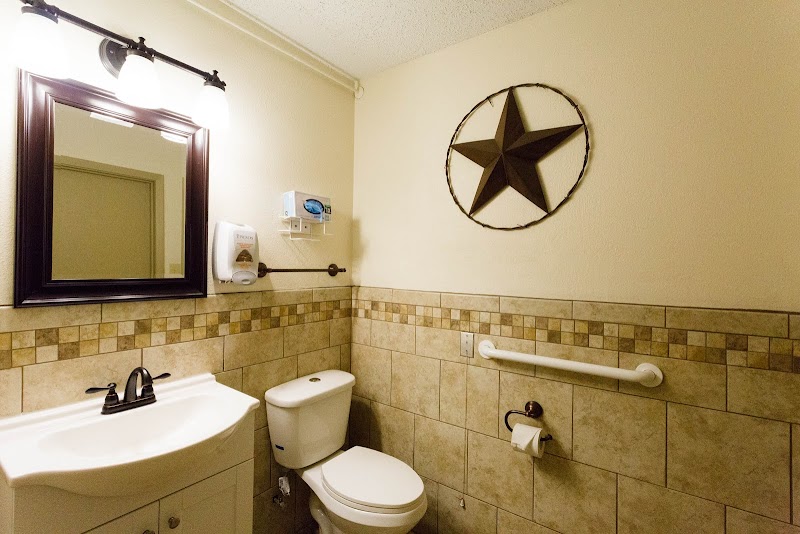
How is Focused Care At Mount Pleasant Staffed?

CMS rates Focused Care at Mount Pleasant's staffing level at 2 out of 5 stars, which is below average compared to other nursing homes. Staff turnover is 54%, compared to the Texas average of 46%. RN turnover specifically is 73%, which is notably high. RNs provide skilled clinical oversight, so turnover in this role can affect medical care quality.

What Have Inspectors Found at Focused Care At Mount Pleasant?

State health inspectors documented 85 deficiencies at Focused Care at Mount Pleasant during 2022 to 2025. These included: 6 Immediate Jeopardy (the most serious level, indicating potential for serious harm or death), 1 that caused actual resident harm, and 78 with potential for harm. Immediate Jeopardy findings are rare and represent the most serious regulatory concerns. They require immediate corrective action.
Who Owns and Operates Focused Care At Mount Pleasant?

Focused Care at Mount Pleasant is owned by a for-profit company. For-profit facilities operate as businesses with obligations to shareholders or private owners. The facility is operated by FOCUSED POST ACUTE CARE PARTNERS, a chain that manages multiple nursing homes. With 122 certified beds and approximately 67 residents (about 55% occupancy), it is a mid-sized facility located in Mount Pleasant, Texas.

How Does Focused Care At Mount Pleasant Compare to Other Texas Nursing Homes?

Compared to the 100 nursing homes in Texas, Focused Care at Mount Pleasant's overall rating (1 stars) is below the state average of 2.8, staff turnover (54%) is near the state average of 46%, and health inspection rating (1 stars) is much below the national benchmark.

What Should Families Ask When Visiting Focused Care At Mount Pleasant?

Based on this facility's data, families visiting should ask: "What changes have been made since the serious inspection findings, and how are you preventing similar issues?" "What safeguards and monitoring systems are in place to protect residents from abuse or neglect?" "Can you walk me through typical staffing levels on day, evening, and night shifts?" "Can I visit during a mealtime to observe dining assistance and food quality?" These questions are particularly relevant given the facility's Immediate Jeopardy citations, the substantiated abuse finding on record, and the below-average staffing rating.

Is Focused Care At Mount Pleasant Safe?

Based on CMS inspection data, Focused Care at Mount Pleasant has documented safety concerns. The facility has 1 substantiated abuse finding (meaning confirmed case of resident harm by staff or other residents). Inspectors have issued 6 Immediate Jeopardy citations (the most serious violation level indicating risk of serious injury or death). The facility has a 1-star overall rating and ranks #100 of 100 nursing homes in Texas. Families considering this facility should ask detailed questions about what corrective actions have been taken since these incidents.

Do Nurses at Focused Care At Mount Pleasant Stick Around?

Focused Care at Mount Pleasant has a staff turnover rate of 54%, which is 8 percentage points above the Texas average of 46%. Moderate turnover is common in nursing homes, but families should still ask about staff tenure and how the facility maintains care continuity when employees leave.

Was Focused Care At Mount Pleasant Ever Fined?

Focused Care at Mount Pleasant has been fined $254,684 across 6 penalty actions. This is 7.1x the Texas average of $35,626. Fines at this level are uncommon and typically indicate a pattern of serious deficiencies, repeated violations, or failure to correct problems promptly. CMS reserves penalties of this magnitude for facilities that pose significant, documented risk to resident health or safety. Families should request specific documentation of what issues led to these fines and what systemic changes have been implemented.

Is Focused Care At Mount Pleasant on Any Federal Watch List?

Focused Care at Mount Pleasant is not on any federal watch list. The most significant is the Special Focus Facility (SFF) program, which identifies the bottom 1% of nursing homes nationally based on persistent, serious quality problems. Not being on this list means the facility has avoided the pattern of deficiencies that triggers enhanced federal oversight. This is a positive indicator, though families should still review the facility's inspection history directly.