STALLINGS COURT NURSING AND REHABILITATION
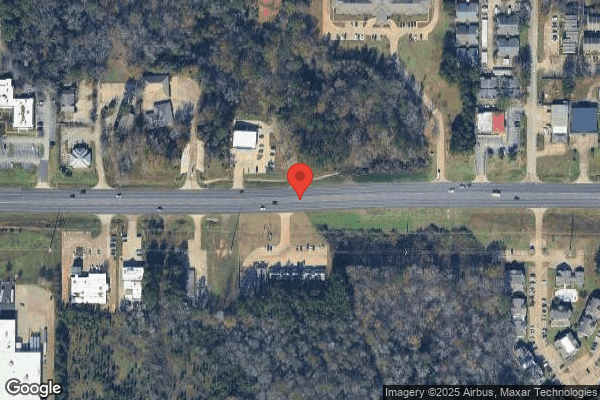
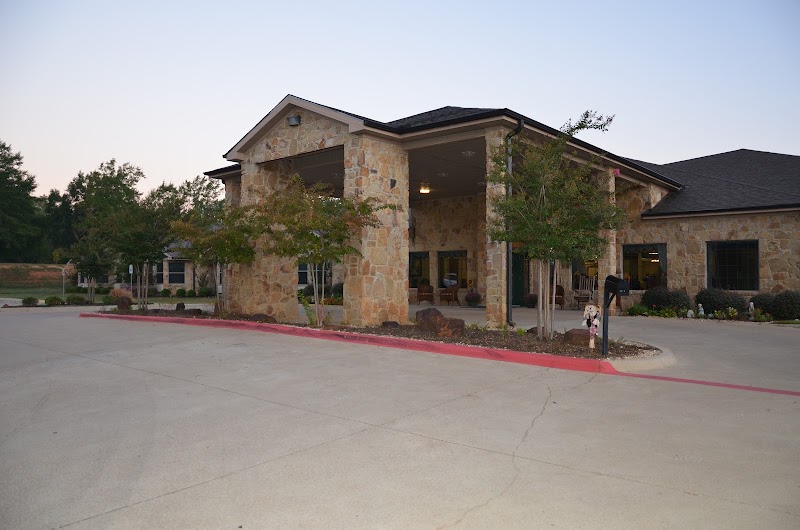
4616 NE STALLINGS DR, NACOGDOCHES, TX 75965 (936) 569-5600
For profit - Limited Liability company 120 Beds HMG HEALTHCARE Data: November 2025 5 Immediate Jeopardy citations
Trust Grade
0/100
#571 of 1168 in TX
Last Inspection: November 2024

Within standard 12-15 month inspection cycle. Federal law requires annual inspections.

Overview

Stallings Court Nursing and Rehabilitation has received a Trust Grade of F, which indicates significant concerns about the quality of care provided. They rank #571 out of 1168 facilities in Texas, placing them in the top half, but this ranking is overshadowed by their poor trust score. The facility is trending towards improvement, with issues decreasing from 15 in 2023 to 10 in 2024, yet there are still serious deficiencies. Staffing is below average with a rating of 2 out of 5 stars, but the turnover rate of 42% is slightly better than the state average, suggesting some stability among staff. Notably, there were critical incidents involving staff being allowed to work despite allegations of abuse, which raises serious concerns about resident safety and oversight. Overall, while there are some positive aspects, such as no fines and a trend towards fewer issues, the serious deficiencies and low trust grade warrant careful consideration for families evaluating this nursing home.

Trust Score
F
0/100
In Texas
#571/1168
Top 48%
Safety Record
High Risk
Review needed
Inspections
Getting Better
15 → 10 violations
Staff Stability
○ Average
42% turnover. Near Texas's 48% average. Typical for the industry.
Penalties
✓ Good
No fines on record. Clean compliance history, better than most Texas facilities.
Skilled Nurses
⚠ Watch
Each resident gets only 23 minutes of Registered Nurse (RN) attention daily — below average for Texas. Fewer RN minutes means fewer trained eyes watching for problems.
Violations
⚠ Watch
37 deficiencies on record. Higher than average. Multiple issues found across inspections.
★★★☆☆
3.0
Overall Rating
★★☆☆☆
2.0
Staff Levels
★★★☆☆
3.0
Care Quality
★★★☆☆
3.0
Inspection Score
Stable
2023: 15 issues
2024: 10 issues

The Good

  • Full Sprinkler Coverage · Fire safety systems throughout facility
  • No fines on record
  • Staff turnover below average (42%)

    6 points below Texas average of 48%

Facility shows strength in fire safety.

The Bad

3-Star Overall Rating

Near Texas average (2.8)

Meets federal standards, typical of most facilities

Staff Turnover: 42%

Near Texas avg (46%)

Typical for the industry

Chain: HMG HEALTHCARE

Part of a multi-facility chain

Ask about local staffing decisions and management

The Ugly 37 deficiencies on record

5 life-threatening 1 actual harm
Nov 2024 9 deficiencies
CONCERN (D) 📢 Someone Reported This

A family member, employee, or ombudsman was alarmed enough to file a formal complaint

Potential for Harm - no one hurt, but risky conditions existed

Resident Rights (Tag F0550)

Could have caused harm · This affected 1 resident

**NOTE- TERMS IN BRACKETS HAVE BEEN EDITED TO PROTECT CONFIDENTIALITY** Based on observation, interview, and record review the facility failed to ensure each resident was treated with respect, dignity...

Read full inspector narrative →
**NOTE- TERMS IN BRACKETS HAVE BEEN EDITED TO PROTECT CONFIDENTIALITY** Based on observation, interview, and record review the facility failed to ensure each resident was treated with respect, dignity, and care for each resident in a manner and in an environment that promoted maintenance or enhancement of his or quality of life, recognizing each resident's individuality for 1 of 6 residents (Resident # 11) observed for resident rights. CNA C and the ADON failed to provide Resident #11 with full privacy while receiving care on 11/18/2024. This failure could place residents at risk of not being treated with dignity and respect. Findings include: Record review of Resident #11's facility face sheet, dated 11/19/2024, reflected Resident #11 was a [AGE] year-old female who was admitted to the facility on [DATE] with a diagnosis which included Atrial Fibrillation (an irregular heartbeat). Record review of Resident #11's comprehensive care plan, dated 9/19/2024, reflected Resident #11 had bowel and bladder incontinence and required incontinent care from staff. Record review of Resident #11's quarterly MDS assessment, dated 9/21/2024, reflected Resident #11 had a BIMS of 11, which indicated moderately impaired cognition and was dependent on staff for toileting. During an observation on 11/18/24 at 2:34 PM revealed CNA C and the ADON entered Resident #11's room to provide incontinent care. The privacy curtain on the door side of the room was not pulled during care and left Resident #11 exposed. A visitor opened the door and entered the room during care and Resident #11 was exposed. During an interview on 11/18/24 at 2:42 PM, Resident # 11 said the staff usually pulled both privacy curtains but not always. She said she would be embarrassed if someone walked in and saw her naked. During an interview on 11/18/24 at 2:44 PM, CNA C said she had been a CNA for 2 years and at the facility 1 year . She said she was recently checked off resident rights . She said she pulled her curtain on her side and did not recognize the curtain on the door side was not pulled. She said by not pulling the curtain it could cause the resident to be exposed and embarrassed. During an interview on 11/18/24 at 2:50 PM, the ADON said she had been at the facility for 3 years . She said she was responsible for competency checks for all staff and she and the CNA had recently had annual competency training. She said she should have pulled the curtain to provide privacy during care and by not doing so residents could be exposed and embarrassed . During an interview on 11/20/24 at 1:50 PM, the DON said every person employed at the facility was responsible for ensuring resident rights and dignity. He said the privacy curtain should always be pulled to provide the resident with full privacy and expected that to occur with each resident encounter during personal hygiene and care. He said by not respecting resident rights and dignity it could cause embarrassment if they were exposed during care. During an interview on 11/20/24 at 2:16 PM, the Administrator said resident rights and dignity were the responsibility of every employee. She said during resident personal care like incontinent care the privacy curtain should always be pulled to avoid exposing the resident. She said she expected all staff to maintain dignity for every resident and by not doing so it could cause embarrassment. Record review of the facility policy titled Quality of Life - Dignity, dated October 2009, reflected, .Residents shall be treated with dignity and respect at all times, Staff shall promote maintain and protect resident privacy including bodily privacy during assistance with personal care
CONCERN (D) 📢 Someone Reported This

A family member, employee, or ombudsman was alarmed enough to file a formal complaint

Potential for Harm - no one hurt, but risky conditions existed

Deficiency F0688 (Tag F0688)

Could have caused harm · This affected 1 resident

**NOTE- TERMS IN BRACKETS HAVE BEEN EDITED TO PROTECT CONFIDENTIALITY** Based on observation, interview, and record review the facility failed to ensure a resident with limited mobility received appro...

Read full inspector narrative →
**NOTE- TERMS IN BRACKETS HAVE BEEN EDITED TO PROTECT CONFIDENTIALITY** Based on observation, interview, and record review the facility failed to ensure a resident with limited mobility received appropriate services, equipment, and assistance to maintain or improve mobility with the maximum practicable independence unless a reduction in mobility was demonstrably unavoidable for 1 of 6 residents (Resident #14) reviewed for quality of care. The facility failed to ensure Resident #14 had her splints for contractures in her hands on 11/18/24. This failure could place residents at risk of increased contractures, not receiving care and services to maintain their highest level of well-being and decline. Findings include: Record review of Resident #14's facility face sheet, dated 11/19/2024, reflected Resident #14 was an [AGE] year-old female who was admitted to the facility on [DATE]. Resident #14 had a diagnosis which included Parkinson's (a movement disorder of the nervous system that worsens over time). Record review of Resident #14's comprehensive care plan, dated 8/19/2024, reflected Resident #14 had limited physical mobility related to contractures and to apply hand splint to the right hand and left-hand palm protector. Record review of Resident #14's quarterly MDS, dated [DATE], reflected Resident #14 had a BIMS of 09, which indicated moderately impaired cognition. Resident #14 did not receive restorative nursing services for splint assistance. During an observation on 11/18/24 at 9:22 AM revealed Resident # 14's hands were contracted and there was no splint or device in her hands. There was a carrot device on her bedside table. During an phone interview on 11/18/24 at 2:22 PM, Resident #14's family member said Resident #14 should have a carrot in her hands because of contractures and had a history of getting skin breakdown from her fingernails . During an observation and interview on 11/18/24 at 3:23 PM revealed Resident #14 shook her head no when asked if she had her hand splints in place today. She was observed with no device in her hands and the carrot device remained on the bedside table. During an interview on 11/19/24 at 1:23 PM, CNA A said she had been a CNA for 13 years and at the facility 3 1/2 years . She said residents who had splints were usually on therapy or restorative and they applied the devices, but the CNAs were also trained to apply them. She said the devices should be applied daily as the resident allowed to prevent further contractures or skin breakdown. During an interview on 11/19/24 at 1:33 PM, the Restorative Aide said she had been the restorative aide care for 1 1/2 years . She said Resident #14 was on restorative but no longer and the CNA's and nurses were responsible for applying her splints. She said the nurses were given a list of residents who required splints and should be checking them and ensuring they were in place every day. She said if splints were not placed, contractures could worsen or there could be skin breakdown. During an interview on 11/19/24 at 1:35 PM, the PTA said residents who required special devices like splints the restorative aide or therapist applied the device, but all CNA's and nurses were trained so they could apply the devices on the weekends. She said Resident #14 was off therapy, but the DON was given a list of all residents who required devices and the nurses or CNAs should have been applying Resident #14's splints daily . She said by not applying them resident contractures could worsen or they could have pain. During an interview on 11/19/24 at 1:45 PM, LVN B said she had been an LVN for 3 1/2 years and at the facility 6 months . She said she was aware Resident #14 required splints on her hands and she had them on today. She said she was not sure why she did not have them on yesterday. She said there was a list at the nurse's station, and she checked devices on her rounds. She said if devices were not in place contractures could increase, or skin breakdown and pain could occur. During an interview on 11/20/24 at 1:50 PM, the DON said the CNA's and restorative aide were responsible for ensuring devices like splints were put in place as outlined in the resident's care plan. He said they did not do orders for devices and only placed a list at the nurse's station for the nurses to know who required what devices. He said there was no system in place to oversee and ensure the devices were in place but would start a new system. He said he expected all needed devices, such as hand splints, were in place as the resident required, and by not doing so contractures could worsen. During an interview on 11/20/24 at 2:16 PM, the Administrator said devices like hand splints should be in place as the care plan stated and the CNA's or nurses should be applying them. She said the DON was responsible for oversight and would make sure there was a system in place to check devices daily. She said she expected all residents with hand splints got them to prevent an increase in contractures. Record review of the facility's policy titled Contracture Management, dated March 2012, reflected .treatments and techniques employed by nursing home staff helps prevent or slow down contractures. Splinting devices are often utilized to prevent further contractures
CONCERN (D) 📢 Someone Reported This

A family member, employee, or ombudsman was alarmed enough to file a formal complaint

Potential for Harm - no one hurt, but risky conditions existed

Incontinence Care (Tag F0690)

Could have caused harm · This affected 1 resident

**NOTE- TERMS IN BRACKETS HAVE BEEN EDITED TO PROTECT CONFIDENTIALITY** Based on observation, interview and record review the facility failed to ensure a resident who was incontinent of bladder receiv...

Read full inspector narrative →
**NOTE- TERMS IN BRACKETS HAVE BEEN EDITED TO PROTECT CONFIDENTIALITY** Based on observation, interview and record review the facility failed to ensure a resident who was incontinent of bladder received appropriate treatment and service to prevent urinary tract infections and to restore continence to the extent possible for 1 of 3 residents (Resident #76) reviewed for indwelling catheter. The facility failed to ensure Resident #76's indwelling catheter securement device was in place. This failure could place residents at risk for urethral tears, discomfort, infection and hospitalization. Findings include: Record review of Resident #76's facility face sheet, dated 11/19/24, reflected an [AGE] year-old male who was admitted to the facility on [DATE] and subsequently readmitted on [DATE]. Resident #76 had diagnoses which included pulmonary mycobacterial infection (lung infections are caused by a common type of bacteria called mycobacteria), hyperlipidemia (high cholesterol), and hypertension (high blood pressure). Record review of Resident #76's Nursing Home PPS MDS assessment, dated 10/23/24, reflected Resident #76 had a BIMS score of 10, which indicated that he had moderately impaired cognition. Resident had an indwelling catheter and was always incontinent of bowel. Record review of Resident #76's comprehensive care plan, dated 11/12/24, reflected he had an indwelling catheter and had the following intervention: .check tubing for kinks each shift The care plan did not address securing the catheter with an anchor. Record review of Resident #76's physician's order summary report, dated 11/19/24, reflected he had the following order, dated 11/12/24: .Foley catheter 16FR 10cc bulb to bedside drainage, Diagnosis: Urinary retention During an observation on 11/19/24 at 1:20 PM revealed Resident #76 in bed with no securement device on his foley catheter. During an interview on 11/19/24 at 1:30 PM, the Restorative Aide said Resident #76 should have an anchor on his catheter to prevent it from pulling. She said he had just returned from the hospital with the catheter. During an interview on 11/19/24 at 1:48 PM, the DON said anchors were not normally used unless the residents requested them. During an interview on 11/20/24 at 2:42 PM, LVN L said the nurses are responsible to use anchors on the catheters to prevent them from pulling and causing pain. She said Resident #76 had recently returned from the hospital and it must have gotten missed. During an interview on 11/20/24 at 2:55 PM, the DON said Resident #76 had only been back from the hospital for a few days. He said the anchor helped to prevent the catheter from becoming dislodged and getting yanked out. He said going forward he would educate the nurses and ensure securement devices were used. During an interview on 11/20/24 at 3:10 PM, the Administrator said she expected her staff to use anchors to secure foley catheters. She said she would educate the staff and ensure the policy was followed going forward. She said residents needing indwelling catheters could be at risk for pain if tubing was not anchored to prevent it from pulling. Record review of the facility's policy titled Catheter Care, Urinary, dated 2001 and revised in April 2010, reflected .17. Secure catheter utilizing a leg band
CONCERN (E)

Potential for Harm - no one hurt, but risky conditions existed

Deficiency F0657 (Tag F0657)

Could have caused harm · This affected multiple residents

**NOTE- TERMS IN BRACKETS HAVE BEEN EDITED TO PROTECT CONFIDENTIALITY** Based on interview and record review the facility failed to make sure a comprehensive care plan was prepared by an interdiscipli...

Read full inspector narrative →
**NOTE- TERMS IN BRACKETS HAVE BEEN EDITED TO PROTECT CONFIDENTIALITY** Based on interview and record review the facility failed to make sure a comprehensive care plan was prepared by an interdisciplinary team, that included but not limited to a nurse aide with responsibility for the resident and a member of food and nutrition services staff for 4 of 4 residents (Residents #6, #27, #54 and #58) reviewed for care plans. The facility failed to ensure the dietary manager and nurse aides with responsibility for the residents were invited and attended the resident care plan conferences. This failure could place residents at risk for not receiving the care and services to meet their needs. Findings include: 1. Record review of Resident #6's facility face sheet reflected the resident was an [AGE] year-old female who was admitted to the facility on [DATE] with a diagnosis which included senile degeneration of the brain (disease that affect memory, thinking, and the ability to perform daily activities). Record review of Resident #6's comprehensive quarterly assessment, dated 10/9/2024, reflected the resident had a BIMS of 02, which indicated severe cognitive impairment. Record review of Resident #6's care plan conference reflected no evidence of attendance by the dietary manager and nurse aide with responsibility for the resident on 10/28/2024. 2. Record review of Resident #27 facility face sheet reflected the resident was an [AGE] year-old female who was admitted to the facility on [DATE] with a diagnosis which included cerebral infarction . Record review of Resident #27 comprehensive quarterly assessment, dated 10/2/2024, reflected the resident had a BIMS of 11, which indicated moderate cognitive impairment. Record review of Resident #27 care plan conference reflected no evidence of attendance by the dietary manager and nurse aide with responsibility for the resident on 10/22/2024. 3. Record review of Resident #54's facility face sheet reflected the resident was a [AGE] year-old male who was admitted to the facility on [DATE] with a diagnosis which included cerebral infarction. Record review of Resident #54's comprehensive quarterly assessment, dated 8/19/2024, reflected the resident had a BIMS of 15, which indicated no cognitive impairment. Record review of Resident #54's care plan conference reflected no evidence of attendance by the dietary manager and nurse aide with responsibility for the resident on 11/05/2024. 4. Record review of Resident #58 facility face sheet reflected the resident was a [AGE] year-old female who was admitted to the facility on [DATE] with diagnoses which included cerebral infarction (the pathologic process that results in an area of necrotic tissue in the brain) and epilepsy (brain disorder that causes recurring, unprovoked seizures). Record review of Resident #58 comprehensive quarterly assessment, dated 8/29/2024, reflected the resident had a BIMS of 12, which indicated moderate cognitive impairment. Record review of Resident #58 care plan conference reflected no evidence of attendance by the dietary manager and nurse aide with responsibility for the resident on 10/22/2024. During an interview on 11/20/2024 at 10:00 AM with the Dietary Manager, he said he had been in his position for 2 years . He stated he did not attend care plan meetings, he said he would attend the IDT meeting when he was not working in the kitchen related to staffing challenges. He said he attended half of the meetings. He said he usually was working in the kitchen when care plan meeting occurred. He said he communicated any dietary changes during the morning stand up meeting and he communicated with the unit managers. He said he did not initiate or update care plans and the nursing staff did the care plans for the residents. He said he did an assessment on all residents who were admitted to the facility and any residents who were readmitted to the facility. He said the registered dietician came to the facility every other week and she also performed assessments on residents that were new admissions, readmissions, or had weight loss or weight gains. He said dietary recommendations were given to the nursing staff to implement. In an interview with the MDS Coordinator on 11/20/2024 at 10:15 AM, she said she was responsible for completing the MDS for residents and she was also responsible for updating the care plans. She stated she and the Social Worker coordinated the care conference meetings. She said IDT meetings, or care conferences, were done weekly and the members present were herself, social services, unit manager, therapy, and family representatives at times and residents at times. She said the Dietary Manager did attend some of the meetings, but he was usually working in the kitchen and was unable to come to the meetings. She stated certified nurse assistants did not participate in the meetings. In an interview with the Director of Nursing on 11/20/2024 at 10:25 AM, he said he participated in the care plan meetings. He said he was responsible for updating the care plans along with the MDS Coordinator. He said the IDT team consisted of himself, social services, MDS coordinator, therapy, activities, and dietary. He said dietary did not always participate in care plan meetings due to staffing. He said dietary was hit and miss . He said he communicated with dietary before and after care plan meetings. He said he did all the dietary care plans and updated them as needed. He stated he electronically signed the dietary section of the care conference summary. He said the Dietary Manager attended about 50% of care plan meetings. He stated certified nurse aides did not attend care conference meetings. He stated that the dietary manager and a certified nurse assistant should attend care conferences to communicate any changes in the residents condition and it would allow for a team approach to the residents care. In an interview with the Social Worker on 11/20/2024 at 10:35 AM, she said she participated in the care conference meetings weekly. She said she participated in the IDT meetings. She said the MDS Coordinator, therapy, the Director of Nurses, activities, and dietary participated in the weekly meetings. She said dietary did not attend the IDT regularly due to staffing issues. She said the DON usually signed and completed the dietary responsibilities for the care conferences. She said the certified nurse aides did not participate in the care conferences . In an interview on 11/20/2024 at 2:35 PM with the Administrator, she stated she and the DON were responsible for making sure all members of the IDT team were present for the care plan conferences. She was able to name all members who were required to be present at the care plan conference. She said a risk for a member of the IDT team not being present and participating was not being able to communicate changes in the residents and everyone contributing to goal setting to help maintain the residents' highest level of functioning. Record review of the facility's policy titled Care Planning- Interdisciplinary Team revised September 2013, reflected the care plan is based on the resident's comprehensive assessment and is developed by a Care Planning/Interdisciplinary Team which include . the dietary manager/Dietician .nursing assistants responsible for the residents care
CONCERN (E)

Potential for Harm - no one hurt, but risky conditions existed

ADL Care (Tag F0677)

Could have caused harm · This affected multiple residents

**NOTE- TERMS IN BRACKETS HAVE BEEN EDITED TO PROTECT CONFIDENTIALITY** Based on observation, interview, and record review the facility failed to ensure a resident who was unable to carry out activiti...

Read full inspector narrative →
**NOTE- TERMS IN BRACKETS HAVE BEEN EDITED TO PROTECT CONFIDENTIALITY** Based on observation, interview, and record review the facility failed to ensure a resident who was unable to carry out activities of daily living received the necessary services to maintain good, nutrition, grooming and personal and oral hygiene for 4 of 12 residents (Residents #34, #37, #48, #69) reviewed for activities of daily living . 1.The facility failed to ensure Resident #37's had clean linens on 11/19/2024. 2. The facility failed to provide nail and mouth care to Resident #34 on 11/18/24 and 11/19/2024. 3. The facility failed to provide nail care to Resident #48 on 11/18/24 and 11/19/24. 4. The facility failed to ensure Resident #69 did not have oily hair and body odor on 11/18/24. These failures could place residents at risk of not having their needs met which could result in poor care, risk for skin breakdown, feelings of poor self-esteem, lack of dignity and health. Findings include: 1. Record review of Resident #37's admission Record, dated 11/20/2024, reflected she admitted to the facility on [DATE] and was a [AGE] year old female. Resident #37 had diagnoses which included Parkinsonism (brain condition that causes slowed movements and tremors), Major depressive disorder (persistent feeling of sadness or loss of interest) and hypertension and retention of urine (condition where the bladder does not empty completely). Record review of Resident #37's Quarterly MDS Assessment, dated 8/20/2024, reflected she had moderate impairment in thinking with a BIMS score of 9. She required substantial/maximal assistance with toileting and personal hygiene. She was always incontinent of urine and bowel. Record review of Resident #27's care plan, revised on 4/12/2022, reflected she was incontinent of bowel/bladder and had the potential for impaired skin and UTI's. Interventions included to check the resident during rounds and as required for incontinence. Change clothing PRN after incontinence episodes. During an observation on 11/19/2024 at 3:32 PM, revealed Resident #37 was in bed awake, the ADON and the Treatment Nurse were in the room to perform a skin assessment. They pulled back her linens and a strong ammonia odor permeated (filled) the room. Her brief was dry and the draw sheet was soaked and yellow stained. The ADON and Treatment Nurse removed the draw sheet and the resident said she was scheduled to get a shower that day on 11/19/2024. There were no skin issues noted during the assessment. During an interview on 11/19/2024 at 3:40 PM, the ADON said the staff assigned to Resident #37 earlier that day was CNA D. She said there was a strong urine odor in Resident #37's room and the draw sheet was wet and yellow stained. She said the staff should have changed Resident #37's draw sheet when they changed her if it was wet. She said residents could be at risk for skin breakdown if staff did not remove wet linens. Attempted a phone interview on 11/19/2024 at 4:09 PM with CNA D, there was no answer and a message for a return phone call was left. During a phone interview on 11/20/2024 at 7:45 AM, CNA D said she worked at the facility PRN and had only worked at the facility for 4 days and started on 11/9/2024. She said she worked on 11/19/2024 on the 6 am - 2 PM shift and was assigned the hall with Resident #37. She said she made rounds after breakfast, before lunch and after lunch. She said she changed Resident #37 about 4 times on 11/19/2024. She said she did not change the sheets but changed the draw sheet once during the shift. She said the draw sheet was changed about 1-1:15 PM on 11/19/2024 during her last round before her shift ended at 2 PM. She said there was a risk for skin breakdown if a resident was left on wet sheets. She said on her first day of work on 11/9/2024, she was told her hall she was assigned and given report and then allowed to work by herself. During an observation and interview on 11/20/2024 at 8:14 AM, in the room of Resident #37, Resident #37 said she received a shower yesterday 11/19/2024 after the skin assessment that was conducted by the ADON and Treatment Nurse. She said yesterday, 11/19/2024, she was changed 3 times during the day shift. She said her draw sheet was changed once, but it was wet yesterday afternoon (11/19/2024) and it did not get changed until the ADON and Treatment Nurse came in the room. She said being left on a wet draw sheet happened often because the urine would run out of her brief on the left side. She said she could feel when the draw sheet or linens were wet underneath her. She said she usually had to tell the staff her linens were wet because if not, they would not get changed. She said some of the older staff knew what to do and would place a thicker layer underneath her. During an interview on 11/20/2024 at 8:24 AM, CNA E said she had been employed at the facility since June 2024 and worked full time. She said she usually made rounds every 2 hours and more often as needed. She said if the entire bed was wet, she would change them along with the draw sheet. She said if the draw sheet was wet, she would not leave it under the resident. She said residents could be at risk for skin breakdown, discomfort or residents could start to smell if they were left on wet linens. She said she had training when she was hired by other nurse aides and had skills check off. During an interview on 11/20/2024 at 2:27 PM, the DON said staff should be changing linens anytime they were dirty. He said he was not aware of the incident with Resident #37 yesterday 11/19/2024. He said there could be a risk for nonhygienic and skin issues if residents were left on wet or dirty linens. He said he in-serviced staff that day 11/20/2024 on pericare. He said the facility did not have a policy on changing linens with incontinent care. During an interview on 11/20/2024 at 3:10 PM, the Administrator said she was made aware of Resident #37 who had wet linens on yesterday, 11/19/2024. She said linens should be changed when soiled by the nurse aides. She said residents could have skin breakdown and expected for linens to be changed when they were soiled. Record review of a CNA Proficiency Evaluation for CNA D met expectations on 11/11/2024 with perineal care conducted by the ADON. 2. Record review of Resident #34's facility face sheet, dated 11/19/2024, reflected Resident #34 was a [AGE] year-old female who admitted to the facility on [DATE] with a diagnosis which included Alzheimer's (loss of memory). Record review of Resident #34's comprehensive care plan, dated 8/23/2024, reflected Resident #34 had history of skin tears and nails should be kept short to reduce risk of scratching or injury from picking at skin. Record review of Resident #34's quarterly MDS assessment, dated 10/11/2024, reflected Resident #34 had a BIMS of 4, which indicated severe cognition. Resident #34 was maximum assistance with personal hygiene. During an observation and interview on 11/18/24 at 9:38 AM revealed Resident #34's fingernails were long and had a dark thick substance under them. Resident #34 said no one cleaned them but would like them cleaned. She said she had a shower that morning. She said her teeth were never brushed and her teeth were observed with food particles and white buildup around teeth . During an observation and interview on 11/19/24 at 8:05 AM revealed Resident #34's fingernails had a thick dark substance under them, and teeth had food particles. She said she needed her toenails trimmed as well. During an observation and interview on 11/19/24 at 9:43 AM revealed Resident #34's feet were inspected with the Treatment nurse. The toenails on both feet were thick and overgrown. The Treatment Nurse said toenail care was to be completed on bath days unless the resident was diabetic. She said untrimmed nails cold cause skin issues and discomfort . 3. Record review of Resident #48's facility face sheet reflected Resident #48 was a [AGE] year-old female who was admitted to the facility on [DATE] with a diagnosis which included Dementia (loss of memory). Record review of Resident #48's comprehensive care plan, dated 5/21/24, reflected Resident #48 had potential impairment to skin integrity and avoid scratching and required assistance with ADL's and staff to assist with personal hygiene and oral care. Record review of Resident #48's quarterly MDS assessment, dated 8/16/24, reflected Resident #48 had a BIMS of 13, which indicated intact cognition. Resident #48 was dependent on staff for personal hygiene. During an observation and interview on 11/18/24 at 10:17 AM revealed Resident #48's fingernails were long and had a dark thick substance under them. She said the staff cleaned them maybe once a week but would like them done more often . During an observation on 11/18/24 at 3:00 PM revealed Resident #48's fingernails had a dark thick substance under them. During an observation and interview on 11/19/24 at 8:10 AM revealed Resident #48's fingernails were long and dark substance under them. She said she had a bath, but the staff did not clean or trim her fingernails . During an interview on 11/19/24 at 1:23 PM, CNA A said she had been a CNA for 13 years and the CNAs were responsible for ensuring residents nails were cleaned and trimmed at least on shower days and as needed if they were dirty. She said mouthcare should be done daily. She said if nails were left dirty and untrimmed it could cause skin breakdown and infections and if mouth care was not provided it could affect their eating and cause mouth sores. During an interview on 11/19/24 at 2:00 PM, LVN B said she had been a LVN for 3 1/2 years and at the facility 6 months . She said the CNA's were responsible for all ADL care and should be cleaning nails and performing mouth care daily. She said the charge nurse should be checking that ADL care was performed with rounds and she missed that ADL care had been missed for Resident #34 and Resident #48. She said ADL care should be completed to prevent infections, injuries or skin changes. During an interview on 11/20/24 at 1:50 PM, the DON said the CNAs were responsible for performing ADL care and the charge nurses and management nursing were to oversee that care was provided. He said all staff were trained on hire, annually and as needed on ADL care, and expected nail care and mouth care to be provided to each resident daily. He said if ADL care was not provided it caused infections or injuries. During an interview on 11/20/24 at 2:16 PM, the Administrator said the charge nurses and management nurses were responsible for oversight of ADL care. She said nails should be cleaned when soiled, trimmed as needed and mouth care should be performed daily. She said she expected every resident to receive all required ADL care daily to prevent infections and injuries. Record review of the facility's policy, titled Mouthcare, dated April 2007 reflected, .cleanse and freshen the resident's mouth to prevent infections of the mouth . Record review of the facility's policy, titled Care of Fingernails/Toenails, dated April 2007, reflected, .nail care includes daily cleaning and regular trimming . 4. Record review of Resident #69's facility face sheet, dated 11/19/24, reflected a [AGE] year-old male who was admitted to the facility on [DATE] and subsequently readmitted on [DATE]. Resident #66 had diagnoses which included cerebral infarction (stroke), hypertension (high blood pressure) and dementia (a group of symptoms affecting memory, thinking, and social abilities). Record review of Resident #69's comprehensive MDS assessment, dated 8/19/24, reflected he had a BIMS score of 10, which indicated he had moderately impaired cognition. He exhibited rejection of care 1 to 3 days during previous 7-day period. He required partial to moderate assistance with showers. He was occasionally incontinent of bowel and bladder. Record review of Resident #69's comprehensive care plan, dated 9/23/24, reflected he was resistive to treatment/care by refusing bathing. He had the following intervention: .document care being resisted .monitor behaviors and document number of episodes Record review of the facility's, undated, shower schedule located inside linen closet, reflected Resident #69 was scheduled for showers on Tuesdays, Thursdays and Saturdays on the 2-10PM shift. Record review of Resident #69's bathing care record, dated 11/19/24, reflected he did not get a shower on 10/22/24, 10/31/24 or 11/7/24 with no resident refusal documented. Record review of nursing progress notes for Resident #69 reflected there was no nursing progress note which indicated the resident was offered and refused his shower on 10/22/24, 10/31/24 or 11/7/24. During an observation and interview on 11/18/24 at 10:20 AM revealed Resident #69 was observed in his room sitting up in his wheelchair. There was an odor in his room indicative of body odor. The resident said he did not get his showers and staff had not washed his hair. The resident's hair was observed to appear oily and had white flakes on the top of his hair. He said staff did not offer to give him a shower or wash his hair, he said they did shave him occasionally. He said it made him feel not good when he had dirty hair and had not been showered. During an interview on 11/20/24 at 11:20 AM, LVN B said Resident #69 was on the 2-10 schedule for showers, so she was not familiar if he refused often or not. She said the nurse was responsible for ensuring residents received their showers. During an interview on 11/20/24 at 11:30 AM, CNA J said she did not work with Resident #69 very often, but if a resident refused their shower, then the CNA was responsible to notify the charge nurse and document in the kiosk that the resident had refused. During an interview on 11/20/24 at 2:30 PM, CNA K said she did care for Resident #69. She said he refused his shower most of the time. She said when he refused, she would notify the charge nurse and sometimes the nurse could convince him to take it. She said if a resident continued to refuse and she was not able to shower him, she would then document the resident's refusal in the kiosk. During an interview on 11/20/24 at 2:55 PM, the DON said Resident #69 refused showers all the time and the nurses were responsible for documenting his refusals, but they had not been documenting this. He said going forward he would educate the staff and make sure the nurses were properly documenting when a resident refused showers. During an interview on 11/20/24 at 3:00 PM, LVN M said if a resident refused showers, then she would notify the nurse practitioner and document in a progress note the resident refused, if she was made aware of the refusal by the CNA. She said Resident #69 did sometimes refuse his showers. During an interview on 11/20/24 at 3:10 PM, the Administrator said she expected her staff to properly document resident refusals. She said going forward, she would educate the nurses to document when a resident refused care. She said residents could be at risk for skin breakdown if they did not receive proper ADL care. Record review of the facility policy titled Shower/Tub Bath, dated 2001 and revised in October 2009, reflected .Documentation: The following information should be recorded on the resident's ADL record and/or in the resident's medical record: 4. If the resident refused the shower/tub bath, the reason(s) why and the intervention taken .Reporting: 1. Notify the supervisor if the resident refuses the shower/tub bath
CONCERN (E)

Potential for Harm - no one hurt, but risky conditions existed

Deficiency F0761 (Tag F0761)

Could have caused harm · This affected multiple residents

**NOTE- TERMS IN BRACKETS HAVE BEEN EDITED TO PROTECT CONFIDENTIALITY** Based on observation, interview and record review the facility failed to ensure drugs and biologicals were store in locked compa...

Read full inspector narrative →
**NOTE- TERMS IN BRACKETS HAVE BEEN EDITED TO PROTECT CONFIDENTIALITY** Based on observation, interview and record review the facility failed to ensure drugs and biologicals were store in locked compartments under proper temperature controls for 2 of 3 medication carts (medication aide cart and nurse cart for halls 300 and 400), 1 of 1 medication rooms and 1 of 16 residents (Resident #18) reviewed for pharmacy services. The facility failed to ensure Fluticasone nasal spray was properly stored and locked in accordance with currently accepted professional standards for Resident #18 from 11/18/2024-11/19/2024 that was at her bedside. 1. The facility failed to dispose of expired medications from the medication aide and nurse medication carts on 11/19/2024 which included: (3) packages of Juven nutrition powder with use by date of November 1, 2024. (2) bottles of Glucerna 1.2 cal dated November 1, 2024. 2. The facility failed to dispose of expired medications in the medication room on 11/19/2024 which included: (1) box of phenylephrine hcl expired 9/2024 (1) box of I-caps expired 6/2023 (3) boxes of gas relief expired 8/2024 (1) bottle of Geri Lanta expired 11/2023. These failures could place residents at risk for adverse effects and reduced therapeutic effects of medication and supplies. Findings include: 1. Record review of Resident #18's admission Record, dated 11/20/2024, reflected the resident admitted to the facility on [DATE] and was [AGE] years old female. Resident #18 had diagnoses which included Alzheimer's Disease, atherosclerotic heart disease (buildup of plaque in the arteries), major depressive disorder (persistent sadness or loss of interest), and hypertension. Record review of active physician orders for Resident #18, dated 11/20/2024, reflected an order for Flonase allergy relief suspension 50 mcg/act 1 spray in both nostrils one time a day for allergic rhinitis with a start date of 9/22/2021. Record review of Resident #18's Quarterly MDS Assessment, dated 11/7/2024, reflected she had moderate impairment in thinking with a BIMS score of 8. She required supervision or touching assistance with ADLs except for showering/bathing with partial/moderate assistance. Record review of Resident #18's care plan, last review dated 9/6/2024, did not indicate she was care planned to self-administer her nasal spray. During an observation and interview on 11/18/24 at 9:24 AM, in the room of Resident #18 was sitting up in a recliner dressed. She said she had been at the facility for a while. There was a bottle of fluticasone spray on a table by her recliner that was not in a box and Resident #18 said the nurse brought it into the room for her to use and she used it once a day. During an observation on 11/18/2024 at 2:27 PM, in the room of Resident #18 revealed the resident was not in the room, the bottle of nasal spray was still on the table. During an observation on 11/19/2024 at 7:44 AM, MA N was assigned the medication cart for hall 300 and 400. The State Surveyor checked the cart and it had (3) packages of Juven nutrition powder (supplement that supports wound healing) indicated a use by date of [DATE]. During an observation and interview during medication administration on 11/19/2024 at 8:26 AM, MA G was in the room of Resident #18 to give her morning medications. Resident #18 still had the bottle of nasal spray on the table by her recliner. MA G said Resident #18 did not get her nasal spray yesterday, 11/18/2024, because she did not have a box to it inside of the medication cart. She said she was not aware Resident #18 had her nasal spray in her room. She said medications should not be left at the bedside. She said Resident #18 had not been deemed to take medications on her own and the medication aides and nurses gave her medications. She said she observed the nasal spray at the bedside of Resident #18 before and removed it and placed it back inside of the medication cart. She said the facility had a lot of PRN staff on the weekends and was not sure if that was who left it in the room or not. She said if medications were left in the rooms of residents, they could get confused and someone could come along and take them. During an observation on 11/19/2024 at 9:29 AM, in the medication room with RN F revealed: (1) box of phenylephrine hcl expired 9/24, (1) box of I-caps expired 6/2023, (3) boxes of gas relief expired 8/24, and (1) bottle gerilanta expired 11/23. During an interview on 11/19/2024 at 9:49 AM, RN F said the ADON, and unit managers were responsible for the medication rooms and storing of medications. She said anytime they placed an order for medications or when medications were pulled, they checked the medication room. She said they checked the medication room at least monthly. She said there could be a risk of sickness if residents were taking medications that were expired. During an interview on 11/19/2024 at 1:43 PM, the ADON said she and the unit managers were responsible for checking the medication carts and the medication room for expired medications. She said she checked the medication cart for hall 100 last week and the Pharmacist visited the facility last week and checked the medication room as well. She said she was not sure how the expired medications were missed. She said there could be a risk of sickness if residents received medications that were expired. She said medications should not be stored at the bedside, she Resident #18 had not been deemed to administer medications to herself. She said there was a risk for other residents to get the medications if they were left at the bedside or the resident could take too much. During an observation on 11/19/2024 at 3:42 PM, the nurse cart for halls 300 and 400 was assigned to the NP and revealed: (2) bottles of Glucerna 1.2 cal dated [DATE]. During an interview on 11/20/2024 at 2:27 PM, the DON said whoever was responsible for the carts that day was responsible for ensuring the carts did not have expired medications and the Unit Managers were responsible for checking them weekly along with the medication rooms. He said medications should always be stored in the carts or in the medication room. He said there were not any residents in the facility that were deemed safe to self-administer any medications in the facility. He said the Pharmacist visited the facility monthly and checked the carts and medication rooms during visits. He said there was a risk for adverse effects to the residents if residents took expired medications or the residents could take too much if medications were left at the bedside. He said he started an in-service with staff yesterday (11/19/2024) about medication storage. During an interview on 11/20/2024 at 3:10 PM, the Administrator said the nurse and nurse aides were responsible for checking the carts daily. She said the medication room was the responsibility of Nursing for checking it daily to make sure there were not any expired medications. She said medications should not be stored at the bedside and should be kept in the medication carts. She said there were not any residents in the facility that could self-administer medications. She said she planned to have nursing supervise and monitor the medication carts and the room. She said there could be negative effects for the residents if they were given medications that were expired or left at the bedside. Record review of an in-service, dated 11/19/2024, titled Nurse & Med Carts by the DON reflected, no medications that are expired can be on the medication cart. It is your responsibility to check daily. Record review of an in-service, dated 11/19/2024, titled Meds at Bedside by the DON indicated, no medication at all are allowed to be kept by residents or at bedside. Pull the medication and give to charge nurse if found. Record review of the facility's policy titled Storage of Medication, revised April 2007, reflected, .The facility shall store all drugs and biologicals in a safe, secure, and orderly manner. 1. Drugs and biologicals shall be stored in the packaging, containers or other dispensing systems in which they are received. 2. The nursing staff shall be responsible for maintaining medication storage and preparation areas in a clean, safe, and sanitary manner. 4. The facility shall not use discontinued, outdated, or deteriorated drugs or biologicals
CONCERN (E)

Potential for Harm - no one hurt, but risky conditions existed

Deficiency F0805 (Tag F0805)

Could have caused harm · This affected multiple residents

**NOTE- TERMS IN BRACKETS HAVE BEEN EDITED TO PROTECT CONFIDENTIALITY** Based on observation, interview and record review the facility failed to ensure each resident was provided food prepared in a fo...

Read full inspector narrative →
**NOTE- TERMS IN BRACKETS HAVE BEEN EDITED TO PROTECT CONFIDENTIALITY** Based on observation, interview and record review the facility failed to ensure each resident was provided food prepared in a form designed to meet individual needs for 3 of 3 residents (Residents #27, Resident #12 and Resident # 24) reviewed for pureed diets. The facility failed to prepare the pureed diet to the consistency required for Resident #27, Resident #12 and Resident #24. This failure could place residents at risk of not having nutritional needs met by consuming foods that could cause choking and decreased meal intakes. Findings include: 1. Record review of Resident #27's facility face sheet, dated 11/20/2024, for reflected an [AGE] year-old female who was admitted to the facility on [DATE]. Resident #27 had diagnoses which included aphasia following cerebral infarction (a disorder resulting from damage or injury to the language area in the brain), dysphagia (A condition with difficulty in swallowing food or liquid. This may interfere in a person's ability to eat and drink), and protein calorie malnutrition (an imbalance between the nutrients your body needs to function and the nutrients it gets). Record review of Resident #27's quarterly MDS assessment, dated 10/2/2024, reflected she had a BIMS score of 11, which indicated she had moderate cognitive impairment. Section GG indicated she required supervision assistance for eating. Record review of Resident #27's comprehensive care plan, dated 7/20/2022 and revised on 10/22/2024, reflected Resident #27 was on a low salt pureed diet. Record review of Resident #27's physician's order summery report, dated 11/20/2024, reflected she was ordered a low sodium, dysphagia pureed level 1 regular diet with a start date of 9/5/2024. 2. Record review of Resident #12's facility face sheet, dated 11/20/2024, for reflected a [AGE] year-old male who was admitted to the facility on [DATE]. Resident #12 had diagnoses which included dysphagia (A condition with difficulty in swallowing food or liquid. This may interfere in a person's ability to eat and drink), aphasia (a disorder resulting from damage or injury to the language area in the brain) and cerebral infarction (the pathologic process that results in an area of necrotic tissue in the brain). Record review of Resident #12's annual MDS assessment, dated 10/14/2024, reflected he had a BIMS score of 04, which indicated he had severe cognitive impairment. Section GG indicated he required supervision assistance for eating. Record review of Resident #12's comprehensive care plan, dated 1/13/2023 and revised on 9/23/2024, reflected Resident #12 was on a 2 Gram sodium, pureed texture, honey consistency liquid diet and was at risk for malnutrition. Record review of Resident #12's physician's order summery report, dated 11/20/2024, reflected he was ordered a 2 Gram sodium, dysphagia pureed level 1 regular diet with honey consistency for pleasure with a start date of 8/6/2024. 3. Record review of Resident #24's facility face sheet, dated 11/20/2024, reflected an [AGE] year-old female who was admitted to the facility on [DATE]. Resident #24 had diagnoses which included dysphagia (A condition with difficulty in swallowing food or liquid. This may interfere in a person's ability to eat and drink) and cerebral palsy (a group of conditions that affect movement and posture). Record review of Resident #24's significant change in status MDS assessment, dated 8/13/2024, reflected she had a BIMS score of 08, which indicated she had moderate cognitive impairment. Section GG indicated she required supervision assistance for eating. Record review of Resident #24's comprehensive care plan, dated 6/11/2024 and revised on 10/15/2024, reflected Resident #24 was on a therapeutic regular pureed diet. Record review of Resident #24's physician's order summery report, dated 11/20/2024, reflected she was ordered a regular, dysphagia pureed level 1 diet with a start date of 7/10/2024. During an observation and interview on 11/19/24 at 11:35 AM with the Administrator and Director of Nursing, revealed they sampled the pureed pork on the State Surveyors' test tray was observed to be chewy and not a smooth, pudding-like consistency by the surveyor. During an interview with the Dietary District Manager on 11/19/2024 at 1:00 PM, she said she has been in her current position for 1 year. She stated after the test tray was served, she pureed more meat for the residents and replaced the original meat served with the meat with a smoother [NAME]. She said she started an in-service with the dietary staff on pureed texture and consistency. She said the consistency of pureed foods should be smooth and no texture should be detected. She said a smooth texture allowed for the foods to be swallowed easily. She stated broth or other recommended liquids should be added to foods to achieve the right consistency and texture. She stated foods should be precut to smaller pieces to allow the food to break down to a smoother texture. She said the registered dietician came to the facility every other week and did sample test treys with every visit. She said if pureed foods did not have a smooth consistency, it could cause the resident to choke. During an interview with the Dietary Manager on 11/20/2024 at 10:00 AM, revealed he had been working at the facility for 2 years. He said an in-service was started for staff on the correct consistency of pureed foods. He said the cook was responsible for preparing the pureed foods and pureed foods should have a smooth, mousse like consistency. He said the person who prepared the pureed foods should look at the food, take a spoon and check for smoothness. He said the meat should be chopped prior to the puree process. He said a resident could be at risk for choking if the ordered diet was not served. During an interview with the Administrator on 11/20/2024 at 10:30 AM, she said she had been in her position for 1 month. She stated the pureed consistency needed to be correct. She said she would be monitoring the consistency of the pureed diets. She said she was also going to get the speech therapists and dietician involved in the observation and the consistency. She said a resident could possibly aspirate or effect intake by pocketing food. Record review of the facility's document titled texture modification in-service from the dietary operations v2 policy reflected All foods must be pureed to a mousse-like texture . Blend food items until fine and smooth.
CONCERN (E)

Potential for Harm - no one hurt, but risky conditions existed

Deficiency F0868 (Tag F0868)

Could have caused harm · This affected multiple residents

Based on an interview and record review the facility failed to maintain a Quality Assessment and Assurance Committee which consisted at a minimum of the director of nursing services, the Medical Direc...

Read full inspector narrative →
Based on an interview and record review the facility failed to maintain a Quality Assessment and Assurance Committee which consisted at a minimum of the director of nursing services, the Medical Director or designee, at three other members of the facility's staff, at least one of who must be the administrator, owner, a board member or other individual in a leadership role and the infection preventionist and the facility failed to ensure the Quality assessment and assurance committee met quarterly and as needed to coordinate and evaluate activities, including performance improvement projects required under QAPI program for 4 of 11 months (April 2024, May 2024, July 2024 and October 2024. reviewed for QAA/QAPI. 1. The facility failed to ensure the Medical Director attended their QAA and QAPI meetings for the months of April 2024, May 2024 and July 2024. 2. The facility failed to ensure they had QAA and QAPI meetings for the month of October 2024. These failures could place residents at risk for quality deficiencies being unidentified and no appropriate plans of actions developed or implemented. Findings include: Record review of the facility's QAA/QAPI meeting signature logs for the months of April 18, 2024, May 16, 2024, and July 18, 2024 reflected meetings were conducted each month during that period. Neither the Medical Director nor his/her designee signed the sign-in sheets, nor was it indicated on the sign-in sheet the Medical Director or his designee attended the QAA/QAPI meetings via zoom or by phone. Record review of the facility's QAA/QAPI meeting signature logs for the past year from October 18, 2023, to September 19, 2024. There was no record of a signature log for the month of October 2024. During an interview on 11/20/2024 at 1:30 PM, the Administrator said she had been employed at the facility since October 1, 2024. She said the facility had meetings for QA monthly. She said she was in the learning process of what the facility wanted. She said she was not aware the facility policy indicated they would have meetings monthly and knew the state regulation was for quarterly meetings. She said they had not had a meeting since she took over as the Administrator. She said in the meetings they should be discussing weights, skin issues, infection control, medications, and anything pertinent to care. She said recently she had been focused on falls with an action plan in place. She said all department heads and IDT team members would be included in the meetings along with the Medical Director. She said they planned to have monthly meetings going forward with it being scheduled on or around the 3rd week of the month. She said there was a risk of information being missed when all team members were not in attendance at the meetings. Record review of the facility's policy titled Quality Assurance and Performance Improvement (QAPI) Committee, dated July 2016 reflected .This facility shall establish and maintain a Quality Assurance and Performance Improvement (QAPI) Committee that oversees the implementation of the QAPI program. 3. The following individuals will serve on the committee: c. Medical Director; Committee Meetings 1. The committee will meet monthly at an appointed time
CONCERN (E) 📢 Someone Reported This

A family member, employee, or ombudsman was alarmed enough to file a formal complaint

Potential for Harm - no one hurt, but risky conditions existed

Infection Control (Tag F0880)

Could have caused harm · This affected multiple residents

**NOTE- TERMS IN BRACKETS HAVE BEEN EDITED TO PROTECT CONFIDENTIALITY** Based on observation, interview, and record review the facility failed to establish and maintain an infection prevention and con...

Read full inspector narrative →
**NOTE- TERMS IN BRACKETS HAVE BEEN EDITED TO PROTECT CONFIDENTIALITY** Based on observation, interview, and record review the facility failed to establish and maintain an infection prevention and control program designed to provide a safe, sanitary and comfortable environment and to help prevent the development and transmission of communicable diseases and infections for 3 of 10 residents (Residents #11, #65, and #181) and 2 of 6 staff (CNA C and CNA H) reviewed for infection control. 1.CNA C failed to change gloves and perform hand hygiene during incontinent care for Resident #11 on 11/18/2024. 2.The facility failed to ensure CNA C did not enter the isolation rooms of Residents #65 and #181 without PPE on 11/18/24. These failures could place residents at risk of exposure to infectious diseases . Findings include: 1.Record review of Resident #11's facility face sheet, dated 11/19/2024, reflected Resident #11 was a [AGE] year-old female who was admitted to the facility on [DATE]. Resident #11 had a diagnosis which included Atrial Fibrillation (an irregular heartbeat). Record review of Resident #11's comprehensive care plan, dated 9/19/2024, reflected Resident #11 had bowel and bladder incontinence and required incontinent care from staff. Record review of Resident #11's quarterly MDS assessment, dated 9/21/2024, reflected Resident #11 had a BIMS of 11, which indicated moderately impaired cognition. Resident #11 was dependent on staff for toileting. During an observation on 11/18/24 at 2:34 PM revealed CNA C and the ADON provided incontinent care to Resident #11. Both entered the room and applied gown and gloves for enhanced barrier precautions. CNA C opened Resident #11's brief and cleaned the front with wipes using a front to back technique. The ADON assisted Resident #11 to her right side. CNA C then cleaned Resident #11's buttock with wipes and the soiled brief and draw sheet was rolled under Resident #11. CNA C then placed a clean sheet and brief without removing her gloves or performing hand hygiene. CNA C proceeded to apply the clean brief, positioned Resident #11 in bed and adjusted Resident #11's pillows and linen with the ADON's assistance. CNA C then removed her gloves and gown, performed hand sanitization and left room. During an interview on 11/18/24 at 2:44 PM, CNA C said she had been a CNA for 2 years and at the facility 1 year . She said she was recently checked off on incontinent care and infection control. She said during incontinent care she should have removed her gloves and performed hand hygiene when going from soiled to clean. She said by not doing so she could cause spread of infections . During an interview on 11/18/24 at 2:50 PM, the ADON said she had been at the facility for 3 years . She said she was responsible for competency checks for all staff and she and the CNA had recently had annual competency training. She said she should have talked to the CNA and made sure she was properly prepared and not nervous to perform care. She said care from soiled to clean gloves should be changed and hand hygiene performed. She said by not doing so, it put the residents at risk for cross contamination and infections. During an interview on 11/20/24 at 1:50 PM, the DON said the ADON was responsible for training on infection control and skill check offs for CNA's. He said all nursing staff were trained on infection control measures on hire, annually and as needed. He said he expected infection control measures were followed by all staff to prevent the spread of infections and cross contamination. During an interview on 11/20/24 at 2:13 pm , the Administrator said the DON and the ADON were responsible for the infection control program and training. She said training was completed on hire, annually and as needed. She said she expected infection control measures were always followed to prevent the spread of infections. Record review of a competency skills checkoff dated 9/11/24, reflected CNA C was competent on incontinent care and infection control. Record review of the facility's policy titled Perineal Care, dated December 2011, reflected, .the purposes of this procedure are to provide cleanliness and comfort to the resident, to prevent infections and skin irritations and to observe the resident's skin condition. 12. remove gloves and discard into designated container. Wash and dry your hands thoroughly. Put on clean gloves and place new brief and secure in place. Reposition the bed covers and make the resident comfortable 2. Record review of Resident #65's facility face sheet, dated 11/21/24, reflected he was a [AGE] year-old male who was admitted to the facility on [DATE] and subsequently readmitted on [DATE]. Resident #65 had diagnoses which included intraspinal abscess and granuloma (a collection of pus and infectious material in the spine), sepsis (a serious condition in which the body responds improperly to an infection, causing organ damage and sometimes death) and metabolic encephalopathy (a condition in which brain function is disturbed either temporarily or permanently due to different diseases or toxins in the body). Record review of Resident #65's Nursing Home PPS MDS assessment, dated 11/9/24, reflected Resident #65 had a BIMS score of 15, which indicated he was cognitively intact. He was on isolation or quarantine for active infectious disease. Record review of Resident #65's comprehensive care plan, dated 11/6/24, for reflected Resident #65 was on MSSA/contact precautions and had the following intervention: .contact precautions due to MSSA Record review of Resident #65's physician's order summary report, dated 11/21/24, reflected he had the following order dated 11/5/24: .Contact Isolation Precautions for MSSA in wound Record review of Resident #181's facility face sheet, dated 11/19/24, reflected a [AGE] year-old female who was admitted to the facility on [DATE]. Resident #181 had diagnoses which included infective endocarditis (a potentially fatal inflammation of your heart valves' lining and sometimes heart chambers' lining), sepsis (a serious condition in which the body responds improperly to an infection, causing organ damage and sometimes death) and hyperlipidemia (high cholesterol). Record review of Resident #181's electronic medical record indicated her entry MDS was in process and had not been completed yet. Record review of Resident #181's physician's order summary report, dated 11/19/24, reflected she had the following order dated 11/14/24: .Contact and Isolation Precautions for (MRSA) every shift Record review of Resident #181's comprehensive care plan, dated 11/15/24, reflected she required contact isolation and had the following intervention: .follow facility isolation policy During an observation on 11/18/24 at 11:13 AM revealed Resident #65's room had a contact isolation sign on door and a PPE box located outside doorway. During an observation on 11/18/24 at 11:15 AM revealed Resident #181's room had a contact isolation sign on the door and a PPE box located outside doorway. During an observation on 11/18/24 at 11:45 AM revealed CNA H passing meal trays and she entered Resident #65's room without donning PPE. When Resident #65 refused his meal, she returned to the hallway with his tray in hand and placed it back on the tray cart. She was then observed removing the meal tray for Resident #181 and entered her room without donning PPE. The DON walked down hall at this time and saw her in Resident #181's room. When she exited the room, the DON said something inaudible to her and she was then observed going into the shower room to wash her hands. During an interview on 11/18/24 at 11:55 AM, the DON said CNA H should not have entered the isolation rooms without donning PPE. He said she had been trained and the 2 residents were on Contact Isolation Precautions. During an interview on 11/18/24 at 12:00 PM, CNA H said she thought she only had to wear PPE if she was providing resident care. She said she thought Resident #65 was on precautions due to his wound and Resident #181 was on precautions due to having an IV. She said infections could be spread between residents if infection control techniques were not followed. During an interview on 11/20/24 at 2:55 PM, the DON said Enhanced Barrier Precautions had everyone confused and going forward he would continue to educate the staff regarding Contact Precautions versus Enhanced Barrier Precautions. He said residents could be at risk for cross-contamination if proper infection control procedures were not followed. During an interview on 11/20/24 at 3:10 PM, the Administrator said she would be in-servicing the staff on PPE usage and the different isolation types. She said if staff did not follow proper infection control precautions, infections could spread. Record review of a CNA Proficiency Evaluation, dated 8/6/24, reflected CNA H had received training on Infection Control. Record review of the facility's policy titled Infection Prevention and Control Program, dated 2001 and revised in August of 2016, reflected .7. Prevention of Infection a. Important facets of infection prevention include .(6) implementing appropriate isolation precautions when necessary Record review of the facility's policy titled Isolation - Initiating Transmission-Based Precautions, dated 2001 and revised in January 2012, reflected .Transmission-Based Precautions may include Contact Precautions, Droplet Precautions, or Airborne Precautions .Transmission-Based Precautions shall remain in effect until the Attending Physician or Infection Preventionist (or designee) shall: a. Ensure that protective equipment (i.e. gloves, gowns, masks, etc.) is maintained near the resident's room so that everyone entering the room can access what they need
Sept 2024 1 deficiency
CONCERN (D) 📢 Someone Reported This

A family member, employee, or ombudsman was alarmed enough to file a formal complaint

Potential for Harm - no one hurt, but risky conditions existed

Accident Prevention (Tag F0689)

Could have caused harm · This affected 1 resident

**NOTE- TERMS IN BRACKETS HAVE BEEN EDITED TO PROTECT CONFIDENTIALITY** Based on observations, interviews, and record review, the facility failed to ensure the residents' environment remained as free ...

Read full inspector narrative →
**NOTE- TERMS IN BRACKETS HAVE BEEN EDITED TO PROTECT CONFIDENTIALITY** Based on observations, interviews, and record review, the facility failed to ensure the residents' environment remained as free of accident hazards as possible for 2 of 16 residents (Resident #3 and Resident #4) reviewed for accidents/hazards. The facility failed to remove worn and damaged mechanical lift slings from service. This deficient practice could place residents at risk of a loss of quality of life due to injuries. Findings included: Record review of a facility face sheet dated 9/10/24 for Resident #3 indicated that she was a [AGE] year-old female admitted to the facility on [DATE] and most recently readmitted on [DATE] with diagnoses including: anxiety disorder, dysphagia (trouble swallowing) and aphasia (a brain disorder that affects speaking or understanding language). Record review of a Comprehensive MDS assessment dated [DATE] for Resident #3 indicated that she had a BIMS score of 9, which indicated that she had a moderate cognitive impairment. She was dependent for transfers. Record review of a comprehensive care plan dated 7/24/24 for Resident #3 indicated that she had as ADL self-care deficit and interventions included: .The resident requires extensive assist X2 staff participation with transfers. Hoyer Lift . Record review of a facility face sheet dated 9/10/24 for Resident #4 indicated that she was a [AGE] year-old female admitted to the facility on [DATE] with diagnoses including: paraplegia (a form of paralysis that mostly affects the movement of the lower body), dysphagia (trouble swallowing), and aphonia (inability to speak). Record review of a Quarterly MDS assessment dated [DATE] for Resident #4 indicated that the Brief Interview for Mental Status should not be conducted due to resident being rarely/never understood. She had a severe cognitive impairment. She was dependent for transfers. Record review of a comprehensive care plan dated 8/27/24 for Resident #4 indicated that she had an ADL self-care deficit and interventions included: .The resident requires Mechanical Aid, Sling, for transfers . During an observation on 9/10/24 at 12:15 PM Resident #4 was observed up in chair in common area of facility with blue mesh lift sling observed underneath her. The colors of the loops were faded in color. During an observation on 9/10/24 at 12:20 PM Resident #3 was observed up in dining room in chair with a blue mesh mechanical lift sling underneath her. The colors of the loops on sling were observed to be faded in color . During an observation on 9/10/24 at 1:00 PM CNA A and CNA B were observed to use Hoyer lift (mechanical lift used to transfer dependent residents). They were observed to transfer Resident #4 from her chair to her bed with the lift pad that was underneath her with the faded colored loops. During an interview on 9/10/24 at 1:30 CNA B said using lift slings that were faded meant they were worn and could cause a resident to fall . During an interview on 9/11/24 at 1:35 PM CNA A said faded colors on the slings were a sign of wear and tear, and those slings should not be used. She said using slings that have signs of wear and tear could cause a resident to get hurt . During an interview on 9/11/24 at 9:15 AM DON said laundry was responsible for checking slings before sending them back out to the floor for use and CNAs were responsible for checking before using to ensure safety for the residents. During a joint interview on 9/11/24 at 12:25 PM Housekeeping supervisor and Laundry Aide both said that slings were washed in warm water and air dried. Both said bleach was not used on slings. Both said they look for rips, stains, and discoloration. Both said that slings were not sent back to floor for use, but CNAs were responsible for coming to laundry to get one when they needed it. Both said that residents could be at risk for injury if unsafe slings were used . During an interview on 9/11/24 at 12:30 PM DON said that residents could be at risk of ending up in the floor if unsafe slings were used. He said that Unit Managers would be expected to inspect all slings weekly going forward and remove any that were worn or faded. During an interview on 9/11/24 at 12:35 PM Administrator said that residents could be at risk for falls if unsafe slings were used. He said that they will be doing in-services and education with nursing staff and laundry to prevent unsafe slings from being used and ensuring staff know when to remove slings. Record review of a facility in-service dated 8/8/24 titled Hoyer Lift, stand-up Lift, and Transfer with objectives of educate staff on proper usage of Hoyer Lift and Stand-up lift and transfer. Video demonstration provided Signature page was signed by CNA A, indicating that she had received training on usage of Hoyer lift. Record review of a facility skills validation form titled Mechanical/Hydraulic Lift signed by CNA B and dated 9/2/23 indicated that CNA B had been trained on use of Hoyer Lift. Record review of a facility policy titled Lifting Machine, Using a Portable dated 2001 and revised in April 2007 indicated that policy did not address inspecting the slings before use to monitor for wear and tear . Record review of guidance titled Full Body Slings: Instructions for Use retrieved from www.medline.com on 9/11/24 read .Always inspect slings prior to each use. Signs of rips, tears, or frays indicate sling wear which is unsafe and could result in injury. Signs of color fading, bleached areas, or permanent wrinkles on the straps indicate improper laundering which is unsafe and could result in injury. Any slings with signs of wear or improper laundering should be immediately removed from use . and .Do not remove sling labels. If sling labels are removed or no longer legible, sling must be immediately removed from use .
Oct 2023 10 deficiencies
CONCERN (D) 📢 Someone Reported This

A family member, employee, or ombudsman was alarmed enough to file a formal complaint

Potential for Harm - no one hurt, but risky conditions existed

Resident Rights (Tag F0550)

Could have caused harm · This affected 1 resident

**NOTE- TERMS IN BRACKETS HAVE BEEN EDITED TO PROTECT CONFIDENTIALITY** Based on observation, interview, and record review the facility failed to ensure each resident was treated with respect, dignity...

Read full inspector narrative →
**NOTE- TERMS IN BRACKETS HAVE BEEN EDITED TO PROTECT CONFIDENTIALITY** Based on observation, interview, and record review the facility failed to ensure each resident was treated with respect, dignity, and care for 1 of 6 residents (Resident # 224) observed for care in that: CNA D failed to sit while feeding Resident #224 in his room. This failure could affect residents in the facility who received care and could result in residents not being treated with dignity and respect. Findings included: Record review of an admission Record dated 10/10/2023 indicated Resident #224 admitted to the facility on [DATE] for a respite stay and was [AGE] years old with diagnoses of type 2 diabetes, hypertension, arthropathy (joint stiffness and pain) and osteoarthritis of left knee (the flexible tissue at the ends of the bones wear down). Record review of an admission MDS assessment dated [DATE] for Resident #224 was in progress and not complete. Record review of an Interim Plan of Care dated 10/6/2023 for Resident #224 indicated he required a regular diet. During an observation on 10/09/23 at 11:55 AM, CNA D was feeding Resident #224 standing with family present in his room and Resident #224 was sitting up in the bed. During an observation on 10/9/2023 at 12:10 PM, CNA D was still feeding Resident #224 standing by his bed with family present. During an interview on 10/10/2023 at 12:15 PM, CNA D said she had been employed at the facility for a year. She said she had been trained and checked off on feeding residents. She said she fed Resident #224 on 10/9/2023 at lunch and should have been sitting while she fed him. She said his bed was up high and she did not lower the bed and stood while feeding him. She said residents could feel rushed if staff stood to feed the residents. During an interview on 10/12/2023 at 8:30 AM, the ADON said she had been employed at the facility since December 2022. She said she was responsible for conducting competency skills check offs with the nursing staff on hire and annually. She said staff should be sitting at eye level while feeding residents. She said residents could feel forced to eat or make them not want to eat if staff were standing while feeding them. She said going forward she would ensure staff had chairs on the halls for them to use if needed to feed residents. During an interview on 10/12/2023 at 9:40 AM, the DON said he started an in-service on 10/10/2023 about feeding residents. Staff should be at their level sitting. He said going forward unit managers would be making observation rounds daily. He said residents may not be pleased and it was a dignity issue. During an interview on 10/12/2023 at 10:49 AM, the Administrator said they staff should be at eye level with the resident when feeding. Staff should be sitting with the bed lowered. He said going forward he would continue to in-service staff and observe staff daily to ensure residents are being treated with dignity. Record review of an In-service dated 10/10/2023 conducted by the DON to all staff indicated, .You cannot stand over a resident and feed them. You must sit in a chair next to them and feed them. This is a dignity issue . Record review of a facility policy titled Resident Rights with a revised date of October 2009 indicated, .Employees shall treat all residents with kindness, respect, and dignity . Record review of a facility policy titled Quality of Life Dignity with a revised date of August 2009 indicated, .Each resident shall be care for in a manner that promoted and enhances quality of life, dignity, respect and individuality. 2. Treated with dignity means the resident will be assisted in maintained and enhancing his or her self-esteem and self-worth .
CONCERN (D)

Potential for Harm - no one hurt, but risky conditions existed

PASARR Coordination (Tag F0644)

Could have caused harm · This affected 1 resident

**NOTE- TERMS IN BRACKETS HAVE BEEN EDITED TO PROTECT CONFIDENTIALITY** Based on interview and record review the facility failed to refer all residents with newly evident or possible serious mental di...

Read full inspector narrative →
**NOTE- TERMS IN BRACKETS HAVE BEEN EDITED TO PROTECT CONFIDENTIALITY** Based on interview and record review the facility failed to refer all residents with newly evident or possible serious mental disorder, intellectual disability, or a related condition for level II resident review upon a significant change of condition for 1 of 6 Residents (Resident #6) reviewed for PASSAR (Preadmission Screening and Resident Review Services) in that: Resident #6 did not have a PASSR level II evaluation with diagnosis of psychotic disorder(abnormal thinking and perceptions) and major depressive disorder(persistent feeling of sadness or loss of interest). The MDS Coordinator failed to refer Resident #6 for a resident review after being diagnosed with major depressive disorder on 1/23/2023 and psychotic disorder on 5/16/2023. These failures could place residents at risk of not receiving the needed PASSAR services to meet their individual needs and could result in a decrease quality of life. The findings were: Record review of a PL1 (PASSR Level 1 Screening) dated 6/8/2022 for Resident #6 indicated she was negative for mental illness, intellectual disability, and developmental disability. Record review of an admission Record dated 10/10/2023 for Resident #6 indicated she admitted to the facility on [DATE] and was [AGE] years old with diagnoses of dementia (loss of memory, language, problem-solving and other thinking abilities that affect daily life), psychotic disorder (abnormal thinking and perceptions) on 5/16/2023, and major depressive disorder (persistent feeling of sadness or loss of interest) on 1/23/2023. Record review of a Quarterly MDS assessment dated [DATE] for Resident #6 indicated she had severe impairment in thinking with a BIMS score of 4. She had psychiatric/mood disorders of depression and psychotic disorder. A referral to the local contact agency was not needed. Record review of an Annual MDS assessment dated [DATE] for Resident #6 indicated she had severe impairment in thinking with a BIMS score of 4. She had psychiatric/mood disorders of depression and psychotic disorder. A referral to the local contact agency was not needed. Record review of a care plan for Resident #6 dated 6/23/2023 indicated she had delusion disorder and used antipsychotic medications. During an interview on 10/12/2023 at 9:04 AM, the interim MDS nurse said she had been employed with the company for 12 years and was filling in to assist. She said when a resident was admitted to the facility, the facility should have a PL1. She said if there were any discrepancies with the diagnosis, then the facility should complete the form 1012 that would be signed by the physician that alerts the local authority about a new diagnosis. She said the local authority would complete a PE and make a determination. She said if a resident admitted with a negative PL1 and later identified new mental illness diagnosis, the facility should complete the form 1012, contact local authority and have them complete a PE if needed. She said the MDS nurse was responsible for coordination of PASSR services. She said there could be a risk to staff and others if residents were having behaviors. Residents could miss out on services. She said she was unaware that Resident #6 was not referred to the local authority for her new mental illness diagnosis. During an interview on 10/12/2023 at 9:40 AM, the DON said the MDS nurse was responsible for coordination of PASSR. He said Resident #6 should have been evaluated by the local authority when she had a new diagnosis of mental illness. He said going forward any new diagnosis with a psychological diagnosis from the physician that he wanted to know to ensure new diagnosis were not missed. He said the risk to residents could be missing out on screenings or what they needed if they qualified for services. During an interview on 10/12/2023 at 10:46 AM, the Administrator said the MDS nurse and SW were responsible for PASSR coordination. He said the facility hired a new MDS nurse that would start on 10/18/2023. He said he was not aware of the new diagnosis for Resident #6. Record review of a Mental Illness/Dementia Resident Review Form 1012 undated indicated Resident #6 had a primary diagnosis of dementia that was not signed by the physician. The nursing facility action was blank and did not indicate if the PL1 remained negative and no new PL1 needed to be completed or if a new positive PL1 was submitted. Record review of a PASSR Clinical Policy with a revised date of May 2014 indicated, .The PASSR level 1 (PL1) Screening form is designed to identify persons who are suspected to having Mental Illness (MI), Intellectual Disability (ID) of a Developmental Disability (DD) also referred to as related conditions. The PASSR Evaluation (PE) is designed to confirm the suspicion of MI, ID, or DD/RC and ensure the individual is placed in the most integrated residential setting receiving specialized services needed to improve and maintain the individual's level of functioning .
CONCERN (D) 📢 Someone Reported This

A family member, employee, or ombudsman was alarmed enough to file a formal complaint

Potential for Harm - no one hurt, but risky conditions existed

Comprehensive Care Plan (Tag F0656)

Could have caused harm · This affected 1 resident

**NOTE- TERMS IN BRACKETS HAVE BEEN EDITED TO PROTECT CONFIDENTIALITY** Based on interview and record review the facility failed to develop and implement comprehensive person-centered care plan that i...

Read full inspector narrative →
**NOTE- TERMS IN BRACKETS HAVE BEEN EDITED TO PROTECT CONFIDENTIALITY** Based on interview and record review the facility failed to develop and implement comprehensive person-centered care plan that includes measurable objectives and time frames to meet a resident medical and nursing needs to be furnished to attain or maintain the residents highest practicable physical, mental, and psychosocial well-being for 1 of 6 residents (Resident #13) reviewed for care plans in that: The facility failed to implement a comprehensive person-centered care plan for Resident #13 addressing PTSD. This deficient practice could place residents in the facility at risk of not receiving the necessary care or services and having personalized plans developed to address their needs. Findings included: Record review of an admission Record dated 10/11/2023 for Resident #13 indicated she admitted to the facility on [DATE] and was [AGE] years old with diagnoses of COPD (a group of lung diseases that affect breathing), bipolar disorder (a condition that causes extreme mood swings), and PTSD (a mental health condition that is triggered by a traumatic event) on 2/13/2023. Record review of an Annual MDS Assessment for Resident #13 dated 5/16/2023 indicated she did not have any impairment in thinking with a BIMS score of 13. She had psychiatric/mood disorder of anxiety disorder, bipolar disorder, and PTSD. A referral was made to the local contact agency. Record review of a physician progress note dated 2/13/2023 for Resident #13 indicated she had diagnosis of PTSD, bipolar disorder, and generalized anxiety disorder. Record review of a care plan for Resident #13 dated 5/25/2022 with a revision dated of 6/15/2022 indicated she had impaired cognitive function related to bipolar and MDD. She used psychotropic medications due to bipolar disorder dated 6/14/2023 with interventions to administer medications as ordered. Monitor/document for side effects and effectiveness. The care plan did not address the new diagnosis of PTSD. During an interview on 10/10/2023 at 10:35 AM, the SW said PTSD was a new diagnosis for Resident #13 as of February 2023. She said the resident told her she had abusive relationships in the past, with poor men choices who were verbally abusive towards her and now men intimidate her. She said she was currently receiving counseling services that had been seeing her since 2/2/2023. She said she was not aware Resident #13 did not have PTSD on her care plan. During an interview on 10/12/2023 at 9:04 AM, the interim MDS from a sister facility said she had been employed with the company for 12 years. She said the DON or RN created the care plans and the IDT team members that included the SW, Treatment nurse, MDS, Dietary Manager and Activities all contributed to the comprehensive care plans. She said if changes were to be made it depended on the situation. She said if a new diagnosis was added, the MDS nurse, ADON, DON or unit managers should be entering it in and updating the care plans. She said she was not aware that Resident #13 had a new diagnosis of PTSD but would update the care to reflect the change. She the risk to the resident was that staff would not know that residents could have the potential of behaviors according to their diagnosis. During an interview on 10/12/2023 at 9:40 AM, the DON said the MDS nurse was responsible for updating the comprehensive care plans. He said currently the facility was without a fulltime MDS nurse and had been without one for about 3 months. He said he had been helping as much as he could with updating the care plans but was unaware that Resident #13 had a new diagnosis of PTSD that was not addressed in her care plan. He said they had been trying to get the care plans updated. He said going forward they have hired a MDS nurse that was supposed to start on 10/16/2023. He said the risk to residents would be staff not being able to follow the plan of care. During an interview on 10/12/2023 at 10:44 AM, the Administrator said the facility had been without a full time MDS nurse for about 3 months. He said he was surprised the care plan were not updated. Record review of a facility policy titled Care Plans-Comprehensive with a revised date of December 2009 indicated, .An individualized comprehensive care plan that includes measurable objectives and timetables to meet the resident's medical, nursing, mental and psychological needs is developed for each resident. 2. The comprehensive care plan is based on a thorough assessment that includes but is not limited to the MDS. 3. Each residents' comprehensive care plan is designed to: e. Reflect treatment goals, timetables, and objectives in measurable outcomes .
CONCERN (D) 📢 Someone Reported This

A family member, employee, or ombudsman was alarmed enough to file a formal complaint

Potential for Harm - no one hurt, but risky conditions existed

Deficiency F0657 (Tag F0657)

Could have caused harm · This affected 1 resident

**NOTE- TERMS IN BRACKETS HAVE BEEN EDITED TO PROTECT CONFIDENTIALITY** Based on interviews and record review, the facility failed to implement a comprehensive person-centered care plan to meet reside...

Read full inspector narrative →
**NOTE- TERMS IN BRACKETS HAVE BEEN EDITED TO PROTECT CONFIDENTIALITY** Based on interviews and record review, the facility failed to implement a comprehensive person-centered care plan to meet resident's medical, nursing, mental and psychosocial needs identified in the comprehensive assessment for 1 of 5 residents (Resident #55) reviewed for care plans. The facility failed to ensure Resident #55's care plan was updated to indicate her gastrostomy tube status. This failure could place the resident at increased risk of not having their individual needs met and a decreased quality of life. Findings included: Record review of Resident #55's face sheet, dated 10/11/23, indicated Resident #55 was a [AGE] year-old female, originally admitted to the facility on [DATE] and subsequently readmitted on [DATE] with diagnoses including: gastrostomy (an opening into the stomach from the abdominal wall, made surgically for the introduction of food), osteomyelitis (an infection in the bone), and hypertension (high blood pressure). Record review of Resident #55's order summary report, dated 10/11/23, indicated 11 orders for treatments, feedings, and care to gastrostomy tube. Record review of Resident #55's quarterly MDS dated [DATE] indicated that she had a BIMS score of 11, which means that she had a moderate cognitive impairment. Section K of Resident #55's MDS revealed that she had a feeding tube and 51% or more of her total calories by tube feeding during the previous 7 days. Record review of an operative report for Resident #55 dated 8/7/23 indicated that on 8/4/23 Resident #55 had a percutaneous esophagogastroscopy tube inserted. Record review of Resident #55's care plan, with last care plan review date of 9/14/23, indicated the care plan was not updated to include her gastrostomy tube insertion and care needs. During an interview on 10/12/23 at 9:05 am interim MDS nurse said that she had been doing MDS's for around 12 years. She said that as far as updating care plans, it would depend on which section needed to be updated as to which member would do the updating. She said that it would fall on the administrative nurses to update nursing portions of the care plans with new diagnoses or medical needs. She said that the risks to residents include staff not knowing about behaviors, preferences and other things that flow over to the [NAME], and staff possibly not knowing about proper care for tubes. During an interview on 10/12/23 at 9:20 am DON said that they were without an MDS nurse at the moment, but that the MDS nurse would be the one to do care plans. He said that in the meantime, he had been having care plan meetings with the IDT team members to get care plans updated. He said that he could not think of any risks to not having the gastrostomy tube on the care plan because his nursing staff would check the orders and not the care plan. Record review of facility policy titled Care plans - comprehensive dated 2001, revised on December 2009, read .an individualized comprehensive care plan that includes measurable objectives and timetables to meet the resident's medical, nursing, mental and psychological needs is developed for each resident .
CONCERN (D)

Potential for Harm - no one hurt, but risky conditions existed

Drug Regimen Review (Tag F0756)

Could have caused harm · This affected 1 resident

**NOTE- TERMS IN BRACKETS HAVE BEEN EDITED TO PROTECT CONFIDENTIALITY** Based on interview and record review, the facility failed to ensure the drug regimen review recommendation from the pharmacy co...

Read full inspector narrative →
**NOTE- TERMS IN BRACKETS HAVE BEEN EDITED TO PROTECT CONFIDENTIALITY** Based on interview and record review, the facility failed to ensure the drug regimen review recommendation from the pharmacy consultant were acted upon for 1 of 4 residents reviewed for drug regimen review. (Resident #31) -The facility did not follow up on the pharmacy consultant's recommendations for Gradual Dose Reduction dated 8/21/32 with the physician for Resident #31 until 10/03/23 to decrease Doxepin 6mg to Doxepin 3mg at bedtime. -The facility did not develop policies and procedures to address the timelines of the MRR. These failures could place residents being at risk for medication errors, unnecessary medications, and incorrect administration. Findings included: Record review of Resident #31's face sheet dated 10/11/23 indicated Resident #31 was [AGE] year-old female, admitted on [DATE] with diagnoses including dementia with other behavioral disturbances (altered thinking processes related to aging). Record review of the most recent MDS dated [DATE] indicated Resident #31 had a BIMS of 12 indicating mild cognitive impairment. Record review of the monthly pharmacy consultant medication regimen review (MRR) and recommendation dated 08/21/23, the review indicated: A recommendation: Reason for encounter: Gradual Dose Reduction Assessment for Psychopharmacological/Mood Altering Meds(s) This resident has been receiving Doxepin 6mg at bedtime for insomnia. Assessment/recommendation to consider for this resident gradual dose reduction to 3 mg at bedtime. Resident also receives Seroquel 25mg hour of sleep (HS) and Restoril 30mg HS. Record review of physician orders dated 10/11/23 indicated resident #31 was receiving Doxepin 6mg at bedtime until 10/03/23 when new order for Doxepin 3mg every HS was entered into the electronic ordering system. Record review of a medication administration record for resident #31 dated 10/11/23 indicated documentation of administration of Doxepin 6mg at bedtime until 10/03/23. Doxepin 3mg every HS was administered from 10/03/23 until 10/10/23. During an interview on 10/11/23 at 3:30 p.m. AM, the DON said he had worked at the facility since July 2023 and was responsible for obtaining the completed pharmacy reviews. He stated, This is the only policy we have; we have reached out to corporate, and this is the only policy we have at this time. The DON said not following up on recommendations timely could cause a delay in needed medication changes or other requested interventions and the recommendations for August 2023 were not sent out to the physician until three weeks later 09/15/23 due to his email not working due to a ransomware threat. The DON said he did not ask the Pharmacy Consultant to print them out to ensure they were addressed timely. The order was not obtained for GDR on Resident #31's recommendation until 10/03/23, after the next pharmacy review was conducted. During an interview 10/12/23 09:30 AM, the Regional Nurse Consultant she said the policy for Gradual Dose Reduction (GDR) was in the process of being revised, but the prior policy stated that the review and GDR process should be complete before the next Pharmacy review. During an interview on 10/12/23 10:00 AM, the Administrator stated, This is the only policy we have. We have reached out to our corporate office and are waiting for a policy. The Administrator said we have no policy with a timeline for each of the steps/actions to be taken. The Administrator said the DON was responsible for completion of the MMR Process including GDR his expectation would be they are implemented before the next pharmacy review was conducted. A pharmacy services policy and procedure, with a revised date of October 1, 2019, indicated .Medication Regimen Reviews . 7. The Consultant Pharmacist will document his/her findings and recommendations on the Monthly drug/medication regimen review report. 8. The Consultant Pharmacist will provide a written report to Physicians for each resident with an identified irregularity. If the situation is serious to represent a risk to a person's life, health or safety, the consultant Pharmacist will contact the Physician directly to report the information to the Physician and will document such contacts. If the Physician does not provide a response, or the Consultant Pharmacist identifies that no action has been taken, he/she will then contact the Medical Director, or- if the Medical Director is the Physician of Record- the Administrator . 10. Copies of the drug/Medication regimen review reports, including physician responses, will be maintained as part of the permanent medical record . Requested a policy for Documentation of Consultant Pharmacist Recommendations and Procedures with timeline of Gradual Dose Reductions before exit on 10/12/23 at 12:00 p.m. none provided.
CONCERN (D) 📢 Someone Reported This

A family member, employee, or ombudsman was alarmed enough to file a formal complaint

Potential for Harm - no one hurt, but risky conditions existed

Deficiency F0813 (Tag F0813)

Could have caused harm · This affected 1 resident

**NOTE- TERMS IN BRACKETS HAVE BEEN EDITED TO PROTECT CONFIDENTIALITY** Based on observation, interview, and record review, the facility failed to maintain and ensure safe and sanitary storage of resi...

Read full inspector narrative →
**NOTE- TERMS IN BRACKETS HAVE BEEN EDITED TO PROTECT CONFIDENTIALITY** Based on observation, interview, and record review, the facility failed to maintain and ensure safe and sanitary storage of residents' food items for 1 of 8 residents personal refrigerators reviewed for food safety (Resident #18). The facility failed to ensure the refrigerator for Resident #18 did not contain an unlabeled, undated, or expired yogurt and cottage cheese. This failure could place residents at risk for food borne illnesses. Findings include: Record review of a resident face sheet dated 10/11/23 indicated that Resident #18 was a [AGE] year-old female admitted to the facility on [DATE] with diagnoses including: Alzheimer's disease (progressive memory loss), dementia (altered thinking due to aging), and anxiety (nervousness.) Record review of a BIMS assessment dated [DATE] for Resident #18 indicated that she had a BIMS score of 11 indicating that the resident had mild cognitive impairment. During an observation on 10/10/23 at 2:15 p.m., Resident #18's personal refrigerator was observed with a 16-ounce container of yogurt best by date 09/02/23 and 16-ounce container of cottage cheese best by date 09/26/23 in with no date and no label in personal refrigerator in room. During an observation and interview with Resident #18 on 10/11/23 08:53 AM the expired cottage cheese and yogurt was removed. Resident #18 said she only gets a coke out of the refrigerator sometimes and her family member brought snacks and gets them out for her. During an interview on 10/10/23 at 2:30 p.m. CNA C said that the CNA staff does not usually retrieve items from the personal refrigerators they are for the resident and family use. CNA C said the nurses clean them sometimes. CNA C said she did not clean them or access them. During an interview on 10/11/23 9:42 a.m. the ADON said that the resident refrigerators are assigned to administrative staff for room rounds and they call the family to come and remove items and clean the refrigerators if needed. She said administration was aware that expired items were found in residents' refrigerators and they are cleaning the refrigerators out. They will be in servicing staff and discarding expired items and cleaning the refrigerators. The ADON said if the resident ate the expired items it could cause illness. During an interview on 10/11/23 at 10:00 a.m., the DON said the resident's family was mainly responsible for maintaining foods in the residents in room refrigerators with the assistance of nursing staff. The DON said that eating expired food items could cause food borne illnesses. He said that department head rounds were also completed, and the assigned member should be checking for expired food items and discarding them. During an interview on 10/12/23 at 11:14 a.m., the Administrator said that he expected that his staff would routinely check the resident refrigerators to prevent residents from getting sick. He said that the administrative staff made rounds daily to check the refrigerators and other items in resident rooms. The Administrator said he would be in servicing staff to ensure expired items were discarded. Record review of facility policy titled Foods brought by family/visitors July 2017, indicated .7. b. Perishable foods must be stored in resealable containers with tightly fitted lids in a refrigerator. Containers will be labeled with the resident's name, the item and the use by date . 8. The nursing staff will discard perishable items on or before the use by date.
CONCERN (E)

Potential for Harm - no one hurt, but risky conditions existed

Pharmacy Services (Tag F0755)

Could have caused harm · This affected multiple residents

**NOTE- TERMS IN BRACKETS HAVE BEEN EDITED TO PROTECT CONFIDENTIALITY** Based on observation, interview, and record review, the facility failed to provide pharmaceutical services, including procedures...

Read full inspector narrative →
**NOTE- TERMS IN BRACKETS HAVE BEEN EDITED TO PROTECT CONFIDENTIALITY** Based on observation, interview, and record review, the facility failed to provide pharmaceutical services, including procedures that assures the accurate acquiring, receiving, dispensing, and administering of medications for 1 of 5 residents (Resident #69) and 2 of 5 (medication cart for halls 300 and 400 and nurse medication cart for halls 100 and 200) reviewed for pharmacy services. The facility did not ensure medications were properly administered to Resident #69. The facility failed to remove a bottle of levothyroxine (thyroid medication) 50 mcg tablets that expired on 6/14/2023 for Resident #52 from the medication cart for halls 300 and 400. The facility failed to remove 4 bottles of Glucerna 1.5 Cal with a used by date of September 1, 2023 from the medication cart for halls 100 and 200. These failures could place residents at risk for the unsafe administration of medications, not receiving prescribed doses of ordered medications and not receiving the intended therapeutic benefit of the medications. Findings included: 1.Record review of facility face sheet dated 10/10/2023 indicated Resident # 69 was a [AGE] year-old female admitted to facility on 09/11/2023 with diagnosis of cerebral infarction (stroke) and pneumonia (lung infection). Record Review of comprehensive care plan dated 9/11/2023 indicated Resident # 69 had an alteration in gastrointestinal status and to give medications as ordered, had arthritis (pain in joints) and to give analgesics as ordered, and had acute ischemic stroke and give medications as ordered. Care plan did not indicate Resident # 69 could safely self-administer medications. Record review of admission MDS dated [DATE] indicated Resident # 69 had a BIMS of 15 indicating intact cognition. Record review of consolidated physician orders dated 10/10/2023 indicated Resident #69 had an order for acetaminophen (Tylenol) 500 mg give 2 tablets by mouth daily, atorvastatin 40mg give 1 tablet by mouth at bedtime, docusate sodium 100mg give 1 capsule by mouth two times a day, omeprazole 40mg give 1 capsule by mouth daily, and Plavix 75mg give 1 tablet by mouth daily with start date of 9/11/23 and stop date of 9/12/23. During an observation on 10/09/23 at 09:45 am Resident # 69 was observed with medications in a medicine cup inside open drawer of nightstand. She stated she does not always take her medicine when the aide gives them to her because she knew what they are and took them at specific times in the morning depending on her breakfast. She stated the pills were Plavix, omeprazole, a stool softener, Tylenol, and atorvastatin. She stated the doctor stopped the Plavix, but she never took it because she did not feel she needed it to begin with. She stated she had not told anyone she was not taking her medicine when they gave them to her. She stated she was smart enough to know her medicine and how and when she wanted to take them. She stated she did leave her room unattended when she was at therapy but was mostly in her room. During an observation on 10/09/2023 at 9:55 am Resident #69 had the following medications identified at bedside: two white round tablets with imprint R 196 (Plavix), a brown capsule with imprint E69 (omeprazole), a white and red capsule (docusate sodium), a white oblong tablet with imprint M2A4-57344 (acetaminophen) and a white oblong tablet with imprint APO ATV40 (atorvastatin). During an interview on 10/11/2023 at 8:33 am MA A stated she had been a medication aide for 20 years and at the facility for 8 months. She stated she worked Monday through Friday. She stated she administered medications to Resident #69 on 10/09/2023 and she watched Resident #69 take her medicine that morning. She stated when medications were given, the medicine had to be taken with medication aide present and medicine was not to be left at the bedside. She stated she was not aware Resident #69 had not taken her medicine. She stated she had been trained on proper administering of medications and not leaving medications at bedside. She stated the purpose of ensuring medications were taken, was to ensure another resident did not get the medicine and proper action of the medicine. Record review of competency training for MA A on 01/24/2023 indicated all criteria met including, #14. medications are not left on top of the cart or at resident's bedside. During an interview on 10/11/2023 at 8:45 am LVN B stated she had been at the facility since February 2023. She stated the medication aides administered most oral medications, but it was the nurse's responsibility to ensure medications were being given. She stated when medications were administered whoever gave the medicine were responsible for ensuring the resident took them before leaving the room and if they did not take them or refused the medication the medication aide was to tell the nurse. She stated she was not aware Resident #69 had not been taking her medicine when they were administered. She stated the risk could be resident health and ineffective disease management. During an interview on 10/11/23 at 4:04 PM the DON stated the nurse and medication aides were responsible for making sure residents were taking their medicine. He stated the staff were to stay with the resident until the medications were taken and the staff had been trained on proper administering of medications. The DON stated he oversaw the nursing staff and all training. He stated if medications were not taken when administered could cause ineffective disease management, or another resident could accidently take medicine left in a resident room. He stated all staff would be in-serviced and rounds would be made regularly to check for medications in resident rooms. 2. Record review of an admission Record dated 10/11/2023 for Resident # 52 indicated she admitted to the facility on [DATE] and was [AGE] years old with diagnoses of COPD (a group of lung diseases that affect breathing), schizoaffective disorder (a combination of mood disorders such as depression or bipolar disorder), and bipolar disorder (a mental health condition that causes extreme mood swings). Record review of a physician order summary report dated 10/11/2023 for Resident #52 indicated there was no order for levothyroxine. Record review of an Annual MDS Assessment for Resident #52 dated 8/21/2023 indicated she did not have any impairment in thinking with a BIMS score of 15. During an observation on 10/10/2023 at 8:42 AM, the medication cart for halls 300 and 400 had a bottle of levothyroxine 50 mcg for Resident #52. The prescription was filled by a local pharmacy on 6/14/2022, written on 3/8/2022 with a discard date of 6/14/2023. During an interview on 10/10/2023 at 8:45 AM, MA E said she had been employed at the facility for 3 months. She said she was designated to work halls 300 and 400 when she worked. She said the medication aides were responsible for checking the medication carts for expired and discontinued medications on a daily basis. She said she had been very busy and has been working extra shifts and did not check the medication cart. She said Resident #52 did not have an order to take levothyroxine and was not sure why the medication was in the cart. She said residents could have an adverse reaction if they took expired medications. Record review of a medication administration observation report dated 7/27/2023 for MA E indicated her medication cart was observed for halls 200 and 400 and the medication cart did not have any missing or expired items. 3. Record review of a glucose testing competency observation report dated 5/31/2023 for LVN B indicated her medication cart was observed by the ADON for halls 100 and 200 and the medication cart did not have any missing or expired items. During an observation on 10/10/2023 at 11:25 AM, the nurse medication cart for halls 100 and 200 had four- 8 fluid ounce bottles of Glucerna 1.5 Cal (nutrition supplement) with a used by date of September 1, 2023. During an interview on 10/10/2023 at 11:30 AM, LVN B said she had been employed at the facility since February 2023. She said she worked the day shift on 6 am -2 pm shift and was assigned the nurse cart for halls 100 and 200. She said the nurses and unit managers were responsible for checking the nurse carts for expired medications and supplements. She said the carts were supposed to be check daily after every shift. She said she was trained by a previous LVN on medication administration and the pharmacist visited the facility and conducted random audit checks of medication carts monthly. She said the pharmacist conducted an audit with her about a month ago and she had some items that were expired or out of date in her cart at that time. She said if a resident drank supplements that were out of date, they could get sick. During an interview on 10/12/2023 at 8:30 AM, the ADON said she had been employed at the facility since December 2022. She said the medication aides and nurses were responsible for checking their carts daily and the unit managers were responsible for checking medication carts weekly for expired medications, supplements, or discontinued medications. She said the pharmacy consultant checked all carts a couple of weeks ago. She said she started an in-service on 10/10/2023 on cleaning out medication carts. She said for residents that admitted to the facility that had medications brought in from home such as Resident #52, the nurse should have contacted families about picking them up or if they wanted the facility to discard them. She said residents could get sick if they took medicine or supplements that were expired. During an interview on 10/12/2023 at 9:40 AM, the DON said the nurses and medication aides were responsible for checking carts every shift and should be looking for anything expired. He said the unit managers would be checking the carts weekly going forward. He said he conducted an in-service on 10/10/2023 about checking carts. He said residents could be at risk of taking expired medications. He said the pharmacist visited the facility monthly but did not have a copy of the report for the audit that was conducted a few weeks ago. During an interview on 10/12/2023 at 9:52 am the Administrator stated that the nurses and medication aides were responsible for administering medications per the regulation and it was everyone's responsibility on room rounds to report medications left in rooms. He stated if medications were left in resident's rooms the risk could be resident health and risk of another resident taking them. He stated he expected all medications to be administered as ordered and at the time of administration. He said going forward they would in-service staff and conduct random medication cart checks. He said residents could get hurt if a medication was no longer needed, then it needed to be discarded. Record review of an In-Service dated 10/11/2023 conducted by the DON for nurses and medication aides indicated, .You must watch resident swallow pills or document refusal. You will not leave meds in the room . Record review of an In-Service dated 10/10/2023 conducted by the DON for nurses and medication aides indicated, .You must check your cart at the beginning of each shift and ensure all items (meds, foods, etc.) are not expired. Everything must be dated . Record Review of facility policy dated December 2012 titled Administering Medications indicated, .3. medications must be administered in accordance with the orders, including any required time frame . Facility policy titled Storage of Medications with a revised date of April 2007 indicated, .The facility shall store all drugs and biologicals in a safe, secure, and orderly manner. 4. The facility shall not use discontinued, outdated, or deteriorated drugs or biologicals. All such drugs shall be returned to the dispensing pharmacy or destroyed .
CONCERN (E) 📢 Someone Reported This

A family member, employee, or ombudsman was alarmed enough to file a formal complaint

Potential for Harm - no one hurt, but risky conditions existed

Infection Control (Tag F0880)

Could have caused harm · This affected multiple residents

**NOTE- TERMS IN BRACKETS HAVE BEEN EDITED TO PROTECT CONFIDENTIALITY** Based on observation, interview, and record review, the facility failed to maintain an infection prevention and control program ...

Read full inspector narrative →
**NOTE- TERMS IN BRACKETS HAVE BEEN EDITED TO PROTECT CONFIDENTIALITY** Based on observation, interview, and record review, the facility failed to maintain an infection prevention and control program designed to provide a safe, sanitary, and comfortable environment and to help prevent the development and transmission of communicable diseases and infections for 2 of 8 staff (MA E and LVN F) and 4 of 7 residents (Resident #8, Resident #18, Resident #58, and Resident #45) reviewed for infection control in that: MA E did not clean the blood pressure cuff between residents (Resident #8, #18, #58) and she did not wash or sanitize her hands in between any of the residents (Resident #8, #58, #18 and #45) observed during medication administration . LVN F did not wash or sanitize her hand in between glove changes while checking the blood sugar of Resident #45. These failures could place residents at risk of exposure to communicable diseases and infections. Findings included: 1.Record review of an admission Record dated 10/11/2023 for Resident # 8 indicated he admitted to the facility on [DATE] and was [AGE] years old with diagnoses of PVD (decreased blood flow to legs and feet), type 1 diabetes (a condition where the pancreas produces little or no insulin), bipolar disorder (a condition that causes extreme mood swings), and hypertension (high blood pressure). Record review of a Quarterly MDS assessment dated [DATE] for Resident #8 indicated he did not have any impairment in thinking with a BIMS score of 15. He required extensive assistance with bed mobility and was totally dependent in transfers, dressing, toilet use and personal hygiene. Record review of a care plan dated 3/15/2023 for Resident #8 indicated he had hypertension with interventions to give anti-hypertensive medications as ordered. Observe for side effects such as orthostatic hypertension and increased heart rate and effectiveness. During an observation on 10/10/2023 at 7:48 AM, MA E was at the medication cart to administer medications to Resident #8. She had a blood pressure cuff sitting on the top of the medication cart and entered the room of Resident #8 and checked his blood pressure using a digital cuff. MA E did not wash or sanitize her hands before contact with Resident #8. MA E exited the room and placed the blood pressure cuff on top of the medication cart without sanitizing it. MA E unlocked the medication cart and placed the medications for Resident #8 in a plastic cup and went back into the room and administered the medications to Resident #8. MA E did not wash or sanitize her hands before or after contact with Resident #8. 2. Record review of an admission Record dated 10/11/2023 for Resident # 58 indicated she admitted to the facility on [DATE] and was [AGE] years old with diagnoses of dementia (loss of memory, language, problem-solving that interferes with daily life) , heart failure (the heart's inability to pump effectively and efficiently), anemia (low red blood cells in the body), and hypertension (high blood pressure). Record review of a Quarterly MDS assessment dated [DATE] for Resident #58 indicated she had moderate impairment in thinking with a BIMS score of 10. She required extensive assistance with bed mobility, transfers, toilet use and personal hygiene. Record review of a care plan dated 3/2/2023 for Resident #58 indicated she had a diagnosis of hypertension with interventions to give antihypertensive medications as ordered. Observe for side effects such as orthostatic hypertension and increased heart rate and effectiveness. During an observation on 10/10/2023 at 7:58 AM, MA E was at the medication cart to administer medications to Resident #58. She had a blood pressure cuff sitting on the top of the medication cart and entered the room of Resident #58 and checked her blood pressure using a digital cuff. MA E did not wash or sanitize her hands before contact with Resident #58. MA E exited the room and placed the blood pressure cuff on top of the medication cart without sanitizing it. MA E unlocked the medication cart and placed the medications for Resident #58 in a plastic cup and went back into the room and administered the medications to Resident #58. MA E did not wash or sanitize her hands before or after contact with Resident #58. 3. Record review of an admission Record dated 10/11/2023 for Resident # 45 indicated she admitted to the facility on [DATE] and was [AGE] years old with diagnoses of encephalopathy (disease that affects the brain), hypotension (low blood pressure), type 2 diabetes and Parkinson's disease (a brain disorder that causes unintended or uncontrollable movements and difficulty with balance and coordination). Record review of a Quarterly MDS assessment dated [DATE] for Resident #45 indicated she had a BIMS score of 12. She required supervision with bed mobility, transfers, and eating. She required limited assistance with all other ADL's. During an observation on 10/10/2023 at 8:08 AM, MA E was at the medication cart to administer medications to Resident #45. MA E unlocked the medication cart and placed the medications for Resident #45 in a plastic cup and went back into the room and administered the medications to Resident #45. MA E did not wash or sanitize her hands before or after contact with Resident #58. 4. Record review of an admission Record dated 10/11/2023 for Resident # 18 indicated she admitted to the facility on [DATE] and was [AGE] years old with diagnoses of Alzheimer's disease, dementia, major depressive disorder, and hypertension. Record review of a Significant Change MDS assessment dated [DATE] for Resident #18. She had moderate impairment in thinking with a BIMS score of 11. She required extensive assistance with bed mobility, transfers, dressing, toilet use and personal hygiene. Record review of a care plan dated 12/9/2018 for Resident #18 indicate she had a diagnosis of hypertension with interventions to give antihypertensive medications as ordered. Monitor for side effects such as orthostatic hypotension and increased heart rate. During an observation on 10/10/2023 at 8:14 AM, MA E was at the medication cart to administer medications to Resident #18. She had a blood pressure cuff sitting on the top of the medication cart and entered the room of Resident #18 and checked her blood pressure using a digital cuff. MA E did not wash or sanitize her hands before contact with Resident #18. MA E exited the room and placed the blood pressure cuff on top of the medication cart without sanitizing it. MA E unlocked the medication cart and placed the medications for Resident #18 in a plastic cup and went back into the room and administered the medications to Resident #18. MA E did not wash or sanitize her hands before or after contact with Resident #18. During an interview on 10/10/2023 at 8:45 AM MA E said she had been employed at the facility for 3 months. She said during the observation of medication administration, she should have sanitized the blood pressure cuffs between residents and slowed down during the process. She said she was the designated medication aide on halls 300 and 400 on the 6 am-2 pm shift. She said she was checked off on medication administration before and was never told anything about cleaning equipment. She said she should have washed or sanitized her hands between residents, and she did not today because she was nervous. She said residents were at risk of infection if staff did not clean equipment or wash/sanitize their hands. Record review of a medication administration observation report dated 7/27/2023 for MA E indicated she followed proper hand washing technique/gloves at appropriate times. 5. Record review of an admission Record dated 10/11/2023 for Resident # 45 indicated she admitted to the facility on [DATE] and was [AGE] years old with diagnoses of encephalopathy (disease that affects the brain), hypotension (low blood pressure), type 2 diabetes and Parkinson's disease (a brain disorder that causes unintended or uncontrollable movements and difficulty with balance and coordination). Record review of a Quarterly MDS assessment dated [DATE] for Resident #45 indicated she had a BIMS score of 12. She required supervision with bed mobility, transfers, and eating. She required limited assistance with all other ADL's. During an observation on 10/10/2023 at 10:50 AM, LVN F was at the door of Resident #45's room. LVN F placed wax paper on the over bed table and put a glucometer, test strips, and alcohol wipes on it. LVN F placed gloves on her hands but did not wash or sanitize them. She checked Resident #45's blood sugar and removed her gloves and placed them in the trash. LVN F went back to the medication cart that was at the doorway and unlocked the cart to get Resident #45's insulin. LVN F applied gloves to both hands and administered the insulin to Resident #45's left lower abdomen. LVN F removed her gloves and placed them in the trash and removed the needle from the insulin pen and placed it in the sharps container. LVN F cleaned the glucometer with a Clorox wipe and placed the wipe in the trash. LVN F removed her gloves and placed them in the trash and then sanitized her hands. During an interview on 10/10/2023 at 11:05 AM, LVN F said she had been employed at the facility since February 2023. She said during the medication administration, she should have washed or sanitized her hands before and after gloves changes. She said she did not have any sanitizer on the cart. She said residents could be at risk of infection or cross contamination if staff did not wash or sanitize their hands. She said she did not have any excuses why she did not wash or sanitize her hands. Record review of glucose testing competency dated 2/27/2023 for LVN F indicated she was observed by the ADON and washed her hands appropriately. During an interview on 10/12/2023 at 8:30 AM, the ADON said she had been employed at the facility since December 2022. She said she was the Infection Preventionist in the facility and staff were supposed to sanitize or wash their hands before and after glove changes and clean equipment used between residents. She said staff were observed on handwashing monthly. She said she would start doing check offs biweekly instead of monthly. She said residents could be at risk of infections if staff did not wash or sanitize their hands and clean equipment between residents. During an interview on 10/12/2023 at 9:40 AM, the DON said the ADON and Unit managers were responsible for making sure staff were trained on infection control and conducted check offs with them. He said staff should be washing or sanitizing their hands between gloves changes. He said staff had been in-serviced on hand hygiene and cleaning equipment and would schedule to have someone come in to train staff from an outside source. He said going forward, he would continue to educate staff. He said residents could be at risk of infection if staff did not wash or sanitize their hand between gloves changes or clean equipment between residents. Record review of an In-Service titled Infection Control dated 10/10/2023 conducted by the DON indicated, .While using equipment between resident cuff, glucometer, etc. you must ensure it is cleaned with the provided wipes before and after each use . Record review of an In-Service titled Handwashing dated 10/10/2023 conducted by the DON indicated, .Remember when performing patient care when removing gloves to perform hand hygiene. Hand sanitizer is effective unless visibly soiled then use soap and water before donning another set of gloves. When in doubt wash your hands . Record review of a facility policy titled Handwashing/Hand Hygiene with a revised date of August 2015 indicated, .This facility considers hand hygiene the primary means to prevent the spread of infections. 7. Use an alcohol-based hand rub containing at least 62% alcohol; or alternatively, soap and water for the following situations: b. Before and after direct contact with residents; c. Before preparing or handling medications; l. After contact with objects (e.g., medical equipment) in the immediate vicinity of the resident; m. After removing gloves; 8. Hand hygiene is the final step after removing and disposing of personal protective equipment . Record review of a facility policy titled Cleaning and Disinfection of Environmental Surfaces with a revised date of June 2009 indicated, .Environmental surfaces will be cleaned and disinfected according to current CDC recommendations for disinfection of healthcare facilities and the OSHA Bloodborne Pathogens Standard. 1. c. Non-critical items are those that come in contact with intact skin but not mucous membranes. 2. Non-critical surfaces will be disinfected with an EPA-registered intermediate or low-level hospital disinfectant according to the label's safety precaution and use directions .
CONCERN (F)

Potential for Harm - no one hurt, but risky conditions existed

Deficiency F0944 (Tag F0944)

Could have caused harm · This affected most or all residents

Based on interviews and record reviews, the facility failed to ensure Quality Assurance and Performance Improvement (QAPI) training that outlines and informs staff of the elements and goals of the fac...

Read full inspector narrative →
Based on interviews and record reviews, the facility failed to ensure Quality Assurance and Performance Improvement (QAPI) training that outlines and informs staff of the elements and goals of the facility's QAPI program for 14 of 14 employees (Administrator, DON, ADON, FSS, AD, LVN G, RN H, LVN J, DOR, CNA K, CNA L, CNA M, CNA N, and CNA D) reviewed for training, in that: The facility failed to ensure that quality assurance and performance improvement training was provided to the Administrator, DON, ADON, FSS, AD, LVN G, RN H, LVN J, DOR, CNA K, CNA L, CNA M, CNA N, and CNA D. This failure could place staff and residents at risk for not being aware of facility programs, implementation, and monitoring. Findings: Record review of personnel files indicated the following: The Administrator was hired 4/3/23, The DON was hired 7/5/23, The ADON was hired on 12/9/22, The DM was hired 12/2/16, The AD was hired 3/20/23, LVN G was hired 8/10/23, RN H was hired on 8/3/23, LVN J was hired 2/13/23, The DOR was hired 6/13/18, CNA K was hired 10/18/22, CNA L was hired 6/23/22, CNA M was hired on 9/1/23, CNA N was hired on 4/5/23, and CNA D was hired on 12/6/22. Record review of training records indicated the QAPI required training had not been completed on hire for the Administrator, DON, ADON, FSS, AD, LVN G, RN H, LVN J, DOR, CNA K, CNA L, CNA M, CNA N, and CNA D. During an interview on 10/12/23 at 9:20 am the DON said the ADON was responsible for staff trainings. He said that the risks for staff not receiving proper trainings included residents receiving incorrect care. During an interview on 10/12/23 at 9:30 am the ADON said she was responsible for staff trainings and said that she was unaware of the requirements for QAPI trainings. She said she would get the trainings started and train the staff. During an interview on 10/12/23 at 10:40 am the Administrator said he did not know the requirements for QAPI training were to be done on hire and annually. He said he would be working on getting a system in place to ensure that all staff received required trainings. He said the risks to residents included the staff now knowing how to properly care for residents. Record review of facility policy Titled Staff Development dated 2001, revised December 2009 indicated, .The primary purpose of our facility's in-service training program is to provide our employees with an in-depth review of our established operational policies and procedures, their positions, methods and procedures to follow in implementing assigned duties, and to provide up-to-date information that will assist in providing quality care .
CONCERN (F)

Potential for Harm - no one hurt, but risky conditions existed

Deficiency F0946 (Tag F0946)

Could have caused harm · This affected most or all residents

Based on interview and record review, the facility failed to provide the required compliance and ethics training for 14 of 14 employees (Administrator, DON, ADON, FSS, AD, LVN G, RN H, LVN J, DOR, CNA...

Read full inspector narrative →
Based on interview and record review, the facility failed to provide the required compliance and ethics training for 14 of 14 employees (Administrator, DON, ADON, FSS, AD, LVN G, RN H, LVN J, DOR, CNA K, CNA L, CNA M, CNA N, and CNA D) reviewed for training, in that: The facility failed to ensure compliance and ethics training was provided to the Administrator, DON, ADON, FSS, AD, LVN G, RN H, LVN J, DOR, CNA K, CNA L, CNA M, CNA N, and CNA D. This failure could affect residents and place them at risk of poor care or victimization due to lack of staff training. Findings : Record review of personnel files indicated the following: The Administrator was hired 4/3/23, The DON was hired 7/5/23, The ADON was hired on 12/9/22, The DM was hired 12/2/16, The AD was hired 3/20/23, LVN G was hired 8/10/23, RN H was hired on 8/3/23, LVN J was hired 2/13/23, The DOR was hired 6/13/18, CNA K was hired 10/18/22, CNA L was hired 6/23/22, CNA M was hired on 9/1/23, CNA N was hired on 4/5/23, and CNA D was hired on 12/6/22. Record review of training report indicated the Compliance and Ethics required training was not completed on hire or annually for the Administrator, DON, ADON, FSS, AD, LVN G, RN H, LVN J, DOR, CNA K, CNA L, CNA M, CNA N, and CNA D. During an interview on 10/12/23 at 9:20 am the DON said that ADON was responsible for staff trainings. He said that the risks for staff not receiving proper trainings included residents receiving incorrect care. During an interview on 10/12/23 at 9:30 am the ADON said that she was responsible for staff trainings and said that she was unaware of the requirements for compliance and ethics trainings. She said that she would get the trainings started and train the staff. During an interview on 10/12/23 at 10:40 am the Administrator said that he did not know the requirements for compliance and ethics training were to be done on hire and annually. He said that he would be working on getting a system in place to ensure that all staff received required trainings. He said that the risks to residents included the staff now knowing how to properly care for residents. Record review of facility policy Titled Staff Development dated 2001, revised December 2009 indicated, .The primary purpose of our facility's in-service training program is to provide our employees with an in-depth review of our established operational policies and procedures, their positions, methods and procedures to follow in implementing assigned duties, and to provide up-to-date information that will assist in providing quality care .
Aug 2023 1 deficiency
CONCERN (D) 📢 Someone Reported This

A family member, employee, or ombudsman was alarmed enough to file a formal complaint

Potential for Harm - no one hurt, but risky conditions existed

Resident Rights (Tag F0550)

Could have caused harm · This affected 1 resident

**NOTE- TERMS IN BRACKETS HAVE BEEN EDITED TO PROTECT CONFIDENTIALITY** Based on observations, interviews, and record reviews the facility failed to treat residents with respect and dignity and care f...

Read full inspector narrative →
**NOTE- TERMS IN BRACKETS HAVE BEEN EDITED TO PROTECT CONFIDENTIALITY** Based on observations, interviews, and record reviews the facility failed to treat residents with respect and dignity and care for them in a manner and in an environment that promoted maintenance or enhancement of their quality of life for 1 of 8 residents reviewed for resident rights (Resident #1). The facility failed to treat Resident #1 with respect and dignity while feeding her lunch when CNA A called Resident #1 baby and reached out and put her hand on Resident #1's arm and lowered it downward when Resident #1 raised her right hand. This failure could place residents at risk for decreased quality of life, decreased self-esteem and increase anxiety. Findings included: Record review of Resident #1's current admission record indicated she was an [AGE] year-old female, who admitted to the facility on [DATE], with a recent readmission on [DATE]. Diagnoses included pneumonia, (an infection of the air sacs in one or both the lungs), unspecified dementia, (a term used to describe a group of symptoms affecting memory, thinking, and social abilities), hypertension, (high blood pressure), osteoarthritis, (inflammation of one or more joints), gastro-esophageal reflux disease, (occurs when stomach acid repeatedly flows back into the esophagus), and acute respiratory failure, (respiratory failure develops when the lungs can't get enough oxygen into the blood). During on observation on 8/24/23 at 11:30 a.m. of the 30-second video provided by the SW indicated CNA A and CNA F were in Resident #1's room at bedside. CNA A was seen giving Resident #1 a bite of food. Resident #1 said something which was not understandable, and CNA A said, they want you to eat baby. Resident #1 raised her right hand and CNA A said no ma'am put your hand down and reached out and put her hand on Resident #1's right arm and lowered it downward. Resident #1 showed no reaction. CNA A moved the bedside tray away from the bed and left the room. Record review of Resident #1's MDS dated [DATE] indicated Resident had a BIMS of 3, which indicated she was severely cognitively impaired. Resident #1 required limited assistance with one-person physical assistance while eating. During an interview on 08/22/23 at 4:09 p.m. Resident #1's family member stated that Resident #1 had dementia and was alert, but not always oriented. Family member stated that she had a camera in Resident #1's room, and on 7/25/23, she noticed that Resident #1 did not get a lunch tray so she called the DON to let him know. Family member stated the unknown aide was seen going into Resident #1's room at 1:35 p.m. to feed Resident #1, and left the room at 1:40 p.m. The family member stated she noticed the aide being rough with Resident #1 by grabbing her hand. The family member stated she was not sure of the aide's name. The family member stated it was around 2:15-2:20 p.m. when she got to the facility. The family member stated she talked to the DON. The family member stated when she showed the DON the video, he said, hold on I need to go get the Administrator. The family member stated the Administrator and SW came to meet with her as well. The family member stated that the Administrator seemed concerned and upset. The administrator told her, I can assure you this is going to be handled promptly and swiftly. The Administrator asked for a copy of the video, and it was emailed to the SW on 7/25/23. The DON told the family member in keeping with appropriate measures, they would be reporting the incident to the State. The family member stated that the Administrator had gone to talk to the aide, but she had already left for the day. The family member said the staff were very willing to help, and they talked about how they were going to prevent future incidents of the resident not being fed. The family member stated she felt the staff handled this particular event appropriately, however, it was more about the continuity of care, denying Resident #1 the right to be fed. The family member stated that the facility called the police, they looked at the video and told the Administrator it did not look like abuse or neglect. During an interview on 8/24/23 at 9:15 a.m. CNA B stated she had worked in the facility for 2 years. CNA B stated Resident #1 was to go to the dining room for all her meals, then was to be put to bed. CNA B stated Resident #1 had days that she did not want to get up and would refuse to eat, and that she always notified the charge nurse if Resident #1 did not eat. During an interview on 8/24/23 at 9:40 a.m. LVN C stated she had worked in the facility since February of this year. LVN C stated Resident #1 usually went to the dining room for all her meals. However, sometimes she refused to get up and would also refuse to eat at times. LVN C said she had never seen Resident #1 try to hit another staff member. LVN C stated the aides took turn feeding residents, and she was always in the dining room for meals and assisted with the residents who needed assisting eating. During an interview on 8/24/23 at 9:51 a.m. CNA D stated she had worked in the facility for 7 years. CNA D stated Resident #1 did not eat very well at times. CNA D stated Resident #1 may take 2-3 bites of food but loved the health shakes. CNA D stated Resident #1 could be feisty at times and had swatted at her a few times usually during care or feeding time. CNA D stated she just jumped back if she saw it coming and that she had never reached for Residents #1's arm to stop her, as she knew better than that. During an interview on 8/24/23 at 10:07 a.m. LVN E stated she had worked in the facility since February of this year. LVN E stated she had witnessed Resident #1 trying to swat staff during care and had never seen any staff grab her arm to prevent getting hit. LVN E stated it may be the way other staff approached her. I explain everything to Resident #1. What I am going to do, and when I am going to touch her and have never had any problems with her trying to hit me. LVN E stated she had never noticed any signs of abuse when doing assessments or skin care and would report it to the DON if she did. During an observation and interview on 8/24/23 at 12:45 p.m. Resident #1 was sitting in the dining room in her wheelchair. Resident #1 was being assisted by CNA D with her meal. CNA D stated Resident #1 had taken 4 bites of her chicken, and 8 bites of her mashed potatoes and a few sips of tea. CNA D went to get Resident #1 a health shake. Resident said that no one had ever hurt her, and she knew the staff treated her good. CNA D returned with strawberry milkshake, and Resident #1 drank about half of the 4 oz. carton and asked for more. During an interview on 8/24/23 at 1:45 p.m., the DON stated he had worked in the facility since June of this year. The DON stated on 7/25/23, Resident #1's family member called and told him that Resident #1 did not get a lunch tray. DON stated he did not remember the time but it was after lunch and that trays had been picked up. DON stated he told CNA A and CNA F to get Resident #1 a tray. DON stated Resident #1 got her tray but she did not want to eat. The DON stated the Administrator went in Resident #1's room to see if he could get her to eat and offered a health shake which she refused. Shortly thereafter, the family member came to the facility and went into the social workers office. The DON stated the family member was very irritated and showed them a video of the aides feeding Resident #1 and CNA A grabbing a hold of the Resident #1's arm. The DON stated after the meeting CNA A had already left for the day. The DON tried to call CNA A to tell her she was suspended until the investigation was done, but she did not answer her phone. The Administrator came in the next morning around 6 before CNA A started work to suspend her. The DON stated the police were called and the officer reviewed the video and said it did not look like abuse to him, and that there appeared to be no intent to cause harm to the Resident #1. The DON said he began in-service training on ANE. The DON stated the incident would be discussed at the QA meeting next month. During an interview on 8/24/23 at 2:05 p.m. The Administrator stated on 7/25/23, himself, the DON and the SW met with Resident #1's family member when she came to the facility after lunch. The Administrator stated family member was irate, and said, I saw this video, and I am pissed off. Family member stated she was going to call the State. The Administrator stated the family member shared a video she had with CNA A grabbing Resident #1's arm. The Administrator stated by the time they were done meeting, change of shift had taken place and CNA A had already left. The Administrator tried to call CNA A 3 times but she did not answer her phone. The Administrator stated he came in the next morning around 6:00 a.m. and told the charge nurse to send CNA A to his office when she arrived. The Administrator stated CNA A came into his office with an attitude. The Administrator stated they discussed the situation and he told CNA A she had to go home for 3 days. The Administrator stated he asked CNA A about knowing there was a camera in the room, and she stated, I know there is a camera, you think I'd go in there and do something stupid? The administrator stated the police were called and did not file a report as they did not see anything that they could prosecute. The officer told the Administrator to give his number to the family member and he would talk to her. During an interview on 8/28/23 at 10:50 a.m. CNA F stated she had worked at the facility for 1 year but had previously worked 5 years in the facility. CNA F stated on 7/25/23 she assisted CNA A in feeding Resident #1. CNA F stated she was not sure if Resident #1 was aggravated that day or not. CNA F stated Resident #1 could easily get aggravated and cuss them out when she didn't want to do something. CNA F stated while CNA A was feeding Resident #1, she raised her hand up in the air, and CNA A reached out and touched her arm to lower her hand. CNA F stated she had never seen CNA A be rough with any resident. CNA F stated CNA A was trying to lower Resident #1's hand so she would not get hit while attempting to feed her. CNA F stated she did not feel CNA A was intentionally trying to harm Resident #1. CNA F stated at the time of the incident, Resident #1 had a care giver every afternoon who would bathe, feed, and changed the bed for Resident #1. CNA F stated on that day, the care giver was leaving and told CNA A that Resident #1 was good to go, she had been bathed and put back to bed, and everything was done. CNA F stated that CNA A must have assumed the care giver fed Resident #1 as she normally did. Record review of an undated witness statement written by CNA F revealed the following: As I assisted CNA A in feeding Resident #1. I saw Resident #1 swing her hand over to the right and CNA A caught her hand. Record review of a witness statement dated 7/26/23 written by CNA A revealed the following: As I was feeding Resident #1, with the assistance of CNA F, Resident #1 took a few bites of food and drink. Resident #1 swung her hand and I blocked her hand from hitting me. I did NOT cause harm or damage to Resident #1. Record review of the facility Form 3613A dated 7/29/23 indicated Resident #1's family member made the allegation that CNA A was feeding Resident #1 in a rough manner and pushed her arm down as Resident #1 attempted to stop the feeding. CNA A could be heard cussing as she left the room. Resident #1 does have a camera in her room and the family member had the episode on tape. The SW, ADON, DON, and Administrator have looked at the video several times and find that CNA A did not follow facility rules, policies and procedures and was disrespectful to Resident #1. CNA A had been terminated. Record review of portable xray reports dated 7/25/23 indicated Resident #1's right forearm, right elbow, right hand, right humerus, and right shoulder were all negative for fracture or dislocation. A facility Record of Disciplinary Measure form dated 7/31/23 indicated CNA A had been terminated and did not show up to sign paperwork. Record review of training records dated 7/25/23 indicated staff received training on abuse, neglect, and residents who needed to be fed. Record review of CNA A's training records indicated CNA A was hired on 2/8/23. CNA A received training on abuse, neglect, and resident rights, with signed acknowledgements dated 2/8/23. Record review of a facility policy titled Resident Rights dated October 2009, indicated employees shall treat all resident with kindness, respect, and dignity .
Jun 2023 1 deficiency
CONCERN (D) 📢 Someone Reported This

A family member, employee, or ombudsman was alarmed enough to file a formal complaint

Potential for Harm - no one hurt, but risky conditions existed

PASARR Coordination (Tag F0644)

Could have caused harm · This affected 1 resident

**NOTE- TERMS IN BRACKETS HAVE BEEN EDITED TO PROTECT CONFIDENTIALITY** Based on interview and record review the facility failed to coordinate an assessment with Preadmission Screening and Resident Re...

Read full inspector narrative →
**NOTE- TERMS IN BRACKETS HAVE BEEN EDITED TO PROTECT CONFIDENTIALITY** Based on interview and record review the facility failed to coordinate an assessment with Preadmission Screening and Resident Review program (PASRR) under Medicaid to the maximum extent practicable to avoid duplicative testing and effort and for 1 of 1 resident reviewed for PASRR services coordination and assessment. (Resident #1) The facility failed to submit a complete and accurate NFSS request for nursing facility specialized services in the LTC Online Portal for Resident #1's by a specific deadline. This failure could place residents with a positive PASRR evaluation at risk for not receiving specialized PASRR services which would enhance their highest level of functioning and could contribute to a decline in physical, mental, psychosocial well-being and quality of life. Findings included: Record review of Resident #1's undated face sheet indicated Resident #1 was [AGE] years old, admitted on [DATE], with diagnoses including intellectual disabilities, down syndrome, and Alzheimer's. Record review of Resident #1's MDS assessment dated [DATE] indicated Resident #1 was severely cognitively impaired and required extensive assistance with ADLs of bed mobility, locomotion on unit, locomotion off unit, transfers, dressing, toilet use and personal hygiene. Record review of Resident #1's care plan dated on 12/16/2022 and revised 04/14/2023 indicated Resident #1 had a positive PASRR status assessment that identified needs for specialized services due to intellectual development related condition and specialized services will be provided to maintain the highest level of function. Listed interventions included: Follow up with local authority's recommendations as indicated . Social services/designee to make referrals for additional services as needed . Record review of Resident #1's undated MESAV Inquiry Report provided by the facility indicated Resident #1's Medicaid was effective 12/14/2022. Record review of Resident #1's PCSP form dated 01/05/2023 indicated Resident #1, diagnosed with intellectual disability, had an initial IDT meeting for specialized services review on 01/05/2023. This PCSP form indicated the IDT members recommended Resident #1 receive new services of CMWC. Record review of Resident #1's PCSP form dated 04/10/2023 in the section Nursing Facility Specialized Services indicated Resident #1 had a quarterly IDT meeting review on 04/10/2023. This PCSP form indicated the IDT members recommended the CMWC as an ongoing specialized service for Resident #1. Record review of a Simple LTC PASRR NFSS Activity Portal History dated 04/28/2023 at 1:37 p.m. for Resident #1 read, TMHP: This CMWC Assessment Only is approved. Remember, that this Assessment Only will not result in a CMWC for the resident (Resident #1), if that is what is needed. For a CMWC Request, at the NF/Resident tab, at Section C2000 and C2100, please select CMW for both (not CMWC Assessment Only). This will open the Assessment and information can be provided. Record review of a Simple LTC PASRR NFSS Activity Portal History dated 04/28/2023 at 1:26 p.m. for Resident #1 indicated the NFSS form request for CMWC/DME was not submitted within 30 calendar days of the IDT meeting. Record review of PASRR Compliance Call Report for February 2023 spreadsheet for Resident #1's IDD services PASRR Unit indicated the following: *IDT meeting was held on 01/05/2023, *PCSP was created on 01/09/2023, *IDT date plus 30 days was 02/04/2023, *NF contacted 04/27/2023, *Due date for NF to submit NFSS form in LTC portal for CME/CMWC was 05/03/2023. During an interview on 06/23/2023 at 11:51 a.m., the SW said she attended Resident #1's IDT meetings and Resident #1 had not received the CMWC but approval was in the process. During an interview on 06/23/2023 at 12:18 p.m., the DOR said Resident #1 had not received the CMWC but it had been approved and the facility was awaiting delivery from the DME company. She said there was not a known delivery date. During an interview on 06/23/2023 at 12:23 p.m., the MDS/PASRR Nurse said Resident #1 had not received the CMWC. She said she had been in the position approximately four months and the facility did not have TMHP activity history logs prior to April of 2023 and had no evidence the specialized CMWC assessment was submitted. Record review of the facility provided CMS 672 dated 06/22/2023 indicated there were two residents with intellectual and/or developmental disability. Record review of the May 2014 facility policy entitled PASRR Clinical Policy, section Nursing Facility Responsibilities read, .5. The MDS/DON and/or designee will monitor the LTC Online portal daily .13. The MDS/Nurse/DON and/or designee will initiate delivery of specialized services within 30 days of the date specialized services added to plan .
Apr 2023 3 deficiencies
CONCERN (D) 📢 Someone Reported This

A family member, employee, or ombudsman was alarmed enough to file a formal complaint

Potential for Harm - no one hurt, but risky conditions existed

Comprehensive Care Plan (Tag F0656)

Could have caused harm · This affected 1 resident

**NOTE- TERMS IN BRACKETS HAVE BEEN EDITED TO PROTECT CONFIDENTIALITY** Based on interview and record review, the facility failed to develop and implement a comprehensive person-centered care plan for...

Read full inspector narrative →
**NOTE- TERMS IN BRACKETS HAVE BEEN EDITED TO PROTECT CONFIDENTIALITY** Based on interview and record review, the facility failed to develop and implement a comprehensive person-centered care plan for each resident that included measurable objectives and timeframes to meet a resident's medical, nursing, mental, and psychosocial needs for 1 of 16 residents (Resident #4) reviewed for care plans. The facility failed to ensure Resident #4's care plans accurately reflected residents' dialysis status. This deficient practice could affect residents by placing them at risk of not receiving appropriate interventions to meet their current needs. Findings include: Record review of a facility face sheet dated 4/25/23 for Resident #4 revealed that she was a [AGE] year-old female originally admitted to the facility on [DATE] and most recently readmitted on [DATE] with diagnoses including: end stage renal disease (kidney failure) and dependance on renal dialysis (a way to treat advanced kidney failure and help patient carry on an active life despite failing kidneys). Record review of a comprehensive MDS dated [DATE] for Resident #4 revealed that Section O, question 00100J was answered indicating that resident had received dialysis treatments in the previous 14 days and while a resident of the facility. Record review of Resident #4's medical record revealed the comprehensive care plan with a last revision date of 10/10/22 and a close date of 1/13/23 did not address resident's dialysis status nor address if dialysis services were being received. During an interview with a dialysis center staff member on 4/24/23 at 12:15 p.m. staff member said that Resident #4 was receiving dialysis services on Tuesdays, Thursdays, and Saturdays. Resident's last dialysis treatment was received on 12/15/22 due to resident request and admission to hospice. During an interview with the Administrator on 4/25/23 at 1:30 p.m. he said that he had been here for 3 weeks and was unable to comment on why the dialysis was not care planned for Resident #4. Resident #4 was no longer in facility. He said that going forward, he would like to discuss care plans in their morning stand up meetings and update them accordingly. He also said that he would like to involve the CNAs in care planning as well. He said that residents could be at risk of not receiving the care they needed if their care plans were inaccurate or not updated as needed. During an interview with the DON on 4/25/23 at 1:55 p.m. she said that she had only been here since 3/1/23 and was unable to say why the dialysis was not addressed on Resident #4's care plan. She said that the MDS nurse was responsible for doing the care plans, but that she would update them with interventions for falls only. She said going forward that they plan to meet with family and update the care plans accordingly and ensure their accuracy. She said that she could think of no harm that could come to residents by not having an accurate care plan. During an interview with the MDS nurse on 4/25/23 at 2:05 p.m. she said that she had been here about 3 months. She said she was unable to say why dialysis was not included on Resident #4's care plan. She said when she did a care plan, the information would flow over from the MDS to the care plan and she would also go through the resident's face sheet, medication list, orders, and diagnoses to see what needed to be included on the care plan. She said that she reviewed care plans at least quarterly and more often if needed such as a change in condition. She said that she cannot think of any harm that may come to resident's by not having an accurate care plan. She said that going forward she would like to have more help in doing the care plans as it was hard at times to keep up with it all. During an interview with the DON on 4/25/23 at 4:30 p.m. she said that she was unsure who had been signing the care plans prior to her arrival, but that going forward she would be signing them and would be responsible for ensuring care plan accuracy. Record review of facility policy titled Care Planning - Interdisciplinary Team dated September 2013) stated .Our facility's Care Planning/Interdisciplinary Team is responsible for the development of an individualized comprehensive care plan for each resident . Record review of facility policy titled End-Stage Renal Disease, Care of a Resident with dated September 2010 stated .The resident's comprehensive care plan will reflect the resident's needs related to ESRD/dialysis care .
CONCERN (D) 📢 Someone Reported This

A family member, employee, or ombudsman was alarmed enough to file a formal complaint

Potential for Harm - no one hurt, but risky conditions existed

Accident Prevention (Tag F0689)

Could have caused harm · This affected 1 resident

**NOTE- TERMS IN BRACKETS HAVE BEEN EDITED TO PROTECT CONFIDENTIALITY** Based on observation, interview, and record review, the facility failed to ensure each resident received adequate supervision wi...

Read full inspector narrative →
**NOTE- TERMS IN BRACKETS HAVE BEEN EDITED TO PROTECT CONFIDENTIALITY** Based on observation, interview, and record review, the facility failed to ensure each resident received adequate supervision with assistive devices to prevent accidents for 1 of 16 residents (Resident #6) reviewed for accidents and hazards. CNA A transferred Resident #6 from her bed to a wheelchair without using a Hoyer lift. This failure could place residents at risk of harm or injury and contribute to avoidable accidents. Findings included: Record review of an admission record for Resident #6 dated 4/25/2023 indicated she admitted to the facility on [DATE] and was [AGE] years old with diagnoses of hemiplegia and hemiparesis following cerebrovascular disease (paralyzed on one side along with weakness following a stroke) major depressive disorder (a persistent depressed mood and loss of interest), anxiety disorder (feeling restless, wound up or on edge) and personal history of a traumatic fracture (significant or extreme force caused a broken bone). Record review of a Quarterly MDS assessment dated [DATE] for Resident #6 indicated she had moderate impairment with thinking with a BIMS score of 11. She was totally dependent with transfers and required two-person physical assistance. Record review of an Annual MDS assessment dated [DATE] for Resident #6 indicated she had moderate impairment with thinking with a BIMS score of 12. She was totally dependent with transfers and required two-person physical assistance. Record review of a care plan for Resident #6 dated 12/7/2021 indicated a focus of an adl self-care performance deficit related to CVA with interventions she required (Hoyer lift, mechanical aid, sling, etc.) for transfers. Record review of a physician order for Resident #6 dated 4/25/2023 for the month of 4/1/2023-4/30/2023 indicated an order for Hoyer lift x2 for transfers every shift with a start date of 12/17/2021. Record review of a signed witness statement undated by CNA A indicated: Resident #6 asked to get up to go outside to smoke. I CNA A and my coworker went in her room [ROOM NUMBER] to get her up and she began to stand and start leaning to one side. I gently pulled her by the pants to help her sit in her chair. She yelled out that I was pulling on her pants and said that I yank her down which I did not. Record review of a facility self-report for Resident #6 dated 1/6/2023 indicated an incident occurred with Resident #6 and CNA A. Resident #6 reported to the SW on 1/6/2023 that CNA A was transferring her from the bed to the wheelchair and Resident #6 was dropped into her wheelchair onto her left hip where she had an old fracture. Record review of an X-ray report for Resident #6 dated 1/6/2023 indicated an x-ray was conducted of her left hip which revealed that there were 3 screws keeping her left femur (thigh bone) fracture in good alignment. Record review of a signed witness statement dated 1/6/2023 by CNA D indicated: entered the room late, CNA A was already helping Resident #6 as I walked to the other side to help, CNA A told me she had it, Resident #6 then told me and aide to let her do it, then I started picking up trash as she was getting in her chair. Resident #6 almost fell, and CNA A grabbed the back of her pants and helped her in the chair and Resident #6 got upset. Record review of an in-service attendance record dated 1/6/2023 indicated the facility conducted an in-service on proper techniques and safety during all transfers. CNA A and CNA D were both in attendance as evidenced by their signatures. During an observation/interview on 4/24/2023 at 10:12 AM, Resident #6 was lying in bed awake and said she had been at the facility for 2 months. Resident #6 was alert and oriented x3. She said CNA A was helping her to get up on the day of the incident and she had her foot and was pushing it all bad, and asked CNA A to stop and she went back and did it again. She said CNA A did not use a Hoyer lift to get her out of the bed. She said she reported it to the Administrator, and they said they would talk to CNA A. She said they were all in the conference room discussing the incident and CNA A was missing for a few days after and does not work on her hall anymore. A fall mat was observed on the floor by the bed. During an interview on 4/25/2023 at 10:38 AM, CNA A said she had been employed at the facility for 3 years and worked hall 200 and 300 on the 6 am-2 pm shift. She said Resident #6 was trying to get in her chair and wanted to do it on her own but was going over too far, and she caught her by her pants and Resident #6 said she pulled her down too hard. CNA A said Resident #6 did not want any assistance from anyone that day. CNA A said she was supposed to be using a Hoyer lift on Resident #6, but that day transferred Resident #6 the way she wanted to be transferred. She said she had not been getting Resident #6 up with a Hoyer lift because the resident did not like the Hoyer lift and said it hurts her legs. She said after that incident she did not provide any more care to Resident #6. She said she was suspended for a few days following the incident. She said following the incident the staff had in-services on how to transfer and to look at ADLs on the computer to see how residents were to be transferred. During an interview on 4/25/2023 at 12:15 PM, CNA B said she had been employed at the facility for 4 years and worked 6 am-2 pm on hall 100. She said Resident #6 required a Hoyer lift for transfers. She said it was in Resident #6's care plan that the CNA's had access to at the nurse station in the charting system which would indicate how a resident was care planned for transfers. She said a care plan was there for a reason and they must follow the care plan and if they did not it would be completely wrong. She said a resident could fall and staff would not be able to handle the resident. She said the care plan was there to prevent accidents. She said following the incident with Resident #6 and CNA A, the facility conducted in-services on abuse/neglect, falls and transfers. During an interview on 4/25/2023 at 2:05 PM, LVN C said he had been employed at the facility for 5 years. He said Resident #6 required transfers with a Hoyer lift x2 staff. He said the aides would ask the nurses about residents if they were unfamiliar with the resident about how to transfer them. He said if staff were not aware of the resident's care plan for transfers or orders there could be a risk of fall or injury. During an interview on 4/25/2023 at 3:45 PM, the SW said the incident that occurred with Resident #6 and CNA A was reported to her by Resident #6. She said Resident #6 reported to her that CNA A and another aide were getting her up and her bottom hit the arm of the wheelchair and she wanted to complain that they had abused her. She said she immediately reported it to the Administrator at that time. She said the resident would report anything that was not right to her. She said the DON at that time assessed her. She said from then on, Resident #6 was a Hoyer lift transfer. During an interview on 4/25/2023 at 4:20 PM, the DON said she had only been employed at the facility since 3/1/2023. She said she was not aware of an incident that was reported to the state agency with Resident #6 and CNA A. She said the CNAs were supposed to check the [NAME] in the charting system to look at the resident's care plans to see how a resident should be transferred. She said the CNAs should be updated by the charge nurse if they were unfamiliar with a resident and how they were to be transferred. She said she would provide oversight to ensure staff received trainings and in-services on transfers and if the care plan stated a Hoyer lift must be used, then that is what would be used. She said there are things that could have been done before transferring a resident without assistance. She said there was a potential risk of danger, harm, injury or fall to the residents. Record review of a facility policy titled Lifting Machine, Using a Portable with a revised date of April 2007 indicated, .The purpose of this procedure is to help lift residents using a manual lifting device. Preparation: 1. Review the resident's care plan to assess for any special needs of the resident. General Guidelines: The portable lift can be used by one nursing assistance if the resident can participate in the lifting procedure. If not, two (2) nursing assistants will be required to perform the procedure. Reporting: 1. Notify the supervisor if the resident refuses the care .
CONCERN (D) 📢 Someone Reported This

A family member, employee, or ombudsman was alarmed enough to file a formal complaint

Potential for Harm - no one hurt, but risky conditions existed

Respiratory Care (Tag F0695)

Could have caused harm · This affected 1 resident

**NOTE- TERMS IN BRACKETS HAVE BEEN EDITED TO PROTECT CONFIDENTIALITY** Based on interview and record review the facility failed to ensure that residents received respiratory care consistent with prof...

Read full inspector narrative →
**NOTE- TERMS IN BRACKETS HAVE BEEN EDITED TO PROTECT CONFIDENTIALITY** Based on interview and record review the facility failed to ensure that residents received respiratory care consistent with professional standards of practice, the comprehensive person-centered care plan, the residents' goals, and preferences for 1 of 10 residents (Resident #5) reviewed for respiratory care. The facility failed to ensure Resident #5 had a physician order for her Cpap. (Continuous positive airway pressure) This deficient practice could place residents at risk of respiratory failure, respiratory infections, and complications. Findings include: Record review of an admission record for Resident #5 dated 4/24/2023 indicated she admitted to the facility initially on 1/8/2020 with an admission date of 12/22/2022 and was [AGE] years old with diagnoses of acute respiratory failure with hypoxia (lungs cannot get enough oxygen into your blood to remove the carbon dioxide form the body), chronic obstructive pulmonary disease (a group of lung disorders that constricts the airways and cause difficulty in breathing), sleep apnea (a sleep disorder when breathing stops and starts) and ESRD (end stage kidney disease). She discharged to the hospital on [DATE] and did not return to the facility. Record review of the physician's orders dated 12/1/2022-12/31/2022 indicated Resident #5 did not have an order for a cpap. Record review of a care plan for Resident #5 dated 5/26/2020 indicated a focus that she had chronic respiratory failure, COPD with Chronic bronchitis and sleep apnea related to history of smoking with interventions to change O2/Cpap tubing/water every week on Sunday and prn, Cpap pressure range from 4-16 cm water, mask type ResMed [NAME] full mask medium size on at bedtime nightly. Record review of an Annual MDS assessment dated [DATE] for Resident #5 indicated she did not have any impairment in cognitive thinking with a BIMS score of 15. She had active diagnoses of respiratory failure and asthma, COPD, or chronic lung diseases. Record review of a 24-hour report for hall 400 and right side of halls 200 and 300 indicated Resident #5 was listed on the 24-hour report dated 12/7/2022 with remarks/change of condition for amoxicillin with diagnosis of increased white blood cells and additional comments bipap (bilevel positive airway pressure) at night. Record review of a nurse progress note dated 12/22/2022 at 11:10 PM, written by LVN C indicated, .Resident #5 returned to the facility at 4:00 PM from the hospital with diagnoses of COPD, heart failure and hypoglycemia (low blood sugar). Resident wears a Bipap at bedtime, lying in bed at this time with fluids and call light within reach . Record review of a 24 hour report for halls 400 and right side of hall 200 and 300 indicated Resident #5 was listed on the report dated 12/23/2022 with remarks/change of condition of readmit with diagnosis of COPD and heart failure, O2 at 2 L prn, Cpap at hs, cpap mask missing a port, need another mask with additional remarks found missing piece to cpap. During a phone interview on 4/24/2023 at 4:07 PM with a nurse from the pulmonologist (lung doctor) office for Resident #5 said Resident #5 had an order for a cpap that started on 5/25/2021 with settings to be from 4-12 cm of water to be applied every night at bedtime. She said they did not have an order to discontinue the cpap. During a phone interview on 4/24/2023 at 5:58 PM, LVN E said she worked at the facility prn and had worked with Resident #5 in the past. She said Resident #5's health status was wheelchair bound and transfer with a Hoyer lift. She said Resident #4 started declining towards the end and was in and out of the hospital for respiratory issues. She said she was dependent on O2 and wore a cpap at night. She said Resident #5 would refuse to wear it most of the time. She said there should be documentation in the charting system for each shift with nurse documentation on when the nurse would put the cpap on Resident #5. She said if a resident came back from a hospital, the nurses would go by the discharge summary report from the hospital to see if they would resume current orders or if there were any changes. During a phone interview on 4/25/2023 at 9:41 AM, LVN F said she worked at the facility prn but was full time until July 2022. She said Resident #5 had a cpap and occasionally would refuse to allow staff to put it on her. She said when she worked at night, she would fill up the water bottle for Resident #5. She said the nurses would document in progress notes about the cpap and not on the TAR. She said she not aware there was not an order for the cpap for Resident #5. During an interview on 4/25/2023 at 2:05 PM, LVN C said he had been employed at the facility for 5 years. He said he worked with Resident #5 often and was assigned to her hall. He said she had a cpap and would wear it every night and sometimes would put it on herself. He said the nurses would document in the charting system and on the nurse MAR about her cpap and would answer yes/no if it were applied and could also indicate if she refused it. He said the admitting nurse was responsible for entering orders from the discharge summary orders from hospital visits. During an interview on 4/25/2023 at 4:20 PM, the DON said she had only been employed at the facility since March 1, 2023. She said she was not aware that Resident #5 did not have an order for her cpap while a resident at the facility. She said orders were the responsibility of the nurse on duty and they were responsible for entering the orders in the system initially, then the ADON or DON would go in after to check for accuracy. She said orders were put in when they were received. She said she was not able to find record of a TAR or nurse MAR with orders for the cpap for Resident #5. She said she did find an old TAR from 2020 and the cpap order was discontinued at that time. She said there could be a risk of harm to residents who have to wear a cpap/bipap and it does not go away and would require testing and titration before being discontinued. She said she was going to conduct an audit for residents with cpaps/bipaps which would include their orders, care plans, and MDS assessments. She said not having active orders or following orders could put a resident at risk for harm. She said going forward she would be looking at the 24-hour report sheets in their morning meetings with nursing and ensure everything was followed through. Record review of a facility policy titled CPAP/BiPAP Support with a revised date of March 2015 indicated, .Purpose. 1. To provide the spontaneously breathing resident with continuous positive airway pressure with or without supplemental oxygen. 2. To improve arterial oxygenation (PaO2) in residents with respiratory insufficiency, obstructive sleep apnea, or restrictive/obstructive lung disease. Preparation: 3. Review the physician's order to determine the oxygen concentration and flow, and the PEEP pressure (CPAP, IPAP, and EPAP) for the machine. Documentation: Document the following in the resident's medical record: 1. General assessment (including vital signs, oxygen saturation, respiratory, circulatory and gastrointestinal status) prior to procedure; 2. Time CPAP was started and duration of the therapy; 3. Mode and settings for the CPAP/IPAP/EPAP; 4. Oxygen concentration and flow, if used; 5. How the resident tolerated the procedure; and 6. Oxygen saturation during the therapy. Reporting: 1. Notify the physician if the resident refuses the procedure .
Sept 2022 12 deficiencies 5 IJ
CRITICAL (J)

Immediate Jeopardy (IJ) - the most serious Medicare violation

Notification of Changes (Tag F0580)

Someone could have died · This affected 1 resident

Deficiency Text Not Available

Read full inspector narrative →
Deficiency Text Not Available
CRITICAL (J)

Immediate Jeopardy (IJ) - the most serious Medicare violation

Report Alleged Abuse (Tag F0609)

Someone could have died · This affected 1 resident

Deficiency Text Not Available

Read full inspector narrative →
Deficiency Text Not Available
CRITICAL (J)

Immediate Jeopardy (IJ) - the most serious Medicare violation

Investigate Abuse (Tag F0610)

Someone could have died · This affected 1 resident

**NOTE- TERMS IN BRACKETS HAVE BEEN EDITED TO PROTECT CONFIDENTIALITY** Based on interview and record review the facility failed to ensure that all alleged violations involving sexual abuse are thorou...

Read full inspector narrative →
**NOTE- TERMS IN BRACKETS HAVE BEEN EDITED TO PROTECT CONFIDENTIALITY** Based on interview and record review the facility failed to ensure that all alleged violations involving sexual abuse are thoroughly investigated for 1 of 5 residents (Resident #14) reviewed for abuse and neglect. Resident #14 made an outcry of sexual assault on 8/8/22 to LVN K. The facility failed to investigate sexual assault allegation until state surveyor intervention on 8/16/22. This failure resulted in Resident #14 not being assessed for actual signs of sexual assault, and also in the ADON being allowed to work for 8 days after allegation was made allowing him continued access to resident. On 8/30/22 at 5:52pm an Immediate Jeopardy (IJ) was identified. While the IJ was removed on 9/1/22, the facility remained out of compliance at a severity level of no actual harm with potential for more than minimal harm and a scope of isolated due to the facility continuing to monitor the implementation and effectiveness of their Plan of Removal. This failure could place residents alleging abuse at risk for further abuse and neglect, mental anguish, withdrawal, depression, and anxiety. Findings included: Record review of face sheet dated 08/16/2022 indicated Resident #14 was a [AGE] year-old female and admitted on [DATE] with diagnoses of unspecified fracture of right fibula, mild cognitive impairment, cerebral infarction, cognitive communication deficit, and unspecified dementia without behavioral disturbance. Record review of the quarterly MDS dated [DATE] indicated Resident #14 had a BIMS score of 12, which indicates a mild cognitive impairment. Record review of a care plan dated 04/07/2022 indicated Resident #14 had impaired cognitive function related to dementia, multiple med use, aging, and pain. Record review of a face sheet 9/8/22 revealed that Resident #8 was a [AGE] year-old female originally admitted to the facility on [DATE], with readmission on [DATE], and subsequent readmission on [DATE] with diagnoses of sepsis (infection that has spread throughout the body via the blood), Urinary tract infection, reduced mobility, and mild cognitive deficit. Record review of a quarterly MDS dated [DATE] revealed that resident #8 had a BIMS score of 7, indicating severe cognitive impairment. Record review of nurse's note in the electronic chart for Resident #14 dated 08/08/2022 at 01:50pm revealed, Nurse received call from Police Department stating that this patient had called them telling them that ADON had just left her room raping her and her roommate (Resident #8). Nurse went down to patient room, along with a CNA as a witness. Patient had door blocked with nightstand and bathroom door. Staff was able to get into room and patient started using foul language stating that ADON was fired but he just left her room molesting her and her roommate. Nurse notified DON, SW, and RP of situation. RP stated that she's sorry and will be by later to speak with patient about behaviors. Nurses note was signed by LVN K. In an interview with administrator on 08/16/22 at 10:28 AM she was asked about incident concerning Resident #14 on 8/8/22, and she said that she was not aware of those allegations being made. Administrator said that she was aware that she was having some behaviors but no idea that sexual assault allegations were made. She also said that she was aware that it was a reportable incident. An interview with LVN K on 08/16/22 at 11:26 AM, she said that she received report from the previous shift nurse, stating that nurse told her resident #14 had called 911 during the night shift saying that resident claimed she had been raped over the weekend. The Police Department called facility asking nurse to check on her, resident had room barricaded, resident would not let staff in room, saying that ADON had raped her and her roommate. LVN K stated that she told DON and SW, while they were sitting in SW office, and called granddaughter. Granddaughter was aware that resident was calling 911. Stated that she told SW, and DON, that resident had called 911 stating ADON had raped her. Stated that she could not remember if ADON worked that weekend. Stated that she told Dr. office that resident had made an allegation of rape. MD's nurse stated that she would let MD know. Appointment was made for next day with MD. During an interview on 8/16/22 at 11:50am with Resident #8 (Resident #14's roommate) revealed Resident #8 stated that she was very comfortable in this facility and had never had any staff be mean or abusive towards her. Stated that she felt very safe here. Denied any allegations of sexual assault happening to her. In an interview with Resident #14 on 8/16/22 at 11:55am, she stated that staff have never been abusive to her, but that sometimes they could be rude. States that she did not want to talk to surveyor because people were listening to her through the phone and that they were watching her on cameras. Also stated that someone might be listening through the water faucet. Resident #14 denied any allegations at this time of sexual assault by ADON. In an interview with DON on 8/16/22 at 10:49am, she stated that she was not informed of event happening, that she was on vacation at the time, and that when she returned on Monday (8/8/22), she overheard ADON and other staff discussing it. She assumed that incident had already been investigated and reported. Stated that resident had been newly diagnosed with dementia. Stated that SW had been trying to get her inpatient help at behavioral facility, but that resident was refusing counseling. She was only aware of the resident blocking the door. Stated that resident had recently been taken off the Exelon patch, and after this incident, she was put back on it. Also stated there had been another med change, possibly a couple, but that she couldn't remember what they were at this time. Said there had not been a sexual assault examination done on Resident #14 after allegations made. Stated that the administrator did the reporting, but that if she had known it had not been reported, she would have made sure that it was reported and an investigation began by ADMIN. In an interview with SW on 8/16/22 at 10:56am, regarding incident with Resident #14, stated that resident had been on covid unit some time prior to this incident occurring, and stated that she had wanted to change rooms, and previously thought that she had heard a previous roommate having sex with her husband, but the only visitor that the roommate ever had was her daughter. Resident #14 was adamantly refusing counseling, and that particular day (8/8/22) her granddaughter had told her that she had been taken off one of her meds recently and that she thought it may be affecting her behaviors. SW stated when she talked to her that afternoon, resident acted like absolutely nothing was wrong, she offered to try to get her help (counseling, behavioral facility, etc). Stated that she was not informed of the allegation of rape, only that the resident had barricaded the door. Stated that resident's granddaughter visits resident frequently and stated that was the one that made the reports, but that she knew it was a reportable incident and should be investigated. In an interview with ADMIN on 8/16/22 at 1:46pm, she stated that incident had now been reported and police had been notified, they came and talked to resident and her story had changed again. Staff was being in-serviced and some staff had been written up. ADON had been suspended pending investigation. Investigation began on 8/16/22. In an interview with ADON on 8/16/22 at 4:06pm, he remembered behaviors occurring over the weekend, and that she had barricaded herself in her room. He stated that he had worked that Saturday 8/6/22 on the 2-10 shift and stated that he thought he had given her Xanax prn. Doesn't remember her ever accusing him of anything before, and unsure of why she accused him. Record review of witness statement dated 8/16/22 and signed by LVN K revealed that .The incident was read off at morning meeting in front of all administration staff from 24-hour report sheet by this nurse and staff acknowledged situation and even knew about appointment that resident #14 had, so I thought this had been reported and handled as it should by the book, so no further action on my part was needed. Record review of police record dated 8/16/22 revealed that .complainant [ADMIN name] stated that a tenant (resident #14) had made an outcry of sexual assault. Made contact with resident #14 who stated that she was not assaulted. Well documented mental health history including Alzheimer's and dementia. [Resident #14] is also beginning to develop hallucinations. No report. In an interview with ADON on 8/31/22 at 9:20am, ADON stated that he worked on 8/6/22 on the 2-10 shift, and he was off Sunday 8/7/22. Stated he worked 8/9/22 through 8/11/22 and was off on 8/12/22. Stated that he returned to work on 8/15/22 and 8/16/22 he was working that day until he was suspended pending investigation. He returned to work on 8/18/22, 2 days after suspension after facility investigation and training on reporting guidelines. Record review of a facility policy titled Protection of Residents During Abuse Investigations, dated 2001, with revision date of December, 2006 stated .During abuse investigations, residents will be protected from harm by the following measures: a) employees accused of participating in the alleged abuse will be immediately reassigned to duties that do not involve resident contact or will be suspended until the findings of the investigation have been reviewed by the Administrator . Record review of facility policy titled Abuse Investigation and Reporting dated 2001 with revision date of July 2017, stated .All reports of resident abuse, neglect, exploitation, misappropriation or resident property, mistreatment and/or injuries of unknown source (abuse) shall be .thoroughly investigated by facility management . The facility administrator was notified on 8/31/2022 at 08:52 a.m. that an Immediate Jeopardy situation had been identified due to the above failures. The IJ template was provided at 09:13 a.m. The facility's plan of removal was accepted on 8/31/2022 at 4:37 pm and included: [Facility name] submits the following Plan of Removal for the alleged failure to investigate allegations of sexual abuse. By submitting this plan of removal [facility name] does not admit to the accuracy of the alleged deficient practice. What corrective actions have been implemented for the identified residents? Resident with alleged violation was assessed by SW on 8/16/22. Resident denied any sexual misconduct and was calm during interview. Licensed nurse conducted a head-to-toe assessment on 8/16/22 with no abnormal findings. On 8/16/22 LVN K received a 1:1 training on allegations of abuse and reporting to the abuse coordinator. ADON was immediately suspended on 8/16/22. Police was notified of alleged violation on 8/16/22 and completed on site investigation. Facility self-reported alleged allegation to HHS on 8/16/22. How were other residents at risk to be affected by this deficient practice identified? Nursing staff and Administrator audited the 72 hours Summary Report and grievances for all residents residing in the facility on 8/16/22 for any reported sexual allegations, none identified. What does the facility need to change immediately to keep residents safe and ensure it does not happen again? In-service completed by the Clinical Services Director on 8/16/22 with DON on abuse allegations, reporting and investigating. Administrator in-serviced by the Regional [NAME] President on 8/16/22 on abuse allegation protocol for reporting and investigating abuse allegations per state guidelines. On 8/16/22 the Administrator initiated an in-service with all facility staff regarding Abuse and Neglect and immediately reporting allegations to abuse coordinator. The Administrator will report the allegation immediately or within 2 hours to the appropriate state agencies. Residents alleging abuse will be assessed immediately by the licensed nurse. This was completed on 8/18/22. Newly hired staff will be in-serviced during the orientation process regarding abuse allegations and reporting allegations immediately to abuse coordinator. How will the system be monitored to ensure compliance? All grievances and abuse allegations will be reported to the administrator by staff, In-service initiated by the Administrator with staff on 8/16/22 and completed on 8/18/22. The Administrator and designee(s) will immediately begin an investigation. All allegations of abuse will be investigated and reported per state guidelines by Administrator, in-service completed with Administrator on 8/16/22 by the Regional [NAME] President. Grievance Log and 24-Hour Summary Report will be monitored daily by Administrator/Designee to ensure abuse allegations are identified, reported and investigated as per state guidelines. The Administrator, DNS and/or Designee will review abuse allegations to the QAPI committee monthly. Any concerns or recommendations will be addressed immediately. Quality Assurance An impromptu Quality Assurance and Performance Improvement review of was completed on failure to report abuse allegations on 8/16/22 with the Medical Director. The Medical Director has reviewed and agrees with this plan. On 09/01/2022, the surveyor confirmed the facility implemented their plan of removal sufficiently to remove the Immediate Jeopardy by: Nine (9) nurses from different shifts, eight (8) LVN's and one (1) RN were interviewed on 9/1/22, along with DON and ADMIN on training and new system to ensure compliance. All staff were able to verbalize understanding of in-service training regarding investigating, and communication with abuse coordinator, and physician, as well as transferring resident out to emergency room for sexual assault assessment. All nurses interviewed were able to verbalize importance of assessment of resident involving all allegations of abuse or neglect and were able to verbalize that resident should be sent out for sexual assault assessment if allegations involved sexual assault. In an interview with the DON on 9/1/22 11:05am, she stated that she did one on one training with her regional and corporate nurses. She said that her nurses were to do complete head to toe assessment if allegations were made, and going forward, any allegations of rape will be reported to the abuse coordinator, and resident will be sent to ER. She was asked why dementia residents were considered more vulnerable to abuse than other residents and she said that dementia patients were more vulnerable to abuse because they think no one will believe them. In an interview with the Administrator on 9/1/22 at 11:20 am she was asked about her training. She said that training included assessment of the resident, notifying the police department, interviewing the resident, determining if there are any witnesses that could confirm or contribute to incident, notifying the family, physician, ombudsman, assessing patients mental and emotional status. She also said that the resident should be transferred to hospital for rape assessment if allegations were related to sexual assault. She said that she will ensure investigations occur no matter the allegations and will initiate investigations herself. Administrator was now reviewing nurse notes and order listing report, morning meeting was now more structured, so nothing gets missed. Before many people may be talking at once or multitasking. No more than one person allowed to talk at once now, and no multitasking during meetings. She verbalized that dementia residents were more vulnerable because they were less likely to be believed, and that this could lead to further harm to resident. Record review of QAPI minutes dated 8/17/22 reveal that facility identified a problem of failure to report allegations of abuse/neglect within two (2) hours to abuse coordinator/designee. Also reveals that the goal was for all staff to immediately, or no later than 2 hours, report any and all allegations of abuse/neglect to abuse coordinator/designee. One on one in-service trainings were held with SW, ADON, MDS, AND LNFA regarding abuse/neglect Policy and Procedure and reporting criteria. On 9/1/22 at 11:45 am, the Administrator was informed the IJ was removed. However, the facility remained out of compliance at a severity of no actual harm that is not immediate with a scope identified as isolated. The facility needs to ensure in-service training and evaluate the effectiveness of the corrective systems.
CRITICAL (J)

Immediate Jeopardy (IJ) - the most serious Medicare violation

Quality of Care (Tag F0684)

Someone could have died · This affected 1 resident

Deficiency Text Not Available

Read full inspector narrative →
Deficiency Text Not Available
CRITICAL (J)

Immediate Jeopardy (IJ) - the most serious Medicare violation

Deficiency F0776 (Tag F0776)

Someone could have died · This affected 1 resident

Deficiency Text Not Available

Read full inspector narrative →
Deficiency Text Not Available
SERIOUS (G)

Actual Harm - a resident was hurt due to facility failures

Free from Abuse/Neglect (Tag F0600)

A resident was harmed · This affected 1 resident

Deficiency Text Not Available

Read full inspector narrative →
Deficiency Text Not Available
CONCERN (D)

Potential for Harm - no one hurt, but risky conditions existed

Deficiency F0645 (Tag F0645)

Could have caused harm · This affected 1 resident

**NOTE- TERMS IN BRACKETS HAVE BEEN EDITED TO PROTECT CONFIDENTIALITY** Based on interview, and record review, the facility failed to ensure individuals with mental health disorders were provided a Pr...

Read full inspector narrative →
**NOTE- TERMS IN BRACKETS HAVE BEEN EDITED TO PROTECT CONFIDENTIALITY** Based on interview, and record review, the facility failed to ensure individuals with mental health disorders were provided a Pre-admission Screening and Resident Review (PASRR) Level I Screening for 1 of 5 residents reviewed for PASRR Assessments. (Resident #13). Resident #13's PASRR Level l was not completed before admission to the facility. These failures could place all residents who had a mental illness at risk for not receiving needed assessment, care, and specialized services to meet their needs. Findings included: Record review of a PL1 screening dated 10/01/2021 indicated Resident #13 was positive for mental illness, and negative for intellectual disability, and developmental disorder. Record review of face sheet dated August 18, 2022, indicated Resident #13, admitted to the facility on [DATE], with subsequent readmission on [DATE], and was an [AGE] year-old female with diagnoses of Parkinson's disease, schizoaffective disorder, unspecified psychosis, major depressive disorder, and unspecified dementia. Record review of a care plan dated 05/16/22 indicated Resident #13 was PASRR positive related to a severe mental illness. Record review of a quarterly MDS dated [DATE] indicated that Resident #13 had a BIMS score of 10, indicating mild cognitive impairment and active diagnosis section indicated Anxiety disorder, Depression (other than bipolar), psychotic disorder, and schizophrenia. The MDS indicated that the resident received an antianxiety medication 7 of the previous 7 days. During an interview on 08/18/22 at 11:40am, with MDS coordinator, she stated that Resident #13's PASRR admission and level 1 was done before she took the position, and she could not give a reason as to why it had not been done prior to admission. During an interview on 08/18/22 at 9:44am the administrator said her expectation was for her staff to complete the PASRR forms timely. Record review of facility policy titled PASRR Clinical Policy dated May 2014 indicated .The PL1 must be completed and submitted via the LTC Online Portal for every individual needing admission to a Medicaid certified nursing facility prior to admission, regardless of funding source.
CONCERN (D)

Potential for Harm - no one hurt, but risky conditions existed

Pharmacy Services (Tag F0755)

Could have caused harm · This affected 1 resident

**NOTE- TERMS IN BRACKETS HAVE BEEN EDITED TO PROTECT CONFIDENTIALITY** Based on observation, interview and record review the facility failed to provide pharmaceutical services including procedures th...

Read full inspector narrative →
**NOTE- TERMS IN BRACKETS HAVE BEEN EDITED TO PROTECT CONFIDENTIALITY** Based on observation, interview and record review the facility failed to provide pharmaceutical services including procedures that assure the accurate dispensing and administration of drugs that meet the needs of all residents for 1 of 15 residents reviewed for medications. (Resident #58) The facility did not ensure Resident #58 received 5 medications with supervision and were left at the bedside. This failure could place residents at risk for not receiving medications correctly. Findings included: An admission Record dated 8/16/2022 for Resident #58 indicated she admitted to the facility on [DATE] and was [AGE] years old with diagnoses of hemiplegia and hemiparesis cerebral infarction affecting left non-dominant side, bilateral osteoarthritis, chronic kidney disease stage 3, hypertension, age related osteoporosis and type 2 diabetes. Record review of a Quarterly MDS Assessment for Resident #58 indicated she had moderate impairment in thinking with a BIMS of 12. She required supervision with ADL's with set up help only. Bed mobility and dressing required 1 person assist. Record review of a MAR dated August 1, 2022-August 31, 2022, indicated Resident #58 had a physician order for Calcium carbonate 500 mg give 2 tables by mouth three times day was checked as administered by the DON at 7:00 AM and to see other nurse note. Record review of a MAR dated August 1, 2022-August 31, 2022 indicated Resident #58 had a physician order for losartan potassium 25 mg give 1 tablet by mouth one time a day was checked as administered by CMA A at 6:00 AM. Record review of a MAR dated August 1, 2022-August 31, 2022, indicated Resident #58 had a physician order for amlodipine (Norvasc) 2.5 mg give 1 tablet by mouth one time a day was checked as administered by CMA A at 0600. Record review of a MAR dated August 1, 2022-August 31, 2022 indicated Resident #58 had a physician order for aspirin 81 mg give 1 tablet by mouth one time a day was checked as administered by CMA A at 0600. During an observation and interview on 8/15/22 at 9:59 AM, in Resident #58's room a medicine cup was observed on the over bed table with 2 large green oblong tablets, 1 round yellow tablet, 1 small white tablet and 1 small green tablet. Resident #58 said the nurse left them there for her to take and she does it all the time. During an observation and interview on 8/15/22 at 10:15 AM, CMA A was observed on hall 100 passing medications. She said she had been employed at the facility since June 2022. When asked her if she had given Resident #58 medications, she said she gave her two (2) 500 mg vitamins of calcium, one 2.5 mg of Norvasc, one 81 mg aspirin, and losartan potassium 25 mg 1 tablet. She said she gave the medications to her, and asked she didn't take them? CMA was shown the cup that contained the pills that were found in Resident #58's room, she was asked if she recognized the pills, and she answered yes they were the pills that she gave to her to take. During an interview on 8/15/22 at 10:23 AM, the DON said nurses and medication aides were supposed to stand there when a resident took their medications to verify, they took them. She said CMA A was new back at the facility and worked as a med aide at the facility in the past. She said she was going to talk to CMA A and would start an in-service. She said a resident could be at risk of not receiving their medications timely, and it depended on what the medication was for such as blood pressure, their blood pressure could be out of parameters. She said she would contact the doctor and notify him about the resident not receiving her morning medications in a timely manner. A facility policy titled Oral Medication Administration undated indicated, .To administer oral medications in a safe, accurate, and effective manner. 6. Administer medication and remain with resident while medication is swallowed. Caution with residents who have difficulty with swallowing. Do no leave medications at bedside.
CONCERN (D)

Potential for Harm - no one hurt, but risky conditions existed

Food Safety (Tag F0812)

Could have caused harm · This affected 1 resident

Based on observation, interview, and record review, the facility failed to store, prepare, distribute, and serve food under sanitary conditions in the facility's only kitchen. The facility did not la...

Read full inspector narrative →
Based on observation, interview, and record review, the facility failed to store, prepare, distribute, and serve food under sanitary conditions in the facility's only kitchen. The facility did not label or date tator tots and pie shells that were not in their original packaging. These failures could place residents at risk for food-borne illnesses. Findings included: During an observation on 8/15/2022 at 8:30 AM in the freezer a clear Ziplock bag of tator tots and (3) 4 pack count of pie shells was not labeled or dated. During an interview on 8/15/2022 at 8:40 AM, the DM said a truck just came in and they were putting up items, but the pie shells were moved from one location in the freezer to another and did not get labeled or dated. She said the tator tots should have been labeled and dated. She said she was responsible for double checking to make sure food items were labeled and dated. During an interview on 8/16/2022 at 12:20 PM, the DM said if food was not in the original packaging they should be labeled and dated. She said residents could be at risk of potentially getting ill from eating old food. A facility policy titled Food Storage: Cold Foods with a revised date of 4/2018 indicated, .5. All foods will be stored wrapped or in covered containers, labeled and dated, and arranged in a manner to prevent cross contamination . .
CONCERN (D)

Potential for Harm - no one hurt, but risky conditions existed

Deficiency F0813 (Tag F0813)

Could have caused harm · This affected 1 resident

**NOTE- TERMS IN BRACKETS HAVE BEEN EDITED TO PROTECT CONFIDENTIALITY** Based on observation, interview, and record review the facility failed develop a policy to ensure safe and sanitary storage of r...

Read full inspector narrative →
**NOTE- TERMS IN BRACKETS HAVE BEEN EDITED TO PROTECT CONFIDENTIALITY** Based on observation, interview, and record review the facility failed develop a policy to ensure safe and sanitary storage of resident's food items for 1 of 4 resident personal refrigerators reviewed for food safety (Residents #58). The facility did not implement the personal food policy related to personal refrigerators for Resident #58. The refrigerator for Resident #58 had 12 cups of yogurt, a small carton of boost, and 1 cup of Activia that was expired. These failures could place the residents at risk for food borne illnesses. The findings included: An admission Record dated 8/16/2022 for Resident #58 indicated she admitted to the facility on [DATE] and was [AGE] years old with diagnoses of hemiplegia and hemiparesis cerebral infarction affecting left non-dominant side (stroke affecting left side), bilateral osteoarthritis (stiff joint on both sides), chronic kidney disease stage 3 (moderate kidney damage), hypertension (high blood pressure), age related osteoporosis (brittle bones) and type 2 diabetes. Record review of a Quarterly MDS Assessment for Resident #58 indicated she had moderate impairment in thinking with a BIMS of 12. She required supervision with ADL's with set up help only. Bed mobility and dressing required 1 person assist. Record review of a Care Plan for Resident #58 indicated she had an ADL self-care performance deficit related to diagnosis of CVA. Interventions included eating with supervision/set-up x1. During an observation on 8/15/22 at 9:59 AM, Resident #58's personal refrigerator had multiple items that were expired that included 1 small carton of boost dated 6/10/22 1 cup of Activia dated April 28, 2022, 4 cups of yogurt dated April 19, 2022, and 8 cups of yogurt dated April 5, 2022. During an interview on 8/17/2022 at 1:40 PM, the DON said every resident in the facility had an assigned person who checked the personal refrigerators if they had one and Resident #58's assigned person was the SW. She said they were responsible for checking expiration dates on foods and checking to make sure the temperature log was up to date. She said the night shift was responsible for checking the temperatures of the personal refrigerators. During an observation and interview on 8/17/2022 at 1:42 PM, the SW said the night shift was responsible for checking the temperatures and ultimately it was the person who was assigned to the room's responsibility for checking the personal refrigerators. SW looked in Resident #58's personal refrigerator and said she last checked it on Friday 8/12/2022 and everything was good. When questioned if she was sure she checked the foods inside of the refrigerator she said she probably didn't look close enough. She removed multiple expired food items from the refrigerator which included yogurt, Activia and boost. She said if a resident ate foods that were expired it could give them food poisoning. A facility policy titled Foods Brought by Family/Visitors with a revised date of October 2017, indicated, .Food brought to the facility by visitors and family is permitted. 8. The nursing staff will discard perishable foods on or before the use by date .
CONCERN (E)

Potential for Harm - no one hurt, but risky conditions existed

Deficiency F0576 (Tag F0576)

Could have caused harm · This affected multiple residents

Based on interview the facility failed to ensure the residents received mail for 19 of 19 residents in a confidential group meeting reviewed for rights to forms of communication. The facility did not...

Read full inspector narrative →
Based on interview the facility failed to ensure the residents received mail for 19 of 19 residents in a confidential group meeting reviewed for rights to forms of communication. The facility did not implement a system for delivering mail on Saturdays. Residents in a group meeting stated mail was delivered to the facility on Saturdays but they did not receive it until the following Monday. This failure could place the residents at risk of not receiving communications in a timely manner and a diminished quality of life. Findings included: During a group interview on 08/16/22 at 2:00pm 19 of 19 residents expressed that they did not receive their mail on Saturdays. The resident's reported that they did not receive mail on Saturdays because the office was closed and would have to wait until Monday to get their mail. In an interview with ADMIN on 08/18/22 at 9:44 am, she stated that mail is delivered to the facility on Saturdays, and that they do have a manager on duty on the weekends, but the manager probably just did not realize that the mail needed to be delivered to the residents on Saturdays. Stated that she would ensure that it would start getting delivered to the residents on Saturdays. There was no policy for mail delivery provided.
CONCERN (E)

Potential for Harm - no one hurt, but risky conditions existed

Grievances (Tag F0585)

Could have caused harm · This affected multiple residents

Based on interview and record review, the facility failed to act promptly upon the grievances and recommendations of 19 of 19 residents attending the resident council meeting who felt like their compl...

Read full inspector narrative →
Based on interview and record review, the facility failed to act promptly upon the grievances and recommendations of 19 of 19 residents attending the resident council meeting who felt like their complaints were not followed up on with a response. The facility failed to follow up with residents about their grievances reported to facility administration. These failures could place residents at risk unresolved grievances, a decreased sense of self-worth, and a decline in quality of life. Findings Included: During a Confidential Group Interview on 08/16/22 at 2:00 pm, 19 of 19 residents stated that they felt like their complaints and grievances were not being followed up on and they also stated that they never got responses from administration regarding complaints and grievances. Review of Monthly Grievance Log for the months of May, June, and July 2022 revealed the following complaints: On 05/03/2022 at resident council meeting, grievance was filed with AD with the following comment: Nursing and CNAs are being rude, ignore residents. Residents talk to CNA's and CNA's keep walking. Bed only being changed on shower days. Still putting nasty sheets on bed. Resident #11 needs more briefs, Resident #51, and Resident #56 was told that they cannot wear the white briefs anymore. Still having issues with O2 tanks (nurses not getting them). CNA need to have someone sit down with them and talk to them about being rude and nasty to residents. CNA's taking resident trays when they are not done eating. Some residents feel like . is going through their stuff. Residents have to ask CNA if they are mad at them because of the way the CNAs are treating them. Call lights still not being answered in a timely manner. Grievance assigned to DON on 05/04/22 with a resolve by date of 05/07/22. Documentation of facility follow up stated staff in serviced on 05/04/22 on resident rights/abuse/neglect. Signed by ADMIN on 5/6/22 with resolution stating LNFA, DON & AIT will continue to monitor. Department managers will follow up on issues during rounds. No comments regarding follow up with residents or resident council. Grievance dated 06/07/22 filed by resident council with AD, revealed the following comments: CNA walking out without a word, coffee being given before breakfast and not waking residents (so it ends up cold). Not waking residents up to eat. CNA still being disrespectful to residents. CNA does not knock-on residents' door and has angry attitude . No documentation of facility follow-up and no documentation of resolution. Grievance not signed off by administration. Grievance dated 07/05/22 filed by resident council with AD, revealed the following comments: .sheets are not being changed. CNA's are talking about other resident's, and other residents can hear it. Resident #41 not getting shower or getting it late. CNA not responding to call lights or coming in and turning them off. No briefs on weekends. Documentation of facility follow up revealed in-service training regarding call lights, HIPPA, linen change, showers, supplies. Resolution of grievance/complaint revealed that grievance was signed off by ADMIN on 07/08/22 with the following documentation: Will continue to monitor for improvement through resident satisfaction surveys and department head rounds, family satisfaction surveys and administration rounds. No documentation of follow up with the residents or resident council. During an interview with SW on 08/18/22 at 9:30am she stated that any staff member could take a grievance, then once it was taken, it was given to ADMIN and she followed up to ensure that they were acted upon and complainants were given the outcome. In an interview with ADMIN on 08/18/22 at 9:44am, she stated that she was responsible for grievances being followed up on, that she would give the grievance to the proper staff (nursing, housekeeping, etc.) to act on and then she followed up to make sure they were acted on and followed through. Stated that she would ensure in the future that the residents and resident council were informed of resolutions to grievances/complaints. Record review of facility procedure titled Grievance Procedure dated 06/06/2014 stated .Follow up with the complainant by the Department Head assigned to investigate and resolve the Grievance is required so that the complainant has clear communication as to what is being done to address his/her concerns
Understanding Severity Codes (click to expand)
Life-Threatening (Immediate Jeopardy)
J - Isolated K - Pattern L - Widespread
Actual Harm
G - Isolated H - Pattern I - Widespread
Potential for Harm
D - Isolated E - Pattern F - Widespread
No Harm (Minor)
A - Isolated B - Pattern C - Widespread

Questions to Ask on Your Visit

  • "What changes have you made since the serious inspection findings?"
  • "Can I speak with families of current residents?"
  • "What's your RN coverage like on weekends and overnight?"

Our Honest Assessment

Strengths
  • • No fines on record. Clean compliance history, better than most Texas facilities.
  • • 42% turnover. Below Texas's 48% average. Good staff retention means consistent care.
Concerns
  • • Multiple safety concerns identified: 5 life-threatening violation(s), 1 harm violation(s). Review inspection reports carefully.
  • • 37 deficiencies on record, including 5 critical (life-threatening) violations. These warrant careful review before choosing this facility.
  • • Grade F (0/100). Below average facility with significant concerns.
Bottom line: This facility has 5 Immediate Jeopardy findings. Serious concerns require careful evaluation.

About This Facility

What is Stallings Court Nursing And Rehabilitation's CMS Rating?

CMS assigns STALLINGS COURT NURSING AND REHABILITATION an overall rating of 3 out of 5 stars, which is considered average nationally. Within Texas, this rating places the facility higher than 99% of the state's 100 nursing homes. This mid-range rating indicates the facility meets federal standards but may have areas for improvement.
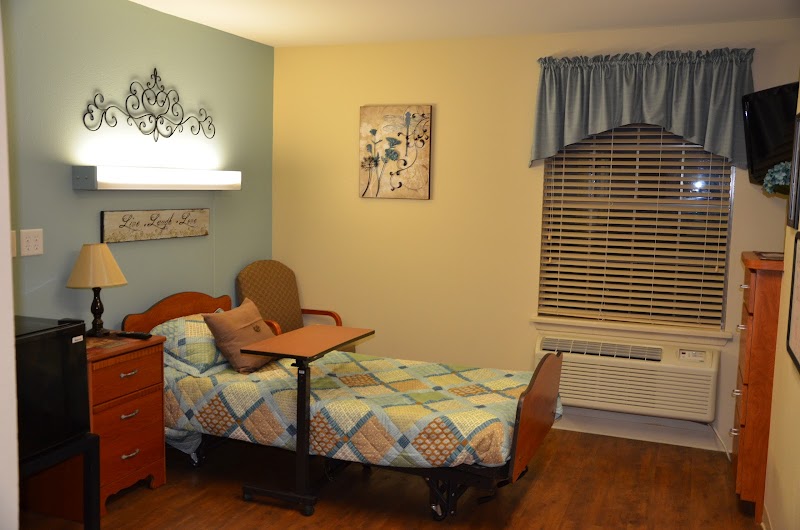
How is Stallings Court Nursing And Rehabilitation Staffed?

CMS rates STALLINGS COURT NURSING AND REHABILITATION's staffing level at 2 out of 5 stars, which is below average compared to other nursing homes. Staff turnover is 42%, compared to the Texas average of 46%. This relatively stable workforce can support continuity of care.

What Have Inspectors Found at Stallings Court Nursing And Rehabilitation?

State health inspectors documented 37 deficiencies at STALLINGS COURT NURSING AND REHABILITATION during 2022 to 2024. These included: 5 Immediate Jeopardy (the most serious level, indicating potential for serious harm or death), 1 that caused actual resident harm, and 31 with potential for harm. Immediate Jeopardy findings are rare and represent the most serious regulatory concerns. They require immediate corrective action.

Who Owns and Operates Stallings Court Nursing And Rehabilitation?

STALLINGS COURT NURSING AND REHABILITATION is owned by a for-profit company. For-profit facilities operate as businesses with obligations to shareholders or private owners. The facility is operated by HMG HEALTHCARE, a chain that manages multiple nursing homes. With 120 certified beds and approximately 70 residents (about 58% occupancy), it is a mid-sized facility located in NACOGDOCHES, Texas.

How Does Stallings Court Nursing And Rehabilitation Compare to Other Texas Nursing Homes?

Compared to the 100 nursing homes in Texas, STALLINGS COURT NURSING AND REHABILITATION's overall rating (3 stars) is above the state average of 2.8, staff turnover (42%) is near the state average of 46%, and health inspection rating (3 stars) is at the national benchmark.

What Should Families Ask When Visiting Stallings Court Nursing And Rehabilitation?

Based on this facility's data, families visiting should ask: "What changes have been made since the serious inspection findings, and how are you preventing similar issues?" "Can you walk me through typical staffing levels on day, evening, and night shifts?" "Can I visit during a mealtime to observe dining assistance and food quality?" "How do you handle medical emergencies, and what is your hospital transfer rate?" These questions are particularly relevant given the facility's Immediate Jeopardy citations and the below-average staffing rating.

Is Stallings Court Nursing And Rehabilitation Safe?

Based on CMS inspection data, STALLINGS COURT NURSING AND REHABILITATION has documented safety concerns. Inspectors have issued 5 Immediate Jeopardy citations (the most serious violation level indicating risk of serious injury or death). The facility has a 3-star overall rating and ranks #1 of 100 nursing homes in Texas. Families considering this facility should ask detailed questions about what corrective actions have been taken since these incidents.

Do Nurses at Stallings Court Nursing And Rehabilitation Stick Around?

STALLINGS COURT NURSING AND REHABILITATION has a staff turnover rate of 42%, which is about average for Texas nursing homes (state average: 46%). Moderate turnover is common in nursing homes, but families should still ask about staff tenure and how the facility maintains care continuity when employees leave.

Was Stallings Court Nursing And Rehabilitation Ever Fined?

STALLINGS COURT NURSING AND REHABILITATION has no federal fines on record. CMS issues fines when nursing homes fail to meet care standards or don't correct problems found during inspections. The absence of fines suggests the facility has either maintained compliance or corrected any issues before penalties were assessed. This is a positive indicator, though families should still review recent inspection reports for the full picture.

Is Stallings Court Nursing And Rehabilitation on Any Federal Watch List?

STALLINGS COURT NURSING AND REHABILITATION is not on any federal watch list. The most significant is the Special Focus Facility (SFF) program, which identifies the bottom 1% of nursing homes nationally based on persistent, serious quality problems. Not being on this list means the facility has avoided the pattern of deficiencies that triggers enhanced federal oversight. This is a positive indicator, though families should still review the facility's inspection history directly.