WILLOWBROOK NURSING CENTER
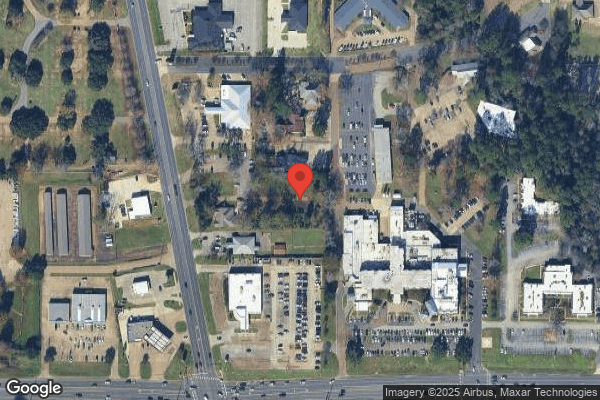
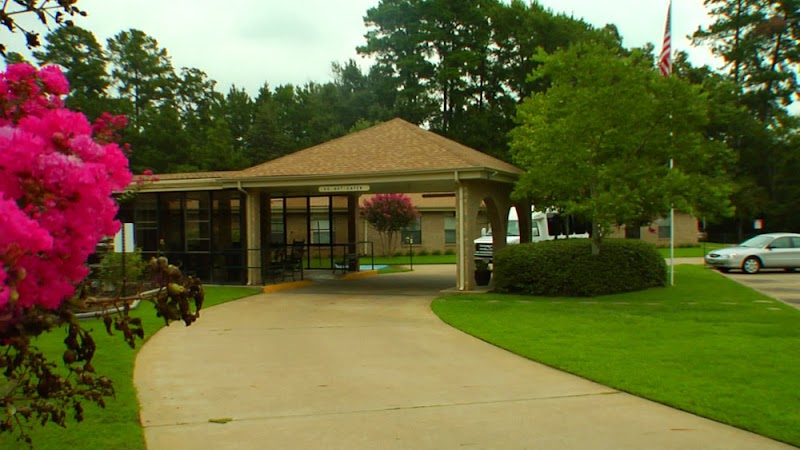
227 RUSSELL BLVD, NACOGDOCHES, TX 75965 (936) 564-4596
For profit - Limited Liability company 166 Beds HMG HEALTHCARE Data: November 2025 1 Immediate Jeopardy citation
Trust Grade
23/100
#896 of 1168 in TX
Last Inspection: July 2025

Inspected within the last 6 months. Data reflects current conditions.

Overview

Willowbrook Nursing Center has received a Trust Grade of F, indicating significant concerns about its overall quality and care. It ranks #896 out of 1168 facilities in Texas, placing it in the bottom half, and #4 out of 4 in Nacogdoches County, meaning there are no local facilities performing worse. Although the facility is showing an improving trend, with issues decreasing from 10 to 8 over the past year, it still faces serious challenges. Staffing is a critical weakness here with a low rating of 1 out of 5 stars and a concerning 50% turnover rate, which is at the state average but suggests instability in care. Additionally, the facility has incurred $236,060 in fines, higher than 88% of Texas facilities, indicating potential compliance issues, and it has below-average RN coverage, being outperformed by 91% of state facilities. Recent inspections revealed several critical concerns, including staff not being adequately trained on transportation policies, which could jeopardize resident safety, and failures in infection control practices that risk spreading infections among residents. Overall, while there are some strengths, such as an excellent rating in quality measures, the significant weaknesses in staffing and compliance raise serious concerns for families considering this facility.

Trust Score
F
23/100
In Texas
#896/1168
Bottom 24%
Safety Record
High Risk
Review needed
Inspections
Getting Better
10 → 8 violations
Staff Stability
⚠ Watch
50% turnover. Above average. Higher turnover means staff may not know residents' routines.
Penalties
✓ Good
$236,060 in fines. Lower than most Texas facilities. Relatively clean record.
Skilled Nurses
⚠ Watch
Each resident gets only 10 minutes of Registered Nurse (RN) attention daily — below average for Texas. Fewer RN minutes means fewer trained eyes watching for problems.
Violations
⚠ Watch
23 deficiencies on record. Higher than average. Multiple issues found across inspections.
★★☆☆☆
2.0
Overall Rating
★☆☆☆☆
1.0
Staff Levels
★★★★★
5.0
Care Quality
★★☆☆☆
2.0
Inspection Score
Stable
2024: 10 issues
2025: 8 issues

The Good

  • 5-Star Quality Measures · Strong clinical quality outcomes
  • Full Sprinkler Coverage · Fire safety systems throughout facility
  • No fines on record

Facility shows strength in quality measures, fire safety.

The Bad

2-Star Overall Rating

Below Texas average (2.8)

Below average - review inspection findings carefully

Staff Turnover: 50%

Near Texas avg (46%)

Higher turnover may affect care consistency

Federal Fines: $236,060

Well above median ($33,413)

Significant penalties indicating serious issues

Chain: HMG HEALTHCARE

Part of a multi-facility chain

Ask about local staffing decisions and management

The Ugly 23 deficiencies on record

1 life-threatening
Jul 2025 6 deficiencies
CONCERN (D)

Potential for Harm - no one hurt, but risky conditions existed

Assessment Accuracy (Tag F0641)

Could have caused harm · This affected 1 resident

**NOTE- TERMS IN BRACKETS HAVE BEEN EDITED TO PROTECT CONFIDENTIALITY** Based on interview and record review, the facility failed to ensure assessments accurately reflected the resident status for 1 o...

Read full inspector narrative →
**NOTE- TERMS IN BRACKETS HAVE BEEN EDITED TO PROTECT CONFIDENTIALITY** Based on interview and record review, the facility failed to ensure assessments accurately reflected the resident status for 1 of 8 residents (Resident #66) reviewed for MDS assessment accuracy, in that:Resident #66's MDS quarterly assessment dated [DATE] failed to indicate Resident #66 had a physical or verbal behaviors directed or not directed toward others.This failure could place residents at risk of not receiving adequate care and services to meet their needs.Findings included:Record review of a facility face sheet dated 7/9/25 for Resident #66 indicated he was a [AGE] year-old male admitted to the facility on [DATE] with diagnoses of dementia, personality change, and hypertension (high blood pressure).Record review of a quarterly MDS assessment dated [DATE] for Resident #66 indicated a BIMS score of 12, indicating moderately impaired cognition. Section E (Behavioral Symptoms) indicated no physical or verbal behavioral symptoms or other behavioral symptoms (e.g., physical symptoms such as hitting or scratching self, pacing, rummaging, public sexual acts, disrobing in public, throwing or smearing food or bodily wastes, or verbal/vocal symptoms like screaming, disruptive sounds) directed or not directed toward others. MDS indicated an Assessment Reference Date of 6/13/25 and indicated .look back period for all items is 7 days unless another time frame is indicated . Section E did not indicate another time frame for look back period.Record review of a behavior note dated 6/12/25 for Resident #66 read: . Behavior: Resident made inappropriate remarks to female med aide . and . Nonpharmacological Interventions: Resident was asked to stop and go back to his room . and . Results: Resident went back to his room and got back in bed . and was signed by LVN L.Record review of a behavior note dated 6/13/25 for Resident #66 read: . Behavior: Resident having inappropriate behavior with this nurse. I come back from break and went to use the bathroom. Resident followed this nurse and wait out at the bathroom door . and . Nonpharmacological Interventions: Resident was asked to be respectful and go back to his room . no results were documented and not was signed by LVN M.Record review of a comprehensive care plan dated 6/18/25 for Resident #66 indicated he may display inappropriate sexual behaviors with the following intervention: . Explain and explore with resident effects of his/her behavior on other residents and staff . During an interview on 7/9/25 at 4:29 pm MDS Coordinator said they do not have a specific MDS policy, they follow the RAI manual. She said the MDS assessment triggers the care plans, and some resident care may not be included in care plan if MDS was not completed accurately. During an interview on 7/9/25 at 4:32 pm the ADON said the DON was responsible for ensuring the MDS was completed accurately. She said if the MDS was not completed accurately, it could affect resident care. During an interview on 7/9/25 at 4:54 pm Clinical Services Director said behaviors should be captured in the MDS assessment because triggers go to care plan and there might not be a good reflection on what was going on with the resident. The DON and Administrator both were unavailable for interview on 7/9/25.Record review of RAI manual retrieved from https://www.cms.gov/files/document/finalmds-30-rai-manual-v1191october2024.pdf read: .E0200: Behavioral Symptom-Presence & Frequency: .Coding Instructions: Code 0, behavior not exhibited: if the behavioral symptoms were not present in the last 7 days. Use this code if the symptom has never been exhibited or if it previously has been exhibited but has been absent in the last 7 days. Code 1, behavior of this type occurred 1-3 days: if the behavior was exhibited 1-3 days of the last 7 days, regardless of the number or severity of episodes that occur on any one of those days. Code 2, behavior of this type occurred 4-6 days, but less than daily: if the behavior was exhibited 4-6 of the last 7 days, regardless of the number or severity of episodes that occur on any of those days. Code 3, behavior of this type occurred daily: if the behavior was exhibited daily, regardless of the number or severity of episodes that occur on any of those days.
CONCERN (D)

Potential for Harm - no one hurt, but risky conditions existed

ADL Care (Tag F0677)

Could have caused harm · This affected 1 resident

**NOTE- TERMS IN BRACKETS HAVE BEEN EDITED TO PROTECT CONFIDENTIALITY** Based on observation, interview, and record review, the facility failed to ensure a resident who is unable to carry out activiti...

Read full inspector narrative →
**NOTE- TERMS IN BRACKETS HAVE BEEN EDITED TO PROTECT CONFIDENTIALITY** Based on observation, interview, and record review, the facility failed to ensure a resident who is unable to carry out activities of daily living receives the necessary services to maintain personal hygiene for 2 of 8 residents (Residents #1 and #42) reviewed for ADL care. The facility failed to clean/groom Resident #1's fingernails that had a dark, brown substance underneath them on 7/7/25 and 7/8/25.The facility failed to trim/file Resident #42's fingernails that were long and jagged on 7/7/25 and 7/8/25.These failures could place residents who required assistance from staff for ADLs at risk of not receiving care and services to meet their needs which could result in poor care. Findings included:Record review of a facility face sheet dated 7 /8/25 for Resident #1 indicated he was a [AGE] year-old male admitted to the facility on [DATE] with diagnoses of cerebral infarction (stroke) and hypertension (high blood pressure).Record review of a quarterly MDS assessment dated [DATE] for Resident #1 indicated a BIMS score of 11, indicating moderately impaired cognition. He required substantial/maximal assistance with personal hygiene.Record review of a comprehensive care plan dated 6/17 /25 for Resident #1 indicated he had an ADL self-care performance deficit. There was no specific intervention for personal hygiene/nail care.Record review of a facility face sheet dated 7 /8/25 for Resident #42 indicated he was a [AGE] year-oldmale admitted to the facility on [DATE] with diagnoses of Parkinson's Disease (a movement disorderthat affects the nervous system and worsens over time) and peripheral vascular disease (a condition inwhich narrowed arteries reduce blood flow to the arms or legs.).Record review of a quarterly MDS assessment dated [DATE] for Resident #42 indicated he had a BIMSscore of 6, which indicated severely impaired cognition. He was dependent for personal hygiene.Record review of a comprehensive care plan dated 6/17/25 for Resident #42 indicated he had an ADLself-care performance deficit and had the following intervention: . The resident requires staffassistance with personal hygiene . During an observation and interview on 7/7/25 at 9:58 am Resident #1 was observed with fingernails on both hands long, jagged, and dirty. There was a brown substance caked under them. He said he would like to have them cleaned, trimmed and filed. He said it would make him feel better. During an observation and interview on 7/7/25 at 10:12 am Resident #42 was observed lying in bed. His fingernails were observed to be long and jagged, in need of trimming and filing. He said he would like them to be trimmed.During an observation on 7/8/25 at 9:30 am Resident #1 was observed to still have the brown substance caked underneath his fingernails and nails were still long and jagged.During an observation on 7/8/25 at 9:33 am Resident #42 was observed to still have long, jagged fingernails. During an interview on 7/8/25 at 2:50 pm CNA M said CNAs were responsible for nail care on non-diabetic residents. She said if a resident was diabetic, the nurse was responsible for their nail care. She said she normally tried to do nail care during showers. She said she did not have either one of those residents today and was unsure why their nail care had not been done. During an interview on 7/9/25 at 4:32 pm the ADON said she expected staff to clean resident's nails during showers. She said residents could be at risk of scratches and infections if nails were allowed to stay long and dirty.During an interview on 7/9/25 at 4:54 pm Clinical Services Director said nails should be cleaned daily and trimmed/filed when needed. He said residents could be at risk of injury and infection.Record review of a facility policy titled Care of Fingernails/Toenails dated April 2007 read: .Thepurposes of this procedure are to clean the nail bed, to keep nails trimmed, and to prevent infections .and .1. Nail care includes daily cleaning and regular trimming .
CONCERN (D)

Potential for Harm - no one hurt, but risky conditions existed

Accident Prevention (Tag F0689)

Could have caused harm · This affected 1 resident

**NOTE- TERMS IN BRACKETS HAVE BEEN EDITED TO PROTECT CONFIDENTIALITY** Based on observation, interview, and record review, the facility failed to ensure the residents' environment remains as free of ...

Read full inspector narrative →
**NOTE- TERMS IN BRACKETS HAVE BEEN EDITED TO PROTECT CONFIDENTIALITY** Based on observation, interview, and record review, the facility failed to ensure the residents' environment remains as free of accident hazards as possible for 2 of 12 residents reviewed for quality of care, (Residents #43 and #58:The facility failed to remove worn and damaged mechanical lift slings from service for Resident's #43and #58.This failure could place residents at risk of injuries due to environmental hazards. Findings included:Record review of a facility face sheet dated 7 /8/25 for Resident #43 indicated she was a [AGE] year-old female admitted to the facility on [DATE] with diagnoses of Alzheimer's disease and type 2 diabetes.Record review of a quarterly MDS assessment dated [DATE] for Resident #43 indicated she wasrarely/never understood and was unable to complete BIMS assessment. She had severely impairedcognition. She was dependent for all ADLs, including transfers.Record review of a comprehensive care plan dated 6/17/25 for Resident #43 indicated she had an ADLself-care performance deficit and had the following intervention: .TRANSFER: The resident requirestotal assistance with transfers .Record review of a facility face sheet dated 7/8/25 for Resident #58 indicated he was a [AGE] year-oldmale admitted to the facility on [DATE] with diagnoses of metabolic encephalopathy (a disorder thatcan affect the brain and cause altered mental status) and Alzheimer's disease.Record review of a quarterly MDS assessment dated [DATE] for Resident #58 indicated he wasrarely/never understood and BIMS assessment could not be completed. He was severely cognitivelyimpaired. He was dependent for transfers and all other ADL's.Record review of a comprehensive care plan dated 6/17 /25 for Resident #58 indicated he had an ADLself-care performance deficit and had the following intervention: .TRANSFER: The resident requirestotal assistance with transfers .During an observation on 7/7/25 at 12:00 pm Resident #58 was observed in Geri-chair near nurses' station. He had a blue mesh sling underneath him. The labels on the sling were crinkled, faded, and unreadable. The first loop was observed to be very light pink in color and the other 2 loops were an extremely light gray, any color difference was indistinguishable. The edge of the black webbing also appeared to be fraying. During an observation on 7/9/25 at 9:33 am a sling was observed in Resident #43's wheelchair with faded loops and tag.During an interview on 7/9/25 at 9:45 am LVN C said when Resident #43 gets out of bed, she was transferred using a mechanical lift and the sling in the wheelchair was hers. He said he did not know about the sling and if it could be used with faded loops but could see how that could cause injury if the sling was in poor condition.During an interview on 7/9/25 at 4:22 pm Housekeeping Supervisor said he was responsible for laundering slings. He said they were not laundered with bleach, and they were only air dried, never placed in a dryer. He said he inspected the slings for discoloration, tears, strings and ensured labels were readable before sending back out for resident use. He said residents could have an accident if a bad sling was used. During an interview on 7/9/25 at 4:32 pm ADON said she was unsure if CNAs knew what to look for regarding the slings before, but she would ensure education was provided. She said residents could be at risk for harm if a malfunction occurred. During an interview on 7/9/25 at 4:51 pm Clinical Services Director said lift slings should be removed from service when labels were unreadable or if it showed other signs of wear and tear. He said it could pose a safety hazard and could result in a resident fall. Record review of manufacture guidelines Full Body Slings - Instructions for use accessed at www.medline.com on 07/09/25 read .Always inspect slings prior to each use. Signs of rips, tears, or frays indicate sling wear which is unsafe and could result in injury. Signs of color fading, bleached areas, or permanent wrinkles on the straps indicate improper laundering which is unsafe and could result in injury. Any slings with signs of wear or improper laundering should be immediately removed from use .
CONCERN (D)

Potential for Harm - no one hurt, but risky conditions existed

Deficiency F0805 (Tag F0805)

Could have caused harm · This affected 1 resident

**NOTE- TERMS IN BRACKETS HAVE BEEN EDITED TO PROTECT CONFIDENTIALITY** Based on observation, interview, and record review, the facility failed to ensure each resident received and the facility provid...

Read full inspector narrative →
**NOTE- TERMS IN BRACKETS HAVE BEEN EDITED TO PROTECT CONFIDENTIALITY** Based on observation, interview, and record review, the facility failed to ensure each resident received and the facility provided food prepared in a form designed to meet individual needs for 1 of 4 (Residents #98) residents reviewed for food to meet nutritional needs. The facility failed to ensure Resident #98 was not served thin liquids on 7/07/2025 and 7/08/2025. This failure could place residents at risk of difficulty swallowing, possibly resulting in choking.Findings Included:Record review of a facility face sheet dated 7/08/2025 revealed Resident #98 was a [AGE] year old male that was admitted to the facility on [DATE] with diagnosis of senile degeneration of brain (mental decline due to age).Record review of Resident #98's admission MDS assessment dated [DATE] revealed Resident #98 had a BIMS of 3 indicating severely impaired cognition and had episodes of difficulty swallowing.Record review of Resident #98's comprehensive care plan dated 6/18/2025 revealed Resident #98 required nectar consistency liquids and to provide the diet as ordered by the physician. Record review of a physician order dated 6/23/2025 revealed Resident #98 required nectar thickened liquids . During an observation on 07/07/2025 at 10:40 am Resident # 98 had ready-made thickened water and a water pitcher with regular water on his bedside table. During an observation and interview on 7/08/2025 at 8:16 am Resident #98 had regular water in a pitcher next to his bed. A family member was present in room and said he needs thickened water now, but she does give him regular water at times and thought it was ok since it was in the room. She said he does have a hard time swallowing and would not give him regular water anymore. CNA D was in the room assisting Resident #98 with breakfast and removed the water from the room and said he was to get thickened water, so he did not get choked. During an interview on 7/08/2025 at 8:33 am the hospitality aide said she was responsible for passing fresh ice and water and there was not a visual aide to let her know he needed thickened water that she was given a report to know. She said she thought Resident #98 could have regular water and thickened water and a nurse told her that but not sure what nurse it was. She said she did not know it was bad for a resident that required thickened water to drink regular water but thinking about it know they could get choked.During an interview on 7/08/2025 at 8:45 am the DON said she did the trainings in the facility and the hospitality aide passed fresh ice and water and was given a report on who gets thickened water and who did not get a water pitcher. She said she had been trained to know and expected the hospitality aide to follow the orders . She said they did not use a visual assistant for the staff to know who required thickened liquids. She said residents that get regular liquids instead of thickened liquids could choke or aspirate. She said the administrator was out, but she expected each resident with prescribed thickened liquid diets to receive the ordered diet and not have thin liquids provided to them.Record review of a facility policy titled Therapeutic Diets dated November 2015 indicated, .therapeutic diets shall be prescribed by the attending physician; use an identification system to ensure that each resident receives ordered diet .
CONCERN (E) 📢 Someone Reported This

A family member, employee, or ombudsman was alarmed enough to file a formal complaint

Potential for Harm - no one hurt, but risky conditions existed

Resident Rights (Tag F0550)

Could have caused harm · This affected multiple residents

**NOTE- TERMS IN BRACKETS HAVE BEEN EDITED TO PROTECT CONFIDENTIALITY** Based on observation, interview and record review, the facility failed to treat each resident with respect and dignity and care ...

Read full inspector narrative →
**NOTE- TERMS IN BRACKETS HAVE BEEN EDITED TO PROTECT CONFIDENTIALITY** Based on observation, interview and record review, the facility failed to treat each resident with respect and dignity and care for each resident in a manner that promotes maintenance or enhancement of his or her quality of life for 3 of 15 residents (Residents #13, #56, and #2) reviewed for resident rights. 1. The facility failed to ensure Resident # 13, and Resident #56 were served breakfast in the dining room in a dignified manner on 7/08/2025.2. The facility failed to ensure CNA K did not stand over Resident # 2 while feeding her on 7/7/25.This failure could place residents at risk for decreased quality of life, quality of care, and self-esteem.Findings included:1.Record review of a facility face sheet dated 7/09/2025 revealed Resident #13 was a [AGE] year old female that admitted to the facility on [DATE] for diagnosis of hypertensive heart disease (heart condition caused by high blood pressure).Record review of Resident #13's admission MDS assessment dated [DATE] revealed Resident #13 had a BIMS of 02 indicating severely impaired cognition and required assistance and setup for eating.Record review of resident #13's comprehensive care plan dated 6/26/2025 revealed Resident #13 had an ADL Self Care Performance Deficit and required total assist from staff in participation for eating.Record review of a facility face sheet dated 7/09/2025 revealed Resident #56 was a [AGE] year old female that admitted to the facility on [DATE] with hemiplegia following cerebral infarction (paralysis after a stroke).Record review of Resident #56's Quarterly MDS assessment dated [DATE] revealed Resident #56 had a BIMS of 10 indicating moderately impaired cognition and required setup assistance for eating.Record review of Resident #56's comprehensive care plan dated 6/18/2025 revealed Resident #56 had an ADL Self Care Performance Deficit related to hemiplegia from a stroke and required staff to setup meals for eating.During an observation on 7/08/2025 at 8:05 am Resident # 13 and Resident # 56 was not served breakfast with the rest of their table. Resident #13 was touching the CNA B's shoulder and saying, I am ready. Resident #56 said she did not know where her breakfast was, and she was hungry. Both residents sat over 10 minutes without a meal tray before being served.During an interview on 7/08/2025 at 9:20 am CNA B said that she assists in the dining room with meals and the dietary staff had a list and knew which residents ate in the dining room and which ones ate in their rooms. She said there was also a nurse that oversaw the meal trays. She said she was assisting another resident and Resident #13 was next to her. She said Resident #13's tray did not get served with the others at the table, so she proceeded with feeding the other resident. She said Resident #13 was tapping her and saying I am ready, and she should have gotten up and went and gotten her tray, but she just waited for it. She said that residents that aren't feed together at the table could make them upset and feel bad. During an interview on 7/08/2025 at 9:25 am LVN C said he was the nurse in the dining room this morning and he did not notice Resident #13, and Resident #56 did not get served with the others. He said Resident #56 feeds herself and Resident #13 needed assistance. He said when he noticed he went and asked about their trays. He said he did not know how long they had sat without getting served before he noticed. He said that residents in the dining room should be served at the same time per each table and by not doing so the residents could feel overlooked or not cared about. During an interview on 7/08/2025 at 2:00pm the DON said that all staff had been trained on dignity and how to pass trays appropriately. She said the nurses and aides were in the dining room to observe and assist as well as making sure each resident was served together at the table. She said that a resident that must sit and watch other residents eat could make them feel overlooked. She said the administrator is out but expected the facility to treat all residents with dignity and serve meals per the policy. 2. Record review of a facility face sheet dated 7 /9/25 for Resident #2 indicated that she was an [AGE] year old female admitted to the facility on [DATE] with diagnoses of dysphagia (difficulty swallowing), hypertension (high blood pressure), and dementia.Record review of a quarterly MDS assessment dated [DATE] for Resident #2 indicated she had a BIMS score of 8, which indicated moderately impaired cognition. She required maximal assistance with eating.Record review of a comprehensive care plan dated 5/20/25 for Resident #2 indicated she had impaired cognitive function/dementia and had an intervention to assist resident with meals and to provide the resident with a homelike environment.During an observation on 7/7/25 at 12:04 pm CNA K was observed standing over Resident #2 in her room while feeding her.During an interview on 7/8/25 at 11:01 am CNA K said she was unsure why standing over residents to feed them would be inappropriate. During an interview on 7/9/25 at 4:32 pm ADON said standing over residents while feeding them was a dignity issue as it could make them feel bad.During an interview on 7/9/25 at 4:54 pm Clinical Services Director said staff should not stand over residents while feeding them as it was a dignity issue.Record review of a facility policy titled Resident Rights dated October 2009 read: . Employees shalltreat all residents with kindness, respect, and dignity . Record review of a facility policy titled Quality of Life-Dignity dated October 2009 indicated, .each resident shall be cared for in a manner that promotes and enhances quality of life, dignity, respect, and individuality .
CONCERN (E)

Potential for Harm - no one hurt, but risky conditions existed

Infection Control (Tag F0880)

Could have caused harm · This affected multiple residents

**NOTE- TERMS IN BRACKETS HAVE BEEN EDITED TO PROTECT CONFIDENTIALITY** Based on observations, interviews, and record reviews the facility failed to establish and maintain an infection prevention and ...

Read full inspector narrative →
**NOTE- TERMS IN BRACKETS HAVE BEEN EDITED TO PROTECT CONFIDENTIALITY** Based on observations, interviews, and record reviews the facility failed to establish and maintain an infection prevention and control program designed to provide a safe, sanitary, and comfortable environment and to help prevent the development and transmission of communicable diseases and infections for 3 of 4 residents (Resident #2, #20 and #16) and 4 of 5 staff (CNA A, CNA G, CNA K and CNA F) reviewed for infection control. 1. The facility failed to ensure CNA A properly changed gloves and cleaned her hands during incontinent care for Resident #20 on 7/08/2025.2. The facility failed to ensure CNA G performed hand hygiene between passing of resident #16's tray on hall 500 on 7/8/25.3. The facility failed to ensure CNA F removed soiled gloves and before hand hygiene before exiting Resident #16's room on 7/9/25.4. The facility failed to ensure CNA K performed hand hygiene between the passing of residents' meal trays and before feeding Resident #2 on 300 hall on 7/8/25.These failures could place residents at risk of exposure to infectious diseases due to improper infection control practices. Findings included: 1. Record review of a facility face sheet dated 7/08/2025 revealed Resident #20 was a [AGE] year-old female that admitted to the facility on [DATE] for metabolic encephalopathy (chemical imbalance in the blood that affects the brain). Record review of Resident #20’s Quarterly MDS assessment dated [DATE] revealed a BIMS was not completed. Further review revealed a staff assessment for mental status (SAMS) was completed and indicated severely impaired cognitive skills for daily decision-making, was dependent on staff for toileting hygiene, required indwelling catheter and was always incontinent of bowel. Record review of Resident #20’s comprehensive care plan dated 6/17/2025 revealed Resident #20 had an ADL Self Care Performance Deficit and was totally dependent on staff for toilet use. During an observation on 7/08/2025 at 10:15 am Resident # 20 was provided incontinent care by CNA A and CNA B. Both CNA's applied PPE for EBP and performed hand hygiene and applied gloves. CNA A positioned Resident #20 and opened her brief. CNA A used wipes to clean the front peri area and catheter. CNA B rolled Resident #20 to her left side and CNA A removed her soiled gloves and applied clean gloves without performing hand hygiene. CNA A then cleaned stool from Resident #20 using wipes and then removed the soiled brief. CNA A then using soiled gloves applied a clean brief and fastened it into place. CNA A then adjusted Resident #20's linens and pillows and bed with bed remote with same soiled gloves. Both CNA’s then removed their PPE and gloves and washed their hands before leaving the room. During an interview on 7/08/2025 at 10:25 am CNA A said she had been trained on incontinent care and infection control and had been checked off. She said she should have performed hand hygiene between glove changes and should have removed her soiled gloves and washed her hands before proceeding with applying any clean items or touching the resident's items. She said by not doing so increases the risk of infections. During an interview on 7/08/2025 at 2:30 pm the DON said that she was responsible for the infection control program and that CNA A had been trained on infection control with incontinent care. She said she expected all staff to follow the facilities policy on infection control and by not doing so infections could spread. She said the administrator was out and she would oversee that infection control practices were followed. Record review of a CNA skills checklist and competencies dated 3/05/2025 revealed CNA A had met competency for infection control, handwashing, and peri care. 2. During an observation on 07/07/2025 beginning at 8:30AM, CNA G passed trays to all residents on hall 500 without sanitizing her hands between. CNA G was observed providing direct contact by touching the residents clothing, tables, and personal items on the table while in rooms and not sanitizing her hands when she left from resident to resident’s rooms. During an interview on 07/07/2025 at 1:30 PM, CNA G she said she should have sanitized her hands between passing each resident’s breakfast tray to prevent the spread of germ and bacteria. She said staff was trained on hand hygiene recently. She said she was nervous and just forgot and was trying to hurry and complete the task of passing the trays. During an interview on 07/09/2025 at 1:35 PM, CNA E she said staff should sanitize between passing each resident’s tray. She said staff should pull off gloves and wash hands prior to leaving a resident’s room after performing any type of direct patient care. She said if you leave the room with contaminated gloves on you will contaminate anything that you touch while wearing soiled gloves and prior to washing your hands. She said not all staff follow the correct protocols even though they have received training. 3.During an observation on 7/9/2025 at 12:30pm CNA F was observed leaving Resident 16’s room with her gloves on and going to the clean linen cart getting a clean gown. She returned to the room to finish care of resident #16 and proceeded to set resident #16’s tray up without removing or changing her gloves. . During an interview on 07/09/2025 at 1:42 PM, CNA F said during the care provided to Resident #16, she should have pulled off her gloves, washed her hand and or used sanitizer prior to leaving out of resident 16’s room to retrieve her a clean gown. She said she just forgot and was trying to clean the resident up as fast as she could because another resident was needing incontinent care at the same time, and she needed to assist in passing the breakfast trays. She said residents could be at risk for infections. She said she had training and skills check off on hand hygiene in the past month. During an interview on 07/09/2025 at 4:32 PM, the ADON she said hands should be sanitized or washed before care was started of any kind on a resident, during care being provided as needed, after changing gloves, when going from dirty to clean, after care was completed and prior to leaving the resident’s room. She said she expect her staff to wash hands prior to changing task and going from one resident to the other to perform direct care. She said if hands are not correctly cleaned it opens the door for the spread of germs, infections, and illness to the residents. She said she would like to see staff use proper hand hygiene and infection control in the future. During an interview on 06/09/2025 at 4:50 PM, the corporate manager said when passing trays staff should perform hand hygiene prior to the start of passing trays and staff should perform hand hygiene between passing each resident’s tray. He said if good hand hygiene is not conducted properly the spread of infection increases. 4.Record review of a facility face sheet dated 7 /9/25 for Resident #2 indicated that she was an [AGE] year-old female admitted to the facility on [DATE] with diagnoses of dysphagia (difficulty swallowing), hypertension (high blood pressure), and dementia. Record review of a quarterly MDS assessment dated [DATE] for Resident #2 indicated she had a BIMS score of 8, which indicated moderately impaired cognition. She required maximal assistance with eating. Record review of a comprehensive care plan dated 5/20/25 for Resident #2 indicated she had impaired cognitive function/dementia and had an intervention to assist resident with meals and to provide the resident with a homelike environment. During an observation on 7/7/25 at 12:04 pm CNA K was observed to pass a tray to a resident room, raise the head of his bed and exit room without performing hand hygiene. She was then observed to pick up another tray, pass it to a resident in their room, raise the head of residents’ bed using the bed controller, removed lid from residents’ tray, add salt/pepper, pick up spoon and stir residents’ food, then exit room without performing hand hygiene. She then went to cart, picked up tray for Resident #2, entered Resident #2’s room, raised the head of her bed using bed controller, set up residents’ tray and begin feeding her without performing hand hygiene. During an interview on 7/8/25 at 11:01 am, CNA K said she had used hand sanitizer before starting to pass out the meal trays, but she did not use it or wash hands between the passing and setting up of trays or before starting to feed Resident #2. She said she could see that it could cause an infection control problem if she did not perform hand hygiene. During an interview on 7/9/25 at 4:32 pm ADON said staff should wash hands or use sanitizer when passing and setting up trays and should wash hands before feeding a resident. She said residents could be at risk of infections spreading if staff did not perform hand hygiene. During an interview on 7/9/25 at 4:54 pm Clinical Services Director said he expected his staff to wash hands or use sanitizer when passing trays and to wash hands before feeding a resident. He said it could put residents at risk of infections. Record review of a facility policy titled Perineal Care dated December 2011 indicated, .to prevent infections and skin irritation; 12. remove gloves and wash hands, 13. put on new gloves and place new brief, 14. reposition linens . Record review of a facility policy titled Handwashing/Hand Hygiene dated 2001(revised June 2010) indicated, .Policy Statement: This facility considers hand hygiene the primary means to prevent the spread of infections. Policy Interpretation and Implementation: All personnel shall be following the handwashing/hand hygiene procedures to help prevent the spread of infections to other personnel, residents, and visitors. Employees must wash their hands for at least fifteen (15) seconds using antimicrobial or non-antimicrobial soap and water under the following conditions: c. before and after direct resident contact (for which hand hygiene is indicated by acceptable professional practice)”. g. Before and after assisting a resident with meals . and . use an alcohol-based hand rub containing 60-95% ethanol or isopropanol for all the following situations: . i. After contact with objects (e.g., medical equipment) in the immediate vicinity of the resident .
May 2025 1 deficiency
CONCERN (D) 📢 Someone Reported This

A family member, employee, or ombudsman was alarmed enough to file a formal complaint

Potential for Harm - no one hurt, but risky conditions existed

Pharmacy Services (Tag F0755)

Could have caused harm · This affected 1 resident

**NOTE- TERMS IN BRACKETS HAVE BEEN EDITED TO PROTECT CONFIDENTIALITY** Based on observation, interview, and record review, the facility failed to provide pharmaceutical services, including procedures...

Read full inspector narrative →
**NOTE- TERMS IN BRACKETS HAVE BEEN EDITED TO PROTECT CONFIDENTIALITY** Based on observation, interview, and record review, the facility failed to provide pharmaceutical services, including procedures that assures the accurate acquiring, receiving, dispensing, and administering of medications for 2 of 6 residents (Resident #1 and #2) reviewed for pharmacy services. The facility did not ensure medications were stored properly for Resident #1 and #2. Medication was left on bedside table and Residents #1 and #2 are not care planned to have medication at bedside or to self-administer medications. Residents #1 and #2 does not have a physician order to have medication at bed side or to self-administer . These failures could place residents at risk for the unsafe administration of medications, not receiving prescribed doses of ordered medications and not receiving the intended therapeutic benefit of the medications. Findings included: Record review of facility face sheet dated 03/27/2025 indicated Resident # 1 were an [AGE] year-old female admitted to facility on 12/01/2021 with diagnosis of Unspecified Dementia, Cognitive Communication Deficit Functional Quadriplegia, and Metabolic Encephalopathy. Record Review of comprehensive care plan dated 05/27/2025 did not indicate Resident # 1 could keep medication at bed side or safely self-administer medications. The care plan reflects to administer medications as ordered. Record review of admission MDS dated [DATE] indicated Resident # 1 had a BIMS of 09 indicating moderate cognitive impairment. Record review of consolidated physician orders dated 05/27/2025 indicated Resident #1 had an order for Aspirin 81mg, Calcium Carbonate 750mg and ferrous gluconate 324mg which was observed in residents' room on her nightstand. During an observation and interview on 05/27/2025 at 10:39 am Resident # 1 was observed with medication on her nightstand. She stated she self-administer the medication occasionally and was confused if she took her morning medication or not. She said if the medications are still sitting there, she must have forgot to take them. Record review of facility face sheet dated 03/27/2025 indicated Resident # 2 were a [AGE] year-old female admitted to facility on 03/31/2025 with diagnosis of Dementia, Bipolar Disorder and Urinary Tract Infection. Record Review of comprehensive care plan dated 05/19/2025 the care plan did not indicate Resident # 2 could keep medication at bed side or safely self-administer medications. The care plan reflects staff to administer medications as ordered by the physician. Record review of admission MDS dated [DATE] indicated Resident # 2 had a BIMS of 10 indicating moderate cognitive impairment. Record review of consolidated physician orders dated 05/27/2025 indicated Resident #2 did not have an order for CareALL Muscle and Joint Cream that was located in the resident's room on her nightstand. During an observation and interview on 05/27/2025 at 10:39 am Resident # 2 was observed with medication (CareALL Muscle and Joint Cream) on her nightstand. Resident #2 stated she self-administer the medication in the morning and at night. Resident #2 said she thought the facility provided it but was unsure who brought the medication to her. During an interview with LVN A on 5/27/2025 at 10:53am , who said no medication should be left in a resident's room unattended at any time. She said if the resident does not take the medication, they are not getting the proper effects of the mediation. She said another resident could accidently ingest the medication and have an adverse reaction that could be deadly. She said all medications must be administered by a nurse or a mediation aide. LVN A said all residents should have a physician's order for any mediation administered to a resident. take. During an interview on 5/27/2025 at 11:52am with AR who said she has witnessed two to three times her family member's (Resident #2) medication in a cup at her bedside and not taken. She said Resident #2 has dementia and feels she's ok and that she gets all the medications she needs. AR said Resident #2's evening medications were being passed and her morning medications were still in a cup in the room and never administer to Resident #2. AR said she took the medication to the administrator who said she would handle it but when it happened again, AR let the administrator know she was calling the abuse hotline and report the abuse. AR said she just wanted to make sure Resident #2 as well as other residents get their prescribed medications as they should. During an interview on 5/27/2025 at 2:39pm with LVN-B who said she has never found medications left in a patient's room but have had medication in a resident's room (Resident #2) reported to her . She said all medications should be given timely and the resident should be monitored/assisted when taking mediation. She said if the resident does not take the medication at appropriate times, it could cause a negative effect. She said a resident could take medications to close to the next dose or a resident may miss a dose all together. LVN B said another resident may wonder into the room and take the medication and cause a negative effect on them as well. During an interview on 5/28/2025 at 3:05pm with CNA-C, who said all medications must be given by a nurse or the medication aide. She said all residents need to get their medications as prescribe daily. She said if medications are given or taken wrong the resident could have a greater chance to get sick. During an interview 5/28/2025 at 1:58pm with CNA-D, who said she has not witnessed anyone having medication left in their room. She said another resident could get the medication, take the medication, and get sick. She said the resident may take the medication at the wrong time. She said If the medications are not taken correctly the residents may become sick. During an interview on 5/28/2025 at 2:07pm DON, who said she never witness medication at bedside but medications at bed side have been reported to her in the past. She said no residents in the facility should have medication at their bedside. She said no residents are care planned to have medications in their rooms. She said all medications administered should have a physician's order and be administered by a nurse or medication aide. She said if a resident does not get medication as prescribed, they are not getting the intended therapeutic outcome of the medications. She said the residents could get their does too close together or not at all causing the residents to have a negative outcome. She said another resident could come in the room and get the medication which could cause that resident to become ill. DON said if a resident takes medications at the wrong time or take the wrong medication it could be detrimental to the resident. During an interview on 5/29/2025 AT 2:27pm with the administrator who said he was not aware of any residents having medications left in their room. He said no residents in the facility are care planned or have orders to have medications in their room and all medications should be removed immediately if not taken by the resident during the attempt to administer the medication. He said a nurse or medication aide must administer any prescribed medication. He said each resident must have a physician's order for all medications administered to any resident admitted to the facility. He said not taking medications as ordered could cause negative effects by altering the effects of the prescribed medications, causing labs and levels to be off and putting other residents in the facility at risk of unnecessary medication intake. He said another resident could wonder into the room and get the medication, take it, and cause harm to themselves. Record Review of Inservice Training dated May 22, 2025, topics: Medication Administration indicated, Meds should never be set up in advance, or left at the beside for a resident to take. Meds will not be left at bedside for any reason. If refused take meds out and notify the charge nurse. Record Review of Administering Medications Policy (revised December 2012) indicated, All medications shall be administered in a safe and timely manner, and as prescribed. 1. Only persons licensed or permitted by this state to prepare, administer, and document the administration of medications may do so. 24.Residents may self-administer their own medications only if the Attending Physician and Interdisciplinary Care Planning Team, has determined that they have the decision-making capacity to do so safely. Record Review of Storage of Medication Police, (revised April 2007) indicated, The facility shall store all drugs and biologicals in a safe, secure, and orderly manner.
Mar 2025 1 deficiency 1 IJ
CRITICAL (J) 📢 Someone Reported This

A family member, employee, or ombudsman was alarmed enough to file a formal complaint

Immediate Jeopardy (IJ) - the most serious Medicare violation

Accident Prevention (Tag F0689)

Someone could have died · This affected 1 resident

**NOTE- TERMS IN BRACKETS HAVE BEEN EDITED TO PROTECT CONFIDENTIALITY** Based on interviews and record review the facility failed to ensure the resident environment remained as free of accident hazard...

Read full inspector narrative →
**NOTE- TERMS IN BRACKETS HAVE BEEN EDITED TO PROTECT CONFIDENTIALITY** Based on interviews and record review the facility failed to ensure the resident environment remained as free of accident hazards as was possible; and each resident received adequate supervision and assistance devices to prevent accidents for 1 of 7 (Resident #1) residents reviewed for supervision. The facility failed to notify the transport staff Resident #1 resided on the secure unit and had a diagnosis of dementia. The facility failed to ensure adequate supervision was provided during transport for Resident #1 who resided on the secure unit. On 2/19/25 Resident #1 was left unattended in the transport van for approximately 15 minutes in which Resident #1 eloped out of the van and walked down the road 2 blocks and was picked up by a good Samaritan. Resident #1 was located by the police department about 30 minutes later and returned to the facility. An IJ was identified on 3/18/2025. The IJ template was provided to the facility on 3/18/2025 at 12:45 PM. While the IJ was removed on 3/19/2025, the facility remained out of compliance at a scope of isolated and a severity level of no actual harm with the potential for more than minimal harm because (e.g.) all staff had not been trained on the facilities transportation policy. This failure could place residents at risk of not being properly supervised resulting in injury or death. Findings included: Record review of Resident #1's facility's electronic face sheet dated 3/18/2025 revealed a [AGE] year-old male admitted to the facility on [DATE] with diagnosis of dementia (problem with memory, thinking, and reasoning), non-ST elevation myocardial infarction (heart attack), and hypertension (high blood pressure). Record review of Resident #1's Quarterly MDS assessment dated [DATE] revealed a BIMS score of 03 which indicated severe cognitive impairment. He required set up assistance with walking 150 feet. Record review of Resident #1's care plan dated 7/9/2024 revealed Resident #1 had impaired safety awareness (behaviors) and resided in the secure unit with interventions that included: 1. Encourage family/support system to actively participate in care. 2. Prioritize activities and offer choices that allow control and meet personal goals for socialization. Record review of Resident #1's admission elopement risk assessment dated [DATE] at 3:15 AM revealed he was at risk for elopement or wandering. Record review of nursing progress note dated 2/19/2025 at 12:38 PM written by LVN O revealed Resident #1 left the facility with county transport for an appointment with the pulmonologist (lung doctor). Record review of nursing progress note dated 2/19/2025 at 4:15 PM written by the ADON indicated the facility was notified at 1:16 PM by the transport company that Resident #1 had got off the transport van and the transporter was unable to find Resident #1. At 1:45 PM Resident #1 was located and brought back to the facility. The ADON performed a head-to-toe assessment with no injuries noted. During an interview on 3/18/2025 at 9:15 AM LVN A said around lunch time on 2/19/2025 the DON came in to the secured unit and said to have Resident #1 ready to go at the door for his doctor's appointment. She said she took Resident #1 to the nurse's station. The Transport Driver came in and asked if this was Resident #1, she said yes, and the Transport Driver took Resident #1 out to the van. She said there was no report off to the Transport Drivers other than if they were transported via wheelchair or stretcher but that's the extent of it. She said the Transport Driver would not have known that day that Resident #1 was a resident of the secured unit. She said they send paperwork that included face sheet, medications, progress notes, and radiology with the Transport Driver but that paperwork was to be given to the doctor that the resident was going to see. She said there was no communication to the Transport Driver that Resident #1 was a resident of the secured unit. During an interview on 3/18/2025 at 11:00 AM the Administrator said Resident #1 was in the care of the county transport services and there was not anything different that his staff could have done to prevent Resident #1 from eloping from the van. During an interview on 3/18/2025 at 2:25 PM the Transport Driver said she went to pick up Resident #1 from the facility and called ahead to have Resident #1 ready. She said when she arrived, she asked LVN A where Resident #1 was, and LVN A pointed to Resident #1 standing at the nurse's station. LVN A walked off and did not give her any information about Resident #1. She said she had no knowledge of the Resident #1 residing on the memory care unit. She said she took Resident #1 and got him loaded in the van and went back in the facility to get another resident that was going to dialysis. She said she loaded the second resident and left the facility. She said she took Resident #1 to meet his sister at the pulmonologist office. The Transport Driver said after the appointment, Resident #1's sister called her back and let her know Resident #1 was ready to be picked up and taken back to the facility. The Transport Driver said she received a message while in route to pick up Resident #1 to pick up another resident at the hospital that needed to go back to the facility also. She said after she picked up Resident #1, she drove across the street to the hospital and parked at the front of the hospital. She said she was parked where the receptionist was able to visualize the van. She said she did not tell the receptionist that there was a resident in the van. She said as far as she knew Resident #1 was able to be left unattended. She said the van was left on to run the air conditioning. She said she was upstairs approximately 10 minutes to retrieve the other resident and when she returned to the van Resident #1 was gone. She said while she was assisting the new resident into the van, the receptionist came out to ask her to move the van to not block the driveway. She said she asked the receptionist if she saw Resident #1 exit the van and the receptionist said she did see the door open but did not see Resident #1 get out of the van. She said another nurse standing there called security to help locate Resident #1. She said the nurse, receptionist, and security started looking for Resident #1 and she called the shift leader over the transportation department. She said the shift leader said she was on her way and then called back to tell her that Resident #1 was a dementia patient. She said the shift leader spoke with staff at the facility and was informed Resident #1 resided on the memory care unit. She said she asked the receptionist if they could pull cameras to see which way Resident #1 went but she said that would be for security to do. She said the shift leader arrived and she was instructed to go ahead and take the other resident to the facility, so she left the hospital. She said when she got to the facility LVN A apologized for not telling her Resident #1 was a memory care resident prior to the appointment because these people are getting on my nerves and said she was sorry she was not used to having to tell the facility van drivers. She said after she dropped off the other resident at the facility and got back in the van, she called the shift leader who notified her that Resident #1 had been found. She said by this time Resident #1 had been missing for about 45 minutes to an hour. She said Resident #1 was found at a grocery store parking lot with a civilian who had given him a ride and realized something wasn't right and had called the police. She said the facility did not give them a history of what was going on with the residents when they transport. She said the facility knew they must send sitters with them for residents who have dementia or behavior problems. She said when they transport residents, they assume they were capable of taking care of themselves unless they were told otherwise. She said she would have had to have a sitter go with her had she known Resident #1 had dementia. She said she had transported for the facility since the incident and said she has started asking if the resident needs a sitter. She said since the incident her company did not leave any resident in the vehicle alone anymore. She said the facility had not changed their policy since the incident and just hands them the paperwork and says the resident was ready. She said she felt like there needed to be better communication. During an interview on 3/19/2025 at 11:32 AM the ADON said she was coming out of a resident's room, and someone came and told her the Transport Driver couldn't find Resident #1. She said her and the Administrator took the facility van and went looking for Resident #1. She said she talked to the shift leader and asked her what happened. She said the Transport Driver went into the hospital to get another resident and came back to the van and Resident #1 was gone. She said she asked which way he went but she didn't know. She said the shift leader called her back and said Resident #1 was at a grocery store parking lot. The ADON said the shift leader called her back to let her know the police had Resident #1 and were bringing him back to the facility. She said when they got back to the facility, she went and did a head-to-toe assessment on Resident #1 and the Administrator talked with the police officer. She said she did not find any injuries on his head-to-toe assessment. During an interview on 3/19/2025 at 12:05 PM the Admissions Coordinator said normally the facility transport driver sets up appointments for residents but she was helping out due to not having a facility transport driver until a new one could be hired. She said she set up the transport appointment for Resident #1. She said the facility and transport company have a text thread and she sent the appointment date, time, and resident's name. She said she usually texted if family will attend or if the resident needs a sitter. She said not all residents have to have a sitter or family, it was only required if the resident has a special need such as a fall risk or dementia. She said no information was sent to the transportation company about the resident prior to the appointment day. She said they make a folder with a face sheet, orders, progress notes, and telephone orders, and anything pertinent the doctor may need, and the transporters pick it up with the resident on the day of the appointment. She said the transport company had transported Resident #1 prior to this appointment and his sister had always met him at his appointments. She said if she had a sitter going or family would meet the resident, she would send that when setting up the appointment. They did not fax over any kind of information on the resident at the time the appointment was made. During an interview on 3/19/2025 at 12:27 PM the DON said a transporter came to the facility the morning of 2/19/2025 due to confusion about the appointment time for Resident #1. She said the transporter said he would send someone back to the facility at the right appointment time for Resident #1. She said the first transporter knew Resident #1 resided on the secure unit and would relay to the Transport Driver that information. She said she told LVN A to have Resident #1 ready and up front for his appointment. The DON said she never saw the Transport Driver when she came to pick up Resident #1 for his appointment. She said the next thing she knew was Resident #1's sister came back to the facility and brought Resident #1 a shake and fries and was waiting on him to get back from his appointment. She said she received a call from the Administrator that a police officer was bringing Resident #1 back to the facility and to have the officer wait until the Administrator got back to the facility. She said they did not in-service staff at the facility because the facility did not do anything wrong. She said Resident #1 went missing while in the care of the Transport Driver. During an interview on 3/19/2025 at 12:47 PM the Administrator said he got a call from the transport company that said Resident #1 was left in the van and was gone. He said he and the ADON left in the facility van to head to the hospital to help look for Resident #1. He said the business office manager took his vehicle to go look for Resident #1. He said he got a call from the transport company stating the police had Resident #1 and would be bringing him back to the facility. He said the police officer told him someone had picked him up 2 blocks away and realized he was confused. They pulled over at the grocery store parking lot and called the police to come get him. He said Resident #1 was returned to the facility with no injuries. He said the transport company was lucky Resident #1 did not drive the van through the hospital by leaving him unattended in the van. He said he expected the transport drivers to keep the facility residents under supervision at all times. He said he did not in-service his staff because they did not do anything wrong. Record review of a statement dated 2/20/2025 at 8:28 AM written by the Transport Driver indicated: To whom it may concern, on Wednesday February 19,2025, I [Transport Driver] arrived at [facility], for patient pick up after calling ahead. For this particular trip transport included 2 patients [Resident #1 and another resident]. Upon entering the nursing I approached the patients nurse, [LVN A]. I spoke with [LVN A] briefly asking if the patient was ready. [LVN A] turned and pointed at a man standing at the nurses station and stated that's him [Resident #1] responded with a hello as I spoke hello to him first. I then turned and asked [LVN A] was [other resident] ready for transport. [LVN A] stated that she was not the nurse for [other resident] and proceeded to call down the 300 hall for [LVN B] as this was the patients nurse. [LVN B] made her way to the nurses station and told me that [other resident] was ready and that she would go get her. I turned to [Resident #1] and placed my hand on his arm and asked him to follow me, as I escorted him to the transport van. Originally [Resident #1] was listed as a wheelchair patient, bet he was not in a wheelchair. I assisted [Resident #1] as he sat in the back seat on the passenger side. I buckled [Resident #1] seatbelt and told him that I would return shortly, I needed to go get the other rider. [Resident #1] responded Ok I went back inside. I pushed [other resident] out of the nursing home. After [other resident] had been safely secured to the transportation van with all floor belts and seat belt intact I began transport. [Dialysis] was the first stop along the way. Seat belt and floor buckles were released and [other resident] was removed from the vehicle and moved inside of the Dialysis center. [Resident #1] remained inside of the vehicle. With continued transport, [Resident #1]and I arrived at [pulmonologist] office where [Resident #1's] sister awaited. I put the van in park and stepped out of the van to assist [Resident #1] with his exit. [Resident #1's] sister asked if he came with a coat as he attempted to leave the vehicle without it. I turned to retrieve the black coat for [Resident #1] as it had fallen to the floor. I passed the sticky note that I had previously written pick up information on to [sister]. [Resident #1] and I parted ways and that was the end of that trip. At approximately 2:17pm [sister] called giving notice that [Resident #1] was ready for pick up. In the process of responding to the pick up call, I received a message in the work group chat with a pick up request from [hospital], for a person going to [facility]. Upon arrival to the doctor's office [Resident #1] and his sister walked out to the transportation van and I again got out to assist [Resident #1] with entering the vehicle. [Sister] told him that she would meet him back at the nursing home with food. I made the decision to double load these patients as they were both going to the same location. I set out directly across the street to the hospital. Before exiting the vehicle I turned to [Resident #1] and stated that I had to go up to retrieve (pick up) someone that would be riding with us to [facility]. [Resident #1] responded by saying Ok. After 15 minutes I returned to the vehicle to load the rider. I immediately noticed that [Resident #1] was missing. I properly secured the new passenger and moved the van as the desk clerk inside the hospital came out and asked me to pull forward. I then proceeded to look for [Resident #1] I called lead person to notify her that [Resident #1] was missing. [Lead person] responded by saying I'm on my way I went back into the hospital to the information desk and spoke with the clerk. I asked her if she saw a man exit the vehicle. The clerk stated that she saw the door open but did not pay any attention to who may have entered or exited the vehicle. The male nurse standing by suggested that we call security and have them drive around. [Lead Person] (who had arrived at this time) stated that she notified the nursing home and that they told her that [Resident #1] is a memory care/dementia patient. The male nurse, myself, and [Lead Person] proceeded to check the hospital grounds for [Resident #1]. [Lead Person] stated that she would head over to administration to notify [administration]. I also requested that we pull cameras to see if we could determine which way [Resident #1] went. With the other passenger loaded [Lead Person] advised me to go ahead and deliver her to [facility]. [Lead Person] later messed the work group chat to notify the group that [Resident #1] had been found at [grocery store] and was currently in the care of [Local Police] department. Record review of police report dated 2/19/2025 at 1:33 PM indicated the police officer picked up Resident #1 from the grocery store parking lot and transported Resident #1 back to the facility at 1:43 PM. Record review of the facility incident report logs dated 1/1/2025 through 3/17/2025 indicated no incident report was completed for Resident #1's elopement. Record review of Transportation Services Agreement dated July 1, 2022, indicated in Exhibit A Transportation Services and Terms of Service: If the planned trip exceeds 25 miles one way, the Facility must provide a staff member to ride along with the patient and/or resident. Record review of the facilities Transportation, Diagnostic Services revised December 2008 indicated: Our facility will assist residents in arranging transportation to/from diagnostic appointments when necessary.3. Should it become necessary for the facility to provide transportation, the Social Service Designee will be responsible for arranging the transportation through the business office. 4. A member of the Nursing Staff, or Social Services, will accompany the resident to the diagnostic center when the resident's family is not available . https://weather.com/weather/monthly/l/Nacogdoches+TX?canonicalCityId=6947fed4fd766518bf7b5b8df4b57576 Accessed 3/26/2025 Nacogdoches, Texas weather on 2/19/2025 at 11:30 AM was cloudy and 37 degrees Fahrenheit. An IJ was identified on 3/18/2025. The IJ template was provided to the facility on 3/18/2025 at 12:45 PM. While the IJ was removed on 3/19/2025, the facility remained out of compliance at a scope of isolated and a severity level of actual harm because all staff had not been trained on the transportation policy. The facility Administrator, and the DON were notified, and a plan of removal was requested. The facility's plan of removal was accepted on 3/18/2025 at 7:55 p.m. and included: What corrective actions have been implemented for the identified residents? A. On 3/18/2025 resident CR#1 involved in alleged deficient practice was assessed by the Director of Nursing and no changes noted in his baseline. B. On 3/18/2025 at 2:00 pm the Administrator notified, Medical Director of alleged deficient practice. C. The Corporate Clinical Service Director reviewed the Transportation Policy on 03/18/2025 at 6:48 pm and made an addendum noting, Residents on the secure unit will be transported by facility staff via facility van for appointments and they will require continuous supervision due to their disease process and the risk of elopement. How were other residents at risk to be affected by this deficient practice identified? A. All residents have the potential to be affected by the alleged deficient practice. What does the facility need to change immediately to keep residents safe and ensure it does not happen again? A. An in-service was initiated on 3/18/2025 by the facility administrator with nursing staff that residents on the secure unit will be transported by facility staff via facility van for appointments and they will require continuous supervision due to their disease process and the risk of elopement. The completion date is 3/19/2025 by 2:00 pm. B. Nursing staff will not be allowed to return to work until they receive this in-service. Nursing staff who are unable to physically attend the in-service training in person will be in-serviced via phone. The completion date is 3/19/2025 by 2:00 pm. C. Newly hired nursing staff will be in-serviced by the Director of Nursing or designee that residents on the secure unit will be transported by facility staff via facility van for appointments and they will require continuous supervision due to their disease process and the risk of elopement during facility orientation upon hire. Quality Assurance An impromptu Quality Assurance and Performance Improvement review of the plan of removal was completed on 3/18/2025 with the Medical Director. The Medical Director has reviewed and agrees with this plan. On 3/19/2025 the State Surveyor confirmed the facility implemented their plan of removal sufficiently to remove the IJ by: Record review of the electronic medical record indicated the DON conducted a head-to-toe assessment of Resident #1 with no changes noted in his baseline. Record review of facilities Transportation, Diagnostic Services policy updated on 3/18/2025 to include addendum: .7. [Facility] only. Residents on the secure unit will be transported by facility staff via facility van for appointments and they will require continuous supervision due to their disease process and the risk of elopement. Record review of in-service dated 3/18/2025 titled Transportation of Residents on Secure Unit signed by 106 facility employees. Record review of off cycle AdHoc QAPI meeting held on 3/18/2025 with the Medical Director, the Administrator, the DON, the ADON, the MDS, the Admissions Coordinator, the DOR, and Social Services were in attendance. During interviews on 3/19/2025 between 11:49 AM and 3:02 PM the following staff members across all shifts were able to verbalize understanding that residents on the secure unit would be transported by facility staff via facility van for appointments and they would require continuous supervision due to their disease process and the risk of elopement: DON, ADON, Admissions Coordinator, LVN B, LVN C, LVN D, LVN E, RN F, LVN G, LVN H, LVN J, LVN K, LVN L, LVN M, LVN N, RN O, and LVN P. On 3/19/2025 at 3:00 PM, the Administrator, and the DON were notified the IJ was removed. However, the facility remained out of compliance at a level of no actual harm with the potential for more than minimal harm with a scope identified as isolated due to the facility's need to monitor the implementation and effectiveness of its plan of removal.
Jun 2024 10 deficiencies
CONCERN (D)

Potential for Harm - no one hurt, but risky conditions existed

Comprehensive Assessments (Tag F0636)

Could have caused harm · This affected 1 resident

**NOTE- TERMS IN BRACKETS HAVE BEEN EDITED TO PROTECT CONFIDENTIALITY** Based on observation, interview, and record review the facility failed to conduct a comprehensive and accurate assessment of eac...

Read full inspector narrative →
**NOTE- TERMS IN BRACKETS HAVE BEEN EDITED TO PROTECT CONFIDENTIALITY** Based on observation, interview, and record review the facility failed to conduct a comprehensive and accurate assessment of each resident using the resident assessment instrument (RAI) specified by CMS for 2 (Resident #86 and Resident #114) of 8 residents whose records were reviewed for assessments. Resident #86 was not coded as dependent with transfers on her 5/15/24 quarterly MDS assessment. Resident #114 was not coded as receiving hospice services on his 3/11/2024 admission MDS assessment. This failure to ensure comprehensive and accurate assessments could affect residents by placing them at risk for inaccurate and incomplete MDS assessment which could result in residents not receiving correct care and services. Finding included: Record review of a facility face sheet dated 6/18/24 for Resident #86 indicated that she was a [AGE] year-old female admitted to the facility on [DATE] with diagnoses including: dementia (deterioration of memory, language, and other thinking abilities), cerebral infarction (stroke), and hypertension (high blood pressure). Record review of a quarterly MDS assessment dated [DATE] for Resident #86 indicated that she had a BIMS score of 4, which indicated that she had severe cognitive impairment. Section GG did not code her as dependent in transfers. Record review of a comprehensive care plan initiated on 03/12/2024 and revised on 5/8/24 for Resident #86 indicated that she had suffered a Cerebral Vascular Accident (Stroke) and interventions included: activity as tolerated; out of bed in chair if tolerated. Comprehensive care plan did not specifically address ADL needs and supervision required. During an observation on 06/17/24 at 12:00 pm Resident #86 was observed up in dining area in a Geri chair with a mechanical lift sling observed underneath her. She said that staff used the sling to get her out of her bed and into her chair. Record review of Resident #114's face sheet dated 6/19/2024 revealed a [AGE] year-old male resident admitted to the facility originally on 2/27/2024, with diagnoses that included: parkinsonism (a disorder of the central nervous system that affects movements to include tremors), type 2 diabetes mellitus (high blood sugar), vitamin D deficiency, dementia moderate with other behavioral disturbance (deterioration of memory, language, and other thinking abilities), and depression. Record review of a quarterly MDS assessment dated [DATE]for Resident #114 revealed: Section O-Special Treatments, Procedures, and Programs K1. Hospice care marked No. Record review of Resident #114's Care Plan dated 4/03/2024 revealed Resident #114 had a terminal prognosis with interventions that included: Consult with physician to have Hospice care for resident in the facility. Record review of Resident #114's admission hospice orders revealed Resident #114 was admitted to hospice care on 2/29/2024. During an interview on 06/19/24 at 09:20 AM MDS E said that she and the therapy department would work together to complete section GG (Functional Abilities and Goals) and sometimes things would carry over that were not accurate. She said it should have been marked as dependent for transfers (which means she did not do any of the activity herself). She said she was responsible for ensuring that the assessment was accurate before submission. She said the DON would sign indicating that the assessment was complete but did not verify accuracy. MDS E said that it was her responsibility to ensure the assessment was accurate, and she must have just missed that this one was not accurate before submission. She said that staff may not know what was going on with the resident because the assessment would trigger the care plan areas and the CNAs depend on that information to check on the assistance levels for residents to ensure residents received the appropriate care and supervision. She said she would check more carefully in the future. During an interview on 06/19/24 at 09:39 AM DON said she did sign the MDS once it was complete, but she did not verify accuracy. She said if they are not completed accurately, then reimbursement rates might be off, and resident care could suffer due to assessment not being completed accurately because the care plan gets triggered by the assessment and staff may not know how to properly care for the resident. During an interview on 6/19/2024 at 02:25 PM the MDS E verified that Resident #114 did not have hospice care marked on his 3/11/2024 admission MDS assessment and it should have been according to his hospice admission orders. The MDS E Coordinator said, I just missed it. She said what she should have done was complete the admission MDS assessment on 2/28/2024 and then completed a significant change MDS assessment dated for 2/29/24 the day Resident #114 had admitted to hospice. The MDS E Coordinator reported that the policy followed to assess residents needs and complete the MDS was the RAI manual. During an interview on 6/19/2024 at 03:50 PM the DON verified that Resident #114 was receiving hospice care services. The DON reported that if a resident's MDS does not accurately assess the resident's needs it can affect the facility's reimbursement but since Resident #114's hospice care was care planned his care was not affected. The DON reported that if a resident's care was care planned then the resident's care will not be affected by an inaccurate MDS, only the facility's reimbursement. During an interview on 6/19/2024 at 3:57 PM, The Administrator said he was responsible for overseeing the MDS nurses. The Administrator said the DON signs the MDS as the RN and said the regional MDS person was responsible for ensuring accuracy of the assessments. The Administrator said if the MDS was not coded correctly the resident could possibly receive the wrong nursing care. Record review of the Long Term Care Facility Resident Assessment Instrument 3.0 User's Manual Version 1.18.11, dated October 2023 revealed the following: Section O Special Treatments, Procedures, and Programs-O0110 K1.: Hospice Care Item Rationale: Code residents identified as being in a hospice program for terminally ill persons where an array of services is provided for the palliation and management of terminal illness and related conditions. Coding Instructions: Check all treatments, procedures, and programs that the resident received or performed after admission/entry or reentry to the facility and within the last 14 days. If no treatments, procedures, or programs were received by, performed on, or participated in by the resident within the last 14 days or since admission/entry or reentry, check Z, None of the above. Record review of facility policy titled Resident Assessment Instrument undated revealed: 3. The purpose of the assessment is to describe the resident's capability to perform daily life functions and to identify significant impairments in functional capacity. 4. Information derived from the comprehensive assessment enables the staff to plan care that allows the resident to reach his/her highest practicable level of functioning and includes, as a minimum: .O. Special Treatment and Procedures: Refers to treatments and procedures that are not part of basic services provided .
CONCERN (D)

Potential for Harm - no one hurt, but risky conditions existed

Tube Feeding (Tag F0693)

Could have caused harm · This affected 1 resident

**NOTE- TERMS IN BRACKETS HAVE BEEN EDITED TO PROTECT CONFIDENTIALITY** Based on observation, interview, and record review, the facility failed to ensure residents who are fed by enteral means receive...

Read full inspector narrative →
**NOTE- TERMS IN BRACKETS HAVE BEEN EDITED TO PROTECT CONFIDENTIALITY** Based on observation, interview, and record review, the facility failed to ensure residents who are fed by enteral means received the appropriate treatment and services to prevent complications of enteral feeding for 1 of 4 residents (Resident #111) reviewed for gastrostomy tube management quality of care. The facility failed to ensure Residents #111's enteral feeding was maintained within date per manufacturer label. This failure could place residents who received feedings by gastrostomy tube (tube inserted into the stomach for feeding) at risk for sickness, hospitalization and decline in health. Findings: Record review of a facility face sheet dated [DATE] indicated Resident #111 was a [AGE] year-old female and admitted to the facility on [DATE] with diagnosis of cerebrovascular disease (blood flow changes to the brain). Record review of a consolidated physician's order report dated [DATE] indicated Resident #111 had an order for gastrotomy feedings 237 milliliters (ml) two times a day. Record review of the [DATE] medication administration record indicated Resident #111 had received the ordered bolus feeding per gastrotomy tube two times a day on [DATE] and [DATE]. Record review of an admission MDS assessment dated [DATE] indicated Resident #111 could not complete BIMS assessment , required a feeding tube, and was dependent with all ADL's. Record review of a comprehensive care plan dated [DATE] indicated Resident #111 required a feeding tube and provide feedings as ordered by doctor. During an observation on [DATE] at 09:01 am enteral feeding formula container was at Resident #111's bedside with an opened date of [DATE] and directions read to use within 24-48 hours depending on connection. During an interview on [DATE] at 9:55 AM LVN A said Resident # 111 received bolus feedings of 237 ml at 10:00 am and 1:00 pm and was assisted with meals orally as well. She said the large container in the room was used to bolus (administer at one time) her feedings . She said the feedings were only good for 24 hours and after that should be disposed. She said she opened a new bottle on [DATE] for the 10:00 am feeding but could not speak to what the previous nurses had done. She said that the formula in use was kept at the bedside and there were no other containers used for Resident #111. She said that consuming expired enteral feeding formula could cause sickness. During an interview on [DATE] at 10:01 AM LVN B said she was the unit manager for Resident # 111 and when she made rounds on [DATE] she saw the feeding was out of date and disposed of it. She said the feedings at the bedside were the ones used by the nurses and the nurse should look at the date and dispose of the feeding within 24 hours of opening. She said that by not disposing of expired feedings the resident could become sick if they received feedings that were out of date. During an interview on [DATE] at 4:00 PM the DON said the charge nurses were responsible for ensuring enteral feedings were within date before administering. She said the unit managers also round daily during the week to check residents and they look at feeding tube supplies on those rounds. She said enteral feedings should be disposed every 24 hours to prevent sickness. She said she expected all nurses to inspect the enteral feedings before administering and dispose of the feedings within the appropriate time frame. During an interview on [DATE] at 4:18 PM the administrator said the charge nurses and unit managers were responsible for checking the dates on enteral feedings and should not administer feedings that were out of date. He said that out-of-date feedings could possibly make a resident sick. He said he expected all nurses were ensuring feedings were disposed of when the date said so. Record review of a facility policy titled Enteral Nutrition dated [DATE] indicated, .adequate nutritional support through feeding will be provided to residents as ordered .
CONCERN (D)

Potential for Harm - no one hurt, but risky conditions existed

Pharmacy Services (Tag F0755)

Could have caused harm · This affected 1 resident

**NOTE- TERMS IN BRACKETS HAVE BEEN EDITED TO PROTECT CONFIDENTIALITY** Based on observations, interviews, and record reviews the facility failed to ensure residents were free of any significant medic...

Read full inspector narrative →
**NOTE- TERMS IN BRACKETS HAVE BEEN EDITED TO PROTECT CONFIDENTIALITY** Based on observations, interviews, and record reviews the facility failed to ensure residents were free of any significant medication errors for 1 of 4 residents (Resident #20) reviewed for medication administration. Resident #20 was not provided ordered clonazepam 1 mg po bid on 06/12/2024, 06/13/2024, 06/14/2024, 06/15/2024, 06/16/2024, and 06/17/2024. This failure could place residents at risk for not receiving the therapeutic effects of their prescribed medications. The findings included: Record review of Resident #20's order summary, dated 06/18/2024, reflected a [AGE] year-old female resident with a re-admission date of 06/10/2024 and diagnoses including chronic pain, anxiety disorder (nervousness) and hypertension (A condition in which the force of the blood against the artery walls is too high). A record review of Resident #20's quarterly MDS assessment, dated 05/18/2024, revealed Resident #20 was assessed with a BIMS score of 14 out of a possible 15, indicating she was cognitively intact. A record review of Resident #20's Care Plan with revision date 05/31/2024, revealed the resident had ineffective coping related to trauma following a car accident. A record review of Resident #20's Physician's orders, dated 6/19/2024, revealed Clonazepam 1mg bid po with a start date of 06/11/2024 for the diagnosis Anxiety. A record review of Resident #20's June 2024 medication administration record dated 06/18/2024 revealed Resident #20 should have been administered Clonazepam 1mg bid from 06/12/2024 to 06/17/2024 and was not administered Clonazepam as follows: 1. Facility did not provide Clonazepam 1mg po on 06/12/2024 at 8:00 AM due to reason: Left blank 2. MA K did not provide Clonazepam 1mg po on 06/12/2024 at 5:00 PM due to reason: Code 2-Drug Refused 3. MA H did not provide Clonazepam 1mg po on 06/13/2024 at 8:00 AM due to reason: Code 9-See Nurses Notes 4. MA L did not provide Clonazepam 1mg po on 06/13/2024 at 5:00 PM due to reason: Code 9-See Nurses Notes 5. MA H did not provide Clonazepam 1mg po on 06/14/2024 at 8:00 AM due to reason: Code 9-See Nurses Notes 7. LVN N did not provide Clonazepam 1mg po on 06/15/2024 at 8:00 AM due to reason: Code 9-See Nurses Notes 8. MA O did not provide Clonazepam 1mg po on 06/15/2024 at 5:00 PM due to reason: Code 2-Drug Refused 9. MA P did not provide Clonazepam 1mg po on 06/16/2024 at 8:00 AM due to reason: Code 2-Drug Refused 10. MA Q did not provide Clonazepam 1mg po on 06/16/2024 at 5:00 PM due to reason: Code 9-See Nurses Notes 11. MA H did not provide Clonazepam 1mg po on 06/17/2024 at 8:00 AM due to reason: Code 9-See Nurses Notes 12. MA H did not provide Clonazepam 1mg po on 06/17/2024 at 5:00 PM due to reason: Code 9-See Nurses Notes During a Record review of nurses notes from 6/11/24 to 6/18/24 for Resident #20 indicated no documentation in the nurses' notes concerning Clonazepam 1mg po BID being refused or unavailable. During an observation of a medication pass and interview on 6/18/24 at 08:15 am MA H said Resident #20's order for Clonazepam 1mg had not been received from the pharmacy since she returned from the hospital on 6/10/24. She said she had asked RN G to retrieve the medication from the Pyxis (automatic dispensing machine) because she did not have access to the Pyxis machine. MA H had not received it yet for this morning administration. During an interview on 6/18/24 at 8:20 am Resident #20 said she was fine but needed her medication for nervousness and said she had not refused to take the Clonazepam when offered. Resident #20 said she was told the medication had not been received from the pharmacy. During an interview on 6/18/24 at 8:30 am RN G said that the medication had been ordered but not arrived in the facility. He said Resident #20 had been refusing to take it anyway. He said that MA H requested he get today's dosage of Clonazepam 1mg out of the Pyxis (automatic dispensing machine) and it is available there. During an interview on 06/18/24 at 10:00 am the DON said that the medication should be available to residents from the Pyxis (automatic dispensing machine) for retrieval. She said that Clonazepam was available for retrieval from the automatic dispensing machine, and she expected that the unit manager or nurse to retrieve for the CMA or administer to the resident. During an interview on 06/18/24 at 5:00 pm with DON and Administrator. The Administrator said that the Pyxis has emergency medications and meds for initial doses. He said it is his expectation for nursing staff to provide medications and not getting the clonazepam could cause the resident nervousness and discomfort. The Administrator said it was expected for all residents to receive medications as ordered. The DON said she had direct ordering privileges from the pharmacy and if she would have been made aware she could have had the medication in the facility for use right away. She said not getting her the clonazepam could cause the resident distress and increased nervousness . The Administrator said his expectation was for medication administration to be completed according to policy. During an interview on 06/19/24 at 10:44 am MA H said that there seemed to be a delay in getting new prescriptions filled from the pharmacy. She said she really did not know why. She said the card of Clonazepam for Resident #20 had arrived at the facility on 6/17/24 but it was put in the other MA cart. The resident did receive all doses since 6/18/24. Interview on 06/19/24 at 10:51 AM with Resident #20 she said that she had gotten her medications she needed for her nervousness and was less nervous today. During an interview on 06/19/24 at 11:13 am Unit Manager R said there had been a breakdown in communication concerning Resident #20. She said if she would have known that the medication had not arrived, she would have followed up. She said that if the Charge Nurse is notified that the medication is needed it was available in the Pyxis for retrieval until the new prescription is filled. Record Review of an Advanced Pharmacy Policy dated 10/01/2007, titled Medication Ordering and Receiving from Pharmacy .Medications and related products are received from the dispensing pharmacy on a timely basis. The automation machine will provide for automatic dispensing of most routinely orderd medications (tablets and capsules), as needed medications requested by the nurse.
CONCERN (D) 📢 Someone Reported This

A family member, employee, or ombudsman was alarmed enough to file a formal complaint

Potential for Harm - no one hurt, but risky conditions existed

Room Equipment (Tag F0908)

Could have caused harm · This affected 1 resident

Based on observation, interview and record review the facility failed to maintain all mechanical, electrical, and patient care equipment in safe operating condition, for 1 of 1 three compartment sink ...

Read full inspector narrative →
Based on observation, interview and record review the facility failed to maintain all mechanical, electrical, and patient care equipment in safe operating condition, for 1 of 1 three compartment sink in the kitchen reviewed for food service in that: On 6/17/2024 the facility did not ensure the 3-compartment sink was in working order. The right sink of the 3-compartment sink was leaking water into a tub underneath and onto the floor. This failure could place residents who eat out of the kitchen at risk for food borne illnesses. Findings included: During an observation on 06/17/24 at 08:55 AM revealed: The right side of the main 3 compartment sink was leaking water into a tub sitting on the floor underneath the sink, with a large puddle of soapy water on the floor around the sink area. During an observation and interview on 06/17/24 at 08:59 AM, The DM said he did not know how long the tub had been under the sink, but he removed the tub and took it outside. The DM said the Maintenance Director had fixed the sink last week because it was leaking. He said he did not know how long the sink had been leaking. During an interview on 06/17/24 at 09:05 AM, the cook said she had not noticed the tub on the floor under the sink and did not know how long the sink had been leaking. During an interview on 06/19/24 at 09:42 AM, the DM said he had reported the leaking sink to the Maintenance Director on 6/12/2024. He said the cook had placed the tub under the sink to catch the leaking water on the morning of 6/17/2024. During an interview on 06/19/24 at 09:42 AM, the Maintenance Director said he had put new plumbers' putty and strainer basket on the sink on 6/12/2024. He said there was a tub under the sink to catch the leaking water before and it was still there after he fixed the sink. The Maintenance Director said he had problems with the sink leaking before but was not aware that the sink had still been leaking after he had fixed it on 6/12/2024. During an interview on 6/19/2024 at 04:06 PM The administrator said it was the responsibility of the Maintenance Director to make sure equipment is in good working order. He said the DM was responsible for reporting all needed repairs to the Maintenance Director so they could be repaired. The Administrator said the sink leaking water onto the floor could cause an accident in the kitchen. Record review of the facility policy titled Equipment dated 9/2017 indicated: .5. The Dining Services Director will submit requests for maintenance or repair to the Administrator and/or Maintenance Director as needed. 6. The Dining Services Director will notify the Administrator when repairs are completed. 7. Copies of service repairs and preventative maintenance reports will be submitted monthly.
CONCERN (D)

Potential for Harm - no one hurt, but risky conditions existed

Deficiency F0919 (Tag F0919)

Could have caused harm · This affected 1 resident

**NOTE- TERMS IN BRACKETS HAVE BEEN EDITED TO PROTECT CONFIDENTIALITY** Based on observations, interviews, and record review, the facility failed to be equipped to allow residents to call for staff th...

Read full inspector narrative →
**NOTE- TERMS IN BRACKETS HAVE BEEN EDITED TO PROTECT CONFIDENTIALITY** Based on observations, interviews, and record review, the facility failed to be equipped to allow residents to call for staff through a communication system which relayed the call directly to a centralized staff work area for 2 of 16 residents reviewed for call lights. (Resident #90 and Resident #70) The facility failed to ensure Resident #90's and Resident #70's emergency call light in the bathroom had a cord enabling it to be reachable from the floor. This failure could place residents at risk of injury, pain, hospitalization, and a diminished quality of life. Findings included: Record review of a facility face sheet dated 6/18/24 for Resident #90 indicated that she was a [AGE] year-old female admitted to the facility on [DATE] with diagnoses including: atrial fibrillation (an irregular and often very rapid heart rhythm that can lead to blood clots, stroke, and heart failure), Alzheimer's disease, and breast cancer. Record review of a quarterly MDS assessment dated [DATE] for Resident #90 indicated that she had a BIMS score of 6, which indicated that she had severe cognitive impairment. Section GG indicated that she required setup or clean-up assistance with toileting. Section H indicated she was always continent with bowel and bladder. Section J indicated she had no recent falls. Record review of a comprehensive care plan dated 1/26/23 indicated that Resident #90 had an ADL self-care performance deficit related to Impaired balance and interventions included to encourage resident to use call bell for assistance. During an observation and interview on 6/17/24 at 10:00 am Resident #70 was observed lying in her bed. She said she uses her restroom and toilets with limited assistance but usually by herself. Observation of a call light in bathroom, the string is wrapped around the grab bar once and is only 12 inches long when unwound and was not long enough to be reachable from the floor in the event of a fall. She said she has fallen in the past but not in a long time. Record review of order summary for June 2024 dated 6/19/24 for Resident #70 indicated that she was a [AGE] year-old female admitted to the facility on [DATE] with diagnoses including: Type II Diabetes (high blood glucose) and hypertension (high blood pressure). Record review of a quarterly MDS assessment dated [DATE] for Resident #70 indicated that she had a BIMS score of 15, which indicated that she was cognitively intact. Section GG indicated set or clean assistance from a helper for toilet transfers. During an observation and interview on 6/17/24 at 10:32 am Resident #90 was observed ambulating independently in her room. She said she was independent with toileting and used the toilet independently. Call light in bathroom was observed to be a thick, white string, and was observed to be approximately 5 inches in length and was not long enough to be reachable from the floor in the event of a fall. She denied any falls. During an interview on 6/18/24 at 3:45 pm Admin said maintenance was responsible for ensuring call light function and length in restrooms. He said a resident could be at risk of not being able to call for help if something happened and they were not able to reach the call light. He said he would begin in-servicing staff to watch for call lights. During an interview on 6/19/24 at 4:00 pm DON said if a resident's call light in the bathroom was not long enough, the resident may not be able to reach it in case of a fall. During an interview on 6/19/24 at 4:15 pm Maintenance Director said he was responsible for ensuring functionality of call lights. He said he had checked the entire facility and fixed any lights that needed correction. He said if lights were not long enough, residents might not be able to call for help if it was needed. Record review of a facility policy titled Answering the Call Light dated 2001 and revised in October 2010 read .The purpose of this procedure is to respond to the resident's requests and needs . and .explain to the resident that a call system is also located in his/her bathroom .
CONCERN (E)

Potential for Harm - no one hurt, but risky conditions existed

Safe Environment (Tag F0584)

Could have caused harm · This affected multiple residents

**NOTE- TERMS IN BRACKETS HAVE BEEN EDITED TO PROTECT CONFIDENTIALITY** Based on observation, interview and record review, the facility failed to provide a safe, functional, sanitary, and comfortable ...

Read full inspector narrative →
**NOTE- TERMS IN BRACKETS HAVE BEEN EDITED TO PROTECT CONFIDENTIALITY** Based on observation, interview and record review, the facility failed to provide a safe, functional, sanitary, and comfortable environment for residents, staff, and the public for 3 (Residents #30, #71, #43) of 16 resident rooms reviewed for environmental conditions in that: The facility failed to ensure Resident #30's resident restroom did not have dark colored splatters on wall next to toilet and strong odor of urine. The facility failed to ensure Resident #71's resident room did not have crumbs in windowsill and splatters on wall. The facility failed to ensure Resident #43's divider curtain was clean and free of splatters and stains. This deficient practice could place residents at risk of living in an unsanitary environment. The findings included: Record review of a facility face sheet dated 6/18/24 for Resident #30 indicated that he was an [AGE] year-old male admitted to the facility on [DATE] and subsequently readmitted on [DATE] with diagnoses including: Chronic Obstructive Pulmonary Disease (a chronic inflammatory lung disease that causes obstructed airflow from the lungs), chronic respiratory failure (a long-term condition where the lungs can't adequately oxygenate the body or remove carbon dioxide), and hypothyroidism (a condition where the thyroid gland does not produce enough hormones). Record review of a quarterly MDS assessment dated [DATE] for Resident #30 indicated that he had a BIMS score of 14, which indicated that he had no cognitive impairment. Record review of a facility face sheet dated 6/18/24 for Resident #71 indicated that he was a [AGE] year-old male admitted to the facility on [DATE] and subsequently readmitted on [DATE] with diagnoses including: heart failure (a serious condition in which the heart can't pump enough blood to meet the body's needs), dementia (a group of symptoms that affects memory, thinking and interferes with daily life), and major depressive disorder (mental health disorder having episodes of psychological depression). Record review of a quarterly MDS assessment dated [DATE] for Resident #71 indicated that he had a BIMS score of 9, which indicated that he had moderate cognitive impairment. Record review of a Physician's order summary dated 6/19/24 for Resident #43 indicated he was a [AGE] year-old male admitted [DATE] with diagnoses including diabetes (high blood glucose) and hypertension (high blood pressure). Record review of a quarterly MDS assessment dated for Resident #43 indicated he had a BIMS score of 15, which indicated he was cognitively intact. During an observation on 6/17/24 at 9:40 am Resident #30's resident restroom was observed with dark colored splatter stains on wall next to toilet. Restroom had strong odor of urine. During an observation and interview on 6/17/24 at 10:17 am Resident #71 was observed lying in bed. Multiple dark colored crumbs noted in windowsill next to bed and multiple dark colored splatters observed on wall next to bed. Resident #71 said that it was food. He said housekeeping would clean his room every day, but they never cleaned his wall or his window. He said he would like it to be cleaned. During an observation and interview on 6/18/24 at 3:00 pm crumbs and splatters were observed to still be in windowsill and wall of Resident #71's room. CNA F said she had noticed them a while back and reported to housekeeping, but it had not yet been cleaned. She could not remember who she reported it to, but said it was approximately a month ago. During an observation and interview with Resident #43 on 6/19/24 at 09:00 am the divider curtain between bed A and bed is soiled with a dark substance and has two large splatter stains. Resident #43 said he had never seen them take down the curtain in his room to wash it, but maybe he was gone when they removed it. During an interview on 6/19/24 at 8:30 am HSKP Supervisor said that his staff was responsible for daily cleaning in resident rooms and bathrooms. He said rooms were cleaned daily and if staff saw something dirty, they were expected to clean it. He said if there was nothing visible, then windowsills and walls were to be cleaned twice weekly. He said pests could be attracted to food crumbs. He said the maintenance department was responsible for taking the divider curtains down in the resident rooms and the laundry would wash them. He said he had no set schedule for them to be taken down and washed. During an interview on 6/19/24 at 4:00 pm DON said she had not been aware of the crumbs and splatters in Residents #30 and #71's rooms. She said if food crumbs were present in residents' rooms the residents could be at risk of pests. During an interview on 6/19/24 at 4:25 pm Admin said that he was not aware of the crumbs and splatters in residents' rooms. He was unsure why housekeeping had not cleaned it. He said he expected his staff to clean when needed. He said he would make rounds to check for room cleanliness going forward. Record review of a facility policy titled Bathrooms dated 2001 and revised in April 2006 read .Daily bathroom cleaning includes: f. cleaning walls, mirrors, pipes, shelves, etc . Record review of a facility policy titled 7-step Daily Washroom Cleaning dated 10/25/16 read .wipe walls - especially by trash containers, light switches and door handles . Record review of a facility policy titled 5-step Daily Room Cleaning dated 10/25/16 read: .Vertical surfaces are not completely wiped down daily - but must be spot-cleaned daily . and; .Walls - especially by trash cans, light switches and door handles - will need special attention . and; .Tabletops, headboards, window sills, chairs - should all be done .
CONCERN (E) 📢 Someone Reported This

A family member, employee, or ombudsman was alarmed enough to file a formal complaint

Potential for Harm - no one hurt, but risky conditions existed

Accident Prevention (Tag F0689)

Could have caused harm · This affected multiple residents

**NOTE- TERMS IN BRACKETS HAVE BEEN EDITED TO PROTECT CONFIDENTIALITY** Based on observations, interviews, and record review, the facility failed to ensure the residents' environment remained as free ...

Read full inspector narrative →
**NOTE- TERMS IN BRACKETS HAVE BEEN EDITED TO PROTECT CONFIDENTIALITY** Based on observations, interviews, and record review, the facility failed to ensure the residents' environment remained as free of accident hazards as possible for 4 of 19 residents reviewed for quality of care. (Resident #3, #58, #86, and #111). The facility failed to remove worn and damaged mechanical lift slings from service. This deficient practice could result in a loss of quality of life due to injuries. Findings included: Record review of a facility face sheet dated 6/18/24 for Resident #3 indicated that she was a [AGE] year-old female admitted to the facility on [DATE] and subsequently readmitted on [DATE] with diagnoses including: type 2 diabetes (uncontrolled blood sugar), dementia (deterioration of memory, language, and other thinking abilities), and hypertension (high blood pressure). Record review of a comprehensive MDS assessment dated [DATE] for Resident #3 indicated that she had a BIMS score of 4, which indicated that she had severe cognitive impairment. Section GG indicated that she was dependent with transfers. Record review of a comprehensive care plan initiated on 10/13/2020 for Resident #3 indicated that she had an ADL self-care performance deficit. Interventions included .TRANSFER: The resident requires staff assistance with transfers . and Last Care Plan Review Completed section read .4/07/2024 . Record review of a facility face sheet dated 6/18/24 for Resident #58 indicated that she was a [AGE] year-old female admitted to the facility on [DATE] and subsequently readmitted on [DATE] with diagnoses including: peripheral vascular disease (poor circulation to the extremities), anxiety disorder, and type 2 diabetes (uncontrolled blood sugar). Record review of a quarterly MDS assessment dated [DATE] for Resident #58 indicated that she had a BIMS score of 15, which indicated that she had no cognitive impairment. Section GG indicated that she was dependent with transfers. Record review of a comprehensive care plan initiated on 4/15/20 indicated that Resident #58 had an ADL self-care performance deficit with an intervention that read .TRANSFER: The resident requires Mechanical Aid lift with sling for transfers . Record review of a facility face sheet dated 6/18/24 for Resident #86 indicated that she was a [AGE] year-old female admitted to the facility on [DATE] with diagnoses including: dementia (deterioration of memory, language, and other thinking abilities), cerebral infarction (stroke), and hypertension (high blood pressure). Record review of a quarterly MDS assessment dated [DATE] for Resident #86 indicated that she had a BIMS score of 4, which indicated that she had severe cognitive impairment. Section GG indicated that her ability to transfer to and from a bed to a chair (or wheelchair) was not applicable meaning that it had not occurred in the previous 7 days. Record review of a comprehensive care plan initiated on 03/12/2024 and revised on 5/8/24 for Resident #86 indicated that she had suffered a Cerebral Vascular Accident (Stroke) and interventions included: activity as tolerated; out of bed in chair if tolerated. Comprehensive care plan did not specifically address ADL needs and supervision required. Record review of a facility face sheet dated 6/17/24 indicated Resident #111 was a [AGE] year-old female and admitted to the facility on [DATE] with diagnosis cerebrovascular disease (blood flow is affected in the brain). Record review of an admission MDS assessment dated [DATE] indicated Resident #111 could not complete BIMS assessment and was dependent with all ADL's. Record review of a comprehensive care plan dated 6/18/24 indicated Resident # 111 had a stroke and required transfer by two persons using a Hoyer lift. During an observation on 6/17/24 at 12:00 pm Residents #3, #58, and #86 were all observed up in the dining room with mechanical lift slings underneath them. Resident #3's lift sling labels appeared to have been cut off as there was evidence of a label being there, but only a thin strip of the white label was remaining showing from the outer edge seam, and the straps were faded to a light purple, light green & light blue (almost gray). Unable to determine brand of Resident #3's sling. Resident #58's lift sling was a blue mesh sling, the colors on straps were faded, all almost gray and the label was unreadable, appeared to be an Invacare brand. Resident #86's lift sling was observed with faded coloring to straps. During an observation on 06/17/24 at 9:01 AM Resident # 111's sling lift pad under her had faded loops. During an observation on 06/18/24 at 8:48 AM Resident # 111's sling lift pad under her had faded loops. During an observation and interview on 6/18/24 at 9:18 am Resident #86 was observed up in common area in a Geri chair with a mechanical lift sling underneath her. Sling was a blue mesh and straps were faded in color, they were observed to be light pink and almost gray in color. DON said that she did not know color fading meant sling should not be used. She said they had plenty of slings so she would get them replaced. She said CNAs should be checking the slings for safety before using them. She said if a strap broke, a resident could be at risk for falls. During an observation on 06/18/2024 at 10:41 am CNA C and CNA D were observed transferring Resident #111 by mechanical lift. During an interview on 06/18/24 at 10:41 AM CNA C said that Hoyer slings should be inspected before using and should not be used if they were faded or frayed. She said she had received training on reporting slings that needed to be removed from service. She said that she got Resident #111 up this morning, and she should have gotten a different sling because an old sling could result in a fall or injury. During an interview on 6/18/24 at 3:00 pm Laundry Aide said that she had been employed for approximately one year. She said she did not use bleach on the lift slings. She said she washed them with blankets. She said she checked the slings for loose seams and any rips or tears. She said if she noticed any, she removed slings and did not send them to be used. She said she did not know to watch for color fading. During an interview on 6/19/24 at 4:25 pm Admin said he would be implementing a form to do a weekly lift sling check and would also start dating the slings, so they know how old they are. He said it could be a safety concern if worn lift slings were used. Record review of a facility policy titled Lifting Machine, Using a Portable dated 2001 and revised in April 2007 indicated that it did not address inspecting slings for wear and tear. Record review of manufacture guidelines Full Body Slings - Instructions for use accessed at www.medline.com on 6/18/24 read .Always inspect slings prior to each use. Signs of rips, tears, or frays indicate sling wear which is unsafe and could result in injury. Signs of color fading, bleached areas, or permanent wrinkles on the straps indicate improper laundering which is unsafe and could result in injury. Any slings with signs of wear or improper laundering should be immediately removed from use . and .Do not remove sling labels. If sling labels are removed or no longer legible, sling must be immediately removed from use . Record review of manufacture guidelines Invacare Patient Sling Reference Guide accessed at www.invacare.com on 6/18/24 read .Inspect sling before each use for wear, tears, and loose stitching. Bleached, torn, cut, frayed or broken slings are unsafe and could result in injury. Discard immediately .
CONCERN (E)

Potential for Harm - no one hurt, but risky conditions existed

Food Safety (Tag F0812)

Could have caused harm · This affected multiple residents

Based on observation, interview and record review, the facility failed to store, prepare, distribute, and serve food under sanitary conditions in 1 of 1 kitchen observed for kitchen sanitation. The fa...

Read full inspector narrative →
Based on observation, interview and record review, the facility failed to store, prepare, distribute, and serve food under sanitary conditions in 1 of 1 kitchen observed for kitchen sanitation. The facility failed to ensure that the kitchen refrigerator did not have unlabeled and expired food on 6/17/24. The facility failed to ensure that the kitchen dry storage area did not have unlabed and expired food on 6/17/24. The facility failed to ensure that the walk in freezer did not contain unlabeled and undated food on 6/17/24. The facility failed to ensure that foods were not stored on the floor of the walk in freezer on 6/17/24. These deficient practices could place residents who ate food from the kitchen at risk for foodborne illness. Findings include: During an observation on 6/17/2024 at 08:55 am, The walk-in refrigerator had a clear plastic container labeled chili dated 6/12/24, a clear plastic container of diced yellow onion dated 6/12/24. The walk-in freezer contained 2 boxes of 10 pounds pork breakfast sausage patties sitting on the floor with no label or date, 2 bags of French fries with no manufacturers label, facility label, manufacturers date or facility date, one 30-pound box of peas opened with no label or date, one 20-pound box of mixed vegetables opened with no label and not dated. During an observation on 6/17/2024 at 08:55 AM of the dry storage area revealed: a 5-pound yellow cake mix with the expiration date of 4/29/2024 and a 1-gallon container of dill pickles with the lid half on the jar with no label or opened date. During an interview on 6/17/2024 at 8:59 AM the DM said the clear plastic container of diced yellow onions was the activities directors' personal onions she had placed in the walk-in cooler on 6/14/2024 because she had used them for the staff for hot dogs. During an interview on 6/17/2024 at 8:59 am the DM said he was responsible for all duties in the kitchen and dining room and the kitchen staff should be cleaning daily, labeling, and storing food appropriately and all items should be dated. He said the staff had been trained on labeling and storing food items. He said that if residents consumed expired food, it could cause food borne illness. During an interview on 6/19/2024 at 4:06 pm the administrator said the dietary manager was responsible for oversight of the kitchen and he expected items to be labeled, dated, and stored properly. He said the DM should have been checking for and discarding expired foods daily. He said the staff had been trained on how to label and store foods. He said if residents consumed expired foods, it could possibly make them sick. Record review of an in-service training dated 5/12/2024 titled Sanitation/Labels and Dating indicated staff had been trained. Record review of a facility policy titled Food Storage: Cold Foods dated 4/2018 indicated: .1. All food items will be stored 6 inches above the floor and 18 inches below the sprinkler unit. 5. All foods will be stored wrapped or in covered containers, labeled, and dated, and arranged in a manner to prevent cross contamination .
CONCERN (E)

Potential for Harm - no one hurt, but risky conditions existed

Deficiency F0925 (Tag F0925)

Could have caused harm · This affected multiple residents

**NOTE- TERMS IN BRACKETS HAVE BEEN EDITED TO PROTECT CONFIDENTIALITY** Based on observation, interview and record review the facility failed to maintain an effective pest control program so that the ...

Read full inspector narrative →
**NOTE- TERMS IN BRACKETS HAVE BEEN EDITED TO PROTECT CONFIDENTIALITY** Based on observation, interview and record review the facility failed to maintain an effective pest control program so that the facility was free of pests for 2 of 7 hallways, hallway 100 and hallway 500 and 2 rooms of 24 rooms (room [ROOM NUMBER]and 506) reviewed for pest control. The facility failed to ensure hallways and resident rooms were free of flies. This failure could place residents at risk of a diminished quality of life due to an unsanitary environment. Findings include: Record review of order summary for June 2024 dated 6/19/24 for Resident #70 indicated that she was a [AGE] year-old female admitted to the facility on [DATE] with diagnoses including: Type II Diabetes (high blood glucose) and hypertension (high blood pressure). Record review of a quarterly MDS assessment dated [DATE] for Resident #70 indicated that she had a BIMS score of 15, which indicated that she was cognitively intact. Record review of order summary for June 2024 dated 6/19/24 for Resident #94 indicated that he was a [AGE] year-old male admitted to the facility on [DATE] with diagnoses including: Anxiety (nervousness), Type II Diabetes (high blood glucose) and hypertension (high blood pressure). Record review of a quarterly MDS assessment dated [DATE] for Resident #94 indicated that he had a BIMS score of 14, which indicated that he was cognitively intact. During an observation on 06/17/24 at 9:53 AM, flies in 100 hallway, 4-5 crawling on floor and walls. During an observation on 06/17/24 at 09:54 flies in hallway 500 and 9-10 crawling on doorway of room [ROOM NUMBER]. During an observation and interview on 6/17/24 at 10:00 am Resident #70 said everything is good except for these flies. Two flies are crawling on her bed, one lands on her arm and she shooed it off. She said the flies had been a problem for the past month. During an observation on 06/17/24 at 9:15 am Resident #94, showed this surveyor his fly swatter. Resident #94 said the flies have been pretty bad this year, and he said he just kills the ones that come into his room. During an observation on 6/17/24 at 10: 40 am room [ROOM NUMBER] Flies crawling on floor. During an observation on 6/17/24 at 10:45 am flies in 500 hallway, 3-4 flies crawling on medication cart parked on 500 hallway, crawling on doorways on 500 hallway near the restrooms and on floor. During an interview on 06/18/24 at 9:35 AM, Housekeeping Supervisor said he had worked at the facility about a year. He said he was aware there were flies in the facility. He said the facility maintenance director was over the pest control program. He said there had been flies in the facility for about a month. He said he did not know exactly the risk to the residents if there were pests present in the building but probably infection and unsanitary conditions. During an interview on 6/19/24 at 4:15 pm the Maintenance Man stated the pest control company came bi- monthly and the facility had issues with flies for about 4-6 weeks with all the rain. He stated he did not know the risk of having flies other than it being unsanitary. During an interview on 06/19/24 at 1:42 PM, the Administrator stated he had been at the facility for several years. He said the maintenance director was responsible for the pest control program. He stated the pest control company came bi- monthly and as needed for issues. He said he was aware of the fly issues in the facility. He said the facility had blowers on a couple of exit doors but not all doors and they had no blue lights for pest control or any other devices for control of flies in the facility. He said if pests were not controlled or eradicated it could cause disease. He stated he expected the facility to have an effective program and to contain or eliminate all pests. Record review of pest control monthly visit summary reports dated from January 2024 to June 2024 indicated facility has no specific treatment for flies at bi-monthly visits. Record review of a facility policy revised date May 2008 titled Pest Control indicated, Our facility shall maintain an effective pest control program . this facility maintains an ongoing pest control program to ensure that the building is kept free of insects and rodents .
MINOR (C) 📢 Someone Reported This

A family member, employee, or ombudsman was alarmed enough to file a formal complaint

Minor Issue - procedural, no safety impact

Staffing Information (Tag F0732)

Minor procedural issue · This affected most or all residents

Based on observation, interview and record review, the facility failed to ensure nurse staffing data was posted and readily accessible to residents and visitors with all required information for nurse...

Read full inspector narrative →
Based on observation, interview and record review, the facility failed to ensure nurse staffing data was posted and readily accessible to residents and visitors with all required information for nurse staffing information. The facility failed to ensure the daily staffing information was posted on 6/17/2024. This failure could place residents, families, and visitors at risk of not being informed of the census and number of staff working each day to provide care on all shifts. Findings: During an observation on 6/17/2024 at 8:45 am there was no posting observed for nurse staffing information in the facility. During an observation on 6/17/2024 at 11:40 am there was no posting observed for nurse staffing information in the facility. During an interview on 06/17/24 at 11:48 am the staffing coordinator said he posted the working schedule on the bulletin board each day but had not been posting the nurse staffing information for each discipline and was not aware he had to. He said the previous staffing coordinator trained him and he could see if the posting was not posted and visible for residents and visitors, they could think there were not enough staff present to provide care. He said he would correct the data posting and place the posting on the wall. During an interview on 06/17/24 at 12:17 pm the DON said the staffing coordinator was responsible for posting the staffing information and she should have been ensuring that it was posted. She said the ADON would now be responsible for posting the staffing information in a clear and visible area daily. She said they would also start a binder to store the information for 18 months per the regulation. She said by not having the information posted residents and visitors might not think there was sufficient staff present to provide care. During an interview on 06/17/24 at 2:02 pm the administrator said the staffing coordinator was responsible for posting the nurse staffing information and thought the schedule on the bulletin was appropriate. He said he was not sure when the last time the nurse staffing information was posted but would correct the problem and place the sign per the regulations today. He said he did not see any risk to the residents. He said there was no policy for nurse staffing information.
Apr 2023 5 deficiencies
CONCERN (D)

Potential for Harm - no one hurt, but risky conditions existed

Incontinence Care (Tag F0690)

Could have caused harm · This affected 1 resident

**NOTE- TERMS IN BRACKETS HAVE BEEN EDITED TO PROTECT CONFIDENTIALITY** Based on observation, interviews and record reviews, the facility failed to provide appropriate treatment and services to preven...

Read full inspector narrative →
**NOTE- TERMS IN BRACKETS HAVE BEEN EDITED TO PROTECT CONFIDENTIALITY** Based on observation, interviews and record reviews, the facility failed to provide appropriate treatment and services to prevent urinary tract infections for one (Resident #32) of two residents reviewed for catheter care in that: CNA D performed catheter care on Resident #32 using an up and down motion on the catheter tubing with an incontinent care wipe. The same wipe was used to clean the supra pubic insertion site. Resident #32 has history of urinary tract infections. This failure could affect residents with catheters and could result in cross contamination of germs and could result in a urinary tract infection (a painful infection of the urinary system, which includes the kidneys, bladder, urethra, and ureters). The findings included: During an record review on 04/18/2023 of Resident #32's face sheet, dated 04/18/2023, revealed an admission date of 05/02/2013, and a readmission date of 09/11/2017, with diagnoses which included: Quadriplegia (paralysis of all four limbs), Neuromuscular dysfunction of bladder (lack of bladder control due to a brain, spinal cord or nerve problem), Uninhibited Neuropathic bladder (trouble with bladder control due to brain, spinal cord, or neurological problems), Unspecified Injury at C2 level of cervical spinal cord (paralysis of the upper and lower limbs). During a record review on 04/18/2023 of Resident #'32's Quarterly MDS, dated [DATE], revealed the resident had a BIMS score of 15 indicating cognition is intact. Resident #32 was totally dependent on staff assistance for catheter care and, always incontinent of bowel. During a record review on 04/18/2023 of Resident #32's care plan, initiated on 05/15/2013, revealed a problem of The resident has supra pubic catheter due to diagnosis of neurogenic bladder monitor/document/report to MD for s/sx UTI: pain, burning, blood tinged urine, cloudiness, no output, deepening of urine color, increased pulse, increased temp, urinary frequency, foul smelling urine, fever, chills, altered mental status, change in behavior, change in eating patterns. During a record review 04/18/23 10:15 AM of the nurse treatment administration record revealed a physician order dated 3/24/21 to cleanse supra pubic catheter site with normal saline solution, pat dry and apply dressing everyday shift. Observation on 04/18/2023 at 08:30 a.m. revealed CNA D was providing catheter care for Resident #32. CNA D wiped Resident #32's catheter tubing starting at the insertion site of the catheter and going down approximately six inches and then going back up, creating a up and down motion with an incontinent care wipe. CNA D also used the same wipe to clean around the insertion site on the skin and discarded the wipe. CNA D then repeated the same process with a second wipe. During an interview on 04/18/2023 at 09:40 a.m. with CNA D, she said she has worked here since October or November of 2022. She said she would have done the following differently: Used soap and water instead of a wipe, said she should have changed the draw sheet. CNA D said she was not supposed to touch the catheter so she shouldn't have provided the catheter care. During an interview with the DON on 04/18/2023 at 12:10 p.m., the DON said the CNA's are not supposed to do catheter care, she said nurses were to do catheter care. The DON said after the nurse performs catheter care they are to sign on the treatment record that it is completed. She said the nurses were supposed to have a competency check off. The DON said the nurses are overseen by the unit managers, ADON and the DON. The DON said the risk if catheter care was not done correctly, was infections. During an interview with the Administrator on 04/19/2023 at 10:12 a.m. said he has been here since 01/02/2019. He said the DON was responsible for overseeing the nurses who provide catheter care to the residents. The administrator said if catheter was not done correctly it puts the residents who have catheters at risk for infections and UTI's. During a record review on 04/18/2023 of the facility's policy for catheter care the policy states the steps in the procedure are as follows: 3. Fill the wash basin one-half (1/2) full of warm water. Place the wash basin on the bedside stand within easy reach. 4. If the resident's physical or medical condition permits, assist the female resident into the dorsal recumbent position or the male resident into the supine position. 6. Place bed protector under the resident. 7. Wash the resident's genitalia and perineum thoroughly with soap and water. Rinse the area well and towel dry. 8. Pour wash water down the commode. flush the commode. 10. put on clean gloves. 11. Remove gloves and discard into the designated container. Wash and dry your hand thoroughly. Cover the resident with a sheet, exposing only the perineal area. 16. For a male resident male: Use a washcloth with warm water and soap to cleanse around the meatus. Cleanse the glans using circular strokes from the meatus outward. Change the position of the washcloth with each cleansing stroke. With a clean washcloth, rinse with warm water using the above technique. return foreskin to normal position. 17. Use a clean washcloth with warm water and soap to cleanse and rinse the catheter from insertion site to approximately four inches outward.
CONCERN (D)

Potential for Harm - no one hurt, but risky conditions existed

Deficiency F0761 (Tag F0761)

Could have caused harm · This affected 1 resident

Based on observation, interview, and record review, the facility failed to ensure drugs and biologicals used in the facility were stored in accordance with currently accepted professional principles, ...

Read full inspector narrative →
Based on observation, interview, and record review, the facility failed to ensure drugs and biologicals used in the facility were stored in accordance with currently accepted professional principles, and included the appropriate accessory and cautionary instructions, and the expiration date when applicable for 1 of 4 medication carts (nurse cart 500 hall) reviewed for labeling and storage. The facility failed to remove expired insulin from the nurse medication cart on hall 500. This failure could place residents at risk for improper glucose monitoring and could result in residents not receiving the intended therapeutic effects of their medications causing a health decline. Findings include: Record Review of the physician order summary dated 4/18/23 reflected Resident #3 was a 91 -year-old female with a diagnosis of type two diabetes (high blood sugar). Active orders dated 4/18/23 reflected: Lantus Solution 100 UNIT/Milliliter (ML) (Insulin Glargine) Inject 14 unit subcutaneously one time a day for type 2 diabetic. Record Review of the physician order summary dated 4/18/23 reflected Resident #17 was an 81 -year-old female admitted with a diagnosis of diabetes (high blood sugar). Active orders dated 4/18/23 reflected Lantus 100 UNIT/ML Solution Inject 15 units subcutaneously 1 time daily. Record Review of the physician order summary dated 4/18/23 reflected Resident #59 was a 72 -year-old female admitted with a diagnosis of type two diabetes (high blood sugar). Active orders dated 4/18/23 included Levemir Solution 100 UNIT/ML (Insulin Detemir) Inject 18 unit subcutaneously one time a day for type 2 diabetic. During Interview and observation of medication cart check on 04/18/23 8:35 AM nurse cart revealed: LVN A said she had given Resident #17 her Lantus Insulin dosage this morning, (verified on medication administration record dated 4/18/23), from the vial opened 3/09/23 currently on the cart with a recommended discard date of 4/6/23. LVN A said she had given Resident #59, his dosage this morning, (verified on medication administration record dated 4/18/23) from the vial of Levemir Insulin opened 3/09/23 currently on the cart with a recommended discard date of 4/6/23. LVN A said she had given Resident #3, her dosage of Lantus insulin this morning, (verified on medication administration record dated 4/18/23) with an opened date of 3/08/23 currently on the cart and a recommended discard date of 4/05/23. LVN A said she had worked at the facility for two months. LVN said insulins were usually good for 28 days then they would need to be discarded, LVN A said she had failed to check the insulins before administration this morning. She said the risk to the resident could be infection at injection site and decreased efficiency of the insulin if used beyond manufacturers recommendation date. Interview on 4/18/23 at 8:45 AM with Unit Manger G said that the insulin should be pulled from the medication carts after the recommended use date. She said that there was no formal plan for checking medication carts. Unit Manager G said that the nurses check the carts and she occasional checks them for expired medications. She said the risk to the resident could be infection at injection site and decreased efficiency of the insulin if used beyond manufacturers recommendation date. During an interview on 4/18/23 at 9:00 AM the DON said she had worked at the facility for approximately one year. The DON said she does not complete medication cart checks personally, that the two-unit managers were responsible for cart checks and removal of expired drugs. She said using expired medications puts the residents at risk for infection at injection site and decreased efficiency of the insulin if used beyond manufacturers recommendation date. She said she and the ADON were responsible for ensuring all medications were stored and used within manufacturers recommendation date . She said she would complete an in-service with the staff nurses on using and dating multi use vials. During an interview with the Administrator on 04/19/23 9:15 AM, he said that the DON and ADON were responsible for ensuring that the carts and medication rooms had no expired medication. He said that the risk to the resident receiving outdated or expired medications was it puts the residents at risk for infection at injection site and decreased efficiency of the insulin if used beyond manufacturers recommendation date. Record Review of a facility policy for Storage of Medications revision date April 2007 Policy Statement: The facility shall store all drugs and biologicals in a safe, secure, and orderly manner. 4. The facility shall not use discontinued, outdated, or deteriorated drugs or biologicals. All such drugs shall be returned to the dispensing pharmacy or destroyed.
CONCERN (E)

Potential for Harm - no one hurt, but risky conditions existed

Safe Environment (Tag F0584)

Could have caused harm · This affected multiple residents

**NOTE- TERMS IN BRACKETS HAVE BEEN EDITED TO PROTECT CONFIDENTIALITY** Based on observation, interview, and record review the facility failed to provide a safe, functional, sanitary, and comfortable ...

Read full inspector narrative →
**NOTE- TERMS IN BRACKETS HAVE BEEN EDITED TO PROTECT CONFIDENTIALITY** Based on observation, interview, and record review the facility failed to provide a safe, functional, sanitary, and comfortable environment for 2 of 24 residents (Residents #34 and #50) and 2 of 7 hallways (hallways 200 and 500) reviewed for physical environment. The facility failed to keep hallway 200, 500, Resident #34, and Resident #50 comfortable and free of lingering foul odors. The facility failed to provide needed floor maintenance on hallway 200. These failures could place all residents who reside in the facility at risk of diminished quality of life, discomfort, and risk of injury from being exposed to foul odors and unsafe flooring in areas of the facility inhabited and utilized by the residents. Findings included: Record review of the face sheet dated 4/19/23 for Resident #34 revealed that she was a [AGE] year-old female admitted to the facility on [DATE] with diagnoses including: cerebral infarction (stroke), type 2 diabetes mellitus, peripheral vascular disease (poor circulation), and major depressive disorder. Record review of a Quarterly MDS dated [DATE] for Resident #34 revealed that she had a BIMS score of 12 which indicated that she had mild cognitive impairment. Record review of a care plan for Resident #34 dated 1/25/23 revealed that resident was .resistive to care related to refusing ADL assistance (incontinent care, etc) and bathing at times. Refuses to sit on bedside commode/shower chair saying it is dirty. On 4/3/22 Resident #34 was observed defecating in trash can . Record review of the psychiatric progress note dated 3/27/23 for Resident #34 revealed subjective (nursing staff reported) .Resisting assistance with activities of daily living .compulsive food behavior and compulsive hoarding . Also revealed that that plan included to .increase medication: Duloxetine HCL . Record review of a face sheet dated 4/19/23 for Resident #50 revealed that she was a [AGE] year-old female admitted to the facility on [DATE] with diagnoses including: cerebrovascular disease (a group of conditions that affect blood flow and the blood vessels in the brain), type 2 diabetes, and hypertension (high blood pressure). Record review of a Quarterly MDS dated [DATE] for Resident #50 revealed that she had a BIMS score of 13 which indicated that she was cognitively intact. During an observation of 500 hallway on 4/17/23 at 10:00 a.m. revealed a strong odor of urine. During an interview and observation with Resident #50 on 4/17/23 at 10:34 a.m., she requested that surveyor not enter her room (room [ROOM NUMBER]) due to the smell. She said that it smelled bad all the time. Surveyor requested permission to enter room, permission granted, and surveyor noted lingering odor of old urine in room. Housekeeping noted to be on hall cleaning at this time. Resident #50 said that housekeeping did come in and clean her room every day, but that her room would still stink. Said that it made her not want to sit in her room due to the foul odor. During an interview and observation with Resident #34 on 4/27/23 at 10:44 a.m., she was observed in her room (room [ROOM NUMBER]) sitting up on side of bed. Room was noted to have strong, foul urine/ammonia odor. Resident said that housekeeping did come in and clean her room but did not specify how often and she seemed agitated when asked. She said that staff met all her care needs and when asked about showers, she said that she took care of those needs herself. Wallpaper noted to be peeling from walls in multiple places near ceiling in right back corner of room. During an observation and interview with Resident #34 on 4/17/23 at 10:44 a.m., she was observed in her room (room [ROOM NUMBER]) sitting up on side of bed. Room was noted to have strong, foul urine/ammonia odor. Resident said that housekeeping did come in and clean her room but did not specify how often and she seemed agitated when asked. She said that staff met all her care needs and when asked about showers, she said that she took care of those needs herself. During an observation and interview with CNA B on 4/18/23 at 12:45 a.m., she was observed cleaning in room [ROOM NUMBER]. She said that Resident #34 frequently refused personal care, showers, and room cleaning. She said that Resident #34 refused to let staff touch her things to clean and would frequently urinate in the bed and urinate in the floor. She said that the odor was so bad over the weekend that it made her gag. During an interview with the HSK Supervisor on 4/18/23 at 2:00 p.m., he said that he had been employed in that position for one and a half weeks. He said that rooms were cleaned daily by wiping everything down and disinfecting. He said that Resident #34 would frequently refuse housekeeping services but that he did try to keep the room as clean as possible. He said he believes the odor is due to Resident #34 urinating everywhere. He said that he used deodorizers and odor eliminators for odors. He said that Resident #34 exhibited behaviors that were beyond his control and the only thing he could do was clean her room when she would allow it. During an interview with the Maintenance Director on 4/18/23 at 2:30 p.m., he said that he had been in the position for almost 5 years. He said that he put a new mattress in Resident #34's room yesterday and that it would routinely get changed every few weeks. He was unable to provide documentation to this. He said that he had no policy or documentation for building maintenance or upkeep to routinely check walls for peeling wallpaper or floors for tears. He said that he was unsure as to whether odors could have seeped into the sheetrock due to peeling wallpaper. He said that contractors were supposed to be coming to facility soon to give a bid for repairs needed. He said that facility utilized TELS, a software program that allowed staff to document issues that they would find around facility that needed attention. When staff put the work order request in, it would come to his phone. He would then follow up on it and mark it done after completion. During an interview with Administrator on 4/19/23 at 9:00 a.m. he said that Resident #34 exhibited many behavioral issues and would urinate everywhere but the toilet. He said that she would urinate on the floor, on the bed, and that she thought bedside commodes were dirty and would not use one. He said that she would routinely refuse showers or let them clean her room. He said he did realize that the odor was bad but was unsure as to how to handle the situation. He said that housekeeping was responsible for cleaning the rooms and removing any lingering odors. He said she was receiving psychiatric services, medication, and counseling, and he hoped recent medication changes would improve her behavior. He said they may move her to another room to allow a thorough deep clean of current room and try to remove anything that may be harboring odors. He said going forward, he would like the facility to remain as clean and odor free as possible and create a more pleasant environment for all residents. He said that it could not be good for a resident to breath in all that ammonia and that residents may suffer from psychosocial harm and decreased quality of life due to the odors and building disrepair. He said that he realized that the building needed a lot of repairs and had contractors coming in soon, if not today, to give a bid on getting the work done. During an interview with the DON on 4/19/23 at 10:15 a.m., she said that Resident #34 exhibited behaviors such as urinating on the bed, refusing care and showers, refusing to leave the room to let her room be cleaned. She said that her Cymbalta (antidepressant) was recently increased and that might be the reason that she allowed someone to shower her yesterday and clean her room. She said that her mattress was routinely replaced due to the odor of urine. She said that she was working on getting a care plan meeting together with the interdisciplinary team and hoped to include the Ombudsman, psychologist, and psychiatrist to discuss the resident needs and try and get her behaviors under control. She said that going forward she would like to have the resident come out of her room more often to have it cleaned more thoroughly to help prevent odors from building up. She said that she would investigate whether it would be possible to get waterproof mattress cover to help control odors from seeping into the mattress. During an interview with Administrator on 4/19/23 at 12:40 p.m. he said that work orders for building maintenance were submitted through TELS by facility staff and they have access through PCC (Point Click Care) and were received by Maintenance Director. He revealed that once the Maintenance Director completed the task, he would mark it complete. He said that he monitored the report daily and could see which ones were in progress and which ones were completed. During an observation on 04/18/23 at 08:30 AM of room [ROOM NUMBER] in the locked unit, a circular area 2 x 2 feet round, flooring was missing with frayed edges standing up and concrete underneath visible and another 2 x 2 feet area in front of the A bed that was missing flooring with frayed edges lifted. Both areas were dirty with built up lint, brown substances. Concrete was visible where flooring was missing. A metal door threshold at entrance to room [ROOM NUMBER] was sticking up and bent slightly. During an interview on 04/19/23 09:00 AM, CNA E said she had worked at the facility for 18 years. CNA E said the resident in room [ROOM NUMBER] was non-ambulatory. She said she was aware of the large holes in the flooring in room [ROOM NUMBER] and the metal door threshold bent which could cause staff or residents to fall and catch a toe if up barefoot and cause injury. She stated that the flooring has been torn for quite a while. She said two employees round from management daily and look at for environmental needs and resident problems. CNA E said that the tear in the flooring causes the floor not to be cleaned well. During an interview on 4/19/23 at 9:00 AM with the maintenance director, he said he has worked here for 5 years in his position. He said that the facility has rooms where the flooring is torn, he said that the tears could cause staff and residents to trip and fall. The bent metal threshold cold cause a resident harm by cutting them or causing a fall. During an interview on 4/19/23 at 9:15 AM, the Administrator said he had worked at the facility since 2019, he had planned on replacing the flooring and has flooring contractor in the building for bids today. He said the risk to the resident caused by the bent threshold and the tears in the flooring were not being able to clean effectively, potential for trips/ falls and not being homelike environment. He stated he would move the resident in 208 to another room until the repairs could be made. Record review of facility policy titled Quality of Life - Homelike Environment, revised October 2009, states .Residents are provided with a safe, clean, comfortable and homelike environment .These characteristics include .e. Pleasant, neutral scents . 2. The facility staff and management shall maximize, to the extent possible, the characteristics of the facility that reflect a personalized, homelike setting. These characteristics include a. Cleanliness and order . Inviting colors and décor.
CONCERN (E)

Potential for Harm - no one hurt, but risky conditions existed

Food Safety (Tag F0812)

Could have caused harm · This affected multiple residents

Based on observation, interview, and record review, the facility failed to ensure food was stored, prepared, and distributed under sanitary conditions in 1of 1 kitchen reviewed for kitchen sanitation....

Read full inspector narrative →
Based on observation, interview, and record review, the facility failed to ensure food was stored, prepared, and distributed under sanitary conditions in 1of 1 kitchen reviewed for kitchen sanitation. There were three filthy pans of water on the floor in the dish room, one under the sink at the garbage disposal, and two under the dish machine. The three pans of water were overflowing on to the floor, and there were food debris and black gunk around the pans. These failures could place the residents at risk of foodborne illnesses. Findings included: During an observation and interview on 04/17/23 at 9:00 AM, during the kitchen initial tour the dishwasher said she had worked at the facility for one month. There were three pans of dark water, with food debris and grease floating in it, under the sink and dish machine. The filthy pans of water were overflowing onto the floor and there was food debris and black gunk on the floor around the pans. During an interview on 04/17/23 at 9:10 AM, with the dishwasher said the water had been leaking under the sink and dish machine for a month. During an interview on 04/17/23 at 9:15 AM, with the Dietary Manager, he said he had been here for 4 years, and had been the Food Service Manager for a year and a half. He said the dish machine had just started leaking on Friday and he attempted to call Ecolab at 6:00 PM. During an interview on 04/17/23 at 12:00 PM, the Ecolab Representative, said he was notified this morning by the facility that there was water leaking from the dish machine and it needed serviced. During an interview on 04/18/23 at 3:00 PM with the maintenance supervisor, he said he had worked at the facility for five years. He said he was unaware of the leak under the sink at the garbage disposal till yesterday. He said he does not work on the dish machine that it was leased through ECO Lab and the DM would have to call them to service the machine. He said he was notified through TELS, (Direct Supply, building management) when there was a problem in the facility, this notification goes straight to his cell phone. He said he had not been notified of the leak at the garbage disposal. He said after they were notified yesterday, they tried to remove the garbage disposal but were unable to get it loose from the sink due to corrosion of the pipe. He said he was going to have to call a plumber to see if they could get it loose. He said he has not called the plumber. During an observation on 04/19/23 at 8:00 AM in the dish room, water was still leaking into a filthy pan of water, under the garbage disposal. The filthy pans of water have been removed from under the dish machine and water was still leaking water on the floor. There was still black gunk on the floor under the dish machine. During an interview on 04/19/23 at 8:05AM, with the Dietary Manager, he said he was not aware it was still leaking, he thought they fixed it yesterday. He said he would call Ecolab to come back out to the facility. He said not keeping the kitchen clean could cause the residents to get sick. During an interview on 04/19/23 at 8:10 AM, with the Maintenance Director, he said he has not called a plumber to come out and check the garbage disposal. During an interview on 04/19/23 at 9:00 AM with the Administrator, he said his expectation for the kitchen was for it to be clean, to have good food, and accurate menus. He said he expects the kitchen to be clean and to be notified if there was a problem in the kitchen. He said not keeping the kitchen clean could cause the residents to get sick. He said the facility contracted the kitchen staff, but he was responsible for overseeing the building. During an interview on 04/20/23 at 11:30 AM with the Administrator, he said Ecolab (service company for dish machine) came out and fixed another leak at the dish machine and the plumber was coming out today to see if they could get the garbage disposal loose from the sink. He said if they could get it loose, he would order a new garbage disposal. Multiple attempts were made with the Administrator to get a policy for kitchen sanitation and no policy was provided. The facility provided an Equipment Policy on day three of the survey. Policy Statement: An equipment policy, titled Equipment, revised 09/2017, indicates: All foodservice equipment will be clean, sanitary, and in proper working order. Procedures 1. All equipment will be routinely cleaned and maintained in accordance with manufacture's direction and training materials. 2. All staff members will be properly trained in cleaning and maintenance of all equipment. 4. All non-food contact equipment will be clean and free of debris. 5. The Dining Service Director will submit requests for maintenance or repair to the Administrator and/ or Maintenance Director as needed. 6. The Dining Services Director will notify the Administrator when repairs are completed.
CONCERN (E)

Potential for Harm - no one hurt, but risky conditions existed

Smoking Policies (Tag F0926)

Could have caused harm · This affected multiple residents

Based on observation, interview, and record review, the facility failed to follow established policy regarding smoking areas, and smoking safety for 1 of 1 smoking area reviewed. The facility failed ...

Read full inspector narrative →
Based on observation, interview, and record review, the facility failed to follow established policy regarding smoking areas, and smoking safety for 1 of 1 smoking area reviewed. The facility failed to keep cigarette butts out of the trash can in the smoking area and failed to implement their smoking safety policy. This failure could place residents who smoke at risk of physical harm and lead to an unsafe smoking environment. The Findings Included: Record Review of the smoking policy for residents revised 06/2017 revealed,4. Metal containers, with self-closing cover devices, are available in the smoking areas. 5. Ashtrays are emptied only into designated receptacles. Record review of List of smokers undated revealed there was 9 residents listed as smokers. During an observation on 4/17/23 at 04:00 PM, revealed smoking area outside with 2 ashtrays fixed to the wall. Observation revealed 2 red metal trash cans with a latch and locked with a pad lock, also a large metal trash can with regular trash with cigarette butts lying on top of multiple empty cigarette packs, plastic coke bottles, empty chip bags, and trash can was lined with a clear plastic trash bag. During an interview and observation on 04/17/23 at 04:15 PM with the Maintenance Director, he said he has worked here for 5 years. He said the assistant maintenance director empties the ashtrays in the morning Monday through Friday into the locked red trash cans and said it must sit for 24 hours in the red cans then they can be put in the main dumpster. The Maintenance Director started looking for the key to the red cans and could not find one. He said the assistant maintenance director has the key. He said the ashtrays do not get emptied on the weekends. He said he could not find the key to pad locks on the red trash cans, so he was going to cut the locks off. The Maintenance Director said he did see the cigarette butts in the main trash can but does not know who put them there. During an observation on 04/17/23 at 04:25 PM, the Maintenance Director cut the pad locks off the 2 small red metal trash cans. The first red trash opened was approximately a third of the way full of cigarette butts and a bottle cap sitting on top of the butts. The second red metal trash can was empty. During an interview on 04/17/23 at 04:35 PM, with the Assistant Maintenance Director said, he has worked here for 8-9 years. He said he doesn't have a key to the red metal cans and never has. He said he comes around every morning Monday-Friday and empties the ashtrays into a bucket and then empties the bucket into the dumpster immediately. He said he has never used the red metal trash cans designated for the cigarette butts. The Assistant Maintenance Director said he did see the cigarette butts in the main trash can but does not know who put them there. During an observation on 04/18/23 at 08:52 AM, revealed 2 red metal trash cans in the smoking area that were pad locked. During an observation on 04/19/23 at 08:30 AM, revealed 2 red metal trash cans in the smoking area that were pad locked. During an interview on 04/19/23 at 09:06 AM the Administrator said he is the direct supervisor for the Maintenance director and the Assistant Maintenance Director. The Administrator said the procedure was the Maintenance Director or Assistant Maintenance Director was to empty the ashtrays into the red metal trash cans and it should sit for 24 hours and then can be emptied into the main dumpster. He said he expected process to be followed and the risk of not following the process was it's a fire hazard.
Understanding Severity Codes (click to expand)
Life-Threatening (Immediate Jeopardy)
J - Isolated K - Pattern L - Widespread
Actual Harm
G - Isolated H - Pattern I - Widespread
Potential for Harm
D - Isolated E - Pattern F - Widespread
No Harm (Minor)
A - Isolated B - Pattern C - Widespread

Questions to Ask on Your Visit

  • "What changes have you made since the serious inspection findings?"
  • "Can I speak with families of current residents?"
  • "What's your RN coverage like on weekends and overnight?"

Our Honest Assessment

Strengths
  • • Licensed and certified facility. Meets minimum state requirements.
Concerns
  • • Multiple safety concerns identified: 1 life-threatening violation(s), $236,060 in fines. Review inspection reports carefully.
  • • 23 deficiencies on record, including 1 critical (life-threatening) violation. These warrant careful review before choosing this facility.
  • • $236,060 in fines. Extremely high, among the most fined facilities in Texas. Major compliance failures.
  • • Grade F (23/100). Below average facility with significant concerns.
Bottom line: Trust Score of 23/100 indicates significant concerns. Thoroughly evaluate alternatives.

About This Facility

What is Willowbrook Nursing Center's CMS Rating?

CMS assigns WILLOWBROOK NURSING CENTER an overall rating of 2 out of 5 stars, which is considered below average nationally. Within Texas, this rating places the facility higher than 0% of the state's 100 nursing homes. A rating at this level reflects concerns identified through health inspections, staffing assessments, or quality measures that families should carefully consider.
How is Willowbrook Nursing Center Staffed?

CMS rates WILLOWBROOK NURSING CENTER's staffing level at 1 out of 5 stars, which is much below average compared to other nursing homes. Staff turnover is 50%, compared to the Texas average of 46%. RN turnover specifically is 57%, which is notably high. RNs provide skilled clinical oversight, so turnover in this role can affect medical care quality.

What Have Inspectors Found at Willowbrook Nursing Center?

State health inspectors documented 23 deficiencies at WILLOWBROOK NURSING CENTER during 2023 to 2025. These included: 1 Immediate Jeopardy (the most serious level, indicating potential for serious harm or death), 21 with potential for harm, and 1 minor or isolated issues. Immediate Jeopardy findings are rare and represent the most serious regulatory concerns. They require immediate corrective action.
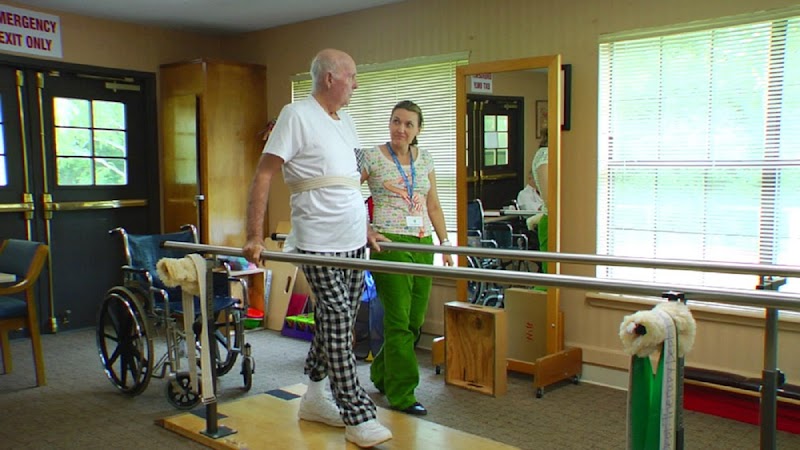
Who Owns and Operates Willowbrook Nursing Center?

WILLOWBROOK NURSING CENTER is owned by a for-profit company. For-profit facilities operate as businesses with obligations to shareholders or private owners. The facility is operated by HMG HEALTHCARE, a chain that manages multiple nursing homes. With 166 certified beds and approximately 109 residents (about 66% occupancy), it is a mid-sized facility located in NACOGDOCHES, Texas.
How Does Willowbrook Nursing Center Compare to Other Texas Nursing Homes?

Compared to the 100 nursing homes in Texas, WILLOWBROOK NURSING CENTER's overall rating (2 stars) is below the state average of 2.8, staff turnover (50%) is near the state average of 46%, and health inspection rating (2 stars) is below the national benchmark.

What Should Families Ask When Visiting Willowbrook Nursing Center?

Based on this facility's data, families visiting should ask: "What changes have been made since the serious inspection findings, and how are you preventing similar issues?" "Can you walk me through typical staffing levels on day, evening, and night shifts?" "Can I visit during a mealtime to observe dining assistance and food quality?" "How do you handle medical emergencies, and what is your hospital transfer rate?" These questions are particularly relevant given the facility's Immediate Jeopardy citations and the below-average staffing rating.

Is Willowbrook Nursing Center Safe?

Based on CMS inspection data, WILLOWBROOK NURSING CENTER has documented safety concerns. Inspectors have issued 1 Immediate Jeopardy citation (the most serious violation level indicating risk of serious injury or death). The facility has a 2-star overall rating and ranks #100 of 100 nursing homes in Texas. Families considering this facility should ask detailed questions about what corrective actions have been taken since these incidents.

Do Nurses at Willowbrook Nursing Center Stick Around?

WILLOWBROOK NURSING CENTER has a staff turnover rate of 50%, which is about average for Texas nursing homes (state average: 46%). Moderate turnover is common in nursing homes, but families should still ask about staff tenure and how the facility maintains care continuity when employees leave.

Was Willowbrook Nursing Center Ever Fined?

WILLOWBROOK NURSING CENTER has been fined $236,060 across 1 penalty action. This is 6.7x the Texas average of $35,439. Fines at this level are uncommon and typically indicate a pattern of serious deficiencies, repeated violations, or failure to correct problems promptly. CMS reserves penalties of this magnitude for facilities that pose significant, documented risk to resident health or safety. Families should request specific documentation of what issues led to these fines and what systemic changes have been implemented.

Is Willowbrook Nursing Center on Any Federal Watch List?

WILLOWBROOK NURSING CENTER is not on any federal watch list. The most significant is the Special Focus Facility (SFF) program, which identifies the bottom 1% of nursing homes nationally based on persistent, serious quality problems. Not being on this list means the facility has avoided the pattern of deficiencies that triggers enhanced federal oversight. This is a positive indicator, though families should still review the facility's inspection history directly.