WESTWARD TRAILS NURSING AND REHABILITATION
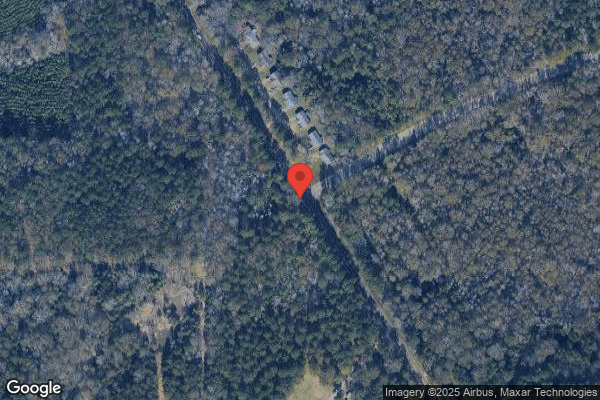
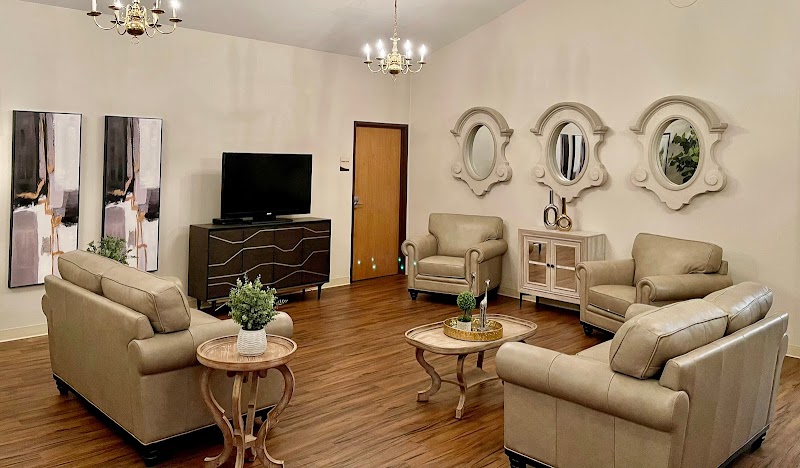
3001 WESTWARD DR, NACOGDOCHES, TX 75964 (936) 569-2631
For profit - Limited Liability company 108 Beds CREATIVE SOLUTIONS IN HEALTHCARE Data: November 2025 2 Immediate Jeopardy citations
Trust Grade
24/100
#890 of 1168 in TX
Last Inspection: April 2024

Within standard 12-15 month inspection cycle. Federal law requires annual inspections.

Overview

Westward Trails Nursing and Rehabilitation has received a Trust Grade of F, indicating poor conditions and significant concerns regarding resident care. They rank #890 out of 1168 facilities in Texas, placing them in the bottom half of all nursing homes, and #3 out of 4 in Nacogdoches County, meaning there is only one local option that performs better. Although the facility is showing signs of improvement, having reduced issues from 10 in 2024 to 7 in 2025, it still has a concerning staffing rating of 2 out of 5 stars, with less RN coverage than 89% of Texas facilities, which can impact the quality of care. Specific incidents include a resident wandering outside the facility while wearing a wander guard and another not being properly secured during transport, both of which pose serious safety risks. Additionally, there were issues noted with infection control practices during a COVID-19 outbreak, reflecting ongoing challenges within the facility. While staffing turnover is relatively low at 39%, families should weigh these strengths against the facility's critical deficiencies and overall poor ratings.

Trust Score
F
24/100
In Texas
#890/1168
Bottom 24%
Safety Record
High Risk
Review needed
Inspections
Getting Better
10 → 7 violations
Staff Stability
○ Average
39% turnover. Near Texas's 48% average. Typical for the industry.
Penalties
✓ Good
$15,330 in fines. Lower than most Texas facilities. Relatively clean record.
Skilled Nurses
⚠ Watch
Each resident gets only 12 minutes of Registered Nurse (RN) attention daily — below average for Texas. Fewer RN minutes means fewer trained eyes watching for problems.
Violations
⚠ Watch
27 deficiencies on record. Higher than average. Multiple issues found across inspections.
★★☆☆☆
2.0
Overall Rating
★★☆☆☆
2.0
Staff Levels
★★★☆☆
3.0
Care Quality
★★☆☆☆
2.0
Inspection Score
Stable
2024: 10 issues
2025: 7 issues

The Good

  • Full Sprinkler Coverage · Fire safety systems throughout facility
  • No fines on record
  • Staff turnover below average (39%)

    9 points below Texas average of 48%

Facility shows strength in fire safety.

The Bad

2-Star Overall Rating

Below Texas average (2.8)

Below average - review inspection findings carefully

Staff Turnover: 39%

Near Texas avg (46%)

Typical for the industry

Federal Fines: $15,330

Below median ($33,413)

Minor penalties assessed

Chain: CREATIVE SOLUTIONS IN HEALTHCARE

Part of a multi-facility chain

Ask about local staffing decisions and management

The Ugly 27 deficiencies on record

2 life-threatening
Jun 2025 1 deficiency 1 IJ
CRITICAL (J) 📢 Someone Reported This

A family member, employee, or ombudsman was alarmed enough to file a formal complaint

Immediate Jeopardy (IJ) - the most serious Medicare violation

Accident Prevention (Tag F0689)

Someone could have died · This affected 1 resident

**NOTE- TERMS IN BRACKETS HAVE BEEN EDITED TO PROTECT CONFIDENTIALITY** Based on observations, interviews, and records review, the facility failed to ensure the resident environment was free of hazard...

Read full inspector narrative →
**NOTE- TERMS IN BRACKETS HAVE BEEN EDITED TO PROTECT CONFIDENTIALITY** Based on observations, interviews, and records review, the facility failed to ensure the resident environment was free of hazards for 1 of 4 residents reviewed for accidents. (Resident #81). The facility failed to ensure the safety and well-being of Resident #81 by not following procedures for exiting residents from the van using the wheelchair lift. The noncompliance was identified as PNC (past noncompliance). The IJ began on 05/28/2025 and ended on 05/28/2025. The facility had corrected the noncompliance before the survey began. This failure could place residents at risk for potential accidents, injuries, harm, or death. Findings included: Record review of a face sheet on 06/23/2025 indicated Resident #81 was a [AGE] year-old female who admitted to the facility on [DATE] with diagnoses which included end stage renal disease (final stage of chronic kidney disease and requires kidney dialysis or transplant), diabetes mellitus, heart failure, and mild cognitive impairment. Record review of an admission MDS dated [DATE] indicated Resident #81 had clear speech, usually understood others and was usually understood. She had a BIMS score of 14 indicating her cognition was intact. The MDS indicated she received dialysis treatments and was mobile via wheelchair. Record review of physician orders records dated 06/24/2025 indicated Resident #81 had a physician's order for dialysis treatments every Monday, Wednesday, and Friday at 11:30 AM at a local dialysis center. Record review of a facility reported incident dated 05/28/2025 indicated Resident #81 was transported to the dialysis center on 05/28/2028 via the facility's van. Van Driver A lowered the wheelchair lift to the ground, re-entered the van, and proceeded to back the resident in her wheelchair out the back door of the van. The lift's platform was not flush with the van's floor and both Resident #81 and Van Driver A fell to the ground landing on the lift's platform positioned on the ground. Review of Resident #81's Progress Notes in the electronic record dated 05/28/2025 at 12:22 PM indicated the dialysis center notified the facility that resident had a fall out of the back of the van. Informed them our diver had notified us but we thanked them for the call. They reviewed with us what occurred and stated that Resident #81 did decline to go to the ER. Review of Resident #81's Progress Notes in the electronic record dated 05/28/2025 at 01:34 PM indicated the DON went to the dialysis center to check on the resident and noted a scratch to the left second finger and Resident #81 complained of a headache. The progress notes also indicated the dialysis center gave Resident #81 some Tylenol for the headache and offered to send Resident #81 to the ER for further evaluation and she refused. Review of Progress Notes dated 05/28/2025 at 02:09 PM indicated Resident #81, in an interview with the DON, said I really don't remember much. She got in the van, and we started backwards and I heard a click and we fell. She caught me though. I landed on her. I think my head hit her face. The note further indicated the MD, NP, and Resident #81's responsible party were notified of the incident. Further review of Progress Notes dated 05/28/2025 at 02:09 PM indicated the following: Transporter (Van Driver A) had arrived at dialysis center and parked, and got out of driver's side door and went to the back and opened the back doors and had began letting the lift down when she noticed a bag a resident had left and unknowingly let the lift all the way down to the ground. She grabbed the bag and went through the side door of the van, closed it behind her and unlatched the resident and began walking backwards with the resident in the wheelchair to load onto the lift. She did not know the lift was all the way down and both transporter and resident fell out of the transport van. Record review of Progress Notes dated 05/28/2025 at 02:23 PM indicated the DON offered to send Resident #81 to the hospital upon her return to the facility. The documentation indicated Resident #81 had a fall out of the back of the van, hit her head on Van Driver A's face, and scraped her finger and knee and was at risk for brain bleed, worsening health conditions, fractures, hospitalizations, and/or death. Resident declined to go to the hospital but agreed to having x-rays done at the facility. Record review of Van Driver A's written statement dated 05/28/2025 indicated she was letting the wheelchair lift down when she noticed a bag belonging to another resident on the ground. She said in her statement she reached for the bag and unknowingly let the lift all the way down to ground level. Her statement further indicated she walked to the front of the bus, entered the bus, and proceeded to back Resident #81 out of the bus and onto the lift. She said she did not notice the lift was not positioned flush with the van floor and stepped backwards, falling to the ground and landing on the floor of the lift. The statement further indicated Van Driver A caught Resident #81 as she fell backwards in her wheelchair and both the resident and wheelchair landed on top of the van driver. Record review of the maintenance director's inspection of the vehicle and lift dated 05/28/2025 indicated the van and lift were operating correctly. During observation and interview of Resident #81 on 05/23/2025 at 10:10 AM, she said she fell out of the back of the van about a week ago. She said she was sitting in her wheelchair and the driver was pulling her backwards out of the van. She said she heard something click and the next thing she knew, she and her wheelchair were falling backwards out of the van. She said she landed on top of the driver. She pointed to an area on her left second finger and said she got a scratch. There was no remaining evidence of an injury. She said she was not hurt and was not afraid to go to dialysis on the facility's van. She said the person who currently takes her to dialysis made sure the lift was in place before loading or unloading her. During observations and interviews on 06/23/2025 at 1:15 PM, the current van driver (Van Driver B) demonstrated the use of the van's wheelchair lift to load and unload a resident. Van Driver B opened the doors at the back of the bus, unlocked and lowered the lift floor, secured the safety strap at the front of the lift, and manually lowered the lift to the ground by pushing a button on the lift. The maintenance director, who was present during the demonstration, explained and demonstrated that the lift could not be lowered or raised without physically placing a finger on the button. When asked about the clicking sound Resident #81 heard, the maintenance director pointed to a metal pressure-activated sensor mat and demonstrated how when it was stepped on, a clicking sound was made, an alarm sounded, and a red flashing light was activated signaling that the lift was not flush with the van floor. The maintenance director said the lift could not have been lowered to the ground without Van Driver A manually pressing the button that lowered it. The distance from the floor of the van to the ground was 28 inches. The distance from the floor of the van to the floor of the lift at ground level was 26.5 inches. During an interview with the DON on 06/23/2025 at 10:25 AM, she said Van Driver A called the facility from the dialysis center and notified her of the incident involving the wheelchair lift and Resident #81. The DON said she went to the dialysis center and assessed the resident. She said the dialysis center had offered to send Resident #81 to the ER but she refused. The DON said she assessed Resident #81 and found no evidence of a major injury but encouraged Resident #81 to go to the ER but she refused. She said Resident #81 completed her dialysis treatment and returned to the facility where she was assessed again, neuro checks were initiated, and x-rays of Resident #81's skull, left arm, left hand, left hip, and left leg were done. She said the x-rays were negative for any injury. During an interview with the Administrator on 06/23/2025 at 11:05 AM, he said Van Driver A transported Resident #81 to the dialysis center on 05/28/2025 for the Resident's scheduled dialysis treatment at 11:30 AM. He said on 05/28/2025, Van Driver A was re-trained on neglect and the van's wheelchair lift use, screened for drug use, and suspended and sent home pending the facility's investigation of the incident and the results of the drug screen. The Administrator said the maintenance director performed a vehicle and lift inspection on 05/28/2025 and noted no issues. He said beginning 05/28/2025, the facility used city transportation for residents until they were able to train a new van driver. He said the facility immediately began abuse and neglect training of its employees after the incident. The Administrator said Van Driver A was terminated for failing to use the van's lift in a safe and accurate manner and for a negative drug screen test. He said the incident was reported to the QAPI team. A review of Resident #81's x-ray reports dated 05/28/2025 indicated she had no injuries of the skull, left arm, left hand, left hip, and left leg. A review of neuro checks completed on 05/28/2025 for Resident #81 indicated no abnormal findings. A review of Van Driver A's personnel record indicated the following: *Van Driver A applied for employment on 01/19/2024 and began work on 01/22/2024. *The latest annual nurse aide registry check, misconduct registry check, and criminal history check were completed on 02/08/2025 with no negative findings noted. *Training on abuse and neglect were completed on hire and multiple times throughout the year. *Van Driver A was trained and checked by return demonstration on the operation of the van and lift use on 02/06/25, on 03/25/25 and on again on 05/26/25. *Van Driver A was re-trained on the operation of the van and wheelchair lift on 05/28/2025. *Van Driver A was suspended on 05/28/2025 pending the investigation of the incident and results of the drug screen performed on 05/28/2025. *Van Driver A was terminated 06/05/2025 after the facility received the failed drug screen results. Record review of drug screen results for the van driver collected on 05/28/2025 at 01:35 PM indicated Van Driver A tested positive for THC (tetrahydrocannabinol, primary psychoactive compound in marijuana). A review of the facility's Van Incident Monitoring tool indicated Van Driver B received training and was checked off by return demonstration on the use and operation of the facility van and lift on 06/13/2025. Follow-up checks by return demonstration by Van Driver b were noted completed on 06/16/2025, 06/17/2025, 06/18/2025, 06/19/2025, 06/20/2025, and 06/23/2025 with no issues noted. A review of the facility's policy on the use of the facility van and wheelchair lifts undated and titled Employee Auto Training Handbook indicated the following: Serious violations include but are not limited to: Driving under the influence of alcohol or drugs . Lift Operation Procedures and Checklist: Wheelchair lifts make it possible to load wheelchairs of all weights in and efficient and safe manner. However, lifts are potentially hazardous equipment. They must be maintained and operated properly. Considerable caution and awareness is needed when operating a lift. No one but the vehicle operator should operate the vehicle wheelchair lift. Lifts may differ slightly in structure and function, Therefore, each vehicle operator should be familiar with all the lifts likely to be used Unloading: . 3.Staff will operate lift from to up position to assure the lift is in correct position, flush with van floor and ensure front safety barrier is locked before loading the resident onto the lift . A review of the facility's policy undated policy titled Transportation of a Resident indicated the following: 3. Residents must be physically assisted in and out of the vehicle by a trained employee using appropriate transfer techniques. A review of the facility's undated policy titled Employee Drug Free Workplace Policy indicated the following: It is the policy of this facility to maintain a safe, drug-free working environment through the use of education and for cause drug testing. All staff employee by the company is prohibited, during wok time, from using, distributing or being under the influence of prohibited drugs, alcohol,or abusing prescription drugs, whether on the company's premises or elsewhere. The noncompliance was identified as PNC (past noncompliance). The IJ began on 05/28/2025 and ended on 05/28/2025. The facility had corrected the noncompliance before the survey began.
May 2025 1 deficiency
CONCERN (D) 📢 Someone Reported This

A family member, employee, or ombudsman was alarmed enough to file a formal complaint

Potential for Harm - no one hurt, but risky conditions existed

ADL Care (Tag F0677)

Could have caused harm · This affected 1 resident

**NOTE- TERMS IN BRACKETS HAVE BEEN EDITED TO PROTECT CONFIDENTIALITY** Based on observation, interview, and record review the facility failed to provide the necessary services to maintain grooming an...

Read full inspector narrative →
**NOTE- TERMS IN BRACKETS HAVE BEEN EDITED TO PROTECT CONFIDENTIALITY** Based on observation, interview, and record review the facility failed to provide the necessary services to maintain grooming and personal care for 2 of 5 residents (Residents #1 and #2) reviewed for ADL care. 1. The facility failed when Resident #1 had long fingernails with a visible black/brown substance underneath them on 5/20/25 and had not received regular or as needed nail care. 2. The facility failed when Resident #2 had long fingernails with a visible black/brown substance underneath them and long toenails on 5/20/25 when the Resident #2 did not receive regular or as needed nail care. This failure could place residents who required assistance from staff for ADLs at risk of not receiving care and services to meet their needs which could result in feelings of poor self-esteem, lack of dignity, and health. Findings included: 1.Review of an admission Record for Resident #1 dated 5/20/2025 indicated he was a [AGE] year-old male admitted to the facility on [DATE] with diagnoses of unspecified sequelae of unspecified cerebrovascular disease (long term effects due to illness or injury related to a stroke) and hemiplegia and hemiparesis following cerebral infarction affecting left side (weakness or paralysis on left side of the body). Record review of a quarterly MDS Assessment for Resident #1 dated 5/11/2025 indicated he had moderately impaired thinking with a BIMS score of 12. He required substantial/maximal assistance for personal hygiene, and he was always incontinent of bowel and bladder. Record review of a care plan for Resident #1 revised on 2/2/2024 indicated he had an ADL self-care performance deficit related to a diagnosis of hemiplegia/hemiparesis affecting his left side and limited physical mobility related to contracture (restricted joint mobility) of left upper extremity. Interventions were in place to assist with all ADLs as needed. During an observation and interview on 5/20/2025 at 2:40 p.m., Resident #1 was lying in his bed awake, his left upper extremity appeared to be contracted and the fingernails on his left and right hands were long and contained a black/brown substance underneath them. He said he was unable to trim his own nails due to his limited mobility and required staff assistance. He said staff were supposed check his nails when he had showers, but they had not been checking. He said his nails were too long for his preference and he wanted them to be cut and cleaned. 2. Review of an admission Record dated 5/20/2025 for Resident #2 indicated he was a [AGE] year-old male readmitted to the facility on [DATE] with diagnoses of late onset Alzheimer's Disease (progressive brain disorder that destroys memory and thinking skills), Cerebral Infarction (stroke), and hemiplegia of right dominant side. Record review of a Quarterly MDS Assessment for Resident #2 dated 4/14/2025 indicated he had moderately impaired thinking with a BIMS score of 11. He required supervision or moderate assistance with most ADLs. Record review of a care plan for Resident #2 revised 1/30/25 indicated he had an ADL self-care performance deficit, and interventions were in place including check nail length and trim and clean on bath day and as necessary. During an observation and interview on 5/20/2025 at 2:44 p.m., Resident #2 was lying in his bed awake. His right upper right extremity appeared to be contracted and the fingernails on his left and right hands were long and contained a black/brown substance underneath them; the toenails on his left and right toes were long . He said his fingernails and toenails were too long and he wanted to have them trimmed and cleaned. He said he was unable to trim his own nails due to his limited mobility and required staff assistance. He said he could not remember the last time a staff member checked his nails. During an interview on 5/20/2025 at 2:50 p.m., the ADM said he was not aware of any issues with residents not having their nails trimmed and cleaned regularly. He said CNAs were responsible for checking residents' nails as part of routine hygiene and they should be trimmed and cleaned on shower days or as needed. During an interview on 5/20/2025 at 3:00 p.m., the DON said she was not aware of any current concerns with resident nail care. She said in-serviced staff on 3/25/25 regarding resident hygiene and sent a group text to all nursing staff on 5/11/25 reminding them to ensure resident nails were being checked and nail care provided as needed. She said the facility had experienced recent staff turn-over and hired two new CNAs. She said she would ensure new employees received additional training regarding resident hygiene and nail care. During an interview on 5/20/2025 at 3:10 p.m., the ADON said the facility policy reflected nail care would be provided regularly for every resident. She said CNAs were expected to check residents' nails daily and resident nails were to be trimmed and cleaned on shower days or as needed. During an interview on 5/20/2025 at 3:20 p.m., LVN A said CNAs were expected to inspect all residents' nails as part of routine hygiene assistance and when showering residents. She said CNAs were expected to trim and clean resident's nails on shower days or as needed; she said for residents with a diagnosis of diabetes CNAs were expected to report the need for nail care to the charge nurse. During an interview on 5/20/2025 at 3:50 p.m., LVN B said she was not aware of a specific facility policy addressing nail care, but CNAs should be checking residents' nails regularly and trimming and cleaning them on shower days or as needed. During interviews on 5/20/2025 between 6:10 p.m. - 6:20 p.m. CNA C, CNA D, and CNA E all said they inspect, trim, and clean resident nails when assisting them with showers, but not as a daily routine. All CNAs said they were responsible for trimming and cleaning resident nails. All CNAs said if a resident had a diagnosis of diabetes, they were responsible for reporting the concern to the charge nurse. Review of in-service records revealed an in-service dated 3/25/25 which included topics of timely resident assistance, ensuring resident cleanliness, and resident hygiene and showering. The in-service was attended by all direct care staff. Review of facility policy titled Nail Care dated 2003 indicated .Nail care will be performed regularly and safely.
Mar 2025 5 deficiencies 1 IJ
CRITICAL (J) 📢 Someone Reported This

A family member, employee, or ombudsman was alarmed enough to file a formal complaint

Immediate Jeopardy (IJ) - the most serious Medicare violation

Accident Prevention (Tag F0689)

Someone could have died · This affected 1 resident

**NOTE- TERMS IN BRACKETS HAVE BEEN EDITED TO PROTECT CONFIDENTIALITY** Based on observation, interview and record review, the facility failed to ensure the resident environment remained as free of ac...

Read full inspector narrative →
**NOTE- TERMS IN BRACKETS HAVE BEEN EDITED TO PROTECT CONFIDENTIALITY** Based on observation, interview and record review, the facility failed to ensure the resident environment remained as free of accident hazards and each resident received adequate supervision as is possible for 2 of 6 resident (Resident #1 and Resident #2) reviewed for accidents and hazards. 1.The facility failed to ensure Resident #1 did not wander outside of the facility and down the road while wearing a wander guard. On 1/04/2025 Resident #1 while wearing a wander guard left the facility through the front door and was seen walking down the road by another resident's family member who notified the facility of Resident #1's whereabouts. The non-compliance was identified as past non-compliance. The Immediate Jeopardy (IJ) began 01/04/2025 and ended on 01/08/2025. The facility corrected the non-compliance before surveyor's entrance. 2.The facility failed to ensure Resident #2 was properly strapped down in the van to prevent Resident #2's wheelchair from flipping over backwards during transport. On 2/21/2025 during transport to dialysis by the contract transport service Resident #2's wheelchair flipped over backwards in the van causing Resident #2 to have head and neck pain. The non-compliance was identified as past non-compliance. The Immediate Jeopardy (IJ) began 02/21/2025 and ended on 02/25/2025. The facility corrected the non-compliance before surveyor's entrance. This failure could place residents at risk of harm and serious injuries due to lack of supervision and failure to follow protocols. Findings included: Record review Resident #1's Face sheet dated 3/25/2025 indicated Resident #1 was admitted to the facility on [DATE] with the most recent admission on [DATE]. Resident #1 was a [AGE] year-old female admitted with diagnosis of severe dementia with anxiety (agitation, restlessness, and difficulty concentrating stemming from confusion and disorientation), hypertension (high blood pressure), and muscle weakness. Record review of Resident #1's quarterly MDS assessment dated [DATE] revealed a BIMS score of 04 indicating severe cognitive impairment. The MDS Assessment indicated Resident #1 required supervision or touching assistance with walking 150 feet. Record review of Resident#1's care plan dated 11/04/2021 indicated: Resident #1 was at risk for wandering, Resident #1 had a wander guard in place with interventions that included: .3. Distract resident from wandering by offering pleasant diversions, structured activities, food, conversation, television, book. 4. Identify pattern of wandering: is wandering purposeful, aimless, or escapist? Is resident looking for something? Does it indicate the need for more exercise? Intervene as appropriate. 5. If the resident is exit seeking, stay with the resident and notify the charge nurse by calling out, sending another staff member, call system, etc. Record review of Resident #1's medication administration record dated January 2025 indicated: Monitor for function of wander guard every shift and as needed for preventative and was signed as functioning on 1/3/2025 night shift. Record review of Resident #1's weekly skin assessment dated [DATE] indicated Resident #1 did not have any skin issues. Record review of Resident #1's elopement risk assessment dated [DATE] indicated a score of 9 which indicated low risk for elopement. Record review of incident report dated 01/04/2025 revealed: elopement on 1/04/2025 at 9:10am from the reception/lobby. No injuries were observed at the time of the incident and Resident #1 was not taken to the hospital. Record review of the facility's Provider Investigation report dated 01/09/2025 revealed the following: The resident went out the front door and was observed by another family member about 60 yards away from the facility. They notified the facility, and the resident was returned with no injuries. During an observation on 3/25/2025 at 3:00 PM the Administrator and DON demonstrated Resident #1's wander guard at the front door and the door did not alarm or lock. The Corporate Maintenance Director provided a new wander guard and when approached at the front door the door locked, when the new wander guard approached the front door when the door was open, and alarm sounded. During an interview on 3/25/2025 at 3:00 PM the DON said Resident #1 went out the front door of the facility. She said Resident #1's wander guard did not lock the front door or alarm. The DON said the wander guard had been checked on the night shift prior to the morning of the incident and said it was functioning. She said after the incident and Resident #1 was returned to the facility the malfunctioning wander guard was replaced with a new one and Resident #1 was placed on 1 to 1 supervision. She said Resident #1 was discharged later that day to a facility with a secured unit. During an interview on 3/25/2025 at 3:00 PM the Administrator said the Resident #1's wander guard did not lock the front door or alarm. He said sometime between it being checked on the night shift and the incident the wander guard malfunctioned and did not work. He said another resident's family member took a picture of the resident walking down the road and showed it to the facility and the facility went and retrieved Resident #1 without incident. Resident #1 was returned to the facility and a new wander guard was placed on Resident #1. He said a head-to-toe assessment was completed on Resident #1 with no injuries found. He said later that same day the resident was transferred to another facility with a secured unit. Record review of QAPI notes dated 01/04/2025 indicated that the meeting was attended by the following members: Administrator, DON, ADON, Medical Director, Social Services, Dietary, MDS Nurse, Activity Director, Therapy, and Medical Records. The interventions and plan for correction included: 1. Self report to HHSC. 2. Interview the resident completed on 1/4/2025. 3. Take statements from everyone involved or with potential knowledge/involvement completed 1/4/2025. 4. Determine if resident will be able to remain in the facility with any new interventions. Resident #1 was transferred to a new facility with a secured unit on 1/4/2025. 5. 1 on 1 monitoring for resident involved until evaluated by the IDT and further instructions are provided. Completed on 1/4/2025. 6. Complete risk management entry for elopement and complete elopement event note and elopement risk assessment for the resident involved. Document conclusion in the risk management entry of PCC (records system). Completed on 1/4/2025. 7. Complete an elopement risk assessment for all other residents. Completed 1/4/2025. 8. Complete the QA tool for elopements. Completed 2/4/2025. 9. Update the care plan for the resident who exited with new interventions. Completed 1/4/2025. 10. Review and update the plan of care as needed of any resident who has been assessed to be a high risk for elopement. Completed 1/4/2025. 11. Perform trauma informed PRN assessment on affected resident and initiate/update care plan interventions as needed. Completed 1/4/2025. 12. If known, in-service staff related to findings and ways to prevent residents exiting. In-services on abuse, neglect, and elopement initiated on 1/4/2025. 13. Notification to families to mindful of residents attempting to exit the facility and not to share the door code with the residents. Completed on 1/10/2025. 14. Place signage at visitor exits to be mindful of residents attempting to exit the facility and not to share a door code with the residents. Completed 1/4/2025. 15. The Medical Director was notified of this plan. Completed 1/4/2025. Record review of Resident #1's electronic medical record indicated Resident #1 discharged from the facility on 1/4/2025. Record review of 1 to 1 monitoring sheets dated 1/4/2025 from 9:30 AM to 3:45 PM. Record review of Missing Resident/Elopement Monitoring tool dated 1/4/2025 through 2/4/2025 indicated: 1. The locking mechanism or alarm functioned properly on all exit doors of the facility. 2. Wander guard bracelets were in place every shift. Record review of Trauma Informed PRN Assessment dated 1/4/2025 indicated Resident #1 had no trauma from the incident. Record review of Elopement Risk Assessment dated 1/4/2025 indicated a score of 28 which indicated high risk for elopement. Record review of the care plan for Resident #1 indicated revised on 1/4/2025 indicated a new intervention for 1 to 1 monitoring of Resident #1 until alternate placement could be arranged. Record review of in-services dated 1/4/2025-1/5/2025 titled Abuse, Neglect, Elopement, ways to prevent resident exiting, reporting concerns with 135 employee signatures. Record review of elopement drills dated 1/7/2025, 1/9/2025, 1/15/2025, 1/17/2025, 1/21/2025, and 1/23/2025 indicated multiple drills across multiple shifts had been conducted. Observation of signage on the front door of the facility on 3/25/2025 at 3:00 PM notifying families to be mindful of residents attempting to exit the facility and not to share door code with the residents. On 3/25/25 at 10:51 am the Administrator, and DON were informed of IJ. The non-compliance was identified as past non-compliance. The IJ began on 1/04/2025 and ended on 2/4/2025. The facility had corrected the noncompliance before the investigation began. 2. Record review of the electronic face sheet dated 3/24/2025 for Resident #2 indicated Resident #2 was admitted to the facility on [DATE] with diagnosis that included: end stage renal disease (kidneys do not function properly), hyperkalemia (excessive amount of potassium in the blood), and muscle weakness. Record review of Resident #2's quarterly MDS dated [DATE] indicated Resident #2 had a BIMS score of 11 which indicated mild cognitive impairment. The MDS assessment indicated Resident #2 required supervision or touching assistance for transfers. Record review of Resident #2's care plan dated 9/22/2023 and revised on 2/5/2024 indicated Resident #2 had end stage renal disease and was on dialysis on Mondays, Wednesdays, and Fridays with interventions that included: 1. Encourage resident to do for the scheduled dialysis appointments, resident received dialysis on Mondays, Wednesdays, and Fridays. The resident had an ADL self-care performance deficit with interventions that included: 1. the resident uses a wheelchair. The resident was at risk for falls gait/balance problems with interventions that included: 1. Skin assessment, new pain medication, xrays ordered, neuros started, 3rd party transportation on hold for in-servicing their staff on van safety/buckling and monitoring in place. Record review of nursing progress note dated 2/21/2025 at 6:00 AM written by LVN C indicated Notified by transport driver, while on the way to drop off resident at dialysis, residents wheelchair tilted backwards resulting in resident falling backwards in chair. Driver states resident stated he was ok to continue to dialysis appointment. Record review of nursing progress note dated 2/21/2025 at 10:30 AM written by LVN C indicated Resident returned from dialysis and is complaining of neck pain post fall from this morning. New order received for xray of neck due to neck pain. Record review of nursing progress note dated 2/21/2025 at 10:30 AM written by the DON indicated Resident denied any pain medication at this time and stated he would let us know if he needed anything. Record review of nursing progress note dated 2/21/2025 at 11:40 AM written by the DON indicated Down to check on resident at this time to see how he is doing; resident is stating that his head/neck is bothering him and asked if he could get something for pain at this time. MD was notified and new order for Tylenol 325mg every 4 hours as needed for pain. (medication was administered at this time to resident) Attempted to notify [family] but no answer at this time. Record review of nursing progress note dated 2/21/2025 at 12:03 PM written by the DON indicated Down to follow up with resident and he does state that the Tylenol was effective. Record review of nursing progress note dated 2/21/2025 at 1:46 PM written by the DON indicated Went down to check on resident at this time and he stated that he was feeling ok. Inquired again if resident was wanting to go to ER (resident had been asked when incident initially occurred if he would like to go be he did not feel he needed to go at that time and wanted to proceed going to dialysis) to get checked out and he stated well I feel like I guess I should. Explained that xrays had been taken and results were pending when I last looked however if felt he needed to be checked out we could certainly send him. He thought for a minute and stated he felt like he ought to go ahead and go just to be safe. MD notified of request and new orders given to transport to ER for evaluation and treatment. Record review of nursing progress noted dated 2/21/2025 at 5:42 PM written by ADON B indicated Resident returned via wheelchair with [facility] van transport from [hospital] ER related to fall, resident cleared from ER and sent back to facility with no changes in medications or orders. Record review of facility incident report dated 2/21/2025 at 6:00 AM indicated Resident #2 had a fall with no other information. Record review of hospital paperwork dated 2/21/2025 indicated no acute findings and Resident #2 was discharged back to the facility with no new orders. During an interview on 3/24/2025 at 10:33 AM Resident #2 said on the day he fell in the van the Contract Van Driver did not strap him down in the van. He said the Contract Van Driver was trying to go up the hill in the driveway and his wheelchair flipped backwards. He said the Contract Van Driver stopped and picked him back up in the van. He said he told the Contract Van Driver he was having pain but the Contract Van Driver continued on to dialysis. He said he told them at dialysis he was in pain also. He said when he got back to the facility the nurse checked him over and he complained of head and neck pain. He said the facility sent him out to the ER to get checked out. He said he no longer is having any pain to his head and neck. During an interview on 3/24/2025 at 11:10 AM the Contract Van Driver said on 2/21/2025 at approximately 5:00 AM he got to the facility and put the resident on the van. He said he placed Resident #2 on the ramp and raised the ramp. He said he then pushed Resident #2 forward, he said he usually used 2 front straps, and 2 back straps when securing a resident in the van. He said when he drove off and going up the incline in the facility parking lot Resident #2 flipped back in his wheelchair. He said he stopped the van and got out to check if Resident #2 was ok, and said Resident #2 told him that he was fine and to continue on to dialysis. He said he picked Resident #2 upright in his wheelchair and continued on to dialysis. He said he did not notify anyone of the fall until later on that day. He said he had no idea how the incident happened. During an interview on 3/24/2025 at 11:30 AM the Facility Van Driver said she picked up Resident #2 from dialysis on the day he fell on the Contract Van. She said when she picked him up about 10:30am the Dialysis Tech pushed him out to the van that day and said Resident #2 was complaining of severe head and neck pain because he fell backwards in the Contract Van that morning. She said she brought Resident #2 straight back to the facility and said when she got there the Contract Van Driver was at the facility to report the fall that happened that morning. Said she reported to the nurse that Resident #2 was complaining of head and neck pain. She said to properly secure a resident's wheelchair in the van there should be 2 tie down straps at the front of the wheelchair and 2 tie down straps at the back of the wheelchair, she said then there is a seatbelt that goes across the resident to hold the resident in the chair. She said if all straps are applied appropriately there would be no way a resident's wheelchair could flip over backwards. During an interview on 3/24/2025 at 12:26 PM the Dialysis Tech said on 2/21/2025 Resident #2 never complained of pain until the end of his treatment and then he told her that he had fallen in the van on his way to dialysis that morning. She said she did not administer anything for pain while he was at dialysis that day. She said the Contract Van Driver did not notify anyone at dialysis that Resident #2 had fallen that morning. During an Observation and interview on 3/24/2025 at 12:43 PM the Contract Van Driver demonstrated how to correctly strap down a wheelchair in the van. At the end of the demonstration the surveyor asked the Contract Van Driver if it was plausible that on the day Resident #2 fell in the van that Resident #2 was not secured properly in the van and the Contract Van Driver said yes. During an interview on 3/25/2025 at 10:25 AM the Corporate Maintenance Director said to properly secure a resident's wheelchair in the van there should be 2 tie down straps at the front of the wheelchair and 2 tie down straps at the back of the wheelchair, he said then there is a seatbelt that goes across the resident to hold the resident in the wheelchair. He said if all straps are applied appropriately there would be no way a resident's wheelchair could flip over backwards and the wheelchair should not move in the van. During an interview on 3/25/2025 at 10:40 AM the DON said on 2/21/2025 at approximately 10:30 AM the Contract Van Driver came to the facility to report to her that Resident #2 had fallen in the van that morning. She said the Contract Van Driver did not report it to the facility that morning when it happened but waited until later in the day. She said the Contract Van Driver told her he asked Resident #2 if he was ok and Resident #2 said he was, so he continued with transporting Resident #2 to dialysis. She said the Contract Van driver said he had not reported the incident to dialysis. During an interview on 3/25/2025 at 11:04 AM the Administrator said on 2/21/2025 he received a call from the Contract Van Drivers supervisor stating the Contract Van Driver was going to the facility to let them know about and incident that had happened that morning. He said at approximately 10:30 AM he overheard the Contract Van Driver telling the DON that Resident #2 had fallen in the van that morning. He said the Contract Van Driver said he loaded Resident #2 on the van and when leaving the facility parking lot incline Resident #2 flipped backwards in his wheelchair. He said the Contract Van Driver immediately stopped the vehicle and asked Resident #2 if he was ok and Resident #2 said lets just go on to dialysis. He said Resident #2 denied any pain, so he continued transport to dialysis. Record review of Contract Van Drivers successful completion of the Passenger Assistance Safety and Sensitivity 7.0 Two-day Driver Certification Program including sensitivity training, left operating procedures, wheelchair and occupant securement valid January 09, 2025, through January 09, 2027. Observation of training video titled Retractable wheelchair tie-downs to secure wheelchair superior van and mobility. Video was accessed at https://youtu.be/mY_GThwGdbI?si=zQH-3ntbRIcPyck0 which indicated there should be 2 tie down straps in the front of the wheel chair and 2 tie down straps at the back of the wheelchair and the seatbelt that goes across the resident. Surveyor requested the facility policy and procedure regarding wheelchair tie down procedure and none was provided. Record review of QAPI notes dated 02/21/2025 indicated that the meeting was attended by the following members: Administrator, DON, ADON, Medical Director, Social Services, Dietary, MDS Nurse, Activity Director, Therapy, and Medical Records. The interventions and plan for correction included: 1. Self report to HHSC. Completed 2/21/2025. 2. The Contract van services was removed from service for resident transport on 2/21/2025. 3. The Contract Van Services were to educate drivers before services to be reinstated. Completed on 2/25/2025. 4. The Contract Van Driver was not allowed to transport for the facility pending investigation. Completed 2/21/2025. 5. Take statements from everyone involved or with potential knowledge/involvement. Completed 2/21/2025. 6. Begin abuse/neglect in-service for all staff who transport or assist with transporting residents in the van. Started on 2/21/2025. 7. In-service staff who transport or assist with transporting residents in the van on the following (with return demonstration): How to safely load and unload residents in the van using the lift, properly securing a resident in the van, ambulatory resident -securing with a seatbelt, Non-ambulatory resident-securing the wheel chair and the resident. Started 2/21/2025. 8. Maintain a list of staff who have completed training and provided return demonstration regarding transporting a resident in the van. Staff not listed will not transport residents. Completed on 2/24/2025. 9. Complete risk management entry as other in PCC. Attempt to determine the root cause of the incident. Document conclusion in this risk management entry of PCC. Fall Note completed 2/21/2025. 10. Perform trauma informed PRN assessment on affected resident and initiate/update care plan interventions as needed. Completed 2/21/2025. 11. The medical director was notified of this plan. Completed on 2/21/2025. Record review of in-service titled Van Training/Proper Tie Down Procedures Dated 2/24/2025 provided by the Corporate Maintenance Director and signed by the Facility Van Driver. Record review of Education Sign in Sheet with the topic Wheelchair securement during Transport dated 2/25/2025 signed by the Contract Van Service 6 employees. Record review on plan of correction submitted to the facility by the Contract Van Services indicated: 1. All transporters will receive reinforcement education of reasons for following all safety precautions, with visual confirmation. Education for log implementation will be provided also with the date to be completed of 2/26/2025. 2. Log to be implemented to record daily checks that all belts are to be checked daily prior to vehicle use to confirm safe and correct functioning to be completed daily with implementation by 2/26/2025. Supervisor will check logs of all vehicles used weekly to ensure compliance. If a vehicle is not used on a given day, it should be marked as not used on the log for that day. 3. [Contract Van Driver] will show correct use of all safety belts and sign acknowledgement of importance for checking safe functioning and ensuring correct use every time. He will also acknowledge who and how to reach out for support if he is unsure of a procedure or safe functioning completed 2/26/2025. Supervisor will monitor patients for safe travel and follow up with [Contract Van Driver] weekly for 2 months, then as needed, to ensure compliance and provide support for [Contract Van Driver] to be successful in safely transporting patients. Record review of Follow up Training Completion Sheet 2025 for the Contract Van Driver indicated his supervisor had signed completion for 4 weeks dated 2/21/2025 through 3/21/2025. Record review of Daily Checklist for Securement Device(s) Functionality dated March 2025 for multiple transport vehicles dated 3/3/2025 through 3/23/2025. Record review of facility in-services titled Abuse, Neglect, Resident Rights dated 2/21/2025 with 130 facility employee signatures. Record review of Trauma informed PRN assessment dated [DATE] at 12:40 PM indicated Resident #2 did not experience any trauma from the incident. Record review of employee questionnaires on abuse/neglect completed on 2/21/2025 with no concerns noted. Record review of resident safe surveys on abuse/neglect completed on 2/21/2025 with no concerns noted. Record review of monitoring of the Facility Van Driver completed 2/21/2025 through 2/27/2025 with no concerns noted. On 3/25/25 at 10:51 am the Administrator, and DON were informed of IJ. The non-compliance was identified as past non-compliance. The IJ began on 2/21/2025 and ended on 2/25/2025. The facility had corrected the noncompliance before the investigation began.
CONCERN (D) 📢 Someone Reported This

A family member, employee, or ombudsman was alarmed enough to file a formal complaint

Potential for Harm - no one hurt, but risky conditions existed

Free from Abuse/Neglect (Tag F0600)

Could have caused harm · This affected 1 resident

**NOTE- TERMS IN BRACKETS HAVE BEEN EDITED TO PROTECT CONFIDENTIALITY** Based on interview, and record review the facility failed to ensure residents the right to be free from abuse and neglect for 1 ...

Read full inspector narrative →
**NOTE- TERMS IN BRACKETS HAVE BEEN EDITED TO PROTECT CONFIDENTIALITY** Based on interview, and record review the facility failed to ensure residents the right to be free from abuse and neglect for 1 of 6 (Resident #4) residents reviewed for abuse and neglect. The facility failed to ensure Resident #4 was free from verbal abuse from Resident #3 on 10/31/2024 during a resident to resident verbal altercation. These deficient practices could place residents at risk for abuse, neglect, and not having their needs met. Findings included: 1.Record review of Resident #4's electronic face sheet revealed a [AGE] year-old-female who was admitted to the facility on [DATE] with most recent admission on [DATE]. Resident #4's diagnoses included: nontraumatic subarachnoid hemorrhage (bleeding in the brain), seizures (disruption of normal brain function), and muscle weakness. Record review of Resident #4's Quarterly MDS, dated [DATE] indicated a BIMS of 03 indicating a severe cognitive impairment. The MDS indicated Resident #4 was dependent for all bed mobility. Record Review of Resident #4's care plan dated 12/7/2021 and revised on 2/5/2024 indicated: Resident #4 had a communication problem related to cerebrovascular accident causing aphasia, dysphagia and cognitive deficit with interventions that included: Use effective strategies: facial expression, eye contact, gestures, tone of voice, non-threatening posture, short direct phrases, speak slowly, speak in a calm, distinct manner, interpreter, time to communicate, 1 to 1, quiet setting for communicating with resident. 2.Record review of facility electronic face sheet indicated Resident #3 was a [AGE] year-old female admitted to facility on 5/01/2024 with the most recent admission on [DATE]. Resident #3's diagnosis included: dementia (decline in mental ability), anxiety (excessive worry, fear, and nervousness), and bipolar disorder (extreme shifts in mood, energy, and behavior). Record Review of Resident #3's comprehensive care plan dated 1/08/2025 indicated Resident # 3 refused medications at times with intervention of a negotiated risk assessment signed. Resident #3 had impaired cognitive function dementia or impaired thought processes with an intervention to administer medications as ordered. Resident #3 had verbal behaviors threatening to kill roommate and staff with an intervention of assist resident in avoiding resident that may incite outburst. Resident #3 required antipsychotic medications with an intervention to administer medications as ordered, monitor and document for side effects and effectiveness. Record review of Resident #3's Quarterly MDS dated [DATE] indicated Resident #3 had a BIMS of 15 indicating no cognitive impairment. Record review of nursing progress note dated 10/31/2025 at 4:15 AM written by RN D indicated: I heard resident screaming at nurse aide that if she touches her, she will kill her. I entered the room and resident sitting [Resident #4's] bed and cursing. I called the aide to the side, and she stated that she was trying to get [Resident #3] to get off the bed, as she was threatening her too. I witnessed then [Resident #3] threaten to hit the other resident, and to even kill her if she touched her. I asked [Resident #3] what is wrong, did she need me to send her to the hospital. She said no. Interventions: I talked with [Resident #3] and convinced her to get into her own bed. She started to cry, got up and got into her bed and covered her head . During an interview on 3/25/2025 at 1:05 PM LVN E said Resident #3 had a psychotic episode on 10/31/2025 at 4:15 AM. She said RN D went to Resident #3's room and during the psychotic episode found Resident #3 on top of Resident #4 threatening to kill her. She said RN D was able to de-escalate the situation and moved Resident #4 out of the room. During an interview on 3/25/2025 at 3:00 PM the DON said on 10/31/2024 Resident #3 was found sitting on Resident #4's bed threatening to kill her. She said Resident #4 was removed from the room and did not have any effects from the incident due to Resident #4's cognition. During an interview on 3/26/2025 at 10:49 AM RN D said on 10/31/2025 at about 4:15 AM she went down the hall and heard resident screaming so she went in the room and the aide was in the room and Resident #3 was sitting on Resident #4's bed shaking her fist threatening to kill Resident #4. She said she removed Resident #4 from the room and took her to the dining room. She said she tried to call the DON with no answer, so she notified the on-call nurse of the situation. During an interview on 3/26/2025 at 11:21 AM RN G said she was on call the night of 10/31/2024 and received a call from RN D regarding Resident #3 having a psychotic episode. She said she told RN D to make sure that Resident #4 was out of the room and safe. During an interview on 3/26/2025 at 1:19 PM CNA H said on the night of 10/31/2025 she remembered Resident #3 was not herself that night. She said Resident #3 was getting up and going over to Resident #4's side of the room. She said Resident #4 was bedbound and Resident #3 was sitting on the edge of Resident #4's bed threatening to kill her. She said she told Resident #3 she couldn't be on Resident #4's bed and that's when she became combative to the CNA. She said RN D entered the room and was finally able to calm Resident #3 down enough to get her off Resident #4's bed and back in her own bed. She said Resident #4 was then removed from the room. During an interview on 3/26/2025 at 2:45 PM the DON said the reason it was not reported was because Resident #3 had a psychotic issue but never did anything to Resident #4. She said that Resident #4 did not appear to be upset and she did not feel as though the incident was reportable. She said they did not feel as though it was abuse because it did not harm Resident #4 physically or emotionally. She said she knew they talked about the situation in the morning meeting the next day. So, it was at least by the morning meeting that the Administrator was notified. She said the expectation was that all allegations of alleged abuse be reported to the abuse coordinator immediately. During an interview on 3/26/2025 at 2:55 PM the Administrator said they did not report that incident because Resident #4 did not even know what was going on. He said when they separated Resident #3 and Resident #4 there was no injury to Resident #4. He said his expectation was they will follow their policy and guidelines for reporting alleged abuse. Record review of facility policy titled Abuse/Neglect dated 3/29/18 indicated: The resident has the right to be free from abuse, neglect, misappropriation of resident property, and exploitation as defined in the subpart . Residents should not be subjected to abuse by anyone, including, but not limited to, facility staff, other residents, consultants or volunteers, staff or other agencies serving the resident, family members or legal guardians, friends, or other individuals. The facility will provide and ensure the promotion and protection of resident rights. It is each individual's responsibility to recognize, report, and promptly investigate actual or alleged abuse, neglect, exploitation, mistreatment of residents or misappropriation of resident property abuse and situations that may constitute abuse or neglect to any resident in the facility . 3. Verbal Abuse: Any use of oral , written or gestured language that willfully includes disparaging and derogatory terms to residents, or within their hearing distance, regardless of their age, ability to comprehend, or disability .Examples of verbal abuse include, but are not limited to: threats of harm; saying things to frighten a resident, such as telling a resident that she will never be able to see her family again, etc. Abuse as defined in 40 TAC 19.101(1) . E. Reporting .3. Facility employees must report all allegations of: abuse, neglect, exploitation, mistreatment of residents, misappropriation of resident property or injury of unknown source to the facility administrator. The facility administrator or designee will report to HHSC all incidents that meet the criteria of Provider Letter 19-17 dated 7/10/19 .
CONCERN (D) 📢 Someone Reported This

A family member, employee, or ombudsman was alarmed enough to file a formal complaint

Potential for Harm - no one hurt, but risky conditions existed

Report Alleged Abuse (Tag F0609)

Could have caused harm · This affected 1 resident

**NOTE- TERMS IN BRACKETS HAVE BEEN EDITED TO PROTECT CONFIDENTIALITY** Based on interview and record review, the facility failed to ensure that all alleged violations involving abuse, neglect, exploi...

Read full inspector narrative →
**NOTE- TERMS IN BRACKETS HAVE BEEN EDITED TO PROTECT CONFIDENTIALITY** Based on interview and record review, the facility failed to ensure that all alleged violations involving abuse, neglect, exploitation or mistreatment, including injuries of unknown source and misappropriation of resident property, were reported immediately, but not later than 2 hours after the allegation was made, if the events that caused the allegation involved abuse or resulted in serious bodily injury, to the administrator of the facility and to other officials (which included to the State Survey Agency and adult protective services where state law provides for jurisdiction in long-term care facilities) in accordance with State law through established procedures for 2 of 6 residents (Resident #4 and Resident # 3) reviewed for abuse. The facility failed to keep Resident #4 safe from verbal abuse from Resident #3. On 10/31/2025 at 4:15 AM Resident #4's roommate was found on Resident #3 's bed threatening to kill her. This failure could place residents at risk of further potential abuse. Findings included: 1.Record review of Resident #4's electronic face sheet revealed an [AGE] year-old-female who was admitted to the facility on [DATE] with most recent admission on [DATE]. Resident #4's diagnoses included: nontraumatic subarachnoid hemorrhage (bleeding in the brain), seizures (disruption of normal brain function), and muscle weakness. Record review of Resident #4's Quarterly MDS, dated [DATE] indicated a BIMS of 03 indicating a severe cognitive impairment. The MDS indicated Resident #4 was dependent for all bed mobility. Record Review of Resident #4's care plan dated 12/7/2021 and revised on 2/5/2024 indicated: Resident #4 had a communication problem related to cerebrovascular accident causing aphasia(affects the ability to communicate), dysphagia (difficulty swallowing) and cognitive deficit with interventions that included: Use effective strategies: facial expression, eye contact, gestures, tone of voice, non-threatening posture, short direct phrases, speak slowly, speak in a calm, distinct manner, interpreter, time to communicate, 1 to 1, quiet setting for communicating with resident. 2.Record review of facility electronic face sheet indicated Resident #3 was a [AGE] year-old female admitted to facility on 5/01/2024 with the most recent admission on [DATE]. Resident #3's diagnosis included: dementia (decline in mental ability), anxiety (excessive worry, fear, and nervousness), and bipolar disorder (extreme shifts in mood, energy, and behavior). Record Review of Resident #3's comprehensive care plan dated 1/08/2025 indicated Resident # 3 refused medications at times with intervention of a negotiated risk assessment signed. Resident #3 had impaired cognitive function dementia or impaired thought processes with a intervention to administer medications as ordered. Resident #3 had verbal behaviors threatening to kill roommate and staff with an intervention of assist resident in avoiding resident that may incite outburst. Resident #3 required antipsychotic medications with an intervention to administer medications as ordered, monitor and document for side effects and effectiveness. Record review of Resident #3's Quarterly MDS dated [DATE] indicated Resident #3 had a BIMS of 15 indicating no cognitive impairment. Record review of nursing progress note dated 10/31/2025 at 4:15 AM written by RN D indicated: I heard resident screaming at nurse aide that if she touches her she will kill her. I entered the room and resident sitting [Resident #4's] bed and cursing. I called the aide to the side and she stated that she was trying to get [Resident #3] to get off the bed, as she was threatening her too. I witnessed then [Resident #3] threaten to hit the other resident, and to even kill her if she touched her. I asked [Resident #3] what is wrong, did she need me to send her to the hospital. She said no. Interventions: I talked with [Resident #3] and convinced her to get into her own bed. She started to cry, got up and got into her bed and covered her head . During an interview on 3/25/2025 at 11:00 AM Resident #4 was not able to answer questions appropriately due to cognition. During an interview on 3/25/2025 at 1:05 PM LVN E said Resident #3 had a psychotic episode on 10/31/2025 at 4:15 AM. She said RN D went to Resident #3's room and during the psychotic episode found Resident #3 on top of Resident #4 threatening to kill her. She said RN D was able to de-escalate the situation and moved Resident #4 out of the room. During an interview on 3/25/2025 at 3:00 PM the DON said on 10/31/2024 Resident #3 was found sitting on Resident #4's bed threatening to kill her. She said Resident #4 was removed from the room and did not have any effects from the incident due to Resident #4's cognition. Resident #3 was monitored 1 to 1 until she discharged to the hospital. During an interview on 3/26/2025 at 10:49 AM RN D said on 10/31/2025 at about 4:15 AM she went down the hall and heard resident screaming so she went in the room and the aide was in the room and Resident #3 was sitting on Resident #4's bed shaking her fist threatening to kill Resident #4. She said she removed Resident #4 from the room and took her to the dining room. She said she tried to call the DON with no answer, so she notified the on-call nurse of the situation. During an interview on 3/26/2025 at 11:21 AM RN G said she was on call the night of 10/31/2024 and received a call from RN D regarding Resident #3 having a psychotic episode. She said she told RN D to make sure that Resident #4 was out of the room and safe. During an interview on 3/26/2025 at 1:19 PM CNA H said on the night of 10/31/2025 she remembered Resident #3 was not herself that night. She said Resident #3 was getting up and going over to Resident #4's side of the room. She said Resident #4 was bedbound and Resident #3 was sitting on the edge of Resident #4's bed threatening to kill her. She said she told Resident #3 she couldn't be on Resident #4's bed and that's when she became combative to the CNA. She said RN D entered the room and was finally able to calm Resident #3 down enough to get her off Resident #4's bed and back in her own bed. She said Resident #4 was then removed from the room. During an interview on 3/26/2025 at 2:45 PM the DON said the reason it was not reported is because Resident #3 had a psychotic issue but never did anything to Resident #4. She said that Resident #4 did not appear to be upset and she did not feel as though the incident was reportable. She said they did not feel as though it was abuse because it did not harm Resident #4 physically or emotionally. She said she knew they talked about the situation in the morning meeting the next day. So, it was at least by the morning meeting that the Administrator was notified. She said the expectation was that all allegations of alleged abuse be reported to the abuse coordinator immediately. During an interview on 3/26/2025 at 2:55 PM the Administrator said they did not report that incident because Resident #4 did not even know what was going on. He said when they separated Resident #3 and Resident #4 there was no injury to Resident #4. He said his expectation is they will follow their policy and guidelines for reporting alleged abuse. Record review of facility policy titled Abuse/Neglect dated 3/29/18 indicated: The resident has the right to be free from abuse, neglect, misappropriation of resident property, and exploitation as defined in the subpart . Residents should not be subjected to abuse by anyone, including, but not limited to, facility staff, other residents, consultants or volunteers, staff or other agencies serving the resident, family members or legal guardians, friends, or other individuals. The facility will provide and ensure the promotion and protection of resident rights. It is each individual's responsibility to recognize, report, and promptly investigate actual or alleged abuse, neglect, exploitation, mistreatment of residents or misappropriation of resident property abuse and situations that may constitute abuse or neglect to any resident in the facility . 3. Verbal Abuse: Any use of oral , written or gestured language that willfully includes disparaging and derogatory terms to residents, or within their hearing distance, regardless of their age, ability to comprehend, or disability .Examples of verbal abuse include, but are not limited to: threats of harm; saying things to frighten a resident, such as telling a resident that she will never be able to see her family again, etc. Abuse as defined in 40 TAC 19.101(1) . E. Reporting .3. Facility employees must report all allegations of: abuse, neglect, exploitation, mistreatment of residents, misappropriation of resident property or injury of unknown source to the facility administrator. The facility administrator or designee will report to HHSC all incidents that meet the criteria of Provider Letter 19-17 dated 7/10/19 .
CONCERN (D) 📢 Someone Reported This

A family member, employee, or ombudsman was alarmed enough to file a formal complaint

Potential for Harm - no one hurt, but risky conditions existed

Pharmacy Services (Tag F0755)

Could have caused harm · This affected 1 resident

**NOTE- TERMS IN BRACKETS HAVE BEEN EDITED TO PROTECT CONFIDENTIALITY** Based on interview, and record review, the facility failed to provide pharmaceutical services, including procedures that assures...

Read full inspector narrative →
**NOTE- TERMS IN BRACKETS HAVE BEEN EDITED TO PROTECT CONFIDENTIALITY** Based on interview, and record review, the facility failed to provide pharmaceutical services, including procedures that assures the accurate acquiring, receiving, dispensing, and administering of medications for 1 of 6 residents (Resident #3) and reviewed for pharmacy services. The facility failed to ensure Resident #3 ingested all medications as prescribed and was not able to stash medications in room. On 10/31/2024 Resident #3 had a psychotic episode, and 40 to 50 pills were found on the floor in Resident #3's room. On 1/29/2024 Resident #3 had a psychotic episode, and 10 to 15 pills were found in Resident #3's room. These failures could place residents at risk for the unsafe administration of medications, not receiving prescribed doses of ordered medications and not receiving the intended therapeutic benefit of the medications. Findings included: Record review of facility electronic face sheet indicated Resident #3 was a [AGE] year-old female admitted to facility on 5/01/2024 with the most recent admission on [DATE]. Resident #3's diagnosis included: dementia (decline in mental ability), anxiety (excessive worry, fear, and nervousness), and bipolar disorder (extreme shifts in mood, energy, and behavior). Record Review of Resident #3's comprehensive care plan dated 1/08/2025 indicated Resident # 3 refused medications at times with intervention of a negotiated risk assessment signed. Resident #3 had impaired cognitive function dementia or impaired thought processes with an intervention to administer medications as ordered. Resident #3 had verbal behaviors threatening to kill roommate and staff with an intervention of assist resident in avoiding resident that may incite outburst. Resident #3 required antipsychotic medications with an intervention to administer medications as ordered, monitor and document for side effects and effectiveness. Record review of Resident #3's Quarterly MDS dated [DATE] indicated Resident #3 had a BIMS of 15 indicating no cognitive impairment. Record review of physician orders dated as of 1/29/2025 indicated Resident #3 had an order for acetaminiophen-codeine 300-60mg 1 tablet every 6 hours as needed, alprazolam 0.25mg 1 tablet at bedtime, amantadine 100mg 1 tablet twice daily, baclofen 10mg 1 tablet three times daily, ciprofloxacin 500mg 1 tablet twice daily, dicyclomine 20mg 1 tablet every 8 hours as needed, linzess 72mcg 1 tablet once a day, esomeprazole 40mg 1 tablet once a day, omega-3 capsule 1000mg 1 tablet once a day, oxcarbazepine 300mg give 2 tablets twice daily, probiotic capsule 1 capsule daily, rosuvastatin 5mg 1 tablet once daily, Seroquel 300mg 1 tablet twice daily, Seroquel 25mg 1 tablet twice daily, trazodone 50mg 2 tablets at bedtime, and Wellbutrin xl 150mg 1 tablet once daily. Record review of Resident #3's medication administration record dated 10/01/24-10/31/2024 revealed Resident #3 refused to take omega-3 on 10/29/24 and 10/31/24. Record review of Resident #3's medication administration record dated 1/01/25-1/31/2025 revealed Resident #3 refused to take omega-3 on 1/1/24, 1/15/24, 1/16/24, 1/17/24, 1/21/24, and 1/23/24. She refused linzess 72mcg on 1/2/25, 1/10/25, 1/20/25, 1/21/25, 1/23/25, 1/27/25, and 1/28/25. She refused probiotic 1/3/25, 1/11/25, and 1/23/25. She refused Wellbutrin xl 150mg on 1/6/25, 1/9/25, and 1/29/25. She refused amantadine 100mg on 1/1/25, 1/6/25, and 1/7/25. She refused baclofen 10mg on 1/4/25, 1/6/25, 1/13/25, 1/14/25, 1/15/25, 1/17/25, 1/20/25, 1/22/25, 1/23/25, 1/24/25, and 1/26/25. Record review of nursing progress note dated 10/31/2024 at 4:15 AM written by RN D indicated: .I talked with [Resident #3] and convinced her to get into her own bed. She started to cry, got up and got into her bed and covered her head. I saw multiple pills on the floor. I picked them all up. I called [psych doctor] and spoke with NP. She gave orders to go 1 to 1 with [Resident #3] if it were possible. She also stated that resident needs to go to an inpatient psych facility as soon as possible. During an interview on 3/25/2025 at 1:05 PM LVN E said Resident #3 had a psychotic episode on 10/31/2025. She said RN D went to Resident #3's room and during the psychotic episode found approximately 50 pills scattered on the floor. She said RN D picked up the pills and put them in a cup for the DON. She said the next time Resident #3 had a psychotic episode was on 1/29/2025 and said Resident #3's room was searched after she transferred to the inpatient psych hospital and 10 to 15 more pills were found in different places in Resident #3's room. During an interview on 3/25/2025 at 3:00 PM the DON said she could not remember which psychotic episode it was but there were about 12 pills found in Resident #3's room. She said she used the computer pill identifier and said the pills mostly consisted of Resident #3's linzess, probiotic, and omega-3. She said Resident #3 had taken her antipsychotic medications and it was mostly her vitamins that were found not taken. She said she did 1 to 1 education with the weekend medication nurse LVN F that consisted of an in-service about not leaving medications at bedside. The DON said her expectation was for all medications to be administered per facility policy and physicians orders. Record review of in-service dated 11/1/2024 titled Leaving Medications at Bedside signed by LVN F. During an interview on 3/26/2025 at 8:29 AM ADON A said during Resident #3's psychotic episode on 10/31/2025 there were approximately 20 pills found in a basket on Resident #3's bedside table, in Resident #3's purse, and in Resident #3's dresser drawer. She said she recognized some of the pills as a multivitamin and said some of the pills she did not recognize that could have maybe been a stool softener, she said there were not any narcotics and none of the medications were psych medications. She said the episode that happened on 1/29/2025 approximately 5 or 6 pills more pills were found in the basket in Resident #3's beside table. During an interview on 3/26/2025 at 10:49 AM RN D said on 10/31/2025 at about 4:00 AM she entered Resident #3's room due to Resident #3 having a psychotic episode. She said she felt something crunching under her feet and there were pills all over the floor. She said there were approximately 50 pills on the floor. She said she picked up all the pills and gave them to the day shift nurse LVN C the next morning to give to the DON. During an interview on 3/26/2025 at 11:21 AM RN G said she was on call the night of 10/31/2024 and received a call from RN D regarding Resident #3 having a psychotic episode. She said RN D told her she had found a bunch of pills on the floor in Resident #3's room. She said she did not give RN D any instruction on what to do with the pills. She said on 1/29/2025 Resident #3 had a similar psychotic episode and thought there were pills found in Resident #3's room again. During an interview on 3/26/2025 at 1:19 PM CNA H said on the night of 10/31/2025 she remembered Resident #3 having a psychotic episode and remembered seeing approximately 30-50 pills scattered all over the floor and behind her bed. She said RN D picked up all the pills and put them in a cup. She said it looked like Resident #3 had been stashing the pills and had knocked them over scattering them all over the floor. During an interview on 3/26/2025 at 2:55 PM the Administrator said it was his expectation for all medications to be administered per the physicians' orders and facility policy. He said no medications should be left at bedside. During an interview on 3/31/2025 at 11:37 AM LVN F said there was an incident that she did leave medications at bedside for Resident #3. She said Resident #3 requested her to leave her medications on her bedside table. She said one day she forgot to go back and check to make sure Resident #3 took the medications. She said when she left the medications at bedside, she means she went back to computer right outside the door not that she left the hall. She said Resident #3 was never out of her line of vision when taking her medications. She said she did not know where Resident #3 could have gotten the pills that were found. She said Resident #3 never refused medication and always took all her medications after it was explained to her what they were. She said Resident #3 was the only resident she left pills at bedside for. She said she was not aware of the pills that were found after the psychotic incident on 10/31/2024 or 1/29/2025. She said she had been in serviced upon hire regarding medication administration. She said she was aware she was not supposed leave medications at bedside. She said she had been in-serviced 1 on 1 regarding leaving medications at bedside. Record review of facility policy titled Medication Administration Procedures dated 10/25/17 indicated: 5. After the resident has been identified, administer the medication and immediately chart doses administered on the medication administration record. It is recommended that medication be charted immediately after administration, but if facility policy permits, medication may be charted immediately before administration. Initials are to be used. Check marks are not acceptable. During the medication administration process, the unlocked side of the cart must always be in full view of the nurse . 6. If a dose of regularly scheduled medication is withheld or refused, the nurse is to initial and circle the front of the medication administration record in the space provided for that dosage administration and an explanatory note is to be entered in the nursing notes or in the PRN nurses notes section of the medication administration record. In the presence of individual facility policies concerning refused and held documentation, the facility policy supersedes this policy .
CONCERN (E) 📢 Someone Reported This

A family member, employee, or ombudsman was alarmed enough to file a formal complaint

Potential for Harm - no one hurt, but risky conditions existed

Incontinence Care (Tag F0690)

Could have caused harm · This affected multiple residents

**NOTE- TERMS IN BRACKETS HAVE BEEN EDITED TO PROTECT CONFIDENTIALITY** Based on observation, interview and record review, the facility failed to ensure that residents received treatment and care in a...

Read full inspector narrative →
**NOTE- TERMS IN BRACKETS HAVE BEEN EDITED TO PROTECT CONFIDENTIALITY** Based on observation, interview and record review, the facility failed to ensure that residents received treatment and care in accordance with professional standards of practice, the comprehensive person-centered care plan, and the residents' choices, as based on the comprehensive assessment of the residents; in that: 4 out of 5 residents reviewed incontinence (Resident #5, #6, #7, #8) The facility failed to ensure Residents #5, #6, #7, and #8 were not wearing two briefs after incontinent care was provided. Residents #5, #6, #7, and #8 were observed wearing two briefs at the same time. These deficient practices could place residents at-risk for infections and skin break downs due to improper care practices. The findings included: Record review of a facility face sheet dated 3/26/25 for Resident #6 indicated she was a [AGE] year-old female admitted to the facility 4/6/2022 with diagnoses including Seizures, Morbid Obesity, and Pressure Ulcer. Record review of a Comprehensive MDS assessment dated [DATE] for Resident #6 revealed a BIMS score of 11, indicating moderate cognitive impairment. She required maximal assistance with all ADLs, and she was incontinent to bowel and bladder. Record review of a care plan dated 3/26/25 for Resident #6 indicated potential/actual impairment to skin integrity related to immobility and Obesity. Record review of a comprehensive care plan dated 3/26/25 for Resident #6 indicated impaired cognitive function/dementia or impaired thought processes related to diagnosis of Alzheimer's. Record review of a facility face sheet dated 1/01/2024 for Resident #5 indicated he was a [AGE] year-old male admitted to the facility on [DATE] with diagnoses including cerebral vascular accident (stroke), pneumonia, pressure ulcer to the head and urinary tract infection. Record review of a Comprehensive MDS assessment dated [DATE] for Resident #5 revealing a BIMS score of 13, indicating intact cognitive functioning. She required maximal assistance with all ADLs, and incontinent to bowel and bladder. Record review of a comprehensive care plan dated 1/01/2024 for Resident #5 indicated he was dependent on staff for immobility, physical limitations, and social interactions. Record review of a facility face sheet dated 3/26/25 for Resident #8 indicated he was a [AGE] year-old male admitted to the facility on [DATE] with diagnoses including Type-2 Diabetes mellitus, foot ulcer, hypertension, cerebral infraction (Stroke). Record review of a Comprehensive MDS assessment dated [DATE] for Resident #8 revealed a BIMS score of 10, indicating moderate cognitive impairment. She required maximal assistance with all ADLs and was incontinent to bowel and bladder. Record review of a comprehensive care plan dated 3/26/25 for Resident #8 indicated potential/actual impairment to skin integrity. Record review of a comprehensive care plan dated 3/26/25 for Resident #8 indicated had impaired cognitive function/dementia or impaired thought processes neurological symptoms with cardiovascular accident. Record review of a facility face sheet dated 3/27/25 for Resident #7 indicated he was a [AGE] year-old male admitted to the facility on [DATE] with diagnoses including Type-2 Diabetes mellitus, foot ulcer, hypertension, cerebral infraction. Record review of a Comprehensive MDS assessment dated [DATE] for Resident #7 revealed a BIMS score of 10, indicating moderate cognitive impairment. He required maximal assistance with all ADLs, and he was incontinent to bowel and bladder. Record review of a comprehensive care plan dated 3/27/25 for Resident #7 indicated the potential for further pressure ulcer development and worsening of current pressure ulcer with cognitive deficits, physical limitations, and fragile skin. Record review of a comprehensive care plan dated 3/27/25 for Resident #7 indicated he had impaired cognitive function/dementia or impaired thought processes dementia. During an interview and observation on 3/25/2025 10:50am with Resident #6 she said she had on two briefs and wears 2 brief every day. She said she did not ask to be doubled briefed but had not complained about it because she felt it helped her not soil her bed. She said she did not get changed every two hours and sometimes it was more than 3 hours Resident #6 was observed with two briefs at that time. During an interview and observation on 3/25/2025 11:10am with Resident #8 he said he wears 2 briefs at one time every day and night. He said he did not ask for the briefs and not remember staff asking him if he wants the briefs or not. Resident #8 was observed with two briefs at that time. During an interview and observation on 3/25/2025 11:30am with Resident #7 he said he wear briefs and do not know how many they put on but thinks they put on two briefs each time they change him. Resident #7 was observed with two briefs at that time. During an interview and observation on 3/25/2025 11:45am with Resident #5 he said he know he wears briefs but do not know how many briefs he has on and never asked anyone. Resident #5 was observed with two briefs at that time. During an interview on 3/25/2025 at 1:11pm CNA K she said she do not know about any resident being double briefed and she as well as other CNA's use single briefs daily on several of the incontinent residents. She said she was not sure of the number of residents that use briefs in the facility. She said that's the way it was done when she started work at the facility, and she just continued with the resident's normal daily care. She said they have frequent in-services on abuse/neglect, incontinent care, residents' rights, and other direct care trainings. During an interview on 3/24/2025 at 3:25pm CNA I she said she uses briefs on some residents but do not use two at one time. She said she have witnessed double briefing a couple of times in the past but not lately and do not know who applied the double briefs. She said she know that double briefing is wrong and not sure of the negative effects but knows to only use one brief at a time. During an interview on 3/24/2025 at 2:14pm with CNA J she said she have witness aides doubled briefing residents. She said she reported to the charge nurses when she found double briefing. She said double briefing or leaving briefs on too long could cause skin break downs and irritation to residents. During an interview on 3/24/2025 at 2:45pm with LVN L she said she have not witnessed any residents wearing double briefs. She said she normally observes her residents very close. She said she knows they wear briefs but do not know if they are care planned to wear briefs. She said wearing briefs increase the chance of residents having skin issues and urinary tract infections. During an interview on 3/25/2025 at 2:20pm with the RN G, she said she's aware of aides double briefing some residents. She said she never reported the inappropriate practice due to it becoming a normal thing in the facility. She said she's aware that she should have reported the neglectful practice. She said double briefing the residents and leaving them up in one position too long may increase the chance of skin break downs and urinary tract infections. During an interview on 3/25/2025 at 3:00pm with the DON she said she was not aware of staff double briefing residents. She said double briefing residents was a big no, no. She said a brief can increase chances of urinary tract infections and ulcers/sores. Double briefing will hold the moister, warmth and bacteria more and cause a greater chance for the resident to have negative effects from using briefs. During an interview on 3/25/2025 at 3:20pm with the administrator he said he did not know the staff were double briefing residents. He said double briefing is not proper practice and could cause negative effects to the residents by irritating their skin and increase chances of infections. Record review on 3/25/2025 of a facility policy titled Abuse/Neglect revised on March 29, 2018, read . The facility will provide and ensure the promotion and protection of resident rights. It is each individual's responsibility to recognize, report, and promptly investigate actual or alleged abuse, neglect exploitation, mistreatment of residents or misappropriation of resident property abuse and situations that may constitute abuse to any resident in the facility. Record review on 3/25/2025 of a facility policy titled Residents Rights dated 2003 revised on November 28, 2016, read . Planning and implementing care-The resident has the right to be informed of, and participate in, his or her treatment, including: 1. The right to be fully informed in language that he or she can understand of his or her total health status, including but not limited to, his or her medical condition. 2. The right to participate in the development and implementation of his or her person-centered plan of care, including but not limited to: 3.The right to be informed, in advance, by the physician or other practitioner or professional that will furnish care. 4. The right to be informed in advance, by the physician or other practitioner or professional, of the risk and benefits of proposed care, of treatment and treatment alternatives or treatment options and to choose the alternative or option he or she prefers. 5.The right to request, refuse, and/or discontinue treatment, to participate in or refuse to participate in experimental research, and to formulate an advance directive.
Apr 2024 10 deficiencies
CONCERN (D)

Potential for Harm - no one hurt, but risky conditions existed

Deficiency F0583 (Tag F0583)

Could have caused harm · This affected 1 resident

**NOTE- TERMS IN BRACKETS HAVE BEEN EDITED TO PROTECT CONFIDENTIALITY** Based on observations, interviews, and record review, the facility failed to ensure that each resident had a right to privacy du...

Read full inspector narrative →
**NOTE- TERMS IN BRACKETS HAVE BEEN EDITED TO PROTECT CONFIDENTIALITY** Based on observations, interviews, and record review, the facility failed to ensure that each resident had a right to privacy during medical care for 1 of 25 residents (Residents #13) observed for privacy. The facility failed to ensure full visual privacy during incontinent care for Resident #13 on 04/22/2024. This deficient practice placed residents at risk of loss of privacy and dignity. The findings were: Record review of a facility face sheet dated 04/23/2024 indicated Resident #13 was a [AGE] year-old female and admitted to the facility on [DATE] with a diagnosis of end stage renal disease (inability of the kidneys to filter waste), diabetes (high glucose content in the blood), and morbid obesity. Record review of a quarterly MDS assessment dated [DATE] indicated Resident #13 had a BIMS score of 12 indicating cognition was mildly impaired and was incontinent of urine and bowel requiring total assistance with toileting. Record review of the care plan dated 02/12/2024 indicated Resident # 13 had an ADL (activity of daily living) function disorder and to assist with ADLs as needed. During an observation of incontinent care on 04/22/2024 at 9:43 am this state surveyor knocked on the door and asked permission to enter. Permission was granted. The privacy curtain was not pulled around Resident #13. Resident #13 was unclothed from the neck down exposing her breasts and her legs spread apart. Resident # 13 was being prepared for incontinent care by CNA A and CNA H. During an observation and interview on 04/22/24 at 10:00 am outside of Resident #13's window, a male worker was cutting grass and picking up the lawn. Midway into the care with resident unclothed CNA A saw the workers and said oh I've done it again. She closed the blind and said oh I should have closed it before I started. CNA H then drew the privacy curtain around Resident #13. During an interview on 04/22/24 at 1:30 pm Resident #13 said she never realized the blinds were up and the curtain was not pulled. She said not providing privacy could embarrass some residents. Resident #13 said she had been through a lot of things, and it really did not affect her. During an interview on 04/22/2024 at 12:00 pm the DON said she was very disappointed that CNA A did not follow the proper procedure for privacy. She said if privacy was not maintained, and a resident was exposed during personal care it could cause embarrassment. During an interview on 04/23/2024 at 3:20 pm the Administrator stated he expected everyone in the facility to be trained, follow resident rights, treat all residents with dignity, and maintain privacy . She stated by not doing so could cause resident embarrassment. During an interview on 04/24/2024 at 8:33 am the ADON said she was responsible for competency checks for the nurses and aides. She said that CNA A had been trained on resident rights to include providing privacy during personal care by closing the window covering, pulling the curtain, and closing the door to the room. She said if privacy was not maintained, and a resident was exposed during personal care it could cause embarrassment . Record review of an undated facility policy titled Resident Rights indicated, The resident has a right to a dignified existence, self-determination . Record review of a facility policy titled Personal Care dated 5/11/2022 indicated, .prepare: 7). provide privacy and modesty by closing the door and/or curtain .
CONCERN (D)

Potential for Harm - no one hurt, but risky conditions existed

Deficiency F0637 (Tag F0637)

Could have caused harm · This affected 1 resident

**NOTE- TERMS IN BRACKETS HAVE BEEN EDITED TO PROTECT CONFIDENTIALITY** Based on interviews and record review, the facility failed to complete a significant change MDS assessment within 14 days after ...

Read full inspector narrative →
**NOTE- TERMS IN BRACKETS HAVE BEEN EDITED TO PROTECT CONFIDENTIALITY** Based on interviews and record review, the facility failed to complete a significant change MDS assessment within 14 days after a significant change in the resident's mental and physical condition for 1 of 6 residents (Resident #4) reviewed for assessments. The facility failed to reassess Resident #4 following a hospice admission (specific care for the sick or terminally ill) on 12/15/2023. This failure could place residents at risk for not having their individual needs met due to inaccurate assessments. The findings included: Record review of a face sheet for Resident #4 dated 4/23/2024 indicated he admitted to the facility 9/3/2013 and was [AGE] years old with diagnosis of parkinsonism (brain condition that causes slowed movements, stiffness, and tremors), schizoaffective disorder, bipolar type (delusions with mood swings and depression), mild intellectual disabilities (slower in areas of thinking and development of social and daily living skills), and hypertension (high blood pressure). Record review of active physician orders dated 4/23/2024 for Resident #4 indicated an order to admit to hospice services with a start date of 12/15/2023. Record review of a Quarterly MDS Assessment for Resident #4 dated 1/5/2024 indicated he had significant impairment in thinking with a BIMS score of 3. Special Treatments and Procedures did not indicate he was on hospice services in the 14 days look back period. Record review of a care plan dated 10/23/2023 for Resident #4 indicated he had hospice services as evidenced by terminal illness with a diagnosis of senile degeneration of the brain. Interventions included: Assist with ADLS and provide comfort measures as needed. During an interview on 4/23/2024 at 12:20 PM, MDS Coordinator D and MDS Coordinator E both said Resident #4 admitted to hospice services on 10/20/2023 and did not know why his orders showed 12/15/2023. MDS Coordinator E said the previous MDS Coordinator would have been responsible for completing a significant change MDS Assessment for Resident #4 but was no longer employed at the facility. They both said the significant change MDS assessment should have been done on the day of admission to hospice services and should have been completed within 7 days. MDS Coordinator E said during the morning meetings they discussed any residents with significant changes such as declines or improvements, admission to hospice, or residents discharging from hospice, and was not aware that Resident #4 did not have a significant change MDS assessment. MDS Coordinator E said residents could be at risk of the state not being aware of changes and it affected everything. During an interview on 4/24/2024 at 9:50 AM, the DON and Administrator both said the MDS Coordinators were responsible for the resident assessments. The DON said she only signed the MDS assessments and the MDS Coordinators were responsible for accuracy. Both said they discussed significant changes in the morning meetings and there was a discussion about Resident #4 at the time he was admitted to hospice. Both said they were not sure how his significant change MDS assessment was missed. Going forward, the DON said she would question any significant changes and the residents could be a risk of not getting needed services. Record review of a facility policy titled Resident Assessment undated indicated, .1. A comprehensive assessment will be completed within 14 days of admission and annually on each resident. The facility will utilize the Resident Assessment Instrument (RAI). 3. RAI assessments must be conducted within 14 days after the date of admission; promptly after a significant change in the resident's physical or mental condition (as soon as the resident stabilizes at a new functional or cognitive level, or within two weeks, whichever is earlier) .
CONCERN (D)

Potential for Harm - no one hurt, but risky conditions existed

PASARR Coordination (Tag F0644)

Could have caused harm · This affected 1 resident

**NOTE- TERMS IN BRACKETS HAVE BEEN EDITED TO PROTECT CONFIDENTIALITY** Based on interviews and record review, the facility failed to refer all residents with newly evident or possible serious mental ...

Read full inspector narrative →
**NOTE- TERMS IN BRACKETS HAVE BEEN EDITED TO PROTECT CONFIDENTIALITY** Based on interviews and record review, the facility failed to refer all residents with newly evident or possible serious mental disorder, intellectual disability, or a related condition for level II resident review upon a significant change of condition for 1 of 6 Residents (Resident #32) reviewed for PASSAR (Preadmission Screening and Resident Review Services). The facility failed to ensure Resident #32 had a new level 1 PASSAR completed with a new diagnosis of Post-Traumatic Stress Disorder (a mental health condition that develops following a traumatic event characterized by intrusive thoughts about the incident, recurrent distress/anxiety, flashback, and avoidance of similar situations) and major depressive disorder (persistent feeling of sadness and loss of interest that interferes with daily life). These failures could place residents at risk of not receiving the needed PASSAR services to meet their individual needs and could result in a decreased quality of life. The findings were: Record review of a face sheet dated 4/23/2024 for Resident #32 indicated she admitted to the facility on [DATE] and was a [AGE] year old female with diagnoses of Huntington's disease (an inherited condition in which the nerve cells in the brain break down over time), post-traumatic stress disorder (a mental health condition that develops following a traumatic event characterized by intrusive thoughts about the incident, recurrent distress/anxiety, flashback, and avoidance of similar situations), major depressive disorder with psychotic symptoms (persistent feeling of sadness and loss of interest that interferes with daily life), and heart failure. Record review of a Quarterly MDS assessment dated [DATE] for Resident #32 indicated she had moderate impairment in thinking with a BIMS score of 8. She had active diagnoses that included psychiatric/mood disorders of anxiety disorder, depression, and post-traumatic stress disorder (PTSD) during the 7 days look back period. There was no referral made to the local contact agency because the discharge date was more than 3 months away. Record review of a PL1 dated 9/27/2021 for Resident #32 indicated she was positive for mental illness. Record review of a PE dated 9/28/2021 for Resident #32 indicated she did not meet the definition of mental illness. Record review of a care plan dated 7/1/2021 revised on 2/5/2024 for Resident #32 indicated she had depression related to diagnosis of major depressive disorder with interventions to administer medications as ordered, monitor/record/report to MD prn risk for harm to self, pharmacy review monthly or per protocol, and psych services as indicated. PTSD was not care planned for Resident #32. During an interview on 4/23/2024 at 12:20 PM, MDS Coordinator D and MDS Coordinator E both said they were not aware that Resident #32 had new diagnosis of mental illness that included PTSD or major depressive disorder. They both said if a resident was a new admission, then the nursing department, and MDS Coordinators were responsible for entering the diagnosis. They said the ADON's were responsible for adding new diagnosis after admission to the facility. They both said Resident #32 received a new diagnosis of PTSD and major depressive disorder from the psychiatric doctor. MDS Coordinator D said going forward they would submit a new PL1 for Resident #32 today (4/23/2024), would get the form 1012 signed, and contact the local authority. MDS Coordinator D said she started as one of the MDS coordinators for the facility on March 11, 2024. MDS Coordinator E stated she had been employed at the facility since 2021. They stated neither one of them were aware that Resident #32 had new mental illness diagnosis. Both said residents could be at risk of missing services that they needed if they were not aware of a new diagnosis. Record review of a Mental Illness/dementia Resident Review Form 1012 dated 4/23/2024 by MDS Coordinator D for Resident #32 indicated the resident did not have a dementia diagnosis but did include diagnosis of mood disorder dated 2/19/2022 and PTSD dated 2/19/2022. If any of the responses were answered as yes, the nursing facility needed to complete a new PL1 and a full PASSR Evaluation would be conducted after the nursing facility submitted the new positive PL1. The form had not been signed by the physician. During an interview on 4/24/2024 at 9:30 AM, the DON and Administrator said the MDS Coordinators were responsible for PASSR coordination. They both said during the care plan meetings they talked about psychiatric visits and anything that was new or needed to be updated. Both said they were not aware that Resident #32 did not have a new PL1 completed and it should have been completed after the new mental illness diagnosis was added. The DON said she had training on PASSR in the past but was not too familiar with the process. Both said going forward at each care plan meeting they would review new diagnoses. Both said residents could be at risk of not getting all the support and help they needed and it could worsen their mental health. Record review of a facility policy titled PASRR Level 1 Screen Policy and Procedure revised 3/6/2019 indicated, .PASRR is a federally mandated program requiring all states to prescreen all individuals seeking admission to a Medicaid-certified nursing facility. The PASRR program has 3 goals: 1. To identify individuals with MI, ID, or DD/RC (this included adults and children); 3. To ensure individuals receive the required services for their MI, ID, or DD .
CONCERN (D)

Potential for Harm - no one hurt, but risky conditions existed

Deficiency F0657 (Tag F0657)

Could have caused harm · This affected 1 resident

**NOTE- TERMS IN BRACKETS HAVE BEEN EDITED TO PROTECT CONFIDENTIALITY** Based on interviews and record review, the facility failed to review and revise the person-centered care plan to reflect the cur...

Read full inspector narrative →
**NOTE- TERMS IN BRACKETS HAVE BEEN EDITED TO PROTECT CONFIDENTIALITY** Based on interviews and record review, the facility failed to review and revise the person-centered care plan to reflect the current condition for 1 of 6 residents (Resident #32) reviewed for care plans. The facility failed to ensure Resident #32's care plan reflected a diagnosis of PTSD (a mental health condition that develops following a traumatic event characterized by intrusive thoughts about the incident, recurrent distress/anxiety, flashback, and avoidance of similar situations). This failure could place residents at risk of not receiving appropriate care to meet their current needs. The findings included: Record review of a face sheet dated 4/23/2024 for Resident #32 indicated she admitted to the facility on [DATE] and was [AGE] year old female with diagnoses of Huntington's disease (an inherited condition in which the nerve cells in the brain break down over time), post-traumatic stress disorder (a mental health condition that develops following a traumatic event characterized by intrusive thoughts about the incident, recurrent distress/anxiety, flashback, and avoidance of similar situations), major depressive disorder with psychotic symptoms (persistent feeling of sadness and loss of interest that interferes with daily life), and heart failure. Record review of a Quarterly MDS assessment dated [DATE] for Resident #32 indicated she had moderate impairment in thinking with a BIMS score of 8. She had active diagnoses that included psychiatric/mood disorders of anxiety disorder, depression, and post-traumatic stress disorder (PTSD) during the 7 days look back period. There was no referral made to the local contact agency because the discharge date was more than 3 months away. Record review of a care plan dated 7/1/2021 revised on 2/5/2024 for Resident #32 indicated she had depression related to diagnosis of major depressive disorder with interventions to administer medications as ordered, monitor/record/report to MD prn risk for harm to self, pharmacy review monthly or per protocol, and psychiatric services as indicated. PTSD was not care planned for Resident #32. During an interview on 4/24/2024 at 9:25 AM, both MDS Coordinators D and E said they were responsible for revising and updating the care plans. Both said they were not aware of the new diagnosis for Resident #32 that included PTSD. Both said the risk to the residents could include all members of the IDT team would not know what was going on with the resident or if any support was needed for the residents. Both said going forward the ADON would get the orders and would ensure they both were aware and update the care plans as needed. During an interview on 4/24/2024 at 9:30 AM, the DON and Administrator said the MDS Coordinators were responsible for updating and revising the comprehensive care plans. Both said nursing were responsible for the acute care plans. They said during the care plan meetings they talked about psychiatric visits and anything that was new or needed to be updated. Both said they were not aware that Resident #32 did not have an updated care plan to include PTSD. Both said going forward at each care plan meeting they would review new diagnosis for residents. They stated residents could be at risk of not getting all the support and help needed and it could worsen their mental health. Record review of a facility policy titled Comprehensive Care Planning undated indicated, .The facility will develop and implement a comprehensive person-centered care plan for each resident, consistent with the resident rights that includes measurable objectives, and timeframes to meet resident needs. In addition to addressing preferences and needed assessed by the MDS, the comprehensive care plan will coordinate with and address any specialized services or specialized serviced the facility will provide or arrange as a result of PASARR recommendations.
CONCERN (D)

Potential for Harm - no one hurt, but risky conditions existed

Accident Prevention (Tag F0689)

Could have caused harm · This affected 1 resident

**NOTE- TERMS IN BRACKETS HAVE BEEN EDITED TO PROTECT CONFIDENTIALITY** Based on observations, interviews, and record review, the facility failed to ensure each resident received adequate supervision ...

Read full inspector narrative →
**NOTE- TERMS IN BRACKETS HAVE BEEN EDITED TO PROTECT CONFIDENTIALITY** Based on observations, interviews, and record review, the facility failed to ensure each resident received adequate supervision and assistance devices to prevent accidents for 2 of 5 residents (Resident #65 and Resident #62) reviewed for transfers and accident hazards. The facility failed to ensure Resident #65 was transferred using a gait belt on 4/22/2024. The facility failed to ensure Resident #62 did not have his smoking materials that included a lighter and cigarettes in his possession on 4/22/2024 and 4/23/2024. These failures could place residents at risk of falls, injuries, and burns. The findings were: 1.Record review of a facility face sheet dated 4/23/2024 indicated Resident # 65 was a [AGE] year-old male that admitted to the facility on [DATE] with a diagnosis of fluid overload. Record review of a quarterly MDS assessment dated [DATE] indicated Resident # 65 had a BIMS of 14 indicating intact cognition and was dependent on 2 persons for transfers. Record review of a comprehensive care plan dated 3/28/2024 indicated Resident # 65 was at risk for falls and required assistance x 2 person with transfers. During an observation on 4/22/2024 at 9:13 am Resident # 65 was transferred from the bed to his electric wheelchair without using a gait belt by CNA A and CNA B. Both CNA's had a gait belt around them but placed their arms under each arm of Resident # 65 and lifted him manually to place him in his wheelchair. During an interview on 4/22/2024 at 9:25 am CNA B said she had been a CNA for 1 year and Resident # 65 was transferred as a 2 person assist and she should have placed a gait belt around him. She said she should not have handled him under the arms to prevent injuries. She said she had been properly trained on gait belt transfers and got nervous. During an interview on 4/22/2024 at 9:32 am CNA A said she had been a CNA for 2.5 years and had received training on transfer safety. She said Resident # 65 was a 2 person assist and required a gait belt for transfers for safety. She said she should have used a gait belt to prevent injury. During an interview on 4/22/2024 at 9:33 am Resident # 65 said the staff were good to him and usually used a gait belt to transfer him but he did not like the gait belt because it was uncomfortable. He said he had not told anyone that he did not want to be transferred with a gait belt but would today. He said he had not been dropped or had any injury from being transferred without a gait belt. During an interview on 4/24/2024 at 8:33 am the ADON said she was responsible for competency checks for the nurses and aides. She said that CNA A and CNA B were both trained on proper transfer technique using a gait belt and Resident #65 required a 2 person assist with a gait belt for all transfers. She said that by not properly transferring a resident it could cause injury. During an interview on 4/24/2024 at 9:53 am the DON said the nursing administration was responsible for oversight of all staff regarding proper transfer technique. She said all staff were trained on hire, annually, with any incident or change in status on transfers. She said that each resident has a care plan regarding their transfer status and the aides were aware of each residents transfer needs. She said that a resident that was not properly transferred could result in injury and expected all staff to transfer residents properly based on their ability. During an interview on 4/24/2024 at 10:04 am the Administrator said that transfer training was the responsibility of the nursing administration. He said he expected all staff to follow the facility's policy for transfer and safety to prevent injuries. Record review of transfer checklist dated 04/08/2024 indicated CNA A was observed and was competent on transfers. Record review of transfer checklist dated 4/09/2024 indicated CNA B had been observed and was competent on transfers. 2. Record review of a face sheet dated 4/22/2024 for Resident #62 indicated he admitted to the facility on [DATE] and was [AGE] years old with diagnosis of nicotine dependence, cigarettes, with withdrawal, atherosclerotic heart disease (clogged, blocked arteries), and peripheral vascular disease (decreased blood flow to the legs). Record review of a care plan dated 12/4/2023 for Resident #62 indicated he smoked with interventions for no smoking materials or igniter's to be stored in the resident's room. Record review of a safe smoking assessment dated [DATE] and 4/3/2024 for Resident #62 indicated he was deemed safe to smoke. Record review of a Discharge Return Anticipated MDS assessment dated [DATE] for Resident #62 indicated the brief interview for mental status was not evaluated. During an observation and interview on 4/22/2024 at 8:42 AM, Resident #62 was in his room in bed awake. He said he had been at the facility since December 2023. There were two lighters on his over bed table and a box of cigarettes. He said he was a smoker and he smoked after he ate, and staff were always with him when he went out to smoke. When asked if he could keep his smoking materials he did not answer. During an observation on 4/22/2024 at 12:34 PM, Resident #62 was pushed in his wheelchair from the dining room by staff after eating lunch to the outside area for a smoke break. One staff was present and told Resident #62 that he did not have a lighter. Resident #62 did not say anything and pulled out a cigarette and a lighter from his pocket and lit his cigarette. During an observation on 4/23/2024 at 9:50 AM, Resident #62 was in his room in bed and there was a lighter on his over bed table. During an interview on 4/23/2024 at 3:42 PM, CNA G said she had been employed for 6 years at the facility and was assigned to work the hall where Resident #62 resided. She said Resident #62 was a smoker and had not been at the facility long. She said they do not have anyone that can go out by themselves. She said she had seen him with cigarettes and lighter in his room a couple of times and they were taken from him. Resident #62 was fully aware that he was not supposed to have them. She said if residents kept their cigarettes and lighters, there could be a risk of a fire. During an interview on 4/23/2024 at 3:52 PM, CNA H said she had been employed at the facility for 2 years and worked the hall where Resident #62 resided. She said Resident #62 was a smoker and different staff were assigned to take the residents who smoked outside. She said they have found smoking materials that included cigarettes and a lighter last week with him, and they gave the material to the nurse to be locked up at the nurse desk. She said residents could be a risk of fire if they kept their cigarettes and lighters. During an interview on 4/23/2024 at 3:59 PM, LVN J said she had been employed at the facility for 2 years and worked the hall where Resident #62 resided. She said Resident #62 was deemed a safe smoker and knew how to light his cigarettes, but his smoking materials were kept in the medication room. She said one staff took out the residents who smoked. She said when Resident #62 first admitted to the facility, he was keeping smoking materials in his room, and it was removed. She said she was not aware that he had smoking materials in his room this week during survey. She said safe smoking assessments were completed monthly. She said if residents were allowed to keep their smoking materials on them, there was a risk of setting the facility on fire, injuring themselves, or others. Record review of a list of safe smokers undated indicated that Resident #62 was listed as a safe smoker. During an interview on 4/24/2024 at 9:50 AM, the DON and Administrator both said resident smoking materials were to be stored in the medication room and any staff could take them out to smoke. Both said Resident #62 was deemed a safe smoker and he could smoke unsupervised, but that he was not allowed to have smoking materials in his room. Both said Resident #62 has had smoking items confiscated (taken) in the past and on yesterday 4/23/2024, he had a lighter in his pocket. The DON said they have educated Resident #62 about not being able to keep smoking materials with him all the time. The DON said staff were responsible to ensure smoking materials were put back up after the resident had finished smoking. Both said going forward they would educate staff on the facility smoking policy and said residents were at risk for injuring themselves or others and there was a risk of fire in the facility if residents kept their smoking materials. Record review of a facility policy titled Moving a Resident, Bed to Chair/Chair to Bed dated 2003 indicated, .pull the cubicle curtain for privacy, if moving a resident from bed to chair, position a gait belt around the resident's waist and clasp it, if a resident requires . Record review of a facility policy titled Uniform Smoke Free Policy undated indicated, .Smoking tobacco, matches, lighters, or other smoking paraphernalia are not permitted to be kept or stored in a residents' room. A resident who is assessed safe to smoke unsupervised, will be instructed to obtain their smoking paraphernalia from a designated, secured area. The resident will be instructed to return the smoking paraphernalia following the smoking session .
CONCERN (D)

Potential for Harm - no one hurt, but risky conditions existed

Deficiency F0692 (Tag F0692)

Could have caused harm · This affected 1 resident

**NOTE- TERMS IN BRACKETS HAVE BEEN EDITED TO PROTECT CONFIDENTIALITY** Based on observations, interviews, and record review, the facility failed to maintain acceptable parameters of nutritional statu...

Read full inspector narrative →
**NOTE- TERMS IN BRACKETS HAVE BEEN EDITED TO PROTECT CONFIDENTIALITY** Based on observations, interviews, and record review, the facility failed to maintain acceptable parameters of nutritional status, such as usual body weight or desirable body weight range and offered a therapeutic diet when there was a nutritional problem and the healthcare provider orders a therapeutic diet for 1 of 4 residents (#15) reviewed for weight loss and nutrition. The facility failed to provide Resident #15 with therapeutic meals as indicated by the physician orders for double portions on 4/22/2024 and 4/23/2024. These failures could place residents at risk for unplanned weight loss, malnutrition, and failure to thrive. The findings included: Record review of a face sheet for Resident #15 dated 4/23/2024 indicated he admitted to the facility 2/15/2024 and was [AGE] years old with diagnosis of Parkinsonism (caused by a brain condition with slowed movements and stiffness), dementia, dysphagia (difficulty swallowing), protein calorie malnutrition, and GERD. Record review of a Quarterly MDS assessment dated [DATE] for Resident #15 indicated he had significant impairment in thinking with a BIMS score of 3. He was dependent on staff with all ADL's. The swallowing/nutritional status indicated his weight in the last 30 days was 125 lbs. He had weight loss of 5% or more in the last month or loss of 10 % or more in last 6 months and was not on a physician prescribed weight loss regimen. He had mechanically altered diet while a resident during the 7 days look back period. Record review of a care plan dated 7/2/2021 and revised on 10/17/2023 for Resident #15 indicated he was at risk for malnutrition, puree diet. Interventions included double portions initiated on 2/5/2024 and offer diet as ordered by the physician initiated on 7/2/2021. He had a significant unplanned/unexpected weight loss initiated on 03/13/2024 and revised 03/15/2024 that included a goal for his weight to stabilize within 4 weeks. Interventions included double portions at all meals dated 3/25/2024. Record review of a nursing progress note dated 4/5/2024 by ADON F for Resident #15 indicated, .Res referred to dietician related to Weight loss she emailed: -He is on several medications that could be r/t wt loss (Carbidopa-Levodopa and Paxil). His Bun/Creatinine ratio (kidney function) was elevated as well as sodium which could mean some dehydration or possibly CHF (heart failure). He is already on nutritional support double portions with meals, fortified foods and snacks BID and his PO intake averages >75%. There is not much more we can do nutritionally other than start a probiotic. He does have some GI (stomach) issues and vitamin deficiencies so he would benefit from that. It's possible that wt loss is r/t to age PLUS comorbidities. I would continue to offer cuing and meal assistance along with the probiotic and make sure he is getting >1500ml fluid each day. MD gave new orders for Probiotic daily . Record review of active orders dated 4/23/2024 for Resident #15 indicated a diet order for a Regular diet Pureed texture, Regular consistency, No grapefruit or grapefruit juice, Double portions at all meals. Fortified pudding lunch/dinner; Fortified milk Breakfast and dinner; fortified eggs at breakfast with a start date of 4/17/2023 after State Surveyor intervention. Record review of weight logs for Resident #15 revealed: 4/17/2024 13:49 121.0 Lbs wheelchair 4/9/2024 12:56 120.8 Lbs hoyer (mechanical lift) 4/3/2024 15:01 119.3 Lbs hoyer 3/27/2024 10:45 120.8 Lbs hoyer 3/20/2024 11:14 121.5 Lbs hoyer 3/13/2024 11:16 123.2 Lbs hoyer 3/6/2024 16:47 125.2 Lbs hoyer During an observation on 4/22/2024 at 12:45 pm in the room of Resident #15, his lunch tray card read regular, puree (smooth, pudding textured), assist with completion of meals, pudding on tray. Staff was present and assisted him to eat. His tray did not have double portions. Attempted a phone interview with a family member for Resident #15 on 4/22/2024 at 2:24 PM, left a message for a return phone call. During an observation and interview on 4/23/2024 at 12:30 PM, Resident #15 was in the dining room for lunch being assisted by staff. His tray card read regular, puree texture-assist with completion of meal. Diet observed did not have double portions on tray. The DON was in the dining room and questioned about his meal. She said it looked like there was a lot of food on his tray and verified that Resident #15 should have double portions at all meals. During an interview on 4/23/2024 at 3:42 PM, CNA G had been employed at the facility for 6 years and worked the day shift from 6am-6pm. She said she was assigned to work the hall where Resident #15 was every day she worked. She said Resident #15 had to be fed and needed total assistance with care. She said he was on a puree diet with double portions. She said sometimes she fed him at breakfast, and he had double portions and a super pudding on his tray. She said it said double portions on his tray card. She said Resident #15 always ate 100% of meals and never refused but said since his diet was puree, she noticed his weight fluctuated. She said there was always a red glass on his tray for staff to indicate weight loss that would be upside on the tray. During an interview on 4/23/2024 at 4:11 PM, ADON F said she had been employed in her position for a year and was responsible for weights, pharmacy recommendations, dietary recommendations, and psychiatric consents. She said Resident #15 admitted to the facility a year ago and was on several different dietary recommendations such as fortified foods, hard to gain weight, and on weight watchers at this time. She said he triggered for a weight loss 2/7/2024 at 125 lbs. and on 3/13/2024 was 123 lbs. She said on 4/5/2024 the dietician visited the facility and said Resident #15 was on several medications that could be causing his weight loss such as carbidopa/levodopa (used to treat Parkinson's disease) and Paxil (used to treat depression). She said he was on nutritional supplements along with double portions and fortified foods and the dietician suggested adding a probiotic. She said he had been on double portions for a while. She said they had a staff member designated to weigh the residents and she checked the tray cards for the residents in the dining room on Mondays-Fridays. She said if residents did not get their assigned diet orders, they could potentially lose weight During an interview on 4/24/2024 at 7:57 AM, the [NAME] said she had been employed at the facility for 2 years. She said she worked on yesterday (4/23/2024) but was not assigned to cook. She said today 4/24/2024 was her first time to cook and she would be the cook full time. She said there was another cook on 4/22/2024 and 4/23/2024, but he was not working today and his last day to work at the facility would be this Friday 4/26/2024. She said there were a few residents in the facility that had diet orders for double portions. She said Resident #15 did not have an order for double portions on his tray card ticket before today and was not aware if he had received double portions or not on his meal trays. She said double portions was added to the tray card this morning to indicate he would be receiving double portions. She said double portions meant that each item that was on the tray, they should have two scoops. She said residents could be at risk of losing weight if they had orders for double portions and were not provided the portion sizes and get sicker if they did not receive it. During an interview on 4/24/2024 at 8:05 AM, the DM said he had been employed at the facility for 8 years. He said nursing staff sent him diet orders and then he entered the orders into the dietary system. He said the kitchen staff followed the orders that were printed on the tray card tickets. He said Resident #15 was entered into the dietary system for double portions this morning and prior to today, he was not on double portions according to the tray cards. He said the last diet order for Resident #15 that he received was on 2/5/2024 with a change to full liquid and prior to that diet order on 4/7/2023, there was an order to change to a pureed diet. He said Resident #15 did have an order for double portions in the charting system but was not sure why it only showed a regular diet, pureed, and did not include the special instructions of double portions. He said double portions meant to place two scoops of everything on the tray. He said he was responsible for ensuring diet orders were followed through. He said residents could be at risk for weight loss or going to the hospital for a number of things. He said going forward he would ensure his staff followed what the ticket said and would get with ADON F to ensure orders matched. He said he had been meeting with ADON F weekly before to discuss weight loss and orders. Record review of a nursing-dietary communication form dated 2/5/2024 for Resident #15 indicated a readmission with a diet order of full liquid. Record review of a nursing-dietary communication form dated 4/7/2023 for Resident #15 indicated an order for pureed. During an interview on 4/24/2024 at 9:30 AM, the DON and Administrator both said diet orders were the responsibility of the ADON's for ensuring diet changes were given to the dietary manager. They both said they were not aware until yesterday 4/23/2024 when the State Surveyor brought it to their attention about Resident #15 not having double portions on his lunch tray. Both said they would conduct random audits every 2 weeks to ensure orders were correct. Both said residents could be at risk for weight loss. Record review of a facility policy titled Diet Orders/Diet Manual undated indicated, .To ensure correct understanding and interpretation of therapeutic diets, all diets are ordered as stated in the diet manual. The physician will prescribe diets in accordance with the approved diet manual. A written order must appear on the medical record before the resident may be served. 3. Upon admission, nursing service transcribed the diet order as it is written by the physician on the diet order transmittal form. Forms are sent to dietary service prior to meal service .
CONCERN (D)

Potential for Harm - no one hurt, but risky conditions existed

Respiratory Care (Tag F0695)

Could have caused harm · This affected 1 resident

**NOTE- TERMS IN BRACKETS HAVE BEEN EDITED TO PROTECT CONFIDENTIALITY** Based on observations, interviews, and record review the facility failed to ensure that residents who need respiratory care were...

Read full inspector narrative →
**NOTE- TERMS IN BRACKETS HAVE BEEN EDITED TO PROTECT CONFIDENTIALITY** Based on observations, interviews, and record review the facility failed to ensure that residents who need respiratory care were provided such care, consistent with professional standards of practice for 1 of 9 residents (Resident #65) reviewed for oxygen usage. The facility failed to ensure Resident #65 had oxygen humidification when in use on 4/22/2024 and 4/23/2024. This deficient practice could place residents at risk of respiratory infections and irritation to nasal passages. The findings were: Record review of a facility face sheet dated 4/23/2024 indicated Resident # 65 was a [AGE] year-old male that admitted to the facility on [DATE] with a diagnosis of fluid overload. Record review of a comprehensive care plan dated 02/15/2024 indicated Resident # 65 required oxygen therapy, monitor for signs and symptoms of respiratory distress, and had a possibility of respiratory infections, and to administer oxygen as ordered. Record review of a quarterly MDS assessment dated [DATE] indicated Resident # 65 had a BIMS score of 14 indicating intact cognition, had shortness of breath, and required oxygen therapy. Record review of a consolidated physician order summary report dated 4/23/2024 indicated an order from 01/27/2023 for oxygen at 5 liters per nasal cannula every shift. During an observation on 4/22/2024 at 9:12 am Resident # 65 had oxygen in place at 5 liters per nasal cannula and the prefilled humidifier bottle was empty and not dated. During an observation and interview on 4/23/2024 at 8:11 am Resident # 65 was in the bed with oxygen in place at 5 liters per nasal cannula. The prefilled humidifier bottle was empty and not dated. Resident #65 stated the staff changed it a few days ago but could not remember when. He said when there was no water in the bottle his nose would get very dry, and it was uncomfortable. During an interview on 4/23/2024 at 8:17 am LVN C said she had worked at the facility for 3 years. She said Resident #65 was on a high flow of oxygen and should have water humidification. She said the bottle of water was changed frequently because of his high flow liters but was not aware that the humidifier bottle was empty. She said the bottle should be dated as well. She said that the resident could have infections or nasal dryness if the humidifier bottle was not changed appropriately. During an interview on 4/24/2024 at 8:33 am the ADON said she was responsible for competency checks for the nurses and aides. She said that the nurses were to check their oxygen setup with rounds to ensure the oxygen was working properly and to check the humidification system. She stated if the resident was on high flow oxygen, he should have humidified oxygen to prevent nasal dryness and irritation. During an interview on 4/24/2024 at 9:53 am the DON said the nursing administration was responsible for oversight of the nursing staff for oxygen administration. She said the nurses were trained to check resident oxygen setup with rounds and should ensure the humidification system had water if the resident was on a high flow of oxygen. She said if oxygen was not humidified it could cause dryness of the nares and thickened secretions. She said that she expected all nurses to check each residents oxygen and change the humidification system as needed. During an interview on 4/24/2024 at 10:04 am the Administrator said that oxygen training was the responsibility of the nursing administration. He said he expected all staff to follow the facility's policy for oxygen delivery to prevent resident discomfort. Record review of a facility policy titled Oxygen Administration dated February 13, 2007, indicated, .all sources require humidification to prevent drying of mucous membranes and thickening of respiratory secretions if used routinely. 5. Assemble the concentrator: fill the humidifier container, note the water in the humidifier is bubbling .
CONCERN (D)

Potential for Harm - no one hurt, but risky conditions existed

Deficiency F0919 (Tag F0919)

Could have caused harm · This affected 1 resident

**NOTE- TERMS IN BRACKETS HAVE BEEN EDITED TO PROTECT CONFIDENTIALITY** Based on observations, interviews, and record review, the facility failed to be equipped to allow residents to call for staff th...

Read full inspector narrative →
**NOTE- TERMS IN BRACKETS HAVE BEEN EDITED TO PROTECT CONFIDENTIALITY** Based on observations, interviews, and record review, the facility failed to be equipped to allow residents to call for staff through a communication system which relays the call directly to a centralized staff work area for 1 of 10 residents (Resident #77) reviewed for call lights. The facility failed to ensure Resident #77's emergency call button in the bathroom had a pull cord. This failure could place residents at risk of injury, pain, and hospitalization. The findings included: Record review of a face sheet dated 4/23/2024 for Resident #77 indicated she was a 94-year female admitted [DATE] with diagnosis of CKD Stage 3 (moderate kidney damage), age related osteoporosis (brittle bones), and neuromuscular dysfunction of bladder (lack of bladder control). Record review of a quarterly MDS dated [DATE] for Resident #77 indicated she did not have any impairment in thinking with a BIMS score of 13. She required setup/clean up assistance with toileting. Record review of a care plan dated 2/12/2024 revised on 4/5/2024 for Resident #77 indicated she performed self in and out catheterizations (removing urine from the bladder by placing a tube into the bladder), has signed a NRA (negotiated risk agreement) understanding the risks involved with performing her own in/out catheterizations. Interventions included to educate the resident on risks. During an observation and interview on 4/22/2024 at 8:52 AM the bathroom call button in Resident #77's room did not have a pull string. The call button was attached to the wall in the bathroom by the grab bar. Resident #77 was in the room and said she had been at the facility since January 2024 and used her bathroom all the time. During an interview on 4/23/2024 at 3:42 PM, CNA G said she had been employed at the facility for 6 years and was assigned to the hall where Resident #77 resided. She said Resident #77 admitted to the facility not long ago and was independent. They would assist her to the shower but other things she could do on her own. She said she went to the bathroom on her own and they never had to go into the bathroom with her. During an observation and interview on 4/23/2024 at 11:10 AM in the bathroom of Resident #77, the Maintenance Supervisor said he had been employed at the facility for 2 months. He said he was responsible for checking the calls lights in all the rooms in the facility and checked them weekly on Mondays. He said he checked Resident #77's call lights, where Resident #77 resided on yesterday 4/22/2024 in the room and the bathroom, and they worked properly. When asked about the string for the call light in the bathroom, he said the string needed to be longer. He said he was unaware that the strings for the bathroom call lights needed to be close to the floor in the event a resident had a fall. He said a resident would be on the floor for a while if they had a fall and could not reach the string to call for help. He said he would add a string to the call light in the bathroom. Record review of a Call light log for the month of April by the facility indicated Resident #77's room was checked on 4/22/2024, no issues noted. During an interview on 4/24/2024 at 9:30 AM, the DON and Administrator both said typically the call light strings were handled by maintenance and they should be long enough to reach the floor. They said when maintenance did the weekly checks, they would add to make sure the strings were long enough. They said if the call light strings in the bathrooms were not long enough, residents could fall and not be able to call for help. A copy of their policy on call lights was requested and was told the facility does not have a policy on call lights.
CONCERN (D)

Potential for Harm - no one hurt, but risky conditions existed

Smoking Policies (Tag F0926)

Could have caused harm · This affected 1 resident

**NOTE- TERMS IN BRACKETS HAVE BEEN EDITED TO PROTECT CONFIDENTIALITY** Based on observations, interviews, and record review, the facility failed to follow their own established smoking policy for 1 o...

Read full inspector narrative →
**NOTE- TERMS IN BRACKETS HAVE BEEN EDITED TO PROTECT CONFIDENTIALITY** Based on observations, interviews, and record review, the facility failed to follow their own established smoking policy for 1 of 8 resident (Resident #62) reviewed for smoking. The facility failed to follow their policy on smoking when Resident #62 had smoking materials that included a lighter and cigarettes in his possession. These failures could place residents at risk of injury, burns, and an unsafe smoking environment. The findings included: Record review of a face sheet dated 4/22/2024 for Resident #62 indicated he admitted to the facility on [DATE] and was [AGE] years old with diagnosis of nicotine dependence, cigarettes, with withdrawal, atherosclerotic heart disease (clogged, blocked arteries), and peripheral vascular disease (decreased blood flow to the legs). Record review of a care plan dated 12/4/2023 for Resident #62 indicated he smoked with interventions for no smoking materials or igniter's to be stored in the resident's room. Record review of a safe smoking assessment dated [DATE] and 4/3/2024 for Resident #62 indicated he was deemed safe to smoke. Record review of a Discharge Return Anticipated MDS assessment dated [DATE] for Resident #62 indicated the brief interview for mental status was not evaluated. During an observation and interview on 4/22/2024 at 8:42 AM, Resident #62 was in his room in bed awake. He said he had been at the facility since December 2023. There were two lighters on his over bed table and a box of cigarettes. He said he was a smoker and he smoked after he ate, and staff were always with him when he went out to smoke. When asked if he could keep his smoking materials he did not answer. During an observation on 4/22/2024 at 12:34 PM, Resident #62 was pushed in his wheelchair from the dining room by staff after eating lunch to the outside area for a smoke break. One staff was present and told Resident #62 that he did not have a lighter. Resident #62 did not say anything and pulled out a cigarette and a lighter from his pocket and lit his cigarette. During an observation on 4/23/2024 at 9:50 AM, Resident #62 was in his room in bed and there was a lighter on his over bed table. During an interview on 4/23/2024 at 3:42 PM, CNA G said she had been employed for 6 years at the facility and was assigned to work the hall where Resident #62 resided. She said Resident #62 was a smoker and had not been at the facility long. She said they do not have anyone that can go out by themselves. She said she had seen him with cigarettes and lighter in his room a couple of times and they were taken from him. Resident #62 was fully aware that he was not supposed to have them. She said if residents kept their cigarettes and lighters, there could be a risk of a fire. During an interview on 4/23/2024 at 3:52 PM, CNA H said she had been employed at the facility for 2 years and worked the hall where Resident #62 resided. She said Resident #62 was a smoker and different staff were assigned to take the residents who smoked outside. She said they have found smoking materials that included cigarettes and a lighter last week with him, and they gave the material to the nurse to be locked up at the nurse desk. She said residents could be a risk of fire if they kept their cigarettes and lighters. During an interview on 4/23/2024 at 3:59 PM, LVN J said she had been employed at the facility for 2 years and worked the hall where Resident #62 resided. She said Resident #62 was deemed a safe smoker and knew how to light his cigarettes, but his smoking materials were kept in the medication room. She said one staff took out the residents who smoked. She said when Resident #62 first admitted to the facility, he was keeping smoking materials in his room, and it was removed. She said she was not aware that he had smoking materials in his room this week during survey. She said safe smoking assessments were completed monthly. She said if residents were allowed to keep their smoking materials on them, there was a risk of setting the facility on fire, injuring themselves, or others. Record review of a list of safe smokers undated indicated that Resident #62 was listed as a safe smoker. During an interview on 4/24/2024 at 9:50 AM, the DON and Administrator both said resident smoking materials were to be stored in the medication room and any staff could take them out to smoke. Both said Resident #62 was deemed a safe smoker and he could smoke unsupervised, but that he was not allowed to have smoking materials in his room. Both said Resident #62 has had smoking items confiscated (taken) in the past and on yesterday 4/23/2024, he had a lighter in his pocket. The DON said they have educated Resident #62 about not being able to keep smoking materials with him all the time. The DON said staff were responsible to ensure smoking materials were put back up after the resident had finished smoking. Both said going forward they would educate staff on the facility smoking policy and said residents were at risk for injuring themselves or others and there was a risk of fire in the facility if residents kept their smoking materials. Record review of a facility policy titled Uniform Smoke Free Policy undated indicated, .Smoking tobacco, matches, lighters, or other smoking paraphernalia are not permitted to be kept or stored in a residents' room. A resident who is assessed safe to smoke unsupervised, will be instructed to obtain their smoking paraphernalia from a designated, secured area. The resident will be instructed to return the smoking paraphernalia following the smoking session .
CONCERN (E)

Potential for Harm - no one hurt, but risky conditions existed

Infection Control (Tag F0880)

Could have caused harm · This affected multiple residents

**NOTE- TERMS IN BRACKETS HAVE BEEN EDITED TO PROTECT CONFIDENTIALITY** Based on observations, interviews, and record review the facility failed to establish and maintain an infection prevention and c...

Read full inspector narrative →
**NOTE- TERMS IN BRACKETS HAVE BEEN EDITED TO PROTECT CONFIDENTIALITY** Based on observations, interviews, and record review the facility failed to establish and maintain an infection prevention and control program designed to provide a safe, sanitary, and comfortable environment and to help prevent the development and transmission of communicable diseases and infections for 2 of 4 staff (CNA A and CNA B) and 2 of 4 residents (Resident #13 and Resident #65) reviewed for infection control. CNA A did not change gloves or perform hand hygiene during incontinent care to Resident #13 on 4/22/2024. CNA A and CNA B did not change gloves or perform hand hygiene during incontinent care to Resident #65 on 4/22/2024. These failures could place residents at risk of exposure to communicable diseases and infections. The findings were: 1.Record review of a facility face sheet dated 04/23/2024 indicated Resident #13 was a [AGE] year-old female and admitted to the facility on [DATE] with a diagnosis of End Stage Renal Disease (inability of the kidneys to filter waste), diabetes (high glucose content in the blood), and morbid obesity. Record review of a quarterly MDS assessment dated [DATE] indicated Resident #13 had a BIMS score of 12 indicating cognition was mildly impaired and was incontinent of urine and bowel requiring total assistance with toileting. Record review of the care plan dated 02/14/2024 indicated Resident #13 had an ADL (activity of daily living) function disorder and to assist with ADLs as needed. During an observation and interview on 04/22/2024 at 9:43 am Resident # 13 was provided incontinent care by CNA H and CNA A. Both CNA's donned (applied) gloves. CNA H positioned Resident # 13 and held her on her right side while CNA A provided incontinent care to Resident # 13's front genitalia using wipes to clean across the peri area. CNA A discarded the wipe with a large amount of feces, changed gloves but did not sanitize. CNA donned gloves, wiped down the right side, discarded the wipe and gloves with a large amount of fecal material. CNA A applied clean gloves but did not sanitize. CNA donned gloves, wiped down the left side, discarded the wipe and gloves with a large amount of fecal material. CNA A applied clean gloves but did not sanitize. CNA A wiped the buttocks of Resident #13 with a wet wipe, discarded the wipe then took her gloved hand and pushed debris off bed linens with same gloves that had removed the BM. CNA A said she should have sanitized after each glove change. She said she failed to use sanitizer because they didn't bring any into the room. CNA A said she had been a CNA for 2.5 years and had received training on incontinent care. 2. Record review of a facility face sheet dated 04/23/2024 indicated Resident # 65 was a [AGE] year-old male that admitted to the facility on [DATE] with the diagnosis of fluid overload. Record review of a quarterly MDS assessment dated [DATE] indicated Resident #65 had a BIMS score of 14 indicating intact cognition, was incontinent of bowel and bladder and was dependent on staff for toileting. Record review of a comprehensive care plan dated 03/28/2024 indicated Resident # 65 had bowel and bladder incontinence and required assistance from staff for personal care. During an observation on 04/22/2024 at 9:13 am Resident # 65 was provided incontinent care by CNA B and CNA A. Both CNA's donned (applied) PPE and entered the room. Resident # 65's brief was opened by CNA B and perineal care was provided to Resident # 65's front genitalia using wipes. CNA A then assisted Resident # 65 to turn onto his left side and provided perineal care to his buttock's region using wipes. CNA A then removed the soiled brief and placed a clean brief under Resident # 65 without changing her gloves or performing hand hygiene. CNA A and CNA B proceeded to provided care wearing soiled gloves by obtaining clean clothing from Resident # 65's dresser, dressed Resident # 65, and then transferred Resident # 65 into his wheelchair. It was not until care was complete that both CNA A and CNA B removed their PPE and performed hand hygiene. During an interview on 04/22/2024 at 9:25 am CNA B said she had been a CNA for 1 year and said during incontinent care she should have changed her gloves from dirty to clean and she had received training on incontinent care. She said by not removing soiled gloves it could cause the spread of infections. During an interview on 04/22/2024 at 9:32 am CNA A said she had been a CNA for 2.5 years and had received training on incontinent care. She said during incontinent care she should have changed her gloves when going from dirty to clean. She said she should have removed her gloves, washed her hands, and put on new gloves before getting Resident # 65 dressed and transferred to prevent spread of infection. During an interview on 04/22/2024 at 12:00 pm the DON said she was very disappointed the CNA's did not follow the proper procedure for hand hygiene and they should have removed their gloves and used hand santizer or soap and water before applying new gloves . She said that not following correct hand hygiene could cause urinary tract infections. She said that she had just completed in-services for hand hygiene and peri care on 03/12/2024. During an interview on 04/23/2024 at 3:20 pm the Administrator stated infection control oversight was the responsibility of the DON. He stated if infection control measures were not followed it could cause infections and expected that infection control measures were followed. During an interview on 04/24/2024 at 8:33 am the ADON said she was responsible for competency checks for the nurses and aides. She said that CNA A and CNA B were both trained on proper incontinent care and hand washing. She said if proper technique was not followed it could cause infections. Record review of CNA proficiency audit dated 6/28/2023 indicated CNA B had been observed in perineal care and was competent in proper incontinent care technique. Record review of competencies for aide's checklist dated 4/05/2024 indicated CNA A had demonstrated competency for perineal care/incontinent care of male resident. Record review of an undated facility policy titled Hand Hygiene indicated, hand hygiene for the following, before and after assisting resident with personal care, after handling soiled material, after removing gloves . Record review of a facility policy titled Perineal Care dated 5/11/2022 indicated, .24) doff gloves and PPE and 25) perform hand hygiene .
Mar 2023 6 deficiencies
CONCERN (D)

Potential for Harm - no one hurt, but risky conditions existed

Deficiency F0761 (Tag F0761)

Could have caused harm · This affected 1 resident

Based on observation, interview, and record review the facility failed to ensure drugs and biologicals used in the facility were labeled in accordance with currently accepted professional principles, ...

Read full inspector narrative →
Based on observation, interview, and record review the facility failed to ensure drugs and biologicals used in the facility were labeled in accordance with currently accepted professional principles, and included the appropriate accessory and cautionary instructions, and the expiration date when applicable for 1 of 3 medication carts (nurse cart 400 hall) reviewed for labeling and storage. The facility failed to remove expired glucose control solution from the nurse medication cart on hall 400. This deficient practice could place residents at risk for improper glucose monitoring and could result in residents not receiving the intended therapeutic effects of their medications causing a health decline. Findings include: During observation and interview on 03/14/23 at 8:35 AM of the medication cart on 400 hall revealed the glucose control solution used to calibrate the glucometer with each new bottle of testing strips, lot #16821092102202 on 400 hall medication cart was dated as opened on 7/01/2022 and the package insert indicated to discard 90 days after opening. The DON stated she had been employed at the facility for 2 years. She stated the nurses were responsible for checking glucometer controls. She was not aware how long control solution was good for. She stated the risk could be ineffective glucose control checks and inaccurate blood sugar readings. . During an interview on 03/14/23 at 2:50 PM, the DON said she and the ADON were responsible for ensuring the carts are checked for expired medications and supplies. The DON stated the nurses were responsible for checking for expired medications and she had no formal system in place for monitoring medication carts, but the plan was to schedule routine cart audits and provide retraining to the staff. The DON said they had just had an extra pharmacy consultant visit last week to check for expired medications and controls and she was shocked that the glucose controls were out of date. The DON said she would add a warning to the glucometer check log to remind staff to ensure the solutions were discarded after 90 days of use. During an interview on 03/14/2023 at 5:00 PM, the Administrator stated the DON and ADON were responsible for oversight in the nursing department. He stated he would assist with overseeing the DON and ADON retraining nursing staff on policy and procedures and those policies were followed. Record review of glucometer testing logs for hall 400 indicated the glucose control solutions lot #16821092102202 was opened 07/01/2022 and was currently in use 03/14/23. Record review of the facility policy and procedure titled Glucometer/ Quality Control Testing, dated 02/13/2007, indicated, Quality of Control solutions and test strips, 1. Do not use test strips or control solutions after the expiration date. 2. Bottle must be labeled with open date. 3. Control solution is good for 3 months the discard. and .2. Perform quality control testing by using Control Solutions: High and Low per manufacturers recommendations.
CONCERN (E)

Potential for Harm - no one hurt, but risky conditions existed

Deficiency F0582 (Tag F0582)

Could have caused harm · This affected multiple residents

**NOTE- TERMS IN BRACKETS HAVE BEEN EDITED TO PROTECT CONFIDENTIALITY** Based on interview and record review the facility failed to ensure each resident was informed before, or at the time of admissio...

Read full inspector narrative →
**NOTE- TERMS IN BRACKETS HAVE BEEN EDITED TO PROTECT CONFIDENTIALITY** Based on interview and record review the facility failed to ensure each resident was informed before, or at the time of admission, and periodically during the residents stay, of services available in the facility and of changes for those services, which included changes for services not covered under Medicare/Medicaid or by the facility's per diem rate for 2 of 3 residents (Resident #11 and Resident #47) reviewed for beneficiary notice. The facility failed to ensure Resident #11 and Resident #47 was given a Skilled Nursing Facility Advance Beneficiary Notice (SNF ABN) when discharged from skilled services at the facility prior to covered days being exhausted. This failure could place the residents at risk of not having knowledge of changes to services in a timely manner. Findings: Record review of face sheet dated 03/13/2023 indicated Resident #11 was admitted on [DATE] for diagnosis of UTI (urinary bladder infection), reduced mobility, and speech disturbance. Record review of Quarterly MDS dated [DATE] indicated Resident #11 received occupational and physical therapy. Record review of physician order dated 02/13/2023 indicated Resident #11 was discharged from skilled services. During a record review of the SNF Beneficiary Notification indicated Resident # 11 did not receive the SNF ABN notification prior to discharge from skilled services when remaining in the facility. Resident #11 was admitted to skilled services on 01/20/2023, discharged from skilled services on 02/12/2023 and remained in the facility. The NOMNC (Notice of Medicare Non-coverage) was issued on 02/10/2023 but facility failed to issue the SNF ABN. Record review of face sheet dated 03/13/2023 indicated Resident #47 was admitted on [DATE] with diagnosis of Covid-19, urinary tract infection, and muscular wasting. Record review of Part A PPS (Prospective Payment System) discharge MDS dated [DATE] indicated Resident #47 received speech therapy. Record review of physician order dated 02/17/2023 indicated Resident #47 was discharged from skilled services. During a record review of SNF Beneficiary Notification indicated Resident # 47 did not receive the SNF ABN notification prior to discharge from skilled services when remaining in the facility. Resident #47 was admitted to skilled services on 02/06/2023, discharged from skilled services on 02/16/2023 and remained in the facility. The NOMNC was issued on 02/14/2023 but the facility failed to issue the SNF ABN. During an interview on 03/13/2023 at 2:48 pm the MDS coordinator stated she had been employed for 2 years and was responsible for overseeing residents that were discharged from skilled services. She stated she was not aware a SNF ABN had to be given to residents discharged from skilled services and remained in the facility and had only been issuing the NOMNC. She stated the corporate MDS nurse trained her but that was never addressed in training. She stated the risk to the resident would be the resident was unaware of the appeal process. She stated she would see that all proper notifications were given from now on. During an interview on 03/13/23 at 4:30 PM the DON stated the team met every morning to discuss Medicare discharges and the MDS coordinator was responsible for providing the discharge notifications to skilled residents. She stated that process is overseen by the administrator. The risk could be resident not being prepared for discharge. She stated she would get with administrator to correct the issue. During an interview on 03/13/2023 at 4:40 pm the Administrator stated the MDS coordinator was responsible for issuing notifications to residents discharging from skilled services and discharges were overseen by corporate compliance reviewer. He stated the reviewer sends him a report to review but that information had not been discussed. He stated he was not aware that the SNF ABN was not being given and the negative affect would be resident unaware of discharge appeal process. He stated going forward the plan would be for the MDS coordinator to complete all notices required per regulation and put in a monitoring system to review notices. He stated he was unsure if the facility had a policy related to SNF ABN notifications. Record review of CMS guidelines Beneficiary Notice Guidelines, approved by CMS-10124-DENC December 31, 2011, revealed Scenario Part A stay will end because: SNF (Skilled Nursing Facility) determines the beneficiary no longer requires daily skilled services. Resident has days remaining in the benefit period. Resident will remain in the facility (custodial care) Skilled Nursing Facility Advance Beneficiary Notice (SNF ABN) CMS-10055 (2018) and Notice of Medicare Non-Coverage (NOMNC) CMS-10123 (12/31/11)) to be completed.
CONCERN (E)

Potential for Harm - no one hurt, but risky conditions existed

Deficiency F0638 (Tag F0638)

Could have caused harm · This affected multiple residents

**NOTE- TERMS IN BRACKETS HAVE BEEN EDITED TO PROTECT CONFIDENTIALITY** Based on interview and record review, the facility failed to assess each resident quarterly (every 3 months) using the MDS (mini...

Read full inspector narrative →
**NOTE- TERMS IN BRACKETS HAVE BEEN EDITED TO PROTECT CONFIDENTIALITY** Based on interview and record review, the facility failed to assess each resident quarterly (every 3 months) using the MDS (minimum data set) form specified by the state and approved by CMS for 4 of 12 residents (Resident # 42, Resident # 47, Resident # 49, and Resident # 61) reviewed for quarterly assessments. The facility failed to ensure Residents # 42, # 47, # 49 and # 61 had a quarterly MDS assessment completed within 3 months from the previous assessment. This failure could place residents at risk of not receiving necessary care or receiving inappropriate care for their conditions. Findings: Record review of facility face sheet dated 03/14/2023 indicated Resident #42 admitted to the facility on [DATE] with diagnoses schizoaffective disorder bipolar type (mental disorder), type 2 diabetes (high blood sugar), and cardiac arrhythmia (irregular heart rate). Record review of Resident #42's medical record revealed a quarterly MDS was completed on 11/16/2022 and subsequent quarterly MDS dated [DATE] was in progress and was 26 days overdue. Record review of facility face sheet dated 03/14/2023 indicated Resident #47 admitted to the facility on [DATE] with diagnoses Covid-19, Alzheimer's (memory changes) and malnutrition (low weight). Record review of Resident # 47's medical record revealed an annual MDS was completed on 11/09/2022 and subsequent quarterly MDS dated [DATE] was in progress and was 32 days overdue. Record review of facility face sheet dated 03/14/2023 indicated Resident #49 admitted to the facility on [DATE] with diagnoses hypertension (high blood pressure), atrial fibrillation (irregular heart rate) and dysphagia (difficulty swallowing). Record review of Resident # 49's medical record revealed an annual MDS was completed on 10/27/2022 and subsequent quarterly MDS dated [DATE] was in progress and was 32 days overdue. Record review of facility face sheet dated 03/14/2023 indicated Resident #61 admitted to the facility on [DATE] with diagnoses dementia (memory loss), UTI (urinary tract infection), and dysphagia (difficulty swallowing). Record review of Resident # 61's medical record revealed an annual MDS was completed on 11/07/2022 and subsequent quarterly MDS dated [DATE] was in progress and was 34 days overdue. During an interview on 03/14/2023 at 3:21 PM the long-term care MDS coordinator stated she had been doing MDS for over 4 years and employed at facility for 1 year. She stated she was trained through corporate MDS nurse and was aware of timeframes for all MDS completion and submission. She stated she was responsible for MDS completion and submission and each quarterly MDS should be submitted 92 days from each other. She stated she had been behind and unable to get caught up. She stated she monitors the schedule through the facility computer system and the corporate MDS nurse monitors the facilities progress as well. She stated she was not aware of any new changes made to ensure MDS were completed timely. She stated the negative outcome for the resident would be improper submission of MDS information. She stated she would work on them and get them caught up. During an interview on 03/14/2023 at 3:33 PM the DON stated the MDS coordinators were responsible for MDS completion and submissions. She stated the corporate MDS nurse oversees the MDS coordinators at the facility and she thought there was an action plan already in place due to submission timeframes. She stated she was unable to find an action plan to submit during survey. She stated the risk to the resident would be incomplete MDS reports with resident conditions. During an interview on 03/14/23 at 3:38 PM the Administrator stated he was not aware MDS completion and submissions were overdue. He stated the MDS due dates are discussed in the morning meetings, and it is reviewed at QAPI if it is brought to our attention. He stated the regional reimbursement nurse audits the MDS submissions periodically and submits a report, but he was responsible for oversight in the facility. He stated the negative outcome would be improper MDS data submission of resident conditions and payment. He stated he would put in place a better monitoring system and report for MDS coordinators to use. During an interview on 03/14/2023 at 3:47 PM the Regional Reimbursement nurse stated she was responsible for training and oversight of the MDS nurses at the facility. She stated she ran a MDS transmission report and reviewed the facility dashboard periodically to ensure the MDS were being completed. She stated she did an audit a month ago and made the MDS nurse aware of which residents were past due but had not followed up to ensure they were completed. She stated she would run a report today and see that the MDS submissions were corrected. She stated the risk would be not capturing resident conditions. Record review of facility policy titled, Resident assessment dated 2003 indicated, .4. the facility will examine each resident and review the minimum data set expanded core elements specified in RAI no less than once every three months and as appropriate. Results must be recorded to assure continued accuracy of the assessment. Review of the RAI manual dated October 2019 indicated quarterly assessments are completed by calculating from the ARD (assessment reference date) of the previous assessment plus 92 calendar days.
CONCERN (E)

Potential for Harm - no one hurt, but risky conditions existed

Deficiency F0657 (Tag F0657)

Could have caused harm · This affected multiple residents

**NOTE- TERMS IN BRACKETS HAVE BEEN EDITED TO PROTECT CONFIDENTIALITY** Based on interview and record review, the facility failed to review and revise the person-centered care plan to reflect the curr...

Read full inspector narrative →
**NOTE- TERMS IN BRACKETS HAVE BEEN EDITED TO PROTECT CONFIDENTIALITY** Based on interview and record review, the facility failed to review and revise the person-centered care plan to reflect the current condition for 5 of 20 residents (Resident #42, Resident #47, Resident #49, Resident #54, and Resident # 61) reviewed for care plan revisions. The facility failed to ensure Residents #42, #47, #49, #54 and #61 care plans were reviewed quarterly. This deficient practice could affect residents by placing them at risk of not receiving appropriate interventions to meet their current needs. Findings: Record review of facility face sheet dated 03/14/2023 indicated Resident #42 admitted to the facility on [DATE] with diagnoses schizoaffective disorder bipolar type (mental disorder), type 2 diabetes (high blood sugar), and cardiac arrhythmia (irregular heart rate). Record review of Resident # 42's medical record revealed the comprehensive care plan was initiated on 04/22/2022, revised on 11/28/2022, and had not been revised after 11/28/2022. Record review of facility face sheet dated 03/14/2023 indicated Resident #47 admitted to the facility on [DATE] with diagnoses Covid-19, Alzheimer's (memory changes) and malnutrition (low weight). Record review of Resident # 47's medical record revealed the comprehensive care plan was initiated on 10/20/2021, revised on 12/10/2021 and had not been revised or reviewed after that date. Record review of facility face sheet dated 03/14/2023 indicated Resident #49 admitted to the facility on [DATE] with diagnoses hypertension (high blood pressure), atrial fibrillation (irregular heart rate) and dysphagia (difficulty swallowing). Record review of Resident #49's medical record revealed a comprehensive care plan was initiated on 10/14/2021, revised on 11/16/2022 and had not been revised or reviewed until 03/14/2023. Record review of facility face sheet dated 03/15/2023 indicated Resident #54 was admitted to the facility on [DATE] with diagnoses Parkinson's disease (body tremors), major depressive disorder, and abnormalities of gait and mobility. Record review of Resident #54's medical record revealed the comprehensive care plan was initiated on 06/03/2021, revised on 07/26/2021, 10/24/2021, 04/22/2022, and had not been revised or reviewed after that date. Record review of facility face sheet dated 03/14/2023 indicated Resident #61 admitted to the facility on [DATE] with diagnoses dementia (memory loss), UTI (urinary tract infection), and dysphagia (difficulty swallowing). Record review of Resident # 61's medical record revealed a comprehensive care plan was initiated on 10/14/2021, revised on 11/16/2022 and had not been revised or reviewed until 03/14/2023. During an interview on 03/15/23 at 11:30 am with MDS Coordinator and Long Term MDS Coordinator, both nurses said they were having quarterly care plan meetings and going over the care plans, but they had no documentation regarding the meetings. They both said they had not been updating in PCC (Point Click Care) because they did not know how, or that they were supposed to do that. They said they received training from the regional nurse on care plans. They said they were responsible for scheduling care plan meetings and doing the revisions. They said the risk of care plans not being updated would be residents not receiving appropriate care. During an interview on 03/15/2023 at 11:59 am the social worker said that MDS nurses were responsible for getting the care plan meetings on the calendar and she would send out the letters for the meetings. She said the MDS nurses are responsible for ensuring care plan meetings are documented. During an interview on 03/15/2023 at 12:50 pm the DON said that she was responsible for overseeing the MDS nurse coordinators but was not aware they were not updating care plans in the charting system PCC. She said that she and direct care staff could update sections of the care plan as needed, but she had not been monitoring to see the MDS nurses were reviewing and updating as required. She said by not having care plans revised and updated could put residents at risk due to staff not being able to provide the proper care. She said they would audit all care plans and start updating them. During an interview on 03/15/2023 at 12:55 pm the administrator said he was responsible for all functions in the facility and would see that both MDS nurses were properly revising and updating all care plans. He said the risk of care plans not being updated would be inaccurate resident information and the care needed. He said he would have the DON and corporate nurse perform an audit and put in place a new monitoring system. Record review of Facility policy titled Comprehensive Care Planning undated, stated .resident's care plan will be reviewed after each admission, quarterly, annual and/or significant change MDS assessment, and revised based on changing goals, preferences and needs of the resident and in response to current interventions .
CONCERN (E)

Potential for Harm - no one hurt, but risky conditions existed

ADL Care (Tag F0677)

Could have caused harm · This affected multiple residents

**NOTE- TERMS IN BRACKETS HAVE BEEN EDITED TO PROTECT CONFIDENTIALITY** Based on observation, interview, and record review the facility failed to ensure a resident who was unable to carry out activiti...

Read full inspector narrative →
**NOTE- TERMS IN BRACKETS HAVE BEEN EDITED TO PROTECT CONFIDENTIALITY** Based on observation, interview, and record review the facility failed to ensure a resident who was unable to carry out activities of daily living received the necessary services to maintain good personal hygiene for 2 of 20 residents (Resident #11 and Resident #54) reviewed for ADLs, in that:. Resident #11 missed 11 scheduled baths in January 2023, 12 scheduled baths in February 2023, and 5 scheduled baths in March 2023. Resident #54 missed 12 scheduled baths in January 2023, 12 scheduled baths in February 2023, and 5 scheduled baths in March 2023. These failures could cause all residents not to receive daily personal hygiene services and cause the residents to have health, social, and emotional issues. Findings included: 1. Record review of a face sheet dated 3/15/23 for Resident #11 indicated she was a [AGE] year-old female with diagnoses including: urinary tract infection, major depressive disorder, abnormalities of gait and mobility, reduced mobility, and heart failure. Record review of a 5-day Medicare MDS dated [DATE] for Resident #11 indicated she did not have any impairment in thinking with a BIMS score of 13. She required extensive assist with dressing, toileting, and personal hygiene. According to section G, she had not received a bath or shower in previous 7 days. Record review of a Care plan dated 3/15/23 for Resident #11 indicated resident had an ADL Self Care Performance Deficit and required staff x1 for assistance with bathing. Record review of task documentation reports for Resident #11 dated 3/15/23 for the month of January, February, and March 2023 indicated that residents scheduled bath days were Monday, Wednesday, and Friday. Bathing task documentation was blank for the following days: January: 1/2/23, 1/4/23, 1/6/23, 1/9/23, 1/11/23, 1/13/23, 1/20/23, 1/23/23, 1/25/23, 1/27/23, and 1/30/23. February: 2/1/23, 2/3/23, 2/6/23, 2/8/23, 2/10/23, 2/13/23, 2/15/23, 2/17/23, 2/20/23, 2/22/23, 2/24/23, and 2/27/23. March: 3/1/23, 3/3/23, 3/6/23, 3/8/23, and 3/13/23. 2. Record review of face sheet dated 3/15/23 for Resident #54 indicated she was a [AGE] year-old female with diagnoses including: Parkinson's disease, major depressive disorder, and abnormalities of gait and mobility. Record review of a quarterly MDS dated [DATE] for Resident #54 indicated that she did not have any impairment in thinking with a BIMS score of 15. MDS section G also indicated that Bathing/Showering did not occur in the previous 7-day period. She required limited assist for bed mobility, supervision for dressing and locomotion, and had limited ROM in bilateral lower extremities. Record review of a Care Plan dated 3/15/23 for Resident #54 indicated that she had an ADL Self Care Performance Deficit and required staff assist X 1 for bathing. Record review of task documentation reports for Resident #54 dated 3/15/23 for the month of January, February, and March 2023 indicated that residents scheduled bath days were Monday, Wednesday, and Friday. Bathing task documentation was blank for the following days: January: 1/2/23, 1/4/23, 1/6/23, 1/9/23, 1/11/23, 1/18/23, 1/16/23, 1/18/23, 1/20/23, 1/23/23, 1/25/23, and 1/30/23. February: 2/1/23, 2/3/23, 2/6/23, 2/8/23, 2/10/23, 2/13/23, 2/15/23, 2/17/23, 2/20/23, 2/22/23, 2/24/23, and 2/27/23. March: 3/1/23, 3/3/23, 3/6/23, 3/8/23, and 3/13/23. During an observation and interview with Resident #11 on 03/13/23 at 09:38 AM she indicated that she had not had a bath in about a month, no bodily orders were observed, but hair did appear to be oily and unwashed. She said that it made her feel dirty when she did not receive a bath and she did not like that feeling. During an observation and interview with Resident #54 on 3/14/23 at 11:00 AM she said that she did not get a shower. Her hair was noted to be clean, and she said that she washed it herself in the bathroom sink because the aides would never take her to the shower. She said when she asked, they would say they would come back and get her, but they never would. She stated that DON told her not to get in the shower by herself, because she could fall and hurt herself. Resident said that since the aides would never come and help her shower, she would just get in by herself because she felt so grungy. Said that she went 8 weeks one time with no shower and finally just started getting in there when no-one was in there and doing it herself. During an interview with hall CNA A on 03/14/23 at 04:15 PM she said they have a shower tech and the aides on the halls would get the residents to the shower tech for the showers as scheduled: B beds on T/Th/Sat, and A beds on M/W/F. She said that the shower tech was supposed to document that the showers were given. During an interview with DON on 03/14/23 at 04:20 PM she said that they had had a problem previously with residents getting showers, but they had rehired the shower tech. She said that she knew of no-one on 100 hall that was not receiving their showers. She said that the Charge nurse and Shower tech were responsible for ensuring the showers/baths were documented. During an interview with Shower Aide on 03/15/23 at 10:29 AM she said that showers were on a set schedule and A beds were showered on Mondays, Wednesdays, and Fridays, and B Beds were showered Tuesdays, Thursdays, and Saturdays. She said that the CNAs on the halls brought the residents to her for their showers. She said that she would document her showers in the kiosk, but if she got too busy, she would sometimes get the hall CNAs to help her to document. She said that she would tell the CNAs which ones they need to document. She was unable to answer why documentation was missing from Resident #53's record. She said that Resident #11 received a bed bath and was unable to answer why the hall CNA was not documenting her baths. During an interview with DON on 03/15/23 at 08:40 AM she said that if the residents do not receive their showers/baths that it could put them at risk for skin breakdown and infection. She said they were now working on improving the shower issue. Said that they were now going to have a shower sheet for aides to document the shower of each resident and monitor it every day to ensure each resident received their showers. Department heads are to ask each ask resident during their Champion rounds if they received their shower so they can monitor better. She said that they will be discussing their findings every morning during the morning meeting. She said that residents could be at risk for skin breakdown and infection by not receiving baths/showers. During an interview with the Administrator on 3/15/23 at 12:45pm he said that they were already doing champion rounds, and they have added a section asking about showers and they will review that every morning in the morning meeting. He said that residents could be at risk for skin breakdown and infection by not receiving baths/showers. Record review of facility policy titled Bath, Tub/Shower, undated, stated .Although a daily bath or shower is preferred and necessary for some, the aging skin can be maintained by bathing every two days or with partial bathing as needed .10. Assist to stand in the shower or sit on a stool or chair in the shower or tub, inform the resident of the use of the rails for support in getting in and out to prevent falls. 11. Remain with the resident if he is weak or assistance is needed in washing .16. Assist out of the tub or shower, wrap in the bath towel, allow to sit on a chair, and assist to dry if needed, especially in the skin folds. 17. Assist to dress if needed or supply aids for dressing independently.
CONCERN (E)

Potential for Harm - no one hurt, but risky conditions existed

Smoking Policies (Tag F0926)

Could have caused harm · This affected multiple residents

**NOTE- TERMS IN BRACKETS HAVE BEEN EDITED TO PROTECT CONFIDENTIALITY** Based on observation, interview, and record review, the facility failed to follow established policy regarding smoking, smoking ...

Read full inspector narrative →
**NOTE- TERMS IN BRACKETS HAVE BEEN EDITED TO PROTECT CONFIDENTIALITY** Based on observation, interview, and record review, the facility failed to follow established policy regarding smoking, smoking areas, and smoking safety for 2 of 8 residents reviewed for smoking (Resident #9 and #60). The facility failed to keep cigarette butts out of the trash can in the smoking area (Resident #9 was observed putting butts in the trash can) and failed to implement their smoking policy, ignition source was at beside of Resident #60). This failure could place residents who smoke at risk of physical harm and lead to an unsafe smoking environment. Findings included: 1.Physician orders dated March 2023, indicated Resident #9, admitted [DATE], was [AGE] years old with diagnosis of Renal Failure (decreased kidney function), Chronic Pulmonary Disease (inability to exchange oxygen), and Communication deficit. Record Review of MDS dated [DATE] indicated Resident #9 had mild impaired cognition (BIMS 13) and required extensive assistance and used tobacco. Record Review of care plan revised 8/8/22 indicated Resident #9 was a smoker and at risk for injury. Goal: will smoke in designated area without occurrence of injury over the next 90 days. One of the approaches was to perform the smoking assessment at least quarterly according to facility policy. Monitor PRN when smoking to assure resident safety. Keep all smoking material at nurse's station. During an observation and interview on 03/13/23 at 11:10 AM Resident #9 was sitting in his wheelchair, a smoking cigarette butt was on the patio floor between his feet and Resident #9 had a lit cigarette in his hand. There were 5 cigarette butts observed sitting on the lid of the trash can., The trash can was full of paper items including empty cigarette boxes and cigarette butts. Resident #9 said he puts the butts on the ground and makes sure they are out before he puts them in the trash can. An empty ash tray is sitting about 10-12 feet away from the resident. During an observation and interview on 3/13/23 11:15 AM the Administrator walked by this surveyor and the resident. The administrator observed the cigarette butts on the ground and sitting on the trash can rim. He brought the ashtray closer to the smoking resident and said he would make sure the trash can was removed from the area. During an observation and interview on 3/13/23 at 3:00 PM the Administrator said Resident #9 should be using the ash tray and no resident should be putting the cigarette butts in the trash can. The Administrator said that putting butts in the can could cause a fire and his expectation was that staff members ensure that the butts are put into the ash tray. The Administrator said the staff have been educated on safe smoking and would be in-serviced again. The resident would be assessed again for safe smoking and re-educated on safe smoking. 2. Physician orders dated March 2023, indicated Resident #60, admitted [DATE], was [AGE] years old, with diagnosis of bipolar disorder, (episodes of mood swings), COPD, (Chronic Obstructive Pulmonary Disease), Depression, Insomnia, (difficulty falling and staying asleep), Migraines, (a recurrent throbbing headache), IBS (irritable bowel syndrome), seizure disorder, cervical (neck) spine surgery and wound care. Record Review of MDS dated [DATE] indicated Resident #60 had a BIMS (brief interview for mental statis), score of 14 which indicates she was cognitively intact, and was independent with care. Record Review of care plan dated 03/01//23 indicated Resident #60 was a smoker and was at risk for injury. Goal: will smoke in designated smoking area without occurrence of injury over the next 90 days. One of the approaches was to perform the safe smoking assessment every month. Ensure that the resident and/or responsible party is made aware of the facility smoking policy. No smoking materials or igniter's will be stored in the resident's room. During an observation on 03/13/23 at 09:51 AM, Resident #60 was asleep in bed and did not wake up when surveyor knocked and entered her room. Her breakfast tray was untouched at bedside, and there was pack of cigarettes and a lighter laying on the bedside table. During an observation on 03/13/23 at 11:55 AM, Resident #60 was asleep in bed and does not acknowledge surveyor, there were two packs of cigarettes and a lighter on bedside table. During an observation on 03/13/23 at 3:00 PM with the Administrator Resident #60 was asleep in the bed and there are two packs of cigarettes and a lighter on the bedside table. Administrator picked up her cigarette lighter and lit it. Administrator then took cigarettes' and lighter to be locked up in medication room. He said she was not supposed to have her cigarettes and lighter in her room. During an interview with the Administrator on 03/13/23 at 03:09 PM he said they needed to make sure all safe smoker assessments were completed and smoking paraphernalia was secure per facility policy. He said not keeping her lighter secure could cause a fire. During an interview on 03/13/23 at 3:30 PM, with the DON she said the resident had been sent to the hospital because there was some redness to her surgical wound site, and they sent her to the hospital to get it checked out. She said the cigarettes were laying on the bedside table because the resident was preparing to go to the hospital. During an interview with the DON on 03/13/23 at 4:31PM, she said they had to make sure safe smoker assessments were done quarterly to prevent a negative outcome. She said smoking paraphernalia was kept secure to avoid injury to the resident or a possible fire. A Smoking Safety Evaluation, dated 2/12/19 indicated Resident #9's last smoking evaluation was performed on 2/12/19. A Smoking Safety Evaluation, dated 02/27/23 indicated Resident #60s smoking evaluation was performed on admission [DATE]. Record review of smoking Policy dated 11/1/17, smoking policies must be adopted by the facility. The policies must comply with all applicable codes, regulations, and standards, including local ordinances. The facility is responsible for informing residents, staff, visitors, and other affected parties of the smoking policies through distribution and/ or posting. The facility is responsible for enforcement of smoking policies which must include at least the following provisions . 1. Matches lighters or other ignition sources for smoking are not permitted to be kept or stored in a resident's room. 10. Ashtrays of noncombustible materials and safe design will be provided in all areas where smoking is permitted. Ashtrays will be a metal container with a self-closing cover device into which trays may be emptied. Ashtrays will be readily available in all areas where smoking is permitted.
Feb 2023 1 deficiency
CONCERN (F) 📢 Someone Reported This

A family member, employee, or ombudsman was alarmed enough to file a formal complaint

Potential for Harm - no one hurt, but risky conditions existed

Infection Control (Tag F0880)

Could have caused harm · This affected most or all residents

**NOTE- TERMS IN BRACKETS HAVE BEEN EDITED TO PROTECT CONFIDENTIALITY** Based on observation, interview, and record review, the facility failed to maintain an infection and prevention control program ...

Read full inspector narrative →
**NOTE- TERMS IN BRACKETS HAVE BEEN EDITED TO PROTECT CONFIDENTIALITY** Based on observation, interview, and record review, the facility failed to maintain an infection and prevention control program to help prevent the development and transmission of communicable diseases and infections for 5 of 9 residents reviewed for infection control. (Residents #1, #2, #3, #4 and #9). 1. Med Aide A, CNA A, Restorative Aide, Laundry Staff, and Wound Care Nurse failed to maintain proper donning of facemasks within 3 feet of residents during a COVID-19 outbreak. This failure could place all residents at risk for development and spread of infection. Findings included: Review of Resident #1's Face Sheet, revealed he was a [AGE] year-old male, admitted on [DATE], with diagnoses including: cerebral infarction, dementia with behavioral disturbance, severe major depressive disorder, dysphagia, other speech and language deficits following cerebrovascular disease, psychotic disturbance, mood disturbance, and anxiety. Review of Resident #1's Care Plan, revised 10/27/2022, revealed he was a smoker, with a history of a stroke related to cerebrovascular disease and was unaware of safety needs with interventions to include: educate me/my family/caregivers about safety reminders . Review of Resident #1's Minimum Data Set (MDS), dated [DATE] revealed he had a Brief Interview for Mental Status Score (BIMS) score of 09. Review of Resident #2's Face Sheet, revealed she was an [AGE] year-old female, admitted on [DATE], with diagnoses including: vitamin B12 deficiency anemia, vitamin deficiency, dementia without behavioral disturbance, hyperlipidemia (blood lipid elevation), allergic rhinitis (hay fever), age-related osteoporosis, hypothyroidism (underactive thyroid), glaucoma, and essential primary hypertension (high blood pressure). Review of Resident #2's Care Plan, dated 02/03/2023, revealed she had a problem of acute COVID-19 infection, required isolation precautions specifically related to active COVID-19 infection, and an intervention to include ensuring good infection control measures and use of personal protective equipment when working with her. Review of Resident #2's Minimum Data Set (MDS), dated [DATE], revealed she had a Brief Interview for Mental Status (BIMS) score of 13. Review of Resident #3's Face Sheet revealed she was a [AGE] year old female, admitted on [DATE], with diagnoses including: COVID-19, cirrhosis of liver (impaired liver function), methicillin resistant Staphylococcus aureus infection as the cause of diseases classified elsewhere, chronic embolism and thrombosis (blood clot) of unspecified deep vein of right lower extremity, vitamin D deficiency, dietary folate deficiency anemia, morbid (severe) obesity due to excess calories, other disorders of bilirubin metabolism, hypoosmolality and hyponatremia (lower than normal levels of electrolytes, chemicals, and other solutes in the blood), hypokalemia (low potassium), essential primary hypertension (high blood pressure), chronic obstructive pulmonary disease (lung disease), urinary tract infection, hepatomegaly (enlarged liver), and other ascites (abnormal buildup of fluid). Review of Resident #3's Care Plan, revised 01/23/2022, revealed she was on hospice and had a focus of acute COVID-19 infection that required isolation precautions specifically related to active COVID-19. Intervention included to ensure good infection control measures and to use personal protective equipment when working with her. Review of Resident #3's Minimum Data Set (MDS), dated [DATE], revealed she had a Brief Interview for Mental Status (BIMS) score of 11. Review of Resident #4's Face Sheet revealed he was a [AGE] year-old male, initially admitted on [DATE] with diagnoses including: dementia, anemia, urinary tract infection, heart failure, vitamin D deficiency, type 1 diabetes mellitus, vitamin C deficiency, and acute bronchitis. Review of Resident #4's Care Plan, revised 1/12/2023, revealed he had shortness of breath at times with oxygen at bedside, altered respiratory status and difficulty breathing with an intervention to include assisting him or caregiver in learning signs of respiratory compromise. Review of Resident #4's Minimum Data Set (MDS), dated [DATE], revealed he had a Brief Interview for Mental Status (BIMS) score of 06. Review of Resident #9's Face Sheet revealed she was a [AGE] year-old female, admitted on [DATE], with diagnoses including: infection following a procedure, heart failure, chronic kidney disease, type 2 diabetes mellitus with kidney complications, high blood pressure, and absence of right and left legs below knees. Review of Resident #9's Care Plan, initiated date 1/19/2023, revealed she had medically imposed restrictions related to COVID-19 precautions with an intervention of follow facility protocol for COVID-19 screening/precautions. Review of Resident #9's Minimum Data Set (MDS), dated [DATE], revealed she had a Brief Interview for Mental Status (BIMS) score of 15. Observation on 01/31/2023 at 12:11 p.m., Med Aide A administered medication to a resident sitting in her wheelchair near the nurse station. The Med Aide A had a facemask on that did not cover her nose and mouth and the resident was not wearing a facemask. Interview on 01/31/2023 at 12:27 p.m., the Administrator, DON, and ADON stated the facility had a COVID-19 outbreak. The Administrator stated half of their staff and several residents had tested positive. The DON stated the facility was not designating staff to the COVID-19 unit and was operating under crisis staffing operation. The DON stated on 1/31/2023, there were five residents on the COVID-19 unit and one positive dietary staff. The DON stated the county community transmission level was high and that facemasks were required for all staff since the beginning of the outbreak. The DON stated there were six COVID-19 related hospitalizations and one COVID-19 related death on hospice care. The DON stated the COVID-19 related death was a resident that had been declining on hospice prior to obtaining a positive result, had exhibited no symptoms, and was due to recover from COVID-19 on the day she expired. Interview on 01/31/2023 at 2:07 p.m., Med Aide B stated facemasks were required and available for all staff. Med Aide B stated the facility had provided training on infection control and how to properly put on facemasks via in-services. The Med Aide B stated Med Aide A worked on the COVID-19 unit on 1/31/2023. Observation on 01/31/2023 at 2:03 p.m., revealed CNA A exited a resident room and entered Resident #1's room with a facemask put on that did not cover CNA A's nose and mouth. Resident #1 was sitting in his wheelchair in the room within 3 feet of CNA A. Observation on 01/31/2023 at 2:15 p.m., the CNA A was sitting near three staff in the breakroom with the door propped open to the hallway area near the nurse station. The CNA A was wearing a facemask below his nose and mouth when talking with staff. CNA A did not have any food or drink and no social distancing was apparent. Interview on 02/02/2023 at 9:58 a.m., Representative stated there was a lack of infection control and had received concerns regarding no use of COVID-19 precautions from her sister that visited the facility every other day. Representative stated Resident #4 tested positive along with two additional residents in one week. Interview on 02/02/2023 at 1:05 p.m., the Administrator stated facemasks were upgraded from a surgical mask to a N95 mask for all staff on 01/31/2023. Interview on 02/02/2023 at 1:38 p.m., Med Aide A stated she was required to wear a facemask upon entering the facility and had received training to upgrade her facemask to a N95 for source control on 01/31/2023. The Med Aide A stated she did not intentionally wear her facemask below her nose and mouth while providing care to a resident and that it was important for staff to properly put on their facemasks to prevent the spread of COVID-19. The Med Aide A stated improper wearing of facemasks could pose a risk of spreading infection to all residents. Interview on 02/02/2023 at 2:17 p.m., LVN A stated he received training on how to wear facemasks via in-services and that all staff were required to wear a facemask in the facility. LVN A stated if he observed staff with improperly wearing facemasks below their nose and mouth, he would remind them to properly wear their facemask and cover their nose and mouth. Observation on 02/02/2023 at 2:38 p.m., CNA A had a facemask on below his nose and mouth talking within 3 feet of LVN A in the hallway. Interview on 02/02/2023 at 2:55 p.m., CNA A stated he had been at the facility for three months. CNA A stated that all staff were required to wear facemasks in the facility and that facemasks were available. CNA A stated he was taking care of one COVID-19 positive resident on his hall and the remainder were non-positive. CNA A stated he received several in-services on infection control and how to wear facemasks. CNA A said it was important for staff to wear their facemasks to prevent further spread of the outbreak. CNA A said he was wearing his facemask below his nose and mouth near residents and staff on 1/31/2023 and 02/02/2023 so he could catch a breath. CNA A said he tested positive for COVID-19 during this outbreak. CNA A stated improper wearing of facemasks could pose a risk of spreading infection to all residents. Interview and observation on 02/02/2023 beginning at 5:40 p.m., CNA A had a facemask on below his nose and mouth walking within 3 feet of Resident #2 eating in the dining room. Resident #2 stated she had a concern that her roommate tested positive for COVID-19. Observation on 02/03/2023 at 9:25 a.m., revealed Restorative Aide had no facemask on talking within 3 feet to Resident #3 that was sitting in her wheelchair near the nurse station. Laundry Staff had a facemask on that did not cover her nose and mouth talking to the Housekeeping Supervisor within 3 feet of Resident #3. Interview on 02/03/2023 at 9:45 a.m., Restorative Aide stated that facemasks were available, and staff were required to wear facemasks in the facility. The Restorative Aide stated she did not have a facemask on when talking to Resident #3 because she removed her mask after the administrator instructed her to properly wear her facemask straps. The Restorative Aide stated the facility had provided training on infection control and proper wearing of facemasks via in-services. The Restorative Aide stated it was important for staff to wear their facemasks properly and that improper wearing of facemasks could pose a risk of spreading infection to all residents. Interview on 02/03/2023 at 10:00 a.m., Laundry Staff stated employees were required to wear facemasks in the facility and that there was not a time when facemasks could be worn below the nose and mouth. Laundry Staff stated she removed her facemask near Resident #3 to catch her breath and had difficulty talking with the facemask on. Laundry Staff said it was important for staff to wear their masks properly to prevent the spread of infection and improper wearing of facemasks could pose a safety risk to all residents. Laundry Staff stated the facility had provided training on proper wearing of facemasks via computer training and in-services. Interview, observation, and record review on 02/03/2023 at 10:40 a.m., Wound Care Nurse had a facemask on with the top and bottom straps placed at the back of her neck while she provided wound care treatment to Resident #9. The Wound Care Nurse said it was important for facemasks to be properly worn to be effective with one strap placed above her ears and one strap at the back of her neck. The Wound Care Nurse said the top strap may have slipped down without her knowledge. Review of the COVID-19 Positive Resident List indicated Resident #9 tested positive on 1/22/2023. Interview on 02/03/2023 at 12:00 p.m., Regional Compliance stated staff must wear a facemask during the outbreak and had continued to provide in-services and reminders to staff on proper wearing of facemasks. Regional Compliance said it was important for staff to wear their masks near residents to prevent the spread of COVID-19. Review of COVID-19 Positive Resident List revealed 34 residents tested positive beginning on 1/6/2023. Review of COVID-19 Positive Staff List revealed 16 staff tested positive beginning on 1/12/2023. Review of In-service, dated 1/31/2023, revealed the following training was provided to nursing staff: In-service Training Topic: Facemasks - Please ensure mask is properly being worn. Review of Personnel Record for CNA A revealed training was provided for Infection Control standard precautions and proper use of personal protective equipment on 08/26/2022. Review of Personnel Record for Restorative Aide revealed training was provided for Infection Control standard precautions and proper use of personal protective equipment on 05/20/2022. Review of Personnel Record for Laundry Staff revealed training was provided for Infection Control and personal protective equipment on 05/01/2021 and attendance was recorded for in-service on wearing masks on 06/30/2022. Record review of facility's policy titled, COVID-19 Response Plan, updated 06/2021, revealed the following: Introduction Residents of nursing facilities (NFs) are most susceptible to COVID-19 infection and the detrimental impact of the virus than the general population. In addition to the susceptibility of residents, a long-term care (LTC) Environment presents challenges to infection control and the ability to contain an outbreak, resulting in potentially rapid spread among a highly vulnerable population. Purpose The purpose of this document is to provide NFs with response guidance in the event of a positive COVID-19 case associated with the facility: Rapid identification of COVID-19 situation in a NF Prevention of spread within the facility Protection of residents, HCP, and visitors Provision of care for an infected resident(s) Recovery from an in house NF COVID-19 event . Protection/PPE - Protect workforce and residents through appropriate hand hygiene and face mask . Refer to DSHS guidance . Core principles of COVID-19 Infection Prevention . Source Control All HCP (Health Care Personnel) and visitors must wear facility approved face covering Personal Protective Equipment (PPE) and Testing PPE per CDC guidance and the facility's policy for both HCP and visitors. Review of Centers for Disease Control (CDC) guidance titled Interim Infection Prevention and Control Recommendations for Healthcare Personnel During the Coronavirus Disease 2019 (COVID-19) Pandemic, updated 09/23/2022, at https://www.cdc.gov/coronavirus/2019-ncov/hcp/infection-control -recommendations.html?CDC_AA_refVal=https%3A%2F%2Fwww.cdc.gov%2Fcoronavirus%2F2019-ncov%2Fhcp%2Fnursing-home-long-term-care.html#anchor_1604360738701 revealed the following: 1. Recommended routine infection prevention and control (IPC) practices during the COVID-19 pandemic . Implement Source Control Measures Source control refers to use of respirators or well-fitting facemasks or cloth masks to cover a person's mouth and nose to prevent spread of respiratory secretions when they are breathing, talking, sneezing, or coughing When SARS-CoV-2 Community Transmission levels are high, source control is recommended for everyone in a healthcare setting when they are in areas of the healthcare facility where they could encounter patients. .When Community Levels are high, source control is recommended for everyone. Review of CDC's SARS-CoV-2 Community Transmission Levels on 01/31/2023 at https://covid.cdc.gov/covid-data-tracker/#county-view?list_select_state=Texas&data-type=Risk&list_select_county=48005 revealed Community Transmission Level was High for the county.
Jan 2022 3 deficiencies
CONCERN (E)

Potential for Harm - no one hurt, but risky conditions existed

Deficiency F0637 (Tag F0637)

Could have caused harm · This affected multiple residents

**NOTE- TERMS IN BRACKETS HAVE BEEN EDITED TO PROTECT CONFIDENTIALITY** Based on interview and record review the facility failed to ensure a comprehensive assessment was developed within 14 days after...

Read full inspector narrative →
**NOTE- TERMS IN BRACKETS HAVE BEEN EDITED TO PROTECT CONFIDENTIALITY** Based on interview and record review the facility failed to ensure a comprehensive assessment was developed within 14 days after determining a significant change of physical or mental condition for 3 of 3 residents reviewed for significant change. (Resident #s 30, 60, and 71) * The facility did not complete a significant change MDS when Resident #30 was PASRR II positive. * The facility did not complete a significant change MDS when Resident #60 was placed on hospice. * The facility did not complete a significant change MDS within 14 days after Resident #71 was placed on hospice. These failures could place residents at risk of not receiving care and services to meet their needs after experiencing a change of condition. Findings included: 1. Record review of a face sheet dated 01/18/22 indicated Resident #30 was a [AGE] year-old male admitted on [DATE]. His diagnoses included cerebral palsy, mild intellectual disabilities, anxiety disorder, and paranoid schizophrenia. Record review of Resident #30's PASRR Screening dated 09/27/21 indicated he was positive for MI and ID. Record review of Resident #30's PASRR Evaluation dated 09/28/21 indicated he was positive and met criteria for ID. Record review of Resident #30's MDSs indicated there was no significant change MDS done within 14 days for the PASRR change. Record review of Resident #30's clinical record indicated he had no care plan for PASRR. 2. Record review of a face sheet dated 01/18/22 indicated Resident #60 was a [AGE] year-old female admitted on [DATE] and readmitted on [DATE]. Record review of physician orders indicated Resident #60 was admitted to hospice when readmitted to the facility on [DATE] with diagnosis of a cancerous tumor. Record review of a care plan dated 12/23/21 indicated Resident #60 had a terminal illness and was receiving hospice services. Record review of physician orders indicated Resident #60 changed to another hospice on 11/19/21. Record review of Resident #60's MDSs indicated there was no significant change MDS done within 14 days for the admission to hospice. 3. Record review of a face sheet dated 01/18/22 indicated Resident #71 was an [AGE] year-old female readmitted on [DATE]. Her diagnosis included lung cancer. Record review of physician orders indicated Resident #71 was admitted to hospice on 10/13/21. Record review of Resident #71's MDSs indicated a significant change MDS was done on 12/31/21; 11 weeks and 2 days after her admission to hospice. Record review of Resident #71's clinical record indicated no care plan for hospice services. During an interview on 01/18/22 at 4:33 p.m. MDS Nurse A said she started in December and there was only 1 MDS Nurse. She said she was doing some catching up on the MDSs because she noticed there was an issue after a chart audit was done. She said not all the charts were audited. She said it was her and the other MDS Nurse's responsibility to ensure the MDS was done when required. She said because there was a large influx of admissions due to 2 other nursing homes closing in town some had been missed. She said she did not realize a significant change MDS was not done for Resident #30's PASRR and Resident #60's hospice. She said the MDS significant change was missed on Resident #71 and was done late. During an interview on 01/19/22 at 2:21 p.m. the DON said they followed the MDS RAI manual and did not have a policy. She said she was just made aware they were not done or done late on Resident #s 30, 60 and 71.
CONCERN (E)

Potential for Harm - no one hurt, but risky conditions existed

Comprehensive Care Plan (Tag F0656)

Could have caused harm · This affected multiple residents

**NOTE- TERMS IN BRACKETS HAVE BEEN EDITED TO PROTECT CONFIDENTIALITY** Based on observation, interview, and record review, the facility failed to develop and implement a comprehensive person-centered...

Read full inspector narrative →
**NOTE- TERMS IN BRACKETS HAVE BEEN EDITED TO PROTECT CONFIDENTIALITY** Based on observation, interview, and record review, the facility failed to develop and implement a comprehensive person-centered care plan to meet a resident's medical, nursing, mental and psychosocial needs that were identified in the comprehensive assessment for 2 of 18 residents reviewed for care plans. (Resident #s 30 and 71) * The facility did not have a care plan for Resident #30's PASRR. * The facility did not have a care plan for Resident #71's hospice. These failures could place residents at risk for not receiving the proper care and services they needed. Findings included: 1. Record review of a face sheet dated 01/18/22 indicated Resident #30 was a [AGE] year-old male admitted on [DATE]. His diagnoses included cerebral palsy, mild intellectual disabilities, anxiety disorder, and paranoid schizophrenia. Record review of Resident #30's PASRR Evaluation dated 09/28/21indicated he was positive and met criteria for ID. Record review of the EMR for Resident #30 contained no care plan for PASRR. 2. Record review of a face sheet dated 01/18/22 indicated Resident #71 was an [AGE] year-old female readmitted on [DATE]. Her diagnoses included lung cancer. Record review of physician orders indicated Resident #71 was admitted to hospice on 10/13/21. Record review of the EMR for Resident #71 contained no care plan for hospice. During an interview on 01/18/22 at 4:33 p.m., MDS Nurse A said she started in December and there was only 1 MDS Nurse. She said she was doing some catching up on the care plans because she noticed there was an issue after a chart audit was done. She said not all the charts were audited. She said it was her and the other MDS Nurse's responsibility to ensure the care plans were done when required. She said because there was a large influx of admissions due to 2 other nursing homes closing in town some had been missed. She said she did not realize one was not done for Resident #30's PASRR or Resident #71's hospice. A care plan policy was requested but not provided before exit.
CONCERN (E)

Potential for Harm - no one hurt, but risky conditions existed

Pharmacy Services (Tag F0755)

Could have caused harm · This affected multiple residents

**NOTE- TERMS IN BRACKETS HAVE BEEN EDITED TO PROTECT CONFIDENTIALITY** Based on observation, interview, and record review, the facility failed to provide pharmaceutical services, including procedures...

Read full inspector narrative →
**NOTE- TERMS IN BRACKETS HAVE BEEN EDITED TO PROTECT CONFIDENTIALITY** Based on observation, interview, and record review, the facility failed to provide pharmaceutical services, including procedures that assures the accurate acquiring, receiving, dispensing and administering of medications for 1 of 4 residents (Resident #57) reviewed for medication pass, and for 2 of 4 medication carts (100/300 halls nurse cart and 300 hall medication aide cart) reviewed for pharmacy services. * The facility did not ensure medications were administered in a timely manner for Resident #57. * The facility did not dispose of expired medications from the 100/300 hall nurse cart and did not ensure insulin pens on the 100/300 hall nurse cart had an open date. * The facility did not dispose of expired medications from the 300-hall medication aide cart. These failures could place residents who receive medications at risk of not receiving the intended therapeutic benefit of the medications, decreased quality of life, and hospitalization. Findings included: 1. Record review of a face sheet dated 01/18/22 indicated Resident #57 was a [AGE] year-old female admitted on [DATE]. Her diagnosis included stomach ulcer. Physician orders for January 2022 indicated Resident #57 was to receive Carafate 1 gm before meals and at bedtime. During an observation and interview on 01/18/22 at 12:47 p.m., Resident #57 was administered Carafate 1 gm 1 tab by MA B. Her lunch tray was in front of her and she said she had already eaten her lunch. Record review of the Physician's Desk Reference accessed on 12/01/21 at https://www.pdr.net/drug-summary/Carafate-Suspension-sucralfate-2243 Dosage & Indications: four times per day, given 1 hour before meals and at bedtime Administration: Oral Administration: Take on an empty stomach at least 1 hour prior to a meal and at bedtime During an interview on 01/18/22 at 1:20 p.m., MA B said Resident #57's order read to give Carafate an hour before the meal. During an interview on 01/18/22 at 4:15 p.m., the DON said nurses and MA's were expected to pass medications according to the physician order. Record review of a Medication Administration Procedures revised 10/25/17 indicated 20. The five rights of medications should always be adhered to 4. Right time 2. Record review of the Physician orders dated January 2022 indicated Resident #30 was a [AGE] year-old male admitted on [DATE]. His diagnosis included type 2 diabetes. An order dated 09/25/21 indicated Resident #30 was to have NovoLOG Solution 100 unit/ml (Insulin Aspart) Inject as per sliding scale (amount of insulin given per level of blood sugar at time of testing): if 0 - 150 = 0 units; 151 - 200 = 3 units; 201 - 250 = 5 units; 251 - 300 = 8 units; 301 - 350 = 10 units; 351 - 400 = 12 units subcutaneously two times a day. Record review of the physician orders dated January 2022 indicated Resident #49 was a [AGE] year-old female admitted on [DATE] Her diagnosis included lung disease. An order dated 12/17/21 indicated Resident #49 was to receive Wixela Inhub Aerosol Powder Breath Activated 250-50 mcg/dose (Fluticasone-Salmeterol) 1 puff inhale orally two times a day. Record review of the physician orders dated January 2022 indicated Resident #67 was a [AGE] year-old female admitted on [DATE] Her diagnosis included type 2 diabetes. An order dated 12/30/21 indicated Resident #67 was to receive NovoLOG Solution 100 unit/ml (Insulin Aspart) Inject as per sliding scale: if 0 - 60 = 0 units; 61 - 200 = 0 units; 201 - 250 = 3 units; 251 - 300 = 6 units; 301 - 350 = 9 units; 351 - 400 = 14 unit subcutaneously before meals and at bedtime. An order dated 12/09/21 indicated Resident #67 was to receive Victoza Solution Pen-injector 18 mg/3ml (Liraglutide) inject 0.6 mg subcutaneously one time a day. Record review of the physician orders dated January 2022 indicated Resident #68 was a [AGE] year-old male admitted on [DATE]. His diagnosis included type 2 diabetes. There was no order for Admelog insulin. Record review of the physician orders dated January 2022 indicated Resident #69 was a [AGE] year-old female admitted on [DATE]. Her diagnosis included type 2 diabetes. An order dated 12/13/21 indicated Resident #69 was to receive Insulin Aspart Solution Inject as per sliding scale: if 0 - 150 = 0; 151 - 200 = 3; 201 - 250 = 5; 251 - 300 = 8; 301 - 350 = 10; 351 - 400 = 12 subcutaneously before meals and at bedtime. During an observation and interview on 01/19/22 at 03:00 p.m. of the 100/300 nurse cart with LVN C the following was found: * Resident #30 had a Novolog insulin pen with an open date of 11/09/21. * Resident #49 had a Wixela inhaler with an open date of 12/17/21. * Resident #67 had a Novolog insulin pen with an open date of 11/28/21. * Resident #67had a Victoza insulin pen with no open date. * Resident #68 had an Admelog insulin pen with no open date; and * Resident #69 had 2 Aspart insulin pens with no open date. LVN C said most insulins were to be replaced 28 days after opening. She said all insulin should have an open date on them since they were only good for so many days after opening. She said the number of days depended on the insulin. She said inhalers were to have an open date because they were only good for so many days after opening. She said she was not familiar with the expiration of the Wixela inhaler. During an interview on 01/18/22 at 4:15 p.m., the DON said nurses were expected to check their carts at least weekly and could be done by any shift. She said she also reviewed the pharmacy consultant's report to see if they report any expired medications on the carts. She said nurses were to put an open date on the insulins and inhalers because they were only good for so many days after opening depending on the manufacturer. Record review of the package insert for Novolog (insulin aspart) accessed at https://www.novo-pi.com/novolog.pdf on 01/19/22 indicated unopened and stored at room temperature was good for 28 days, unopened and refrigerated was good until the expiration date, and opened was good for 28 days. Record review of the package insert for Admelog insulin accessed at https://products.sanofi.us/admelog/admelog.pdf on 01/19/22 indicated unopened and stored at room temperature was good for 28 days, unopened and refrigerated was good until the expiration date, and opened was good for 28 days. Record review of the package insert for Victoza insulin accessed at https://www.novo-pi.com/victoza.pdf on 01/19/21 indicated after first use of the VICTOZA® pen, the pen can be stored for 30 days at controlled room temperature (59°F to 86°F; 15°C to 30°C) or in a refrigerator (36°F to 46°F; 2°C to 8°C). Review of the box the Wixela inhaler was in indicated .Discard the INHUB 1 month after removal from the foil pouch or after all inhalation powder has been used (when the dose counter reads 0), whichever comes first. 3. During an observation and interview on 01/19/22 at 3:40 p.m., of the 300-hall medication aide cart with LVN D indicated a tube of erythromycin 0.5% eye ointment with instructions to administer three times a day for 7 days and an order date of 09/09/21. LVN D said the resident had discharged last month. She said the eye ointment should have been removed from the cart. During an interview on 01/18/22 at 4:15 p.m. the DON said nurses and MAs were expected to remove medications and place in container to be destroyed when the administration time was completed. She said nurses and MAs were expected to check their carts at least weekly and could be done by any shift. She said she also reviewed the pharmacy consultant's report to see if they report any expired medications on the carts. Record review of a Recommended Medication Storage policy revised 07/12 indicated Medications that require an open date as directed by the manufacturer should be dated when opened in a manner that it is clear when the medication was opened Insulins (vials, cartridge, pens) Expires 28 days after initial us regardless of product storage .
Understanding Severity Codes (click to expand)
Life-Threatening (Immediate Jeopardy)
J - Isolated K - Pattern L - Widespread
Actual Harm
G - Isolated H - Pattern I - Widespread
Potential for Harm
D - Isolated E - Pattern F - Widespread
No Harm (Minor)
A - Isolated B - Pattern C - Widespread

Questions to Ask on Your Visit

  • "What changes have you made since the serious inspection findings?"
  • "Can I speak with families of current residents?"
  • "What's your RN coverage like on weekends and overnight?"

Our Honest Assessment

Strengths
  • • 39% turnover. Below Texas's 48% average. Good staff retention means consistent care.
Concerns
  • • Multiple safety concerns identified: 2 life-threatening violation(s). Review inspection reports carefully.
  • • 27 deficiencies on record, including 2 critical (life-threatening) violations. These warrant careful review before choosing this facility.
  • • $15,330 in fines. Above average for Texas. Some compliance problems on record.
  • • Grade F (24/100). Below average facility with significant concerns.
Bottom line: Trust Score of 24/100 indicates significant concerns. Thoroughly evaluate alternatives.

About This Facility

What is Westward Trails Nursing And Rehabilitation's CMS Rating?

CMS assigns WESTWARD TRAILS NURSING AND REHABILITATION an overall rating of 2 out of 5 stars, which is considered below average nationally. Within Texas, this rating places the facility higher than 0% of the state's 100 nursing homes. A rating at this level reflects concerns identified through health inspections, staffing assessments, or quality measures that families should carefully consider.
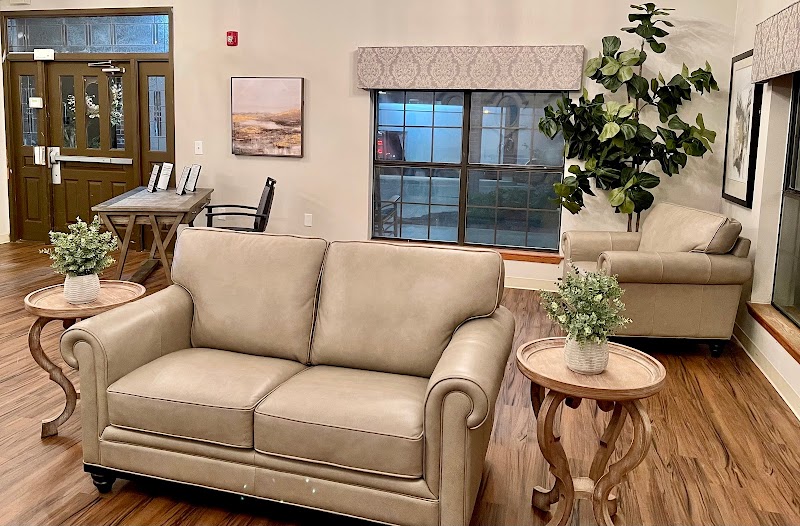
How is Westward Trails Nursing And Rehabilitation Staffed?

CMS rates WESTWARD TRAILS NURSING AND REHABILITATION's staffing level at 2 out of 5 stars, which is below average compared to other nursing homes. Staff turnover is 39%, compared to the Texas average of 46%. This relatively stable workforce can support continuity of care.

What Have Inspectors Found at Westward Trails Nursing And Rehabilitation?

State health inspectors documented 27 deficiencies at WESTWARD TRAILS NURSING AND REHABILITATION during 2022 to 2025. These included: 2 Immediate Jeopardy (the most serious level, indicating potential for serious harm or death) and 25 with potential for harm. Immediate Jeopardy findings are rare and represent the most serious regulatory concerns. They require immediate corrective action.
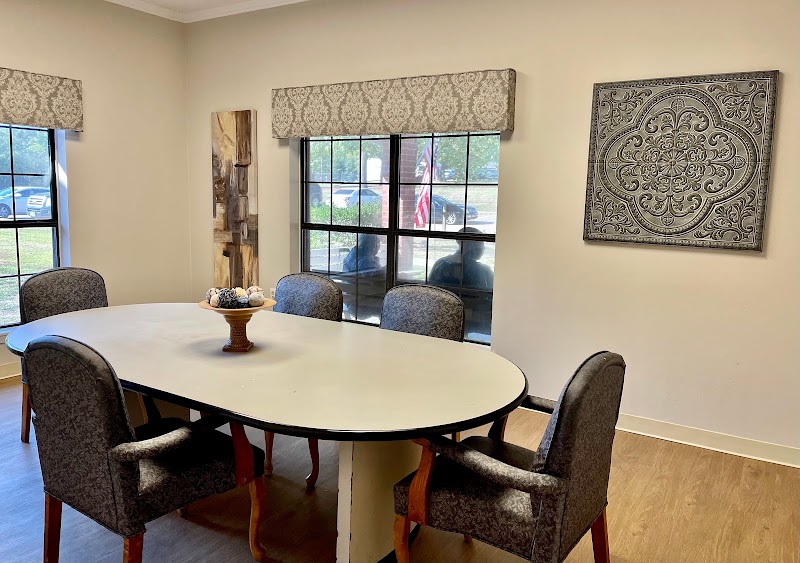
Who Owns and Operates Westward Trails Nursing And Rehabilitation?

WESTWARD TRAILS NURSING AND REHABILITATION is owned by a for-profit company. For-profit facilities operate as businesses with obligations to shareholders or private owners. The facility is operated by CREATIVE SOLUTIONS IN HEALTHCARE, a chain that manages multiple nursing homes. With 108 certified beds and approximately 82 residents (about 76% occupancy), it is a mid-sized facility located in NACOGDOCHES, Texas.
How Does Westward Trails Nursing And Rehabilitation Compare to Other Texas Nursing Homes?

Compared to the 100 nursing homes in Texas, WESTWARD TRAILS NURSING AND REHABILITATION's overall rating (2 stars) is below the state average of 2.8, staff turnover (39%) is near the state average of 46%, and health inspection rating (2 stars) is below the national benchmark.

What Should Families Ask When Visiting Westward Trails Nursing And Rehabilitation?

Based on this facility's data, families visiting should ask: "What changes have been made since the serious inspection findings, and how are you preventing similar issues?" "Can you walk me through typical staffing levels on day, evening, and night shifts?" "Can I visit during a mealtime to observe dining assistance and food quality?" "How do you handle medical emergencies, and what is your hospital transfer rate?" These questions are particularly relevant given the facility's Immediate Jeopardy citations and the below-average staffing rating.

Is Westward Trails Nursing And Rehabilitation Safe?

Based on CMS inspection data, WESTWARD TRAILS NURSING AND REHABILITATION has documented safety concerns. Inspectors have issued 2 Immediate Jeopardy citations (the most serious violation level indicating risk of serious injury or death). The facility has a 2-star overall rating and ranks #100 of 100 nursing homes in Texas. Families considering this facility should ask detailed questions about what corrective actions have been taken since these incidents.

Do Nurses at Westward Trails Nursing And Rehabilitation Stick Around?

WESTWARD TRAILS NURSING AND REHABILITATION has a staff turnover rate of 39%, which is about average for Texas nursing homes (state average: 46%). Moderate turnover is common in nursing homes, but families should still ask about staff tenure and how the facility maintains care continuity when employees leave.

Was Westward Trails Nursing And Rehabilitation Ever Fined?

WESTWARD TRAILS NURSING AND REHABILITATION has been fined $15,330 across 2 penalty actions. This is below the Texas average of $33,232. While any fine indicates a compliance issue, fines under $50,000 are relatively common and typically reflect isolated problems that were subsequently corrected. Families should ask what specific issues led to these fines and confirm they've been resolved.

Is Westward Trails Nursing And Rehabilitation on Any Federal Watch List?

WESTWARD TRAILS NURSING AND REHABILITATION is not on any federal watch list. The most significant is the Special Focus Facility (SFF) program, which identifies the bottom 1% of nursing homes nationally based on persistent, serious quality problems. Not being on this list means the facility has avoided the pattern of deficiencies that triggers enhanced federal oversight. This is a positive indicator, though families should still review the facility's inspection history directly.