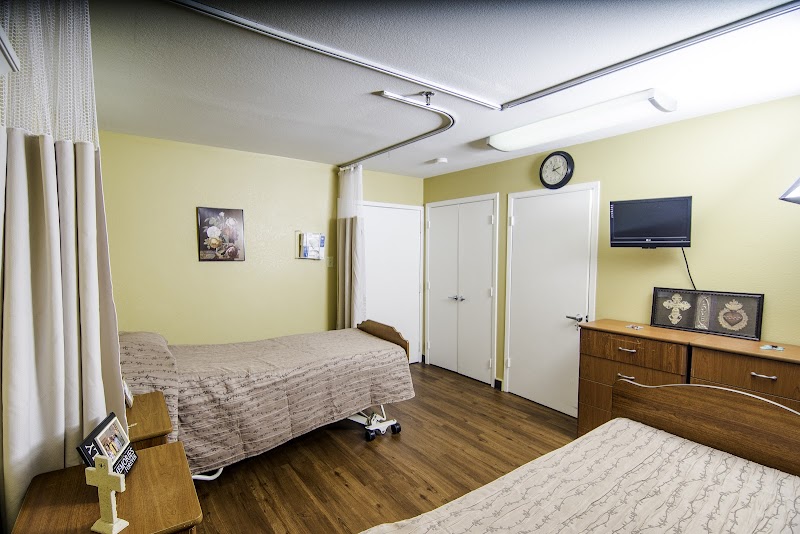
Sugar Land Health Care Center

333 Matlage Way, Sugar Land, TX 77478 (281) 491-2226
Non profit - Corporation 150 Beds HEALTH SERVICES MANAGEMENT Data: November 2025 3 Immediate Jeopardy citations
Trust Grade
19/100
#577 of 1168 in TX
Last Inspection: May 2025

Inspected within the last 6 months. Data reflects current conditions.

Overview

Sugar Land Health Care Center has received a Trust Grade of F, which indicates significant concerns regarding the quality of care provided. They rank #577 out of 1168 facilities in Texas, placing them in the top half, but their overall trust score suggests serious issues remain. The facility's conditions are worsening, as the number of reported issues increased from 3 in 2024 to 4 in 2025. Staffing is rated as average with a 48% turnover rate, slightly below the state average, meaning there is some stability among staff. However, the facility has incurred $52,662 in fines, which is concerning and suggests ongoing compliance problems. The RN coverage is average, which is essential for ensuring higher quality care. Specific incidents include a critical failure to monitor residents' nutritional status, resulting in severe weight loss for ten individuals, and a dangerous situation where a resident fell and was not transported to the hospital in a timely manner, leading to a tragic outcome. Additionally, a resident suffered a femur fracture due to improper assistance during a transfer. While the center has some strengths, such as average staffing and RN coverage, these serious deficiencies highlight significant risks for potential residents.

Trust Score
F
19/100
In Texas
#577/1168
Top 49%
Safety Record
High Risk
Review needed
Inspections
Getting Worse
3 → 4 violations
Staff Stability
⚠ Watch
48% turnover. Above average. Higher turnover means staff may not know residents' routines.
Penalties
✓ Good
$52,662 in fines. Lower than most Texas facilities. Relatively clean record.
Skilled Nurses
○ Average
Each resident gets 31 minutes of Registered Nurse (RN) attention daily — about average for Texas. RNs are the most trained staff who monitor for health changes.
Violations
⚠ Watch
18 deficiencies on record. Higher than average. Multiple issues found across inspections.
★★★☆☆
3.0
Overall Rating
★★★☆☆
3.0
Staff Levels
★★★★☆
4.0
Care Quality
★★★☆☆
3.0
Inspection Score
Stable
2024: 3 issues
2025: 4 issues

The Good

  • 4-Star Quality Measures · Strong clinical quality outcomes
  • Full Sprinkler Coverage · Fire safety systems throughout facility
  • No fines on record

Facility shows strength in quality measures, fire safety.

The Bad

3-Star Overall Rating

Near Texas average (2.8)

Meets federal standards, typical of most facilities

Staff Turnover: 48%

Near Texas avg (46%)

Higher turnover may affect care consistency

Federal Fines: $52,662

Above median ($33,413)

Moderate penalties - review what triggered them

Chain: HEALTH SERVICES MANAGEMENT

Part of a multi-facility chain

Ask about local staffing decisions and management

The Ugly 18 deficiencies on record

3 life-threatening
May 2025 4 deficiencies 1 IJ
CRITICAL (J) 📢 Someone Reported This

A family member, employee, or ombudsman was alarmed enough to file a formal complaint

Immediate Jeopardy (IJ) - the most serious Medicare violation

Quality of Care (Tag F0684)

Someone could have died · This affected 1 resident

**NOTE- TERMS IN BRACKETS HAVE BEEN EDITED TO PROTECT CONFIDENTIALITY** Based on interviews and record reviews, the facility failed to ensure that residents received treatment and care in accordance w...

Read full inspector narrative →
**NOTE- TERMS IN BRACKETS HAVE BEEN EDITED TO PROTECT CONFIDENTIALITY** Based on interviews and record reviews, the facility failed to ensure that residents received treatment and care in accordance with professional standards of practice for 1 (CR #1) of 5 residents reviewed for quality of care. -The facility failed to ensure treatment and care was provided to CR #1 consistent with professional standards of practice. CR #1, who was prescribed an anticoagulant, had a fall hitting her head on [DATE] at approximately 9:00 p.m. NP A recommended CR #1 be sent to the hospital immediately. Transport was not dispatched until 11:27 p.m. and CR #1 was not transported to the hospital until 12:48 a.m. on [DATE] where she later passed away. An Immediate Jeopardy (IJ) was identified on [DATE]. The IJ template was provided to the facility on [DATE] at 10:27 a.m. While the IJ was removed on [DATE], the facility remained out of compliance at a scope of isolated and a severity level of no actual harm with potential for more than minimal harm due to the facility continuing to monitor the implementation and effectiveness of their Plan of Removal (POR). This failure could place residents at risk for a delay in medical treatment, of not receiving necessary medical care, hospitalization, and death. The findings included: Record review of CR #1's admission Record, dated [DATE], revealed a [AGE] year-old female who was admitted to the facility on [DATE]. Her diagnoses included metabolic encephalopathy (brain dysfunction caused by underlying condition that affects metabolism), cerebral infarction (stroke) due to unspecified occlusion or stenosis of left middle cerebral artery (blockage in the brain caused by atherosclerosis, leading to disruption of blood flow to brain cells), and hypertensive heart (heart problems that occur due to long-term high blood pressure) and chronic kidney disease (gradual loss of kidney function) with heart failure and with stage 5 chronic kidney disease, or end stage renal disease. Record review of CR #1's MDS Assessment, dated [DATE], revealed a BIMS score of 5, indicating severe cognitive impairment. Further review revealed resident required a helper to complete toileting, shower/bathe, and lower body dressing. Record review of CR #1's care plan report, undated, revealed the resident was on anticoagulant therapy r/t atrial fibrillation (irregular and often very rapid heart rhythm) and CHF (chronic condition that affects the heart's ability to pump blood efficiently). Record review of CR #1's physician orders, undated, revealed an order for warfarin sodium oral tablet 2 MG, 1 tablet by mouth at bedtime to prevent blood clot, start date: [DATE]. Record review of CR #1's progress notes, dated [DATE] at 22:16 p.m. [10:16 p.m.], Author: Nurse A, read in part .around 9pm patient on the floor with unwitness fall, she stated she don't remember what happen, initiate neuro and skin assessment patient complains no pain, with obvious bruising/swelling on her left eye, informed RP who is the [family member], DON, and NP [name], ordered to transfer patient to ER for further evaluation. Record review of CR #1's Neuro Assessment Flow Sheet, dated 03/16 and 03/17, revealed neuro checks were completed at 10:00 [p.m.], 10:15 [p.m.], 10:30 [p.m.], 10:45 [p.m.], 11:00 [p.m.], 11:30 [p.m.], 12:00 [a.m.], 00:30 [12:30 p.m.], and 01:00 [a.m.] and vital signs were normal. Record review of CR #1's eInteract Change in Condition Evaluation, dated [DATE], read in part .B6. Skin Status Evaluation .6a. Describe skin changes .Discoloration .6b. Site other, Description left eye bruising .B. Provider Notification and Feedback .2. Date and time of clinician notification: [DATE] 21:30 [9:30 p.m.] .4a. Specify other: transfer to ER . Record review of CR #1's medical transport report, dated [DATE], revealed transport was dispatched at 23:27 (11:27 p.m.) and left facility at 00:48 (12:48 a.m.). Record review of CR #1's CT Brain WO IV Contrast, dated [DATE], read in part .Exam: CT Head without contrast [DATE] 1:20 AM .Impression: 1. No acute intracranial hemorrhage, midline shift, or mass effect. 2. Left frontal scalp soft tissue swelling. 3. Subacute left parieto-occipital infarct . Record review of CR#1's death certificate, issued date [DATE], read in part .immediate cause (final condition or disease resulting in death) ----> a. Intracranial Hemorrhage [bleeding inside the skull] .sequentially list conditions, if any leading to the cause listed on line a. Enter the underlying cause (disease or injury that initiated, the events resulting in death) last .b. Atrial Fibrillation . During a telephone interview on [DATE] at 10:57 a.m., Nurse A said he remembered he was passing out medications during the night shift on [DATE] when he found CR #1 on her bedroom floor. He said CR #1 kept telling him she was okay. He said he did not note any injuries, but resident was on a blood thinner. He said he called NP A and resident was sent out to the hospital immediately. He said CR #1 did not return back to the facility. He said he did not know how many days it was after she was sent out, but she passed away at the hospital. During an interview on [DATE] at 11:15 a.m., the DON said he got a telephone call from the nurse on duty (did not recall name) letting him know CR #1 fell and was found on the floor in her room. He said fall protocols were initiated. He said if he was not mistaken, the resident hit her left eye and had bruising. He said all parties were notified and the resident was sent out to the hospital. He said the resident did not return back to the facility and expired at the hospital. He said to his understanding the resident was alert upon transfer to the hospital. In a follow-up telephone interview on [DATE] at 11:28 a.m., Nurse A said CR #1 did not remember and could not tell them how she fell. He said she was awake and alert when transport arrived and transferred her to the ER. He said the resident had no bleeding but had some puffiness to her left or right eye. During a follow-up interview on [DATE] at 12:41 p.m., the DON said when CR #1 fell, they sent her out to the hospital right away. He said he was not certain if the resident was sent out via 911 or non-emergent transport. During a follow-up telephone interview on [DATE] at 12:56 p.m., Nurse A said a man who he believed was the resident's family member came up to the facility after CR #1 fell, and waited for transport to arrive and rode with the resident to the hospital. He said he thought the family member came to the facility around 11:00 p.m. or 12:00 a.m. He said NP A said to have the resident transported to the hospital but did not remember if NP A said to use regular or 911 transport. He said he called regular transport. He said he used regular transport because the resident and her vitals were stable. During an interview on [DATE] at 1:13 p.m., the Administrator said CR #1 did not remember what happened. She said the family member went to the facility 2 to 3 days after CR #1 passed away to pick up her belongings and he told her that the resident was okay on the day of the incident, that he did not even want her to be sent out to the hospital, and that it had something to do with her heart that the doctors found. She said they did not obtain any hospital records but there were no notifications about any fractures/injuries. She said based on what the NP told them, if the patient's vitals were within normal range, and if the resident was okay, then they would send out regular transport. During a follow-up interview on [DATE] at 2:00 p.m., Nurse A said he did not remember what time he called transport, but it was as soon as he received the order from NP A. He said he spoke to NP A around 9:00 p.m., and she told him to assess the resident for bleeding, check to see if the resident was on an anticoagulant, and to send her to hospital for further evaluation. He said he did not know what time transport arrived, but that they arrived kind of late, about 1 to 2 hours or something like that, after he called. During an interview on [DATE] at 3:08 p.m., NP A said she recalled receiving a telephone call about CR #1's fall on [DATE] but did not recall what time. She said when she spoke to the nurse, she gave the order to send out the resident immediately. She said she spoke to the resident's family member who was reluctant to send her out to the hospital. She said the family member told her that the resident fell a lot at home, and he would not take her to the hospital. She said she told the family member the resident needed to be sent out for safety and because she was on an anticoagulant. She said she could not say who ultimately decides if a resident was sent out 911 or regular transport [facility or physician/NP]. NP A said she could not say if the resident should have been sent out 911 or regular transport due to it being a hypothetical question. She said she could not say what the risk was to the resident who was on anticoagulant, fell and hit her head, and was not sent out 911 due to it being a hypothetical question and a case-by-case basis. During a telephone interview on [DATE] at 9:19 a.m., the DON said according to neuro checks, CR #1's vitals were stable. He said pupils and eye checks were meant to determine if there was any type of abnormalities. He said her eyes were not constricted or dilated and were brisk. He said they could not determine if there was internal bleeding through neuro checks but could determine if there were any abnormalities but not exactly what was wrong. He said a resident on an anticoagulant that sustained a head injury could be at risk for bleeding. During an interview on [DATE] at 10:42 a.m., CR #1's family member said the facility called him on the night of [DATE] around 9:00 p.m. to let him know CR #1 fell. He said he did not tell them not to send her to the hospital. He said he got up right away, went to the facility, and arrived between 10:00 p.m. and 10:30 p.m. He said when he arrived at the facility, the resident could not tell him what happened and told him she did not want to go to the hospital. He said he told CR #1 she had to go to the hospital because it was part of the facility's protocol. He said he did not recall if he spoke to NP A, but the facility told him about their protocol for sending CR #1 to the hospital. He said CR #1 had a little discoloration to her left eye, but that she was fine and talking to him. He said when transport arrived, she walked to the stretcher, and he followed behind transport. He said all test results completed at the hospital came back negative. He said he had a copy of the resident's death certificate and the cause of death listed was intracranial hemorrhage and atrial fibrillation. Record review of the facility's Provision of Quality Care policy, date implemented [DATE], read in part .1. Each resident will be provided care and services to attain or maintain his/her highest practicable physical, mental, and psychosocial well-being . Record review of the facility's Fall Prevention Program policy, date implemented: [DATE], read in part .each resident will be assessed for fall risk and will receive care and services in accordance with their individualized level of risk to minimize the likelihood of falls . The Administrator was notified on [DATE] at 10:27 a.m. that an IJ was identified due to the above failures and the IJ template was provided. The following Plan of Removal (POR) was accepted on [DATE] at 6:06 p.m.: Texas Health and Human Services Commission Regulatory Services Division [address] Re: Removal of Immediate Jeopardy/Letter of Removal [Facility Name] Facility ID/# [] [DATE]th, 2025 Dear Program Manager, Allegation of Immediate Jeopardy: -The facility failed to ensure treatment and care was provided to CR #1 consistent with professional standards of practice. CR #1, who is prescribed anticoagulants, had a fall hitting her head on [DATE] at approximately 9:00 p.m. NP recommended CR #1 be sent to hospital. Transport was not dispatched until 23:27 (11:27 p.m.) and CR #1 was not transported to the hospital until 00:48 (12:48 a.m.) on [DATE] where she later passed away. Resident #1 who is on anticoagulant (CR #1), a [AGE] year-old female admitted to the facility on [DATE] diagnosis of metabolic encephalopathy, cerebral infarction, chronic kidney disease with heart The following measures represent the immediate action [facility name] has taken to address the alleged-deficient practice and to prevent serious harm from occurring or recurring. Immediate Actions to Address Immediate Jeopardy On [DATE] at 11:00 am, the Director of Nursing (DON) completed head to toe assessments on all residents currently prescribed anticoagulant medications to ensure no signs of injury or delayed response to change in condition. Beginning [DATE] at 12:00 pm the administrator and DON initiated a 72 hour look back review of all falls and incidents from [DATE]-[DATE] involving head injuries to ensure appropriate emergency response and physician notification were documented. With no negative findings. At 1:00 pm during QAPI Administrator/Director of Nursing/Medical Director reviewed Fall policy with no revisions to the policy. Date of Action: [DATE] Objective: Ensure that resident receiving anticoagulant with head injury must be transported to hospital via 911 for further evaluation. Ensure that all nurse must assess, notify and document notification to Responsible Party, Physician/Nurse Practitioner, Director of Nursing and Administrator residents. 1. Review Resident Records o Action: Audit all records of residents on coumadin and head injuries. Audit revealed No residents on anticoagulants at this time. o Completion Date: [DATE] o Responsible Party: DON/Designee 2. Immediate Staff Training o Action: On [DATE] at pm an emergency inservice- training was held with all licensed nurses and CNAs on appropriate response protocols for head injuries, especially in resident on anticoagulants. o Topics covered: immediate assessment, neuro checks, when to call 911, and importance of timely physician notification. o Action: Provide training to 1all nursing staff on the importance of transferring residents to hospital via 911 for residents with head injuries and are receiving anticoagulants. Training to include post test. Provide training to all nursing staff to ensure nursing assessment is completed when there is a resident incident accident. Nurse must notify the Responsible party, Physician, Nurse Practitioner, Director of Nursing and Administrator. Any communication must also be documented in the medical records. o Action: DON/Admin in-serviced by corporate on response protocols for head injuries, falls and residents on anticoagulants. o Completion Date: [DATE] o Trainer: DON attendance documented. Staff not trained are removed from floor assignments until completed. 3. Documentation of Immediate Training and Competency Checks o Action: Head injury/anticoagulant transfer test will be completed by nursing staff currently on duty and for all active employed nurses prior to the start of the next scheduled shift. o Completion Date: [DATE] o Responsible Party: DON/Designee, documentation of completion on file. Goal: To Ensure nurses receive training on transferring resident to hospital via 911 for further evaluation and treatment on residents who are receiving anticoagulant with head injury 1. Training Sessions on Incident accident accident injury with anticoagulants and transfer to hospital o Action: Schedule inservice session on nursing staff to ensure Ensure that resident receiving anticoagulants with head injury must be transported to hospital via 911 for further evaluation and treatment o Completion Dates: Initial training and post test to be completed on 5 /24/25 or prior to next scheduled shift. o Trainer: DON/Designee o Competency Verification: All staff will be required to pass a posttest 2. Resident Monitoring Logs Implementation o Action: Audit to be completed daily on all resident receiving anticoagulant with head injury to ensure proper transfer to hospital is completed o Completion Date: [DATE] o Responsible Party: ED to develop log. DON/designee to complete and monitor 3. Quality Assurance and Performance Improvement (QAPI) Meeting o Action: Conduct a QAPI meeting to review the incident, corrective actions, and policy updates. Create a recurring agenda item for monitoring compliance with the new protocols. o Date of Meeting: [DATE] o Responsible Party: Administrator and QAPI Committee 4. Ongoing Audits and Compliance Checks o Action: Schedule daily audits x30 days then weekly for 30 days to ensure compliance with proper transfer of patient on anticoagulants with head injury to hospital . Document findings and review corrective actions in monthly QAPI meetings. o Start Date:[DATE], continuing weekly until confirmed compliance o Responsible Party: Administrator 5. Progressive Action/Counseling o Nurse A, will receive 1:1 in servicing prior to next scheduled shift . They will also complete post test. o [Medical Director Name], Medical Director, was notified via telephone in regard to the IJ involving resident [initials] and attended ad-hoc QAPI via telephone. Documentation and Follow-Up -Documentation of Training and Competency Checks: All staff training records, test conducted will be filed in each employee's personnel record by [DATE] -Audit Logs and Monitoring Forms: Logs for audit on falls, head injury and anticoagulants will be maintained and reviewed weekly. Compliance will be tracked, and corrective actions will be implemented as necessary. Outcome: Through these corrective actions, the facility aims to protect resident safety, enhance monitoring and responsiveness, and achieve sustained compliance with respiratory care standards. Warm Regards, [Administrator Name] [Address] Email: [] Phone: [] Fax: []. On [DATE]-[DATE], surveyor confirmed the facility implemented their plan or removal (POR) to sufficiently remove the IJ by: Record review of head to toe assessments dated [DATE] reflected the DON assessed all residents currently prescribed anticoagulant medications. The assessments revealed 25 residents had an order(s) for anticoagulants. No negative findings were identified Record review of in-service trainings dated [DATE] reflected the Administrator and DON received training from the facility's Regional [NAME] President of Operation on emergency response to falls in residents on anticoagulants. Record review revealed on [DATE], Nurse A received 1:1 verbal warning/counseling and in-service training. Nurse A demonstrated an understanding of the information and passed the competency quiz. Record review revealed on [DATE], in-service training was initiated with licensed nurses and MAs on Falls/Injury on Residents on Anticoagulants must be Transported to ER via 911; 22 staff were in-serviced. Record review revealed on [DATE], in-service training was initiated with licensed nurses, CNAs, and MAs on All Incidents/Accidents Must be Assessed Immediately with Neuro Checks Initiated and Reported Immediately to MD, DON, RP, and ED; 50 staff were in-serviced. Record review revealed on [DATE], competency quiz was initiated with nursing staff. Nursing Staff demonstrated an understanding of responding to falls in residents on anticoagulants; 31 staff were quizzed and passed. Record review revealed on [DATE], a daily audit log was initiated to ensure compliance with proper transfer of patient on anticoagulants with head injury to hospital was initiated on all residents receiving anticoagulant with head injury. Record review revealed on [DATE] the facility conducted a 72-hour look back of all fall incidents from [DATE]-[DATE] involving head injuries to ensure appropriate emergency response and physician notification were documented. Record review revealed on [DATE] a daily audit log was initiated to ensure compliance with proper transfer of patient on anticoagulants with head injury to hospital was initiated on all residents receiving anticoagulant with head injury. Record review revealed on [DATE] a QAPI telephone conference was held, and staff members present were the Administrator, DON, and Medical Director. Interviews were conducted from [DATE] to [DATE] with staff from all shifts (6:00 a.m.to 6:00 p.m., 6:00 p.m. to 6:00 a.m., 6:00 a.m. to 2:00 p.m., 2:00 p.m. to 10:00 p.m., and 10:00 p.m. to 6:00 a.m.). Staff interviewed included the following: Administrator, DON, Nurse A, RNs C and D, LVNs B, C, E, and F, CNAs B, C, D, E, F, G, H, I and J, and MA B. All staff interviewed verbalized an understanding of the in-service training(s) they received. They understood to notify nurses when a resident has a fall, required nurse assessment, documentation, and notifications of residents who fall that are on anticoagulants, and calling 911 for transport. During an interview on [DATE] at 10:01 a.m., the DON said he completed the head-to-toe assessments on residents who were on anticoagulants and there were no negative findings. He said he and the Administrator completed the 72-hour look back and there were no negative findings. He said they conducted an audit and found there were no residents on coumadin. He said he received in-service training from Regional [NAME] President of Operation on [DATE] on response protocols for head injuries, falls, and residents on anticoagulants and verbalized an understanding. He said daily audits are being completed for the next 30 days then weekly for 30 days to ensure compliance with proper transfer of patient on anticoagulants with head injury to hospital. During an interview on [DATE] at 4:12 p.m., the Administrator said he and the DON completed the 72-hour look back on [DATE] and no negative findings were found. She said she received in-service training from Regional [NAME] President of Operations on response protocols for head injuries, falls, and residents on anticoagulants. She said he covered the assessments of residents with head injuries that are on an anticoagulant. She said nurses complete the assessment, and notification to physician and family is completed and documented. She said a QAPI meeting was held on [DATE] via telephone and she, DON, and Medical Director were in attendance. She said daily audits were being completed for 30 days and then weekly for 30 days to ensure compliance with proper transfer of patient on anticoagulants with head injury to hospital. She said findings were going to be documented. The Administrator was informed the Immediate Jeopardy was removed on [DATE] at 5:16 p.m. The facility remained out of compliance at a severity level of no actual harm with the potential for more than minimal harm that was not immediate jeopardy and a scope of isolated due to the facility's need to evaluate the effectiveness of the corrective systems that were put into place.
CONCERN (D) 📢 Someone Reported This

A family member, employee, or ombudsman was alarmed enough to file a formal complaint

Potential for Harm - no one hurt, but risky conditions existed

Infection Control (Tag F0880)

Could have caused harm · This affected 1 resident

**NOTE- TERMS IN BRACKETS HAVE BEEN EDITED TO PROTECT CONFIDENTIALITY** Based on observation, interview, and record review the facility failed to establish and maintain an infection prevention and con...

Read full inspector narrative →
**NOTE- TERMS IN BRACKETS HAVE BEEN EDITED TO PROTECT CONFIDENTIALITY** Based on observation, interview, and record review the facility failed to establish and maintain an infection prevention and control program designed to provide a safe, sanitary and comfortable environment and to help prevent the development and transmission of communicable diseases and infections for 2 of 19 residents (Residents #61 and #99) reviewed for infection control practices. -The facility failed to ensure CNA A followed proper infection control, cleaning and hand hygiene for Resident #61 during incontinent care. CNA A double gloved, CNA A failed to use a clean washcloth surface area and perform hand hygiene between glove changes during incontinent care. -LVN G checked Resident #99's blood glucose level with a lancet, then discarded the used lancet into the trash can in the resident's room. These failures could place residents at risk of infection or a decline in health. The findings included: Resident #61 Record review of Resident #61's admission face sheet undated revealed an [AGE] year-old female admitted to the facility on [DATE]. Resident #61's diagnoses included: dementia (general term for loss of memory, language, problem-solving that interfere with daily function), protein-calorie malnutrition (a condition caused by a lack of sufficient protein and/or calories in the diet). Record review of Resident #61's admission Minimum Data Set (MDS) assessment dated [DATE] and Quarterly MDS dated [DATE] revealed Resident #61's Brief Interview for Mental Status (BIMS) (a score used to assess cognitive function) was 00 which indicated it was unable to be scored. Resident #61's cognitive skills for daily decision making was not scored. Continued review of the MDS revealed Resident #61 was frequently incontinent of her bowel and bladder. Record review of Resident # 61's care plan revision dated on 12/17/2024 revealed: Focus: Resident #61 had an ADL (basic self-care tasks) self-care performance deficit and required cues (signals or prompts that guide behavior, actions or response), set up or assistance with ADL's related to dementia. Goal: The resident would participate in ADLs to her ability. Interventions: Bathing/ Showering: The resident required assistance with bathing/showering by staff as necessary. Personal Hygiene: The resident required assistance by staff with personal hygiene. Record review of Resident #61's Quarterly Minimum Data Set (MDS) assessment dated [DATE] revealed Resident #61's Brief Interview for Mental Status (BIMS) (a score used to assess cognitive function) was 00 which indicated it was unable to be scored which indicated sever cognitive issues. Continued review of the MDS revealed Resident #61 was frequently incontinent of her bowel and bladder. Observation on 05/07/2025 at 8:29 AM during incontinent care revealed Resident #61 was assisted to bed and positioned on her back. CNA A donned (put on) two pairs of gloves and removed Resident #61's pants. CNA A removed the double gloves. CNA A changed her gloves with outperforming hand hygiene (hand washing or hand sanitizing with alcohol base hand gel). CNA A removed Resident #61's brief. Observation of the inside of brief revealed the area from against the skin had discolored brown stains. CNA A changed her gloves without performing any hand hygiene. CNA A wet a washcloth. CNA A separated Resident #61's labia and wiped three separate wipes without refolding or changing the surface area of the washcloth. CNA A changed her gloves without performing hand hygiene. The resident was rolled to her right side. CNA A cleaned the resident's anal area. CNA A changed her gloves without performing any hand hygiene. CNA A cleaned the resident's buttocks. CNA A placed a clean brief on the resident. In an interview on 05/07/2025 at 1:36 PM CNA A stated she did double glove. CNA A stated double gloving was not supposed to be done. CNA A stated she did it because the gloves were tight and were at risk of being torn. CNA A stated she did not take the time to get new sized gloves. CNA A stated she did not clean or sanitize between the glove changes. CNA A stated she was taught to do hand hygiene between glove changes. CNA A stated she was nervous and not thinking about what she was doing. CNA A stated she thought she did turn the washcloth between wiping. CNA A stated she was trained to turn the washcloth to another clean side. The CNA stated the risk was contamination and infections. In an interview on 05/07/2025 at 3:33 PM IC RN stated double gloving was not recommended due to it not being hygienic (preventing disease). IC RN stated hand hygiene was to be done between glove changes. The IC RN stated the residents were to be wiped three times between the labia when cleaning, but a new wipe was to be used each time. IC RN stated the incontinent care that was performed was not good, it was not aseptic (free from contamination) the risk to the resident was infection. In an interview on 05/07/2025 at 4:09 PM the DON stated double gloving was not acceptable due to infection control issues and hand hygiene was supposed to be done between every glove change. DON stated different wipes were to be used with each wipe not reusing the same washcloth. The DON stated the risk to the resident was an infection. In an interview and record review on 05/07/2025 at 4:30 PM the Administrator stated her expectation was for proper infection control technique was done with incontinent care. The Administrator stated she reviewed the record and CNA A did her peri care check off on 03/03/2025. The Administrator stated she did not know what went wrong at this time. The Administrator stated hand hygiene was to be done with each glove change. The Administrator stated she says when cleaning it was one wipe one swipe. The Administrator stated disposable wipes were available to use unless the resident preferred a washcloth, but it was to be changed with each wipe. The risk to the resident was an infection. To prevent this, she would in-service on proper incontinent care. Record review of the facility policy titled Perineal Care Implemented dated 05/10/2024 read in part . : .11. Females: c. Separate the resident's labia with one hand and cleanse the perineum with the other hand by wiping in the directions from front to back (from pubic area towards anus). d. Repeat on opposite side using separate section of washcloth or new disposable wipe . Resident #99 Resident #99 Record review of Resident #99's admission Record (copied 05/08/2025) revealed he was [AGE] years old and was admitted to the facility on [DATE]. Diagnoses included, but were not limited to, type 2 diabetes mellitus, hypertension (high blood pressure), and fracture of the right femur (hip). Record review of Resident #99's Physician's Order dated 05/05/2025 revealed he was to receive Metformin HCl (antidiabetic) 500 mg every 12 hours. Record review of Resident #99's Care Plan dated 05/05/2025 revealed the resident had an order for a hypoglycemic (antidiabetic) medication and required monitoring of blood glucose levels. Observation and interview on 05/07/2025 at 7:32 a.m. revealed LVN G was at her medication cart in the doorway of Resident #99's room. LVN G dispensed three tablets to be administered to Resident #99. One of the medications dispensed was a 500 mg tablet of Metformin HCl. LVN G said she was required to check Resident #99's blood glucose level prior to administering the Metformin. Continued observation revealed LVN G pricked Resident #99's left index finger with a lancet. LVN G used a glucometer to check the resident's blood glucose level (result was 104 mg/dl). LVN G then discarded the used lancet into the resident's trash can in the room. LVN G administered the three tablets to Resident #99. LVN G left the room and returned to her medication cart. She said she should have placed the lancet into the sharps container, and that discarding it into the trash can could be a risk for infection. In an interview on 05/07/2025 at 8:35 a.m. the DON said used lancets should be discarded into the sharps containers. He said it could be a big danger and was definitely an infection control concern. The OSHA Fact Sheet 'Protecting Yourself When Handling Contaminated Sharps (presented by the facility when asked for Policy) read, in part, .A needlestick or a cut from a contaminated sharp can result in a worker being infected with human immunodeficiency virus (HIV), hepatitis B (HBV), hepatitis C (HCV), and other bloodborne pathogens. The document also read, in part, .Employers must ensure that contaminated sharps are disposed of in sharps disposal containers immediately or as feasible after use.
CONCERN (E) 📢 Someone Reported This

A family member, employee, or ombudsman was alarmed enough to file a formal complaint

Potential for Harm - no one hurt, but risky conditions existed

Deficiency F0658 (Tag F0658)

Could have caused harm · This affected multiple residents

**NOTE- TERMS IN BRACKETS HAVE BEEN EDITED TO PROTECT CONFIDENTIALITY** Based on interview and record review, the facility failed to provide services that met professional standards of quality for 2 o...

Read full inspector narrative →
**NOTE- TERMS IN BRACKETS HAVE BEEN EDITED TO PROTECT CONFIDENTIALITY** Based on interview and record review, the facility failed to provide services that met professional standards of quality for 2 of 15 residents (Residents #55 and #24) reviewed for services. 1. Resident #55 failed to receive nine medications he was ordered to receive on 2/2/2025. 2. Resident #24 did not receive one medication 41 times from 04/20/2025 to 05/07/2025. These failures could place residents at risk of worsening of illnesses and not receiving the therapeutic dosage. Findings included: Resident #55 Record review of Resident #55's face sheet, he was an [AGE] year-old male originally admitted on [DATE] at 4:45 p.m. and discharged [DATE] to home. His medical diagnoses included metabolic encephalopathy (brain disorder caused by the body's metabolic processes and lead to impaired brain function), hyperlipidemia (high levels of fat in the blood), chronic inflammatory demyelinating polyneuritis (a rare neurological disorder affecting the nerves and nerve roots and leading to weakness and paired motor function), fracture of the first lumbar vertebra (lower spine fracture), and muscle weakness. Record review of Resident #55's functional performance assessment dated [DATE], revealed he was dependent on a helper for activities. Record review of Resident #55's care plan dated 2/2/2025 revealed he was on anticoagulant therapy with interventions including administering anticoagulant medications as ordered by physician and monitor for side effects and effectiveness. Resident #55 was on anticonvulsant medication, with interventions including administering anticonvulsant medications as prescribed. Review of Resident #55's progress notes from admission to discharge revealed Resident #55 was admitted on [DATE] at 4:45pm and discharged [DATE] around 3pm. On 2/2/25 at 2:24pm, RN A documented that all scheduled medicines were not received from the pharmacy and that she called the pharmacy to send the medications before 4pm but the pharmacy relayed the earliest the delivery could come was 5pm. The RP said they were leaving the facility. RN A informed the NP and ADON but did not state what she told them. The notes did not state the reason why Resident #55 did not receive his medications. Record review of Resident #55's Physician Orders, he was prescribed the following with start dates of 2/2/25: *Amiodarone Hcl Oral Tablet 200 Mg 1 tablet a day for arrythmia (irregular heart beat), *Apixaban oral Tablet 1 tablet twice a day to prevent blood clots, Observation for anticoagulant/antiplatelet medication side effects such as blood in urine and coughing up blood, *Metoprolol Succinate ER oral Tablet Extended Release 24 Hour 25 MG one tablet one time a day for hypertension, *Cyanocobalamin Oral Tablet 1000MCG one tablet one time a day for vitamin supplement, *Duloxetine HCl Oral Capsule Delayed Release Sprinkle 30 MG 3 capsules one time a day for depression, *Fludrocortisone Acetate Oral Tablet 1 MG give 1 tablet by mouth one time a day related to inflammatory demyelinating polyneuritis for pain in the nerves, *Finasteride Oral Tablet 5 MG 1 tablet one time a day for BPH (enlarged prostate gland which affects urination), *Phenazopyridine HCl 1 tablet three times a day for burning sensation in the urinary tract, *Primidone Oral Tablet 50 MG 2 tablets one time a day for convulsion, and *Thiamine HCl Oral Tablet 100 MG 1 tablet a day for supplement. Record review of Resident #55's February 2025 MAR (medication administration record) revealed the following medications were documented as not administered as ordered on 2/2/25: *Amiodarone at 9am, *Apixaban for 9am and 5pm, *Metoprolol at 9am, *Cyanocobalamin at 9am, *Duloxetine HCl Oral Tablet at 9am, *Fludrocortisone Acetate Oral Tablet at 9am, *Finasteride Oral Tablet at 9am, *Primidone at 9am, *Phenazopyridine HCl Oral Tablet at 9am and 2pm, and *Thiamine HCl Oral Tablet at 9am. On 2/2/25 at 6am, Resident #55 was observed with no side effects of anticoagulant/antiplatelet medication including coughing blood and severe bruising. His vitals including his BP, temperature, pulse and oxygen were within normal limits. Resident #55's pain level was at a 1. Record review of the facility's in-service dated 2/3/2025 on the topic of med aides reporting to charge nurses for any abnormalities regarding missing medications. CMA A and RN A. There was a blank form titled Medication Request with nurses documenting medication aide requesting medications and how many medications a resident has left. Interview on 5/7/2025 at 11:42am with CMA A, she did not remember Resident #55 or the resident not getting any medications. CMA A's job duties included administering scheduled medications and over-the-counters except antibiotics and requesting refills from the pharmacy. When medications were not available, she would tell her nurses so they could get medications from emergency kit and the nurses would also call the pharmacy for follow-up on medication status. Interview on 5/7/2025 at 11:59am with RN A on 5/7/2025 at 12:50pm, she said if a new admission was coming from hospital, she would check the medication administration list. She would verify the medications with the NP, then upload the orders into the resident record. She would ask the NP about medications to confirm which medications would be continued. The person who accepted the resident would send the medication list to the pharmacy, but the assessing nurse could send it as well. Before 5:30pm, nurses could upload the medication list and call the pharmacy. If medications have not received by 5:30pm, nurses would fax and call the pharmacy about the medications to be sent before 12:00pm. RN A stated on 2/1/25 she uploaded the medication list to the pharmacy. RN A called the ADON who told her the facility could not borrow medications from the e-kit. RN A called the pharmacy late on 2/1/25 around 5pm to send the medication list. RN A said the resident did miss his doses but that day the resident was fine. RN A said if Resident #55 missed his Apixaban that could cause him to go into shock, if he missed his Amiodarone, he could have a faster heart rate, and if he missed his Metoprolol, he could have an episode of hypertension. She called the ADON and Administrator and informed them both that Resident #55 and his family left. Interview on 5/7/2025 at 12:04 with LVN A, she said she was helping that weekend as a supervisor. LVN A recalled talking to Resident #55's RP and tried to assure her the facility could get medications from the emergency kit (a machine in which nursing staff could access medications for a resident with a code from the pharmacy), but the family refused. She said RN A was the nurse on duty. She said she did not look into the issue because RN A talked to the DON about the situation already. She said a risk to residents if they did not get Apixaban could be they go into shock. If the resident did not receive Amiodarone, it could increase their heart rate and if they missed a dose of Metoprolol, it could affect their blood pressure and the resident could go into shock. Interview on 5/7/25 at 12:50pm with RN B/previous ADON, said if she was a resident's admitting nurse she would call the NP and reconcile the medication, then send it to the pharmacy to get it in before closing time. Then she would put the medication in the orders. If medications have not arrived, she would contact the hospital or call the pharmacy, then let the DON know and go to the e-kit. She would call the pharmacy for emergency deliveries and let the DON know. The pharmacy usually came once a day at 7pm but RN B said they have delivered at other times. She was not at the facility at the time of Resident #55's discharge but heard there was a miscommunication between medication aides and nurses. The nurses said the medication aides did not tell them right away about the medications not being in there, but when the nurse found out they called the pharmacy. She found this out on 2/3/25 as she was off. The facility did in services about communicating missing medications from medication aides to nurses. The nurses were in serviced to check on new admissions and if medications were in the facility. She did not talk to the pharmacy or family. If Resident #55 missed Apixaban, Amiodarone and Metoprolol he could have had a stroke. Interview on 5/7/25 at 12:57pm with the DON, he said when a new admission comes it, their medications should be verified right away and given timely. Medications should be given following Physician Orders. The DON said narcotics could be delayed but that staff could get the medications from the emergency kit while they send in an order request to the resident's doctor. If medications were not at the facility, the nurses could contact the pharmacy. The DON remembered Resident #55 was supposed to get a narcotic medication and Resident #55's family got upset that the medications did not arrive and chose to discharge Resident #55 home. The DON said it was a miscommunication issue due to CMA A not communicating with RN B that the medication was not there. The family refused to speak to the DON afterward. The DON said if Resident #55 missed Apixaban he could have bleeding, if he missed his Amiodarone, he could have elevated heart issues or hypertension, and if Resident #55 missed his Metoprolol he would be at risk of heart issues. Interview on 5/8/2025 at 4:25pm the DON said that Atorvastatin controlled lipids, and Phenazopyridine, Thiamine, Finasteride, Ergocalciferol, Duloxetine, and Cyanocobalamin were missed medication. He said the medications treated conditions, but that Resident #55 was not at any risk from missing those medications because the medications were being delivered that day. He said nurses ensured aides provided medications. He said the NP was notified of the missing medications. Most of the residents' medications would not have been in the e-kit which usually contained steroids. Interview on 5/7/2025 at 1:22pm with the Administrator, her expectation of nurses following a resident's new admission and their medication is to follow up with the pharmacy and physician and check in with DON and Administrator. Upon admissions, if resident did not have their medication, the facility could contact the physician and get it from the e-kit or contact the pharmacy to get a stat run (prioritized delivery). The Administrator said on weekends which was when Resident #55 was admitted , the cut-off would be 3pm for orders for a 5pm delivery. Facility staff could also access an online health portal to access medications from an on-call physician. The Administrator said she spoke to the pharmacy on 2/2/25 around 1pm, and they informed her Resident #55's medication was on the way, but the family said he wanted to leave. If Resident #55 missed Apixaban, it is for clotting and the risk of not giving the medication was clotting and clots could travel to the heart and cause heart attaches or travel to the brain, and Amiodarone she said he would still be able to get a dose if it came in later 5pm it would not have affected him, but signs and symptoms should be monitored. If Resident #55 did not get the Metoprolol, it could have affected his blood pressure but his vitals for blood pressure was normal that day. It would have been preferred if the medication was given in the morning, but the facility had 24 hours to get Resident #55 his daily medications. She said medication should be given one hour before or after a scheduled dose. The Administrator said the NP was notified medications were missing. Interview with NP A on 5/7/2025 at 1:51pm, she said she did the admission process including receiving and verifying Resident #55's physician orders and medications for Resident #55 and remembered meeting with Resident #55's family on 2/1/25. NP A said the facility called her on 2/2/25 to inform her that Resident #55 was leaving. She asked to speak to the family, but they had already left, and she was told they left because his medications had not come. She said the facility nurses would have submitted medications onto the online portal for the pharmacy. NP A was not notified Resident #55 missed medications on 2/2/25. If the facility had told her, NP A would have called the pharmacy herself. Apixaban could have caused a blood clot but if he was taking it daily if he missed a 24-hour dose he would have been okay, same with Amiodarone and she does not like medications to be delayed but it's okay and not risk. If Resident #55 missed Metoprolol, the facility should have checked his blood pressure, but if they had missed it, it could affect his blood pressure. If Resident #55 had high blood pressure, and the facility informed NP A, she would have sent an order from the emergency kit. She stated if Resident #55's Fludrocortisone was delayed, he could have more pain. She said that per state law, medications can be given 1-2 hours before or after the scheduled time. Resident #24 Record review of the admission Record for Resident #24 revealed he was [AGE] years old and was admitted to the facility on [DATE]. Diagnoses included, but were not limited to, Stage 5 kidney disease (end stage kidney disease), anemia in chronic kidney disease, history of cancer of the kidney, acquired absence of kidney, and dependence on renal dialysis. Record review of Resident #24's Care Plan (revised 03/02/2025) revealed he required hemodialysis due to renal (kidney) failure. The hemodialysis section of the Care Plan did not address medications. Record review of Resident #24's Care Plan section initiated on 05/07/2025 reflected the resident could become hypotensive (low blood pressure). One intervention read, in part, .Give medications as ordered. Monitor for side effects and effectiveness. Record review of Resident #24's Physician's Order dated 04/01/2025 revealed he was to receive Sevelamer Carbonate 800 mg tablet (2) tablets with meals (3 times per day). Record review of Resident #24's April 2025 MAR revealed the resident's Sevelamer Carbonate 800 mg tablets (2) were not administered for two of the three opportunities on the following dates: 04/20/2025 12:00 p.m. and 5:00 p.m. doses 04/23/2025 12:30 p.m. and 9:00 p.m. doses 04/28/2025 07:30 a.m. and 12:30 p.m. doses 04/30/2025 07:30 a.m. and 12:30 p.m. doses (8 missed doses ). The Sevelamer Carbonate 800 mg tablets (2) were not administered for three of the three opportunities on the following dates: 04/21/2025 07:30 a.m., 12:30 p.m., and 9:00 p.m. 04/22/2025 07:00 a.m., 12:00 p.m., and 5:00 p.m. 04/24/2025 07:00 a.m., 12:00 p.m., and 5:00 p.m. 04/26/2025 07:00 a.m., 12:00 p.m., and 5:00 p.m. 04/27/2025 07:00 a.m., 12:00 p.m., and 5:00 p.m. 04/29/2025 07:00 a.m., 12:00 p.m., and 5:00 p.m. (18 missed doses). Record review of Resident #24's May 2025 MAR revealed the resident's Sevelamer Carbonate 800 mg tablets (2) were not administered for one of one opportunity on the following date: 05/06/2025 07:00 a.m. (1 missed dose) The resident was out of the facility for the 12:00 p.m. and 5:00 p.m. scheduled doses. Record review of Resident #24's May 2025 MAR revealed the resident's Sevelamer Carbonate 800 mg tablets (2) were not administered for two of the three opportunities on the following dates: 05/02/2025 07:30 a.m. and 12:30 p.m. 05/05/2025 07:30 a.m. and 12:30 p.m. ( 4 missed doses). The Sevelamer Carbonate 800 mg tablets (2) were not administered for three of the three opportunities on the following dates: 05/01/2025 07:00 a.m., 12:00 p.m., and 5:00 p.m. 05/03/2025 07:00 a.m., 12:00 p.m., and 5:00 p.m. 05/04/2025 07:00 a.m., 12:00 p.m., and 5:00 p.m. 05/06/2025 (9 missed doses). Record review of Resident #24's May 2025 MAR revealed the resident's Sevelamer Carbonate 800 mg tablets (2) were not administered for one of one opportunity on the following date: 05/07/2025 07:30 a.m. (1 missed dose) In an interview on 05/07/25 at 1:23 p.m., RN H said the medication was not available this morning at 7:30 a.m. He said he called the pharmacy and was told the medication was not covered by insurance. He said the pharmacy suggested he call the dialysis center. He said he called the dialysis center but could not recall whom he spoke with. He said the person at the dialysis center said they sent the prescription to the pharmacy, and that it would take 8 to 10 days for the facility to receive it. He said he informed ADON I. RN H said he had inquired about the medication on 05/03/2025. He said he had also called the pharmacy on that day and was referred to the dialysis center. He said the dialysis center had said they would look into it. RN H did not work from 05/04/2025 until his shift on 05/07/2025. He said there was no follow-up prior to 05/07/2025. In an interview and observation on 05/07/25 at 1:40 p.m., ADON I said if a medication was not available, the nurse was to inform him. He said he would then follow up with the doctor and pharmacy. He would inquire about availability and/or a substitute. He said he was unaware that Resident #24 had not been receiving any of his medications. Observation revealed ADON I pulled up Resident #24's MAR on the computer. He said the medication was placed on hold. He was not able to tell who ordered the medication to be placed on hold. In an interview on 05/07/2025 at 2:47 p.m., the DON said he called the pharmacy and approved a 14-day supply. He said the facility would cover the cost. He said the medication would be delivered today by 5:00 p.m. He said the physician was aware of the medication not being available since the beginning of the issue. He said he called the NP this morning and she placed the medication on hold. He said he did not know if the NP was called about this situation prior to today. In an interview via telephone on 05/07/2025 at 3:00 p.m., the Clinical Nurse Manager of the dialysis facility said there were two nurses working on this date, and both said they did not receive a call about Resident #24. She said Resident #24 was going to be transferring to a different dialysis treatment center on Friday (05/09/2025). She said without the Sevelamer Carbonate, the resident's phosphorous level would go up. Complications could include itching. If the phosphorous level was high enough to go into the circulatory system it could cause cardiac issues. There was not a current phosphorous level lab available for review. She said the dialysis center would not have placed the medication on hold. An attempt to contact the Physician and/or NP was made on 05/07/25 at 3:35 p.m. A message was left, but no return call was received. In an interview via telephone on 05/27/25 at 11:12 a.m., the Physician said within two or three days after Resident #24's Sevelamer Carbonate was not available (04/20/25), he was aware the medication was not available. He said Sevelamer Carbonate was a phosphate binder (medication used to reduce the absorption of dietary phosphate). He said the medication could be held for two weeks without adverse effects. He said the medication could be stopped completely if the resident was attending dialysis. He said the 41 missed doses of Sevelamer Carbonate was not a risk to Resident #24's health. He said Resident #24's syncopal (fainting) was likely unrelated to missing the Sevelamer Carbonate. Record review of a lab report for Resident #24 draw date 05/05/25 revealed his Phosphate level was 7.3 mg/dl, with reference range of 2.6-4.5 mg/dl. The Phosphate level was not 'critical high' at that time. In an interview on 05/27/25 at 1:50 p.m., the DON said the Sevelamer Carbonate 800 mg for Resident #24 had not been available for administration at the facility since 04/21/25. He said some doses were documented as given, but those were in error. Interview with the DON and record review on 05/27/25 at 2:15 p.m. revealed a 14-day supply of the Sevelamer Carbonate 800 mg for Resident #24 was delivered on each of the following dates: 02/04/25, 02/15/25, 03/04/25, 03/15/25, 04/01/25, 05/08/25. The DON said that in April 2025 CMS changed the rule, making it the Dialysis Center responsible for ordering the medication from the Pharmacy, no longer the facility responsibility. Therefore, there was no delivery in the middle part of April 2025. He said the facility contacted the Dialysis Center more than once but the Dialysis Center did not call the Pharmacy (unverifiable). Record review of the facility's policy on Pharmacy Services copyrighted 2023, read in part, .7. The pharmacist is responsible for helping the facility obtain and maintain timely and appropriate pharmaceutical services that support residents' healthcare needs, goals and quality of life that are consistent with current standards of practice and meet state and federal requirements. Record review of the facility's policy on Unavailable Medications implemented 05/10/24, it read in part, .5. IF a resident misses a scheduled dose of the medication staff shall follow procedures for medication errors, including physician/family notification, completion of a medication error report, and monitoring the resident for adverse reactions to omission of the medication. Record review of the facility's policy on Medication Administration implemented 05/10/24, it read in part, .12b. Administer within 60 minutes prior to or after scheduled time unless otherwise ordered by physician.
CONCERN (E) 📢 Someone Reported This

A family member, employee, or ombudsman was alarmed enough to file a formal complaint

Potential for Harm - no one hurt, but risky conditions existed

Pharmacy Services (Tag F0755)

Could have caused harm · This affected multiple residents

**NOTE- TERMS IN BRACKETS HAVE BEEN EDITED TO PROTECT CONFIDENTIALITY** Based on interview and record review, the facility failed to provide routine and emergency drugs and biologicals to its resident...

Read full inspector narrative →
**NOTE- TERMS IN BRACKETS HAVE BEEN EDITED TO PROTECT CONFIDENTIALITY** Based on interview and record review, the facility failed to provide routine and emergency drugs and biologicals to its residents and pharmaceutical services (including procedures that assure the accurate acquiring, receiving, dispensing, and administering of all drugs and biologicals) to meet the needs of each resident for 2 of 15 (Residents #55 and #24) reviewed for medication administration. 1. Resident #55 did not receive nine medications as ordered by the Physician on 2/2/2025. 2. Resident #24 did not receive one medication 41 times from 04/20/2025 to 05/07/2025. This failure could lead to a decline in residents' physical, mental and emotional health due to not receiving the medications and the therapeutic effects to treat their conditions as ordered by their physician. Findings included: Resident #55 Record review of Resident #55's face sheet, he was an [AGE] year-old male originally admitted on [DATE] at 4:45 p.m. and discharged [DATE] to home. His medical diagnoses included metabolic encephalopathy (brain disorder caused by the body's metabolic processes and lead to impaired brain function), hyperlipidemia (high levels of fat in the blood), chronic inflammatory demyelinating polyneuritis (a rare neurological disorder affecting the nerves and nerve roots and leading to weakness and paired motor function), fracture of the first lumbar vertebra (lower spine fracture), and muscle weakness. Record review of Resident #55's functional performance assessment dated [DATE], revealed he was dependent on a helper for activities. Record review of Resident #55's care plan dated 2/2/2025 revealed he was on anticoagulant therapy with interventions including administering anticoagulant medications as ordered by physician and monitor for side effects and effectiveness. Resident #55 was on anticonvulsant medication, with interventions including administering anticonvulsant medications as prescribed. Review of Resident #55's progress notes from admission to discharge revealed Resident #55 was admitted on [DATE] at 4:45pm and discharged [DATE] around 3pm. On 2/2/25 at 2:24pm, RN A documented that all scheduled medicines were not received from the pharmacy and that she called the pharmacy to send the medications before 4pm but the pharmacy relayed the earliest the delivery could come was 5pm. The RP said they were leaving the facility. RN A informed the NP and ADON but did not state what she told them. The notes did not state the reason why Resident #55 did not receive his medications. Record review of Resident #55's Physician Orders, he was prescribed the following with start dates of 2/2/25: *Amiodarone Hcl Oral Tablet 200 Mg 1 tablet a day for arrythmia (irregular heart beat), *Apixaban oral Tablet 1 tablet twice a day to prevent blood clots, Observation for anticoagulant/antiplatelet medication side effects such as blood in urine and coughing up blood, *Metoprolol Succinate ER oral Tablet Extended Release 24 Hour 25 MG one tablet one time a day for hypertension, *Cyanocobalamin Oral Tablet 1000MCG one tablet one time a day for vitamin supplement, *Duloxetine HCl Oral Capsule Delayed Release Sprinkle 30 MG 3 capsules one time a day for depression, *Fludrocortisone Acetate Oral Tablet 1 MG give 1 tablet by mouth one time a day related to inflammatory demyelinating polyneuritis for pain in the nerves, *Finasteride Oral Tablet 5 MG 1 tablet one time a day for BPH (enlarged prostate gland which affects urination), *Phenazopyridine HCl 1 tablet three times a day for burning sensation in the urinary tract, *Primidone Oral Tablet 50 MG 2 tablets one time a day for convulsion, and *Thiamine HCl Oral Tablet 100 MG 1 tablet a day for supplement. Record review of Resident #55's February 2025 MAR (medication administration record) revealed the following medications were documented as not administered as ordered on 2/2/25: *Amiodarone at 9am, *Apixaban for 9am and 5pm, *Metoprolol at 9am, *Cyanocobalamin at 9am, *Duloxetine HCl Oral Tablet at 9am, *Fludrocortisone Acetate Oral Tablet at 9am, *Finasteride Oral Tablet at 9am, *Primidone at 9am, *Phenazopyridine HCl Oral Tablet at 9am and 2pm, and *Thiamine HCl Oral Tablet at 9am. On 2/2/25 at 6am, Resident #55 was observed with no side effects of anticoagulant/antiplatelet medication including coughing blood and severe bruising. His vitals including his BP, temperature, pulse and oxygen were within normal limits. Resident #55's pain level was at a 1. Record review of the facility's in-service dated 2/3/2025 on the topic of med aides reporting to charge nurses for any abnormalities regarding missing medications. CMA A and RN A. There was a blank form titled Medication Request with nurses documenting medication aide requesting medications and how many medications a resident has left. Interview on 5/7/2025 at 11:42am with CMA A, she did not remember Resident #55 or the resident not getting any medications. CMA A's job duties included administering scheduled medications and over-the-counters except antibiotics and requesting refills from the pharmacy. When medications were not available, she would tell her nurses so they could get medications from emergency kit and the nurses would also call the pharmacy for follow-up on medication status. Interview on 5/7/2025 at 11:59am with RN A on 5/7/2025 at 12:50pm, she said if a new admission was coming from hospital, she would check the medication administration list. She would verify the medications with the NP, then upload the orders into the resident record. She would ask the NP about medications to confirm which medications would be continued. The person who accepted the resident would send the medication list to the pharmacy, but the assessing nurse could send it as well. Before 5:30pm, nurses could upload the medication list and call the pharmacy. If medications have not received by 5:30pm, nurses would fax and call the pharmacy about the medications to be sent before 12:00pm. RN A stated on 2/1/25 she uploaded the medication list to the pharmacy. RN A called the ADON who told her the facility could not borrow medications from the e-kit. RN A called the pharmacy late on 2/1/25 around 5pm to send the medication list. RN A said the resident did miss his doses but that day the resident was fine. RN A said if Resident #55 missed his Apixaban that could cause him to go into shock, if he missed his Amiodarone, he could have a faster heart rate, and if he missed his Metoprolol, he could have an episode of hypertension. She called the ADON and Administrator and informed them both that Resident #55 and his family left. Interview on 5/7/2025 at 12:04 with LVN A, she said she was helping that weekend as a supervisor. LVN A recalled talking to Resident #55's RP and tried to assure her the facility could get medications from the emergency kit (a machine in which nursing staff could access medications for a resident with a code from the pharmacy), but the family refused. She said RN A was the nurse on duty. She said she did not look into the issue because RN A talked to the DON about the situation already. She said a risk to residents if they did not get Apixaban could be they go into shock. If the resident did not receive Amiodarone, it could increase their heart rate and if they missed a dose of Metoprolol, it could affect their blood pressure and the resident could go into shock. Interview on 5/7/25 at 12:50pm with RN B/previous ADON, said if she was a resident's admitting nurse she would call the NP and reconcile the medication, then send it to the pharmacy to get it in before closing time. Then she would put the medication in the orders. If medications have not arrived, she would contact the hospital or call the pharmacy, then let the DON know and go to the e-kit. She would call the pharmacy for emergency deliveries and let the DON know. The pharmacy usually came once a day at 7pm but RN B said they have delivered at other times. She was not at the facility at the time of Resident #55's discharge but heard there was a miscommunication between medication aides and nurses. The nurses said the medication aides did not tell them right away about the medications not being in there, but when the nurse found out they called the pharmacy. She found this out on 2/3/25 as she was off. The facility did in services about communicating missing medications from medication aides to nurses. The nurses were in serviced to check on new admissions and if medications were in the facility. She did not talk to the pharmacy or family. If Resident #55 missed Apixaban, Amiodarone and Metoprolol he could have had a stroke. Interview on 5/7/25 at 12:57pm with the DON, he said when a new admission comes it, their medications should be verified right away and given timely. Medications should be given following Physician Orders. The DON said narcotics could be delayed but that staff could get the medications from the emergency kit while they send in an order request to the resident's doctor. If medications were not at the facility, the nurses could contact the pharmacy. The DON remembered Resident #55 was supposed to get a narcotic medication and Resident #55's family got upset that the medications did not arrive and chose to discharge Resident #55 home. The DON said it was a miscommunication issue due to CMA A not communicating with RN B that the medication was not there. The family refused to speak to the DON afterward. The DON said if Resident #55 missed Apixaban he could have bleeding, if he missed his Amiodarone, he could have elevated heart issues or hypertension, and if Resident #55 missed his Metoprolol he would be at risk of heart issues. Interview on 5/8/2025 at 4:25pm the DON said that Atorvastatin controlled lipids, and Phenazopyridine, Thiamine, Finasteride, Ergocalciferol, Duloxetine, and Cyanocobalamin were missed medication. He said the medications treated conditions, but that Resident #55 was not at any risk from missing those medications because the medications were being delivered that day. He said nurses ensured aides provided medications. He said the NP was notified of the missing medications. Most of the residents' medications would not have been in the e-kit which usually contained steroids. Interview on 5/7/2025 at 1:22pm with the Administrator, her expectation of nurses following a resident's new admission and their medication is to follow up with the pharmacy and physician and check in with DON and Administrator. Upon admissions, if resident did not have their medication, the facility could contact the physician and get it from the e-kit or contact the pharmacy to get a stat run (prioritized delivery). The Administrator said on weekends which was when Resident #55 was admitted , the cut-off would be 3pm for orders for a 5pm delivery. Facility staff could also access an online health portal to access medications from an on-call physician. The Administrator said she spoke to the pharmacy on 2/2/25 around 1pm, and they informed her Resident #55's medication was on the way, but the family said he wanted to leave. If Resident #55 missed Apixaban, it is for clotting and the risk of not giving the medication was clotting and clots could travel to the heart and cause heart attaches or travel to the brain, and Amiodarone she said he would still be able to get a dose if it came in later 5pm it would not have affected him, but signs and symptoms should be monitored. If Resident #55 did not get the Metoprolol, it could have affected his blood pressure but his vitals for blood pressure was normal that day. It would have been preferred if the medication was given in the morning, but the facility had 24 hours to get Resident #55 his daily medications. She said medication should be given one hour before or after a scheduled dose. The Administrator said the NP was notified medications were missing. Interview with NP A on 5/7/2025 at 1:51pm, she said she did the admission process including receiving and verifying Resident #55's physician orders and medications for Resident #55 and remembered meeting with Resident #55's family on 2/1/25. NP A said the facility called her on 2/2/25 to inform her that Resident #55 was leaving. She asked to speak to the family, but they had already left, and she was told they left because his medications had not come. She said the facility nurses would have submitted medications onto the online portal for the pharmacy. NP A was not notified Resident #55 missed medications on 2/2/25. If the facility had told her, NP A would have called the pharmacy herself. Apixaban could have caused a blood clot but if he was taking it daily if he missed a 24-hour dose he would have been okay, same with Amiodarone and she does not like medications to be delayed but it's okay and not risk. If Resident #55 missed Metoprolol, the facility should have checked his blood pressure, but if they had missed it, it could affect his blood pressure. If Resident #55 had high blood pressure, and the facility informed NP A, she would have sent an order from the emergency kit. She stated if Resident #55's Fludrocortisone was delayed, he could have more pain. She said that per state law, medications can be given 1-2 hours before or after the scheduled time. Resident #24 Record review of the admission Record for Resident #24 revealed he was [AGE] years old and was admitted to the facility on [DATE]. Diagnoses included, but were not limited to, Stage 5 kidney disease (end stage kidney disease), anemia in chronic kidney disease, history of cancer of the kidney, acquired absence of kidney, and dependence on renal dialysis. Record review of Resident #24's Care Plan (revised 03/02/2025) revealed he required hemodialysis due to renal (kidney) failure. The hemodialysis section of the Care Plan did not address medications. Record review of Resident #24's Care Plan section initiated on 05/07/2025 reflected the resident could become hypotensive (low blood pressure). One intervention read, in part, .Give medications as ordered. Monitor for side effects and effectiveness. Record review of Resident #24's Physician's Order dated 04/01/2025 revealed he was to receive Sevelamer Carbonate 800 mg tablet (2) tablets with meals (3 times per day). Record review of Resident #24's April 2025 MAR revealed the resident's Sevelamer Carbonate 800 mg tablets (2) were not administered for two of the three opportunities on the following dates: 04/20/2025 12:00 p.m. and 5:00 p.m. doses 04/23/2025 12:30 p.m. and 9:00 p.m. doses 04/28/2025 07:30 a.m. and 12:30 p.m. doses 04/30/2025 07:30 a.m. and 12:30 p.m. doses (8 missed doses ). The Sevelamer Carbonate 800 mg tablets (2) were not administered for three of the three opportunities on the following dates: 04/21/2025 07:30 a.m., 12:30 p.m., and 9:00 p.m. 04/22/2025 07:00 a.m., 12:00 p.m., and 5:00 p.m. 04/24/2025 07:00 a.m., 12:00 p.m., and 5:00 p.m. 04/26/2025 07:00 a.m., 12:00 p.m., and 5:00 p.m. 04/27/2025 07:00 a.m., 12:00 p.m., and 5:00 p.m. 04/29/2025 07:00 a.m., 12:00 p.m., and 5:00 p.m. (18 missed doses). Record review of Resident #24's May 2025 MAR revealed the resident's Sevelamer Carbonate 800 mg tablets (2) were not administered for one of one opportunity on the following date: 05/06/2025 07:00 a.m. (1 missed dose) The resident was out of the facility for the 12:00 p.m. and 5:00 p.m. scheduled doses. Record review of Resident #24's May 2025 MAR revealed the resident's Sevelamer Carbonate 800 mg tablets (2) were not administered for two of the three opportunities on the following dates: 05/02/2025 07:30 a.m. and 12:30 p.m. 05/05/2025 07:30 a.m. and 12:30 p.m. ( 4 missed doses). The Sevelamer Carbonate 800 mg tablets (2) were not administered for three of the three opportunities on the following dates: 05/01/2025 07:00 a.m., 12:00 p.m., and 5:00 p.m. 05/03/2025 07:00 a.m., 12:00 p.m., and 5:00 p.m. 05/04/2025 07:00 a.m., 12:00 p.m., and 5:00 p.m. 05/06/2025 (9 missed doses). Record review of Resident #24's May 2025 MAR revealed the resident's Sevelamer Carbonate 800 mg tablets (2) were not administered for one of one opportunity on the following date: 05/07/2025 07:30 a.m. (1 missed dose) In an interview on 05/07/25 at 1:23 p.m., RN H said the medication was not available this morning at 7:30 a.m. He said he called the pharmacy and was told the medication was not covered by insurance. He said the pharmacy suggested he call the dialysis center. He said he called the dialysis center but could not recall whom he spoke with. He said the person at the dialysis center said they sent the prescription to the pharmacy, and that it would take 8 to 10 days for the facility to receive it. He said he informed ADON I. RN H said he had inquired about the medication on 05/03/2025. He said he had also called the pharmacy on that day and was referred to the dialysis center. He said the dialysis center had said they would look into it. RN H did not work from 05/04/2025 until his shift on 05/07/2025. He said there was no follow-up prior to 05/07/2025. In an interview and observation on 05/07/25 at 1:40 p.m., ADON I said if a medication was not available, the nurse was to inform him. He said he would then follow up with the doctor and pharmacy. He would inquire about availability and/or a substitute. He said he was unaware that Resident #24 had not been receiving any of his medications. Observation revealed ADON I pulled up Resident #24's MAR on the computer. He said the medication was placed on hold. He was not able to tell who ordered the medication to be placed on hold. In an interview on 05/07/2025 at 2:47 p.m., the DON said he called the pharmacy and approved a 14-day supply. He said the facility would cover the cost. He said the medication would be delivered today by 5:00 p.m. He said the physician was aware of the medication not being available since the beginning of the issue. He said he called the NP this morning and she placed the medication on hold. He said he did not know if the NP was called about this situation prior to today. In an interview via telephone on 05/07/2025 at 3:00 p.m., the Clinical Nurse Manager of the dialysis facility said there were two nurses working on this date, and both said they did not receive a call about Resident #24. She said Resident #24 was going to be transferring to a different dialysis treatment center on Friday (05/09/2025). She said without the Sevelamer Carbonate, the resident's phosphorous level would go up. Complications could include itching. If the phosphorous level was high enough to go into the circulatory system it could cause cardiac issues. There was not a current phosphorous level lab available for review. She said the dialysis center would not have placed the medication on hold. An attempt to contact the Physician and/or NP was made on 05/07/25 at 3:35 p.m. A message was left, but no return call was received. In an interview via telephone on 05/27/25 at 11:12 a.m., the Physician said within two or three days after Resident #24's Sevelamer Carbonate was not available (04/20/25), he was aware the medication was not available. He said Sevelamer Carbonate was a phosphate binder (medication used to reduce the absorption of dietary phosphate). He said the medication could be held for two weeks without adverse effects. He said the medication could be stopped completely if the resident was attending dialysis. He said the 41 missed doses of Sevelamer Carbonate was not a risk to Resident #24's health. He said Resident #24's syncopal (fainting) was likely unrelated to missing the Sevelamer Carbonate. Record review of a lab report for Resident #24 draw date 05/05/25 revealed his Phosphate level was 7.3 mg/dl, with reference range of 2.6-4.5 mg/dl. The Phosphate level was not 'critical high' at that time. In an interview on 05/27/25 at 1:50 p.m., the DON said the Sevelamer Carbonate 800 mg for Resident #24 had not been available for administration at the facility since 04/21/25. He said some doses were documented as given, but those were in error. Interview with the DON and record review on 05/27/25 at 2:15 p.m. revealed a 14-day supply of the Sevelamer Carbonate 800 mg for Resident #24 was delivered on each of the following dates: 02/04/25, 02/15/25, 03/04/25, 03/15/25, 04/01/25, 05/08/25. The DON said that in April 2025 CMS changed the rule, making it the Dialysis Center responsible for ordering the medication from the Pharmacy, no longer the facility responsibility. Therefore, there was no delivery in the middle part of April 2025. He said the facility contacted the Dialysis Center more than once but the Dialysis Center did not call the Pharmacy (unverifiable). Record review of the facility's policy on Pharmacy Services copyrighted 2023, read in part, .7. The pharmacist is responsible for helping the facility obtain and maintain timely and appropriate pharmaceutical services that support residents' healthcare needs, goals and quality of life that are consistent with current standards of practice and meet state and federal requirements. Record review of the facility's policy on Unavailable Medications implemented 05/10/24, it read in part, .5. IF a resident misses a scheduled dose of the medication staff shall follow procedures for medication errors, including physician/family notification, completion of a medication error report, and monitoring the resident for adverse reactions to omission of the medication. Record review of the facility's policy on Medication Administration implemented 05/10/24, it read in part, .12b. Administer within 60 minutes prior to or after scheduled time unless otherwise ordered by physician.
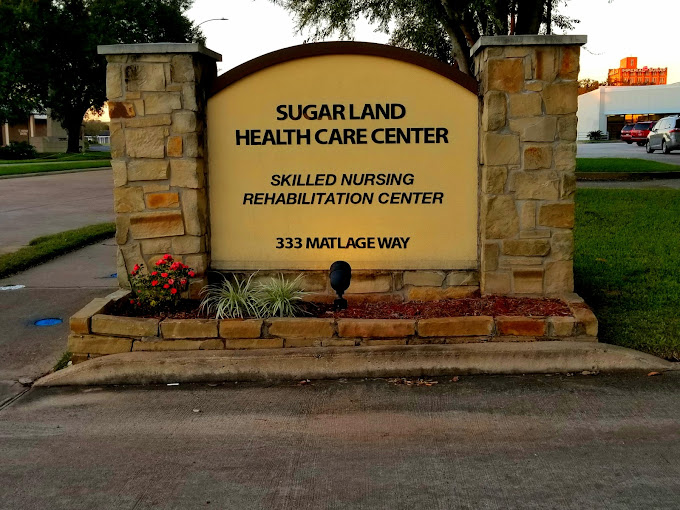
Mar 2024 3 deficiencies
CONCERN (D)

Potential for Harm - no one hurt, but risky conditions existed

Deficiency F0558 (Tag F0558)

Could have caused harm · This affected 1 resident

**NOTE- TERMS IN BRACKETS HAVE BEEN EDITED TO PROTECT CONFIDENTIALITY** Based on observations, interviews and record review, the facility failed to ensure resident rooms were adequately equipped to al...

Read full inspector narrative →
**NOTE- TERMS IN BRACKETS HAVE BEEN EDITED TO PROTECT CONFIDENTIALITY** Based on observations, interviews and record review, the facility failed to ensure resident rooms were adequately equipped to allow residents to call for staff assistance through a communication system which relays the call directly to a staff member or to a centralized staff work area for 1 of 1 resident (Resident #12) reviewed for resident call system. The facility failed to ensure a call cord was in reach for Resident #12 on 03-05-24. This failure placed residents at risk of being unable to obtain assistance for activities of daily living or in the event of an emergency. Findings included: Record Review of Resident #12's face sheet revealed he was a [AGE] year-old male who admitted to the facility on [DATE] and readmitted on [DATE]. Record Review of Resident #12's diagnoses revealed he had cerebral palsy (congenital disorder of movement, muscle tone, or posture), pressure ulcer of sacral region, stage 4, seizures, embolism, and thrombosis of unspecified deep veins of unspecified lower extremity (blood blots obstructing blood flow), unspecified hearing loss, contracture of muscles, left and left lower legs, profound intellectual disabilities, and parkinsonism (motor syndrome that manifests as rigidity, tremors, and bradykinesia). Observation on 03-05-24 at 12:02 p.m., revealed Resident #12 resided in a double room with no roommate. Resident #12's call light cord was hanging a crossed a 1-gallon container of drinking water sitting on resident's nightstand table beside resident's bed. Surveyor A turned on call light. Observation on 03-05-24 at 12:03 p.m., revealed Licensed Vocational Nurse (LVN) C entered room turned off call bell system on the wall, repositioned Resident #12's oxygen, and exited room. LVN C did not reposition the call bell cord in reach for resident. Observation on 03-05-24 at 02:01 p.m., revealed Resident #12's call light cord was hanging a crossed a 1-gallon container of drinking water on resident's nightstand table beside resident's bed. Interview attempt on 03-05-24 at 12:02 p.m., revealed Resident #12 did respond to any questions asked. Interview on 03-06-24 at 12:41 p.m., Certified Nursing Assistant (CNA) A stated that she started shift on 03-05-24 at 6:00 a.m. She stated that Resident #12 was total care as such, he was her first stop when beginning her shift. She stated when she entered the resident's room, she saw the call bell cord hanging on the gallon of water sitting on the resident's nightstand. She stated she changed the resident's brief and gowned and meant to attach the call bell to the resident's pillow before leaving the room but had forgotten. She stated that she had fed resident breakfast and lunch on 03-05-24. She apologized and stated that the importance of call bells in place was so that residents who needed assistance would be able to reach staff. Interview on 03-06-24 at 03:57 p.m., LVN C stated that when she entered Resident #12's room on 03-25-24 at 12:03 p.m. she had not even realized that the resident's call bell was hanging on the gallon of water sitting on his nightstand. She stated that she had not seen it hanging like that before and would be certain to notice the call lights placement in the future. She stated that the importance of resident's call light in reach was for residents' ability to call for patient care and assistance. Interview on 03-07-24 at 02:59 p.m., DON stated that Resident #12 was total care and based on the resident's diagnosis he had required frequent checks. She stated that resident call lights should be in place/and in reach at all times for residents to reach staff when needed. She stated that the facility would be replacing Resident #12's call bell with a call pad that would attach to the resident's bed and would allow him to roll on the pad to call staff rather than having to push the call bell with his hands. She stated that that nursing staff were in-serviced on call bell placement on 03-06-24. Interview on 03-07-24 at 03:31 p.m., Administrator stated that CNA A informed her of Resident #12's call bell positioning. She stated that staff need to slow down and not get too focused on the tasks that they forget to ensure that resident's call bells were in place. She stated that they would be implementing a call bell pad that would be placed on Resident #12's bed. She stated the call bell pad would allow the resident to roll his shoulder on the pad rather having had to push a call bell button to call for staff assistance. She stated the importance of the call bell system to be in reach was for residents to call for staff assistance. She stated that the nursing staff were in-serviced, and she would provide a copy. Record Review of policy Answering Call Lights revised date September 2022 revealed that, Ensure that the call light is accessible to the resident when in bed, from the toilet, from the shower or bathing facility and from the floor. The facility provided in-services on Ensuring call lights in reach for residents conducted by ADON on 03-06-24.
CONCERN (D)

Potential for Harm - no one hurt, but risky conditions existed

Respiratory Care (Tag F0695)

Could have caused harm · This affected 1 resident

**NOTE- TERMS IN BRACKETS HAVE BEEN EDITED TO PROTECT CONFIDENTIALITY** Based on observation, interview, and record review, the facility failed to ensure one resident (Resident #147) of five residents...

Read full inspector narrative →
**NOTE- TERMS IN BRACKETS HAVE BEEN EDITED TO PROTECT CONFIDENTIALITY** Based on observation, interview, and record review, the facility failed to ensure one resident (Resident #147) of five residents reviewed for oxygen therapy was provided care that was consistent with professional standards of practice, the comprehensive person-centered care plan, and the resident's goals and preferences. -Resident #147 had an oxygen humidifier that was dated 02/19/2024, 10 days prior to his admission on [DATE], and possibly previously used by a different resident. Resident #147 had been recently admitted to the facility with respiratory compromise. The failure placed Residents at increased risk of infection. Findings included: Record review of the admission Record (printed 03/05/2024) revealed Resident #147 was [AGE] years old and was admitted to the facility on [DATE]. Diagnoses included, but were not limited to, encephalopathy (a group of disorders that affect the brain and cause confusion, memory loss, and other mental changes), pleural effusion (buildup of fluids around the lungs), and anoxic brain damage (brain damage caused by lack of oxygen). Record review revealed Resident #147 had been in the facility for less than five days and did not yet have a MDS assessment. Record review of a Physician's Order dated 03/04/2024 at 9:31 p.m. revealed, in part, .Administer O2 2L via NC if Patient desaturates below 90%. Record review of a Health Status Note dated 03/04/2024 at 10:00 p.m. revealed the Nurse Practitioner gave orders for Augmentin 875-125 mg (antibiotic) to be given orally twice daily for seven days, Ceftriaxone 2 gm (antibiotic) to be administered via intra-muscular injection daily for three days, metronidazole 500 mg (antibiotic) to be given orally every eight hours for seven days, and Guaifenesin 100mg/5 ml - 300 mg (expectorant) to be given every six hours for ten days. In addition, the resident was to receive Duoneb nebulizer treatments every six hours for seven days. The Note also reflected Resident #147 was to receive oxygen PRN (as needed) at 2L. There was a standing order to send the resident to the hospital if his oxygen saturation level was below 90%. The note reflected the MAR was updated with the orders. The Note was signed by LVN A. Record review of the Orders Administration Note dated 03/04/2024 at 10:27 p.m. revealed the diagnosis as Pneumonia. Record review of Resident #147's Care Plan on 03/05/2024 at 10:00 a.m. revealed it did not yet address the Pneumonia diagnosis from 03/04/2024 at 10:27 p.m. Observation on 03/05/2024 at 9:35 a.m. revealed Resident #147 was lying in bed, awake. He responded to a verbal greeting by nodding, but he was non-verbal. There was an oxygen concentrator with a humidifier reservoir. The concentrator was set at 3L, delivering oxygen to the resident via nasal cannula. The humidifier was a refillable type. The date scribed on the top of the humidifier was 02/19/2024. Observation and interview on 03/05/2024 at 9:37 a.m. revealed the surveyor asked Resident #147's Charge Nurse, LVN B, to check the oxygen humidifier for Resident #147. LVN B looked at the humidifier and confirmed the date was 02/19/2024. She said the resident was admitted yesterday (03/04/2024), and that the humidifier should be changed every week. Observation and interview on 03/05/2024 at 11:40 a.m. the DON said humidifiers were to be changed out weekly. The DON observed the humidifier being used for Resident #147 and confirmed the date was 02/19/24. The DON said humidifiers were available in the storage room, and the nurses had access to the storage room. Observation and interview on 03/05/2024 at 11:43 a.m. revealed a storage room on Hall E. The DON opened the door with a key. There were no oxygen concentrators or humidifiers in the room. The DON said if the nurses could not find any humidifiers in the room, they should have called her. She said the facility now uses pre-filled (non-refillable) humidifiers, but the one in Resident #147's room was the refillable type. The DON said she did not know if it was facility policy to reuse refillable humidifiers for different residents, but she would check the policy. She said the risk of reusing refillable humidifiers would be increased risk of infection. At that time the DON attempted unsuccessfully to call LVN C, the 10:00 p.m. (03/04/2024) to 6:00 a.m. (03/05/2024) charge nurse for Resident #147. In an interview on 03/05/2024 at 11:53 a.m. the DON said the facility policy was to not reuse humidifiers. Observation on 03/05/2024 at 12:02 p.m. revealed the oxygen tubing and humidifier for Resident #147 had been changed. The humidifier was the non-refillable type. The scribed date was 03/05/2024. In an interview via on 03/05/2024 at 12:03 p.m. LVN B said she had just changed the humidifier for Resident #147. She said the facility was not to reuse humidifiers because it would be a risk for infection. In an interview via telephone on 03/06/2024 at 5:00 a.m. RN C confirmed she was Resident #147's Charge Nurse for the night shift on 03/04/2024. She said the evening nurse (LVN A) had received the order and was entering them into the computer when she arrived. RN C said the oxygen concentrator was already in Resident #147's room when she initially entered the room that night. She said the refillable humidifier was on the concentrator, but it was empty. She said she had a pre-filled humidifier, but it was too big to fit on that concentrator. She said she opened the pre-filled humidifier and emptied the contents into the refillable humidifier. She said she thought the refillable humidifier was new, so she just filled it. In an interview via telephone on 03/06/2024 at 3:25 p.m. LVN A said she had received the order for the oxygen on 03/04/2024 at around 9:30 p.m. to 10:00 p.m. Change of shift was at 10:00 p.m. She said she entered the order, then got the concentrator. She said she saw that it had the old refillable humidifier on it. She said she started the concentrator and asked RN C to put on a new humidifier. LVN A said before the oxygen order, an x-ray report revealed Resident #147 had pneumonia. Record review of the facility policy entitled Oxygen Administration (revised October 2010) revealed a humidifier was to be used but did not reflect new. The policy reflected, in part, .12. Check the mask, tank, humidifying jar, etc. to be sure they are in good working order and are securely fastened. Be sure there is water in the humidifying jar and that the water level is high enough that the water bubbles as the oxygen flows.
CONCERN (D)

Potential for Harm - no one hurt, but risky conditions existed

Food Safety (Tag F0812)

Could have caused harm · This affected 1 resident

Based on observation, interviews, and record review the facility failed to store, prepare, distribute and serve food in accordance with established food preparation practices and safety techniques in ...

Read full inspector narrative →
Based on observation, interviews, and record review the facility failed to store, prepare, distribute and serve food in accordance with established food preparation practices and safety techniques in that; 1. Frozen food were thawed in a sink with no running and/or standing water. 2. Frozen food were thawed in a sink used for hand washing. This failure could cause food-borne illnesses as a result and could affect the residents who consumed food from the facility's only kitchen. Findings included: Observation of the kitchen on 03-05-24 at 08:47 a.m., revealed 2 of 2 sinks used for hand washing. Observation of the kitchen on 03-05-24 at 11:52 a.m. 3-10 pound loafs of sealed frozen ground beef in 1 of 2 sinks used for hand washing without being submerged in standing water or under running cold water. Observation of the lunch meal tray on 03-06-24 at 12:55 p.m., revealed a regular textured meal consisting of meat loaf, green beans, dinner roll, mashed potatoes and gravy, and pudding. The meal was visually presentable and was tasted and found palatable. Interview on 03-05-24 at 08:47 a.m., [NAME] A stated that there were 2 of 2 sinks used for hand washing. She stated one near the stove and one near the dish machine and either could be used by Surveyor A to wash hands. Interview on 03-05-24 at 11:52 a.m., [NAME] A stated the ground beef loafs in the sink near the stove were being thawed for tomorrow's lunch. Interview on 03-06-24 at 08:40 a.m., [NAME] A when asked was that meat she was seasoning had been the same meat observed in the sink thawing 03-05-24, [NAME] A stated, The meat was thawed and stored in the refrigerator overnight. Interview on 03-06-24 at 1:10 p.m., [NAME] B stated that she used the handwashing station located near the dish machine. She stated on 03-05-24 the frozen ground beef loafs were placed in the sink near the stove by who she believe to be [NAME] A on the first shift to thaw. She stated later that afternoon, she placed the meat loafs in a pan and placed them into the refrigerator until the next day when they would be cooked for lunch. She stated the process for thawing food consisted of removing the frozen food item from the freezer, the item would be placed in a pan into the sink near the stove, and then cold water was to be ran over the item until thawed. She stated that the frozen food should be placed in a pan to avoid contaminating the sink and avoid any contamination from the sink onto the food. Interview on 03-06-24 at 01:23 p.m., Dishwasher stated that he was responsible for washing dishes, but while he does not cook any food, he did handle food items such as pudding, cereal, coffee, and bread to plate trays. He stated that he was instructed upon hire to only use the handwashing sink near the dish machine. He stated he did not know why he could not use the hand washing sink near the stove. He stated he did not defrost food items in the kitchen and was not aware who thawed the ground beef loafs in the sink on 03-05-24. Interview on 03-06-24 at 01:40 p.m., Tray Aid stated she had been responsible for assisting the cooks plate trays and making sandwiches. She stated that she was instructed to use the handwashing station near the dish machine when sanitizing her hands. She stated that the cooks were the only staff allowed to use the sink near the stove. She stated she was not responsible for defrosting frozen food items. Interview on 03-06-24 at 01:48 p.m., Dietary Aid A stated he had been responsible for assisting the cook plating trays with desserts and making sandwiches. He stated he was instructed to wash his hands near the dish machine. He stated he does not thaw foods and was not aware who thawed the ground beef on 03-05-24. Interview on 03-06-24 at 01:48 p.m., Dietary Aid B stated that she had a split role at the facility in dietary services and in laundry services. She stated her job responsibilities in the kitchen were to assist the cooks plate trays. She stated she was instructed to use the hand washing station near the dish machine. She stated that the cooks only use the handwashing station near the stove. She stated that the cooks thaw frozen food items in the sink near the stove. She stated the sinks used to thaw foods were sanitized before and after foods were thawed. She stated once the frozen food item was placed in the sink, cold water would run over the food real low. She stated that she did not thaw any food items and was not aware who thawed the ground beef loafs on 03-05-24. Interview on 03-06-24 at 02:04 p.m., [NAME] A stated that the kitchen had 2-handwashing stations in the kitchen. She stated that she used both handwashing stations because as the cook, she was all over the kitchen. She stated that the Floater took the ground beef loafs from the freezer and placed them in the sink near the stove in the morning of 03-05-24. She stated that the Floater had just placed the ground beef loafs in the sink just prior to Surveyor A entering the kitchen on 03-05-24 at 11:47 a.m. and was not sure why he had not turned on the water immediately after placing the loafs in the sink. She stated that the Floater had turned on the water after Surveyor A entered the kitchen. She stated that she checked the water periodically during the thawing process until it was thawed. She stated that the thawing policy stated that frozen foods were placed under running water between 2 - 3 hours or until thawed. She stated it was normally the cook's responsibility to remove items from the freezer and place them in the sink to be thawed. She stated due to her recent illness, the Floater went in and out of the freezer for her so she would avoid exposure to the cold temperature. She stated that the Floater was also helping in the kitchen stocking items from the food shipment that had been received the morning of 03-05-24. She stated depending on the size of frozen food items, it would have been placed in a pan before being placed in the sink. She stated the pan would be tilted for running water to flow over the food item and not be stopped up under the pan. She stated that the ground beef loafs were too big to fit in pans, therefore the Floater placed the meat loafs in the sink directly. She stated she did not witness the Floater disinfect the sink before or after placing the ground beef loafs in the sink, but he should have. She stated she does not know who took the ground beef loafs out of the sink once they were thawed. Interview on 03-06-24 at 02:44 p.m., the Dietary Manager (DM) stated that the kitchen had 2-handwashing sinks. She stated that the cooks used the hand washing station near the stove for easy access while preparing meals, but all other staff were to use the handwashing station near the dish machine. The DM stated that the sink near the stove had also been used to defrost food. She stated that the sink would have been disinfected before and after any foods were thawed within. She stated that the Floater placed the ground beef loafs in the sink on 03-05-24 just prior to Surveyor A entering the kitchen at 11:47 a.m. She stated that Floater then turned on the cold water to run over the ground beef loafs. She stated that the Floater sanitized the sink prior to placing the frozen items in the sink. She stated per policy defrosted items were to be submerged in and ran under cold water. The DM stated that the sink was not stopped up while the meat was thawed, and the meat was not submerged in water. She stated after viewing a picture Surveyor A took of the meat in the sink at 12:24 p.m. that the water ran over only 1 of 3 of the 10lb frozen meat loafs. She stated that frozen items were normally placed into a pan and then into the sink, but that the ground beef loafs were too long to fit the pans available to the staff in the kitchen. She stated the Floater put the frozen meat in the sink on 03-05-24, walked away just for a moment and then came back and turned on the cold water to run over the frozen ground beef. She stated that she saw the Floater sanitized the sink before placing the meat in the sink. She stated that [NAME] B removed the thawed meat from the sink and placed the meat on a pan and then placed it in the refrigerator overnight. She stated that the process for sanitizing the sink before and after thaw food items consisted of: wash, rise and sanitize with a sanitization solution kept under the steam table for easy access. Interview on 03-07-24 at 10:34 a.m., Dietitian stated that according to storage regulations, it was typically recommended that frozen foods be thawed under cold running water. She stated depending on the size and quantity, frozen meats would be placed in a pan in the sink under running water as long as the water would not be stagnant. She stated the sinks at the facility were small, making it difficult to meal prep and have a handwashing station. She stated after reviewing the handwashing policy on thawing foods, despite policy, it was not necessary to submerge the meat in water based on her food handling professional experience but would rather be more concerned that the water was running and under 70 degrees. Interview on 03-07-24 at 02:59 p.m., the DON stated that she was informed by the DM of the frozen ground beef in the sink. She stated that the DM was an experienced and educated DM. She stated that the DM and her would be looking at the thawing and sink sanitizing processes to ensure that the kitchen staff were educated on proper procedures. She stated that staff were not to thawed in foods in the handwashing or dishwashing stations to avoid cross contamination. She stated the Floater who placed the meat in the sink was off shift on a flight and unreachable due to his travel. Interview on 03-07-24 at 03:31 p.m., Administrator stated that the Health Department had recommended that the kitchen sink near the stove could also be used as a handwashing sink since the other sink was rather far away from where the cook's preparation station. She stated that it was her expectations that the kitchen staff follow the frozen food thawing policy: placing foods on pans and running under cold water and that the sink was to have been sanitized before and after any frozen foods were placed in it. She stated that the in-service documentation would be provided on thawing food and sanitizing sinks. Unsuccessful interview attempts to interview the Floater were made on 03-06-24 at 04:20 p.m., on 03-07-24 at 09:02 a.m., and 03-07-24 at 10:09 a.m. Record review of Food and Preparation and Service revised date November 2022 revealed that, Policy Statement. Food and nutrition service employees prepare, distribute, and serve food in a manner that complies with safe food handling practices. General Guidelines 2. Food preparation staff adhere to proper hygiene and sanitary practices to prevent the spread of foodborne illness. Thawing Frozen Food 1. Foods are not thawed at room temperature. Appropriate thawing procedures included: B. completely submerging the item in cold running water (70 degrees or below) that is running fast enough to agitate and remove loose ice particles . Record review of the in-services dated 03-07-24 on Sink Sanitizing and Thawing Frozen Foods conducted by the DM. Cleaning and Sanitizing Requirements: 1. Who is responsible: If the sink is used to thaw/wash food products, it should be cleaned and sanitized first by the person (i.e. cook, dietary aid etc.) that will be placing the food item into the sink to be thawed/washed etc. 2. The practice of cleaning and sanitizing the sink is done prior to the product being placed in the sink and after the product is taken out of the sink. The person responsible for taking the product out of the sink is responsible for cleaning and sanitizing the sink when the product is removed. 3. The sink will be washed, rinsed, and sanitized (with the QA solution) prior to food products being placed into the sink and when the food product is removed from the sink. 4. If a product is placed in the sanitized sink to be thawed/washed, then cold running water should be used over the product for proper thawing. The person (i.e. cook, dietary aid etc.) that placed the product into the sink for thawing will be responsible for periodically checking the food to rotate and see if the product is thawed. Once the product is thawed it will be used to prepare the dish or stored in the cooler with a label and date. Record review of the Texas Food Service Establishment Rules Field Inspection Manual dated October 2015 recelaedd that, §228.75(C) (2) Temperature and Time Control. (C) Thawing. Except as specified in paragraph (4) of this subsection, time/temperature control for safety (TCS) food shall be thawed: (2) completely submerged under running water: .
Aug 2023 1 deficiency 1 IJ
CRITICAL (J) 📢 Someone Reported This

A family member, employee, or ombudsman was alarmed enough to file a formal complaint

Immediate Jeopardy (IJ) - the most serious Medicare violation

Accident Prevention (Tag F0689)

Someone could have died · This affected 1 resident

**NOTE- TERMS IN BRACKETS HAVE BEEN EDITED TO PROTECT CONFIDENTIALITY** Based on observation, interview, and record review, the facility failed to ensure each resident receives adequate supervision an...

Read full inspector narrative →
**NOTE- TERMS IN BRACKETS HAVE BEEN EDITED TO PROTECT CONFIDENTIALITY** Based on observation, interview, and record review, the facility failed to ensure each resident receives adequate supervision and assistance devices to prevent accidents for 1 (Resident #2) of 4 residents reviewed for accidents in that: -Physical Therapy Assistant performed a two person transfer alone on 08/18/23. Resident #2 suffered right femur fracture that was identified via X-ray on 08/19/23. The noncompliance was identified as PNC. The IJ began on 8/18/23 and ended on 8/21/23.The facility had corrected the noncompliance before the survey began. This failure can place residents at risk of injury, pain, hospitalization and a diminished quality of life. Findings include: Record review of Resident #2's face sheet revealed she was a [AGE] year-old female who was admitted to the facility on [DATE] and was re-admitted on [DATE]. Her diagnoses included Alzheimer's disease (A progressive disease that destroys memory and other important mental functions), type 2 diabetes mellitus without complications (A chronic condition that affects the way the body processes blood sugar (glucose) and pressure ulcer of sacral region, stage 4 (skin injuries that occur in the sacral region of the body, near the lower back and spine). Record review of Resident #2's Comprehensive MDS assessment, dated 5/23/23, revealed Resident #2 had a BIMS score of 7 out of 15 which indicated severely impaired cognition. She required extensive assistance from two person physical assist for transfers. Record review of Resident #2's Care Plan dated 5/17/2022 and revised on 6/3/22 revealed the following: Focus: Resident #2 has an ADL self-care performance deficit r/t Disease Process Goal: The resident will have increased function and endurance with ADL tasks Interventions: TRANSFER: The resident requires (EXTENSIVE assistance) by (1-2) staff to move between surfaces. Record review of Resident #2's Progress notes dated 8/18/2023 at 11:52 pm revealed read in part: .Health Status Note: Xray of right leg done for c/o of pain, resident stated it happen during therapy family aware .RP request xrays be done.MD notified and xrays ordered and were done, results pending . Record review of Resident #2's facility's X-ray results dated 8/19/23 at 9:52 am revealed read in part: .Radiology Interpretation: Acute appearing fracture of the distal femoral metaphysis . Record review of Resident #2's Hospital Records dated 8/19/23 read in part: XXX[AGE] year-old woman with history of vascular dementia, hypertension, CKD, OSA, stage IV decubitus ulcer presented here with right leg pain. Patient resides in a nursing facility and was evaluated by physical therapy and transferred from wheelchair back to bed. While pivoting to her right leg Twisted and reports severe pain after was brought into the ER was noted to have x-rays done which show a minimally displaced predominantly transverse supracondylar fracture in the distal metaphysis. Orthopedic surgery has been consulted by the ER and now awaiting for further evaluation. Given fractures likely patient will be placed in a splint will defer that to orthopedic surgeon for further recommendations. Impression and Plan Diagnosis Femur fracture, right . Record review of Resident#2's PT Evaluation & Plan of Treatment dated 8/15/23 revealed read in part: .Functional Mobility Assessment: Transfers=Did Not Test (Patient at baseline of dependence for OOB with hoyer lift . In an interview on 8/22/23 at 8:14 a.m., with the Administrator, she said Resident #2 was due for quarterly MDS Part B for therapy. She said the Therapy department did an evaluation and the Patient agreed. She said the RP was not notified by the therapy department that the Pt was placed under their services. The Rehab Manager was out, and it was an oversight on their part. She said she called the hospital to confirm if the fracture was on the same knee that happened prior within this year. Hospital said it was new fracture. She said Pt was 2 person transfer but the PTA did one person transfer and had been suspended pending investigation. PTA's last working day was 8/18/23. In a telephone interview on 8/22/23 at 9:01 a.m., with Resident #2's Responsible party, she said last week, the facility started doing physical therapy with the resident. She said the family did not request therapy; the facility initiated it themselves. On Friday evening, 08/18/23, the resident reported her right leg was hurting. She said she removed the covers and noted that her right knee was swollen to the size of small basketball. The leg was also hot to the touch. The resident reported that physical therapy took her to down to therapy. Once back in her room, the therapy staff member got the resident's leg caught under the wheelchair during transfer. The physical therapy staff was transferring the resident to the bed by herself. She said the resident required two people transfer via hoyer lift. The resident's right leg did not move during the transfer and the resident felt her right leg twist around. The resident yelled out in pain. The therapy staff got some bio freeze and put it on her leg. she said she asked a nurse for a stat x-ray. she said she was notified of the x-ray results on 8/19/23. The facility reported a fracture to her right distal femur. Observation and interview on 8/22/23 at 9:21 a.m., with Resident #2 revealed she was resting in bed. She said she had returned from the hospital last night (8/21/23). She said her right leg got caught under the wheelchair while physical therapist was transferring her from wheelchair back to bed. She said she was in pain and the nurse had given her pain medication this morning. In an interview on 8/22/23 at 9:33 a.m., with LVN A, she said Resident #2 required 2 people assist with transfers from shower chair to bed using a hoyer lift. She said resident returned last night (8/21/23) from the hospital. In an interview on 8/22/23 at 9:39 a.m., with CNA CC, she said Resident #2 required 2 people transfer with a hoyer lift and sling. She said resident refused to get out of bed. Resident only got out of bed on her shower days. In an interview on 8/22/23 at 9:43 a.m., with the Rehab Director, she said Resident #2 was receiving services in the past and had gotten a custom wheelchair. She said Resident had wound and the resident laid in bed all the time that put her at risk. She said the Physical Therapist did an evaluation on Resident #2 and added her to the services sometime last week. Record review and interview on 8/22/23 at 9:45 a.m., with the Physical Therapist, she said Resident #2 was due for MDS quarterly screen. She said she found from the nursing staff that resident had not gotten out of bed. Resident only got up for showers. She said in the past resident had received physical therapy and part of the plan was for her to use the custom wheelchair so she could get out of bed. She said resident had wound which the resident laid on all day. She said she felt that resident would benefit from the therapy. She said the protocol was that the Physical Therapist completed the evaluation and created a plan of treatment and the treating Physical Therapy Assistant was to follow that plan of treatment. Physical Therapist reviewed the PT Evaluation & Plan of Treatment dated 8/15/23 with the Surveyor. Physical Therapist said under section Functional Mobility Assessment for Transfers patient was at baseline of dependence for OOB with hoyer lift. Physical Therapist said that meant the Resident was not treated for transfer because there were no goals for transfer. If Resident needed to get out of bed, then the hoyer lift was a safer way. When asked how the Physical Therapist checked to see if Physical Therapist Assistant was following the plan of treatment. Physical Therapist said she read the weekly progress notes to see what PTA had been treating. She said she looked to see if goals have been met or needed to be upgraded which required discussion with Physical Therapist. Physical Therapist said Physical Therapist Assistant was a licensed therapist, she did not need to be followed/spot checked during therapy sessions with Residents. Physical Therapist said she had her own case load and to work efficiently, the treating therapist was assigned one patient at a time and PTA were to follow the Physical Therapist's plan of treatment. She said, it was important to follow the plan of treatment, so PT and PTA were working toward the same goals. It puts them on the same page. She said PTA could have grabbed an aide to assist her with Hoyer transfer. In an interview on 8/22/23 at 10:07 a.m., with CNA DD, she said Resident #2 required a Hoyer lift to move between surfaces. She said Resident#2 always needed 2 persons to assist. She said Resident#2 did not like getting out of bed. She said Resident only got out of bed on her shower days which were Tuesday, Thursday and Saturdays. She said two staff transferred resident from bed to shower chair via hoyer lift on her shower days. In a telephone interview on 8/22/23 at 10:21 a.m., with Physical Therapist Assistant, she said Resident #2 was placed under therapy services sometime last week. She said she asked Resident#2 if she was ready to get up. Resident agreed. She said she moved her blankets, helped her sit on the edge of the bed. She said she performed lateral scoot partial stand pivot transfer with gait belt and draw sheet from edge of bed to wheelchair. When asked if she reviewed the Physical Therapist's plan of treatment dated 8/15/23 under transfer it mentioned the use of hoyer lift when out of bed. PTA said, I did look over it briefly. I scanned PT's evaluation she had sitting balance goal and wheelchair mobility goal. PTA said, I use gait belt on everyone. To increase trunk control and functional independence. PTA said hoyer lift was used when the Patient could not sit up, assist with transfer or can not hold their balance. she said she had worked with Resident#2 in the past and Resident was able to sit up. She said when resident was done eating her lunch. She asked Resident#2 if she was ready to get back in bed. Resident agreed. PTA said she did partial stand pivot with lateral scoot from wheelchair to edge of bed. Once in standing, Resident#2 reported increased pain in her right leg. She said she took her foot and slid her right foot forward to take pressure of resident's leg and assisted with positioning resident onto the edge of bed. Resident reported that right knee was still hurting. She said she tried to reposition for comfort. Placed pillows under knees. She said she asked nurse on duty, if resident could get pain medication as resident was reporting increased pain in the right side following treatment and transfer back to bed. The nurse explained that resident had pain medications prior to treatment and could not get them at that time. She said she asked resident if she would like her to get bio freeze and the resident agreed. She said she applied bio freeze to bilateral knees per request. She said she asked resident again if her pain was better or worse the resident reported that it was a little better but still hurting. In an interview on 8/22/23 at 12:08 p.m., with the DON, she said she found out on Saturday (8/19/23) from the Unit Manager that relied to her that x-ray results showed fracture. She said she was not aware of x-rays order and there was no incident report. She said she was then told about the rehab session on Friday (8/18/23). She said per the resident her legs got caught in wheelchair during transfer. she said after the incident was reported to HHSC on 8/19/23 and the facility began the investigation. She said she interviewed staff to determine the transfer status of Resident #2. She said the facility identified Resident #2 was a 2-person transfer. She said PTA should have asked for help with transfer. Record review of facility's In-service Education Program record dated 8/21/23 conducted by the Administrator on 8/21/23 to staff on Abuse Neglect protocal, Reporting/types of abuse. Record review of facility's In-service Education Program record dated 8/21/23 conducted by the DON on 8/21/23 to staff on Abuse & Neglect/ Transfer/Admssion/ POC documentation. Record review of facility's In-service Education Program record dated 8/21/23 conducted by the Administrator on 8/21/23 to Rehab department revealed read in part: .Therapist/PTA must follow the plan of care for treatment any concern regarding the plan of care must be communicated to DON/ED & MD . Record review of the facility's Safe Lifting and Movement of Residents policy (revised July 2017) read in part: .Policy Statement: In order to protect the safety and well-being of staff and residents, and to promote quality care, this facility uses appropriate techniques and devices to lift and move residents. 2. Manual lifting of residents shall be eliminated when feasible.3. Nursing staff, in conjunction with the rehabilitation staff, shall assess individual residents' needs for transfer assistance on an ongoing basis. Staff will document resident transferring and lifting needs in the care plan such assessment shall include the following: b. Resident's mobility (degree of dependency): d. Weight-bearing ability: g. The resident's goals for rehabilitation, including restoring or maintain functional abilities. 8. Mechanical lifts shall be made readily available and accessible to staff 24 hours a day. Back-up battery packs on remote chargers shall be provided as needed so that lifts can be used 24 hours a day while batteries are being charged .
Aug 2023 2 deficiencies
CONCERN (D) 📢 Someone Reported This

A family member, employee, or ombudsman was alarmed enough to file a formal complaint

Potential for Harm - no one hurt, but risky conditions existed

ADL Care (Tag F0677)

Could have caused harm · This affected 1 resident

**NOTE- TERMS IN BRACKETS HAVE BEEN EDITED TO PROTECT CONFIDENTIALITY** Based on observation, interviews, and record reviews, the facility failed to ensure a resident received the necessary services t...

Read full inspector narrative →
**NOTE- TERMS IN BRACKETS HAVE BEEN EDITED TO PROTECT CONFIDENTIALITY** Based on observation, interviews, and record reviews, the facility failed to ensure a resident received the necessary services to maintain good nutrition, grooming, and personal and oral hygiene for 1 (Resident #1) of 5 residents reviewed for showers/baths. -Resident #1 did not receive showers as scheduled. This failure affected one resident and placed 88 residents requiring assistance with baths and showers at risk of not having the assistance with personal care which could cause skin breakdown and low self-esteem. Findings include: Record review of the admission Record (printed 08/16/2023) for Resident #1 revealed she was [AGE] years old, andold and was admitted to the facility on [DATE]. Diagnoses included, but were not limited to, encephalopathy (disease that alters brain function), muscle weakness, and dementia. Record review of the quarterly MDS assessment dated [DATE] revealed no entry for Resident #1's cognitive status. The MDS reflected the resident required extensive assist of two persons for bed mobility, transfers, toilet use, and personal hygiene. She required physical help in part of the bathing activity. The resident weighed 244 pounds at the time of the assessment. Record review of the Care Plan (revised 04/05/2023) revealed Resident #1 required extensive to total assist with bathing. The Care Plan reflected the resident was to receive a sponge bath when a full bath or shower could not be tolerated. Observation on 08/16/2023 at 10:10 p.m. revealed Resident #1 to be in her room. She was lying in her bed. She was not interviewable. Observation on 08/16/2023 at 11:00 a.m. revealed CNA A and CNA B provided incontinent care for Resident #1. Observation revealed the resident required extensive assist from both staff to reposition. Interview on 08/16/2023 at 12:30 p.m. Resident #1's family member revealed the resident was not receiving showers or baths. She said one night she stayed and asked a CNA to give Resident #1 a shower. She said the CNA did not know which chair to use. She said she told the DON her concern that the resident was not receiving showers. Observation and interview on 08/16/2023 at 2:35 p.m. the DON said the shower sheets were kept in a book at the nurses' station. Review of the C-Hall shower schedule revealed Resident #1 was scheduled to have a shower every Tuesday, Thursday, and Saturday in the evening. Interview and review on 08/16/2023 at 2:40 p.m. revealed the shower sheets book at the nurses' station contained only four sheets total; none were for Resident #1. The DON said she would gather the shower sheets for Resident #1. Review on 08/16/2023 at 3:30 p.m. the August 2023 shower sheets revealed Resident #1 only received three showers during the month of August. The resident received showers on 08/01/2023, 08/09/2023, and 08/12/2023. Review of the August 2023 calendar revealed the resident should have received 7 showers during that time period. Record review of the facility policy Bath, Shower (revised February 2018) revealed the staff providing the shower or bath was to document the date and time the shower was provided, the names of the persons assisting, and if the resident refused.
CONCERN (D) 📢 Someone Reported This

A family member, employee, or ombudsman was alarmed enough to file a formal complaint

Potential for Harm - no one hurt, but risky conditions existed

Medical Records (Tag F0842)

Could have caused harm · This affected 1 resident

**NOTE- TERMS IN BRACKETS HAVE BEEN EDITED TO PROTECT CONFIDENTIALITY** Based on observation, interview, and record review, the facility failed to ensure the clinical record were maintained in accorda...

Read full inspector narrative →
**NOTE- TERMS IN BRACKETS HAVE BEEN EDITED TO PROTECT CONFIDENTIALITY** Based on observation, interview, and record review, the facility failed to ensure the clinical record were maintained in accordance with accepted professional standards and practices and were complete and accurately documented for 1 (Resident #1) of 5 residents records reviewed for medication and treatment documentation. -The nurse documented Resident #1 had pain patches applied, but they were not available. -The nurse documented Resident #1 had on compression hose on both legs, but the resident did not. The failure could place residents at risk for unaddressed pain, increased swelling, and risk of blood clots. Findings include: Record review of the admission Record (printed 08/16/2023) for Resident #1 revealed she was [AGE] years old and was admitted to the facility on [DATE]. Diagnoses included, but were not limited to, encephalopathy (disease that alters brain function), muscle weakness, and dementia. The most recent diagnoses (06/13/2023) were acute embolism and thrombosis (blood clots) of unspecified deep veins of both lower extremities, and pulmonary embolism (blockage of an artery in the lungs by a substance that has moved from elsewhere in the body through the bloodstream). Record review of the quarterly MDS assessment dated [DATE] revealed no entry for Resident #1's cognitive status. The MDS reflected the resident required extensive assist of two persons for bed mobility, transfers, toilet use, and personal hygiene. Record review of the Care Plan (revised 03/27/2023) revealed Resident #1 required extensive to total assistance with ADLs. The Care Plan reflected the resident was dependent on staff for meeting physical needs. The Care Plan did not address pain. Record review of Resident #1's Physician's Order dated 08/11/2023 at 10:05 a.m. read in part .Compression stockings Apply in the morning and remove every night. Every morning and at bedtime for prophylaxis; swelling awaiting delivery. Record review of Resident #1's August 2023 MAR revealed the resident was to have Lidocaine pain patches applied to her left knee and left thigh at 9:00 a.m. every morning. Observation on 08/16/2023 at 10:10 a.m. revealed Resident #1 in her room lying in her bed. She was not interviewable. She did not have pain patches on her left knee, and she did not have on compression stockings. Her left thigh was not visible. Observation on 08/16/2023 at 11:00 a.m. revealed CNA A and CNA B provided incontinent care for Resident #1. Observation revealed the resident required extensive assist from both staff to reposition. The resident did not have pain patches on her left knee or her left thigh, and she did not have on compression stockings. Record review of Resident #1's MAR revealed LVN C had initialed that she had applied Lidocaine pain patches to the resident's left thigh and left knee on 08/16/2023. Record review of Resident #1's MAR revealed LVN C had initialed that the compression stockings were on the resident on 08/16/2023. In an interview on 08/16/2023 at 12:30 with a family member of Resident #1 she said there were supposed to be pain patches on both knees and the left thigh. She pointed out they were not on the resident. She said the compression stockings were too small and were not being used by the facility. They were in a drawer. In an interview on 08/16/2023 at 12:45 p.m. LVN C said the Lidocaine patches were not available when she was to apply them. She said the compression stockings were removed by the CNAs when they provided incontinent care. The surveyor informed her that he was present when the CNAs provided incontinent care, and the compression stockings were not on. When asked shy she signed the two items in the MAR, LVN C said the patches and the compression stockings were not available, but she signed for them when she passed medications. In an interview on 08/16/2023 at 2:35 p.m. the DON said when the LVN noticed the patches and compression hose were not available she should have notified the Physician and documented in the NN that they were not available. Record review of the facility policy Documentation of Medication Administration (revised April 2007) read in part .Administration of medication must be documented immediately after (never before) it is given.
Jan 2023 5 deficiencies 1 IJ (1 affecting multiple)
CRITICAL (K) 📢 Someone Reported This

A family member, employee, or ombudsman was alarmed enough to file a formal complaint

Immediate Jeopardy (IJ) - the most serious Medicare violation

Deficiency F0692 (Tag F0692)

Someone could have died · This affected multiple residents

**NOTE- TERMS IN BRACKETS HAVE BEEN EDITED TO PROTECT CONFIDENTIALITY** Based on observation, interview and record review the facility failed to maintain acceptable parameters of nutritional status, s...

Read full inspector narrative →
**NOTE- TERMS IN BRACKETS HAVE BEEN EDITED TO PROTECT CONFIDENTIALITY** Based on observation, interview and record review the facility failed to maintain acceptable parameters of nutritional status, such as usual body weight or desirable body weight range and electrolyte balance, unless the resident's clinical condition demonstrated that it was not possible or resident preferences indicated otherwise for 10 of 86 residents (Resident #56, #7, #44, #59, #18, #23, #72, #5, #14, and #45) reviewed for weight loss. 1. The facility failed to obtain accurate monthly weights for Resident #56. 2. The facility failed to ensure Resident #56 had appropriate interventions in place to prevent a severe weight loss of 39.3 % from 10/10/22 to 1/17/23. 3. The facility failed to obtain accurate monthly weights for residents from October 2022 to January 2023. The facility identified 10 (Residents #56, #7, #44, #59, #18, #23, #72, #5, #14, and #45) of 86 residents sustained significant and/or severe weight loss when an accurate weight was obtained by facility staff in January 2023. The noncompliance was identified as past noncompliance (PNC). The Immediate Jeopardy (IJ) began on 1/18/23 to 1/20/23. The facility had corrected the noncompliance before the survey began. These failures could place residents at risk of severe weight loss, delayed interventions, hospitalization, worsening health condition, and death. Findings include: Record review of Resident #56's face sheet revealed a [AGE] year-old female who was admitted to the facility on [DATE]. Resident #56 had diagnoses which included Alzheimer's disease, unspecified severe protein-calorie malnutrition (1/21/21), vitamin B-12 deficiency anemia (11/16/21), anorexia (an eating disorder characterized by relentless drive for thinness with a fear of gaining body weight associated with self-induced behaviors towards thinness), weakness (12/2/20), vascular Parkinsonism (a disorder that affects muscle movement), and hospice care. Record review of Resident #56's quarterly MDS assessment, dated 12/8/22, revealed a BIMS score of 0 out of 15, which indicated severe cognitive impairment. She required extensive assistance of one person for eating. The assessment indicated no symptoms of poor appetite and no weight loss of 5% or more in the last month or loss of 10% or more in the last 6 months. Record review of Resident #56's care plan, revised on 1/22/23, revealed she had a potential for nutritional problem related to inadequate meal intake. Interventions were to have the RD (registered dietitian) evaluate and make diet change recommendations PRN and weigh and record: monthly and PRN. Record review of Resident #56's weight summary revealed the following: 10/10/22: 107.5 pounds 11/2022: no weight recorded 12/2022: no weight recorded 1/17/23: 65.2 pounds There was a calculated weight loss of 39.3% over 3 months. Record review of Resident #56's nutritional assessment, dated 2/28/22, written by the RD revealed a weight of 115.7 pounds and a BMI of 29 (normal BMI range was 23 - 30). Resident #56 was reviewed for her annual assessment. The RD documented the resident was readmitted to hospice. There was no significant weight loss but some weight loss with overall decline was expected with hospice and diagnosis. Record review of Resident #56's hospital record, dated 9/2/22, revealed a weight of 85 pounds. Record review of Resident #56's multidisciplinary care conference, dated 12/12/22, revealed the resident's appetite was fair. Her oral intake was 25-50%. Her weight was recorded at 107.5 pounds (from October 2022). There were no issues at the time. Patient was on hospice services. Record review of the facility's nutrition recommendations from August 2022 - January 10, 2023, revealed no dietary recommendations were made for Resident #56. Record Review of Resident #56 Hospice Records dated 1/2/23 revealed Resident gargling when she drinks water and unable to tolerate but able to eat regular food. HN recommended to change thin liquid to thickened liquid and was approved. Resident appears to be weak and frail and sleeps +12 hours a day. Record review of Resident #56's nutrition/dietary note, dated 1/18/23, written by the RD read in part, .CBW (current body weight) is at 65.2 pounds, -39.3% in 90 days, -40.8% in 180 days. BMI is below favorable for age at 16.3. Noted facility recently had scale recalibrations. Resident also on hospice care at this time . weekly weights ordered to monitor and re-establish baseline. Resident is on a regular, mildly thick liquid diet and has PO intake average at less than 50% but varies with sometimes increased intake. No recent labs, noted hospice. Resident with sacral and hip wounds being followed by wound care. Weight loss with overall decline is expected with hospice. Recommend magic cup TID with meals. Recommend increase 2.0 supplement to 60 cc TID related to weight loss. Recommend snacks of preference as desired. Goal is for resident to enjoy meals and supplements for comfort care. RD will continue following this resident Record Review of Resident #56 laboratory results dated [DATE] revealed resident's pre-albumin level was 7.2 mg/dL (normal range 17.0 - 34.0) and her albumin level was 2.5 mg/dL (normal range: 3.5-5.7). (The prealbumin blood test helps determine if you ' re getting enough nutrients -- namely, protein -- in your diet. Albumin is a protein in the blood plasma.) Record review of Resident #56's arm body mass measurements summary measured by hospice revealed (upper-arm circumference roughly correlates with BMI in the average person. A measure below 23.5 centimeters indicates that the person may be underweight or borderline underweight with a BMI of 20 or lower): 01-03-23 13.5 cm 01-02-23 13.5 cm 12-27-22 13.5 cm 12-07-22 14 cm 12-05-22 14 cm 11-21-22 14 cm 11-14-22 14 cm 11-28-22 14 cm 10-24-22 14 cm 09-29-22 14.5 cm 08-29-22 15 cm In an interview on 1/22/23 at 3:21 p.m., the Administrator said the previous ADON oversaw a lot of the facility's systems and was recently let go. He said the facility noticed significant discrepancies in the weight logs and submitted a self-report to the state survey agency. He said the weight logs reflected some residents were repetitively documented as weighing the same every month. He said approximately 34 residents were identified with weight changes in January, all were reweighed, and would be weighed every Thursday for the next 4 weeks. He said the identified concern was taken to quality assurance, in-services were done, and the RD was consulted. In an interview on 1/22/23 at 3:22 p.m., the Corporate Nurse said it appeared the previous staff responsible for weights were making up weights. He said a QAPI was done, and the facility was aggressively working to turn it around. He said both persons involved were terminated. In an interview on 1/23/23 at 1:18 p.m., the RD said the DON and Administrator notified her of a weight discrepancy this month when they had someone else weigh the residents. She said she did an intervention for approximately 35 residents who had significant weight loss and said some residents needed more supplements than others. She said Resident #56's weight loss was not seen or documented (prior to the discovery). She said the resident was on hospice services but made recommendations for hospice residents the same way as non-hospice residents. She said she did not want the resident to starve to death and her meal intake flexed up and down. She said, prior to the facility becoming aware of the weight discrepancy in January 2023, she did not assess Resident #56 and said there were no dietary recommendations for the resident between August 2022 and January 2023 because the resident did not flag for weight loss. The last Nutrition assessment was completed on 2/28/22. The RD said she only assessed residents for weight or nutritional needs if there was a referral from the facility based off a trigger of significant weight gain or loss. She said skin issues and abnormal laboratory values could be a negative outcome of the untreated weight loss. She said the dietitians came to the facility three times a month and reviewed admissions, readmissions, annuals, weight loss, dialysis, pressure wounds, tube feedings, and any consults. She said residents were reviewed annually if there was no weight loss identified. She said the review consisted of interpreting the BMI, identifying weight goals, diet order, preferences, reviewing supplements, laboratory values, skin for pressure wounds, and nutritional needs. In an interview on 1/24/23 at 11:30 a.m., the Administrator said he terminated the previous ADON on 1/3/23 due to integrity issues. He said they noticed a big discrepancy with actual weights and recorded weights. He said as they reviewed the weight logs, they noticed the previous RA was the one consistently entering the weights. He said the previous staffing coordinator weighed most of the residents and asked other CNAs to give her weights. He said during their QAPI meetings prior to the discovery, there were no alarms of weight loss. The previous ADON and previous RA were responsible for accuracy of weights. He said the previous ADON was the analyzer and should have been reviewing dietitian recommendations, physician notes, and overseeing the weight system. He said Resident #56 currently weighed 65 pounds. He said the wound care nurse conducted a head-to-toe assessment of the resident and said she did not have any new pressure ulcers but did have excoriation (damage or remove part of the surface of the skin). In an interview on 1/24/23 at 1:27 p.m., the RD said it was normal for hospice resident's dietary plans to be reviewed only annually. It would be reviewed more if there were concerns noted. She said, at the time, there were no concerns noted for Resident #56. In an interview on 1/24/23 at 3:07 p.m., the DON said she began employment with the facility in September 2022. She said the previous ADON was responsible for obtaining the weight data from the floors and ensuring the data was entered into PCC. She said she became suspicious of the weights in January 2023 because there was a delay in obtaining the weights of newly admitted residents, in addition to other concerns. She assigned a new team to obtain resident weights and noticed discrepancies in previously documented weights and current weights. She said upon review of previous weights they found several resident weights did not fluctuate more than 0.1 to 0.3 pounds in a 2-year period. She said in her professional opinion those were not realistic weight fluctuations. The DON said prior to December 2022, no one identified any weight changes, and no one reported changes in condition related to skin turgor, change in overall appearance, dehydration, lethargy, decrease activity, or skin impairment to her. During the QAPI meetings no issues were reported with the weights. She said she acknowledged there was a weight loss in some residents but questioned a lot of the weights. She said on 1/18/23 it was discovered Resident #56 had severe weight loss. She said Resident #56 was on hospice care and had a progressive decline in her ADLs and ability to mobilize. She said she had a history of not eating a lot and her family brought in food from home that she liked. She said she consulted with the MD and families and did not think any of the residents were harmed due to the unidentified weight loss. She said she would need to speak with Resident #56's MD about her decline to determine if it was a progression of her illness. In an interview on 1/24/23 at 3:15 p.m., the Corporate Nurse said the MDs and families did not report any concerns regarding weight loss. He said he spoke with the previous Staffing Coordinator and was informed she weighed over half of the residents. He said he could not confirm the integrity of the weights. In an interview on 1/24/23 at 3:17 p.m., the RD said the staff reported meal intake issues to her. She said Resident #56's dietary recommendations would depend on her nutritional needs. She would recommend fortified meals if the resident was still eating and then after that supplements, ice cream, and med pass 2.0. In an interview on 1/25/23 at 10:47 a.m., the NP said she recently started seeing Resident #56. She said the resident was on hospice care due to dementia and did not want to do aggressive measures such as inserting a PEG tube. She said she expected the resident to decline with normal process. She said she referenced the monthly weight to ensure the resident was not losing too much weight. She said a significant weight loss or a drop of 40 pounds in a month would raise red flags. She said she would do a dietary consultation and if the RD made recommendations, they would get approval from hospice. She said she would also try Remeron (an appetite stimulant) if hospice approved. She said she would recommend these interventions to prevent the resident from losing too much weight but if hospice did not think it was appropriate, they would not implement it. She said with residents on hospice you want to ensure the quality of life but not prolong life. In an interview on 1/25/23 at 11:33 a.m., Resident #56's RP said the family noticed the resident was losing weight but could not tell how much. He said the resident lost more weight than he expected and said he was shocked to learn how much. He said the resident's normal weight was 115 pounds, but the facility recently informed him she weighed 75 pounds. He said the resident was put on hospice care because he and his family member were unable to see the resident during COVID-19 and the facility nurse said if the resident was put on Hospice care another nurse would come in and make her comfortable. He said he and his family member made a plan to encourage the resident to eat more because she slept so much and would gradually eat less and less. He said around the start of COVID-19, she lost a lot of weight but was still responsive and could walk around. He said the facility did not say what they would do to help with her appetite. He said when he was at the facility, he tried to assist her with meals and notified the CNAs when she would not eat well. He said they informed him they would try to get her to eat later. He said the resident got weaker and every time she walked around, she would fall and go to the hospital. He said he wanted the resident on physical therapy to walk and move around again so he removed her from hospice, but when she plateaued in therapy the facility convinced him to place her back on hospice. He said she had not been able to get out of bed very often because of unsteadiness. He said he had a care plan meeting in the past to discuss her diet preferences, such as no bones in her chicken and no spicy foods, but they did not discuss her specific dietary requirements. He said last Wednesday, 1/18/23, the facility changed her diet to a higher calorie, soft food diet which the resident took to very readily. He said she took everything on her plate on Friday, 1/20/23 but was unable to wake her to eat on Monday 1/23/23. He said she used to be able to feed herself and would eat the regular diet. He said he expressed to the facility there must be a high calorie diet that would help her eat, because the amount she was eating was small. He said he informed the facility that whatever they could do to help with her nutrition would be great. He said the hospice agency did not specifically say the resident would progressively lose weight. In an interview on 1/25/23 at 12:06 p.m., CNA A said she noticed Resident #56 lost weight and reported it to LVN A. She said the resident did not eat too much. She said last month the resident ate approximately 75% of a meal she assisted her with. She said she noticed the resident did not eat by herself but previously did not like when people fed her. In an interview on 1/25/23 at 12:29 p.m., LVN A said she noticed a few residents lost weight on her hallway not too long ago, which included Resident #56. She said she normally reported weight loss concerns to the resident's hospice nurse. She said Resident #56 was always fatigued and would refuse everything with feeding. She said her meal intake was around 25% but she liked to drink. She said her weight loss was obvious when the staff got her up to weigh her last week. She said she did not know who weighed the residents prior to January 2023. She said the RP would come to ensure she got enough food. She said the resident was on med pass 2.0 and the hospice nurse started her on Sucralfate. She said she was supposed to report weight concerns to the facility doctor and the hospice nurse, and they would schedule blood work and send it to the doctor. She said she was not sure when to notify the RD. She said she reported Resident #56's weight concerns to the previous ADON and was informed to notify hospice and the resident's doctor. She said the previous ADON did not say anything about informing the RD. She said the RD monitored the food the residents ate and monitored the weight. Based on the weights they could tell if the patient was going up or down. She said the CNAs would report Resident #56's appetite changes to her. She said she reviewed Resident #56's weight and noticed the weight was previously around 100 and now it went down to 67. She said she knew the resident was losing weight based on her intake but never questioned the weights in the system because they looked right. She questioned the amount of weight she lost because it was a lot. She said she was recently in serviced on reporting weight concerns to the RD and conducting an assessment when there was a decline. In an interview on 1/25/23 at 2:00 p.m., Resident #56's Hospice Nurse said she assessed Resident #56 for the last 2 years. She said in the last 3-4 months Resident #56 had a decline in appetite and weight loss. The Hospice Nurse said the resident declined food and had low food intake. The Hospice Nurse determined the resident had a decline in body mass based off the mid-upper arm circumference body mass checked every 2 weeks during hospice visits. She said she received weight updates from various CNAs and nurses when she visited the resident. The last weight recording the Hospice Nurse recalled was approximately 97 pounds from the resident's recent hospital visit (exact date unknown). In an interview on 1/25/23 at 4:09 p.m., the DON said she was not previously aware of any weight changes for Resident #56. She said the Hospice Nurse, previous ADON, and charge nurses did not report any information about Resident #56's weight or appetite changes to her. She said if she was aware of the weight or intake changes, she would have notified the physician and obtained appropriate referrals such as for the RD. In an interview on 1/26/23 at 9:31 a.m., the previous ADON said she never weighed residents or documented weights. She said she only followed up on any recommendations from the RD if the RD saw weight loss or weight changes and if she wanted supplements or adjustments made. She said any CNA on the hall did the weights then gave those weights to the previous Staffing Coordinator. In an interview on 1/26/23 at 10:00 a.m., the previous Staffing Coordinator said the facility told her she falsified resident weights. She said she documented weights in the system when the CNAs gave them to her. She said she did weigh some residents and a lot of their weights changed. She said she recorded weekly weights in a binder but corporate was destroying papers in her old office when she was suspended. She said the scales were not calibrated and there was always an issue with the Hoyer lift scales jumping up and down. She said the last time she weighed Resident #56 was in November because the RD said she did not have to weight hospice residents. In an interview on 1/26/23 at 11:12 a.m., the DON said because of the internal audit, weights would be obtained on admission, the day after, and weekly for 4 weeks. She said she would review the weights and look at consistency in weighing procedures (i.e. hoyer lift, wheelchair scale, and same time of day). She said the DON, Administrator, or designee would be responsible for weekly spot checks of weights on each hall. She said they would select a resident and verify their weight with another person. In an interview on 1/26/23 at 11:24 a.m., the DON said the previous Staffing Coordinator was not the only person weighing residents but was the person who made sure the weights were done and entered in the system. She said the previous Staffing Coordinator worked with different CNAs to obtain weights. She said after the facility identified the weight discrepancies, she educated the lead nurses on how to identify weight loss and when to report. She said the scales were calibrated quarterly and no one ever reported any issues with the scale. Record review of the 10 residents identified with weight loss revealed new dietary physician orders were obtained and entered and care plans updated. Record Review of Resident #7 revealed was a [AGE] year-old female admitted on [DATE] with diagnoses mobility (severe) obesity due to excess calories, moderate protein- calorie malfunction, gastrostomy status, chronic kidney disease stage 3 unspecified, and gastro-esophageal reflux disease without esophagitis. Record Review of Resident #7 weights revealed that resident had a weight loss of 37.2% weight loss from 12/05/22 to 01/18/23. Resident #7 weight 155.5 lbs. dated 01/18/23 and 247.7 lbs. dated 12/05/22. Record Review of Resident #44 revealed was a [AGE] year-old female initially admitted on [DATE] with diagnoses chronic diastolic (congestive) heart failure, morbid (severe) obesity due to excess calories, vitamin B12 deficiency anemia, unspecified, vitamin D deficiency, unspecified gastro-esophageal reflux disease without esophagitis, and muscle weakness (generalized). Record Review of Resident #44 weights revealed that resident had a weight loss of 36.9% weight loss from 10/10/22 to 01/18/23. Resident #7 weight 201 lbs. dated 01/19/23; 318.6 lbs. dated 12/12/22; 317.57 lbs. dated 11/07/22 and 318.8 lbs. dated 10/10/22. Record Review of Resident #59 revealed was a [AGE] year-old female initially admitted on [DATE] acquired absence of left leg below knee, acquired absence of right leg below knee, cerebral infarction, unspecified, essential primary hypertension, anemia in other chronic diseases classified elsewhere, slow transition constipation, pressure of artificial left leg (complete) (partial), encountered for surgical aftercare following surgery on the digestive system, iron deficiency, anemia, unspecified, abnormal posture, muscle weakness (generalized), bed confinement status, Record Review of Resident #59 weights revealed that resident had a weight loss of 17.8% weight loss from 09/08/22 to 01/17/23. Resident #59 weight 97.6 lbs. dated 01/17/23; 118.8 lbs. dated 12/12/22; 119 lbs. dated 11/09/22; and 119.8 lbs. dated 09/28/22. Record Review of Resident #18 revealed was a [AGE] year-old male initially admitted on [DATE] with diagnoses of unspecified severe protein-calorie malnutrition, chronic kidney disease, stage 3 unspecified, anemia in chronic kidney disease, and benign prostatic hyperplasia without lower urinary tract symptoms, Record Review of Resident #18 weights revealed that resident had a weight loss of 18.5% weight loss from 10/14/22 to 01/19/23. Resident #18 weight 149.4 lbs. dated 01/19/23; 183.3 lbs. dated 12/10/22; 184.0 lbs. dated 11/09/22; and 184.4 lbs. dated 10/14/22. Record Review of Resident #23 revealed was a [AGE] year-old female admitted on [DATE] with diagnoses of heart failure, single episode, unspecified, gastro-esophageal reflux disease without esophagitis. Record Review of Resident #23 weights revealed that resident had a weight loss of 10.1% weight loss from 10/10/22 to 01/17/23. Resident #23 weight 145.2 lbs. dated 01/17/23; 161.5 lbs. dated 12/10/22; 161.9 lbs. dated 11/07/22; and 161.6 lbs. dated 10/10/22. Record Review of Resident #72 revealed was a [AGE] year-old female admitted on [DATE] with diagnoses of deficiency of vitamin K, aphasia, muscle weakness generalized, cognitive communication deficit, and dysphonia, oropharyngeal phase. Record Review of Resident #72 weights revealed that resident had a weight loss of 22.1% weight loss from 10/10/22 to 01/17/23. Resident #72 weight 106.2 lbs. dated 01/17/23; 136.3 lbs. dated 12/09/22; 136.8 lbs. dated 11/09/22; and 136.3 lbs. dated 10/10/22. Record Review of Resident #5 revealed was a [AGE] year-old male admitted on [DATE] with diagnoses of type 2 diabetes mellitus without complications, vitamin D deficiency, unspecified, and muscle weakness (generalized). Record Review of Resident #5 weights revealed that resident had a weight loss of 22.4% weight loss from 10/10/22 to 01/17/23. Resident #43 weight 143.4 lbs. dated 01/17/23; 176.8 lbs. dated 12/09/22; 176.2 lbs. dated 11/09/22; and 176.8 lbs. dated 10/10/22. Record Review of Resident #14 revealed was an [AGE] year-old male admitted on [DATE] with diagnoses of type 2 diabetes,unspecified severity protein calorie value function now nutrition mode morbid severity obesity due to excess calories, anemia and other chronic diseases classified elsewhere, vitamin D deficiency, other specified disorders of bone density and structure, unspecified site, other specified disorders of bone intensity and structure, unspecified site, bed confinement status, and muscle weakness (generalized). Record Review of Resident #14 weights revealed that resident had a weight loss of 27.5% weight loss from 9/9/22 to 01/19/23. Resident #43 weight 122 lbs. dated 01/19/23; 190 lbs. dated 11/09/22; 190.6 lbs. dated 10/10/22; and 191.8 lbs. dated 9/9/22. Record Review of Resident #45 revealed was an [AGE] year-old male admitted on [DATE] with diagnoses of heart failure, unspecified, atherosclerotic heart disease of native coronary artery without angina pectoris, type 2 diabetes mellitus with diabetic neuropathy, unspecified, Record Review of Resident #45 weights revealed that resident had a weight loss of 27.5% weight loss from 11/7/22 to 01/19/23. Resident #45 weight 97 lbs. dated 01/19/23; 134.3 lbs. dated 12/10/22; 134.3 lbs., and 134.0 lbs. dated 11/7/22. Record Review of the facility's, undated, Weight Assessment and Intervention Policy Statement revealed: Weight Assessments 1. The nursing staff will measure resident weights on admission, the next day, and weekly for two weeks thereafter. If no weight concerns are noted at this point, weights will be measured monthly thereafter. 5. The dietitian will review the unit weights record by the 15th of the month to follow individual weight trends over time. Negative trends will be evaluated by the treatment team whether or not the criteria for 'significant' weight change has been met. 6. The threshold for significant unplanned and undesired weight loss will be based on the following criteria [where percentage of body weight loss =(usual wight - actual weight) / (usual weight) x 100]: a. 1 month - 5% weights loss is significant; greater than 5% is severe. b. 3 month - 7.5% weights loss is significant; greater than 7.5% is severe. c. 6 month - 10% weights loss is significant; greater than 10% is severe. Record Review of the facility's, undated, Weighing and Measuring the Resident Level II. revealed Preparation 4. Weight is usually measured upon admission and monthly during the resident's stay. Documentation: The following information should be recorded in the resident's medical record. 2. The name and title of the individual(s) who performed the procedure. Record Review of the facility's, undated, Nutritional Assessment Policy Statement revealed: As part of the comprehensive assessment and nutritional assessment including current nutritional status and risk factors for impaired nutrition shall be conducted for each resident A. Nursing: (1) usual body weight (2) current height and weight (3) a description of the resident's usual intake and appetite (4) a history of reduced appetite or progressive weight loss or gain prior to admission (5) current clinical conditions and recent events that may have affected the residents nutritional status and risk factor (7) general appearance under scription of the residence overall appearance (8) the residents usual routine(s) intake (e.g. , oral, enteral, parenteral). Record Review of In-Service Education Program Record dated 1/18/23 Instructed by DON on the subject of Weight Assessment and Interventions and Review of Facility Policy and Procedures for Obtaining Resident Weights, Signs and Symptoms of Weight Loss of Resident and reporting Suspected wight Loss . Record Review of Statement of Inservice Training for Employees dated 1/20/23 Instructed by DON on the subject of Weight Assessment and Interventions and Review of Facility Policy and Procedures for Obtaining Resident Weights, Signs and Symptoms of Weight Loss of Resident and reporting Suspected wight Loss . This was determined to be a Past Noncompliance IJ that began on 1/18/23 and ended on 1/20/23. The Administrator was notified on 1/26/23 at 5:37 p.m. The Administrator was provided with IJ template on 1/26/23 at 5:37 p.m. No plan of removal was required.
CONCERN (D)

Potential for Harm - no one hurt, but risky conditions existed

Deficiency F0645 (Tag F0645)

Could have caused harm · This affected 1 resident

**NOTE- TERMS IN BRACKETS HAVE BEEN EDITED TO PROTECT CONFIDENTIALITY** Based on observation, interview and record review the facility failed to ensure a PASRR screening was completed for residents wi...

Read full inspector narrative →
**NOTE- TERMS IN BRACKETS HAVE BEEN EDITED TO PROTECT CONFIDENTIALITY** Based on observation, interview and record review the facility failed to ensure a PASRR screening was completed for residents with a mental disorder or an intellectual disability for 1 of 6 residents (Resident #54) reviewed for PASRR Level I screenings. The facility did not ensure an accurate PASRR level 1 screening (a preliminary assessment completed for all individuals prior to admission to a Medicaid-certified nursing facility to determine whether they might have a mental illness or intellectual disability) was completed for Resident #54. This failure could place residents at risk for a diminished quality of life and not receiving necessary care and services in accordance with individually assessed needs. Findings included: Record review of Resident #54's face sheet revealed a [AGE] year-old female who was admitted to the facility on [DATE] and readmitted on [DATE]. Resident #54 had diagnoses which included unspecified psychosis not due to a substance or known physiological condition (a severe mental disorder in which thought and emotions are so impaired that contact is lost with external reality) and major depressive disorder (mental health disorder having episodes of psychological depression). Record review of Resident #54's quarterly MDS assessment dated [DATE] revealed a BIMS score of 15 out of 15 indicating intact cognition. Record review of Resident #54's PASRR level 1 screening dated 6/7/19 read in part, .Is there evidence or an indicator this is an individual that has a Mental Illness? The answer was: No. Observation and interview on 1/22/23 at 11:16 a.m. of revealed Resident #54 in her bed. She said she received help from the staff when needed. She said she would be discharging from the facility in the next two weeks. In an interview on 1/23/23 at 2:56 p.m. the MDS Coordinator said the previous social worker deactivated Resident #54's previous PASRR level 1 screening (dated 5/31/19) when she went to the hospital. The previous screening was positive and marked yes for mental illness. She said she completed a new screening on 6/6/19 but must have miskeyed no for mental illness. She said Resident #54 had a mental illness diagnosis of manic depressive and psychosis with no dementia. She said if mental illness was marked as yes PASRR would come and evaluate the resident to see if she qualified for specialized services. She said residents with IDD and DD were the ones who normally received PASRR services and did not believe there was a risk for Resident #54. She said she and medical records staff were responsible for the accuracy of PASRR screenings. In an interview on 1/23/23 at 3:33 p.m. the Administrator said the MDS nurse was the person responsible for ensuring the accuracy of PASRR screenings. He said the purpose of the screening was to identify individuals who needed to receive services they could benefit from. He said he was unsure if there was a process to monitor for accuracy of the screenings. Record review of the facility's admission Criteria policy dated 3/2019 read in part, .our facility admits only resident whose medical and nursing care needs can be met . 9. All new admissions and readmission are screened for mental disorders, intellectual disabilities (ID) or related disorders per the Medicaid Pre-admission Screening and Resident Review (PASARR) process. A. the facility conducts a level I PASARR screen for all potential admissions, regardless of payer source, to determine if the individual meets the criteria for a mental disorder, ID, or related disorder, he or she is referred to the state PASARR representative for the Level II (evaluation and determination) screening process.
CONCERN (D)

Potential for Harm - no one hurt, but risky conditions existed

Comprehensive Care Plan (Tag F0656)

Could have caused harm · This affected 1 resident

**NOTE- TERMS IN BRACKETS HAVE BEEN EDITED TO PROTECT CONFIDENTIALITY** Based on observation, interview and record review the facility failed to ensure comprehensive care plans were reviewed and revis...

Read full inspector narrative →
**NOTE- TERMS IN BRACKETS HAVE BEEN EDITED TO PROTECT CONFIDENTIALITY** Based on observation, interview and record review the facility failed to ensure comprehensive care plans were reviewed and revised by the interdisciplinary team after each assessment, which included both the comprehensive and quarterly review assessments for 1 of 18 residents (Resident's #15) reviewed for care plan timing and revision. The facility failed to ensure Resident #15's care plan included her visual function, communication and dental care triggered on her admission MDS assessment dated [DATE]. This failure could place residents at risk for not receiving needed care. Findings include: Record review of Resident #15's admission face sheet revealed a [AGE] year-old female who was admitted to the facility on [DATE] and re-admitted on [DATE]. Her diagnoses included, unspecified dementia (a group of symptoms affecting memory, thinking and social abilities) without behavioral, anxiety, Aphasia (a disorder that results from damage to portions of the brain that are responsible for language) hypertension (High blood pressure) and chronic kidney disease Record review of Resident #15's admission MDS, dated [DATE], revealed a BIMS of 00, which indicated her cognition was severely impaired. Section B (Vision) of the MDS indicated she was impaired which indicated she could only see large print. Section B-600 revealed her speech pattern was unclear. Ability to understand others and be understood was coded as usually understood. Section L dental was coded having obvious or likely cavity or broken natural teeth. Record review of Section V for CAAS of the MDS revealed vision, communication, and dental were triggered. Record review of Resident #15's care plan, with a revision date of 01/19/23, revealed her care plan did not address her vision, communication and dental. Observation on 01/22/23 at 9:00 a.m., revealed Resident #15 was in bed and was not interviewable. In an interview with the MDS Coordinator on 01/24/23 at 1:00 p.m., she said she was responsible for completing the MDS by reviewing all data from all disciplines. She said she also visited each resident to interview and assessed them prior to completing the assessment and care plan. She said the care plan was the responsibility of all nursing personnel and social work. During an interview with the facility Social Worker on 01/24/23 at 3:00 p.m., she said she assessed residents on section B (Hearing, speech, and vision), C (Cognitive patterns), D (Mood), E (Behavior) & Q (Participation in assessment and goal setting) and gave the results of her assessment to her supervisor to complect. An attempt was made to interview the MDS Coordinator's Supervisor by phone and was unsuccessful. During an interview with the DON on 01/25/23 at 10:00 a.m., she said resident assessment and care plans were the responsibility of all nursing staff. She said all nursing staff should be updating their resident's care plan as new development arose on a regular basis because if the care plans were not updated, residents may not get the care and treatment needed to improve their health. Record review of the facility's policy for care plans, dated 2001, revised September 2013, read in part-policy statement: Our facility's care planning /interdisciplinary team is responsible for the development of an individualized comprehensive care plan for each resident. The Mechanics of how the interdisciplinary team meets its responsibilities in the development of the interdisciplinary car plan (e.g. face to face, teleconference, written communication etc.) is at the direction of the care planning committee.
CONCERN (E)

Potential for Harm - no one hurt, but risky conditions existed

Pharmacy Services (Tag F0755)

Could have caused harm · This affected multiple residents

**NOTE- TERMS IN BRACKETS HAVE BEEN EDITED TO PROTECT CONFIDENTIALITY** Based on observation, interview and record review the facility failed to provide pharmaceutical services including procedures th...

Read full inspector narrative →
**NOTE- TERMS IN BRACKETS HAVE BEEN EDITED TO PROTECT CONFIDENTIALITY** Based on observation, interview and record review the facility failed to provide pharmaceutical services including procedures that assured the accurate acquiring, receiving, dispensing, and administering of all drugs and biologicals to meet the needs of each resident and failed to establish a system of records of receipt and disposition of all controlled drugs in sufficient detail to enable an accurate reconciliation for 3 of 6 residents (Residents #31, #29 and #67) reviewed for pharmacy services. The facility failed to ensure LVN E administered Lorazepam (an antianxiety medication) to Resident #31 every 12 hours (twice per day) per physician's order and instead administered the medication three times per day. The facility failed to ensure LVN E administered Hydrocodone-Acetaminophen (a controlled medication used to treat moderate to severe pain) to Resident #29 every 4 hours, as ordered by the physician, and instead administered the medication every 2 hours. The facility failed to ensure LVN E signed Resident #67's' Alprazolam controlled drug inventory sheet timely. These failures could place residents at risk of medication error and drug diversion. Findings include: Resident #31 Record review of Resident #31's face sheet revealed an [AGE] year-old female who was readmitted to the facility on [DATE]. Resident #31 had diagnoses which included Alzheimer's disease (a progressive neurologic disorder that causes the brain to shrink (atrophy) and brain cells to die), anxiety disorder (the mind and body's reaction to stressful, dangerous, or unfamiliar situations), paranoid schizophrenia (subtype of schizophrenia), major depressive disorder (mental health disorder having episodes of psychological depression), and cognitive communication deficit. Record review of Resident #31's annual MDS assessment, dated 12/7/22, revealed a BIMS score of 0 out of 15, which indicated severe cognitive impairment. Record review of Resident #31's, undated, care plan revealed she used an anti-anxiety medication related to anxiety disorder. The interventions were to administer anti-anxiety medication as ordered by the physician and monitor for side effects and effectiveness. Record review of Resident #31's order summary report for January 2023 revealed there was no active order for Lorazepam 0.5 mg. The last order for Lorazepam 0.5 mg was completed on 12/20/22 and the directions were to give 1 tablet by mouth every 12 hours as needed for anxiety/restlessness for 14 days, order date 12/6/22, end date 12/20/22. Record review of Resident #31's controlled drug declining inventory sheet for Lorazepam 0.5 mg dated 11/17/22 revealed LVN E administered one Lorazepam tablet to Resident #31 on 12/10/22 at 9 a.m., 12 p.m., and 6 p.m. for a total of 3 tablets in a day. She also administered one Lorazepam tablet to Resident #31 on 1/21/23 at 8 a.m. and one on 1/21/23 at 5 p.m. (32 days after the order was completed). There were 6 tablets remaining on the inventory sheet. The directions on the blister pack were to give 1 tablet by mouth every 12 hours as needed for anxiety/restlessness. Record review of Resident #31's medication administration record for January 2023 revealed Lorazepam 0.5 mg was not listed on it. There was no documentation to show LVN E administered it to Resident #31 on 1/21/23 at 8 a.m. and 5 p.m. Observation on 1/24/23 at 10:36 a.m. of the nurse cart on D hall revealed 6 Lorazepam 0.5 mg tablets for Resident #31 remained in the blister pack. In an interview on 1/25/23 at 1:52 p.m., the DON said controlled medications were to be turned in timely to herself or the Administrator when discontinued or discharged . She said LVN E informed her she looked at Resident #31's order and thought it was more frequent than scheduled. In an interview on 1/25/23 at 3:40 p.m., LVN E said Resident #31's Lorazepam order was completed on 12/6/22. She said the order was not active and she was not the only one who administered it after the completion date. She said the medication was still on the cart but should have been removed and handed to the DON to prevent a medication error. She said she pulled the medication from the cart and administered it to Resident #31. After administration she checked the computer, but the order was not there. She said she administered the Lorazepam three times a day (on 12/10/22) because she thought it was scheduled for three times a day. She checked the directions on the medication blister pack if she did not have access to the MAR. She said she called the pharmacy and they informed her no one should have administered it after 12/6/22. She said she assumed the medication error but was tired from working nearly 24 hours. She said no one assessed the resident or notified the MD. In an interview on 1/25/23 at 4:09 p.m., the DON said once the medication was discontinued it should be removed from the cart to prevent diversion and administration. She said nurses should not give a medication that was not on the MAR because they would not know the correct dose. She said medication should not be administered without a physician's order because the order guides the practice and nurses could not determine what to give. She said the controlled drug inventory sheet was used for inventory and the eMAR documented administration. Observation on 1/26/23 at 1:57 p.m. of Resident #31 revealed she was in her room lying in bed. She was not interviewable. Resident #29 Record review of Resident #29's face sheet revealed a [AGE] year-old female who was admitted to the facility on [DATE]. Resident #29 had diagnoses which included Parkinson's disease (a progressive disorder that affects the nervous system and the parts of the body controlled by the nerves), pain, dementia, and heart failure. Record review of Resident #29's quarterly MDS assessment, dated 11/23/22, revealed a BIMS score of 15 out of 15, which indicated intact cognition. Record review of Resident #29's, undated, care plan revealed she was on pain medication therapy related to disease process. Her interventions were to administer analgesic medications as ordered by the physician. Record review of Resident #29's order summary report revealed an order for Hydrocodone-Acetaminophen 10-325 mg give 1 tablet by mouth every 4 hours for severe pain, order date 10/27/22. Record review of Resident #29's controlled drug record form, for Hydrocodone/Acetaminophen 10-325 mg dated 1/17/23, revealed LVN E administered one tablet to Resident #29 on 1/22/23 at 10 a.m., 12 p.m., 2 p.m., 4 p.m., and 10 p.m. for a total of 5 tablets. The directions on the drug record were to take 1 tablet by mouth every 4 hours as needed for pain or shortness of breath. The medication was not administered every 4 hours according to physician orders. Nineteen tablets remained in the blister pack. Record review of Resident #29's medication administration record for January 2023 revealed Hydrocodone-Acetaminophen was scheduled to be given every 4 hours at 2:00 a.m., 6:00 a.m., 10:00 a.m., 2:00 p.m., 6:00 p.m., and 10 p.m. The medication was documented as given by LVN E on 1/22/23 at 10:00 a.m., 2:00 p.m., 6:00 p.m., and 10 p.m. There was no documentation to show LVN E administered an additional tablet at 12 p.m. as recorded on the controlled drug record. In an observation on 1/24/23 at 10:45 a.m. of the nurse cart on D hall there were 19 Hydrocodone-Acetaminophen 10/325 mg tablets for Resident #29 in the blister pack. In an interview on 1/25/23 at 2:18 p.m., the DON said when administering a medication, nursing staff should pull up the eMar and check for time and frequency. She said not following the physician's order could run the risk of under medicating or over medicating the resident which could cause harm. In an interview on 1/25/23 at 2:26 p.m., the Corporate RN said LVN E gave Resident #29 one too many tablets. In an interview on 1/25/23 at 2:40 p.m., LVN E said she thought the documentation in Resident #29's MAR matched the documentation in the controlled drug record sheet for the Hydrocodone-Acetaminophen. In an observation and interview on 1/26/23 at 2:00 p.m., Resident #29 was in her room lying in bed. She said she received her pain medication and normally requested it every 4 hours. She said she did not remember receiving the pain medication every 2 hours but could use it sooner. Resident #67 Record review of Resident #67's face sheet revealed a [AGE] year-old female who was admitted to the facility on [DATE]. Resident #67 had diagnoses which included anxiety disorder and major depressive disorder. Record review of Resident #67's quarterly MDS assessment, dated 12/28/22, revealed a BIMS score of 14 out of 15, which indicated intact cognition. Record review of Resident #67's, undated, care plan revealed she displayed anxious mood as evidenced by generalized anxiety disorder. Her interventions were to give anti-anxiety medication as ordered. Record review of Resident #67's order summary report for January 2023 revealed an order for Alprazolam 0.5 mg give 1 tablet by mouth every 12 hours as needed for anxiety, order date 1/19/23. Record review of Resident #67's medication administration record for January 2023 revealed Alprazolam 0.5 mg was documented as administered on 1/24/23 at 8:24 a.m. by LVN E. Record review of Resident #67's controlled drug declining inventory sheet for Alprazolam 0.5 mg revealed the medication was last documented as given on 1/23/23 at 8:20 a.m. by LVN D. There was 1 tablet remaining according to the inventory sheet. In an observation and interview on 1/24/23 at 10:05 a.m. of the E hall nurse cart with LVN E, the state surveyor and LVN E conducted a controlled medication count by comparing the controlled medications on the cart to the inventory log. Resident #67's controlled drug declining inventory sheet for Alprazolam 0.5 mg indicated there was 1 tablet remaining. LVN E said there was no blister pack for the Alprazolam on the cart and said she administered the last one to Resident #67 this morning but did not document it on the inventory sheet because she did not have a pen. LVN E then signed the inventory sheet for Resident #67's Alprazolam to indicate there were 0 tablets left. LVN E said the inventory sheet should be signed right after administering the medication because you never knew what could happen. She said you must have control of the medication and know when it was next due to be administered. In an interview on 1/25/23 at 2:18 p.m., the DON said controlled medications should be signed out on the inventory sheet when the medication was pulled from the blister pack. She said if the controlled sheet was not signed when administered, it could lead to a discrepancy and give a suspicion of diversion. In an interview on 1/25/23 at 2:26 p.m., the Corporate RN said the eMAR and count sheet were used to keep control of the controlled medications. He said LVN E needed to sign out the controlled drug on the inventory sheet in real time because if she left the facility there could be a discrepancy and she could explain what happened. Record review of the facility's Controlled Substances policy, dated April 2019, read in part, . The facility complies with all laws, regulations, and other requirements related to handling, storage, disposal, and documentation of controlled medications . Policy Interpretation and Implementation . 8. Controlled substances are reconciled upon receipt, administration, disposition, and at the end of each shift . 10. Upon administration: a. the nurse administering the medication is responsible for recording: 1. Name of the resident receiving the medication; 2. Name, strength, and dose of the medication; 3. Time of administration; 4. Method of administration; 5. Quantity of the medication remaining; and 6. Signature of nurse administering medication. Record review of the facility's Administering Medications policy, dated April 2019, read in part, .Medications are administered in a safe and timely manner, and as prescribed . 4. Medications are administered in accordance with prescriber orders, including any required time frame . 7. Medications are administered within one (1) hour of their prescribed time, unless otherwise specified Record review of the facility's Medication and Treatment Orders policy, dated July 2016, read in part, .1. Medications shall be administered only upon the written order of a person duly licensed and authorized to prescribe such medications in this state
CONCERN (E)

Potential for Harm - no one hurt, but risky conditions existed

Deficiency F0761 (Tag F0761)

Could have caused harm · This affected multiple residents

Based on observation, interviews, and record review the facility failed to ensure in accordance with State and Federal laws, all drugs and biologicals were stored securely in locked compartments under...

Read full inspector narrative →
Based on observation, interviews, and record review the facility failed to ensure in accordance with State and Federal laws, all drugs and biologicals were stored securely in locked compartments under proper temperature controls and permitted only authorized personnel to have access to the keys for two (Nurse Medication Cart D Hall and Nurse Medication Cart A Hall) of five medication carts (Nurse Medication Cart D Hall and Nurse Medication Cart A Hall) reviewed for storage of medications. 1. -The facility failed to ensure the Nurse Medication Cart D Hall was locked when unattended. 2. -The facility failed to ensure LVN B secured medications prior to leaving the medication cart unattended. These deficient practices could place residents at risk for loss of prescribed medications, resident's safety, and drug diversion. Findings included: 1. Observation on 01/23/2023 at 6:37 AM revealed Nurse Medication Cart D hall parked near room D6 and was unlocked and unattended by staff. LVN A was in room D6a behind the curtain with a resident. No staff, visitors or residents were in the hall. Observation on 01/23/2023 at 6:38 AM revealed LVN A returned to the medication cart. Inventory of the medication cart at this time accompanied by LVN A revealed: Left side of medication cart: Drawer #1: probiotics, vitamins, allergy medications, zinc, aspirin; Drawer #2: Resident individual medications ; Drawer #3: Resident individual medications , lidocaine topical pain patches, respiratory inhaler medications; Drawer #4: Resident medications . Right side of cart: Drawer #1: insulins, artificial tears, eye drops; Drawer #2: locked narcotic box with medications for six residents ; Drawer #3: liquid medications Maalox, Milk of Magnesia Drawer #4: medication administration supplies syringes, medication cups. In an interview on 01/23/2023 at 6:45 AM, LVN A stated she just went into the resident's room to check her blood pressure. The resident needed help and she took longer to provide the care to the resident. LVN A stated she normally locks locked the medication cart when she leaves left it. The medication cart should be locked when it was left unattended. The nurse on the cart was the one responsible to make sure it was locked before leaving it out of sight. The risk of the unlocked medication cart was that anyone could remove something from the cart they should not have. To prevent this again, staff make sure the cart was locked before leaving it . In an interview on 01/24/2023 at 10:04 AM with the DON, she stated her expectations were the medication carts must be locked when out of sight for management of medications. The DON stated it was the responsibility of the nurse assigned to the medication cart to ensure it was locked. The risk of an unlocked medication cart was that a resident, a family member or a visitor could get in the medication cart and remove a medication they should not have. In an Interview on 01/24/23 at 9:09 AM with the Administrator, he stated his expectations were all medication carts were to be locked when the staff leave left it. The Administrator stated the risk was a potential that someone may get into the medication cart and take a medication out they should not have. It was the responsibility of the nurse working on the cart to make sure the cart was locked when left unattended. The Administrator said the DON will would continue to educate on locking medication carts at all times when not in use. 2. Observation and interview on 01/24/2023 at 9:55 AM revealed Nurse Medication Cart A Hall was parked in the hall near room A5. There was no staff, resident or visitors was in hall. A resident's individual medication container with nine sodium chloride tablets one gram and one bottle of Senna stool softener was on top of medication cart. LVN B returned to the cart. In an interview with LVN B she stated she was in the resident room, and she could not see the medication cart from where she was. She stated she was responsible and should have locked the medications in the cart prior to leaving it. Someone could have taken them . In an interview on 01/24/2023 at 10:04 AM the DON stated the medications should not have been left on top of the medication cart they should have been locked in the cart . Record review of the facility's policy, Security of Medication Cart, revised dated April 2007, read in part Policy Statement: The medication cart shall be secured during medication passes. 1.The nurse must secure the medication cart during the medication pass to prevent unauthorized entry .4. Medication carts must be securely locked at all times when out of the nurse's view
Jan 2023 3 deficiencies
CONCERN (D) 📢 Someone Reported This

A family member, employee, or ombudsman was alarmed enough to file a formal complaint

Potential for Harm - no one hurt, but risky conditions existed

Safe Environment (Tag F0584)

Could have caused harm · This affected 1 resident

**NOTE- TERMS IN BRACKETS HAVE BEEN EDITED TO PROTECT CONFIDENTIALITY** Based on observation, interview, and record review, the facility failed to ensure a safe, clean, comfortable, and homelike envir...

Read full inspector narrative →
**NOTE- TERMS IN BRACKETS HAVE BEEN EDITED TO PROTECT CONFIDENTIALITY** Based on observation, interview, and record review, the facility failed to ensure a safe, clean, comfortable, and homelike environment for 1 (Resident #3) of 15 residents reviewed for environment. - The facility failed to provide a homelike environment and provide clean bed linens for Resident #3. This failure placed the resident at risk of a diminished quality of life leading to a variety of emotional and physical problems/issues. Findings include: Record review of Resident #3's face sheet revealed a [AGE] year-old male who was admitted on [DATE]. His diagnoses included unspecified dementia (A group of symptoms that affects memory, thinking and interferes with daily life), unspecified severity without behavioral problems disturbance, psychotic disturbance, mood disturbance, and anxiety. Record review of Resident #3's quarterly MDS which assesses a resident's capabilities to perform activities of daily living or ADLs, dated 11/25/2022, revealed the resident had a BIMS of 3 out of 15 indicating the resident was severely cognitively impaired. He required supervision with eating. Record review of Resident #3's care plan not dated, read in part . resident has memory loss and impaired thought r/t dementia. Goal- the resident will be able to communicate basic needs daily through the review date. Intervention- communicate with the resident regarding capabilities and needs. Communication: use the resident's preferred name, identify yourself at each interaction. Face the resident when speaking and make eye contact. Reduce any distractions, turn off TV, radio, close door, etc. The resident understands consistent, simple, directive sentences. Provide the resident with necessary cues- stop and return if agitated. Keep resident's routine consistent and try to provide consistent care givers as much as possible to decrease confusion. Resident has an ADL self-care deficit r/t confusion, impaired balance . Goal- The resident will have increased function and endurance with ADL tasks. Interventions- bathing/showering: check nail length and trim and clean on bath day and as necessary. Provide sponge bath when a full bath or shower cannot be tolerated. The resident required assistance with setup with personal hygiene and oral care. In an observation and attempted interview on 01/12/2023 at 9:50 AM, with Resident #3 revealed him sitting on his bed trying to get the remote to work on his TV. His linens had what appeared to be sweat/dirt stains on them along stains of a pink substance that appeared to be juice in a few spots on the bottom and top of the blanket. There was a brown spot at the foot of the bed on the blanket that could not be identified. The brown spot was about 3 inches in size. The resident did not respond to any questions regarding the linens. In an Interview, on 01/12/2023 at 10:22 AM with CNA C, she said linens were changed daily unless a resident refused, and staff left the linens on the bed. She said if linens were brown or yellow, they were changed, and if linens had a stain on them, they were changed. An observation on 01/12/2023 at 1:38 PM revealed Resident #3's linens had not been changed. In an Interview on 01/12/2023 at 4:55 PM with CNA D, she said linens were changed whenever the resident got a shower which was 2-3 times per week. She said CNAs were responsible for changing the linens when they got dirty or wet from a resident's accident. She said she didn't know the last time Resident #3's linens were changed. She observed Resident #3's linens and said the linens needed to be changed. CNA D striped Resident #3's bed and replaced the dirty linens with clean ones. Record review of the facility's Homelike Environment Policy, dated February 2021, read in part . The facility staff and management maximize to the extent possible the characteristics of the facility that reflect a personalized homelike setting. These characteristics include clean bed and bath linens that are in good condition .
CONCERN (D) 📢 Someone Reported This

A family member, employee, or ombudsman was alarmed enough to file a formal complaint

Potential for Harm - no one hurt, but risky conditions existed

Transfer Notice (Tag F0623)

Could have caused harm · This affected 1 resident

**NOTE- TERMS IN BRACKETS HAVE BEEN EDITED TO PROTECT CONFIDENTIALITY** Based on interview and record review, the facility failed to ensure the discharge letter contained a statement of the resident's...

Read full inspector narrative →
**NOTE- TERMS IN BRACKETS HAVE BEEN EDITED TO PROTECT CONFIDENTIALITY** Based on interview and record review, the facility failed to ensure the discharge letter contained a statement of the resident's appeal rights, including the name, address (mailing and email), and telephone number of the entity which receives such requests; and information on how to obtain an appeal form, assistance in completing the form, and submitting the appeal hearing request for 1 (Resident #2) of 15 residents reviewed. -The facility failed to ensure Resident #2's 30-day discharge notice contained accurate information to reach the ombudsman and the name, address (mailing and email), and telephone number of the entity which receives appeal requests. -The letter the resident received did not contain accurate information to reach the ombudsman. This deficient practice could place residents at risk for unsafe transfers and increased risk for violation of their resident rights by not having the opportunity to seek an appeal. Findings include: Record review of Resident #2's face sheet revealed a [AGE] year-old male who was admitted on [DATE]. His diagnoses included unspecified dementia (A group of symptoms that affects memory, thinking and interferes with daily life.), unspecified severity without behavioral problems, psychotic disturbance, mood disturbance, and anxiety. Record review of Resident #2's care plan not dated, read in part . resident has memory loss and impaired thought. Resident has an ADL self-care deficit r/t confusion, impaired balance . Record review of Resident 2'sTransfer/Discharge Report, dated 01/10/2022, noted missing appeal information such as name, address (mailing and email), and telephone number. Record review of a copy of the discharge letter, not dated, allegedly sent for Resident #2 was blank and did not have the resident's information on them. The documentation noted the Ombudsman's number in addition to the number for the Mental Health and Mental Retardation Ombudsman number, but did not contain the name, address (mailing and email), and telephone number of the appeal entity. Record review of the 30-day DC document dated 01/11/2022, sent to the resident, noted a disconnected Ombudsman number and contained no contact information to appeal the transfer decision. During an interview on 01/12/2023 at 3:12 PM with the Business Office Manager, she said the info that went in the letter was a form letter. It was a plug and fill in the blank form. She said checked the box for the reason and place of discharge, and entered contact information for appeal rights information. She said the information on the form letter came from someone who emailed it to her. She said she came in April 2022 and could not recall where she received the discharge letter. She said when a discharge letter was sent out, the family could call the Ombudsman to appeal. She said the information that was supposed to be on the letter was the discharge date , resident's name, the reason for the discharge, the resident's destination, the method of delivery, the right to appeal and the method of which to appeal, the Ombudsman's name, and the phone number of the facility. In an interview on 01/12/2023 at 3:47 PM with the Administrator, he said the family could appeal and place a stay on the 30-day notice. He said the appeal information was stated on the letter. He said the information that was supposed to be on the DC letter was information like the statute for right of the facility to invoke the 30-day discharge notice, the rights of the residents, and the Ombudsman phone and contact info. He said he oversaw and approved what the business office sending out 30-day discharge notice letters. He reviewed the current copy of the DC letter provided to this surveyor by the Business Office Manager and asked aloud and to himself where the appeal information was. Record review of the facility's Transfer or discharge Notice policy, dated December 2016, read in part . the resident and/or representative (sponsor) will be notified in writing of the following information: a statement of the resident's right to appeal the transfer or discharge, including: the name, address, email and telephone number of the entity which receives such requests .
CONCERN (E) 📢 Someone Reported This

A family member, employee, or ombudsman was alarmed enough to file a formal complaint

Potential for Harm - no one hurt, but risky conditions existed

ADL Care (Tag F0677)

Could have caused harm · This affected multiple residents

**NOTE- TERMS IN BRACKETS HAVE BEEN EDITED TO PROTECT CONFIDENTIALITY** Based on observation, interview, and record review, the facility failed to ensure a resident who was unable to carry out ADLs re...

Read full inspector narrative →
**NOTE- TERMS IN BRACKETS HAVE BEEN EDITED TO PROTECT CONFIDENTIALITY** Based on observation, interview, and record review, the facility failed to ensure a resident who was unable to carry out ADLs received the necessary services to maintain grooming and personal hygiene for 2 of 4 residents (Residents #1 and #4) reviewed for ADLs: 1. The facility failed to provide showers to Resident #1 in compliance with his shower schedule. 2. The facility staff failed to provide nail care (cut/trim) for Residents #4. These deficient practices could place residents at risk of a decline in their sense of well-being, level of satisfaction with life, and skin breakdown. Findings include: Record review of Resident #1's face sheet revealed a [AGE] year-old- male who was admitted on [DATE] and readmitted on [DATE]. His diagnosis was Type 2 diabetes mellitus with hyperglycemia (occurs when a person's blood sugar elevates to potentially dangerous levels that require medical treatment), and Schizophrenia (a serious mental disorder in which people interpret reality abnormally). Record review of Resident #1's Annual MDS assessment, dated 12/27/22, revealed the resident had a BIMS of 03 out of 15, indicating he was severely cognitively impaired. He required extensive assistance with one person assist for mobility, transfers, toileting, and personal hygiene. Section G0120: Bathing and section A. Bathing indicated the activities were not assessed. Record review of Resident #1's Care Plan, initiated on 12/20/22 and completed on 1/3/23, read in part .Focus: Resident #1 has an ADL self-care performance deficit related to confusion, impaired balance, limited Mobility. Goal: The resident will improve current level of function through the review date. Interventions: Bathing/Showering: Provide sponge bath when a full bath or shower cannot be tolerated. Provide consistency in care to promote comfort with ADLs. Maintain consistency in timing of ADLs, caregivers, and routine, as much as possible. Provide resident with opportunities for choice during care provision. The resident requires TOTAL assistance by (1) staff with bathing/showering . Record review of Resident #1's shower schedule, dated December 2022, had blanks on the shower schedule indicating Resident #1 did not received baths on 12/3/22, 12/6/22, 12/8/23, 12/10/22, 12/13/22, 12/15/22, 12/17/22, 12/20/22, 12/22/22, 12/24/23, 12/27/22, 12/29/22, and 12/31/23. During record review and an interview on 1/12/23 at 4:15 pm with the DON, the DON presented the Shower Schedules for the month of December 2022 and January 2023. Record review indicated Resident #1 had a shower on 1/11/23. There were blanks on the shower schedule for Resident #1 scheduled shower days on 1/3/23 , 1/5/23, 1/7/23, 1/10/23. The DON said, we clearly have some documentation issues. She said, if it was not documented, it did not happen. Record review of Resident #1's nurse's notes, from 12/1/22 to 1/12/23, revealed there was no documentation of resident's refusal for showers/bed baths. Observation and interview on 1/12/23 at 9:20 am with Resident #1 revealed him lying in his bed. Resident #1 occupied the B side of the room. His hair was disheveled. He was wearing a white T-shirt with grey shorts with a tattered hem. He had a brown stain that covered the waistline of his t-shirt. He said he relied on staff for assistance and pointed to his wheelchair in his room. He said he had not had a shower for two weeks. He said CNA B was rude to him when he requested a shower yesterday (1/11/23), and she did not give him one. He said CNA A gave him a shower yesterday. He said he had trouble getting his showers on his scheduled shower days. He said it made him feel angry and bad when he did not get his showers. Resident #1 said, I liked to look good all the time, so it makes me real mad. In an interview on 1/12/23 with CNA A, she said she had worked at the facility for about 3 years. She said her role as a CNA was to provide care for the residents. She said that included assistance with eating, showers for on the B side, incontinent care, ensuring residents stayed hydrated and responding to call lights. She said she was familiar with Resident #1. She said Resident #1 requested showers all the time. She said he had a shower yesterday but, it was not on his scheduled day. She said his scheduled shower days were Tuesdays, Thursdays, and Saturdays. She said she had heard Resident #1 asked for showers but, CNAs did not want to provide him with showers because Resident #1 was inappropriate with female CNAs . She said she did not know what would happen when Resident #1 made advances at CNAs during shower days. She said CNA B gave him two showers last week. She said CNAs told residents when it was time for their showers. She said if residents agreed to showers, CNAs would get resident's clothes and propel them to the showers and shower the residents. She said after the completion of the shower, they were supposed to document the resident had been showered. She said if CNAs did not document, it never happened. She said the last time she was in-serviced for documenting showering residents was that day. She said staff was in-serviced back in December 2022 because the facility had an issue. She said the morning shift claimed that the evening shift were not giving residents showers. She said the risk to the resident for not getting scheduled showers was the potential for skin breakdown. In an interview on 1/12/23 at 3:15 pm with LVN A, she said she worked with Resident #1. She said it was no problem working with Resident #1 but, the CNAs had a problem especially when he showered on occasion at least once or twice per month because Resident #1 liked to smoke before showers. She said he liked showers. She said Resident #1 liked to look clean, well-groomed, and dressed nicely. She said Resident #1's shower days were Tuesdays, Thursdays, and Saturdays. She said Resident #1 said to her that he did not get a shower, but there was always a situation associated with him not getting his showers, like him wanting to be out smoking. She said sometimes he refused if he did not want a shower on that day. She said the CNAs documented showers on the database Point Click and if the resident refused his or her shower, the CNAs would document on the shower schedule on Point Click their refusal. She said she could not recall the last time staff was in-serviced for ensuring residents were getting their showers on their scheduled days. She said the charge nurse was responsible to ensure residents were getting their showers on scheduled days. She said not providing residents with scheduled showers could result in skin breakdown which could lead to wounds especially since Resident #1 was diabetic. She said she could not say why the failure occurred. In a follow up interview on 1/12/23 at 3:46 pm with the DON, she said the facility dedicated shower techs when they had extra CNA staff. She said when CNAs performed showers, the CNAs were supposed to document the showers in Point Click. She said Resident #1's showers days were Tuesday, Thursday, and Saturdays, during the 2pm - 10pm shift. She said Resident #1 had not complained that he had not been getting showers. She said Resident #1 was temperamental and wanted things according to his schedule. She said Resident #1 did not refuse showers but, Resident #1 wanted showers at his convenience, and it did not always happen at the time of his requests due to caring for other residents. She said in December, she in-serviced staff on ADLs, but she did not cover documentation of showers. She said she in-serviced staff for responding to call lights which was the angle for in-servicing staff on ADLs. She said when showers were not documented, it meant that they were not done. She said residents could develop infections which would lead to skin breakdown, and it could affect their mental and physiological health status. The DON said her expectations were that the CNAs showered the residents according to their shower schedules and that showers were documented. She said Resident #1 was a [NAME] for looking good and he liked taking showers so having showers missed could have affected Resident #1 making him feel bad about himself. In an interview on 1/12/23 at 3:26 pm with CNA B she said she worked with the facility for 12 years. She said she was familiar with Resident #1 because she worked the hall where he resided. She said she made his bed, changed his brief, and showered him. She said Resident #1 would cuss at her. She said Resident #1 requested a shower from her yesterday. She said Resident #1 told her he was going to get his clothes. She said Resident #1 brought his clothes and told her to wait for him while he went out to smoke. She said she waited and upon his return, she asked him to help her get him standing and he refused, citing he could not walk. She said she told resident #1 that he could walk on his own because she had seen him walk independently before. She said Resident #1 got angry and shouted at her to leave the shower room. She said CNA A picked up where she left off and showered Resident #1. She said she reported Resident #1's behavior to the charge nurse, but she did not know the outcome. She said Resident #1 loved to smoke and he would make staff wait until he finished smoking to get showered. She said Resident #1 had never made advances at her. She said she gave Resident #1 showers all the time but, Resident #1 wanted his showers at his convenience, and she had other residents to consider. She said after the completion of the shower, they were supposed to document the resident had been showered. She said if it was not documented it never happened. She said the last time she was in-serviced for documenting showers was today. She said staff was in-serviced back in December 2022 because the facility had an issue. She said the morning shift claimed that the evening shift were not giving residents showers. She said the risk to the resident for not getting scheduled showers was the potential for skin breakdown. Resident#4 Record review of Resident#4's, undated, face sheet revealed a [AGE] year-old female admitted to the facility on [DATE]. Her diagnosis included arthralgia of bilateral temporomandibular joint (joint pain from arthritis of your temporomandibular joint ), acquired deformity of musculoskeletal system (the term applied when a part of the body is formed abnormally during gestation, or becomes so over time, either through natural growth within the body or due to trauma), unspecified and blindness right eye category 5 (Very severe blindness), normal vision left eye. Record review of Resident#4's Quarterly MDS, dated [DATE], revealed a BIMS score of 13 out of 15 indicating intact cognition. Resident #4 required total dependence for personal hygiene and dressing and extensive assistance for toilet use . Record review of Resident#4's care plan, dated 3/18/22, revealed the following: Focus: has an ADL self-care performance deficit r/t Disease Process Goal: The resident will have increased function and endurance with ADL tasks. Interventions: Bathing/showering: Check nail length and trim and clean on bath day and as necessary. Report any changes to the nurse. Record review of Resident#4's nurse's notes, from 12/01/22 to 01/12/23, revealed there was no documentation of resident's refusal for nail care. During an observation and interview on 1/12/23 at 9:23 a.m., with Resident #4, her nails were about 3/4-inch-long with brown substance in between. Resident #4 said her nails were not trimmed since admission. She said she asked CNAs to cut her nails several times. She said, It's nasty. My nails are long and dirty. I can't do it myself. My hands are contracted. CNAs don't care. They are always busy. During an observation and interview on 1/12/23 at 9:35a.m. with CNA Z, she said nail care was provided to the residents on their showers days. She said Resident#4 needed her nails trimmed. They are long and has brown dirt. She said Resident #4 was diabetic and needed the nurse to cut her nails. She said CNAs were not allowed to cut/trim diabetic residents nails. CNA Z said she would let Resident#2's nurse know her nails needed to be cut. In an interview on 1/12/23 at 11:23 a.m. with LVN XX, she said CNAs provided nail care to residents. She said Resident #4 was not diabetic, and it was the 'cna's responsibility to provide her nail care during her shower days. She said CNA Z brought it to her attention just now and she went to assess Resident#4's nail. LVN XX said, its long and needs to be cut. When asked how would the CNAs know which residents, they needed to provide nail care to, LVN XX said the CNAs needed to ask resident's nurse to find out which residents were diabetics. In an interview on 1/12/22 at 3:54 p.m., with the DON, she said one staff was assigned as a nail tech for the residents that did not have someone from the family to cut/trim resident's nail. She said, Resident#4 did not have a family member that cuts her nails. When asked how did the nail tech know which residents needed their nails trimmed. Was there a schedule. The DON said, I would have to go and check the nail tech schedule to find out which nail tech was assigned to Resident #4. In an interview on 1/12/23 at 5:12p.m. with the Administrator and the DON, the Administrator said the facility did not have a nail tech. The nail care was done as part of grooming the patient. The DON said she was new to the facility and was not aware there was no nail tech. CNAs provided nail care to the residents. The Administrator said looking at the care plan, Resident#4 refused nail care. At this time, Resident #4's care plan was reviewed with the Administrator and the DON that there was no documentation of refusal, and the care plan was not updated as of 1/12/23 to reflect the refusals. The Administrator said, I said Resident #4 refused because that's what the staff told me just now. I haven't looked at the care plan. The DON said it was CNAs job, but it was not clearly defined under ADLs in the EMR. She said she did not spot-check CNAs while performing care since they had their competency check offs. Record review of the facility' policy titled, Activities of Daily Living (ADL), Supporting, revised March 2018, revealed read in part . Residents who are unable to carry out activities of daily living independently, will receive the services necessary to maintain good nutrition, grooming, and personal and oral hygiene. 2. Appropriate care, and services will be provided for residents who are unable to carry out, ADLs independently, with the consent of the resident, and in accordance with the plan of care, including appropriate to parent support and assistance: a. Hygiene (bathing, dressing, grooming, and oral care) .
Understanding Severity Codes (click to expand)
Life-Threatening (Immediate Jeopardy)
J - Isolated K - Pattern L - Widespread
Actual Harm
G - Isolated H - Pattern I - Widespread
Potential for Harm
D - Isolated E - Pattern F - Widespread
No Harm (Minor)
A - Isolated B - Pattern C - Widespread

Questions to Ask on Your Visit

  • "What changes have you made since the serious inspection findings?"
  • "Can I speak with families of current residents?"
  • "What's your RN coverage like on weekends and overnight?"

Our Honest Assessment

Strengths
  • • Licensed and certified facility. Meets minimum state requirements.
Concerns
  • • Multiple safety concerns identified: 3 life-threatening violation(s), $52,662 in fines. Review inspection reports carefully.
  • • 18 deficiencies on record, including 3 critical (life-threatening) violations. These warrant careful review before choosing this facility.
  • • $52,662 in fines. Extremely high, among the most fined facilities in Texas. Major compliance failures.
  • • Grade F (19/100). Below average facility with significant concerns.
Bottom line: This facility has 3 Immediate Jeopardy findings. Serious concerns require careful evaluation.

About This Facility

What is Sugar Land Health Care Center's CMS Rating?

CMS assigns Sugar Land Health Care Center an overall rating of 3 out of 5 stars, which is considered average nationally. Within Texas, this rating places the facility higher than 99% of the state's 100 nursing homes. This mid-range rating indicates the facility meets federal standards but may have areas for improvement.

How is Sugar Land Health Care Center Staffed?

CMS rates Sugar Land Health Care Center's staffing level at 3 out of 5 stars, which is average compared to other nursing homes. Staff turnover is 48%, compared to the Texas average of 46%. RN turnover specifically is 56%, which is notably high. RNs provide skilled clinical oversight, so turnover in this role can affect medical care quality.

What Have Inspectors Found at Sugar Land Health Care Center?

State health inspectors documented 18 deficiencies at Sugar Land Health Care Center during 2023 to 2025. These included: 3 Immediate Jeopardy (the most serious level, indicating potential for serious harm or death) and 15 with potential for harm. Immediate Jeopardy findings are rare and represent the most serious regulatory concerns. They require immediate corrective action.

Who Owns and Operates Sugar Land Health Care Center?

Sugar Land Health Care Center is owned by a non-profit organization. Non-profit facilities reinvest revenue into operations rather than distributing to shareholders. The facility is operated by HEALTH SERVICES MANAGEMENT, a chain that manages multiple nursing homes. With 150 certified beds and approximately 89 residents (about 59% occupancy), it is a mid-sized facility located in Sugar Land, Texas.

How Does Sugar Land Health Care Center Compare to Other Texas Nursing Homes?

Compared to the 100 nursing homes in Texas, Sugar Land Health Care Center's overall rating (3 stars) is above the state average of 2.8, staff turnover (48%) is near the state average of 46%, and health inspection rating (3 stars) is at the national benchmark.

What Should Families Ask When Visiting Sugar Land Health Care Center?

Based on this facility's data, families visiting should ask: "What changes have been made since the serious inspection findings, and how are you preventing similar issues?" "Can I visit during a mealtime to observe dining assistance and food quality?" "How do you handle medical emergencies, and what is your hospital transfer rate?" "Can I speak with family members of current residents about their experience?" These questions are particularly relevant given the facility's Immediate Jeopardy citations.

Is Sugar Land Health Care Center Safe?

Based on CMS inspection data, Sugar Land Health Care Center has documented safety concerns. Inspectors have issued 3 Immediate Jeopardy citations (the most serious violation level indicating risk of serious injury or death). The facility has a 3-star overall rating and ranks #1 of 100 nursing homes in Texas. Families considering this facility should ask detailed questions about what corrective actions have been taken since these incidents.

Do Nurses at Sugar Land Health Care Center Stick Around?

Sugar Land Health Care Center has a staff turnover rate of 48%, which is about average for Texas nursing homes (state average: 46%). Moderate turnover is common in nursing homes, but families should still ask about staff tenure and how the facility maintains care continuity when employees leave.

Was Sugar Land Health Care Center Ever Fined?

Sugar Land Health Care Center has been fined $52,662 across 3 penalty actions. This is above the Texas average of $33,605. Fines in this range indicate compliance issues significant enough for CMS to impose meaningful financial consequences. Common causes include delayed correction of deficiencies, repeat violations, or care failures affecting resident safety. Families should ask facility leadership what changes have been made since these penalties.

Is Sugar Land Health Care Center on Any Federal Watch List?

Sugar Land Health Care Center is not on any federal watch list. The most significant is the Special Focus Facility (SFF) program, which identifies the bottom 1% of nursing homes nationally based on persistent, serious quality problems. Not being on this list means the facility has avoided the pattern of deficiencies that triggers enhanced federal oversight. This is a positive indicator, though families should still review the facility's inspection history directly.