Colonial Manor Care Center

821 Us Hwy 81 W, New Braunfels, TX 78130 (830) 625-7526
For profit - Corporation 154 Beds SLP OPERATIONS Data: November 2025 5 Immediate Jeopardy citations
Trust Grade
0/100
#959 of 1168 in TX
Last Inspection: June 2024

Within standard 12-15 month inspection cycle. Federal law requires annual inspections.

Overview

Colonial Manor Care Center has received a Trust Grade of F, indicating significant concerns and overall poor performance. With a state rank of #959 out of 1168 facilities in Texas, they fall in the bottom half, and they rank #5 out of 6 in Comal County, suggesting only one local option is better. While the facility is showing signs of improvement, reducing issues from 11 in 2024 to 5 in 2025, the high staff turnover rate of 67% and below-average staffing rating of 2/5 stars are concerning, as they may affect the quality of care. The facility has faced serious issues, including failing to ensure residents are free from abuse, with multiple incidents involving one resident, and critical medication errors that led to a hospitalization. On a positive note, the facility has some average quality measures, but the overall high fines of $356,761 and low RN coverage raise serious red flags for families considering this nursing home.
Trust Score
F
0/100
In Texas
#959/1168
Bottom 18%
Safety Record
High Risk
Review needed
Inspections
Getting Better
11 → 5 violations
Staff Stability
⚠ Watch
67% turnover. Above average. Higher turnover means staff may not know residents' routines.
Penalties
✓ Good
$356,761 in fines. Lower than most Texas facilities. Relatively clean record.
Skilled Nurses
⚠ Watch
Each resident gets only 10 minutes of Registered Nurse (RN) attention daily — below average for Texas. Fewer RN minutes means fewer trained eyes watching for problems.
Violations
⚠ Watch
35 deficiencies on record. Higher than average. Multiple issues found across inspections.
★☆☆☆☆
1.0
Overall Rating
★★☆☆☆
2.0
Staff Levels
★★★☆☆
3.0
Care Quality
★☆☆☆☆
1.0
Inspection Score
Stable
2024: 11 issues
2025: 5 issues

The Good

  • Full Sprinkler Coverage · Fire safety systems throughout facility
  • No fines on record

Facility shows strength in fire safety.

The Bad

1-Star Overall Rating

Below Texas average (2.8)

Significant quality concerns identified by CMS

Staff Turnover: 67%

21pts above Texas avg (46%)

Frequent staff changes - ask about care continuity

Federal Fines: $356,761

Well above median ($33,413)

Significant penalties indicating serious issues

Chain: SLP OPERATIONS

Part of a multi-facility chain

Ask about local staffing decisions and management

Staff turnover is elevated (67%)

19 points above Texas average of 48%

The Ugly 35 deficiencies on record

5 life-threatening
Aug 2025 1 deficiency
CONCERN (E) 📢 Someone Reported This

A family member, employee, or ombudsman was alarmed enough to file a formal complaint

Potential for Harm - no one hurt, but risky conditions existed

Safe Environment (Tag F0921)

Could have caused harm · This affected multiple residents

**NOTE- TERMS IN BRACKETS HAVE BEEN EDITED TO PROTECT CONFIDENTIALITY** Based on observations, interviews, and record review, the facility failed to provide a safe, functional, sanitary, and comfortab...

Read full inspector narrative →
**NOTE- TERMS IN BRACKETS HAVE BEEN EDITED TO PROTECT CONFIDENTIALITY** Based on observations, interviews, and record review, the facility failed to provide a safe, functional, sanitary, and comfortable environment for residents, staff, and the public on 4 of 4 resident hallways (Hallway A, Women's Unit, Hallway C, and Men's Unit) reviewed for environmental concerns. 1. The facility failed on 8/13/25 to ensure the ceiling lights were replaced and the ceiling vent cleaned in the therapy bathroom located at the end of the A- hallway.2. The facility failed on 8/13/25 to ensure the ceiling vents/panels were cleaned/repaired and a shower room in room # 32 cleaned on the Women's Unit.3. The facility failed on 8/13/25 to repair a bedroom light in room [ROOM NUMBER] and clean a shower room in room # 70 on the C-hall.4. The facility failed on 8/13/25 to repair a bathroom floor molding in room # 89 on the Men's Secure Unit. These failures could place residents at risk of a diminished quality of life due to exposure to an environment that was unpleasant, unsanitary, and unsafe. Findings Included: During observation rounds with the Maintenance Director and Administrator on 08/13/25 from 9:30am- 9:55am revealed the following: a. In the therapy dept bathroom located at the end of the A- Unit-hallway there was 2 missing overhead light bulbs which measured approximately 3 ft in length and the bathroom ceiling air vent had visible dirt and dust particles on the vent surface.b. In the A-Unit hallway the ceiling vent fan in front of room [ROOM NUMBER] had signs of rust particles on the surface.c. In the A-Unit hallway the ceiling vent panel which measured approximately 2x2 ft besides room [ROOM NUMBER] was not attached to the ceiling on one corner.d. In the Women's Unit the ceiling vent panel which measured approximately 2x2 ft in front of room [ROOM NUMBER] had visible dirt particles on the surface.e. In the Women's Unit in the general activity room [ROOM NUMBER] ceiling panels which each measured approximately 2x2 ft had visible brown water/dirt stains on the surface.f. In the Women's Unit the ceiling vent which measured approximately 2x2 ft in front of room [ROOM NUMBER] was not attached to the ceiling on one corner.g. In the Women's Unit the shower floor which measured approximately 3x2 ft in room [ROOM NUMBER] had visible mold on the floor surface.h. In the C-hall the A-side bedside light in room [ROOM NUMBER] was not working.I. In the C-hall the shower floor which measured approximately 3x2 ft in room [ROOM NUMBER] had visible mold on the floor surface.j. In the Men's Unit the floor molding which measured 3 ft in length in the bathroom of room [ROOM NUMBER] was not attached to the wall surface. During an interview with the Maintenance Director and Administrator on 8/13/25 at 10.00am the Administrator stated that making the noted repairs would improve the homelike environment for the residents. The Maintenance Director stated staff communicate the need for repairs on the work order TELS system and he had not received a work order for the needed repairs noted on the resident hallways. The Maintenance Director stated that making the noted repairs would improve the homelike environment for the residents. Record review of the facility's Maintenance Policies and Procedures which was undated revealed the Maintenance Director will make a routine inspection of the Center to ensure all fixtures are securely fastened, that the Center is clean and in good repair, and that all systems are working properly.
Jul 2025 2 deficiencies
CONCERN (D) 📢 Someone Reported This

A family member, employee, or ombudsman was alarmed enough to file a formal complaint

Potential for Harm - no one hurt, but risky conditions existed

Comprehensive Care Plan (Tag F0656)

Could have caused harm · This affected 1 resident

**NOTE- TERMS IN BRACKETS HAVE BEEN EDITED TO PROTECT CONFIDENTIALITY** Based on observation, interviews, and record review, the facility failed to develop and implement a comprehensive person-centere...

Read full inspector narrative →
**NOTE- TERMS IN BRACKETS HAVE BEEN EDITED TO PROTECT CONFIDENTIALITY** Based on observation, interviews, and record review, the facility failed to develop and implement a comprehensive person-centered care plan for each resident that included measurable objectives and timeframes to meet a resident's medical, nursing, and mental needs that were identified in the comprehensive assessment, and described services that were to be furnished to attain or maintain the resident's highest practicable physical, mental, and psychosocial well-being for 1 of 8 residents (Resident #1) reviewed for care plans. The facility failed to ensure Resident #1's care plan reflected his bowel incontinence and included a care plan regarding how to take care of his bowel incontinence. These deficient practices could place residents at risk for not receiving proper care and services due to inaccurate care plans. The findings included: Record review of Resident #1’s face sheet, dated 07/09/2025, revealed Resident #1 was [AGE] years old male, admitted to the facility on [DATE], and re-admitted to the facility on [DATE] with the diagnosis of major depressive disorder (mental health disorder characterized by persistently depressed mood or loss of interest in activities), urinary tract infection (infection to the bladder), dysuria (discomfort, pain, or burning when urinating), neuromuscular dysfunction of bladder (the nerve that carry messages back and forth between the bladder and the spinal cord and brain do not work the way they should), and paraplegia (inability to voluntarily move the lower parts of the body). Record review of Resident #1’s quarterly MDS, dated [DATE], revealed the resident’s BIMS was 15 out of 15, which indicated the resident’s cognition was intact, and the resident needed to have substantial/maximal assistance (Helper does MORE THAN HALF the effort) to sit to stand and chair to bed transfer, and for toilet transfer, the resident did not attempted due to medical condition or safety concerns. Further record review of the MDS indicated Resident #1 had urinary indwelling catheter and was always bowel incontinent. Record review of Resident #1’s comprehensive care plan, dated 03/10/2025, revealed the resident had the care plan regarding how to care for the resident’s bladder, indwelling catheter, but there was no care plan regarding how to care for the resident’s bowel incontinence. Observation on 07/10/2025 at 9:05 a.m. revealed two CNAs were providing catheter care and perineal care to Resident #1. Interview on 07/10/2025 at 11:50 a.m. Resident #1 said he could not go to the bathroom for a bowel movement by himself, and he had bowel incontinence. The resident stated the facility staff should clean the resident. Interview on 07/10/2025 at 9:17 a.m. CNA A stated Resident #1 was always incontinent of bowel , and staff should check and clean the resident. Interview on 07/09/2025 at 11:13 a.m. the MDS nurse acknowledged there was no care plan regarding how to care Resident #1’s bowel incontinence. The resident was readmitted recently, and the MDS nurse missed it when developing the resident’s care plan. The MDS nurse stated Resident #1’s care plan should have addressed the resident’s bowel incontinence care because the resident was always bowel incontinent, and staff should clean the resident. Interview on 07/10/2025 at 3:45 p.m. the DON stated Resident #1’s care plan should have addressed the resident’s bowel incontinence care because the resident was always incontinent of the bowel, and staff should clean the resident. No care plans regarding how to care Resident #1’s bowel incontinence might cause improper care because the care plan looked like a blueprint. Record review of the facility policy, titled “Care Plans, Comprehensive Person-Centered,” revised 12/2020, revealed “… 9. Areas of concerns that are identified during the resident assessment will be evaluated before interventions are added to the care plan. 10. Identifying problem areas and their causes and developing interventions that are targeted and meaningful to the resident, are the endpoint of an interdisciplinary process. 11. Care plan interventions are chosen only after careful data gathering, proper sequencing of events, careful consideration of the relationship between the resident’s problem areas and their causes, and relevant clinical decision making. a. When possible, interventions address the underlying sources of the problem areas, not just addressing only symptoms or triggers. b. Care planning individual symptoms in isolation may have little, if any, benefit for the resident.”
CONCERN (D) 📢 Someone Reported This

A family member, employee, or ombudsman was alarmed enough to file a formal complaint

Potential for Harm - no one hurt, but risky conditions existed

Incontinence Care (Tag F0690)

Could have caused harm · This affected 1 resident

**NOTE- TERMS IN BRACKETS HAVE BEEN EDITED TO PROTECT CONFIDENTIALITY** Based on observations, interviews, and record review, the facility failed to ensure a resident who was incontinent of bladder an...

Read full inspector narrative →
**NOTE- TERMS IN BRACKETS HAVE BEEN EDITED TO PROTECT CONFIDENTIALITY** Based on observations, interviews, and record review, the facility failed to ensure a resident who was incontinent of bladder and bowel received appropriate treatment and services to prevent urinary tract infections and to restore continence to the extent possible for 1 of 2 residents (Resident #1) reviewed for incontinence care. When CNA-A was providing incontinent and bladder indwelling catheter care to Resident #1 on 07/10/2025, CNA-A did not clean the resident's suprapubic area (the area of the abdomen located below the umbilical region), left groin area, right groin area, and scrotum. These failures could place residents who required incontinence care at risk for cross contamination and the development of new or worsening urinary tract infections. The findings included: Record review of Resident #1's face sheet, dated 07/09/2025, revealed Resident #1 was [AGE] years old male, admitted to the facility on [DATE], and re-admitted to the facility on [DATE] with the diagnosis of major depressive disorder (mental health disorder characterized by persistently depressed mood or loss of interest in activities), urinary tract infection (infection to the bladder), dysuria (discomfort, pain, or burning when urinating), neuromuscular dysfunction of bladder (the nerve that carry messages back and forth between the bladder and the spinal cord and brain do not work the way they should), and paraplegia (inability to voluntarily move the lower parts of the body). Record review of Resident #1's quarterly MDS, dated [DATE], revealed the resident's BIMS was 15 out of 15, which indicated the resident's cognition was intact, and the resident needed to have substantial/maximal assistance (Helper does MORE THAN HALF the effort) to sit to stand and chair to bed transfer, and for toilet transfer, the resident did not attempted due to medical condition or safety concerns. Further record review of the MDS indicated Resident #1 had urinary indwelling catheter and was always bowel incontinent. Record review of Resident #1's comprehensive care plan, dated 03/10/2025, revealed the resident had the care plan regarding how to care for the resident's bladder, indwelling catheter, but there was no care plan regarding how to care for the resident's bowel incontinence. Observation on 07/10/2025 at 9:05 a.m. revealed CNA-A washed her hands with water, put on gloves and a gown, opened the old and dirty brief of Resident #1, then cleaned only the resident's penis with a circular motion. CNA-A did not clean the resident's suprapubic area, left groin area, right groin area, and scrotum. CNA-A cleaned Resident #1's indwelling catheter gently, then rolled the resident to the left side and cleaned the resident's rectal and buttock areas. Further observation revealed CNA-A changed her gloves after sanitizing her hands and put a new and clean brief under the resident, then closed the brief. Interview on 07/10/2025 at 9:17 a.m. CNA-A acknowledged she did not clean Resident #1's suprapubic area, left groin area, right groin area, and scrotum, then she cleaned only Resident #1's penis, indwelling catheter, and buttock areas. Further interview revealed CNA-A said she was very nervous, so she forgot to clean Resident #1's suprapubic area, left groin area, right groin area, and scrotum. CNA-A stated she should have cleaned those areas to prevent possible infection. Interview on 07/10/2025 at 3:45 p.m. the DON stated CNA-A should have cleaned Resident #1's suprapubic area, left groin area, right groin area, scrotum per the facility policy to prevent possible infection. Record review of the facility policy, titled Perineal Care, revised 12/2020, revealed 01/20/2023, revealed B. For a male resident: . (6) Continue to clean the perineal area including the penis, scrotum, inner thighs. (12) Clean the rental area thoroughly, including the area under the scrotum, the anus, and the buttocks, change the cleansing wipe as needed.
Mar 2025 1 deficiency
CONCERN (E) 📢 Someone Reported This

A family member, employee, or ombudsman was alarmed enough to file a formal complaint

Potential for Harm - no one hurt, but risky conditions existed

Deficiency F0679 (Tag F0679)

Could have caused harm · This affected multiple residents

Based on observation, interview, and record review, the facility failed to provide an ongoing program to support residents in their choice of activities, both facility-sponsored group and individual a...

Read full inspector narrative →
Based on observation, interview, and record review, the facility failed to provide an ongoing program to support residents in their choice of activities, both facility-sponsored group and individual activities and independent activities, designed to meet the interests of and support the physical, mental, and psychosocial well-being for residents 1 of 1 secure unit reviewed for activities, in that: The facility failed to ensure there were organized activities available to residents. The failure placed residents at risk for a diminished quality of life, isolation, and lack of stimulation. Findings included: During observation of men's secure unit (MSU) on 3/4/2025 at 1:30 PM, the centrally located group activities board was observed to have a large print February 2025 calendar posted with red themed decorations. There were no additional postings to include activities for March on the activities board. On 3/5/2025 as observed at 1:30 PM, the group activities board contained new decorations in a green theme but did not have a calendar or notes of daily or monthly activities. The activities board remained the same during observation on 3/6/2025 at 09:05 AM. No calendars were observed in resident rooms. Observation of MSU on 3/4/2025 during times of 4 scheduled events (10:00 AM morning melodies, 11:30 AM coffee and daily chronicle, 2:00 PM mardi gras art, 3:00 PM coffee and chat) did not reveal any formal group activity. During these times, residents were observed sitting quietly in the dining area watching television or resting in their rooms watching television or sleeping.The nursing staff was not aware of any planned activities for the day during brief interview on initial observation of unit on 3/4/2025 at approximately 10:00 AM. Observation of MSU on 3/5/2025 during time of scheduled event (10:00 morning melodies) did not reveal scheduled activity occurrence. An interview was conducted with CNA B on 3/4/2025 at 11:22 AM. CNA B was asked what helped to prevent residents from having altercations with each other. She answered that the residents played bingo on Monday/Wednesday/Friday and they really liked that activity. She explained that when the residents were busy, it kept them from fighting and getting upset. CNA B was asked if there were any other group activities other than bingo, and she stated that there were no other activities done for the residents, only bingo. CNA B also stated the Activities Director was supposed to come to the unit and do more, but they did not. She explained there was usually a calendar posted but that was not followed. An interview was conducted with LVN A on 3/4/2025 at 1:38 PM. LVN A was asked what was being implemented to reduce aggression within MSU, and she stated behaviors were reduced when the residents were kept busy and occupied. LVN A reported that organized activities were rarely hosted within the unit, and the residents sometimes have bingo but that it was inconsistent. She also explained the residents expected bingo on Monday/Wednesday/Friday per the usual routine and would prepare the bingo supplies in anticipation of the event and express disappointment when the event did not occur. LVN A was asked if individual, one-on-one activities ever occur within the residents' rooms, and she said no. LVN A was asked if the residents were ever taken out of the unit to participate in facility-wide group activities, and she responded that the residents would leave MSU when occupational therapy or physical therapy come to get the resident for individual therapy sessions but that nobody ever came to get them for activities. LVN A stated she had voiced her concerns to AD C and ADON D but there were no changes after those conversations. During a subsequent interview with LVN A on 3/5/2025 at 09:50 AM, she was asked why she felt like the residents become aggressive with each other and had physical altercations, and she answered that it was because the residents were bored and under stimulated. She continued that they have nothing to do most of the time so they fight with each other. ADON D was interviewed on 3/6/2025 at 09:50 AM. ADON D was asked about activities and engagement on MSU. ADON D reported that AD C participates in care plan meetings all day on Tuesday and all day on Wednesday, so his schedule limited the number of activities that he could do on those days. ADON D stated she had absolutely been made aware of staff concerns regarding lack of activities and attributed it to AD C's schedule because he can't be in two places at one time. ADON D was then asked how the activities were performed when AD C was unable to attend, and she stated some of the staff would find things for the residents to do, but not all the staff members would do this. ADON D was asked if the residents on MSU ever participated in facility group activities, and she explained many of the residents could not tolerate the stimulation of large-scale activities, but a few would be picked to participate and integrate with mixed success. AD C was interviewed on 3/6/2025 at 1:05 PM. AD C explained he attended just about all of the care plan meetings because the other activities director was new. AD C stated group participation during activities in MSU was pretty decent and the residents required a lot of encouragement for participation. In response to question regarding notification to residents about activities, AD C stated the monthly calendar was often posted on the main activities board around the 5th or 6th of the month because the printing company took several days to print the large print calendar. AD C stated that something was planned every day. AD C was asked how the residents were made aware of activities in that time frame, before the calendar was available. AD C answered that he would go door to door or leave notes. He also said the residents knew that bingo occurred on Monday/Wednesday/Friday and did not usually need reminders for that event. AD C was asked if he did any in-room activities and what types of activities he hosted in an individual environment, for residents who were unable or unwilling to attend group activities. AD C answered that he typically did and that he had session where we talk about current events. He also reported that he would engage in conversations when he was inviting residents to group activities. In response to a question about hosting activities when he was unavailable, AD C explained he would ask the other activities director if she could bring some of the MSU residents to participate in her scheduled events. He also stated he had asked a few of the CNAs to host events in MSU but that it was hard to get them onboard to help you out . I could use a little more support from them . it's not an issue on the women's unit, they'll usually jump in and call bingo or whatever, but not there. AD C said he had brought up his concerns with leadership at the facility and was told that they would see what they could do. AD C indicated residents who did not receive activities could experience sadness, depression, and isolation. Record review of group activity attendance and individual activities for 90 day period were requested for review from AD C on 3/6/2025 at 07:48 AM. AD C stated he did not maintain records detailing attendance for group activities or records for individual activities performed. AD C explained his documentation consists of quarterly progress notes written in the EMR during care planning, with no other routine documentation. Record review of activity progress notes from February 2024 through March 2025 for Residents #1-6 revealed documentation consistent with AD C's description except that all 6 residents progress notes contained one additional note detailing daily activity for a single date concurrent with on-site investigation time frame. Calendars of activities for January-March 2025 were reviewed on 3/7/2025 to confirm that daily activities were planned for MSU residents. Facility policy titled Activity Programs revised 2021, states at least two group activities per day are offered on Saturday, Sunday, and holidays and at least four group activities are offered per day Monday through Friday.
Jan 2025 1 deficiency
CONCERN (D) 📢 Someone Reported This

A family member, employee, or ombudsman was alarmed enough to file a formal complaint

Potential for Harm - no one hurt, but risky conditions existed

Infection Control (Tag F0880)

Could have caused harm · This affected 1 resident

**NOTE- TERMS IN BRACKETS HAVE BEEN EDITED TO PROTECT CONFIDENTIALITY** Based on observation, interview, and record review, the facility failed to maintain an infection prevention and control program ...

Read full inspector narrative →
**NOTE- TERMS IN BRACKETS HAVE BEEN EDITED TO PROTECT CONFIDENTIALITY** Based on observation, interview, and record review, the facility failed to maintain an infection prevention and control program designed to provide a safe, sanitary, and comfortable environment and to help prevent the development and transmission of communicable diseases and infections for 1 of 5 residents (Resident #1) observed for infection prevention. The facility failed to ensure Enhanced Barrier Precautions (EBP) were implemented and used when CNA-A provided peri and catheter care for Resident #1. This deficient practice could place residents at-risk for spread of infection. Findings include: Record review of Resident #1's face sheet dated 01/30/2025 revealed she was a [AGE] year-old woman, with an initial admission date of 04/04/2024, with re-admission on [DATE] and with diagnoses which included: Non-traumatic subarachnoid hemorrhage (bleeding in the space between the brain and the tissue covering the brain); Gastrostomy status (presence of surgically created opening in stomach through which a feeding tube can be placed); Pressure ulcer of right hip, stage 4 (a severe wound that extends deep into tissue potentially with bone or muscle exposure on hip); Pressure ulcer of left buttock stage 4; and Neuromuscular dysfunction of bladder (condition where bladder muscles and nerves do not function properly). Record review of Resident #1's Quarterly MDS assessment dated [DATE] revealed a BIMS score of 15, indicating intact cognition. Further review revealed Resident #1 was assessed as having an indwelling catheter. Record review of Resident #1's Active Orders dated 01/30/2025 revealed a orders which included: - Enhanced Barrier Precautions start date 06/25/2024. - Foley Catheter: Provide catheter care every shift start date 01/26/2025. - Wound treatment Order: Location: Right Hip Clean with Normal Saline/Wound Cleanser Apply .QD/PRN start date 01/29/2025. Record review of Resident #1's Care Plan dated 12/18/2024 revealed a Problem of General which included I require enhanced barrier precautions due to the following: I am at increased risk of a MDRO acquisition due to having a wound, edited 07/22/2024. This problem area included the following interventions: - A sign will be posted on my door that says, 'contact nurse before entering room'.; and - PPE will be available (including gowns/gloves/face shield or goggles) will be available right outside my room, in the shower room. Observation on 01/30/2025 at 10:30a.m. revealed there was no sign of any type on or outside the door to Resident #1's room, and there was no supply of PPE available outside the door/room. Further observation revealed CNA-A put on gloves, but did not put on or wear a gown while performing peri-care and foley care for Resident #1. During an interview with CNA-A on 01/30/2025 at 10:43 a.m., CNA-A stated that she did not know what Enhanced Barrier Precautions (EBP) were and had not heard that term before. When Surveyor described what the Enhanced Barrier Precautions were, CNA-A stated that they did that during COVID, but not now. CNA-A stated she had received training in infection control and they get annual training, but did not recall ever having received training on EBP. During an interview with the DON on 01/30/2025 at 10:50 a.m., the DON stated that there should have been an EBP sign on or just outside Resident #1's door, as well as a supply of PPE available outside her door. The DON further stated that the CNA should have worn both a gown and gloves while providing peri-care and foley-care to Resident #1, but also confirmed that EBP were not included in the training provided to staff. The DON stated she viewed this as an opportunity for improvement and was taking immediate action to in-service all the staff on EBP and providing needed signage and PPE supply. The DON stated that not using Enhanced Barrier Precautions could cause the spread of infection. Record review of facility policy titled Enhanced Barrier Precautions revised 4/1/2024 revealed It is the policy of this facility to implement enhanced barrier precautions for the prevention of transmission of multidrug-resistance organisms. Further review revealed An order for enhanced barrier precautions will be obtained for residents with any of the following: 1. Wounds (e.g., chronic wounds such as pressure ulcers, diabetic foot ulcers, unhealed surgical wounds, and chronic venous stasis ulcers) and/or indwelling medical devices (e.g. Central lines, urinary catheters, feeding tubes, tracheostomy/ventilator tubes) even if the resident is not known to be infected or colonized with a MDRO. Review of the section titled Implementation of Enhanced Barrier Precautions revealed Make gown and gloves available immediately near or outside of the resident's room . and PPE for enhanced barrier precautions is only necessary when performing high-contact care activities .which include: Providing hygiene .changing briefs or assisting with toileting .Device care or use: central lines, urinary catheters, feeding tubes .
Dec 2024 2 deficiencies 1 IJ (1 affecting multiple)
CRITICAL (K) 📢 Someone Reported This

A family member, employee, or ombudsman was alarmed enough to file a formal complaint

Immediate Jeopardy (IJ) - the most serious Medicare violation

Free from Abuse/Neglect (Tag F0600)

Someone could have died · This affected multiple residents

**NOTE- TERMS IN BRACKETS HAVE BEEN EDITED TO PROTECT CONFIDENTIALITY** Based on observation, interview and record review, the facility failed to ensure the right to be free from abuse for 6 of 11 res...

Read full inspector narrative →
**NOTE- TERMS IN BRACKETS HAVE BEEN EDITED TO PROTECT CONFIDENTIALITY** Based on observation, interview and record review, the facility failed to ensure the right to be free from abuse for 6 of 11 residents (Residents #4, #5, #7, #8, #10, and #11) reviewed for abuse as evidenced by: 1. Facility failed to address that Resident #3 sexually assaulted Resident #4 on 12/14/24. 2. Facility failed to address that Resident #3 physically assaulted Resident #5 on 12/15/24. 3. Facility failed to address that Resident #7 reported to CNA B that Resident #3 was sexual inappropriate with Resident #7 on 12/13/2024. 4. Facility failed to address that Resident #3 was sexually inappropriate with Resident #10 and reported to Social Worker A on 12/16/2024. 5. Facility failed to address that Resident #11 reported to Social Worker A that Resident #3 was being sexually inappropriate and moved out of Resident #3's room on 12/04/2024. 6. Facility failed to address that Resident #3 was sexually inappropriate with Resident #8 during the week of 12/08/2024 - 12/13/2024. An Immediate Jeopardy (IJ) was identified on 12/19/2024 at 5:10 p.m. The IJ template was provided to the facility on [DATE] at 7:24 p.m. While the IJ was removed on 12/22/2024 at 3:18 p.m., the facility remained out of compliance at a severity level of no actual harm with the potential for more than minimal harm that is not immediate jeopardy and a scope of pattern due to the facility continuing to monitor the implementation and effectiveness of its plan of Removal (POR). This failure could place residents in the facility at risk for abuse or harm from other residents exhibiting aggressive behaviors. The findings were: 1. Record review of Resident #3's undated face sheet revealed he was a [AGE] year-old male who admitted to the facility on [DATE] and discharged on 12/15/2024 with diagnoses that included Vascular Dementia (a general term for impaired ability to remember, think, or make decisions), Type 2 Diabetes (a chronic condition that happens when your body can't use insulin properly), Schizoaffective Disorder, Bipolar Type (a chronic mental illness involving symptoms of schizophrenia and bipolar disorder and characterized by symptoms such as delusions, hallucinations, depression, and high-energy mood), Anxiety Disorder (a feeling of worry, nervousness, or unease) and Depression (a mood disorder that causes persistent feelings of sadness and loss of interest). Record review of Resident #3's quarterly MDS assessment, dated 10/09/2024, revealed Resident #3 had a BIMS score of 14, indicating no cognitive impairment. Record review of Resident #3's comprehensive care plan revealed the following care plans: 1) [Resident #3] has behaviors in the dining area, during meals, that agitates other residents' r/t he uses vulgar language, racial slurs and talks loudly, start date 11/11/2023. 2) [Resident # wants to express himself sexually and is cognitively intact to choose to have a sexual relationship(s), start date 11/13/2023. 3) [Resident #3] has behaviors while outside smoking that agitates other residents' r/t he uses vulgar language, racial slurs, and talks loudly, start date 11/13/2023. 4) Resident has physically abusive behavioral symptoms of physical aggression directed toward another resident, start date 11/11/2023, end date 02/11/2024. 5) Resident has been heard calling his roommate 'my lover', which upsets the roommate. He stated he calls him that because he believes it to be funny, but he does not consider his roommate to be his lover, start date 11/07/2023. 6) Resident has socially inappropriate/disruptive behavioral symptoms as evidenced by [Resident #3] talks in a loud voice and says inappropriate things to staff and other residents. [Resident #3] tells untrue stories such as the Administrator will buy him gifts. [Resident #3] stated his cigarettes were marijuana. [Resident #3] makes false allegations against staff, start date 11/05/2024. 7) Resident has socially inappropriate/disruptive behavioral symptoms as evidenced by recent behaviors reported by nursing staff: argumentative, refusing to come inside late at night, yelling and cursing at staff, singing and talking loudly in the dining area during meal services, start date 10/17/2023. 8) [Resident #3] was observed engaging in a sexual act with another male resident, start date 10/12/2023. 9) Resident has potential for socially inappropriate/disruptive behavioral symptoms r/t bipolar disorder and anxiety, start date 10/12/2023. Record review of Resident #3's December MAR revealed Resident #3 had the following orders: 1) Clonazepam 1mg, 1 tablet, scheduled for 8:00 a.m. and 8:00 p.m. daily for bipolar disorder with a start date of 05/13/2024. 2) Benztropine 1mg, 1 tablet, scheduled for 8:00 a.m. daily for schizoaffective disorder with a start date of 12/15/2024. 3) Cymbalta delayed release 60mg, 1 capsule, scheduled for 7 a.m.-10 a.m. daily for major depression disorder with a start date of 05/06/2024. 4) Gabapentin 400mg, 2 tablets to equal 800 mg scheduled for 8:00 a.m., 2:00 p.m., and 8:00 p.m. for neuropathy pain with a start date of 10/12/2023. 5) Lyrica 50mg, 1 capsule scheduled for 8:00 a.m.-10:00 a.m. and 8:00 p.m.- 10:00 p.m. for pain with a start date of 05/06/2024. 6) Trazadone 150mg, ½ tab scheduled for 8:00 p.m. for insomnia. Record review of Resident #3 progress note, 12/14/2024 at 11:50 a.m. by LVN A, stated, told in report that DON was not reached. Pt has been very argumentative with staff and other patients all day. Record review of Resident #3's progress note, 12/15/2024 at 11:21 a.m. by LVN C, stated, Enter this shift this morning and observed resident very talkative, speaking with other residents and staff loudly, sometimes 15 minutes with kisses and hugs. Administered all medications including PRN Ativan 0.5mg. STAT labs CBC. CMP, UA with C&S. Resident attempted to go outside and sit on the porch but was redirected back inside. Resident required redirection to eat breakfast, sat down to eat 30 minutes later after food was placed on the table. While in dining room [Resident #3] called another resident a bitch because [Resident #3] says the other resident called him a prostitute. [Resident #3] was redirected and continued to eat his breakfast. After resident ate breakfast, he went to his room and laid down. Police here to speak with resident due to an incident that occurred yesterday. Resident is 1:1[supervision] until further notice. Record review of Resident #3 prescription order revealed an ordered received by LVN C on 12/15/2024 for Ativan .5mg, 1 tablet, PRN. Record review of Resident #3's progress note, 12/15/2024 at 11:53 a.m. by LVN C stated, [lab company] here to do STAT labs, resident refused blood draw d/t police here questioning him on complaint made by another resident. At this time resident is very upset and doesn't want to be bothered. UA was collected earlier today and was sent with tech. Attempted to do a skin assessment, resident refused that as well. Record review of Resident #3's progress note, 12/15/2024 at 11:58 a.m. by Agency LVN L stated, This nurse observed resident arguing with another resident. This nurse did not hear what they were saying. This nurse redirected residents successfully. Record review of Resident #3's progress note, 12/15/2024 at 1:15 p.m. by LVN C, stated, This nurse was informed resident threatened to kill 'whoever call the police on him.' This nurse called on call for [Resident #3 physician] and spoke with [Nurse Practitioner] and gave orders to send resident to psych hospital. Call placed to [hospital name] to give report, ER nurse made me aware that if resident doesn't meet criteria he will be sent right back. Call placed to EMS requesting resident to be sent out for a psych eval and treat. EMS dispatcher made me aware that since this is a psych transport police will come out first. The police came back inside and stated since resident didn't verbally name someone then they can't do much about it because the person would have to press charges. Record review of Resident #3's progress note, 12/15/2024 at 1:36 p.m. by LVN C stated, Resident was sitting outside and came inside once he saw the other resident [representative] enter the building. As the [representative] was leaving with the resident for a oop stay, [Resident #3] began cursing at the resident and [resident representative] while they were leaving and tried walking toward them. Resident was blocked from trying to get the other resident. [Resident representative] exchanged words as well. Resident then proceeds to walk towards the dining room and states to another resident what are the fuck are you looking at mother fucker and hits him. The other resident gets up and attempt to hit him back but almost lost his balance. Residents were separated immediately. Call placed to the police. Record review of Resident #3's progress note, 12/15/2024 at 2:55 p.m. by LVN C stated, Resident arrested due to physical assault to another resident and sent to [County Name], [case number]. Police informed this nurse its a Emergency protective order that last for 72 hours if judge approves. Call placed to [resident representative], message left requesting call back, NP on call, Administrator, ADON and DON was notified. Record review of a facility document titled 24-hour resident monitoring form used to document the 1:1 supervision for Resident #3, dated 12/15/2024, listed 3 columns for each shift with column 1 -time, column 2-location/room, column 3- staff initials. The form revealed Resident #3 was documented as out front at 12:00 p.m., 12:blank, 12:blank and initialed with CNA A's initials. Resident #3 was documented DR (number) at 12: blank, 1:00 p.m., 1:blank, 1:blank, 1:blank, 2:00 p.m., 2:15, 2:30, 2:45 and initialed with CNA A's initials. Record review of a facility document titled Event Report for Resident #3, completion date 12/15/2024 at 2:31 p.m. by LVN C, described the behavior exhibited by Resident #3 as, Resident was sitting outside and came inside once he saw the other resident [representative] enter the building. As the [representative] was leaving the resident for a oop stay [Resident #3] began cursing at the resident and [resident representative] while they were leaving and tried walking toward them. Resident then proceeds to walk towards the dining room and states another resident what are the fuck are you looking at mother fucker and hits him. The other resident gets up and attempt to hit him back but almost lost his balance. Residents were separated immediately. Call placed to the police. The event report revealed Resident #3 exhibited 'anger' and a 'desire to harm others'. The event report section titled Behavioral Symptoms stated Resident #3 exhibited physical behavioral symptoms directed toward others (e.g., hitting, kicking, pushing, scratching, grabbing, abusing others sexually) 4 to 6 days, but less than daily. The event report section of behavioral symptoms stated Resident #3 exhibited verbal behavioral symptoms directed toward others (e.g., threatening others, screaming at others, cursing at others), 1 to 3 days in the last 7 days. The event report section of behavioral symptoms stated Resident #3 exhibited other behavioral symptoms not directed toward others (e.g., physical symptoms such as hitting or scratching self, pacing, rummaging, public sexual acts, disrobing in public, throwing or smearing food or bodily wastes, or verbal/vocal symptoms like screaming, disruptive sounds, 1 to 3 days in the last 7 days. The event report stated Resident #3's behaviors put the resident at risk for significant risk for physical illness or injury, significantly interfered with resident care, put others at significant risk for physical injury, significantly intruded on the privacy and activities of others and significantly disrupted the care or living environment. The event report section for interventions for Resident #3 revealed medications were ineffective and non-pharmacological measures taken were redirection and 1:1. The outcome of the non-pharmacological measures used was coded as 'interventions ineffective'. 2. Record review of Resident #5's undated face sheet revealed he was an [AGE] year old male who admitted to the facility on [DATE] with diagnoses that included Conversion Disorder with Seizures (a functional disorder that causes abnormal sensory experiences and movement problems during periods of high psychological stress), Congenital Malformations of Corpus Callosum-Birth Defect (a condition present at birth when parts of the nerve fibers that connect the right and left sides of the brain are missing), Dementia (a mood disorder that causes persistent feelings of sadness and loss of interest), Unspecified Intellectual Disabilities (a diagnosis for individuals when assessment of the degree of the intellectual disability by means of locally available procedures, is difficult or impossible because of sensory or physical impairments). Record review of Resident #5's MDS assessment, dated 11/14/2024, revealed Resident #5 was coded as rarely/never understood on Section B- Hearing, Speech and Vision. Section C- Cognitive Patterns revealed Resident #5 had short term memory problems and Resident #5's cognitive skills for daily decision making were moderately impaired, defined on the MDS as decisions poor, cues/supervision required. Record review of Resident #5's comprehensive care plan revealed the following care plans, 1) [Resident #5] has been identified as having IDD PASRR positive status related to unspecified intellectual disabilities and conversion disorder, start date 06/21/2022. 2) Resident has difficulty understanding others R/T impaired cognition, start date 05/27/2022. 3) Resident has impaired cognition R/T Dementia and Congenital malformations of corpus callosum, start date 05/27/2022. Record review of Resident #5's progress note, 12/15/2024 at 2:50 p.m. by Agency LVN L stated, Another resident [Resident #3] walked by [Resident #5] and said what the F*** are you looking at and hit [Resident #5] in the left forearm. This was Witness by [MA A]. Record review of Resident #5's progress note, 12/15/2024 at 3:22 p.m. by Agency LVN L stated, [Physician name] returned call and was notified. Stat x-ray ordered. Record review of Resident #5's progress notes revealed a skin assessment was completed on 12/15/2024 at 3:27 p.m. by Agency LVN L and there were no alterations in skin integrity noted. Record review of Resident #5's progress note, 12/15/2024 at 9:14 p.m. by LVN F stated, x-ray came to take x-ray at 7:30 p.m. Resident is resting in his room. Record review of a document titled event report for Resident #5, completion date 12/15/2024 at 2:59 p.m. by Agency LVN L, revealed Resident #5 was hit in the left forearm by Resident #3. The event report was checked 'yes' to a question of if the incident was witnessed. The location of the incident was marked as 'dining room'. Injury was described as no injury noted. Resident has a small dark green bruise. Treatment was marked 'x-ray ordered'. Action taken was marked 'police notified'. Immediate intervention to prevent reoccurrence stated keep [Resident #3] away from resident. The report revealed Resident #5's resident representative, physician and NP were notified of the incident. Record review of Resident #5's x-ray report, date of service 12/15/2024 and faxed date 12/18/2024, revealed no evidence of acute fracture or dislocation in forearm. 3. Record review of Resident #4's undated face sheet revealed he was a [AGE] year-old male who admitted to the facility on [DATE] with diagnoses that included Schizophrenia (a chronic mental illness characterized by delusions, hallucinations and disorganized thinking), End stage renal disease, and Conversion disorder with seizures (a functional disorder that causes abnormal sensory experiences and movement problems during periods of high psychological stress). Record review of Resident #4's quarterly MDS assessment, dated 10/06/2024, revealed Resident #4 had a BIMS score of 15, indicating no cognitive impairment. Record review of Resident #4's progress notes, 12/15/2024 at 11:50 a.m. by Agency LVN L stated, Residents [representative] called this morning asking to speak with someone about a grievance. This nurse stated that [admission Coordinator name] the manager on duty was at lunch, that this nurse could take her number and have [admission Coordinator name] call her back. This nurse stated that I was [Resident #4's] nurse today and if I could help her. [Resident representative] then stated that [Resident #4] was sexually assaulted last night. that [Resident #3 first name] asked [Resident #4] to come look at his Christmas tree last night and when [Resident #4] entered the room [Resident #3] shut the door and took his clothes off and started rubbing on [Resident #4]. This nurse took [resident representative] number and stated that [admission Coordinator] would call her back. Record review of Resident #4's progress notes, 12/15/24 at 12:01 p.m. by Agency LVN L stated, police have arrived and are getting statements. Record review of Resident #4's progress notes, 12/15/24 at 2:05 p.m. by Agency LVN L stated, Resident left with [resident representative] for therapeutic leave. Record review of Resident #4's facility document titled event report, completion date 12/16/2024 at 12:22 p.m. by ADON A, described the event as recipient of sexually inappropriate behavior and included a brief description of the incident that stated Resident was invited by another Resident to their room to look at the Christmas tree. Once they were in the room, the other resident then closed the door, pulls his pants down, blocks the entrance to his room door and begins to rub his genitals against [Resident #4]. The event report revealed there were no witnesses to the alleged event and no injuries were noted. Action taken was described as staff re-education, resident re-education, police notified, state notified, Administrator notified, DON notified and listed as immediate intervention implemented that the other resident was placed on 1:1 supervision. Record review of Resident #4's Social Service progress note, 12/16/2024 at 4:38 p.m. by Social Worker A stated, [Resident #4] returned from [resident representative] outing in time to smoke outside. SW spoke to him 4: 38PM and he appeared to be doing well. SW expressed sorrow that [Resident #4] was assaulted in that way and that it was no way his fault. We talked about how shocking it is to be put in that situation. He said he was badly shaken up but going home with his [resident representative] really helped. They fed him well and talked to him and gave him his meds. He said he is not traumatized by it but felt that way when it happened. SW assured him that the Resident was arrested and taken to jail and will not be returning and that we are packing up his belongings. I told him [psychiatry company name] would be here to visit with him and I personally contacted them to be sure they were coming. He thanked me for coming to talk to him. I told him to reach out anytime he needed to talk. I also offered additional counseling if he needed it and he told me he was good. 4. Record review of Resident #7's undated face sheet revealed he was a [AGE] year-old male who admitted to the facility on [DATE] with diagnoses that included Myopathy (a muscle disease) and Atherosclerosis of coronary artery bypass graft (surgical operation to bypass arteries in the heart). Record review of Resident #7's MDS assessment, dated 07/31/2024, revealed Resident #7 had a BIMS score of 15, indicating no cognitive impairment. 5. Record review of Resident #8's undated face sheet revealed he was a [AGE] year-old male who admitted to the facility on [DATE] with diagnoses that included Pulmonary Fibrosis (a disease in which the lungs become scarred and damaged causing difficulty in breathing), Anxiety (a feeling of worry, nervousness, or unease) and Depression (a mood disorder that causes persistent feelings of sadness and loss of interest). Record review of Resident #8's MDS assessment, dated 09/15/2024, revealed Resident #8 had a BIMS score of 12, indicating moderate cognitive impairment. 6. Record review of Resident #10's undated face sheet revealed he was a [AGE] year-old male who admitted to the facility on [DATE] with diagnoses that included Hemiplegia (paralysis of one side of the body), Anxiety (a feeling of worry, nervousness, or unease), Depression (a mood disorder that causes persistent feelings of sadness and loss of interest), Schizoaffective Disorder, Bipolar Type (a chronic mental illness involving symptoms of schizophrenia and bipolar disorder and characterized by symptoms such as delusions, hallucinations, depression, and high-energy mood), and Chronic Post-Traumatic Stress Disorder (a mental health condition that develops following a traumatic event characterized by intrusive thoughts about the incident, recurrent distress and anxiety). Record review of Resident #10's MDS assessment, dated 11/19/2024, revealed Resident #10 had a BIMS score of 15, indicating no cognitive impairment. Record review of a facility document titled Safe Survey for Resident #10, dated 12/16/2024 by Social Worker A, revealed a question Has any staff/resident approached you in a way that made you feel uncomfortable? Social Worker A wrote Friday-[Resident #3] came to my room the other day. He said he has a 'female part' down there (he pointed to his penis). He said his 'asshole is his pussy'. He told me I would like him better than [girl's name]. [Resident#10] told him 'I'm not doing that shit'. He bent over and showed me his butthole. He told me if I told anyone he has rights and the right to be gay. Last Monday he tried to give me a kiss (he walked into my room). That's sexual harassment. He is gay and he can be gay all he wants. He uses his gayness as a crutch. He ate all my cookies, he sat there and ate them. He offered my money. Can you keep him away from me? 7. Record review of Resident #11's undated face sheet revealed he was a [AGE] year-old male who admitted to the facility on [DATE] with diagnoses that included Type 2 Diabetes (a chronic condition that happens when your body can't use insulin properly) and Mild Intellectual Disabilities (a neurodevelopmental condition that affects adaptive and cognitive potential). Record review of Resident #11's MDS assessment, dated 09/07/2024, revealed Resident #11 had a BIMS score of 13, indicating no cognitive impairment. Record review of a facility document titled Safe Survey for Resident #11, dated 12/16/2024 by Social Worker B, revealed a question Has any staff/resident approached you in a way that made you feel uncomfortable? Social Worker B wrote yes but I don't know if he is no longer here, from what I heard. Resident #11 told the head nurse/reported it when it happened. The survey also revealed a question has any staff/resident approached you about any sexual advances or remarks or anything that would cause you concern? and Social Worker B wrote yes, same as above. Happened last week then they moved me to a different room and then I heard he wet to jail. He told the head nurse when it happened. It was his former roommate, [Resident #3]. During an interview with the Administrator, 12/16/2024 at 10:40 a.m., the Administrator stated Resident #3 and Resident #4 were not in the facility. The Administrator stated Resident #4 was out on pass with his resident representative and Resident #3 was in jail because Resident #3's behavior continued to escalate and there was another incident that resulted in Resident #3 being arrested. During an interview with the Administrator, 12/16/2024 at 11:00 a.m., the Administrator stated he was notified on the morning of 12/15/2024 around 9 a.m. by the Admissions Coordinator that Resident #4 reported to the Admissions Coordinator that Resident #3 allegedly asked Resident #4 to go to Resident #3's room to look at his Christmas tree on 12/14/2024 at approximately 5 p.m. to 6 p.m. Resident #4 reported that he went to Resident #3's room and when he entered the room, Resident #3 closed the door to the room, dropped his pants, rubbed his bare bottom on him and made him uncomfortable and attempted to kiss him. The Administrator stated, when he was notified of the allegation, he began an investigation and reported the incident to HHSC and the police were notified by Resident #4's resident representative before the Administrator had a chance to contact them. The Administrator stated the police arrived around 10:14 a.m. on 12/15/2024 to interview Resident #3 and Resident #4 and after the interviews, Resident #4's family took him out on pass from the facility. The Administrator stated after Resident #3 was interviewed by the officers, Resident #3 came out of his room and started threatening to beat people's asses and wanted to know who called the police on him and then looked at another resident and said, 'what are you looking at' and then hit the other resident. The Administrator stated the police were still outside at the time and came back in the facility and arrested Resident #3 and took him to jail. The Administrator also stated the police took an article of clothing from Resident #4 to see if there was any DNA from Resident #3. The Administrator stated Resident #3 had exhibited behaviors in the past and had a couple of reportable incidents after he admitted to the facility. The Administrator stated Resident #3 had a sexual encounter with a resident that was reported but both residents were consenting and after we investigated it, it was unsubstantiated. The Administrator stated Resident #3 had a resident-to-resident physical altercation right after he admitted last year, but there were no injuries. The Administrator stated Resident #3 had been on hospice services and was declining for part of the year but had recently improved and graduated off of hospice and said Resident #3 was on psychiatric services and his medication had been effective. During an interview with the Admissions Coordinator, 12/16/2024 at 11:40 a.m., the Admissions Coordinator stated she arrived at the facility for manager of duty around 6:30 a.m. on 12/15/2024. The Admissions Coordinator stated Resident #3 asked her to go see his room and his decorations when she arrived and she went down to his room. Upon noticing that Resident #3 had decorated the whole room, the Admissions Coordinator stated she made a comment to him about how nice the room looked but if he gets assigned a roommate, he would have to take down the decorations on the other side of the room. The Admissions Coordinator said he got upset and poked me on the right upper arm and said 'no, you have to give me thirty days' notice first' in a real agitated voice. The Admissions Coordinator displayed a round dime size bruise on her right upper arm and stated that the bruise was from Resident #3. The Admissions Coordinator stated she tried to redirect Resident #3 to go to breakfast but he stated he was just going to stay in his room. The admission Coordinator stated she took residents who smoke outside on a smoke break around 7 a.m. and Resident #4 was late to the smoke break and appeared tired and upset. The Admissions Coordinator stated she asked Resident #4 if he was ok and he stated he was tired and could not sleep the night before and agreed to go to her office to talk to her after the smoke break. The Admissions Coordinator stated around 8 a.m., Resident #4 went to her office and told her Resident #3, on 12/14/2024 around 5 p.m., asked Resident #4 to go see his room and how he decorated it and to see his Christmas tree. Resident #4 said Resident #3 then shut the door behind him, dropped his pants, rubbed his naked ass on him and then tried kissing on him as he was trying to get out the door. Resident #4 said Resident #3 told Resident #4 that since Resident #4's family member had died 3 months ago, he did not need to be heterosexual. The Admissions Coordinator stated Resident #4 said he was able to get around Resident #3 and leave the room and stated he told a nurse what happened but could not describe the nurse and stated he did not know who it was. The Admissions Coordinator stated the 2 nurses that work the shift are his favorites so I don't know how he could not remember who it was, I think his times could be off because he knows the nurses. The Admissions Coordinator stated she notified the Administrator of the allegations made by Resident #4. The Admissions Coordinator stated between the hours of 8 a.m. and 9 a.m. on 12/15/2024, Resident #3 was observed being agitated and being rude to residents and staff in the dining room, insulting people, and calling people fat. The Admissions Coordinator stated staff continued to redirect Resident #3 and he returned to his room and then the police arrived around 10:15 a.m. to talk to Resident #3 and Resident #4. The Admissions Coordinator stated 2 officers went to talk to Resident #3 and she could hear Resident #3 screaming and yelling in the room. Other officers went to talk to Resident #4 for about 30 minutes and took some articles of clothing. The Admissions Coordinator stated she asked an Officer what was going to happen once they leave from Resident #3's room because he was agitated, and they said they would investigate to see if they would issue a warrant for sexual assault. When the officers exited from Resident #3's room, the Admissions Coordinator witnessed Resident #3 walking behind the officers and yelling fuck you, you pigs. I used to be a male prostitute, I know my rights, I'm getting a lawyer. The Admissions Coordinator stated a CNA was assigned to sit with Resident #3 1:1. Resident #4's resident representative called and said they would be coming up to the facility to take Resident #4 out on pass and the nurse was notified and then Resident #3 was overheard yelling I will fucking kill whoever called the police on me at the nurses station. The Admissions Coordinator stated she notified the Administrator of the behavior and notified the police who were still outside of the facility. The police reentered the facility and told the Admissions Coordinator that Resident #3 could not be arrested for the statement since it was not directed toward a specific named individual. The Admissions Coordinator stated she told the CNA who was providing 1:1 with Resident #3 around 1:30 p.m. to take Resident #3 out front to get some air while the Admissions Coordinator was going to take the residents, including Resident #4, outside on the smoking patio for a smoke break. The Admissions Coordinator stated she was outside with the residents on a smoke break for about 5 - 10 minutes and was notified that Resident #3 physically hit Resident #5. The Admissions Coordinator stated she was told by a nurse that Resident #4's resident representative entered the facility and Resident #3 started calling Resident #4's representative a faggot or gay and Resident #5 laughed so Resident #3 hit him on the forearm. The Admissions Coordinator stated she notified the Administrator of the physical altercation; police were notified and she had to leave the facility for a personal appointment before the police arrived and arrested Resident #3. The Admissions Coordinator stated she was unsure how Resident #3 was able to physically assault Resident #5 while he was on 1:1 supervision and stated, I am not sure how Resident #3 was able to get close enough to Resident #5 to be able to hit him and stated I was upset when I got home and was afraid he was really going to hurt someone. During[TRUNCATED]
CONCERN (E) 📢 Someone Reported This

A family member, employee, or ombudsman was alarmed enough to file a formal complaint

Potential for Harm - no one hurt, but risky conditions existed

Pharmacy Services (Tag F0755)

Could have caused harm · This affected multiple residents

**NOTE- TERMS IN BRACKETS HAVE BEEN EDITED TO PROTECT CONFIDENTIALITY** Based on interview and record review, the facility failed to provide pharmaceutical services including procedures that assured a...

Read full inspector narrative →
**NOTE- TERMS IN BRACKETS HAVE BEEN EDITED TO PROTECT CONFIDENTIALITY** Based on interview and record review, the facility failed to provide pharmaceutical services including procedures that assured accurate administering of all drugs to meet the needs of residents for 1 of 11 residents (Resident #3) reviewed for pharmaceutical services, in that: 1. MA A administered Resident #9's Gabapentin to Resident #3 when Resident #3 did not have the medication available on 12/14/2024. 2. The facility did not reorder Resident #3's Lyrica, Gabapentin and Clonazepam timely, resulting in Resident #3 missing 3 doses of Lyrica, 5 doses of Gabapentin and 2 doses of Clonazepam. 3. LVN A received an Ativan prn order from NP A on 12/14/2024 for Resident #3 and did not add the medication to Resident #3's physician orders or order the medication from the pharmacy. 4. LVN C documented LVN C administered an Ativan prn to Resident #3 on 12/15/2024 that had not been administered. These failures could place residents who receive medications administered by the facility at risk of not receiving the intended therapeutic benefit of their medication. The findings included: Record review of Resident #3's undated face sheet revealed he was a [AGE] year-old male who admitted to the facility on [DATE] and discharged on 12/15/2024 with diagnoses that included Vascular Dementia (a general term for impaired ability to remember, think, or make decisions), Type 2 Diabetes (a chronic condition that happens when your body can't use insulin properly), Schizoaffective Disorder, Bipolar Type (a chronic mental illness involving symptoms of schizophrenia and bipolar disorder and characterized by symptoms such as delusions, hallucinations, depression, and high-energy mood), Anxiety Disorder (a feeling of worry, nervousness, or unease) and Depression (a mood disorder that causes persistent feelings of sadness and loss of interest). Record review of Resident #3's quarterly MDS assessment, dated 10/09/2024, revealed Resident #3 had a BIMS score of 14, indicating no cognitive impairment. Record review of Resident #3's comprehensive care plan revealed the following care plans: 1) [Resident #3] has behaviors in the dining area, during meals, that agitates other residents' r/t he uses vulgar language, racial slurs and talks loudly, start date 11/11/2023. 2) [Resident #3 wants to express himself sexually and is cognitively intact to choose to have a sexual relationship(s), start date 11/13/2023. 3) [Resident #3] has behaviors while outside smoking that agitates other residents' r/t he uses vulgar language, racial slurs, and talks loudly, start date 11/13/2023. 4) Resident has physically abusive behavioral symptoms of physical aggression directed toward another resident, start date 11/11/2023, end date 02/11/2024. 5) Resident has been heard calling his roommate 'my lover', which upsets the roommate. He stated he calls him that because he believes it to be funny, but he does not consider his roommate to be his lover, start date 11/07/2023. 6) Resident has socially inappropriate/disruptive behavioral symptoms as evidenced by [Resident #3] talks in a loud voice and says inappropriate things to staff and other residents. [Resident #3] tells untrue stories such as the Administrator will buy him gifts. [Resident #3] stated his cigarettes were marijuana. [Resident #3] makes false allegations against staff, start date 11/05/2024. 7) Resident has socially inappropriate/disruptive behavioral symptoms as evidenced by recent behaviors reported by nursing staff: argumentative, refusing to come inside late at night, yelling and cursing at staff, singing and talking loudly in the dining area during meal services, start date 10/17/2023. 8) [Resident #3] was observed engaging in a sexual act with another male resident, start date 10/12/2023. 9) Resident has potential for socially inappropriate/disruptive behavioral symptoms r/t bipolar disorder and anxiety, start date 10/12/2023. Record review of Resident #3's December MAR revealed Resident #3 had the following orders: 1. Clonazepam 1mg, 1 tablet, scheduled for 8:00 a.m. and 8:00 p.m. daily for bipolar disorder with a start date of 05/13/2024. The MAR reflected the medication was not administered on 12/13/2024 at 8:00 a.m., the reason documented was unavailable. 12/13/2024 at 8:00 p.m. the medication was not administered; the reason documented was pending delivery. 12/14/2024 at 8:00 a.m. the medication was not administered; the reason documented was unavailable. 2. Benztropine 1mg, 1 tablet, scheduled for 8:00 a.m. daily for schizoaffective disorder with a start date of 12/15/2024. The MAR reflected the medication was administered on 12/15/2024 at 8:00 a.m. 3. Cymbalta delayed release 60mg, 1 capsule, scheduled for 7 a.m.-10 a.m. daily for major depression disorder with a start date of 05/06/2024. The MAR reflected the medication was administered daily as ordered. 4. Gabapentin 400mg, 2 tablets to equal 800 mg scheduled for 8:00 a.m., 2:00 p.m., and 8:00 p.m. for neuropathy pain with a start date of 10/12/2023. The MAR reflected the medication was not administered 12/10/2024 2:00 p.m., the reason documented was pending delivery. 12/12/2024 at 8:00 a.m. and 2:00 p.m. the medication was not administered, and the reason documented was the medication was on order. 12/13/2024 at 8:00 a.m. the medication was not administered, and the reason documented was not available. 12/13/2024 at 8:00pm the medication as not administered, and the reason documented was pending delivery. 12/14/2024 the medication was not administered, and the reason documented was unavailable. 5. Lyrica 50mg, 1 capsule scheduled for 8:00 a.m.-10:00 a.m. and 8:00 p.m.- 10:00 p.m. for pain with a start date of 05/06/2024. The MAR reflected the medication was not administered 12/13/2024 8:00 a.m.-10:00 a.m., the reason documented was unavailable. 12/13/2024 8:00 p.m. -10:00 p.m. the medication was not administered, and the reason documented was pending delivery. 12/14/2024 8:00 a.m. -10:00 a.m. the medication was not administered, and the reason documented was unavailable. 6) Trazadone 150mg, ½ tab scheduled for 8:00 p.m. for insomnia. The MAR reflected the medication was not administered on 12/10/2024 at 8:00 p.m. and the reason documented was pending delivery. Record review of Resident #3's progress note by LVN C, recorded as late entry on 12/15/2024 at 2:03 p.m. and dated 12/12/2024 at 9:55 a.m. stated, Call placed to [pharmacy name] requesting the status of Clonazepam, Lyrica, Gabapentin and Trazodone due to not being filled, [pharmacy] states it's an issue with his insurance since he came off hospice services. Medicaid is listed as his secondary and not primary, Pharmacy is unable to bill for medications. BOM aware. Will continue to follow up. Record review of Resident #3's progress note by LVN A, 12/13/2024 at 2:49 p.m., stated asked BOM to update insurance information so that pharmacy may send medications. done and verified with [pharmacy name] that they received form. Meds should be delivered this evening. Record review of Resident #3's progress note by LVN A, recorded as late entry on 12/14/2024 at 11:50 a.m. and dated 12/13/2024 at 4:40 p.m., stated, Pharmacy called and stated would not send meds because Medicaid is calling themselves secondary payor. Medicaid needs to be called on Monday to get to change. Passed on in report for nurse to call the DON to get approval for meds for the weekend to be sent until situation resolved. Record review of Resident #3's progress note, 12/14/2024 at 11:50 a.m. by LVN A, stated, told in report that DON was not reached. Pt has been very argumentative with staff and other patients all day. Pharmacy called and dose of Clonazepam removed from the ER kit [Emergency Kit]. Pharmacist aware there are only 3 doses left in ER kit and pt takes BID. Lyrica dose is 50 mg and ER kit only has 150 mg capsules. DON contacted and explained situation. She then in turn contacted the pharmacy and meds to be delivered this evening. Difficult to get pt to take the Clonazepam due to being resistant to care and being argumentative. After 15 minutes, pt final took the meds. NP called and informed and gave N.O. for Ativan 0.5mg Q6 PRN. Record review of Resident #3's progress note by Agency LVN B, 12/15/2024 at 1:38 a.m., 14-day supply of Lyrica and Clonazepam delivered. Gabapentin/Benztropine still pending delivery. Record review of Resident #3's progress note by LVN C, 12/15/2024 at 11:21 a.m., stated, Enter this shift this morning and observed resident very talkative, speaking with other residents and staff loudly, sometimes 15 minutes with kisses and hugs. Administered all medications including PRN Ativan 0.5mg. STAT labs CBC. CMP, UA with C&S. Record review of Resident #3's prescription order revealed an ordered received by LVN C on 12/15/2024 for Ativan .5mg, 1 tablet, PRN. Record review of Resident #3's progress note by the DON, 12/16/2024 at 11:55 a.m., stated Identified in a progress note dated 12/14/2024 at 11:50 a.m. that am floor nurse informed to PRN floor nurse to contact DON regarding delivery of a medication from pharmacy. No contact attempted from pm floor nurse. No missed calls, no missed emails, and no missed text messages identified. Floor nurse for am shift instructed to not endorse the need to DON. When needed, please contact DON immediately. Record review of Resident #3's progress note by the ADON, 12/16/2024 at 4:11 p.m., stated notification received from med aide that she attempted to pull Clonazepam 1mg, Lyrica 50 mg and Gabapentin 400 mg, but was unsuccessful due to a billing issue. Floor nurse notified; NP notified via floor nurse. During an interview with the DON, 12/17/2024 at 9:37 a.m., the DON stated she was notified by LVN A on 12/14/2024 that Resident #3 was out of Clonazepam, Lyrica and Gabapentin and the pharmacy was not sending the medication due to a billing issue. The DON said when she was notified, she immediately called the pharmacy and approved for the medications to be billed to the facility and the medications were delivered the same day. The DON said medications should be reordered at least 24-48 hours prior to a resident reaching the last available dose of their medication and the DON stated she should have been notified by staff immediately, when the facility staff became aware that the pharmacy was not approving the medication so the DON could approve the medication so there would be no disruption in the availability for Resident #3's medications. The DON stated Resident #3 did miss 2 doses of his Clonazepam on 12/13/2024 but received his 8:00 a.m. dose from the E-kit on 12/14/2024 and the 8:00 p.m. dose arrived from the pharmacy. The DON stated the medication aides and charge nurses are responsible for reordering resident medications and the expectation for billing concerns or undelivered medications was for the ADON or DON to have been notified immediately. The DON stated the importance of administering medications per the physician orders and reordering medications timely was to potentially avoid adverse outcomes. The DON stated medication doses should not be missed in order to ensure therapeutic blood levels of the medications. During an interview with MA A, 12/17/2024 at 10:49 a.m., MA A stated she was the medication aide for Resident #3 and stated she notified a hospice representative around 11/25/2024 that Resident #3 needed a refill on Clonazepam and Lyrica. MA A stated Resident #3 was still on hospice at that time and Resident #3 still had a 14-day supply of the medication when she made the notification. MA A stated, on 12/04/2024 MA A noticed Resident #3 was running low on the medications and called the pharmacy and asked them if they got the reorder prescriptions. MA A stated the pharmacy said Resident #3 was no longer on hospice and needed new billing information and could not send the medication until the billing information was updated. MA A stated she reported this information to LVN A and to the ADON. MA A stated Resident #3's behavior was changing so MA A took a Gabapentin from Resident #9 and administered it to Resident #3 on 12/13/2024 at 2 p.m. MA A stated Resident #9 had enough so I pulled from one of her extra blister packs. Even if she were to run out, I would have enough time to order more for her. She gets 4 or 5 blister packets at a time. MA A said she did not document anything on Resident #9's chart regarding MA A taking one of Resident #9's Gabapentin pills from Resident #9's blister pack. MA A stated she had been educated on not taking administering or borrowing medications from other residents and MA A said, I know we are not supposed to do that. MA A stated staff know when to reorder medications based on the medication blister packet. MA A stated the blister packet has four columns with medications and the 4th column is blue. MA A stated staff are trained to reorder medication when staff reach the blue column and stated staff reorder 7-10 days prior getting to the end of the blister packet. MA A stated the medication aides or nurses can order the medications and if the medication aides have an issue when ordering a medication, the medication aide is required to notify the charge nurse and ADON. The MA A stated, if a medication is not available for a resident, MA would pull it from the E-kit and if it is not available in the E-kit, MA A stated, I will borrow from other residents if they need it. I know we are not supposed to do that, and I don't want to get in trouble, but I would do that. Now, if it was a narcotic, I would not do that, but other meds I would borrow. During an interview with LVN A, 12/17/2024 at 12:30 p.m., LVN A stated MA A reported to her on Monday or Tuesday that Resident #3 was low on some medications, and she was trying to reorder his medications. LVN A stated LVM A printed Resident #3's physician orders and faxed them to the pharmacy. LVN A stated when she returned to work on Friday, 12/13/2024, MA A told her Resident #3 was out of Clonazepam, Gabapentin and Lyrica. LVN A stated, I asked her what she did while I was off, and she said she told the ADON. LVN A said she called the pharmacy and was told the face sheet needed to be updated. LVN A went to the BOM and got the face sheet updated and then faxed it to the pharmacy. LVN A stated around 4:40 p.m. the pharmacy called and said they could not send the medication because Medicaid was not aware they were the primary payor source. LVN A stated she called the Medicaid office and sat on hold but by that time it was after 5 p.m. on a Friday so LVN A called NP A and told NP A there was a billing issue with Resident #3's medications and the facility would have to follow up on Monday. LVN A stated NP A was notified that LVN A would pull the medications from the E-kit or would see if the facility could pay for the medication for a few days. LVN A stated she notified Agency LVN B at shift change of the medication concern and LVN A stated she asked Agency LVN B to call the DON and ask her to call the pharmacy to send at least a 3 day supply of the meds since we can't call Medicaid until Monday LVN A stated Agency LVN B asked if Agency LVN B should call the DON that night and LVN A said yes, it's 6 p.m. and still early. LVN A stated when LVN A returned to the facility on [DATE] at 6 a.m. for her shift, Agency LVN B gave report and Agency LVN B stated the DON was not called and notified about the medication and stated Agency LVN B stated she called the pharmacy instead and was told the facility needed to contact Medicaid on Monday. LVN A said LVN A called the DON immediately and notified her Resident #3 did not have his medications and the DON called the pharmacy, covered the cost of the medications and the medications were delivered later that day. LVN A stated LVN A notified NP A on 12/14/2024 that Resident #3's Lyrica dose was different than what was available in the E-kit and NP A gave an order for Ativan prn but LVN A did not administer the medication because Resident #3 said he did not want to take it. LVN A stated Resident #3 was alert and oriented and able to verbal pain and did not verbalize any pain or exhibit pain symptoms related to the missing doses of Gabapentin and Lyrica. LVN A stated the medication aides and charge nurses are responsible for reordering medications and reorder based on the blister pack. LVN A stated medication are usually reordered when a resident has less that a 5-day supply and if a resident does not have a medication available, staff can pull the medication from the e-kit. LVN A stated the charge nurses are responsible for following up on medications that have not arrived from pharmacy and nurses are trained to notify the ADON or DON if a medication was not available. LVN A stated the DON will approve medications to be billed to the facility until funding concerns can be resolved so residents do not miss doses of medications. During an interview with LVN C, 12/17/2024 at 1:09 p.m., LVN C stated the pharmacy informed LVN C on 12/12/2024 Resident #3's Clonazepam, Lyrica and Gabapentin were not covered due to a billing issue. LVN C notified the ADON and the ADON told LVN C to notify the BOM. LVN C stated she then notified the BOM and she said she would look into it. LVN C said she did not work on 12/13/2024 or 12/14/2024. LVN C stated she was notified by the medication aide on 12/15/2024 that Resident #3's Clonazepam and Lyrica had arrived, but the Gabapentin had not and said, we gave him a prn Ativan since we knew he did not have all of his medications in his system. LVN C if there was an issue with reordering resident medication, LVN C usually gets approval to have the facility pay for the medication. LVN C stated she thought the billing issue was being addressed since the BOM said she was taking care of it. I thought it was being taken care of and then I was not here. During an interview with the Pharmacist, 12/17/2024 at 2:02 p.m., the Pharmacist stated Resident #3 missing a few doses of Clonazepam would not send a resident into a psychotic situation, especially if they are taking other medications as well because the Clonazepam stays in the system for a while. During an interview with Resident #3's Psychiatrist, 12/17/2024 at 2:33 p.m., the Psychiatrist stated when Resident #3 admitted to the facility, Resident #3 exhibited sexually inappropriate, agitated, and disruptive behaviors including delusions related to his diagnoses of Schizoaffective of bipolar types, depression and anxiety. The Psychiatrist stated Resident #3 settled down and was doing well and then had a health decline and was admitted to hospice in April 2024. The Psychiatrist stated, approximately 2 months ago, Resident #3 began showing significant improvement in health and was discharged from hospice services and had been less anxious and agitated and there were no reports of sexual behaviors until this weekend. The Psychiatrist stated Resident #3 was seen weekly and stated Resident #3's behaviors were not the result of Resident #3 missing some doses of his Clonazepam and Lyrica. The Psychiatrist stated Resident #3 was on other psychotropic medications to control mood and behavior and stated Resident #3 is Bipolar and has a history of behaviors and anything could have triggered his bipolar behaviors. During an interview with Agency LVN B, 12/18/2024 at 10:34 a.m., Agency LVN B stated LVN A never told me to call the DON. She edited to say she passed it on to me, but she did not pass it on to me. No one has called to question me or ask me a question about it. Agency LVN B stated she called the pharmacy on the night of 12/13/2024 and they said Medicaid was closed over the weekend and there was nothing that could be done. I notified the ADON the following morning. Agency LVN B stated Resident #3's medications were available on her shift on 12/14/2024. Agency LVN B stated she had been educated to notify the ADON if a medication was not available or not delivered by the pharmacy. During an interview with ADON A, 12/18/2024 at 12:06 p.m., ADON A stated she was notified by LVN A on 12/13/2024 that the pharmacy needed updated billing information from the BOM. ADON A stated she was not aware Resident #3 was completely out of the medication and thought the BOM was addressing it. ADON A stated a medication aide informed her 3 days earlier that Resident #3 only had 3 pills left of his Clonazepam, gabapentin and Lyrica and ADON A said she spoke to the pharmacy and was told the medications would be delivered. ADON A stated, Friday 12/13/2024, all of a sudden, the pharmacy would not send due to an insurance issue. The BOM updated it and sent it over and then the pharmacy called late in the day and said Medicaid says they are a secondary insurance and would not approve so LVN A was trying to call Medicaid. LVN C called me on the morning of 12/14/2024 and I told her to pull the medications from the E-kit and then the DON was contacted and approved for the facility to pay for the medications, and they were delivered the same day. During an interview with NP A, 12/18/2024 12:21 p.m., NP A stated he observed Resident #3 on 12/13/2024 walking around in the hall and he seemed ok. NP A stated Resident #3 had been really great over the last several months. NP A stated he was notified by LVN A on 12/14/2024 that Resident #3 was being verbally aggressive toward people and cursing at other residents. LVN A stated Resident #3's Clonazepam was out of stock and LVN A was getting the medication out of the E-kit and NP A stated he gave her an order for prn Ativan. NP A stated the on-call NP was notified on Sunday that Resident #3 was having disruptive behaviors and ordered a UA, C&S, CBC and CMP. NP A stated he did not think the missing doses of Clonazepam would have contributed to his behavior stating he was also on Cymbalta and Trazadone that are both mood stabilizers as well and Clonazepam stays in the body awhile. If you missed it for a week or more, you could see changes in behavior. During an interview with the BOM, 12/18/2024 at 12:16 p.m., the BOM stated she was notified by LVN C on 12/12/2024 that nursing was having a hard time reordering Resident #3's medication from the pharmacy. I looked into it and realized his payor source had not been updated by hospice in TMHP when he was discharged from hospice services on 12/01/2024. The BOM stated she corrected his face sheet and faxed the information over to the pharmacy as requested on 12/13/2024. During an interview with the DON, 12/18/2024 at 2:12 p.m., the DON stated nursing staff have received education on not administering medications that have been borrowed from other residents or are not prescribed to the resident. The DON stated administering medications to a resident that had been borrowed from another resident could increase the chance for a medication error stating, a med can look similar but not be the same, the doses could be different. They are not trained enough in pharmacology, and we are not pharmacists The DON stated a resident who has medication removed from their blister pack and administered to another resident had the potential to miss doses of their medications if they ran out of the medication before the medication could be reordered. During an interview with LVN A, 12/19/2024 at 7:03 p.m., LVN A stated LVN A received an order from NP A for Resident #3 on 12/14/2024 around noon for Ativan prn. LVN A stated she never administered the medication to Resident #3 and LVN A did not enter the PRN Ativan into Resident #3's consolidated orders or send the order to the pharmacy. LVN A stated well, I guess I missed it and did not put the order in the system. During an interview with LVN C, 12/20/2024 at 1:33 p.m., LVN C stated she did not administered Ativan to Resident #3 on 12/15/2024. LVN C stated she received the order from the on-call NP and entered the order on the order summary but did not pull the medication from the E-kit because Resident #3 was already wired up at that point and was not going to take anything. LVN C said, I must have pre-documented that I gave it thinking I was going to give it but I did not give it. LVN C stated medications should not be documented as administered until after administration, had received training on accurate documentation and stated medication administration should be documented on the MAR. During an interview with the DON, 12/20/2024 at 1:43 p.m., the DON stated medication administration should not be documented until a resident takes the medication because a resident could decline the medication or spit the medication out and should ideally be documented in the resident MAR. The DON stated it was important to document medication administration after the medication is administered to ensure the medication was consumed. During a telephone interview, 12/21/2024 at 10:38 a.m., Agency MA D stated she could not remember if she did or did not administered Resident #3 his 8 AM doses of Gabapentin and Lyrica on 12/14/2024. Agency MA D said if a medication was not available, she would inform the nurse so the nurse could obtain the medication from the E-kit. MA D stated she could not remember who the nurse was that worked on 12/14/2024 and did not remember if she told the nurse if the medications were not available. During a telephone interview, 12/21/2024 at 11:27 a.m., the Medical Director, who was Resident #3's primary physician, stated he thought his NP A was notified that Resident #3 did not receive Gabapentin medication on 12/10/2024, 12/12/2024, 12/13/2024, and 12/14/2024, did not receive Lyrica mediation on 12/13/2024 and 12/14/2024. The Medical Director said the facility's protocol was to notify the physician/primary care provider when a resident did not receive a medication. The Medical Director stated he did not think there would be any harm from not receiving a couple of doses of Gabapentin or Lyrica. The Medical Director stated it was unpredictable if Resident #3 had received the prn dose of Ativan if it would have affected the resident's decomposition or not, and the physician did not think the prn Ativan would have curbed his aggression. The Medical Director said Ativan was to treat anxiety, it was effective with low levels of anxiety, but the effectiveness of the medication was unpredictable in individuals with bipolar [disorder] or schizophrenia diagnoses. During a telephone interview, 12/21/2024 at 11:54 a.m., Resident #3's NP A stated he was not notified that Resident #3 did not receive the Gabapentin medication on 12/10/2024, 12/12/2024, 12/13/24 and 12/14/2024; and he was not notified Resident #3 did not receive the Lyrica medication on 12/13/2024 and 12/14/2024. NP A said there would not have been any harm to Resident #3 when he missed his medication Gabapentin, he could have had .some peripheral [extremities] pain in his feet and legs . and the resident would have to miss a weeks' worth of the medication before it would affect the resident. NP A stated the harm of not receiving the medication Lyrica could result in some pain since it was used to treat Resident #3's neuropathy. NP A stated he gave a verbal order to a nurse over the phone for prn Ativan every 6 hours, he was not informed the resident refused the medication or did not receive the medication. NP A stated had he known Resident #3 refused the Ativan, he would have asked for a more detailed assessment from the nurse such as what medications the resident took that day, what medications the resident had refused, and might have asked for a psychiatric consult sooner or had the resident placed on 1:1 sooner if the resident was agitated. The NP A stated he did not think the missed doses of PRN Ativan could have caused his outburst and had Resident #3 received the Ativan, the resident probably would have mellowed out and not reached the level of aggression that he did, but unfortunately we can't force our patients [residents] to take the medications. During a telephone interview, 12/21/2024 at 12:09 p.m., MA A stated she did not administer Resident #3 his 8 AM doses of Gabapentin and Lyrica on 12/13/2024 because the medications were not available. MA A stated she informed the nurse the medications were not available and thought the nurse she told was LVN A. MA A stated the week before Resident #3 ran out of the medications Gabapentin and Lyrica she had informed the nurses he would be out of the medications in the following week. During an interview, 12/22/2024 at 11:35 a.m., ADON A stated nobody communicated to me that Resident #3 did not receive his Gabapentin medication . on 12/10/2024, 12/12/2024, 12/13/2024 and 12/14/2024. ADON A said if she had been informed Resident #3 had not received his Gabapentin medication, she would have contacted his physician or nurse practitioner, would have contacted the pharmacy to see if the resident needed a new order or if there was a problem with his insurance. ADON A stated the harm of Resident #3 not receiving his Gabapentin medication could cause him to have increased pain, but he did not exhibit or express that he was in pain when she spoke to him, and she spoke to him daily, and he did not communicate that he was in pain. ADON A stated LVN A informed her on 12/13/2024 that Resident #3 had a billing issue for his medication Lyrica because he just came off hospice, the pharmacy was showing the resident was still under hospice and his Medicaid was pending. ADON A stated when she left for the day on 12/13/2024, LVN A was working on this issue. ADON A said she informed LVN A to write a note that there was a billing issue in Resident #3's chart, to contact his physician, and the ADON was not certain if she had communicated this to the DON or not. During an interview on 12/22/2024 at 1:27 p.m., ADON A stated she contacted their pharmacy to find out when Resident #3's prn Ativan was delivered to the facility, and the pharmacy had never received the order, so it was not delivered to the facility. ADON A stated she had checked the medications carts and verified Resident #3 did not have any Ativan in the medication carts. During an interview on 12/22/2024 at 1:30 p.m., the DON stated the procedure for ordering medications was for the nurse to enter the order into the resident's clinical record immediately after it was received. Once the order was entered into the computer and saved, the order would be transmitted to the pharmacy to be filled. The DON stated the pharmacy would not fill a medication order if the order was not in the computer and the nurse cannot pull a medication from the E-kit if the order for the medication was not in the resident's electronic clinical record. The DON said she was not informed Resident #3 had not received his Gabapentin medication on 12/10/2024, 12/12/2024, 12/13/2024 and on 12/14/2024, and Lyrica medication 12/13/2024 and 12/14/2024. The DON stated she was only informed via text message from LVN A on 12/14/2024at 10:55 AM that Resident #3's medications Gabapentin, Clonazepam, and Lyrica needed her approval so they could be refilled, which she did immediately. The DON said had she known Resident #3 had missed doses of his medications Gabapentin, Clonazepam, and Lyrica, she would have contacted the resident's physician or nurse practitioner. Record review of a facility policy titled, PREPARATION AND GENERAL GUIDELINES. IIA2: Medication Administration-General Guidelines (Pharmacy: NPS Care LLC, a [pharmacy name] Pharmacy Services, LLC company, Effective 06/01/2022) stated, Medications are administered as prescribed in accordance with good nursing principles and practices and only by persons legally authorized to do so. Personnel authorized to administer medications do so only after they have been properly oriented to the facility's medication distribution system (procureme[TRUNCATED]
Jun 2024 7 deficiencies
CONCERN (D)

Potential for Harm - no one hurt, but risky conditions existed

Deficiency F0655 (Tag F0655)

Could have caused harm · This affected 1 resident

**NOTE- TERMS IN BRACKETS HAVE BEEN EDITED TO PROTECT CONFIDENTIALITY** Based on interview and record review, the facility failed to develop and implement a baseline care plan for each resident that i...

Read full inspector narrative →
**NOTE- TERMS IN BRACKETS HAVE BEEN EDITED TO PROTECT CONFIDENTIALITY** Based on interview and record review, the facility failed to develop and implement a baseline care plan for each resident that includes the instructions needed to provide effective and person-centered care of the resident that meet professional standards of quality care, in that: Resident #276's baseline care plan did not include her prescribed diet, food allergies, or code status. This deficient practice could result in newly admitted residents receiving improper care. The findings were: Record review of Resident #276's face sheet, dated 06/28/2024, revealed the resident was admitted to the facility on [DATE] with diagnoses including: Type 2 diabetes mellitus without complications, Gastro-esophageal reflux disease without esophagitis, and Diverticulitis of intestine, part unspecified, without perforation or abscess without bleeding. Record review of Resident #276's clinical record as of 06/28/2024 revealed her initial MDS had not yet been completed. Record review of Resident #276's care plan, dated 06/27/2024, revealed her prescribed diet, food allergies, and code status were not included. Record review of Resident #276's physician orders, dated 06/24/2024, revealed, Diet: Regular diet. Texture: regular Fluid Consistency: thin allergic to eggs Special Instructions: allergic to eggs lactose intolerant, can not eat food with seeds. Further review revealed, Code status: Full Code. During an interview with MDS/LVN A on 06/26/2024 at 12:50 p.m., MDS/LVN A stated the baseline care plan includes showering, diet, and shows staff what needs to happen until we get comprehensive [care plan] in. MDS/LVN A further stated that no specific staff member was responsible for creating baseline care plans, and that the task was a team effort of floor nurses, ADONs, the DON, and MDS nurses. During an interview with LVN/ADON J on 06/28/2024 at 10:21 a.m., LVN/ADON J confirmed Resident #276's baseline care plan did not include her prescribed diet, food allergies, or code status. LVN/ADON J stated these elements of the baseline care plan included information necessary to meet the resident's basic needs. LVN/ADON J confirmed she had created Resident #276's baseline care plan, stated the missing information should have been included, and the deficient practice was an oversight. During an interview with the DON on 06/28/2024 at 1:15 p.m., the DON stated the facility had been using a template to create the baseline care plans that did not include prescribed diet, food allergies, or code status. The DON stated she would change the baseline care plan template to include prescribed diet, food allergies, or code status and would expect staff to include the missing information in the future. Record review of the facility policy, Care Plans - Baseline, revised December 2016, revealed, A baseline plan of care to meet the resident's immediate needs shall be developed for each resident within forty-eight (48) hours of admission.
CONCERN (D)

Potential for Harm - no one hurt, but risky conditions existed

Infection Control (Tag F0880)

Could have caused harm · This affected 1 resident

**NOTE- TERMS IN BRACKETS HAVE BEEN EDITED TO PROTECT CONFIDENTIALITY** Based on observations, interviews, and record review the facility failed to maintain an infection prevention and control program...

Read full inspector narrative →
**NOTE- TERMS IN BRACKETS HAVE BEEN EDITED TO PROTECT CONFIDENTIALITY** Based on observations, interviews, and record review the facility failed to maintain an infection prevention and control program designed to provide a safe, sanitary, and comfortable environment and to help prevent the development and transmission of communicable diseases and infections for 1 of 4 residents (Resident #385), reviewed for infection control. LVN B failed to sanitize or wash her hands between glove changes during wound care for Resident #385. This failure could place residents at risk of cross contamination, infection, delayed wound healing, and illness. The findings were: Record review of Resident #385's face sheet dated 6/28/24 revealed the resident was a [AGE] year-old female admitted to the facility on [DATE]. Her diagnoses included osteomyelitis (inflammation of the bone caused by an infection, which may spread to the bone marrow, and tissues near the bone), surgical amputation of toes to right foot (surgical removal of toes), and type 2 diabetes mellitus with diabetic peripheral angiopathy with gangrene (reduced circulation of blood to a body part other than the brain or heart caused by damaged cells in the blood vessels due to high levels of glucose resulting in tissue death). Record review of Resident #385's admission MDS dated [DATE] revealed the resident had a BIMS score of 15 indicating the resident was cognitively intact. (The MDS was in process and no diagnoses, skin conditions, or special treatments were marked). Record review of Resident #385's care plan dated 6/27/24 revealed a problem for surgical amputation of all digits to right foot with a goal and target date of 9/27/24 the surgical wound will heal without complications (infection, ., and interventions included to change dressing per physician order daily. During a wound care observation on 6/28/24 at 11:50 a.m. LVN B provided ordered wound care for Resident #385. During this observation LVN B cleansed the surgical wound, changed her gloves, and continued with the wound care without sanitizing or washing her hands between the glove change. In an interview on 6/28/24 at 12:05 p.m. LVN B stated she did not sanitize or wash her hands for that one glove change only but she should have sanitized or washed her hands after removing her gloves and prior to putting on another pair. In an interview on 6/28/24 at 12:10 p.m. the DON stated not sanitizing or washing hands between glove changes could create a potential for infection, and or contamination. Review of the facility's policy on handwashing/hand hygiene revised 1/20/23 indicated This facility considers hand hygiene the primary means to prevent the spread of infections . 3. Wash hands with soap and water . 4. Use an alcohol-based hand rub .5. Hand hygiene must be performed prior to donning and after doffing gloves.
CONCERN (E)

Potential for Harm - no one hurt, but risky conditions existed

Comprehensive Care Plan (Tag F0656)

Could have caused harm · This affected multiple residents

**NOTE- TERMS IN BRACKETS HAVE BEEN EDITED TO PROTECT CONFIDENTIALITY** Based on observations, interviews, and record review, the facility failed to implement a comprehensive person-centered care plan...

Read full inspector narrative →
**NOTE- TERMS IN BRACKETS HAVE BEEN EDITED TO PROTECT CONFIDENTIALITY** Based on observations, interviews, and record review, the facility failed to implement a comprehensive person-centered care plan for each resident, consistent with resident rights, that included measurable objectives and time frames to meet residents' physical, mental, and psychosocial needs that were identified in the comprehensive assessment and to ensure that the comprehensive care plan described the services that were to be furnished to attain or maintain the resident's highest practicable physical, mental, and psychosocial well-being, including the right to refuse treatment for 4 of 30 residents (Residents #24, #59, #88 and #97) reviewed for care plans. 1. The facility failed to implement a comprehensive person-centered care plan to address Resident #24's diagnosis of depression. 2. The facility failed to implement a comprehensive person-centered care plan to address Resident #59's diagnosis of depression. 3. The facility failed to implement a comprehensive person-centered care plan to address Resident #88's ability to leave the facility independently. 4. The facility failed to implement a comprehensive person-centered care plan to address Resident #97's admission to hospice. These failures could affect residents who have care areas not addressed by the care plan by not having their needs met and putting them at risk of not receiving appropriate care. The findings were: 1. Record review of Resident #24's face sheet, accessed 07/25/2024, revealed an admission date of 04/02/2020 with diagnoses that included: Dementia (the loss of cognitive functioning, such as thinking, remembering, and reasoning, to such an extent that it interferes with a person's daily life and activities), Depression (loss of pleasure or interest in activities for long periods of time), and cognitive communication deficit (difficulty with any aspect of communication that is affected by disruption of cognition, such as attention, memory, organization, problem solving/reasoning, and executive functions). Record review of Resident #24's Quarterly MDS, dated [DATE], revealed the resident had a BIMS score of 01, which indicated the resident had severe cognitive impairment. Further review revealed in Section I, Active Diagnoses, under the category Psychiatric/Mood Disorder that 15800. Depression (other than bipolar) was checked. Record review of Resident #24's active orders revealed a physician's order, with the following order: Fluoxetine, 40 mg capsule once a day, indicated for depression. Primary Physician Diagnoses: Major depressive disorder, recurrent, moderate. Start date: 11/04/2023. Last administered: 06/26/2024 at 8:06 AM. Record review of Resident #24's Care Plan, last revision date 05/21/2024, revealed no focus area related to depression, monitoring for signs or symptoms of depression, goals or interventions related to the management of depression. 2. Record review of Resident #59's face sheet, accessed 07/25/2024, revealed an admission date of 02/08/2023 with diagnoses that included: Severe intellectual disabilities (a level of functioning severely below age expectations), major depressive disorder (a form of depression with symptoms affecting an individual's ability to eat, sleep, work, and function) and anxiety disorder (feeling of intense, excessive and persistent worry and fear about everyday situations). Record review of Resident #59's quarterly MDS, dated [DATE], revealed the resident had a BIMS score of 00, which indicated the resident had severe cognitive impairment. Further review revealed in Section I, Active Diagnoses, under the category Psychiatric/Mood Disorder that 15800. Depression (other than bipolar) was checked.` Record review of Resident #59's active orders revealed a physician's order, revealed the following order: Prozac (fluoxetine) 20 mg capsule once a day, indicated for depression. Primary Physician Diagnoses: Depression, unspecified. Start date: 01/23/2024. Last administered: 06/26/2024 at 8:23 AM. Record review of Resident #59's Care Plan, last revision date 04/10/2024, revealed no focus area related to depression, monitoring for signs or symptoms of depression, goals or interventions related to the management of depression. During an interview on 06/28/24 at 10:15 AM with the LVN A she stated the diagnosis of depression was not listed as a focus area in both Resident #24's or Resident #59's comprehensive care plans and it should have been. During an interview on 06/28/24 at 01:34 PM with the DON she stated she looked through Resident #24 and #59's comprehensive care plans, the diagnosis of depression should have been listed as a focus area in both care plans, and it was not listed. The DON further stated it was LVN A's responsibility to include this diagnosis in the resident's care plan. 3. Record review of Resident #88's face sheet, dated 6/26/24, revealed an admission date of 10/14/21 with diagnoseis that included: type 2 diabetes mellitus ( a condition in which the body has trouble controlling blood sugar), absence of the right leg below the knee, and essential hypertension ( a condition in which there was an abnormally high blood pressure). Record review of Resident #88's Quarterly MDS assessment, dated 6/2/24, revealed a BIMS score of 13 which indicated cognitive intact function. Record review of Resident #88's ongoing care plan initiated on 10/4/21 revealed that the Resident's ability to leave the nursing facility independently was not care planned. During an interview with the MDS LVN A on 6/26/24 at 12:45p.m., she stated that Resident # 88's ability to leave the facility independently was not care planned. She stated that the resident's ability to leave the facility independently should have been care planned for treatment purposes. During an interview with Resident #88 on 06/27/24 at 8:25 a.m., stated that he felt he had the ability to leave the facility independently and recently went to a local grocery store by himself. 4. Record review of Resident # 97'S face sheet dated 6/26/24 revealed an admission date of 1/11/23 with diagnosis of vascular dementia (a condition in which there is brain damage due to lack of blood flow to the brain), type 2 diabetes mellitus (a condition in which the body has trouble controlling blood sugar), and history of drug induced dyskinesia (a condition that involves a movement disorder). Record review of Resident #97s Quarterly MDS assessment, dated 6/7/24, revealed a BIMS score of 12 which indicated moderate cognitive impairment. Record review of Resident #97's physician orders dated 6/26/24 revealed an order to admit to hospice with a start date of 4/5/24. Record review of Resident #97's ongoing care plan initiated on 10/11/23 revealed that the resident's admission to hospice was not addressed in the care plan. During an interview with the MDS LVN A and the DON on 6/28/24 at 9:00a.m., they stated that Resident # 97's hospice status should have been care planned for treatment purposes. Record review of the facility's policy titled Comprehensive Care Plans dated 01/24 revealed, It is the policy of the facility is to develop and implement a comprehensive person-centered care plan for each resident, consistent with resident rights, that includes measurable objectives and timeframes to meet a resident's medical, nursing, mental, and psychological needs that are identified in the resident's comprehensive assessment.
CONCERN (E)

Potential for Harm - no one hurt, but risky conditions existed

Deficiency F0801 (Tag F0801)

Could have caused harm · This affected multiple residents

Based on interviews and record review, the facility failed to employ staff with the appropriate competencies and skill sets to carry out the functions of the food and nutrition service, taking into co...

Read full inspector narrative →
Based on interviews and record review, the facility failed to employ staff with the appropriate competencies and skill sets to carry out the functions of the food and nutrition service, taking into consideration resident assessments, individual plans of care, and the number, acuity and diagnoses of the facility's resident population in accordance with the facility assessment required. The Dietary Manager (DM) did not have the appropriate certification, education, or qualifications to serve as the Director of Food and Nutrition Services. This deficient practice could place the residents who consume food prepared from the kitchen at risk of food borne illness and not receiving adequate nutrition. The findings included: Record review of the employee personnel file provided by the facility revealed the hire date for the DM was 03/22/2023. Further review of this personnel file, which included the DM's resume, did not reveal the DM was: (A) A certified dietary manager; or (B) A certified food service manager; or (C) Had similar national certification for food service management and safety from a national certifying body; or (D) Had an associate's or higher degree in food service management or in hospitality; or (E) Had 2 or more years of experience in the position of director of food and nutrition services in a nursing facility setting and had completed a course of study in food safety management that included topics integral to managing dietary operations including, but not limited to, foodborne illness, sanitation procedures, and food purchasing/receiving. Record review of the DM's certification documentation provided by the facility revealed the DM successfully completed the Texas Food Safety Manager Certification Examination, effective 07/26/2023, expiration date 5 years from the effective date. Record review of the facility employee files revealed the facility's RD was contracted and not a full-time employee of the facility. During an interview on 06/28/2024 at 11:45 AM, the DM stated he was hired by the facility in early 2023, completed a Texas Food Manager's Certification program, received a certificate, and believed this certification met the requirements for the position. During an interview on 06/28/2024 at 11:05 AM with the Administrator he stated he understood the Texas Food Manager's Certification was not a national certification and was not the appropriate certification for the position of the DM, and the DM did not meet any of the other qualifying criteria for the position. The Administrator further stated the DM was hired three months prior to his arrival at the facility. Record review of the Food Code, U.S. Public Health Service, U.S. FDA, 2022, U.S. Department of H&HS, revealed 1-201.10.10(B) Accredited Program. (1) Accredited program means a food protection manager certification program that has been evaluated and listed by an accrediting agency as conforming to national standards for organizations that certify individuals. Record review of the Food Code, U.S. Public Health Service, U.S. FDA, 2022, U.S. Department of H&HS, revealed 2-102.12 Certified Food Protection Manager. (A) The PERSON IN CHARGE shall be a certified FOOD protection manager who has shown proficiency of required information through passing a test that is part of an ACCREDITED PROGRAM. 2-102.20 Food Protection Manager Certification. (B) A FOOD ESTABLISHMENT that has a PERSON IN CHARGE that is certified by a FOOD protection manager certification program that is evaluated and listed by a Conference for FOOD Protection-recognized accrediting agency as conforming to the Conference for FOOD Protection Standard for Accreditation of FOOD Protection Manager Certification Programs is deemed to comply with §2-102.12.
CONCERN (E)

Potential for Harm - no one hurt, but risky conditions existed

Food Safety (Tag F0812)

Could have caused harm · This affected multiple residents

Based on observation, interview, and record review, the facility failed to store, prepare, distribute, and serve food in accordance with professional standards for food service safety for 1 of 1 kitch...

Read full inspector narrative →
Based on observation, interview, and record review, the facility failed to store, prepare, distribute, and serve food in accordance with professional standards for food service safety for 1 of 1 kitchen, in that: 1. The DM wore a facial hair restraint that did not cover all his facial hair. 2. The facility failed to store, label and date food items properly in the walk-in cooler and dry storage room. 3. In the dish room there were multiple trays of plastic cups stored on trays without air-drying nets separating them from the trays. 4. One of the two reach-in freezers in the dining room (Freezer #1) failed to maintain temperatures at a level to keep frozen food solid. 5. DAs G and H were not wearing hair restraints during food preparation in the kitchen. These failures could place residents who received meals and/or snacks from the kitchen at risk for food borne illness. The findings included: 1. Observation on 06/25/2024 at 11:00 AM in the kitchen revealed the DM walked through the food preparation area of the kitchen during the preparation of the lunch meal. The DM wore a cloth face covering that covered the facial hair on his chin and the sides of his face. There was facial hair approximately ¼ in length on the DM's upper lip that was not covered by the face covering. During an interview on 06/25/2024 at 11:01 AM with the DM, he did not have a response as to why the facial hair above his lip was not restrained with a facial hair restraint. The DM moved the cloth covering his chin hair to restrain the hair above his lip. Observation on 06/28/2024 at 11:45 AM in the kitchen revealed the DM was present in the kitchen during the lunch meal preparation. The DM wore the same cloth face covering observed on 06/25/2024. The cloth covered the hair on his upper lip and chin. There was visible hair on the side of the DM's face and neck that was not properly restrained. During an interview on 06/28/2024 at 11:46 AM, the DM stated the cloth covering was a beard guard and was adequate to cover his facial hair. He removed the cloth covering and replaced it with a hair net that restrained all of his facial hair. 2. a. Observation on 06/25/2024 at 11:06 AM in the walk-in cooler revealed: (1) An opened 10-lb. package of ready-to-eat ham, unsliced, loosely covered with a piece of plastic wrap. The ham was not sealed in a container or zipper-lock type bag, and there was no date on the ham indicating when it was opened and the use-by date. During an interview on 06/25/2024 at 11:06 AM with [NAME] D, she stated the package of ham had been opened, was not properly sealed in a container or bag, and was not labeled with a use by date. She did not know when it was opened. During an interview on 06/25/2024 at 11:07 AM with the DM, he stated the ham should have been properly sealed, labeled, and dated. He stated it was the responsibility of the cooks to store and label opened food products in the cooler, and he needs to check on it more. (2) An opened gallon of 2% milk, approximately 1/8th full, without a marking or label indicating the date the milk was opened and a use-by date. During an interview on 06/25/2024 at 11:09 AM with the DM, he stated the milk should have been labeled with the date it was opened and a use-by date. (3) A clear, plastic 2-qt. container of cooked vegetables loosely covered with a piece of plastic wrap and without a label or date indicating the preparation or use-by date. During an interview on 06/25/2024 at 11:11 AM with [NAME] D, she stated the vegetables were probably cooked the day before with the intended use for soup to be prepared that day. During an interview on 06/25/2024 at 11:12 AM with the DM, he stated the facility made soup daily, the vegetables were prepared for the soup, and the container should have been labeled and dated with the preparation and use-by date. b. Observation on 06/25/2024 at 11:17 AM in the dry storage room there was an opened bag of cornbread mix not sealed in an enclosed container or bag and without a use-by date. During an interview on 06/25/2024 at 11:18 AM with the DM, he stated the bag of cornbread mix was not stored properly adn should have been in a sealed bag or covered container to prevent spoilage and also the potential for infestation from pests. 3. Observation on 06/25/2024 at 11:24 AM in the dish room revealed three trays of clear plastic drinking cups on the clean side of the dish machine. Each tray had 24 cups, and the cups were stacked with the open side touching the trays without air-drying nets separating the cups from the trays. The trays were wet to the touch. During an interview on 06/25/2024 at 11:26 AM. with the DM, he stated the cups should have been separated from the trays with air-drying nets to allow for proper air-drying and prevent the potential growth of microorganisms. The DM further stated he would ensure the facility procured the nets as soon as possible. 4. Observation on 06/25/2024 at 11:28 AM of the analogue thermometer inside Freezer #1 outside the kitchen revealed the reading fluctuated between 40 and 42 degrees Fahrenheit. Further observation of several food items in Freezer #1 (a 6.5-lb. container of sliced strawberries, biscuit dough from a closed case, and a sealed, uncooked pork butt of unknown weight) were all in a completely thawed state. Record review of the temperature log attached to Freezer #1 revealed the temperature of Freezer #1 was 1.4 in the AM on 06/25/2024, 1.5 the PM on 06/24/2024, 1.4 the AM on 06/24/2024, and -1 the PM on 06/24/2024. During an interview on 06/25/2024 at 11:29 AM with the DM, he stated the food items in Freezer #1 were completely thawed. The DM further stated the seal of the door to Freezer #1 was not working properly, he was aware of this situation and had put in a work order three weeks prior. He last checked on the contents of Freezer #1 on 06/21/2024 and there were no issues. During an interview on 06/25/2024 at 11:37 AM with the Corporate RN, she stated all the food in Freezer #1 was thawed and would be discarded. Observation on 06/25/2024 at 1:00 PM with the Corporate RN revealed the analogue thermometer inside Freezer #1 displayed a temperature of approximately 40 degrees Fahrenheit and the digital display outside the freezer read 32 degrees Fahrenheit. During an interview on 06/25/2024 at 1:30 PM with the Maintenance Director, he stated he was told the middle door gasket on Freezer #1 was not sealing properly 1.5 weeks prior. He ordered the part and it came in on 06/23/2024. He had not opened Freezer #1 and checked the status of the food items inside the freezer because he did not have the key to the freezer. He further stated it was possible the external digital display on Freezer #1 had inadvertently changed from displaying the temperature in Fahrenheit measurements to Celsius measurements, which could occur with machines that had temperature displays. Therefore, the recorded temperature of 1.4 on the temperature log would convert to between 34 - 35 degrees Fahrenheit. While this was a safe storage temperature for foods that needed to be kept cold, it still indicated Freezer #1 did not work properly and was not freezing food items. During an interview on 06/25/2024 at 1:40 PM with the Administrator, he stated Freezer #1 should not have been used once it was noted the door was not sealing properly. Record review of the work order provided by the facility revealed it was placed on 05/23/2024 by the Maintenance Director and stated: 3-Door Freezer the middle door gasket is coming off and one of the doors is not closing right and it's locked all the time and when someone is trying to open with locks on one of the doors stays propped open and temp drops so need a better locking method so door stays closed. Further review of the work order revealed the part was expected on 5/29/2024, it was delayed, and delivered on 06/10/2024. The Maintenance Director changed the status to completed on 06/10/2024 at 12:40 PM. 5. Observation on 06/27/2024 at 11:47 AM revealed DA'S G and H were in the kitchen in the food preparation area. DA G stood several inches away from the stove, where several food items were being prepared for the lunch meal. DA G had long hair secured in a bun at the nape of her neck. She was not wearing a hair restraint. Observation on 06/28/2024 at 11:50 AM revealed DA H stood next to a steel preparation table where food for modified diets were prepared. DA H had a full head of hair approximately 3-4 in length around his head, and he was not wearing a hair restraint. Attempts to interview DAs G and H on 06/28/2024 at 11:49 and 11:51 were unsuccessful, as both employees spoke little to no English. During an interview on 06/27/2024 at 11:53 AM with the DM, he stated he ensures all employees passed the food handlers course, which covered employee hygiene, and he also trained employees on the importance of wearing hair restraints prior to entering the kitchen. Record review of facility policy 04.001 dated 10/01/2018, revealed: Policy: The Nutrition & Foodservice employees of the facility will practice good sanitation practices in accordance with the state and US Food Codes in order to minimize the risk of infection and food borne illness. Employee Sanitation: 3. Employee Cleanliness Requirements. b. Hairnets, headbands, caps, beard coverings or other effective hair restraints must be worn to keep hair from food and food-contact surfaces. Review of facility policy 03.003 revised 06/01/2019 revealed: Food Storage: To ensure that all food served by the facility is of good quality and safe for consumption, all food will be stored according to the state, federal and US Food Code and HACCP guidelines. 1. Dry Storage. d. To ensure freshness, store opened and bulk items in tightly covered containers. All containers must be labeled and dated. 2. Refrigerators. d. Date, label and tightly seal all refrigerated foods using clean, nonabsorbent, covered containers that are approved for food storage. e. Use all leftovers within 72 hours. Discard items that are 72 hours old. 3. Freezers: a. Store all frozen meats, poultry, seafood, fruits and vegetables, and some dairy products, such as ice cream, in the freezer at a temperature that maintains the frozen state of food. h. Place a thermometer inside freezers near the door where the temperature is warmest. Check the temperature of all freezers using the internal thermometer to make sure the temperature stays at 0°F or below. Temperatures should be checked each morning and again on the PM shift. Record the temperatures on a log that is kept near the freezer. i. Once frozen food has been thawed, it must be maintained at 41°F or less prior to cooking. Record review of facility policy 04.006, approved 10/01/2018, revealed: Mechanical Cleaning and Sanitizing of Utensils and Portable Equipment. Policy: The facility will follow the cleaning and sanitizing requirements of the state and US Food Codes for mechanical cleaning in order to ensure that all utensils and equipment are thoroughly cleaned and sanitized to minimize the risk of food hazards. 9.Store all cleaned and sanitized utensils and equipment and all single-service articles at least 6 inches above the floor in a clean, dry location in a way that protects them from contamination by splash, dust and other means. Review of the Food Code, U.S. Public Health Service, U.S. FDA, 2022, U.S. Department of H&HS, 2-402.11, revealed, (A) Except as provided in (B) of this section, Food employees shall wear hair restraints such as hats, hair coverings or nets, beard restraints, and clothing that covers body hair, that are designed and worn to effectively keep their hair from contacting exposed food; clean equipment, utensils, and linens; and unwrapped single service and single-use articles. Record review of the Food Code, U.S. Public Health Service, U.S. FDA, 2022 U.S. Department of H&HS, revealed 3-501.17 Ready-to-Eat/Time Temperature Control for Safety Food, Date Marking. (B) Except as specified in (E) -(G) of this section, refrigerated, ready-to-eat, time/temperature control for safety food prepared and packaged by a food processing plant shall be clearly marked, at the time the original container is opened in a food establishment and if the food is held for more than 24 hours, to indicate the date or day by which the food shall be consumed on the premises, sold, or discarded, based on the temperature and time combinations specified in (A) of this section and: (1) The day the original container is opened in the food establishment shall be counted as Day 1; and (2) The day or date marked by the food establishment may not exceed a manufacturer's use-by date if the manufacturer determined the use-by date based on food safety. Review of the Food Code, U.S. Public Health Service, U.S. FDA, 2017, U.S. Department of H&HS, revealed, 3-305.1, Food Storage, (A) Food shall be protected from contamination by storing the food: (1) in a clean, dry location; (2) Where it is not exposited to splash, dust, or other contamination. Review of the Food Code, U.S. Public Health Service, U.S. FDA, 2022, U.S. Department of H&HS, revealed: 4-901.11 Equipment and Utensils, Air-Drying Required. Items must be allowed to drain and to air-dry before being stacked or stored. Stacking wet items such as pans prevents them from drying and may allow an environment where microorganisms can begin to grow. Cloth drying of equipment and utensils is prohibited to prevent the possible transfer of microorganisms to equipment or utensils. Review of the Food Code, U.S. Public Health Service, U.S. FDA, 2022, U.S. Department of H&HS, revealed: 3-302.11 Packaged and Unpackaged Food - Protection Separation, Packaging, and Segregation. The freezer equipment should be designed and maintained to keep foods in the frozen state. Corrective action should be taken if the storage or display unit loses power or otherwise fails.
CONCERN (E)

Potential for Harm - no one hurt, but risky conditions existed

Room Equipment (Tag F0908)

Could have caused harm · This affected multiple residents

Based on observation, interview, and record review the facility failed to maintain all mechanical, electrical, and patient care equipment in safe operating condition for 1 of 2 reach-in freezers (Free...

Read full inspector narrative →
Based on observation, interview, and record review the facility failed to maintain all mechanical, electrical, and patient care equipment in safe operating condition for 1 of 2 reach-in freezers (Freezer #1) reviewed for essential equipment. The facility did not ensure Freezer #1 was in safe operating condition. This failure could place the residents at risk of foodborne illness for consuming food not stored at a safe temperature. Findings included: Observation on 06/25/2024 at 11:28 AM of the analogue thermometer inside Freezer #1 revealed the reading fluctuated between 40 and 42 degrees Fahrenheit. Further observation of several food items in Freezer #1 (two 6.5-lb. containers of sliced strawberries, a sample of biscuit dough from a closed case, and a sealed, uncooked pork loin of unknown weight) were all in a completely thawed state. Record review of the temperature log attached to Freezer #1 revealed the temperature of Freezer #1 was 1.4 in the AM on 06/25/2024, 1.5 the PM on 06/24/2024, 1.4 the AM on 06/24/2024, and -1 the PM on 06/24/2024. During an interview on 06/25/2024 at 11:29 AM with the DM, who was present during the observation of the analog thermometer's reading, he stated the food items in Freezer #1 were completely thawed. The DM further stated the seal of the door to Freezer #1 was not working properly, he was aware of this situation, and had put in a work order three weeks prior. He last checked on the contents of Freezer #1 on 06/21/2024 and there were no issues. During an interview on 06/25/2024 at 11:37 AM with the Corporate RN, she stated all the food in Freezer #1 was thawed and would be discarded. Observation on 06/25/2024 at 1:00 PM with the Corporate RN revealed the analogue thermometer inside Freezer #1 displayed a temperature of approximately 40 degrees Fahrenheit and the digital display outside the freezer read 32 degrees Fahrenheit. During an interview on 06/25/2024 at 1:30 PM with the Maintenance Director, he stated he was told the middle door gasket on Freezer #1 was not sealing properly 1.5 weeks prior. He ordered the part and it arrived on 06/23/2024. He had not opened Freezer #1 and check the status of the food items inside the freezer because he did not have the key to the freezer. He further stated it was possible the external digital display on Freezer #1 had inadvertently changed from displaying the temperature in Fahrenheit measurements to Celsius measurements, which could occur with machines that had temperature displays. Therefore, recorded temperature of 1.4 on the temperature log would convert to between 34 - 35 degrees Fahrenheit. While this was a safe storage temperature for foods that needed to be kept cold, it still indicated Freezer #1 did not work properly and was not freezing food items. During an interview on 06/25/2024 at 1:40 PM with the Administrator, he stated Freezer #1 should not have been used once it was noted the door was not sealing properly. Record review of the word order provided by the facility revealed it was placed by on 05/23/2024 by the Maintenance Director and stated: 3-Door Freezer the middle door gasket is coming off and of the doors is not closing right and it's locked all the time and when someone is trying to open with locks on one of the doors stays propped open and temp drops so need a better locking method so door stays closed. Further review of the work order revealed the part was expected on 5/29/2024, it was delayed, and delivered on 06/10/2024. The Maintenance Director changed the status to completed on 06/10/2024 at 12:40 PM. During an interview on 06/26/2024 at 2:40 PM with [NAME] E, he stated he reported the problem with the freezer door on Freezer #1 not sealing properly several times to the DM and the Maintenance Director over the past month and was told they were working on it and waiting on parts. He worked the AM shift and [NAME] F worked the night shift. Neither he nor [NAME] F had used any food for residents from Freezer #1 over the past 2 weeks. This freezer is used to store items such as biscuits and ice-cream. The pork loin was excess from a recently served meal and not needed. Record review of facility policy 03.003 Food Storage, 2018, revealed, Policy: To ensure that all food served by the facility is of good quality and safe for consumption, all food will be stored according to the state, federal and US Food Codes and HACCP guidelines. 3. Freezers. a.Store all frozen meats, poultry, seafood, fruits and vegetables, and some dairy products, such as ice cream, in the freezer at a temperature that maintains the frozen state of the foods. h. Place a thermometer inside freezers near the door where the temperature is warmest. Check the temperature of all freezers using the internal thermometer to make sure the temperature stays at 0°F or below. Temperatures should be checked each morning and again on the PM shift. Record the temperatures on a log that is kept near the freezer. Review of the Food Code, U.S. Public Health Service, U.S. FDA, 2022, U.S. Department of H&HS, revealed: 3-302.11 Packaged and Unpackaged Food - Protection Separation, Packaging, and Segregation. The freezer equipment should be designed and maintained to keep foods in the frozen state. Corrective action should be taken if the storage or display unit loses power or otherwise fails.
CONCERN (E)

Potential for Harm - no one hurt, but risky conditions existed

Safe Environment (Tag F0921)

Could have caused harm · This affected multiple residents

Based on observation, interview, and record review, the facility failed to provide a safe, functional, sanitary, and comfortable environment for residents, staff, and the public for 1 of 1 facility re...

Read full inspector narrative →
Based on observation, interview, and record review, the facility failed to provide a safe, functional, sanitary, and comfortable environment for residents, staff, and the public for 1 of 1 facility reviewed for environmental concerns. The facility failed to repair a gap surface on a wall in a resident's room, repair a penetration in a resident's bathroom wall, replace light bulbs in a shower stall in a hallway shower room, repair a cracked corner surface of a shower stall in a hallway shower room, clean the dirt/dust particles a bathroom ceiling vent in two residents' rooms, and remove mold from the floor surface of a shower stall in a hallway shower room. This deficient practice could place residents at risk of not living in a safe, functional, sanitary, and comfortable environment. The findings included: During an observation on hallway A from 10:20 a.m., to 11:30 a.m., revealed the following: 1. Resident room # 51 on the B-side had a 4 foot gap in the wall surface behind the resident's headboard. 2. Resident room# 51 had a 6- inch round wall penetration in the bathroom. 3. The shower room in the hallway corridor had two of three lights above the sink vanity that were not working. 4. The shower stall in the shower room on the hallway corridor had a cracked surface measuring approximately 2x4 inches on the lower right section of the shower stall. During an observation on the men's secure unit from 11:30 a.m., to 1:15p.m., revealed the following: 5-Resident rooms'#85 and #87 had dust and dirt particles on the bathroom ceiling vents. 6-The shower stall in the shower room which had a 4 foot perimeter had mold around all sections of the floor surface. During an interview with the Maintenance Director at 1:15 p.m., he stated that all of the areas noted that needed replacement or repair in the resident's room on resident hallway A, in the shower room of resident hallway A, in the residents' rooms of the men's secure unit, and in the shower room of the men's secure unit were the responsibility of the Maintenance Director. The Maintenance Director stated that he had not received any work order requests for the repairs. He stated that all of the repairs would be important for resident comfort and safety. During an interview with the Administrator on 6/27/24 at 3:45p.m., he stated that all of the areas that needed repair in the resident room and shower room on A-hallway and the resident rooms and shower room on the men's secure unit would be addressed for repair. The Administrator stated that having the repairs completed would be important for resident safety and comfort. During a record review of the facility policy on Homelike Environment dated 2/2021 revealed residents are to be provided with a safe, clean, comfortable, and homelike environment.
May 2024 2 deficiencies 1 IJ
CRITICAL (J) 📢 Someone Reported This

A family member, employee, or ombudsman was alarmed enough to file a formal complaint

Immediate Jeopardy (IJ) - the most serious Medicare violation

Accident Prevention (Tag F0689)

Someone could have died · This affected 1 resident

**NOTE- TERMS IN BRACKETS HAVE BEEN EDITED TO PROTECT CONFIDENTIALITY** Based on observations, interviews, and record reviews the facility failed to ensure that the resident environment remained as fr...

Read full inspector narrative →
**NOTE- TERMS IN BRACKETS HAVE BEEN EDITED TO PROTECT CONFIDENTIALITY** Based on observations, interviews, and record reviews the facility failed to ensure that the resident environment remained as free of accident hazards as was possible and that each resident received adequate supervision and assistance devices to prevent accidents for 2 of 8 residents (Residents #1 and #2) reviewed for accidents hazards and supervision, in that: 1. On [DATE] at 8:54 a.m., Resident #1 was found outside the facility near a busy two way street near the facility. The facility did not investigate whether Resident #1 had received adequate supervision. Also, the facility did not have a mechanism in place for monitoring the front door to ensure resident supervision/monitoring resulting in Resident #1's elopement. 2. On [DATE] at 6:45 a.m., Resident #2 was found bleeding from the head from an unwitnessed fall in the Women's Secured Unit. Facility staff were not monitoring the resident's movements and were aware the resident was agitated. Facility's failure to provide adequate supervision resulted in the resident suffering a large subdural hematoma from a fall from a rolling stool in the dining room. An IJ was identified on [DATE]. The IJ template was provided to the facility on [DATE] at 6:35 p.m. While the IJ was removed on [DATE], the facility remained out of compliance at a scope of isolated and a severity level of not actual harm with potential for more than minimal harm that is not immediate jeopardy because the facility needed to establish a permanent alarm system for the monitoring of the front door. The failure could place residents at risk of experiencing accidents, injuries, and/or death. The findings included: 1. Record review of Resident#1's face sheet, dated [DATE] revealed, the resident was admitted on [DATE] with diagnoses that included: dementia, major depressive disorder, and anxiety. Resident was a male age [AGE]. The RP was listed as a family member. Record review of Resident#1's quarterly MDS, dated [DATE], revealed: o BIMS Score was 5 (0-5: severe cognitive impairment.) ADLs for transfer was supervision only. ROM listed no impairments. Record review of Resident #1's Care Plan dated [DATE], revealed the goals and interventions included: placement in the secured unit due to wandering and/or exit seeking behaviors. An approach documented in the said CP was for Frequent staff rounding and redirection when wandering/exit seeking observed. Record review of Resident#1's MAR (medication administration record), dated [DATE] revealed, Psychotropic medications included: Aricept 5 mg 1 tab daily (dementia) and Zoloft 25 mgs I tab daily (depression) and Depakote 125 mgs 1 tab twice per day (dementia). Record review of Resident#1's Skin Assessments revealed : (dated [DATE]) revealed: skin intact. Record review of Resident #1's Fall Risk Score (dated [DATE]) revealed, a rating of not at risk for elopement. Record review of Resident#1's Physician' Orders, dated [DATE] , revealed no specific order for the close monitoring of the resident. Record review of Resident #1's Nurse Notes revealed: [DATE] at 8:59 a.m., authored by LVN A revealed: the LVN was notified the resident had left the Men's Secured Unit. LVN A and CNA B went outside the facility and saw Resident #1 walking down the street. A visiting family member offered LVN A car transportation to bring Resident #1 back to the facility. The MD and RP were notified of the elopement. LVN A conducted a full assessment of the resident and no injuries found. [DATE] at 9:07 a.m. authored by LVN A revealed: Resident #1 put on 15 minute checks for elopement prevention. Record review or staff statements date [DATE] revealed: CNA B documented : staff became aware of resident missing between the hours of 8:00 am to 9:00 am. CNA B assisted LVN A in returning the resident back to the facility. Housekeeping Aide C documented she was in the front room and saw resident leaving to the front door and notified HR Aide D [no time listed]. HR Aide D reflected: at 8:56 am ([DATE]) she spoke to Housekeeping Aide C and was informed the resident [Resident #1] left through the front door; and notified LVN A. Record review of facility's internal investigation packet revealed: 5 day investigation report was completed and the finding was missing person confirmed. In-service on the topics of abuse and neglect and elopement were initiated on [DATE]. 72 hour monitoring sheet was present. During a telephone interview on [DATE] at 9:45 AM, a message was left for return call to surveyor. Called returned at 10:00 AM. Housekeeping Aide C stated that she saw Resident #1 leaving the facility and did not follow him or maintain eye contact. Housekeeping Aide C stated she informed HR Aide D about Resident #1 leaving through the front door. During an observation and interview on [DATE] at 9:00 a.m., Receptionist E stated in the month of February 2024 she was made receptionist for the front desk [day shift] with the duty to observe residents and visitor movements at the front door. Observation revealed that there was no bell or alarm on the front door that alerted staff when a person entered or left through the front door. Receptionist E stated the door was not monitored on weekends/nights or when she left the front desk. During an observation and interview on [DATE] at 10:30 a.m., revealed during while the path Resident #1 took when he was found to be a missing person on [DATE] was walked, with the Administrator, the resident had walked outside the facility's boundary for about 100 feet before being found at a local charity store. There was a busy street with traffic in both directions in the path the resident took on [DATE], and the Administrator stated the resident did not cross the busy street but continued to walk on the sidewalks parallel to the nursing facility. The Administrator stated, fortunately a family member and the former MDS Nurse saw the resident walking down the sidewalk while driving in their respective cars and immediately notified the facility of the resident walking away from the facility. The Administrator stated the facility when notified of the missing person dispatched nursing staff to convince the resident to return to the facility; the resident returned and was placed back in the Men's Secured Unit. The Administrator stated the preventative measures put in place after the incident on [DATE] included: in-service training on abuse/ neglect and missing persons, signs of the doors on the secured units advising all staff and visitors to use the door and check for piggy-backing (residents following visitors or staff), change of door codes, and verification of the census. Observation on [DATE] on [DATE] at 10:35 a.m. of Men's Secured Unit revealed there were two signs inside the unit which read: Stop .Please ask for assistance from staff when entering and exiting a secure unit .Please do not let unsupervised residents leave the secured unit unattended. The signs to the entrance of the Men's Secured Unit read: Please ask for assistance from staff when entering and exiting a secure unit. During an observation and interview on [DATE] at 11:34 a.m., Resident #1 was in bed in the Men's Secured Unit, alert and oriented to person and place; cleaned and groomed. The resident did not reveal signs of injury, bruises or skin tears, and the resident was ambulatory. The resident stated: I did leave .but do not remember .not sure whether someone saw me leaving .I walked alone when the door opened .no one stopped me .I was going to my house .I did not want to be here .they found me and brought me back .I probably was gone for five minutes .I feel safe here .but I want to be in my house .I have not tried to escape again .if taken to my house I will stay in my house .the door is now locked in the [unit] and I cannot leave .I have not tried to leave again .there is no abuse .no neglect .I just want to be home . During an interview with the Administrator and MDS Nurse G on [DATE] at 11:53 a.m., the Administrator and MDS Nurse G revealed the following timeline involving the missing person incident on [DATE]: 8:55 a.m.: from Nurse progress note authored by LVN A stated Resident #1 had completed eating breakfast and likely followed a visiting person outside the Men's Unit. 8:55 -8:56 a.m.: Housekeeping Aide C was sitting up front (from interview with the Administrator) and she saw the resident leaving the front door and reported to HR Aide D. [no process/procedure or elopement training was in place at the time of the incident] 8:56 a.m.: (from written statement authored by HR Aide D) statement made that HR Aide D called the Men's Unit and notified the nurse station and spoke to LVN A. 8:56 a.m.: (from interview with Administrator) a visitor and the MDS Nurse H (no longer an employee) alerted someone in the facility that the resident was seen away from the facility. 8:56 a.m.: LVN A and CNA B (no longer an employee) left the facility immediately to retrieve the resident. 8:57 a.m.: LVN A and CNA B met up with the resident about 100-200 feet and convinced the resident to return (in nurse notes) and accepted a visitor's offer to drive the resident and staff back to the facility. 8:59 a.m.: Nurse Note authored by LVN A stated that resident was back in the secured unit. During an interview with MDS Nurse G on [DATE] at 2:10 p.m., MDS Nurse G stated after the elopement of Resident #1 the 72-hour monitoring order was discontinued on [DATE]. MDS Nurse G stated the resident did not experience any other exit seeking behaviors after [DATE]. MDS Nurse G stated law enforcement was not notified; but the MD, and RP were notified of the elopement. During an interview with HR Aide D on [DATE] at 2:48 p.m., HR Aide D stated the statement written on [DATE] was correct. HR Aide D stated she did not maintain eye contact of Resident #1 because she was not sure the person identified by Housekeeping Aide C was a resident of the facility. HR Aide D stated after the training on missing persons the highlight was to follow the person until help arrived. During an interview with the ADON on [DATE] at 6:01 p.m , the ADON stated she was told by LVN A that Resident #1 had left the Men's Unit on [DATE]. The ADON stated the code to the Secured Men's Unit might have been given to a regular family member not related to Resident #1 who visited the Men's Unit and the resident had followed someone's family member on the day of the incident. The ADON stated the current practice was for only paid staff to have the secure units' codes and to educate agency nursing staff not to give the code out. The ADON stated, in-service was given and the codes were changed and a door bell was placed in the secured units to announce entering the secured units after the incident. Record review of facility's Emergency Procedure-Missing Resident dated revised [DATE] read, .Residents at risk for wandering and/or elopement will be monitored and staff will take necessary precautions to ensure their safety . Record review of the facility's Wandering and Elopements policy dated revised [DATE] read, .Adequate supervision will be provided to help prevent accidents or elopements . 2. Record review of Resident #2's face sheet, dated [DATE] revealed, the resident was admitted on [DATE] with diagnoses that included: dementia, osteoarthritis (weak bones), and agitation and restlessness. Resident was a female age [AGE]. RP was listed as a family member. Record review of Resident#2's Care Plan revealed the goals and interventions included: [start date [DATE]] at risk for falls with interventions: assistance, re-direction, safety measures, and monitoring. [[DATE]] additional interventions: proper foot attire, and keep pathway free of obstacles. Record review of Resident #2's quarterly MDS dated 11/2023 revealed: BIMS score was 99 (unable to answer questions), transfer was listed as supervision, bed Mobility was listed as supervision, and ROM was documented as no impairments. Record review of Resident #2's Fall Risk Score (dated [DATE] ) revealed a rating of high risk for falls. Record review of Resident #2's Nurse Note authored by LVN K, dated [DATE], revealed, resident did not sleep well and was agitated all night. At 6:15 a.m. the resident was in the dining area near the trash can and pick-up the trash can and carried it around. The resident was re-directed and sent to her room. Resident returned to dining room and LVN K and CNA J heard and noise and noted resident on the floor lying next to a rolling stool on her right side and blood was noted on the floor. Resident was bleeding from the forehead and pressure was applied to the site. Vitals taken (temp 98.0 (normal), pulse 54 (normal), respiration 18 (normal), Blood Pressure 110/76 (normal), O2 (95% room air-normal). 911 was called. LVN K notified Hospice, RP, and MD of the unwitnessed fall. Record review of Resident #2's clinical record revealed, Resident #2 was found on the dining room floor bleeding from the head from an unwitnessed fall on [DATE] at 6:45 AM. Staff members in the Women's Secured Unit were not monitoring the resident's movement in the dining room after the resident displayed agitation and left obstacles in her pathway. Resident #2 was taken by EMS to a local hospital where she was assessed and eventually underwent surgery for a large subdural hematoma with mid line shift (bleeding in the brain creating pressure on one side of the brain). Hospital status post finding revealed a craniotomy (a surgical procedure to remove the subdural hematoma) on [DATE]. Record review of Resident #2's hospital record dated [DATE] revealed: resident had a large subdural hematoma with mid line shift; placement in ICU; and physical restraint for aggression and behaviors. Status post craniotomy (a surgical procedure to remove the subdural hematoma) on [DATE]. Resident was discharged to another NF on [DATE]. Hospital diagnoses at discharge: SDH and Alzheimer's disease, HTN and history of falls. Record review of facility's discharge list dated [DATE] revealed Resident #2 was discharged [DATE] to hospital and did not return. Record review of Resident #2's Skin Assessments revealed: (dated [DATE]) laceration to the upper right side of the forehead; no measurements. Record review of Resident #2's Fall Risk Score (dated [DATE]) revealed, a rating of high risk for falls. Record review of Resident #2's Physician' Orders, dated [DATE] revealed, no specific order for more than routine monitoring the resident's movements in the secured unit. Record review of Resident #2's incident report dated [DATE] authored LVN K revealed: unwitnessed fall with injury from fall in dining room involving a rolling stool. Record review of facility's Provider Investigation Report dated [DATE] involving the incident on [DATE] revealed: Disciplinary action taken against CNA J, LVN K and NA L; all three employees were terminated. Rolling stools removed from the Unit. Investigation summary: Overall, the allegations did not prove [Resident #2] had an unwitnessed fall with significant injury. [Resident #2] had a laceration to the right side of forehead and was admitted to hospital with a diagnosis of brain bleed (some old and some new) .disciplinary action taken .rolling stools removed .education provided . 5 day report submitted; finding was inconclusive. Start of neuro checks pending EMS arrival from 6:45 AM-7:15 AM. Inservice on fall prevention [DATE] for 35 employees in the secured units. Record review of three terminated employees' written statements revealed: LVN K [hire date [DATE]]: at [DATE] at 6:45 a.m. when resident fell the LVN [K] was standing in front of the nurse's cart away from the resident. CNA J [hire date [DATE]]: not present in the dining room when fall occurred; location was at hall near Nurse station. CNA L [hire date [DATE]]: not present when fall occurred; location was at the Nurse Station. Record review of three terminated employee files revealed: they had received Abuse/Neglect Training and Fall Prevention Training at hiring and also on the day of the incident [DATE]. Record review of facility's employee list of dated [DATE] revealed: 13 dedicated staff assigned to the secured units. Record review of in-service training on fall prevention started [DATE] to [DATE] revealed 117 employees received the training (100 % completion rate). Record review of the facility's Wandering and Elopements policy, dated revised [DATE], read, .Adequate supervision will be provided to help prevent accidents or elopements . Record review of facility's Resident Rights policy, dated revised February 2021, read, .rights include the resident's right to .a dignified existence .be free from abuse, neglect, misappropriation of property, and exploitation . Record review of facility's Falls-Clinical Protocol policy, dated Revised [DATE], read, .The physician will help identify individuals with a history of falls and risk factors for falling .The staff and practitioner will review each resident's risk factors for falling and document in the medical record . During an interview on [DATE] at 11:58 a.m., NP stated she was informed of the unwitnessed fall involving Resident #2 from a rolling stool. The NP stated there were no orders other than routine monitoring of residents in the secured unit. During an interview on [DATE] at 12:36 p.m., the Administrator stated his investigation revealed the unwitnessed fall was actually witnessed by the staff hearing the fall. The Administrator stated he terminated all the 3 employees (CNA J, LVN K and NA L) because thy failed to monitor the dining room before breakfast meal which led to Resident #2 falling from a rolling stool. The Administrator stated post incident the interventions put in place included: no rolling stools in the secured unit, an in-service of staff, fall risk assessments for secured unit residents, and updated care plans if necessary. The Administrator stated the timeline of the incident on [DATE] was: unwitnessed fall at 6:45 a.m. EMS arrived at 7:15 a.m. During telephone call on [DATE] at 2:13 p.m., Hospice RN stated: hospice was contacted concerning the resident falling in dining room and suffering a laceration to the head requiring a visit to the ER. During a telephone interview on [DATE] at 2:21 p.m., the RP stated , .[the resident] was sent to the ER and had to undergo brain surgery .she was hospitalized for one week and put in ICU for the brain bleed .after the hospital stay [Resident #2] was transfer to another NF for three months and then died .I hold [the NF] responsible for the death of [Resident #2]. The RP stated that she was notified of the incident on [DATE]. In interviews on [DATE] from 10:00 a.m. to 10:30 a.m. with 5 day shift (6:00 a.m. to 6:00 p.m.) nursing staff (1 LVNs and 3 CNAs) and one other (Activity Tech) in the Men's Secured Unit; also, in the Women's Unit nursing staff (1 LVN and 2 CNAs); revealed: they had been in-serviced on fall prevention in the Secured Units with the highlights of: no rolling stools, no objects that could create hazards or accidents, no wet floors and maintaining supervision of the residents. Further interviews of 5 night staff (6:00 p.m. to 6:00 a.m.) (2 LVNs, 2 CNAs, and 1 MA) revealed they had the latter fall prevention training on maintaining safety in the secured units as well as throughout the facility. In interviews on [DATE] from 12:15 p.m. to 12:30 p.m. 15 with day shift (6:00 a.m. to 6:00 p.m.) nursing staff (1 LVN and 1 CNA), 9 therapy staff (day shift) (4 PTAs, 3 OTs, 1 SP, 1 Rehab Tech) and 3 night shift (6:00 p.m. to 6:00 a.m.) included (1 LVN and 1 MA) and 9 other staff (1 Maintenance, 2 HR, and 1 Housekeeping) staff nursing and; further interviews of 5 night staff (6:00 p.m. to 6:00 a.m.) (2 LVNs, 2 CNAs, and 1 MA) revealed they had been in-serviced on fall prevention in the Secured Units with the highlights of: no rolling stools, no objects that could create hazards or accidents, no wet floors and maintaining supervision of the residents; also no fall or accident hazards throughout the facility. The facility took the following actions to address the citation and prevent any additional residents from suffering an adverse outcome. (Completion Date: [DATE]) 1. 100 percent completion rate for in-service of 117 paid staff on fall prevention (completed [DATE]). 2. Immediate Inservice on fall prevention on [DATE] for 35 employees assigned to the secured units. 3. Termination of the three employees (LVN K, CNA J, and NA L) for failing to provide supervision to Resident #2. 4. Assessment of resident #2 at time of fall and transferring the resident to the ER. 5. Neurology checks before the arrival of EMS from 6:45 a.m. to 7:15 a.m. 6. Assessing the scene of the fall and removing rolling stools. 7. Notifying the RP, Hospice, and MD of the fall. Observation of Women's and Men's Secured Units on [DATE] and [DATE] revealed no rolling stools present or equipment or objects that could create accidents and hazards and adequate supervision. During telephone interview on [DATE] at 4:10 p.m., LVN K stated the resident was agitated and moving in and out of resident rooms and eventually found a trash can she carried. LVN K stated the resident was redirected and sent back into her room in preparation for the breakfast meal. LVN K stated the resident was left unsupervised and returned to the dining hall where she found a rolling stool and tried to sit on it a fell. LVN K stated at the time of the incident she was preparing medications for morning dispensing. LVN K stated she was terminated because Resident #2 was left unsupervised. During a telephone interview on [DATE] at 4:51 p.m., CNA J stated that Resident #2 was highly agitated on [DATE] and wandered throughout the unit and eventually found a rolling stool where she fell from. At the time of the incident, CNA J stated she was at the nurse station doing documentation. CNA J stated she was terminated for not monitoring Resident #2 on the day of the fall. Attempted telephone calls to [DATE] at 3:55 p.m. and 4:00 p.m. to NA L revealed the phone was busy not accepting any calls or messages. Interviews with 33 day and night staff (8 LVNs, 9 CNAs, 3 MAs, 9 Rehab staff, 1 Housekeeping, 1 HR, 1 Maintenance, and 1 Activity) on [DATE] from 1:00 p.m. to 2:00 p.m. revealed they had received an in-service on fall prevention with the return demonstration highlights: check on obstacles in the secured units and throughout the facility that could create accidents and hazards. The Administrator was notified of an Immediate Jeopardy (IJ) on [DATE] at 6:35 p.m. The Administrator was provided with the IJ Template and a Plan of Removal was requested. The facility provided a Plan of Removal which reads as follows: Plan of Removal: 689: Accidents, Hazards, Supervision & Devices Date Initiated: [DATE] Today's Date: [DATE] The facility failed to ensure each resident receives adequate supervision and assistance devices to prevent accidents for 1 of 22 residents (Resident #1) reviewed for adequate supervision. All residents residing on the secured unit can be affected by this deficient practice. Immediate Action Performed: Action: Resident #1 was assisted back into the nursing home, resident was assessed, elopement assessment performed, and care plan updated. Resident was placed on 15 min checks until evaluated by the Psychology provider and medication review and adjustments completed. Notified the Administrator, Notified MD, and Responsible Party. Person(s) Responsible: Director of Nursing Date: [DATE] Action: - Resident head count performed with all residents residing at [the facility]. No other missing residents identified. - Elopement assessment performed on all residents at [the facility]. Any residents residing on the secured unit have elopement assessment, secured unit assessment, orders, consent and care plans in place. Person(s) Responsible: Director of Nursing, Assistant Director of Nursing, and/or Designee Date: [DATE] Action: To prevent future occurrence the facility has- Placed signs on the inside and outside of the secured unit doors informing staff, vendors, and visitors to Please do not allow residents to follow you out. Secured unit doors codes have been changed, staff aware of the codes, doorbell installed and visitors/vendors will be let in by staff. Person(s) Responsible: Administrator, Director of Nursing, and/or Designee Date: [DATE] Steps to Achieve Compliance: Action: Resident #1 was assessed for and further exit seeking behaviors and elopement risk assessment performed. They resident care plan was updated. Person(s) Responsible: Director of Nursing Date: [DATE] Action: Place a staff member, continuously on all shifts at the front door until the Interdisciplinary Team (Including minimum Administrator, Director of Nursing, Assistant Director of Nursing, and Maintenance Director) can implement an alarm or a keypad that would alarm and/or require a code to exit the front door of the center. Person(s) Responsible: Administrator, Maintenance Director, and/or Designee Date: [DATE] Action: Elopement assessments reperformed on all residents. Elopement assessments and Secure Unit assessments will be repeated quarterly, annually and with significant change. The DON will review elopement assessments weekly to ensure they are completed timely. Person(s) Responsible: Director of Nursing, Assistant Director of Nursing, and/or Designee Date: [DATE] Action: Missing Resident & Wandering/Elopement education provided to all staff to include: If you note a resident (with emphasis a resident on the secured unit) attempting to exit any door, stay with resident and ensure that they have signed out and/or have appropriate supervision. Elopement book has been verified as updated and staff education on location of the elopement book, which includes residents on the secured unit that are at risk for elopement. The Elopement Book will be updated daily with any changes by the Social Worker/designee. All employees, including new and temporary, to be educated prior to working their next shift. All newly hired employees will be education during orientation, prior to first scheduled shift The DON/designee will review the next days schedule daily to ensure that any staff scheduled to work on the oncoming shifts have been educated. Person(s) Responsible: Administrator, Director of Nursing, and/or Designee Date: [DATE] Action: Ad hoc QAPI performed with Medical Director to inform of the Immediate Jeopardy template and the facility's action to remove the immediacy. Person(s) Responsible: Administrator Date: [DATE] Verification of Plan of Removal: During an observation and interview on [DATE] at 10:30 a.m. the front door was locked and when opened by the Admissions Coordinator, a bell sounded. Observation further revealed that a reception desk was set up with a ledger near the entrance to control traffic and out of the facility. The Admissions stated that her assignment was to monitor traffic during her shift. She stated that the facility was working on a permanent alarm system for the front. Observation on [DATE] at 11:26 a.m. of Resident #1 revealed the resident was in the secured men's unit in the dining room socializing with other residents. Observation on [DATE] at 12:05 p.m. of Men's Secured Unit had two signs inside the unit that read: Stop .Please ask for assistance from staff when entering and exiting a secure unit .Please do not let unsupervised residents leave the secured unit unattended. The signs to the entrance of the Men's Secured Unit read: Please ask for assistance from staff when entering and exiting a secure unit. The Women's Secured Unit signs read: Please do not allow residents to follow you out .Ensure door is locked behind you . Observation also revealed that the doorbell are operating in both secured units. Observation on [DATE] from 2:45 p.m.-2:55 p.m. revealed the location of the elopement books at: station 1, station 2, Men's Secured Unit and the Women's Secured Unit. Record review of Resident's Nursing note dated [DATE] at 8:59 a.m. authored by, LVN A revealed the resident eloped from the facility and was missing for about 5 minutes; was assessed and returned to the facility. Record review of Resident #1's elopement evaluation on [DATE] revealed high risk for elopement. Record review of Resident #1's CP dated [DATE] revealed: the resident was an elopement risk. Record review of Resident #1's behavior monitoring dated [DATE] to [DATE] revealed monitoring done and completed; see attachment. Record review of Resident #1's Psychology evaluation on [DATE] by [psychiatric company] revealed: medications reviewed and follow-up visits. Record review of Resident #1's Medication review done by the NP dated [DATE] revealed: medications reviewed and new order for Aricept 5 mgs once per day at bedtime (dementia). Record review of Resident #1's Nurse Progress note dated [DATE] authored by LVN A revealed the MD was notified and the RP. Record review of facility's census audit on [DATE] revealed 124 residents were present and no other resident had eloped. Record review of sample residents (Residents #3 through #7) revealed elopement assessment was completed on [DATE]. Record review of Secured Units' census on [DATE] revealed: Men's was 34 and Women was 22. Record review of sample residents in the Men's Unit on [DATE] revealed Resident's clinical record contained the elopement assessment, secured unit assessment, orders, consent and care plan was in place. Record review of sample residents in the Women's Unit on [DATE] revealed Resident #8's clinical record contained the elopement assessment, secured unit assessment, orders, consent and care plan was in place. Record review of Resident #1's elopement assessment dated [DATE] authored by RN revealed the assessment was present; and resident assessed for high risk of elopement. Record review of Resident #1's CP dated [DATE] revealed: the CP was updated and to closely monitor the resident for wandering and elopement. Record review of facility's POR binder revealed 117 elopement assessments were present. Record review of training on Missing Residents for 117 staff members revealed: 117 signatures were present for 100% completion. Record review or email dated [DATE] to Medical Director revealed a discussion on the IJ and the POR. During an interview on [DATE] at 12:09 p.m. the DON stated the codes to the locked units had been changed and would be changed every three months unless compromised. The DON stated, Staff were made aware of the codes individually when she made rounds and during orientation. The DON stated that the codes are not given to agency staff or visitors. During an interview on [DATE] at 12:43 p.m., the Corporate Nurse stated that corporate headquarters is exploring a permanent solution for the front door monitoring to prevent elopement and tracking visitors. During an interview on [DATE] at 12:49 p.m., the DON stated, yes .117 elopement assessments were completed .the resident at risk for elopement resided in the secur[TRUNCATED]
CONCERN (D) 📢 Someone Reported This

A family member, employee, or ombudsman was alarmed enough to file a formal complaint

Potential for Harm - no one hurt, but risky conditions existed

Deficiency F0602 (Tag F0602)

Could have caused harm · This affected 1 resident

**NOTE- TERMS IN BRACKETS HAVE BEEN EDITED TO PROTECT CONFIDENTIALITY** Based on interview and record review, the facility failed to ensure the right to be free from misappropriation of property was p...

Read full inspector narrative →
**NOTE- TERMS IN BRACKETS HAVE BEEN EDITED TO PROTECT CONFIDENTIALITY** Based on interview and record review, the facility failed to ensure the right to be free from misappropriation of property was provided for 1 of 9 residents (Resident #9) reviewed for misappropriation and exploitation, in that: The facility did not prevent Resident #9's personal belongings from being lost when he discharged to the hospital. This failure could affect residents and their responsible party by preventing them from having access to their personal effects and belongings. The findings included: Record review of Resident #9's face sheet, dated [DATE], revealed the resident was admitted on [DATE] with diagnoses that included: dementia, anxiety, and mood disorder. The resident was a male age [AGE]. The RP was listed as a family member. Record review of Resident #9's quarterly MDS, dated [DATE], revealed the resident had BIMS score of 01 (severe cognitive impairment). Record review of facility's discharge list, dated [DATE], revealed Resident #9 expired in the facility on [DATE] under hospice care. Record review of Resident #9's Nurse Note dated [DATE] authored by LVN M reflected: Progress Note: Resident was pronounced dead at: [DATE] 10:46 PM. Further review revealed Resident #9's RP was notified of the resident's death. The resident's personal effects were documented as, none, and not sent to the RP or the Mortuary. Also, the said note reflected, No, Personal effects secured for release at a later time . During a telephone interview on [DATE] at 1:50 p.m., Resident #9's RP stated the facility, never returned [to her the resident's] property after his death . Resident #9's RP stated she remembered the resident's belongings included six different blankets and all the resident's clothes. During a telephone interview with LVN M on [DATE] at 2:28 p.m., LVN M stated no inventory was done on Resident #9's belongings at admissions or at discharge. LVN M stated, no personal effects, belonging to Resident #9 were returned to the family or the RP. LVN M stated the admitting nurse and the discharge nurse were responsible for inventorying the resident's personal belongings. During an interview with the DON on [DATE] at 3:15 p.m., the DON stated at admission a nursing staff member inventoried what personal items the resident brought into the facility. The DON stated the procedure for Resident #9 was to do a paper inventory; but as of [DATE] the inventory was not done or located in the EMR. The DON stated when new items were brought into the facility, the inventory sheet was supposed to be updated and signed by nursing staff. The DON stated at discharge the personal items were supposed to be inventoried by a nursing staff and the items are to be given to the resident or the RP. Regarding Resident #9, the DON stated, signatures are not captured and noted in the progress notes; in other words, no inventory of Resident #9's personal belongings was done by nursing staff either at admission or discharge. The DON repeated the facility could not find an inventory sheet involving Resident #9 done at admissions or discharge. Record review of facility's Transfer or Discharge Documentation dated revised [DATE] reflected, .When a resident is transferred or discharged from the facility, the following information will be documented in the medical record .Disposition of personal effects. Record review of the facility's Admitting the Resident: Role of the Nursing Assistant policy dated revised February 2022 read, .Assist with Inventory of the Resident's Personal Effects . Record review of facility's Resident Rights policy dated revised February 2021 reflected, .be free from abuse, neglect, misappropriation of property . Record review of the facility's Abuse, Neglect, and Exploitation dated revised [DATE] read, The facility will provide protection for health, welfare, and rights of each resident by developing and implementing written policies and procedures that prohibit and prevent abuse, neglect, and exploitation and misappropriation of resident property. Review of the facility's electronic forms did not reveal the presence of any electronic form addressing inventory of personal belongings at admissions or discharge of a resident.
Dec 2023 5 deficiencies 1 IJ
CRITICAL (J) 📢 Someone Reported This

A family member, employee, or ombudsman was alarmed enough to file a formal complaint

Immediate Jeopardy (IJ) - the most serious Medicare violation

Accident Prevention (Tag F0689)

Someone could have died · This affected 1 resident

**NOTE- TERMS IN BRACKETS HAVE BEEN EDITED TO PROTECT CONFIDENTIALITY** Based on interview, and record review the facility failed to ensure each resident receives adequate supervision and assistance d...

Read full inspector narrative →
**NOTE- TERMS IN BRACKETS HAVE BEEN EDITED TO PROTECT CONFIDENTIALITY** Based on interview, and record review the facility failed to ensure each resident receives adequate supervision and assistance devices to prevent accidents for 1 of 7 residents (Resident #1) reviewed for adequate supervision. 1. Resident #1 who required total assistance in eating and received a cup of coffee ,on 08/28/23, from CNA C that he spilled on himself which resulted in significant injury to the right torso region area. 2. CNA C did not check on Resident #1's MDS, care plan, or with the Charge Nurse as to the level of eating assistance Resident #1 required. 3. The facility did not investigate the accident for two days or put in place adequate supervision for other residents (R#6, #7, #8, #9, #10, and #11) with total assistance for eating. An IJ was identified on 12/01/23. The IJ template was provided to the facility on [DATE] at 12:35 PM. While the IJ was removed on 12/02/23, the facility remained out of compliance at a scope of isolated and a severity level of actual harm that is not immediate jeopardy because of facility's need to monitor the implementation and effectiveness of its corrective systems. The failures could result in Residents requiring total assistance with feeding, experiencing a diminished quality of life, medical complications, and/or death. The findings included: Record review of Resident #1's face sheet, dated 11/30/23 and EMR revealed, the resident was admitted on [DATE] with diagnoses that included: Alzheimer's disease (primary) (progressive mental deterioration), abnormal gait and mobility, lack of coordination, stroke affecting right side of face; and hospice. Further review revealed the resident was a male; age [AGE], Advanced Directive was DNR, and the resident's RP was listed as a family member. Record review of Resident #1's quarterly MDS, dated [DATE], revealed Resident #1's BIMS could not be conducted as the resident was rarely/never understood and could not answer questions. Further review of this MDS revealed Resident #1 total assistance for eating with one person assistance. Record review of Resident #1's Care Plan, initiation date 05/21/2021, revealed, Eating amount of assistance: One person assist. Further review revealed the resident's care plan did not state whether it was total or extensive assistance. Record review of Resident #1's Nurse Progress Note dated 8/28/23 at 5:43 AM, authored by LVN A read: Resident was in dining room being assisted with coffee but dropped the cup when taking a drink [sitting in wheelchair]. Redness to right side of abdomen and mid right arm. Record review of Resident #1's Nurse Progress Notes, from 8/28/23 at 5:43 AM to 8/31/23 at 5:32 AM, revealed no nursing staff provided an assessment or treatment to Resident #1's burn area, the MD and RP were not notified of the incident; and facility nursing management was not told about the incident by LVN A. Record review of Resident #1's Nurse Note dated 8/31/23 at 5:32 AM authored by LVN A read: Post coffee burn to right flank now with 2 open areas. Large open area measures 4 cm x 3 cm and smaller one measures 1.5 cm diameter .Will make wound care aware of changes. Record review of facility's temperature liquid reading for the date of 8/28/23 read 140 degrees Fahrenheit for coffee. Record review of Resident #1's skin assessment dated [DATE] revealed: right flank big one [burn near right kidney] 4 cm X 3 cm; small [burn near right kidney] 1.5 cm in diameter. Record review of Resident #1's Skin Observation on 09/02/23 at 1:13 PM note authored by LVN G read: Coffee spilled causing burn. 2 open blister like areas measuring 4 x 3 cm and 1.5 x 1.5 cm. Partial thickness [NAME]. Redness surrounding areas . Record review of Resident #1's physician assessment on 09/05/23 read: Skin .2nd degree burn healing . Record review of Resident #1's rehab notes from 06/27/23 to 07/26/23 revealed no SP assessment was completed or a change recommended to Resident #1's assistance with eating. During an interview on 11/08/23 at 1:08 PM, LVN A stated CNA C told her that Resident #1 spilled coffee on himself, LVN A stated, Resident #1's skin was red. The spill occurred at the resident's right side, flank area. LVN A stated, I didn't put anything on it at the time, so I just washed the coffee off and changed his shirt. It was just pink, so I just washed the area. We put him back in the dining room, and I gave report to the day nurse. LVN A stated she did a skin assessment two days later and discovered the resident had developed a blister. LVN A stated on 8/31/23 she called the MD's office to report on Resident #1's skin blister. During an interview on 11/09/23 at 9:11 AM, CNA C stated: she made a coffee cup for R#1 and he went to pick it up and it spilled on him. She reported the incident to LVN A. CNA stated: I don't know how he dropped it. He picked up cup off the table, took it to his mouth, was going to take a drink and spilled it. During an interview on 11/30/23 at 11:10 AM, the Administrator stated the timeline was as follows: - 5/31/21 Resident #1's care plan for ADL reflected, Eating amount of assist: One Person Assist. - 7/06/23 Resident #1's MDS (quarterly) reflected, one person total assistance for eating. - 8/28/23 in the morning Resident #1 spilled coffee on self not being assisted by CNA C. - 8/30/23 Resident #1's MDS (significant change) reflected extensive assistance X1 (one person) - 8/31/23 Resident #1 discovered with blisters: MD, RP, and Hospice notified. HHS report submitted. - 9/06/23 Resident #1's care plan was revised to read, Eating assist with meals as needed. During an interview on 11/30/23 at 11:50 AM, the Administrator stated that the report submitted to HHS on 9/7/23 was accurate and he had nothing to add to the internal investigation summary. The Administrator stated, Overall, the investigation did prove that [Resident #1] spilled coffee on himself and that resulted in a significant burn injury that [was] treated by nursing staff per doctors' orders . The Administrator stated: the coffee temperature on 8/28/23 was at 140 degrees F. The Administrator stated the standard of serving hot coffee was 140 degrees F. During an interview on 11/30/23 at 12:23 PM, RN K (ADON) stated total assistance was defined as the person doing the feeding assistance, they provided 100 % of weight bearing, meaning the resident was not involved in the weight bearing. RN K (ADON ) stated prior to the incident on 08/28/23, Resident #1 was total assistance in eating. RN K stated that extensive assistance meant that the staff provided the assistance in 50-75% of the weight bearing. Resident #1 was changed to extensive after the incident on 8/28/23. RN K stated Resident #1's care plan prior to the incident reflected Resident #1 was helped with eating/drinking. RN K further stated after the incident Resident #1's care plan was revised for eating was assist with meals as needed versus the MDS, dated [DATE], which documented for Resident #1 as extensive. RN K stated Resident #1's record contained no evidence or information which indicated the resident was independent in eating at the time of the incident. RN K stated the total number of residents requiring total feeding was six (Residents #6, #7, #8, #9, #10, and #11). During an interview on 11/30/23 at 12:30 PM, the FSS stated he monitored coffee temperatures, and the acceptable highest temperature limit was 140 degrees F. During an interview on 11/30/23 at 1:00 PM, the Rehab Director stated that a review of Rehab notes for Resident #1 for the past year revealed no referrals to rehab involving feeding assistance; nor a referral for PT, OT, or SP. During an interview on 11/30/23 at 1:30 PM, the Administrator stated staff were in-service on the topics of incidents and accidents, investigating, burns, change of condition; safety and supervision of residents [8/31/23-09/05/23; total signatures were 71; 100%]. The Administrator stated any new nursing staff or PRN staff would be trained on the latter topics. The Administrator further stated a QAPI meeting was held on 8/31/23 to address the incident involving Resident #1. [No training on checking a resident's feeding status before the resident was assisted or not assisted with feeding was conducted]. During an interview on 11/30/23 at 2:16 PM, LVN G (MDS) stated Resident #1's MDS dated [DATE] was coded that the resident was total dependence one person for eating. LVN G stated there was a coding error in the resident's MDS and the code for Resident #1 should have been extensive assistance with one person assistance. During an interview on 11/30/23 at 2:57 PM, the ADON stated that an audit was completed to ensure the MDS and care plan for six residents (Residents #6, #7, #8, #9, #10, and #11) needing total assistance were accurate [Audit was requested by surveyor]. The ADON stated the audit revealed that Resident #10's MDS and care plan on eating were not matching. Resident #10's MDS ADL, dated 11/23/23, for eating read: Dependent-Helper does all of the effort. Resident does none of the effort to complete the activity. OR the assistance of 2 or more helpers is required for the resident to complete the activity. The care plan, dated 11/13/23, read: Provide extensive assistance X1 for meals. During an interview on 11/30/23 at 4:00 PM, the DON stated the topic of knowing the eating assistance status for residents that required total, extensive, limited, and cuing was not covered in the in-service from 08/31/23 to 09/05/23. During an interview on 11/30/23 at 4:24 PM, CNA C stated Resident #1 feed himself and she had worked with the resident for over one year. CNA C stated the resident's eating requirement was extensive which meant that he was able to do some eating tasks with staff assistance. CNA C did not respond to the question as to whether she knew Resident #1's eating code by checking the resident's MDS, care plane, or checking with the charge nurse. CNA C stated in-service training was conducted on various topics after the incident, but she did not know whether checking the eating requirements of a resident was part of the training. CNA C stated on the day of Resident #1's injury she placed the coffee on the coffee table, provided no assistance to Resident #1, and the resident reached for and grabbed the cup of coffee spilling it on his abdomen. CNA C stated she notified LVN A about the incident. During an interview with the Administrator and the ADON on 11/30/23 at 5:10 PM, the Administrator stated that no specific in-service training was done on staff knowing the eating requirement of residents and where to find the information. The ADON stated that no specific training was done after the incident involving knowing the ADL for eating and where to find the eating code of a resident. During an interview on 12/01/23 at 10:25 AM, the DON stated: On the day of the incident, 8/28/23, Resident #1 was sitting in a wheelchair and CNA C placed the coffee cup on the coffee table. The resident reached for the coffee and spilled it on his torso. The resident did not bump the coffee table with his wheelchair. Record review of facility's internal investigation dated 8/31/23 revealed: [8/28/23] 5:43 am Resident [Resident #1] spilled coffee on himself when coffee was placed on the dining table. 8/31/2023 6 am Wound on residents [Resident #1] rt flank was reported to ADON .Employee suspended .Orders obtained for treatment . Record review of facility's Employee memorandum, authored by the DON dated 8/31/23, involving LVN A revealed the facility violation was that: LVN A failed to report a change of condition [for two days involving Resident #1] to the MD, RP and facility management. Record review of facility's temperature food and liquid reading for the date of 8/28/23 read 140 degrees F. Record review of the facility's Safety and Supervision of Residents policy, revised 2017, read: Our facility strives to make the environment as free from accident hazards as possible. Resident safety and supervision and assistance to prevent accidents are facility-wide priorities . Record review of the facility's Accidents and Incidents-Investigating and Reporting, revised July 2017, read: The Nurse Supervisor (DON)/Charge Nurse and/or the department director or supervisor shall promptly initiate and document investigation of the accident or incident (Burns -Notify-Administrator as well) . Record review of facility's Care Area Assessments policy, revised November 2019, read: . Document interventions on the care plan. Record review of facility's Care Plans policy, dated December 2020, read: . care plans are revised as information about the residents and the residents 'conditions change . Record review of the facility's Abuse, Neglect, and Exploitation policy, undated, read: . Possible indicators of abuse include .Failure to provide care needs such as comfort, safety, feeding . The Administrator was given the IJ template and was notified of the Immediate Jeopardy (IJ) on 12/01/23 at 12:35 PM and a plan of removal (POR) was requested. On 12/01/23 at 6:38 PM the POR was accepted. It was documented as follows: [Facility] Plan of Removal: 689: Free of Accidents Hazards/Supervision/Devices Action: Resident #1 no longer resides at [Facility]. Date: 9/13/2023 Action: Residents that require staff assistance with consuming food and/or liquids can be affected by this deficient practice. --Audited all residents most recent MDS against their documentation and the resident care plan/resident profile located in the point of care for their needs for supervision while consuming food and/or liquids. MDS audit will be verified by the Regional Reimbursement Nurse. Person(s) Responsible: MDS Coordinators and/or Designee; Regional Reimbursement Nurse Date: 12/1/2023 Action: To prevent future occurrence the facility has educated the following staff over: Staff (including facility staff and temporary staff- agency and/or mobile clinical) that may assist a resident while eating or drinking have been educated on where to pull supervision information (within the point of care-resident profile). All staff will be educated on notifying the abuse coordinator on any incidents/accidents resulting in resident harm such as a skin alteration as a result of warm liquids. All staff, facility and/or temporary, that this action item applies to will be educated prior to working their next shift. Improved Processes: When there was a change in resident assistance for eating and drinking, the clinical team (Director of Nursing, Assistant Director of Nursing, MDS Coordinator) will discuss and update the care plans/resident profile to reflect the resident's current needs, as needed, during the daily clinical meetings, x 5 days (Monday-Friday), weekly. The MDS will be updated per the RAI manual to Person(s) Responsible: Director of Nursing, Assistant Director of Nursing, MDS Coordinator and/or Designee. Date: 12/1/2023 Action: Monitoring to include: --A minimum of 5 staff members per week will be observed by nursing administration on how to pull a resident's eating assistance from the point of care or resident profile for 4 weeks. --Event reports for incidents/accidents will be reviewed 5 days weekly (Monday to encompass Friday-Sunday), x 4 weeks, to ensure proper notifications were made and adequate supervision/proper interventions were provided timely following an incident. --Weekly audits of the POC profiles vs Care Plans will be completed, x 4 weeks, by the MDS Coordinator to ensure accurate eating/drinking assistance information is available for staff. Person(s) Responsible: Director of Nursing, Administrator, MDS Coordinator, and/or Designee Date: 12/1/2023 Action: Ad Hoc [unplanned] QAPI performed with Medical Director to inform him of the Immediate Jeopardy Template and the Facility's Plan to Remove the immediacy. Person(s) Responsible: Administrator Date: 12/1/2023 Verification of the Plan of Removal: Record review of the Resident Roster dated 12/02/2023 revealed Resident #1 no longer resided in the facility. In an interview on 12/02/2023 from 8:48 a.m. to 8:58 a.m., MDS Nurse LVN G stated all the residents' charts had been audited by her, MDS Nurse RN H, and the Regional Reimbursement Nurse to ensure the residents' care plan matched the residents' ADL level of assistance for eating as indicated on the residents' MDS assessment. MDS Nurse LVN G stated residents' whose care plans did not reflect their ADL level of assistance for eating were updated. MDS Nurse LVN G said the CNAs have access to the updated care plans on the POC (Point of Care) system which are mounted on the walls throughout the facility. MDS Nurse LVN G stated she was in-serviced on compliance with MDS plans, and another in-service was held on where to find resident's care plan information on the POC. MDS Nurse LVN G stated residents completed MDS's would be monitored weekly by the Regional Reimbursement Nurse to verify the residents' care plans had been completed and updated. In interviews on 12/02/2023 from 10:13 a.m. to 2:42 p.m. with 10 day shift (6 a.m. to 6 p.m.) nursing staff (7 LVNs, 1 RN, 8 CNAs, 2 MAs), 4 night shift (6 p.m. to 6 a.m.) nursing staff (2 LVNs, 2 CNAs) and 4 day shift agency CNAs revealed they had been in-serviced on how to access the residents' care plans through the POC system, to notify the abuse coordinator of any accidents/incidents resulting sin skin alterations such hot liquid spills, and on abuse and neglect. The Medical Director was called on 12/02/2023 at 1:15 p.m. for an interview but he did not answer his phone or return the surveyor's call before the surveyor exited the facility on 12/02/2023. In an interview on 12/02/2023 at 2:46 p.m. the Administrator stated the Regional Reimbursement Nurse had completed an audit of all the residents' MDS and care plans as part of the POR. In an interview on 12/02/2023 at 3:07 p.m. the DON stated the nursing staff were in-serviced in person or on the phone on where to find the resident's level of assistance either in the resident's care plan in the POC, or through the charge nurse, or the resident's MDS. The DON stated when CNAs started their shift, they did a hands-on demonstration with the CNA on where to find the resident's care plan in the POC system. The DON stated staff were also in-service on abuse and who the abuse coordinator which was the administrator. In an interview on 12/02/2023 at 3:11 p.m. the DON stated the ADONs would monitor 5 nursing staff each week on their knowledge of where to find the resident's care plans in the POC system. The DON stated an ad hoc QAPI meeting was held at 6:30 p.m. on 12/01/2023 by telephone with the Medical Director and the Medical Director's NP (NP I). The DON stated the Medical Director was informed of the facility's IJ and the facility's POR. The DON stated facility's QAPI meetings were held monthly, and they would be monitoring the changes in the resident's level of care in the QAPI meetings. In an interview on 12/02/2023 at 3:22 p.m. the Administrator stated the Regional Reimbursement Nurse educated the MDS nurses, conducted an audit of all the residents' MDS and Care plans to ensure the resident's MDS matched their care plans. The Administrator stated staff were in-serviced on where to find the resident's ADL level by asking the nurse and/or through the POC system. He stated any new agency staff would be educated by the ADONs before they started their shift on where to find a resident's level of care in the POC system. The Administrator stated staff was also in-serviced on reporting abuse neglect, who the abuse coordinator was, and reporting change of condition. The Administrator stated he was randomly asking 5 CNAs on their knowledge of where to find the resident's level of care. He stated the regional MDS nurse was auditing at least 4 residents' charts to ensure the resident's MDS matched their care plans. The Administrator said the QAPI Ad hoc meeting was held on 12/01/2023 with the Medical Director and his NP I. The Administrator stated the IJ template, the facility's POR was reviewed with the Medical Director at the ad hoc QAPI meeting and the facility's POR would be monitored monthly in the QAPI meetings for the next three months. Record review of Resident #4's undated face sheet revealed he was admitted to the facility on [DATE] and readmitted on [DATE] with diagnoses which included dementia (decline in cognitive abilities that affects an individual's ability to perform everyday activities), schizoaffective disorder (mental disorder characterized by abnormal thought processes and unstable mood) and extrapyramidal movement disorder (involuntary, uncontrollable movements caused by medications). Record review of Resident #4's most recent MDS dated [DATE] revealed under Section GG it was coded for the resident to feed himself independently. Record review of Resident #4's care plan for ADL self-care deficit related to impaired strength, revised 12/01/2023, revealed the resident was independent with eating and only needed assistance with set up. Observation on 12/02/2023 at 5:10 p.m. in the main dining room revealed Resident #4 was able to feed himself independently after the tray was set up for him. Record review of Resident #3's undated face sheet revealed he was admitted to the facility on [DATE] with diagnoses which included dementia (decline in cognitive abilities that affects an individual's ability to perform everyday activities), high blood pressure, and hemiplegia (partial paralysis affecting one side of the body). Record review of Resident #3's most recent MDS dated [DATE] revealed under Section GG it was coded for the resident to feed himself independently. Record review of Resident #3's care plan for Self-Care deficits related to left sided hemiplegia, revised on 08/28/2023, revealed the resident was independent with eating after assistance with tray set up. Observation on 12/02/2023 at 5:17 p.m. in the main dining room revealed Resident #3 was able to feed himself independently after a CNA assisted him with seasoning his food. Record review of Resident #5's undated face sheet revealed she was admitted to the facility on [DATE] and readmitted on [DATE] with diagnoses which included Alzheimer's disease (decline in cognitive abilities that affects an individual's ability to perform everyday activities), high blood pressure, and heart failure. Record review of Resident #5's most recent MDS dated [DATE] revealed under Section GG it was coded the resident needed Supervision or touching assistance which included verbal cues intermittently during the activity or assistance with set up. Record review of Resident #5's care plan for problem area of ADL function revealed it was revised on 12/02/2023 and indicated the resident needed supervision with set up. Observation on 12/02/2023 at 5:24 p.m. in the women's secured unit dining room revealed Resident #5 was able to feed herself after the CNA set the tray up for the resident and provided verbal cues. Record review of the facility's POR binder for F689 revealed under the tab titled MDS verses Care Plan Audit revealed beside each resident's name had a letter beside their name to indicate who audited the resident's clinical record and all residents who resided in the facility had been audited. Record review of the facility's POR binder revealed under the Education tab, the Regional Reimbursement Nurse had sent an email to the Administrator on 11/30/2023 which indicated she had in-serviced MDS Nurse LVN G and MDS Nurse RN H on timely completion of the MDS, accurate coding of the MDS which included if the POC coding was not a true reflection of the resident, the MDS Nurse was to educate the CNAs on the accurate coding, and to add a note to the MDS and a Progress Note to the resident's chart. The in-service also included updating the care plans within 7 days of the RN signature and to code at the level of staff assistance the resident needed, and CNAs were to chart the level of assistance performed each shift. Also under the Education tab was a list of nursing staff and in-service sign-in sheets that revealed 57 of 61 nursing staff (27 of 30 CNAs, 21 of 22 LVNs, 5 of 5 RNs, and 4 of 4 MAs), and 6 of 6 Agency CNAs had been in-serviced on how to access residents' eating assistance in POC, notification to the Abuse Coordinator of accidents/incidents that result in skin altercation such as a warm liquid, and the facility's abuse policy. Record review of the facility's POR binder revealed under the Monitoring tab was a list of 14 employees who had been asked where they would be able to access a resident's level of assistance in the POC system and when to notify the abuse coordinator of any accident/incident that result in skin altercations such as warm liquids. Record review of the facility's POR binder revealed under the QAPI tab was the signature page of the QAPI meeting held on 12/01/2023 which was attended by the Administrator, the Medical Director by phone, the Medical Director's NP I by phone and the DON. On 12/02/2023 at 6:15 p.m. the Administrator was informed the POR was validated and immediacy was removed. However, the facility remained out of compliance at a severity of actual harm that is not immediate and a scope of isolated due to the facility's need to monitor the implementation and effectiveness of its Plan of Removal.
CONCERN (D) 📢 Someone Reported This

A family member, employee, or ombudsman was alarmed enough to file a formal complaint

Potential for Harm - no one hurt, but risky conditions existed

Notification of Changes (Tag F0580)

Could have caused harm · This affected 1 resident

**NOTE- TERMS IN BRACKETS HAVE BEEN EDITED TO PROTECT CONFIDENTIALITY** Based interview and record review the facility failed to immediately inform the resident's responsible party and physician when ...

Read full inspector narrative →
**NOTE- TERMS IN BRACKETS HAVE BEEN EDITED TO PROTECT CONFIDENTIALITY** Based interview and record review the facility failed to immediately inform the resident's responsible party and physician when there was a significant change in the resident's physical, mental or psychological status for one resident (Resident #1) reviewed for notification of change of condition, in that: The facility failed to notify Resident #1's responsible party and physician when Resident #1 sustained a burn injury after spilling hot coffee on himself. The non-compliance was identified as past non-compliance. The non-compliance began on 08/28/2023 and ended on 09/01/2023. The facility had corrected the non-compliance before the survey began. This failure placed residents' caregivers at risk of not being aware of any changes in their conditions and could result in a delay in treatment and decline in residents' health and well-being. Findings included: Record review of Resident #1's face sheet revealed a [AGE] year-old male who was admitted on [DATE] and readmitted on [DATE]. His diagnoses included Alzheimer's disease (a neurodegenerative disease that usually starts slowly and progressively worsens), viral pneumonia (an infection caused by a virus that causes inflammation in one or both of the lungs), chronic kidney disease, vascular dementia (dementia caused by problems in the blood supply to the brain, resulting from a cerebrovascular disease), and diabetes mellitus type II (an endocrine diseases characterized by sustained high blood sugar levels). Record review of Resident #1's quarterly MDS, dated [DATE], revealed Resident #1's BIMS could not be conducted as the resident was rarely/never understood and could not answer questions. Further review of this MDS revealed Resident #1 total assistance for eating with one person assistance. Record review of Resident #1's Care Plan, dated 05/21/2021, revealed, Eating amount of assistance: One person assist. Further review revealed the resident's care plan did not state whether it was total or extensive assistance. Record review of LVN A's progress note in Resident #1's EMR dated 08/28/2023 at 5:43 a.m. revealed: Resident was in dining room being assisted with coffee but dropped the cup when taking a drink. Redness to right side of abdomen and mid right arm. Record review of Resident #1's EMR revealed the next note referring to the accident was on 08/31/2023. LVN A documented: Post coffee burn to right flank now with two open areas. Large open area measures 4 cm x 3 cm and smaller one measures 1.5 cm diameter. Dry dressing applied and secured with tape. Will make wound care aware of changes. There was no documentation Resident #1's RP, physician or NP were notified of the accident anywhere in Resident #1's EMR. Interview on 11/09/2023 at 9:11 a.m. with CNA C stated she brought Resident #1 a cup of coffee in the dining room before the breakfast meal, as was the resident's routine. He picked it up, went to take a sip, and spilled it on himself. As soon as it happened, CNA C put her hand under his shirt to keep the liquid from causing any additional injury, wheeled the resident to his room, changed him, brought him back to the dining room, and reported the incident to LVN A. CNA C stated the resident had never demonstrated difficulty holding a cup prior to this incident. Telephone interview on 11/08/2023 at 1:08 PM with LVN A stated she was informed of the incident by CNA C the morning of 08/28/2023, who was standing next to Resident #1 and saw the incident occur. LVN A said she did a skin assessment on Resident #1 and reported the incident to LVN B, the incoming day nurse. LVN A was off the next two days. Upon returning to work on 08/31/2023, LVN A called the resident's physician and spoke with the on-call service, who stated they would have the physician call the facility. Interview on 11/09/2023 at 12:29 PM with Resident #1's NP stated she was told about the incident days after it happened. Interview with the DON on 11/08/23 at 3:45 PM, the DON stated LVN A did not contact her, the ADON, the administrator, Resident #1's RP or Resident #1's physician/NP about the incident when it occurred and she was not made aware of the incident until 08/31/2023. All the notifications were made on that date. The DON stated LVN A believed notifying the incoming nurse was all she had to do. The DON stated LVN A had been a CNA at the facility for several years and received her nursing license within the last year, and LVN A had been trained multiple times on notification procedures when there was a significant change in a resident's condition prior to the incident. Record review of training records provided by the facility revealed LVN A received training on Notification to NPs on 7/25/2023. The flyer attached to the sign-in sheet stated: Notify Nurse Practitioner of vital signs out of parameters or changes in condition every time. Record review of LVN A's Clinical Skills evaluation dated 05/09/2023 revealed LVN A demonstrated competency in: 7. Resident Care Procedures f) Recognizes abnormalities; documentation; reporting. Record review of the Job Description for Licensed Vocational Nurse, revised 05/20/2021, provided by the facility, revealed: Essential Functions/Primary Duties: .communicate with residents, family members, other interdisciplinary team members and management regarding resident status. Record review of facility policy Accidents and Incidents - Investigating and Reporting, revised July 2017, revealed, 2. The following data, as applicable, shall be included on the Report of Incident/Accident form: g. The time the injured person's Attending Physician was notified, as well as the time the physician responded and his or her instructions; h. The date/time the injured person's family was notified and by whom. The facility completely corrected the deficient practice and provided as evidence the following: - Record review of a copy of the self-report made to HHSC with investigation of the incident dated 08/31/2023. - Record review of Quality Assessment Performance Improvement Committee documents related to the incident dated 08/31/2023 and attended by Administrator, DON and Medical Director. - Record review of the facility's new policy regarding communication of documentation (attached to sign-in rosters dated 09/01/2023). Further review of the pokicy revealed: - During the morning clinical meeting when reviewing documentation from the previous 24 hours, the ADON and DON will text regarding important information that needs to be added to a nurse note such as provider or responsible party notification. - We ask that throughout the day you add the information to the resident chart. - During the 3:30 stand down meeting, the ADON and I will review to be sure the missing information has been added. **Everyone does a great (job) documenting (in) the progress notes. The missing piece is usually the notification.** - Notify and document provider of blood glucose >70 seems silly but it is what the physician asked us to do - Notify and document for any blood sugar out of parameter - Document and notify provider of all changes in condition including skin especially burns - DOCUMENTATION PROTECTS YOU - LVN A was suspended the day she received the counseling, on 08/31/2023 - Record review of sign in rosters for inservices on: Accidents/Incidents, Investigation and Reporting Burn/Skin Issues/Change of Condition, Safety & Supervision of Residents with evidence that all staff received the training dated 9/1/2023. Training conducted by DON and ADON. - Record review of employee memorandum for LVN A detailing her failure to report change of condition to supervisor, physician and to notify responsible party; LVN A's suspension and education on failure to report dated 08/31/2023. Memorandum signed by DON and LVN A.
CONCERN (D) 📢 Someone Reported This

A family member, employee, or ombudsman was alarmed enough to file a formal complaint

Potential for Harm - no one hurt, but risky conditions existed

Deficiency F0657 (Tag F0657)

Could have caused harm · This affected 1 resident

**NOTE- TERMS IN BRACKETS HAVE BEEN EDITED TO PROTECT CONFIDENTIALITY** Based on interview and record review, the facility failed to ensure the comprehensive care plan was reviewed and revised by the ...

Read full inspector narrative →
**NOTE- TERMS IN BRACKETS HAVE BEEN EDITED TO PROTECT CONFIDENTIALITY** Based on interview and record review, the facility failed to ensure the comprehensive care plan was reviewed and revised by the interdisciplinary team after each assessment, including both the comprehensive and quarterly review assessments for 1 of 7 residents (Reident #1), reviewed for care plan revisions, in that: Resident #1's care plan was not revised a total of four times changes were made to the MDS specific to eating assistance. This deficient practice could place residents at risk for lack of coordination of services and confusion as to eating assistance. The finding included: Record review of Resident #1's face sheet, dated 11/30/23, and EMR revealed the resident was admitted on [DATE] with diagnoses that included: Alzheimer's disease (primary) (progressive mental deterioration), abnormal gait and mobility, lack of coordination, stroke affecting right side of face; and hospice. Further review revealed the resident was a male; age [AGE], Advanced Directive was DNR, and the resident's Responsible Party was listed as a family member. Record review of Resident #1's quarterly MDS, dated [DATE], revealed Resident #1's BIMS could not be conducted as the resident was rarely/never understood and could not answer questions. Further review of this MDS revealed Resident #1 total assistance for eating with one person assistance. Record Review R#1's MDS for four time periods reflected: MDS-07/26/23: Eating was total one person. MDS-4/26/23: Eating was limited one person assistance. (staff does about 25%) MDS-1/30/23: Eating was limited one person assistance. (staff does about 25%) MDS-12/20/22: Eating was extensive one person assistance. (staff does about 50%-75%) [changes to the MDS were not captured in the CP dated 5/31/23] Record review of Resident #1's care plan, dated 5/31/21, Resident #1's ADL reflected Eating amount of assist: One Person Assist [CP did not state whether it was total or extensive assistance] During an interview on 11/30/23 at 11:10 AM, the Administrator stated the timeline was as follows: - 5/31/21 Resident #1's care plan for ADL reflected, Eating amount of assist: One Person Assist. - 7/06/23 Resident #1's MDS (quarterly) reflected, one person total assistance for eating. - 8/28/23 in the morning Resident #1 spilled coffee on self not being assisted by CNA C. - 8/30/23 Resident #1's MDS (significant change) reflected extensive assistance X1 (one person) - 8/31/23 Resident #1 discovered with blisters: MD, RP, and Hospice notified. HHS report submitted. - 9/06/23 Resident #1's care plan was revised to read, Eating assist with meals as needed. During an interview on 11/30/23 at 12:23 PM, RN K (ADON) stated total assistance was defined as the person doing the feeding assistance, they provided 100 % of weight bearing, meaning the resident was not involved in the weight bearing. RN K (ADON) stated prior to the incident on 08/28/23, Resident #1 was total assistance in eating. RN K stated that extensive assistance meant that the staff provided the assistance in 50-75% of the weight bearing. Resident #1 was changed to extensive after the incident on 8/28/23. RN K stated Resident #1's care plan prior to the incident reflected Resident #1 was helped with eating/drinking. RN K further stated after the incident Resident #1's care plan was revised for eating was assist with meals as needed versus the MDS, dated [DATE], which documented for Resident #1 as extensive. RN K stated Resident #1's record contained no evidence or information which indicated the resident was independent in eating at the time of the incident.; nor was the CP revised. During an interview on 11/30/23 at 1:00 PM, the Rehab Director stated a review of the Rehab notes for Resident #1 for the past year revealed there were no referrals to rehab involving feeding assistance; nor a referral for PT, OT, or SP; nor was a change to the care plan made by the Rehab department. During an interview on 11/30/23 at 2:16 PM, LVN G (MDS) stated Resident #1's MDS dated [DATE] was coded that Resident #1 was total dependence one person for eating. LVN G added that there was a coding error in the MDS and the code for Resident #1 should have been extensive assistance with one person assistance. LVN G stated the CP dated 5/31/21 was not revised. During an interview on 11/30/23 at 4:24 PM, CNA C stated Resident #1 feed himself and she had worked with the resident for over one year. CNA C stated the resident's eating requirement was extensive which meant that he was able to do some eating tasks with staff assistance. CNA C did not respond to the question as to whether she knew Resident #1's eating code by checking the resident's MDS, care plane, or checking with the charge nurse; nor was she aware of any revisions to the resident's care plan. Record review of facility's Care Area Assessments policy, revised November 2019, read: . Document interventions on the care plan. Record review of facility's Care Plans policy, dated December 2020, read: . care plans are revised as information about the residents and the residents' conditions change .
CONCERN (D) 📢 Someone Reported This

A family member, employee, or ombudsman was alarmed enough to file a formal complaint

Potential for Harm - no one hurt, but risky conditions existed

Deficiency F0726 (Tag F0726)

Could have caused harm · This affected 1 resident

**NOTE- TERMS IN BRACKETS HAVE BEEN EDITED TO PROTECT CONFIDENTIALITY** Based on interview and record review the facility failed to ensure that licensed nurses had the appropriate competencies and ski...

Read full inspector narrative →
**NOTE- TERMS IN BRACKETS HAVE BEEN EDITED TO PROTECT CONFIDENTIALITY** Based on interview and record review the facility failed to ensure that licensed nurses had the appropriate competencies and skill sets to provide nursing and related services to assure resident safety for 2 of 29 licensed staff (LVN A and LVN B) reviewed for competent staff, in that: 1. The facility failed to ensure LVN A completed an incident report and notified Resident #1's RP and physician after he sustained a burn incident. 2. The facility failed to ensure LVN B documented care provided to Resident #1 in his EMR. The non-compliance was identified as past non-compliance. The non-compliance began on 08/28/2023 and ended on 09/01/2023. The facility had corrected the non-compliance before the survey began. These failures could place residents at risk for not receiving the appropriate care and services to maintain their health and safety. The findings included: 1. Record review of Resident #1's face sheet, dated 11/08/2023, and EMR revealed a revealed a [AGE] year-old male admitted to the facility on [DATE] and readmitted on [DATE]. His diagnoses included Alzheimer's disease (a neurodegenerative disease that usually starts slowly and progressively worsens), viral pneumonia (an infection caused by a virus that causes inflammation in one or both of the lungs), chronic kidney disease, vascular dementia (dementia caused by problems in the blood supply to the brain, resulting from a cerebrovascular disease), and diabetes mellitus type II (an endocrine diseases characterized by sustained high blood sugar levels). Record review of Resident #1's quarterly MDS, dated [DATE], revealed Resident #1's BIMS could not be conducted as the resident was rarely/never understood and could not answer questions. Further review of this MDS revealed Resident #1 total assistance for eating with one person assistance. Record review of Resident #1's Care Plan, dated 05/21/2021, revealed, Eating amount of assistance: One person assist. Further review revealed the resident's care plan did not state whether it was total or extensive assistance. Record review of LVN A's progress note in Resident #1's EMR dated 08/28/2023 at 5:43 a.m. revealed: Resident was in dining room being assisted with coffee but dropped the cup when taking a drink. Redness to right side of abdomen and mid right arm. Further review of the resident's EMR revealed there was no record of an incident report related to this incident and no documentation that the DON, Resident #1's RP or physician had been notified of the incident. Telephone interview on 11/08/2023 at 1:08 PM with LVN A revealed she was informed of the incident the morning of 08/28/2023 by CNA C, who was standing next to Resident #1 and saw the incident occur. LVN A stated she did a skin assessment on Resident #1 and reported the incident to LVN B, the incoming day nurse. LVN A stated she was off the next two days and upon returning to work on 08/31/2023, LVN A stated she called the resident's physician and spoke with the on-call service, who stated they would have the physician call the facility. LVN A stated she completed the incident report on 08/31/2023. Interview on 11/08/2023 at 3:45 PM with the DON revealed LVN A should have reported the incident to her supervisor, either an ADON or the DON and completed the incident report before leaving the facility on 08/28/2023 and failed to make the notifications and complete the report. The DON stated the incoming nurse would have expected her to do the incident report. The DON stated LVN A did it on 8/31/2023 when she reported the incident to LVN B. The DON further stated LVN A was put on a performance improvement plan for failure to report the incident to the appropriate individuals and she was counseled. The DON stated LVN A was upset and tearful she did not do the right thing for the resident. The DON stated when LVN A reported the incident to the incoming nurse, LVN A thought that was all she had to do. The DON stated LVN A has had training on the responsibilities of a nurse that specified documentation and reporting prior to the incident. Interview on 11/09/2023 at 10:38 a.m. with ADON D stated LVN A told her about the incident on 08/31/2023, days after it had happened, and she (ADON D) told the DON. ADON D stated she knew LVN A pretty well, both as a CNA and a nurse and LVN A was a new nurse and was learning. ADON D stated when questioned LVN A cried and said over and over, I told LVN B. ASNO D stated the severity of the incident was made very clear to LVN A, that she needed to report this incident to us, the resident's RP and physician. ADON D staed tt was a hard lesson LVN A would not forget. Interview on 11/09/2023 at 12:29 PM with Resident #1's NP revealed she was told about the incident days after it happened. 2. Record review of Resident #1's EMR revealed the note referring to Resident #1's burn incident after the initial note was dated 08/31/2023 at 5:32 a.m. LVN A documented: Post coffee burn to right flank now with two open areas. Large open area measures 4 cm x 3 cm and smaller one measures 1.5 cm diameter. Dry dressing applied and secured with tape. Will make wound care aware of changes. Further review revealed there was no other documentation in the resident's progress notes about this incident. Telephone interview with LVN B on 11/08/2023 at 5:03 p.m., LVN B stated she was informed of the incident by LVN A. LVN B stated she used a hydrophilic wound dressing on Resident #1's burned area, and then placed a bandage with soft tape on the area. LVN B stated she did not document the care she provided to Resident #1 because, That side of the building had a million blood sugars I had to check before breakfast, so I did not document the treatment. I know I should have. LVN B stated she did not return to work at the facility until 08/31/2023. Interview with NP E on 11/09/2023 at 12:29 p.m., NP E stated she was informed about Resident #1's burn after it happened. NP E stated when she saw Resident #1, the wound was healing well and the staff had been treating it before they told her. NP E further stated, Whatever they did, they did a good job. There was no infection, it was healing well. Interview with wound NP F on 11/09/2023 at 12:23 p.m., wound NP F stated nurses could use triad hydrophilic cream without a prescription if they had it on hand for burns, though they preferred if the nursing staff contacted the wound care team. Interview with the DON on 11/10/2023 at 10:55 a.m., the DON stated there was no documentation of the care Resident #1 received on his burn wound from the time of the injury on 08/28/2023 until 08/31/2023 and there should have been. The DON stated LVN A also did not complete an incident report at the time of the injury, and this should have been done before she ended her shift. The DON further stated ADON D was responsible for ensuring nurses completed all mandatory training. The DON stated in-person training was provided monthly and was also available online. Record review of LVN A's Clinical Skills evaluation dated 05/09/2023 revealed LVN A demonstrated competency in: 7. Resident Care Procedures f) Recognizes abnormalities; documentation; reporting. Record review of the Job Description for Licensed Vocational Nurse, revised 05/20/2021, provided by the facility, revealed: Essential Functions/Primary Duties: .communicate with residents, family members, other interdisciplinary team members and management regarding resident status. Record review of facility policy Accidents and Incidents - Investigating and Reporting, revised July 2017, revealed, 2. The following data, as applicable, shall be included on the Report of Incident/Accident form: g. The time the injured person's Attending Physician was notified, as well as the time the physician responded and his or her instructions; h. The date/time the injured person's family was notified and by whom. Record review of facility policy Guidelines for Charting and Documentation revised April 2012 revealed: Personnel authorized to record data. 4. Nurses/Nursing Assistants. Purpose. The purpose of charting and documentation is to provide: 1. A complete account of the resident's care, treatment, response to care, signs, symptoms, etc., and the progress of the resident's care; 2. Guidance to the physician in prescribing appropriate medications and treatments; 3. The facility, as well as other interested parties, with a tool for measuring the quality of care provided to the resident; 4. Nursing service personnel with a record of the physical and mental status of the resident; 5. Assistance in the development of a Plan of Care for each resident; 6. A legal record that protects the resident, care providers, and the facility. General Rules for Charting and Documentation. 1. Chart all pertinent changes in the resident's condition, reaction to treatments, medication, etc. as well as routine observations. 5. Chart as often as the need arises. 6. Document assessments, interventions, treatments, outcomes, etc. The facility completely corrected the deficient practice and provided as evidence the following: - Record review of a copy of the self-report made to HHSC with investigation of the incident dated 08/31/2023. - Record review of Quality Assessment Performance Improvement Committee documents related to the incident dated 08/31/2023 and attended by Administrator, DON and Medical Director. - Record review of the facility's new policy regarding communication of documentation (attached to sign-in rosters dated 09/01/2023). Further review of the policy revealed: - During the morning clinical meeting when reviewing documentation from the previous 24 hours, the ADON and DON will text regarding important information that needs to be added to a nurse note such as provider or responsible party notification. - We ask that throughout the day you add the information to the resident chart. - During the 3:30 stand down meeting, the ADON and I will review to be sure the missing information has been added. **Everyone does a great (job) documenting (in) the progress notes. The missing piece is usually the notification. ** - Notify and document provider of blood glucose >70 seems silly but it is what the physician asked us to do - Notify and document for any blood sugar out of parameter - Document and notify provider of all changes in condition including skin especially burns - DOCUMENTATION PROTECTS YOU - LVN A was suspended the day she received the counseling, on 08/31/2023 - Record review of sign in rosters for inservices on: Accidents/Incidents, Investigation and Reporting Burn/Skin Issues/Change of Condition, Safety & Supervision of Residents with evidence that all staff received the training dated 9/1/2023. Training conducted by DON and ADON. - Record review of employee memorandum for LVN A detailing her failure to report change of condition to supervisor, physician and to notify responsible party; LVN A's suspension and education on failure to report dated 08/31/2023. Memorandum signed by DON and LVN A.
CONCERN (D) 📢 Someone Reported This

A family member, employee, or ombudsman was alarmed enough to file a formal complaint

Potential for Harm - no one hurt, but risky conditions existed

Medical Records (Tag F0842)

Could have caused harm · This affected 1 resident

**NOTE- TERMS IN BRACKETS HAVE BEEN EDITED TO PROTECT CONFIDENTIALITY** Based on interview and record review, the facility failed to maintain medical records, in accordance with accepted professional ...

Read full inspector narrative →
**NOTE- TERMS IN BRACKETS HAVE BEEN EDITED TO PROTECT CONFIDENTIALITY** Based on interview and record review, the facility failed to maintain medical records, in accordance with accepted professional standards and practices, which were complete and accurate for one resident (Resident #1) reviewed for accuracy of records, in that: The facility did not document in Resident #1's electronic medical record (EMR) an incident report or care that was provided after the resident sustained a burn injury. The non-compliance was identified as past non-compliance. The non-compliance began on 08/28/2023 and ended on 09/01/2023. The facility had corrected the non-compliance before the survey began. These failures could place residents at risk of not having accurate medical records and could create confusion in services provided or needed to be provided. The findings included: Record review of Resident #1's face sheet, dated 11/08/2023, and EMR revealed a revealed a [AGE] year-old male admitted to the facility on [DATE] and readmitted on [DATE]. His diagnoses included Alzheimer's disease (a neurodegenerative disease that usually starts slowly and progressively worsens), viral pneumonia (an infection caused by a virus that causes inflammation in one or both of the lungs), chronic kidney disease, vascular dementia (dementia caused by problems in the blood supply to the brain, resulting from a cerebrovascular disease), and diabetes mellitus type II (an endocrine diseases characterized by sustained high blood sugar levels). Record review of Resident #1's quarterly MDS, dated [DATE], revealed Resident #1's BIMS could not be conducted as the resident was rarely/never understood and could not answer questions. Further review of this MDS revealed Resident #1 total assistance for eating with one person assistance. Record review of Resident #1's Care Plan, dated 05/21/2021, revealed, Eating amount of assistance: One person assist. Further review revealed the resident's care plan did not state whether it was total or extensive assistance. Record review of LVN A's progress note in Resident #1's EMR dated 08/28/2023 at 5:43 a.m. revealed: Resident was in dining room being assisted with coffee but dropped the cup when taking a drink. Redness to right side of abdomen and mid right arm. Further review of Resident #1's EMR revealed the next note referring to the incident was dated 08/31/2023 at 5:32 a.m. LVN A documented: Post coffee burn to right flank now with two open areas. Large open area measures 4 cm x 3 cm and smaller one measures 1.5 cm diameter. Dry dressing applied and secured with tape. Will make wound care aware of changes. There was no evidence of an incident report completed on the date of the incident. Telephone interview on 11/08/2023 at 1:08 PM with LVN A revealed she was informed of the incident the morning of 08/28/2023 by CNA C, who was standing next to Resident #1 and saw the incident occur. LVN A stated she did a skin assessment on Resident #1 and reported the incident to LVN B, the incoming day nurse. LVN A stated she was off the next two days and upon returning to work on 08/31/2023, LVN A stated she called the resident's physician and spoke with the on-call service, who stated they would have the physician call the facility. Telephone interview with LVN B on 11/08/2023 at 5:03 p.m., LVN B stated she was informed of the incident by LVN A. LVN B stated she used a hydrophilic wound dressing on Resident #1's burned area, and then placed a bandage with soft tape on the area. LVN B stated she did not document the care she provided to Resident #1 because, That side of the building had a million blood sugars I had to check before breakfast, so I did not document the treatment. I know I should have. LVN B stated she did not return to work at the facility until 08/31/2023. Interview with wound NP F on 11/09/2023 at 12:39 p.m., wound NP F stated nurses could use triad hydrophilic cream without a prescription if they had it on hand for burns, though they preferred if the nursing staff contacted the wound care team. Interview with the DON on 11/10/2023 at 10:55 a.m., the DON stated there was no documentation of the care Resident #1 received on his burn wound from the time of the injury on 08/28/2023 until 08/31/2023 and there should have been. The DON stated LVN A also did not complete an incident report at the time of the injury, and this should have been done before she ended her shift. The DON further stated ADON D was responsible for ensuring nurses completed all mandatory training. The DON stated in-person training was provided monthly and was also available online. Record review of facility policy Guidelines for Charting and Documentation revised April 2012 revealed: Personnel authorized to record data. 4. Nurses/Nursing Assistants. Purpose. The purpose of charting and documentation is to provide: 1. A complete account of the resident's care, treatment, response to care, signs, symptoms, etc., ad the progress of the resident's care; 2. Guidance to the physician in prescribing appropriate medications and treatments; 3. The facility, as well as other interested parties, with a tool for measuring the quality of care provided to the resident; 4. Nursing service personnel with a record of the physical and mental status of the resident; 5. Assistance in the development of a Plan of Care for each resident; 6. A legal record that protects the resident, care providers, and the facility. General Rules for Charting and Documentation. 1. Chart all pertinent changes in the resident's condition, reaction to treatments, medication, etc. as well as routine observations. 5. Chart as often as the need arises. 6. Document assessments, interventions, treatments, outcomes, etc. The facility completely corrected the deficient practice and provided as evidence the following: - Record review of a copy of the self-report made to HHSC with investigation of the incident dated 08/31/2023. - Record review of Quality Assessment Performance Improvement Committee documents related to the incident dated 08/31/2023 and attended by Administrator, DON and Medical Director. - Record review of the facility's new policy regarding communication of documentation (attached to sign-in rosters dated 09/01/2023). Further review of the policy revealed: - During the morning clinical meeting when reviewing documentation from the previous 24 hours, the ADON and DON will text regarding important information that needs to be added to a nurse note such as provider or responsible party notification. - We ask that throughout the day you add the information to the resident chart. - During the 3:30 stand down meeting, the ADON and I will review to be sure the missing information has been added. **Everyone does a great (job) documenting (in) the progress notes. The missing piece is usually the notification.** - Notify and document provider of blood glucose >70 seems silly but it is what the physician asked us to do - Notify and document for any blood sugar out of parameter - Document and notify provider of all changes in condition including skin especially burns - DOCUMENTATION PROTECTS YOU - LVN A was suspended the day she received the counseling, on 08/31/2023 - Record review of sign in rosters for inservices on: Accidents/Incidents, Investigation and Reporting Burn/Skin Issues/Change of Condition, Safety & Supervision of Residents with evidence that all staff received the training dated 9/1/2023. Training conducted by DON and ADON. - Record review of employee memorandum for LVN A detailing her failure to report change of condition to supervisor, physician and to notify responsible party; LVN A's suspension and education on failure to report dated 08/31/2023. Memorandum signed by DON and LVN A.
May 2023 1 deficiency
MINOR (B) 📢 Someone Reported This

A family member, employee, or ombudsman was alarmed enough to file a formal complaint

Minor Issue - procedural, no safety impact

Medical Records (Tag F0842)

Minor procedural issue · This affected multiple residents

Based on interview and record review, the facility failed to in accordance with professional standards and practices, maintain clinical records that are complete and readily accessible for 2 of 6 resi...

Read full inspector narrative →
Based on interview and record review, the facility failed to in accordance with professional standards and practices, maintain clinical records that are complete and readily accessible for 2 of 6 residents (Resident #1 and Resident #2) reviewed for medical records. 1. Resident #1 medical record was missing Physician Visit Notes, or Non-physician practitioner (NPP) Visit Notes since 09/20/2022. 2. Resident #2 medical record was missing Physician Progress Notes, or NPP Visit Notes since 10/18/2022. This deficient practice could affect residents whose records were maintained by the facility and place them at risk for errors or delays in care and treatment. The findings included: Record review of Resident #1's face sheet, dated 05/04/2023, revealed an admission date of 06/07/2022 and a latest return on 02/12/2023 with diagnoses including: acute respiratory disease, vascular dementia, and a personal history of transient ischemic attack (a brief, stroke-like attack that resolves itself). The resident had a recent history of transfer to the local hospital. Record review of Resident #1's electronic medical record (EMR) on 05/04/2023 revealed the presence of physician or nurse practitioner (NP) progress notes with dates of service: 07/29/2022, 08/15/2022, and 09/20/2022. Physician or NPP progress notes were missing from the EMR following the 09/20/2022 visit. Record review of Resident #2's face sheet, dated 05/04/2023, revealed an admission date of 10/03/2022 with diagnoses including: cerebral aneurysm (a bulging blood vessel in the brain), hypertension, and personal history of transient ischemic attack and cerebral infarction (disruption in the brain's blood flow). Record review of Resident #2's EMR on 05/04/2023 revealed the presence of a physician progress note, date of service 10/18/2022. Physician or NPP progress notes were missing from the EMR following the 10/18/2022 visit. In an interview with Staff A on 05/08/2023 at 11:30 a.m., record request submitted for a copy of the most recent Physician or NPP Visit Notes for Resident #1 and Resident #2. In an interview with the ADON on 05/08/2023 at 4:13 p.m., the ADON revealed that there has been a big issue with documents not being uploaded since the company removed the medical records staffing position. She confirmed that the physician notes should have been obtained from the physician's office and uploaded into the EMR to ensure staff have access to them. The ADON revealed that she was waiting for the physician's office to fax over copies of the requested Physician or NPP Visit Notes for Resident #1 and Resident #2. In an interview with the ADMIN on 05/08/2023 at 4:51 p.m., the ADMIN revealed that the duties for maintaining the medical records had recently been reassigned to the facility ADONs. The ADMIN revealed that there had not been any known effects of not have the physician or NPP visit notes updated in the EMR due to the physicians' offices being easy to contact over the phone for staff. Record review of investigator's HHSC email on 05/08/2023 at 6:04 p.m. revealed the facility ADMIN received the requested Physician or NPP Visit Notes for Resident #1 and Resident #2 via an email from the NP on 05/08/2023 at 5:58 p.m. Record review of CMS Appendix PP State Operations Manual §483.70(i) Medical records last revised 02/03/2023, revealed In accordance with accepted professional standards and practices, the facility must maintain medical records on each resident that are- (i) Complete . (iii) Readily accessible . The medical record must contain- .(v) Physician, nurse, and other licensed professionals progress notes.
Apr 2023 7 deficiencies
CONCERN (D) 📢 Someone Reported This

A family member, employee, or ombudsman was alarmed enough to file a formal complaint

Potential for Harm - no one hurt, but risky conditions existed

Deficiency F0583 (Tag F0583)

Could have caused harm · This affected 1 resident

**NOTE- TERMS IN BRACKETS HAVE BEEN EDITED TO PROTECT CONFIDENTIALITY** Based on observation, interview, and record review, the facility failed to ensure residents have a right to personal privacy for...

Read full inspector narrative →
**NOTE- TERMS IN BRACKETS HAVE BEEN EDITED TO PROTECT CONFIDENTIALITY** Based on observation, interview, and record review, the facility failed to ensure residents have a right to personal privacy for 2 of 6 resident (Residents #44 and, #114) reviewed for privacy, in that: 1. LVN X did not completely close Resident #44's privacy curtain while providing wound care for the resident. 2. LVN A did not completely close Resident #114's privacy curtain while providing colostomy care for the resident. This deficient practice could place residents at-risk of loss of dignity due to lack of privacy. The findings include: 1. Record review of Resident 44's face sheet, dated 04/13/2023, revealed an admission date of 10/03/2022, with diagnoses which included: Cerebral aneurysm (weak spot in an artery of the brain that bulges out), Hypertension (High blood pressure), Depression (feeling of severe despondency), Hyperlipidemia (too much lipids (fat) in the blood), Anxiety (a feeling of worry, nervousness or unease) Record review of Resident #44's Quarterly MDS, dated [DATE], revealed the resident had a BIMS score of 9, indicating moderate impairment. Resident #44 required extensive assistance and was always incontinent of bladder, frequently incontinent of bowel and was coded at risk for pressure ulcer. Observation on 04/13/23 at 09:56 a.m. revealed LVN X provided wound care for Resident #44, LVN X did not pull the curtains completely around Resident #44's bed to offer privacy to the resident during care. The privacy curtain was too short to completely surround the bed and an area was left open during care Resident #44's wound was on the knee and the resident's pants had to be pulled down. The opened area was large enough the resident could be seen through it. During an interview with LVN X on 04/13/2023 at 10:18 a.m., LVN X confirmed the staff was supposed to provide complete privacy during care and completely close the privacy curtain. She confirmed the bed and resident were partially uncovered. She confirmed receiving training about privacy during care. During an interview with the Housekeeping Supervisor on 04/13/2023 at 11:05 a.m., the Housekeeping Supervisor revealed housekeeping changed the curtain every month or when they were soiled or broken. But she could not know if they needed replacement unless the nursing staff would tell her. 2. Record review of Resident 114's face sheet, dated 04/14/2023, revealed an admission date of 12/08/2022 and, a readmission date of 12/21/2022, with diagnoses which included: Type 2 diabetes mellitus (blood glucose, also called blood sugar, is too high), Legal blindness (poor visual perception), Colostomy status (opening in the belly (abdominal wall) that's made during surgery. It's usually needed because a problem is causing the colon to not work properly), Hypertension (High blood pressure), Cirrhosis of liver (late stage of scarring (fibrosis) of the liver caused by many forms of liver diseases and conditions). Record review of Resident #114's Quarterly MDS, dated [DATE], revealed the resident had a BIMS score of 8, indicating moderate impairment. Resident #114 required limited assistance, was always continent of bladder and. had a ostomy (a surgical procedure that creates an opening in the abdominal wall)- Observation on 04/13/23 at 12:13 p.m. revealed LVN A provided colostomy care for Resident #114, LVN A did not pull the curtains completely around Resident #114's bed to offer privacy to the resident during care. The end of the bed was left open during care Resident #114's ostomy site and abdomen were exposed and could have been seem by someone opening the room's door. During an interview with LVN A on 04/13/2023 at 12:25 p.m., LVN A confirmed the staff was supposed to provide complete privacy during care and close completely the privacy curtain. She confirmed the bed and resident were partially uncovered. She confirmed receiving training about privacy during care. During an interview with the Administrator and Regional Nurse on 04/14/2023 at 3:00 p.m., the Administrator confirmed the curtain should have been closed during care to provide privacy. The Administrator confirmed the staff received training on resident rights. The facility did annual skill checklists with the staff. The ADON did spot checks on different staff to check their knowledge and skills. Review of the facility's policy titled Residents rights guidelines for all nursing procedures, dated 10/2010, revealed, For any procedure that involves direct resident care, follow this steps: [ .] f. Close the room entrance door and provide for the resident's privacy.
CONCERN (D) 📢 Someone Reported This

A family member, employee, or ombudsman was alarmed enough to file a formal complaint

Potential for Harm - no one hurt, but risky conditions existed

Comprehensive Assessments (Tag F0636)

Could have caused harm · This affected 1 resident

Based on interview and record review, the facility failed conduct initially and periodically a comprehensive, accurate, standardized reproducible assessment of each resident's functional capacity with...

Read full inspector narrative →
Based on interview and record review, the facility failed conduct initially and periodically a comprehensive, accurate, standardized reproducible assessment of each resident's functional capacity within 14 days calendar days after admission, excluding readmissions in which there is no significant change in the resident's physical or mental condition for 1 of 7 resident (Resident #423) reviewed for Comprehensive Assessments and timing. The facility failed to ensure an MDS Assessment for Resident #423 was completed within 14 days after admission. This failure could place residents at risk for improper or incorrect care and services necessary for their physical, mental, and psychosocial well-being. Findings include: Record review of Resident #423's face sheet dated 04/13/2023, revealed an admission date of 03/15/2023, Record review of Resident #423's medical record revealed as of 04/14/2023 no admission assessment MDS had been completed. Interview with the MDS Coordinator on 04/14/23 at 2:52 p.m. revealed the time frame for an initial MDS to be completed was 14 days from admission and the Comprehensive Assessment within 21 days of admission. She stated she was the only MDS for the facility and had fallen behind with her assessment. She revealed she used the RAI manual as reference and she had electronic access to the manual. Interview with the Administrator on 04/14/2023 at 3:00 p.m. revealed the Administrator was aware the MDS coordinator needed help with the assessments for the facility and the facility was trying to hire another MDS nurse. Record review of the mds-3.0-rai-manual-v1.17.1_October_2019 revealed The admission assessment is a comprehensive assessment for a new resident and, under some circumstances, a returning resident that must be completed by the end of day 14, counting the date of admission to the nursing home as day 1 if: -this is the resident' s first time in this facility, OR -the resident has been admitted to this facility and was discharged return not anticipated, OR -the resident has been admitted to this facility and was discharged return anticipated and did not return within 30 days of discharge.
CONCERN (D) 📢 Someone Reported This

A family member, employee, or ombudsman was alarmed enough to file a formal complaint

Potential for Harm - no one hurt, but risky conditions existed

Comprehensive Care Plan (Tag F0656)

Could have caused harm · This affected 1 resident

**NOTE- TERMS IN BRACKETS HAVE BEEN EDITED TO PROTECT CONFIDENTIALITY** Based on interviews and record reviews, the facility failed to develop and implement a comprehensive person-centered care plan f...

Read full inspector narrative →
**NOTE- TERMS IN BRACKETS HAVE BEEN EDITED TO PROTECT CONFIDENTIALITY** Based on interviews and record reviews, the facility failed to develop and implement a comprehensive person-centered care plan for each resident, consistent with the resident's rights, that includes measurable objectives and timeframes to meet a resident's medical, nursing and mental and psychosocial needs that are identified in the comprehensive assessment for 1 of 47 residents (Resident #2) whose care plan was reviewed, in that: The facility failed to ensure Resident #2's care plan included insulin This deficient practice could place residents at risk of receiving the incorrect care and cause health complications with subsequent illness. The findings were: Record review of Resident #2's face sheet, dated 04/14/2023, revealed the resident was re-admitted on [DATE] with diagnoses that included: vascular dementia, type 2 diabetes, anxiety and psychotic disturbance. Record review of Resident #2's quarterly MDS, dated [DATE], revealed the resident had a BIMS score of 08, which indicated moderate cognitive impairment. Further review for Active Diagnoses revealed I2900. Diabetes Mellitus (DM) . checked as a current diagnoses. Record review of Resident #2's continuity of care document, dated 04/14/2023, revealed a medication with a start date of 01/30/2023 and a last administered date of 04/12/2023 at 08:21 pm and specifically read Levemir U-100Insulin (insulin detemir u-100)100 unit/mL solution; Once An Evening; 10 units, subcutaneous, Once An Evening, Administer 10 units subcutaneously in the evening for DM 2 HOLD IF BSIS < 100; E11.9 : Type 2 diabetes mellitus without complications. Record review of Resident #2's care plan, undated, revealed insulin nor diabetes was not listed as a problem area. During an interview and record review on 05/13/2021 at 2:30 p.m., the Regional DON stated insulin was supposed to be on Resident #2's care plan. He stated it was supposed to be care planned when resident was diagnosed (with diabetes), which possibly since this resident was admitted . The Regional DON stated care plans began with the MDS or CCN and then the DON overseas that position. He stated it must have been overlooked. The Regional DON stated the potential harm to resident was a new nurse would not know this resident needed insulin or was diabetic, by just looking at the care plan. He further stated that if the order is in the system, the resident was supposed to be receiving the insulin regardless. During an interview on 05/13/2023 at 4:38 p.m., the Administrator stated insulin was supposed to be added to the care plan at on-site of the problem. She further stated anyone in the nursing department has the authority to add items from the orders to the care plans. The Administrator stated that care plans are reviewed during their review date. The Ato the care plan. She then stated the IDT during the team conference ensured that everything was in place starting Administrator did not believe there was a potential harm to resident, being there was an order for the insulin and Resident #2 was receiving the service.
CONCERN (E) 📢 Someone Reported This

A family member, employee, or ombudsman was alarmed enough to file a formal complaint

Potential for Harm - no one hurt, but risky conditions existed

Menu Adequacy (Tag F0803)

Could have caused harm · This affected multiple residents

**NOTE- TERMS IN BRACKETS HAVE BEEN EDITED TO PROTECT CONFIDENTIALITY** Based on observation, interviews, and record review, the facility failed to follow menus for 1 of 1 resident meals (lunch meal o...

Read full inspector narrative →
**NOTE- TERMS IN BRACKETS HAVE BEEN EDITED TO PROTECT CONFIDENTIALITY** Based on observation, interviews, and record review, the facility failed to follow menus for 1 of 1 resident meals (lunch meal on 04/11/2023) reviewed for menus in that: 1. Residents on a regular diet were served lunch items on 04/11/2023 that did not reflect what was on the menu. 2. Residents on modified diets were served lunch items on 04/11/2023 that did not reflect what was on the menu. These failures could place residents who consume food prepared by the facility kitchen at risk of not having their nutritional needs met and/or weight loss. The findings included: 1. Observation on 04/11/2023 at 10:15 a.m. in the dining room revealed the lunch meal posted for that day was: Cheeseburger, French Fries, Tomato/Lettuce/Pickles/Onion, Hot Spiced Apples, Iced Tea or Punch and Water. There was no weekly menu posted. Record review of the current week's menu provided by facility labeled, Week 5 revealed the lunch meal scheduled for Tuesday, 04/11/2023, for residents on a regular diet was: Pot Roast, Roasted New Potatoes, Sliced Carrots, Herb butter Roll, Banana Pudding. The consultant dietitian signed the menu. During the Resident Council Meeting on 04/12/2023 from 9:30 a.m. to 10:30 a.m., all twelve residents in attendance denied requesting a cheeseburger meal every Tuesday. The residents claimed they received cheeseburgers every Tuesday and also every Saturday and they were not happy about the lack of variety. Interview on 04/11/2023 at 10:30 a.m. with the facility's Ombudsman revealed the Ombudsman was at every Resident Council meeting and this request was never mentioned by any resident at any meeting. During an interview on 04/11/2023 at 10:30 a.m. with the DM and [NAME] W, both the DM and [NAME] W stated that the Resident Council had decided that they wanted cheeseburgers for lunch every Tuesday. Review of the minutes from the Resident Council Meetings for the months of January, February and March 2023 revealed there was no mention of requesting hamburgers or cheeseburgers for lunch every Tuesday. 2. Record review of the current week's menu provided by the facility labeled, Week 5 revealed the lunch menu scheduled for Tuesday, 04/11/2023, for residents on a pureed diet, was: Pureed Pot Roast, Pureed Roasted New Potatoes, Pureed Herb Butter Roll, Pureed Banana Pudding Dessert. The consultant dietitian signed the menu. During an interview on 04/11/2023 at 10:40 a.m. with the DM, when asked what the residents who had a physician's order for a pureed diet would receive for lunch that day, the DM stated residents on a pureed diet would receive pureed cheeseburgers for the lunch meal. Record review of the Diet Order Report 3/11/2023 - 4/11/2023 revealed that Residents #48, #57 and #63 had diet orders from their physicians that read: Regular with Puree Texture. Observation of lunch service on 04/11/2023 from 12:25 - 12:35 p.m. revealed Resident #57 was served a plate with pureed food. On Resident #57's plate was a scoop of food that was brown in color, a scoop that was off-white in color, and a scoop that was bright red in color. Residents #48 and #63 were served similar looking plates with pureed food. Review of the meal tickets for Residents #48, #57 and #63 revealed they read: Regular/Puree and listed the following: Entrée - ½ C PUR Pot Roast; Starch - ½ C PUR New Potatoes; Vegetable - 1/3 C PUR Carrots; Bread - ¼ C PUR Herb Butter Roll; Dessert - ½ C PUR Banana Pudding [NAME]. During an interview on 04/11/2023 at 1:30 p.m. with CNA I, CNA I stated that the scoop of pureed red food on Residents #48, #57 and #63's plates was not carrots, and that it was pureed stewed tomatoes. Sitting at the same table were residents served stewed tomatoes in their unpureed form, and the color of the tomatoes on those plates matched the color of the pureed stewed tomatoes. During an interview on 04/11/2023 at 12:40 with the DM, he stated he believed the residents on pureed diets would be served pureed cheeseburgers for the lunch meal and he did not know they would be served pureed pot roast, pureed potatoes, and a pureed vegetable. The DM further stated that he did not speak with the consultant RD about the change in menu. Record review of facility policy 01.0007 Menu Substitutions, revised 06/01/2019, revealed, 1. The menu will be served as written unless an emergency situation arises. 2. If a specific item is not available, the cook will consult with the Nutrition & Foodservice Manager or consultant RD regarding an appropriate substitution. If the Nutrition & Foodservice Manager or dietitian is not available, the cook will refer to the Menu Substitution Guide included in this section and their approved diet manual. 3. All substitutions will be made in accordance with the Menu Substitution Guide to ensure that the meal is well-balanced and adequate. 4. All changes to the menu will be recorded on the Menu Substitution Approval Form. 5. The consultant RD will review the Menu Substitution Approval Form on each visit to determine trends in substitutions and accuracy of substitutions so that appropriate training can be provided if needed. 6. The dietitian will initial off the Menu Substitution Form after review. The Menu Substitution Form will be retained with dated menus for a 12-month period.
CONCERN (E) 📢 Someone Reported This

A family member, employee, or ombudsman was alarmed enough to file a formal complaint

Potential for Harm - no one hurt, but risky conditions existed

Food Safety (Tag F0812)

Could have caused harm · This affected multiple residents

Based on observation, interview, and record review, the facility failed to store, prepare, distribute, and serve food in accordance with professional standards for food service safety for 1 of 1 kitch...

Read full inspector narrative →
Based on observation, interview, and record review, the facility failed to store, prepare, distribute, and serve food in accordance with professional standards for food service safety for 1 of 1 kitchen, in that: 1. There was a zip-locked bag in the reach in cooler with diced ham that was past its use-by date. 2. There was an open bag of flour in the dry storage room that was not stored in a closed or tightly covered container. 3. The tabletop can opener blade, bar, and base were covered in sticky black and brown grime. These failures could place residents who received meals and/or snacks from the kitchen at risk for food borne illness. The findings included: 1. Observation on 04/11/2023 at 10:20 a.m. in the reach-in cooler revealed there was a zip-locked bag on a shelf with the words, Diced ham. Also written on the bag was the date 3/23 and OP 3/28. Interview on 04/11/2023 at 10:30 a.m. with the DM revealed the dates meant the ham was received by the facility on 3/23/2023 and opened on 3/28/2023. The DM stated that the ham had been in the cooler for 14 days by 04/11/2023 and should have been discarded in accordance with the facility's food storage policy. The DM further stated that any dietary staff member that stores food in the cooler is responsible for ensuring food is properly labeled, dated, and discarded according to the policy, and that failing to discard food in a timely manner could result in foodborne illness. Training on foodservice sanitation and safety was provided on a regular basis by the consultant dietitian. 2. Observation on 04/11/2023 at 10:35 a.m. in the dry storage room revealed a 25 lb. bag of flour on a shelf. The bag was approximately ¼ full, and the top of the bag was rolled down. The bag was not closed with any type of fastener, and the bag was not enclosed in a sealed container. Interview on 04/11/2023 at 10:41 a.m. with the DM revealed the bag of flour was not sealed, and the bag should have been stored either in a larger bag with a zip lock or a sealed container. The DM further stated that all kitchen staff store food in the dry storage room, and that failing to ensure food was properly sealed could result in deterioration in food quality and potential contamination from pests. 3. Observation on 04/11/2023 at 10:45 a.m. in the kitchen revealed the tabletop can opener was covered with sticky grime that was black and brown in color. The grime covered the blade portion of the can opener, the adjustable bar, and also surrounded the base that was affixed to the table with screws. During an interview on 04/11/2023 at 10:46 a.m. with the DM, the DM stated that the can opener blade, bar and base were covered in sticky grime and should not have been. The DM stated the cooks were responsible for ensuring the can opener and area surrounding the base remained clean and free of debris, and that failing to do so could result in contamination of food from bacteria lingering on the blade and potential foodborne illness. Review of facility policy 03.003 revised 06/01/2019 revealed: To ensure that all food served by the facility is of good quality and safe for consumption, all food will be stored according to the state, federal and US Food Code and HACCP guidelines. 1. Dry Storage. d. To ensure freshness, store opened and bulk items in tightly covered containers. All containers must be labeled and dated. 2. Refrigerators. e. Use all leftovers within 72 hours. Discard items that are 72 hours old. Review of facility policy 04.009 Can Opener dated 10/01/2018 revealed, The facility will maintain can openers free of food particles and dirt to minimize the risk of food hazards. Can openers be cleaned after each use. 1. Hand held or table top. a. Remove can opener shank from base. b. Wash shank in sink with warm water and detergent or in the dishwasher. c. Give close attention to the blade and moving parts. d. Rinse in clean, hot water. e. Sanitize with approved sanitizer. Follow manufacturer's instructions for immersion times. f. Air dry. g. Wash base of can opener with clean cloth soaked in warm water and detergent, removing all food particles and dirt. h. Rinse with clean cloth soaked in clear hot water. Record review of the Food Code, U.S. Public Health Service, U.S. FDA, 2017, U.S. Department of H&HS, revealed 3-501.17 Ready-to-Eat/Time Temperature Control for Safety Food, Date Marking. (B) Except as specified in (E) -(G) of this section, refrigerated, , ready-to-eat, time/temperature control for safety food prepared and packaged by a food processing plant shall be clearly marked, at the time the original container is opened in a food establishment and if the food is held for more than 24 hours, to indicate the date or day by which the food shall be consumed on the premises, sold, or discarded, based on the temperature and time combinations specified in (A) of this section and: (1) The day the original container is opened in the food establishment shall be counted as Day 1; and (2) The day or date marked by the food establishment may not exceed a manufacturer's use-by date if the manufacturer determined the use-by date based on food safety. Review of the Food Code, U.S. Public Health Service, U.S. FDA, 2017, U.S. Department of H&HS, revealed, 3-305.1, Food Storage, (A) Food shall be protected from contamination by storing the food: (1) in a clean, dry location; (2) Where it is not exposited to splash, dust, or other contamination. Record review of the Food Code, U.S. Public Health Service, U.S. FDA, 2017, U.S. Department of H&HS, revealed 4-601.11 Equipment, Food-Contact Surfaces, Nonfood-Contact Surfaces, and Utensils. (A) Equipment food contact surfaces and utensils shall be clean to sight and touch. (B) The food-contact surfaces of cooking equipment and pans shall be kept free of encrusted grease deposits and other soil accumulations. (C) Nonfood-contact surfaces of equipment shall be kept free of an accumulation of dust, dirt, food residue, and other debris.
CONCERN (E) 📢 Someone Reported This

A family member, employee, or ombudsman was alarmed enough to file a formal complaint

Potential for Harm - no one hurt, but risky conditions existed

Infection Control (Tag F0880)

Could have caused harm · This affected multiple residents

**NOTE- TERMS IN BRACKETS HAVE BEEN EDITED TO PROTECT CONFIDENTIALITY** Based on observation, interview, and record review, the facility failed to maintain an Infection prevention and control program ...

Read full inspector narrative →
**NOTE- TERMS IN BRACKETS HAVE BEEN EDITED TO PROTECT CONFIDENTIALITY** Based on observation, interview, and record review, the facility failed to maintain an Infection prevention and control program designed to provide a safe, sanitary and comfortable environment and to help prevent the development and transmission of communicable disease and infection for 3 of 6 residents (Residents #44, #94 and, #114) reviewed for infection control, in that: 1. LVN X did not wash or sanitize her hands or change her gloves after touching Resident #44's environment and before starting wound care for Resident #44. 2. CNA Y and CNA D did not wash or sanitize their hands or change their gloves after touching Resident #94's environment and before starting incontinent care for Resident #94. 3. LVN A did not wash or sanitize her hands between change of gloves during colostomy care for Resident #114. These deficient practices could place residents at-risk for infection due to improper care practices. The findings include: 1 .Record review of Resident 44's face sheet, dated 04/13/2023, revealed an admission date of 10/03/2022, with diagnoses which included: Cerebral aneurysm (weak spot in an artery of the brain that bulges out), Hypertension (High blood pressure), Depression (feeling of severe despondency), Hyperlipidemia (too much lipids (fat) in the blood), Anxiety (a feeling of worry, nervousness or unease) Record review of Resident #44's Quarterly MDS, dated [DATE], revealed the resident had a BIMS score of 9, indicating moderate impairment. Resident #44 required extensive assistance and was always incontinent of bladder, frequently incontinent of bowel and was coded at risk for pressure ulcer. Observation on 04/13/23 at 09:56 a.m. revealed, after washing her hands, LVN X touched the handle of the door to close the door and the light cord to turn the bed light on. Then, without sanitizing or washing her hands she donned (put on)her gloves. The nurse touched the privacy curtain with her gloved hands and without changing gloves and washing or sanitizing her hands started to provide care including cleaning Resident #44's wound. During an interview with LVN X on 04/13/2023 at 10:18 a.m., LVN X confirmed the environment around the resident was considered dirty and she should have washed or sanitized her hands and changed her gloves prior to start the care. She confirmed the staff received infection control training. During an interview with the Administrator and Regional Nurse on 04/14/2023 at 3:00 p.m., the Administrator confirmed the staff should have washed or sanitized her hands and changed her gloves. The Administrator confirmed the staff received training on infection control. The facility did annual skill checklists with the staff. The ADON did spot checks on different staff to check their knowledge and skills. 2. Record review of Resident 94's face sheet, dated 04/14/2023, revealed an admission date of 08/06/2021, with diagnoses which included: Quadriplegia (paralysis of all 4 limbs), Chronic viral hepatitis (chronic liver infection), Anxiety disorder (a feeling of worry, nervousness or unease), Urinary tract infection (infection of any part of the urinary system) Record review of Resident #94's Quarterly MDS, dated [DATE], revealed the resident had a BIMS score of 15, indicating no impairment. Resident #94 required extensive assistance and was always incontinent of bowel and, had a urinary catheter Observation on 04/13/23 at 11:45 a.m. revealed, after washing her hands and donning their gloves, CNA Y and CNA D, both touched the privacy curtain with their gloved hands to close it. Then without changing their gloves or washing their hands, they started to provide incontinent care for the resident. During an interview with CNA Y and CNA D on 04/13/2023 at 11:55 a.m., CNA Y and CNA D confirmed the environment around the resident was considered dirty and they should have washed or sanitized their hands and changed their gloves prior to start the care. They confirmed the staff received infection control training. During an interview with the Administrator and Regional Nurse on 04/14/2023 at 3:00 p.m., the Administrator confirmed the staff should have washed or sanitized her hands and changed her gloves. The Administrator confirmed the staff received training on infection control. The facility did annual skill checklists with the staff. The ADON did spot checks on different staff to check their knowledge and skills. 3. Record review of Resident 114's face sheet, dated 04/14/2023, revealed an admission date of 12/08/2022 and, a readmission date of 12/21/2022, with diagnoses which included: Type 2 diabetes mellitus (blood glucose, also called blood sugar, is too high), Legal blindness (poor visual perception), Colostomy status (opening in the belly (abdominal wall) that's made during surgery. It's usually needed because a problem is causing the colon to not work properly), Hypertension (High blood pressure), Cirrhosis of liver (late stage of scarring (fibrosis) of the liver caused by many forms of liver diseases and conditions). Record review of Resident #114's Quarterly MDS, dated [DATE], revealed the resident had a BIMS score of 8, indicating moderate impairment. Resident #114 required limited assistance, was always continent of bladder and. had a ostomy.(stoma is an opening on the abdomen that can be connected to either the digestive or urinary system) Observation on 04/13/23 at 12:13 p.m. revealed LVN A provided colostomy care for Resident #114, LVN A did not wash or sanitize her hands after changing her gloves after cleaning the stoma and before applying the new collection bag. During an interview with LVN A on 04/13/2023 at 12:25 p.m., LVN A confirmed she had not wash or sanitize her hands between change of gloves and shoe should have at least sanitize to prevent cross contamination. She confirmed receiving infection control training. During an interview with the Administrator and Regional Nurse on 04/14/2023 at 3:00 p.m., the Administrator confirmed the staff should have sanitize her hands between change of gloves. The Administrator confirmed the staff received training on infection control and hand washing. The facility did annual skill checklists with the staff. The ADON did spot checks on different staff to check their knowledge and skills. Review of the facility policy titled, Standard precautions, dated October 2019, revealed Hand hygiene is performed with ABHR or soap and water: [ .] (3) after contact with items in the resident's room, and (4) after removing PPE.
CONCERN (E) 📢 Someone Reported This

A family member, employee, or ombudsman was alarmed enough to file a formal complaint

Potential for Harm - no one hurt, but risky conditions existed

Deficiency F0944 (Tag F0944)

Could have caused harm · This affected multiple residents

Based on interview, and record review, the facility failed to ensure Quality Assurance Performance Improvement (QAPI) Training that outlines and informs staff of the elements and goals of the facility...

Read full inspector narrative →
Based on interview, and record review, the facility failed to ensure Quality Assurance Performance Improvement (QAPI) Training that outlines and informs staff of the elements and goals of the facility's QAPI program for 13 of 23 staff (CNAs E, F, G, H, I, J, K, L, and LVNs N, Q, and ST, PT, and OT, reviewed for training, in that: The facility failed to ensure that 13 of 23 staff (CNAs E, F, G, H, I, J, K and LVN's N, Q, and ST, PT, OT staff had completed their mandatory QAPI annual training. This failure could place residents at risk for care by CNA, LVN, and therapy staff who have been insufficiently trained while working in the facilit The findings included: Record review of the annual CNA, LVN, and therapy staff training information revealed that: CNA E (hired-11/1/18), CNA F (hired-5/5/20), CNA G (hired-8/2/20), CNA H (hired-11/1/18), CNA I (hired-11/1/18), CNA J (hired-11/1/18),CNA-K((hired- 11/1/18),CNA-L(hired-3/3/20), LVN N (hired-5/28/19), LVN-Q (hired-2/20/19), and ST (hired-9/1/20), and PT (hired-9/21/20) and OT (hired-3/15/22) had not completed their mandatory QAPI annual training During an interview with the HR Coordinator on 4/14/23 at 11:00am the HR Coordinator stated that there was not a record of a annual QAPI training for CNA E, CNA F, CNA G, CNA H, CNA I, CNA J, CNA-K, CNA-L, LVN-N, LVN-Q, ST,,PT,, and OT The HR Coordinator stated that she was not aware of any facility policy that addressed the QAPI training requirement for staff. During an interview with the Administrator on 4/14/23 at 12:55p.m., the Administrator stated that she was not aware of a record of a annual QAPI training for CNA E, CNA F, CNA G, CNA H, CNA I, CNA J, CNA-K, CNA-L, LVN-N, LVN-Q, ST,,PT,, and OT The Administrator stated that she was not aware of a QAPI training program held by the facility for the identified staff. Record review of the facility policy titled In-service Training Program Nurse Aide revised in May 2019 stated that all personnel are required to attend regularly scheduled in-service training classed.
Mar 2023 1 deficiency 1 IJ (1 affecting multiple)
CRITICAL (K) 📢 Someone Reported This

A family member, employee, or ombudsman was alarmed enough to file a formal complaint

Immediate Jeopardy (IJ) - the most serious Medicare violation

Deficiency F0760 (Tag F0760)

Someone could have died · This affected multiple residents

**NOTE- TERMS IN BRACKETS HAVE BEEN EDITED TO PROTECT CONFIDENTIALITY** Based on interview and record review, the facility failed to ensure residents are free of significant medication errors for 1 (R...

Read full inspector narrative →
**NOTE- TERMS IN BRACKETS HAVE BEEN EDITED TO PROTECT CONFIDENTIALITY** Based on interview and record review, the facility failed to ensure residents are free of significant medication errors for 1 (Resident #1) of 5 residents reviewed for safe administration of medications, in that: Resident #1's order for levothyroxine was not entered by nursing staff during her initial admittance and upon readmission to the facility. Resident #1 was not given twenty-four doses of levothyroxine for her diagnosis of hypothyroidism as ordered by a physician, as a result, Resident #1 was hospitalized with a myxedema coma. This failure resulted in identification of an Immediate Jeopardy (IJ) situation; an IJ was identified on 03/30/2023. The IJ template was provided to the facility on [DATE] at 10:48 a.m. While the IJ was removed on 03/31/2023 at 2:37 p.m., the facility remained out of compliance at actual harm that is not immediate jeopardy with a scope of a pattern until interventions were put in place to ensure residents' physician orders were accurately entered into the medical records system. This deficient practice could affect all residents who receive medication from the facility and place them at risk for adverse reactions, decline in physical health, hospitalization, or death. The findings were: Record review of Resident #1's face sheet, dated 03/31/2023, revealed the resident was initially admitted the facility on 02/09/2023 with diagnoses including: hypothyroidism, unspecified dementia, and hyperkalemia. Record review of Resident #1's admission MDS, dated [DATE], revealed a staff assessment of memory was completed with short-term and long-term memory problems. Record review of Resident #1's care plan as of 03/31/2023, revealed goals: Resident's needs/wants will be met at all times and Resident will experience no complications. Record review of Resident #1's hospital discharge orders, dated 02/06/2023, revealed levothyroxine (a drug to treat hypothyroidism) 200 micrograms daily was prescribed. Record review of Resident #1's clinical record from the facility revealed the resident was re-hospitalized from [DATE] to 02/20/2023. Record review of Resident #1's hospital discharge orders, dated 02/20/2023, revealed the resident received levothyroxine during her hospital stay and was prescribed levothyroxine 100 micrograms daily upon discharge. Record review of Resident #1's order summary, dated 03/31/2023, revealed the physician order for levothyroxine was not included in her list of medications upon admission on [DATE] and was not included in her re-admission medication list on 02/20/2023. Record review of Resident #1's medication administration record, dated 03/31/2023, revealed the resident was not administered levothyroxine while in the facility from 02/09/2023 to 02/13/2023, and was not administered levothyroxine while in the facility from 02/20/2023 to 03/13/2023. Further review of Resident #1's clinical record from the facility, dated 03/13/2023, revealed .resident was put on [an oxygen] mask at 2 [liters] due to residents [oxygen saturation at 70%] .resident was observed moaning as if in pain, her skin was yellowish in color, increased lethargy, and unable to communicate with staff. [Nurse Practitioner] stated to send to [Emergency Room] to be evaluated for possible [pneumonia]. Further review of Resident #1's clinical record from the facility revealed the resident was re-hospitalized again from 03/13/2023 to 03/20/2023. Record review of Resident #1's hospital records from 03/13/2023 to 03/20/2023 revealed the resident was diagnosed as having a myxedema coma, defined by the National Institute of Health as, a rare life-threatening clinical condition in patients with longstanding severe untreated hypothyroidism (ncbi.nlm.nih.gov/books/NBK279007 updated 04/25/2018, accessed 04/05/2023). Further review revealed the resident had a TSH (thyroid stimulating hormone) level of 139 with approximately 5 being the upper range of an acceptable level. During an interview with LVN A on 03/29/2023, LVN A stated she was new to the facility at the time of Resident #1's admission and had inadvertently left out the resident's physician order for levothyroxine while entering Resident #1's admission orders from the hospital. During the same interview, ADON B stated the facility protocol for new admissions was for an ADON to check the admissions entries the day after an admission had occurred and stated he did not perform this check following Resident #1's admission because he did not have time. LVN A and ADON B confirmed that all of Resident #1's hospital discharge orders should have been added to the resident's facility medical record and were not added due to an oversight. LVN A confirmed she had not been directed by a physician or nurse practitioner to exclude levothyroxine from Resident #1's medication list. During an interview with LVN A on 03/29/2023, LVN A confirmed she had completed Resident #1's readmission on [DATE] and had restarted the original, incomplete medication list from the time of the resident's admission which left out the discharge order for levothyroxine. LVN A confirmed she had not been directed by a physician or nurse practitioner to exclude levothyroxine from Resident #1's medication list. During an interview with the Nurse Practitioner on 03/29/2023 at 4:20 p.m., the Nurse Practitioner stated she had reviewed a clinical record for Resident #1 which indicated that the resident was being treated with the medication hydrocortisone for the condition of adrenal insufficiency and she believed this course of treatment was related to the resident's thyroid condition. The Nurse Practitioner stated she did not recall which record she had reviewed. The Nurse Practitioner further stated she had not seen any of Resident #1's clinical records from the resident's two hospitalizations and if she has known that the resident was being treated in the hospital with levothyroxine for hypothyroidism, she would have continued with that treatment in consultation with the hospital. The Nurse Practitioner stated she relies on the information entered in the facility medical records system to know what hospital discharge orders are given for each resident. The Nurse Practitioner further stated she had referred Resident #1 to an endocrinologist, a thyroid specialist. During an interview with the facility's consultant Pharmacist on 03/29/2023 at 4:36 p.m., the consultant Pharmacist stated the potential harm of a resident not receiving levothyroxine as prescribed was not having the medication at a therapeutic level, and confirmed that a myxedema coma could be the result of not having received levothyroxine as prescribed. During an interview with the DON on 03/29/2023 at 4:45 p.m., the DON stated she had spoken with the Nurse Practitioner regarding Resident #1's treatment and stated it was her belief that the Nurse Practitioner chose not to continue the hospital order of levothyroxine for hypothyroidism and instead was pursuing hydrocortisone for adrenal insufficiency as the course of treatment. Record review of Resident #1 facility medication list as of 03/21/2023 revealed the resident was prescribed levothyroxine 100 mcg daily. Record review of Resident #1's clinical record from the facility revealed labratory results, dated 03/29/2023, which indicated the resident's TSH level was 42.761 with a desired range of .450-5.3. On 03/30/2023 at 10:48 a.m. the Administrator was notified of the Immediate Jeopardy (IJ) situation for the above failure, a completed IJ template was provided, and a Plan of Removal was requested. The following Plan of Removal submitted by the facility was accepted on 03/30/2023 9:09 p.m. and included: Colonial Manor respectfully submits this plan of removal to abate the allegations of immediate jeopardy identified on 03/30/2023 for F760. Plan submitted on 03/30/2023 at 3:15pm. Immediate action taken for resident affected: Resident #1 was readmitted from the hospital on [DATE] and discharge orders were received and transcribe to the admitting orders for Levothyroxine 100mcg per gastric tube QD. This order was verified with the nurse practitioner by the admitting nurse. The DON notified the physician of the medication error on 3/29/2023 at 3:05 pm and labs were ordered for a CBC, CMP, TSH and Lipids. These were drawn by the lab at 8:11pm. The facility is waiting on results. Resident identified to have been affected by the alleged deficient practice: The Director of Nursing and Clinical Resource Nurse immediately completed a review of all residents that have been admitted or readmitted in the last 90 days to ensure that hospital discharge records are available in the Documents tab in Matrix and that all discharged orders have been transcribed correctly on the orders and the hospital discharge orders and the admitting orders have been reviewed with the physician. Completed 03/30/23 Residents with the potential to be affected by the alleged deficient practice: During the above thorough review the facility identified 27 residents who were admitted /readmitted in the last 90 days. The facility found no other medication omissions on the admission orders. Systemic Measures: 1. The Director of Nursing/designee including the ADON/Weekend RN Supervisor will review new admissions/readmissions on a daily basis to ensure that hospital discharge orders are available in the Documents tab in Matrix and that the discharge orders are transcribed accurately in the admission orders and the hospital discharge orders and the admitting orders have been reviewed with the physician. The results of these daily reviews will [sic] reported to the QAPI committee for no less than 90 days 2. Training: Will be completed as follows: a. All licensed nurses will be trained by the Director of Nursing/designee including the ADON/Weekend RN Supervisor on reviewing hospital discharge orders in the Documents tab of Matrix, transcribing orders to the admission orders in Matrix and reviewing these with the attending physician for approval prior to their next scheduled shift. Completed 03/30/2023. b. All licensed nurses will be trained by the Director of Nursing/designee including the ADON/Weekend RN Supervisor to document the review of these orders and approval by the physician in the progress notes prior to their next scheduled shift. Completed 03/30/2023 c. The Director of Nursing/designee including the ADON/Weekend RN Supervisor will train all newly hired nurses upon hire on reviewing hospital discharge orders in the Documents tab of Matrix, transcribing orders to the admission orders in Matrix and reviewing these with the attending physician for approval prior to their next scheduled shift. Completed 03/30/2023. d. The Director of Nursing/designee including the ADON/Weekend RN Supervisor will review the schedule daily and will train any agency nurses prior to the start of their shift on reviewing hospital discharge orders in the Documents tab of Matrix, transcribing orders to the admission orders in Matrix and reviewing these with the attending physician for approval. Completed 03/30/2023. e. The Director of Nursing/designee including the ADON/Weekend RN Supervisor will be trained by the Clinical Resource Nurse on the Clinical Morning Meeting and review of new admissions/readmissions to ensure hospital discharge orders are uploaded into the Documents tab, admitting orders are transcribed accurately and the physician has reviewed these and approved the orders. Completed 03/30/2023. f. The facility Medical Director and their providers will be trained by the Administrator on location of hospital discharge records in Matrix. Completed 03/30/2023. Quality Assurance Performance Improvement: On 03/30/2023 the Quality Assessment and Performance Improvement committee members to include, the Medical Director, Administrator, and Director of Nursing, Clinical Resource Nurse and Clinical Company Leader met to review and approve this plan. The Committee will meet weekly until the findings of immediate jeopardy are abated. The results of the Director of Nursing/designee reviews will be presented to the Quality Assessment and Assurance Committee for review of trends and/or negative findings and further recommendations during the scheduled meetings. The committee will make recommendations for further education as warranted and develop further performance improvement plans as necessary. Date of Correction: 03/30/2023. Plan of Removal verification included the following: Record review of facility training document, Staff Re-education, dated 03/30/2023, revealed, The charge nurse will review the orders with the physician on new and readmits. The charge nurse will enter the medications ordered by the physician in the electronic medical record. The ADON or designee will review previous medications for readmissions, hospital orders, and medication list to review that all medications ordered are listed . During an interview with ADON B on 03/30/2023 at 4:02 p.m., ADON B stated he had worked at the facility for four years, confirmed the facility provided an in-service training regarding medications and the admission/readmission process. ADON B stated that a nurse manager will double check all new admissions and readmits to ensure all hospital orders are entered correctly, the physician is notified, and that lab orders entered into the electronic medical records. As a nurse manager, ADON B stated he had given his personal phone number to all members of nursing staff and encouraged them to call him in the event they had a question with admissions or any other facility procedure. During interviews with fifteen members of nursing staff between 03/30/2023 at 4:36 p.m. and 03/31/2023 at 11:23 a.m., including agency staff, facility staff, LVNs, RNs, and nurse managers, all nursing staff members confirmed they had received the in-service training and were able to verbalize understanding of the training materials. The Administrator was informed the Immediate Jeopardy was removed on 03/31/2023 2:37 p.m. The facility remained out of compliance at actual harm that is not immediate jeopardy with a scope of a pattern until interventions were put in place to ensure residents' physician orders were accurately entered into the medical records system.
Mar 2023 1 deficiency
CONCERN (E) 📢 Someone Reported This

A family member, employee, or ombudsman was alarmed enough to file a formal complaint

Potential for Harm - no one hurt, but risky conditions existed

Safe Environment (Tag F0921)

Could have caused harm · This affected multiple residents

Based on observation, interview, and record review, the facility failed to provide a safe, functional, sanitary, and comfortable environment for residents for 2 of 4 shower rooms observed for environm...

Read full inspector narrative →
Based on observation, interview, and record review, the facility failed to provide a safe, functional, sanitary, and comfortable environment for residents for 2 of 4 shower rooms observed for environment, in that: The facility failed to ensure potential hazards were locked up in two communal shower rooms. This deficient practice could place residents at risk of a diminished quality of life due to an unsafe environment. The findings were: During an observation, on a side table against the wall in a communal shower room near station 1, and interview on 03/09/2023 at 5:55 a.m., LVN A confirmed observing razors (located in a rolling plastic cart), cleaning solution and shaving cream in an unlocked communal shower room. Further observation revealed LVN B put cleaning solution and shaving cream in the shower room closet and locked it up. LVN A and LVN B rolled the plastic cart, with razors in it, to the other communal shower room, where the door locked. During an observation, in an unlocked closet in the communal shower room located in the women's memory care unit, and interview on 03/09/2023 at 6:01 a.m., LVN C confirmed observing razors and shaving cream in the unlocked closet of the shower room. LVN C stated the potential harm to resident was death. During an interview on 03/09/2023 at 6:57 a.m., the Administrator stated yes, razors and shaving cream was supposed to be locked up away where residents do not have access to it. The Administrator stated the potential harm to residents was harming themselves. The Administrator stated nursing assistants were responsible for making sure those items were locked up. During an interview on 03/09/2023 at 10:15 a.m., the Administrator stated the facility did not have a policy for hazards in unlocked shower rooms.
Jan 2022 4 deficiencies 1 IJ (1 affecting multiple)
CRITICAL (K)

Immediate Jeopardy (IJ) - the most serious Medicare violation

Infection Control (Tag F0880)

Someone could have died · This affected multiple residents

**NOTE- TERMS IN BRACKETS HAVE BEEN EDITED TO PROTECT CONFIDENTIALITY** Based on observations, interviews, and record reviews, the facility failed to maintain an infection prevention and control progr...

Read full inspector narrative →
**NOTE- TERMS IN BRACKETS HAVE BEEN EDITED TO PROTECT CONFIDENTIALITY** Based on observations, interviews, and record reviews, the facility failed to maintain an infection prevention and control program designed to provide a safe, sanitary and comfortable environment and to help prevent the development and transmission of communicable diseases and infections for 3 of 24 (Resident # 20, 79, 115) reviewed for mitigation of Covid 19. Facility failed to isolate COVID-19 positive resident # 79 and #115 after they tested positive for COVID-19 and continued to cohort with 22 other negative residents on the women's secure unit. Resident # 79 (positive) and resident #20 (negative) were cohorting in the same room on the women's secure unit. Facility failed to change PPE in between working with COVID positive residents and COVID negative residents on the women's secure unit. An Immediate Jeopardy was identified on 01/19/22 while the IJ was removed on 1/21/22, the facility remained out of compliance at a severity level of potential for more than minimum harm and a scope of pattern because the facility was still monitoring the effectiveness of their plan of removal. These failures place residents at risk for exposure to COVID-19 which could result in serious illness, hospitalization, and or death. Findings included: During an interview on 01/19/22 at 10:32 AM with DON, he said they had 2 individuals (Resident #79, 115) that tested Covid positive on the women's secure unit. The residents were not moved because they were elopement risk, very aggressive, combative, and would barge through staff. He said they instead quarantined the entire unit. During an interview 01/19/22 at 1:18 PM LVN F of the women's secure unit stated There were two residents diagnosed with COVID on January 16th. Resident# 79 did have a roommate (Resident #20) who was negative. Record review of Resident #20 admission MDS dated [DATE] revealed: A [AGE] year-old female admitted to the facility on [DATE] with a diagnosis list that included Aphasia, Depression, Malnutrition. BIMS score of 4 meaning severe cognitive impairment. Record review of Resident #20 Progress Notes from 01/01/22 through 01/21/22 revealed no indication of resident testing positive for Covid 19. Record review of Resident #79 Quarterly MDS dated [DATE] revealed: A [AGE] year-old female admitted to the facility on [DATE] with a diagnosis list that included Dementia, Diabetes Melitus, Parkinson's disease, Seizure disorder or Epilepsy, Anxiety disorder, Depression, Schizophrenia, . BIMS score of 3 meaning severe cognitive impairment. Record review of Resident #79 Progress Notes dated 01/16/22 revealed: Resident tested positive on rapid COVID-19, no emergency contact or family on file to notify. Safety precautions taken. Record review of Resident #115 Quarterly MDS dated [DATE] revealed: An [AGE] year-old female admitted to the facility on [DATE] with a diagnosis list that included Dementia, Seizure disorder or Epilepsy, Schizophrenia. No BIMS score to identify cognition. Record review of Resident #115 Progress Notes dated 01/16/22 revealed: Resident tested positive on rapid COVID-19 test, called and informed emergency contact. Safety precautions taken. During observation 01/19/2022 at 9:01 AM of the women's secure unit, LVN F at med cart wearing KN95 mask, isolation gown and eye protection glasses distributing medication to residents. During observation 01/19/2022 at 9:02 AM of the women's secure unit, there were no residents wearing masks or social distancing. During an interview 01/19/2022 at 09:05, LVN F of the women's secure unit, states Resident #79 and Resident #115 were diagnosed with positive COVID and were allowed to come out of quarantine in the hallways as well as in the dining area. She also stated, although testing positive with 22 other negative residents, there was no way to keep them in their rooms. During observation 01/19/2022 at 09:30 AM of the women's secure unit, there were 14 residents(negative) in dining room with Resident #115(positive) sitting within 2 feet from other residents at the same table. During an observation 01/19/22 at 09:57 AM of the women's secure unit, CNA A and CNA E were doffing isolation gowns and gloves into overflowing trash of women's secure unit before entering door on hallway of co-ed secure unit with dining cart. During an interview on 01/19/22 at 10:32 AM with DON, he said they had 2 individuals (Resident #79, 115) that tested Covid positive on the women's secure unit. The residents were not moved because they were elopement risk, very aggressive, combative, and would barge through staff. He said they instead quarantined the entire unit. He said the residents didn't dig in the trash, but he expected that if the trash were full it should go right out to the dumpster because there was 1 nurse and 2 aides on that unit. He said that all the residents on the women's secure unit were being monitored for signs/symptoms of Covid 19, 1 time a day. The facility was not testing for Covid 19 at that time due to emergency shortage of testing supplies. DON said they had letter from their local health department to only test symptomatic residents and staff at that time. They had just received an emergency supply of testing supplies from TX HHSC and were continuing to use the recommendation of testing only if symptomatic. During an observation on 01/19/22 at 1:10 PM of the women's secure unit, Resident# 115 (positive) walking from dining area, walking up and down hallway looking for her room. During an observation on 01/19/22 at 1:15 PM of the women's secure unit, Resident #20(negative) leaving room [ROOM NUMBER] while Resident #79 (positive) walking from dining hall to the same room. During an interview 01/19/22 at 1:18 PM LVN F of the women's secure unit stated There were two residents diagnosed with COVID on January 16th. Resident# 79 did have a roommate (Resident #20) who was negative, they kind of stay apart. I am waiting till the COVID goes back to zero and will then change residents around. During observation 01/19/2022 at 1:37 PM of the women's secure unit, LVN F wearing KN95, isolation gown, protection glasses and walked into RM [ROOM NUMBER], where Resident# 79 (positive) was located, to answer call light. There was no change of PPE, or hand hygiene done. There was no hand sanitizer inside the resident's room. During observation 01/19/22 at 2:10 PM signage on door to the women's secure unit states quarantine area. During an interview on 01/19/22 at 02:55 PM with the DON, Asst adm, the Assistant ADM said they did not have the staffing to do get private sitters for the 2 women (Resident #79, 115) that tested positive on the women's secure unit at that time. DON said they had been treating the entire women's secure unit as Covid positive, wearing the same ppe, letting them all have their time with activities and dining. Asst ADM said if they would have made the 2 positives(Resident #79, 115) roommates then they would have been fighting and then that would have caused facility to have self-reports for hitting each other, so they had to keep in mind their safety and rights. Record review of facility policy labeled Infection Prevention and Control Program revised 10/2020 revealed: An Infection Prevention and Control Program (IPCP) is established and maintained to provide a safe, sanitary and comfortable environment and to help prevent the development and transmission of communicable diseases and infections. Each center should refer to and follow CDC guidance and their state guidance for Infection Prevention and Control. Texas Health and Human Services, COVID-19 Response for Nursing Facilities most current version, should be referred to and followed by centers located in the state of Texas .The program is based on accepted national infection prevention and control standards. The infection prevention and control program is a facility wide effort involving all disciplines and individuals and is an integral part of the quality assurance and performance improvement program. The elements of infection prevention and control program consists of coordination/oversight, policies/procedures, surveillance, data analysis, antibiotic stewardship, outbreak management, prevention of infection, and employee health and safety . Outbreak management is a process that consists of: determining the presence of an outbreak; managing the affected residents; preventing the spread to other residents; documenting information about the outbreak; reporting the information to the appropriate public health authorities; educating the staff and the public; monitoring for reoccurrences; reviewing the care after the outbreak has subsided; and recommending newer revised policies to handle similar events in the future . The medical staff will help the facility comply with pertinent state and local Regulations concerning the reporting and management of those with reportable communicable diseases. Prevention of Infection. Important facets of infection prevention include: identifying possible infection or potential complications of existing infections; instituting measures to avoid complications or dissemination; educating staff and ensuring they adhere to proper techniques and procedures; communicating the importance of standard precautions and cough etiquette to visitors and family members; enhancing screening for possible significant pathogens; immunizing residents and staff to try to prevent illness; implementing appropriate isolation precautions when necessary; and following established general and disease specific guidelines such as those of the Centers for Disease control. Record review of CDC guidance labeled Interim Infection Prevention and Control Recommendations to Prevent SARS-CoV-2(Covid 19) Spread in Nursing Homes accessed on 02/03/22 at https://www.cdc.gov/coronavirus/2019-ncov/hcp/long-term-care.html revealed: Even as nursing homes resume normal practices, they must sustain core IPC practices and remain vigilant for SARS-CoV 2 infection among residents and HCP in order to prevent spread and protect residents and HCP from severe infections, hospitalizations, and death . Place a patient with suspected or confirmed SARS-CoV-2 infection in a single-person room. The door should be kept closed (if safe to do so). The patient should have a dedicated bathroom . Only patients with the same respiratory pathogen should be housed in the same room . Limit transport and movement of the patient outside of the room to medically essential purposes . HCP who enter the room of a patient with suspected or confirmed SARS-CoV-2 infection should adhere to Standard Precautions and use a NIOSH-approved N95 or equivalent or higher-level respirator, gown, gloves, and eye protection (i.e., goggles or a face shield that covers the front and sides of the face). The Administrator was notified on 01/19/22 at 3:16 PM an IJ situation was identified due to the above failures and an IJ template was provided. The Plan of Removal was accepted on 01/19/22 at 5:35 PM and reflected: Plan of Removal Please accept this Plan of Removal as a credible allegation of compliance for immediate jeopardy initiated on January 19th, 2022. Definitions: Cold rooms/areas: Residents that have not been exposed to COVID-19, testing negative on outbreak testing, and are not symptomatic. Warm rooms/areas: Residents with an unknown COVID status (new admissions that are not vaccinated), residents that have been exposed to COVID but are testing negative, symptomatic residents that are continuing to test negative. Hot rooms/areas: Confirmed COVID-19 positive. Identified Concern: The facility's failure to isolate positive and follow recommended infection control practices placed 22 negative residents at risk of contracting the COVID19 virus which could result in serious illness, hospitalization, and/or death. The facility has been granted permission from the Local Health Department and DSHS to only test those residents that exhibit signs and symptoms due to the shortage in testing kits across the nation. In the event, that a patient test positive soon we will immediately isolate the resident to avoid further infection of residents. 1. Immediate Action: COVID positive residents will be identified through outbreak testing. The facility has been granted permission from the Local Health Department and DSHS to only test those residents that exhibit signs and symptom. (Please see attachment) Staff continues to check patients' temps and assess patients for signs and symptoms daily for COVID-19. 2 residents that tested positive have been isolated to our hot zone and will be rooming together in room [ROOM NUMBER]. Patients were moved at 3:46pm on 01/19/2022. Facility staff and a local sitter agency will provide 1-1 monitoring as patients are an elopement risk and suffer from severe cognitive impairment. 2. Immediate Action: Designated hot, warm, and cold zones, in which will be labeled with the signage in which is outlined below. Staff will redirect residents to their perspective areas that coincide with their COVID-19 status. COVID-19 positive residents will not be in common areas, they will reside in the hot unit/hot rooms, with meaningful separation from the warm and cold residents. Warm residents will have meaningful separation from cold residents, as well. All COVID positive residents will be moved to the designated hot zone. o Completed 01/19/2022 by Director of Nurses and QAPI Nurse Manager 3. Immediate Action: Current available staff does not allow for dedicated staff for the hot, warm, cold areas. Center is attempting to recruit staff, has reached out to staffing agencies, and is filling out the appropriate forms to request HHSC's assistance with staffing. Facility staff and a local sitter agency will provide 1-1 monitoring as patients are an elopement risk and suffer from severe cognitive impairment. In the event, that the facility and local sitter agency is unable to provide staffing the facility will designate a portion of the secured women's unit as hot, and have designated staff for those residents. Completed 01/19/2022 by Administrator, Director of Nurses, QAPI Nurse Manager 4. Immediate Action: Ensure there is proper PPE to include: gowns, N-95, surgical masks, and eye protection outside of the hot and warm rooms/unit. Ensure there are receptacles in each warm room so employees can doff between caring for warm residents. Ensure there are receptacles available for doffing outside hot unit and hot rooms. o Administrator, DON, and/or designee will observe PPE bins outside of residents in warm and hot areas to ensure proper PPE is available every shift. o Completed: (01/19/2022) 6. Immediate Action: Ensure proper CDC signage is outside of each hot and warm room regarding the PPE donning and doffing and appropriate PPE attire, which includes: gown, N-95, and eye protection. Ensure door/COVID positive area is indicated via signage and floor tape. o Administrator, DON, and/or designee to round center once a day to ensure appropriate signage is in place to indicate warm and hot areas. o Completed: (01/19/2022) 7. Immediate Action: Ensure staff is educated prior to working their next shift on: cohorting/separating COVID positive, COVID unknown, and COVID negative residents. Ensure staff is educated on proper PPE, when to don and doff and how to properly don and doff. Ensure staff is educated on physical distancing. Initiated on 01/19/2022 and will be completed on 01/25/2022 due to rotating shifts with nursing, dietary, therapy, and housekeeping staff. Staff responsible for completing education is Director of Nurses, QAPI Nurse Manager, and Nurse Management Team. o Staff will show return demonstration regarding proper hand hygiene - o Staff will show return demonstration regarding donning and doffing o Staff will show competency by completing a test o Staff currently in house completed (01/19/2022) and will continue prior to employee's shifts until 100% compliant. 8. Immediate Action: Ensure staff working in COVID positive area/rooms are doffing PPE before leaving room/area to work with residents in warm or cold areas. Ensure staff is donning and doffing PPE after working with each warm resident, for their status is unknown, in the receptacles in the warm/hot residents' rooms which will prevent other residents from coming into contact with the discarded PPE. o Random rounds to be completed by DON, administrator or designee in warm/hot zones to ensure staff is properly doffing when exiting area, to be completed every shift for 5 days to ensure substantial compliance. o DON, administrator or designee in warm/hot zones to ensure staff is performing proper hand hygiene when exiting area, to be completed every shift for 5 days to ensure substantial compliance. o Completed: (01/19/2022) and continued monitoring to ensure compliance. Staff responsible for ensuring compliance is Director of Nurses, QAPI Nurse Manager, and Nurse Management Team. 9. Immediate Action: Educate residents on physical distancing, encourage residents to stay in their rooms, and redirect residents regarding physical distancing (staff responsible for education will be Director of Nurses, QAPI Nurse Manager, Nurse Management Team and Social Services). MDS coordinators have updated all residents care plans to reflect the importance of physical distancing, encourage residents to stay in their rooms, and redirect residents regarding physical distancing. Facility staff is aware that attempting to educate dementia and Alzheimer's residents on the importance of social distancing may be unsuccessful due to our residents exhibiting severe cognitive impairment. Facility will supplement education, with activities that promotes and allows for social distancing. Facility will promote and provide small group activities where residents who participate can be equally spaced 6 feet apart. Facility will also promote and provide individualized activities that allows residents to complete in their rooms to promote social distancing. o Initiated on 01/19/2022 and continued monitoring to ensure compliance. Staff responsible to ensure compliance is Director of Nursing, QAPI Nurse Manager, Nurse Management Team, and Social Services. 10. Immediate Action: ADHOC QAPI meeting performed with medical director, completed 01/19/2022. Informed medical director of immediate jeopardy and read through POR. Medical director has no other suggestions at this time. 11. Center will review education, competencies, test results, PPE and signage rounds, during their upcoming QAPI meeting, and as needed thereafter. Should facility see failures in our efforts noted above, the facility will provide ongoing education to staff, residents, family members, and visitors. In addition, facility will conduct ADHOC meetings to assess, identify, and correct areas of deficiency and failures. Staff responsible for review of education, competencies, test results, PPE and signage rounds is the Director of Nurses, QAPI Nurse Manager, Nurse Management Team, Administration. Our next QAPI meeting is scheduled for February 10, 2022. Verification During an observation on 01/19/22 at 3:45PM, Resident #79 and #115 were moved to the Covid unit hot zone by DON and CNA E. Both residents were wearing surgical masks and isolation gowns during the transfer from the women's secure unit to the Covid unit. During an interview on 01/19/22 at 03:55 PM ADM wanted to verify that they moved both resident #79 and #115 from the women's locked unit to the Covid unit. During an observation on 01/19/22 at 4:10PM of the women's secure unit, all remaining 22 residents were tested with a negative result. During an observation on 01/19/22 at 4:45PM, the Covid unit had double doors that were closed that had signage to Stop See Nurse's Station, through the double doors there is an area with red tape on the floor with PPE storage unit that housed face shields, N95 masks, isolation gowns, vinyl gloves and ABHR. Signage on wall indicated the PPE used and steps for donning/doffing PPE. The exit door at end of hallway had a trash can with lid operated by foot with signage to discard used PPE with signage of how to doff steps on it and a table with ABHR. During an interview on 01/20/2022 at 8:50 AM with CMA A, she stated, We had in-services this morning for hand hygiene, COVID residents, Call lights, locking med carts, donning, and doffing PPE. During an interview on 01/20/22 at 8:55 AM with CNA A, she stated, I had in-service yesterday on PPE, COVID, hand hygiene, and COVID unit. During an interview on 01/20/22 at 9:00 AM with LVN B, she stated, I had in-services yesterday before I left on hand washing, PPE, donning and doffing of PPE, Isolation hall on what can go in and out of that hall. During an interview on 01/20/22 at 2:30 PM with CNA D she stated, I had in-services on donning and doffing PPE, COVID unit and hand hygiene. I have 2 residents that are COVID positive and they are in a room together with a sitter. When I go in there, I wear n95 mask, gown gloves and face shield. I take my gown and gloves off in the room and place them in yellow bag in a box in the room as I leave. During an observation on 01/20/22 at 06:28 PM, there were 2 COVID 19 positive residents on men's unit, residents in room together with a sitter in the room. Stop see nurse sign is on the door along with instructions on how to don and doff PPE. During an interview on 01/21/22 at 08:20 AM with CNA B, she stated, We had ab out 5 in-services. Infection Control, donning and doffing PPE, Safety in isolation area, Resident Rights, and hand hygiene. we do not have any COVID positive residents on this unit (CO_ED HALL). I wear n95 mask every day. During an interview on 01/21/22 at 08:22 AM with CMA B, she stated, I had in-service on hand hygiene, PPE, COVID. We have extra mask and gowns in the office. During an interview on 01/21/22 at 08:35 AM with LVN E, she stated, Had in-service on hand hygiene, call lights, PPE and I know more but can't think right now. Observed LVN E reminding resident to put on mask when in hallway. During an interview on 01/21/22 at 08:40 AM with CNA C, she stated, I have had in-services on hand hygiene, PPE, call lights, can't remember others. When I go on the COVID unit I wear gloves, gown, goggles, n95 mask. I take off my gown and gloves before I leave the room and put them in the box. During an observation/interview on 01/21/22 at 09:13 AM, the PPE cart prior to the entrance of COVID unit was fully stocked . PPE was also in 3 small carts located down the hall outside of resident rooms fully stocked. There were 2 closets with PPE located on the COVID unit, 2 small carts with PPE located outside of residents room on the men's unit fully stocked, PPE in treatment nurse office, PPE at front desk, PPE in QA nurse office, and shed in back with PPE. QA nurse says that she keeps PPE in her office also. She goes to the shed every morning and restocks the entire building. During an observation/interview on 01/21/22 at 09:15 AM, RN B was donning PPE and entering the COVID unit appropriately. Nurse rolled cart to each room and passed out meds. Observed DON sanitizing handrails in the COVID unit. 1 resident (no longer positive) leaving COVID unit going back to her room. Observed DON sanitized her wheelchair and her medications where in a plastic bag. Resident was wheeled to the line by the DON then the QA nurse took her off the unit. Resident had mask on. Observed DON doffing and exiting the back door. RN B states that she was in-serviced on proper PPE, donning and doffing, locking med carts, and hand hygiene on Wednesday 01/19/2022. During an observation/interview on 01/21/22 at 09:20 AM CNA C donning PPE to enter COVID unit appropriately. She said she was in-serviced on donning and doffing PPE and hand hygiene on Wednesday 01/19/2022. During an interview on 01/21/22 at 09:29 AM RN A said that she was in-serviced on handwashing, donning, and doffing on Wednesday 01/19/2022. Record review of resident testing of women's secure unit dated 01/19/22 revealed: 22 residents tested negative for Covid 19. Record review of resident Care Plans for residents of the women's secure unit dated 01/20/22 revealed updated Covid 19 risk factors with goals and interventions that included monitoring for signs/symptoms, social distancing, isolating as needed, following CDC/federal/state/local health department guidelines. Record review of inservice labeled How to Properly [NAME] and Doff Infection Control dated 01/19/22 revealed numerous staff signatures verifying comprehension from many different departments, shifts. Record review of facility inservice labeled Importance of Charting/Separating Covid positive, Covid unknown, Covid negative residents dated 01/19/22 revealed numerous staff signatures verifying comprehension from many different departments, shifts. Record review of facility inservice labeled Importance of Social Distancing-Everyone must continue to social distance-best practice for staff/residents dated 01/19/22 revealed numerous staff signatures verifying comprehension from many different departments, shifts. Record review of facility inservice labeled Covid hall/Hand hygiene-Clean side before the [NAME] on B hall-once you cross over red line you can only exit through back door-flows like a river in direction-make sure you perform hand hygiene before and after dated 01/20/22 revealed numerous staff signatures verifying comprehension from many different departments, shifts. Record review of facility inservice labeled Social Distancing-Promote social distancing, Promote small group activities, Promote individualized activities dated 01/21/22 revealed numerous staff signatures verifying comprehension from many different departments, shifts. Record review of facility inservice labeled Infection Control-One to One presentation/demonstrate/return demonstration dated 01/20/22 revealed numerous staff signatures verifying comprehension from many different departments. Record review of facility electronic mail (email) communication with Public Health Department dated 01/11/22 revealed local Public health epidemiologist recommendation that they go to testing only symptomatic residents and staff with the few that they have left. Record review of facility communication LTCR form 2198 dated 01/07/22 revealed an emergency request for Binax card testing supplies to Texas Health and Human Resources with a request of 460 cards per week for 3 weeks. Record review of facility communication dated 01/10/22 revealed Please be aware that STRAC has currently dispensed all the Binax COVID tests in our inventory. Due to supply chain issues and ongoing federal purchases, Texas is unable to get resupplied. The Administrator was informed the IJ was removed on 01/21/22 at 12:50 PM. The facility remained out of compliance at a severity level of potential for more than minimal harm and a scope of pattern because the facility was still monitoring the effectiveness of their Plan of Removal.
CONCERN (D)

Potential for Harm - no one hurt, but risky conditions existed

Deficiency F0712 (Tag F0712)

Could have caused harm · This affected 1 resident

**NOTE- TERMS IN BRACKETS HAVE BEEN EDITED TO PROTECT CONFIDENTIALITY** Based on interviews and record reviews the facility failed the ensure physician visits were conducted once every 60 days and did...

Read full inspector narrative →
**NOTE- TERMS IN BRACKETS HAVE BEEN EDITED TO PROTECT CONFIDENTIALITY** Based on interviews and record reviews the facility failed the ensure physician visits were conducted once every 60 days and did not occur within the 10 days after the date the visit was required for 8 of 53 residents (Resident # 106, Resident # 35, Resident #17, Resident 76, Resident #105, Resident #51, Resident # 116, and Resident #95) whose care was reviewed in that: The facility failed to have Resident # 106 seen by physician at least once every 30 days for the first 90 days after admission since 09/09/2021. The facility failed to have Resident # 95 seen by physician at least once every 30 days for the first 90 days after admission on [DATE]. Resident #95 was last seen 10/14/2021. The facility failed to have Resident # 17 seen by physician at least every 60 days after the first 90 days after admission on [DATE]. Resident #17 was last seen 10/14/2021. The facility failed to have Resident # 35 seen by physician at least every 60 days after the first 90 days after admission on [DATE] since 10/14/2021. The facility failed to have Resident # 51 seen by physician at least every 60 days after the first 90 days after admission on [DATE]. Resident #51 was last seen 09/09/2021. The facility failed to have Resident # 116 seen by physician at least every 60 days after the first 90 days after admission on .01/28/2019. Resident #116 was last seen on 09/09/2021 The facility failed to have Resident #76 seen by physician at least every 60 days after the first 90 days after admission on [DATE]. Resident #76 was last seen 09/09/2021. The facility failed to have Resident #105 seen by physician at least every 60 days after the first 90 days after admission on [DATE]. Resident #76 was last seen since 08/09/2021. This deficient practice could lead to a decline in health status or untreated conditions. The findings include: Per record review of Resident #106's Face Sheet, resident was admitted [DATE]. Diagnosis includes: Uncontrolled Electrical Brain Activity, Memory Loss, Depression, Acute Pain, Impaired Muscle Coordination. Per review of Minimum Data Set (MDS) Section C dated 1/5/2022, Brief Interview for Mental Status (BMS) score is 09 (Mildly Impaired). Per review of Physician Progress Notes resident #106 was last seen by primary physician on 09/09/2021. Per record review of Resident # 95's Face Sheet, resident was admitted on [DATE]. Diagnosis includes: Disease that affects the brain, Mental Illness, Low Blood Count, Depression, Nutritional Disorder. Per review of MDS section C dated 12/2/2021, BIMS score of 15 (Cognitively intact). Per review of Physician Progress notes resident#95 was last seen by primary physician on 10/14/2021. Per record review of Resident # 17's Face Sheet, resident was admitted on [DATE]. Diagnosis includes: Genetic Condition of extra chromosome, Difficulty swallowing, Unspecified Mental Disorder. Per review of MDS resident Section C dated 10/26/2021 BIMS Score of 99 (severely impaired). Per review of Physician Progress notes resident #17 was last seen by Primary Physician on 10/14/2021. Per record review of Resident #51's Face Sheet: resident was admitted on [DATE]. Diagnosis includes Progressive Mental Deterioration, Blood Sugar Disorder, Heart Failure, Paralysis on one side of the body. Per review of MDS section C dated 12/01/2021 BIMS score 03 (moderately impaired. Per review of Physician Progress notes Resident #51 was last seen by Primary Physician on 09/09/2021. Per record review of Resident #35's Face Sheet resident was admitted on [DATE] Diagnosis includes Acute neurological Condition, Depression, Anxiety, High Blood Pressure. Per review of MDS section C dated 11/13/2021, BIMS score 14 (Cognitively intact). Per review of Physician Progress notes, Resident #35 was last seen by Primary Physician on 10/14/2021. Per record review of Resident #116's Face Sheet, resident was admitted on [DATE] . Diagnosis includes Irregular Heart Rate, Poor blood Circulation. Per review of MDS section C dated 1/10/2022 BIMS score 99 (Severely impaired). Per review of Physician Progress notes, Resident #116 was last seen by Primary Physician on 6/10/2021. Per record review of Resident # 76's Face Sheet, resident was admitted on [DATE]. Diagnosis includes, Memory Loss, Lung Disease, Depressive Episode, Unspecified Mood Disorder. Per review of MDS section C dated 12/16/2021 BIMS score 99 (Severely impaired). Per review of Physician Progress notes, Resident #76 was last seen by Primary Physician on 9/9/2021. Per record review of Resident #105's Sheet, resident was admitted on [DATE]. Diagnosis includes, Difficulty Breathing, Difficulty Swallowing, Blood sugar Disorder Nicotine Dependence, High Blood Pressure. Per review of MDS section C dated 1/5/2022 BIMS score 15 (Cognitively intact). Per review of Physician Progress notes, Resident #105 was last seen by Primary Physician on 8/9/2021. During an interview on 01/21/2022 at 09:35 AM DON stated, Expectation of residents being seen by physician is Medicare residents seen monthly and Medicaid residents every 60 days. Medical Records should be tracking. I have great confidence that the residents are being seen. Their doctors are in the building all the time. DON did not state why the failure occurred. During an interview on 01/21/2022 at 09:40 AM ADON stated, I am unsure why the residents were missing their physician visits. The MD is coming today at noon and get all residents all caught up. During an interview on 01/21/2022 at 12:30 PM with Medical Director. My office keeps a spreadsheet of who needs to be seen each visit. I just feel bad that we are not caught up on our visits. I have been doing this for over 20 years, so I know when I am required to see my residents. I am here today to make rounds and get caught up. Per review of facility's policy statement Policy Title: Physician Services 3. Supervising the medical care of the residents includes (but is not limited to): f. conducting routine required visits. 6. Physician orders and progress notes are maintained in accordance with current OBRA regulations and Center policy. 7. Physicians visits, frequency of visits, emergency care of residents, etc., are provided in accordance with current OBRA regulations and Center policy. Revised October 2021
CONCERN (E)

Potential for Harm - no one hurt, but risky conditions existed

Food Safety (Tag F0812)

Could have caused harm · This affected multiple residents

Based on observations, interviews, and record review the facility failed to properly store, prepare, distribute, and serve food in accordance with professional standards for food service safety for 1 ...

Read full inspector narrative →
Based on observations, interviews, and record review the facility failed to properly store, prepare, distribute, and serve food in accordance with professional standards for food service safety for 1 of 1 kitchen's reviewed for kitchen sanitation. The facility failed to ensure foods were sealed and/or labeled properly in refrigerators and freezers. These failures could place residents that eat out of the kitchen at risk for food borne illnesses. Findings included: Observation on 01/18/22 at 10:03 AM of the kitchen revealed: Refrigerator #2 of 2 1. 1 opened package of diced ham dated 12/28/2021, that being more days allowed for opened refrigerated packages 2. 4 packages of Polish sausage in steel container, no receiving date. 3. 4 unopened packages of Frozen vegetables not dated. 4. 2 heads of lettuce in box, open to elements, not dated. 5. 1 container of peanut butter, not in original container, not labeled or dated. 6. 1 box of whole apples not dated. 7. 1 box containing four 5-pound packages of cut and peeled carrots, not dated. 8. 1 clear bag of grapes open to elements, with no date or label. 9. 8 individual blocks of golden sweet margarine not dated. 10. 1 box of bacon not dated. 11. 30 small, clear containers of Jello, with no labels or dates. 12. 2 separate bags containing cilantro, wilted and black, not dated. 13. 1 box of 12 individually wrapped molded cucumbers, not dated. 14. 1 clear bag containing 10 boiled eggs not labeled or dated. 15. 1 container labeled lemon pudding, dated 01/04, use by 01/07. Freezer #2 of 2 1. 4 boxes of strawberry ice cream not dated. 2. 1 box of 6 individually wrapped ice cream sandwiches, not dated. 3. 1 opened clear bag of frozen sliced potatoes, not labeled or dated. 4. 1 frozen pork loin in original packaging, date received was unreadable. 5. 1 opened bag of French bread, not labeled or dated. In an interview on 01/19/2022 at 12:01 PM with DM, she stated her expectations for storage and labeling are for the dietary staff including herself, should date and label products as they are being received into the kitchen as well as when they are being used. She also stated the failure is due to herself not following up on the storage and labeling to make sure it is being done properly. During interview 01/21/2022 at 09:13 AM with ADMIN, she stated her expectations are when items are received in the kitchen from the vendor, items are to be labeled and dated accordingly. She also stated the failure occurred when the items were received, they were not dated by dietary staff as well as the failure of daily monitoring. Record review of policy from Next level Hospitality Services titled, Food Receiving and Storage, not date, revealed: #7 All foods stored in the refrigerator or freezer will be covered, labeled and dated (use by date).
CONCERN (F)

Potential for Harm - no one hurt, but risky conditions existed

Deficiency F0761 (Tag F0761)

Could have caused harm · This affected most or all residents

**NOTE- TERMS IN BRACKETS HAVE BEEN EDITED TO PROTECT CONFIDENTIALITY** Based on observation, interview and record review, the facility failed to store all drugs and biologicals in locked compartments...

Read full inspector narrative →
**NOTE- TERMS IN BRACKETS HAVE BEEN EDITED TO PROTECT CONFIDENTIALITY** Based on observation, interview and record review, the facility failed to store all drugs and biologicals in locked compartments and to permit only authorized personnel to have access to three of seven (Medication Cart for Hall A/B, Medication Cart for co-ed secure Unit, Medication Cart for Hall C ) medication carts. The facility failed to ensure the medication cart for Hall A/B and the co-ed unit were secured at all times when left unattended. The facility failed to ensure opened medications were labeled with open dated and or expiration dates in medication carts for Hall C and Hall A/B. The facility failed to ensure that medications were not lose in the Hall A/B medication cart #1 drawers. These failures could place residents at risk of harm or decline in health due to lack of potency of supplies, medications/biologicals or misappropriation of medications, or drug diversions. The findings include: Per observation on 01/18/2022 at 10:57 AM medication cart for Hall A/B was unlocked and unattended at the nurse's station by the lobby of the facility for 10 minutes. There were 2 residents in the lobby at this time approximately 8 feet from the unattended medication cart. The closest nurse was approximately 6 feet away from the medication cart and not in proximity to intervene if a resident attempted to get into the medication cart. Medication Cart contained: Insulin, syringes, lancets, alcohol prep pads, tizanidine, ondansetron, baclofen, gabapentin, oxcarbazepine, benztropine, prednisolone, quetiapine, risperidone, atorvastatin, metformin, divalproex, trazadone, amlodipine, mirtazapine, benazepril, clonidine, buspirone, Eliquis, cephalexin, pantoprazole, potassium ER, metoprolol tartrate, furosemide, fluoxetine, omeprazole, sevelamer, hydralazine, Montelukast, cyclobenzaprine, levetiracetam, folic acid, citalopram, carvedilol, APAP, hyoscyamine, glipizide, levothyroxine, famotidine, sucralfate, haloperidol, primidone, lisinopril, amitriptyline, spironolactone, losartan potassium, vitamin D2, stimulant plus, isosorbide, Levemir, Novolog, Lantus, Victoza, EC ASA, APAP, probiotic, naproxen, B complex, Thera M, melatonin, Vit B 12, Vit C, stool softener, zinc, Vit D, Thiamin B-1, allergy relief, stomach relief, loratadine, senna plus, calcium carbonate, mucous relief, gas relief, ipratropium bromide, Haldol concentrate, Maalox, Milk of Magnesium, Flonase nasal spray, albuterol inhaler, budesonide, diclofenac gel, Duo-neb, oxybutynin, donepezil, Zoloft, KCL ER. Per observation on 01/18/2022 at 3:57 PM medication cart for Hall A/B was observed unlocked and unattended at the nurse's station by the lobby for 5 minutes. The closest nurse to this medication cart was six feet away and not in proximity to intervene if a resident attempted to get into the medication cart. There were 2 residents sitting in chairs in the lobby, approximately 8 feet from the unattended medication cart. Medication Cart contained: Insulin, syringes, lancets, alcohol prep pads, tizanidine, ondansetron, baclofen, gabapentin, oxcarbazepine, benztropine, prednisolone, quetiapine, risperidone, atorvastatin, metformin, divalproex, trazadone, amlodipine, mirtazapine, benazepril, clonidine, buspirone, Eliquis, cephalexin, pantoprazole, potassium ER, metoprolol tartrate, furosemide, fluoxetine, omeprazole, sevelamer, hydralazine, Montelukast, cyclobenzaprine, levetiracetam, folic acid, citalopram, carvedilol, APAP, hyoscyamine, glipizide, levothyroxine, famotidine, sucralfate, haloperidol, primidone, lisinopril, amitriptyline, spironolactone, losartan potassium, vitamin D2, stimulant plus, isosorbide, Levemir, Novolog, Lantus, Victoza, EC ASA, APAP, probiotic, naproxen, B complex, Thera M, melatonin, Vit B 12, Vit C, stool softener, zinc, Vit D, Thiamin B-1, allergy relief, stomach relief, loratadine, senna plus, calcium carbonate, mucous relief, gas relief, ipratropium bromide, Haldol concentrate, Maalox, Milk of Magnesium, Flonase nasal spray, albuterol inhaler, budesonide, diclofenac gel, Duo-neb, oxybutynin, donepezil, Zoloft, KCL ER. Per observation on 01/19/22 at 03:47 PM the medication cart on Co-ed secure unit unlocked and unattended in hallway outside of rooms [ROOM NUMBERS] for 5 minutes. There were several residents in the dining area at the time. The dining area is approximately 8 feet from where the medication cart was located. The nurse was approximately 4 feet from the medication cart and not in proximity to intervene if a resident attempted to get into the medication cart. Medication Cart contained: Insulin, syringes, eye drops, Methotrexate, Zofran, scissors, Albuterol inhalers, Nebulizers, Hyoscyamine, Lidocaine patches, Nicoderm Patches, Glucose Gel, Hydrocortisone Suppository's, Promethazine, Metocaprynal, Enulose Solution, Tylenol 500, Milk of Mag, Melatonin, Benadryl, nystatin powder, saline, odor spray Hemorrhoid's cream, Muscle rub cream, Clotrimazole, Disinfectant Ativan, Hydrocodone with Tylenol 3, Tylenol 3 and 4, Temazepam, Clonazepam, Clorazepate, Methadone, Tramadol, Vimpat, Phenobarbital, Fycompa, Lyrica, Morphine soleplate tab, Temazepam, Morphine sulfate liquid, Per observation on 01/20/2022 2:05 PM of medication cart #2 for Hall C Third drawer revealed: 1 bottle Valproic acid SLN with no open date or expiration date 1 bottle of Lactulose solution with no open date or expiration date 1 bottle of Levetiracetam with no open date or expiration date 1 bottle Fluticasone spray no open date or expiration date 1 open tube Muscle Rub with no open date or expiration date Per observation of medication cart #1 for Hall A/B on 01/20/2022 at 3:32 PM Top drawer contained: One Lispro Insulin bottle with no open date or expiration date One Victoza bottle with no open date or expiration date One Lantus Solostar insulin pen with no open date or expiration date One Novolog bottle with no open date or expiration date One Levemir bottle with no open date or expiration date Second drawer contained: One loose square pill with markings 54 on one side and X on other side. One loose round white pill scored on one side and starburst on other side. Third drawer contained: Two bottles of Lactulose with no open date or expiration date Two bottles of Haloperidol oral solution with not open date or expiration dates Per interview on 01/18/2022 at 10:57 AM ADON stated, The nurse for medication cart for Hall A/B went down the hall to see who was screaming and what they needed and forgot to lock the cart. She should have locked it before she left it. I don't know why she didn't lock it. Per interview on 01/18/2022 at 3:57 PM LVN D nurse for medication cart Hall A/B stated, I had just gone back to the nurses' station to double check a new order for a resident, my cart was where I could see it and no resident was around my cart. I just wanted to make sure that I gave the right medication, and I had the screen up at nurse's station and not on my computer on my medication cart. I know that I am supposed to have the cart locked unless I am pulling out meds. Per interview on 01/19/2022 at 09:21 AM RN B stated, Medication cart should be locked anytime I am not with it or right in front of it. Per interview on 01/19/2022 at 10:02 AM DON stated, I expect my nurses to keep the medication carts locked when not getting something out of them. I know yesterday the nurse left it unlocked because she heard a resident call out and she went to help the resident. Per interview on 01/19/2022 10:10 AM RN B stated, I thought it (medication cart) was locked, I'm so nervous. I just sat down at the nurses' station to use the computer. I don't know why this happened. Per interview on 01/19/2022 at 3:45 PM LVN D stated, Opened bottles of insulin should have date opened and expiration date. Opened insulin expires in 28-30 days after opened. I don't know why these are not dated. Per interview on 01/19/22 at 03:47 PM LVN A stated, That it (medication cart) should be locked. I just forgot to do it. Important to keep medication cart locked because medications are stored in it. If residents got medications, there could be adverse effect of residents taking medicines that are not theirs. Per interview on 01/19/2022 at 03:55 PM ADON stated No idea what those pills are, I will put them in the sharps container. There should not be any loose pills in the medication cart. Not sure how this happened. The medication carts should be locked when not in use. Per interview on 01/20/2022 at 03:25 PM DON stated, I expect the nurses to clean the medication carts weekly and as needed. All medications should have an open date when it is opened, and Insulins should have an expiration date as per manufacturer's policy. Per review of facility's policy titled Security of Medication Cart policy statement: 1. The nurse must secure the medication cart during the medication pass to prevent unauthorized entry. 4. Medication carts must be securely locked at all times when out of the nurse's sight. 5. When the medication cart is not being used, it must be locked and parked at the nurses' station or inside the medication room. Revised April 2007
Understanding Severity Codes (click to expand)
Life-Threatening (Immediate Jeopardy)
J - Isolated K - Pattern L - Widespread
Actual Harm
G - Isolated H - Pattern I - Widespread
Potential for Harm
D - Isolated E - Pattern F - Widespread
No Harm (Minor)
A - Isolated B - Pattern C - Widespread

Questions to Ask on Your Visit

  • "What changes have you made since the serious inspection findings?"
  • "What safeguards are in place to prevent abuse and neglect?"
  • "Why is there high staff turnover? How do you retain staff?"
  • "Can I speak with families of current residents?"
  • "What's your RN coverage like on weekends and overnight?"

Our Honest Assessment

Strengths
  • • Licensed and certified facility. Meets minimum state requirements.
Concerns
  • • Multiple safety concerns identified: Federal abuse finding, 5 life-threatening violation(s), $356,761 in fines, Payment denial on record. Review inspection reports carefully.
  • • 35 deficiencies on record, including 5 critical (life-threatening) violations. These warrant careful review before choosing this facility.
  • • $356,761 in fines. Extremely high, among the most fined facilities in Texas. Major compliance failures.
  • • Grade F (0/100). Below average facility with significant concerns.
Bottom line: This facility has a substantiated abuse finding. Extreme caution advised. Explore alternatives.

About This Facility

What is Colonial Manor Care Center's CMS Rating?

CMS assigns Colonial Manor Care Center an overall rating of 1 out of 5 stars, which is considered much below average nationally. Within Texas, this rating places the facility higher than 0% of the state's 100 nursing homes. A rating at this level reflects concerns identified through health inspections, staffing assessments, or quality measures that families should carefully consider.
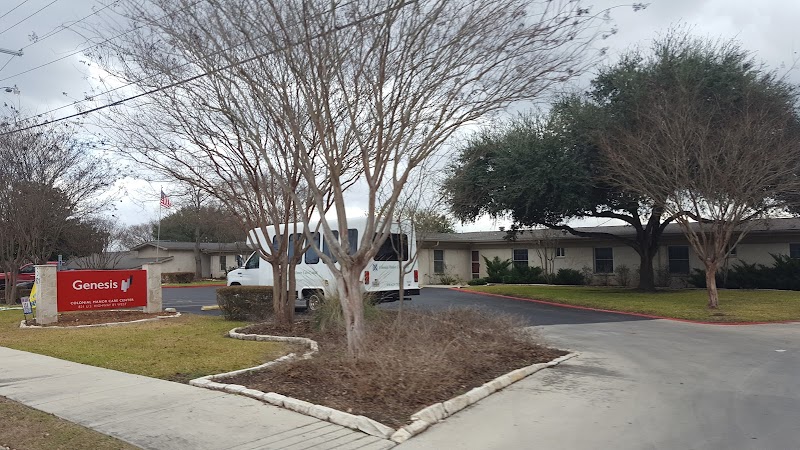
How is Colonial Manor Care Center Staffed?

CMS rates Colonial Manor Care Center's staffing level at 2 out of 5 stars, which is below average compared to other nursing homes. Staff turnover is 67%, which is 21 percentage points above the Texas average of 46%. High turnover can affect care consistency as new staff learn residents' individual needs. RN turnover specifically is 67%, which is notably high. RNs provide skilled clinical oversight, so turnover in this role can affect medical care quality.

What Have Inspectors Found at Colonial Manor Care Center?

State health inspectors documented 35 deficiencies at Colonial Manor Care Center during 2022 to 2025. These included: 5 Immediate Jeopardy (the most serious level, indicating potential for serious harm or death), 29 with potential for harm, and 1 minor or isolated issues. Immediate Jeopardy findings are rare and represent the most serious regulatory concerns. They require immediate corrective action.

Who Owns and Operates Colonial Manor Care Center?

Colonial Manor Care Center is owned by a for-profit company. For-profit facilities operate as businesses with obligations to shareholders or private owners. The facility is operated by SLP OPERATIONS, a chain that manages multiple nursing homes. With 154 certified beds and approximately 113 residents (about 73% occupancy), it is a mid-sized facility located in New Braunfels, Texas.

How Does Colonial Manor Care Center Compare to Other Texas Nursing Homes?

Compared to the 100 nursing homes in Texas, Colonial Manor Care Center's overall rating (1 stars) is below the state average of 2.8, staff turnover (67%) is significantly higher than the state average of 46%, and health inspection rating (1 stars) is much below the national benchmark.

What Should Families Ask When Visiting Colonial Manor Care Center?

Based on this facility's data, families visiting should ask: "What changes have been made since the serious inspection findings, and how are you preventing similar issues?" "What safeguards and monitoring systems are in place to protect residents from abuse or neglect?" "How do you ensure continuity of care given staff turnover, and what is your staff retention strategy?" "Can you walk me through typical staffing levels on day, evening, and night shifts?" These questions are particularly relevant given the facility's Immediate Jeopardy citations, the substantiated abuse finding on record, the facility's high staff turnover rate, and the below-average staffing rating.

Is Colonial Manor Care Center Safe?

Based on CMS inspection data, Colonial Manor Care Center has documented safety concerns. The facility has 1 substantiated abuse finding (meaning confirmed case of resident harm by staff or other residents). Inspectors have issued 5 Immediate Jeopardy citations (the most serious violation level indicating risk of serious injury or death). The facility has a 1-star overall rating and ranks #100 of 100 nursing homes in Texas. Families considering this facility should ask detailed questions about what corrective actions have been taken since these incidents.

Do Nurses at Colonial Manor Care Center Stick Around?

Staff turnover at Colonial Manor Care Center is high. At 67%, the facility is 21 percentage points above the Texas average of 46%. Registered Nurse turnover is particularly concerning at 67%. RNs handle complex medical decisions and coordinate care — frequent RN changes can directly impact care quality. High turnover means new staff may not know residents' individual needs, medications, or preferences. It can also be disorienting for residents, especially those with dementia who rely on familiar faces. Families should ask: What is causing the turnover? What retention programs are in place? How do you ensure care continuity during staff transitions?

Was Colonial Manor Care Center Ever Fined?

Colonial Manor Care Center has been fined $356,761 across 4 penalty actions. This is 9.7x the Texas average of $36,646. Fines at this level are uncommon and typically indicate a pattern of serious deficiencies, repeated violations, or failure to correct problems promptly. CMS reserves penalties of this magnitude for facilities that pose significant, documented risk to resident health or safety. Families should request specific documentation of what issues led to these fines and what systemic changes have been implemented.

Is Colonial Manor Care Center on Any Federal Watch List?

Colonial Manor Care Center is not on any federal watch list. The most significant is the Special Focus Facility (SFF) program, which identifies the bottom 1% of nursing homes nationally based on persistent, serious quality problems. Not being on this list means the facility has avoided the pattern of deficiencies that triggers enhanced federal oversight. This is a positive indicator, though families should still review the facility's inspection history directly.