EDEN HOME

631 LAKEVIEW BLVD, NEW BRAUNFELS, TX 78130 (830) 625-6291
Non profit - Corporation 184 Beds Independent Data: November 2025 3 Immediate Jeopardy citations
Trust Grade
34/100
#226 of 1168 in TX
Last Inspection: December 2024

Within standard 12-15 month inspection cycle. Federal law requires annual inspections.

Overview

Eden Home in New Braunfels, Texas currently holds a Trust Grade of F, indicating significant concerns about the facility’s operations and care quality. It ranks #226 out of 1,168 nursing homes in Texas, placing it in the top half of facilities statewide, and it is the top-ranked home among six in Comal County. Despite a troubling Trust Grade, the home has shown improvements, reducing issues from nine in 2024 to one in 2025, and boasts an excellent staffing rating of 5 out of 5 stars with a turnover rate of 41%, which is below the state average. However, the facility has faced serious issues, including a critical incident where a resident died after being served inappropriate food for their dietary needs, and another case where a resident was injured during a transfer due to insufficient assistance. While there are strengths in staffing and an overall good star rating, these serious incidents and the low Trust Grade highlight the need for caution when considering this facility.

Trust Score
F
34/100
In Texas
#226/1168
Top 19%
Safety Record
High Risk
Review needed
Inspections
Getting Better
9 → 1 violations
Staff Stability
○ Average
41% turnover. Near Texas's 48% average. Typical for the industry.
Penalties
✓ Good
$45,130 in fines. Lower than most Texas facilities. Relatively clean record.
Skilled Nurses
○ Average
Each resident gets 39 minutes of Registered Nurse (RN) attention daily — about average for Texas. RNs are the most trained staff who monitor for health changes.
Violations
⚠ Watch
17 deficiencies on record. Higher than average. Multiple issues found across inspections.
★★★★☆
4.0
Overall Rating
★★★★★
5.0
Staff Levels
★★★☆☆
3.0
Care Quality
★★★☆☆
3.0
Inspection Score
Stable
2024: 9 issues
2025: 1 issues

The Good

  • 5-Star Staffing Rating · Excellent nurse staffing levels
  • Full Sprinkler Coverage · Fire safety systems throughout facility
  • No fines on record
  • Staff turnover below average (41%)

    7 points below Texas average of 48%

Facility shows strength in staffing levels, fire safety.

The Bad

Staff Turnover: 41%

Near Texas avg (46%)

Typical for the industry

Federal Fines: $45,130

Above median ($33,413)

Moderate penalties - review what triggered them

The Ugly 17 deficiencies on record

3 life-threatening
May 2025 1 deficiency 1 IJ
CRITICAL (J) 📢 Someone Reported This

A family member, employee, or ombudsman was alarmed enough to file a formal complaint

Immediate Jeopardy (IJ) - the most serious Medicare violation

Accident Prevention (Tag F0689)

Someone could have died · This affected 1 resident

**NOTE- TERMS IN BRACKETS HAVE BEEN EDITED TO PROTECT CONFIDENTIALITY** Based on observations, interviews, and record reviews, the facility failed to ensure resident environments remained as free of a...

Read full inspector narrative →
**NOTE- TERMS IN BRACKETS HAVE BEEN EDITED TO PROTECT CONFIDENTIALITY** Based on observations, interviews, and record reviews, the facility failed to ensure resident environments remained as free of accident hazards as was possible and each resident received adequate supervision and assistance devices to prevent accidents for one resident (Resident #1) of 3 residents reviewed for 2-person mechanical lift transfers. The facility failed to ensure CNA A transferred Resident #1 on 01/19/2025 with a mechanical lift per her [NAME] (Notes for CNAs to access in PCC to provide a quick overview of the resident's needs) and her comprehensive plan of care plan. CNA A transferred Resident #1 with a gait belt by herself which resulted in a displaced fracture of her right humeral neck (bone at top of arm that connects to ligament (tough fibrous connective tissue) of shoulder). An Immediate Jeopardy was identified as past noncompliance on 5/21/2025. The IJ began on 1/19/25 and ended on 1/20/25. The facility had corrected the noncompliance before the survey began. This failure could put residents at risk of accidents, and could result in serious injury, harm, impairment, and death. The findings included: Record review of Resident #1's face sheet dated 5/20/25 revealed the resident was a [AGE] year-old female initially admitted to the facility on [DATE] with readmission on [DATE]. The resident's diagnoses included senile degeneration of brain (mental deterioration associated with old age), dementia (a syndrome characterized by a decline in cognitive abilities, affecting memory, thinking, behavior, and the ability to perform everyday activities), chronic kidney disease (long-term condition characterized by the gradual loss of kidney function and leads to the body's inability to filter waste, toxins and excess water from the blood), displaced fracture of surgical neck of right humerus (bone fractures moved around during the fracture causing a gap around the fracture at the top of the right arm near the shoulder), muscle weakness (condition where muscles do not generate enough strength for normal activities), cognitive communication deficit (refers to communication difficulties that arise from cognitive impairments rather than primary language or speech issues) and other abnormalities of gait and mobility (unusual walking patterns or deviations from normal walking, affecting balance, coordination, and consistency in walking). Record review of Resident #1's quarterly MDS assessment dated [DATE] reflected she was dependent on staff for ADLs and required two or more persons to transfer her from the chair to her bed or bed to her chair. Record review of Resident #1's significant change MDS assessment dated 01/24/'2025 reflected the resident scored a 9 out of 15 on her BIMS which indicated the resident had moderate cognitive impairment and could understand others and be understood. The resident used a used a manual wheelchair for mobility. She was dependent on staff for ADLs and required two or more persons to transfer her from chair to bed or bed to chair. Record review of Resident #1's [NAME] dated 01/2025 reflected TRANSFERS: Requires maximum assistance of 2 staff with mechanical lift. Record review of Resident #1's Active Orders As of: 05/20/2025 reflected she had 3 orders of narcotic pain medications prior to the fracture of her right humerus which she was prescribed by hospice on 02/02/2024 listed as the following: 1.Morphine Sulfate (Concentrate) Oral Solution 20 MG/ML (Morphine Sulfate) Give 0.25 ml by mouth every 2 hours as needed for mild pain/dyspnea. Phone Active 02/02/2024 2. Morphine Sulfate (Concentrate) Oral Solution 20 MG/ML (Morphine Sulfate) Give 0.5 ml by mouth. every 2 hours as needed for moderate pain/dyspnea. Phone Active 02/02/2024 3. Morphine Sulfate (Concentrate) Oral Solution 20 MG/ML (Morphine Sulfate) Give 1 ml by mouth every. 2 hours as needed for severe pain/dyspnea. Phone Active 02/02/2024 Record review of the facility PIR dated 01/23/25 reflected on 01/19/2025 during a transfer from wheelchair to bed (Resident #1), CNA A heard a pop sound. LVN B (Charge Nurse on the unit) assessed, and Resident #1 told the nurse her right arm hurt. An assessment done by hospice RN C reflected she called the family, and the family did not want Resident #1 to go to the ER. The family requested she have an orthopedic appointment and to keep her comfortable. A sling was applied to stabilize her right arm and routine hospice pain medications were given. The Administrator spoke with Resident #1 and her family in Resident #1's room on 01/20/2025 at 10:00 am. Resident #1 stated she was not in pain, and she was comfortable. Treatment was provided in house and the resident stated she felt safe. CNA A was suspended pending investigation. Staff member stated she did not touch Resident #1's arm during the transfer. CNA A stated she did not use a mechanical lift and did not check the [NAME]. X-ray results were positive for a fracture the same day and Resident #1's family refused the orthopedic appointment later. Record review of Resident #1's progress note dated 01/19/2025 at 3:30 am written by LVN B reflected; resident was climbing out of bed earlier in the shift. CNA A got Resident #1 up in a wheelchair and brought her to the dining room for snacks. CNA A transferred Resident #1 back to bed and came and told him (LVN B) Resident #1's arm popped during transfer. LVN B entered the room and found Resident #1 lying in bed with a gait belt on and she complained of pain in her right arm. He wrote he did not see any obvious deformity and Resident #1 stated she would not move her arm. LVN B notified hospice, her vital signs were within normal limits and he did not attempt ROM. LVN B medicated Resident #1 with morphine sulfate, .5 ml sublingually (under the tongue) and he wrote the resident was calm. Record review of progress note written by RN C dated 01/19/2025 at 10:00 am reflected Hospice nurse came in to evaluate Resident #1 due to possible injury. Right shoulder is clearly swollen, and Resident #1 has pain to the touch. Unable to move arm without it hurting. X-ray completed. Record review of the Radiology Results Report dated 01/19/2024 at 9:55 am reflected Findings: Displaced humeral neck fracture of the right shoulder. Record review of Resident #1's progress note dated 01/20/25 written by the FNP reflected the family had 3 options: 1. send the resident to the ER. 2. call orthopedic office on Monday for further recommendation. 3. Keep the resident on hospice and control pain. The FNP's assessment of Resident #1 included: she was not in pain, had a sling in place, required maximum assistance and was mostly bed bound. Record review of Resident #1's progress note dated 01/21/25 at 2:25 pm written by RN C reflected hospice talked with orthopedic office and discussed with family who decided to keep Resident #1 in the facility and comfortable. A new order for morphine Contin 15 mg bid was provided. No pain currently. Record review of progress note written by RN C dated 01/19/2025 at 10:00 am reflected Hospice nurse came in to evaluate Resident #1 due to possible injury. Right shoulder is clearly swollen, and Resident #1 has pain to the touch. Unable to move arm without it hurting. X-ray completed. Record review of the Radiology Results Report dated 01/19/2024 at 9:55 am reflected Findings: Displaced humeral neck fracture of the right shoulder. Record review of Resident #1's progress note dated 01/20/25 written by the FNP reflected the family had 3 options: 1. send the resident to the ER. 2. call orthopedic office on Monday for further recommendation. 3. Keep the resident on hospice and control pain. The FNP's assessment of Resident #1 included: she was not in pain, had a sling in place, required maximum assistance and was mostly bed bound. Record review of Resident #1's progress note dated 01/21/25 at 2:25 pm written by RN C reflected hospice talked with orthopedic office and discussed with family who decided to keep Resident #1 in the facility and comfortable. A new order for morphine Contin 15 mg bid was provided. No pain currently. In an observation and interview on 05/20/25 at 08:45 a.m. Resident #1 was lying in bed. Resident #1 was on a low bed with a fall mat beside the bed on the floor. She stated she had a small amount of pain in her right arm but was provided pain medication. In an interview on 05/20/2025 at 08:47 am with LVN E who was Resident #1's charge nurse, she who stated Resident #1 required a mechanical lift transfer with 2 people. In an interview on 05/20/2025 at 08:50 am with CNA F who was assigned to work with Resident #1, he stated he had been at the facility for over a year and Resident #1 had always required a mechanical lift and 2 people for transfer. In an interview on 05/20/2025 at 3:00 pm with LVN B, he who stated Resident #1 was climbing out of bed and he asked CNA A to go get her up in a wheelchair and take her to the dining room for some snacks. He stated he knew how to check the [NAME], and he said Resident #1 never got up on the nightshift. He said he realized when CNA A told him Resident #1's arm popped during transfer something was wrong. He stated he entered Resident #1's room and she complained of pain, and he assessed her, medicated her, and notified the hospice of the potential injury. He stated he was accountable as the charge nurse and nursing staff received training right after that on abuse and neglect and checking the [NAME]. In an interview on 05/21/2025 at 03:09 pm with CNA A, she who stated Resident #1 did not usually get up on nightshift. She said Resident #1 had a low bed with a mat but had a fall a few nights prior and seemed to be restless, so LVN B asked her to get Resident #1 up and give her some snacks. She admitted she never had to get Resident #1 up prior to 01/19/2025. She stated she saw a gait belt sitting in a wheelchair in the resident's room and assumed she was a one-person transfer. She stated getting the resident up was no problem, but when she went to put Resident #1 back to bed, the resident jerked back, and she heard a crack or popping sound from Resident #1's right shoulder. She stated she was trained during on-boarding to check the [NAME] in PCC or to ask the nurse what type of transfer the resident needed. She stated she was trained on how to do mechanical lift transfers and needed 2 people for the transfer. She said not checking the [NAME], or asking the nurse about the right type of transfer can result in injury or harm. In an interview on 05/22/2025 at 10:03 am with the DON, she shoshe stated CNA A made a mistake and was suspended pending investigation. She stated training of all staff started the very next day. She had the Physical Therapist train staff on transfers. She stated staff received an on-boarding training with one person and they demonstrate how to do everything, and checking a resident's [NAME] is one of the items they have training on. She stated the importance of knowing the right transfer of a resident provides safety for the resident and the staff or they could get hurt. She stated CNA A received 1:1 training by the Physical Therapist on transfers prior to being allowed to work. She stated CNA A was retrained on how to access and use PCC for the [NAME], but later she resigned for other reasons . Record review of Rehabilitation Training dated 01/20/2025 provided to CNA A by the Physical Therapist reflected she had remedial training on transfers. In an interview on 05/20/2025 at 04:23 pm with CNA D who was the facility trainer revealed when staff on-board, training included the CNA would sign into PCC, then click on their station and would be able to access a resident [NAME] to check their type of required transfer. She stated she trained CNA A, and the backup plan was to ask the nurse or herself. Record review of CNA As orientation training record titled Nurse Aide Floor On-Boarding dated 09/20/2024 reflected she was trained on How to identify residents transfer ability on PCC, and mechanical lift transfers. In an interview on 05/20/2025 at 1:12 p.m. with the ADM, she who stated she was the abuse and neglect prevention coordinator. She stated CNA A was suspended pending investigation. She stated residents must feel safe at the facility. She ADM stated staff were trained immediately after the incident and she made the report. She ADM stated she was accountable for quality of care at the facility. She stated the incident was discussed in QAPI and continued to be monitored. She ADM stated 9 residents in the facility required mechanical lift transfers. Record review of the facility policy titled Abuse Prevention/Neglect or Exploitation dated 03/16/2022 reflected It is the policy of the facility to provide protections for the health, welfare, and rights of each resident by developing and implementing written policies that prohibit and prevent abuse, neglect, exploitation, and misappropriation of resident's property. Willful means the individual must have acted deliberately, not that the individual must have intended to inflict injury of harm. Neglect means failure of the facility, its employees, or service providers to provide goods and services to a resident that are necessary to avoid physical harm, pain, mental anguish, or emotional distress. Record review of the facility policy and procedure titled No Lift Concept dated 10/23/13 reflected requires all employees to adopt a No Lift Concept. Employees are expected to use the aid of equipment when lifting objects or residents. An educational in-service relating to safety practices and lifting is required of all employees at least one time and/or as needed. Procedure: 2. Nursing staff are required to use mechanical lifts (Hoyer, Sit-To-Stand), gait/transfer belts, sliding boards, bed scales and bed repositioning devices on residents when appropriate after being trained in their use. It was determined the failure placed Resident #1 in an IJ situation on 05/21/25. The ADM was notified on 05/21/2025 at 03:26 pm, that a PNC IJ had been identified due to the above failure. The facility implemented the following interventions: 1. CNA A was suspended pending investigation and when she returned provided 1:1 instruction for transfer and re-educated on the [NAME] and use of [NAME] prior to resident care. She later resigned. 2. On 1/20/2025 MDS coordinators completed a full audit on all residents [NAME]'s to ensure accuracy of transfer information. 3. The DON in-serviced all staff on 1/20/25 for ANE, checking the [NAME] in PCC for transfer information on residents and staff were not allowed to work until training was completed. 4. Review of new nursing staff on-boarding reflected 100% were trained in checking the [NAME] in PCC and transfers. 5. All new nursing staff continue to be in-serviced during orientation with the on-boarding checklist. 6. An Ad hoc QAPI meeting was called at 09:00 am on 01/19/2025 to discuss the incident and plan of correction. The physician was called at 6 am and the hospice RN on call was notified at 4 am. It will be discussed in quarterly QAPI meeting with the Medical Director on 05/28/2025. Observation on 05/21/2025 at 10:18 am of CNA F and CNA I perform a mechanical lift transfer for Resident #3 revealed no issues with safety and no issues with CNA F signing into PCC to check the residents [NAME]. Record review of Resident #2 and #3's MDS's, Care Plans and [NAME]'s reflected they were mechanical lift 2 person transfers. Observation on 05/21/2025 at 10:25 am of CNA J and LVN K perform a mechanical lift transfer for Resident #2 revealed no issues with safety and no issues with CNA J signing into PCC to check the residents [NAME]. Record review of training titled Checking [NAME] and Resident Transfers dated 01/20/2025 reflected 64 staff signatures. Signatures were compared to a nurse staff roster for 01/19/2025 and 100% were highlighted as had training. Record review of a notarized statement dated 05/21/25 which reflected On 01/20/2025 MDS coordinators completed a full audit on all residents [NAME]'s to ensure accuracy of transfer information. MDS coordinators continue ongoing auditing by reviewing each resident's [NAME] with every MDS completed. Signed by MDS L and MDS M. Record review of AD HOC QAPI sign in sheet dated 01/19/2025 reflected the ADM, DON, MDS M, Director of Therapy and the ADON attended. Interviews on 05/21/2025 from 10:00 am to 1:45 pm with 12-day shift nursing staff and 9-night shift nursing staff to total 20 out of 88 nursing staff employed revealed they received training after the incident on abuse and neglect, checking the [NAME] in PCC and resident transfers. In an interview on 05/21/2025 at 12:27 pm with MDS L (Day Shift), she who stated training occurred after Resident #1's incident. Staff were trained on abuse and neglect, checking the [NAME] and making sure the resident is transferred safely. In an interview on 05/21/2025 at 1:24 pm with CNA N (Night Shift), she who stated she was recently trained on abuse and neglect, checking the [NAME] in PCC for transfers, and she was trained when she on-boarded. In an interview on 05/21/2025 at 1:29 pm with CNA O (Night Shift), she who stated the ADM was the abuse and neglect coordinator. She was recently trained on abuse and neglect and checking the [NAME] for resident information. In an interview on 05/21/2025 at 1:32 pm with CNA P (Night Shift), she who stated she was recently trained to check the [NAME] for type of care a resident required. She was also trained on abuse and neglect prevention. She stated if staff was unsure of type of transfer for a resident, to check with the nurse. In an interview on 05/21/2025 at 1:35 pm with LVN Q (Night Shift) she who stated she had training on abuse and neglect. How to check [NAME] on PCC and what transfer the resident required and to ask the Charge Nurse. In an interview on 05/21/2025 at 1:38 pm with CNA S (Night Shift), she who stated in January they had training on how to access PCC and to check the [NAME] and see what type of transfer a resident needed. She stated she had training on abuse and neglect, to report an incident immediately and the ADM was the abuse and neglect prevention coordinator. In an interview on 05/21/2025 at 1:40 pm with CNA T (Day Shift), she who stated training on abuse and neglect was scheduled and on-going as needed. She stated the abuse and neglect prevention coordinator was the ADM and to report any incident immediately. She stated she had training in January on how to access the [NAME] in PCC to find out what type of transfer a resident required or to ask the nurse. In an interview on 05/21/2025 at 1:42 pm with LVN U (Day Shift), she who stated staff had recent training on checking PCC for the [NAME] which gives information on a resident such as how to transfer a resident from bed to chair. She stated as a charge nurse she needed to make sure residents are transferred safely and provided quality care. She monitored the care provided by CNAs assigned to her unit. In an interview on 05/21/2025 at 1:43 pm with RN V (Day Shift), she who stated she was one of the MDS nurses and was responsible for keeping [NAME]'s current. She stated staff were trained after the incident with Resident #1 on how to check the [NAME]. Training on abuse and neglect was provided. She stated staff were informed to report an incident right away. In an interview on 05/21/2025 at 1:44 pm with CNA W (Day Shift), he who stated he received training on how to access the [NAME] in PCC to check on a resident's care required such as transfers. He stated training was provided on abuse and neglect, and it was ongoing and as needed. In an interview on 05/21/2025 at 1:45 pm with the ADON (Day Shift), she who stated training was provided in January 2025 on how to check PCC for a resident's care needs by looking at their [NAME]. She stated she had training on abuse and neglect and provided some of the training. She stated after the incident 100% of nursing staff were trained and new people receive training on PCC, [NAME] and abuse and neglect with on-boarding. In an interview on 05/21/2025 at 1:45 pm with CMA X (Day Shift), she who stated she was provided training on signing into PCC, referring to a resident [NAME] and checking what type of care they required such as transfers. She stated she had training on abuse and neglect. In an interview on 05/21/2025 at 1:45 pm with CNA F (Day Shift), he who stated he had the training in January 2025 after the incident with Resident #1 and how to check PCC for the [NAME]. He stated he would ask the nurse if he was unsure about a resident's care. He said training was ongoing and as needed on abuse and neglect. He CNA F said the abuse and neglect prevention coordinator was the ADM. In an interview on 05/21/2025 at 2:10 pm with RN Y (Day Shift), she stated training on abuse and neglect was ongoing and as needed. She stated after the incident with Resident #1 in January 2025, all nursing staff were trained on how to check PCC for a resident [NAME] and to find out the care required such as type of transfer. She stated as a charge nurse she monitored the CNAs and resident care.
Dec 2024 5 deficiencies
CONCERN (D)

Potential for Harm - no one hurt, but risky conditions existed

Deficiency F0578 (Tag F0578)

Could have caused harm · This affected 1 resident

**NOTE- TERMS IN BRACKETS HAVE BEEN EDITED TO PROTECT CONFIDENTIALITY** Based on record review and interview, the facility failed to ensure residents have the right to formulate an advance directive a...

Read full inspector narrative →
**NOTE- TERMS IN BRACKETS HAVE BEEN EDITED TO PROTECT CONFIDENTIALITY** Based on record review and interview, the facility failed to ensure residents have the right to formulate an advance directive and determine the choice to receive or not receive CPR (cardiopulmonary resuscitation) for 1 of 6 residents (Resident #146) whose records were reviewed for code status. The facility failed to obtain a DNR order for Resident #146 upon admission, [DATE], based on her Living Will, dated [DATE]. This deficient practice could affect any resident who requested a DNR code status and could result in staff providing CPR for a resident who did not want to be resuscitated. The findings were: Review of Resident #146's face sheet, dated [DATE], revealed she was admitted to the facility on [DATE] with diagnoses including Cerebral Infarction and unspecified Atrial Fibrillation. Review of Resident #146's Living Will dated [DATE] reflected she did not want cardiac resuscitation. Review of Resident #146's clinical assessment, dated [DATE], did not reflect Resident #146's code status. Review of Resident #146's Baseline Care Plan, dated [DATE], reflected full code status. Interview on [DATE] at 12:05 PM with RN A revealed physician's orders reflected Resident #146 was full code. She stated usually the admission Coordinator would talk to the family about the resident's wishes and would pass the information to the SW. The SW would prepare a DNR if that was their wish. The charge nurse would then call the MD to get a new order for a DNR. RN A stated based on Resident #146's Living Will, dated [DATE], staff should have requested a new order for a DNR upon admission. She stated nursing staff would perform CPR as needed because they did not have a DNR order in place as of this date, [DATE]. RN A stated that would be a violation of Resident #146's rights and she would suspect Resident #146 would be upset about being resuscitated which again was not what she wanted. In addition, RN A stated Resident #146, could sustain injuries, like broken ribs, which happened frequently when providing CPR to an elderly person. That would result in Resident #146 enduring unnecessary pain. Interview with LVN/MDS Coordinator B and the SW on [DATE] at 01:15 PM revealed Resident #146's Living Will should have prompted nursing staff to obtain a request for a new order for a DNR. The SW stated typically the admission Coordinator or the admission nurse would alert her about the resident's and family's wishes. She would then initiate an out of hospital DNR for Resident #146. LVN/MDS Coordinator B revealed a Care Plan meeting was scheduled on [DATE], but the family member did not show up and they would have discussed Resident #146's wishes for code status. Nevertheless, she stated nursing staff should have obtained a DNR physician's orders based on Resident #146's Living Will; as soon as the facility had record of it. The SW stated it was very important to ensure the resident's code status was accurate because it was the resident's life in question and their wishes. They had to ensure they followed the resident's wishes so there would not be any catastrophic consequences. The SW stated she had not been notified of Resident #146's wish for DNR code status and had not talked to the family. Interview on [DATE] at 02:07 PM the DON stated it was very important nursing staff obtained a DNR order in honoring Resident #146's wishes. She stated the facility had multiple safeguards in place to ensure a resident's code status was accurate. The DON also stated the admission Coordinator would be the first person to discuss the resident's code status with the nurse transferring the resident to their facility. The admission Coordinator would pass on the information to the SW and the admitting nurse would also discuss the code status with the family upon admission. The family would sign the admission Agreement which reflected the code status was discussed with the family. The admitting nurse would enter the code status on the admission assessment. The DON stated the family signed the admission Agreement on [DATE]. The DON stated she understood the code status on the physician's order for [DATE]. The DON stated unfortunately sometimes the family would go against the wishes of the resident. Telephone interview on [DATE] at 2:53 PM with Resident #146's family member revealed nursing staff called today asking her to sign paperwork for the resident's code status. She stated she did not know about Resident #146's Living Will but if Resident #146 wished not to be resuscitated then she would honor the resident's wishes. She stated she had not discussed Resident #146's code status with staff prior to this date, [DATE]. Review of facility policy, Advance Directive Documentation, dated [DATE], reflected in relevant part: All residents and or responsible party, at the time of the admission to the facility, are provided with information related to the resident's right under Texas to make decisions concerning medical care, include the right to accept or refuse medical or surgical treatment and the right to formulate advance directives. This facility respects the implementation of such rights and will follow physician's orders respecting such rights. Without physician's orders, facility staff may be required to institute interventions differ from the advanced directives.
CONCERN (D)

Potential for Harm - no one hurt, but risky conditions existed

Report Alleged Abuse (Tag F0609)

Could have caused harm · This affected 1 resident

**NOTE- TERMS IN BRACKETS HAVE BEEN EDITED TO PROTECT CONFIDENTIALITY** Based on interviews and record reviews the facility failed to ensure that all alleged violations involving abuse, neglect, explo...

Read full inspector narrative →
**NOTE- TERMS IN BRACKETS HAVE BEEN EDITED TO PROTECT CONFIDENTIALITY** Based on interviews and record reviews the facility failed to ensure that all alleged violations involving abuse, neglect, exploitation or mistreatment, including injuries of unknown source and misappropriation of resident property, were reported immediately, but not later than 2 hours after the allegation is made, if the events that cause the allegation involve abuse or result in serious bodily injury, or not later than 24 hours if the events that cause the allegation do not involve abuse and do not result in serious bodily injury, to the administrator of the facility and to other officials (including to the State Survey Agency and adult protective services where state law provides for jurisdiction in long-term care facilities) in accordance with State law through established procedures, for 1 of 5 residents (Residents #38) reviewed for reporting allegations of abuse and neglect. CNA C failed to report an incident of suspected abuse, from 11/09/2024, to the abuse and neglect coordinator until 11/11/2024 resulting in the allegation not being reported to the State Survey agency (HHSC) within the required 2 hours for suspected abuse. This deficient practice could place residents at risk for continued abuse and neglect. The findings included: Record review of Resident #38's face sheet dated 12/11/2024 revealed resident was an [AGE] year-old male admitted to the facility on [DATE] and readmitted on [DATE]. Resident #38 had diagnoses that included Alzheimer's disease and unspecified dementia. Record review of the facility provided Provider Investigation Report dated 11/11/2024 revealed the incident was observed on 11/09/2024, time not recorded, and reported to HHSC on 11/11/2024 at 10:40 AM. CNA C reported to the Scheduler that she observed CNA D shoot the finger (flip the resident off with her the middle finger) at Resident #38. Interview with the Administrator on 12/12/2024 at 4:35 PM revealed she was the abuse and neglect coordinator. The Administrator stated all staff received training on when to report abuse and neglect, when they start employment and again annually or in response to incidents. Administrator also stated that there are signs hanging on each unit identifying the administrator as the abuse and neglect coordinator and her phone number. The Administrator stated that CNA C reported an incident that occurred on 11/09/2024 day shift, 6 AM to 2 PM, to the Scheduler on 11/11/2024 via phone. The Administrator stated the Scheduler reported the incident to her right away, she then reported it to HHSC and began the internal investigation. CNA C was counseled on when suspicions of abuse, neglect and exploitation needed to be reported. The Administrator went on to say she completed an in-service with all staff when to report abuse, neglect and exploitation on 11/12/2024 in response to the incident. Interview with the Scheduler on 12/13/2024 at 11:44 AM revealed CNA C called them on 11/11/2024 to report that she witnessed CNA D give Resident #38 the finger while they were providing care to Resident #38 on 11/09/2024. CNA C did not provide the time of the incident. The Scheduler stated CNA C was questioned why the incident was not reported to the Administrator who was the abuse and neglect coordinator. CNA C told them she did not want to get CNA D in trouble. Interview with CNA D on 12/13/2024 at 12:18 PM revealed CNA D stated she did not flip off Resident #38. She stated that she and other staff had issues with the CNA C. She stated the date in question, she was performing rounds with the nurse and when asked about certain residents and their care, she stated that those residents were on a hall assigned to CNA C. She stated that the nurse was concerned that some of the residents had not received care. She stated that had been an ongoing issue with that CNA not performing her duties and then blaming other staff. CNA D stated that she had since gained employment at another facility, and she was not returning to this facility due to the staff dynamics with CNA C. Interview with CNA C on 12/13/2024 at 1:04 PM revealed she worked the morning shift, 6 AM to 2 PM, on Saturday 11/09/2024 with CNA D. CNA D was assigned to Resident #38. CNA C stated that CNA D reported Resident #38 refused care from CNA D. CNA D asked CNA C to assist changing Resident #38. CNA C stated while she and CNA D were changing the resident, Resident #38 started to make remarks such as President Trump will send you back you your country. CNA C stated CNA D responded to Resident #38 saying I have papers and then flipped the resident the middle finger. CNA C asked CNA D to leave the room while CNA C completed care. CNA C stated the resident was calm and did not react to CNA D's gesture. CNA C discussed the incident with CNA D and told her flipping the middle finger was inappropriate. CNA C stated she did not report the incident to her supervisor or the Administrator right away because she did not want to get CNA D in trouble and Resident #38 was not upset by the incident. CNA C stated she received training on when to report abuse, neglect, and exploitation when she was hired and annually and in response to incident. Record review of facility policy named Abuse Prevention dated 08/29/2019 revealed 1. Reporting of all alleged violations to the Administrator, state agency, and to all other required agencies (e.g., law enforcement when applicable) within specified timeframes: a. Immediately, but not later than 2 hours after the allegation is made, if the events that cause the allegation involve abuse or result in serious bodily injury
CONCERN (D)

Potential for Harm - no one hurt, but risky conditions existed

Assessment Accuracy (Tag F0641)

Could have caused harm · This affected 1 resident

**NOTE- TERMS IN BRACKETS HAVE BEEN EDITED TO PROTECT CONFIDENTIALITY** Based on observation, interview and record review the facility failed to ensure the assessment must accurately reflect the resid...

Read full inspector narrative →
**NOTE- TERMS IN BRACKETS HAVE BEEN EDITED TO PROTECT CONFIDENTIALITY** Based on observation, interview and record review the facility failed to ensure the assessment must accurately reflect the resident's status for 2 of 6 Residents (Resident #48 and Resident #73) whose records were reviewed for assessments. 1. MDS staff failed to include Resident #48 was diagnosed with Major Depressive Disorder on her most recent quarterly MDS assessment, dated 9/22/24. 2. MDS staff failed to include Resident #73 was diagnosed with Major Depressive Disorder, Post Traumatic Stress Disorder on his most recent quarterly MDS assessment, dated 10/18/24. This deficient practice could affect any resident and could result in Residents not receiving needed care and services. The findings were: 1. Review of Resident #48's face sheet, dated 12/10/24, revealed she was admitted to the facility on [DATE] with diagnoses including Cerebral Infarction (Stroke) and unspecified Dementia. Review of Resident #48's Care Plan, revised on 9/23/24, revealed Resident #48 was scheduled for a psychological evaluation on 1/26/24. The results of the evaluation were not reflected in the Care Plan. Review of Resident #48's psychiatric progress note, not dated, revealed she was being treated for diagnosis to include Major Depressive Disorder. Review of Resident #48's physician's orders for December 2024 revealed an order for Sertraline HCI tablet, 25 MG Give 1 tablet by mouth one time a day for Depression Prescriber Written Active 02/06/2024 02/06/2024. Review of Resident #48's quarterly MDS assessment, dated 9/22/24, revealed her BIMS was 5 indicative of severe cognitive impairment. It did not reflect Resident #48 had a diagnosis of Major Depressive Disorder. Further review revealed she received an anti-depressant. Observation and interview on 12/11/24 at 11:05 AM revealed Resident #48 lying in bed. She engaged in conversation and was able to answer yes and no questions. It was noted she had a flat affect. Interview on 12/13/24 PM at 01:29 PM with LVN/MDS Coordinator B revealed Resident #48 had a diagnosis of Major Depressive Disorder and was receiving Sertraline, an antidepressant. LVN/MDS Coordinator B stated Resident #48's quarterly MDS assessment, dated 9/22/24, did not reflect that she had MDD or that she was receiving Sertraline. She stated it was important Resident #48's MDS assessment reflect an accurate status of the resident to ensure the resident received needed care and services. 2. Review of Resident #73's face sheet, dated 12/13/24, revealed he was admitted to the facility on [DATE] with diagnoses including Post Traumatic Stress Disorder (PTSD), Chronic and Depression. Review of Resident #73's quarterly MDS assessment, dated 10/18/24, revealed his BIMS was 14 indicative of minimal cognitive impairment. The MDS assessment did not reflect Resident #73 had a chronic diagnoses of PTSD. Review of Resident #73's Care Plan, revised on 4/18/24 revealed the resident used anti-anxiety and anti-depressant medications Buspirone, Sertraline & Depakote related to anxiety, depression and PTSD. Review of Resident #73's psychiatric progress note, dated 12/9/24 revealed the provider was seeing Resident #43 for Major Depressive Disorder and PTSD. It was noted that Resident #43 endorsed a history of recurrent Major Depressive Disorder and PTSD since the 1970's. Observation and interview on 12/11/24 at 10:40 AM with Resident #73 revealed he completed two tours in Vietnam and was 100% disabled. He engaged in conversation and was able to answer surveyor's questions. Interview on 12/13/24 at 01:29 PM LVN/MDS Coordinator B stated Resident #73 had a diagnoses of Major Depressive Disorder and PTSD. She stated those diagnoses were not reflected in Resident #73's quarterly MDS assessment dated [DATE]. LVN/MDS Coordinator B it was important Resident #73's MDS assessment reflected an accurate status of the resident to ensure the resident received needed care and services. Interview on 12/13/24 at 02:07 PM the DON stated it was important that a resident's MDS assessment and care plan accurately reflected their status because nursing staff had access to these tools. She stated staff used them as a guide to help them understand a resident's needs and to provide the care and services based on the assessment and care plan. Review of facility policy, Minimum Data Set 3.0 dated 1/19/14 revealed: An MDS 3.0 will be completed for each [facility name] Resident: on admission, quarterly, annually, and when a significant change in condition occurs. The Medicare MDS will be done per PPS guidelines and time frames. Review of cms.gov website, DEPARTMENT OF HEALTH AND HUMAN SERVICES Centers for Medicare & Medicaid Services dated February 2016 reflected in relevant part: Skilled Nursing Facilities (SNFs) must assess the clinical condition of residents by completing required Minimum Data Set (MDS) 3.0 assessments. The Medicare-required PPS assessment schedule includes 5-day, 14-day, 30-day, 60-day, and 90-day scheduled assessments. Except for the first assessment (5-day assessment), each assessment is scheduled according to the resident's length of stay in Medicare-covered Part A care. Conducting the Assessment: Each assessment must: Accurately reflect the resident ' s status.
CONCERN (D) 📢 Someone Reported This

A family member, employee, or ombudsman was alarmed enough to file a formal complaint

Potential for Harm - no one hurt, but risky conditions existed

PASARR Coordination (Tag F0644)

Could have caused harm · This affected 1 resident

**NOTE- TERMS IN BRACKETS HAVE BEEN EDITED TO PROTECT CONFIDENTIALITY** Based on observation, interview and record review the facility failed to coordinate assessments with the pre-admission screening...

Read full inspector narrative →
**NOTE- TERMS IN BRACKETS HAVE BEEN EDITED TO PROTECT CONFIDENTIALITY** Based on observation, interview and record review the facility failed to coordinate assessments with the pre-admission screening and resident review (PASARR) program for 2 of 6 Residents (Resident #48 and Resident #73) whose records were reviewed. 1. The facility failed to refer Resident #48 to the stated-designated authority after she was diagnosed with Major Depressive Disorder (MDD). 2. The facility failed to refer Resident #73 to the stated-designated authority after he was diagnosed with Major Depressive Disorder (MDD), Post Traumatic Stress Disorder. This deficient practice could affect a resident with a new onset diagnosis of mental disorder, intellectual disability, or a related condition and could result in residents not receiving needed care and services for identified psychiatric problems. The findings were: 1. Review of Resident #48's face sheet, dated 12/10/24, revealed she was admitted to the facility on [DATE] with diagnoses including Cerebral Infarction (Stroke) and unspecified Dementia. Review of Resident #48's quarterly MDS assessment, dated 9/22/24, revealed her BIMS was 5 indicative of severe cognitive impairment. Review of Resident #48's Care Plan, revised on 9/23/24, revealed Resident #48 was scheduled for a psychological evaluation on 1/26/24. The results of the evaluation were not reflected in the Care Plan. Review of Resident #48's most recent psychiatric progress note, not dated revealed she was being treated for diagnosis, Major Depressive Disorder. Observation and interview on 12/11/24 at 11:05 AM revealed Resident #48 lying in bed. She engaged in conversation and was able to answer yes and no questions. It was noted she had a flat affect. Interview on 12/13/24 PM at 01:29 PM with LVN/MDS Coordinator B revealed Resident #48 had a diagnosis of MDD; was receiving Sertraline an antidepressant and psychiatric services. LVN/MDS Coordinator B stated a diagnosis of MDD would prompt them to complete another PASARR screening because it was reflective of mental illness. LVN/MDS Coordinator B stated it was important to submit another PASARR screening to ensure that first of all Resident #48 was in the right placement and to ensure the resident received needed care and services. 2. Review of Resident #73's face sheet, dated 12/13/24, revealed he was admitted to the facility on [DATE] with diagnoses including Post Traumatic Stress Disorder (PTSD), Chronic and Depression. Review of Resident #73's quarterly MDS assessment, dated 10/18/24, revealed his BIMS was 14 indicative of minimal cognitive impairment. Review of Resident #73's Care Plan, revised on 4/18/24 revealed the resident used anti-anxiety and anti-depressant medications Buspirone, Sertraline & Depakote related to anxiety, depression and PTSD. Review of Resident #73's psychiatric progress note, dated 12/9/24, revealed provider was treating Resident #73 for MDD and PTSD. It was noted that Resident #73 endorsed a history of recurrent Major Depressive Disorder and PTSD since the 1970's. Observation and interview on 12/11/24 at 10:40 AM with Resident #73 revealed he was lying down in bed. He engaged in conversation easily and stated he completed two tours in Vietnam and was 100% disabled. Interview on 12/13/24 at 01:29 PM with LVN/MDS Coordinator B revealed Resident #73 had a diagnoses of MDD and PTSD. She stated a diagnoses of MDD and or PTSD would prompt them to complete another PASARR screening because it was reflective of mental illness. She stated staff should have actually noted the diagnoses upon admission and should have completed another PASARR screening to reflect mental illness. LVN/MDS Coordinator B stated it was important to submit another PASARR screening to ensure that first of all Resident #73 was in the right placement and to ensure the resident received needed care and services. Interview on 12/13/24 at 02:07 PM with the DON revealed it was important to refer residents to PASARR for identified mental illness to ensure the residents received care and services as needed. Review of facility policy, Resident Assessment, Coordination with PASRR Program, dated 3/15/19 reflected in relevant part: Nursing facility coordinates assessments with the Preadmission screening and Resident review (PASRR) program under Medicaid to ensure that individuals with a mental illness (MI), or intellectual disability (ID), development disability (DD), or a related condition receives care and services in the most integrated setting appropriate to their needs. 9. Any resident who exhibits a newly evident or possible serious mental illness . will be promptly referred to the state mental health or intellectual disability authority for additional resident review.
CONCERN (D)

Potential for Harm - no one hurt, but risky conditions existed

Comprehensive Care Plan (Tag F0656)

Could have caused harm · This affected 1 resident

**NOTE- TERMS IN BRACKETS HAVE BEEN EDITED TO PROTECT CONFIDENTIALITY** Based on observations, interviews, and record reviews, the facility failed to develop and implement a comprehensive person-cente...

Read full inspector narrative →
**NOTE- TERMS IN BRACKETS HAVE BEEN EDITED TO PROTECT CONFIDENTIALITY** Based on observations, interviews, and record reviews, the facility failed to develop and implement a comprehensive person-centered care plan for each resident to meet the resident's medical, nursing, mental and psychosocial needs that were identified in the comprehensive assessment and to ensure that the comprehensive care plan described the services that were to be furnished to attain or maintain the resident's highest practicable physical, mental, and psychosocial well-being for 2 of 6 Residents (Resident #48 and Resident #73) whose records were reviewed. 1. MDS staff failed to include Resident #48 was diagnosed with Major Depressive Disorder (MDD), that she received Sertraline (anti-depressant) and was receiving psychiatric services on her most recent Care Plan, revised 9/23/24. 2. MDS staff failed to include Resident #73 was receiving psychiatric services for diagnoses including Major Depressive Disorder (MDD) and Post Traumatic Stress Disorder (PTSD) on his most recent Care Plan revised on 10/7/24. This deficient practice could affect any resident and could result in residents not receiving needed care and services for identified psychiatric problems. The findings were: 1. Review of Resident #48's face sheet, dated 12/10/24, revealed she was admitted to the facility on [DATE] with diagnoses including Cerebral Infarction (Stroke) and unspecified Dementia. Review of Resident #48's quarterly MDS assessment, dated 9/22/24, revealed her BIMS was 5 indicative of severe cognitive impairment. Review of Resident #48's psychiatric progress note, not dated revealed she was being treated for diagnosis to include Major Depressive Disorder. Review of Resident #48's physician's orders for December 2024 revealed an order for Sertraline HCI tablet, 25 MG Give 1 tablet by mouth one time a day for Depression Prescriber Written Active 02/06/2024 02/06/2024. Review of Resident #48's Care Plan, revised on 9/23/24, revealed Resident #48 was scheduled for a psychological evaluation on 1/26/24. The results of the evaluation were not reflected in the Care Plan. The Care Plan did not reflect Resident #48 was diagnosed with Major Depressive Disorder of that she was receiving Sertraline (anti-depressant). Further review did not reflect Resident #48 was receiving psychiatric services. Observation and interview on 12/11/24 at 11:05 AM revealed Resident #48 lying in bed. She engaged in conversation and was able to answer yes and no questions. It was noted she had a flat affect. Interview on 12/13/24 PM at 01:29 PM with LVN/MDS Coordinator B revealed Resident #48 had a diagnosis of MDD and was receiving Sertraline, an antidepressant, and psychiatric services. LVN/MDS Coordinator B stated Resident #48's Care Plan revised on 9/23/24 did not reflect she had MDD or that she was receiving Sertraline. She stated it was important Resident #48's Care Plan reflect an accurate status of the resident to ensure the resident received needed care and services. 2. Review of Resident #73's face sheet, dated 12/13/24, revealed he was admitted to the facility on [DATE] with diagnoses including Post Traumatic Stress Disorder (PTSD), Chronic and Depression. Review of Resident #73's quarterly MDS assessment, dated 10/18/24, revealed his BIMS was 14 indicative of minimal cognitive impairment. Review of Resident #73's psychiatric progress note, dated 12/9/24 revealed the provider was treating Resident #43 for MDD and PTSD. It was noted that Resident #43 endorsed a history of recurrent Major Depressive Disorder and PTSD since the 1970's. Review of Resident #73's Care Plan, revised on 4/18/24 revealed the resident used anti-anxiety and anti-depressant medications Buspirone, Sertraline & Depakote related to anxiety, depression and PTSD. Further review did not reveal he was receiving psychiatric services. Interview on 12/11/24 at 10:40 AM with Resident #73 revealed he completed two tours in Vietnam and was 100% disabled. Interview on 12/13/24 at 01:29 PM with LVN/MDS Coordinator B revealed Resident #73 had a diagnoses of MDD and PTSD. She stated the resident's Care Plan, revised 4/18/24, did not reflect he was receiving psychiatric services. LVN/MDS Coordinator B stated it was important Resident #73's MDS and Care Plan reflected an accurate status of the resident to ensure he received needed care and services. Interview on 12/13/24 at 02:07 PM the DON stated it was important that a resident's MDS assessment and Care Plan accurately reflected their status because nursing staff had access to these tools. She stated staff used them as a guide to help them understand a Resident's needs and to provide the care and services based on the assessment and Care Plan. Review of facility policy, Comprehensive Care Plans, dated 3/15/19, reflected in relevant part: It is the policy of [facility name] to develop and implement a comprehensive person-centered care plan for each resident, consistent with residents rights, that includes measurable objectives and timeframe's to meet a resident's medical, nursing, and mental and psychosocial needs that are identified in the resident comprehensive assessment. Policy Explanation and Compliance Guidelines: 1. The care planning process will include an assessment of the resident's strengths and needs. 3. The comprehensive care plan will describe, at a minimum, the following: a. The services that are to be furnished to attain or maintain the resident's highest practicable physical, mental and psychosocial well-being. 5. The comprehensive care plan will be reviewed by the interdisciplinary team after each comprehensive and quarterly MDS assessment.
Nov 2024 1 deficiency
CONCERN (D) 📢 Someone Reported This

A family member, employee, or ombudsman was alarmed enough to file a formal complaint

Potential for Harm - no one hurt, but risky conditions existed

Deficiency F0638 (Tag F0638)

Could have caused harm · This affected 1 resident

**NOTE- TERMS IN BRACKETS HAVE BEEN EDITED TO PROTECT CONFIDENTIALITY** Based on interviews and record review, the facility failed to assess a resident using the quarterly review instrument specified ...

Read full inspector narrative →
**NOTE- TERMS IN BRACKETS HAVE BEEN EDITED TO PROTECT CONFIDENTIALITY** Based on interviews and record review, the facility failed to assess a resident using the quarterly review instrument specified by the state and approved by CMS not less frequently than once every 3 months for 1 (Residents #1) of 18 residents reviewed for quarterly MDS assessments. The facility failed to complete a quarterly MDS for Resident #1 with the ARD of 10/10/2024. This failure could lead to residents not receiving necessary, complete, or correct care due to lack of current information for care plans. Findings included: Record review of Resident #1's face sheet, dated 11/15/2024, revealed the resident was an [AGE] year-old female admitted to the facility on [DATE] with diagnoses that included, but were not limited to, Alzheimer's disease (brain disorder that slowly destroys memory and think skills), paroxysmal atrial fibrillation (an irregular, often rapid heart rate that commonly causes poor blood flow), heart failure (heart muscle does not pump blood as well as it should), muscle wasting and atrophy (decrease in size and wasting of muscle tissue), and hypertension (high blood pressure). Record review of Resident #1's MDS (assessment) tab in the electronic health record revealed her last completed quarterly MDS had an ARD of 07/11/2024, and the resident had an incomplete quarterly MDS with the ARD of 10/10/2024. The quarterly MDS, dated [DATE], was still in progress. Record review of Resident #1's quarterly MDS completed on 07/11/2024 section C (cognitive) revealed a BIMS score of 99 which indicated Resident #1 was unable to complete the assessment due to Alzheimer's disease (brain disorder that slowly destroys memory and think skills). In an interview on 11/14/2024 at 11:25 a.m., the DON acknowledged Resident #1's quarterly MDS with the ARD of 10/10/2024 was not completed. It was still in progress. Resident #1's quarterly MDS with the ARD of 10/10/2024 should have been completed on 10/10/2024. The facility lost their MDS nurse over one month ago, and had a consultant working MDS assessments at that time, but the MDS consultant was part time, so the MDS consultant was a little bit behind. In an interview on 11/14/2024 at 12:22 p.m., the MDS Consultant acknowledged Resident #1's quarterly MDS with the ARD of 10/10/2024 was not completed. It was still in progress and should have been completed on 10/10/2024. Because the MDS consultant was working as part time, she was a little bit behind. The MDS consultant stated she completed the assessment, but did not perform data entry yet. The MDS consultant said the incomplete quarterly MDS for Resident #1 could lead to the residents not receiving correct care due to lack of current information for care plans. Record review of the facility policy, titled Resident Assessment, dated 05/05/2022, revealed 1. The current version of the RAI (MDS 3.0) will be utilized when conducting assessment. Completing CAAs, and care planning for each resident in accordance with the instructions and timeline dictated by the RAI Manual. Record review of Long-Term Care Facility Resident Assessment Instrument 3.0 User's Manual version 1.18.11 dated October 2023 revealed the following regarding quarterly MDS': . The MDS completion date must be no later than 14 days after the ARD.
Jun 2024 2 deficiencies 2 IJ (1 affecting multiple)
CRITICAL (J) 📢 Someone Reported This

A family member, employee, or ombudsman was alarmed enough to file a formal complaint

Immediate Jeopardy (IJ) - the most serious Medicare violation

Accident Prevention (Tag F0689)

Someone could have died · This affected 1 resident

**NOTE- TERMS IN BRACKETS HAVE BEEN EDITED TO PROTECT CONFIDENTIALITY** Based on observations, interviews, and record reviews the facility failed to ensure each resident the residents environment rema...

Read full inspector narrative →
**NOTE- TERMS IN BRACKETS HAVE BEEN EDITED TO PROTECT CONFIDENTIALITY** Based on observations, interviews, and record reviews the facility failed to ensure each resident the residents environment remained as free of accident hazards as was for 1 of 14 Residents (#16) reviewed for mechanical soft diet needs and supervision. 1.The facility failed to follow the Speech Language Pathologist's (SLP) recommendations to grind meat for Resident #16's mechanical soft diet, served Resident #16 a ham sandwich, with 2 slices of ham lunch meat, each doubled in half; Resident was found shortly after unresponsive, received Cardio Pulmonary Resuscitation (CPR), was sent to the hospital via Emergency Medical Services (EMS) where she died due to a Difficult airway with lots of debris as quoted by the physician. An Immediate Jeopardy (IJ) was identified on 06/23/2024. While the IJ was removed on 06/27/2024, the facility remained out of compliance at a scope of isolated with risk for harm that is not immediate jeopardy due to the facility's need to evaluate the effectiveness of their corrective actions. These failures could place residents at risk for harm, up to and including death, by not providing residents with their correct diet textures. The findings include: 1. A record review of Resident #16's admission record dated 06/22/2024, revealed an admission date of 07/10/2023 with diagnoses which included muscular dystrophy (a group of diseases that cause progressive weakness and loss of muscle mass), dysphasia (difficulty swallowing), dementia (a group of symptoms that affects memory, thinking and interferes with daily life). A record review of Resident #16's significant change MDS assessment dated [DATE] revealed Resident #16 was a [AGE] year-old female admitted for long term care, assessed with a BIMS score of 13 out of a possible 15 which indicated intact cognition. Resident #16 could be understood with clear speech and could understand others. Resident #16 had adequate hearing and had a need for corrective glasses. Resident #16 used a wheelchair. A review of the Functional Abilities and Goals section revealed Resident #16 was assessed for eating, Supervision or touching assistance - Helper provides verbal cues and/or touching/steadying and/or contact guard assistance as Resident completes activity. Assistance may be provided throughout the activity or intermittently . A record review of Resident #16's care plan dated 06/22/2024 revealed, NUTRITION (Resident #16) is at risk for malnutrition DT (due to) DX (diagnosis) Muscular Dystrophy, Dysphagia, .vascular Dementia, decreased independence, age, wc (wheelchair) bound, requires assist, mechanical soft diet, .Provide diet as ordered: .Mechanical Soft Texture, Thin Liquids .Monitor for signs/symptoms of dysphagia (swallowing problems) and report to nurse/MD .(Resident #16) has GERD (gastro esophageal reflux disease) r/t (related to) hyperacidity .Monitor / document / report PRN (as needed) s/sx (signs and symptoms) of GERD: Belching, coughing/choking when lying down, heartburn, dyspepsia, N/V (nausea vomiting), Indigestion, Regurgitation, increased salivation, swallowing problems, bitter taste in mouth, Dysphagia, substernal chest pain, increased gag response A record review of Resident #16's Speech Therapy Plan of Care (Evaluation Only) dated 07/12/2023, revealed, Reason for referral: this [AGE] year-old female presents for speech language pathology evaluation of cognitive communication and swallow status following hospitalization for syncope (fainting) episodes. Patient has (a) history of dysphagia (swallowing difficulties) due to C P Bar (the failure of the muscle at the top of the throat which closes and prevents food from coming back up) and complicated by myotonic muscular dystrophy (a group of diseases that cause progressive weakness and loss of muscle mass) .will continue on mechanical soft solids at this time due to narrowing (throat) .Precautions: fall risk, full code (staff perform CPR), cardiac / mechanical soft (grind meats) / thin liquids, aspiration precautions. Discharge Plans: patient will remain at this facility with full time caregiver support A record review of Resident #16's physicians orders dated 06/22/2024, revealed on 08/22/2023 the physician ordered for Resident #16 to be served a mechanical soft diet texture. A record review of Resident #16's PT - Therapist Progress & Updated Plan of Care dated 05/14/2024, was reviewed and signed by the physician on 05/30/2024 which read, precautions: fall risk, full code, cardiac / mechanical soft (grind meat) / thin liquids, aspiration precautions. Able to self monitor and correct. A record review of Resident #16's meal ticket, Thursday - June 20,2024 .please select menu choices .ham and cheese sand .mechanical soft .eats in room. During an interview and observation on 06/22/2024 at 01:07 PM the Assistant Food Service Manager (AFSM) stated the kitchen prepares and serves residents with a need for mechanical soft diet textures ham and cheese sandwiches. The AFSM provided a recipe for the ham and cheese sandwich, and the Alternate Menu Spreads document. The AFSM stated the Alternate Menu was reviewed and approved by the facility's registered dietician. The AFSM stated the alternate menu specified a Resident with a need for a mechanical soft diet could be served a ham sandwich. The AFSM demonstrated a ham sandwich which was prepared and available to be served to a Resident with a mechanical soft diet. The sandwich was wrapped in a clear plastic wrap. The AFSM unwrapped the sandwich and demonstrated the sandwich on a plate by removing the top slice of bread which revealed 2 slices of ham doubled in half and laid side by side on the bottom half of the sandwich. A record review of the undated alternative menu spreads revealed a ham sandwich was listed as yes / thin slices under the column for mechanical. A record review of the facility's Ham and Cheese Sandwich recipe dated 05/15/2024 revealed, .Smoked boneless pork ham, sliced thin, 2 oz., cheese, American, sliced, 0.5 oz., bread, white, slice .layer 2 oz. of ham and ½ oz. cheese on 1 slice of bread. Top with other slice During an interview on 06/22/2024 at 02:28 PM the Food Service Manager FSM stated the kitchen used an alternative menu spread which listed a ham and cheese sandwich has compatible with mechanical soft diet textures and could be served to residents who have a need for mechanical soft diet textures. The FSM stated the alternative menu spread was reviewed and approved by the RD on 11/13/2023. A record review of the facility's nursing schedule dated 06/20/2024 revealed CNA A, RN B, and Medication Aide C (MA C) worked Resident #16's hall from 07:00 AM to 07:00 PM. During an interview on 06/22/2024 at 11:00 AM with CNA A stated he has worked at the facility since 10/23/2023. CNA A stated Resident #16 was cool - she was calm, nice, and she liked coffee and hot tea .she could not walk, she was bed bound, she was recovering from a fractured leg, and she lived on the second floor. CNA A stated he worked Thursday 06/20/2024 from 07:00 AM to 07:00 PM, it was a normal day . at dinner time, around 06:00 PM, MA C and I helped serve residents their meals .I did not serve Resident #16 . I was in the room across from Resident #16 .I heard a call light and came out and saw (Resident #16's) call light, I went in, and I saw Resident #16 seated in her wheelchair with a distressed look on her face, gasping for air. I called and yelled for RN B, I swept Resident #16's mouth and discovered some food, it looked like bread. RN B arrived; we repositioned Resident #16 on the floor. RN B called out for help, and we continued to sweep Resident #16's mouth, we were finding pieces of food, bread .MA C came in the room and RN B told her to bring the crash cart (a cart supplied with CPR supplies) and call 911, we began CPR with RN B performing chest compressions. MA C returned with the crash cart, and we began using the AED (automatic external defibrillator) and the suction machine to suck out food from Resident #16's mouth / throat; we continued CPR with RN B doing chest compressions and I provided rescue breathing with the bag, we took turns about 2x each when EMS arrived and took over. During an interview on 06/22/2024 at 11:15 AM MA C stated she has worked at the facility 13 years. MA C stated Resident #16 was nice and sweet .she took her pills whole .she had a wheelchair. MA C stated she served residents their meals. MA C stated the kitchen prepared and delivered the residents' meals to the unit in a meal cart. MA C stated on 6/20/2024, she retrieved Resident #16's dinner from the cart and served Resident #16 her dinner, which consisted of a ham sandwich and then proceeded to serve other residents. MA C stated Resident #16 ate in her room. MA C stated she was alerted to Resident #16's room where she saw RN B and CNA A providing CPR to Resident #16 on the floor. MA C stated RN B called for MA C to bring the crash cart and call 911. MA C stated she returned with the crash cart. MA C stated she called 911 on her cell phone at 06:37 PM, and then made the path clear for EMS. MA C stated she went to the front door to guide EMS to Resident #16 once they arrived. During an interview on 06/22/2024 at 01:27 PM RN B stated Resident #16 would prefer to eat in her room. RN B stated Resident #16 had a need for a mechanical soft diet but would often refuse her diet texture, for example she would eat bacon for breakfast. RN B stated on 06/20/2024 at dinner time, around 06:00 PM, she was assisting and providing care for another Resident. RN B stated she had not reviewed residents' dinner meal trays for safety and CNA A and MA C were serving residents their dinner meals. RN B stated had she reviewed Resident #16's sandwich she may not have seen the ham was sliced and not ground per mechanical soft diet texture protocol due to the sandwiches are wrapped and she did not routinely unwrap sandwiches. RN B stated she believed the kitchen prepared sandwiches for mechanical soft diet textures with ground lunch meats, like ham salad. RN B stated she was assisting another Resident in their room when she heard CNA A calling for her in Resident #16's room. RN B stated she immediately went to the room and discovered CNA A and Resident #16 in her wheelchair. Resident #16 was not breathing and was distressed. RN B stated she and CNA A began sweeping Resident #16's mouth and removed food debris. RN B stated she called out for help and MA C arrived, I told her to bring the crash cart and call 911. RN B stated MA C returned with the crash cart and she and CNA A used the suction machine and continued to remove food debris. RN B stated Resident #16 became unresponsive without a pulse and breath. RN B stated she and CNA A repositioned Resident #16 to the floor and began CPR with the use of the AED. RN B stated she and CNA A took turns and turned over CPR to the EMS paramedics when they arrived. A record review of Resident #16's hospital history and physical record, dated 06/20/2024 revealed Resident #16 was admitted to the emergency room at the local hospital at 09:11 PM, Patient admission date: 06/20/2024 at 21:11 (09:11 PM) BIBEMS (brought in by EMS), from nursing home after choking episode and cardiopulmonary arrest. EMS obtained ROSC (return of spontaneous circulation) after 20 minutes of CPR / ACLS (cardiopulmonary resuscitation / advanced cardiac life support). Difficult airway with lots of debris thus LMA (Laryngeal Mask Airway, a tube inserted down the throat to facilitate the airway) used until definitive airway obtained at (hospital) emergency room by emergency room physician using [NAME] ([NAME], a guide for an airway tube to be inserted). Patient hypotensive (very low blood pressure) .Reportedly mental status notable for repetitive twitching motion. During my exam flaccid after RSI (rapid sequence induction) drugs with pupils 4mm appeared fixed. Significantly hypoxic (severe low blood oxygen) with bilateral multifocal infiltrates (both the left and the right have widespread debris) on x-ray. Requiring aggressive pulmonary toilet by respiratory therapist (suctioning the airway to remove debris and mucus) irrigation and suction frequently currently requiring 100% oxygen) A record review of Resident #16's hospital Discharge Summary record, dated 06/20/2024 revealed Resident #16's physician pronounced Resident #16's death at 11:06 PM, During nursing care assessment (of) patient rhythm converted to asystole (also known as flatline, a state of standstill for the heart) and patient noted pulseless. CPR per ACLS initiated and code blue called .discussion initiated with (family representative) in waiting room current status and plan for proceeding. Informed suspicion for anoxic brain injury (severe brain cell death resulting in permanent cognition loss) given information that patient (was) found down arrested (unresponsive) and ROSC after 20 minutes (brain injury can begin after 4 minutes) .(family member) was offered and requested to witness active resuscitation efforts and at that time surrogate decision was made by (family member) to terminate efforts .time of death called at 23:06 (11:06 PM) . preliminary cause of death: choking / severe aspiration (when food and or drink are sucked into the airway and lungs). During an interview on 06/22/2024 at 11:38 AM the DON stated she believed the ham sandwich with thinly sliced ham was compatible for residents who required mechanical soft diets. The DON stated the plan was developed by the RD to support residents with the need for mechanical soft diets. During an interview on 06/22/2024 at 01:30 PM the RD stated she had reviewed and approved the facility's alternative menu spreads to include the compatibility of a ham sandwich with thinly sliced ham with the needs of residents who required mechanical soft diets. The RD stated her research and use of professional standard resources supported the compatibility of a ham sandwich with thinly sliced ham with the needs of residents who required mechanical soft diets. The RD stated the rationale was to improve residents' compliance with their diet textures and thereby improve nutritional intake and over all mitigate weight loss and malnutrition. During an interview on 06/22/2024 at 05:00 PM the SLP stated Resident #16 had a difficult swallow response due to the muscle atop of her throat was not functioning well. The muscle referred to as the CP was weak and would allow food to come back up reflux and could enter the airway. The SLP referred to the situation as a CP bar and was complicated by Resident #16's muscular dystrophy and history of strokes. The SLP stated she had evaluated Resident #16 and had recommended Resident #16 to be served a mechanical soft diet specific for ground meats. The SLP stated her definition of mechanical soft would be like the International Dysphagia Diet Standardization Initiative's level 5. The SLP stated her expectation for mechanical soft would include foods which were soft and moist, with no liquid leaking / dripping from the food, where biting is not required, minimal chewing was required, lumps of 4mm in size, lumps can be mashed with the tongue, food could be easily mashed with just a little pressure from a fork, food should be able to be scooped onto a fork, with no liquid dripping and no crumbles falling off the fork. The SLP stated she did not believe a ham sandwich met those requirements. The SLP stated she believed the meats should be ground for a mechanical soft diet and stated a ham sandwich could be served as a ham salad sandwich for residents who required a mechanical soft diet. The SLP stated Resident #16's risk for not receiving mechanical soft foods was choking and aspiration. During an interview on 06/22/2024 at 05:50 PM the Administrator stated she believed the ham sandwich with thinly sliced ham was appropriate for residents who required mechanical soft diets. The Administrator stated she stated she had confidence in the professional guidance from the RD was to support residents with a mechanical soft diet with the lunchmeat sandwiches made with thinly sliced meat. During an interview on 06/23/2024 at 06:10 PM NP L stated she had conferenced with the Medical Director and at this time could not offer opinions on the compatibility for a ham sandwich as prepared and served by the facility for the remaining residents at the facility who were ordered a mechanical soft diet. During an interview on 06/23/2024 at 07:04 PM NP L stated she was the NP for Resident #16. NP L stated she and the Medical Director reviewed Resident #16's medical record and believed a ham sandwich with thinly shaved ham could have been safe for Resident #16 to consume per her mechanical soft diet. Record review of policies for Resident Food Services with the subject Diet Orders and Other Resident Information (policy #C203, date issued- 5/95; revised date 01/24) on 6/25/2024 at 4:26PM revealed the policy stated: Diet orders should be determined with the resident or responsible party and in accordance with his/her informed choices, goals, and preferences. The responsible physician or designee or qualified dietician/other clinically qualified nutrition professional per state regulations, must order the diet in writing. The community may delegate the task of writing diet orders to a Registered Dietician who is acting within the scope of practice as defined by state law and is under the supervision of a physician. Nursing is responsible for communicating all nutrition related information to the Food and Nutrition department per community protocol. A record review of the International Dysphagia Diet Standardization Initiative's website, https://iddsi.org/IDDSI/media/images/ConsumerHandoutsAdult/5_Minced_Moist_Adults_consumer_handout_30Jan2019.pdf Accessed 06/23/2024, Revealed, Minced and Moist, level 5, minced and moist food for adults; what is this food texture level? Level 5 - minced and moist foods: Soft and moist, but with no liquid leaking / dripping from the food. Biting is not required. minimal chewing required. lumps of 4mm in size. food can be easily managed with just a little pressure from a fork. should be able to scoop food onto a fork, with no liquid dripping and no crumbles falling off the fork. Why is this food texture level used for adults? Level 5 minced and moist food may be used if you are not able to bite off pieces of food safely but have some basic chewing ability. Some people may be able to bite off a large piece of food but are not able to chew it down into little pieces that are safe to swallow. Minced and moist foods only need a small amount of chewing and for the tongue to collect the food into a ball and bring it to the back of the mouth for swallowing. It is important that minced and moist foods are not too sticky because this can cause the food to stick to the cheeks, teeth, roof of the mouth or in the throat. These foods are eaten using a spoon or fork . Examples of level 5 minced and moist foods for adults, meat served finely minced or chopped to 4mm lump size served in a thick smooth, non-pouring sauce or gravy .no regular dry bread due to high choking risk! Missing The facility's Administrator was notified and presented with a IJ template on 06/23/2024 at 07:00 PM, a Plan of Removal was requested from the facility. The following Plan of Removal submitted by the facility was accepted on 06/27/2024. Plan of Removal IJ Immediacy Removal Plan F 805 Facility failed to ensure residents received and the facility provided food prepared in a form designed to meet individual needs 06/23/2024. 1. All thin sliced meat options designated for mechanical soft diets were removed from all SNF units, (Unit 1), (unit 2), and (memory care). 6-23-24 2. Dietary Policy, Dietary Spread Sheets, and Dietary Menus were revised to show that all thin sliced meat options designated for Mechanical Soft Diets were removed and appropriate alternates noted. 6-23-24 3. All Staff working in facility were in-serviced by noon on 6-25-24 on Policy #C203 and #C219 , Titled Diet Orders and Other Resident Information and Snacks. The changes removed sandwiches with thinly sliced meats from all documents. In addition, Nursing Unit Stock Item List was updated, Seasonal Menu and Spreadsheets were updated to also reflect removal of thinly sliced meat as an option for mechanical soft diets. These policies will be available for reference by staff located in the Food Service Office, the Facility shared drive and presented as a visual for in-services. 4. Dietary Manager or Dietary Designees will monitor kitchen and all unit refrigerators routinely to ensure that appropriate sandwich options are available. 6-24-24 The Dietary Manager or Designee will be assigned to monitor tray line and sign off as to compliance of correct texture as ordered each meal for 14 days, then each meal twice a week for two weeks then three meal services once a week for 3 months. Administrator or Designee will follow up with meal tray monitor/audit twice a week for 3 months, at random meals to ensure tray line accuracy. Results to be reported to QAPI. 5. Nurse Practitioner and Medical Director were advised by Administrator and in agreement with plan. 6-23-24. Diet modifications orders will continue to be reviewed by nurse and translated to MD for approval. Diet modifications will be followed per SLP recommendations as approved by the MD. RD is notified via diet communication forms initiated by nursing staff once orders are confirmed. As with any orders or change in condition or treatment, will be further addressed in IDT mtg with DON, RD, Rehab Manager and other disciplines as appropriate. Diet spreadsheets 6-23-24 will be changed to ensure next available meal is accurately identified with up-to-date texture modifications for staff to follow. Care Plans will be updated per regulations. DON or designee will audit diet orders and associated care plans once every two weeks for three months to ensure compliance. Results will be reported to QAPI. An audit was conducted 6-24-24 by Dietary Manager and nursing for all residents with mechanical diet orders and no other residents were found to have been affected by this deficient practice. All thin sliced meat options previously designated for mechanical soft diets were removed from all SNF units. Diet modifications orders will continue to be reviewed by nurse and translated to MD for approval. Diet modifications will be followed per SLP recommendations as approved by the MD. RD is notified via diet communication forms initiated by nursing staff once orders are confirmed. DON or designee will audit diet orders and associated care plans once every two weeks for three months to ensure communication between RD and SLP is appropriate and timely. Results will be reported to QAPI Plan of Removal Verification IJ Immediacy Removal Plan F 805 Facility failed to ensure residents received and the facility provided food prepared in a form designed to meet individual needs 6-23-24. 1.All thin sliced meat options designated for mechanical soft diets were removed from all SNF units, (unit 1), (unit 2), and (memory care). 6-23-24 During observation of SNF Units- (1), (secured unit), (2), on 06/25/2024 at 04:40 PM, revealed all deli meat sandwiches, peanut butter and jelly sandwiches and peanut butter and jelly on crackers were removed from the refrigerators and replaced with egg salad sandwiches as a sandwich alternative for residents on mechanical soft diets. A list of approved alternative foods was also posted on the units. 2. Dietary Policy, Dietary Spread Sheets, and Dietary Menus were revised to show that all thin sliced meat options designated for Mechanical Soft Diets were removed and appropriate alternates noted. 06-23-24 During observation 06/25/2024 at 4:25 PM, a cork board had an Alternate Menu with deli meats, peanut butter and jelly sandwiches, and peanut butter and jelly crackers removed as an alternate for residents on mechanical soft diets and was approved by the RD. Review of the Alternate Menu Spreads revealed modified foods for all diets with mechanical soft foods with what foods were approved and what foods that were not approved. Seasonal Menus and Spreadsheet Review and Approval was also approved by the RD. 3. All Staff working in facility were in-serviced by noon on 6-25-24 on Policy #C203 and #C219, Titled Diet Orders and Other Resident Information and Snacks. The changes removed sandwiches with thinly sliced meats from all documents. In addition, Nursing Unit Stock Item List was updated, Seasonal Menu and Spreadsheets were updated to also reflect removal of thinly sliced meat as an option for mechanical soft diets. These policies will be available for reference by staff located in the Food Service Office, the Facility shared drive and presented as a visual for in-services. During an interview on 06/25/2024 at 01:05 PM Med Aide F stated she was in-serviced on receiving the diets that were ordered for the residents. She stated if it was a new resident what are the orders for the resident for example with medications, she would find out if the resident would get pudding or applesauce if they receive medications that are crushed. She stated as far as she knew, all the sliced meats were removed off the units. She stated she received the in-service in the morning yesterday. She stated if she saw someone with an incorrect diet, she would ask the resident if she could remove the plate and take it to the nurse. She stated the diet would be on the meal slip that would identify their diets . During an interview on 06/25/2024 at 01:15 PM CNA M (unit 1) stated he had been in-serviced on correct residents' diets yesterday 06/24/2024. He stated regular diets have no change to the texture and mechanical diets are ground meats. He stated if he saw someone with the incorrect diet, he would explain it to the resident about the diet not being safe and inform the nurse. He stated he would remove the tray from the table. He stated all sliced lunch meats have been removed from the unit. He stated an alternative would be soups, chicken salad, or baked potato/sweet potato. He stated the diet should be stated on the meal ticket. Sometimes with new residents, the ticket may not be printed, and he would ask the nurse what the diet order was for the newly admitted resident. During an interview on 06/25/2024 at 01:23 PM CNA X (unit 1- 35years ) stated she had the in-service about mechanical diets. She stated the sandwiches were removed from the unit. She stated she would look at the meal ticket or look at the resident's chart under dietary . She stated if someone had the wrong diet, she would not allow the resident to have the tray and explain why and then she would call the kitchen and notify the nurse. She stated other options would be egg salad, chicken, tuna, and ham salad- all soft and ground. She stated it was common sense to get something equal. During an interview on 06/25/2024 at 01:52 PM LVN V (unit 2- 2 years ) stated she had the in-service today before the start of her shift. She stated mechanical soft is moist ground meat, easy to chew. Egg salad, chicken salad, tuna salad had been brought to the unit and all other lunchmeats, peanut butter and jelly sandwiches and peanut butter and jelly crackers have been removed. She stated if someone received a wrong diet texture, she would immediately figure out what texture the resident should receive and switch out for the correct tray because they have extra pureed, mechanical soft and regular trays. If not, she would call the kitchen. She stated the process was, staff is notified that trays are delivered, and the nurses check the trays before they are handed to the aides that assist with passing out trays to the residents. She stated if someone stated they wanted to eat a regular sandwich she would not give it because of the dietary restriction. She stated she would educate them on the importance of why they are on a specific diet. If they say it was their right, she would offer them an alternative that is within their diet restriction. If that was not effective, she stated she would call the physician. During an interview on 06/25/2024 at 02:37 PM CNA G (memory care PRN 1 year ) stated the trays arrive, they look at tickets, check the food and check the diet and make sure they have what they are supposed to have, along with the nurse on the unit checking as well. She stated if she saw a tray with the wrong food or texture, she would inform the nurse. She stated she had an in-service yesterday about the sandwiches on the unit that they were no longer using lunchmeat only chicken, tuna, and egg salad as substitutes. She stated the sandwiches had been removed. She stated they had an in-service today about respect and dignity. She stated a mechanical soft meal, the meat would be ground to look like hamburger. She stated for some ground meat, they would add a gravy. During an interview on 06/25/2024 at 02:42 PM CNA/MED AIDE Z (Unit 2 and Training) stated she gave the in-service on the mechanical soft foods. She stated the crackers with peanut butter and lunchmeat sandwiches were removed from the units. She stated the alternatives were egg salad, tuna, chicken, and ham salad. She stated she would inform the nurse if the resident refused to accept the meat texture recommended for safety. She stated mechanical is chopped up or soft foods. She stated if the meat is chopped but dry, gravy would be added to make the meat moist. During an interview on 06/25/2024 at 03:07 PM CNA R (Unit 2- 6 months ) stated she had the in-service for sandwiches yesterday and the other in-service was abuse and neglect . She stated the sandwiches were to be used for alternatives for residents with mechanical soft diets for residents . She stated she would check the meal against the ticket and alert the nurse if the tray was incorrect. She stated trays are passed out by looking at the ticket, making sure diet is correct for the resident and making sure all the food on the ticket matches. She stated the nurse checks as well. She stated the lunchmeat sandwiches had been removed from the unit and replaced with chicken and tuna salad sandwiches. During an interview on 06/25/2024 at 03:12 PM CNA C (Unit 1- 16yrs ) stated she had the in-service about no more peanut butter crackers, instead tuna salad sandwiches yesterday. Puree is like baby food consistency, and mechanical soft is ground with gravy. She stated when food trays are passed, they make sure the trays are accurate according to the resident's diet. She stated to make sure the resident's diet is accurate on the tray and meal ticket, she would look in the chart and ask the nurse if she was not sure. She stated she would let the nurse know immediately if a tray was incorrect and call the kitchen. She stated if she saw someone with the wrong tray in front of them, she would inform the resident that the tray was incorrect and switch it with the correct tray. She said she would allow the resident to keep what is soft to eat like a pudding and let the nurse know as well. She stated she was told the sandwiches were removed from the unit, but she had not checked yet. During an interview on 06/25/2024 at 03:20 PM CNA Q (floats to other units) stated she had the in-service about peanut butter crackers and no deli meat sandwiches and they were substituting egg salad and tuna salad sandwiches yesterday. She stated mechanical soft includes ground meats, sometimes fruit is ground, and sometimes the residents would get gelatin instead of a salad. She stated the deli sandwiches had been removed and replaced with egg and tuna sandwiches. She stated if she saw someone with the wrong tray,
CRITICAL (K) 📢 Someone Reported This

A family member, employee, or ombudsman was alarmed enough to file a formal complaint

Immediate Jeopardy (IJ) - the most serious Medicare violation

Deficiency F0805 (Tag F0805)

Someone could have died · This affected multiple residents

**NOTE- TERMS IN BRACKETS HAVE BEEN EDITED TO PROTECT CONFIDENTIALITY** Based on observations, interviews, and record reviews the facility failed to ensure each resident received, and the facility pro...

Read full inspector narrative →
**NOTE- TERMS IN BRACKETS HAVE BEEN EDITED TO PROTECT CONFIDENTIALITY** Based on observations, interviews, and record reviews the facility failed to ensure each resident received, and the facility provided food prepared in a form designed to meet individual needs for 14 of 16 residents (Resident #1, #2, #3, #4, #5, #6, #7, #8, #9, #10, #11, #12, #13, and #16) reviewed for mechanical soft diet needs. 1. The facility failed to follow the Speech Language Pathologist's (SLP) recommendations to grind meat for Resident #16's mechanical soft diet, served Resident #16 a ham sandwich, with 2 slices of ham lunch meat, each doubled in half; Resident was found shortly after unresponsive, received Cardio Pulmonary Resuscitation (CPR), was sent to the hospital via Emergency Medical Services (EMS) where she died due to a Difficult airway with lots of debris as quoted by the physician. 2. The facility assessed residents #1, #2, #3, #4, #5, #6, #7, #8, #9, #10, #11, #12, and #13 with the need for a mechanical soft diet and prepared with the intent to serve to them ham sandwiches with sliced ham lunch meat, not ground. An Immediate Jeopardy (IJ) was identified on 06/23/2024. While the IJ was removed on 06/27/2024, the facility remained out of compliance at a scope of pattern with risk for harm that is not immediate jeopardy due to the facility's need to evaluate the effectiveness of their corrective actions. These failures could place residents at risk for harm, up to and including death, by not providing residents with their correct diet textures. The findings include: 1. A record review of Resident #16's admission record dated 06/22/2024, revealed an admission date of 07/10/2023 with diagnoses which included muscular dystrophy (a group of diseases that cause progressive weakness and loss of muscle mass), dysphasia (difficulty swallowing), dementia (a group of symptoms that affects memory, thinking and interferes with daily life). A record review of Resident #16's significant change MDS assessment dated [DATE] revealed Resident #16 was a [AGE] year-old female admitted for long term care, assessed with a BIMS score of 13 out of a possible 15 which indicated intact cognition. Resident #16 could be understood with clear speech and could understand others. Resident #16 had adequate hearing and had a need for corrective glasses. Resident #16 used a wheelchair. A review of the Functional Abilities and Goals section revealed Resident #16 was assessed for eating, Supervision or touching assistance - Helper provides verbal cues and/or touching/steadying and/or contact guard assistance as Resident completes activity. Assistance may be provided throughout the activity or intermittently . A record review of Resident #16's care plan dated 06/22/2024 revealed, NUTRITION (Resident #16) is at risk for malnutrition DT (due to) DX (diagnosis) Muscular Dystrophy, Dysphagia, .vascular Dementia, decreased independence, age, wc (wheelchair) bound, requires assist, mechanical soft diet, .Provide diet as ordered: .Mechanical Soft Texture, Thin Liquids .Monitor for signs/symptoms of dysphagia (swallowing problems) and report to nurse/MD .(Resident #16) has GERD (gastro esophageal reflux disease) r/t (related to) hyperacidity .Monitor / document / report PRN (as needed) s/sx (signs and symptoms) of GERD: Belching, coughing/choking when lying down, heartburn, dyspepsia, N/V (nausea vomiting), Indigestion, Regurgitation, increased salivation, swallowing problems, bitter taste in mouth, Dysphagia, substernal chest pain, increased gag response A record review of Resident #16's Speech Therapy Plan of Care (Evaluation Only) dated 07/12/2023, revealed, Reason for referral: this [AGE] year-old female presents for speech language pathology evaluation of cognitive communication and swallow status following hospitalization for syncope (fainting) episodes. Patient has (a) history of dysphagia (swallowing difficulties) due to C P Bar (the failure of the muscle at the top of the throat which closes and prevents food from coming back up) and complicated by myotonic muscular dystrophy (a group of diseases that cause progressive weakness and loss of muscle mass) .will continue on mechanical soft solids at this time due to narrowing (throat) .Precautions: fall risk, full code (staff perform CPR), cardiac / mechanical soft (grind meats) / thin liquids, aspiration precautions. Discharge Plans: patient will remain at this facility with full time caregiver support A record review of Resident #16's physicians orders dated 06/22/2024, revealed on 08/22/2023 the physician ordered for Resident #16 to be served a mechanical soft diet texture. A record review of Resident #16's PT - Therapist Progress & Updated Plan of Care dated 05/14/2024, was reviewed and signed by the physician on 05/30/2024 which read, precautions: fall risk, full code, cardiac / mechanical soft (grind meat) / thin liquids, aspiration precautions. Able to self monitor and correct. A record review of Resident #16's meal ticket, Thursday - June 20,2024 .please select menu choices .ham and cheese sand .mechanical soft .eats in room. During an interview and observation on 06/22/2024 at 01:07 PM the Assistant Food Service Manager (AFSM) stated the kitchen prepares and serves residents with a need for mechanical soft diet textures ham and cheese sandwiches. The AFSM provided a recipe for the ham and cheese sandwich, and the Alternate Menu Spreads document. The AFSM stated the Alternate Menu was reviewed and approved by the facility's registered dietician. The AFSM stated the alternate menu specified a Resident with a need for a mechanical soft diet could be served a ham sandwich. The AFSM demonstrated a ham sandwich which was prepared and available to be served to a Resident with a mechanical soft diet. The sandwich was wrapped in a clear plastic wrap. The AFSM unwrapped the sandwich and demonstrated the sandwich on a plate by removing the top slice of bread which revealed 2 slices of ham doubled in half and laid side by side on the bottom half of the sandwich. A record review of the undated alternative menu spreads revealed a ham sandwich was listed as yes / thin slices under the column for mechanical. A record review of the facility's Ham and Cheese Sandwich recipe dated 05/15/2024 revealed, .Smoked boneless pork ham, sliced thin, 2 oz., cheese, American, sliced, 0.5 oz., bread, white, slice .layer 2 oz. of ham and ½ oz. cheese on 1 slice of bread. Top with other slice During an interview on 06/22/2024 at 02:28 PM the Food Service Manager FSM stated the kitchen used an alternative menu spread which listed a ham and cheese sandwich has compatible with mechanical soft diet textures and could be served to residents who have a need for mechanical soft diet textures. The FSM stated the alternative menu spread was reviewed and approved by the RD on 11/13/2023. A record review of the facility's nursing schedule dated 06/20/2024 revealed CNA A, RN B, and Medication Aide C (MA C) worked Resident #16's hall from 07:00 AM to 07:00 PM. During an interview on 06/22/2024 at 11:00 AM with CNA A stated he has worked at the facility since 10/23/2023. CNA A stated Resident #16 was cool - she was calm, nice, and she liked coffee and hot tea .she could not walk, she was bed bound, she was recovering from a fractured leg, and she lived on the second floor. CNA A stated he worked Thursday 06/20/2024 from 07:00 AM to 07:00 PM, it was a normal day . at dinner time, around 06:00 PM, MA C and I helped serve residents their meals .I did not serve Resident #16 . I was in the room across from Resident #16 .I heard a call light and came out and saw (Resident #16's) call light, I went in, and I saw Resident #16 seated in her wheelchair with a distressed look on her face, gasping for air. I called and yelled for RN B, I swept Resident #16's mouth and discovered some food, it looked like bread. RN B arrived; we repositioned Resident #16 on the floor. RN B called out for help, and we continued to sweep Resident #16's mouth, we were finding pieces of food, bread .MA C came in the room and RN B told her to bring the crash cart (a cart supplied with CPR supplies) and call 911, we began CPR with RN B performing chest compressions. MA C returned with the crash cart, and we began using the AED (automatic external defibrillator) and the suction machine to suck out food from Resident #16's mouth / throat; we continued CPR with RN B doing chest compressions and I provided rescue breathing with the bag, we took turns about 2x each when EMS arrived and took over. During an interview on 06/22/2024 at 11:15 AM MA C stated she has worked at the facility 13 years. MA C stated Resident #16 was nice and sweet .she took her pills whole .she had a wheelchair. MA C stated she served residents their meals. MA C stated the kitchen prepared and delivered the residents' meals to the unit in a meal cart. MA C stated on 6/20/2024, she retrieved Resident #16's dinner from the cart and served Resident #16 her dinner, which consisted of a ham sandwich and then proceeded to serve other residents. MA C stated Resident #16 ate in her room. MA C stated she was alerted to Resident #16's room where she saw RN B and CNA A providing CPR to Resident #16 on the floor. MA C stated RN B called for MA C to bring the crash cart and call 911. MA C stated she returned with the crash cart. MA C stated she called 911 on her cell phone at 06:37 PM, and then made the path clear for EMS. MA C stated she went to the front door to guide EMS to Resident #16 once they arrived. During an interview on 06/22/2024 at 01:27 PM RN B stated Resident #16 would prefer to eat in her room. RN B stated Resident #16 had a need for a mechanical soft diet but would often refuse her diet texture, for example she would eat bacon for breakfast. RN B stated on 06/20/2024 at dinner time, around 06:00 PM, she was assisting and providing care for another Resident. RN B stated she had not reviewed residents' dinner meal trays for safety and CNA A and MA C were serving residents their dinner meals. RN B stated had she reviewed Resident #16's sandwich she may not have seen the ham was sliced and not ground per mechanical soft diet texture protocol due to the sandwiches are wrapped and she did not routinely unwrap sandwiches. RN B stated she believed the kitchen prepared sandwiches for mechanical soft diet textures with ground lunch meats, like ham salad. RN B stated she was assisting another Resident in their room when she heard CNA A calling for her in Resident #16's room. RN B stated she immediately went to the room and discovered CNA A and Resident #16 in her wheelchair. Resident #16 was not breathing and was distressed. RN B stated she and CNA A began sweeping Resident #16's mouth and removed food debris. RN B stated she called out for help and MA C arrived, I told her to bring the crash cart and call 911. RN B stated MA C returned with the crash cart and she and CNA A used the suction machine and continued to remove food debris. RN B stated Resident #16 became unresponsive without a pulse and breath. RN B stated she and CNA A repositioned Resident #16 to the floor and began CPR with the use of the AED. RN B stated she and CNA A took turns and turned over CPR to the EMS paramedics when they arrived. A record review of Resident #16's hospital history and physical record, dated 06/20/2024 revealed Resident #16 was admitted to the emergency room at the local hospital at 09:11 PM, Patient admission date: 06/20/2024 at 21:11 (09:11 PM) BIBEMS (brought in by EMS), from nursing home after choking episode and cardiopulmonary arrest. EMS obtained ROSC (return of spontaneous circulation) after 20 minutes of CPR / ACLS (cardiopulmonary resuscitation / advanced cardiac life support). Difficult airway with lots of debris thus LMA (Laryngeal Mask Airway, a tube inserted down the throat to facilitate the airway) used until definitive airway obtained at (hospital) emergency room by emergency room physician using [NAME] ([NAME], a guide for an airway tube to be inserted). Patient hypotensive (very low blood pressure) .Reportedly mental status notable for repetitive twitching motion. During my exam flaccid after RSI (rapid sequence induction) drugs with pupils 4mm appeared fixed. Significantly hypoxic (severe low blood oxygen) with bilateral multifocal infiltrates (both the left and the right have widespread debris) on x-ray. Requiring aggressive pulmonary toilet by respiratory therapist (suctioning the airway to remove debris and mucus) irrigation and suction frequently currently requiring 100% oxygen) A record review of Resident #16's hospital Discharge Summary record, dated 06/20/2024 revealed Resident #16's physician pronounced Resident #16's death at 11:06 PM, During nursing care assessment (of) patient rhythm converted to asystole (also known as flatline, a state of standstill for the heart) and patient noted pulseless. CPR per ACLS initiated and code blue called .discussion initiated with (family representative) in waiting room current status and plan for proceeding. Informed suspicion for anoxic brain injury (severe brain cell death resulting in permanent cognition loss) given information that patient (was) found down arrested (unresponsive) and ROSC after 20 minutes (brain injury can begin after 4 minutes) .(family member) was offered and requested to witness active resuscitation efforts and at that time surrogate decision was made by (family member) to terminate efforts .time of death called at 23:06 (11:06 PM) . preliminary cause of death: choking / severe aspiration (when food and or drink are sucked into the airway and lungs). During an interview on 06/22/2024 at 11:38 AM the DON stated she believed the ham sandwich with thinly sliced ham was compatible for residents who required mechanical soft diets. The DON stated the plan was developed by the RD to support residents with the need for mechanical soft diets. During an interview on 06/22/2024 at 01:30 PM the RD stated she had reviewed and approved the facility's alternative menu spreads to include the compatibility of a ham sandwich with thinly sliced ham with the needs of residents who required mechanical soft diets. The RD stated her research and use of professional standard resources supported the compatibility of a ham sandwich with thinly sliced ham with the needs of residents who required mechanical soft diets. The RD stated the rationale was to improve residents' compliance with their diet textures and thereby improve nutritional intake and over all mitigate weight loss and malnutrition. During an interview on 06/22/2024 at 05:00 PM the SLP stated Resident #16 had a difficult swallow response due to the muscle atop of her throat was not functioning well. The muscle referred to as the CP was weak and would allow food to come back up reflux and could enter the airway. The SLP referred to the situation as a CP bar and was complicated by Resident #16's muscular dystrophy and history of strokes. The SLP stated she had evaluated Resident #16 and had recommended Resident #16 to be served a mechanical soft diet specific for ground meats. The SLP stated her definition of mechanical soft would be like the International Dysphagia Diet Standardization Initiative's level 5. The SLP stated her expectation for mechanical soft would include foods which were soft and moist, with no liquid leaking / dripping from the food, where biting is not required, minimal chewing was required, lumps of 4mm in size, lumps can be mashed with the tongue, food could be easily mashed with just a little pressure from a fork, food should be able to be scooped onto a fork, with no liquid dripping and no crumbles falling off the fork. The SLP stated she did not believe a ham sandwich met those requirements. The SLP stated she believed the meats should be ground for a mechanical soft diet and stated a ham sandwich could be served as a ham salad sandwich for residents who required a mechanical soft diet. The SLP stated Resident #16's risk for not receiving mechanical soft foods was choking and aspiration. During an interview on 06/22/2024 at 05:50 PM the Administrator stated she believed the ham sandwich with thinly sliced ham was appropriate for residents who required mechanical soft diets. The Administrator stated she stated she had confidence in the professional guidance from the RD was to support residents with a mechanical soft diet with the lunchmeat sandwiches made with thinly sliced meat. During an interview on 06/23/2024 at 06:10 PM NP L stated she had conferenced with the Medical Director and at this time could not offer opinions on the compatibility for a ham sandwich as prepared and served by the facility for the remaining residents at the facility who were ordered a mechanical soft diet. During an interview on 06/23/2024 at 07:04 PM NP L stated she was the NP for Resident #16. NP L stated she and the Medical Director reviewed Resident #16's medical record and believed a ham sandwich with thinly shaved ham could have been safe for Resident #16 to consume per her mechanical soft diet. 2. A record review of the facility's diet type report dated 06/22/2024 revealed Residents #1, #2, #3, #4, #5, #6, #7, #8, #9, #10, #11, #12, and #13 were identified as in need of a mechanical soft diet texture. A record review of Resident #1's admission record dated 06/27/2024 revealed an admission date of 04/20/2020 with diagnoses which included dysphagia (difficulty swallowing) and dementia (a group of symptoms that affects memory, thinking and interferes with daily life). A record review of Resident #1's quarterly MDS assessment dated [DATE] revealed Resident #1 was an [AGE] year-old female admitted for care requiring a mechanical soft diet texture. A record review of Resident #1's ST - Therapist Progress & Discharge Summary dated 03/07/2024 revealed the SLP recommended Resident #1 was to receive a mechanical soft diet texture. A record review of Resident #1's care plan dated 06/27/2024 revealed Resident #1 resided in the memory care unit and required a mechanical soft diet texture. A record review of Resident #2's admission record dated 06/27/2024 revealed an admission date of 08/05/2022 with diagnoses which included Alzheimer's disease (a type of dementia that affects memory, thinking, and behavior) and dysphagia (difficulty swallowing). Further review revealed Resident #2 was an [AGE] year-old female. A record review of Resident #2's quarterly MDS assessment dated [DATE] revealed Resident #2 had a need for a mechanical altered diet. A record review of Resident #2's physician's orders dated 06/27/2024 revealed Resident #2 was ordered on 09/28/2023 to receive a mechanical soft diet texture. A record review of Resident #2's care plan dated 06/27/2024 revealed, provide diet as ordered .mechanical soft texture A record review of Resident #3's admission record revealed an admission date of 10/01/2021 with diagnoses which included dementia (affects memory, thinking, and behavior) and dysphagia (difficulty swallowing). Further review revealed Resident #3 was a [AGE] year-old female. A record review of Resident #3's quarterly MDS assessment dated [DATE] revealed Resident #3 had a need for a mechanical altered diet. A record review of Resident #3's physician's orders dated 06/27/2024 revealed Resident #3 was ordered on 09/05/2023 to receive a mechanical soft diet texture. A record review of Resident #3's care plan dated 06/27/2024 revealed, provide diet as ordered .mechanical soft texture A record review of Resident #4's admission record revealed an admission date of 12/30/2016 with diagnoses which included dementia (affects memory, thinking, and behavior) and dysphagia (difficulty swallowing). Further review revealed Resident #4 was a [AGE] year-old male. A record review of Resident #4's physician's orders dated 06/27/2024 revealed Resident #4 was ordered on 08/14/2023 to receive a mechanical soft diet texture. A record review of Resident #4's care plan dated 06/27/2024 revealed, provide diet as ordered .mechanical soft texture A record review of Resident #5's admission record revealed an admission date of 03/23/2022 with diagnoses which included Alzheimer's disease (a type of dementia which affects memory, thinking, and behavior) and dysphagia (difficulty swallowing). Further review revealed Resident #5 was an [AGE] year-old female. A record review of Resident #5's quarterly MDS assessment dated [DATE] revealed Resident #5 had a need for a mechanical altered diet. A record review of Resident #5's ST - Therapist Progress & Discharge Summary dated 09/05/2023 revealed the SLP recommended Resident #5 was to receive a mechanical soft diet texture. A record review of Resident #5's care plan dated 06/27/2024 revealed, provide diet as ordered .mechanical soft texture A record review of Resident #6's admission record dated 06/27/2024 revealed an admission date of 02/01/2024 with diagnoses which included dysphagia (difficulty swallowing) and dementia (a group of symptoms that affects memory, thinking and interferes with daily life). A record review of Resident #6's quarterly MDS assessment dated [DATE] revealed Resident #6 was an [AGE] year-old male admitted for care requiring a mechanical soft diet texture. A record review of Resident #6's physician's orders dated 06/27/2024 revealed Resident #6 was ordered on 02/01/2024 to receive a mechanical soft diet texture. A record review of Resident #6's care plan dated 06/27/2024 revealed Resident #6 resided in the memory care unit and required a mechanical soft diet texture. A record review of Resident #7's admission record dated 06/27/2024 revealed an admission date of 03/07/2024 with diagnoses which included dysphagia (difficulty swallowing). A record review of Resident #7's quarterly MDS assessment dated [DATE] revealed Resident #7 was an [AGE] year-old female admitted for care requiring a mechanical soft diet texture. A record review of Resident #7's physician's orders dated 06/27/2024 revealed Resident #7 was ordered on 03/21/2024 to receive a mechanical soft diet texture. A record review of Resident #7's care plan dated 06/27/2024 revealed Resident #7 required a mechanical soft diet texture. A record review of Resident #8's admission record dated 06/27/2024 revealed an admission date of 10/22/2020 with diagnoses which included dysphagia (difficulty swallowing) and dementia (a group of symptoms that affects memory, thinking and interferes with daily life). A record review of Resident #8's quarterly MDS assessment dated [DATE] revealed Resident #8 was an [AGE] year-old female admitted for care requiring a mechanical soft diet texture. A record review of Resident #8's physician's orders dated 06/27/2024 revealed Resident #8 was ordered on 06/17/2024 to receive a mechanical soft diet texture. A record review of Resident #8's care plan dated 06/27/2024 revealed Resident #8 resided in the memory care unit and required a mechanical soft diet texture. A record review of Resident #9's admission record dated 06/27/2024 revealed an admission date of 05/26/2023 with diagnoses which included dysphagia (difficulty swallowing). A record review of Resident #9's quarterly MDS assessment dated [DATE] revealed Resident #9 was an [AGE] year-old male admitted for care requiring a mechanical soft diet texture. A record review of Resident #9's physician's orders dated 06/27/2024 revealed Resident #9 was ordered on 08/14/2023 to receive a mechanical soft diet texture. A record review of Resident #9's care plan dated 06/27/2024 revealed Resident #9 resided in the memory care unit and required a mechanical soft diet texture. A record review of Resident #10's admission record dated 06/27/2024 revealed an admission date of 09/10/2016 with diagnoses which included dysphagia (difficulty swallowing) and dementia (a group of symptoms that affects memory, thinking and interferes with daily life). A record review of Resident #10's quarterly MDS assessment dated [DATE] revealed Resident #10 was a [AGE] year-old female admitted for care requiring a mechanical soft diet texture. A record review of Resident #10's physician's orders dated 06/27/2024 revealed Resident #10 was ordered on 08/14/2023 to receive a mechanical soft diet texture. A record review of Resident #10's care plan dated 06/27/2024 revealed Resident #10 resided in the memory care unit and required a mechanical soft diet texture. A record review of Resident #11's admission record dated 06/27/2024 revealed an admission date of 01/06/2021 with diagnoses which included dysphagia (difficulty swallowing) and dementia (a group of symptoms that affects memory, thinking and interferes with daily life). A record review of Resident #11's quarterly MDS assessment dated [DATE] revealed Resident #11 was a [AGE] year-old female admitted for care requiring a mechanical soft diet texture. A record review of Resident #11's physician's orders dated 06/27/2024 revealed Resident #11 was ordered on 12/15/2023 to receive a mechanical soft diet texture. A record review of Resident #11's care plan dated 06/27/2024 revealed Resident #11 resided in the memory care unit and required a mechanical soft diet texture. A record review of Resident #12's admission record dated 06/27/2024 revealed an admission date of 12/23/2023 with diagnoses which included Myopathy (a disease of the muscle in which the muscle fibers do not function properly. Myopathy means muscle disease) and dementia (a group of symptoms that affects memory, thinking and interferes with daily life). A record review of Resident #12's quarterly MDS assessment dated [DATE] revealed Resident #12 was a [AGE] year-old female admitted for care requiring a mechanical soft diet texture. A record review of Resident #12's physician's orders dated 06/27/2024 revealed Resident #12 was ordered on 01/02/2024 to receive a mechanical soft diet texture. A record review of Resident #12's care plan dated 06/27/2024 revealed Resident #12 resided in the memory care unit and required a mechanical soft diet texture. A record review of Resident #13's admission record dated 06/27/2024 revealed an admission date of 02/23/2019 with diagnoses which included dysphagia (difficulty swallowing) and dementia (a group of symptoms that affects memory, thinking and interferes with daily life). A record review of Resident #13's quarterly MDS assessment dated [DATE] revealed Resident #13 was a [AGE] year-old female admitted for care requiring a mechanical soft diet texture. A record review of Resident #13's physician's orders dated 06/27/2024 revealed Resident #13 was ordered on 09/04/2023 to receive a mechanical soft diet texture. A record review of Resident #13's care plan dated 06/27/2024 revealed Resident #13 resided in the memory care unit and required a mechanical soft diet texture. Record review of policies for Resident Food Services with the subject Diet Orders and Other Resident Information (policy #C203, date issued- 5/95; revised date 01/24) on 6/25/2024 at 4:26PM revealed the policy stated: Diet orders should be determined with the resident or responsible party and in accordance with his/her informed choices, goals, and preferences. The responsible physician or designee or qualified dietician/other clinically qualified nutrition professional per state regulations, must order the diet in writing. The community may delegate the task of writing diet orders to a Registered Dietician who is acting within the scope of practice as defined by state law and is under the supervision of a physician. Nursing is responsible for communicating all nutrition related information to the Food and Nutrition department per community protocol. A record review of the International Dysphagia Diet Standardization Initiative's website, https://iddsi.org/IDDSI/media/images/ConsumerHandoutsAdult/5_Minced_Moist_Adults_consumer_handout_30Jan2019.pdf Accessed 06/23/2024, Revealed, Minced and Moist, level 5, minced and moist food for adults; what is this food texture level? Level 5 - minced and moist foods: Soft and moist, but with no liquid leaking / dripping from the food. Biting is not required. minimal chewing required. lumps of 4mm in size. food can be easily managed with just a little pressure from a fork. should be able to scoop food onto a fork, with no liquid dripping and no crumbles falling off the fork. Why is this food texture level used for adults? Level 5 minced and moist food may be used if you are not able to bite off pieces of food safely but have some basic chewing ability. Some people may be able to bite off a large piece of food but are not able to chew it down into little pieces that are safe to swallow. Minced and moist foods only need a small amount of chewing and for the tongue to collect the food into a ball and bring it to the back of the mouth for swallowing. It is important that minced and moist foods are not too sticky because this can cause the food to stick to the cheeks, teeth, roof of the mouth or in the throat. These foods are eaten using a spoon or fork . Examples of level 5 minced and moist foods for adults, meat served finely minced or chopped to 4mm lump size served in a thick smooth, non-pouring sauce or gravy .no regular dry bread due to high choking risk! Missing The facility's Administrator was notified and presented with a IJ template on 06/23/2024 at 07:00 PM, a Plan of Removal was requested from the facility. The following Plan of Removal submitted by the facility was accepted on 06/27/2024. Plan of Removal IJ Immediacy Removal Plan F 805 Facility failed to ensure residents received and the facility provided food prepared in a form designed to meet individual needs 06/23/2024. 1. All thin sliced meat options designated for mechanical soft diets were removed from all SNF units, (Unit 1), (unit 2), and (memory care). 6-23-24 2. Dietary Policy, Dietary Spread Sheets, and Dietary Menus were revised to show that all thin sliced meat options designated for Mechanical Soft Diets were removed and appropriate alternates noted. 6-23-24 3. All Staff working in facility were in-serviced by noon on 6-25-24 on Policy #C203 and #C219 , Titled Diet Orders and Other Resident Information and Snacks. The changes removed sandwiches with thinly sliced meats from all documents. In addition, Nursing Unit Stock Item List was updated, Seasonal Menu and Spreadsheets were updated to also reflect removal of thinly sliced meat as an option for mechanical soft diets. These policies will be available for reference by staff located in the Food Service Office, the Facility shared drive and presented as a visual for in-services. 4. Dietary Manager or Dietary Designees will monitor kitchen and all unit refrigerators routinely to ensure that appropriate sandwich options are available. 6-24-24 The Dietary Manager or Designee will be assigned to monitor tray line and sign off as to compliance of correct texture as ordered each meal for 14 days, then each meal twice a week for two weeks then three meal services once a week for 3 months. Administrator or Designee will follow up with meal tray monitor/audit twice a week for 3 months, at random meals to ensure tray line accuracy. Results to be reported to QAPI.
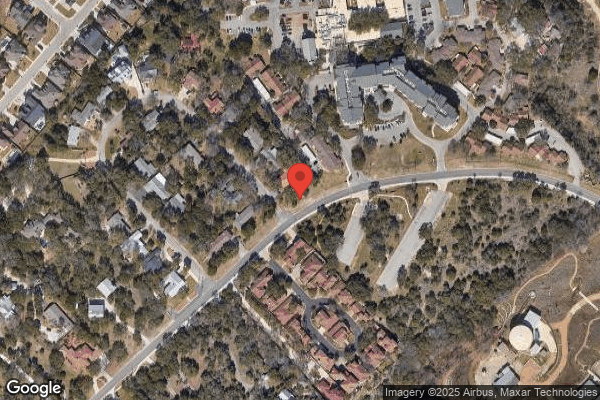
Jun 2024 1 deficiency
CONCERN (D) 📢 Someone Reported This

A family member, employee, or ombudsman was alarmed enough to file a formal complaint

Potential for Harm - no one hurt, but risky conditions existed

Deficiency F0761 (Tag F0761)

Could have caused harm · This affected 1 resident

**NOTE- TERMS IN BRACKETS HAVE BEEN EDITED TO PROTECT CONFIDENTIALITY** Based on observation, interview and record review the facility failed to ensure all drugs and biologicals, in accordance with St...

Read full inspector narrative →
**NOTE- TERMS IN BRACKETS HAVE BEEN EDITED TO PROTECT CONFIDENTIALITY** Based on observation, interview and record review the facility failed to ensure all drugs and biologicals, in accordance with State and Federal laws, were stored in locked compartments under proper temperature controls, and permitted only authorized personnel to have access to the keys for 1 of 3 residents (Resident #2) reviewed for storage of drugs. The facility failed to ensure Resident #2's medications were secured. This failure could place residents at risk of medication misuse and diversion. Findings include: Record review of Resident #2's admission Record, dated 6/4/24, reflected the resident was initially admitted to the facility on [DATE]. Resident #2 had diagnoses which included: Right femur fracture, Muscular Dystrophy (disease that causes weakness and loss of muscle mass), Type 2 diabetes (condition in which the body has trouble controlling blood sugar and using it for energy), peripheral vascular disease (circulatory condition in which narrowed blood vessels reduce blood flow to the limbs), hypotension (low blood pressure), and Dementia (group of thinking and social symptoms that interferes with daily functioning). Record review of Resident #2's entry Comprehensive MDS, dated [DATE], reflected the resident had a BIMS score of 13, which indicated her cognition was intact. Record review of Resident #2's Order Summary, dated 6/4/24, reflected the following orders: Acidophilus Oral Tablet, Give 1 tablet mouth one time a day related to UTI; Aspirin Low Tab 81MG EC, Give 1 tablet orally one time a day related to acute embolism; Atorvastatin Tablet 40MG Give 1 tablet by mouth in the evening related to Hyperlipidemia; Cranberry Oral Tablet 250 MG, Give 1 tablet by mouth one time a day related to UTI; Glipizide ER TAB 2.5MG Give 1 tablet by mouth one time a day related to TYPE 2 Diabetes Mellitus; Losartan TAB 25MG Give 1 tablet by mouth one time a day related to Essential hypertension; Myrbetriq Oral Tablet Extended Release 24 Hour 50 MG, Give 1 tablet by mouth one time a day for OAB; Oxybutynin Chloride ER Tablet Extended Release 24 Verbal Hour 10 MG Give 1 tablet by mouth one time a day for Over Active Bladder; Vitamin A Oral Tablet, Give 2400 mcg by mouth one time a day for wound healing; Vitamin C Oral Tablet 1000 MG, Give 1 tablet by mouth one time a day for wound healing give 2 tabs=2000mg; Vitamin D3 Oral Capsule 125 MCG, Give 1 capsule by mouth one time a day for wound healing; Zinc Oral Tablet 50 MG, Give 1 tablet by mouth one time a day for wound healing; Zoloft Oral Tablet 25 MG, Give 1 tablet by mouth one time a day for depression. During an observation and interview on 6/5/24 at 12:06 PM, an unlabeled medication cup with a round white pill and a capsule with red/orange powder was on Resident #2's bedside table, unsecured and unattended. Resident #2 stated the white powder was a medicated powder for her skin folds. Resident #2 said the orange one was for her bladder and the white one was a vitamin. Resident #2 further stated the nurse put them there and said, make sure you take them, she said there were about 8-9 pills in the cup and she had taken the others but was waiting to take the last two. During an interview on 6/7/24 at 11:38 AM, LVN A stated she saw a medication cup with pills on Resident #2's bedside table when she entered her room on 6/5/24 to complete a blood sugar check. LVN A further stated she did not leave medications at Resident #2's bedside, adding she only administered injections and narcotics to residents and the MA administered other medications. An attempted interview on 6/7/24 at 11:58 AM with MA A was unsuccessful. During an interview on 6/7/24 at 1:09 PM, the DON said she expected MAs to watch the residents take their medications before they left the residents' rooms and to their best ability ensure the resident had taken their medications. The DON said her expectation was that medications were not left in resident rooms. The DON said MAs were responsible for ensuring residents took their medications and no medications were left in the rooms. The DON sad the resident could be affected if she did not take medications to treat her conditions. Record review of the facility policy titled, Medication Administration, dated 9/24/13, reflected the following: .Administer all medications to the resident; making sure the resident takes them
Nov 2023 3 deficiencies
CONCERN (D) 📢 Someone Reported This

A family member, employee, or ombudsman was alarmed enough to file a formal complaint

Potential for Harm - no one hurt, but risky conditions existed

Deficiency F0657 (Tag F0657)

Could have caused harm · This affected 1 resident

**NOTE- TERMS IN BRACKETS HAVE BEEN EDITED TO PROTECT CONFIDENTIALITY** Based on observation, interview and record review revealed the facility failed to ensure a comprehensive care plan was revised b...

Read full inspector narrative →
**NOTE- TERMS IN BRACKETS HAVE BEEN EDITED TO PROTECT CONFIDENTIALITY** Based on observation, interview and record review revealed the facility failed to ensure a comprehensive care plan was revised by the interdisciplinary team after the quarterly review assessments were completed for 2 of 8 Residents (#51 and #66) whose care plans were reviewed. 1. Resident #51's revised Care Plan did not address her ADL deficits and the level of assistance she required for all ADL's. 2. Resident #66's revised Care Plan did not reflect Resident #66's used corrective lenses for adequate vision. These deficient practice could contribute to residents not receiving required care identified in their MDS assessment. The findings were: 1. Review of Resident #51's face sheet, dated 11/17/23, revealed she was admitted to the facility on [DATE] with diagnoses including anxiety disorders (persistent and excessive distress that affects daily life) and cognitive communication deficit (difficulties with communication that have an underlying cause in a cognitive deficit more than a language or speech deficit). Review of Resident #51's quarterly MDS assessment, dated 8/11/23, revealed her BIMS score was 7 reflecting severe cognitive impairment; she required supervision by 1 person for bed mobility, transfers, dressing; she required minimal assistance by 1 person for hygiene and supervision and set up for eating. Review of Resident #51's Care Plan revised on 8/16/23 revealed her ADL deficits and the level of assistance she required was not addressed. Interview on 11/17/23 at 10:19 AM with the MDS Coordinator/LVN B revealed Resident #51's Care Plan was not accurate. Resident #51's ADL deficits and the level of assistance she required was not addressed in the revised Care Plan per the quarterly MDS assessment, dated 8/11/23. LVN B stated that all identified CAAS on the MDS assessment should be reflected on the Care Plan. 2. Review of Resident #66's face sheet, dated 11/17/23, revealed she was admitted to the facility on [DATE] with diagnoses including unspecified dementia (group of symptoms that affects memory, thinking and interferes with daily life, mild and cognitive communication deficit (difficulties with communication that have an underlying cause in a cognitive deficit more than a language or speech deficit). Review of Resident #66's quarterly MDS assessment, dated, 8/31/23, revealed her BIMS score was 5 reflecting severe cognitive impairment and she had adequate vision with the use of corrective lenses. Review of Resident #66's Care Plan, revised 9/15/23, revealed it did not reflect Resident #66's used of corrective lenses. Observation on 11/14/23 at 12:45 PM revealed Resident #66 was lying in bed awake. She was wearing glasses. Interview on 11/17/23 at 10:49 AM with MDS Coordinator/LVN B revealed she confirmed Resident #66's Care Plan did not reflect she wore glasses and therefore was not accurate. MDS Coordinator stated all of the residents' care areas needed to be addressed because it directed their care allowing nursing staff to use the Care Plan as a guide. Review of facility policy, Comprehensive Care Plans dated 3/15/19 read It is the policy to develop and implement a comprehensive person-centered care plan for each resident, consistent with resident rights, that includes measurable objectives and timeframe to meet a resident's medical, nursing, and mental and psychosocial needs that are identified inn the resident's comprehensive assessment. 5. The comprehensive care plan will be reviewed and revised by the interdisciplinary team after each comprehensive and quarterly MDS assessment. 6. The comprehensive care plan will include measurable objectives and timeframe's to meet the resident's needs as identified in the resident's comprehensive assessment. The objectives will be utilized to monitor the resident's progress. Alternative interventions will be documented, as needed. 8. Qualified staff responsible for carrying out the interventions specified in the care plan will be notified of their roles and responsibilities for carrying out the interventions, initially and when changes are made.
CONCERN (E) 📢 Someone Reported This

A family member, employee, or ombudsman was alarmed enough to file a formal complaint

Potential for Harm - no one hurt, but risky conditions existed

Accident Prevention (Tag F0689)

Could have caused harm · This affected multiple residents

**NOTE- TERMS IN BRACKETS HAVE BEEN EDITED TO PROTECT CONFIDENTIALITY** Based on observation, interview and record review the facility failed to ensure the resident environment remained as free of acc...

Read full inspector narrative →
**NOTE- TERMS IN BRACKETS HAVE BEEN EDITED TO PROTECT CONFIDENTIALITY** Based on observation, interview and record review the facility failed to ensure the resident environment remained as free of accident hazards as was possible for 3 of 4 Residents (#35, #51 and #75) reviewed for accident hazards. The water temperature at the bathroom sink exceeded the safe water temperature of 110 degrees for Resident's #35, #51 and #75. 1. The water temperature in Resident #35's bathroom was 119 degrees. 2. The water temperature in Resident #51's bathroom was 115 degrees. 3. The water temperature in Resident #75's bathroom was 118 degrees. This deficient practice could place residents at risk for avoidable skin burns. The findings were: Review of the facility water temperature checks log from 11/8/23 to 11/14/23 revealed the temperature in the unit where Resident #35, #51 and #75 residents read 110+. 1. Review of Resident #35's face sheet, dated 11/17/23, revealed she was admitted to the facility on [DATE] with diagnoses including unspecified Dementia mild ( group of symptoms that affects memory, thinking and interferes with daily life), and other recurrent depressive disorders (mental disorder characterized by repeated episodes of depression. Review of Resident #35's quarterly MDS assessment, dated 9/22/23, revealed her BIMS score was 15 reflecting no cognitive impairment; she required supervision with bed transfers by 1 person, minimal assistance by 1 person for hygiene and toileting. Review of Resident #35's Care Plan revised on 9/22/23 confirmed she had an ADL care deficit and she required assistance with her ADL's. Observation on 11/14/23 at 2:29 PM revealed the water at the bathroom sink in Resident #35's room was hot to the touch. Resident #35 was not in the room. Observation and interview on 11/17/23 at 2 PM revealed the water at the bathroom sink in Resident #35's room was 119 degrees. The MS stated that was too hot and Resident #35 could get burned. He stated the water temperature should not exceed 110 due to the risk for skin burns. 2. Review of Resident #51's face sheet, dated 11/17/23, revealed she was admitted to the facility on [DATE] with diagnoses including anxiety disorders (persistent and excessive distress that affects daily life) and cognitive communication deficit (difficulties with communication that have an underlying cause in a cognitive deficit more than a language or speech deficit). Review of Resident #51's quarterly MDS assessment, dated 8/11/23, revealed her BIMS score was 7 reflecting severe cognitive impairment; she required supervision with bed transfers and toileting by 1 person, minimal assistance by 1 person for hygiene. Review of Resident #51's Care Plan revised on 8/16/23 revealed her ADL deficits and the level of assistance she required was not addressed. Observation and interview on 11/17/23 at 2:06 PM revealed the water at the bathroom sink in Resident #51's room was 115 degrees. The MS stated that it was too hot and Resident #51 could get burned. He stated the water temperature should not exceed 110 due to the risk for skin burns. 3. Review of Resident #75's face sheet, dated 11/17/23, revealed he was admitted to the facility on [DATE] with diagnoses including unspecified Dementia mild ( group of symptoms that affects memory, thinking and interferes with daily life), and lack of coordination (neurological sign consisting of lack of voluntary coordination of muscle movements and Parkinson's Disease (chronic degenerative disorder of the central nervous system affecting both the motor system and non-motor systems). Review of Resident #75's quarterly MDS assessment, dated 10/12/23, revealed his BIMS score was 9 reflecting moderate cognitive impairment and he utilized a wander guard related to elopement. Interview on 11/15/23 at 9:20 AM with LVN A revealed Resident #75 was confused and would often wander in and out of other residents rooms and throughout the unit. Observation and interview on 11/17/23 at 2 PM revealed the water at the bathroom sink in Resident #75's room was 119 degrees. The MS stated that was too hot and Resident #35 could get burned. He stated the water temperature should not exceed 110 due to the risk for skin burns. Observation and Interview on 11/17/23 at 2:12 PM in the mechanical room revealed there were 2 water heaters and 1 boiler. The MS stated the 2 water heaters serviced the 2 resident halls in the unit. He stated the setting on the water heaters was 110 and 112 degrees. He stated that sometimes the reading would exceed the setting when the water was in constant use like when residents were being showered. The MS further stated the water temperatures were taken in a couple of rooms in every hall on a daily basis. Observation and interview on 11/17/23 at 2:45 PM revealed Resident #75 was sitting in his wheelchair in the common area. Resident #75 was alert but presented as confused and was was not interviewable. Further observation revealed he had a wander guard bracelet on his right wrist. Interview on 11/17/23 at 3:20 PM with the MS and the Supervisor of Maintenance Operations revealed each water heater had a cold and hot mixing valve and the water would circulate in a loop therefore the temperature would fluctuate and not remain constant. However, the Supervisor stated the temperature should not exceed 110; and 115, 119 degrees was way too hot and residents could get burned. He also stated the Maintenance Assistants should notate the exact temperature reading and not document 110+. They should also tell the MS so he could make adjustments to the water heater setting to avoid accidents. The MS stated the assistants took daily water temperature readings in multiple rooms in every hallway. He stated the assistant who took water temperatures last week and noted 110+ degrees was in the same unit where Resident's #35, #51 and #75 resided. He stated he briefly reviewed the water temperatures but did not notice the 110+ recordings. Review of facility policy, Safe Water Temperatures, reviewed on 1/26/23 read It is the policy of this facility to maintain appropriate water temperatures in resident care areas. 1. Maintenance staff will monitor water temperatures daily. 2. Water temperatures will be recorded inn the water temp log. 4. Report any abnormal findings, such as complaints of water too cold or hot, or any problems with water temperature (ex. water is painful to touch or causes redness) to the maintenance supervisor immediately.
CONCERN (F) 📢 Someone Reported This

A family member, employee, or ombudsman was alarmed enough to file a formal complaint

Potential for Harm - no one hurt, but risky conditions existed

Food Safety (Tag F0812)

Could have caused harm · This affected most or all residents

Based on observation, interview and record review revealed the facility failed to prepare, distribute and serve food in accordance with professional standards for food service safety in 1 of 1 kitchen...

Read full inspector narrative →
Based on observation, interview and record review revealed the facility failed to prepare, distribute and serve food in accordance with professional standards for food service safety in 1 of 1 kitchen reviewed for meal service. Dietary staff stacked 12 trays on a food cart filled with multiple individual servings of lemon cake which were exposed to the elements in the kitchen. This deficient practice could contribute to the spread of foodborne illnesses and make the residents sick. The findings were: Observation and interview in the kitchen on 11/14/23 at 11:46 AM revealed 3 Dietary Staff preparing lunch trays. Further observation revealed a cart with 12 trays filled with 6 to 8 slices of lemon cake on individual plates next to the steam table. The food cart was not covered. Interview with the DM revealed the dietary staff prepared the food cart with the desserts. He stated one food cart with desserts had already been delivered to one of the resident halls. The DM stated it would take staff about 1 hour to prepare meal trays and distribute all lemon cakes. He stated the cart was usually not covered during meal service. He stated the empty tray on the top shelf would keep debris from falling on the top of the pieces of cake. However, they were exposed from the sides because they were not covered all the way around. He stated debris could fall into the pieces of lemon cake and contaminate them as the dietary staff prepared the meal trays. He further stated any contamination or bacteria could make the residents sick. The DM stated he provided dietary staff with inservices on a routine basis regarding kitchen sanitation but stated they had not identified the food cart not being covered as a potential risk. Record review of facility policy Food and Supply Storage, revised 01/2022, revealed [ .] cover, label and date unused portions and open packages.
Nov 2023 2 deficiencies
CONCERN (E) 📢 Someone Reported This

A family member, employee, or ombudsman was alarmed enough to file a formal complaint

Potential for Harm - no one hurt, but risky conditions existed

Assessment Accuracy (Tag F0641)

Could have caused harm · This affected multiple residents

**NOTE- TERMS IN BRACKETS HAVE BEEN EDITED TO PROTECT CONFIDENTIALITY** Based on interview and record review, the facility failed to ensure assessments accurately reflected the resident's status for 2...

Read full inspector narrative →
**NOTE- TERMS IN BRACKETS HAVE BEEN EDITED TO PROTECT CONFIDENTIALITY** Based on interview and record review, the facility failed to ensure assessments accurately reflected the resident's status for 2 of 3 (Resident #2 and 3) residents whose MDS records were reviewed for accuracy in that: Resident #2's Quarterly MDS assessment dated [DATE] incorrectly documented the resident was not using bedrails as a restraint. Resident #3's Quarterly MDS assessment dated [DATE] incorrectly documented the resident was not using bedrails as a restraint. This failure could place residents at risk for inadequate care due to inaccurate assessments. The findings included: Record review of Resident #2's face sheet, dated 11/03/2023 revealed an [AGE] year-old female admitted to the facility on [DATE] with diagnoses which included dementia ((impaired ability to remember, think, or make decisions that interferes with doing everyday activities), anemia (a condition in which you lack enough healthy red blood cells to carry adequate oxygen to your body's tissues), recurrent depression (mood disorder), high blood pressure (a common condition in which the long-term force of the blood against your artery walls is high enough that it may eventually cause health problems, such as heart disease) and status post fractured hip. Record review of Resident #2's Quarterly MDS assessment, dated 08/28/2023 revealed the resident had a BIMS score of 03 indicating the resident had severe cognitive impairment. Section G- Mobility and Transfers indicated the resident required extensive assistance of one person to physically assist. Section P - Restraints and Alarms, Resident #2 was identified as not using bed rails as a physical restraint. Record review of Resident #2's comprehensive care plan, revision date 08/15/2023 revealed the resident used 2 quarter siderails to enhance and enable the highest level of functional independence and promote skin integrity. Resident was able to become more self sufficient in positioning, mobility and transfers. Two of the interventions was to remind resident to use the side rails to turn and reposition in bed and how resident how to take full advantage of siderails for functional independence Record review of Resident #2's Orders Summary Report dated 11/03/2023 revealed an order for ¼ siderails to both sides for mobility and positioning. Order date 08/18/2023 and start date 09/05/2023. Record review of Resident #3's face sheet dated 11/03/2023 revealed an [AGE] year-old female admitted to the facility on [DATE] with diagnoses which included Alzheimer's disease (a brain disorder that slowly destroys memory and thinking skills, and, eventually, the ability to carry out the simplest tasks), hypothyroidism (a condition in which the thyroid gland doesn't produce enough thyroid hormone), recurrent depression (mood disorder), anxiety (a normal reaction to stress an intense, excessive, and persistent worry and fear about everyday situations, osteoarthritis of the knee (a degenerative joint disease, in which the tissues in the joint break down over time), muscle weakness (commonly due to lack of exercise, ageing, muscle injury or pregnancy), and high blood pressure (a common condition in which the long-term force of the blood against your artery walls is high enough that it may eventually cause health problems, such as heart disease). Record review of Resident #3's Quarterly MDS assessment, dated 08/04/2023 revealed the resident had a BIMS score of 03 indicating the resident had severe cognitive impairment. Section G- Mobility and Transfers indicated the resident required limited assistance of person to physically assist. Section P - Restraints and Alarms, Resident #3 was identified as not using bed rails as a physical restraint. Record review of Resident #3's comprehensive care plan, revision date 08/15/2023 revealed the resident used 2 quarter siderails to enhance and enable the highest level of functional independence and promote skin integrity. Resident is able to become more self-sufficient in positioning, mobility and transfers. Two of the interventions is to remind resident to use the side rails to turn and reposition in bed. Show resident how to take full advantage of siderails for functional independence. Record review of Resident #3's Orders Summary Report dated 11/02/2023 revealed an order for ¼ siderails to both sides of the bed for mobility and positioning. Order date 08/16/2023 start date 09/05/2023. Interview on 11/03/2023 at 5:21 p.m., LVN C & D, LVN C stated as long as she had been working as an MDS nurse, she had never coded quarter rails to be restraints and she follows the RAI Manual as her policy. LVN D stated she had not understood the excerpt from the RAI Manual to indicate coding quarter rails as restraints as the residents were not restricted from movement. LVN C stated the residents can move out of the beds, that is how they fall, and the side rails assist in movement and support when moving. Review of the facility acknowledgement for the use of bedrails (no date), provided to each resident assessed for bedrails stated the following in part: The use of bedrails as restraints is prohibited unless they are necessary to treat a resident's medical symptoms. Residents who attempted to exit a bed through, between, over or around bed rails are at risk of injury or death . Review of the: CMS's RAI Version 3.0 Manual, vI.18.11 Dated October 20, 2023, Section P, Physical Restraints and Alarms, states in part: o Although the requirements describe the narrow instances when physical restraints may be used, growing evidence supports that physical restraints have a limited role in medical care. Physical restraints limit mobility and increase the risk for a number of adverse outcomes, such as functional decline, agitation, diminished sense of dignity, depression, and pressure ulcers. o Residents who are cognitively impaired are at a higher risk of entrapment and injury or death caused by physical restraints. It is vital that physical restraints used on this population be carefully considered and monitored. In many cases, the risk of using the physical restraint may be greater than the risk of it not being used. o The risk of restraint-related injury and death is significant when physical restraints are used Definition: o Remove easily means that the manual method or physical or mechanical device, material, or equipment can be removed intentionally by the resident in the same manner as it was applied by the staff (e.g., side rails are put down or not climbed over, buckles are intentionally unbuckled, ties or knots are intentionally untied), considering the resident's physical condition and ability to accomplish their objective (e.g., transfer to a chair, get to the bathroom in time) . (NOTE: The CMS's RAI Version 3.0 Manual, vI.17.1 Dated October 01, 2019, Section P, Physical Restraints and Alarms states the same information).
CONCERN (E) 📢 Someone Reported This

A family member, employee, or ombudsman was alarmed enough to file a formal complaint

Potential for Harm - no one hurt, but risky conditions existed

Infection Control (Tag F0880)

Could have caused harm · This affected multiple residents

**NOTE- TERMS IN BRACKETS HAVE BEEN EDITED TO PROTECT CONFIDENTIALITY** Based on observation, interview, and record review, the facility failed to maintain an infection prevention and control program ...

Read full inspector narrative →
**NOTE- TERMS IN BRACKETS HAVE BEEN EDITED TO PROTECT CONFIDENTIALITY** Based on observation, interview, and record review, the facility failed to maintain an infection prevention and control program designed to provide a safe, sanitary, and comfortable environment to help prevent the development and transmission of infections for 1 of 2 staff (LVN B) reviewed for infection control, in that: LVN B took a stack of PPE gowns enclosed with a plastic wrap on the outside and handed them to another person on the outside the door of Unit 6 ([NAME]) without following infection control procedures when removing items from a isolation/quarantine area. These failure could place residents at risk for cross contamination. The findings included: Observation on 11/02/2023 at 7:38 a.m. revealed LVN B in a green gown come from behind the nurses station carrying a stack of PPE Gowns enclosed in plastic wrap and open the entrance door and handed from the quarantine area to the outside door to another staff member on the outside door who then took the PPE gowns and placed them on the clean PPE cart. Interview on 11/02/2023 at 7:42 a.m. with LVN A-Unit Charge Nurse, confirmed a person (LVN B- Staff Development Nurse) indeed took a stack of PPE gowns out of the quarantine area and handed them to another staff person on the outside of Unit 6 ([NAME]). LVN A, stated she saw her but, could not stop her in time. Further interview on 11/02/2023 at 8:20 a.m. with LVN A, she stated CNA E from Central Supply and Nursing Administration were responsible for making sure the clean PPE cart was full of PPE items. She stated taking the PPE gowns out of the quarantine area could cause exposure to other people. Interview on 11/09/2023 8:30 a.m. with LVN B confirmed she had taken gowns from inside Unit 6 ([NAME]) which was under quarantine and handed them to another person to place on the clean PPE cart. When asked her if there was a problem taking items out of the quarantine are and handing them to someone else, she stated, it could be I guess cross contamination then everyone is exposed. She stated it was everybody's responsibility to make sure there is no exposure. Interview on 11/02/2023 at 9:22 a.m. with the DON concerning removing PPE items from inside the quarantine area she stated she was told about the issue with infection control gowns. Everyone was responsible to prevent cross-contamination. She stated it looks like it is time for another in-service. Interview on 11/02/23 at 10:30 a.m. with the Administrator revealed she had talked to the DON a little bit about what happened with the gowns. She stated she heard there was a misunderstanding about quarantine and isolation. Interview on 11/02/2023 at 10:50 a.m. with LVN C- MDS Coordinator/Infection Control Person, and the DON came in and was trying to explain to this surveyor the difference between quarantine and isolation. LVN C stated all the residents in the locked secured unit on Unit 6 ([NAME]) were in quarantine and there are four other residents in their rooms with COVID on Unit 6 ([NAME]). We have inside their doors the PPE items and staff do donning and doffing in their rooms. When asked why then was everyone else on Unit 6 ([NAME]), (the staff) in the quarantine area wearing N95's, gloves, gowns, some hair nets and some with face shields if that is the case? LVN C asked if the gowns were still in plastic. They were but, when asking LVN C about the outside of the plastic could she guarantee that the outside of the plastic on the PPE gowns had remained clean and not contaminated by others coming in to get supplies out of the Unit ([NAME])? LVN C did not answer the question. Review of the facility policy and procedure for infection control (no date), section 1: Routine infection prevention and control (IPC) practices for COVID 19, page 6 last bullet stated in part: Personal Protective Equipment- HCP (health care providers) who enter the room of a patient with suspected or confirmed COVID 19 infection should adhere to Standard Precautions and use a NIOSH- approved 95 respirator (N95) with or higher, gown, gloves, and eye protection (i.e., goggles or a face shield that covers the front and side of the face) . Review of the COVID 19 Response for Nursing Facilities, Version 4.4 dated 11/28/2022 stated in part: Full PPE is required (NIOSH-approved N-95 or equivalent or higher-level respirator, gown, gloves, and eye protection) for healthcare personnel working inside the Isolation (COVID-19 positive) zone and Quarantine (Unknown COVID-19) zone CDC guidance Page 16: Ensure transferred items are disinfected before they are moved out of the isolation area .
Apr 2023 1 deficiency
CONCERN (E) 📢 Someone Reported This

A family member, employee, or ombudsman was alarmed enough to file a formal complaint

Potential for Harm - no one hurt, but risky conditions existed

Deficiency F0578 (Tag F0578)

Could have caused harm · This affected multiple residents

**NOTE- TERMS IN BRACKETS HAVE BEEN EDITED TO PROTECT CONFIDENTIALITY** Based on observation, interview and record review, the facility failed to comply with the requirements specified in 42 CFR part ...

Read full inspector narrative →
**NOTE- TERMS IN BRACKETS HAVE BEEN EDITED TO PROTECT CONFIDENTIALITY** Based on observation, interview and record review, the facility failed to comply with the requirements specified in 42 CFR part 489, subpart I (Advance Directives) for 1 of 56 residents (Resident #2) reviewed for accuracy of advanced directive, in that: Resident #2's out of hospital DNR form did not have a physician's signature ordering DNR to the community. This failure could affect residents and place them at risk of not being provided basic life support measure in case of an emergency when directed. The findings included: Record review of Resident #2's face sheet revealed the resident was admitted on [DATE] with diagnoses that included: fracture to right femur (fracture to the thigh bone), orthopedic aftercare, and unspecified fall. The resident was a female age [AGE]. The responsible party was listed as the resident. Review revealed on [DATE] at 9:31 AM, Resident #2's advanced directive was DNR. Record review of facility's code status log dated [DATE] revealed: 56 residents with DNR code of a census of 83. MD order present on the DNR residents. Resident #2's out of hospital DNR dated [DATE] did not have a physician's signature on the section of ordering the DNR. Resident #2's DNR was dated [DATE] and signed by the resident designating a DNR status. Record review of Resident #2's Care Plan dated [DATE] listed the resident's AD as DNR. The approach listed included to ensure proper paperwork is in the chart. Record review of Resident #2's Physician Orders dated [DATE] read: [DATE] .FULL CODE XXX[DATE] .DNR OOH (out of hospital)-DNR on file XXX[DATE] .FULL CODE XXX[DATE] .DNR (OOH-DNR ON FILE) . During an interview on [DATE] at 9:10 AM, the SW stated : her role in regards to an Advanced Directive was to check that the DNR was in the chart or to get the resident , RP, or family to bring the DNR out of the hospital to the facility. The SW also had a checklist to address the resident's code status. [Started at the end of February 2023]. The SW was not involved in verifying Resident #1's DNR status at admissions. The facility has a policy on DNR. The admission Manager was responsible to check that the resident had an AD; and the SW was responsible for verifying out of hospital DNR .The SW stated that the DNR for Resident #2 does not have the physician's signature on the order section of the out of hospital DNR form; review is done quarterly but by policy yearly. The SW had not received an in-service on AD after the [DATE] incident. [Resident #2 admitted [DATE] and submitted an invalid out of hospital DNR on [DATE]] During a joint interview on [DATE] at 10:02 AM , LVN A and, LVN B stated that: the DNR out of hospital form for Resident # 2 was not valid; because it lacked the physicians signature and it (signature) was missed and the reason was unknown. LVN A stated, we will change code status to Full Code until the DNR is corrected for Resident (#2) .and we will audit all DNR forms for accuracy today LVN A attended AD in-service on [DATE]; LVN B is pending the training [ based on in-service sign-in sheet on [DATE]]. During a joint interview on [DATE] at 10:42 AM, the DON and Administrator stated that: Resident #2's DNR form was not valid until the physician signed it. This failure could result in the resident not receiving CPR due to an invalid out of hospital DNR. The DON had no explanation why the form was missing the physician's signature for Resident #2. The Administrator added that there was a process to audit the DNR forms but there was an unknown reason Resident #2's DNR form was not validated. The process involved the routine checking of DNRs by the social worker. The DON added that Resident #2's DNR form was dated [DATE] and the CP, face sheet and MD was for DNR; everything has been changed to full code today ([DATE]). During observation and interview on [DATE] at 10:44 AM, Resident #2 was in the rehab room involved in an exercise activity. The resident was alert and oriented; no wounds, bruises or skin tears present. The resident stated the care she received was excellent; and she wanted her AD to remain as DNR. Record review facility's Advanced Directive policy dated [DATE] read: Social Worker: .Assure appropriated documents are completed and signed correctly . Record review of facility's Admissions Philosophy dated [DATE] read: .Each prospective resident will be evaluated according to their individual needs and [NAME] Homes' ability to meet those needs before admission . Record review of Resident #2's admission Packet signed [DATE] read: Advance Directives .[NAME] Home will inform and provide information to all Residents prior to or at admission concerning their right to execute an Advance Directive and will review annually. Record review facility's Advanced Directive policy dated [DATE] read: Social Worker: .Assure appropriated documents are completed and signed correctly .
Sept 2022 1 deficiency
CONCERN (E)

Potential for Harm - no one hurt, but risky conditions existed

Food Safety (Tag F0812)

Could have caused harm · This affected multiple residents

**NOTE- TERMS IN BRACKETS HAVE BEEN EDITED TO PROTECT CONFIDENTIALITY** Based on observation, interview, and record review, the facility failed to store, prepare, distribute, and serve food in accorda...

Read full inspector narrative →
**NOTE- TERMS IN BRACKETS HAVE BEEN EDITED TO PROTECT CONFIDENTIALITY** Based on observation, interview, and record review, the facility failed to store, prepare, distribute, and serve food in accordance with professional standards for food service safety for 1 of 1 kitchen, reviewed for kitchen sanitation, in that: The facility failed to ensure items stored in the refrigerator, freezer and dry storage were properly labeled dated. This failure placed residents who ate from the kitchen at risk of food borne illnesses. The findings were: During an observation and interview on 09/13/2022 at 10:41 am, with the DM in the walk-in refrigerator, located in the kitchen, there was an a) opened loaf of wheat bread, b) opened muffins, and c) package of unknown meat not labeled or dated. The DM stated all these items was supposed to be labeled and dated when it was used. The DM further stated the potential harm to residents was food borne illnesses or contamination. During an observation and interview on 09/13/2022 at 10:45 am, with the DM in the walk-in freezer, located on the 400 hall, revealed there was a) two large Ziploc bags of tator tots, b) unopened tray of 12 Manicotti, c) opened box of tilapia with three fillets left, and c) two large Ziploc bags of biscuits not labeled or dated. The DM stated all these items was supposed to be labeled and dated when it was used. The DM further stated the potential harm to residents was food borne illnesses or contamination. During an observation and interview on 09/13/2022 at 10:50 am, with the DM in the dry goods area, located on the 400 hall, revealed an a) opened bottle of shrimp and crab boil with around 1/3 missing, b) opened container of everything but the bagel seasoning with ¼ missing, c) opened container of Hershey cocoa, and d) an opened bag of coconut not labeled or dated. The DM stated all these items was supposed to be labeled and dated when it was used. The DM further stated the potential harm to residents was food borne illnesses or contamination. Record review of facility policy Food and Supply Storage, revised 01/2022, revealed [ .] cover, label and date unused portions and open packages. Complete all sections on a [NAME] orange label, or use the Medvantage/Freshdate or other approved labeling system [ .]
Understanding Severity Codes (click to expand)
Life-Threatening (Immediate Jeopardy)
J - Isolated K - Pattern L - Widespread
Actual Harm
G - Isolated H - Pattern I - Widespread
Potential for Harm
D - Isolated E - Pattern F - Widespread
No Harm (Minor)
A - Isolated B - Pattern C - Widespread

Questions to Ask on Your Visit

  • "What changes have you made since the serious inspection findings?"
  • "Can I speak with families of current residents?"
  • "What's your RN coverage like on weekends and overnight?"

Our Honest Assessment

Strengths
  • • 41% turnover. Below Texas's 48% average. Good staff retention means consistent care.
Concerns
  • • Multiple safety concerns identified: 3 life-threatening violation(s), $45,130 in fines, Payment denial on record. Review inspection reports carefully.
  • • 17 deficiencies on record, including 3 critical (life-threatening) violations. These warrant careful review before choosing this facility.
  • • $45,130 in fines. Higher than 94% of Texas facilities, suggesting repeated compliance issues.
  • • Grade F (34/100). Below average facility with significant concerns.
Bottom line: This facility has 3 Immediate Jeopardy findings. Serious concerns require careful evaluation.

About This Facility

What is Eden Home's CMS Rating?

CMS assigns EDEN HOME an overall rating of 4 out of 5 stars, which is considered above average nationally. Within Texas, this rating places the facility higher than 99% of the state's 100 nursing homes. This rating reflects solid performance across the metrics CMS uses to evaluate nursing home quality.

How is Eden Home Staffed?

CMS rates EDEN HOME's staffing level at 5 out of 5 stars, which is much above average compared to other nursing homes. Staff turnover is 41%, compared to the Texas average of 46%. This relatively stable workforce can support continuity of care.

What Have Inspectors Found at Eden Home?

State health inspectors documented 17 deficiencies at EDEN HOME during 2022 to 2025. These included: 3 Immediate Jeopardy (the most serious level, indicating potential for serious harm or death) and 14 with potential for harm. Immediate Jeopardy findings are rare and represent the most serious regulatory concerns. They require immediate corrective action.

Who Owns and Operates Eden Home?

EDEN HOME is owned by a non-profit organization. Non-profit facilities reinvest revenue into operations rather than distributing to shareholders. The facility operates independently rather than as part of a larger chain. With 184 certified beds and approximately 84 residents (about 46% occupancy), it is a mid-sized facility located in NEW BRAUNFELS, Texas.

How Does Eden Home Compare to Other Texas Nursing Homes?

Compared to the 100 nursing homes in Texas, EDEN HOME's overall rating (4 stars) is above the state average of 2.8, staff turnover (41%) is near the state average of 46%, and health inspection rating (3 stars) is at the national benchmark.

What Should Families Ask When Visiting Eden Home?

Based on this facility's data, families visiting should ask: "What changes have been made since the serious inspection findings, and how are you preventing similar issues?" "Can I visit during a mealtime to observe dining assistance and food quality?" "How do you handle medical emergencies, and what is your hospital transfer rate?" "Can I speak with family members of current residents about their experience?" These questions are particularly relevant given the facility's Immediate Jeopardy citations.

Is Eden Home Safe?

Based on CMS inspection data, EDEN HOME has documented safety concerns. Inspectors have issued 3 Immediate Jeopardy citations (the most serious violation level indicating risk of serious injury or death). The facility has a 4-star overall rating and ranks #1 of 100 nursing homes in Texas. Families considering this facility should ask detailed questions about what corrective actions have been taken since these incidents.

Do Nurses at Eden Home Stick Around?

EDEN HOME has a staff turnover rate of 41%, which is about average for Texas nursing homes (state average: 46%). Moderate turnover is common in nursing homes, but families should still ask about staff tenure and how the facility maintains care continuity when employees leave.

Was Eden Home Ever Fined?

EDEN HOME has been fined $45,130 across 2 penalty actions. The Texas average is $33,530. While any fine indicates a compliance issue, fines under $50,000 are relatively common and typically reflect isolated problems that were subsequently corrected. Families should ask what specific issues led to these fines and confirm they've been resolved.

Is Eden Home on Any Federal Watch List?

EDEN HOME is not on any federal watch list. The most significant is the Special Focus Facility (SFF) program, which identifies the bottom 1% of nursing homes nationally based on persistent, serious quality problems. Not being on this list means the facility has avoided the pattern of deficiencies that triggers enhanced federal oversight. This is a positive indicator, though families should still review the facility's inspection history directly.