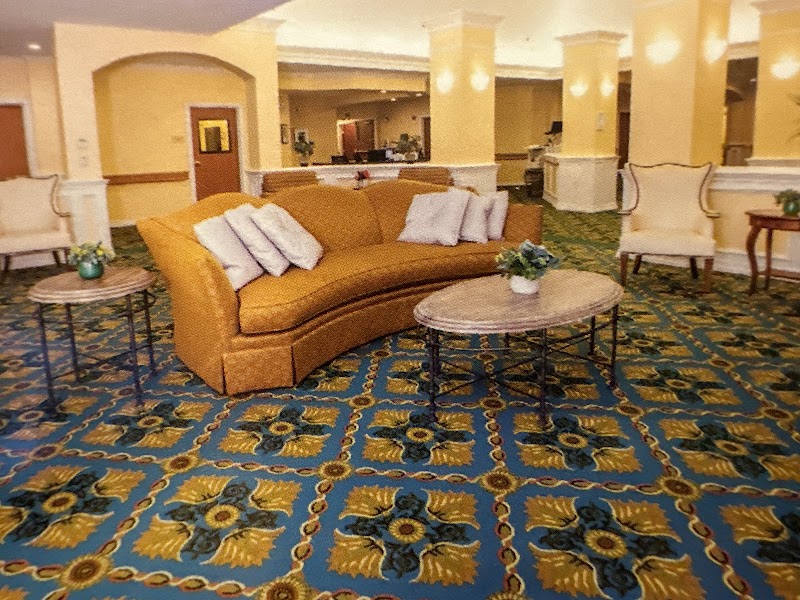
SUNDANCE INN HEALTH CENTER

2034 SUNDANCE PARKWAY, NEW BRAUNFELS, TX 78130 (830) 221-1400
For profit - Corporation 128 Beds CANTEX CONTINUING CARE Data: November 2025 2 Immediate Jeopardy citations
Trust Grade
9/100
#846 of 1168 in TX
Last Inspection: August 2025

Inspected within the last 6 months. Data reflects current conditions.

Overview

Sundance Inn Health Center has received a Trust Grade of F, indicating significant concerns about the facility's quality of care. It ranks #846 out of 1168 nursing homes in Texas, placing it in the bottom half of all facilities in the state, and #4 out of 6 in Comal County, meaning only two local options are worse. The facility's situation is worsening, with the number of reported issues increasing from 5 in 2024 to 15 in 2025. Staffing is a major concern, as it received a poor rating of 1 out of 5 stars, and the turnover rate is high at 51%. Notably, there were critical incidents involving a resident being physically and verbally assaulted by a staff member and issues with food safety that could risk residents' health. Overall, while there are some quality measures rated excellent, the significant problems in staffing and safety make this facility a troubling choice for families seeking care.

Trust Score
F
9/100
In Texas
#846/1168
Bottom 28%
Safety Record
High Risk
Review needed
Inspections
Getting Worse
5 → 15 violations
Staff Stability
⚠ Watch
51% turnover. Above average. Higher turnover means staff may not know residents' routines.
Penalties
⚠ Watch
$9,790 in fines. Higher than 96% of Texas facilities. Major compliance failures.
Skilled Nurses
⚠ Watch
Each resident gets only 24 minutes of Registered Nurse (RN) attention daily — below average for Texas. Fewer RN minutes means fewer trained eyes watching for problems.
Violations
⚠ Watch
26 deficiencies on record. Higher than average. Multiple issues found across inspections.
★★☆☆☆
2.0
Overall Rating
★☆☆☆☆
1.0
Staff Levels
★★★★★
5.0
Care Quality
★★☆☆☆
2.0
Inspection Score
Stable
2024: 5 issues
2025: 15 issues

The Good

  • 5-Star Quality Measures · Strong clinical quality outcomes
  • Full Sprinkler Coverage · Fire safety systems throughout facility
  • No fines on record

Facility shows strength in quality measures, fire safety.

The Bad

2-Star Overall Rating

Below Texas average (2.8)

Below average - review inspection findings carefully

Staff Turnover: 51%

Near Texas avg (46%)

Higher turnover may affect care consistency

Federal Fines: $9,790

Below median ($33,413)

Minor penalties assessed

Chain: CANTEX CONTINUING CARE

Part of a multi-facility chain

Ask about local staffing decisions and management

The Ugly 26 deficiencies on record

2 life-threatening
Aug 2025 6 deficiencies
CONCERN (D)

Potential for Harm - no one hurt, but risky conditions existed

Notification of Changes (Tag F0580)

Could have caused harm · This affected 1 resident

**NOTE- TERMS IN BRACKETS HAVE BEEN EDITED TO PROTECT CONFIDENTIALITY** Based on observation, interview, and record review, the facility failed to immediately inform or consult the physician and the r...

Read full inspector narrative →
**NOTE- TERMS IN BRACKETS HAVE BEEN EDITED TO PROTECT CONFIDENTIALITY** Based on observation, interview, and record review, the facility failed to immediately inform or consult the physician and the resident's representative when there was a need to alter treatment for one (Resident #8) of three residents reviewed for physician notifications.1. The facility failed to ensure MA X and nursing staff alerted the physician that Resident #8 missed 7 doses of ear drop medication on 08/22/25 at 9:00 AM, 12:00 PM, 5:00 PM, 9:00 PM and 08/23/25 at 9:00 AM, 12:00 PM, 5:00 PM.2. The facility failed to ensure LVN G notified the physician that Resident #8 had missed 2 doses of ear drop medication on 08/28/25 at 9:00 AM and 12:00 PM.This failure placed residents at risk of a delay in treatment, and a worsening of their condition.Findings included:Record review of Resident #8's Quarterly MDS assessment, dated 06/30/25, revealed Resident #8 was a [AGE] year-old female admitted on [DATE] and readmitted on [DATE]. Resident #8 had moderate cognition impairment with a BIMS score of 8. Resident #8 required supervision or touching assistance by staff for personal hygiene and partial assistance for shower/bathing. Resident #8 had adequate hearing reflecting no difficulty in normal conversation, social interaction or listening to the television. Active diagnoses included Renal Insufficiency (when both kidneys no longer work on their own), Non-Alzheimer's Dementia (memory loss), Hypertension (high blood pressure), Depression (mood disorder that causes persistent feeling of sadness and loss of interest), anxiety disorder (excessive worry or fear).Review of Resident #8's care plan, undated, revealed Resident #8 had a self-care performance deficit and required assistance with ADLs. Goal: Resident #8 will maintain current level of function. Intervention: Hygiene/Grooming required set-up to supervision/touching assistance. Bathing required supervision/touching to partial/moderate assistance. Record review of Resident #8's physician orders revealed:1. May have podiatry, dental, audiology, and ophthalmology consult as needed. No directions specified for order. Active 5/14/2025 2. Cortisporin-TC Otic Suspension 3.3-3-10-0.5 MG/ML (Neomycin-Colistin-HC-Thonzonium) Instill 4 drop in left ear four times a day for Left Ear Pain for 7 Days. Active 8/22/2025 09:00 Record review of Resident #8's progress notes written by LVN H revealed: 8/27/2025 08:24Orders - Administration NoteNote Text: Cortisporin-TC Otic Suspension 3.3-3-10-0.5 MG/MLInstill 4 drop in left ear four times a day for Left Ear Pain for 7 Days8/23/2025 13:51Orders - Administration Note Written by Medication AideNote Text: Cortisporin-TC Otic Suspension 3.3-3-10-0.5 MG/MLInstill 4 drop in left ear four times a day for Left Ear Pain for 7 DaysEar drops pending delivery from central supply.8/23/2025 13:50Orders - Administration Note Written by Medication AideNote Text: Cortisporin-TC Otic Suspension 3.3-3-10-0.5 MG/MLInstill 4 drop in left ear four times a day for Left Ear Pain for 7 DaysEar drop on order pending delivery from central supply.8/22/2025 20:41Orders - Administration Note written by RN KNote Text: Cortisporin-TC Otic Suspension 3.3-3-10-0.5 MG/MLInstill 4 drop in left ear four times a day for Left Ear Pain for 7 Days.8/22/2025 16:07 Orders - Administration Note written by RN KNote Text: Cortisporin-TC Otic Suspension 3.3-3-10-0.5 MG/MLInstill 4 drop in left ear four times a day for Left Ear Pain for 7 Days.8/21/2025 21:58 Nursing- General Note written by LVN LNote Text: Received return call from [name of doctor] regarding left ear pain with some hearing loss. New orders received to include Cortisporin Otic Suspension 4 drops to the left ear four times daily for 7 days.8/21/2025 18:51Nursing- General Note written by LVN LNote Text: Resident reported left ear pain with difficulty hearing. Contacted [name of doctor] through Perfect Serve, awaiting physician response.Record review of Resident #8's medication administration record revealed a physician's order Cortisporin-TC Otic Suspension 3.3-3-10-0.5 MG/ML (Neomycin-Colistin-HC-Thonzonium) Instill 4 drop in left ear four times a day for Left Ear Pain for 7 Days. Start date 08/22/2025 0900 (9:00 AM, 12:00 PM, 5:00 PM, 9:00 PM)On 08/22/25 Resident #8 received treatment at 9:00 AM, 12:00 PMOn 08/22/25 Resident #8 did not receive treatment at 5:00 PM, 9:00 PMOn 08/23/25 Resident #8 did not receive treatment at 9:00 PM, 12:00 PMOn 08/23/25 Resident #8 received treatment at 5:00 PM, 9:00 PMOn 08/24/25, 08/25/25, 08/26/25, 08/27/25 Resident #8 received treatment at 9:00 AM, 12:00 PM, 5:00 PM, 9:00 PMOn 08/28/25 the medication administration record indicated Resident #8 received treatment at 9:00 AM, 12:00 PMInterview and observation on 08/26/25 at 11:08 AM revealed Resident #8 in bed with something white sticking out her left ear, according to Resident #8 she had an earache for about a week. Resident #8 stated staff were applying drops 4 times a day, however Resident #8 felt that the treatment was not working. Resident #8 stated she had not finished the treatment so far and would report to the staff if she did not see an improvement after the treatment. Interview on 08/28/25 2:30 PM with MA X revealed Resident #8 had not been receiving ear drops due to central supply not delivering them yet. MA X stated she was not sure of what had been going on, but they were checking off on the MAR that it had been administered due to it popping up on the Medication administration; (staff did not clearly express why she would indicate as completed instead of on hold however, Resident #8 had not received drops. All ear drops had been placed on HOLD. MA X stated she reported to the ADON (on unknown date) the medication had not delivered . Attempted interview on 08/28/25 at 2:48 PM with LVN H was unsuccessful.Attempted interview on 08/28/25 at 2:52 PM with LVN I was unsuccessful. Attempted interview on 08/28/25 at 2:56 PM with ADON A was unsuccessful.Interview and observation on 08/28/25 at 3:10 PM with LVN G and the DON revealed LVN G confirmed she did not administer Resident #8 with ear drop medication and that she checked it as administered by mistake. LVN G stated she was not able to find the medication and needed to return to the medication administration record and make the correction. LVN G went to the medication cart and was able to locate the medication, while looking for the medication the DON stated Resident #8 had been administered the ear drop medication as ordered by the physician. LVN G had expressed to the DON that she could not find the ear drop medication earlier but had indicated she administered it on the medication administration record. The DON advised that the physician be notified. LVN G further explained the medication administration record indicated 4 additional missed dosed due to the medication being placed on hold due to not being delivered. The DON reiterated to LVN G to contact the physician to report all missed doses. According to the DON nursing staff was responsible for administering Resident #8's medication treatment for her earache according to the physician orders. The DON stated she was not able to explain why there were missed doses because the medication entered the facility on 08/22/25. Interview on 08/28/25 at 4:00 PM with LVN G stated she contacted the physician to notify him of the missed doses and was told to provide Resident with a dose at 3:30 PM and provided a new order to extend the dates of treatment to end on 08/30/25 at 5:00 PM. According to LVN G she was responsible for communicating with the physician on any missed doses to ensure Resident #8 completed treatment as ordered. LVN G stated not doing so placed Resident #8 at risk for continued ear infections. Record review of Resident #8's revised physician order revealed: Cortisporin-TC Otic Suspension 3.3-3-10-0.5 MG/ML (Neomycin-Colistin-HC-Thonzonium) Instill 4 drop in left ear four times a day for Left Ear Pain for 7 Days. Active 8/23/2025 5:00 PM End 08/30/25Interview on 08/28/25 at 4:25 PM with the DON revealed she expected nurses to follow physician orders, and if there was a time when orders could not be followed or there was a delay with administering treatment it was the responsibility of nurses to call the physician and rectify the order and document results. The DON stated she was not aware Resident #8 had missed treatments, and stated she was not able to identify the reason for the missed doses but believed the medication had been in the building therefore there was no reason or documentation for those missed doses. The DON stated with today's missed treatment the LVN G should have fixed the medication administration record to reflect the dose was not given. The DON stated all staff should document accurately, not doing so placed residents at risk of delayed infections and allowing symptoms to become worse. Interview on 08/28/25 at 4:40 PM with the Physician revealed he expected the nursing staff to call him with any missed doses of mediation treatment. The Physician stated he was not sure if Resident #8 in fact had an ear infection however the mediation was provided as a prevention, he further stated Resident #8 would be ok with just a three-day dose however he extended the treatment to end on 08/30/25 at 5:00 PM. The Physician stated he did not see any risk to resident at this time. Review of the facility's Physician Orders policy revised February 2010 reflected: Responsibility of the Licensed Nurse staff for orders to be carried out as stated by the physician.
CONCERN (D)

Potential for Harm - no one hurt, but risky conditions existed

Deficiency F0628 (Tag F0628)

Could have caused harm · This affected 1 resident

**NOTE- TERMS IN BRACKETS HAVE BEEN EDITED TO PROTECT CONFIDENTIALITY** Based on interview and record review, the facility failed to ensure a resident had a discharge summary that included, but not li...

Read full inspector narrative →
**NOTE- TERMS IN BRACKETS HAVE BEEN EDITED TO PROTECT CONFIDENTIALITY** Based on interview and record review, the facility failed to ensure a resident had a discharge summary that included, but not limited to a recapitulation of the resident's stay, that included but was not limited to, diagnoses, course of illness/treatment or therapy, and pertinent lab, radiology and consultant results and a final summery of the resident's status to include items, at the time of the discharge that was available to release to authorized persons and agencies, with the consent of the resident or resident's representative for 1 of 3 residents (Resident #92) reviewed for discharge summary.The facility failed to complete a discharge summary for Resident #92.This failure could place residents at risk of not having complete records after permanent discharge from the facility. Findings included:Record review of Resident #92's Discharge MDS Assessment, dated 06/28/25, reflected Resident #92 was a [AGE] year-old male, who was admitted to the facility on [DATE]. Resident #92 had diagnoses which included Chronic obstructive pulmonary disease with acute exacerbation (ongoing lunch condition caused by damage to the lungs with sudden worsening in airway function and respiratory symptoms), acute respiratory failure with hypoxia (occurs when there is not enough oxygen in the blood), Diabetes Mellitus (group of diseases that affect how the body uses blood sugar), anxiety disorder (a type of mental health condition), and unspecified atrial fabulation (a type of irregular heartbeat where the upper chambers of the heart beat irregularly and rapidly, but the specific cause or underlying condition is unknown) insomnia (sleep disorder), unspecified Record review of Resident #92's physician order, dated 06/26/25, reflected Discharge Home with home health on 06/29/25 with current medications, PT, OT, ST, Nurse to Eval and Treat as Indicated, DME-None. Record Review of Resident 92's Nursing Progress Note by LVN E on 06/28/25 at 22:16 reflected Resident #92 was sent to the Emergency Room.Record review of Resident #`92's care plan, revised date 06/18/25, reflected: Focus-The resident wished to (Specify return/be discharged to (Specify home, another facility)Goal-The resident will verbalize/communicate an understanding of the discharge plan and describe the desired outcome by the review date.Interventions-Encourage the resident to discuss feelings and concerns with impending discharge. Monitor for and address episodes of anxiety, fear, distress. Evaluate the resident's motivation to return to the community. Make arrangements with the required community resources to support independence post-discharge. Record review of Resident #92's clinical record reflected no discharge summary. Interview on 08/27/25 at 3:57 PM with LVN D revealed that a discharge summary should be completed by the social worker. LVN D stated that the nurse would follow up with the hospital to determine if a resident would be returning from the hospital. LVN D said if the resident would not be returning to the facility, the nurse would notify the ADON and document it in the clinical record. LVN D then stated the social worker was responsible for the discharge summary. LVN D said that with no discharge summary the resident would continue returning to the ER for treatment and would have no follow up services at home. Interview on 08/27/25 at 4:10 PM with ADON B revealed every discharged resident should have a discharge summary. ADON B said that Resident #92 did not have a discharge summary. ADON B stated that if there was no discharge summary, there would be no means for the resident to have follow-up services such as medications and durable medical equipment. ADON B said that primary nurse's responsibility was to ensure that the resident had a discharge note. ADON B then revealed that the discharge summary was completed by social services, and the nurse completed and locked it. Interview on 08/27/25 at 4:29 PM with the Social Worker revealed that Resident # 92 did not have a discharge summary. The Social Worker stated that Resident #92 exited the facility, and the responsible party refused to sign paperwork that she was taking Resident #92 out of the building. The Social Worker said that she did not know how to complete a discharge summary when a resident left the facility and refused to sign any paperwork. The Social Worker revealed that the DON should direct the charge nurse to open the discharge summary and direct how it should be followed. The Social Worker stated she was unclear about the policy and procedure after that or who was responsible for the discharge summary. The Social Worker would not answer how not having a discharge summary would affect the resident.Interview on 08/27/25 at 4:49 PM with the DON revealed that Resident #92 did not have a discharge summary. The DON sated that normally medical records should open the discharge summary. The DON said that each discipline then would enter their information. The DON revealed that the normal procedure did not occur because the resident left the facility without signing any documentation on a Saturday and the nursing department expected Resident #92 to return to the facility. The DON stated that the discharge summary was important because it provided residents with medications, equipment, etcetera. The DON said that it was her responsibility to ensure discharge summaries are completed. Interview on 08/27/25 at 5:44 PM with the Administrator revealed he expected the nursing department to complete the discharge summary for residents. The Administrator stated the discharge summary should be started immediately after discharge. The Administrator said that the discharge summary was important so that the resident could continue care services after exiting the facility. The Administrator revealed that he was not familiar with the specific procedure of the discharge summary. Record review of the facility's Discharge Summary and Plan, dated 11/2016, reflected the following: .The Discharge summary will include a recapitulation of the Patient's/Resident's stay at his facility and a final summary of the Patient's/Resident/s status at the time of the discharge in accordance with the established regulations governing release of resident information and as permitted by the resident.
CONCERN (D)

Potential for Harm - no one hurt, but risky conditions existed

Comprehensive Care Plan (Tag F0656)

Could have caused harm · This affected 1 resident

**NOTE- TERMS IN BRACKETS HAVE BEEN EDITED TO PROTECT CONFIDENTIALITY** Based on interviews and record reviews the facility failed to develop and implement a comprehensive person-centered care plan fo...

Read full inspector narrative →
**NOTE- TERMS IN BRACKETS HAVE BEEN EDITED TO PROTECT CONFIDENTIALITY** Based on interviews and record reviews the facility failed to develop and implement a comprehensive person-centered care plan for each resident, consistent with the resident rights set forth that includes measurable objectives and timeframes to meet a resident's medical, nursing, and mental and psychosocial needs that are identified in the comprehensive assessment for 1 (Resident #12) of 8 residents reviewed for care plans. The facility failed to include Resident #12's PTSD (Post Traumatic Stress Disorder) in his care plan. This failure could place the residents at risk of not receiving services to meet their needs. Findings included: Record review of Resident #12's admission MDS, dated [DATE], reflected the resident was admitted to the facility on [DATE] with diagnoses which included stroke, Diabetes, and (PTSD). Resident #12 had a BIMS score of 14, indicating he was cognitively intact. Record review of Resident #12's care plan, dated 8/8/25 reflected he had no intervention for his PTSD. In an interview on 8/27/25 at 10:42 AM the DON stated the MDS nurse was responsible for ensuring the care plans were comprehensive and up-to-date. In an interview on 8/27/25 at 10:47 AM the MDS Nurse stated she was primarily responsible for care plans being completed, but the DON and ADONs could also add to the care plans as needed. She stated after she completes the MDS assessment, she then transfers that info to the care plan. She stated the risk of not having a comprehensive care plan could be the resident not receiving the services they need. She said she should have added Resident #12's PTSD to his care plan. In an interview on 8/28/25 at 9:35 AM the Social Worker stated she would be the one responsible for notifying psychiatric services of a consult for Resident #12. She stated she had ordered the consult on 8/22/25 but did not recall who had notified her of the need. She did not know why the consult had not been ordered when the resident's MDS had been completed on 8/14/25. She stated the consult was pending insurance approval. In an interview on 8/28/25 at 9:50 AM ADON- B stated she had not been aware of Resident #12's PTSD diagnosis. She stated the resident had been visited by the local fire department's Mobile Integrated Health resources staff while in the facility. She stated they had followed the resident when he lived independently and had followed up with him in the facility after he was admitted . In an interview on 8/28/25 at 9:55 AM the Nurse Practitioner stated she had been unaware Resident #12 had a PTSD diagnosis. She stated she had been aware of his anxiety and had prescribed medications for that. She stated his anxiety was related to his dialysis. She stated she had not ordered a psych consult. She stated there were no risks to his PTSD not being addressed since he was being treated with anxiety medications and was not exhibiting any symptoms. In an interview on 8/28/25 at 10:34 AM the Paramedic with the local fire department stated she works with community members who overuse the 911 system, connecting them with services in the community with the goal of keeping them out of the 911 system. She stated she had worked with Resident #12 for about a year arranging for dialysis and doctor's appointment transportation. She stated she continued to check on Resident #12 after he was admitted to the facility just to see how he was doing. She stated she did not provide any psych services for Resident #12. Record review of the facility's policy Care Plans-Comprehensive, dated September 2010. An individualized comprehensive care plan that includes measurable objectives and timetables to meet the resident's medical, nursing, mental and psychosocial needs is developed for each resident. 1. Our facility's Care Planning/Interdisciplinary Team, in coordination with the resident, his/her family or representative develops and maintains a comprehensive care plan for each resident. 9. The Care Planning/Interdisciplinary Team is responsible for the review and updating of care plans.
CONCERN (D)

Potential for Harm - no one hurt, but risky conditions existed

Deficiency F0687 (Tag F0687)

Could have caused harm · This affected 1 resident

**NOTE- TERMS IN BRACKETS HAVE BEEN EDITED TO PROTECT CONFIDENTIALITY** Based on observation, interview, and record review, the facility failed to ensure a resident received foot care that was consist...

Read full inspector narrative →
**NOTE- TERMS IN BRACKETS HAVE BEEN EDITED TO PROTECT CONFIDENTIALITY** Based on observation, interview, and record review, the facility failed to ensure a resident received foot care that was consistent with professional standards of practice and treatment to prevent complications from conditions such as diabetes and assisting residents in making necessary appointments with qualified healthcare providers such as podiatrists and arranging transportation for 1 (Resident #7) of 10 residents reviewed for foot care. The facility failed to provide Resident #7 assistance with foot care leaving his toenails to be about an inch long on both feet. This failure could place the residents at risk for decreased feelings of self-worth, skin breakdown, and infection.Findings included:Record review of Resident #7's Quarterly MDS assessment, dated 06/30/25, revealed Resident #7 was a [AGE] year-old male admitted on [DATE]. Resident #7 had cognition intact with a BIMS score of 11. Resident #7 was dependent on staff for shower/baths. Active diagnoses included Diabetes Mellitus (high blood sugar), Non-Alzheimer's Dementia (memory loss), Hypertension (high blood pressure), Depression (mood disorder that causes persistent feeling of sadness and loss of interest).Review of Resident #7's care plan, undated, revealed Resident #7 had a diagnosis of chronic venous insufficiency and is at an increased risk for pain, skin breakdown, heart attack, stroke, and blood clots. Goal: Resident #7 will remain free of complications related to chronic venous insufficiency. Interventions included: elevate legs when sleeping. If resident had thick nails, corns, calluses, refer to podiatrist. Resident #7 had a diagnosis of Diabetes Mellitus II and was at risk for frequent infections, skin breakdown, decline/changes in vision, renal failure, and acute changes in cognition due to abnormal glucose levels. Goal: The resident will have no complications related to diabetes. Interventions: Refer to podiatrist to monitor/document foot care needs and to cut long nails as needed.Record review of podiatry request for service dated 06/23/25 for Resident #7 revealed a verbal consent with the Social Worker. Record review of Resident #7's podiatry request for services/consultation dated 06/24/25 revealed to have the podiatrist examine the resident for the following reasons: Thickened, dystrophic, and/or painful nails with increased risk of infection. Observation on 08/26/25 at 12:05 PM of Resident #7 revealed the resident was in bed covered by a sheet, Resident #7's toenails were uncovered. His toenails were at least an inch long. Resident #7 stated he had been in the facility over a year and had not been seen by the podiatrist at any time during his stay. Resident #7 stated he had spoken with the Social Worker about having his toenails trimmed, and he was supposedly placed on the list to be seen, however when podiatry was last in the building, they did not visit him. Resident #7 stated podiatry was last in the building a couple of weeks ago. Resident #7 stated he felt he was not seen by podiatry due to him being overweight. He stated this made him feel uncomfortable and sad, and he did not know what to do about getting his nails cut. Resident #7 expressed that he had not talked to anyone about how he felt when he was not seen by the podiatrist on 08/19/25. Interview on 08/27/25 at 9:59 AM with LVN F revealed she worked with Resident #7 for some time now. LVN F stated she was aware of the condition of his toenails and described them as really long with possible fungal symptoms so she requested a referral for podiatry. LVN F stated she notified ADON, DON, and the Social Worker during morning stand up meeting about two weeks ago. LVN F stated the Social Worker provided the referral and LVN F stated she presented them to the ADON for physician signatures. LVN F stated she last saw podiatry in the building about two weeks ago, however, was not aware that his toenails were still long. According to LVN F, Resident #7 was a diabetic, so it was her responsibility to provide nail care. LVN F stated she had never tried to trim his toenails; persons diagnosed with diabetes were referred to the Social Worker to be seen by podiatry. Interview on 08/27/25 at 10:30 AM with the Social Worker revealed she spoke with Resident #7 on Saturday 08/23/25, and saw his toenails, and described them as long and needed to be trimmed. The Social Worker stated Resident #7 was placed on the list for the first time to be seen by podiatry on 08/19/25. The Social Worker stated Resident #7 was not seen and stated perhaps he would be seen on the next podiatry visit to the facility in mid-October 2025. According to the Social Worker she contacted the podiatry service provider to inquire why Resident #7 was missed and she found out the provider will only see 30 residents per visit. The Social Worker stated nurses were responsible for trimming resident nails and toenails, not ensuring residents received proper nail care placed them at risk of infections. Interview on 08/28/25 at 10:30 AM with ADON A stated resident's with a diagnosis of diabetes were referred to the podiatrist to have their toenails cut and trimmed. The DON stated the podiatrist came to the facility every so often but if a resident had a need for immediate care, we would inform the Social Worker to call out to be seen immediately. The DON stated he had not seen Resident #7's toenails and it had not been reported to him that they needed to be cut and trimmed. The DON stated the nurses should report to him so that he could complete an assessment and notify the Social Worker. Observation and interview on 08/28/2025 at 11:14 AM with ADON A and Resident #7 of Resident #7's feet revealed ADON A stating he was seeing Resident #7's feet for the first time in a long while. Resident #7 shared he felt like he was missed by the podiatrist because he was fat, and that it made him feel uncomfortable. The ADON, stopped to express to Resident #7 that his weight was not a factor, and apologized to Resident #7 for being missed by the podiatry provider. ADON A stated Resident #7 toenails appeared to have not been cut or trimmed in a long time by looking at the length and appeared to have jagged edges. ADON A stated the appearance of his feet and toes was not ok and he needed to speak with the Social Worker to have someone come out to cut resident toenails. According to ADON A not having routine toenail care placed Resident #7 at risk for infection, bacteria, unwanted skin conditions and could create a dignity issue. The ADON stated he would work with the Social Worker to get Resident #7 an expedited appointment to have his nails cut and trimmed. Review of the facility's Diabetes Mellitus Patient - Nursing Care of Adult policy revised February 2024 reflected: Responsibility of the Licensed Nurse and Certified Nurse Assistant to provide foot care by gently bathe feet as necessary to keep clean, keep feet dry, especially between toes, encourage use of non-constricting, well-fitting shoes, slippers and hose, keep feet warm without using external sources of heat, with physicians orders only, licensed nurse may trim toenails straight across and with caution, consult podiatrist regarding care of corns, calluses, thick and indurated toenails.
CONCERN (D)

Potential for Harm - no one hurt, but risky conditions existed

Menu Adequacy (Tag F0803)

Could have caused harm · This affected 1 resident

**NOTE- TERMS IN BRACKETS HAVE BEEN EDITED TO PROTECT CONFIDENTIALITY** Based on observation, interview, and record review the facility failed to ensure the menu was followed for one of one meal (lunc...

Read full inspector narrative →
**NOTE- TERMS IN BRACKETS HAVE BEEN EDITED TO PROTECT CONFIDENTIALITY** Based on observation, interview, and record review the facility failed to ensure the menu was followed for one of one meal (lunch on 08/27/25) reviewed for food and nutrition services. The facility failed to ensure the menu was followed for the lunch meal on 08/27/25 by providing the pureed trays with lemon pudding for dessert and the regular trays with a cherry cream cheese swirl brownie for dessert. This failure could place residents at risk of weight loss, altered nutritional status and diminished quality of life.Findings included:Record review of the facility's menu, dated 08/27/25, reflected for Wednesday (08/27/25) the following: Lunch-Open Face [NAME] Sandwich, Breaded Corn Nuggets, Marinated Vegetable Salad, Cherry Cream Cheese Swirl Brownie. Observation on 08/27/25 at 10:35 AM revealed that the [NAME] pureed rye bread, the [NAME] sandwich ingredients (pastrami, sour kraut, cheese, and thousand island dressing), creamed corn, and the vegetables. No cherry cream cheese brownie was pureed or served to residents who should have received pureed meals. Interview on 08/27/25 at 2:15 PM with the [NAME] revealed that puree meals should be the same as the regular meals. The [NAME] stated she was unaware of the desserts served because she only cooks the main courses. The [NAME] said that no one brought her a cherry cream cheese swirl brownie to puree. The [NAME] revealed both the regular diets and puree diets should be the same so that everyone gets the same flavors and nutrition. The [NAME] also stated that it was also important that staff received the same meals so that no one feels left out or different. The [NAME] said that different meals would create confusion both for the residents, because they would not understand why they could not eat the same as everyone else, as well as in the kitchen staff when preparing meals. The [NAME] revealed that it was important for residents who received puree meals to have the same variety as residents who received regular meals because it would increase their meal intakes. The [NAME] stated that if she knew something was not being served according to the menu, she would report it to the dietary manager. The [NAME] said that she was in-serviced recently on following the facility menu but did not recall the date. Interview on 08/27/25 at 2:22 PM with the Dietician revealed that all residents should receive the same items on the menu so that all residents receive a variety of flavor and tastes. The Dietician stated it was important for residents to receive the correct proteins and calories per the menu items for nutrition purposes. The Dietician also revealed if residents received different meals or menu items such as the lemon pudding instead of the cherry cream cheese brownie, then they could get upset because they would not understand why their food is different. The Dietician stated that it was the Dietary Manager's responsibility to ensure that the menus were followed and notify her if any substitutions were necessary. Interview on 08/27/25 at 2:39 PM with the Dietary Manager revealed that the pureed dessert was not the same as the regular dessert. The Dietary Manager stated that the facility policy was that all residents should have the same meals. The Dietary Manager acknowledged that the pureed dessert was lemon pudding, and the regular tray had a cherry cream cheese brownie as the dessert. The Dietary Manager stated she did not notice that the desserts were not the same on the puree tray and the regular tray that day. The Dietary Manager said it was her responsibility to ensure that the meals served were the same as on the menu. The Dietary Manager revealed it was important for puree meals to have the same items as the regular meals so that residents received the necessary calories and nutrients for their bodies. The Dietary Manager stated all substitutions should have been posted and approved by the dietician. The Dietary Manager said she in-serviced the dietary staff in June 2025 on following dietary menus. Record review of the facility's Puree Diet policy, revised, 03/2013, reflected: Policy: It is the policy of the facility to serve a puree diet that is nutritionally adequate and textually appropriate to the Patients. Procedures: 1. The Chef/Cooks must follow the Puree Diet as written on the Menu Guide Report (therapeutic diet spreadsheets). 2. The Regular Diet is followed as closely as possible to provide adequate nutrition.
CONCERN (D)

Potential for Harm - no one hurt, but risky conditions existed

Medical Records (Tag F0842)

Could have caused harm · This affected 1 resident

**NOTE- TERMS IN BRACKETS HAVE BEEN EDITED TO PROTECT CONFIDENTIALITY** Based on observation, interview, and record review the facility failed to maintain clinical records in accordance with accepted ...

Read full inspector narrative →
**NOTE- TERMS IN BRACKETS HAVE BEEN EDITED TO PROTECT CONFIDENTIALITY** Based on observation, interview, and record review the facility failed to maintain clinical records in accordance with accepted professional standards and practices that are complete and accurately documented for 1 (Resident #8) of 3 residents reviewed for accuracy of medical records. The facility failed to ensure Resident #8's missed doses of ear drops was documented accurately and completely on 08/22/25 and 08/23/25. This failure could place the residents at risk for incomplete and inaccurate clinical records which could lead to miscommunication or a delay in services.Findings included: Record review of Resident #8's Quarterly MDS assessment, dated 06/30/25, revealed Resident #8 was a [AGE] year-old female admitted on [DATE] and readmitted on [DATE]. Resident #8 had moderate cognition impairment with a BIMS score of 8. Resident #8 required supervision or touching assistance by staff for personal hygiene and partial assistance for shower/bathing. Resident #8 had adequate hearing reflecting no difficulty in normal conversation, social interaction or listening to the television. Active diagnosis included Renal Insufficiency (when both kidneys no longer work on their own), Non-Alzheimer's Dementia (memory loss), Hypertension (high blood pressure), Depression (mood disorder that causes persistent feeling of sadness and loss of interest), anxiety disorder (excessive worry or fear).Review of Resident #8's care plan, undated, revealed Resident #8 had a self-care performance deficit and required assistance with ADLs. Goal: Resident #8 will maintain current level of function. Intervention: Hygiene/Grooming required set-up to supervision/touching assistance. Bathing required supervision/touching to partial/moderate assistance. Record review of Resident #8's physician orders revealed:1. May have podiatry, dental, audiology, and ophthalmology consult as needed. No directions specified for order. Active 5/14/2025 2. Cortisporin-TC Otic Suspension 3.3-3-10-0.5 MG/ML (Neomycin-Colistin-HC-Thonzonium - used to treat outer ear infections caused by bacteria) Instill 4 drop in left ear four times a day for Left Ear Pain for 7 Days. Active 8/22/2025 09:00 Record review of Resident #8's progress notes written by LVN H revealed:8/27/2025 08:24Orders - Administration NoteNote Text: Cortisporin-TC Otic Suspension 3.3-3-10-0.5 MG/MLInstill 4 drop in left ear four times a day for Left Ear Pain for 7 Days8/23/2025 13:51Orders - Administration Note Written by Medication AideNote Text: Cortisporin-TC Otic Suspension 3.3-3-10-0.5 MG/MLInstill 4 drop in left ear four times a day for Left Ear Pain for 7 DaysEar drops pending delivery from central supply.8/23/2025 13:50Orders - Administration Note Written by Medication AideNote Text: Cortisporin-TC Otic Suspension 3.3-3-10-0.5 MG/MLInstill 4 drop in left ear four times a day for Left Ear Pain for 7 DaysEar drop on order pending delivery from central supply.8/22/2025 20:41Orders - Administration Note written by RN KNote Text: Cortisporin-TC Otic Suspension 3.3-3-10-0.5 MG/MLInstill 4 drop in left ear four times a day for Left Ear Pain for 7 Days.8/22/2025 16:07Orders - Administration Note written by RN KNote Text: Cortisporin-TC Otic Suspension 3.3-3-10-0.5 MG/MLInstill 4 drop in left ear four times a day for Left Ear Pain for 7 Days.8/21/2025 21:58Nursing- General Note written by LVN LNote Text: Received return call from Dr. [NAME] regarding left ear pain with some hearing loss. New orders received to include Cortisporin Otic Suspension 4 drops to the left ear four times daily for 7 days.8/21/2025 18:51Nursing- General Note written by LVN LNote Text: Resident reported left ear pain with difficulty hearing. Contacted Dr. [NAME] through Perfect Serve, awaiting physician response.Record review of Resident #8's medication administration record revealed a physician's order Cortisporin-TC Otic Suspension 3.3-3-10-0.5 MG/ML (Neomycin-Colistin-HC-Thonzonium) Instill 4 drop in left ear four times a day for Left Ear Pain for 7 Days. Start date 08/22/2025 0900 (9:00 AM, 12:00 PM, 5:00 PM, 9:00 PM)On 08/22/25 Resident #8 received treatment at 9:00 AM, 12:00 PMOn 08/22/25 Resident #8 did not receive treatment at 5:00 PM, 9:00 PMOn 08/23/25 Resident #8 did not receive treatment at 9:00 PM, 12:00 PMOn 08/23/25 Resident #8 received treatment at 5:00 PM, 9:00 PMOn 08/24/25, 08/25/25, 08/26/25, 08/27/25 Resident #8 received treatment at 9:00 AM, 12:00 PM, 5:00 PM, 9:00 PMOn 08/28/25 the medication administration record indicated Resident #8 received treatment at 9:00 AM, 12:00 PMInterview and observation on 08/26/25 at 11:08 AM revealed Resident #8 in bed with something white sticking out her left ear, according to Resident #8 she had an earache for about a week. Resident #8 stated staff were applying drops 4 times a day, however Resident #8 felt that the treatment was not working. Resident #8 stated she had not finished the treatment so far and would report to the staff if she did not see an improvement after the treatment. Interview on 08/28/25 2:30 PM with MA X revealed Resident #8 had not been receiving ear drops due to central supply not delivering them yet. MA X stated she was not sure of what had been going on, but they were checking off on the MAR that it had been administered due to it popping up on the Medication administration; (staff did not clearly express why she would indicate as completed instead of on hold however, Resident #8 had not received drops. All ear drops had been placed on HOLD. MA X stated she reported to the ADON (on unknown date) the medication had not delivered. Attempted interview on 08/28/25 at 2:48 PM with LVN H was unsuccessful.Attempted interview on 08/28/25 at 2:52 PM with LVN I was unsuccessful. Attempted interview on 08/28/25 at 2:56 PM with LVN J was unsuccessful. Interview on 08/28/25 at 3:10 PM with LVN G and the DON revealed LVN G confirmed she did not administer Resident #8 with ear drop medication and that she checked it as administered by mistake. LVN G stated she was not able to find the medication and needed to return to the medication administration record to make the correction. LVN G went to the medication cart and was able to locate the medication, while looking for the medication the DON stated Resident #8 had been administered the ear drop medication as ordered by the physician. LVN G had expressed to the DON that she could not find the ear drop medication earlier but had indicated she administered it on the medication administration record. The DON advised that the physician be notified. LVN G further explained the medication administration record indicated 4 additional missed dosed due to the medication being placed on hold. The DON reiterated to LVN G to contact the physician to report all missed doses. According to the DON nursing staff was responsible for administering Resident #8's medication treatment for her earache according to the physician orders. The DON stated she was not able to explain why there were missed doses because the medication entered the facility on 08/22/25. Interview on 08/28/25 at 4:00 PM with LVN G revealed she contacted the Physician to notify him of the missed doses at 9:00 AM and 12:00 PM on 08/28/25 and missed doses on 08/22/25 and 08/23/25. LVN G stated she was told to provide Resident with a dose at 3:30 PM on 08/28/25 and she was provided a new order to extend the dates of treatment until 08/30/25 at 5:00 PM. According to LVN G she and the administering nurses and medication aide was responsible for accurately documenting any missed doses. LVN G stated the ear infection medication for Resident #8 was received by LVN J on 08/23/25 during the 2:00 PM - 10:00 PM shift. LVN G stated the order should have been entered to start administration on 08/24/25 instead of 08/22/25 so that she could complete the full order. LVN G stated not doing so placed Resident #8 at risk for continued ear infections.Record review of Resident #8's revised physician order revealed: Cortisporin-TC Otic Suspension 3.3-3-10-0.5 MG/ML (Neomycin-Colistin-HC-Thonzonium) Instill 4 drop in left ear four times a day for Left Ear Pain for 7 Days. Active 8/23/2025 5:00 PM End 08/30/25Interview on 08/28/25 at 4:25 PM with the DON revealed she expected nurses to follow physician orders, and if there was a time when orders could not be followed or there was a delay with administering treatment it was the responsibility of nurses to call the physician, rectify the order and accurately document results. The DON stated with today's missed treatment the LVN G should have fixed the medication administration record to reflect the dose was not given. The DON stated all staff should document accurately, not doing so placed residents at risk of delayed infections and allowing symptoms to become worst. Review of the facility's Documentation of Medication Administration on eMAR/eTAR policy revised February 2010 reflected: Responsibility of the Licensed Nurse, Certified Nurse Assistant and Certified Medication Aide to provide proper documentation of medication administration and treatments in the medical record. Medications must be administered within the required time, within one hour the time in the eMAR/eTAR. Only the RN, LVN, or MA that removes the medication from the package may administer and document the medications, When removing a medication from the package, the RN, LVN or MA will electronically sign the eMAR/eTAR then administer the medication or the RN, LVN or MA will remove the medication from the package, administer the medication then initial the eMAR/eTAR. If the patient refuses or the mediation is not given due to other situations note in the eMAR/eTAR.
Aug 2025 4 deficiencies 2 IJ
CRITICAL (J) 📢 Someone Reported This

A family member, employee, or ombudsman was alarmed enough to file a formal complaint

Immediate Jeopardy (IJ) - the most serious Medicare violation

Free from Abuse/Neglect (Tag F0600)

Someone could have died · This affected 1 resident

**NOTE- TERMS IN BRACKETS HAVE BEEN EDITED TO PROTECT CONFIDENTIALITY** Based on observation, interview, and record review the facility failed to ensure residents had the right to be free from abuse, ...

Read full inspector narrative →
**NOTE- TERMS IN BRACKETS HAVE BEEN EDITED TO PROTECT CONFIDENTIALITY** Based on observation, interview, and record review the facility failed to ensure residents had the right to be free from abuse, neglect, misappropriation of resident property, and exploitation for 1 of 4 residents (Resident #1) reviewed for abuse. The facility failed to ensure Resident #1 had the right to be free from abuse when CNA A allegedly physically and verbally assaulted her on 07/28/2025. An IJ (Immediate Jeopardy) was identified on 08/02/2025. The IJ began on 08/02/2025 and was removed on 08/03/2025. The facility took action to remove the IJ before the abbreviated survey began; however, all staff had not been trained on staff-to-resident abuse prevention. The IJ template was provided to the facility on [DATE] at 04:53 p.m. and signed by the ED. While the IJ was removed on 08/03/2025, the facility remained out of compliance at a scope of isolated and severity level of no actual harm with potential for more than minimal harm due to the facility's need to evaluate the effectiveness of the corrective systems. This failure could place residents at risk for emotional and physical abuse. The findings included: Record review of Resident #1's admission Record, dated 07/30/2025, reflected Resident #1 was admitted on [DATE] and discharged on 07/29/2025. Resident #1 was noted to be [AGE] years old. Record review of Resident #1's EMR Medical Diagnosis tab, undated and accessed 07/30/2025, reflected Resident #1 was diagnosed with rhabdomyolysis (a condition that causes skeletal muscle to break down rapidly which can result in muscle pain and kidney injury), dorsalgia (back pain), and morbid (severe) obesity (overweight or excess body fat). Record review of Resident #1's EMR MDS tab, undated and accessed 07/30/2025, reflected Resident #1's Entry MDS was the only MDS complete. Record review of Resident #1's .Brief Interview For Mental Status (BIMS) Evaluation, dated effective 07/28/2025, reflected a BIMS score of 15.0, indicating she was cognitively intact. During an interview on 07/30/2025 at 09:08 a.m., Resident #1's family member stated Resident #1 called him on 07/28/2025 around 04:00 p.m. regarding a CNA (CNA A) making threatening statements and throwing a wheelchair at her (Resident #1). He stated he was not present to witness the incident, but Resident #1's roommate, Resident #2 and Resident #2's family were present in the room. He stated he stayed in Resident #1 and Resident #2's room overnight (07/28/2025 to 07/29/2025) following the incident and until both residents were discharged to another facility, due to feeling unsafe. He stated ADON G did not seem to care and only offered to change the CNA assigned to Resident #1 and Resident #2. He stated the facility staff did not immediately the police following the report of CNA A making threatening statements or throwing the wheelchair at Resident #1 until after he told ADON G he reported the incident to the police. During an observation and interview with Resident #1, at NF C, on 07/30/2025 at 02:00 p.m., revealed Resident #1 discharged from NF B and admitted to a different nursing facility, NF C on 07/29/2025. Resident #1 stated an incident occurred on 07/28/2025 at 02:51 p.m. Resident #1 observed to verify the time of the incident by reviewing her text messages to a family member. Resident #1 stated the incident occurred after she had turned on her call light due to needing assistance to go to the restroom. She stated CNA A came into her room, took the wheelchair that was in the room and removed it from the room. She stated the facility staff seemed to be trying to locate a missing wheelchair for another resident and that was why CNA A took the wheelchair out of the room. She stated she told CNA A that she needed to go to the restroom and CNA A replied by pushing a walker at her. Resident #1 stated the only reason the walker didn't hit her was because she lifted her leg out of the way. Resident #1 was observed to indicate her leg with no visible injury. Resident #1 stated after CNA A returned and assisted her to the restroom on the day of incident, 07/28/2025, she overheard CNA A say under her breath, I'm getting ready to shoot people and later stated I'm fixing to start busting people. Resident #1 stated she would have normally taken CNA A's statements as expressions of annoyance or frustration but because CNA A had been visibly getting more and more heated prior to those statements, she took the statements as threats and didn't know what people CNA A was referring to, the other staff or the residents. Resident #1 stated after the incident her family could not leave due to her and her roommate's concerns for safety. Resident #1 stated she and her roommate transferred to a different nursing facility due to concerns for quality of care and safety. Record review of Resident #2's admission Record, dated 07/30/2025, reflected Resident #2 was admitted on [DATE] and discharged on 07/29/2025. Resident #2 was noted to be [AGE] years old. Record review of Resident #2's EMR Medical Diagnosis tab, undated and accessed 07/30/2025, reflected Resident #2 was diagnosed with cerebral infarction (a disruption in the brain's blood flow), fracture (break) of right patella (kneecap), and type 2 diabetes mellitus (DM2; a condition that develops with the way the body regulates and uses sugar as fuel). Record review of Resident #2's EMR MDS tab, undated and accessed 07/30/2025, reflected Resident #2's Entry MDS was the only MDS complete. Record review of Resident #2's .Brief Interview For Mental Status (BIMS) Evaluation, dated effective 07/23/2025, reflected a BIMS score of 15.0, indicating she was cognitively intact. During an observation and interview with Resident #2, at NF C, on 07/30/2025 at 04:40 p.m., revealed Resident #2 discharged from NF B and admitted to a different nursing facility, NF C on 07/29/2025. Resident #2 was observed to be Resident #1's roommate at NF C. Resident #2 stated she was Resident #1's roommate at NF B and transferred with Resident #1 following the incident that occurred on 07/28/2025. Resident #2 stated she had several quality-of-care concerns with staff prior to the incident. Resident #2 stated she had not had previous concerns regarding CNA A; however, after the incident on 07/28/2025 CNA A was mad at her. Resident #2 stated she was unable to hear or witness the alleged statements or the walker having been thrown due to the positioning and location of her bed in NF B. Resident #2 stated CNA A had told her prior to the incident on 07/28/2025 that she (CNA A) had a bad temper. During an interview on 07/31/2025 at 11:01 a.m., Resident #2's family member stated she was present in Resident #1 and Resident #2's room at the time of the incident on 07/28/2025. She stated she was unable to hear CNA A's alleged threatening statements during the incident. She stated she did observe CNA A storm out of Resident #1 and Resident #2's room while facility staff were trying to locate a missing wheelchair and then later re-entered the room and threw a walker toward Resident #1. She stated Resident #1 would have been hit if Resident #1 wasn't paying attention and was able to lean back and out of the way. During an interview on 07/31/2025 at 03:06 p.m., ADON G stated she was notified of a grievance by the LSW regarding Resident #1 around 05:15 p.m. on 07/28/2025. She stated the allegation was regarding CNA A. ADON G stated Resident #1's family member approached her around 06:00 p.m. on 07/28/2025 and asked her what she was doing and the plan of action regarding the allegation. ADON G stated Resident #1's family member stated he would have hog tied her [CNA A] down. She stated he asked her if she had called the police and if she had not, he would. ADON G stated calling the police was part of the procedure for reporting an abuse allegation but had not done it yet. ADON G stated the threatening statements, I'm going to start shooting everybody, was not part of the initial grievance she had received, and she was first told about the threatening statement by Resident #1's family member around 06:15 p.m. ADON G stated she was not told by Resident #1 or her family member regarding a walker having been thrown. ADON G stated following the allegations and grievance, a skin assessment was completed, the CNA was reassigned, interviewed, and sent home; and the police, the DON, and the ED were notified. ADON G stated Resident #1's skin assessment did not reveal any new skin issues. ADON G stated CNA A told her during her interview on 07/28/2025 that she was overwhelmed, that she was trying to take Resident #1 to the restroom and the roommate's [Resident #2] family grabbed her. ADON G stated CNA A was crying during the interview. During an interview on 07/31/2025 at 04:19 p.m., the LSW stated she had received a grievance from Resident #2 and her family prior to the incident on 07/28/2025. The LSW stated the grievance was regarding food temperature and staff not assisting with the call light. The LSW stated the day following the incident, on 07/29/2025 she spoke with Resident #1's family member and Resident #2's family member. She stated Resident #1's family member stated he did not feel safe with Resident #1 staying at NF B because CNA A stated she would go off on someone and he requested Resident #1's clinicals be sent to NF C. She stated Resident #2's family requested for her clinicals be sent to NF C. During an interview on 08/01/2025 at 01:35 p.m., CNA D stated she switched halls with CNA A on 07/28/2025. CNA D stated she was not given a reason for the assignment change. CNA D stated she was present in the room during the police interview with Resident #1, Resident #2, and their family members. CNA D stated the police officer asked Resident #1 if everyone present could stay and Resident #1 replied yes. CNA D stated Resident #1 did not mention the walker being thrown at her to the police, but Resident #2's family member did mention it. She stated she did not recall Resident #2's family member stating the walker was thrown. She recalled Resident #2's family member stating it was shoved. CNA D stated she had not previously provided care to Resident #1 and Resident #2 and was therefore unable to identify if they had any changes in mood or behaviors. CNA D stated she did not observe any noticeable agitation, crying, or fear while providing care for them on 07/28/2025 evening. CNA D stated Resident #1 and Resident #2 appeared calm. CNA D stated Resident #1's family member notified her he was planning on staying the night. During an interview on 08/01/2025 at 04:03 p.m., CNA A stated she was scheduled to work a 02:00 p.m. to 10:00 p.m. shift on 07/28/2025. CNA A stated during her shift the facility staff were trying to locate a missing wheelchair and she was told they needed to verify the wheelchair in Resident #1 and Resident #2's room was not the missing wheelchair. She stated she removed the wheelchair and for an unknown reason, it was taken to therapy. She stated Resident #1 told her she needed to use the bathroom, and she said okay, let me go get your chair back from therapy. She stated, while in the therapy room, Resident #2's family member grabbed her shoulder and said that, if I didn't hurry up, I would be cleaning urine off the floor. CNA A stated when she returned to the room with the wheelchair, Resident #2's family member started to request multiple things for Resident #2. CNA A stated she said under her breath, I can't do this to herself. CNA A stated she then assisted Resident #1 to the restroom, but while waiting outside the restroom door for Resident #1 to finish, Resident #2's family member again started asking for assistance with Resident #2. CNA A stated after assisting Resident #1 back to bed, she asked Resident #1 if she wanted to change into her pajamas prior to dinner and prior to having her shower. CNA A stated Resident #1 stated she was okay with waiting. CNA A stated following this interaction with Resident #1, Resident #2, and Resident #2's family member, she left to assist with passing out meal trays. CNA A stated while passing out meal trays she was approached by CNA D and was told CNA D was relieving her from her hall and wanted a report on the residents' needs. CNA A stated after she gave CNA D report ADON G told her that she needed to go home and needed to write a statement. CNA A stated she did not know what the statement was supposed to be about and was told to write about the wheelchair incident. CNA A stated she was called on 07/30/2025 by the ED and told to come into the facility for an interview. CNA A stated the ED told her that the allegation was that she pushed a wheelchair into Resident #1 and had stated under her breath that she was going to shoot you or shoot your mother. CNA A stated she told the ED that she did state under her breath that she couldn't do this but did not state she would hurt anyone or say anything like that. CNA A stated she did not say anything about shooting anyone or taking anyone out. CNA A stated the only time she moved the wheelchair, or walker was when she moved them to the bed to assist Resident #1 to stand up and go to the restroom. CNA A stated she did not take her hands off either piece of equipment while moving it. During an interview on 08/01/2025 at 05:22 p.m., the DON stated she also interacted with Resident #1 on 07/29/2025 morning. She stated she entered the room and asked if Resident #1 or Resident #2 had any issues. She stated the residents were laughing and only said one issue, referring to the incident on 07/28/2025 evening. She stated the residents did not voice any concerns to her. The DON stated Resident #2 had a scheduled care planning meeting on 07/28/2025. She stated Resident #2 and her family only mentioned concerns about a banana on the breakfast tray. The DON stated she was notified after she had left the NF by the LSW on 07/28/2025 that Resident #1's family member had made an allegation. She stated she replied that the CNA had to be suspended. She stated education was initiated and the police were called. The DON stated a skin assessment was done, and safe surveys and statements were taken. The DON stated the skin assessment and pain assessment was done on 07/28/2025, with no findings identified and Resident #1 stated everything was fine. The DON stated Resident #1 did not require treatment. During an interview on 08/01/2025 at 06:14 p.m., the ED stated he was notified of the incident on 07/28/2025 by the DON. The ED stated the DON initially took the lead in the incident response. He stated the DON directed ADON G to speak with CNA A and send CNA A home. The ED stated the DON directed the LSW to get statements and interview residents that were under CNA A's care. In-services were started and the ADONs were directed to gather staff signatures for the in-services. The ED stated on 07/29/2025, he went to interview Resident #1. He stated he had difficulty interviewing Resident #1 because her family member kept interrupting and interjecting. He stated he primarily understood that Resident #1 was not comfortable, she contacted her family member, and Resident #1's family member came to the facility. The ED stated Resident #1's story was consistent with what her family member stated, but when he tried to speak with her, the family member would finish her sentences, and the ED would have to ask Resident #1 to verify. The ED stated Resident #1 appeared calm during his interview with her, but the family member was anxious for Resident #1 to transfer to another facility. The ED stated the DON submitted the self-report, the police were called, and the physician was notified. During an interview on 08/02/2025 at 10:45 a.m., the ED stated the facility door codes were changed the day CNA A was suspended, 07/28/2025. He stated the facility only had two exit/entry doors and both door codes were changed. He stated the Maint Dir was called and the Maint Dir came to the facility, changed the door codes, and alerted the department heads of the new codes. The ED stated CNA A was notified that she was suspended. He stated she was called and scheduled to be interviewed by him on Wednesday, 07/30/2025. Upon her arrival, she was told to stay in the front lobby until called for interview. She was interviewed on 07/30/2025 and told she was on suspension and to not come back without a notice to return. The ED stated staff were educated to know if someone was not supposed to be in the facility, whether it is a staff member or visitor to alert him and to call the police if they refuse to leave. The ED stated this training was part of their in-service training during orientation. The ED stated staff were aware when a staff member was taken off the schedule. During an interview on 08/02/2025 at 11:36 a.m., ADON G stated she was CNA A's direct supervisor. ADON G stated CNA A was easy to work with and never really gave her push back. ADON G stated CNA A was not a quiet person, her voice carried, and she did not really have a filter. ADON G stated if CNA A had an issue, she was open and honest, sometimes providing personal information. ADON G stated CNA A did not have a history of behaviors or resident complaints, but did have a loud voice. ADON G stated CNA A was acting normally prior to the alleged incident on 07/28/2025, but had stated she was overwhelmed, so ADON G had already messaged the staffing coordinator to see if CNA A could have a different assignment. ADON G stated the alleged incident occurred prior to her attempts to address CNA A's concerns. ADON G stated if CNA A came to the facility while being suspended, she would kindly ask CNA A to go back home and if CNA A refused after two times, ADON G would escalate by notifying her upper supervisor and call 911. ADON G stated CNA A would not be able to come into the facility while suspended because the front desk staff were aware of her suspension and someone at the front desk or nurses' station would recognize her. ADON G stated the entry and exit door codes were changed on 07/28/2025. ADON G stated both ADONs and the business personnel were notified when a staff member was out pending an investigation. She stated the ADONs were responsible for notifying their direct staff when a staff member was out pending an investigation. ADON G stated staff were trained to call the ED immediately and notify the supervisor on premises if someone was at the facility when they were on suspension. ADON G stated the staff are trained upon hire on threat response procedures and they receive a badge buddy which included abuse during orientation. During an interview on 08/02/2025 at 12:32 p.m., CNA F stated she had worked with CNA A several times. CNA F stated she and CNA A had argued several times about how CNA A spoke with residents. CNA F stated she had observed CNA A joking with residents and taking the joking to another level, sometimes being rude to residents. CNA F stated CNA A had a very short fuse and seemed to have toddler-like tantrums. CNA F stated she had not witnessed CNA A be abusive or threatening to residents, only rude. CNA F stated she had reported her concerns to multiple charge nurses from different shifts, but nothing had been done following her reports. CNA F declined to identify who she had reported these concerns to or when. CNA F denied having ever witnessed CNA A be physically abusive to residents or ever heard statements such as I am going to shoot everyone up or anything to that effect. During an observation and interview on 08/02/2025 at 03:35 p.m., the Maint Dir stated he changed the facility entry and exit door locks on Monday night, 07/28/2025 at around 09:00 p.m. He stated he changed the locks on 4 exit doors. The Maint Dir was observed indicating the 4 entry/exit doors and the camera feeds for each door visible in 1 of 2 of the facility nurses' stations. The second facility nurses' station was observed to also have visible camera feeds for all 4 entry/exit doors. The camera feeds were observed to allow staff sitting in the facility nurses' stations to see any person entering and exiting the facility via the entry/exit doors. During an interview on 08/02/2025 at 03:40 p.m., Receptionist I stated she worked as the receptionist on Fridays and Saturdays and occasionally picked up additional shifts. She stated the ED notified her of a staff member being on suspension. She stated she was aware of the facility's procedure for if a staff member on suspension came to the facility. She stated she would immediately let the ED know, not unlock the front entry door, explain to the staff member that they are not supposed to be there, and if they refused to leave or per the ED's instruction, call the police. Record review of Resident #1's Progress Notes, dated 07/30/2025 with effective date range 06/30/2025 to 07/31/2025, reflected: - Skin/Wound Note, effective date 07/28/2025 at 08:08 a.m., by RN K noted as LATE ENTRY, reflected Resident admitted to facility with large bruise to left posterior arm, small scabs to right heel, left elbow, and right middle finger due to fall at home.All other skin intact. - Nursing- General Note, effective date 07/28/2025 at 06:27 p.m., by LPN L reflected Skin check completed with [CNA J] per [ADON G] request. Patient states she had a fall 07/21/2025, the following skin issues noted: Large healing bruise to L posterior [back] arm, RLE, R and L ac areas. 1 small scab noted to back of R heel. 1 scab to R hand, middle finger. 3 scratches to L foot. Scars to bil [both sides] chest. 2 scars to bil [both sides] buttocks. Record review of Resident #1's .Skin Check, dated effective 07/28/2025 at 06:30 p.m., reflected a new issue on the right heel. The skin issue was described as scabbing and present on admission with exact date of 07/25/2025. A second new issue was identified on outer left upper arm. The skin issue was described as bruising and present on admission with exact date of 07/25/2025. A third new issue was identified on the right dorsum 3rd digit (middle)- phalanx (back part of the right middle finger). The skin issue was described as on the knuckle, scabbing, and present on admission with exact date of 07/25/2025. A fourth new issue was identified on the left elbow. The skin issue was described as scabbing/scratch and present on admission with exact date of 07/25/2025. A skin issue note revealed Resident admitted to facility with large bruise to left posterior arm, small scabs to right heel, left elbow, and right middle finger due to fall at home. Record review of facility grievances, dated 05/01/2025 to 07/30/2025, reflected: - a grievance reported by Resident #2 family to LSW on 07/28/2025, reflected [Resident #2 family member] stated, [Resident #2] needed assistance with all meals. 7/28/25 Family pushed call light and cna [sic] took over 10 minutes to get oxygen for resident to come to COE meeting. At 4:55 pm resident family stated they want clinicals sent over to [NF C]. - a grievance reported by Resident #1 family to LSW on 07/28/2025, reflected [Resident #1 family member] stated that [CNA A] came into resident room screaming, ‘Im [sic] about to go off on someone.' [Resident #1 family member] stated he did not feel like [Resident #1] was safe at the facility. [Resident #1 family member] stated he wants her clinicals sent to [NF C] for a skilled transfer. Record review of local police department police report, dated as occurred and reported 07/28/2025 at 06:18 p.m., reflected Dispatch advised of a TERRORISTIC THREAT call at the above location [NF B]. Dispatch advised that staff, specifically [CNA A] threatened to shoot up the place & was being removed by staff.When I arrived at the location, I met with the supervisor on duty, later identified as [ADON G]. She advised that in room [Resident #1 and Resident #2 prior room at NF B], a staff member was having a bad day and was frustrated with patients at the facility. She later advised that and occupants of room [Resident #1 and Resident #2 prior room at NF B] were in a verbal dispute. She later heard that the staff told the patient, If y'all don't calm down, I'm going to start shooting. She later advised that the staff was removed from the facility and sent home.[ADON G] stated that she heard this information from the third party and did not believe the statement to be a threat. I then met with family, and specifically the complainant and his [family member, Resident #1]. I spoke with [Resident #1], who advised that she had just started residing in the facility on 07/25/25 and had minimal interaction with [CNA A]. [CNA A] had been verbally aggressive towards her, and at one point, assisted her to the restroom. [CNA A] was upset with [Resident #1] as she was taking a long time, and said that she was going to start shooting. [Resident #1] stated that initially she did not take it seriously but thought about it after a while and it made her feel unsafe. She relayed the information to her [family member], who contacted dispatch. It was later determined that no offense at the time met the elements. [CNA A] was not on scene, and was not able to be questioned. [Resident #1] and [family member] decided to request a transfer to another facility in [neighboring city], after being treated this way by staff and was awaiting approval. At this time, no charges were filed and both parties did not wish to pursue against one another. Observation and record review of ADON G's Badge Buddy on 08/02/2025 at 11:49 a.m., revealed Abuse Coordinator is? Executive Director. All allegations must be reported immediately. Record review of Patient Abuse Investigation Questionnaire forms, dated 07/29/2025 reflected 14 resident forms with 3 incomplete due to Sleeping can't wake up, Couldn't follow questions, and At an appointment. The completed 11 of 14 forms did not reveal concerns or complaints of physical or verbal abuse or misappropriation. Record review of staff in-service training document, dated 07/28/2025, revealed 19 of 19 nursing staff scheduled during 2-10 shift were in-serviced on Abuse and Neglect. Record review of facility policy, Abuse Protocol, dated April 2019 revealed, 1. The Patient has the right to be free from Abuse, neglect, mistreatment of resident property, and exploitation . 2. Our Facility will not condone Patient abuse, neglect, mistreatment or misappropriation.by anyone, including staff members.10. The Abuse Prevention Coordinator will: . e. Take all steps necessary to protect the Facility's Patients from further incidents of Patient Abuse, neglect, exploitation or mistreatment while the investigation is in progress.19. The Facility will provide orientation and regular in-services to employees on abuse prevention practices,. The ED was notified of an Immediate Jeopardy (IJ) on 08/02/2025 at 04:53 p.m., due to the above failures and the IJ Template was provided at 04:53 p.m. The facility's Plan of Removal (POR) was accepted on 08/02/2025 at 07:28 p.m. and included: Removal Plan for F-Tag 600 Date/Time of Notification to the Facility: 08/02/2025 at 4:53pm Concern: The facility failed to ensure that each resident had the right to be free from physical and verbal abuse for 1 of 4 (Resident #1) residents reviewed for abuse. Resident #1 stated on 07/28/2025 CNA A pushed her walker at her, but it did not hit her due to Resident #1 lifting her leg. Resident #1 stated CNA A, later in the afternoon on the same day, while CNA A was in the restroom with her, made the statement, I'm getting ready to shoot people. Resident #1 stated she did not know who CNA A was referring to but felt fearful for her safety. Resident #1 stated she was fearful of retaliation. Resident #1 stated her [family member] stayed with her overnight following the incident due to her safety concerns. Immediate Actions Resident #1 is no longer in the community. - The C.N.A was suspended on 07/28/2025. The Police were notified of the concern and came to the facility at the time of the complaint/concern on 07/28/2025 and interviewed the appropriate parties. - On 08/02/2025 safe surveys were initiated on all interview able residents, no pattern or concerns were identified nor noted. - On 08/02/2025 Head-to-toe assessments were initiated on all nonverbal residents with no pattern or evidence of any deviation from all of the residents' normal baseline status. - On 08/02/2025 The Medical Director was notified of the immediate jeopardy; the Medical Director was the residents physician. - The Ombudsmen was notified of the content of the immediate jeopardy via email on 08/02/2025. - On 08/02/2025 The community initiated a new protocol to increase the safety of the community by locking the main entry door and only allowing entrance into the community by the facility staff inside. The receptionist and staff were notified and educated of the new protocol via group messaging and in person. - On 08/02/2025 All other entry/exit doors keypad codes were changed. Systematic Approach On 08/02/2025 An ad hoc QAPI meeting was held, in attendance were the: Medical Director (via TEAMS), Executive Director, DON and the Regional [NAME] President of Operations to review appropriate interventions and to review our present Policy and Procedures on: Abuse Prevention, Workplace Aggression/Violence Policy. Review of the present policies was found to be sufficient and met state and federal requirements. Education - On 8/01/2025 The Abuse Coordinator [ED] was in re-serviced by the Regional [NAME] President of Operations, on the Abuse Prevention Protocol, to include a questionnaire and in service on abuse and neglect. - Beginning on 8/1/25-All staff were re-in serviced by the Administrator /Director of Nursing Services and/or Manager on Abuse Prevention Protocol. - On 08/02/2025 Additional Inservice's with competency were added for all staff: Customer Service, Recognizing Employee/Caregiver Burnout and retaliation. In addition, each staff member began in servicing with competency on the Workplace Aggression/Violence policy. ******Any staff who are not present to complete the in-service by 08/02/2025 will be required to complete the in-services at the start of their next shift before beginning work. New Hires, PRN and any agency staff will also be in-serviced prior to the start of their shift. The education will be conducted and monitored by the DON/Designee. Monitoring - Resident safe surveys and/or head to toe assessments will be conducted weekly x 4 weeks on all patients, then monthly x 3 months with oversite from the facility DON and Administrator. - Employees will complete Abuse questionnaires / and in-servicing weekly x 4 weeks then monthly x 3 months with oversite and monitoring from the facility DON and Administrator. Quality Assurance In-servicing on Abuse and Neglect and any associated concerns will be included in the facility's monthly QAPI meeting for 3 months to include the Medical Director with oversight from the facility Administrator and DON. On 08/03/2025 at 12:50 p.m., the investigator began monitoring to determine if the facility implemented their plan of removal sufficiently to remove the Immediate Jeopardy with the following: During an observation on 08/03/2025 at 12:47 p.m., a doorbell was noted at the entrance to the nursing facility and staff assistance was required for entry. During an interview on 08/03/2025 at 12:53 p.m., the DON stated CNA A was suspended but will be terminated. During an interview and record review on 08/03/2025 at 03:31 p.m., the MD stated he came to the NF on the night of 08/02/2025 to review and sign the Emergency QAPI Plan. The MD stated he understood the IJ concern and was aware the resident named in the incident had since moved to another nursing facility. During an interview on 08/03/2025 at 04:10 p.m., Receptionist M stated she worked the weekends. She stated the facility front door was now locked all day and she now had to let each person into the facility as they arrived. She stated the front door was previously unlocked from 08:00 a.m. to 06:00 p.m. She stated visitors would continue to be able to exit the facility. She stated the change to having the door locked was done due to a suspended employee. During a dual interview on 08/03/2025 at 04:00 p.m. with the DON and ED, the ED stated the facility only had
CRITICAL (J) 📢 Someone Reported This

A family member, employee, or ombudsman was alarmed enough to file a formal complaint

Immediate Jeopardy (IJ) - the most serious Medicare violation

Abuse Prevention Policies (Tag F0607)

Someone could have died · This affected 1 resident

**NOTE- TERMS IN BRACKETS HAVE BEEN EDITED TO PROTECT CONFIDENTIALITY** Base of observations, record reviews and interviews the facility failed to develop and implement written policies and procedures...

Read full inspector narrative →
**NOTE- TERMS IN BRACKETS HAVE BEEN EDITED TO PROTECT CONFIDENTIALITY** Base of observations, record reviews and interviews the facility failed to develop and implement written policies and procedures that: Prohibit and prevent abuse, neglect, and exploitation of residents and misappropriation of resident property for 1 of 4 residents (Resident #1) reviewed for abuse. The facility failed to ensure Resident #1 had the right to be free from abuse when CNA A allegedly physically and verbally assaulted her on 07/28/2025. An IJ (Immediate Jeopardy) was identified on 08/02/2025. The IJ began on 08/02/2025 and was removed on 08/03/2025. The facility took action to remove the IJ before the abbreviated survey began; however, all staff had not been trained on staff-to-resident abuse prevention. The IJ template was provided to the facility on [DATE] at 04:53 p.m. and signed by the ED. While the IJ was removed on 08/03/2025, the facility remained out of compliance at a scope of isolated and severity level of no actual harm with potential for more than minimal harm due to the facility's need to evaluate the effectiveness of the corrective systems. This failure could place residents at risk for emotional and physical abuse.The findings included: Record review of Resident #1's admission Record, dated 07/30/2025, reflected Resident #1 was admitted on [DATE] and discharged on 07/29/2025. Resident #1 was noted to be [AGE] years old. Record review of Resident #1's EMR Medical Diagnosis tab, undated and accessed 07/30/2025, reflected Resident #1 was diagnosed with rhabdomyolysis (a condition that causes skeletal muscle to break down rapidly which can result in muscle pain and kidney injury), dorsalgia (back pain), and morbid (severe) obesity (overweight or excess body fat). Record review of Resident #1's EMR MDS tab, undated and accessed 07/30/2025, reflected Resident #1's Entry MDS was the only MDS complete. Record review of Resident #1's .Brief Interview For Mental Status (BIMS) Evaluation, dated effective 07/28/2025, reflected a BIMS score of 15.0, indicating she was cognitively intact. During an interview on 07/30/2025 at 09:08 a.m., Resident #1's family member stated Resident #1 called him on 07/28/2025 around 04:00 p.m. regarding a CNA (CNA A) making threatening statements and throwing a wheelchair at her (Resident #1). He stated he was not present to witness the incident, but Resident #1's roommate, Resident #2 and Resident #2's family were present in the room. He stated he stayed in Resident #1 and Resident #2's room overnight (07/28/2025 to 07/29/2025) following the incident and until both residents were discharged to another facility, due to feeling unsafe. He stated ADON G did not seem to care and only offered to change the CNA assigned to Resident #1 and Resident #2. He stated the facility staff did not immediately the police following the report of CNA A making threatening statements or throwing the wheelchair at Resident #1 until after he told ADON G he reported the incident to the police. During an observation and interview with Resident #1, at NF C, on 07/30/2025 at 02:00 p.m., revealed Resident #1 discharged from NF B and admitted to a different nursing facility, NF C on 07/29/2025. Resident #1 stated an incident occurred on 07/28/2025 at 02:51 p.m. Resident #1 observed to verify the time of the incident by reviewing her text messages to a family member. Resident #1 stated the incident occurred after she had turned on her call light due to needing assistance to go to the restroom. She stated CNA A came into her room, took the wheelchair that was in the room and removed it from the room. She stated the facility staff seemed to be trying to locate a missing wheelchair for another resident and that was why CNA A took the wheelchair out of the room. She stated she told CNA A that she needed to go to the restroom and CNA A replied by pushing a walker at her. Resident #1 stated the only reason the walker didn't hit her was because she lifted her leg out of the way. Resident #1 was observed to indicate her leg with no visible injury. Resident #1 stated after CNA A returned and assisted her to the restroom on the day of incident, 07/28/2025, she overheard CNA A say under her breath, I'm getting ready to shoot people and later stated I'm fixing to start busting people. Resident #1 stated she would have normally taken CNA A's statements as expressions of annoyance or frustration but because CNA A had been visibly getting more and more heated prior to those statements, she took the statements as threats and didn't know what people CNA A was referring to, the other staff or the residents. Resident #1 stated after the incident her family could not leave due to her and her roommate's concerns for safety. Resident #1 stated she and her roommate transferred to a different nursing facility due to concerns for quality of care and safety. Record review of Resident #2's admission Record, dated 07/30/2025, reflected Resident #2 was admitted on [DATE] and discharged on 07/29/2025. Resident #2 was noted to be [AGE] years old. Record review of Resident #2's EMR Medical Diagnosis tab, undated and accessed 07/30/2025, reflected Resident #2 was diagnosed with cerebral infarction (a disruption in the brain's blood flow), fracture (break) of right patella (kneecap), and type 2 diabetes mellitus (DM2; a condition that develops with the way the body regulates and uses sugar as fuel). Record review of Resident #2's EMR MDS tab, undated and accessed 07/30/2025, reflected Resident #2's Entry MDS was the only MDS complete. Record review of Resident #2's .Brief Interview For Mental Status (BIMS) Evaluation, dated effective 07/23/2025, reflected a BIMS score of 15.0, indicating she was cognitively intact. During an observation and interview with Resident #2, at NF C, on 07/30/2025 at 04:40 p.m., revealed Resident #2 discharged from NF B and admitted to a different nursing facility, NF C on 07/29/2025. Resident #2 was observed to be Resident #1's roommate at NF C. Resident #2 stated she was Resident #1's roommate at NF B and transferred with Resident #1 following the incident that occurred on 07/28/2025. Resident #2 stated she had several quality-of-care concerns with staff prior to the incident. Resident #2 stated she had not had previous concerns regarding CNA A; however, after the incident on 07/28/2025 CNA A was mad at her. Resident #2 stated she was unable to hear or witness the alleged statements or the walker having been thrown due to the positioning and location of her bed in NF B. Resident #2 stated CNA A had told her prior to the incident on 07/28/2025 that she (CNA A) had a bad temper. During an interview on 07/31/2025 at 11:01 a.m., Resident #2's family member stated she was present in Resident #1 and Resident #2's room at the time of the incident on 07/28/2025. She stated she was unable to hear CNA A's alleged threatening statements during the incident. She stated she did observe CNA A storm out of Resident #1 and Resident #2's room while facility staff were trying to locate a missing wheelchair and then later re-entered the room and threw a walker toward Resident #1. She stated Resident #1 would have been hit if Resident #1 wasn't paying attention and was able to lean back and out of the way. During an interview on 07/31/2025 at 03:06 p.m., ADON G stated she was notified of a grievance by the LSW regarding Resident #1 around 05:15 p.m. on 07/28/2025. She stated the allegation was regarding CNA A. ADON G stated Resident #1's family member approached her around 06:00 p.m. on 07/28/2025 and asked her what she was doing and the plan of action regarding the allegation. ADON G stated Resident #1's family member stated he would have hog tied her [CNA A] down. She stated he asked her if she had called the police and if she had not, he would. ADON G stated calling the police was part of the procedure for reporting an abuse allegation but had not done it yet. ADON G stated the threatening statements, I'm going to start shooting everybody, was not part of the initial grievance she had received, and she was first told about the threatening statement by Resident #1's family member around 06:15 p.m. ADON G stated she was not told by Resident #1 or her family member regarding a walker having been thrown. ADON G stated following the allegations and grievance, a skin assessment was completed, the CNA was reassigned, interviewed, and sent home; and the police, the DON, and the ED were notified. ADON G stated Resident #1's skin assessment did not reveal any new skin issues. ADON G stated CNA A told her during her interview on 07/28/2025 that she was overwhelmed, that she was trying to take Resident #1 to the restroom and the roommate's [Resident #2] family grabbed her. ADON G stated CNA A was crying during the interview. During an interview on 07/31/2025 at 04:19 p.m., the LSW stated she had received a grievance from Resident #2 and her family prior to the incident on 07/28/2025. The LSW stated the grievance was regarding food temperature and staff not assisting with the call light. The LSW stated the day following the incident, on 07/29/2025 she spoke with Resident #1's family member and Resident #2's family member. She stated Resident #1's family member stated he did not feel safe with Resident #1 staying at NF B because CNA A stated she would go off on someone and he requested Resident #1's clinicals be sent to NF C. She stated Resident #2's family requested for her clinicals be sent to NF C. During an interview on 08/01/2025 at 01:35 p.m., CNA D stated she switched halls with CNA A on 07/28/2025. CNA D stated she was not given a reason for the assignment change. CNA D stated she was present in the room during the police interview with Resident #1, Resident #2, and their family members. CNA D stated the police officer asked Resident #1 if everyone present could stay and Resident #1 replied yes. CNA D stated Resident #1 did not mention the walker being thrown at her to the police, but Resident #2's family member did mention it. She stated she did not recall Resident #2's family member stating the walker was thrown. She recalled Resident #2's family member stating it was shoved. CNA D stated she had not previously provided care to Resident #1 and Resident #2 and was therefore unable to identify if they had any changes in mood or behaviors. CNA D stated she did not observe any noticeable agitation, crying, or fear while providing care for them on 07/28/2025 evening. CNA D stated Resident #1 and Resident #2 appeared calm. CNA D stated Resident #1's family member notified her he was planning on staying the night. During an interview on 08/01/2025 at 04:03 p.m., CNA A stated she was scheduled to work a 02:00 p.m. to 10:00 p.m. shift on 07/28/2025. CNA A stated during her shift the facility staff were trying to locate a missing wheelchair and she was told they needed to verify the wheelchair in Resident #1 and Resident #2's room was not the missing wheelchair. She stated she removed the wheelchair and for an unknown reason, it was taken to therapy. She stated Resident #1 told her she needed to use the bathroom, and she said okay, let me go get your chair back from therapy. She stated, while in the therapy room, Resident #2's family member grabbed her shoulder and said that, if I didn't hurry up, I would be cleaning urine off the floor. CNA A stated when she returned to the room with the wheelchair, Resident #2's family member started to request multiple things for Resident #2. CNA A stated she said under her breath, I can't do this to herself. CNA A stated she then assisted Resident #1 to the restroom, but while waiting outside the restroom door for Resident #1 to finish, Resident #2's family member again started asking for assistance with Resident #2. CNA A stated after assisting Resident #1 back to bed, she asked Resident #1 if she wanted to change into her pajamas prior to dinner and prior to having her shower. CNA A stated Resident #1 stated she was okay with waiting. CNA A stated following this interaction with Resident #1, Resident #2, and Resident #2's family member, she left to assist with passing out meal trays. CNA A stated while passing out meal trays she was approached by CNA D and was told CNA D was relieving her from her hall and wanted a report on the residents' needs. CNA A stated after she gave CNA D report ADON G told her that she needed to go home and needed to write a statement. CNA A stated she did not know what the statement was supposed to be about and was told to write about the wheelchair incident. CNA A stated she was called on 07/30/2025 by the ED and told to come into the facility for an interview. CNA A stated the ED told her that the allegation was that she pushed a wheelchair into Resident #1 and had stated under her breath that she was going to shoot you or shoot your mother. CNA A stated she told the ED that she did state under her breath that she couldn't do this but did not state she would hurt anyone or say anything like that. CNA A stated she did not say anything about shooting anyone or taking anyone out. CNA A stated the only time she moved the wheelchair, or walker was when she moved them to the bed to assist Resident #1 to stand up and go to the restroom. CNA A stated she did not take her hands off either piece of equipment while moving it. During an interview on 08/01/2025 at 05:22 p.m., the DON stated she also interacted with Resident #1 on 07/29/2025 morning. She stated she entered the room and asked if Resident #1 or Resident #2 had any issues. She stated the residents were laughing and only said one issue, referring to the incident on 07/28/2025 evening. She stated the residents did not voice any concerns to her. The DON stated Resident #2 had a scheduled care planning meeting on 07/28/2025. She stated Resident #2 and her family only mentioned concerns about a banana on the breakfast tray. The DON stated she was notified after she had left the NF by the LSW on 07/28/2025 that Resident #1's family member had made an allegation. She stated she replied that the CNA had to be suspended. She stated education was initiated and the police were called. The DON stated a skin assessment was done, and safe surveys and statements were taken. The DON stated the skin assessment and pain assessment was done on 07/28/2025, with no findings identified and Resident #1 stated everything was fine. The DON stated Resident #1 did not require treatment. During an interview on 08/01/2025 at 06:14 p.m., the ED stated he was notified of the incident on 07/28/2025 by the DON. The ED stated the DON initially took the lead in the incident response. He stated the DON directed ADON G to speak with CNA A and send CNA A home. The ED stated the DON directed the LSW to get statements and interview residents that were under CNA A's care. In-services were started and the ADONs were directed to gather staff signatures for the in-services. The ED stated on 07/29/2025, he went to interview Resident #1. He stated he had difficulty interviewing Resident #1 because her family member kept interrupting and interjecting. He stated he primarily understood that Resident #1 was not comfortable, she contacted her family member, and Resident #1's family member came to the facility. The ED stated Resident #1's story was consistent with what her family member stated, but when he tried to speak with her, the family member would finish her sentences, and the ED would have to ask Resident #1 to verify. The ED stated Resident #1 appeared calm during his interview with her, but the family member was anxious for Resident #1 to transfer to another facility. The ED stated the DON submitted the self-report, the police were called, and the physician was notified. During an interview on 08/02/2025 at 10:45 a.m., the ED stated the facility door codes were changed the day CNA A was suspended, 07/28/2025. He stated the facility only had two exit/entry doors and both door codes were changed. He stated the Maint Dir was called and the Maint Dir came to the facility, changed the door codes, and alerted the department heads of the new codes. The ED stated CNA A was notified that she was suspended. He stated she was called and scheduled to be interviewed by him on Wednesday, 07/30/2025. Upon her arrival, she was told to stay in the front lobby until called for interview. She was interviewed on 07/30/2025 and told she was on suspension and to not come back without a notice to return. The ED stated staff were educated to know if someone was not supposed to be in the facility, whether it is a staff member or visitor to alert him and to call the police if they refuse to leave. The ED stated this training was part of their in-service training during orientation. The ED stated staff were aware when a staff member was taken off the schedule. During an interview on 08/02/2025 at 11:36 a.m., ADON G stated she was CNA A's direct supervisor. ADON G stated CNA A was easy to work with and never really gave her push back. ADON G stated CNA A was not a quiet person, her voice carried, and she did not really have a filter. ADON G stated if CNA A had an issue, she was open and honest, sometimes providing personal information. ADON G stated CNA A did not have a history of behaviors or resident complaints, but did have a loud voice. ADON G stated CNA A was acting normally prior to the alleged incident on 07/28/2025, but had stated she was overwhelmed, so ADON G had already messaged the staffing coordinator to see if CNA A could have a different assignment. ADON G stated the alleged incident occurred prior to her attempts to address CNA A's concerns. ADON G stated if CNA A came to the facility while being suspended, she would kindly ask CNA A to go back home and if CNA A refused after two times, ADON G would escalate by notifying her upper supervisor and call 911. ADON G stated CNA A would not be able to come into the facility while suspended because the front desk staff were aware of her suspension and someone at the front desk or nurses' station would recognize her. ADON G stated the entry and exit door codes were changed on 07/28/2025. ADON G stated both ADONs and the business personnel were notified when a staff member was out pending an investigation. She stated the ADONs were responsible for notifying their direct staff when a staff member was out pending an investigation. ADON G stated staff were trained to call the ED immediately and notify the supervisor on premises if someone was at the facility when they were on suspension. ADON G stated the staff are trained upon hire on threat response procedures and they receive a badge buddy which included abuse during orientation. During an interview on 08/02/2025 at 12:32 p.m., CNA F stated she had worked with CNA A several times. CNA F stated she and CNA A had argued several times about how CNA A spoke with residents. CNA F stated she had observed CNA A joking with residents and taking the joking to another level, sometimes being rude to residents. CNA F stated CNA A had a very short fuse and seemed to have toddler-like tantrums. CNA F stated she had not witnessed CNA A be abusive or threatening to residents, only rude. CNA F stated she had reported her concerns to multiple charge nurses from different shifts, but nothing had been done following her reports. CNA F declined to identify who she had reported these concerns to or when. CNA F denied having ever witnessed CNA A be physically abusive to residents or ever heard statements such as I am going to shoot everyone up or anything to that effect. During an observation and interview on 08/02/2025 at 03:35 p.m., the Maint Dir stated he changed the facility entry and exit door locks on Monday night, 07/28/2025 at around 09:00 p.m. He stated he changed the locks on 4 exit doors. The Maint Dir was observed indicating the 4 entry/exit doors and the camera feeds for each door visible in 1 of 2 of the facility nurses' stations. The second facility nurses' station was observed to also have visible camera feeds for all 4 entry/exit doors. The camera feeds were observed to allow staff sitting in the facility nurses' stations to see any person entering and exiting the facility via the entry/exit doors. During an interview on 08/02/2025 at 03:40 p.m., Receptionist I stated she worked as the receptionist on Fridays and Saturdays and occasionally picked up additional shifts. She stated the ED notified her of a staff member being on suspension. She stated she was aware of the facility's procedure for if a staff member on suspension came to the facility. She stated she would immediately let the ED know, not unlock the front entry door, explain to the staff member that they are not supposed to be there, and if they refused to leave or per the ED's instruction, call the police. Record review of Resident #1's Progress Notes, dated 07/30/2025 with effective date range 06/30/2025 to 07/31/2025, reflected: - Skin/Wound Note, effective date 07/28/2025 at 08:08 a.m., by RN K noted as LATE ENTRY, reflected Resident admitted to facility with large bruise to left posterior arm, small scabs to right heel, left elbow, and right middle finger due to fall at home.All other skin intact. - Nursing- General Note, effective date 07/28/2025 at 06:27 p.m., by LPN L reflected Skin check completed with [CNA J] per [ADON G] request. Patient states she had a fall 07/21/2025, the following skin issues noted: Large healing bruise to L posterior [back] arm, RLE, R and L ac areas. 1 small scab noted to back of R heel. 1 scab to R hand, middle finger. 3 scratches to L foot. Scars to bil [both sides] chest. 2 scars to bil [both sides] buttocks. Record review of Resident #1's .Skin Check, dated effective 07/28/2025 at 06:30 p.m., reflected a new issue on the right heel. The skin issue was described as scabbing and present on admission with exact date of 07/25/2025. A second new issue was identified on outer left upper arm. The skin issue was described as bruising and present on admission with exact date of 07/25/2025. A third new issue was identified on the right dorsum 3rd digit (middle)- phalanx (back part of the right middle finger). The skin issue was described as on the knuckle, scabbing, and present on admission with exact date of 07/25/2025. A fourth new issue was identified on the left elbow. The skin issue was described as scabbing/scratch and present on admission with exact date of 07/25/2025. A skin issue note revealed Resident admitted to facility with large bruise to left posterior arm, small scabs to right heel, left elbow, and right middle finger due to fall at home. Record review of facility grievances, dated 05/01/2025 to 07/30/2025, reflected: - a grievance reported by Resident #2 family to LSW on 07/28/2025, reflected [Resident #2 family member] stated, [Resident #2] needed assistance with all meals. 7/28/25 Family pushed call light and cna [sic] took over 10 minutes to get oxygen for resident to come to COE meeting. At 4:55 pm resident family stated they want clinicals sent over to [NF C]. - a grievance reported by Resident #1 family to LSW on 07/28/2025, reflected [Resident #1 family member] stated that [CNA A] came into resident room screaming, ‘Im [sic] about to go off on someone.' [Resident #1 family member] stated he did not feel like [Resident #1] was safe at the facility. [Resident #1 family member] stated he wants her clinicals sent to [NF C] for a skilled transfer. Record review of local police department police report, dated as occurred and reported 07/28/2025 at 06:18 p.m., reflected Dispatch advised of a TERRORISTIC THREAT call at the above location [NF B]. Dispatch advised that staff, specifically [CNA A] threatened to shoot up the place & was being removed by staff.When I arrived at the location, I met with the supervisor on duty, later identified as [ADON G]. She advised that in room [Resident #1 and Resident #2 prior room at NF B], a staff member was having a bad day and was frustrated with patients at the facility. She later advised that and occupants of room [Resident #1 and Resident #2 prior room at NF B] were in a verbal dispute. She later heard that the staff told the patient, If y'all don't calm down, I'm going to start shooting. She later advised that the staff was removed from the facility and sent home.[ADON G] stated that she heard this information from the third party and did not believe the statement to be a threat. I then met with family, and specifically the complainant and his [family member, Resident #1]. I spoke with [Resident #1], who advised that she had just started residing in the facility on 07/25/25 and had minimal interaction with [CNA A]. [CNA A] had been verbally aggressive towards her, and at one point, assisted her to the restroom. [CNA A] was upset with [Resident #1] as she was taking a long time, and said that she was going to start shooting. [Resident #1] stated that initially she did not take it seriously but thought about it after a while and it made her feel unsafe. She relayed the information to her [family member], who contacted dispatch. It was later determined that no offense at the time met the elements. [CNA A] was not on scene, and was not able to be questioned. [Resident #1] and [family member] decided to request a transfer to another facility in [neighboring city], after being treated this way by staff and was awaiting approval. At this time, no charges were filed and both parties did not wish to pursue against one another. Observation and record review of ADON G's Badge Buddy on 08/02/2025 at 11:49 a.m., revealed Abuse Coordinator is? Executive Director. All allegations must be reported immediately. Record review of Patient Abuse Investigation Questionnaire forms, dated 07/29/2025 reflected 14 resident forms with 3 incomplete due to Sleeping can't wake up, Couldn't follow questions, and At an appointment. The completed 11 of 14 forms did not reveal concerns or complaints of physical or verbal abuse or misappropriation. Record review of staff in-service training document, dated 07/28/2025, revealed 19 of 19 nursing staff scheduled during 2-10 shift were in-serviced on Abuse and Neglect. Record review of facility policy, Abuse Protocol, dated April 2019 revealed, 1. The Patient has the right to be free from Abuse, neglect, mistreatment of resident property, and exploitation . 2. Our Facility will not condone Patient abuse, neglect, mistreatment or misappropriation.by anyone, including staff members, other Patient, consultants, volunteers, staff of other agencies serving the patient, family members, legal guardians, sponsors, friends, or other individual 3. our facility will screen potential employees for a history of abuse, neglect or mistreatment of Patients as defined by the applicable legal requirements. This will include attempting to obtain information from previous and/or current employers and checking with the appropriate licensing boards and registries. (See PCMS 15-Personnel). (Screening) 4. The Executive Director, and in his/her absence, the Director of Nursing, will perform the duties of the Abuse prevention Coordinator. 5. The Abuse Coordinator will assure the Facility staff is in-serviced on recognizing abuse, abuse prevention, and abuse reporting upon employment, and as necessary to maintain an abuse free environment. Patient and family members are educated on what constitutes patient Abuse, how to recognize Patient Abuse, how to minimize the potential for patients abuse, how to respond to patient Abuse or other inappropriate behavior when it is observed or suspected, and how to appropriately report Patient Abuse. (Training) 6. Our facility will not retaliate against any person who in good faith reports an allegation. Accidents and Incidents must be reported both internally and externally in accordance with the Reportable Incident Protocol (see Protocol 3-C) a. Staff will be made aware of the name and contact phone number for the Abuse Prevention coordinator. b. All persons who report an allegation of Abuse or Neglect will be kept confidential by the Abuse Prevention Coordinator. c. A person who believes he or she has been subjected to retaliation as a result of reporting an allegation, or who believes an allegation has been ignored, may contact the Abuse Prevention Coordinator the DADS office or the Office of the Attorney General. d. The Facility may take disciplinary action, including termination, against any person who engages in retaliation. e. Our Facility will post a notice indicating the Facility's retaliation policy and the person's rights to file a complaint. 7. The following definitions are provided to assist our Facility staff members in recognizing incidents of patient abuse: a. Abuse is defined as the willful infliction of injury, unreasonable confinement, intimidation, or punishment with resulting physical harm or pain or mental anguish, or deprivation by an individual, including a caretaker, of goods or services that are necessary to attain or maintain physical mental and psychosocial well-being. Instances of abuse of all patient/Resident, irrespective of any physical or mental condition, cause physical harm, pain, or mental anguish. Willful as used in this definition of abuse, means the individual must have acted deliberately, not that the individual must have intended to inflict injury or harm. b. Taking or using photographs ore recordings in any manner that would demean or humiliate a Patient. This includes using any type of equipment (e.g. cameras, smart phones and other electronic devices) to take, keep or distribute photographs and recordings on social media. c. Misappropriation of Patient property means the deliberate misplacement, exploitation, or wrongful temporary or permanent use of patient's belongings or money without the patients consent. d. Verbal abuse is defined as any use of oral, written or gestured language that includes disparaging and derogatory terms to Patients or their families, or within their hearing distance, to describe Patients regardless of their age, ability to comprehend, or disability. e. Sexual abuse is defined as, but is not limited to, sexual harassment, sexual coercion, or sexual assault, or any non-consensual sexual contact of any type with the Patient. f. Physical abuse is defined as hitting, slapping, pinching, kicking, etc. It also includes controlling behavior through corporal punishment. g. Involuntary seclusion is defined as separation of a patient from other Patients or from his or her room against the patients will, or the will of the patients legal guardian or representative. Note; temporary monitored separation from other Patients will not be considered involuntary seclusion and may be permitted when used as a therapeutic intervention to reduce agitation as determined by the Medical Director, and/or the Director of Nursing, and such actions is consistent with the Patients Care Plan. h. Mental abuse is defines as but not limited to, humiliation, harassment, threats of punishment, or withholding of treatment or services. (identifying) i. Adverse event is an untoward, undesirable, and usually unanticipated event that cause death or serious injury, or the risk thereof. j. Exploitation means taking advantage of a Patients for personal gain through use of manipulation, intimidation, threats, or coercion. k. Mistreatment means inappropriate treatment or exploitation of a patient l. Neglect is the failure of the facility, it's employees or service providers to provide goods and services to a patient that are necessary to avoid physical harm, pain, mental anguish, or emotional distress. m. Person centered care means to focus on the patient as the locus of control and support the patient in making their own choices and having control over their daily lives. 8. Any person observing an incident of patient abuse or suspecting patient abuse must immediately report such incidents to the charge nurse. The following information should be reported to the charge nurse: a. The name of the patient involved, B. The date and time that the incident occurred; See. Where the incident took place; D. The names of the person committing the incident, if known; E. The names of any witnesses to the incident; F. The types of abuse that was committed (i.e verbal, physical, sexual, etc.); And G. Other information that may be requested by the charge nurse. 9. The Charge nurse will immediatel
CONCERN (D) 📢 Someone Reported This

A family member, employee, or ombudsman was alarmed enough to file a formal complaint

Potential for Harm - no one hurt, but risky conditions existed

ADL Care (Tag F0677)

Could have caused harm · This affected 1 resident

**NOTE- TERMS IN BRACKETS HAVE BEEN EDITED TO PROTECT CONFIDENTIALITY** Based on interview and record review, the facility failed to ensure a resident who is unable to carry out activities of daily li...

Read full inspector narrative →
**NOTE- TERMS IN BRACKETS HAVE BEEN EDITED TO PROTECT CONFIDENTIALITY** Based on interview and record review, the facility failed to ensure a resident who is unable to carry out activities of daily living receives the necessary services to maintain good nutrition, grooming, and personal and oral hygiene for 1 of 4 residents (Resident #1) reviewed for ADL care. The facility did not provide showers or baths to Resident #1 as scheduled and requested on 07/26/2025. This failure can affect residents by decreasing their quality of life. The findings included: Record review of Resident #1's admission Record, dated 07/30/2025, reflected Resident #1 was admitted on [DATE] and discharged on 07/29/2025. Resident #1 was noted to be [AGE] years old. Record review of Resident #1's EMR Medical Diagnosis tab, undated and accessed 07/30/2025, reflected Resident #1 was diagnosed with rhabdomyolysis (a condition that causes skeletal muscle to break down rapidly which can result in muscle pain and kidney injury), dorsalgia (back pain), and morbid (severe) obesity (overweight or excess body fat). Record review of Resident #1's EMR MDS tab, undated and accessed 07/30/2025, reflected Resident #1's Entry MDS was the only MDS complete. Record review of Resident #1's .Brief Interview For Mental Status (BIMS) Evaluation, dated effective 07/28/2025, reflected a BIMS score of 15.0, indicating she was cognitively intact. Record review of Resident #1's .Functional Abilities, dated effective 07/26/2025, reflected Resident #1 needed some help with self-care and indoor mobility (ambulation). Resident #1's Shower/bathe self ability and Tub/Showr [sic] Transfer ability was noted as Not assessed/no information. Resident #1 was noted to need partial/moderate assistance with upper and lower body dressing and personal hygiene; and supervision or touching assistance with sit to stand mobility. Record review of Resident #1's Task: Bathing, undated and accessed 08/01/2025 with look back period of 14 days, reflected Resident #1 with only 1 documented bath or shower, 07/28/2025 at 10:45 (a.m. or p.m. not noted). Record review of facility Skin Site Identification Form provided upon request for shower sheets, dated 07/26/2025 reflected 26 residents received a shower on Saturday, 07/26/2025. Resident #1 form not found in forms dated 07/26/2025. Record review of facility Skin Site Identification Form, dated 07/28/2025 reflected Resident #1 received a shower on 07/28/2025 at 07:30 p.m. During an interview with Resident #1, at NF C, on 07/30/2025 at 02:50 p.m., revealed Resident #1 discharged from NF B and admitted to a different nursing facility, NF C on 07/29/2025. Resident #1 stated she was not provided a shower in the hospital prior to her admission to NF B on 07/25/2025 and had asked multiple CNAs after her admission for a shower. She stated the CNAs would respond by stating it was a different staff member's responsibility. She stated she did not receive a shower until Monday, 07/28/2025, 3 days after her admission. During an interview on 07/31/2025 at 03:06 p.m., ADON G stated she was notified by Resident #1's roommate and Resident #1's roommate family member on Monday, 07/28/2025 that Resident #1 had not received a shower since her admission. ADON G stated Resident #1 was supposed to be showered on Saturday (07/26/2025). She stated she had not completed her daily audit list, which included a review of the shower sheets from the daily list. ADON G stated A and B beds were showered on opposite days and the facility had a shower book with a shower list. She stated the shower list included a list of each shower due for each shift. ADON G stated Resident #1 would probably not have been on the shower list on 07/26/2025 since she was admitted on a Friday, but the expectation was for the CNAs to still check their rooms and provide showers for their residents. ADON G stated the charge nurse would have been accountable for ensuring all their residents received their expected shower. The ADON G stated the charge nurse for weekends worked a double, so the missed shower should have been caught on Saturday, 07/26/2025. During an interview on 08/01/2025 at 03:11 p.m., the Th Dir stated she met with Resident #1 on Friday, 07/25/2025 and Resident #1 was assessed on Saturday, 07/26/2025 for transfers. The Th Dir stated Resident #1 was found to require moderate assistance with bathing, was able to transfer by using a walker, and was not able to walk with the walker during the 07/26/2025 assessment. During an interview on 08/01/2025 at 04:03 p.m., CNA A stated residents were provided showers on Monday, Wednesday, and Fridays or Tuesdays, Thursdays, and Saturdays, depending on if the resident was in A bed or B bed. She stated the time of day of the shower, during the 06:00 a.m. to 02:00 p.m. shift or the 02:00 p.m. to 10:00 p.m. shift, would depend on the resident's room number. CNA A stated if a resident was a new admission, the therapy department would have to evaluate the resident's activity of daily living needs for mobility prior to her providing the resident with a shower. CNA A stated Resident #1 asked about a shower on the night of her admission, Friday 07/25/2025, but she stated she told Resident #1 that therapy would have to first assess her prior to the staff being able to give her a shower. CNA A stated Resident #1 did not receive a shower on Saturday, 07/26/2025 because Resident #1 had not been assessed. CNA A stated some therapy staff were working on Saturday, 07/26/2025, but she did not believe Resident #1 had been assessed. She stated Resident #1's room number would have been on the shower chart for Saturday since the list was by room and bed number, not by resident name. She stated she was not sure if Resident #1's nurse was aware Resident #1 did not have a shower, but the nurse would have told her if Resident #1 was good to go. CNA A stated she believed Resident #1 did not mention she had not had a shower until Saturday night (statement different from prior statement of Friday evening). CNA A stated she did mention to a nurse that Resident #1 had not received a shower (statement different from prior statement) and the nurse stated Resident #1 had not been evaluated yet. CNA A was unable to provide the nurses' name, the date, or the time of the discussion. During an interview on 08/01/2025 at 05:53 p.m., LPN E stated she worked double weekends, Saturday and Sunday from 06:00 a.m. to 10:00 p.m. She stated she worked the prior weekend, 07/26/2025 and 07/27/2025 and Resident #1 was one of her assigned residents. LPN E stated she knew the therapist went in and evaluated Resident #1. She was unsure if the therapist evaluated Resident #1 on Saturday or Sunday. LPN E stated Resident #1 was assessed as requiring minimal assistance. She stated Resident #1 did not ask her for a shower on Saturday or Sunday. She stated she was not sure about a shower list, but to her, regardless of a list, if a resident asked for a shower, she would try to give the resident a shower. She stated Resident #1 could have been given a shower on Saturday, 07/26/2025. During an interview on 08/01/2025 at 05:22 p.m., the DON stated residents were already on the shower list upon admission because the list was by room number. The DON stated the shower list was divided by bed A and bed B and by room number, so a limited number of showers were scheduled per day and per shift. The DON stated a resident might have to wait for therapy to evaluate prior to a shower, but it would depend on the resident's admitting hospital records and if they did not have weight baring status. The DON stated she was unaware of Resident #1 having missed a shower or having asked for one. The DON stated if a resident requested a shower, the weekend RN would have been present in the facility and could have assessed the resident or made sure the right staff member knew the resident had requested one. The DON stated the bottom line was that if a resident requested a shower, the staff are to provide it. During an interview on 08/01/2025 at 06:14 p.m., the ED stated the facility staff would need to have a conversation with the involved staff members to determine the reason a resident's shower was missed. He stated there might have been a physical limitation or something with the shower. He stated the staff are supposed to notify the charge nurse if they are unable to perform a shower and the charge nurse was supposed to document why the staff were unable to give the shower or document that the resident was refusing. The ED stated he had not received any reports of showers not having been provided on the scheduled shower day, or at least not recently. Record review of facility policy, Shower/Tub Bath, date revised October 2020, reflected, PurposeThe purposes of this procedure are to promote cleanliness, provide comfort to the resident and to observe the condition of the resident's skin.DocumentationThe following information should be recorded on the resident's ADL record and/or in the resident's medical record: 1. the date and time the shower/tub bath was performed. 5. If the resident refused the shower/tub bath, the reason(s) why and the intervention taken.Reporting 1. Notify the supervisor if the resident refuses the shower/tub bath. 3. Report other information in accordance with facility policy and professional standards of practice. Record review of facility policy, Resident Rights, date revised February 2021, reflected, Policy StatementEmployees shall treat all residents with kindness, respect, and dignity.Policy Interpretation and Implementation 1. Federal and state laws guarantee certain basic rights to all residents of this facility. These rights include the resident's right to: a. a dignified existence; b. be treated with respect, kindness, and dignity; c. be free from abuse, neglect, misappropriation of property, and exploitation.
CONCERN (D) 📢 Someone Reported This

A family member, employee, or ombudsman was alarmed enough to file a formal complaint

Potential for Harm - no one hurt, but risky conditions existed

Accident Prevention (Tag F0689)

Could have caused harm · This affected 1 resident

**NOTE- TERMS IN BRACKETS HAVE BEEN EDITED TO PROTECT CONFIDENTIALITY** Based on interview and record review the facility failed to ensure that the resident's environment remained as free of accident ...

Read full inspector narrative →
**NOTE- TERMS IN BRACKETS HAVE BEEN EDITED TO PROTECT CONFIDENTIALITY** Based on interview and record review the facility failed to ensure that the resident's environment remained as free of accident hazards as was possible for 1 of 4 residents (Resident #2) whose environment was reviewed for safety hazards. Nursing staff failed to properly discard and remove a syringe used for insulin (a hormone essential for individuals with insulin insufficiency, such as diabetics, to convert food into energy and maintain blood sugar levels) administration from Resident #2's room. This deficient practice could affect residents exposed to syringes and could contribute to avoidable accidents.The findings included: Record review of Resident #2's admission Record, dated 07/30/2025, reflected Resident #2 was admitted on [DATE] and discharged on 07/29/2025. Resident #2 was noted to be [AGE] years old. Record review of Resident #2's EMR Medical Diagnosis tab, undated and accessed 07/30/2025, reflected Resident #2 was diagnosed with cerebral infarction (a disruption in the brain's blood flow), fracture (break) of right patella (kneecap), and type 2 diabetes mellitus (DM2; a condition that develops with the way the body regulates and uses sugar as fuel). Record review of Resident #2's EMR MDS tab, undated and accessed 07/30/2025, reflected Resident #2's Entry MDS was the only MDS complete. Record review of Resident #2's .Brief Interview For Mental Status (BIMS) Evaluation, dated effective 07/23/2025, reflected a BIMS score of 15.0, indicating she was cognitively intact. Record review of Resident #2's Order Recap Report, dated 07/30/2025 with order date: 07/01/2025- 07/31/2025, reflected an active order Humulin R Infection Solution 100 UNIT/ML (Insulin Regular (Human)) Inject 8 unit subcutaneously [under the skin] two times a day for DM2. The order was ordered on 07/22/2025 and started on 07/23/2025. Record review of Resident #2's Medication Administration Record, dated 07/01/2025- 07/30/2025 and printed 07/30/2025, reflected the order Humulin R Injection Solution 100 UNIT/ML (Insulin Regular (Human)) Inject 8 unit subcutaneously [under the skin] two times a day for DM2 was administered by LPN E at 0800 (08:00 a.m.) and 2000 (08:00 p.m.) on 07/26/2025 and 07/27/2025. During an interview with Resident #2, at NF C, on 07/30/2025 at 04:40 p.m., revealed Resident #2 discharged from NF B and admitted to a different nursing facility, NF C on 07/29/2025. Resident #2 stated she did not have any problems with her medications while a resident at NF B. During an interview on 07/31/2025 at 11:01 a.m., Resident #2's family member stated Resident #2 did not have any medication administration issues at NF B, but she had found a used syringe for injecting Resident #2's insulin on Resident #2's bedside table. She stated she found a syringe one day while visiting Resident #2 and when she asked Resident #2 and her roommate, they replied that it was not the first time the incident had happened. She stated she picked up the syringe and walked it to the nurses' station and said, isn't this supposed to be in the nurses' station?. The nurse said yes and that she was sorry. She stated she told the charge nurse that she better not see this happen again. She stated she didn't know if the syringe was the one used to inject Resident #2's insulin or if it was someone else's. She stated she discovered the syringe in the afternoon and if it was Resident #2's, the syringe would have been sitting on Resident #2's side table since the morning due to the timing of Resident #2's insulin administrations. During an interview on 08/01/2025 at 05:53 p.m., LPN E stated she worked double shifts on the weekends, Saturday and Sunday from 06:00 a.m. to 10:00 p.m. She stated she worked the prior weekend, 07/26/2025 and 07/27/2025 and Resident #2 was one of her assigned residents. LPN E stated Resident #2's family member approached her on Saturday morning, 07/26/2025 about finding a used syringe in Resident #2's room. LPN E stated she apologized for the incident and reviewed Resident #2's orders to verify Resident #2 was a diabetic patient. LPN E stated Resident #2's family member stated, it better not happen again. LPN E stated she might have left it in the room. She stated she recalled going into Resident #2's room to check her blood sugar, but did not recall Resident #2 requiring insulin that morning. LPN E stated the incident only happened that one time and she did not report it since she just corrected the situation and made sure it would not happen again. LPN E stated she believed it happened because she was trying to figure out what her residents with diabetes needed prior to breakfast and got distracted while taking blood pressures and other vitals. LPN E stated the syringe was locked so a person could not access the needle when she received it from Resident #2's family member. During an interview on 08/01/2025 at 05:22 p.m., the DON stated there were sharp containers in resident rooms and on the medication carts. The DON stated staff needed to dispose of used sharps or syringes in the biohazard containers and if they found one, they were to dispose of it and make sure they notified their supervisor so administrative staff could take additional measures, such as training or education if someone did not follow the policy. The DON stated she had not been notified of an incident regarding an unsecured syringe. During an interview on 08/01/2025 at 06:14 p.m., the ED stated if there were an incident of a syringe or sharp being left unsecured, he would have had a documented conversation with the staff member. He stated the incident would have obviously been an error. He stated he might respond with a verbal disciplinary action but that it would depend on if the situation resulted in harm. The ED stated this type of incident could result in cross contamination or injury due to the medical equipment left behind. He stated he had not been notified of an incident regarding an unsecured syringe. Record review of facility policy, Nursing Policy & Procedures, Infection Control Program- Section 15, SYRINGE, NEEDLE, LANCET AND RAZOR DISPOSAL (ONE-WAY CONTAINERS), date reviewed and revised March 2019, reflected, ResponsibilityLicensed Nurse/CNAPurposeTo prevent contamination and cross-contamination from used syringes, needles, lancets and razors.ProcedureAfter opening or using a syringe, needle, lancet, or razor, do not replace cap.Place, intact, in rigid, puncture-proof container with one-way opening.Replace lid on container securely.
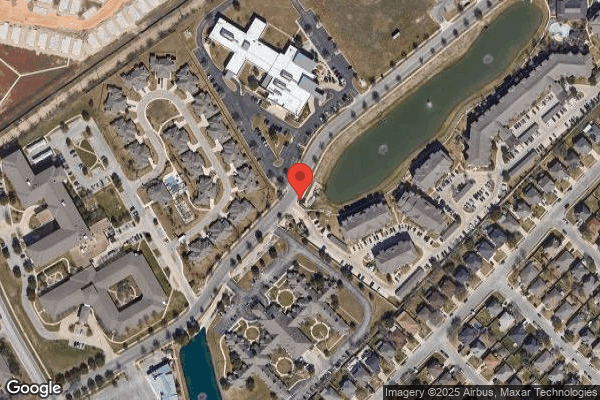
Jun 2025 1 deficiency
CONCERN (D) 📢 Someone Reported This

A family member, employee, or ombudsman was alarmed enough to file a formal complaint

Potential for Harm - no one hurt, but risky conditions existed

Deficiency F0761 (Tag F0761)

Could have caused harm · This affected 1 resident

**NOTE- TERMS IN BRACKETS HAVE BEEN EDITED TO PROTECT CONFIDENTIALITY** Based on observations, interviews, and record review, the facility failed to ensure all drugs and biologicals were stored in loc...

Read full inspector narrative →
**NOTE- TERMS IN BRACKETS HAVE BEEN EDITED TO PROTECT CONFIDENTIALITY** Based on observations, interviews, and record review, the facility failed to ensure all drugs and biologicals were stored in locked compartments for 1 of 1 nursing treatment carts out of 3 nursing carts reviewed for storage. The facility failed when on 06/09/2025 the nursing treatment cart was left unlocked and unattended by the Treatment Nurse when she entered the room to wash her hands and when wound care was provided to Resident #3. This failure could place residents at risk of misappropriation of medications or harm due to accidental ingestion of unprescribed mediations. The findings included: Record review of Resident #3's admission Record (Facesheet), dated 06/09/2025, revealed he was admitted to the facility on [DATE] with diagnosis which included heart failure, high blood pressure, and open wound of right toes. Record review of Resident #3's Physician Order Summary Report, revealed an order for Povidone-Iodine Solution 10% apply to 2nd toe topically every day shift with a start date of 05/23/2025. Record review of Resident #3's admission MDS, an assessment dated [DATE], revealed his BIMS score of 15 which indicated his cognitive skills for daily decision making were intact, and he was admitted with an open lesion on his foot. Record review of Resident #3's care plans for wounds with a start date of 04/21/2025 revealed interventions which included administer treatments as ordered. Observation on 06/09/2025 from 8:50 AM to 8:59 AM revealed when the Treatment Nurse entered Resident #3's room to wash her hands in the bathroom, she left the nursing treatment cart in the hallway unattended, out of her line of sight, and unlocked with the lock sticking out with the red portion of the lock handle visible indication it was unlocked. Further observation revealed the Treatment Nurse removed betadine from the treatment cart and applied the betadine to Resident #3's toes as part of the wound care treatment.The Treatment nurse came out of the bathroom, closed the door to Resident #3's room without locking the nursing treatment cart that had the lock sticking out in the unlocked position while she provided wound care to Resident #3. After wound care was provided, the Treatment Nurse opened the door to Resident #3's room and pulled open a drawer on the unlocked nursing treatment cart to remove an item, then the Treatment Nurse locked the cart. In an interview on 06/09/2025 at 9:00 AM, the Treatment Nurse stated she thought she had locked the treatment cart when she was in Resident #3's room because she usually would lock it when she goes into a resident's room. Observation on 06/09/2025 at 9:26 AM revealed the Treatment Nurse removed triad cream from the treatment cart. In an interview on 06/09/2025 at 10:56 AM, the DON stated the nursing treatment cart should be locked when unattended so that medications would not be removed from the cart, and the harm could be that someone or a resident could remove a medication from the cart they were not supposed to have access to. Record review of the Storage of Medications policy, revised April 2007, revealed The facility shall store all drugs and biologicals in a safe, secure and orderly manner .7. Compartments (including, but not limited to, drawers, cabinets, rooms, refrigerators, carts, and boxes.) containing drugs and biologicals shall be locked when not in use, and trays or carts used to transport such items shall not be left unattended if open or otherwise potentially available to others.
Apr 2025 4 deficiencies
CONCERN (D) 📢 Someone Reported This

A family member, employee, or ombudsman was alarmed enough to file a formal complaint

Potential for Harm - no one hurt, but risky conditions existed

Deficiency F0583 (Tag F0583)

Could have caused harm · This affected 1 resident

**NOTE- TERMS IN BRACKETS HAVE BEEN EDITED TO PROTECT CONFIDENTIALITY** Based on interview, record review, and observation, the facility failed to ensure residents have a right to personal privacy for...

Read full inspector narrative →
**NOTE- TERMS IN BRACKETS HAVE BEEN EDITED TO PROTECT CONFIDENTIALITY** Based on interview, record review, and observation, the facility failed to ensure residents have a right to personal privacy for 1 of 4 resident (Resident #2) reviewed for privacy, in that: CNA C and CNA D did not completely close Resident #2's privacy curtain while providing incontinent care on 4/11/25. This failure could place residents at-risk of loss of dignity due to lack of privacy. The findings included: Record review of Resident #2's face sheet, dated 04/11/2025, revealed an admission date of 04/06/2025, with diagnoses which included: Non traumatic acute subdural hemorrhage (bleeding between the layers surrounding the brain), Dysphagia (difficulty swallowing), Malignant neoplasm of prostate (prostate cancer), Type 2 diabetes mellitus (high level of sugar in the blood), Hypertension (high blood pressure), Depression (mood disorder that causes a persistent feeling of sadness and loss of interest). Record review of Resident #2's Cognitive and Swallowing assessment dated [DATE], revealed the resident had a BIMS score of 12, indicating he was moderately impaired. Record review of Resident #2's admission progress note dated 04/07/2025, revealed the resident required extensive assistance with his activity of daily living and was always incontinent of bowel and bladder. Record review of Resident #2's care plan, dated 04/09/2025, revealed a problem of Pressure Ulcer Prevention, with an intervention of Incontinent care provided every 2 hours and as needed. Observation on 04/11/2025 at 9:42 a.m. revealed CNA C and CNA D did not completely close the privacy curtain while they provided incontinent care for Resident #2, exposing the resident's genital area during care. The privacy curtain was too short to surround the bed. The resident's end of the bed was completely uncovered. An Housekeeper opened the room's door and started entering before she was stopped by this surveyor and CNA C and CNA D. During an interview with CNA C and CNA D on 04/11/2025 at 9:46 a.m., CNA C and CNA D confirmed the privacy curtain was not completely closed while they provided care for Resident #2 but it should have been. CNA D added the privacy curtain had been changed because it was long enough to close completely the day before. They confirmed they received resident rights training within the year. During an interview with the Administrator on 04/11/2024 at 1:30 p.m., the Administrator confirmed privacy must be provided during nursing care and Resident #2's privacy curtain should have been closed completely. He confirmed the staff had received training on resident rights within the year. Review of State Long-Term Care Ombudsman Program. Your Rights in a Nursing Facility, dated January 2025, revealed you have the right to: privacy, including during visits, phone calls and while attending to personal needs.
CONCERN (D) 📢 Someone Reported This

A family member, employee, or ombudsman was alarmed enough to file a formal complaint

Potential for Harm - no one hurt, but risky conditions existed

Deficiency F0602 (Tag F0602)

Could have caused harm · This affected 1 resident

**NOTE- TERMS IN BRACKETS HAVE BEEN EDITED TO PROTECT CONFIDENTIALITY** Based on interview and record review, the facility failed to ensure a resident had the right to be free from abuse, neglect, mis...

Read full inspector narrative →
**NOTE- TERMS IN BRACKETS HAVE BEEN EDITED TO PROTECT CONFIDENTIALITY** Based on interview and record review, the facility failed to ensure a resident had the right to be free from abuse, neglect, misappropriation of resident property, and exploitation for 1 of 8 residents (R#8) reviewed for misappropriation of resident property. The facility failed to ensure that Resident #8 was not subject to financial misappropriation or exploitation from Housekeeper E from the time period 11/10/2024 to 11/11/2024. Housekeeper E accepted a check for $350 from Resident #8. This deficient practice was determined to be Past Non-Compliance from 11/10/2024 to 11/11/2024, due to the facility having implemented actions that corrected the non-compliance prior to the beginning of the survey. This failure had the potential to affect the residents in the facility by placing them at risk for misappropriation of resident property. The findings included: Record review of Resident #8's face sheet dated 11/11/2024 revealed the resident was a [AGE] year-old male admitted on [DATE] and discharged [DATE]. The resident's diagnoses included: Rhabdomyolysis (a serious medical condition where damaged skeletal muscle tissue breaks down, releasing its contents into the bloodstream), alcohol abuse with intoxication, hypertension (high blood pressure), anxiety disorder (excessive worry, fear, and other physical and behavioral symptoms that interfere with daily life) and depression (a persistent sadness that interferes with daily life). A family member was listed as the resident's RP. Record review of Resident #8s admission MDS dated [DATE] revealed a BIMS score of 15, indicating the resident was cognitively intact. The resident was continent of bowel and bladder and able to perform ADLs independently or with partial/moderate assistance. Record review of Resident #8's comprehensive care plan, accessed on 04/08/2025, revealed the resident took psychotropic medications to treat his depression and anxiety. Interventions included monitoring for involuntary behaviors and weight loss and protecting the resident from self-harm or harm to others. During a telephone interview on 04/07/2025 at 12:28 PM, Resident #8's family member stated she had control of Resident #8's checkbook. She took it to the facility for the resident to sign some checks for his bills and left it there. When she returned to pick it up on 11/10/2024, she noticed one check was gone and confronted Resident #8 about it. At first, the resident did not know where it went, then he said, She needed help for a trip. When asked who needed help, Resident #8 stated, The housekeeper. Resident #8 saw the family member got upset and stopped talking. She did not know the amount of the check. The family member was livid. She approached the receptionist at the front desk and told her she was extremely upset and wanted it handled immediately and was told by the receptionist she would pass it along. The Administrator called her two days later, apologized immensely, and stated he instructed the housekeeper to bring cash back. The Administrator said Housekeeper E did not understand it was not okay to receive money from the resident. Resident #8 had dementia brought on by alcoholism. Two days later the Administrator said he had the cash but did not want to give it to the resident. She came to the facility and picked up an envelope of cash containing $350. During an interview on 04/10/2025 at 10:35 AM, the facility's receptionist stated she received training on abuse and neglect yearly and knew what to do if she became aware of such an incident; she would report the incident to the abuse coordinator, the Administrator. She vaguely remembered the incident but not the day. Resident #8's family member came to her mid-morning or after lunch. She was very upset and stated there was money missing, taken from Resident #8. The receptionist apologized to the family member and texted the Administrator immediately. She tried calling the DON but the DON was busy with a resident. She did not speak with the DON. During an interview on 04/11/2025 at 11:17 AM, the Administrator stated a staff member told him on 11/10/24 a family member called and they were upset someone cashed a check from a resident. He (the Administrator) did not recall who told him about the incident. The case was investigated by the facility's former DON. Housekeeper E returned the money before she went on vacation. She acknowledged she knew what she was doing was wrong but Resident #8 insisted she take the money. Housekeeper E went on vacation for 2 weeks and when she returned to duty, she was terminated. He did not report the incident to the police and he did not have a case number. He did not know why. The Administrator later stated on 04/11/2025 at 1:05 PM he did not notify law enforcement because Resident #8 had a BIMS of 15, he gave the Housekeeper the check voluntarily, and therefore the act did not fit the definition of misappropriation and instead fell under the category of accepting gifts from residents. During an interview on 04/11/2025 at 1:30 PM, the Housekeeping Director stated Housekeeper E talked about her past in [NAME] with Resident #8 and he stated he was going to help her out and take care of her. He was going to give her a check between him (Resident #8) and Housekeeper E, from him to her. Housekeeper E said she could not accept it but took it. She did not tell him (the Housekeeping Director) about it. She was not one of those who had ever done anything like that. He did not know what she was thinking. The DON found out about it and sent her home. She (the DON) told him about it. When he talked to Housekeeper E, she said they sent her home because she took some money that a patient gave her. He said it was going to be between us. The housekeepers knew they were not supposed to take it. She knew the right thing to do. She said she was going to tell me about it. He told her soon as she got that check she should have come to him. She had his phone number, she could have called him, but she did not. Record review of a statement provided by Housekeeper E dated 11/10/2024 revealed she cleaned the room for Resident #8, had a conversation with him, told him she was going on vacation, he asked her how much money she needed and gave her $350. Record review of facility's Reportable Incident Protocol dated August 2024 read: In reporting accidents/incidents, the following protocol must be observed: External Reportable Incidents: In response to allegations of abuse, neglect, exploitation, or mistreatment, the facility must: .Misappropriation of Patient Funds: The taking, secretion, misapplication, deprivation, transfer, or attempted transfer to any person not entitled to receive any property, real, or personal, or anything of value belonging to or under the legal control of a Patient, without the effective consent of the Patient or other appropriate legal authority, or the taking of any action contrary to any duty imposed by federal or state law prescribing conduct related to the custody or disposition of property of a Patient . 2. Our Facility will not condone Patient abuse, neglect, mistreatment or misappropriation of patient property and exploitation (collectively Patient Abuse) by anyone, including staff members, other Patients, consultants, volunteers, staff of other agencies serving the Patient, family members, legal guardians, friends, or other individuals. Reporting of crimes: The facility must report to the State Agency and law enforcement in which the facility is located any reasonable suspicion of a crime against any individual who is a patient of or is receiving care from the facility. The facility MUST report immediately, but no later than 2 hours after forming the suspicion, if the events that cause the suspicion result in serious bodily injury, or not later than 24 hours if the events that cause the suspicion do not result in serious bodily injury. It was determined this failure placed residents in Past Non-Compliance from 11/10/2024 - 11/11/2024. The facility took the following actions to correct the non-compliance: 1. Record review of Housekeeper E's employment record revealed she was suspended from employment pending investigation of the incident on 11/10/2024. She had taken a 14-day planned leave of absence and was terminated upon her return to duty. 2. Record review of facility's Inservice training dated 11/10/2024 revealed 32 employees were trained by the abuse coordinator on not accepting gifts and financial abuse. 3. Facility investigation and reporting of incident to HHSC on 11/11/2024. 4. Emergency QAPI completed. 5. Money retrieved from Housekeeper E and returned to Resident #8's family member. Interviews conducted on 04/10/2025 from 12:27 PM - 3:18 PM and 4/11/2025 from 9:42 AM - 2:10 PM with LVNs A, H and I; CNAs C, D, F, G and J; the Housekeeping Supervisor, Nutrition Supervisor and Social Worker revealed they were familiar with the abuse policy, could define abuse, neglect and misappropriation, knew who the abuse coordinator was and how to report allegations of abuse or neglect. Interviews on 04/11/2025 from 09:45 AM - 10:15 AM with 15 residents from Halls 100, 200, 300, 500 and 600 revealed they felt safe at the facility with no concerns of abuse or neglect, no concerns with staff, and no observations of abuse or neglect from staff or resident to resident.
CONCERN (D) 📢 Someone Reported This

A family member, employee, or ombudsman was alarmed enough to file a formal complaint

Potential for Harm - no one hurt, but risky conditions existed

Report Alleged Abuse (Tag F0609)

Could have caused harm · This affected 1 resident

**NOTE- TERMS IN BRACKETS HAVE BEEN EDITED TO PROTECT CONFIDENTIALITY** Based on interviews and record review, the facility failed to develop and/or implement policies and procedures for ensuring the ...

Read full inspector narrative →
**NOTE- TERMS IN BRACKETS HAVE BEEN EDITED TO PROTECT CONFIDENTIALITY** Based on interviews and record review, the facility failed to develop and/or implement policies and procedures for ensuring the reporting of a reasonable suspicion of a crime in accordance with section 1150B of the Act for 1 of 8 residents (Resident #8) reviewed for abuse, neglect, exploitation, or mistreatment and report to one or more law enforcement entities for the political subdivision in which the facility is located any reasonable suspicion of a crime against any individual who is a resident of, or is receiving care from, the facility. The facility failed to report to a law enforcement entity of an allegation of exploitation on 11/10/2024, where Housekeeper E received a check in the amount of $350 from Resident #8. This failure had the potential to affect the residents in the facility by placing them at risk for exploitation and/or misappropriation of resident property. The findings included: Record review of Resident #8's face sheet dated 11/11/2024 revealed the resident was a [AGE] year-old male admitted on [DATE] and discharged [DATE]. The resident's diagnoses included: Rhabdomyolysis (a serious medical condition where damaged skeletal muscle tissue breaks down, releasing its contents into the bloodstream), alcohol abuse with intoxication, hypertension (high blood pressure), anxiety disorder (excessive worry, fear, and other physical and behavioral symptoms that interfere with daily life) and depression (a persistent sadness that interferes with daily life). A family member was listed as the resident's RP. Record review of Resident #8s admission MDS dated [DATE] revealed a BIMS score of 15, indicating the resident was cognitively intact. The resident was continent of bowel and bladder and able to perform ADLs independently or with partial/moderate assistance. Record review of Resident #8's comprehensive care plan, accessed on 04/08/2025, revealed the resident took psychotropic medications to treat his depression and anxiety. Interventions included monitoring for involuntary behaviors and weight loss and protecting the resident from self-harm or harm to others. During a telephone interview on 04/07/2025 at 12:28 PM, Resident #8's family member stated she had control of Resident #8's checkbook. She took it to the facility for the resident to sign some checks for his bills and left it there. When she returned to pick it up on 11/10/2024, she noticed one check was gone and confronted Resident #8 about it. At first, the resident did not know where it went, then he said, She needed help for a trip. When asked who needed help, Resident #8 stated, The housekeeper. Resident #8 saw the family member got upset and stopped talking. She did not know the amount of the check, and she was livid. She approached the receptionist at the front desk and told her she was extremely upset and wanted it handled immediately and was told by the receptionist she would pass it along. The Administrator called her two days later, apologized immensely, and stated he instructed the housekeeper to bring cash back. The Administrator said Housekeeper E did not understand it was not okay to receive money from the resident. The family member told the Administrator Resident #8 had dementia brought on by alcoholism, she knew it was not okay, but wanted the matter escalated and inquired as to whether she needed to call the police department or he would do it. The Administrator told her he would take care of it. Two days later the Administrator said he had the cash but did not want to give it to the resident. She came to the facility and picked up an envelope of cash. During an interview on 04/11/2025 at 11:17 AM, the Administrator stated a staff member told him on 11/10/2024 a family member called and they were upset someone cashed a check from a resident. He (the Administrator) did not recall who told him about the incident. The case was investigated by the facility's former DON. Housekeeper E returned the money before she went on vacation. She acknowledged she knew what she was doing was wrong but Resident #8 insisted she take the money. Housekeeper E went on vacation for 2 weeks and when returned to duty, she was terminated. He did not report the incident to the police and he did not have a case number. He did not know why. The Administrator later stated on 04/11/2025 at 1:05 PM he did not notify law enforcement because Resident #8 had a BIMS of 15, he gave the Housekeeper the check voluntarily, and therefore the act did not fit the definition of misappropriation and instead fell under the category of accepting gifts from residents. During an interview on 04/11/2025 at 1:30 PM, the Housekeeping Director stated Housekeeper E talked about her past in [NAME] with Resident #8 and he stated he was going to help her out and take care of her. He was going to give her a check between him (Resident #8) and Housekeeper E, from him to her. Housekeeper E said she could not accept it but took it. She did not tell him (the Housekeeping Director) about it. She was not one of those who had ever done anything like that. He did not know what she was thinking. The DON found out about it and sent her home. She (the DON) told him about it. When he talked to Housekeeper E, she said they sent her home because she took some money that a patient gave her. He said it was going to be between us. The housekeepers knew they were not supposed to take it. She knew the right thing to do. She said she was going to tell me about it. He told her soon as she got that check she should have come to him. She had his phone number, she could have called him, but she did not. Record review of a statement provided by Housekeeper E dated 11/10/2024 revealed she cleaned the room for Resident #8, had a conversation with him, told him she was going on vacation, he asked her how much money she needed and gave her $350. Record review of Provider Investigaion Report dated 11/10/2024 revealed under section were other parties notified?, Physician and Responsible Party. Record review of facility's Reportable Incident Protocol dated August 2024 read: In reporting accidents/incidents, the following protocol must be observed: External Reportable Incidents: In response to allegations of abuse, neglect, exploitation, or mistreatment, the facility must: .Misappropriation of Patient Funds: The taking, secretion, misapplication, deprivation, transfer, or attempted transfer to any person not entitled to receive any property, real, or personal, or anything of value belonging to or under the legal control of a Patient, without the effective consent of the Patient or other appropriate legal authority, or the taking of any action contrary to any duty imposed by federal or state law prescribing conduct related to the custody or disposition of property of a Patient . 2. Our Facility will not condone Patient abuse, neglect, mistreatment or misappropriation of patient property and exploitation (collectively Patient Abuse) by anyone, including staff members, other Patients, consultants, volunteers, staff of other agencies serving the Patient, family members, legal guardians, friends, or other individuals. Reporting of crimes: The facility must report to the State Agency and law enforcement in which the facility is located any reasonable suspicion of a crime against any individual who is a patient of or is receiving care from the facility. The facility MUST report immediately, but no later than 2 hours after forming the suspicion, if the events that cause the suspicion result in serious bodily injury, or not later than 24 hours if the events that cause the suspicion do not result in serious bodily injury.
CONCERN (D) 📢 Someone Reported This

A family member, employee, or ombudsman was alarmed enough to file a formal complaint

Potential for Harm - no one hurt, but risky conditions existed

Accident Prevention (Tag F0689)

Could have caused harm · This affected 1 resident

**NOTE- TERMS IN BRACKETS HAVE BEEN EDITED TO PROTECT CONFIDENTIALITY** Based on observation, interview, and record review, the facility failed to ensure environment remains as free of accident hazard...

Read full inspector narrative →
**NOTE- TERMS IN BRACKETS HAVE BEEN EDITED TO PROTECT CONFIDENTIALITY** Based on observation, interview, and record review, the facility failed to ensure environment remains as free of accident hazards as is possible; for residents for 1 of 8 units (unit 800) observed for environment, in that: 1. The facility failed to ensure potential hazards Clorox (disinfecting wipes) were locked up and kept out of resident rooms. This failure could place residents at risk of a diminished quality of life due to an unsafe environment. The findings included: Review of Resident #1's face sheet dated 04/09/2025, revealed an admission date of 10/04/2024 with diagnoses which included: Hydrocephalus (Buildup of fluids in the brain), Dementia (decline in cognitive abilities), Hypertension (high blood pressure), Type 2 diabetes mellitus (high level of sugar in the blood), Anxiety disorder (A group of mental illnesses that cause constant fear and worry). Review of Resident #1's Quarterly MDS assessment dated [DATE], revealed Resident #1 had a BIMS score of 00, indicating he was severely impaired. Review of Resident #1's care plan dated 10/07/2024 revealed the resident had a self-care deficit and required assistance with ADLs. Observation on 04/10/2025 at 10:30 a.m. revealed a container of Clorox (disinfecting wipes) on top of the bedside table in Resident's 1's room. The container had a hazard statement causes eye irritation. During an interview on 04/10/2025 at 10:35 a.m. with LVN A, the LVN verbally confirmed the Clorox wipes container should not have been left in the room. RA B added Resident #1's wife had brought the container of wipes. During an interview on 04/10/2025 at 1:44 p.m. with the Administrator, he verbally confirmed the disinfecting wipes should not have been kept in a resident's room. He added Resident #1's family member had brought the container of wipes and she had been educated in the past about not bringing certain items to the facility. Review of the State Long-Term Care Ombudsman Program. You rights in a Nursing Facility flyer, dated January 2025, revealed You have the right to live in safe, decent and clean conditions.
Jun 2024 4 deficiencies
CONCERN (D)

Potential for Harm - no one hurt, but risky conditions existed

Resident Rights (Tag F0550)

Could have caused harm · This affected 1 resident

**NOTE- TERMS IN BRACKETS HAVE BEEN EDITED TO PROTECT CONFIDENTIALITY** Based on observation, interview and record review, the facility failed to ensure each resident was treated with respect and dign...

Read full inspector narrative →
**NOTE- TERMS IN BRACKETS HAVE BEEN EDITED TO PROTECT CONFIDENTIALITY** Based on observation, interview and record review, the facility failed to ensure each resident was treated with respect and dignity and care in a manner and in an environment that promoted maintenance or enhancement of his or her quality of life for 1 of 5 residents (Residents #86) reviewed for dignity. The facility failed to ensure the urinary collection bag for Resident #86's catheter was covered with a privacy bag. This failure could place residents at risk for a loss of dignity, decreased self-worth and decreased self-esteem. Findings include: Record review of Resident #86's face sheet, dated 06/27/2024, revealed a [AGE] year-old male admitted to the facility on [DATE] had diagnoses which included hypertension (blood is pumping with more force than normal through your arteries), gastroesophageal reflux disease (condition in which the stomach contents move up into the esophagus), acute kidney failure (when your kidneys suddenly become unable to filter waste products from your blood), muscle weakness (lack of muscle strength), & cognitive communication deficit (difficulty paying attention to a conversation, staying on topic, remembering information, responding accurately, or following instructions). Record review of Resident #86's admission MDS Assessment, dated 05/28/2024, reflected a BIMS score of 15, which indicated the resident is cognitively intact. Resident #86 admission MDS assessment also revealed Resident #86 had an indwelling catheter and was always incontinent of bowel. Record review of Resident #86's care plan, dated 06/26/2024, reflected Resident #86 was care planned for risks for infection r/t indwelling catheter and enhanced barrier precautions implemented r/t urinary catheter. During an interview and observation on 06/25/2024 at 11:26am, Resident #86 was observed in his room with his urinary collection bag almost full with no privacy bag covering it. Resident #86 stated he did not know his catheter bag was not covered. Resident #86 stated he was not sure how long it had not been covered. Resident #86 stated that he would like for his catheter bag be covered at all times. In an interview on 06/27/2024 at 11:35am, LVN A stated that a resident's catheter drainage bag should always be covered. LVN A stated that it was everyone's responsibility to ensure that all residents drainage bag were covered. LVN A stated that anyone can put a resident's catheter bag in a privacy bag. LVN A stated if a resident's catheter bag was not covered then that would be an infection control and a dignity issue. In an interview on 06/27/2024 at 1:55pm, the DON stated that a residents catheter drainage bag should always be covered. The DON stated it was the nurse's responsibility to ensure that the resident's catheter drainage bag was covered. The DON stated that if a resident's catheter drainage bag was not covered it would be a dignity issues. In an interview on 06/27/2024 at 2:10pm, the ADM stated that a residents catheter drainage bag should always be covered. The ADM stated he believed it would be the nurse's responsibility for ensuring the resident's catheter bag was covered. The ADM stated that it was his expectation for residents with catheter drainage bags to always be covered. Record review of the facility's policy titled, Resident Rights, dated December 2016, reflected Employees shall treat all residents with kindness, respect and dignity. Policy Interpretation and Implementation 1. Federal and state laws guarantee certain basic rights to all residents of this facility. These rights include the resident's right to: a. A dignified existence; b. Be treated with respect, kindness, and dignity;
CONCERN (D)

Potential for Harm - no one hurt, but risky conditions existed

Deficiency F0558 (Tag F0558)

Could have caused harm · This affected 1 resident

**NOTE- TERMS IN BRACKETS HAVE BEEN EDITED TO PROTECT CONFIDENTIALITY** Based on observation, interview, and record review, the facility failed to ensure residents had the right to reside and receive ...

Read full inspector narrative →
**NOTE- TERMS IN BRACKETS HAVE BEEN EDITED TO PROTECT CONFIDENTIALITY** Based on observation, interview, and record review, the facility failed to ensure residents had the right to reside and receive services in the facility with reasonable accommodation of resident needs for 1 of 6 residents (Resident #18) who were reviewed for accommodation of needs. The facility failed to ensure Residents #18's call lights were placed within their reach. This failure could place dependent residents at risk of injuries and unmet needs. Findings included: Review of Resident #18's undated face sheet reflected the resident was a [AGE] year-old male who admitted to the facility on [DATE] with diagnoses of congestive heart failure (a condition that develops when your heart doesn't pump enough blood your body needs), urinary tract infection, generalized anxiety, unspecified falls, and legal blindness. Record review of Resident #18's care plan dated 06/07/24 reflected Resident #18 had a risk for falling. The approach on the risk for falling care plan was to remind resident to call for assistance before moving from bed to chair and from chair to bed. Approaches also included to place call bell/light within easy reach. Review of Resident #18's admission MDS Assessment, dated 06/12/24, reflected he had a BIMS score of 8 indicating he was moderately cognitively impaired. Section GG (Functional Abilities and Goals) of the same MDS indicated Resident #18 was partial moderate assistance with ADL care such as toileting, dressing, and personal hygiene. In an interview and observation on 06/25/24 at 10:24 AM, Resident #18 was sitting up in his wheelchair on the left side of his bed. His call light was observed laying on right side of bed. Resident #18 said he needs his ostomy emptied prior to therapy. When Resident #18 was asked to reach his call light he stated he was legally blind and he attempts to grab his call light but has limited range of motion in his right shoulder and was unable to reach across the bed. Resident #18 stated he would just sit for long periods of time prior to someone coming in to help him and gets frustrated by the wait. He stated occasionally he will call out to shadows in the hall for help. In an interview on 6/27/24 at11:06am with CNA B she stated the call light had to be attached to or very close to the resident. Staff would generally attach the call light to Resident #18's shirt by his chest, so he knew exactly where it was. CNA B stated it was everyone's responsibility to make sure call lights were in residents reach. She stated negative effects for the resident related to not having a call light within their reach were falls, accidents, not able to receive help, and unable to have their needs met. CNA B stated the DON generally educates staff use on call lights frequently. In an interview on 6/27/24 at 11:23am with RN C she stated call the light was generally attached to Resident #18's shirt so he can reach it with his left hand. She stated that everyone was responsible for making sure the call lights were in residents reach. RN C stated the staff were educated monthly and as needed by in-services given by the DON to ensure call lights were within all residents reach. She stated negative effects for a resident for not having their call light within reach could include a risk for falling. In an interview on 06/27/24 at 1:51pm with DON she stated her expectations were that call lights to be answered fast as possible and need to be in reach of all residents. She stated she was responsible for educating the staff and the staff were educated on call lights being within reach all the time. The DON stated if a resident was without the call light, they would be at risk for not getting the care they need. She stated everyone and anyone can answer call lights and make sure it's within the residents reach. A record review of facility policy titled Answering the Call Light dated 10/2010 reflected Procedure #5 When the resident is in bed or confined to a chair be sure the call light is within easy reach of the resident.
CONCERN (D)

Potential for Harm - no one hurt, but risky conditions existed

Comprehensive Care Plan (Tag F0656)

Could have caused harm · This affected 1 resident

**NOTE- TERMS IN BRACKETS HAVE BEEN EDITED TO PROTECT CONFIDENTIALITY** Based on observation, interview and record review, the facility failed to implement a comprehensive care plan to meet the reside...

Read full inspector narrative →
**NOTE- TERMS IN BRACKETS HAVE BEEN EDITED TO PROTECT CONFIDENTIALITY** Based on observation, interview and record review, the facility failed to implement a comprehensive care plan to meet the resident's highest practicable physical, mental, and psychosocial well-being of 1 (Resident #30) of 6 residents reviewed for care plans. The facility failed to implement a comprehensive person-centered care plan for Resident #30's active wounds to right heel, left foot second toe, and a contracted right hand. This failure could place residents of risk for not receiving appropriate care and treatment, lack of skin/wound interventions, a delay in treatment, a decline in health, and hospitalization. Findings included: Record review of undated face sheet reflected Resident #30 was an [AGE] year-old male admitted to the facility on [DATE]. Resident #30 had the following diagnoses of hemiplegia following cerebral infarct right dominate side (paralysis following a stroke), dysphagia (difficulty swallowing), type 2 diabetes (elevated blood Pressure), contracture of muscle, Peripheral Vascular Disease (lack of blood flow to the extremities), and Hypertension (elevated blood pressure). Record review of Resident #30's Braden Scale (an assessment to predict skin breakdown) dated 01/20/24 reflected a score of 14 indicating Resident #30 was a moderate risk for skin breakdown. Record review of Resident #30's Annual MDS dated [DATE] reflected he had modified independence in his cognitive skill for daily decision making indicating he had difficulty in new situations only. The MDS also reflected Resident #30 had functional limitations to one side of the body in his upper and lower extremity. Resident #30 was wheelchair bound and required partial moderate assistance for personal hygiene. Record review of Resident #30's Physician Orders dated 06/26/24 reflected a wound treatment to monitor between right hand 2nd and 3rd digits for redness and irritation due to contracture fingers overlapping and may place gauze padding in between fingers for comfort start date 11/28/23. The physicians' orders also reflected wound treatment to the right heel to cleans with soap and water apply plurogel (a wound treatment), abdominal pad Coban (a wrap) light compression on Monday Wednesday and Friday for rash skin eruption other nonspecific skin eruption dated 6/15/24 and a wound treatment to apply betadine to left foot 2nd digit daily dated 6/15/24. Record review of the care plan dated 06/26/24 for Resident #30 reflected a care plan with the focus of at risk for pressure development /impaired skin integrity. Related to self-care deficit, generalized weakness, decreased mobility, hemiplegia, diabetes type 2, and history of protein calorie malnutrition. The goal was for Resident #30 to not develop any pressure or skin breakdown over the next 90 days. Interventions include to monitor skin for breakdown and report to MD and RP. Resident #30 also had a care plan that reflected a current skin issue for a bruise to left side of the neck. There was no care plan reflecting current treatment for skin issues to right foot, left foot, and contracture to right hand. Record review of Resident #30 wound assessment dated [DATE] reflected Resident #30 had a wound to the left foot 2nd toe with an onset date of 6/14/24. Intervention listed on skin assessment included handrolls, lift sheet, low air loss mattress, offload bony prominences, wedges, and other positioning devices. The comments on the wound assessment reflected the wound was a venous ulcer to the left foot 2nd toe with 100% scab, no drainage, no odor, and surrounding tissue was purple. Record review of Resident #30 wound assessment dated [DATE] reflected Resident #30 had a wound to his right heel with an onset date of 06/14/24. Intervention listed on skin assessment included handrolls, lift sheet, low air loss mattress, offload bony prominences, wedges, and other positioning devices. The comments on the wound assessment reflected the wound was a venous ulcer to the right heel. The peri wound was macerated (moist) the physician was notified of the maceration and new orders were given for a treatment change. In an interview and observation with Resident #30 on 06/25/24 at 11:06 AM, Resident #30 was observed with thick fingernails to right hand. The right hand was contracted with a rolled-up washcloth in hand. Resident #30 nodded head yes that staff change his washcloth and wound dressings to right and left foot as ordered. He pointed to other parts of his body with dressing intact to wounds. Resident #30 was on a low air loss mattress and wearing heel protectors. In an interview on 06/27/2024 at 11:42 AM with the DON, she stated it was her expectation that all types of wounds should be care planned. She stated she was not aware of any residents' wounds that was not care planned. She stated nursing staff, including herself, her ADON's, and the MDS nurses were responsible for completing and updating residents care plans. She stated they all talked in the morning meetings and if there was a new concern that came up, that would have indicated that they needed to update the care plans. She stated she would specifically tell the MDS nurse that was responsible for that resident to update the care plan if there was a new concern. She stated if a wound developed after a care plan had already been completed, the care plan should be updated to reflect the wound. She stated nursing administration was in-serviced and trained on how to correctly complete and update care plans. She stated if a care plan was not completed correctly, it could cause failure of care. In an interview on 06/27/2024 at 1:34 PM the MDS Coordinator stated she had worked in the facility for about 3 years. She stated she was responsible for and had been trained on completing and updating the residents care plans. She stated she was responsible for completing the care plans based on the CAAS (Care Area Assessment Summary) which came off the MDS assessments. She stated they have a clinical meeting after the stand-up meeting every morning and discuss each patient and what was going on with them, and if anything, new comes up that needs to be care planned, the DON will ask her or another nursing manager to care plan new issues. She stated she was not aware of any residents' wounds that were not care planned. She stated if a wound developed after a care plan had already been completed, the care plan should have been updated to reflect the wound. She stated if a care plan was not completed correctly, she does not have an answer for that because if they had orders and the resident was still being treated, she could not see how it would have affected the resident. A record review of facility policy titled Care Plans, Comprehensive Person Centered Dated 03/2022 reflected A comprehensive, person-centered care plan that includes measurable objective and timetables to meet the residents physical, psychosocial, and functional needs is developed and implemented for each resident.
CONCERN (D)

Potential for Harm - no one hurt, but risky conditions existed

Deficiency F0760 (Tag F0760)

Could have caused harm · This affected 1 resident

**NOTE- TERMS IN BRACKETS HAVE BEEN EDITED TO PROTECT CONFIDENTIALITY** Based on interviews and record review the facility failed to ensure residents were free of significant medication errors for 1 (...

Read full inspector narrative →
**NOTE- TERMS IN BRACKETS HAVE BEEN EDITED TO PROTECT CONFIDENTIALITY** Based on interviews and record review the facility failed to ensure residents were free of significant medication errors for 1 (Resident #42) of 6 residents reviewed for medication errors in that: The facility transcribed a medication (hydralazine a medication used to treat high blood pressure) be given oral for a resident who was to receive her medications per her gastrostomy tube. The failure could cause residents who receive medications by gastrostomy tube at risk for aspiration and related complications. The findings included: Review of Resident #42's undated face sheet reflected the resident was a [AGE] year-old female who admitted to the facility on [DATE] with diagnoses of Hemiplegia following cerebral infarct affecting the right dominate side (paralysis of the right side), essential hypertension (high blood pressure) , dysphagia (difficulty swallowing), and gastrostomy status (meaning the resident has a stomach tube in abdomen in which she received nutrition and medications). Review of Resident #42's quarterly MDS Assessment, dated 04/05/24, reflected she was rarely/never understood, but sometimes understands others. Her cognitive skills for daily decision making were moderately impaired indicating she had poor decision-making skills and required staff cues and supervision. The MDS reflected Resident #42 was dependent for activities of daily living such as dressing and grooming. Section K of the same MDS reflected Resident #42 received nutrients through a feeding tube. Record review of a care plan dated 06/26/24 reflected Resident #42 had a G-Tube (gastrostomy tube) and was receiving tube feeding with a goal to receive adequate nutrition without side effects associated with bolus tube feedings (aspiration, Diarrhea, and dehydration) over the next 90 days. Interventions on the care plan included to crush medications as ordered may mix and flush each medication with 5-10 ml of water. Record review of Resident #42's Physician Orders dated 06/26/24 reflected a NPO (nothing by mouth) status dated 4/23/2020. Resident #42 had an order to Crush medications before administering through Gastrostomy tube dated 4/23/2020. The same Physicians' orders also reflected the following medications were ordered to be given oral (by mouth) Ondansetron (a medication used for nausea and vomiting), Lactulose (a medication used to treat constipation), Hydralazine (a medication used to treat high blood pressure). In an observation and interview of medication administration on 6/26/24 at 12:06pm, RN C administered Hydralazine 100mg 1 tablet crushed via Resident #42s gastrostomy tube. The order reflected on the screen of the computer on the medication cart read to give 1 tab of Hydralazine 100mg by mouth. RN C stated medications for Resident #42 were given by gastrostomy tube only. RN C stated when the medication card doesn't match the order for the medication the order should have been clarified with the physician . The risk for the resident in this case would have been the medication would be administered by the wrong route possible causing aspiration. RN C stated he was the ADON and was responsible for checking the new orders for accuracy daily. In an interview on 06/27/24 at1:51pm with the DON she stated she would expect the nurse to double check the order first thing when administering medications. She stated the risk for residents not receiving their medication by the right route could be not getting the medication they need to manage their disease process. She stated nurses were educated on medication administration. She stated there was skills check off in the training packet for nursing, but she was not sure how often the nurse completed the skills check off. She stated she was responsible for educating the nurses. A record review of facility policy titled Administering Medications through an Enteral Tube dated 10/2018 reflected: Preparation #1 Verify there is a physician medication order for this procedure. Steps and Procedure #3 Check the label and confirm the medication name, route, and dose with Medication Administration Record. Confirm that the medication dosage form is compatible with eternal administration.
May 2024 1 deficiency
CONCERN (D) 📢 Someone Reported This

A family member, employee, or ombudsman was alarmed enough to file a formal complaint

Potential for Harm - no one hurt, but risky conditions existed

Infection Control (Tag F0880)

Could have caused harm · This affected 1 resident

**NOTE- TERMS IN BRACKETS HAVE BEEN EDITED TO PROTECT CONFIDENTIALITY** Based on observation, interview, and record review, the facility failed to maintain an Infection prevention and control program ...

Read full inspector narrative →
**NOTE- TERMS IN BRACKETS HAVE BEEN EDITED TO PROTECT CONFIDENTIALITY** Based on observation, interview, and record review, the facility failed to maintain an Infection prevention and control program designed to provide a safe, sanitary, and comfortable environment and to help prevent the development and transmission of communicable disease and infection for 1 of 1 resident (Resident #1) reviewed for infection control, in that: While providing incontinent care for Resident #1, CNA A touched the trash can with her bare hands and did not wash her hands before putting her gloves on and starting to provide care. CNA B did not sanitize or wash her hands in between change of gloves. These failures could place residents at-risk for infection due to improper care practices. The findings included: Record review of Resident #1's face sheet, dated 05/30/2024, revealed an admission date of 03/10/2023, with diagnoses which included: Spondylolysis (Bony defect or stress fracture in the arch of a vertebra), Chronic respiratory failure (condition making it difficult to breath), Fibromyalgia (chronic widespread pain with fatigue), Type 2 diabetes mellitus (high level of sugar in the blood), Obstructive sleep apnea (sleep related breathing disorder), Hypertension (High blood pressure), Chronic kidney disease (gradual loss of kidney function) and severe obesity. Record review of Resident #'1's Annual MDS, dated [DATE], revealed the resident had a BIMS score of 15 indicating no cognitive impairment. Resident #1 required extensive assistance to total care and was always incontinent of bladder and bowel. Review of Resident #1''s care plan, dated 05/20/2024, revealed a problem of is always incontinent of bowel and bladder and a goal of Will remain clean, dry and odor free and no occurrence of skin breakdown will occur over the next 90 days Observation on 5/30/2024 at 10:16 a.m. while providing incontinent care for Resident #1, CNA A, after washing her hands, touched the trash can by the resident's bed to place trash bag in it. CNA A touched the trash can with her bare hands. CNA A did not sanitize or wash her hands before putting gloves on and started to assist CNA B with incontinent care for Resident #1. CNA A touched the cleaning wipes and the skin of the resident. CNA B changed gloves after cleaning the resident and before applying cream to the resident buttocks. CNA B, again, changed her gloves before placing new brief on Resident #1 and placing new bed linens under the resident but did not sanitize or wash her hands between change of gloves During an interview on 05/30/2024 at 10:33 a.m., CNA A confirmed touching the trash can with her bare hands and putting gloves on without sanitizing or washing her hands. She confirmed the trash can was considered dirty and that she should have sanitized her hands before starting to provide care to Resident #1. CNA A confirmed receiving infection control training within the year. During an interview with CNA B, on 05/302024 at 10:35 a.m., she confirmed not using sanitizer between change of gloves and confirmed she should have sanitized or washed her hands between changes of gloves. She confirmed receiving infection control training within the year. During an interview with the DON on 05/30/2024 at 10:37 a.m., The DON verbally confirmed CNA should sanitize or wash their hands after touching the trash can in a resident's room. She confirmed CNA should sanitize or wash hands between change of gloves while providing care to a resident. Further interview with The DON, revealed the ADONs were providing training on infection control and hand washing at least once a year. The DON revealed The ADONs also did skills checklist once a year for all the staff. The DON revealed The ADONS did a monthly hand hygiene audit of all staff per facility protocol Review of annual skills check for CNA A revealed CNA A passed competency for Incontinent care and infection control/hand washing on 03/22/2024. Review of annual skills check for CNA B revealed CNA B passed competency for Incontinent care and infection control/hand washing on 03/23/2024. Review of facility policy, titled Hand washing/Hand hygiene, dated August 2014, revealed Use an alcohol-based hand rub [ .] for the following situations: [ .] after contact with objects in the immediate vicinity of the resident, after removing gloves.
Jun 2023 1 deficiency
MINOR (C) 📢 Someone Reported This

A family member, employee, or ombudsman was alarmed enough to file a formal complaint

Minor Issue - procedural, no safety impact

Staffing Information (Tag F0732)

Minor procedural issue · This affected most or all residents

Based on observation, interview, and record review the facility failed to post on a daily basis information that included the facility name, current date, total number and actual hours worked by regis...

Read full inspector narrative →
Based on observation, interview, and record review the facility failed to post on a daily basis information that included the facility name, current date, total number and actual hours worked by registered nurses, licensed practical or licensed vocational nurses, certified nurse aides directly responsible for resident care per shift and the resident census. The facility did not post the required nurse staffing information on 06/07/2023. This failure could place all residents, their families, and facility visitors at risk of not having access to information regarding staffing data and the facility census. Findings included: Observation on 06/07/2023 at 2:15 p.m., revealed the daily census and nurse staffing information could not be located at the main entrance or nurses' stations. Interview with the DON on 06/07/2023 at 3:17 p.m., the DON revealed she and the weekend nurse were responsible for posting the daily census and nurse staffing information. The DON revealed she had not posted the information that morning. The DON revealed the nurse staffing information was required per regulation and in the event, someone would want to know the census and staffing information. Record review of facility policies titled [corporate name] Staffing Guidelines dated November 2015 and Personnel dated November 2016 did not reveal mention of required daily posting for nurse staffing information.
Apr 2023 5 deficiencies
CONCERN (D)

Potential for Harm - no one hurt, but risky conditions existed

Comprehensive Care Plan (Tag F0656)

Could have caused harm · This affected 1 resident

**NOTE- TERMS IN BRACKETS HAVE BEEN EDITED TO PROTECT CONFIDENTIALITY** Based on interview and record review, the facility failed to implement a comprehensive person-centered care plan for each reside...

Read full inspector narrative →
**NOTE- TERMS IN BRACKETS HAVE BEEN EDITED TO PROTECT CONFIDENTIALITY** Based on interview and record review, the facility failed to implement a comprehensive person-centered care plan for each resident to meet a resident's medical, nursing, and mental and psychosocial needs that are identified in the comprehensive assessment and described the services that re to be furnished to attain or maintain the resident's highest practicable physical, mental, and psychosocial well-being for one (Resident # 71) of twenty residents reviewed for care plans. The facility failed to develop a comprehensive care plan to address Resident # 71's oxygen via nasal canula and bipap machine use which was being administered by the facility. This failure could place residents at risk of receiving inadequate interventions not individualized to their care needs. Findings included: Review of Resident # 71's face sheet, dated 4/20/23, revealed the resident was a [AGE] year-old female admitted to the facility on [DATE]. Her diagnoses included chronic obstructive pulmonary disease (COPD), chronic and acute respiratory failure. Review of Resident # 71's MDS, dated [DATE], revealed the resident was receiving respiratory treatments and had shortness of breath or trouble breathing when lying flat. The MDS indicated Resident # 71 had a BIMS score of 14 meaning she had little to no cognitive impairment. Review of Resident # 71's Progress note, dated 4/17/23 written by the Nurse Practitioner (NP) revealed obstructive sleep apnea (OSA) and chronic respiratory failure were listed under Active Medical Problems. Review of Resident # 71's admission note written by LVN D on 4/03/23 at 9:39 PM indicated the resident was on Oxygen at 2-3 L continuous and daughter accompanied, brought personal bipap. Review of Resident # 71's nursing progress note, dated 4/04/23 at 4:05 AM written by LVN E indicated .pt tried new cpap and struggled with feeling claustrophobic with on, she wore for approx 3 hours then pt removed and wanted o2 back on and will attempt again every night til she feels comfortable to wear throughout the night . Review of Resident # 71's physician orders on 4/18/23, 4/19/23 and 4/20/23 revealed there was no order for oxygen via nasal canula nor was there any order for Bipap machine. Review of Resident # 71's care plan revealed there was no care plan addressing her diagnosis of COPD, oxygen use, or bipap use. Observation and interview on 4/18/23 at 11:50 AM revealed Resident # 71 on Oxygen via nasal canula in her room. The oxygen humidifier was dated 4/10. A Bipap machine was noted at Resident's bedside which Resident # 71 indicated she used it at night. Observation and interview on 4/20/23 at 10:31 AM revealed Resident # 71 seated in her wheelchair on O2 via nasal canula with the oxygen humidifier dated 4/10. The humidifier barely had any water left in it. Bipap machine was noted on bed stand. Resident # 71 stated the nurse checked her oxygen machine once in a while to make sure the setting was right and at night the nurse helped her get the head piece on for the bipap. Interview on 4/20/23 at 10:37 AM with RN F, revealed Resident # 71 was on Oxygen continuously and wore a bipap at night. She stated the night shift changed the tubing and humidification weekly. She stated the night shift helped Resident # 71 put on the bipap machine. Interview on 4/20/23 at 1:54 PM with LVN D, revealed she worked evenings with Resident # 71, and she helped her put on the bipap at night. Interview on 4/20/23 at 4:09 PM with DON revealed the MDS nurses were responsible for updating care plans. The DON stated care plans were important and should be accurate because that is what staff can reference to see what residents needed. Interview on 4/20/23 at 4:20 PM with LVN H revealed she was one of the 3 MDS nurses responsible for updating careplans. LVN H stated Care plans needed to be accurate and were important because they were the plan of care for the residents and all staff referred to the care plan to see what residents needed. LVN H stated she did not complete the MDS for Resident # 71, but her colleague who was already gone for the day had completed it. LVN H stated there were no orders for the oxygen or bipap and that is why it did not trigger the CAA on the MDS. LVN H stated she could not say why her colleague documented the oxygen therapy on the MDS but did not document it in the care plan. LVN H stated had she completed the MDS for Resident # 71 she would have updated the care plan and informed the DON that there were no orders so that the DON could follow up. LVN H stated the oxygen and bipap were included in the baseline care plan but did not get pulled into the comprehensive care plan. LVN H stated normally everything was consistent: the orders, the MDS and the care plan. Review of the facility's Patient Care Management System Assessments policy, dated November 2017, reflected the following: A comprehensive, Person-centered Plan of Care, consistent with the resident rights must be completed by the 21st day after admission (or, withing 7 days of the CAA completion date) . Each Care Plan must be reviewed and updated by the interdisciplinary Care Plan team quarterly, upon each change in condition and upon re-admission. The care plan must be based on assessments completed within the previous 15 months in the Patient's/Resident/s active record and use the results of the assessments to develop, review and revise the Patient's/Resident's comprehensive care plan. Review of the facility's Protocol for oxygen administration policy, updated March 2019, reflected the following: Patients with Oxygen therapy will have their Plan of Care updated to reflect their Oxygen use.
CONCERN (D)

Potential for Harm - no one hurt, but risky conditions existed

ADL Care (Tag F0677)

Could have caused harm · This affected 1 resident

**NOTE- TERMS IN BRACKETS HAVE BEEN EDITED TO PROTECT CONFIDENTIALITY** Based on observation, interview, and record review the facility failed to ensure residents who were unable to carry out activiti...

Read full inspector narrative →
**NOTE- TERMS IN BRACKETS HAVE BEEN EDITED TO PROTECT CONFIDENTIALITY** Based on observation, interview, and record review the facility failed to ensure residents who were unable to carry out activities of daily living received necessary services to maintain personal hygiene for one resident (Residents #69) of three residents reviewed for ADL care. The facility failed to ensure Residents #69 was provided showers as scheduled. These failures could place residents at risk of not receiving personal care services and of having a decreased quality of life. The findings include: Review of Resident #69's face sheet , dated 04/20/23, revealed a [AGE] year-old woman, admitted to the facility on [DATE] with diagnoses of acquired absence of left and right leg above the knee, Type 2 Diabetes Mellitus, chronic kidney disease, glaucoma (a group of eye conditions that can cause blindness), age related nuclear cataract (opacification and coloration in the center of the lens and a major cause of blindness), major depressive disorder, recurrent, and anxiety disorder. Review of Resident #69's significant change MDS assessment, dated 01/06/23, reflected a BIMS of 15 which indicated she was cognitively intact. Further review of the MDS reflected Resident #69 had no psychosis or behaviors (including refusal of care) during the past seven days. Resident #69 required supervision of one person for transfers, dressing, toilet use, and personal hygiene. She also required the physical assist of one person for transfer only, during bathing. Review of Resident #69's care plan, dated 04/20/23, reflected she had a self-care deficit and requires assistance with ADL's. The goals included will maintain a sense of dignity by being clean, dry, odor free, and well-groomed over the next 90 days. Interventions included Assist with ADLs as needed. Assist with shower, oral, hair and nail care as needed, as scheduled and prn. Set up assist with dress according to climate and monitor appearance d/t impaired vision. Observation and interview on 04/18/23 at 10:32 AM Resident #69 was up in her wheelchair, dressed and appeared well-groomed, she had bilateral above the knee amputations. Resident #69 stated she received Good care when they want. When asked about showers she said she maybe would get one shower a week if the right CNA was there. Resident #69 said she was supposed to received Monday, Wednesday, and Saturday showers. She stated, they (Facility staff) never came to get her for a shower, she had to tell them she wanted a shower. They did not ask her if she wanted one. Sometimes the staff would go and tell the ADON, she had refused a shower, but the only time she would refuse was if she did not feel good. She said she would like more than one shower a week and a lot of times when she would ask, they would say they were short staffed and she would not get one. Resident #69 also said she had informed the ADON about all of this and no change was noticed. Review of Resident #69's clinical note dated 03/24/23 revealed she refused a shower that day due to her arm hurting. This was the only noted refusal of any shower noted in the clinical notes for March 19, 2023, through April 19, 2023. On 04/19/23 at 1:24 PM surveyor requested Resident #69's shower sheets or documentation of her showers/baths in an e-mail to the Administrator along with two other residents. At 3:54 PM the DON brought the other two but not Resident #69's. An interview with the DON on 04/19/23 at 4:18 PM revealed that a number 8 on the ADL verification sheets meant it did not occur, and the 0 meant the resident did it themselves. The DON also said the sheet she had provided included both showers and bed baths because it just showed that bathing occurred, and she was not able to see what type of bath they had. The only time they document on a paper shower sheet was if the aides saw a skin issue, they would fill out the form and hand it to the charge nurse or the treatment nurse, otherwise they did their documentation in the EMR. The DON again said there were no paper shower sheets unless the resident had a new or current area, or skin problem. Review of Resident #69's ADL Verification Worksheet dated 04/19/21 revealed: On 03/20/23 she was totally dependent on one staff member to shower her. On 03/20/23, 03/21/23, 03/23/23 and 04/18/23 she gave herself a shower. On 04/03/23 she received a shower with the physical help of one staff for transferring. She bathed herself and required the supervision of one staff for a shower on 04/19/21. On 03/19/23, 03/24/23, (there was nothing documented for 03/25/23), 03/26/23, 03/27/23, 03/28/23, 03/30/23, 03/31/23, 04/01/23, 04/02/23, 04/04/23, 04/05/23, 04/06/2304/07/23, 04/08/23, 04/09/23, 04/10/23, 04/11/23, 04/12/23, 04/13/23, 04/14/23, 04/15/23, 04/16/23 and 04/17/23 she did not receive a bath or shower. An interview with Resident #69 on 04/20/23 at 2:39 PM revealed she was up in her wheelchair, dressed and well-groomed and stated she had finally received a shower yesterday. She had asked an aide, and was told she should ask for a shower, or remind them it was her shower day. Resident #69 stated she had been told they were to come to her and ask if she was ready on her shower days. During an interview with the DON on 04/20/23 at 3:41 PM she revealed if a resident asked for a shower/bath and it was not their scheduled day, they could still get it but only after the scheduled showers had been given or if staff were asked during a meal, then they could have one after they were done with the meal service. She said on their scheduled shower days they should not have to ask for a shower, staff should go get them when it was time for their shower. Review of the facility's policy and procedure, Showers undated revealed, Each patient will be offered a shower and/or bed bath at a minimum of three times a week. 1. Upon admission, the patient will be assigned a shower schedule according to the facility's shower policy. 2. On the patient's assigned shower day, the facility staff will offer a shower and/or bed bath to the patient. 3. The patient has the right to refuse his or her shower. In the event the patient refuses, the charge nurse will notify the responsible party and document the refusal in the medical record.
CONCERN (D)

Potential for Harm - no one hurt, but risky conditions existed

Respiratory Care (Tag F0695)

Could have caused harm · This affected 1 resident

**NOTE- TERMS IN BRACKETS HAVE BEEN EDITED TO PROTECT CONFIDENTIALITY** Based on observation, interview and record review, the facility failed to ensure that a resident who needs respiratory care, is ...

Read full inspector narrative →
**NOTE- TERMS IN BRACKETS HAVE BEEN EDITED TO PROTECT CONFIDENTIALITY** Based on observation, interview and record review, the facility failed to ensure that a resident who needs respiratory care, is provided such care, consistent with professional standards of practice, the comprehensive person-centered care plan, the resident's goals and preferences for one of four residents (Resident # 71) reviewed for respiratory care. The facility failed to ensure Resident # 71 had physician orders for oxygen via nasal canula which was administered by the facility. The facility failed to ensure Resident # 71 had physician orders for bipap machine (a type of ventilator that helps people with respiratory disease breath during sleep) which was administered by the facility. The facility failed to ensure Resident # 71's oxygen humidifier was changed weekly per facility policy. These failures could affect residents by causing residents who required respiratory care to have a diminished quality of life and complications with respiratory care. Findings included: Review of Resident # 71's face sheet, dated 4/20/23, revealed the resident was a [AGE] year-old female admitted to the facility on [DATE]. Her diagnoses included chronic obstructive pulmonary disease (COPD), chronic and acute respiratory failure. Review of Resident # 71's MDS, dated [DATE], revealed the resident was receiving respiratory treatments and had shortness of breath or trouble breathing when lying flat. The MDS indicated Resident # 71 had a BIMS score of 14 meaning she had little to no cognitive impairment. Review of Resident # 71's Progress note, dated 4/17/23 written by Nurse Practitioner (NP) revealed obstructive sleep apnea (OSA) and chronic respiratory failure were listed under Active Medical Problems. Review of Resident # 71's admission note written by LVN D on 4/03/23 at 9:39 PM indicated the resident was on Oxygen at 2-3 L continuous and daughter accompanied, brought personal bipap. Review of Resident # 71's nursing progress note, dated 4/04/23 at 4:05 AM written by LVN E indicated .pt tried new cpap and struggled with feeling claustrophobic with on, she wore for approx 3 hours then pt removed and wanted o2 back on and will attempt again every night til she feels comfortable to wear throughout the night . Review of Resident # 71's physician orders on 4/18/23, 4/19/23 and 4/20/23 revealed there was no order for oxygen via nasal canula nor was there any order for Bipap machine. Observation and interview on 4/18/23 at 11:50 AM revealed Resident # 71 on 2 liters of Oxygen via nasal canula in her room. The oxygen humidifier was dated 4/10. A Bipap machine was noted at Resident's bedside which Resident # 71 indicated she used it at night. Interview on 4/19/23 at 3:39 PM with DON revealed the facility did not have a policy regarding resident supplied medical devices. The DON stated the residents needed to have orders in place even if they brought in their own equipment so that the facility can know who their doctor is and follow up to see why they needed that item. Observation and interview on 4/20/23 at 10:31 AM revealed Resident # 71 seated in her wheelchair on O2 via nasal canula with the oxygen humidifier dated 4/10. The humidifier barely had any water left in it. Bipap machine was noted on bed stand. Resident # 71 stated the nurse checked her oxygen machine once in a while to make sure the setting was right and at night the nurse helped her get the head piece on for the bipap. Interview on 4/20/23 at 10:37 AM with RN F, revealed Resident # 71 was on Oxygen continuously and wore a bipap at night. She stated the night shift changed the tubing and humidification weekly. She stated there should be a physician's order for the oxygen. She stated if a resident came with something new, they would have to have an order first before facility staff started to touch the equipment. Interview and record review on 4/20/23 at 10:47 AM revealed RN F looked up Resident # 71 orders on her computer and stated she did not see orders for oxygen nor for the bipap. Interview on 04/20/23 at 10:50 AM with RN F, while surveyor showed the RN the oxygen humidifier and tube in Resident #71's room, revealed RN F stated she saw the date 04/10 (which was over a week ago) on the oxygen humidifier along with the low water level. She stated the oxygen humidifier would suck in dry air into the resident's nose if the sterile water was used up. Interview on 04/20/23 at 10:56 AM with ADON G, while surveyor showed ADON G Resident #71's oxygen humidifier, revealed ADON stated the sterile water in the oxygen humidifier was empty. She stated she changes the oxygen humidifier out every Friday and last Friday (4-14-23), she was unavailable, so she asked the nurse on her cart to change it. Interview on 04/20/23 at 11:28 AM with the DON revealed Resident #71's oxygen machine would still work even with no water in it, however, there would be no humidity. The DON revealed she did see that there were no orders for the BiPAP and oxygen machine. She stated the orders were in there now. The DON stated the person who entered Resident #71's admission orders should have entered orders for the BiPAP and oxygen when the resident admitted . Resident admitted from the hospital, and it was on the nurse's initial assessment notes that Resident #71 be on continuous oxygen, so it was missed. She stated normally it is the nurse that receives the admission that enters the orders. The resident initially did not come in with BiPAP orders. She stated the reason they did not enter the orders for the BiPAP was because the family could not say where the BiPAP came from. The facility did not know if the BiPAP was truly Resident #71's or not. The DON stated they tried to wean Resident # 71 off the oxygen but were unsuccessful. The DON stated the resident's oxygen levels were fine (between 95 and 98) with the oxygen on. The DON stated it was the facility's policy that if a resident came in with an oxygen machine and the resident was using it, there should be an order for it. Interview on 4/20/23 at 1:54 PM with LVN D, revealed she worked evenings with Resident # 71, and she helped her put on the bipap at night. Phone interview on 4/20/23 at 2:34 PM with NP revealed she did not realize Resident # 71 had a bipap in her room. NP stated neither herself nor the doctor (MD) ordered the bipap. The NP was not 100 percent sure if Resident # 71 needed the bipap, however she stated she did need the oxygen. NP stated she was not sure if Resident # 71 had sleep apnea, however people with sleep apnea needed a bipap machine at night. NP stated she had not looked at Resident # 71's chart prior to returning surveyor's call. Interview on 4/20/23 at 4:20 PM with LVN H revealed she was one of the 3 MDS nurses. LVN H stated there were no orders for the oxygen or bipap and that is why it did not trigger the CAA on the MDS. LVN H stated that had she completed the MDS for Resident # 71 she would have updated the care plan and informed the DON that there were no orders so that the DON could follow up. LVN H stated there should have been an order in the chart for the bipap and the nurse should have been signing off on it if it was being used. LVN H stated normally everything was consistent: the orders, the MDS and the care plan. Review of the facility's Patient Care Management System Medications policy, dated November 2017, reflected the following: Upon admission (including readmission) of each Patient/Resident, the physician's orders for the Patient/Resident must be reviewed and reconciled by the Charge Nurse and the Director of Nursing or his/her designee for accuracy in the Electronic Medical Record. Review of the facility's Protocol for oxygen administration policy, updated March 2019, reflected the following: oxygen tubing, cannulas, nebulizer tubing's and face masks will be changed weekly and as needed.
CONCERN (E)

Potential for Harm - no one hurt, but risky conditions existed

Infection Control (Tag F0880)

Could have caused harm · This affected multiple residents

**NOTE- TERMS IN BRACKETS HAVE BEEN EDITED TO PROTECT CONFIDENTIALITY** Based on observation, interview, and record review, the facility failed to establish and maintain an infection prevention and co...

Read full inspector narrative →
**NOTE- TERMS IN BRACKETS HAVE BEEN EDITED TO PROTECT CONFIDENTIALITY** Based on observation, interview, and record review, the facility failed to establish and maintain an infection prevention and control program designed to provide a safe, sanitary and comfortable environment and to help prevent the development and transmission of communicable diseases and infections for one Staff (CNA A) of three staff observed caring for a COVID positive resident and one staff (MA B) of three staff observed during medication pass for infection control in that: 1. CNA A failed to wear the recommended PPE when answering a call light for Resident #15, a COVID positive resident on isolation. 2. MA B failed to prevent contamination of the cap and eyedrop bottle for Resident #33. MA B cross-contaminated her medication cart by placing Resident #33's eye drop bottle, and nasal spray box on her bedside table then into the cart. MA B Used contaminated gloves to place eye drops into Resident #17's eyes. MA B Failed to use proper hand hygiene before administering each residents' medications. MA B failed to follow proper protocol for hand hygiene by not washing her hands after three times of using sanitizer. These failures could affect all residents by causing cross contamination and placing them at risk for exposure to a contagious disease, infection, and possible hospitalization. Findings include: 1. Resident #15's Face sheet dated 04/20/23 revealed she was a [AGE] year-old female admitted to the facility on [DATE] with diagnoses including hypertension, congestive heart failure, multiple sclerosis, chronic respiratory failure with hypoxia (absence of enough oxygen in the tissues to sustain bodily functions), anxiety disorder and major depressive disorder. Review of her COVID-19 Antigen test dated 04/12/23 revealed she was symptomatic with congestion and a cough, and the result was positive. An interview with the DON on 04/18/23 at 8:40 AM revealed they had one COVID positive resident (Resident #15) who had been there during routine testing and tested positive on 04/12/23. After testing positive Resident #15 had informed the facility that her husband had not been feeling well. The DON also said she was coughing and had very thick sputum and was supposed to have gone home on the 12th but was now on isolation in the very last room on the 800 hall. An observation and interview on 04/18/23 at 11:36 AM revealed room [ROOM NUMBER]'s call light going off, CNA A came out of a different room, used hand sanitizer, and went down to room [ROOM NUMBER]. CNA A donned a gown, gloves, and had an N-95 mask on and went into Resident #15's room and shut the door. At 11:40 AM, CNA A came out of the room, doffed gown, gloves, used sanitizer on her hands. She then changed masks, at 11:42 AM CNA A was walking by and the surveyor asked her if she had worn goggles or a shield and she said she had just worn a mask and gown, then asked, Should I have worn a shield? Surveyor said the last she had heard they were supposed to. CNA A said Well, I have to go back in so I will wear one then. Surveyor asked if there were shields available and she said yes. At 11:49 AM CNA A went back and donned gown, gloves, a face shield, and had an N95 mask on and went back into Resident #15's room. During an interview with CNA A on 04/20/23 at 2:00 PM she revealed the PPE she was taught to use in COVID positive rooms was gloves, gown, face shield or goggles, and an N95-mask. CNA A also stated a face shield or goggles were important to prevent spreading the infection and to protect herself from 2. An observation on 04/19/23 at 8:46 AM, MA B had already prepared Resident #33's medications and because she was in the restroom, waited until she got out to take the medications into her room. At 8:53 AM, MA B gloved, opened one of the eye drops and placed the lid on the top of her medication cart, open end down (contaminating the top). She then picked up all of Resident #33's medications, knocked and put them (2 eyedrops, one in a bullet and one in a bottle, the nasal spray box and two portion cups) on Resident #33's bedside table. MA B gloved, took the bottle of nasal spray out of its box, rolled it back and forth to mix it and gave Resident #33 one spray in each nostril then put the bottle back in its box. Then without performing hand hygiene or changing gloves, MA B picked up the eye drop in bullet form (a small plastic vial of sterile eye drops), pulled the top off, pulled Resident #15's left lower lid down and dropped 1 drop in her eye. MA B threw the rest away as they came in small single use bullets, poured the PO medications into the portion cup with vanilla pudding, mixed them, and gave them to Resident #33 in two spoonsful. Resident # 33 took them without any problems. MA B then without performing hand hygiene or changing gloves and after 5 min from first eye drop, took the next eye drop pulled Resident #33's left eyelid down and dropped one drop in. MA B then took the nasal spray box and without sanitizing it placed it into the drawer of her medication cart (contaminating her cart), picked the eye drop lid up from the cart and without sanitizing it, put it back on the eye drops (Contaminating the bottle) and placed them into her medication cart (contaminating her cart). An observation on 04/19/23 at 11:38 AM revealed MA B prepared Resident #8's medications. MA B took all the medications to include a bottle of eye drops and placed them on her overbed table. After giving her the by mouth medications and without performing hand hygiene, she donned gloves and pulled her right eyelid down and placed a drop in and then pulled the left eyelid down and placed a drop in. MA B then put the bottle of eye drops back in its package and placed it in her cart without sanitizing the bottle. An observation on 04/19/23 at 11:50 AM revealed MA B opened her cart, looked through Resident # 17's medications, prepared her medications, took medications to include a bottle of eye drops and placed them on Resident #17's bedside table (contaminating the eye drop bottle). MA B gloved, went over, and turned the light on with her right gloved hand (contaminating her glove), came back to the Resident and without changing gloves or performing hand hygiene, used her right hand to pull Resident #17's right eye lid down and placed one drop in it, then pulled her left eyelid down and placed one drop in it. MA B gave Resident #33 her other medication in a portion cup with a sip of water, doffed her gloves, went back to her medication cart and put the eyedrop bottle back in the cart without sanitizing it. She then sanitized her hands. During observations of medication pass by MA B on 04/19/23 from her first resident at 11:24 AM to her next at 11:30 AM, to the next at 11:38 AM, to the next one at 11:50 AM and the last one at 12:00 PM MA B only sanitized her hands one time before going into the room and administering the medications. She always used sanitizer after she had completed the medication pass to a resident before preparing the next residents' medications but not before administering the medications to the next resident. MA B also never washed her hands with soap and water during the medication pass and only used sanitizer on her hands. During an interview with MA B on 04/20/23 at 1:44 PM she revealed she should have put the lid to the eye drops back in the bag, so it would not get contaminated. She also said she should have wiped with sanitizer cloths, the nasal spray box, the top of the eye drop bottle, and the bottle of eye drops before putting them back into their containers and in the med cart. MA B said she should have done this, so nothing got contaminated and so do not have cross contamination from her to the cart. When asked how often you were supposed to wash your hands with soap and water, she said she was supposed to use sanitizer 3 times then wash her hands with the next time, to prevent cross contamination and prevent spreading infections. [NAME] also said she should have turned the light on before donning gloves or she should have washed her hands and/or changed gloves before administering the eye drops because she contaminated her gloved hand so cross contaminated the eye lid possibly causing an infection. She said she was taught to wash or sanitize her hands before and after care, after touching something/someone and she should have taken off her gloves or changed them and washed her hands before touching the resident's eyes. During an interview with ADON C on 04/20/23 02:06 PM he revealed his staff should clean the bottle/box before replacing it into the medication cart. When she took the eyedrop lid off, she could hold it in your gloves and wipe the top with a sani cloth after use. She should not have set it on top of cart because infection control and cross contamination. ADON also said they were to use sanitizer three times then wash your hands. He also said if he used it three times with one resident, he washed his hands because they get sticky and could cause possible cross contamination. Should not have turned the light on with gloved hand and then used them to pull an eye lid down but should have performed hand hygiene and changed gloves before using the eye drops. ADON C also said his staff should wear goggles or a shield when going into a COVID positive room or any room with the resident on droplet isolation. He also said we train them that way because it was important for droplet precautions and trying to prevent transmission to ourselves and other residents. During an interview with the DON on 04/20/23 at 3:32 PM she revealed you could hold the lid to the eye drops in your other hand, so the inside doesn't touch anything and then contaminate the bottle. She said her staff should wear an N-95 mask, face shield or goggles, gown, and gloves to go in and assist a COVID positive resident. They are important to ensure they do not spread it to other patients and to keep it confined. When informed of what the CNA had asked about (Should she have worn a face shield) the DON said the box of shields were right there on top of the PPE bin outside the residents door and there was a sign on the door that tells them what to wear. The DON also said the MA should have turned the light on when entering the room, then given the medications, then gloved and administered the eye drops. She also stated her staff should have used the sanitizer three times and then washed their hands. Review of the facility's policy and procedure, CORONAVIRUS COVID-19 PROTOCOLS' dated October 04, 2022, revealed the following: 4. Utilize appropriate personal protective equipment (PPE) for certain patient care activities such as: a. Caring for Covid positive individuals. Face Coverings and Masks: .All transmission levels: Face coverings and masks required during an outbreak. Review f the facility's policy and procedure Infection Control dated November 2017 revealed the following: 1. The facility must establish an infection prevention and control program (IPCP) that must include: a. A system for preventing, identifying, reporting, investigating, and controlling infections and communicable diseases for all patients, staff, volunteers, visitors, and other individuals providing services under a contractual arrangement based upon the facility assessment. Review of the facility's policy and procedure, Handwashing/Hand Hygiene dated August 2019 revealed the following: 7. Use an alcohol-based hand rub containing at least 62% alcohol; or, alternatively, soap (antimicrobial or non-antimicrobial) and water for the following situations: a.b. Before and after direct contact with residents; c. Before preparing or handling medications; d. i. After contact with a resident's intact skin; j. After contact with blood or bodily fluids; k. l. After contact with objects (e.g. medical equipment) in the immediate vicinity of the resident; m. After removing gloves; . 9. The use of gloves does not replace hand washing/hand hygiene. Integration of glove use along with routine hand hygiene is recognized as the best practice for preventing healthcare-associated infections. This policy further reflected, Applying and Removing Gloves 1. Perform hand hygiene before applying non-sterile gloves.
CONCERN (F)

Potential for Harm - no one hurt, but risky conditions existed

Food Safety (Tag F0812)

Could have caused harm · This affected most or all residents

Based on observation, interview, and record review, the facility failed to store, prepare, distribute and serve food in accordance with professional standards for food safety in the facility's only ki...

Read full inspector narrative →
Based on observation, interview, and record review, the facility failed to store, prepare, distribute and serve food in accordance with professional standards for food safety in the facility's only kitchen. 1. The facility failed to ensure food items in the refrigerator and freezer were dated, labeled, and not expired. 2. The facility failed to ensure dishes and cookware were washed in the dishwasher with the appropriate sanitation procedures. These failures could affect residents by placing them at risk for food-borne illness. Findings include: 1. Observation and interview on 04/18/23 at 8:28 AM with the Dietary Manager (DM) revealed the following food items in the refrigerator, as identified by the DM: - Three containers of ranch dressing, with one opened and used. All three containers had an expiration date of March 2023. - One container of Ken's chicken dipping sauce, opened 03/23/23 with an expiration date of July 2022. - One bag of dill, undated, unlabeled, and exposed to air. - One bottle of cocktail sauce, opened 04/06/23 with a printed label from US foods on top of the bottle indicating expiration date was 04/03/23. - One container of garlic, opened with a best used by date of 04/09/23. - Three containers of Dijon mustard, with one container opened 03/27/23. All three containers had the same expiration date of 03/06/23. The DM stated all the expired foods must have come in expired. She stated she and the kitchen staff were responsible for checking the expiration dates. For the bag of dill, the DM stated the date was on the box when they took the bag out of the box. She stated it did not need to be sealed as the bag needed to be breathable. The DM stated they have been having problems with US Foods such as US Foods would not bring invoices and would just come in to drop the food and immediately leave. She stated US Foods is their only food supplier. Observation and interview on 04/18/23 at 8:45 AM with the Dietary Manager revealed the following food items in the walk-in freezer, as identified by the DM: - One bag of frozen, opened French fries, undated, unlabeled, and exposed to air. - One box full of frozen milk cartons all with an expiration date of 04/06/23. There was no date of when the frozen milk would need to be consumed by. - One bag of frozen chicken breast, opened and exposed to air. The Dietary Manager stated she only used the individual milk cartons for dialysis residents. She would freeze the milk as soon as it came in and would thaw it overnight for dialysis residents to have cereal early in the morning before leaving for dialysis. Interview on 04/18/23 at 2:06 PM with the Admin revealed he had spoken to US Foods and the dates printed on the bottle are manufacturer dates, not expiration dates. The US Foods representative stated they had 6 months from the manufacturer date before the product expired. He stated the representative would send paperwork that stated that. The Administrator stated the date written on top of the container was the date the product was received. Observation on 4/18/23 at 4:06 PM revealed the expired items were no longer in the refrigerator. There were 3 of the expired milk cartons in a Ziploc bag thawing in the refrigerator. The box of expired frozen milk cartons was still in the freezer. Observation and interview on 04/18/23 at 4:08 PM with the Registered Dietitian (RD) revealed when she saw the expired milk in the refrigerator, she had the kitchen staff throw it out. She stated it was not acceptable and they could not use the expired milk, regardless of if they were frozen, since there would be no way to tell if the milk expired or not once thawed. They would have to go with the expiration date on the label. Record review of product detail sheets from US Foods, dated 4/18/23 revealed the food items had a shelf life of 180 to 210 days from the manufacturer date which was on the bottles of the dressings and sauces. Ken's Chicken Dipping Sauce had a shelf life of 210 days. The earlier observation revealed the manufacturer's date was July 2022. This item was received from US Foods on 3/23/23 per the date written on the top of the bottle. Therefore 243 days had already passed from 8/01/22 to 3/31/23, signifying this product was expired. 2. Observation on 04/19/23 at 11:35 AM of the low-temperature dishwasher revealed Nutrition aide (NA) was washing dome lids in the dish machine. Review of dish machine log for April 2023 revealed the dishwasher was last checked on 04/19/23 with no concerns. Review of manufacturer details on the dishwasher revealed minimum rinse temperature 120 degrees Fahrenheit and minimum chlorine PPM 50. Observation on 04/19/23 at 11:41 AM of the dishwasher revealed the temperature was up at 135 degrees Fahrenheit with a rinse temperature of 134.2 degrees Fahrenheit. Observation and interview on 04/19/23 at 11:44 AM of the dishwasher with Nutrition Aide revealed NA used a quat test strip to check the chlorine. He held it up to the scale with the colors and stated it was showing the right amount of chlorine. The quat test strip did not reveal any changes to the color of the strip and did not match the color that was on the scale. Surveyor asked NA if he saw a difference from the tip of the strip that was dipped in the sanitizer compared to the end of the strip that was not dipped. He stated he did not see a difference. Observation and interview on 04/19/23 at 11:50 AM with the DM and the RD revealed the test strip was expired. The RD asked the DM for another box of test strips. The DM pulled out another test strip pack, which was the same for the quat sanitizer, and asked the RD where she could find the expiration date on the strip box. The DM stated last week the manufacturer was out of stock of the pellets that go on top of the dishwasher for the sanitizer so last week, [Contract Vendor] came to provide the alternate solution, which was a liquid solution for the sanitizer. Observation and interview on 04/19/23 at 11:52 AM with the DM and the RD revealed the DM checked the dishwasher with the chlorine strip test, which was the correct test strip. The test strip darkened but did not get dark enough to get to 50 PPM. The DM and RD insisted it was at 50 PPM. Observation and interview on 04/19/23 at 11:58 AM with the DM and RD revealed the dishwasher was run again. The DM tested it once more. Surveyor observed PPM to be between 35 to 40 PPM. DM insisted it was at 50. Observation on 04/19/23 at 12:00 PM with two other surveyors revealed the same test strip was at between 35 to 40 PPM. It was not dark enough to reach 50 PPM. Interview on 04/19/23 at 12:06 PM with the Admin and DON revealed the Admin and DON agreed the test strip did not appear to be at 50 PPM when shown the test strip against the scale. Observation and interview on 04/19/23 at 12:07 PM of the dishwasher with the DM, Admin, DON, and two other surveyors revealed the dishwasher was run again. The DM tested the dishwasher with the chlorine test strip and stated it was lighter than it was when she had checked earlier, which was inconsistent, to when she insisted the strip maintained at 50 PPM. The test strip appeared lighter than the last time the dishwasher was checked at about 10 PPM. Observation on 04/19/23 at 12:12 PM revealed the Nutrition aide started using the 3-compartment sink to sanitize the dome lids he was cleaning with the dishwasher earlier. The DM checked the sanitizer concentration of the 3-compartment sinks, which was at 200 PPM, matching the manufacturer instructions. Interview on 04/19/23 at 12:31 PM with the RD and DM revealed they did not say the test strip was expired, but that it was the wrong kind, which contradicted what they had stated prior. They stated they would hand wash the dishes until the technician (Tech) fixed the dishwasher. Interview on 04/19/23 at 12:54 PM with the Tech revealed he comes once a month to check the dishwasher but that the facility would call him if they had an issue. He revealed they could not get the pellets to the facility and had a temporary fix by putting some liquid sanitization in the dishwasher about a week ago on 04/14/23. The Tech stated he believed the straw that goes into the chemical bottle did not go all the way in, so it did not suck up enough of the chemical and sucked up air in the line instead. He stated the chemical had probably gassed off a bit, which indicated the chemical was a little weaker than normal. If the chemical was low, the facility would just need to call him, as he did not like it if the facility messed with the machine. He stated it was the facility's job to test the machine daily and if there was a problem to call him. The tech added that the facility did have a work around and could pour additional sanitizer in from the top if the concentration was not strong enough. Interview on 04/19/23 at 4:30 PM with the Administrator revealed the technician changed the chemical bottle and was now consistent with the manufacturer instructions. He stated the risk of not measuring the sanitation levels properly was residents could get sick from dishes being under or over-sanitized. Review of the Dish Machine Temperature log for April 2023 revealed the sanitizer PPM was 100 in the morning on 4/19/23. The log revealed the wash cycle temperature, rinse cycle temperature and sanitizer concentration were checked 3 times daily and there were no concerns with the documentation for April 2023. Interview on 04/20/23 at 9:51 AM with the NA revealed he normally did the dishes in the morning. He would check the sanitation level on his shift right before doing dishes and stated he was using the wrong strip yesterday. The correct strip, which was the chlorine strip, is supposed to turn dark purple with the PPM at 100. He stated it was important to make sure the sanitation level was correct before using the machine, so residents don't get sick. The NA stated that he was the one who checked the sanitizer concentration for the machine in the morning on 4/19/23 with the correct test strip and it was at 100 PPM. Interview on 04/20/23 at 9:58 AM with the DM revealed freezing milk was not best practice even though it was frozen before the expiration date since no one would know if the milk was expired or not. It could make the resident sick if the milk was spoiled. She stated it was important to seal food products to ensure there were no contaminants. Dating was important to keep track of the shelf life of the food products. Labeling was important to know what the product was if it was not in the original container. The DM stated the bag of dill should have been labeled when removed from its original container. She stated the French fries should have been dated, labeled, and placed in a Ziploc bag. The DM also revealed the sanitizer is the most important part of the dishwasher as the kitchen had a low-temperature dishwasher. The sanitizer killed the bacteria. It was important to ensure the correct concentration, so the residents do not get sick. Observation on 04/20/23 at 10:14 AM revealed the NA manually added sanitizer to the dishwasher with a syringe. He tested the machine with a chlorine strip and it was at 100 PPM, which matched the manufacturer instructions. Policy titled Food storage dated March 2009; Revised 3/2019 All food items should be dated with the received date, unless labeled with a readable label from the food vendor Left over food is stored in covered containers or wrapped carefully and securely. Each item is clearly labeled and dated before being refrigerated. Leftover food is used within 2-3 days or discarded. Frozen foods .c. Foods should be covered, labeled and dated. Policy titled Dish Machine Temperatures All dishes, utensils and pots will be sanitized through the dish machine using the proper water temperatures and sanitizer Procedure 1. Dietary staff will check the water temperature and level of sanitizer of the dish machine before any food containers are washed. The policy continued to list what should be done if the water temperatures are not correct, they should stop and inform the Dietary Services Manager and the Maintenance Director, but the policy did not state what should be done if the sanitizer level is incorrect. Review of the U.S. Public Health Service Food Code, dated 2017, reflected: 3-501.18 Ready-to-Eat, Time/Temperature Control for Safety Food, Disposition. (A) A food specified in 3-501.17(A) or (B) shall be discarded if it: (1) Exceeds the temperature and time combination specified in 3-501.17(A), except time that the product is frozen; (2) Is in a container or package that does not bear a date or day; P or (3) Is inappropriately marked with a date or day that exceeds a temperature and time combination as specified in 3501.17(A). (D) A date marking system that meets the criteria stated in (A) and (B) of this section may include: (2) Marking the date or day of preparation, with a procedure to discard the food on or before the last date or day by which the food must be consumed on the premises, sold, or discarded as specified under (A) of this section; (3) Marking the date or day the original container is opened in a food establishment, with a procedure to discard the food on or before the last date or day by which the food must be consumed on the premises, sold, or discarded as specified under (B) of this section . 4-302.14 Sanitizing Solutions, Testing Devices. Testing devices to measure the concentration of sanitizing solutions are required for 2 reasons: 1. The use of chemical sanitizers requires minimum concentrations of the sanitizer during the final rinse step to ensure sanitization; and Annex 3 - Public Health Reasons/Administrative Guidelines 502 2. Too much sanitizer in the final rinse water could be toxic.
Understanding Severity Codes (click to expand)
Life-Threatening (Immediate Jeopardy)
J - Isolated K - Pattern L - Widespread
Actual Harm
G - Isolated H - Pattern I - Widespread
Potential for Harm
D - Isolated E - Pattern F - Widespread
No Harm (Minor)
A - Isolated B - Pattern C - Widespread

Questions to Ask on Your Visit

  • "What changes have you made since the serious inspection findings?"
  • "What safeguards are in place to prevent abuse and neglect?"
  • "Can I speak with families of current residents?"
  • "What's your RN coverage like on weekends and overnight?"

Our Honest Assessment

Strengths
  • • Licensed and certified facility. Meets minimum state requirements.
Concerns
  • • Multiple safety concerns identified: Federal abuse finding, 2 life-threatening violation(s). Review inspection reports carefully.
  • • 26 deficiencies on record, including 2 critical (life-threatening) violations. These warrant careful review before choosing this facility.
  • • Grade F (9/100). Below average facility with significant concerns.
Bottom line: This facility has a substantiated abuse finding. Extreme caution advised. Explore alternatives.

About This Facility

What is Sundance Inn's CMS Rating?

CMS assigns SUNDANCE INN HEALTH CENTER an overall rating of 2 out of 5 stars, which is considered below average nationally. Within Texas, this rating places the facility higher than 0% of the state's 100 nursing homes. A rating at this level reflects concerns identified through health inspections, staffing assessments, or quality measures that families should carefully consider.

How is Sundance Inn Staffed?

CMS rates SUNDANCE INN HEALTH CENTER's staffing level at 1 out of 5 stars, which is much below average compared to other nursing homes. Staff turnover is 51%, compared to the Texas average of 46%. RN turnover specifically is 71%, which is notably high. RNs provide skilled clinical oversight, so turnover in this role can affect medical care quality.

What Have Inspectors Found at Sundance Inn?

State health inspectors documented 26 deficiencies at SUNDANCE INN HEALTH CENTER during 2023 to 2025. These included: 2 Immediate Jeopardy (the most serious level, indicating potential for serious harm or death), 23 with potential for harm, and 1 minor or isolated issues. Immediate Jeopardy findings are rare and represent the most serious regulatory concerns. They require immediate corrective action.

Who Owns and Operates Sundance Inn?

SUNDANCE INN HEALTH CENTER is owned by a for-profit company. For-profit facilities operate as businesses with obligations to shareholders or private owners. The facility is operated by CANTEX CONTINUING CARE, a chain that manages multiple nursing homes. With 128 certified beds and approximately 115 residents (about 90% occupancy), it is a mid-sized facility located in NEW BRAUNFELS, Texas.

How Does Sundance Inn Compare to Other Texas Nursing Homes?

Compared to the 100 nursing homes in Texas, SUNDANCE INN HEALTH CENTER's overall rating (2 stars) is below the state average of 2.8, staff turnover (51%) is near the state average of 46%, and health inspection rating (2 stars) is below the national benchmark.

What Should Families Ask When Visiting Sundance Inn?

Based on this facility's data, families visiting should ask: "What changes have been made since the serious inspection findings, and how are you preventing similar issues?" "What safeguards and monitoring systems are in place to protect residents from abuse or neglect?" "Can you walk me through typical staffing levels on day, evening, and night shifts?" "Can I visit during a mealtime to observe dining assistance and food quality?" These questions are particularly relevant given the facility's Immediate Jeopardy citations, the substantiated abuse finding on record, and the below-average staffing rating.

Is Sundance Inn Safe?

Based on CMS inspection data, SUNDANCE INN HEALTH CENTER has documented safety concerns. The facility has 1 substantiated abuse finding (meaning confirmed case of resident harm by staff or other residents). Inspectors have issued 2 Immediate Jeopardy citations (the most serious violation level indicating risk of serious injury or death). The facility has a 2-star overall rating and ranks #100 of 100 nursing homes in Texas. Families considering this facility should ask detailed questions about what corrective actions have been taken since these incidents.

Do Nurses at Sundance Inn Stick Around?

SUNDANCE INN HEALTH CENTER has a staff turnover rate of 51%, which is about average for Texas nursing homes (state average: 46%). Moderate turnover is common in nursing homes, but families should still ask about staff tenure and how the facility maintains care continuity when employees leave.

Was Sundance Inn Ever Fined?

SUNDANCE INN HEALTH CENTER has been fined $9,790 across 1 penalty action. This is below the Texas average of $33,177. While any fine indicates a compliance issue, fines under $50,000 are relatively common and typically reflect isolated problems that were subsequently corrected. Families should ask what specific issues led to these fines and confirm they've been resolved.

Is Sundance Inn on Any Federal Watch List?

SUNDANCE INN HEALTH CENTER is not on any federal watch list. The most significant is the Special Focus Facility (SFF) program, which identifies the bottom 1% of nursing homes nationally based on persistent, serious quality problems. Not being on this list means the facility has avoided the pattern of deficiencies that triggers enhanced federal oversight. This is a positive indicator, though families should still review the facility's inspection history directly.