FOCUSED CARE AT ORANGE
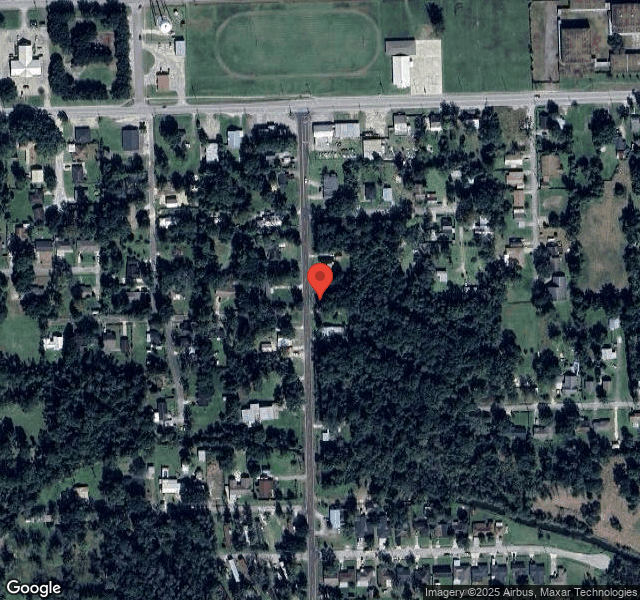

4201 FM 105, ORANGE, TX 77630 (409) 745-8085
For profit - Limited Liability company 120 Beds FOCUSED POST ACUTE CARE PARTNERS Data: November 2025 4 Immediate Jeopardy citations
Trust Grade
0/100
#974 of 1168 in TX
Last Inspection: April 2025

Within standard 12-15 month inspection cycle. Federal law requires annual inspections.

Overview

Families considering Focused Care at Orange should be aware that it has received a Trust Grade of F, indicating significant concerns about the facility's quality and care. Ranking #974 out of 1168 in Texas places it in the bottom half of nursing homes, while its #2 position out of 3 in Orange County suggests that only one other local option is slightly better. The facility is worsening, with issues increasing from 11 in 2024 to 12 in 2025. Staffing is a notable weakness, with just 1 out of 5 stars and concerning RN coverage lower than 98% of Texas facilities. Additionally, the facility faces troubling fines totaling $462,542, which is higher than 98% of other Texas nursing homes. Specific incidents include failures in ensuring safe bed rail usage for residents, administering incorrect dosages of medication, and not developing adequate care plans for residents, which raises serious safety concerns. Overall, while some quality measures are rated good, the significant issues and declining trend warrant careful consideration.

Trust Score
F
0/100
In Texas
#974/1168
Bottom 17%
Safety Record
High Risk
Review needed
Inspections
Getting Worse
11 → 12 violations
Staff Stability
○ Average
42% turnover. Near Texas's 48% average. Typical for the industry.
Penalties
○ Average
$462,542 in fines. Higher than 69% of Texas facilities. Some compliance issues.
Skilled Nurses
⚠ Watch
Each resident gets only 7 minutes of Registered Nurse (RN) attention daily — below average for Texas. Fewer RN minutes means fewer trained eyes watching for problems.
Violations
⚠ Watch
28 deficiencies on record. Higher than average. Multiple issues found across inspections.
★☆☆☆☆
1.0
Overall Rating
★☆☆☆☆
1.0
Staff Levels
★★★★☆
4.0
Care Quality
★☆☆☆☆
1.0
Inspection Score
Stable
2024: 11 issues
2025: 12 issues

The Good

  • 4-Star Quality Measures · Strong clinical quality outcomes
  • Full Sprinkler Coverage · Fire safety systems throughout facility
  • No fines on record
  • Staff turnover below average (42%)

    6 points below Texas average of 48%

Facility shows strength in quality measures, fire safety.

The Bad

1-Star Overall Rating

Below Texas average (2.8)

Significant quality concerns identified by CMS

Staff Turnover: 42%

Near Texas avg (46%)

Typical for the industry

Federal Fines: $462,542

Well above median ($33,413)

Significant penalties indicating serious issues

Chain: FOCUSED POST ACUTE CARE PARTNERS

Part of a multi-facility chain

Ask about local staffing decisions and management

The Ugly 28 deficiencies on record

4 life-threatening
Apr 2025 5 deficiencies 1 IJ (1 affecting multiple)
CRITICAL (K) 📢 Someone Reported This

A family member, employee, or ombudsman was alarmed enough to file a formal complaint

Immediate Jeopardy (IJ) - the most serious Medicare violation

Deficiency F0700 (Tag F0700)

Someone could have died · This affected multiple residents

**NOTE- TERMS IN BRACKETS HAVE BEEN EDITED TO PROTECT CONFIDENTIALITY** Based on observation interview, and record review, the facility failed to ensure correct installation, use, and maintenance of b...

Read full inspector narrative →
**NOTE- TERMS IN BRACKETS HAVE BEEN EDITED TO PROTECT CONFIDENTIALITY** Based on observation interview, and record review, the facility failed to ensure correct installation, use, and maintenance of bed rails, for 3 of 7 residents (Residents #70, #87, and #102) reviewed for bed rails. The facility did not have the manufacturers' recommendations and specifications to follow for installing and maintaining the bed rails to prevent large gap in Resident #70's bed rail. The facility failed to develop care plans to address the risk of entrapment and interventions to prevent entrapment due to the use of bed rails for the residents who had histories of falling out of the bed for Residents #70, #87, and #102 The facility did not follow their Bed Mobility Assessments indicating the bed rails were not recommended for use for Residents #70, #87, and #102. The facility did not provide maintenance and monitoring of the bed rails per the manufacturer specifications/recommendations for residents with bed rails. The facility failed to maintain a copy of a manufacturer manual available for reference. An Immediate Jeopardy (IJ) was identified on 04/23/25. The IJ template was provided to the facility on [DATE] at 6:43 p.m. While the IJ was removed on 04/25/25, the facility remained out of compliance at a scope of a pattern and a severity level of no actual harm with a potential for more than minimal harm that is not immediate jeopardy because all staff had not been trained on bed rails and reporting broken rails. These failures placed residents at risk for entrapment with serious injury or death. Findings included: 1. Record review of a face sheet for Resident #70 dated 04/23/25, indicated she was a [AGE] year-old female admitted to the facility on [DATE] and had diagnoses including dementia, anxiety, and hereditary ataxia (group of neurological disorders caused by genetic mutations and characterized by progressive decline in coordination of movement and speech). Record review of Physician Orders, dated 04/23/25, indicated Resident #70 had 1/2 bed rails x 2 on the bed to facilitate with turning and repositioning every shift for bed mobility with a start date of 11/08/23. Review of Resident #70's quarterly MDS, dated [DATE], indicated she had a BIMS score of 11 indicated moderately impaired cognitive skills for daily decision making. Resident #70's functional status indicated she was non-ambulatory and required a one person assist for bed mobility. Review of Resident #70's care plan, revised 04/08/25, indicated the resident had a history of falls and was at a high risk for fractures from the falls. The care plan indicated Resident #70 required extensive assistance for bed mobility and required 2 persons with the mechanical lift for transfers. The care plan addressed the use of bed rails with interventions to evaluate and reevaluate for ½ bed rails quarterly on the quarterly assessment. The interventions included monitor for proper positioning and circulatory concerns any significant changes to physician promptly. The care plan did not include the risk of entrapement. Record review of Resident #70's Bed Rail Mobility Device Assessment, dated 10/14/24, indicated no concerns for risks of entrapment and bed rails were installed for bed mobility post falls following prior interventions of a floor mat and bed in low position. Record review of Resident #70's Bed Rail Mobility Device Assessment, dated 04/14/25, indicated bed rails were not recommended. Record review of Resident #70' consent for bed rails had been signed on 08/02/21 by her family. During an observation on 04/06/25 at 08:38 a.m., Resident #70 was in her with the bed rails on the left side of Resident #70's bed had a gap approximately 14 inches - 18 inches between the scoop mattress on the bed and the rail. During an observation and interview on 04/06/25 at 09:00 a.m., CNA A grabbed the left bed rail on Resident #70's bed and wiggled the rail. She said the left rail had been loose for 2-3 months. She said she thought the loose bed rail was reported 2-3 months ago but said she did not report. She said the bed rail would need to be reported to maintenance. She said the risk of the bed rail being loose and having a gap was the resident could fall from the bed. During an interview on 04/06/25 at 09:30 a.m., the DON said Resident #70 bed rails were used to assist during care with turning and repositioning the resident. She said the rails needed to be fixed to prevent falls. The DON said she was not aware of the bed rail for Resident #70 was loose and a large gap. During an interview on 04/07/25 at 10:30 a.m., the Director of Plant Operations said he was not aware Resident #70 bed rails were loose yesterday (04/06/25). He said after surveyor intervention, he had tightened the bed rails which fixed the gap in Resident #70 bed rails. He said he was responsible to check the bed rails in the facility and keep them secure. He said the bed rails should not have large gaps between the bed rail and the mattress. During an interview on 4/8/25 at 11:00 a.m., the Executive Director of Operations said the Director of Plant Operations was responsible to check the side rails every quarter for need of repairs or gaps. He said they were checked last in February 2025. The Executive Director denied knowing that Resident #70 bed rail was loose and had a large gap. During an observation and interview on 04/23/25 at 8:30 a.m., the Director of Plant Operations said he was responsible for checking bed rails quarterly. He said after surveyor intervention, he tightened the loose rail, and the rail had no gap on Resident #70's bed on 04/06/24. He said yesterday (04/22/25) a staff member had reported the bed rail was loose again. He said he did not remember which staff had told him the bed rail was loose again. He said he was going to work on the bed rail for Resident #70 and said he had forgot. He said he did not have work order documentation and he did not use a log of any needed repair. He said most of the time the staff just tells him what needs to be fixed. Resident #70 was in her bed and there was 9-inch gap between the mattress and the left bed rail. He looked at Resident #70's bed rail and said there should not have that large of gap between the rail and the mattress. He got underneath Resident #70's bed and he said the bolts were stripped out on the bed rails. He said he would have to get new bed rails, or he would have to replace Resident #70's bed. During an observation on 04/23/25 at 9:45 a.m. Resident #70 was in a new bed with assist bar and with her scoop mattress in low position with fall mats. Record review of the incident report dated 05/15/24 indicated Resident #70 had an unwitnessed fall at 3:45 p.m., she told nurse she had fell from her bed. Record review of the incident report dated 06/04/24 incident Resident #70 had an unwitnessed fall at 8:00 p.m., She was found bedside her bed and said she slid off the bed. During an interview on 4/23/25 at 10:00 a.m., the Director of Plant Operations said he did not maintain records of what he had fixed before. He said he did not keep any documentation of the maintenance requests made by staff or residents. He said he did not use a log or documented when he repaired items. He said Resident #70's bed and bed rails were the property of the facility. He said he did not have the manuals for the bed or bed rails. 2. Record review of face sheet for Resident #87, dated 04/23/25, indicated she was a [AGE] year-old female admitted on [DATE] and had diagnoses hemiplegia (weakness on one side of the body), muscle wasting (muscles thinning and loss of strength), and anxiety disorder. Record review of Resident #87's Significant Change MDS assessment, dated 01/21/25, indicated she was severely cognitively impaired with a BIMS score of 03. Resident #87's functional status indicated she was non-ambulatory and the assistance of 2 or more helpers was required for bed-to-chair transfer. Record review of Physician Orders, dated 04/23/25, indicated Resident #87 had 1/2 bed rails x 2 on the bed to facilitate with turning and repositioning every shift for bed mobility with a start date of 03/12/25. Record review of Resident #87's care plan, revised 12/18/24, indicated she had an ADL self-care performance deficit. She required extensive assistance of 2 persons with bed mobility. Interventions included the half siderails to be in the up position for safety during care provision and to assist with bed mobility, and to observe for injury or entrapment related to siderail use. Staff were to reposition the resident as necessary to avoid injury. Record review of Bed Mobility Device Assessment for Resident #87, dated 11/27/24, indicated the resident was totally dependent on staff for bed mobility and the use of a bedrail, grab/assist bar was not recommended. Record review of Bed Mobility Device Assessment for Resident #87, dated 02/27/25, indicated the resident was totally dependent on staff for bed mobility and the use of a bedrail, grab/assist bar was not recommended. Record review of an incident report dated 11/23/24 at 4:40 p.m., indicated Resident #87 fell from her bed. Record review of an incident report dated 11/26/24 at 8:48 p.m., indicated Resident #87 fell from her bed. Record review of an incident report dated 12/12/24 at 12:30 a.m., indicated Resident #87 fell from her bed. Record review of an incident report dated 12/19/24 at 1:30 a.m., indicated Resident #87 fell from her bed. Record review of an incident report dated 12/22/24 at 7:00 a.m., indicated Resident #87 fell from her bed. Record review of an incident report dated 12/25/24 at 4:08 p.m., indicated Resident #87 fell from her bed. Record review of an incident report dated 01/13/25 at 9:35 a.m., indicated Resident #87 fell from her bed. Record review of Resident #87' consent for bed rails indicated the form had been signed on 03/12/25 by her family. During an observation on 04/23/25 at 11:10 a.m., Resident #87 had two 1/2 bed rails, which were fitted with no gap greater than 4 inches. 3. Record review of face sheet for Resident #102, dated 04/23/25, revealed he was a [AGE] year-old male admitted on [DATE] and had diagnoses of intracranial injury (brain dysfunction due to injury), contractures to bilateral lower extremities (when muscles and tendons shorten), and was a functional quadriplegic (paralysis of all four extremities). Record review of Physician Orders, dated 04/23/25, indicated Resident #102 bed rails to assist with bed mobility with a start date of 04/02/24. Record review of Resident #102's Annual MDS assessment, dated 04/11/25, indicated he had severe cognitive impairment with a BIMS score of 03. Resident #102's functional status indicated he was non-ambulatory and dependent on 2 or more staff for ADLs. Record review of Resident #102's care plan, revised 06/07/24, indicated the resident required the use of ½ side rails to assist with bed mobility. The intervention was to evaluate and re-evaluate for ½ siderail use quarterly and as needed. The care plan did not address the resident's risk of entrapment. The care plan addressed the falls was revised on 01/23/25 indicated Resident #102 was high risk for increased falls and fractures and the goal was for resident to be free from falls. Record review of Resident #102's consent for bed rails indicated the form had been signed on 04/02/24 by his family. Record review of Bed Mobility Device Assessment for Resident #102, dated 01/04/25, indicated the use of a bed rail, grab/assist bar was not recommended. Record review of Bed Mobility Device Assessment for Resident #102, dated 04/04/25, indicated the use of a bed rail, grab/assist bar was not recommended. Record review of an incident report dated 05/10/24 at 4:00 p.m., indicated Resident #102 fell from his bed. Record review of an incident report dated 05/12/24 at 11:00 p.m., indicated Resident #102 fell from his bed. During an observation on 04/23/25 at 10:45 a.m., Resident #102 was in his bed and had ½ bed rails to both sides of the bed with no gaps. During an interview on 04/23/25 at 11:00 a.m., the DON said if the bed mobility assessment indicated the resident was not recommended for the use bed rails. The DON said the nurse should have reported it to her (the DON) and the maintenance to remove the bed rails. Review of facility policy, titled Bed Safety, effective 04/2021, indicated the following: Policy will strive to provide a safe sleeping environment for the resident. PROCEDURE 1.The resident's sleeping environment shall be assessed by the interdisciplinary team, considering the resident's safety, medical conditions, comfort, and freedom of movement, as well as input from the resident and family regarding previous sleeping habits and bed environment. 2. To try to prevent deaths/injuries from the beds and related equipment (including the frame, mattress, side rails, headboard, footboard, and bed accessories), the facility shall promote the following approaches: a. An inspection should be done by the Director of Plant Operations at installation/before use and quarterly thereafter of all beds and related equipment as part of our regular bed safety program to identify risks and problems including potential entrapment risks; b. Review that gaps within the bed system are within the dimensions established by the FDA (Note: The review shall consider situations that could be caused by the resident's weight, movement, or bed position. c. Ensure that when bed system components are worn and need to be replaced, they are replaced with compatible components that meet manufacturer specifications; d. Ensure that bed side rails are properly installed using the manufacturer's instructions and other pertinent safety guidance to ensure proper fit (e.g., avoid bowing, ensure proper distance from the headboard and footboard, etc.); and . 10. When using side rails for any reason, the staff shall take measures to reduce related risks. The Executive Director of Operations was notified of the Immediate Jeopardy on 04/23/25 at 6:43 p.m. and was provided the Immediate Jeopardy template. The facility was asked to provide a Plan of Removal to address the Immediate Jeopardy. The Facility's Plan of Removal was accepted on 04/24/25 at 5:36 p.m. and reflected the following: On 04/23/2025 The Director of Plant Operations changed the bed for resident #70 with properly operating bed rails. On 04/23/2025 The Charge Nurse reassessed resident #70 for bed mobility and the bed mobility assessment for resident #70 was updated. The use of side rails was recommended per assessment. On 04/23/2025 The Charge Nurse reassessed resident #102 for bed mobility and the bed mobility assessment for resident #102 was updated. The use of side rails was not recommended per assessment. The Director of Plant Operations removed the assist bar for resident #102 per recommendations from assessment. On 04/23/2025 The Charge Nurse reassessed resident #87 for bed mobility and the bed mobility assessment for resident #87 was updated. The use of one bed rail for turning and repositioning recommended per assessment. The Director of Plant Operation removed the right bed rail from resident #102's bed. Bed Rail Entrapment Assessment on 4/24/2025 The Director of Plant Operations was educated according to Manufacturers Guidelines on proper installation of bed rails. The Director of Plant Operations conducted a Bed Rail Entrapment Assessment throughout the building to identify any bed rail posing a risk of entrapment. The Executive Director of Operation obtained the manufacturer's guidelines for each type of bedrail in the facility, and they are compatible for use with the beds that we have. The bed rails are not universal they are made for the model of bed we have. Any non-compliant bed rail was either fixed or replaced to meet assessment standards and proper installation according to the manufactures guide. The Director of Plant Operations will complete the Bed Rail Entrapment Assessment weekly x 4 weeks and quarterly thereafter. Completion date: 4/23/2025 Clinical Audits, The Director of Clinical Operations and/or designee will conduct a 100% audit of bed mobility assessments to ensure proper evaluation and documentation. If the bed mobility assessment indicated that bed rails were not needed, they were removed by the Director of Plant Operations. Completion date: 4/24/2025 Staff Education & In-Service Training. The Director of Clinical Operations and/or designee will lead training sessions to ensure team members understand proper procedures for identifying and addressing bed rail concerns. Topics included: Equipment Maintenance & Reporting, Team members must immediately report malfunctioning, broken, or non-working equipment to their Supervisor and the Director of Plant Operations via phone and on maintenance log. New team members will be educated regarding reporting any broken equipment during orientation. 1.The Executive Director completed educational training with the Director of Plant of Operations regarding the completion of the Bed Rail Entrapment Assessment quarterly per company policy. The assessment details what gaps in zones of the bed are acceptable. Zone 1 FDA recommended space is less that-less than 4-3/4 and Zone 3 FDA recommended space is less that 4-3/4. Zone 2, 4, and 5 are not used at our facility due to no bottom rails on any of our beds. Nursing staff and department managers educated on acceptable gaps for zone 1 and zone 3. Nursing staff will document on the licensed medication administration record daily the checks have been completed. Any gaps larger than 4-3/4 will be reported to the on-call phone and the maintenance log. Documentation will be completed on the company form for the assessment. The Assessment was previously completed on 2/10/2025 and 4/23/2025 by the Director of Plant Operations. The Executive Director of Operations completed educational training with the Director of Plant Operations on the manufacturer's guidelines on bed rails installation for the Medline (FCE1232RSRN) and Joerns beds (F14SC). Completion date: 4/24/2025 2. Proper Bed Rail Assessment Procedures Charge nurses must accurately complete bed rail assessments and determine if rails are suitable for resident use. Charge Nurses educated on how to accurately complete bed rail assessments. New charge nurses will be educated regarding completing an accurate bed rail assessment during orientation according to manufacturers' recommendation. If an assessment indicates bed rails are recommended, the team member must notify both the Director of Clinical Operations and the Director of Plant Operations immediately. New charge nurses will be educated regarding immediate notification to the Director of Clinical Operations and the Director of Plant Operations during orientation. Completion date: 4/24/2025 Accident/Incident Prevention: The Director of Clinical Operation and/or Designee will complete training on accident/incident prevention, including types of interventions put into place to prevent any further fall. Completion date: 4/24/2025 Care Plan Updates & Compliance The Clinical Reimbursement Coordinator will conduct a 100% audit of resident care plans, ensuring appropriate documentation of bed rail concerns. Care plans will be updated to specify bed rail risks and potential entrapment hazards. Completion date: 4/24/2025 Medical Director Notification On 4/23/2025 The Director of Clinical Operations notified the Medical Director of immediate jeopardy and reviewed bed rail policy and procedure. Plan of action reviewed with the Medical Director with no changes to the current policy. This practice will be reviewed monthly with the QA Committee to ensure no changes are needed to the current policy. Commitment to Resident Safety All actions outlined in this plan will be monitored for ongoing compliance, reinforcing our commitment to providing a safe environment for residents. On 04/25/25 at 1:45 p.m., the surveyor confirmed the facility implemented their Plan of Removal sufficiently to remove the Immediate Jeopardy (IJ) by: During an observation on 04/23/25 at 1:00 p.m., Resident #70 was on new low bed with just the grab bars with less than a 4-inch gap between each side of the mattress. During an observation on 4/23/25 at 1:30 p.m., Resident #102 was in his bed with left bed rail removed. Record review of the in-service dated 04/23/25 indicated all licensed staff were trained on care plans updates and included entrapment risk for residents with assist bars and bed rails indicated all licensed staff were trained. Record review of the in-services dated 04/23/25 indicated all licensed staff were trained which included assessments and the training included demonstration and staff demonstrating knowledge and location of bed mobility assessments in the electronic record. Record review of the in-service dated 04/24/25 indicated all staff were trained on bed mobility zone gap recommendations and reporting broken or loose bed rails. During an interview and record review on 04/25/25 at 8:35 a.m., the Executive Director of Operations said the interdisciplinary team (the DON, MDS Coordinators, Activity Director, Social Worker, Director of Therapy, and the ADONs and himself) were retrained on the manufacturer's guidelines for the bed rails. The Executive Director of Operations said he downloaded the manufacturer's guidelines for the bed rails for the two types of beds in used in the facility and pulled the online manual up on his computer to review. He said the Director of Plant Operations was in-serviced on the recommendations of the mattress to bed rail gap in Zone 3 (the area on each side of the bed between the side rail and the mattress) of the mattress being less than 4 and 5/8 inches as he pointed to the diagram of a bed on his computer with bed rails and measurements. The Executive Director of Operations said it was important for staff to report any concerns with the assist bars/bed rails to the Director of Plant Operations and the DON. The Executive Director of Operation said the facility reassessed residents who had assist bars/bed rails to determine which residents were able to use assist bar/bed rail based on their ability to use the bar for bed mobility and if bed rails were not recommended due to entrapment risks. He said for the residents who no longer needed the bed rail/assist bar, which included Resident #70 who was using ½ bed rails, was placed in a new bed with just the grab bars. He said education was provided to all residents and representatives with side rails on the bed and risk of using them. He said the residents, families and physicians were notified prior to removing or changing the type of bed rails. He said physicians' orders and consent would be obtained by the nurses before applying bed rails. The Executive Director of Operations said all staff were trained on the recommendations of the mattress to bed rail gap in Zone 3 of the mattress being less than 4 and 5/8 inches. During an interview on 04/25/25 at 9:10 a.m., the Director of Plant Operations said he received one-on-one in-services regarding the completion of the Bed Rail Entrapment Assessment quarterly per company policy. The assessment details what gaps in zones of the bed are acceptable. Zone 1 FDA recommended space is less that-less than 4-3/4 and Zone 3 FDA recommended space is less that 4-3/4. The Zone 2, 4, and 5 were not used at our facility due to no bottom rails on any of our beds He voiced a clear understanding of the risks related to gaps in the bed rails, on how to properly install the assist bars, and ensure the resident's safety. He said the facility would follow the manufacturer's guidelines. The Director of Plant Operations said he was checking beds weekly for proper installation and the need for repairs and all bed rails x 4 weeks to make sure the bed rails were not loose and there were no gaps greater than 4 and 5/8 inches from the mattress to the bed rail. During an interview and record review on 04/25/25 at 10:00 a.m., the DON said she completed an audit of all the residents to obtain a list of which residents used an assist bar or bed rails and if their assessment to determine if were safe to use the bed rail. The DON said the MDS nurses updated the residents with assist bars/bed rails care plans to include the risk of entrapment. She said the bed rails/assist bars were removed from the beds of the residents who were identified as not recommended for using a bed rail for safety. Record review with the DON reflected the audit was performed for all residents with assist bars/bed rails to include the list of resident care plans that were updated to reflect the use of the bed rails. The residents' physician orders were updated to reflect the use of the bed rails on those residents identified in the audit. Record review of the bed rail assessments had been updated for Residents #70, #87 and #102. She said Resident #70's bed rail assessment was not correct. She said the nurses have been retrained completing the bed rails assessement. She said all residents who have bed rails have consents, orders and correct assessments. During an interview on 04/25/25 at 10:30 a.m. MDS J said she was retrained and had completed updating care plans on all the residents who have or had bed rails. She said she included the risk of entrapment for the residents who remained with bed rails. During an interview on 04/25/25 at 10:50 a.m., the Medical Director said the facility notified him of the IJ related to bed rails and he confirmed the Administrator had notified him. Record review of in-services, dated 04/24/25, indicated the licensed nursing staff were trained on the proper use of assist bars/bed rails to include assessments for assist bars on care plan prior to usage. Record review of the in services dated 04/24/25 indicated all staff were trained on reporting broken equipment and included the gap recommendation of less than 4-5/8 for Zone 3 located between bed rail and mattress. During interviews on 04/25/24 from 10:30 a.m. to 11:30 a.m. indicated RN L, LVN L, LVN M, LVN N, LVN O, LVN P, LVN Q, LVN R, LVN S, LVN T, LVN U, LVN B, AND LVN V were trained on bed mobility assessments, care plans and how to report broken or bed rails with gaps. They were able to voice the dangers of improperly used or broken bed rails. They were knowledgeable about the consent, orders, and care plans. They all voiced if the bed rail needed repair or replaced and maintenance was not there, they would place the resident in a new bed if the bed rail could not be repaired would and notify the DON and the Executive Director of Operations. The LVNs were able to voice the space between the mattress and the bed rails could not be more than 4 and 5/8 inch. During interviews on 04/25/24 from 11:35 a.m. to 12:30 p.m., indicated CNA G, CNA W, CNA X, CNA Y, CNA Z, CNA A, CNA AA, CNA BB, CNA CC, CNA DD, CNA EE, CNA FF, CNA GG, CNA HH, CNA JJ, CNA KK, CNA LL, CNA MM, CNA PP, CNA QQ, CNA F, CNA RR, CNA SS, AND CNA TT were trained on reporting broken or gapping bed rails. They were able to voice the positive uses for bed rails as to enable the resident to participate with turning and maintain their mobility and the staff were aware of the dangers of bed rails. They all said they would report to the charge, if they saw the bed rails not being appropriate for the residents or problems with the bed rails. The CNA staff said the bed rails should be no more than 4 and 5/8 inch away from the mattress and the rail should fit snug and not wiggle. During an interview on 4/25/25 at 1:00 p.m., the DON said all staff who had not received the in-services and trainings, would be trained prior to their next shift and new hires would be trained as part of the new hire training. She said new admissions would be assessed for bed rails before they were placed in a bed with rails. The Executive Director of Operations was informed the Immediate Jeopardy was removed on 04/25/25 at 2:15 p.m. The facility remained out of compliance at a severity level of no actual harm with potential for more than minimal harm that is not Immediate Jeopardy and a scope of pattern due to the facility's need to evaluate the effectiveness of the corrective systems that were put into place.
CONCERN (D) 📢 Someone Reported This

A family member, employee, or ombudsman was alarmed enough to file a formal complaint

Potential for Harm - no one hurt, but risky conditions existed

Incontinence Care (Tag F0690)

Could have caused harm · This affected 1 resident

**NOTE- TERMS IN BRACKETS HAVE BEEN EDITED TO PROTECT CONFIDENTIALITY** Based observation, interview, and record review, the facility failed to ensure residents who were incontinent of bowel and bladd...

Read full inspector narrative →
**NOTE- TERMS IN BRACKETS HAVE BEEN EDITED TO PROTECT CONFIDENTIALITY** Based observation, interview, and record review, the facility failed to ensure residents who were incontinent of bowel and bladder received appropriate treatment and services to prevent urinary tract infections for 1 of 2 residents (Resident #100) reviewed for incontinent Care. The facility failed to ensure that CNA F did not wipe Resident #100's perineal (area between the legs) area from back to front while providing incontinent care on 04/07/2025. This failure could place the residents at risk of cross-contamination and development of urinary tract infections. Findings included: Record review of face sheet, dated 04/07/2025, indicated Resident #100 was a [AGE] year-old female admitted on [DATE] with a urinary tract infection. Record review of quarterly MDS assessment dated [DATE] indicated Resident #100 was cognitively intact with a BIMS score of 15 and was always incontinent for bladder and bowel. Record review of comprehensive care plan dated 01/27/2025 indicated Resident #100 required extensive assistance of 1 person for personal hygiene and toilet use. Resident #100 care plan was revised on 04/07/25 she was receiving Cipro 500 mg BID for 7 days for a urinary tract infection. During an observation on 04/07/25 at 10:30 a.m. CNA F and CNA G was performing incontinent care on Resident #100. CNA F cleaned the peri area with wiping towards the rectum. CNA G assisted CNA F and they turned Resident #100 on her right side. Then CNA F cleaned the rectal area and she wiped towards the vaginal area x 1. During an interview on 4/7/25 at 10:45 a.m., CNA F said she had been trained on incontinent care. She said she should have wiped from clean to dirty. She said the resident did not have stool, but she should have wiped the back side away from the frontside. During an interview on 4/7/25 at 11:15 a.m., the DON said the facility used the check off sheet as their policy for incontinent care. She said her expectation was for the staff to wipe from the front to the back to prevent infections. Record review of the Skill / Procedure: Peri / Incontinent Care dated 06/2013 indicated . 18. Clean rectal area. Use tissue or brief to remove any fecal matter present. Cleaned front to the back using separate section of the wipe for each individual stroke.
CONCERN (D) 📢 Someone Reported This

A family member, employee, or ombudsman was alarmed enough to file a formal complaint

Potential for Harm - no one hurt, but risky conditions existed

Deficiency F0761 (Tag F0761)

Could have caused harm · This affected 1 resident

Based on observation, interview, and record review, the facility failed to ensure medications were stored and labeled in accordance with currently accepted professional principles on 1 of 3 medication...

Read full inspector narrative →
Based on observation, interview, and record review, the facility failed to ensure medications were stored and labeled in accordance with currently accepted professional principles on 1 of 3 medication carts observed. (Hall 100 Rooms 109 - 120 medication cart) observed in that: LVN B was not aware of a loose pill and scattered debris, powdery and sticky substance in the bottom of the Hall 100 medication cart drawers and did not remove the loose pill or clean scattered debris, powdery and sticky substance in the medication drawers. These failures could place residents at risk of not receiving prescribed drugs or contaminated medication. Findings included: During an observation and interview on 04/08/25 at 8:45 a.m., during review of the Hall 100 medication cart with LVN B, she said she was giving patient medication off this cart today. The cart review revealed the 3rd drawer contained 1 loose unidentified pill that was not labeled and not sealed in packaging, scattered debris from medication card pill packs, and a whitish brown powdery substance with sugar like crystals scattered about ½ inch width along the back of the drawer with a sticky brown substance in the bottom crease of the drawer containing resident's prescribed medications. The 4th drawer contained debris from medication card pill packs, a whitish brown powdery substance with sugar like crystals about ¼ inch width along the back of the drawer with a sticky brown substance in the bottom crease of the medication drawers containing resident's prescribed medications, and a sticky pinkish/ brown substance sticking a box of insulin syringes to the bottom of the drawer. LVN B said the cart should be cleaned and no loose pills should be in the drawers. She said Maintenance pressure washes the carts sometimes and the nurses that use the cart were responsible for wiping down the bottles on the cart. She said she was educated to keep the cart clean. She said the resident medication was not at risk due to the medication was sealed with no holes in the packages, but the medication cart should be wiped down. During an interview on 04/08/25 at 9:46 a.m., the DON said the ADON's were responsible for ensuring the medication carts were clean and all expired medication and loose pills removed. She said the nurse's giving medication off the medication cart were the back up to ensure the medication carts were clean and no loose pills were on the cart. She said the dirty medication cart was possibly overlooked. The DON said the nurses were all educated to ensure the medication carts were clean and the ADONS reviewed and cleaned them weekly and as needed. She said the resident risk of a dirty medication cart was a possible risk of resident infection. The DON said her expectation was all medications carts were cleaned weekly and as needed. During an interview on 04/08/25 at 10:30 a.m., ADON D said she was responsible for station A and ADON E was responsible for station B that included the Hall 100 medication cart. She said the ADONs were supposed to check and clean the medication carts for their stations weekly. She said the dirty medication cart was possibly missed or overlooked. ADON D said ADON E had worked nights and were unavailable for interview at this time. She said the nurses giving medication off the medication cart were the back up to ensure the medication carts were clean with no expired medications on them. ADON D said the resident risk of a dirty medication cart was possible spread of infection. During an interview on 04/08/25 at 11:00 a.m., the Administrator said the charge nurse's providing medication off the medication cart were responsible for ensuring the medication cart was clean. He said the ADON's were the backup, they were responsible for weekly audits to ensure the medication carts were clean. The Administrator said the medication cart was possibly overlooked. He said the resident risk of a medication cart that was not clean was possible cross contamination. The Administrator said his expectation was for all medication carts to be clean. Record review of a policy revised August 2024, titled, Storage of Medications indicated, .Medications and biologicals are stored safely, securely, and properly, following manufacturer's recommendations or those of the supplier.9. Medication storage areas are kept clean, .
CONCERN (E) 📢 Someone Reported This

A family member, employee, or ombudsman was alarmed enough to file a formal complaint

Potential for Harm - no one hurt, but risky conditions existed

Deficiency F0688 (Tag F0688)

Could have caused harm · This affected multiple residents

**NOTE- TERMS IN BRACKETS HAVE BEEN EDITED TO PROTECT CONFIDENTIALITY** Based on observation, interview, and record review, the facility failed to ensure a resident with limited range of motion receiv...

Read full inspector narrative →
**NOTE- TERMS IN BRACKETS HAVE BEEN EDITED TO PROTECT CONFIDENTIALITY** Based on observation, interview, and record review, the facility failed to ensure a resident with limited range of motion received appropriate treatment and services to increase range of motion and/or to prevent further decrease in range of motion for 1 of 24 residents reviewed for range of motion. (Resident #48) The facility failed to maintain Resident #48's contractures of the left hand. The resident did not have a palmar cushion (a soft, padded device used to support and protect the palm of the hand and reduce finger flexion contractures) in place to his left hand daily to maintain ROM and prevent a decline on 04/07/25 at 9:30 a.m and 2:30 p.m. and on 04/08/25 at 8:00 a.m This failure could place the residents at risk for not receiving the care and services to maintain their highest level of well-being. Findings included: Record review of a face sheet dated 04/08/25 indicated Resident #48 was [AGE] years old and admitted to the facility on [DATE]. His diagnoses included hemiplegia (paralysis on one side of body) and hemiparesis (muscle weakness on one side of the body, often affecting the arms, legs, or face) following cerebral infarction (a pathological process that results in an area of necrotic tissue in the brain) affecting his left non-dominant side and contracture (a shortening and hardening of muscles, tendons, and other tissue, often leading to deformity and rigidity of joints) of multiple sites. Record review of a physician order for Resident #48 dated 10/27/24 indicated: Apply palmar cushion to left hand at all times to prevent further contractures - worn daily except for hygiene with skin checks for redness every shift and frequent nail trims. Record review of an annual MDS dated [DATE] indicated Resident #48 had a BIMS score of 11 indicating he had moderately impaired cognition, he had functional limitation of ROM of upper and lower extremities on one side and required maximal assistance for most ADLs. Record review of a care plan revised 03/17/25 indicated Resident #48 was to have a [NAME] cushion to his left hand at all times to prevent further contractures to be worn daily except for hygiene with skin checks for redness every shift and frequent nail trims. Interventions indicated to monitor/document/report and signs of complications related to arthritis, joint pain, joint stiffness, usually worse on wakening; selling; decline in mobility; decline in self-care ability; and contraction formation/joint shape changes. During an observation and interview on 04/06/25 at 10:33 a.m., Resident #48's fingers on his left hand were curling toward the palm of his hand. He demonstrated that he was unable to move his left arm, hand, or fingers. He said he had not had a hand roll in his hand for weeks, but that his hand always felt better with a cushion in it. During the following observations Resident #48 was without a palmar cushion to his left hand: 04/07/25 at 9:30 a.m. 04/07/25 at 2:30 p.m. 04/08/25 at 8:00 a.m. During observation and interview on 04/08/25 at 8:05 a.m., LVN B she was not aware of an order Indicating Resident #48 required a palmar cushion for his left hand and she had never observed him with one in his hand or applied one to his left hand. Resident #48 said he had a palmar cushion, but he did not know where it was. LVN B searched his bedside table, found his palmar cushion, and placed it into his left hand. Resident #48 said he was glad to have it back and his left hand felt comfortable. LVN B said the purpose of the palmar cushion was to prevent further contractures of the resident's left hand. LVN B said therapy was responsible for applying the palmar cushions to Resident #48's left hand and for making sure he had it in place every day. After checking Resident #48's orders she said he had an order to have the palmar cushion every day, but the therapist had not entered the order so that it would appear on the MAR. During an interview on 04/08/25 at 8:29 a.m., PT C said she entered the order for Resident #48's palmar cushion to his left hand because he was no longer receiving physical therapy and she wanted nursing to apply the [NAME] cushion daily on every shift. She said Resident #48 was to have the palmar cushion every day on every shift except during bathing to prevent further contracture and improve his ROM to his left hand. She said possible negative outcome of not utilizing the palmar cushion was worsening contractures and decreased ROM. During an interview on 04/08/25 at 8;44 a.m., the DON said she had been informed nursing had not been applying Resident #48's palmar cushion daily on every shift to his left hand. She said she was in the process of entering Resident 48's therapy order into the system so they would appear on his MAR. She said the purpose of the palmar cushion was to increase mobility, prevent further contractures, and decrease pain. She said not using them as ordered could cause decreased mobility, increased pain, and worsening contractures. During an interview on 04/08/25 at 11:40 a.m., the Administrator said the facility did not have a current policy that addressed resident contractures and their prevention and treatment.
CONCERN (E) 📢 Someone Reported This

A family member, employee, or ombudsman was alarmed enough to file a formal complaint

Potential for Harm - no one hurt, but risky conditions existed

Food Safety (Tag F0812)

Could have caused harm · This affected multiple residents

Based on observation, interview, and record review the facility failed to store, prepare, distribute, and serve food under sanitary conditions in 1 of 1 kitchen reviewed for dietary services. The faci...

Read full inspector narrative →
Based on observation, interview, and record review the facility failed to store, prepare, distribute, and serve food under sanitary conditions in 1 of 1 kitchen reviewed for dietary services. The facility failed to ensure all staff wore hair restraints while working inside the kitchen. The facility failed to ensure the fryer was clean and free from brown crusty particles in the fryer baskets above the open cooking oil and brown and black particles along the side ledges and large front ledge surrounding the open oil. These failures could place residents who ate meals prepared in the kitchen at risk of foodborne illnesses. Findings included: During observation and interview on 04/06/25 during initial tour of the kitchen at 08:30 a.m. the following was observed: * [NAME] H was observed standing between the stove and counters without a hair restraint covering her hair. She reached into her pocket and got her hair covering and began putting it on while tucking stray strands of hair underneath the covering. She said she had been washing dishes and had gotten hot and sweaty and took her hair restraint off and forgot to put it back on. She said a hair restraint should be worn at all times while in the kitchen to keep hair from falling into the food being prepared for the residents. * Dishwasher I was in the dishwashing area inside the kitchen without a hair restraint. She said she had just forgotten to put on a hair restraint. She said she had been instructed by the facility to always wear a hair restraint while in the kitchen to keep hair from falling into the food or equipment. * The facility deep fryer had 2 baskets sitting above the open cooking oil. The baskets had dime to quarter size pieces of dried brown crusty substances. What appeared to be smaller size pieces of the same brown crusty substance missed with black particles were covering the side ledges and the wide front ledge of the fryer. [NAME] H said the particles were probably left over from the lunch service on 04/04/25 when the facility served fried fish for lunch. She said the fryer baskets and ledges should have been cleaned after frying the fish. During an interview on 04/06/25 at 08:57 a.m., the Dietary Manager (DM) said hair restraints were always to be worn by staff when inside the kitchen. She said they had all been trained to wear hair restraints. She said not wearing hair restraints in the kitchen could result in food falling into food being prepared or into equipment and contaminating food served to residents. She said the fryer baskets should have been cleaned and not left with food particles in them. She said the ledges should have been cleaned of the food debris left on them. She said the possible negative outcome of not cleaning the fryer baskets and ledges could be cross contamination of food served to residents. She said the fryer was on the weekly cleaning schedule and she had witnessed staff change the oil in the fryer and clean the fryer on 04/03/25. She said the particles on the fryer and baskets were most likely from the fried fish served for lunch on 04/04/25. During an interview on 04/07/25 at 7:55 a.m., the Administrator said he was the DM's direct supervisor. He said he expected all kitchen staff to wear hair restraints while in the kitchen. He said hair restraints were worn to prevent cross contamination of food with hair falling into food being prepared. He said he could not comment on the condition fo the fryer during initial tour because he did not see it before it had been cleaned. He said he expected the fryer to be kept clean and without food debris to prevent cross contamination. Record review of a facility policy titled Sanitation - Personnel Hygiene last revised October 2023 indicated . Food and Nutritional Services staff will follow hygiene and sanitary procedures to prevent the spread of foodborne illness. 13. Hair nets or caps and/or beard restraints must be worn to keep hair from contacting exposed food, clean equipment, utensils, and linens. Record review of a facility policy titled Sanitation - Kitchen Cleaning Schedule last revised November 2023 indicated . Food and Nutritional Services Personnel will be responsible to maintaining the cleanliness and sanitation of kitchen. According to the US Food and Drug Administration Food Code dated January 18, 2023: . 2-402.11 (A) . Food employees shall wear hair restraints such as hats, hair coverings or nets, beard restraints, and clothing that covers the body hair, that are designed and worn to effectively keep their hair from contacting exposed food, clean equipment, utensils, and linens, and unwrapped single-serve and single-use articles. . 6-601.11 (B) . The food contact surfaces of cooking equipment and pans shall be kept from encrusted grease deposits and other soil accumulations.
Apr 2025 1 deficiency 1 IJ
CRITICAL (J) 📢 Someone Reported This

A family member, employee, or ombudsman was alarmed enough to file a formal complaint

Immediate Jeopardy (IJ) - the most serious Medicare violation

Deficiency F0760 (Tag F0760)

Someone could have died · This affected 1 resident

**NOTE- TERMS IN BRACKETS HAVE BEEN EDITED TO PROTECT CONFIDENTIALITY** Based on interview and record review, the facility failed to ensure residents were free of any significant medication errors for...

Read full inspector narrative →
**NOTE- TERMS IN BRACKETS HAVE BEEN EDITED TO PROTECT CONFIDENTIALITY** Based on interview and record review, the facility failed to ensure residents were free of any significant medication errors for 1 of 4 (Resident #1) residents reviewed for medication errors. 1. The facility failed to administer Resident #1 the appropriate dose of morphine. Resident #1 was administered 1ml (20mg) of morphine every 3 minutes from 11:15 a.m. to 11:39 a.m. (180mg) instead of 1ml (20mg) every 30 minutes. 2. The facility failed to ensure Resident #1's morphine order was properly transcribed. The non-compliance was identified as past non-compliance. The Immediate Jeopardy began on [DATE] and ended on [DATE]. The facility had corrected the non-compliance before the survey began. This failure could place residents at risk for harm or death relating to being administered too much medication. Finding Include: 1. Record review of Resident #1's face sheet dated [DATE] indicated she was a [AGE] year-old female admitted to the facility on [DATE] with diagnoses including Alzheimer's Disease (progressive disease that destroys memory and other important mental functions), chronic obstructive pulmonary disease (a lung disease that blocks airflow making it difficult to breathe), epilepsy (brain condition that causes reoccurring seizures), diabetes with neuropathy (nerve damage that occurs as a complication of diabetes), paranoid schizophrenia (intense paranoia and delusional thinking), legally blind (severely impaired vision), and pain. Record review of Resident #1's physician orders dated [DATE] through [DATE] indicated she had an order morphine sulfate (concentrate) oral solution 100mg/5ml give 1ml by mouth every 2 hours as needed starting [DATE]. Record review of Resident #1's quarterly MDS dated [DATE] indicated she usually understood others and was usually understood by others. The MDS indicated she had a BIMS of 7 (severely impaired cognitively). The MDS indicated she required total dependence with self-care, bed mobility, transfers, and dressing. The MDS indicated she received scheduled pain medication regimen, and she is taking high-risk drug of opioid. Record review of Resident #1's care plan last revised [DATE] indicted she was at risk for experiencing discomfort or pain with interventions including administer medication to relieve pain as ordered and discuss with the physician and review medications as indicated to ensure she was on the least amount of medication at the lowest dose to treat her pain. Record review of Resident #1's MAR dated [DATE] indicated Resident #1 had been administered 1ml (20mg) of morphine on [DATE] at 10:30 a.m. and 2:00 p.m. by LVN A. Record review of Resident #1's morphine sulfate prescription label dated [DATE] indicated morphine sulfate 100mg/5ml give 1ml by mouth or under tongue every 30 minutes as needed until comfortable and then every 2 hours for pain or shortness of breath. Record review of Resident #1's Nurse Progress Note dated [DATE] at 11:58 a.m. authored by LVN A indicated Resident #1's sitter approached the nurse's station with the resident's family member on the phone stating Resident #1 was in pain. Resident #1 had received routine Norco 7.5mg/325mg one tablet at 7 a.m. and prn morphine 1ml at 10:30 a.m. LVN A assessed the resident to have increased respirations and heart rate, and she was noted to be with sounds of distress, grimacing and stating she was hurting and saying Lord Help Me. LVN A contacted Hospice RN and received orders to administer morphine 1ml (20mg) every 3 minutes until the resident was at comfort level and pain subsided, then start morphine 1ml (20mg) every 2 hours routinely around the clock. The note indicated morphine 1ml every 3 minutes was initiated. Morphine was administered every 3 minutes for 9 doses with the resident's subjective and objective signs and symptoms of pain resolved after the 9th dose. Hospice RN notified of morphine on hand and status of resident needing more morphine. Record review of Resident #1's undated Narcotic Count Sheet for morphine sulfate 100mg/5ml bottle indicated the dosage was give 1ml by mouth/under tongue every 2 hours as needed for pain or shortness of breath. The Narcotic Count Sheet indicated the initial amount of morphine received was 45ml. The Narcotic Count Sheet indicated Resident #1 received 1ml of morphine on [DATE] at 10:30 a.m., 1ml of morphine on [DATE] at 11:15 a.m., 1ml of morphine on [DATE] at 11:18 a.m., 1ml of morphine on [DATE] at 11:21 a.m., 1ml of morphine on [DATE] at 11:24 a.m., 1ml of morphine on [DATE] at 11:27 a.m., 1ml of morphine on [DATE] at 11:30 a.m., 1ml of morphine on [DATE] at 11:33 a.m., 1ml of morphine on [DATE] at 11:36 a.m., 1ml of morphine on [DATE] at 11:39 a.m., 1ml of morphine on [DATE] at 12:00 p.m., and 1ml of morphine on [DATE] at 2:00 p.m. all doses administered by LVN A. During an interview on [DATE] at 3:51 p.m., LVN A said on [DATE] around 11:00 a.m. Resident #1's sitter, who was on the phone with Resident #1's family member, notified her of Resident #1 being in pain. She said Resident #1 received her dose of Norco 7.5mg/325mg earlier that morning at 7:00 a.m. and prn morphine 1ml (20mg) at 10:30 a.m. She said Resident #1, remained tensed, crying, moaning, grimacing and stating she was hurting. She said she contacted Hospice RN and received new orders to administer morphine 1ml (20mg) every 3 minutes until the resident was comfortable and then start morphine 1 ml (20mg) every 2 hours routinely around the clock. She said she clarified and confirmed the order 2 or 3 times with Hospice RN. She said she initiated the morphine 1ml (20mg) every 3 minutes and administered a total of 9 doses over a 24-minute period to Resident #1 with pain resolved. She said she remained in Resident #1's room at her bedside and set an alarm on her cell phone to monitor her pain every 3 minutes and administered the morphine when she continued to complain of pain. She said after the 9th dose of morphine, Resident #1 was resting comfortably with no complaints of pain or signs of discomfort. She said she notified Hospice RN at around 12:00 p.m. of Resident #1's morphine supply running low, and Hospice RN told her she would deliver more morphine when she came to assess the resident. She said she administered Resident #1 morphine 1ml (20mg) again at 12:00 p.m. for complaints of pain with effectiveness. She said she administered another dose of morphine at 2:00 p.m. to follow the ordered routine dosing of morphine to be given every 2-hours. She said around 2:30 p.m., Hospice RN arrived at the facility during report, identified the morphine order was transcribed wrong. She said Resident #1 was supposed to have received morphine 1ml (20mg) every 30 minutes not every 3 minutes. She said Hospice RN notified Resident #1's RP and family of the incident and offered Narcan to reverse the effects and/or transfer to the ER for evaluation, but the RP and family denied the treatment. She said Hospice RN assessed Resident #1 with no abnormal findings and directed her and LVN D to hold all medications for 4 hours and assess the resident's vital signs every 30 minutes for 4 hours and to notify hospice with any changes. She said she notified the DON of the incident with Resident #1's morphine dosage, and she was instructed to complete a medication error incident. She said she received 1:1 training from the DON and ADON regarding if orders received did not seem correct or if she was uncomfortable with administering a medication, she needed to contact the DON for clarification before administering. She said she clarified the order with Hospice RN 2-3 times, and Hospice RN was communicating with the physician via text while on the phone with her and she administered what the physician ordered. She said LVN B was at the nurses' station when she received the orders and heard the conversation. She said she was not familiar with the hospice service company providing Resident #1's care and thought the morphine dose was a new pain management treatment plan specific to this hospice. She said she was alarmed with the dosing which was why she clarified the order with the hospice nurse 2-3 times. She said she was aware of signs of overdose of morphine to include decrease respirations, decrease heart rate, drowsiness, and confusion. Record review of Resident #1's Nurse Progress Note dated [DATE] at 3:20 p.m. late entry authored by LVN A indicated Resident #1 was being fed by sitter at this time, no concerns noted, resident stable, staff will continue to monitor. Weekend Supervisor aware of events. At 1:00 p.m. family member arrived, resident reassessed and VS WNL. The resident was alert, and the family member fed the resident. Resident #1 had no verbal complaints of pain/ discomfort or non-verbal signs and symptoms of pain/discomfort. The resident was resting at this time and the nurse would continue to monitor. At 2:30 p.m., Hospice RN arrived to deliver Resident #1's Morphine, and assessed the resident indicating the vital signs were WNL. Hospice RN gave orders to hold all medications for 4 hours and assess vital signs every 30 minutes for 4 hours. Hospice RN offered Resident #1's family member to administer Resident #1 Narcan or send to the ER for accidental overdose of morphine and the family member declined. During an interview on [DATE] at 2:22 p.m., Hospice RN said she received a report from LVN A Resident #1 was having a pain crisis and she had already had her Norco 7.5mg/325mg around 7:00 a.m. and a dose of morphine 1ml (20mg) around 10:30 a.m. She said she contacted the hospice physician with the report and assessment and was given new orders to administer morphine 1ml (20mg) every 30 minutes until pain subsides or comfortable and then every 2 hours as needed. She said LVN A repeated back the order and instead of every 30 minutes she said every 3 minutes and she corrected LVN A and instructed the medication needed to be provided every 30 minutes not 3 minutes. She said she received a call from LVN A regarding Resident #1's morphine supply was low. She said when she arrived at the facility around 2:15 p.m. to drop of the morphine prescription and assess Resident #1, during conversation and narcotic count, she discovered Resident #1 was administered morphine 1ml (20mg) every 3 minutes starting at 11:15 a.m. through 11:39 a.m. totaling 9 doses (180mg) in 24 minutes and additional morphine 1ml (20mg) given and 12:00 p.m. and 2:00 p.m. She said when she learned of the morphine overdose, she assessed Resident #1 and contacted the hospice physician. She said the hospice physician provided options of the antidote of Narcan and/or send the resident to ER for evaluation. She said she informed Resident #1's RP of the accidental overdose and the options suggested by the hospice physician. She said the RP stated she felt Resident #1 was comfortable and did not want an antidote administered. She said the RP was informed of the potential effects if antidote not given and she verbalized understanding. She said facility staff was notified to contact hospice of any changes. She said she was contacted by LVN D around 5:00 p.m., indicating Resident #1's respirations were more labored and decreased, and family was requesting hospice to reassess the resident. She said she returned to the facility and completed an assessment on Resident #1 and reported findings of respiratory rate of 6 breaths per minute to the hospice physician. She said she rediscussed the antidote and ER evaluation options and effects if administered and RP declined. She said she provided end of life counseling with RP and family. She said she was contacted around 4:30 a.m. on [DATE] Resident #1 had no signs of life and requested RN to facility and pronounce time of death. Record review of Resident #1's hospice assessment dated [DATE] time in at 2:15 p.m. authored by Hospice RN indicated the resident's facility nurse called indicating the resident was having pain after already receiving Norco 7.5/325 mg two hours ago around 8:00 a.m. and a dose of morphine 1ml (scheduled every two hours) 30 minutes ago at 10:35 a.m., Hospice MD was notified, and new orders were received for morphine 1ml to be given every 30 minutes as needed for pain or shortness of breath until patient was comfortable and then every two hours. LVN A was given new orders and verbalized understanding. LVN A called back and stated Resident #1 would not have enough medication of morphine to last through the day and new orders/directions were sent to pharmacy. The morphine prescription would be picked up and delivered to the facility (by Hospice RN). Upon arriving to the facility, Resident #1's pain status and morphine doses given was verified when LVN A reported she had given 9 doses of morphine and last dose given was at 2:00 p.m. Hospice RN reviewed the resident's Morphine Narcotic Count Sheet and the times it was administered, and morphine had been given every 3 minutes and not every 30 minutes. The note indicated LVN A stated she had transcribed the order incorrectly for every 3 minutes. Resident #1 was assessed (by Hospice RN), and vital signs were taken, and Hospice MD was notified of the medication error and patient status. New orders given for the facility to hold the resident's pain medications for four hours, to obtain vital signs every 30 minutes, and to call Hospice if any changes occurred. The note indicated Hospice RN spoke with the resident's family member as well as the facility staff nurse with additions to the plan of care with verbalization of understanding. Record review of Resident #1's hospice assessment dated [DATE] time in at 5:00 p.m. authored by Hospice RN indicated LVN D called around 4:45 p.m. and Resident #1's family member requested for Hospice RN to return to the facility and assess Resident #1 because her respirations had changed and were more labored. Hospice nurse returned to reassess Resident #1. Family members were notified of options at the facility or send the resident to ER since this was not related to the Hospice diagnosis, but for treatment for symptoms from facility nurse giving incorrect frequencies of morphine Hospice RN discussed with Resident #1's family members regarding what happened if Narcan was administered to reverse the medication and the resident's pain could return and pain medications would still be held until patient was stable prior to resuming pain medication or send the resident to ER where they would likely give the Narcan as treatment. Hospice RN informed family members at bedside if Narcan was not given she could very well pass soon. Family member asked why Narcan would be given, and other family member responded because the morphine given was too much. Family members said she looked comfortable and would rather her be comfortable and pass rather than give her medications could cause her to be in pain again. Hospice RN gave direction for family members to contact additional immediate family because with her decreased respirations and pauses between breaths as the resident may soon pass. During an interview on [DATE] at 12:53 p.m., LVN D said she worked the 2-10 p.m. shift on [DATE] and during shift change she was made aware the Resident #1 had received an accidental overdose of morphine during the previous shift. She said Resident #1 was monitored throughout her shift and obtained vital signs every 30 minutes starting around 3:30 p.m. for 4 hours ending around 7:30 p.m. She said she did contact the hospice RN at the request of Resident #1's family because her respirations were labored and decreased at around 5:00 p.m. She said Resident #1's alertness and respiratory rate decreased throughout the shift. She said when she made her last rounds with oncoming nurse LVN C around 10 p.m. Resident #1's respiratory rate was down to 3 breaths per minute. Record review of Resident #1's Nurse Progress Note dated [DATE] at 5:05 a.m. authored by LVN C indicated nurse was called to resident room by Resident #1's sitter and no signs of life was present this nurse called hospice nurse, she arrived, assessed Resident #1, and pronounced time of death. During an interview on [DATE] at 2:18 p.m., LVN C said she worked the 10 p.m.-6 a.m. shift on [DATE] - [DATE] and during shift change she was made aware the Resident #1 had received an accidental overdose of morphine during the morning shift and she was being monitored. She said Resident #1 was not responding to verbal or tactile stimuli during her assessments and respiratory rate was at 3 -4 breathes a minute with periods of apnea. She said Resident #1's RP and family was at bedside most of the night. She said around 4:15 a.m., Resident #1's family member reported the resident was not breathing and had no signs of life. She said she went to assess Resident #1 and found no signs of life and contacted Hospice RN. She said Hospice RN arrived at the facility and pronounced Resident #1 deceased around 4:30 a.m. Record review of Resident #1's hospice assessment dated [DATE] time in at 4:38 a.m. authored by Hospice RN indicated Resident #1 expired on [DATE] at 4:38 a.m., death was pronounced by Hospice RN, after no pulse, respirations or other signs of life noted for 2 full minutes. During an interview on [DATE] at 2:13 p.m., LVN B said she was present at the nurses' station when LVN A was receiving the morphine orders for Resident #1, but she only heard LVN A's side of the conversation and heard her verify morphine 1ml every 3minutes until pain subsided and ask for the nurse's name and prescribing MD's name. She said she did acknowledge to LVN A this order for morphine seemed to be a lot. She said she left the nurses' station during the phone call but if she was transcribing the order she would have questioned the order or contacted the weekend supervisory before administering. During an interview on [DATE] at 10:20 a.m., the Hospice Physician said Hospice RN called her on [DATE] at 11:08 a.m. reporting Resident #1 was having a pain crisis and had received Norco 7.5mg and 1ml of morphine (20mg) over the last 2 hours with no relief. She said she gave orders for Resident #1 to have Morphine 1ml (20mg) every 30 minutes until her pain subsided or comfortable and then continue Morphine 1ml (20mg) every 2 hours for pain. She said around 2:57 p.m. Hospice RN contacted her and reported facility nurse (LVN A) transcribed the order incorrectly and had administered Resident #1's morphine 1ml (20mg) every 3 minutes for 9 doses (total of 180 mg in 24 minutes) instead of every 30 minutes. She said Hospice RN reported vital signs, assessment, and last dose of morphine 1ml (20mg) was at 2:00 p.m. and resident's vital signs were stable. She ordered for Narcan to be administered or to transfer the resident to the ER for evaluation which was declined by RP. She said she ordered for facility staff to continue to monitor Resident #1 and report to hospice with any changes. She said Hospice RN notified her around 4:30 p.m. of Resident #1's respiratory rate decreasing, and she returned to the facility to complete an assessment. She said Hospice RN reported the resident's decrease in responsiveness and respiratory rate. She said she advised Hospice RN to offer the resident's family the Narcan to be administered or sending the resident to the ER for evaluation, again the RP declined. She said morphine should never be given every 3 minutes because with liquid morphine it takes 20-30 minutes to take affect which is why it was ordered every 30 minutes during a pain crisis. She said the morphine could remain in the body's system for up to 6 hours depending on the body's metabolism. She said she had never ordered morphine 1ml (20mg) every 3 minutes as it would cause respiratory distress or failure if multiple doses given which could lead to death. During an interview on [DATE] at 12:42 p.m., the Attending NP said she was not contacted regarding Resident #1's morphine accidental overdose/medication error. The Attending NP said if she had been notified of the morphine overdose, she would have ordered for an antidote like Narcan to be administered and to monitor respirations or given an order for Resident #1 to be sent to the hospital due to her being on hospice. The Attending NP said she had never heard of morphine 20mg be given every 3 minutes and a large dose administered would cause respiratory distress or failure leading to death if antidote was not administered. During an interview on [DATE] at 2:30 p.m., RN E said she was the RN supervisor during the previous weekend (time of the incident), and she was not notified of the medication discrepancy until around 2:15 p.m. when she was asked for the DON's phone number to discuss the incident with her. She said if she was made aware of the medication discrepancy, she would have contacted Hospice RN or the hospice physician for clarification because the transcribed dose was not within the standard morphine prescribing guidelines. During an interview [DATE] at 2:47 p.m., the facility contracted Pharmacist said the effects of morphine overdose was respiratory depression, confusion, disorientation, fatigue, and sleepiness. She said she had never heard of morphine 20mg be given every 3 minutes and that was a concerning high dosage. The Pharmacist said the order should have been clarified before administering. During an interview on [DATE] at 5:00 p.m., the DON said she was not made aware of the incident with Resident #1's morphine incorrect dosage until [DATE] around 2:45 p.m. She said she contacted the consulting pharmacy, had LVN A complete medication error incident, verified hospice was aware, took statements, interviewed involved staff, and visited with Resident #1 and family. The DON said if licensed staff received an order that did not seem correct, outside of prescribing guidelines, or if they were not comfortable giving a medication, they should contact her, for further discussion and clarification from the pharmacist and the ordering or attending physician. The DON said the morphine overdose could have caused respiratory depression and death. The DON said Resident #1's RP was offered an antidote but declined. The DON said vital signs would be monitored more often or longer if an order was given by the physician. The DON said she contacted their pharmacist consultant regarding the overdose and was advised to complete a medication error incident report. She said the facility pharmacy consultant scheduled an in-person training for all licensed facility staff next week for continued training and the consultant would be providing staff a resource to have available for narcotic minimal and maximal dosage (not to exceed). The DON said she had provided training on [DATE] to licensed staff about clarification of verbal orders, completed medication pass competency checks with scheduled staff since the incident, and performed a chart audit of all residents on pain medication verifying adequate frequency/duration. The DON said she was performing medication pass review competency checkoffs on the licenses staff as they return to work and will not allow them to work if competency check not passed. The DON said she expected the licensed staff to use their professional judgement and not to provide medications they did not feel comfortable administering or to contact her prior to administering for additional clarification. Record review of the facility's Preventing and Detecting Adverse Consequences and Medication Error policy- dated [DATE] indicated, 2. When a resident receives a new medication the medication order is evaluated for the following a. the dose route of administration duration and monitoring are in agreement with the current clinical practice clinical guidelines and or manufacturers specifications for use Record review of an In-Service training report dated [DATE], with LVN A one on one training, with contents or summary of the training session included: if you receive a verbal order from MD or nurse that you do not feel comfortable following through with contact the DON immediately to discuss the orders received and MD or nurse will be contacted after discussion of order to verify or clarify order received. Record review of an In-Service training report dated [DATE], with facility charge nurses with contents or summary of training session included: if you receive a verbal order from MD or nurse that you do not feel comfortable following through with contact the DON immediately to discuss the orders received and MD or nurse will be contacted after discussion of order to verify or clarify order received, indicated 26 charge nurses signed the in-service record or received the training via phone conversation. Record review of Medication Pass Review Competency Checkoffs dated [DATE] -[DATE] indicated 8 charge nurses had completed and passed medication pass competency check off. Record review of a facility audit dated [DATE] at 9:30 a.m. indicated all residents with pain medication were reviewed for correct frequency and/duration of pain medications. Record review of Incident logs from [DATE] through [DATE] indicated there were no other medication error incidents at the facility. During interviews on [DATE] from 11:30 a.m. - [DATE] to 5:00 p.m., 2 RNs (RN E, RN F), and 9 LVNs (LVN A, LVN B, LVN C, LVN D, LVN G, LVN H, LVN I, LVN J, and LVN K) were able to identify correct protocol for receiving verbal orders, clarifying and repeating the order back to the prescriber and if orders were not within the prescribing guidelines or if they did not feel comfortable following or administering the orders, they were to contact the DON immediately to discuss the issues and the DON would contact the MD or nurse to verify/clarify the order received. All staff were able to identify the signs and symptoms of accidental overdosing of morphine and protocols to follow. On [DATE] at 05:25 p.m., the Administrator was informed of the Immediate Jeopardy. The non-compliance was identified as past non-compliance. The Immediate Jeopardy began on [DATE] and ended on [DATE]. The facility had corrected the noncompliance before survey began.
Mar 2025 1 deficiency
CONCERN (D) 📢 Someone Reported This

A family member, employee, or ombudsman was alarmed enough to file a formal complaint

Potential for Harm - no one hurt, but risky conditions existed

PASARR Coordination (Tag F0644)

Could have caused harm · This affected 1 resident

**NOTE- TERMS IN BRACKETS HAVE BEEN EDITED TO PROTECT CONFIDENTIALITY** Based on observation, interview, and record review, the facility failed to coordinate assessments with the PASRR program, includ...

Read full inspector narrative →
**NOTE- TERMS IN BRACKETS HAVE BEEN EDITED TO PROTECT CONFIDENTIALITY** Based on observation, interview, and record review, the facility failed to coordinate assessments with the PASRR program, including incorporating the recommendations from the PASRR evaluation report into a resident's care planning for 1 of 2 residents reviewed for PASRR assessments. (Resident #1) The facility did not provide and arrange for a specialized customized manual wheelchair for Resident #1 as recommended and agreed upon by the IDT within the time frame set by PASRR. This failure could place residents who are PASRR positive at risk of not receiving the necessary services/DME that would enhance their quality of life. Findings included: Record review of a face sheet dated 03/24/2025 indicated Resident #1 was a [AGE] year-old male initially admitted to the facility on [DATE] and readmitted on [DATE]. His diagnoses included moderate intellectual disabilities (condition that affects a person's ability to learn and function at an expected level), developmental disorder of speech and language (communication disorder that interferes with learning, understanding, and using language), hypertension (condition in which the force of the blood against the artery walls is too high), hypertensive chronic kidney disease (a long-standing kidney condition that develops over time due to persistent or uncontrolled high blood pressure), chronic kidney disease (condition impairs kidney function, causing kidney damage), and benign prostatic hyperplasia (noncancerous enlargement of the prostate gland) with lower urinary tract symptoms. Record review of a PCSP dated 01/16/2025 for Resident #1 indicated the IDT recommended and agreed on continued Habilitation coordination and a CMWC. Record review of a care plan last revised 01/16/2025 indicated Resident #1 was PASRR positive (screening to identify if resident has PASRR conditions serious mental illness, intellectual disability, developmental disability or related conditions) for intellectual disability. He is visited by a PASRR service coordinator and will specialized services. On 01/16/2025 Quarterly PCSP meeting held with Habilitation Coordinator and IDT team. The Habilitation Coordinator explained to the IDT that PASRR's decision regarding the CMWC overrules the facility therapy's determination regarding the CMWC. The Patient will continue to receive habilitation services, patient measured for customized manual wheelchair per DME company. Goals included for Resident #1 to maintain highest level of practicable wellbeing through the review date. Record review of a quarterly MDS dated [DATE] indicated Resident #1 had severe cognitive impairment. He had unclear speech and was usually understood and usually understood verbal communication. He required substantial or maximal assistance for most activities of daily living and used a wheelchair for mobility. He was considered by the state level II PASRR process to have serious mental illness and intellectual disability. During an observation on 03/25/2025 at 10:30 a.m., Resident #1 was sitting in his standard wheelchair in his room. Resident #1 reported that he was pleased with care provided by the facility and used his standard wheelchair to move about the facility without difficulty. Resident #1 acknowledged that he is to receive a custom wheelchair, but it has not been delivered. During an interview on 3/24/2025 at 4:05 p.m., the Clinical Reimbursement Coordinator said PASRR requirements mandate that the facility complete an accurate request for NF specialized services recommended (CMWC) and agreed upon at the IDT meeting into the online portal within 20 business days and DME or a CMWC must be ordered within 5 business days after receiving notification of the approval through the LTC Online Portal. She said Resident #1 refused a CMWC during quarterly meetings up until 01/16/2025 and even though the facility physical therapist did not recommend a CMWC for Resident #1, the Habilitation Coordinator explained to the IDT that PASRR's decision regarding the CMWC overrules the facility therapy's determination regarding the CMWC and the facility initiated the request for NF specialized services in the LTC Online Portal. She said she completed the facility section of the request and forwarded it to the DME company for them to complete their section and they entered the information into the LTC Online Portal. She said the quarterly IDT meeting for Resident #1 was on 01/16/2025, and she entered the information into the LTC Online Portal on 01/30/2025. She said on 02/05/2025 she received multiple alerts from the LTC Online Portal which identified the CMWC request had errors or sections that needed to be reviewed and completed. She said that she reviewed the document on the Online Portal on 02/05/2025 and made the requested corrections and resubmitted the CMWC request. She said the CMWC request was approved on 02/12/2025. She was unsure when she notified the DME company Resident #1's CMWC request was approved. During an interview on 03/25/2025 at 3:15 p.m., the office manager with the DME company said they received the approval for Resident #1's CMWC on 02/24/2025 via email from the facility Clinical Reimbursement Coordinator with a screen shot of the LTC Online Portal attachment indicating that the CMWC request was approved on 2/12/2025. She said they ordered the Customized Wheelchair for Resident #1 on 02/24/2025 and the equipment should be delivered to the facility 3/26/2025. During an interview on 3/25/2025 at 5:30 p.m., the DON said the Clinical Reimbursement Coordinator was responsible for coordinating all things PASRR related. She said she was familiar with the PASRR process and what documents were required to be completed but not the timelines for completion. She said she was aware that Resident #1 was PASRR positive and evaluated for a CMWC and was waiting for the delivery from the DME company. She said during the quarterly IDT meeting on 01/16/2025 the Habilitation Coordinator explained to the IDT that PASRR's decision regarding the CMWC overrules the facility therapist's determination regarding the CMWC and the CMWC process was initiated at that time. She said a possible negative outcome of not meeting the PASRR timeframes for completing the CMWC request and ordering the CMWC could be residents not receiving services as approved through PASRR. During an interview on 3/25/2025 at 6:10 p.m., the Administrator said the Clinical Reimbursement Coordinator was responsible for any updates for PASRR and submitting the specialized services/DME request on the LTC Online Portal. He said he was aware that Resident #1 was approved for a CMWC and was waiting for the equipment to be delivered. The Administrator said he received calls from PASRR staff and provides the requested documents. He said residents might not get the services/DME that PASRR provided if requests were not submitted in the required timeframes. He said he expected the facility staff to follow the PASRR policy and meet the required timelines for submitting the request for specialized services or DME and notifying the DME company when facility notified of the DME approval. Record review of an undated facility policy titled PASRR indicated . Policy: the purpose of this policy is to ensure PASRRs are being obtained and completed timely and accurately. Procedure: 1. PASRRs are obtained from referring entity by the admissions department. 2. PL1s are put into LTC online portal by the facility CRC within 72 hours of resident admitting to facility. The completed PL1 must also be uploaded into the resident's EMR. 3. Communicate with LIDDA/LMHA to ensure all active positive PL1s have a completed PE and upload the PE into the resident's EMR. 4. Review recommended specialized services on the PE once the PE is submitted. 5. When discharging a resident to another NF, the facility is responsible for completing PASRR for the NF. 6. Follow Texas PASRR policy for all mandatory meetings and care coordination including any changes that may require a change in resident's PASRR status.
Jan 2025 5 deficiencies 2 IJ
CRITICAL (J) 📢 Someone Reported This

A family member, employee, or ombudsman was alarmed enough to file a formal complaint

Immediate Jeopardy (IJ) - the most serious Medicare violation

Comprehensive Care Plan (Tag F0656)

Someone could have died · This affected 1 resident

**NOTE- TERMS IN BRACKETS HAVE BEEN EDITED TO PROTECT CONFIDENTIALITY** Based on observation, interview and record review the facility failed to develop and implement a comprehensive person-centered c...

Read full inspector narrative →
**NOTE- TERMS IN BRACKETS HAVE BEEN EDITED TO PROTECT CONFIDENTIALITY** Based on observation, interview and record review the facility failed to develop and implement a comprehensive person-centered care plan for each resident, consistent with the resident rights, which included measurable objectives and timeframes to meet a resident's medical, nursing, and mental and psychosocial needs that were identified in the comprehensive assessment for 1 of 17 residents (Resident #5) reviewed for care plans. The facility failed to ensure Resident #5's care plan ADL interventions were implemented on 09/22/24 resulting in serious injury. An Immediate Jeopardy (IJ) situation was identified on 01/23/25 at 3:23 p.m. While the IJ was removed on 01/24/25 at 6:37 p.m., the facility remained out of compliance at a scope of isolated with the potential for more than minimal harm, due to the facility's need to evaluate the effectiveness of the corrective systems. This failure could place residents at risk for staff not being aware of the resident needs and not receiving the care and services to attain or maintain their highest practicable physical, mental, and psychosocial outcome. Findings included: Record review of Resident #5's face sheet indicated a [AGE] year old female, admitted to the facility on [DATE] (initially admitted on [DATE]). Resident #5 had diagnoses which included unspecified convulsions (seizures), displaced intertrochanteric fracture of left femur (thigh bone), dysphagia (swallowing difficulty), gastrostomy (feeding tube access), contracture of muscle (permanently shortened muscles), cervicalgia (neck pain), traumatic brain injury (usually results from a violent blow or jolt to the head or body), other abnormalities of gait and mobility (gait disorder), unilateral primary osteoarthritis of left hip (degenerative joint condition that primarily affects one side of the body), need for assistance with personal care, scoliosis (spine deformity) and muscle wasting and atrophy (loss of muscle mass). Record review of Resident #5's quarterly MDS assessment, dated 08/16/24, indicated she sometimes was able to make herself understood and understood others, she had severe cognitive impairment with a BIMS of 1, she had impairment on both sides of upper and lower extremities, and she was dependent (Helper does all the effort. Resident does none of the effort to complete the activity, or, the assistance of 2 or more helpers is required for the resident to complete the activity) on staff for all ADLS. Resident #5 was always incontinent of bladder and bowel. Record review of Resident #5's quarterly MDS assessment, dated 12/26/24, indicated she sometimes was able to make herself understood and understood others, she had severe cognitive impairment with a BIMS of 1, she had impairment on both sides of upper and lower extremities, and she was dependent (Helper does all the effort. Resident does none of the effort to complete the activity, or, the assistance of 2 or more helpers is required for the resident to complete the activity) on staff for all ADLS. Resident #5 was always incontinent of bladder and bowel. Record review of Resident #5's care plan, dated 02/27/18 revised 09/15/19, indicated she had an ADL performance deficit. Interventions indicated Resident #5 was totally dependent on 2 staff to provide bed bath, required extensive assist by 2 staff for bed mobility, and required total assistance by 2 staff for toileting. Record review of Resident #5's care guide, dated 01/13/25, indicated Resident #5 was totally dependent on 2 staff to provide bed baths, she required extensive assist by 2 staff to turn and reposition in bed as necessary and she required total assistance by 2 staff for toileting. Record review of Resident #5's progress note, dated 09/22/24 at 10:50 p.m., completed by the DON indicated Resident #5 rolled off the bed. Resident #5 was o.k. PRN pain medication administered. On-call notified and an order for left leg and hip x-ray was received. Record review of Resident #5's care record, for 09/22/24, indicated CNA C provided care without a second staff. Record review of progress note, dated 09/23/24 at 3:03 a.m., competed by LVN H, indicated CNA C informed LVN H she needed help with Resident #5 because she rolled out of the bed when CNA C was adjusting her in the bed at 10:50 p.m. on 09/22/24. Upon entering Resident #5's room, LVN H noted Resident #5 on the floor beside her bed. Resident #5 did not give a description. Resident #5 stated, My leg hurts. Resident had her hand resting on her left leg. LVN H did not see any impairment. LVN H, CNA C, LVN I and LVN J assisted Resident back to bed. Record review of Resident #5's x-ray, dated 09/24/24, indicated no acute fracture or dislocation. Record review of a progress note, dated 10/03/24 at 3:04 p.m., and completed by the DON, indicated PT G informed the DON of Resident #5 sometimes crying, she was not sure if Resident #5 was crying due to her roommate constantly hollering out or if it was due to her being in pain. The DON informed PT G that Resident #5 could tell staff when she was in pain. PT G agreed with the DON and that Resident #5 informed her she was hurting, and she was going to apply a cold pack to Resident #5's leg to see if it helped. PT G stated Resident #5 even told her (PT G) about the fall she had. The DON contacted NP F and order was given for repeat X-ray. Record review of Resident #5's x-ray, dated 10/03/24, of left hip indicated age indeterminate, transverse, comminuted, mildly displaced intertrochanteric fracture femur with varus deformity (hip fracture where the bone is broken across its width (transverse) in multiple pieces (comminuted) slightly shifted out of place (mildly displaced) and angled inwards at the fracture site creating a varus deformity typically seen in the area between the greater and lesser trochanters of the femur (the inter trochanteric region). Record review of hospital records, dated 10/07/24, indicated Resident #5 had surgical repair of left hip fracture. Record review of Resident #5's fall assessment ,dated 06/27/24, indicated she was a moderate fall risk. Record review of Resident #5's fall assessment, dated 09/23/24, indicated she was a high fall risk. Record review of Resident #5's Admit/Readmit Screener, dated 10/08/24, completed by LVN A, indicated Resident #5 was totally dependent for all ADLS. Record review of the facility investigation, dated 10/11/24, indicated the facility determined Resident #5 had a fall on 09/22/24 and the fractured hip was most likely to have occurred at that time. During an interview on 01/13/25 at 10:56 a.m., CNA C said she was providing toileting care to Resident #5 on 09/22/24. She said she rolled Resident #5 over to remove the soiled brief and Resident #5 rolled off the bed onto the floor. She said she always provided care to Resident #5 without a second staff. She said Resident #5 did not have hold of the side rail for repositioning. She said Resident #5 complained of pain to her left leg after she fell. She said she was trained to provide care for Resident #5 without a second staff. She could not recall who had trained her. She said she did not check Resident #5's care guide and had not seen the care guide which indicated Resident #5 required 2 staff for bed bath bed mobility, or toileting. She said residents were at risk of injury if they did not receive care as required. During an interview on 01/13/25 at 11:15 a.m., the DON said Resident #5 fell from the bed during care. She said she was assessed with no injury. She said Resident #5 required only 1 staff to provide care because Resident #5 could assist with turning and repositioning by holding on to the side rails. She said the care plan should say 1 person and not 2 persons for care. She said residents were at risk of injury if their care guide was not accurate or if staff did not follow the care guide. She said the care guide was dated 10/08/24 on Resident #5's readmission from hospital. During an interview on 01/13/25 at 11:36 a.m., MDS LVN E said Resident #5's MDS dated [DATE] and 12/26/24 were completed using the previous 7 days of documentation by staff. She said if there were two staff providing care one time in the previous 7 days then the MDS would indicate 2 staff were required. She said the care plan was based on the MDS. She said the care plan populated the resident care guide. She said the care plan was not revised to indicate 1 staff could provide Resident #5's care. She said she did not update Resident #1's care plan when she returned from the hospital. She said residents were at risk of injury if they did not receive care as required. During an interview on 01/14/25 at 9:20 a.m., CNA P said Resident #5's care guide indicated 2 staff were required for bed bath, bed mobility, and toileting. She said she would ask a second aide or nurse to assist if she was providing care when she (Resident #5) fell out of the bed. During an interview on 01/14/25 at 11:15 a.m., CNA ZZ said he provided Resident #5's care without a second staff. He said Resident #5 assisted with repositioning and turning during care by holding the side rail. He said she was never in distress or exhibited signs of pain when he provided care. He said he did not see she was 2-person assist on the care guide. He said he was trained to provide her care without a second staff. He said was able to access the care guide to determine the level of care a resident required. During an interview on 01/14/25 at 11:24 a.m., RN B said Resident #5 was normally a 1-person assist with care because she (Resident #5) could assist with repositioning and turning and would hold the side rail. She said she did not know why the care plan or care guide indicated 2 person assist. During an interview on 01/14/25 at 11:30 a.m., Resident #5 said no when asked if she had hold of the rail for repositioning when she fell off the bed. Resident #5 said yes when asked if only 1 staff provided care when she fell out of the bed and said yes when asked if usually 1 staff provided her care. During an interview on 01/15/25 at 9:48 a.m., LVN Q said she did not know why 1 staff would provide care for any resident if the care guide said 2 staff were required. She said she would assist any aide who requested assist with Resident #5. During an interview on 01/15/25 at 10:11 a.m., NP F said it was her opinion Resident #5 required 2 staff for care due to Resident #5's physical condition and being immobile in bed. During an interview on 01/15/25 at 1:30 p.m., CNA O said she would take care of Resident #5 without a second staff. She said she did not know Resident #2's care guide indicated she required 2 staff for care. She said she never noticed the indication for 2 staff. She was able to to access resident care guide but never noticed the required two staff. During an interview on 01/15/25 at 1:50 p.m., the DON said staff looked at the resident care guide to know how to care for residents. Staff should check the care guide to know if the residents' care was changed. Residents were at risk of potential harm or injury if 1 person did their care and 2 staff were required. During an interview on 01/23/25 at 12:00 p.m., the DON said on 09/22/24, Resident #5's care plan indicated she required 2 staff for bathing, repositioning and toileting. She said she was responsible for implementing interventions post incident. She said she would review the incident report and if interventions were decided on, she would get an order and implement the interventions. She said fall mats were implemented after Resident #5 fell out of her bed on 09/22/24. She said she did not evaluate the need for 2 staff for resident safety because CNA C reported she was walking past Resident #5's room and saw her leg hanging out of the bed. She said CNA C attempted to reposition Resident #5 and Resident #5 continued to roll out of the bed. During an interview on 01/23/25 at 12:35 p.m., CNA C said she did not remember exactly what happened on 09/22/24 when Resident #5 fell out of the bed. She said she assumed it was because she was changing Resident #5 but when asked about repositioning Resident #5's leg she said Resident #5 fell out of the bed when she pulled the draw sheet. She said she may have put Resident #5's leg up and checked her for wetness and that was when Resident #5 rolled out of the bed. Record review of the facility's Comprehensive Care Plan Policy, dated 01/20/21, indicated the resident will have an individualized interdisciplinary plan of care in place . The Care Plan is revised every quarter, significant change of condition, annual or as the resident condition changes on an individualized basis. The Care Plan process is an ongoing review process. Record review of the facility's Incident and Accident Policy, dated 03/01/17, indicated . 3. The care team shall target interventions to reduce individual risks related to hazards in the environment, including adequate supervision and assistive devices. 4. Implementing interventions to reduce accident risks and hazards shall include the following: a. Communicating specific interventions to all relevant staff; b. Assigning responsibility for carrying out interventions; c. Providing training, as necessary; Ensuring that interventions are implemented; and documenting interventions. 5. Monitoring the effectiveness of interventions shall include the following: a. Ensuring the interventions are implemented correctly and consistently. Record review of the facility's Safety and Supervision of Residents policy, dated 2001 (revised July 2017), indicated . 3. The care team shall target interventions to reduce individual risks related to hazards in the environment, including adequate supervision and assistive devices. This was determined to be an Immediate Jeopardy (IJ) on 01/23/25 at 3:23 p.m. The facility's Administrator and DON were notified. The Administrator was provided the IJ template on 01/23/25 at 3:23 p.m. The following Plan of Removal (POR) submitted by the facility was accepted on 01/24/25 at 4:27 p.m.: Plan of Action Immediate action taken by staff: Physical Therapy evaluated Resident #5 to ensure appropriate staff assist to prevent further accidents. The Director of Clinical Operations implemented floor mats for Resident #5 on 9/22/2024. The MDS nurse updated the level of assist to 1-2 person for ADL's for Resident #5 to prevent further injuries on 1/13/2025. Physical Therapy determines the level of assistance required. The MDS Nurse implemented scoop mattress for Resident #5 to prevent further injuries on 1/24/2025. The above change in care is discussed in the morning clinical meeting with the update being added to the [NAME] to keep staff informed. The MDS Nurse is responsible for making the update on a quarterly basis, or as needed if a change occurs, after the IDT has discussed the resident. The IDT determines the number of staff (increase/decrease) that is needed for ADL's. On 1/24/2025 at 3:30 pm the EDO had the therapist go re-evaluate Resident #5 for ADL care. The evaluation showed that Resident #5 was a 1 person assist for bed mobility. The IDT met and are in agreeance will make the change on the care plan effective 1/24/2025. The Director of Clinical Services will perform an in-service education to the staff immediately on the level of care during of this assessment of Resident #5. The MDS Nurse and/or designee will review fall care plans on all residents to ensure that they are appropriate and will help prevent injuries by ensuring the appropriate level of assistance needed for ADL's by team members. Completion date 1/24/2025 by 10:00am. All care plans will be reviewed to ensure the appropriate level of assistance for ADL's by staff is accurate by the MDS Nurse and/or designee. The care plan will update the [NAME] to show the level of assistance needed to all nursing staff. Completion date 1/24/2025 by 10:00am. All incidents/accidents will be reviewed in the morning clinical meeting by the Director of Clinical of Operations and/or designee to ensure that care plan is updated to reflect any changes in level of care and appropriate interventions are in place after each fall. Completion date 1/24/2025 by 10:00am and ongoing. In-service Education will be provided to all nursing staff by the Director of Clinical Services and/or designee. Staff will not be allowed to work until in-service education has been provided which includes: 1. How to use the [NAME] to determine the level of staff assistance needed to care for the residents. The change in level of assistance will be communicated in the morning clinical meeting and the [NAME] is updated at that time. Completion Date of all in-service 1/24/2025 by 10:00am. The Director of Clinical Services and/or the Assistant Director of Clinical Services will randomly monitor two nurse aides weekly times 10 weeks to ensure that they are utilizing the [NAME] for resident care. Any aide that is not utilizing the [NAME] system will be re-trained immediately. Completion date 1/24/2025 at 12:00 pm and on-going. The Regional Clinical Reimbursement Coordinator will perform in-service education with the MDS Nurses on personalizing the care plan for falls with interventions and level of care provided by team members. The Director of Clinical Services and/or the Assistant Director of Clinical Services will monitor during the morning clinical meeting, during the review of incidents/accidents, that the interventions and level of care provided by team members are being reviewed and care plan changed as needed. Completion date 1/24/2025 by 10:00am. The incident/accident care plans will be monitored by the Director of Clinical Services and/or by the Assistant Director of Clinical Services in the morning clinical meeting with the IDT to ensure appropriate fall interventions are in place for the resident's care plan. The fall interventions will be monitored for 72 hours by the Director of Clinical Operation and/or designee to ensure that the intervention is effective. If the fall intervention is not effective the IDT will make other recommendations for a new approach and the care plan will be updated. Completion date by 1/24/2025 by 10:00am and ongoing. Monitoring of the Plan of Removal included the following: Observations conducted on 01/24/25 between 4:27 p.m. and 6:37 p.m. indicated staff (CNA W and CNA C) were able to access the [NAME] (resident care guide) to determine level of staff require as required. Resident #5 had a scoop mattress, floor mats, low bed, and call light in reach. There were no observed concerns. Interviews with staff (DON, ADON DD, ADON EE, RN B, RN CC, MDS LVN E, LVN A, LVN H, LVN I, LVN J, LVN K, LVN L, CNA C, CNA M, CNA N, CNA O, CNA P, CNA W, CNA X, CNA Y, and CNA Z), who represented all shifts (6:00 a.m.-2:00 p.m., 2:00 p.m. -10:00 p.m., and 10:00 p.m.-6:00 a.m.) indicated they were aware of and able to give examples of how to use the [NAME]/care guide (level of care required for ADLS included bed mobility, incontinent care/toileting, and bathing). Nursing staff indicated they observed and monitor staff every shift to ensure care was provided per each resident's care plan and care guide and would immediately intervene and retrain staff if necessary. During an interview on 01/24/25 at 5:22 p.m., MDS LVN E indicated she was responsible for making the care plan updates on a quarterly basis or as needed if a change occurred. She said the IDT determined the number of staff (increase/decrease) that were needed for ADLS. Record review of Resident #5's PT assessment dated [DATE] indicated she used both hands to help with rolling and only required 1 staff to provide safe hygiene, ADLS, bathing and repositioning. Record review of Resident #5's care plan indicated a scoop mattress was implemented as of 01/24/25 and she required 1 person staff assist for ADLS. Record review of incident and accident reports from 12/24/24 through 01/24/25, indicated care plans were appropriate and personalized for 7 of 7 residents (Residents #13, #14 #15, #16, #17, #18, #19) reviewed. Record review of Incidents and accident reports from 12/24/24 through 01/24/25, indicated there was adequate staff assistance as indicated in the care plan recommendations for 7 of 7 residents (Residents #13, #14 #15, #16, #17, #18, #19) reviewed. Record review of the facility's monitoring indicated the Director of Clinical Operation and/or designee reviewed incident/accident reports in the morning clinical meeting with the IDT to ensure appropriate interventions were in place for the resident. There were no concerns noted. Record review of incidents/accidents reviewed in the morning clinical meeting on 01/24/25 by the Director of Clinical Operations and/or designee indicated care plans were updated to reflect any changes in the level of care and appropriate interventions were in place. Record review of readmissions on 01/24/25 from the hospital indicated there was no re-admission to the facility. Record review of staff training dated 01/24/25 indicated staff training included how to use the [NAME]/care guide to determine level of staff assistance needed to care for the residents, the change in level of assistance would be communicated in morning meeting and the resident [NAME]/care guide updated during the morning meeting. Record review of staff training dated 01/24/25 indicated the MDS nurse was trained on personalizing resident care plans for falls with interventions and level of care required for ADLS. The Administrator was informed the Immediate Jeopardy was removed on 01/24/25 at 6:37 p.m. The facility remained out of compliance at a scope of isolated with the potential for more than minimal harm, due to the facility's need to evaluate the effectiveness of the corrective systems.
CRITICAL (J) 📢 Someone Reported This

A family member, employee, or ombudsman was alarmed enough to file a formal complaint

Immediate Jeopardy (IJ) - the most serious Medicare violation

Accident Prevention (Tag F0689)

Someone could have died · This affected 1 resident

**NOTE- TERMS IN BRACKETS HAVE BEEN EDITED TO PROTECT CONFIDENTIALITY** Based on observation , interview and record review the facility failed to provide supervision and assistance devices to prevent ...

Read full inspector narrative →
**NOTE- TERMS IN BRACKETS HAVE BEEN EDITED TO PROTECT CONFIDENTIALITY** Based on observation , interview and record review the facility failed to provide supervision and assistance devices to prevent accident for 1 of 17 (Resident #5) residents reviewed for accidents/supervision. The facility failed to ensure CNA C provided ADL care with 2 person assistance. Resident #5 fell out of her bed and sustained a fractured left femur during care on 09/22/24. An Immediate Jeopardy (IJ) situation was identified on 01/23/25 at 3:23 p.m. While the IJ was removed on 01/24/25 at 6:37 p.m., the facility remained out of compliance at a scope of isolated with the potential for more than minimal harm, due to the facility's need to evaluate the effectiveness of the corrective systems. This failure could place residents at risk of accidents and injuries. Findings include: Record review of Resident #5's face sheet indicated a [AGE] year old female, admitted to the facility on [DATE] (initially admitted on [DATE]). Resident #5 had diagnoses which included unspecified convulsions (seizures), displaced intertrochanteric fracture of left femur (thigh bone), dysphagia (swallowing difficulty), gastrostomy (feeding tube access), contracture of muscle (permanently shortened muscles), cervicalgia (neck pain), traumatic brain injury (usually results from a violent blow or jolt to the head or body), other abnormalities of gait and mobility (gait disorder), unilateral primary osteoarthritis of left hip (degenerative joint condition that primarily affects one side of the body), need for assistance with personal care, scoliosis (spine deformity) and muscle wasting and atrophy (loss of muscle mass). Record review of Resident #5's quarterly MDS assessment, dated 08/16/24, indicated she sometimes was able to make herself understood and understood others, she had severe cognitive impairment with a BIMS of 1, she had impairment on both sides of upper and lower extremities, and she was dependent (Helper does all the effort. Resident does none of the effort to complete the activity, or, the assistance of 2 or more helpers is required for the resident to complete the activity) on staff for all ADLS. Resident #5 was always incontinent of bladder and bowel. Record review of Resident #5's quarterly MDS assessment, dated 12/26/24, indicated she sometimes was able to make herself understood and understood others, she had severe cognitive impairment with a BIMS of 1, she had impairment on both sides of upper and lower extremities, and she was dependent (Helper does all the effort. Resident does none of the effort to complete the activity, or, the assistance of 2 or more helpers is required for the resident to complete the activity) on staff for all ADLS. Resident #5 was always incontinent of bladder and bowel. Record review of Resident #5's care plan, dated 02/27/18 revised 09/15/19, indicated she had an ADL performance deficit. Interventions indicated Resident #5 was totally dependent on 2 staff to provide bed bath, required extensive assist by 2 staff for bed mobility, and required total assistance by 2 staff for toileting. Record review of Resident #5's care guide, dated 01/13/25, indicated Resident #5 was totally dependent on 2 staff to provide bed baths, she required extensive assist by 2 staff to turn and reposition in bed as necessary and she required total assistance by 2 staff for toileting. Record review of Resident #5's progress note, dated 09/22/24 at 10:50 p.m., completed by the DON indicated Resident #5 rolled off the bed. Resident #5 was o.k. PRN pain medication administered. On-call notified and an order for left leg and hip x-ray was received. Record review of Resident #5's care record, for 09/22/24, indicated CNA C provided care without a second staff. Record review of progress note, dated 09/23/24 at 3:03 a.m., competed by LVN H, indicated CNA C informed LVN H she needed help with Resident #5 because she rolled out of the bed when CNA C was adjusting her in the bed at 10:50 p.m. on 09/22/24. Upon entering Resident #5's room, LVN H noted Resident #5 on the floor beside her bed. Resident #5 did not give a description. Resident #5 stated, My leg hurts. Resident had her hand resting on her left leg. LVN H did not see any impairment. LVN H, CNA C, LVN I and LVN J assisted Resident back to bed. Record review of Resident #5's x-ray, dated 09/24/24, indicated no acute fracture or dislocation. Record review of a progress note, dated 10/03/24 at 3:04 p.m., and completed by the DON, indicated PT G informed the DON of Resident #5 sometimes crying, she was not sure if Resident #5 was crying due to her roommate constantly hollering out or if it was due to her being in pain. The DON informed PT G that Resident #5 could tell staff when she was in pain. PT G agreed with the DON and that Resident #5 informed her she was hurting, and she was going to apply a cold pack to Resident #5's leg to see if it helped. PT G stated Resident #5 even told her (PT G) about the fall she had. The DON contacted NP F and order was given for repeat X-ray. Record review of Resident #5's x-ray, dated 10/03/24, of left hip indicated age indeterminate, transverse, comminuted, mildly displaced intertrochanteric fracture femur with varus deformity (hip fracture where the bone is broken across its width (transverse) in multiple pieces (comminuted) slightly shifted out of place (mildly displaced) and angled inwards at the fracture site creating a varus deformity typically seen in the area between the greater and lesser trochanters of the femur (the inter trochanteric region). Record review of hospital records, dated 10/07/24, indicated Resident #5 had surgical repair of left hip fracture. Record review of Resident #5's fall assessment, dated 06/27/24, indicated she was a moderate fall risk. Record review of Resident #5's fall assessment, dated 09/23/24, indicated she was a high fall risk. Record review of Resident #5's Admit/Readmit Screener, dated 10/08/24, completed by LVN A, indicated Resident #5 was totally dependent for all ADLS. Record review of the facility investigation, dated 10/11/24, indicated the facility determined Resident #5 had a fall on 09/22/24 and the fractured hip was most likely to have occurred at that time. During an interview on 01/13/25 at 10:56 a.m., CNA C said she was providing toileting care to Resident #5 on 09/22/24. She said she rolled Resident #5 over to remove the soiled brief and Resident #5 rolled off the bed onto the floor. She said she usually provided care to Resident #5 without a second staff because she was trained to provide care to Resident #5 without a second staff. She said Resident #5 did not have hold of the side rail for repositioning. She said Resident #5 would usually hold the side rail and assist with repositioning. She said an unnamed nurse assessed Resident #5 with no injuries then the nurse and other aides picked Resident #5 up and put her back in bed. She said Resident #5 complained of pain to her left leg. She said she was trained to provide care for Resident #5 without a second staff. She could not recall who trained her. She said she did not check Resident #5's care guide and did not realize the care guide indicated Resident #5 required 2 staff for bed bath bed mobility, or toileting. She said if she needed a second staff, she would ask an aide or a nurse for assistance. She said she was not aware of Resident #5 having any history of falling from the bed during care. She said residents were at risk of injury if they did not receive care as required. During an interview on 01/13/25 at 11:15 a.m., the DON stated Resident #5 fell from the bed during care. She said she was assessed with no injury. She said the physician was notified and ordered an x-ray of the left hip and leg. She said the first x-ray completed on 09/24/24 indicated no injury. She said on 10/03/24, PT G notified her (the DON) of Resident #5 being in pain during therapy. She said she notified the physician and N/O were obtained for a repeat x-ray. She said the x-ray completed on 10/3/24 indicated Resident #5 had a fractured left femur. She said Resident #5 was sent to the hospital for further evaluation and treatment. She said Resident #5 had surgical repair of her left hip. She said it was likely caused from the fall on 09/22/24 since there was no other identified cause of the fracture. She said Resident #5 required only 1 staff to provide care because Resident #5 could assist with turning and repositioning by holding on to the side rails. She said Resident #5 did not have any history of falling from the bed during care. She said residents were at risk of injury if their care guide was not accurate or if staff did not follow the care guide, or if they did not receive care as required. During an interview on 01/13/25 at 11:36 a.m., MDS LVN E said Resident #5's, MDS dated [DATE] and 12/26/24, were completed using the previous 7 days of documentation by staff. She said if there were two staff providing care one time in the previous 7 days then the MDS would indicate 2 staff were required. She said the care plan was based on the MDS. She said the care plan populated the resident care guide. She said the care plan was not revised to indicate 1 staff could provide Resident #5's care. She said residents were at risk of serious injury if they did not receive care as required. During an interview on 01/14/25 at 9:20 a.m., CNA P said Resident #5's care guide indicated 2 staff were required for bed bath, bed mobility, and toileting. She said she would ask a second aide or nurse to assist if she was providing care when she fell out of the bed. During an interview on 01/14/25 at 11:15 a.m., CNA ZZ said he provided Resident #5's care without a second staff because he was trained to provide care without a second staff. He said he could not recall who trained him to provide Resident #5's care. He said Resident #5 assisted with repositioning and turning during care by holding the side rail. He said she was never in distress or exhibited signs of pain when he provided care. He said he did not see she was 2-person assist on the care guide. He said he was trained to provide her care without a second staff. During an interview on 01/14/25 at 11:24 a.m., RN B said Resident #5 was normally a 1-person assist with care because she (Resident #5) could assist with repositioning and turning and would hold the side rail. She said she did not know why the care plan or care guide indicated 2 person assist. During an interview on 01/14/25 at 11:30 a.m., Resident #5 said no when asked if she had hold of the rail for repositioning when she fell off the bed. Resident #5 said yes when asked if only 1 staff provided care when she fell out of the bed and said yes when asked if usually 1 staff provided her care. She did not respond when asked who was the staff who provided care. She said yes when asked if her left leg hurt after the fall. During an interview on 01/14/25 at 1:55 p.m., PT G said it was her opinion 1 staff could provide Resident #5's care if Resident #5 was in the correct position and had hold of the side rail. She said Resident #5 sometimes could move her arm and her hand would grab the bed rail but sometimes the staff would have to move her arm and place her hand on the rail. She said she screened Resident #5 after her fall on 09/22/24 and was informed there was no fracture. She said she instructed the unnamed CNAs to be aware of Resident #5's position before rolling her in the bed. She said she attempted therapy on 10/03/24 with Resident #5 but Resident #5 was in pain and crying. During an interview on 01/15/25 at 9:48 a.m., RN B said she did not know why 1 staff would provide care for any resident if the care guide said 2 staff were required. She said she would assist any aide who requested assist with Resident #5. During an interview on 01/15/25 at 10:11 a.m., NP F said it was her opinion Resident #5 required 2 staff for care due to Resident #5's physical condition and being immobile in bed. She said it was probable the fractured femur occurred when Resident #5 fell from her bed on 09/22/24 but did not show in the first x-ray. She said the fractured femur became pronounced and visible on the second x-ray due to normal ADLS and physical therapy. During an interview on 01/15/25 at 1:30 p.m., CNA O said she would take care of Resident #5 without a second staff. She said she was trained to take care of her with 1 staff. She said Resident #5 would hold the side rail to assist with turning and repositioning. She said if she needed a second staff, she would ask an aide or a nurse for assistance. She said she did not realize Resident #2's care guide indicated she required 2 staff for care. She said she was not aware of Resident #5 having any history of falling from the bed during care. During an interview on 01/15/25 at 1:50 p.m., the DON said staff look at the resident care guide to know how to care for residents. Staff should check the care guide to know if the residents' care was changed. Residents were at risk of potential harm or injury if 1 person did their care and 2 staff were required. During an interview on 01/23/25 at 10:18 a.m., PT G said residents dependent for care or required 2 staff for ADLS did not always mean the resident was supposed to have 2 staff at all times. She said having two staff would make completing ADLS easier and require less time. She said staff would have to ensure the resident was in the correct position and centered in the bed at all times to ensure the resident was safe and not in danger of falling out of the bed during ADLS or repositioning. During an interview on 01/23/25 at 12:00 p.m., the DON said on 09/22/24, Resident #2's care plan indicated she required 2 staff for bathing, repositioning and toileting. She said she was responsible for implementing interventions post incident. She said she would review the incident report and if interventions were decided on, she would get an order and implement the interventions. She said fall mats were implemented after Resident #5 fell out of her bed on 09/22/24. She said she did not evaluate the need for 2 staff for resident safety because CNA C reported she was walking past Resident #5's room and saw her leg hanging out of the bed. She said CNA C attempted to reposition Resident #5 and Resident 5 continued to roll out of the bed. During an interview on 01/23/25 at 12:35 p.m., CNA C said she did not remember exactly what happened on 09/22/24 when Resident #5 fell out of the bed. She said she assumed it was because she was changing Resident #5 but when asked about repositioning Resident #5's leg she said Resident #5 fell out of the bed when she pulled the draw sheet. She said she may have put Resident #5's leg up and checked her for wetness and that was when Resident #5 rolled out of the bed. Record review of the facility's Incident and Accident Policy, dated 03/01/17, indicated Our facility strives to make the environment as free from hazards as possible. Resident safety and supervision and assistance to prevent accidents are facility-wide priorities . 2. The interdisciplinary care team shall analyze information obtained from assessments and observations to identify any specific accident hazards or risks for individual residents. 3. The care team shall target interventions to reduce individual risks related to hazards in the environment, including adequate supervision and assistive devices. 4. Implementing interventions to reduce accident risks and hazards shall include the following: a. Communicating specific interventions to all relevant staff; b. Assigning responsibility for carrying out interventions; c. Providing training, as necessary; Ensuring that interventions are implemented; and documenting interventions. 5. Monitoring the effectiveness of interventions shall include the following: a. Ensuring the interventions are implemented correctly and consistently. Record review of the facility's Safety and Supervision of Residents policy, dated 2001 (revised July 2017), indicated Our facility strives to make the environment as free from accident hazards as possible. Resident safety and supervision and assistance to prevent accidents are facility-wide priorities . 1. Our individualized, resident-centered approach to safety addressed safety and accident hazards for individual residents. 2. The interdisciplinary care team shall analyze information obtained from assessments and observations to identify any specific accident hazards or risks for individual residents. 3. The care team shall target interventions to reduce individual risks related to hazards in the environment, including adequate supervision and assistive devices. This was determined to be an Immediate Jeopardy (IJ) on 01/23/25 at 3:23 p.m. The facility's Administrator and DON were notified. The Administrator was provided with the IJ template on 01/23/25 at 3:23 p.m. The following Plan of Removal (POR) submitted by the facility was accepted on 01/24/25 at 4:27 p.m.: Plan of Action Immediate action taken by staff: The nurse entered the room after being notified by aide that Resident #5 was on the floor beside her bed. The resident was assessed by the nurse and assisted back to bed with four staff members. The resident complained of pain to the left leg. The nurse did not see any impairment at this time. The nurse administered pain medication, notified attending physician, and family of fall. Attending physician ordered X-ray to the left hip and left leg. The nurse left the room with the bed in low position and call light within reach. X-ray results showed no fracture. The nurse will continue to assess and monitor for pain. Physical Therapy evaluated Resident #5 to ensure appropriate staff assist to prevent further accidents. The Director of Clinical Operations implemented floor mats for Resident #5 on 9/22/2024. The MDS Nurse implemented scoop mattress for Resident #5 to prevent further injuries on 1/24/2025. The above change in care are discussed in the morning clinical meeting with the update being added to the [NAME] to keep staff informed. The MDS Nurse is responsible for making the update on a quarterly basis, or as needed if a change occurs, after the IDT has discussed the resident. The IDT determines the number of staff (increase/decrease) that is needed for ADL's. On 1/24/2025 at 3:30 pm the EDO had the therapist go re-evaluate Resident #5 for ADL care. The evaluation showed that Resident #5 was a 1 person assist for bed mobility. The IDT met and are in agreeance will make the change on the care plan effective 1/24/2025. The Director of Clinical Services will perform an in-service education to the staff immediately on the level of care during of this assessment of Resident #5. The Director of Clinical Operations and/or the Assistant Director of Clinical Operations will review incidents and accidents within the last 30 days with a focus on falls to ensure care plans were appropriate and personalized with interventions after each fall. Completion date 1/24/2025 by 10:00am. The Director of Clinical Operations and/or designee will review incident/accidents reports in the morning clinical meeting to ensure that there was adequate staff assistance as indicated in the care plan recommendations. Completion date 1/24/2025 by 10:00am and ongoing. The Director of Clinical Operation and/or designee will review incident/accident reports in the morning clinical meeting with IDT to ensure appropriate intervention in place for the resident. The intervention will be monitored for 72 hours by the Director of Clinical Operation and/or designee to ensure that the intervention is effective. If the intervention is not effective the IDT will make other recommendations for a new approach. Completion date 1/24/2025 by 10:00am. Morse fall risk assessments were reviewed on all residents by the Director of Clinical Operations and/or the Assistant Director of Clinical Operations. Residents identified as having a high fall risk will have care plans and [NAME] updated with interventions and reflect any changes to their personalized plan of care. Completion date 1/24/2025 by 10:00am. All incidents/accidents will be reviewed in the morning clinical meeting by the Director of Clinical Operations and/or designee to ensure that care plan is updated to reflect any changes in level of care and appropriate interventions are in place. Completion date 1/24/2025 by 10:00am and ongoing. All readmissions from the hospital will be reviewed in the morning clinical meeting by the Director of Clinical Operations and Assistant Director of Clinical Operations for any changes in the level of care. The care plan will be updated for any noted changes in the level of care. Completion date 1/24/2025 by 10:00am and ongoing. In-service Education will be provided to all nursing staff by the Director of Clinical Services and/or designee. Staff will not be allowed to work until in-service education has been provided which includes: 1. Fall interventions (referral to therapy, fall mats, low bed, change in level of assistance, etc.) and prevention of falls. 2. Appropriate interventions based on the resident's individualized assessment that are added to care plan after each fall. 3. How to use the [NAME] to determine fall interventions put in place to ensure interventions are followed. Completion Date of all in-service 1/24/2025 by 10:00am. The Director of Clinical Services and/or the Assistant Director of Clinical Services will randomly monitor two nurse aides' weekly times 10 weeks to ensure that they are utilizing the [NAME] for resident care. Any aide that is not utilizing the [NAME] system will be re-trained immediately. Completion date 1/24/2025 at 10:00am and on-going. The Regional Director of Clinical Operations performed in-service education with DCO and ADCO's on personalizing of interventions put into place to prevent falls. Completion date 1/24/2025 by 10:00am. The Director of Clinical Services and/or Assistant Director of Nursing will refer any resident that exhibits pain or injury related to a fall to be screen/evaluated by physical therapy for changes in ADL care. The care plan will be updated with therapy recommendations. Completion Date on 1/24/2025 at 10:00am and ongoing. Monitoring of the Plan of Removal included the following: Observations conducted on 01/24/25 between 4:27 p.m. and 6:37 p.m. indicated staff were able to access the [NAME] (resident care guide) to determine the level of staff require as required. There were no observed concerns. Observation conducted on 01/24/25 at 5:00 p.m. indicated Resident #5 laid on a scoop mattress. Her bed was in the low position and the fall mats were on each side of her bed. There were no observed concerns. Interviews on 01/24/25 from 4:27 p.m. through 6:35 p.m. with staff (DON, ADON DD, ADON EE, RN B, RN CC, MDS LVN E, LVN A, LVN H, LVN I, LVN J, LVN K, LVN L, CNA C, CNA M, CNA N, CNA O, CNA P, CNA W, CNA X, CNA Y, and CNA Z), who represented all shifts (6:00 a.m.-2:00 p.m., 2:00 p.m. -10:00 p.m., and 10:00 p.m.-6:00 a.m.) indicated they were aware of and able to give examples of how to use the [NAME]/care guide (level of care required for ADLS included bed mobility, incontinent care/toileting, and bathing). Staff were aware of Resident #5's level of assistance needs. Nursing staff indicated they observed and monitor staff every shift to ensure care was provided per each resident's care plan and care guide and would immediately intervene and retrain staff if necessary. During an interview on 01/24/25 at 5:22 p.m., MDS LVN E indicated she was responsible for making the care plan updates on a quarterly basis or as needed if a change occurred. She said the IDT determined the number of staff (increase/decrease) that were needed for ADLS. Record review of Resident #5's PT assessment dated [DATE] indicated she used both hands to help with rolling and only required 1 staff to provide safe hygiene, ADLS, bathing and repositioning. Record review of Resident #5's care plan indicated a scoop mattress was implemented as of 01/24/25 and she required 1 person staff assist for ADLS. Record review of incident and accident reports from 12/24/24 through 01/24/25 indicated care plans were appropriate and personalized for 7 of 7 residents(Residents #13, #14 #15, #16, #17, #18, #19) reviewed. Record review of Incidents and accident reports from 12/24/24 through 01/24/25 indicated there was adequate staff assistance as indicated in the care plan recommendations for 7 of 7 residents (Residents #13, #14 #15, #16, #17, #18, #19) reviewed. Record review of the facility monitoring date 01/24/25 indicated the Director of Clinical Operation and/or designee reviewed incident/accident reports in the morning clinical meeting with the IDT to ensure appropriate intervention in place for the resident. There was no concerns noted. Record review of residents' Morse fall risk assessments reviewed on 01/24/25on all residents by the Director of Clinical Operations and/or the Assistant Director of Clinical Operations. 7 of 7 residents (Resident #3, #13, #14, #15, #19, #20, and #21) identified as high fall risk care plans and [NAME] were updated with interventions and reflected any changes to their personalized plan of care. Record review of incidents/accidents reviewed in the morning clinical meeting on 01/24/25 by the Director of Clinical Operations and/or designee indicated care plans were updated to reflect any changes in the level of care and appropriate interventions were in place. Record review of readmissions on 01/24/25 from the hospital indicated there was no re-admission to the facility. Record review of staff training dated 01/24/25 indicated staff training included: 1. Fall interventions (referral to therapy, fall mats, low bed, change in level of assistance, etc.) and prevention of falls. 2. Appropriate interventions based on the resident's individualized assessment that are added to care plan after each fall. 3. How to use the [NAME] to determine fall interventions put in place to ensure interventions are followed. Record review of staff training dated 01/24/25 indicated the DCO and ADCO's were trained on personalizing of interventions put into place to prevent falls. The Administrator was informed the Immediate Jeopardy was removed on 01/24/25 at 6:37 p.m. The facility remained out of compliance at a severity level of no actual harm with potential for more than minimal harm that is not immediate jeopardy and a scope of isolated due to the facility's need to evaluate the effectiveness of the corrective systems that were put into place.
CONCERN (D) 📢 Someone Reported This

A family member, employee, or ombudsman was alarmed enough to file a formal complaint

Potential for Harm - no one hurt, but risky conditions existed

Report Alleged Abuse (Tag F0609)

Could have caused harm · This affected 1 resident

**NOTE- TERMS IN BRACKETS HAVE BEEN EDITED TO PROTECT CONFIDENTIALITY** Based on interviews and record review, the facility failed to ensure that all alleged violations involving abuse, neglect, explo...

Read full inspector narrative →
**NOTE- TERMS IN BRACKETS HAVE BEEN EDITED TO PROTECT CONFIDENTIALITY** Based on interviews and record review, the facility failed to ensure that all alleged violations involving abuse, neglect, exploitation or mistreatment, including injuries of unknown source and misappropriation of resident property, were reported, immediately but not later than 2 hours after the allegation was made, if the events that caused the allegation involved abuse or bodily injury, to the administrator of the facility and to other officials, including the State Survey Agency in accordance with State law through established procedures for 4 of 17 residents (Residents #1, #2, #3 and #4) reviewed for reporting allegations of abuse. 1. The facility failed to report an allegation of abuse within 2 hours after Resident #3 slapped Resident #4's face on 10/05/24. 2. The facility failed to report an allegation of abuse within 2 hours after Resident #1 hit and pushed Resident #2 on 11/11/24. These failures could place residents at risk of abuse, physical harm, mental anguish and emotional distress. Findings include: 1. Record review of Resident #3's face sheet, dated 01/14/25, indicated a [AGE] year old female, admitted to the facility on [DATE]. Resident #3 had diagnoses which included dementia (group of symptoms that affects memory, thinking and interferes with daily life), COPD (an ongoing lung condition caused by damage to the lung), anxiety (emotion characterized by an unpleasant state of inner turmoil and includes feelings of dread over anticipated events) and bipolar disorder (a mental disorder characterized by periods of depression and periods of abnormally elevated mood that each last from days to weeks). Record review of Resident #3's annual MDS, dated [DATE], indicated she was able to make herself understood, usually understood others, was cognitive evidenced by a BIMS 15, exhibited no behaviors, and utilized a wheelchair for mobility. She required supervision to moderate assistance for all ADLS. Record review of Resident #3's progress note, dated 10/05/24 at 12:30 p.m., completed by LVN K, indicated Resident #3 slapped Resident #4 in the face. Resident #3 stated [Resident #4] slapped me on the back of the head and scratched me so I defended myself. A small skin tear noted on Resident #3's left forearm. On-call notified and gave a new order for treatment of skin tear. Record review of Resident #3's psychiatric visit report, dated 10/08/24, completed by NP M, indicated Resident #3 agreed to restart Abilify (used to treat agitation and bipolar disorder). Record review of Resident #3's care plan, dated 10/24/24, indicated she was on medication for bipolar and interventions included administer medications as ordered and monitor/record occurrence of targeted behavior. 2. Record review of Resident #4's face sheet, dated 01/14/25, indicated an [AGE] year old female, admitted to the facility on [DATE]. Resident #4 had a diagnosis which included Alzheimer's (brain disorder that causes problems with memory, thinking and behavior.) Record review of Resident #4's quarterly MDS assessment, dated 10/23/24, indicated the resident was usually able to make herself understood and understood others, had moderate cognitive impairment with a BIMS of 11, had no behaviors, utilized a wheelchair for mobility, and required partial to maximum assist for all ADLS. Record review of Resident #4's care plan, dated 07/06/24, indicated she had the potential to be physically aggressive related to Alzheimer's. Interventions included communication and to provide physical and verbal cues to alleviate anxiety and redirect to the nurse's station. Record review of Resident #4's progress note, dated 10/05/24, completed by LVN N, indicated Resident #4 pushed Resident #3. Resident #3 slapped Resident #4 on the right side of her face. A bruise noted to the right side of the face, Resident #3 denied pain. The Resident refused pain medications and stated I am not a baby it was just a slap. Record review of Resident #4's psychiatric visit report, dated 10/16/24, completed by NP D, indicated Resident #4 did not recall who hit her, she said she had memory problems, and did not want to talk about the incident. There were no medication changes. Record review of the facility investigation, dated 10/11/24 and completed by the Administrator, indicated the facility confirmed the incident occurred. The facility indicated the incident occurred on 10/5/24 at 11:30 a.m. The facility reported the incident to HHS on 10/06/24 at 10:19 a.m. On 10/05/24 the facility in-serviced staff on the abuser/neglect policy and kept Resident #3 and Resident #4 separated. During an interview on 01/10/25 at 9:00 a.m., the DON said Residents #3 and #4 used their wheelchairs for mobility. She said Resident #4 sometimes had difficulty and bumped into others. It was alleged Resident #3 slapped Residents #4's face and left a bruise. She said the bruise was actually an age spot. The residents were separated and staff were in-serviced to keep residents separated. Both residents were seen by psych services. There was no history of aggression between the residents and there had been no issues since the incident. 3. Record review of Resident #1's face sheet, dated 01/13/25, indicated an [AGE] year old male, admitted to the facility on [DATE]. Resident #1 had diagnoses which included spondylosis (degeneration of the vertebral column from any cause) and acute kidney failure (sudden decline in kidney function). Record review of Resident #1's Discharge MDS assessment, dated 11/15/24, indicated he had moderate cognitive impairment with a BIMS of 11, required set up/supervision or partial assist for ADLS, had physician behavioral symptoms directed at others and verbal behavioral symptoms directed at others. Record review of Resident #1's care plan, dated 09/20/24, indicated no behavioral focus or interventions. Record review of a progress note, dated 11/11/24, completed by LVN A, indicated LVN A was notified by an unidentified aide that Resident #1 hit Resident #2. LVN A observed Resident #1 lying in his bed. Resident #1 smiled and stated Resident #2 wouldn't shut up. I sat up on my side of the bed. I walked over to him and Resident #2 shoved me in my face. Then I pushed him back. LVN A observed Resident #1 for bruising that was located on the left side of his head. Family and physician notified. Resident #1 moved to another room. Record review of a progress note, dated 11/15/24, indicated Resident #1 was discharged to home on [DATE]. 4. Record review of Resident #2's face sheet, dated 01/13/25, indicated a [AGE] year old male, admitted to the facility on [DATE]. Resident #2 had diagnoses which included Parkinson's (disease is a movement disorder of the nervous system that worsens over time) and Alzheimer's (brain disorder that causes problems with memory, thinking and behavior. This is a gradually progressive condition.) Record review of Resident #2's quarterly MDS assessment, dated 12/11/24, indicated he was able to make himself understood and usually understood others, he was cognitively intact with a BIMS 15, had no behaviors, utilized a wheelchair or walker for mobility, and required set up or supervision for some ADLS. Record review of Resident #2's care plan, dated 10/30/24, indicated Resident #2 was verbally aggressive. Interventions included positive feedback for good behavior. Record review of Resident #2's care plan 11/11/24 indicated he received physical aggression from another resident. Interventions included physician notification, separation of residents and other resident moved to a different room to prevent further incidents. Record review of Resident #2's progress note, dated 11/11/24 and completed by LVN A, indicated Resident #2 was on the floor. Resident #2 stated Resident #1 pushed him. Resident #2 had a skin tear on his left forearm and left elbow. During an interview on 01/13/25 at 8:45 a.m., the DON said she did not know the reason the incident between Resident #1 and Resident #2 was not reported. She said she was notified of the incident and notified the Administrator immediately. She said resident to resident abuse was reportable to the state. She said Resident #1 and Resident #2 were immediately separated with Resident #1 being moved to a different room. She said staff were trained prior to the incident and after the incident on abuse, neglect and reporting. During an interview on 01/13/25 at 9:00 a.m., the Administrator said he was the abuse coordinator. He said he did not report the incident between Resident #3 and Resident #4 within 2 hours because there was no serious injury. He said he did not report the incident between Resident #1 and Resident #2 as resident to resident abuse because it was two residents going back and forth and there was no serious injury. He said Resident #1 was moved immediately to another room. He said there was no history of incidents between Resident #1 or Resident #2. He said an allegation or incidents of abuse were reportable within 2 hours. He said the facility followed the facility policy and most recent provider letter regarding reporting abuse. He said residents were at risk of continued abuse if allegations of abuse were not reported as required. During an interview on 01/16/25 at 12:31 a.m., LVN A said she was not in the room when Resident #1 pushed and hit Resident #2. She said Resident #2 was yelling that he had stood up and Resident #1 pushed him to the floor. She said she immediately separated the two residents to different rooms and notified the DON. She said there was no history of aggression between Resident #1 and Resident #2. She said there was no further incidents after they were separated. She said all resident-to-resident abuse was reportable immediately to the DON and Administrator. Record review of the facility's abuse policy, dated 02/01/17 (revised 01/27/20), indicated . Reporting and Investigating: The law requires the abuse coordinator/designee, or employee of the facility who believe that the physical or mental health or welfare of a resident has been or may be adversely affected by abuse, neglect, or exploitation caused by another person to report the abuse, neglect or exploitation. All events that involve an allegation of abuse or involve a suspicious serious bodily injury of unknown origin must be reported immediately or not later than 2 hours of alleged violation.
CONCERN (D) 📢 Someone Reported This

A family member, employee, or ombudsman was alarmed enough to file a formal complaint

Potential for Harm - no one hurt, but risky conditions existed

Investigate Abuse (Tag F0610)

Could have caused harm · This affected 1 resident

**NOTE- TERMS IN BRACKETS HAVE BEEN EDITED TO PROTECT CONFIDENTIALITY** Based on interview and record review the facility failed investigate and report the findings of the investigation to the State S...

Read full inspector narrative →
**NOTE- TERMS IN BRACKETS HAVE BEEN EDITED TO PROTECT CONFIDENTIALITY** Based on interview and record review the facility failed investigate and report the findings of the investigation to the State Survey Agency within 5 working days of the incident for 2 of 17 residents (Residents #1 and #2) reviewed for abuse. The facility failed to investigate and submit the results of their investigation within 5 days after Resident #1 hit and pushed Resident #2. These failures could place residents at risk of abuse, physical harm, mental anguish and emotional distress. Findings included: Record review of Resident #1's face sheet, dated 01/13/25, indicated an [AGE] year old male, admitted to the facility on [DATE]. Resident #1 had diagnoses which included spondylosis (degeneration of the vertebral column from any cause) and acute kidney failure (sudden decline in kidney function). Record review of Resident #1's Discharge MDS assessment, dated 11/15/24, indicated he had moderate cognitive impairment with a BIMS of 11, required set up/supervision or partial assist for ADLS, had physician behavioral symptoms directed at others and verbal behavioral symptoms directed at others. Record review of Resident #1's care plan, dated 09/20/24, indicated no behavioral focus or interventions. Record review of a progress note, dated 11/11/24, completed by LVN A, indicated LVN A was notified by an unidentified aide that Resident #1 hit Resident #2. LVN A observed Resident #1 lying in his bed. Resident #1 smiled and stated Resident #2 wouldn't shut up. I sat up on my side of the bed. I walked over to him and Resident #2 shoved me in my face. Then I pushed him back. LVN A observed Resident #1 for bruising that was located on the left side of his head. Family and physician notified. Resident #1 moved to another room. Record review of a progress note, dated 11/15/24, indicated Resident #1 was discharged to home on [DATE]. Record review of Resident #2's face sheet, dated 01/13/25, indicated a [AGE] year old male, admitted to the facility on [DATE]. Resident #2 had diagnoses which included Parkinson's (disease is a movement disorder of the nervous system that worsens over time) and Alzheimer's (brain disorder that causes problems with memory, thinking and behavior. This is a gradually progressive condition.) Record review of Resident #2's quarterly MDS assessment, dated 12/11/24, indicated he was able to make himself understood and usually understood others, he was cognitively intact with a BIMS 15, had no behaviors, utilized a wheelchair or walker for mobility, and required set up or supervision for some ADLS. Record review of Resident #2's care plan, dated 10/30/24, indicated Resident #2 was verbally aggressive. Interventions included positive feedback for good behavior. Record review of Resident #2's care plan 11/11/24 indicated he received physical aggression from another resident. Interventions included physician notification, separation of residents and other resident moved to a different room to prevent further incidents. Record review of Resident #2's progress note, dated 11/11/24 and completed by LVN A, indicated Resident #2 was on the floor. Resident #2 stated Resident #1 pushed him. Resident #2 had a skin tear on his left forearm and left elbow. A record review of TULIP inidcated there was no facility-self report and 5th day report submitted by the facility During an interview on 01/13/25 at 8:45 a.m., the DON said she did not know the reason the incident between Resident #1 and Resident #2 was not reported. She said she was notified of the incident and notified the Administrator immediately. She said resident to resident abuse was reportable to the state. She said Resident #1 and Resident #2 were immediately separated with Resident #1 being moved to a different room. She said staff were trained prior to the incident and after the incident on abuse, neglect and reporting. During an interview on 01/13/25 at 9:00 a.m., the Administrator said he was the abuse coordinator. He said he did not report the incident between Resident #1 and Resident #2 as resident to resident abuse because it was two residents going back and forth and there was no serious injury. He said Resident #1 was moved immediately to another room. He said there was no history of incidents between Resident #1 or Resident #2. He said an allegation or incidents of abuse were reportable within 2 hours. He said the facility followed the facility policy and most recent provider letter regarding reporting abuse. He said residents were at risk of continued abuse if allegations of abuse were not reported as required. Record review of the facility's abuse policy, dated 02/01/17 (revised 01/27/20), indicated . The abuse coordinator with the Director of Nursing/designee will investigate all allegations and use the appropriate forms to document the investigation. And turn it into HHS within 5 calendar days
CONCERN (E) 📢 Someone Reported This

A family member, employee, or ombudsman was alarmed enough to file a formal complaint

Potential for Harm - no one hurt, but risky conditions existed

Free from Abuse/Neglect (Tag F0600)

Could have caused harm · This affected multiple residents

**NOTE- TERMS IN BRACKETS HAVE BEEN EDITED TO PROTECT CONFIDENTIALITY** Based on interview and record review, the facility failed to ensure residents had the right to be free from abuse, neglect, misa...

Read full inspector narrative →
**NOTE- TERMS IN BRACKETS HAVE BEEN EDITED TO PROTECT CONFIDENTIALITY** Based on interview and record review, the facility failed to ensure residents had the right to be free from abuse, neglect, misappropriation of property, and exploitation for 4 of 17 residents (Residents #1, #2, #3, and #4) reviewed for abuse. 1. The facility failed to ensure Resident #3 did not hit Resident #4 on 10/05/24. 2. The facility failed to ensure Resident #1 did not hit and push Resident #2 on 11/11/24. The noncompliance was identified as PNC. The noncompliance began on 10/05/24 and ended on 11/11/24. The facility had corrected the noncompliance before the survey began. This failure could place residents at risk for emotional distress, fear, decreased quality of life and further abuse. Findings included: 1. Record review of Resident #3's face sheet dated 01/14/25 indicated she was a 67 year -old female, admitted on [DATE], and her diagnoses included dementia (group of symptoms that affects memory, thinking and interferes with daily life), COPD (Chronic obstructive pulmonary disease is an ongoing lung condition caused by damage to the lung), anxiety (emotion characterized by an unpleasant state of inner turmoil and includes feelings of dread over anticipated events) and bipolar disorder (a mental disorder characterized by periods of depression and periods of abnormally elevated mood that each last from days to weeks). Record review of Resident #3's annual MDS dated [DATE] indicated she was able to make herself understood, usually understood others, was cognitive (BIMS-15), exhibited no behaviors, and utilized a wheelchair for mobility. She required supervision to moderate assistance for all ADLS. Record review of Resident #3's progress note, dated 10/05/24 at 12:30 p.m., completed by LVN K, indicated Resident #3 slapped Resident #4 in the face. Resident #3 stated [Resident #4] slapped me on the back of the head and scratched me so I defended myself. Small skin tear noted on Resident #3's left forearm. On-call notified and gave a new order for treatment of skin tear. Record review of Resident #3's psychiatric visit report, dated 10/08/24, completed by NP D, indicated Resident #3 agreed to restart Abilify (used to treat agitation and bipolar disorder). Record review of Resident #3's care plan, dated 10/24/24, indicated she was on medication for bipolar and interventions included administer medications as ordered and monitor/record occurrence of targeted behavior. 2. Record review of Resident #4's face sheet dated 01/14/25 indicated she was an [AGE] year old female, admitted on [DATE], and her diagnoses included Alzheimer's (brain disorder that causes problems with memory, thinking and behavior) Record review of Resident #4's quarterly MDS assessment, dated 10/23/24, indicated was usually able to make herself understood and understood others, had moderate cognitive impairment (BIMS 11), had no behaviors, utilized a wheelchair for mobility, and required partial to maximum assist for all ADLS. Record review of Resident #4's care plan dated 07/06/24 indicated she had the potential to be physically aggressive related to Alzheimer's. Interventions included communication and to provide physical and verbal cues to alleviate anxiety and redirect to nurse's station. Record review of Resident #4's progress note dated 10/05/24, completed by LVN N, indicated Resident #4 pushed Resident #3. Resident #3 slapped Resident #4 on the right side of her face. Bruise noted to the right side of the face, Resident #3 denied pain. Resident refused pain medications and stated, I am not a baby it was just a slap. Record review of Resident #4's psychiatric visit report dated 10/16/24, completed by NP D, indicated Resident #4 did not recall who hit her, said she had memory problems, and did not want to talk about the incident. There were no medication changes. Record review of the facility investigation, dated 10/11/24 and completed by the Administrator, indicated the facility confirmed the incident occurred. The facility indicated the incident occurred on 10/5/24 at 11:30 a.m. The facility reported the incident to HHS on 10/06/24 at 10:19 a.m. On 10/05/24 the facility in-serviced staff on the abuser/neglect policy and keeping Resident #3 and Resident #4 separated. During an interview on 01/10/25 at 9:00 a.m., the DON said Residents #3 and #4 used their wheelchairs for mobility. She said Resident #4 sometimes had difficulty and bumped into others. It was alleged Resident #3 slapped Residents #4's face and left a bruise. She said the bruise was actually an age spot. The residents were separated, and staff were in-serviced to keep residents separated. Both residents were seen by psych services and Resident #3's medications were adjusted. There was no history of aggression between the residents and there has been no issues since the incident. During an interview on 01/13/25 at 1:00 p.m., Resident #3 said she had no recollection of any issues or physical altercations with any other resident. She said she was not afraid of any residents. She said she had no complaints of her care of staff. She said she would report any abuse to the DON or Administrator . During an interview on 01/14/25 at 11:00 a.m., Resident #4 said she did not remember any issues or physical altercations with any other resident. She said she was not afraid of any residents. She said she had no complaints of her care of staff. She said she would report any abuse to the DON or Administrator. 3. Record review of Resident #1's face sheet dated 01/13/25 indicated he was an [AGE] year old male, admitted on [DATE], and his diagnoses included spondylosis (degeneration of the vertebral column from any cause) and acute kidney failure (sudden decline in kidney function). Record review of Resident #1's MDS assessment (discharge) dated 11/15/24 indicated he had moderate cognitive impairment (BIMS of 11) required set up/supervision or partial assist for ADLS, had physician behavioral symptoms directed at others and verbal behavioral symptoms directed at others. Record review of Resident #1's care plan, dated 09/20/24, indicated no behavioral focus or interventions. Record review of a progress note, dated 11/11/24 completed by LVN A, indicated LVN A was notified by an unidentified aide that Resident #1 hit Resident #2. LVN A observed Resident #1 lying on his bed. Resident #1 smiled and stated [Resident #2] wouldn't shut up. I sat up on my side of the bed. I walked over to him, and [Resident #2] shoved me in my face. Then I pushed him back. LVN A observed Resident #1 for bruising that was located on the left side of his head. Family and physician notified. Resident #1 moved to another room. Record review of a progress note, dated 11/15/24, indicated Resident #1 was discharged to home. 4. Record review of Resident #2's face sheet dated 01/13/25 indicated he was a [AGE] year old male, admitted on [DATE], and his diagnoses included Parkinson's (disease is a movement disorder of the nervous system that worsens over time) and Alzheimer's (brain disorder that causes problems with memory, thinking and behavior) Record review of Resident #2's quarterly MDS assessment, dated 12/11/24, indicated he was able to make himself understood and usually understood others, he was cognitively intact with a (BIMS of 15), had no behaviors, utilized a wheelchair or walker for mobility, and required set up or supervision for some ADLS. Record review of Resident #2's care plan, dated 10/30/24, indicated Resident #2 was verbally aggressive. Interventions included positive feedback for good behavior . Record review of Resident #2's care plan dated 11/11/24 indicated he received physical aggression from another resident. Interventions included physician notification, separation of residents and the other resident moved to a different room to prevent further incidents. Record review of Resident #2's progress note, dated 11/11/24 ,and completed by LVN A, indicated Resident #2 was on the floor. Resident #2 stated Resident #1 pushed him. Resident #2 had a skin tear on his left forearm and left elbow. During an interview on 01/13/25 at 9:47 a.m., Resident #2 said Resident #1 came over to his side of the room and Resident #1 popped him on his head. He said he pushed Resident #1 away and then Resident #1 pushed him (Resident #2) and he fell over his bed to the floor. He said he hurt his shoulder. He said Resident #1 was taken out of the room right away and moved to another room. He said he could not recall why Resident #1 hit him or pushed him. He said it was abuse to be hit and pushed but he was not afraid of Resident #1 . During an interview on 01/13/25 at 8:45 a.m., the DON said she did not know the reason the incident between Resident #1 and Resident #2 was not reported. She said she was notified of the incident and notified the Administrator immediately. She said resident to resident abuse was reportable to the state. She said Resident #1 and Resident #2 were immediately separated with Resident #1 being moved to a different room. She said staff were trained prior to the incident and after the incident on abuse, neglect, and reporting. During an interview on 01/13/25 at 9:00 a.m., the Administrator said he was the abuse coordinator. He said he did not report the incident between Resident #3 and Resident #4 within 2 hours because there was no serious injury. He said he did not report the incident between Resident #1 and Resident #2 as resident to resident abuse because it was two residents going back and forth and there was no serious injury. He said Resident #1 was moved immediately to another room. He said there was no history of incidents between Resident #1 or Resident #2. He said allegations or incidents of abuse were reportable within 2 hours. He said the facility followed the facility policy and most recent provider letter regarding reporting abuse. He said residents were at risk of continued abuse if allegations of abuse was were not reported as required . During an interview on 01/16/25 at 12:31 a.m., LVN A said she was not in the room when Resident #1 pushed and hit Resident #2. She said Resident #2 was yelling that he had stood up and Resident #1 pushed him to the floor. She said she immediately separated the two residents to different rooms and notified the DON. She said there was no history of aggression between Resident #1 and Resident #2 . She said there was no further incidents after they were separated. Interviews conducted on 01/10/25 from 8:30 a.m. through 3:30 p.m., 01/13/25 from 8:30 a.m. through 3:30 p.m., 01/14/25 from 8:30 a.m. through 3:30 p.m. and 01/15/25 from 8:30 a.m. through 2:30 p.m. with the Administrator, the DON, 1 RN (RN B), 6 LVN (LVN A, LVN H, LVN I, LVN J, LVN K, LVN L), 9 CNA (CNA C, CNA M, CNA N, CNA O, CNA P, CNA W, CNA X, CNA Y, CNA Z), 2 housekeeping staff (HSK Q, HSK S), 2 dietary staff (DT AA, DT BB), and 1 maintenance staff (MS R who represented all shifts (6:00 a.m.-2:00 p.m., 2:00 p.m. -10:00 p.m., and 10:00 p.m.-6:00 a.m.) indicated they were able to give examples of abuse (physical, sexual, emotional, psychological) and neglect (not providing services) and would report immediately to the abuse coordinator or designee. Interviews conducted with 12 residents (Residents #1, #2, #3, #4, #5, #6, #7, #8, #9, #10, #11, and #12) on 01/10/25 from 8:30 a.m. through 3:30 p.m., 01/13/25 from 8:30 a.m. through 3:30 p.m., 01/14/25 from 8:30 a.m. through 3:30 p.m. and 01/15/25 from 8:30 a.m. through 2:30 p.m. indicated there were no concerns of abuse and they would report any abuse to the administrator and DON immediately. They were not afraid of any staff or other residents. They had no complaints of staff or fear of any resident . Record review of in-service, dated 10/05/24, 11/02/24, and 11/22/24 indicated staff who represented all shifts were retrained on abuse and neglect prevention and reporting. Record review of the facility's abuse policy, dated 02/01/17 (revised 01/27/20), indicated The purpose of this policy is to ensure that each resident has the right to be free from any type of Abuse, Neglect, Intimidation, Involuntary Seclusion, Confinement, and or Misappropriation of property. The facility staff will adhere to the policies and procedures and will follow the guidelines in the written policy and procedure. Residents will not be subjected to abuse by anyone, including but not limited to community staff other residents The noncompliance was identified as PNC. The noncompliance began on 10/05/24 and ended on 11/11/24. The facility had corrected the noncompliance before the survey began.
Mar 2024 10 deficiencies
CONCERN (D)

Potential for Harm - no one hurt, but risky conditions existed

Assessment Accuracy (Tag F0641)

Could have caused harm · This affected 1 resident

**NOTE- TERMS IN BRACKETS HAVE BEEN EDITED TO PROTECT CONFIDENTIALITY** Based on interviews and record reviews, the facility failed to ensure an accurate MDS was completed for 1 of 13 residents (Resid...

Read full inspector narrative →
**NOTE- TERMS IN BRACKETS HAVE BEEN EDITED TO PROTECT CONFIDENTIALITY** Based on interviews and record reviews, the facility failed to ensure an accurate MDS was completed for 1 of 13 residents (Resident #90) reviewed for MDS assessment accuracy. * The facility did not accurately code Resident #90's MDS assessment for bladder and bowel incontinence. This failure could place residents at risk for not receiving the appropriate care and services to maintain the highest level of well-being. Findings included: Record review of a face sheet dated 03/06/24 indicated Resident #90 was a [AGE] year-old female admitted on [DATE]. Her diagnoses included malignant neoplasm of cervix (cancer of the lower female reproductive system) and quadriplegia (dysfunction or loss of motor and/or sensory function in the neck area of the spinal cord). Record review of physician orders for March 2024 indicated Resident #90 had nephrostomy (an opening between the kidney and the skin) tubes and a colostomy (a surgery that creates a new opening in the belly for the colon, the organ that forms poop) with an order dated 01/03/24. Record review of the admission MDS assessment dated [DATE] indicated Resident #90 was coded 3 always incontinent of bowel and was coded 3 always incontinent of bladder. Record review of the care plan dated 01/12/24 indicated Resident #91 had nephrostomy tubes and a colostomy. During an observation and interview on 03/04/24 at 09:20 a.m. Resident #90 was in bed. She did not answer questions. She had nephrostomy tubes and a colostomy intact. During an observation 03/05/24 at 09:48 a.m. Resident #90 had nephrostomy tubes and bags w/dressings intact and a colostomy bag. During an interview on 03/06/24 at 10:56 a.m. MDS Nurse F said Resident #90's MDS assessment should have been marked Not Rated and not Always Incontinent since she had nephrostomy tubes and a colostomy. She said the negative outcome of the MDS not being correct would be resident not receiving the appropriate care and incorrect information to CMS. During an interview on 03/06/24 at 12:25 p.m. the DON said the facility followed the MDS RAI manual regarding accuracy of the MDS. She said the MDS Nurses were responsible for the accuracy of the MDS assessment. According to the MDS RAI Manual dated October 2023: H0300: Urinary Continence: Coding Instructions o Code 0, always continent: if throughout the 7-day look-back period the resident has been continent of urine, without any episodes of incontinence. o Code 1, occasionally incontinent: if during the 7-day look-back period the resident was incontinent less than 7 episodes. This includes incontinence of any amount of urine sufficient to dampen undergarments, briefs, or pads during daytime or nighttime. o Code 2, frequently incontinent: if during the 7-day look-back period, the resident was incontinent of urine during seven or more episodes but had at least one continent void. This includes incontinence of any amount of urine, daytime and nighttime. o Code 3, always incontinent: if during the 7-day look-back period, the resident had no continent voids. o Code 9, not rated: if during the 7-day look-back period the resident had an indwelling bladder catheter, condom catheter, ostomy, or no urine output (e.g., is on chronic dialysis with no urine output) for the entire 7 days H0400: Bowel Continence: Coding Instructions o Code 0, always continent: if during the 7-day look-back period the resident has been continent of bowel on all occasions of bowel movements, without any episodes of incontinence. o Code 1, occasionally incontinent: if during the 7-day look-back period the resident was incontinent of stool once. This includes incontinence of any amount of stool day or night. o Code 2, frequently incontinent: if during the 7-day look-back period, the resident was incontinent of bowel more than once, but had at least one continent bowel movement. This includes incontinence of any amount of stool day or night. o Code 3, always incontinent: if during the 7-day look-back period, the resident was incontinent of bowel for all bowel movements and had no continent bowel movements. o Code 9, not rated: if during the 7-day look-back period the resident had an ostomy or did not have a bowel movement for the entire 7 days. (Note that these residents should be checked for fecal impaction and evaluated for constipation.)
CONCERN (D)

Potential for Harm - no one hurt, but risky conditions existed

Deficiency F0645 (Tag F0645)

Could have caused harm · This affected 1 resident

**NOTE- TERMS IN BRACKETS HAVE BEEN EDITED TO PROTECT CONFIDENTIALITY** Based on observation, interview and record review, the facility failed to ensure preadmission screening for individuals identifi...

Read full inspector narrative →
**NOTE- TERMS IN BRACKETS HAVE BEEN EDITED TO PROTECT CONFIDENTIALITY** Based on observation, interview and record review, the facility failed to ensure preadmission screening for individuals identified with MI, DD, or ID were evaluated for services for 2 of 21 residents reviewed for resident assessments (Residents #50 and #69). The facility did not have an accurate PASRR level 1 screening (PL1) for Residents #50 and #69 upon admission . This failure could place residents who have a diagnosis of mental disorder, developmental disability, or intellectual disability at risk for a diminished quality of life and not receiving necessary care and services in accordance with individually assessed needs. Findings included: 1. Record review of a face sheet dated 03/06/24 indicated Resident #50 was a [AGE] year-old male admitted on [DATE]. His diagnoses included recurrent depressive disorders (more than just a feeling of sad or low), major depressive disorder (mental health disorder characterized by persistently depressed mood or loss of interest in activities, causing significant impairment in daily life), and anxiety disorder (persistent and excessive worry that interferes with daily activities) on 07/31/23. Record review of a PASRR Level 1 Screening dated 03/08/23 indicated Resident #50 was negative for MI. Record review of physician orders for March 2024 indicated Resident #50 had an order dated 06/29/23 to receive fluoxetine 40 mg (antidepressant) and an order dated 07/31/23 to receive buspirone 5 mg (used to treat anxiety). Record review of a care plan dated 12/07/23 indicated Resident #50 had a care plan indicating he received an antidepressant. During an interview on 03/06/24 at 10:56 a.m. MDS nurse H said major depressive disorder and anxiety would be a trigger for a positive PL1 and a PE should be done. She said a PE was not done on Resident #50 due to his PL1 being negative. She said she was not sure what needed to be done but she would contact her PASRR person to find out. She said the negative outcome would be a person would not receive services if they qualified. During an interview via phone on 03/06/24 at 12:47 p.m. the Regional Nurse said major depressive disorder would be a triggering diagnosis for a positive PL1. She said Resident #50 should have had a positive PL1. She said a corrected PL1 should be done and sent to LMHA. 2. Record review of a face sheet dated 03/04/24 indicated Resident #69 was a [AGE] year-old female admitted [DATE] with diagnoses of Huntington's disease (an inherited disease that causes progressive breakdown of nerve cells in the brain.), dementia (loss of cognitive function) and anxiety disorder (a feeling of fear, dread, and uneasiness). Record review of an admission MDS dated [DATE] indicated Resident #69 was not PASSR positive and had a BIMS score of 00 indicating severely impaired cognition and had an altered level of consciousness continuously. The MDS indicated Resident #69 had a diagnosis of Huntington's disease, dementia, and anxiety. Record review of a care plan dated 01/02/24 indicated Resident #69 had a care plan indicating she had Huntington's disease and was at risk of a decline in physical mobility. Record review of physician's orders dated 03/04/24 indicated Resident #69 was prescribed tetrabenazine (a medication to treat a movement disorder caused by Huntington's disease) 50 mg three times a day with a start date of 12/22/23. Record review of a PASRR level 1 screening completed by the transferring facility dated 12/22/23 indicated Resident #69 was negative for mental illness, intellectual disability, and developmental disability and negative for dementia as the primary diagnosis. There was no PASRR Level II Screening or Form 1012 (Mental Illness/Dementia Resident Review) found in the clinical record from the resident's admission on [DATE] to 03/06/24. During an observation on 03/04/24 at 09:00 a.m., Resident #69 was lying in bed with no observed distress and was able to answer some questions with yes and no answers. During an interview on 03/06/24 at 11:00 a.m., MDS Nurse F said she was responsible for Resident #69's PL1 and the regional nurse double checked the PASRR forms. She said she received verbal education on PASRR by the regional nurse. MDS Nurse F said Resident #69's PL1 should have been positive. She said she was unaware the diagnosis of Huntington's was a PASRR positive diagnosis. MDS Nurse F said the risk of an incorrect PL1 was a resident may miss out on PASRR services. She said she would send in a new positive PL1 after surveyor intervention. During an interview on 03/06/24 at 12:10 p.m., the DON said the MDS nurses were responsible for PASRR forms, and the regional nurse was the backup/ double check. The DON said Resident #69's PL1 form was overlooked. She said the risk to residents with an incorrect PL1 was a delay in treatment and not receiving PASRR services. The DON said her expectation was PASRR forms to be completed accurately and timely. During an interview on 03/06/24 at 12:12 p.m., the Administrator said the MDS nurses were responsible for PASRR forms. He said his expectation was PASRR forms be completed per regulation requirements. He said the risk of an incorrect PL1 was a resident may miss out on PASRR services. During an interview on 03/06/24 at 12:48 p.m., the Regional Nurse said the MDS nurses were responsible for PASRR forms. She said she audited PASRR forms and provided training on PASRR. The Regional Nurse said Huntington's was a diagnosis that was a PASRR positive diagnosis. She said Resident #69's PL1 was overlooked, she said she did not review it. The Regional Nurse said the risk of an incorrect PL 1 was a resident may not be treated correctly and not get the extra benefit of PASRR services. She said she would reeducate the MDS nurses. Record review of the facility policy, revised 11/15/23, titled, PASRR Policy indicated, . The purpose of this policy is to ensure PASRRS are being obtained and completed timely and accurately.6. Follow Texas PASRR Policy for all mandatory meetings and care coordination including any changes that may require a change in resident's PASRR status. Record review of the October 2023 Long-Term Care Facility Resident Assessment Instrument 3.0 User's Manual titled, A1500: Preadmission Screening and Resident Review (PASRR) Item Rationale Health-related Quality of Life indicated . o All individuals who are admitted to a Medicaid certified nursing facility, regardless of the individual's payment source, must have a Level I PASRR completed to screen for possible mental illness (MI), intellectual disability (ID), developmental disability (DD), or related conditions o Individuals who have or are suspected to have MI or ID/DD or related conditions may not be admitted to a Medicaid-certified nursing facility unless approved through Level II PASRR determination. Those residents covered by Level II PASRR process may require certain care and services provided by the nursing home, and/or specialized services provided by the State.
CONCERN (D)

Potential for Harm - no one hurt, but risky conditions existed

Comprehensive Care Plan (Tag F0656)

Could have caused harm · This affected 1 resident

**NOTE- TERMS IN BRACKETS HAVE BEEN EDITED TO PROTECT CONFIDENTIALITY** Based on observation, interview, and record review, the facility failed to develop and implement a comprehensive person-centered...

Read full inspector narrative →
**NOTE- TERMS IN BRACKETS HAVE BEEN EDITED TO PROTECT CONFIDENTIALITY** Based on observation, interview, and record review, the facility failed to develop and implement a comprehensive person-centered care plan for each resident that includes measurable objectives and timeframes to meet a resident's medical, nursing, and mental and psychosocial needs that are identified in the comprehensive assessment for 2 of 21 residents. (Residents #50 and #55) The facility failed to develop a care plan for Resident #50's anxiety disorder or anxiety medication. The facility did not develop a care plan to address Resident #55's contracture of the right hand. This failure could place the residents at risk of not receiving care and services to maintain their highest level of well-being. Findings included: 1. Record review of a face sheet dated 03/06/24 indicated Resident #50 was a [AGE] year-old male admitted on [DATE]. His diagnoses included anxiety disorder (persistent and excessive worry that interferes with daily activities) on 07/31/23. Record review of a care plan dated 12/07/23 indicated Resident #50 had no care plan for anxiety or psychotropic medication related to anxiety and buspirone. Record review of the MDS assessment dated [DATE] indicated Resident #50 had an active diagnosis of anxiety disorder and he received an antianxiety medication. Record review of physician orders for March 2024 indicated Resident #50 had an order dated 07/31/23 to receive buspirone 5 mg (used to treat anxiety). During an interview on 03/06/24 at 02:00 p.m. MDS H acknowledged Resident #50 had no care plan for the anxiety or buspirone. She said the negative outcome would be residents could not receive the appropriate care. She said the MDS Nurses were responsible for the care plans. 2. Record review of physician orders dated 03/05/24 indicated Resident #55, admitted [DATE], was [AGE] years old with a diagnosis of cerebral vascular accident (an interruption of blood flow to cells in the brain causing weakness, usually to one side of the body). Record review of the most recent quarterly MDS assessment date 12/05/23 indicated Resident #55 had moderate cognitive impairment and limited ROM to upper and lower extremities on both sides. Record review of Resident #55's care plans dated 02/22/24 did not indicate Resident #55 had limited ROM. A care plan dated 02/22/24 indicated the resident had a diagnosis of cerebral vascular accident, but the care plan did not address the resident's limited ROM. During observations, Resident #55's fingers on her right hand were stiff and contracted upward towards the bottom of the palm of the hand but not inward towards the palm of the hand. The thumb was contracted inward between the second and third fingers with the thumb protruding outside of the fingers. *on 03/04/24 at 09:27 a.m., *on 03/04/24 at 03:39 p.m., and *on 03/05/24 at 11:21 a.m. During an observations on 03/04/24 at 3:39 p.m., Resident #55 was asked if she could move her fingers and thumb. The fingers were stiff and did not bend at the knuckles. She was only able to move her fingers approximately 1 to 2 inches away from the bottom of the palm of her hand. She was able to move the thumb approximately ½ to 1 inch. The knuckle of the thumb was stiff and would not bend. During an interview and record review on 03/05/24 at 12:27 p.m., the DON said Resident #55's care plans did not address the resident's contractures to the right hand. She said her expectations were for the care plans to be patient centered, updated with changes at least quarterly and reviewed in the meetings. She said not updating the care plans could cause the residents to not receive the care they may need. During an interview and record review on 03/05/24 at 12:53 p.m., MDS nurse F said she did not have Resident #55 care planned for ROM and she should have been. She said she had not looked at her recently but did understand part of the assessment was laying eyes on the resident. She said the possible negative outcome of not implementing a care plan for ROM would be the resident may not receive the care she required, and the resident's contracture could possibly not be monitored and worsen. Record review of a Comprehensive Care Plan policy revised 04/25/21 indicated: . The care plan is revised every quarter, significant change of condition, annual or as the resident condition changes on an individual basis. The care plan process is an ongoing review process. Surveyor: [NAME]-[NAME], [NAME]
CONCERN (D)

Potential for Harm - no one hurt, but risky conditions existed

Deficiency F0688 (Tag F0688)

Could have caused harm · This affected 1 resident

**NOTE- TERMS IN BRACKETS HAVE BEEN EDITED TO PROTECT CONFIDENTIALITY** Based on observation, interview and record review, the facility failed to ensure a resident with limited range of motion receive...

Read full inspector narrative →
**NOTE- TERMS IN BRACKETS HAVE BEEN EDITED TO PROTECT CONFIDENTIALITY** Based on observation, interview and record review, the facility failed to ensure a resident with limited range of motion received appropriate treatment and services to increase range of motion and/or to prevent further decrease in range of motion for 1 of 21 residents (Resident #55) reviewed for quality of care The facility did not ensure Resident #55 had interventions in place to prevent a decrease in ROM for the contractures of the right hand. This failure could place the residents at risk of not receiving care and services to maintain their highest level of well-being and decline. Findings included: Record review of physician orders dated 03/05/24 indicated Resident #55, admitted [DATE], was [AGE] years old with a diagnosis of cerebral vascular accident (an interruption of blood flow to cells in the brain causing weakness, usually to one side of the body). There were no orders for a hand splint to the resident's upper extremities. Record review of the most recent quarterly MDS assessment date 12/05/23 indicated Resident #55 had moderate cognitive impairment and limited ROM to upper and lower extremities on both sides. Record review of the care plans dated 02/22/24 did not indicate Resident #55 had limited ROM. A care plan dated 02/22/24 indicated the resident had a diagnosis of cerebral vascular accident, but the care plan did not address the resident's limited ROM. Record review of physical therapy notes dated 01/21/24 to 02/14 24 indicated Resident #55 received therapy to her lower extremities. However, there was no documentation to indicate the resident had therapy to her upper extremities or had a contracture to the right hand. There were no documented interventions for the right-hand contracture. The therapy goals were to improve transfer and ambulation. During the following observations, Resident #55's fingers on her right hand were stiff and contracted upward towards the bottom of the palm of the hand but not inward towards the inside palm of the hand. The thumb was contracted inward between the second and third fingers with the thumb protruding outside of the fingers. The resident did not have a hand splint in place. *on 03/04/24 at 09:27 a.m., *on 03/04/24 at 03:39 p.m., and *on 03/05/24 at 11:21 a.m. During an observation and interview on 03/04/24 at 3:39 p.m., Resident #55 said staff had not put a hand splint in her hand and she would like to have one put in her hand to keep it from getting worse. She said she never refused to have a handroll placed in her hand and had never thought to ask staff for one. When asked if she could move her fingers and thumb, the fingers were stiff and did not bend at the joints. She could only move her fingers about 1 to 2 inches away from the bottom of the palm of her hand. She was able to move the thumb approximately ½ to 1 inch. The joint of the thumb was stiff and would not bend. She was only able to move her fingers approximately ¼ to 1/8 inch away from the palm of the hand. She was able to move the thumb approximately ¼ to ½ inch with the knuckle of the thumbs stiff and would not bend. During an interview on 03/04/24 at 3:42 p.m., LVN B said Resident #55 was alert, oriented and could answer questions correctly. She said the resident was sometimes hard to understand but was oriented. She said the resident had improved cognitively since the last MDS assessment. During an interview on 03/05/24 at 11:19 a.m., LVN C said Resident #55 was seen by PT in January 2024. She said the resident did not have a hand splint in her hand and she had not seen one in her hand. She said her job was to report contractures to therapy and when she noticed the resident's hand becoming more contracted, she reported it to therapy. She said therapy was aware of the resident's contractures. She said the possible negative outcome of not having a hand splint in the resident's hand could be increased contractures and possible altered skin integrity. During an interview on 03/05/24 at 11:21 a.m., PT D said she was the therapist who evaluated and saw Resident #55 during January and February 2024. She said the resident was evaluated on 01/21/24 for services and discharged on 02/14/24. As she reviewed the notes from those dates, she said she did not have the resident listed to have a contracture to her right hand but did have weakness. She said PT would have to do more functional addressing of the hand. She said the resident had tardive dyskinesia (uncontrollable movements of mild to severe jerking, shaking or twitching) movements they were focusing on and the right contracted hand got overlooked. She said the resident needed assistance with wheeling self and she was more focused on the global and gross motor skill issues. She said the right hand contracture was an oversight. She said if the resident could not move her fingers to function that was a problem. She said they could have put a palm guard in place, which had lambs wool and goes around their hand and prevents the hand from further contracture. During observation and interview on 03/05/24 at 11:37 am., PT D said Resident #55's thumb was contracted inward, as she attempted to move the resident fingers and make her hold on to the arm rest, and interventions did need to be implemented. She said it was an oversight on her part. She said the resident was admitted from a rehab facility related to a stroke. She said in reviewing the therapy notes, the resident had recently been seen for tardive dyskinesia but not specifically for the hand. She said the negative outcome of not having interventions in place could be further contractures and skin breakdown. During observation and interview on 03/05/24 at 12:47 a.m., CNA E said she thought Resident #55 had a hand splint but could not remember. The CNA entered the resident's room and began looking for a hand splint but was unable to find one. She said Resident #55's hand had been contracted for several months. She said the resident could not move her fingers and they were stiff. She said the resident had not had a hand splint for at least the last 2 months that she knows of. She said she had never been told to put a hand splint in the resident's hand. She said the possible negative outcome could be the resident would have pain with movement or would not be able to open her hand at all. During an interview on 03/06/24 at 2:01 p.m., the DON said there was not a ROM or contracture policy. She said her expectations were for the residents to receive ROM exercises to prevent a decrease in ROM. Record review of the undated Physical Therapy Job Description indicated: . Initial and interim assessment of client's level of functioning and recommends, in writing to the patient's physician, the need for a rehabilitation program, goals and discharge plans, either restorative or maintenance.
CONCERN (D)

Potential for Harm - no one hurt, but risky conditions existed

Respiratory Care (Tag F0695)

Could have caused harm · This affected 1 resident

**NOTE- TERMS IN BRACKETS HAVE BEEN EDITED TO PROTECT CONFIDENTIALITY** Based on observation, interview, and record review, the facility failed to ensure that a resident who needed respiratory care wa...

Read full inspector narrative →
**NOTE- TERMS IN BRACKETS HAVE BEEN EDITED TO PROTECT CONFIDENTIALITY** Based on observation, interview, and record review, the facility failed to ensure that a resident who needed respiratory care was provided care, consistent with professional standards of practice, the comprehensive person-centered care plan, and the residents' goals and preferences for 1 of 21 residents (Resident #37) reviewed for quality of care. The facility did not administer Resident #37's oxygen via nasal cannula as ordered by the physician. This failure could place the residents at risk of not receiving care and services to maintain their highest level of well-being. Findings included: Record review of physician orders dated 03/05/24 indicated Resident #37, admitted [DATE], was [AGE] years old with diagnoses of atrial fibrillation (an irregular, often rapid heart rate that commonly causes poor blood flow) and shortness of breath. The orders indicated the resident received oxygen 2 liters via nasal cannula. Record review of the most recent quarterly MDS assessment dated [DATE] indicated Resident #37 received oxygen therapy. Record review of a care plan updated 1/28/24 indicated Resident #37 was on oxygen therapy r/t Ineffective gas exchange. The interventions indicated: OXYGEN SETTINGS: O2 via nasal cannula @ 2L via nasal cannula. Humidified air. During observations Resident #37's oxygen was in progress and was set at 3 liters via nasal cannula: *on 03/04/24 at 8:23 a.m., *on 03/04/24 at 11:56 a.m., *on 03/04/24 at 12:40 p.m., and *on 03/05/24 at 11:18 a.m. During observation, interview and record review on 03/05/24 at 11:18 a.m., LVN A, upon review of the clinical record, said Resident #37's oxygen was ordered at 2 liters via nasal cannula. During observation of the resident, the LVN said the resident's oxygen was set at 3 liters and should be set at 2 liters. She said the possible negative outcome would be the resident's lungs could be affected and it could cause the resident to require a higher dose of oxygen. During an interview on 03/05/24 at 12:27 p.m., the DON said her expectations were for oxygen to be administered at the correct dose and for the LVNs to check the settings each time they went in the room. She said the possible negative outcome could be the residents' lungs would receive too much oxygen and physician orders would not be followed. Record review of a Respiratory policy dated 4/2021 indicated: It is the policy of this community to ensure all oxygen administration is conducted in a safe manner. 1. Verify there is an order for the oxygen administration to include: a. method, b. flow rate, and c. oxygen saturations parameters if indicated.
CONCERN (D)

Potential for Harm - no one hurt, but risky conditions existed

Dental Services (Tag F0791)

Could have caused harm · This affected 1 resident

**NOTE- TERMS IN BRACKETS HAVE BEEN EDITED TO PROTECT CONFIDENTIALITY** Based on observation, interview, and record review, the facility failed to provide or obtain from an outside source dental servi...

Read full inspector narrative →
**NOTE- TERMS IN BRACKETS HAVE BEEN EDITED TO PROTECT CONFIDENTIALITY** Based on observation, interview, and record review, the facility failed to provide or obtain from an outside source dental services to meet the needs of 1 of 21 residents reviewed for dental services. (Resident #7) The facility did not assist Resident #7, who had missing teeth and dental decay, with a dental service consult. This failure could place the residents at risk for not receiving care and services to maintain their highest practicable mental, physical, and psychosocial well-being. Findings included: Record review of an admission record dated 03/06/24 indicated Resident #7 admitted on [DATE] was [AGE] years old with diagnoses of head injuries, stroke, and speech and language deficits. Record review of MDS annual assessment dated [DATE] indicated Resident #7 was severely impaired with cognition, had unclear speech, and ate a mechanically altered diet. She had obvious or likely cavity or broken natural teeth and inflamed or bleeding gums or loose natural teeth. Record review of the care plan dated 09/20/23 indicated Resident #7 required a pureed diet related to difficulty in chewing and swallowing. Record review of physician orders dated 03/06/24 indicated Resident #7 orders included a pureed diet. During an observation on 03/04/24 at 9:50 a.m., Resident #7 had missing teeth and she had an overgrowth on her gums . Several of her teeth were barely showing past the gums. During a family interview on 03/04/24 at 3:00 p.m., Resident #7's responsible party said the facility had spoken to her in September 2023 about an appointment with a dentist, but she had not heard anything else. During an interview on 03/05/24 at 3:15 p.m., the SW said a request was sent to the dental services, but the insurance indicated it would not pay. The SW stated the facility had not reached out to the dentist or the family. She said social services should have followed up and determined the reason. She said the last SW must had missed the needed follow-up for Resident #7. She said this failure could cause dental pain or self-esteem issues. The SW said the nurses would tell her if the resident had issues with their teeth or dentures then she would refer the resident to the dentist. She said it was the responsibility of social services to make appointments. During an interview on 03/06/24 at 8:00 a.m., RN K said Resident #7 had dental issues related to the seizure medication and thought she had been seen by the dentist. She said if the residents developed pain or dental issues, the nurse would tell the SW. During an interview on 03/06/24 at 9:45 a.m., the DON said her expectation was for the residents to receive dental services as needed. She said the nurses were to refer residents with dental concerns to the SW and she would arrange dental services. The DON said the facility did not have a policy for dental services.
CONCERN (E)

Potential for Harm - no one hurt, but risky conditions existed

Deficiency F0578 (Tag F0578)

Could have caused harm · This affected multiple residents

**NOTE- TERMS IN BRACKETS HAVE BEEN EDITED TO PROTECT CONFIDENTIALITY** Based on interviews and record reviews, the facility failed to ensure the right to formulate an advance directive was provided f...

Read full inspector narrative →
**NOTE- TERMS IN BRACKETS HAVE BEEN EDITED TO PROTECT CONFIDENTIALITY** Based on interviews and record reviews, the facility failed to ensure the right to formulate an advance directive was provided for 3 of 3 residents reviewed for advanced directives. (Residents #26, #91, and #216) * The facility did not have a valid Out of Hospital-Do Not Resuscitate (OOH-DNR) for Residents #26, #91, and #216. This failure could place residents at risk of lifesaving procedures being performed against their wishes resulting in bruising, broken ribs, electrical shocking of the heart, having a tube placed in the throat and provided artificial breathing methods, and possibly being brought back to life in an unaware and unresponsive state. Findings included: 1. Record review of a face sheet dated [DATE] indicated Resident #26 was an [AGE] year-old male admitted on [DATE]. His diagnoses included chronic obstructive pulmonary disease (a lung disease that blocks airflow making it difficult to breathe), hypertension (condition in which the force of the blood against the artery walls is too high), and peripheral vascular disease (a blood circulation disorder that causes the blood vessels outside of the heart and brain to narrow, block, or spasm). He was designated as DNR. Record review of the current MDS assessment dated [DATE] indicated Resident #26 was alert to person, place, and time with a BIMS of 11 indicating he had moderately impaired cognition. Record review of physician orders for [DATE] indicated Resident #26 had an order dated [DATE] for DNR. Record review of the EMR for Resident #26 on [DATE] at 09:24 a.m. had a scanned OOH-DNR dated [DATE] with no date of physician signature, no printed name of physician, and no license number of physician. In the witness section there were no witnesses' signatures because there was a notary who witnessed the qualified relative's signature. Record review of an OOH-DNR provided by the DON on [DATE] at 11:24 a.m. indicated Resident #26's DNR dated [DATE] had 2 witnesses signatures in the witness section and they were dated [DATE]. During an observation and interview on [DATE] at 11:05 a.m. Resident #26 was up in his wheelchair in his room. He said he did not want CPR done. During an interview on [DATE] at 11:23 a.m. the DON said she did not know who or why 2 witness signatures were done on the form 10 years after the OOH-DNR was initiated by the resident and notarized. She said it was sufficient with the notary on it. She said due to the incorrectness Resident #26's DNR was not valid. She said the negative outcome would be CPR could be initiated against the resident's wishes. 2. Record review of a face sheet dated [DATE] indicated Resident #91 was a [AGE] year-old female admitted on [DATE]. Her diagnoses included cerebral infarction (lack of adequate blood supply to brain cells deprives them of oxygen and vital nutrients which can cause parts of the brain to die off), respiratory failure (a serious condition that makes it difficult to breathe on your own), kidney failure (condition where the kidney reaches advanced state of loss of function), and peripheral vascular disease (a blood circulation disorder that causes the blood vessels outside of the heart and brain to narrow, block, or spasm). She was designated as DNR. Record review of the current MDS assessment dated [DATE] indicated Resident #91 was alert to person, place, and time with a BIMS of 15 indicating she was cognitively intact. Record review of physician orders for [DATE] indicated Resident #91 had an order dated [DATE] for DNR. Record review of the EMR for Resident #91 on [DATE] at 12:16 p.m. had a scanned OOH-DNR dated [DATE] signed by the physician in the wrong section of the form, there was no date for the signature, there was no printed name of the physician, and no physician license number. Record review of an OOH-DNR provided by the DON on [DATE] at 11:24 a.m. indicated Resident #91's DNR dated [DATE] had no date physician signed the DNR, his signature under the 2-physician section was dated [DATE], and there was no physician signature in the bottom section of the form. During an observation and interview on [DATE] 11:06 AM Resident #91 was lying in bed with her oxygen on via nasal canula. She said she did not want CPR done. During an interview on [DATE] at 11:23 a.m. the DON said the date physician signed should be marked, his signature under the 2-physician section should not be dated [DATE], and the physician should have signed the bottom section. She said Resident #91's DNR was not valid. She said the negative outcome would be CPR would be initiated against the resident's wishes. 3. Record review of a face sheet dated [DATE] indicated Resident #216 was an [AGE] year-old male admitted on [DATE]. His diagnoses included cerebral infarction (lack of adequate blood supply to brain cells deprives them of oxygen and vital nutrients which can cause parts of the brain to die off), hypertension (condition in which the force of the blood against the artery walls is too high), and heart failure (a condition that develops when the heart doesn't pump enough blood for the body's needs). He was designated as DNR. Record review of a baseline care plan dated [DATE] indicated Resident #216 was designated a DNR. Record review of physician orders for [DATE] indicated Resident #216 had an order dated [DATE] for DNR. Record review of an OOH-DNR provided by the DON on [DATE] at 11:24 a.m. indicated Resident #216's OOH-DNR dated [DATE] had Section B with no identification marked as to who the person was initiating the DNR and no physician signature in the bottom section of the form. The bottom section of the form indicated All persons who have signed above must sign below, acknowledging that this document has been properly completed. During an observation and interview on [DATE] at 11:01 a.m. Resident #216 was propelling himself in the hallway. He said he did not think he would like someone pounding on his chest if his heart stopped. During an interview on [DATE] at 11:23 a.m. the DON said the person should have been marked as to who they were and the physician should have signed the bottom section. She said Resident #216 's DNR was not valid. She said the negative outcome would be CPR would be initiated against the resident's wishes. Record review of an Out of Hospital- Do Not Resuscitate accessed at https://www.hhs.texas.gov/regulations/forms/advance-directives/out-hospital-do-not-resuscitate-ooh-dnr-order indicated the following: * The section at the bottom of the form All persons who have signed above must sign below, acknowledging that this document has been properly completed * The INSTRUCTIONS FOR ISSUING AN OOH-DNR ORDER indicated: * Section B - If an adult person is incompetent or otherwise mentally or physically incapable of communication and has either a legal guardian, agent in a medical power of attorney, or proxy in a directive to physicians, the guardian, agent, or proxy may execute the OOH-DNR Order by signing and dating it in Section B.; * Section D - If the person is incompetent and his/her attending physician has seen evidence of the person's previously issued proper directive to physicians or observed the person competently issue an OOH-DNR Order in a nonwritten manner, the physician may execute the Order on behalf of the person by signing and dating it in Section D.; and * In addition, the OOH-DNR Order must be signed and dated by two competent adult witnesses, who have witnessed either the competent adult person making his/her signature in section A, or authorized declarant making his/her signature in either sections B, C, or E,
CONCERN (F)

Potential for Harm - no one hurt, but risky conditions existed

Deficiency F0802 (Tag F0802)

Could have caused harm · This affected most or all residents

Based on interview and record review, the facility failed to employ staff with the appropriate competencies and skills sets to carry out the functions of the food and nutrition service for 1 of 12 die...

Read full inspector narrative →
Based on interview and record review, the facility failed to employ staff with the appropriate competencies and skills sets to carry out the functions of the food and nutrition service for 1 of 12 dietary staff (DA J) reviewed for food and nutrition services. The facility failed to ensure DA J had a current Food Handler's Certificate while working in the facility's kitchen. This failure could place residents who consumed food prepared in the facility kitchen at risk of foodborne illness due to being served by improperly trained staff. Findings included: Record review of 12 dietary staff food handlers' certificates indicated DA J's certificate had an expiration date of 08/02/23. During an interview on 03/04/24 at 11:47 a.m., DA J said she did not realize her food handler's certification had expired last year. She stated, I was trying to get on the computer to complete the food handler training today. During an interview on 03/04/24 at 11:52 a.m. the DM said she noticed the Food Handlers Certificate for DA J was expired. During an interview on 03/04/24 at 12:30 p.m., the Administrator said the DM had just started recently but she would be the one responsible to monitor the certificates. He said the dietary staff were to have current food handler's certification to prevent food borne illness and the food handler certification was required. Reference obtained from the Texas Food Establishment Rules dated 2015 indicated .Certified Food Protection Manager and Food Handler Requirements. (e) The food establishment shall maintain on premises a certificate of completion of the food handler training course for each food employee. The requirement to complete a food handler training course shall be effective September 1, 2016
CONCERN (F)

Potential for Harm - no one hurt, but risky conditions existed

Food Safety (Tag F0812)

Could have caused harm · This affected most or all residents

Based on observations, interviews, and record reviews the facility failed to store, prepare, distribute, and serve food under sanitary conditions in 1 of 1 preparation kitchen. * The facility did not ...

Read full inspector narrative →
Based on observations, interviews, and record reviews the facility failed to store, prepare, distribute, and serve food under sanitary conditions in 1 of 1 preparation kitchen. * The facility did not ensure baking sheets did not have brown and/or black baked on build up. * The facility did not ensure steam table pans did not have brown and/or black baked on build up. * The facility did not ensure muffin pans did not have brown and/or black baked on build up. * The facility did not ensure skillets did not have black build up on the outer and inner surface. * The facility did not ensure staff leave their shoes in the kitchen. * The DM and [NAME] G did not ensure food was at a safe temperature prior to serving food to residents. These failures could place residents who eat from the kitchen at risk of foodborne illnesses. Findings included: During observations on 03/04/24 during initial tour of the kitchen at 08:36 a.m. indicated: * There were 3 large deep baking sheets, 7 large baking sheets, 3 half size baking sheets, and 5 muffin pans all with black/brown build up inside the corners and the outside edges; * There were 2 large shallow steam table pans with brown build up on the outside edges. * There was 1 large skillet on the stove being used had black build up on the outer and inner surface. During an interview on 03/04/24 at 09:00 a.m. the DM said she had only been working at the facility for 2 weeks and had not been able to do anything yet about the buildup. During observations and interviews of the lunch meal service on 03/05/24 indicated: * at 11:46 a.m. there were slide shoes under the prep table next to the steam table. * at 12:01 p.m. the DM acknowledged the slide shoes under the preparation table and said the slide shoes should not be there and removed them. * at 12:18 p.m. [NAME] G pulled two deep steam table pans with 2 turkey breasts roasts out of the oven. [NAME] G conducted a temperature check with the temperatures ranging from 169-171 degrees. [NAME] G sliced up two turkey breast roasts, placed them in a steam table pan, then placed the pan on the steam table. The other pan with 2 turkey breast roasts were left on the preparation table. * at 12:30 p.m. the DM removed the lids from the foods on the steam table. She did not check the temperatures of the food at that time. * at 12:35 p.m. the DM was pulling serving utensils and did not have all the correct ones. She said she would have to adjust how much was given with the ones she had to ensure the residents received the right amount. The temperatures of the food was not checked at that time. * at 12:38 p.m. the DM placed a turkey slice on a plate without checking the temperature. * at 12:40 p.m. the DM started to serve the a turkey slice on a plate without checking the temperature. Surveyor asked what was the temperature of turkey being served since it had been sitting out of the oven and not on the steam table. [NAME] G said the temperature was checked when she took them out of the oven. Surveyor asked the DM and [NAME] G when should the temperatures of food to be checked and the DM said when taken out of the oven and before serving. The DM checked the temperature of the turkey slices and it was 154 degrees. She then started to serve and surveyor asked what the temperatures were of the other food on the steam table. She said she did not know and started checking the temperatures. The temperatures were above the required holding temperature. According to the US Food and Drug Administration Food Code dated January 18, 2023: 2-103.11 Person in Charge. The PERSON IN CHARGE shall ensure that: (I) EMPLOYEES are properly maintaining the temperatures of TIME/TEMPERATURE CONTROL FOR SAFETY FOODS during hot and cold holding through daily oversight of the EMPLOYEES' routine monitoring of FOOD temperatures; 3-501.16 Time/Temperature Control for Safety Food, Hot and Cold Holding. (A) Except during preparation, cooking, or cooling, or when time is used as the public health control as specified under §3-501.19, and except as specified under (B) and in (C) of this section, TIME/TEMPERATURE CONTROL FOR SAFETY FOOD shall be maintained: (1) At 57°C (135°F) or above, except that roasts cooked to a temperature and for a time specified in 3-401.11(B) or reheated as specified in 3-403.11(E) may be held at a temperature of 54oC (130oF) or above; or (2) At 5°C (41°F) or less. .4-6 Cleaning of Equipment and Utensils 4-601 Objective 4-601.11 Equipment, Food-Contact Surfaces, Nonfood-Contact Surfaces, and Utensils. (A) EQUIPMENT FOOD-CONTACT SURFACES and UTENSILS shall be clean to sight and touch. (B) The FOOD-CONTACT SURFACES of cooking EQUIPMENT and pans shall be kept free of encrusted grease deposits and other soil accumulations. (C) Non FOOD-CONTACT SURFACES of EQUIPMENT shall be kept free of an accumulation of dust, dirt, FOOD residue, and other debris
CONCERN (F)

Potential for Harm - no one hurt, but risky conditions existed

Room Equipment (Tag F0908)

Could have caused harm · This affected most or all residents

Based on observation, interview, and record review the facility failed to maintain all essential equipment in safe operating condition, for 1 of 1 food scale in the kitchen reviewed for food service. ...

Read full inspector narrative →
Based on observation, interview, and record review the facility failed to maintain all essential equipment in safe operating condition, for 1 of 1 food scale in the kitchen reviewed for food service. * The facility did not ensure the food scale was in working order. This failure could place residents who eat out of the kitchen at risk for inadequate food amounts, weight loss, and decreased quality of life. Findings include: Record review of the menu spread sheet for the lunch meal service for 03/05/24 indicated residents were to be served 2 ounces of roast turkey. Observations and interview on 03/05/24 during the lunch meal indicated: * at 12:18 p.m. [NAME] G pulled 2 deep steam table pans with 2 turkey breasts roasts uncut out of the oven. [NAME] G sliced up 2 of the turkey roasts. [NAME] G said she would slice the turkey about 1/2 inch thick. * at 12:38 p.m. the DM started to place a turkey slice on a plate without checking the portion amount. The surveyor asked how she knew the right amount was being served since [NAME] G sliced the turkey so it was not precut to the amount required for the meal. [NAME] G said she cut each slice about 1/2 inch thick. The DM obtained the food scale and tried to weigh the turkey slice. The scale would not function and weigh the turkey slice. The DM said with the food scale not working the accuracy of the meat portion could not be determined. She said they would serve a little extra to try and make sure the residents received enough meat. She said the negative outcome could be residents not receiving the right amount and possible weight loss. She said she was new and was still learning but she would eventually be During an interview on 03/06/24 at 10:22 a.m. the DM said she did not have a policy about the food scale or food portions. She said they were to follow the menu spreadsheet for the portion amount.
Feb 2024 1 deficiency
CONCERN (D) 📢 Someone Reported This

A family member, employee, or ombudsman was alarmed enough to file a formal complaint

Potential for Harm - no one hurt, but risky conditions existed

Infection Control (Tag F0880)

Could have caused harm · This affected 1 resident

**NOTE- TERMS IN BRACKETS HAVE BEEN EDITED TO PROTECT CONFIDENTIALITY** Based on observation, interview, and record review, the facility failed to establish and maintain an infection prevention and co...

Read full inspector narrative →
**NOTE- TERMS IN BRACKETS HAVE BEEN EDITED TO PROTECT CONFIDENTIALITY** Based on observation, interview, and record review, the facility failed to establish and maintain an infection prevention and control program designed to provide a safe, sanitary, and comfortable environment and to help prevent the development and transmission of communicable diseases and infections for 1 of 11 residents reviewed for infection control. (Resident #1). The facility failed to place Resident #1 in contact isolation following a wound culture ( a test to determine if microorganisms that cause infections are in the wound) indicating the resident had staphylococcus aureus (a bacteria that causes infections) in her wound. This failure could place residents at risk for being exposed to health complications and infectious diseases. Findings included: Record review of Resident #1's face sheet printed on 02/14/24 indicated Resident #1 was a 66 -year-old female and admitted on [DATE] with diagnoses including heart disease, dementia, and hereditary ataxia (degenerative changes in the brain and spinal cord which affects walking, coordination, and speech). Record review of the MDS dated [DATE] indicated Resident #1 indicated she had BIMS score of 11 which indicated moderate cognitive impairment. Resident #1 required assistance of 1 staff with bathing grooming and eating. Record review of Resident #1's care plan dated 02/06/24 indicated for the wound infection the interventions were to give the resident medications per physician's orders, monitor labs and wound cultures and report abnormal results to the physician. Record review of Resident #1's wound culture laboratory report dated 02/09/24 indicated she had staphylococcus aureus (bacteria) in her sacral wound and was resistant to methicillin, tetracycline and macrolide antibiotics. Record review of Resident #1's physician orders dated 02/14/24 indicated to obtain a wound culture and sensitivity from her sacrum related to diagnoses of cellulitis on 2/7/2024. The orders included to place the resident in contact isolation related to bacteria in the wound that was resistant to macrolide, methicillin, and tetracycline (antibiotics used for skin infections) with start date of 02/14/2024. During an observation and interview on 02/14/24 at 10:00 a.m., Resident #1 was in her room on a low bed. She denied hurting and said the staff helped her when she needed help. There was no isolation cart and no signs on the door to indicate Resident #1 was on contact isolation. During an interview on 02/14/24 at 3:30 p.m., the ICP Nurse said she received the results for Resident #1 on Monday (02/12/24) out of the laboratory portal and gave the results to the Wound Care Nurse. The ICP Nurse said she did not review the results and she thought the Wound Care Nurse would call the physician. She said she forgot to follow up on the results with the Wound Care Nurse. She said Resident #1 should have been placed in contact isolation on Monday 02/12/24. She said if Resident #12 was not placed in contact isolation the bacteria or germs could spread to other residents. She said she had completed the infection control training and was a certified ICP nurse. The ICP nurse said she was responsible for overseeing infection control procedures and practices in the facility and reviewing cultures. During an interview on 02/14/24 at 4:00 p.m., the Wound Care Nurse said she called the physician on 02/12/24 and notified his nurse practioner of the wound culture results. She said the Nurse Practioner said Resident #1 was on the correct antibiotic to treat her infection. The Wound Care Nurse said she did not ask or question about contact precautions. During an interview on 02/15/24 at 9:30 a.m., the DON said her expectations were for the wound culture for Resident #1 to be reviewed by the ICP Nurse and the Wound Care Nurse and for the physician to be notified. She said Resident #1 should had been placed in contact isolation on Monday (02/12/24) when the facility received the results. The DON said contact isolation was needed for multidrug resistant organisms per the policy. Record review of the policy titled Transmission-Based Precautions for infections dated 11/10/2019 and revised 10/24/22 indicated . 1. Types of transmission-based precautions a. Contact- In additions to standard precautions, Use Contact precautions (gown, gloves, mask or face shield if splashing could occur) for residents known or suspected to be infected with microorganisms that can be easily transmitted by direct or indirect contact such as handling environmental surfaces or resident care items. includes epidemiologically important organisms (Multidrug resistant-organisms) such as methicillin-resistant Staphylococcus aureus (MRSA) . 4. Transmission precautions should be initiated when infection suspected, do not wait for laboratory results for positivity to initiated interventions.
Jan 2023 5 deficiencies
CONCERN (D)

Potential for Harm - no one hurt, but risky conditions existed

Assessment Accuracy (Tag F0641)

Could have caused harm · This affected 1 resident

**NOTE- TERMS IN BRACKETS HAVE BEEN EDITED TO PROTECT CONFIDENTIALITY** Based on observation, interview and record review, the facility failed to assure that each resident received an accurate assessm...

Read full inspector narrative →
**NOTE- TERMS IN BRACKETS HAVE BEEN EDITED TO PROTECT CONFIDENTIALITY** Based on observation, interview and record review, the facility failed to assure that each resident received an accurate assessment, reflective of the resident's status at the time of the assessment, by staff qualified to assess relevant care areas and who are knowledgeable about the resident's status for 1 of 20 residents (Resident #44) reviewed for accuracy of assessments. The facility failed to accurately assess Resident #44 for smoking. This failure could place the residents at risk for not receiving the appropriate care and services to maintain the highest level of well-being. Findings included: Record review of physician orders dated January 2023 indicated Resident #44, readmitted [DATE], was [AGE] years old with diagnoses of diabetes (disease in which the body's ability to respond or produce insulin is impaired) and hypertensive heart (damage or disease to the heart's major blood vessels) and kidney disease (longstanding disease of the kidneys leading to renal failure) with heart failure (severe failure of the heart to function properly). Record review of the most recent comprehensive MDS assessment dated [DATE] indicated Resident #44 was alert, oriented and did not smoke. Record review of a care plan updated 03/15/22 indicated Resident #44 was a smoker. The interventions indicated the resident would participate in supervised smoke breaks. Record review of a smoking assessment dated [DATE] indicated Resident #44 was a safe smoker and could light her smoking materials safely without assistance. During an interview on 01/22/23 at 10:52 a.m., Resident #44 said she was getting ready to go smoke. She said she had smoked since being admitted to the facility in 2020. She said the facility kept her lighter and cigarettes and handed them out when she got out to the smoking area. She said there was always a staff person out there with the smokers, when they went out to smoke. During observations on 01/22/23 at 11:02 a.m., a staff person was present in the smoking area with the smokers. Resident #44 was smoking a cigarette. During an interview on 01/23/23 at 03:35 p.m., MDS nurse F said Resident #44 did smoke and the MDS dated [DATE] was incorrect. She said the possible negative outcome would be an incorrect assessment and the MDS directed the care of the resident, so the resident might not receive the appropriate care. She said the assessment should be based on record review and interview with the resident. She said she had been trained by the corporate nurse. During an interview on 01/24/23 at 11:14 a.m., the DON said her expectations were for the resident's assessment to be completed correctly. She said if the assessment was not accurate, the resident may not receive the appropriate care. She said the MDS assessments were completed according to the RAI (Resident Assessment Instrument) guidance. Record review of the RAI version 3.0 section J1300 indicated . Steps for Assessment: 1. Ask the resident if he or she used tobacco in any form in the last 7 day look back period. 2. If the resident states that he or she used tobacco in some form in the last 7 day look back period, code 1, yes.
CONCERN (D)

Potential for Harm - no one hurt, but risky conditions existed

ADL Care (Tag F0677)

Could have caused harm · This affected 1 resident

**NOTE- TERMS IN BRACKETS HAVE BEEN EDITED TO PROTECT CONFIDENTIALITY** Based on observation, interview and record review, the facility failed to ensure a resident who was unable to carry out activiti...

Read full inspector narrative →
**NOTE- TERMS IN BRACKETS HAVE BEEN EDITED TO PROTECT CONFIDENTIALITY** Based on observation, interview and record review, the facility failed to ensure a resident who was unable to carry out activities of daily living received the necessary services to maintain grooming and personal hygiene for 1 of 20 residents (Resident #40) reviewed for ADL care. The facility failed to maintain Resident #40's fingernails, which extended approximately ¾ inch past the tips of her pointer and thumb fingers of the resident's right contracted hand. This failure could place the residents at risk of not receiving the appropriate care and services to maintain their highest level of well-being. Findings included: Record review of physician orders dated January 2023 indicated Resident #40, admitted [DATE] was [AGE] years old with diagnoses of cerebrovascular disease with muscle wasting and atrophy (stroke). Record review of the most recent MDS dated [DATE] indicated Resident #40 was alert, confused and required total assistance of 2 persons for personal hygiene and bathing. The resident's range of motion was impaired to both sides of the upper and lower extremities. Record review of the care plan revised 5/9/22 indicated Resident #40 was at risk for skin breakdown related to impaired mobility secondary to a stroke. The interventions were for all staff to be instructed on skin protection techniques, document incidents of bruising, skin tears or other skin problems and tailor interventions to prevent further occurrences. A care plan revised 12/23/22 indicated the resident had an ADL self-care performance deficit related to cerebral infarction (stroke). The interventions indicated the resident required total assistance of one to two persons for personal hygiene. Record Review of a treatment sheet dated January 2023 did not indicate Resident #40's fingernails were to be trimmed or had been trimmed. Record review of an ADL sheet dated January 2023 indicated Resident #40 was totally dependent for personal hygiene and bathing. There was no documentation to indicate the resident's nails had been trimmed. During observation and interview on 1/23/23 at 9:40 a.m., Resident #40 was lying in bed sleeping. CNA C entered the room and said the resident had paralysis on the right side. The CNA pulled the resident's right hand out from under the sheet to reveal the resident's fingers contracted inward towards the palm of the hand. The pointer fingernail and thumb nail were thick and approximately 3/4 inch in length from the tips of each finger. The pointer fingernail was pressing against the left side of the middle finger. When the surveyor asked the CNA to look at the middle finger, the CNA pulled the pointer finger away from the middle finger to reveal a dark red indention approximately 3/4 inch in length to the left side of the middle finger. The skin integrity was not altered. The CNA said she did cut some of the resident's fingernails, but she believed the nurse was responsible for cutting Resident #40's fingernails. She said the resident used to have a resting hand splint but no longer had it because she would not keep it on. When asked if she was supposed to report the resident's long fingernails to the nurse, she said she was, but did not notice the nails were long and did not report it. During observation and interview on 1/23/23 at 9:45 a.m., LVN D said Resident #40 was diabetic and she was responsible for cutting the resident's fingernails. The LVN pulled Resident #40's right pointer finger away from the middle finger and said the fingernail had made an indention in the resident's middle finger. She said her pointer and thumb fingernails on the right hand were too long and needed to be trimmed. She said she must have missed cutting them. She said the possible negative outcome of not keeping the fingernails trimmed could be altered skin integrity and infection. She said the resident used to have a resting hand splint but would not keep it in her hand and would take it out. During an interview and record review on 1/23/23 at 10:38 a.m., OT E said Resident #40 did have a resting hand splint issued to her, but she would not keep it in her hand. The contracture book indicated on 2/14/22 the resident was non-compliant with the resting hand splint. During an interview on 1/23/23 at 2:38 p.m., the DON said there was not a policy for ADL care or fingernail care. She said the facility followed best practice for ADL care. She said her expectations were for the CNAs and the nurses to assess the residents for nail care daily and keep them trimmed. She said the possible negative outcome could be altered skin integrity and infection. During an interview on 1/24/23 at 9:21 a.m., the administrator said his expectations were for the staff to check the resident's nails and keep them trimmed. He said staff should be checking them daily.
CONCERN (D)

Potential for Harm - no one hurt, but risky conditions existed

Respiratory Care (Tag F0695)

Could have caused harm · This affected 1 resident

**NOTE- TERMS IN BRACKETS HAVE BEEN EDITED TO PROTECT CONFIDENTIALITY** Based on observation, interview, and record review, the facility failed to ensure respiratory care was provided according to pro...

Read full inspector narrative →
**NOTE- TERMS IN BRACKETS HAVE BEEN EDITED TO PROTECT CONFIDENTIALITY** Based on observation, interview, and record review, the facility failed to ensure respiratory care was provided according to professional standards of practice for 2 of 20 residents reviewed for respiratory care and services. (Resident #'s 32 and 299) *Resident #32's oxygen concentrator filter was soiled with a layer of thick gray substance. *Resident #299's oxygen concentrator filter was soiled with a layer of thick gray substance. This failure could place residents who required respiratory care at risk of not receiving proper care and treatment and a decreased quality of life. Findings included: 1. Record review of a face sheet dated January 2023, indicated Resident #32 admitted [DATE], was a [AGE] year-old female with a diagnosis of chronic obstructive pulmonary disease (COPD) (a condition involving constriction of the airways and difficulty or discomfort breathing). Record review of the admission MDS dated [DATE] indicated Resident #32 was severely impaired of cognition with a diagnosis of COPD and received oxygen therapy within the last 14 days. Record review of a care plan initiated on 12/05/22 indicated indicated Resident #32 had a potential for ineffective airway clearance related to COPD with interventions that included oxygen via nasal cannula (a device used to deliver supplemental oxygen or increased air flow to a patient in need of respiratory help) at 2L(liters) per minute with humidified air as needed. Record review of Physician orders dated January 24, 2023, indicated Resident #32 was prescribed Oxygen at 2L per minute via nasal canula for COPD as needed and check filter for placement and cleanliness every week on Sunday night and as needed with a start date of 11/30/22. Record review of the MAR indicated Resident #32 oxygen concentrator filter was checked for placement and cleanliness every week on Sunday including 1/15/23 and 1/22/23 by LVN E. During an observation on 01/22/23 at 11:06 a.m., Resident #32 was observed in bed wearing oxygen at 2L per nasal canula and the oxygen concentrator filter was covered with a thick gray substance. During an observation and interview on 01/24/23 at 08:50 a.m., Resident #32 was observed in bed wearing oxygen at 2L per nasal canula. The concentrator filter was covered with a thick gray substance. Resident #32 said she did not know if the staff cleaned the filter or changed the tubing. 2. Record review of a face sheet dated January 2023, indicated Resident #299 admitted [DATE], was a [AGE] year-old female with a diagnosis of COPD and respiratory failure (a serious condition that makes it difficult to breath on your own). Record review of a baseline care plan initiated on 01/19/23 indicated Resident #299 received oxygen therapy while a resident. Record review of Physician orders dated January 24, 2023, indicated Resident #299 was prescribed Oxygen at 3L per minute via nasal canula continuously and needed the oxygen concentrator filter checked for placement and cleanliness every week on Sunday night and as needed every night shift every Sunday with a start date of 01/29/23. Record review of the MAR indicated Resident #299 received oxygen continuously and the oxygen concentrator filter was due to be checked for placement and cleanliness every week on Sunday with a start date of 01/29/23. During an observation on 01/22/23 at 11:05 a.m., Resident #299 was observed in a wheelchair, wore oxygen at 3L per nasal canula, and the oxygen concentrator filter was covered with a thick gray substance. During an observation and interview on 01/24/23 at 08:50 a.m., Resident #299 was observed in bed, wore oxygen at 3L per nasal canula. The concentrator filter was covered with a thick gray substance. Resident #299 said the nurse put new tubing on her concentrator, but she did not know if the filter was cleaned. She said she did not know that it had a filter. During an observation and interview on 01/24/23 at 08:55 a.m., LVN, F said she was Resident #32's and #299's nurse today. She said the oxygen concentrator filters were dirty and should have been changed Sunday night for Residents #32 and #299. She removed the filters and cleaned them. She said it was just overlooked. LVN F said the 10- 6 nurse on Sunday night was responsible and checked the oxygen concentrator filters, cleaned them, and changed the oxygen tubing. LVN F said the DON made rounds every week and checked the concentrators. She said she was in-serviced a few months ago on oxygen concentrators care and infection control. She said the risk of an oxygen concentrator's filter not cleaned was a resident could have affected respirations and breathing. During an interview on 01/24/23 at 12:20 p.m., the DON said her expectation was for all residents on oxygen therapy to have their tubing changed and filters cleaned every Sunday by the night shift nurse. She said LVN E worked Sunday night and was responsible for changing the oxygen tubing and cleaning the concentrator filter for Residents #32 and #299. The DON said the partner rounds staff member responsible for Residents #32 and #299 was responsible to double check the concentrator filters were cleaned and the tubing was changed. She said she was Resident #32 and #299's partner staff member. The DON said she saw the tubing was changed and did not double check the filter, she said she just overlooked the filters. The DON said the staff were educated a few months back on oxygen concentrators and infection control. She said the risk to the resident was possible respiratory issues. During an interview on 01/23/23 at 2:16 p.m., LVN E said she was the nurse for Resident #32 and #299 on Sunday night, 1/19/23. She said she was responsible to ensure oxygen tubings were changed and concentrator filters cleaned. LVN E said she must have overlooked the filters. LVN E said she knew she was responsible but did not remember if she was in-serviced on it. She said she is unsure who double checks and makes sure the filters are cleaned. She said the risk with dirty filters was the resident may not get the appropriate oxygenation. During an interview on 01/23/23 at 2:40 p.m., the administrator said his expectation was for all oxygen concentrator filters to be cleaned and changed according to policy. He said it was just missed. The administrator said the risk was a potential effect to a resident's oxygen status. Record review of an in-service dated 09/08/22, titled Infection Control indicated, . 10p - 6a charge nurses are responsible for changing O2 tubings , filters cleanliness, and neb (a nebulizer is a small machine that turns liquid medication into a mist that can be easily inhaled) mask Q(every) Sunday during scheduled shift. Inservice was signed by LVN E. Record review of a policy dated 04/2021, titled Respiratory indicated, .It is the policy of this community to ensure all oxygen administration is conducted in a safe manner. 11. Wash filters from oxygen concentrators every 7 days in warm soapy water. Rinse and squeeze dry.
CONCERN (E)

Potential for Harm - no one hurt, but risky conditions existed

Food Safety (Tag F0812)

Could have caused harm · This affected multiple residents

Based on observation, interview, and record review, the facility failed to store, prepare, distribute, and serve food under sanitary conditions in the kitchen reviewed for dietary services. The facili...

Read full inspector narrative →
Based on observation, interview, and record review, the facility failed to store, prepare, distribute, and serve food under sanitary conditions in the kitchen reviewed for dietary services. The facility failed to prevent the following: 1. Food items were not properly labeled with product and expiration date in the refrigerator. 2. Container of black eye peas was labeled 1/1 and was in the refrigerator for 21 days. 2. Health shakes were not labeled with a date when thawed. These failures could place residents, who ate meals prepared in the kitchen, at risk for food borne illness. Findings included: During an observation and interview with [NAME] A and Dietary B on 01/22/2023 at 8:30 a.m. the walk-in refrigerator contained: large bowl of green salad with whitish liquid and was not labeled or dated; 2 sandwiches in a fold over plastic bags and were not labeled or dated; a piece of ham (approximately 4 inches by 3-inches) covered with foil wrap and was not labeled or dated; 30 health shakes individual cartons in a box with no date on box or cartons of the thaw date; and a large container labeled black eye 1/1 . Cook A said the large container was black-eyed peas and may be from New Year's Day. [NAME] A said the sandwiches, large bowl of salad, and the ham should have been labeled and dated. [NAME] A said all dietary staff are to date items, so old food is not served to residents. She said food that was old could make residents sick and these items should have been marked and thrown out after 3 days. Dietary Aide B said we date all our leftovers and the items placed in the refrigerators. During an interview and observation on 01/24/2023 at 9:18 a.m. the DM said she would look for a policy on food storage. The DM said the health shakes were good 7 to 14 days after thawed. The carton of the health shake indicated use by 14 days after thawed. She said the box of health shakes should be dated when placed in the refrigerator. She said the cooks are supposed to label and date left-over food items when placed in the refrigerator and left-over food should be disposed of after 3 days. During an interview on 1/24/23 at 11:00 a.m., the Administrator said they did not have a policy for food storage. Reference obtained on internet on 1/26/23 at 8:30 a.m., https://www.fda.gov/media/110822/download . (A) FOOD PACKAGED in a FOOD ESTABLISHMENT, shall be labeled as specified in LAW, including 21 CFR 101 - Food labeling, and 9 CFR 317 Labeling, marking devices, and containers. (B) Label information shall include: (1) The common name of the FOOD, or absent a common name, an adequately descriptive identity statement; . Reference obtained on internet on 1/26/23 at 8:33 a.m., https://www.fsis.usda.gov/food-safety/safe-food-handling-and-preparation/food-safety-basics/leftovers-and-food-safety . Store Leftovers Safely .Safe handling of leftovers is very important to reducing foodborne illness. Follow the USDA Food Safety and Inspection Service's recommendations for handling leftovers safely. .Leftovers can be kept in the refrigerator for 3 to 4 days or frozen for 3 to 4 months .
CONCERN (E)

Potential for Harm - no one hurt, but risky conditions existed

Room Equipment (Tag F0908)

Could have caused harm · This affected multiple residents

Based on observation, interview, and record review, the facility failed to maintain mechanical and electrical equipment in safe operating condition for 1 of 1 kitchen. The facility did not ensure the ...

Read full inspector narrative →
Based on observation, interview, and record review, the facility failed to maintain mechanical and electrical equipment in safe operating condition for 1 of 1 kitchen. The facility did not ensure the stove and oven were in working order: Two of the six burners on the stove did not light when the knobs were turned on. One of the 2 ovens did not cook the food. This failure could place residents and staff at risk of breathing in gas fumes and food borne illness. Findings included: During an observation and interviews on 01/22/23 at 8:40 a.m., there were 6 pies with very dark crust on the preparation table and the Dietary Aide said the oven was too hot and burnt the pies. [NAME] A said the oven sometimes gets too hot or cooks unevenly. [NAME] A said the repair man came out last week, but the oven worked fine for him. During an observation and interview on 01/22/2023 at 8:50 a.m., [NAME] A turned the stove burners on, and the first two burners did not light, and she said they used a piece of paper or a match when this happens. [NAME] A said she would report this to the Maintenance Supervisor . During an observation and interview on 01/23/2023 at 11:30 a.m., [NAME] A opened the door to the oven and said the meatloaf is not cooking and the oven is not hot. The DM obtained the temperature in several areas of the meatloaf which indicated 119 to 120 degrees Fahrenheit. The meatloaf was still pink, no brown edges were noted. There was no grease or meat drippings in the bottom of the pan around the meatloaf. The DM said the pan felt warm like it had been cooking. During an interview on 01/23/2023 at 11:35 a.m., the DM said she put the meat loaf in the oven at 10:00 a.m. She said it took about 15 minutes to prepare the meatloaf prior to placing them in the oven. The DM said I think the meat is still ok to cook. During an interview on 01/23/2023 at 11:45 a.m., the DM said the meatloaf would be disposed of and not served. She said the burners on the stove were working the maintenance supervisor got them working again. During an interview on 01/23/2023 at 11:47 a.m., [NAME] A said if the oven did not work properly residents could get sick from spoiled food. She said the cooks would use the oven that was working properly. During an interview on 01/24/2023 at 9:18 a.m. the DM said she would look for a policy on maintaining essential equipment. During an interview on 1/24/23 at 11:00 a.m., the Administrator said they did not have a policy for maintaining equipment. He said they had the repair man out last week for the oven and the repair man would be coming back out today. Record review of an invoice dated 1/17/23 indicated the repair service Arrived to inspect the oven. Checked thermostat operation. Watched 1 hour cycle at 350 degrees. Checked okay .
Understanding Severity Codes (click to expand)
Life-Threatening (Immediate Jeopardy)
J - Isolated K - Pattern L - Widespread
Actual Harm
G - Isolated H - Pattern I - Widespread
Potential for Harm
D - Isolated E - Pattern F - Widespread
No Harm (Minor)
A - Isolated B - Pattern C - Widespread

Questions to Ask on Your Visit

  • "What changes have you made since the serious inspection findings?"
  • "Can I speak with families of current residents?"
  • "What's your RN coverage like on weekends and overnight?"

Our Honest Assessment

Strengths
  • • 42% turnover. Below Texas's 48% average. Good staff retention means consistent care.
Concerns
  • • Multiple safety concerns identified: 4 life-threatening violation(s), $462,542 in fines. Review inspection reports carefully.
  • • 28 deficiencies on record, including 4 critical (life-threatening) violations. These warrant careful review before choosing this facility.
  • • $462,542 in fines. Extremely high, among the most fined facilities in Texas. Major compliance failures.
  • • Grade F (0/100). Below average facility with significant concerns.
Bottom line: This facility has 4 Immediate Jeopardy findings. Serious concerns require careful evaluation.

About This Facility

What is Focused Care At Orange's CMS Rating?

CMS assigns FOCUSED CARE AT ORANGE an overall rating of 1 out of 5 stars, which is considered much below average nationally. Within Texas, this rating places the facility higher than 0% of the state's 100 nursing homes. A rating at this level reflects concerns identified through health inspections, staffing assessments, or quality measures that families should carefully consider.

How is Focused Care At Orange Staffed?

CMS rates FOCUSED CARE AT ORANGE's staffing level at 1 out of 5 stars, which is much below average compared to other nursing homes. Staff turnover is 42%, compared to the Texas average of 46%. This relatively stable workforce can support continuity of care.

What Have Inspectors Found at Focused Care At Orange?

State health inspectors documented 28 deficiencies at FOCUSED CARE AT ORANGE during 2023 to 2025. These included: 4 Immediate Jeopardy (the most serious level, indicating potential for serious harm or death) and 24 with potential for harm. Immediate Jeopardy findings are rare and represent the most serious regulatory concerns. They require immediate corrective action.

Who Owns and Operates Focused Care At Orange?

FOCUSED CARE AT ORANGE is owned by a for-profit company. For-profit facilities operate as businesses with obligations to shareholders or private owners. The facility is operated by FOCUSED POST ACUTE CARE PARTNERS, a chain that manages multiple nursing homes. With 120 certified beds and approximately 108 residents (about 90% occupancy), it is a mid-sized facility located in ORANGE, Texas.

How Does Focused Care At Orange Compare to Other Texas Nursing Homes?

Compared to the 100 nursing homes in Texas, FOCUSED CARE AT ORANGE's overall rating (1 stars) is below the state average of 2.8, staff turnover (42%) is near the state average of 46%, and health inspection rating (1 stars) is much below the national benchmark.

What Should Families Ask When Visiting Focused Care At Orange?

Based on this facility's data, families visiting should ask: "What changes have been made since the serious inspection findings, and how are you preventing similar issues?" "Can you walk me through typical staffing levels on day, evening, and night shifts?" "Can I visit during a mealtime to observe dining assistance and food quality?" "How do you handle medical emergencies, and what is your hospital transfer rate?" These questions are particularly relevant given the facility's Immediate Jeopardy citations and the below-average staffing rating.

Is Focused Care At Orange Safe?

Based on CMS inspection data, FOCUSED CARE AT ORANGE has documented safety concerns. Inspectors have issued 4 Immediate Jeopardy citations (the most serious violation level indicating risk of serious injury or death). The facility has a 1-star overall rating and ranks #100 of 100 nursing homes in Texas. Families considering this facility should ask detailed questions about what corrective actions have been taken since these incidents.

Do Nurses at Focused Care At Orange Stick Around?

FOCUSED CARE AT ORANGE has a staff turnover rate of 42%, which is about average for Texas nursing homes (state average: 46%). Moderate turnover is common in nursing homes, but families should still ask about staff tenure and how the facility maintains care continuity when employees leave.

Was Focused Care At Orange Ever Fined?

FOCUSED CARE AT ORANGE has been fined $462,542 across 3 penalty actions. This is 12.3x the Texas average of $37,704. Fines at this level are uncommon and typically indicate a pattern of serious deficiencies, repeated violations, or failure to correct problems promptly. CMS reserves penalties of this magnitude for facilities that pose significant, documented risk to resident health or safety. Families should request specific documentation of what issues led to these fines and what systemic changes have been implemented.

Is Focused Care At Orange on Any Federal Watch List?

FOCUSED CARE AT ORANGE is not on any federal watch list. The most significant is the Special Focus Facility (SFF) program, which identifies the bottom 1% of nursing homes nationally based on persistent, serious quality problems. Not being on this list means the facility has avoided the pattern of deficiencies that triggers enhanced federal oversight. This is a positive indicator, though families should still review the facility's inspection history directly.