STILLHOUSE REHABILITATION AND HEALTHCARE CENTER

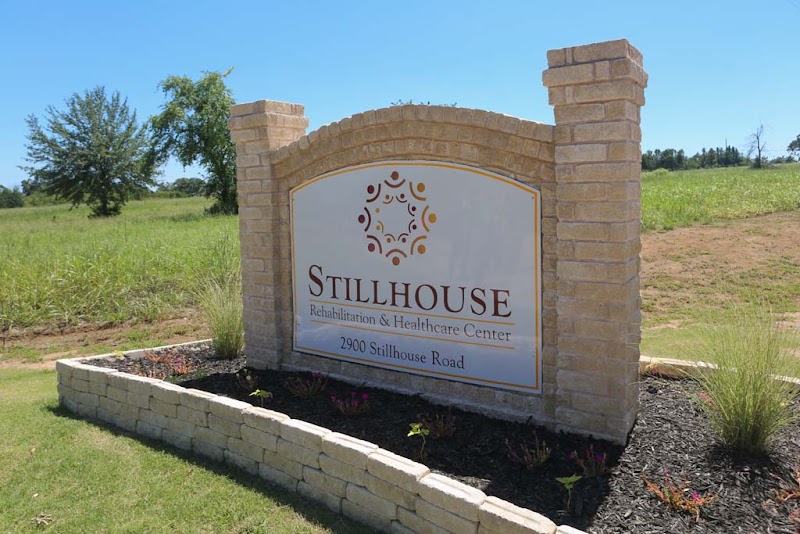
2900 STILLHOUSE ROAD, PARIS, TX 75462 (903) 785-1601
Government - Hospital district 150 Beds THE ENSIGN GROUP Data: November 2025 1 Immediate Jeopardy citation
Trust Grade
36/100
#843 of 1168 in TX
Last Inspection: May 2025

Inspected within the last 6 months. Data reflects current conditions.

Overview

Stillhouse Rehabilitation and Healthcare Center has received a Trust Grade of F, indicating significant concerns about the quality of care provided. It ranks #843 out of 1168 facilities in Texas, placing it in the bottom half overall, and #4 out of 5 in Lamar County, meaning there is only one facility in the area that is considered better. Unfortunately, the facility is worsening, with the number of issues increasing from 12 in 2024 to 19 in 2025. Staffing ratings are below average at 2 out of 5 stars, but the turnover rate of 44% is slightly better than the Texas average of 50%. The facility has faced $8,162 in fines, which is average, but troubling incidents include a staff member slapping a resident during a shower and failing to obtain necessary lab tests for three residents, raising serious concerns about resident safety and care quality. Overall, while there are some strengths in staffing retention, the significant deficiencies and incidents suggest families may want to explore other options.

Trust Score
F
36/100
In Texas
#843/1168
Bottom 28%
Safety Record
High Risk
Review needed
Inspections
Getting Worse
12 → 19 violations
Staff Stability
○ Average
44% turnover. Near Texas's 48% average. Typical for the industry.
Penalties
⚠ Watch
$8,162 in fines. Higher than 75% of Texas facilities, suggesting repeated compliance issues.
Skilled Nurses
⚠ Watch
Each resident gets only 26 minutes of Registered Nurse (RN) attention daily — below average for Texas. Fewer RN minutes means fewer trained eyes watching for problems.
Violations
⚠ Watch
47 deficiencies on record. Higher than average. Multiple issues found across inspections.
★★☆☆☆
2.0
Overall Rating
★★☆☆☆
2.0
Staff Levels
★★★☆☆
3.0
Care Quality
★★☆☆☆
2.0
Inspection Score
Stable
2024: 12 issues
2025: 19 issues

The Good

  • Full Sprinkler Coverage · Fire safety systems throughout facility
  • No fines on record
  • Staff turnover below average (44%)

    4 points below Texas average of 48%

Facility shows strength in fire safety.

The Bad

2-Star Overall Rating

Below Texas average (2.8)

Below average - review inspection findings carefully

Staff Turnover: 44%

Near Texas avg (46%)

Typical for the industry

Federal Fines: $8,162

Below median ($33,413)

Minor penalties assessed

Chain: THE ENSIGN GROUP

Part of a multi-facility chain

Ask about local staffing decisions and management

The Ugly 47 deficiencies on record

1 life-threatening
May 2025 19 deficiencies
CONCERN (D)

Potential for Harm - no one hurt, but risky conditions existed

Deficiency F0552 (Tag F0552)

Could have caused harm · This affected 1 resident

**NOTE- TERMS IN BRACKETS HAVE BEEN EDITED TO PROTECT CONFIDENTIALITY** Based on observation, interviews and record review, the facility failed to ensure resident had the right to be informed in advan...

Read full inspector narrative →
**NOTE- TERMS IN BRACKETS HAVE BEEN EDITED TO PROTECT CONFIDENTIALITY** Based on observation, interviews and record review, the facility failed to ensure resident had the right to be informed in advance, by the physician or other practitioner or professional, of the risks and benefits of proposed care, of treatment and treatment alternatives or treatment options and to choose the alternative or option he or she prefers for 1 of 21 (Residents #66) residents reviewed for psychoactive medications. The facility failed to ensure Resident #66 had signed a psychotropic consent from the resident or family for Ativan (antianxiety medication) before administering to Resident #66 on 05/17/25. This failure could place residents at risk for receiving unnecessary antipsychotic medications without informed consent. Findings included: Record review of Resident #66's face sheet, dated 05/22/25, indicated a [AGE] year-old male who was re-admitted to the facility on [DATE] with the diagnoses which included Dementia (a general term for a decline in mental ability severe enough to interfere with daily life), End-Stage Renal Disease (ESRD), also known as kidney failure (is the final stage of chronic kidney disease where the kidneys can no longer function effectively), COPD or chronic obstructive pulmonary disease (a progressive lung disease that makes it difficult to breathe), and high blood pressure. Record review of Resident #66's re-admission MDS assessment, dated 05/07/25, indicated Resident #66 understood and was understood by others. Resident #66's BIMS score was 05, which indicated he was severely cognitively impaired. The MDS indicated Resident #66 required assistance with toileting, bed mobility, dressing, personal hygiene, transfers, and eating. The MDS did not indicate Resident #66 had received any antianxiety medication during the look-back period. Record review of the comprehensive care plan, dated 05/15/25, indicated Resident #66 used psychotropic medications (antianxiety) related to anxiety disorder. The intervention of the care plan indicated that staff would give medication as ordered and would monitor for side effects for possible decrease/elimination of psychotropic medications. Record review of Resident #66's physician's orders, dated 05/15/25, indicated the resident had an order for Ativan Oral Tablet 0.5 MG (Lorazepam), give one tablet by mouth daily every Tuesday, Thursday, and Saturday for anxiety. Record review for Resident #66's medication administration record, dated 05/19/25, indicated he received Ativan as ordered on 05/17/25. Record review for Resident #66's consent for use of psychotropic medication, Ativan, was not documented in his chart as having consent to be administered. During an observation and interview on 05/19/25 11:14 a.m., Resident #66 was sitting up in his wheelchair. Resident #66 was unable to say what medication he was receiving but was able to say he was going to dialysis on Tuesday, Thursday, and Saturday. During an interview on 05/22/25 at 11:44 a.m., LVN H said she was the charge nurse for Resident #66. She said the process for obtaining consents was for the nurse to put in the order, and the ADON to call the family to get the consent. She said Resident #66 had recently started on Ativan, because he was anxious before going to dialysis. She said the medication was not supposed to be given until consent was obtained. She said the resident or family had the right to be informed of the medication changes to determine if they wanted the medication or not. During an interview on 05/22/25 at 12:01 p.m., the ADON brought the consents she had in a book for Resident #66. She said those were all the consents she had. She said she did not see a consent for Resident #66's Ativan. The ADON said the process for obtaining consents was for the nurses to put in the order, and she would call the family to obtain consent. She said she was unaware of Resident #66 starting on Ativan. She looked into his electronic medical records and said he started Ativan on Saturday (05/17/25). She said she should have called the family on Monday (05/19/25), but since the state surveyors were in the facility, she had not. She said she would call the family now (05/22/25). She said the consent was supposed to be obtained before the medication was given. During an interview on 05/22/25 at 12:05 p.m., the DON said consents should be signed before administering any psychoactive medication. The DON said consents were obtained to inform the family about the risks and benefits before receiving medications. The DON said the charge nurse who received the order was responsible for obtaining consents, and the ADONs were the overseers. The DON said failure to obtain the consents could cause the resident or families not to have all the information about the medication or a choice about the resident's care. During an interview on 05/22/25 at 12:16 p.m., the Administrator said he expected the DON or clinical team to ensure the consent form was filled out for any psychotropic medications. The Administrator said he felt the consents should be done but was not sure of what could happen if it was not done. Record review of the facility's policy titled Psychotropic Medication updated 08/17, indicated It is the policy of this facility to ensure that residents who have not used psychotropic drugs are not given these drugs unless the medication is necessary to treat a specific condition as diagnosed and documented in the clinical record. Policy and Procedure: #7 Upon change of condition or initiation of a new order for psychoactive medications, the Licensed Nurses shall complete the Verification of Informed Consent form prior to the initiation of the new medication.
CONCERN (D)

Potential for Harm - no one hurt, but risky conditions existed

Deficiency F0578 (Tag F0578)

Could have caused harm · This affected 1 resident

**NOTE- TERMS IN BRACKETS HAVE BEEN EDITED TO PROTECT CONFIDENTIALITY** Based on interview and record review, the facility failed to ensure all residents had the right to formulate an advance directiv...

Read full inspector narrative →
**NOTE- TERMS IN BRACKETS HAVE BEEN EDITED TO PROTECT CONFIDENTIALITY** Based on interview and record review, the facility failed to ensure all residents had the right to formulate an advance directive for 1 of 21 residents (Resident #24) reviewed for advanced directives. The facility failed to complete Resident #24's DNR (Do Not Resuscitate) or Out-of-Hospital do-not-resuscitate (OOH-DNR) form correctly on 07/26/24. This failure could place residents at risk for not having their end-of-life wishes honored and for incomplete records. Findings included: Record review of Resident #24's face sheet, dated 05/22/25, revealed an [AGE] year-old female who was admitted to the facility on [DATE] with diagnoses to include stroke, dementia (progressive loss of intellectual functioning), atrial fibrillation (irregular or rapid heartbeat that causes poor blood flow), and Congestive heart failure, or heart failure,(is a long-term condition in which your heart can't pump blood well enough to meet your body's needs). Record review of Resident #24's face sheet, dated 05/22/25, revealed DNR code status. Record review of Resident #24's quarterly MDS assessment, dated 04/30/25, indicated Resident #24 usually understood and was usually understood by others. Resident #24's BIMS score was 04, which indicated she was severely cognitively impaired. The MDS indicated Resident #24 required assistance with toileting, bed mobility, dressing, personal hygiene, transfers, and eating. Record review of Resident #24's physician order dated 07/26/24 revealed a DNR code status. Record review of Resident #24's care plan, revised on 07/31/24, revealed Resident #24 had a DNR status. The intervention was for staff not to resuscitate in the event of cardiac arrest and to review code status quarterly and as needed. Record review of Resident #24's Out of Hospital Do Not Resuscitate form dated 07/26/24 revealed at the bottom of the form All persons who have signed above must sign below, acknowledging that this document has been properly completed. The document had not been signed by the two witnesses above, agreeing that this form had been completed properly. During an interview on 05/22/25 at 11:20 a.m., the Social Worker said she was responsible for completing the residents' DNRs. She looked at Resident #24's DNR and said it was not filled out correctly. She said the two witnesses did not sign below, indicating the form had been completed correctly. She said she did not know why the form was not completed correctly because she was not employed at the time the consent was obtained. She said since the DNR was not filled out correctly, it could potentially go against the resident's wishes. During an interview on 05/22/25 at 12:05 p.m., the DON said she expected the DNRs to be filled out completely. She said the Social Worker was responsible for ensuring the form was complete. She said failure to complete a DNR correctly could potentially affect the resident's wishes not being honored. During an interview on 05/22/25 at 12:05 p.m., the Administrator said he thought the Social Worker was responsible for ensuring the DNRs were completed. He said he expected the DNRs to be complete and all appropriate and applicable areas on the form completed. He said the potential negative outcome would be that the wishes of the resident or family would not be honored. Record review of the facility's policy, Advance Directives, Revised 12/23, indicated, Policy: It is the policy of this facility that a resident's choice about advance directives will be recognized and respected. Further, it is the policy of this facility to inform and provide written information to all adult residents concerning the right to accept or refuse medical or surgical treatment and, at the resident's option, formulate an advance directive. The facility recognizes and respects the resident's right to choose their treatment and make decisions about care to be received at the end of their life. It is the policy of this facility to implement the resident decisions and directives that are in compliance with State and/or Federal Law and the policies of this facility. Record Review of the Instructions for Issuing An OOH-DNR Order (Undated) revealed the following: INSTRUCTIONS FOR ISSUING AN OOH-DNR ORDER PURPOSE IMPLEMENTATION: A competent adult person, at least [AGE] years of age, or the person's authorized representative or qualified relative may execute or issue an OOH-DNR Order. The person's attending physician will document existence of the Order in the person's permanent medical record. The OOH-DNR Order may be executed as follows: Section B - If an adult person is incompetent or otherwise mentally or physically incapable of communication and has either a legal guardian, agent in a medical power of attorney, or proxy in a directive to physicians, the guardian, agent, or proxy may execute the OOH-DNR Order by signing and dating it in Section B. Section C - If the adult person is incompetent or otherwise mentally or physically incapable of communication and does not have a guardian, agent, or proxy, then a qualified relative may execute the OOH-DNR Order by signing and dating it in Section C .
CONCERN (D)

Potential for Harm - no one hurt, but risky conditions existed

Deficiency F0583 (Tag F0583)

Could have caused harm · This affected 1 resident

**NOTE- TERMS IN BRACKETS HAVE BEEN EDITED TO PROTECT CONFIDENTIALITY** Based on observation, interview and record review, the facility failed to ensure the residents' right to privacy during personal...

Read full inspector narrative →
**NOTE- TERMS IN BRACKETS HAVE BEEN EDITED TO PROTECT CONFIDENTIALITY** Based on observation, interview and record review, the facility failed to ensure the residents' right to privacy during personal care for 1 of 22 residents (Resident #24) reviewed for privacy. The facility failed to ensure RN A provided privacy to Resident #24 when she administered Resident #24's medication via her PEG tube (tube placed in the stomach to administer feedings and medications) on 05/20/2025 when RN A did not close the privacy curtain and she did not close the door. This failure could place residents at risk of having their bodies exposed to the public, low self-esteem, and a diminished quality of life. Findings included: Record review of a face sheet dated 05/21/2025 indicated Resident #24 was a [AGE] year-old female admitted to the facility o 07/19/2024 with diagnoses which included hemiplegia and hemiparesis following cerebral infarction affecting left non-dominant side and right dominant side (weakness and paralysis after a stroke which affected the left and right side of the body) and gastrostomy status (presence of an artificial opening to the stomach and a tube is inserted to administer feedings and medications). Record review of Resident #24's Quarterly MDS assessment dated [DATE] indicated she was sometimes understood by others, and she was sometimes able to understand others. The MDS assessment indicated Resident #24 had a BIMS score of 4, which indicated her cognition was severely impaired. The MDS assessment indicated Resident #24 was dependent on staff for all ADLs. The MDS assessment indicated Resident #24 had a feeding tube. Record review of Resident #24's Order Summary Report dated 05/21/2025 indicated Tylenol 325 mg give 2 tablets via PEG tube every 6 hours for pain with a start date of 01/06/2025. Record review of Resident #24's care plan with a target date of 07/20/2025 indicated she had a potential for acute and chronic pain to administer pain medication as per orders. During an observation and interview on 05/20/2025 starting at 11:03 AM, RN A went into Resident #24's room, lifted her gown, and administered 2 tablets of Tylenol 325 mg via her PEG tube. RN A did not close the privacy curtain and she did not close the door. RN A said she should have shut the door for privacy. RN A said she forgot to close the door. During an interview on 05/20/2025 at 11:17 AM, Resident #24 said she would rather the door be closed when medications were administered to her via her tube. During an interview on 05/22/2025 at 10:48 AM, the DON said the staff should provide privacy when providing care. The DON said she in serviced the staff on providing privacy, and she asked the residents to ensure the staff was providing privacy. The DON said she had no complaints about RN A or the staff not providing privacy. The DON said it was important for the staff to provide privacy to the residents for the residents' dignity, and because the residents should have privacy in their home. During an interview on 05/22/2025 at 11:45 AM, the Operation Manager said he expected the staff to provide proper care and follow the proper precautions when administering medications. The Operation Manager said nursing was responsible for ensuring the residents' wishes were respected. The Operation Manager said it was important for privacy to be provided during procedures to ensure the resident felt dignified in their care. Record review of the facility's Policy/Procedure-Nursing Administration, Section: Resident Rights, Subject: Dignity and Respect, revised 10/2025, indicated, Residents shall be examined and treated in a manner that maintains the privacy of their bodies. A closed door or drawn curtain shields the Resident from passers-by.
CONCERN (D)

Potential for Harm - no one hurt, but risky conditions existed

Safe Environment (Tag F0584)

Could have caused harm · This affected 1 resident

Based on observation, interview, and record review, the facility failed to provide a safe, clean, comfortable, and homelike environment, which allowed residents to use his or her personal belongings t...

Read full inspector narrative →
Based on observation, interview, and record review, the facility failed to provide a safe, clean, comfortable, and homelike environment, which allowed residents to use his or her personal belongings to the extent possible for 1 of 22 residents (#27) reviewed for environment. The facility did not ensure Resident #27's bathroom drains were free from a foul sewage odor. These failures could place the residents at risk for embarrassment due to the room having a foul odor. Findings include: During an interview and observation on 05/19/25 at 2:16 p.m., two state surveyor observed a foul sewage odor coming from Resident #27's bathroom. Resident #27 stated the smell was worse at night and when it gets hot outside. Resident #27 stated the Maintenance Supervisor and Administrator was aware. Resident #27 was unsure of when the odor issue started but stated, I tell them almost daily about this odor. Resident #27 stated he had never been offered to change rooms. During an interview on 05/19/25 at 2:25 p.m., Housekeeping N stated the bathroom smelled like sewage and she just poured a substance in the sink to get rid of the smell. During an interview on 05/21/25 at 4:16 p.m., the Maintenance Supervisor stated Resident #27 had reported the foul sewage odor to him on several occasions. The Maintenance Supervisor stated the odor was coming from the sink drain due to the water not being ran enough. The Maintenance Supervisor stated this issue had been going on for a year and half. The Maintenance Supervisor stated he the smell was worse in the summer when it got hot. The Maintenance Supervisor stated he poured an enzyme down the sink to mask the smell. The Maintenance Supervisor stated he had not called a plumber because this was not an emergency. During an interview on 05/22/25 beginning at 1:02 p.m., the Administrator stated he was not made aware of the sewage issue until 05/12/25. The Administrator stated he spoke with Resident #23 and confirmed if there was any smell, and he did notice the smell in the bathroom. The Administrator stated he reached out to the Maintenance Supervisor, and he provided a cleaning solution to pour down the drain to eliminate the small. The Administrator stated he followed up the next day and Resident #23 stated it was ok. Record review of the facility's policy titled Safe/Comfortable/Homelike Environment revised 01/22 indicated . Residents are provided with a safe, clean, comfortable, and homelike environment . 2. The facility staff and management shall maximize, to the extent possible, the characteristics of the facility that reflect a personalized, homelike setting. The characteristics include e. Pleasant, neutral scents .
CONCERN (D)

Potential for Harm - no one hurt, but risky conditions existed

Abuse Prevention Policies (Tag F0607)

Could have caused harm · This affected 1 resident

**NOTE- TERMS IN BRACKETS HAVE BEEN EDITED TO PROTECT CONFIDENTIALITY** 2. Resident #23 Record review of Resident 23's face sheet dated 05/27/25, reflected Resident #23 was a [AGE] year-old male, read...

Read full inspector narrative →
**NOTE- TERMS IN BRACKETS HAVE BEEN EDITED TO PROTECT CONFIDENTIALITY** 2. Resident #23 Record review of Resident 23's face sheet dated 05/27/25, reflected Resident #23 was a [AGE] year-old male, readmitted to the facility on [DATE] with a diagnosis which included recurrent depressive disorders. Record review of Resident #23's quarterly MDS assessment, dated 04/18/25, reflected Resident #23 made himself understood, and understood others. The assessment did not address Resident #23's BIMS score. The MDS reflected Resident #23 had no behaviors or refusal of care during the look-back period. Record review of Resident #23's comprehensive care plan, revised on 11/06/23, reflected Resident #23 had antidepressant medication use related to depression. The care plan interventions included anti-depressant side effects, anti-depressant targeted behavior code and give antidepressant medications as ordered by physician. Resident #47 Record review of Resident #47's face sheet dated 05/27/25, reflected Resident #47 was a [AGE] year-old male, admitted to the facility on [DATE] with a diagnosis which included vascular dementia (reduce blood flow to the brain) with behavioral disturbance. Record review of Resident #47's quarterly MDS assessment, dated 03/03/25, reflected Resident #47 usually made himself understood, and usually understood others. Resident #47's BIMS score was 1, which indicted his cognition was severely impaired. The MDS reflected Resident #47 had no behaviors or refusal of care during the look-back period. Record review of Resident #47's comprehensive care plan, revised on 03/30/25, reflected Resident #47 had a potential for a behavior problem by wandering in rooms looking for remote control. The care plan interventions included: approach in a calm manner and stop and talk with resident when passing by. Record review of an untitled form dated 05/02/25 reflected Resident #23 came by Resident #47. Resident #23 stated Resident #47 spit on him at the nurse's station. After being notified by the charge nurse the Administrator called and spoke with Resident #23. The form stated Resident #23 expressed frustration without acknowledging how the even transpired and declined to describe details of where, even prompting the event, and details to the location where he was spit on by Resident #47, stating it did not matter and not to even worry about it. During an interview on 05/19/25 at 02:33 p.m., Resident #47 was sitting up in his wheelchair, alert but difficult to understand. During an interview on 05/19/25 at 3:02 p.m., Resident #23 stated he was spit on by Resident #47. Resident #23 stated the Administrator was aware of the incident. Resident #23 expressed frustration and stated, he was down on himself for not doing nothing to him. During an interview on 05/20/25 at 3:06 p.m., MA M stated she was at the nursing station getting ready to administer medication to another resident. MA M stated she noticed Resident #23 leaned over to Resident #47 and stated something. MA M stated she did not hear what was stated. MA M stated she saw spit leave Resident #47 mouth did not know where it landed. MA M stated she went and got the ADON to inform her of the incident. MA M stated Resident #23 left to go to the dining room and Resident #47 was helped back to his room. During a group meeting on 05/21/25 at 10:00 a.m., Resident #23 stated he felt that the facility did not address the issue involving him and Resident #47 in a timely manner. Resident #23 then stated, I should've taken care of him while balling up his fist holding it in the front of him. During an interview on 05/22/25 at 1:57 p.m., the ADON stated she was making rounds down the hall when MA M came, got her, and told stated there was something going on between Resident #23 and #47. The ADON stated Resident #47 had spit towards Resident #23, but she did not know where it landed. The ADON stated after checking on both residents, she immediately called the Administrator. The ADON stated Resident #23 was very upset such as cussing and stating, Motherfucker spit on me. The ADON stated she asked him where and he stated, it doesn't matter where he spit on me. During an interview on 05/22/25 beginning at 1:02 p.m., the Administrator stated at the moment of the event, he spoke to Resident #23 and confirmed if he felt safe or concerns of safety or harm. The Administrator stated Resident #23 acknowledge he was ok. The Administrator stated in the moment there was no perceived physician or emotional harm, and he did not feel this should have been reported to HHSC. Record review of the facility's policy titled, Abuse: Prevention of and Prohibition Against revised 12/2023, indicated, .Allegations of abuse, neglect, misappropriation of resident property, or exploitation will be reported outside the facility and to the appropriate state or federal agencies in the applicable timeframe, as per this policy and applicable regulations. Based on interview and record review, the facility failed to implement written policies and procedures that prohibit mistreatment, neglect, and abuse of residents, for 3 of 22 residents (Resident #23, Resident #32 and Resident #47) reviewed for abuse. 1.The facility failed to follow their policy to report to HHSC when Resident #32 alleged a hospital staff member hit her while in the hospital on 5/10/2025. 2. The facility did not implement their policy on reporting abuse to state agency for a resident-to-resident altercation that occurred on 05/02/25 between Resident #23 and Resident #47. These failures could place residents at risk of abuse, physical harm, mental anguish, and emotional distress. Findings included: Record review of the facility's policy titled, Abuse: Prevention of and Prohibition Against revised 12/2023, indicated, .Allegations of abuse, neglect, misappropriation of resident property, or exploitation will be reported outside the facility and to the appropriate state or federal agencies in the applicable timeframe, as per this policy and applicable regulations. 1.Record review of a face sheet dated 05/20/2025, indicated Resident #32 was a [AGE] year-old female, initially admitted on [DATE], and readmitted on [DATE] with the diagnoses of type 2 diabetes mellitus with hyperglycemia (high blood sugar, was a common feature of type 2 diabetes and can lead to various complications if left unmanaged), essential (primary) hypertension (high blood pressure where no specific underlying cause can be identified), acquired absence of unspecified leg below the knee (high blood pressure where no specific underlying cause can be identified). Record review of the comprehensive MDS assessment dated [DATE], indicated Resident #32 was able to make herself understood. Resident # 32 had a BIMS score of 15, which suggest cognition intact. The MDS indicated Resident #32 did not have any behavior issues or reject care. Record review of the care plan dated 04/14/2025, indicated Resident #32 did not have any behaviors. During an interview on 05/20/2025 at 9:00 a.m., Resident #32 stated while she was in the hospital on 5/10/2025, she had been asking for someone to call her family member. Resident #32 stated a CNA came into her room, hit her on her wrist and leg, then told her to shut up you. Resident #32 stated she told the facility transportation driver about the incident on the way to a doctor's appointment on 5/12/2025. Resident#32 stated she did not know she should have told someone when she returned from the hospital. During an interview on 05/20/2025 at 3:00 p.m., the transportation driver stated on Monday 05/12/2025 she was taking Resident #32 to a doctor's appointment and during transport Resident #32 told her she was treated badly in the hospital. The transportation driver stated Resident #32 told her a CNA at the hospital hit her twice and told her to shut up. The transportation driver stated as soon as she got Resident #32 into her doctor's appointment she called and reported the incident to the Administrator and gave a written statement when she returned to the facility. During an interview on 05/22/2025 at 11:00 a.m., the DON stated Resident #32 did not report the incident that happened at the hospital until she was on the transportation van going to a doctor's appointment. The DON stated as soon as the incident was reported even though it happened at the hospital an investigation was started. The DON stated the Administrator read the regulation and understood the incident did not need to be reported within two hours. The DON stated important to report an allegation of abuse on time to make sure the resident was protected and free of harm. The DON stated she did not feel like there was a failure because it was reported within 24 hours. During an interview on 05/22/2025 at 11:20 a.m., the Administrator stated the allegation was reported to him on May 12, 2025, after the transportation driver took Resident #32 to a doctor's appointment. The Administrator stated when the allegation was reported to him, he stated an investigation, notified the hospital of the allegation and the police. The Administrator stated he read the regulation and understood he had 24 hours to report.
CONCERN (D)

Potential for Harm - no one hurt, but risky conditions existed

Report Alleged Abuse (Tag F0609)

Could have caused harm · This affected 1 resident

**NOTE- TERMS IN BRACKETS HAVE BEEN EDITED TO PROTECT CONFIDENTIALITY** 2. Resident #23 Record review of Resident 23's face sheet dated 05/27/25, reflected Resident #23 was a [AGE] year-old male, read...

Read full inspector narrative →
**NOTE- TERMS IN BRACKETS HAVE BEEN EDITED TO PROTECT CONFIDENTIALITY** 2. Resident #23 Record review of Resident 23's face sheet dated 05/27/25, reflected Resident #23 was a [AGE] year-old male, readmitted to the facility on [DATE] with a diagnosis which included recurrent depressive disorders. Record review of Resident #23's quarterly MDS assessment, dated 04/18/25, reflected Resident #23 made himself understood, and understood others. The assessment did not address Resident #23's BIMS score. The MDS reflected Resident #23 had no behaviors or refusal of care during the look-back period. Record review of Resident #23's comprehensive care plan, revised on 11/06/23, reflected Resident #23 had antidepressant medication use related to depression. The care plan interventions included anti-depressant side effects, anti-depressant targeted behavior code and give antidepressant medications as ordered by physician. Resident #47 Record review of Resident #47's face sheet dated 05/27/25, reflected Resident #47 was a [AGE] year-old male, admitted to the facility on [DATE] with a diagnosis which included vascular dementia (reduce blood flow to the brain) with behavioral disturbance. Record review of Resident #47's quarterly MDS assessment, dated 03/03/25, reflected Resident #47 usually made himself understood, and usually understood others. Resident #47's BIMS score was 1, which indicted his cognition was severely impaired. The MDS reflected Resident #47 had no behaviors or refusal of care during the look-back period. Record review of Resident #47's comprehensive care plan, revised on 03/30/25, reflected Resident #47 had a potential for a behavior problem by wandering in rooms looking for remote control. The care plan interventions included: approach in a calm manner and stop and talk with resident when passing by. Record review of an untitled form dated 05/02/25 reflected Resident #23 came by Resident #47. Resident #23 stated Resident #47 spit on him at the nurse's station. After being notified by the charge nurse the Administrator called and spoke with Resident #23. The form stated Resident #23 expressed frustration without acknowledging how the even transpired and declined to describe details of where, even prompting the event, and details to the location where he was spit on by Resident #47, stating it did not matter and not to even worry about it. During an interview on 05/19/25 at 02:33 p.m., Resident #47 was sitting up in his wheelchair, alert but difficult to understand. During an interview on 05/19/25 at 3:02 p.m., Resident #23 stated he was spit on by Resident #47. Resident #23 stated the Administrator was aware of the incident. Resident #23 expressed frustration and stated, he was down on himself for not doing nothing to him. During an interview on 05/20/25 at 3:06 p.m., MA M stated she was at the nursing station getting ready to administer medication to another resident. MA M stated she noticed Resident #23 leaned over to Resident #47 and stated something. MA M stated she did not hear what was stated. MA M stated she saw spit leave Resident #47 mouth did not know where it landed. MA M stated she went and got the ADON to inform her of the incident. MA M stated Resident #23 left to go to the dining room and Resident #47 was helped back to his room. During a group meeting on 05/21/25 at 10:00 a.m., Resident #23 stated he felt that the facility did not address the issue involving him and Resident #47 in a timely manner. Resident #23 then stated, I should've taken care of him while balling up his fist holding it in the front of him. During an interview on 05/22/25 at 1:57 p.m., the ADON stated she was making rounds down the hall when MA M came, got her, and told stated there was something going on between Resident #23 and #47. The ADON stated Resident #47 had spit towards Resident #23, but she did not know where it landed. The ADON stated after checking on both residents, she immediately called the Administrator. The ADON stated Resident #23 was very upset such as cussing and stating, Motherfucker spit on me. The ADON stated she asked him where and he stated, it doesn't matter where he spit on me. During an interview on 05/22/25 beginning at 1:02 p.m., the Administrator stated at the moment of the event, he spoke to Resident #23 and confirmed if he felt safe or concerns of safety or harm. The Administrator stated Resident #23 acknowledge he was ok. The Administrator stated in the moment there was no perceived physician or emotional harm, and he did not feel this should have been reported to HHSC. Based on interviews and record review, the facility failed to ensure that all alleged violations involving abuse, neglect, exploitation or mistreatment, including injuries of unknown source and misappropriation of resident property, were reported immediately, but not later than 2 hours after the allegation was made, if the events that caused the allegation involved abuse or resulted in serious bodily injury, or not later than 24 hours if the events that caused the allegation did not involve abuse and did not result in serious bodily injury, to the administrator of the facility and to other officials (including to the State Survey Agency and adult protective services where state law provides for jurisdiction in long-term care facilities) in accordance with state law through established procedures for 3 of 22 residents (Resident #23, Resident #32, and Resident #47) reviewed for abuse. 1.The facility failed to report abuse timely to the state agency on behalf of Resident #32. 2. The facility did not report to HHSC for a resident-to-resident altercation that occurred on 05/02/25 between Resident #23 and Resident #47. This failure could place the residents at risk for neglect due to unreported and uninvestigated allegations of neglect. Findings include: 1.Record review of a face sheet dated 05/20/2025, indicated Resident #32 was a [AGE] year-old female, initially admitted on [DATE], and readmitted on [DATE] with the diagnoses of type 2 diabetes mellitus with hyperglycemia (high blood sugar, was a common feature of type 2 diabetes and can lead to various complications if left unmanaged), essential (primary) hypertension (high blood pressure where no specific underlying cause can be identified), acquired absence of unspecified leg below the knee (high blood pressure where no specific underlying cause can be identified). Record review of the comprehensive MDS assessment dated [DATE], indicated Resident #32 was able to make herself understood. Resident # 32 had a BIMS score of 15, which suggest cognition intact. The MDS indicated Resident #32 did not have any behavior issues or reject care. Record review of the care plan dated 04/14/2025, indicated Resident #32 did not have any behaviors. During an interview on 05/20/2025 at 9:00 a.m., Resident #32 stated while she was in the hospital on 5/10/2025, she had been asking for someone to call her family member. Resident #32 stated a CNA came into her room, hit her on her wrist and leg, then told her to shut up you. Resident #32 stated she told the facility transportation driver about the incident on the way to a doctor's appointment on 5/12/2025. Resident#32 stated she did not know she should have told someone when she returned from the hospital. During an interview on 05/20/2025 at 3:00 p.m., the transportation driver stated on Monday 05/12/2025 she was taking Resident #32 to a doctor's appointment and during transport Resident #32 told her she was treated badly in the hospital. The transportation driver stated Resident #32 told her a CNA at the hospital hit her twice and told her to shut up. The transportation driver stated as soon as she got Resident #32 into her doctor's appointment she called and reported the incident to the Administrator and gave a written statement when she returned to the facility. During an interview on 05/22/2025 at 11:00 a.m., the DON stated Resident #32 did not report the incident that happened at the hospital until she was on the transportation van going to a doctor's appointment. The DON stated as soon as the incident was reported even though it happened at the hospital an investigation was started. The DON stated the Administrator read the regulation and understood the incident did not need to be reported within two hours. The DON stated important to report an allegation of abuse on time to make sure the resident was protected and free of harm. The DON stated she did not feel like there was a failure because it was reported within 24 hours. During an interview on 05/22/2025 at 11:20 a.m., the Administrator stated the allegation was reported to him on May 12, 2025, after the transportation driver took Resident #32 to a doctor's appointment. The Administrator stated when the allegation was reported to him, he stated an investigation, notified the hospital of the allegation and the police. The Administrator stated he read the regulation and understood he had 24 hours to report.
CONCERN (D)

Potential for Harm - no one hurt, but risky conditions existed

Assessment Accuracy (Tag F0641)

Could have caused harm · This affected 1 resident

**NOTE- TERMS IN BRACKETS HAVE BEEN EDITED TO PROTECT CONFIDENTIALITY** Based on interview and record review the facility failed to ensure assessments accurately reflected the resident status for 2 of...

Read full inspector narrative →
**NOTE- TERMS IN BRACKETS HAVE BEEN EDITED TO PROTECT CONFIDENTIALITY** Based on interview and record review the facility failed to ensure assessments accurately reflected the resident status for 2 of 22 residents (Residents #23 and #27) reviewed for MDS assessment accuracy. 1. The facility failed to interview Resident #23 regarding his mood on his 04/18/25 quarterly MDS assessment. 2. The facility failed to accurately reflect Resident #27's active diagnoses to not include a diagnosis of depression (a mood disorder characterized by persistent feelings of sadness and loss of interest or please in activities) on his 04/19/25 quarterly MDS assessment. These failures could place residents at risk for not receiving care and services to meet their needs. Findings included: 1. Record review of Resident 23's face sheet dated 05/27/25, reflected Resident #23 was a [AGE] year-old male, readmitted to the facility on [DATE] with a diagnosis which included recurrent depressive disorders. Record review of Resident #23's quarterly MDS assessment, dated 04/18/25, reflected Resident #23 made himself understood, and understood others. The assessment did not address Resident #23's BIMS score. The assessment reflected Section D0100 (Mood Section) asked Should Resident Mood Interview be Conducted? This section was marked - which meant the interview was not conducted. The assessment reflected Resident #23 had an active diagnosis of depression. Record review of Resident #23's comprehensive care plan revised on 11/06/23, reflected Resident #23 had antidepressant medication use related to depression. The care plan interventions included anti-depressant side effects, anti-depressant targeted behavior code and give antidepressant medications as ordered by physician. Record review of Resident #23's physician order summary report, dated 05/22/25, reflected an active physician's order for trazodone HCI 50 mg: 1 tablet by mouth at bedtime for anxiety/depression with a start date 10/31/24. 2. Record review of Resident #27's face sheet, dated 05/27/25, reflected Resident #27 was a [AGE] year-old male, admitted to the facility on [DATE]. The face sheet did not reflect a diagnosis of depression. Record review of Resident #27's quarterly MDS assessment, dated 04/19/25, reflected Resident #27 made himself understood, and understood others. The assessment did not address Resident #27's BIMS score. The assessment reflected Section D0100 (Mood Section) asked Should Resident Mood Interview be Conducted? This section was marked - which meant the interview was not conducted. The assessment reflected Resident #27 had an active diagnosis of depression. Record review of Resident #27's comprehensive care plan revised on 09/14/21, reflected Resident #27 had potential for mood problem related to major depressive disorder. The care plan interventions included: behavioral health consults as needed, encourage to express feelings and monitor/record/report to MD mood patterns s/sx of depression, anxiety, or sad mood. Record review of Resident #27's physician order summary report, dated 05/22/25, reflected Resident #27 did not take an antidepressant. During an interview on 05/20/25 at 11:15 a.m., the MDS Coordinator stated the social worker was responsible for completing the mood section of the MDS assessment. The MDS Coordinator stated Residents #23 and #27 both were in the facility during the time of the assessments to conduct an interview which D0100 (Mood Section) should have been coded yes. After reviewing Resident #27's electronic medical records, the MDS Coordinator stated there was no documentation to support an active diagnosis of depression. The MDS Coordinator stated Resident #27 was not on an antidepressant within the ARD (the end date of the observation or look back period used when completing the MDS assessment). The MDS Coordinator stated it was important for the assessments to be accurate to monitor depression. During an interview on 05/22/25 at 10:20 a.m., the MDS Resource stated she expected the mood section to be marked yes if the resident was interview able and in the facility during the time of the assessment. The MDS Resource stated the social worker was responsible for completing the mood section of the MDS assessment but if the MDS Coordinator had of notice the assessment was not completed by the ARD she could have completed the assessment. The MDS Resource stated if the diagnosis of depression was not active within the last 60 days, depression should not be coded. The MDS Resource stated she was responsible for monitoring and overseeing for accuracy or coding errors by random audits. The MDS Resource stated it was important for the assessments to be accurate and to make sure the facility was providing the care the resident may or may not need. During an interview on 05/22/25 at 11:25 a.m., the Social Worker stated she should have completed the mood section of the MDS assessment within the ARD. The Social Worker stated, honestly, I don't know why Residents #23's mood section on his MDS assessment was missed. The Social Worker stated it was important to complete the mood section to ensure the facility was providing the correct care in the event the resident was showing s/sx of depression. During an interview on 05/22/25 beginning at 1:02 p.m., the Administrator stated he would expect the MDS to be coded accurately. The Administrator stated if the MDS was not coded accurately, the resident may not get the care that they needed. The Administrator stated the MDS Coordinator and social worker were responsible for ensuring the MDS was coded accurately. During an interview on 05/25/25 beginning at 1:20 p.m., the MDS Resource stated there was not a policy and procedure regarding MDS assessment accuracy. The MDS Resource stated the facility follow the RAI manual. Record review of the Resident Assessment Instrument 3.0 User's Manual, last revised October 2023, indicated . Section D: Mood . Intent: The items in this section address mood distress and social isolation It is particularly important to identify signs and symptoms of mood distress among nursing home residents because these signs and symptoms can treatable . Section I: Active Diagnoses . Intent: The items in this section are tended to code diseases that have a direct relationship to the resident's current functional status, cognitive statis, mood or behavior status One of the important functions of the MDS assessments is to generate an updated, accurate picture of the resident's current health status .
CONCERN (D)

Potential for Harm - no one hurt, but risky conditions existed

Comprehensive Care Plan (Tag F0656)

Could have caused harm · This affected 1 resident

**NOTE- TERMS IN BRACKETS HAVE BEEN EDITED TO PROTECT CONFIDENTIALITY** Based on observations, interviews, and record reviews, the facility failed to develop and implement a comprehensive person-cente...

Read full inspector narrative →
**NOTE- TERMS IN BRACKETS HAVE BEEN EDITED TO PROTECT CONFIDENTIALITY** Based on observations, interviews, and record reviews, the facility failed to develop and implement a comprehensive person-centered care plan for each resident, that includes measurable objectives and timeframes to meet a resident's medical, nursing, and mental and psychosocial needs, for 1 of 8 (Resident #29) residents reviewed for the care plans. The facility failed to ensure Resident #29's fall mat was beside her bed on 05/20/25. This failure could affect residents by placing them at risk of not receiving appropriate interventions to meet their current needs. Findings included: Record review of Resident #29's face sheet, dated 05/22/25, indicated she was a [AGE] year-old female re-admitted to the facility on [DATE] with diagnoses which included dementia (loss of memory), stroke, and history of falling. Record review of Resident 29's admission MDS assessment, dated 1/28/25, indicated Resident #29 understood and by others. Resident #29's BIMS score was 08, indicating her cognition was moderately impaired. The MDS indicated Resident #29 required total assistance with her ADL's including transfers and bed mobility. The MDS did not indicate she had a fall before admission. Record review of Resident 29's incident report revealed she had a fall from her bed on 04/19/25. The incident report indicated she often required repositioning from the edge of the bed, related to the resident bending her head and torso (core of the body) to the left and right. Record review of Resident #29's comprehensive care plan dated 01/28/25, revised 04/19/25, indicated Resident #29 had the potential for falls related to weakness and impaired mobility. The intervention was for staff to apply a fall mat at the bedside. Record review of Resident #29's physician's order dated 05/16/25, indicated a fall mat at the bedside. During an observation on 05/19/25 at 2:31 p.m., Resident #29 was in her bed without a fall mat beside her bed. During an interview on 05/22/25 at 11:44 a.m., LVN H said she was Resident #29's charge nurse. She said Resident #29 required a fall mat beside her bed. She said the aides were supposed to place the fall mat, but she was responsible for ensuring it was down by walking the halls. She said the fall mat was in place for safety. During an interview on 05/22/25 at 11:56 p.m., CNA K said Resident #29 required a fall mat because she had a history of leaning off the bed. She said she was supposed to put the fall mat down, and the nurse was supposed to ensure she did. During an interview on 05/22/25 at 12:05 p.m., the DON said Resident #29 was supposed to have a fall mat beside her bed because she had a fall and was at risk for further falls. She said the nursing staff was responsible for ensuring the fall mat was beside her bed. She said the fall mat was for fall prevention and to prevent an injury. During an interview on 05/22/25 at 12:05 p.m., the Administrator said if Resident #29 had a fall, then he expected the nursing staff to ensure her fall mat was beside her bed. He said the fall mat was for the prevention and safety of falls. Record review of the facility policy titled, Fall Management System, revised 12/23, indicated, Policy: It is the policy of this facility to provide an environment that remains as free of accident hazards as possible. It is also the policy of this facility to provide each resident with appropriate assessment and interventions to prevent falls and to minimize complications if a fall occurs.
CONCERN (D)

Potential for Harm - no one hurt, but risky conditions existed

ADL Care (Tag F0677)

Could have caused harm · This affected 1 resident

**NOTE- TERMS IN BRACKETS HAVE BEEN EDITED TO PROTECT CONFIDENTIALITY** Based on observation, interview and record review the facility failed to ensure residents who were unable to carry out activitie...

Read full inspector narrative →
**NOTE- TERMS IN BRACKETS HAVE BEEN EDITED TO PROTECT CONFIDENTIALITY** Based on observation, interview and record review the facility failed to ensure residents who were unable to carry out activities of daily living received the necessary services to maintain good nutrition, grooming, and personal and oral hygiene for 1 of 22 residents (Resident #68) reviewed for ADL (activities of daily living) care. The facility failed to provide nail care by removing black material from under fingernails for dependent female Resident #68 on 05/19/2025 and 05/20/2025. This failure could place residents at risk of not receiving care and services to meet their needs. Findings included: Record review of the face sheet, dated 05/19/2025, revealed Resident #68 was a [AGE] year old female with diagnoses which included type 2 diabetes mellitus without complications (person's blood sugar levels are high, indicating diabetes, but they haven't experienced any long-term health problems like kidney disease, nerve damage, or heart disease), essential (primary) hypertension (high blood pressure where no specific underlying cause can be identified), acute respiratory failure with hypoxia (occurs when the lungs are unable to deliver enough oxygen to the blood, leading to low oxygen levels in the body). Record view of the comprehensive MDS, dated [DATE], revealed Resident #68 had a BIMS of 14 indicating cognition was intact. Resident #68 required assistance for dressing, bathing, and personal hygiene ADLs, Resident #68 required assistance of two person for dressing, bathing, and personal hygiene ADLs. The MDS revealed Resident #68 did not reject care. During an observation on 05/19/2025 at 11:31 a.m. Resident #68 was observed with black material under her fingernails. During an observation on 05/20/2025 at 9:48 a.m. Resident #68 was observed with black material under her fingernails. During an interview on 05/20/2025 at 11:00 a.m., CNA O stated it was the CNAs responsibility to ensure the residents fingernails were clean during showers or when needed. CNA O stated it was important to keep resident fingernails clean to keep bacteria down. CNA O stated Resident #68 could put her hand in her mouth and the bacteria could get into her mouth and cause an infection. During an interview on 05/22/2025 at 10:40 a.m., LVN P stated it was the charge nurse's responsibility to ensure Resident #68 nails were cut and clean. LVN P stated it was important to keep resident fingernails clean to keep bacteria from getting into Resident #68 mouth when eating. LVN P stated if Resident #68 had feces under her fingernail it could make her sick. Stated she would monitor by rounds. During an interview on 05/22/2025 at 11:00 a.m., the DON stated it was the CNAs who usually cleaned the resident's fingernails on bath days. The DON stated it was important to keep Resident #68 fingernails clean for infection control and dignity. The DON stated she would monitor by making frequent rounds. During an interview on 05/22/2025 at 11:20 a.m., the Administrator stated he expected CNAs to do nail care. The Administrator stated it was important to keep fingernails clean for dignity and good hygiene. The Administrator stated he was not clinical so he did not know what the harm would be. Record review of the facility's policy titled Nail Care revised 05/2007, it was the policy of this facility to promote cleanliness, safety, and net appearance of our residents place towel to catch trimmed nails. Remove any debris from under nails with file or orange stick .
CONCERN (D)

Potential for Harm - no one hurt, but risky conditions existed

Pharmacy Services (Tag F0755)

Could have caused harm · This affected 1 resident

**NOTE- TERMS IN BRACKETS HAVE BEEN EDITED TO PROTECT CONFIDENTIALITY** Based on interviews, and record review, the facility failed to provide pharmaceutical services, including procedures that assure...

Read full inspector narrative →
**NOTE- TERMS IN BRACKETS HAVE BEEN EDITED TO PROTECT CONFIDENTIALITY** Based on interviews, and record review, the facility failed to provide pharmaceutical services, including procedures that assure the accurate dispensing and administering of all drugs and biologicals to meet the needs of each resident for 1 of 22 residents (Residents #13) reviewed for pharmacy services. The facility did not ensure Resident #13 was given Tylenol (pain medication) 650 mg after a fall with complaints of lower back pain. This failure could place the resident at risk of not receiving medications as ordered. Findings included: Record review of Resident #13's face sheet, dated 05/27/25, reflected Resident #13 was a [AGE] year-old female, readmitted to the facility on [DATE] with a diagnosis which included muscle weakness, history of falling, and generalized osteoarthritis (degeneration of joint cartilage and the underlying bone). Record review of Resident #13's quarterly MDS assessment, dated 05/04/25, reflected Resident #13 made herself understood, and understood others. Resident #13's BIMS score was 15, which indicated her cognition was intact. Resident #13 required supervision or touching assistance with toileting, shower/bath, upper/lower body dressing and personal hygiene. Record review of Resident #13's comprehensive care plan revised on 08/31/21 reflected Resident #13 was at risk for falls related to muscle weakness, lack of coordination, abnormalities of gait/mobility and history of falls. The care plan interventions included: bed in lowest position, call light within reach and maintain a clear pathway, free of obstacles. The care plan reflected Resident #13 had an actual fall on 05/19/25 at 6:15 p.m. The care plan interventions included: continue interventions on the at-risk plan. Record review of Resident 13's physician order summary report, dated 05/22/25, reflected an active physician order for Tylenol 650 mg: 2 tablets by mouth every 6 hours as needed for pain with a start date 03/25/24. Record review of a progress note dated 05/19/25 written by RN E stated Resident with a fall in resident room Resident c/o pain to lower back pain, pain 5/10. Tylenol 650 mg po given. Record review of Resident #13's MAR, dated 05/01/25-05/31/25, indicated RN E did not administer Resident #13's Tylenol on 05/19/25. During an interview on 05/20/25 at 9:03 a.m., Resident #13 stated she had a fall on last night. Resident #13 stated she was trying to stand, and her legs gave out from under her. Resident #13 denied pain during interview. During an interview on 05/21/25 at 11:30 a.m., Resident #13 stated when she fell I was in pain, they picked me up. I don't remember them offering or giving me Tylenol. An attempted telephone interview on 05/21/25 at 2:44 p.m. with RN E, was unsuccessful. During an interview on 05/22/25 beginning at 12:01 p.m., the DON stated she expected if the medication was given to be marked off on the MAR. The DON stated she and the ADON was responsible for monitoring and overseeing by a medication administration record audit and reviewing the incident reports daily. The DON stated when an error such as the nurse failed to mark off the medication, he/she would be in serviced. The DON stated it was important to ensure medications were given and clicked off on the MAR to prevent toxicity. During an interview on 05/22/25 beginning at 1:02 p.m., the Administrator stated he expected the nurse to click off the task once the medication was administered. The Administrator stated the nursing department heads were responsible for monitoring and overseeing. The Administrator stated it was important to ensure medications were given and documented to prevent toxicity. Record review of the facility's policy titled Medication Administration-Oral revised 05/2007 indicated . It is the policy of this facility to accurately prepare. Administrator and document oral medications . Administering Unit Doses and Previously Prepared Drugs: 8. Documents administration of medications .
CONCERN (D)

Potential for Harm - no one hurt, but risky conditions existed

Deficiency F0761 (Tag F0761)

Could have caused harm · This affected 1 resident

**NOTE- TERMS IN BRACKETS HAVE BEEN EDITED TO PROTECT CONFIDENTIALITY** Based on observations, interviews, and record review the facility failed to ensure all drugs were stored in a locked compartment...

Read full inspector narrative →
**NOTE- TERMS IN BRACKETS HAVE BEEN EDITED TO PROTECT CONFIDENTIALITY** Based on observations, interviews, and record review the facility failed to ensure all drugs were stored in a locked compartment, only accessible by authorized personnel for 1 of 22 resident (Resident #22) reviewed for storage and labeling of medications. The facility did not ensure Resident #22's eye drops was properly secured. This failure could place residents at risk for misuse of medication, overdose, drug diversions, adverse reactions of medications, and not receiving the therapeutic benefit of medications. Findings included: Record review of Resident #22's face sheet, dated 05/27/25, reflected Resident #22 was a [AGE] year-old male, readmitted to the facility on [DATE] with diagnoses which included acute and chronic respiratory failure with hypercapnia (too much carbon dioxide in the bloodstream), and dry eye syndrome of bilateral lacrimal glands (tear glands). Record review of the order summary report dated 05/22/25 reflected an active physician order for Olopatadine HCl Ophthalmic Solution 0.2%: instill 1 drop in both eyes as needed for dry eyes unsupervised self-administration every as needed with a start date 05/19/25. Record review of Resident #22's quarterly MDS, dated [DATE], reflected Resident #22 made himself understood and understood others. Resident #22's BIMS score was 15, which indicated his cognition was intact. Record review of Resident #22's comprehensive care plan revised on 05/19/25 reflected Resident #22 could self-administration of medication to include eye drops and nasal spray. The care plan interventions included: determine the resident's ability to understand what refusal of medication is, and appropriate steps taken by staff to educate when this occurs, and ensure medication is safe and appropriate for self-administration. Record review of a Self-Administration of Medications Initial Evaluation dated 05/19/25 reflected Resident #22 could correctly administer eye drops or eye ointments according to proper procedure. During an interview and observation on 05/19/25 at 2:35 p.m., Resident #22 was sitting in his wheelchair. The 2 state surveyors observed a bottle that was labeled Olopatadine HCl Ophthalmic Solution 0.2%. Resident #22 stated he bought the medication himself for his itchy eyes. Resident #22 was unable to provide the date he purchased the eye drops. An attempted telephone interview on 05/20/25 at 4:53 p.m. with RN A, was unsuccessful. During an interview on 05/22/25 beginning at 12:01 pm., the DON stated she expected that if Resident #22 was able to self-administer that the resident be assessed, obtain and order for the resident to self-administer and provide a lock box prior to state surveyor intervention. The DON stated she was responsible for monitoring and overseeing medications at bedside by random rounds. The DON stated there has not been any issues in the past 3 months with Resident #22 having medications at bedside. The DON stated angel rounds were also conducted Mon-Fri by the maintenance supervisor. The DON stated it was important to ensure medications were not left at bedside for resident safety. During an interview on 05/22/25 beginning at 1:02 p.m., the Administrator stated his expectations were that all medications were left with the nurse unless the resident was assessed to self-administer. The Administrator stated the nursing department head was responsible for monitoring and overseeing. The Administrator stated it was important to ensure medications were not left at bedside for resident safety. The Administrator stated the Maintenance Supervisor was out 05/22/25 due to personal reasons. Record review of the facility's policy titled, Medication Access and Storage, revised 05/2007 reflected . It is the policy of this facility to store all drugs and biological in locked compartments .
CONCERN (D)

Potential for Harm - no one hurt, but risky conditions existed

Deficiency F0806 (Tag F0806)

Could have caused harm · This affected 1 resident

**NOTE- TERMS IN BRACKETS HAVE BEEN EDITED TO PROTECT CONFIDENTIALITY** Based on observations, interviews, and record review the facility failed ensure each resident receives and the facility provides...

Read full inspector narrative →
**NOTE- TERMS IN BRACKETS HAVE BEEN EDITED TO PROTECT CONFIDENTIALITY** Based on observations, interviews, and record review the facility failed ensure each resident receives and the facility provides food that accommodates residents' food preferences for 1 of 22 residents (Resident #10) reviewed for food preferences and the accommodation of resident's meal choices. The facility did not honor Resident #10's preference for chocolate health shake. This failure could result in a decrease in resident choices, diminished interest in meals, and weight loss. Findings included: Record review of Resident #10's face sheet, dated 05/27/25, reflected Resident #10 was a [AGE] year-old female, readmitted to the facility on [DATE] with a diagnosis which included diabetes mellitus without hyperglycemia (chronic condition that affects the way the body processes blood sugar) and protein-calorie malnutrition. Record review of Resident #10's annual MDS assessment, dated 04/25/25, reflected Resident #10 made herself understood, and understood others. Resident #10's BIMS score was 15, which indicated her cognition was intact. Resident #10 was independent with eating. Resident #10 had a 5% weight loss or more in the last month or loss of 10% or more in last 6 months. Record review of Resident #10's comprehensive care plan revised on 05/03/25, reflected Resident #10 had potential nutritional problem related to diabetes mellitus (chronic condition that affects the way the body processes blood sugar) and malnutrition. The care plan interventions included: diet as ordered by the physician, honor resident rights to make personal dietary choices and provide supplements as ordered. The care plan reflected Resident #10 had an unplanned/unexpected weight loss related to acute illness and the interventions included: house supplements. Record review of Resident #10's physician order summary report, dated 05/22/25, reflected house supplement after meals by mouth, resident prefers chocolate with a start date 03/21/25. Record review of the lunch meal ticket dated 05/20/25 for Resident #10 reflected chocolate health shake with all meals. During an observation and interview on 05/20/25 at 5:34 p.m., Resident #10 received a vanilla health shake instead of chocolate. Resident #10 stated she did not like how the vanilla health shake taste. The state surveyors took the vanilla health shake to the kitchen and asked for a chocolate instead. The Dietary Manager stated to the kitchen staff she only gets chocolate health shakes. During an interview on 05/21/25 beginning at 7:41 a.m., the Dietary Manager stated she expected Resident #10 to receive a chocolate health shake with every meal. The Dietary Manager stated the dietary aide was responsible for ensuring the correct health shake was on the tray. The Dietary Manager stated she was responsible for overseeing by monitoring lunch meals. The Dietary Manager stated it was important for Resident #10's food preference to be followed to prevent the potential of weight loss. During an interview on 05/22/25 beginning at 1:02 p.m., the Administrator stated he expected for the meal tickets and for food preferences to be followed. The Administrator stated the Dietary Manager was responsible for overseeing. The Administrator stated it was important for their food preferences to be followed because it was their right and prevent weight loss. Record review of the facility's policy titled Food and Nutrition Service Menus revised 12/2023 indicated . it is the policy of this facility to assure that menus are developed and prepared to meet the nutritional needs of the residents and resident choices . Reasonable effort means assessing individual resident needs and preferences and demonstrating actions to meet those needs and preferences .
CONCERN (D)

Potential for Harm - no one hurt, but risky conditions existed

Deficiency F0808 (Tag F0808)

Could have caused harm · This affected 1 resident

**NOTE- TERMS IN BRACKETS HAVE BEEN EDITED TO PROTECT CONFIDENTIALITY** Based on observation, interview and record review, the facility failed to ensure food was prepared in a form designed to meet in...

Read full inspector narrative →
**NOTE- TERMS IN BRACKETS HAVE BEEN EDITED TO PROTECT CONFIDENTIALITY** Based on observation, interview and record review, the facility failed to ensure food was prepared in a form designed to meet individual needs and as prescribed by the physician for 1 of 22 residents (Resident #10) reviewed for therapeutic diets. The facility did not ensure Resident #10 was given double protein portion as ordered by the physician. This failure could place residents at risk for poor intake, weight loss, unmet nutritional needs, and a loss of dignity. Findings Included: Record review of Resident #10's face sheet, dated 05/27/25, reflected Resident #10 was a [AGE] year-old female, readmitted to the facility on [DATE] with a diagnosis which included diabetes mellitus without hyperglycemia (chronic condition that affects the way the body processes blood sugar) and protein-calorie malnutrition. Record review of Resident #10's annual MDS assessment, dated 04/25/25, reflected Resident #10 made herself understood, and understood others. Resident #10's BIMS score was 15, which indicated her cognition was intact. Resident #10 was independent with eating. Resident #10 had a 5% weight loss or more in the last month or loss of 10% or more in last 6 months. Record review of Resident #10's comprehensive care plan revised on 05/03/25, reflected Resident #10 had potential nutritional problem related to diabetes mellitus (chronic condition that affects the way the body processes blood sugar) and malnutrition. The care plan interventions included: diet as ordered by the physician, honor resident rights to make personal dietary choices and provide supplements as ordered. The care plan reflected Resident #10 had an unplanned/unexpected weight loss related to acute illness and the interventions included: house supplements. Record review of Resident #10's physician order summary report, dated 05/22/25, reflected regular texture, double portions with a start date 05/05/25. Record review of a progress note dated, 05/05/25, reflected the MD came in to see Resident #10 related to weight loss and gave an order for double portions at meals. During an observation and record review on 05/19/25 at 12:17 p.m., Resident received a single serving of the entrée which was corn dog, tater tots and vegetable soup. The meal ticket did not reflect double portion. During an interview, observation, and record review on 05/20/25 at 5:34 p.m., Resident #10 received a single serving of the entrée which was taco salad. The meal ticket did not reflect double portion. Resident #10 was asked by the state surveyors if she was to receive double portions, Resident #10 stated, I didn't know that. Resident #10 stated her family member had told her she needed double portions to help with the weight loss. During an interview on 05/21/25 at 7:41 a.m., the Dietary Manager stated she was not aware Resident #10 supposed to get double portions until state surveyor intervention. After reviewing Resident #10's electronic medical records and speaking to the dietician, the Dietary Manager stated all her food should be double portion. The Dietary Manager stated the double portion order was entered into PCC (electronic medical record) by the dietician, but she never received a written order by the nurse. The Dietary Manager stated she monitored by monthly audits. The Dietary Manager stated the May audit had not been completed due to being understaffed. The Dietary Manager stated if she had of completed the audit she would have caught the double portion order. The Dietary Manager stated this failure could potentially put Resident #10 at risk for further weight loss. During an interview on 05/21/25 at 2:36 p.m., the ADON stated she received an order from the MD and made a note of it. The ADON stated once the order was given, she would create a communication slip. The ADON stated she would either give the communication slip to the Dietary Manager, dietary staff or put it on the outside of the kitchen door. The ADON stated, I'm not going to lie, I do not remover if I gave the slip to the dietary staff or not. The ADON stated it was important to ensure residents received the correct diet order to prevent further weight loss. During an interview on 05/22/25 beginning at 1:02 p.m., the Administrator stated he expected diet orders to be followed. The Administrator stated the Dietary Manager was responsible for monitoring diet orders. The Administrator stated it was important to ensure Resident #10 received double portions to prevent weight loss. Record review of the facility's policy titled Food and Nutrition Service Menus revised 12/2023 indicated . it is the policy of this facility to assure that menus are developed and prepared to meet the nutritional needs of the residents and resident choices .
CONCERN (D) 📢 Someone Reported This

A family member, employee, or ombudsman was alarmed enough to file a formal complaint

Potential for Harm - no one hurt, but risky conditions existed

Medical Records (Tag F0842)

Could have caused harm · This affected 1 resident

**NOTE- TERMS IN BRACKETS HAVE BEEN EDITED TO PROTECT CONFIDENTIALITY** Based on interview and record review, the facility failed to maintain medical records for 1 of 22 residents (Residents #43). Th...

Read full inspector narrative →
**NOTE- TERMS IN BRACKETS HAVE BEEN EDITED TO PROTECT CONFIDENTIALITY** Based on interview and record review, the facility failed to maintain medical records for 1 of 22 residents (Residents #43). The facility failed to ensure the care plan was updated to reflect the discontinuation of Resident #43's fall mat. This failure could place residents at risk of not receiving appropriate interventions meet their current needs. The findings include: Record review of a face sheet dated 05/21/2025 indicated Resident #43 was a [AGE] year-old female initially admitted to the facility on [DATE] and re-admitted on [DATE] with diagnoses which included chronic kidney disease (a progressive condition where the kidneys gradually lose their ability to filter waste and excess fluid from the blood), end stage renal disease (a condition where the kidneys are no longer able to function effectively, leading to the buildup of waste and excess fluid in the body), acute respiratory failure with hypoxia ( occurs when the lungs are unable to deliver enough oxygen to the blood, leading to low oxygen levels in the body). Record review of the Quarterly MDS assessment dated [DATE] indicated Resident #43 was able to understand others and was able to make herself understood. The MDS assessment indicated Resident #43 had a BIMS score of 8, which indicated her cognition was severely impaired. The MDS assessment indicated Resident #43 required assistance with transfers. Record review of Resident #43's care plan last reviewed 01/11/2025, indicated fall mat at bedside. Record review of Resident #43's order summary indicted no current order for a fall mat at bedside. During an interview on 05/22/2025 at 10:50 a.m., the ADON stated herself and the DON were responsible for updating the care plan, The ADON stated it was important to update the care plan to the current information. The ADON stated there was no failure. During an interview on 05/22/2025 at 11:00 a.m., the DON stated she was responsible for updating the care plans. The DON stated she just forgot to remove the fall mat. The DON stated it was important to update the care plan because care plan was what the nursing staff uses to follow orders. The DON stated there was no failure by not removing the fall mat from the care plan. During an interview on 05/22/2025 at 11:00 a.m., the Administrator stated it was nursing's responsibility to update the care plans. The Administrator stated it was important to update the care plans to ensure interventions was in place according to the resident's needs. The Administrator stated there was no risk to the resident by not removing the fall mat from the care plan. Record review of the policy titled, Comprehensive Person-Centered Care Planning, dated 12/2003 indicated, .the resident's comprehensive plan of care will be reviewed and/or revised by the IDT after each assessment, including both the comprehensive and quarterly review assessment.
CONCERN (D)

Potential for Harm - no one hurt, but risky conditions existed

Smoking Policies (Tag F0926)

Could have caused harm · This affected 1 resident

Based on observation, interview, and record review, the facility failed to establish policies regarding smoking areas, and smoking safety for 1 of 1 smoking area. 1. The facility did not ensure cigar...

Read full inspector narrative →
Based on observation, interview, and record review, the facility failed to establish policies regarding smoking areas, and smoking safety for 1 of 1 smoking area. 1. The facility did not ensure cigarettes were not discarded in the trash can designed for the disposing of trash. 2. The facility did not ensure trash was not discarded in the red trash can designed for the disposing of cigarettes. These failures could place residents who smoke at risk of physical harm and lead to an unsafe smoking environment. Findings Included: During an observation and interview on 05/20/25 at 10:30 a.m., there was a red can with trash observed inside the can located in the designated smoking area. CNA B stated the trash observed inside the can was the foil wrapper part of the cigarette box when you first open the box. CNA B stated the wrapper should be disposed in the trash can. CNA B stated whoever took the residents out to smoke should check the red can for trash. CNA B stated this failure could potentially cause a fire. During an observation on 05/20/25 at 10:38 a.m., a cigarette butt was observed approximately 30-40 ft from the designed smoking area. During an interview on 05/22/25 beginning at 1:02 p.m., the Administrator stated he expected trash and cigarette butts to be disposed in the proper receptacle. The Administrator stated the Maintenance Supervisor was responsible for monitoring and overseeing the smoking area. The Administrator stated it was important to ensure trash and cigarettes were disposed correctly to ensure a clean environment. The Administrator stated the Maintenance Supervisor was out 05/22/25 due to personal reasons. Record review of a facility's policy titled Smoking and Safety Measures, revised 05/2025, indicated . it is the policy of this facility to provide a smoke-free environment for residents and staff . 10. Safety code approved ashtrays are provided and are the only approved receptacle for disposing of smoking materials .
CONCERN (E)

Potential for Harm - no one hurt, but risky conditions existed

Laboratory Services (Tag F0770)

Could have caused harm · This affected multiple residents

**NOTE- TERMS IN BRACKETS HAVE BEEN EDITED TO PROTECT CONFIDENTIALITY** Based on interview and record review, the facility failed to ensure laboratory services were obtained to meet the needs of 3 of ...

Read full inspector narrative →
**NOTE- TERMS IN BRACKETS HAVE BEEN EDITED TO PROTECT CONFIDENTIALITY** Based on interview and record review, the facility failed to ensure laboratory services were obtained to meet the needs of 3 of 22 residents (Residents #10, #13 and #27) reviewed for laboratory services. 1. The facility did not obtain a physician's ordered BMP (test used to monitor the blood sugar levels, the balance of electrolytes and fluid as well as the health of kidneys) for Resident #10. 2.The facility did not obtain a physician's ordered Hgb A1C (measures the average blood sugar levels over the past 2-3 months) for Resident #13. 3. The facility did not obtain a physician's ordered CBC (used to measure different parts and features of blood) for Resident #27. These failures could place residents at risk of not receiving lab services as ordered and not managing medications at a therapeutic level. Findings included: 1. Record review of Resident #10's face sheet, dated 05/27/25, reflected Resident #10 was a [AGE] year-old female, readmitted to the facility on [DATE] with a diagnosis which included diabetes mellitus without hyperglycemia (chronic condition that affects the way the body processes blood sugar). Record review of Resident #10's annual MDS assessment, dated 04/25/25, reflected Resident #10 made herself understood, and understood others. Resident #10's BIMS score was 15, which indicated her cognition was intact. Resident #10 had a diagnosis of diabetes mellitus. Record review of Resident #10's comprehensive care plan revised on 07/21/23, reflected Resident #10 had diabetes mellitus. The care plan interventions included: diabetes medication as ordered by the doctor, monitor/document/report to MD PRN s/sx of hypo/hyperglycemia. Record review of Resident #10's physician order summary report, dated 05/22/25, reflected an active physician order for BMP every 3 months with a start date 01/16/25. Record review of Resident #10's electronic medical record indicated Resident #10 last BMP was drawn on 01/22/25. Resident #10's BMP should have been drawn for 04/25 according to the physician order. 2. Record review of Resident #13's face sheet, dated 05/27/25, reflected Resident #13 was a [AGE] year-old female, readmitted to the facility on [DATE] with a diagnosis which included diabetes mellitus without hyperglycemia (chronic condition that affects the way the body processes blood sugar). Record review of Resident #13's quarterly MDS assessment, dated 05/04/25, reflected Resident #13 made herself understood, and understood others. Resident #13's BIMS score was 15, which indicated her cognition was intact. Resident #13 had a diagnosis of diabetes mellitus. Record review of Resident #13's comprehensive care plan revised on 08/31/21 reflected Resident #13 had diabetes mellitus. The care plan interventions included: administer insulin per PCP orders, and monitor/document for side effects and effectiveness. Record review of Resident #13's physician order summary report, dated 05/22/25, reflected an active physician order for Hgb A1C every 4 months with a start date 07/21/23. Record review of Resident #13's electronic medical record indicated Resident #13 last Hgb A1C was drawn on 11/05/24. Resident #13's Hgb A1C should have been drawn for 04/25 according to the physician order. 3. Record review of Resident #27's face sheet, dated 05/27/25, reflected Resident #27 was a [AGE] year-old male, admitted to the facility on [DATE] with a diagnosis which included alcoholic cirrhosis (scarring of the liver due to chronic alcohol consumption) without ascites (excess abdominal fluid). Record review of Resident #27's quarterly MDS assessment, dated 04/19/25, reflected Resident #27 made himself understood, and understood others. The assessment did not address Resident #27's BIMS score. Record review of Resident #27's comprehensive care plan revised on 09/14/21, reflected Resident #27 had liver disease related cirrhosis and alcoholic dependence. The care plan interventions included: give medications as ordered, and obtain and monitor lab /diagnostic work as ordered by MD. Record review of Resident #27's physician order summary report, dated 05/22/25, reflected an active physician order for CBC every 3 months with a start date 03/01/24. Record review of Resident #27's electronic medical record did not reveal any CBC had been drawn. During an interview on 05/22/25 at 10:22 a.m., the Medical Director stated he expected labs to be drawn as ordered. The Medical Director stated he was unaware that the labs had been missed until state surveyor intervention. The Medical Director stated it was important to ensure labs were drawn to ensure the resident is not being undertreating or overtreating. During an interview on 05/22/25 beginning at 12:01 p.m., the DON stated the nurses were responsible for ensuring the standing orders were put in PCC. The DON stated her and the ADON were responsible for monitoring and reviewing labs orders and completed results by going into the lab portal for results. The DON stated the vendor did not complete scheduled lab orders and the facility was not able to monitor if the lab was completed or not. The DON stated the system was currently being reviewed with the vendor to ensure scheduled lab orders were completed in a timely manner. The DON stated it was important to ensure labs were drawn per the physician order to ensure residents were getting the best care for their diagnoses and all labs were in therapeutic range. During an interview on 05/22/25 beginning at 1:02 p.m., The Administrator stated he expected labs to be drawn per physician order. The Administrator stated the nursing department heads were responsible for monitoring and overseeing. The Administrator stated it was important to ensure labs were drawn as scheduled for their overall health. Record review of the facility's policy titled Diagnostic Test Results Notification reviewed 12/2023 indicated . It is the policy of this facility to obtain laboratory . 1. Laboratory . will be arranged as ordered. 3. Notification of test results will be documented in the resident's clinical record .
CONCERN (E)

Potential for Harm - no one hurt, but risky conditions existed

Food Safety (Tag F0812)

Could have caused harm · This affected multiple residents

Based on observations, interviews, and record review, the facility failed to store, prepare, distribute, and serve food in accordance with professional standards for food safety in the facility's only...

Read full inspector narrative →
Based on observations, interviews, and record review, the facility failed to store, prepare, distribute, and serve food in accordance with professional standards for food safety in the facility's only kitchen. 1. The facility failed to ensure dented canned goods were removed from the pantry on 05/19/25. 2. The facility failed to ensure the outdated milk was removed from the refrigerator before it expired on 04/25/25. These failures could place residents at risk for food contamination and foodborne illness. Findings included: During an initial tour observation on 05/19/25 beginning at 10:00 a.m., the following were made in the kitchen refrigerator (1 of 1): -(1) carton of milk with an unopened date but an expired date of 04/25/25. During observations on 05/19/25 beginning at 10:00 a.m., the following were made in the kitchen pantry (1 of 1): -(2) dent cans (1) 6 pounds of Mandarin Oranges and (1) 6 pounds of Turnip Greens. During an interview on 05/21/25 at 7:43 a.m., the Dietary manager said the expired milk should have been removed on or before the expiration date. She said the dietary aide was supposed to check the refrigerator daily. She said the dietary aide on the evening shift usually put up the cans/supplies on Friday and would let her know if any cans were dented, and she would call the company to get credit. She said Mondays were her day to check the refrigerator and pantry for any outdated food or dented cans. She said she had not had the opportunity to check before the surveyor entered the kitchen. She said the outdated milk could potentially make a resident sick, and the dented cans could place residents at risk of contamination or foodborne illness. During an interview on 05/22/25 at 11:22 a.m., Dietary Aide G said she was supposed to check the fridge daily on her shift for expired items. She said she was not aware the milk was outdated. She said she checked and put up the cans, and if she saw one dented, she would usually notify the Dietary Manager. She said expired milk or dented cans could cause contamination. During an interview on 05/22/25 at 12:05 p.m., the DON said she expected anything expired not to be in the refrigerator. She said she knew they could not have dented cans but was not sure why. She said the Dietary Manager was responsible for ensuring the staff were removing expired items and not having dented cans. She said residents were at risk for foodborne illness. During an interview on 05/22/25 at 12:17 p.m., the Administrator said the dietary staff should be looking for expired items and dent cans. He said the Dietary Manager was responsible for the kitchen. He said expired food items and dented cans can cause illness. During an interview on 5/22/25 at 12:30 p.m., the Dietary Manager said she did not have a policy on dented cans or labeling. Record review of the U.S Food and Drug Administration 2022 Food Code, revealed: 3-501.17 Ready -to-Eat, Time/Temperature Control for Safety Food, Date Marking. (B) Except as specified in (E) - (G) of this section, refrigerated, READY-TO-EAT TIME/TEMPERATURE CONTROL FOR SAFETY FOOD prepared and PACKAGED by a FOOD PROCESSING PLANT shall be clearly marked, at the time the original container is opened in a FOOD ESTABLISHMENT and if the FOOD is held for more than 24 hours, to indicate the date or day by which the FOOD shall be consumed on the PREMISES, sold, or discarded, based on the temperature and time combinations specified in (A) of this section and: (1) The day the original container is opened in the FOOD ESTABLISHMENT shall be counted as Day 1; and (2) The day or date marked by the FOOD ESTABLISHMENT may not exceed a manufacturer's use-by date if the manufacturer determined the use-by date based on FOOD safety.
CONCERN (E)

Potential for Harm - no one hurt, but risky conditions existed

Deficiency F0868 (Tag F0868)

Could have caused harm · This affected multiple residents

Based on interview and record review, the facility failed to maintain a quality assessment and assurance committee consisting at a minimum of the required committee members for 3 of 6 meetings (10/21/...

Read full inspector narrative →
Based on interview and record review, the facility failed to maintain a quality assessment and assurance committee consisting at a minimum of the required committee members for 3 of 6 meetings (10/21/24, 11/18/24, and 12/16/24) reviewed for QAA committee. 1. The facility did not ensure the Administrator D, or a representative attended QAPI meetings on 10/21/24, and 12/16/24. 2. The facility did not ensure the DON attended QAPI meetings on 11/18/24, and 12/16/24. These failures could place residents at risk for quality deficiencies being unidentified, no appropriate plans of action developed and implemented, and no appropriate guidance developed. Findings include: Record review of the facility's QAPI Committee sign-in-sheets for 10/21/24 and 12/16/24 reflected the Administrator D or a representative did not sign in for the meetings. Record review of the facility's QAPI Committee sign in sheets for 11/18/24 and 12/16/24 reflected the DON did not sign in for the meetings. During an interview on 05/22/25 beginning at 12:01 p.m., the DON stated she had never missed a QAPI meeting. The DON stated this had to have been one of those meetings that did not start off with signing in but was told by the Administrator to sign before they left the meeting. The DON stated it was important to ensure she attended the meetings so she could be a part of addressing issues and systems improvement. During an attempted telephone interview on 05/22/25 at 1:56 p.m. with Administrator D, was unsuccessful. Record review of the facility's policy 2025-2026 Quality Assurance and performance Improvement Plan reviewed on 01/20/25 indicated . 2. Governance and Leadership . the department heads will meet monthly with the Administrator to discuss the QAPI . the QAPI Committee, which includes the medical director, is ultimately responsible for assuring compliance with federal and state requirements and continuous improvement in quality of care and customer satisfaction .
CONCERN (E)

Potential for Harm - no one hurt, but risky conditions existed

Infection Control (Tag F0880)

Could have caused harm · This affected multiple residents

**NOTE- TERMS IN BRACKETS HAVE BEEN EDITED TO PROTECT CONFIDENTIALITY** 3. The facility did not ensure CNA F followed enhanced barrier precautions while assisting Resident #10 with catheter care on 05...

Read full inspector narrative →
**NOTE- TERMS IN BRACKETS HAVE BEEN EDITED TO PROTECT CONFIDENTIALITY** 3. The facility did not ensure CNA F followed enhanced barrier precautions while assisting Resident #10 with catheter care on 05/20/25. Record review of Resident #10's face sheet, dated 05/27/25, reflected Resident #10 was a [AGE] year-old female, readmitted to the facility on [DATE] with a diagnosis which included diabetes mellitus without hyperglycemia (chronic condition that affects the way the body processes blood sugar). Record review of Resident #10's annual MDS assessment, dated 04/25/25, reflected Resident #10 made herself understood, and understood others. Resident #10's BIMS score was 15, which indicated her cognition was intact. Resident #10 was independent with eating. Resident #10 required supervision or touching assistance with toileting hygiene. Resident #10 had an indwelling catheter (thin, flexible tube inserted into the bladder to drain urine continuously). Record review of Resident #10's comprehensive care plan revised on 03/24/25, reflected Resident #10 had an indwelling catheter related to neuromuscular dysfunction of bladder (bladder's muscles and nerves did not communicate properly with the brain, leading to a loss of bladder control). The care plan interventions included: change catheter bag and tubing as ordered and use enhanced barrier precautions. Record review of the order summary report dated 05/22/25 reflected an active order for catheter care every shift for urinary retention with a start date 03/02/25. During an interview and observation on 05/20/25 beginning at 4:50 p.m., Resident #10 stated she performed her own catheter care every morning and night. Resident #10 stated she could show the two state surveyors how she performed catheter care. The two state surveyors observed CNA F donn (on) gloves without putting on a gown. CNA F assisted Resident #10 with pulling down her brief, which was a high-contact resident care activity. Resident #10 continued showing the state surveyors how she performed catheter care. CNA F assisted Resident #10 with pulling up her briefs, which was a high-contact resident care activity. During an interview on 05/20/25 at 5:10 p.m., CNA F stated she failed to use EBP when providing care with Resident #10. CNA F stated, I should have put a gown on, but I was in a rush. CNA F stated it was important that she wear a gown to prevent the spread of infection. During an interview on 05/22/25 beginning at 12:01 p.m., the DON stated she only expected CNA F to wear gloves not a gown when assisting with pulling down Resident #10 briefs because there was no body contact, and the resident was independent. The DON stated she and the ICP were responsible for monitoring and overseeing EBP by random rounds, in services and check offs. The DON stated she had not noticed any issues with staff not wearing the correct PPE with residents on EBP. The DON stated it was important the correct PPE was worn to prevent the spread of infection. During an interview on 05/22/25 beginning at 1:02 p.m., the Administrator stated he agreed with the DON that CNA F only had to wear a gown when assisting Resident #10 with pulling down her briefs. The Administrator stated the nursing department was responsible for monitoring and versing. The Administrator stated it was important to ensure the correct PPE to prevent the spread of infection. Record review of the facility's Police/Procedure-Nursing Clinical, Section: Routine Procedures, Subject: Incontinent Care, revised 05/2007, indicated, Assist resident to turn on side with back toward you. Expose buttocks area. Wash, using front-to-back strokes, rinses, and dry exposed skin surfaces. Apply lotion. Remove soiled linen and replace clothing/linen as necessary .D. Cleanse perennial/rectal area and apply a new brief. Record review of the facility's policy titled, Hand Hygiene, revised 10/22, indicated, Policy: It is the policy of this facility to provide the necessary supplies, education, and oversight to ensure healthcare workers perform hand hygiene based on accepted standards. Purpose: Hand hygiene is one of the most effective measures to prevent the spread of infection All personnel shall follow the handwashing/hand hygiene procedure to help prevent the spread of infections to other personnel, residents, and visitors. Record review of the facility's policy titled, Infection Control, revised 03/24, indicated, Policy: It is the policy of this facility to implement infection control measures to prevent the spread of communicable diseases and conditions. Procedure: Standard Precautions are infection prevention practices that apply to the care of all residents, regardless of suspected or confirmed infection or colonization status. They are based on the principle that all blood, body fluids, secretions, and excretions (except sweat) may contain transmissible infectious agents Enhanced Barrier Protection (EBP}: used in conjunction with standard precautions and expand the use of PPE through the use of gown and gloves during high-contact resident care activities that provide opportunities for indirect transfer of MDROs to staff hands and clothing then indirectly transferred to residents or from resident-to-resident. (e.g., residents with wounds and indwelling medical devices are at especially high risk of both acquisition of and colonization with MDROs). a. PPE: The use of gown and gloves for high-contact resident care activities is indicated when Contact Precautions do not otherwise apply, for nursing home residents with: i. Wounds and/or indwelling, but are not limited to . urinary catheters, or medical devices regardless of known MDRO infection or colonization. Based on observations, interviews, and record review, the facility failed to establish and maintain an infection prevention and control program designed to provide a safe, sanitary, and comfortable environment and to help prevent the development and transmission of communicable diseases and infections for 3 of 4 residents (Resident #24, Resident #36 and Resident #10) reviewed for infection control. 1.The facility failed to ensure CNA L performed hand hygiene while providing incontinent care for Resident #24 on 05/21/25. 2. The facility failed to ensure CNA B and CNA C cleaned Resident #36's front perineal area when they provided incontinent care and failed to ensure CNA B followed enhanced barrier precautions when providing care on 05/19/2025. 3. The facility did not ensure CNA F followed enhanced barrier precautions while assisting Resident #10 with catheter care on 05/20/25. These failures could place any resident at the facility at risk for cross-contamination and spread of infection. Finding included: 1.Record review of Resident #24's face sheet, dated 05/22/25, revealed an [AGE] year-old female who was admitted to the facility on [DATE] with diagnoses to include stroke, dementia (progressive loss of intellectual functioning), atrial fibrillation (irregular or rapid heartbeat that causes poor blood flow), and Congestive heart failure, or heart failure, is a long-term condition in which your heart can't pump blood well enough to meet your body's needs Record review of Resident #24's quarterly MDS assessment, dated 04/30/25, indicated Resident #24 usually understood and was usually understood by others. Resident #24's BIMS score was 04, which indicated she was severely cognitively impaired. The MDS indicated Resident #24 required total assistance with toileting, bed mobility, dressing, personal hygiene, transfers, and eating. The MDS indicated she was always incontinent of bowel and bladder. Record review of Resident #24's comprehensive care plan revised on 01/29/25, indicated Resident #24 was incontinent of bowel/bladder. The care plan interventions were for staff to check frequently for wetness, soiling, and change as needed. During an observation on 05/20/25 10:48 a.m., CNA L was performing incontinent care on Resident #24. She cleaned Resident #24's peri area and then turned her to her side, touching her gown without hand hygiene or changing her gloves. During an interview on 05/20/25 11:13 a.m., CNA L said she did not realize she did not perform hand hygiene or change her gloves before turning Resident #24 from front to back or before touching her clean gown. She said she knew that without hand hygiene or removing dirty gloves, she could cause cross-contamination. During an interview on 05/22/25 at 11:44 a.m., LVN H said she was Resident #24's nurse. She said she expected the CNAs to perform incontinent care the correct way. She said she expected them to change their gloves between clean and dirty to prevent cross-contamination. During an interview on 05/22/25 at 12:05 p.m., the DON said she expected the CNAs to perform incontinent care correctly. She said she expected staff to change their gloves between clean and dirty and to use hand hygiene between glove changes. The DON said they went over incontinence care and hand washing upon hire, annually, and as needed. The DON said staff should change gloves and practice hand hygiene to prevent infection and cross-contamination. During an interview on 05/22/25 at 12:17 p.m., the Administrator said he expected all staff to use proper hand hygiene techniques between dirty and clean areas with all care. The Administrator said the clinical team was responsible for ensuring staff were trained on incontinent care and infection control. He said improper hand hygiene could place residents at risk for infection. Record review of CNA L's proficiency on incontinent care and handwashing was dated 01/25/25 and 05/04/25. 2. Record review of a face sheet dated 05/22/2025 indicated Resident #36 was a [AGE] year-old-female initially admitted to the facility on [DATE] and re-admitted on [DATE] with diagnoses which included hemiplegia and hemiparesis following cerebral infarction affecting left non-dominant side (paralysis and weakness of the left side of the body) and contractures of the left and right knee and left and right hip (shortening of the muscles, tendons, skin, and nearby soft tissues of the left and right knew and left and right hip which caused the joints to shorten and become very stiff, preventing normal movement). Record review of the Quarterly MDS assessment dated [DATE], indicated, Resident #36 was understood by others and understood others. The MDS assessment indicated Resident #36 had a BIMS score of 13, which indicated her cognition was intact. The MDS assessment indicated Resident #36 was dependent on staff for bathing/showering, personal and toileting hygiene. The MDS assessment indicated Resident #36 had a functional limitation in range of motion to her lower extremity (hip, knee, ankle, foot) on both sides. Record review of Resident #36's care plan indicated she had bowel/bladder incontinence related to impaired mobility to change her after each incontinent episode and as needed. Resident #36's care plan indicated she had a diabetic ulcer (wounds that arise due to poor circulation and nerve damage caused by diabetes) to use enhanced barrier precautions (infection control intervention used to reduce transmission of multidrug resistant organisms). During an observation and interview on 05/19/2025 starting at 4:25 PM, CNA B and CNA C provided incontinent care to Resident #36. CNA B and CNA C turned Resident #36 on her side and cleaned the stool off her buttocks and back perineal area. CNA B and CNA C removed gloves and performed hand hygiene and put on a clean brief. After applying the clean brief CNA B removed her gloves performed hand hygiene and only put one glove on. CNA B said she ran out of gloves. CNA B repositioned Resident #36 in the bed, covered her up, repositioned her head and pillows using only one gloved hand. CNA B said she did not clean Resident #36's front perineal area because she was contracted, and she had difficulty getting to it. CNA B said she usually was able to clean her front area. CNA B said since it was difficult to get to Resident #36's front area she should have wiped further down from behind to ensure she had cleaned Resident #36 well enough. CNA B said because she had not cleaned Resident #36's front area this placed Resident #36 at risk of getting a urinary tract infection. CNA B said she should have gotten more gloves and applied both of her gloves to reposition Resident #36 in the bed because she required enhanced barrier precautions. CNA B said it was important to follow the enhanced barrier precautions to not spread infection and to protect herself and the residents. CNA C said they did not clean Resident #36's front area because it was hard to get to it. CNA C said it was important to clean the resident's perineal area on the front and back to prevent bacteria from getting in the lady parts and to prevent urinary tract infections. During an interview on 05/22/2025 at 10:56 AM, the DON said when a resident required enhanced barrier precautions the staff should wear gloves anytime they were touching the resident. The DON said she conducted random daily check to ensure the staff were following the enhanced barrier precautions, and the staff had been wearing the appropriate PPE. The DON said it was important for the enhanced barrier precaution to be followed to prevent infections to the residents. During an interview on 05/22/2025 at 11:50 AM, the Operation Manager said he expected for the staff to provide the residents incontinent care fully and for the residents to be cleaned. The Operation Manager said he expected for the staff to follow the protocols for enhanced barrier precautions. The Operation Manager said nursing was responsible for ensuring the staff provided proper incontinent care and followed the enhanced barrier precautions. The Operation Manager said he was not clinical and was not aware of the risks associated with not providing proper incontinent care and not following the enhanced barrier precautions.
Mar 2024 11 deficiencies
CONCERN (D)

Potential for Harm - no one hurt, but risky conditions existed

ADL Care (Tag F0677)

Could have caused harm · This affected 1 resident

**NOTE- TERMS IN BRACKETS HAVE BEEN EDITED TO PROTECT CONFIDENTIALITY** Based on observations, interviews, and record review the facility failed to ensure a resident who is unable to carry out activit...

Read full inspector narrative →
**NOTE- TERMS IN BRACKETS HAVE BEEN EDITED TO PROTECT CONFIDENTIALITY** Based on observations, interviews, and record review the facility failed to ensure a resident who is unable to carry out activities of daily living receives the necessary services to maintain good nutrition for 1 of 6 residents (Resident #16) reviewed for quality of life. The facility did not ensure Resident #16 was provided assistance with eating during the lunch meal on 03/25/2024. This failure could place residents at risk for decreased food intake, weight loss, and a decreased quality of life. The findings included: Record review of the face sheet, dated 03/27/2024, revealed Resident #16 was a [AGE] year-old female who initially admitted to the facility on [DATE] with diagnoses of Alzheimer's disease, late onset (type of gradually progressive brain disorder that causes problems with memory, thinking, and behavior), need for assistance with personal care, and unspecified protein-calorie malnutrition (occurs when an individual does not consume sufficient protein and calories, leading to adverse effects on their health). Record review of the quarterly MDS assessment, dated 02/10/2024, revealed Resident #16 had clear speech and was usually understood by others. The MDS revealed Resident #16 was rarely or never able to understand others. The MDS revealed Resident #16 had a BIMS score of 4, which indicated severely impaired cognition. The MDS revealed Resident #16 had no behaviors or refusal of care. The MDS revealed Resident #16 usually required supervision or touching assistance (helper provides verbal cues and/or touching/steadying and/or contact guard assistance as resident completes activity) while eating. The MDS revealed Resident #16 had a weight loss of 5% or more in the last month or 10% in the last 6 months. The MDS revealed Resident #16 was on a mechanically altered diet. Record review of the comprehensive care plan, initiated on 01/31/2024, revealed Resident #16 had an unplanned weight loss. The interventions included: offer substitutes as requested and give supplements as ordered. The care plan further revealed Resident #16 had a potential nutritional problem related to malnutrition risk. The interventions included: diet as ordered by the physician, food in bowls as needed, and meals in dining room if resident agreed. The ADL care plan did not address eating. Record review of the order summary report, dated 03/27/2024, revealed Resident #16 had an order, which started on 10/28/2021, for regular diet mechanical soft texture, thin liquids consistency, FMP, health shake with meals, food in bowls-low vision. During an observation on 03/25/2024 at 12:18 PM, Resident #16 was sitting at the end of the table and was approximately 12 inches away from the tabletop. Resident #16 was using a fork for her soupy meat, which was falling off the fork while she was trying to bring it to her mouth. Resident #16's roll was big, and she had trouble biting it. Resident #16 took a small bite of her roll and placed it beside her bowls. Resident #16 did not have a health shake. During a lunch meal observation on 03/25/2024 at 12:31 PM, Resident #16 put her fork down and was sitting at the dining table, staring across the table. Resident #16 consumed less than 25% of her food. During an observation on 03/25/2024 at 12:36 PM, a staff member asked if Resident #16 was done eating. The staff member did not offer a substitute, health shake, or supplement and did not attempt to assist Resident #16 with eating. During an observation on 03/25/2024 at 12:42 PM Resident #16 took her clothing protector off and pushed herself slightly away from the table. During an interview on 03/27/2024 beginning at 1:54 PM, CNA G stated when a resident consumed less than 50% of a meal, she reported it to the nurse and then offered them a substitute or a supplement. CNA G stated when Resident #16 ate less than 50% of her meal the staff should have assisted her and offered her a health shake. CNA G stated Resident #16 used to have a good appetite but the last few weeks she had not been eating well. CNA G was not aware Resident #16 had a weight loss. CNA G stated it was important to ensure Resident #16 received assistance with her meals to prevent more weight loss. During an interview on 03/27/2024 beginning at 2:02 PM, LVN H stated when a resident ate less than 50% of their meal the CNAs were to notify the nurse and offer a health shake or supplement. LVN H stated Resident #16 was not a big eater and was usually assisted with her meals because she had trouble seeing. LVN H stated she encouraged a health shake because she normally only ate a few bites of each bowl. LVN H stated she always drank her health shake. LVN H stated Resident #16 has had some weight loss. LVN H stated it was important to ensure Resident #16 received assistance during meals and her ordered health shakes to prevent further weight loss and decrease the risk for decline in her skin integrity. During an interview on 03/27/2024 beginning at 2:48 PM, the DON stated there was no policy for therapeutic diets. The policy for ADLs for eating was requested and not provided upon exit of the facility. During an interview on 03/27/2024 beginning at 3:20 PM, the DON stated when a resident consumed less than 50% of their meal the CNA should have notified the nurse and offered a supplement. The DON stated Resident #16 had weight loss and her physician believed it could have been related to her age. The DON stated she expected the nursing staff to ensure assistance was provided and health shakes were provided during the meals. The DON stated the nurse in the dining room was responsible for monitoring to ensure assistance was provided and health shakes were offered. The DON stated it was important to ensure Resident #16 received assistance with eating and her health shakes to prevent further weight loss. During an interview on 03/27/2024 beginning at 3:47 PM, the Administrator stated he expected staff to ensure Resident #16 required assistance with eating and ordered health shakes. The Administrator stated the nurse in the dining room was responsible for monitoring to ensure assistance was provided and health shakes were offered. The Administrator stated it was important to ensure Resident #16 had a good meal intake to ensure her weight was maintained.
CONCERN (D)

Potential for Harm - no one hurt, but risky conditions existed

Accident Prevention (Tag F0689)

Could have caused harm · This affected 1 resident

**NOTE- TERMS IN BRACKETS HAVE BEEN EDITED TO PROTECT CONFIDENTIALITY** Based on observation, interview and record review, the facility failed to follow their own established smoking policy for 1 of 6...

Read full inspector narrative →
**NOTE- TERMS IN BRACKETS HAVE BEEN EDITED TO PROTECT CONFIDENTIALITY** Based on observation, interview and record review, the facility failed to follow their own established smoking policy for 1 of 6 residents reviewed for quality of care (Resident #3). The facility did not provide a smoking apron per their smoking assessment for Resident #3. The failure could place residents at risk of an unsafe smoking environment and burns. Findings included: Record review of a face sheet dated 03/27/2024 indicated Resident #3 was a [AGE] year-old female originally admitted to the facility on [DATE] and re-admitted on [DATE] with diagnoses which included Paranoid Schizophrenia (pattern of behavior where a person feels distrustful and suspicious of other people and act accordingly) Dementia (loss of cognitive functioning thinking, remembering, and reasoning to such an extent that it interferes with a person's daily life), other lack of coordination ( problems with movement). Record review of the care plan last reviewed 07/17/2023, indicated Resident #3 was a smoker and would wear a smoking apron to prevent potential smoking injuries. A record review of Smoking Evaluation assessment dated [DATE] indicated Resident #3 had shaking and tremors while smoking. The Smoking Evaluation Assessment indicated the resident required a smoking apron while smoking. During an observation on 03/26/2024 at 10:45 a.m., Resident #3 was outdoors sitting in a wheelchair, without a smoking apron, with other smokers and 2 staff members. Housekeeper D was observed lighting a cigarette and handing it to Resident# 3. Resident #3 put the cigarette to her mouth before housekeeper D witnessed the surveyor watching and took the cigarette from Resident #3. CNA C was observed going into the facility to get the smoking apron. CNA C placed the smoking apron on Resident #3 and Housekeeper D gave Resident #3 the cigarette. During an interview with CNA C on 03/27/2024 at 1:34 p.m., stated Resident # 3 was supposed to wear a smoking apron. CNA C stated it was the responsibility of the staff member who took the resident to out to smoke to ensure Resident #3 had on a smoking apron. CNA C stated it was important, so the resident did not drop the cigarette on their clothes. CNA C stated the harm was Resident #3 could drop the cigarette or ashes could fall on her and she could get burnt. During an interview with LVN E on 03/27/2024 at 1:50 p.m. stated Resident #3 was to wear a smoking apron when smoking. LVN E stated it was the responsibility of the staff member that took the residents out to smoke to ensure Resident#3 had a smoking apron on. LVN E stated it was important for Resident #3 to wear a smoking apron because Resident #3 mental status was not there, and she could burn herself. LVN E stated the harm, Resident # 3 could burn herself. During an interview with Housekeeper D on 03/27/2024 at 2:09 p.m., stated she gave Resident #3 the cigarette to hold while CNA C went to get the apron. Housekeeper D stated Resident #3 was supposed to have on a smoking apron before given a lit cigarette. Housekeeper D stated it was the responsibility of whoever took the residents out to smoke to ensuring Resident#3 had on a smoking apron. Housekeeper D stated it was important for Resident # 3 to have on the smoking apron, so she did not get burned if the fire came off the cigarette. Housekeeper D stated the harm was Resident # 3 could get burn if the fire fell on her. During an interview on 03/27/2024 at 2:19 p.m., the DON stated the Resident # 3 should have on a smoking apron when smoking but Resident #3 could hold an unlit cigarette without a smoking apron. The DON stated the staff knew to make sure Resident #3 had on a smoking apron. The DON stated it was important for Resident #3 to wear the smoking apron because she could drop the cigarette. The DON stated the harm was Resident #3 could drop the cigarette on herself. The DON stated she would monitor by putting in a check off system. During an interview on 03/27/2024 at 2:41 p.m., the Administrator stated he expected Resident # 3 to wear a smoking apron. The Administrator stated the staff were human and made a mistake. The Administrator stated Resident # 3's smoking apron was important incase embers fell on her. The Administrator stated the harm was if embers fell onto her person. The Administrator stated he would in-service the staff. Record review of the facility's policy titled, Smoking/Tobacco Policy Upon quarterly review by the IDT, or any time significant change of condition occurs, smoking residents will be re-assessed as to their ability to smoke safely .
CONCERN (D)

Potential for Harm - no one hurt, but risky conditions existed

Incontinence Care (Tag F0690)

Could have caused harm · This affected 1 resident

**NOTE- TERMS IN BRACKETS HAVE BEEN EDITED TO PROTECT CONFIDENTIALITY** Based on observation, interview, and record review, the facility failed to ensure a resident received appropriate treatment and ...

Read full inspector narrative →
**NOTE- TERMS IN BRACKETS HAVE BEEN EDITED TO PROTECT CONFIDENTIALITY** Based on observation, interview, and record review, the facility failed to ensure a resident received appropriate treatment and services to prevent urinary tract infections for 1 of 2 residents (Resident #2) reviewed for quality of care. The facility failed to ensure Resident #2's urinary (foley) catheter was properly secured to his leg. This failure could place residents with urinary catheters at risk for damage to the bladder, penis, or urethra (a hollow tube that lets urine leave your body), dislodging of the catheter, and urinary tract infections. Findings included: Record review of a face sheet dated 03/27/2024 indicated Resident #2 was a [AGE] year-old male originally admitted to the facility on [DATE] and re-admitted on [DATE] with diagnoses which included Hemiplegia and Hemiparesis following cerebral infraction affecting the right dominant side (indicates paralysis on the right side of the body), Hemiplegia unspecified affecting left dominant side (indicates paralysis on the left side of the body), Vascular dementia (problems with reasoning, planning, judgement, memory and other thought processes caused by brain damage from impaired blood flow to the brain) obstructive uropathy (disorder of the urinary tract that occurs due to obstructed urinary flow). Record review of the Quarterly MDS assessment dated [DATE] indicated Resident #2 was rarely/never understood by others and was rarely/never able to make himself understood. Record review of the MDS assessment indicated Resident #2 had a BIMS score of 0, which indicated his cognition was severely impaired. The MDS assessment indicated Resident #2 was dependent for all ADLs. The MDS assessment indicated Resident #2 had an indwelling catheter. Record review of the Order Summary Report dated 03/04/2024 indicated Resident #2 had an order to ensure catheter strap in place and holding every shift change as needed with an order start date of 02/22/2024. Record review of the care plan last reviewed 12/24/2023 indicated Resident #2 had an indwelling catheter with a goal for the resident to remain free from catheter related trauma through review date, and interventions to ensure the tubing was secure to facilitate flow of urine, prevent kinking of tubing, and accidental removal. During an observation on 03/26/2024 at 3:43 p.m., Resident #2 did not have a catheter strap in place. Resident #2's catheter tubing was not anchored to his leg or the linens. Resident #2 was non-interview able. During an observation and interview with CNA C on 03/26/2024 at 3:43 p.m., Resident #2's catheter tubing was not anchored to his leg or the linens, and there was no catheter strap in place. CNA C stated she did not know why Resident #2 did not have a leg strap to secure the catheter tubing. CNA C stated the nurses were responsible for ensuring the residents catheter tubing were properly secured. CNA C stated it was important for the catheter to be secured so it did not get pulled. CNA C stated if the catheter was not properly secured it could get pulled out. During an interview with LVN E on 3/37/2024 at 1:50 p.m. stated it was the nurse's responsibility to ensure Resident # 2 catheter tubing was properly secured. LVN E stated Resident # 2 normally had a leg strap to secure his catheter. LVN E stated it was important for the catheter tubing to be secure to keep it from getting jerked out. LVN E stated the harm could be the catheter being pulled out when getting turned. During an interview on 03/27/2024 at 2:19 p.m., the DON stated the Resident # 2 should have had a leg strap to secure his catheter tubing. The DON stated it was the nurse's responsibility to ensure the catheters were secured properly. The DON stated it was important for the catheter tubing to be secure, so it did not get pulled out. The DON stated the harm could be pain or discomfort. The DON stated she would monitor everyday by putting a check off into the computer system. During an interview on 03/27/2024 at 2:41 p.m., the Administrator stated Resident # 2 had the right to ask not to wear a leg strap, and if he did, it needed to be care planned. The Administrator stated resident had the right to make his own choice. However, if that was not the case, he expected Resident # 2's catheter tubing to be secured properly. The Administrator stated it was nursing's responsibility for ensuring catheter tubing was secured properly. The Administrator stated it was important for the catheter tubing to be secure for dignity. The Administrator stated the harm could be if the catheter came out. The Administrator stated he would have the CNAs to monitor daily after showers. Record review of the facility's policy titled, Indwelling Urinary Catheter Care May secure the tubing with a securement device, as needed (PRN) to prevent migration. Friction, or tension of the catheter .
CONCERN (D)

Potential for Harm - no one hurt, but risky conditions existed

Deficiency F0700 (Tag F0700)

Could have caused harm · This affected 1 resident

**NOTE- TERMS IN BRACKETS HAVE BEEN EDITED TO PROTECT CONFIDENTIALITY** Based on observations, interview, and record reviews, the facility failed to attempt to use alternatives prior to installing a s...

Read full inspector narrative →
**NOTE- TERMS IN BRACKETS HAVE BEEN EDITED TO PROTECT CONFIDENTIALITY** Based on observations, interview, and record reviews, the facility failed to attempt to use alternatives prior to installing a side or bed rail, obtain informed consent prior to installation, ensure correct installation, use and maintenance of bedrails for 2 of 2 residents (Residents #63 and #25) reviewed for quality of care. 1. The facility failed to ensure informed consent for the use of Resident #63's bed rails were obtained prior to installation. 2. The facility failed to follow Resident #63's bed rail assessment, which did not recommend the use of bed rails. 3. The facility failed to document the attempt of alternatives used prior to installation of Resident #25's bed rails. 4. The facility failed to ensure an informed consent for the use of Resident #25's bed rails were obtained prior to installation. These failures could place residents at risk for entrapment with serious injury and even death. Findings included: 1. Record review of the face sheet, dated 03/27/2024, revealed Resident #63 was a [AGE] year-old female who admitted to the facility on [DATE] with diagnoses of Down Syndrome (genetic disorder caused by an extra copy of chromosome 21, which causes physical and mental developmental problems), unspecified dementia without behavioral disturbances (a group of symptoms that affects memory, thinking, and interferes with daily life), need for assistance with personal care, other speech disturbances (communication disorder in which normal speech is impaired), extrapyramidal and movement disorder (involuntary or uncontrollable movements caused by certain antipsychotic or other drugs), and epilepsy (neurological disorder that causes seizures or unusual sensations and behaviors). Record review of the quarterly MDS assessment, dated 01/13/2024, revealed Resident #63 had unclear speech and was rarely or never understand by staff. The MDS revealed Resident #63 was rarely or never able to understand others. The MDS revealed Resident #63 had short-term and long-term memory problems. The MDS revealed Resident #63 had severely impaired decision-making ability. The MDS revealed Resident #63 required substantial or maximal assistance (help does more than half the effort) for the following tasks: rolling from left to right (on the bed), sitting to lying (on the bed), and lying to sitting on the side of bed. Record review of Resident #63's comprehensive care plan, revised on 02/23/2024, did not address the use of a grab bar. Record review of the order summary report, dated 03/27/2024, revealed Resident #63 did not have an order for the use of a grab bar. Record review of Resident #63's initial Bed Rail Safety Evaluation, dated 03/17/2024, revealed the IDT did not recommend the use of a bed rail. Record review of Resident #63's electronic medical record did not reveal a side rail consent form. Record review of the incident report, dated 03/23/2024, revealed Resident #63 obtained bruising and petechiae (round, pinpoint spots that form on the skin that look red, brown, or purple) on her forehead, which measured 4 cm x 4 cm, after she was observed with her forehead leaned against the grab bar while she was laying in the bed. During an observation and attempted interview on 03/25/2024 at 9:55 AM, Resident #63 was laying in her bed against the grab bar with her legs drawn up near her face and crossed at the ankles. Resident #63 was rolling her tongue and repeatedly sticking it out of her mouth. Resident #63 was unable to communicate effectively as evidenced by grunting loudly when she was asked questions. During an observation on 03/25/2024 at 10:27 AM, Resident #63 was provided incontinent care by CNA F and CNA G. CNA F and CNA G used the log roll technique to turn Resident #63 while in the bed to change her incontinent brief. The grab bar was not used. During an interview on 03/27/2024 beginning at 1:54 PM, CNA G stated Resident #63 did not use the grab bar or try to help staff when she was provided care. During an interview on 03/27/2024 beginning at 2:02 PM, LVN H stated grab bars located on the side of the bed were used to assist the resident with mobility. LVN H stated Resident #63 did not use the grab bar on her bed. LVN H stated she had not noticed Resident #63 leaning her head against the grab bar but knew an incident had occurred on 03/23/2024 where she was observed leaning against the grab bar and obtained bruising. LVN H stated if Resident #63 did not use the bed rail it should have been removed. LVN H stated if Resident #63's bed rail assessment stated bed rails were not recommended. She should not have had bed rails. LVN H stated it was important to ensure bed rails were used appropriately to prevent further injuries such as bruising and promote resident safety. During an interview on 03/27/2024 beginning at 3:20 PM, the DON stated Resident #63 used her grab bar with staff assistance. The DON stated she was up most of the day, so the day shift would not have been aware she used the grab bar. The DON stated Resident #63 did have some bruising and petechiae on her forehead and it was observed by the CNA, on 03/23/2024, that Resident #63 had been leaning her head against the grab bar. The DON stated the IDT determined the air mattress was causing her to lean in her bed and was removed. 2. Record review of Resident #25's face sheet dated 03/26/2024, indicated a [AGE] year-old male who initially admitted to the facility on [DATE] with diagnoses which included hemiplegia (paralysis of half of the body) and hemiparesis (weakness of one entire side the body) following cerebrovascular disease (stroke) affecting left non-dominant side, diabetes mellitus (a group of diseases that result in too much sugar in the blood), atrial fibrillation (abnormal heart rhythm), and heart failure (heart muscle does not pump blood as well as it should). Record review of Resident #25's quarterly MDS assessment dated [DATE], indicated Resident was able to understand others and able to be understood. The MDS assessment indicated Resident #25 had a BIMS score of 12, indicating his cognition was moderately impaired. The MDS assessment indicated Resident #25 required partial/moderate assistance with chair/bed to chair transfer, toilet transfer and lying to sitting on the side of the bed. Record review of Resident #25's comprehensive care plan dated 02/29/24 did not indicate Resident #25 required the use grab/assist bars to help him with repositioning and transfers. Record review of Resident #25's bed rail safety evaluation dated 10/24/23 indicated initial evaluation with the bed rail type assist bars checked. The evaluation indicated under alternative interventions attempted prior to bed rail use had none documented. The evaluation under the question Does the physical build or characteristics of the resident increase the risk of entrapment in gaps between the bed rails and equipment combination due to the residents: head size and body size with yes being checked. The evaluation under section IDT recommendation had bed rail recommended. Proceed to resident education re: risks and benefits and confirm informed consent has been obtained prior to installation of bed rail checked. The justification indicated needed for bed mobility. The evaluation indicated education was provided to the resident. Record review of Resident #25's bed rail safety evaluation dated 01/24/24, indicated quarterly evaluation with the bed rail type grab bars checked. The evaluation did not indicate any alternative interventions attempted prior to bed rail use. The evaluation under the IDT recommendation had Bed rail NOT recommended checked. Record review of Resident #25's electronic medical record did not reveal a side rail consent form. During an observation on 03/25/24 at 09:59 AM, Resident #25 was lying in bed asleep. Resident #25 was noted to have assist/grab bars to each side of his bed. During an observation on 03/26/24 at 10:43 AM, Resident #25 was lying in bed asleep. Resident #25 continued to have assist/grab bars to each side of his bed. During an interview on 03/26/24 at 4:07 PM, Resident #25 said he used the assist/grab bars to help him get in and out of bed. During an interview on 03/27/24 at 11:26 AM, Resident #25 said the assist/grab bars were already on the bed when he admitted to the facility. Resident #25 said he did not sign a consent for the assist/grab bars. During an interview on 03/27/24 at 11:28 AM, LVN H said assist/grab bars were given to the residents that were mobile. LVN H said there was a side rail assessment they completed but was unsure if they were required to obtain a consent for the use of bed rails. LVN H said she had never asked a resident to sign a consent for the use of the bed rails. During an interview on 03/27/24 at 11:47 AM, the ADON said when a resident had assist/grab bars they completed a quarterly assessment. The ADON said she was unsure if a consent should have been obtained prior to installation. The ADON said she checked off on Resident #25's side rail evaluation on 01/24/24 as bed rail NOT recommended as the assist/grab bars were not considered a bed rail. During an interview on 03/27/24 at 11:57 AM, the DON said assist/grab bars were utilized by resident who benefited from them for turning and repositioning. The DON said assist/grab bars were not considered a restraint so therefore no consent was needed to be obtained. The DON said Resident #25's bed rail evaluation was checked as bed rail NOT recommended as the assist/grab bars were not considered a bed rail. During an interview on 03/27/24 at 1:42 PM the Administrator said assist/grab bars were not considered a restraint, so no consent needed. Record review of the facility's policy Bed Rails revised on 12/2023, indicated . Bed rails are adjustable metal or rigid plastic bars that attach to the bed. They are available in a variety of types, shapes, and sizes ranging from full to one-half, one-quarter, or one-eighth lengths .1. After the facility has attempted alternatives to bed rails and determined that these alternatives failed to meet the resident's assessed needs, the facility interdisciplinary team (IDT) will assess the resident for risks of entrapment. The risks and benefits regarding the use of bed rails will be considered for each resident . 2. The facility should maintain evidence that it has provided sufficient information prior to installation so that the resident or resident representative could make an informed decision . 6. Update the resident care plan as needed related to the identified and/or ongoing need or resident choice for the use of bed rails. A. if the IDT determines bed rails are no longer needed or appropriate for resident use, discontinue the use of need rails.
CONCERN (D)

Potential for Harm - no one hurt, but risky conditions existed

Pharmacy Services (Tag F0755)

Could have caused harm · This affected 1 resident

Based on observation, interview, and record review, the facility failed to establish a system of receipt and disposition of all controlled drugs in sufficient detail to enable accurate reconciliation ...

Read full inspector narrative →
Based on observation, interview, and record review, the facility failed to establish a system of receipt and disposition of all controlled drugs in sufficient detail to enable accurate reconciliation and determine that drug records were in order and that an account of all controlled drugs were maintained and periodically reconciled for 1 of 1 storage area reviewed for pharmacy services The facility failed to keep a record or receipt of controlled medications awaiting disposition to allow accurate and periodic reconciliation. This failure could place residents at risk for loss of prescribed medications, resident's safety, and drug diversion. Findings included: During an observation and interview on 03/26/2024 at 10:05 AM, the following medications were observed in the controlled medication storage cabinet with no medication log of the medications awaiting to be disposed: *Clonazepam 2 milligrams-30 RX# 501363197 *Tramadol 50 milligrams - 23 RX# 501380719 *Alprazolam 1 milligram-57 RX# 501380727 *Tramadol 50 milligrams 11 RX# 501344987 *Oxycodone 5 milligrams 58 RX# 501371736 *Alprazolam 1 milligrams 4 RX# 4522083-04663 The DON said the controlled medications awaiting to be disposed were kept in the locked cabinet behind two locks. The DON said she was the only one with the key to the door and the cabinet. The DON said her process when she reconciled medications that needed to be disposed of was when medications were brought to her, she checked the narcotic medication count and verified the count with the nurse. The DON said she stored the medication in the double locked cabinet until drug destruction with the pharmacist then at that time the narcotics were reconciled/logged. The DON said the pharmacy consultant and herself were responsible for reconciling the narcotic medications. The DON said the medications would not come up missing as she does not leave the cabinet, or the door unlocked. The DON said she had never had a log of the stored narctics for destruction. Record review of the facility's medication destruction binder 2024 indicated the narcotics were destroyed monthly with the pharmacist and 2 witnesses. During an interview on 03/27/2024 at 11:20 a.m., the Administrator said he expected the narcotics to be reconciled as the policy indicated. The Administrator said without accurately reconciling the stored narcotics there was not a way to account for the narcotics and possibly lose track of them. Record review of the facility's policy Controlled Medications-Storage and Reconciliation dated 12/2019 and revised on 1/2022 indicated it is the policy of this facility to safeguard access and storage of controlled drugs listed in Schedule ll of the Comprehensive Drug Abuse Prevention and Control Act ofr1976 and other drugs subject to abuse may be stored with non-controlled medications as part of a single unit package medication distribution system, if the supply of the medications was minimal and a shortage was readily detectable. The facility must maintain a process for monitoring, administration, documentation, reconciliation, and destruction of controlled substances . 13. Controlled medications remaining in the facility after the order has been discontinued are retained in the facility in a securely locked area with restricted access until destroyed by a DEA representative; destroyed by the facility's DNS (Director of Nursing Services) or authorized designee, and consultant pharmacist; or as otherwise directed by state law.
CONCERN (D)

Potential for Harm - no one hurt, but risky conditions existed

Deficiency F0757 (Tag F0757)

Could have caused harm · This affected 1 resident

**NOTE- TERMS IN BRACKETS HAVE BEEN EDITED TO PROTECT CONFIDENTIALITY** Based on interview and record review, the facility failed to ensure residents' drug regimen was adequately monitored and free fr...

Read full inspector narrative →
**NOTE- TERMS IN BRACKETS HAVE BEEN EDITED TO PROTECT CONFIDENTIALITY** Based on interview and record review, the facility failed to ensure residents' drug regimen was adequately monitored and free from unnecessary drugs for 2 of 5 residents (Resident #25 and Resident #42) reviewed for pharmacy services. 1. The facility failed to monitor Resident #25 for side effects/adverse reactions for the use of Xarelto (an anticoagulant medication- blood thinner). 2. The facility failed to ensure Resident #42's edema was monitored while taking furosemide. (Medication given to remove fluid and reduce swelling.) These failures could place residents at risk of swelling, bruising, and bleeding . Findings included: 1. Record review of Resident #25's face sheet dated 03/26/2024, indicated a [AGE] year-old male who initially admitted to the facility on [DATE] with diagnoses which included hemiplegia (paralysis of half of the body) and hemiparesis (weakness of one entire side the body) following cerebrovascular disease (stroke) affecting left non-dominant side, diabetes mellitus (a group of diseases that result in too much sugar in the blood), atrial fibrillation (abnormal heart rhythm), and heart failure (heart muscle does not pump blood as well as it should). Record review of Resident #25's quarterly MDS assessment dated [DATE], indicated Resident was able to understand others and able to be understood. The MDS assessment indicated Resident #25 had a BIMS score of 12, indicating his cognition was moderately impaired. The MDS assessment indicated Resident #25 required partial/moderate assistance with chair/bed to chair transfer, toilet transfer and lying to sitting on the side of the bed. Record review of Resident #25's comprehensive care plan dated 02/29/24 did not indicate Resident #25 was receiving Xarelto (anticoagulant medication-blood thinner). Record review of Resident #25's order summary report dated 03/26/24, indicated Resident #25 had an order for Xarelto 20mg give one tablet by mouth daily with a start date of 03/11/24. The order summary report did not indicate Resident #25 was being monitored for any side effects regarding his anticoagulant medication. Record review of Resident #25's medication administration record for the month of March 2024, indicated Resident #25 had received Xarelto 20mg one tablet daily since 3/12/24. The medication administration record did not indicate Resident #25 was being monitored for any side effects regarding his anticoagulant medication. During an interview on 03/25/24 at 12:39 PM, Resident #25 said he was taking Xarelto and had just been restarted last week. During an interview on 03/27/24 at 11:28 AM, LVN H said if a resident was receiving an anticoagulant medication they monitored for signs and symptoms of bleeding. LVN H said the anticoagulant side effect monitoring task was on the medication administration record where they clicked off on it indicating it had been completed. LVN H reviewed Resident #25's orders and said Resident #25 was not being monitored for any side effects or adverse reactions regarding his anticoagulant medication. LVN H said Resident #25 should have been monitored for any abnormal bleeding. LVN H said the nurse who obtained the order was responsible for ensuring resident was being monitored for side effects/adverse reactions regarding the anticoagulant medication. LVN H said the MDS Coordinator and the ADON verified the orders were transcribed correctly. During an interview on 03/27/24 at 11:47 AM, the ADON said residents receiving anticoagulant medications were monitored for any side effects or adverse reactions. The ADON said she reviewed new orders at least weekly when she ran a report. The ADON said Resident #25 was not being monitored for any side effects or adverse reactions for the use of his anticoagulant medication. The ADON said resident was at risk for bleeding. When asked who was responsible for ensuring Resident #25 was being monitored for any side effects or adverse reactions, she said she had to review the policy. During an interview on 03/27/24 at 11:57 AM, the DON said a resident receiving an anticoagulant medication should be monitored for signs and symptoms of abnormal bleeding or bruising to ensure they do no bleed out. The DON said she was responsible for ensuring the monitoring was in place for residents on anticoagulant therapy. The DON said the nurse who obtained the order for anticoagulant therapy should have placed the side effect and adverse reactions monitoring for Resident #25. The DON said they reviewed any new orders during their morning clinical meeting. During an interview on 03/27/24 at 1:42 PM, the Administrator said he was unsure of the process, risks, or who was responsible for ensuring the monitoring was in place for side effects or adverse reactions regarding anticoagulant medications. 2. Record review of the face sheet, dated 03/27/2024, revealed Resident #42 was a [AGE] year-old male who initially admitted to the facility on [DATE] with diagnosis of edema (swelling) and retention of urine (not emptying the bladder fully). Record review of the quarterly MDS assessment, dated 01/02/2024, revealed Resident #42 had clear speech and was understood by others. The MDS revealed Resident #42 was able to understand others. The MDS revealed Resident #42 had a BIMS score of 11, which indicated his cognition was moderately impaired. The MDS revealed Resident #42 was taking a diuretic medication and had an indication for use. Record review of the comprehensive care plan, initiated on 04/28/2022, revealed Resident #42 was on diuretic therapy related to edema. The care plan interventions were administer medication as ordered, may cause dizziness, postural hypotension, fatigue, and an increased risk for falls, observe for possible side effects every shift, and monitor for increased risk for falls with position changes. Record review of the order summary report, dated 03/27/2024, revealed Resident #42 had an order, which started on 12/30/2023, for furosemide (diuretic) 40 mg - give 1 tablet by mouth one time a day for edema. The order summary report did not address monitoring for edema. Record review of the MAR, dated March 2024, revealed Resident #42 received furosemide (diuretic) 40 mg one time a day for edema. The MAR did not address monitoring for edema. During an interview on 03/27/2024 beginning at 2:02 PM, LVN H stated edema should have been monitored with residents who received a diuretic medication. LVN H stated there should have been something to sign off or click off on the MAR for edema monitoring. LVN H stated she was unsure if Resident #42 received a diuretic. LVN H stated edema should have been checked daily to monitor the effectiveness of the diuretic medication and to monitor the improvement of the edema. During an interview on 03/27/2024 beginning at 3:20 PM, the DON stated long-term edema monitoring for diuretic use was evaluated by exception. The DON stated edema was not monitored, documented, or evaluated, for residents who received long-term diuretics, unless there was a new concern. The DON stated if a new edema concern was presented, then a change of condition assessment was completed, and it would have been documented in the progress notes and monitored for 3 days. During an interview on 03/27/2024 beginning at 3:47 PM, the Administrator stated he expected edema to have been monitored for Resident #42. The Administrator stated nursing staff were responsible for ensuring edema monitoring was completed. The Administrator stated it was important to ensure edema was monitored routinely to evaluate the effectiveness of medications. During an interview on 03/27/24 at 1:17 PM the DON said they did not have a policy on unnecessary medications.
CONCERN (D)

Potential for Harm - no one hurt, but risky conditions existed

Deficiency F0805 (Tag F0805)

Could have caused harm · This affected 1 resident

**NOTE- TERMS IN BRACKETS HAVE BEEN EDITED TO PROTECT CONFIDENTIALITY** Based on observation, interview and record review, the facility failed to ensure food was prepared in a form designed to meet in...

Read full inspector narrative →
**NOTE- TERMS IN BRACKETS HAVE BEEN EDITED TO PROTECT CONFIDENTIALITY** Based on observation, interview and record review, the facility failed to ensure food was prepared in a form designed to meet individual needs for 1 of 6 residents (Resident #16) reviewed for nutrition. The facility failed to ensure Resident #16 received her health shake with her lunch meal as ordered by the physician. This failure could place residents at risk for poor intake, weight loss, and unmet nutritional needs. The findings included: Record review of the face sheet, dated 03/27/2024, revealed Resident #16 was a [AGE] year-old female who initially admitted to the facility on [DATE] with diagnoses of Alzheimer's disease, late onset (type of gradually progressive brain disorder that causes problems with memory, thinking, and behavior), need for assistance with personal care, and unspecified protein-calorie malnutrition (occurs when an individual does not consume sufficient protein and calories, leading to adverse effects on their health). Record review of the quarterly MDS assessment, dated 02/10/2024, revealed Resident #16 had clear speech and was usually understood by others. The MDS revealed Resident #16 was rarely or never able to understand others. The MDS revealed Resident #16 had a BIMS score of 4, which indicated severely impaired cognition. The MDS revealed Resident #16 had no behaviors or refusal of care. The MDS revealed Resident #16 had a weight loss of 5% or more in the last month or 10% in the last 6 months. The MDS revealed Resident #16 was on a mechanically altered diet. Record review of the comprehensive care plan, initiated on 01/31/2024, revealed Resident #16 had an unplanned weight loss. The interventions included: offer substitutes as requested and give supplements as ordered. The care plan further revealed Resident #16 had a potential nutritional problem related to malnutrition risk. The interventions included: diet as ordered by the physician. Record review of the order summary report, dated 03/27/2024, revealed Resident #16 had an order, which started on 10/28/2021, for regular diet mechanical soft texture, thin liquids consistency, FMP, health shake with meals, food in bowls-low vision. During an observation on 03/25/2024 at 12:18 PM, Resident #16 was sitting at the end of the table and was approximately 12 inches away from the tabletop. Resident #16 did not have a health shake. During an observation on 03/25/2024 at 12:36 PM, a staff member asked if Resident #16 was done eating. The staff member did not offer a substitute, health shake, or supplement and did not attempt to assist Resident #16 with eating. During an interview on 03/27/2024 beginning at 1:54 PM, CNA G stated when a resident consumed less than 50% of a meal, she reported it to the nurse and then offered them a substitute or a supplement. CNA G stated when Resident #16 ate less than 50% of her meal the staff should have assisted her and offered her a health shake. CNA G stated Resident #16 used to have a good appetite but the last few weeks she had not been eating well. CNA G was not aware Resident #16 had a weight loss. CNA G stated it was important to ensure Resident #16 received her health shake to prevent more weight loss. During an interview on 03/27/2024 beginning at 2:02 PM, LVN H stated when a resident ate less than 50% of their meal the CNAs were to notify the nurse and offer a health shake or supplement. LVN H stated Resident #16 was not a big eater and was usually assisted with her meals because she had trouble seeing. LVN H stated she encouraged a health shake because she normally only ate a few bites of each bowl. LVN H stated she always drank her health shake. LVN H stated Resident #16 has had some weight loss. LVN H stated it was important to ensure Resident #16 received assistance during meals and her ordered health shakes to prevent further weight loss and decrease the risk for decline in her skin integrity. During an interview on 03/27/2024 beginning at 2:48 PM, the DON stated there was no policy for therapeutic diets. During an interview on 03/27/2024 beginning at 3:20 PM, the DON stated when a resident consumed less than 50% of their meal the CNA would have notified the nurse and offered a supplement. The DON stated Resident #16 had weight loss and her physician believed it could have been related to her age. The DON stated she expected the nursing staff to ensure assistance was provided and health shakes were provided during the meals. The DON stated the nurse in the dining room was responsible for monitoring to ensure assistance was provided and health shakes were offered. The DON stated it was important to ensure Resident #16 received assistance with eating and her health shakes to prevent further weight loss. During an interview on 03/27/2024 beginning at 3:47 PM, the Administrator stated he expected staff to ensure Resident #16 required assistance with eating and ordered health shakes. The Administrator stated the nurse in the dining room was responsible for monitoring to ensure assistance was provided and health shakes were offered. The Administrator stated it was important to ensure Resident #16 had a good meal intake to ensure her weight was maintained.
CONCERN (E)

Potential for Harm - no one hurt, but risky conditions existed

Comprehensive Care Plan (Tag F0656)

Could have caused harm · This affected multiple residents

**NOTE- TERMS IN BRACKETS HAVE BEEN EDITED TO PROTECT CONFIDENTIALITY** Based on observations, interview, and record review, the facility failed to develop and implement a comprehensive person-centere...

Read full inspector narrative →
**NOTE- TERMS IN BRACKETS HAVE BEEN EDITED TO PROTECT CONFIDENTIALITY** Based on observations, interview, and record review, the facility failed to develop and implement a comprehensive person-centered care plan for each resident, consistent with the resident rights, that includes measurable objectives and timeframes to meet a resident's medical, nursing, mental and psychosocial needs that are identified in the comprehensive assessment for 3 of 23 residents (Resident #63, Resident #25, and Resident #42) reviewed for comprehensive person-centered care plans. 1. The facility failed to ensure Resident #63's grab bar was included on the care plan. 2. The facility failed to ensure Resident #25's comprehensive care plan addressed that he received an anticoagulant medication and that he required the use of assist/grab bars. 3. The facility failed to ensure Resident #42's care plan was person-centered to include his lack of triggers and unwillingness to discuss his history of trauma. These failures could place residents at risk of unmet care needs, not receiving necessary medications, and decreased quality of life. Findings included: 1. Record review of the face sheet, dated 03/27/2024, revealed Resident #63 was a [AGE] year-old female who admitted to the facility on [DATE] with diagnoses of Down Syndrome (genetic disorder caused by an extra copy of chromosome 21, which causes physical and mental developmental problems), unspecified dementia without behavioral disturbances (a group of symptoms that affects memory, thinking, and interferes with daily life), need for assistance with personal care, other speech disturbances (communication disorder in which normal speech is impaired), extrapyramidal and movement disorder (involuntary or uncontrollable movements caused by certain antipsychotic or other drugs), and epilepsy (neurological disorder that causes seizures or unusual sensations and behaviors). Record review of the quarterly MDS assessment, dated 01/13/2024, revealed Resident #63 had unclear speech and was rarely or never understand by staff. The MDS revealed Resident #63 was rarely or never able to understand others. The MDS revealed Resident #63 had short-term and long-term memory problems. The MDS revealed Resident #63 had severely impaired decision-making ability. The MDS revealed Resident #63 required substantial or maximal assistance (help does more than half the effort) for the following tasks: rolling from left to right (on the bed), sitting to lying (on the bed), and lying to sitting on the side of bed. Record review of Resident #63's comprehensive care plan, revised on 02/23/2024, did not address the use of a grab bar. During an observation and attempted interview on 03/25/2024 at 9:55 AM, Resident #63 was laying in her bed against the grab bar with her legs drawn up near her face and crossed at the ankles. Resident #63 was rolling her tongue and repeatedly sticking it out of her mouth. Resident #63 was unable to communicate effectively as evidenced by grunting loudly when she was asked questions. During an observation on 03/25/2024 at 10:27 AM, Resident #63 was provided incontinent care by CNA F and CNA G. CNA F and CNA G used the log roll technique to turn Resident #63 while in the bed to change her incontinent brief. The grab bar was not used. During an interview on 03/27/2024 beginning at 1:54 PM, CNA G stated Resident #63 did not use the grab bar or try to help staff when she was provided care. CNA G stated she did not have access to the care plan. CNA G stated she relied on the nurse to tell her what the resident's needed. During an interview on 03/27/2024 beginning at 2:02 PM, LVN H stated grab bars should have been included on the care plan. LVN H stated it was important to ensure the care plan was updated so staff were aware of the interventions Resident #63 needed when providing care. 2. Record review of Resident #25's face sheet dated 03/26/2024, indicated a [AGE] year-old male who initially admitted to the facility on [DATE] with diagnoses which included hemiplegia (paralysis of half of the body) and hemiparesis (weakness of one entire side the body) following cerebrovascular disease (stroke) affecting left non-dominant side, diabetes mellitus (a group of diseases that result in too much sugar in the blood), atrial fibrillation (abnormal heart rhythm), and heart failure (heart muscle does not pump blood as well as it should). Record review of Resident #25's quarterly MDS assessment dated [DATE], indicated Resident was able to understand others and able to be understood. The MDS assessment indicated Resident #25 had a BIMS score of 12, indicating his cognition was moderately impaired. The MDS assessment indicated Resident #25 required partial/moderate assistance with chair/bed to chair transfer, toilet transfer and lying to sitting on the side of the bed. Record review of Resident #25's comprehensive care plan dated 02/29/24 did not indicate Resident #25 was receiving Xarelto (anticoagulant medication-blood thinner) or used grab/assist bars to help him with repositioning and transfers. Record review of Resident #25's order summary report dated 03/26/24, indicated Resident #25 had an order for Xarelto 20mg give one tablet by mouth daily with a start date of 03/11/24. Record review of Resident #25's CMA- medication administration record for the month of March 2024, indicated Resident #25 had received Xarelto 20mg one tablet daily since 3/12/24. During an observation on 03/25/24 at 09:59 AM, Resident #25 was lying in bed asleep. Resident #25 was noted to have assist/grab bars to each side of his bed. During an interview on 03/25/24 at 12:39 PM, Resident #25 said he was taking Xarelto and had just been restarted last week. During an observation on 03/26/24 at 10:43 AM, Resident #25 was lying in bed asleep. Resident #25 continued to have assist/grab bars to each side of his bed. During an interview on 03/26/24 at 4:07 PM, Resident #25 said he used the assist/grab bars to help him get in and out of bed. During an interview on 03/27/24 at 11:26 AM, Resident #25 said the assist/grab bars were already on the bed when he admitted to the facility. During an interview on 03/27/24 at 11:28 AM, LVN H said Resident #25's anticoagulant medication should have been on Resident #25's comprehensive care plan since it was part of his care. LVN H said the risks of his anticoagulant medication not being care planned was that he could have had internal bleeding or blood in his stools and staff be unaware. LVN H said new staff would not be aware of Resident #25 was receiving an anticoagulant medication. LVN H said the DON was responsible for updating the care plans. LVN H said the assist/grab bars should have been on the comprehensive care plan for his safety. During an interview on 03/27/24 at 11:47 AM, The ADON said she would assume Resident #25's anticoagulant medication be added to his comprehensive care plan. The ADON said Resident #25 was at risk for bleeding and required monitoring. The ADON said she was unsure of who was responsible for ensuring the care plans were updated and would review the policy. The ADON said she was unsure if the assist/grab bars should have been care planned. During an interview on 03/27/24 at 11:57 AM, the DON said Resident #25's care plan should have included that he was taking an anticoagulant medication because that was where staff could look to get pertinent information regarding the resident. The DON said the MDS Coordinator and herself were responsible for updating the care plans. The DON said they had not been including the assist/grab bars on the resident's care plan. During an interview on 03/27/24 at 1:42 PM, the Administrator said he was unsure if the anticoagulant medication should have been on Resident #25's care plan and would expect staff to follow the policy. The Administrator said he was unsure of what the policy indicated. The Administrator said the use of assist/grab bars should not be care planned because they did not care plan walkers or wheelchairs. 3. Record review of the face sheet, dated 03/27/2024, revealed Resident #42 was a [AGE] year-old male who initially admitted to the facility on [DATE] with diagnosis of PTSD (mental health condition that develops following a traumatic event characterized by intrusive thoughts about the incident, recurrent distress/anxiety, flashback, and avoidance of similar situations). Record review of the quarterly MDS assessment, dated 01/02/2024, revealed Resident #42 had clear speech and was understood by others. The MDS revealed Resident #42 was able to understand others. The MDS revealed Resident #42 had a BIMS score of 11, which indicated his cognition was moderately impaired. The MDS revealed Resident #42 had no behaviors or refusal of care. The MDS revealed Resident #42 had an active diagnosis of PTSD. Record review of Resident#42's comprehensive care plan, revised 02/23/2024, did not include person-centered interventions to address Resident #42's lack of triggers or unwillingness to talk about his history of trauma. Record review of the psychiatry note, dated 03/11/2024, revealed Resident #42 had a psychiatric history of childhood PTSD. The visit note did not include identified triggers. During an observation and interview on 03/25/2024 beginning at 10:52 AM, Resident #42 was sitting up in his recliner with his feet elevated. Resident #42 had his television on and a plate of brown candies on his bedside table. Resident #42 stated he had a history of trauma from his childhood but did not want to talk about it. During an interview on 03/27/2024 at 10:07 AM, the DON stated the facility did not have an actual policy for trauma informed care. The DON stated the Social Worker completed an assessment and if a resident answered yes to diagnosis of PTSD or a history of trauma then it was investigated, care planned, and referral was completed for psychological services. During an interview on 03/27/2024 beginning at 1:54 PM, CNA G stated she had been working at the facility since 2002 and normally worked on A Hall. CNA G stated she did not know of anyone on her hallway that had a diagnosis of PTSD. CNA G stated she relied on the nurse to tell her if any of the resident's had PTSD. CNA G stated she did not have access to the care plan. During an interview on 03/27/2024 beginning at 2:02 PM, LVN H stated she was unaware Resident #42 had a diagnosis of PTSD. LVN H stated she would have been made aware through the care plan if a resident had a diagnosis of PTSD. LVN H stated Resident #42 had been in the military and she was unaware of any triggers Resident #42 had. LVN H stated it was important to ensure the comprehensive care plan included a care plan for PTSD that was person-centered to prevent re-traumatization and so the staff were aware of the interventions. During an interview on 03/27/24 beginning at 2:22 PM, the Social Worker stated staff were notified verbally or on the care plan if residents had a diagnosis of PTSD. The Social Worker stated Resident #42 had a diagnosis of PTSD but had not displayed behaviors or mood behaviors. The Social Worker stated Resident #42 liked to stay in his room, watch TV, and eat his candy. The Social Workers stated Resident #42's triggers should have been included on the care plan. The Social Worker stated he recently became aware Resident #42 had PTSD. The Social Worker stated it was important to ensure triggers were identified to reduce or prevent resident's from being triggered. During an interview on 03/27/2024 beginning at 2:48 PM, the DON stated she remembered a care plan meeting, in which she attended, where Resident #42's PTSD status was discussed. The DON stated it was discovered by his family that he was unwilling to talk about his history of trauma and triggers were not identified because he did not have any. The DON stated it should have been documented but she was unable to find the documentation. During an attempted telephone interview with Resident #42's family member on 03/27/2024 at 2:53 PM to gather additional evidence, Resident #42's family member did not answer the telephone. A brief message was left and not returned before exiting the facility. During an interview on 03/27/2024 beginning at 3:20 PM, the DON stated Resident #42 did not have any identified triggers for his diagnosis of PTSD. The DON stated she would have notified the staff, through an in-service, of Resident #42's PTSD status if triggers were identified. The DON stated she would not have included his lack of triggers in the comprehensive care plan and only triggers should have been included in the care plan. The DON stated the care plan was how staff were notified of a resident's PTSD diagnosis. The DON stated the CNAs had access to the care plan. During an interview on 03/27/2024 beginning at 3:47 PM, the Administrator stated expected PTSD triggers or lack of triggers to have been documented in the medical record. The Administrator stated PTSD triggers should have been included on the care plan if they were identified. The Administrator stated he was unable to speak on who was able to access the care plan. The Administrator stated the MDS Coordinator and nursing management were responsible for ensure the care plan was updated. The Administrator stated the care plan should have been updated when the plan of care changes and according to regulatory requirements. The Administrator stated it was important to ensure PTSD triggers and assessments were documented so it could have been monitored. During an interview on 03/27/24 at 1:17 PM, the DON said they did not have a policy on comprehensive care plans. Record review of the facility's policy Bed Rails revised on 12/2023, indicated . 6. Update the resident care plan as needed related to the identified and/or ongoing need or resident choice for the use of bed rails.
CONCERN (E)

Potential for Harm - no one hurt, but risky conditions existed

Unnecessary Medications (Tag F0759)

Could have caused harm · This affected multiple residents

**NOTE- TERMS IN BRACKETS HAVE BEEN EDITED TO PROTECT CONFIDENTIALITY** Based on observation, interview, and record review, the facility failed to ensure that it was free of medication error rate of 5...

Read full inspector narrative →
**NOTE- TERMS IN BRACKETS HAVE BEEN EDITED TO PROTECT CONFIDENTIALITY** Based on observation, interview, and record review, the facility failed to ensure that it was free of medication error rate of 5 percent or greater. The facility had a medication error rate of 17.95 % based on 7 errors out of 39 opportunities, which involved 3 of 6 residents (Resident #'s 172, 16, and 17) reviewed for medication administration. The facility failed to ensure LVN A administered Resident #172's Levetiracetam (medication used to treat seizures) timely. The facility failed to ensure LVN A administered Resident #66's midodrine (medication to treat blood pressure), Eliquis (medication to coagulation of blood), and levothyroxine (medication for thyroid disease) timely. The facility failed to ensure MA B administered Resident #17's tramadol (medication for pain), levothyroxine (medication for thyroid disease), and Protonix (medication for gastric upset) timely. These failures could place residents at risk for not receiving therapeutic effects of their medications and possible adverse reactions. Findings included: 1) Record review of a face sheet dated 3/27/2024 indicated Resident #172 was an [AGE] year-old female who admitted on [DATE] with the diagnosis of high blood pressure, malnutrition, and arthritis. Record review of an admission MDS assessment dated [DATE] indicated Resident #172 was understood and understood others. The MDS indicated Resident #172's BIMS score was 8 indicating she had moderately impaired cognition. Section I (Active Diagnosis) failed to indicate Resident #172 had seizures as an active diagnosis. Record review of an undated comprehensive care plan indicated Resident #172 was receiving an anticonvulsant for treatment of a seizure disorder. The goal of the care plan was Resident #172 would not be hospitalized and have maintained therapeutic ranges of the seizure medication. The interventions were to administer the medications as ordered, monitor laboratory levels as indicated, and monitor for changes in the ability to perform ADLs. During an observation on 3/26/2024 at 8:19 a.m., LVN A prepared Resident #172's Levetiracetam 750 milligrams for administration at 8:25 a.m. Record review of the consolidated physician's orders dated 3/27/2024 indicated Resident #172 was ordered levetiracetam 750 milligrams two times daily for seizures on 3/12/2024. Record review of the Medication Administration Audit Report dated 3/27/2024 indicated Resident #172 was to receive her Levetiracetam at 7:00 a.m. but received her ordered medication Levetiracetam at 8:25 a.m. 2) Record review of a face sheet dated 3/27/2024 indicated Resident #66 was an [AGE] year-old female who admitted on [DATE] with the diagnosis of low blood pressure. Record review of the admission MDS dated [DATE] indicated Resident #66 was understood and understood others. The MDS indicated Resident #66's BIMS score was 4 indicating she had severe cognitive impairment. The MDS in Section I Active Diagnoses indicated Resident #66 had hypotension, deep vein thrombosis (blood clot), and thyroid disorder. Record review of an undated comprehensive care plan indicated Resident #66 had an altered cardiovascular status related to hypotension (low blood pressure). The goal of the care plan was Resident #66 would not have complications of her cardiac problems. The care plan interventions included to assess shortness of breath, monitor and report to the physician any symptoms of chest pain, heartburn, shortness of breath, and edema. The comprehensive care plan failed to indicate the administration of medications to treat hypotension. The care plan indicated Resident #66 received anticoagulant therapy for the prevention of blood clots, with the goal to be free from discomfort. The care plan interventions included to monitor and report symptom onset of shortness of breath, chest pain, and anxiety. The care plan indicated Resident #66 had hypothyroidism (low thyroid levels) with the goal of the care plan was she would be compliant with the thyroid replacement therapy. The care plan interventions included to administer the thyroid replacement therapy and monitor for low thyroid symptoms. Record review of the consolidated physician's orders dated 3/27/2024 indicated Resident #66 was ordered Midodrine 10 milligrams every 8 hours for low blood pressure and levothyroxine (treatment of thyroid disease) 125 micrograms ordered on 3/02/2024. The physician's orders indicated Resident #66 was ordered Eliquis (anticoagulant) 5 milligrams two times daily ordered on 2/29/2024. During an observation on 3/26/2024 at 8:35 a.m., LVN A prepared Resident #66's Midodrine 10 milligrams, and levothyroxine 125 micrograms for administration at 8:40 a.m. Record review of a Medication Administration Audit Report dated 3/27/2024 indicated Resident #66's Midodrine was scheduled at 6:00 a.m., but Resident #66 received the Midodrine at 8:40 a.m. Resident #66's blood pressure was 110/56 with her pulse 69 beats per minute. The report indicated Resident #66 received her ordered famotidine and levothyroxine at 8:40 a.m., instead of 6:30 a.m. During an interview on 3/26/2024 at 8:19 a.m., LVN A said she was late passing her medications because she passed medications on two halls and was unable to meet the standard 1 hour before and 1 hour afterwards. LVN A said this was why Resident #'s 127 and 66's medications were highlighted in red in the computerized system. LVN A said Resident #127 could have had a seizure and Resident #66 could have had low blood pressure issues. 3) Record review of a face sheet dated 3/27/2024 indicated Resident #17 was a [AGE] year-old female who admitted on [DATE] and readmitted on [DATE] with the diagnoses of primary arthritis. Record review of an annual MDS dated [DATE] indicated Resident #17 was understood and understood others. The MDS indicated Resident #17 had no cognitive deficits. The MDS indicated Resident #17 had no pain documented during the time of the assessment. Resident #17 in Section I (active diagnoses) indicated the diagnosis of arthritis, thyroid disease, and gastroesophageal disease. Record review of the undated comprehensive care plan indicated Resident #17 had osteoarthritis with a goal of maintaining the current level of mobility. The interventions for Resident #17 included to administer the analgesics (pain relievers) as ordered by the physician. The care plan indicated Resident #17 had hypothyroidism (thyroid disease) with the goal of free from symptoms of low thyroid levels. The interventions indicated Resident #17 would receive the ordered thyroid replacement therapy. The care plan indicated Resident #17 had gastroesophageal disease (hyperacidity) with the goal of no re-hospitalizations and the interventions included to administer the medication as ordered. Record review of the consolidated physician's orders dated 3/27/2024 indicated Resident #17 was ordered tramadol 50 milligrams every 8 hours for pain starting on 3/21/2023, levothyroxine 125 microgram ordered on 7/22/2022, and Protonix 40 milligrams ordered on 2/02/2022. Record review of a Medication Administration Audit Report dated 3/27/2024 indicated Resident #17's tramadol was ordered to be administered at 6:00 a.m., but administered at 7:49 a.m. The report also indicated Resident #17 received her levothyroxine (treatment of thyroid disease) and Protonix (treatment of gastroesophageal reflux disease) at 7:50 a.m. During an observation and interview on 3/27/2024 at 7:45 a.m., Resident #17 received her ordered medications including the tramadol 50 milligrams, levothyroxine 125 micrograms, and Protonix 40 milligrams. Resident #17 told MA B her right shoulder was hurting. MA B responded she would tell the nurse. MA B said Resident #17 received her pain medication (tramadol) late because she had two halls to administer. MA B said she was often late administering medications because of the number of residents she was assigned and the time frame for medication administration which was one hour before and one hour after the ordered time. MA B said pain could increase when medications were not administered timely. During an interview on 3/27/2024 at 11:20 a.m., the Administrator said he expected the medication administrations to be timely according to the policy. The Administrator said the DON, ADON, and nurses were responsible for ensuring the medications were administered timely. The Administrator said when medications were not administered timely the resident's disease process being treated could have an exacerbation. During an interview on 3/27/2024 at 11:29 a.m., the DON said she expected the medication administrations to be timely which was 1 hour before and 1 hour after the ordered administration time. The DON said when nurses administered medications in a MA role they were terrible about staying within the limit. The DON said the computerized system does provide a late administration report and she indicated she was responsible for monitoring. The DON said late administration of medications could cause an ill effect on the resident's treatment regimen. Record review of a Medication Errors and Adverse Reactions policy dated 8/2007 and last revised on 12/2023 indicated it was the policy of this facility Medication Error means Manufacturer's specifications regarding the preparations and administration of the medication or biological; or Accepted professional standards and principles which apply to professionals providing services.
CONCERN (E)

Potential for Harm - no one hurt, but risky conditions existed

Deficiency F0760 (Tag F0760)

Could have caused harm · This affected multiple residents

**NOTE- TERMS IN BRACKETS HAVE BEEN EDITED TO PROTECT CONFIDENTIALITY** Based on observation, interview, and record review, the facility failed to ensure that residents were free of significant medica...

Read full inspector narrative →
**NOTE- TERMS IN BRACKETS HAVE BEEN EDITED TO PROTECT CONFIDENTIALITY** Based on observation, interview, and record review, the facility failed to ensure that residents were free of significant medication errors for 3 of 10 residents (Resident's #172, #66, and #17) reviewed for pharmacy services. 1.The facility failed to ensure LVN A administered Resident #172's Keppra (medication used to treat seizures) timely. 2.The facility failed to ensure LVN A administered Resident #66's midodrine (medication to treat blood pressure), and Eliquis (medication to coagulation of blood timely. 3. The facility failed to ensure MA B administered Resident #17's tramadol (medication for pain), timely. This failure could place the resident at risk of medical complications and not receiving the therapeutic effects of their medications. Findings Included: 1) Record review of a face sheet dated 3/27/2024 indicated Resident #172 was an [AGE] year-old female who admitted on [DATE] with the diagnosis of high blood pressure, malnutrition, and arthritis. Record review of an admission MDS assessment dated [DATE] indicated Resident #172 was understood and understood others. The MDS indicated Resident #172's BIMS score was 8 indicating she had moderately impaired cognition. Section I (Active Diagnosis) failed to indicate Resident #172 had seizures as an active diagnosis. Record review of an undated comprehensive care plan indicated Resident #172 was receiving an anticonvulsant for treatment of a seizure disorder. The goal of the care plan was Resident #172 would not be hospitalized and have maintained therapeutic ranges of the seizure medication. The interventions were to administer the medications as ordered, monitor laboratory levels as indicated, and monitor for changes in the ability to perform ADLs. During an observation on 3/26/2024 at 8:19 a.m., LVN A prepared Resident #172's Levetiracetam 750 milligrams for administration at 8:25 a.m. Record review of the consolidated physician's orders dated 3/27/2024 indicated Resident #172 was ordered levetiracetam 750 milligrams two times daily for seizures on 3/12/2024. Record review of the Medication Administration Audit Report dated 3/27/2024 indicated Resident #172 was to receive her Levetiracetam at 7:00 a.m. but received her ordered medication Levetiracetam at 8:25 a.m. 2) Record review of a face sheet dated 3/27/2024 indicated Resident #66 was an [AGE] year-old female who admitted on [DATE] with the diagnosis of low blood pressure. Record review of the admission MDS dated [DATE] indicated Resident #66 was understood and understood others. The MDS indicated Resident #66's BIMS score was 4 indicating she had severe cognitive impairment. The MDS in Section I Active Diagnoses indicated Resident #66 had hypotension, deep vein thrombosis (blood clot), and thyroid disorder. Record review of an undated comprehensive care plan indicated Resident #66 had an altered cardiovascular status related to hypotension (low blood pressure). The goal of the care plan was Resident #66 would not have complications of her cardiac problems. The care plan interventions included to assess shortness of breath, monitor and report to the physician any symptoms of chest pain, heartburn, shortness of breath, and edema. The comprehensive care plan failed to indicate the administration of medications to treat hypotension. The care plan indicated Resident #66 received anticoagulant therapy for the prevention of blood clots, with the goal to be free from discomfort. The care plan interventions included to monitor and report symptom onset of shortness of breath, chest pain, and anxiety. The care plan indicated Resident #66 had hypothyroidism (low thyroid levels) with the goal of the care plan was she would be compliant with the thyroid replacement therapy. The care plan interventions included to administer the thyroid replacement therapy and monitor for low thyroid symptoms. Record review of the consolidated physician's orders dated 3/27/2024 indicated Resident #66 was ordered Midodrine 10 milligrams every 8 hours for low blood pressure. The physician's orders indicated Resident #66 was ordered Eliquis (anticoagulant) 5 milligrams two times daily ordered on 2/29/2024. .During an observation on 3/26/2024 at 8:35 a.m., LVN A prepared Resident #66's Midodrine 10 milligrams, and Eliquis 2.5 milligrams for administration at 8:40 a.m. Record review of a Medication Administration Audit Report dated 3/27/2024 indicated Resident #66's Midodrine was scheduled at 6:00 a.m., but Resident #66 received the Midodrine at 8:40 a.m. Resident #66's blood pressure was 110/56 with her pulse 69 beats per minute. The report indicated Resident #66 received her ordered midodrine and Eliquis at 8:40 a.m., instead of 6:30 a.m. During an interview on 3/26/2024 at 8:19 a.m., LVN A said she was late passing her medications because she passed medications on two halls and was unable to meet the standard 1 hour before and 1 hour afterwards. LVN A said this was why Resident #'s 127 and 66's medications were highlighted in red in the computerized system. LVN A said Resident #127 could have had a seizure and Resident #66 could have had low blood pressure issues. 3) Record review of a face sheet dated 3/27/2024 indicated Resident #17 was a [AGE] year-old female who admitted on [DATE] and readmitted on [DATE] with the diagnoses of primary arthritis. Record review of an annual MDS dated [DATE] indicated Resident #17 was understood and understood others. The MDS indicated Resident #17 had no cognitive deficits. The MDS indicated Resident #17 had no pain documented during the time of the assessment. Resident #17 in Section I (active diagnoses) indicated the diagnosis of arthritis, thyroid disease, and gastroesophageal disease. Record review of the undated comprehensive care plan indicated Resident #17 had osteoarthritis with a goal of maintaining the current level of mobility. The interventions for Resident #17 included to administer the analgesics (pain relievers) as ordered by the physician. The care plan indicated Resident #17 had hypothyroidism (thyroid disease) with the goal of free from symptoms of low thyroid levels. The interventions indicated Resident #17 would receive the ordered thyroid replacement therapy. The care plan indicated Resident #17 had gastroesophageal disease (hyperacidity) with the goal of no re-hospitalizations and the interventions included to administer the medication as ordered. Record review of the consolidated physician's orders dated 3/27/2024 indicated Resident #17 was ordered tramadol 50 milligrams every 8 hours for pain starting on 3/21/2023, levothyroxine 125 microgram ordered on 7/22/2022. Record review of a Medication Administration Audit Report dated 3/27/2024 indicated Resident #17's tramadol was ordered to be administered at 6:00 a.m., but administered at 7:49 a.m. During an observation and interview on 3/27/2024 at 7:45 a.m., Resident #17 received her ordered medications including the tramadol 50 milligrams. Resident #17 told MA B her right shoulder was hurting. MA B responded she would tell the nurse. MA B said Resident #17 received her pain medication (tramadol) late because she had two halls to administer. MA B said she was often late administering medications because of the number of residents she was assigned and the time frame for medication administration which was one hour before and one hour after the ordered time. MA B said pain could increase when medications were not administered timely. During an interview on 3/27/2024 at 11:20 a.m., the Administrator said he expected the medication administrations to be timely according to the policy. The Administrator said the DON, ADON, and nurses were responsible for ensuring the medications were administered timely. The Administrator said when medications were not administered timely the resident's disease process being treated could have an exacerbation. During an interview on 3/27/2024 at 11:29 a.m., the DON said she expected the medication administrations to be timely which was 1 hour before and 1 hour after the ordered administration time. The DON said when nurses administered medications in a MA role they were terrible about staying within the limit. The DON said the computerized system does provide a late administration report and she indicated she was responsible for monitoring. The DON said late administration of medications could cause an ill effect on the resident's treatment regimen. Record review of a Medication Errors and Adverse Reactions policy dated 8/2007 and last revised on 12/2023 indicated it was the policy of this facility Manufacturer's specifications regarding the preparations and administration of the medication or biological; or Accepted professional standards and principles which apply to professionals providing services.
CONCERN (F)

Potential for Harm - no one hurt, but risky conditions existed

Staffing Data (Tag F0851)

Could have caused harm · This affected most or all residents

Based on interview and record review, the facility failed to electronically submit to CMS complete and accurate direct care staffing information, including information for agency and contract staff, b...

Read full inspector narrative →
Based on interview and record review, the facility failed to electronically submit to CMS complete and accurate direct care staffing information, including information for agency and contract staff, based on payroll and other verifiable and auditable data in a uniform format according to specifications established by CMS fiscal year 2024 for the first quarter (October 1, 2023, to December 31, 2023) reviewed for administration. The facility failed to transmit RN hours for: 11/18/2023, 11/19/2023, 12/02/2023, 12/03/2023, 12/16/2023, 12/17/2023, and 12/30/2023. This failure could place residents at risk for personal needs not being identified and met. Findings included: Record review of the CMS PBJ report for the first quarter of 2024 (October 1, 2023, through December 31, 2023) indicated there were no RN hours for the following dates: 11/18/23 (SA), 11/19/23 (SU), 12/02/23(SA), 12/03/23 (SU), 12/16/23 (SA), 12/17/23 (SU), and 12/30/23 (SA). Record review of the DON's punch detail report for November and December 2023 indicated RN hours on 11/18/2023, 11/19/2023, 12/02/2023, 12/03/2023, 12/16/2023, 12/17/2023, and 12/30/2023 were worked by the DON. During an interview on 03/27/2024 at 11:00 a.m., the HR manager indicated the payroll computerized system automatically transmits the hours to CMS. The HR manager said the DON does not clock in; therefore her hours must been inputted manually. The HR Manager stated that process was not captured prior to the submission to CMS. During an interview on 3/27/2024 at 11:20 a.m., the Administrator said the DON works numerous hours and forgot to log those hours since she does not actually punch in at a time clock. The Administrator said the DON was present those days indicated by CMS but not submitted timely. The Administrator said there was not a policy for payroll-based journal.
Mar 2024 1 deficiency 1 IJ
CRITICAL (J) 📢 Someone Reported This

A family member, employee, or ombudsman was alarmed enough to file a formal complaint

Immediate Jeopardy (IJ) - the most serious Medicare violation

Free from Abuse/Neglect (Tag F0600)

Someone could have died · This affected 1 resident

**NOTE- TERMS IN BRACKETS HAVE BEEN EDITED TO PROTECT CONFIDENTIALITY** Based on observation, interview and record review the facility failed to ensure residents the right to be free from abuse for 1 ...

Read full inspector narrative →
**NOTE- TERMS IN BRACKETS HAVE BEEN EDITED TO PROTECT CONFIDENTIALITY** Based on observation, interview and record review the facility failed to ensure residents the right to be free from abuse for 1 of 19 residents reviewed for abuse (Resident # 10) in that: On 8/11/23 CNA A slapped Resident #10 on the left forearm with a washcloth multiple times telling her to stop complaining while giving her a shower on 8/11/23. The non-compliance was identified as past non-compliance. The immediate jeopardy (IJ) began on 8/11/23 and ended on 8/16/23. The facility had corrected the noncompliance before the investigation began. This failure could place all residents in the facility at risk for physical harm, and pain which could prevent them from achieving their highest practicable physical, mental, and psychosocial well-being. Findings included: Resident #10: Record review of a facility face sheet dated 3/6/24 for Resident #10 indicated that she was a [AGE] year-old female admitted to the facility on [DATE] with diagnoses including: chronic multifocal osteomyelitis (a disease that causes pain and damage in bones due to inflammation), other spondylosis, lumbar region (age-related degeneration of the vertebrae and discs of the lower back), type 2 diabetes mellitus with diabetic neuropathy, unspecified (high blood sugar with nerve damage caused by high blood sugar), low back pain unspecified. Record review of the Quarterly MDS assessment for Resident #10 dated 2/2/24 revealed Resident #10's BIMS=15, which indicated Resident #10 was cognitively intact. Question GG0130 E, indicated Resident #10 needed supervision or touching assistance for showering. Record review of the comprehensive care plan revised on 7/21/23 for Resident #10 indicated resident had an ADL self-care performance deficit related to muscle weakness, unsteady gait, self-care deficit, lumbar spondylosis, confusion, and sciatica (pain, weakness, numbness, or tingling in the leg). Interventions: Staff to provide required assistance for ADL's. During an interview on 3/5/24 at 11:38 AM Resident #10 said CNA A gave her a shower after just having back surgery on 8/11/23. She said CNA A was scrubbing her back really hard with the washcloth which made her cry and complain of pain. Resident #10 said CNA A then took the washcloth and twisted it up and began slapping her on the left forearm and said, stop complaining. Resident #10 said she told her family member what happened, and he talked to the Administrator. She said CNA A was terminated from the facility. She said that was the only incident that she had and everyone else had been nice to her. During an interview on 3/6/24 at 11:40 AM Resident #10's family member said Resident #10 told him on 8/14/23, while getting a shower on 8/11/23 that CNA A had twisted up the washcloth and began slapping her on the arm because she was complaining that CNA was scrubbing her back too hard. He said Resident #10 showed him a bruise on her left forearm that was very large and that he had 2 pictures of the bruise. He said he did not remember sending an email to the business office manager but could have. He said he talked with the Administrator and wanted the police called. He said the Administrator did call the police and filed a report. He said the facility did terminate CNA A. He said he was very angry and upset about what happened. He said he was satisfied with how the facility handled the incident. During an interview on 3/7/24 at 9:00 AM the ADON said that no resident had ever complained about CNA A being mean or hurting them in any kind of way. During an interview on 3/7/24 at 9:18 AM LVN B said Resident #10 used to be on her hall. She said Resident #10 had been very sick and confused when she admitted . She said she did remember Resident #10 having back problems and pain. She said she had never received any complaints that CNA A had been rough with care or had hurt anyone in any kind of way. During an interview on 3/7/24 at 9:59 AM CNA C said there is one shower room on each hall. She said one resident can be showered at a time. She said there is only one CNA in the shower room giving a shower at a time unless the resident required a 2 person assist with care. During an interview on 3/7/24 at 10:08 AM The DON said she had worked at the facility since October of 2019. The DON said Resident #10's family member sent an email to the business office manager stating he wanted to speak to the Administrator regarding an incident with Resident #10. She said she spoke with Resident #10, and she told her that CNA A hit her on her arm with a twisted-up washcloth while she was getting a shower causing a bruise to her left forearm on 8/11/23. She said Resident #10 was cognitively intact and was able to verbalize in detail the incident. She said CNA A was suspended immediately on 8/14/23 and later terminated on 8/16/23. The DON said her expectations from her staff is never to harm or abuse any resident and to never infringe upon their rights. She said the potential negative outcome for the residents that had been abused is depression, anxiety, PTSD, physical harm and or death. During an interview on 3/7/24 at 11:23 AM the Administrator said he had worked at the facility since May of 2023. He said the facility does everything possible to prevent resident abuse including screening potential employees before hire and following all regulations. He said he expects that abuse will not happen at the facility and that all alleged abuse is reported to him immediately. He said the potential negative outcome for resident abuse is physical harm and psychosocial stress. During a phone interview on 3/7/24 at 11:12 AM CNA A said she was giving Resident #10 a shower on 8/11/23 and Resident #10 had not had a recent back surgery because there was not any sutures or staples on Resident #10's back. She said Resident #10 already had a bruise to her left forearm before her shower. She said Resident #10 never complained that she was scrubbing her back too hard or of any pain during her shower. She said that she had never hit Resident #10 with a washcloth on the arm. She said after the shower the ADON came to her and told her Resident #10 had said that CNA A had told her to shut up. CNA A said the facility had suspended her pending investigation and then terminated her. Record review of facility incident report dated 8/14/23 at 3:00 PM revealed Resident #10 stated that a CNA slapped her left arm with a washcloth as she was told to stop complaining on 8/11/23. Police interviewed Resident #10 and stated, I do not think any harm was caused but I do feel like the person was not as nice as she could have been. Agencies/People notified were the DON, family member, ombudsman, police, and physician. Record review of 2 pictures sent to surveyor on 3/6/24 at 12:01pm by Resident #10's family member revealed a 6cmx4cm purple discoloration and a blue band aide next to the discoloration on the resident's left forearm. Record review of a personnel file for CNA A indicated that her hire date was 7/15/23. Criminal history check indicated that it had been performed on 7/12/23. Employee misconduct registry check indicated a date of 7/11/23. No unemployable actions on either were indicated. Record review of CNA A's education record revealed CNA A had been trained on abuse, neglect, and exploitation on 8/5/2023 prior to the date of the incident on 8/11/23. Record review of a witness statement undated signed by CNA A stated on Friday when Resident #10 was being moved I took her in the shower where I saw a bruise on her arm. I forgot to document. Resident #10 had the bruise before I got her up for the shower. I let Resident #10 wash what she could on her own. I washed her back and she dried herself and I dried her back. Record review of a witness statement undated signed by CNA D stated As I was giving Resident #10 a shower me and therapy noticed she had a blue band aide on her arm. When asked what happened she stated a short girl with glasses hit her while giving her a shower. When asked was it on purpose she stated she didn't know. But she was looking for me to tell me what happened. She also stated she was washing her back really hard and when she told her it was hurting the girl told her to stop crying. I notified the Administrator. Record review of police report dated 8/14/23 at 3:23 PM revealed police were notified of incident on 8/14/23 at 3:23 PM. Officer spoke with Resident #10 on 8/14/23 at 4:11 PM. The Officer closed the incident on 8/14/23 at 4:36 PM. Record review of QAPI notes dated 9/18/23 indicated that the meeting was attended by the following members: Administrator, DON, ADON, MDS nurse, Activity Director, Social Worker, Business Office Manager, Assistant Business Office Manager, Director of Admissions, Operations Manager, Human Resources Manager and Medical Director. The interventions and plan for correction included: 1. Policies reviewed this month: Abuse/Neglect. Record review of sign in sheets for in-service dated 8/14/23 indicated that 27 staff members had signed the sign in sheet for the in-service on Preventing/Reporting Abuse. Record review of sign in sheets for in-service dated 8/14/23 indicated that 27 staff members had signed the sign in sheet for the in-service on Abuse Q & A, Types, When to Report, S/S. Record review of sign in sheets for in-service dated 8/14/23 indicated that 27 staff members had signed the sign in sheet for the in-service on Abuse Coordinator. Record review of sign in sheets for in-service dated 8/14/23 indicated that 27 staff members had signed the sign in sheet for the in-service on Resident Rights. Record review of sign in sheets for in-service dated 8/15/23 indicated that 9 staff members had signed the sign in sheet for the in-service on Abuse. Record Review of course completion history dated 3/6/24 revealed all 115 employees had been educated on abuse, neglect, exploitation, obligation to report abuse, and understanding abuse and neglect. During an interview with approximately 30 employees on 3/6/24, all employees were able to appropriately describe the types of abuse and how to report abuse. Record review of a termination form dated 8/16/23 for CNA A indicated that she was terminated on 8/16/23. Reason for termination: Involuntary-Code of conduct violation-Gross Misconduct. Employee handbook page 29 allegations from resident. Record review of the facility policy titled Abuse: Prevention of and Prohibition Against dated 11/2017 with revision date of 10/2022 indicated .The Facility will provide oversight and monitoring to ensure that its staff, who are agents of the Facility, deliver care and services in a way that promotes and respects the rights of the residents to be free from abuse, neglect, misappropriation of resident property, and exploitation . On 3/6/24 at 1:03 pm the Administrator, and DON were informed of IJ. The non-compliance was identified as past non-compliance. The IJ began on 8/11/23 and ended on 8/16/23. The facility had corrected the noncompliance before the investigation began.
Jan 2023 14 deficiencies
CONCERN (D)

Potential for Harm - no one hurt, but risky conditions existed

Resident Rights (Tag F0550)

Could have caused harm · This affected 1 resident

**NOTE- TERMS IN BRACKETS HAVE BEEN EDITED TO PROTECT CONFIDENTIALITY** Based on observations, interviews, and record review the facility failed to treat each resident with respect and dignity and pro...

Read full inspector narrative →
**NOTE- TERMS IN BRACKETS HAVE BEEN EDITED TO PROTECT CONFIDENTIALITY** Based on observations, interviews, and record review the facility failed to treat each resident with respect and dignity and provide care in a manner that promoted maintenance or enhancement of his or her quality of life for 2 of 22 residents (Resident #15 and Resident #49) reviewed for resident rights. 1. The facility failed to ensure NA K provided privacy for Resident #15 while providing incontinent care. 2. The facility failed to ensure NA K and CMA L treated Resident #49 with dignity and respect by referring to her as a feeder. These failures could place residents at an increased risk of embarrassment, isolation, and diminished quality of life. The findings included: 1. Record review of Resident #15's order summary report, dated 01/25/2023, revealed he was a [AGE] year-old male who admitted to the facility on [DATE] with diagnoses of unspecified dementia, unspecified severity, without behavioral disturbance (loss of memory, language, problem solving and other thinking abilities that were severe enough to interfere with daily life), cerebral infarction due to unspecified occlusion or stenosis (stroke), and hemiplegia and hemiparesis following a cerebral infarction affecting left non-dominant side (paralysis of left side of the body related to stroke). Record review of the MDS assessment, dated 12/30/2022, revealed Resident #15 had unclear speech but was able to be understood by staff. The MDS revealed Resident #15 was able to understand others. The MDS revealed Resident #15 had no behavior problems or refusal of care during the look-back period. The MDS revealed Resident #15 required extensive assistance with toilet use. The MDS revealed Resident #15 was always incontinent of bowel and bladder. Record review of the comprehensive care plan, last revised on 03/08/2022, revealed Resident #15 had an ADL self-care performance deficit. The interventions included: promote dignity by ensuring privacy. During an observation and resident interview on 01/22/2023 at 3:31 PM, NA K was providing incontinent care to Resident #15 with the door open and no privacy curtain was drawn. Resident #15 was non-interviewable as evidenced by confused conversation. 2. Record review of Resident #49's order summary report, dated 01/25/2023, revealed she was a [AGE] year-old female who admitted to the facility on [DATE] with diagnoses of unspecified dementia, without behavioral disturbance (loss of memory, language, problem solving and other thinking abilities that were severe enough to interfere with daily life), cerebral infarction (stroke), and dysphagia (difficulty swallowing). Record review of the MDS assessment, dated 11/30/2022, revealed Resident #49 had clear speech and was usually understood by staff. The MDS revealed Resident #49 was usually able to understand others. The MDS revealed no behaviors or refusal of care. The MDS revealed Resident #49 required extensive assistance with a one-person assistance with eating. Record review of the comprehensive care plan, last revised on 2/18/2022, revealed Resident #49 had an ADL self-care performance deficit and swallowing problem related to coughing during meals. The interventions did not address assistance required with eating. During an observation on 01/22/2023 at 12:49 PM, CMA L referred to Resident #49 as a feeder directly in front of Resident #49's room in the hallway. During on observation and resident interview on 01/22/2023 at 12:53 PM, NA K loudly referred to Resident #49 as a feeder approximately 30 feet from Resident #49's room in the hallway. Resident #15 was non-verbal during an attempted interview. During an interview on 01/25/2023 at 11:47 AM, NA K stated she was responsible for providing incontinent care to Resident #15. NA K stated she did provide incontinent care to Resident #15 with the door open. NA K stated she was in a hurry and the door popped back open. NA K stated it was not okay to provide incontinent care to residents without providing privacy. NA K stated the failure to Resident #15 for not providing privacy during incontinent care was the resident feeling exposed, a decrease in self-esteem, and lack of dignity and respect. NA K stated staff should not refer to residents as a feeder. NA K stated she referred to Resident #49 as a feeder during mealtime in the hallway. NA K stated she called Resident #49 a feeder without thinking. NA K stated the failure to Resident #49 for being referred to as a feeder was lack of privacy and lack of respect and dignity. During an interview on 01/22/2023 at 12:14 PM, CMA L stated she referred to Resident #49 as a feeder. CMA L stated she referred to Resident #49 as a feeder during mealtime in the hallway in front of her room. CMA L stated she should not have referred to Resident #49 as a feeder. CMA L stated it just slipped out without registering in her head. CMA L stated calling Resident #49 a feeder would have hurt her feelings and provided a lack of privacy for the amount of assistance she required with eating. During an interview on 01/25/2023 at 12:13 PM, LVN M stated NAs and CNAs were responsible for providing incontinent care to residents. LVN M stated she helped NAs and CNAs with incontinent care at times. LVN M stated NAs or CNAs were supposed to provide privacy during incontinent care. LVN M stated the door should have been closed prior to providing incontinent care for Resident #15. LVN M stated the failure to Resident #15 for not providing privacy during incontinent care was the resident being seen or exposed and lack of dignity and respect. LVN M stated staff should not use the term feeder. LVN M stated staff should word it another way, such as a resident who needs to be fed. LVN M stated the failure to Resident #49 for being referred to as a feeder was lack of dignity and respect. During an interview on 01/25/2023 at 2:57 PM, the DON stated privacy should have been provided while providing incontinent care. The DON stated she expected staff to close the privacy curtain or the door while providing incontinent care. The DON stated she monitored this by performing random checks on direct care staff. The DON stated the failure to Resident #49 for not providing privacy during incontinent care was lack of privacy to the resident. The DON stated the staff should not refer to residents as feeder. The DON stated she expected staff to use terms like the resident needs to be fed. The DON stated the failure to Resident #49 for being referred to as a feeder was unknown because she would have to ask the resident. During an interview on 01/25/2023 at 3:15 PM, the Operational Manager stated he expected staff to provide privacy during incontinent care. The Operational Manager stated the failure to Resident #15 for not providing privacy during incontinent care was lack of dignity and respect. The Operational Manger stated he expected staff to not use the term feeder when referring to residents. The Operational Manager stated the failure to Resident #49 for referring to her as a feeder was lack of dignity and respect. Record review of the Resident Rights document, last revised October 4, 2016, revealed You [the resident] have the right to be treated with respect and dignity . The document also revealed You [the resident] have the right to personal privacy .
CONCERN (D)

Potential for Harm - no one hurt, but risky conditions existed

Assessment Accuracy (Tag F0641)

Could have caused harm · This affected 1 resident

**NOTE- TERMS IN BRACKETS HAVE BEEN EDITED TO PROTECT CONFIDENTIALITY** Based on interview and record review the facility failed to ensure an accurate MDS was completed for 1 of 22 residents (Resident...

Read full inspector narrative →
**NOTE- TERMS IN BRACKETS HAVE BEEN EDITED TO PROTECT CONFIDENTIALITY** Based on interview and record review the facility failed to ensure an accurate MDS was completed for 1 of 22 residents (Resident #43) reviewed for MDS assessment accuracy. The facility failed to accurately document Resident #43's tobacco use. This failure could place residents at risk for not receiving care and services to meet their needs. Findings include: Record review of Resident #43's order summary report, dated 01/25/2023, indicated Resident #43 was an [AGE] year-old male, admitted to the facility on [DATE] with a diagnosis which included muscle wasting and atrophy (thinning or loss of muscle tissue), essential hypertension (high blood pressure), and dementia (loss of memory, language, problem solving and other thinking abilities that were severe enough to interfere with daily life). Record review of Resident #43's admission MDS assessment, dated 09/16/2022, indicated Resident #43 usually understood others and made himself understood. The assessment indicated Resident #43 was moderately cognitive impaired with a BIMS score of 8. The assessment indicated Resident #43 did not reject care necessary to achieve the resident's goals for health or well-being. The assessment did not indicate Resident #43 used tobacco. Record review of Resident #43's care plan, dated 09/13/2022, indicated Resident #43 was potentially at risk for injury related to smoking. The care plan interventions included, complete smoking assessment, explain smoking policy and maintain smoking material at nurse's station or other designated area. Record review of a smoking evaluation dated 12/18/2022 indicated Resident #43 smoked four times a day. During an interview on 01/22/2023 at 10:58 a.m., Resident #43 stated he had been a smoker since he was [AGE] years old. During an interview on 01/25/2023 at 10:51 a.m., RN N stated her responsibility was to ensure Resident #43 MDS was coded accurately. RN N stated Resident #43 MDS should have been coded for tobacco use. RN N stated she must have missed it at that time the assessment was completed. RN N stated audits were done at least once a month to ensure the MDS was coded accurately. RN N stated audits were done by her and she has not noticed any issues in the past month. RN N stated the risk of not coding the MDS correctly could potentially place residents at risk for not having their needs met. During an interview on 01/25/2023 at 2:01 p.m., the DON stated Resident #43 MDS should have been coded for tobacco use. The DON stated she was not aware until surveyor's intervention that Resident #43 was not coded for tobacco use. The DON stated RN N was responsible for monitoring the accuracy of residents MDS. The DON stated after RN N changed positions, she would be responsible for monitoring the accuracy. The DON stated Resident #43's tobacco uses not being coded on the MDS did not result in a failure because it was identified on the admission and a smoking assessment was completed. During an interview on 01/25/2023 at 2:27 p.m., the Administrator stated he expected the MDS assessments to be completed accurately. The Administrator stated RN N was responsible for ensuring Resident #43 MDS was coded accurately. The Administrator stated not completing the MDS assessments accurately placed the residents at risk for not having their needs met. The Administrator stated there was no policy related to MDS assessments.
CONCERN (D)

Potential for Harm - no one hurt, but risky conditions existed

Accident Prevention (Tag F0689)

Could have caused harm · This affected 1 resident

**NOTE- TERMS IN BRACKETS HAVE BEEN EDITED TO PROTECT CONFIDENTIALITY** Based on observation, interview and record review, the facility failed to ensure each resident received adequate supervision to ...

Read full inspector narrative →
**NOTE- TERMS IN BRACKETS HAVE BEEN EDITED TO PROTECT CONFIDENTIALITY** Based on observation, interview and record review, the facility failed to ensure each resident received adequate supervision to prevent accidents for 2 out of 22 residents (Resident #52 and Resident #70) reviewed for accident hazards. 1. The facility failed to ensure Resident #52's oxygen cylinder was securely stored. 2. The facility failed to ensure Resident #70 was free from an antiseptic agent containing alcohol. These failures could place residents at risk of injury. Findings included: Resident #52 Record review of the face sheet, dated 01/25/23, revealed, Resident #52 was a [AGE] year-old male initially admitted to the facility on [DATE] with diagnoses including malignant neoplasm of colon (colon cancer), malignant neoplasm of upper lobe, left bronchus or lung (lung cancer), and chronic obstructive pulmonary disease with (acute) exacerbation (chronic inflammatory lung disease that causes obstructed airflow from the lungs). Record review of the order recap report, dated 01/25/23, indicated Resident #52 had an order for O2 (oxygen) at 1.5 L/MIN continuous per nc (nasal cannula) as needed with start date of 01/24/23. Record review of the MDS assessment dated , 12/23/22, indicated Resident #52 understood others and made himself understood. The MDS assessment indicated Resident #52 had a Brief Interview for Mental Status (BIMS) score of 11, indicating moderate cognitive impairment. Resident #52's MDS assessment indicated he required extensive assistance with bed mobility, dressing, toileting, and personal hygiene, and supervision for eating. The MDS assessment indicated Resident #52 did not have shortness of breath or trouble breathing. The MDS assessment indicated Resident #52 did not receive oxygen therapy while a resident at the facility. Record review of the care plan, last revised 01/08/23, did not indicate Resident #52 received oxygen therapy. During an observation on 01/23/23 at 03:02 PM, an oxygen cylinder was in upright position on the floor leaned against the wall in Resident #52's room. During an observation on 01/24/23 at 08:20 AM, an oxygen cylinder was in upright position on the floor leaned against the wall in Resident #52's room. During an observation on 01/24/23 at 11:51 AM, an oxygen cylinder was in upright position on the floor leaned against the wall in Resident #52's room. During an observation and interview on 01/24/23 at 03:20 PM, Nurse A said she was the nurse for Resident #52 and confirmed Resident #52 required the use of oxygen via nasal cannula. Nurse A said she did not know why the oxygen cylinder was on the floor leaned against the wall. Nurse A said the oxygen cylinders were stored in the oxygen room, off the floor, on a rack. Nurse A said Resident #52's oxygen cylinder should not be on the floor. It should be secured on the back of the wheelchair. Nurse A said the nurses were responsible for making sure the oxygen cylinders were stored properly. Nurse A said it was important to make sure the oxygen cylinders were stored properly because if it fell over it could release a harmful substance and if the oxygen cylinders were hit the wrong way they would blow up. During an interview on 01/25/23 at 1:32 PM, the DON said oxygen cylinders should have been stored in a carrier, on the back of the chair in a sleeve, or in the oxygen room in a case. The DON said the oxygen cylinders should not have been left leaned against the wall in a resident's room. The DON said she was not aware there was an oxygen cylinder leaned against the wall in Resident #52's room. The DON said the nurses and management making rounds were responsible for ensuring the oxygen cylinders were stored properly. The DON said she made rounds twice a shift on each hall to ensure the oxygen cylinders were stored properly. The DON said it was important to properly store the oxygen cylinders because the oxygen cylinders could fall over and shoot off and cause injury. Record review of Resident #70's order summary report, dated 01/25/2023, revealed he was an [AGE] year-old male who admitted to the facility on [DATE] with diagnoses of unspecified dementia, unspecified severity, with other behavioral disturbance (loss of memory, language, problem solving and other thinking abilities that were severe enough to interfere with daily life), generalized anxiety disorder (severe, ongoing anxiety that interferes with daily activities), and depression (persistent sadness and a lack of interest or pleasure in previously rewarding or enjoyable activities). Record review of the MDS assessment, dated 12/27/2022, revealed Resident #70 had clear speech and was understood by staff. The MDS revealed he was able to understand others. The MDS revealed no behaviors during the look-back period. The MDS revealed Resident #70 required supervision assistance with eating and personal hygiene. The MDS revealed Resident #70 had an active diagnosis of non-Alzheimer's dementia. Record review of the comprehensive care plan, last revised 01/04/2023, revealed Resident #70 was at risk for impaired cognitive function/dementia or impaired thought processes related to dementia. During an observation on 01/22/2023 at 10:25 AM, Resident #70 had a bottle of aftershave, containing alcohol, on his dresser. During an observation on 01/22/2023 at 03:29 PM, Resident #70 had a bottle of aftershave, containing alcohol, on his dresser. During an observation on 01/23/2023 at 08:58 AM, Resident #70 had a bottle of aftershave, containing alcohol, on his dresser. During an interview on 01/23/2023 at 10:27 AM, the DON stated the facility did not have a policy on personal products kept at bedside. The DON stated if a resident had a diagnosis of dementia personal products needed to be kept in a drawer. During an interview on 01/25/2023 at 11:47 AM, NA K stated antiseptic agents, such as aftershave, were allowed to be on the dresser in residents' room if it was a personal item. NA K stated if a resident had dementia, personal items were still allowed at bedside if the residents name was on it. NA K stated Resident #70 kept his aftershave on his dresser. NA K stated the failure to Resident #70 for keeping aftershave on his dresser was an increased risk of injury. During an interview on 01/25/2023 at 12:13 PM, LVN M stated personal items, such as aftershave, were allowed at bedside if the resident was in their right mind. LVN M stated use of personal items at bedside should have been included in the care plan. LVN M stated a resident with a diagnosis of dementia should have aftershave placed in a bag and stored inside a drawer. LVN M stated Resident #70 had a diagnosis of dementia, and his aftershave should have been kept inside a drawer. LVN M stated the failure to Resident #70 for keeping his aftershave on his dresser was potential for poisoning and GI upset. During an interview on 01/25/2023 at 2:57 PM, the DON stated personal care items could have been kept at bedside. The DON stated if a resident had a diagnosis of dementia, aftershave could still have been kept at bedside. The DON stated the facility had no residents currently, who wandered into other residents' rooms. The DON stated Resident #70 would not have ingested his aftershave that was kept at bedside. The DON stated the failure to residents with dementia for keeping aftershave on the dresser was dependent on how bad the dementia was. During an interview on 01/25/2023 at 3:15 PM, the Operational Manager stated personal care items, such as aftershave, should not be kept at resident's bedside. The Operational Manager stated he expected staff to store aftershave appropriately when it was found at bedside. The Operational Manager stated the failure to residents with dementia for keeping aftershave on the dresser was increased risk for harm by ingestion. Record review of the Nursing Administration policy and procedure with subject of Accident Interventions, last revised May 2007, revealed The purpose is to ensure that the facility provides an environment that is free from hazards over which the facility has control and provides appropriate supervision to each resident to prevent avoidable accidents. Further review of the policy revealed 8. Oxygen tanks are to be secured when stored and when in use.; and 34. Any other unsafe condition or potential hazard should be reported to the Administrator or DNS.
CONCERN (D)

Potential for Harm - no one hurt, but risky conditions existed

Pharmacy Services (Tag F0755)

Could have caused harm · This affected 1 resident

**NOTE- TERMS IN BRACKETS HAVE BEEN EDITED TO PROTECT CONFIDENTIALITY** Based on interview and record review, the facility failed to provide pharmaceutical services, including procedures that assure t...

Read full inspector narrative →
**NOTE- TERMS IN BRACKETS HAVE BEEN EDITED TO PROTECT CONFIDENTIALITY** Based on interview and record review, the facility failed to provide pharmaceutical services, including procedures that assure the accurate dispensing and administering of all drugs and biologicals to meet the needs of each resident for 1 (Resident #45) of 22 residents reviewed for pharmacy services. The facility did not ensure Resident #45 received her Lantus Solostar Solution (diabetic medication) and blood sugar checks as ordered by the physician. This failure could place the residents at risk of not receiving the intended therapeutic benefit of their medications and accidental exposure or drug diversion. Findings include: Record review of Resident #45's order summary report, dated 01/25/2023, indicated Resident #45 was an [AGE] year-old female, originally admitted to the facility on [DATE] with a diagnosis which included type 2 diabetes mellitus with diabetic nephropathy (chronic condition that affects the way the body processes blood sugar, progressive death of nerve fibers, which leads to deterioration of kidney function), essential hypertension (high blood pressure), and atrial fibrillation (irregular, often rapid heart rate). Record review of the order summary report, dated 01/25/2023, indicated Resident #45 was prescribed Lantus Solostar Solution Pen 100 unit/ml, 20 units subcutaneously at bedtime for diabetes with a start date 11/16/2021. Record review of the order summary report, dated 01/25/2023, indicated Resident #45 was prescribed Lantus Solostar Solution Pen 100 unit/ml, 30 units subcutaneously one time a day for diabetes with a start date 11/17/2021. Record review of Resident #45's annual MDS assessment, dated 04/29/2022, indicated Resident #45 understood others and made herself understood. The assessment indicated Resident #45 was moderately cognitive impaired with a BIMS score of 12. The assessment indicated Resident #45 did not reject care necessary to achieve the resident's goals for health or well-being. The assessment indicated Resident #45 had a diagnosis of diabetes mellitus. The MDS assessment indicated Resident #45 received insulin during the last 7 days since admission/entry. Record review of Resident #45's care plan, with a revision, dated of 09/02/2021, indicated Resident #45 had a dx of diabetes mellitus. The care plan interventions included, take diabetic medications as ordered by the physician, monitor/document side effects and effectives, monitor/document/report to MD PRN s/sx of hypo/hyperglycemia. Record review of the MAR, dated 11/02/2022-11/30/2022, indicated RN U did not administer Resident #45's Lantus Solostar or check her blood sugar on 11/2/2022 at 8:00 p.m. Record review of the MAR dated, 12/01/2022-12/31/2022, indicated RN U did not administer Resident #45 Lantus Solostar or check her blood sugar on 12/19/2022 and 12/26/2022 at 8:00 p.m. Record review of the MAR dated, 12/01/2022-12/31/2022, indicated LVN O did not administer Resident #45 Lantus Solostar or check her blood sugar on 12/20/2022 at 8:00 p.m. Record review of the MAR dated, 12/01/2022-12/31/2022, indicated LVN V did not administer Resident #45 Lantus Solostar or check her blood sugar on 12/23/2022 at 8:00 a.m. Record review of the MAR dated, 01/01/2023-01/31/2023, indicated RN U did not administer Resident #45 Lantus Solostar or check her blood sugar on 01/19/2023 at 8:00 p.m. During an observation and interview on 01/23/2022 at 1:45 p.m., Resident #45 was unable to recall if she received her insulin or her blood sugars was checked on 11/2/2022, 12/19/2022, 12/20/2022, 12/23/2022, 12/26/2022, and 01/19/2023. Resident #34 did not have any negative outcomes from the Lantus Solostar not given and blood sugars not checked. During an interview on 01/25/2023 at 9:59 a.m., RN U stated she was Resident #45's 2p-10p charge nurse on 11/02/2022, 12/19/2022, 12/26/2022, and 01/19/2023. RN U stated, per documentation, it appeared her blood sugar was not checked, or insulin administered. RN U stated to her, knowledge the medication was given, and her blood sugar was checked. RN U stated she was in a hurry and forgot to document on the MAR. RN U stated this failure could potentially put Resident #45 at risk for hypo/hyperglycemia. During an interview on 01/25/2023 at 10:21 a.m., LVN O stated she was Resident #45's 2p-10p charge nurse on 12/20/2022. LVN O stated, per documentation, it appeared her blood sugar was not checked, or insulin administered. LVN O stated to her knowledge, the medication was given, and her blood sugar was checked. LVN O was unable to give a reason it was not documented on the MAR. LVN O stated this failure could potentially put Resident #45 at risk for hypo/hyperglycemia. An attempted telephone interview on 01/25/2023 at 11:12 a.m. with LVN V, the LVN charge nurse for 12/23/2022, was unsuccessful. During an interview on 01/25/2022 at 2:01 p.m., the DON stated she expected charge nurses to document when Resident #45's insulin was administered, and blood sugars checked. The DON stated she monitored the dashboard (shows missing documentation) weekly. The DON stated during monitoring, it would prompt her if any charting was not documented. The DON stated the last few months had only showed vital signs were not documented. The DON stated the facility will be revamping the dashboard to ensure all documentation was placed in the residents' electronic medical records. The DON stated this failure could potentially put Resident #45 at risk for hypo/hyperglycemia. During an interview on 01/25/2023 at 2:27 p.m., the Operational Manager stated he expected charge nurses to document when Resident #45's insulin was administered, and blood sugar checked. The Operational Manager stated this was monitored by the DON. The Operational Manager stated this failure could potentially put Resident #45 at risk for hypo/hyperglycemia. Record review of the facility's policy titled, Medication & Treatment Order, revised on 05/2007 revealed, .It is the policy of this facility that medications and treatments are administered only upon the clear, complete, and signed order of a person lawfully authorized to prescribe . 5. Medications shall be administered as soon as possible .
CONCERN (D)

Potential for Harm - no one hurt, but risky conditions existed

Unnecessary Medications (Tag F0759)

Could have caused harm · This affected 1 resident

**NOTE- TERMS IN BRACKETS HAVE BEEN EDITED TO PROTECT CONFIDENTIALITY** Based on observation, record review and interview, the facility failed to ensure that it was free of medication error rate of 5 ...

Read full inspector narrative →
**NOTE- TERMS IN BRACKETS HAVE BEEN EDITED TO PROTECT CONFIDENTIALITY** Based on observation, record review and interview, the facility failed to ensure that it was free of medication error rate of 5 percent or greater. 27 opportunities were observed with a total of 3 errors, resulting in a 11.11 percent medication error rate. Two (Residents #37 and Resident # 25) of five residents reviewed for pharmacy services. The facility failed to ensure Resident #37 received oxycodone-acetaminophen tablet 10/325mg to be administered at 6:00 a.m. CMA H administered the medication at 8:33 a.m. to Resident #37. The facility failed to ensure Resident #25 received Tramadol 50 mg at 6:00 a.m. and Protonix 40 mg at 6:30 a.m. The medications were administered at 8:51 a.m. These failures could place residents at risk for not receiving the intended therapeutic benefit of their medications or receiving them as prescribed, per physician orders. Findings included: 1.Record Review of Resident #37's face sheet (01/25/23) indicated he was a [AGE] year-old male that was admitted to the facility on [DATE]. The face sheet indicated he had a diagnosis of Hypertension (force of the blood against the artery walls is too high), chronic pain syndrome and Type 2 diabetes (blood sugar disorder). Record review of Resident #37's MDS assessment (11/22/2022) indicated Resident #37 had a BIMS score of 15 for cognitively intact. The MDS assessment indicated Resident #37 had a diagnosis of pain in left shoulder and pain in his left upper arm. The MDS assessment indicated Resident #37 received scheduled pain medications and had not received any PRN medications. Record review of Resident #37's care plan (01/26/22) indicated Resident #37 had a potential for chronic pain related to CVA (cerebrovascular accident causing loss of blood flow to part of the brain), chronic pain syndrome, left shoulder pain, Neuropathy (pain from nerve damage), rheumatoid arthritis (inflammation and pain in joints), Fibromyalgia (muscle pain and fatigue), PVD (peripheral vascular disease is a condition in which narrowed blood vessels reduce blood blow to the limbs) and an old myocardial infarction (blockage of blood flow to the heart muscle). The interventions indicated to respond immediately to any complaint of pain and assessment of pain every shift. Record review of Resident #37's physician orders (11/07/22) indicated Resident #37 had oxycodone-acetaminophen tablet 10-325mg one tablet by mouth every 6 hours for severe pain. Record review of Resident #37's medication administration record (01/01/23-01/31/23) indicated the oxycodone-acetaminophen tablet 10-325 mg was given every 6 hours for severe pain at 12:00 a.m., 6:00 a.m., 12:00 p.m. and 6:00 p.m. The medication administration record indicated the oxycodone was last given at 12:00 a.m. During an observation and interview on 01/23/23 at 8:33 a.m. with CMA H, CMA H administered an oxycodone-acetaminophen tablet 10/325mg at 8:33 a.m. to resident #37. CMA H stated that she was running late with the med pass and that was why Resident #37 received his oxycodone late. CMA H stated not giving the oxycodone on time could have caused the resident increased pain and if the resident had hypertension, the increased pain could have made the residents blood pressure high. 2. Record Review of Resident #25's face sheet (01/25/23) indicated Resident #25 was a [AGE] year-old female that was admitted to the facility on [DATE]. Resident #25's face sheet indicated she had a diagnosis of GERD (gastro esophageal reflux disease in which stomach acid or bile irritates the food pipe lining), bipolar (episodes of mood swings ranging from depressive lows to manic highs) and Type 2 diabetes (too much sugar in the blood). Record review of Resident #25's MDS (12/24/22) indicated she did not have a BIMS score. Resident #25's MDS assessment indicated she was able to make herself understood and understood others. Resident #25's MDS indicated she had a diagnosis of gastro esophageal reflux disease and received scheduled pain medication. Record Review of Resident #25's care plan dated (02/10/21) indicated Resident #25 had gastroesophageal reflux disease and the intervention included to give medication as ordered. Resident #25's care plan indicated she was on pain medication related to osteoarthritis. The interventions included to administer medication as ordered. Record Review of Resident #25's physician orders (02/20/22) indicated she was taking a Protonix tablet delayed release 40mg once daily for GERD. Resident #25's physician orders indicated she was taking Tramadol 50mg every 8 hours for chronic pain. Record review of Resident #25's medication administration record (01/01/23-01/31/23) indicated she was taking Protonix 40mg by mouth once daily for GERD and Tramadol 50mg by mouth every 8 hours for chronic pain scheduled at 6:00 a.m., 2:00 p.m. and 10 p.m. During an observation and interview on 01/23/23 at 8:51 a.m. with CMA H, she administered a Protonix 40mg tablet and a Tramadol 50mg tablet to Resident #25 at 8:51 a.m. CMA H stated that she was running late with the med pass and that was why Resident #25 received her medications late. CMA H stated not giving the Tramadol on time could have caused the resident increased pain and if the resident had hypertension, increased pain could have made the residents blood pressure high. During an interview on 01/25/23 at 11:16 a.m. with the DON, the DON stated medication times and physician orders should have been followed when administering medications and the facility was allowed 1 hour before and after the scheduled medication times to have given medications. The DON stated it was not adequate for CMA H to give the scheduled medications late. The DON stated pain medications should have been given at the correct times to have controlled the residents pain. The DON stated not getting pain medications at the correct time could have caused the resident to be in more pain. During an interview with the Administrator on 1-25-23 at 11:36 a.m., the Administrator stated he expected the nurses to follow the physician orders and to have given the meds per order. The Administrator stated if a resident did not receive pain meds when ordered it could have impacted pain management. Record review of the policy on Medication Administration revised on 05/2007 indicated to verify medication cards with medication orders, read the medication card, and read the label on the bottle as it was removed from the shelf. Check labels with medication orders.
CONCERN (D)

Potential for Harm - no one hurt, but risky conditions existed

Deficiency F0868 (Tag F0868)

Could have caused harm · This affected 1 resident

Based on interview and record review, the facility failed to maintain a quality assessment and assurance committee consisting at a minimum the required committee members for 3 of 4 meetings (November ...

Read full inspector narrative →
Based on interview and record review, the facility failed to maintain a quality assessment and assurance committee consisting at a minimum the required committee members for 3 of 4 meetings (November 2022, December 2022, and January 2023) reviewed for QAPI. 1. The facility did not ensure the Administrator attended their QAPI meetings in November 2022, December 2022, and January 2023. 2. The facility did not ensure the Infection Preventionist attended their QAPI meeting in December 2022 and January 2023. This failure could place residents at risk for quality deficiencies being unidentified, infections, no appropriate plans of action developed and implemented, and no appropriate guidance developed. Findings include: Record review of the facility's QAPI Committee sign-in-sheets indicated the Administrator did not sign in for their meetings from November 2022 to January 2023. Record review of the facility's QAPI Committee sign-in sheets indicated the Infection Preventionist did not sign in for their meetings from December 2022 to January 2023. During an interview on 01/25/2023 at 9:38 a.m., the ADON stated she was the facility's Infection Preventionist. The ADON stated she did attend the meetings in December and January but forgot to sign the sign-in sheets. The ADON stated it was important to attend the meetings to ensure that everyone was up to date on the resident care and provide input. The ADON stated this failure could potentially put residents at risk for infections. During an interview on 01/25/2023 at 10:00 a.m., the Clinical Market Lead stated the Administrator and Infection Preventionist should have attended the monthly QAPI meetings. During an interview on 01/25/2023 at 12:09 p.m., Administrator Q stated he did not attend the QAPI meetings in November 2022 and December 2022. Administrator Q stated the Operational Manager was knowledgeable of the everyday operations of the facility. Administrator Q stated the Operational Manager would notify him if there was any issues or concerns in the facility. Administrator Q stated, my license is just on the building. During an interview on 01/25/2023 at 12:16 p.m., Administrator R stated he did attend the meeting in January but forgot to sign the sign in sheet due to him running late. Administrator R stated it was important for him to sign the sheet so he can acknowledge what was discussed. When asked what the failure was of not attending a QAPI meeting, he stated nothing because I am not caring for the resident. During an interview on 01/25/2023 at 2:27 p.m., the Operational Manager stated he had not obtained his administrator license at that time. The Operational Manager stated the Administrator who was overseeing him, at that time, should have attended the QAPI meetings. The Operational Manager stated neither one of the Administrators attended the QAPI meetings in November 2022, December 2022, or January 2023. The Operational Manager stated the active Administrator should have been included in the meetings, so they know what was going on in the facility. The Operational Manager stated he did not feel there was a failure with them not attending the QAPI meetings due to him communicating with them. Record review of the facility's policy titled, Quality Assurance and Performance Improvement, revised on 1/2022 revealed, . 1. Quality Assessment and Assurance Committee a. members of the committee will include . Administrator and Infection Preventionist .
CONCERN (D)

Potential for Harm - no one hurt, but risky conditions existed

Deficiency F0883 (Tag F0883)

Could have caused harm · This affected 1 resident

**NOTE- TERMS IN BRACKETS HAVE BEEN EDITED TO PROTECT CONFIDENTIALITY** Based on interview, and record review, the facility failed to ensure the resident's medical record included documentation that i...

Read full inspector narrative →
**NOTE- TERMS IN BRACKETS HAVE BEEN EDITED TO PROTECT CONFIDENTIALITY** Based on interview, and record review, the facility failed to ensure the resident's medical record included documentation that indicates the resident received education on the influenza and the pneumococcal immunizations of 2 of 5 residents reviewed for immunizations. (Resident #3 and Resident #10). 1 The facility failed to ensure Resident #3's medical record contained evidence of education on the pneumococcal immunization when the vaccine was administered to the resident. 2. The facility failed to ensure Resident #3's medical record contained evidence of education on the influenza vaccine when the vaccine was administered to the resident. The facility failed to ensure Resident #10's medical record contained evidence of education on the pneumococcal immunization when the vaccine was administered to the resident. The facility failed to ensure Resident #10's medical record contained evidence of education on the influenza vaccine when the vaccine was administered to the resident. These failures could place residents at risk for contracting a viral disease that could spread through the facility and cause respiratory complications, and potential adverse health outcomes. Findings included: 1.Record Review of Resident #3's order summary report, dated 01/25/2023, indicated Resident #3 was a [AGE] year-old male that was admitted to the facility on [DATE] with a diagnosis of dementia (memory loss and confusion), hypertension (the force of the blood against the artery walls is too high) and COPD (Chronic inflammatory lung disease that causes obstructed airflow from the lungs). Record review of Resident #3's annual MDS, dated [DATE], indicated Resident #3's mental status was rarely or never understood and unable to determine the BIMS score. Resident #3's MDS assessment indicated he received the influenza vaccine on 11/10/2022 in the facility. Record review of Resident #3's electronic health record indicated he received his influenza vaccine on 11/10/22. Record review of Resident #3's electronic health record indicated he had received his pneumovax dose 1 on 11/15/22. Record review of Resident #3's progress notes did not indicate education was provided on the pneumococcal vaccine given on 11/15/22. Record review of Resident #3's progress notes did not indicate education was provided on influenza vaccine given on 11/10/22. 2. Record Review of Resident #10's order summary report, dated 01/25/23, indicated she was an [AGE] year-old female that was admitted to the facility on [DATE]. Resident #10's face sheet indicated she had a diagnosis of Acute Respiratory Distress Syndrome (accumulation of fluid and other changes in the lungs that result in severely impaired oxygenation of the blood), Chronic Kidney Disease (build-up of waste in the blood due to kidney failure) and COPD (breathing disorder). Record review of Resident #10's MDS, dated [DATE], indicated Resident #10 had a BIMS score of 06. Resident #10's MDS assessment indicated she was offered and declined the influenza and pneumococcal vaccines. Record Review of Resident #10's electronic health record indicated she received the influenza vaccine on 11/10/22. Record Review of Resident #10's electronic health record indicated she received the pneumococcal vaccine on 11/15/22. Record review of Resident #10's progress notes did not indicate education was provided on the pneumococcal vaccine that was given on 11/15/22. Record review of Resident #10's progress notes did not indicate education was provided on the influenza vaccine given on 11/10/22. During an interview on 1/25/23 at 10:38 a.m., the ADON (infection preventionist) stated she was responsible for giving the residents their vaccines and charting the education on the influenza and pneumococcal vaccines that were given in the electronic health record. The ADON stated she verbally gave education on the vaccines to residents and family members, but did not chart anywhere that the education was given to them in the electronic health record because she did not know she was required to until. The ADON stated, I just noticed in the electronic health chart that there was a box to check showing that education was provided to the residents, and I will start checking it from now on. The ADON stated that charting education on the vaccines during the time they were given was important due to possible outcomes of the vaccine or possible adverse reactions. During an interview on 01/15/23 at 11:16 a.m., the DON stated it was important to chart that education was given to residents during the time their vaccines were given so that residents knew what vaccines they are getting and so they would be informed. The DON stated if residents were not informed of the vaccines they are getting, they could have been allergic to something. During an interview with the Administrator on 01/25/23 at 11:36 a.m., the Administrator stated he expected education to be given and documented on vaccines given to the residents. The Administrator stated documenting education on vaccines was important to show what the nurses were doing. Record Review of the policy on Immunizations-Influenza and Pneumococcal revised on 06/2021 indicated it was the policy of the facility to offer and administer influenza and pneumococcal immunizations to eligible residents, after providing education on the risks and potential side effects for the vaccines and obtaining consent. Before offering the influenza and pneumococcal immunizations, each resident and resident representative will receive the Vaccine Information Statement and document that the education regarding the benefits and potential side effects of influenza and pneumococcal immunizations were provided.
CONCERN (E)

Potential for Harm - no one hurt, but risky conditions existed

Comprehensive Care Plan (Tag F0656)

Could have caused harm · This affected multiple residents

**NOTE- TERMS IN BRACKETS HAVE BEEN EDITED TO PROTECT CONFIDENTIALITY** Based on observation, interviews, and record review, the facility failed to implement a comprehensive person-centered care plan ...

Read full inspector narrative →
**NOTE- TERMS IN BRACKETS HAVE BEEN EDITED TO PROTECT CONFIDENTIALITY** Based on observation, interviews, and record review, the facility failed to implement a comprehensive person-centered care plan to meet resident's medical, nursing, mental and psychosocial needs identified in the comprehensive assessment for 3 of 22 residents reviewed for care plans. (Resident #18, Resident #49, and Resident #51). 1. The facility failed to ensure Resident #18 had a person-centered care plan to accurately reflect Resident #18's actual pressure wound. 2. The facility failed to ensure Resident #49 had a person-centered care plan to accurately reflect Resident #49's required one on one activities. 3. The facility failed to ensure Resident #51 had a person-centered care plan to accurately reflect refusal of care for ADLs. These failures could place the residents at increased risk of injury or infection and not having their individual needs met. The findings included: 1. Record review of Resident #18's order summary report, dated 01/24/2023, revealed he was a [AGE] year-old male who admitted to the facility on [DATE] with diagnoses of wedge compression fracture of the T11-T12 vertebra (fracture in the thoracic spine), gram-negative sepsis (infection in the blood stream caused by a gram-negative bacteria), and mild cognitive impairment (condition characterized by problems with language, memory and thinking). The order summary report further revealed an order for buttocks/coccyx, cleanse area with NS, pat dry, apply collagen and dry dressing every day that started on 01/06/2023. Record review of the MDS assessment, dated 11/09/2022, revealed Resident #18 had clear speech and was understood by staff. The MDS revealed Resident #18 was able to understand others. The MDS revealed Resident #18 had a BIMS score of 14 which indicated no cognitive impairment. The MDS revealed Resident #18 required extensive assistant with one person staff assistance with bed mobility, toilet use, and personal hygiene. The MDS revealed Resident #18 had no wounds at the time of assessment and was not at risk of developing pressure ulcers/injuries. Record review of the comprehensive care plan, last revised on 01/20/2023, revealed Resident #18 had potential/actual impairment to skin integrity related to fragile skin. The goal was Skin injury of the buttock/coccyx will be healed by review date (04/16/2023). The only intervention was Educate resident/family/caregivers of causative factors and measures to prevent skin injury. The care plan did not address Resident #18's actual pressure wound, or interventions needed. Record review of the wound care progress note, dated 01/23/2023, revealed Resident #18 was seen for follow up on wound to the sacrum. The progress note revealed the wound has improved as evidence by smaller, increased epithelial tissue. The progress note revealed Wound #1 status is Open. The wound is currently classified as a Category/Stage III wound with etiology of pressure ulcer and is located on the sacrum. The wound measures 1.0 cm in length, 1.4 cm in width, and 0.1 cm in depth. The progress note revealed a diagnosis for Pressure ulcer of sacral region, stage 3. The progress note revealed a plan of: May shower/bathe as preferred; Change dressing every other day - clean with saline and gauze, apply collagen to wound bed, cover with dry dressing; Follow facility pressure ulcer prevention policy/protocol; Pressure redistribution mattress per facility policy/protocol; offload heels per facility policy/protocol. 2. Record review of Resident #49's order summary report, dated 01/25/2023, revealed she was a [AGE] year-old female who admitted to the facility on [DATE] with diagnoses of unspecified dementia, without behavioral disturbance (loss of memory, language, problem solving and other thinking abilities that were severe enough to interfere with daily life), cerebral infarction (stroke), and dysphagia (difficulty swallowing). Record review of the MDS assessment, dated 11/30/2022, revealed Resident #49 had clear speech and was usually understood by staff. The MDS revealed Resident #49 was usually able to understand others. Record review of the comprehensive care plan, last revised on 2/18/2022, revealed Resident #49 preferred to watch TV in her room and she liked food related activities. The goal was Resident will attend/participate in activities of choice through next review date. The interventions included: Invite to scheduled activities; provide with activities calendar and notify resident of any changes to the calendar of activities. The care plan did not address Resident #49's required one on one activities. Record review of the Monthly List of One-On-One, undated, provided by Activity Director, revealed Resident #49 received one-on-one activities in room. Record review of the Activities, One-to-One Visits log, dated January 2023, revealed Resident #49 received in room activities on 01/03/2023, 01/09/2023, and 01/16/2023 that included: visit with staff, manicure, and reading. 3. Record review of Resident #51's order summary report, dated 01/25/2022, revealed Resident #51 was an [AGE] year-old female who admitted to the facility on [DATE] with diagnoses of unspecified dementia, without behavioral disturbance (loss of memory, language, problem solving and other thinking abilities that were severe enough to interfere with daily life), schizoaffective disorder (mental disorder in which a person experiences a combination of symptoms of schizophrenia and mood disorder), and generalized anxiety disorder (severe, ongoing anxiety that interferes with daily activities). Record review of the MDS assessment, dated 12/26/2022, revealed Resident #51 had clear speech and was understood by staff. The MDS revealed Resident #51 was able to understand others. The MDS revealed Resident #51 had a BIMS score of 5, which indicated moderately impaired cognition. The MDS revealed Resident #51 had no behavioral problems or refusal of care during the look-back period. The MDS revealed Resident #51 required extensive assistance with dressing, toilet use, and personal hygiene. The MDS revealed Resident #51 required total dependence with bathing. Record review of the comprehensive care plan, last revised on 05/23/2022, revealed Resident #51 had an ADL self-care performance deficit. The interventions included: Bathing: Requires extensive to total 1-2 staff participation with bathing. The care plan revealed no refusal of care with ADLs. Record review of the ADL documentation for December 2022, revealed Resident #51 refused bathing on 12/02/2022, 12/12/2022, 12/13/2022, 12/16/2022, 12/19/2022, and 12/28/2022. Record review of the ADL documentation for January 2023, revealed Resident #51 refused bathing on 01/02/2023, 01/06/2023, 01/11/2023, 01/18/2023, and 01/20/2023. Record review of the Skin Check - Shower sheets, dated 01/16/2023 and 01/20/2023, revealed Resident #51 refused bathing and was signed by the resident. During an observation and resident interview on 01/22/2023 at 2:40 PM, Resident #51 was sitting up in her wheelchair outside her room. Resident #51 had un-kempt hair that looked oily. Resident #51 had several approximately 0.5 - 1-inch hairs on her chin. Attempted interview with Resident #51 was unsuccessful related to confused conversation. During an interview on 01/25/2023 at 11:47 AM, NA K stated she had worked full time on Resident #18, Resident #49, and Resident #51's hall for about 1 year. NA K stated Resident #18 had a wound to his bottom. NA K stated NAs and CNAs were responsible for turning and repositioning Resident #18 every 2 hours. NA K stated Resident #18 had been turned and repositioned every 2 hours, but he almost immediately repositions himself back on his back. NA K stated Resident #18 refused at times to be turned. NA K stated she has reported refusal of care to the nurse. NA K stated Resident #51 refused assistance with most ADLs. NA K stated Resident #51 liked to do things for herself and refused help most of the time. NA K stated she reported Resident #51's refusal of care to the nurse. NA K stated the Activity Director was responsible for performing in-room activities for Resident #49. NA K stated residents who refused help with showers or other ADLs should have been found in the [NAME] (electronical charting system that pulls interventions from the care plan to provide easy access for CNAs). NA K stated the failure to place interventions on the care plan, so it pulled over to the [NAME], for wounds or refusal of care with ADLs would cause direct care staff to not have been fully informed of the needed care of each resident. During an interview on 01/25/2023 at 12:13 PM, LVN M stated the treatment nurse was responsible for ensuring wounds were care planned. LVN M stated Resident #18 had a wound to his coccyx. LVN M stated interventions provided for Resident #18 were encouraging him to stay off his back as much as possible, dietary supplements, keep a pillow under his feet or heels to offload pressure, and monitoring intake. LVN M stated Resident #18 turned and repositioned himself. LVN M stated CNAs or NAs would turn and reposition Resident #18, but he would almost immediately reposition himself to lay on his back. LVN M stated Resident #49 was provided in-room activities. LVN M stated the Activity Director was responsible for providing in-room activities. LVN M stated Resident #51 refused ADL care and showers. LVN M stated refusal of care should have been care planned. LVN M stated MDS or the ADON was responsible for ensuring behavioral care plans were in the computer. LVN M stated the failure to Resident #18 and Resident #51 for not having an accurate, person-centered care plan was lack of consistency of care. During an interview on 01/25/2023 at 2:16 PM, the Activity Director stated she was responsible for ensuring activity care plans were updated and accurate. The Activity Director stated care plan meeting were conducted every 3 months and activity care plans were updated during the care plan meetings. The Activity Director stated care plans should have been personalized and patient centered. The Activity Director stated one-on-one, in-room activities should have been on the activity care plan. The Activity Director stated she was unaware why Resident #51 was not care-planned for in-room activities. The Activity Director stated Resident #51 had received in-room, one-on-one activities. The Activity Director stated the failure to Resident #51 for not having an accurate, person-centered care plan was staff not proving the correct activities for her. During an interview on 01/25/2023 at 2:29 PM, LVN O stated she was the wound care nurse for the facility. LVN O stated she was responsible for ensuring wounds were on the care plan. LVN O stated wound care plans should have been patient centered. LVN O stated she felt like Resident #18's care plan accurately reflected the interventions that were provided by the facility. LVN O stated Resident #18 refused the low air loss mattress and repositioned himself back to his back after staff turned and repositioned him. LVN O stated all she was able to do is educate the staff and resident. LVN O stated she thought the care plan stated he refused care but was unable to find it on his care plan. LVN O stated the failure to Resident #18 for not having an accurate, person-centered care plan for his wounds was potential decline to wound status. During an interview on 01/25/2023 at 2:57 PM, the DON stated the wound care nurse was responsible for ensuring wounds were accurately care planned. The DON stated she expected the care plan to accurately reflect the wound status and interventions provided by staff. The DON stated the interventions were being completed by staff, they just were not reflected in the care plan. The DON stated the failure to Resident #18 for not accurately care planning his wound status was potential decline in wound status. The DON stated she was aware Resident #51 refuses ADL care at times. The DON stated she was responsible for ensuring behaviors and refusal of care were reflected in the care plan. The DON stated refusal of care should have been reflected in the care plan. The DON stated the failure to Resident #51 for not accurately care planning her refusal of care would have been technical error and consistency of care. During an interview on 01/25/2023 at 3:15, the Operational Manger stated he expected staff to develop and implement care plans to accurately reflect resident status. The Operational Manager stated the failure to residents for not providing an accurate plan of care was inconsistent care and potential decline or risk for injury. Record review of the Skin and Wound Monitoring and Management policy, revised on January 2022, revealed This identification and implementation of a plan of care will begin at admission with the initial care plan and be completed throughout assessment process for developing a comprehensive plan of care. The policy further revealed Procedure a. Resident Assessment e. Develop an individualized person-centered care plan based on the assessment and designed to minimize the possibility of skin breakdown. Record review of the Resident Rights document, dated October 4, 2016, revealed Planning and Implementing Care. You [the resident] have the right to be informed of, and participate in, your treatment, including the right to: request, refuse, and/or discontinue treatment . Record review of the Nursing Administration policy and procedure with the Subject: Care Planning, last revised on May 2007, revealed Procedures: 2. The care plan is developed by the IDT which includes but is not limited to the following professionals: E. Activity staff member responsible for the resident.
CONCERN (E)

Potential for Harm - no one hurt, but risky conditions existed

Respiratory Care (Tag F0695)

Could have caused harm · This affected multiple residents

**NOTE- TERMS IN BRACKETS HAVE BEEN EDITED TO PROTECT CONFIDENTIALITY** Based on observation, interview, and record review, the facility failed to ensure respiratory care was provided with professiona...

Read full inspector narrative →
**NOTE- TERMS IN BRACKETS HAVE BEEN EDITED TO PROTECT CONFIDENTIALITY** Based on observation, interview, and record review, the facility failed to ensure respiratory care was provided with professional standards of practice for 3 of 6 residents (Residents #36, #40, and #3) reviewed for respiratory care and services. 1. The facility failed to ensure Residents #36 and #40's oxygen concentrator filters were free of grey, fuzzy material. 2. The facility failed to administer oxygen at 2 via nasal cannula as prescribed by the physician for Resident #3. These failures could place residents who receive respiratory care at risk for developing respiratory complications. Findings include: 1. Record review of Resident #36's order summary report, dated 01/25/2023, indicated Resident #36 was a [AGE] year-old male, originally admitted to the facility on [DATE] with a diagnosis which included COPD (chronic inflammatory lung disease that causes obstructed airflow from the lungs), chronic respiratory failure with hypoxia (low levels of oxygen in your body tissues), essential hypertension (force of the blood against the artery walls is too high). Record review of Resident #36's order summary report, dated 01/25/2023, indicated Resident #36 received oxygen between 3-4 liters per minute via nasal cannula continuously every shift with a start date 07/13/2022. Record review of Resident #36's admission MDS assessment, dated 03/10/2022, indicated Resident #36 understood others and made himself understood. The assessment indicated Resident #36 was cognitively intact with a BIMS score of 15. The assessment indicated Resident #36 did not reject care necessary to achieve the resident's goals for health or well-being. The assessment indicated Resident #36 had SOB with lying flat. The assessment indicated Resident #36 was receiving oxygen therapy. Record review of Resident #36's care plan, with an initiated date of 03/08/2022, indicated Resident #36 had a dx of COPD with exacerbation noted related to history of smoking. The care plan interventions included, give oxygen therapy as ordered by the physician, monitor for difficulty breathing on exertion, and monitor for s/sx of acute respiratory insufficiency. Record review of Resident #36's oxygen concentrator service manual indicated the air filter should be removed and cleaned as needed. During an observation and interview on 01/22/2023 at 10:44 a.m., Resident #36 was sitting in his wheelchair wearing oxygen via nasal cannula. The filter on the oxygen concentrator was grey with fuzzy material. Resident #36 stated he wore oxygen continuously due to SOB. During an observation on 01/23/2023 at 10:30 a.m., Resident #36 was sitting in his wheelchair wearing oxygen via nasal cannula. The filter on the oxygen concentrator was grey with fuzzy material. During an observation on 01/23/2023 at 3:00 p.m., Resident #36's filter on the oxygen concentrator was grey with fuzzy material. 2. Record review of Resident #40's order summary report, dated 01/25/2023, indicated Resident #40 was a [AGE] year-old female, originally admitted to the facility on [DATE] with a diagnosis which included COPD (chronic inflammatory lung disease that causes obstructed airflow from the lungs), generalized anxiety, and dementia (loss of memory, language, problem solving and other thinking abilities that were severe enough to interfere with daily life). Record review of Resident #40's order summary report, dated 01/25/2023, indicated Resident #40 received oxygen at 2 liters per minute via nasal cannula continuously every shift with a start date 09/13/2022. Record review of Resident #40's annual MDS, dated [DATE], indicated Resident #40 understood others and made herself understood. The assessment does not address Resident #40 cognitive status. The assessment indicated Resident #36 did not reject care necessary to achieve the resident's goals for health or well-being. The assessment indicated Resident #36 was receiving oxygen therapy. Record review of Resident #40's care plan, with a revision date of 09/09/2021, indicated Resident #40 had a dx of COPD related to lifestyle and history of smoking. The care plan interventions included, give oxygen therapy as ordered by the physician, monitor for difficulty breathing on exertion, and monitor for s/sx of acute respiratory insufficiency. Record review of Resident #40's oxygen concentrator service manual indicated the air filter should be removed and cleaned as needed. During an observation and interview on 01/22/2023 at 10:39 a.m., Resident #40 was sitting on the side of the bed watching television wearing oxygen via nasal cannula. The filter on the oxygen concentrator was grey with fuzzy material. Resident #40 stated she wore oxygen continuously due to SOB. During an observation on 01/23/2023 at 9:30 a.m., Resident #40's was lying in bed wearing oxygen via nasal cannula. The filter on the oxygen concentrator was grey with fuzzy material. During an observation on 01/23/2023 at 2:55 p.m., Resident #36's filter on the oxygen concentrator was grey with fuzzy material. During a telephone interview on 01/25/2022 at 1:34 p.m., RN T stated she was Resident #36 and Resident #40's 10p-6a charge nurse. RN T stated she was responsible for cleaning the oxygen concentrator filters. RN T stated she was unable to clean/change their filters on 01/22/2023. When asked why she was not able to clean their filters, she stated I don't have a reason why they weren't clean. RN T stated this failure could place residents at risk for respiratory infection. During an interview on 01/25/2023 at 9:38 a.m., the ADON stated every Monday morning her and the DON did rounds for oxygen and nebulizers to ensure the tubing/humidifier was dated and filters were clean. The DON stated she believed she looked at Resident #36 and Resident #40's filter on 01/23/2023 but overlooked it. The ADON stated this failure could place residents at risk for respiratory infection. During an interview on 01/25/2023 at 2:01 p.m., the DON stated she expected Resident #36 and #40's oxygen concentrator filters to be clean or changed on Sunday nights. The DON stated rounds were made twice a week by her and the ADON to ensure filters were clean and free from dust particles. The DON stated due to state in the building, her and the ADON got off their normal task. The DON stated the risk associated with not cleaning/changing the filters could place resident's respiratory health at risk. During an interview on 01/25/2023 at 2:27 p.m., the Operational Manager stated he expected Resident #36 and Resident #40's oxygen concentrator filters to be cleaned when scheduled. The Operational Manager stated this was monitored by the DON. The Operational Manager stated this failure could place residents at risk for respiratory infection. 3. Record Review of Resident #3's order summary report dated 01/25/2023, indicated Resident #3 was a [AGE] year-old male that was admitted to the facility on [DATE] with a diagnosis of dementia (memory loss and confusion), hypertension (force of the blood against the artery walls is too high) and COPD (Chronic inflammatory lung disease that causes obstructed airflow from the lungs). Resident #3's order summary report indicated Resident #3 received oxygen at 2 liters per minute via nasal cannula continuously. Record review of Resident #3's annual MDS, dated [DATE], indicated Resident #3's mental status was rarely or never understood and unable to determine the BIMS score. The assessment indicated Resident #3 was receiving oxygen therapy. Record review of Resident #3's care plan with a revision date of 12/30/2022, indicated Resident #3 received oxygen therapy. The care plan interventions included oxygen setting: 2-3L via nasal cannula PRN (as needed). During an observation on 01/22/23 at 11:13 a.m., resident #3 was lying in bed wearing oxygen set on 3 liters per minute via nasal cannula. During an observation on 01/22/23 at 03:04 p.m., resident #3 was lying in bed wearing oxygen at 3 liters per minute via nasal cannula. During an observation and interview on 01/24/23 at 10:01 a.m. with RN F, Resident #3 was lying in bed wearing oxygen set at 3 liters per minute via nasal cannula. RN F stated she was responsible for the C hall residents and Resident #3 should have had his oxygen on 2 liters per minute per the physician order. RN F did not know why the oxygen was set on 3 liters per minute but stated she should have called the physician and got the order changed. RN F stated if the oxygen setting was wrong, Resident #3 would not have received the correct dose ordered from the physician. RN F stated if the oxygen setting was too low, the resident could have gotten short of breath and if the oxygen setting was too high, the resident could have received too much oxygen. During an interview on 01/25/23 at 11:16 a.m. with the DON, the DON stated the charge nurse was responsible for making sure the oxygen setting was correct on the halls. The DON stated any staff member could look at the oxygen setting to have checked it and she expected the oxygen to be on the correct setting. The DON stated nurses should have made rounds every 2 hours throughout the day and should have been monitoring the oxygen settings. The DON stated if the oxygen level was not correct, the resident could have gotten short of breath or could have received too much oxygen. During an Interview with the Administrator on 01/25/23 at 11:36 a.m., the Administrator stated he expected the nurses to follow the physician orders and they should have checked resident rooms every two hours to make sure the oxygen settings were correct. The Administrator stated the oxygen should have been set at 2 liters per minute if that was what the physician ordered. The Administrator stated nurses were responsible for making sure the oxygen settings were correct. Record review of the policy on Oxygen Administration, revised on 05/2007 indicated oxygen therapy was administered as ordered by the physician.
CONCERN (E)

Potential for Harm - no one hurt, but risky conditions existed

Menu Adequacy (Tag F0803)

Could have caused harm · This affected multiple residents

Based on observation, interview and record review, the facility failed to ensure the meals served met the nutritional needs of residents for 1 of 1 meals (the lunch meal), as evidenced by: The facili...

Read full inspector narrative →
Based on observation, interview and record review, the facility failed to ensure the meals served met the nutritional needs of residents for 1 of 1 meals (the lunch meal), as evidenced by: The facility failed to ensure [NAME] C followed the recipe for pureeing the country fried steak and California blend vegetables. The facility failed to ensure [NAME] C used a #6 scoop to serve the country fried steak. The facility failed to ensure [NAME] C used a #12 scoop to serve the California blend vegetables. These failures could place residents at risk for weight loss, not having their nutritional needs met, and a decreased quality of life. Findings included: During an observation and interview on 01/23/23 starting at 10:07 AM, [NAME] C pureed the California blend vegetables. [NAME] C poured from a pot the California blend vegetables and water from the vegetables into a canister to puree them and added salt, no measurements used. After this, [NAME] C pureed the country fried steak. [NAME] C put 2 country fried steaks in the puree canister and added beef broth without measuring. [NAME] C said she did not have a recipe book to follow. She said she used to have one, but she did not know what the Dietary Manager had done with it. [NAME] C said she had been doing this (cooking) for 11 years, so she knew how to puree the food with no recipe or measurements. [NAME] C said she did not know she was supposed to follow the recipe when she pureed food. [NAME] C said not following the recipe could diminish the strength of the food and cause weight loss. The Dietary Manager said [NAME] C not following the recipe to make the pureed country fried steak and California blend vegetables was the Dietary Manager's fault for not providing [NAME] C with the recipe. The Dietary Manager said [NAME] C not following the recipe could cause the residents to have weight loss. Record review of the facility's undated recipe for the pureed country fried steak, titled P Country Fried Steak, Category: Beef/Veal, Recipe#: 4115, no author, indicated cooked country steak 5 servings, thickener 3 tablespoons, and liquid hot water or low sodium broth 1 cup. Record review of the facility's undated recipe for the pureed California blend vegetables, titled, P California Blend Vegetables (S), Category: Vegetable, Recipe #: 2524, no author, indicated California blend vegetables 2 ½ cups and thickener 2 tablespoons and 1 ½ teaspoons. During an observation and interview starting at 11:55 AM on 01/23/23, [NAME] C said she always liked to use a #8 scoop to serve all the food items because it was bigger than the other scoops and she liked to give the residents good portions. [NAME] C used a #8 scoop to serve the pureed country fried steak (#6 scoop was required) and the pureed California blend vegetables (#12 was required). [NAME] C said she did know she was supposed to be using the menu to tell her what size scoop she should be using. [NAME] C said not using the correct scoop size could result in the residents losing weight. Record review of the menu dated Week 2 Sunday indicated country fried steak pureed #6 scoop and California blend vegetables pureed #12 scoop. Record review of the Resident Council document titled Department Reviews, dated 10/2022 indicated portion sizes were small and there was not enough food for seconds. During an interview on 01/25/23 at 10:27 AM, The Dietary Manager said [NAME] C was not supposed to be using the same scoop for every food item. The Dietary Manager said she did most of the cooks' trainings one-on-one, and she did in-services with the kitchen staff at least every other month on different topics of the kitchen. The Dietary Manager said [NAME] C had been trained on how to know what scoop size to use. The Dietary Manager said she monitored the cooks at different meals to ensure they were serving correctly. The Dietary Manager said she noticed [NAME] C occasionally using the wrong scoop size and she told [NAME] C she needed to follow the menu, but [NAME] C continued to use the scoop she wants. The Dietary Manager said if the scoop size used was too small, it could cause weight loss and malnutrition. The Dietary Manager said if the scoop was too big the residents would not eat it because a lot of food on a plate was unappetizing, and this could also cause weight loss. The Dietary Manager said [NAME] C was supposed to be following the recipe when pureeing food because adding too much water or too much thickener could affect the consistency of the pureed food. The Dietary Manager said, in the past, she had to have [NAME] C remake pureed food because [NAME] C added too much water and too much thickener when pureeing food items. The Dietary Manager said she trains all the cooks on how to puree food and tries to observe them making pureed food. The Dietary Manager said if the cooks add too much beef base or water when pureeing, it altered the flavor of the food and it also altered the nutritional value. The Dietary Manager said it was important to follow the menu when pureeing food because if the food did not taste good the residents would not eat it and altering the nutritional value of the food could result in the residents losing weight. During an interview on 01/25/23 at 11:38 PM, the Registered Dietician said the same scoop size should not be used to serve all the food. The Registered Dietician said the spreadsheet menu indicated what scoop size or serving size to use. The Registered Dietician said the Dietary Manager was responsible for training the cooks. The Registered Dietician said it was the responsibility of the cook to ensure they were serving with the correct scoop size. The Registered Dietician said it was important to serve with the correct scoop size to ensure the residents received the correct amount of nutrients, and not serving with the correct scoop size could result in weight loss or weight gain. The Registered Dietician said, when pureeing food, the recipe should be followed. The Registered Dietician said the Dietary Manager was responsible for making sure the cooks followed the recipes, and not following the recipes when making pureed food could result in decreased nutritive value, not having the correct texture and weight loss. During an interview on 01/25/23 at 2:14 PM, the Operational Manager said the Dietary manager was responsible for ensuring the cooks followed the recipes and served the correct portion sizes. The Operational Manager said he expected the cooks to follow the recipe and use the correct scoop size when serving. The Operational Manager said not following the recipe when pureeing food could make it too thin and could take nutrients away. The Operational Manager said not using the correct scoop size could cause weight loss. During an interview with the Dietary Manager on 01/25/23 at 10:30 AM, the facility's policy regarding following the menus was requested and not provided before exit.
CONCERN (E)

Potential for Harm - no one hurt, but risky conditions existed

Deficiency F0804 (Tag F0804)

Could have caused harm · This affected multiple residents

Based on observation, interview, and record review, the facility failed to provide food that was palatable and served at an appetizing temperature for 5 of 22 residents (Resident #36, Resident #41, Re...

Read full inspector narrative →
Based on observation, interview, and record review, the facility failed to provide food that was palatable and served at an appetizing temperature for 5 of 22 residents (Resident #36, Resident #41, Resident #46, Resident #50, and Resident #59) reviewed for dietary services. The facility failed to provide palatable food served at an appetizing temperature or taste to residents' who complained the food was not hot and did not taste good. This failure could place residents who ate food from the kitchen at risk of weight loss, altered nutritional status, and diminished quality of life. Findings included: During a resident interview on 01/22/2023 at 10:36 AM, Resident #50 stated the food was disgusting. Resident #50 stated the food was not hot and the gravy was too watery. During a resident interview on 01/22/2023 at 10:41 AM, Resident #59 stated the food was bland. During an interview on 01/22/23 at 10:44 AM Resident #36 stated the food was bland. During a resident interview on 01/22/2023 at 11:14 AM, Resident #46 stated the food was bland. During an interview on 01/22/23 at 11:28 AM, Resident #41 stated she did not like the food. She stated it tasted bad and did not have any spices. Resident #41 said she told the staff but could not remember who it was. During an observation and interview on 01/23/23 starting at 1:09 PM, a lunch tray was sampled by the Dietary Manager and five surveyors. The sample tray consisted of chicken fried steak with gravy, California vegetable blend, mashed potatoes, cornbread, and caramel pound cake. The chicken fried steak with gravy was mushy, soggy, and bland, seemed like it was not fried long enough. The Dietary Manager stated it could use more flavor and needed to be fried longer. The California vegetable blend and mashed potatoes were bland. The Dietary Manager said the California vegetables and the mashed potatoes needed more seasoning. The caramel pound cake was too warm. The Dietary Manager said the caramel pound cake needed to be a little colder. During an interview on 01/25/23 at 10:37 AM, the Dietary Manager said she had not heard any food complaints in an overwhelming way, but there had been one or two residents that said the food did not have any taste. The Dietary Manager said she had no resident complaints of the temperature of the food. The Dietary Manager said management did room rounds every morning and as far as she knew, nobody had complained about the food being too hot or too cold. The Dietary Manager said if she had any food complaints she would go to the resident and address it with the resident. The Dietary Manager said if during the Resident Council meetings there were food complaints, she would be notified and she tried to address the concerns. The Dietary Manager said the cook should be tasting the foods, and occasionally she would get a test tray, and if she found anything wrong, she would have the cook fix it. The Dietary Manager said if she was not going to eat a meal, she would not serve it. The Dietary Manager said if the residents did not like the food or it was not the right temperature the residents would not eat the food, and this could result in them being hungry and weight loss. During an interview on 01/25/23 at 11:21 AM, [NAME] C said she did taste the food before serving it. [NAME] C said she did not put any salt and pepper in the mashed potatoes or California blend vegetables because she thought she could not add any. [NAME] C said she did not fry the chicken fried steak more because she was afraid the residents would not be able to eat it. [NAME] C said she had not had any residents complain about the food. [NAME] C said if the food did not taste good and was not the right temperature, the residents would not eat it, and this could cause weight loss. During an interview on 01/23/23 at 11:49 AM, the Registered Dietician said the cook should be testing all the food before it was served. The Registered Dietician said the cook was responsible for ensuring the food served was the right temperature and was palatable. The Registered Dietician said she did not always do a test tray on her monthly visits, but if she did do a test tray, it was usually dinner and she had had no issues. The Registered Dietician said the Operational Manager should be doing a test tray, but she was not sure how often. The Registered Dietician said the food not being the correct temperature and not being palatable, resulted in the resident's decreased acceptance of the food, the residents not eating the food, and weight loss. During an interview on 1/25/23 at 1:53 PM, the DON said she had not received any complaints about the food. The DON said in the past, resident council had complained about the food, but she could not remember the exact complaints. The DON said if she had any food complaints she would address the concerns with the Dietary Manager, and they came up with a plan to address the concerns. The DON said if the food was not palatable and not the correct temperature, the residents could have weight loss. During an interview on 01/25/23 at 1:59 PM, CNA B said residents complained to her about not liking the food. CNA B said when she had food complaints, she told the Dietary Manager. CNA B said if the residents did not like the food, it would cause them to be hungry and cause malnutrition. During an interview on 01/25/23 at 2:20 PM, the Operational Manager said there had been complaints about the food in resident council, but he did not remember what the complaints were. The Operational Manager said if there were any complaints about the food, the complaints were taken to the Dietary Manager, and she would meet with the residents to alleviate the issue. The Operational Manager said he had a test tray last month and it was good. The Operational Manager said if the food was not the right temperature and not palatable this could result in weight loss. During an interview with the Dietary Manager on 01/25/23 at 10:30 AM, the facility's policy regarding serving palatable food and at correct temperatures was requested and not provided before exit.
CONCERN (E)

Potential for Harm - no one hurt, but risky conditions existed

Food Safety (Tag F0812)

Could have caused harm · This affected multiple residents

**NOTE- TERMS IN BRACKETS HAVE BEEN EDITED TO PROTECT CONFIDENTIALITY** Based on observation, interview, and record review, the facility failed to store, prepare, distribute, and serve food in accorda...

Read full inspector narrative →
**NOTE- TERMS IN BRACKETS HAVE BEEN EDITED TO PROTECT CONFIDENTIALITY** Based on observation, interview, and record review, the facility failed to store, prepare, distribute, and serve food in accordance with professional standards for food safety in the facility's only kitchen. The facility failed to ensure: o food items were dated, labeled, and sealed appropriately. o expired food items were discarded. o the vent hood was clean. o the juice dispenser nozzle was clean. o the juice drain on the floor was clean. o the toaster was free of food debris. o the ice machine was clean. o a food cart was clean. o a fan on the floor in the kitchen was clean. o the floor was clean. These failures could place residents at risk for foodborne illness. Findings included: During an observation on 01/22/23 starting at 09:02 AM, Reach in refrigerator: 1 gallon of dill pickle relish with no open date 1 16 oz package of beef bologna with no open date Kitchen shelf: 1 11 oz container of parsley flakes use by date 12/17/22 1 18 oz container of Hungarian style paprika use by date 3/26/22 1 28 oz container of lemon pepper seasoning no open date 1 24 oz container of blackened seasoning use by date 11/19/22 1 package of opened bag of Lays classic chips with no open date Freezer: 2 pumpkin pies 10'' no receive date 1 open bag of catfish fillets no open date 1 open bag of hushpuppies no open date 1 open bag of brussel sprouts no open date 1 open bag of frozen vegetables no open date Walk in refrigerator: 1 open box of diced colorful veggie blend no open date 1 bag of boiled eggs with no label, no date, no expiration 1 open bag of [NAME] with 29 [NAME] expired 1/18/23 3 12 oz packages of turkey bacon with no receive date 1 cantaloupe cup with no date 1 16oz package of strawberries with white, brown/black fuzzy on them 1-pint blueberries with no open date Dry storage: 1 14 oz container of whipped chocolate frosting no receive date 6 30 oz containers of Real Mayo no receive date 6 loaves of bread no receive date 2 2lb bags of powdered sugar no receive date 1 bag of spaghetti opened not sealed (open to air) dated 11/17/22 1 bag of fettucine egg noodles box opened not sealed (open to air) no date 1 bag of curly egg noodles no open date and not sealed (open to air) 1 bag of Folgers coffee no receive date Storage bins: Bin of Cheerios with use by date of 11/17/22 Bin with [NAME] Krispy's with no dates, no label White thickener in a bin had black particles in it During an observation on 01/22/23 starting at 10:10 AM, the vent hood had grease and dark brown stains on one side. The juice dispenser had pink dry residue on the inside and the outside. The juice dispenser drain on the floor had dried pink residue and a pink dried ball like particle on it. The toaster had brown residue and food particles in it. A food cart had white particles and stains on it. A fan on the floor blowing in the kitchen where the food was being prepared had dust and grey fuzzy build up in between the vents. The floor was grimy and slippery with dark brown stains throughout. The ice machine in the kitchen had brown-black stains on the outside and black residue on the inside. During an interview on 01/25/23 10:48 AM, the Dietary Manager said all the kitchen staff should have cleaned the kitchen and equipment. The Dietary Manager said she was responsible for checking the kitchen for cleanliness. The Dietary Manager said she did not hold the kitchen staff accountable as often as she should for not doing what they should be doing. The Dietary Manager said she occasionally monitored for cleanliness and the staff had a cleaning list they should be signing off. The Dietary Manager said the Registered Dietician does an audit once a month. The Dietary Manager said not keeping the kitchen clean could result in contamination of the food, bacteria could grow on the food, and cause sickness to the resident. The Dietary Manager said all the food should have a receive date, open date, and a use by date once opened. The Dietary Manager said leftovers should be labeled with the date it was made and a use by date, which is 3 days from the open date. The Dietary Manager said the unsealed pasta should have been discarded. The Dietary Manager said the spices should have an open date and a use by date. The Dietary Manager said the storage bin should have a label indicating what is in it, when it was opened, and how long it can be in the storage bin. The Dietary Manager said once a week the cooks and the dietary aides were responsible for making sure food items were labeled, dated, and discarded. The Dietary Manager said she should have been paying better attention at what was and was not opened and what needed to be discarded, but the kitchen staff also should have been doing it. The Dietary Manager said labeling, dating, and discarding expired food items was important to ensure they did not give the residents something that was out of date because it would not taste good, could lose its texture, for the quality of the food, bacteria could start growing on the food and make the residents sick. During an interview on 01/25/23 at 11:53 AM, the Registered Dietician said she had provided the Dietary Manager options of cleaning schedules and she also included instructions on what should be done in her audit. The Registered Dietician said the Dietary Manager was responsible for making sure the kitchen staff followed the cleaning schedules. The Registered Dietician said on her last audit there were a couple things that needed to be cleaned and she notified the Dietary Manager. The Registered Dietician said cleanliness in the kitchen was important for sanitation purposes, to prevent cross contamination, and prevent the serving of unsafe food. The Registered Dietician said physical contaminants would get in the food and cause food-borne illness and serving unappetizing things could decrease the resident's intake and lead to weight loss. The Registered Dietician said she noticed on the audit, food items that needed to be labeled and dated. The Registered Dietician said all food items should have a received date, open date, and dispose by date. The Registered Dietician said everything should have been dated and all the kitchen staff knew they should be doing this. The Registered Dietician said the Dietary Manager was responsible for monitoring the kitchen staff to ensure they were labeling and dating correctly. The Registered Dietician said proper storage did not include leaving food items open to air. The Registered Dietician said labeling and dating food items was important to know what the product was and to know how long it should be there. The Registered Dietician said not correctly storing, dating, and labeling food items could result in contamination and illness. During an interview on 01/25/23 at 11:29 AM, [NAME] C the toaster should have been cleaned after every use and she had cleaned it the last time it was cleaned, and other people did not do what they were supposed to do. [NAME] C said the juice nozzle should be cleaned after every shift and she did not know why it was not cleaned. [NAME] C said she did not know why the fan was not cleaned and the kitchen had not been mopped. [NAME] C said if the kitchen was dirty, it could make the residents sick. [NAME] C said all food items should have an open date and a use by date. [NAME] C said if she saw something needed to be thrown out, she would throw it out. [NAME] C said if something did not have a date, she would throw it away. [NAME] C said serving expired food items could make the residents sick. On 01/25/22 at 12:14, a phone call for an interview was attempted to [NAME] D with no answer. On 01/25/22 at 12:15, a phone call for an interview was attempted to Dietary Aide E with no answer. During an interview on 01/25/23 at 12:17 PM, Dietary Aide G said she was only responsible for cleaning her area (the dishwashing area) and the cooks kept the kitchen clean, and she was responsible for cleaning the meal carts after each meal. Dietary Aide G said she might have missed cleaning the carts and it was important to keep them clean to prevent cross contamination. During an interview on 01/25/23 at 12:22 PM, Dietary Aide F said he was not responsible for cleaning the vent hood or the ice machine and he did not know why they had not been cleaned. Dietary Aide F said he did not know who was responsible for cleaning the vent hood or the ice machine. Dietary Aide F said it was important to keep them clean to make sure germs were not present. Record review of the facility's policy last revised 10/2007 titled, Section: Dietary Services Subject: Dietary, Sanitation, revealed, It is the policy of this facility that the food service area shall be maintained in a clean and sanitary manner. 1. All kitchens, kitchen areas, and dining areas shall be kept clean, free from litter and rubbish and protected from rodents, roaches, flies, and other insects. 2. All utensils, counters, shelves, and equipment shall be kept clean, maintained in good repair and shall be free from breaks, corrosions, open seams, cracks, and chipped areas . 4. Ice which is used in connection with food or drink shall be from a sanitary source and shall be handled and dispensed in a sanitary manner . Record review of the facility's policy last revised 05/2007, titled, Section: Departmental, Subject: Dietary Services, revealed, It is the policy of this facility to prevent contamination of food products and therefore prevent foodborne illness. 1. Director of food service responsibilities A. Provide safe food services for residents and employees . F. Provide for the proper receipt and storage of all food supplies . 8. Dietary Housekeeping A. All food carts should be sanitized after each meal. B. Ranges and grills should be cleaned daily. C. Dirty equipment should never touch food. D. All work surfaces, utensils and equipment should be cleaned and sanitized after each use . F. All floor surfaces must be wet mopped daily and as needed using a bucket with wringer and germicide .
CONCERN (E)

Potential for Harm - no one hurt, but risky conditions existed

Deficiency F0813 (Tag F0813)

Could have caused harm · This affected multiple residents

**NOTE- TERMS IN BRACKETS HAVE BEEN EDITED TO PROTECT CONFIDENTIALITY** Based on observations, interviews, and record review the facility failed to ensure safe and sanitary storage of resident's food ...

Read full inspector narrative →
**NOTE- TERMS IN BRACKETS HAVE BEEN EDITED TO PROTECT CONFIDENTIALITY** Based on observations, interviews, and record review the facility failed to ensure safe and sanitary storage of resident's food items for 3 of 22 residents reviewed for personal food safety. (Resident #16, Resident #63, and Resident #59) The facility did not implement the personal food policy related to personal refrigerators for Resident #16, Resident #63, and Resident #59. This failure could place the residents at risk for food borne illnesses. The findings included: 1. Record review of Resident #16's order summary report, dated 01/25/2023, revealed she was a [AGE] year-old female who admitted to the facility on [DATE] with diagnoses of Alzheimer's disease (progressive disease that destroys memory and other important mental functions), osteoarthritis (degeneration of joint cartilage and the underlying bone), and type 2 diabetes mellitus without complications (chronic condition that affects the way the body processes blood sugar). Record review of the MDS assessment, dated 10/19/2023, revealed Resident #16 had clear speech and was able to be understood by staff. The MDS revealed Resident #16 was able to understand others. The MDS revealed no behavior problems or refusal of care during the look-back period. The MDS revealed Resident #16 required supervision and set-up help only assistance with eating. Record review of the comprehensive care plan, last revised 11/30/2021, revealed Resident #16 had an ADL self-care performance deficit. During on observation on 01/22/2023 at 10:31 AM, an undated, unlabeled container of black-eyed peas were in a personal refrigerator in Resident #16's room. During an observation and resident interview on 01/22/2023 at 3:44 PM, an undated, unlabeled container of black-eyed peas were in a personal refrigerator in Resident #16's room. Resident #16 was laying in the bed with head of bed slightly elevated. Resident #16 stated the facility staff checked her fridge daily. Resident #16 stated housekeeping staff checked her fridge earlier that morning. Resident #16 was unable to identify how long the container had been in her fridge. During an observation on 01/23/2023 at 8:22 AM, an undated, unlabeled container of black-eyed peas were in a personal refrigerator in Resident #16's room. 2. Record review of Resident #63's order summary report, dated 01/25/2023, revealed she was an [AGE] year-old female who admitted to the facility on [DATE] with diagnoses of hypothyroidism (thyroid gland does not produce enough thyroid hormone), history of cerebral infarction (stroke), and primary open-angle glaucoma, right eye, severe stage (group of eye conditions that damage the optic nerve). Record review of the MDS assessment, dated 11/18/2022, revealed Resident #63 had clear speech and was able to be understood by staff. The MDS revealed Resident #63 was able to understand others. The MDS revealed Resident #63 had a BIMS score of 14 which indicated no cognitive impairment. The MDS revealed Resident #63 had no behaviors or refusal of care during the look-back period. The MDS revealed Resident #63 required extensive, one-person assistance with eating. Record review of the comprehensive assessment, last revised 12/09/2022, revealed Resident #63 had a self-care performance deficit. During an observation on 01/22/2023 at 10:57 AM, an undated, unlabeled bag with 5 squares of cheese was noted in personal refrigerator in Resident #63's room. During an observation and resident interview on 01/22/2023 at 4:00 PM, an undated, unlabeled bag with 5 squares of cheese was noted in personal refrigerator in Resident #63's room. Resident #63 was laying in the bed with head of bed slightly elevated. Resident #63 stated the facility staff checked her personal refrigerator daily. Resident #63 was unable to remember if they had checked her personal fridge that day. Resident #63 was unable to remember how long the bag of cheese had been in her personal fridge. During an observation on 01/23/2023 at 9:10 AM, an undated, unlabeled bag with 5 squares of cheese was noted in personal refrigerator in Resident #63's room. 3. Record review of Resident #59's order summary report, dated 01/25/2023, revealed he was a [AGE] year-old male who admitted to the facility on [DATE] with diagnoses of metabolic encephalopathy (abnormalities of the water, electrolytes, vitamins, and other chemicals that adversely affect brain function), polyosteoarthritis (type of degenerative joint disease that results from breakdown of joint cartilage and underlying bone), and unspecified dementia with behavioral disturbance (loss of memory, language, problem solving and other thinking abilities that were severe enough to interfere with daily life). Record review of the MDS assessment, dated 12/22/2022, revealed Resident #59 had clear speech and was understood by staff. The MDS revealed Resident #59 was able to understand others. The MDS revealed Resident #59 had a BIMS score of 8 which indicated his cognition was mildly impaired. The MDS revealed Resident #59 had inattention and disorganized thinking continuously present. The MDS revealed no behavior problems or refusal of care during the look-back period. The MDS revealed Resident #59 required supervision with one-person assistance with eating. Record review of the comprehensive care plan, last revised 10/05/2022, revealed Resident #59 had an ADL self-care performance deficit. The interventions included: set-up help with supervision with 1 staff assistance to eat. During an observation on 01/22/2023 at 10:41 AM, an undated, unlabeled container of one brownie was noted in the freezer part of a personal refrigerator in Resident #59's room. During an observation and attempted resident interview on 01/22/2023 at 3:45 PM, an undated, unlabeled container of brownie was noted in the freezer part of a personal refrigerator in Resident #59's room. Resident #59 was sitting up in his recliner in his room. An interview was attempted with Resident #59 but was unable to interview him related to confused conversation. During an observation on 01/23/2023 at 9:22 AM, an undated, unlabeled container of one brownie was noted in the freezer part of a personal refrigerator in Resident #59's room. During an interview on 01/25/2023 at 2:42 PM, Housekeeper W stated housekeeping staff was responsible for checking the residents' personal refrigerators in their rooms. Housekeeper W stated housekeeping staff were to check personal refrigerators daily to log temperatures and check for undated, unlabeled food items. Housekeeper W stated food items in containers or bags should have been labeled and dated. Housekeeper W stated she was unsure why Resident #16, Resident #63, or Resident #59 had undated, unlabeled containers or bags in their personal refrigerators. Housekeeper W stated the failure for leaving undated, unlabeled items inside a resident's personal refrigerator was the potential for residents to become sick. During an interview on 01/25/2023 at 3:15 PM, the Operational Manager stated all staff was responsible for checking residents' personal refrigerators. The Operational manager stated he expected this to be completed daily. The Operational Manager stated the failure for leaving undated, unlabeled food in the residents' personal refrigerators would be the potential to ingest something expired that could make the residents' sick and cause multiple health issues. Record review of the Refrigerator in Nursing Facility policy, last revised March 2009, revealed 6. If foods are retained in the refrigerator, they shall be covered and clearly identified as to contents and date initially covered. 7. Food will be disposed of after 72 hours from date of initially covered.
CONCERN (E)

Potential for Harm - no one hurt, but risky conditions existed

Infection Control (Tag F0880)

Could have caused harm · This affected multiple residents

**NOTE- TERMS IN BRACKETS HAVE BEEN EDITED TO PROTECT CONFIDENTIALITY** Based on observation, interview, and record review, the facility failed to maintain an infection prevention and control program ...

Read full inspector narrative →
**NOTE- TERMS IN BRACKETS HAVE BEEN EDITED TO PROTECT CONFIDENTIALITY** Based on observation, interview, and record review, the facility failed to maintain an infection prevention and control program designed to provide a safe, sanitary, and comfortable environment and to help prevent the development and transmission of communicable diseases and infections for (Residents #18, Resident #4, Resident #25 and Resident #69) reviewed for infection control. 1.The facility did not ensure Resident #4 utilized appropriate PPE use throughout the facility. 2.The facility failed to ensure CMA H disinfected the wrist blood pressure monitor between Resident #25 and Resident # 69. 3.The facility failed to ensure NA K changed her gloves and performed hand hygiene during incontinent care provided to Resident #18. These failures could place residents and staff at risk for cross-contamination, spread of infection and could potentially affect all others in the building. Findings include: 1.Record review of Resident #4's face sheet (01/25/23) indicated she was a [AGE] year-old female that was admitted to the facility on [DATE]. The face sheet indicated Resident #4 had a diagnosis of schizophrenia (affects the ability to think, fell and behave clearly), Type 2 diabetes (too much sugar in the blood) and HTN (force of blood against the artery walls is too high). Record Review of Resident #4's physician orders dated 01/18/23 indicated she was on isolation precautions: droplet. Record Review of Resident #4's MDS assessment dated [DATE] indicated she had a BIMS score of 11 for moderately impaired. Resident #4 was marked a (1) under rejection of care indicating she rejects care 1 to 3 days a week. Record Review of Resident #4's care plan did not indicate Resident #4 refused to wear a N95 mask outside of her room. During an observation made on 01/22/23 at 10:30 a.m., Resident #4 was sitting up in her wheelchair at the end of C hall waiting to go outside and smoke. Resident #4 was not wearing a mask or any PPE. During an observation on 01/22/23 at 11:13 a.m., Resident #4 had a sign for warm resident hanging on the wall outside of her room and PPE available. Resident #4 was rolling herself independently down C hall with no mask on. During an observation and interview on 01/23/23 at 10:45 a.m., Resident #4 was being propelled by a staff member wearing a N95 mask from the smoking area in her wheelchair. Resident #4 was not wearing a mask and stated staff did not tell her she had to wear a mask when she was outside of her room. During an interview on 01/25/23 at 10:23 a.m., CNA S stated residents in the warm zone must wear a N95 mask if they were not in their room. During an interview with the ADON (Infection Preventionist) on 01/25/23 at 10:38 a.m., the ADON stated residents that were in the warm zone should have worn a N95 mask when they were outside of their room. During an interview with the DON on 01/25/23 at 11:16 a.m., the DON stated residents should have worn a N95 mask outside of their room if they were in a warm zone room, but staff could not force residents to wear one because it was the residents right. The DON stated if warm residents were not wearing a mask, it could make other residents sick. The DON stated it was the responsibility of all staff to make sure residents in warm zones were wearing a N95 mask. 2.During an observation and interview with CMA H during a medication administration on 01/23/23 starting at 8:23 AM, CMA H used the wrist blood pressure monitor to check Resident #25's blood pressure. After using the wrist blood pressure monitor, CMA H placed the blood pressure monitor back on top of the medication cart without disinfecting it. CMA H administered Resident #25's medications. CMA H then took the wrist blood pressure monitor without disinfecting it and checked Resident #69's blood pressure. After checking Resident #69's blood pressure, CMA H did not disinfect the wrist blood pressure monitor and placed it back on top of the medication cart. CMA H stated she forgot to disinfect the blood pressure monitor and if not done, it could have spread germs to other residents. During an interview on 01/25/23 at 11:16 a.m., the DON stated staff should have cleaned the blood pressure cuff between each resident. The DON stated if the blood pressure cuff is not cleaned it could have caused an infection or skin irritation. During an interview with the Administrator on 01/25/23 at 11:36 a.m., the Administrator stated he expected the blood pressure cuff to have been cleaned between residents to prevent infection. The Administrator stated he expected COVID precautions to be followed. 3. Record review of Resident #18's order summary report, dated 01/24/2023, revealed he was a [AGE] year-old male who admitted to the facility on [DATE] with diagnoses of wedge compression fracture of the T11-T12 vertebra (fracture in the thoracic spine), gram-negative sepsis (infection in the blood stream caused by a gram-negative bacteria), and mild cognitive impairment (condition characterized by problems with language, memory and thinking). Record review of the MDS assessment, dated 11/09/2022, revealed Resident #18 had clear speech and was understood by staff. The MDS revealed Resident #18 was able to understand others. The MDS revealed Resident #18 had a BIMS score of 14 which indicated no cognitive impairment. The MDS revealed Resident #18 had no behaviors or refusal of care. The MDS revealed Resident #18 required extensive assistant with one person staff assistance with toilet use. The MDS revealed Resident #18 was always incontinent of bowel and bladder. Record review of the comprehensive care plan, last revised on 10/19/2022, revealed Resident #18 had an ADL self-care performance deficit. The care plan revealed Resident #18 had potential for bowel and bladder incontinence. During an observation on 01/22/2023 at 03:35 PM, NA K performed incontinent care, placed new brief on Resident #18, pulled up Resident #18's pants, pulled up Resident 18's covers, raised Resident #18's head of bed up, moved Resident #18's bedside table closer to the bed, and pulled the privacy curtain in room separating residents using the same gloves. During an interview on 01/25/2023 at 11:47 AM, NA K stated gloves should have been changed and hand hygiene performed during incontinent care when going from clean to dirty. NA K stated during incontinent care on Resident #18, she should have changed her gloves and performed hand hygiene. NA K stated she had performed a skills check-off for incontinent care. NA K stated she forgot to change gloves and perform hand hygiene during incontinent care. NA K stated forgetting to change gloves and perform hand hygiene during incontinent care was putting Resident #18 at an increased risk of infection. During an interview on 01/25/2023 at 12:13 PM, LVN M stated NAs were responsible for ensuring incontinent care was completed. LVN M stated she helped provide incontinent care at times. LVN M stated NAs were to change gloves and perform hand hygiene during incontinent care when going from dirty to clean, and after care was completed. LVN M stated skills checkoffs were completed regularly for incontinent care. LVN M stated the failure to Resident #18 for forgetting to change gloves and perform hand hygiene during incontinent care was an increased risk of infection. During an interview on 01/25/2023 at 2:42 PM, NA P stated staff should have changed their gloves and performed hand hygiene while providing incontinent care when going from dirty to clean. NA P stated she has performed a skills check-off on incontinent care. NA P stated failure to change gloves and perform hand hygiene during incontinent care would put residents at an increased risk of infection. During an interview on 01/25/2023 at 2:57 PM, the DON stated CNAs or NAs were responsible for performing incontinent care. The DON stated incontinent care was monitored by performing random checks. The DON stated she expected staff to change gloves and perform hand hygiene when going from clean to dirty and after incontinent care was completed. The DON stated performing inaccurate incontinent care would put residents at increased risk of infection. During an interview on 01/25/2023 at 3:15 PM, the Operational Manager stated he expected nursing staff to monitor direct care staff for improper incontinent care. The Operational Manger stated the failure to residents for providing inaccurate incontinent care was an increased risk of infection. Record review of the facilities policy on Standard and Transmission-Based Precautions revised on 02/2021 indicated patient care equipment (blood pressure cuffs) should have been cleaned and disinfected before use on another resident. Droplet Precautions are used for patients known or suspected to have been infected with pathogens. Source control should have been implemented by placing a mask on the patient, use of personal protective equipment appropriately and donned a mask upon entry into the patient's room or patient space. If the resident was on droplet precautions a mask should have been placed on the affected individual and encouraged them to follow respiratory hygiene and cough etiquette to minimize dispersal of droplets. Record review of the Nursing Clinical Policy and Procedure with Subject: Incontinent Care, last revised May 2007, did not address glove changes or hand hygiene.
Dec 2022 2 deficiencies
CONCERN (D) 📢 Someone Reported This

A family member, employee, or ombudsman was alarmed enough to file a formal complaint

Potential for Harm - no one hurt, but risky conditions existed

Report Alleged Abuse (Tag F0609)

Could have caused harm · This affected 1 resident

**NOTE- TERMS IN BRACKETS HAVE BEEN EDITED TO PROTECT CONFIDENTIALITY** Based on interview and record review, the facility failed to ensure that all alleged violations involving abuse, neglect, exploi...

Read full inspector narrative →
**NOTE- TERMS IN BRACKETS HAVE BEEN EDITED TO PROTECT CONFIDENTIALITY** Based on interview and record review, the facility failed to ensure that all alleged violations involving abuse, neglect, exploitation or mistreatment, including injuries of unknown source and misappropriation of resident property, were reported immediately, but not later than 2 hours after the allegation was made, if the events that caused the allegation involved abuse or resulted in serious bodily injury, or not later than 24 hours if the events that caused the allegation did not involve abuse and did not result in serious bodily injury, to the administrator of the facility and to other officials (which included to the State Survey Agency and adult protective services where state law provides for jurisdiction in long-term care facilities) in accordance with State law through established procedures for 1 of 16 residents (Resident #6) reviewed for abuse and neglect. The facility failed to report Resident #6's allegation of kicking or slapping of her buttocks by two African American female nursing staff to the state survey agency. This failure could place residents at risk for further potential abuse. Findings included: Record review of Resident #6's face sheet, dated 12/07/2022, indicated Resident #6 was an [AGE] year-old female who was admitted to the facility on [DATE] and readmitted on [DATE] with the diagnoses which included arthritis, difficulty swallowing, stroke, and memory loss. Record review Resident #6's Quarterly MDS, dated [DATE], indicated Resident #6 was usually understood and usually understands. The MDS indicated Resident #6 had a memory problem in Section C0700. The MDS in section C1000 indicated the resident was severely impaired in her daily decision-making skills. Section E of the MDS indicated Resident #6 had no psychosis or behaviors. Section G of the MDS indicated Resident #6 required extensive assistance of two staff for most of her ADLs . Record review of the Comprehensive Care plan, dated 11/23/2021 and revised on 12/22/2021, indicated Resident #6 was at risk for impaired thought processes related to impaired decision-making process. The goal of the care plan was Resident #6 would maintain her current level of cognitive function. The interventions included social services to provide psychosocial support, and identify yourself, face when speaking and make eye contact. Record review of an intake report, dated 04/05/2022, indicated an allegation of abuse was made on 03/12/2022 and indicated two nurses kicked or slapped Resident #6 on the buttock. The intake report indicated the local police responded and provided a police report. Record review of an intake report dated 04/07/2022, the Administrator of the facility said he did not report the allegation of abuse because the allegation failed to meet the criteria for report according to the Provider Letter regarding Abuse . Record review of a police report, dated 03/20/2022 at 11:47 a.m., revealed the officer was made aware Resident #6 had said she was smacked on her bottom by two black females on 03/19/2022. The family member said Resident #6 had no visible injuries. The DON informed the officer Resident #6 had severe dementia and the staff working on her hall on the day of the allegation was one Caucasian CNA and one African American CNA. Resident #6 was not able to have a conversation nor inform the officer of an assault. The police officer wrote in the report there was no evidence of an offense at the time of the report. During an interview on 12/06/2022 at 2:46 p.m., the complainant stated she had a concern of the facility not reporting the allegation of abuse for Resident #6. The complainant stated she had a meeting with the Administrator and Resident #6's family. The complainant stated she questioned the Administrator on the reporting of Resident #6's abuse allegation. During an interview on 12/06/2022 at 3:44 p.m., Resident #6's family member stated on 03/19/22 Resident #6 stated she was kicked or slapped on her bottom . The family member stated she reported this immediately to the DON, Administrator, and called the local police herself. During an interview on 12/07/22 at 5:33 p.m., the DON stated she was made aware of the allegation by Resident #6's daughter. The DON stated she had not reported the allegation due to the Resident #6's daughter's story changed from two African American CNAs to one African American CNA and one Caucasian CNA. The DON also stated Resident #6 never verbalized the allegation to facility staff . The DON indicated the Administrator was responsible for reporting to the State Agency. The DON indicated the State Agency allowed two hours to report. The DON stated there was nothing to report therefore the report was not made to the state agency . During an interview on 12/07/22 at 6:04 p.m., the Administrator stated he had not reported Resident #6's allegation of physical abuse due to the inconsistency with the family members account. The Administrator stated his investigation revealed there was not two African American CNAs on Resident #6's hall and it would be impossible for someone to kick Resident #6's bottom while in bed. The Administrator indicated the safe survey's completed did not indicate any other residents had concerns of abuse. The Administrator stated he chose not to report because there was nothing to report to the State Agency . Record review of an Administration Policy and Procedure dated 11/28/2017 indicated in the section Resident Rights subject: Abuse: Prevention of and Prohibition Against revealed: It was the policy of this Facility that each resident had the right to be free from abuse, neglect, and misappropriation of resident property, and exploitation. The Facility will provide oversight and monitoring to ensure that its staff, who are agents of the Facility deliver care and services in a way that promotes and respects the rights of the residents to be from abuse, neglect, misappropriation of resident property, and exploitation. H. Reporting/Response 1. All allegations of abuse, neglect, misappropriation of resident property, or exploitation should be reported immediately to the Administrator. 2. Allegations of abuse, neglect, misappropriation of resident property, or exploitation will be reported outside the Facility and to the appropriate State or Federal agencies in the applicable timeframes, as per this policy and applicable regulations.
CONCERN (E) 📢 Someone Reported This

A family member, employee, or ombudsman was alarmed enough to file a formal complaint

Potential for Harm - no one hurt, but risky conditions existed

Deficiency F0558 (Tag F0558)

Could have caused harm · This affected multiple residents

**NOTE- TERMS IN BRACKETS HAVE BEEN EDITED TO PROTECT CONFIDENTIALITY** Based on observation, interview, and record review, the facility failed to ensure the right to reside and receive services in th...

Read full inspector narrative →
**NOTE- TERMS IN BRACKETS HAVE BEEN EDITED TO PROTECT CONFIDENTIALITY** Based on observation, interview, and record review, the facility failed to ensure the right to reside and receive services in the facility with reasonable accommodation of resident needs and preferences except when to do so would endanger the health or safety of the resident or other residents for 4 of 16 residents (Residents #1, #2, #3 and #4) reviewed for reasonable accommodation of needs. 1. The facility failed to ensure Resident #1's call light was within reach on 12/06/22. 2. The facility failed to ensure Resident #2 call light was within reach on 12/06/22. 3. The facility failed to ensure Resident #3 call light was within reach on 12/06/22 and 12/07/22. 4. The facility failed to ensure Resident #4's call light was responded to in a timely manner on 12/5/22. These failures could place residents at risk of falls, major injuries, hospitalization, and unmet needs. Findings include: 1. Record review of Resident #1's face sheet, dated 12/07/22, indicated Resident #1 was an [AGE] year-old female who was admitted to the facility on [DATE] with diagnoses which included Alzheimer's disease (progressive disease that destroys memory and other important mental functions), high blood pressure (condition in which the force of the blood against the artery walls is too high), depression (mood disorder that causes persistent feeling of sadness), and weakness of the muscles. Record review of Resident #1's admission MDS , dated 06/10/22, indicated Resident #1 was understood and understood others. Resident #1 had a BIMS (Brief Interview for Mental Status) score of 10, which indicated moderate impaired cognition. Resident #1 required limited assistance with bed mobility, transfers, locomotion, toileting, and personal hygiene. Resident #1 required supervision with walking and eating. Resident #1 had no falls since admission/entry, reentry, or prior assessment. Record review of a Resident #1's care plan, dated 06/20/22, indicated Resident #1 was at risk for falls related to unsteady gait, muscle weakness, history of falls and osteoporosis (condition in which bones become weak and brittle) with interventions to ensure the call light was within reach and encouraged to use it to call for assistance as needed. During an observation on 12/6/22 at 3:00 PM, Resident #1 was lying in bed with the call light laying on the floor on the right side of her bed and not within reach. During an observation and interview on 12/6/22 at 4:32 PM, Resident #1 was sitting on the right side of the bed. The call light was hanging from the top right side of the bed with the call light button on the floor and unable to be reached by Resident #1 . Resident #1 said she had not pressed the call light button today. 2. Record review of Resident #2's face sheet, dated 12/07/22, indicated Resident #2 was a [AGE] year-old female who was admitted to the facility on [DATE] with diagnoses which included Alzheimer's disease (progressive disease that destroys memory and other important mental functions), history of falling, high blood pressure (condition in which the force of the blood against the artery walls is too high), depression (mood disorder that causes persistent feeling of sadness), Record review of Resident #2's admission MDS , dated 05/10/22, indicated Resident #2 was understood and understood others. Resident #2 had a BIMS (Brief Interview for Mental Status) score of five, which indicated severely impaired cognition. Resident #2 required extensive assistance with bed mobility, transfers, dressing, toileting, and bathing. Resident #2 required limited assistance with personal hygiene and supervision for eating. Resident #2 had one fall with no injury since admission/entry, reentry, or prior assessment. Record review of an order summary report, dated 12/07/22, revealed Resident #2 had an order for fall precautions with a start date of 11/01/22. Record review of Resident #2's care plan, dated 05/09/22, indicated Resident #2 was at risk for falls related to unsteady gait and muscle weakness with interventions to ensure the call light was within reach and encourage to use it to call for assistance as needed. During an observation on 12/06/22 at 3:03 PM, Resident #2 was lying in bed with the call light on the floor under the head of the bed and was not within reach. During an observation on 12/06/22 at 4:31 PM, Resident #2's call light continued to be on the floor under the head of the bed and was not within reach. Resident #2 was asleep in bed. During an observation and interview on 12/06/22 at 5:02 PM, Resident #1 was lying in bed. Resident #1's call light continued to be hanging from top of right side of her bed and was not within reach . Resident #2 was asleep in bed and her call light continued to be on the floor under the head of the bed. NA A stated Resident #1 and Resident #2 were unable to reach their call light . NA A stated everyone was responsible for ensuring call lights were accessible to the residents. NA A stated by not having their call lights within reach, Resident #1 and Resident #2 could be at risk for falling or needing assistance. 3. Record review of Resident #3's face sheet, dated 12/07/22, indicated Resident #3 was a [AGE] year-old female who was admitted to the facility on [DATE] and readmitted on [DATE]. Resident #3 had diagnoses which included stroke, contractures (condition of shortening and hardening of muscles, tendons, and other tissues, often leading to deformity and rigidity of joints), diabetes, and high blood pressure (condition in which the force of the blood against the artery walls is too high). Record review of Resident #3's admission MDS , dated 05/13/22, indicated Resident #3 was understood and understood others. Resident #3 had a BIMS (Brief Interview for Mental Status) score of 10, which indicated moderate impaired cognition. Resident #3 required extensive assistance with bed mobility and dressing. Resident #3 was totally dependent on transfers, locomotion, toileting, personal hygiene, and bathing. Resident #3 had no falls since admission/entry, reentry, or prior assessment. Record review of Resident #3's care plan, dated 05/09/22, indicated Resident #3 was at risk for falls related to poor balance, weakness, history of stroke, and left sided weakness. Interventions included to ensure the call light was within reach and encourage to use it to call for assistance as needed. During an observation on 12/06/22 at 3:53 PM, Resident #3 was lying in bed. Resident #3's call light was wrapped around the pull bar on the left side of her bed with the call light button hanging toward the floor and unable to be reached by Resident #3 . Resident #3 said she did not know where her call light was. During an observation on 12/07/22 at 3:48 PM, Resident #3's call light was on the floor next to Resident #3's left side of the bed and was unable to be reached by Resident #3. During an interview on 12/06/22 at 3:59 PM, LVN B said Resident #3's call light must had fallen but it was everyone's responsibility to ensure the resident's call lights were within reach. LVN B said Resident #3 was at risk for getting injured, going without things she needed, and needing assistance. 4. Record review of Resident #4's face sheet, dated 12/07/22, indicated Resident #4 was a [AGE] year-old male admitted to the facility on [DATE] and readmitted on [DATE]. Resident #4 had diagnoses which included muscle weakness, history of falls, acute on chronic congestive heart failure (heart is unable to pump enough force to push enough blood into circulation), diabetes (disease that affect how the body uses blood sugar), and high blood pressure (condition in which the force of the blood against the artery walls is too high). Record review of Resident #4's admission MDS , dated 11/25/22 indicated Resident #4 was understood and understood others. Resident #4's had a BIMS (Brief Interview for Mental Status) score of 15, which indicated the resident was cognitively intact. Resident #4 required extensive assistance with bed mobility, transfers, dressing, toileting, and personal hygiene. Resident #4 required supervision with eating and was totally dependent on bathing. Resident #4 had no falls since admission/entry, reentry, or prior assessment. During an interview on 12/06/22 at 4:04 PM, Resident #4 said on Monday, 12/05/22, he pressed his call light at 6:30 AM and a lady came in to answer it . Resident #4 said he asked her if she could assist him in getting dressed. Resident # 4 said she told him we will get to you in a minute and left the room. Resident #4 said no one came back to assist him so he pressed the call light again at 7:00 AM. Resident #4 said someone came in and answered the call light and told him I will get you in a minute and left the room . Resident #4 said no one came back to assist him so he pressed his call light again at 10:00 AM. Resident #4 said nobody ever showed up. Resident #4 indicated PT (Physical therapist) C came in a little after 10:00 a.m. and he was the one that helped him get ready . Resident #4 said he waited from 6:30 a.m. to 10:00 a.m. for his needs to be met by nursing but the physical therapist came in and assisted him with his needs. During an interview on 12/06/22 at 5:18 PM, PT C stated on Monday, 12/05/22, Resident #4 told him he had called for assistance three times and waited for someone to help him get dressed. PT C stated he assisted Resident #4 in getting dressed that day so Resident #4 could go to therapy. During an interview on 12/07/22 at 5:33 PM, the DON stated the CNAs were responsible of ensuring the resident's call lights were within reach. The DON stated the nurses were to supervise and ensure the resident's call lights were within reach. The DON stated management personnel did rounds daily and checked resident's room for cleanness and concerns. The DON stated by not having the call light within reach the residents could be at risk for not having their needs met . The DON stated she expected her staff to answer the call and assist the residents with their needs. During an interview on 12/07/22 at 6:04 PM, the Administrator stated everyone who went in a room was responsible of ensuring the resident's call lights were within reach. The Administrator stated first thing in the morning the aides and nurses were responsible for ensuring the resident's call lights were within reach. The Administrator stated they had guardian angel rounds, where management personnel checked rooms for concerns daily. The Administrator stated if a team member was unable to answer the need, then they were to leave the call light on until the request was made. Record review of the facility's policy and procedure titled Call Light/Bell, revised on 05/2007, indicated . Answer the light bell within a reasonable time (3-5 minutes . Listen to the resident's request/need .Respond to the request .Place the call device within resident's each before leaving room.
Understanding Severity Codes (click to expand)
Life-Threatening (Immediate Jeopardy)
J - Isolated K - Pattern L - Widespread
Actual Harm
G - Isolated H - Pattern I - Widespread
Potential for Harm
D - Isolated E - Pattern F - Widespread
No Harm (Minor)
A - Isolated B - Pattern C - Widespread

Questions to Ask on Your Visit

  • "What changes have you made since the serious inspection findings?"
  • "Can I speak with families of current residents?"
  • "What's your RN coverage like on weekends and overnight?"

Our Honest Assessment

Strengths
  • • 44% turnover. Below Texas's 48% average. Good staff retention means consistent care.
Concerns
  • • Multiple safety concerns identified: 1 life-threatening violation(s). Review inspection reports carefully.
  • • 47 deficiencies on record, including 1 critical (life-threatening) violation. These warrant careful review before choosing this facility.
  • • Grade F (36/100). Below average facility with significant concerns.
Bottom line: Trust Score of 36/100 indicates significant concerns. Thoroughly evaluate alternatives.

About This Facility

What is Stillhouse Rehabilitation And Healthcare Center's CMS Rating?

CMS assigns STILLHOUSE REHABILITATION AND HEALTHCARE CENTER an overall rating of 2 out of 5 stars, which is considered below average nationally. Within Texas, this rating places the facility higher than 0% of the state's 100 nursing homes. A rating at this level reflects concerns identified through health inspections, staffing assessments, or quality measures that families should carefully consider.
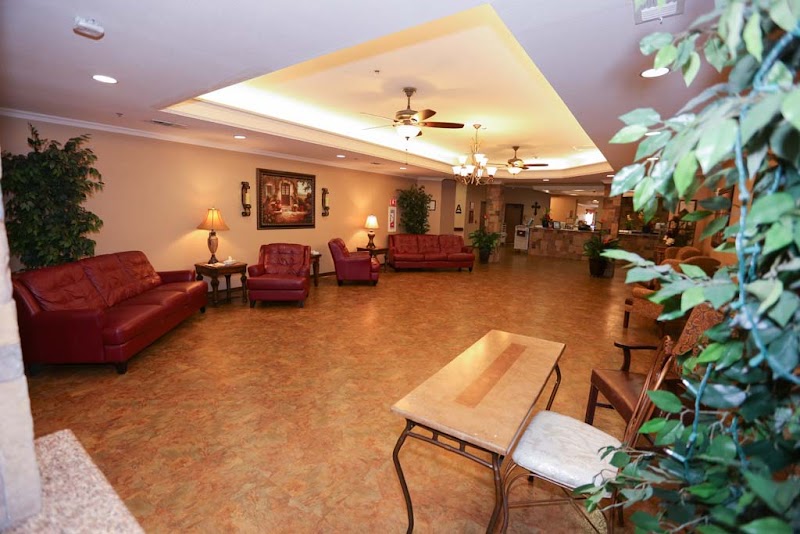
How is Stillhouse Rehabilitation And Healthcare Center Staffed?

CMS rates STILLHOUSE REHABILITATION AND HEALTHCARE CENTER's staffing level at 2 out of 5 stars, which is below average compared to other nursing homes. Staff turnover is 44%, compared to the Texas average of 46%. This relatively stable workforce can support continuity of care.

What Have Inspectors Found at Stillhouse Rehabilitation And Healthcare Center?

State health inspectors documented 47 deficiencies at STILLHOUSE REHABILITATION AND HEALTHCARE CENTER during 2022 to 2025. These included: 1 Immediate Jeopardy (the most serious level, indicating potential for serious harm or death) and 46 with potential for harm. Immediate Jeopardy findings are rare and represent the most serious regulatory concerns. They require immediate corrective action.
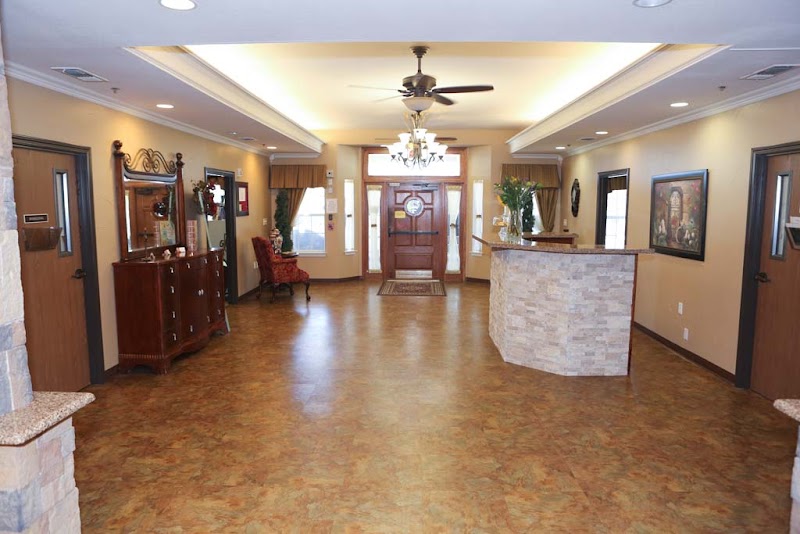
Who Owns and Operates Stillhouse Rehabilitation And Healthcare Center?

STILLHOUSE REHABILITATION AND HEALTHCARE CENTER is owned by a government entity. Government-operated facilities are typically run by state, county, or municipal agencies. The facility is operated by THE ENSIGN GROUP, a chain that manages multiple nursing homes. With 150 certified beds and approximately 75 residents (about 50% occupancy), it is a mid-sized facility located in PARIS, Texas.
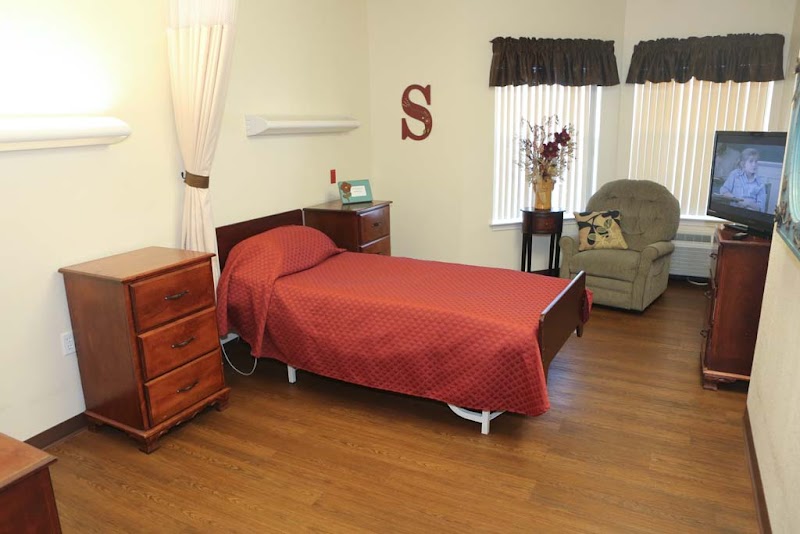
How Does Stillhouse Rehabilitation And Healthcare Center Compare to Other Texas Nursing Homes?

Compared to the 100 nursing homes in Texas, STILLHOUSE REHABILITATION AND HEALTHCARE CENTER's overall rating (2 stars) is below the state average of 2.8, staff turnover (44%) is near the state average of 46%, and health inspection rating (2 stars) is below the national benchmark.

What Should Families Ask When Visiting Stillhouse Rehabilitation And Healthcare Center?

Based on this facility's data, families visiting should ask: "What changes have been made since the serious inspection findings, and how are you preventing similar issues?" "Can you walk me through typical staffing levels on day, evening, and night shifts?" "Can I visit during a mealtime to observe dining assistance and food quality?" "How do you handle medical emergencies, and what is your hospital transfer rate?" These questions are particularly relevant given the facility's Immediate Jeopardy citations and the below-average staffing rating.

Is Stillhouse Rehabilitation And Healthcare Center Safe?

Based on CMS inspection data, STILLHOUSE REHABILITATION AND HEALTHCARE CENTER has documented safety concerns. Inspectors have issued 1 Immediate Jeopardy citation (the most serious violation level indicating risk of serious injury or death). The facility has a 2-star overall rating and ranks #100 of 100 nursing homes in Texas. Families considering this facility should ask detailed questions about what corrective actions have been taken since these incidents.

Do Nurses at Stillhouse Rehabilitation And Healthcare Center Stick Around?

STILLHOUSE REHABILITATION AND HEALTHCARE CENTER has a staff turnover rate of 44%, which is about average for Texas nursing homes (state average: 46%). Moderate turnover is common in nursing homes, but families should still ask about staff tenure and how the facility maintains care continuity when employees leave.

Was Stillhouse Rehabilitation And Healthcare Center Ever Fined?

STILLHOUSE REHABILITATION AND HEALTHCARE CENTER has been fined $8,162 across 1 penalty action. This is below the Texas average of $33,160. While any fine indicates a compliance issue, fines under $50,000 are relatively common and typically reflect isolated problems that were subsequently corrected. Families should ask what specific issues led to these fines and confirm they've been resolved.

Is Stillhouse Rehabilitation And Healthcare Center on Any Federal Watch List?

STILLHOUSE REHABILITATION AND HEALTHCARE CENTER is not on any federal watch list. The most significant is the Special Focus Facility (SFF) program, which identifies the bottom 1% of nursing homes nationally based on persistent, serious quality problems. Not being on this list means the facility has avoided the pattern of deficiencies that triggers enhanced federal oversight. This is a positive indicator, though families should still review the facility's inspection history directly.