THE COLONNADES AT REFLECTION BAY
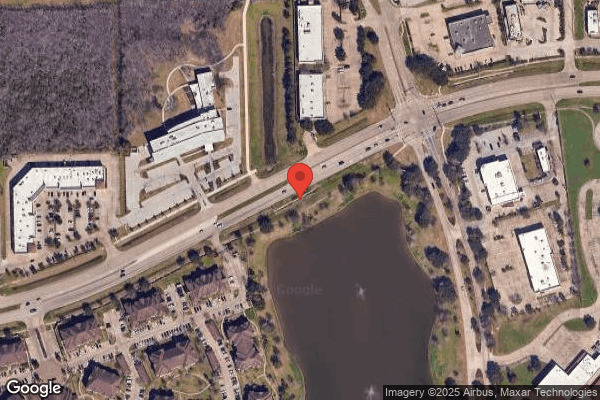
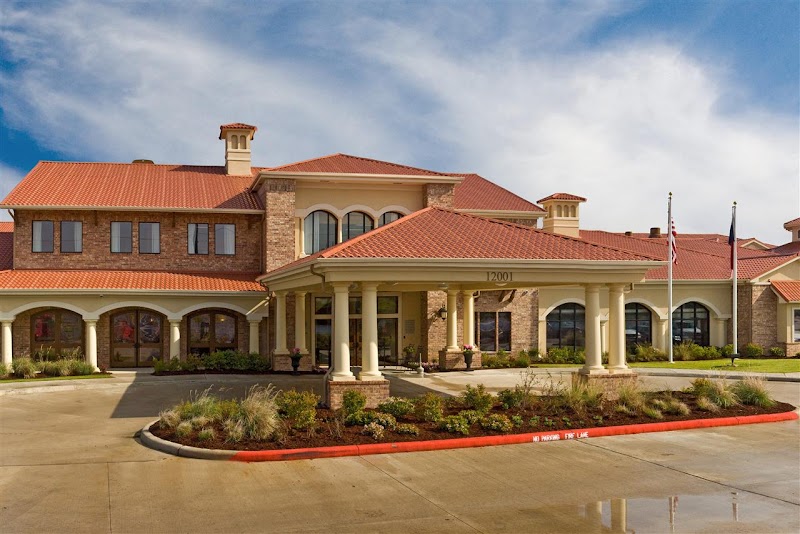
12001 SHADOW CREEK PARKWAY, PEARLAND, TX 77584 (713) 434-3800
For profit - Limited Liability company 180 Beds CANTEX CONTINUING CARE Data: November 2025 2 Immediate Jeopardy citations
Trust Grade
0/100
#851 of 1168 in TX
Last Inspection: February 2025

Within standard 12-15 month inspection cycle. Federal law requires annual inspections.

Overview

The Colonnades at Reflection Bay has a Trust Grade of F, indicating significant concerns about the quality of care provided. Ranking #851 out of 1168 facilities in Texas places it in the bottom half, and it ranks #9 out of 13 in Brazoria County, suggesting limited local options that are better. While the facility is showing improvement, reducing issues from 11 in 2024 to 8 in 2025, it still has alarming incidents. The staffing rating is average at 3/5 stars, with a turnover rate of 52%, which is similar to the state average, and they have good RN coverage, exceeding 78% of Texas facilities. However, there are serious issues, including critical failures to prevent pressure ulcers and administer medications correctly, which have resulted in hospitalizations and potential harm to residents. Overall, while there are some strengths in RN coverage, the serious concerns highlighted by inspections suggest potential risks for residents.

Trust Score
F
0/100
In Texas
#851/1168
Bottom 28%
Safety Record
High Risk
Review needed
Inspections
Getting Better
11 → 8 violations
Staff Stability
⚠ Watch
52% turnover. Above average. Higher turnover means staff may not know residents' routines.
Penalties
⚠ Watch
$130,935 in fines. Higher than 76% of Texas facilities, suggesting repeated compliance issues.
Skilled Nurses
○ Average
Each resident gets 33 minutes of Registered Nurse (RN) attention daily — about average for Texas. RNs are the most trained staff who monitor for health changes.
Violations
⚠ Watch
32 deficiencies on record. Higher than average. Multiple issues found across inspections.
★★☆☆☆
2.0
Overall Rating
★★★☆☆
3.0
Staff Levels
★★★★★
5.0
Care Quality
★☆☆☆☆
1.0
Inspection Score
Stable
2024: 11 issues
2025: 8 issues

The Good

  • 5-Star Quality Measures · Strong clinical quality outcomes
  • Full Sprinkler Coverage · Fire safety systems throughout facility
  • No fines on record

Facility shows strength in quality measures, fire safety.

The Bad

2-Star Overall Rating

Below Texas average (2.8)

Below average - review inspection findings carefully

Staff Turnover: 52%

Near Texas avg (46%)

Higher turnover may affect care consistency

Federal Fines: $130,935

Well above median ($33,413)

Significant penalties indicating serious issues

Chain: CANTEX CONTINUING CARE

Part of a multi-facility chain

Ask about local staffing decisions and management

The Ugly 32 deficiencies on record

2 life-threatening 3 actual harm
Jun 2025 3 deficiencies 1 IJ (1 affecting multiple)
CRITICAL (K) 📢 Someone Reported This

A family member, employee, or ombudsman was alarmed enough to file a formal complaint

Immediate Jeopardy (IJ) - the most serious Medicare violation

Pressure Ulcer Prevention (Tag F0686)

Someone could have died · This affected multiple residents

**NOTE- TERMS IN BRACKETS HAVE BEEN EDITED TO PROTECT CONFIDENTIALITY** Based on interview, and record review the facility failed to provide care consistent with professional standards of practice pro...

Read full inspector narrative →
**NOTE- TERMS IN BRACKETS HAVE BEEN EDITED TO PROTECT CONFIDENTIALITY** Based on interview, and record review the facility failed to provide care consistent with professional standards of practice promoting healing and prevent new pressure ulcers from developing for 1 (CR#1) of 7 residents reviewed for pressure ulcers. -The facility failed to ensure CR #1 received the care and services to prevent a stage 2 pressure wound on her sacral from deteriorating to a Stage 4 measuring 7 (L) x 13 (W) x 3 (D). CR#1 was sent to a local hospital after family intervention and was diagnosed with fever and Sepsis. -The facility failed to immediately begin treatment after CR #1 was admitted on [DATE], a referral made by primary Physician on 3/14/2025 and the first visit by the wound care doctor/NP was on 3/26/2025. -The facility failed to implement new interventions when the sacral wound was not healing and required debridement for necrotic tissue. -The facility failed to ensure re-positioning was performed for CR #1, Resident #2, and Resident #3and did not have documentation on repositioning/turning frequency. An Immediate Jeopardy (IJ) was identified on 05/30/2025 at 1:28pm. While the IJ was removed on 6/4/2025 at 12:39pm., the facility remained out of compliance at a severity of no actual harm with potential for more than minimal harm that is not an immediate jeopardy and a scope of pattern, due to the facility's need to evaluate the effectiveness of the corrective systems. These failures could place residents at risk of pain, worsening of wounds, infection, emotional distress, hospitalization, and death. Findings Included: Record review of CR #1's face sheet dated 5/28/2025 revealed she was an [AGE] year-old female who was admitted to the facility on [DATE] with diagnoses of partial intestinal obstruction (a blockage in the intestines that allows some but not all digested material to pass through), unspecified dementia(cognitive impairment), pressure ulcer of sacral region(injury to skin and underlying tissue due to prolonged pressure), stage 2, pressure-induced deep tissue damage of left heel, dysphagia (difficulty swallowing), hypothyroidism (a condition in which the thyroid gland does not produce produce enough thyriod hormone), and hyperlipidemia (condition in which there are high levels of lipids in the blood). Record review of CR #1's Discharge summary dated [DATE] from a local hospital revealed CR#1 was discharged on 3/13/2025 with an open abdominal wall wound due to the small bowel obstruction surgery, stage 2 sacral wound, unstageable right heel pressure wound, stage 2 left buttock and dementia. Record review of CR #1's admission MDS dated [DATE] revealed the following: *Section C0500- Brief Interview of Mental Status summary score was coded as 03-representing severe cognitive impairment. *Section GG- Functional Abilities: toileting, shower/bathe, oral hygiene, roll left and right, sit to lying, lying to sitting on side of the bed, sit to stand, chair/bed-to-chair transfer, toilet transfer and tub/shower transfer were coded as 01- Dependent on helper for all the effort. *Section H0400- Bowel Incontinence- was coded 3. Always incontinent *Section M0150- Risk of pressure ulcers were coded 1. Yes *Section M0210- Skin Condition Unhealed pressure ulcer was coded 1. For the number of unhealed ulcers (1) *Section M0300- C. Stage 3 number of ulcers was coded (1). Number of pressure ulcers that were present upon admission. *G. Unstageable - Deep tissue injury (1). Number of unstageable wounds *Section M1200- Check all that apply revealed: pressure reducing device for chair and bed, nutrition or hydration intervention, pressure ulcer, surgical wound, application of ointments and application of dressings to feet. Further review revealed Turning and re-positioning was not checked. Record review of CR #1's updated care plan dated 5/20/2025 revealed the following: *Focus: Wound management *Goal: CR#1 wound to show signs of improvement, will be free of signs of infection, management of pressure ulcer and prevention of future pressure ulcers. *Interventions: Administer antibiotic treatment as prescribed, encourage resident to elevate legs, if drainage present get order for culture, measure ulcer on regular intervals, monitor ulcer for signs of progression or declination and notify provider if no signs of improvement on current wound regiment. Further review of the care plan revealed the wound care focus did not have the location of the wound (s). Record review of CR #1's Care plan dated 4/14/2025 revealed: *Focus: Pressure ulcer prevention *Goal: CR#1 will remain free of skin breakdown *Interventions: Barrier cream, encourage floating heels, pressure redistribution mattress, turn/reposition q2 hours and PRN and use suspension devices, pillows, and/or wedges. Record review of CR #1's Braden scale for predicting pressure sore risk dated 3/13/2025 had a score of 9. This represented she was at high risk due to her being bedfast, limited mobility, poor nutrition, and constantly being moist. According to the score sheet, a total score of 12 or less represented high risk. Record review of CR #1's Wound Care progress note dated 3/14/25 written by Nurse A stated CR#1 was a new admission, skin assessment performed upon admission. Resident noted with surgical wound of the abdomen, wound to the sacrum, bilateral heel, also noted with G-tube and foley. Wound team will follow up with CR#1 on Wednesday/Friday during their next weekly visit. Record review of CR #1's Physician's progress notes for March 2025 written by Primary Physician or NP indicated: *3/14/25 the Primary physician wrote Chief Complaint: Evaluation and management of resident small bowel obstruction, stroke, lacunar infarct, glaucoma, and unstageable sacral wound. NPO and foley catheter noted. Referral to wound care. It was e-signed by primary physician on 3/18/2025 at 9:23pm *3/16/25 NP B wroteB wrote Chief complaint: Evaluation and management of resident small bowel obstruction, stroke, lacunar infarct, glaucoma, and unstageable sacral wound. Skin/breast: Abdominal wound covered with dressing, sacral wound. It was e-signed by NP B on 3/18/2025 at 9:56 p.m. *3/17/25 NP A wrote Chief complaint: Follow-up for small bowel obstruction, constipation, sacral wound reported, surgical site infection and CVA. Plan: Pain management, PT/OT, Vitamins, plan discussed with patient and nursing. It was e-signed by NP A on 3/22/2025 at 9:41pm. Record review of CR #1's weekly skin assessment dated [DATE] written by Nurse A revealed weekly evaluation completed by Wound doctor. Resident noted with post-surgical wound to the abdomen (13 w x 0.1 x not measurable, Stage 3 wound to sacrum was (0.5 X 1 X 0.2) noted to have no tunneling/normal skin (Zinc and turn and repositioning Q2 hours)and DTI to left heel (2 X2 X unmeasurable). Updated care plan notified family and physician. E-signed by WCN A on 3/19/2025 at 3:29pm Record review of Wound care doctors' initial assessment for CR#1 dated 3/26/25 were as follows: *Site #1-Post surgical wound abdomen full thickness (LxWxD) 13x 0.1x not measurable. *Site #2 - Stage 3 pressure wound sacrum measured 8x10x0.2 cm. Dressing treatment - Zinc ointment apply once daily and as needed for 16 days. Secondary dressing: Gauze Island w/bdr apply and as needed for 16 days. Turn side to side in bed every 1 -2 hours. Group 2- mattress; Reposition per facility protocol. *Site #3- Unstageable DTI of the left heel Record review of CR #1s weekly skin assessment written by Nurse A dated 3/26/2025, Weekly wound evaluation completed by wound doctor revealed CR#1 post-surgical wound to the abdomen (13 x 0.1 x not measurable depth, wound to sacrum (8 X 10 X 0.2) apply zinc cover with dry dressing. Low air mattress, offload bony prominences. Turn and reposition q2hours. Right foot abrasion (non-pressure) resolved. Left heel had the same measurements of 2X2X unmeasurable. Record review of CR #1's Weekly skin assessments written by Nurse A from 4/2/25 to 4/9/25 indicated: - dated 4/2/2024, Surgical abdominal wound was resolved. Stage 3 pressure injury sacrum wound 6x12x0.2 - Low air mattress, offload bony prominences. Turn and reposition q2hours, vitamin therapy wound supplement were nutritional interventions. Left heel had the same measurements of 2X2X unmeasurable. - dated 4/9/2024, Stage 3 pressure injury sacrum wound 6x14x0.2 - Low air mattress, offload bony prominences. Turn and reposition q2hours, vitamin therapy wound supplement were nutritional interventions, xeroform treatment. Left knee- scratch- resolved 4/9/2025. Record review of CR #1's Physician's progress notes dated 4/14/25 written by NP A revealed, Sacral wound reported- Decubitus ulcer of sacral wound care daily and PRN. Wound care following blisters to the wound was reported by wound care NP. It was e-signed by NP A on 4/15/2025 at 9:09 pm Record review of CR #1's Weekly skin assessments written by Nurse A from 4/16/25 to 4/23/25 indicated: *dated 4/16/25, Stage 3 pressure injury sacrum measured 6x15x not measurable treatment changed from xeroform to calcium alginate Santyl. Response to treatment: No change. Left heel had the same measurements of 2X2 X unmeasurable. *dated 4/23/25, Stage 3 pressure injury to sacrum changed to a Stage 4 on 4/23/2025 and measured 6x15x not measurable. Record review of CR #1's Wound care doctors' progress note dated 4/23/2025 revealed CR#1's sacrum wound was now a Stage 4 and measured at 6 x14 x unmeasurable (due to presence of nonviable tissue and necrosis (death of body tissue). Debridement performed on the sacral. Record review of CR #1's Wound care doctor's progress note dated 5/28/2025 revealed he did a debridement of CR#1's sacrum wound to decrease necrotic tissue. The wound measured at 5(L) x 14 (W) x 1 cm(D). Record review of CR#1's Medication administration log for March 1-31, 2025 3/14/2025 Jevity 1.2 cal 0.06 gram - 1.2 kcal/mL oral liquid order date 3/13/2025 discontinued 3/16/2025 Wound supplement (30cc) one time daily starting 3/14/2025 discontinued 3/16/2025. Multivitamin with minerals 1 tab oral one time daily Aspirin 81 mg tablet delayed release G-tube every one day starting 3/14/2025 Enoxaparin 40mg /0.4 mL subcutaneous syringe every one day starting 3/14/2025 Vitamin C 500 mg tablet oral two times daily start 3/15/2025 discontinued 3/16/2025 Lidocaine patch 4% topical patch every one day 3/16/2025 Jevity 1.2 cal 0.06 gram oral liquid (60ml/hr) starting 3/16/2025 Levothyroxine 88 mcg tablet every one day starting 3/14/2025 Melatonin 3 mg tablet Multi vitamin with minerals (1 tab) G-tube one time daily Vitamin C 500 mg tablet (1 tab) two times daily Liquid wound supplement (30 cc) one-time daily G-tube Doxycycline hyclate 100 mg tablet two times daily for seven days starting 3/19/2025 for local infection of skin (abdomen) 3/25/2025- Isosource HN 0.05 gram- 1.2 kcal/mL liquid tube feed (replaced Jevity) Record review of treatment administration log for March 2025, revealed the wound care doctor ordered Zinc Oxide one time daily starting on 3/27/2025. The order notes stated: Cleanse sacrum with normal saline or wound cleanser, pat dry, apply Zinc Oxide and cover with dry dressing. Further review revealed there were X's representing treatments were not done between March 1-27, 2025. Record review of CR#1's medication administration for April 1-30, 2025, revealed the following medications had no administration times nor a specified date range: -Multivitamin with minerals -Vitamin C 500 mg tablet two daily -Amoxicillin 875 mg g-tube every 12 hours Record review of CR#1's medication administration record for May 2025 revealed an order for wound supplement one time a day for wound, Give 30 cc -start date 5/3/2025 and discontinued 5/9/2025. -Protein supplement had X's from May 1-31st. This represented medication not given. Record review of POC (Plan of Care) bed mobility for CR#1 from 5/1/25-5/30/25 was documented as follows : -BED MOBILITY: SELF-PERFORMANCE - How resident moves to and from lying position, turns side to side, and positions body while in bed or alternate sleep furniture. -BED MOBILITY: SUPPORT PROVIDED - How resident moves to and from lying position, turns side to side, and positions body while in bed or alternate sleep furniture. Further review revealed there was no documentation of assistance with bed mobility on 5/6/25, 5/9/25, 5/13/25, 5/17/25 nor 5/23/25-5/26/25. Observation of CR#1 on 5/28/2025 at 9:33 am revealed her to be asleep in supine position. There was a stench odor in her room. She was covered with a blanket. Observation of CR#1 on 5/28/2025 at 10:27am, observed to be in supine position FM and EMT inside of the room. An interview with CR#1's RP on 5/28/2025 at 3:20pm she stated before CR#1 was admitted to the facility, she resided at an assisted living facility but had been hospitalized due to a bowel obstruction. She said the hospital recommended she go to a rehabilitation for therapy. She said her family visited CR#1 almost daily. She said every time she visited, she had to ask staff about changing her briefs and/or giving her a bed bath. She said her room had a stench smell. She said she was not aware of the sacral wound was opened or infected until a few days ago . She said the wound care doctor and nurses provided care before 8am in the morning and she usually came much later in the day. She said this was why she did not know about the sacral wound. She stated they would come in and change her, yet they never said anything about her wound, it was covered. She denied staff informing her of the condition of CR#1's wounds. She stated that she had photos from the hospital a day before being admitted to the facility and the sacral wound was the size of a pea. She said the sacral wound she saw a couple of days ago had a large hole that she could put her fist inside of it. She said she was sickened by what she saw. She said she called 911 today (5/28) to get her emergency medical attention. She said CR#1 was lethargic and not herself on the previous day. An interview with attending physician for CR#1 at a local hospital on 5/28/2025 at 3:37pm, said CR#1 was admitted on [DATE] with a low-grade fever of 100.4 degrees Fahrenheit, had elevated WBC, a kidney infection and sepsis. He stated the Sepsis was likely coming from the wound in his clinical assessment. He stated that the sacrum wound had been measured at 7 (L) x 13 (W) x (3) depth upon admission. The hospital started CR#1 on IV fluids and two different antibiotics, vancomycin and Septra. He stated the wound was badly infected. The measurement taken at the hospital was larger than what the facility's wound care doctor documented on the same day . He stated that CR#1 had been admitted to the facility from their hospital. He stated that CR#1's wound was tunneling. He said it was not even opened when she left their hospital. He had reviewed her history. An interview with CR#1's primary doctor's NP on 5/29/2025 at 10:22am, she stated she had been in the building for about 1 year. She said some of her duties see all of the patients and provide medical care. She stated she visited the facility once a week. She stated upon initial assessment they look at the skin and if there are wounds the WC team follow the wounds. She said Wound care Doctor and nurses at the facility made up the wound care team. She stated CR#1 had wounds in her lower extremities but the sacral wound was not seen recently. She her abdomen wound had healed. She was not compliant with offloading and had a right to refuse. CR#1 was on an air mattress and was usually sitting up 45 degrees when she visited. She stated CR#1 did not like those heel boots. She said CR#1 had a poor prognosis. She said her nutritional status does not get great absorption with G-tube. She was not making any progress, so it was just about doing your best. She said she made the family aware of her poor prognosis and recommended hospice. She said she did not recall talking with CR#1's RP about the wound, just medically she was declining. She said repositioning was important for all patients especially if they were not ambulatory. She said CR#1 had an air mattress and it deflated in one area and inflated in another. It helped with moving but it was beneficial for someone to turn her. She said as a medical professional, some form of offloading and turning was necessary. She said she did not see her every day, so she had no way of knowing if she was being re-positioned and turned Q2 hours or not. She said she was not sure of her BIM score. She said CR#1 could nod or say no. She was not able to make two-or three-word sentences. She said the last visit with CR#1 was on 5/21/2025 when she saw herher, she was sitting up at 30-40 degrees, she noticed that her secretions had decreased. She would pocket secretions in her mouth. She said she did not have her boots on her heels. She allowed staff to put them on her. She encouraged her to wear the heel boots. She did not view the sacral ulcer that day. She did not see the dressing. Vitals were stable, no signs of infection to her. An interview on 5/29/2025 at 12:01pm with CNA A said she had been employed for 1 year on 6-2pm shift. She stated some of her duties were to feed residents, give showers, dental hygiene, getting residents dressed, change resident briefs, and drain catheters. She said she had not worked on CR#1's hall. She said CNAs did not assist with wound care. She said she had residents down her hall that had wounds. She said the wound care nurse and doctor are the only two that are in the room. She said in the past she had assisted with wound care by changing the briefs or helping to turn or re-position residents for treatment. She said they are supposed to turn residents every two hours. She said they were able to put in every time they provided care when they had electronic charting system 1. Now they have electronic charting system 2, and it only allowed them to check when they assisted with bed mobility. She said the nurses were able to enter care into electronic charting system 2, as2, as well. An interview with LVN A on 5/29/2025 at 12:09pm, she said she had been employed for 2 years as a charge nurse on 6a-2p. She said her duties were to make rounds, assessments, take blood sugars, vitals, insulin, g-tube feedings and sign off on CNA tasks were completed. She said she had to do wound care from time to time and TAO (triple antibiotic ointment) was used until there was a physician order. She said they had two fulltime wound care nurses so she rarely did wound care. She said she did not have CNA's help with wound care when she had to do it. She said the doctor, or his NP were the only people in the room. She stated she had not done wound care for CR#1. She said she documented any refusals for brief changes, re-positioning, and showers in the electronic charting system 2,.2, She said there had been some issues with CNA's giving showers on second shift and they had an in-service about it. She said she had to talk to several CNAs on her shift as well. She said she went behind them if they said there was a refusal. She said most residents will not deny care if you explain the importance. She said turning and re-positioning was vital to wounds healing. She said the electronic charting system 2 had turning and re-positioning on their task list. She said she would check off for the entire shift that they had been done. There was no way for nurses to document for example that it was done at 1pm, 3pm, or 5pm. She said keeping the residents clean and dry, showered, and re-positioning was important for wound healing or to prevent new wounds. An interview with CNA B on 5/29/2025 at 12:25pm, stated that she had been employed at the facility for about 4 years on both 6-2 and 2-10pm shifts. She stated CNAs did not assist with wound care. She said usually it was the nurse, doctor, or his NP. She denied observing CR#1's wound. She denied being asked to change CR#1's brief. She stated turning and re-positioning and keeping them dry was important for residents' wounds to heal especially on the sacral, but also on hip and heels. She said they did not document every time they turned because they keep up with it themselves and tell the nurse at the end of the shift that it had been done. The nurse would then check it off that it was done on their shift. She said some CNAs did not have access to the electronic charting system 2. There had been some log in issues. She was able to access the electronic charting system and stated she documented at the end of her shift. She said she turned all her patients to the left and then right every two hours. She said she kept up with it on her own. In an interview with the Wound care doctor on 5/29/2025 at 12:45pm, he said he had been coming to the facility about 6 months and saw about 25 patients a week. He stated his NP would also visit during the week. He said most of their visits were early mornings starting at about 6am. He said he saw CR#1 on yesterday (5/28/2025). He said he started visiting with CR#1 back in March 2025. She had wounds on her sacral, heels and the knee and surgical wounds were resolved. He said initially the sacral pressure wound was a stage 3 and it had deteriorated and became unstageable with necrotic tissue. He stated in the last two weeks, he had been debriding her slowly and it was improving. There was no necrotic tissue remaining on yesterday (5/28/2025). He said she did have a completely necrotic wound, one like hers was done gently and carefully. The remaining necrotic tissue was removed on yesterday. He said wounds are sometimes unavoidable due to co-mobility, nutrition, mental status, or infection of the wound. He said a combination of all of that determined whether they heal, stall or deteriorated. He denied the sacral wound was infected. He said his goal was to remove all of her necrotic tissue and that was done. He said she was not on any antibiotics because he had not identified any infection on her. He said he typically would round and order a wound culture before ordering antibiotics. He said her primary doctor could also order antibiotics/ labs if she had access or received the results of the wound culture before he does. He said he had not ordered a wound culture because she had no necrotic tissue left and no reason to order antibiotics. He said CR#1 was not able to follow directions. He said she did not have the capacity to turn herself nor remove the boots off her heels. He stated the wound care nurse made calls to inform FM of change in condition. He said CR#1 never refused care from him. He said she was not verbal. He said the nurse never notified him of any issues. He said when he visited her, she was often in the supine position, and this was not best for her sacral wound. He said she should not be in the supine position for more than 2 hours. He said turning and re-positioning was vital for wounds healing. He denied the sacral wound had an odor. He stated he ordered Daiken as it was a wound cleanser. It helps with odors, but that was not his reason for using it, just as a cleanser. He stated CR#1's wound had 0% necrotic tissue when he left her on 5/28/2028 around 6:45am. In an interview with wound care nurse A on 5/29/2025 at 1:56pm, she stated she had employed at the facility about here 1 year as WCN on day shift. She stated she worked on CR#1's hall and conducted wound assessments weekly for her. She stated CR#1 sacrum wound was difficult to heal since she was bedfast, and she required re-positioning every 2 hours. She said her right heel wound was resolved. She stated she had boots for her heels to prevent breakdown. She was admitted with the heel and sacrum wounds. She said she could not recall what the sacrum looked like when she was admitted . She could not recall the size. She said her documentation that the wound was a Stage 3 pressure injury wound and measured (0.5 X 1 X 0.2) noted to have no tunneling/normal skin (Zinc and turn and repositioning Q2 hours) when CR#1 was admitted on [DATE]. She said that was the measurements at the time. She said CR#1's measurements the next week was (8 X 10 X 0.2) came from the wound care doctor, who gave her the measurements and she documented that. She said he did the measuring. She said she cleaned and replaced CR#1's dressing daily. She said her treatment started when she was first admitted with maybe TAO but changed to alginate and calcium once the wound care doctor saw her for the initial visit. She said she was not sure why CR#1 was not seen by the wound care doctor until 3/26/2025. She said CR#1's doctor had made the referral a day or so after her admission. She said at some point, CR#1 was on IV antibiotics and this caused a lot of loose stool so she needed to be changed more often than 2 hours. She said this might be why the family said she had an odor. She said the residents sacral did have a slight odor. She said the WCD ordered Daikin which was also called sodium hypochlorite. He ordered it on yesterday (5/28/2025). She said the WCD would often start the Daikin if there was an odor. She said odor was a sign and symptom of infection. She stated she could not be sure if staff were turning and re-positioning her as needed. She stated turning and re-positioning was vital to helping heal wounds. She said CR#1 would say yes or no. But, never spoke using a full sentence. She said CR#1 never refused or said no to her. She said they do not use the assistance of CNA's while providing wound care. She said CR#1's wound was covered. She said loose stool could make a wounds worst on the sacral, especially since CR#1 had loose stools. She said she updated care plans with changes and called FM about changes as well. An interview with CR#1's primary physician on 5/29/2025 at 3:54pm she said she had been CR#1's physician for about two months. CR#1 was admitted with small bowel obstruction, dementia, stroke and not able to swallow. She had a feeding tube. She came to the facility for OT/PT, and with wounds. She stated as far as she knows the sacrum wound had improved and was smaller than when she was admitted . She said she did not measure the wound. She said the facility's WCN told her there was a wound and so she made the referral. She stated re-positioning would be important to be done every 1-2 hours for anyone bedfast or not mobile. She stated the resident had a poor prognosis, and the wounds were unavoidable because they were doing everything for her. She had an air mattress, g-tube feeding and was taking Vitamin C and a multi-vitamin. She did not recall if she had any protein or if she was on any antibiotics. She stated she did not know why the vitamins had not been given in April, she would have to check on that information. She said she recalled writing it as a tablet and then realized it had to be given via G-tube, but she made that change quickly because she was NPO. She said Daikin was used as a wound cleanser. She said odor was a sign and symptom of infection. She said she could not attest to the size or condition of the wound. She understood it was smaller than when she arrived. In an Interview with the DON on 5/29/2025 at 4:20pm, she stated she had been employed at the facility since March 2025. She said some of her duties were to make rounds, assessing charts, auditing charts, make sure orders are in, ensure staff are doing their jobs and the overall clinical management of the building. She stated she had not personally met CR#1. She stated she had not observed her wounds. She said they had a WC team that gave report at morning meetings if there were any issues. She said once a week they would discuss the wound report. The clinical team was made up of charge nurse, DON, ADON and wound care nurses. She said the WCN was required to perform weekly assessments. She said every Friday she printed the report to ensure weekly assessments are done. She stated she had not heard CR#1's wound was deteriorating. She said Daikin was used as a cleanser and could be used due to odors. She said odors were a sign and symptom of infection. She stated if a wound upon admission was a Stage 2 and now a stage 4 if would appear that it had gotten worst. She said some of the reasons some sacral wounds does not heal was due to not being turned and positioned, nutritional status, and not being adequately hydrated. She denied any complaints from CR #1's RP about her not being changed or re-positioned. She expected CNA's to change briefs at least every 2 hours, provide hygiene care and wound care nurses to assess, treat and let her know if there are any issues. In an interview on 6/3/2025 a confidential staff stated she had been employed at the facility for less than 1 year and worked the 2-10pm shift. She stated she worked on the Hall where CR#1 resided. She stated when CR#1 was admitted , she saw the spot on her sacral. She said CR#1 was incontinent of bowel and had a lot of diarrheas. She said the sacral was the size of a quarter, but it had healed and was not opened. She stated the last month or so, the wound was covered, and she had no idea how bad it had gotten. She said most of the time her boots were not on. She said she was not sure who took them off, but she was not capable of taking them off herself. She said they must keep up with every 2-hour turning and re-positioning themselves or put under bed mobility. She said she did not think it was made clear on where to put it because they had turning/re-positioning in the ecteronic charting system 1, but not in the electronic charting system 2, just bed mobility which was where she documented. She said she went down the hall and turned all Residents in the same direction and then 2 hours later to the opposite side. In an interview on 6/3/2025 at 3:45pm CNA D stated she had been employed at the facility for 1 month. She worked on the 6-2pm shift but working a double today on Hall 100. She stated her duties were to shower residents, hygiene, personal care and turn them every 2 hours. She stated she was aware CR#1 had a sacral wound, but it was always covered by a patch or dressing when she went in to change her. She stated CNAs did not assist with wound care. She said she heard recently that the wound was bad. She stated she never saw it. She said the doctor rounded with the wound care nurse. She stated CR #1 had a stench smell and received bed baths. She stated she always gave her bed baths and showers as scheduled. She said no one wanted to have an odor. She stated re-positioning was not in the electronic charting system 2, it was under bed mobility, and they have to put whether they assisted CR#1 or not. She denied CR#1 refused care. In an interview on 6/3/2025 at 3:45pm CNA D stated she had been employed at the facility for 1 month. She worked on the 6-2pm shift but working a double today on Hall 100. She stated her duties were to shower residents, hygiene, personal care and turn them every 2 hours. She stated she was aware CR#1 had a sacral woundwound, but it was always covered by a patch or dressing when she went in to change her. She stated CNAs did not assist with wound care. She said she heard recently that the wound was bad. She stated she never saw it. She said the doctor rounded with the wound care nurse. She stated CR #1 had a stench smell And received bed baths .baths. She stated she always gave her bed baths and showers as scheduled. She said no one would wanted to have an odor. She stated re-positioning was not in the electronic charting system 2, it was under bed mobilitymobility, and they have to put whether they assisted CR#1 or not. She denied CR#1 refused care. . 2. Observations of Resident #2's positioning while in bed revealed the following: 6/2/2025 at 11:47am- observed on to be on right side 6/2/2025 at 12:59pm- Observed on right side 6/2/2025 at 2:49pm- Observed to be on right side 3. Observation of Resident #3's positioning while in bed revealed the following: 6/2/2025 at 11:46 am - Observed to be on his back 6/2/2025 at 2:47pm- Observed on his ba
CONCERN (D) 📢 Someone Reported This

A family member, employee, or ombudsman was alarmed enough to file a formal complaint

Potential for Harm - no one hurt, but risky conditions existed

Incontinence Care (Tag F0690)

Could have caused harm · This affected 1 resident

**NOTE- TERMS IN BRACKETS HAVE BEEN EDITED TO PROTECT CONFIDENTIALITY** Based on observation, interview, and record review, the facility failed to ensure that each resident who was incontinent of bowe...

Read full inspector narrative →
**NOTE- TERMS IN BRACKETS HAVE BEEN EDITED TO PROTECT CONFIDENTIALITY** Based on observation, interview, and record review, the facility failed to ensure that each resident who was incontinent of bowel/bladder and each resident with an indwelling catheter received appropriate treatment and services to prevent urinary tract infections, for 1 of 3 residents (Resident#6) reviewed for incontinent care and for indwelling urinary catheters. -Resident #6 Foley catheter bag was lying in the bed near his left calf on 6/4/2025 and hanging to the floor on 6/6/2025. This failure could place residents at risk for accidental dislodgement of the catheter and trauma to the bladder and urethra Findings Included: Record review of Resident #6's face sheet dated 6/4/2025 revealed he was a 59 year59-year male that was admitted to the facility on [DATE] with diagnoses of malignant neoplasm of rectois sigmoid junction, infection of continent stoma, chronic kidney disease, artificial opening of urinary tract. Record review of Resident #6's MDS dated [DATE] revealed: *Section GG- Functional Abilities - Toileting hygiene, shower/bathe, upper and lower body dressing were all coded as (1)- dependent *Section H- Bladder incontinence was coded as (9) - which was not rated, resident had a catheter, (indwelling, urinary ostomy or no urine output in 7 days. Bowel Incontience was coded as (9) not rated, resident had an ostomy or did not have a bowel movement. *Section C500- Brief Interview of mental status was coded as 15. This indicated Resident #6 was cognitively intact. Record review of Resident #6's care plan dated 5/10/2025 revealed: Focus: Resident required the use of an Ostomy Goal: Resident dignity will be maintainedmaintained, and the ostomy will remain functional over the next 90 days. Interventions: Document ostomy care in the clinical record, monitor site for swelling, pain, redness, provide otstomy care per MD orders and keep ostomy patent. In an observation and interview with Resident #6 on 6/4/2025 at 2:04pm, he stated he had not been in the facility long and would be leaving soon. He said he had colon cancer and had both an ostomy bag and foley catheter. His foley bag was observed near his knee lying on the bed. He stated the facility had not strapped the catheter down and it hurt when it hung from the bed. He said it was embarrassing to have it showing in his bed and most times tried to keep it covered. He said it would get heavy from so much urine and hurt his stomach. He stated he was going home soon on home health. In an interview with LVN E on 6/4/2025 at 2:15pm, she stated she had been employed for about 3 months and worked the 6a-2pm shift. She stated that the CNAs emptied foley and ostomy bags. She stated that Nurses check the site for swelling and infection and ensure the site is clean and document that the ostomy care and foley care was done. She said the best location would be down below his bladder, but he moved it. She stated the bag not being below the bladder could cause UTI's. She stated she had not educated the resident on the risk of the location of the bag. She said this could be embarrassing for a resident to have his bag lying in his bed. She said everyone should be treated with dignity and respect. Observation of Resident on 6/6/2025 at 1:51pm, revealed his foley bag was observed to be hanging on the floor. In an observation and interview with the DON on 6/6/2025 at 2:08pm, she stated theystated they were going to strap his foley bag to his thigh. She stated it should not have been on the floor. In a subsequent interview with the DON on 6/6/2025 at 3:20pm, she stated she had been employed for 3 months. She said some of her duties were to make rounds, assessing charts, auditing charts, make sure orders are in, ensure staff are doing their jobs and the overall clinical management of the building. She stated the foley catheter bag should be placed below the bladder. She stated the nurse had not previously talked to him about moving the bag into his bed or on the floor. She stated she had not personally talked to him about why he should not have the bag lying in his bed. She said she did today but had not documented it yet. She said her expectation was for CNAs to empty the foley and ostomy bags as ordered and as needed, ensure the bag is below the bladder and for the nurses to check the sites for swelling, pain and infection. She stated she had strapped the foley catheter bag to his thigh. She denied Resident #6 told her he was embarrassed. She admitted that she did not ask him how it made him feel. In an interview with the Administrator on 6/6/2025 at 3:31pm, she stated she was not clinical, but from her understanding the foley bag tubing should be placed below the bladder. She said urine had to flow and backup into the bladder and cause infection. She said she expected staff to drain the bags as ordered and as needed and for nurses to ensure the site was clean and for the bag to be secure in the proper location below the bladder. Record review of catheter care policy dated September 2014 state in part .The purpose of this procedure is to prevent catheter associated urinary tract infections. Maintaining Unobstructed urine Flow: 3. The urinary drainage bag must be held or positioned lower than the bladder at all times to prevent the urine in the tubing and drainage bag from flowing back into the urinary bladder. Changing catheters: 2.Ensure that the catheter remains secured with a strap to reduce friction and movement at the insertion site (note: catheter tubing should be strapped to the resident's inner thigh.)
CONCERN (E) 📢 Someone Reported This

A family member, employee, or ombudsman was alarmed enough to file a formal complaint

Potential for Harm - no one hurt, but risky conditions existed

ADL Care (Tag F0677)

Could have caused harm · This affected multiple residents

**NOTE- TERMS IN BRACKETS HAVE BEEN EDITED TO PROTECT CONFIDENTIALITY** Based on observation, interview, and record review, the facility failed to ensure a resident who was unable to carry out activit...

Read full inspector narrative →
**NOTE- TERMS IN BRACKETS HAVE BEEN EDITED TO PROTECT CONFIDENTIALITY** Based on observation, interview, and record review, the facility failed to ensure a resident who was unable to carry out activities of daily living received the necessary services to maintain good grooming and personal hygiene for 3 of 9 residents (CR#1, Resident #4 and Resident #5) reviewed for ADL's. -The 2:00 p.m.-10:00 p.m. shift failed to consistently provide showers for Resident #4 who was physically impaired, for at least 11 days causing body odor. She was scheduled to have showers on Tuesdays, Thursdays, and Saturdays. She filed a grievance concerning staff not showering her. - The facility failed to provide CR#1 bed baths on Monday, Wednesdays, Fridays on the 2:00-10:00pm shift. -The facility failed to provide Resident #5 with showers on Monday, Wednesdays, Fridays on the 6a-2pm shift causing him to formerly file two grievances with the facility concerning not getting showers. This failure could place ADL dependent residents at risk of experiencing embarrassment from odors, infection, and skin breakdown. Findings Included: Record review of shower schedule provided on 6/2/2025 revealed the following: *CR#1- was scheduled on Tuesdays, Thursdays, and Saturdays on the 2p-10pm shift *Resident #4- was scheduled to have a shower on Tuesdays, Thursdays, and Saturdays on the 2p-10pm shift *Resident #5- was on the schedule for showers on Mondays, Wednesdays, and Fridays on the 6a-2pm shift CR #1 Record review of CR #1's face sheet dated 5/28/2025 revealed she was an [AGE] year-old female who was admitted to the facility on [DATE] with diagnoses of partial intestinal obstruction (a blockage in the intestines that allows some but not all digested material to pass through), unspecified dementia(cognitive impairment), pressure ulcer of sacral region(injury to skin and underlying tissue due to prolonged pressure), stage 2, pressure-induced deep tissue damage of left heel, dysphagia (difficulty swallowing), hypothyroidism (a condition in which the thyroid gland does not produce produce enough thyriod hormone), and hyperlipidemia (condition in which there are high levels of lipids in the blood). Record review of Discharge summary dated [DATE] from a local hospital revealed CR#1 was discharged on 3/13/2025 with an open abdominal wall wound due to the small bowel obstruction surgery, stage 2 sacral wound, unstageable right heel pressure wound, stage 2 left buttock and dementia. Record review of admission MDS dated [DATE] revealed: *Section C0500- Brief Interview of Mental Status summary score was coded as 03-representing severe cognitive impairment. *Section GG- Functional Abilities: toileting, shower/bathe, oral hygiene, roll left and right, sit to lying, lying to sitting on side of the bed, sit to stand, chair/bed-to-chair transfer, toilet transfer and tub/shower transfer were coded as 01- Dependent on helper for all the effort. Record review of bathing Plan of Care (POC) in the electronic charting system #2 revealed the following: Bed baths for the last 30 days were documented as 5/12 and 5/14/2025. Resident #4 Record review of Resident #4's face sheet dated 5/29/2025 revealed she was a [AGE] year-old female that had been admitted to the facility on [DATE] with diagnoses of rash and other skin eruption. Record review of Resident #4's MDS dated [DATE] revealed: *Section C0500- Brief Interview of Mental Status was coded as 13. This indicted that she was cognitively intact. *Section GG- Functional Abilities revealed- Toileting hygiene, shower/bathe, upper body dressing and lower body dressing were all coded as (2) representing substantial/maximal assistance- helper does more than half the efforts. Record review of Resident #4's care plan dated 6/1/2025 revealed: *Focus: Resident #4 had an ADL self-care performance deficit r/t activity intolerance, limited mobility. There was no goal. The only Intervention was PT and OT evaluation and treatment as per MD. Record review of Plan of care (POC) for last 30 days revealed she was supposed to be showered 3 times a week on Tuesdays, Thursdays and Saturdays: -She did not have a shower between 5/10/2025 and 5/15/2025. -She did not have a shower between 5/15/2025 and 5/27/2025 -Between 5/28/2025-6/3/2025 she did not have a shower . Observation and interview on 5/28/2025 at 9:28am of Resident #4 revealed she had been a resident for 1 year. She stated she had physical therapy every day. She stated her main concern was she was not getting her showers as scheduled and sometimes she had an odor. She stated she asked (unknown)CNA on evening shift several times about her shower and she was told they would get help and come back. She said they would not return. She stated she spoke with a manager about it too. She stated she had not refused any showers. She said twice a small built CNA came in and she asked her to get help as she was heavy and required two people to transfer her from her bed to her wheelchair and then the shower chair. She had a fear of being dropped, but never told them no. Resident #5 Record review of Resident #5's face sheet dated 6/6/2025 revealed he was [AGE] year-old male that was admitted to the facility on [DATE] with diagnoses of acute systolic and diastolic heart failure (two distinct types of heart failure , both affecting the left ventricle), Type 2 diabetes mellitus,(a long-term condition in which the body has trouble controlling blood sugar) and chronic kidney disease (longstanding disease of the kidneys leading to renal failure). Record review of Resident #5's care plan dated 5/1/2025 revealed he had an ADL self-care deficit, impaired balance, and limited mobility. Goal: Resident #5 would maintain current level of function in through review date 7/30/2025 Interventions: Resident #5 was totally dependent on staff for bathing/showers Record review of plan of care (POC) for the last 30 days showed Resident #5 had a shower on 5/28/2025, 6/2 and 6/4/2025 did not have showers on 5/5, 5/7, 5/9, 5/12, or 5/21/2025. Record review of grievance for last 3 months (March, April and May 2025) revealed residents filed the following grievances: *5/20/2025-Residnet #4 filed a grievance stating shestating she had not been showered in over 11 days. *5/6/2025- Resident #5 filed a grievance stating the 2-10 shift was not giving him his showers. Observation and Interview with Resident #5 on 5/29/2025 at 11:49am, he said he had been a resident for about 1 month. He stated the only concern he had was not getting his showers. He stated he was supposed to get a shower at least three times a week. He said Mondays, Wednesdays, and Fridays on the morning shift. He stated he asked staff about his showers, and they never came back or they would say it was not his day for a shower. He denied refusing showers. An interview on 5/29/2025 at 12:01pm with CNA A said she had been employed for 1 year on 6-2pm shift. She stated some of her duties were to feed residents, give showers, dental hygiene, getting residents dressed, change resident briefs, and drain catheters. She said they were able to enter showers into the electronic charting system #2. She denied not providing bed baths for CR#1, and showers for Residents #4 and Residents #5. She said she gave her the Residents showers as scheduled. She said if they were unable to shower the residents she had to report that to the charge nurse. She said nurses were told about any refusals. An interview with LVN A on 5/29/2025 at 12:09pm, she said she had been employed for 1 years as a charge nurse on 6a-2p. She said her duties were to make rounds, assessments, take blood sugars, vitals, insulin, g-tube feedings and sign off on CNA tasks were completed. She documented any refusals for brief changes, re-positioning or showers in the electronic charting system #2. She said there had been some issues with CNA's giving showers on second shift and they had an in-service about it. She said she had to talk to several CNAs on her shift as well. She said she went behind CNAs if they said there was a refusal. She said most residents will not deny care if you explain the importance An interview with CNA B on 5/29/2025 at 12:25pm, stated that she had been employed at the facility for about 4 years on both 6-2 and 2-10pm shifts. She stated her duties were to help residents with all of their care, such as hygiene, showers, brief changes, grooming and any other needs. She said some CNAs did not have access to the electronic charting system #2. There had been some log in issues for some of the staff. She was able to access the electronic charting system #2and stated that she documented at the end of her shift. She said if she did not get to a shower, she told the nurse because there is so much time in the day. In an observation and interview with LVN B on 5/29/2025 at 1:42pm, she said she had been employed at the facility for about 2 years. She stated she was the charge nurse on Hall where Residents #4 and 5 resided. She said the shower sheets are placed in a basket after the care givers provide showers. She stated she sometimes helped CNAs give shower and that was how she made sure they were done. She proceeded to show me the shower sheets. There was a stack of sheets in a basket located at the nursing station near Hall 100 dating back to March 2025. She stated she was not aware of who was responsible for inputting the shower sheets into the electronic charting system #2. She said her job was to make sure the care staff provided showers as scheduled and requested. She said sometimes staff told her residents refused showers and she had to ensure this was the case. She said most times, the residents will take a shower. She stated she could not recall Resident #4 refusing showers. She said it could be embarrassing for a resident not to get a shower. Hygiene is very important. In an interview with the Administrator on 5/29/2025 at 1:53pm, she stated she had been employed at the facility for 2 years. After she was shown the basket of shower sheet by LVN B from March 2025, she stated CR#1's RP never complained to her about not getting her bed baths, Resident #4 had refused showers and Resident #5 might have missed one shower and they did it the next day. She said it was her expectation that all residents received their showers as scheduled. She stated that the CNA s did not keep a binder with ADL documentation. In an Interview with the DON on 5/29/2025 at 4:20pm, she stated she had been employed at the facility since March 2025. She said some of her duties were to make rounds, assessing charts, auditing charts, make sure orders are in, ensure staff are doing their jobs and the overall clinical management of the building. She stated she was not told residents were not getting showers. She stated that it was her expectation that showers are given as scheduled. In an interview on 6/3/2025 a confidential staff. She stated she had been employed at the facility for less than 1 year and worked the 2-10pm shift. She stated that she worked on the Hall where CR#1, Resident #4 and Resident #5 resided. She stated she helped with showers and bed baths. She stated CR#1, Resident #4 or Resident #5 refused showers. She stated they recently had an in-services about showers not being provided. She stated there are always call-ins and this creates an issue for other staff. Record review of the facility's ADL policy 6/2011 read in part . 6. A CNA ADL Tracking Record (see form 7-4) must be maintained in accordance with the MDS coding guidelines and specific to the Patient's individual needs. The CNA ADL Tracking Record for each patient must be kept in a binder and documented daily on each shift. CNA ADL Tracking Records must be regularly monitored by the DON or designee to ensure that tasks are being performed as scheduled. At the end of the month, the completed CNA ADL Tracking Record for each Patient is filed in the Patient's medical record under the medication/treatment tab.
Apr 2025 1 deficiency
CONCERN (D) 📢 Someone Reported This

A family member, employee, or ombudsman was alarmed enough to file a formal complaint

Potential for Harm - no one hurt, but risky conditions existed

Comprehensive Care Plan (Tag F0656)

Could have caused harm · This affected 1 resident

**NOTE- TERMS IN BRACKETS HAVE BEEN EDITED TO PROTECT CONFIDENTIALITY** Based on observation, interview and record review, the facility failed to develop and implement a comprehensive person-centered ...

Read full inspector narrative →
**NOTE- TERMS IN BRACKETS HAVE BEEN EDITED TO PROTECT CONFIDENTIALITY** Based on observation, interview and record review, the facility failed to develop and implement a comprehensive person-centered care plan for each resident, that includes measurable objective and time frames to meet a resident's medical, nursing, mental and psychosocial needs for 1 (Resident #23) of 6 residents reviewed for care plans. The facility failed to ensure that Resident #23's care plan included information regarding his tube feedings that were ordered on 4/17/2025. The failure could place residents at risk of not receiving appropriate care and interventions to meet their needs. Findings included: Record review of Resident #23's face sheet dated 4/19/2025, revealed the resident was a [AGE] year-old male admitted to the facility on [DATE] with diagnoses including Muscle Weakness, Personal history of Traumatic Brain Injury and Gastrostomy Status (a tube inserted into the stomach that nutrition and medications can be administered). Record review of Resident #23's quarterly MDS dated [DATE] revealed a BIMS score of 3 that suggested severe cognitive impairment. Record review of physician's order for Resident #23 dated 4/17/25 at 8:20 p.m. revealed Isosource (tube feeding) 1.5 Cal 0.07 gram-1.5 kcal/mL liquid for tube feed, 50 ml/hour Enteral Tube (a feeding tube that allows liquid food to enter the stomach or intestine through a tube) with start of 4/17/2025 at 8 p.m. Record review of Resident #23's April MAR revealed Isosource (tube feeding) 1.5 Cal 0.07 gram-1.5 kcal/mL was administered on 4/18/25. Record review of Resident #23's Nursing Clinical Notes by LVN B dated 4/17/25 at 11:04 p.m. revealed tube feeding was started at 8:30 p.m. Record review of Resident #23's Care Plan Report dated 4/19/25 revealed no information regarding tube feedings. Record review of Resident #23's Care Plan Report dated 4/21/25 revealed Resident #23 was at risk for impaired nutritional status and complications due to enteral feeding with Isosource 1.5 with created date of 4/21/25 at 8:41 a.m. for the impaired nutritional status section. Observation on 4/19/25 at 10:05 a.m. revealed that resident had tube feeding infusing via a pump through his g-tube (a tube inserted into the stomach that nutrition and medications can be administered). During interview on 4/21/25 at 8:57 a.m., the DON said the MDS nurse was responsible for adding long term items like dietary needs to the care plan and the ADON can add short term items like falls to the care plan. The DON said the ADON was on vacation at the day of the interview. During interview on 4/21/25 at 9:52 a.m., the Patient Care Coordinator said he put problems that were generated from the MDS on the resident's care plans. The Patient Care Coordinator said that if it was a new order or problem, then the nurse, unit manager or DON puts the instructions on the care plan as they work interdisciplinary. Surveyor attempted to call ADON on 4/21/25 at 10:36 a.m. but did not answer and surveyor was unable to leave a voicemail. During interview on 4/21/25 at 11:33 a.m., the DON said the care plan reflects the plan of care for the resident so if the care plan is not updated timely then the staff would not know how to take care of the resident. The DON said that a resident's labs or electrolytes could be off and weight loss would be the main concern if a resident does not receive their tube feeding. The DON confirmed that she found documentation regarding Resident #23's tube feeding being administered starting 4/17/25. Record Review for facility's policy titled Care Plans, Comprehensive Person-Centered with revised date March 2022 revealed Assessments of residents are ongoing and care plans are revised as information about the residents and the residents' conditions change.
Feb 2025 4 deficiencies 1 IJ (1 affecting multiple)
CRITICAL (K) 📢 Someone Reported This

A family member, employee, or ombudsman was alarmed enough to file a formal complaint

Immediate Jeopardy (IJ) - the most serious Medicare violation

Deficiency F0760 (Tag F0760)

Someone could have died · This affected multiple residents

**NOTE- TERMS IN BRACKETS HAVE BEEN EDITED TO PROTECT CONFIDENTIALITY** Based on observation, interview, and record review the facility failed to provide pharmaceutical services (including procedures ...

Read full inspector narrative →
**NOTE- TERMS IN BRACKETS HAVE BEEN EDITED TO PROTECT CONFIDENTIALITY** Based on observation, interview, and record review the facility failed to provide pharmaceutical services (including procedures that assure the accurate acquiring, receiving, dispensing, and administering of all drugs and biologicals) to meet the needs of 2 of 10 residents (CR #1 and Resident #440) reviewed for pharmaceutical services 1. The facility failed to ensure accurate administering of all drugs and biological to meet the needs of Resident #440, who was administered morphine more frequently than prescribed by the physician on [DATE] and who was administered with the incorrect dosage on [DATE]. 2. The facility failed to acquire, dispense, and timely administer all medications to meet the needs of CR#1, who missed 4 doses of Posaconazole (antifungal) 100mg delayed release tablet between [DATE] and [DATE]. An Immediate Jeopardy was identified on [DATE] at 1:28 PM, and on [DATE] at 9:27 AM. While the Immediate Jeopardy was removed on [DATE], the facility remained out of compliance at a scope of isolated and a severity level of no actual harm with potential for more than minimal harm that is not immediate jeopardy because all staff had not been trained on [DATE]. due to the facility's need to complete in-service training and evaluate the effectiveness of the corrective systems. These failures could place the resident at risk for not receiving medications as ordered resulting in serious injury, decline in health, and death. Findings included: 1. Record review of Resident #440, who was a [AGE] year-old male who was admitted to the facility on [DATE] with diagnoses including malignant neoplasm of the prostate (growth in the prostate gland), urethral stricture (narrowing of the urethra), and stage 4 pressure ulcer to the sacral region (full thickness tissue loss that extended to the underlying muscle, tendon, or bone). Record review of Resident #440's Baseline Care Plan dated [DATE] revealed, the resident was alert & cognitively intact and on high-risk pain medications (narcotics). Record review of Resident #440's physician orders dated [DATE] revealed the resident was on morphine ER (extended release) 30 mg tablet, extended release every 12 hours. Record review of Resident #440's physician orders dated [DATE] revealed the resident was on morphine IR (immediate release) 15 mg tablet, every 6 hours as needed. . Record review of Resident #440's February 2025 medication administration record revealed morphine 30 mg tab ER, every 12 hours was administered as a scheduled order on [DATE] at 7: 00 AM and 7:00 PM. Record review of Resident #440's Controlled Drug Record revealed morphine 15 mg tab IR, every 6 hours as needed, was administered on [DATE] by the Med-Aides at 5:00 AM (1 tab), 8:00 AM (2 tabs), 11:30 AM (1 tab), 3:00 PM (1 tab), 11:00 PM (1 tab). [DATE] at 4:00 AM (2 tabs), and 8:00 PM (2 tabs) were administered. Review of Resident #440's progress note dated [DATE] revealed that while the NP was rounding, the residnet was alert x's 1 (person) and lethargic. She gave order to administer Narcan due to excessive sedation. Resident #440 was on continued monitoring by LVN K after Narcan administration. Record review of Resident #440's February 2025 indicated that the residnet was administered Narcan by LVN K on [DATE] at 4:00 PM. Record review of Resident #440's vital signs on [DATE] at 11:00AM indicated a Blood Pressure of 116/70; Resipration-18; and oxygen saturation of 96% on room air, however, his pulse was not recorded. His oxygen saturations were record on [DATE] at 4:04 PM with an oxygen saturation of 97% on room air. Vital sign reading post narcan administration on [DATE] at 5:00 PM indicated a blood pressure of 147/64; Respiration-18; oxygen saturation and pulse was not recorded. Observation and interview on [DATE] at 12: 58 PM with Resident #440 lying in bed. He was alert to person. He said he did get his pain meds earlier today and was without c/o pain. Resident #440 was less verbal than on [DATE] and [DATE]. He said he did not have an appetite but was very thirsty. The CNA was at bedside assisting the resident with his water intake. Telephone interview [DATE] at 3:57 PM with Med-Aide C, who said she administered Resident #440 Morphine IR 15 mg (2 tabs) instead of Morphine ER 30 mg 1tab after clarification with RN E on [DATE] at 8:00 AM and 11:30 AM. She said she was aware of the discrepancy between the medication administration record and the blister pack. However, she was given the ok to administer the Morphine IR 15 mg (2 tabs) instead of the scheduled Morphine ER 30 mg by RN E. She said the risk of administering too much morphine could cause decreased blood pressure, drowsiness, and/or death. Telephone interview on [DATE] at 7:16 PM with RN E, who said Resident #440 was administered Morphine for pain. She said the side effects of administering too much Morphine was sedation. RN E said the MD should be contacted if the resident shows signs of oversedation. She said Resident #440 was administered Narcan as ordered as an antidote for an overdose of opioids, after the NP was rounding and observed a decrease in his alertness and cognition. She said the risk of Morphine overdose was a resident could go in respiratory distress and may require rapid response/CPR. Interview on [DATE] at 7: 30 PM with the DON, who said Morphine was a pain medication. She said there was a discrepancy between the Morphine 30mg ER that was ordered and the Morphine 15mg IR that was administered. She said her expectation was that the staff would follow the MD's orders and clarify orders with the MD if they were incorrect or if the staff had questions or concerns regarding the orders. She said the risk of not following the orders and administering the correct Morphine dosage could cause the resident to go into respiratory distress. Interview at [DATE] at 11:18 AM with Dr D., who said she ordered Morphine IR 15mg Q 6 hours prn and scheduled Morphine 30mg ER q 12 hours. She said the difference in the 2 medications ordered was the onset, peak, and duration. She said just because the order was for morphine 30mg does not mean that the staff could give Morphine 15 mg, 2 tabs to equal 30mg because the difference was the morphine 15 mg IR tabs were PRN and Immediate release, and the Morphine 30 mg ER tabs were scheduled q 12 hrs and extended release. Dr. D said when she gives an order, the staff should follow the order or call for clarification if there are any concerns or questions. She said Resident # 440 should have been administered the Morphine ER, as ordered. She said the milligrams of the Morphine administered were the same, but the long-acting and short have different onset and duration of the medication. The NP was rounding, so she gave the Narcan, which was appropriate due to his drowsiness. She said the risk of not following the orders could lead to a bad outcome. Record review of pharmacy services policy, revise date 4/2019, read in part .Policy Interpretation and Implementation: 4. Residents have sufficient supply of their prescribed medications and receive medications (routine, emergency or as needed) in a timely manner. 5. Nursing staff communicate prescriber orders to the pharmacy and are responsible for contacting the pharmacy if a resident's medication is not available for administration . Record review of the medication administration policy, undated, read in part . 2. The 6 Rights of Mediation Administration. b. Right Drug. Verify prescription label to [DATE] times in different ways: i. Drug name ii. Drug strength. c. Right Dose. Verify the label to MAR, these MUST MATCH. e. Right Time. Confirm med-pass time window (1 hr. before to 1 hr. after administration time on MAR . On [DATE] at 1:18 PM, the administrator was informed that an Immediate Jeopardy situation was identified due to the above failures and a Plan of Removal was requested. Observation on [DATE] at 9:43AM of medication administration in-service was conducted by the DON to include the weekend supervisors with the initiation of the posttest. Interview on [DATE] at 11:17 AM with MA A, who works the 100-300 halls. She said the last in-service on medication administration and pharmaceutical services was on [DATE], and she had a competency post-test after the in-service. She said she would inform the nurse of a missed or unavailable medication. She said she would follow up with the nurse but would notify the DON and the doctor if it were still missing. MA A said the nurses have access to the E-Kit and can pull medication from it. If the medications were not in the E-Kit, the nurse would send a STAT order to the pharmacy. Interview on [DATE] at 11:26 AM with RN C, who said she was last in-service on medication administration and pharmaceutical services was [DATE]. She said she would check for missing/unavailable medication in the Pyxis and/or E-Kit. If it was not available in E-Kit, she said she would contact the pharmacy and MD regarding the missing medication. RN C said that she would fax the medication order to the pharmacy for new admission. She said the fax machine gives an ok confirmation that the pharmacy received the fax. She said the pharmacy delivers between 4-6 hrs after faxing the order. She said she would contact the doctor if the medication was unavailable after the 4-6 hours to see if there was a compatible medication or contact the pharmacy to get the medication STAT. She said she would also inform the weekend supervisor and/or DON that the medication was missing or unavailable. Interview on [DATE] at 11:38 AM with LVN B, who said her last in-service was on [DATE] with the DON on missing medication with a post-test at the end. She said the process was to 1st go to the E-Kit if the medications were missing. Contact the pharmacy for a STAT medication If the meds were not in the Pyxis or E-kit. She said she should contact the weekend supervisor and MD if not available and let them know that the medication was unavailable. Interview on [DATE] at 12:11 PM RN D, who said her last in-service was [DATE] with the DON on missing medication with post-test at the end. She said we initially would look in the pyxis for the missing medication. She said that if medications are not in Pyxis, the pharmacy delivery comes within 2-3 hours. She said for new residents, we fax the medication order to the pharmacy and receive an ok from fax machine, but we can also call to verify the orders were received. We get short slip for unavailable meds, but not for every medication. We let the DON know the medication was missing. We inform the MD to let them know that we need an order for another medication. We can also contact the pharmacy for the medication to be delivered Hot Shot (STAT). Record review on [DATE]-[DATE] of the pharmacy delivery sheets. Record review on [DATE] revealed and Immediate release and extended-release medication in-service was conducted by the regional nurse for the DON and Nurse managers. CR# 1 of undated facesheet revealed the resident was a [AGE] year-old male who was admitted to the facility on [DATE] with diagnoses including Acute Myeloblastic Leukemia and Neutropenia (a condition characterized by an abnormally low number of neutrophils in the blood). CR#1 was immunocompromised due to the low neutrophil count. Review of CR#1's MD progress notes dated [DATE] revealed the resident was on neutropenic precautions (Important preventive steps you need to take while you have neutropenia). Review of CR#1's physician's orders revealed on [DATE] the resident was prescribed Posaconazole 100mg (3 tablets) one time daily, which is an antifungal. Review of CR#1's [DATE] medication administration record revealed Posaconazole was not administered as ordered on [DATE],[DATE], [DATE], and [DATE] because they were unavailable. Interview [DATE] at 10:11 AM with the RP, who said the staff did not administer CR#1's antifungal medications during his stay at the facility. She said his antifungal and antiviral medications were his most important meds due to his completion of chemotherapy and neutropenic status. The RP said on [DATE], she informed LVN J that she had his Posaconazole medications available in the resident's room. LVN J declined the medication and said his medications had to come from the facility's pharmacy. She said CR#1 was readmitted to the hospital on [DATE] because he had a fever at his MD appointment. Interview [DATE] at 3:19 PM with RN A, who said CR#1's physician's orders included Posaconazole 100mg tablet, delayed release (3 tablets). She said the medication was reconciled and faxed to the pharmacy on [DATE]. She said she gave report to the floor nurse after completing the initial admission process. She said CR#1's medication should have been administered to the resident as ordered by the physician. She said the resident who was immunocompromised and had a fever was an indication of infection. She said not receiving his antifungal medication for 3 days can lead to a serious illness and/or death. Interview on [DATE] at 3:51 PM with LVN C, she said most medications are usually delivered on the next pharmacy delivery if it is unavailable from the E-Kit (emergency medication kit). The next scheduled delivery was [DATE]. She said residents should have all medications administered as ordered within 24 hours. She said neutropenic residents were immunocompromised. LVN C said a fever (temperature >100.3) was an indication of infection. She said residents who were immunocompromised and had not received their antifungals for several days could cause the resident to be hospitalized and/or death. Interview [DATE] at 4:17 PM with the DON, who said the medication was not received until [DATE] at 11:00 PM. She said the staff did not administer the medication at that time because CR#1 was not in the facility until the early morning of [DATE]. The DON said the staff did not administer the medication when the resident returned to the facility, and she was uncertain why the medication administration did not occur upon arrival. She said the staff should have notified the physician that the medication had not been administered to CR#1 on [DATE], [DATE], [DATE], and [DATE]. The DON said that the nurses should have followed up with the pharmacy and/or doctor to see if the facility could have received a compatible antifungal until the medication arrived. She also said the facility could have accepted the medication offered by the RP and administered it to the resident. She said that based on his medical history and the resident being immunocompromised, fever was an indication of possible infection. She said not administering CR#1 prophylactic antifungal medication could place the resident at risk for his health being in danger. Telephone Interview on [DATE] 4:58 PM with Med-Aide A, who said she administered all medications that were available for CR#1. She said missing or non-available medications were reported to the nurse. She said she verbally reported to the nurse that CR #1 did not have his Posaconazole but does not remember the day. Interview on [DATE] at 5:23 PM with Med-Aide B, who said she informed the nurse on [DATE] that CR#1 was missing his Posaconazole. She said she does not remember the name of the nurse she reported to. Interview on [DATE] at 5:53 PM with MD, who said CR#1 was admitted to the facility with a neutropenic fever. She said the facility should have administered all medications, including Posaconazole, as ordered due to his neutropenia. She said the resident had an increased risk of infection because he did not receive his medication as ordered. Telephone Interview on [DATE] at 12:05 PM with the contracted pharmacist, Dr. X, who said he received the order for the Posaconazole on [DATE]. He said the medication was delivered on [DATE] at 11:22 PM. Telephone interview on [DATE] at 1:02 PM with LVN J, who said the admitting nurse (RN A) conducted the admit assessment and reconciled the orders. She denied getting report for CR#1 from the admitting nurse on [DATE]. She said the RP informed her on [DATE] that she had available meds for CR#1, but LVN J said the facility used their own pharmacy to administer medications. Interview [DATE] at 10:54 AM with the administrator, who said she was unaware that the Posaconazole was not administered until [DATE]. She said it was a specialty med, and the pharmacy could not get the medication sooner. The administrator said the process was for the nurse to notify the DON and the MD of the missing Posaconazole. The risk of CR #1 not having his Posaconazole could cause injury or harm if the resident required his medication because of a fungal infection. The administrator was informed of an Immedicate Jeopardy situation on [DATE] at 1:28 PM, and on [DATE] at 9:27 AM. A Plan of Removal was requested. The following Plan of Removal was submitted by the facility and accepted on [DATE] at 11:16 AM. Immediate Action: An Emergency QAPI was held to review the findings of the citations and the community's present practices and processes. The DON and administrator will have a collaborative effort with respect to monitoring medications upon admission, and daily thereafter for established residents regarding missing or unavailable medications. There will be ongoing daily monitoring by DON or designee, to review medications for compliance. Upon notification of the deficient practice on [DATE], the following measures were put into place for nurses and medication aides as well as in-services to be completed by [DATE] (the DON/designee will teach the in-services) to ensure that the deficient practice will not recur: a 100% audit of all residents receiving both immediate release and extended-release medications will have MAR to Cart audits daily to ensure appropriate medications are being given. -Initiation of the Medication Availability Log, in which each Nurse/Med-Aide validates that they have all available medications for Administration each shift. This will be kept in the Narcotic Count Book and will be brought to the morning meetings for review and further evaluation by the Nurse Managers. After hours the Charge Nurses will notify the DON/Administrator of any deficits, the Weekend Supervisor will complete this on the weekends. -24- hour report will be reviewed 2x daily in clinical stand up for morning and afternoon shift to review communication with physician on medications not available, this will be done by the DON/Designee of Nurse Management. -A New order report will be printed every morning by the DON/Nurse Managers, this will be crossed referenced to validate physical availability of new medications in the community. -Pharmacy Delivery Sheets will be reviewed every morning by DON/Nurse Managers for medications that were delivered the previous evening. -The Clinical Smart Board, which is within our EMR, displays missed medications, will be reviewed twice daily, by the DON/Nurse managers, in clinical stand up for both morning and afternoon shift to review medications given, missed medications. -The DON/Nurse Management will communicate with pharmacy regarding medications not available and get estimated time of arrival or need to STAT medications. -The DON/Nurse Management will communicate with physician and/or medical director on medications missed or not available on patients that issues were identified. -The DON/Nurse Management will communicate all with physician and/or medical director on medication errors. _The DON/Nurse Management will notify the Administrator on all issues identified with pharmacy and medication delivery, availability and missed doses as well as medication errors. In addition to education on utilizing the Pyxis and Pharmacy Service in-services, a review of current policies and procedures were completed with the QAPI team determining that the current policy was sufficient and new protocols were put into place to achieve compliance. The Plan of removal was accepted on [DATE] at 11:16 AM and reflected the following: Record review of the 24-hour Report started on [DATE] and review twice daily. Record review on [DATE] of new medication order report. Record review of the clinical smart board review on [DATE] for both morning and evening shifts. Record review of missing medication log with administration signature and date noted on [DATE]. Record review on 02/17 and [DATE] of pharmacy communication log regarding medication not available and get estimated time on arrival or need for STAT. Record review on 02/17 and [DATE] of the Physician communication log regarding medication missed or medication not available. [DATE], no information noted on the pharmacy log. Record review of in-services that were conducted by the DON and administrator on [DATE] and [DATE] with topics to include: Pharmaceutical services (reviewing the 24-hour report for missing medications, how to review the smart board for missing medication and communicating with pharmacy regarding medications not available to get and estimated arrival or need to STAT medications), 6 Rights of Medication administration with competency validated by a posttest, Verifying prescription label to MAR, and Notification to physician of missing or unavailable medications. Record review revealed on [DATE], the facility completed an audit of all residents in the facility with orders for new admission medications and exiting residents' medication availability. Interview on [DATE] at 3:04 pm with LVN A. Who said she did attend the medication in-service was conducted by the DON. She said for new admits, she would verify the orders and place them in the system. She said the medication should be at the facility. She would look in the facility to ensure the medication was not in the Med room, on a med cart, or in the Pyxis. She said if she still was unable to locate the medication, she would contact the pharmacy to check if it had been ordered. If the medication was not ordered, she would fax the orders to the pharmacy and call and verify with the pharmacy that the order was received. She said staff should notify the DON, provider, and pharmacy if medications are missing. She said staff should always follow-up with DON, physician, and pharmacy if medications are missing. Interview on [DATE] at 3:45 PM with MA B, who said she did attend the medication in-service conducted by the DON. She said she documents the missing medications on the Missing Medication Log on her cart and reports the missing medications to the nurse and the DON. She said once the resident reaches the last blue line of the blister pack, she can scan and fax the sticker to pharmacy. She said the nurse would also follow up with the pharmacy. She said the difference between extended release and immediate release mediations was the duration it takes for the medication to last. MA B was able to provide the 6 medication administration rights, which included the right resident, dose, route, time, medication, and diagnosis. She said If the blister pack label was different from the MAR, she would inform the nurse so they could clarify with the doctor. Interview on [DATE] at 3:58 PM with MA C, who said she did attend the medication in-service conducted by the DON. She said she would notify the nurse of missing medications and document the missing medication on the new non-available medication log. She said depending on the type of medication it may be found in the Pyxis/E-kit. MA C said that for new residents, the staff should notify the nurses, who would check the pyxis to see if the medication was available. She said the nurse should contact the doctor to see if the MD wanted to use a substitute for the unavailable medication. She said that if medications are not available for the resident, I would also follow up with the pharmacy for STAT delivery. MA C provided the 6 medication administration rights to include the right name, dosage, resident, reason, route, and time. She said the difference between Immediate release and extended release was immediate release works immediately, while extended release was over time. She said she could not give the medication if the MAR and blister pack were different. She said she would report it to the DON if needed for medication clarification. Interview on [DATE] at 4:13 pm with MA H, who said if there were missing medications, we would notify the nurse. She would look in the Pyxis, and they would contact the DON. She said the 6 rights of medication administration were to verify the right resident on the MAR, the label, the dosage, route, and the right time. She said IR meds last for 6 hours and ER last for 12 hours. She said she would check the MAR, inform the nurse that a medication was missing, and document in the administrative notes. Interview on [DATE] at 4:31PM with LVN O, who said if medications were unavailable, she would notify the supervisor and the physician. She said if meds were missing, she would notify the supervisor, check with the pharmacy, and document on the EMR. She said the 6 rights were the right resident, medication, dose, route, time, documentation, and indication. She said the difference between ER and IR medications, was that immediate release meds are designed to start working immediately 4 to 6 hour and extended release last for 12 hours. LVN O said that for new residents, she would verify the medications with physician, enter them into the system, and fax to pharmacy with facesheet. She said if the resident does not get their medication, she would follow up with pharmacy, document, and fill out the medication reconciliation sheets. Interview on [DATE] at 4:38 pm with LVN Z, who said she would contact the DON, doctor or NP and document if a medication was unavailable or missing. She said with new residents, she would enter the medication into the EMR, verify the meds with doctor, and fax orders to the pharmacy and would call to confirm that the orders were received. She said to follow up on missing meds, she would call the pharmacy, call doctor and ask if there were any alternative meds. LVN Z said the 6 rights included the right resident, mediation, route, dose, time, documentation, and indication. She said Immediate release was based on the duration of the medications. Interview on [DATE] at 5:21 AM with LVN N, who said if medication was not available, he would check the Pyxis. He would notify the MD and the ADON/DON if the meds were still not there. He said that as soon as he got a new admission, he would contact the MD and verify medication orders. He would enter the orders into the system, print them, and fax the order to pharmacy. LVN N said the duration of ER medications was 12 hours, and the duration of IR was 4 to 6 hours. Interview on [DATE] at 5:27 AM with LVN T who said we check the med carts and pyxis for missing/unavailable medications. If we cannot get it STAT, we notify the doctor, pharmacy, and DON. LVN T said for new admits, after orders are verified with MD, we fax the medication order to the pharmacy. She said if it's a narcotic, she would get assistance for the DON with the ordering process; however, if the family had home meds, she would put the order in the system and make sure it matches the MD orders. She said the process for administering meds was to look at the label, verify the name, dose, and route, and compare it the MAR. LVN T said IR medication last from 4-6 hours, and ER meds can last up to 12 hours. Interview on [DATE] at 5:36 am with LVN S, who said that the staff calls the pharmacy, DON, and MD know that there are missing or unavailable meds. She said for the new admits, we verify orders from the doctor, put the orders in the system, and print and fax the order to the pharmacy. She said the rights for medication administration was the right resident, time, dose, route, reason, and the right medication. She said we should document all meds that are not available and place them on the medication log. LVN S said the difference between IR-immediately release, which lasts 4-6 hours and ER, which lasts for 12 hours. Observation on [DATE] at 7:50 AM of the med cart (100 and 300 hall) med pass performed by MA B without discrepancies. Missing Medication log noted on the med cart. No missing/unavailable meds were noted on the log. Interviews were conducted from [DATE] to [DATE] with staff from all shifts (6:00 AM.to 2:00 PM., 2:00 PM. to 10:00 PM., 10:00 PM. to 6:00 AM) The Administrator was informed the Immediate Jeopardy was removed on [DATE] at 9:03 AM. The facility remained out of compliance at a severity level of no actual harm with the potential for more than minimal harm that was not immediate jeopardy and a scope of isolated due to the facility's need to evaluate the effectiveness of the corrective systems that were put into place.
CONCERN (D) 📢 Someone Reported This

A family member, employee, or ombudsman was alarmed enough to file a formal complaint

Potential for Harm - no one hurt, but risky conditions existed

Respiratory Care (Tag F0695)

Could have caused harm · This affected 1 resident

**NOTE- TERMS IN BRACKETS HAVE BEEN EDITED TO PROTECT CONFIDENTIALITY** Based on observation, interview, and record review, the facility failed to ensure 2 residents (CR #2 and Resident #10 ) were pro...

Read full inspector narrative →
**NOTE- TERMS IN BRACKETS HAVE BEEN EDITED TO PROTECT CONFIDENTIALITY** Based on observation, interview, and record review, the facility failed to ensure 2 residents (CR #2 and Resident #10 ) were provided with respiratory care consistent with professional standards of practice, the comprehensive person-centered care plan, and the residents' goals and preferences, in that: -CR #2 had an order for continuous oxygen but was documented several times as being on room air. -CR #2 had changes of condition regarding his breath sounds that were not reported to the physician. -CR #2 had a documented O2 saturation of 84%, and the physician was not notified. -Staff did not provide continuous supervision with CR #2's nebulizer treatment as was policy. -Staff did not properly assess Resident #10's O2 saturations following a nebulizer treatment, then documented a 98% O2 saturation. These failures could place both residents at risk for respiratory complications. Findings include: CR #2 CR #2 was a [AGE] year-old female admitted to the facility on [DATE]. Diagnoses included, but were not limited to, COPD (chronic obstructive pulmonary disease, malignant neoplasm of unspecified broncus or lung (lung cancer), pulmonary embolism without acute cor pulminal (a condition where a blood clot travels to the lungs and blocks one or more of the pulmonary arteries, but does not cause an immediate and significant impairment of the right ventricle's [heart muscle on the right side of the heart] function). CR #2's Care Plan dated [DATE] read, in part, .[CR #2] unable to maintain 02 saturation. Receives Oxygen at 3L/min. Record review of the Physician's Order dated [DATE] revealed Oxygen (O2) at 3L/min per nasal cannula per shift. Record review of History and Physical dated [DATE] noted Review of systems: Respiratory: Mild shortness of breath on oxygen. Physical exam: Respiratory: mild SOB on oxygen.- NP Record review of CR #2's [DATE] TAR (Treatment Administration Record) revealed pre nebulizer treatment breath sounds on [DATE] at 9:00 a.m. were Diminished. Breath sounds following treatment was documented as Clear. RN E initialed the TAR for those entries Record review of CR #2's [DATE] TAR revealed the breath sounds on [DATE] at 5:00 p.m. for both pre- and post- Nebulizer treatment indicated Wheezing. The pre-and post-treatment breath sounds reflected on [DATE] at 11:00 p.m. were Clear. RN K initialed the TAR for those entries. Record review of CR #2's Vitals Check revealed her Oxygen Saturation (O2 sat) on [DATE] at 8:51 a.m. was 94% on 2-3 liters per minute (lpm) of oxygen (RN E). The O2 sat at 4:43 p.m. was 96% on room air (RN K). The O2 sat at 8:30 p.m. was 91% on 3-4 lpm of O2 (RN K). Record review of CR #2's Vitals Check revealed on [DATE] at 5:27 a.m. the resident exhibited an O2 sat of 84% post-nebulizer. The documentation reflected the resident was on room air. The documenting nurse was LVN T. Review of the Nurse's Notes (NN) for [DATE] did not reveal the physician was notified. The NN did not reflect any interventions were implemented. In an interview with the physician on [DATE] at 4:45 p.m., she said CR #2 was on continuous oxygen. The physician said 88% was the target saturation level for residents with COPD. She said the nurse should have rechecked the resident's O2 saturation level and the oxygen should have been reapplied. She said O2 saturations in the low 80s would be a reason to notify the physician. In an interview with ADON on [DATE] at 4:05 p.m., she said the resident was not always breathing appropriately, she had diminished breath sound and/or wheezing, and those were not considered normal breath sounds . She said when a resident had wheezing or diminished breath sounds it could be atelectasis (collapsed lung), or fluid in the lungs. She said staff should have contacted the MD if there were diminished breath sounds. She said the resident came in with diminished breath sounds and was on 02 at 3 liters of oxygen. She said it was important for the nurse to monitor for change of condition and to get a baseline. She said the resident was continuously on O2. She said there would be no reason the resident would be off O2. She said signs of respiratory distress are labored breathing, shortness of breath SOB, and change in color. She said if a resident was showing signs of deviation from the norm, then staff would check on the resident more often than q 2hs to ensure they were not in respiratory distress. She said the risk of being in respiratory distress for an extended time was your CO2 levels can increase along with decreased O2 to the brain and death was the worst that could happen. In an interview on [DATE] at 8:10 a.m. with the DON, she said vitals were to be checked every shift and as needed. She said vitals would be checked if resident was not in the baseline. She said based on nursing school teachings if resident was less responsive, or not at baseline then vitals were checked. She said there was no difference for someone with COPD vs another resident without COPD when checking vitals. She said the vitals minus blood pressure would be checked before and after a nebulizer treatment. In an interview via telephone on [DATE] at 8:37 a.m., LVN T said she checked on CR #2 at 10:00 p.m. on [DATE]. She said the resident had her nasal cannula on at that time but did not provide an explanation why she documented 'room air.' She said the resident had an order for continuous O2. She said the resident was never on room air. That was her mistake. She said signs of respiratory distress are labored breathing, wheezing, nail beds and lips blue, or if the resident verbalized they could not breathe, or O2 below 92%. She said the risk of not having O2 as ordered was the risk of respiratory distress or COPD exacerbation. If a resident had respiratory issues, she would do full assessment and vitals, notify doctor and notify 911 and the DON. She said when monitoring a resident documentation was only made by exception and if nothing was going on then, nothing would be charted. In an interview on [DATE] at 11:25 a.m., the Administrator said the risk of not having O2 as ordered was the resident might not get enough O2 to brain and then begin system failures. The risk of a resident that appeared to have respiratory issues and not checking on them was they could go into failure and potentially die. She was not aware any change in condition. She said NP rounded the previous night in the evening and did not see a change of condition of the resident. She said if it was a true change of condition then staff would notify the doctor or the NP. If a resident that did not have COPD had wheezing or diminished breathing then would that would be considered a change of condition and she would notify the doctor. In an interview via telephone on [DATE] at 5:18 p.m., LVN T denied providing the nebulizer treatment for CR #2 on [DATE] at 5:27-5:28 a.m. She said she documented it in error. She said the vital signs she documented were taken at 11:00 p.m. on [DATE]. She said the resident refused the morning nebulizer treatment when she checked on her at 11:00 p.m. on [DATE] . She said she documented the pre-nebulizer O2 sats in error, just as she had documented the post-nebulizer O2 sats in error, as well as documenting 'room air' in error . When asked if the physician should be notified if CR #2's O2 sat was 84%, she said yes, but denied the resident had that reading. She said that was probably the resident's pulse, not O2 sat. Record review of the Vital Signs revealed LVN T documented CR #2's pulse was 87 bpm at that time . In an interview on [DATE] at 5:40 p.m., the DON said when a resident exhibited an O2 sat less than 90% the physician should be notified. If the resident refused a nebulizer treatment, the computer would prompt that a note should be entered. She said 'per shift' vital signs could be taken at any time during the shift, but should either be documented at the time obtained, or if documented later, the time obtained should be noted. She said the pre-nebulizer and post-nebulizer O2 sat values required individual manual entry. When presented with the 84% O2 reading reflected on [DATE] at 5:27 a.m., the DON said the nurse should have notified the physician at the time it was obtained, regardless if it was obtained at 11:00 p.m. on [DATE] or at 5:28 a.m. on [DATE]. She said LVN T did not address the Resident's needs. She said the risk to the resident when not reporting a change of condition to the physician was the patient would deteriorate. Review of the NN dated [DATE] - [DATE] revealed no entries by LVN T. In an interview on [DATE] at 11:30 a.m. the Administrator said the nurse is supposed to observe a resident during a nebulizer treatment. The reason a nurse is supposed to observe a resident during a breathing treatment is to observe for any side effects of the medication. The administrator said the risk of a resident being left alone during a nebulizer treatment is the resident having an adverse reaction to the medication, more respiratory failure up and to including death. Review of the Nurse's Note (NN) dated [DATE] at 9:30 a.m. revealed CR #2 was discovered at 6:45 a.m. by a Medication Aide to be unresponsive. CPR was initiated and 911 was called. Upon arrival, an EMT assessed CR #2 and advised discontinuation of CPR. The resident was pronounced deceased . Resident #10 Record review of the Face Sheet for Resident #10 revealed he was [AGE] years old and was admitted to the facility on [DATE]. Diagnoses included, but were not limited to, Chronic Obstructive Pulmonary Disease (COPD), pulmonary embolism without acute cor pulminale (a condition where a blood clot travels to the lungs and blocks one or more of the pulmonary arteries, but does not cause an immediate and significant impairment of the right ventricle's [heart muscle on the right side of the heart] function), and heart failure. Resident #10's Physician's Order for nebulizer treatment dated [DATE] read, in part, albuterol sulfate concentrate 2.5 mg/0.5 mL solution for nebulization 6 Times Daily. Route: inhalation. Physical monitors: Post Neb Tx Breath Sounds, Post Neb Tx Pulse ox . Observation on [DATE] at 6:40 p.m. revealed LVN Z providing a nebulizer treatment for Resident #10. Prior to administering the treatment, LVN Z obtained the resident's blood pressure with an electronic monitor. She placed a pulse oximeter (pulse ox) on the resident's right index finger. The Resident exhibited an O2 saturation of 98%. His pulse was 81 bpm. LVN Z auscultated Resident #10's breath sounds, then administered the resident's nebulizer treatment. At 6:49 p.m. LVN Z said she did not see any more medication in the nebulizer mask reservoir, and she removed the mask and turned off the nebulizer pump. She checked the resident's blood pressure with the electronic monitor. She did not apply the pulse ox onto the resident. LVN Z rinsed the nebulizer mask and washed her hands. LVN Z gathered the monitor and pulse ox, then exited the room. Continued observation revealed LVN Z said I'm going to document now. LVN Z accessed Resident #10's TAR. She entered the resident's pre-neb pulse, respirations, and O2 sat (98%). She then entered Resident #10 had a 98% O2 sat post-nebulizer treatment. At that time the Surveyor informed LVN Z she did not use the pulse ox on the resident after the nebulizer treatment. LVN Z responded, I don't remember. The Surveyor asked LVN Z how she obtained the 98% O2 percent for the post-nebulizer reading. LVN Z answered, From watching him breathe. The Surveyor asked LVN Z if she was supposed to use the pulse ox after the treatment. She said she should have used it. Observation revealed the pulse ox had no memory function. In an interview on [DATE] at 7:25 p.m., the DON said the nurse was supposed to check breathing sounds, and use the pulse ox to monitor pre- and post-nebulizer treatment O2 sats. She said if they were not checked, the nurse would not know if the treatment was effective. The Surveyor asked the DON to check Resident #10's O2 sats. Observation on [DATE] at 7:30 p.m. revealed the DON check Resident #10's O2 sats. Her pulse ox reflected 91%. She said she would recheck it with the nurse's pulse ox. She and LVN Z rechecked the residents O2 sats with LVN Z's pulse ox. The reading was 98%. The facility policy Charting and Documentation (revised [DATE]) read, in part, .The medical record should facilitate communication between the interdisciplinary team regarding the resident's condition and response to care. The policy also read, in part, .Documentation in the medical record will be objective (not opinionated or speculative), complete, and accurate. The facility policy Nebulizer read, in part, .Nebulizer Treatment .It is the policy of the facility that patients receive a nebulizer treatment .to relieve bronchospasm, deliver medications, improve effectiveness of the cough and to relieve mucosal edema .Responsibility: Licensed Nurse .Administer therapy until medication is depleted, treatments require a minimum of 15 minutes. Monitor patient for side effects of treatment: a. Nervousness b. Bronchospasm c. Hypoventilation/hyperventilation d. Infection e. Tachycardia. Monitor heart rate, respiratory rate, and breath sounds before, during and after treatment .
CONCERN (E)

Potential for Harm - no one hurt, but risky conditions existed

Medical Records (Tag F0842)

Could have caused harm · This affected multiple residents

**NOTE- TERMS IN BRACKETS HAVE BEEN EDITED TO PROTECT CONFIDENTIALITY** Based on observation, interview, and record review, the facility failed to maintain clinical records that were complete and accu...

Read full inspector narrative →
**NOTE- TERMS IN BRACKETS HAVE BEEN EDITED TO PROTECT CONFIDENTIALITY** Based on observation, interview, and record review, the facility failed to maintain clinical records that were complete and accurately documented for two residents (CR #2 and Resident #10) in accordance with accepted professional standards and practices, reviewed for resident records, in that: -A nurse had documented pre- and post- nebulizer oxygen saturation percentage levels for CR #2 and later said she did not provide a nebulizer treatment. -LVN T did not document CR #2's vital signs at the time they were obtained. -Resident #10 was provided a nebulizer treatment. The nurse documented a post-nebulizer oxygen saturation level without checking the resident's oxygen saturation. These failures could result in delay or omission of necessary interventions due to inaccurate data. Findings included: CR #2 CR #2 was a [AGE] year-old female admitted to the facility on [DATE]. Diagnoses included, but were not limited to, COPD (chronic obstructive pulmonary disease), malignant neoplasm of unspecified broncus or lung (lung cancer), and pulmonary embolism without acute cor pulminal (a condition where a blood clot travels to the lungs and blocks one or more of the pulmonary arteries, but does not cause an immediate and significant impairment of the right ventricle's [heart muscle on the right side of the heart] function). CR #2's Care Plan dated 10/08/24 read, in part, .[CR #2] unable to maintain 02 saturation. Receives Oxygen at 3L/min. CR #2's Physician's Order dated 10/23/24 read, in part, .ipratropium 0.5 mg-albuterol 3 mg (2.5 mg base)/3 ml AMPIL FOR NEBULIZATION (ML) Inhalation Three Times Daily for Seven days Starting 10/23/2024 CR #2's History and Physical dated 10/28/2025 read, in part, .Review of systems: Respiratory: Mild shortness of breath on oxygen. Physical exam: Respiratory: mild SOB on oxygen.- NP Record review of CR #2's Vital Signs Report (printed on 02/17/25) revealed LVN T documented the resident's blood pressure on 10/29/24 at 05:28 a.m. was 133/76 mmHg. LVN T documented CR #2's pulse was 87 bpm at that same time. LVN T documented she used a pulse oximeter to obtain CR #2's O2 saturation on 10/29/24 twice at 5:27 a.m. (84% and 97.3%), and at 5:28 a.m. (97.0%). The 84% O2 saturation reading was documented as post-nebulizer treatment. In an interview via telephone on 02/16/25 at 5:18 p.m., LVN T said she did not provide a nebulizer treatment for CR #2 on 10/29/24. She said she documented the pre- and post-nebulizer O2 saturation percentages in error. In an interview on 02/16/25 at 5:40 p.m., the DON said vital signs should either be documented at the time obtained, or if documented later, the time obtained should be noted. She said the pre-nebulizer and post-nebulizer O2 sat values required individual manual entry. Review of the NN dated 10/28/24 - 10/29/24 revealed no entries by LVN T. Resident #10 Record review of the Face Sheet for Resident #10 revealed he was [AGE] years old and was admitted to the facility on [DATE]. Diagnoses included, but were not limited to, Chronic Obstructive Pulmonary Disease (COPD), pulmonary embolism without acute cor pulminale (a condition where a blood clot travels to the lungs and blocks one or more of the pulmonary arteries, but does not cause an immediate and significant impairment of the right ventricle's [heart muscle on the right side of the heart] function), and heart failure. Resident #10's Physician's Order for nebulizer treatment dated 02/17/25 read, in part, albuterol sulfate concentrate 2.5 mg/0.5 mL solution for nebulization 6 Times Daily. Route: inhalation. Physical monitors: Post Neb Tx Breath Sounds, Post Neb Tx Pulse ox . Observation on 02/17/25 at 6:40 p.m. revealed LVN Z providing a nebulizer treatment for Resident #10. Prior to administering the treatment, LVN Z obtained the resident's blood pressure with an electronic monitor. She placed a pulse oximeter (pulse ox) on the resident's right index finger. The Resident exhibited an O2 saturation of 98%. His pulse was 81 bpm. LVN Z auscultated Resident #10's breath sounds, then administered the resident's nebulizer treatment. At 6:49 p.m. LVN Z said she did not see any more medication in the nebulizer mask reservoir, and she removed the mask and turned off the nebulizer pump. She checked the resident's blood pressure with the electronic monitor. She did not apply the pulse ox onto the resident. LVN Z rinsed the nebulizer mask and washed her hands. LVN W gathered the monitor and pulse ox, then exited the room. Continued observation revealed LVN W said I'm going to document now. LVN Z accessed Resident #10's TAR. She entered the resident's pre-neb pulse, respirations, and O2 sat (98%). She then entered Resident #10 had a 98% O2 sat post-nebulizer treatment. At that time the Surveyor informed LVN Z she did not use the pulse ox on the resident after the nebulizer treatment. LVN Z responded, I don't remember. The Surveyor asked LVN Z how she obtained the 98% O2 percent for the post-nebulizer reading. LVN Z answered, From watching him breathe. The Surveyor asked LVN Z if she was supposed to use the pulse ox after the treatment. She said she should have used it. Observation revealed the pulse ox had no memory function. In an interview on 02/17/25 at 7:25 p.m., the DON said the nurse was supposed to check breathing sounds, and use the pulse ox to monitor pre- and post-nebulizer treatment O2 sats. She said if they were not checked, the nurse would not know if the treatment was effective. The Surveyor asked the DON to check Resident #10's O2 sats. Observation on 02/17/25 at 7:30 p.m. revealed the DON check Resident #10's O2 sats. Her pulse ox reflected 91%. She said she would recheck it with the nurse's pulse ox. She and LVN Z rechecked the residents O2 sats with LVN Z's pulse ox. The reading was 98%. The facility policy Charting and Documentation (revised July 2017) read, in part, .The medical record should facilitate communication between the interdisciplinary team regarding the resident's condition and response to care. The policy also read, in part, .Documentation in the medical record will be objective (not opinionated or speculative), complete, and accurate.
CONCERN (E)

Potential for Harm - no one hurt, but risky conditions existed

Infection Control (Tag F0880)

Could have caused harm · This affected multiple residents

**NOTE- TERMS IN BRACKETS HAVE BEEN EDITED TO PROTECT CONFIDENTIALITY** Based on observation, interview and record review, the facility failed to maintain an infection prevention and control program d...

Read full inspector narrative →
**NOTE- TERMS IN BRACKETS HAVE BEEN EDITED TO PROTECT CONFIDENTIALITY** Based on observation, interview and record review, the facility failed to maintain an infection prevention and control program designed to provide a safe, sanitary and comfortable environment and to help prevent the development and transmission of communicable diseases and infections, reviewed for infection control, in that: -Staff entered a room with Enhanced Barrier Precautions and transferred Resident #44 with no PPE except gloves. -The staff removed the Enhanced Barrier Precautions sign from Resident #44's door and exited the area without performing hand hygiene. -Two staff provided incontinent care for Resident #92, who had Enhanced Barrier Precautions, without any PPE except gloves. These failures could place the residents receiving care at risk for cross contamination. Findings include: Resident #44 Record review of Resident #44's Face Sheet revealed he was [AGE] years old and was admitted to the facility on [DATE]. Diagnoses included, but were not limited to, cerebral infarction (stroke), high blood pressure, and hemiplegia (loss of use) of his right side. Record review Resident #44's Physician's Order dated 11/03/24 revealed the resident was on Enhanced Barrier Precautions (EBP) because he had a G-tube (feeding tube). The Order read, in part, .Gowns and gloves are recommended when performing high-contact resident care activities. Record review of Resident #44's Annual MDS assessment dated [DATE] revealed he required total assist for transfers. He exhibited moderate cognitive impairment, and was incontinent of bowel and bladder. Record review of Resident #44's Care Plan (undated) revealed he was on EBP for the G-tube. The Care Plan read, in part, .GOAL: The spread of an MDRO will be reduced over the next 90 days INTERVENTIONS: Implement Enhanced Barrier Precautions. Observation on 02/11/25 at 1:10 p.m. revealed CNA C propel Resident #44 to his room in his wheelchair. There was an Enhanced Barrier Precautions sign on the resident's door. CNA C was already wearing a mask. She donned gloves. She did not don a gown. CNA C assisted the resident to transfer to the bed by picking him up by his waist band. The resident required extensive assist. CNA C then removed her gloves and walked towards the hallway. She had not washed or sanitized her hands. The Surveyor asked her to stop prior to her entering the hallway. The Surveyor asked CNA C to read the Enhanced Barrier Precautions sign on the door and asked her what it meant. CNA C said, I think that's old. CNA C removed the sign from the door and took it down the hall. In an interview on 02/11/25 at 11:15 a.m., LVN R, the hall Charge Nurse, said Resident #44 was on Enhanced Barrier Precautions secondary to having a G-tube. The precautions had not been discontinued. At that time, CNA C returned to the area. LVN R informed CNA C the resident was still on Enhanced Barrier Precautions. CNA C went down the hall and retrieved the sign. She taped the sign to the door and pointed at the PPE. She then asked, So, I have to put this stuff on? Resident #92 Record review of Resident #92's Face Sheet revealed he was [AGE] years old and was admitted to the facility on [DATE]. Diagnoses included, but were not limited to cerebral infarction (stroke), hemiplegia (loss of use) of his left side, and two pressure ulcers. Record review of the Clinical Note dated 02/13/25 at 3:23 p.m. revealed Resident #92 had a pressure sore on his right lateral ankle and unstageable DTIs on both heels. Record review of Resident #92's Care Plan (undated) revealed he was on EBP for the G-tube. The Care Plan read, in part, .GOAL: The spread of an MDRO will be reduced over the next 90 days INTERVENTIONS: Implement Enhanced Barrier Precautions. Observation and interview on 02/11/25 at 1:33 p.m. revealed Resident #92's room door was closed. An Enhanced Barrier Precautions sign was on the door. The Surveyor knocked twice, but did not hear a response. Upon opening the door, the Surveyor observed CNA B and CNA C in the room. They both had on masks and gloves, but no gown. The resident was lying on the bed. CNA C was adjusting the resident's linens. CNA B had a bag of used linens in her hand. CNA B exited the room, carrying the bag of linens. The Surveyor asked CNA B to read the Enhanced Barrier Precautions sign on the door and then asked if she should have worn a gown in the room when providing care. CNA B said she was about to end her shift, and said, It just slipped my mind. CNA C then exited the room (not wearing gloves) and walked down the hall. In an interview on 02/11/25 at 1:35 p.m., CNA B said she and CNA C were providing incontinent care for Resident #92. Observation and interview on 02/11/25 at 1:36 p.m. revealed CNA C was in the hallway near the nursing station. The Surveyor asked CNA C what kind of care she and CNA B were providing for Resident #92. CNA C walked past the Surveyor and pointed at a resident's door that had an Enhanced Barrier Precautions sign on it. CNA C then said, There's a sign on that door. No equipment. I'm tired of that. In an interview on 02/11/25 at 1:40 p.m., the ADON said Enhanced Barrier Precautions were used for residents with dialysis, catheters, wounds, IVs, and G-tubes. She said, They're supposed to put on a gown. In an interview on 02/11/25 at 1:42 p.m., the DON said Enhanced Barrier Precaution is for infection control. She added, They need to gown up. In an interview on 02/14/25 at 9:35 a.m., the facility Infection Control Preventionist, LVN I, said staff should be wearing a gown when transferring residents or providing incontinent care for residents on Enhanced Barrier Precautions. The Enhanced Barrier Precautions sign read, in part, .Everyone Must: Clean their hands, including before entering and leaving the room .Providers and staff must also: Wear gloves and a gown for the following High-Contact Resident Care Activities: .Transferring .Changing Linens .Providing Hygiene . The CDC document entitled Frequently Asked Questions (FAQs) about Enhanced Barrier Precautions in Nursing Homes (published 06/28/24) read, in part, .Enhanced Barrier Precautions are an infection control intervention designed to reduce transmission of multidrug-resistant organisms (MDROs) in nursing homes. Enhanced Barrier Precautions involve gown and glove use during high-contact resident care activities for residents known to be colonized or infected with a MDRO as well as those at increased risk of MDRO acquisition (e.g., residents with wounds or indwelling medical devices).
Dec 2024 1 deficiency
CONCERN (D) 📢 Someone Reported This

A family member, employee, or ombudsman was alarmed enough to file a formal complaint

Potential for Harm - no one hurt, but risky conditions existed

Quality of Care (Tag F0684)

Could have caused harm · This affected 1 resident

**NOTE- TERMS IN BRACKETS HAVE BEEN EDITED TO PROTECT CONFIDENTIALITY** Based on observation, interview, and record review, the facility failed to ensure that residents receive treatment and care in a...

Read full inspector narrative →
**NOTE- TERMS IN BRACKETS HAVE BEEN EDITED TO PROTECT CONFIDENTIALITY** Based on observation, interview, and record review, the facility failed to ensure that residents receive treatment and care in accordance with professional standards of practice, the comprehensive person-centered care plan, and the residents' choices, for 1 of 3 residents (Resident #1) reviewed for quality of care. -The facility failed to ensure Resident #1's treatment orders for left distal/medial foot were followed as ordered by the NP (Nurse Practitioner) on 11/11/24. -The Wound Care Nurse failed to cover Resident #1's left distal/medial foot with kerlix bandage on 12/31/24 after applying betadine (topical antiseptic and germicide that contains povidone iodine). This failure could affect all residents and place them at risk of decline in health and well-being. Findings included: Record review of Resident #1's Face Sheet, dated 12/31/24, revealed a [AGE] year-old female admitted to the facility on [DATE]. Her diagnosis included type 2 diabetes mellitus (high levels of sugar in the blood), local infection of the skin and subcutaneous (inner most layer of the skin that contains fat and connective tissues) tissue, and pressure induced deep tissue damage of left heel. Record review of Resident #1's comprehensive MDS (Minimum Data Set) assessment dated [DATE], revealed a BIMS (Brief Interview for Mental Status) score of 3, indicating severe cognitive impairment. She was dependent on staff (assistance of 2 or more helpers was required for the resident to complete the activity) for toileting hygiene, personal hygiene, and upper/lower body dressing. Resident #1 was always incontinent of bowel and urinary. Further review of Section M, Skin Conditions, revealed she was at risk for developing pressure ulcers/injuries and had 1 unstageable venous and arterial ulcer present. Record review of Resident #1's Care Plan, dated 03/22/16-present and updated on 10/17/24, revealed she had impaired skin integrity and was at risk for continual decline. Further review revealed she had extremely dry skin, arterial left lateral foot, and left foot. Goal was areas would heal without complications over the next 90 days and intervention was to perform treatment per orders. Record review of Resident #1's Physician Order Sheet, dated 12/31/24, revealed an order for apply betadine to the left distal/medial foot and cover with kerlix bandage one time daily. Record review of Resident #1's TAR (Treatment Administration Record) for the month of December 2024 revealed an order for betadine to the left distal/medial foot and cover with kerlix bandage. Observation and interview on 12/23/24 at 5:13 p.m. with Resident #1, revealed she was sitting in her wheelchair near the kitchenette area for residents on the second floor. Resident was wearing a pressure relieving boot on her left leg and the dressing was clean and dated. She said she was doing okay. She said her foot was healing fine. She said she likes the facility and said yes, ma'am everyone treats me well. She said she did not have any concerns about her care. Observation on 12/31/24 at 9:37 a.m., revealed Wound Care Nurse, with the assistance of CNA (Certified Nursing Assistant) A, providing wound care for Resident #1. Wound Care Nurse referred to the treatment order on a printed sheet. Continued observation revealed the second wound was at the left medial distal foot. The nurse with a clean pair of gloves applied betadine and left open to air. For this wound, the nurse failed to follow the doctor's order. The order stated: Apply betadine one time daily to the left medial distal foot and cover with kerlix bandage. During an interview on 12/31/24 at 11:41 a.m., the Wound Care Nurse said not following doctor's order, which stated: Apply betadine one time daily to the left medial distal foot and cover with kerlix bandage, said the consequences of not following Doctor's order for Resident #1, was if the resident gets up, she could cause damage to the arterial wound because it was exposed.
Dec 2024 3 deficiencies
CONCERN (D) 📢 Someone Reported This

A family member, employee, or ombudsman was alarmed enough to file a formal complaint

Potential for Harm - no one hurt, but risky conditions existed

Deficiency F0558 (Tag F0558)

Could have caused harm · This affected 1 resident

**NOTE- TERMS IN BRACKETS HAVE BEEN EDITED TO PROTECT CONFIDENTIALITY** Based on observation, interview, and record review, the facility failed to ensure residents had the right to reside and receive ...

Read full inspector narrative →
**NOTE- TERMS IN BRACKETS HAVE BEEN EDITED TO PROTECT CONFIDENTIALITY** Based on observation, interview, and record review, the facility failed to ensure residents had the right to reside and receive services in the facility with reasonable accommodation of resident needs and preferences except when to do so would endanger the health or safety of the resident or other residents for 1 of 5 (Resident #1) reviewed for resident rights, in that: The facility failed to ensure Resident #1's call light was within reach. This failure could place residents at risk of not able to call for assistance. Findings included: Record review of Resident #1's face sheet dated 12/4/24 reflected an [AGE] year-old female who was admitted to the facility originally on 3/8/24 and most recently on 11/1/24 with diagnoses including: General muscle weakness, cerebral infarction (the pathologic process that results in an area of necrotic (dead) tissue in the brain) and need for assistance with personal care. Record review of Resident #1's 5-day re-entry MDS assessment, dated 11/1/2024, did not reflect a BIMS score or ADL assistance. Record review of Resident #1's care plan, updated 9/2/24, reflected the following in part: Problem: .Bedfast status . Intervention - Ensure call light is in reach, answer promptly . Observation and interview on 12/4/24 at 9:32 AM, in Resident #1's room revealed the call light was found hung on the bed headboard out of arms reach. Resident #1 did not answer questions asked. Observation on 12/4/24 at 10:47 AM, in Resident #1's room revealed the call light was found hung on the bed headboard out of arms reach. Interview on 12/4/24 at 10:49 AM, with LVN A (unit manager) said Nurses and CNAs were responsible for call lights being in reach for residents. She said Resident #1's call light may have been left on the headboard after care was provided. She said Resident #1 would not be able to call for assistance because the call light was not in reach. She said she rounded every two hours to make sure residents had their needs met. Interview on 12/4/24 at 4:41 PM, with the Administrator, said it was the Nurse's and CNA's responsibility to ensure call lights were in reach for residents. She said if the call light was not in reach the resident would not be able to notify staff when assistance was needed. Record review of the facility's policy titled, Answering Call Light dated 9/22, revealed the following in part: .when a resident is in bed or confined to a wheelchair be sure call light is within reach. Record review of the facility's policy titled, Call System, Resident dated 9/22, revealed the following in part: .Residents are provided with a means to call staff for assistance through a communication system that directly calls a staff member or a centralized work station. Policy Interpretation and Implementation 1. Each resident is provided with a means to call staff directly for assistance from his/her bed .
CONCERN (D) 📢 Someone Reported This

A family member, employee, or ombudsman was alarmed enough to file a formal complaint

Potential for Harm - no one hurt, but risky conditions existed

Safe Environment (Tag F0584)

Could have caused harm · This affected 1 resident

**NOTE- TERMS IN BRACKETS HAVE BEEN EDITED TO PROTECT CONFIDENTIALITY** Based on observations, interviews, and record review the facility failed to ensure the resident had a right to and the facility ...

Read full inspector narrative →
**NOTE- TERMS IN BRACKETS HAVE BEEN EDITED TO PROTECT CONFIDENTIALITY** Based on observations, interviews, and record review the facility failed to ensure the resident had a right to and the facility provided a safe, clean, comfortable, and homelike environment for 1 (Resident #3) of 5 resident rooms reviewed for cleanliness. The facility failed to ensure soiled sheets and urine odor was removed from Resident #3's room. This failure could place residents at risk of living in an unclean and unsanitary environment which could lead to a decreased quality of life. Findings included: Review of Resident #3's Face sheet, not dated, reflected he was an [AGE] year-old-male admitted to the facility on [DATE]. His diagnoses included muscle weakness, unspecified dementia (memory loss), lack of coordination, and epilepsy (brain disorder with reoccurring seizures). Record review of Resident #3's Care Plan dated 9/5/24, revealed the following in part: Problem - [Resident #3 requires limited - extensive assistance with ADL functional mobility toileting, grooming, personal, hygiene and overall ADL 's due to .increased risk for falls, cognitive deficits, complex medical conditions . Goals - [Resident #3] will maintain a sense of dignity .Interventions - Anticipate needs . Observation and interview on 12/4/24 at 10:24 AM revealed, Resident #3 was sitting in his wheelchair watching T.V. in his room. There was a strong urine smell as Surveyor entered the room. Resident #3's white bed sheets had layers of gradient brown circular wet stains in the middle of the mattress. Resident #3 said he was waiting for the staff to finish his bed. Resident #3 said he smelled the urine, soiled sheets and was waiting for the sheets to get changed. He said he had been sitting for about 30 minutes. Interview on 12/4/24 at 10:30 AM with LVN B said she was not aware Resident #3's sheets were soiled. She said they should have been changed immediately. She said she had been downstairs for about 20 minutes. She said, the urine smell hit me at the door as she entered the room. She said, the sheet on Resident #3's bed had two dried rings of urine . She said CNA A left to assist another resident at the request of a family member. LVN B said CNA A should have finished changing Resident #3's linen before leaving to assist another resident or have another staff complete it. LVN B said CNAs or nurses were responsible for changing resident linens. LVN B said Resident #3's dignity and comfort were affected by him sitting in his room with the foul odor and soiled sheets. Interview on 12/4/24 at 12:21 PM with CNA A said she left to get clean sheets for Resident #3 and was distracted. She said she left Resident #3's room, in his wheelchair and the room smelled of urine . She said she felt pressured to assist another resident because a family member screamed through the camera intercom in that resident's room. She said the other resident did not have an emergent reason to be showered before she changed Resident #3's linens. She said she was going to go back to Resident #3's room and finish changing the sheets. CNA A said it was not fair that Resident #3 had a delay in his sheets being changed. CNA A said other nurses or CNAs could have assisted Resident #3. She said Resident #3's needs were not met. She said she was trained to finish care provided to a resident before assisting another resident or ask for help. Record review of facility policy titled Resident Rights (Revised 2/21) revealed the following in part: Employees shall treat all residents with kindness, respect, and dignity. 1. Federal and state laws guarantee certain basic rights to all residents of this facility. These rights include the resident's right to: a. a dignified existence; b. be treated with respect, kindness, and dignity . Record review of facility policy titled. Activities of Daily Living (dated 6/2016) revealed in part the following: 1. Every effort must be made to assure that assignments of nurses and nurse aides to Patients are as consistent as possible.
CONCERN (D) 📢 Someone Reported This

A family member, employee, or ombudsman was alarmed enough to file a formal complaint

Potential for Harm - no one hurt, but risky conditions existed

Deficiency F0925 (Tag F0925)

Could have caused harm · This affected 1 resident

**NOTE- TERMS IN BRACKETS HAVE BEEN EDITED TO PROTECT CONFIDENTIALITY** Based on observation, interview, and record review, the facility failed to maintain an effective pest control program so the fac...

Read full inspector narrative →
**NOTE- TERMS IN BRACKETS HAVE BEEN EDITED TO PROTECT CONFIDENTIALITY** Based on observation, interview, and record review, the facility failed to maintain an effective pest control program so the facility is free of pests for 1 of 1 facility in that: The facility failed to keep resident rooms free from roaches. Observed a cockroach in Resident #2's room. This deficient practice could place residents at risk of residing in an environment with pests. The findings included: Observation on 12/4/2024 at 2:40 p.m. revealed a live brown roach in Resident #2's room between the laundry basket and bedside nightstand. Interview on 12/4/2024 at 2:40 p.m. with Resident #2 said she saw roaches in her room all the time. She said they are seen more when the lights are off in her room. Resident #2 yelled out kill it when she saw the roach on the floor. She said she is not able to get up and was fearful the roach would crawl in her bed. Records review Pest Control Vendor Service Form dated 11/4/24, revealed the pest control company had been to the facility on [DATE] and 11/27/2024. The facility was treated for roaches. During an Interview on 12/4/2024 at 4:14 p.m. with the Administrator said the facility has had problems with roaches on the 500 and 1000 halls. She said when it rained the roaches would worsen. She said the facility had pest control come out each time there was roach or any insect sighting. The Administrator said the pest control was monthly, and she had called out in between monthly visits. She said resident rooms should have been free from all insects. She said insects in resident rooms was not sanitary. She said all staff were responsible and should report any sightings of insects. Record review of facility policy Pest Control (revised May 2008) revealed the following in part: Our facility shall maintain an effective pest control program. 1. This facility maintains an on-going pest control program to ensure that the building is kept free of insects and rodents .
Oct 2024 3 deficiencies
CONCERN (D) 📢 Someone Reported This

A family member, employee, or ombudsman was alarmed enough to file a formal complaint

Potential for Harm - no one hurt, but risky conditions existed

Incontinence Care (Tag F0690)

Could have caused harm · This affected 1 resident

**NOTE- TERMS IN BRACKETS HAVE BEEN EDITED TO PROTECT CONFIDENTIALITY** Based on observation, interview, and record review, the facility failed to ensure that each resident who was incontinent of bowe...

Read full inspector narrative →
**NOTE- TERMS IN BRACKETS HAVE BEEN EDITED TO PROTECT CONFIDENTIALITY** Based on observation, interview, and record review, the facility failed to ensure that each resident who was incontinent of bowel/bladder and each resident with an indwelling catheter received appropriate treatment and services to prevent urinary tract infections, for 1 of 3 residents (Resident#1) reviewed for incontinent care and for indwelling urinary catheters. -The facility failed to ensure Resident #1's catheter stabilizer was in place on 09/20/2024. This failure could place residents with urinary catheters at risk for accidental dislodgement of the catheter and trauma to the bladder and urethra. Findings included: Record review Resident #1's (undated) face sheet revealed an [AGE] year-old female admitted to the facility on [DATE]. Her diagnoses included cerebral infarction (when the blood supply to part of the brain is blocked or reduced), acute kidney failure (a condition in which the kidneys suddenly can't filter waste from the blood) and retention of urine (difficulty urinating and completely emptying the bladder). Record review of Resident #1's quarterly MDS assessment dated [DATE] revealed she had a BIMS score 6 out of 15 which indicated she had severe cognitive impairment. She required substantial/maximal assistance with personal hygiene and dependent on staff with toileting hygiene, shower/bathe, upper body dressing and lower body dressing. Further review of section H0100 revealed she had an indwelling catheter. Record review of Resident#1's care plan initiated 03/08/2024 and revised on 04/01/2024 revealed the following: Problem: (Resident #1) is dependent on an indwelling catheter, potential for complications such as recurrent UTIs' DX: Urinary retention. 9/2/24-Candida Auris per E.R. visit (contact isolation). Goals: (Resident #1) will remain free of urinary tract infection during period of catheterization in the next 90 days. Interventions: Change foley catheter tubing and bag per order. Ensure leg strap or other method to secure catheter is in place unless contraindicated. Observation and interview on 09/20/2024 at 3:31p.m., revealed CNA/Activity and CNA B provided Resident#1 with foley catheter/incontinent care. Resident#1 had an indwelling catheter draining yellow urine to a catheter bag on the left side of her bed. The catheter tubing was not secured to Resident's leg with an anchor. CNA/Activity said the adhesive of the stabilizer was not sticking to the resident's leg after she attempted to reapply it. CNA/Activity said the stabilizer was used to prevent the catheter from being pulled on or out of place. She said nurses were responsible for ensuring the stabilizer was in place. In an interview on 09/20/2024 at 4:02p.m., LVN AA said he had not seen Resident #1 when he rounded. He said Resident #1's catheter stabilizer was used to keep the catheter in place to prevent it from being pulled out and/or injury. He said he relied on the CNAs to inform him if the catheter stabilizer was not secured. He said nurses and CNAs were responsible for monitoring resident catheters. He said they should have made more frequent rounds. In an interview on 09/20/2024 at 4:36p.m., DON said it was nursing responsibility to ensure a resident's indwelling catheter was anchored in place to keep the tubing in place so it would not pull taut. Record review of facility's Catheter Care, Urinary policy (Revised September 2014) read in part: .Purpose: The purpose of this procedure is to prevent catheter-associated urinary tract infections. 2. Ensure that the catheter remains secured with a leg strap to reduce friction and movement at the insertion site. (Note. Catheter tubing should be strapped to the resident's inner thigh) .
CONCERN (D) 📢 Someone Reported This

A family member, employee, or ombudsman was alarmed enough to file a formal complaint

Potential for Harm - no one hurt, but risky conditions existed

Infection Control (Tag F0880)

Could have caused harm · This affected 1 resident

**NOTE- TERMS IN BRACKETS HAVE BEEN EDITED TO PROTECT CONFIDENTIALITY** Based on observations, interviews, and record review the facility failed to establish and maintain an infection prevention and c...

Read full inspector narrative →
**NOTE- TERMS IN BRACKETS HAVE BEEN EDITED TO PROTECT CONFIDENTIALITY** Based on observations, interviews, and record review the facility failed to establish and maintain an infection prevention and control program designed to provide a safe, sanitary, and comfortable environment and to help prevent the development and transmission of communicable diseases and infection for 1 of 3 residents (Resident #1) reviewed for infection. -The facility failed to ensure CNA B performed hand hygiene after removing soiled gloves and before applying new gloves while providing Resident #1 incontinence care. CNA B touched items in Resident #1's environment including the resident's bedside drawer, container of barrier cream, dress, clean brief, and sheets, while wearing soiled gloves. This failure could place residents at risk for the spread of infection Findings included: Record review of Resident #1's (undated) face sheet revealed a [AGE] year-old female admitted to the facility on [DATE]. Her diagnoses included cerebral infarction (when the blood supply to part of the brain is blocked or reduced), acute kidney failure (a condition in which the kidneys suddenly can't filter waste from the blood) and retention of urine (difficulty urinating and completely emptying the bladder). Record review of Resident #1's quarterly MDS assessment dated [DATE] revealed she had a BIMS score 6 out of 15 which indicated she had severe cognitive impairment. She required substantial/maximal assistance with personal hygiene and dependent on staff with toileting hygiene, shower/bathe, upper body dressing and lower body dressing. Further review of section H0100 revealed she had an indwelling catheter. Record review of Resident #1's care plan initiated 03/08/2024 and revised on 04/01/2024 revealed the following: Problem: (Resident #1) is dependent on an indwelling catheter, potential for complications such as recurrent UTIs' DX: Urinary retention. 9/2/24-Candida Auris per E.R. visit (contact isolation). Goals: (Resident #1) will remain free of urinary tract infection during period of catheterization in the next 90 days. Interventions: Change foley catheter tubing and bag per order. Ensure leg strap or other method to secure catheter is in place unless contraindicated. Observation on 09/20/2024 at 3:31p.m., revealed CNA/Activity and CNA B provided Resident#1 with foley catheter/incontinent care. CNA/Activity entered the room, washed her hands applied double gloves, unfasten the resident's brief and tucked it under the resident's buttocks. CNA/Activity provided foley catheter care. Removed one pair of soiled gloves and assisted Resident #1 turn to onto her right side to clean her buttocks. Resident had a small bowel movement. CNA B removed the soiled brief and discarded it into the clear bag sitting near resident's foot of bed. Removed soiled gloves and without sanitizing/washing her hands applied clean gloves wiped x3. CNA B with the same soiled gloves looked for the barrier cream in the resident's side drawer. Applied barrier cream and completed incontinent care and with the same soiled gloves touched the Resident's clean dress, brief, and sheets. CNA/Activity picked up trash, removed the 2nd pair of soiled gloves and left the room without sanitizing or washing her hands. In an interview on 09/20/2024 at 3:57p.m., with CNA/Activity, CNA B and the Administrator. CNA B said not performing hand hygiene while changing gloves could result in cross contamination. She said she had completed in-services on infection control last month but could not recall the exact date. CNA B said CNA/Activity should not have double gloved. CNA/Activity said she applied double gloves to prevent infections. Administrator said, we don't double glove. In an interview on 09/20/2024 at 4:36p.m., with the DON, she said CNAs should have either washed or sanitized their hands after touching a dirty area prior to moving to a clean area when performing incontinent care. She said these failures were risk for infection control. DON said CNA/Activity should not have double gloved she needed to use standard precautions. She said staff received in-service on infection control monthly. Record review of the Infection Control Policy (Reviewed & Revised [DATE]) revealed read in part: .1. The facility must establish an infection prevention and control program (IPCP) that must include: a. A system for preventing, identifying, reporting, investigating, and controlling infections and communicable diseases for all patients, under a contractual agreement based upon the facility assessment. b. Staff, volunteers, visitors, and other individuals providing services will not be allowed to work if a communicable disease is diagnosed . Record review of the facility's Hand Hygiene policy (Revised August 2015) revealed read in part: . Policy statement: This facility considers hand hygiene the primary means to prevent the spread of infections. Policy Interpretation and Implementation: 7. Use an alcohol-based hand rub containing at least 62% alcohol; or, alternatively, soap (antimicrobial or non-antimicrobial) and water for the following situations: h. Before moving from a contaminated body site to a clean body site during resident care; m. After removing gloves; 9. The use of gloves does not replace hand washing/hand hygiene. Integration of glove use along with routine hand hygiene is recognized as the best practice for preventing healthcare-associated infections .
CONCERN (E) 📢 Someone Reported This

A family member, employee, or ombudsman was alarmed enough to file a formal complaint

Potential for Harm - no one hurt, but risky conditions existed

ADL Care (Tag F0677)

Could have caused harm · This affected multiple residents

**NOTE- TERMS IN BRACKETS HAVE BEEN EDITED TO PROTECT CONFIDENTIALITY** Based on observation, interview, and record review, the facility failed to ensure a resident who was unable to carry out activit...

Read full inspector narrative →
**NOTE- TERMS IN BRACKETS HAVE BEEN EDITED TO PROTECT CONFIDENTIALITY** Based on observation, interview, and record review, the facility failed to ensure a resident who was unable to carry out activities of daily living received the necessary services to maintain good grooming and personal hygiene for 1 of 9 residents (Resident #1) reviewed for ADL's. The 2:00 p.m. - 10:00 p.m. shift failed to consistently provide showers/bed baths and daily clothing changes for Resident #1, who was physically impaired, for at least two months and resulted in body odors. This failure could place ADL dependent residents at risk of experiencing embarrassment from odors, infection, and skin breakdown. Findings include: Record review of Resident #1's face sheet dated 09/05/2024 revealed she was an [AGE] year-old female who was admitted to the facility on [DATE]. Her diagnoses included cerebral infarction (when the blood supply to part of the brain is blocked or reduced), morbid obesity (when a person has a body mass index of 40 or higher), urinary tract infection (bacterial infection that affects the urinary tract), muscle weakness, acute kidney failure (a condition in which the kidneys suddenly can't filter waste from the blood), diabetes (a group of diseases that result in too much sugar in the blood), dementia (a group of thinking and social symptoms that interfere with daily functioning), and depression (a group of conditions associated with the elevation or lowering of a person's mood). Record review of Resident #1's quarterly MDS dated [DATE] revealed she was usually able to express ideas and wants and she was usually able to understand others; Resident #1 had a BIMS score of 7 (severe cognitive impairment); Resident #1 did not reject care; she was wheelchair bound; she was totally dependent on staff for toileting, showers/bathing and lower body dressing and she was substantially/maximally dependent on staff for assistance with upper body dressing, oral hygiene, and personal hygiene; Resident #1 was incontinent of bowel and had an indwelling urinary catheter. Record review of Resident #1's care plan revised on 09/02/2024 revealed the following care areas: * Resident #1 requires extensive - total assistance with ADL's. Goal included: Will maintain a sense of dignity by being clean, dry, odor free, and well groomed. Interventions included: Encourage independence, praise when attempts are made. Provide set-up, assist, give shower, shave, oral, hair, nail care scheduled and PRN. Provide set-up, assist with dress according to climate and monitor appearance. * Resident #1 requires extensive - total assistance with ADL's. Goal included: Will maintain a sense of dignity by being clean, dry, odor free, and well groomed. Interventions included: Assist with ADL functional mobility as needed. Provide up to 1:2 assistance with transfers as needed. Assist with repositioning as appropriate. Offer tray set-up, assist with verbal cueing/feeding as needed. Record review of the facility's undated document titled, Shower Schedule revealed Resident #1's was to receive showers on Mondays, Wednesdays, and Fridays during the 2:00 p.m. - 10:00 p.m. shift. Record review of Resident #1's computer generated shower documentation for 07/01/2024 - 08/31/2024 revealed the following days were checked Yes for bathing: 07/08/2024, 07/30/2024, 07/31/2024, 08/03/2024, and 08/16/2024. Record review of Resident #1's shower sheets for July 2024, August 2024, and September 2024 revealed there were no sheets available for review prior to 09/05/2024. In an interview with the Administrator on 09/05/2024 at 12:35 p.m., she stated Resident #1 had missed a few shower days, but staff gave the showers the next day. She stated Resident #1's family voiced a few grievances about missed showers, but the showers were given on the next day. She said to her knowledge, Resident #1 never missed a shower that was not given the next day. She stated she could not give the dates Resident #1's family voiced grievances because she had already erased the text messages. Observation and interview with Resident #1 on 09/05/2024 at 1:15 p.m. revealed she was in bed, asleep. She woke up to verbal stimuli but was still very sleepy. Resident #1 was alert and oriented and did not exhibit any odors. She stated she did not always get her shower or bed bath like she was supposed to. She said her family spoke to staff about her showers and not changing her clothes because they said she sometimes had an odor. She stated she did not really know how she felt about not getting showers/bed baths and not having her clothes changed daily. Observation of Resident #1's room at that time revealed there was a sign over her bed that read, Please Change Clothes Every day!!! RP's name and number. Shower Days: M-W-F 2-10 Shift!!! In an interview with LVN C on 09/05/2024 at 1:37 p.m., she stated she always worked the 6:00 a.m. - 2:00 p.m. shift. She stated they have designated CNAs, so they know each other's routines. She said as a nurse, she did rounds room to room, she knew if her residents had been touched (been given showers or provided incontinent care). She said Resident #1 was alert and oriented x 3-4 (indicates level of awareness and orientation. 3 is the highest level of orientation but situational questions would make highest level 4). She said Resident #1 made her needs known, but you would have to ask yes and no questions. She said Resident #1 knew what was going on. She said Resident #1 was bed bound since she had a stroke (when blood flow to the brain is disrupted). She said Resident #1 did not refuse care and should have showers on the 2:00 p.m. - 10:00 p.m. shift. She said sometimes, her 6:00 a.m. - 2:00 p.m. CNA took the initiative and gave Resident #1 a shower on their shift. She said when Resident #1 missed a shower day, she had a urine or yeasty smell. She said Resident #1's left hand was closed (contracted) due to stroke, so staff must get inside her hand and clean it. She said Resident #1 did not get showers on the 2:00 p.m. - 10:00 p.m. shift often. She stated the staff did document showers on shower sheets and they were supposed to document when any resident refused. She said if a resident refused a shower, the nurse went and talked to the resident to see if they could get them to take the shower. She stated Resident #1's family complained about the odors several times within the past month or so and they have been very patient. She said on her hall (100 hall), there should be five showers on each shift. She stated her CNA (on the 6:00 a.m. - 2:00 p.m.), CNA D has been giving Resident #1 showers because they tried to accommodate Resident #1's family as best they could, but it was not fair that the 2:00 p.m. - 10:00 p.m. shift had not been held accountable. She said they all had a job to do and some days, it was hard to get Resident #1 her shower and she had to miss those days. She stated Resident #1's family requested that staff change her gown daily and the 2:00 p.m. - 10:00 p.m. shift should be the ones to change her gown on her off-shower days. She said they let the next shift know during report if they did Resident #1's shower or if they changed her gown. In an interview with CNA D on 09/05/2024 at 1:50 p.m., she stated she always worked the 6:00 a.m. - 2:00 p.m. shift. She stated Resident #1 was easy to get along with. She said Resident #1 was alert and you only had to ask her what she wanted. She stated she gave Resident #1 showers/bed baths on Mondays, Wednesdays, and Fridays during her shift because the family had concerns about the 2:00 p.m. - 10:00 p.m. shift not doing it. She said when she works on those days, she does Resident #1's showers. She said she did not know if any other CNAs from the 6:00 a.m. - 2:00 p.m. shift did Resident #1's showers when she was on at work. She said Resident #1 never refused care because she liked to be clean. She said Resident #1 got bed baths. She said she could tell Resident #1 was not getting showers because of the yeast odor from her body. She said she smelled the odor after she returned to work after Resident #1's scheduled shower days. She said depending on who worked the hall, Resident #1's shower would not get done. She said the other shift was not doing what they were supposed to do and Resident #1's family had been patient. She said when she arrived to work in the mornings, she could tell if Resident #1 had been touched or not because she had the same thing on when she left day before. She said frequently when Resident #1 did not get changed (clothing change), she found feces stains and odors on her gown and her family complained. She said she confronted staff from the 2:00 p.m. - 10:00 p.m. shift and they said they did bathe Resident #1. She said she knew they were not bathing Resident #1 because of how she smelled. She said she did not know if the other shift documented the showers/bed baths. She said LVN C often tells the other shift they had to bath Resident #1. She said her shift was not responsible for changing Resident #1's gown daily. In an interview with the Administrator and the DON on 10/04/2024 at 1:01 p.m., the Administrator stated Resident #1's family complained twice about her not receiving showers/bed baths and not being changed (clothing changes), but she received the showers/bed baths and had her clothes changed right after the Administrator was notified by the family. The Administrator said they investigated the complaints on both occasions, which prompted them to do a PIP related to showers and clothing changes. The Administrator said the PIP was initiated after the state surveyor's visit on 09/05/2024. She said based on the PIP, they started making staff document showers on shower sheets because the shower documentation staff entered into the computer system did not always capture that showers were given. The Administrator stated after the state brought the issue to their attention on 09/05/2024, they started doing shower sheets. The Administrator said after each shower, the shower sheet and validated and signed by the charge nurse, then given to the unit manager. The Administrator said the shower sheets are brought to the morning meetings and discussed to ensure each resident received their scheduled showers. The Administrator said each department head was assigned to a hall, so each resident had a guardian angel to check on them daily and share their concerns. The DON said Resident #1's family never voiced concerns opposing bed baths instead of showers. The Administrator said not having showers/bed baths and clothing changes could lead to psychosocial affects, a mental decline, and infection. In a telephone interview with Resident #1's RP on 10/04/2024 at 3:45 p.m., she stated she visited the resident daily throughout the week and another family member visited on Saturdays and Sundays. She stated since she started having problems with Resident #1 getting showers and clothing changes several months ago (she could not recall exactly when the problem started), she and other family members started visiting at night as well. She stated the problem was on the 2:00 p.m. - 10:00 p.m. shift. She stated CNA D from the 6:00 a.m. - 2:00 p.m. shift treated Resident #1 very well and made sure she had showers on that shift. She stated Resident #1 did not get showers unless CNA D gave them. She stated she sent the Administrator a text message on 07/30/2024, saying Resident #1 had not been bathed and she had on the same gown for multiple days. She stated she could smell Resident #1 as she entered her room when she did not receive showers. She stated Resident #1 was found with the same gown on for multiple days several times, so she started taking pictures of her. She said some of the dates included: 08/03/2024 - 08/04/2024, 08/16/2024 - 08/17/2024, 09/06/2024 - 09/08/2024, and 09/14/2024 - 09/16/2024. She stated Resident #1 was transported to a local ER on [DATE] and the staff in the ER had to change the resident's gown because it smelled sour. She said Resident #1 returned to the facility on [DATE] and still had the same gown she had on in the ER on [DATE]. Record review of the facility's policy titled, Activities of Daily Living dated May 2016 revealed, 1. Every effort must be made to assure that assignments of nurses and nurse aides to patients are as consistent as possible . 5. CNA ADL Tracking Record must be maintained in accordance with the MDS coding guidelines and specific to the patient's individual needs. CNA ADL Tracking Records must be regularly monitored by the DON or designee to ensure that tasks are being performed as scheduled. 6. The Monthly Quality Assurance and Performance Improvement Meeting must include a review of consistency in providing assistance to patients in activities of daily living . Record review of facility document titled, Performance Improvement Plan dated 09/05/2024 revealed, . Problem Area Identified: 2-10 showers not being documented . Changes Implemented to reach Baseline: 1. DON, ADON, UM will make shower sheets for each day/shift and give them to charge nurse. 2. Charge Nurse will provide CNA with shower sheet for their scheduled showers for that day. 3. CNA will complete shower sheet and give back to charge nurse to validate prior to end of their shift. 4. Shower sheets will be given back to the nurse management team in clinical stand up for the previous day. 5. Nurse management will validate that all showers were completed by verifying shower sheets with schedule. 6. Any missing showers will be given that day. 7. All shower sheets will be kept in a binder in the DON's office .
Jul 2024 3 deficiencies
CONCERN (D) 📢 Someone Reported This

A family member, employee, or ombudsman was alarmed enough to file a formal complaint

Potential for Harm - no one hurt, but risky conditions existed

Accident Prevention (Tag F0689)

Could have caused harm · This affected 1 resident

**NOTE- TERMS IN BRACKETS HAVE BEEN EDITED TO PROTECT CONFIDENTIALITY** Based on interviews and record review, the facility failed to ensure each resident received adequate supervision and assistive d...

Read full inspector narrative →
**NOTE- TERMS IN BRACKETS HAVE BEEN EDITED TO PROTECT CONFIDENTIALITY** Based on interviews and record review, the facility failed to ensure each resident received adequate supervision and assistive devices to prevent accidents for 1 of 5 residents (CR #1) reviewed for accidents. The facility failed to use an appropriate transfer for CR #1 from bed to wheelchair. This failure could place residents at risk for harm and further injuries. Findings included: Record review of the Face Sheet (no date) for CR #1 revealed he was [AGE] years old and was admitted to the facility on [DATE]. Diagnoses included, but were not limited to, heatstroke, sunstroke, and second-degree burns on both legs and abdomen. He was discharged from the facility on 09/14/2023. Record review of the admission MDS assessment dated [DATE] revealed CR #1 scored 6 of 15 on the BIMS assessment, indicative of severe cognitive impairment. CR #1 was totally dependent on two persons physical assist for bed mobility, transfers, dressing, and personal hygiene. CR #1 was incontinent of bowel and bladder. Record review of CR#1's care plan initiated 08/15/2023 revealed the following: Problems: (CR#1) requires EXT to Total Assistance with ADL functional needs, toileting, personal hygiene & grooming needs. Goals: Will maintain a sense of dignity by being clean, dry, odor free, and well-groomed over the next 90 days. Interventions: Will maintain a sense of dignity by being clean, dry, odor free, and well-groomed over the next 90 days. Assist with repositioning as appropriate. In a telephone interview on 07/01/2024 at 10:18 a.m., with a family member of CR #1 revealed concerns regarding CNA C providing inappropriate transfer technique to CR#1 while transferring from bed to wheelchair. The family member submitted copies of videos from the camera that had been inside CR #1's room. CR #1's family member said as per the nursing home documentation, CR#1 required full assistance, and there was another caretaker in the room who could have provided assistance. Additionally, a transfer board was available in the room, clearly visible on camera as well. In an interview on 07/01/2024 at 11:34a.m., with LVN Z, CNA D and CNA E. CNA D said staff were trained to use gait belt for safe transfer. LVN Z said gait belt reduced the risk of injury during resident transfers. Review of a video dated 09/08/2023 at 5:31 p.m., revealed CNA C entered CR #1's room. The video captured CNA C lifting CR#1 under his arms and inappropriately placing him into a wheelchair. Record review CNA C's personnel file revealed staff was terminated. Attempted telephone interview on 07/29/24 at 10:23a.m., with CNA C was unsuccessful. Review of a video and interview on 07/29/24 at 12:58p.m., the DON said, this transfer was an improper transfer, and that staff were not trained to complete such transfers on residents. The DON said there were two staff in the room in the video, both needed to assist with transfer using a gait belt to prevent bruising and injuries to the resident. Record review of facility's Transfers: Method, Equipment, and Preparation policy dated (Rev: 07/2014) revealed read in part: .General Principles: Use gait belt on all assisted transfers. Patient's shoulders or arms are not appropriate to pull, push or lift upon. Cup your hand under the gait belt for greater control .
CONCERN (D) 📢 Someone Reported This

A family member, employee, or ombudsman was alarmed enough to file a formal complaint

Potential for Harm - no one hurt, but risky conditions existed

Incontinence Care (Tag F0690)

Could have caused harm · This affected 1 resident

**NOTE- TERMS IN BRACKETS HAVE BEEN EDITED TO PROTECT CONFIDENTIALITY** Based on observations, interviews, and record review the facility failed to ensure residents who were incontinent of bladder rec...

Read full inspector narrative →
**NOTE- TERMS IN BRACKETS HAVE BEEN EDITED TO PROTECT CONFIDENTIALITY** Based on observations, interviews, and record review the facility failed to ensure residents who were incontinent of bladder received appropriate treatment and services to prevent urinary tract infections and to restore continence to the extent possible for 1 of 5 residents (Resident #2) reviewed for incontinent care. -The facility failed to ensure CNA J properly cleaned Resident #2 during incontinent care. This failure could place residents at risk for urinary tract infections (UTI), urethral erosions, discomfort, skin breakdown, and a decreased quality of life. Findings included: Record review of the admission sheet (undated) for Resident #2 revealed a [AGE] year-old female admitted to the facility on [DATE] with diagnoses which included dementia (a group of thinking and social symptoms that interferes with daily functioning), insomnia (persistent problems falling and staying asleep), and constipation (passing fewer than three stools a week or having a difficult time passing stool). Record review of Resident #2's Quarterly MDS, dated [DATE], revealed the BIMS score was 08 out of 15, which indicated she was moderately impaired cognitively. The MDS revealed she required substantial/maximal assistance from staff with toileting hygiene, shower/bathe self, lower body dressing, putting on/taking off footwear, and personal hygiene. The MDS revealed in section H0300: Urinary Incontinence was coded (3) always incontinent. Section H0400: Bowel Incontinence was coded (3) always incontinent. Record review of Resident #2's care plan, initiated 06/23/2023 revealed the following: Problems: (Resident#2) required LTD-EXT assistance with ADL functional mobility, toileting, dressing, personal hygiene, and overall care needs. Goals: (Resident#2) will maintain a sense of dignity by being clean, dry, odor free, and well-groomed over the next 90 days. Interventions: Provide assistance with toileting and personal hygiene needs. Observation on 07/29/24 at 11:42 a.m., revealed CNA J provided Resident #2 with incontinence care. CNA J removed Resident #2's brief and tucked it under the resident's buttocks. CNA J did not spread Resident #2's labia to thoroughly clean the area and the resident's urinary meatus. In an interview on 07/29/24 at 12:12 p.m., with CNA J, she said she worked PRN at this facility. CNA J said she did not spread Resident #2's labia and clean the resident's meatus during incontinent care because I was nervous. She said the failure placed the resident at risk for infections. In an interview on 07/29/24 at 12:41p.m., with the DON, she said she expected staff to make sure they provided complete and proper incontinent care. She said CNAs were provided training and competency check offs upon hire, quarterly and as needed. No policy on incontient care was provided on exit. Record review of facility's Incontinent Care Skills Checklist (Revised January 2015) read in part: .Female perineal Care 4. Separate labia with hand to expose urethral meatus. Use one stroke method to clean front to back. 5. Wash labia major and skin folds .
CONCERN (D) 📢 Someone Reported This

A family member, employee, or ombudsman was alarmed enough to file a formal complaint

Potential for Harm - no one hurt, but risky conditions existed

Infection Control (Tag F0880)

Could have caused harm · This affected 1 resident

**NOTE- TERMS IN BRACKETS HAVE BEEN EDITED TO PROTECT CONFIDENTIALITY** Based on observations, interviews, and record review the facility failed to establish and maintain an infection prevention and c...

Read full inspector narrative →
**NOTE- TERMS IN BRACKETS HAVE BEEN EDITED TO PROTECT CONFIDENTIALITY** Based on observations, interviews, and record review the facility failed to establish and maintain an infection prevention and control program designed to provide a safe, sanitary, and comfortable environment and to help prevent the development and transmission of communicable diseases and infection for 1 of 4 residents (Resident #2) reviewed for infection. -The facility failed to ensure CNA J performed hand hygiene during incontinent care on Resident #2. This failure could lead to the spread of infection to residents, resident illness, and/or resident distress. Finding included: Record review of the admission sheet (undated) for Resident #2 revealed a [AGE] year-old female admitted to the facility on [DATE] with diagnoses which included dementia (a group of thinking and social symptoms that interferes with daily functioning), insomnia (persistent problems falling and staying asleep), and constipation (passing fewer than three stools a week or having a difficult time passing stool). Record review of Resident #2's Quarterly MDS, dated [DATE], revealed the BIMS score was 08 out of 15, which indicated she was moderately impaired cognitively. The MDS revealed she required substantial/maximal assistance from staff with toileting hygiene, shower/bathe self, lower body dressing, putting on/taking off footwear, and personal hygiene. The MDS revealed in section H0300: Urinary Incontinence was coded (3) always incontinent. Section H0400: Bowel Incontinence was coded (3) always incontinent. Record review of Resident #2's care plan, initiated 06/23/2023 revealed the following: Problems: (Resident#2) required LTD-EXT assistance with ADL functional mobility, toileting, dressing, personal hygiene, and overall care needs. Goals: (Resident#2) will maintain a sense of dignity by being clean, dry, odor free, and well-groomed over the next 90 days. Interventions: Provide assistance with toileting and personal hygiene needs. Observation on 07/29/24 at 11:42 a.m., revealed CNA J provided Resident #2 with incontinence care. CNA J did not complete hand hygiene prior to entering the resident's room, nor prior to donning clean gloves. CNA J removed Resident #2's brief and tucked it under the resident's buttocks. CNA J wiped twice, removed her soiled gloves without washing or sanitizing her hands and donned clean gloves. CNA J assisted Resident #2 turn to onto her left side to clean her buttocks. Resident had a small bowel movement. CNA J removed the soiled brief and discarded it into the clear bag sitting near resident's foot of bed. CNA J removed her soiled glove from her right hand and without washing or sanitizing her hands reached into her pocket and donned a glove on her right hand. CNA J completed incontinent care and with the same soiled gloves touched the Resident's clean dress, brief, and sheets. In an interview on 07/29/24 at 12:12 p.m., with CNA J, she said she worked PRN at this facility. She said she started working at this facility 3 months ago. She said she did not recall doing CNA competency checks for incontinent care. CNA J said not performing hand hygiene while changing gloves could result in cross contamination. She said she had completed in-services on infection control at her other job. She said she could not recall doing an in-service on infection control at this facility. In an interview on 07/29/24 at 12:41p.m., with the DON, she said she expected staff to make sure they provided complete and proper incontinent care. She said CNA should have either washed or sanitized their hands after touching a dirty area prior to moving to a clean area when performing incontinent care. She said these failures were risk for infection control. At this time the latest in-service on infection control/hand hygiene was requested. Record review of facility's In-Service Training Report dated 04/07/24 revealed read in part: .Topic: Candida [NAME], Infection control, etc. Contents or summary of training: 1. Education 2. Handwashing 3. PPE 4. Cleaning/terminal clean 5. Infection control 6. Isolation types . This in-service was not signed by CNA J. Record review of the Infection Control Policy (Revised November 2017) revealed read in part: .1. The facility must establish an infection prevention and control program (IPCP) that must include: a. A system for preventing, identifying, reporting, investigating, and controlling infections and communicable diseases for all patients, under a contractual agreement based upon the facility assessment. b. Staff, volunteers, visitors, and other individuals providing services will not be allowed to work if a communicable disease is diagnosed . Record review of the facility's Hand Hygiene policy (Revised August 2019) revealed read in part: . Policy statement: This facility considers hand hygiene the primary means to prevent the spread of infections. Policy Interpretation and Implementation: 7. Use an alcohol-based hand rub containing at least 62% alcohol; or, alternatively, soap (antimicrobial or non-antimicrobial) and water for the following situations: h. Before moving from a contaminated body site to a clean body site during resident care; m. After removing gloves; 9. The use of gloves does not replace hand washing/hand hygiene. Integration of glove use along with routine hand hygiene is recognized as the best practice for preventing healthcare-associated infections .
May 2024 1 deficiency
CONCERN (F) 📢 Someone Reported This

A family member, employee, or ombudsman was alarmed enough to file a formal complaint

Potential for Harm - no one hurt, but risky conditions existed

Deficiency F0925 (Tag F0925)

Could have caused harm · This affected most or all residents

Based on observations, interviews, and record review the facility failed to maintain an effective pest control program for 1 of 1 facility reviewed for pest control. The facility failed to ensure the ...

Read full inspector narrative →
Based on observations, interviews, and record review the facility failed to maintain an effective pest control program for 1 of 1 facility reviewed for pest control. The facility failed to ensure the kitchen was free from roaches and gnats. The facility failed to ensure four resident rooms and kitchen were free from roaches . The facility failed to ensure the dining area near the front lobby was free of two flies. This failure placed residents at risk of infection and food-borne illnesses. Findings included: Observation on 5/31/2024 at10:28am, revealed three black gnats flying in the kitchen . Observation on 5/31/2024 at 12:21pm, revealed the dining area had three flies flying around and unidentified residents swatting at them and eating. Observation on 5/31/2024 at 1:20pm, revealed two roaches climbing on the wall behind a drink machine in the kitchen. In an interview with the Dietary Manager on 5/31/2024 at 10:28am, she stated she had been the DM for one month. She stated she had talked to the Maintenance Director about the gnats and was told it wa s gnat season. She stated a local pest control company provided ongoing treatment for the roaches. She said she had not personally seen any roaches, but staff informed her a FM had a roach come out of her bag when she was visiting recently. She denied spraying or fumigating the kitchen for roaches. She stated she was not aware of any negative resident outcomes or illnesses. She said roaches can carry diseases. She said her staff try to keep the kitchen as clean as possible. In an interview with Dietary Aide A on 5/31/2024 at 10:39am, she stated she had been employed for 1 year. She stated the facility does have roaches and gnats especially around the coffee bar but throughout the building. She stated a local company came in almost monthly and as needed to spray for the roaches. She said they usually came after the kitchen was closed for the night. She said they come in an sanitize all the counters and everything in the kitchen afterwards . She said roaches carry germs and could cause the residents to get sick. In an interview with Dietary Aide B on 5/31/2024 at10:48am, he stated roaches and gnats were observed in the kitchen often. He stated that a local extermination company came regularly, but they still see both roaches and gnats. He said it seems like the facility was trying to keep the facility free of roaches, but they will not go away . Observation and interview with the Administrator on 5/31/2024 at 11:06am, revealed her to admit she saw gnats flying in the kitchen. She stated that she had not seen any roaches. She stated that they have an ongoing pest control program and that she was told that it was gnat season in this area. She said the facility has a contract for services and was doing everything they could to get rid of all pests in the facility. She admitted that she was aware that some staff saw roaches and gnats in the building. She said roaches can cause food-borne illness and diseases. In an interview with the local contractor and DM on 5/31/2024 at 1:20pm, he stated he came in to replace the fly light that was near the entrance door to the kitchen. He said this should help with fly's and gnats. He said he was not aware the bulb was out. He stated that he spoke with the DM recently about taking fruit such as bananas out of the cardboard boxes they were delivered in and place them in plastic bags. This would help with the flies and gnats. He said he was not aware of a roach infestation. Two roaches were observed crawling up the kitchen wall during the interview. The roaches were observed by the state investigator, the contractor, and the DM. The contractor began to inspect the drink station. He looked underneath and behind it. He stated he did not see any more roaches. The roaches quickly crawled into the ceiling tile. Record review of the maintenance log revealed: 5/21/2024- Staff wrote: Room A- Observed cockroach in this room 5/20/2024- Staff Wrote: Room A- is infested with roaches all in residents' bed 5/17/2024- Staff wrote: Room B- need to be sprayed for roaches. 5/11/2024- Staff wrote: Room C- roach observed in resident room 4/24/2024- Staff wrote: room D need to spray for insects 2/8/2024- Staff wrote: Rooms A and B had roaches Record review of the facility's pest control policy dated 5/2008 stated: Our facility shall maintain an effective pest control program. 1. This facility maintains an on-going pest control program to ensure that the building is kept free of insects and rodents.
Dec 2023 1 deficiency 1 Harm
SERIOUS (G)

Actual Harm - a resident was hurt due to facility failures

Quality of Care (Tag F0684)

A resident was harmed · This affected 1 resident

**NOTE- TERMS IN BRACKETS HAVE BEEN EDITED TO PROTECT CONFIDENTIALITY** Based on observation, interview, and record review, the facility failed to ensure, based on the comprehensive assessment of the ...

Read full inspector narrative →
**NOTE- TERMS IN BRACKETS HAVE BEEN EDITED TO PROTECT CONFIDENTIALITY** Based on observation, interview, and record review, the facility failed to ensure, based on the comprehensive assessment of the resident, 1 resident (Resident #6) of 5 residents reviewed for wound care received treatment and care in accordance with professional standards of practice, the comprehensive person-centered care plan. -Resident #6 had a blackened area on her right great toe. -Facility staff did not assess the toe prior to surveyor intervention. -Facility staff did not report the toe issue to the physician prior to surveyor intervention. -Facility staff did not provide treatment to the toe prior to surveyor intervention. The deficient practice could place residents at risk for worsening of the wound and possible pain associated with the wound. Findings include: Record review revealed Resident #6 was an [AGE] year-old female who was admitted to the facility on [DATE]. Diagnoses included, but were not limited to, acute respiratory failure, hemiplegia (loss of use of one side), cerebral infarction (stroke), peripheral vascular disease, multiple contractures, and lack of coordination. Record review of the Quarterly MDS assessment dated [DATE] revealed Resident #6 exhibited severely impaired cognitive impairment. She required extensive assist from two persons for bed mobility. She exhibited limited range of motion of one upper extremety and both lower extremeties. Record review of the care plan (undated) revealed Resident #6 was at risk for skin breakdown. An Intervention read, in part, .Notify physician of the occurrence of new skin breakdown. Observation and interview on 12/6/23 at 4:51 p.m. of Resident #6' great toe on her right foot revealed an area of approximately 2 cm x 3 cm that was black. There was no dressing. RN A, Resident #6' Charge Nurse, was present in the room. When the Surveyor asked RN A about the toe, RN A said it was just left open to air. Record review of Resident #6' current Physician's Orders revealed no order regarding the toe. Review of the Nurses' Notes and Progress Notes for Resident #6 from 11/07/23 to 12/07/23 revealed no mention of the toe prior to the surveyor's observation. Observation and interview on 12/07/23 at 12:51 p.m. LVN C, the facility treatment nurse no one had informed her of Resident #6s right great toe. She said it was arterial. She said it was eschar. LVN C said Someone should have told me. I would have told (the physician). She said she would conduct a head-to-toe assessment and notify the doctor. In an interview on 12/07/23 at 2:20 p.m., RN A said when she observed the toe the previous day, she thought there was a treatment order. She said she did not check if there was an order. She said she thought it would be addressed by the wound care nurse. She said she did not mention the toe in her change of shift report. In an interview on 12/07/23 at 2:42 p.m. the DON said RN A should have conducted an assessment and contacted the physician when the wound was discovered. In an interview on 12/07/23 at 3:16 p.m. CNA B said she noticed Resident #6' toe was black on 'Monday [12/04/23] and Tuesday [12/05/23].' She said she did not tell anyone because she saw LVN C (the treatment nurse) going into the room. She said she thought the treatment nurse knew about it. I report wounds. That wasn't a wound. Her toe was black. In an interview on 12/07/23 at 3:23 p.m. CNA D said she reported the toe last week to the Charge Nurse. She said the Charge Nurse was from an Agency. In an interview on 12/07/23 at 4:05 p.m. LVN C said she assessed Resident #6's toe. She said it was 80% eschar and 20% granulation. She said she measured it at 4.5 x 3 x 'unable to measure.' She said she called the physician and received an order for Betadine. She said it was a recurring wound. She said the Charge Nurse the previous week was a facility nurse, not an agency nurse. She said that nurse was on leave this week. In an interview via telephone on 12/08/23 at 9:53 a.m. Physician E said Resident #6 did have circulation problems. She said she had been seeing Resident #6 since May of 2023, and the resident had not presented with foot issues. She said she was not told about the current right great toe issue the previous week. She said the staff should have informed her right away. She said the Nurse Practitioner would be at the facility on this day, and she would assess the resident in person on Monday (12/11/23). The facility Policy entitled Patient Care Management System 1 Skin (July 2022) read, in part, .4. Any newly identified wounds will be addressed by the Treatment Nurse or Charge Nurse to include assessment and documentation of the skin site and initiate appropriate clinical interventions .9. The Certified Nurse Aide will notify the Treatment Nurse or Charge Nurse of any newly identified skin issues .
Oct 2023 3 deficiencies
CONCERN (D) 📢 Someone Reported This

A family member, employee, or ombudsman was alarmed enough to file a formal complaint

Potential for Harm - no one hurt, but risky conditions existed

Deficiency F0761 (Tag F0761)

Could have caused harm · This affected 1 resident

**NOTE- TERMS IN BRACKETS HAVE BEEN EDITED TO PROTECT CONFIDENTIALITY** Based on observation, interview, and record review, the facility failed to ensure in accordance with State and Federal laws, all...

Read full inspector narrative →
**NOTE- TERMS IN BRACKETS HAVE BEEN EDITED TO PROTECT CONFIDENTIALITY** Based on observation, interview, and record review, the facility failed to ensure in accordance with State and Federal laws, all drugs and biologicals were stored securely in locked compartments for one (Nurse 900 hall even rooms /1000 hall) of 12 medication carts observed for storage of medications. The facility failed to ensure the nurse 900 hall even rooms /1000 hall medication cart was secured when unattended. This failure could place residents at risk for loss of medications, resident's safety, and drug diversion. Findings included: An observation on the 900 hall on 10/13/2023 at 9:04 AM revealed LVN A was at the nurse medication cart for 900 hall even rooms /1000 hall. The medication cart was parked in the hall in front of room [ROOM NUMBER]. As the observation continued LVN A walked in to room [ROOM NUMBER]. LVN A closed the room door. The medication cart was observed unlocked and unattended. There were no residents, staff, or visitors in the hall at this time. An observation and interview on 10/13/2023 at 9:08 AM revealed LVN A returned to the Nurse medication cart. LVN A stated the lock on the medication cart was broken. LVN A stated she did report the broken lock in the morning meeting earlier that week. LVN A stated the medication cart had been broken about three days. LVN A stated when the medication cart was not in use, she kept it in the locked medication room. The LVN stated when the medication cart was in use, she parked it against the wall or door. LVN A stated the risk of the medication cart not being locked was a resident or visitor could remove medications. The LVN stated it was the nurse working on the medication cart who was responsible for making sure the medication cart was locked when unattended. The LVN stated the nursing staff was responsible for monitoring the medication carts when they were in the hall. The LVN stated to prevent this from occurring again, the medication cart needed to be fixed. Inventory on 10/13/23 at 9:08 AM of the Nurse Medication Cart 900 Hall Even Rooms/1000 Hall accompanied by LVN A revealed: Left side of medication cart: First drawer: Multivitamins, Tylenol, Aspirin, Ibuprofen, stool softener, antiacid, scissors. Second drawer: Resident individual medications Third drawer: Respiratory breathing medications, Salonpas, Lidocaine topical patches (pain medications applied on the skin), eye drops. Fourth drawer: medication administration supplies Right side of medication cart: First drawer: Blood glucose monitoring supplies Second drawer: Locked narcotic drawer with mediations for eight residents. Third drawer: Locked empty drawer. Fourth drawer: Medication supplies During an interview on 10/13/2023 at 9:15 AM, the DON stated she expected the medication carts to be locked when left unattended. The DON stated the risk of an unlocked medication cart was anyone could remove something from the medication cart they should not have. The DON stated the nurses and nurse managers were responsible for monitoring the medication carts during daily rounds to make sure they were locked. The DON stated the nurse working on the medication cart was responsible for making sure the medication cart was locked before leaving it. During an interview on 10/13/2023 at 9:30 AM, the ED stated he expected the medication carts to be locked when unattended. The ED stated the risk was medications could be taken out. As the interview continued the ED stated he was not in the morning meeting. He stated he was not aware of a broken lock on the medication cart. ED stated the medication cart needed to be fixed. The ED stated the nurses and medication aides were responsible for monitoring the medication carts were locked when not in use. The monitoring should be done daily when rounding on the halls. Record review of an e-mail from the DON to facility's pharmacy on 10/13/2023 at 10:26 AM revealed We currently have a broken medication cart. During an interview on 10/13/2023 at approximately 10:30 AM, the ED stated the broken lock was reported to the pharmacy for repairs. The ED stated the medication carts were switched out immediately. The ED stated he expected a broken medication cart to be reported to administration immediately. During an interview on 10/13/2023 at 11:20AM, the DON stated the medication cart was not actually broken. The DON stated there was a key in the back for locking the cart. The DON stated the staff were educated regarding locking the medication carts. The DON did not state that she was aware of the medication cart not locking. Record review of the facility's policy, Medication Labeling and Storage. Revised Dated February 2023 read in part Policy Heading The facility stores all medications and biologicals in locked compartments under proper temperature, humidity and light control. Only authorized personnel have access keys. Policy Interpretation and Implementation. Medication Storage 4. Compartments (including, but not limited to, drawers, cabinets, rooms, refrigerators, carts and boxes) containing medications and biologicals are locked when not in use, and trays or carts used to transport such items are not left unattended if open or otherwise potentially available to others.
CONCERN (E) 📢 Someone Reported This

A family member, employee, or ombudsman was alarmed enough to file a formal complaint

Potential for Harm - no one hurt, but risky conditions existed

Resident Rights (Tag F0550)

Could have caused harm · This affected multiple residents

**NOTE- TERMS IN BRACKETS HAVE BEEN EDITED TO PROTECT CONFIDENTIALITY** Based on observation, interview, and record review, the facility failed to ensure one (CR #10) of 6 residents reviewed for resid...

Read full inspector narrative →
**NOTE- TERMS IN BRACKETS HAVE BEEN EDITED TO PROTECT CONFIDENTIALITY** Based on observation, interview, and record review, the facility failed to ensure one (CR #10) of 6 residents reviewed for resident rights was treated with respect and dignity in a manner and in an environment that promoted maintenance or enhancement of his quality of life. -The facility failed to ensure CR #10 was covered and unexposed with the door open to the hallway during incontinent care. -The facility failed to ensure CR #10 was covered and unexposed with the door open to the hallway during wound care. These failures placed residents at risk for other residents, staff, and visitors to observe exposed residents. Findings include: Record review of the Face Sheet (no date) for CR #10 revealed he was [AGE] years old and was admitted to the facility on [DATE]. Diagnoses included, but were not limited to, heatstroke, sunstroke, and second-degree burns on both legs and abdomen. He was discharged from the facility on 09/14/2023. Record review of the admission MDS assessment dated [DATE] revealed CR #10 scored 6 of 15 on the BIMS, indicative of severe cognitive impairment. CR #10 exhibited no adverse behaviors during the seven-day lookback period. CR #10 was totally dependent for bed mobility, transfers, dressing, and personal hygiene. CR #10 was incontinent of bowel and bladder. Record review of the Care Plan (no date) revealed CR #10 required total assistance with personal hygiene. The Care Plan addressed pain associated with CR #10's burns but did not address the actual treatments. The Care Plan did not address privacy. Interview via telephone on 10/11/2023 at 12:18 p.m. with a family member of CR #10 revealed concerns regarding the facility not providing privacy during care for CR #10. The family member submitted copies of videos from the camera that had been inside CR #10's room. Review of a video dated 08/20/2023 at 5:20 a.m. revealed CNA C enter CR #10's room. CNA C did not close the door. At 5:21 a.m. CNA C loosened CR #10's disposable brief, exposing the resident's genitalia. The door remained open. CR #10 was in full view of the hallway. Review of a continuation video dated 08/20/2023 at 5:21 a.m. revealed CNA C exited the room at 5:22 a.m. The door remained open with CR #10 exposed. CNA C returned to the room within one minute, closing the door behind her. Review of a video dated 08/20/2023 at 3:10 p.m. revealed RN D providing wound care for CR #10. The door was open. Review of a continuation video dated 08/20/2023 at 3:12 p.m. revealed RN D continued providing wound care for CR #10 with the door open. RN D paused at 3:22 p.m. and exited the room via the open door. RN D returned within one minute, closing the door behind her. Review of a video dated 08/21/2023 at 5:25 a.m. revealed CNA C entered CR #10's room. CNA C did not close the door. At 5:26 a.m., CNA C opened CR #10's disposable brief, exposing the resident's genitalia to the hallway. CNA C left the room via the open door and returned within one minute. CNA C did not close the door when she re-entered the room. Review of a continuation video dated 08/21/2023 at 5:27 a.m. revealed CR #10 was still exposed to the hallway due to the open door. CNA C turned CR #10 onto his left side, exposing his entire exposed front to the hallway. CNA C removed the resident's brief, then applied a clean one. The door remained open. Review of a continuation video dated 08/21/2023 at 5:29 a.m. revealed CNA C secured CR #10's brief. The door remained open. Review of a video dated 08/24/2023 at 1:49 a.m. revealed CNA C entered CR #10's room. CNA C loosened CR #10's disposable brief at 1:51 a.m., exposing him to the hallway. Within one minute CNA C closed the door. Observation on 10/12/2023 at 2:50 p.m. of the room CR #10 had resided in revealed the entire bed was visible from the hallway when the door was open. Interview via telephone on 10/12/2023 at 1:36 p.m. with RN D revealed she did provide wound care for CR #10. She said she did not recall the details of the wound care orders, but recalled he had 'extensive' wounds in multiple areas. Interview on 10/12/2023 at 2:25 p.m. with the DON revealed she said the door should be closed during incontinent care and wound care. Record review of the facility's policy Resident Rights (revised December 2016) revealed residents had a right to be treated with respect, kindness, and dignity, as well as privacy and confidentiality.
CONCERN (E) 📢 Someone Reported This

A family member, employee, or ombudsman was alarmed enough to file a formal complaint

Potential for Harm - no one hurt, but risky conditions existed

Infection Control (Tag F0880)

Could have caused harm · This affected multiple residents

**NOTE- TERMS IN BRACKETS HAVE BEEN EDITED TO PROTECT CONFIDENTIALITY** Based on observation, interview, and record review, the facility failed to maintain an infection prevention and control program ...

Read full inspector narrative →
**NOTE- TERMS IN BRACKETS HAVE BEEN EDITED TO PROTECT CONFIDENTIALITY** Based on observation, interview, and record review, the facility failed to maintain an infection prevention and control program designed to provide a safe, sanitary, and comfortable environment and to help prevent the development and transmission of communicable diseases and infections, including hand hygiene procedures to be followed by staff involved in direct resident contact for 1 resident (CR #10) of 5 residents reviewed for wound care and incontinent care. The facility failed to ensure the following: -CNA C demonstrated appropriate hand hygiene when providing incontinent care for CR #10. -RN D demonstrated approriate hand hygiene when providing wound care for CR #10. -CNA demonstrated appropriate hand hygiene when handling bloody linens. The failures placed the residents under the care of these staff members at risk for exposure to possible transmission of communicable diseases and infections. Findings include: Record review of the Face Sheet (no date) for CR #10 revealed he was [AGE] years old and was admitted to the facility on [DATE]. Diagnoses included, but were not limited to, heatstroke, sunstroke, and second-degree burns on both legs and abdomen. He was discharged from the facility on 09/14/2023. Record review of the admission MDS assessment dated [DATE] revealed CR #10 scored 6 of 15 on the BIMS, indicative of severe cognitive impairment. CR #10 exhibited no adverse behaviors during the seven-day lookback period. CR #10 was totally dependent for bed mobility, transfers, dressing, and personal hygiene. CR #10 was incontinent of bowel and bladder. Record review of the Care Plan (no date) revealed CR #10 required total assist with personal hygiene. The Care Plan addressed pain associated with CR #10's burns but did not address the actual treatments. Interview via telephone on 10/11/2023 at 12:18 p.m. with a family member of CR #10 revealed concerns regarding the facility staff not demonstrating acceptable hand hygiene during care for CR #10. The family member submitted copies of videos from the camera that had been inside CR #10's room. Review of a video dated 08/20/2023 at 5:20 a.m. revealed CNA C enter CR #10's room. CNA C was already wearing gloves when she entered the room. At 5:21 a.m. CNA C loosened CR #10's disposable brief. Review of a continuation video dated 08/20/2023 at 5:21 a.m. revealed CNA C exited the room without discarding or changing her gloves. CNA C re-entered the room at 5:22 a.m., wearing gloves. She was carrying a disposable brief. CNA C removed CR #10's old disposable brief and placed it on the end of the bed. She placed a new brief on the resident. CNA C picked up the old brief. She did not place it in a trash bag prior to taking it out of the room. She did not discard her gloves or practice any hand hygiene prior before grasping the door handle with her gloved hand and exiting the room. Review of a video dated 08/20/2023 at 3:10 p.m. revealed RN D providing wound care for CR #10. RN D sprayed wound cleanser on CR #10's right leg, then used her gloved right hand with gauze to spread the wound cleanser onto the resident's leg. At 3:11 p.m. RN D did not remove her gloves or demonstrate any hand hygiene before going to the supplies that were on the over bed table. With the same gloves, RN D opened a package that contained a dressing. Review of a continuation video dated 08/20/2023 at 3:12 p.m. revealed RN D returned to CR #10's right side and opened wound care dressings. RN D was wearing the same gloves. RN D applied dressings to more than one area on the resident's right leg. At 3:22 p.m. RN D exited the room without removing her gloves or demonstrating any hand hygiene. RN D retrieved a dressing from the treatment cart in the hallway. She then returned into the room. She opened the dressing and applied it to CR #10's right thigh/hip area. Review of a video dated 08/21/2023 at 5:25 a.m. revealed CNA C entered CR #10's room. CNA C was already wearing gloves. CNA C loosened CR #10's brief and left the room without doffing her gloves or demonstrating any hand hygiene. CNA C returned a short time later carrying a new brief and a folded sheet. Review of a continuation video dated 08/21/2023 at 5:27 a.m. revealed CNA C removed CR #10's old disposable brief and toss it on the floor. CNA C then placed a new brief on the resident, wearing the same gloves. CNA C repositioned CR #10's right leg on the wound dressing with her gloved right hand. Review of a continuation video dated 08/21/2023 at 5:29 a.m. revealed CNA C was on the left side of CR #10's bed. She had gloves on. She secured the left side of the resident's brief, then gathered some linens and placed them on top of the dresser. CNA C then adjusted the resident's top sheet and blanket. She then used the remote to adjust the bed, wearing the same gloves. CNA C placed her left gloved palm on the surface of the over bed table and gathered the old disposable brief from the floor. CNA C did not place the old brief in a trash bag. She took it to the hallway and placed it in a transparent plastic bag. She did not doff her gloves or demonstrate any hand hygiene prior to exiting the room. Review of a video dated 08/24/2023 at 5:56 p.m. revealed CNA E and CNA F entered CR #10's room. CNA E positioned herself on the right side of the bed. She was not wearing gloves. CNA F did not wash his hands, but he did don gloves. The staff repositioned CR #10. CNA F doffed his gloves and exited the room. CNA E lifted CR #10's right leg with her ungloved hands. Blood was on the sheet under the resident. CNA E adjusted the sheet, and appeared to contact the bloody area with her right hand. CNA E left the room without washing or sanitizing her hands. Interview via telephone on 10/12/2023 at 1:36 p.m. with RN D revealed she did provide wound care for CR #10. She said he had 'extensive wounds.' She said each wound was to be treated separately. She said hand hygiene was to be performed before treating, after treating, then after applying the dressing. She said hand hygiene was to be conducted between wounds. Interview on 10/12/2023 at 2:25 p.m. with the DON revealed she said the CNA should have washed her hands with soap and water and wore gloves prior to care. The staff should have washed hands and donned new gloves after providing care, then wash their hands when completed. She said they should have removed their gloves before leaving the room. The DON said the nurse should have washed her hands before getting the supply field ready. She should have then removed her gloves, practiced hand hygiene, and donned new gloves. She should have practiced hand hygiene after removing the old dressing. She should have doffed her gloves and practiced hand hygiene prior to exiting the room. The DON said a possible negative outcome would be the spread of infection. Interview on 10/12/2023 at 2:46 p.m. with CNA E revealed she saw the blood on the sheets and went and got the nurse. She said she usually wore gloves. When reminded she did not have gloves on, she said she normally would remove her gloves and wash her hands prior to leaving the room. Review of the facility policy Patient Care Management System 1 (July 2022) revealed no instruction or guidance regarding hand hygiene. Review of the CDC guideline Hand Hygiene in Healthcare Settings (reviewed January 30, 2020) revealed Healthcare personnel should use an alcohol-based hand rub or wash with soap and water for the following clinical indications: Immediately before touching a patient Before performing an aseptic task (e.g., placing an indwelling device) or handling invasive medical devices Before moving from work on a soiled body site to a clean body site on the same patient After touching a patient or the patient's immediate environment After contact with blood, body fluids, or contaminated surfaces Immediately after glove removal Healthcare facilities should: Require healthcare personnel to perform hand hygiene in accordance with Centers for Disease Control and Prevention (CDC) recommendations Ensure that healthcare personnel perform hand hygiene with soap and water when hands are visibly soiled .
Oct 2023 2 deficiencies 2 Harm
SERIOUS (G) 📢 Someone Reported This

A family member, employee, or ombudsman was alarmed enough to file a formal complaint

Actual Harm - a resident was hurt due to facility failures

Free from Abuse/Neglect (Tag F0600)

A resident was harmed · This affected 1 resident

**NOTE- TERMS IN BRACKETS HAVE BEEN EDITED TO PROTECT CONFIDENTIALITY** Based on observation, interview, and record review the facility failed to ensure residents had the right to be free from abuse a...

Read full inspector narrative →
**NOTE- TERMS IN BRACKETS HAVE BEEN EDITED TO PROTECT CONFIDENTIALITY** Based on observation, interview, and record review the facility failed to ensure residents had the right to be free from abuse and neglect for 1 (Resident #1) of 5 residents reviewed for abuse and neglect. CNA A yelled at Resident #1, slapped her left arm three times, and forcefully grabbed her arm, which caused a skin tear on her left arm on [DATE]. The noncompliance was identified as past noncompliance (PNC). The noncomplilance began on [DATE] and ended on [DATE]. The facility corrected the noncompliance before the survey began. This failure could place residents at risk of physical or emotional distress, and injury. Findings included: Record review of Resident #1's face sheet dated [DATE] revealed a [AGE] year-old female admitted to the facility on [DATE]. Her diagnoses included hypertension (a condition in which the blood vessels have persistently raised pressure), dementia with behavioral disturbance (impaired ability to remember, think or make decisions), Alzheimer's disease (a brain destroys memory and thinking skills) and atrial fabulation (an irregular and often very rapid heart rhythm) Record review of Resident #1's admission MDS assessment dated [DATE] revealed a BIMS score of 03 out of 15 which indicated severely cognitive impairment. She required extensive assistance of 2 staff for bed mobility and toilet use. Record review of Resident #3's care plan printed [DATE] revealed she exhibits: verbal aggression, physical aggression, and resistance to care. Interventions were to recognize when resident is being manipulative, redirect behaviors when providing care, provide diversional activities, and provide 2-person assistance with ADL. Record review of the facility's provider investigation report dated [DATE] signed by the assistant executive director revealed the assistant executive director followed up on Resident #1's FM#1 concern about CNA A mistreating her Resident #1on 2 to p.m. shift on [DATE] when she was watching the camera in Resident #1's room. They reported to HHSC and Pearland police, and CNA A was suspended. They started the provider investigation right away. The assistant executive director and the corporate nurse spoke with the detective on [DATE], and the detective said he had seen the video and it was not good. They requested the video from the detective since the FM#1 had not sent them a copy. The detective sent a copy, and after they reviewed the video, which revealed CNA A did hit the resident arm multiple times and grabbed her left arm, which caused the resident to sustain a skin tear on her left arm. CNA A was terminated on [DATE]. Record review of Resident #1's nursing notes dated [DATE], written by LVN E, revealed the nurse came from downstairs and informed LVN E that Resident #1's family member was on the phone and said CNA A was mishandling the resident. LVN E went to the room immediately and observed two staff members in the room. LVN E ordered CNA A out of the room, and she asked MA B to stay and help her finish the care. She observed blood on Resident #1's left hand while the resident was fighting, hitting, and spitting. LVN E managed to cover the area with a dressing. The resident received incontinent care and was made comfortable in bed. No distress or discomfort was noted, and the resident was in a stable condition. Vital signs were stable, the bed was in the lowest position, the call light was within reach, and RP (responsible party) was notified. RP stated that she would send the video interaction to the administrators. Regional DON notified. I called the assistant administrator and left a message to return LVN E's call. The incoming nurse was informed to continue to monitor the resident for any changes in condition. The Doctor was notified. Record review of CNA A's personnel action form dated [DATE] revealed involuntary terminated due to policy violation and misconduct. It also revealed CNA A revived training on resident rights and abuse policy and reporting and he signed it on [DATE]. During an observation and interview on [DATE] at 10:20 a.m., Resident #1 was lying on her bed with her eyes closed, and she responded to her name but could not respond to questions or hold any conversation. During an observation on [DATE] at 5:10 p.m., the video revealed CNA A did not provide any privacy for Resident #1 because she was completely naked. It also showed CNA A yelled and hit the resident three times on her arm. CNA A grabbed her left arm forcefully when CNA A wanted to turn Resident #1, and she sustained a skin tear. During an interview on [DATE] at 11:03 p.m., the MDS coordinator said the facility was aware of Resident#1's behavior before she came to the facility, and her behavior was care planned upon admission on [DATE]. He said Resident #1 was hitting and scratching staff, but that does not make it right for staff to hit any resident, which meant CNA A did not follow the facility policy on abuse. He said the resident was seeing the PYSC to control her behaviors, and she was put on a mood stabilizer, anti-depressant, and trazodone. He stated the interdisciplinary team made angels round (check on resident and ask about their needs and assist the residents). The MDS coordinator said Resident #1 care plan was updated to two persons assist with ADL care after the incident. During an attempted interview on [DATE] at 11:18 a.m. CNA A did not answer the phone call. This Surveyor left a voicemail and provided the state cell number. During an interview on [DATE], MA B said she was working on the day of the incident, but she entered Resident#1's room when CNA A called her to assist with care, and it was after the incident. MA B said she was on the left side of the resident, and she noted blood on her arm. She went to the cart and took alcohol prep, and the two nurses came to the room and asked CNA A to leave the room. She said they provided care for the resident while she was hitting them. She said she was in service on abuse/neglect before and after the incident. She was also in-service on how to work with residents with Alzheimer's disease. MA B said staff should not hit, slap, or mistreat any resident, and when it happened, the staff failed to follow the facility policy. During an interview on [DATE] at 12:02 p.m., FM #1 said she called the facility and told the nurse about the male staff, and they intervened immediately. She said she would send the video later today ([DATE]). She also said the staff was not found guilty during the trial, but the facility had reported his license, and she was satisfied that he would not be able to work with older adults again. During an interview on [DATE] at 2:28 p.m., The administrator said he saw some part of the video CNA A was trying to change the resident, and he saw the staff slap the resident at least twice but could not remember the part of the body and he was in shock when he saw it. He said the staff did not follow the facility policy on abuse when he hit Resident #1. He said in-services were provided on abuse/neglect before and severally after the incident, and staff were also provided in-service on working with residents with Alzheimer's. The administrator said the management makes angel rounds, and the nurses and unit managers also make random rounds on residents, and they ask residents about how the staff was treating them and encourage the residents to report any concerns. During an interview on [DATE] at 2:44 p.m., the Regional Director of operation said the corporate nurse contacted him during the incident. He viewed the video, and it revealed CNA A was providing care for Resident #1 in her room, and she was naked. He said he saw the aide yelling at the resident to stop, and he hit the resident's hand about two to three times, and the resident was also yelling stop. He said he saw the skin tear but did not see when it happened. The Regional Director of Operation said the staff was in serviced on abuse/neglect and resident rights. He said they did skin sweeps and safe surveys with residents immediately. He also said they implemented a system for the unit manager and nurse to make random rounds and check for abuse. During an interview on [DATE] at 3:50 p.m., LVN E said she was Resident #1 nurse on the night of the incident. She said she became aware of the incident when a nurse told her Resident #1 family called and said CNA A was maltreating the resident because she saw it from the camera in the resident's room. She said she went into the resident's room and told CNA A to leave the room, and she completed the care with MA B. She said she tried to clean the skin tear on the left arm, but the resident was kicking, hitting, and spitting. She said she was able to apply skin dressing on the skin tear site. LVN E said she called the regional DON, and he told him what happened, and he said to send the CNA A home and continue to monitor. She called the assistant administrator, and she did not answer. Then she left a message, called the resident family, and spoke FM #2 and FM #1.Then she called the doctor, and the doctor said she said she would come and assess the resident. She said she had in service on abuse/neglect before the incident and had several in service on abuse after the incident. She said she made rounds randomly and asked the residents if any staff was maltreating them, and none had said anything about being abused. LVN E said the administrator was the facility's abuse coordinator, and she mentioned four types of abuse, and abuse is reported immediately. She said they had in service on reporting any incident immediately. She said the incident happened because CNA A did not follow the facility policy and training on abuse. She said the incident occurred late, around 10:00 p.m. Record review of the facility abuse protocol dated [DATE] read in part, . #1 the patient has the right to be free from abuse . #5 . the abuse coordinator will assure that all facility staff is in serviced on recognizing abuse, prevention and reporting upon employment and as necessary to maintain an abuse free environment . #7 . the following definitions are provided to assist our facility's staff members in recognizing incidents of patient abuse . #7a . abuse means the willful infliction of injury, unreasonable confinement, intimidation, or punishment with resulting physical harm, pain or mental anguish . The facility took the following action to correct the non-compliance on between [DATE] and [DATE]: Record review of skin assessment for 8 residents that CNA A was taking care of on [DATE] dated [DATE] revealed Resident #1 had a skin tear on the upper left arm, and it measured 2.00cm x2.00cm. treatment intervention: xeroform and wound supplements: Multivitamin with minerals, and Vitamin C, while other residents did not have any new skin issues. Record review of the facility in service meeting revealed the following: abuse/neglect all employees on [DATE], abuse/neglect all employees on [DATE], resident rights [DATE], timely reporting all employees on [DATE], employee abuse investigation questionnaire on [DATE], abuse protocol all employees on [DATE]. These in-services were conducted by the Assistant executive director. During an interview on [DATE] at 10:42 a.m., Resident #2 said the staff had not yelled or hit him, and he felt safe in the facility. He said he was not afraid to report any incident and would report to the administrator or social worker if it did happen. During an interview on [DATE] at 10:44 a.m., Resident #3 said she felt safe in the facility and had no issues where the staff had yelled or hit her. Resident #3 said she would report to the nurse if the staff did anything she did not like, and she was not afraid to report any aide who would mistreat her. During an interview on [DATE] at 10:46 a.m., Resident #4 said he does not have any concerns with the care or treatment provided to him by the staff. He said none of the staff had abused or mistreated him. During an interview on [DATE] at 11:06 a.m., Resident #5 said she felt safe in the facility, none of the staff had yelled or mistreated her, and she would report if it happened. During an interview on [DATE], RN C said she did not work on the incident day, but other staff told her CNA A hit Resident #1's hand and jerked her around in bed, and she sustained a skin tear. She said she was in serviced on abuse/neglect, reporting, and working with residents with dementia. She said she knew the resident hit staff during care, and no staff should hit any resident for any reason. RN C said CNA A did not follow the facility policy because he hit Resident #1.
SERIOUS (G) 📢 Someone Reported This

A family member, employee, or ombudsman was alarmed enough to file a formal complaint

Actual Harm - a resident was hurt due to facility failures

Abuse Prevention Policies (Tag F0607)

A resident was harmed · This affected 1 resident

**NOTE- TERMS IN BRACKETS HAVE BEEN EDITED TO PROTECT CONFIDENTIALITY** Based on interview and record review, the facility failed to implement policies and procedures that prohibit and prevent abuse, ...

Read full inspector narrative →
**NOTE- TERMS IN BRACKETS HAVE BEEN EDITED TO PROTECT CONFIDENTIALITY** Based on interview and record review, the facility failed to implement policies and procedures that prohibit and prevent abuse, neglect, and exploitation of residents for 1 of 5 residents (Resident #1) reviewed for abuse and neglect. The facility failed to appropriately implement written abuse policy which resulted in CNA A hitting and forcefully grabbing Resident #1 left arm which resulted in a skin tear during care. The noncompliance was identified as past noncompliance (PNC). The noncompliance began on [DATE] and ended on [DATE]. The facility corrected the noncompliance before the survey began. This failure placed residents at risk of physical or emotional distress, and injury. Findings included: Record review of Resident #1's face sheet dated [DATE] revealed a [AGE] year-old female admitted to the facility on [DATE]. Her diagnoses included hypertension (a condition in which the blood vessels have persistently raised pressure), dementia with behavioral disturbance (impaired ability to remember, think or make decisions), Alzheimer's disease (a brain destroys memory and thinking skills) and atrial fabulation (an irregular and often very rapid heart rhythm) Record review of Resident #1's admission MDS assessment dated [DATE] revealed a BIMS score of 03 out of 15 which indicated severely cognitive impairment. She required extensive assistance of 2 staff for bed mobility and toilet use. Record review of Resident #3's care plan printed [DATE] revealed she exhibits: verbal aggression, physical aggression, and resistance to care. Interventions were to recognize when resident is being manipulative, redirect behaviors when providing care, provide diversional activities, and provide 2-person assistance with ADL. Record review of the facility's provider investigation report dated [DATE] signed by the assistant executive director revealed the assistant executive director followed up on Resident #1's FM#1 concern about CNA A mistreating her Resident #1on 2 to p.m. shift on [DATE] when she was watching the camera in Resident #1's room. They reported to HHSC and Pearland police, and CNA A was suspended. They started the provider investigation right away. The assistant executive director and the corporate nurse spoke with the detective on [DATE], and the detective said he had seen the video and it was not good. They requested the video from the detective since the FM#1 had not sent them a copy. The detective sent a copy, and after they reviewed the video, which revealed CNA A did hit the resident arm multiple times and grabbed her left arm, which caused the resident to sustain a skin tear on her left arm. CNA A was terminated on [DATE]. Record review of Resident #1's nursing notes dated [DATE], written by LVN E, revealed the nurse came from downstairs and informed LVN E that Resident #1's family member was on the phone and said CNA A was mishandling the resident. LVN E went to the room immediately and observed two staff members in the room. LVN E ordered CNA A out of the room, and she asked MA B to stay and help her finish the care. She observed blood on Resident #1's left hand while the resident was fighting, hitting, and spitting. LVN E managed to cover the area with a dressing. The resident received incontinent care and was made comfortable in bed. No distress or discomfort was noted, and the resident was in a stable condition. Vital signs were stable, the bed was in the lowest position, the call light was within reach, and RP (responsible party) was notified. RP stated that she would send the video interaction to the administrators. Regional DON notified. I called the assistant administrator and left a message to return LVN E's call. The incoming nurse was informed to continue to monitor the resident for any changes in condition. The Doctor was notified. Record review of CNA A's personnel action form dated [DATE] revealed involuntary terminated due to policy violation and misconduct. It also revealed CNA A revived training on resident rights and abuse policy and reporting and he signed it on [DATE]. During an observation and interview on [DATE] at 10:20 a.m., Resident #1 was lying on her bed with her eyes closed, and she responded to her name but could not respond to questions or hold any conversation. During an observation on [DATE] at 5:10 p.m., the video revealed CNA A did not provide any privacy for Resident #1 because she was completely naked. It also showed CNA A yelled and hit the resident three times on her arm. CNA A grabbed her left arm forcefully when CNA A wanted to turn Resident #1, and she sustained a skin tear. During an interview on [DATE] at 11:03 p.m., the MDS coordinator said the facility was aware of Resident#1's behavior before she came to the facility, and her behavior was care planned upon admission on [DATE]. He said Resident #1 was hitting and scratching staff, but that does not make it right for staff to hit any resident, which meant CNA A did not follow the facility policy on abuse. He said the resident was seeing the PYSC to control her behaviors, and she was put on a mood stabilizer, anti-depressant, and trazodone. He stated the interdisciplinary team made angels round (check on resident and ask about their needs and assist the residents). The MDS coordinator said Resident #1 care plan was updated to two persons assist with ADL care after the incident. During an attempted interview on [DATE] at 11:18 a.m. CNA A did not answer the phone call. This Surveyor left a voicemail and provided the state cell number. During an interview on [DATE], MA B said she was working on the day of the incident, but she entered Resident#1's room when CNA A called her to assist with care, and it was after the incident. MA B said she was on the left side of the resident, and she noted blood on her arm. She went to the cart and took alcohol prep, and the two nurses came to the room and asked CNA A to leave the room. She said they provided care for the resident while she was hitting them. She said she was in service on abuse/neglect before and after the incident. She was also in-service on how to work with residents with Alzheimer's disease. MA B said staff should not hit, slap, or mistreat any resident, and when it happened, the staff failed to follow the facility policy. During an interview on [DATE] at 12:02 p.m., FM #1 ) said she called the facility and told the nurse about the male staff, and they intervened immediately. She said she would send the video later today ([DATE]). She also said the staff was not found guilty during the trial, but the facility had reported his license, and she was satisfied that he would not be able to work with older adults again. During an interview on [DATE] at 2:28 p.m., The administrator said he saw some part of the video CNA A was trying to change the resident, and he saw the staff slap the resident at least twice but could not remember the part of the body and he was in shock when he saw it. He said the staff did not follow the facility policy on abuse when he hit Resident #1. He said in-services were provided on abuse/neglect before and severally after the incident, and staff were also provided in-service on working with residents with Alzheimer's. The administrator said the management makes angel rounds, and the nurses and unit managers also make random rounds on residents, and they ask residents about how the staff was treating them and encourage the residents to report any concerns. During an interview on [DATE] at 2:44 p.m., the Regional Director of operation said the corporate nurse contacted him during the incident. He viewed the video, and it revealed CNA A was providing care for Resident #1 in her room, and she was naked. He said he saw the aide yelling at the resident to stop, and he hit the resident's hand about two to three times, and the resident was also yelling stop. He said he saw the skin tear but did not see when it happened. The Regional Director of Operation said the staff was in serviced on abuse/neglect and resident rights. He said they did skin sweeps and safe surveys with residents immediately. He also said they implemented a system for the unit manager and nurse to make random rounds and check for abuse. During an interview on [DATE] at 3:50 p.m., LVN E said she was Resident #1 nurse on the night of the incident. She said she became aware of the incident when a nurse told her Resident #1 family called and said CNA A was maltreating the resident because she saw it from the camera in the resident's room. She said she went into the resident's room and told CNA A to leave the room, and she completed the care with MA B. She said she tried to clean the skin tear on the left arm, but the resident was kicking, hitting, and spitting. She said she was able to apply skin dressing on the skin tear site. LVN E said she called the regional DON, and he told him what happened, and he said to send the CNA A home and continue to monitor. She called the assistant administrator, and she did not answer. Then she left a message, called the resident family, and spoke FM #2 and FM #1.Then she called the doctor, and the doctor said she said she would come and assess the resident. She said she had in service on abuse/neglect before the incident and had several in service on abuse after the incident. She said she made rounds randomly and asked the residents if any staff was maltreating them, and none had said anything about being abused. LVN E said the administrator was the facility's abuse coordinator, and she mentioned four types of abuse, and abuse is reported immediately. She said they had in service on reporting any incident immediately. She said the incident happened because CNA A did not follow the facility policy and training on abuse. She said the incident occurred late, around 10:00 p.m. Record review of the facility abuse protocol dated [DATE] read in part, . #1 the patient has the right to be free from abuse . #5 . the abuse coordinator will assure that all facility staff is in serviced on recognizing abuse, prevention and reporting upon employment and as necessary to maintain an abuse free environment . #7 . the following definitions are provided to assist our facility's staff members in recognizing incidents of patient abuse . #7a . abuse means the willful infliction of injury, unreasonable confinement, intimidation, or punishment with resulting physical harm, pain or mental anguish . The facility took the following action to correct the non-compliance between [DATE] and [DATE]: Record review of skin assessment for 8 residents that CNA A was taking care of on [DATE] dated [DATE] revealed Resident #1 had a skin tear on the upper left arm, and it measured 2.00cm x2.00cm. treatment intervention: xeroform and wound supplements: Multivitamin with minerals, and Vitamin C, while other residents did not have any new skin issues. Record review of the facility in service meeting revealed the following: abuse/neglect all employees on [DATE], abuse/neglect all employees on [DATE], resident rights [DATE], timely reporting all employees on [DATE], employee abuse investigation questionnaire on [DATE], abuse protocol all employees on [DATE]. These in-services were conducted by the Assistant executive director. During an interview on [DATE] at 10:42 a.m., Resident #2 said the staff had not yelled or hit him, and he felt safe in the facility. He said he was not afraid to report any incident and would report to the administrator or social worker if it did happen. During an interview on [DATE] at 10:44 a.m., Resident #3 said she felt safe in the facility and had no issues where the staff had yelled or hit her. Resident #3 said she would report to the nurse if the staff did anything she did not like, and she was not afraid to report any aide who would mistreat her. During an interview on [DATE] at 10:46 a.m., Resident #4 said he does not have any concerns with the care or treatment provided to him by the staff. He said none of the staff had abused or mistreated him. During an interview on [DATE] at 11:06 a.m., Resident #5 said she felt safe in the facility, none of the staff had yelled or mistreated her, and she would report if it happened. During an interview on [DATE], RN C said she did not work on the incident day, but other staff told her CNA A hit Resident #1's hand and jerked her around in bed, and she sustained a skin tear. She said she was in serviced on abuse/neglect, reporting, and working with residents with dementia. She said she knew the resident hit staff during care, and no staff should hit any resident for any reason. RN C said CNA A did not follow the facility policy because he hit Resident #1.
Sept 2022 7 deficiencies
CONCERN (D)

Potential for Harm - no one hurt, but risky conditions existed

Resident Rights (Tag F0550)

Could have caused harm · This affected 1 resident

**NOTE- TERMS IN BRACKETS HAVE BEEN EDITED TO PROTECT CONFIDENTIALITY** Based on observations, interviews and record reviews, the facility failed to provide a dignified existence for 2 of 2 residents ...

Read full inspector narrative →
**NOTE- TERMS IN BRACKETS HAVE BEEN EDITED TO PROTECT CONFIDENTIALITY** Based on observations, interviews and record reviews, the facility failed to provide a dignified existence for 2 of 2 residents (Residents #84 and #171) reviewed for dignity, in that: 1. Resident # 84's urinary catheter drainage bag ¼ full with clear yellow urine did not have a privacy cover over the drainage bag 2. Resident #171's urinary catheter drainage bag filled with urine did not have a privacy cover on it and could be observed from outside her room. This deficient practice could affect residents with urinary catheters and could result in decreased self-esteem and embarrassment. The findings were: 1. Review of Resident #84's electronic face sheet dated 09/28/2022 revealed the resident was admitted to the facility on [DATE] with diagnoses of central cord syndrome (most common cause of spinal cord injury characterized by loss of motion and sensation of the arms and hands; pressure ulcer of sacral region (skin injuries that occur in the sacral region of the body near the back and spine); chest pain (various heart problems result in chest pain) and gastro-esophageal reflux disease (occurs when stomach acid repeatedly flows back into the tube connecting to the stomach). Review of Resident #84's electronic medical record on 9/29/2020 at 4:30 PM revealed the resident had multiple minimum data (MDS) set assessments: Section H - Bladders and Bowel MDS discharge assessment dated [DATE] documented indwelling catheter; on 8/29/2022 Entry tracking record assessment was blank; and on 9/19/2022 the entry was blank. Review of Resident #84's care plan dated 9/28/2022 at 4:30 PM revealed the resident has a Foley catheter and is at for increased urinary tract infections (UTI). The Foley catheter will remain patent and the resident will not develop increased incidence of UTI's over the next 90 days. Review of readmission progress notes dated 9/19/2022 at 4:30 PM documented Resident readmitted to facility under the care of [physician's name]. Dx: Chest pains. Resident is awake and alert. Resp. even and unlabored. No s/s of any distress or any concerns noted at this time. Will continue to monitor. There was no documentation of a Foley catheter present. On 9/23/2022 documentation included the following: Foley cath care provided this shift sn observed hematuria patient denies pain at this time f/c in place with output noted . sn notified hospice spoke with nurse [nurse's name] stated i will notify MD and call back facility with orders . awaiting return call family notified Observation on 09/27/2022 at 11:49 AM of Resident #84 demonstrated a catheter bag handing from the bed frame with no dignity bag. The resident's door was closed however, when the door was opened, the drainage bag could be observed from the room entrance. During an interview with the Director of Nurses (DON) on 09/30/2022 at 12:00 p.m., the DON revealed Resident #84 should have had a privacy cover on her drainage bag so that her urine was not visible and cause embarrassment. The DON stated that nursing staff are trained on the need for a privacy cover for the drainage bag when they cared for a resident with a urinary catheter. During an interview with the DON on 09/30/2022 at 1:00 p.m., the DON stated the facility did not have a policy or procedure which addressed resident's dignity when asked of the DON 2. Review of Resident #171's electronic face sheet dated 09/29/2022 revealed she was admitted to the facility on [DATE] with diagnoses of pneumonia (lung infection), diabetes mellitus (blood sugar abnormality), chronic kidney disease (loss of kidney function) anxiety (nervousness) and pressure ulcer of sacral region (skin breakdown on her backside). Review of Resident #171's electronic clinical record on 09/30/2022 at 10:00 a.m. revealed she had not been at the facility long enough for a completed admission MDS assessment. Review of Resident #171's person-centered comprehensive care plan dated 09/22/2022 revealed At risk for infection R/T indwelling catheter .will remain free of urinary tract infection during period of catherization. Review of Resident #171's September 2022 Physician Order Sheet revealed Indwelling catheter care every shift with soap and water or may use wipes as appropriate/desired by patient (start date 09/21/2022). Observation on 09/27/2022 at 12:18 p.m.of Resident #171 revealed she was lying on her bed, asking for someone to come in her room and help her. Her indwelling urinary catheter bag was filled with urine and could be observed from her doorway. The surveyor asked LVN A to go into Resident #171's room to help the resident. Observation on 09/27/2022 at 12:25 p.m. with LVN A she checked Resident #171 and stated that Resident #171's urinary catheter bag could be seen from the hallway and that it was important to have a privacy bag to cover Resident #171's urinary drainage bag to protect her dignity and self esteem. Interview on 09/30/2022 at 12:00 p.m. with the DON revealed that Resident #171 should have had a privacy cover on her drainage bag so that her urine was not visible and cause embarrassment. She stated that nursing staff are trained on the need for a privacy cover for the drainage bag when they cared for a resident with a urinary catheter. She stated she was accountable for the nursing care in the facility. The facility did not have a policy or procedure which addressed residents dignity when asked of the DON on 09/30/2022 at 1:00 p.m. Review of the CMS.gov/nursing-homes/patients-caregivers/resident-rights-quality-care website on 10/02/2022 at 12:04 p.m. revealed have the right to be treated with dignity and respect.
CONCERN (D)

Potential for Harm - no one hurt, but risky conditions existed

Incontinence Care (Tag F0690)

Could have caused harm · This affected 1 resident

**NOTE- TERMS IN BRACKETS HAVE BEEN EDITED TO PROTECT CONFIDENTIALITY** Based on observations, interviews and record reviews, the facility failed to ensure that a resident who enters the facility with...

Read full inspector narrative →
**NOTE- TERMS IN BRACKETS HAVE BEEN EDITED TO PROTECT CONFIDENTIALITY** Based on observations, interviews and record reviews, the facility failed to ensure that a resident who enters the facility with an indwelling catheter receives appropriate treatment and services to prevent urinary tract infections for 1 (Resident #171) of 3 residents reviewed for urinary catheters in that, Resident #171's urinary catheter drainage bag filled with urine did not have a fastener to hold the tubing to her leg to prevent it from pulling at the meatus. This deficient practice could affect residents with urinary catheters and could result in dislodgement of the catheter and could result in discomfort and infection. The findings were: Review of Resident #171's electronic face sheet dated 09/29/2022 revealed she was admitted to the facility on [DATE] with diagnoses of pneumonia (lung infection), diabetes mellitus (blood sugar abnormality), chronic kidney disease (loss of kidney function) anxiety (nervousness) and pressure ulcer of sacral region (skin breakdown on her backside). Review of Resident #171's electronic clinical record on 09/30/2022 at 10:00 a.m. revealed she had not been at the facility long enough for a completed admission MDS assessment. Review of Resident #171's person-centered comprehensive care plan dated 09/22/2022 revealed At risk for infection R/T indwelling catheter .will remain free of urinary tract infection during period of catherization .keep tubing below level of bladder and free of kinks or twists. Review of Resident #171's September 2022 Physician Order Sheet revealed Indwelling catheter care every shift with soap and water or may use wipes as appropriate/desired by patient (start date 09/21/2022). Observation on 09/27/2022 at 12:18 p.m.of Resident #171 revealed she was lying on her bed, asking for someone to come in her room and help her. Further observation revealed Resident #171's indwelling urinary catheter bag was filled with urine and no leg strap or fastener could be observed. The surveyor entered Resident #171's room with her permission and Resident #171 stated I think this tube came out and I don't want to pee on someone else's bed. The surveyor asked LVN A to go into Resident #171's room to help the resident. Observation on 09/27/2022 at 12:25 p.m. with LVN A she checked Resident #171 and stated that Resident #171's catheter had not been pulled out. LVN A noticed that Resident #171 did not have a fastener to hold the tubing to her leg so it would not pull at the catheter when the drainage bag became full. LVN A stated that without a fastener the catheter could become dislodged and lead to discomfort or infection. Interview on 09/30/2022 at 12:00 p.m. with the DON revealed that Resident #171 should have had a fastener applied to Resident #171's leg to prevent dislodgement of the urinary catheter tubing and discomfort for the resident. The DON stated that nursing staff are trained to place a fastener when they care for a resident with a urinary catheter. The DON stated this also helped to prevent kinks in the catheter tubing which could obstruct the flow of urine. Review of the facility policy and procedure titled Catheter Care revised March 2019 revealed Ensure leg strap in place to secure tubing.
CONCERN (D)

Potential for Harm - no one hurt, but risky conditions existed

Respiratory Care (Tag F0695)

Could have caused harm · This affected 1 resident

**NOTE- TERMS IN BRACKETS HAVE BEEN EDITED TO PROTECT CONFIDENTIALITY** Based on observation, interview and record review the facility failed to ensure residents who need respiratory care were provide...

Read full inspector narrative →
**NOTE- TERMS IN BRACKETS HAVE BEEN EDITED TO PROTECT CONFIDENTIALITY** Based on observation, interview and record review the facility failed to ensure residents who need respiratory care were provided such care, consistent with professional standards of practice for 1 of 1 resident (Resident #8) reviewed for respiratory care, in that: The facility failed to ensure Resident #8's nebulizer mask and tubing were bagged and dated. This failure could affect residents who receive nebulizer breathing treatments and could contribute to respiratory infections. The findings were: Record review of Resident #8's face sheet, dated 09/29/2022, revealed the resident was admitted [DATE] with diagnoses which included: shortness of breath (is the discomfort you feel when you inhale and it doesn't feel like a complete breath), and history of COVID-19 (a contagious disease caused by severe acute respiratory syndrome coronavirus 2). Record review of Resident #8's Quarterly MDS, dated [DATE], revealed the resident's BIMS score was 10, which indicated moderate cognitive impairment. Record review of Resident #8's physician order summary report, dated, 09/29/2022, revealed an order for ipratropium 0.5 mg-albuterol 3 mg (2.5 mg base)/3 ml nebulization soln (1) ampul for nebulization (ml) nebulization with a frequency of as needed every six hours starting 05/17/2022). Observation on 09/27/2022 at 12:26 p.m. revealed Resident #8's nebulizer mask and tubing not bagged or dated sitting on her night stand next to her bed. Observation on 09/28/2022 at 12:05 p.m. revealed Resident #8's nebulizer mask and tubing not bagged or dated sitting on her night stand next to her bed. Observation and interview on 09/29/2022 at 11:25 a.m. revealed Resident #8 resting in her bed watching television with the nebulizer mask and tubing not bagged or dated sitting on her night stand next to her bed. Resident #8 stated she received breathing treatments. Resident #8 further stated she thought it had been about four or five weeks since she had received a breathing treatment. Resident #8 stated she was not sure when or if the mask or tubing had been changed on the machine by facility staff. During an interview on 09/29/2022 at 3:38 p.m., LVN B stated Resident #8's nebulizer mask and tubing should have been bagged and dated. LVN B further stated by not bagging and changing the nebulizer mask and tubing it could cause infection. LVN B stated the RT usually would change out the tubing and the nebulizer mask. LVN B stated she was not aware Resident #8 had a nebulizer. During an interview on 09/30/2022 at 12:49 p.m. the DON stated residents nebulizer mask and tubing should be bagged when not being used. The DON further stated infection control was the reason for bagging nebulizer mask and tubing. The DON stated nebulizer mask and tubing were changed every week and bagged. The DON stated by not bagging the nebulizer mask and tubing when not in use it could cause the resident to get some type of infection or upper respiratory infection. The DON further stated the changing of mask and tubing was a collaboration between the RT and nursing staff, but the night shift nurses were supposed to change them on Sundays. During an interview on 09/30/2022 at 1:21 p.m. the RT stated nebulizer mask and tubing were changed once a week and the nebulizer mask bagged. RT further stated the mask should be bagged when not in use. The RT stated the nurse or anyone who was giving the breathing treatment should bag it when finished with the treatment. The RT stated by not bagging the nebulizer mask it could cause infection. The RT stated Resident #8's treatments were PRN so the nurses would have been giving the breathing treatments and the nurses would change the mask out on Sundays, but if he noticed it had not been changed, he would change it and bag it. Record review of the facility's Nursing Policy and Procedure Miscellaneous -Section 5 titled Protocol for Oxygen Administration April 2013 and Rev: 07/2014, revealed under Procedure, Oxygen tubing, cannulas, nebulizer tubing's and face masks will be changed weekly and date/initialed when dispensed. When not in use, oxygen cannulas and facemasks will be stored in plastic bags attached to oxygen to concentrator of tank. Record review of the facility's Nursing Policy and Procedure Treatments -Section 14 titled Nebulizer Treatment April 2011, revealed under Procedure, After treatment is completed disassemble device and rinse the mouthpiece and nebulizer cup with water and dry. Store properly.
CONCERN (D)

Potential for Harm - no one hurt, but risky conditions existed

Deficiency F0700 (Tag F0700)

Could have caused harm · This affected 1 resident

**NOTE- TERMS IN BRACKETS HAVE BEEN EDITED TO PROTECT CONFIDENTIALITY** Based on observation, interview, and record review the facility failed to ensure residents were assessed and had consents for be...

Read full inspector narrative →
**NOTE- TERMS IN BRACKETS HAVE BEEN EDITED TO PROTECT CONFIDENTIALITY** Based on observation, interview, and record review the facility failed to ensure residents were assessed and had consents for bed rails for 1 of 8 residents (Resident #52) reviewed for bed rails. The facility failed to ensure Resident #52 had assessments or informed consent for the use of bed rails. This failure could affect residents who utilized some type of bed rails in the facility and could put the residents at risk for potential injuries. The findings were: Record review of Resident #52's face sheet, dated 09/29/2022, revealed she was admitted to the facility on [DATE] with diagnoses which included: Alzheimer's disease (continuous decline in thinking, behavioral and social skills that affects a person's ability to function independently), generalized muscle weakness, unspecified lack of coordination, and age-related physical debility, weakness. Record review of Resident #52's Quarterly MDS, dated [DATE], revealed the resident's BIMS score was 99, which indicated resident was unable to complete the interview, and the resident required extensive assistance (resident involved in activity, staff provide weight-bearing assistance) with one-person physical assistance for transfers and bed mobility. Record review of Resident #52's September 2022 Physician Order Sheet dated 09/30/2022 revealed an order for Quarter assist rails in place as enabler as desired or needed, Alert MD of any noted complications of Quarter Assist Rail use, PR aware an in agreement with use with order date of 10/19/2021. Observation on 09/27/2022 at 2:10 p.m. revealed Resident #52 resting in her bed with both quarter side rails up at the head of her bed. During an interview on 09/29/2022 at 3:42 p.m. LVN B attempted to locate the assessment and consent for Resident #52 in her EMR, however was not able to locate it. LVN B stated an Assist Rail Assessment should have been completed. During an interview on 09/30/2022 at 11:12 a.m. CNA C stated Resident #52 would hold the side rails while staff would change her brief and provide care, however resident did not use them independently for adjusting in the bed. CNA C further stated Resident #52 did not initiate the use of the side rails. During an interview on 09/30/2022 at 12:26 p.m. the DON stated Resident #52 was hospice and hospice had provided the hospital bed with the side rails. The DON further stated any side rail should have a consent and assessment. The DON stated upon admission the charge nurse was responsible for completion of the assessment and consent. The DON stated when side rails were added to care of any resident the charge nurse on floor and the DON should ensure an assessment and consent were completed. The DON further stated she was not able to locate Resident #52's assessment or consent in the EMR. During an interview on 09/30/2022 at 2:00 p.m. the DON was not able to provide a policy on side rails. The DON further stated she did not think the facility had one.
CONCERN (E)

Potential for Harm - no one hurt, but risky conditions existed

Deficiency F0925 (Tag F0925)

Could have caused harm · This affected multiple residents

Based on observation, interview, and record review, the facility failed to maintain an effective pest control program to keep the facility free of pests for 1 of 1 kitchen, in that: There were bugs f...

Read full inspector narrative →
Based on observation, interview, and record review, the facility failed to maintain an effective pest control program to keep the facility free of pests for 1 of 1 kitchen, in that: There were bugs found in the facility kitchen. This deficient practice could place residents who received food from the kitchen, or who ate, or congregated within either of the two dining rooms at-risk for spread of infection, cross-contamination, food-borne illness, and/or decreased quality of life. The findings were: 1. Observation in kitchen of a roach crawling on a mobile plastic cart on 09/27/2022 at 10:03 a.m. 2. Observation in kitchen of what was identified as a dead roach by the Dietary Manger on 09/27/2022 at 10:04 a.m. 3. Observation in kitchen of moving gray and black bug on steam table during dinner service on 9/28/2022 at 4:56 p.m. 4. Observation in kitchen of moving black bug on floor beside steam table on 09/28/2022 at 5:00 p.m. 5. Observation in kitchen of 2 moving black bugs on the floor near the warmer drawer on 09/28/2022 at 5:03 p.m. 6. Observation in the kitchen of a semi-translucent white object with four of five extensions from its body was moving up the side of the steam table and knocked onto the floor by the DM with a piece of white paper on 09/28/2022. During an interview with the Dietary Manager on 09/27/2022 at 10:05 a.m. the Dietary Manager stated she had been employed at the facility for about a month and the facility did have a problem with bugs when she first came but the pest control service came and exterminated, and she had not seen anymore after that until the day of this interview. During an interview with the [NAME] on 09/28/2022 at 5:00 p.m, the [NAME] stated said if she sees a bug she reports it to the manager and maintenance and they get pest control to come in and exterminate. She said she had not seen any bugs in the kitchen recently and it had been a long time since she had seen any bugs in the kitchen area, she did not provide a date or time frame. During an interview with the Administrator on 09/28/2022 at 6:09 p.m., the Administrator stated the facility in January of this year, when she began employment with the facility, did have an issue with bugs being seen. She further stated the most recent pest control service in the kitchen was 09/27/2022 and there should never be bugs in the kitchen as they carry germs. During an interview with the Maintenance Supervisor on 09/30/2022 at 11:57 a.m. stated the facility has had a problem with bugs in the past but not recently that he knows. He explained pest control services are priority for the facility and they increased pest control services in June 2022 to twice a month. The Maintenance Supervisor went on the say it is extremely important to make sure the facility is free of bugs, pests and rodents to prevent the spread of germs and infection. Record Review of Maintenance logs did not reveal any reporting of bugs, insects or pests in the kitchen. Record Review of facility Pest Control invoices revealed beginning in January 2022 the facility was completing pest control services with a contracted Pest Control company and that in June 2022 the facility increased the frequency of the service to twice a month. Record Review of the Facility Pest Control Policy (2001 MED-PASS, INC (Revised May 2008), revealed the following: 1. This facility maintains an on-going pest control program to ensure that the building is kept free of insects and rodents.
CONCERN (F)

Potential for Harm - no one hurt, but risky conditions existed

Food Safety (Tag F0812)

Could have caused harm · This affected most or all residents

Based on observation, interview and record review the facility failed to store, prepare, distribute and serve food in accordance with professional standards for food service safety in 1 of 1 kitchen r...

Read full inspector narrative →
Based on observation, interview and record review the facility failed to store, prepare, distribute and serve food in accordance with professional standards for food service safety in 1 of 1 kitchen reviewed for sanitation and storage, in that: 1. The walk-in refrigerator had food that was beyond the use by date or expired date and failed to label an item. 2. There was food in the walk-in freezer that was not labeled. 3. The food storage room had food that was beyond the use by date and failed to label an item. 4. 4 of 5 refrigerators in Resident rooms did not have a thermometer or a temperature log maintained. These deficient practices could place residents who eat food from the kitchen at risk of foodborne illness. The findings were: 1. Observation of the walk in refrigerator on 09/27/2022 at 9:30 am, with DM revealed the following: - 1 package of what was identified by the Dietary Manager as a loaf of bread dated 08/07/2022 by the manufacturer. - 3 packages of what was identified by the Dietary Manager as loaves of bread dated 08/09/2022 by the manufacturer. - 2 packages of what was identified by the Dietary Manager as loaves of bread dated 9/22/2022 by the manufacturer. - 5 packages of what was identified by the Dietary Manager as loaves of hot dog buns dated 07/28/2022 by the manufacturer. - 3 large clear bags containing a yellow liquid substance identified by the Dietary Manager as pasteurized eggs were not labeled or dated. 2. Observation of the walk in freezer on 09/27/2022 at 9:37 a.m. revealed there was 1 package of 5 of what was identified as pie crusts by the Dietary Manager were not labeled or dated. 3. Observation of the dry storage area on 9/27/2022 at 9:45 a.m. revealed: - 1 package of 5 large containers of oatmeal which had been opened with approximately 50 percent used from the manufacturer's container with no open date in the dry storage area. - 1 (25) pound box labeled thick-it in a box which contained a white substance in a translucent light blue colored bag which had the one corner opened exposing the white powder in the box which had the original manufacturers shipping box unsealed. - 2 (46) ounce containers of thickened apple juice dated 4/14/2022 with a manufacturer's best by date of August 2022. - 1 (5) gallon bucket of fluffy icing dated best by 04/04/2022 with no open date. 4. Observation of Resident Rooms 4 of 5 did not have thermometers or temperature logs in them: Observation on 09/27/2022 at 12:50 p.m. in Resident #51's room revealed two individual refrigerator/freezers with no thermometers or visible log. Observation on 09/27/2022 at 3:17 p.m. in Resident # 91'a room revealed a refrigerator/freezer with no thermometers or visible log. Observation on 09/27/2022 at 3:35 p.m. in Resident #39's room revealed a refrigerator/freezer with no thermometers or visible log. During an interview with the Dietary Manager on 09/27/2022 at 10:00 a.m., the Dietary Manager explained she was new to the facility and has been working with the staff to educate them about the importance of labeling items and checking dates. The Dietary Manager said food items should be labeled and dated and then explained the facility policy. The Dietary Manger further explained it was important to date items because you don't want anyone to get food poisoning and get people here sick, it could be bad for them. During an interview on 09/28/2022 at 6:09 p.m. the Administrator stated the facility did have a policy for food storage and labeling that should be followed, she subsequently provided the policy prior to exit. During an interview with Resident #51 on 09/27/2022 at 12:50 p.m. in the resident's room the resident stated he had never known of a thermometer being in either refrigerator in his room and had never seen any type of log. The resident stated one refrigerator/freezer belonged to him and the other belonged to the facility and he was using both for food storage. During an interview on 09/27/2022 at 3:17 p.m. Resident #91 in the resident's room the resident stated he had never seen a thermometer in his personal refrigerator he placed in his room, however he knew the facility was aware it was in his room as he had previously asked staff to assist him with cleaning the refrigerator and they did, he could not remember who the staff member was. The Resident did currently have personal food items in the refrigerator. During an interview with Resident #39 on 09/27/2022 at 3:21 p.m., Resident #39 stated she had never seen a thermometer in the refrigerator nor a temperature monitoring log. The resident stated the refrigerator belonged to the facility and she did store personal food items in the refrigerator. During an interview with MA D on 09/29/2022 at 2:57 p.m., after viewing refrigerators in Resident #91 and 39's rooms, MA D stated there should be a thermometer in every refrigerator to monitor temperatures to make sure the food stays at the right temperatures. MA D state they did not know whoes responsibility it was to monitor personal refrigerators in the facility. During an interview with CNA B on 09/29/2022 at 2:59 p.m, after viewing the refrigerator in Resident #51's room, CNA B explained he does not check refrigerators and he did not know who's job that was. CNA B explained if there were thermometers it would be good to check them to make sure food is at the right temperature. During an interview with the Staffing Coordinator on 09/29/2022 at 3:21 p.m., the Staffing Coordinator explained one of the roles of the staffing coordinator was to train nursing staff and stated, we don't check temperatures in personal refrigerators, and further explained the refrigerators were the residents', personal property. During an interview with the Administrator on 09/29/2022 at 3:40 p.m., the Administrator stated the facility did not have a policy on monitoring temperatures in Resident Rooms and went on to say the facility did not monitor temperatures in those types of refrigerators. The Administrator then provided the facility's food storage policy. Review of the facility's policy, Food Storage [facility's corporation name] March 2009; Rev 3/2019; revealed the following: (4) All food items should be dated with the recied date, unless labeled with a readable label from the food vendor (5) Plastic containers with tight-fitting covers must be used for storing cereals, cereal products, flour, sugar, dried vegetables, and broken lots of bulk food. All containers must legible and accurately labeled, including the date the package was opened. (9) All stock must be rotated with each new order received. Rotating stock is essential to ensure the freshness and highest quality of all foods. (14) All refrigerator units are kept clean and in good working condition, at all times. (15c) Every refrigerator must be equipped with an internal thermometer
MINOR (C)

Minor Issue - procedural, no safety impact

Garbage Disposal (Tag F0814)

Minor procedural issue · This affected most or all residents

Based on observation, interview, and record review, the facility failed to dispose of garbage and refuse properly, for 2 of 2 dumpsters in that: 1. Dumpster #1 did not have a drain plug and had one h...

Read full inspector narrative →
Based on observation, interview, and record review, the facility failed to dispose of garbage and refuse properly, for 2 of 2 dumpsters in that: 1. Dumpster #1 did not have a drain plug and had one half of the top lid open. 2. Dumpster #2 did not have a drain plug and the side door was open making trash placed in the dumpster visible. These deficient practices could place residents who reside at the facility at risk of unsanitary conditions that could result in the attraction of vermin and rodents, and expose them to germs and diseases carried by vermin and rodents. The findings were: Observation on 09/28/2022 at 4:33 p.m. revealed Dumpster #1 did not have a drain plug and had one half of the top an open lid, and Dumpster #2 did not have a drain plug and the side door was open making trash placed in the dumpster visible. During an observation and interview on 09/28/2022 at 4:33 p.m. the Dietary Manager said the dumpsters were supposed to be closed, and did not know about the dumpster plugs. The Dietary Manager stated that would be something maintenance could speak about. During an interview with the Maintenance Supervisor on 09/30/2022 at 9:46 a.m., the Maintenance Supervisor was aware Dumpsters #1 and #2 did not have drain plugs and stated it was an oversight as the facility recently changed disposal companies. The Maintenance Supervisor stated the dumpsters should have been closed. Review of the facility's policy Food- Related Garbage and Refuse Disposal, 2001 Med-Pass, Inc. (Revised October 2017), revealed: Food- related garbage and refuse are disposed of in accordance with current state laws, 2. All garbage and refuse containers are provided with tight- fitting lids or covers and must be kept covered when stored or not in continuous use, and 7. Outside dumpsters provided by garbage services will be kept closed and free of surrounding litter. Review of the 2017 U.S. Public Health Service, Food Code revealed the following: Section 5-501.113 Receptacles and waste handling units for REFUSE, recyclables, and returnables shall be kept covered: (B) With tight-fitting lids or doors if kept outside the FOOD Establishment. Section 5-501.114: Using Drain Plugs. Drains in receptacles and waste handling units for REFUSE, recyclables, and returnables shall have drain plugs in place.
Understanding Severity Codes (click to expand)
Life-Threatening (Immediate Jeopardy)
J - Isolated K - Pattern L - Widespread
Actual Harm
G - Isolated H - Pattern I - Widespread
Potential for Harm
D - Isolated E - Pattern F - Widespread
No Harm (Minor)
A - Isolated B - Pattern C - Widespread

Questions to Ask on Your Visit

  • "What changes have you made since the serious inspection findings?"
  • "Can I speak with families of current residents?"
  • "What's your RN coverage like on weekends and overnight?"

Our Honest Assessment

Strengths
  • • Licensed and certified facility. Meets minimum state requirements.
Concerns
  • • Multiple safety concerns identified: 2 life-threatening violation(s), 3 harm violation(s), $130,935 in fines. Review inspection reports carefully.
  • • 32 deficiencies on record, including 2 critical (life-threatening) violations. These warrant careful review before choosing this facility.
  • • $130,935 in fines. Extremely high, among the most fined facilities in Texas. Major compliance failures.
  • • Grade F (0/100). Below average facility with significant concerns.
Bottom line: Trust Score of 0/100 indicates significant concerns. Thoroughly evaluate alternatives.

About This Facility

What is The Colonnades At Reflection Bay's CMS Rating?

CMS assigns THE COLONNADES AT REFLECTION BAY an overall rating of 2 out of 5 stars, which is considered below average nationally. Within Texas, this rating places the facility higher than 0% of the state's 100 nursing homes. A rating at this level reflects concerns identified through health inspections, staffing assessments, or quality measures that families should carefully consider.
How is The Colonnades At Reflection Bay Staffed?

CMS rates THE COLONNADES AT REFLECTION BAY's staffing level at 3 out of 5 stars, which is average compared to other nursing homes. Staff turnover is 52%, compared to the Texas average of 46%.

What Have Inspectors Found at The Colonnades At Reflection Bay?

State health inspectors documented 32 deficiencies at THE COLONNADES AT REFLECTION BAY during 2022 to 2025. These included: 2 Immediate Jeopardy (the most serious level, indicating potential for serious harm or death), 3 that caused actual resident harm, 26 with potential for harm, and 1 minor or isolated issues. Immediate Jeopardy findings are rare and represent the most serious regulatory concerns. They require immediate corrective action.
Who Owns and Operates The Colonnades At Reflection Bay?

THE COLONNADES AT REFLECTION BAY is owned by a for-profit company. For-profit facilities operate as businesses with obligations to shareholders or private owners. The facility is operated by CANTEX CONTINUING CARE, a chain that manages multiple nursing homes. With 180 certified beds and approximately 158 residents (about 88% occupancy), it is a mid-sized facility located in PEARLAND, Texas.
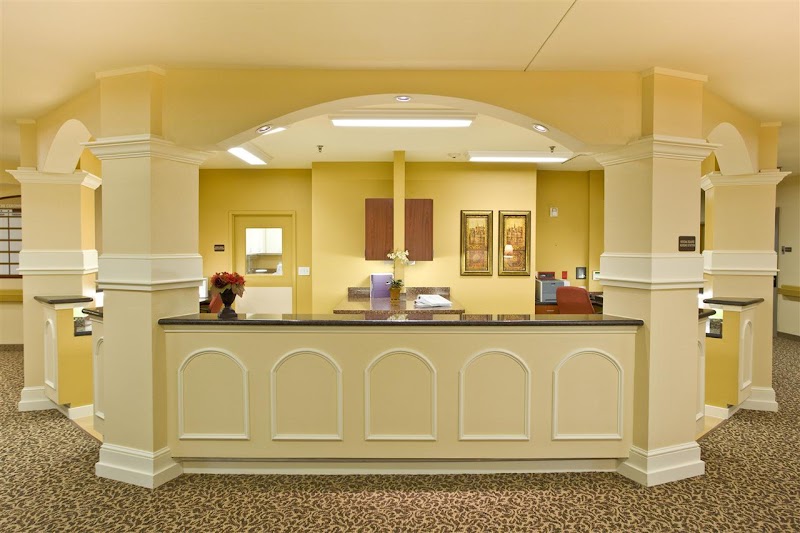
How Does The Colonnades At Reflection Bay Compare to Other Texas Nursing Homes?

Compared to the 100 nursing homes in Texas, THE COLONNADES AT REFLECTION BAY's overall rating (2 stars) is below the state average of 2.8, staff turnover (52%) is near the state average of 46%, and health inspection rating (1 stars) is much below the national benchmark.

What Should Families Ask When Visiting The Colonnades At Reflection Bay?

Based on this facility's data, families visiting should ask: "What changes have been made since the serious inspection findings, and how are you preventing similar issues?" "Can I visit during a mealtime to observe dining assistance and food quality?" "How do you handle medical emergencies, and what is your hospital transfer rate?" "Can I speak with family members of current residents about their experience?" These questions are particularly relevant given the facility's Immediate Jeopardy citations.

Is The Colonnades At Reflection Bay Safe?

Based on CMS inspection data, THE COLONNADES AT REFLECTION BAY has documented safety concerns. Inspectors have issued 2 Immediate Jeopardy citations (the most serious violation level indicating risk of serious injury or death). The facility has a 2-star overall rating and ranks #100 of 100 nursing homes in Texas. Families considering this facility should ask detailed questions about what corrective actions have been taken since these incidents.

Do Nurses at The Colonnades At Reflection Bay Stick Around?

THE COLONNADES AT REFLECTION BAY has a staff turnover rate of 52%, which is 6 percentage points above the Texas average of 46%. Moderate turnover is common in nursing homes, but families should still ask about staff tenure and how the facility maintains care continuity when employees leave.

Was The Colonnades At Reflection Bay Ever Fined?

THE COLONNADES AT REFLECTION BAY has been fined $130,935 across 4 penalty actions. This is 3.8x the Texas average of $34,388. Fines at this level are uncommon and typically indicate a pattern of serious deficiencies, repeated violations, or failure to correct problems promptly. CMS reserves penalties of this magnitude for facilities that pose significant, documented risk to resident health or safety. Families should request specific documentation of what issues led to these fines and what systemic changes have been implemented.

Is The Colonnades At Reflection Bay on Any Federal Watch List?

THE COLONNADES AT REFLECTION BAY is not on any federal watch list. The most significant is the Special Focus Facility (SFF) program, which identifies the bottom 1% of nursing homes nationally based on persistent, serious quality problems. Not being on this list means the facility has avoided the pattern of deficiencies that triggers enhanced federal oversight. This is a positive indicator, though families should still review the facility's inspection history directly.