Thrive Rehabilitation of Pearland
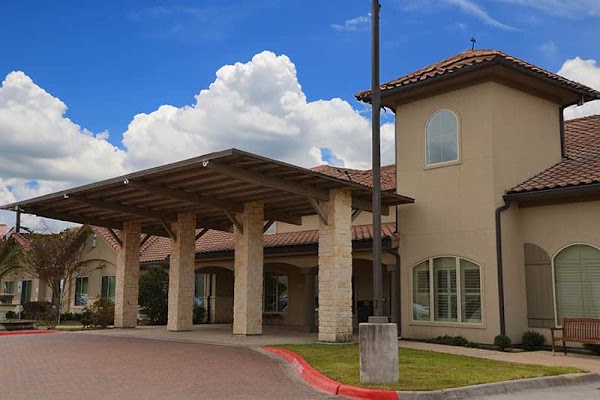
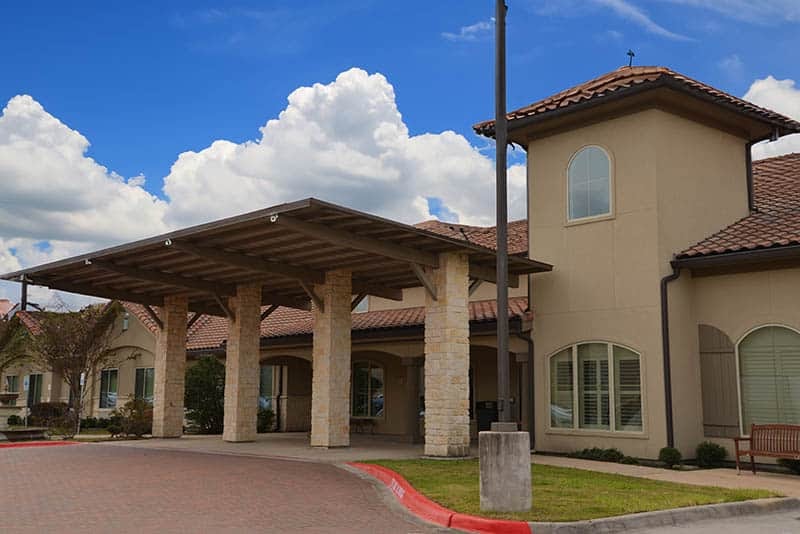
3406 Business Center Drive, Pearland, TX 77584 (972) 442-8069
For profit - Individual 104 Beds Independent Data: November 2025
Trust Grade
55/100
#371 of 1168 in TX
Last Inspection: January 2025

Within standard 12-15 month inspection cycle. Federal law requires annual inspections.

Overview

Thrive Rehabilitation of Pearland has a Trust Grade of C, indicating that it is average, sitting in the middle of the pack among nursing homes. It ranks #371 out of 1,168 facilities in Texas, meaning it is in the top half, but there are still many options that may be better. Unfortunately, the facility appears to be worsening, with issues increasing from 4 in 2024 to 10 in 2025. Staffing is a concern, with a 3 out of 5-star rating and a high turnover rate of 71%, which is above the Texas average of 50%. While there is good RN coverage, exceeding 88% of state facilities, the home has incurred $72,106 in fines, indicating compliance problems that are higher than 77% of Texas facilities. Specific incidents noted by inspectors include failures to complete baseline care plans for new residents, which could hinder their immediate care needs. Additionally, there was a concern regarding a dryer that was not properly maintained, posing a fire risk due to lint buildup. Lastly, a medication cart was found unlocked, risking medication mismanagement and potential harm to residents. Overall, while there are strengths in RN coverage, the facility has significant areas that need improvement and attention.
Trust Score
C
55/100
In Texas
#371/1168
Top 31%
Safety Record
Moderate
Needs review
Inspections
Getting Worse
4 → 10 violations
Staff Stability
⚠ Watch
71% turnover. Very high, 23 points above average. Constant new faces learning your loved one's needs.
Penalties
⚠ Watch
$72,106 in fines. Higher than 93% of Texas facilities. Major compliance failures.
Skilled Nurses
✓ Good
Each resident gets 43 minutes of Registered Nurse (RN) attention daily — more than average for Texas. RNs are trained to catch health problems early.
Violations
⚠ Watch
20 deficiencies on record. Higher than average. Multiple issues found across inspections.
★★★★☆
4.0
Overall Rating
★★★☆☆
3.0
Staff Levels
★★☆☆☆
2.0
Care Quality
★★★★☆
4.0
Inspection Score
Stable
2024: 4 issues
2025: 10 issues

The Good

  • Full Sprinkler Coverage · Fire safety systems throughout facility
  • No fines on record

Facility shows strength in fire safety.

The Bad

Staff Turnover: 71%

24pts above Texas avg (46%)

Frequent staff changes - ask about care continuity

Federal Fines: $72,106

Well above median ($33,413)

Moderate penalties - review what triggered them

Staff turnover is very high (71%)

23 points above Texas average of 48%

The Ugly 20 deficiencies on record

Jan 2025 10 deficiencies
CONCERN (D)

Potential for Harm - no one hurt, but risky conditions existed

Employment Screening (Tag F0606)

Could have caused harm · This affected 1 resident

**NOTE- TERMS IN BRACKETS HAVE BEEN EDITED TO PROTECT CONFIDENTIALITY** Based on interview and record review the facility failed to not employee and individual that was found guilty of mistreatment in...

Read full inspector narrative →
**NOTE- TERMS IN BRACKETS HAVE BEEN EDITED TO PROTECT CONFIDENTIALITY** Based on interview and record review the facility failed to not employee and individual that was found guilty of mistreatment in a court of law for 1 of 12 employees reviewed (Med Aide G). The facility failed to perform an accurate criminal history background check on Med Aide G and allowed her to work at the facility for about 11 months, while she had a conviction that was an absolute bar to employment. This failure could place residents at risk for mistreatment. Finding included: Record review of the State of Texas, Health and Safety Code, Chapter 250, Section 250.006 Convictions Barring Employment revealed (Revision 24-1, Effective [DATE]): A person for whom the facility or the individual employer is entitled to obtain criminal history record information may not be employed in a facility or by an individual employer if the person has been convicted of an offense listed in this subsection: .an offense under Section 22.02, Penal Code, aggravated assault [violent crime that involves causing serious bodily harm to another person or using a deadly weapon] . Record review of the employee files for Med Aide G revealed she was hired on 2/2/24. Record review revealed her initial criminal history check was done on 2/2/24 and indicated she was convicted of aggravated assault on 4/16/2016, which was a complete barrable conviction. In an interview with the Administrator on 1/30/25 at 8:26am, she said Med Aide G worked from 6am to 6pm. She said Med Aide G had never had any complaints and had not received any allegations of abuse, neglect, or misappropriation. The Administrator said she thought the absolute barrable conditions were felonies, abuse, and murder. She said she did not think aggravated assault was a barring condition unless it was a felony. She said the employee had been working at the facility for almost a year and had worked at other facilities as well. She said if an employee continued to work with a barring condition it could put the residents at risk. In an interview with the Administrator and COO on 1/30/25 at 9:00am, they had printed out the list of barring conditions and asked to clarify where it said aggravated assault was one of the conditions. The Surveyor showed them toward the top of the list it said, aggravated assault. They were looking further down the list where it said assault and that was a barring condition for 5 years. The Administrator and COO confirmed that was correct and said they would let Med Aide G go, even though they really did not want to. In an interview with the Administrator on 1/30/25 at 11:05am, she said she completed an audit of all the criminal history background checks and there were no other issues/concerns. Record review of the facility's policy and procedure on Employee Screening - Texas (Revised August 2023) read in part: This policy establishes the background screening requirements for all prospective and current employees to ensure compliance with federal and Texas State regulations, protect the safety of clients and staff, and uphold the integrity of the organization. The Administrator is responsible for implementation of policy and procedures. Background Check Requirements: Pre-Employment Screening. All job applicants must undergo a background check before receiving an official job offer. This includes: Criminal History Check - A review of Texas Department of Public Safety (DPS) records and national databases .Disqualification Criteria. Applicants or employees may be disqualified from employment if they have: Convictions or other serious offenses as outlined in the Texas Occupations Code .
CONCERN (D)

Potential for Harm - no one hurt, but risky conditions existed

Deficiency F0645 (Tag F0645)

Could have caused harm · This affected 1 resident

**NOTE- TERMS IN BRACKETS HAVE BEEN EDITED TO PROTECT CONFIDENTIALITY** Based on interview and record review, the facility failed to ensure individuals with mental health disorders were provided accur...

Read full inspector narrative →
**NOTE- TERMS IN BRACKETS HAVE BEEN EDITED TO PROTECT CONFIDENTIALITY** Based on interview and record review, the facility failed to ensure individuals with mental health disorders were provided accurate Preadmission Screening and Resident Review (PASRR) screening for 1 (Resident #4) of 5 residents reviewed for resident assessments. The facility did not correctly identify Resident #4 as having a mental disorder on their PASRR Level 1 Screening. This failure could place residents with mental disorders at risk of not receiving specialized PASRR service which could contribute to a decline in physical, mental, psychosocial well-being, and quality of life. Findings included: Record review of Resident #4's face sheet revealed a [AGE] year-old female admitted to the facility on [DATE]. Her diagnoses included dementia (loss of cognitive functioning-thinking, remembering, and reasoning), bipolar disorder (A serious mental illness characterized by extreme mood swings), and major depressive disorder. Record review of the PASRR level 1 screening dated 11/02/23 indicated Resident #4 was negative for mental illness, intellectual disability, and developmental disability. Record review of Resident #4's annual MDS, dated [DATE], indicated Resident #4 had a BIMS summary score of 8, which indicated moderate cognitive impairment. Resident #4 had active diagnoses of bipolar disorder and major depressive disorder and was taking an antidepressant. Record review of Resident #4's physician orders dated 01/10/2025 indicated Resident #4 was prescribed Venlafaxine HCl Oral Tablet 37.5 MG (Venlafaxine HCl ) Give 1 tablet via G-Tube one time a day related to major depressive disorder. Record review of Resident #4's care plan indicated Resident #4 uses antidepressant medication related to Depression. Interventions included: Educate the resident/family/caregivers about risks, benefits and the side effects and/or toxic symptoms of Trazodone, Remeron. Give antidepressant medications ordered by physician. Monitor/document side effects and effectiveness. Monitor/document/report to medical doctor prn ongoing s/sx of depression unaltered by antidepressant meds: Sad, irritable, anger, never satisfied, crying, shame, worthlessness, guilt, suicidal ideations, neg. mood/comments, slowed movement, agitation, disrupted sleep, fatigue, lethargy, does not enjoy usual activities, changes in cognition, changes in weight/appetite, fear of being alone or with others, unrealistic fears, attention seeking, concern with body functions, anxiety, constant reassurance. Interview on 01/31/25 at 11:23 am the MDS Coordinator said she was responsible for reviewing the PASRR forms. She said she did not review the PASRR for Resident #4. She said she used the information that she received from the previous nursing facility. She said she would update the PASRR and notify the state today. The MDS Coordinator said the risk to the resident was that she would not get the treatment she needed. Interview on 1/31/25 at 4:18 PM the Administrator said the residents with a mental disorder should be identified on the PASRR 1 and referred to the local authority. She said the risk to the resident was they would not get the services they needed. Record review of the facility's Pre-admission Screening and Resident Review (PASRR) dated December 2022, revealed in part .B. PASRR level Evaluation: a. If the PASRR Level I screening identifies potential serious mental illness (SMI), intellectual disability (ID), or developmental disability (DD), a level II evaluation must be completed before admission .
CONCERN (D) 📢 Someone Reported This

A family member, employee, or ombudsman was alarmed enough to file a formal complaint

Potential for Harm - no one hurt, but risky conditions existed

Pharmacy Services (Tag F0755)

Could have caused harm · This affected 1 resident

**NOTE- TERMS IN BRACKETS HAVE BEEN EDITED TO PROTECT CONFIDENTIALITY** Based on interviews and record review, the facility failed to provide pharmaceutical services (including procedures that assure ...

Read full inspector narrative →
**NOTE- TERMS IN BRACKETS HAVE BEEN EDITED TO PROTECT CONFIDENTIALITY** Based on interviews and record review, the facility failed to provide pharmaceutical services (including procedures that assure the accurate acquiring, receiving, dispensing, and administering of all drugs and biologicals) to meet the needs of each resident for 1 (Resident #126) of 25 residents reviewed for pharmacy services. 1. The facility failed to administer two doses of Morphine Sulfate Oral Tablet 30 MG (Morphine Sulfate) for Resident #126 to prevent potential pain. 2. The facility failed to ensure the nurse's medication cart (500/600hall) did not have discontinued and/or expired medications. These failure could place residents at risk for adverse effects of pain, discomfort, increase side effects, not receiving the therapeutic effects of the medication, and a decline in health. The findings were: Record review of Resident #126's admission Record revealed Resident #126 was a [AGE] year-old female who was admitted to the facility on [DATE]. Resident #126 had diagnoses of spinal stenosis, lumbar region without neurogenic claudication (narrowing of the lumbar spinal canal that compresses the nerve rootlets and nerve roots). Record review of Resident #126's MDS dated [DATE] noted the resident had a BIMS score of 12 indicating some cognitive impairment and had frequent pain. Pain management indicated she needed scheduled pain medication regimen. The pain intensity was rated a 6 of 10. Care Area Assessment indicated she had pain. Resident #126 received scheduled pain medication regimen. Record review of Resident #126's Care Plan, undated read in part .Focus: chronic pain to lower back and left shoulder secondary to myalgia and arthralgia. Goal: The resident will verbalize adequate relief of pain or ability to cope with incompletely relieved pain through the review date. Interventions: Monitor/record/report to Nurse any s/sx of non-verbal pain. The resident is able to: call for assistance when in pain, ask for medication, tell you how much pain is experienced, tell you what increase or alleviates pain. Record review of Physician Order Recap Report dated 01/09/2025 - 02/28/2025 read in part . Morphine Sulfate Oral Tablet 30 MG (Morphine Sulfate) Give 1 tablet by mouth two times a day for Pain .Start date 01/10/2025, End date 01/27/2025 . Ordered by the MD. Record review of Resident #126's Medication Administration Record (MAR) dated 01/2025 read in part . The resident had a scheduled medication of Morphine Sulfate Oral Tablet 30 MG (Morphine Sulfate). The MAR noted under Scheduled Start Date/Time, 01/10/2024 at 0800, Medication not available/ordered from pharmacy and on 01/10/2024 at 2000, Other/See Nurse Notes. Morphine Sulfate Oral Tablet 30 MG (Morphine Sulfate), Give 1 tablet by mouth two times a day for Pain -Start Date- 01/10/2025 0800, -D/C Date- 01/27/2025 0937 . 01/10 morning dose noted code 11 meaning medication not available/ordered from pharmacy. 01/10 evening dose noted code 9 meaning Other/See Nurse Notes . Record review of evening Progress Note dated 01/10/2025 noted the resident had no complaints or comments regarding pain . Interview on 01/30/2025 at 5:53PM with Resident #126 said she was not in pain and thought it was Morphine that caused her to throw up when she got to the facility. She said she thought she took the morphine on 1/10. She did not take it a couple of nights ago though. She said she preferred to have the pain patches and did not like taking pills. In an interview on 01/30/2025 at 6:15PM Family Member A said the resident may have told the facility staff she did not want the morphine. She said the only thing she really talked with staff about was the resident's physical therapy. In an interview on 01/30/2025 at 6:22PM LVN B said the pharmacy always runs late and the medications arrive between 10pm and 12AM. She did not know why the nurse that ordered the medication did not get morphine from the e-kit. In an interview on 01/30/2025 at 7:59PM the DON said it seemed like the nurse called the MD for triplicate that morning and it came in that evening. The facility did not have the pain management referral until the resident got to the facility. She said the hospital did not send the prescription. The pain manager doctor came in the next day if he was referred. She said the morphine was ordered on 1/10 at 8AM and it came in that night. She said if the resident was in pain, then the medication could come from the Omni cell, and they could call in for the approval to get the medication for the resident. She said she did not know when the triplicate came in. She said a late medication delivery would be normal and the cut off was at 2pm to have it delivered the same day. She said if a resident came in after 2PM their medications would come in the next night. She said there was morphine in the e-kit. She said she would have to get a code before administering the medication. She said she did not know when the MD was called about the morphine or why the morphine was not pulled from the e-kit, and the resident did not get her medication. She said there was a pain scale on the TAR for the resident. She said if the resident was not in pain, then she did not know why a medication would be given. She did not know why the morphine was a scheduled medication. She said she would clarify the order with the doctor regarding pain medications when the resident was not in pain. She said the morphine was later changed to PRN. In an interview on 01/30/2025 at 6:47pm RN C said she thought the facility had not received the triplicate yet to get Resident #126's Morphine. She said if the triplicate were received then they could administer it. She said when they got the order, she called the MD to get the triplicate. She said she did not know what happened that day and she later got the resident's order to PRN because she said the resident told her she did not want it and it made her very drowsy. She said the resident's vitals were taken each shift. RN C called the pharmacy and asked when they received the triplicate for the resident's morphine. Pharmacy Tech said that the triplicate for the morphine was received at 8:49AM on 01/10/2025. He said the facility signed to receive the medication at 11:26PM on 01/10/2025. Record review of the Omni Inventory for the e-kit indicated the facility had Morphine ER 15mg TAB- 3 tablets, Morphine ER 30mg TAB- 5 tablets, Morphine IR 15mg TAB- 5 tablets, and Morphine Sulfate IR 30mg TAB- 5 tablets. 2. During an observation of the 500/600 Hall medication cart on 01/29/25 at 12:20 PM., revealed the following was found: -Ipratropium 0.5mg/Albuterol 2.5 mg/3ml box was open and not dated, and the resident had discharged from the facility on 01/27/25. -Trelegy 100/mcg/6.25mcg/25mcg inhaler was opened with an expiration date of 04/2024. -Carbidopa/Levodopa/Entacapone 100 mg tab 1-tab TID had discard after 11/24/24 date. Interview on 01/30/25 at 11:35 AM, the DON also said that medications should be checked daily by the nurse for expired medications, but she also checked the chart weekly and must have missed the expired meds. She said it was the responsibility of the nurse who used the cart to check for the expired meds. She said the staffing coordinator and the DON conduct checkoff with new nurse hires. The DON said the residents who were discharged from the facility or who have discontinued medications should be pulled from the cart and placed in the destruction bin that day. She said the risk of not removing expired or discontinued meds could be that these medications are accidentally administered. She said the expired or discontinued medications should have been destroyed. Interview 01/30/2025 at 2:07 PM the Administrator said her expectation was not to have expired medications on the cart. She said the DON usually monitored the med carts weekly, but the facility also consulted with the pharmacy staff to review carts and remove all expired meds. She said the ultimate responsibility was the nurse using the cart. She said the nurses were supposed to removed medications the same day the residents are discharged from the facility. The Administrator said the risk of administering expired medication was that it may not have the same potency and/or possibly administering the medications for someone else. Record review of the facility's Medication Administration policy dated 2017 read in part . Medication Administration: 1. Medications are administered in accordance with written orders of the prescriber. If a dose seems excessive considering the resident's age and condition, or a medication order seems to be unrelated to the resident's current diagnosis or condition, the nurse calls the provider pharmacy for clarification prior to the administration of the medication. If necessary, the nurse contacts the prescriber for clarification. This interaction with the pharmacy and the resulting order clarification are documented in the nursing notes and elsewhere in the medical record as appropriate. Medications, type of medication and route of administration are administered by authorized personnel according to state regulations . Record review of the facility's Medication Administration and Management policy, revised on 06/2019 read in part, . Security and Safety Guidelines: 19. Outdated medication is destroyed or returned to the pharmacy according to applicable state rules and regulations and a new supply obtained when necessary .
CONCERN (D)

Potential for Harm - no one hurt, but risky conditions existed

Deficiency F0757 (Tag F0757)

Could have caused harm · This affected 1 resident

**NOTE- TERMS IN BRACKETS HAVE BEEN EDITED TO PROTECT CONFIDENTIALITY** Based on observation, interview and record review, the facility failed to ensure each resident's drug regimen was free from unne...

Read full inspector narrative →
**NOTE- TERMS IN BRACKETS HAVE BEEN EDITED TO PROTECT CONFIDENTIALITY** Based on observation, interview and record review, the facility failed to ensure each resident's drug regimen was free from unnecessary drugs without adequate indications for its use for 1 of 3 residents (Resident #8) reviewed for unnecessary medications. The facility failed to ensure Resident #8's antibiotic (Bactrim-Sulfamethoxazole/Trimethoprim) was not administered after the discontinued date. This failure could place residents receiving antibiotics at risk for unnecessary and inappropriate antibiotic use and increased antibiotic-resistant infections. Findings included: Record review of Resident #8's face sheet indicated Resident #8 was an [AGE] year-old male who was initially admitted to the facility on [DATE] with diagnoses including dementia, peripheral vascular (circulatory condition in which narrowed blood vessels reduce blood flow) disease, and type 2 diabetes mellitus (body has trouble controlling blood sugar). Record review of Resident #8's quarterly MDS assessment, dated 10/30/24, indicated Resident #8 had a BIMS score of 05, which indicated severe cognitive impairment. Resident #8 was dependent and required substantial maximal assistance with most of his functional abilities. The MDS did indicate that Resident #8 had a stage 3 pressure ulcer but had not received an antibiotic in the last 7 days of the assessment period. Record review of a care plan dated 11/18/24 indicated Resident #8 had a risk of complications related to a pressure ulcer located on the right hip that had been resolved. Record review of physician's orders on 01/30/25 at 10: 49 AM indicated that Resident #8 had a discontinued order for Bactrim (Sulfamethoxazole/Trimethoprim) Oral Tablet 800-160mg; give 1-tab by mouth two times a day for his wound for 7 days. The start date was 12/24/24, with an end of 12/31/24. No new Bactrim (Sulfamethoxazole/Trimethoprim) order was noted in the physician's orders . Record review of Resideent #8's December 2024 MAR revealed the last dose of Bactrim (Sulfamethoxazole/Trimethoprim) Oral Tablet 800-160mg was administered on 01/31/24 in the AM. There was no medication administration of Bactrim (Sulfamethoxazole/Trimethoprim) noted on the January 2025 MAR. Observation on 01/30/25 at 10:30AM with LVN A of Resident #8's the right hip wound revealed no wound opening. New foam border dressing applied as ordered by the physician. Observation and interview on 01/30/25 at 10:47 AM, revealed LVN E went into Resident #8's room and gave Resident #8 Bactrim (Sulfamethoxazole/Trimethoprim) 1 tab by mouth. The surveyor asked her why the antibiotic was administered and if there was an order. She looked at the physician's orders and said, No, there was no order. She notified the physician and said the physician wanted to continue the antibiotic for 7 days. She denied administering medications without verifying the physician's orders prior to this observation. She said she was supposed to review orders before administering any medications because the orders could change. She said the risk of administering a medication without an order could cause and adverse reaction. Telephone interview on 01/30/25 at 11:02 AM Dr. D, said Resident # 8 was to finish his Bactrim (Sulfamethoxazole/Trimethoprim) treatment in 7 days, which ended on 12/31/24. He said he gave the order to LVN E to restart the Bactrim for 7 days. He said there was no risk to the resident for 1 additional dose of antibiotics. He said ideally, they should complete the prescribed medication, but it was not a big deal if they missed one dose or consumed an additional dose. Interview on 01/30/25 at 11:35 AM the DON said she expected the nursing staff to follow the doctor's orders. She said all discontinued medications should be removed from the cart on the same day they were completed or discontinued. She said the risk of not removing medications from the cart was the staff could accidentally administer a resident's discontinued medication. She said treating a resident with antibiotics without an indication or need could risk certain antibiotics to become ineffective. Interview on 01/30/25 at 2:07 PM the Administrator said it was her expectation to remove completed and/or discontinued medications from the med cart. She said all staff should check the order before administering medications to a resident. She said the risk of administering medications that had no order was an adverse reaction. Record review of the facility's Medication Administration and Management policy, revised on 06/2019 read in part, .Administering the Medication Pass: 3. The authorized licensed or certified/permitted medication aide or by state regulatory guidelines staff member follows the MAR prepared for the patient/resident by identifying the: A. The Right Patient/Resident, B. The Right Drug, C. The Right Dose, D. The Right Time E. The Right Route F. The Right Charting G. The Right Results H. The Right Reason .
CONCERN (E) 📢 Someone Reported This

A family member, employee, or ombudsman was alarmed enough to file a formal complaint

Potential for Harm - no one hurt, but risky conditions existed

Deficiency F0655 (Tag F0655)

Could have caused harm · This affected multiple residents

**NOTE- TERMS IN BRACKETS HAVE BEEN EDITED TO PROTECT CONFIDENTIALITY** Based on interviews and record review, the facility failed to develop and complete a baseline care within 48 hours of a resident...

Read full inspector narrative →
**NOTE- TERMS IN BRACKETS HAVE BEEN EDITED TO PROTECT CONFIDENTIALITY** Based on interviews and record review, the facility failed to develop and complete a baseline care within 48 hours of a resident's admission for 3 of 25 residents (Resident #18, Resident #24, and Resident #126) reviewed for baseline care plan . The facility failed to complete a baseline care plan within 48 hours of admission for Resident #18, Resident #24, and Resident #126 This failure could affect newly admitted residents and place them at risk of not receiving continuity of care and communication among nursing home staff to ensure their immediate care needs were met. Findings included: Record review of Resident #18's Face Sheet noted the resident was a [AGE] year-old male who was admitted to the facility on [DATE] with primary diagnoses of hemiplegia (a condition characterized by paralysis of one side of the body) and hemiparesis (weakness of one entire side of the body) following cerebral infarction affecting left non-dominant side. Record review of Discharge MDS dated [DATE] did not indicate a BIMS score. Assessment of mental status indicated the resident had a memory problem with some difficulty in new situations, no psychosis noted, and occasionally incontinent. Record review of Resident #18's Baseline Care Plan revealed it was completed on and dated 12/18/24, by the DON. Record review of Resident #24's Face Sheet undated noted the resident was an [AGE] year-old female who was admitted to the facility on [DATE] with primary diagnosis encounter for surgical aftercare following surgery on the circulatory system. Record review of Resident #24's Discharge MDS dated [DATE] did not indicate a BIMS score. Assessment of mental status indicated the resident's short-term memory was ok and independently made decisions regarding tasks of daily life. Her functional abilities needed setup or clean up assistance for sit to stand, chair/bed-to-chair transfer, toilet transfer, tub/shower transfer, car transfer, walk 50 feet with two turns, and walking 150 feet. Record review of Resident #24's Baseline Care Plan revealed it was completed on and dated 11/19/2024, by the DON. Record review of Resident #126's Face Sheet undated noted the resident was a [AGE] year-old female who was admitted to the facility on [DATE]. Resident #126 had diagnoses of spinal stenosis, lumbar region without neurogenic claudication (narrowing of the lumbar spinal canal that compresses the nerve rootlets and nerve roots). Record review of Resident #126's Initial MDS dated [DATE] noted a BIMS score of 12 indicating moderate cognitive impairment. The resident used a walker for mobility and needed supervision or touching assistance with eating and oral hygiene, partial/moderate assistance with toileting hygiene, shower/bath self, upper body dressing and personal hygiene, and dependent on lower body dressing and putting on/taking off footwear. Record review of Resident #126's Baseline Care Plan revealed it was completed on and dated 01/21/2025, by the DON. In an interview on 01/30/2025 at 11:00AM the MDS Nurse said for the Base Line Care Plan, the admission nurse opened the Care Plan tab in the system and the admitting nurse did the assessment. That information was transferred from that assessment into the Care Plan and information from the admission assessment was transferred to the Baseline Care plan form. She said the Base Line Care Plan was written within 48 hours of admission. She said the Base line Care Plan was complete when the nurse signed it. She said the DON signed the Base Line Care plans. She said she and the DON were responsible for the Base Line Care Plans. She said the risk to residents was if the policy was not followed, the residents might not get the care they needed. In an interview on 01/30/2025 at 11:21AM the DON said she signed them, and the nurses started them. She said when she signed the Base Line Care Plan that meant it was complete. She said according to the company, the Base Line Care Plan needed to be complete within 5 days. She reviewed the Base Line Care Plans for Resident #18 and #24. She said Resident #18' Base Line Care Plan was not done within 48 hours. She saw that Resident #24's Base Line Care Plan was not done within 48 hours. She said she did not know why the Base Line Care Plans were done late. She said the risk to residents if policy/procedure were not followed was staff would not know how to properly care for the resident and the worst thing was staff were not able to follow through with things for the resident. She said she last had training on Base Line Care Plans when she first started 8 months ago. She said she was responsible for ensuring policy/procedure were followed. In an interview on 01/30/2025 at 11:34AM the Administrator said the MDS nurse, or the DON wrote the Base Line Care Plans. She said it needed to be an RN. She said the first care plan was done within 48 hours, normally. She said the reason the Base Line Care Plans were not completed in time was she thought it was too much work for the DON to have signed them in time. She had not recently had training on Base Line Care Plans. She said the risk to residents was if policy/procedure were not followed and the Base Line Care Plan was late, the residents potentially would not get the care they needed, and the worst thing to happen to a resident when policy/procedure was not followed was death. Record review of the facility's policy titled, Baseline (Initial) Plan of Care Summary dated December 2016 read in part . Policy: It is the policy of this facility to provide each resident with an interim (initial) plan of care developed within 48 hours of admission that addresses identified risk areas and resident's initial individual needs and baseline summary will be completed before a comprehensive care plan is completed. Purpose: The Baseline (Initial) Plan of Care documents and communicates the resident's needs within 48 hours of admission and until the Comprehensive Plan of Care is finalized by the interdisciplinary team .
CONCERN (E)

Potential for Harm - no one hurt, but risky conditions existed

Accident Prevention (Tag F0689)

Could have caused harm · This affected multiple residents

**NOTE- TERMS IN BRACKETS HAVE BEEN EDITED TO PROTECT CONFIDENTIALITY** Based on observation, interviews, and record review, the facility failed to ensure the resident environment remained as free of ...

Read full inspector narrative →
**NOTE- TERMS IN BRACKETS HAVE BEEN EDITED TO PROTECT CONFIDENTIALITY** Based on observation, interviews, and record review, the facility failed to ensure the resident environment remained as free of accident hazards as was possible for 1 (Dryer #2 the one in the middle) of 3 dryers reviewed for accident hazards. The facility failed to check and clean the lint filters at appropriate times: - The facility failed to clean the lint filter in Dryer #2 for 19hrs, which caused a buildup of lint on the filter, above the filter, and around the filter. This failure could place residents at risk of harm and hospitalization by causing a fire risk to the facility. Findings included: In an observation on 1/29/25 at 2:45pm, the Maintenance Director pulled out the lint filter for Dryer #1. There was a thick sheet of lint on the filter, as well as lint above where the filter slides into place, and around where the filter was kept. There were no laundry staff anywhere. In an interview with the Maintenance Director on 1/29/25 at 2:57pm, he said staff checked the lint filters twice a day. He said staff must have forgotten to check the filters and that was a hazard to the residents and could cause a fire. The Maintenance Director said he oversaw the laundry room. Record review on 1/29/25 at 2:55pm, of the facility's Lint Trap Cleaning Log for January 2025 revealed spots to sign off every hour indicating the lint trap was cleaned. There were no initials for the whole day and the last initials were from 1/28/25 at 7am. Record review of the facility's policy and procedure on Laundry Equipment (Revised [DATE]) read in part: Laundry equipment is inspected and maintained periodically to ensure proper configuration and operation. Laundry equipment maintenance is an essential function of the preventative maintenance program to assure employee and resident safety .Clean dryer lint traps several times each day to help limit fires, and increase the life of the dryers .
CONCERN (E)

Potential for Harm - no one hurt, but risky conditions existed

Deficiency F0761 (Tag F0761)

Could have caused harm · This affected multiple residents

Based on observation and interview, the facility failed to ensure all drugs and biologicals used in the facility were secured properly and labeled and stored in accordance with currently accepted prof...

Read full inspector narrative →
Based on observation and interview, the facility failed to ensure all drugs and biologicals used in the facility were secured properly and labeled and stored in accordance with currently accepted professional principles in 1 of 2 medication carts reviewed. (Hall 500/600 cart) The facility failed to ensure the nurse's medication cart (500/600 hall) was locked. This failure could place residents at risk, by placing them at risk of drug diversions, misuse of medications, an adverse reaction, and/or not receiving the therapeutic benefits of their medication. Findings included: During observation on 01/28/25 at 9:32 AM, revealed the nurse medication cart for 500/600 hall was unlocked, with the 2nd drawer slightly ajar. The opened drawer contained multiple daily medications in a blister pack for residents in the 500/600 hall. The nurse was in a resident's room administering their medications, and the cart was left open and unsupervised. Interview on 01/29/25 at 9:38 AM RN C acknowledged that the drawer was unlocked. She said the DON trained her during onboarding regarding the medication carts being locked at all times. She said the cart should have been closed and locked the cart before entering the resident's room to administer medication. She said the risk of leaving the cart open and unsupervised was drug diversion and/or misappropriation by residents, staff, or visitors, which could lead to a sentinel event. Interview on 01/30/25 at 11:35 AM the DON said her expectation was that all medication carts should be locked. She said an in-service was conducted on Tuesday, 01/29/25, regarding locked medication carts. She said the risk of leaving a cart open was that other residents, staff, or anyone else walking down the hall could have access to the medications. Interview 01/30/2025 at 2:07 PM the Administrator said her expectation was that all medication carts should be locked when not in use. She said the risk of not having it locked was that someone could have access to the cart that should not and ingest medication, which caused harm to the residents or staff and/or misappropriation of meds. Record review of the facility's Medication Administration and Management policy, revised on 06/2019 read in part, . Security and Safety Guidelines: 3. Medication cart is kept in sight or locked at all times .
CONCERN (E) 📢 Someone Reported This

A family member, employee, or ombudsman was alarmed enough to file a formal complaint

Potential for Harm - no one hurt, but risky conditions existed

Food Safety (Tag F0812)

Could have caused harm · This affected multiple residents

Based on observations, interviews, and record review, the facility failed to store, prepare, distribute, and serve food in accordance with professional standards for food service safety for the kitche...

Read full inspector narrative →
Based on observations, interviews, and record review, the facility failed to store, prepare, distribute, and serve food in accordance with professional standards for food service safety for the kitchen. The facility failed to ensure on 01/28/2028 at 8:15 AM that a cling wrapped bunch of bacon in the refrigerator and cans of thickening agent were labeled and dated with the delivery date. The facility failed to ensure a bag of sausage patties was sealed. These failures had the potential to place residents at risk of serious complications from foodborne illness because of their compromised health status. Findings included: Interview and observation were conducted on 01/28/2025 at 8:15 AM with the acting Dietary Manager and there was a box of sausage patties unsealed. There was also an unlabeled cling wrapped chunk of bacon in the freezer. The acting Dietary Manager said the patties should be sealed and the bacon labeled with the delivery date on it. She then wrote a date of 01/26/2025 on the bacon. She said that was the date the food was delivered, and she knew because she was there when the food came in. The dry goods storage had unlabeled cans of food thickening agent. In an interview on 01/29/2025 at 4:06PM the Dietary Director said he had worked at the facility for 8 months as the Dietary Director. He said as the Dietary Director he planned menus, purchased groceries, wrote the cleaning schedules, gathered logs, scheduled staff, and hire/fired kitchen staff. He said the policy or procedure for storing food was if it was a single item then it was dated with the day of arrival. He said there was already a use before or expiration date. He said if something was not all used then there was a 3-day date placed on the food. He said normally items were wrapped and dated. He said the thickening cans should have been discarded. He said someone did not label after they opened the bag, or maybe they rushed things. He said the risk to residents when policy was not followed was, they could get sick with E. coli or salmonella and the worst thing was death, or food poisoning. Record review of Food Storing Principles policy dated April 2020 read in part . Procedure: 3. Label each package, box, can, etc. with the expiration date, date of receipt, or when the item was stored after preparation . Record review of Cold Food Storage Areas policy April 2020 read in part . 7. Store foods in their original packaging and in leak-proof, nonabsorbent, sanitary containers with tight fitting lids . U.S. Food and Drug Administration Food Code dated 2022 read in part . 3-305.11 (A) Except as specified in (B) and (C) of this section, FOOD shall be protected from contamination by storing the FOOD: (1) In a clean, dry location; (2) Where it is not exposed to splash, dust, or other contamination . TAC Ch. 228 Subchapter A read in part . (a) The purpose of this chapter is to implement Texas Health and Safety Code, Chapter 437, Regulation of Food Service Establishments, Retail Food Stores, Mobile Food Units, and Roadside Food Vendors. (b) The department adopts by reference the U.S. Food and Drug Administration (FDA) Food Code 2017 (Food Code) and the Supplement to the 2017 Food Code. (c)
CONCERN (E)

Potential for Harm - no one hurt, but risky conditions existed

Infection Control (Tag F0880)

Could have caused harm · This affected multiple residents

**NOTE- TERMS IN BRACKETS HAVE BEEN EDITED TO PROTECT CONFIDENTIALITY** Based on observations, interviews, and record review, the facility failed to establish and maintain an infection prevention and ...

Read full inspector narrative →
**NOTE- TERMS IN BRACKETS HAVE BEEN EDITED TO PROTECT CONFIDENTIALITY** Based on observations, interviews, and record review, the facility failed to establish and maintain an infection prevention and control program designed to provide a safe, sanitary, and comfortable environment and to help prevent the development and transmission of communicable diseases and infections for 1 of 1 facility and 2 of 4 residents (Resident #275 and Resident #278) reviewed for infection control. 1. The facility failed to ensure Resident #275 was placed on the appropriate contact isolation for E. Coli. 2. The facility failed to ensure CNA J wore appropriate PPE for EBP when providing a shower and incontinence care to Resident #278. 3. The facility failed to establish and provide documentation for a water management program as part of the infection control program. 4. The facility failed to ensure dirty laundry was kept in the appropriate bin and not on the floor in the laundry room. These failures could place residents at risk of exposure to Legionnaires' disease (a serious type of lung infection caused by Legionella bacteria which can live in standing water within facility water systems), and other infectious diseases due to improper infection control practices. Findings included: 1. Record review of resident #275's undated face sheet revealed she was an [AGE] year-old female admitted on [DATE] with diagnoses of type 2 diabetes mellitus (body does not produce enough insulin or resists it), hypertension (high blood pressure), dysarthria (trouble speaking), dysphagia (trouble swallowing), urinary tract infection, ESBL resistance (type of antibiotic resistance), resistance to multiple antimicrobial (antibiotic) drugs, and left artificial hip. Record review of Resident #275's admission MDS was not completed yet. Record review of Resident #275's care plan dated 1/27/25 revealed the resident had a urinary tract infection, and it would resolve without any complications by the review date. Interventions included giving medications and monitoring vitals/labs. The care plan also revealed the resident was on antibiotic therapy and would be free of any discomfort/adverse effects through the review date. Interventions included administering the antibiotic, and monitoring/reporting reactions. Record review of Resident #275's care plan dated 1/30/25 revealed the resident required contact isolation due to ESBL of the urine and she would not have any isolation at the review date. No interventions were entered yet. Record review of Resident #275's previous hospital records revealed lab results from 1/15/25 which indicated she had E. Coli present in drainage from her left hip. Record review of Resident #275's Nursing admission Assessment from 1/26/25 at 11:55am revealed nothing was answered under the question, List of all current and resolved infections: Question 11 asked if the resident had VRE, MRSA, C-Diff or NA. It was marked NA. Question 12 asked about any other resistant infections and the answer was no. When asked if the resident had been on any precautions, the answer was also no. When asked if the resident was receiving an antibiotic, there answer was yes. Record review of Resident #275's chart revealed a progress note from NP H on 1/27/25 at 8:14am that said, Urinary tract infection UA with ESBL E. Coli. Currently on IV meropenem to complete the course-ID has been consulted. Record review of Resident #275's Physician orders revealed the following orders from MD K: - Meropenem (antibiotic) 500mg IV Q12hr for UTI. Ordered on 1/26/25 at 12:52pm. - Infectious Disease consult and treat, one time. Ordered on 1/27/25 at 1:40pm. - Contact Isolation for ESBL in the urine, every shift. Ordered on 1/29/25 at 10:58am In an interview and observation of Resident #275 on 1/28/25 at 8:39am, the resident had an isolation cart outside of their room but there were no isolation signs anywhere. The family said she was on IV antibiotics for E. Coli in the urine, but the resident did not have a contact isolation sign anywhere. In an interview and observation of LVN A on 1/28/25 at 8:43am, he said Resident #275 was on antibiotics for pneumonia. He was observed going in and out of the room with no PPE on. In an interview with LVN A on 1/28/25 at 9:05am, he said there were usually isolation signs on the resident's doors. He said if he did not see an isolation sign, he would have to look in the resident's chart to know what isolation precautions they were on. He said he did not know who put the isolation signs up. He said the facility did not have any medication aides and he was super busy with 4 residents on IV antibiotics, a g-tube (opening to stomach for nutrition) resident, and a trach (artificial opening in the airway) resident. He also said the families were there, so he had to take time to speak to them. LVN A said he would wear PPE, but he was in such a hurry and had so much to do, he did not have time to put PPE on. He said if PPE was not worn, the resident could get worse, or he could get something. In an interview with LVN A on 1/28/25 at 9:18am, he asked the Surveyor, which specific instances would he need to wear PPE for EBP, and when would he need to wear a mask? The Surveyor explained EBP to LVN A in detail. In an observation and interview with Resident #275 on 1/29/25 at 8:50am, the resident had Merrem on the IV pole next to her and hooked up to her PICC line (tube inserted into vein of upper arm and threaded into large vein near the heart) on her LUA. The family said no staff had come in with any gowns on the whole time she had been there, and family stay with her all during the day. In an interview with LVN S on 1/29/25 at 8:58am, she said Resident #275 was not on any isolation and that she only had an IV. In an interview with LVN S on 1/29/25 at 9:15am, she said she was not sure what EBP and was confused because she had only been working at the facility for 3 days and she came from the hospital where they did not use EBP. She said she had training but it was confusing on what needed to be EBP and what did not. She said she knew g-tubes, colostomies (hole to the outside of abdomen to collect stool), trachs, and wounds needed EBP, but that was all. In an interview with the DON on 1/29/25 at 9:20am, she said Resident #275 was not on contact isolation and she did not know anything about the resident having E. Coli at the hospital or being on IV antibiotics for E. Coli, like the family said. She went on to say EBP was for a wound, trach, oxygen, any line, and dialysis. The Surveyor corrected her and informed her EBP was not needed for oxygen or a peripheral line, only things that were invasive. She said the correct PPE for EBP was a gown and gloves and staff should wear it during incontinence care, during any treatments, or any resident care that was up close and personal, like showering or giving IV medications. The DON said the resident was put at risk if the PPE was not worn. She said contact isolation was for MRSA, C-diff, and other resistant bacteria. She said staff should wear a gown and gloves every time they enter the room, no matter what they go in for. The DON said staff were at risk for spreading infection if PPE was not worn. In an interview with the DON on 1/30/25 at 10:15am, she said she contacted the MD about Resident #275 and the MD said she should be on contact isolation and IV antibiotics. The MD said she needed to stay on contact isolation until the IV antibiotics were finished. She said she normally got isolation information in report before they admitted the resident, but they did not receive any information about it. She said she was the one who reviewed the resident's chart before and after admission and she must have overlooked where it said she had E. Coli. She said the resident could spread the bacteria without being on isolation. 2. Record review of Resident #278's undated face sheet revealed she was a [AGE] year old female admitted on [DATE] with diagnoses of epilepsy (seizures), sepsis (infection throughout body), benign neoplasm of cerebral meninges (non-cancerous tumor originating in the protective membranes of the brain and spinal cord), hemiplegia and hemiparesis (paralysis and weakness) of left non-dominant side, pneumonia, respiratory failure (not enough oxygen in the blood), tracheostomy (tube in windpipe for airway and breathing), gastrostomy (tube into stomach for nutrition). Record review of Resident #278's admission MDS was not completed yet. Resident #278's BIMS score was attempted on 1/24/28 at 12:11pm, but unable to be performed due to her medical conditions. Record review of Resident #278's care plan dated 1/27/25 revealed the resident required tube feeding and she would remain free of side effects/complications through the review date. Interventions included keeping the HOB elevated 45 degrees during and 30min after feeding, monitor for aspiration, and monitor labs. The resident also had a tracheostomy and would have no abnormal drainage through the review date. Interventions included ensuring trach ties were secured at all times, monitoring for restlessness, agitation, confusion, suction PRN, and procedures if her trach came out. Record review of Resident #278's Physician Orders revealed the following orders from MD K: - Change trach inner cannula Shiley #6 (type of trach) PRN for mucus plug. Ordered on 1/24/25 at 11:06am. - Enhanced Barrier precautions-wear gown and gloves with care, every shift. Ordered on 1/24/25 at 12:38pm. - Change catheter securement device with dressing change, PRN for central venous catheter (tube inserted into vein of upper arm and threaded into large vein near the heart). Ordered on 1/24/25 at 3:22pm. - Zosyn (antibiotic) 3.375 gm/50ml IV Q8hr for UTI. Ordered on 1/24/25 at 3:29pm. - Jevity (g-tube nutrition)1.5 300ml QID, Flush 200ml H2O QID. Ordered on 1/24/25 at 3:54pm. - Refer resident to Infectious Disease doctor consult. Ordered on 1/26/25 at 5:58pm. In an interview and observation of Resident #278 on 1/28/25 at 9:21am, the resident was lying in bed with a trach, g-tube, and RUA midline. A family member and CNA J were providing incontinence care and getting her dressed. CNA J was not wearing a gown and was only wearing gloves. The family member said he helped out whenever possible and the staff were great at providing assistance. In an interview with CNA J on 1/28/25 at 9:46am, he said EBP was when staff wore a gown and gloves, and it was for residents with a catheter or g-tube but did not know any other times. He said the reason for wearing the PPE was it was better safe than sorry. He said he had not had a resident like resident #278 in at least 6mths so he did not remember what he was supposed to do for isolation and PPE. Once EBP was explained to him he said, That's a lot of residents to wear PPE for. We're going to run out! In an interview with LVN S on 1/29/25 at 8:58am, she said Resident #278 was on contact isolation for MRSA of the nares. In an observation on 1/29/25 at 8:59am, Resident #278 had a big red sign on her door that said, Check with nurse before entering. In an interview with the Administrator who was also the Infection Preventionist, on 1/29/25 at 9:29am, she said EBP was for any wound, tube, line, including oxygen. The Surveyor explained the Administrator that oxygen did not need to be on EBP. She said staff were expected to wear gowns and gloves when they were physically touching the resident or giving an IV antibiotic, but not if they just walked into the room. She said the PPE was to protect staff and residents. She said the isolation signs were placed right inside the door, on the wall. 3. In an interview with the Maintenance Director on 1/29/25 at 2:45pm, he said he had been at the facility for about 1.5yrs and did not know anything about a water-borne illness policy or program. He said he did not check for any standing water and only checked the temperatures of the water and had measurements in place to prevent backflow. In an interview with the Administrator on 1/29/25 at 3:00pm, she said she did not know anything about having a water-borne illness policy or plan. She said she did perform a Legionnaire's test once a year. She said no one had ever had Legionnaire's disease. She said the risk was possibly Legionnaire's disease. 4. In an observation of the laundry room on 1/29/25 at 2:45pm, there were no laundry staff anywhere. There was a pile of dirty laundry on the floor instead of in a dirty laundry bin. In an interview with the Maintenance Director on 1/29/25 at 2:45pm, he said there was not supposed to be dirty laundry on the floor because it could cause cross contamination. He said he was responsible for overseeing the laundry room. Record review of the facility's policy and procedure on Scope of Infection Control Program (Revised June 2022) read in part: The policy will provide the scope of the infection control program for the facility. The facility infection prevention and control program designed to provide a safe, sanitary, and comfortable environment and to help prevent the development and transmission of communicable diseases and infections .Standard and transmission-based precautions to be followed to prevent spread of infections. When and how isolation should be used for a resident; including but not limited to: The type and duration of the isolation, depending upon the infectious agent or organism involved .Personnel handling, storing, processing and transport of linens to prevent spread of infection .Contact precautions refer to measures that are intended to prevent transmission of infectious agents which are spread by direct or indirect contact with the resident or the resident's environment. Contaminated laundry refers to laundry which has been soiled with blood/body fluids or other potentially infectious materials or may contain sharps. Legionellosis refers to two clinically and epidemiologically distinct illnesses: Legionnaires' disease, which is typically characterized by fever, myalgia, cough, and clinical or radiographic pneumonia; and Pontiac fever, a milder illness without pneumonia (e.g., fever and muscle aches). Legionellosis is caused by Legionella bacteria .Staff will follow standard and transmission-based precautions to prevent spread of infections. Staff will use isolation precautions for a resident; including but not limited to: the type and duration of the isolation, depending upon the infectious agent or organism involved . Record review of the facility's policy and procedure on Water Management Program (Revised June 2022) read in part: It is the policy of this facility to prevent and control spread of Legionnaire's Disease through a water management plan system .The Administrator in Coordination with Director of Nurses and/or its designee shall be responsible for implementation and enforcement of this policy. Report all suspected and confirmed outbreaks .Facilities must be able to demonstrate its measures to minimize the risk of Legionella and other opportunistic pathogens in building water systems such as by having a documented water management program. Water management must be based on nationally accepted standards .An assessment to identify where Legionella and other opportunistic waterborne pathogens .could grow and spread; and Measures to prevent the growth of opportunistic waterborne pathogens .and how to monitor them. Record review of the facility's policy and procedure on Laundry Services (Revised November 2017) read in part: .To ensure that the Facility provides laundry services that meets the needs of the resident. The Maintenance Supervisor or Housekeeping Supervisor and/or its designee shall be responsible for implementation and enforcement of this policy. Onsite Laundry Services: When the Facility operates its own laundry, the laundry: Is maintained in a clean and sanitary condition. Has written procedures for handling, storage, transportation and processing of linens posted in the laundry room .
MINOR (B) 📢 Someone Reported This

A family member, employee, or ombudsman was alarmed enough to file a formal complaint

Minor Issue - procedural, no safety impact

Garbage Disposal (Tag F0814)

Minor procedural issue · This affected multiple residents

Based on observation, interviews, and record review, the facility failed to dispose of garbage and refuse properly for 1 of 2 waste receptacles reviewed for garbage disposal. The left dumpster had its...

Read full inspector narrative →
Based on observation, interviews, and record review, the facility failed to dispose of garbage and refuse properly for 1 of 2 waste receptacles reviewed for garbage disposal. The left dumpster had its top right lid opened when no one was disposing of trash. These failures could place residents at risk for exposure to germs and diseases carried by vermin and rodents. Findings included: Observation and interview with the [NAME] on 01/28/2025 at 10:33AM revealed the dumpster on the left had the top right lid open. She said the lid should be closed and the cleaning people were just there and probably could not reach the lid to close it. The waste receptacle was located on facility property about 30 yards from the building. The closest entrance to the facility was through an external kitchen door. There was a concrete wall surrounding the dumpster . In an interview on 01/28/2025 at 10:35AM the Maintenance Director said he was just at the dumpster. He asked if it was the side door and was told no, it was on the top. He said, Oh the wind must have blown it open. I know how y'all are with the doors being open . In an interview on 01/29/2025 at 4:06PM the Dietary Director asked which dumpster was open because one dumpster was only for paper, plastics, and other things, and only one dumpster was for food leftovers from the kitchen. He said the dumpster lids should have been closed. He said he was not aware that both dumpsters were his responsibility. He said the trash people may have just come or the wind blew it open. He said the risk to residents of the dumpster lid being open was they could get sick because of pest that could get inside the facility . Record review of the Garbage and Trash Policy dated 2023 read in part . Trash Procedure: 2. Garbage and trashcans must be inspected daily that no debris is on the ground or surrounding area, and that the lids are closed.
Aug 2024 2 deficiencies
CONCERN (D) 📢 Someone Reported This

A family member, employee, or ombudsman was alarmed enough to file a formal complaint

Potential for Harm - no one hurt, but risky conditions existed

Resident Rights (Tag F0550)

Could have caused harm · This affected 1 resident

**NOTE- TERMS IN BRACKETS HAVE BEEN EDITED TO PROTECT CONFIDENTIALITY** Based on observation, interview, and record review the facility failed to treat each resident with respect and dignity and provi...

Read full inspector narrative →
**NOTE- TERMS IN BRACKETS HAVE BEEN EDITED TO PROTECT CONFIDENTIALITY** Based on observation, interview, and record review the facility failed to treat each resident with respect and dignity and provide care in a manner that promoted maintenance or enhancement of his or her quality of life for 2 of 2 resident reviewed for resident rights. (Resident #1 and Resident #2) Resident #1 and Resident #2 did not have a privacy covering on their catheter bags. This failure could place residents with urinary catheters at risk for decreased quality of life and self-esteem. Findings included: Resident #1 Record review of Resident #1's Face Sheet dated 8/14/24 reflected a [AGE] year-old male originally admitted on [DATE] and readmitted on [DATE] with the diagnoses of: indwelling foley/catheter, tracheostomy (surgical procedure that involves creating an opening in the neck to access the trachea, or windpipe), Epilepsy (seizures are caused by abnormal electrical activity in the brain), traumatic brain injury, respiratory failure, quadriplegic (paralysis of all four limbs), and g-tube dependent (dependent on a gastrostomy tube (G-tube) for nutrition), Record review of Resident #1's physician orders dated 8/14/24 reflected Resident #1's indwelling foley catheter should be in a privacy bag and catheter leg strap on at all times and manage change foley catheter, bag, and/or tubing as needed for .leakage and/or infection. Record review of Resident #1's care plan dated 8/14/2024 reflected the following in part: Focus - Resident #1 has catheter . Goal - Catheter related trauma will be minimized though the review date. Interventions - Check tubing for kinks, monitor and document intake and output as per facility policy, . Record review of Resident #1's discharge MDS assessment dated [DATE] (8/12/24 admission MDS in progress) reflected Resident #1 had a BIMS score of 00 which indicated he was severely impaired cognitively. Resident #1 had an indwelling catheter. Observation on 8/14/24 at 8:44 a.m. of Resident #1 revealed resident lying in bed on his back and his clear catheter bag was sitting on the floor. Resident #1's catheter bag did not have a privacy bag cover. The urine in the bag was visible from the doorway Interview on 8/14/24 at 8:59 a.m. with Med Aide A said she had not been in Resident #1's room. She walked in Resident #1's room and said he needed a privacy bag. Interview on 8/14/24 at 9:05 a.m. with LVN A in Resident #1's room, said Resident #1's catheter bag should have a privacy cover. She said the privacy bag was to maintain the resident's dignity. She said the privacy bag was not in place because Resident #1 was recently admitted from the hospital.She said the nurse was responsible for changing out the catheter bags and privacy covers. She said the facility did not have separate privacy covers to use over the hospital catheter bags and would have to change out the hospital bag with the facility catheter bag that had a built-in cover. Interview on 8/14/24 at 9:12 a.m. with the DON said she was not aware Resident #1's catheter bag did not have a privacy cover. She said the nurse should have ensured the privacy cover was in place. She said staff had been in-serviced and trained on catheter care. She said the nurses and CNAs perform frequent rounds to ensure resident needs were met. She said the staff round every two hours. Interview on 8/14/24 at 1:19 p.m. with LVN C said he admitted Resident #1 and did not place a privacy cover over the catheter bag. He said he would have needed to change the catheter bag to the ones the facility had with a built-in privacy cover. He said was focused on the new admission process for Resident #1 and not the privacy cover. He said he was responsible for ensuring the privacy bag was in place. Resident #2 Record review of Resident #2's Face Sheet dated 8/14/24 reflected a [AGE] year-old male originally admitted on [DATE] and readmitted on [DATE] with the diagnoses of: intestinal obstruction, foley/catheter, tracheostomy (surgical procedure that involves creating an opening in the neck to access the trachea, or windpipe), acute respiratory failure, stage one through four chronic kidney disease, epilepsy (seizures are caused by abnormal electrical activity in the brain) and g-tube dependent (dependent on a gastrostomy tube (G-tube) for nutrition). Record review of Resident #2's physician orders dated 8/14/24 reflected Resident #2 had a foley catheter. Foley catheter to continuous drainage. Change for obstruction as needed. Record review of Resident #2's care plan dated 8/14/2024 reflected the following in part: Focus - Resident #2 at risk for complications related to indwelling catheter. The care plan did not include privacy related to catheter privacy cover. Record review of Resident #2's admission MDS assessment dated [DATE] reflected Resident #2 had a BIMS score of 00 which indicated he was severely impaired cognitively. Resident #2 had an indwelling catheter. Observation and Interview on 8/14/24 at 12:25 p.m. of Resident #2 revealed the resident lying in bed and his catheter bag was visible from the door. The catheter bag was half full. CNA A entered the room and said he was not sure why the catheter bag did not have a privacy cover. He said because the privacy cover was not in place, the resident's dignity was not maintained. He said he was not aware of a separate privacy cover to place over the exposed catheter bag. The family member in the room said there had not been a privacy cover during family visits or previous visits. Record review of the facility's policy on Indwelling Catheter Care (dated 2/2017) revealed the following in part: Purpose: to ensure the care of the urinary catheter is carried out in a manner that minimizes trauma and infection risk Procedure/Implementation: .7. Provide privacy . 24. Maintenance .c. Keep drainage bag off the floor.
CONCERN (D) 📢 Someone Reported This

A family member, employee, or ombudsman was alarmed enough to file a formal complaint

Potential for Harm - no one hurt, but risky conditions existed

Incontinence Care (Tag F0690)

Could have caused harm · This affected 1 resident

**NOTE- TERMS IN BRACKETS HAVE BEEN EDITED TO PROTECT CONFIDENTIALITY** Based on observation, interview, and record review, the facility failed to ensure that each resident who was incontinent of bowe...

Read full inspector narrative →
**NOTE- TERMS IN BRACKETS HAVE BEEN EDITED TO PROTECT CONFIDENTIALITY** Based on observation, interview, and record review, the facility failed to ensure that each resident who was incontinent of bowel/bladder and each resident with an indwelling catheter received appropriate treatment and services to prevent urinary tract infections, for 1 (Resident #1of 2 residents reviewed for incontinent care and for indwelling urinary catheters. Resident #1's catheter bag and tubing were sitting on the floor and the catheter bag was leaking. These failures could place residents with urinary catheters at risk for infections and injuries. The findings included: Resident #1 Record review of Resident #1's Face Sheet dated 8/14/24 reflected a [AGE] year-old male originally admitted on [DATE] and readmitted on [DATE] with the diagnoses of: indwelling foley/catheter, tracheostomy (surgical procedure that involves creating an opening in the neck to access the trachea, or windpipe), Epilepsy (seizures are caused by abnormal electrical activity in the brain), traumatic brain injury, respiratory failure, quadriplegic (paralysis of all four limbs), and g-tube dependent (dependent on a gastrostomy tube (G-tube) for nutrition), Record review of Resident #1's physician orders dated 8/14/24 reflected Resident #1's indwelling foley catheter should be in a privacy bag and catheter leg strap on at all times and manage change foley catheter, bag, and/or tubing as needed for .leakage and/or infection. Record review of Resident #1's care plan dated 8/14/2024 reflected the following in part: Focus - Resident #1 has catheter . Goal - Catheter related trauma will be minimized though the review date. Interventions - Check tubing for kinks, monitor and document intake and output as per facility policy, . Record review of Resident #1's discharge MDS assessment dated [DATE] (8/12/24 admission MDS in progress) reflected Resident #1 had a BIMS score of 00 which indicated he was severely impaired cognitively. Resident #1 had an indwelling catheter. Observation on 8/14/24 at 8:44 a.m. of Resident #1 revealed resident lying in bed on his back and his clear catheter bag was sitting on the floor. There was some liquid next to the bag. The catheter bag was full, and some urine was in the tubing. Interview on 8/14/24 at 8:59 a.m. with Med Aide A said she had not been in Resident #1's room. She walked in Resident #1's room and said the catheter bag should not have been on the floor. She said Resident #1 would be at risk for infection. She said the nurses and CNAs were responsible and should have ensured the catheter bag was hung on the side of the bed. She said she had been trained on catheter care and was aware the resident's bag should not have been on the floor. Interview on 8/14/24 at 9:05 a.m. with LVN A in Resident #1's room, said Resident #1's catheter bag should not have been on the floor. She said the bag had a leak. She said she had not been in his room today. She said Resident #1 was at risk from infection due to cross contamination. She said he could develop a UTI. She said the nurse was responsible for changing out the catheter bags and privacy covers. Interview on 8/14/24 at 9:12 a.m. with the DON said she was not aware Resident #1's catheter bag was on the floor. She said the nurse should have ensured the catheter bag was not on the floor. She said Resident #1 was at risk for infection because the catheter bag was on the floor. She said staff had been in-serviced and trained on catheter care. She said the nurses and CNAs perform frequent rounds to ensure resident needs were met. She said the staff round every two hours.
Jan 2024 2 deficiencies
CONCERN (E) 📢 Someone Reported This

A family member, employee, or ombudsman was alarmed enough to file a formal complaint

Potential for Harm - no one hurt, but risky conditions existed

Food Safety (Tag F0812)

Could have caused harm · This affected multiple residents

Based on observation, interview, and record review, the facility failed to store, prepare, distribute, and serve food in accordance with professional standards for food service safety for 1 of 1 kitch...

Read full inspector narrative →
Based on observation, interview, and record review, the facility failed to store, prepare, distribute, and serve food in accordance with professional standards for food service safety for 1 of 1 kitchen reviewed food and nutrition services. The facility failed to ensure dietary staff were wearing beard restraints who had facial hair. This failure could place resident who received meals and/or snacks from the kitchen at risk for food borne illness. The findings were: Observations on 01/30/24 10:53 AM revealed [NAME] A was not wearing beard restraint/beard guard with approximately a 1/2 inch to 1 inch beard to his chin. [NAME] A was further observed taking dishware from the dish room area throughout the kitchen and hanging cooking utensils above the food prep table near the steam table. Observations on 01/30/24 at 11:30 AM revealed [NAME] A cooking without a beard restraint/beard guard. During an interview on 01/30/24 at 11: 50 AM, [NAME] A said he had not been wearing a beard guard and that hair restraints. [NAME] A said he did not have any beard net and had been working with the facility for 2 weeks. He DM was not available. He further stated by not wearing a beard guard, it could cause food contamination. During an interview on 01/30/24 at 3:42 PM., the Administrator stated [NAME] A should have been wearing a beard guard because he used to work with the Military. The Administrator provided cook A with a face mask to use to cover his facial hair. Administrator further stated by not wearing a beard guard, it could allow hair to fall in the food on dishes and spread germs. Record review of the facility's policy titled Nutrition Services Policies and Procedures, revised 06/2019, revealed Subject: Dress Code, Policy: The Nutrition/Culinary Services Department employees will adhere to a facility dress code that facilitates safe, sanitary meal production and service, and will present a professional appearance .Procedures: Culinary staff involved in food production adheres to the department dress code that includes: . 12. Appropriate hair restraints (such as hats, hair covers or nets, beards restraints) while involved food production activities. Record review of the Federal Food Code 2022 reflected: 2-402.11 Effectiveness. (Hair Restraints) 1. Code of Federal Regulations, Title 21, Sections 110.10 Personnel. (b) (1) Wearing outer garments suitable to the operation (4) Removing all unsecured jewelry (6) Wearing, where appropriate, in an effective manner, hair nets, head bands, caps, beard covers, or other effective hair restraints .
MINOR (C) 📢 Someone Reported This

A family member, employee, or ombudsman was alarmed enough to file a formal complaint

Minor Issue - procedural, no safety impact

Deficiency F0727 (Tag F0727)

Minor procedural issue · This affected most or all residents

Based on interview and record review, the facility failed to use the services of a registered nurse for at least 8 consecutive hours a day, 7 days a week for 9 of 9 weekends and 2 weekdays reviewed fo...

Read full inspector narrative →
Based on interview and record review, the facility failed to use the services of a registered nurse for at least 8 consecutive hours a day, 7 days a week for 9 of 9 weekends and 2 weekdays reviewed for nursing services. - The facility failed to have registered nurse (RN) coverage for several weekends and some week days. This could place all residents at risk for not having their nursing care and medical needs assessed and met. Findings included: Record review of facility's sign in sheets dated November 2023, December 2023 and January 2024 revealed the facility had 2 shifts that runs from 6 a.m. to 6 p.m. and 6 p.m. to 6 a.m. Record review of a timesheet for all nursing staff who worked on November 2023, December 2023 and January 2024 reflected there was not an RN coverage on some weekends and weekdays. Record review of the facility's monthly schedule for the month of November 2023, December 2023 and January 2024 revealed there was no RN coverage on the following days 24 hours periods: 11/3/2023, 11/4/2023, 11/05/2023, 11/11/2023, 11/12/23 and 11/19/2023, 12/02/2023, 12/03/2023, 12/09/2023, 12/10/23, 12/16/23, 12/17/23 and 12/24/23, 1/6/24, 1/7/24, 1/21/24, 1/27/24, 1/28/24 and 1/30/24 Record review of the facility's sign in sheet for the month of November 2023, revealed there was no RN coverage on 11/3/2023, 11/4/2023, 11/05/2023, 11/11/2023, 11/12/23 and 11/19/2023 (weekday). Record review of the facility's sign in sheet for the month of December 2023, revealed there was no RN coverage on 12/02/2023, 12/03/2023, 12/09/2023, 12/10/23, 12/16/23, 12/17/23 and 12/24/23 (weekday). Record review of the facility's sign in sheet for the month of January 2024, revealed there was no RN coverage on 1/6/24, 1/7/24, 1/21/24, 1/27/24, 1/28/24 and 1/30/24 During an interview on 01/30/24 at 09:30 AM, regarding the RN coverage, the Administrator stated that the facility's DON was out for a surgical procedure and they did not have an RN on 1/30/24. Administrator said she was an RN and she can function as a nurse also. During an interview on 01/30/2024 at 12:00 PM, the Administrator stated that the facility had struggled to provide 8-hour RN coverage. She stated that she was trying to get an RN from nursing agency. She stated when they do not have RN coverage, they rely on their LVNs and she lives 2 miles away from the facility and most of the weekends she takes calls. During an interview on 01/30/2024 at 3:45 PM, the Administrator stated that it had been a struggle to provide RN coverage. She knew that LVNs were supposed to work under RN supervision and the facility did not have any staffing waivers. During an interview on 01/30/ 24 at 3:45 PM, the Administrator stated that the facility does not have any specific staffing policies on RN coverage. She stated that they follow state regulation that the facility should have a registered nurse for at least 8 consecutive hours a day. She stated she would be hiring RN next week.
Nov 2023 3 deficiencies
CONCERN (D)

Potential for Harm - no one hurt, but risky conditions existed

Respiratory Care (Tag F0695)

Could have caused harm · This affected 1 resident

**NOTE- TERMS IN BRACKETS HAVE BEEN EDITED TO PROTECT CONFIDENTIALITY** Based on observations, interviews, and record reviews, the facility failed to ensure that a resident who needed respiratory care...

Read full inspector narrative →
**NOTE- TERMS IN BRACKETS HAVE BEEN EDITED TO PROTECT CONFIDENTIALITY** Based on observations, interviews, and record reviews, the facility failed to ensure that a resident who needed respiratory care was provided with such care, consistent with professional standards of practice for 1 (Resident #8) of 1 resident reviewed for respiratory care, in that: The facility failed to set the oxygen flow rate at 2 liters of oxygen per minute as ordered on 10/24/2023for Resident #8. This deficient practice could place residents who used oxygen incorrect or inadequate respiratory support and could result in a decline in health. Findings included: Record review of Resident #8's Face Sheet (undated) revealed he was a [AGE] year-old male who was admitted to the facility on [DATE]. Resident #8's diagnoses included hypertensive heart disease without heart failure (left changes in the heart as a result of chronic elevated blood pressure), atherosclerotic heart disease (buildup of plaque on the artery walls), atrial fibrillation (irregularly rapid heart rate). Record review of Resident #8's Comprehensive MDS assessment dated [DATE] revealed he was assessed as having a BIMS of 15 out of 15 indicting Resident #8 was intact cognitively. Section B indicted Resident #8 was able to understand others and able to make himself understood. Section O did not reveal: Oxygen in use while in the facility. During an observation on 11/08/2023 at 8:23AM revealed Resident #8 in bed with the head of his bed elevated. Resident #8 was awake alert and oriented. Resident #8 was wearing oxygen by nasal cannula. The oxygen concentrator was set at 4 liters per minute. During an observation on 11/08/2023 at 11:56 AM revealed Resident #8 in bed. Resident # 8 was wearing oxygen by nasal cannula. The oxygen concentrator was set at 4 liters per minute. During an observation on 11/08/2023 at 2:03 PM revealed Resident #8 with oxygen set at 4 liters per minute. Record review of Resident #8's Physician's Order Summary Report dated 11/09/2023 revealed Oxygen 2 liters per minute by nasal cannula (delivery of oxygen directly into the nose) as needed for shortness of breath. Order dated 10/24/2023. Record review of Resident #8's care plan dated 11/09/2023 revealed the following: Focus: The resident had oxygen therapy related to prn shortness of breath. Oxygen at 2 liters per minute by nasal cannula; Resident adjusted oxygen to higher levels. Goal: The resident will have no signs or symptoms of poor oxygen absorption through the review date. Interventions/Tasks: Resident educated on the consequences of increasing oxygen levels; The resident had, oxygen by nasal cannula at 2 liters PRN shortness of breath. During an observation and interview on 11/09/2023 beginning at 11:02 AM revealed Resident #8 in bed. Resident #8 was wearing oxygen set at 4 liters per minute. In an interview at this time Resident #8 stated he had not seen the nursing staff monitor his oxygen settings. Resident # 8 stated the nurses put the water bottle on the concentrator when it was needed. Resident #8 stated he did not see any nurses checking the oxygen rate daily. Resident #8 stated when he started on the oxygen it was at 2 liters. Resident #8 stated he liked the flow higher around 3 or 4 liters. During the interview the resident stated he adjusted the flow rate. In an interview and record review on 11/09/2023 beginning at 11:18 AM LVN A stated Resident #8 was the only resident on oxygen. LVN A stated every time she went into the resident's room, she checked the oxygen concentrator to make sure it was running. LVN A stated she saw Resident #8's oxygen was set at 4 liters per minute. LVN A reviewed Resident #8's physician's order. LVN A stated the physician ordered the oxygen to be at 2 liters not 4 liters. LVN A stated she thought the order was for 4 liters. LVN A stated she had not checked the physician's order for the oxygen flow. LVN A stated the risk was oxygen toxicity (illness caused by a high partial pressure of oxygen during the oxygen therapy). LVN A stated to prevent an incorrect oxygen flow rate in the future she would monitor the physician's order and the oxygen concentrator more often in her shift. In an interview on 11/09/2023 at 11:32 AM the DON stated the staff notified her Resident #8 adjusted his oxygen flow rate. The DON stated she explained to Resident #8 the facility had to follow the physician's order for the oxygen to be at 2 liters per minute. The DON stated the nurses were responsible for monitoring the oxygen flow rate was set at the correct flow ordered by the physician. The DON stated she expected the nurses to monitor the oxygen flow every couple of hours during the day. The DON stated she expected the nurses to review the physician's orders daily for any changes. The DON stated the risk to the resident was high oxygen levels. To prevent the incorrect oxygen rated in the future she will reeducate the nurses on monitoring the physicians order and oxygen setting more often in the shift. In an interview on 11/09/2023 at 11:52 AM the Administrator stated the nurses were responsible for confirming the oxygen flow was correct as ordered by the physician. The Administrator stated the nurse was responsible for assessing the oxygen for proper function every time they go into the resident's room. The Administrator stated the risk was the resident could get too much oxygen. The Administrator stated she was writing a policy to monitor oxygen flow every 2 hours. The Administrator stated the staff was in serviced on the policy. In an interview on 11/09/2023 at 2:43 PM LVN A stated Resident #8's physician was notified the resident adjusted his oxygen to a higher oxygen flow rate. Record review of the facility's policy titled Oxygen administration, Nasal Cannula dated August 2017 read in part Policy: it is the policy of this facility to provide oxygen support when indicated via appropriate delivery device to achieve or maintain adequate oxygenation to the respiratory comprised resident . Important Points: 1. Oxygen is a drug and s such there must be a physician's order for its use
MINOR (C)

Minor Issue - procedural, no safety impact

Deficiency F0577 (Tag F0577)

Minor procedural issue · This affected most or all residents

Based on observation, interview, and record review, the facility failed to have the most recent survey of the facility posted in a place readily available to resident's, family members, and/or legal r...

Read full inspector narrative →
Based on observation, interview, and record review, the facility failed to have the most recent survey of the facility posted in a place readily available to resident's, family members, and/or legal representatives for 10 of 10 residents reviewed for survey results. (Residents #1, #2, #4, #5, #6, #8, #63, #64, #65, #113) The facility did not have any survey results readily available to resident's, family members, and/or legal representatives. This failure could place residents, family members, and legal representatives at risk of not being informed of survey results. Findings included: Group interview on 11/09/23 at 10:30 AM., Residents #1, #8, #113, #64, #4, said they did not know there was a binder which contained survey results or where to find that binder with the survey results from HHSC visits. Resident #4 said there used to be a binder located up front by the receptionist's desk. Observation on 11/09/23 at 11:00 AM., a sign indicating where the survey results were located could not be found. Interview on 11/08/2023 at 1:55 PM with the Administrator said the facility did not have a survey binder because she could not find where anything was. She said she could create one by the end of the day. Interview on 11/09/2023 at 11:55 AM with the Administrator. She said she had worked at the facility since JUN 28, 2023. She said her role at the facility was as the Administrator and typically worked 8 AM- 6 PM, 6:30PM Mon- Fri. She said she worked weekends too. She said routinely for the resident she ensured residents had quality care, their concerns were addressed, her team was doing their job and following the resident's Plan of Care. She said she had not been trained on the survey binder. She said the policy for the survey binder was it needed to have the last three surveys available, and it had to be displayed and open to the public for anyone to see. She said she in-serviced the residents on the survey book on 11/08/2023. She said it was hard to determine the history of the survey results and get a survey results binder together. She said she completely forgot to put the binder together and that it was her fault the survey results were not available. She said that the binder was her responsibility. Record review of In-service of Survey binder dated 11/08/2023 noted the residents were in-serviced on the HHSC survey results binder location.
MINOR (C) 📢 Someone Reported This

A family member, employee, or ombudsman was alarmed enough to file a formal complaint

Minor Issue - procedural, no safety impact

Deficiency F0847 (Tag F0847)

Minor procedural issue · This affected most or all residents

**NOTE- TERMS IN BRACKETS HAVE BEEN EDITED TO PROTECT CONFIDENTIALITY** Based on record review and interview the facility failed to inform the resident or his or her representative they are not requir...

Read full inspector narrative →
**NOTE- TERMS IN BRACKETS HAVE BEEN EDITED TO PROTECT CONFIDENTIALITY** Based on record review and interview the facility failed to inform the resident or his or her representative they are not required to enter into a binding arbitration agreement as a condition of admission, or as a condition to continue to receive care at the facility; and failed to inform the resident or representative they have the right to rescind or terminate the agreement within 30 calendar days of signing. Failure statement: The facility's arbitration agreement did not contain a statement to inform the resident or representative they have the right to rescind or terminate the agreement within 30 calendar days of signing, or that residents were not required to enter into a binding arbitration agreement as a condition of admission This failure in the arbitration agreement could place the residents and their representatives at risk of being uninformed about their rights regarding binding arbitration and less able to defend their rights related to disputes, controversy or claims arising out of or related to the services provided by the nursing facility. The findings included: Record review of the facility's admission packet title admission agreement packet adopted undated had no information about an arbitration agreement. Record review of the facility's arbitration agreement, undated titled The Resorts Arbitration Agreement did not explicitly state the agreement was optional or that residents or responsible parties had the option to rescind the agreement. Record review of the Resident Rights policy dated [DATE] had no mention of the arbitration agreement. Interview on 11/08/2023 at 10:30 AM with the Administrator said all residents signed an arbitration agreement. Interview on 11/09/2023 at 11:19 AM with the Business Office Manager. She said the Admissions Director oversaw the arbitration agreements. Interview on 11/09/2023 at 11:23 AM with the Admissions Director She said she had been with the company since [DATE]. She said her role at the facility was to verify insurance, get the admission packet, got their room ready, made sure it was suitable, and cleaned for them, she placed their name on door, and if the residents or family had not signed admission packet then she had them sign it. She said she worked 8 AM- 5 PM, Monday- Friday. She said she was responsible for the arbitration agreements. She said it was a part of the admission packet and if someone had issues with the facility, they were asked to come to her fist before getting legal involved. She said technically a resident could not involve legal due to the arbitration agreements. She said a resident had never refused to sign the arbitration agreement. She said she had not been told it was required, but it was a part of the admissions packet, and they were supposed to sign the arbitration agreement along with the admissions packet. She said she did not know if residents were allowed to change their minds about signing the arbitration agreement. She said the policy for the arbitration agreement was it should be signed along with the admissions packet. She said it was a part of the consent to treatment. She said, that was how she was told how to do it. She said normally the arbitration was emailed, but sometimes it was printed and as soon as the resident arrived, they were given the arbitration ration to sign. She said she had never been in-serviced or trained on arbitration agreements. She said the Regional Director of Business Development was responsible for ensuring she followed policy or protocol. She said she did not know the risk to res if the policy procedure was not followed. She said the failure occurred because she was unaware the arbitration agreement was optional or that residents and responsible parties could rescind the agreement. Attempted interview on 11/09/2023 at 11:52 AM with the Regional Director of Business. The call did not go through, and this surveyor could not leave a voicemail. Interview on 11/09/2023 at 11:55 AM with the Administrator. She said she had worked at the facility since JUN 28, 2023. She said her role at the facility was as the Administrator and typically worked 8 AM- 6 PM, 630 PM Monday- Friday. She said she worked weekends too. She said she routinely ensured residents had good quality care, their concerns were addressed, and her team were doing their job and following the resident's Plan of Care. She said if a resident refused to sign the arbitration agreement, she did not think the facility could force them to sign the arbitration. She said she did not know what would happen if a resident or responsible party refused to sign the arbitration agreement. She said she thought it might say on the arbitration agreement that it was optional for residents to sign. She said the arbitration agreement had been revised last month. The Administrator reviewed the arbitration agreement during the interview and said the arbitration did not have an out or it was optional. She said her boss through text said residents could change their mind. She reviewed her emails and said on [DATE]th, 2023, the arbitration was revised, and that res are supposed to sign it upon admission. She was asked for a copy of that email, and she said it was just an informative email where she told her staff that the arbitration agreement needed to be signed along with the admission packet. She said she was responsible for admissions and handled the arbitration and the arbitration agreement was a part of the Admissions packet. She said the new arbitration agreement form came out recently and there was no training. She said she was responsible for everything at the facility and for ensuring staff followed protocol and policy. She said it was important the arbitration agreement was within regulation because it saved court costs for the facility, and it was for the protection of the resident, and they needed to be informed of all the processes. She said the worst thing that can happen to the resident when proper protocols were not practiced was depended on what it was, and it could affect the resident's ability to have proper legal guidance. She could not say why the failure occurred. She said she did not know that residents had the option to rescind the arbitration agreement or that residents were not required to sign the arbitration agreement. The facility did not have a policy regarding arbitration agreements.
Sept 2022 3 deficiencies
CONCERN (D)

Potential for Harm - no one hurt, but risky conditions existed

Assessment Accuracy (Tag F0641)

Could have caused harm · This affected 1 resident

**NOTE- TERMS IN BRACKETS HAVE BEEN EDITED TO PROTECT CONFIDENTIALITY** Based on observation, interview, and record review, the facility failed to ensure the assessment accurately reflected the reside...

Read full inspector narrative →
**NOTE- TERMS IN BRACKETS HAVE BEEN EDITED TO PROTECT CONFIDENTIALITY** Based on observation, interview, and record review, the facility failed to ensure the assessment accurately reflected the resident's status for 3 of 9 residents (Residents #7, #11, & #12) reviewed for accuracy of assessments. 1. The facility failed to ensure Resident #7's admission assessment dated [DATE] included her admission diagnoses and accurately assessed her for Oxygen therapy, and oral/dental status. 2. The facility failed to ensure Resident #11's admission assessment dated [DATE] included her admission diagnoses and accurately assessed her for oral/dental status. 3. The facility failed to ensure Resident #12's admission assessment dated [DATE] accurately identified his race and his hearing ability. These failures could place residents at risk of not receiving the proper care required to attain or maintain the highest practicable physical, mental, and psychosocial well-being. Findings included: 1.Review of Resident's # 7's Face Sheet, dated 09/14/22, reflected a [AGE] year-old female admitted to the facility on [DATE]. Her diagnoses included Covid-19 as admitting diagnoses, anemic (low blood count) Hypothyroidism (a condition in which your thyroid gland doesn't produce enough of certain crucial hormones), Malnutrition, dementia and Alzheimer's and depression. Record review of Resident #7's physician's orders dated 08/07/22 revealed an order for O2 stat at bedtime; change humidification and tubing every Sunday. Record review of Resident # 7's MAR dated 08/08/22 indicated O2 via nasal canula at bedtime started -08/07/22 Record review of Resident #7's admission MDS assessments dated 08/13/22 reflected the following: a BIMs score was 0 meaning she was severely impaired cognitively. Section I-admitting diagnoses of the MDS was left blank. Section L oral \dental status was checked as 0 indicating no dental problem. Section O (C) of the MDS (special treatment, procedures, and programs) oxygen therapy was left blank. Observation and attempted interview on 09/13/22 at 10:00AM, reflected Resident # 7 was in bed alert and responded to her name. observation reflected she had no natural teeth in her mouth she said her dentures were at home. She was on portable oxygen at 2 litter per hour. Portable Oxygen concentrator was beside her bed. 2. Review of Resident's # 11's Face Sheet, dated 09/14/22, reflected a [AGE] year-old female admitted to the facility on [DATE] with Cerebral infraction as her principal diagnosis (Stroke). Record review of Resident #11's admission MDS assessments dated 08/19/22 reflected her BIMs score was 8 meaning she was moderately impaired cognitively. Section I-admitting diagnoses was coded as other orthopedic condition. Section L oral \dental status was checked as 0 indicating no dental problem. Record review of Resident #11's diagnoses reflect no orthopedic diagnoses. Observation and interview on 09/13/22 at 9:30AM, revealed Resident #11 had no natural teeth in her mouth. She said she left her dentures at home for fear of losing them because she had lost a pair at a facility. She said she likes to wear them, but she rather had them safe at home. 3. Review of Resident's # 12's Face Sheet, dated 09/14/22, reflected a [AGE] year-old male admitted to the facility on [DATE]. His diagnoses included Cerebral infraction as his principal diagnosis (Stroke) Covid-19, chronic obstructive pulmonary disease, and respiratory failure. Record review of Resident #12's admission MDS assessments dated 08/11/22 reflected section A race\Ethnicity was left blank. His BIMs score was coded as 15 meaning he was cognitively intact. Section B hearing was coded as 0 meaning the resident had adequate hearing without difficulty. Observation and interview on 09/13/22 at 11:00AM, reflected Resident #12 was in bed watching television he was alert and oriented. During an interview he said he can only hear from his right ear and needed surveyor to talk to him on his right ear. He said he had been deaf from the left ear for some time. During an interview with the Administrator on 09/14/22 at 3:00PM, she said the MDS staff was responsible for completing and ensuring all MDS accurately reflect resident's condition. She said the MDS staff was not present at the facility but worked remotely. She provided a phone number for the MDS staff. An attempted interview with staff K on 09/14/22 at 12:57PM, was unsuccessful, a voice message was left for a return call. Review of the facility's Resident Assessments policy, dated 2001 revised 2010, revealed .The Resident Assessment Coordinator is responsible for ensuring that the interdisciplinary Team conduct timely and appropriate resident assessments . #3The purpose of the assessment is to describe the resident's capacity to perform daily life function and to identify significant impairments in functional capacity.
CONCERN (D)

Potential for Harm - no one hurt, but risky conditions existed

Comprehensive Care Plan (Tag F0656)

Could have caused harm · This affected 1 resident

**NOTE- TERMS IN BRACKETS HAVE BEEN EDITED TO PROTECT CONFIDENTIALITY** Based on interview and record review, the facility failed to develop and implement a comprehensive person-centered care plan for...

Read full inspector narrative →
**NOTE- TERMS IN BRACKETS HAVE BEEN EDITED TO PROTECT CONFIDENTIALITY** Based on interview and record review, the facility failed to develop and implement a comprehensive person-centered care plan for each resident, consistent with the resident rights, that includes measurable objectives and timeframes to meet a resident's medical, nursing, mental and psychosocial needs that are identified in the comprehensive assessment for 3 of 9 residents (Residents #7, #11 ) reviewed for comprehensive person-centered care plans. 1 The facility failed to develop and implement care plans for Resident #7's for the triggered care areas of Visual function, communication, cognitive loss\dementia, Psychosocial wellbeing, pressure ulcer, Behavioral symptoms, and activities. 2 The facility failed to develop and implement care plans for Resident #11 for the triggered care areas of cognitive loss, Visual function, communication, ADL function/rehabilitative potential, incontinent, dehydration /fluid maintenance, dental care, and pain. 3 The facility failed to develop and implement care plans for Resident #12's triggered care areas of communication, pressure ulcer. These failures could affect residents by placing them at risk for not receiving care and services to meet their needs. Findings included: 1.Review of Resident #7's Face Sheet, dated 09/14/22, reflected a [AGE] year-old female admitted to the facility on [DATE]. Her diagnoses included Covid-19 as admitting diagnoses, anemic (low blood count), Hypothyroidism (a condition in which your thyroid gland doesn't produce enough of certain crucial hormones), Malnutrition, dementia, Alzheimer's and depression. Record review of Resident #7's admission MDS assessments dated 08/13/22 reflected section V on CAAs reflected the following areas were triggered- Cognitive loss\dementia, visual function, Communication, urinary, incontinent, psychosocial-wellbeing, behavioral symptoms, activities and pressure sores. Record review of Resident #7's care plan undated and unsigned did not address the care areas for Cognitive loss\dementia, visual function, Communication, urinary, incontinent, psychosocial-wellbeing, behavioral symptoms, activities and pressure sores. 2 Review of Resident's # 11's Face Sheet, dated 09/14/22, reflected a [AGE] year-old female admitted to the facility on [DATE]. Her diagnoses Cerebral infraction as her principal diagnosis (Stroke), Parkinson's, respiratory failure, diabetes, congestive heart failure and essential hypertense. Record review of Resident #11's admission MDS assessments dated 08/19/22 reflected Section V CAAs of the MDS reflected the following areas were triggered- care areas of cognitive loss, Visual function, communication, ADL function/rehabilitative potential, incontinent, dehydration /fluid maintenance, dental care, and pain. Record review of Record review of Resident #11's care plan undated and unsigned did not address the care areas of cognitive loss, Visual function, communication, ADL function/rehabilitative potential, incontinent, dehydration /fluid maintenance, dental care and pain. 3 Review of Resident's # 12's Face Sheet, dated 09/14/22, reflected a [AGE] year-old male admitted to the facility on [DATE]. His diagnoses included Cerebral infraction as his principal diagnosis (Stroke) Covid-19, chronic obstructive pulmonary disease, and respiratory failure. Record review of Resident #12's admission MDS assessments dated 08/11/22 reflected section V CAAs reflect the following areas were triggered- communication, pressure ulcer. Record review of Resident #12's care plan undated and unsigned did not address the care areas of communication and pressure ulcer. During an interview with the Administrator on 09/14/22 at 3:00PM, she said the MDS staff was responsible for completing and ensuring that all triggered CAAs are cared plan and updated as needed by the interdisciplinary team as needed. She said the MDS staff was not present at the facility but worked remotely. She provided a phone number for the MDS staff. An attempted interview with staff K on 09/14/22 at 12:57PM, was unsuccessful, a voice message was left for a return call. Review of the facility's policy, Care Plan, dated 2001 with a revised date 10/20, indicated the policy statement: An individual comprehensive care plan that includes measurable objectives and timetables to meet the resident's medical, nursing, mental and psychosocial is developed for each resident . #4 Area of concern that are triggered during the resident assessment are evaluated using specific assessment tools (including CAAs) before interventions are added to the care area.
CONCERN (D)

Potential for Harm - no one hurt, but risky conditions existed

Deficiency F0761 (Tag F0761)

Could have caused harm · This affected 1 resident

Based on observation, interviews, and record review the facility failed to ensure in accordance with State and Federal laws, all drugs and biologicals were stored securely in locked compartments under...

Read full inspector narrative →
Based on observation, interviews, and record review the facility failed to ensure in accordance with State and Federal laws, all drugs and biologicals were stored securely in locked compartments under proper temperature controls and permitted only authorized personnel to have access to the keys for one (Medication Cart #1) of two medication carts observed for storage of medications. The facility failed to ensure the Medication Cart #1 was secured when unattended. This deficient practice could place residents at risk for loss of prescribed medications, resident's safety, and drug diversion. Findings included: Observation on 09/14/2022 at 6:14 AM revealed Medication Cart #1 sitting unlocked in the hall on the 500 hall across from the nurse's station. LVN H was standing next to Medication Cart #1 then walked down the hall into the bathroom. LVN H returned to the cart at 6:16 AM. In an interview on 09/14/2022 at 6:17AM, LVN H stated it was important to lock the cart when left unattended because there was a risk someone can take some medicine out of it. LVN H stated it was her responsibility to make sure the medication cart was locked prior to leaving it. It was the responsibility of the nurse who was working on the cart to lock it. LVN H stated it occurred because she did not know if the surveyor needed to look in the cart, but she still should have locked it before leaving it. During an observation of medication cart #1 Inventory on 09/14/2022 at 6:19 AM revealed the following: Medication Cart #1 Left side: Drawer #1: ocusoft eye lid cleanser, potassium supplement tablet, Lovenox injection(anticoagulant), heparin vial for injection (anticoagulant), artificial tears eye drops, Tylenol, Aspirin, Lidocaine 5% topical pain patch, mucus relief tablets, iron tablets, melatonin, Xigduo XR (oral diabetic medication). Drawer#2: Resident individual medication packs and locked narcotic box. Drawer#3: Resident individual medication. Drawer #4: Resident individual medication. Medication Cart #1 Right side: Drawer #1: Diabetic testing supplies. Drawer #2: Liquid medications. Drawer #3: Liquid medications. Drawer #4: Miscellaneous medication supplies. In an interview on 09/14/2022 at 8:51 AM, the DON stated the medication carts were to be locked when left. The risk of leaving it open was someone can get the medications. The plan to prevent this from occurring again was to in-service the staff. The nurse on the cart was responsible to ensure cart was locked. In an interview on 09/14/2022 at 9:00 AM, the ADON stated all medication carts were to be locked when left unattended and the staff must take the key. The risk of the medication cart not being locked was anyone can get into the cart and take something out they should not have. Plan of correction was to in-service and educate the staff. In an interview on 09/14/22 at 9:12 AM, the Administrator stated she expected the medication carts were to be locked at all times when not in use. To prevent this from occurring again the staff will be educated. Record review of the facility's policy, Security of Medication Cart Revised Dated April 2007 read in part .Policy Statement: The medication cart shall be secured during medication passes. Policy Interpretation and Implementation: 1. The nurse must secure the medication cart during the medication pass to prevent unauthorized entry . 4. Medication carts must be securely locked at all times when out of the nurse's view. 5. When the medication cart is not being used, it must be locked and parked at the nurses' station or inside the medication room .
Understanding Severity Codes (click to expand)
Life-Threatening (Immediate Jeopardy)
J - Isolated K - Pattern L - Widespread
Actual Harm
G - Isolated H - Pattern I - Widespread
Potential for Harm
D - Isolated E - Pattern F - Widespread
No Harm (Minor)
A - Isolated B - Pattern C - Widespread

Questions to Ask on Your Visit

  • "Why is there high staff turnover? How do you retain staff?"
  • "Can I speak with families of current residents?"
  • "What's your RN coverage like on weekends and overnight?"

Our Honest Assessment

Strengths
  • • Licensed and certified facility. Meets minimum state requirements.
Concerns
  • • 20 deficiencies on record. Higher than average. Multiple issues found across inspections.
  • • $72,106 in fines. Extremely high, among the most fined facilities in Texas. Major compliance failures.
  • • Grade C (55/100). Below average facility with significant concerns.
  • • 71% turnover. Very high, 23 points above average. Constant new faces learning your loved one's needs.
Bottom line: Mixed indicators with Trust Score of 55/100. Visit in person and ask pointed questions.

About This Facility

What is Thrive Rehabilitation Of Pearland's CMS Rating?

CMS assigns Thrive Rehabilitation of Pearland an overall rating of 4 out of 5 stars, which is considered above average nationally. Within Texas, this rating places the facility higher than 99% of the state's 100 nursing homes. This rating reflects solid performance across the metrics CMS uses to evaluate nursing home quality.
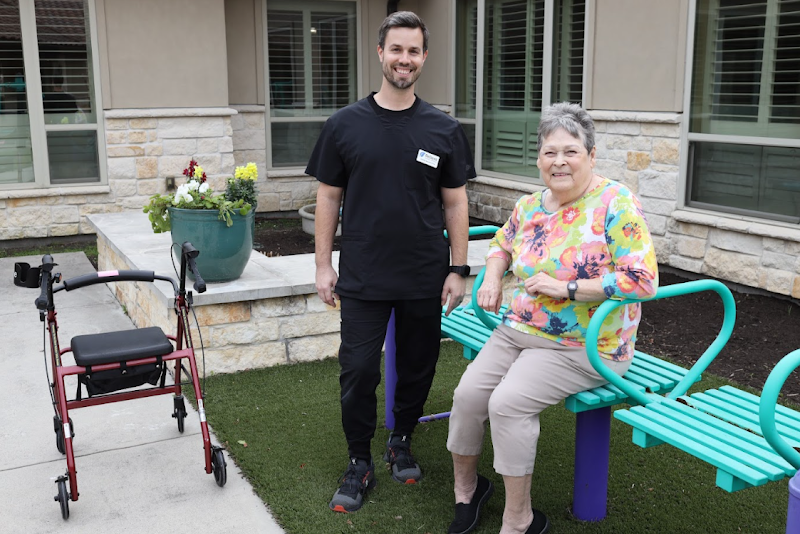
How is Thrive Rehabilitation Of Pearland Staffed?

CMS rates Thrive Rehabilitation of Pearland's staffing level at 3 out of 5 stars, which is average compared to other nursing homes. Staff turnover is 71%, which is 24 percentage points above the Texas average of 46%. High turnover can affect care consistency as new staff learn residents' individual needs.

What Have Inspectors Found at Thrive Rehabilitation Of Pearland?

State health inspectors documented 20 deficiencies at Thrive Rehabilitation of Pearland during 2022 to 2025. These included: 16 with potential for harm and 4 minor or isolated issues.
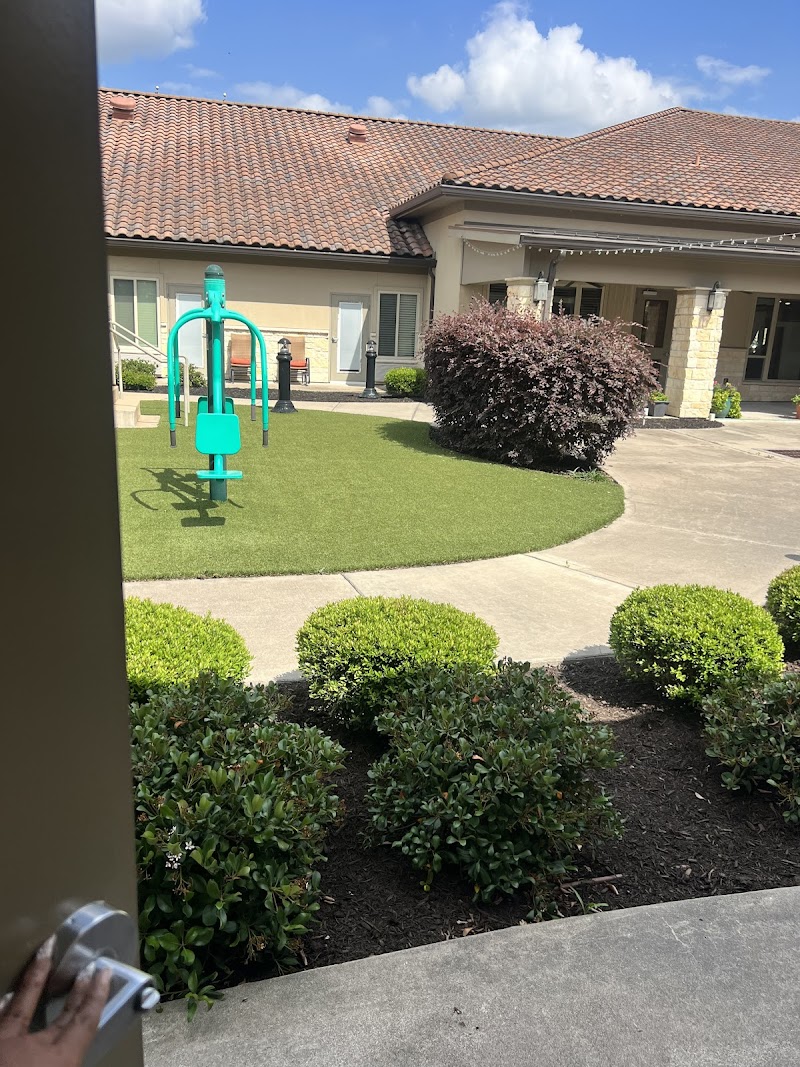
Who Owns and Operates Thrive Rehabilitation Of Pearland?

Thrive Rehabilitation of Pearland is owned by a for-profit company. For-profit facilities operate as businesses with obligations to shareholders or private owners. The facility operates independently rather than as part of a larger chain. With 104 certified beds and approximately 50 residents (about 48% occupancy), it is a mid-sized facility located in Pearland, Texas.

How Does Thrive Rehabilitation Of Pearland Compare to Other Texas Nursing Homes?

Compared to the 100 nursing homes in Texas, Thrive Rehabilitation of Pearland's overall rating (4 stars) is above the state average of 2.8, staff turnover (71%) is significantly higher than the state average of 46%, and health inspection rating (4 stars) is above the national benchmark.

What Should Families Ask When Visiting Thrive Rehabilitation Of Pearland?

Based on this facility's data, families visiting should ask: "How do you ensure continuity of care given staff turnover, and what is your staff retention strategy?" "Can I visit during a mealtime to observe dining assistance and food quality?" "How do you handle medical emergencies, and what is your hospital transfer rate?" "Can I speak with family members of current residents about their experience?" These questions are particularly relevant given the facility's high staff turnover rate.

Is Thrive Rehabilitation Of Pearland Safe?

Based on CMS inspection data, Thrive Rehabilitation of Pearland has a clean safety record: no substantiated abuse findings (meaning no confirmed cases of resident harm), no Immediate Jeopardy citations (the most serious violation level indicating risk of serious injury or death), and is not on the Special Focus Facility watch list (a federal program monitoring the lowest-performing 1% of nursing homes). The facility has a 4-star overall rating and ranks #1 of 100 nursing homes in Texas. While no facility is perfect, families should still ask about staff-to-resident ratios and recent inspection results during their visit.

Do Nurses at Thrive Rehabilitation Of Pearland Stick Around?

Staff turnover at Thrive Rehabilitation of Pearland is high. At 71%, the facility is 24 percentage points above the Texas average of 46%. High turnover means new staff may not know residents' individual needs, medications, or preferences. It can also be disorienting for residents, especially those with dementia who rely on familiar faces. Families should ask: What is causing the turnover? What retention programs are in place? How do you ensure care continuity during staff transitions?

Was Thrive Rehabilitation Of Pearland Ever Fined?

Thrive Rehabilitation of Pearland has been fined $72,106 across 13 penalty actions. This is above the Texas average of $33,800. Fines in this range indicate compliance issues significant enough for CMS to impose meaningful financial consequences. Common causes include delayed correction of deficiencies, repeat violations, or care failures affecting resident safety. Families should ask facility leadership what changes have been made since these penalties.

Is Thrive Rehabilitation Of Pearland on Any Federal Watch List?

Thrive Rehabilitation of Pearland is not on any federal watch list. The most significant is the Special Focus Facility (SFF) program, which identifies the bottom 1% of nursing homes nationally based on persistent, serious quality problems. Not being on this list means the facility has avoided the pattern of deficiencies that triggers enhanced federal oversight. This is a positive indicator, though families should still review the facility's inspection history directly.