

TUSCANY VILLAGE

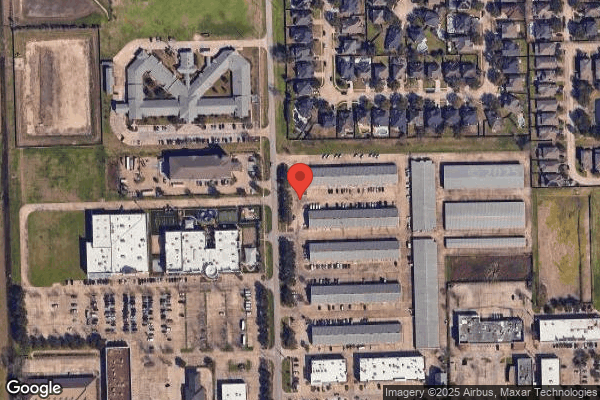
2750 MILLER RANCH RD, PEARLAND, TX 77584 (713) 770-5300
Government - County 132 Beds Independent Data: November 2025 1 Immediate Jeopardy citation
Trust Grade
51/100
#599 of 1168 in TX
Last Inspection: July 2024

Within standard 12-15 month inspection cycle. Federal law requires annual inspections.

Overview

Tuscany Village in Pearland, Texas has a Trust Grade of C, which means it is average compared to other facilities, sitting in the middle of the pack-not great but not terrible. It ranks #599 out of 1,168 in Texas, placing it in the bottom half, and #6 out of 13 in Brazoria County, indicating that only five local options are better. The facility's trend is stable, with consistent issues reported in recent years, reflecting a need for ongoing monitoring rather than improvement. Staffing is relatively strong, with a 4 out of 5 star rating, but the turnover rate is concerning at 68%, significantly higher than the Texas average of 50%. However, the facility has faced serious concerns, including a critical finding where a resident, identified as a high fall risk, sustained a fall and was found on the floor without adequate supervision, which raises serious safety issues. Additionally, the facility failed to maintain proper infection control measures, creating potential risks for residents due to waterborne pathogens. On a positive note, the facility has good RN coverage, exceeding that of 87% of other Texas facilities, which is crucial for catching issues that other staff might miss. Overall, while there are strengths in staffing and RN coverage, the facility has significant weaknesses that families should consider.

Trust Score
C
51/100
In Texas
#599/1168
Bottom 49%
Safety Record
High Risk
Review needed
Inspections
Holding Steady
1 → 1 violations
Staff Stability
⚠ Watch
68% turnover. Above average. Higher turnover means staff may not know residents' routines.
Penalties
⚠ Watch
$14,069 in fines. Higher than 76% of Texas facilities, suggesting repeated compliance issues.
Skilled Nurses
✓ Good
Each resident gets 55 minutes of Registered Nurse (RN) attention daily — more than average for Texas. RNs are trained to catch health problems early.
Violations
○ Average
7 deficiencies on record. Average for a facility this size. Mostly minor or procedural issues.
★★★☆☆
3.0
Overall Rating
★★★★☆
4.0
Staff Levels
★★★★☆
4.0
Care Quality
★★★☆☆
3.0
Inspection Score
Stable
2024: 1 issues
2025: 1 issues

The Good

  • 4-Star Staffing Rating · Above-average nurse staffing levels
  • 4-Star Quality Measures · Strong clinical quality outcomes
  • Full Sprinkler Coverage · Fire safety systems throughout facility
  • No fines on record

Facility shows strength in staffing levels, quality measures, fire safety.

The Bad

3-Star Overall Rating

Near Texas average (2.8)

Meets federal standards, typical of most facilities

Staff Turnover: 68%

21pts above Texas avg (46%)

Frequent staff changes - ask about care continuity

Federal Fines: $14,069

Below median ($33,413)

Minor penalties assessed

Staff turnover is elevated (68%)

20 points above Texas average of 48%

The Ugly 7 deficiencies on record

1 life-threatening
Jan 2025 1 deficiency 1 IJ
CRITICAL (J) 📢 Someone Reported This

A family member, employee, or ombudsman was alarmed enough to file a formal complaint

Immediate Jeopardy (IJ) - the most serious Medicare violation

Accident Prevention (Tag F0689)

Someone could have died · This affected 1 resident

**NOTE- TERMS IN BRACKETS HAVE BEEN EDITED TO PROTECT CONFIDENTIALITY** Based on observation, interview, and record review the facility failed to ensure that residents receive treatment and care in ac...

Read full inspector narrative →
**NOTE- TERMS IN BRACKETS HAVE BEEN EDITED TO PROTECT CONFIDENTIALITY** Based on observation, interview, and record review the facility failed to ensure that residents receive treatment and care in accordance with professional standards of practice for 1 of 4 residents. The facility failed to provide adequate supervision when CR#1, who was identified as a high fall risk, sustained a fall, and was discovered on the floor, nude, with a head injury, and in rigor mortis. This failure could place residents at risk of residents at risk for serious injury, serious harm, serious impairment or death (unwitnessed falls going unnoticed for extended time which could result in serious injuries, serious harm, and/or death). An Immediate Jeopardy (IJ) was identified on [DATE]. The IJ template was provided to the facility on [DATE] at 5:00pm. While the IJ was removed on [DATE] at 4:36 pm, the facility remained out of compliance scoped at isolated with no actual harm and potential for more than minimal harm due to the facility's need to complete in-service training and evaluate the effectiveness. Findings include: Record review of CR#1 face sheet dated [DATE] reflected that he was a [AGE] year-old male that was originally admitted on [DATE]. He had the diagnoses of Sepsis, muscle weakness, hyperlipidemia, pleural effusion, and acute respiratory failure with Hypoxia. Record review of CR #1's care plan dated [DATE] reflected that CR#1 is a high fall risk and that his call light should be kept in reach and that his needs should be responded to in a prompt manner. In an interview with CNA-A on [DATE] at 12:29pm she stated that on [DATE] at around 7pm following a report from the outgoing CNA, she checked on CR#1 and he was in the bed safely and his gown was on and his call light was in reach. She started to provide care for other residents and at 8:00pm she told RN-A that she was starting showers and she needed her to monitor the call lights and to help any of the residents that might need help. CNA-A said that after she was preparing to shower CR#1 when she noticed that his door was closed. She said that she went in his room and CR#1 was laying on the floor in a prone position She said that he was unresponsive and that she immediately called for help. She said that it was approximately 10:45pm when she discovered CR#1 on the floor. She said that help arrived and that when they turned CR#1 over his body was cold and stiff. In an interview with the Administrator on [DATE] at 1:15pm she said that it's her facility policy that residents are rounded on at least once every 8 hours. She said that the DON of nursing could give more information about rounding because that is her area that she supervises. In an interview with the DON on [DATE] at 1:18pm, DON stated it is the goal and expectation that every resident is rounded every two hours. She said that rounding every two hours helps ensure that residents needs are being met, risk of falls are reduced, and that incontinent care is being provided. In an interview with RN-A on [DATE] at 1:30pm RN-A stated she was called to the resident's room by the CNA-A around 10:45 on [DATE]. On getting there, the resident was found lying face down on the floor non-responsive, with his head slightly turned to the left with his raised hand obstructing part of face. The resident was found nude with a brief around his ankles. There was a small amount of blood on his head, and on his fingers, and several small drops of blood on the floor. We called for help, crash cart was brought in and the patient was put on the back board to initiate CPR, noting no rise and fall of chest. Manager on duty called 911. Laying supine on the back board, the patient's head was unable to touch the floor, and a bit stiff, and appears a postmortem rigidity have set in. On arrival, EMS did not initiate CPR, noticing the DNR wrist band from the hospital and the patient already in the rigor mortis stage. The PPD officer provided the Manager on duty with the case number 25000441 and the time of death as 11:02. In an interview with LVN-A on [DATE] at 1:50pm LVN-A said that she received a call to come to room [ROOM NUMBER] right away to assist staff. She said that when she arrived at room [ROOM NUMBER], she saw patient laying on the floor. She said that she yelled to RN-A and asked if the patient was a full code. She said that she then ran down the hall to call EMS. She said that when she returned to room [ROOM NUMBER], she saw that RN-A and CNA-A had turned the patient on his back. She said she noticed that there wasn't any rise or fall of the patient's chest and that it appeared that postmortem rigidity had set in. She said that the patient's neck was stiff and unable to touch the floor while he was laying supine. She said that EMS arrived and did not initiate CPR because rigor mortis and there was a DNR wristband on the patient's wrist. In an interview with the facilities Medical Director on [DATE] at 12:02pm he said that he did receive a message that CR#1 had passed away on [DATE]. He said that he had not had a chance to assess CR#1 before he passed away. He said in his 12yrs as being a Doctor in America that it takes several hours for rigor mortis to set in a human body. Record review of EMS report dated [DATE] reflected that EMS arrived at the facility and CR#1 was found on the floor and not breathing. His skin was cyanotic, mottled, cold lividity and swelling and bleeding was seen on the head and face of CR#1. EMS staff also noted that CR#1 had rigor mortis to hands, and back. EMS confirmed that CR#1 was DOS at 11:02pm and the scene was turned over to Pearland PD. Record review of the facility's routine resident checks policy dated 07/2023 reflected that: 1. To ensure the safety and well-being of our residents, nursing staff shall make a routine resident check on each unit at least once per each 8-hour shift. 2. Routine resident checks involve entering the resident's room and/or identifying the resident elsewhere on the unit to determine if the resident's needs are being met, identify any change in the resident's condition, identify whether the resident has any concerns, and see if the resident is sleeping, needs toileting assistance, etc. 3. The person conducting the routine check shall report to the Nurse Supervisor/Charge Nurse any changes in the resident's condition and medical needs. 4. The Nursing Supervisor/Charge Nurse keep documentation related to these routine checks, including the time, identity of the person making checks, and any concerns of each check. (Note :CNAs may also record this information and provide it to the Nurse Supervisor/Charge Nurse.) An Immediate Jeopardy (IJ) was identified on [DATE]. The IJ template was provided to the facility on [DATE] at 5:00pm. While the IJ was removed on [DATE] at 4:36 pm, the facility remained out of compliance scoped at isolated with no actual harm and potential for more than minimal harm due to the facility's need to complete in-service training and evaluate the effectiveness. The Plan of Removal was accepted on [DATE]. Plan of Removal Immediate Action: Identified Failures by State: F689: Free of Accident Hazards/Supervision/Devices Immediate Action Taken: 1. All nursing personnel Including RN, LVN, CNA, CMA have been retrained on how to: o Access and view individual patient records. o Perform assigned safety tasks based on each resident's individualized care plan. o Properly document the completion of these tasks. Record review and interview conducted on [DATE] of in-service document dated [DATE] did reveal that facility staff had been in serviced on o Access and view individual patient records. o Perform assigned safety tasks based on each resident's individualized care plan. o Properly document the completion of these tasks. 2. This training was provided by the Director of Nursing and her designee through in-service sessions, completed on [DATE]. This was confirmed by conducting interviews with facility staff on [DATE]. 3. The resident rounding policy was reviewed and updated by the Medical Director, Director of Nursing, and Administrator on [DATE]. It now includes the creation of an individualized safety plan for each resident based on their specific needs. Interventions may include, but are not limited to: o Frequent safety checks. o Use of low beds and fall mats. o Scheduled toileting. o Participation in activities. o Contacting families to provide resources for sitter services. o Use of non-slip socks. o Discharge to home with a one-on-one care arrangement. This information was confirmed by conducting interviews of RN, LVN, CMA, and CNA on [DATE]. The staff told me that their administration had in serviced them on improved safety plan for residents. Also record review was conducted of in-service training sheets dated [DATE]. 4. These interventions will be determined by the nurse conducting the assessment. All staff have been trained on these updates before providing care, with training completed as of [DATE]. Medical Director Notification: The Medical Director was notified of the Immediate Jeopardy (IJ) by the Administrator on [DATE]. ________________________________________ Facility's Plan to Ensure Compliance: 1. A Performance Improvement Plan (PIP) has been implemented, requiring each charge nurse to conduct a daily chart review. This review ensures that nurse aides are completing individualized safety checks for residents in a timely manner. The chart review will cover 25% of the assigned caseload. Record review on [DATE] of the PIP reflected that it was implemented and signed by facility staff on [DATE] at 12:30pm. 2. The findings from these chart reviews will be documented on a PIP assignment sheet and submitted to the Director of Nursing. 3. All staff received training on this new protocol on [DATE], led by the Director of Nursing and the Administrator. This training was completed on [DATE]. Record review on [DATE] reflected that this training did occur on [DATE]. 4. The Director of Nursing, or her equivalent, will review the logs weekly to ensure compliance with safety audits and the fulfillment of each resident's safety measures. Record review on [DATE] reflected that this training/in-service did occur on [DATE]. 5. The findings of these weekly reviews will be reported during the monthly QAPI (Quality Assurance and Performance Improvement) meetings. If necessary, the QAPI team will initiate changes and retrain staff accordingly. Record review was conducted on [DATE] and it reflected that a QAPI team was in serviced on [DATE]. ________________________________________ 1:45pm-Interview with LVN-B on [DATE] LVN-B was able to tell me that she had been in serviced on fall risks, documentation of falls, fall prevention, frequent rounding, and assessments of residents. 1:53pm-Interview with CNA-B on [DATE] CNA_B said that she had been recently in serviced that staff need to frequent rounds more, meaning every two hours or as needed depending on the resident. She was able to tell me that if a resident is a fall risk, then the resident's bed should be in lowest position and falls mats may be placed next to the resident's bed. 2:00pm-Interview with CNA-C on [DATE] CNA-C told me that he had been in serviced on rounding more frequently at least every two hours or [NAME] depending on the resident. He also was able to tell me that if a resident is a fall risk their bed should be in lowest position and fall mats may also be placed next to their bed. 2:05pm-Interview with CNA-D she told me that her in-service was about rounding frequently and more depending on the residents. And that if a resident has a fall, they should not move the resident until they have been assessed. 2:22pm-Interview with LVN- C on [DATE] LVN-C said that she had been in serviced on frequent rounding, charting fall prevention, and assessment. 2:35pm-Interview with CNA-E on [DATE] CNA-E told me that her in service was about frequent rounding and at least every two hours or [NAME] depending on the condition of the resident. She was also able to tell me that a resident should not be moved until and assessment has been performed. 2:40pm-Interview with CMA-A on [DATE] CMA-A said that when she is passing out meds, she makes sure to watch to see if any residents or in distress. She said that her in-service was about frequent rounding. She also said that if a resident is on the floor, then that resident should not be moved before being assessed. 2:45pm Observations were conducted on [DATE] throughout the facility. Staff were attending to resident's needs; call lights were being answered and services were being provide to residents. 2:56pm-Interview with LVN-D on [DATE] LVN-D said she was in serviced on frequent rounding, fall risk prevent, assessments, and charting of residents falls. 3:35pm-Interview with CNA-F on [DATE] CNA-F said she was able to tell me that her in service was on rounding at least every two hours or [NAME] depending on the resident's condition and a resident should not be moved until they have been assessed. 3:50pm-Phone interview with LVN- A on [DATE] LVN-A told me that she had been in serviced via telephone. She was able to tell me about rounding and her responsibility as a nurse regarding charting. An Immediate Jeopardy (IJ) was identified on [DATE]. The IJ template was provided to the facility on [DATE] at 5:00pm. While the IJ was removed on [DATE] at 4:36 pm, the facility remained out of compliance scoped at isolated with no actual harm and potential for more than minimal harm due to the facility's need to complete in-service training and evaluate the effectiveness.
Jul 2024 1 deficiency
CONCERN (E)

Potential for Harm - no one hurt, but risky conditions existed

Food Safety (Tag F0812)

Could have caused harm · This affected multiple residents

Based on observations, interviews, and record review, the facility failed to store, prepare, distribute, and serve food in accordance with professional standards for food service safety for 1 of 1 kit...

Read full inspector narrative →
Based on observations, interviews, and record review, the facility failed to store, prepare, distribute, and serve food in accordance with professional standards for food service safety for 1 of 1 kitchen in that: -Three dented cans were stored with other cans used for resident meals in the dry storage room. -Two storage bins of dry bulk items had scoops stored inside the bins. These deficient practices could place 99 residents who received meals from the kitchen at risk for food borne illness. Findings included: Observation on 7/23/24 at 8:47 am of the dry storage room revealed the following: -One 50 oz can of vegetable soup with a large dent at the top of the seam -One 50 oz can of chicken noodle soup with a small dent at the top of the seam -One 50 oz can of chicken noodle soup with a large dent at the top of the seam -One storage bin labeled flour with a plastic scoop and Styrofoam cup inside the bin. -One storage bin labeled biscuit mix with a plastic scoop inside the bin. Interview on 7/24/24 at 2:38 pm the Food Service Manager said [NAME] A had dropped a package of cans on Monday 7/22/24 when they received the groceries. [NAME] A was responsible for checking the cans for dents and staff were supposed to go behind her to double check for dented cans. She said the risk to the residents was food poisoning. The Food Service Manager said the kitchen staff knew not to store scoops and measuring cups inside the bins for dry bulk foods. She said one of the cooks forgot to take the scoop out of the flour and biscuit mix. The Food Service Manager said the measuring cups and scoops should be stored separately in a Ziploc bag to avoid cross-contamination. She said the night kitchen staff should have been checking the containers. She said the risk to residents from cross-contamination could also lead to food born illness and residents could get sick from cross-contamination. Interview on 7/24/24 at 2:53 pm, [NAME] A said she had worked at the facility for 8 years. [NAME] A said she checked for dented cans on Monday's and Wednesday's when the deliveries arrived. She said a dented can should be placed in the dry panty in its own designated area for dented cans. [NAME] A said she had dropped a package of cans on Monday, 7/22/24. She said a few cans came out of the package and she did not realize some of the cans got dented. She said the other cooks normally went behind her to double check for dented cans. She said the risk to the resident could be food poisoning. [NAME] A said scoops were not supposed to be left in the dry bulk food bins. She said if a scoop was left in the bin, the dry bulk food would need to be thrown away. She said the residents could get sick from leaving the scoop in the dry bulk food bins due to cross-contamination. Interview on 7/24/24 at 2:57 pm, [NAME] B said she had worked at the facility for 3 years. She said dented cans were supposed to be placed in pantry in the designated area for dented cans and she would inform the Food Service Manager. She said the Food Service Manager would tell them to either throw away the dented cans or return them to the vendor to receive credit. She said residents could get sick from botulism if dented cans were used. She said measuring cups and spoons were not supposed to be stored in the dry bulk food bins. She said scoops used in food bins should be stored separately in a Ziploc bag. She said the dry bulk foods could get contaminated if scoops were left inside the bins and make residents sick. Interview on 7/24/24 at 3:03 pm, Dietary Aide A said she had worked at the facility for 2 years. She said if she found a dented can, she was supposed to inform the Food Service Manager and the Food Service Manager would tell them to either throw away or return it to the vendor to receive credit. She said the risk to residents was food poisoning. Dietary Aide A said scoops were not supposed to be stored in the dry bulk food bins. She said this could cross-contaminate the food and the resident could get sick. Record review of the facility's policy titled: Dented Cans-Food Storage, not dated read in part . if any dented cans are identified whether at the time of delivery or on a shelf, must be moved to the Dented Can area when identified. These cans are then returned to vendor or thrown away . Record review of the facility's Food Storage policy not dated read in part . food storage areas shall be maintained in a clean, safe, and sanitary manner .
Jun 2023 2 deficiencies
CONCERN (D)

Potential for Harm - no one hurt, but risky conditions existed

Unnecessary Medications (Tag F0759)

Could have caused harm · This affected 1 resident

**NOTE- TERMS IN BRACKETS HAVE BEEN EDITED TO PROTECT CONFIDENTIALITY** Based on observation, interview, and record review the facility failed to ensure that the medication error rate was not five per...

Read full inspector narrative →
**NOTE- TERMS IN BRACKETS HAVE BEEN EDITED TO PROTECT CONFIDENTIALITY** Based on observation, interview, and record review the facility failed to ensure that the medication error rate was not five percent or greater. The facility had a medication error rate of 5%, based on 2 errors out of 37 opportunities, which involved two of three residents (Resident #203 and Resident #205) and two of three staff (RN A and MA A) observed during medication administration, in that: -RN A failed to administer Amantadine (antiviral that can also be used to treat Parkinson's) to Resident #203 during the medication administration pass. -MA A failed to administer Folic Acid (Vitamin used to treat anemia) to Resident #205 during the medication administration pass because it was unavailable. These failures placed residents at risk of inadequate therapeutic outcomes, increased negative side effects, and a decline in health. Findings Include: Resident #203 Record review of Resident #203's admission Record on 6/1/23 at 12:22 p.m., revealed he was a [AGE] year-old male, residing on hall 100 and admitted to the facility on [DATE] with the following diagnoses: epilepsy (neurological disorder marked by sudden recurrent episodes of sensory disturbances, loss of consciousness, or convulsions, associated with abnormal electrical activity in the brain), encephalopathy (disease in which the functioning of the brain is affected by some agent or condition), dementia (a condition characterized by progressive or persistent loss of intellectual functioning, especially impairment of memory and abstract thinking and often with personality changes), and Gastrostomy status (an opening into the stomach from the abdominal wall, made surgically). Record review on 6/1/23 at 9:06 a.m., Resident #203's Physician Order Summary Report dated 6/1/23 revealed an active order for: Amantadine HCI oral Solution 50 MG/ML Give 10 ml via G-Tube two times a day related .Communication Method .Prescriber Written . Order Status . Active .Order Date .05/29/2023 .Start Date .05/30/2023. Record review of Resident #203's Medication Administration Record (MAR) for 6/1/2023-6/30/2023 revealed the Amantadine HCI oral solution 50mg/5ML Give 10 ML via G-Tube two times a day was scheduled for 08:00 a.m. and 4:00 p.m. Observation of medication pass on 6/1/23 at 8:23 a.m., RN A administered the following medications to Resident #203 via G-Tube: ASA 81 mg 1 chewable Ezetimibe 10 MG 1 tab Folic Acid 1 MG 1 tab Furosemide 40 MG 1 tab Lacosamide 200 MG 1 tab Levetiracetam 100MG/ML oral solution 15 cc/ml BID Valproic Acid solution 250 mg/5ml 10cc/ml BID Vitamin B-1 100 mg 1 tab- manufacturer's dosage 1 tab Lactulose 10GM/15ml -30 cc/ml Vitamin B-6 50 MG- 1 tab Metoprolol 25 mg give 0.5 tab =12.5mg HOLD for SBP<110 OR HR <60. HELD per parameters. In an interview with RN A on 6/1/23 at 9:52 a.m., she approached surveyor on a different hall (200), in the hallway, during a different medication administration pass, and said that she had forgotten to give Resident #203 his Amantadine oral solution 50 MG/ML during the medication administration pass observation earlier. She asked surveyor to come and observe her give the medication at this time. Surveyor advised RN A that they were in the middle of conducting a different medication administration and would not be able to observe the missed medication at that time. RN A left the hallway and said she going to give Resident #203 his missed medication. Record review of Resident #203's Medication Administration Record (MAR) for 6/1/2023-6/3/2023 revealed the Amantadine HCI oral solution 50mg/5ML Give 10 ML via G-Tube two times a day was scheduled for 08:00 am and 4:00 pm and that the 08:00 am dose was initialed and signed as being administered by RN A. Resident #205 Record review of Resident #205's admission Record revealed she was a [AGE] year-old female who admitted to the facility on [DATE] and readmitted to the facility on [DATE] with the following diagnoses: sepsis (a serious condition resulting in the presence of microorganisms in the blood or other tissues and the body's response to their presence, potentially leading to the malfunctioning of various organs, shock and death), depression (an illness characterized by persistent sadness and loss of interest in activities that a person may normally enjoy, accompanied by an inability to carry out daily activities), chronic obstructive pulmonary disease (condition involving constriction of the airways and difficulty or discomfort in breathing), hypertension(elevated blood pressure), and atrial fibrillation (an irregular, often rapid heart rate that commonly causes poor blood flow). Record review on 6/1/23 at 10:23 a.m., Resident #205's Physician Order Summary Report dated 6/1/23 revealed an active order for: Folic Acid Oral Tablet (Folic Acid) Give 0.4 mg by mouth one time a day .Communication Method .Prescriber Written .Order Status .Active .Order Date .05/11/2023 .Start Date .05/12/2023. Record review of Resident #205's Medication Administration Record (MAR) for 6/1/2023-6/30/2023 revealed the Folic Acid Oral Tablet Give 0.4 mg by mouth one time a day which was scheduled for 09:00 am. Observation during medication pass on 6/1/23 at 10:23 a.m., MA A completed medication Administration on Resident #205 that included the following medications: Tylenol 500 MG 2 tab -Resident refused- Charge Nurse notified Prednisone 10MG 1 tab PO ASA 81 MG Chewable PO 1 tab Brilinta/ticagrelor 90MG 1 tab Leflunomide 20 MG 1 tab Xeljanz XR 11 MG 1 tab Furosemide 40 mg 1 tab Gabapentin 300 mg 1 tab Isosorbide Mono 30 MG ER 1 tab, HOLD if SBP<110 Montelukast 10 MG 1 tab Potassium Chloride micro-ER 20 MG 1 tab Allopurinol 100 MG 1 Tab Carvedilol 3.125 MG 1 tab, HOLD if SBP less than 110 or HR <60 *37. Folic Acid 0.4mg 1 tab Omitted. In an interview and observation with MA A on 06/01/2023 at 10:23 a.m., Surveyor observed MA A pull an OTC bottle of Folic Acid out of the top drawer of the medication cart. She looked at the back of the bottle and then at her computer screen and returned the bottle of OTC Folic Acid to the top drawer and proceeded to Resident #205's bedside for the completion of the medication administration pass. After she had completed the pass, surveyor asked about the Folic Acid and MA A said she needed to check on it. MA A never returned to explain to surveyor what happened with Resident #205's Folic Acid 0.4 mg. Record review of Resident #205's MAR dated 6/1/2023-6/30/2023, during medication reconciliation, it was revealed that MA A documented the number (9) and initialed in the 09:00 am space allocated for the administration of Folic Acid Oral Tablet (Folic Acid) Give 0.4 mg by mouth one time a day. Further record review at that time, of chart codes revealed the following: 9=Other/See Progress Notes. Record review of Resident #205's progress notes by MA A read as follows: Folic Acid Oral Tablet Give 0.4 mg by mouth one time a day .not available, nurse notified. Record review of the facility's policy titled; Administering Medications dated revised December 2012 revealed the following: .3. Medications must be administered in accordance with the orders, including any required time frame. .4. Medications must be administered within one (1) hour of their prescribed time .
CONCERN (F)

Potential for Harm - no one hurt, but risky conditions existed

Infection Control (Tag F0880)

Could have caused harm · This affected most or all residents

Based on interview and record review, the facility did not maintain an infection prevention program designed to provide a safe, sanitary, and comfortable environment to help prevent the development an...

Read full inspector narrative →
Based on interview and record review, the facility did not maintain an infection prevention program designed to provide a safe, sanitary, and comfortable environment to help prevent the development and transmission of communicable diseases and infections for the facility. -The facility failed to have measures to prevent the possible growth of Legionella bacteria (a bacteria which can cause a serious type of pneumonia (lung infection) called Legionnaires' disease) and other opportunistic waterborne pathogens in the building water system. This deficient practice could place residents at risk of infection from waterborne pathogens. Findings include: Interview on 6/1/2023 at 12:41 PM with the DON, she said she was the facility's IP. The DON said the facility reviewed the IPCP monthly during the QAPI meeting, and quarterly during the QA meeting. She said the Medical Director comes to the quarterly meetings and reviews the IPCP during those meeting. The DON said she was unsure if the facility had a water management program. Interview on 6/2/2023 at 11:47 AM with the Admin, he said he had been provided documentation related to water observation plan implementation approximately nine months earlier. The Admin said he was unsure if the City monitored their water for Legionella bacterium or other waterborne illnesses. He said he planned to implement a water observation plan for the facility, but it was not done. Record review of the facility's Legionella Water Management Program policy dated July 2017 read in part .facility is committed to the prevention, detection and control of water-borne contaminants . The policy further read in part .our facility has a water management program . The policy revealed the water management program would include an IDT, a description and diagram of the water system, identification of areas which could encourage growth and spread of waterborne bacteria, identification of situations which could lead to waterborne pathogen growth, specific measures to control the introduction and/or spread of waterborne pathogens, a system to monitor control limits and the effectiveness of the control measures, and a plan relating to if the control limits were not met. The policy documented the water management program would be reviewed at least annually and when the control limits were not consistently met, a major maintenance or water system change occurred, any disease associated with the water system was discovered, and/or if any changes to laws, regulations, standards, or guidelines occurred.
Apr 2022 3 deficiencies
CONCERN (D)

Potential for Harm - no one hurt, but risky conditions existed

Garbage Disposal (Tag F0814)

Could have caused harm · This affected 1 resident

Based on observation, interview and record review, the facility must dispose of garbage and refuse properly for 1 of 1 dumpster reviewed for garbage disposal. -The facility failed to ensure the dumpst...

Read full inspector narrative →
Based on observation, interview and record review, the facility must dispose of garbage and refuse properly for 1 of 1 dumpster reviewed for garbage disposal. -The facility failed to ensure the dumpster lids and doors were secured. This failure could place residents at risk of infection from improperly disposed garbage. Findings include: Observation on 4-13-22 at 9:00 am, with the Food Service Director revealed the facility's dumpster area, which was in the lot behind the dietary department had a commercial -size dumpster ½ full of garbage and the lids and doors were open. Interview on 4-13-22 at 9:45 am, with the Food Service Director she stated that the dumpster lids always must be closed to keep vermin, pests and insects out of the dumpster and from entering the facility. Record review of facility policy and procedure on Trash Dumpster not dated, revealed: Facility staff who access the dumpster will assure the enclosure doors and dumpster doors are always closed.
CONCERN (E)

Potential for Harm - no one hurt, but risky conditions existed

MDS Data Transmission (Tag F0640)

Could have caused harm · This affected multiple residents

**NOTE- TERMS IN BRACKETS HAVE BEEN EDITED TO PROTECT CONFIDENTIALITY** Based on interview and record review, the facility failed to transmit a resident assessment within the required time frame for 3...

Read full inspector narrative →
**NOTE- TERMS IN BRACKETS HAVE BEEN EDITED TO PROTECT CONFIDENTIALITY** Based on interview and record review, the facility failed to transmit a resident assessment within the required time frame for 3 of 5 (CR #'s 3, 4 and 7) discharged residents) reviewed for data encoding and transmission in that: - The Facility failed to complete and transmit a discharge MDS for CR #3 - The Facility failed to complete and transmit a discharge MDS for CR #4 - The Facility failed to complete and transmit a discharge MDS for CR #7 This failure could place discharged residents at risk of not having their assessments transmitted timely. Findings included: CR #3 Record review of CR#3's face sheet dated [DATE] revealed: a [AGE] year-old female admitted to the facility on [DATE] with diagnoses which included carcinogenic shock, muscle weakness, hypertension and acute kidney failure. The resident discharged on [DATE]. Record review of CR #3's admission MDS dated [DATE] revealed: she had intact cognition as indicated by a BIMS score of 15 out of 15, needed extensive assistance with most ADLs (Activities of Daily Living), she was always incontinent of bowel and bladder incontinent of bowel, she received occupational therapy and physical therapy. Record review of CR #3's EMR (Electronic Medical Record) on [DATE] revealed: she had no discharge MDS on record. CR #4 Record review of CR#4's face sheet dated [DATE] revealed: a [AGE] year-old female admitted to the facility on [DATE] with diagnoses which included pulmonary hypertension, Type 2 Diabetes, Anemia and Dementia. The resident discharged on [DATE]. Record review of CR #4's admission MDS dated [DATE] revealed: she had intact cognition as indicated by a BIMS score of 15 out of 15, limited assistance with most ADLs (Activities of Daily Living), she was always continent of bowel and occasionally incontinent of bladder, she received speech, occupational therapy and physical therapy. Record review of CR #4's EMR (Electronic Medical Record) on [DATE] revealed: she had no discharge MDS on record. CR#7 Record review of CR#7's face sheet dated [DATE] revealed: a [AGE] year-old female admitted to the facility on [DATE] with diagnoses which included fracture of left femur, anxiety disorder, hypertension and history of falling. The resident discharged on [DATE]. Record review of CR #7's admission MDS dated [DATE] revealed: she had intact cognition as indicated by a BIMS score of 13 out of 15, limited to extensive assistance with most ADLs (Activities of Daily Living), she was always continent of bowel and frequently incontinent of bladder, she received occupational therapy and physical therapy. Record review of CR #7's EMR (Electronic Medical Record) on [DATE] revealed: she had no discharge MDS on record. An interview on [DATE] at 11:22 am with the MDS Coordinator (Minimum Data Set Assessment) he said that CR #3, 4 and 7's Discharge MDS was not completed. He said that the MDS is a quality of measures and monitoring tool guide and is very important to use for measuring quality of care. He said the Discharge MDS should have been completed on the date of the resident's discharge. Record review of facility provided CMS's RAI Version 3.0 Manual, Chapter 5: Submission and Correction of The MDS Assessment revised 11/2019 revealed:5.1 Transmitting MDS data- All Medicare and/or Medicaid-certified nursing facilities or agents of those facilities must transmit required MDS data records to CMS. 5.2 Timeliness Criteria- completion timing . For all other comprehensive MDS assessments, Annual assessment updates . The completion may be no later than 14 days from the ARD. Upon a resident's entry, discharge to community, discharge to another facility or discharge deceased , a subset of items but be completed within 7 days of the Event Date.
CONCERN (F)

Potential for Harm - no one hurt, but risky conditions existed

Food Safety (Tag F0812)

Could have caused harm · This affected most or all residents

Based on observation, interview, and record review, the facility failed to store, prepare, distribute, and serve food in accordance with professional standards for food service safety in 1 of 1 kitche...

Read full inspector narrative →
Based on observation, interview, and record review, the facility failed to store, prepare, distribute, and serve food in accordance with professional standards for food service safety in 1 of 1 kitchen reviewed for food procurement in that: The facility failed to maintain proper holding temperature for the following food A pan of Pureed Meat Enchiladas had a temperature of 68 degrees Fahrenheit A pan of Pureed Mixed Vegetables had a temperature of 70 degrees Fahrenheit. This failure could place residents at risk of foodborne illness and disease. Findings included: Observation of the facility's kitchen on 4/13/22 between 9:00 am and 9:45 am with the FSD and observed [NAME] A took food temperature revealed the following: On the steamtable: A pan of Pureed Meat Enchiladas had a temperature of 68 degrees Fahrenheit A pan of Pureed Mixed Vegetables had a temperature of 70 degrees Fahrenheit. Interview with the Food Service Director on 4/13/22 at 9:00 AM revealed potentially/hazardous /time control for safety, cold food should be held at 41 degrees Fahrenheit or lower and hot food should be held at 135 degrees Fahrenheit or higher. She stated she was responsible for training staff on proper storage /temperature for potentially hazardous /time control for safety to prevent residents at risk of foodborne illness and disease. Interview with [NAME] A on 4/13/22 at 9:05 a.m. revealed she pureed the Meat Enchiladas and Mixed vegetables at 8:15 a.m. and put it in the steamtable for lunch service at 11:30 a.m. FSD instructed [NAME] A to discard the food. Record review of facility's Food and Nutrition Services Policy and Procedure Manual dated revision date 07/2014, read in part, .The longer foods remain in the danger zone the greater the risk for growth of harmful pathogens. Therefore, PHF must be maintained below 41 degrees Fahrenheit or above 135 degrees Fahrenheit Record review of 228 Texas Food Establishment Rules updated 2017 Food Establishment is deemed to comply with 2-102-12 read in part .All Time/temperature control for safety food that is cooked to the temperature and time required for the specific food under sub part 3-401 and cooled as specified under 3-501.14. Time/temperature control for safety food means a food that requires time/temperature for safety (TCS) to limit pathogenic microorganism growth or toxin formation. (G) Employees are properly cooking Time/Temperature control for safety food being particularly careful in cooking these foods known to cause severe foodborne illness and death, such as eggs and comminuted meats. I) Employees are properly maintaining the temperatures of Time/Temperature Control for safety foods during hot and cold holding through daily oversight of the employees routine monitoring of food temperature.
Understanding Severity Codes (click to expand)
Life-Threatening (Immediate Jeopardy)
J - Isolated K - Pattern L - Widespread
Actual Harm
G - Isolated H - Pattern I - Widespread
Potential for Harm
D - Isolated E - Pattern F - Widespread
No Harm (Minor)
A - Isolated B - Pattern C - Widespread

Questions to Ask on Your Visit

  • "What changes have you made since the serious inspection findings?"
  • "Why is there high staff turnover? How do you retain staff?"
  • "Can I speak with families of current residents?"
  • "What's your RN coverage like on weekends and overnight?"

Our Honest Assessment

Strengths
  • • Licensed and certified facility. Meets minimum state requirements.
Concerns
  • • Multiple safety concerns identified: 1 life-threatening violation(s). Review inspection reports carefully.
  • • 7 deficiencies on record, including 1 critical (life-threatening) violation. These warrant careful review before choosing this facility.
  • • $14,069 in fines. Above average for Texas. Some compliance problems on record.
  • • Grade C (51/100). Below average facility with significant concerns.
Bottom line: Mixed indicators with Trust Score of 51/100. Visit in person and ask pointed questions.

About This Facility

What is Tuscany Village's CMS Rating?

CMS assigns TUSCANY VILLAGE an overall rating of 3 out of 5 stars, which is considered average nationally. Within Texas, this rating places the facility higher than 99% of the state's 100 nursing homes. This mid-range rating indicates the facility meets federal standards but may have areas for improvement.

How is Tuscany Village Staffed?

CMS rates TUSCANY VILLAGE's staffing level at 4 out of 5 stars, which is above average compared to other nursing homes. Staff turnover is 68%, which is 21 percentage points above the Texas average of 46%. High turnover can affect care consistency as new staff learn residents' individual needs. RN turnover specifically is 62%, which is notably high. RNs provide skilled clinical oversight, so turnover in this role can affect medical care quality.

What Have Inspectors Found at Tuscany Village?

State health inspectors documented 7 deficiencies at TUSCANY VILLAGE during 2022 to 2025. These included: 1 Immediate Jeopardy (the most serious level, indicating potential for serious harm or death) and 6 with potential for harm. Immediate Jeopardy findings are rare and represent the most serious regulatory concerns. They require immediate corrective action.

Who Owns and Operates Tuscany Village?

TUSCANY VILLAGE is owned by a government entity. Government-operated facilities are typically run by state, county, or municipal agencies. The facility operates independently rather than as part of a larger chain. With 132 certified beds and approximately 108 residents (about 82% occupancy), it is a mid-sized facility located in PEARLAND, Texas.

How Does Tuscany Village Compare to Other Texas Nursing Homes?

Compared to the 100 nursing homes in Texas, TUSCANY VILLAGE's overall rating (3 stars) is above the state average of 2.8, staff turnover (68%) is significantly higher than the state average of 46%, and health inspection rating (3 stars) is at the national benchmark.

What Should Families Ask When Visiting Tuscany Village?

Based on this facility's data, families visiting should ask: "What changes have been made since the serious inspection findings, and how are you preventing similar issues?" "How do you ensure continuity of care given staff turnover, and what is your staff retention strategy?" "Can I visit during a mealtime to observe dining assistance and food quality?" "How do you handle medical emergencies, and what is your hospital transfer rate?" These questions are particularly relevant given the facility's Immediate Jeopardy citations and the facility's high staff turnover rate.

Is Tuscany Village Safe?

Based on CMS inspection data, TUSCANY VILLAGE has documented safety concerns. Inspectors have issued 1 Immediate Jeopardy citation (the most serious violation level indicating risk of serious injury or death). The facility has a 3-star overall rating and ranks #1 of 100 nursing homes in Texas. Families considering this facility should ask detailed questions about what corrective actions have been taken since these incidents.

Do Nurses at Tuscany Village Stick Around?

Staff turnover at TUSCANY VILLAGE is high. At 68%, the facility is 21 percentage points above the Texas average of 46%. Registered Nurse turnover is particularly concerning at 62%. RNs handle complex medical decisions and coordinate care — frequent RN changes can directly impact care quality. High turnover means new staff may not know residents' individual needs, medications, or preferences. It can also be disorienting for residents, especially those with dementia who rely on familiar faces. Families should ask: What is causing the turnover? What retention programs are in place? How do you ensure care continuity during staff transitions?

Was Tuscany Village Ever Fined?

TUSCANY VILLAGE has been fined $14,069 across 1 penalty action. This is below the Texas average of $33,220. While any fine indicates a compliance issue, fines under $50,000 are relatively common and typically reflect isolated problems that were subsequently corrected. Families should ask what specific issues led to these fines and confirm they've been resolved.

Is Tuscany Village on Any Federal Watch List?

TUSCANY VILLAGE is not on any federal watch list. The most significant is the Special Focus Facility (SFF) program, which identifies the bottom 1% of nursing homes nationally based on persistent, serious quality problems. Not being on this list means the facility has avoided the pattern of deficiencies that triggers enhanced federal oversight. This is a positive indicator, though families should still review the facility's inspection history directly.