Collinwood Nursing and Rehabilitation

3100 S RIGSBEE RD, PLANO, TX 75074 (972) 423-6217
Non profit - Church related 120 Beds PARAMOUNT HEALTHCARE Data: November 2025 3 Immediate Jeopardy citations
Trust Grade
0/100
#957 of 1168 in TX
Last Inspection: August 2025

Inspected within the last 6 months. Data reflects current conditions.

Overview

Collinwood Nursing and Rehabilitation has a Trust Grade of F, indicating significant concerns about the facility's care and operations. With a state rank of #957 out of 1168 in Texas and a county rank of #21 out of 22, it is in the bottom half of both state and local rankings. The facility is improving slightly, with issues decreasing from 10 in 2024 to 9 in 2025. Staffing is a relative strength, rated 3 out of 5 stars with a low turnover rate of 24%, which is better than the Texas average. However, the facility has concerning fines totaling $78,635, higher than 76% of Texas facilities, and has faced critical incidents, such as failing to ensure a resident received proper mental health care and allowing instances of abuse between residents. While there are some positive aspects, the serious nature of the deficiencies raises significant red flags for potential residents and their families.

Trust Score
F
0/100
In Texas
#957/1168
Bottom 19%
Safety Record
High Risk
Review needed
Inspections
Getting Better
10 → 9 violations
Staff Stability
✓ Good
24% annual turnover. Excellent stability, 24 points below Texas's 48% average. Staff who stay learn residents' needs.
Penalties
✓ Good
$78,635 in fines. Lower than most Texas facilities. Relatively clean record.
Skilled Nurses
⚠ Watch
Each resident gets only 24 minutes of Registered Nurse (RN) attention daily — below average for Texas. Fewer RN minutes means fewer trained eyes watching for problems.
Violations
⚠ Watch
22 deficiencies on record. Higher than average. Multiple issues found across inspections.
★☆☆☆☆
1.0
Overall Rating
★★★☆☆
3.0
Staff Levels
★★★★☆
4.0
Care Quality
★☆☆☆☆
1.0
Inspection Score
Stable
2024: 10 issues
2025: 9 issues

The Good

  • 4-Star Quality Measures · Strong clinical quality outcomes
  • Low Staff Turnover (24%) · Staff stability means consistent care
  • Full Sprinkler Coverage · Fire safety systems throughout facility
  • No fines on record
  • Staff turnover is low (24%)

    24 points below Texas average of 48%

Facility shows strength in quality measures, staff retention, fire safety.

The Bad

1-Star Overall Rating

Below Texas average (2.8)

Significant quality concerns identified by CMS

Federal Fines: $78,635

Well above median ($33,413)

Moderate penalties - review what triggered them

Chain: PARAMOUNT HEALTHCARE

Part of a multi-facility chain

Ask about local staffing decisions and management

The Ugly 22 deficiencies on record

3 life-threatening
Aug 2025 4 deficiencies
CONCERN (D)

Potential for Harm - no one hurt, but risky conditions existed

Comprehensive Care Plan (Tag F0656)

Could have caused harm · This affected 1 resident

**NOTE- TERMS IN BRACKETS HAVE BEEN EDITED TO PROTECT CONFIDENTIALITY** Based on observation, interviews, and record reviews, the facility failed to develop and implement a comprehensive person-center...

Read full inspector narrative →
**NOTE- TERMS IN BRACKETS HAVE BEEN EDITED TO PROTECT CONFIDENTIALITY** Based on observation, interviews, and record reviews, the facility failed to develop and implement a comprehensive person-centered care plan for each resident consistent with the resident rights that included measurable objectives and time frames to meet the resident's medical, nursing, and psychosocial needs identified in the comprehensive assessment for 1 (Resident #10) of 4 residents reviewed for care plan review and revision.The facility failed to review and revise Resident #10's care plan interventions after he fell on [DATE] and sustained injuries that did not require transfer to the hospital for treatment. This failure could affect all residents and contribute to residents not receiving the care and services they needed to prevent falls. The findings included: Record review of Resident #10's Face Sheet, dated 08/07/2025, reflected the resident was a [AGE] year-old male who admitted to the facility on [DATE]. Resident #10 had diagnoses which included dementia (decline in cognitive function that interferes with daily life), cognitive communication deficit (impacts how a person processes and conveys information), and unsteadiness on feet.Record review of Resident #10's Quarterly MDS (tool used to measure health status) Assessment, dated 07/13/2025, reflected moderately impaired cognition with a BIMS (tool used to assess cognition) score of 08. Section G (functional status) indicated Resident #10 required limited assistance of one staff member for activities of daily living. Record review of Resident #10's Comprehensive Care Plan, dated 05/12/2025, reflected the resident was at risk for falls related to generalized weakness and indicated the resident had a fall on 3/31/25 with no injury and a fall on 06/22/25 which caused an abrasion to the left elbow and a laceration on the face. This focus was initiated on 02/22/2025 and revised on 06/25/2025. An intervention to prevent a future fall was not added to the care plan after the resident fell on [DATE]. Record review of Resident #10's Incident Report, dated 06/22/2025, reflected The resident had a witnessed fall near to nurse station while ambulating to his room. Staff nurse observed while resident walking suddenly lost balance and fell forward. Resident hit his head and on assessment abrasion to right side eyebrow observed. The incident report reflected a head to toe assessment was completed, vital signs obtained, and neuro checks initiated. Record review of Resident #10's Fall Risk Evaluation, dated 06/22/2025, reflected his fall risk score was 16. The Fall Risk Evaluation reflected If the total score is 10 or greater, the resident should be considered at HIGH RISK for potential falls. Prevention protocol should be initiated immediately and documented on the care plan. The clinical suggestion included on the fall risk evaluation, dated 06/22/2025, reflected rubber-soled shoes or nonskid slippers worn for ambulation. This intervention was not reflected in the resident's care plan. During an interview on 08/07/2025 at 10:03 AM, the ADON looked at the resident's medical record and stated the fall date was added to the focus of the resident's fall risk care plan but an intervention to prevent a future fall was not added. She stated it was important to update the care plan to help prevent another fall. She stated if the interventions the resident had before did not work, it was important to find a new intervention. During an observation and interview on 08/07/2025 at 10:47 AM, Resident #10 was lying in bed on top of the blanket. He was dressed and wearing shoes with rubber soles. Resident #10 stated he did not remember falling. During an interview on 08/07/2025 at 10:50 AM, the DON stated an intervention should have been added to the care plan after Resident #10 fell on [DATE]. He stated it was important to update the care plan and interventions after a resident fell. He stated most likely the interventions in place did not work and it was important to update the care plan and interventions to try to avoid a future fall. During an interview with the Administrator on 08/08/2025 at 2:40 PM, he stated Resident #10's fall risk care plan should have been updated with an intervention to help prevent a future fall. He stated the DON and ADON were responsible for ensuring any acute change was added or updated in the resident's care plan. Record review of the facility's policy Care Plan, Comprehensive reviewed December 2024, reflected the policy statement A comprehensive person-centered care plan that includes measurable objectives and timetables to meet the resident's physical, psychosocial and functional needs is developed and implemented for each resident.10. Identifying problem areas and their causes, and developing interventions that are targeted and meaningful to the resident, are the endpoint of an interdisciplinary process.
CONCERN (D)

Potential for Harm - no one hurt, but risky conditions existed

Infection Control (Tag F0880)

Could have caused harm · This affected 1 resident

**NOTE- TERMS IN BRACKETS HAVE BEEN EDITED TO PROTECT CONFIDENTIALITY** Based observation, interview, and record review the facility failed to establish and maintain an infection prevention and contro...

Read full inspector narrative →
**NOTE- TERMS IN BRACKETS HAVE BEEN EDITED TO PROTECT CONFIDENTIALITY** Based observation, interview, and record review the facility failed to establish and maintain an infection prevention and control program designed to provide a safe, sanitary, and comfortable environment and to help prevent the development and transmission of communicable diseases and infections for one (Resident #37) of five residents reviewed for infection control. The facility failed to ensure that CNA B changed her gloves and performed hand hygiene when providing incontinence care to Resident #37 on 08/05/2025.These failures could place residents at risk of cross-contamination and development of infections.Findings included:Record Review of Resident #37's Face Sheet, dated 08/05/2025, reflected the resident was a [AGE] year-old female who admitted to the facility on [DATE]. Resident #37 had diagnoses which included dysarthria (slow or slurred speech that can be hard to understand), personal history of traumatic brain injury, hypertension (high blood pressure), and type 2 diabetes (the body does not use insulin effectively).Record review of Resident #37's Quarterly MDS Assessment, dated 05/29/2025, reflected the resident had severely impaired cognition with a BIMS score of 03. Section G (functional status) reflected Resident #37 required the assistance of one staff member with toileting needs. Record review of Resident #37's Comprehensive Care Plan, dated 06/30/2025, reflected bladder incontinence related to immobility. The goal reflected to remain free from skin breakdown due to incontinence and brief use. One intervention was to change the resident every two hours and as needed. During an observation and interview on 08/05/2025 at 1:25 PM, CNA B was providing incontinence care to Resident #37. Resident #37 was lying in bed on her left side. CNA B stated she had just finished cleaning Resident #37. CNA B removed the soiled brief and barrier pad from under Resident #37 and dropped the items in a bag on the floor. CNA B did not change gloves or use hand sanitizer. CNA B placed a clean brief and barrier bad under Resident #37 and assisted Resident #37 to lie flat. CNA B pressed buttons on the resident's bed controller to adjust the bed. CNA B moved to the opposite side of the bed, assisted Resident #37 to turn to her right side, and straightened the barrier pad and brief under the resident. CNA B assisted Resident #37 to lie flat and secured the tabs on each side of her brief. CNA B covered up the resident with a sheet. CNA B removed her gloves but did not use hand sanitizer or wash her hands before leaving the room. CNA B took the bag of soiled items to another room in the hall to dispose of, and after exiting the room, CNA B used hand sanitizer from a pump on the wall in the hall to sanitize her hands. When asked about hand hygiene, CNA B stated she should have removed the gloves and washed her hands or used sanitizer after removing the soiled brief. CNA B stated she should not have touched the clean brief and the resident's bed controller with soiled gloves. CNA B stated she should have cleaned her hands before exiting the resident's room. CNA B stated she normally put on three pair of gloves at the beginning of incontinence care and removed a pair after they became soiled. CNA B stated it was important to prevent cross-contamination when providing incontinence care. During an interview on 08/05/2025 at 1:30 PM, RN A stated it was important to use proper hand hygiene for infection control. She stated when CNA B's hands or gloves were dirty, and touching other items, she was spreading germs to other surfaces. She stated she would talk to CNA B to ensure she understood the importance of infection control measures when providing resident care. During an interview on 08/05/2025 at 1:55 PM, the DON stated it was important to change gloves and use hand sanitizer appropriately during incontinence care and avoid touching the resident or surfaces with soiled gloves. He stated it was important to prevent cross contamination and potentially spreading infection. He stated staff should wash their hands before leaving the residents' room and going to the next resident. He stated staff would be provided in-service about infection control. Review of the facility's policy Handwashing/Hand Hygiene, revised August 2015, reflected the policy statement This facility considers hand hygiene the primary means to prevent the spread of infection. 9. The use of gloves does not replace hand washing/hand hygiene. Integration of gloves use along with routine hand hygiene is recognized as the best practice for preventing healthcare-associated infections.
CONCERN (E)

Potential for Harm - no one hurt, but risky conditions existed

Safe Environment (Tag F0584)

Could have caused harm · This affected multiple residents

**NOTE- TERMS IN BRACKETS HAVE BEEN EDITED TO PROTECT CONFIDENTIALITY** Based on observation, interview and record review the facility failed to ensure residents had the right to a safe, clean, comfor...

Read full inspector narrative →
**NOTE- TERMS IN BRACKETS HAVE BEEN EDITED TO PROTECT CONFIDENTIALITY** Based on observation, interview and record review the facility failed to ensure residents had the right to a safe, clean, comfortable, and homelike environment including but not limited to receiving treatment and supports for daily living safely for 10 of 15 resident rooms on the 500 - hall (Resident rooms #1, #2, #3, #4, #5, #6, #7, #8, #9 and #10).Based on observation, interview and record review the facility failed to ensure residents had the right to a safe, clean, comfortable, and homelike environment including but not limited to receiving treatment and supports for daily living safely for 10 of 15 resident rooms on the 500 - hall (Resident rooms #1, #2, #3, #4, #5, #6, #7, #8, #9 and #10). The facility failed to ensure Resident rooms #1, #2, #3, #4, #5, #6, #7, #8, #9 and #10, were thoroughly cleaned and sanitized. This deficient practice could place residents at risk of living in an unclean and unsanitary environment which could lead to a decreased quality of life. Findings include: An observation on 08/05/25 at 10:42 AM of resident room [ROOM NUMBER] reflected the air condition vents had dark dirt stains between the vents. The bathroom floor had white and grayish stains on it. A wall near an assist rail in the bathroom had a brown stain going down the wall. An observation on 08/05/25 at 10:47 AM of resident room [ROOM NUMBER] reflected the air condition vents had dark stains on and between the vents. The toilet in the bathroom had brownish stains on a visible plastic bolt attached to the toilet seat, and the bolt attaching the toilet to the floor. A mini fridge in the room had red stains and dark dried up food particles inside. An observation on 08/05/25 at 10:59 AM of resident room [ROOM NUMBER] reflected the air condition vents had dark stains on and between the vents. The bathroom floor had white paste around the toilet. A piece of tissue was used to determine if it was able to be cleaned and the substance came up. The top of the cover of the toilet seat had brownish spot stains. The faucet on the sink had thick blue and green soap scum build up. An observation on 08/05/25 at 11:04 AM of resident room [ROOM NUMBER] reflected the air condition vents had dark stains on and between the vents. The faucet on the sink had thick blue and green soap scum build up and the faucet had cracks. The toilet in the bathroom had brownish stains on a visible bolt attaching the toilet to the floor. An observation on 08/05/25 at 11:12 AM of resident room [ROOM NUMBER] reflected the air condition vents had [NAME] stains on and between the vents. The toilet in the bathroom had brownish stains on the base of the toilet. An observation on 08/05/25 at 11:17 AM of resident room [ROOM NUMBER] reflected the faucet on the sink had thick blue and green soap scum build up. The bathroom floor had white and grayish stains around the toilet and corners of the floor. An observation on 08/05/25 at 11:20 AM of resident room [ROOM NUMBER] reflected the toilet in the bathroom had brownish stains on the base of the toilet. An observation on 08/05/25 at 11:23 AM of resident room [ROOM NUMBER] reflected the toilet in the bathroom had brownish stains near the top of the toilet seat cover. The faucet on the sink had thick blue and green soap scum build up. An observation on 08/05/25 at 11:28 AM of resident room [ROOM NUMBER] reflected the bathroom sink had light and dark stains on the inside of the sink. An observation on 08/05/25 at 11:30 AM of resident room [ROOM NUMBER] reflected the faucet on the sink had thick blue and green soap scum build up. The bathroom floor had white and grayish stains around the toilet and corners of the floor. The air condition vents had [NAME] stains on and between the vents. In an interview on 08/07/2025 at 9:23 AM, Housekeeping P stated she was responsible for cleaning the rooms on the 500-hall. She was shown pictures of the concerns observed in Resident rooms #1, #2, #3, #4, #5, #6, #7, #8, #9 and #10. She stated housekeeping was responsible for cleaning those areas identified. She stated she tried to clean the faucets, but they could not get the dirt build up off. She stated the dried-up soap scum was hard to clean. She stated not cleaning the resident rooms thoroughly could result in residents getting sick. In an interview on 08/07/2025 at 9:33 AM, the Housekeeping Director stated she had been at the facility for 36 years. She stated the cleaning staff were to clean all areas of the resident rooms and bathrooms. She was shown pictures of the concerns observed in Resident rooms #1, #2, #3, #4, #5, #6, #7, #8, #9 and #10. She stated the areas identified should have been cleaned by her cleaning staff. She stated they had tried to clean the faucets, but they had not been successful. She stated not cleaning resident rooms thoroughly could result in some residents having respiratory problems. In an interview on 08/07/2025 at 10:00 AM, the Administrator was shown pictures of the concerns observed in Resident rooms #1, #2, #3, #4, #5, #6, #7, #8, #9 and #10. He stated his expectation was for housekeeping to clean resident rooms thoroughly every day. He stated the leadership had to do a better job inspecting what they expect. He stated the concerns with the faucets was that it could cause leaks and be a fall risk for the resident. He stated he really did not see any other risk for the residents. He stated the air condition vents not being thoroughly cleaned could impact the resident's air quality. Record review of the facility's policy on Cleaning and Disinfection of Environmental Surfaces dated June 2009, reflected Environmental surfaces will be cleaned and disinfected according to current CDC recommendations for disinfection of healthcare facilities and the OSHA Bloodborne Pathogens Standard.
CONCERN (E) 📢 Someone Reported This

A family member, employee, or ombudsman was alarmed enough to file a formal complaint

Potential for Harm - no one hurt, but risky conditions existed

ADL Care (Tag F0677)

Could have caused harm · This affected multiple residents

**NOTE- TERMS IN BRACKETS HAVE BEEN EDITED TO PROTECT CONFIDENTIALITY** Based on interviews, and record review the facility failed to ensure that residents who were unable to carry out activities of d...

Read full inspector narrative →
**NOTE- TERMS IN BRACKETS HAVE BEEN EDITED TO PROTECT CONFIDENTIALITY** Based on interviews, and record review the facility failed to ensure that residents who were unable to carry out activities of daily living received the necessary services to maintain good nutrition, grooming, and personal and oral hygiene for 1 of 4 residents (Resident #7) reviewed for ADL care provided to dependent residents. Based on interviews, and record review the facility failed to ensure that residents who were unable to carry out activities of daily living received the necessary services to maintain good nutrition, grooming, and personal and oral hygiene for 1 of 4 residents (Resident #7) reviewed for ADL care provided to dependent residents. The facility failed to ensure Resident #7 received any of her scheduled showers based on records reviewed for July 2025. This failure could place residents at risk of not receiving necessary services to maintain good personal hygiene, skin integrity, or decreased self- esteem. Findings Included: Record review of Resident #7's face sheet, dated 08/06/25, reflected a [AGE] year-old female who was admitted to the facility on [DATE]. The resident had a diagnosis which included rash and other non-specific skin eruption. Record review of Resident #7's Comprehensive MDS Assessment, dated 07/29/25, reflected the resident was unable to complete the interview for a BIMS score. The Comprehensive MDS Assessment reflected the resident required extensive assistance with ADL care. Record review of Resident #7's Comprehensive Care Plan dated 06/10/25, reflected the resident refused showers and had skin tears in multiple areas. Interventions included encouraging showers and keeping the resident's skin clean and dry. Record review of Resident #7's Comprehensive Care Plan, dated 07/16/25, reflected the resident was incontinent of urine and bowel. One of the approaches was for hygiene as needed after every incontinent episode to maintain dignity. Record review of Resident #7's Bath/Shower Sheets for the month of July 2025, reflected the resident had one shower sheet on file dated 07/24/25, which indicated the resident had refused a shower. Record review of Resident #7's progress notes for the month of July 2025, reflected no notes indicating the resident refusing showers nor were there any notes indicating any attempts to contact the resident's responsible party regarding the resident's refusal to take a shower. In an interview on 08/05/2025 at 10:29 AM, Resident #7 was asked if she was receiving her showers and she stated she wanted a shower. The resident was asked if she refused showers or received bed baths but did not respond. In an interview on 08/06/25 at 10:45 AM the ADON stated the CNAs were to complete a shower sheet for all residents, whether they received a shower or refused a shower. She stated if a resident refused a shower, the CNA was to notify the hall nurse and advise them of the refusal so the nurse could attempt to persuade the resident to shower, and if they were unsuccessful, the nurse was to contact the responsible party to see if they could convince the resident to take a shower. She was advised that Resident #7 had only 1 shower sheet on file for the month of July 2025, which indicated the resident had refused a shower. She stated the resident was scheduled to receive her showers during the 2 PM to 10 PM shift on Tuesday, Thursday, and Saturday. She stated the resident had a history of refusing showers and it was care planned. She stated a shower sheet indicating a refusal to shower should have been completed each time she was scheduled for a shower. She stated not providing the resident her scheduled showers could result in skin break down. In an interview on 08/06/25 at 1:32 PM with Resident #7, the ADON, and the Receptionist, Resident was asked if she wanted a shower in Spanish by the Receptionist and she said yes and she was taken to get a shower. In an interview on 08/06/25 at 2:20 PM CNA A, stated she had been at the facility for 9 months. She stated most of the times she provided Resident #7 bed baths. She stated they were supposed to complete a shower sheet for all residents, even if they refused a shower. She stated she did provide the residents bed baths but did not complete the shower sheets for the resident. She stated she did not always work the 500- hall and only worked with the resident a few times. She stated they were to document the refusal and notify the hall nurse. She stated she did notify the hall nurse but failed to document it. She stated if the resident did not receive their scheduled showers, she could get sick. In an interview on 08/06/25 at 2:29 PM, LVN D stated he had been at the facility more than 4 years. He stated he was the nurse for the 500-hall. She stated Resident #7 sometimes refused showers, so they tried to give her bed baths. He stated CNAs were required to complete shower sheets for the resident, whether she received a shower or refused. He stated if the resident refused a shower, the CNA was to notify him, and he would attempt to persuade the resident and notify family to assist. He was made aware that Resident #7 only had one shower sheet in the binder, and he stated she should have had a shower sheet for all scheduled days. He stated the resident was scheduled for showers on Tuesday, Thursday, and Saturday during the 2 PM-10 pm shift. He stated if the resident did not receive showers she could have a skin impairment. In an interview on 08/07/25 at 9:02 AM, the DON stated he had just started with the facility on 08/04/25. He stated the ADON had made him aware of Resident #7 not receiving her scheduled showers. He stated his expectation was for all residents to receive their scheduled showers by the CNA and if the resident refused, they were to notify the floor nurse, and the floor nurse would try to persuade the resident to take a shower. He stated if the resident still refused to take a shower, they were to contact the Responsible party to try and get them to take a shower. The DON stated that staff had to complete a shower sheet whether the resident took a shower or refused, and the refusal should be documented in the progress notes. He stated the risk of the resident not getting her scheduled showers could result in skin breakdown. He stated he completed an in-service on showers with his staff on 08/06/25. Record review of the facility's policy on Shower/Tub bath, dated December 2024, revealed The purposes of this procedure is to promote cleanliness, provide comfort to the resident and to observe the condition of the resident's skin. The following information should be recorded on the resident's ADL record and/or in the resident's medical record: The date and time the shower/tub bath was performed. The name and title of the individual(s) who assisted the resident with the shower/tub bath. If the resident refused the shower/tub bath, the reason(s) why and the intervention taken. Notify the supervisor if the resident refuses the shower/tub bath.
May 2025 5 deficiencies 3 IJ (1 affecting multiple)
CRITICAL (J) 📢 Someone Reported This

A family member, employee, or ombudsman was alarmed enough to file a formal complaint

Immediate Jeopardy (IJ) - the most serious Medicare violation

Free from Abuse/Neglect (Tag F0600)

Someone could have died · This affected 1 resident

**NOTE- TERMS IN BRACKETS HAVE BEEN EDITED TO PROTECT CONFIDENTIALITY** Based on observation, interview, and record review, the facility failed to ensure residents had the right to be free from abuse,...

Read full inspector narrative →
**NOTE- TERMS IN BRACKETS HAVE BEEN EDITED TO PROTECT CONFIDENTIALITY** Based on observation, interview, and record review, the facility failed to ensure residents had the right to be free from abuse, neglect, and misappropriation of property for 2 (Resident #2 and Resident #3) of 3 residents reviewed for abuse. 1. The facility failed to ensure Resident #3 was free from abuse on 01/05/25, when Resident #1 told Resident #3 she would stab her. 2. The facility failed to ensure Resident #2 was free from abuse on 01/07/25, when Resident #1 walked into Resident #2's room and hit her repeatedly in the head, with a pole like object causing her to be sent to the hospital, where she was diagnosed with an eye injury, bruises, and abrasions. An Immediate Jeopardy was identified on 05/21/2025. The IJ template was provided to the facility on [DATE] at 4:38 PM. While the immediacy was removed on 05/22/2025 at 1:35 PM, the facility remained out of compliance at a scope of isolated and severity level of no actual harm that is not immediate jeopardy, due to the facility's need to evaluate the effectiveness of the corrective systems. These failures placed residents at risk of physical or psychosocial harm from physical or verbal abuse. Findings included: Record review of Resident #1's face sheet, dated 05/20/25, reflected a [AGE] year-old female, who admitted to the facility on [DATE]. Resident #1 had diagnoses of Bipolar Disorder (mental health condition with extreme shifts in mood, energy, and activity levels), Major Depressive Disorder (serious mental illness with low mood, loss of interest in activities, and sleep disturbance), Anxiety Disorder (persistent and excessive worry or fear), and Cognitive Communication Deficit (cognitive function issues with memory and functioning) Record review of Resident #1's Quarterly MDS Assessment, dated 10/11/24, reflected Resident #1 had a BIMS score of 15, which indicated Resident #1's cognition was intact. The MDS noted Resident #1 had no issues with mood or behavior. Record review of Resident #1's Care Plan, with an initial date of 06/24/22, reflected the following: Initiated date 02/17/24- Resident is paranoid thinking everyone is against her Record review of Resident #2's face sheet, dated 05/20/25, reflected an [AGE] year-old female, who admitted to the facility on [DATE]. Resident #2 had diagnoses of Dementia (decline in memory, thinking, and reasoning), Major Depressive Disorder (serious mental illness with low mood, loss of interest in activities, and sleep disturbance), Post Traumatic Stress Disorder (mental health condition that develops after experiencing or witnessing a traumatic event, which can be triggered by violence or abuse), and Anxiety Disorder (persistent and excessive worry or fear). The face sheet reflected Resident #2 discharged from the facility on 05/17/25. Record review of Resident #2's Quarterly MDS Assessment, dated 03/26/25, reflected Resident #2 had a BIMS score of 9, which meant Resident #2's cognition was moderately impaired. Record review of Resident #2's Care Plan, with an initial date of 09/03/24, did not address the incident where Resident #1 hit her. Record review of Resident #3's face sheet, dated 05/20/25, reflected a [AGE] year-old female, who admitted to the facility on [DATE]. Resident #3 had diagnoses of Schizoaffective Disorder (combination of a brain disorder that affects thinking, feeling, and behavior along with a mood disorder), Major Depressive Disorder (serious mental illness with low mood, loss of interest in activities, and sleep disturbance), Cerebral Infarction (stroke), and Hemiplegia (paralysis of one side of the body) and Hemiparesis (weakness on one side of the body). Record review of Resident #3's Quarterly MDS Assessment, dated 03/22/25, reflected Resident #3 had a BIMS score of 03, which indicated Resident #3's cognition was severely impaired. Record review of Resident #3's Care Plan, with an initial date of 10/29/24, reflected the following: Resident #3 required 24-hour supervision by ensuring all of Resident #3's needs were met. Record review of the progress notes in Resident #1's electronic record reflected the following: 01/07/25 1:07 AM Late Entry with an original date of 01/05/25 20:30 (8:30 PM) Documented by LPN B This nurse went to resident's room to talk to resident about the C/O made against her by her roommate. Resident refuted all the allegations made against her by roommate. She denied ever touching her roommate and also denied making any threat of stabbing the roommate with any weapon. My supervisor and myself went back to resident room and the only thing we found was a hand held back scratcher which my supervisor took away from the room. [sic] 01/07/25 16:52 (4:52 PM) Documented by LPN A This nurse heard screams coming from hall 400. Ran to room [ROOM NUMBER] where I saw resident hitting resident who resides in room [ROOM NUMBER] 'lying' in the bed screaming 'my eye, my eye'. Resident was standing over resident in 410 hitting her repeatedly with a 'poll-like' object with a hood on the end of it. I immediately attempted to take the object from resident who would not let go. I examined the resident who resides in room and noticed her eye was red, around the eye was bruised, dorsal side of both hands were bruised. I called 911 for the police and paramedics. [sic] Record review of Resident #2's hospital record, dated 01/07/25, reflected Resident #2 was diagnosed with assault, abrasion of left cornea (clear domed-shaped front of the eye), and an abrasion of the face. Record review of the Employee Roster dated 05/20/25 reflected LPN A no longer worked at the facility. Record review of emails sent by the Administrator on 05/20/25, reflected the following: (Resident #2) - Both of them have psych issues and were arguing all the time. (Resident #2) was new so we moved her. (Resident #2) would throw stuff in the floor and (Resident #1) would complain about it and they would argue. (Resident #1) was hateful to (Resident #3) and complained about her all the time. It was escalating so we moved (Resident #3). (Resident #1) had a backscratcher she used and mentioned to staff she should hit (Resident #3) with it to shut her up. We moved (Resident #3) to avoid any escalation. I know (Resident #3) moved herself to (room number) on 12/15/2024. (Resident #2) moved to (room number) on 8/28/2024. It seems some of these moves were made at night by staff to de-escalate a situation, but we don't have specific information to be certain. The common denominator in all this was (Resident #1). She made it difficult for the staff and the other residents. When your census is low you are desperate for admissions and more times than not, you admit some you later regret admitting. It is never a dull moment, I can promise you that. A telephone interview with LPN B was attempted on 05/20/25 at 4:20 PM, but there was no answer and no return call during the investigation. In an interview on 05/20/25 at 4:27 PM, Nurse Aide C stated Resident #1 liked her privacy. She stated Resident #1 would always try to fight with staff. She stated Resident #1 would get a little aggressive, and the staff would have to work with her to calm her down. Nurse Aide C stated she was not at work the day Resident #1 hit Resident #2. She stated Resident #1 and Resident #2 had the same type of behaviors. Nurse Aide C stated it was hard when Resident #1 and Resident #2 were roommates, because if she helped one, the other roommate rushed her to get help. In an interview on 05/20/25 at 5:01 PM, the ADON stated she was not at the facility during the incident in January when Resident #3 stated Resident #1 threatened her. The ADON stated she did remember Resident #3 moved to a different room that day, but she stated she was not sure if staff moved her or if she moved herself. The ADON stated the nurse supervisor that helped LPN B during that incident currently did not work for the facility. The ADON stated the Administrator, who was the abuse coordinator was the one responsible for completing an investigation of the allegations. In a telephone interview on 05/20/25 at 5:12 PM, LPN A stated she did not feel comfortable discussing the incident over the phone, that the state did not normally make telephone calls during an investigation, and she did not feel safe to discuss the incident with Surveyor. She stated she was not able to meet in person and did not feel comfortable discussing a resident via email. In an interview on 05/20/25 at 5:32 PM, the Administrator stated Resident #3 moved herself from the room with Resident #1. He stated he spoke with Resident #3 on 01/06/25, and she did not tell him that Resident #1 threatened her. The Administrator stated Resident #3 did not tell him she did not feel safe. The Administrator stated Resident #3 was all over the place and you might not know who she was talking about. The Administrator stated he spoke with Resident #1, and she denied threatening Resident #3. The Administrator stated no one in the facility would have dreamed Resident #1 would have grabbed a sticked, walked over to Resident #2's room, and beat the crap out of Resident #2. He stated Resident #1 argued with everyone, and he believed everyone at the facility had just got conditioned to Resident #1' behavior. The Administrator stated no safe surveys were completed after Resident #3 stated Resident #1 threatened to stab her. He stated there was no investigation, because neither resident recalled the threats when he spoke to them. He stated there was no one on one care. He stated the safe surveys were not completed until two days later, on 01/07/25, after Resident #1 hit Resident #2. The Administrator stated he probably should have done more after the allegations were told to staff about Resident #1 threatening Resident #3. He stated even though there was no validity to the allegations at the time, he should have done more at the time. The Administrator stated he did not think doing more at that time would have prevented Resident #1 from physically abusing Resident #2 a couple of days later. He stated Resident #1 knew what she was doing. The Administrator stated Resident #1 was arrested after the incident with Resident #2, and she did not return to the facility. In an interview on 05/21/25 at 11:19 AM, Resident #3 stated Resident #1 was her previous roommate. She stated she was scared of Resident #1, because she was very mean. She stated Resident #1 did not hit her, but Resident #1 threatened to stab her. Resident #3 stated she did not want to cause trouble. Resident #3 stated she told a nurse about Resident #1 threatening her, then she moved herself out of the room with Resident #1 to be safe. In an interview on 05/21/25 at 1:07 PM, Resident #1's Family Member stated Resident #1 had paranoia and delusions regarding Resident #2. The Family Member stated Resident #1 was saying Resident #2 was talking to her through the television. The Family Member stated the facility moved Resident #2 out of the room, and then moved Resident #3 into the room with Resident #1. The Family Member stated Resident #1 had the same delusions and paranoia about Resident #3 like she did with Resident #2. The Family Member stated the Administrator and the DON were aware of the paranoia and delusions. The Family Member stated it was discussed in care plan meetings for Resident #1. The Family Member stated the staff told her they would look into her medications and ensured she continued psych services. Record review of the facility's policy titled, Compliance with Reporting Allegations of Abuse/Neglect/Exploitation, dated 12/2024, reflected the following: The facility will identify events, occurrences, patterns and trends that may constitute: Verbal abuse- means the use of oral, written, or gestured language that willfully includes disparaging and derogatory terms to residents or their families, or within their hearing distance regardless of their age, ability to comprehend, or disability. Protection: the facility will protect residents from harm during an investigation. The Administrator and ADON were notified of an Immediate Jeopardy (IJ) on 5/21/25 at 4:25 PM, due to the above failures and the IJ Template was provided at 4:38 PM. The facility's Plan of Removal (POR) was accepted on 5/22/25 at 1:35 PM and included: (Facility Name) F-600 Preparation and/or execution of this plan do not constitute admission or agreement by the provider that immediate jeopardy exists. This response is also not to be construed as an admission of fault by the facility, its employees, agents or other individuals who draft or may be discussed in this response and immediate jeopardy removal plan. This immediate jeopardy removal plan is submitted as the facility's immediate actionable plan to remove the likelihood that serious harm to a resident will occur or recur. 1. Identification of Residents Affected or Likely to be Affected: The facility should have taken the following actions to address the citation and prevent any additional residents from suffering an adverse outcome. (Completion Date: 5/22/25) The Administrator or designee should have immediately ensured the safety and well-being of the resident who alleged abuse by removing the threatened resident from the shared room and placing her in a private room on a different hall. The Administrator or designee should have immediately initiated abuse investigation into Resident #3's abuse allegation(s). Safe Surveys should have been completed by the Social Worker on all residents with a BIMS score of 8 or higher to identify anyone not feeling safe residing in the facility. Any concerns that are identified should have been addressed immediately. Safe Surveys were completed on all residents by the Social Worker on 5/21/25 . 2. Actions to Prevent Occurrence/Recurrence: The facility took the following actions to prevent an adverse outcome from reoccurring. (Completion Date: 5/22/25) All Federal and State protocols will be followed in investigating and reporting any abuse allegation(s). Residents with BIMS scores of 8 or higher will be interviewed/assessed to identify if they feel safe and if they have ever experienced abuse while living at the facility. Concerns were/were not identified. (Provide details if concerns were identified from the interviews). Abuse policies were reviewed by the Administrator, all department managers, and all care staff. Abuse investigation procedure and documentation process were reviewed. The Administrator implemented a new abuse investigation checklist to ensure investigations were initiated and completed thoroughly. All staff were educated on changes. All staff received education on facility abuse policies by the ADON. All staff received education on abuse prevention and reporting by the ADON. Facility abuse policies and procedures will be reviewed with any agency staff prior to their shift, if agency staff are employed. Staff members are not permitted to work a shift until education had been completed. The Administrator, DON, and Social Services Director received education from the SR. VP of Clinicals on timely and thorough abuse investigations and reporting. The regional/corporate staff member will visit the facility weekly for eight (8) weeks to provide oversight, audits, and additional training as needed. The Activities Director held a Resident Council meeting in which the residents were educated on the facility's abuse policies and procedures. The Social Services Director began discussing facility abuse policies with residents and families at the initial care plan conference. The Administrator or designee will continue to interview residents with BIMS scores of 8 or higher monthly to ensure they have not experienced abuse. The findings of these interviews will be presented to the QAPI Committee as a PIP project. On 5/22/25 at 1:35 PM, the investigator began monitoring to determine if the facility implemented their plan of removal sufficiently to remove the Immediate Jeopardy with the following: In an interview on 05/22/25 at 1:39 PM, RN D stated she received in-services today, that covered abuse and neglect, resident rights, reporting of abuse and neglect, care plans, suicidal ideations, and reporting of suicidal ideations. She stated the in-service reviewed reporting of abuse, who the abuse coordinator was, the Administrator, and also received an in-service on resident-to-resident aggression. She stated three types of abuse were physical, mental, and emotional. In an interview on 05/22/25 at 1:55 PM, the ADON stated she and the Administrator facilitated the in-services with the staff, on abuse and neglect, resident rights, resident-to-resident aggression, and care planning. She stated she and the Administrator received in-services on those subjects and it was facilitated by the VP from their corporate office. She stated there was an additional in-services on psych services and suicidal ideations facilitated by the behavioral health doctor on site today. In an observation on 05/22/25 at 1:58 PM, an in-service on behavioral health, suicidal ideations, and suicide was observed with over 20 staff members present in the in-service, which was conducted by the Behavioral Health Physician, in the dining hall. In an interview on 05/22/25 at 2:02 PM, RN E stated she received in-services that started yesterday and covered abuse, neglect, resident rights, reporting of abuse and neglect, care plans, suicidal ideations, and reporting when a resident had suicidal ideations. She stated the abuse coordinator was the Administrator. She stated three types of abuse were emotional, sexual, and physical. In an interview on 05/22/25 at 2:18 PM, LVN F stated he received in-services today that covered, abuse and neglect, resident rights, reporting of abuse, neglect and suicidal ideations. He stated it also covered to report any allegations immediately. He stated he also received in-services on care planning, updates to care plans, and resident-to-resident issues and incidents. LVN F stated three types of abuse were verbal, physical, and mental. In an interview on 05/22/25 at 3:09 PM, Nurse Aide G stated she was in the behavioral health in-service today, and she also received an in-service on abuse and neglect, resident rights, care plans, updates with residents, reporting incidents and behaviors of residents to the nursing staff, suicidal ideations heard from residents, suicide attempts, and residents fighting with each other. She stated three types of abuse were physical, psychological, and sexual abuse. She stated if she witnessed any abuse or neglect, she would report it immediately to the Administrator. In an interview on 05/22/25 at 4:01 PM, Nurse Aide H stated she was trained, today, on abuse and neglect, reporting of abuse and neglect, and reporting of suicidal ideations. She stated she would report any of that to the Administrator, who was the abuse coordinator. She stated she was also aware that she could report abuse to HHS. She stated she was also trained on resident rights, resident altercations, care plans, changes in residents, and reporting those changes in residents. She stated three types of abuse were financial, mental, and physical abuse. In an interview on 05/22/25 at 4:22 PM, with Spanish Interpreter 2633, the Housekeeper stated she received in-services today on abuse and neglect, resident rights, changes with residents, reporting any issues like behavior or abuse to the nurses or the Administrator. She stated the was in the behavioral health in-service. She stated her in-services are usually given to her in Spanish, so she can understand everything. She stated her supervisor interprets it for her. The Housekeeper stated there was always someone present to interpret the trainings for her. She stated three types of abuse were physical, mental, and sexual. She stated she would report any of that to the Administrator or her supervisor. In an interview on 05/22/25 at 4:41 PM, the Dietary Manager stated she was trained this week on abuse, neglect, resident rights, resident-to-resident altercations, suicide, suicidal ideations, behavioral issues and concerns with residents, resident changes, and reporting of allegations. She stated if she witnessed anything she would immediately tell the Administrator. She stated she in-serviced her staff on all of those subjects this week, and she stated all of her staff attended the in-service on behavioral health today. She stated three types of abuse were neglect, verbal, and sexual abuse. In an interview on 05/2/25 at 4:47 PM, the Receptionist stated she received in-services that started yesterday, and covered, abuse and neglect, resident rights, altercations with residents, changes in residents and reporting suicidal ideations. She stated she attended the in-service on behavioral health. The Receptionist stated three types of abuse were physical, neglect, and sexual. She stated she would report any concerns to the Administrator, who was the abuse coordinator. In an interview on 05/22/25 at 5:02 PM, the ADON stated the DON was still on vacation, but she would be in-serviced by the VP of Clinical Services prior to her working again. She stated all other staff had received in-services on abuse, neglect, resident rights, behavioral health, care plans, suicide prevention, and medication administration. She stated she, the DON, and the Administrator would continue to do routine in-services and audits to ensure there were no more concerns with abuse and neglect in the facility. In an interview on 05/22/25 at 5:10 PM, the VP of Clinical Services stated she in-serviced the Administrator and the ADON on abuse and neglect, resident rights, care planning, resident to resident altercations, medication administration, and managing residents. She stated she would in-service the DON prior to her returning to work from leave. She stated they started audits and will continue to routinely do audits to ensure the staff are following through with all the trainings, as well as the Administrator, ADON, and DON following through with continued training and auditing. In an interview on 05/22/25 at 5:18 PM, the Social Worker stated she attended the behavioral health in-service today. She stated she was also in-serviced on care plans, resident rights, resident altercations, suicidal ideations, reporting abuse and neglect, and investigation of abuse and neglect. She stated she was helping the MDS Nurse audit the care plans today and on-going. She stated she was responsible for completing audits on suicidal ideations and anxiety. The Social Worker stated the residents with behaviors would be checked on twice a week for the next 6-8 weeks, then quarterly afterward. In an interview on 05/22/25 at 5:23 PM, the MDS Nurse stated she received an in-service on behavioral health, resident rights, abuse and neglect, care planning, resident altercations, and suicidal ideations. She stated he also received an in-services on reporting abuse, neglect, suicidal ideations. She stated she started auditing all resident MDS assessments to ensure all behaviors were addressed on the MDS, and she would do that for all in-coming residents as well. In an interview on 05/22/25 at 5:58 PM, the Administrator stated he completed in-services this week on abuse and neglect, resident rights, behavioral health, resident altercations, care planning, medication administration, and reporting of anything concerning. He stated they have all started completing the audits and the audits would continue for a while according to the plan. Record review of the following: In-services on abuse and neglect, resident rights, behavioral health, care plans, medication administration, resident-to-resident altercations, reporting of abuse and neglect dated 05/21/25 and 05/22/25. Audit of all resident care plans dated 05/22/25 May Activity Report dated 05/22/25 MDS Nurse Audit of the MDS assessments of residents Audit report of incidents reported, grievances reported, and any allegations of abuse or neglect Resident Council Meeting minutes Abuse Investigation Checklist An Immediate Jeopardy (IJ) was identified on 5/21/25 at 4:25 PM and an IJ Template was provided to the Administrator at 4:38 PM. While the IJ was removed on 5/22/25, the facility remained out of compliance at a scope of isolated with the severity level of no actual harm with potential for more than minimal harm that was not immediate jeopardy due to the facility's need to evaluate the effectiveness of the corrective systems.
CRITICAL (J) 📢 Someone Reported This

A family member, employee, or ombudsman was alarmed enough to file a formal complaint

Immediate Jeopardy (IJ) - the most serious Medicare violation

Comprehensive Care Plan (Tag F0656)

Someone could have died · This affected 1 resident

**NOTE- TERMS IN BRACKETS HAVE BEEN EDITED TO PROTECT CONFIDENTIALITY** Based on interview and record review, the facility failed to develop and implement a comprehensive person-centered care plan for...

Read full inspector narrative →
**NOTE- TERMS IN BRACKETS HAVE BEEN EDITED TO PROTECT CONFIDENTIALITY** Based on interview and record review, the facility failed to develop and implement a comprehensive person-centered care plan for each resident, consistent with the resident rights, that included measurable objectives and timeframes to meet a resident's medical, nursing, and mental and psychosocial needs that were identified in the comprehensive assessment for 2 (Resident #1 and Resident #2) of 6 residents, reviewed for care plans. 1. The facility failed to address Resident #1's verbal abuse towards others and threat toward Resident #3, on 01/05/25, on the comprehensive care plan. 2. The facility failed to address Resident #2's suicidal ideations on 09/26/24, 12/11/24, and 01/03/25 on the comprehensive care plan. An Immediate Jeopardy was identified on 05/21/2025. The IJ template was provided to the facility on [DATE] at 4:38 PM. While the immediacy was removed on 05/22/2025 at 1:35 PM, the facility remained out of compliance at a scope of isolated and severity level of no actual harm that is not immediate jeopardy, due to the facility's need to evaluate the effectiveness of the corrective systems. These failures could place the residents at risk of not receiving the care and services to maintain their highest practicable physical, mental, and psychosocial well-being. Findings included: Record review of Resident #1's face sheet, dated 05/20/25, reflected a [AGE] year-old female, who admitted to the facility on [DATE]. Resident #1 had diagnoses of Bipolar Disorder (mental health condition with extreme shifts in mood, energy, and activity levels), Major Depressive Disorder (serious mental illness with low mood, loss of interest in activities, and sleep disturbance), Anxiety Disorder (persistent and excessive worry or fear), and Cognitive Communication Deficit (cognitive function issues with memory and functioning) Record review of Resident #1's Quarterly MDS Assessment, dated 10/11/24, reflected Resident #1 had a BIMS score of 15, which indicated Resident #1's cognition was intact. The MDS noted Resident #1 had no issues with mood or behavior. Record review of Resident #1's Care Plan, with an initial date of 06/24/22, reflected the following: Initiated date 02/17/24- Resident is paranoid thinking everyone is against her Resident #1's Care Plan did not address Resident #1's verbal abuse or threats toward Resident #3. Record review of the progress notes on Resident #1's electronic record reflected the following: 01/07/25 16:52 (4:52 PM) Documented by LPN A This nurse heard screams coming from hall 400. Ran to room [ROOM NUMBER] where I saw resident hitting resident who resides in room [ROOM NUMBER] 'lying' in the bed screaming 'my eye, my eye'. Resident was standing over resident in 410 hitting her repeatedly with a 'poll-like' object with a hood on the end of it. I immediately attempted to take the object from resident who would not let go. I examined the resident who resides in room and noticed her eye was red, around the eye was bruised, dorsal side of both hands were bruised. I called 911 for the police and paramedics. [sic] 01/07/25 1:07 AM Late Entry with an original date of 01/05/25 20:30 (8:30 PM) Documented by LPN B This nurse went to resident's room to talk to resident about the C/O made against her by her roommate. Resident refuted all the allegations made against her by roommate. She denied ever touching her roommate and also denied making any threat of stabbing the roommate with any weapon. My supervisor and myself went back to resident room and the only thing we found was a hand held back scratcher which my supervisor took away from the room. [sic] Record review of Resident #2's face sheet, dated 05/20/25, reflected an [AGE] year-old female, who admitted to the facility on [DATE]. Resident #2 had diagnoses of Dementia (decline in memory, thinking, and reasoning), Major Depressive Disorder (serious mental illness with low mood, loss of interest in activities, and sleep disturbance), Post Traumatic Stress Disorder (mental health condition that develops after experiencing or witnessing a traumatic event, which can be triggered by violence or abuse), and Anxiety Disorder (persistent and excessive worry or fear). The face sheet reflected Resident #2 discharged from the facility on 05/17/25. Record review of Resident #2's Quarterly MDS Assessment, dated 03/26/25, reflected Resident #2 had a BIMS score of 9, which meant Resident #2's cognition was moderately impaired. Record review of Resident #2's Care Plan, with an initial date of 09/03/24, did not address suicidal ideations, and no interventions were noted regarding suicidal ideations. Record review of Resident #2's progress notes reflected the following: 09/26/24 11:45 AM Signed by ADON Resident by therapy door crying this nurse asked the resident why is she crying and resident stated I want to go heaven, I am tired of this place. This nurse called resident's (Family Member) and notified. (Family Member) said she will be come shortly. Resident cont. on Sertraline 100 mg daily, Clonazepam 0.5mg BID and Quetiapine 25mg BID. Psych Dr. called and left a voice message with call back # awaiting for call back. Resident in her room sitting in her wheel chair water provided by the CNA and resident is drinking at this time. [sic] 12/11/24 13:56 (1:56 PM) Signed by LPN A Resident was having crying outbursts. She stated- 'I want to die' and it would be better if I weren't here. She also said that her daughter committed suicide. She was crying. Resident got a new roommate and feels anxious about it. Physician gave verbal order to give 1 mg Clonazepam now and increase scheduled dose from .5 mg to 1 mg BID. Gave Stat dose. updated order, [sic] 01/03/25 22:02 (10:02 PM) Signed by LPN I Resident got up around 8:45 PM , and tried to exit the building . She wanted to talk to her Pastor but did not know his name or his phone number . Resident grabbed a lamp in the lobby and wanted to hurt herself . This nurse asked resident if she would like to talk to one of our chaplains , then this nurse called Pastor (Pastor Name) and they talked for about one hour and then resident calmed down and she was able to go to sleep . The Chaplain promised resident that he will come to visit her tomorrow afternoon . Scissors which were in her room have been removed and kept in 400 hall cart . Family member (Family Member name) called but was not able to answer the phone call. [sic] 05/17/25 9:33 AM Sign by LPN J right after breakfast about 8 am charge nurse summone this nurse stating that resident was calling the police when spoke to resident she was saying that last night they didn't give her medication she has to wait a long time to get it. try to explain that this is morning and will give her all her med personally. and did administer her am meds including clonazepam and spoke with the officer that she will be calming after a while instead after they left while trying to get a hold of her daughter resident came to nursing station with scissor on hand pointing it to her neck stating I am going to do it the other nurses took away her scissor from her hand contacted MD on call and received an order to send resident to ER for evaluation. Resident is at nursing station. [sic] 05/17/25 9:44 AM Signed by LPN J Resident locked her self in receptionist room holding a stapler saying she want to be left alone at this time EMT has been notified and able to open the door and get resident, when EMT arrived resident refuse to go with them (Name of City) police department were involved. Resident insist speaking with (Administrator name) (Administrator) and he spoke with her. Even then she refuse to go with them after police spoke with their chief since she was threatening to harm herself and disrupting the facility they lifted her to the stretcher and took her to (Hospital Name). EMT personal said they will take her to (facility name) facility but if they have to use sedation then they have to take her to (hospital name). called daughter and notified her. and told her exactly what the EMT told me. administrator, DON, ADON notified. [sic] Record review of Resident #2's hospital record, dated 01/07/25, reflected Resident #2 was diagnosed with assault, abrasion of left cornea (clear domed-shaped front of the eye), and an abrasion of the face. Record review of emails sent by the Administrator on 05/20/25, reflected the following: (Resident #2) - Both of them have psych issues and were arguing all the time. (Resident #2) was new so we moved her. (Resident #2) would throw stuff in the floor and (Resident #1) would complain about it and they would argue. (Resident #1) was hateful to (Resident #3) and complained about her all the time. It was escalating so we moved (Resident #3). (Resident #1) had a backscratcher she used and mentioned to staff she should hit (Resident #3) with it to shut her up. We moved (Resident #3) to avoid any escalation. I know (Resident #3) moved herself to (room number) on 12/15/2024. (Resident #2) moved to (room number) on 8/28/2024. It seems some of these moves were made at night by staff to de-escalate a situation, but we don't have specific information to be certain. The common denominator in all this was (Resident #1). She made it difficult for the staff and the other residents. When your census is low you are desperate for admissions and more times than not, you admit some you later regret admitting. It is never a dull moment, I can promise you that. In a received email on 05/21/25 at 10:06 AM, the Administrator stated the following: The incident this past weekend with (Resident #2) resulted in her being sent to the hospital for evaluation and treatment. It started with her being confused as to the time and was thinking staff 'hadn't given her the medications she needed. She called the police, and staff explained the time and administered her medications as scheduled. She was at the nurse's station, and they were in the process of sending her to the hospital when she wheeled herself to the receptionist area and locked the door behind her keeping staff out. She grabbed the stapler and wanted everyone to leave her alone. Staff were able to get inside the door when the receptionist returned. The EMTs were here and assisted with this. The receptionist had gone to get a resident some water and was just returning. I spoke with her by phone and was encouraging her to go with them, reminding her they were only here to help. She was still refusing to go and eventually allowed them to take her to the hospital. The staff did everything they could in this situation to protect her. They removed the scissors and were in the process of sending her to the hospital for treatment. This is the first time Resident #2 has given any indication of self-harm. She has expressed her wishes that she would die but has never done anything to facilitate this. The staff ensured she did not hurt herself and assisted the EMTs in her transportation to the hospital. No in-services or investigations were done during this time. In an interview on 05/20/25 at 4:27 PM, Nurse Aide C stated Resident #1 was always needed her privacy and always fought with people. She stated Resident #1 got aggressive with staff at times and they would have to work with her to calm her down. Nurse Aide C stated Resident #2 was the same way as Resident #1, and she stated it was hard to work with both of them when they were roommates. She stated she let the DON know whenever she had a hard time with either resident. In an interview on 05/2025 at 4:37 PM, the MDS Nurse stated the ADON and DON were responsible for changes on the care plan regarding acute issues like suicidal ideations and abuse. She stated the nursing team was responsible for adding those interventions to the care plan. She stated the DON was responsible for signing off on changes on the care plan for acute issues. The MDS Nurse stated the Social Worker might also be responsible for adding interventions for suicidal ideations. In an interview on 05/20/25 at 5:01 PM, the ADON stated the DON was on vacation. She stated the MDS nurse was responsible for ensuring the interventions were added to the care plan after a significant event. She stated the MDS Nurse was responsible for adding interventions related to suicidal ideations and verbal threats from one resident to another. The ADON stated the risk of not updating the care plan was the resident would not be monitored properly. In an interview on 05/20/25 at 5:32 PM, the Administrator stated Resident #1 argued with everyone. The Administrator stated ultimately, the MDS Nurse was responsible for ensuring the care plans were updated when it came to changes. He stated the ADON, DON, Social Worker, and the MDS Nurse all worked together to ensure the care plans were completed, but he stated they would all revisit the responsibilities to ensure everyone was aware who was responsible for what when he came to care plans. The Administrator stated it would be revisited so there was not a mishap. The Administrator stated the risk of not updating the care plan or adding interventions was that staff could not keep tabs on the residents. He stated the care staff would have a harder time, because it would not be noted exactly what the staff should look for when assisting certain residents. Record review of the facility's policy, titled, Care Plans, Comprehensive, dated 12/2024, reflected the following: A comprehensive, person-centered care plan that includes measurable objectives and timetables to meet the resident's physical, psychosocial and functional needs is developed and implemented for each resident. Policy Interpretation and Implementation I. The Interdisciplinary Team (IDT), in conjunction with the resident and his/her family or legal representative, develops and implements a comprehensive, person-centered care plan for each resident. 1. The care plan interventions are derived from a thorough analysis of the information gathered as part of the comprehensive assessment. 2. The IDT includes: a. The Attending Physician; b. A registered nurse who has responsibility for the resident; c. A nurse aide who has responsibility for the resident; d. A member of the food and nutrition services staff; e. The resident and the resident's legal representative (to the extent practicable); and f. Other appropriate staff or professionals as determined by the resident's needs or as requested by the resident. 3. Each resident's comprehensive person-centered care plan will be consistent with the resident's rights to participate in the development and implementation of his or her plan of care, including the right to: a. Participate in the planning process; b. Identify individuals or roles to be included; c. Request meetings; d. Request revisions to the plan of care; e. Participate in establishing the expected goals and outcomes of care; f. Participate in determining the type, amount, frequency and duration of care; g. Receive the services and/or items included in the plan of care; and h. See the care plan and sign it after significant changes are made. 4. The resident will be informed of his or her right to participate in his or her treatment. 5. An explanation will be included in a resident's medical record if the participation of the resident and his/her resident representative for developing the resident's care plan is determined to not be practicable. 6. The care planning process will: a. Facilitate resident and/or representative involvement; b. Include an assessment of the resident's strengths and needs; and c. Incorporate the resident's personal and cultural preferences in developing the goals of care. 7. The comprehensive, person-centered care plan will: a. Include measurable objectives and timeframes; b. Describe the services that are to be furnished to attain or maintain the resident's highest practicable physical, mental, and psychosocial well-being; c. Describe services that would otherwise be provided for the above, but are not provided due to the resident exercising his or her rights, including the right to refuse treatment; d. Describe any specialized services to be provided as a result of PASARR recommendations; e. Include the resident's stated goals upon admission and desired outcomes; f. Include the resident's stated preference and potential for future discharge, including his or her desire to return to the community and any referrals made to local agencies or other entities to support such a desire; g. Incorporate identified problem areas; continues on next page h. Incorporate risk factors associated with identified problems; i. Build on the resident's strengths; j. Reflect the resident's expressed wishes regarding care and treatment goals; k. Reflect treatment goals, timetables and objectives in measurable outcomes; I. Identify the professional services that are responsible for each element of care; m. Aid in preventing or reducing decline in the resident's functional status and/or functional levels; n. Enhance the optimal functioning of the resident by focusing on a rehabilitative program; and o. Reflect currently recognized standards of practice for problem areas and conditions. 8. Areas of concern that are identified during the resident assessment will be evaluated before interventions are added to the care plan. 9. Identifying problem areas and their causes, and developing interventions that are targeted and meaningful to the resident, are the endpoint of an interdisciplinary process. a. No single discipline can manage an approach in isolation. b. The resident's physician (or primary healthcare provider) is integral to this process. 10. Care plan interventions are chosen only after careful data gathering, proper sequencing of events, careful consideration of the relationship between the resident's problem areas and their causes, and relevant clinical decision making. a. When possible, interventions address the underlying source(s) of the problem area(s), not just addressing only symptoms or triggers. b. Care planning individual symptoms in isolation may have little, if any, benefit for the resident. 11. The comprehensive, person-centered care plan is developed within seven (7) days of the completion of the required comprehensive assessment. 12. Assessments of residents are ongoing and care plans are revised as information about the residents and the residents' conditions change. 13. The Interdisciplinary Team must review and update the care plan: a. When there has been a significant change in the resident's condition; b. When the desired outcome is not met; c. When the resident has been readmitted to the facility from a hospital stay; and d. At least quarterly, in conjunction with the required quarterly MDS assessment. 14. The resident has the right to refuse to participate in the development of his/her care plan and medical and nursing treatments. Such refusals will be documented in the resident's clinical record in accordance with established policies. The Administrator and ADON were notified of an Immediate Jeopardy (IJ) on 5/21/25 at 4:25 PM, due to the above failures and the IJ Template was provided at 4:38 PM. The facility's Plan of Removal (POR) was accepted on 5/22/25 at 1:35 PM and included: (Facility Name) F-656 Preparation and/or execution of this plan do not constitute admission or agreement by the provider that immediate jeopardy exists. This response is also not to be construed as an admission of fault by the facility, its employees, agents or other individuals who draft or may be discussed in this response and immediate jeopardy removal plan. This immediate jeopardy removal plan is submitted as the facility's immediate actionable plan to remove the likelihood that serious harm to a resident will occur or recur. 1. Identification of Residents Affected or Likely to be Affected: The facility took the following actions to address the citation and prevent any additional residents from suffering an adverse outcome. (Completion Date: 5/22/25) Resident directly involved in this deficient practice had their care plan reviewed by the DON or designee and updated to reflect current /past verbal abuse, threatening to harm self and other residents and aggression towards others. The MDS Coordinator reviewed Section D & E of the MDS and associated CAA for all residents. Care plans were reviewed and updated to ensure they reflect audit findings. Any concerns identified will be addressed immediately. Residents at risk for verbal abuse and/or aggressive behavior were re-evaluated using a PQH-9. All nursing staff on all shifts received education by the ADON on the importance of care plan reflecting residents' accurate behavior (ex. Verbal and physical aggression etc.) Any staff on leave will receive education on their next scheduled workday. The DON will be in-serviced prior to her return to work by the SR. VP. Of Clinicals. 2. Actions to Prevent Occurrence/Recurrence: The facility took the following actions to prevent an adverse outcome from reoccurring. (Completion Date: (5/22/25) The Managing Residents with Aggressive Behaviors policy was reviewed by department managers and all care staff. The DON or designee will audit new admissions for aggressive behavior risk and ensure appropriate interventions are in place. The DON or designee will audit completed MDS's to ensure the care plan reflects concerns identified in the CAAs. New hires will receive education from Nurse Management on dealing with residents with aggressive behaviors, and resident safety at orientation. A Quality Assurance Performance Improvement (QAPI) Performance Improvement Project (PIP) was implemented to review and interpret all audit findings. All findings will be discussed at the monthly QAPI meeting for a minimum of three months or until the pattern of compliance is maintained. Date Facility Asserts Likelihood for Serious Harm No Longer Exists: (5/22/25) On 5/22/25 at 1:35 PM, the investigator began monitoring to determine if the facility implemented their plan of removal sufficiently to remove the Immediate Jeopardy: In an interview on 05/22/25 at 1:39 PM, RN D stated she received in-services today on care plans and following interventions put into place for residents. In an interview on 05/22/25 at 1:55 PM, the ADON stated she and the Administrator facilitated the in-services with the staff, on abuse and neglect, resident rights, resident-to-resident aggression, and care planning. She stated she and the Administrator received in-services on those subjects and it was facilitated by the VP from their corporate office. She stated there was an additional in-service on psych services and suicidal ideations facilitated by the behavioral health doctor on site today. In an interview on 05/22/25 at 2:02 PM, RN E stated she received in-services today on care plans and following interventions put into place for residents. In an interview on 05/22/25 at 2:18 PM, LVN F stated he received in-services today on care planning, updates to care plans, and following interventions on the care plans. In an interview on 05/22/25 at 3:09 PM, Nurse Aide G stated today she in-serviced on care plans, updates with residents, reporting incidents and behaviors of residents and following interventions set for those residents. In an interview on 05/22/25 at 4:01 PM, Nurse Aide H stated she was trained, today on changes with residents, reporting those changes in residents, and following-up to see if new interventions were set by reviewing the care plans or asking the nurses. In an interview on 05/22/25 at 4:22 PM, with Spanish Interpreter 2633, the Housekeeper stated she received in-services on changes with residents, reporting any issues like behavior or abuse to the nurses or the Administrator, and following-up with the nurses on what the resident needs. In an interview on 05/22/25 at 4:41 PM, the Dietary Manager stated she was trained this week on behavioral issues and concerns with residents, resident changes, and knowing to look at resident information or get with the nurses to know what the needs of the resident are at that time. In an interview on 05/2/25 at 4:47 PM, the Receptionist stated she received in-services that started yesterday on changes in residents and reporting those changes. She stated she also received an in-service on getting updates from the nurse or in the meetings on new interventions for certain residents. In an interview on 05/22/25 at 5:02 PM, the ADON stated the DON was still on vacation, but she would be in-serviced by the VP of Clinical Services prior to her working again on care plans and interventions. She stated all care staff had received in-services on care plans and interventions. She stated she, the DON, the Social Worker, the MDS Nurse, and the Administrator would continue to do routine in-services and audits to ensure there were no more concerns with care planning in the facility. She stated they were all responsible for ensuring the care plans were updated when needed. In an interview on 05/22/25 at 5:10 PM, the VP of Clinical Services stated she in-serviced the Administrator and the ADON on abuse and neglect, resident rights, care planning, resident to resident altercations, medication administration, and managing residents. She stated she would in-service the DON prior to her returning to work from leave. She stated they started audits and will continue to routinely do audits to ensure the staff are following through with all the trainings, as well as the Administrator, ADON, and DON following through with continued training and auditing. In an interview on 05/22/25 at 5:18 PM, the Social stated she received in-services on care plans and interventions. She stated she was helping the MDS Nurse audit the care plans today and on-going. The Social Worker stated the residents with behaviors would be checked on twice a week for the next 6-8 weeks, then quarterly afterward. In an interview on 05/22/25 at 5:23 PM, the MDS Nurse stated she received an in-service on care planning, resident changes and interventions. The MDS Nurse stated she was auditing care plans to ensure all addressed the needs of all residents. She stated she would do the same for all newly admitted residents. In an interview on 05/22/25 at 5:58 PM, the Administrator stated he completed in-services care planning and updating interventions for all residents. He stated they have all started completing the audits and the audits would continue for a while according to the plan. Record review of the following: In-services on abuse and neglect, resident rights, behavioral health, care plans, medication administration, resident-to-resident altercations, reporting of abuse and neglect dated 05/21/25 and 05/22/25. Audit of all resident care plans dated 05/22/25 May Activity Report dated 05/22/25 MDS Nurse Audit of the MDS assessments of residents Audit report of incidents reported, grievances reported, and any allegations of abuse or neglect. An Immediate Jeopardy (IJ) was identified on 5/21/25 at 4:25 PM and an IJ Template was provided to the Administrator at 4:38 PM. While the IJ was removed on 5/22/25, the facility remained out of compliance at a scope of isolated with the severity level of no actual harm with potential for more than minimal harm that was not immediate jeopardy due to the facility's need to evaluate the effectiveness of the corrective systems.
CRITICAL (K) 📢 Someone Reported This

A family member, employee, or ombudsman was alarmed enough to file a formal complaint

Immediate Jeopardy (IJ) - the most serious Medicare violation

Deficiency F0742 (Tag F0742)

Someone could have died · This affected multiple residents

**NOTE- TERMS IN BRACKETS HAVE BEEN EDITED TO PROTECT CONFIDENTIALITY** Based on interview and record review, the facility failed to ensure a resident who displays or is diagnosed with mental disorder...

Read full inspector narrative →
**NOTE- TERMS IN BRACKETS HAVE BEEN EDITED TO PROTECT CONFIDENTIALITY** Based on interview and record review, the facility failed to ensure a resident who displays or is diagnosed with mental disorder or psychosocial adjustment difficulty, received appropriate treatment and services to correct the assessed problem or to attain the highest practicable mental and psychosocial well-being, for one (Resident #2) of six residents reviewed for behavioral health services. 1. The facility failed to ensure Resident #2 was not roommates with another resident who affect her diagnoses of anxiety and PTSD, when she told staff she felt anxious about the new roommate, Resident #1. 2. The facility failed to ensure Resident #2 was immediately provided behavioral health services or put interventions in place after having suicidal ideations and threatening to harm herself. An Immediate Jeopardy was identified on 05/21/2025. The IJ template was provided to the facility on [DATE] at 4:38 PM. While the immediacy was removed on 05/22/2025 at 1:35 PM, the facility remained out of compliance at a scope of isolated and severity level of no actual harm that is not immediate jeopardy, due to the facility's need to evaluate the effectiveness of the corrective systems. These failures could put residents at risk of not receiving behavioral health services and a decline in quality of life. Finding Included: Record review of Resident #2's face sheet, dated 05/20/25, reflected an [AGE] year-old female, who admitted to the facility on [DATE]. Resident #2 had diagnoses of Dementia (decline in memory, thinking, and reasoning), Major Depressive Disorder (serious mental illness with low mood, loss of interest in activities, and sleep disturbance), Post Traumatic Stress Disorder (mental health condition that develops after experiencing or witnessing a traumatic event, which can be triggered by violence or abuse), and Anxiety Disorder (persistent and excessive worry or fear). The face sheet reflected Resident #2 discharged from the facility on 05/17/25. Record review of Resident #2's electronic record, reflected a hospital document, titled, Discharge Clinical and Scripts, dated 08/27/24, and it reflected Resident #2 was admitted to the hospital for suicidal ideations on 08/02/24 from another facility. The document noted Resident #2 tried to use a knife to cut her neck. It noted Resident #2 told staff at the previous facility that she was going to kill herself. Record review of Resident #2's Quarterly MDS Assessment, dated 03/26/25, reflected Resident #2 had a BIMS score of 9, which meant Resident #2's cognition was moderately impaired. Record review of Resident #2's Care Plan, with an initial date of 09/03/24, did not address suicidal ideations, and no interventions were noted regarding suicidal ideations. In a received email on 05/21/25 at 10:06 AM, the Administrator stated the following: The incident this past weekend with (Resident #2) resulted in her being sent to the hospital for evaluation and treatment. It started with her being confused as to the time and was thinking staff 'hadn't given her the medications she needed. She called the police, and staff explained the time and administered her medications as scheduled. She was at the nurse's station, and they were in the process of sending her to the hospital when she wheeled herself to the receptionist area and locked the door behind her keeping staff out. She grabbed the stapler and wanted everyone to leave her alone. Staff were able to get inside the door when the receptionist returned. The EMTs were here and assisted with this. The receptionist had gone to get a resident some water and was just returning. I spoke with her by phone and was encouraging her to go with them, reminding her they were only here to help. She was still refusing to go and eventually allowed them to take her to the hospital. The staff did everything they could in this situation to protect her. They removed the scissors and were in the process of sending her to the hospital for treatment. This is the first time Resident #2 has given any indication of self-harm. She has expressed her wishes that she would die but has never done anything to facilitate this. The staff ensured she did not hurt herself and assisted the EMTs in her transportation to the hospital. No in-services or investigations were done during this time. Record review of Resident #2's progress notes reflected the following: 09/26/24 11:45 AM Signed by ADON Resident by therapy door crying this nurse asked the resident why is she crying and resident stated I want to go heaven, I am tired of this place. This nurse called resident's daughter and notified. Daughter said she will be come shortly. Resident cont. on Sertraline 100mg daily, Clonazepam 0.5mg BID and Quetiapine 25mg BID. Psych Dr. called and left a voice message with call back # awaiting for call back. Resident in her room sitting in her wheel chair water provided by the CNA and resident is drinking at this time. [sic] Record review of Resident #2's electronic record reflected Resident #2 did not receive any psychiatric, psychological, or behavioral assessment immediately following the staff noting the suicidal ideations on 09/24/24. 12/11/24 13:56 (1:56 PM) Signed by LPN A Resident was having crying outbursts. She stated- 'I want to die' and it would be better if I weren't here. She also said that her daughter committed suicide. She was crying. Resident got a new roommate and feels anxious about it. Physician gave verbal order to give 1 mg Clonazepam now and increase scheduled dose from .5 mg to 1 mg BID. Gave Stat dose. updated order, Record review of Resident #2's electronic record reflected Resident #2 did not receive any psychiatric, psychological, or behavioral assessment immediately following the staff noting the suicidal ideations on 12/11/24. 01/03/25 22:02 (10:02 PM) Signed by LPN I Resident got up around 8:45 Pm , and tried to exit the building . She wanted to talk to her Pastor but did not know his name or his phone number . Resident grabbed a lamp in the lobby and wanted to hurt herself . This nurse asked resident if she would like to talk to one of our chaplains , then this nurse called Pastor (Pastor Name) and they talked for about one hour and then resident calmed down and she was able to go to sleep . The Chaplain promised resident that he will come to visit her tomorrow afternoon . Scissors which were in her room have been removed and kept in 400 hall cart . Family member (Family Member name) called but was not able to answer the phone call. Per the Progress Notes, Resident #2 did see a Psychiatrist on 01/03/25 at 00:02 (1:02 AM) on 01/03/25. Resident #2 did not receive any psychiatric, psychological, or behavioral assessment immediately following the staff noting the suicidal ideations that occurred on 01/03/25. Per the Progress Notes, Resident #2 did see a Psychiatrist on 01/03/25 at 00:02 (1:02 AM) on 01/03/25. Resident #2 did not receive any psychiatric, psychological, or behavioral assessment immediately following the staff noting the suicidal ideations that occurred on 01/03/25. 05/17/25 9:33 AM Sign by LPN J right after breakfast about 8 am charge nurse summone this nurse stating that resident was calling the police when spoke to resident she was saying that last night they didn't give her medication she has to wait a long time to get it. try to explain that this is morning and will give her all her med personally. and did administer her am meds including clonazepam and spoke with the officer that she will be calming after a while instead after they left while trying to get a hold of her daughter resident came to nursing station with scissor on hand pointing it to her neck stating I am going to do it the other nurses took away her scissor from her hand contacted MD on call and received an order to send resident to ER for evaluation. Resident is at nursing station. [sic] 05/17/25 9:44 AM Signed by LPN J Resident locked her self in receptionist room holding a stapler saying she want to be left alone at this time EMT has been notified and able to open the door and get resident, when EMT arrived resident refuse to go with them (City Name) police department were involved. Resident insist speaking with (Administrator name) (Administrator) and he spoke with her. Even then she refuse to go with them after police spoke with their chief since she was threatening to harm herself and disrupting the facility they lifted her to the stretcher and took her to (Hospital Name). EMT personal said they will take her to (facility name) facility but if they have to use sedation then they have to take her to (hospital name). called daughter and notified her. and told her exactly what the EMT told me. administrator, DON, ADON notified. [sic] Record review of Resident #2's electronic record reflected the resident saw the Behavioral Health Doctor on 01/02/25, but per the doctor's notes, Resident #2 denied any suicidal or homicidal ideations. The treatments listed on the document were: Psychosocial & Supportive Interventions Referral to Counseling/Therapy: Arrange for a counselor to provide regular one-on-one sessions to address her loneliness, potential family dysfunction, and coping skills. Staff Education: Encourage staff to respond promptly to her call light, ensure her immediate requests are met when feasible to reduce triggers for agitation. Activity Engagement: Suggest low-impact group or one-on-one recreational therapy to increase social interaction and reduce idle time. Medication Review Current Regimen: She is on multiple agents (sertraline, quetiapine, clonazepam) for mood/anxiety/psychosis. Continue to monitor sedation, cognitive impact, and overall efficacy. Possible Adjustments: If depression persists, consider evaluating the dose of sertraline (currently 100 mg daily) for potential titration, or add a mood stabilizer carefully if indicated. In an interview on 05/20/25 at 4:27 PM, Nurse Aide C stated Resident #1 was always needed her privacy and always fought with people. She stated Resident #1 got aggressive with staff at times and they would have to work with her to calm her down. Nurse Aide C stated Resident #2 was the same way as Resident #1, and she stated it was hard to work with both of them when they were roommates. She stated she let the DON know whenever she had a hard time with either resident. She stated staff were trained to let the DON or Administrator know if any resident had suicidal ideations. In an interview on 05/20/25 at 4:37 PM, the MDS Nurse stated the DON and ADON were responsible for putting interventions in place for suicidal ideation concerns. She stated the nursing staff were the ones responsible for the more acute situations like suicidal ideations. In an interview on 05/20/25 at 5:01 PM, the ADON stated certain interventions would be updated by the nursing staff, such as herself or the DON, but certain interventions, like adding interventions to the care plan was the responsibility of the MDS Nurse. The ADON stated her nursing staff were monitoring Resident #2 for behaviors. In a telephone interview on 05/20/25 at 5:12 PM, LPN A stated she did not feel comfortable discussing the incident over the phone, that the State did not normally make telephone calls during an investigation, and she did not feel safe to discuss the incident with Surveyor. She stated she was not able to meet in person and did not feel comfortable discussing a resident via email. In an interview on 05/20/25 at 5:32 PM, the Administrator stated he was aware of the incident with the scissors, but he stated he was not aware of any incident where Resident #2 picked up a lamp to harm herself. He stated he did not recall a time where she actually harmed herself. He stated she refused to go to the hospital on a few occasions. The Administrator stated he refused her medications at time. He stated with putting interventions in place, it was a collaborative effort between the ADON, DON, the Social Worker, and the MDS Nurse. He stated they usually worked together. The Administrator stated he will revisit exactly whose duty it was when it came to putting interventions in place. The Administrator stated there were risks of not having interventions in place for Resident #2, and that was the staff, nurses, and caregivers not being alerted on behaviors and knowing what to look for to report to management. In an interview on 05/21/25 at 11:29 AM, the Social Worker stated her primary responsibilities were MDS admission assessments, care plans, discharges, coordination of services like transportation and insulary things like seeing specialists. She stated Resident #1 and Resident #2 were good roommates as first. She stated they got along well together. She stated something changed, and Resident #2 was moved to another room. The Social Worker stated she is not sure how long the two were roommates, but it was not long. The Social Worker stated, regarding suicidal ideations, that would be added to the care plan by the nurses. Record review of the facility's undated policy, titled, Suicide Prevention, reflected the following: The facility designs and implements processes that strive to provide physical and psychosocial services that adequately care for all residents/patients admitted to the facility. In an attempt to identify and prevent psychosocial dysfunction, the staff will observe the physical and functioning psychosocial of the resident/patient. This process allows the staff to detect early warning signs of major mood changes and/or possible suicidal ideation and obtain and provide appropriate interventions. 1. Report any of the following warning signs immediately to your immediate supervisor: a. Resident/patient expresses feelings of worthlessness, hopelessness or helplessness b. Outbursts of anger, mood swings, and drastic changes in behavior c. Experienced a recent significant loss d. Direct and indirect statements such as, I wish I were dead, I'm going to kill myself, I'm useless, and I can't go on living like this 2. Provide a quiet, calm atmosphere to decrease anxiety/agitation. 3. Express care and concern while allowing resident/patient to express emotions. 4. Evaluate resident/patient's environment for safety and remove and store objects which could be used for self-harm. 9. Initiate a Plan of Care meeting and determine the appropriate interventions and goals. The Administrator and ADON were notified of an Immediate Jeopardy (IJ) on 5/21/25 at 4:25 PM, due to the above failures and the IJ Template was provided at 4:38 PM. The facility's Plan of Removal (POR) was accepted on 5/22/25 at 1:35 PM and included: (Facility Name) F-742 Preparation and/or execution of this plan do not constitute admission or agreement by the provider that immediate jeopardy exists. This response is also not to be construed as an admission of fault by the facility, its employees, agents or other individuals who draft or may be discussed in this response and immediate jeopardy removal plan. This immediate jeopardy removal plan is submitted as the facility's immediate actionable plan to remove the likelihood that serious harm to a resident will occur or recur. 1. Identification of Residents Affected or Likely to be Affected: The facility took the following actions to address the citation and prevent any additional residents from suffering an adverse outcome. (Completion Date: 5/22/25). All staff were educated by, Dr. (doctor name), a Licensed Clinical Social Worker (LCSW), who specializes in mental health and behavior management, on suicide, self-harm, and recognizing triggers/indicators of resident distress. The LCSW provided detailed education to all social services staff members on conducting resident suicide screenings/assessments successfully. The DON/ADON educated nursing staff on meeting the resident's behavioral health and psychosocial needs based upon current standards of practice, the principals of person-centered care, and the resident's goals. Social Service Director to meet with resident two times weekly indefinitely, to assess for suicidal ideation, intent, and/or plan. Resident #2 is no longer in the facility All charts were audited the Administrator, ADON, MDS, and Social Worker, to ensure that care plan interventions were in place for any residents with mood, behavior, or psychosocial indicators. 2. Actions to Prevent Occurrence/Recurrence: The facility took the following actions to prevent an adverse outcome from reoccurring. (Completion Date: 5/22/25). All facility policies and procedures regarding behavioral health services, and suicide assessment and prevention, were reviewed by the department managers as well as all care staff. All nursing and social services staff members were educated by the ADON regarding facility policy and procedures on behavioral health services, and suicide assessment and prevention. Changes in resident mood and behavior will be discussed by the IDT at the daily stand-up meeting. Interventions will be developed, care planned, and implemented with front line staff involvement. The facility has contracted with a new mental health company that employs Psychiatrists who make facility visits. This will improve medication management for residents with mental illnesses and behavioral health needs. The Social Services Director will conduct chart audits to continually ensure that care plan interventions are in place for any residents with mood, behavior, or psychosocial indicators. Audits occur: o Weekly for 4 weeks and then. o Monthly for 3 months and then. o Quarterly The Social Services Director implemented a QAPI PIP to gather and process information from the audits. Findings will be reported at the monthly QAA meeting for a minimum of 3 months. Date Facility Asserts Likelihood for Serious Harm No Longer Exists: 5/22/25 On 5/22/25 at 1:35 PM, the investigator began monitoring to determine if the facility implemented their plan of removal sufficiently to remove the Immediate Jeopardy: In an interview on 05/22/25 at 1:39 PM, RN D stated she received in-services today, suicidal ideations, and reporting of suicidal ideations. In an interview on 05/22/25 at 1:55 PM, the ADON stated she and the Administrator facilitated the in-services with the staff, on abuse and neglect, resident rights, resident-to-resident aggression, and care planning. She stated she and the Administrator received in-services on those subjects and it was facilitated by the VP from their corporate office. She stated there was an additional in-services on psych services and suicidal ideations facilitated by the behavioral health doctor on site today. On 05/22/25 at 1:58 PM, an in-service on behavioral health, suicidal ideations, and suicide was observed with over 20 staff members present in the in-service, which was conducted by the Behavioral Health Physician, in the dining hall. In an interview on 05/22/25 at 2:02 PM, RN E stated she received in-services that started yesterday and covered abuse, neglect, today on suicidal ideations, and reporting when a resident had suicidal ideations. She stated the abuse coordinator was the Administrator. In an interview on 05/22/25 at 2:18 PM, LVN F stated he received in-services today that covered, abuse and neglect and suicidal ideations. In an interview on 05/22/25 at 3:09 PM, Nurse Aide G stated she was in the behavioral health in-service today, reporting incidents and behaviors of residents to the nursing staff, suicidal ideations heard from residents, suicide attempts, and residents fighting with each other. In an interview on 05/22/25 at 4:01 PM, Nurse Aide H stated she received training today on reporting of suicidal ideations by residents. She stated she would report that to the Administrator, who was the abuse coordinator. In an interview on 05/22/25 at 4:22 PM, with Spanish Interpreter 2633, the Housekeeper stated she received in-services today on changes with residents, reporting any issues like behavior or abuse to the nurses or the Administrator. She stated the was in the behavioral health in-service. She stated her in-services are usually given to her in Spanish, so she can understand everything. She stated her supervisor interprets it for her. The Housekeeper stated there was always someone present to interpret the trainings for her. In an interview on 05/22/25 at 4:41 PM, the Dietary Manager stated she was trained this week on resident suicide, suicidal ideations, behavioral issues and concerns with residents, resident changes, and reporting of allegations. She stated if she witnessed anything she would immediately tell the Administrator. She stated she in-serviced her staff on all of those subjects this week, and she stated all of her staff attended the in-service on behavioral health today. In an interview on 05/2/25 at 4:47 PM, the Receptionist stated she received in-services on changes in residents and reporting suicidal ideations. She stated she was getting the in-service on behavioral health after the other staff, because she had to cover the front desk during the larger in-service. In an interview on 05/22/25 at 5:02 PM, the ADON stated the DON was still on vacation, but she would be in-serviced by the VP of Clinical Services prior to her working again. She stated all other staff had received in-services on abuse, neglect, resident rights, behavioral health, care plans, suicide prevention, and medication administration. She stated she, the DON, and the Administrator would continue to do routine in-services and audits to ensure there were no more concerns with abuse and neglect in the facility. She stated the IDT was working together to ensure all residents with behavioral issues had interventions in place and the care that was needed to ensure their safety. In an interview on 05/22/25 at 5:10 PM, the VP of Clinical Services stated she in-serviced the Administrator and the ADON on abuse and neglect, resident rights, care planning, resident to resident altercations, medication administration, and managing residents. She stated she would in-service the DON prior to her returning to work from leave. She stated they started audits and will continue to routinely do audits to ensure the staff are following through with all the trainings, as well as the Administrator, ADON, and DON following through with continued training and auditing. In an interview on 05/22/25 at 5:18 PM, the Social Worker stated she attended the behavioral health in-service today. She stated she was helping the MDS Nurse audit the care plans today and on-going. She stated she was responsible for completing audits on suicidal ideations and anxiety. The Social Worker stated the residents with behaviors would be checked on twice a week for the next 6-8 weeks, then quarterly afterward. She stated she was working with the nursing team, and the MDS Nurse to ensure interventions were in place for residents with behavioral concerns. In an interview on 05/22/25 at 5:23 PM, the MDS Nurse stated she received an in-service on behavioral health, resident rights, abuse and neglect, care planning, resident altercations, and suicidal ideations. She stated he also received an in-services on reporting abuse, neglect, suicidal ideations. She stated she started auditing all resident MDS assessments to ensure all behaviors were addressed on the MDS, and she would do that for all in-coming residents as well. She stated she was working with other department heads like the Social Worker and ADON to ensure interventions were in place for residents with behavioral issues. In an interview on 05/22/25 at 5:58 PM, the Administrator stated he completed in-services this week on abuse and neglect, resident rights, behavioral health, resident altercations, care planning, medication administration, and reporting of anything concerning. He stated they have all started completing the audits and the audits would continue for a while according to the plan. The Administrator stated all department heads were working together to ensure the safety of all residents and to ensure their needs were met. Record review of the following: In-services on abuse and neglect, resident rights, behavioral health, care plans, medication administration, resident-to-resident altercations, reporting of abuse and neglect dated 05/21/25 and 05/22/25. Audit of all resident care plans dated 05/22/25 May Activity Report dated 05/22/25 MDS Nurse Audit of the MDS assessments of residents Audit report of incidents reported, grievances reported, and any allegations of abuse or neglect. An Immediate Jeopardy (IJ) was identified on 5/21/25 at 4:25 PM and an IJ Template was provided to the Administrator at 4:38 PM. While the IJ was removed on 5/22/25, the facility remained out of compliance at a scope of isolated with the severity level of no actual harm with potential for more than minimal harm that was not immediate jeopardy due to the facility's need to evaluate the effectiveness of the corrective systems.
CONCERN (D) 📢 Someone Reported This

A family member, employee, or ombudsman was alarmed enough to file a formal complaint

Potential for Harm - no one hurt, but risky conditions existed

Investigate Abuse (Tag F0610)

Could have caused harm · This affected 1 resident

**NOTE- TERMS IN BRACKETS HAVE BEEN EDITED TO PROTECT CONFIDENTIALITY** Based on interview and record review, the facility failed to thoroughly investigate and report findings to the State Survey Agen...

Read full inspector narrative →
**NOTE- TERMS IN BRACKETS HAVE BEEN EDITED TO PROTECT CONFIDENTIALITY** Based on interview and record review, the facility failed to thoroughly investigate and report findings to the State Survey Agency within 5 working days of the incident and the corrective action taken if the alleged violation was verified for 1 (Resident #3) of 3 residents reviewed for abuse. 1. The facility failed to conduct a thorough investigation when Resident #3 told staff her roommate threatened to stab her on 01/05/25. This failure could place residents at risk of not having allegations of abuse, neglect, and neglect investigated and reported to the State Agency. Findings included: Record review of Resident #3's face sheet, dated 05/20/25, reflected a [AGE] year-old female, who admitted to the facility on [DATE]. Resident #3 had diagnoses of Schizoaffective Disorder (combination of a brain disorder that affects thinking, feeling, and behavior along with a mood disorder), Major Depressive Disorder (serious mental illness with low mood, loss of interest in activities, and sleep disturbance), Cerebral Infarction (stroke), and Hemiplegia (paralysis of one side of the body) and Hemiparesis (weakness on one side of the body). Record review of Resident #3's Quarterly MDS Assessment, dated 03/22/25, reflected Resident #3 had a BIMS score of 03, which indicated Resident #3's cognition was severely impaired. 01/07/25 1:07 AM Late Entry with an original date of 01/05/25 20:30 (8:30 PM) Documented by LPN B This nurse went to resident's room to talk to resident about the C/O made against her by her roommate. Resident refuted all the allegations made against her by roommate. She denied ever touching her roommate and also denied making any threat of stabbing the roommate with any weapon. My supervisor and myself went back to resident room and the only thing we found was a hand held back scratcher which my supervisor took away from the room. In an interview on 05/20/25 at 5:32 PM, the Administrator stated Resident #3 moved herself from the room with Resident #1. He stated he spoke with Resident #3 on 01/06/25, and she did not tell him that Resident #1 threatened her. The Administrator stated Resident #3 did not tell him she did not feel safe. The Administrator stated Resident #3 was all over the place and you might not know who she was talking about. The Administrator stated he spoke with Resident #1, and she denied threatening Resident #3. The Administrator stated no safe surveys were completed after Resident #3 stated Resident #1 threatened to stab her. The Administrator stated he probably should have done more after the allegations were told to staff about Resident #1 threatening Resident #3. He stated even though there was no validity to the allegations at the time, he should have completed a more thorough investigation to ensure the safety of Resident #3. The Administrator stated he was the one responsible for completing an investigation of abuse. In an interview on 05/21/25 at 11:19 AM, Resident #3 stated Resident #1 was her previous roommate. She stated she was scared of Resident #1, because she was very mean. She stated Resident #1 did not hit her, but Resident #1 threatened to stab her. Resident #3 stated she did not want to cause trouble. Resident #3 stated she told a nurse about Resident #1 threatening her, then she moved herself out of the room with Resident #1 to be safe. Record review of the facility's policy titled, Compliance with Reporting Allegations of Abuse/Neglect/Exploitation, dated, 12/2024, reflected the following: Compliance Guidelines The facility must develop and operationalize policies and procedures for screening and training employees, protection of residents and for the prevention, identification, investigation, and reporting of abuse, neglect, mistreatment, and misappropriation of property. The purpose is to ensure that the facility is doing all that is within its control to prevent occurrences. 6. Investigation: The facility will investigate all allegations and types of incidents listed above in accordance to facility procedure for reporting/response as described below. The Administrator should follow up with the government agencies, during business hours, to confirm the report was received and to report the results of the investigation when final as required by state agencies.
CONCERN (D) 📢 Someone Reported This

A family member, employee, or ombudsman was alarmed enough to file a formal complaint

Potential for Harm - no one hurt, but risky conditions existed

Deficiency F0761 (Tag F0761)

Could have caused harm · This affected 1 resident

Based on observation, interview, and record review the facility failed to store all drugs and biologicals in locked compartments and permit only authorized personnel to have access for one (Treatment ...

Read full inspector narrative →
Based on observation, interview, and record review the facility failed to store all drugs and biologicals in locked compartments and permit only authorized personnel to have access for one (Treatment Cart #1) of one treatment cart reviewed. The facility failed to ensure Treatment Cart #1 was locked when unattended on 05/21/25. This failure could place residents at risk of having access to unauthorized medications and/or lead to possible harm or drug diversion. Findings included: In an observation and interview on 05/21/25 at 9:23 AM, Treatment Cart #1 was observed unlocked and unattended, near the nurses' station, against the wall between the 500 wing and 600 wing. All drawers were unlocked, and there were bandages and prescription creams on the cart. There were residents in the immediate area and no staff at the nurses' station. The treatment cart was unlocked and unattended for at least 5 minutes. The items on the cart were scissors, gauze, iodine, honey patches, and saline. The Administrator stated the treatment cart should be locked all the times. The Administrator stated he would go find out who left the treatment cart unlocked and unattended. The Administrator did not locate a nurse, so the ADON went to the treatment cart and locked it. The ADON stated she was not sure who left the cart unlocked and unattended. The ADON stated all nurses were responsible for ensuring the treatment cart was locked. The ADON stated she would research to see who the last nurse was to use the cart. In an interview on 05/22/25 at 5:02 PM, the ADON stated she never figured out which nurse was responsible for the unlocked treatment cart. She stated all nurses were in-serviced on the importance of locked treatment carts. She stated the risk of an unlocked treatment cart was confused patients could open the cart and get items of the cart that were dangerous. In an interview on 05/22/25 at 5:58 PM, the Administrator stated the risk of the unlocked treatment cart was residents had access to scissors, medications, and fingernail clippers. He stated his nurses knew better than to leave the treatment cart unlocked. Record review of the facility's undated policy titled, Medication Administration General Guidelines, reflected the following: 1. During administration of medications, the medication cart is kept closed and locked when out of sight of the medication nurse. No medications are kept on top of the cart. The cart must be clearly visible to the personnel administering medications when unlocked. Record review of the in-service, titled, Should Not Leave Med Carts Open Tx Cart, dated 05/21/25, reflected the following: Medication carts should be kept locked and secured at all times when not in use to prevent unauthorized access and potential med errors.
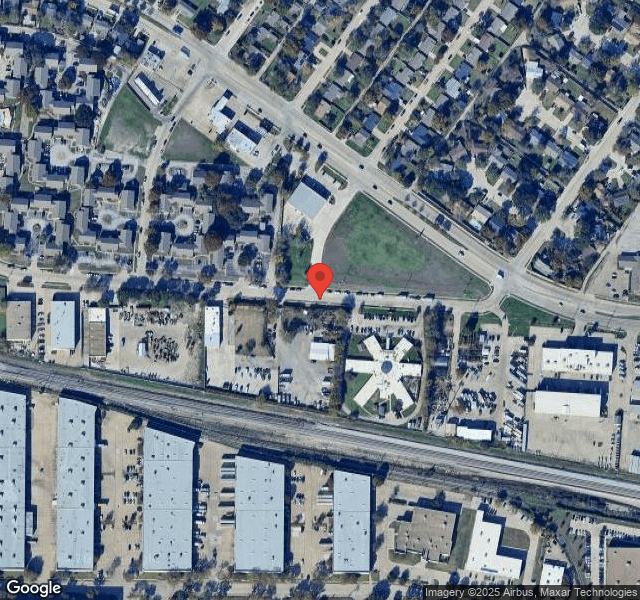
Dec 2024 2 deficiencies
CONCERN (D) 📢 Someone Reported This

A family member, employee, or ombudsman was alarmed enough to file a formal complaint

Potential for Harm - no one hurt, but risky conditions existed

Abuse Prevention Policies (Tag F0607)

Could have caused harm · This affected 1 resident

**NOTE- TERMS IN BRACKETS HAVE BEEN EDITED TO PROTECT CONFIDENTIALITY** Based on observations, interviews, and record review, the facility failed to implement written policies and procedures that proh...

Read full inspector narrative →
**NOTE- TERMS IN BRACKETS HAVE BEEN EDITED TO PROTECT CONFIDENTIALITY** Based on observations, interviews, and record review, the facility failed to implement written policies and procedures that prohibit and prevent neglect for 1 (Resident #12) of 1 resident reviewed for reporting. 1. The facility failed to follow their policy to report to the State Agency when Resident #12 told staff she had pulled the call light cord around her neck to kill herself on 12/10/24. 2. The facility failed to ensure the Administrator or person(s) delegated followed their policy to report to the State Agency and initiate an investigation after Resident #12 told staff she pulled the call light around her neck to kill herself on 12/10/24. This failure could place residents at the facility at risk of continued abuse and neglect. Findings included: Review of Resident #12's Face Sheet, dated 12/14/2024, reflected that the resident was a [AGE] year-old female admitted on [DATE]. Resident #12 was diagnosed with chronic respiratory failure (airway to lungs because narrow and damaged), anxiety disorder (intense feelings of fear or worry that recur for 6 months or longer), post-traumatic stress disorder (mental health condition caused by an extremely stressful or terrifying event), major depressive disorder (persistent feeling of sadness and loss of interest), and Asperger syndrome (disorder that impacts how a person perceives and socializes with others). Review of Resident #12's Quarterly MDS (tool used to assess resident's health status and needs) Assessment, dated 12/08/2024, revealed a BIMS (test to assess cognitive status) Assessment was not conducted for Resident #12. Resident #12's Quarterly MDS Assessment reflected physical therapy and occupational therapy services were provided. Medication was administered for a diagnosis of depression. Review of Resident #12's Comprehensive Care Plan, dated 10/31/2024, reflected Resident #12 received Cymbalta (medication used to treat depression and anxiety) for depression. Some interventions included Monitor/document/report to MD prn ongoing s/sx of depression unaltered by antidepressant meds: Sad, irritable, anger, never satisfied, crying, shame, worthlessness, guilt, suicidal ideations, neg. mood/comments, slowed movement, agitation, disrupted sleep, fatigue, lethargy, does not enjoy usual activities, changes in cognition, changes in weight/appetite, fear of being alone or with others, unrealistic fears, attention seeking, concern with body functions, anxiety, constant reassurance. In an interview 12/14/24 at 04:00 PM, the Social Worker stated the incident should have been reported to State because Resident #12 could have followed through with it. She stated Resident #12's physician, and the facility psych services following the resident, were immediately notified. The Social Worker stated the facility attempted to send Resident #12 out via 911, but the resident refused transport. The Social Worker stated she obtained a mental health warrant and the local police department was involved. She stated the resident was sent out and admitted to a behavioral unit on 12/11/24. The Social Worker stated the administrator or whoever was acting in that role should have investigated and reported the incident as soon as possible or within 2 hours. In an interview 12/14/24 at 04:10 PM, the VP of Clinical Services stated the administrator, social worker, or herself should have reported the incident to State within 24 hours. She stated she was filling the role of Director of Nursing until the new DON started January 1st. She stated the new administrator's first day would be Monday. She stated the abuse coordinator was social services at that time but normally the administrator filled the role of abuse coordinator. She stated Resident #12's physician and the facility psych service was immediatley notified. She stated Resident #12 was immediately placed on one-on-one monitoring with facility staff, including a staff member from the facility psych service, until Resident #12 was sent out on 12/11/24. She stated the incident was not investigated and was not reported to State. She stated that it should have been investigated and reported to State. She stated it was important to report incidents to be sure no abuse was allowed to go on and residents were safely cared for. The facility provided monitoring sheets reflecting Resident #12 was monitored one one one by facility staff, including a staff member of the facility psych sevice, until she transferred to a behavioral unit on 12/11/24. Record review 12/14/24 reflected there was no progress note stating a staff member was told by a visitor that Resident #12 tried to harm herself. Record review of Resident #12's progress notes, dated 12/11/24, reflected the resident was already under care of facility psych services and received medication for depression. Review of facility policy Abuse, Neglect, and Exploitation: Reporting/Response, revised December 2023, reflected The facility will have written procedures that include: Reporting of all alleged violations to the Administrator, state agency, adult protective services and to all other required agencies (e.g., law enforcement when applicable) within specified timeframes .Not later than 24 hours if the events that cause the allegation do not involve abuse and do not result in serious bodily injury . focusing the investigation on determining if abuse, neglect, exploitation, and/or mistreatment has occurred, the extent, and cause; and providing complete and thorough documentation of the investigation
CONCERN (D) 📢 Someone Reported This

A family member, employee, or ombudsman was alarmed enough to file a formal complaint

Potential for Harm - no one hurt, but risky conditions existed

Investigate Abuse (Tag F0610)

Could have caused harm · This affected 1 resident

**NOTE- TERMS IN BRACKETS HAVE BEEN EDITED TO PROTECT CONFIDENTIALITY** Based on observation, interviews, and record review the facility failed to thoroughly investigate and report findings to the Sta...

Read full inspector narrative →
**NOTE- TERMS IN BRACKETS HAVE BEEN EDITED TO PROTECT CONFIDENTIALITY** Based on observation, interviews, and record review the facility failed to thoroughly investigate and report findings to the State Survey Agency within 5 working days of the incident and the corrective action taken if the alleged violation was verified. The facility failed to conduct a thorough investigation when Resident #12 told staff she had wrapped her call light around her neck to kill herself on 12/10/24. This failure could place residents at risk of not having allegations of abuse, neglect, and neglect investigated and reported to the State Agency. Findings included: Review of Resident #12's Face Sheet, dated 12/14/2024, reflected the resident was a [AGE] year-old female admitted on [DATE]. Resident #12 was diagnosed with chronic respiratory failure (airway to lungs because narrow and damaged), anxiety disorder (intense feelings of fear or worry that recur for 6 months or longer), post-traumatic stress disorder (mental health condition caused by an extremely stressful or terrifying event), major depressive disorder (persistent feeling of sadness and loss of interest), and Asperger syndrome (disorder that impacts how a person perceives and socializes with others). Review of Resident #12's Quarterly MDS (tool used to assess resident's health status and needs) Assessment, dated 12/08/2024, revealed a BIMS (test to assess cognitive status) Assessment was not conducted for Resident #12. Resident #12's Quarterly MDS Assessment reflected physical therapy and occupational therapy services were provided. Medication was administered for a diagnosis of depression. Review of Resident #12's Comprehensive Care Plan, dated 10/31/2024, reflected Resident #12 received Cymbalta (medication used to treat depression and anxiety) for depression. Some interventions included Monitor/document/report to MD prn ongoing s/sx of depression unaltered by antidepressant meds: Sad, irritable, anger, never satisfied, crying, shame, worthlessness, guilt, suicidal ideations, neg. mood/comments, slowed movement, agitation, disrupted sleep, fatigue, lethargy, does not enjoy usual activities, changes in cognition, changes in weight/appetite, fear of being alone or with others, unrealistic fears, attention seeking, concern with body functions, anxiety, constant reassurance. Review of a progress note by the facility social worker, dated 12/10/24 reflected SW and ADON spoke with resident about making suicidal statements; resident stated that she wants to kill herself rather than live in a place like this; resident has a bruise on right side of neck; resident told staff that she tried to harm herself; resident stated that she would like to speak with a chaplain; SW suggested resident's pastor; resident stated that it has been two years since she has spoken with her pastor and stated that the church has been paying her rent for eight months; resident stated that she doesn't want SW to call her pastor because she only calls when she needs something; SW explained to resident that she would have to go to the ER to be assessed for inpatient psych resident began to yell, scream, and cursing at SW; resident already followed by Psych Services; SW to assist as needed. During an interview 12/14/24 at 04:10 PM, the Social Worker stated she received the information third hand and did not know who Resident #12's friend reported the incident to. The Social Worker stated she found out on Tuesday 12/10/24 Resident #12 told a friend she pulled her call light cord around her neck because she wanted to kill herself. The friend reported this to someone at the facility. The Social Worker stated this was immediately reported to Resident #12's physician and the facility psych services. The Social Worker stated she went to Resident #12's room to talk to her, but Resident #12 became upset and dismissed her from the room. She stated Resident #12 was originally scheduled to discharge home 12/09/24. She stated the facility attempted to send the resident out via 911, however the resident refused transport. She stated the facility obtained a mental health warrant, and the local police department was involved. She stated Resident #12 was sent out and was admitted to a behavioral unit on 12/11/24. The Social Worker stated she did not know if an incident report should have been filled out. She said that was nursing judgment. She stated it was important for nursing staff to know so they could provide the appropriate care and in-service staff. In an interview on 12/14/24 at 04:10 PM, the VP of Clinical Services stated if a resident tells us they are going to harm themselves, we interview them. We ask what is troubling you and do you have a plan? She stated if a resident verbalizes I want to harm myself and they have a plan, we have psychiry see them. We make sure they are taking medications as ordered. She stated she looked through the incident reports but there was no report about it. She stated staff was not required to fill out an incident report if someone stated they wanted to hurt their self. She stated an incident report was not required for one-to-one observation of a resident. She stated Resident #12 did not tell anyone at the time of the incident. She stated a visitor reported it later. She stated that arrangements were made to discharge the resident to get appropriate care. She stated staff members at the facility monitored Resident #12 vigilantly until she left the facility. She stated the incident was not investigated and was not reported to State. She stated that it should have been investigated. She stated it was important to investigate and report incidents to be sure no abuse was allowed to go on and residents were safely cared for. The facility provided monitoring sheets reflecting Resident #12 was monitored one one one by facility staff, including a member from the facility psych service, until she transferred to a behavior unit on 12/11/24. Record review 12/14/24 reflected there was no progress note stating a staff member was told by a visitor that Resident #12 tried to harm herself. Record review of progress notes reflected Resident #12 was already receiving psych services and taking medication for depression. Review of Facility Policy Investigation of Alleged Abuse, Neglect and Exploitation, revised December 2023, reflected Focusing the investigation on determining if abuse, neglect, exploitation, and/or mistreatment has occurred, the extent, and cause; and providing complete and thorough documentation of the investigation.
Jun 2024 6 deficiencies
CONCERN (D)

Potential for Harm - no one hurt, but risky conditions existed

Comprehensive Care Plan (Tag F0656)

Could have caused harm · This affected 1 resident

**NOTE- TERMS IN BRACKETS HAVE BEEN EDITED TO PROTECT CONFIDENTIALITY** Based on interviews and record reviews, the facility failed to develop and implement a comprehensive person-centered care plan f...

Read full inspector narrative →
**NOTE- TERMS IN BRACKETS HAVE BEEN EDITED TO PROTECT CONFIDENTIALITY** Based on interviews and record reviews, the facility failed to develop and implement a comprehensive person-centered care plan for each resident, consistent with the resident rights, that includes measurable objectives and timeframes to meet a resident's medical, nursing, and mental and psychosocial needs that were identified in the comprehensive assessment for 1 (Resident #50) of 6 residents reviewed for care plans. The facility failed to ensure Resident #50 was care planned for his diagnosis of Parkinson's disease (nerve disorder). This failure could place the resident at risk of needs not being met. Findings included: Record review of Resident #50's face sheet dated 06/27/24 revealed an [AGE] year-old male who was admitted to the facility on [DATE]. Relevant diagnoses included Parkinson's disease. Record review of Resident #50's Quarterly MDS assessment dated [DATE] revealed the resident had a BIMS score of 15 (cognitively intact). The assessment also indicated the resident had an active diagnosis for Parkinson's disease. Record review of Resident #50's Comprehensive care plan dated 06/18/24 revealed no care planning for the Resident's diagnosis of Parkinson's disease. An interview on 06/26/24 at 12:30 PM with the DON, ADON, and MDS Nurse, they verified that Resident #50 had Parkinson's disease and stated that it should be care planned. The MDS Nurse verified that Resident #50 did not have the diagnosis care planned. They all stated that if the resident's care plan does not have his Parkinson's disease, he may not receive all the required care he needs. Record review of facility's policy, Comprehensive Person-Centered Care Planning, Policy & Procedure, Policy: It is the policy of this facility that the interdisciplinary team (IDT) shall develop a comprehensive person-centered care plan for each resident . Procedure: . 3. The facility team will provide a written summary . initial goals . any services and treatments to be administered.
CONCERN (D) 📢 Someone Reported This

A family member, employee, or ombudsman was alarmed enough to file a formal complaint

Potential for Harm - no one hurt, but risky conditions existed

Infection Control (Tag F0880)

Could have caused harm · This affected 1 resident

**NOTE- TERMS IN BRACKETS HAVE BEEN EDITED TO PROTECT CONFIDENTIALITY** Based observation, interview, and record review, the facility failed to maintain an Infection Prevention and Control Program des...

Read full inspector narrative →
**NOTE- TERMS IN BRACKETS HAVE BEEN EDITED TO PROTECT CONFIDENTIALITY** Based observation, interview, and record review, the facility failed to maintain an Infection Prevention and Control Program designed to provide a safe, sanitary, and comfortable environment and to help prevent the development and transmission of communicable diseases and infections for two (Resident #21 and Resident #46) of eight residents observed for infection control. The facility failed to ensure that CNA D performed hand hygiene and changed his gloves while providing incontinence care to Resident #21. The facility failed to ensure that CNA D performed hand hygiene and changed his gloves while providing incontinence care to Resident #46. These failures could place the residents at risk of cross-contamination and development of infection. Findings included: Resident #21 Review of Resident #21's Face Sheet, dated 06/25/2024, reflected resident was an [AGE] year-old female admitted on [DATE]. Relevant diagnoses included hemiplegia (paralysis of one side of the body) and hemiparesis (weakness on one side of the body) following cerebral infarction (insufficient oxygen in the brain causing stroke) affecting left non- dominant side. Review of Resident #21's Quarterly MDS Assessment, dated 03/27/2024, reflected Resident #21 had a severe cognitive impairment with a BIMS score of 06. Resident #21 required assistance for bed mobility, transfer, and toilet use. Review of Resident #21's Comprehensive Care Plan, dated 05/06/2024, reflected Resident #21 had an ADL Self Care Performance Deficit r/t impaired mobility. Review of Resident #21's Bowel and Bladder Assessment, dated 05/17/2024, revealed resident had incontinence for bowel and bladder. Observation and interview on 06/25/2024 at 9:14 AM revealed CNA D was walking on the hallway holding a plastic bag with linens and a brief. CNA D said he was about to change Resident #21. CNA D went inside the room and told the resident that he would clean her up. The resident nodded her head. CNA D proceeded to put on a pair of gloves. He did not wash his hands before putting on the gloves. Before doing incontinent care, CNA D pulled the trash can and placed it beside him. CNA D then pulled the blanket to the foot part of the bed. He then took the new brief from inside the plastic bag, opened it, and placed it on the side of the resident's leg. He unfastened the brief and pushed the front part in between the resident's legs. He pulled some wipes and placed the wipes on top of the plastic container for the wipes. CNA D cleaned the front part of the resident from front to back, rolled the resident towards the wall, and cleaned the bottom of the resident. While CNA D was cleaning the resident's bottom, the resident had a bowel movement. CNA D continued to clean the resident's bottom. After he was done cleaning the resident's bottom, CNA D pulled the soiled brief, threw it in the trash can, pulled the new brief from the side of the resident, and put it on the resident's bottom. He rolled back the resident, fixed the brief, took a thin blanket from the plastic bag, and put it on top of the resident. He took off his gloves and threw them in the trash can. CNA D said he was done cleaning Resident #21 and would go to another resident to do another incontinent care. He went out of the room. He did not change his gloves all throughout incontinent care nor wash his hands before leaving the room. Resident #46 Review of Resident #46's Face Sheet, dated 06/27/2024, revealed that resident was a [AGE] year-old male admitted on [DATE]. Relevant diagnoses included hemiplegia (paralysis of one side of the body) and hemiparesis (weakness on one side of the body) following cerebral infarction (insufficient oxygen in the brain causing stroke) affecting right dominant side. Review of Resident #46's Quarterly MDS Assessment, dated 04/04/2024, revealed the resident was cognitively intact with a BIMS score of 15. The Quarterly MDS Assessment indicated Resident #46 was always incontinent for bowel and bladder. Review of Resident #46's Comprehensive Care Plan, dated 05/03/2024, reflected the resident had bowel and bladder incontinence r/t impaired mobility and one of the interventions was to change every two hours and PRN. Observation on 06/25/2024 at 10:35 AM revealed CNA D was about to provide incontinent care for Resident #46. CNA D prepared the things needed. CNA D washed his hands and put on a pair of gloves. CNA C then unfastened the tape on both sides of the brief, rolled the front half of the brief, and pushed it between the resident's thighs. CNA D cleaned the front part of Resident #46. CNA D instructed and assisted the resident to roll to the right. CNA D changed his gloves but did not sanitize his hands before putting on the new pair of gloves. CNA D then proceeded to clean the bottom of the resident. After wiping down the resident, CNA D rolled the rest of the brief, pulled it, and threw it in the trash can. CNA D took off the soiled gloves and proceeded to change his gloves. He did not do hand hygiene in between gloves changes. CNA D then proceeded to get the new brief, opened it, and placed it at the bottom of the resident. The resident was instructed to roll back. CNA D took off his gloves, fixed the brief, and fastened the tape on both sides. He did not have any gloves on when he fixed and fastened the brief. CNA D then put on a pair of gloves and pulled the blanket up. CNA D did not sanitize his hands before putting on the gloves. CNA D took off his gloves, threw them in the trash can, and washed his hands. Interview with CNA D on 06/25/2024 at 10:53 AM, CNA D stated it is important to wash the hands before and after doing any care for the resident. He then acknowledged that he did not wash his hands when he did the first incontinent care. He said he also did not change his gloves after cleaning the residents' bottom and did not sanitize his hands in between changing of gloves. He said hand washing was important to prevent cross contamination and infection. He said it was also important to change gloves when touching clean items and to sanitize hands when changing the gloves to make sure the hands were clean when touching the residents. He also said he should have changed his gloves when he touched the trash can and put it on his side. He said he had in-services about infection control and hand hygiene. In an interview with LVN B on 06/26/2024 at 9:53 AM, LVN B stated the right procedure was to wash the hands before and after incontinent care. She said it was also important to change the gloves and to sanitize the hands during the duration of incontinent care especially if soiled items were touched. LVN B added that any soiled items should not touch the clean items to prevent cross contamination and possible infection. She said, for the same reason, the gloves should have been changed after touching the trash can. In an interview with the ADON on 06/27/2024 at 07:24 AM, the ADON stated hands should be washed before and after any care done for the residents. The ADON said gloves should be changed and hands should be sanitized after touching soiled items such as the soiled brief and the trash can. The ADON added that not washing the hands, not changing the gloves after touching a soiled brief, and not sanitizing the hands when changing the gloves could result in cross contamination. She continued that cross contamination could lead to infection such as urinary tract infection. The ADON said the expectation was for the staff to wash their hands and change their gloves during incontinent care. She said she would start an in-service to address the infection control issue. In an interview with the DON on 06/27/2024 at 07:37 AM, the DON stated she was made aware, by the CNA, about the issue during incontinent care. She said she already talked to the staff and did a one-on-one in-service with him. She said she would also do an in-service about infection control, hand hygiene, and incontinent care for all the staff responsible for the residents' direct care. She said not washing their hands before and after any care, not changing their gloves after touching soiled items, and not sanitizing the hands in between changing of gloves could eventually introduce microorganisms to the clean items. She said not doing proper hand hygiene could result in any kind of infection. She said the DON and the ADON were responsible in making sure the staff were adhering to the infection control practices. The DON said the expectation was for the staff to carry out care without the possibility of cross contamination and introduction of infection. She also would do a check off with CNA D about peri-care. She concluded that she would continually remind the staff to be attentive to the procedures for infection control. In an interview with the Administrator on 06/27/2024 at 08:06 AM, the Administrator stated not washing hands and not changing gloves could cause cross contamination and possible infection. She said clean and dirty items should not be touching each other to prevent infection. She said the expectation was for the staff to be mindful and do the right and proper way of care to protect the residents. The Administrator said she would collaborate with the clinicals to address the issue. Record review of facility's procedure, Hand-Washing/Hand Hygiene reviewed December 2023, revealed Policy Statement: This facility considers hand hygiene the primary means to prevent the spread of infections . Policy Interpretation and Implementation . 2. All personnel shall follow the hand-washing/hand hygiene procedures to help prevent the spread of infections to other personnel, residents, and visitors . 7. Use an alcohol-based hand rub; or, alternatively, soap (antimicrobial or non-antimicrobial) and water for the following situations . b. Before and after direct contact with residents . After contact with a resident's intact skin . j. After contact with blood or bodily fluids . m. After removing gloves.
CONCERN (E) 📢 Someone Reported This

A family member, employee, or ombudsman was alarmed enough to file a formal complaint

Potential for Harm - no one hurt, but risky conditions existed

Deficiency F0558 (Tag F0558)

Could have caused harm · This affected multiple residents

**NOTE- TERMS IN BRACKETS HAVE BEEN EDITED TO PROTECT CONFIDENTIALITY** Based on observations, interviews, and record review the facility failed to ensure the right to reside and receive services in t...

Read full inspector narrative →
**NOTE- TERMS IN BRACKETS HAVE BEEN EDITED TO PROTECT CONFIDENTIALITY** Based on observations, interviews, and record review the facility failed to ensure the right to reside and receive services in the facility with reasonable accommodation of resident needs and preferences for four (Resident #2, Resident #21, Resident #51, and Resident #54) of sixteen residents reviewed for reasonable accommodation of needs. The facility failed to ensure the call light system in Resident #2, Resident #21, Resident #51, and Resident #54's rooms were in a position that was accessible to the residents. This failure could place the residents at risk of being unable to obtain assistance when needed and help in the event of an emergency. Findings included: Resident #2 Review of Resident #2's Face Sheet, dated 06/25/2024, reflected that resident was a [AGE] year-old female admitted on [DATE]. Relevant diagnoses included lack of coordination and unsteadiness of feet. Review of Resident #2's Quarterly MDS Assessment, dated 02/26/2024, reflected Resident #2 had a moderate impairment in cognition with a BIMS score of 10. Resident #2 required assistance for toileting and shower. Review of Resident #2's Comprehensive Care Plan, dated 06/11/2024, reflected Resident #2 was at risk for falls and one of the interventions was to be sure the call light was within reach. Observation and interview with Resident #2 on 06/25/2024 at 10:07 AM revealed she was on her bed awake. Resident #2's call light was noted on the floor, between the bed and the side table. Resident #2 tried to search for her call light but was not able to find it. Resident #2 shrugged her shoulder and said she would just wait for somebody to come in. Resident #21 Review of Resident #21's Face Sheet, dated 06/25/2024, reflected resident was an [AGE] year-old female admitted on [DATE]. Relevant diagnoses included hemiplegia (paralysis of one side of the body) and hemiparesis (weakness on one side of the body) following cerebral infarction (insufficient oxygen in the brain causing stroke) affecting left non- dominant side, lack of coordination, and unsteadiness of feet. Review of Resident #21's Quarterly MDS Assessment, dated 03/27/2024, reflected Resident #21 had a severe cognitive impairment with a BIMS score of 06. Resident #21 required assistance for bed mobility, transfer, and toilet use. Review of Resident #21's Comprehensive Care Plan, dated 05/06/2024, reflected Resident #21 was at risk for falls r/t unsteady gait and balance and one of the interventions was to be sure her call light is within reach. Observation and interview with Resident #21 on 06/14/2024 at 9:14 AM revealed resident was lying in bed. Resident #21's call light was noted on the floor, between the wall and the head of the bed. The resident said she used the call light to call the staff. The resident searched for the call light but was not able to find it. She said the call light should be clipped to her pillow so it will not fall on the floor. Resident #51 Review of Resident #51's Face Sheet, dated 06/26/2024, reflected resident was a [AGE] year-old male admitted on [DATE]. Resident #51's diagnosis was anoxic brain damage (lack of oxygen to the brain). Review of Resident #51's Quarterly MDS Assessment, dated 05/15/2024, reflected Resident #51 was cognitively intact with a BIMS score of 14. Resident #51 required moderate assistance for shower, dressing, and personal hygiene. Review of Resident #51's Comprehensive Care Plan, dated 06/15/2024, reflected Resident #51 was at risk of falls r/t gait/balance problems and one of the interventions was to keep the call light within reach at all times. Observation and interview with Resident #51 on 06/25/2024 at 10:17 AM revealed resident was in his wheelchair inside his room. He said his call light was behind the head of the bed. He said he would put it always on the side but when the staff would make his bed, the staff would misplace it. He said it was challenging for him to get the call light because there was a chair in front of the bed's side table. He said it was hard for him to get the call light and clip it on his pillow because his hands were unstable. It was observed that the resident transferred to his bed but had a hard time pulling the call light. Resident #51 said he hope the staff would clip the call light to his bed before leaving the room. Resident #54 Review of Resident #54's Face Sheet, dated 06/25/2024, reflected resident was a [AGE] year-old female admitted on [DATE]. Relevant diagnoses included muscle wasting (loss of muscle mass due to the muscles weakening and shrinking) and unsteadiness of feet. Review of Resident #54's Quarterly MDS Assessment, dated 05/10/2024, reflected Resident #54 had a moderate impairment in cognition with a BIMS score of 11. Resident #54 required moderate assistance for toilet use, dressing, and personal hygiene. Review of Resident #54's Comprehensive Care Plan, dated 05/06/2024, reflected Resident #54 was at risk for falls related to immobility and one of the interventions was to keep the call light within reach at all times. Observation and interview with Resident #54 on 06/25/2024 at 10:40 AM revealed resident was lying in bed. Resident #54's call light was noted wrapped on the drawer's handle of the side table. The resident said she used the call light every time she needed assistance. She said the call light was so far that she cannot reach it. Observation and interview with CNA D on 06/25/2024 at 10:53 AM, CNA E stated he did incontinent care for Resident #21 but did not notice that the call light was on the floor. CNA D said he did not make sure the call light was with the resident when he left Resident #21's room. CNA D went to Resident #21's room, picked up the call light from the floor, cleaned it, and clipped it on the pillow. He said he would also check the call lights in Resident #2, #54, and #51's room. He said the call light must always be within the reach of the residents because they use the call lights to call the staff in case they need something or they were not feeling well. CNA D added that if the call lights were not with the residents, the residents might fall, or the staff would not know the residents were having an emergency. He said he was responsible for ensuring the call lights were within reach for his assigned residents. In an interview with LVN B on 06/26/2024 at 9:53 AM, LVN B stated the call light should be within the reach of the residents at all times. LVN B said for some residents, the call light was their sense of protection. She added the residents use the call lights when they needed something, were having an emergency, or were in pain. LVN B said the residents might fall trying to get up to get the call light or may be frustrated because they cannot call anybody to help them. LVN B said everybody was responsible in making sure the call lights were with the residents, whether the resident was independent or not. LVN B said she should have checked the call lights during her initial round. In an interview with the ADON on 06/27/2024 at 07:24 AM, the ADON stated the call light was important for the residents. She said the residents use the call lights if they needed help or assistance. She said if the call light was not with the resident, they might try to get up or try to go to the bathroom by themselves. She said it could result in fall, injury, and compromised skin integrity. She added that if the call lights were far from the residents, their needs will not be addressed. She said she would do an in-service about call lights. She said the expectation was all staff that would enter the room would leave the call light with the resident before coming out of the resident's room. In an interview with the DON on 06/27/2024 at 07:37 AM, the DON stated the call lights were important for the residents because this would alert the staff that the resident needed something, was having pain, was experiencing shortness of breath, or if there was a change in condition. She added if resident was non-ambulatory, the resident might try to get out of the bed, wheelchair, or recliner and fall. She said call lights were the responsibility of everybody. She said expectation was for the staff to make an effort to make sure the call light was with the residents when they leave the room. She said she will do an in-service about call light being with the residents at all times. She concluded she would follow-up and would ask why the call light was not given to the resident before leaving the room. In an interview with the Administrator on 06/27/2024 at 08:06 AM, the Administrator stated the call light is the residents' voice to let the staff know that they needed something. She said the residents use the call lights if they were in danger or in pain. She said if the call lights were not within the reach of the residents, it could result in injury, sickness, death, or the residents not being happy. She said the expectation was for the staff would make sure the call lights were within reach. She said any staff that would see that the call lights were on the floor or not within reach, they should pick it up and clip it somewhere the resident could access it. She said the call lights were everybody's responsibility, even housekeeping, management, or therapy. She concluded they would in-service all the staff in the facility and would monitor them if they were making sure the call lights were with the residents. Record review of facility's policy Answering the Call Light reviewed December 2023 revealed, Purpose: The purpose of this procedure is to respond to the resident's requests and needs . General Guidelines . 5. When the resident is in bed or confined to a chair be sure the call light is within easy reach of the resident.
CONCERN (E) 📢 Someone Reported This

A family member, employee, or ombudsman was alarmed enough to file a formal complaint

Potential for Harm - no one hurt, but risky conditions existed

Safe Environment (Tag F0584)

Could have caused harm · This affected multiple residents

**NOTE- TERMS IN BRACKETS HAVE BEEN EDITED TO PROTECT CONFIDENTIALITY** Based on observations, interviews, and record review the facility failed to provide a safe, clean, comfortable, and homelike env...

Read full inspector narrative →
**NOTE- TERMS IN BRACKETS HAVE BEEN EDITED TO PROTECT CONFIDENTIALITY** Based on observations, interviews, and record review the facility failed to provide a safe, clean, comfortable, and homelike environment including but not limited to receiving treatment and supports for daily living safely for 6 rooms (room [ROOM NUMBER], #507, #509, #511, #510, and #610) of 10 rooms observed for environment. The facility failed to ensure that Resident room [ROOM NUMBER], #507, #509, #511, #510, and #610 were cleaned and sanitized. This deficient practice could place residents at risk of living in an unclean and unsanitary environment which could lead to a decreased quality of life. Findings included: An observation on 06/25/24 at 10:59 AM of Resident room [ROOM NUMBER] reflected the air conditioning located in the room had dirt particles and black dirt grime on the top and between the vents of the units. The air filters had a thin layer of dust on them. The base of the faucet handles had thick calcium build up. The handrails in the bathroom had black specks of dirt and reddish dots. An observation on 06/25/24 at 11:01 AM of Resident room [ROOM NUMBER] reflected the air conditioning located in the room had dirt particles and black dirt grime on the top and between the vents of the units. The air filters had a thin layer of dust on them. An observation on 06/25/24 at 11:04 AM of Resident room [ROOM NUMBER] reflected the air conditioning located in the room had dirt particles and black dirt grime on the top and between the vents of the units. The air filters had a thin layer of dust on them. The base of the faucet handles had calcium building up and was cracked. An observation on 06/25/24 at 11:08 AM of Resident room [ROOM NUMBER] reflected the base of the faucet handles had calcium building up. The handrails in the bathroom had black specks of dirt and reddish dots. An observation on 06/25/24 at 11:14 AM of Resident room [ROOM NUMBER] reflected the air conditioning located in the room had dirt particles and black dirt grime on the top and between the vents of the units. The air filters had a thin layer of dust on them. An observation on 06/25/24 at 11:26 AM of Resident room [ROOM NUMBER] reflected the air conditioning located in the room had dirt particles and black dirt grime on the top and between the vents of the units. The air filters had a thin layer of dust on them. An interview on 06/27/24 at 09:31 AM with the Director of Environmental Services, she stated she had been at the facility for 35 years. She stated she pairs the new housekeeping aides with the seasoned housekeepers, and they are showed how to clean the entire room, including the floor, bathrooms, and air conditioning. She stated maintenance cleans the air filters. She stated her staff understands English but when they get nervous, they need an interpreter. She stated the maintenance director was out on leave, but she would make sure that the air conditioning units in all the rooms were checked and cleaned. She was shown pictures of the concerns observed in Rooms #505, #507, #509, #511, #510, and #604 and she stated she would have her team address the issues. She stated the risk of the areas mentioned not being clean could result in respiratory problems for the resident. An interview on 06/27/24 at 10:31 AM with the Administrator, she was made aware of the findings in Rooms #505, #507, #509, #511, #510, and #610. She stated that she was surprised to hear that there were concerns observed with the cleanliness of the facility. She stated that they took pride on how clean they keep the facility and she stated she would meet with the maintenance director upon his return to address the air conditioning filters being cleaned more regularly and she would also meet with the Director of Environment to ensure that in the future these items are being thoroughly cleaned. She stated the risk of not having these areas clean could result in respiratory problems for the residents. Review of the facility's policy on Safe/Comfortable/Homelike Environment (Revised 2022) reflected Housekeeping and Maintenance services include the cleaning, sanitization, and care for rooms and common areas of the facility to ensure that the facility is safe for all who reside, work, and visit.
CONCERN (E) 📢 Someone Reported This

A family member, employee, or ombudsman was alarmed enough to file a formal complaint

Potential for Harm - no one hurt, but risky conditions existed

Assessment Accuracy (Tag F0641)

Could have caused harm · This affected multiple residents

**NOTE- TERMS IN BRACKETS HAVE BEEN EDITED TO PROTECT CONFIDENTIALITY** Based on observation, interviews and record review, the facility failed to ensure each resident received an accurate assessment,...

Read full inspector narrative →
**NOTE- TERMS IN BRACKETS HAVE BEEN EDITED TO PROTECT CONFIDENTIALITY** Based on observation, interviews and record review, the facility failed to ensure each resident received an accurate assessment, reflective of the resident's status for three (Resident #35, Resident #40, and Resident #46) of six residents reviewed for accuracy of assessments. The facility failed to ensure Resident #35's Quarterly MDS Assessment, dated 06/14/2024, accurately reflected that Resident #35 had impairments to both upper extremities. The facility failed to ensure Resident #40's Quarterly MDS Assessment, dated 04/26/2024, accurately reflected that Resident #40 had impairments to both upper extremities. The facility failed to ensure Resident #46's Quarterly MDS Assessment, dated 04/04/2024, accurately reflected that Resident #46 had impairment to right upper extremity. These failures could place residents at risk for not receiving care and services to meet their needs, diminished function of health, and regressions in their overall health. Findings included: Resident #35 Review of Resident #35's Face Sheet, dated 06/25/2024, revealed that resident was a [AGE] year-old male admitted on [DATE]. Relevant diagnoses included contracture (tightening of the muscles, tendons, skin, and surrounding tissues that causes the joints to shorten and stiffen) of right hand's muscle and contracture of left hand's muscle. Review of Resident #35's Quarterly MDS Assessment, dated 06/14/2024, revealed the resident had a severe impairment in cognition with a BIMS score of 02. Resident #35's Minimum Data Set, Section GG - Functional Abilities and Goals, GG0115 Functional Limitation in Range of Motion specified Resident #35 had no impairment to upper extremity. Review of Resident #35's Comprehensive Care Plan, dated 06/06/2024, reflected the resident did not want to wear bilateral hand splints. Review of resident #35's Physician Order, dated 04/26/2024, reflected Pt to wear [NAME] guards/hand splints at bedtime only every night. At bedtime for Hand and finger contractures BUE's Observation and interview on 06/25/2024 at 10:50 AM revealed Resident #35 was in his bed resting. It was noted that the resident's both hands were contracted. According to Resident #35, he had been in that condition since he was in an accident. He said he needed assistance with everything because he cannot fully use his hands. Observation and interview with LVN C on 06/26/2024 at 10:25 AM, LVN C stated Resident #35's had some sort of impairment on both upper extremities but said she was not sure to what extent. LVN C logged on to her computer and searched the resident's profile. She said Resident #35 had a diagnosis of contractures to both right and left hands. Resident #40 Review of Resident #40's Face Sheet, dated 06/25/2024, revealed that resident was a [AGE] year-old female admitted on [DATE]. Relevant diagnoses included unspecified injury of head and sprain of ligament of cervical (pertaining to the neck) spine. Review of Resident #40's Quarterly MDS Assessment, dated 04/26/2024, revealed the resident had a severe impairment in cognition with a BIMS score of 00. Resident #40's Minimum Data Set, Section GG - Functional Abilities and Goals, GG0115 Functional Limitation in Range of Motion specified Resident #40 had no impairment to upper extremity. Review of Resident #40's Comprehensive Care Plan, dated 05/10/2024, reflected the resident had an alteration in musculoskeletal (pertaining to both musculature and skeleton) status related to contracture and wore an elbow extensor splint on left elbow and hand carrot splint (cone-shaped orthosis [device used for badly formed part of the body] used for contracted hands) in left hand. Review of Resident #40's Physician Order, dated 04/26/2024, reflected Pt to wear elbow extensor splint on left elbow to extend hand away from shoulder for 4 hours daily or as tolerated. Every day shift for elbow flexion contracture 4 hours only daily. Review of Resident #40's Physician Order, dated 04/26/2024, reflected Pt to wear hand carrot and or rolled washrag in left hand daily at all times, every shift for hand contracture. Observation on 06/25/2024 at 10:26 AM revealed Resident #40 was on her bed, sleeping. It was noted that resident's left hand was contracted. Resident #40 was not able answer the questions asked due to a cognitive communication deficit. In an interview with RN A on 06/25/2024 at 11:00 AM, RN A stated Resident #40 had a contracture on her left hand. She said the order for the resident's contracture was to put an elbow extensor and a splint with a shape of a carrot. Shae said the resident was dependent on all ADLs because of her impairment. Resident # 46 Review of Resident #46's Face Sheet, dated 06/27/2024, revealed that resident was a [AGE] year-old male admitted on [DATE]. Relevant diagnoses included hemiplegia (paralysis of one side of the body) and hemiparesis (weakness on one side of the body) following cerebral infarction (insufficient oxygen in the brain causing stroke) affecting right dominant side. Review of Resident #46's Quarterly MDS Assessment, dated 04/04/2024, revealed the resident was cognitively intact with a BIMS score of 15. Resident #46's Minimum Data Set, Section GG - Functional Abilities and Goals, GG0115 Functional Limitation in Range of Motion specified Resident #46 had no impairment to upper extremity. Review of Resident #46's Comprehensive Care Plan, dated 05/10/2024, reflected the resident had an ADL Self Care Performance Deficit r/t impaired mobility. Observation and interview on 06/25/2024 at 10:35 AM revealed Resident #46 was on his bed, resting. It was noted that resident's right arm was limp. Resident #46 stated he could not raise his right hand. It was noted that the resident tried to move his right arm but was not able to do so. In an interview with CNA D on 06/25/2024 at 10:53 AM, CNA D stated Resident #46 was unable to move his right arm. He said the resident was dependent on the staff for transfer, bed mobility, and personal hygiene because of his inability to move his hand. In an interview and observation with MDS Coordinator on 06/26/2024 at 9:45 AM, the MDS Coordinator stated if a resident had an impairment, it should be reflected on the MDS assessment or on the resident's profile. She said the medical diagnosis, physician order, MDS, and the care plan should be all in-line and should match to provide a clear overview of the resident's current condition. She said, by doing so, accurate goals and interventions would be provided. The MDS Coordinator logged on to her computer, searched for Resident #35, #40, and #46's profile, and put the appropriate code for the residents' functional limitation in range of motion. She said the nurses were doing the assessment but said she should have double-checked to see if the assessment was accurate. She said if the resident had impairments, it should be communicated to the MDS Coordinator. She said an accurate MDS assessment was important because it would be the basis of the care needed by the resident. If the assessment was not accurate, the current status of the resident would not be correct resulting in a possible confusion on the residents' care. She said inaccurate assessment could also result in the resident not getting the appropriate care needed. She said she would do an in-service about accurate assessment and for the staff to document if the resident has contracture or other form of impairments. In an interview with PT E on 06/26/2024 at 11:48 AM, PT E stated the objective of an assessment was to know the current status or identify the level of function of the resident. She said a detailed assessment is necessary to be able to facilitate a comprehensive problem list so the goals and interventions could be properly constructed. She said it was also important to know the resident's functional deficits, weakness, or strengths that could help in planning. She said if there was no accurate assessment, the condition of the resident could worsen. She also said that any assessment should be reflected on the resident's profile so all the staff would know the appropriate care. In an interview with the ADON on 06/27/2024 at 07:24 AM, the ADON stated she was not familiar with the MDS but said if a resident had an impairment, it should be reflected on the system to make sure all the needed care was given to the residents. She said accuracy in assessment would help the staff make a correct care plan for the resident. The ADON said if there was no accurate assessment, there could be a misunderstanding about the care needed by the resident and the resident might not be able to get the treatment needed. In an interview with the DON on 06/27/2024 at 07:37 AM, the DON stated if a resident had impairments, it should be indicated on the resident's profile. She said it should be reflected on the medical diagnosis, physician orders, MDS, and care plan. She said the resident should be accurately assessed to provide the needed interventions. If the residents were not properly assessed, the proper care and needs would not be met. The DON said the expectation was the residents were properly assessed not only during admission but every day to see if there was a change in condition, any refusal of care, or resident acting different than usual. She said she would collaborate with the MDS Coordinator and the ADON to audit MDS assessments and make appropriate changes. In an interview with the Administrator on 06/27/2024 at 08:06 AM, the Administrator stated that if a resident had an impairment, it should be on the MDS to reflect the current condition of the resident. She said, by doing so, the needs of the residents would be addressed. She said she would coordinate with the clinical managers to evaluate the situation, discuss it during quality assurance and do in-services. Record review of facility policy, Conducting an Accurate Assessment revised 12/2023 revealed, Policy: The purpose . assure that all residents receive an accurate assessments, reflective of the resident's status . Policy Explanation and Compliance Guidelines: . 2. Qualified staff . will conduct an accurate assessment addressing each resident's status, needs, strengths, and areas of decline . 3 . will correctly document the resident's medical, functional abilities and psychological status.
CONCERN (F)

Potential for Harm - no one hurt, but risky conditions existed

Food Safety (Tag F0812)

Could have caused harm · This affected most or all residents

Based on observation, interviews, and record reviews the facility failed to ensure food was stored, prepared, distributed, and served in accordance with professional standards for food service safety ...

Read full inspector narrative →
Based on observation, interviews, and record reviews the facility failed to ensure food was stored, prepared, distributed, and served in accordance with professional standards for food service safety for the facility's only kitchen, reviewed for food storage, labeling, dating, and kitchen sanitation. The facility failed to ensure food in the facility's refrigerator, was labeled and dated according to guidelines. The facility failed to ensure food in the facility's freezer, was labeled and dated according to guidelines. The facility failed to discard expired foods according to guidelines. The facility failed to discard dented cans according to guideline. The facility failed to ensure all damaged eggs were removed from the other eggs stored in its original container. These failures could place residents at risk for cross contamination and other air-borne illnesses. Findings included: Observations on 06/25/24 from 09:05 AM to 09:15 AM in the facility's only kitchen reflected: Two-pound container of Strawberry Yogurt had a prep date of 05/14/24 and the container had a best used by date of 06/24/24, expired, was observed in the refrigerator. Five-pound container of coleslaw dressing dated 10-03-23 and had an opened date of 6-12-24. There was no visible expiration date. Five-pound container of cottage cheese with a prep date of 6/4/24 and the container had a best used by date of 06/23/24, expired, was observed in the refrigerator. One broken egg in a tray with other eggs located in the walk refrigerator. A zipped lock bag containing sliced meat was dated 6-13-24 (expired) was stored in the refrigerator. One 6.5 pound can of diced pears, located in the pantry area, was dented. One 6.5 pound can of peas located in the pantry area, was dented. Two raw pork chops in a zipped lock bag was unlabeled and undated. One 10-pound bag of frozen meat was unlabeled and undated. There was no visible expiration date. An interview on 06/26/24 at 01:05 PM with the Dietary Manager and Dietician, they were shown the concerns observed in the kitchen. The DM stated she had all kitchen staff assigned to storing the food and removing any expired foods. The DM and Dietician stated they would in-service the team on the food storage requirements and will remove the concerns observed. They both stated the risk of the concerns not being addressed could result in food contamination. An interview on 06/27/24 at 10:31 AM with the Administrator, she was made aware of the findings in the kitchen. She stated that she expects the kitchen to meet all required expectations. She stated the kitchen area had made some improvements since she had been at the facility. She stated she would follow up with the DM. She stated the risk of the concerns not being addressed could result in food contamination. Record Review of the Facility's policy on Food Storage dated 12/2023, revealed Foods shall be received and stored in a manner that complies with safe food handling practices. All foods stored in the refrigerator or freezer will be covered, labeled and dated (use by date). Review of the U.S. Food and Drug Administration (FDA) Code (2022) revealed, PACKAGED FOOD shall be labeled as specified in LAW, including 21 CFR 101 FOOD Labeling, 9 CFR 317 Labeling, Marking Devices, and Containers, and 9 CFR 381 Subpart N Labeling and Containers, and as specified under §section 3-202.18. FOOD shall be protected from contamination that may result from a factor or source not specified under Subparts 3-301 - 3-306.
Jan 2024 2 deficiencies
CONCERN (D) 📢 Someone Reported This

A family member, employee, or ombudsman was alarmed enough to file a formal complaint

Potential for Harm - no one hurt, but risky conditions existed

Comprehensive Care Plan (Tag F0656)

Could have caused harm · This affected 1 resident

**NOTE- TERMS IN BRACKETS HAVE BEEN EDITED TO PROTECT CONFIDENTIALITY** Based on observation, interviews, and record reviews, the facility failed to develop and implement a comprehensive person-center...

Read full inspector narrative →
**NOTE- TERMS IN BRACKETS HAVE BEEN EDITED TO PROTECT CONFIDENTIALITY** Based on observation, interviews, and record reviews, the facility failed to develop and implement a comprehensive person-centered care plan for two (Resident #3 and Resident #6) of four residents reviewed for Care Plans. The facility failed to ensure Resident #3, and Resident #6 were care planned for Hospice Care. This failure could place residents at risk for not receiving care and services to meet their needs, diminished function of health, and regressions in their overall health. Findings included: Resident #3 Review of Resident #3's Face Sheet dated 01/04/2024 reflected resident was a [AGE] year-old male admitted on [DATE]. Relevant diagnoses included muscle wasting (Loss of muscle leading to its shrinking and weakening), lack of coordination, and generalized muscle weakness. Review of Resident #3's Quarterly MDS assessment dated [DATE] reflected resident was not able to complete the interview to determine the BIMS score. Resident #3 required extensive assistance for bed mobility, eating, and toilet use. Review of Resident #3's Comprehensive Care Plan dated 11/18/2023 reflected no care plan for Hospice Care. Review of Resident #3's Physician's Order dated 02/10/2022 reflected Admit to . Hospice for palliative care Dx: BRAIN MASS . Resident #6 Review of Resident #6's Face Sheet dated 01/04/2024 reflected resident was a 72 -year-old female admitted on [DATE]. Relevant diagnoses included Parkinson's disease (movement disorder that causes tremor, stiffness, or slowing of movement) without dyskinesia (uncontrolled, involuntary movements of the face, arms, or legs), wedge compression fracture (break in the vertebrae) of second lumbar vertebra (bones in the lower back), and psychotic disorder with hallucinations (sensory experiences that appeared to be real) due to unknown physiological condition. Review of Resident #6's Quarterly MDS assessment dated [DATE] reflected resident was cognitively intact with a BIMS score of 14. Review of Resident #6's Comprehensive Care Plan dated 09/19/2023 reflected no plan of care for Hospice Care. Review of Resident #6's Progress Note dated 09/01/2023 reflected, Note Text: Resident evaluated by Hospice RN and admitted to . Hospice . palliative care Dx: Senile Degeneration of the brain (Parkinson) . Interview with Resident #6 on 01/04/2024 at 9:12 AM, Resident #6 stated she was on Hospice since September because her condition was not getting better. She said Hospice was taking good care of her. Interview with LVN E on 01/04/2024 at 9:43 AM, LVN E stated care plans were done and implemented to make sure that each resident will have an individualized care that would define the meaning of patient-centered care. LVN E said without the care plan, the current health status of the resident will not be addressed. If the medical issues were not addressed, the resident will not attain the quality of care appropriate for them. Observation and interview with the DON on 01/04/2024 starting at 9:59 AM, the DON stated that care planning was a team approach. The DON said the purpose of the care was for the care team to be on one page with regards to the care of the residents. The care plan was also a part of the residents' medical profile so the staff would have a correct and accurate documentation about the care of the residents. The DON said without a care plan, the current health issues would not be addressed and managed accordingly. The DON added it would be confusing for the staff what care to be given. The DON was advised that Resident #3 and Resident #6 did not have a care plan for Hospice Care. The DON turned on her laptop and checked the residents' care plan. The DON acknowledged the said residents did not have a care plan for Hospice Care. The DON said she was responsible for care planning acute changes of the residents and must have missed doing the care plan for Resident #3 and Resident #6. The DON concluded she would start to audit the care plans of the residents not just those receiving Hospice Care. Observation and Interview with the MDS nurse on 01/04/2024 starting at 10:51 AM, the MDS nurse stated the care plan was particularly important because was a proof that the residents were being cared for. The MDS Nurse said the care plan would contain the care needed by the residents, the equipment needed and provided, or the services needed and rendered. She said without the care plan, the medical issue of the residents will not have goals and interventions. She added without the proper interventions, the needed care will not be delivered. The MDS Nurse was advised Resident #3 and Resident #6 did not have a care plan for Hospice Care. She said resident in hospice should have a care plan for Hospice care. The MDS Nurse turned on her laptop, checked the residents care plan, and acknowledged the residents did not have a care plan for Hospice Care. The MDS Nurse started inputting the care plan for Hospice care for Resident #3 and Resident #6. Interview with the Administrator on 01/04/2024 at 12:31 PM, the Administrator said each resident must have a care plan to ensure that the needs of the residents were met. The Administrator stated that without a care plan, the resident would not have care needed and the direct care staff would not know what specific care the residents needed. The Administrator concluded that the expectation was every resident had a care plan with appropriate goal and interventions. She said she would collaborate with the DON to ensure that every issue of the residents are care planned. Record review of facility's policy, Care Plan - Interdisciplinary Plan of Care from Interim to Meeting, rev. March 2023 revealed Policy: The facility shall support that each resident must receive and the facility must provide the necessary care and services to attain or maintain the highest practicable . well-being .
CONCERN (E) 📢 Someone Reported This

A family member, employee, or ombudsman was alarmed enough to file a formal complaint

Potential for Harm - no one hurt, but risky conditions existed

Deficiency F0558 (Tag F0558)

Could have caused harm · This affected multiple residents

**NOTE- TERMS IN BRACKETS HAVE BEEN EDITED TO PROTECT CONFIDENTIALITY** Based on observation, interview, and record review, the facility failed to ensure the right to reside and receive services in th...

Read full inspector narrative →
**NOTE- TERMS IN BRACKETS HAVE BEEN EDITED TO PROTECT CONFIDENTIALITY** Based on observation, interview, and record review, the facility failed to ensure the right to reside and receive services in the facility with reasonable accommodation of resident needs and preferences for five (Resident #1, Resident #2, Resident #3, Resident #4, and Resident #5) of twelve residents reviewed for reasonable accommodation of needs. The facility failed to ensure the call light system in Residents #1, #2, #3, #4, and #5's rooms was in a position that was accessible to the residents. This failure could place the residents at risk of being unable to obtain assistance when needed and help in the event of an emergency. Findings included: Resident #1 Review of Resident #1's Face Sheet dated 01/04/2024 reflected resident was a [AGE] year-old male admitted on [DATE]. Relevant diagnoses included Parkinson's disease (movement disorder that causes tremor, stiffness, or slowing of movement) without dyskinesia (uncontrolled, involuntary movements of the face, arms, or legs) and major depressive disorder. Review of Resident #1's Quarterly MDS assessment dated [DATE] reflected resident had a severe cognitive impairment with a BIMS score of 07. Resident #1 required extensive assistance for toilet use and limited assistance for bed mobility and transfer. Review of Resident #1's Comprehensive Care Plan dated 11/13/2023 reflected resident was at risk for falls related to unsteady gait and balance and one of the interventions was to ensure the call light was within reach and encourage the resident to use it for assistance. Observation and interview with Resident #1 on 01/03/2024 starting at 09:09 AM revealed resident was sitting on his recliner beside his bed, watching tv. Resident #1's call light was noted hanging behind the bed's headboard. Resident #1 was unable to point out where his call light was. Observation and interview with CNA M on 01/03/2024 starting at 9:13 AM, CNA M stated the call lights were especially important for the residents. CNA M said the residents used their call lights to call the staff if they needed something or they needed assistance. The residents used the call lights if they needed to be changed, if they needed refill for their pitcher of water, if they cannot reach the tv remote, or if they needed the nurse for a pain pill. CNA M added if the residents did not have their call lights, the residents might fall trying to reach for the call light or even try to get the remote by themselves. Without the call lights, the needs of the residents would not be addressed. CNA M went inside Resident #1's room, went to the left side of the bed, pulled the call light from behind the headboard, and placed on top of the bed. CNA M acknowledged he missed putting the call light near the resident after attending to his needs. Interview with LVN S on 01/03/2024 at 9:18 AM, LVN S stated all the residents must have their call lights within reach. LVN S said the residents used their call lights to let the staff know they needed an assistance. LVN S said without the call lights, the staff would not know if the residents needed something, wanted to go to the bathroom, or was having any pain. LVN S added the residents might fall trying to get the call light or trying to get somebody to help them. LVN S added she had been educating the CNAs to make sure the call lights were with the resident before they leave the room. Resident #2 Review of Resident #2's Face Sheet dated 01/04/2024 reflected resident was a [AGE] year-old male admitted on [DATE]. Relevant diagnoses included contracture (tightening of the muscles) of right hand, contracture of left hand, and muscle wasting (Loss of muscle leading to its shrinking and weakening). Review of Resident #2's Quarterly MDS assessment dated [DATE] reflected resident had a severe cognitive impairment with a BIMS score of 03. Resident #2 required extensive assistance for bed mobility and limited assistance for transfer and eating. Review of Resident #2's Comprehensive Care Plan dated 10/14/2023 reflected resident was at risk for falls related to gait/balance problems and one of the interventions was to have a safe environment by having a working and reachable call light. Observation on 01/04/2023 at 8:17 AM revealed Resident #2's was laying on his bed sleeping. Resident #2's call light was noted hanging behind the side table located on the right side of the bed. Resident #3 Review of Resident #3's Face Sheet dated 01/04/2023 reflected resident was a [AGE] year-old male admitted on [DATE]. Relevant diagnoses included muscle wasting, lack of coordination, and generalized muscle weakness. Review of Resident #3's Quarterly MDS assessment dated [DATE] reflected resident was not able to complete the interview to determine the BIMS score. Resident #3 required extensive assistance for bed mobility, eating, and toilet use. Review of Resident #3's Comprehensive Care Plan dated 11/18/2023 reflected resident was at risk for falls related to gait/balance problems and one of the interventions was to ensure the call light was within reach and encourage the resident to use it for assistance. Observation and interview with Resident #3 on 01/04/2024 starting at 8:17 AM revealed Resident #3 was sitting on his wheelchair on the left side of his bed. Resident #3's call light was noted hanging behind the side table located on the left side of the bed. When asked where his call light was, the resident looked towards his bed and then shrugged his shoulders and shook his head. Resident #4 Review of Resident #4's Face Sheet dated 01/04/2024 reflected resident was a [AGE] year-old female admitted on [DATE]. Relevant diagnoses included unsteadiness on feet, lack of coordination, and repeated falls. Review of Resident #4's Quarterly MDS assessment dated [DATE] reflected resident had a severe cognitive impairment with a BIMS score of 00. Resident #4 required extensive assistance for bed mobility, transfer, eating, and toilet use. Review of Resident #4's Comprehensive Care Plan dated 10/22/2023 reflected resident was at risk for falls related to muscle weakness and one of the interventions was to be sure the call light was within reach and encourage the resident to use it for assistance. The Comprehensive Care Plan also indicated had actual falls on 01/15/2023, 05/11/2023, 05/31/2023, and 07/29/2023. Observation and interview with Resident #4 on 01/04/2024 starting at 8:16 AM revealed Resident #4 was laying on her bed. She said she was waiting for her breakfast. Resident #4's call light was noted hanging behind the side table located on the right side of the bed. When asked where her call light was, Resident #4 stated her call light was hanging by the wall since last night. Resident #5 Review of Resident #5's Face Sheet dated 01/04/2024 reflected resident was a [AGE] year-old female admitted on [DATE]. Relevant diagnoses included monoplegia (paralysis restricted to one limb or region of the body) of upper limb following unspecified cerebrovascular disease (a group of conditions affecting the blood flow in the brain) affecting right dominant side and speech and language deficits following cerebral infarction (stroke). Review of Resident #5's Quarterly MDS assessment dated [DATE] reflected resident had a severe cognitive impairment with a BIMS score of 03. Resident #3 was dependent for transfer and toilet use and required extensive assistance for bed mobility. Review of Resident #5's Comprehensive Care Plan dated 12/14/2023 reflected resident was at risk for falls related to weakness, unsteady gait, history of Parkinson's disease and CVA (stroke) and one of the interventions was to ensure the call light was within reach and encourage the resident to use it for assistance. Observation on 01/04/2024 at 8:19 AM revealed Resident #5 was laying on her bed, awake. Resident #5's call light was noted hanging by wall where the resident could not reach it. Resident #5 was not interviewable due to language and speech deficit following cerebral infarction. Observation and interview with LVN E on 01/04/2024 starting at 8:32 AM, LVN E stated she was not aware Resident #2, 3, 4, and 5's call lights were not within their reach. She said she must had missed it when she made her morning round. LVN E said the call lights should always be within the reach of the residents at all times. LVN E said the call lights were used by the residents to call the attention of the staff if they needed something or if they needed help. LVN E added the call lights should be placed somewhere secured so that the call lights will not fall. She added if the call lights fell, the staff should place it back within reach of the residents. LVN E said without the call lights, the staff would not know if the residents needed something, wanted to go to the bathroom, or was having any pain. LVN E added the residents might fall trying to get the call light or trying to get somebody to help them. LVN E went inside Resident #2 and Resident #3's room and placed the call lights where the residents could reach it. LVN E then went to Resident #4's room and pulled the call light from behind the side table and secured it by Resident #4's pillow. LVN E then went to Resident #5 room and pulled the call light from behind the side table. LVN E said she would do her round to check on the call lights of the other residents. She added she would educate the staff to make sure the call lights were clipped near the resident. Interview with CNA A on 01/04/2024 at 9:01 AM, CNA A stated the call lights were important for the residents. The residents used their call lights to call the staff if they needed some assistance or if they needed the nurse because they were not feeling well. CNA A added if the residents did not have their call lights, the residents might be frustrated or mad because their needs were not met. CNA A further said the residents could fall in the process of getting the call light or getting the things they needed. CNA A said he would do round to check the call lights. Interview with the DON on 01/04/2024 at 9:59 AM, the DON stated the call lights must be always within the reach of the residents. The DON said the residents used the call lights if they needed help or to alert the staff they were not feeling well. The DON added a lot of things could happen if the call lights were not with the residents. She continued the residents might try to get up on their own and fall on the process. She added the staff will not be able to deal with the resident's needs during emergencies. The DON said the expectation was for the staff to make sure the call lights were within the reach of the residents. The DON said all the staff were responsible in placing the call lights within reach. The DON said she would make an audit of the call lights to make sure they were working and within the reach of the residents. She added she would do a scheduled rounds for two weeks and then randomly check if the staff were following the policy for call lights. Interview with the Administrator on 01/04/2024 at 12:31 PM, the Administrator stated the call lights should always be always within the reach of the residents. The Administrator said the call lights were part of the residents' voice. They used the call lights to say what they need or there was a medical emergency. The Administrator said a lot of things could happen if the call lights were far from the resident. She continued if the call lights were not within reach, the resident could fall, be injured, be unhappy, be frustrated, and the needs will not be met. She said the expectation was call lights be with the residents at all times. She said the staff, from top down should be educated on the importance of the call light for the residents. The Administrator said she would collaborate with the DON to make sure the call lights were being monitored. Record review of facility's policy Call Lights: Accessibility and Timely Response, rev. 12/01/2023 revealed Policy: . to assure the facility is adequately equipped with a call light at each resident's bedside . 1 . ensuring resident access to the call light.
Apr 2023 3 deficiencies
CONCERN (D)

Potential for Harm - no one hurt, but risky conditions existed

Deficiency F0604 (Tag F0604)

Could have caused harm · This affected 1 resident

**NOTE- TERMS IN BRACKETS HAVE BEEN EDITED TO PROTECT CONFIDENTIALITY** Based observation, interview, and record review, the facility failed to ensure to ensure resident had the right to be treated wi...

Read full inspector narrative →
**NOTE- TERMS IN BRACKETS HAVE BEEN EDITED TO PROTECT CONFIDENTIALITY** Based observation, interview, and record review, the facility failed to ensure to ensure resident had the right to be treated with respect and dignity, including the right to be free from any physical restraints imposed for purposes of discipline or convenience, and not required to treat the resident's medical symptoms for 1 of 8 residents (Resident #58) observed for physical restraints. Resident #58 failed to have physician orders for a scoop mattress for fall prevention. This failure placed Resident #58 at risk of getting injured because of attempting to get out of bed. Findings include: Review of Resident #58's Face Sheet, dated 04/26/23, revealed she was an 85 -year-old female admitted on [DATE]. Relevant diagnoses included Dementia (loss of brain function), Psychosis (hallucinations), and Osteoporosis (bone disease). Review of Resident #58's MDS, dated [DATE] stated she was not cognitively intact with a BIMS score of 03. She required extensive assistance of two person for bed mobility, toilet use, and personal hygiene. Further review of the MDS did not address falls or restraints. Record review of Resident #58's Comprehensive Care Plan, dated 04/26/23 revealed the resident was at risk for falls and had experienced a fall as recently as 04/09/23, because of her attempting to get out of bed. The interventions included call light being in reach, wearing appropriate footwear, and lowering bed to its lowest position. Further review of the care plan did not address a Scoop mattress. Record review of Resident #58's orders, dated 04/26/23 revealed Physician Orders dated 04/11/23 for an Air Mattress (no other description provided). Observation on 04/26/23 at 1:30 PM revealed Resident #58 lying in bed sleeping and she was observed laying on a Specialty low air-loss mattress with a scoop feature x 4 around the bed. The mattress was dark blue in color. Observation and interview on 04/26/23 at 1:35PM with LVN A, revealed she observed Resident #58's mattress and stated the resident had orders for an air mattress and she thought maybe someone from Hospice may have brought in the mattress because of pressure ulcers. She stated the resident did have a history of falls and she knew of the recent fall occurring on 04/09/23. She denied knowing if the Scoop was provided to Resident #58 from falling out of her bed or to prevent her from attempting to get out of bed. She stated the resident should have had a signed physician orders for the (Scoop) mattress that the resident was lying on. She stated the risk to the resident not having an appropriate assessment and signed physician's orders, was it could look as if the resident was being restrained physically. Observation and interview with the DON on 04/26/23 at 02:11 PM, revealed she was shown Resident #58's bed and she stated the mattress Resident #58 was lying on was considered a Scoop mattress. The DON confirmed Resident #58 had orders for an air mattress, and she was unsure how she received the scoop mattress. She stated she thought Hospice had sent the Resident the Mattress to prevent any pressure wounds; however, she confirmed with Hospice that they had not provided the Scoop mattress. She stated Resident #58 currently had no pressure wounds and should not have a scoop mattress without the proper assessment being done. She stated the Resident could feel restrained or injure herself attempting to get out of the bed. She provided a signed physician orders for the Scoop mattress dated 04/26/23 at 2:20 PM. Interview with the Administrator on 04/26/23 02:40 PM, revealed the DON alerted her of Resident #58 having a Scoop mattress, when the orders only indicated an Air mattress. She stated she always thought Hospice had brought in the mattress, but later discovered that they had not provided the mattress. She stated she and the DON checked with staff and no one knew how the resident had received the mattress. She stated the resident should have had an assessment completed by her physician and she should have had orders for the Scoop mattress. She stated the risk of the resident being on a Scoop mattress without the proper assessment could result in the resident injuring herself attempting to get out of bed. Record review of facility's policy on Use of Restraints dated April 2017, revealed Restraints shall only be used to treat the residents' medical symptoms and never for discipline or staff convenience, or for the prevention of falls.
CONCERN (D)

Potential for Harm - no one hurt, but risky conditions existed

Food Safety (Tag F0812)

Could have caused harm · This affected 1 resident

Based on observation, interview and record review the facility failed to ensure food was stored, prepared, distributed and served in accordance with professional standards for food service safety for ...

Read full inspector narrative →
Based on observation, interview and record review the facility failed to ensure food was stored, prepared, distributed and served in accordance with professional standards for food service safety for one of the facility's only kitchen reviewed for kitchen sanitation. 1. The facility failed to ensure food located in the facility only kitchen refrigerator, freezer and dry food pantry were properly sealed. 2. The facility failed to ensure that staff properly covered their head while conducting dietary duties. These failures could place residents at risk for cross contamination and other bacteria illnesses. Findings include: During kitchen observation on 04/25/23 at 10:15 AM to 10:50 AM, revealed the freezer contained a Zip Lock bag of Deli Turkey, dated 04/25/23 had been cut open on the side of the bag and the meat was exposed to the air. The following items were not properly stored in the refrigerator: - A Zip Lock bag of turkey, dated 04/25/23, was open to the air. - A Zip Lock bag of ham, dated 04/18/23, was open to the air. - An original plastic bag packaging of lettuce, undated and to the air. The following items were not properly stored in the dry food pantry: -A Zip Lock bag containing a an original bag of Lays Potato Chips, dated 04/01/23, was not sealed. - An original plastic packaging bag of spaghetti, dated 04/08/23, was open to the air. - Loose pasta was observed in the bottom of a bin of pasta, located on Left side of shelf. - A box of raisins, dated 04/16/23, containing a bag of raisins which was also open. During kitchen observation on 04/26/23 at 11:22 AM to 11:45 AM, revealed the following items were not stored properly in the dry food pantry: - A Zip Lock bag containing an original bag of Lays Potato Chips, dated 04/01/23, was not sealed. - An original plastic packaging bag of spaghetti, dated 04/08/23, was open to the air. - Loose pasta was observed in bottom of a bin of pasta, located on Left side of shelf. - An open box of raisins, dated 04/16/23, containing a bag of raisins which was also open. Observation and interview on 04/26/23 at 11:30 AM, with the Dietary Manager, revealed she removed the opened bag of spaghetti and stated she would keep it to show her staff, during her in-service with them. She stated she was going to remove all of the open bags and boxes and throw them out. She stated by not making sure the packaging was properly sealed, dust, debris, or bugs could get in the food and contaminate it. During observation of the dietary staff on 04/26/23 at 11:42 AM, the Cook's hair was not completely covered in the back. The Dietary Manager instructed her to adjust her hair net, so she went out to the dining area to adjust it. She re-entered the kitchen and washed her hands and put on gloves to continue working. [NAME] stated the possible risk for having loose hair while working with food, was that hair could fall in the food. Record review of In-Service and Training Record, dated 04/26/23, revealed the Dietary Manager conducted an in-service titled, All Opened Items to be Completely Sealed, the document was signed by all kitchen staff. Review of the facility policy, dated 12/14/17, titled Nutrition Services Policies and Procedures, under Food Storage Policy: The Nutrition Services Manager (NSM) is responsible for proper storage of nutrition services food and supplies. Procedures: All opened and partially used foods shall be dated, labeled and sealed before being returned to the storage area. Review of the facility policy, dated 08/01/22, titled Hair Covering Policy indicated 1. Hats and or hairnets should be worn by all food handlers. Hair must be kept under the hat/hairnet and away from the face and styled or tied back so that it is close to the head. Hairnets may be required for hairstyles that do not fit completely under the hat. 2. Hairnets will be provided. 3. Hairnets must be worn throughout the day while working in the Dietary Department in a food production area.
CONCERN (D)

Potential for Harm - no one hurt, but risky conditions existed

Infection Control (Tag F0880)

Could have caused harm · This affected 1 resident

Based observation, interview, and record review, the facility failed to maintain an Infection Prevention and Control Program designed to provide a safe, sanitary, and comfortable environment and to he...

Read full inspector narrative →
Based observation, interview, and record review, the facility failed to maintain an Infection Prevention and Control Program designed to provide a safe, sanitary, and comfortable environment and to help prevent the development and transmission of communicable diseases and infections for one (MA S) of three staff observed for infection control. The facility failed to ensure MA S sanitized the blood pressure machine and cuff between Resident #53 and Resident #55's care. This failure placed residents at risk of cross-contamination and infections. Findings Included: During observation of MA S on 04/26/23 at 9:06 AM, she obtained Resident #53's blood pressure by applying the blood pressure cuff to Resident #53's left forearm. MA S then returned the blood pressure machine to her medication cart and administered Resident #53's medications. During observation of MA S on 04/26/23 at 9:14 AM, she obtained Resident #55's blood pressure by applying the blood pressure cuff to Resident #55's right forearm. MA S then returned the blood pressure machine to her medication cart and administered Resident #53's medications. MA S did not sanitize the blood pressure machine and cuff before, between, or after Resident #53's and Resident #55's care. In interview with MA S on 04/26/23 at 9:28 AM, she stated she did not sanitize the blood pressure machine and cuff between resident care because she was nervous. She stated it was important to sanitize shared resident equipment for infection control purposes. In interview with the ADON on 04/27/23 at 10:09 AM, the ADON stated MA S should have sanitized the blood pressure machine and cuff between resident care. She stated it was important to sanitize shared resident equipment for infection control purposes. In interview with the DON on 04/27/23 at 10:37 AM, the DON stated MA S should have sanitized the blood pressure machine and cuff between resident care. She stated it was important to sanitize shared resident equipment for infection control purposes and to prevent the spread of infection. Review of facility's policy, Cleaning and Disinfection of Resident-Care Items and Equipment, rev. 07/2014, stated Policy Interpretation and Implementation . d. Reusable items are cleaned and disinfected or sterilized between residents .
Understanding Severity Codes (click to expand)
Life-Threatening (Immediate Jeopardy)
J - Isolated K - Pattern L - Widespread
Actual Harm
G - Isolated H - Pattern I - Widespread
Potential for Harm
D - Isolated E - Pattern F - Widespread
No Harm (Minor)
A - Isolated B - Pattern C - Widespread

Questions to Ask on Your Visit

  • "What changes have you made since the serious inspection findings?"
  • "What safeguards are in place to prevent abuse and neglect?"
  • "Can I speak with families of current residents?"
  • "What's your RN coverage like on weekends and overnight?"

Our Honest Assessment

Strengths
  • • 24% annual turnover. Excellent stability, 24 points below Texas's 48% average. Staff who stay learn residents' needs.
Concerns
  • • Multiple safety concerns identified: Federal abuse finding, 3 life-threatening violation(s), $78,635 in fines. Review inspection reports carefully.
  • • 22 deficiencies on record, including 3 critical (life-threatening) violations. These warrant careful review before choosing this facility.
  • • $78,635 in fines. Extremely high, among the most fined facilities in Texas. Major compliance failures.
  • • Grade F (0/100). Below average facility with significant concerns.
Bottom line: This facility has a substantiated abuse finding. Extreme caution advised. Explore alternatives.

About This Facility

What is Collinwood Nursing And Rehabilitation's CMS Rating?

CMS assigns Collinwood Nursing and Rehabilitation an overall rating of 1 out of 5 stars, which is considered much below average nationally. Within Texas, this rating places the facility higher than 0% of the state's 100 nursing homes. A rating at this level reflects concerns identified through health inspections, staffing assessments, or quality measures that families should carefully consider.

How is Collinwood Nursing And Rehabilitation Staffed?

CMS rates Collinwood Nursing and Rehabilitation's staffing level at 3 out of 5 stars, which is average compared to other nursing homes. Staff turnover is 24%, compared to the Texas average of 46%. This relatively stable workforce can support continuity of care. RN turnover specifically is 57%, which is notably high. RNs provide skilled clinical oversight, so turnover in this role can affect medical care quality.

What Have Inspectors Found at Collinwood Nursing And Rehabilitation?

State health inspectors documented 22 deficiencies at Collinwood Nursing and Rehabilitation during 2023 to 2025. These included: 3 Immediate Jeopardy (the most serious level, indicating potential for serious harm or death) and 19 with potential for harm. Immediate Jeopardy findings are rare and represent the most serious regulatory concerns. They require immediate corrective action.

Who Owns and Operates Collinwood Nursing And Rehabilitation?

Collinwood Nursing and Rehabilitation is owned by a non-profit organization. Non-profit facilities reinvest revenue into operations rather than distributing to shareholders. The facility is operated by PARAMOUNT HEALTHCARE, a chain that manages multiple nursing homes. With 120 certified beds and approximately 62 residents (about 52% occupancy), it is a mid-sized facility located in PLANO, Texas.

How Does Collinwood Nursing And Rehabilitation Compare to Other Texas Nursing Homes?

Compared to the 100 nursing homes in Texas, Collinwood Nursing and Rehabilitation's overall rating (1 stars) is below the state average of 2.8, staff turnover (24%) is significantly lower than the state average of 46%, and health inspection rating (1 stars) is much below the national benchmark.

What Should Families Ask When Visiting Collinwood Nursing And Rehabilitation?

Based on this facility's data, families visiting should ask: "What changes have been made since the serious inspection findings, and how are you preventing similar issues?" "What safeguards and monitoring systems are in place to protect residents from abuse or neglect?" "Can I visit during a mealtime to observe dining assistance and food quality?" "How do you handle medical emergencies, and what is your hospital transfer rate?" These questions are particularly relevant given the facility's Immediate Jeopardy citations and the substantiated abuse finding on record.

Is Collinwood Nursing And Rehabilitation Safe?

Based on CMS inspection data, Collinwood Nursing and Rehabilitation has documented safety concerns. The facility has 1 substantiated abuse finding (meaning confirmed case of resident harm by staff or other residents). Inspectors have issued 3 Immediate Jeopardy citations (the most serious violation level indicating risk of serious injury or death). The facility has a 1-star overall rating and ranks #100 of 100 nursing homes in Texas. Families considering this facility should ask detailed questions about what corrective actions have been taken since these incidents.

Do Nurses at Collinwood Nursing And Rehabilitation Stick Around?

Staff at Collinwood Nursing and Rehabilitation tend to stick around. With a turnover rate of 24%, the facility is 21 percentage points below the Texas average of 46%. Low turnover is a positive sign. It means caregivers have time to learn each resident's needs, medications, and personal preferences. Consistent staff also notice subtle changes in a resident's condition more quickly.

Was Collinwood Nursing And Rehabilitation Ever Fined?

Collinwood Nursing and Rehabilitation has been fined $78,635 across 1 penalty action. This is above the Texas average of $33,865. Fines in this range indicate compliance issues significant enough for CMS to impose meaningful financial consequences. Common causes include delayed correction of deficiencies, repeat violations, or care failures affecting resident safety. Families should ask facility leadership what changes have been made since these penalties.

Is Collinwood Nursing And Rehabilitation on Any Federal Watch List?

Collinwood Nursing and Rehabilitation is not on any federal watch list. The most significant is the Special Focus Facility (SFF) program, which identifies the bottom 1% of nursing homes nationally based on persistent, serious quality problems. Not being on this list means the facility has avoided the pattern of deficiencies that triggers enhanced federal oversight. This is a positive indicator, though families should still review the facility's inspection history directly.