LANDMARK OF PLANO REHABILITATION AND NURSING CENTE
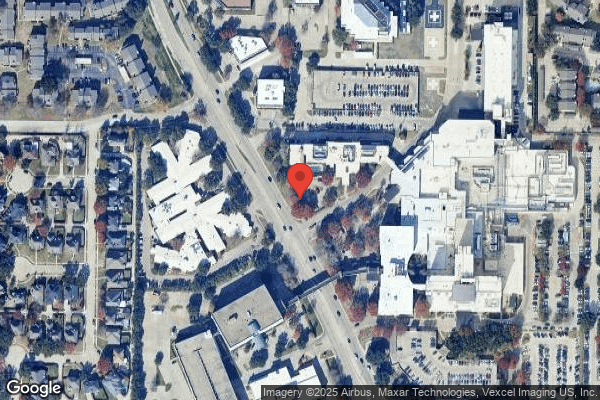
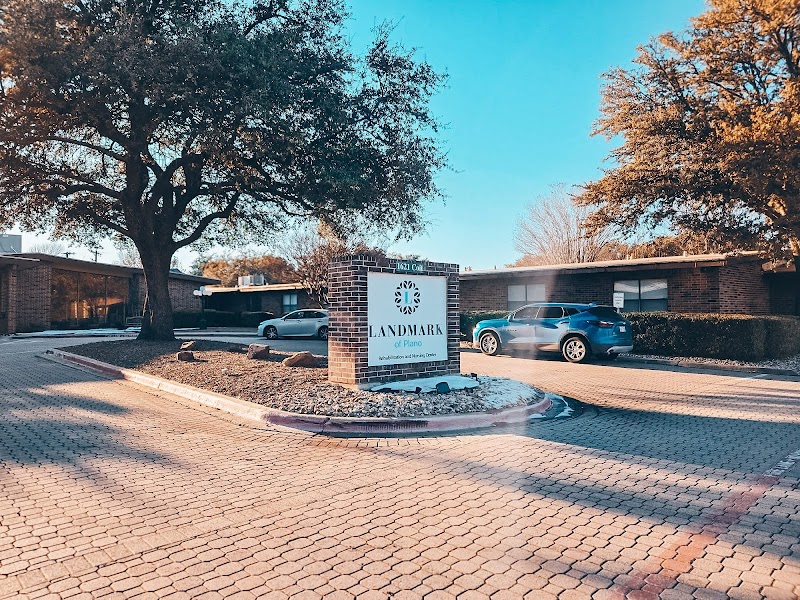
1621 COIT RD, PLANO, TX 75075 (972) 596-7930
For profit - Limited Liability company 160 Beds CREATIVE SOLUTIONS IN HEALTHCARE Data: November 2025 2 Immediate Jeopardy citations
Trust Grade
0/100
#1022 of 1168 in TX
Last Inspection: July 2024

Within standard 12-15 month inspection cycle. Federal law requires annual inspections.

Overview

Landmark of Plano Rehabilitation and Nursing Center has received a Trust Grade of F, indicating significant concerns and a poor reputation among nursing facilities. Ranked #1022 out of 1168 in Texas and #22 out of 22 in Collin County, it is in the bottom half overall, suggesting limited quality options in the area. The facility's performance is worsening, with issues increasing from 8 in 2024 to 12 in 2025. Staffing is rated poorly at 1 out of 5 stars, with a turnover rate of 52%, which is average for Texas, indicating that staff may not be as stable or experienced. Financially, the facility has incurred $84,642 in fines, which is concerning but aligns with the average for Texas facilities. The coverage by registered nurses is average, which is essential for catching potential problems early. Specific incidents include critical failures to notify a resident's physician about leg pain, leading to a serious injury, and a serious finding of potential abuse when a staff member took unauthorized photos of a resident. While the facility has some strengths, such as an acceptable quality measure rating of 4 out of 5 stars, the numerous serious deficiencies highlight significant risks for residents.

Trust Score
F
0/100
In Texas
#1022/1168
Bottom 13%
Safety Record
High Risk
Review needed
Inspections
Getting Worse
8 → 12 violations
Staff Stability
⚠ Watch
52% turnover. Above average. Higher turnover means staff may not know residents' routines.
Penalties
✓ Good
$84,642 in fines. Lower than most Texas facilities. Relatively clean record.
Skilled Nurses
⚠ Watch
Each resident gets only 23 minutes of Registered Nurse (RN) attention daily — below average for Texas. Fewer RN minutes means fewer trained eyes watching for problems.
Violations
⚠ Watch
39 deficiencies on record. Higher than average. Multiple issues found across inspections.
★☆☆☆☆
1.0
Overall Rating
★☆☆☆☆
1.0
Staff Levels
★★★★☆
4.0
Care Quality
★★☆☆☆
2.0
Inspection Score
Stable
2024: 8 issues
2025: 12 issues

The Good

  • 4-Star Quality Measures · Strong clinical quality outcomes
  • Full Sprinkler Coverage · Fire safety systems throughout facility
  • No fines on record

Facility shows strength in quality measures, fire safety.

The Bad

1-Star Overall Rating

Below Texas average (2.8)

Significant quality concerns identified by CMS

Staff Turnover: 52%

Near Texas avg (46%)

Higher turnover may affect care consistency

Federal Fines: $84,642

Well above median ($33,413)

Moderate penalties - review what triggered them

Chain: CREATIVE SOLUTIONS IN HEALTHCARE

Part of a multi-facility chain

Ask about local staffing decisions and management

The Ugly 39 deficiencies on record

2 life-threatening 1 actual harm
Jul 2025 2 deficiencies
CONCERN (D) 📢 Someone Reported This

A family member, employee, or ombudsman was alarmed enough to file a formal complaint

Potential for Harm - no one hurt, but risky conditions existed

Safe Environment (Tag F0584)

Could have caused harm · This affected 1 resident

**NOTE- TERMS IN BRACKETS HAVE BEEN EDITED TO PROTECT CONFIDENTIALITY** Based on observation, interview, and record review the facility failed to ensure a safe, clean, comfortable, and homelike enviro...

Read full inspector narrative →
**NOTE- TERMS IN BRACKETS HAVE BEEN EDITED TO PROTECT CONFIDENTIALITY** Based on observation, interview, and record review the facility failed to ensure a safe, clean, comfortable, and homelike environment for one (Resident #1) of six residents reviewed for decent living environment. 1. The facility failed to ensure Resident #1 had access to her bathroom. This failure could place residents at risk for diminished quality of life due to a lake of a well-kept environment. Findings included: Record review of Resident #1's face sheet, dated 07/18/25, reflected a [AGE] year-old female, with an initial admit date of 03/28/25, and a readmit date of 05/16/25. Resident #1 had diagnoses of Frontotemporal Neurocognitive Disorder (brain disease that leads to significant changes in behavior, language abilities, and personality), Dementia (Decline in memory, thinking, and social abilities), Muscle Weakness, Bipolar Disorder (Extreme Mood Swings), Depression (disorder causing feelings of sadness, anger, or loss), Manic Disorder (causes periods of extreme changes in mood or emotions and energy level), Impulse Disorder (Inability to resist strong urges), and Cognitive Communication Deficit (Communication difficulty). Record review of Resident #1's Quarterly MDS Assessment, dated 05/01/25, reflected Resident #1 had a BIMS score of 03, which indicated Resident #1 was severely impaired. In an observation and interview on 07/18/25 at 5:18 PM, Resident #1's bathroom in her room was locked. The Maintenance Director stated the bathroom was locked, because Resident #1 put all items down the toilet like clothes and briefs. He stated her toilet caused other toilets in memory care to back up in the memory care unit. In an interview on 07/18/25 at 6:50 PM, the DON stated Resident #1's bathroom was locked, because she had a behavior of throwing things down the toilet. She stated the door was locked to prevent flooding in the memory care unit. The DON stated the staff took her to the community restroom in the memory care unit if Resident #1 needed to use the bathroom. The DON stated the memory care unit community bathroom was locked, but the staff were able to unlock the community bathroom door. The DON stated she felt there was no risk since it was for Resident #1's safety and it prevented plumbing issues. In an interview on 07/18/25 at 8:10 PM, the Corporate Nurse stated the Administrator was suspended and no longer in the building. He stated Resident #1's bathroom was unlocked and would be cleaned for use. He stated he did know about the risks, but stated Resident #1 should have had access to an unlocked bathroom. Record review of the facility's undated policy, titled, Resident Rights, reflected the following: Resident Rights A facility must treat each resident with respect and dignity and care for each resident in a manner and in an environment that promotes maintenance or enhancement of his or her quality of life, recognizing each resident's individuality. The facility must protect and promote the rights of the resident. The facility must provide equal access to quality care regardless of diagnosis, severity of condition, or payment source. The resident representative has the right to exercise the resident's rights to the extent those rights are delegated to the resident representative. Safe environment - The resident has a right to a safe, clean, comfortable and homelike environment, including but not limited to receiving treatment and supports for daily living safely. The facility must provide-- A safe, clean, comfortable, and homelike environment, allowing the resident to use his or her personal belongings to the extent possible. This includes ensuring that the resident can receive care and services safely and that the physical layout of the facility maximizes resident independence and does not pose a safety risk.
CONCERN (D) 📢 Someone Reported This

A family member, employee, or ombudsman was alarmed enough to file a formal complaint

Potential for Harm - no one hurt, but risky conditions existed

Report Alleged Abuse (Tag F0609)

Could have caused harm · This affected 1 resident

**NOTE- TERMS IN BRACKETS HAVE BEEN EDITED TO PROTECT CONFIDENTIALITY** Based on interview and record review, the facility failed to ensure all alleged violations involving abuse, neglect, exploitatio...

Read full inspector narrative →
**NOTE- TERMS IN BRACKETS HAVE BEEN EDITED TO PROTECT CONFIDENTIALITY** Based on interview and record review, the facility failed to ensure all alleged violations involving abuse, neglect, exploitation, or mistreatment were reported no later than 2 hours if the events that caused the allegation did involve abuse or serious bodily injury to HHS, for 1 of 1 resident (Resident #1) reviewed for abuse, neglect, exploitation, or mistreatment. The facility failed to report to HHS within two hours, when a staff member reported CNA A spoke rudely and pushed Resident #1 down the memory care hallway on 07/05/25. This failure could place residents at risk of abuse or mistreatment. Findings included: Record review of Resident #1's face sheet, dated 07/18/25, reflected a [AGE] year-old female, with an initial admit date of 03/28/25, and a readmit date of 05/16/25. Resident #1 had diagnoses of Frontotemporal Neurocognitive Disorder (brain disease that leads to significant changes in behavior, language abilities, and personality), Dementia (Decline in memory, thinking, and social abilities), Muscle Weakness, Bipolar Disorder (Extreme Mood Swings), Depression (disorder causing feelings of sadness, anger, or loss), Manic Disorder (causes periods of extreme changes in mood or emotions and energy level), Impulse Disorder (Inability to resist strong urges), and Cognitive Communication Deficit (Communication difficulty). Record review of Resident #1's Quarterly MDS Assessment, dated 05/01/25, reflected Resident #1 had a BIMS score of 03, which indicated Resident #1 was severely impaired. In an interview on 07/18/25 at 11:45 AM, the Administrator stated he was informed by a Charge Nurse who worked in memory care, that CNA A allegedly abused a resident on 07/05/25. He stated he was told that CNA A spoke rudely to the resident. He stated he suspended CNA A, who allegedly abused Resident #1, and he stated he started an investigation. The Administrator stated he did not find any evidence of abuse. He stated Resident #1 was assessed and did not have any bruises, marks, or injuries, and he stated Resident #1 did not have an outcry of abuse. The Administrator stated he did not report the allegation to HHS, because it was not an abuse issue but a customer service issue. The Administrator stated CNA A was in-serviced on customer service. The Administrator stated he felt there was no risk of not reporting the allegations, because it was a customer service issue. In a telephone interview on 07/18/25 at 1:23 PM, CNA A stated she worked the 2:00 PM to 10:00 PM shift on 07/05/25. She stated she could hear someone beat on the door while she sat at the nurse's station. CNA A stated she had worked for years at the facility and was very familiar with Resident #1, so when she saw it was Resident #1 who made the noise, she went to calm her. She stated the staff knew to take Resident #1 to the back of memory care, to the sunroom area, where she was not around other residents, and had the opportunity to calm down. CNA A stated Resident #1 stated she wanted a snack and to use the bathroom. CNA stated Resident #1 was calm after she received a snack and had a trip to the bathroom. CNA A stated she never yelled, grabbed, pushed, pulled, or harmed Resident #1. CNA A stated she walked arm in arm with Resident #1 like she did often. CNA A stated she was trained on how to redirect residents in memory care, as well as on abuse and neglect. She stated three types of abuse were verbal, physical, and sexual. She stated she had never abused a resident, never witnessed any abuse at the facility, and would tell the abuse coordinator if she witnessed any type of abuse. In a telephone interview on 07/18/25 at 1:35 PM, the CNA Trainee stated she and the Charge Nurse went to the vending machine, and when they returned CNA B told them she did not like how that girl treated Resident #1. The CNA Trainee stated CNA B told them CNA A was very stern with Resident #1. The CNA Trainee stated CNA B told them CNA A forced Resident #1 down the hallway toward the sunroom. The CNA Trainee stated Resident #1 would yell loudly at times and had psychiatric issues. The CNA Trainee stated Resident #1 had to be redirected often. The CNA Trainee stated she did not witness the incident. She stated it happened while she and the Charge Nurse left to go to the vending machine. In a telephone interview on 07/18/25 at 1:45 PM, the Charge Nurse stated she was not in memory care to witness the incident. She stated was gone to the vending machine with the CNA Trainee. The Charge Nurse stated when they returned to the memory care unit CNA B told them she did not like how CNA A talked to Resident #1. The Charge Nurse stated at the time of the complaint, CNA A was in the bathroom with Resident #1. The Charge Nurse stated once they were finished, she asked CNA A to leave for the day. She stated CNA A was suspended, but she was not sure how long it was before she returned to work. She stated CNA B called and told the Administrator about the incident. In an interview on 07/18/25 at 5:18 PM, Resident #1 stated she could not think of any staff who were rude to her, and she stated she felt safe in the facility. Resident #1 stated she could not remember any staff member by name. She stated she could not remember any incidents were someone pulled her by the arm. In an interview on 07/18/25 at 6:18 PM, the DON stated she became aware of the abuse allegations the same day it happened on 07/05/25. She stated the staff had already notified the Administrator of the allegations. She stated CNA A was suspended, and the Administrator did an investigation. She stated she was not aware he did not report the abuse allegations to HHS. The DON stated she felt there was not a risk of the Administrator not contacting HHS, because he did his own investigation and found it to be a customer service concern and not abuse. Record review of the facility's policy, dated 03/29/18, titled, Abuse/Neglect, reflected the following: A. Reporting1. Any person having reasonable cause to believe an elderly or incapacitated adult is suffering from abuse, neglect or exploitation must report this to the DON, administrator, state and/or adult protective services. State law mandates that citizens report all suspected cases of abuse, neglect or financial exploitation of the elderly and incapacitated persons.2. When a suspected abused. neglected. exploited. mistreated or potential victim of misappropriation of property comes to the attention of any employee, that employee will make an immediate verbal report to the Abuse Preventionist or designee. If the discovery occurs outside of normal business hours., the Abuse Preventionist and/or designee will be called.3. Facility employees must report all allegations of abuse. neglect, exploitation, mistreatment of residents, misappropriation of resident property or injury of unknown source to the facility administrator. The facility administrator or designee will report to HHSC all incidents that meet the criteria of Provider Letter 19-17 dated 7/10/19.a. if the allegations involve abuse or result in serious bodily injury, the report is to be made within 2 hours of the allegationb. If the allegation does not involve abuse or serious bodily injury, the report must be made within 24 hours of the allegation.
Jun 2025 3 deficiencies
CONCERN (E) 📢 Someone Reported This

A family member, employee, or ombudsman was alarmed enough to file a formal complaint

Potential for Harm - no one hurt, but risky conditions existed

Pressure Ulcer Prevention (Tag F0686)

Could have caused harm · This affected multiple residents

**NOTE- TERMS IN BRACKETS HAVE BEEN EDITED TO PROTECT CONFIDENTIALITY** Based on observations, interviews and record review, the facility failed to ensure residents with pressure ulcers received neces...

Read full inspector narrative →
**NOTE- TERMS IN BRACKETS HAVE BEEN EDITED TO PROTECT CONFIDENTIALITY** Based on observations, interviews and record review, the facility failed to ensure residents with pressure ulcers received necessary treatment and services, consistent with professional standards of practice, to promote healing, prevent infection and prevent new ulcers from developing for three (Resident #1, Resident #2 and Resident #4) of seven residents reviewed for treatment/services for pressure ulcers. 1. The facility failed to ensure Resident #2, who had a pressure ulcer on his coccyx, had a low air loss mattress pump with the correct settings for appropriate pressure redistribution on 06/18/25. 2. The facility failed to ensure Resident #3 and Resident #4 had a functioning low air loss mattress available to use to promote healing of their sacral wounds on 06/18/25. 3. The facility failed to ensure Resident #3 wound dressing was changed daily as per orders. These failures placed residents at risk of developing new or worsening pressure ulcers. Findings included: 1. Record review of Resident #2's Face Sheet dated 06/18/25 reflected he was a [AGE] year-old male who admitted to the facility on [DATE]. Resident #2's active diagnoses included dementia (a decline in mental ability severe enough to interfere with daily life and can impact memory, thinking, language, judgment, and behavior), gangrene (a serious condition where body tissue dies due to a lack of blood supply or severe bacterial infection), non-pressure chronic ulcer of right foot (a persistent or recurring open sore on the foot that fails to heal within a typical timeframe), type 2 diabetes (a chronic disease where the body doesn't produce enough insulin or can't properly use the insulin it produces, leading to high blood sugar levels), malnutrition (a condition that arises from an imbalance or deficiency of essential nutrients in the body, leading to health problems) and rheumatoid arthritis (a chronic autoimmune disease that primarily affects the joints, causing inflammation, pain, and stiffness). Record review of Resident #2's quarterly MDS assessment dated [DATE] reflected a BIMS score of 15, which indicated no cognitive impairment. Resident #2 had no signs or symptoms of delirium, no negative mood issues, no verbal or physical behaviors and no rejection of care issues. He had no range of motion impairments, was ambulatory and did not use any mobility devices. Resident #2 required substantial/maximum assistance for bed mobility, was frequently incontinent of urine and always incontinent of bowel. Resident #2 weighed 162 pounds and was at risk of developing pressure ulcers/injuries. He had one stage four pressure ulcer that was present upon admission. Resident #2 required a pressure reducing device for his bed, pressure ulcer/injury care and application of non-surgical dressings. Resident #2 also received hospice care during the assessment period and had a condition or chronic disease that could result in a life expectancy of less than 6 months. Record review of Resident #2's care plan dated 04/11/25 reflected, Focus: [Resident #2] has a pressure ulcer or potential for pressure ulcer development; Intervention: Ensure heels are floated with the use of pillows, Incontinent care after each episode and apply moisture barrier, Use lifting device, draw sheet, etc. to reduce friction, Requires a cushion to their wheel or Geri chair and needs assistance to turn/reposition at least every 2 hours. The care plan did not indicate what type of pressure ulcer or treatment orders he had. Record review of Resident #2's last wound care NP's visit dated 06/13/25 reflected he had a Stage 4 coccyx (commonly known as the tailbone, is the small bone located at the very bottom of the spine) wound with a measurement of 13.10 cm x 1.2 cm with a surface area of 144.10 cm, was undermining (a wound where the skin edges separate from the surrounding tissue, creating a pocket or cavity beneath the surface) from 6 o'clock to 5 o'clock- 2.4 cm and tunneling (a type of wound where a narrow channel or passageway extends from the surface of the wound into deeper layers of tissue) at 12 o'clock- 2.4 cm . There was 0% epithelial (forms the protective outer layer of the skin), 50% granulation (a normal part of the wound healing process, appearing as a bumpy, pink or red, moist tissue that fills in the wound bed), 50% slough (which is a layer of dead tissue that can accumulate on the wound surface), 0% eschar (a collection of dead tissue, often black, brown, or tan, that forms on the surface of a wound) with bone exposed, intact wound edges, and the wound was intact and fragile. There was moderate exudate (the fluid produced by a wound as part of the natural healing process) that was serosanguineous (a wound that is draining a fluid that contains both blood serum [a clear, yellowish fluid] and blood). The wound NP noted the pressure ulcer was not acquired in-house and was stable and had not worsened. The wound order included daily and PRN dressing change with a wound cleanser with moistened fluffed gauze and ABD, with bordered foam. Additionally, Resident #2 also had a wound on his right fifth toe, right fourth toe, right third toe and right second toe that were all noted by the wound care NP to be stable and required a wound care betadine cleanser and were to be left open to air. The wound care NP's note also reflected a summary of previous visits: - 04.11.25: Pt admitted to facility 04.08.25 under hospice services. Pressure injury to coccyx and wounds of undetermined etiology to right toes 1-5. Pt on air mattress .Continue pressure offloading and incontinence management. -05.28.25: .Pt tolerated debridement of coccyx wound. No s/s of infection noted . Air mattress in place. -06.06.25: Wounds stable. Tolerated debridement of coccyx wound without complications. -06/13/2025: Coccyx pressure injury stage 4 stable. Wound debridement tolerated. Recommend continuing offloading and frequent repositioning while in bed. Record review of Resident #2's Physician's Order Summary reflected the following orders related to wound care: May have pressure relieving mattress every shift (start date 04/08/25); Sacrum: Cleanse with wound cleaner [name] moistened fluffed gauze, and cover with ABD and bordered foam every day and as needed for wound management (start date 06/07/25). Record review of Resident #2's June 2025 TAR/WAR (treatment/wound administration record) reflected an entry for checking his pressure relieving mattress every shift three times a day. Each shift was initialed by various charge nurses from 06/01/25-06/17/25. The nurse who initiated she checked his low air loss mattress on the morning (6AM) on 06/18/25 was charge nurse LVN D. Record review of Resident #2's weights recorded for the past three months reflected he weighed 162.2 pounds on 06/05/25, 160.4 pounds on 05/15/25 and 161.6 pounds on 04/08/25. Observation of Resident #2's low air loss mattress on 06/18/25 at 10:32 AM revealed the unit was set to a weight of 280 pounds and normal pressure. An interview with Resident #2 on 06/18/25 at 10:40 AM revealed he felt the mattress was uncomfortable and lumpy. He stated he weighed somewhere between 160 to 180 pounds, but nowhere near 280. An interview with LVN D on 06/18/25 at 10:41 AM revealed she observed Resident #2's low air loss mattress and said the charge nurses were usually responsible for setting the mattresses at the correct weight. She was not sure how much Resident #2 weighed but surmised he was not 280 pounds and would follow up on it. 2. Record review of Resident #3's MDS quarterly assessment dated [DATE] reflected he was a [AGE] year-old male who admitted to the facility on [DATE] and re-admitted [DATE] from an acute hospital stay. Resident #3's active diagnoses included diabetes (disease where the body either doesn't produce enough insulin or can't properly use the insulin it produces, causing high blood sugar levels), aphasia (a language disorder that affects the ability to communicate), stroke (occurs when blood flow to the brain is interrupted or reduced, depriving brain tissue of oxygen and nutrients), anoxic brain damage (occurs when the brain is deprived of oxygen, leading to cell death and potential neurological damage) and dysphagia (difficulty swallowing). Resident #3 had long and short-term memory problems with severely impaired cognitive skills for decision making. Resident #3 had no verbal or physical behaviors or rejection of care issues. He had range of motion impairment on one side of his upper and lower extremities and used a wheelchair for mobility. Resident #3 required substantial/maximum assistance for all ADLs as well as locomotion and bed mobility and was always incontinent of bowel and bladder. Resident #3 weighed 143 pounds at the time of the assessment and was noted not to be at risk for pressure ulcers and had no pressure ulcers. For Skin and Ulcer/Injury Treatments section of the MDS, it reflected, Pressure reducing device for bed. Record review of Resident #2's care plan dated 02/14/24 and last updated for wounds on 06/03/24 reflected, [Resident #3] has potential for pressure ulcer development; Interventions: .Do not massage over bony prominences and use mild cleansers for pericare/washing, Ensure heels are floated with the use of pillows, Follow facility policies/protocols for the prevention/treatment of skin breakdown; The resident needs assistance to turn/reposition at least every 2 hours., The resident requires a cushion to their wheel or gerichair, The resident requires the bed as flat as possible to reduce shear, Use lifting device, draw sheet, etc. to reduce friction. The care plan did not reflect a low air loss mattress as an intervention. Record review of a Weekly Skin assessment dated [DATE] by the wound care nurse WC LVN C reflected Resident #3 had redness to his sacrum (a triangular bone in the lower back formed from fused vertebrae and situated between the two hipbones of the pelvis) noted under other skin findings present. Record review of the Wound Care NP's visit dated 06/06/25 reflected in a Skin and Wound Care Note that Resident #3 was being seen for a new skin and wound consult. The NP stated, 06.06.25: Pt being seen for new consult of breakdown to sacrum. On exam, fragility noted to sacrum with small superficial openings. No s/s of infection noted. Recommendations as noted in wound plan. Recommend continuing incontinence management and repositioning interventions. The primary etiology (cause) of the wound was noted to be incontinence associated dermatitis (skin inflammation, characterized by symptoms like itchiness, redness, and dryness) that was 4.5 cm x 5 cm x 0.1 cm and a surface area of 22.5 sq cm. The wound base was 100% epithelial , 0% granulation , 0% slough , 0% eschar with exposed dermis (middle layer of skin) tissue, attached wound edges and an intact and fragile periwound (the area of skin immediately surrounding a wound, extending outward from the wound's edge). There was no exudate (a fluid that leaks out of blood vessels into surrounding tissues, often due to inflammation or injury) and no wound pain. Treatment orders reflected, Wound # 3 Sacrum Incontinence Associated Dermatitis (IAD) Treatment Recommendations: 1. Cleanse with wound cleanser; 2. apply [name] paste to base of the wound; 3. secure with Leave open to air; 4. change Daily, and PRN. Preventative measures included, Continue with turning and repositioning schedule per protocol for pressure prevention. Use pillows for positioning to prevent pressure to bony prominences. Patient is at high risk for skin breakdown related to decreased mobility, inability to reposition self, incontinence of urine and stool. Record review of Resident #3's physician order summary reflected, May have pressure relieving mattress every shift (start dated 10/17/24); Sacrum: Cleanse with wound cleanser, apply collagen and cover with hydrocolloid every day shift every Mon, Wed, Fri and as needed for wound management (start date 06/18/25). Record review of Resident #3's June 2025 TAR/WAR (treatment/wound administration record) reflected an entry for checking his pressure relieving mattress every shift three times a day. Each shift was initialed by various charge nurses from 06/01/25-06/17/25. An observation of Resident #3 on 06/18/25 at 10:08 AM revealed he was in bed with no low air loss mattress in place. Resident #3 was not interviewable and had a triangular wedge under his legs, a contracted right hand and multiple pillow (approximately 3-4) around his body. His wound dressing with observed to be in place on his sacrum, covered and initiated/dated by the WC LVN C on 06/16/25. An interview with LVN E on 06/18/25 at 10:08 AM occurred where she was asked about the low air loss mattress not being in place for Resident #3, to which she replied, We don't leave him in bed all day, we like to keep him in his wheelchair until after lunch. LVN E did affirm that Resident #3 had a wound on his sacrum. 3. Record review of Resident #4's Face Sheet dated 06/19/25 reflected she was a [AGE] year-old female who admitted to the facility on [DATE] and had active diagnosis of lupus erythematosus (a chronic autoimmune disease where the body's immune system mistakenly attacks healthy tissues and organs), adult failure to thrive (a decline in physical and cognitive function, accompanied by weight loss, decreased appetite, and reduced activity levels), vascular dementia (a condition where damage to blood vessels in the brain impairs blood flow, leading to cognitive decline), diabetes (a disease where the body either doesn't produce enough insulin or can't properly use the insulin it produces, causing high blood sugar levels), psoriasis (a chronic, immune-mediated skin disease that causes red, scaly patches on the skin) and dysphagia (difficulty swallowing). Record review of Resident #4's quarterly MDS assessment dated [DATE] reflected she had long and short-term memory problems and severely impaired cognitive skills for decision making. Resident #4 did not have any behavioral symptoms or rejection of care issues. Resident #4 was totally dependent on staff for all ADLs, movement and bed mobility. She had no range of motion issues and used a wheelchair for ambulation. Resident #4 was always incontinent of bowel and bladder, weighed 127 pounds and was at risk of developing pressure ulcers/injuries. She did not have any identified wounds, ulcers or skin issues during the look back period but under the Skin and Ulcer/Injury Treatments, the box was checked that she had a pressure reducing device for her bed and applications of ointments and medications to areas other than feet. Resident #4 was also receiving hospice services and had a life expectancy of less than six months. Record review of Resident #4's care plan initiated 12/08/22 and last updated related to wounds on 01/23/24 reflected, Goal: [Resident #4] has a potential for skin breakdown r/t lupus (a chronic autoimmune disease where the body's immune system mistakenly attacks healthy tissue, causing inflammation and damage to various organs) and psoriasis (a chronic, immune-mediated skin condition that causes red, scaly patches on the skin); Interventions: .Provide pressure reducing mattress on bed, Weekly skin assessment to be completed. The care plan did not reflect she had a new skin alteration on her bottom. Record review of Resident #4's physician order summary reflected, Left buttock: Cleanse with wound cleanser pat dry, apply honey and calcium alginate. Cover, secure with border foam dressing. every day shift every Mon, Wed, Fri for wound management Hospice nurse will assess once a week (start date 06/18/25) . Right buttock: Cleanse with wound cleanser pat dry, apply xeroform and cover with border foam dressing every day shift every Mon, Wed, Fri for wound management (written 06/19/25 with a start date of 06/20/25). Resident #4 did not have an order for a pressure reducing mattress. An observation of Resident #4 on 06/18/25 at 10:25 AM revealed she was in bed, was not able to be interviewed as she was no responsive to questions. Resident #4 was observed to not have a low air loss mattress in place. She had a pillow minimally offloading her right butt cheek and another pillow under her thighs. The wound dressing was observed to be intact and on her left butt cheek and was dated 06/18/25 by WC LVN C. An interview with LVN D on 06/18/25 at 10:25 AM revealed Resident #4 had a blister on her bottom that had popped and was currently receiving treatment for it. 4. An interview with ADON A on 06/18/25 at 3:16 PM revealed the purpose of an air loss mattress was for when a resident had compromised skin or to prevent skin breakdown from happening or getting worse, to promote healing and to make the resident feel comfortable. He stated the setting for the pump should go by the weight of the resident according to what the rental company staff for the mattress have told him, But I am not exactly sure, mostly when they [DME rental company] comes, they set it up for us. Then the nurses check it to make sure it is running with that parameter. ADON A stated the charge nurse was supposed to be checking the low air loss mattress and pump settings during a daily routine check. ADON A said in order to prevent pressure ulcers from getting worse, as a unit manager, he assesses residents with wounds and made sure there was a low air loss mattress in place for a new or reopened wound. ADON A stated using pillows versus a low air loss mattress would depend on the physician's order. He stated, Mostly from my experience, I don't know if a pillow is enough for a pressure ulcer, we need a low air loss mattress. I don't know if you can replace that with a pillow. But to prevent a wound, you can reposition, use pillows but once the wound starts forming, we need a low air loss mattress. An interview with ADON B on 06/19/25 at 10:45 AM revealed the purpose of a low air loss mattress was to prevent pressure ulcers or other wounds and the setting should go by the resident's weight. She said the setting should be monitored daily by the ADONs, treatment (wound care) nurse and the DON. An interview with WC LVN C on 06/19/25 at 11:15 AM revealed the purpose of a low air loss mattress was to prevent wounds and the setting should go by the weight of the resident. She did not know who was responsible for setting the pump to the correct setting. WC LVN C stated, I probably should check the setting on the mattress, I should know how it is being effective with the wound, but I don't do it with every wound. An interview with the ADM on 06/19/25 at 11:45 AM revealed after investigator intervention, Residents #3 and #4 were ordered and provided a low air loss mattress. He stated central supply was present during the stand-up meetings and when she was made aware of the need for a low air loss mattress, she ordered it and it would usually come within the same day or within 24-48 hours. He stated hospice delivered Resident #4's and Resident #3's came in on 06/19/25. The ADM stated he was not sure why there was a delay in getting them. An interview with LVN F on 06/19/25 at 12:58 PM revealed the purpose of a low air loss mattress was to help with pressure sores and positioning. LVN F stated she would know if the mattress was not set correctly because an alarm would go off and give an alert on the pump unit. She said when the dial was turned on, It goes to 250 and that is where it should be put, it is the amount of air going into the mattress. LVN F stated the low air loss mattresses were usually for residents who might be at risk for pressure ulcers as well as for those residents who could not reposition themselves in bed. She stated the setting for the pump to ensure accuracy was usually monitored by the charge nurses and CNAs. 5. Review of the facility's policy titled, Skin Integrity Management revised October 16, 2016, reflected, .14. Any individual assessed to be at high risk for developing pressure ulcers should be placed when lying in bed on a pressure-reducing device.
CONCERN (E) 📢 Someone Reported This

A family member, employee, or ombudsman was alarmed enough to file a formal complaint

Potential for Harm - no one hurt, but risky conditions existed

Pharmacy Services (Tag F0755)

Could have caused harm · This affected multiple residents

**NOTE- TERMS IN BRACKETS HAVE BEEN EDITED TO PROTECT CONFIDENTIALITY** Based on interview, and record review, the facility failed to provide pharmaceutical services (including procedures that assure ...

Read full inspector narrative →
**NOTE- TERMS IN BRACKETS HAVE BEEN EDITED TO PROTECT CONFIDENTIALITY** Based on interview, and record review, the facility failed to provide pharmaceutical services (including procedures that assure the accurate acquiring, receiving, dispensing, and administering of all drugs and biologicals) to meet the needs of each resident for two (Resident #2 and Resident #5) of seven residents reviewed for medications and pharmacy services. 1. The facility failed to administer Resident #2's blood pressure medication Carvedilol in accordance with physician orders, by not obtaining his blood pressure prior to administering the medication on nine occasions from 06/03/25 through 06/18/25. 2. The facility failed to administer Resident #5's blood pressure medication Midodrine in accordance with physician orders, by not obtaining his blood pressure prior to administering the medication on four occasions from 06/07/25 through 06/10/25. These failures could place residents at risk for not receiving therapeutic dosages of their medications as ordered by the physician and a potential for decreased health status, including low blood pressure which could cause fainting or dizziness because the brain was not receiving enough blood. Findings included: 1. Record review of Resident #2's Face Sheet dated 06/18/25 reflected he was a [AGE] year-old male who admitted to the facility on [DATE]. Resident #2's active diagnoses included dementia (a decline in mental ability severe enough to interfere with daily life and can impact memory, thinking, language, judgment, and behavior), hypertensive heart disease (heart conditions that develop as a result of long-term high blood pressure), diabetes (a chronic disease where the body doesn't produce enough insulin or can't properly use the insulin it produces, leading to high blood sugar levels), malnutrition (a condition that arises from an imbalance or deficiency of essential nutrients in the body, leading to health problems) and rheumatoid arthritis (a chronic autoimmune disease that primarily affects the joints, causing inflammation, pain, and stiffness) and atherosclerosis of native arteries of extremities of the right leg (the buildup of plaque in the arteries of the limbs, which can restrict blood flow to the legs and feet) and atrial fibrillation (a common heart condition where the heart's upper chambers (atria) beat irregularly and sometimes rapidly). Record review of Resident #2's quarterly MDS assessment dated [DATE] reflected a BIMS score of 15, which indicated no cognitive impairment. Resident #2 had no signs or symptoms of delirium, no negative mood issues, no verbal or physical behaviors and no rejection of care issues. He had no range of motion impairments, was ambulatory and did not use any mobility devices. Resident #2 required substantial/maximum assistance for bed mobility, was frequently incontinent of urine and always incontinent of bowel. Resident #2 received hospice care during the assessment period and had a condition or chronic disease that could result in a life expectancy of less than 6 months. Record review of Resident #2's care plan dated 04/08/25 and last revised on 05/28/25 reflected no discussion of his blood pressure medication and related health condition. Record review of Resident #2's Order Summary Report reflected he was prescribed Carvedilol Oral Tablet 3.125 MG twice a day for high blood pressure related to hypertensive heart disease with heart failure, Hold for BP <110/60, P 60 (start date 04/08/25). Record review of Resident #2's June 2025 MAR did not reflect all blood pressure recordings twice a day prior to the administration of his Carvedilol on 06/03/25 (PM shift), 06/05/25 (AM and PM shift), 06/09/25 (AM and PM shift), 06/10/25 (PM shift), 06/13/25 (PM shift), 06/16/25 (AM shift) and 06/18/25 (AM shift). Record review of Resident #2's nursing progress notes and vitals recordings in the e-chart did not reflect all additional blood pressure readings for June 2025 when there was none documented on the MAR. 2. Record review of Resident #5's Face Sheet dated 06/18/25 reflected he was a [AGE] year-old male who admitted to the facility on [DATE] and re-admitted on [DATE] after an acute hospital stay. Resident #5 had active diagnoses which included Parkinson's disease, diabetes, long term use of anticoagulants, dysphagia (difficulty swallowing), hyperlipidemia (a condition where there are abnormally high levels of lipids (fats) in the blood, including cholesterol and triglycerides) and seizures. Record review of Resident #5's annual MDS assessment dated [DATE] reflected his BIMS score was 12, which indicated moderate cognitive impairment. Resident #5 had no signs or symptoms of delirium, no negative mood problems, no behaviors and no rejection of care issues. He had range of motion issues on one side in his upper and lower extremities and was independently ambulatory. Record review of Resident #5's care plan initiated 05/27/22 and last revised on 12/27/24 reflected no discussion of his blood pressure medication and related health condition. Record review of Resident #5's Order Summary Report reflected he was prescribed Midodrine Oral Tablet 10 MG three times a day via the peg-tube for low blood pressure, hold if systolic BP greater than 120 (discontinued 06/12/25). Record review of Resident #5's June 2025 MAR did not reflect all blood pressure recordings three times a day prior to the administration of his Midodrine on 06/07/25 (PM and HS shift), 06/08/25 (HS shift), 06/10/25 (AM shift). Record review of Resident #5's nursing progress notes and vitals recordings in the e-chart did not reflect any additional blood pressure readings for June 2025 when there was none documented on the MAR. 3. An interview with ADON A on 06/18/25 at 3:16 PM revealed when a resident was prescribed Midodrine or Carvedilol, the charge nurse or med aide should document what the blood pressure was prior to administration. If the resident's blood pressure fell outside of the parameters noted on the order, then the med aide should report it to the nurse. ADON A stated Midodrine was given to residents who had low blood pressure to help elevate it. ADON A stated, If a doctor says hold if the blood pressure is this, and the patient has a blood pressure of 130 or 140 and you give the medication, it will shoot it up, that is why we hold. We check the vital and recheck because sometimes a resident might be upset or angry or annoyed when we go in and their blood pressure it up, we give then an hour and recheck. An interview with ADON B on 06/19/25 at 10:45 AM revealed it was important to document a resident's blood pressure prior to administering blood pressure medications, Because their blood pressure could be too low or too high and you could exacerbate the issue. We got to make sure of the vitals with blood pressure medications. They need to be writing it down. ADON B thought that the e-charting system would not let the med aide or nurse proceed in their administration documentation unless a blood pressure was entered. An interview with LVN F on 06/19/25 at 12:58 PM revealed it was important to take a resident's vitals prior to administering a blood pressure medication because it the parameters were not met, the medication had to be held. LVN F stated, For me, the medication aides check their own blood pressures but we let them know if there is something off, like 90/50, we do it [charge nurse] and follow up. LVN F stated the charge nurses were responsible for checking blood pressures daily on every resident along with the medication aides, A beds were done in the mornings and B beds were done in the afternoon/evening. LVN F stated, What happens when we put the orders in, if you don't pay attention to what the doctor is saying, there is a place on the MAR and if you don't put 'Add', it won't ask for any parameters. She stated the error could be that the person entering the order was not clicking on the parameters section when entering the order. 4. Review of the facility's policy titled, Medication Administration Procedures, revised 10/25/2017, reflected, .13. When ordered or indicated, include specific item(s) to monitor (e.g., blood pressure, pulse, blood sugar, weight), frequency (e.g., weekly, daily), timing (e.g., before or after administering the medication), and parameters for notifying the prescriber.
CONCERN (E) 📢 Someone Reported This

A family member, employee, or ombudsman was alarmed enough to file a formal complaint

Potential for Harm - no one hurt, but risky conditions existed

Medical Records (Tag F0842)

Could have caused harm · This affected multiple residents

**NOTE- TERMS IN BRACKETS HAVE BEEN EDITED TO PROTECT CONFIDENTIALITY** Based on observation, interview and record review, in accordance with accepted professional standards and practices, the facilit...

Read full inspector narrative →
**NOTE- TERMS IN BRACKETS HAVE BEEN EDITED TO PROTECT CONFIDENTIALITY** Based on observation, interview and record review, in accordance with accepted professional standards and practices, the facility failed to maintain medical records on each resident that are complete; accurately documented; readily accessible; and systematically organized for three (Residents #2 , #3 and #7) of seven residents reviewed for resident records. 1. The facility failed to document if wound care was provided for Resident #2 in June 2025 on four occasions: 06/10/25, 06/14/25, 06/16/25 and 06/17/25. 2. The facility failed to document if wound care was provided for Resident #3 in June 2025 on three occasions: 06/10/25, 06/15/25 and 06/16/25. 3. The facility failed to document if wound care was provided for Resident #7 in May 2025 on four occasions: 05/05/25, 05/07/25, 05/21/25 and 05/26/25. These failures could place residents at risk of not receiving wound care, wounds worsening and a lack of oversight of their clinical records by the nursing staff and nursing management. Findings included: 1. Record review of Resident #2's Face Sheet dated 06/18/25 reflected he was a [AGE] year-old male who admitted to the facility on [DATE]. Resident #2's active diagnoses included dementia (a decline in mental ability severe enough to interfere with daily life and can impact memory, thinking, language, judgment, and behavior), gangrene (a serious condition where body tissue dies due to a lack of blood supply or severe bacterial infection), non-pressure chronic ulcer of right foot (a persistent or recurring open sore on the foot that fails to heal within a typical timeframe), type 2 diabetes (a chronic disease where the body doesn't produce enough insulin or can't properly use the insulin it produces, leading to high blood sugar levels), malnutrition (a condition that arises from an imbalance or deficiency of essential nutrients in the body, leading to health problems) and rheumatoid arthritis (a chronic autoimmune disease that primarily affects the joints, causing inflammation, pain, and stiffness). Record review of Resident #2's quarterly MDS assessment dated [DATE] reflected a BIMS score of 15, which indicated no cognitive impairment. Resident #2 had no signs or symptoms of delirium, no negative mood issues, no verbal or physical behaviors and no rejection of care issues. He had no range of motion impairments, was ambulatory and did not use any mobility devices. Resident #2 required substantial/maximum assistance for bed mobility, was frequently incontinent of urine and always incontinent of bowel. Resident #2 weighed 162 pounds and was at risk of developing pressure ulcers/injuries. He had one stage four pressure ulcer that was present upon admission. Resident #2 required a pressure reducing device for his bed, pressure ulcer/injury care and application of non-surgical dressings. Resident #2 also received hospice care during the assessment period and had a condition or chronic disease that could result in a life expectancy of less than 6 months. Record review of Resident #2's care plan dated 04/11/25 reflected, Focus: [Resident #2] has a pressure ulcer or potential for pressure ulcer development; Intervention: Ensure heels are floated with the use of pillows, Incontinent care after each episode and apply moisture barrier, Use lifting device, draw sheet, etc. to reduce friction, Requires a cushion to their wheel or Geri chair and needs assistance to turn/reposition at least every 2 hours. The care plan did not indicate what type of pressure ulcer or treatment orders he had. Record review of Resident #2's last wound care NP's visit dated 06/13/25 reflected he had a Stage 4 coccyx (commonly known as the tailbone, is the small bone located at the very bottom of the spine) wound with a measurement of 13.10 cm x 1.2 cm with a surface area of 144.10 cm, was undermining (a wound where the skin edges separate from the surrounding tissue, creating a pocket or cavity beneath the surface ) from 6 o'clock to 5 o'clock- 2.4 cm and tunneling (a type of wound where a narrow channel or passageway extends from the surface of the wound into deeper layers of tissue) at 12 o'clock- 2.4 cm . There was 0% epithelial (forms the protective outer layer of the skin), 50% granulation (a normal part of the wound healing process, appearing as a bumpy, pink or red, moist tissue that fills in the wound bed), 50% slough (which is a layer of dead tissue that can accumulate on the wound surface), 0% eschar (a collection of dead tissue, often black, brown, or tan, that forms on the surface of a wound) with bone exposed, intact wound edges, and the wound was intact and fragile. There was moderate exudate (the fluid produced by a wound as part of the natural healing process) that was serosanguineous (a wound that is draining a fluid that contains both blood serum [a clear, yellowish fluid] and blood). The wound NP noted the pressure ulcer was not acquired in-house and was stable and had not worsened. The wound order included daily and PRN dressing change with a wound cleanser with moistened fluffed gauze and ABD, with bordered foam. Additionally, Resident #2 also had a wound on his right fifth toe, right fourth toe, right third toe and right second toe that were all noted by the wound care NP to be stable and required a wound care betadine cleanser and were to be left open to air. Record review of Resident #2's Physician's Order Summary reflected the following orders related to wound care: Sacrum: Cleanse with wound cleaner [name] moistened fluffed gauze, and cover with ABD and bordered foam every day and as needed for wound management (start date 06/07/25). Record review of Resident #2's June 2025 TAR/WAR (treatment/wound administration record) reflected no documented treatment to his sacral wound on four occasions: 06/10/25, 06/14/25, 06/16/25 and 06/17/25. Record review of Resident #2's nursing progress notes for June 2025 reflected no additional wound treatment documented outside of what was already documented on the TAR. There was no documentation to indicate why the wound care was not performed on the numerous dates. 2. Record review of Resident #3's MDS quarterly assessment dated [DATE] reflected he was a [AGE] year-old male who admitted to the facility on [DATE] and re-admitted [DATE] from an acute hospital stay. Resident #3's active diagnoses included diabetes, aphasia, stroke, anoxic brain damage and dysphagia. Resident #3 had long and short-term memory problems with severely impaired cognitive skills for decision making. Resident #3 had no verbal or physical behaviors or rejection of care issues. He had range of motion impairment on one side of his upper and lower extremities and used a wheelchair for mobility. Resident #3 required substantial/maximum assistance for all ADLs as well as locomotion and bed mobility and was always incontinent of bowel and bladder. Resident #3 weighed 143 pounds at the time of the assessment and was noted not to be at risk for pressure ulcers and had no pressure ulcers. For Skin and Ulcer/Injury Treatments section of the MDS, it reflected, Pressure reducing device for bed. Record review of Resident #2's care plan dated 02/14/24 and last updated for wounds on 06/03/24 reflected, [Resident #3] has potential for pressure ulcer development; Interventions: .Do not massage over bony prominences and use mild cleansers for pericare/washing, Ensure heels are floated with the use of pillows, Follow facility policies/protocols for the prevention/treatment of skin breakdown; The resident needs assistance to turn/reposition at least every 2 hours., The resident requires a cushion to their wheel or gerichair, The resident requires the bed as flat as possible to reduce shear, Use lifting device, draw sheet, etc. to reduce friction. The care plan did not reflect a low air loss mattress as an intervention. Record review of Resident #3's physician order summary reflected, Sacrum: Cleanse with wound cleanser, apply collagen and cover with hydrocolloid every day shift every Mon, Wed, Fri and as needed for wound management (start date 06/18/25). Record review of Resident #3's June 2025 TAR/WAR (treatment/wound administration record) reflected the following treatment was order from 06/01/25 through 06/16/25, Sacrum: Cleanse with wound cleanser and apply triad cream every day shift for wound management (discontinue date 06/16/25). The record did not indicate the nurse signed off for wound care treatment on 06/10/25, 06/15/25 and 06/16/25. An observation of Resident #3 on 06/18/25 at 10:08 AM revealed he was in bed with no low air loss mattress in place. Resident #3 was not interviewable and had a triangular wedge under his legs, a contracted right hand and multiple pillow (approximately 3-4) around his body. His wound dressing with observed to be in place on his sacrum, covered and initiated/dated by the WC LVN C on 06/16/25. 3. Record review of Resident #7's Face Sheet dated 06/18/25 reflected he was a [AGE] year-old male who admitted to the facility on [DATE] and re-admitted [DATE] after an acute hospital stay. Resident # 7's active diagnoses included cellulitis, local infection of the skin and subcutaneous tissue, non-pressure chronic ulcer of lower leg, secondary gout, pain, localized edema and lymphedema. Record review of Resident #7's quarterly MDS assessment dated [DATE] reflected a BIMS score of 15 which indicated no cognitive impairment. Resident #7 had no rejection of care issues, had range of motion impairment on both sides of his lower extremities and used a wheelchair for mobility. Resident #7 was at risk of developing pressure ulcers/injuries and had six venous and arterial ulcers present at the time of the assessment. He required a pressure reducing device for the bed, application of nonsurgical dressings and applications of ointments/medications. Record review of Resident #7's care plan initiated 12/15/23 and last revised 06/09/25 reflected, Focus: [Resident #7] has a pressure ulcer or potential for pressure ulcer development; Interventions: Administer medications as ordered. Monitor/document for side effects and effectiveness. The care plan also indicated Resident #7 had a behavior problem of picking at his skin and refusing wound care. The care plan did not address the numerous venous/arterial ulcers Resident #3 had. Record review of Resident #7's Order Summary reflected: -Left Medial Leg: Wash with hibiclens rinse, and pat dry thoroughly. Apply collagen, xeroform, then apply A&D ointment to areas of dryness secure with rolled gauze and ace wrap every day shift every Mon, Wed, Fri for wound management (discontinued 05/19/25) -Left Posterior Leg: Wash with hibiclens rinse,and pat dry thoroughly. Apply collagen, xeroform, then apply A&D ointment to areas of dryness secure with rolled gauze and ace wrap every day shift every Mon, Wed, Fri for wound management (discontinued 06/06/25) -Left second toe: Cleanse with wound cleaner apply betadine secure with dry dressing every day shift every Mon, Wed, Fri for wound management (discontinued 06/06/25) -Left Superior Lateral leg:Wash with hibiclens rinse,and pat dry thoroughly. Apply collagen, xeroform, then apply A&D ointment to areas of dryness secure with rolled gauze and ace wrap. every day shift every Mon, Wed, Fri for wound management (discontinued 06/06/25) -Right Dorsal Leg: Wash with Hibiclens, rinse and pat dry thoroughly. Apply collagen, xeroform. And apply A&D ointment to areas of dryness, secure with rolled gauze and ace wrap. every day shift every Mon, Wed, Fri for wound management (discontinued 06/06/25) -Right Medial Leg: Wash with hibiclens rinse, and pat dry thoroughly. Apply collagen, xeroform, then apply A&D ointment to areas of dryness secure with rolled gauze and ace wrap every day shift every Mon, Wed, Fri for wound management (discontinued 06/06/25). Record review of Resident #7's WAR/TAR for May 2025 did not indicate the nurse signed off for wound care treatment on 05/05/25, 05/07/25, 05/21/25 and 05/26/25. Record review of Resident #7's nursing progress notes for May 2025 reflected no additional wound treatment documented outside of what was already documented on the TAR. There was no documentation to indicate why the wound care was not performed on the numerous dates. An interview was attempted and unsuccessful with Resident #7 while in the hospital on [DATE] at 1:08 PM and rang busy. 4. An interview with ADON B on 06/19/25 at 10:45 AM revealed after treatment was done for a wound, there was a WAR (wound administration record) to complete and the nurse should not forget to document the treatment was provided because the e-charting system for that treatment administration will stay red on the screen until resolved. ADON B stated nursing management could see who was missing medications and treatment administrations and if that happened, the nursing management would go and talk to the nurse in question. She stated, in order for the red administration notification to go away in the e-charting system, the nurse would have to document and put a progress note in the resident's chart to state why the treatment was not completed. An interview with WC LVN C on 06/19/25 at 11:15 AM revealed she was responsible for documenting on the WAR when she changed a resident's wound dressing. She stated when there were blanks on the WAR, it could be because she was not at the facility working and the charge nurses were responsible for completing the wound care and WARs. An interview with LVN F on 06/19/25 at 12:58 PM revealed she only did wound care if the wound care nurse was not present at the facility. She stated wound care treatment was documented on the WAR and if the wound care nurse or charge nurse did not click and enter that it was done, the treatment administration time would remain showing red on the e-chart and it meant you probably didn't do it or forgot to click it off. An interview with the C-RN on 06/19/25 at 1:49 PM revealed the facility management had completed a one-on-one in-service with WC LVN C and ensured that she did do the wound care but did not check it off as completed on the WAR. He stated they did a one-on-one training to ensure she understood the point of doing treatment was to ensure the treatment was documented and if not clicked off at the point of care, then you get to the end of the day, you may forget. 5. Review of the facility's policy titled, Skin Integrity Management revised 10/05/2016, reflected, General Guidelines: 1. If wound is noted, perform an assessment and initiate a treatment plan as soon as possible. Document in resident's chart, area of change, who you notified and treatment applied; .3. Wound care should be performed as ordered by the physician.
May 2025 3 deficiencies
CONCERN (D) 📢 Someone Reported This

A family member, employee, or ombudsman was alarmed enough to file a formal complaint

Potential for Harm - no one hurt, but risky conditions existed

Deficiency F0557 (Tag F0557)

Could have caused harm · This affected 1 resident

**NOTE- TERMS IN BRACKETS HAVE BEEN EDITED TO PROTECT CONFIDENTIALITY** Based on interview and record review the facility failed to ensure residents right to retain their personal clothing for one of ...

Read full inspector narrative →
**NOTE- TERMS IN BRACKETS HAVE BEEN EDITED TO PROTECT CONFIDENTIALITY** Based on interview and record review the facility failed to ensure residents right to retain their personal clothing for one of one resident, (Resident #4) reviewed for resident's rights. The facility failed to allow Resident #4 to exercise the right to retain and use personal possessions, including clothing. This failure placed residents at risk of for anxiety, frustration, and decreased quality of life who retain their personal clothing in their room. The Findings: Record review of Resident #4's admission Record dated 5/28/25 reflected a [AGE] year-old female admitted to the facility on [DATE]. Record review of Resident #4's Quarterly MDS assessment dated [DATE] reflected she had a BIMS score of 2 indicating severely impaired cognition. Her diagnoses included unspecified dementia, and anxiety disorder. Record review of Resident #4's Care Plan Report reflected impaired cognitive function/dementia or impaired thought processes- Dementia. Record review of Resident #4's progress notes dated 2/11/25 at 18:54 AM revealed RN F, pronounced Resident#4 dead at 18:34 at the facility. Interview on 5/28/25 at 12:48pm the family member revealed three weeks of clothing including pajamas were brought to the facility at admission. Revealed all clothes had Resident #4's name on clothing which disappeared by January. While visiting one day family found Resident #4 dressed in a hospital gown. On 1/27/25 Resident #4 had an appointment but had no clothing to wear to the appointment. Family revealed before going to the appointment they had to purchase clothing. Family revealed the newly purchased clothing cost $150.00. The family revealed they did not have a receipt for the clothing. The Family member revealed Resident #4's name and room number was put on the new clothing. The Family member revealed by the time Resident #4 passed she only had 1-2 pair of pajamas. Family did not write grievances. Interview on 5/28/25 at 3:12pm with RN G, revealed no family complained about missing clothes. Does inventory of clothing in electronic health records not sure where in electronic health records but does it upon admission. No Inventory Record of Resident # 4's clothing. Staff revealed they need help with inventory for clothing added or removed and have asked mgt for label maker. Interview on 5/28/25 at 3:38pm CNA H, revealed never knew of Resident #4 had missing clothing. Residents kept their clothing in their rooms. kept in Resident #4's room. CNAH revealed no knowledge of clothes going missing or that Resident #4 had a large amount of clothes. Interview on 5/28/25 at 4:10pm CNA I, worked here almost 3yrs. CNA I revealed at admission the resident clothes were put in a trash bag and given to laundry to label each item. CNA, I revealed it took days to get clothes back. If aide had a permanent marker and time, CNA I would label the clothes. CNAI revealed if the clothing came labeled, they put the clothing in the resident's room. CNA I revealed ADON C was supposed to do the inventory sheet. Interview on 5/28/25 at 4:18pm with ADON C who revealed knowledge of Resident #4 for missing clothes but revealed no knowledge of Resident #4 having multiple bags of clothes . ADON C reveled if clothing was missing, they looked in the laundry area. ADON C revealed the aides took laundry to the laundry area with an unknown period for when the laundry was returned to the resident. ADON C revealed when resident admitted then the inventory was done by medical records and had family and staff signed the inventory form, and it uploaded into the electronic health records. ADON C revealed the facility did not have a system for documenting removed clothing during the stay, such as if family swapped out seasonal clothes. Interview on 5/28/25 at 7:15pm with the Administrator revealed nursing usually did resident inventory at admission and if family brought additional things throughout the stay. The Administrator revealed residents kept their clothing in their rooms. The Administrator revealed at discharge the staff went through clothing and items that went home with the resident. The Administrator revealed after the passing of Resident #4 the family revealed they wanted to donate all remaining items including the television, clothing, and any other items the resident had in left in the room. The Administrator revealed Resident #4's family came back at some point to request a refund for Resident #4's missing clothing. The Administrator revealed he informed Resident #4's family would need to provide a receipt for him to consider a refund. The Administrator revealed the facility did not have a missing items policy. Review of records revealed facility policy titled: Abuse/Neglect Nursing Policy and Procedure Manual 2003 Rev: 5/9/2017 TG 03-1.0 The policy reveals: The resident has the right to be free from abuse, neglect, misappropriation of resident property, and exploitation as defined in this subpart. The facility will provide and ensure the promotion and protection of resident rights. It is each individual's responsibility to recognize, report, and promptly investigate actual or alleged abuse, neglect, exploitation, mistreatment of residents or misappropriation of resident property abuse and situations that may constitute abuse or neglect to any resident in the facility. 9. Misappropriation of resident property: means the deliberate misplacement, exploitation, or wrongful, temporary, or permanent use of a resident's belongings or money without the resident's consent.
CONCERN (E) 📢 Someone Reported This

A family member, employee, or ombudsman was alarmed enough to file a formal complaint

Potential for Harm - no one hurt, but risky conditions existed

ADL Care (Tag F0677)

Could have caused harm · This affected multiple residents

**NOTE- TERMS IN BRACKETS HAVE BEEN EDITED TO PROTECT CONFIDENTIALITY** Based on observation, interview, and record review the facility failed to ensure a resident who was unable to carry out activiti...

Read full inspector narrative →
**NOTE- TERMS IN BRACKETS HAVE BEEN EDITED TO PROTECT CONFIDENTIALITY** Based on observation, interview, and record review the facility failed to ensure a resident who was unable to carry out activities of daily living, received the necessary services to maintain good nutrition, grooming, and personal and oral hygiene for 3 of 6 residents (Residents #1, #2, and #3) reviewed for ADL care. The facility failed to ensure Residents #1, #2, and #3 were provided their showers as scheduled for the month of May 2025. This failure could place residents at risk of not receiving services or care, decreased quality of life, and decreased self-esteem. Findings included: Record review of Resident #1's admission Record dated 5/28/25 reflected a [AGE] year-old female originally admitted to the facility on [DATE]. Record review of Resident #1's Quarterly MDS assessment dated [DATE] reflected she had a BIMS score of 15 indicating no impaired cognition. Her diagnoses included hypertension (high blood pressure); type 2 diabetes, stroke, amputation, and progressive neurological conditions. Review of the shower/bathe reflected the resident required substantial/maximal assistance. Record review of Resident #1's Care Plan Report reflected the following entries: Focus: [Resident #1] has an ADL Self Care Performance Deficit, dated initiated on 3/12/24. Interventions: Bathing: requires staff x1 for assistance . Record review of Resident #1's shower sheet records for the month of May 2025 reflected an entry of shower or bed bath on 5/7, 5/9, 5/10, 5/12, 5/14, 5/16, 5/19 and 5/23. Observation and interview on 5/28/25 at 10:40 AM revealed Resident #1 was in her room, resting in bed. She appeared well-dressed and groomed. Resident #1 stated she did not always get her showers as scheduled because the staff did not always get to her. She stated she was supposed to receive a shower every Tuesday, Thursday, and Saturday. She stated, she was to get a shower on 5/27/25 but she was not offered. She stated she was going for radiation that she completed on Friday (5/23/25) and would have loved to be showered on the days she went to radiation but that did not happen. Resident #1 stated the showers were not consistent, and there were days she missed to be showered and no explanation was provided. Record review of Resident #2's admission Record dated 5/28/25 reflected a [AGE] year-old female originally admitted to the facility on [DATE]. Record review of Resident #2's Quarterly MDS assessment dated [DATE] reflected she had a BIMS score of 15 indicating no impaired cognition. Her diagnoses included hypertension (high blood pressure), hemiplegia or hemiparesis (one sided muscle weakness), Parkinson's disease (movement disorder of the nervous system) and muscle weakness. Review of the shower/bathe reflected the resident was dependent. Record review of Resident #2's Care Plan Report reflected the following entries: Focus: [Resident #2] requires assistance with ADLs r/t CVA, Hemiplegia, pain, Parkinson's and obesity dated initiated on 8/24/22. Interventions: Assist resident as needed to assure they are clean, dry, and odor free, Complete nail care with showers twice weekly and as needed for jagged, broken, and or dirty nails . Resident will receive shower and/or complete bed bath twice weekly. Record review of Resident #2's shower sheet records for the month of May 2025 reflected an entry of shower or bed bath on 5/14, 5/20 and 5/26. Observation and interview on 5/28/25 at 10:48 AM with Resident #2 revealed she was in her room in bed watching television. The resident seemed to be well groomed. The resident stated she received a shower but after several days. She did not receive the shower three times per week. She stated she was not aware why she was not offered a shower every other day. She stated she would like to receive the shower every other day, to be clean. Record review of Resident #3's admission Record dated 5/28/25 reflected a [AGE] year-old male originally admitted to the facility on [DATE]. Record review of Resident #3's Quarterly MDS assessment dated [DATE] reflected he had a BIMS score of 12 indicating moderate impaired cognition. His diagnoses included hypertension (high blood pressure), muscle weakness, acute kidney failure, seizures and type 2 diabetes. Review of the shower/bathe reflected the resident required substantial/maximal assistance. Record review of Resident #3's Care Plan Report reflected the following entries: Focus: [Resident #3] has an ADL Self Care Performance Deficit dated initiated on 7/4/24. Interventions: Bathing: requires staff x1 for assistance. Check nail length and trim and clean on bath day and as necessary. Report any changes to the nurse. If diabetic, the nurse will provide toenail care. Record review of Resident #3's shower sheet records for the month of May 2025 reflected an entry of shower or bed bath on 5/20, 5/22, 5/24, 5/27. Observation and interview on 5/28/25 at 10:55 AM revealed Resident #3 was in his room in bed. He appeared well groomed. The resident stated he had been in the facility for about one year. He stated at times he had not been offered a shower for two weeks, and they were not consistent. The resident stated he would like to have the showers per the schedule. During an interview on 5/28/25 at 1:43 PM with CNA A revealed she had worked in the facility for three months. CNA A stated she was assigned to Resident #1, #2 and #3. She stated she provided showers to Resident #1 and Residents #2 and #3 were scheduled in the afternoon. CNA A stated at times the resident were not provided with showers because there were no towels to use. She stated on 5/27/25 she did not offer any scheduled showers because there were no towels to use, the towels were brought to the hall at 1 pm when she was completing her final rounds on her shift. She stated management were aware that the facility did not have enough towels for the staff to be able to provider showers. She stated lack of showers could cause foul odor. During an interview on 5/28/25 at 2:25 PM with RN B revealed she had worked in the facility for about three months. She stated she was the charge nurse for Residents #1, #2 and #3. RN B stated the aides had reported not being able to provide showers to the residents because there were no towels to use. She stated it had been an ongoing issue since she started working in the facility. She stated the ADON, and management were aware. She stated the residents had a right to be offered a shower and shower prevented skin odor and skin breakdown. During an interview on 5/28/25 at 3:40 PM with ADON C revealed she oversees resident care in the 200 hall where the residents resided. She stated she was responsible on making sure the residents received showers per the schedule. She stated she was trying but she was not able to complete most of the tasks because there was no DON in the facility. ADON C stated she was trying to find a system that will help to track the showers. She stated she was aware the facility lack of towels and she had reported to the Administrator, and nothing had been done. he also, stated she expected the aides to complete the shower sheets if they completed the showers, and lack of shower sheet in the shower binder was an indication that the shower was not offered. She stated the residents were to be provided showers to prevent skin infection, skin odor and self-esteem. In an interview on 5/28/25 at 6:48 PM with the Administrator he stated he was not aware the residents were not being provided showers because there were no towels. He stated his expectations was for the residents to be showered to maintain residents skin integrity and the resident being clean. He stated the ADON was responsible on making sure the showers were completed. Review of the grievances for the months of April and May of 2025 reflected one grievance filed for each month regarding not being provided. Record review of undated facility policy titled, Bath, Tub/Shower reflected, Bathing by tub bath or shower is done to remove soil, dead epithelial cells, microorganisms from the skin, and body odor to promote comfort, cleanliness, circulation, and relaxation. Goals 1. The resident will experience improved comfort and cleanliness by bathing. 2. The resident will maintain intact skin integrity. 3. The resident will be free from soil, odor, dryness, and pruritus following bathing.
CONCERN (E) 📢 Someone Reported This

A family member, employee, or ombudsman was alarmed enough to file a formal complaint

Potential for Harm - no one hurt, but risky conditions existed

Quality of Care (Tag F0684)

Could have caused harm · This affected multiple residents

**NOTE- TERMS IN BRACKETS HAVE BEEN EDITED TO PROTECT CONFIDENTIALITY** Based on observations, interviews, and record reviews, the facility failed to ensure a resident received treatment and care in a...

Read full inspector narrative →
**NOTE- TERMS IN BRACKETS HAVE BEEN EDITED TO PROTECT CONFIDENTIALITY** Based on observations, interviews, and record reviews, the facility failed to ensure a resident received treatment and care in accordance with professional standards of practice, the comprehensive person-centered care plan, and the resident's choices for 1 (Resident #1) of 6 residents reviewed for quality of care. The facility failed to ensure Resident #1 received treatment immediately after she complained of having symptoms of a urinary tract infection. This failure could place residents at risk for a delay in treatment or diagnosis, a decline in the resident's condition, harm and/or the need for hospitalization and prolonged treatment. Findings included: Record review of Resident #1's admission Record dated 5/28/25 reflected a [AGE] year-old female originally admitted to the facility on [DATE]. Record review of Resident #1's Quarterly MDS assessment dated [DATE] reflected she had a BIMS score of 15 indicating no impaired cognition. Her diagnoses included hypertension (high blood pressure); type 2 diabetes, stroke, amputation, and progressive neurological conditions. Record review of Resident #1's Care Plan Report dated 5/28/25 reflected no indication of the resident with urinary tract infection. Review of Resident #1's Physician Order as of 5/28/25 reflected there were no orders for urinalysis, antibiotics, or medications to treat a urinary tract infection. Review of the facility 24-report for 5/28/25 reflected there was no information documented about Resident #1. Review of Resident #1's progress notes from 5/23/25 through 5/28/25 reflected no progress notes regarding Resident #1's complaint of a urinary tract infection. Observation and interview on 5/28/25 at 10:40 AM revealed Resident #1 was in her room, resting in bed. She appeared well-dressed and groomed. Resident #1 stated she was having signs and symptoms of urinary tract infection, voiding frequently and burning when voiding. The resident stated she informed the charge nurse in the morning of Friday, but she did not remember the name of the charge nurse. She stated she was still having the signs and symptoms of urinary tract infection, and nothing had been done yet. In an interview on 5/28/25 at 2:30 PM with RN B she stated she was the charge nurse for Resident #1 for the 2-10 shift. She stated the resident had not reported having any signs or symptoms of infection. She also stated LVN E did not inform her of the resident's change of condition or obtaining the urine specimen. She stated if the resident had a change of condition the resident's primary care provider was to be notified and follow the doctor's orders. If laboratory test was required, the staff was expected to fill the laboratory request online and document in the 24-hours report and progress notes. RN B stated urinalysis was to be completed timely to prevent the symptoms from getting worse. In an interview on 5/28/25 at 2:34 PM with LVN D she stated while completing the resident's wound assessment with the wound doctor on 5/27/25, the resident stated she was having signs and symptoms of urinary tract infection. The resident stated she had already notified the nurse assigned to her, so she did not follow up with the charge nurse on the hall. In an interview on 5/28/25 at 3:40 PM with ADON C she stated she was not aware of the resident having a change of condition. She stated the resident had not reported having signs and symptoms of infection to her. She stated early today (5/28/25) a laboratory personnel had come to the facility and asked for Resident #1 urine specimen, ADON C checked in the specimen fridge and there was no urine specimen for Resident #1. ADON C stated she failed to do a follow up and find out why the urine specimen was required for the resident. ADON C stated if there was a change of condition the charge nurse was expected to assess the resident and notify the resident's primary care provider and follow the orders. The charge nurse was expected to document the orders in the physician orders and document in the progress notes and in the 24-hour report, and if a laboratory test was required the charge nurse was to fill out the laboratory request online. When ADON C reviewed the laboratory request she saw a urinalysis laboratory request that was completed on 5/26/25 but was unable to tell who completed the request because the system does not a section to fill the nurse who filled the request. ADON C stated laboratory tests was to be completed timely to prevent the symptoms getting worse, and if the resident was having signs and symptoms of infection to prevent the resident being septic. In an interview on 5/28/25 at 6:27 PM with LVN E she initially stated the resident reported to her on Friday (5/23/25) she was having signs and symptoms of urinary tract an infection. LVN E contacted the resident's primary care provider and was given and order for urinalysis for the resident. LVN E then stated it was not on Friday when the resident informed her it was on Tuesday (5/27/28). LVN E stated she did not document in the progress notes or in the 24 hours reports and did not write the order. LVN E stated she was supposed to follow the primary care providers orders and obtain the specimen and if she was not able to, she was supposed to inform the oncoming charge nurse. The nurse was not able to give a reason why she did not document or write the order. LVN E stated not completing the orders could worsen the resident's symptoms and could be septic if the resident had an infection. LVN E also stated she was expected to document in the 24 hours report and progress notes and inform the ADON of the resident's change of condition. Contacted the resident's primary care provider on 5/28/25 at 6:38pm and was unable to reach the primary care provider. Review of the facility policy revised 3/11/13 and dated Notifying the Physician of Change in Status reflected, . 1. The nurse will notify the physician immediately with significant change in status. The nurse will document signs and symptoms of significant change, time/date of call to physician, and interventions that were implemented in the resident's clinical record.
Mar 2025 2 deficiencies 1 Harm
SERIOUS (G) 📢 Someone Reported This

A family member, employee, or ombudsman was alarmed enough to file a formal complaint

Actual Harm - a resident was hurt due to facility failures

Free from Abuse/Neglect (Tag F0600)

A resident was harmed · This affected 1 resident

Based on interviews and record review, the facility failed to ensure residents were free from abuse, neglect, misappropriation of resident property, and exploitation for one (Resident #1) of three res...

Read full inspector narrative →
Based on interviews and record review, the facility failed to ensure residents were free from abuse, neglect, misappropriation of resident property, and exploitation for one (Resident #1) of three residents reviewed for abuse. The facility failed to ensure CNA A did not abuse Resident #1 on 03/14/25 by taking a private photo of her. This was determined to be past non-compliance. The noncompliance was identified as PNC. The noncompliance began on 03/14/25 and ended on 03/16/25. The facility had corrected the noncompliance before the survey began. This failure placed residents at risk of being abused by having their photo taken. Findings included: Review of Resident #1's Quarterly MDS Assessment, dated 01/05/25, reflected the resident had a BIMS score of 15 and was cognitively intact. The Resident had diagnoses which included hip fracture and diarrhea. The resident was always incontinent of bowel and bladder. The resident required maximum assistance with toileting. Review of Resident #1's Comprehensive Care Plan, dated 05/16/24, reflected the resident had bowel incontinence. Facility interventions included to check the resident every two hours and assist with toileting as needed. An interview on 03/18/25 at 10:55 am with Resident #1 revealed on 03/14/25, evening shift CNA A entered her room and was cursing. The resident said she turned her light on at 1:30 PM to be changed because she had a blow-out. CNA A entered the room and the resident said CNA A was mad because she had to perform incontinence care for the resident. The resident said CNA A told her that the day shift CNA should have changed Resident #1. The resident said CNA A took a phone out of her pocket, told the resident to turn her face to the side, and took a picture of the resident's private area. The resident said CNA A told her that she was going to send the picture to the DON because day shift should have changed the resident. Resident #1 said it really bothered her that CNA A would take such a private and embarrassing photo of her. Resident #1 said she was crying and called her family member on 03/15/25 about the incident. The resident said the did not tell anyone at the facility about the incident. The police were called on 03/15/25. Resident #1 said the DON came and spoke to her and said the incident was being addressed and CNA A was suspended. Resident #1 said the Administrator spoke to her and made sure the photo was deleted. An interview on 03/18/25 at 1:00 PM with the DON revealed she had been employed at the facility for a month. The DON said on 03/15/25 she received a call that the police were at the facility because CNA A took a photo of Resident #1. The DON said she never received a picture from CNA A and she never saw the photo. The DON said she spoke to the resident and told her the facility was investigating the incident. The DON said CNA A deleted the photo and did not share it with anyone. The DON said she had been monitoring the resident to ensure the resident did not have any on-going issues. An interview on 03/18/25 at 3:00 PM with the Administrator revealed CNA A admitted to him that she took the photo of the resident and deleted it. The Administrator said the facility was still investigating and CNA A was suspended and being terminated pending the investigation findings. An interview was attempted with CNA A on 03/18/25 at 12:20 PM. CNA A did not return the call of the Surveyor. Record reviews of facility in-services for abuse, personal cell phone usage, and HIPPA were completed. Some of the in-services were not dated and some were dated 03/16/25. The facility also completed safe surveys with residents. Interviews with facility staff and residents on 03/18/25 from 9:15 AM to 3:00 PM revealed staff knew not to take pictures of residents and the residents said no one had taken their picture. Review of the facility policy, Abuse, revised 05/09/17, reflected: The resident has the right to be free from abuse, neglect, misappropriation of resident property, and exploitation .
CONCERN (D) 📢 Someone Reported This

A family member, employee, or ombudsman was alarmed enough to file a formal complaint

Potential for Harm - no one hurt, but risky conditions existed

Infection Control (Tag F0880)

Could have caused harm · This affected 1 resident

Based on observations, interviews, and record review the facility failed to establish and maintain an infection prevention and control program designed to provide a safe, sanitary, and comfortable env...

Read full inspector narrative →
Based on observations, interviews, and record review the facility failed to establish and maintain an infection prevention and control program designed to provide a safe, sanitary, and comfortable environment and to help prevent the development and transmission of communicable diseases and infections for two (Resident #1 and Resident #2) of four residents, reviewed for infection control. 1. The facility failed to ensure CNA B changed gloves and performed hand hygiene during incontinence care for Resident #1. 2. The facility failed to ensure CNA C performed hand hygiene during incontinence care for Resident #2. These failures placed residents at risk for healthcare associated cross contamination and infections. Findings included: 1. Review of Resident #1's Quarterly MDS Assessment, dated 01/05/25, reflected the resident had a BIMs score of 15 and was cognitively intact. The Resident had diagnoses which included hip fracture and diarrhea. The resident was always incontinent of bowel and bladder. The resident required maximum assistance with toileting. Review of Resident #1's Comprehensive Care Plan, dated 05/16/24, reflected the resident had bowel incontinence. Facility interventions included to check the resident every two hours and assist with toileting as needed. An observation on 03/18/25 at 11:10 AM revealed CNA B was preparing to do perform incontinence care for Resident #1. CNA B cleaned the peri-area and buttocks, applied cream, and put on a clean brief. CNA B did not change his gloves or perform hand hygiene after cleaning the resident and before putting on the clean brief. An interview on 03/18/25 at 12:45 PM with CNA B revealed he did not have to change gloves and perform hand hygiene after cleaning a resident. CNA B said he only had to perform hand hygiene and wear gloves before and after care. He said he did not see any reason to change his gloves during care. 2. Review of Resident #2's Quarterly MDS Assessment, dated 01/24/25, reflected the resident had a BIMs score of 00 and was severely cognitively impaired. The resident had diagnoses which included diabetes, stroke, and non-Alzheimer's dementia. The resident was always incontinent of bowel and bladder. The resident was completely dependent on staff for toileting. Review of Resident #2's Comprehensive Care Plan, dated 12/06/22, reflected the resident required assistance with activities of daily living. Facility interventions included to assist resident as needed. An observation and interview on 03/18/25 at 12:25 pm revealed CNA C was preparing to do incontinence care for Resident #2. CNA C cleaned the resident's peri-area and buttocks. CNA C changed gloves but did not perform hand hygiene. CNA C applied cream to the resident's buttocks and put on a clean brief. CNA C said she did not need to perform hand hygiene when changing gloves unless there was bowel movement on her gloves. An interview on 03/18/25 at 1:00 PM with the DON revealed staff were supposed to change gloves and perform hand hygiene during incontinence care to reduce the risk of infection. Review of the facility policy, Handwashing, dated 2012, reflected: We will ensure proper hand washing procedures are utilized. Employees are to frequently perform hand washing .
Feb 2025 2 deficiencies
CONCERN (E) 📢 Someone Reported This

A family member, employee, or ombudsman was alarmed enough to file a formal complaint

Potential for Harm - no one hurt, but risky conditions existed

ADL Care (Tag F0677)

Could have caused harm · This affected multiple residents

**NOTE- TERMS IN BRACKETS HAVE BEEN EDITED TO PROTECT CONFIDENTIALITY** Based on observation, interview, and record review, the facility failed to ensure residents unable to carry out activities of da...

Read full inspector narrative →
**NOTE- TERMS IN BRACKETS HAVE BEEN EDITED TO PROTECT CONFIDENTIALITY** Based on observation, interview, and record review, the facility failed to ensure residents unable to carry out activities of daily living received the necessary services to maintain good nutrition, grooming, and personal and oral hygiene for 3 (Residents #1, #2 and #3) of five residents reviewed for ADL assistance. The facility failed to provide Residents #1, #2 and #3 with consistent showers/bed bath and timely incontinent care. The failures could place the residents at risk of resident's needs, safety and psychosocial well-being not being met. Findings Include: Review of Resident #1's face sheet dated 02/04/25 reflected the resident was a [AGE] year old female and she was admitted on [DATE]. The resident was admitted with the following diagnoses, local infection of the skin and subcutaneous tissue, need for assistance with personal care, diarrhea, abnormalities of gait and mobility, hypothyroidism, morbid (severe) obesity due to excess calories, hyperlipidemia, hypertension, and muscle weakness. Review of Resident #1's quarterly MDS assessment dated [DATE] reflected the resident had a BIMS of 15, indicating no cognitive impairment. The resident required moderate to maximum assistance with activities of daily living. Resident #1 was incontinent of bowel and bladder. Review of Resident #1's care plan revised 06/14/24 reflected, Focus, (Resident #1) has an ADL Self Care Performance Deficit, Goal, The resident will maintain or improve current level of function in (Specify Bed Mobility, Transfers, Eating, Dressing, Toilet Use and Personal Hygiene; ADL Score) through the review date, Intervention, TOILET USE: The resident requires assistance max assist (specify: wash hands, adjust clothing, clean self, transfer onto toilet, transfer off toilet) to use toilet. Observation and interview on 02/04/25 at 10:18 am with Resident #1 revealed the resident was in bed, and she was well groomed. In an interview with the resident, she stated she had just been provided with incontinent care. She stated at times she had to wait for 2-3 hours, most of the time to be provided with incontinent care when she had her call light, the delay to be changed was with all shift. Resident #1 stated staffing had been an issue in the facility and management were aware and it seemed like they were not addressing the issue. Review of Resident #2's face sheet dated 02/04/25 reflected the resident was a 96-yearls old female, she was admitted on [DATE]. The resident was admitted with the following diagnoses, stroke, non-traumatic brain dysfunction, traumatic brain dysfunction, non-traumatic spinal cord dysfunction, traumatic spinal cord dysfunction, progressive neurological conditions, neurological conditions, amputation, hip and knee replacement, fractures and other multiple traumas. Review of #2's quarterly assessment MDS dated [DATE] reflected the resident had a BIMS of 12, indicating moderate cognitive impairment. The resident required maximum assistance with activities of daily living, and he was dependent on showers and toileting. Review of Resident #2's care plan revised 04/10/24 reflected, Focus, (Resident #2) has an ADL Self Care Performance Deficit, . Goal, (Resident #2) will improve current level of function in (Specify Bed Mobility, Transfers, Eating, Dressing, Toilet Use and Personal Hygiene, ADL Score) through the review date. Intervention, . The resident requires max assistance (specify: wash hands, adjust clothing, clean self, transfer onto toilet, transfer off toilet) to use toilet. Review of shower sheets documentation for Resident #2 from December 2024 through 02/04/25 reflected no shower sheet was documented. Observation and interview on 02/04/25 at 11:25 am with Resident #2 revealed the resident was in her room in a wheelchair, and family members were at the bedside. Resident #1 was well groomed. In an interview with the resident revealed she had not been showered, she stated she was showered on Monday, Tuesday, and Friday but she did not get a shower on 02/03/25 which was on a Monday. Resident #2 stated she would like to be showered but she did not think the facility had enough staff to provide care. Review of Resident #3's face sheet dated 02/04/25 reflected she was [AGE] years old female, and the resident was admitted on [DATE]. The resident had the following diagnoses, traumatic subdural hemorrhage(a collection of blood between the brain and the inner lining of the skull (dura mater) that occurs after a head injury) without loss of consciousness, kidney disease stage 3, idiopathic progressive neuropathy(a condition characterized by progressive damage to the peripheral nerves, the nerves outside the brain and spinal cord) muscle wasting and atrophy, hypertensive chronic kidney disease, muscle weakness (generalized), abnormalities of gait and mobility. Review Resident #3's quarterly MDS assessment dated [DATE] reflected, Resident #3 had a BIMS of 15 indicating no cognitive impairment, and the resident required extensive assistance with activities of daily living. Review of Resident #3's care plan revised 04/02/24 reflected, Focus . (Resident #3) has bladder incontinence r/t physical debility, Goal, (Resident #3) will remain free from skin breakdown due to incontinence and brief use through the review date.Intervention, ACTIVITIES: notify nursing if incontinent during activities. Review of shower sheets documentation for Resident #3 from December 2024 through 02/04/25 reflected no shower sheet was documented. Observation and interview on 02/04/25 at 12:35 pm with Resident #3 revealed the resident was in bed. She was well groomed. In an interview with Resident #3 she stated care was delayed in the facility and at times she was not provided with bed baths as scheduled, which was three times per week, and when she got the bed baths she had to frequently ask. Resident #3 stated the facility did not have enough staff to provide care to the residents. Resident #3 stated the issue with staffing had been ongoing for a long period. Resident #3 stated she did not have wounds due to lack of care. In an interview on 02/04/25 at 12:47 pm with CNA A revealed she worked on the 6-2 shift but most times she will work 2-10 shift because there was not enough staff. CNA A was assigned to 15 to 22 residents on the shift, and none of the resident was independent. CNA A stated the issues with staffing had been ongoing for a while and even she had informed management that all the residents' assigned tasks were not completed because there was not enough staff. CNA A stated showers/bed baths were not completed per schedule because there was not enough staff to provide the care. CNA A stated she was supposed to document the shower sheets and in point click care of resident's ADLs but most of the time some of the tasks were not documented because they were not completed. If the residents were not provided to ADL care that would affect their self-esteem, they would have skin breakdown if they were not provided with incontinent care timely. In an interview on 02/04/25 at 1:15 pm with LVN B revealed most of the residents' activities of daily living like showers/bed baths were not completed because there was not enough staff to provide the care to the residents. LVN B stated management was aware of the staffing issues, and it seemed like they were not addressing the issue. LVN B stated she was responsible to make sure the ADLs were completed per shift, but the aides were not enough to complete the assigned tasks. LVN B stated at times when their was call-ins, the aides were assigned more assignments which was hard for them to complete and meet the resident's care timely. LVN B stated lack of ADL care would affect the residents' self-esteem, it could make the resident be isolated if they were not groomed well and not clean. In an interview on 02/04/25 at 2:18 pm the ADON stated staffing had been an issue for about two months and she had been trying to hire more staff, but it had not been successful. The ADON stated she had also identified shower issues because it had been reported by some of the residents during the morning rounds. Management discussed in December and the ADON put in place shower sheets that the aides were supposed to complete daily after showers, and she was to follow up and make sure the showers were completed. The ADON then stated she failed to follow up to make sure the showers were completed, and she was not able to provide Resident #1, #2, and #3's shower sheets, from December through 02/03/25. The ADON stated she was aware the facility did not have enough staff on hall shifts and the aides and nurses had reported that the facility did not have enough staff and they were not able to complete the daily tasks. The ADON stated lack of staffing in the facility will affect resident's quality of care and quality of life. In an interview on 02/04/25 at 3:40 pm with the Administrator he stated he had been made aware of the staffing issues. He had been in the facility for two months, and he would address the issue with showers and staffing. The Administrator stated lack of enough staff would affect the resident's quality of life. Review of resident advisory council minutes dated 01/08/25 reflected they were concerns of call light not answered timely, the residents were not receiving scheduled showers and beds were not made in a timely manner. Also reflected meals were not delivered to the resident's rooms timely, and not always there was enough staff assisting in the dinning room. Review of resident advisory council minutes dated 12/04/24 reflected meals tray were not delivered timely to the resident rooms, there was not enough staff to assist in the dinning room, Review of the facility policy dated 2003, titled Bath, Tub/Shower reflected, . The frequency and type of bathing depends on resident preference, skin condition, tolerance and energy level. Although a daily bath or shower is preferred and necessary for some, the aging skin can be maintained by bathing every two days or with partial bathing as needed The resident will experience improved comfort and cleanliness by bathing. Review of the facility policy dated 04/25/22 and titled Section, Nursing: Personal Care, Titled: Perineal Care, reflected, It is essential that residents using various devices, absorbent products, external collection devices, etc., be checked (and changed as needed) on a schedule based upon the resident's voiding pattern, professional standards of practice, and the manufacturer's recommendations. This procedure aims to maintain the resident dignity and self-worth and reduce embarrassment by providing cleanliness and comfort to the resident, preventing infections and skin irritation, and observing the resident's skin condition.
CONCERN (E) 📢 Someone Reported This

A family member, employee, or ombudsman was alarmed enough to file a formal complaint

Potential for Harm - no one hurt, but risky conditions existed

Deficiency F0725 (Tag F0725)

Could have caused harm · This affected multiple residents

**NOTE- TERMS IN BRACKETS HAVE BEEN EDITED TO PROTECT CONFIDENTIALITY** Based on observation, interviews, and record review the facility failed the have sufficient nursing staff to provide nursing and...

Read full inspector narrative →
**NOTE- TERMS IN BRACKETS HAVE BEEN EDITED TO PROTECT CONFIDENTIALITY** Based on observation, interviews, and record review the facility failed the have sufficient nursing staff to provide nursing and related services to assure resident safety and attain or maintain the highest practicable physical, mental, and psychosocial well-being of each resident and determined by considering the number, acuity, and diagnoses of the facility's resident population with accordance with 3 (Residents #1, #2, #3) of 5 residents reviewed for sufficient staffing. The facility failed to ensure the facility had sufficient staffing to meet the needs of Residents #1, #2, #3. This failure could place the residents at risk of resident's needs, safety and psychosocial well-being not being met. Findings Include: Review of Resident #1's face sheet dated 02/04/25 reflected the resident was [AGE] years old female and she was admitted on [DATE]. The resident was admitted with the following diagnoses, local infection of the skin and subcutaneous tissue, need for assistance with personal care, diarrhea, abnormalities of gait and mobility, hypothyroidism, morbid (severe) obesity due to excess calories, hyperlipidemia, hypertension, and muscle weakness. Review of Resident #1's quarterly MDS assessment dated [DATE] reflected the resident had a BIMS of 15, indicating no cognitive impairment. The resident required moderate to maximum assistance with activities of daily living. Resident #1 was incontinent of bowel and bladder. Review of Resident #1's care plan revised 06/14/24 reflected, Focus, (Resident #1) has an ADL Self Care Performance Deficit, Goal, The resident will maintain or improve current level of function in (Specify Bed Mobility, Transfers, Eating, Dressing, Toilet Use and Personal Hygiene; ADL Score) through the review date, Intervention, TOILET USE: The resident requires assistance max assist (specify: wash hands, adjust clothing, clean self, transfer onto toilet, transfer off toilet) to use toilet. Observation and interview on 02/04/25 at 10:18 am with Resident #1 revealed the resident was in bed, and she was well groomed. In an interview with the resident, she stated she had just been provided with incontinent care. She stated at times she had to wait for 2-3 hours, most of the time to be provided with incontinent care when she had her call light, the delay to be changed was with all shift. Resident #1 stated staffing had been an issue in the facility and management were aware and it seemed like they were not addressing the issue. Review of Resident #2's face sheet dated 02/04/25 reflected the resident was a 96-yearls old female, she was admitted on [DATE]. The resident was admitted with the following diagnoses, stroke, non-traumatic brain dysfunction, traumatic brain dysfunction, non-traumatic spinal cord dysfunction, traumatic spinal cord dysfunction, progressive neurological conditions, neurological conditions, amputation, hip and knee replacement, fractures and other multiple traumas. Review of #2's quarterly assessment MDS dated [DATE] reflected the resident had a BIMS of 12, indicating moderate cognitive impairment. The resident required maximum assistance with activities of daily living, and he was dependent on showers and toileting. Review of Resident #2's care plan revised 04/10/24 reflected, Focus, (Resident #2) has an ADL Self Care Performance Deficit, . Goal, (Resident #2) will improve current level of function in (Specify Bed Mobility, Transfers, Eating, Dressing, Toilet Use and Personal Hygiene, ADL Score) through the review date. Intervention, . The resident requires max assistance (specify: wash hands, adjust clothing, clean self, transfer onto toilet, transfer off toilet) to use toilet. Review of shower sheets documentation for Resident #2 from December 2024 through 02/04/25 reflected no shower sheet was documented. Observation and interview on 02/04/25 at 11:25 am with Resident #2 revealed the resident was in her room in a wheelchair, and family members were at the bedside. Resident #1 was well groomed. In an interview with the resident revealed she had not been showered, she stated she was showered on Monday, Tuesday, and Friday but she did not get a shower on 02/03/25 which was on a Monday. Resident #2 stated she would like to be showered but she did not think the facility had enough staff to provide care. Review of Resident #3's face sheet dated 02/04/25 reflected she was [AGE] years old female, and the resident was admitted on [DATE]. The resident had the following diagnoses, traumatic subdural hemorrhage(a collection of blood between the brain and the inner lining of the skull (dura mater) that occurs after a head injury) without loss of consciousness, kidney disease stage 3, idiopathic progressive neuropathy(a condition characterized by progressive damage to the peripheral nerves, the nerves outside the brain and spinal cord) muscle wasting and atrophy, hypertensive chronic kidney disease, muscle weakness (generalized), abnormalities of gait and mobility. Review Resident #3's quarterly MDS assessment dated [DATE] reflected, Resident #3 had a BIMS of 15 indicating no cognitive impairment, and the resident required extensive assistance with activities of daily living. Review of Resident #3's care plan revised 04/02/24 reflected, Focus . (Resident #3) has bladder incontinence r/t physical debility, Goal, (Resident #3) will remain free from skin breakdown due to incontinence and brief use through the review date.Intervention, ACTIVITIES: notify nursing if incontinent during activities. Review of shower sheets documentation for Resident #3 from December 2024 through 02/04/25 reflected no shower sheet was documented. Observation and interview on 02/04/25 at 12:35 pm with Resident #3 revealed the resident was in bed. She was well groomed. In an interview with Resident #3 she stated care was delayed in the facility and at times she was not provided with bed baths as scheduled, which was three times per week, and when she got the bed baths she had to frequently ask. Resident #3 stated the facility did not have enough staff to provide care to the residents. Resident #3 stated the issue with staffing had been ongoing for a long period. Resident #3 stated she did not have wounds due to lack of care. In an interview on 02/04/25 at 12:47 pm with CNA A revealed she worked on the 6-2 shift but most times she will work 2-10 shift because there was not enough staff. CNA A was assigned to 15 to 22 residents on the shift, and none of the resident was independent. CNA A stated the issues with staffing had been ongoing for a while and even she had informed management that all the residents' assigned tasks were not completed because there was not enough staff. CNA A stated showers/bed baths were not completed per schedule because there was not enough staff to provide the care. CNA A stated she was supposed to document the shower sheets and in point click care of resident's ADLs but most of the time some of the tasks were not documented because they were not completed. If the residents were not provided to ADL care that would affect their self-esteem, they would have skin breakdown if they were not provided with incontinent care timely. In an interview on 02/04/25 at 1:15 pm with LVN B revealed most of the residents' activities of daily living like showers/bed baths were not completed because there was not enough staff to provide the care to the residents. LVN B stated management was aware of the staffing issues, and it seemed like they were not addressing the issue. LVN B stated she was responsible to make sure the ADLs were completed per shift, but the aides were not enough to complete the assigned tasks. LVN B stated at times when their was call-ins, the aides were assigned more assignments which was hard for them to complete and meet the resident's care timely. LVN B stated lack of ADL care would affect the residents' self-esteem, it could make the resident be isolated if they were not groomed well and not clean. In an interview on 02/04/25 at 2:18 pm the ADON stated staffing had been an issue for about two months and she had been trying to hire more staff, but it had not been successful. The ADON stated she had also identified shower issues because it had been reported by some of the residents during the morning rounds. Management discussed in December and the ADON put in place shower sheets that the aides were supposed to complete daily after showers, and she was to follow up and make sure the showers were completed. The ADON then stated she failed to follow up to make sure the showers were completed, and she was not able to provide Resident #1, #2, and #3's shower sheets, from December through 02/03/25. The ADON stated she was aware the facility did not have enough staff on hall shifts and the aides and nurses had reported that the facility did not have enough staff and they were not able to complete the daily tasks. The ADON stated lack of staffing in the facility will affect resident's quality of care and quality of life. In an interview on 02/04/25 at 3:40 pm with the Administrator he stated he had been made aware of the staffing issues. He had been in the facility for two months, and he will address the issue with showers and staffing. The Administrator stated lack of enough staff will affect the resident's quality of life. The Administrator did not provide the sufficient nursing staff policy. Review of resident advisory council minutes dated 01/08/25 reflected they were concerns of call light not answered timely, the residents were not receiving scheduled showers and beds were not made in a timely manner. Also reflected meals were not delivered to the resident's rooms timely, and not always there was enough staff assisting in the dinning room. Review of resident advisory council minutes dated 12/04/24 reflected meals tray were not delivered timely to the resident rooms, there was not enough staff to assist in the dinning room, Review of the facility policy dated 2003, titled Bath, Tub/Shower reflected, . The frequency and type of bathing depends on resident preference, skin condition, tolerance and energy level. Although a daily bath or shower is preferred and necessary for some, the aging skin can be maintained by bathing every two days or with partial bathing as needed The resident will experience improved comfort and cleanliness by bathing. Review of the facility policy dated 04/25/22 and titled Section, Nursing: Personal Care, Titled: Perineal Care, reflected, It is essential that residents using various devices, absorbent products, external collection devices, etc., be checked (and changed as needed) on a schedule based upon the resident's voiding pattern, professional standards of practice, and the manufacturer's recommendations. This procedure aims to maintain the resident dignity and self-worth and reduce embarrassment by providing cleanliness and comfort to the resident, preventing infections and skin irritation, and observing the resident's skin condition.
Aug 2024 6 deficiencies
CONCERN (D) 📢 Someone Reported This

A family member, employee, or ombudsman was alarmed enough to file a formal complaint

Potential for Harm - no one hurt, but risky conditions existed

Deficiency F0558 (Tag F0558)

Could have caused harm · This affected 1 resident

**NOTE- TERMS IN BRACKETS HAVE BEEN EDITED TO PROTECT CONFIDENTIALITY** Based on observation, interview and record review the facility failed to ensure residents received services in the facility with...

Read full inspector narrative →
**NOTE- TERMS IN BRACKETS HAVE BEEN EDITED TO PROTECT CONFIDENTIALITY** Based on observation, interview and record review the facility failed to ensure residents received services in the facility with reasonable accommodation of resident needs fo (Resident #3) reviewed for resident call system, in that. 1.Resident #3s call lights was on the floor and not within reach on 08/24/2024. This could place the residents at risk of not receiving the care and services to maintain their highest level of well-being. Findings included: Record review of Resident #3's electronic face sheet, printed on 08/26/24, revealed an [AGE] year-old male who was admitted to the facility initially 03/08/24 and readmitted on [DATE] with diagnoses that included but not limited to pressure ulcer of the sacral region, stage 4 and need for assistance with personal care. Record review of Resident #3's quarterly MDS, dated [DATE], revealed a BIMS score of 14, indicating the resident was cognitively intact. Record review of Resident #3 s care plan, dated 07/23/2024, reflected, the resident was a risk for falls and the intervention reflected, anticipate resident needs, be sure the call light was in reach, and encourage the resident to use it for assistance . Interview and observation on 08/24/2024 at 1:00 PM with Resident #3 revealed Resident # 3 was eating and stated he wanted to request more food. Resident #3 stated he could not call for help and the call button was observed on the floor and out of reach of Resident #3. Resident #3 stated he was not sure how he would call for help due to his call button being on the floor. Resident #3 stated his call button had been out of reach in other days however he could not remember specifically when. Resident #3 stated he was not able to call for assistance without the call button The Surveyor gave Resident #3 the call button. Interview on 08/26/2024 at 2:20 PM with the DON revealed staff should have been checking to ensure call lights were working and within reach during rounds. The DON stated maintenance also checked call lights monthly to ensure they worked properly. The DON stated the risk of not ensuring call lights were working would be that residents would not be able to call for assistance when needed. A call light policy was requested from the Administrator and Director of Operations on 8/26/2024 at 2:06PM however was not provided prior to exit.
CONCERN (D) 📢 Someone Reported This

A family member, employee, or ombudsman was alarmed enough to file a formal complaint

Potential for Harm - no one hurt, but risky conditions existed

Deficiency F0583 (Tag F0583)

Could have caused harm · This affected 1 resident

**NOTE- TERMS IN BRACKETS HAVE BEEN EDITED TO PROTECT CONFIDENTIALITY** Based on observation, interview, and record review the facility failed to protect the confidentiality of personal health care in...

Read full inspector narrative →
**NOTE- TERMS IN BRACKETS HAVE BEEN EDITED TO PROTECT CONFIDENTIALITY** Based on observation, interview, and record review the facility failed to protect the confidentiality of personal health care information for one of three (Resident #1) residents reviewed for confidentiality of records. The facility failed to ensure LVN A locked and closed the laptop during the medication pass exposing Resident #1's personal information to include some of his medications. This failure could affect residents by placing them at risk for loss of privacy and dignity. The Findings included: Review of Resident #1's electronic face sheet printed 08/26/2024 revealed a 87 year- old male admitted to the facility initially on 04/02/2024 and re admitted on [DATE] with diagnoses that included but not limited too acute combined systolic and diastolic heart failure(both types of left-sided heart failure that affect the heart's ability to pump blood), type 2 diabetes mellitus unspecified complication(chronic condition that causes high blood sugar levels due to a lack of insulin or insulin resistance and high blood pressure. Observation and interview on 08/24/2024 at 12:20 PM revealed the computer screen on LVN A's medication cart unlocked for approximately 1-2 minutes while LVN A was inside Resident #1's room . The medication cart was approximately 2 doors down from Resident #1's room and facing the hall which exposed Resident #1's personal information including medication to staff and residents who were on the hall. The computer displayed the medication that was being provided to Resident #1. LVN A was found in Resident #1's room and stated he was responding to a call light. LVN A stated he should have locked the computer when he walked off however he was trying to respond to the call light quickly. Interview on 08/26/2024 at 2:20PM with the Director of Nursing revealed during medication pass the computer screen should be locked or minimized when not in sight. The Director of Nursing stated the risk of leaving the computer unlocked would be patient information would be visible to residents or staff walking down the hall. Review of the facility policy Resident Rights undated revealed The resident has a right to secure and confidential personal and medical records.
CONCERN (D) 📢 Someone Reported This

A family member, employee, or ombudsman was alarmed enough to file a formal complaint

Potential for Harm - no one hurt, but risky conditions existed

Tube Feeding (Tag F0693)

Could have caused harm · This affected 1 resident

**NOTE- TERMS IN BRACKETS HAVE BEEN EDITED TO PROTECT CONFIDENTIALITY** Based on observation, interview and record review, the facility failed to provide treatment and services to prevent complication...

Read full inspector narrative →
**NOTE- TERMS IN BRACKETS HAVE BEEN EDITED TO PROTECT CONFIDENTIALITY** Based on observation, interview and record review, the facility failed to provide treatment and services to prevent complications of enteral feeding for one (Resident #1) of three residents reviewed for competent staff, in that: 1. CNA C was not competent in gastrostomy feeding tube nutrition and care. CNA C adjusted Resident #1's feeding pump without alerting a nurse that there was liquid leaking. This failure placed residents with feeding tubes at risk for complications to include aspiration, nausea, vomiting and/or diarrhea, residents who required two staff for bed mobility at risk for discomfort/injury and for residents not to receive needed nursing assessments. Findings included: Review of Resident #1's electronic face sheet printed 08/26/2024 revealed a 87 year- old male admitted to the facility initially on 04/02/2024 and re admitted on [DATE] with diagnoses that included but not limited to acute combined systolic and diastolic heart failure(both types of left-sided heart failure that affect the heart's ability to pump blood), type 2 diabetes mellitus unspecified complication(chronic condition that causes high blood sugar levels due to a lack of insulin or insulin resistance) , high blood pressure and infection and inflammatory reaction due to indwelling urethral catheter, subsequent encounter. Review of Resident #1's care plan dated last revised 04/12/24 revealed problems addressed included indwelling urinary catheter, feeding tube. Interventions included Clean insertion site daily as ordered, monitoring for signs and symptoms, infection or breakdown such as redness, pain, drainage, swelling, and/or ulceration and report to physician if symptoms arise. Monitor/document, report to physician as needed : Aspiration- fever, SOB, Tube dislodged, Infection at tube site, Self-extubation, Tube dysfunction or malfunction, Abnormal breath/lung sounds, Abnormal lab values, Abdominal pain, distension, tenderness. Review of Resident #1's quarterly MDS assessment dated [DATE] revealed a BIMS score of 12 which indicated the resident was cognitively intact. Review of section K0520 Nutritional approach revealed Resident #1 had a feeding tube Observation on 08/26/2024 at 12:00 PM revealed CNA C responding to Resident#1 regarding his G tube leaking fluid. CNA C picked up the G Tube without washing her hands and without gloves to inspect the G Tube to determine the location of the leak. CNA C then pulled several gloves out of her pocket and placed them on Resident #1's bed while holding the G tube with the other hand. CNA C then put gloves on and put the gloves back in her pocket. CNA C closed the end of the G Tube to prevent leaking for Resident #1 and discarded the gloves on her hands, washed her hands and left the room. The Surveyor was in the resident's room for 30-45 minutes and no nurse assessed the resident. In an interview on 08/26/2024 at 2:00 PM with CNA C revealed she was aware that she should have washed her hands before touching Resident #1's G Tube however she was in a rush since it was leaking a fluid. CNA C stated she pulled all the gloves out of her pocket and put them on the bed because she was holding the G tube with one hand trying to prevent it from leaking. CNA C stated she did not use the gloves on another resident and threw them away once she left Resident #1's room. CNA C stated she was aware that she should not have assessed the G tube and should have gotten a nurse to assess the resident. CNA C stated the risk of not getting a nurse to assess the resident could be the resident could have complicated related to the G Tube. Interview on 08/26/2024 at 2:20 PM with the DON stated CNA C should have notified a nurse that the G tube was leaking and should not have attempted to assess the G tube. The DON stated CNA C was practicing outside of her scope of practice by assessing and adjusting the G tube without having a nurse assess. The DON stated the risk of the CNA C practicing outside of her scope of practice could be that the resident could have signs and symptoms related to the G tube that CNA C may not have been aware of. Review of the facility policy titled Gastrostomy Tube , revised February 13. 2007 Care did not address the competency needed to provide G tube care. Review of the CNA job description did not discuss G tube care.
CONCERN (D) 📢 Someone Reported This

A family member, employee, or ombudsman was alarmed enough to file a formal complaint

Potential for Harm - no one hurt, but risky conditions existed

Medical Records (Tag F0842)

Could have caused harm · This affected 1 resident

**NOTE- TERMS IN BRACKETS HAVE BEEN EDITED TO PROTECT CONFIDENTIALITY** Based on interview and record review, the facility failed to maintain clinical records in accordance with accepted professional ...

Read full inspector narrative →
**NOTE- TERMS IN BRACKETS HAVE BEEN EDITED TO PROTECT CONFIDENTIALITY** Based on interview and record review, the facility failed to maintain clinical records in accordance with accepted professional standards and practices that are complete and accurately documented for 1 (Resident #1) of 4 residents reviewed for accuracy of medical records. The facility failed to ensure the physician visit were documented for the correct resident. Resident #1's file contained physician visit notes for the wrong resident. These failures could place residents at risk for medication and /or treatment errors and omissions in care. Findings included: Review of Resident #1's electronic face sheet printed 08/26/2024 revealed a 87 year- old male admitted to the facility initially on 04/02/2024 and re admitted on [DATE] with diagnoses that included but not limited to acute combined systolic and diastolic heart failure(both types of left-sided heart failure that affect the heart's ability to pump blood), type 2 diabetes mellitus unspecified complication(chronic condition that causes high blood sugar levels due to a lack of insulin or insulin resistance and high blood pressure. Review of Resident #2's electronic face sheet dated 08/26/2024 revealed a [AGE] year-old female admitted to the facility on [DATE] with diagnosis that included but not limited to displaced communicated fractur of left femur, hypothyroidism( abnormally low activity of the thyroid gland, resulting in slowing of growth and mental development in children and metabolic changes in adults), high blood pressure. Review of the electronic nursing notes for Resident #1 printed 08/26/2024 revealed the physician notes dated 08/12/2024, 08/09/2024, 08/08/2024, 08/07/2024 were for Resident #2 which included Resident #2's name, date of birth , vital signs and history, reason for visit, assessment, and plan. Interview on 08/26/2024 at 2:20 PM with the Director of nursing revealed she was not aware that the physician had documented the wrong visit notes in the resident's electronic file. Interview on 08/26/2024 at 3:00 PM with the Corporate Nurse revealed he was not aware of the physician documenting in the wrong file. The Corporate Nurse revealed the risk of documenting in the wrong file could be that staff could have provided incorrect care. Interview on 08/27/2024 at 12:00 PM with the Administrator revealed the physician was new to the system and just made a mistake with documenting. The Administrator stated the nursing staff did not catch the error because nurses did not look at physician notes and were not responsible for ensuring accuracy of the physician notes due to the physician being superior to nursing staff. The Administrator stated he did not feel there was a risk to residents due to the physician documenting in the wrong chart. The Administrator stated Resident #1 was last seen by the physician on 08/08/2024 and the records had been updated to reflect the correct information. Review of the facility policy Documentation revised May 2015 revealed Documentation is the recording of all information, both objective and subjective, in the clinical record of an individual resident. It includes observations, investigations, and communications of the resident involving care and treatments. It has legal requirements regarding accuracy and completeness, legibility and timing. Special forms in the clinical record are utilized in nursing documentation, such as assessment, care plan, nursing progress notes, flow sheets, medication sheets, incident reports, and summary sheets (daily, weekly, monthly, discharge). Documentation also occurs in the clinical software Point Click Care(PCC). All documentation and clinical records are confidential and can be released only with signed permission of the resident or legal representative. Goal 1.The facility will maintain complete and accurate documentation for each resident on all appropriate clinical record sheets.
CONCERN (D) 📢 Someone Reported This

A family member, employee, or ombudsman was alarmed enough to file a formal complaint

Potential for Harm - no one hurt, but risky conditions existed

Infection Control (Tag F0880)

Could have caused harm · This affected 1 resident

**NOTE- TERMS IN BRACKETS HAVE BEEN EDITED TO PROTECT CONFIDENTIALITY** Based on observation, interview and record review, the facility failed to maintain an infection prevention and control program d...

Read full inspector narrative →
**NOTE- TERMS IN BRACKETS HAVE BEEN EDITED TO PROTECT CONFIDENTIALITY** Based on observation, interview and record review, the facility failed to maintain an infection prevention and control program designated to provide a safe, sanitary, and comfortable environment and to help prevent the development and transmission of communicable disease and infection for one (Resident #1 ) of four residents reviewed for infection control. CNA C failed to use proper infection control prevention while tending to the G Tube for Resident #1 This failure could place residents at-risk of cross contamination which could result in infections or illness. Findings included: Review of Resident #1's electronic face sheet printed 08/26/2024 revealed a 87 year- old male admitted to the facility initially on 04/02/2024 and re admitted on [DATE] with diagnoses that included but not limited too acute combined systolic and diastolic heart failure(both types of left-sided heart failure that affect the heart's ability to pump blood), type 2 diabetes mellitus unspecified complication(chronic condition that causes high blood sugar levels due to a lack of insulin or insulin resistance and high blood pressure. Review of the training log for CNA C revealed infection control training was last completed 03/12/2024 titled Infection control: Essentials principles. Review of the faciliy in-service sign sheet revealed infection control in- service completed 04/01/2024 with all staff. Observation on 08/26/2024 at 12:00 PM revealed CNA C responding to Resident#1 regarding his G tube leaking fluid. CNA C picked up the G Tube without washing her hands and without gloves to inspect the G Tube to determine the location of the leak. CNA C then pulled several gloves out of her pocket and placed them on Resident #1's bed while holding the G tube with the other hand. CNA C then put gloves on and put the gloves back in her pocket. CNA C capped the G Tube for Resident #1 and discarded the gloves on her hands, washed her hands and left the room. In an interview on 08/26/2024 at 2:00 PM with CNA C revealed she was aware that she should have washed her hands before touching Resident #1's G Tube however she was in a rush since it was leaking a fluid. CNA C stated she pulled all the gloves out of her pocket and put them on the bed because [NAME] as holding the G tube with one hand trying to prevent it from leaking. CNA C stated she did not use the gloves on another resident and threw them away once she left Resident #1's room. CNA C stated the risk of not using proper infection control procedures would be that infection could be passed to different residents. Interview on 08/26/2024 at 2:20 PM with the DON revealed she was not sure when staff last had infection control training since she was new to the building. The DON stated CNA C should not have touched the G tube without sanitizing or washing or hands and putting on gloves. The DON stated CNA C should have notified a nurse that the G tube was leaking. The DON stated the nurse should not have taken all gloves from her pocket and placed them on Resident #1's bed due to possibly spreading infection to other if she used those gloves on other residents. The DON stated the risk of not using proper infection control procedures could be that staff could pass infection to residents. Review of the facility policy titled Infection control plan : Overview dated 2019 revealed in part The intent of this policy is to assure that the facility develops, implements, and maintains an Infection Prevention and Control Program in order to prevent, recognize, and control, to the extent possible, the onset and spread of infection within the facility. The program will: Implement hand hygiene (hand washing) practices consistent with accepted standards of practice,to reduce the spread of infections and prevent cross-contamination
CONCERN (D) 📢 Someone Reported This

A family member, employee, or ombudsman was alarmed enough to file a formal complaint

Potential for Harm - no one hurt, but risky conditions existed

Deficiency F0919 (Tag F0919)

Could have caused harm · This affected 1 resident

**NOTE- TERMS IN BRACKETS HAVE BEEN EDITED TO PROTECT CONFIDENTIALITY** Based on observation, interview, and record review, the facility failed to be adequately equipped to allow for staff assistance ...

Read full inspector narrative →
**NOTE- TERMS IN BRACKETS HAVE BEEN EDITED TO PROTECT CONFIDENTIALITY** Based on observation, interview, and record review, the facility failed to be adequately equipped to allow for staff assistance through a communication system which relays the call directly to a staff member or to a centralized staff work area for one of three residents (Resident #3) reviewed for resident call system, in that. Resident# 3's call light was not working on 08/26/2024. These could place the residents at risk of not receiving the care and services to maintain their highest level of well-being. Findings included: Record review of Resident #3's electronic face sheet, printed on 08/26/24, revealed an [AGE] year-old male who was admitted to the facility initially 03/08/24 and readmitted on [DATE] with diagnoses that included but not limited to pressure ulcer of the sacral region, stage 4 and need for assistance with personal care. Record review of Resident #3's quarterly MDS, dated [DATE], revealed a BIMS score of 14, indicating the resident was cognitively intact. Record review of Resident #3 s care plan, dated 07/23/2024, reflected, the resident was a risk for falls and the intervention reflected, anticipate resident needs, be sure the call light was in reach, and encourage the resident to use it for assistance . Interview and observation on 08/26/2024 at 11:45 AM with Resident #3 revealed he needed to call staff to let them know he was not able to find his wallet. Resident #3 attempted to use the call light however it did not light up indicating it was working. The Surveyor stepped into the hall to see if the light outside the door was lit indicating the call light was working and it was not. While in the hall the Surveyor flagged down the DON to inform her Resident #3 needed assistance and his call light was not working. The DON tested the call button and determined the call light was not working and stated she would let maintenance know. Interview on 08/26/2024 at 1:40 PM with the Maintenance Director revealed he checked call lights on different halls each month. He stated Resident #3's call light was last checked the beginning of August 2024. He stated staff informed him today that Resident #3's call light was not working, and it had been fixed. The Maintenance Director stated the risk of call lights not working would be that Residents would not be able to call for assistance. Interview on 08/26/2024 at 2:20 PM with the DON revealed staff should have been checking to ensure call lights were working and within reach during rounds. The DON stated maintenance also checked call lights monthly to ensure they worked properly. The DON stated the risk of not ensuring call lights were working would be that residents would not be able to call for assistance when needed. A call light policy was requested from the Administrator on Director of Operations on 8/26/2024 at 2:06PM ,however was not provided prior to exit
Jul 2024 2 deficiencies
CONCERN (D)

Potential for Harm - no one hurt, but risky conditions existed

Accident Prevention (Tag F0689)

Could have caused harm · This affected 1 resident

**NOTE- TERMS IN BRACKETS HAVE BEEN EDITED TO PROTECT CONFIDENTIALITY** Based on observation, interview, and record review, the facility failed to ensure residents' environment remained as free of acc...

Read full inspector narrative →
**NOTE- TERMS IN BRACKETS HAVE BEEN EDITED TO PROTECT CONFIDENTIALITY** Based on observation, interview, and record review, the facility failed to ensure residents' environment remained as free of accident hazards as was possible for 1 (Resident #17) of 11 residents reviewed accident hazards. The facility failed to ensure Resident #17's walker was repaired or replaced after it had been damaged during transport in February 2024. Resident #17 attempted to fix the walker himself utilizing zip ties, but the walker still malfunctioned and was described by Resident #17 as being scary to use. This failure could place residents at an increased risk of accidents, such as falls. Findings included: Review of Resident #17's Face Sheet, dated 07/11/24, reflected he was a [AGE] year-old male who admitted to the facility on [DATE]. Review of Resident #17's MDS Assessment, dated 04/09/24, reflected he was cognitively intact. He had diagnoses including cellulitis (a common and potentially serious bacterial skin infection), lymphedema (a chronic condition that causes swelling in the body due to a buildup of lymph fluid in the tissues), and morbid (severe) obesity due to excess calories (a BMI of 40 or greater). Resident #17 was identified as utilizing a walker for mobility purposes. Review of Resident #17's Care Plan, dated 07/09/24, reflected there was no mention of him utilizing a walker for mobility purposes. Observation of Resident #17 on 07/09/24 at 10:00AM revealed he was sitting up in his bed. He was clean, well-groomed, and appropriately dressed. He was free from any odors. He displayed no obvious signs or symptoms of distress. There were no concerning marks or bruises noted on his person. There were no noted concerns regarding his appearance. Resident #17 had a walker by his bedside. It was noted that the walker had two zip-ties that were placed on each side of padded backrest. The padded backrest would not stay in an upright position. During an interview with Resident #17 on 07/09/24 at 10:00AM, he stated the padded backrest of his walker was broken during a transport in February 2024. He said although he advised the Social Worker and someone in the therapy department that the walker had been broken, the facility had not yet repaired the walker. He said he had been asking consistently for months for his walker to be repaired. He stated he utilized zip ties to try to fix the walker himself, but the padded backrest still would not stay in an upright position. Resident #17 stated this made the walker scary to utilize, as he used the padded backrest as support on a regular basis. During an interview with the Social Worker on 07/10/24 at 10:32AM, he stated in February 2024, Resident #17 advised that the padded backrest of his walker had been broken during transport with an independent transport company. The Social Worker stated he advised the therapy department that the walker had been broken and needed either repair or replacement. The Social Worker stated he did not believe there was a risk of the padded backrest of Resident #17's walker being broken, as Resident #17 did not get up and out of bed on a regular basis. During an interview with the Director of Rehabilitation on 07/10/24 at 10:41AM, he stated he had not been made aware that the padded backrest of Resident #17's walker was previously broken during transport. He stated the facility was in the process of getting Resident #17 approved for a motorized wheelchair. The Director of Rehabilitation stated the risk of the padded backrest of Resident #17's walker was low, as there were other mechanisms of support included on the walker. During an interview with the Director of Nursing on 07/11/24 at 1:20PM, she stated she had not been advised that the padded backrest of Resident #17's walker was broken until 07/10/24. The Director of Nursing stated the facility would be replacing Resident #17's walker. The Director of Nursing stated an improperly functioning and/or broken walker included an increased risk of falls. A policy regarding the repair of assistive devices was requested on 07/11/24, but the Administrator advised during the exit conference on 07/11/24 that such a policy was unable to be located.
CONCERN (D)

Potential for Harm - no one hurt, but risky conditions existed

Tube Feeding (Tag F0693)

Could have caused harm · This affected 1 resident

**NOTE- TERMS IN BRACKETS HAVE BEEN EDITED TO PROTECT CONFIDENTIALITY** Based on observation, interview, and record review the facility failed to ensure residents who are fed by enteral means received...

Read full inspector narrative →
**NOTE- TERMS IN BRACKETS HAVE BEEN EDITED TO PROTECT CONFIDENTIALITY** Based on observation, interview, and record review the facility failed to ensure residents who are fed by enteral means received the appropriate treatment and services to prevent complications of enteral feeding for 1 of 1 resident (Resident #25) reviewed for gastrostomy tube management. The facility failed to ensure Resident #25 was provided with the correct water flushes before and after medication administration through a gastrostomy tube (g-tube, feeding tube). This failure could place residents who received medications by gastrostomy tube at risk for injury, aspiration into the lungs (fluid or food enter the lungs accidently), decreased quality of life, hospitalization and decline in health. The findings included: Record review of Resident #25's face sheet dated 7/11/24 revealed an [AGE] year-old male admitted to the facility on [DATE] with diagnoses that included type 2 diabetes (a chronic, long-lasting health condition that affects how your body turns food into energy), dysphagia oropharyngeal phase (difficulty swallowing occurring in the mouth and/or the throat), major depressive disorders. Record review of Resident #25's most recent quarterly MDS assessment, dated 5/20/24 revealed the resident did not have cognitively impaired for daily decision-making skills and required a feeding tube. Record review of Resident #25's Order Summary Report, dated 7/11/24 revealed the following: - NPO (Nothing by mouth), with order date 5/19/24 and no end date -Enteral Feed Order every shift Flush tube with 30 ml water before and after medication and feedings with an order date 4/2/24. -Enteral Feed Order every shift Flush with at least 5mls of water between each medication with an order date 4/2/24. Record review of Resident #25's comprehensive care plan, revision date 4/12/24 revealed the resident had a g-tube in place related to swallowing problem. Observation on 7/10/24 at 9:35 AM revealed LVN C administrating medications via feeding tube to Resident #25. LVN C crushed the following medications in different medication cups and mixed with about 5 cc - 10 cc of water: Zoloft 25 mg 1 tablet, Allegra 180 mg 1 tablet, Folic acid 1 mg 1 tablet, multi-vitamin 1 tablet, Vitamin B-12 1 tablet, Eliquis 5 mg 1 tablet, Digoxin 0.125 mg 1 tablet. LVN C then checked for placement (nurses are responsible for ensuring that g-tubes are placed correctly before using them for medication administration) and then flushed with 30 cc of water (flushing prevents blocking of the tube). LVN C then proceeded to administer medications and did not flush in between each medication administration. LVN C then flushed with 30 cc of water after medication administration. In an interview on 7/10/24 at 9:52 AM with LVN C regarding flushing after each medication administration, she stated she did not need to flush after each medication and the orders did not indicate to flush, and she stated she would review the orders again. Follow up interview on 7/11/24 at 10:37 AM LVN C stated she was supposed to flush with 5cc of water after each medication administration. LVN C stated she assumed the 5cc was the water she used to mix with the medications, but she realized after physician order review, she was supposed to flush after each medication administration. LVN C stated she had not received any recent in-service on medication administration via the feeding tube. In an interview on 7/11/24 at 01:20 PM with the DON stated the nurse was expected to follow the physician orders and the DON expected the nurse to flush after each medication to make sure that the medications were going in and to prevent medication interactions. The DON stated LVN C was supposed to follow the physician orders. Not following the doctor's orders could result in infection, medication residue, drug interactions, or patient discomfort. The DON provided proficiency audit for different skills completed by the LVN C on 5/11/24 and indicated the nurse completed a skill on g-tube medication administration. In an interview on 7/11/24 at 2:00 The Director of Nursing stated they did not have a policy specifically for medication administration via the feeding tube.
Jun 2023 2 deficiencies 2 IJ (2 affecting multiple)
CRITICAL (K) 📢 Someone Reported This

A family member, employee, or ombudsman was alarmed enough to file a formal complaint

Immediate Jeopardy (IJ) - the most serious Medicare violation

Notification of Changes (Tag F0580)

Someone could have died · This affected multiple residents

**NOTE- TERMS IN BRACKETS HAVE BEEN EDITED TO PROTECT CONFIDENTIALITY** Based on interview and record review, the facility failed to consult the resident's physician, when the resident had an injury a...

Read full inspector narrative →
**NOTE- TERMS IN BRACKETS HAVE BEEN EDITED TO PROTECT CONFIDENTIALITY** Based on interview and record review, the facility failed to consult the resident's physician, when the resident had an injury and had the potential for requiring physical intervention and when there was a significant change in the resident's physical, mental or psychosocial status for one (Resident #1) of six residents reviewed for resident rights. The facility failed to notify the physician when Resident #1 complained of right leg pain on 05/22/23. There were multiple opportunities for the staff to notify the physician when it was noted by the facility staff and responsible party that Resident #1's leg was swollen and she was in pain. The physician indicated he should have been notified on 5/18/23, 5/22/23, and 5/28/23. As a result, she experienced continued pain per facility staff, and suffered fracture(s) of her left knee (acute transverse impacted fracture at proximal and fibular metaphysis which affects the neck of the bone (metaphysis), where the tibia starts to narrow down. Due to Resident #1's injury, she was sent to the hospital. On 06/21/23 at 2:05 PM an Immediate Jeopardy (IJ) was identified. While the IJ was removed on 06/22/23, the facility remained out of compliance at a severity level of actual harm and scope of pattern. This failure could place residents at the risk of not receiving appropriate medical interventions timely and effectively, which could result in severe illness, hospitalization or even death. Findings included: Review of Resident #1's Annual MDS Assessment, dated 04/21/23, reflected she was a [AGE] year-old who admitted to the facility on [DATE]. Her diagnoses included: hypertension, Alzheimer's Disease, Non-Alzheimer's Dementia, anxiety disorder, depression, and insomnia. Her BIMS score was 6 and indicated severe cognitive impairment. Her functional status reflected she required extensive assistance and one-person physical assistance with bed mobility, locomotion on unit, locomotion off unit, and personal hygiene. She required extensive assistance and two-person physical assistance with transfers, dressing, and toilet use. Her pain management revealed she received scheduled pain medication regimen. Record review of Resident #1's Care Plan, undated, revealed she required assistance with ADLs and was at risk of falls due to dementia, Alzheimer's. Her goal was to attempt/complete ADL tasks with staff assistance and have no injuries due to falls thru the next review. Her interventions were required extensive assist with bed mobility, transfers, toileting, personal hygiene, and bathing. She required limited assist and one-person assist with locomotion, eating, and walking. Notify and update MD and family as needed. Evaluate possible causes of falls and address issues to the extent possible. She had a fracture of the left knee, problems were manifested by impaired mobility. Her goal was to heal the fracture without complications thru next review. Her interventions were to follow up with ortho as indicated. Monitor and medicate for pain as needed. Record review of Resident #1's physician order recap report, dated 05/01/23 - 06/08/23, reflected she was ordered the following medications: Acetaminophen suppository 650 mg (every 4 hours as needed for pain), Acetaminophen suppository 650 mg (every 4 hours as needed for pain not to exceed 3 grams/24 hours), Tylenol extra strength oral tablet 500 mg (1 tablet every 6 hours as needed for pain), and Tylenol oral tablet (500 mg two times a day for pain). Record review of Resident #1's physician orders, dated 06/01/23, reflected x-ray left knee 2 views for continued pain and left knee getting bigger. One time only for pain and swelling to left knee for past two days. Record review of Resident #1's MAR , dated May 2023, reflected Acetaminophen suppository 650 mg (every 4 hours as needed for pain, dated 02/12/23) and Acetaminophen suppository 650 mg (every 4 hours as needed for pain not to exceed 3 grams/24 hours, dated 02/12/23) were not administered from 05/01/23 to 05/31/23. Tylenol extra strength oral tablet 500 mg (1 tablet every 6 hours as needed for pain, dated 05/23/23) was not administered from 05/01/23 to 05/31/23. Tylenol oral tablet (500 mg two times a day for pain, dated 02/13/23) was administered twice a day from 05/01/23 to 05/31/23. Record review of Resident #1's MAR, dated June 2023, reflected Acetaminophen suppository 650 mg (every 4 hours as needed for pain, dated 02/12/23) and Acetaminophen suppository 650 mg (every 4 hours as needed for pain not to exceed 3 grams/24 hours, dated 02/12/23) were not administered from 06/01/23 to 06/02/23. Tylenol extra strength oral tablet 500 mg (1 tablet every 6 hours as needed for pain, dated 05/23/23) was not administered from 06/01/23 to 06/02/23. Tylenol oral tablet (500 mg two times a day for pain, dated 02/13/23) was administered twice a day on 06/01/23. Tylenol oral tablet (500 mg two times a day for pain, dated 02/13/23) was administered once a day on 06/02/23. Record review of Resident #1's pain levels, dated 05/18/23 - 05/23/23, reflected her pain level was 0/10. Her pain level on 05/24/23 - 05/28/23 was 2/10. Her pain level on 05/29/23 was 0/10. Her pain level on 05/30/23 was 2/10. Her pain level on 05/31/23 was 1/10. Her pain level on 06/01/23 was 2/10. Record review of Resident #1's progress notes, dated 05/18/23, revealed she was administered Tylenol oral tablet twice a day for pain and did not have any signs/symptoms of pain (written by LVN A). Record review of Resident #1's nursing notes, dated 05/22/23, reflected Resident #1 complained of left leg pain. Resident #1 refused PRN pain medication. Resident #1 received two-person incontinent care. Resident's RP assisted with turn and incontinent care at the beginning of shift. Resident #1 was assessed and stated ouch when left leg was touched. Will continue to monitor (written by LVN B). Record review of Resident #1's nursing notes revealed there were no nursing notes from 05/23/23 to 05/31/23. Record review of Resident #1's nursing notes, dated 06/01/23, reflected per family request, Resident #1 was to be a two-person assist with all transfers. The information was entered in Resident #1's plan of care for aides on 06/01/23. Resident #1 complained of continued pain to her left knee and family was concerned her left knee was getting bigger. The physician was notified and a new order for Resident #1 was received for left knee x-ray. Per aide Resident #1 did yell like she was in pain during transfer (written by LVN A). Record review of Resident #1's nursing notes, dated 06/01/23, reflected her left knee x-ray results with impression of acute, transverse, impacted fracture at proximal and fibular metaphysis (this fracture affects the neck of the bone (metaphysis), where the tibia starts to narrow down) was sent to the physician. The physician recommended Resident #1 be sent to the ER in the morning of 06/02/23 or night of 06/01/23 as per her RP's request. Resident #1's RP was informed of the x-ray results and physician order to send her to the hospital. Resident #1's RP requested she be sent to the hospital in the morning (written by LVN C). Record review of Resident #1's nursing notes, dated 06/02/23, reflected Resident #1 was transported the hospital the morning of 06/02/23. Resident had x-rays done and results showed an acute transverse impacted fracture at proximal and fibular metaphysis (this fracture affects the neck of the bone (metaphysis), where the tibia starts to narrow down) . Resident #1's RP was with her. Resident #1's morning medications were given. Resident #1's Eliquis (medication) was held, and the physician was notified. Resident #1 was to possibly receive surgery (Written by LVN A). Record review of the facility's provider investigation report, dated 06/02/23, revealed the facility conducted confidential witness statements with staff on 06/02/23. The confidential witness statements reflected the following statements: CNA D stated she noticed swelling on both of Resident #1's legs and was screaming out in pain when being turned to reposition. She stated swelling and screaming out in pain was reported to the nurse; LVN B stated on 05/22/23, a CNA reported Resident #1 complained of pain. LVN B stated she assessed and upon light palpation Resident #1 stated ouch. LVN B stated the resident refused PRN pain medication. LVN B stated she did not notify the physician or complete change of condition assessment. LVN B stated a CNA continued to report pain from time to time. LVN B stated she physically assessed Resident #1 each time and she refused PRN pain medication. LVN B stated she did not note any swelling; CNA E stated Resident #1 yelled out in pain and exhibited signs of grimacing (placed hand on left lower extremity and stated no) during incontinent care (turning/repositioning). During a two-person transfer Resident #1 did not yell out in pain. CNA E stated she noticed swelling to the left lower extremity. She stated she reported pain and swelling to the nurse; LVN C stated Resident #1's RP reported increased pain on 05/31/23. LVN C stated he physically assessed Resident #1 and administered scheduled Acetaminophen. LVN C stated determining Resident #1's level of pain was hard because she always yelled out in pain during any care/repositioning; and LVN A stated pain/swelling had not been reported to her in the past two weeks. LVN A stated Resident #1's RP called her on 06/01/23. The RP stated she had been reporting Resident #1's increased pain and swelling for the past two weeks. The RP also stated she requested two-person assistance with Resident #1. LVN A stated an x-ray was ordered. LVN A stated she initiated an order in Resident #1's electronic plan of care to transfer her by two-person assist. In an interview with the RP on 06/08/23 at 11:10 AM revealed Resident #1's knee was swollen on 06/01/23. She stated she informed the nurse and the physician was notified. She stated the physician ordered an x-ray on 06/01/23. She stated the x-ray results revealed Resident #1's leg was broken in two places; below the left knee and her main bone was fractured. She stated Resident #1 was sent to the hospital on [DATE]. She stated Resident #1 was discharged from the hospital on [DATE] and transferred to another facility. She stated Resident #1 informed her facility staff provided one-person transfers. She stated Resident #1 was forgetful and did not recall when staff provided one-person transfers. She stated Resident #1 would yell out in pain and would not allow her to touch her leg during visits. She stated Resident #1 received pain medication routinely. She stated she frequently visited Resident #1 at the facility. She stated during visits she assisted staff with incontinent care because the facility only used one-person assistance. She stated she frequently informed the facility Resident #1 required two-person assistance and had leg pain. She stated she also informed the facility to leave Resident #1 in bed if two-person assistance could not be provided. She stated Resident #1 would not be returning to the facility due to systemic problems. She stated the facility staff improperly transferred Resident #1 which resulted in injury. She stated the facility staff needed more training and did not know how to complete adequate transfers with Resident #1. In an interview with LVN B on 06/08/23 at 12:21 PM revealed a CNA reported Resident #1 was complaining of left leg pain on 05/22/23. She stated she did not remember which CNA. She stated the RP had assisted the CNA with incontinent care. She stated she assessed Resident #1 and touched her left leg. She stated Resident #1 yelled ouch when her left leg was touched. She stated she offered Resident #1 PRN pain medication and she refused. She stated she did not notify the DON or physician because she did not know if Resident #1's left leg pain was new or ongoing. She stated she continuously monitored Resident #1 throughout her 8-hour shift. She stated at the time of the assessment her response to Resident #1's pain was appropriate. She stated there were no risks to Resident #1 because she closely monitored Resident #1 throughout the shift. She stated she completed a facility in-service on 05/31/23 regarding change in condition. She stated she now believed she should have completed a change of condition evaluation and notified the physician on 05/22/23 because on 06/01/23 an x-ray revealed Resident #1 had a fracture. In an interview with LVN A on 06/08/23 at 1:37 PM revealed Resident #1 did not complain of leg pain on 05/18/23 . She stated Resident #1 did not complain of pain until 06/01/23. She stated she assessed residents every time a complaint of pain was made. She stated she assessed residents, had residents point to where pain was located, observed any signs of grimacing, and provided PRN pain medication. She stated she would inform the ADON and DON about residents' pain during the morning meeting. She stated she would inform the oncoming nurse about residents' pain during report. She stated the physician would be notified if residents' pain reoccurred or PRN medication was not working. She stated during the first shift on 06/01/23 the RP contacted the facility and reported Resident # 1 needed two-person assistance instead of one-person assistance with transfers. She stated the RP stated Resident #1 was complaining of more pain and swelling in Resident #1's left knee. She stated she educated the CNA assigned to Resident #1 on 06/01/23 regarding two-person assistance and contacting the nurse immediately when a resident was in pain. She stated she assessed the ROM of Resident #1's leg. She stated Resident #1 yelled out in pain. She stated she noticed Resident #1's left knee was swollen. She stated she notified the physician on 06/01/23 and the second shift nurse regarding Resident #1's left knee pain and swelling. She stated the physician ordered an x-ray of Resident #1's left knee. She stated Resident #1 was administered scheduled Tylenol. She stated the x-ray revealed Resident #1 had a left knee fracture. She stated the physician recommended she be sent to the hospital. She stated she notified the RP. LVN A stated she completed an in-service regarding change of condition on 05/31/23. In an interview with CNA D on 6/08/23 at 2:47 PM revealed she noticed swelling in both of Resident #1's legs on 05/18/23. She stated Resident #1 complained of left leg pain during care on 05/18/23. CNA D stated Resident #1 was favoring her left leg during incontinent care on 05/18/23. She stated Resident #1 was previously able to assist with incontinent care and was one-person assist. She stated Resident #1 required two-person assistance with transferring from bed to wheelchair. CNA D stated she informed LVN A Resident #1 was experiencing left leg pain and both legs were swollen. CNA D stated LVN A was observed entering Resident #1's room to assess her legs. CNA D stated she had not worked with Resident #1 since 05/18/23. In an interview with CNA E on 06/08/23 at 3:32 PM revealed Resident #1's left knee was swollen on 05/28/23. CNA E stated the RP requested Resident #1 to be transferred to a shower chair for a shower. CNA E stated Resident #1 was lying in bed underneath her linens. CNA E stated she uncovered Resident #1's legs and her left knee was swollen. CNA E stated Resident #1's left knee and leg resembled the shape of a baseball bat (swelling of the knee). CNA E stated the RP alleged facility staff had twisted Resident #1's knee during a transfer. CNA E stated she left Resident #1's room and informed the nurse. CNA E stated she did not remember what nurse was assigned to Resident #1 on 05/28/23. CNA E stated the nurse did not assess Resident #1. CNA E stated the nurse informed her Resident #1 could be transferred into a shower chair for a shower. CNA E stated a CNA assisted her with transferring Resident #1 into the shower chair. She stated Resident #1 was grimacing in pain and would cover her knee for protection on 05/28/23. CNA E stated the nurse should have assessed Resident #1's left knee. CNA E stated Resident #1 was at risk of injury due to experiencing swelling and pain in her left knee. In an interview with RNC on 06/08/23 at 3:57 PM revealed she was the acting DON. RNC stated Resident #1's care plan revealed she required one-person assistance with ADLs. RNC stated the RP requested Resident #1 receive two-person assistance. RNC stated she was unaware Resident #1's MDS assessment revealed two-person assistance was needed. RNC stated she referred to Resident #1's care plan regarding ADL assistance and not her MDS assessment. RNC stated CNAs should report any signs of pain and/or swelling to the nurse. RNC stated the nurse should assess the resident and offer pain medication. RNC stated if resident refused pain medication, the nurse should notify the physician. RNC stated the nurse would follow physician recommendations. RNC stated if the nurse did not assess the resident, the nurse would receive education and/or disciplinary action. RNC stated change of condition was anything different from baseline. RNC stated Resident #1 complained of pain to her left leg since admission [DATE]). RNC stated Resident #1 received scheduled pain medication. RNC stated CNAs were not able to accurately determine if Resident #1's knee was swollen because she had big legs. RNC stated LVN B should have notified the physician on 05/22/23 regarding Resident #1 experiencing left leg pain and stated ouch to touch. RNC stated the nurse on 05/28/23 should have assessed Resident #1's left knee swelling and pain. RNC stated the nurse on 05/28/23 should have also notified the physician. RNC stated there were no concerns regarding Resident #1's left knee pain and swelling because staff did not voice any concerns. RNC stated the CNAs stated the nurses were informed of Resident #1's left knee pain and swelling. RNC stated the nurses stated Resident #1 was assessed for left knee pain and swelling. RNC stated the nurses stated the physician was notified on 06/01/23. RNC stated nurses were in-serviced on 05/31/23 regarding change in condition. RNC stated on 06/01/23 the RP contacted the facility and informed an LVN that Resident #1 was experiencing more pain and swelling than usual. RNC stated the LVN assessed Resident #1, administered pain medication, and notified the physician on 06/01/23. RNC stated the physician recommended an x-ray of Resident #1's left knee. RNC stated the x-ray revealed Resident #1 had a fracture toward her left knee. RNC stated the physician recommended Resident #1 be sent to the hospital. RNC stated she did not know how Resident #1 acquired a fracture. In an interview with the Physician on 06/08/23 at 4:17 PM revealed he was not notified by the facility on 05/18/23, 05/22/23, or 05/28/23 regarding Resident #1's left knee pain and swelling. He stated his expectation of the facility was for Resident #1 to be assessed for pain and swelling on 05/18/23, 05/22/23, and 05/28/23. He stated his recommendation for treatment would have been based on the results of Resident #1's nursing assessments. He stated the facility should have notified him regarding Resident #1's pattern of pain and swelling. He stated he was notified on 06/01/23 regarding Resident #1's left knee pain and swelling. He stated he ordered an x-ray of Resident #1's left knee on 06/01/23. He stated the x-ray results revealed a left knee fracture. He stated he ordered the facility to send Resident #1 to the hospital on [DATE]. In an interview with LVN F on 06/08/23 at 5:13 PM revealed Resident #1 did not complain or exhibit any signs of pain and/or swelling on 05/28/23. He stated on 05/28/23, CNA E did not report Resident #1's left knee pain and swelling. He stated he monitored Resident #1 throughout his shift by making rounds. He stated he would have assessed Resident #1 if she complained or exhibited signs of pain and/or swelling. He stated after the assessment he would have notified the physician regarding change of condition. In an interview with the Administrator on 06/08/23 at 5:54 PM revealed during the facility investigation of the incident, the RP, physician, and ombudsman were notified. She stated staff interviews and resident safe surveys were conducted. She stated staff were in-serviced regarding abuse/neglect and change of condition. She stated the facility reviewed Resident #1's chart. She stated the facility contacted the hospital regarding Resident #1's update. She stated the RNC discussed findings regarding staff interviews. The Administrator stated based on the provider investigation findings, LVN B should have completed a change of condition evaluation and notified the physician regarding Resident #1's leg pain on 05/22/23. She stated as of 06/08/23, LVN B was suspended and removed from the schedule pending further investigation. Record review of the facility's policy titled, Change in Resident's Condition or Status, undated reflected, It is the policy of the facility to ensure that the resident's attending physician and representative are notified of changes in the resident's condition or status. The nurse will notify the resident's attending physician when: .there is a significant change in the resident's physical, mental, or psychological status . This was determined to be an Immediate Jeopardy (IJ) on 06/21/23 at 2:05 PM. The Administrator was notified. The Administrator was provided with the IJ template on 06/21/23 at 2:05 PM. The Facility Plan of Removal was accepted on 06/22/23. The plan of removal reflected: The facility failed to notify the physician regarding Resident #1's change of condition. Resident #1 was assessed on 6/1/2023 by LVN A charge nurse and was noted with swelling to the left knee, physician was notified and order for a stat x-ray was obtained. Facility received X-ray results noted an acute, transverse, impacted fracture at proximal received on 6/1/2023. 1.) Resident#1's attending physician was notified on 6/1/2023 of Resident #1 x-ray result. Resident's attending physician gave an order to send resident to the E.R. for further evaluation. 2.) On 6/1/2023 resident #1's family member was notified at resident #1's bedside of the fracture and physician orders to send resident to the hospital for further evaluation, but Resident#1's requested that be sent to the hospital the following morning 6/2/2023. Physician ok with s request. 3.) Resident #1 was transferred to the hospital 6/2/2023 and discharged to another facility from the hospital. 4.) LVN B was in-serviced, then suspended on 6/7/2023 pending investigation and was terminated on 6/9/2023 due to investigation findings. 5.) LVN F was in-serviced regarding documentation, proper assessments, and notifying physicians regarding change of conditions on 5/31/2023. 6.) On 6/22/2023 a facility-wide 30 day look back audit was conducted to ensure that any resident who met the criteria for a change of condition, did, in fact, have this change of condition addressed per policy and regulation, to include making all appropriate notifications to the physician as well as the resident and/or the resident's responsible party. Additionally, to ensure that any appropriate assessments were completed and that any orders were obtained. Further, to see that the resident's care plan was revised as indicated. Any concerns were addressed. Training: A. During a mandatory nurse's meeting on 5/31/2023 the ADON in-serviced licensed nurses regarding documentation, proper assessments, notifying physicians regarding change of conditions. All nurses at the facility were in-serviced at this time. B. On 6/21/2023 after the IJ was identified the ADON began in-servicing all nursing staff, regarding documentation, proper assessments, notifying physicians regarding change of conditions. The facility does not use any agency staff. In the event of agency staff use, the facility will provide the same in-servicing before agency staff could work at the facility. o Change of Condition policy o Discussion of examples of changes of condition (to include pain, swelling, and fractures) o What should you do, in your staff member role if you observe what you believe to be a change in condition in a resident? Whom do you tell? When? Why? o (Nurses) What do you do? Assess? When? Whom do you notify? What/When do you document? What if the change of condition meets reportable criteria? Whom do you notify? When? o Discussion --- Questions/Answers Learning will be measured by a pre/post-test that required 100% of the questions to be answered correctly. Any staff who fail to comply with the points of the in-servicing will be further educated and/or progressively disciplined as indicated. C. Newly hired nurses will be in-serviced by the ADON/designee regarding documentation, proper assessments, notifying physicians regarding change of conditions during facility orientation upon hire. Any staff members who are unable to physically attend the in-service training in person will be in-serviced via phone and provided with in-service handouts via telephone or email. Staff members in-serviced over the phone will be required to obtain in person training prior to working completing the pre/post-tests. During the in-service training there will be a discussion QA to ensure staff understanding and competency. Learning will be measured by a pre/post-test that required 100% of the questions to be answered correctly. Any staff who fail to comply with the points of the in-servicing will be further educated and/or progressively disciplined as indicated. Nurses will not be allowed to work until they are in-serviced on documentation, proper assessments, and notifying physicians regarding change of conditions. The Regional Nurse consultant will be responsible for monitoring and ensuring compliance. Any staff who fail to comply with the points of the in-servicing will be further educated and/or progressively disciplined as indicated. If there was changes or new policy and procedures to prevent the failure from recurring, effective date and completion dates, when and who will implement: A. Starting on 6/22/2023 as the daily practice of the Clinical Morning Meeting agenda, the ADON/designee will monitor the progress notes since the previous Clinical Morning Meeting to ensure that all appropriate steps were taken and protocols followed to address any situation that met Change of Condition criteria for any resident. This would include but not be limited to: performing any needed assessments, obtaining any needed orders, notifications to all appropriate and required parties, care planning and updating any CNA information guidance. Additionally, beginning on 6/22/2023 the Medical Director will make rounds on residents at the facility weekly to ensure that any changes in condition over the previous week were identified and addressed per policy. B. The ADON/designee will review 24-hour report to ensure nurses document timely notifications to the attending physician of resident changes of condition 2x week X 6 weeks. Additionally, beginning 6/22/2023, the DON/designee began monitoring 10 residents, (on rotating basis), weekly x 4 weeks to ensure that any change of condition over the previous week was identified and addressed per policy and regulation. After 4 weeks, 3 residents will be monitored weekly x 3 months to ensure ongoing compliance. After that, random monitoring will continue ongoing. Any concerns will be addressed if found. The weekly monitoring by the DON/designee will be presented to the QAPI committee for review at the weekly QAPI meetings. Any concerns will have been addressed. However, any patterns will be identified. If needed, an action plan will be written by the QAPI committee. Any written action plan will be monitored weekly by the administrator until resolved. Review will be documented on an audit report form. C. Administrator will review the audit reports on a weekly basis to ensure nurse managers are following the plan of correction for six weeks. Review will be documented on an audit report form. The regional nurse consultant will be responsible for the plan of removal and its monitoring. Quality Assurance: An impromptu Quality Assurance and Performance Improvement review of the plan of removal was completed on 6/21/2023 with the Medical Director at 4:30pm. The Medical Director has reviewed and agrees with this plan. Monitoring of the Plan of Removal included the following: Record review of facility in-service training reports dated 06/21/23 and 06/22/23 revealed staff were in-serviced regarding change of condition, completion of interact change of condition, antibiotics, fall-complete daily progress note, antibiotic report daily while on antibiotics, all changes must be reported to physician/family, and change of condition policy. Newly hired nurses will be in-serviced by the ADON/designee regarding documentation, proper assessments, and notifying physicians regarding change of condition. Report any incident to the Administrator, DON, and ADON. Complete risk management, chart, and complete change of condition. No nurse will be able to work until all in-services are signed; to include changes of condition, (pain) follow up, assess when CNA reports to nurse resident pain or any change in condition (immediately). CNAs creating e-interact stop and watch, change in condition alerts. Licensed nurses monitor dashboard for any e-interact stop and watches. Record review of facility competency test, undated, revealed staff completed quizzes regarding change of condition. Record review of employee disciplinary action report, dated 06/09/23, reflected LVN B was terminated regarding failure to properly assess Resident #1 after a change of condition and notify the physician. Interviews were conducted on 06/22/23 starting at 4:20 PM through 06/23/22 at 10:37 AM with LVN A, LVN F, LVN C, RN G, LVN H, RN I, and MDS coordinator across all three shifts, the weekend, and PRN staff to ensure they had been properly in-serviced. All interviews revealed the staff were trained and completed a competency test regarding change of condition, notification of change, notification of physician and RP, documentation, assessment, clinical dashboard, and policy on change of condition. In an interview with RNC on 06/23/22 at 8:50 AM revealed she was the acting DON. RNC stated she was only at the facility for two to three days a week. RNC stated she supervised her staff to ensure policies/procedures were followed by making rounds. RNC stated the day shift nurses discuss the 24-hour report with her. RNC stated she informed nurses tasks that need to be completed and followed up on throughout the day. RNC stated she supervised nursing staff by delegating several tasks to the ADON because the facility did not have a DON. RNC stated she follows up behind the ADON to ensure tasks were completed. RNC stated there was a nurse on the weekends that assisted with nurse management tasks. RNC stated the facility received an IJ because HHSC identified a concurrent problem. RNC stated the facility had identified follow up issues with documentation and change of condition prior to the incident being reported to HHSC on 06/02/23. RNC stated staff in-servicing regarding change of condition was initiated on 06/02/23. RNC stated to prevent the reoccurrence of the IJ, the facility had additional staff reviewing the 24-hour report. RNC stated a f[TRUNCATED]
CRITICAL (K) 📢 Someone Reported This

A family member, employee, or ombudsman was alarmed enough to file a formal complaint

Immediate Jeopardy (IJ) - the most serious Medicare violation

Quality of Care (Tag F0684)

Someone could have died · This affected multiple residents

**NOTE- TERMS IN BRACKETS HAVE BEEN EDITED TO PROTECT CONFIDENTIALITY** Based on interview, and record review the facility failed to ensure residents received treatment and care in accordance with pro...

Read full inspector narrative →
**NOTE- TERMS IN BRACKETS HAVE BEEN EDITED TO PROTECT CONFIDENTIALITY** Based on interview, and record review the facility failed to ensure residents received treatment and care in accordance with professional standards of practice, the comprehensive person-centered care plan, and the resident's choices for one (Resident #1) of six residents reviewed for quality of care. The facility failed to assess Resident #1's left knee for pain and swelling on 05/22/23 and 05/28/23. There were multiple opportunities for the staff to assess the resident and provide follow-up care when it was noted by the facility staff and responsible party that Resident #1's leg was swollen, and she was in pain. As a result, she experienced continued pain per facility staff, and suffered fracture(s) of her left knee (acute transverse impacted fracture at proximal and fibular metaphysis which affects the neck of the bone (metaphysis), where the tibia starts to narrow down. Due to Resident #1's injury, she was sent to the hospital. On 06/21/23 at 2:05 PM an Immediate Jeopardy (IJ) was identified. While the IJ was removed on 06/22/23, the facility remained out of compliance at scope of pattern and severity of actual harm. This failure could place residents at the risk of not receiving appropriate medical interventions timely and effectively, which could result in severe illness, hospitalization or even death. Findings included: Review of Resident #1's Annual MDS Assessment, dated 04/21/23, reflected she was a [AGE] year-old who admitted to the facility on [DATE]. Her diagnoses included: hypertension, Alzheimer's Disease, Non-Alzheimer's Dementia, anxiety disorder, depression, and insomnia. Her BIMS score was 6 and indicated severe cognitive impairment. Her functional status reflected she required extensive assistance and one-person physical assistance with bed mobility, locomotion on unit, locomotion off unit, and personal hygiene. She required extensive assistance and two-person physical assistance with transfers, dressing, and toilet use. Her pain management revealed she received scheduled pain medication regimen. Record review of Resident #1's Care Plan, undated, revealed she required assistance with ADLs and was at risk of falls due to dementia, Alzheimer's. Her goal was to attempt/complete ADL tasks with staff assistance and have no injuries due to falls thru the next review. Her interventions were required extensive assist with bed mobility, transfers, toileting, personal hygiene, and bathing. She required limited assist and one-person assist with locomotion, eating, and walking. Notify and update MD and family as needed. Evaluate possible causes of falls and address issues to the extent possible. She had a fracture of the left knee, problems were manifested by impaired mobility. Her goal was to heal the fracture without complications thru next review. Her interventions were to follow up with ortho as indicated. Monitor and medicate for pain as needed. Record review of Resident #1's physician order recap report, dated 05/01/23 - 06/08/23, reflected she was ordered the following medications: Acetaminophen suppository 650 mg (every 4 hours as needed for pain), Acetaminophen suppository 650 mg (every 4 hours as needed for pain not to exceed 3 grams/24 hours), Tylenol extra strength oral tablet 500 mg (1 tablet every 6 hours as needed for pain), and Tylenol oral tablet (500 mg two times a day for pain). Record review of Resident #1's physician orders, dated 06/01/23, reflected x-ray left knee 2 views for continued pain and left knee getting bigger. One time only for pain and swelling to left knee for past two days. Record review of Resident #1's MAR , dated May 2023, reflected Acetaminophen suppository 650 mg (every 4 hours as needed for pain, dated 02/12/23) and Acetaminophen suppository 650 mg (every 4 hours as needed for pain not to exceed 3 grams/24 hours, dated 02/12/23) were not administered from 05/01/23 to 05/31/23. Tylenol extra strength oral tablet 500 mg (1 tablet every 6 hours as needed for pain, dated 05/23/23) was not administered from 05/01/23 to 05/31/23. Tylenol oral tablet (500 mg two times a day for pain, dated 02/13/23) was administered twice a day from 05/01/23 to 05/31/23. Record review of Resident #1's MAR, dated June 2023, reflected Acetaminophen suppository 650 mg (every 4 hours as needed for pain, dated 02/12/23) and Acetaminophen suppository 650 mg (every 4 hours as needed for pain not to exceed 3 grams/24 hours, dated 02/12/23) were not administered from 06/01/23 to 06/02/23. Tylenol extra strength oral tablet 500 mg (1 tablet every 6 hours as needed for pain, dated 05/23/23) was not administered from 06/01/23 to 06/02/23. Tylenol oral tablet (500 mg two times a day for pain, dated 02/13/23) was administered twice a day on 06/01/23. Tylenol oral tablet (500 mg two times a day for pain, dated 02/13/23) was administered once a day on 06/02/23. Record review of Resident #1's pain levels, dated 05/18/23 - 05/23/23, reflected her pain level was 0/10. Her pain level on 05/24/23 - 05/28/23 was 2/10. Her pain level on 05/29/23 was 0/10. Her pain level on 05/30/23 was 2/10. Her pain level on 05/31/23 was 1/10. Her pain level on 06/01/23 was 2/10. Record review of Resident #1's progress notes, dated 05/18/23, revealed she was administered Tylenol oral tablet twice a day for pain and did not have any signs/symptoms of pain (written by LVN A). Record review of Resident #1's nursing notes, dated 05/22/23, reflected Resident #1 complained of left leg pain. Resident #1 refused PRN pain medication. Resident #1 received two-person incontinent care. Resident's RP assisted with turn and incontinent care at the beginning of shift. Resident #1 was assessed and stated ouch when left leg was touched. Will continue to monitor (written by LVN B). Record review of Resident #1's nursing notes revealed there were no nursing notes from 05/23/23 to 05/31/23. Record review of Resident #1's nursing notes, dated 06/01/23, reflected per family request, Resident #1 was to be a two-person assist with all transfers. The information was entered in Resident #1's plan of care for aides on 06/01/23. Resident #1 complained of continued pain to her left knee and family was concerned her left knee was getting bigger. The physician was notified and a new order for Resident #1 was received for left knee x-ray. Per aide Resident #1 did yell like she was in pain during transfer (written by LVN A). Record review of Resident #1's nursing notes, dated 06/01/23, reflected her left knee x-ray results with impression of acute, transverse, impacted fracture at proximal and fibular metaphysis (this fracture affects the neck of the bone (metaphysis), where the tibia starts to narrow down) was sent to the physician. The physician recommended Resident #1 be sent to the ER in the morning of 06/02/23 or night of 06/01/23 as per her RP's request. Resident #1's RP was informed of the x-ray results and physician order to send her to the hospital. Resident #1's RP requested she be sent to the hospital in the morning (written by LVN C). Record review of Resident #1's nursing notes, dated 06/02/23, reflected Resident #1 was transported the hospital the morning of 06/02/23. Resident had x-rays done and results showed an acute transverse impacted fracture at proximal and fibular metaphysis (this fracture affects the neck of the bone (metaphysis), where the tibia starts to narrow down) . Resident #1's RP was with her. Resident #1's morning medications were given. Resident #1's Eliquis (medication) was held, and the physician was notified. Resident #1 was to possibly receive surgery (Written by LVN A). Record review of the facility's provider investigation report, dated 06/02/23, revealed the facility conducted confidential witness statements with staff on 06/02/23. The confidential witness statements reflected the following statements: CNA D stated she noticed swelling on both of Resident #1's legs and was screaming out in pain when being turned to reposition. She stated swelling and screaming out in pain was reported to the nurse; LVN B stated on 05/22/23, a CNA reported Resident #1 complained of pain. LVN B stated she assessed and upon light palpation Resident #1 stated ouch. LVN B stated the resident refused PRN pain medication. LVN B stated she did not notify the physician or complete change of condition assessment. LVN B stated a CNA continued to report pain from time to time. LVN B stated she physically assessed Resident #1 each time and she refused PRN pain medication. LVN B stated she did not note any swelling; CNA E stated Resident #1 yelled out in pain and exhibited signs of grimacing (placed hand on left lower extremity and stated no) during incontinent care (turning/repositioning). During a two-person transfer Resident #1 did not yell out in pain. CNA E stated she noticed swelling to the left lower extremity. She stated she reported pain and swelling to the nurse; LVN C stated Resident #1's RP reported increased pain on 05/31/23. LVN C stated he physically assessed Resident #1 and administered scheduled Acetaminophen. LVN C stated determining Resident #1's level of pain was hard because she always yelled out in pain during any care/repositioning; and LVN A stated pain/swelling had not been reported to her in the past two weeks. LVN A stated Resident #1's RP called her on 06/01/23. The RP stated she had been reporting Resident #1's increased pain and swelling for the past two weeks. The RP also stated she requested two-person assistance with Resident #1. LVN A stated an x-ray was ordered. LVN A stated she initiated an order in Resident #1's electronic plan of care to transfer her by two-person assist. In an interview with the RP on 06/08/23 at 11:10 AM revealed Resident #1's knee was swollen on 06/01/23. She stated she informed the nurse and the physician was notified. She stated the physician ordered an x-ray on 06/01/23. She stated the x-ray results revealed Resident #1's leg was broken in two places; below the left knee and her main bone was fractured. She stated Resident #1 was sent to the hospital on [DATE]. She stated Resident #1 was discharged from the hospital on [DATE] and transferred to another facility. She stated Resident #1 informed her facility staff provided one-person transfers. She stated Resident #1 was forgetful and did not recall when staff provided one-person transfers. She stated Resident #1 would yell out in pain and would not allow her to touch her leg during visits. She stated Resident #1 received pain medication routinely. She stated she frequently visited Resident #1 at the facility. She stated during visits she assisted staff with incontinent care because the facility only used one-person assistance. She stated she frequently informed the facility Resident #1 required two-person assistance and had leg pain. She stated she also informed the facility to leave Resident #1 in bed if two-person assistance could not be provided. She stated Resident #1 would not be returning to the facility due to systemic problems. She stated the facility staff improperly transferred Resident #1 which resulted in injury. She stated the facility staff needed more training and did not know how to complete adequate transfers with Resident #1. In an interview with LVN B on 06/08/23 at 12:21 PM revealed a CNA reported Resident #1 was complaining of left leg pain on 05/22/23. She stated she did not remember which CNA. She stated the RP had assisted the CNA with incontinent care. She stated she assessed Resident #1 and touched her left leg. She stated Resident #1 yelled ouch when her left leg was touched. She stated she offered Resident #1 PRN pain medication and she refused. She stated she did not notify the DON or physician because she did not know if Resident #1's left leg pain was new or ongoing. She stated she continuously monitored Resident #1 throughout her 8-hour shift. She stated at the time of the assessment her response to Resident #1's pain was appropriate. She stated there were no risks to Resident #1 because she closely monitored Resident #1 throughout the shift. She stated she completed a facility in-service on 05/31/23 regarding change in condition. She stated she now believed she should have completed a change of condition evaluation and notified the physician on 05/22/23 because on 06/01/23 an x-ray revealed Resident #1 had a fracture. In an interview with LVN A on 06/08/23 at 1:37 PM revealed Resident #1 did not complain of leg pain on 05/18/23 . She stated Resident #1 did not complain of pain until 06/01/23. She stated she assessed residents every time a complaint of pain was made. She stated she assessed residents, had residents point to where pain was located, observed any signs of grimacing, and provided PRN pain medication. She stated she would inform the ADON and DON about residents' pain during the morning meeting. She stated she would inform the oncoming nurse about residents' pain during report. She stated the physician would be notified if residents' pain reoccurred or PRN medication was not working. She stated during the first shift on 06/01/23 the RP contacted the facility and reported Resident # 1 needed two-person assistance instead of one-person assistance with transfers. She stated the RP stated Resident #1 was complaining of more pain and swelling in Resident #1's left knee. She stated she educated the CNA assigned to Resident #1 on 06/01/23 regarding two-person assistance and contacting the nurse immediately when a resident was in pain. She stated she assessed the ROM of Resident #1's leg on 06/01/23. She stated Resident #1 yelled out in pain. She stated she noticed Resident #1's left knee was swollen. She stated she notified the physician on 06/01/23 and the second shift nurse regarding Resident #1's left knee pain and swelling. She stated the physician ordered an x-ray of Resident #1's left knee. She stated Resident #1 was administered scheduled Tylenol. She stated the x-ray revealed Resident #1 had a left knee fracture. She stated the physician recommended she be sent to the hospital. She stated she notified the RP. LVN A stated she completed an in-service regarding change of condition on 05/31/23. In an interview with CNA D on 6/08/23 at 2:47 PM revealed she noticed swelling in both of Resident #1's legs on 05/18/23. She stated Resident #1 complained of left leg pain during care on 05/18/23. CNA D stated Resident #1 was favoring her left leg during incontinent care on 05/18/23. She stated Resident #1 was previously able to assist with incontinent care and was one-person assist. She stated Resident #1 required two-person assistance with transferring from bed to wheelchair. CNA D stated she informed LVN A Resident #1 was experiencing left leg pain and both legs were swollen. CNA D stated LVN A was observed entering Resident #1's room to assess her legs. CNA D stated she had not worked with Resident #1 since 05/18/23. In an interview with CNA E on 06/08/23 at 3:32 PM revealed Resident #1's left knee was swollen on 05/28/23. CNA E stated the RP requested Resident #1 to be transferred to a shower chair for a shower. CNA E stated Resident #1 was lying in bed underneath her linens. CNA E stated she uncovered Resident #1's legs and her left knee was swollen. CNA E stated Resident #1's left knee and leg resembled the shape of a baseball bat (swelling of the knee). CNA E stated the RP alleged facility staff had twisted Resident #1's knee during a transfer. CNA E stated she left Resident #1's room and informed the nurse. CNA E stated she did not remember what nurse was assigned to Resident #1 on 05/28/23. CNA E stated the nurse did not assess Resident #1 on 05/28/23. CNA E stated the nurse informed her Resident #1 could be transferred into a shower chair for a shower. CNA E stated a CNA assisted her with transferring Resident #1 into the shower chair. She stated Resident #1 was grimacing in pain and would cover her knee for protection on 05/28/23. CNA E stated the nurse should have assessed Resident #1's left knee on 05/28/23. CNA E stated Resident #1 was at risk of injury due to experiencing swelling and pain in her left knee. In an interview with RNC on 06/08/23 at 3:57 PM revealed she was the acting DON. RNC stated Resident #1's care plan revealed she required one-person assistance with ADLs. RNC stated the RP requested Resident #1 receive two-person assistance. RNC stated she was unaware Resident #1's MDS assessment revealed two-person assistance was needed. RNC stated she referred to Resident #1's care plan regarding ADL assistance and not her MDS assessment. RNC stated CNAs should report any signs of pain and/or swelling to the nurse. RNC stated the nurse should assess the resident and offer pain medication. RNC stated if resident refused pain medication, the nurse should notify the physician. RNC stated the nurse would follow physician recommendations. RNC stated if the nurse did not assess the resident, the nurse would receive education and/or disciplinary action. RNC stated change of condition was anything different from baseline. RNC stated Resident #1 complained of pain to her left leg since admission [DATE]). RNC stated Resident #1 received scheduled pain medication. RNC stated CNAs were not able to accurately determine if Resident #1's knee was swollen because she had big legs. RNC stated LVN B should have notified the physician and completed a change of condition evaluation on 05/22/23 regarding Resident #1 experiencing left leg pain and stated ouch to touch. RNC stated the nurse on 05/28/23 should have assessed Resident #1's left knee swelling and pain. RNC stated the nurse on 05/28/23 should have also notified the physician. RNC stated there were no concerns regarding Resident #1's left knee pain and swelling because staff did not voice any concerns. RNC stated the CNAs stated the nurses were informed of Resident #1's left knee pain and swelling. RNC stated the nurses stated Resident #1 was assessed for left knee pain and swelling 06/01/23. RNC stated the nurses stated the physician was notified on 06/01/23. RNC stated nurses were in-serviced on 05/31/23 regarding change in condition. RNC stated on 06/01/23 the RP contacted the facility and informed an LVN that Resident #1 was experiencing more pain and swelling than usual. RNC stated the LVN assessed Resident #1, administered pain medication, and notified the physician on 06/01/23. RNC stated the physician recommended an x-ray of Resident #1's left knee. RNC stated the x-ray revealed Resident #1 had a fracture toward her left knee. RNC stated the physician recommended Resident #1 be sent to the hospital. RNC stated she did not know how Resident #1 acquired a fracture. In an interview with the Physician on 06/08/23 at 4:17 PM revealed he was not notified by the facility on 05/18/23, 05/22/23, or 05/28/23 regarding Resident #1's left knee pain and swelling. He stated his expectation of the facility was for Resident #1 to be assessed for pain and swelling on 05/18/23, 05/22/23, and 05/28/23. He stated his recommendation for treatment would have been based on the results of Resident #1's nursing assessments. He stated the facility should have notified him regarding Resident #1's pattern of pain and swelling. He stated he was notified on 06/01/23 regarding Resident #1's left knee pain and swelling. He stated he ordered an x-ray of Resident #1's left knee on 06/01/23. He stated the x-ray results revealed a left knee fracture. He stated he ordered the facility to send Resident #1 to the hospital on [DATE]. In an interview with LVN F on 06/08/23 at 5:13 PM revealed Resident #1 did not complain or exhibit any signs of pain and/or swelling on 05/28/23. He stated on 05/28/23, CNA E did not report Resident #1's left knee pain and swelling. He stated he monitored Resident #1 throughout his shift by making rounds. He stated he would have assessed Resident #1 if she complained or exhibited signs of pain and/or swelling. He stated after the assessment he would have notified the physician regarding change of condition. In an interview with the Administrator on 06/08/23 at 5:54 PM revealed during the facility investigation of the incident, the RP, physician, and ombudsman were notified. She stated staff interviews and resident safe surveys were conducted. She stated staff were in-serviced regarding abuse/neglect and change of condition. She stated the facility reviewed Resident #1's chart. She stated the facility contacted the hospital regarding Resident #1's update. She stated the RNC discussed findings regarding staff interviews. The Administrator stated based on the provider investigation findings, LVN B should have completed a change of condition evaluation and notified the physician regarding Resident #1's leg pain on 05/22/23. She stated as of 06/08/23, LVN B was suspended and removed from the schedule pending further investigation. Record review of the facility's policy titled, Change in Resident's Condition or Status, undated reflected, It is the policy of the facility to ensure that the resident's attending physician and representative are notified of changes in the resident's condition or status. The nurse will notify the resident's attending physician when: .there is a significant change in the resident's physical, mental, or psychological status . This was determined to be an Immediate Jeopardy (IJ) on 06/21/23 at 2:05 PM. The Administrator was notified. The Administrator was provided with the IJ template on 06/21/23 at 2:05 PM. The Facility Plan of Removal was accepted on 06/22/23. The plan of removal reflected: The facility failed to notify the physician regarding Resident #1's change of condition. Resident #1 was assessed on 6/1/2023 by LVN A charge nurse and was noted with swelling to the left knee, physician was notified and order for a stat x-ray was obtained. Facility received X-ray results noted an acute, transverse, impacted fracture at proximal received on 6/1/2023. 1.) Resident#1's attending physician was notified on 6/1/2023 of Resident #1 x-ray result. Resident's attending physician gave an order to send resident to the E.R. for further evaluation. 2.) On 6/1/2023 resident #1's family member was notified at resident #1's bedside of the fracture and physician orders to send resident to the hospital for further evaluation, but Resident#1's requested that be sent to the hospital the following morning 6/2/2023. Physician ok with request. 3.) Resident #1 was transferred to the hospital 6/2/2023 and discharged to another facility from the hospital. 4.) LVN B was suspended on 6/7/2023 pending investigation and was terminated on 6/9/2023 due to investigation findings. 5.) On 6/22/2023 a facility-wide 30 day look back audit was conducted to ensure that any resident who met the criteria for a change of condition, did, in fact, have this change of condition addressed per policy and regulation, to include making all appropriate notifications to the physician as well as the resident and/or the resident's responsible party. Additionally, to ensure that any appropriate assessments were completed and that any orders were obtained. Further, to see that the resident's care plan was revised as indicated. Any concerns were addressed. Training: A. During a mandatory nurse's meeting on 5/31/2023 the ADON in-serviced licensed nurses regarding documentation, proper assessments, notifying physicians regarding change of conditions. All nurses at the facility were in-serviced at this time. B. On 6/21/2023 after the IJ was identified the ADON began in-servicing all nursing staff, regarding documentation, proper assessments, notifying physicians regarding change of conditions. The facility does not use any agency staff. In the event of agency staff use, the facility will provide the same in-servicing before agency staff could work at the facility. o Change of Condition policy o Discussion of examples of changes of condition (to include pain, swelling, and fractures) o What should you do, in your staff member role if you observe what you believe to be a change in condition in a resident? Whom do you tell? When? Why? o (Nurses) What do you do? Assess? When? Whom do you notify? What/When do you document? What if the change of condition meets reportable criteria? Whom do you notify? When? o Discussion --- Questions/Answers Learning will be measured by a pre/post-test that required 100% of the questions to be answered correctly. Any staff who fail to comply with the points of the in-servicing will be further educated and/or progressively disciplined as indicated. C. Newly hired nurses will be in-serviced by the ADON/designee regarding documentation, proper assessments, notifying physicians regarding change of conditions during facility orientation upon hire. Any staff members who are unable to physically attend the in-service training in person will be in-serviced via phone and provided with in-service handouts via telephone or email. Staff members in-serviced over the phone will be required to obtain in person training prior to working completing the pre/post-tests. During the in-service training there will be a discussion QA to ensure staff understanding and competency. Learning will be measured by a pre/post-test that required 100% of the questions to be answered correctly. Any staff who fail to comply with the points of the in-servicing will be further educated and/or progressively disciplined as indicated. Nurses will not be allowed to work until they are in-serviced on documentation, proper assessments, and notifying physicians regarding change of conditions. The Regional Nurse consultant will be responsible for monitoring and ensuring compliance. Any staff who fail to comply with the points of the in-servicing will be further educated and/or progressively disciplined as indicated. If there was changes or new policy and procedures to prevent the failure from recurring, effective date and completion dates, when and who will implement: A. Starting on 6/22/2023 as the daily practice of the Clinical Morning Meeting agenda, the ADON/designee will monitor the progress notes since the previous Clinical Morning Meeting to ensure that all appropriate steps were taken and protocols followed to address any situation that met Change of Condition criteria for any resident. This would include but not be limited to: performing any needed assessments, obtaining any needed orders, notifications to all appropriate and required parties, care planning and updating any CNA information guidance. Additionally, beginning on 6/22/2023 the Medical Director will make rounds on residents at the facility weekly to ensure that any changes in condition over the previous week were identified and addressed per policy. B. The ADON/designee will review 24-hour report to ensure nurses document timely notifications to the attending physician of resident changes of condition 2x week X 6 weeks. Additionally, beginning 6/22/2023, the DON/designee began monitoring 10 residents, (on rotating basis), weekly x 4 weeks to ensure that any change of condition over the previous week was identified and addressed per policy and regulation. After 4 weeks, 3 residents will be monitored weekly x 3 months to ensure ongoing compliance. After that, random monitoring will continue ongoing. Any concerns will be addressed if found. The weekly monitoring by the DON/designee will be presented to the QAPI committee for review at the weekly QAPI meetings. Any concerns will have been addressed. However, any patterns will be identified. If needed, an action plan will be written by the QAPI committee. Any written action plan will be monitored weekly by the administrator until resolved. Review will be documented on an audit report form. C. Administrator will review the audit reports on a weekly basis to ensure nurse managers are following the plan of correction for six weeks. Review will be documented on an audit report form. The regional nurse consultant will be responsible for the plan of removal and its monitoring. Quality Assurance: An impromptu Quality Assurance and Performance Improvement review of the plan of removal was completed on 6/21/2023 with the Medical Director at 4:30pm. The Medical Director has reviewed and agrees with this plan. Monitoring of the Plan of Removal included the following: Record review of facility in-service training reports dated 06/21/23 and 06/22/23 revealed staff were in-serviced regarding change of condition, completion of interact change of condition, antibiotics, fall-complete daily progress note, antibiotic report daily while on antibiotics, all changes must be reported to physician/family, and change of condition policy. Newly hired nurses will be in-serviced by the ADON/designee regarding documentation, proper assessments, and notifying physicians regarding change of condition. Report any incident to the Administrator, DON, and ADON. Complete risk management, chart, and complete change of condition. No nurse will be able to work until all in-services are signed; to include changes of condition, (pain) follow up, assess when CNA reports to nurse resident pain or any change in condition (immediately). CNAs creating e-interact stop and watch, change in condition alerts. Licensed nurses monitor dashboard for any e-interact stop and watches. Record review of facility competency test, undated, revealed staff completed quizzes regarding change of condition. Record review of employee disciplinary action report, dated 06/09/23, reflected LVN B was terminated regarding failure to properly assess Resident #1 after a change of condition and notify the physician. Interviews were conducted on 06/22/23 starting at 4:20 PM through 06/23/22 at 10:37 AM with LVN A, LVN F, LVN C, RN G, LVN H, RN I, and MDS coordinator across all three shifts, the weekend, and PRN staff to ensure they had been properly in-serviced. All interviews revealed the staff were trained and completed a competency test regarding change of condition, notification of change, notification of physician and RP, documentation, assessment, clinical dashboard, and policy on change of condition. In an interview with RNC on 06/23/22 at 8:50 AM revealed she was the acting DON. RNC stated she was only at the facility for two to three days a week. RNC stated she supervised her staff to ensure policies/procedures were followed by making rounds. RNC stated the day shift nurses discuss the 24-hour report with her. RNC stated she informed nurses tasks that need to be completed and followed up on throughout the day. RNC stated she supervised nursing staff by delegating several tasks to the ADON because the facility did not have a DON. RNC stated she follows up behind the ADON to ensure tasks were completed. RNC stated there was a nurse on the weekends that assisted with nurse management tasks. RNC stated the facility received an IJ because HHSC identified a concurrent problem. RNC stated the facility had identified follow up issues with documentation and change of condition prior to the incident being reported to HHSC on 06/02/23. RNC stated staff in-servicing regarding change of condition was initiated on 06/02/23. RNC stated to prevent the reoccurrence of the IJ, the facility had additional staff reviewing the 24-hour report. RNC stated a form called Daily Clinical CQI meeting was used to follow up on residents' nursing concerns. RNC stated her responsibilities regarding the POR were to oversee the clinical aspects of the plan, audit ten residents' charts to ensure change of con[TRUNCATED]
May 2023 6 deficiencies
CONCERN (D)

Potential for Harm - no one hurt, but risky conditions existed

ADL Care (Tag F0677)

Could have caused harm · This affected 1 resident

**NOTE- TERMS IN BRACKETS HAVE BEEN EDITED TO PROTECT CONFIDENTIALITY** Based on observation, interview, and record review the facility failed to ensure a resident who is unable to carry out activitie...

Read full inspector narrative →
**NOTE- TERMS IN BRACKETS HAVE BEEN EDITED TO PROTECT CONFIDENTIALITY** Based on observation, interview, and record review the facility failed to ensure a resident who is unable to carry out activities of daily living receives the necessary services to maintain good nutrition, grooming, and personal and oral hygiene for two (Residents #25, #30) of five residents reviewed for ADL's. 1. Resident #25 did not receive shower per her shower schedule. 2. Resident #30 did not receive shower per her shower schedule. This failure could place residents at risk of not receiving the care they require to maintain their highest practical well-being, and could result in low self-esteem, anxiety, embarrassment, and a decline in their quality of life. The findings were: 1. Record review of Resident #25's face sheet, dated 05/17/23, revealed the resident was admitted to the facility 08/19/22 with diagnoses including: Parkinson's disease, muscle wasting and atrophy, muscle weakness, lack of coordination and chronic pain syndrome. Record review of Resident #25's quarterly MDS assessment dated [DATE], revealed a BIMS score of 15 which indicated no cognitive impairment. Further review revealed the resident required extensive assistance from facility staff to maintain personal hygiene. Record review of Resident #25's care plan, dated 01/04/23, revealed a selfcare deficit with impaired dressing and grooming abilities. The care plan did not have any information regarding to the showers. Record review of Resident #25's ADL shower documentation indicated from 05/1/23 to 04/17/23 the resident was scheduled for a shower every Tuesday, Thursday and Saturday, totaling seven opportunities. Further review revealed the resident only received a shower on 05/04/23, 05/06/23 and 05/12/23. Observation on 05/15/23 at 11:10 AM revealed Resident #25 stated her needs were being met except she was not receiving showers frequently. She stated she was only offered a shower on Saturdays, and her shower days were every Tuesday, Thursday and Saturday. She stated she was told by the staff that they were too busy during the week to give her a shower. In an interview on 05/17/23 at 11:15 AM with Resident #25 stated she was supposed to get a shower on 05/16/23 but she was not offered. Asked how she felt not getting showers consistently she stated, I feel nasty, being a big girl. She stated wanted to have consistent showers. In an interview on 05/17/23 at 11:20 AM with LVN P she stated the aides were to complete showers per the schedule and the nurse were to sign the shower sheet after the showers. LVN P stated if the resident refused the aide were to inform the charge nurse so that they could follow up with the resident. LPN P stated she was not aware the last time Resident #25 had a shower because the ADON kept the shower sheets. She stated the residents were to be offered showers so that they were well groomed and to maintain their dignity. In an interview on 05/17/23 at 03:12 PM with LVN M, he stated the Resident #25 was supposed to receive a shower on 05/16/23 and he was not made aware if the resident refused. He stated the aide were to complete shower sheets and the nurse had to sign, and if the resident refused the charge nurse was to talk with the resident. LVN M stated the staff were to make sure the resident showers were offered and the resident well groomed. In an interview on 05/17/23 at 03;30 PM with CNA O he stated he was not able to give Resident #25 her scheduled shower or a bed bath on 05/16/23 because he was busy, and he did not inform the charge nurse that the resident did not get her shower. CNA O stated the resident was to be showered so that she was well groomed. 2. Record review of Resident #30's face sheet, dated 05/17/23, revealed the resident was admitted to the facility on [DATE] with diagnoses including hypertension, depressive episodes, muscle weakness, lack of coordination and vascular dementia. Record review of Resident #30's quarterly comprehensive MDS assessment, dated 04/2123, revealed a BIMS score of 07 which indicated moderate cognitive impairment. Further review revealed the resident required extensive assistance with personal hygiene. Record review of Resident #30's care plan, dated 10/05/22, revealed the resident required assistance with ADLs related to CVA and CAD. Intervention was for the resident to receive shower and/or complete bed bath twice weekly. Record review of Resident #30's ADL shower documentation indicated from 05/01/23 to 05/17/23 the resident was scheduled for a shower every Tuesday, Thursday and Saturday, totaling seven opportunities. Further review revealed the resident only received a shower on 05/06/23, 05/11/23 and 05/12/23. Observation on at 05/15/23 11:04 AM of Resident #30 revealed she was in bed, and she was in a gown. She stated the only concern she had was not being offered shower. She stated she did not remember the days she received showers, but it had been a while since she had a shower. In an interview on 05/17/23 at 11:17 AM with Resident #30 she stated she was not offered a shower on 05/16/23 and it was her shower day. She stated she would like to have a shower to be clean. She stated she wanted to have a shower on her scheduled days. On 05/17/23 at 12:05 PM LVN P checked with Resident #30 and she confirmed the resident was not offered the shower and she stated the resident was in the process of being showered. In an interview on 05/17/23 at 11:40 AM with ADON she stated after reviewing Resident #25 and #30 shower sheets, aides were to fill out the shower sheet each time the resident was scheduled for a shower. She further stated Resident #25 and #30 shower sheets did not reflect them receiving showers per the scheduled dates, there were some dates that were missing. If the residents refused the shower the aides were to document and inform the charge nurse, and the charge nurse was to follow up. She stated she went through the shower sheet daily and reviewed the residents who had missed the showers but then she stated she did not have a system in place to identify who missed the showers. She stated she was trying to put a structure down on the better way to review the showers. She stated the residents were supposed to be offered showers per the schedule so that the residents were well groomed and maintained clean. In an interview on 05/17/23 with the Administrator she stated the facility did not have a policy on ADL (shower) care, and by exit they did not provide any policy on showers.
CONCERN (D)

Potential for Harm - no one hurt, but risky conditions existed

Tube Feeding (Tag F0693)

Could have caused harm · This affected 1 resident

**NOTE- TERMS IN BRACKETS HAVE BEEN EDITED TO PROTECT CONFIDENTIALITY** Based on observation, interview, and record review the facility failed to ensure residents who are fed by enteral means received...

Read full inspector narrative →
**NOTE- TERMS IN BRACKETS HAVE BEEN EDITED TO PROTECT CONFIDENTIALITY** Based on observation, interview, and record review the facility failed to ensure residents who are fed by enteral means received the appropriate treatment and services to prevent complications of enteral feeding for (Resident #8) reviewed for gastrostomy tube management. The facility failed to check the Resident #8's residual before administering medications via gastrostomy tube (G-tube: A tube directly inserted through the skin to the stomach to deliver nutrition). This failure could place residents who receive enteral feedings by G-tube at risk for injury, aspiration into the lungs (fluid or food enter the lungs accidently), decreased quality of life, hospitalization and decline in health. Findings include: Record review of Resident #8's face sheet dated 05/17/23 revealed a 78- year-old-male originally admitted to the facility on [DATE] and readmitted on [DATE]. His diagnoses included acute and chronic respiratory failure (inability of the lungs to perform their basic task of gas exchange, the transfer of oxygen from inhaled air into the blood and the transfer of carbon dioxide from blood into exhaled air), dysphagia/aphagia (Is a language disorder. It affects how you speak and understand language), vascular parkinsonism, progressive bulbar palsy (is a set of conditions that can occur due to damage to the lower nerves. Clinical features of bulbar palsy range from difficulty swallowing and lack of gag reflex to inability to articulate words and excessive drooling), hyperlipidemia (is abnormally elevated levels of any or all lipids in the blood), hypertension (high blood pressure). Record review of Resident #8's Comprehensive MDS dated [DATE] revealed the resident's BIMS score of 14. Cognitive skills for daily decision making identified Resident #8 as cognitively intact. Nutritional Status section identified use of a feeding tube. Record review of Resident #8's Care Plan dated 01/05/2023 revealed: Focus: Resident #8 required tube feeding r/t Dysphasia, swallowing problem. Goal: Resident #8 will maintain adequate nutrition and hydration status and weight stable, no s/sx of malnutrition or dehydration through review date. Interventions: check for tube placement and gastric contents/residual per facility protocol and record. Observation on 5/16/23 01:15 PM reveled, RN C failed to check feeding tube residual before administering noon medication. Interview on 05/17/23 12:04 PM RN C stated for the feeding tube, she disconnected the tubing use 30 ml water and push it to remove any plugging in the tubing. The RN C further stated she do check the residual in AM before she gave the medications, because it is more medications to give, and she did not check at noon, it is just one medication to give. RN C stated the [NAME] to check the residual, because if there is more food in the stomach, the resident may vomit, aspirate, if more 500 ml we should not give medication. In an interview on 05/17/2023 at 01:04 PM ADON stated the new RN C received training regarding given medications via G-Tube feeding. ADON stated the staff should check the residual every time they give medications to prevent resident vomiting, and aspiration. The ADON further stated the staff should flush the GT by gravity with water, and give medications one by one by gravity, and flush with water after giving medications by gravity, and The ADON further stated the risk to resident emesis, nausea vomiting, and aspiration as well. Review of the facility policy undated and titled Enteral Tube Care and feeding reflected, . PLACEMENT VERIFICATION: GT placement is verified before feedings, flush, or medications administration and PRN. RESIDUAL CHECK: residual is verified prior to each feeding and every 8 hours during feedings and PRN, if intolerance symptoms are noted contact MD for further instruction.
CONCERN (D)

Potential for Harm - no one hurt, but risky conditions existed

Pharmacy Services (Tag F0755)

Could have caused harm · This affected 1 resident

**NOTE- TERMS IN BRACKETS HAVE BEEN EDITED TO PROTECT CONFIDENTIALITY** Based on observation, interview, and record review the facility failed to provide pharmaceutical services to ensure the accurate...

Read full inspector narrative →
**NOTE- TERMS IN BRACKETS HAVE BEEN EDITED TO PROTECT CONFIDENTIALITY** Based on observation, interview, and record review the facility failed to provide pharmaceutical services to ensure the accurate acquiring, receiving, dispensing, administering, and securing of medications for one medication carts (700/500 hall nurses' medication cart) of two medication carts reviewed for pharmacy services in that: The 500/700 hall medication cart had expired medications. The failure could place residents at risk for not receiving therapeutic dosages of their medications as ordered by the physician and a potential for decreased health status. Findings included: 1. Review on 05/16/2023 at 10:00 AM of nurse medication cart (Hall 700/500) reflected Hydrocodone/Acetaminophen 5-325 mg medications strip packaging with expiration date of 03/07/2023, 22 tablets left in the medication strip packaging of 60 tablets. Review of Resident #7's face sheet, dated 05/17/2023, reflected he was a [AGE] year-old male admitted originally to the facility on [DATE], and readmitted on [DATE]. His diagnosis included sacral spina bifida, end stage renal disease on hemodialysis, type 2 diabetes Mellitus, hypertension, chronic pain syndrome. Review of Resident #7's most recent Quarterly MDS Assessment, dated 03/01/2023, reflected he had a BIMS score of 15 indicating intact cognition, the pain assessment suction on the MDS was not complete. Review of Resident #7's Care Plan dated 07/08/2021 reflected the following: Focus- (Resident#7) has a diagnosis of spina bifida, chronic pain and osteomyelitis which can cause episode of pain/discomfort. Goal-(Resident#7) will have pain managed with interventions through the next quarterly review. Interventions- give scheduled pain medications as ordered, observe, and assess for the effectiveness of as needed pain medication and document. Record review reflected the last time the (resident#7) received the medication according to the narcotic count binder, and the e-MAR (electronic medications administration record) was on 05/11/2023. In an interview on 05/17/23 at 12:01 PM with LVN P stated she did give the expired hydrocodone/ acetaminophen 5-325 mg tablet per mouth to (Resident #7), she did not notice any side effect on the (Resident#7), and that she should check the medication expiration date before she gives it to resident to prevent harming residents, and the risk to resident, the resident may get sick. LVN P further stated the facility wants the nurses to check the expiration dates of the medications in the carts, and before given it to residents. Interview on 05/17/23 02:00 PM with ADON stated the nurses and medication aides were supposed to check the medications expiration date before given it to residents, according to medications administrations five rights. The ADON further stated she checked some medications last Monday (05/15/2023), but she was busy taking care of the residents in the hall she was assigned to. The ADON stated we check the medication's carts randomly, and she was going to put in place a system to start checking the medications carts, and medications storge room on scheduled time. Record review of the facility policy, revised October 2010, titled Administering Oral Medications reflected, .5. Select the drug from the unit dose drawer or the stock supply. 6. Check the label on the medication and confirm the medication name and dose with the MAR. 7. Check the expiration on the medication. Return any expired medications to the pharmacy.
CONCERN (D)

Potential for Harm - no one hurt, but risky conditions existed

Unnecessary Medications (Tag F0759)

Could have caused harm · This affected 1 resident

**NOTE- TERMS IN BRACKETS HAVE BEEN EDITED TO PROTECT CONFIDENTIALITY** Based on observation, interview, and record review the facility failed to ensure that the medication error rate was not 5% or gr...

Read full inspector narrative →
**NOTE- TERMS IN BRACKETS HAVE BEEN EDITED TO PROTECT CONFIDENTIALITY** Based on observation, interview, and record review the facility failed to ensure that the medication error rate was not 5% or greater. The facility had a medication error rate of 6%, based on 3 errors of 48 opportunities, which involved two residents of 10 residents observed (Residents #9 and #27) and 1 of 2 staff observed during medication administration for medication errors. The facility failed to ensure the medications were administered per the physician orders for Residents #9 and #27. This failure could place residents at risk for not receiving therapeutic effects of their medications and possible adverse reactions. The findings include: 1. A record review of Resident #9's face sheet, dated 05/17/2023, revealed an admission date of 12/23/2022 with diagnoses which included gastro-esophageal disease, angina pectoris, hypertension, lower back pain, anemia, type 2 diabetes, seasonal allergic rhinitis. A record review of Resident #9's annual MDS assessment, dated 3/20/2023, revealed Resident #9 was an [AGE] year-old female with a BIMS score of 15, which indicated intact cognition. The MDS further indicated the resident had cerebrovascular accident (stroke), traumatic brain dysfunction. A record review of Resident #9's physician's orders revealed Resident #9 was to receive Fluticasone Propionate Suspension 50 mcg 1 spray in both nostrils two times a day for Sneezing/Itching. During an observation on 05/16/2023 at 09:45 AM revealed RN A during morning medication administration removed the nasal spray bottle cap and hand it to resident#9. Resident # 9 spayed 2 sprays in each nostril, and handed the spray bottle back to RN A. 2. Record review of Resident #27's face sheet, dated 05/17/2023, revealed she was originally admitted to the facility on [DATE] and readmitted on [DATE] with diagnoses which included dementia, type 2 diabetes mellitus, vitamin B 12 deficiency anemia, alcohol dependency, hypertension(high blood pressure), pain. Record review of the quarterly MDS assessment, dated 05/17/2023, revealed Resident #27 was a [AGE] year-old female with a BIMS score was not completed. Further review indicated the resident had a prior assessment BIMS score of 4, which indicated severe cognitive impairment. A record review of Resident #27's physician's orders revealed Resident #27 was to receive Cyanocobalamin (vitamin B 12) Tablet 1000 mcg 1 tablet by mouth one time a day for supplement. During an observation on 05/15/2023 at 11:10 AM revealed RN A give the (resident#27) vitamin D 10 mcg 1 tablet by mouth with morning medications administration. In an interview on 05/17/2023 at 12: 04 PM with RN A she stated maybe she give (resident#27) vit-D and not vit B12 by mistake or may be because of the name cyanocobalamin she thought it's vitamin-D. RN A stated she give (resident#9) the nasal spray fluconazole to use it, and some time the resident put one spay in each nostril, some time the resident put two sprays in each nostril. RN A stated the risk of given the wrong medication to resident may harm the resident, the resident may have side effect from the none prescribed medications and miss the benefit of the right medication. In an interview on 05/17/2023 at 01:04 PM with ADON she stated she expected the medications to be administered per the physician orders and for the staff to follow the five rights of medication administration to prevent side effect. ADON further stated the new nurse had 2 weeks of training during the new hire orientation process, and ADON stated she did follow up with the new nurse regarding given medications, and she is going to do another follow up today (05/17/2023). Record review of the facility policy, revised October 2010, titled Administering Oral Medications reflected, 5. Select the drug from the unit dose drawer or the stock supply. 6. Check the label on the medication and confirm the medication name and dose with the MAR. 8. Check the medication dose. Re-check to conform the proper dose.
CONCERN (D)

Potential for Harm - no one hurt, but risky conditions existed

Infection Control (Tag F0880)

Could have caused harm · This affected 1 resident

**NOTE- TERMS IN BRACKETS HAVE BEEN EDITED TO PROTECT CONFIDENTIALITY** Based on observation, interview, and record review, the facility failed to maintain an infection control program designed to pre...

Read full inspector narrative →
**NOTE- TERMS IN BRACKETS HAVE BEEN EDITED TO PROTECT CONFIDENTIALITY** Based on observation, interview, and record review, the facility failed to maintain an infection control program designed to prevent the development and transmission of infection for three (Resident # 29, Residents#150, and Resident #200) of four Residents observed for infection control. The facility failed to ensure: 1-.CNA A completed hand hygiene while performing incontinent care for (Resident#150). 2. RN B completed hand hygiene while performing wound care for (Resident#29). 3. RN B completed hand hygiene while performing wound care for (Resident#200). 4. RN B prepared a clean field for the dressing change supplies while performing wound care for (Resident#29) 5. RN B prepared a clean field for the dressing change supplies while performing wound care for (Resident #200). These failures could place the residents at risk for infection. Findings include: 1. Review of Resident #150's face sheet, dated 05/17/2023, reflected she was an [AGE] year-old female admitted to the facility on [DATE]. Her diagnosis included Shortness of breath, chronic diastolic (congestive) heart failure, venous insufficiency (chronic) (peripheral). Review of Resident #150's base line Care Plan dated 05/12/2023 reflected the following: .2. Functional status A. 2. Personal hygiene: support provided 2. One-person physical assist. 3. Toilet use: support provided 2. One-person physical assist. B. Functional Abilities and goals-Mobility 2. Transfer: support provided: One-person physical assist. Health conditions B. Level of consciousness/ congnition1. Level of consciousness a. Alert, 2. Cognitive status a. Cognitively intact. C. Bowel and bladder 1. Urinary continence-select the one category that best describes the resident 3. Always incontinent, 2. Bowel continence-select the one that best describes the resident 3. Always incontinent. Observation on 05/15/23 01:35 PM revealing (Resident #150) setting in the wheelchair next to the bed in her room. CNA A and CNA B helped resident to bed. CNA A unfastened the resident's brief fold it and push it between resident's leg. CNA A after cleaning the resident, fold the dirty brief kept it in the same place, removed glove, and put a clean glove without any form of hands hygiene, applied cream to resident buttocks area. CNA A proceeded to apply the clean brief push it under the (resident#150), then removed the soiled brief and discarded it. CNA A removed gloves, and left the room, without any form of hand hygiene. In an interview on 05/17/23 10:56 AM CNA A stated he supposed to perform hand hygiene after removing glove. CNA A stated he supposed to change gloves when going from dirty to clean. CNA A stated he forgot to perform hand hygiene because he was nervous. CNA A stated the risk would be cross contamination. 2. Review of Resident #200's face sheet, dated 05/17/2023, reflected he was a [AGE] year-old male admitted to facility 05/12/2023. His diagnoses included type 2 diabetes mellitus, hypothyroidism, hyperlipidemia, longstanding persistent arterial fibrillation, muscle wasting and atrophy. Review of Resident #200's base line Care Plan dated 05/12/2023 reflected the following: 3. Health conditions B. Level of consciousness/Cognition 1. Level of consciousness a. Alert, 2. Cognitive level a. cognitively intact. Review of Resident #200's Physician's Orders reflected the following: Left shin: Clean with normal saline, pat dry, apply xeroform, and dry dressing Tuesdays/Thursdays/Sundays and PRN soiled/dislodgement, for Wound Healing and as needed for Wound Healing. Right shin: Clean with normal saline, pat dry, apply xeroform, and dry dressing Tuesdays/Thursdays/Sundays and PRN soiled/dislodgement, for Wound Healing and as needed for Wound Healing. Observation on 05/16/2023 at 11:45 AM, RN D was completing wound care for Resident #200 in his room. Resident# 200 setting in his wheelchair, with his feet up over a chair. RN D had completed hand hygiene prior to entering the room and donning a pair of gloves, holding wound care supplies on a piece of paper. RN D put the piece of paper with wound care supplies on it on the floor, and he kneeled to apply the dressing to Resident#200's wounds. RN D attempted to open the xeroform package unable, he removed the right-hand glove and open the Xeroform package, he got a clean glove put it on and applied the dressing to resident#200's right shin wound. RN D remove glove and put clean glove without any form of hand hygiene, and applied the dressing to inner lateral side of the resident#200 left foot. 3. Review of Resident #29's face sheet, dated 05/17/2023, reflected he was a [AGE] year-old male admitted to facility 12/05/2022. His diagnoses included hypertension, history of urinary (tract) infections, repeated falls, dementia. Review of Resident #29's most recent Quarterly MDS Assessment, dated 04/24/23, reflected he had a BIMS score of 07 indicating sever impaired cognition. The review further reflected the resident required assistance with toileting and he was occasionally incontinent of bladder, and frequently incontinent of bowel. Review of Resident #29's Care Plan dated 12/10/2022 reflected the following: Focus- (Resident #29) has a potential for skin breakdown r/t fragile skin, incontinence and decreased mobility. Goal (resident#29) will have no skin breakdown through the next quarterly review. Interventions preventative treatments as ordered, weekly skin assessment to be completed, provide pressure reducing pad in wheelchair. Observation on 05/16/2023 at 02:40 PM reflected RN D with the wound doctor entered Resident #29's room to complete the weekly wound assessments. RN D put the wound care supplies on the bed side table next to Resident #29. RN D washed hand and donned clean gloves. RN D unfastened Resident #29's brief and turned him on his left side which reflected redness on the sacrum. Wound doctor assessed the wound and instructed RN D to apply zinc cream to the area. RN D applied the zinc cream to the red area on Resident #29 sacrum. RN D fastened the resident's brief and positioned him on his back. RN D changed gloves without any kind of hand hygiene. RN D removed the dressing from Resident#29's wound on his right knee. The wound care doctor assessed the wound, and asked RN D to apply a clean dressing. RN D, without changing gloves, he applied the clean dressing. An interview on 05/17/23 at 10:15 AM, RN D stated he put the supplies on the floor because the housekeeper cleaned the floor. RN D stated he supposed to complete hand hygiene before the procedure and after, and no hands hygiene required during the procedure, and between changing gloves. RN D stated he supposed to change gloves when moving from wound to another. RN D stated the risk for not doing a proper wound care would be spreading the infection. An interview on 05/17/23 01:04 PM with the ADON revealed hand hygiene was very important when completing wound care, and incontinent care, clean hands before putting clean gloves, and after removing gloves. The ADON stated the CNAs were supposed to remove the soiled brief, dispose of it, change gloves, and sanitize hands in between. The ADON said the staff should wash hands done gloves remove the old dressing change gloves, and start the new dressing with clean technique, meaning clean hands, put clean gloves. The ADON stated the wound care staff was to put wound care supplies on a wax paper, and put the wax paper over the table, after cleaning the table using wipes, and observing wet time, according to wipes manufacture. ADON stated putting supplies on the floor could lead to infection. The ADON expectations from the wound care nurse and CNA are for the residents to be free of infections. Review of the facility's undated Hand Hygiene Guidelines, reflected: I Scope a. The scope of this guideline includes all interdisciplinary member ., and individuals that partake in the resident plan of care. III Procedure a. when hands are visibly soiled, exposed to a spore forming organism has been suspected or proven, before and after eating, and after using the restroom hands should be washed with a non-microbial or anti-microbial soap. b. when criteria above have not been met it is appropriate to use a waterless alcohol-based agent.
CONCERN (E)

Potential for Harm - no one hurt, but risky conditions existed

Medication Errors (Tag F0758)

Could have caused harm · This affected multiple residents

**NOTE- TERMS IN BRACKETS HAVE BEEN EDITED TO PROTECT CONFIDENTIALITY** Based on interview and record review, the facility failed to ensure residents' drug regimens were free from unnecessary drugs fo...

Read full inspector narrative →
**NOTE- TERMS IN BRACKETS HAVE BEEN EDITED TO PROTECT CONFIDENTIALITY** Based on interview and record review, the facility failed to ensure residents' drug regimens were free from unnecessary drugs for two (Residents #25 and #45) of five residents whose records were reviewed for psychotropic drugs, in that: 1. Resident #25 had an order for the antipsychotic medication Risperdal 3mg, per the pharmacy recommendations the medication order was changed to 2mg but had not been implemented 2. Resident #45 had an order for the antipsychotic medication lorazepam as needed used longer than the 14 days. These failures placed residents at risk for being over medicated or experiencing undesirable side effects and could cause a physical or psychosocial decline in health status. The findings included: 1. Review of Resident #25's face sheet, dated 05/17/23, revealed she was a [AGE] year-old female who originally admitted to the facility on [DATE] and readmitted on [DATE]. His diagnoses included Parkinson's diseases, anxiety, muscle weakness, bipolar disorder, severe depression and disorders of the central nervous system. Review of Resident #25's quarterly MDS Assessment, dated 04/07/23, reflected she had a BIMS score of 15 indicating no cognitive impairment. Required limited to extensive assistance with activities of daily living. Further reflected Resident #25 was taking antianxiety, antidepressant, and antipsychotic medications. Review of Resident #25's care plan, date 08/24/22, reflected the following: [Resident #25] requires psychotropic medication to help alleviate: Psychosis .The following class(es) are prescribed: Antianxiety,.Antimanic/Mood Stabilizer. Goal Resident #25 will be maintained on the lowest therapeutic medication dosage Intervention Attempt gradual dose reduction (GDR) for anti-psychotic, anti-anxiety & /or hypotonic meds. Review of Resident #25's May 2023 physician orders reflected an order for Risperdal tablet 3 mg, give one ablet by mouth one time a day for bipolar disorder psychotic features. The order date was 03/06/23. Review of Resident #25's dated 04/20/23 reflected on 4/20/23 MRR recommendation for Risperdal 3 mg to be changed to 2 mg, the Dr signed the recommendation on 4/28/23 but the orders were not changed until 5/16/23. 2. Review of Resident #45's face sheet, dated 05/17/23, reflected she was admitted to the facility on [DATE]. Her diagnoses included adult failure to thrive, vascular dementia, essential hypertension, major depressive disorder, muscle weakness and systemic lupus. Review of Resident #45''s significant change in status MDS Assessment, dated 03/16/23, reflected she had a BIMS score of 4 indicating severe cognitive impairment. Resident #45 required extensive assistance with activities of daily living and further indicated she had diagnoses of non-Alzheimer's disease, depression. Review of Resident #45's care plan, dated 12/08/22, reflected the following: [Resident #45] requires psychotropic medication to help manage & alleviate: Psychosis . Agitation and aggressive behaviors., Depression, behavior with depressive features.Anxiety, neurosis, anxiety disorder . Goal (Resident #45) will be maintained on the lowest therapeutic medication dosage . Intervention .Attempt gradual dose reduction (GDR) for anti - psychotic, anti-anxiety &/or hypnotic meds (every 6 months or per facility protocol). Review of Resident #45's physician's orders for the month in May 2023 reflected and order for Lorazepam 2mg to be given as needed with an order date 04/26/23. Review of Resident #45'sMRR dated 04/20/23 reflected the following: This resident is currently receiving the following psychotropic (Non-Antipsychotic) medication on a PRN basis: Lorazepam 2 mg per regulatory guidelines, the duration of treatment with such medication on a PRN basis should be limited to 60 days for HOSPICE RESIDENT, however, a new order may be written to extend the duration beyond 60 days if the prescriber believes it is possible. Please evaluate the continued need for this medication. If it is to be extended document the rationale for the extended time period . the MRR was signed on 4/28/23 by the resident's primary care provider indicating agree. In an interview on 05/16/23 at 02:41 PM with ADON She stated she had been out and came back around February. At the time, the DON was the one completing the pharmacy recommendations and the ADON started completing them on April 2023 after the DON left. ADON stated when the primary care provider signed the pharmacy recommendations they went to the medical record and then the medical records personnel gave them her so she could implement the orders. ADON stated she did not know why the pharmacy recommendations were kept in the medical record's office. In an interview on 05/16/23 at 03:11 PM RRC she stated she had been in the facility for two weeks. Regarding pharmacy recommendation follow by the facility, she stated the system is broke. RRC stated she was working with the facility to put measures in place to make sure the pharmacy recommendations were addressed timely and correctly and timely. RRC stated had identified some areas that the facility needed to improve on. Regarding Resident #25 and #45 she stated the pharmacy recommendations were to be addressed timely. In an interview on 05/16/23 at 02:55 PM medical record personnel stated she did not receive the pharmacy recommendations when the physician signed them. Regarding Resident # 25 and #45 she stated she found the pharmacy forms with other documents and sorted them out and gave them to the previously DON. She stated she again found other pharmacy recommendations in a box in her office last month and she gave the forms to the ADON. Medical record personnel stated she did not receive pharmacy recommendation after they were signed by the primary care provider. She stated the forms were supposed to go to the nursing department. She stated she was not aware who placed the forms in her room. Follow up interview on 05/17/23 at 01:30 PM with ADON she stated as soon as the primary care provider signed the pharmacy recommendations the facility should follow up and if there were any orders changes to be completed timely. ADON stated Resident #25 and #45 pharmacy recommendations were to be addressed timely and implemented. ADON stated she was responsible to making sure that GDR were completed and followed up timely because the facility did not have a DON. ADON stated DON left two weeks ago. She stated GDR were to be completed timely because it was a regulation and for the medications not to cause negative effects to the residents. Review of the facility policy undated and titled Psychotropic Drugs usage reflected, .6. Dosage reduction of antipsychotics, anxiolytics, and hypnotics are attempted per CMS guidelines unless clinically contraindicated
Feb 2023 1 deficiency
CONCERN (D) 📢 Someone Reported This

A family member, employee, or ombudsman was alarmed enough to file a formal complaint

Potential for Harm - no one hurt, but risky conditions existed

Deficiency F0761 (Tag F0761)

Could have caused harm · This affected 1 resident

**NOTE- TERMS IN BRACKETS HAVE BEEN EDITED TO PROTECT CONFIDENTIALITY** Based on observation, interview and record review, the facility failed to ensure biologicals were secured properly for one of on...

Read full inspector narrative →
**NOTE- TERMS IN BRACKETS HAVE BEEN EDITED TO PROTECT CONFIDENTIALITY** Based on observation, interview and record review, the facility failed to ensure biologicals were secured properly for one of one treatment cart reviewed for drug storage. The facility did not ensure the treatment cart was locked and supervised. This failure could place residents at risks for harm and drug diversion. Findings included: Record review of Resident #1's quarterly MDS assessment, undated, reflected Resident #1 was an [AGE] year-old female admitted to the facility on [DATE] with diagnoses of major depressive disorder, recurrent, serve with psychotic symptoms, and Dementia. She had a BIMS of 09 indicating she had moderate cognitive intact. Record review of Resident #1's Comprehensive Care Plan dated 05/31/18 reflected the following: An alteration in neurological status related to scope, TIA, Dementia, Major Depressive Disorder, recurrent, serve with psychosis, altered mental state. An observation on 2/24/23 at 8:35 AM revealed treatment cart was located behind the nurse's station down hallway 600 with drawers facing outward toward the lobby. Observations revealed the treatment cart was unlocked and unsupervised. Observation revealed staff were not in view of the treatment cart. Observation revealed Resident #1 walked past the treatment cart. An observation revealed items on treatment cart included: *Ready prep PVP (medication is used for first aid antiseptic and effective for skin and mucous membrane preparation prior to surgical procedures) *Ammonium lactate topical (medication is used to treat dry, scaly skin conditions) *Normal saline (This solution is used to supply water and salt (sodium chloride) to the body) An interview on 2/24/23 at 8:40 AM with Wound Care Nurse revealed she was stocking the treatment cart. Wound Care Nurse stated that she left the treatment cart unlocked while she stocked it. Wound care Nurse stated the treatment cart supposed to be always locked when not in use and out of view. Wound care Nurse stated that all nursing staff had keys to the treatment cart and were responsible for the treatment cart. Wound care nurse stated residents are in danger of ingestion normal saline and PVP prep solution. An interview on 2/24/23 at 10:15 AM with the LVN revealed the Wound Care Nurse had access to the treatment cart. LVN stated the treatment cart should be always locked. An interview on 2/24/23 at 2:30 PM with Unit Nurse and Evening supervisor revealed there is one treatment cart for the facility. Unit Nurse Evening Supervisor stated there is one key for the treatment cart and the Wound Care Nurse is responsible for it. Unit Nurse Evening Supervisor stated residents could get into the cart and take something that they are not supposed to take. An Interview with DON on 2/24/23 at 3:45 PM revealed There is only one key for the treatment cart. DON stated the Wound Care Nurse does treatments in the facility Monday through Friday. DON stated the Treatment Doctor came in Tuesday to do care with the Wound Care Nurse. DON stated on the weekend the Wound Care Nurse or RN dose treatment and had access to the treatment cart. DON stated you do not know what residents' mental status are and some resident will just open the drawers. Review of the facility's policy titled, Nursing Services, Medication and Treatment Cart Security undated reflected, 2. Cart must have be kept locked at all times when not in use. 3. The nurse should be in direct visual line of the .treatment cart whenever the cart is open. 4. Any .treatment cart not in view of the nurse needs to locked at all times.
Nov 2022 3 deficiencies
CONCERN (D) 📢 Someone Reported This

A family member, employee, or ombudsman was alarmed enough to file a formal complaint

Potential for Harm - no one hurt, but risky conditions existed

Comprehensive Care Plan (Tag F0656)

Could have caused harm · This affected 1 resident

**NOTE- TERMS IN BRACKETS HAVE BEEN EDITED TO PROTECT CONFIDENTIALITY** Based on interview, and record review, the facility failed to develop and implement a comprehensive person-centered care plan fo...

Read full inspector narrative →
**NOTE- TERMS IN BRACKETS HAVE BEEN EDITED TO PROTECT CONFIDENTIALITY** Based on interview, and record review, the facility failed to develop and implement a comprehensive person-centered care plan for each resident that included measurable objectives and time frames to meet residents' medical needs for one (Resident #2) of four residents reviewed for care plans. The facility failed to develop a care plan with measurable objectives and timeframes to address Resident #2's care. This failure could place residents at risk of receiving inadequate individualized care and services. Findings included: Review of Resident #2's MDS Assessment, dated 10/24/22, reflected she was a [AGE] year-old female who was admitted to the facility on [DATE]. Her diagnoses included: hypertension, diabetes mellitus, traumatic brain injury, and asthma. Her BIMS score was seven and indicated severe cognitive impairment. Her functional status reflected she requires extensive assistance with bed mobility, transfer, locomotion on and off unit, dressing, toilet use, personal hygiene, and supervision with eating. Review of Resident #2's EMR section title Care Plan, reflected her care plan had not been completed. Interview on 11/30/22 at 11:03 AM with the MDS Coordinator revealed she was responsible for ensuring Resident #2's care plan was completed. She stated the purpose of a care plan was to allow someone to use interventions to take care of any resident in the building. She stated it was important for care plans to be completed timely so staff had an overall idea how to care for Resident #2. She stated she was unsure if Resident #2's care plan was completed. She stated care plans were to be completed by 7, 14, and 21 days from the completion of the MDS admission assessment. She stated she audits care plans every 90 days to ensure they are being completed. She stated there were risks to Resident #2 not having a completed care plan because staff would not have all the information to provide care to the resident. Review of facility policy, Care Plan, dated 09/18/18, reflected, The comprehensive care plan will further expand on the resident's risks, goals and interventions using the person-centered plan of care approach for each resident that includes measurable objectives and timetables to meet the resident's medical, nursing, physical functioning, mental and psychosocial needs.
CONCERN (E) 📢 Someone Reported This

A family member, employee, or ombudsman was alarmed enough to file a formal complaint

Potential for Harm - no one hurt, but risky conditions existed

Deficiency F0692 (Tag F0692)

Could have caused harm · This affected multiple residents

**NOTE- TERMS IN BRACKETS HAVE BEEN EDITED TO PROTECT CONFIDENTIALITY** Based on observation, interview and record review the facility failed to maintain acceptable parameters of nutritional status, s...

Read full inspector narrative →
**NOTE- TERMS IN BRACKETS HAVE BEEN EDITED TO PROTECT CONFIDENTIALITY** Based on observation, interview and record review the facility failed to maintain acceptable parameters of nutritional status, such as usual body weight or desirable body weight range and electrolyte balance, unless the residents clinical condition demonstrated that it was not possible or the resident's preferences indicated otherwise for three 3 of six resident (Resident #1, #2, #3) reviewed for weight loss and nutrition. The facility failed to ensure Resident #1 received enteral feedings as prescribed. The facility failed to ensure Resident #2 had appropriate interventions in place to prevent a significant weight loss. The facility failed to ensure Resident #3 received enteral feedings as prescribed and had appropriate interventions in place to prevent a significant weight loss. These failures could place the residents at risk of health complication related to nutritional and hydration. Findings include: Review of Resident #1's Annual MDS Assessment, dated 11/08/22, reflected he was a [AGE] year-old male who admitted to the facility on [DATE]. His diagnoses included: atrial fibrillation, coronary artery disease, heart failure, hypertension, peripheral vascular disease, benign prostatic hyperplasia, obstructive uropathy, hyperlipidemia, thyroid disorder, aphasia, cerebrovascular accident, Non-Alzheimer's Dementia, quadriplegia, Parkinson's disease, malnutrition, depression, respiratory failure, cataracts, and dysphagia. His BIMS score was 12 and indicated moderate cognitive impairment. His swallowing/nutritional status reflected his nutritional approach was a feeding tube. His proportion of total calories received through parenteral or tube feeding was 25% or less and the average fluid intake per day by tube feeding was 501 cc/day or more. Review of Resident #1's Care Plan, undated, revealed he required tube feeding due to dysphagia, swallowing problem. His goal was to maintain adequate nutritional and hydration status, weight stable, no signs and symptoms of malnutrition or dehydration through review date. His interventions were to check for tube placement and gastric contents/residual volume per facility protocol and record. Monitor/document/report to MD PRN: aspiration , fever, SOB, tube dislodged, infection at tube site, self-extubating, tube dysfunction or malfunction, abnormal breath/lung sounds, abnormal lab values, abdominal pain, distension, tenderness, constipation or fecal impaction, diarrhea, nausea/vomiting, dehydration. He was dependent with tube feeding and water flushes. See MD orders for current feeding orders. He needs the HOB elevated 45 degrees. Nutren 1.5 75 mls/hr for 20 hours 200mls q 4 hours flush. Obtain and monitor lab/diagnostic work as ordered. Report results to MD and follow up as indicated. Provide local care to G-tube site as ordered and monitor for signs and symptoms of infection. Registered dietician to evaluate quarterly and PRN. Monitor caloric intake, estimate needs. Make recommendations for changes to tube feeding as needed. Speech therapy evaluation and treatment as ordered. Review of Resident #1's physician order, dated 11/28/22, revealed enteral feeding of Nutren 1.5/cal at 75ml/hr for 20 hours on at 10:00 AM off at 6:00 AM 200 ml HRO flush q 4 hours. Record review of Resident #1's weight, in his clinical chart, reflected the following entries: 06/2022 - 162.3 lbs. 07/2022 - 164.4 lbs. 08/2022 - 162.4 lbs 09/2022 - 162.6 lbs. 10/2022 - 168.8 lbs. 11/2022 - 170.5 lbs. Observation of Resident #1 on 11/29/22 at 10:45 AM, 12:06 PM, 12:32 PM, and 1:40 PM revealed his feeding tube machine was turned off. He was not receiving his scheduled feedings. His feeding tube machine was observed on at 2:18 PM. Review of Resident #2's admission MDS Assessment, dated 10/24/22, reflected she was a [AGE] year-old female who was admitted to the facility on [DATE]. Her diagnoses included: hypertension, diabetes mellitus, traumatic brain injury, and asthma. Her BIMS score was seven and indicated severe cognitive impairment. Her functional status reflected she requires extensive assistance with bed mobility, transfer, locomotion on and off unit, dressing, toilet use, personal hygiene, and supervision with eating. Review of Resident #2's EMR section title Care Plan, reflected her care plan had not been completed. Review of Resident #2's physician order, dated 10/21/22, revealed she was on a regular diet mechanical soft texture, thin consistency, ground meats. Record review of Resident #2's weight, in her clinical chart, reflected the following entries: 10/2022 - 111.4 lbs. 11/2022 - 105.0 lbs. Review of Resident #2's Nutrition Recommendations, dated 10/20/22, revealed she was missing her height and weight in EMR. The rationale was new admission. The recommendation was to be completed within 24 to 72 hours and signed by the Dietician. Record review of Resident #3's admission MDS Assessment, dated 04/27/2022, revealed a [AGE] year-old male admitted to the facility on [DATE]. His diagnoses included: cancer, atrial fibrillation, coronary artery disease, gastroesophageal reflux disease, renal insufficiency, hyperlipidemia, thyroid disorder, cerebrovascular accident, non-Alzheimer's dementia, seizure disorder, anxiety disorder, depression, dysphagia, impulse disorder, and adult failure to thrive. His BIMS score was 13 out of 15, which meant he was cognitively intact. His swallowing/nutritional status reflected his nutritional approach was a feeding tube. His proportion of total calories received through parenteral or tube feeding was 51% or more and the average fluid intake per day by tube feeding was 501 cc/day or more. Record review of Resident #3's Care Plan, undated, revealed he was receiving tube feeding and it had been determined to be medical necessary and the resident was at risk for complications: leaking, abdominal wall abscess, erosion at the insertion site, perforation of the stomach or small intestine with resultant peritonitis, esophagitis, ulcerations, strictures, tracheoesophageal fistula of the esophagus, clogging of the tube, nausea, vomiting, inadequate calorie or protein intake, altered hydration, hypo/hyperglycemia, aspiration, & pneumonia. His goal was to tolerate the tube feeding without complications thru the next review. His interventions were to receive a comprehensive assessment to determine the need for a tube feeding and to ensure that his clinical condition makes this intervention medically necessary and unavoidable. Re-assess yearly and/or PRN as indicated with attempt to restore normal eating skills to the extent possible. The feeding tube will be utilized in compliance with current clinical standards of practice and services provided to prevent complications to the extent possible for him. The facility will educate him, family, and/or responsible party on the risk factors and benefits. Assess/check for gastric residual volume per facility policy and procedure. Infuse feeding as ordered on the POS. Fibersource HN 75ml/hr x 22 hours off 2 hours. Flush the tube with water flushes each shift and before and after giving medications as ordered. Flush 150 mls of water q 6 hours. Assess for signs of feeding tube intolerance and notify the MD for early management. Dietary evaluation monthly and PRN. Check the tube site regularly for signs and symptoms of infection such as redness, drainage, etc. and notify the MD. Assess/check vital signs monthly or per specific MD orders and PRN with noted potential feeding tube complications. Apply and change the tube feeding dressing per MD orders. Record review of Resident #3's physician order, dated 05/12/22, revealed feeding off at 8:00 AM one time a day for down time. Record review of Resident #3's physician order, dated 05/12/22, revealed feeding on at 10:00 AM one time a day for feeding back on. Record review of Resident #3's physician order, dated 11/28/22 , revealed enteral feeding of Nutren 1.5 cal at 80 ml/hr for 22 hours, start at 10:00 AM, and end next day at 8:00 AM daily. Off from 8:00 AM - 10:00 AM free water flush 100 ml/hr q 6 hours every shift related to dysphagia following cerebral infarction 22 hours a day. Record review of Resident #3's physician order, dated 11/07/22, revealed weigh patient in the morning every Monday for supplement. Record review of Resident #3's medication administration record, dated November 2022, revealed there were no initials on 11/29/22 indicating the completion of the following orders: enteral feeding of Nutren 1.5 cal at 80 ml/hr for 22 hours, start at 10:00 AM, and end next day at 8:00 AM daily. Off from 8:00 AM - 10:00 AM free water flush 100 ml/hr q 6 hours every shift related to dysphagia following cerebral infarction 22 hours a day, feeding off at 8:00 AM one time a day for down time, feeding on at 10:00 AM one time a day for feeding back on. Record review of Resident #3's weight, in his clinical chart, reflected the following entries: 06/2002 - 152.2 07/2022 - 152.8 08/2022 - 149.8 09/2022 - 153.2 10/2022 - 146.6 11/02/2022 - 143.2 11/29/22 - 133.6 Review of physicians notes, dated 11/02/22, revealed tube feedings were increased by 8% on 08/05/22, increased tube feedings from 70 to 75 ml/hr on 10/03/22, and increased tube feedings from 75 to 80 ml/hr on 11/02/22. Review of Resident #3's Nutrition Recommendations, dated 10/13/22, revealed continue current tube feeding order . The rationale was current tube feeding rate was adequate to meet estimated nutritional needs signed by the Dietician. Review of Resident #3's Nutrition Recommendations, dated 11/03/22, revealed discontinue current tube feeding order. Begin Fibersource HN at 75 ml/hr for 22 hours (off from 8:00 Am - 10:00 AM), with FWF of 150 ml q 6 hours. Tube feeding provides 1980 kcal 89 g pro, and 1333 ml of water; (total water provided 1933 ml). The rationale was to be used when current tube feeding order of Jevity 1.2 out of stock. The recommendation was to be completed within 24 to 72 hours signed by the dietician. Observation of Resident #3 on 11/29/22 at 10:40 AM, 12:01 PM, 12:27 PM, and 1:38 PM revealed his feeding tube machine was turned off. He was not receiving his scheduled feedings. His feeding tube machine was observed on at 2:18 PM. Interview with the MDS Coordinator on 11/29/22 at 2:26 PM revealed she was one of Resident #1's and Resident #3's nurse during the 6:00 AM to 2:00 PM shift on 11/29/22. She stated she and LVN A were assigned to Resident #1 and Resident #3. She stated Resident #3 was supposed to receive tube feeding for 22 hours and off for 2 hours. She stated LVN A was assigned Resident #1 and Resident #3 at 10:00 AM. She stated she was focused on MDS tasks during that time. She stated LVN A was supposed to start the feeding tubes at 10:00 AM. She stated Resident #3 did not appear to have lost weight. She stated she saw Resident #3 when she completed his MDS assessments and when she was assigned as his nurse. She stated the Restorative Aide was responsible for weighing residents. She stated Resident #1's and Resident #3's feedings and flushing provide hydration and nutrition. She stated not receiving scheduled tube feedings could put residents at risk for not receiving nutrients. She stated she would call the Dietician for a one-time bolus feeding for today to ensure Resident #3 receives the calories he needs. She stated the ADON was responsible for overseeing residents receiving tube feedings and reviewing residents' weights. She stated the facility does not have a DON. Interview with LVN A on 11/29/22 at 2:46 PM revealed he did not turn Resident #1's or Resident #3's tube feedings at 10:00 AM. He stated he did not want to answer any questions regarding Resident #1 and Resident #3 because he was not their nurse. He stated he was the wound care nurse and was making rounds with the wound physician during his shift . Interview with LVN B on 11/29/22 at 3:00 PM revealed she started Resident #1's and Resident #3's tube feedings during her shift at 2:18 PM. She stated both residents were supposed to start tube feedings at 10:00 AM. She stated she did not know why their tube feedings were not started on time. She stated she did not know if Resident #3 had significant weight loss. She stated the physician had increased his feedings in the beginning of November 2022. Interview with the Dietician on 11/29/22 at 3:09 PM revealed Resident #3 was supposed to be weighed weekly. She stated she was not aware he was not weighed on 11/21/22 and 11/28/22. She stated she visits residents at the facility once a week. She stated the facility was supposed to notify her within 24 hours of a resident's significant weight loss. She stated he received feedings at 10:00 AM and stops the next day at 8:00 AM to receive adequate nutrition. She stated the two hours (8:00 AM - 10:00 AM) were for his adls and therapy (as well as other needs). She stated the resident was at risk of weight loss over time, malnutrition, and lack of positive progression with health status if tube feedings were not provided as ordered. She stated she was informed on 11/29/22 Resident #3 went 4 hours without feedings. She stated she entered a bolus order for him. She stated bolus feedings were a faster way for him to get nutrition. She stated she was also informed of the resident's weight loss on 11/29/22. Interview with the ADON on 11/29/22 at 5:15 PM revealed the Restorative Aide did the residents' weights. She stated the CNAs will be completing residents' weights until the Restorative Aide returns on 12/5/22. She stated the Restorative Aide had a list determining when to weigh residents. She stated CHF, edema , g-tube, and weight loss residents were weekly weights. She stated the other residents were weighed monthly. She stated she refers to physician orders regarding weights. She stated the nurses, ADON, and DON ensured the residents received feeding as ordered. She stated the Dietician comes weekly to the facility to round on residents. She stated Resident #3 received feedings on for 22 hours and off for 2 hours. She stated tube feedings were important to prevent weight loss and malnourishment. Interview with ADON on 11/30/22 at 9:13 AM revealed she was unaware Resident #1 did not receive his tube feedings as ordered on 11/29/22 and Resident #2 had a significant weight loss. She stated the facility did not have a DON and she was responsible for ensuring nurses were following physician orders. She stated she makes rounds on residents and observes staff to ensure physician orders are followed. She stated if there was a weight loss, she informed the physician. She stated she does not have the dieticians number. She stated the previous DON would email the dietician. She stated the Dietary Manager contacts the dietician regarding weight loss. She stated the physician and dietician evaluate the resident regarding weight loss; 5% in a month, 7.5% in 3 months, and 10% in 6 months. She stated the resident's EMR triggers for weight loss. She stated Resident #1 was supposed to only have 4 hours of downtime from 6 AM to 10 AM. She stated she did not know why Resident #1 & #3 did not receive feedings as ordered. She stated the Resident #2 was supposed to be weighed weekly. She stated there was no reason she did not receive an admission weight. She stated the Restorative Aide had only worked at the facility for 3 weeks. She stated she noticed the Resident #2's weight loss yesterday when she updated her EMR on 11/29/22. She stated the weights being entered into the system can take a few days. She stated she had a significant weight loss. She stated the physician and dietician have not been contacted regarding her weight loss. She stated Resident #2 eats 80% of her meals. She stated Resident #2 could be at risk for being malnourished and having other underlying issues. She stated weight loss will be added to the resident's care plan. She stated she did not know the resident did not have a care plan. Interview with LVN C on 11/30/22 at 11:55 AM revealed Resident #3 was put on the eating program. She stated Resident #3 ate breakfast in her room, lunch, and dinner were eaten in dining room. She stated she ate 80 to 100%. She stated the resident was on weekly weights. She stated EMR notified staff when a resident needed to be weighed. She stated she was unaware the resident had a weight loss. She stated the resident did not appear to have lost weight. She stated the resident was able to feed self and make dietary requests. She stated weight losses were brought up during morning meeting. She stated management was informed of weight losses during the morning meetings. She stated management contacts the dietician and physician since the facility did not have a DON. She stated she was not responsible for weighing residents or entering their weights into their EMR. She stated the Restorative Aide completed all the weights and had a list. She stated the Restorative Aide provided the weights to the ADON. Record review of the facility's policy titled, Enteral Tubes: Continuous (Pump) Feedings, undated reflected, It is the policy of the facility to deliver ordered intermittent feeding and/or hydration via a pump method to provide necessary nutrition and hydration as required to maintain the residents caloric and hydration needs to maintain the highest degree of homeostasis possible for the resident.
CONCERN (E) 📢 Someone Reported This

A family member, employee, or ombudsman was alarmed enough to file a formal complaint

Potential for Harm - no one hurt, but risky conditions existed

Unnecessary Medications (Tag F0759)

Could have caused harm · This affected multiple residents

**NOTE- TERMS IN BRACKETS HAVE BEEN EDITED TO PROTECT CONFIDENTIALITY** Based on observations, interviews, and record reviews the facility failed to ensure a medication error rate below 5% for 3 of 3 ...

Read full inspector narrative →
**NOTE- TERMS IN BRACKETS HAVE BEEN EDITED TO PROTECT CONFIDENTIALITY** Based on observations, interviews, and record reviews the facility failed to ensure a medication error rate below 5% for 3 of 3 residents (Resident #3, #4, and #5) by 2 of 2 staff, (MDS coordinator and LVN A), resulting in a 95.24% medication error rate, reviewed for medication administration errors. MDS Coordinator and LVN A failed to administer medications to Resident #3, Resident #4, and Resident #5 as ordered. These failures could place residents at risk for not receiving therapeutic effects of their medications and possible adverse reactions. The findings included: Record review of Resident #3's admission MDS Assessment, dated 04/27/2022, revealed a [AGE] year-old male admitted to the facility on [DATE]. His diagnoses included: cancer, atrial fibrillation, coronary artery disease, gastroesophageal reflux disease, renal insufficiency, hyperlipidemia, thyroid disorder, cerebrovascular accident, non-Alzheimer's dementia, seizure disorder, anxiety disorder, depression, dysphagia, impulse disorder, and adult failure to thrive . His BIMS score was 13 out of 15, which meant he was cognitively intact. Observation of the medication cart on 11/29/22 at 2:00 PM revealed MDS Coordinator and LVN A did not administer the following medications to Resident #3: Amlodipine Besylate 5 mg, Carvedilol 6.25 mg, Resperidone0.25 mg, and Escitalopram 10mg. Record review of Resident #3's physician order summary report, dated 11/30/22, reflected he was ordered the following medications: Amlodipine Besylate Tablet 5 mg (give 1 tablet via g-tube one time a day for hypertension hold for SBP<110 or DBP <60 or HR<60), Carvedilol tablet 6.25 mg (give 1 tablet via g-tube two times a day for hypertension hold for SBP<110 or DBP<60 or HR<60), Escitalopram Oxalate Tablet 10mg (give 1 tablet by mouth in the morning for depression), and Risperidone Tablet 0.25 mg (give 1 tablet via g-tube one time a day for major depression. Record review of Resident #3's medication administration record, dated November 2022, reflected Amlodipine Besylate 5 mg was scheduled for 8:00 AM, Carvedilol 6.25 mg was scheduled for 8:00 AM, Resperidone 0.25 mg was scheduled for 8:00 AM, and Escitalopram 10mg was scheduled for 9:00 AM. The medication administration record indicated those medications were not administered as ordered on 11/29/22. Review of Resident #4's face sheet, dated 11/15/22, revealed a [AGE] year-old female admitted to the facility on [DATE]. Her diagnoses included: congestive heart failure, diabetes mellitus, anxiety disorder, major depressive disorder, dysphagia, hypothyroidism, edema, hypertension, and neuropathy . Observation of the medication cart on 11/29/22 at 2:05 PM revealed MDS Coordinator and LVN A did not administer the following medications to Resident #4: Bupropion SR 100 mg, Furosemide 20 mg, Losartan 50 mg, Memantine 5 mg, Potassium Chlor ER 10 mEq, Risperidone 0.25 mg, Citalopram HBR 20 mg, Metformin 1000 mg, Quetiapine 25 mg, and Oxcarbazepine 150 mg. Her medication pill packs were dated with the specific date of administration and the pills remained inside. Record review of Resident #4's physician order summary report, dated 11/30/22, reflected she was ordered the following medications: Bupropion SR 100 mg (1 tablet daily in the morning), Furosemide 20 mg (1 tablet every day), Losartan 50 mg (1 tablet daily in the morning), Memantine 5 mg (1 tablet twice daily), Potassium Chlor ER 10 mEq(1 tablet in the morning), Risperidone 0.25 mg (1 tablet once daily), Citalopram HBR 20 mg (1 tablet every day), Metformin 1000 mg (1 tablet twice a day), Quetiapine 25 mg (1 tablet every day), and Oxcarbazepine 150 mg (1 tablet twice daily). Record review of Resident #4's medication administration record, dated November 2022, reflected Bupropion SR 100 mg was scheduled for 8:00 AM, Furosemide 20 mg was scheduled for 8:00 AM, Losartan 50 mg was scheduled for 8:00 AM, Memantine 5 mg was scheduled for 8:00 AM, Potassium Chlor ER 10 mEq was scheduled for 8:00 AM, Risperidone 0.25 mg was scheduled for 8:00 AM, Citalopram HBR 20 mg was scheduled for 9:00 AM, Metformin 1000 mg was scheduled for 9:00 AM, Quetiapine 25 mg was scheduled for 9;00 AM, and Oxcarbazepine 150 mg was scheduled for 9:00 AM. The medication administration record indicated those medications were not administered as ordered on 11/29/22. Review of Resident #5's face sheet, dated 11/15/22, revealed he was a [AGE] year-old male admitted to the facility on [DATE]. His diagnoses included: pseudobulbar affect, dysphagia , diabetes mellitus, major depressive disorder, congestive heart failure, anxiety disorder, hypertension, and hyperlipidemia . Observation of the medication cart on 11/29/22 at 2:10 PM revealed MDS Coordinator and LVN A did not administer the following medications to Resident #5:Gabapentin 800mg, Metoprolol IR 25 mg, Nuedexta 20-10 mg, Potassium CL ER 20 mEq, Spironolactone 50 mg, and Paroxetine 20 mg. Record review of Resident #5's physician order summary report, dated 11/30/22, reflected she was ordered the following medications: Gabapentin 800mg (1 tablet three times daily), Metoprolol IR 25 mg (1/2 tablet (12.5 mg) twice daily), Nuedexta 20-10 mg (1 tablet twice daily), Potassium CL ER 20 mEq (1 tablet once daily), Spironolactone 50 mg (1 tablet once daily), and Paroxetine 20 mg (1 tablet once daily). Record review of Resident #5's medication administration record, dated November 2022, reflected Gabapentin 800mg was scheduled for 8:00 AM, Metoprolol IR 25 mg was scheduled for 8:00 AM, Nuedexta 20-10 mg was scheduled for 8:00 AM, Potassium CL ER 20 mEq was scheduled for 8:00 AM, Spironolactone 50 mg was scheduled for 8:00 AM, and Paroxetine 20 mg was scheduled for 9:00 AM. Interview with LVN A on 11/29/22 at 2:46 PM revealed he was the wound care nurse. He stated he was not a floor nurse. He stated he was responsible for providing wound care to residents and rounding with the wound care physician. He stated the MDS Coordinator instructed him to take the medication cart and finish medication administration. He stated he did not finish medication administration because he had to round with the wound care physician. He stated he was supposed to inform the incoming nurse and the ADON that Residents #3, #4, and #5 did not receive their medication during the 6:00 AM to 2:00 PM shift. He stated he did not inform the ADON or oncoming nurse that medication administration had not been completed for Resident #3, #4, #5. LVN A was asked about the risk to the residents not receiving their medications and he continued to say, I am the wound care nurse and not the floor nurse. I was doing my job as a wound care nurse and rounding with the wound care physician. Interview with LVN B on 11/29/22 at 3:00 PM revealed medication administration was not completed for Resident #3, #4, and #5 during the 6:00 AM to 2:00 PM shift. She stated she was assigned to work two halls during the 2:00 PM to 10:00 PM. She stated she noticed residents did not receive their medications during medication count. She stated she informed the ADON that Resident #3, #4, and #5 did not receive their medications during the 6:00 AM to 2:00 PM shift. Interview with the ADON on 11/30/22 at 9:13 AM revealed the floor nurses were responsible for ensuring residents receive their medications. She stated she did not know why medications were not administered to Resident #3, #4, and #5 on 11/29/22 during the 6:00 AM to 2:00 PM shift. She stated she contacted the physician, will monitor residents for 24 hours (vitals and rounding), contacted family, and assessed residents. Interview with MDS Coordinator on 11/30/22 at 11:03 AM revealed she had been assigned as a floor nurse on two halls at 7:30 AM on 11/29/22. She stated she passed some of the residents medications. She stated she tried to administer as many medications as she could. She stated the medication cart was given to LVN A because she had other duties. She stated she did not remember the specific time she finished working the floor on 11/29/22. She stated she only informed LVN A residents had not received all of their medications. She stated LVN A was responsible for finishing medication administration. She stated residents were at possible risk of complications depending on their diagnoses and the medication that was missed. Record review of the facility's policy titled, Medication Administration, dated May 2019, reflected, To administer all medications safely and appropriately to aid residents to overcome illness, relieve and prevent symptoms, and help in diagnosis.
Apr 2022 7 deficiencies
CONCERN (D)

Potential for Harm - no one hurt, but risky conditions existed

Comprehensive Care Plan (Tag F0656)

Could have caused harm · This affected 1 resident

**NOTE- TERMS IN BRACKETS HAVE BEEN EDITED TO PROTECT CONFIDENTIALITY** Based on observation, interview and record review, the facility failed to implement a comprehensive person-centered care plan fo...

Read full inspector narrative →
**NOTE- TERMS IN BRACKETS HAVE BEEN EDITED TO PROTECT CONFIDENTIALITY** Based on observation, interview and record review, the facility failed to implement a comprehensive person-centered care plan for each resident to meet a resident's medical, nursing, and mental and psychosocial needs that are identified in the comprehensive assessment and described the services that are to be furnished to attain or maintain the resident's highest practicable physical, mental, and psychosocial well-being for one (Resident #7) of 10 residents reviewed for care plan. The facility failed to implement Resident #7's care plan to address weight loss. This failure could affect residents by placing them at risk for not receiving care and services to meet their needs. Findings included: Review of Resident #7's quarterly MDS assessment, dated 01/26/22 revealed the resident was an [AGE] year-old male who was readmitted to the facility on [DATE]. The resident's diagnoses included non-Alzheimer's dementia, COVID-19, metabolic encephalopathy, and dysphagia. The resident had severe cognitive impairment with a BIMS score of two and usually understood others. Resident #7 required extensive assistance of one staff member for eating. The assessment reflected the resident was 5 feet 4 inches in height and weighed 116 pounds. Review of Resident #7's care plan initiated on 11/14/20 did not reflected he was at risk for weight loss. Observation on 04/11/22 at 1:19 PM revealed Resident #7 was sitting in a high back wheelchair and his family member was there to assist the resident with eating. The resident was non-English speaking and appeared lethargic and was not able to answer basic questions even with the family member available to translate. The family member stated she was there daily for lunch to help feed the resident because he could not see anymore. The family member further stated she was aware Resident #7 has lost some weight because the Dietitian had spoken with her a while back and said the resident was to have a supplement daily due to weight loss but did not know approximately how much weight he had lost. Interview on 04/13/22 at 3:06 PM with the MDS Coordinator revealed she was responsible for updating resident care plans if they had a change in the ADL care. She further stated whoever was in charge of the dietary recommendations was responsible for letting her know she needed to add or update the weight care plan. The MDS Coordinator said she was never told Resident #7 was having weight loss and also said risks of not having care plans updated could lead to residents possibly not getting the care that was needed or recommended. Interview on 04/14/22 at 11:34 AM with the DON revealed the MDS Coordinator was responsible for checking the resident's weights and updating the care plan as needed. She was not aware Resident #7's care plan was not updated to reflect he was having weight loss. Review of the facility's policy titled IDT Care Planning Policy and Procedure reflected the following: Each resident will have a comprehensive assessment that will assist in the development of an individualized (Person-Centered) plan of care that will include goals and interventions aimed to improve or maintain the resident's highest level of function, prevent decline, decrease risk of complications of medical conditions, medications and diagnosis 1. Each resident will have a comprehensive assessment completed by the Interdisciplinary team upon admission, quarterly, and with significant changes and an individualized care plan will be developed and updated as needed with quarterly assessments, re-admissions, and changes in condition
CONCERN (D)

Potential for Harm - no one hurt, but risky conditions existed

Deficiency F0688 (Tag F0688)

Could have caused harm · This affected 1 resident

**NOTE- TERMS IN BRACKETS HAVE BEEN EDITED TO PROTECT CONFIDENTIALITY** Based on observation, interview, and record review the facility failed to ensure resident with limited range of motion received ...

Read full inspector narrative →
**NOTE- TERMS IN BRACKETS HAVE BEEN EDITED TO PROTECT CONFIDENTIALITY** Based on observation, interview, and record review the facility failed to ensure resident with limited range of motion received appropriate treatment and services to increase range of motion and/or prevent further decrease in range of motion for one (Residents #15) of 14 residents reviewed for range of motion. The facility failed to ensure Resident #15 had her palm roll applied to her left hand per physician orders to prevent contractures. The failure could place residents at risk for decline in range of motion, decreased mobility, and worsening of contractures. Findings included: Review of Resident #15's face sheet, dated 04/13/22, revealed the resident was a [AGE] year-old female who was admitted to the facility on [DATE]. Resident #15's diagnoses included contractures left hand. Review of Resident #15's MDS assessment, dated 02/22/22, revealed Resident #15 was cognitively impaired. The resident required extensive to total assistance for ADLs. Review of Resident #15's care plan, revised on 12/27/21, reflected the following: alteration in musculoskeletal status rule out contractures left hand 3rd,4th, and 5th digits Goal: Resident will will remain free of injuries or complications related to contractures through the next review date Intervention Encourage/supervise/assist the resident with the use of supportive devices as recommended . Review of Resident #15's Occupational Therapy Discharge summary, dated [DATE], reflected the following: 'education was provided to attending nurse and attending CNA on how to properly do splint by the occupation therapist . Fingernails were trimmed to prevent digging into the palm of the hand prior to application of the palm protector. Order was written on point care click to always don splint except during exercises and bathing. The occupation therapist was not interviewed because she does not work in this facility anymore . Review of Resident #15's physician's order, dated 02/08/22, revealed 'Don Palm Protector every day at all times except for baths and exercise. Report to therapy for signs for skin breakdown or redness. Observation on 04/11/22 at 10:53 AM revealed Resident #15 did not have a device on her left hand which was observed to be contracted on the third, fourth, and fifth digits. An attempt was made to interview the resident, but she did not respond to the surveyor. Observation on 04/11/22 1:53 PM revealed Resident #15 did not have splint on her left hand. Observation on 04/12/22 11:30 AM revealed Resident #15 did not have splint on her left hand. Observation on 04/13/22 12:50 PM revealed Resident #15 did not have splint on her left hand. Interview on 04/13/22 at 12:51 PM with LVN A revealed she was aware Resident #15 should have her palm roll applied all the time to prevent worsening of the contractures. She stated she knew if the rolls were not applied then the contractures would get worse. LVNA A stated the nurses and CNA were responsible for ensuring the palm rolls were applied, and she did not have a reason why it had not been done. Interview on 04/13/22 at 1:01 PM with CNA E reaveled Resident #15 was getting a hand brace from therapy. CNA E stated she was not aware she was supposed to be putting a palm roll on the resident. She stated therapy stopped applying the brace a month ago. Interview on 04/13/22 at 1:44 PM with the MDS Coordinator revealed she knew Resident #15 had contractures, and they tried to keep them from getting worse. She stated it should have been under restorative, but the facility did not have restorative so for now the CNAs were responsible. She stated nursing should take responsibility, and she stated she was not aware it was not happening. She stated when they get orders, they care plan, and they communicate with nursing, but she had not been checking on a daily basis to ensure it was happening. Interview on 04/13/22 at 2:04 PM with the DON revealed she was not aware that the resident #15 needed to have a palm roll for her contractures. She stated when then occupation therapy put in the order, they should notify the nurse for that resident. She stated for the resident with a contracture they should put a roll/device whether there was an order or not. She stated she can not remember whether she had done in-service on the devices, but she knows she has a policy on prevention of decline in range of motion. She stated the worst that can happen to resident #15's was skin could breakdown and further worsening of the contractures. Review of the facility policy, Prevention of decline in Range of Motion, dated May 2017, reflected the following: 1. Resident will not experience an avoidable reduction in range of motion (ROM). Resident who exhibit limitation in range of motion, initially and thereafter, will be referred to the therapy for a focused assessment, facility will provide treatment and care in accordance with professional standards of practice. . Appropriate services (specialized rehabilitation, restorative, maintenance). . Appropriate equipment (braces or splints) Staffs will be educated on basic, restorative nursing care that does not require the use of a qualified therapist or licensed nurse oversight. This training may include but is not limited to. . Maintaining proper positioning and body alignment. Assisting resident in adjustment to their disabilities and use of any assistive devices.
CONCERN (D)

Potential for Harm - no one hurt, but risky conditions existed

Deficiency F0761 (Tag F0761)

Could have caused harm · This affected 1 resident

**NOTE- TERMS IN BRACKETS HAVE BEEN EDITED TO PROTECT CONFIDENTIALITY** Based on observation, interview, and record review, the facility failed to ensure all drugs and biological were stored in locked...

Read full inspector narrative →
**NOTE- TERMS IN BRACKETS HAVE BEEN EDITED TO PROTECT CONFIDENTIALITY** Based on observation, interview, and record review, the facility failed to ensure all drugs and biological were stored in locked compartments for one of one medication carts (600 Hall Medication Cart) reviewed. The facility failed to ensure medication cart #1 was locked when unattended. This failure could place residents at risk of having access to unauthorized medications and/or lead to possible harm or drug diversion. Findings included: An observation on 04/12/22 at 4:10 PM revealed medication cart #1 was unlocked and unattended with no staff within eyesight of the treatment cart. All drawers were pulled and opened, and medication and supplies were easily accessed. The medications were in individual pill bottles. Observation of the cart revealed over the counter medications, as well as prescribed medications for residents in Rooms 602, 603, 605, 608, and 609. In an interview and observation on 04/12/22 at 4:12 PM, revealed an unlocked medication cart between rooms [ROOM NUMBERS]. LVN D revealed that she was responsible for the medication cart. She stated that a resident in room [ROOM NUMBER] requested her assistance with putting on a cream, and she stated that she thought she could handle that quickly and return to her medication cart. LVN D stated that she had been trained on locking her medication cart. She stated that she had been trained to never leave it unlocked. She stated that she had been trained on drug diversion. She stated that she was aware of the risks of leaving the cart unlocked. She stated that one risk was that a resident or a guest would have access to the items in the medication cart. In an interview on 04/13/22 at 2:04 PM, the DON was advised that LVN D left a medication cart unlocked. The DON stated that all nurses had been trained on how to maintain their medication carts and the prevention of drug diversion. She stated that each nurse on each shift if responsible for their carts. She stated that all the medication aides were taught this during their initial trainings and during any in-services or updates. She stated that the nurse should not have left her medication cart unlocked. She stated that one risk of the unlocked medication cart was drug diversion, or an unauthorized person might have gotten the medication. In an interview on 04/13/22 at 4:20 PM, the Interim Administrator stated that she just started working at the facility this week but stated that all nurses should have been trained on maintaining their medication carts, and they also should have been trained on drug diversion. She stated that no medication cart should be unlocked while it's unattended. The Interim Administrator advised that one risk of leaving the medication cart unlocked is unauthorized employees or residents would have access to the medications. Record review of the facility's in-service training on their policy titled, Clinical Management: Medication and Administration, was completed in November 2021. Record review of the facility's policy, titled, Clinical Management: Medication and Administration, dated May 2017 reflected: Lock medication cart before entering resident/patient room. Never leave the medication cart open and unattended.
CONCERN (D)

Potential for Harm - no one hurt, but risky conditions existed

Safe Environment (Tag F0921)

Could have caused harm · This affected 1 resident

**NOTE- TERMS IN BRACKETS HAVE BEEN EDITED TO PROTECT CONFIDENTIALITY** Based on observation, interview, and record review, the facility failed to provide a safe and comfortable environment for reside...

Read full inspector narrative →
**NOTE- TERMS IN BRACKETS HAVE BEEN EDITED TO PROTECT CONFIDENTIALITY** Based on observation, interview, and record review, the facility failed to provide a safe and comfortable environment for residents, staff, and the public for one of 79 resident rooms reviewed for environment. The facility failed to ensure two baseboards in room [ROOM NUMBER] were in good repair. The failure placed residents at risk of possible injury due to an unsafe environment. Findings included: Observation of Resident #19 and Resident #13's room on 04/12/22 at 3:00 PM revealed two base boards with seven nails sticking out toward the room. The boards were lying on the wall, vertically against the sink. Attempted twice to interview Resident #19 on 04/12/22 at 3:30 PM and 04/13/22 at 11:00 AM and was unsuccessful. Review of Resident #19's MDS Assessment, dated 04/03/22, revealed the resident had severe cognitive impairment with a BIMS score of six. The asssessment reflected the resident was not mobile and required ADL assistance for transfers and mobility-related tasks. Review of Resident #13's MDS Assessment, dated 02/18/22, revealed the resident had severe cognitive impairment with a BIMS score of seven. The assessment reflected Resident #13 had abnormality of gait, mobility, lack of coordination, and developmental disorder of scholastic skills. Attempted twice to interview Resident #13 on 04/12/22 at 3:13 PM and 11:10 AM and was unsuccessful. Interview with the Maintenance Director on 04/12/22 at 3:53 PM revealed he had been working in the facility for a month. He had done rounds every morning in the common areas to check for repairs. He had made a schedule to complete repairs in the vacant rooms. He worked with housekeeping to complete deep cleaning. He said the maintenance binder is checked three times a day. The Maintenance Director said that in order to complete repairs in the resident's rooms he would need to be notified by nurses and other staff members by work order, phone call, or text. He said he was not aware of the boards in Residents #19 and #13's room because he did not usually conduct rounds of occupied resident rooms. Review of the North side nurse station maintenance work order logbook revealed no entries in work log about Resident #19 and Resident #13's room. Common requested in the maintenance logbook included air condition units, toilets, plumbing and blind repairs. Interview with the Restorative Aide on 04/13/22 at 12:35 PM revealed she had observed the trim board with the nails sticking out in Resident #19 and #13 room on 04/12/22. The Restorative Aide said that she didn't know how long the board had been in the room, but she believed it had been at least a week. The Restorative Aide said she had told several people about the board, including a nurse, maintenance, and housekeeping, but she didn't remember who specifically spoke with. She said the response when she would bring it up was that they would get around to addressing it. The Restorative Aide was unsure if she had told the current Maintenance Director about the board, but she knew she told the old Maintenance Director that she snagged her clothes on the nails while providing care to the residents in the room. Interview on 04/13/22 at 1:00 PM with the Interim Administrator revealed this was her fourth day working in the facility. She stated she assumed Guardian Angel rounds employees checked the rooms for any issues and reported issues found in room. She stated nurses and aides are supposed to communicate their issues in the maintenance logbook. The Interim Administrator stated immediate issues should have been reported to the front desk representatives. She stated the representative should have called or texted the maintenance director, and he would have taken care of it. She stated she was not sure if the Guardian Angel round program ended. Record review of the facility's undated Homelike environment policy reflected: It is the policy of the facility to ensure that the environment provided by the facility is safe, sanitary, functional and comfortable. Furnishings should be safe and comfortable.
CONCERN (E)

Potential for Harm - no one hurt, but risky conditions existed

Deficiency F0692 (Tag F0692)

Could have caused harm · This affected multiple residents

**NOTE- TERMS IN BRACKETS HAVE BEEN EDITED TO PROTECT CONFIDENTIALITY** Based on observation, interview and record review, the facility failed to ensure residents maintained acceptable parameters of n...

Read full inspector narrative →
**NOTE- TERMS IN BRACKETS HAVE BEEN EDITED TO PROTECT CONFIDENTIALITY** Based on observation, interview and record review, the facility failed to ensure residents maintained acceptable parameters of nutritional status for two (Resident #7 and #12) of ten residents reviewed for nutrition. 1) The facility failed to ensure the Dietitian's recommendations for Resident #7 were implemented when he triggered a severe weight loss. Resident lost 20 pounds from December 2021 to April 2022. 2) facility failed to ensure the Dietitian's recommendations for Resident #12 were implemented. This failure placed residents at-risk for continued loss of weight and inadequate nutrition. Findings included: Review of Resident #7's quarterly MDS assessment, dated 01/26/22 revealed the resident was an [AGE] year-old male who was readmitted to the facility on [DATE]. The resident's diagnoses included non-Alzheimer's dementia, COVID-19, metabolic encephalopathy, and dysphagia. The resident had severe cognitive impairment with a BIMS score of two and usually understood others. Resident #7 required extensive assistance of one staff member for eating. The assessment reflected the resident was 5 feet 4 inches in height and weighted 116 pounds. Review of Resident #7's care plan initiated on 11/14/20 did not reflected he was at risk for weight loss. Observation on 04/11/22 at 1:19 PM revealed Resident #7 was sitting in a high back wheelchair and his family member was there to assist the resident with eating. The resident was non-English speaking and appeared lethargic and was not able to answer basic questions even with the family member available to translate. The family member stated she was there daily for lunch to help feed the resident because he could not see anymore. The family member further stated she was aware Resident #7 has lost weight because the Dietitian had spoken with her a while back and said the resident was to have a supplement daily due to weight loss but did not know approximately how much weight he had lost. Review of Resident #7's progress notes dated 02/17/22 documented by the Dietitian reflected the following: Intake appears adequate to meet needs w (with) supplements, however wt (weight) continues to trend down. Resident was COVID-19 + (positive) last month, likely continued to prolonged wt loss 2) start weekly weights X4 weeks Review of Resident #7's monthly physician's orders dated February 22 reflected the following: Weight Weekly X4 weeks in the morning every Tuesday until 03/15/22 Review of Resident #7's February 22 TAR reflected the following: Weight Weekly X4 weeks every Tuesday with a start date of 02/22/22 Further review of the TAR revealed there were no documented weights. Further review of Resident #7's progress notes dated 03/17/22 documented by the Dietitian reflected the following: 116 lbs (pounds) BMI (less than desirable for age). Wt continues to trend down Recommendations start weekly weights X4 weeks. Review of Resident #7's monthly physician's orders dated March 2022 reflected the following: Weight Weekly X4 weeks in the morning every Tuesday until 03/14/22. Review of Resident #7's March 2022 TAR reflected the following: Weight Weekly X4 weeks every Tuesday with a start date of 02/22/22 until 03/15/22 Further review of the TAR revealed there were no documented weights. Review of Resident #7's weight record revealed the following: 03/10/22 106.0 Lbs 02/10/22 107.8 Lbs 02/07/22 106.6 Lbs 01/13/22 115.6 Lbs 12/14/21 122.0 Lbs Observation on 04/13/22 at 11:11 AM of Resident #7 during a witnessed weight by the Restorative Aide revealed the resident had lost more weight and was currently 102 pounds. Interview on 04/14/22 at 10:50 AM with the Restorative Aide revealed she was responsible for weights and the DON would let her know which residents were required to be weighed weekly. She further stated Resident #7 was being weighed monthly because she was not aware he was a weekly weight. The Restorative Aide said the DON had never let her know the resident was on weekly weights. Interview on 04/13/22 at 11:34 AM with the DON revealed the Dietitian would email her and the ADON the dietary recommendations after her visits. In those recommendations she would include which residents required weekly weights and she was responsible for entering the orders into the computer. The DON further stated the last couple of months the ADON had been responsible for entering the weight recommendations into the computer system. Interview on 04/13/22 at 3:24 PM with the ADON revealed when he was given recommendations, he would put the orders into the computer system. He thought weights were being done because once the orders were in, it would alert on the TAR to have them done. He was not aware he had to give a list to anyone for the weight to be done. The ADON further stated the recommendation from the Dietitian on 03/17/22 was not entered in the orders, and he must have overlooked the recommendation. Interview on 04/13/22 at 1:19 PM with the Dietitian revealed Resident #7 began to lose weight after he was diagnosed with COVID a couple months ago. She began to monitor his weight in January 2022 and during that time she recommended increasing the dietary supplements to three times a day, add fortified oatmeal at breakfast. In February 2022 and again in March 2022 she also recommended for Resident #7 to have weekly weights. The Dietitian further stated her recommendations were sent to the DON and ADON after her visits to be carried out. She said she was not aware the weekly weights were not being done by the staff and if the resident's weight was still declining, she would have needed to know so she could try to find out what was going on with Resident #7. The Dietitian also said weekly weights were important because it helped see weight loss trends and if she would have been told Resident #7 was still declining, she would have made some adjustments. She said Resident #7 not being weighed weekly could have possibly contributed to his weight loss because waiting a month to be weighed could be too late to intervene. 2. Review Resident #12's face sheet revealed the resident was admitted on [DATE] with a diagnosis of Enterococcus as the cause of diseases classified elsewhere, nontraumatic intracerebral hemorrhage in the brain stem (bleeding into the brain tissue), muscle weakness, cognitive communication deficit, dysphagia (difficulty following other cerebrovascular disease, and Diabetes Mellitus Type 2. Review of the MDS assessment dated [DATE] revealed Resident #12 required a one-person physical assist for eating, that Resident #12 had a weight loss of 5% or more in the last month or weight loss of 10% or more in the last 6 months and was on a mechanically altered diet. Review of Resident #12's physician order dated 4/13/22 revealed an order for, House Shake two times a day for supplement with the specification, at lunch and dinner, an order that indicated, give chocolate pudding BID between meals (Give between breakfast/lunch and lunch/dinner) two times a day, and an order a pureed diet, nectar-thick liquids, and for ST three times per week for dysphagia. Review of Resident #12's MAR revealed the following orders: 1.) Give chocolate pudding BID between meals. (Give between breakfast/lunch and lunch/dinner, 2.) House Shake two times a day for supplement, 3.) Med Pass 2.0 Supplement 60cc; three times a day give 60cc. Record review revealed on 10/20/21 Resident #12 weighed 132 pounds. On 04/08/22, the resident weighed 118.9 pounds which was a -9.92% loss. Record review revealed on 01/13/22, Resident #12 weighed 124.5 pounds. On 04/08/22, the resident weighed 118.9 pounds which is a -4.50 % loss. Review of Resident #12's care plan revealed there were no care plans related to weight loss. Observation on 04/11/22 at 12:17 PM revealed Resident #12 eating lunch, which consisted of pureed meal. When asked how the food was, Resident #12 said, It's okay. Resident #12 ate 25% of meal. Resident #12 said, I just want real food. I'm sick of mashed potatoes. It's like baby food. Review of Resident #12's progress notes revealed a dietitian progress note dated 01/11/22 at 11:19 AM in which the Dietitian made the following recommendations: 1) Add nectar-thick House Shake w/meals BID (440 kcal/12 g pro) 2) Add chocolate pudding BID between meals. Review of Resident #12's progress notes revealed a dietitian progress notes dated 02/17/22 at 2:39 PM in which the Dietitian made the following recommendations: 1) Increase Med Pass 2.0 to 60 cc BID (240 kcal/10 g pro) 2) Send chocolate pudding BID between meals (260 kcal/6 g pro) Review of Resident #12's physician orders dated 03/25/22 revealed and order for TwoCal supplement 60 cc three times a day. Observation on 04/12/22 at 5:15 PM revealed Resident #12 was at table in the dining room eating dinner. Resident was eating puréed meal: hamburger, mixed vegetables, mashed potatoes, and thickened liquid in a cup. No health shake was observed on the tray. Review of Resident #12's tray ticket for dinner on 04/12/22 revealed Health Shake was not listed on the tray ticket. In an interview on 04/13/22 at 10:45 AM with the Dietitian, when presented with the finding that Resident #12 was not getting house shakes at lunch and dinner, the Dietitian said, The health shake is supposed to be given two times a day at lunch and dinner. When asked, what is the potential outcome if staff continue to not follow dietary recommendations for Resident #12, the Dietitian stated, All of the interventions that I calculate, those are for her to meet all her calorie and protein needs. If they're not being followed, it's going to be harder to see weight gain. Observation on 04/13/22 at 12:07 PM during the lunch revealed Resident #12 had two drinks on her tray, thickened water and iced tea. Resident was eating a pureed meal which consisted of pork, buttered noodles, and broccoli with cheese. Resident ate 50% of her lunch. When asked how she liked her food, resident said, It was okay. Observed that there was no house shake on resident's tray. Record review of the resident's tray ticket for lunch on 04/13/22 revealed House Shake was not listed on the tray ticket. In an interview on 04/13/22 at 12:55 PM with LVN B, nurse for Resident # 12 When presented with the finding that Resident #12 was losing weight, LVN said, Usually they get weighed . we have an aide, and she checks their weight . When asked what the potential outcome would be if Resident #12 continued to lose weight, LVN said, If she didn't get enough food she could lose weight, be hungry, not be happy, maybe fall and break something. In an interview on 04/13/22 at 01:46 PM with LVN B, nurse for Resident # 12, when asked, who was responsible to give the house shakes to Resident #12, she said It is Dietary's responsibility. They put shakes on the tray with lunch and dinner. When asked, who is responsible for giving Resident #12 chocolate pudding as ordered, LVN said, The pudding is not on the tray so we are responsible for giving her pudding. When asked, how do you ensure that the health shake is being given every day to Resident #12 she said, When I sign the MAR for the health shake, I'm signing that it's coming on the tray. In an interview on 04/13/22 at 02:32 PM with Dietary Manager, when asked what the process is for making sure a patient with weight loss gets a house shake, Dietary Manager said, I get the orders from the dietitian, I write up the meal ticket, and them make sure the health shake gets on the tray. When asked who was responsible to give Resident #12 the house shake, the Dietary manager said, It is the nurse's responsibility. When asked what would be the outcome if Resident #12 doesn't get the house shake? Dietary Manager said, She could have weight loss. Observation of resident nutrition room on 600 hall on 04/13/22 at 2:59 PM revealed approximately 35 house shakes, approximately 35 single serving apple sauce containers, and approximately 25 containers of single serving chocolate pudding. Interview with the MDS Coordinator on 04/13/22 at 3:06 PM revealed there was no care plan for Resident #12's weight loss. The MDS Coordinator stated that there was a prior care plan regarding Resident #12's diet, back when she was on a different diet. The MDS Coordinator stated that when the resident's diet changed to puree, the care plan should have been updated but it was instead canceled. The MDS Coordinator stated that Resident #12's pureed diet and weight loss should have been care planned. Observation on 04/13/22 at 3:19 PM revealed CNA C weighing Resident #12. The resident's weight with her wheelchair was 163.4 pounds. Subtracting the weight of the wheelchair which weighed 39.4 pounds revealed Resident #12 weighed 123.7 pounds. In an interview on 04/13/22 at 03:39 PM with facility's Interim Administrator, presented the findings that Resident #12 has had a significant weight loss, and house shakes ordered BID at lunch and dinner were not given at dinner, either by dietary or nursing staff. When asked who was responsible for making sure Resident #12 gets the house shakes, the Administrator said, It's a group effort. When asked what the root cause of the failure was, the Administrator said, That's a good question. It's a written communication issue, because someone failed to write it on the ticket. Dietary's function is to see and provide and write the instructions, and nursing is there to make sure it happens. When asked what the potential outcome could be if the order for health shakes were not carried out, the Administrator said, If you continue to not follow the order, the obvious risk is continued weight loss, and the consequences that come about with continued weight loss. Review of the facility's policy titled Weighing the Resident/Patient created on April 2015 reflected the following: It is the policy of this facility to maintain accurate information about weight gain or loss. Weights will be recorded in electronic health record and/or paper .3. Any unplanned weight loss/gain is to be reported to the physician, family/responsible party, dietitian, nursing supervisor and addressed at the weekly At Risk Meeting . 4. Re-weigh of resident/patient is required with fluctuations of 3lbs from previous weight, with Licensed Nurse observation/validation. Also with: a 5% loss or gain in one month b 7.5% loss or gain in three months c 10% loss or gain in six months
CONCERN (E)

Potential for Harm - no one hurt, but risky conditions existed

Drug Regimen Review (Tag F0756)

Could have caused harm · This affected multiple residents

**NOTE- TERMS IN BRACKETS HAVE BEEN EDITED TO PROTECT CONFIDENTIALITY** Based on interview and record review, the facility failed to ensure any drug regimen irregularities reported by the pharmacist w...

Read full inspector narrative →
**NOTE- TERMS IN BRACKETS HAVE BEEN EDITED TO PROTECT CONFIDENTIALITY** Based on interview and record review, the facility failed to ensure any drug regimen irregularities reported by the pharmacist were reviewed by the attending physician and the attending physician documented in the resident's medical record their rationale for one (Resident #43) of 10 residents reviewed for medication regimen review. The facility failed to obtain an appropriate diagnosis for Resident #43's medication, Seroquel, as recommended by the pharmacy consultant during the monthly medication regimen review. This failure could place residents at risk for prolonged use of an unnecessary medication, possible adverse side effects and consequences, and decreased quality of life. Findings included: Review of Resident #43's quarterly MDS assessment dated [DATE] revealed she was a [AGE] year-old female admitted to the facility on [DATE] with diagnoses that included non-Alzheimer's dementia, anxiety, depression, and psychotic disorder. The assessment further reflected the resident was taking antipsychotic medications seven days a week. Review of Resident #7's care plan revised on 03/01/22 revealed she was required psychotropic/antipsychotic medication to help manage and alleviate psychosis, depression, and anxiety disorder. Intervention included: Assure that the resident's diagnosis corresponds with the medication prescribed Review of the Consultant Pharmacist's Medication Regimen Review for the following dates revealed: 02/25/22 Seroquel 50mg for encounter for unspecified psychosis is not supported in our setting. Please change to appropriate DX (diagnosis) to support med order 03/2022 .Seroquel 50mg for encounter for Dementia is not supported in our setting. Please change to appropriate DX to support med order Review of Resident #7's April 2022 MAR revealed the following: Seroquel tablet 50mg give one tablet by mouth at bedtime (every day) for dementia with psychotic features related to unspecified dementia with behavioral disturbance Interview on 04/13/22 at 12:52 PM with the DON revealed she or the ADON would print off the pharmacy recommendations and give them to the physician to review and sign. She stated she was not able to find the recommendations for Resident #7's and believed they were still at the physician's office waiting to be reviewed. The DON said she preferred to have a 7-day turnaround for the pharmacy recommendations to be put in place and it was her or the ADON's job to follow-up with the physician but does not know why it was not done as it may have been an oversight. She also said they knew the resident did not have the appropriate diagnosis as Seroquel was used for diagnoses such as schizophrenia. Review of the facility's policy titled Use of Antipsychotic Drugs created on May 2017 reflected the following: Policy It is the facility's policy that each resident's drug regimen is free from unnecessary drugs, including unnecessary antipsychotic drugs. 1 Residents who have not used antipsychotic drugs are not given these drugs unless antipsychotic drug therapy is necessary to treat a specific condition as diagnosed and documented in the clinical record. Generally, these conditions include: d .Psychosis in the absence of dementia
CONCERN (E)

Potential for Harm - no one hurt, but risky conditions existed

Food Safety (Tag F0812)

Could have caused harm · This affected multiple residents

Based on observation, interview, and record review, the facility failed to store, prepare, distribute, and serve food in accordance with professional standards for food service safety for one of one k...

Read full inspector narrative →
Based on observation, interview, and record review, the facility failed to store, prepare, distribute, and serve food in accordance with professional standards for food service safety for one of one kitchen. This deficient practice could place residents at risk for foodborne illness. Findings included: Observation on 04/11/22 beginning at 10:30 AM revealed: Stored in refrigerator: 1. 5 brown stalks of celery with furry, gray/white mold growing across all stalks 2. A 5.5 oz bag of spoiled, browning organic green onions 3. 3 bunches of browning and wilted cilantro 4. 1 carton of expired Silk Almond milk with a written date of 12/14, with directions that stated, stays fresh in refrigerator 7-10 days after opening Stored in freezer: 1. Undated foil container with foil lid folded up labeled, stuffed cabbage 2. Undated, hand-tied, clear, blue bag with frozen green beans 3. Opened box of beef pattie fritters with illegible date During an interview on 04/11/22 at 10:45 AM, the Dietary Manager stated that all cooks should have checked the refrigerator and freezer for expired or spoiled foods at the end of each shift. He stated that he also had also checked the refrigerator and freezer on Mondays and some Fridays. The Dietary Manager stated that he could not explain why the expired or spoiled foods had not been removed from the refrigerator or freezer. He stated that all kitchen staff had completed the required food preparation and food storage trainings. In a follow up interview on 04/13/22 at 2:00 PM, Dietary Manager stated that he has been the manager for 6 years and has worked in the kitchen for 21 years. He reiterated that all his staff have been trained on food safety and all cooks had been advised to check the refrigerator and freezer for expired or spoiled foods. He stated that all kitchen staff have access to all Nutritional Services/Food Storage policies. The Dietary Manager stated that one of the risks of spoiled or expired foods not being removed was that those foods could have been used to feed the residents, which could have caused the residents to be ill. In an interview on 04/13/22 at 4:20 PM, the Interim Administrator was advised of the spoiled and expired food located in the facility's kitchen. The Interim Administrator advised that she had only worked in the facility for about four days, but she had an expectation that the dietary staff would have checked for expired or spoiled food daily. She stated that not having that done would have placed the residents at risk of illness. Record review of the facility's nutritional policy, titled, Nutritional Services: Food Storage, dated 03/14/14, reflected: All refrigerated foods will be stored per the current Food Code, Date, label, and tightly seal all refrigerated foods, including left overs, using clean, nonabsorbent, covered containers that are approved for food storage. All items should include name of item and use-by-date, and Store frozen foods in moisture-proof wrap or containers that are labeled and dated. Record review of the facility's policy titled, Nutritional Services: Food Preparation and Handling, dated 03/14/14, reflected: Policy: To ensure that all food served by the facility is of good quality and safe for consumption, all food will be prepared and handled according to the current Federal and State Food Codes and HACCP guidelines. Review of the U.S. Public Health Service Food Code, 2017, reflected, 3-501.17 Ready-to-Eat, Time/Temperature Control for Safety Food, Date Marking: commercially processed food, reflected, .refrigerated, ready-to-eat, time/temperature control for safety food prepared and packaged by a Food Processing Plant shall be clearly marked, at the time the original container is opened in a Food Establishment and if the Food is held for more than 24 hours, to indicate the date or day by which the Food shall be consumed on the premises, sold, or discarded, based on the temperature and time combinations specified in (A) of this section and:(1) The day the original container is opened in the Food establishment shall be counted as Day 1; and (2) The day or date marked by the Food establishment may not exceed a manufacturer's use-by date if the manufacturer determined the use-by date based on Food safety. 3) Marking the date or day the original container is opened in a Food establishment, with a procedure to discard the food on or before the last date or day by which the food must be consumed on the premises, sold, or discarded as specified under (B) of this section; or (4) Using calendar dates, days of the week, color-coded marks, or other effective marking methods, provided that the marking system is disclosed to the Regulatory Authority upon request.
Understanding Severity Codes (click to expand)
Life-Threatening (Immediate Jeopardy)
J - Isolated K - Pattern L - Widespread
Actual Harm
G - Isolated H - Pattern I - Widespread
Potential for Harm
D - Isolated E - Pattern F - Widespread
No Harm (Minor)
A - Isolated B - Pattern C - Widespread

Questions to Ask on Your Visit

  • "What changes have you made since the serious inspection findings?"
  • "What safeguards are in place to prevent abuse and neglect?"
  • "Can I speak with families of current residents?"
  • "What's your RN coverage like on weekends and overnight?"

Our Honest Assessment

Strengths
  • • Licensed and certified facility. Meets minimum state requirements.
Concerns
  • • Multiple safety concerns identified: Federal abuse finding, 2 life-threatening violation(s), 1 harm violation(s), $84,642 in fines. Review inspection reports carefully.
  • • 39 deficiencies on record, including 2 critical (life-threatening) violations. These warrant careful review before choosing this facility.
  • • $84,642 in fines. Extremely high, among the most fined facilities in Texas. Major compliance failures.
  • • Grade F (0/100). Below average facility with significant concerns.
Bottom line: This facility has a substantiated abuse finding. Extreme caution advised. Explore alternatives.

About This Facility

What is Landmark Of Plano Rehabilitation And Nursing Cente's CMS Rating?

CMS assigns LANDMARK OF PLANO REHABILITATION AND NURSING CENTE an overall rating of 1 out of 5 stars, which is considered much below average nationally. Within Texas, this rating places the facility higher than 0% of the state's 100 nursing homes. A rating at this level reflects concerns identified through health inspections, staffing assessments, or quality measures that families should carefully consider.
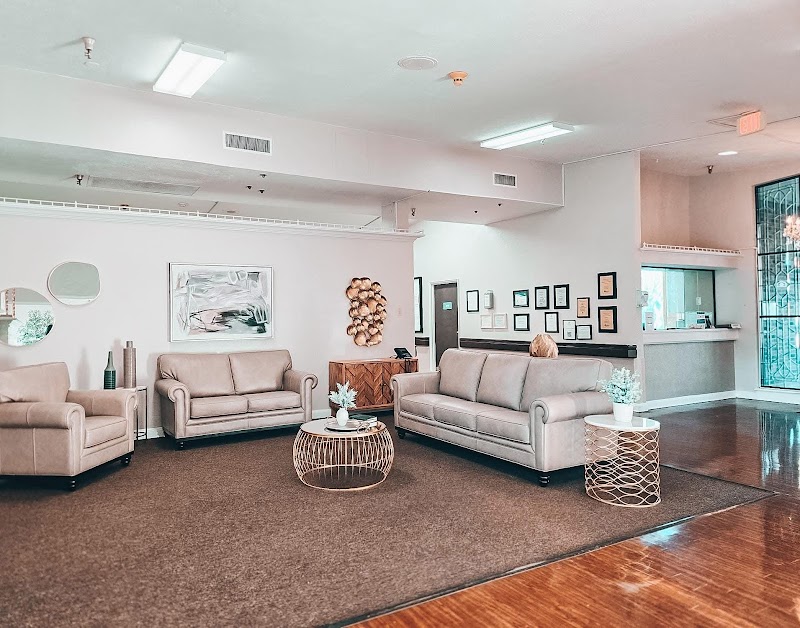
How is Landmark Of Plano Rehabilitation And Nursing Cente Staffed?

CMS rates LANDMARK OF PLANO REHABILITATION AND NURSING CENTE's staffing level at 1 out of 5 stars, which is much below average compared to other nursing homes. Staff turnover is 52%, compared to the Texas average of 46%. RN turnover specifically is 100%, which is notably high. RNs provide skilled clinical oversight, so turnover in this role can affect medical care quality.

What Have Inspectors Found at Landmark Of Plano Rehabilitation And Nursing Cente?

State health inspectors documented 39 deficiencies at LANDMARK OF PLANO REHABILITATION AND NURSING CENTE during 2022 to 2025. These included: 2 Immediate Jeopardy (the most serious level, indicating potential for serious harm or death), 1 that caused actual resident harm, and 36 with potential for harm. Immediate Jeopardy findings are rare and represent the most serious regulatory concerns. They require immediate corrective action.

Who Owns and Operates Landmark Of Plano Rehabilitation And Nursing Cente?

LANDMARK OF PLANO REHABILITATION AND NURSING CENTE is owned by a for-profit company. For-profit facilities operate as businesses with obligations to shareholders or private owners. The facility is operated by CREATIVE SOLUTIONS IN HEALTHCARE, a chain that manages multiple nursing homes. With 160 certified beds and approximately 78 residents (about 49% occupancy), it is a mid-sized facility located in PLANO, Texas.
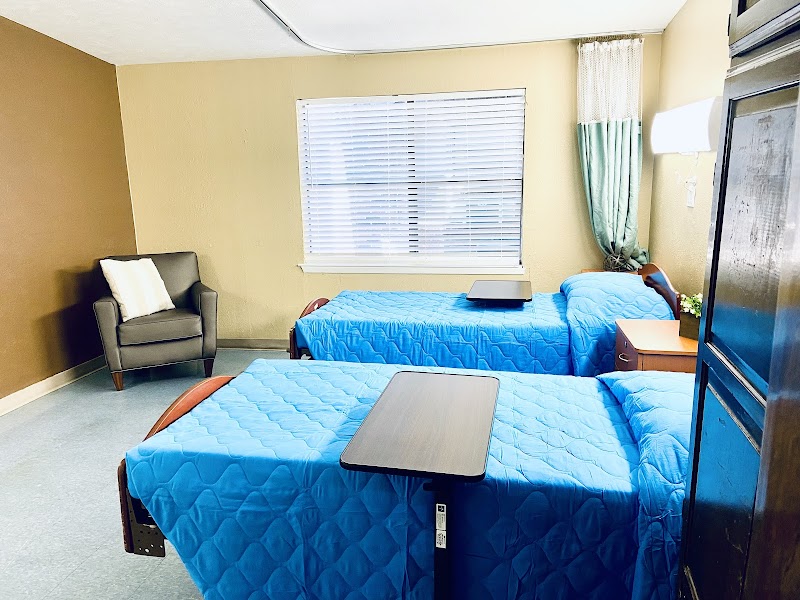
How Does Landmark Of Plano Rehabilitation And Nursing Cente Compare to Other Texas Nursing Homes?

Compared to the 100 nursing homes in Texas, LANDMARK OF PLANO REHABILITATION AND NURSING CENTE's overall rating (1 stars) is below the state average of 2.8, staff turnover (52%) is near the state average of 46%, and health inspection rating (2 stars) is below the national benchmark.

What Should Families Ask When Visiting Landmark Of Plano Rehabilitation And Nursing Cente?

Based on this facility's data, families visiting should ask: "What changes have been made since the serious inspection findings, and how are you preventing similar issues?" "What safeguards and monitoring systems are in place to protect residents from abuse or neglect?" "Can you walk me through typical staffing levels on day, evening, and night shifts?" "Can I visit during a mealtime to observe dining assistance and food quality?" These questions are particularly relevant given the facility's Immediate Jeopardy citations, the substantiated abuse finding on record, and the below-average staffing rating.

Is Landmark Of Plano Rehabilitation And Nursing Cente Safe?

Based on CMS inspection data, LANDMARK OF PLANO REHABILITATION AND NURSING CENTE has documented safety concerns. The facility has 1 substantiated abuse finding (meaning confirmed case of resident harm by staff or other residents). Inspectors have issued 2 Immediate Jeopardy citations (the most serious violation level indicating risk of serious injury or death). The facility has a 1-star overall rating and ranks #100 of 100 nursing homes in Texas. Families considering this facility should ask detailed questions about what corrective actions have been taken since these incidents.

Do Nurses at Landmark Of Plano Rehabilitation And Nursing Cente Stick Around?

LANDMARK OF PLANO REHABILITATION AND NURSING CENTE has a staff turnover rate of 52%, which is 6 percentage points above the Texas average of 46%. Moderate turnover is common in nursing homes, but families should still ask about staff tenure and how the facility maintains care continuity when employees leave.

Was Landmark Of Plano Rehabilitation And Nursing Cente Ever Fined?

LANDMARK OF PLANO REHABILITATION AND NURSING CENTE has been fined $84,642 across 2 penalty actions. This is above the Texas average of $33,925. Fines in this range indicate compliance issues significant enough for CMS to impose meaningful financial consequences. Common causes include delayed correction of deficiencies, repeat violations, or care failures affecting resident safety. Families should ask facility leadership what changes have been made since these penalties.

Is Landmark Of Plano Rehabilitation And Nursing Cente on Any Federal Watch List?

LANDMARK OF PLANO REHABILITATION AND NURSING CENTE is not on any federal watch list. The most significant is the Special Focus Facility (SFF) program, which identifies the bottom 1% of nursing homes nationally based on persistent, serious quality problems. Not being on this list means the facility has avoided the pattern of deficiencies that triggers enhanced federal oversight. This is a positive indicator, though families should still review the facility's inspection history directly.