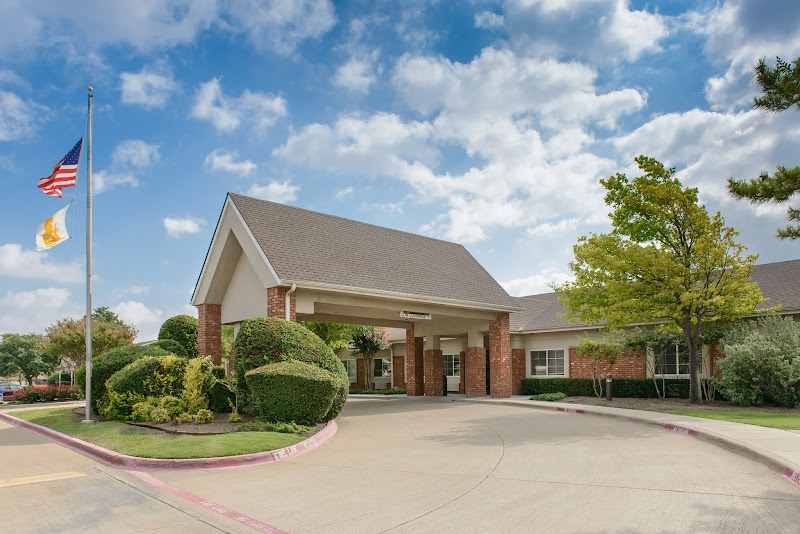
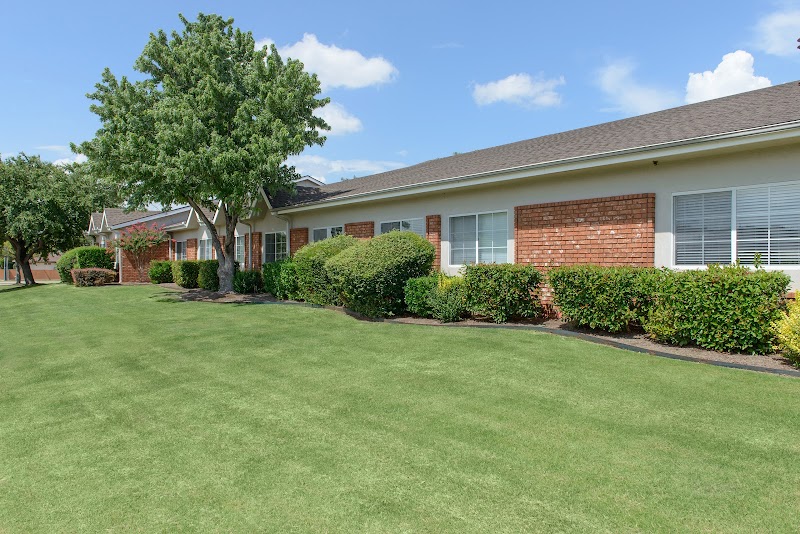
LIFE CARE CENTER OF PLANO

3800 W PARK BLVD, PLANO, TX 75075 (972) 612-1700
For profit - Limited Liability company 120 Beds LIFE CARE CENTERS OF AMERICA Data: November 2025 1 Immediate Jeopardy citation
Trust Grade
51/100
#511 of 1168 in TX
Last Inspection: April 2025

Within standard 12-15 month inspection cycle. Federal law requires annual inspections.

Overview

Life Care Center of Plano has a Trust Grade of C, which means it is average-right in the middle of the pack compared to other facilities. It ranks #511 out of 1,168 nursing homes in Texas, placing it in the top half, and #15 out of 22 in Collin County, indicating that there are a few local options that perform better. However, the facility's trend is worsening, with issues increasing from 6 in 2024 to 9 in 2025. Staffing is relatively stable, with a 35% turnover rate, which is better than the Texas average of 50%, but the RN coverage is only average, which means residents may not receive the extra attention that registered nurses provide. The facility has incurred $12,740 in fines, which is average compared to its peers. Notably, there were some serious incidents reported during inspections, including a critical failure to supervise a resident who went missing for about 1.5 hours, and concerns related to food safety, such as improperly stored food and staff not following hygiene procedures while preparing meals. Additionally, there were failures to implement comprehensive care plans for several residents, which could affect their overall well-being. While there are strengths in staffing stability, the facility must address these significant weaknesses to ensure the safety and care of its residents.

Trust Score
C
51/100
In Texas
#511/1168
Top 43%
Safety Record
High Risk
Review needed
Inspections
Getting Worse
6 → 9 violations
Staff Stability
○ Average
35% turnover. Near Texas's 48% average. Typical for the industry.
Penalties
✓ Good
$12,740 in fines. Lower than most Texas facilities. Relatively clean record.
Skilled Nurses
⚠ Watch
Each resident gets only 28 minutes of Registered Nurse (RN) attention daily — below average for Texas. Fewer RN minutes means fewer trained eyes watching for problems.
Violations
⚠ Watch
19 deficiencies on record. Higher than average. Multiple issues found across inspections.
★★★☆☆
3.0
Overall Rating
★★★☆☆
3.0
Staff Levels
★★★★☆
4.0
Care Quality
★★★☆☆
3.0
Inspection Score
Stable
2024: 6 issues
2025: 9 issues

The Good

  • 4-Star Quality Measures · Strong clinical quality outcomes
  • Full Sprinkler Coverage · Fire safety systems throughout facility
  • No fines on record
  • Staff turnover below average (35%)

    13 points below Texas average of 48%

Facility shows strength in quality measures, fire safety.

The Bad

3-Star Overall Rating

Near Texas average (2.8)

Meets federal standards, typical of most facilities

Staff Turnover: 35%

11pts below Texas avg (46%)

Typical for the industry

Federal Fines: $12,740

Below median ($33,413)

Minor penalties assessed

Chain: LIFE CARE CENTERS OF AMERICA

Part of a multi-facility chain

Ask about local staffing decisions and management

The Ugly 19 deficiencies on record

1 life-threatening
Apr 2025 9 deficiencies 1 IJ
CRITICAL (J) 📢 Someone Reported This

A family member, employee, or ombudsman was alarmed enough to file a formal complaint

Immediate Jeopardy (IJ) - the most serious Medicare violation

Accident Prevention (Tag F0689)

Someone could have died · This affected 1 resident

**NOTE- TERMS IN BRACKETS HAVE BEEN EDITED TO PROTECT CONFIDENTIALITY** Based on observation, interview and record review, the facility failed to ensure each resident received adequate supervision and...

Read full inspector narrative →
**NOTE- TERMS IN BRACKETS HAVE BEEN EDITED TO PROTECT CONFIDENTIALITY** Based on observation, interview and record review, the facility failed to ensure each resident received adequate supervision and assistance devices to prevent accidents for 1 (Resident #329) of 5 residents reviewed for accidents and hazards. The facility failed to ensure Resident #329 was missing from the facility for approximately 1.5 hours without any staff being aware until notified by the apartment complex staff. Resident crossed a parking lot and service road to get to the apartment complex. Review of [NAME] maps ( [NAME] Maps to Apartment Complex, [NAME], TX 75075) revealed the apartment complex was about 500 feet from the facility. The noncompliance was identified as Past Noncompliance (PNC) Immediate Jeopardy on 04/24/25. The noncompliance began on 03/18/25 and ended on 03/31/25. The facility had corrected the noncompliance before the survey began. This failure could place residents at risk of elopements, falls, injuries, hospitalization and/or death. Findings included: Record Review of Resident #329's Discharge MDS, dated [DATE], reflected he was an [AGE] year-old male admitted to the facility on [DATE] and discharged on 03/19/25 to another facility. He had the diagnoses of metabolic encephalopathy (brain dysfunction caused by a metabolic disorder), chronic kidney disease, and he had a memory problem with inattention behaviors that came and went. Record review of Resident #329's admission assessment dated [DATE] reflected he was able to make himself understood and was orientated to person, place, and time. Record review of Resident #329's Elopement Risk Evaluation, dated 03/07/25 reflected resident was not at risk of elopement. He did not have a history of elopement, did not wander, and did not verbally express that he wanted to leave the facility. Record review of Resident #329's care plan reflected he was at risk for elopement and had an actual elopement, dated 03/18/25. Interventions included add resident to elopement book, frequent one on one monitoring until discharge to a secure unit, provide for safe wandering and activities to divert from exit seeking. He was at risk for falls and required assistance with activities of daily living and interventions included to assist with mobility and activity of daily living care. Record review of Resident #329's nurse progress note, dated 03/18/25 at 6 PM by LVN M revealed Resident #329 had eloped and was brought back to the facility by staff and was assessed with no injuries or signs of discomfort. Resident #329 was moved rooms, placed on one-on-one supervision, 15-minute checks, and the Administrator, unit manager, physician, and family were notified. Further review revealed a progress note dated 03/19/25 at 10 PM by LVN M revealed Resident #329 had remained on one-on-one supervision until he was discharged to another facility. Record review of the Provider Investigation Report (PIR), dated 03/25/25, reflected an incident report, dated 03/18/25 by LVN G. Resident #329 had left the facility around 2:30 PM and was returned by the Maintenance Director at 4 PM. Staff were in-serviced on resident elopements and abuse and neglect dated 03/18/25 and included the Receptionist and LVN M. Resident #329 was assessed and showed no distress and had no injuries. He was moved to a room within eyesight of nurses' station, placed on one-on-one monitoring until discharged on 03/19/25 at 6:20 PM. The facility notified the physician and resident representative. Further review of PIR reflected an employee education form, dated 03/26/25, for the Receptionist with training that included the elopement policy, patient identification binder, reviewing the updated daily census, online training on elopements and reviewing and putting pictures of new residents who are at risk in the patient binder. Record review of Resident #329's elopement assessment, dated 03/18/25, completed by LVN M, reflected Resident #329 had left the building around 3 pm and was brought back to the facility by staff. Resident #329 had no injuries, distress, or discomfort noted with stable vital signs, and he was unable to describe what had happened. Notifications were made the physician, responsible party, and Administrator on 03/18/25. Record review of in-service, dated 03/18/25, by RN G, titled Missing Residents/Actual Development Event, reflected that all staff on all shifts had been in-serviced including LVN M and the Receptionist. Record review of the police incident report dated, 03/18/25 at 3:40 PM, reflected Law Enforcement Officer responded to a welfare concern regarding an elderly man who had entered an apartment complex for low-income seniors and was asking for assistance. The Law Enforcement Officer arrived and spoke to Resident #329, whose clothes appeared well maintained and clean and Resident #329 did not make sense when talking and stated that he had taken a bus from another city and was trying to get to another city. The apartment complex had reached out to the facility and was able to determine that he was a resident at the facility and when the Maintenance Director came to pick up Resident #329 he told the Law Enforcement Officer that he was not sure how the resident left the facility and all doors were locked and had passcodes to open the door. The Law Enforcement Officer reported the incident to Adult Protective Services. Record review of the facility's Logbook Report, dated generated on 04/09/25, of elopement drills for the past 12 months reflected the task name of: Emergency Preparedness Drills: Conduct Elopement drill (Missing Resident Drill) reflected the following due dates: 06/30/24, 09/30/24, 12/31/24, 03/31/25. Record review of the facility's Logbook Documentation for task: Conduct Elopement drill (Missing Resident Drill) for the past 6 months reflected: Start dated 06/26/24 at 1 PM, ended at 1:15 PM (6 AM- 2 PM Shift) and marked done on time by the Maintenance Director on 06/26/25. Start dated 09/17/24 at 9:30 AM, ended at 10:30 AM (6 AM- 2 PM Shift) and marked done on time by the Maintenance Director on 10/07/24. Start dated 12/31/24 at 11 AM, ended at 12 PM (6 AM-2 PM Shift) and marked done on time by the Maintenance Director on 12/31/24. Start dated 03/18/25 at 3:55 PM, ended at 4:10 PM (2 PM-10 PM Shift) and marked done on time by the Maintenance Director on 03/31/25. Interview on 04/07/25 at 12:34 PM with Law Enforcement Officer revealed on 03/18/25 in the afternoon he was called to an apartment complex around the corner from the facility because Resident #329 had wandered from the facility to a nearby apartment complex. He stated that the apartment complex called the facility to ask if Resident #329 was their resident after about 30 minutes and it was uncertain what time the resident had eloped from the facility. He stated that the resident did not seem to have any psychosocial harm or physical injuries, he was confused, and a staff member came and took Resident #329 back to the facility. Interview on 04/09/25 at 9:26 AM with the Receptionist revealed she did not realize Resident #329 was a resident at the facility when she unlocked the front door when another visitor was leaving the facility. She stated he exited behind the visitor around 2:30 PM. She stated she realized Resident #329 was a resident when he returned with the Maintenance Director. She stated she had been in-serviced on elopements, participated in elopement drills, and now updated the elopement book each day. Observation of elopement book with the Receptionist revealed it was updated to include face sheets with pictures of residents at risk of elopement. In an interview on 04/09/25 at 2:59 PM CNA N said she used to work with Resident #329 and was not working the day he eloped. She stated that Resident #329 walked around the facility but did not exit seek or show any signs of wandering before the elopement. She stated if she had seen any signs of exit seeking, she would have notified the nurse. She stated that she kept a list of residents at risk of elopement in her pocket and the facility conducted elopement drills. She stated that she had been in-serviced on elopements after the incident. In an interview on 04/10/25 at 8:59 AM LVN M said he noticed during his shift rounds around 3 PM that Resident #329 was not in his room and thought Resident #329 was in therapy and did not check. He stated he learned the resident had left the facility when he was brought back by the Maintenance Director. He stated that he assessed Resident #329 when he returned, and he had no injuries and did not appear upset. He stated that he had participated in past elopement drills and had been in-serviced on elopements after the incident. He stated that staff were updated on any residents who were elopement risks during morning meetings and shift change, and there was an elopement book at the nurses' station with residents who were at risk of elopement. He stated in the future he would find where the resident was and ensure they were in therapy rather than assume. He stated it was important to prevent elopements because a resident could be harmed if they left the facility without supervision. In an interview on 04/10/25 at 10:07 AM RN G said elopement drills were conducted by her and the Maintenance Director every 3 months. She stated that she was working when the resident came back to the facility, and he did not seem upset and had no injuries. She stated she conducted the elopement and abuse and neglect in-services with staff and notified the physician and the family. She stated Resident #329's room was moved in between both nurses' stations and he was on one-on-one supervision until he discharged to another facility. In an interview on 04/10/25 at 2:50 PM the Administrator said Resident #329 did not display any exit seeking or wandering behavior before the incident and was placed on one to one supervision until he was discharged to a facility with a secure unit. He stated that the Receptionist did not realize Resident #329 was a resident at the facility when he had exited along with a visitor of the facility. He stated that staff were immediately in-serviced on elopements and included the Receptionist who was also provided additional education. He stated that Resident #329 had no injuries and did not seem upset. He stated it was important to ensure residents did not elope from the facility to ensure residents are kept safe. In an interview on 04/10/25 at 3:27 PM the Maintenance Director said he was the employee that picked up Resident #329 from the apartment complex next-door to the facility that was separated from the facility with a grass median. He stated that the resident did not appear upset or injured. He stated that he and RN G conducted the elopement drills every 3 months and that there are elopement books at the receptionist and nurse's stations that identify the residents at risk of elopement. He stated that they conducted an elopement drill after the resident had eloped and staff were in-serviced on elopements and abuse and neglect. He stated that it was important to ensure residents did not elope because they could get lost, get hit by a car, or be seriously injured or die. In interviews covering all three shifts (6 AM- 2PM, 2 PM-10 PM, and 10 PM- 6 AM), the following staff said they had been in-serviced ( 03/18/25 -03/19/25) after the elopement on 03/18/25 on preventing and responding to elopements, participated in past elopement drills, knew the alert code for an eloped resident, were aware of where to find the elopement book at the nurses' station and carried a list of residents who were at risk of elopement: 04/08/25 from 1:20 PM to 1:46 PM with LVN C, CNA Q, and MA R 04/09/25 from 1 PM- 5 PM with 2 LVNs (LVN E & T), 7 CNAs (CNA S, D, Q, N, V, W, X), 2 Unit Managers (Unit Manager U & AA) 04/10/25 from 9:55 AM- 11:10 AM with the Restorative Aide I, the Treatment Nurse, and RN G Review of inservices sign in sheets dated 03/18/25 and 03/19/25 revealed staff were inserviced on elopement on 03/18/25 and 03/19/25. Record review of the facility's elopement policy, titled Area of Focus: Elopement, dated reviewed 11/19/24, reflected . Elopement occurs when a resident leaves the premises or a safe area without authorization . and/or any necessary supervision to do so. A resident who leaves a safe area may be at risk of (or has the potential to experience) heat or cold exposure, dehydration and/or other medical complications, drowning, or being struck by a motor vehicle . Residents will be assessed for unsafe wandering and elopement indicators upon admission, readmission, change in condition, quarterly and with any unsafe wandering or elopement event utilizing the Elopement Risk Evaluation UDA (Universal Design for Assessment) in PCC (Point Click Care ) (an electronic medical health record program) . Elopement drills will be conducted at least quarterly . Record review of the facility's policy for elopement prevention, titled Unsafe Wandering and Elopement Prevention, revised 03/04/25, reflected The facility will ensure that residents are assessed to determine risk for elopement in accordance with current standards of practice and implement interventions as appropriate to mitigate the risks identified . Record review of the facility's policy for an actual elopement, titled Missing Residents/Actual Elopement Event, dated reviewed 04/03/25 reflected .It is the responsibility of all associated to report any resident who is suspected of being missing to the nurse manager immediately . 11. When the resident is found, the charge nurse or designee will assess the resident's physical, mental, emotional, and cognitive state and notify the physician and responsible party. The resident will be monitored as deemed necessary by the interdisciplinary team . 12. An incident (event) report will be completed by the charge nurse or designee to include witness statements .13. The Executive Director or designee will report the event to all appropriate agencies as well as the regional and divisional team . The Administrator and DON were notified of PNC IJ on 04/24/25 at 3:32 PM and PNC IJ template was provided to the facility at this time. In an interview on 04/24/25 at 11:27 AM the Maintenance Director said on 03/18/25 the Administrator texted him to inform him about Resident #329 had eloped and he needed to go pick him up. He stated he went at 3:55 PM on 03/18/25 with a wheelchair and the Housekeeping Supervisor assisted him to go pick up Resident #329. He stated Resident #329 was wearing a t-shirt and sweatpants but could not recall if he had shoes on. He stated Resident #329 was confused stating he had come from another city. He stated he considered this incident an elopement drill but did not do an elopement drill like he usually did where the staff had to find a resident who was missing and implement code yellow which was missing resident. He stated he just discussed with staff to ensure they are aware of where their residents are. He stated he did check all the doors ensuring they were alarming and working properly. He had no issues with any of the doors on 03/18/25. He stated he did not complete his usual elopement drill which was done quarterly until later in December 2024. In an interview on 04/24/25 at 11:50 AM the Housekeeping Supervisor said she went with Maintenance Director to go get Resident #329 who had been found at a neighboring apartment complex. She stated the apartment complex was separated by a grass median in front of the facility, so they walked there to get him taking the wheelchair with them and they pushed him in the wheelchair back to the facility. She stated Resident #329 had on a t-shirt, sweatpants and shoes. She stated Resident #329 was confused but did not have any visible injuries. She stated it took about 15 minutes for them to get Resident #329 and bring him back in the wheelchair. She stated they brought him back to the facility about a few minutes after 4 pm. She stated she was in-serviced on missing residents and elopement protocol. She was knowledgeable of facility's policy and what to do if a resident reported missing. In an interview on 04/24/25 at 12:02 PM RN G said she was notified Resident #329 had eloped out of the facility by the Administrator. She stated she went to the floor a few minutes past 4 pm. She stated she and charge nurse went to assess Resident #329. She stated Resident #329 had no signs of heat exhaustion. Resident #329 was confused and could not remember leaving the facility. She stated vital signs were within normal limits and there were no injuries. She stated she assisted the charge nurse and ensured Resident #329 was safe. She stated she notified the physician and responsible party for Resident #329. She stated the physician ordered for the facility to start initiating a discharge to a facility with a secure unit since Resident #329 had eloped and facility had no current secure unit for resident safety. She initiated the in-service for elopement and abuse and neglect on 03/18/25 on the 2 pm to 10 pm shift and continued education with all shifts until 03/19/25 to get the last shift on the 6 am to 2 pm shift. She stated Resident #329 was placed on 1:1 until he was discharged to another facility with secure unit for resident safety. Observations on 04/24/25 from 12:52 PM to 1:05 PM with the Maintenance Director revealed all exit doors were working properly. Observations revealed all exit doors alarmed when pressed on and if held 15 seconds would continue to alarm. The front door alarmed when pressed on and if held for 15 seconds would alarm until the code was put in. In a follow-up interview on 04/24/25 at 12:58 PM the Maintenance Director said there was grass between the facility and the building Resident #329 was at. He stated he pushed the wheelchair across the grass. He stated he went to the front of the building. He stated Resident #329 had no visible injuries and was very confused. He did not know that he was a resident at the facility. The Maintenance Director stated Resident #329 was cooperative and they took him back in the wheelchair. He stated they used a side street to take Resident #329 back in the wheelchair. He stated they returned with Resident #329 at 4:10 PM. The noncompliance was identified as Past Noncompliance (PNC) Immediate Jeopardy (IJ). The noncompliance began on 03/18/25 and ended on 03/31/25. The facility had corrected the noncompliance before the Incident investigation began on 04/08/25.
CONCERN (D)

Potential for Harm - no one hurt, but risky conditions existed

Incontinence Care (Tag F0690)

Could have caused harm · This affected 1 resident

**NOTE- TERMS IN BRACKETS HAVE BEEN EDITED TO PROTECT CONFIDENTIALITY** Based on observation, interview, and record review the facility failed to ensure a resident who was incontinent of bladder recei...

Read full inspector narrative →
**NOTE- TERMS IN BRACKETS HAVE BEEN EDITED TO PROTECT CONFIDENTIALITY** Based on observation, interview, and record review the facility failed to ensure a resident who was incontinent of bladder received appropriate treatment and services to prevent urinary tract infections for one of three residents (Resident #32) reviewed for catheter and incontinence care. The facility failed to ensure CNA D and Restorative Aide I maintained the foley catheter drainage bag below Resident #32's bladder while they transferred the resident with a mechanical lift on 04/09/25. This failure could place residents at risk for not receiving appropriate care to address their incontinence and could increase the risk of urinary tract infections. Findings included: Record review of Resident #32's admission MDS assessment, dated 03/17/25, reflected an [AGE] year-old female with an admission date of 03/12/25. Resident #32 had a BIMS of 5 which indicated she was severely cognitively impaired. She required total assistance for ADL care and had a foley catheter and was always incontinent of bowel. Active diagnoses included diabetes (chronic, metabolic disease characterized by elevated levels of blood glucose (or blood sugar), traumatic brain injury (disruption in the normal function of the brain that can be caused by a bump, blow, or jolt to the head, or penetrating head injury), respiratory failure (condition where there's not enough oxygen or too much carbon dioxide in your body), and neurogenic bladder (disruption in the nervous systems connection to the bladder) Record review of Resident #32's Physician Order Summary, dated 04/10/25, reflected .Keep urinary drainage bag below the level of the bladder . with a start date of 03/13/24. Record review of Resident #32's care plan, initiated on 03/14/25, reflected, The Resident (indwelling) catheter .Goal .Will have no complications related to indwelling catheter use .Interventions .Catheter care every shift In an observation on 04/09/25 at 01:30 p.m. CNA D and LVN E were observed placing Resident #32 on a mechanical lift sling. CNA D unhooked the foley catheter drainage bag from the bed rail and hooked onto the mechanical lift sling. Restorative Aide I raised the lift which placed the catheter drainage bag higher than the resident's bladder. Urine was observed in the tube fluctuating back and forth. Restorative Aide I positioned Resident #32 over the wheelchair, then unhooked the foley drainage bag from the lift sling and placed it on the resident's lap and then lowered the resident into her wheelchair. CNA D then unhooked the sling and LVN E picked up the drainage bag and hooked it onto the wheelchair. In an interview on 04/09/25 at 01:40 p.m. Restorative Aide I stated he usually placed the urinary drainage bag in the resident's lap and stated he thought that was how they were supposed to do it. He stated he knew it was supposed to be below the bladder, but stated he was not very sure how they were supposed to manage the bag during a mechanical transfer. In an interview on 04/09/25 at 01:42 p.m. with CNA D she stated she knew the drainage bag was supposed to be below the bladder, but stated they really had not been shown how to handle the drainage bag while transferring with a mechanical lift. Both CNA D and Restorative Aide I stated if the urinary bag was above the bladder there was a risk of the urine back flowing causing an infection. In an interview on 04/10/25 at 09:35 a.m. with the DON he stated the urinary drainage bag was always supposed to be below the bladder. He stated they teach the staff that, but stated they probably need to add the process of how to handle the drainage bag during a mechanical lift transfer. He stated the risk of having it above the bladder is urinary tract infections. In an interview on 04/10/25 at 04:02 p.m. RN G who is the facilities Infection Preventionist, she stated she educated the staff to always keep the urinary bag below the bladder. She stated she had done education with the staff for residents with mechanical lift transfers which required one of them to hold the drainage bag below the bladder during the transfer. She stated she would have to do some additional education with the staff to ensure they were always keeping the urinary bag below the bladder and keeping it secure during a transfer. She stated the risk for not keeping it below the bladder was the back flow of urine into the bladder which could lead to an infection. Record Review of CNA D's Nurse Aide Proficiency skills check reflected she was competent in the care of indwelling catheters as of 10/31/24. Record Review of Restorative Aide I's Nurse Aide Proficiency skills check off reflected he was competent in the care of indwelling catheters as of 12/07/24. Record review of the facility's policy, Indwelling Urinary Catheter (Foley) Management, dated September 2024, reflected, Maintain unobstructed urine flow .Keep the catheter and collecting tube free from kinking .Keep the collecting bag below the level of the bladder at all times .
CONCERN (D)

Potential for Harm - no one hurt, but risky conditions existed

Respiratory Care (Tag F0695)

Could have caused harm · This affected 1 resident

**NOTE- TERMS IN BRACKETS HAVE BEEN EDITED TO PROTECT CONFIDENTIALITY** Based on observation, interview, and record review the facility failed to ensure that a resident who needed respiratory care, in...

Read full inspector narrative →
**NOTE- TERMS IN BRACKETS HAVE BEEN EDITED TO PROTECT CONFIDENTIALITY** Based on observation, interview, and record review the facility failed to ensure that a resident who needed respiratory care, including tracheostomy care, was provided such care, consistent with professional standards of practice, the comprehensive person-centered care plan, and the residents goals and preferences for two of three (Resident #32, and Resident #289) reviewed for respiratory care. 1. The facility failed to ensure LVN E performed hand hygiene during tracheostomy (a surgical opening in the neck providing a direct airway through the trachea) care and failed to maintain sterile technique during tracheostomy care for Resident # 32 on 04/09/25. 2. The facility failed to obtain Physician orders for Resident #289's continuous oxygen with the number of liters to administer. These failures could place residents at risk for respiratory infections, an incorrect amount of oxygen and the risk of lung infections. Findings include: 1. Record review of Resident #32's admission MDS assessment, dated 03/17/25, reflected an [AGE] year-old female with an admission date of 03/12/25. Resident #32 had a BIMS of 5, which indicated she was severely cognitively impaired. She required total assistance for ADL care and had a foley catheter and was always incontinent of bowel. Resident #32's active diagnoses included diabetes, traumatic brain injury, respiratory failure, and neurogenic bladder (disruption in the nervous systems connection to the bladder). In Section O-Special Treatments, Procedures, and Programs reflected the resident required tracheostomy care (a surgical opening in the neck providing a direct airway through the trachea), suctioning, and oxygen therapy during the 14 days look back period. Record review of Resident #32's Physician orders summary, dated 01/10/25, reflected Trach care daily with cannula change, with a start date of 03/14/25 Record review of Resident #32's care plan, revised on 03/20/25, reflected .The resident has a tracheostomy related to impaired breathing mechanics, surgery. At risk for dislodging the trach site .Goal .The resident will have clear and equal breath sounds bilaterally through the review date .Interventions .Suction as necessary .Use universal precautions as appropriate An observation on 04/09/25 at 08:35 a.m. revealed LVN E entered Resident #32's room to provide tracheostomy care. LVN E placed paper towels on top of the bedside table and placed the unopened tracheostomy kit on top. She then placed a bottle of unopened sterile normal saline beside the unopened trach kit. LVN E donned a gown and gloves without performing hand hygiene and removed the old stoma dressing from under the trach flange (device that holds the trach secure) and the inner cannula and discarded both into the trash. LVN E then opened the tracheostomy care kit (holds sterile supplies for cleaning tracheostomy), the package held a new disposable trach and opened the bottle of sterile saline. LVN E put on the sterile gloves without performing hand hygiene and removed the sterile drape (used to create a sterile field for tracheostomy cleaning supplies) and placed it on the resident's chest. LVN E reached for the bottle of saline with her right hand and touched the bottle (which was not sterile), then changed to her left hand, and picked up the bottle and poured the saline into the tracheostomy tray to moisten the 4x4 gauze. LVN E took the moistened gauze and cleaned around the stoma and under the trach flange. LVN E stated she messed up and forgot to open a package for the new stoma dressing. LVN E removed her sterile gloves and put on utility gloves without performing hand hygiene and retrieved a package of stoma dressings and a new tracheostomy kit and placed them on the bedside table. LVN E opened the stoma dressing package and the tracheostomy kit. She removed her utility gloves and proceeded to put on the sterile gloves from the kit without performing hand hygiene. LVN E retrieved the stoma dressing and placed it around the stoma and under the trach flange using both hands. LVN E picked up the disposable cannula and re-inserted it into the trach. LVN E removed her gloves and gowns and performed hand hygiene. In an interview with LVN E on 04/09/25 at 09:00 a.m., she stated she was supposed to perform hand hygiene before and after every glove change. She stated she knew the procedure was supposed to be a sterile procedure to reduce the risk of cross contamination. She stated she knew she was supposed to keep her dominant hand sterile and realized she should had picked up the bottle of normal saline with her left hand. She stated she had been checked off on tracheostomy care and even re-watched the video last night. She stated she was so nervous she just forgot to sanitize her hands. In an interview with the DON on 04/10/25 at 09:30 a. m. revealed hand hygiene was to be performed anytime a staff member went from a dirty procedure to a clean procedure. He stated trach care was to be an aseptic/sterile technique. He stated they had a Respiratory therapist who came to the facility weekly and provided hands on training with the staff. He stated they did at bedside training as well as practiced on a mannequin. He stated in addition RN G, who was the infection preventionist, did observations of care with the staff. He stated failure for the staff to follow proper procedures could result in infections. In an interview with RN G on 04/10/25 at 10:10 a.m., she stated she reviewed the skills with the staff, but the Respiratory therapist provided most of the hands-on training for trach care. She stated they taught it as a sterile procedure. She stated she made rounds with the nurses randomly to observe skills and compliance with infection control. She stated hand hygiene was always required after the removal of gloves to prevent the risk of infection. Record review of LVN E skills check list reflected she was skills checked on 07/25/24 and again on 03/12/25 on tracheostomy care. Record review of the facility's policy, Tracheostomy Care' Policy, dated September 2024, reflected .Tracheostomy care will be performed daily and PRN unless otherwise noted by the physician. This procedure should be performed using sterile technique and includes the cleaning of the stoma and neck, cleaning or replacing inner cannula (depending on type of trach tube-disposable or reusable) and replacing the tracheostomy tube holder and drainage sponge .Place the equipment and supplies on a clean table or stand near the patient's bed. Open the tracheostomy care kit using sterile technique. Using sterile technique, pour sterile normal saline solution, sterile water, or other cleaning solution recommended by the manufacturer .into one of the sterile solution containers.If you must replace the disposable inner cannula, open the package containing the new inner cannula while maintain sterile technique .Perform hand hygiene .Put on gown and gloves .Assess the patients respiratory status .Remove the patients tracheostomy dressing, inspect it for drainage, and then discard it .Remove and discard your gloves .Perform hand hygiene .Put on sterile gloves .Using non-dominant hand .unlock the tracheostomy tubes inner cannula by rotating it counterclockwise .Remove the inner cannula .Remove and discard your gloves .Perform hand hygiene .Put on clean gloves .With your dominant hand, moisten a sterile gauze pad with the sterile normal saline solution .then wipe the patients neck under the tracheostomy tube flanges and tracheostomy ties .Dry the area thoroughly with additional sterile gauze pads .Apply a new sterile tracheostomy dressing .Discard used supplies .Remove and discard your, gloves .Perform hand hygiene 2. Record review of Resident #289's face sheet dated 04/10/25 reflected a [AGE] year-old female who was admitted to the facility on [DATE]. Resident #289 had diagnoses which included enterocolitis due clostridium difficile (inflammatory condition that affects both the small and large intestines), acute respiratory failure, morbid obesity, and muscle weakness. Record review of Resident #289's 5-day MDS assessment, dated 04/02/25, reflected Resident #289 had a BIMS of 13, which indicated she was cognitively intact. The MDS did not reflect Resident #289 was on oxygen therapy while at the facility. Record review of Resident #289's Comprehensive Care Plan, dated 04/03/25, reflected the following: Focus: [Resident #289] ADL assistance and therapy services needed to maintain or attain highest level of function .Interventions/Tasks: Assist with mobility and ADLs as needed. There was no indication of Resident's need for Oxygen Therapy. Record review of Resident #289's Physician's Order summary report, dated 04/10/25, reflected no physician's order for oxygen use. Observation and interview on 04/08/25 at 2:16 p.m. revealed Resident #289 was lying in bed on oxygen via nasal cannula with the oxygen concentrator next to her bed. The concentrator was observed on with the oxygen being infused through the nasal cannula. The oxygen concentrator was set to deliver 2 liters per minute. Resident #289 stated she had been receiving oxygen since being admitted to the facility. Interview with LVN L on 04/10/25 at 11:31 a.m. revealed there should have been a physician order for oxygen in place for Resident #289 prior to administering. She stated the risk to Resident #289 would be getting to much or too little oxygen. Interview with the DON on 04/10/25 at 12:06 p.m. revealed he expected Resident #289 to have a physician's order for oxygen and the nurses were responsible for making sure there was one prior to oxygen being administered. He stated his expectation was for every medication and oxygen to have physician orders in place. He stated the risk to Resident #289 was not getting the correct oxygen dose. Record review of the facility's policy, Oxygen Administration, dated September 2024, reflected To ensure that oxygen is administered and stored safely .Respiratory care .The facility must ensure that a resident who needs respiratory care .is provided such care, consistent with professional standards of practice and comprehensive person-centered care plan .Oxygen order should be written for specific liter flow required by the resident
CONCERN (D) 📢 Someone Reported This

A family member, employee, or ombudsman was alarmed enough to file a formal complaint

Potential for Harm - no one hurt, but risky conditions existed

Pharmacy Services (Tag F0755)

Could have caused harm · This affected 1 resident

**NOTE- TERMS IN BRACKETS HAVE BEEN EDITED TO PROTECT CONFIDENTIALITY** Based on observation, interview, and record review the facility failed to provide pharmaceutical services, including procedures ...

Read full inspector narrative →
**NOTE- TERMS IN BRACKETS HAVE BEEN EDITED TO PROTECT CONFIDENTIALITY** Based on observation, interview, and record review the facility failed to provide pharmaceutical services, including procedures that assured the accurate acquiring, receiving, dispensing, and administering of all drugs and biologicals, to meet the needs of each resident for one of nine (Resident #64) residents reviewed for pharmacy services. The facility failed to ensure facility staff re-ordered medications in a timely manner for Resident #64 which resulted in a missed dose of levothyroxine 50 mcg (used to treat low thyroid) on 04/09/25. The facility failed to keep medications secure when LVN H borrowed a medication from another resident to administer to Resident # 64. This failure could place residents at risk of not receiving medications as ordered by the physician and a delay in treatment and worsening of their condition. Findings include: Record review of Resident #64's face sheet, dated 04/10/2025, reflected a [AGE] year-old male who was admitted to the facility on [DATE]. Record review of Resident #64's 5-day MDS Assessment, dated 02/08/25, reflected he had BIMS score of 13, which indicated he was cognitively intact. The 5-day assessment reflected the resident had diagnoses which included malnutrition and seizure disorder. Record review of Resident #64's Physician order Summary Report, dated 04/10/25, reflected Levothyroxine Sodium Oral Tablet 50 mcg 1 time a day for low thyroid, with a start date of 03/28/25. Record review of Resident #64's MAR for April 2025 reflected on 04/09/25 the 06:00 a.m. administration for Levothyroxine 50 mcg was coded as 7 (which indicated see progress note) by LVN H. There were no other missed doses for April 2025. Record review of Resident #64's progress notes did not reflect any documentation by LVH H for 04/09/25. During a medication observation and interview on 04/09/25 at 06:25 a.m. revealed LVN H at the medication cart in front of Resident #64'sroom. LVN H pulled up the Medication Profile for Resident #64. She looked in the medication cart to obtain the residents Levothyroxine and stated there was none on the cart. She stated she would have to retrieve the medication from the E-Kit. LVN H pushed the Medication cart to the next room. LVN H was never observed going to the medication room to retrieve the Levothyroxine. In an observation and interview on 04/09/25 at 10:00 a.m. with Unit Manager F, revealed the facility had a computer coded pharmacy dispensing unit (E-Kit) for on demand supply of routine medications. Unit Manager F stated they must contact the pharmacy to retrieve information on what was pulled from the system and who pulled it. Unit Manager F contacted their contracted pharmacy and verified no Levothyroxine for Resident #64 was pulled today (04/09/25). In a telephone interview with LVN H on 04/09/25 at 10:05 a.m., LVN H stated she borrowed a Levothyroxine 50 mcg tablet from another resident's medication supply and administered it to Resident #64 before she left. She stated she was running late and had an appointment she needed to get to and just did not go to the other hall where the E-Kit was located to retrieve the necessary medications. She stated she was not sure why the medications had not been re-ordered timely. In an interview with LVN E, charge nurse for the 6 a.m. to 2 p.m. shift, on 04/09/25 at 10:15 a.m. she stated, LVN H had not mentioned anything to her when they counted the medication cart at change of shift about Resident #64's Levothyroxine needing to be ordered. She stated each nurse was responsible to re-order the resident's medication when they had a 7-day supply left. She stated the re-ordering was done through the electronic record and it was as simple as pushing the re-order button in the system. She stated if the medication did not come in on the next day shipment from the pharmacy, they had to call the pharmacy and follow up. She stated Levothyroxine was almost always given by the night shift charge nurse since it was usually ordered to be taken before meals. She stated the night shift charge nurse would be responsible for re-ordering those medications for which they gave routinely. She stated in the event a medication did not get re-ordered or was delayed they always had access to the E-Kit. In an interview with the facility's contracted pharmacy, on 04/10/24 at 8:45 a.m., revealed the facility sent a re-order request to the pharmacy on 04/09/25 for Resident #64's Levothyroxine 50 mcg. The pharmacy representative stated the procedure for any re-order for medications was to submit the request when the resident had 5-7-day supply on hand. In an interview with the DON on 04/10/25 at 09:25 a.m., the DON stated it was never acceptable to borrow a medication from another resident and the staff member would be counseled. He stated there was no excuse for this since they had an E-Kit that had most of the common medications the residents took. He stated the re-ordering process was a very simple process and the staff all knew they were to re-order when a resident had a 7-day supply on hand. He stated whoever administered the medication and saw the 7-day mark was responsible for re-ordering the medication. He stated the staff were responsible for following up with the pharmacy in the event the medication was not delivered. He stated there was no excuse for this. Record review of the facility's policy, Reordering, Changing, and Discontinuing Medication Orders, dated July 2024, reflected Facilities are encouraged to reorder medications electronically or by fax whenever possible .Facility staff should re-order medications using an electronic list of residents and medications due or by use of barcode technology .Facility staff should review the transmitted re-orders for status and potential issues and pharmacy response
CONCERN (D)

Potential for Harm - no one hurt, but risky conditions existed

Deficiency F0761 (Tag F0761)

Could have caused harm · This affected 1 resident

Based on observation, interview, and record review the facility failed to ensure, in accordance with State and Federal laws, all drugs and biologicals were stored in locked compartments under proper t...

Read full inspector narrative →
Based on observation, interview, and record review the facility failed to ensure, in accordance with State and Federal laws, all drugs and biologicals were stored in locked compartments under proper temperature controls and permitted only authorized personnel to have access to the keys for 1 of 4 (Hall E) medication carts reviewed for medication storage. The facility failed to ensure LVN H kept medications secured and the E Hall medication cart locked and/or secured. LVN H failed to ensure medication pill was not loose on the E-Hall medication cart. This failure could place residents at risk of gaining access to unlocked medications that were not prescribed to them. Findings include: During a medication observation on 04/09/25 at 06:20 a.m. revealed LVN H at the medication cart in front of Resident #43's room. A medication cup with a small tan pill was observed on top of the E-Hall medication cart. LVN H stated she was waiting for Resident #43 to finish in the bathroom. LVN H put on gloves and entered Resident #43's room and bathroom and assisted him back to bed. The medication cup with the pill was left on top of the unlocked medication cart out of the sight of the LVN. LVN H returned to the medication cart and pushed the Medication cart to the next room. LVN H pulled Resident #1's medication and entered the room, leaving the medication cart unlocked and out of her sight while in the room administering Resident #1's medications. In an interview on 04/09/25 at 06:35 a.m., LVN H stated she had gotten distracted with Resident #43 when he needed to go to the bathroom. She stated she had punched his protonix (treats acid reflux) out twice and the one in the cup was extra. She stated she should have destroyed the pill. She stated she should never leave medication on top of the cart or leave the medication cart unlocked because anyone could take medication that was not intended for them. In an interview on 04/10/25 at 9:25 a.m. with the DON, he stated if a medication cart was left unlocked a resident or anyone else could get into it and take any of the medication, which could result in a resident taking medication not prescribed for them which could make them sick or cause harm. He stated all the staff were trained on medication storage and the expectation of keeping medication carts locked and secured and were never to leave medication on top of the cart unsecured and if it should have been destroyed instead of placed back into the cart. Record review of the facility's policy, Storage and Expiration Dating of Medications and Biologicals, August 2024, reflected Facility should ensure all medications and biologicals, including treatment items, are securely stored in a locked cabinet/cart or locked medication room that is inaccessible by residents and visitors
CONCERN (E)

Potential for Harm - no one hurt, but risky conditions existed

Comprehensive Care Plan (Tag F0656)

Could have caused harm · This affected multiple residents

**NOTE- TERMS IN BRACKETS HAVE BEEN EDITED TO PROTECT CONFIDENTIALITY** Based on observation, interviews and record reviews, the facility failed to develop and implement a comprehensive person-centere...

Read full inspector narrative →
**NOTE- TERMS IN BRACKETS HAVE BEEN EDITED TO PROTECT CONFIDENTIALITY** Based on observation, interviews and record reviews, the facility failed to develop and implement a comprehensive person-centered care plan for each resident, consistent with the resident rights that included measurable objectives and timeframes to attain or maintain the resident's highest practicable mental and psychosocial well-being for 3 of 10 residents (Resident #73, #4, and #14) reviewed for Care Plans. 1. The facility failed to ensure Resident #73's comprehensive care plan reflected her psychotropic medications and ADL dependence. 2. The facility failed to ensure Resident #4's comprehensive care plan included her preference for bed baths and her specific ADL assistance needs. 3. The facility failed to ensure Resident # 14 care plan reflected she preferred her family member, Resident #33, to assist her with eating and assistance with activities of daily living. These failures could affect residents of the facility by not addressing their physical, mental, and psychosocial needs for each to attain or maintain their highest practicable physical, mental, and psychosocial outcome. Findings included: 1. Review of Resident #73's admission MDS dated [DATE] reflected Resident #73 was admitted to the facility on [DATE] with diagnoses of hypertension, dementia, malnutrition, depression and cognitive communication deficit. Resident #73 had a BIMS of 3 indicating he was severely cognitively impaired. Resident #73 was dependent with ADLs of hygiene, showering and dressing. Review of Resident #73's telephone physician order dated 04/03/25 reflected Resident #73 was taking Depakote 125 po BID for diagnosis of Impulse Disorder. Review of April 2025 MAR reflected Resident #73 was administered Depakote as ordered by physician. Observation on 04/08/25 at 12:11 PM revealed Resident #73 sleeping in the recliner. Interview on 04/08/25 at 12:14 PM with CNA Y revealed Resident #73 was dependent on staff for assistance in transfers and other ADLs. Interview on 04/10/25 at 2:02 PM with DON revealed Resident #73 was dependent with ADLs and it should be care planned so the staff were aware of his assistance needs. DON stated he could not find the Depakote medication care planned for Resident #73. Interview on 04/10/25 at 02:20 PM with MDS Coordinator A revealed Resident #73 should be care planned for total assistance for ADL care and recently had a decline. She stated Resident #73 should be care planned for his psychotropic medication of Depakote with interventions. 2. Review of Resident #4's face sheet undated reflected Resident #4 was a [AGE] year-old female admitted to the facility on [DATE] with included diagnoses of heart disease, type 2 diabetes and hypertension. Review of Resident #4's Quarterly MDS dated [DATE] reflected Resident #13 had a primary diagnosis of type 2 diabetes. She had a BIMS of 13 indicating she was cognitively intact. Resident #4 required substantial/maximal assistance with personal hygiene and dependent with ADLs of toileting, showering and dressing. Review of Resident #4's comprehensive care plan last revised on 11/25/24 reflected Resident #4 is at risk for falls. Intervention included to assist with ADLs as needed. It did not reflect specifically what type of assistance needed for ADLs. It did not specify Resident #4 preferred bed baths. Observation and interview on 04/08/25 at 11:49 AM revealed Resident #4 lying in her bed. She stated she was provided bed baths on Monday, Wednesday and Fridays per her preference. Interview on 04/09/25 at 03:01 PM with CNA P revealed she did give resident bed baths on Mondays, Wednesdays and Fridays on her shift per resident preference. Interview on 04/09/25 at 03:04 PM LVN B revealed Resident # 4 required assistance with ADLs and preferred bed baths. Interview on 04/09/25 at 3:06 PM with LVN C revealed Resident #4 was dependent on staff for her ADL assistance needs. Interview on 04/10/25 at 2:02 PM with DON revealed Resident #4's ADL assistance needs should be care planned. DON stated it was important for resident care plans to be person-centered and specific about ADL assistance needs and psychotropic medications so staff would be aware of resident needs and to include interventions specific to these areas. Interview on 04/10/25 at 02:20 PM with MDS Coordinator A revealed Resident #4's ADL care should be care planned she needed assistance with ADLs. She stated the care plan should be person-centered to reflect Resident #4's needs. 3. Record review of Resident #14's Comprehensive MDS, dated [DATE], reflected she was a [AGE] year-old female admitted to the facility on [DATE] with the diagnoses of quadriplegia (paralysis of all limbs) and hypotension (low blood pressure) and a BIMS score of 12 (moderately impaired cognition). Record review of Resident #14's care plan revealed she had little to no activity involvement due to physical limitations, dated 12/10/24, interventions included prefers to socialize with: [Resident #33] who lives in the room with her . There were no focus areas that addressed Resident #14's preference to be fed and provided assistance with other activities of daily living by Resident #33. Record review of Resident #33's Quarterly MDS, dated [DATE], reflected he was an [AGE] year-old male admitted to the facility on [DATE] with the diagnoses of type 2 diabetes (varying blood sugar level), dementia (loss of cognition), hypertension (high blood pressure) and a BIMS score of 10 (moderately impaired cognition). Record review of Resident #33 care plan revealed he had anxiety and interfered with Resident #14's care, dated 02/06/25. Interventions included educate resident/family caregivers of the possible outcome(s) of not complying with treatment of care .give clear explanation of all care activities prior to assisting spouse and as they occur during each contact . provide resident with opportunities for choice during care provision. Observation and interview on 04/08/25 at 10:15 AM revealed Resident #14 was lying in bed and Resident #33 was seated in a wheelchair next to her bed. Resident #14 stated there were times that it seemed like staff knew he wanted to be involved in Resident #14's care and sometimes other staff did not know. Resident #33 stated that she agreed and preferred for Resident #33 to assist with her care as much as possible, including when she ate. In an interview on 04/10/25 at 11 AM with Restorative Aide I revealed Resident #14 and Resident #33 ate in their room and Resident #14 preferred for Resident #33 to feed her. In an interview on 04/10/25 at 11:36 AM with the Activity Director revealed Resident #14 preferred to be fed by Resident #33. She stated it was important for Resident #14's preferences to be care planned so that all staff were aware of her preferences and that the MDS Coordinator was responsible for the care plans. In an interview on 04/10/25 at 11:45 AM with RN G revealed Resident #14 preference to be cared for by Resident #33 should be care planned because care plans should be person centered. In an interview on 04/10/25 at 2:24 PM with the MDS Coordinator revealed it was not care planned that Resident #14 preferred Resident #33 to feed her or provide support in activities of daily living. She stated Resident #14's preferences should have been care planned because care plans are supposed to be person centered to ensure resident preferences were honored. She stated that care plans are updated during quarterly reviews and as changes occurred. In an interview on 04/10/25 at 2:50 PM with the Administrator revealed Resident #14's preference for Resident #33 to be involved in her care as much as possible should have been care planned because care plans were supposed to be person centered to ensure resident preferences were honored. Record review of comprehensive care plan policy titled, Resident Assessment Instrument & Care Plan Development, dated reviewed 09/05/2024, reflected .Procedure . 8. The information identified using the MDS and Care Area Assessment process is used to develop an individualize person-centered Care Plan that includes the patient's voice, the patient's goals while residing in the facility and for discharge that assist the patient to attain and/or maintain their highest practicable level of well-being.
CONCERN (E)

Potential for Harm - no one hurt, but risky conditions existed

ADL Care (Tag F0677)

Could have caused harm · This affected multiple residents

**NOTE- TERMS IN BRACKETS HAVE BEEN EDITED TO PROTECT CONFIDENTIALITY** Based on observation, interview, and record review the facility failed to provide the necessary services for residents who are u...

Read full inspector narrative →
**NOTE- TERMS IN BRACKETS HAVE BEEN EDITED TO PROTECT CONFIDENTIALITY** Based on observation, interview, and record review the facility failed to provide the necessary services for residents who are unable to carry out activities of daily living to maintain good grooming and personal hygiene for 2 (Resident #4 and Resident #289) of 8 residents reviewed for ADLs. 1. The facility failed to ensure Resident #4 had her fingernails cleaned and trimmed on 04/08/25 and 04/09/25. 2. The facility failed to ensure Resident #289's nails were cleaned and trimmed on 04/10/25. The facility failed to ensure Resident #289's facial hair was shaved on 04/10/25. This failure could place residents who were dependent on staff for ADL care at risk for loss of dignity, risk for infections and a decreased quality of life. Findings include: 1. Review of Resident #4's face sheet undated reflected Resident #4 was a [AGE] year-old female admitted to the facility on [DATE] with included diagnoses of Heart disease, type 2 diabetes and hypertension. Review of Resident #4's Quarterly MDS dated [DATE] reflected Resident #13 had a primary diagnosis of type 2 diabetes. She had a BIMS of 13 indicating she was cognitively intact. Resident #4 required substantial/maximal assistance with personal hygiene. Review of Resident #4's comprehensive care plan last revised on 11/25/24 reflected Resident #4 has Diabetes. Resident #4 is at risk for falls. Intervention included to assist with ADLs as needed. Review of Resident #4's podiatrist visit documentation dated 02/17/25 reflected Resident #4 had diabetes and podiatrist debrided corn/callous and toe nails on this visit. It did not reflect fingernails were trimmed. It reflected visit as medically necessary but no sooner than 60 days. Observation and interview on 04/08/25 at 11:49 AM revealed Resident #4 lying in her bed with her fingernails in both hands were approximately 0.5 inch in length extending from the tip of her fingers, and dark brown substance underneath the nails. Resident #4 stated she needed her fingernails trimmed and could not recall the last time they were trimmed. She stated no one had asked her to trim her finger nails. She stated she was given bed baths on Monday, Wednesday and Fridays. She stated the CNA had not trimmed her fingernails. Observation on 04/09/25 at 2:57 PM revealed Resident #4's fingernails were approximately 0.5 inch in length extending from the tip of her fingers with a dark brown substance underneath the fingernails. Interview on 04/09/25 at 03:01 PM with CNA P revealed she did not trim the fingernails since Resident #4 was a diabetic. She stated she did give resident bed baths on Mondays, Wednesdays and Fridays on her shift. She stated she had not noticed the fingernails being long. She stated she had not communicated to the nurse about the fingernails being long. She stated nurses were responsible for trimming fingernails for diabetic residents. Interview on 04/09/25 at 03:04 PM LVN B revealed Resident # 4 was a diabetic and the podiatrist was responsible to ensure fingernails were trimmed for Resident #4. She stated Resident #4 did get bed baths on her shift on Mondays, Wednesdays and Fridays. LVN B stated she did not know when the last time Resident #4's fingernails were trimmed. She stated she would have to ask the SW to find out the last time podiatrist came to facility for Resident #4. She stated CNAs should be cleaning Resident #4's fingernails as needed. Interview on 04/09/25 at 3:06 PM with LVN C revealed nurses were responsible to ensure fingernails trimming was completed for diabetic residents including Resident #4. She stated she was not sure the last time Resident #4's fingernails were trimmed. Observation and Interview on 04/09/25 at 3:12 PM with DON revealed Resident #4 had fingernails which needed to be trimmed and cleaned. The DON asked Resident #4 if it was okay for him to trim her fingernails. Resident #4 stated she was a diabetic to the DON and she was okay with him trimming them. The DON stated charge nurses were responsible to ensure Resident #4's fingernails were trimmed. He stated podiatrist did trim fingernails for Resident #4 on visits but they only came out monthly to the facility. He stated he will get the documentation of the last podiatrist visit. He stated the risk to the resident for not getting fingernails cleaned was infection and residents not getting finger nails trimmed could place residents at risk of scratching or cut themselves. The DON stated he will start an in-service with nursing about ensuring fingernails are trimmed. He stated Resident #4's finger nails did seem dirty and needed to be trimmed. He stated he had trimmed Resident #4's fingernails before but it had been a long time. He stated Resident #4 needed to have her fingernails trimmed they were longer. Interview on 04/10/25 at 9:38 AM with SW revealed Resident #4 had seen podiatrist in February 2025. She stated podiatrist only came to facility every 2 months. Follow-up interview on 04/10/25 at 10:47 AM with DON revealed nurses were ultimately responsible for ensuring fingernails trimmed and cleaned for residents. He stated CNAs should be cleaning resident fingernails. He stated he had today started an in-service for CNAs and nurses to ensure resident fingernails trimmed and cleaned. 2. Record review of Resident #289's Face Sheet dated, 04/10/25, reflected a [AGE] year-old woman admitted on [DATE] with diagnoses of enterocolitis due clostridium difficile (inflammatory condition that affects both the small and large intestines), morbid obesity, and muscle weakness. Record review of Resident #289's MDS assessment dated [DATE], reflected Resident #289 had a BIMS 13 indicated Resident #289's cognition was intact. Further review revealed Resident #289 was dependent for showering/bathing and toileting hygiene. Record review of Resident #289's Comprehensive Care Plan, dated 04/03/25, reflected the following: Focus: [Resident #289] ADL assistance and therapy services needed to maintain or attain highest level of function .Interventions/Tasks: Assist with mobility and ADLs as needed. Observation and interview on 04/10/25 at 09:49 AM revealed Resident #289 had facial hair on her chin about an inch long. Resident #289's fingernails on both hands were .05-.07 cm in length extending from the tip of her fingers with dark substance underneath the nails. Resident #289 stated she would like the hair on her chin removed and her fingernails cut. She stated she never wore her fingernails long. She stated no one has asked her if she wanted the facial hair on her chin removed or her fingernails cut. She stated it does not make her feel good with hair on her chin. In an interview on 04/10/25 at 10:12 AM, CNA K stated she did not notice Resident 289's fingernails were long and dirty or that she had facial hair on her chin. CNA K stated Resident #289's fingernails needed to be trimmed and clean as well as the facial hair on her chin shaved. CNA K stated the risk to Resident #289 would be infection and Resident #289 not feeling good about herself. In an interview on 04/10/25 at 10:30 AM, LVN L stated that both nurses and CNAs were responsible for grooming and doing nail care for the residents. She stated that residents should be groomed, and fingernails should be trimmed and cleaned on shower days and as needed. She stated that long and dirty nails could lead to risk of infections. Review of facility's policy Activities of Daily Living dated 12/11/18 and last revised on 02/12/24 reflected The resident will receive assistance as needed to complete activities of daily living (ADLs). Under procedure, .For Fingernail Care, the following procedure will be followed: 1. Ensure fingernails are clean and trimmed to avoid injury and infection .4. Provide privacy and perform nail care, taking care not to trim the skin below the skin line and not to cut the skin.
CONCERN (E)

Potential for Harm - no one hurt, but risky conditions existed

Infection Control (Tag F0880)

Could have caused harm · This affected multiple residents

**NOTE- TERMS IN BRACKETS HAVE BEEN EDITED TO PROTECT CONFIDENTIALITY** Based on observation, interview, and record review the facility failed to establish and maintain an infection prevention and con...

Read full inspector narrative →
**NOTE- TERMS IN BRACKETS HAVE BEEN EDITED TO PROTECT CONFIDENTIALITY** Based on observation, interview, and record review the facility failed to establish and maintain an infection prevention and control program designed to provide a safe, sanitary, and comfortable environment and to help prevent the development and transmission of communicable diseases and infections for three of eight residents (Resident #60, Resident #32, and Resident #179) reviewed for infection control. 1. The facility failed to ensure CNA D performed hand hygiene during incontinence care for Resident #60 on 04/08/25. 2. The facility failed to ensure LVN E sanitized the glucometer before and after with an EPA approved germicide after performing a FSBS on Resident #32 on 04/08/25. 3. The facility failed to ensure LVN J performed hand hygiene after obtaining a FSBS for Resident #179 on 04/08/25. 4. The facility failed to ensure the Treatment Nurse performed hand hygiene during wound care and incontinence care on Resident #32 on 04/09/25 These failures could place residents at risk for infection and cross contamination. Findings include: 1. Record review of Resident #60's face sheet, dated 04/10/25, reflected a [AGE] year-old male who was admitted to the facility on [DATE]. His diagnoses included infection and inflammatory reaction due to internal right knee prosthesis, (artificial joint), chronic osteomyelitis (inflammation to the bone caused by infection) and diabetes. In an observation on 04/08/25 at 10:45 a.m., revealed CNA D entered Resident #60's room to provide incontinence care. CNA D put on gloves without performing hand hygiene. She unfastened the brief and provided peri-care wiping from front to back and changing the wipes with each stroke. CNA D assisted to resident onto his side, which revealed he had a moderate soft bowel movement. CNA D wiped from front to back until all bowel movement was removed. CNA D removed her gloves and without performing hand hygiene, reached into her pants pocket and retrieved another pair of gloves and put them on. CNA D then applied barrier cream to the resident's buttocks and placed the clean brief under the resident and had him roll back onto his back, where she applied barrier cream on his groin and peri-area. CNA D fastened the brief, removed her gloves, gathered the trash, and then performed hand hygiene. In an interview on 04/08/25 at 10:50 a.m., CNA D stated she was supposed to perform hand hygiene before and after care. Then she stated she should have performed hand hygiene on her hands when she changed her gloves when going from dirty to clean. She stated the risk of not performing hand hygiene was infection and the spread of germs. 2. Record review of Resident #32's face sheet, dated 04/10/25, reflected an [AGE] year-old female who was admitted to the facility on [DATE]. Resident #32 had a diagnosis which included type 2 diabetes mellitus. Observation during medication pass on 04/08/25 at 11:30 a.m. revealed LVN E prepared to obtain fingerstick blood sugar for Resident #32. LVN E pulled a glucometer out of the medication cart and wiped it down with an alcohol prep pad. LVN E entered the resident's room and obtained a fingerstick blood sample. LVN E disposed of the lancet and test strip, and returned to the medication cart where she opened another alcohol prep pad and wiped down the glucometer. In an interview with LVN E on 04/08/25 at 11:35 a.m., she stated she was supposed to wipe the glucometer down with a Sani-wipe (EPA approved germicide) but stated she did not have any on her cart when she was doing the blood sugar checks. LVN E then walked down the hall into a supply room and retrieved a bottle of Sani-wipes and re-cleaned the glucometer. She stated failure to sanitize the glucometer appropriately could result in transmission of blood borne pathogens. 3. Record review of Resident #179's face sheet, dated 04/10/25, reflected an [AGE] year-old female who was admitted to the facility on [DATE]. Resident #179 had a diagnosis which included type 2 diabetes mellitus. During a medication administration observation on 04/08/25 at 11:45 a.m., revealed LVN J obtained a fingerstick blood sample for Resident #179. LVN J disposed of the lancet and test strip and returned to the medication cart. LVN J removed her gloves, re-applied gloves without performing hand hygiene and cleaned the glucometer with a Sani-wipe. LVN J removed her gloves and without performing hand hygiene, opened the medication cart and retrieved the resident's insulin pen. LVN J then attached a needle to the pen, primed the pen and then dialed in 4 units. LVN J performed hand hygiene and re-entered the resident's room and administered the insulin. In an interview with LVN J on 04/08/25 at 11:52 a.m., she stated she was supposed to sanitize her hands after the completion of the FSBS and before giving insulin. She stated she realized she should have sanitized before and after cleaning the glucometer, and prior to retrieving the insulin pen. She stated the risk of was cross contamination. 4. Record review of Resident #32's face sheet, dated 04/10/25, reflected an [AGE] year-old female who was admitted to the facility on [DATE]. Resident #32 had a diagnosis which included pressure ulcer of the sacral region, stage 2. During an observation on 04/09/25 at 01:15 p.m. revealed the Treatment Nurse and CNA D entered Resident #32's room to provide wound care. Both staff performed hand hygiene and put on gowns. The Treatment Nurse opened the resident's brief, and the staff rolled the resident on her side, which revealed a small open area on the resident's sacral area that was almost completely closed. The Treatment Nurse cleaned the wound cleanser and applied Triad paste (helps maintain moist wound healing). The resident's labia was noted to be red. The Treatment Nurse asked Restorative Aide I to ask the Charge Nurse to bring in some Nystatin powder for the red area. The resident began to have a bowel movement. The staff rolled the resident back onto her back to let her finish with the bowel movement. CNA D then provided peri care and catheter care wiping down each groin and down the middle and cleaning the catheter tubing downward and changed the wipe with each stroke. The resident was rolled back onto her side and the Treatment Nurse wiped the anal area from front to back, which resulted in the removal of the triad paste. Once the bowel movement was removed the Treatment Nurse removed her gloves and put on new gloves without performing hand hygiene. The Treatment Nurse cleaned the area of the pressure ulcer with normal saline and re- applied triad paste. The Treatment Nurse stepped aside, LVN E entered the room, performed hand hygiene, and put on gloves and gowns and applied the nystatin powder (used to treat yeast) to the labia area. LVN E and CNA D positioned the clean brief and the mechanical sling under the resident. The resident was rolled back onto her back and the brief was secured. The Treatment Nurse gathered up the trash, removed her gloves and performed hand hygiene. In an interview on 04/09/25 at 01:50 p.m., the Treatment Nurse stated she should have performed hand hygiene when she finished cleaning the resident and before she re-cleaned and treated the wound. She stated the risk of not performing hand hygiene was cross contamination and infection concerns. In an interview with the DON on 04/10/25 at 09:35 a.m., he stated staff were to change their gloves and perform hand hygiene after they performed incontinence care and before applying the clean brief and always before going from clean to dirty, especially during wound care. He stated by not following proper hand hygiene it placed residents at risk of urinary tract infections and increased the risk of wound infection. He stated they had done extensive in-services with the staff on infection control, especially hand hygiene and the use of PPE. He stated in addition they made rounds and watched care to ensure the staff were following correct procedures. He stated the staff had also been trained on the proper sanitizing of glucometers and when to perform hand hygiene during glucose monitoring. He stated alcohol was not an approved germicide for sanitizing glucometers. He stated the staff were to use the EPA approved Sani-wipes to clean the glucometers and staff were to always perform hand hygiene after any procedure, before moving to the next procedure. He stated the risk of not following the proper procedures were cross contamination and potential for the spread of blood borne pathogens. Record review of the facility's policy titled, Cleaning and Disinfection of Non-critical Patient Care Equipment, dated June 2024, reflected .Disinfection should be performed with an EPA-registered disinfectant labeled for use in healthcare settings. All applicable label instructions on EPA-registered disinfectant products must be followed .Intermediate-level disinfection is traditionally defined as destruction of all vegetative bacteria .Given the broader spectrum of activity, intermediate-level disinfection should be considered for non-critical equipment that is visibly contaminated with blood Record review of the facility's policy titled, Hand Hygiene, dated June 2024, reflected, .Associates perform hand hygiene (even if gloves are used) in the following situations .Before and after contact with the resident .After contact with blood, body fluids, or visibly contaminated surfaces .After removing personal protective equipment (e.g., gloves, gown .) .Before performing a procedure such as an aseptic task .dressing care
CONCERN (F)

Potential for Harm - no one hurt, but risky conditions existed

Food Safety (Tag F0812)

Could have caused harm · This affected most or all residents

Based on observation, interview and record review the facility failed to store, prepare, distribute and serve food in accordance with professional standards for food service safety for one of one kitc...

Read full inspector narrative →
Based on observation, interview and record review the facility failed to store, prepare, distribute and serve food in accordance with professional standards for food service safety for one of one kitchen and 2 (Dietary Manager and Dietary [NAME] O) of 4 Dietary Staff reviewed for Food and Nutrition Services. 1. The facility failed to ensure food items in the walk-in refrigerator and freezer were dated, labeled and sealed. 2. The facility failed to ensure 2 chest freezers had a thermometer while in use and failed to ensure temperature logs were maintained for the chest freezers. 3. The facility failed to ensure the Dietary Manager had a facial hair restraint for his mustache and used proper hand hygiene while handling and serving food during the lunch meal preparation and service on 04/09/25. 4. The facility failed to ensure the Dietary [NAME] O had an effective hair restraint during meal preparation on 04/09/25. These failures could place residents at risk for food-borne illness and food contamination. Findings include: 1. Observations on 04/08/25 in the walk-in refrigerator revealed the following: -at 10:19 AM, bell peppers in a box, dated 04/01 with 3 bell peppers revealed the skin was wrinkling, soft with white spots were on it -at 10:20 AM, Chicken noodle soup revealed plastic wrap was not covering the food on 1 side, open a couple of inches. Observations on 04/08/25 at 10:25 AM of the walk-in freezer revealed the following: -the garlic bread bag was torn and opened, not sealed about 3 inches -Hash browns were in a torn plastic bag and not sealed -Beef steak patties were in an open box and were not sealed -2 packages of shrimp were not dated when received, and were undated. -Brussel sprouts had a best if used by dated 04/06/25. It was not dated when received. Interview with the Dietary Manager on 04/08/25 at 10:22 AM revealed the refrigerator items should be dated when received if taken out of the original container and when opened. He stated the items should be sealed. Observation revealed the Dietary Manager covered the chicken noodle soup back with the plastic wrap and showed it had a date of 4/07/25. He stated he was responsible to ensure items were dated, labeled and sealed properly. Interview on 04/08/25 at 10:27 AM with the Dietary Manager revealed the shrimp was delivered on Friday (04/04/25). The Dietary Manger stated he was not sure when the brussels sprouts were received. He stated he was going to use them and cook them. He stated the best if used by date was not an expiration date. He stated he would throw out the hash browns and garlic bread. These items should be sealed and dated . 2. Observation on 04/08/25 at 10:28 AM of 2 chest freezers in the kitchen revealed one of the freezers had chocolate ice cream cups. The ice cream cups appeared to be still frozen. The other freezer had a gallon of ice cream and boxes of frozen items. There were no thermometers found in either chest freezer. The chest freezers had ice accumulation on the sides of both. Interview on 04/08/25 at 10:30 AM with the Dietary Manager revealed he could not find thermometers in the chest freezers. The Dietary Manager stated he did not have any temperature logs for the chest freezers . He started moving the items out. He stated there should be a thermometer in the chest freezer. Interview on 04/09/25 at 04:32 PM with the Maintenance Director revealed he was not aware Dietary was still using the 2 chest freezers the facility had gotten those in the past when the kitchen had issues with the freezer not working. He stated he had not defrosted the chest freezers recently. He stated the freezers should have a thermometer in them to ensure freezer item temperatures maintained. Record review of the facility's policy Food Safety effective, date of 11/28/17 and last reviewed 05/01/24, reflected Food is store and maintained in a clean, safe and sanitary manner following federal, state and local guidelines to minimize contamination and bacterial growth .6. Food is labeled with the date received if not already indicated on the item .2. Ambient temperatures in freezers remain at 0 degrees F or lower and all food is frozen solid. 3. Temperatures are recorded at least twice daily on the refrigerator/freezer temperature log using an inside thermometer place near the door which is the warm part of the refrigerator .10. Leftovers are dated properly and discarded after 72 hours unless otherwise indicated 3. Observation on 04/09/25 from 12:00 PM to 12:42 PM for the lunch meal preparation and serving revealed the following: -at 12:00 PM, the Dietary Manager was in the kitchen plating food for the lunch meal trays with no facial hair restraint for his mustache which was about 1/2 inch thick with 2 inches length. -at 12:04 PM, the Dietary Manager took his gloves off, did not wash his hands and put new gloves on. He started plating food for resident meal trays and touched the inner part of the resident plate. At 12:07 PM, the Dietary Manager touched the cornbread with his gloved hand on the sides with a spatula. He was not wearing a facial hair restraint. At 12:11 PM, he touched the mashed potatoes and cauliflower with his gloved hand when scooping it onto the resident plate with his gloves touching the inner part of the resident plate. -At 12:13 PM, the Dietary Manager got clean plates with his gloved hands. At 12:15 PM, he touched the cornbread with his gloved hand on the sides with a spatula. The Dietary Manager continued plating the food with his gloved hands. -At 12:27 PM, the Dietary Manager took off both gloves, did not wash his hands and put on new gloves. He continued plating food and touched, with his gloved hands, the inner part of the plate and food with his gloved hands. He continued plating food for the resident meal trays. The Dietary Manager did not wash his hands and finished with all resident meal trays . 4. Observation on 04/09/25 at 12:29 PM, revealed Dietary [NAME] O cutting up turkey meat with 3/4 inch of hair not covered by her hat and 1/2 inch hair on both sides in front of her ears were not covered by her hat. Interview on 04/09/25 at 12:46 PM with Dietary [NAME] O revealed she was not aware the back of her hair and sides of her hair were uncovered. She stated she was aware she should have her hair covered while in the kitchen. Interview on 04/09/25 at 12:52 PM with the Dietary Manager revealed he did not wash his hands between glove use because when he washed his hands and put on new gloves it was difficult to put on the gloves. He stated the gloves were large on the box but they were tight fitting. He was aware he should wash hands when changing gloves. He stated the risk to not washing hands was contamination of the food. He stated he did not wear a facial restraint for his mustache. He said he only needed it if he had a beard. He stated the importance of wearing the hair restraints or hats were to cover the hair and to keep hair from getting in the food. Interview on 04/10/25 at 10:15 AM with Dietitian revealed the bell peppers needed to be removed when it showed signs of spoiling and should be thrown away. She stated the facility had gotten the 2 chest freezers when the walk-in freezer was having repairs. She stated there should be a thermometer in each chest freezer and temperature log should be kept for each chest freezer. She stated not monitoring the chest freezer temperatures could place residents at risk for issues with temperature which included freezer items not being at proper temperatures. She stated she had discussed with the Dietary Manager about the importance of the temperature logs and having a thermometer. She stated food items in the refrigerator and freezer should be dated and sealed. She stated leftovers were good for 3 days and then thrown out after the 3 days if not used. She stated not having labels, date on the items and unsealed could place food items at risk of potential hazards and critical control points not kept. She stated these food items were at risk for bacteria and contamination of food. She stated using the Brussel sprouts before the best use by date of 04/06/25 ensured flavor was kept. She stated food items in the refrigerator and freezer should be dated for when received and when opened. She stated she had in-serviced dietary staff which included the Dietary Manager about the facility's policy including facial restraints and hair restraints. She stated she educated the Dietary Manager about ensuring proper hand hygiene for dietary staff. She stated Dietary staff not washing their hands could pass along germs and contamination in the food and it could place residents at risk who ate the food. Interview on 04/10/25 at 03:28 PM with the Administrator revealed he expected the chest freezers to be maintained with thermometer and temperatures log if using. He stated he expected dietary staff to wash hands. Record review of the facility's in-service by the Dietary Manager, dated 02/05/25, reflected he in-serviced dietary staff on handwashing and how to properly wash hands. Record review of the facility's policy Associate Conduct and Dress Code, last revised 04/30/24, reflected The facility will ensure all foodservice associates adhere to the company's established code of conduct and dress code .Hair Restraints .-Dietary staff must wear hair restraints (e.g., hairnet, hat, and/or beard restraint) to prevent hair from contacting food .e. All facial hair including moustaches and beards should be trimmed and covered .3. The food and Nutrition Services associates wear a hair covering, which covers all unpinned hair, including all facial hair while on duty a. According to the Food Code, food service staff must wear hairnets when cooking, preparing, or assembling food . Record review of the U.S Department of Health and Human Services Food Code, dated 2022, reflected 3-202.15 Package Integrity .Food packages shall be in good condition and protect the integrity of the contents so that the food is not exposed to adulteration or potential contaminants. Record review of the Food and Drug Administration Food Code, dated 2022, reflected the following: - .3-302.12 Food Storage Containers, Identified with Common Name of Food. Except for containers holding food that can be readily and unmistakably recognized such as dry pasta, working containers holding food or food ingredients that are removed from their original packages for use in the food establishment, such as cooking oils, flour, herbs, potato flakes, salt, spices, and sugar shall be identified with the common name of the food .3-305.11 Food Storage. (A) .food shall be protected from contamination by storing the food: (1) In a clean, dry location; (2) Where it is not exposed to splash, dust, or other contamination .(B) .refrigerated, ready-to eat time/temperature control for safety food prepared and packaged by a food processing plant shall be clearly marked, at the time the original container is opened in a food establishment and if the food is held for more than 24 hours, to indicate the date or day by which the food shall be consumed on the premises, sold, or discarded, based on the temperature and time combinations specified in (A) of this section and: (1) The day the original container is opened in the food establishment shall be counted as Day 1; and (2) The day or date marked by the food establishment may not exceed a manufacturer's use-by date if the manufacturer determined the use-by date based on food safety . 2-301.11 Clean Condition. The hands are particularly important in transmitting foodborne pathogens. Food employees with dirty hands and/or fingernails may contaminate the food being prepared. Therefore, any activity which may contaminate the hands must be followed by thorough handwashing in accordance with the procedures outlined in the Code. Even seemingly healthy employees may serve as reservoirs for pathogenic microorganisms that are transmissible through food. Staphylococci, for example, can be found on the skin and in the mouth, throat, and nose of many employees. The hands of employees can be contaminated by touching their nose or other body parts. 2-301.12 Cleaning Procedure. Handwashing is a critical factor in reducing fecal-oral pathogens that can be transmitted from hands to RTE food as well as other pathogens that can be transmitted from environmental sources
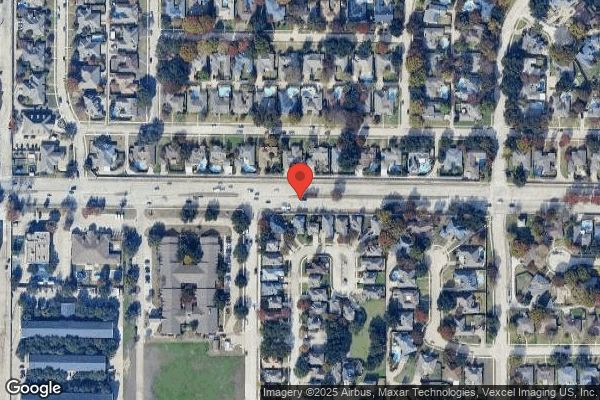
Nov 2024 1 deficiency
CONCERN (D) 📢 Someone Reported This

A family member, employee, or ombudsman was alarmed enough to file a formal complaint

Potential for Harm - no one hurt, but risky conditions existed

Deficiency F0726 (Tag F0726)

Could have caused harm · This affected 1 resident

**NOTE- TERMS IN BRACKETS HAVE BEEN EDITED TO PROTECT CONFIDENTIALITY** Based on interview and record review, the facility failed to ensure 1 of 1 members of the facility staff were able to demonstrat...

Read full inspector narrative →
**NOTE- TERMS IN BRACKETS HAVE BEEN EDITED TO PROTECT CONFIDENTIALITY** Based on interview and record review, the facility failed to ensure 1 of 1 members of the facility staff were able to demonstrate competency in the provision of skills and techniques necessary to provide quality care as outlined by the comprehensive care plan for 1 of 1 residents reviewed for plans of care. (Resident #1). The facility failed to ensure the staff providing activities of daily living (ADL) care were knowledgeable and competent on the facility's transfer and repositioning policy; Certified Nurse Aide (CNA) A grabbed Resident #1's neck to reposition him in bed, which resulted in the facial grimacing. The noncompliance was identified as past noncompliance (PNC). The facility identified the noncompliance on 9/5/2024 and corrected the noncompliance on 9/9/2024 before the investigation began on 11/7/2024. This deficient practice placed 1 resident with an ADL self-care performance deficit at risk of injury by not receiving care and services in accordance with resident care plans, facility policy, and state professional standards. Findings include: Record Review of Resident #1's Care Plan, dated 9/16/24, revealed Resident #1 was a [AGE] year old male admitted to the facility on [DATE] with diagnoses of being cognitively impaired (difficulty with thinking, learning, remembering, and making decisions), dementia unspecified severity without behavioral disturbance (a medical condition that causes a person to lose cognitive functioning without behavioral disturbances), psychotic disturbance (severe mental disorders that cause abnormal thinking and perceptions), mood disturbance and anxiety (mental health condition where there is a disconnect between actual life circumstances and the person's state of mind or feeling), cognition deficit (a person's impaired ability to think, learn, remember, and make decisions), schizoaffective disorder bipolar type (experiences both schizophrenia and a mood disorder, specifically bipolar disorder), major depressive disorder single episode unspecified (a mental condition that's diagnosed when someone has experienced a single depressive episode and no other previous episodes), bipolar disorder (a mental illness that causes unusual shifts in a person's mood, energy, activity levels, and concentration), unspecified dementia with behavioral disturbance (a diagnosis for dementia that doesn't have a specific diagnosis and has behavioral disturbances), generalized anxiety disorder (a mental health disorder that produces fear, worry, and a constant feeling of being overwhelmed), delusional disorders (type of mental health condition in which a person can't tell what's real from what's imagined), adjustment disorder with mixed disturbance of emotions and conduct (adjustment disorder where a person experiences both significant emotional symptoms like anxiety or depression alongside behavioral issues like acting out, aggression, or rule-breaking, all in response to a stressful life event), pain disorder with related psychological factors (a somatoform disorder in which pain is a somatization independent from depression, anxiety or delusion), vascular dementia with behavioral disturbance (changes to memory, thinking, and behavior resulting from conditions that affect the blood vessels in the brain), psychotic disorder with delusions due to known physiological condition (hallucinations or delusions that are caused by another medical disorder), and other speech disturbances (problems creating or forming the speech sounds needed to communicate with others). Record Review of Resident #1's Minimum Data Sheet (MDS), dated [DATE] revealed Resident #1 received a Brief Interview of Mental Status (BIMS) of 99. This indicates that Resident #1 was not able to complete the interview. Record Review of Resident #1's Care Plan, dated 9/16/24, revealed Resident #1 has an ADL self-care performance deficit related to Activity Intolerance, Dementia. Resident #1 Requires assistance with Activities of Daily Living (ADL's) as needed. ADL's Include: - Bed Mobility: The resident is totally dependent on 1-2 staff for repositioning and turning in bed (2-4 hours) and as necessary, - BED MOBILITY: Educate the resident/family/caregivers as to causes of skin breakdown; including: transfer/positioning requirements; and frequent repositioning. Further review revealed the care plan the family made an allegation of abuse on 9/05/2024. Resident #1 was transferred to a new hall at the family's request and CNA A was suspended. CNA A completed inservice's on transfers and repositioning. The facility took the following actions to correct the non-compliance: Record review of the facility reported incident dated 9/5/2024 revealed the facility self-reported the allegation of abuse. The report stated the resident had no injuries or marks, and there was no reported emotional distress. The report alleged on 9/5/2024 at 8:45 AM, CNA A forcibly grabbed Resident #1's neck to pull him up in the bed before feeding him. The facility notified the physician and family, suspended the alleged perpetrator, assessed resident, conducted staff interviews, resident safe surveys, and conducted abuse prevention Inservice's. Record review of Progress Note dated 9/5/24 revealed a head-to-toe skin assessment was completed on 9/5/24. The wound care nurse performed the daily treatment, no new skin problems were noted, the back and neck area of the skin were normal. Record Review of the Witness Interview / Statement Form dated 9/5/24 written by CNA A, revealed that CNA A stated she entered Resident #1's room around 8:45 AM to assist with breakfast. CNA stated Resident #1 was leaning over to the left side of his bed. CNA A stated she held his shoulders to try to reposition him, but he resisted so CNA A left him leaning to his side. CNA A then went on to start feeding Resident #1 juice and coffee. CNA A also fed Resident #1 eggs, bacon, sausages, and toast. At 9 AM Resident #1's sitter arrived and took over the feeding. Record review of Abuse & Neglect In-service Form dated 9/9/24 revealed that the Director of Nursing performed in-service training to CNA A on 9/5/24. Record review of Safe Survey Forms dated 9/5/24 revealed that Safe Survey interviews with residents at the facility were completed by the Director of Nursing on 9/5/24. The interviews revealed that the residents have not been a victim of abuse and neglect at the facility, the residents were treated with dignity and respect at the facility, and the residents felt that the staff did care about them. Record Review of the Video Recording reviewed on 11/7/24 at 2:12 PM revealed that CNA A grabbed Resident #1 on the left side of his neck while he was leaned over on his left side. This was an attempt to reposition Resident #1 so that he would be sitting up straight in his bed. When CNA A pulled on Resident #1, he grimaced and appeared to be in pain for a moment. Interview on 11/7/24 at 2:01 PM with Familiar Party D revealed that CNA A grabbed Resident #1 by the neck to reposition him. She stated CNA A went into the room and saw Resident #1 leaning to the side. CNA A then immediately grabbed Resident #1 by the neck to move him so that he was sitting up straight. She stated she has a video recording of the incident and t Resident #1 grimaced on the video at the time that he was pulled by the neck. She stated the incident did not cause injury. She thought it was out of laziness and inappropriateness. Attempted Interview on 11/7/24 at 2:45 PM with Resident #1 revealed that Resident #1 was cognitively impaired and not able to verbally communicate effectively. Interview on 11/8/24 at 10:30 AM with the Director of Nursing C revealed that he was aware of the incident involving CNA A and Resident #1. He stated that he understood why the repositioning of Resident #1 by CNA A during his was inappropriate. He stated that Resident #1's family member has complained multiple times about him leaning so the staff felt like it was necessary to reposition him so that he could be sitting up straight. He stated that the family member often made comments such as he is leaning; how could you leave him like that. The staff have been trained to reposition him so that it meets his needs. He stated that after the incident occurred the facility immediately removed CNA A. He also stated that although CNA A has returned to the facility, she does work on Resident #1's hall any longer. He stated the facility performed an in-service on turning and repositioning after this incident occurred. He also stated Resident #1 now required a second person go in to help with positioning and transfers. He stated that CNA A understood why she was being suspended and separated from Resident #1. He stated the staff were also trained to contact somebody else for help if they had questions about repositioning. Director of Nursing C stated If I was by myself, I would use either the sheets or use the hand on his shoulder. Don't go to his neck or head area to reposition. He stated that CNA A should not have grabbed Resident #1 by his neck. The facility did perform an assessment to check for injury. There was no redness. There were no signs or symptoms of pain. Interview on 11/8/24 at 11:00 AM with Administrator B revealed that he was aware of the incident involving CNA A and Resident #1. He stated that the facility performed a self-report and suspended CNA A while the facility performed an investigation. He stated that CNA A performed Inservice training on how to properly perform transfers and repositioning when she returned. He believed that the incident occurred because CNA A was trying to reposition Resident #1 so that he was more comfortable. He stated that the family will complain if they see Resident #1 leaning over in bed. He stated that the family will make comments like why do you leave him leaning. He stated that normally if the resident was at an angle the staff should have laid the resident down to pick him up another way. He claimed that CNA A only pulled on Resident #1's neck one time. The staff stopped after they attempted to reposition him and realized that he was resisting and would not sit up straight. Interview on 11/8/24 at 11:52 AM with CNA A revealed she went into Resident #1's room to perform his breakfast feeding. Resident #1 was leaning sideways in the bed. CNA A stated that she wanted to reposition his head so that he could straighten up. CNA A stated the family always complained about him leaning. CNA A stated Resident #1 can control his head. CNA A stated when she tried to reposition him, she grabbed him by his neck and pulled to straighten him up, it did not work so he went back to his starting position again. CNA A left the resident in that position because she thought that he was comfortable that way. She stated that he was fine. He had no injury. CNA A stated that on the same day the DON called to ask her about the repositioning. Resident #1 has video monitoring in his room. CNA A explained what happened and the facility separated her from Resident #1. The staff performed an Inservice for repositioning. She stated that the DON also said that if the resident was total assistance, the staff need to get two people for repositioning. Get another CNA or nurse. She stated that she was told not to grab anyone by the neck again. Record Review of the Facility Transfer and Reposition Policy revised on 9/19/24, states that while repositioning in bed staff should not pull from head of bed and that manual patient repositioning was dangerous.
May 2024 2 deficiencies
CONCERN (D) 📢 Someone Reported This

A family member, employee, or ombudsman was alarmed enough to file a formal complaint

Potential for Harm - no one hurt, but risky conditions existed

Accident Prevention (Tag F0689)

Could have caused harm · This affected 1 resident

**NOTE- TERMS IN BRACKETS HAVE BEEN EDITED TO PROTECT CONFIDENTIALITY** Based on observations, interviews, and record review, the facility failed to ensure that the resident environment remained as fr...

Read full inspector narrative →
**NOTE- TERMS IN BRACKETS HAVE BEEN EDITED TO PROTECT CONFIDENTIALITY** Based on observations, interviews, and record review, the facility failed to ensure that the resident environment remained as free of accident hazards as possible for one (Resident #1) of four residents reviewed for accidents and hazards. The facility failed to ensure that Resident #1's fall mat was placed on both sides of his bed as noted in his care plan. This failure could put residents at increased risk for accidents and injury. Findings include: Review of Resident #1's face sheet dated 04/30/2024 revealed a [AGE] year-old male admitted on [DATE]. Resident #1's medical diagnoses included traumatic hemorrhage of cerebrum (brain dysfunction due to head trauma), protein-calorie malnutrition, muscle weakness, history of falling, vascular dementia. Review of Resident #1's Comprehensive MDS dated [DATE] reflected in Section C - Cognitive Patterns, the resident was rarely or never understood, had short-term and long-term memory problems, and did not make daily decision-making due to severely impaired cognitive skills. Review of Section V-Care Area Assessment Summary reflected falls were a triggered care area. Review of Resident #1's Comprehensive Care Plan initiated 03/11/2024 revealed the resident was at risk of falls. Interventions for the resident's risk of falls included: floor mat window side with an initiated date of 03/14/2024 and floor mats both sides of the bed with an initiated date of 03/18/2024. Observation on 05/01/2024 at 10:41 AM revealed Resident #1 was lying in bed and was non-interviewable with no fall mat on either side of his bed. Observation revealed two fall mats rolled up and propped up in the corner of the room next to the window and resident's bed. Interview on 05/01/2024 at 10:50 AM with Nurse Aide A revealed Resident #1 had a history of falls and was supposed to have the floor mats on both sides of his bed. Nurse Aide A stated she rolled the fall mats up because she planned to get Resident #1 up in the wheelchair but needed to go find another staff member to assist her in transferring resident. Nurse Aide A stated it was her responsibility to put the fall mats back when she left the room. Nurse Aide A stated she should have put the fall mats back down while she went to find assistance and was helping other residents. Nurse Aide A stated the risk to the resident was injury if he fell out of the bed without the fall mat. Interview on 05/01/2024 at 11:30 AM with LVN B revealed Resident #1 was supposed to have floor mats on both sides of his bed because he was a fall risk and floor mats reduce injury if he fell out of bed. LVN B stated Nurse Aide A should have placed the fall mats back on the floor if she had to leave the room to get assistance. LVN B stated the resident could have been injured if he fell without a floor mat. LVN B stated it was Nurse Aide and Nurses responsibility to ensure floor mats were used for residents at risk of falls. Interview on 05/03/2024 at 2:01 PM with the DON revealed Resident #1 was at high risk for falls and should always have floor mats on both sides of his bed. The DON stated if a nurse aide needed the assistance of another staff member when caring for a resident then they should ask another staff member ahead of time, before picking up the fall mats. The DON stated if the nurse aide needed to leave the room then they should have put the fall mats back down before leaving the resident's room. The DON stated the resident could have fallen out of bed and been injured. The DON stated the nurse aide was a newer employee and would be in-serviced immediately. Interview on 05/03/2024 at 3:10 PM with the Administrator revealed if a staff member rolled fall mats up but realized they didn't have assistance with the resident then they should put the fall mats back down while they left the room to get assistance. Review of the policy titled Area of Focus: Fall Management dated reviewed 12/04/2023 reflected the facility was to promote patient safety and reduce patient falls by proactively identifying, care planning, and monitoring of patients fall indicators.
CONCERN (E) 📢 Someone Reported This

A family member, employee, or ombudsman was alarmed enough to file a formal complaint

Potential for Harm - no one hurt, but risky conditions existed

Food Safety (Tag F0812)

Could have caused harm · This affected multiple residents

Based on observations, interviews, and record review, the facility failed to store, prepare, distribute and serve food in accordance with professional standards for food service safety for the facilit...

Read full inspector narrative →
Based on observations, interviews, and record review, the facility failed to store, prepare, distribute and serve food in accordance with professional standards for food service safety for the facility's only kitchen reviewed for kitchen sanitation. 1. The facility failed to ensure grease trap in oven was not free of grease buildup. 2. The facility failed to ensure the sides of the stove were clean from food residue and grease build up. These failures could place residents at risk for food contamination and food-borne illness. Findings included: Observation at 04/30/2024 10:00 AM of the kitchen revealed grease trap with thick black build up that covered the outside handle of stove and a thick and sticky black build up on the inside corners and along the sides of the trap. Interview on 04/30/2024 at 10:45 AM with [NAME] C revealed that the stove and grease trap were supposed to be cleaned at the end of every shift, but she did not clean it or check it if she did not use the griddle top. [NAME] C stated it generally was cleaned by which ever cook used the griddle top, which was usually the morning shift for breakfast foods like bacon. [NAME] C stated she did not remember if she checked the grease trap at the beginning of her shift or before she started cooking because she did not use the griddle top for the lunch meal. [NAME] C observed the grease trap and stated it was not sufficiently cleaned and that the side of the oven had food residue and was unable to say if there was a risk to residents. [NAME] C stated it was her responsibility to clean any spills on the top of the stove that occurred on her shift during the cooking process. Observation and interview on 04/30/2024 at 3:52 PM with the Food Services Director revealed there was thick black build up that covered the outside handle of the grease trap, at the inside corners, sides, and there was food residue and grease build up on both sides of the oven and the fryer next to the oven. The Food Services Director stated the grease trap and stove were not fully cleaned and they should not have any residue or grease. The Food Services Director stated it was the cook's responsibility to clean the stove including scraping any thick areas of greasy residue and cleaning the sides of the oven. The Food Services Director stated it was his responsibility to ensure the equipment was cleaned properly. The Food Services Director stated he had taken down the cleaning checklist to review it, could not currently locate the document, and the current cleaning check list posted was for the previous week dated 04/15/2024 through 04/22/2024. The Food Services Director stated the cleaning schedule was posted in the kitchen and staff check off tasks they completed at the end of every shift, including cleaning the stove and did not currently check routinely that staff were cleaning thoroughly. Interview on 05/01/2024 at 9:12 AM with the Food Services Director revealed the risk to residents when stoves and grease traps were not cleaned were food contamination and it could be a hazard. The Food Services Director provided the cleaning check list and stated he added the cleaning task cleaning grease traps and in-serviced staff on cleaning kitchen equipment. The Food Services Director stated he took the stove out completely the evening of 04/30/2024 and degreased the grease trap. Observation on 05/01/2024 at 12:30 PM of the kitchen stove revealed there was food residue and grease on both sides of the stove and grease trap had same amount of thick black residue on inside corners. Interview on 05/01/2024 at 12:33 PM with [NAME] D revealed the stove had food residue on both sides and grease trap had thick grease build up on the inside corners. [NAME] D stated she does not clean certain areas of the stove, such as the flat top and grease trap, because she does not use them when she cooks lunch. [NAME] D stated that whichever cook uses the flat top was responsible for cleaning it after each use. [NAME] D was unable to say if there was a risk to resident by having food residue on sides of stove and uncleaned grease traps. Interview on 05/01/2024 at 12:45 PM with [NAME] E revealed he usually worked on the morning shift and used the flat top regularly for items like sausage or bacon. [NAME] E stated he empties the grease trap at the end of each shift, and it currently was sufficiently cleaned. Interview on 05/01/2024 at 1:25 PM with the Food Services Director revealed the grease trap had been scrapped clean and he had to use a putty knife to get the substance free and expected Cook's to check the grease trap and clean it including scrapping if needed to ensure it was free of any residue. Review of the posted cleaning schedule titled Daily Cleaning Week of 4/15-4/22 reflected cleaning stove top and grill were the cook's responsibility. Review of the facility's policy on cleaning titled Cleaning Schedule dated 10/04/19 and reviewed on 04/25/2023 reflected The Director of food and Nutrition Services develops a cleaning schedule . to ensure that the Food and Nutrition Services department remains clean and sanitary at all times. Review of the US Public Health Service, Food Code, dated 2017, retrieved on 10/25/22, reflected the following regarding Equipment, Food-Contact Surfaces and Nonfood-Contact Surfaces, equipment food-contact surfaces and utensils shall be clean to sight and touch .the nonfood contact surfaces of equipment shall be kept free of an accumulation of dust, dirt, food residue, and other debris.
Mar 2024 3 deficiencies
CONCERN (D) 📢 Someone Reported This

A family member, employee, or ombudsman was alarmed enough to file a formal complaint

Potential for Harm - no one hurt, but risky conditions existed

Tube Feeding (Tag F0693)

Could have caused harm · This affected 1 resident

**NOTE- TERMS IN BRACKETS HAVE BEEN EDITED TO PROTECT CONFIDENTIALITY** Based on observations, interviews, and record review the facility failed to ensure a resident who was fed by enteral means recei...

Read full inspector narrative →
**NOTE- TERMS IN BRACKETS HAVE BEEN EDITED TO PROTECT CONFIDENTIALITY** Based on observations, interviews, and record review the facility failed to ensure a resident who was fed by enteral means received the appropriate treatment and services to restore, if possible, oral eating skills and to prevent complications of enteral feeding for 1 of 3 residents (Resident #40) reviewed for reviewed for feeding tubes. The facility failed to ensure Resident #40's feeding bag was labeled and dated. This failure could result in complications of enteral feedings such as receiving the wrong feeding or outdated feeding. The findings were: Review of Resident #40's Quarterly MDS assessment dated [DATE] revealed that Resident #40 was an [AGE] year-old male admitted to the facility on [DATE]. Relevant diagnoses included cerebrovascular disease (interruption in the flow of blood to cells in the brain), dysphagia (difficulty swallowing), gastrostomy status (a surgical procedure used to insert a tube, through the abdomen and into the stomach to deliver nutrition), and Parkinson's disease (brain disorder that causes unintended or uncontrollable moments). Resident #40 required assistance with ADLs. Resident #40 had BIMS score of 7 suggesting severe cognitive impairment. Review of Resident #40's comprehensive care plan dated 1/10/2024 revealed, Focus: The resident requires tube feeding related to Dysphagia. Goal: o The resident will be free of aspiration through the review date. o The resident will maintain adequate nutritional and hydration status. o The resident will remain free of side effects or complications related to tube feeding. Intervention: The resident needs the head of bed elevated 45 degrees during and thirty minutes after tube feed. o Discuss with the resident/family/caregivers any concerns about tube feeding, advantages, disadvantages, potential complications. o Listen to lung sounds. o Observe and report signs and symptoms of aspiration. Review of Resident #40's Physician order dated 2/8/2024 revealed Jevity 1.2 @ 65 milliliters per hour x 12 hours from 6pm - 6am via pump. Flush with 120 milliliters purified water every 4 hours. In an observation on 03/05/24 at 10:21 AM, Resident #40 was lying in bed. He could not answer questions. Resident #40 had an enteral feeding pump at his bedside which was not running into his G-tube (a tube inserted through the belly that brings nutrition directly to the stomach). The feeding pump had 2 bags hanging; one was marked as water dated 03/04/2024, and the second had a tan colored liquid. The tan colored liquid bag did not have a label with contents, date it was hung, or the resident's name. In an observation and interview with LVN A on 03/05/24 at 01:53 PM revealed that Resident #40 continued to have the feeding pump next to his bed with one bag marked as water and the other bag did not have a label or date on it. Per LVN A, Resident #40 received nocturnal tube feeding from 7 pm- 6am. She stated that the 2-10 Shift LVN was responsible for starting Resident #40 on tube feeds and LVN on 10 pm-6am shift was responsible for discontinuing the feeds. She stated that the tube feed formula came in 8-ounce containers and needed to be poured in the tube feeding bag to administer the feeding to the resident. She further stated that all Enteral feeding bags should be dated and labeled each time before administering the feeds . She stated that the risk of not dating the tube feed bag was an increased risk of infection related to an unknown hung date and risk of not labeling the bag was probably hanging an incorrect tube feed formula. In an interview with LVN B on 03/05/24 at 02:34 PM revealed that she worked on the 2 pm-10 am shift on 3/4/24 and hung the tube feed bag for Resident #40 around 6 pm on 3/4/24. She stated that she always dated and labeled residents tube feed bag since it was standard nursing protocol, but she did not have a marker with her to label the bag and may have forgotten to label and date it afterwards. She stated that the risk for not dating and labeling was incorrect feedings, microbial growth, and potential for decreased quality of care. In an interview with the DON on 03/06/24 at 11:56 AM revealed that it was a standard nursing protocol to date and label tube feed formula, and it was his expectation that all nursing staff follow standard protocols. He stated that risk of not dating and labeling tube feed formula was a possibility of the same formula being used for the resident for multiple days and spread of microbial infection. He stated that if the nursing staff saw any tube feed formula that was not labeled, he expected them to throw it out, and restart the tube feeds with a formula bag that was dated and labeled appropriately. Record review of the facility's Enteral Nutrition Therapy policy dated 8/8/2023 revealed, the facility will provide intermittent enteral nutrition therapy in accordance with physician orders and professional standards of practice. Recommendation from American Society for Parenteral and Enteral Nutrition Safe Practices for Enteral Nutrition Therapy dated January 2017 Practice Recommendations Standardize the labels for all Enteral formula containers, bags, or syringes to include who prepared the formula, date/time it was prepared, and date and time it was started.
CONCERN (E) 📢 Someone Reported This

A family member, employee, or ombudsman was alarmed enough to file a formal complaint

Potential for Harm - no one hurt, but risky conditions existed

Deficiency F0679 (Tag F0679)

Could have caused harm · This affected multiple residents

**NOTE- TERMS IN BRACKETS HAVE BEEN EDITED TO PROTECT CONFIDENTIALITY** Based on observations, interviews, and record review, the facility failed to provide an ongoing resident centered activities pro...

Read full inspector narrative →
**NOTE- TERMS IN BRACKETS HAVE BEEN EDITED TO PROTECT CONFIDENTIALITY** Based on observations, interviews, and record review, the facility failed to provide an ongoing resident centered activities program that incorporated and met the resident's interests, hobbies, and cultural preferences which was integral to maintaining and improving a resident's physical, mental, psychosocial well-being, and independence for 4 (Resident #1, Resident #14, Resident #17, and Resident #29) of 5 residents reviewed for resident rights and activities. The facility failed to ensure the activities program was resident centered and reflected resident's interests and preferences for Residents #1, #14, #17, and #29. This deficient practice could place residents at risk of negative psychosocial outcomes, negative physical and mental outcomes by not creating opportunities for each resident to have a meaningful life and to be engaged with their community. Findings included: Record review of Resident #1's Quarterly MDS assessment dated [DATE] revealed resident was a [AGE] year-old female admitted to the facility on [DATE] with an initial admission date of 07/15/2020 and had diagnoses of heart failure, chronic obstructive pulmonary disease (chronic inflammatory lung disease that causes obstructed airflow from the lungs), hyperlipidemia (high level of fats in blood), mild cognitive impairment, and a BIMS score of 7 (severely impaired cognition). Record Review of Resident #1's Care Plan dated 10/18/2021 revealed resident was provided a program of activities that was of interest and empowers the resident by encouraging and allowing choice, self-expression, and responsibility. Resident #1's Care Plan revised 02/04/2024 revealed the resident attended and participated in activities of choice 3 times a week. Record review of Resident #14's Quarterly MDS assessment dated [DATE] revealed resident was a [AGE] year-old female admitted to the facility on [DATE] with an initial admission date of 10/20/2016 and had diagnoses of metabolic encephalopathy (brain dysfunction), multiple sclerosis (central nervous system disease), major depressive disorder (a mood disorder causing persistent feeling of sadness and loss of interest), unspecified dementia (loss of cognitive functioning), generalized anxiety disorder (a condition in which a person has excessive worry and feelings of fear or unease), and a BIMS score of 6 (severely impaired cognition). Record Review of Resident #14's Care Plan dated 03/30/2019 and revised on 06/16/2020 revealed Resident #14 had a variety of activity interests and a willingness to take part in group activity programs. The Care Plan for Resident #14 dated 03/30/19 with revision on 12/18/2023 revealed the resident attended and participated in activities of choice 3 times a week. Record review of Resident #17's Comprehensive MDS assessment dated [DATE] revealed resident was a [AGE] year-old male admitted to the facility on [DATE] with an initial admission date of 02/28/2022 and had diagnoses of sepsis (blood stream infection), type-2 diabetes mellitus (high blood sugar), adjustment disorder (excessive negative reactions and emotions to stress), unspecified Alzheimer's disease (loss of cognitive functioning), depression (persistent feeling of sadness and loss of interest), and generalized anxiety disorder (a condition in which a person has excessive worry and feelings of fear or unease), and a BIMS score of 14 (intact cognition). Record Review of Resident #17's Care Plan dated 04/04/2022 and revised on 04/04/2023 revealed Resident #14 was the Resident Council President and had a variety of activity interests and a general willingness to take part in group activity programs. The Care Plan for Resident #17 stated resident would express enjoyment of the group activity programs and would be invited, encouraged, and assisted to programs of interest and preferences. The Care Plan for Resident #17 dated 04/13/2022 revealed the resident was provided a program of activities that was of interest and empowered the resident by encouraging and allowing choice, self-expression, and responsibility. Record review of Resident #29's Quarterly MDS assessment dated [DATE] revealed resident was an [AGE] year-old male admitted to the facility on [DATE] and had diagnoses of Alzheimer's disease (loss of cognition), type 2 diabetes, hyperlipidemia (high level of fats in blood), hypertension (high blood pressure), and a BIMS score of 5 (severely impaired cognition). Record Review of Resident #29's Care Plan dated 09/24/2023 revealed the resident was provided a program of activities that was of interest and empowered the resident by encouraging and allowing choice, self-expression, and responsibility. Resident #29's Care Plan dated 09/18/2023 and revised on 09/24/2023 revealed the resident had a variety of activity interests and a general willingness to take part in group activity programs. Record review of the Resident Council minutes dated 12/14/2023, 01/19/2024, and 02/15/2024 revealed Residents #1, #14, #17, and #29 were in attendance. Review of Resident Council minutes dated 01/19/2024 revealed residents had concerns with activities and needed more entertainment. Resident Council minutes dated 12/14/2023 and 02/15/2024 revealed no concerns. Observation on 03/05/2024 at 2:12 PM of dining room D revealed residents #14 and #17 were sitting in electric wheelchairs and appeared alert, well-kept, and were participating in a painting activity with Activities Assistant G. Observation on 03/05/2024 on 3:15 PM of dining room D revealed Activities Assistant G standing in front of a table with residents #14 and #17 who were seated in electric wheelchairs at a table with other residents and were playing bingo. Interview with Activities Assistant G revealed the current Activities Director, Activities Director F, were not at the facility due to a medical issues. Observation 03/06/2024 at 10:23 AM in dining room D revealed the room had two doors and one connected hallway that opened into D hall and did not allow for privacy for the confidential group interview. Interview with Assistant Activities Director revealed dining room D was used for Resident Council meetings and stated she would move residents to the main dining room to allow for privacy. Confidential group interview began on 03/06/2024 at 10:39 AM in the main dining room. Residents stated that entertainment was their biggest concern, and they noticed a change in activities about a year ago. Residents stated that there was a lack of variety of activities at the facility and their favorite activity of music performers and entertainers had stopped about a year ago. Residents stated that the facility used to have someone come sing to them or perform but then it went away. Residents stated they had asked Activities Director E about the change and was told that there was not enough funding to have entertainers come in and perform for residents. Residents stated the issue of lack of entertainment was brought up at every resident council meeting but that there was no further discussion on the matter, and no one had asked them their preferences for activities. Residents stated that they thought someone might volunteer but that had not happened. Residents stated there are activities like painting, bingo, and sit and fit but they need other activities. Interview on 03/06/2024 at 11:13 AM with Activities Assistant G revealed she had worked at the facility since October 2023 and was responsible for implementing the activities like bingo, painting, and coloring while Activities Director F was on leave due to medical issues. Activities Assistant G stated, Activities Director F had recently started on 02/22/2024 and had to go on leave due to a medical concerns, she was still feeling unwell, and was waiting for medical clearance to return in person. Activities Assistant G stated that she was not a certified Activities Director. Activities Assistant G stated she was in contact via phone with Activities Director F. Activities Assistant G stated she had not attended previous resident council meetings, had not read the resident council minutes for previous months, and had not known where to find the resident council minutes. Activities Assistant G stated she was not aware residents had concerns about activities. Interview on 03/06/2024 at 11:52 AM with the Administrator revealed Activities Director F started working at the facility on 02/19/2024. The Administrator stated that Activities Director E had worked at the facility for about 6 years and her last day was 02/16/2024. The Administrator stated that Activities Director F had a medical emergency while at work on 02/21/2024 and had returned to the facility the next day but was still experienced health issues so she was not currently at the facility but was in contact via phone. The Administrator stated he expected Activities Director F would return on 03/11/2024, if she received medical clearance. The Administrator stated that he was not aware any residents had concerns of or requested more entertainment or activities and has never denied any supplies. The Administrator stated there was a budget for activities and the facility was open to volunteers or bake sales to fund activities. The Administrator stated that the Activities Director is responsible for assessing the activity needs and preferences of residents and creating the calendar of activities for the facility. Interview on 03/07/2024 at 10:17 AM with Activities Director E revealed she worked at the facility for about 7 years and had resigned about 3 weeks ago. Activities Director E stated she remembered attending the resident council meeting on 01/19/2024 and that residents had concerns about not having entertainment. Activities Director E stated she would organize and schedule activities for residents including arts and crafts, bingo, sit and fit (a movement and exercise activity), and entertainers that played musical instruments like bells, maraca's, accordion, or singers. Activities Director E stated she used to book about 4 to 5 entertainers a month and they would come about once a week. Activities Director E stated the entertainers would sing or perform for residents in a common area and the entertainers would also go to bed-bound resident rooms and perform to engage residents. Activities Director E stated residents enjoyed entertainer visits the most and they were effective and helpful to engage residents. Activities Director E stated there were changes in management on the corporate level which led to many changes including the activities budget, which was reduced by about half. Activities Director E stated she had to cancel her entire year of bookings with entertainers because there was not enough money in the budget for the activity. Activities Director E stated she always booked entertainers a year in advance because the budget had already been reduced in the past and it was more cost effective to book in advance. Activities Director E stated she had brought up concerns regarding the lack of budget and was told by management that some facilities did not have a budget for activities and to work with what she had. Activities Director E stated she attempted to compensate and would do many things herself. Activities Director E stated that residents noticed the change in activities and would ask her why the entertainers stopped coming. Activities Director E stated that she would bring up the residents' concern to management and was told to be a professional and not tell the residents there were budget cuts. Activities Director E stated that lack of activity options were repeatedly brought up as a concern in resident council meetings but sometimes she would not write the concern down because there was not anything she was be able to do about the concern. Interview on 03/07/2024 at 10:38 AM with Activities Assistant G revealed she thought the confidential group interview on 03/06/2024 was the March resident council meeting and had not planned the next meeting. Activities Assistant G stated she did not know how a confidential group interview was different from a resident council meeting or what the purpose was. Activities Assistant G stated she would immediately contact Activities Director F to reschedule the next resident council meeting. Activities Assistant G stated she had the March 2024 activity calendar and did not have the previous month's activity calendar. Activities Assistant G stated that the Activities Director was responsible for creating the activity calendar and assessed resident's activity needs and preferences. Interview on 03/07/2024 at 10:42 AM with Activities Director F revealed she had just started working as the Activities Director and had a medical emergency at the facility on her third day on the job on 02/22/2024 and had tried going back to the facility the next day but was still experiencing medical issues. Activities Director F stated that she was responsible for ensuring resident's had sufficient activity options to ensure psychosocial health. Activities Director F stated that she had assessed every resident in the three days she had been in the facility. Activities Director F stated she wasn't aware residents were not happy with the activities at the facility. Activities Director F stated she had not been in the facility for over a week but was available to Activities Assistant G via phone. Activities Director F revealed she was certified as an Activities Director and worked 40 hours a week at the facility. Activities Director F stated she was not sure when she would be able to come back in person because it would depend on her doctor's consent. Activities Director F stated Activities Assistant G had been implementing the activities schedule. Activities Director F stated she was unaware that the March resident council meeting did not occur and thought the confidential group interview was the resident council meeting. Activities Director F stated she would speak with Activities Assistant G and figure out a time for the March resident council meeting. Activities Director F stated she had spoken with every resident in the facility, and she was not aware that residents were concerned with a lack of variety of activities. Activities Director F stated she had not read any of the previous resident council meeting minutes. Activities Director F stated that the activities budget did seem low and that it was a concern. Activities Director F stated she would need to see how much money per month was being spent before she could determine if the budget would allow for entertainers or performers. Activities Director F stated a lack of activities that engaged residents could put them at risk of emotional harm. Observation and interview on 03/07/2024 at 12:00 PM revealed Resident #17 was sitting in his room in an electric wheelchair and was dressed in a t-shirt, shorts, and shoes with a bedside table in front of him with the television on. Interview with Resident #17 (Resident Council President) revealed there used to be a lot of activities and entertainers in the past and that they had gone a long time without a variety of activities. Resident #17 stated he was told the reason the entertainers stopped coming was due to a lack of funds. Resident #17 stated the residents were disappointed when the music performances and entertainers stopped coming because they were the most impactful for himself and other residents. Resident #17 stated the concern regarding lack of activity options was frequently brought up at resident council meetings but there was not anything to be done about the issue. It was just how things were now. Resident #17 stated that not having the entertainers and music anymore had left a big hole in his life and he and other residents felt bored. Resident #17 stated no one had talked with him about his activities or preferences. Resident #17 stated that the activities he participated in were resident council, bingo, painting, and an exercise class. Observation and interview on 03/07/2024 at 12:05 PM revealed Resident #29 was sitting in his room in an electric wheelchair wearing a t-shirt, shorts, and shoes, and appeared well-kept and alert and was speaking with his new roommate. Interview with Resident #29 revealed he participated in bingo, resident council, and an exercise class and would like to learn chess, computers, Spanish, and have entertainers come back to the facility. Resident #29 stated that the activities used to be good here and that a woman used to come to the facility and sing to residents but that didn't happen anymore. Resident #29 stated not having a variety of activities that were of interest to him and varied had made the days feel long. Resident #29 stated that no one had asked what he was interested in participating in and he did not know who else to talk to about the concern. Observation and interview on 03/07/2024 at 12:10 PM revealed Resident #14 was in her room sitting in an electric wheelchair wearing a blouse, pants, and shoes, and was alert and appeared well kept. Resident #14 stated she noticed a change in activity options about a year ago. Resident #14 stated that she enjoyed bingo, painting, resident council, church, and music. Resident #14 stated that she enjoyed music activities and performances the most and she noticed about a year ago that music performances didn't happen anymore, and it made her feel like not participating in other activities. Resident #14 stated that she was told there wasn't a budget for entertainers anymore. Resident #14 stated she felt bored now and that other residents mention being bored with the same activities. Resident #14 stated that she would like to be a part of planning activities that are of interest to her, and no one had asked her about what activities she would like to participate in. Observation and interview on 03/07/2024 at 12:20 PM revealed Resident #1 was sitting in her room in a wheelchair watching television and eating lunch. Resident #1 stated she participated in resident council and church services, and she did not know what other activities were available. Resident #1 stated music activities were what she enjoyed the most, especially when people would come and sing or perform music for residents. Resident #1 stated she was bored frequently and spends a lot of time watching television. Resident #1 stated she could not recall if someone talked with her about her preferences for activities. Record review of facility's activity policy titled Therapeutic Activities Program and dated 09/21/2023 revealed The facility should implement an ongoing resident centered activities program that incorporates the resident's interests, hobbies, and cultural preferences which is integral to maintaining and/or improving a resident's physical, mental, and psychosocial well-being, and independence. To create opportunities for each resident to have a meaningful life by supporting his/her domains of wellness (security, autonomy, growth, connectedness, identity, joy and meaning).
CONCERN (E) 📢 Someone Reported This

A family member, employee, or ombudsman was alarmed enough to file a formal complaint

Potential for Harm - no one hurt, but risky conditions existed

Food Safety (Tag F0812)

Could have caused harm · This affected multiple residents

Based on observations, interviews and record review, the facility failed to store, prepare, distribute, and serve food in accordance with professional standards for food service safety for the facilit...

Read full inspector narrative →
Based on observations, interviews and record review, the facility failed to store, prepare, distribute, and serve food in accordance with professional standards for food service safety for the facility's only kitchen. 1. The facility failed to label and date food stored in the reach-in refrigerator that should no longer be consumed. 2. The facility failed to label and date food in the dry storage. 3. The facility failed to date food stored in the walk-in refrigerator that should no longer be consumed. 4. The facility failed to store food in a sanitary manner in the walk-in refrigerator. 5. The facility failed to date food in the general storage area. These failures could affect residents who received their meals from the facility's only kitchen, by placing them at risk for food-borne illness if consumed, and food contamination. Findings included: Observations on 03/05/24 at 09:32 AM revealed mixed cut fruit in a container, whipped cream in a piping bag and grated cheese in the reach-in refrigerator were not labeled or dated. Observations on 03/05/24 at 09:35 AM revealed two bags of [NAME] Krispies in the dry storage were not labeled or dated. Observations on 03/05/24 at 09:41 AM revealed one big block of American cheese on the floor in the walk-in refrigerator. Observations on 03/05/24 at 09:42 AM revealed one big container of fruit juice and several cups of Kool-Aid in the walk-in refrigerator were not labeled or dated. Observations on 03/05/24 at 09:58 AM revealed several cans of canned goods in the general storage area were not labeled or dated. Interview with Dietary Aide D on 03/06/2024 at 11:06 AM revealed that everyone in the kitchen was responsible for dating and labeling foods. She stated as an aide, she usually prepared daily desert and prepared drinks and labeled and dated those items. She stated that not dating and labeling items can lead to risk of feeding foods to residents that could be spoiled. She stated that she had not received in-services for dating and labeling for last few months. Interview with [NAME] C on 03/06/2024 at 11:15 AM revealed that the cooks were responsible for dating and labeling all food items in the refrigerator/ freezer. He stated that if he found any food that was not dated or labeled, he would inform the food service manager and throw away that food. He stated that he knew all food should be stored at least 6 inches away from the floor. He was not able to explain why a block of cheese was on the floor. He stated he had not seen the cheese on the floor when he reported to the shift and checked the refrigerator that morning. He had received in-services re: handwashing and food hygiene, but he does not remember in-services about food storage. He stated that not storing food properly could lead to food borne illness. Interview with Food Service Manager on 03/06/2024 at 11:30 AM revealed that had been working in the facility for the last 8 months. He stated that the cooks and the dietary aides, including himself, were responsible for food storage including labeling and dating foods. He stated that he found inconsistent labeling and dating on various food items yesterday. He stated that he had not provided any in-services to the kitchen staff on food storage and safe food handling during his 8-month tenure. He stated that they provided in-services to dietary staff only when they saw a problem and there were no planned in-services that were to be conducted. He stated that being a dietary manager he was ultimately responsible for ensuring food safety and food storage in the facility kitchen. He stated that not storing food properly could lead to food borne illness. Interview with the Dietitian on 03/06/2024 at 01:20 PM revealed that cooked food should not be stored in the refrigerator for more than 72 hours. She stated that all the foods in the kitchen should be dated and labeled. She stated that it's an expectation from the corporate team to round the kitchen at least monthly to check on food temperatures, food dating and labeling, and perform taste trays. She stated that the cooks and food service manager were responsible for dating and labeling all food items. She stated that she provided monthly in-services on various topics and the last in-service on food storage, labeling, and dating was provided to the kitchen staff in April 2023. She stated that it was her expectation that all food items be labeled, dated, and always covered. She added risk of not dating or labeling can lead to food borne illness. Record Review of the Facility's Food Safety revised 04.26.2023 revealed Food is stored and maintained in a clean, safe, and sanitary manner following federal, state, and local guidelines to minimize contamination. Review of the Food and Drug Administration Food Code, dated 2022, reflected, .3-302.12 Food Storage Containers, Identified with Common Name of Food. Except for containers holding food that can be readily and unmistakably recognized such as dry pasta, working containers holding food, or food ingredients that are removed from their original packages for use in the food establishment, such as cooking oils, flour, herbs, potato flakes, salt, spices, and sugar shall be identified with the common name of the food 3-305.11 Food Storage.(B) .refrigerated, ready-to eat time/temperature control for safety food prepared and packaged by a food processing plant shall be clearly marked, at the time the original container is opened in a food establishment and if the food is held for more than 24 hours, to indicate the date or day by which the food shall be consumed on the premises, sold, or discarded, based on the temperature and time combinations specified in (A) of this section and: (1) The day the original container is opened in the food establishment shall be counted as Day 1; and (2) The day or date marked by the food establishment may not exceed a manufacturer's use-by date if the manufacturer determined the use-by date based on food safety
Jan 2023 4 deficiencies
CONCERN (D)

Potential for Harm - no one hurt, but risky conditions existed

Comprehensive Care Plan (Tag F0656)

Could have caused harm · This affected 1 resident

**NOTE- TERMS IN BRACKETS HAVE BEEN EDITED TO PROTECT CONFIDENTIALITY** Based on observations, interview and record review, the facility failed to develop and implement comprehensive person-centered c...

Read full inspector narrative →
**NOTE- TERMS IN BRACKETS HAVE BEEN EDITED TO PROTECT CONFIDENTIALITY** Based on observations, interview and record review, the facility failed to develop and implement comprehensive person-centered care plans for each resident that included measurable objectives and timeframes to meet a resident's medical, nursing, and mental and psychosocial needs that were identified in the comprehensive assessment for two (Resident #24 and Resident #6) of 24 residents reviewed for comprehensive care plans. 1. The facility failed to develop a comprehensive person-centered care plan to address Resident #24's preference to wear his pants below his waist. 2. The facility failed to develop a comprehensive person-centered care plan to address the use of oxygen for Resident #6 This failure placed residents at risk of not receiving individualized care and services to meet their needs. Findings included: 1. Record review of Resident #24's quarterly MDS assessment dated [DATE] reflected Resident #24 was an [AGE] year-old male admitted on [DATE] and readmitted on [DATE] to the facility with diagnoses of stroke, coronary artery disease, hypertension, peripheral vascular disease (blood circulation disorder), dementia, hemiplegia and hemiparesis affecting one side (complete paralysis and partial paralysis) and chronic kidney failure. Resident #24 was severely cognitively impaired in daily decision making. Resident #24 required limited to extensive assistance with ADLs of one-person physical assistance. He had no behaviors. Record review of Resident #24's comprehensive care plan last revised on 12/21/22 reflected Resident #24 was cognitively impaired. He had diagnoses of hemiplegia and hemiparesis of unspecified side and dementia. It did not reflect Resident #24's preference to have his pants below his waist with no underwear or brief on while in wheelchair. Observation on 01/17/23 at 10:06 AM revealed Resident #24 sitting in wheelchair in his private room. He had his pants down below his waist with no brief or underwear on. Observation on 01/18/23 at 10:23 AM revealed Resident #24 sitting in in his wheelchair with his pants below his waist with no brief or underwear on in his room. At 10:30 AM, Resident #24 came out of his room to the hallway in his wheelchair with his pants below his waist. At 10:35 AM, Resident #24 was in his wheelchair with his pants below his waist with a towel covering his private area. Interview on 01/17/23 at 10:07 AM with CNA D revealed she and other direct care staff changed him and put his pants up on his waist. She stated every day he pulled his pants down below his waist on his own even when they pulled them up. She stated he preferred to have his pants below his waist, and he did not wear underwear or a brief. Interview on 01/18/23 at 10:37 AM and 2:05 PM with LVN C revealed for about the last two months daily Resident #24 used a urinal to urinate and preferred his pants below his waist. She stated he had a private room but Resident #24 would come out into hallway with his pants below his waist. She stated sometimes he would try to cover his private area with his shirt. She stated they would give him a towel to cover his private area when in public areas for dignity. She stated family had been notified about him pulling his pants below his waist. Interview on 01/18/23 at 10:40 AM with the DON revealed he was aware of Resident #24's preference of having his pants below his waist. He stated they had discussed this with Resident #24's family. He stated he thought it was care planned and should include the interventions regarding how staff addressed Resident #24's preference. He stated nursing or the Social Worker should have care planned the resident's preference to have his pants below his waist. Interview on 01/18/23 at 1:01 PM with MDS Coordinator A revealed social services or nursing did behavioral acute plans, and she did the initial comprehensive care plan based on MDS assessment. She was aware Resident #24 did pull down his pants below his waist sometimes. Interview on 01/18/23 at 1:58 PM with the SW revealed she knew about Resident #24's preference in liking his pants to be below the waist since she had been at facility since August 2022. She stated she overlooked it and should have care planned it. She stated she would care plan it and include interventions regarding how staff addressed his preference. 2. Record review of Resident #6's 5-day MDS assessment dated [DATE], reflected a [AGE] year-old male admitted to the facility on [DATE] and readmitted on [DATE]. He had a BIMS of 9 which indicated he was moderately cognitively impaired. Diagnoses included hypertension, obstructive uropathy (urine cannot drain through the urinary tract), dementia, depression, chronic obstructive pulmonary disease, and acute and COVID-19. Resident #6 had received oxygen therapy in the last 14 days. Record of Resident #6's Active Physician orders dated 01/18/23, reflected: oxygen 2 l/m via n/c prn to keep sat greater than 90% as needed .Check oxygen q shift and document every shift for S.O.B (shortness of breath) . Record review of Resident #6's care plan with a revision date of 11/06/22 did not address the resident's use of oxygen. An observation on 01/17/23 at 10:05 AM revealed Resident #6 had an oxygen mask in place and the oxygen flow rate was set to deliver 4 liters per minute via an oxygen concentrator. In an interview with Resident #6 on 01/17/23 at 10:07 AM stated he had been on oxygen continuously. He stated he had not been feeling well the past few days. An observation on 01/18/23 at 11:15 AM revealed Resident #6 had a nasal cannula in place and the oxygen flow rate was set to deliver 4 liters per minute. An observation made with LVN B on 01/18/23 at 11:20 AM revealed the oxygen flow rate was set to deliver 4 liters. LVN B stated it should be set at 2 liters and adjusted the rate to deliver 2 liters per minute. In an interview with LVN B on 01/18/23 at 11:25 AM revealed any resident with oxygen had to have an order with the number of liters per hour to be delivered. She stated she had assessed Resident #6 when she came on duty and had checked his oxygen saturation level but did not look to see what the oxygen concentrator was set on. LVN B stated she should have checked the levels instead of assuming it was set on the correct rate. She stated providing inaccurate amounts of oxygen could make the residents breathing worse. In an interview with the DON on 01/18/23 at 1:45 PM revealed any resident who required oxygen had to have an order from the physician which stated the number of liters to be delivered. He stated it was a requirement that the physician determine how much supplemental oxygen someone needed and was not a nurse's judgement. He stated the nurses were supposed to assess the resident's respiratory status, including ensuring the oxygen was delivered at the prescribed rate. He stated giving to much oxygen could lead to oxygen toxicity to the resident. Review of facility's policy Comprehensive Care Plans and Revisions reviewed 08/17/22 reflected .the facility will ensure the timeliness of each resident's person-centered, comprehensive care plan .2. When these changes occur, the facility should review and update the plan of care to reflect changes to care delivery, this can include a. additional interventions on existing problems, b. Updating goal or problem statements, c. Adding a short-term problem, goal and interventions to address a time limited condition.
CONCERN (D)

Potential for Harm - no one hurt, but risky conditions existed

Respiratory Care (Tag F0695)

Could have caused harm · This affected 1 resident

**NOTE- TERMS IN BRACKETS HAVE BEEN EDITED TO PROTECT CONFIDENTIALITY** Based on observation, interview, and record review the facility failed to ensure residents who needed respiratory care were prov...

Read full inspector narrative →
**NOTE- TERMS IN BRACKETS HAVE BEEN EDITED TO PROTECT CONFIDENTIALITY** Based on observation, interview, and record review the facility failed to ensure residents who needed respiratory care were provided such care, consistent with professional standards of practice and the comprehensive person-centered care plan for one (Resident #6) of two residents reviewed for respiratory care The facility failed to ensure the supplemental oxygen was provided at the physician ordered liter amount for Resident #6. This failure could place residents who received oxygen therapy at risk of receiving an incorrect amount of oxygen and the risk of oxygen toxicity. Findings included: Record review of Resident #6's 5-day MDS assessment dated [DATE], reflected a [AGE] year-old male admitted to the facility on [DATE] and readmitted on [DATE]. He had a BIMS score of 9 which indicated he had moderate cognitive impairment. Diagnoses included hypertension, obstructive uropathy (urine cannot drain through the urinary tract), dementia, depression, chronic obstructive pulmonary disease, and acute and COVID-19. Resident #6 had received oxygen therapy in the last 14 days. Record of Resident #6's Active Physician orders dated 01/18/23, reflected: oxygen 2 l/m via n/c prn to keep sat greater than 90% as needed .Check oxygen q shift and document every shift for S.O.B (shortness of breath) . Record review of Resident #6s care plan with a revision date of 11/06/22 did not address the resident's use of oxygen. Record review of Resident #6's TAR dated January 2023 reflected, .Check oxygen Q shift and document . Resident #6 oxygen saturation level on 01/17/23 was at 96% on the 6:00 AM to 2:00 PM shift, 96% on the 2:00 PM to 10:00 PM shift and 95% on the 10:00 PM to 6:00 AM shift and on 01/18/23 was 98% on the 6:00 AM to 2:00 PM shift. There was no documentation for oxygen at 2 liters prn for the entire month from 01/01/23 through 01/18/23 indicating oxygen was being administered. An observation on 01/17/23 at 10:05 AM revealed Resident #6 had an oxygen mask in place and the oxygen flow rate was set to deliver 4 liters per minute via an oxygen concentrator. In an interview with Resident #6 on 01/17/23 at 10:07 AM stated he had been on oxygen continuously. He stated he had not been feeling well the past few days. An observation on 01/18/23 at 11:15 AM revealed Resident #6 had a nasal cannula in place and the oxygen flow rate was set to deliver 4 liters per minute. An observation made with LVN B on 01/18/23 at 11:20 AM revealed the oxygen flow rate was set to deliver 4 liters. LVN B stated it should be set at 2 liters and adjusted the rate to deliver 2 liters per minute. In an interview with LVN B on 01/18/23 at 11:25 AM revealed any resident with oxygen had to have an order with the number of liters per hour to be delivered. She stated she had assessed Resident #6 when she came on duty and had checked his oxygen saturation level but did not look to see what the oxygen concentrator was set on. LVN B stated she should have checked the levels instead of assuming it was set on the correct rate. She stated providing inaccurate amounts of oxygen could make the residents breathing worse. In an interview with the DON on 01/18/23 at 01:45 PM revealed any resident who required oxygen had to have an order from the physician which stated the number of liters to be delivered. He stated it was a requirement that the physician determine how much supplemental oxygen someone needed and was not a nurse's judgement. He stated the nurses were supposed to assess the resident's respiratory status, including ensuring the oxygen was delivered at the prescribed rate. He stated giving to much oxygen could lead to oxygen toxicity to the resident. Record review of the facility's policy, Oxygen Administration/Safety/Storage/Maintenance, dated December 2022, reflected, Oxygen will be administered in accordance with physician orders and current standard of practice .
CONCERN (D)

Potential for Harm - no one hurt, but risky conditions existed

Medication Errors (Tag F0758)

Could have caused harm · This affected 1 resident

**NOTE- TERMS IN BRACKETS HAVE BEEN EDITED TO PROTECT CONFIDENTIALITY** Based on interview and record review the facility failed to ensure residents who used psychotropic drugs received gradual dose r...

Read full inspector narrative →
**NOTE- TERMS IN BRACKETS HAVE BEEN EDITED TO PROTECT CONFIDENTIALITY** Based on interview and record review the facility failed to ensure residents who used psychotropic drugs received gradual dose reductions, and behavioral interventions, unless clinically contraindicated, in an effort to discontinue these drugs for one (Resident #32) of five residents reviewed for unnecessary medications. The facility failed to attempt a gradual dose reduction (GDR) for Resident #32's Risperdal and failed to have an adequate indication, and adequate behavioral interventions for the continued use of Risperdal. These failures could place residents at risk for possible adverse side effects, adverse consequences, decreased quality of life and dependence on unnecessary medications. Findings included Record review of Resident #32's quarterly MDS assessment, dated 11/24/22, reflected a [AGE] year-old female admitted to the facility on [DATE]. The resident had a BIMS score of 4, which indicated she had severe cognitive impairment. She had no signs and symptoms of delirium, no hallucinations or delusion, no physical behavioral symptoms and had not rejected care. She had diagnoses which included non-Alzheimer's dementia, anxiety disorder, psychotic disorder (mental disorder characterized by a disconnection from reality), and schizophrenia (mental condition involving a breakdown between thought, emotion, and behavior). Resident had received Antipsychotic medications for the last 7 days or since admission. Gradual dose reduction attempts were left blank. Physician documented GDR as clinically contraindicated was left blank. Record review of Resident #32's care plan, revised on 12/20/22, reflected: .Resident is on Antipsychotic medication (Risperidone) .Interventions .staff will monitor all the side effect signs, if any notify the resident's physician. When clinically appropriate gradual dose reduction will be attempted by the resident's psychiatrist, in coordination with the resident's primary physician, nurses and other caregivers . Record review of Resident #32's active Physician orders, dated 01/18/23, reflected, .Risperidone (anti-psychotic) tablet 0.25 mg give 1 tablet by mouth at bedtime .0.25 mg 1 tablet by mouth in the afternoon related to unspecified psychosis not due to a substance or known physiological condition . The start date was 06/03/21. Further review of physician orders reflected Resident #32 had been on this same dose of Risperidone since 03/11/21. Record review of Resident #32's Medication Administration Records, dated November 2022, December 2022, and January 2023, reflected the resident received Risperidone 0.25 mg bid daily. Record review of Resident #32's behavior monitoring flow sheets reflected no behavior monitoring for November 2022 or December 2022. Behavior flow sheet for January 2023 listed Mood changes as the target behavior. There were no behaviors documented as observed from 01/01/23 through 01/18/23. Record review of the Nurses Notes, from 11/01/22 through 01/18/23, did not indicate any behaviors for Resident #32. Record review of Resident #32's last documented Psychiatrist report dated 02/17/22 reflected: Resident was seen today for follow-up for delusional disorder, anxiety disorder, insomnia, impulsivity, and dementia. Resident was also seen for diagnostic clarification since resident is on Risperdal for a while. Resident continues to have periods of delusions and paranoia. She needs redirection. Resident was able to relate. She continues to have period of paranoia and delusion. Resident is tolerating medication with no reported side effects. Sleeps 6-8 hours at night. Appetite is adequate. Cognition is unchanged .Next follow up visit will be around 30 days or when need arises. There were no additional psychiatrist visits found past this date. Review of Resident #32's Pharmacy Consultation report dated 09/01/22 through 09/16/22 reflected: .[Resident #32] receives Risperidone 0.25 mg at noon and at bedtime for unspecified psychosis Please attempt a gradual does reduction (GDR), with the end goal of discontinuation .Please provide CMS REQUIRED patient -specific rationale describing why a GDR attempt is likely to impair function or cause psychiatric instability in this individual . The physician response for the rationale for the decline in the GDR was no change and was signed and dated by the MD on 10/21/22. An observation on 01/17/23 at 10:10 AM revealed Resident #32 sitting up in wheelchair in the dining room participating in a singing activity. Resident was appropriately dressed for the day. In an interview with the Social Worker on 01/18/23 at 10:15 AM revealed Resident #32 had not exhibited any behaviors of paranoia that she was aware of. She stated she would occasionally resist care but was easily re-directed and she participated in numerous activities. Interview with LVN B on 01/18/23 at 11:45 AM revealed Resident #32 used to be very paranoid and suspicious of people but stated this was when she first came to the facility. She stated she had not exhibited those behaviors in a very long time. She stated she will still occasionally refuse care but can be easily re-directed. She stated the resident enjoys activities and is up most of the day in the dining room or common area with other residents. In an interview with the DON on 01/18/23 at 1:45 PM revealed Resident #32 had been very stable for several months. He stated there was no reason why they should not have attempted a GDR. He stated it was just overlooked. He stated the nurses were supposed to document the behaviors they observed in the nurse's notes and the flow sheet and indicate what interventions had been attempted. He stated he was not sure when the last time the Psychiatrist had seen the resident. He stated he and the unit manager received the pharmacy recommendation for the physicians to sign and review. He stated he knew the physician had to write a clinical indication as to why a GDR could not be attempted. He stated he was reaching out to the resident's physician today to request a GDR attempt. He stated failure to attempt a GDR reduction could cause a decrease in the resident's quality of life, but reducing her motor skills, decreased appetite and level of independence. Attempted to contact Resident #32's Psychiatrist on 01/18/23 at 2:14 PM No response. In an interview with Resident #32's MD on 01/19/23 at 10:11 AM she stated she had not attempted a GDR of resident Risperidone in over a year. She stated she had attempted one in 2020 and she was completely off the medication for several months. She stated and the resident started pacing the halls, becoming very suspicious of staff and difficult to comply with drawing labs etc. She stated she started her back on Risperidone and referred her to psych services. She stated she had been very stable for several months. She stated she did order the medication to be reduced from twice a day to one time a day yesterday (01/18/23) and monitor for paranoia. Record review of Resident #32's physician orders revealed on 01/19/23 an order to reduce Risperidone 0.25 mg from twice a day to one time a bedtime was implemented. A return call received on 01/19/23 at 6:33 PM from Resident #32's previous Psychiatrist. She revealed she had provided care to Resident #32 for several years in the facility. She stated February 2022 was the last time she had seen the resident, but had been contacted by the facility today, for her to resume her services. She stated her goal would be to continue to attempt a GDR for the residents' Risperidone with the goal to completely discontinue the medication. Review of the facility's policy Psychotropic medication Use, dated October 2022, reflected .Facility should comply with the psychopharmacologic Dosage Guidelines created by the Centers for Medicare and Medicaid Services (CMS), the Stated Operations Manual, and all other Applicable Law relating to the use of psychopharmacologic medications including gradual dose reductions. The facility should not use psychotropic medication to address behaviors without first determining if there is a medical, physical, functional, psychological, social or environmental cause of the resident's behaviors Residents who exhibit new or worsening behavioral or psychological symptoms of dementia will be evaluated by a health care professional and the care team to identify contributing factors .All medications used to treat behaviors must have a clinical indication and be used in the lowest possible dose to achieved the desired therapeutic effect .Where Physician/Prescriber orders a psychotropic medication for a resident, Facility should ensure that Physician/Prescriber has conducted a comprehensive assessment of the resident and has documented in the clinical record that the psychopharmacologic medication is necessary .Physician/Prescriber should document the clinical rationale for why and additional attempted dose reduction at that time would be likely to impair the resident's function or increase distressed behavior .Facility staff should monitor the resident's behavior pursuant to Facility policy using a behavioral monitoring chart or behavioral assessment record for residents receiving psychotropic medication for organic mental syndrome with agitated or psychotic behavior(s). Facility staff should monitor behavioral triggers, episodes, and symptoms. Facility staff should document the number and/or intensity of symptoms and the resident's response to staff interventions .
CONCERN (E)

Potential for Harm - no one hurt, but risky conditions existed

Food Safety (Tag F0812)

Could have caused harm · This affected multiple residents

Based on observations, interview and record review, the facility failed to store, prepare, distribute and serve food in accordance with professional standards in one of one kitchen reviewed for kitche...

Read full inspector narrative →
Based on observations, interview and record review, the facility failed to store, prepare, distribute and serve food in accordance with professional standards in one of one kitchen reviewed for kitchen sanitation. 1. The facility failed to label and date the refrigerator food items when opened. The facility failed to seal freezer food items. 2. Dietary [NAME] E and Dietary Aide F failed to perform hand hygiene during lunch meal preparation on 01/18/23. These failures could place residents at risk for food contamination and food-borne illness. Findings included: 1. Observation on 01/17/23 at 9:51 AM in facility's walk-in refrigerator revealed there was were two plastic wrapped breakfast meat patties not labeled with food item or dated when opened. Observation on 01/17/23 at 9:53 AM in facility's walk-in freezer revealed a box labeled southern style biscuits not sealed and open to air. A box labeled breadsticks not sealed and open to air. Interview on 01/17/23 at 9:54 AM with the Dietary Manager revealed the meat patties wrapped in plastic were breakfast sausage and the date/label may have come off. He stated they should be labeled as sausage and dated of when opened so they would know when items need to be discarded. He stated the biscuits and breadsticks should be sealed to keep food items from freezer burn. He stated the items in the freezer not being sealed properly place the food items at risk of freezer burn which can affect cooking times and the taste of the food. Review of facility's policy Food Safety revised 12/17/21 reflected food is stored and maintained in a clean, safe and sanitary manner following federal, state and local guidelines to minimize contamination and bacterial growth. Under receiving it reflected 6. Food is labeled with the date received, if date received is not on the item. 2. Observation and interview on 01/18/23 at 11:47 AM revealed Dietary [NAME] E changed her gloves, did not wash her hands and scooped food on resident's plates for lunch. Dietary [NAME] E stated she went though a lot of gloves during meal service. At 11:51 AM Dietary [NAME] E changed her gloves, did not wash her hands and continued plating food for resident lunch touching the inside of the plate . Observation on 01/18/23 at 11:52 AM revealed the Dietary Manager washing his hands in the hand washing sink. Observation on 01/18/23 at 11:54 AM revealed Dietary Aide F washing dish at sink with gloved hands . She did not change gloves or wash hands. She put lids on lunch plates and placed the lids on resident meal trays. Observation on 01/18/23 at 11:59 PM revealed the Dietary Manager tried to wash his hands in hand washing sink but water was dripping from faucet. At 12:02 PM, an interview with the Dietary Manager revealed he just found out they shut off the water. He stated he knew they were coming today to fix the pipes but he should have been consulted so it is not during meal time. He stated he was not notified prior to them shutting off the water and unable to wash his hands properly. Interview on 01/18/23 at 12:06 PM with Dietary [NAME] E revealed she did change her gloves and did not wash her hands. She stated she should have washed her hands when changing gloves before putting on new gloves. She stated the water was turned off now so she cannot wash her hands. Interview on 01/18/23 at 12:10 PM with the Dietary Manager revealed dietary staff should wash their hands when they changed gloves before they put on new gloves. He stated dietary staff should wash their hands to prevent contamination. He stated the contractors had already started working on the pipes so they were unable to turn water back on until after the pipes were fixed. The Dietary Manager stated he and dietary staff would use hand sanitizer while water was off. Interview on 01/19/23 at 10:02 AM with Administrator revealed the contractors were already scheduled to come out to fix deteriorating pipes yesterday, but they were supposed to coordinate an appropriate time to shut off the water. He stated if they had coordinated with the facility they would have waited until after meal time to ensure the kitchen had working water to wash their hands. He stated they did not notify anyone at the facility before turning off the water and had already started dismantling the pipes once the facility became aware the water was turned off. He stated the Maintenance Director was not notified about the water being shut off. He stated he expected the dietary staff to wash their hands when changing gloves and when gloves get contaminated when water was on. Interview on 01/19/23 at 12:55 PM with the Maintenance Director revealed the contractors came yesterday to fix the pipes, did not notify him about shutting off the water, and he became aware the water was shut off after the contractors had already starting to dismantle the pipes. He stated he would have coordinated with the kitchen to ensure water was on during meal times. Review of facility's undated policy Washing Hands Properly from food and nutrition services in-service training manual reflected: As food service workers, our hands come into contact with many unsanitary things during the day. Some of these contacts are part of our job tasks and some are not. Harmful bacteria can pass from an infected person to a well person from objects such as food, dishes, eating utensils, glasses, etc. These bacteria, in turn, can make a person very ill. We can reduce the risk of being contaminated by washing our hands properly. The policy reflected to wash your hands at these times: when they become soiled, after handling soiled dishes, the trash can, etc, before handling food, clean dishes, or flatware, after completing any cleaning task. Review of facility's undated policy Proper Use of Gloves to Handle Food reflected: Gloves are not a substitute for hand washing .Wash hands each time new gloves are used .Wash your hands each time you change into new gloves .Be careful of cross-contamination while performing a task. Review of the US Public Health Service Food Code, dated 2017, retrieved 01/23/23 reflected the following regarding hand hygiene, .(H) Before donning gloves to initiate a task that involves working with food; and (I) After engaging in other activities that contaminate the Hands.
Understanding Severity Codes (click to expand)
Life-Threatening (Immediate Jeopardy)
J - Isolated K - Pattern L - Widespread
Actual Harm
G - Isolated H - Pattern I - Widespread
Potential for Harm
D - Isolated E - Pattern F - Widespread
No Harm (Minor)
A - Isolated B - Pattern C - Widespread

Questions to Ask on Your Visit

  • "What changes have you made since the serious inspection findings?"
  • "Can I speak with families of current residents?"
  • "What's your RN coverage like on weekends and overnight?"

Our Honest Assessment

Strengths
  • • 35% turnover. Below Texas's 48% average. Good staff retention means consistent care.
Concerns
  • • Multiple safety concerns identified: 1 life-threatening violation(s). Review inspection reports carefully.
  • • 19 deficiencies on record, including 1 critical (life-threatening) violation. These warrant careful review before choosing this facility.
  • • $12,740 in fines. Above average for Texas. Some compliance problems on record.
  • • Grade C (51/100). Below average facility with significant concerns.
Bottom line: Mixed indicators with Trust Score of 51/100. Visit in person and ask pointed questions.

About This Facility

What is Life Of Plano's CMS Rating?

CMS assigns LIFE CARE CENTER OF PLANO an overall rating of 3 out of 5 stars, which is considered average nationally. Within Texas, this rating places the facility higher than 99% of the state's 100 nursing homes. This mid-range rating indicates the facility meets federal standards but may have areas for improvement.

How is Life Of Plano Staffed?

CMS rates LIFE CARE CENTER OF PLANO's staffing level at 3 out of 5 stars, which is average compared to other nursing homes. Staff turnover is 35%, compared to the Texas average of 46%. This relatively stable workforce can support continuity of care.

What Have Inspectors Found at Life Of Plano?

State health inspectors documented 19 deficiencies at LIFE CARE CENTER OF PLANO during 2023 to 2025. These included: 1 Immediate Jeopardy (the most serious level, indicating potential for serious harm or death) and 18 with potential for harm. Immediate Jeopardy findings are rare and represent the most serious regulatory concerns. They require immediate corrective action.

Who Owns and Operates Life Of Plano?

LIFE CARE CENTER OF PLANO is owned by a for-profit company. For-profit facilities operate as businesses with obligations to shareholders or private owners. The facility is operated by LIFE CARE CENTERS OF AMERICA, a chain that manages multiple nursing homes. With 120 certified beds and approximately 73 residents (about 61% occupancy), it is a mid-sized facility located in PLANO, Texas.

How Does Life Of Plano Compare to Other Texas Nursing Homes?

Compared to the 100 nursing homes in Texas, LIFE CARE CENTER OF PLANO's overall rating (3 stars) is above the state average of 2.8, staff turnover (35%) is significantly lower than the state average of 46%, and health inspection rating (3 stars) is at the national benchmark.

What Should Families Ask When Visiting Life Of Plano?

Based on this facility's data, families visiting should ask: "What changes have been made since the serious inspection findings, and how are you preventing similar issues?" "Can I visit during a mealtime to observe dining assistance and food quality?" "How do you handle medical emergencies, and what is your hospital transfer rate?" "Can I speak with family members of current residents about their experience?" These questions are particularly relevant given the facility's Immediate Jeopardy citations.

Is Life Of Plano Safe?

Based on CMS inspection data, LIFE CARE CENTER OF PLANO has documented safety concerns. Inspectors have issued 1 Immediate Jeopardy citation (the most serious violation level indicating risk of serious injury or death). The facility has a 3-star overall rating and ranks #1 of 100 nursing homes in Texas. Families considering this facility should ask detailed questions about what corrective actions have been taken since these incidents.

Do Nurses at Life Of Plano Stick Around?

LIFE CARE CENTER OF PLANO has a staff turnover rate of 35%, which is about average for Texas nursing homes (state average: 46%). Moderate turnover is common in nursing homes, but families should still ask about staff tenure and how the facility maintains care continuity when employees leave.

Was Life Of Plano Ever Fined?

LIFE CARE CENTER OF PLANO has been fined $12,740 across 1 penalty action. This is below the Texas average of $33,206. While any fine indicates a compliance issue, fines under $50,000 are relatively common and typically reflect isolated problems that were subsequently corrected. Families should ask what specific issues led to these fines and confirm they've been resolved.

Is Life Of Plano on Any Federal Watch List?

LIFE CARE CENTER OF PLANO is not on any federal watch list. The most significant is the Special Focus Facility (SFF) program, which identifies the bottom 1% of nursing homes nationally based on persistent, serious quality problems. Not being on this list means the facility has avoided the pattern of deficiencies that triggers enhanced federal oversight. This is a positive indicator, though families should still review the facility's inspection history directly.