THE HEALTHCARE RESORT OF PLANO
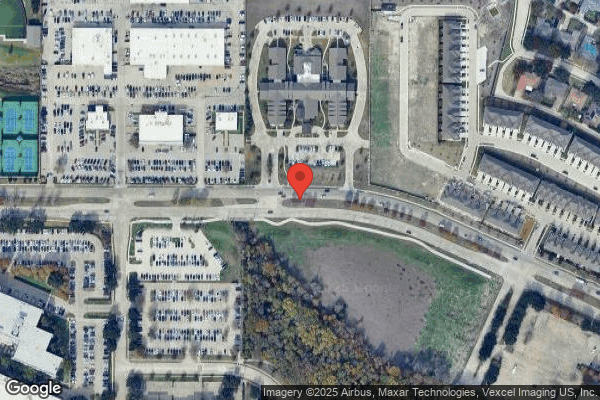

3325 WEST PLANO PARKWAY, PLANO, TX 75075 (972) 379-0000
Non profit - Other 70 Beds THE ENSIGN GROUP Data: November 2025 1 Immediate Jeopardy citation
Trust Grade
33/100
#584 of 1168 in TX
Last Inspection: June 2025

Inspected within the last 6 months. Data reflects current conditions.

Overview

The Healthcare Resort of Plano has received a Trust Grade of F, indicating significant concerns about the facility's overall care and management. They rank #584 out of 1168 facilities in Texas, placing them in the top half, but their county rank of #16 out of 22 suggests that there are better local options available. The facility has been improving somewhat, with issues decreasing from 7 in 2024 to 6 in 2025, although they still reported 28 total issues during inspections. Staffing is a weakness, with a rating of 2 out of 5 stars and a high turnover rate of 64%, which is above the Texas average. They also have good RN coverage, exceeding 83% of Texas facilities, which should help catch problems that CNAs might miss. However, there are serious concerns, including a critical incident where a resident was allowed to exit the facility unsupervised, and a serious failure to prevent a resident from developing pressure ulcers, indicating issues with care standards.

Trust Score
F
33/100
In Texas
#584/1168
Top 50%
Safety Record
High Risk
Review needed
Inspections
Getting Better
7 → 6 violations
Staff Stability
⚠ Watch
64% turnover. Above average. Higher turnover means staff may not know residents' routines.
Penalties
⚠ Watch
$35,938 in fines. Higher than 90% of Texas facilities. Major compliance failures.
Skilled Nurses
✓ Good
Each resident gets 43 minutes of Registered Nurse (RN) attention daily — more than average for Texas. RNs are trained to catch health problems early.
Violations
⚠ Watch
28 deficiencies on record. Higher than average. Multiple issues found across inspections.
★★★☆☆
3.0
Overall Rating
★★☆☆☆
2.0
Staff Levels
★★★★☆
4.0
Care Quality
★★★☆☆
3.0
Inspection Score
Stable
2024: 7 issues
2025: 6 issues

The Good

  • 4-Star Quality Measures · Strong clinical quality outcomes
  • Full Sprinkler Coverage · Fire safety systems throughout facility
  • No fines on record

Facility shows strength in quality measures, fire safety.

The Bad

3-Star Overall Rating

Near Texas average (2.8)

Meets federal standards, typical of most facilities

Staff Turnover: 64%

18pts above Texas avg (46%)

Frequent staff changes - ask about care continuity

Federal Fines: $35,938

Above median ($33,413)

Moderate penalties - review what triggered them

Chain: THE ENSIGN GROUP

Part of a multi-facility chain

Ask about local staffing decisions and management

Staff turnover is elevated (64%)

16 points above Texas average of 48%

The Ugly 28 deficiencies on record

1 life-threatening 1 actual harm
Jun 2025 6 deficiencies
CONCERN (D) 📢 Someone Reported This

A family member, employee, or ombudsman was alarmed enough to file a formal complaint

Potential for Harm - no one hurt, but risky conditions existed

Deficiency F0583 (Tag F0583)

Could have caused harm · This affected 1 resident

**NOTE- TERMS IN BRACKETS HAVE BEEN EDITED TO PROTECT CONFIDENTIALITY** Based on observations, interviews, and record review, the facility failed to ensure the personal privacy during medical treatmen...

Read full inspector narrative →
**NOTE- TERMS IN BRACKETS HAVE BEEN EDITED TO PROTECT CONFIDENTIALITY** Based on observations, interviews, and record review, the facility failed to ensure the personal privacy during medical treatment and personal care for two (Resident #106 and Resident #158) of twenty-one residents reviewed for privacy. 1. The facility failed to ensure CNA F and CNA G closed the door while transferring Resident #106 from wheelchair to bed using a mechanical lift (a mechanical lift used to transfer an individual with limited mobility) on 06/25/2025. 2. The facility failed to ensure RN J closed door while administering Resident 158's IV (administration of fluids or medications through a tube inserted in the vein) antibiotics on 06/25/2025. These failures could place the residents at risk of not having their personal privacy maintained during transfer and medical treatment. Findings included: 1. Record review of Resident #106's Face Sheet, dated 06/25/2025, reflected a [AGE] year-old female who was admitted to the facility on [DATE]. The resident was diagnosed with muscle weakness and fracture (broken bones). Record review of Resident #106's Quarterly MDS Assessment (assessment used to determine functional capabilities and health needs), dated 06/07/2025, reflected the resident had a moderate impairment (resident may need additional support and monitoring) in cognition with a BIMS score of 09. The Quarterly MDS Assessment indicated the resident was dependent for transfer from bed to wheelchair and wheelchair to bed and would require two or more staff assistance to complete the activity. Record review of Resident #106's Comprehensive Care Plan, dated 06/06/2025, reflected the resident had an ADL self-care performance deficit related to weakness and one of the interventions was to transfer via mechanical lift with two staff. Observation on 06/25/2025 at 12:42 PM revealed CNA F and CNA G were about to transfer Resident #106 from wheelchair to bed via mechanical lift. Both CNAs washed their hands, put on their gloves and gowns, and proceeded with transfer. They did not close the resident's door nor pulled the privacy curtain. CNA G was holding the resident's wheelchair while CNA F was maneuvering the mechanical lift using its remote control. CNA F pushed the mechanical lift towards the resident's wheelchair and both CNAs hooked the loops of the mechanical sling, which was under the resident, to the sling attachment of the mechanical lift, and started to raise the resident. While the resident was dangling up, CNA G pulled the mechanical lift backwards making the transfer more visible from the hallway. They lowered the resident to her bed, unhooked the mechanical sling, and repositioned the resident. After repositioning the resident, CNA F saw the door was open and closed it and pulled the privacy curtain as well. Both CNAs removed their gowns and gloves and washed their hands. In an interview on 06/25/2025 at 12:57 PM, CNA F stated he should have closed the door or pulled the privacy curtain before performing transfer to provide privacy to the resident. He said Resident #106 might be embarrassed because other residents or visitors might see how she was being transferred. He said he would make sure to close the door every time he would do a transfer. In an interview on 06/25/2025 at 1:00 PM, CNA G stated she was aware that the privacy curtain was not pulled but was not aware the door was open when they were transferring Resident #106. She said the door should be close, or the privacy curtain should be pulled to provide privacy and dignity during transfer. In an interview on 06/25/2025 at 1:09 PM, Resident #106 stated it did not bother her when they transferred her with the door open, but it would be better if the door was closed so others would not see her hanging in the air. 2. Record review of Resident #158's Face Sheet, dated 06/25/2025, reflected a [AGE] year-old male who was admitted to the facility on [DATE]. The resident was diagnosed with cellulitis (bacterial infection of the skin and the tissues beneath it) of the left lower limb. Record review of Resident #158's Quarterly MDS Assessment, dated 06/17/2025, reflected the resident was cognitively intact (resident capable of normal cognition and needs little support) with a BIMS score of 15. The Quarterly MDS Assessment indicated the resident was on antibiotics. Record review of Resident #158's Quarterly Care Plan, dated 06/11/2025, reflected the resident had cellulitis and one of the interventions was to administer antibiotics as per order. Record review of Resident #158's Physician Order, dated 06/22/2025, reflected Daptomycin Intravenous Solution Reconstituted. Use 750 mg intravenously one time a day related to CELLULITIS OF RIGHT LOWER LIMB until 06/27/2025 23:59 (11:59 PM). Observation on 06/25/2025 at 6:24 AM revealed RN J was about to administer Resident #158's IV. She washed her hands and put on a gown and a pair of gloves. She went to Resident #158's bedside with the vial of antibiotics, alcohol wipes, IV infusion set, and a 10 ml saline syringe. She reconstituted the antibiotics, flushed the PICC, and connected the IV antibiotic to the PICC line. She did not close the resident's door while administering IV antibiotics. In an interview on 06/25/2025 at 6:38 AM, RN J stated she should have closed Resident #158's door before administering the IV antibiotics to provide privacy to the resident and also so that other residents would not see what was being done to the resident. In an interview on 06/25/2025 at 6:41 AM, Resident #158 stated it did not matter if the door was open, but it would be better if the door was closed when he was given his antibiotics so that others would not see that he had an infection. In an interview on 06/26/2025 at 7:12 AM, the DON stated one of the rights of the residents was they would be provided privacy during treatment or even for transfer. She said assessing the IV site, administering the IV antibiotics, as well as flushing the PICC line should be done inside the resident's room with door closed or the privacy curtain pulled. She said all treatments should be done inside the room to provide privacy and dignity and to avoid embarrassment. The DON said the expectation was for the staff to make sure that when they were providing any kind of treatment or if they were transferring a resident, they should do them with the door closed or with the privacy curtain pulled. She said it did not matter if the resident was bothered or not because closing the door for privacy should be a second nature to the staff. She concluded that she would continually remind the staff the importance of providing privacy and dignity through an in-service. In an interview on 06/26/2025 at 7:56 AM, the Administrator stated the expectation was for the staff to make sure that the residents were provided privacy during any treatment and transfer to prevent embarrassment. She said she would collaborate with the DON and the ADON to do an in-service about providing dignity and privacy. In an interview on 06/26/2025 at 10:03 AM, ADON A stated the doors should be closed when providing treatments or transferring the residents to promote dignity and privacy. She said other staff, other residents, or even visitors could see the treatment and the mode of transfer being done and might speculate the medical condition of the residents. She said it did not matter if the residents care or not, the treatment and transfer should be done with the door closed. She said the expectation was for the staff to give great care, be respectful, and provide privacy to the residents. She said she would coordinate with the DON to do an in-service about privacy during treatment and transfer. Record review of the facility's policy, Resident Rights and Protection undated, revealed Our residents have certain rights and protections . One of your essential job functions is to protect and promote our residents' rights . Our residents are entitled to . 8. Receive Privacy . medical treatment, care.
CONCERN (D) 📢 Someone Reported This

A family member, employee, or ombudsman was alarmed enough to file a formal complaint

Potential for Harm - no one hurt, but risky conditions existed

Comprehensive Care Plan (Tag F0656)

Could have caused harm · This affected 1 resident

**NOTE- TERMS IN BRACKETS HAVE BEEN EDITED TO PROTECT CONFIDENTIALITY** Based on observations, interviews, and record review, the facility failed to develop and implement a comprehensive person-center...

Read full inspector narrative →
**NOTE- TERMS IN BRACKETS HAVE BEEN EDITED TO PROTECT CONFIDENTIALITY** Based on observations, interviews, and record review, the facility failed to develop and implement a comprehensive person-centered care plan for each resident, consistent with the resident rights set forth that included measurable objectives and timeframes to meet a resident's medical, nursing, and mental and psychosocial needs that were identified in the comprehensive assessment for a resident for one (Resident #43) of eight residents reviewed for care plans. The facility failed to ensure that Resident #43 had a care plan for her external catheter (non-invasive device used for urine collection that fits outside the body). This failure could place the residents at risk of not receiving the necessary care and services needed. Findings included: Record review of Resident #43's Face Sheet, dated 06/24/2025, reflected an [AGE] year-old female who was admitted to the facility on [DATE]. The resident was diagnosed with fractures (broken bones). Record review of Resident #43's Quarterly MDS Assessment, dated 05/03/2025, reflected the resident was cognitively intact with a BIMS score of 15. The Quarterly MDS Assessment indicated the resident was incontinent for bowel and bladder. The resident's ARD was 05/03/2025. Record review of Resident #43's Comprehensive Care Plan, dated 12/19/2025, reflected no care plan for external catheter. Record review of Resident #43's Physician Order on 06/24/2025 reflected no order for external catheter. Observation and interview on 06/24/2025 at 9:33 AM revealed Resident #43 was in her bed with eyes closed. It was observed that there was a container for the external catheter on the resident's bedside table. The resident stated she had been using the external catheter for more than a month. She said staff would empty the container and would help put the long napkin inside her brief. In an interview on 06/25/2025 at 6:38 AM, RN J stated Resident #43 had the external catheter for a month or so. She said the staff were the one emptying its contents. In an interview on 06/25/2025 at 1:30 PM, LVN D stated she had seen the external catheter on Resident #43's bedside for weeks. In an interview on 06/25/2025 at 1:34 PM, ADON A said she knew Resident #43 had a external catheter and thought it had already been care planned. She opened the resident's profile and saw the resident did not have a care plan for external catheter. She said if the resident was using it weeks ago, then there should be a care plan for the external catheter to address its interventions and the goals for the resident using it. In an interview on 06/26/2025 at 7:12 AM, the DON stated residents needed a thorough care plan to ensure the residents received the care needed. The DON said the care plan should be in place so the staff providing care would be in sync with the residents' care. She said without the care plan, there could be confusion with who would be providing care, how the care would be provided, and what would be the goal for such care. The DON said the care plan should reflect the resident's problem lists, the goals, and the interventions. She said if the resident was using an external catheter, then there should be a care plan for it. She said she already coordinated with the MDS Nurse to make a care plan for Resident #43's external catheter. In an interview on 06/26/2025 at 7:56 AM, the Administrator stated the expectation was for all the residents to have a care plan for their existing condition. She said the care plans should be comprehensive and individualized. She said without the care plan, the staff would not know and understand what kind of care to provide. She said he would coordinate with the DON and the MDS Nurse to make sure all the residents needs were care planned. In an interview on 06/26/2025 at 8:22 AM, the MDS Nurse stated Resident #43's external catheter should have a care plan if it had been with the resident for months or week. She said it was discussed during their IDT meeting that the resident had an external catheter but she was not able to put the care plan for the external catheter. She said she already created a care plan for the external catheter when she was notified that there was no care plan for the external catheter. She said care plans should be in place to make sure that the residents were being taken care of appropriately and timely to address not just the medical needs of the residents but also the needed services of the residents. She said since the external catheter was only used after the assessment reference date, the external catheter would be reflected on the MDS on the next assessment. Record review of the facility's policy, Comprehensive Person-Centered Care Planning Policy and Procedure revised 01/2022 revealed Policy: It is the policy of this facility that the interdisciplinary team (IDT) shall develop a comprehensive person-centered care plan for each resident . healthcare information necessary to properly care for each resident.
CONCERN (D) 📢 Someone Reported This

A family member, employee, or ombudsman was alarmed enough to file a formal complaint

Potential for Harm - no one hurt, but risky conditions existed

Incontinence Care (Tag F0690)

Could have caused harm · This affected 1 resident

**NOTE- TERMS IN BRACKETS HAVE BEEN EDITED TO PROTECT CONFIDENTIALITY** Based observation, interview, and record review the facility failed to ensure residents who were incontinent of bladder received...

Read full inspector narrative →
**NOTE- TERMS IN BRACKETS HAVE BEEN EDITED TO PROTECT CONFIDENTIALITY** Based observation, interview, and record review the facility failed to ensure residents who were incontinent of bladder received appropriate treatment and services to prevent urinary tract infection and to restore continence to the extent possible for one of (Resident #43) three residents reviewed for catheter care. The facility failed to ensure that Resident #43's external catheter had an order on 06/24/2025. This failure could place residents with catheter at risk of not receiving continuity of catheter care. Findings included: Record review of Resident #43's Face Sheet, dated 06/24/2025, reflected an [AGE] year-old female who was admitted to the facility on [DATE]. The resident was diagnosed with fractures. Record review of Resident #43's Quarterly MDS Assessment, dated 05/03/2025, reflected the resident was cognitively intact with a BIMS score of 15. The Quarterly MDS Assessment indicated the resident was incontinent for bowel and bladder. Record review of Resident #43's Comprehensive Care Plan, dated 12/19/2025, reflected no care plan for external catheter. Record review of Resident #43's Physician Order on 06/24/2025 reflected no order for external catheter. Observation and interview on 06/24/2025 at 9:33 AM revealed Resident #43 was in her bed with eyes closed. It was observed that there was a external catheter container on the resident's bedside table. The resident stated she had been using the external catheter for more than a month. She said staff would empty the container and would help put the long napkin inside her brief. In an interview on 06/25/2025 at 6:38 AM, RN J stated Resident #43 had the external catheter for a month or so. She said the staff were the one emptying its content. Observation and interview on 06/25/2025 at 1:30 PM, LVN D stated she had seen the external catheter on Resident #43's bedside for weeks. She opened the resident's profile and saw that the resident did not have an order for external catheter. She said there should be an order for the external catheter because it was treatment. She called ADON A to take a second look. In an interview on 06/25/2025 at 1:34 PM, ADON A said if Residents #43 had a external catheter, then there should be order for that. She said whoever saw the external catheter should had transcribed the order in the residents' profile. She looked at the profiles of the residents and saw there were no orders for the external catheter. She said the orders were important so that everybody caring for the resident would have the same roadmap on delivering appropriate care to the resident. She said the orders would provide a clear instruction on specific areas of the resident's care. She said she would coordinate with the DON to in-service the staff about making sure that orders were in place for the resident using a external catheter. In an interview on 06/26/2025 at 7:12 AM, the DON stated if the Resident #43 was using an external catheter, the expectation was there were orders transcribed in her profile to maintain continuity of the treatment. She said the orders would ensure consistent and coordinated care. She said she would do an in-service about catheter care by ensuring there was an order for it. She said she was responsible in making sure the staff were following the policies of catheter care. In an interview on 06/26/2025 at 7:56 AM, the Administrator stated the expectation was that there would be orders if the residents were using an external catheter. She said since she was not a clinician, and she would let the DON take the lead for the said issue. Record review of the facility's policy Physician Orders, Telephone Orders and Recapitulation Process Policy and Procedure revised 11.2024 revealed Physician's orders shall be obtained prior to the initiation of any medication or treatment . 3. All orders must be specific and complete with all necessary details to carry out the prescribed order without any question .Transcription of Orders . 1. Licensed nurses are responsible for the correct transcription of all physician orders onto the appropriate form or into the PCC system.
CONCERN (E) 📢 Someone Reported This

A family member, employee, or ombudsman was alarmed enough to file a formal complaint

Potential for Harm - no one hurt, but risky conditions existed

Respiratory Care (Tag F0695)

Could have caused harm · This affected multiple residents

**NOTE- TERMS IN BRACKETS HAVE BEEN EDITED TO PROTECT CONFIDENTIALITY** Based on observations, interviews, and record review the facility failed to ensure that residents, who needed respiratory care, ...

Read full inspector narrative →
**NOTE- TERMS IN BRACKETS HAVE BEEN EDITED TO PROTECT CONFIDENTIALITY** Based on observations, interviews, and record review the facility failed to ensure that residents, who needed respiratory care, were provided such care consistent with professional standards of practice, the comprehensive person-centered care plan, and the residents' goals and preferences for four (Residents #1, #17, #30, and #156) of eighteen residents reviewed for respiratory care. 1. The facility failed to ensure Resident #1's nasal cannula (flexible tube used to deliver oxygen to the nose through two prongs) at the back of the wheelchair was properly stored on 06/24/2024. 2. The facility failed to ensure Resident #17's nasal cannula was properly stored on 06/25/2025. 3. The facility failed to ensure Resident #30 had water on her humidifier bottle (a medical device designed to increase the moisture level in supplemental oxygen) and had an order for oxygen administration. 4. The facility failed to ensure Resident #156 had an order for oxygen administration. These failures could place residents at risk for respiratory infection and not having their respiratory needs met. Findings included: 1. Record review of Resident #1's Face Sheet, dated 06/24/2025, reflected a [AGE] year-old male who was admitted to the facility on [DATE]. The resident was diagnosed with chronic obstructive pulmonary disease (a chronic inflammatory lung disease that causes obstructed airflow from the lungs) and shortness of breath. Record review of Resident #1's Quarterly MDS Assessment, dated 05/07/2025, reflected the resident was cognitively intact with a BIMS score of 14. The Quarterly MDS Assessment indicated the resident had oxygen therapy. Record review of Resident #1's Comprehensive Care Plan, dated 05/12/2025, reflected the resident had oxygen therapy and one of the interventions was administer oxygen. Record review of Resident #1's Physician's Order, dated 10/05/2024, reflected O2 AT 1-5 L/MIN CONTINUOUS VIA NC. TITRATE TO KEEP SATS ABOVE 90% every shift. Observation on 06/24/2025 at 10:05 AM revealed Resident #1 was in his bed with eyes closed. It was observed that a wheelchair was parked beside the resident's dresser. At the back of the wheelchair was a portable tank with a nasal cannula attached to it. The nasal cannula was not bagged, and its prongs were touching the right wheel of the wheelchair. Observation and interview on 06/24/2025 at 10:08 AM, the WCN stated the wheelchair was for Resident #1. She saw the nasal cannula that was touching the right wheel of the wheelchair. She disconnected the nasal cannula and said she would let the resident's nurse know to change it and make sure there was a bag on the wheelchair in case the resident was not using it. She said a dirty nasal cannula could cause respiratory infections. 2. Record review of Resident #17's Face Sheet, dated 06/24/2025, reflected a [AGE] year-old female who was admitted to the facility on [DATE]. The resident was diagnosed with chronic obstructive pulmonary disease and emphysema (a lung disease that damages the air sacs in the lung causing shortness of breath). Record review of Resident #17's Quarterly MDS Assessment, dated 06/06/2025, reflected the resident was cognitively intact with a BIMS score of 13. The Quarterly MDS Assessment indicated the resident had oxygen therapy. Record review of Resident #17's Comprehensive Care Plan, dated 06/16/2025, reflected the resident had oxygen therapy and one of the interventions was administer oxygen as ordered. Record review of Resident #17's Physician's Order, dated 06/10/2025, reflected O2 TITRATED AT 1-2 L/MIN VIA NC as needed for SOB, RESPIRATORY DISTRESS, CYANOSIS (bluish discoloration of the skin due to lack of oxygen), LABORED BREATHING. Observation and interview on 06/25/2025 at 10:16 AM revealed Resident #17 was in her wheelchair, awake. It was noted that her nasal cannula was on the floor. When asked what happened to the nasal cannula, the resident just shrugged her shoulders. Observation and interview on 06/25/2025 at 10:18 AM, RN E stated the nasal cannula should not be on the floor because the floor was dirty and could result to respiratory infections and other respiratory issues. She disconnected the nasal cannula and said she would get a new one and would put it inside a plastic bag. 3. Record review of Resident #30's Face Sheet, dated 06/24/2025, reflected a [AGE] year-old female who was admitted to the facility on [DATE]. The resident was diagnosed with respiratory failure (condition where there is not enough oxygen in the body or too much carbon dioxide in the body) and anemia (not having enough healthy red blood cells to carry oxygen to the body's tissue). Record review of Resident #30's Quarterly MDS Assessment, dated 06/12/2025, reflected the resident had a severe impairment (requires significant assistance and support in daily life) in cognition with a BIMS score of 06. The Quarterly MDS Assessment indicated the resident had oxygen therapy. Record review of Resident #30's Comprehensive Care Plan, dated 05/08/2025, reflected the resident had oxygen therapy and one of the interventions was administer oxygen as ordered and to monitor for SOB. Record review of Resident #30's Physician's Order on 06/24/2025 reflected the resident did not have an order for oxygen administration. Record review of Resident #30 Progress Notes, dated 06/18/2025, reflected . O2: 94% on 2 L/NC. Observation on 06/24/2025 at 9:55 AM revealed Resident #30 in her bed with eyes closed. It was observed that she was on oxygen therapy with her nasal cannula connected to a pre-filled humidifier bottle. The humidifier bottle was empty. In an interview on 06/24/2025 at 9:59 AM, LVN B stated the purpose of the humidifier was to prevent dryness and irritation of the nose and throat. She said she did not notice during her morning rounds that the water in Resident #30's humidifier water was running low or if it was empty. She said the humidifier bottle was scheduled to change every Saturday but if it was empty on her shift, then she should replace it. She went out of the resident's room and said she would get a pre-filled humidifier for the resident. 4. Record review of Resident #156's Face Sheet, dated 06/24/2025, reflected an [AGE] year-old male who was admitted to the facility on [DATE]. The resident was diagnosed with respiratory failure. Record review of Resident #156's Quarterly MDS Assessment, dated 06/08/2025, reflected the resident was cognitively intact with a BIMS score of 13. The resident's ARD was 06/08/2025. Record review of Resident #156's Comprehensive Care Plan, dated 06/20/2025, reflected the resident had oxygen therapy and one of the interventions was administer oxygen as ordered. Record review of Resident #156's Physician's Order on 06/24/2025 reflected the resident did not have an order for oxygen administration. Observation and interview on 06/24/2025 at 9:36 AM revealed Resident #156 was in his bed awake. It was observed that the resident was on oxygen therapy. The resident said he has been using the oxygen for quite some time. In an interview on 06/25/2025 at 1:30 PM, LVN D stated both Resident #30 and Resident #156 were using oxygen. She opened the profile of the residents and saw that both residents did not have orders for oxygen. She said there should be an order for the oxygen because those were treatments. She called ADON A to take a second look. In an interview on 06/25/2025 at 1:34 PM, ADON A said if Residents #30 and #156 were using oxygen, then there should be orders for that. She said whoever initiated the oxygen should have transcribed the orders in the residents' profiles. She said the orders were important so that everybody caring for the resident would have the same roadmap on delivering appropriate care to the resident. She said the orders would provide a clear instructions on specific areas of the resident's care. She said she would coordinate with the DON to in-service the staff about making sure that orders were in place if the residents were using oxygen. In an interview on 06/26/2025 at 7:12 AM, the DON stated nasal cannulas should be inside a plastic bag when the residents were not using them to maintain cleanliness as well as its patency. She said if the nasal cannula was touching the wheels of the wheelchair or was on the floor, it could result to cross contaminations and respiratory infections. She said the staff should be mindful in making sure the nasal cannulas were always clean for the next time the residents use them. She said if the resident's nasal cannula was attached to a humidifier bottle, then the expectation was there would be water in it to serve its purpose. She said the purpose of the humidifier was to maintain moisture in the nasal passageway and prevent dryness and irritation. She said if the residents were using oxygen the expectation was there were orders transcribed in their profile to maintain continuity of the treatment. She said the orders would ensure consistent and coordinated care. She said she would do an in-service about respiratory care and would randomly check the rooms of the resident's using oxygen. She said she was responsible in making sure the staff were following the policies of respiratory care. In an interview on 06/26/2025 at 7:56 AM, the Administrator stated the expectations were that the nasal cannulas were bagged when not in use to prevent respiratory infection, the humidifier had water in it to prevent dryness, and there would be orders if the residents were using oxygen. She said since she was not a clinician, she would let the DON take the lead in the respiratory care issues. In an interview on 06/26/2025 at 10:03 AM, ADON A stated the nasal cannula should be stored properly inside a plastic bag if the residents were not using them to prevent cross contamination and respiratory infections. She said the staff were responsible in monitoring if the nasal cannula were bagged. She said if there was a humidifier connected on the oxygen concentrator, the expectation was there would be water in it to prevent dryness of the nose and the throat. She said the residents do not have to wait until the next Saturday before the empty humidifier bottle would be replaced. She said the expectation was for the staff to give great care and provide outstanding respiratory care to the residents. She said she would coordinate with the DON to do an in-service about respiratory care. Record review of the facility's policy, Oxygen Administration Policy/Procedure - Nursing Clinical revised 03/2019 revealed POLICY: It is the policy of this facility that oxygen therapy is administered, as ordered by the physician . PROCEDURE . 1. Obtain appropriate physician's order . 8. If using a reusable humidifier, fill bottle to the correct level with distilled water and attach to the oxygen unit .15. Discard equipment or return it to appropriate location. Record review of the facility's policy Physician Orders, Telephone Orders and Recapitulation Process Policy and Procedure revised 11.2024 revealed Physician's orders shall be obtained prior to the initiation of any medication or treatment . 3. All orders must be specific and complete with all necessary details to carry out the prescribed order without any question .Transcription of Orders . 1. Licensed nurses are responsible for the correct transcription of all physician orders onto the appropriate form or into the PCC system.
CONCERN (E) 📢 Someone Reported This

A family member, employee, or ombudsman was alarmed enough to file a formal complaint

Potential for Harm - no one hurt, but risky conditions existed

Deficiency F0761 (Tag F0761)

Could have caused harm · This affected multiple residents

**NOTE- TERMS IN BRACKETS HAVE BEEN EDITED TO PROTECT CONFIDENTIALITY** Based on observations, interviews, and record review, the facility failed to ensure that drugs and biologicals were stored prope...

Read full inspector narrative →
**NOTE- TERMS IN BRACKETS HAVE BEEN EDITED TO PROTECT CONFIDENTIALITY** Based on observations, interviews, and record review, the facility failed to ensure that drugs and biologicals were stored properly in locked compartments for one (Resident #107) of fifteen residents and for two (Resident #107, Resident #`60) residents and one (Crash Cart #1) of four carts reviewed for storage of drugs and biologicals. 1. The facility failed to ensure that LVN B did not leave Resident #155's medications unsecured inside the resident's room on 06/24/2025. 2. The facility failed to ensure Resident #160's eyedrops were not left inside the resident's room on 06/24/2025. 3. The facility failed to ensure Resident 107's Lantus was not left on top of the nurse's cart on 06/25/2024. 4. The facility failed to ensure Crash Cart #1 was locked on 6/25/2025. These failures could place the residents at risk of misuse of medications and accessing/opening the cart causing accidental overdose or exposure to chemicals. Findings included: 1. Review of Resident #155's Face Sheet, dated 06/24/2025, reflected an [AGE] year-old female admitted on [DATE]. The resident was diagnosed with depression (persistent feeling of sadness or loss of interest). Review of Resident #155's Quarterly MDS Assessment, dated 05/12/2025, reflected resident had moderate impairment (resident may need additional support and monitoring) in cognition with a BIMS score of 09. The Quarterly MDS Assessment indicated the resident had depression. Review of Resident #155's Comprehensive Care Plan, dated 05/22/2024, reflected the resident had depression and one of the interventions was to administer medications as ordered. The Comprehensive Care Plan did not indicate that the resident could self-administer her medications. Review of Resident #155's Assessment on 06/24/2025 reflected no assessment for self-administration of medications, no clear instructions for self-administrations, and no assessment that the resident was competent to manage her own medications. Observation and interview on 06/24/2025 at 9:25 AM revealed Resident #155 was in her bed, awake. It was observed that there were three medications on the resident's breakfast tray beside an empty small plastic cup. According to the resident, the nurse left it for her to take. She said she set aside the three pills because she wanted to ask the nurse what are those pills were for. Resident #155 said she did take the rest of the pills. In an interview with on 06/24/2025 at 9:44 AM, LVN B stated she did not leave Resident #155's medications. She said the resident must have spit them out. She said she should have made sure that the resident swallowed everything before leaving the resident. She said the pills should not be left with the resident because the resident might not take them, throw them, or choke while taking them and no one would know. LVN B said she would check if the pills were still inside the resident's room. She went inside the resident's room and talked to the resident about the pills that the resident set aside. 2. Review of Resident #160's Face Sheet, dated 06/24/2025, reflected a [AGE] year-old male admitted on [DATE]. The resident was diagnosed with unspecified pain. Review of Resident #160's Quarterly MDS Assessment, dated 04/04/2025, reflected resident was cognitively intact with a BIMS score of 14. The Quarterly MDS Assessment indicated the resident had unspecified pain. Review of Resident #160's Comprehensive Care Plan, dated 05/22/2024, reflected the resident had unspecified pain and one of the interventions was administer medications. The Comprehensive Care Plan did not indicate that the resident could self-administer his medications. Review of Resident #160's Assessments on 06/24/2025 reflected no assessment for self-administration of medications, no clear instructions for self-administrations, and no assessment that the resident was competent to manage his own medications. Review of Resident #160's Physician Order, dated 04/04/2025, reflected Systane Nighttime Ophthalmic Ointment (White Petrolatum-Mineral Oil) Instill 1 application in both eyes at bedtime for Eye pain. Observation and interview on 06/24/2025 at 9:52 AM revealed Resident #160 was in his bed, awake. It was observed that a container of eyedrops was on the resident's overbed table. He said he has been administering his eye drops for months. He said the staff new he was the one doing his eye drops. In an interview on 06/24/2025 at 9:58, LVN D stated she did not notice that there was an eye drop container inside Resident #160's room when she did her morning rounds. She said there should be no medication inside the resident's room unless there was an assessment that the resident could administer it by himself. She said the risk of having medications inside the room could be misuse of the medication. She said she would go inside the resident's room and would check on the eye drops. 3. Record review of Resident #107's Face Sheet, dated 06/25/2025, reflected an [AGE] year-old female admitted to the facility on [DATE]. The resident was diagnosed with diabetes mellitus (high blood sugar). Record review of Resident #107's Comprehensive MDS Assessment, dated 04/02/2025, reflected the Resident had a moderate impairment in cognition with a BIMS score of 10. The Comprehensive MDS Assessment indicated the Resident had diabetes mellitus. Record review of Resident #107's Quarterly Care Plan, dated 04/13/2025, reflected the Resident had diabetes mellitus and the interventions were to check the fasting serum blood sugar and administer diabetes medications as ordered. Record review of Resident #107's Physician Orders, dated 05/25/2025, reflected Lantus (man-made insulin) Solution 100 UNIT/ML (Insulin Glargine) Inject 33 unit subcutaneously (administer under the skin) in the morning related to TYPE 2 DIABETES MELLITUS WITHOUT COMPLICATIONS. Observation on 06/25/2025 at 7:13 AM revealed RN E had just finished administering Resident #107's insulin when somebody called her inside one of the resident's room. She went inside the room and closed the door. She left resident #107's Lantus on top of her cart. In an interview on 06/25/2025 at 7:33 AM, RN E said she saw the Lantus on top of her cart when she came back from one of the resident's room. She said she should have secured it first before leaving her cart because somebody might take it, and she would not even know about it until she needed it again. She said others might get hold of the Lantus and misuse it. She said she would be mindful not to leave any medication on top of her cart. 4. Observation on 06/25/2025 at 7:40 AM revealed Crash Cart #1 was not locked. All the drawers were easily opened, and the content of the drawers could easily be taken. Several staff and residents were walking back and forth on the hallway were the unlocked crash cart was parked. A white box containing supplies used for blood spill was observed on the last drawer of the cart. Some of the contents of the box were a chlorine-based solution and solidifying polymer granules. Observation and interview with the DON on 06/25/2025 at 8:57 AM, the DON stated the crash cart should be locked because it had some supplies that the residents might take. She said the white box inside the last drawer was used if there was a blood spill in the facility. She read the content written outside the white box and said there were chemicals inside the box. She took the white box from the last drawer and said the box should be inside the medication room. She said she would talk to the night nurse to make sure to lock the crash carts after inspections. She said she would also start an in-service pertaining to locking the carts. In an interview on 06/26/2025 at 7:12 AM, the DON stated the expectation was for the staff to put the Lantus back inside the drawer before leaving her cart. She said somebody might take it and use it. She said if pills were left on top of the cart, somebody might ingest it that could cause allergic reactions or even choke on the pills. The DON stated staff should never leave the medications at the bedside for the resident to take later. She said the staff should ensure that the residents took their medications before leaving the room. She said many things could go wrong like a resident could hide the pills and take them all together with the next dose or the resident might not take them at all. She said the expectation was there should be no medication left inside the room and staff should scan the residents' rooms to see if there were medications with the resident. She said there should be an assessment that the resident could take their medications without supervision. She said she would do an in-service pertaining to not leaving the medications with a resident. She said the medications left inside Resident #155's room were folic acid, probiotics, and bupropion. She said another expectation was no medications were left on top of the cart unattended. She said she would do an in-service about making sure no medications being accessible to the residents. In an interview on 06/26/2025 at 7:56 AM, the Administrator stated the staff should have made sure that the Lantus was inside the cart before leaving the cart so no one could take it or use it. She also said that all the carts should be locked if the staff were not using them so no one could open it and get something from it. The Administrator stated staff should not leave medications unattended because of the risk of the resident not taking them or the pills not taken on time. She said another risk would be the resident might choke and nobody was there to assist the resident. She said she would coordinate with the DON to educate the staff about the issue and the expectation was no medications would be left with the resident unless the resident had a self-medication assessment, the carts were locked. In an interview on 06/26/2025 at 10:03 AM, ADON A said the carts should be locked so that residents, staff, and visitors could not open them and get something from it. She said just like the crash cart, sometimes it would contain solutions and chemicals used for emergencies. She said the blood spill box contained chemicals that could be toxic when ingested. She said the staff should never leave any medication on top of their cart unattended for the same reason. ADON A stated medications should not be left with the residents and staff should stay with the resident until the resident was done taking the medications. She said the resident might not take them or someone else might, like a confused resident or a visitor. She said she would coordinate with the DON about making sure all the carts were locked when left unattended and that no medications were left on top of the cart. Record review of the facility's policy, Drug Storage Policy/Procedure - Nursing Services revised 05/2021 revealed POLICY: It is the policy of this facility to ensure the proper and safe storage of drugs and biologicals . PROCEDURES . 2. Drugs and/or biologicals should not be left unsecured/unattended . 4. Medication and treatment carts will be kept locked when unattended. Record review of the facility's policy, Medication Administration Administration of Drugs revised 07/2015 revealed POLICY: It is the policy of this facility that medications shall be administered as prescribed by the attending physician . PROCEDURES . 1. Only licensed medical and nursing personnel or other lawfully authorized staff members may prepare, administer, and record the administration of medications.
CONCERN (E) 📢 Someone Reported This

A family member, employee, or ombudsman was alarmed enough to file a formal complaint

Potential for Harm - no one hurt, but risky conditions existed

Infection Control (Tag F0880)

Could have caused harm · This affected multiple residents

**NOTE- TERMS IN BRACKETS HAVE BEEN EDITED TO PROTECT CONFIDENTIALITY** Based observation, interview, and record review the facility failed to establish and maintain an infection prevention and contro...

Read full inspector narrative →
**NOTE- TERMS IN BRACKETS HAVE BEEN EDITED TO PROTECT CONFIDENTIALITY** Based observation, interview, and record review the facility failed to establish and maintain an infection prevention and control program designed to provide a safe, sanitary, and comfortable environment and to help prevent the development and transmission of communicable diseases and infections for six (Residents #4, #39, #105, #107, #158, and #159) of twenty one residents reviewed for infection control. 1. The facility failed to ensure CNA H changed her gloves while providing incontinent care to Resident #4 on 06/25/2025. 2. The facility failed to ensure Resident #39's catheter bag (collects urine from the urinary bladder) was off the floor on 06/24/2025. 3. The facility failed to ensure RN E sanitized the glucometer (device used to check the blood sugar) and would not bring the whole container of test strips and the glucometer pouch inside Residents #105, #107, and #159's room on 06/25/2025. 4. The facility failed to ensure RN E wore a gown while checking Resident #159's blood sugar and administering her insulin on 06/25/2025. 5. The facility failed to ensure RN J placed a cap on Resident #158's PICC line on 06/25/2025. These failures could place residents at risk of cross-contamination and development of infections. Findings included: 1. Review of Resident #4's Face Sheet, dated 06/25/2025, reflected a [AGE] year-old female admitted on the facility on 11/21/2020. The resident was diagnosed with weakness and needing assistance for personal care. Review of Resident #4's Comprehensive MDS Assessment, dated 04/04/2025, reflected the resident had a severe impairment in cognition with a BIMS score of 06. The Comprehensive MDS Assessment indicated the resident was incontinent for bladder and bowel. Review of Resident #4's Comprehensive Care Plan, dated 04/25/2025, reflected the resident had a bowel and bladder incontinence and one of the interventions was to check for incontinence. Observation on 06/25/2025 at 1:56 PM revealed CNA H and CNA I were about to provide incontinent care to Resident #4. Both CNAs washed their hands and put on pairs of gloves. CNA H went to left side of the resident while CNA I went to right side. CNA H placed the brief, wipes, and a box of gloves on the resident's overbed table. CNA H pulled down the resident's pants, unfastened the brief, and tucked it between the resident's thighs. CNA H took off her gloves, sanitized her hands, and put on a pair of new gloves. CNA H pulled some wipes and cleaned the resident's perineal area (area between the thighs) using the front to back technique. She did it five times. After cleaning the perineal area, CNA H instructed the resident to roll towards the right side. Both CNA's assisted the resident to turn. CNA H started to clean the resident's bottom. After cleaning the resident's bottom, she pulled the soiled brief and threw it on the trash can that was beside her. CNA H changed her gloves and sanitized before putting on the new pair of gloves. CNA H took the brief, placed it under the resident, and fixed it. Both CNAs assisted the resident to turn to the other side. CNA I cleaned the part of the resident's bottom that CNA H was not able to clean and then rolled the resident back to a flat position. CNA I took off her gloves and asked CNA H if the trash can was beside her. CNA H replied yes and pulled the trash can to where CNA I could access it. After pulling the trash can, CNA H proceeded in fixing the new brief. She did not change her gloves. After fixing the brief, both CNAs washed their hands. In an interview on 06/25/2025 at 2:14 PM, CNA H stated she did touched the trash can and did not change her gloves after and she did touch the new brief using the gloves that she touched the trash can with. She said her action could result to cross contamination and infection. She said she would be mindful the next time she does incontinent care to do change her gloves after touching something dirty. In an interview on 06/25/2025 at 2:18 PM, CNA I stated she did not notice that CNA H did not change her gloves after pulling the trash can towards her. She said the gloves should had been changed because her gloves became soiled when she touched the trash can. 2. Record review of Resident #39's Face Sheet, dated 06/24/2025, reflected a [AGE] year-old male admitted to the facility on [DATE]. The resident was diagnosed with benign prostatic hyperplasia (a condition in men in which the prostate gland is enlarged). Record review of Resident #39's Comprehensive MDS Assessment, dated 05/23/2025, reflected the Resident had a moderate impairment in cognition with a BIMS score of 08. The Comprehensive MDS Assessment indicated the Resident had an indwelling catheter (device that drains urine from the urinary bladder). Record review of Resident #39's Quarterly Care Plan, dated 06/08/2025, reflected the Resident had a foley catheter and one of the interventions was to provide catheter care every shift. Record review of Resident #39's Physician Orders, dated 06/14/2025, reflected CATHETER TYPE: FR (French: unit of measurement for catheter sizes) # 16_ ML 10_ TO CLOSED URINARY DRAINAGE SYSTEM -DIAGNOSIS FOR USE: URINARY RETENTION EMPTY Q SHIFT AND RECORD OUTPUT. Observation on 06/24/2025 at 1:30 PM revealed Resident #39 was in his bed with his eyes closed. It was observed that the resident's catheter bag was touching the floor. In an interview on 06/24/2025 at 1:34 PM, LVN C stated she was told that the bed of the resident should be on the lowest position but it could be raised a little bit so the catheter bag would not touch the floor because it could result to probable infection. She raised the resident's bed just until the catheter bag was off the floor. 3. Record review of Resident #105's Face Sheet, dated 06/25/2025, reflected a [AGE] year-old male admitted to the facility on [DATE]. The resident was diagnosed with diabetes mellitus (High blood sugar). Record review of Resident #105's Comprehensive MDS Assessment, dated 06/25/2025, reflected the Resident had a moderate impairment in cognition with a BIMS score of 12. The Comprehensive MDS Assessment indicated the Resident had diabetes mellitus. Record review of Resident #105's Quarterly Care Plan, dated 06/18/2025, reflected the resident had diabetes mellitus and one of the interventions was to check the fasting serum blood sugar as ordered. Record review of Resident #105's Physician Orders, dated 06/18/2025, reflected BLOOD SUGAR CHECK BID two times a day. Record review of Resident #107's Face Sheet, dated 06/25/2025, reflected an [AGE] year-old female admitted to the facility on [DATE]. The Resident was diagnosed with diabetes mellitus. Record review of Resident #107's Comprehensive MDS Assessment, dated 04/02/2025, reflected the Resident had a moderate impairment in cognition with a BIMS score of 10. The Comprehensive MDS Assessment indicated the Resident had diabetes mellitus. Record review of Resident #107's Quarterly Care Plan, dated 04/13/2025, reflected the Resident had diabetes mellitus and the interventions were to check the fasting serum blood sugar and administer diabetes medications as ordered. Record review of Resident #107's Physician Orders, dated 05/25/2025, reflected Lantus (man-made insulin) Solution 100 UNIT/ML (Insulin Glargine) Inject 33 unit subcutaneously (administer under the skin) in the morning related to TYPE 2 DIABETES MELLITUS WITHOUT COMPLICATIONS. Record review of Resident #107's Physician Orders, dated 05/25/2025, reflected Insulin Lispro Injection Solution 100 UNIT/ML (Insulin Lispro) Inject subcutaneously before meals and at bedtime related to TYPE 2 DIABETES MELLITUS WITHOUT COMPLICATIONS. Record review of Resident #159's Face Sheet, dated 06/25/2025, reflected a [AGE] year-old female admitted to the facility on [DATE]. The resident was diagnosed with diabetes mellitus. Record review of Resident #159's Comprehensive MDS Assessment, dated 06/24/2025, reflected the Resident had a severe impairment in cognition with a BIMS score of 07. The Comprehensive MDS Assessment indicated the Resident had diabetes mellitus. Record review of Resident #159's Quarterly Care Plan, dated 06/18/2025, reflected the Resident had diabetes mellitus and the interventions were to check the fasting serum blood sugar and administer diabetes medications as ordered. Record review of Resident #159's Physician Orders, dated 06/22/2025, reflected Humalog Injection Solution 100 UNIT/ML (Insulin Lispro) Inject subcutaneously before meals and at bedtime for diabetes. Observation and interview on 06/25/2025 starting at 6:58 AM revealed RN E was about to check blood sugars and administer insulin for Residents #105, #107,and #159. She sanitized her hands and prepared the things needed to check Resident #159's blood sugar. RN E took a black pouch from her cart. She said inside the pouch was the glucometer that she would be using. She unzipped the pouch and put 2 push button safety lancets inside the pouch. She went inside Resident #159's room with the black pouch, alcohol wipes, gloves, and the container of test strips and put them on the Resident's overbed table. She put on a pair of gloves and proceeded with blood sugar check. After checking the blood sugar, she placed the black pouch and the container of test strips back to her cart. She said the Resident #159's blood sugar was 113 and did not require any insulin. She sanitized her hands but did not sanitize the glucometer. She said she would check Resident #107's blood sugar next. She went to Resident #107's room bringing the black pouch with the glucometer inside, push button safety lancets, alcohol wipes, gloves, and the container of test strips and placed them on the Resident #107's overbed table. After checking the blood sugar, she went into her cart and placed the black pouch and the container of test strips on top of her cart. She said she needed to give Resident #107 her Lantus as well as 2 units of Lispro. She sanitized her hands but did not sanitize the glucometer. She prepared the insulins and administered it to Resident #107. She then went to Resident #105's room and brought with her the black pouch with the glucometer inside, push button safety lancets, alcohol wipes, gloves, and the container of test strips and placed them on the Resident #105's overbed table. After checking the blood sugar, placed the black pouch and the container of test strips on top of her cart. She did not sanitize the glucometer. She said Resident #105 did not need any insulin. In an interview on 06/25/2025 at 7:37 AM, RN E stated she brought with her the container of the test strips in case she needed another test strip. She said she should have left the container of test strips on top of the cart and just brought with her 2 or 3 strips in case the glucometer displayed error. She said bringing an item inside the resident's room, putting it on the resident's table, and then putting it on the cart again could result to cross contamination. She said the glucometer should also be sanitized in between residents to prevent cross contamination. She said she would make sure she would not bring the container of strips inside the room of the residents and sanitize the glucometer after every use. 4. Record review of Resident #159's Face Sheet, dated 06/25/2025, reflected a [AGE] year-old female admitted to the facility on [DATE]. The resident was diagnosed with infection and inflammatory reaction due to indwelling catheter (a thin, flexible tube inserted in the bladder to allow the urine to flow in the catheter bag). Record review of Resident #159's Comprehensive MDS Assessment, dated 06/24/2025, reflected the resident had a severe impairment in cognition with a BIMS score of 07. Record review of Resident #159's Quarterly Care Plan, dated 06/18/2025, reflected the resident had elevated WBC and one of the interventions was to administer antibiotics as per order. Record review of Resident #159's Physician Orders, dated 06/25/2025, reflected Ceftriaxone Sodium Solution Reconstituted 1 GM Use 1 gram intravenously (medication administration through a tube inserted into a vein) for elevated WBC for five days. Observation on 06/25/2025 at 6:58 AM revealed RN E was about to check Resident #159's blood sugar and administer her insulin. It was observed that the resident had a PICC line to her right upper arm and a sign outside the door that specified enhanced barrier precaution was required. RN E went inside the resident's room, checked her blood sugar, prepared the insulins, and went back inside to administer the resident's insulins. RN E did not wear a gown when she checked the blood sugar and administered insulin. In an interview on 06/25/2025 at 7:37 AM, RN E stated she just came back from being off and it would be her first time with Resident #159. She said there was a sign outside the door, and she overlooked it. She said EBP was required for doing treatment for residents with PICC lines to prevent the spread of resistant organisms. 5. Record review of Resident #158's Face Sheet, dated 06/25/2025, reflected a [AGE] year-old male who was admitted to the facility on [DATE]. The resident was diagnosed with cellulitis of the left lower limb. Record review of Resident #158's Quarterly MDS Assessment, dated 06/17/2025, reflected the resident had was cognitively intact with a BIMS score of 15. The Quarterly MDS Assessment indicated the resident was on antibiotics. Record review of Resident #158's Quarterly Care Plan, dated 06/11/2025, reflected the resident had cellulitis and one of the interventions was to administer antibiotics as per order. Record review of Resident #158's Physician Order, dated 06/22/2025, reflected Daptomycin Intravenous Solution Reconstituted (Daptomycin) Use 750 mg intravenously one time a day related to CELLULITIS (bacterial infection of the skin and the tissues beneath it) OF RIGHT LOWER LIMB until 06/27/2025 23:59(11:59 PM). Record review of Resident #158's Physician Order, dated 06/10/2025, reflected PICC LINE FLUSHING: FLUSH WITH 10 CC 0.9 % NS IV SOLUTION Q SHIFT every shift. Observation on 06/25/2025 at 6:24 AM revealed Resident #158 was in his bed awake. It was observed that the resident had a PICC line to his left upper arm. The end of the PICC line was not capped and was laying on the resident's hospital gown. In an interview on 06/25/2025 at 6:38 AM, RN J stated she usually put a green cap on the PICC line to prevent cross contamination. She said the facility run out of the green caps that was why she was not able to put one on. She said she did sanitize the port of the PICC line before flushing it but since it was laying on the resident's hospital gown, one would never know if something already crept inside before it was sanitized. She said the best practice was to cap it and she should have improvised to keep the PICC line not in contact with something presumed dirty. In an interview on 06/26/2025 at 7:12 AM, the DON stated hand hygiene was the most effective way to prevent cross contamination and spread of infection and included in hand hygiene was changing the gloves after touching something dirty. She said the catheter should be off the floor at all times for the basic reason that the floor was dirty. She said the bed could be in a low position and still the catheter was off the floor. She said the staff should not bring with her the pouch and the container of the test strips and then place them back and forth from the cart to the residents overbed table, then back to the cart. She said if a resident had a PICC line, a EBP was required. She said their policy did not specify that a curos cap (alcohol-containing cap used to cover the ends of the PICC line for disinfection) was required but the best practice was to place the cap after flushing or medication administration. She said it was already ordered and they were just waiting for the delivery. She said all the issues discussed could cause cross contaminations and probable infections. She said she would be doing a lot of in-services pertaining to infection control. She said she was responsible in training the staff pertaining to infection control. In an interview on 06/26/2025 at 7:56 AM, the Administrator stated the expectation was for the staff to be mindful in preventing cross contamination and infections in all aspects of care. She said taking care of the resident is collaborative effort of all the staff and management to ensure that the highest possible care could be provided. She said she would take the issues mentioned to be an opportunity for them to do better. She said she would coordinate with the DON to do an extensive re-education and in-service about infection control. In an interview on 06/26/2025 at 10:03 AM, ADON A stated the catheter should not be touching the floor, gloves should be changed from dirty to clean, things used for multiple residents were not brought inside the resident's rooms, the glucometer should be sanitized after every use, must wear a gown when dealing with a resident with PICC line, and the port of the PICC line should be covered. She said all the concerns mentioned could attribute to cross contamination and probable infection. She said the expectation was for the staff to do better in making sure that the facility was not the one causing infection hence the one helping the residents not to have infections. She said she would coordinate with the DON to do an in-service about infection control. Record review of the facility's policy Infection Prevention and Control Program Infection Control revised 10.2022 revealed Policy : The infection prevention and control program is a facility-wide effort involving all disciplines and individuals . Goals . Decrease the risk of infection control. Record review of the facility's policy Hand Hygiene Infection Prevention and Control Program reviewed 09/16/2022 revealed Policy: This facility considers hand hygiene the primary means to prevent the spread of infections . 3. Wash hands with soap and water for the following situations . a. When hands are visibly soiled . 4. Use an alcohol-based hand rub . h. Before moving from a contaminated body site to a clean body site during resident care. Record review of the facility's policy Indwelling Urinary Catheter Care Policy & Procedures revised 04/2025 revealed Policy: It is the policy of this facility that each resident with an indwelling catheter will receive catheter care . decrease the risk of infection. Record review of the facility's policy PICC Line revised 05/2019 revealed POLICY: It is the policy of this facility to provide safe . PICC care and maintenance. Record review of the facility's policy IPCP Standard and Transmission-Based Precautions Infection Control revised 04/2025 revealed Policy : It is the policy of this facility to implement infection control measures to prevent the spread of communicable diseases and conditions . 2. Contact precautions . c. Patient-care equipment . If common use of equipment for multiple patients is unavoidable, clean and disinfect such equipment before use on another patient . Enhanced Barrier Precaution . a. PPE: The use of gown and gloves for high-contact resident care activities is indicated . o Indwelling medical devices include . peripherally inserted central catheter (PICC) lines.
Oct 2024 1 deficiency
CONCERN (E) 📢 Someone Reported This

A family member, employee, or ombudsman was alarmed enough to file a formal complaint

Potential for Harm - no one hurt, but risky conditions existed

Pharmacy Services (Tag F0755)

Could have caused harm · This affected multiple residents

**NOTE- TERMS IN BRACKETS HAVE BEEN EDITED TO PROTECT CONFIDENTIALITY** Based on observations, interviews, and record review, the facility failed to provide pharmaceutical services (including procedur...

Read full inspector narrative →
**NOTE- TERMS IN BRACKETS HAVE BEEN EDITED TO PROTECT CONFIDENTIALITY** Based on observations, interviews, and record review, the facility failed to provide pharmaceutical services (including procedures that assure the accurate acquiring, receiving, dispensing, and administering of all drugs and biologicals) to meet the needs of 1 (Resident #12) of 5 residents reviewed for pharmacy services. 1. The facility failed to accurately transcribe the pharmacist medication change order for Resident #12's Losartan/HCTZ Tab 100-12.5 on 08/14/2024. The order was transcribed as Losartan/Tab 300 and Hydrochlorothiazide (HCTZ) 12.5 mg. 2. LVN A, LVN B, RN C, and LVN D incorrectly documented they administered Losartan 300mg and Hydrochlorothiazide (HCTZ) 12.5 mg when they actually administered the resident's home medication of Irbesar/HCTZ Tab 300-12.5 mg from 09/08/24 to 09/15/24. This failure could place residents at risk of medical complications and a decrease in therapeutic dosages of their medications as ordered by the physician. Findings included: Record review of Resident #12's Face Sheet, dated 10/08/24, revealed that she was an [AGE] year-old female with an initial admission date to the facility of 08/15/24 and readmission date of 08/20/24. Resident #12's active diagnoses included: primary hypertension (occurs when the force of the blood pushing against the artery walls is consistently too high), hypertensive urgency (a condition where the blood pressure is very high but there are no minimal symptoms, and no signs of organ damage), and stage 3 chronic kidney disease (a moderate level of kidney damage that occurs when the kidneys are less able to filter waste and fluid from the blood). Record review of Resident #12's Quarterly MDS, dated [DATE] reflected she had a BIMS score of 9/15 indicating a moderate cognitive impairment. Record review of Resident #12's Auto Substitution Notice Medication Change Order dated 08/14/24 from [pharmacy company] reflected, Per Automatic Substitution Policy Losartan/HCTZ Tab 100-12.5 1T PO QD was substituted for Irbesar/HCTZ Tab 300-12.5 1T PO QD 1. DISCONTINUE the original order for; Irbesar/HCTZ tab 300-12.5 on the resident's medication administration record (MAR) and in the physician's order. 2. REPLACE with the substituted medications order: Losartan HCT Tab 100-12.5 on the MAR. 3. REMOVE any currently available supply of: Irbesar/HCTZ Tab 300-12.5 from the Medication Cart. 4. SIGN and PLACE the 'Auto Substitution Notice/Medication Order Change' form in the Physician Order section of the medical record. Record review of Resident #12's September 2024 MAR reflected: Losartan Potassium Oral Tablet (Losartan Potassium) Give 300 mg by mouth one time a day for Hypertension hold for sbp <110 or dbp<60. Start Date 09/08/2024 0600 [6:00 AM], D/C Date 09/15/2024 1648 [4:48 PM]. The MAR further indicated the following: - 09/08/24 LVN A administered the medication - 09/09/24 RN C administered the medication - 09/10/24 RN C administered the medication - 09/11/24 LVN B administered the medication - 09/12/24 LVN B administered the medication - 09/13/24 RN C administered the medication - 09/14/24 RN C administered the medication - 09/15/24 LVN D administered the medication Record review of Resident #12's September 2024 MAR reflected: Hydrochlorothiazide Oral Tablet (Hydrochlorothiazide). Give 12.5 mg by mouth one time a day for HTN hold for sbp<110 or dbp <60. Start Date 09/08/2024 0600 [6:00 AM], D/C Date 09/15/2024 1648 [4:48 PM]. The MAR further indicated the following: - 09/08/24 LVN A administered the medication - 09/09/24 RN C administered the medication - 09/10/24 RN C administered the medication - 09/11/24 LVN B administered the medication - 09/12/24 LVN B administered the medication - 09/13/24 RN C administered the medication - 09/14/24 RN C administered the medication - 09/15/24 LVN D administered the medication Record review of Resident #12's Order Summary Report, dated 10/08/24, reflected, Order Date of 09/07/24 with start date of 09/08/24 for Losartan Potassium Oral Tablet (Losartan Potassium) Give 300 mg by mouth one time a day for Hypertension hold for sbp <110 or dbp <60. Record review of Resident #12's Order Summary Report, dated 10/08/24 reflected, Order Date of 08/14/24 with start date of 08/15/24 for Losartan Potassium-HCTZ 100-12.5 MG Tablet Give 1 tablet by mouth one time a day for HTN hold for sbp<110 <60. Record review of Resident #12's Order Summary Report, dated 10/08/24, reflected Order Date of 08/14/24 with start date of 08/15/24 for Irbesartan-hydroCHLOROthiazide Oral Tablet 300-12.5 MG (Irbesartan-Hydrochlorothiazide) Give 1 tablet by mouth one time a day for ANTIHYPERTENSIVES. In an interview on 10/08/2024 at 2:00 pm with RN C revealed that he administered Resident #12's blood pressure medication from the bottle, that her family member provided from home irbesartan/HCTZ 300-12.5mg by mouth daily. RN C stated he understood how to do all medication rights of administration. RNC stated that if a patient has medication from home, we notify the physician or the NP to get approval then transcribe to the MAR. RN C stated that error in transcription could cause medication errors that can harm the patient like a drop in blood pressure. In an interview with the DON on 10/08/2024 at 2:15 pm, revealed that new orders were transcribed as received. If the pharmacy does not have it, the pharmacy will do pharmaceutical interchanger, then the nurse will notify the physician for approval. She stated that patients were allowed to bring their own medication. She was admitted on [DATE] with orders for Irbesartan/HCTZ 300mg-12.5mg, it was discontinued on 8/15, and there was a therapeutic interchange to losartan/HCTZ 300-12.5mg potassium. The DON stated that all nurses should be following what is on the MAR when administering medication and doing all medication rights of administration. The DON stated, from what I know the nurse gave from our supply not home medication because we should not have that medication in the building. In a telephone interview on 10/08/2024 at 2:30pm with LVN B, revealed that Resident #12's family member was opposing all the medication for Resident #12's blood pressure. LVN B stated, I educated him on the risks of stopping BP medication, {the family did not want her to take metoprolol. I notified the NP about the medication she was taking at home (Irbesartan 300-12.5). LVN B stated that the NP approved the medication for Resident #12. She stated that Resident #12's medication was ordered from the pharmacy, and the staff started giving the medication from the pharmacy. She stated that the pharmacy did not have the combination, so the pharmacy brought losartan and HCTZ. LVN B stated that she came back from her scheduled off day and noticed that there were two separate medications from the pharmacy. LVN B stated that she spoke with the NP who explained to her that sometimes the medication can be dispensed separately if the pharmacy does not have the combination. The NP did not want to d/c metoprolol because Resident #12's blood pressure remained high. In a telephone interview with the Pharmacist on 10/09/24 at 11:20 AM, she confirmed, on 08/14 there was a therapeutic interchanged from Irbesartan 300-12.5mg to Losartan 100-12.5mg. She stated that the first time Losartan 100-12.5mg was filled was 8/15/24. She stated that the last refill for Losartan 100-12.5mg was 09/09/24. In a telephone interview with the Pharmacy Consultant on 10/09/24 at 11:53 AM, she stated that all admission orders were sent to the pharmacy that dispensed the medication and were reviewed by their pharmacist, then she would review new admission orders and then monthly. She stated that the original order was entered on 08/14/24 for Irbesartan 300-12.5mg, d/c 8/15/24. She stated that Losartan 100mg and HCTZ was ordered for Resident #12. She stated that she would usually review the MAR and the hospital record doing medication reconciliation on admission. She reported that she was not sure if there was a policy to check new orders daily. She stated that, In this case, the dispensing pharmacy would be the one to review it first. In an interview on 10/09/2024 at 12:20 pm with LVN B, revealed that when Resident #12 was admitted she was on Metoprolol and another blood pressure medication [unknown]. She stated Resident #12's family member did not want the facility to administer the medication because Resident #12 had home medication that controlled her blood pressure. LVN B stated that she notified the NP at the time the family could not remember the name of the medication, so the facility staff requested for him to bring the medication. The family member brought the medication to the facility for Resident #12. The medication was Irbesartan 300-12.5mg. The NP was notified and approved for the facility to give Resident #12 the medication from home that was brought to the facility by the family member until the facility pharmacy delivered Resident #12's medication. LVN B stated that she transcribed the order for Resident #12 and sent it to the pharmacy to be refilled. LVN B stated that when she returned to work after her off day, she noticed there was an order for Losartan and a separate order for HCTZ. LVN B stated she spoke with the NP who clarified that the losartan and irbesartan were in the same group of medications and stated that sometimes losartan/HCTZ can be dispensed as two separate pills. The family member did not want the facility to administer the Losartan, so we continued administering the Irbesartan300-12.5mg from the patient's home supply. LVN B stated she never touched the medication from the pharmacy. She only administered the home medication because the family member would come to the medication cart, watch her pop the resident medication, then go in the room with her, and watch her administer the medication. LVN B stated she has never seen the auto substitution notice for therapeutic interchange from the pharmacy. Today was the first time she saw it. LVN B stated that she understood the right of medication administration to include checking right patient, right medication, right dose, and route before administering medication. LVN B stated that the risk to patient when there was an error in transcription included patient receiving the wrong medication, which could lead to dizziness, hypotension, and death. In an interview on 10/09/24 at 1:46pm with the DON revealed that Resident#12 was admitted [DATE], then she came with orders for Irbesartan/HCTZ 300-12.5mg which was interchanged for losartan by the pharmacy. On 8/16 the resident was transferred back to the hospital due to vomiting dark brown emesis. She returned to the facility on [DATE] with orders from the hospital for metoprolol succ 50mg. The FM did not want her to take the metoprolol, he wanted Irebsartan300-12.5mg. The FM brought the bottle to the NP, the NP reviewed it and said it was okay to give home medication (Irbersartan 300-12.5mg). She stated that from their investigation the medication for Resident #12 was transcribed wrong and LVN B read and transcribed the medication as Losartan. She stated that the Losartan that was sent from pharmacy was not given to Resident #12 and was removed from the medication cart and returned to pharmacy on 09/11/2024. She reported that the initial medication was ordered and was sent from was not given and stated that she had the entire dosage in her office. In an interview on 10/09/2024 at 2:15pm with the ADON revealed that Resident#12 admitted from home with Irbesartan 300-12.5 mg. The ADON stated the pharmacy did not have the dosage for the Irbesartan, so the pharmacy completed a therapeutic interchange for losartan/HCTZ. The ADON stated Resident #12's family member brought her Irbesartan to the facility for administration, which was what the facility was administering to Resident #12. The ADON stated he was responsible for verifying new admission orders. The ADON stated that if the pharmacy changed a resident's order, then he was notified through the EMR system. The ADON stated that if the nurses enter or change an order, the EMR system did not notify him so he could not verify if the order was accurately transcribed. The ADON stated it was important that orders were accurately transcribed because it put the resident at risk of either not receiving enough medication or receiving too much of the medication, resulting in the therapeutic level being affected. In an Interview on 10/09/24 at 2:36 PM, the DON stated that if residents want to use medication that the facility does not have, they can bring their home supply of medications. She stated that the nurses will then notify the MD or the NP and get approval for the medication and order the medication from the pharmacy. The DON stated that the dispensing pharmacy reviews admission orders, consultant pharmacist reviews admission orders, and reviews orders monthly. She reported that the ADON reviewed the MAR daily for any new orders entered in between the pharmacy reviews. The DON stated that the nurses were expected to do all the rights of medication administration before administering medication to residents. She stated, when there is a therapeutic interchange, she would receive a notification on PCC (a cloud-based healthcare software platform that helps healthcare providers improve patient care, streamline operations, and enhance financial performance) and see is the interchange notification on the MAR then she will approve it. She reported that the ADON usually reviewed the written orders. She stated, the risk to the patient when there is wrong transcription of the medication can cause an adverse event would be the worst event, I cannot explain but bad. In an interview on 10/09/24 at 3:10pm with Administrator revealed that Resident#12 was admitted to the facility with Irbesartan, then she was sent to the ER at the hospital and readmitted to the facility without the Irbesartan. She stated that Resident #12's family member said he wanted Resident #12 to get back on the home medications with was irbesartan. The nurse called the NP, who reviewed the medication and approved it, so we put the order in. The pharmacy thought it wasn't the correct dose. So, they sent us a three-day dose. The Pharmacy called the NP and clarified the order, corrected it on their end, but the pharmacy did not inform the facility. The Administrator stated they had communication problems with the pharmacy that was why they discontinued services with that pharmacy and contracted a new pharmacy. The order that was delivered was losartan 100m-12.5mg and it was returned. The facility staff administered irbersartan300-12.5 mg from the family supply. The nurse transcribed new orders to the MAR, all daily orders were reviewed by the ADON, the DON, and treatment team daily. In an interview on 10/09/2024 at 3:36pm with the NP revealed that Resident #12 was admitted to the facility with Clonidine and Metoprolol. She stated that Resident #12's family member mentioned to her that he did not want Resident #12 on both medications, stating that her blood pressure was controlled when she was on her home medication. The NP stated that one day LVN B told her that Resident #12's blood pressure was high, and she ordered the Irbesartan/HTCZ 300-12.5mg. The resident was taking at home medication and the pharmacy did a Therapeutic Interchange to Losartan 100-12.5mg, but the family member did not agree to the interchange. She stated that Resident #12 was over [AGE] years old, therefore she did not want to change her medication if it has been controlling her BP. The NP stated that she spoke with the family member and told him to bring the medication that Resident #12 was taking at home. The NP talked to LVB B and asked her to give Resident #12 the medication from home that the family member brought to the facility, which was Irbesartan/HCTZ300-12.5mg. The NP stated that she did review the MAR when she was at the facility, usually once a week or twice a week, and if an error was found, she would talk to the nursing staff to correct the error. She stated that when she gave orders, she wrote the orders on the physician's order sheet. She stated, the nurses do vital signs every day, it is explanatory that she was not getting losartan 300mg per the MAR because her blood pressure remained high. She stated that she thought that LVN B did not look at the bottle and just gave the medication to Resident #12. She reported that usually if there was a discrepancy between prescription on the medication card and the MAR, the nurse would usually call the NP to clarify the order. However, she did not recall anyone calling her to inform her that the MAR did not match the prescription on the medication bottle. The NP stated that harm can be caused to a resident if there is an error in medication transcription. She stated that if the medication is transcribed incorrectly, the resident can receive the wrong medication. She also stated that harm can be caused to the resident if the dosage of incorrect medication is administered to the resident, which can cause the residents blood pressure drop. On 10/09/2024 attempts were made to contact LVN A and LVN D, but attempts were unsuccessful. Record review of the facility's revised policy dated 05/2007 titled; Pharmacy Services - Physician Orders, reflected the following: Policy Statement: It is the policy of this facility that drugs and treatments shall be administered/carried out upon the order of a person duly licensed and authorized to prescribe such drugs and treatments. Record review of the facility's policy dated, 07/2017 titled; Wellness Services - Administration of Medications, reflected the following: Policy: It is the policy of this Facility, medication shall be administered as prescribed by the resident's physician, nurse practitioner, or physician's assistant. Procedure: 12. Prior to administering the resident's medication, the nurse or medication technician should compare the drug and dosage schedule don the resident's MAR with the drug label. NOTE: If there is any reason to question the dosage or the schedule, the nurse or med tech should check the physician's orders.
Sept 2024 1 deficiency 1 IJ
CRITICAL (J) 📢 Someone Reported This

A family member, employee, or ombudsman was alarmed enough to file a formal complaint

Immediate Jeopardy (IJ) - the most serious Medicare violation

Accident Prevention (Tag F0689)

Someone could have died · This affected 1 resident

**NOTE- TERMS IN BRACKETS HAVE BEEN EDITED TO PROTECT CONFIDENTIALITY** Based on interview and record review, the facility failed to provide adequate supervision to prevent accidents, for one Resident...

Read full inspector narrative →
**NOTE- TERMS IN BRACKETS HAVE BEEN EDITED TO PROTECT CONFIDENTIALITY** Based on interview and record review, the facility failed to provide adequate supervision to prevent accidents, for one Resident (Resident #1) of one resident reviewed for elopement risk. The facility staff failed to ensure that a contractor working in the facility did not let Resident #1 exit out of the facility, through a side door, unsupervised on 05/24/24. After exiting, Resident #1 was found unsupervised across a major roadway by facility staff. The noncompliance was identified as PNC. The IJ began on 05/24/24 and ended on 05/31/24. The facility had corrected the noncompliance before the survey began. This failure could place residents at risk for serious injuries. The findings were: Record review of Resident #1's admission Record, dated 09/10/24, revealed Resident#1 was admitted to the facility on [DATE]. Resident #1's diagnoses included Traumatic subdural hemorrhage with loss of consciousness (a type of bleeding in which a collection of blood-usually but not always associated with a traumatic brain injury-gathers between the inner layer closest to the brain tissue, the three membranes that envelop the brain and spinal cord.) and Traumatic subarachnoid hemorrhage with loss of consciousness- bleeding in the space between the brain and surrounding membrane. Record review of Resident #1's, 3 Elopement/Wandering Evaluations, dated 05/10/24, revealed Resident #1 scored 9 (low risk) for elopement/wandering. Elopement/Wandering Evaluations dated 05/11/24, revealed Resident #1 scored 21 (High risk) for elopement/wandering, dated 05/12/24, revealed Resident #1 scored 12 (High risk) for elopement/wandering. Scale-Low Risk= 0-9 High Risk=10-55. Record review of Resident #1's Progress Notes revealed documentation of Resident #1 having elopement/wandering behaviors for the month of May 2024. 05/16/24 14:24 [2:24 PM] entered by LVN G reflected Symptoms or signs noted of Condition change: Other change in condition Behavioral symptoms (e.g., agitation, psychosis) seeking exit/elopement risk 05/19/24 13:28 [1:28 PM] entered by RN F reflected Patient remains restless, wheeling all over building talking to everyone. Trying to wheel self around while IV fluids infusing. Instructed patient that she needed to stay close to room, so she does not pull out IV. She is confused and frustrated. Refused to speak to family member that called to check on her. 05/24/24 17:25 [5:25 PM] entered by LPN G reflected Pt was showing increasing signs of elopement risk, pt was actively seeking exit, despite multiple time of reorientation. Pt was becoming increasing aggravated and showing sign of delusional thinking. Pt was having unorganized belligerent speech. After multiple attempts made by pt to leave facility, DON [Name] and building staff were made aware of pts actions. After hearing door alarm going off in hallway, this nurse made his way to look for pt, after searching for 3 minutes this nurse notified all build staff and DON [Name] of pts absence. Multiple staff currently searching for pt. Social worker [Name] made aware and called daughter/police . 05/24/24 17:45 [5:45 PM] entered by the Social Worker reflected spoke with dispatcher- [Name] alert police of [Resident #1] not in facility. Spoke with daughter [Name] & informed her [Resident #1] left the facility & staff & police are searching for her. 05/24/24 18:45 [6:45 PM] entered by LVN G reflected :Pt was found of staff down the road from the facility, pt was picked up and brought back to the facility, pt now has sitter, family showed up .Pts skin assess with no new issued, VS assessed and all were stable .Pt stated they feel fine, pain addressed, pt states she had no at all Pt was taken out of facility by family in person vehicle, will notify DON [Name] and other staff Record review of Resident #1's Care Plan undated due to discharge and care plan cancelled at time of investigation revealed Resident #1 was at risk for impaired cognitive function/dementia or impaired thought processes related to history of fall with subdural hematoma- a collection of blood on your brain's surfaces under the skull. -Intervention: Needs supervision/assistance with all decision making. Provide simple one-step instructions. Engage in simple, structured activities. Keep routine consistent. Record review of Resident #1's Care Plan undated due to discharged and care plan cancelled at time of investigation revealed Elopement risk/wanderer r/t Disorientation to place, Resident tends to wander around the building without an intention to go anywhere, may at times interfere with activities. -Intervention: Provide structured activities: toileting, walking inside and outside, reorientation strategies including signs, pictures, and memory boxes Record review of the facility's, Provider Investigation Report, dated 5/24/24, revealed: -Incident Category: Elopement -Capacity to make informed decisions: Yes -if applicable, describe any special supervision required. This area was left blank. -Known history of: Wandering: No -Description of the Allegation: Vendor conducting air conditioning work inadvertently opened a side door to leave the facility, without notifying the staff. Staff initiated code purple. Resident was found 200ft from premises and returned to the facility. -Description of Injury: Head to toe assessment performed resulting in stable vital signs, no skin issues observed, no pain found. Resident was alert and orientated. -Provider Response: Elopement code called. Head count performed; all other residents accounted for. Staff conducted internal and external search. Family, physician, and police were notified. Family continued with discharge of the resident. In-services on Elopement/Wandering, Emergency Codes, and Abuse, Neglect, and Exploitation started. Vendor that held the door open for the resident was spoken to by the facility. -Agency Action Post-Investigation: Educated the vendor on consulting staff before allowing persons to exit building, while working in the facility. Elopement drill performed on 5/31/24 and would be performed monthly for the next 3 months. Quality improvement plan with new guidelines for vendors- Department heads were assigned vendors that were related to their department while the vendor was in the facility. - Statement from Vendor reflected I was working on the AC near the side door in the Dining Room. A few women were visiting together. I was going outside of the dining room door. One of the women approached the door and a sked if I could let her outside. I agree. I used my badge to let her out the door, trying to be helpful. Review of the weather in [NAME], TX on 05/24/24 around 4:53 PM to 5:53 PM revealed the weather ranged from 88-86-degree Fahrenheit. Review of google maps, accessed on 09/24/24, revealed that the only road that surrounded the facility was in the front. The road consisted of 3 lanes that went east, a large, landscaped median and 3 lanes that headed west. In an interview 9/10/24 at 11:53am Aide A revealed to help prevent elopement she does her routine every 2-hour room checks. If a resident that normally would be in their room is not in their room, she would check with the nurse to see if the resident is at an appointment, check to see if the resident is with therapy, re-check the resident's room. If the resident still cannot be found she would tell nurse, nurse reports to DON and do full facility internal check then external facility check and call 911. Aide A revealed the side doors have the bar that is pushed for 15 seconds and alarmed. In an interview on 9/10/24 at 1:10pm LVN A revealed there was one lady resident-Resident #1 that was out of the building and was across the street. LVN A revealed she checked the building and then went to the car dealership next door, but the resident was not there. LVN A revealed the staff are to know where the residents are always. LVN A revealed the last in-service on elopement was within the last 30 days, covering the steps and procedures of elopement. LVN A said for elopements a cold Purple is called, check the interior of the facility, do head count, call 911, check the exterior of the facility. LVN A revealed after the last elopement management posted signs at the doors warning not let people in/out the doors. This surveyor observed signs at the doors stating do not let anyone in or out of the door. In an interview on 9/10/24 at 1:31pm Prior Maintenance staff revealed the facility did an elopement drill and began planning other things to implement such as restrict door cards from vendors-now had to check-in, in-services and they updated QAPI to avoid elopements in the future, In an interview on 9/10/2024 at 1:55pm with DON revealed the resident that eloped was found across the street in the parking lot and she was gone a total of 15-20 minutes from when a male nurse noticed her missing from the dining room to when she was found. DON revealed the resident went out of the side door by the dining room. DON revealed an air conditioning vendor held the door open for the resident. After the elopement incident the DON said the following were put in place- accounting for vendors with sign in/out with the manager of the department, signs at the doors stating to not let people in/out, staff trained and in-serviced, receptionist available M-F until 8pm and on Saturday and Sundays. If a receptionist steps away a manager covers. The front door is alarmed to go in/out. Wanderguard-a wireless wander management system that consists of a door controller and a wearable pendant/bracelet are not used by this facility. The DON revealed the resident had no history of elopement. DON revealed the resident admitted with a brain injury. DON revealed the resident was due to discharge the same day. She was scheduled to go to a memory care facility. DON revealed the resident had verbalized she wanted to go home, and at night sometimes had sundown with agitation. DON revealed the resident eloped prior in the day to when her sundown behaviors begin. DON revealed the resident was admitted from a hospital. DON revealed the resident was care planned for elopement due to elopement assessment initially. She was re-assessed. DON revealed the resident spent most of her time at nurses' station. DON revealed the resident did most activities. DON revealed she reached out to family and discussed possible sitter services due to not discharging as planned to another facility because a bed did not become available. DON revealed the family discharged Resident #1 home with them until an opening at the new facility. DON revealed the facility had one other elopement prior to this when the DON was on vacation- and only at the facility as a temporary DON. When asked the DON revealed there have been no other elopement after this occurrence. DON revealed the facility has put more things in place to choose residents who are not elopement risks. DON revealed she felt like the facility did everything they had in place per their policy. DON revealed nurses were keeping an eye on the resident. DON revealed they did all they could with difficult family and difficulty discharge. The DON revealed since the elopement they have done several thing including: update binders that have list of at-risk of elopement resident info, educate staff, monitor all exits, do not let anyone in/out signs on doors. Monitor vendors. Binders and signs were observed. In-services were reviewed. Record review of the facility's Elopement Procedure, originally dated 6/2018 and updated 1/2022, revealed: -Policy: It is the policy of this facility to provide a safe environment for all residents through appropriate assessments and interventions to prevent accidents related to unsafe wandering or elopement. -Elopement defined- occurs when a resident leaves the facility premises or a safe area without authorization (i.e., an order for discharge, appointment, or leave of absence) and/or any necessary supervision to do so. This noncompliance was identified as Past Noncompliance (PNC). The noncompliance began on 5/24/24 and ended 5/31/24. The facility had corrected the noncompliance before the investigation began. The facility took the following actions to correct the non-compliance: 1. 5/24/24 Elopement/Missing Persons In-Service with test completed with staff 2. 5/24/24 Abuse, Neglect, and Exploitation In-Service with staff 3. 5/30/24 Quality Improvement Team (QIT) was started for Elopement Risk. 4. 5/24/24 Emergency Codes In-Service with staff 5. 5/24/24 The facility notified the facility's medical director, family, and police 6. 5/24/24 Head count was conducted 7. 5/24/24 Head to Toe assessment conducted with resident 8. 5/24/24 Statement taken from the vendor 9. 5/31/24 Elopement Drill conducted. 10. 5/31/24 Elopement Binder for At-Risk residents updated. Verification of facility steps by HHSC Surveyor 1. Interviews were conducted with staff across multiple shifts 09/10/24 from 10:54 AM through 4:00PM, including 1 PRN Aide, 2 CAN's 2 LVNs, DON, ADON, Operations Manager and LNFA revealed they had all received an inservice on elopements/missing person, abuse/neglect/exploitation and emergency codes. 2. Interviews were conducted with operations manager, DON, LNFA and ADON, who revealed they and other department leadership were educated that anytime a vendor visits the facility for their assigned department, the department head was responsible for ensuring the vendor follows policy of entering through the only front door and they do not allow anybody out. 3. An observation on 09/10/24 at 2:14 PM revealed that signs were posted at all exit doors to not let people follow when exiting. The Administrator was informed the of the past noncompliance at the Immediate Jeopardy level on 09/24/24 at 1:00 PM.
May 2024 5 deficiencies
CONCERN (D)

Potential for Harm - no one hurt, but risky conditions existed

Comprehensive Care Plan (Tag F0656)

Could have caused harm · This affected 1 resident

**NOTE- TERMS IN BRACKETS HAVE BEEN EDITED TO PROTECT CONFIDENTIALITY** Based on observation, interviews, and record review, the facility failed to implement a comprehensive person-centered care plan ...

Read full inspector narrative →
**NOTE- TERMS IN BRACKETS HAVE BEEN EDITED TO PROTECT CONFIDENTIALITY** Based on observation, interviews, and record review, the facility failed to implement a comprehensive person-centered care plan for each resident to meet a resident's medical, nursing, and mental and psychosocial needs in order attain or maintain the resident's highest practicable physical, mental, and psychosocial well-being for one resident (Resident #194) of five residents reviewed for care plans. The facility failed to create a care plan addressing Resident #194's hearing deficit. This failure could affect residents by placing them at risk for not receiving care and services to meet their needs. Findings included: Review of Resident #194's admission record, 05/15/24, revealed she was an [AGE] year-old female who was admitted to the facility on [DATE]. Review of Resident #194's MDS assessment, dated 05/02/24, reflected she had a BIMS score of 14, indicating no cognitive impairment. Further review revealed she had active diagnoses of pneumonia, cerebrovascular accident (a stroke), unspecified hearing loss, bilateral (two sides). Review of Resident #194's undated care plan reflected it did not address her hearing deficit. Observation and interview on 05/14/24 at 12:05 PM with Resident #194 revealed she could not hear the surveyor asking questions and motioned towards her phone for the surveyor to speak into. Resident #194's phone had an app that took verbal words and put them in written form so that Resident #194 could read and respond verbally. Resident #194 said this was her preferred way to communicate with staff and others. Resident #194 said there had not been any issues using the app with staff or others. Interview on 05/14/24 at 12:00 PM with LVN Z revealed Resident #194 was deaf and used her phone to translate words that people say to text for her to read and understand. Interview on 05/16/24 at 3:13 PM with the DON revealed the MDS Coordinator was not at the facility this week during the survey period. The DON said Resident #194 had hearing deficits in both her ears and her preferred way to communicate was to use her phone and people talk to it and she reads the text and responds. The DON said this should have been reflected on Resident #194's care plan. The DON said the facility has an IDT approach to care plans so she was not sure who would be responsible for ensuring the care plan included Resident #194's hearing deficit. The DON said the purpose of the care plan was so that all staff know and were on the same page on how to care for a resident while at the facility. The DON said the entire IDT team was responsible for care plans. Review of the facility's policy, revised 12/23, and titled Comprehensive Person-Centered Care Planning reflected: It is the policy of this facility that the interdisciplinary team (IDT) shall develop a comprehensive person-centered care plan for each resident that includes measurable objectives and timeframes to meet a resident's medical, nursing, mental and psychosocial needs that are identified in the comprehensive assessment.
CONCERN (E)

Potential for Harm - no one hurt, but risky conditions existed

Deficiency F0698 (Tag F0698)

Could have caused harm · This affected multiple residents

**NOTE- TERMS IN BRACKETS HAVE BEEN EDITED TO PROTECT CONFIDENTIALITY** Based on observations, interviews, and record review, the facility failed to ensure that residents who required dialysis receive...

Read full inspector narrative →
**NOTE- TERMS IN BRACKETS HAVE BEEN EDITED TO PROTECT CONFIDENTIALITY** Based on observations, interviews, and record review, the facility failed to ensure that residents who required dialysis received such services, consistent with professional standards of practice, for 1 (Resident #27) of 1 resident reviewed for dialysis. The facility failed to ensure post-dialysis assessments were completed for Resident #27 after return from dialysis treatment. This failure could place residents at risk of inadequate post dialysis care. Findings included: Review of Resident #27's face sheet dated 05/16/24 reflected the resident was an [AGE] year-old male who was admitted to the facility on [DATE]. Review of Resident #27's admission MDS assessment dated [DATE], revealed Resident #27 had diagnoses of metabolic encephalopathy (problem in the brain), monoclonal gammopathy (abnormal proteins (antibodies) are found in the blood), calcium of kidney, acute gastritis without bleeding and chronic pancreatitis. Resident #27 had a BIMS score of 15, indicating no cognitive impairment. The MDS section O related to special treatments, procedures, and programs reflected Resident #27 received dialysis. Review of Resident #27's care plan, undated, revealed Focus: [Resident 27] requires Hemodialysis r/t ESRD. On T-TH-SAT at [Dialysis Center name] dialysis center. Chair times may vary. Goal: Will have no s/sx of complications from dialysis through the review date. Interventions: Check arteriovenous fistula every day for bruit and thrill. Do not draw blood or take B/P in arm with graft. Encourage resident to go for the scheduled dialysis appointments. Monitor intake and output. Monitor labs and report to doctor as needed. Monitor/document for peripheral edema. Monitor/document report to MD s/sx of depression. Obtain order for mental health consult if needed. Monitor/document/report to MD PRN any s/sx of infection to access site: Redness, Swelling, warmth or drainage. Monitor/document/report to MD PRN for s/sx of renal insufficiency: changes in level of consciousness, changes in skin turgor, oral mucosa, changes in heart and lung sounds. Nutritionist to consult. Obtain vital signs and weight. Report significant changes in pulse, respirations, and BP immediately. Review of Resident 27's physician's order, dated 05/03/24, reflected Hemodialysis Monday, Wednesday, and Friday at dialysis center. Chair times @10:15am may vary. Review of Resident #27's EHR reflected no nursing documentation regarding Resident #27's dialysis, monitoring of the resident's post-dialysis vital signs. Review of Resident #27's renal dialysis communication forms dated 05/03/24, 05/0-6/24 and 05/10/24 reflected dialysis communication forms with no information on the resident's assessment and observation post dialysis section completed. For the month of May 2024 four communications forms were provided and only 1 form dated 05/08/24 that had post dialysis vitals completed. Facility was unable to provide dialysis communications forms for the days of 05/13/24 and 05/15/24. Observation on 05/15/24 at 9:16 AM revealed Resident #27 was lying in bed. Resident #27 refused to answer any questions. Interview on 05/16/24 at 1:11 PM with LVN D revealed he was the nurse assigned to Resident #27. LVN D stated Resident #27 was a dialysis patient and the resident's dialysis days were Monday, Wednesday, and Fridays; chair time 10:15 AM and returned at 3:30PM. He stated Resident #27 would return from dialysis during his shift 6AM-6PM. He stated it was his responsibility to complete post dialysis vitals. LVN D stated he documents the vitals in the Resident #27's progress notes, and dialysis communication forms. LVN D reviewed Resident #27's dialysis communication forms and stated he was unaware Resident #27's post dialysis vitals were not being documented. LVN D stated he could assure Resident #27's vitals were taken. LVN D stated the potential risk of not monitoring and documenting the vital signs could lead to the patient having fluid retentions. Interview on 05/16/24 at 2:30 PM with the ADON revealed her expectations were for the nurses to complete the pre and post dialysis communication forms. Once the forms were completed the nurses should provide the forms to medical records to upload into the resident's charts. She stated nurses were expected to check vitals, monitor, and document. She stated she was unaware the dialysis communication forms were not completed. She stated the ADONs were responsible to ensure the forms were being completed. She stated the risk of not monitoring or documenting would lead to blood pressure being low and vital signs going up. Interview on 05/16/24 at 3:10 PM with the DON revealed her expectations were for her nurses to complete the dialysis communication forms pre and post dialysis vitals. Once the forms were completed the nurses should provide the forms to medical records. The DON stated she was not aware residents post dialysis vitals were not being completed. She stated the risk would be room for concerns if the patient was not stable. Review of the facility's current Dialysis (Renal), Pre- and Post-Care policy, review dated 01/2022, reflected the following: It is the policy of this facility to: Assist resident in maintaining homeostasis pre- and post-renal dialysis; Assess and maintain patency of renal dialysis access; Assess resident daily for function related to renal dialysis; Participate in ongoing communication and collaboration with the dialysis facility regarding dialysis care and services.
CONCERN (E)

Potential for Harm - no one hurt, but risky conditions existed

Pharmacy Services (Tag F0755)

Could have caused harm · This affected multiple residents

**NOTE- TERMS IN BRACKETS HAVE BEEN EDITED TO PROTECT CONFIDENTIALITY** Based on observation, interview, and record review, the facility failed to provide pharmaceutical services (including procedures...

Read full inspector narrative →
**NOTE- TERMS IN BRACKETS HAVE BEEN EDITED TO PROTECT CONFIDENTIALITY** Based on observation, interview, and record review, the facility failed to provide pharmaceutical services (including procedures that assure the accurate acquiring, receiving, dispensing, and administering of all drugs and biologicals) to meet the needs of each resident on one of three medication carts (West Hall) and 6 of 6 (Resident #1, #2, #3, #16, #27, #32, #37, and #143) reviewed for pharmacy services. 1. LVN D failed to document the administration of narcotic medications in a timely manner for Residents #1, #2, and #27. 2. The facility failed to ensure the [NAME] Hall nurses medication cart contained accurate narcotic logs for Residents #3, #32, and #143. 3. The facility failed to ensure Residents #1, #16 and #27 lidocaine patches and #37's intravenous bottle and tubing were labeled with the date, time, and the initials. These failures could place residents at risk for medication error, drug diversion and delay in medication administration. Findings included: 1. Review of Resident# 1's entry MDS assessment, dated 05/06/24, revealed the resident was [AGE] year-old male admitted to the facility on [DATE], with diagnoses that included elevated blood pressure, and fracture of t11-t12 vertebra. Resident #1's BIMS score was not completed as resident was newly admitted . Review of Resident #1's physician's orders dated 5/6/24 and 5/13/24 revealed Tramadol HCl Oral Tablet 50 MG (Tramadol HCl) Give 1 tablet by mouth one time a day for Pain, and Salonpas Pain, and Relieving External Patch 4% (Lidocaine) Apply to back topically one time a day for Pain and remove per schedule. Review of Resident #2's face sheet, dated 05/16/24, revealed the resident was a [AGE] year-old female admitted on [DATE]. Resident #2's diagnosis included displaced intertrochanteric fracture of left femur. Review of Resident #2's entry MDS assessment , was not completed resident was newly admitted . Resident #2 had severe cognitive impairment with a BIMS score of 03. Review of Resident #2's physician orders dated 5/14/24 revealed Hydrocodone-Acetaminophen Oral Tablet 10-325MG (Hydrocodone-Acetaminophen) Give 1 tablet by mouth every 4 hours for Pain. Review of Resident #27's entry MDS assessment, dated 05/06/24, reflected the resident was an [AGE] year-old male who admitted to the facility on [DATE]. The resident had diagnoses including end stage renal disease (a medical condition in which a person's kidneys cease functioning on a permanent basis leading to the need for a regular course of long-term dialysis or a kidney transplant to maintain life), and other fracture of third lumbar vertebra, subsequent encounter for fracture with routine healing. Residen t#27 had intact cognition with a BIMS score of 15. Review of Resident #27's physician orders dated 5/01/24 and 05/11/24, revealed Norco Oral Tablet 5-325 MG (Hydrocodone-Acetaminophen) Give 1 tablet by mouth every 6 hours as needed for Pain, and Lidocaine External Patch (Lidocaine) Apply to affected areas topically every 12 hours for Pain. Observation on 05/15/24 at 07:29 AM, revealed LVN D performing morning medication pass on Resident #27. LVN D prepared the pill and he administered Norco Oral Tablet 5-325 MG (Hydrocodone-Acetaminophen)1 tablet and Lidocaine patch 5% on the back to Resident #27. He did not document the administration of narcotic medications in a correct and timely manner on the NAR. He left the room and continued to administer morning medications to other residents. He also did not label the patch with date and initial after administering. Observation on 05/15/24 at 07:43 AM, revealed LVN D performing morning medication pass on Resident #1. LVN D prepared the pill, and he administered tramadol oral Tablet 50 MG 1 tablet and Lidocaine patch 5% on the back to Resident #1. He did not document the administration of narcotic medications in a correct and timely manner on the NAR. He left the room and continued to pass medications to other resident Observation on 05/15/24 at 08:00 AM, revealed LVN D performing morning medication pass on Resident #2. LVN D prepared the pill and he administered Norco Oral Tablet 10-325 MG (Hydrocodone-Acetaminophen) 1 tablet to Resident #2. He did not document the administration of narcotic medications in a correct and timely manner on the NAR. Interview with LVN D on 05/15/24 at 08:30 AM, revealed he was supposed to log off the narcotic after administering before going to the next resident, but he does not do that he usually log narcotics after administering medications to all residents on the hall. LVN D stated the best practice was to log off immediately after administering the medication and as per facility policy. He stated failure to log after administration could lead to overdose, missing a dose and narcotic diversion. LVN D stated he had done training on narcotic administration records. Observation on 05/15/24 at 12:44 PM, of [NAME] Hall nurses' medication cart and the narcotic administration record, with LVN F, revealed the following information: 2. Resident #3's narcotic administration record sheet for oxycodone 5 mg revealed a total of 30 pills remaining while the blister pack count was 28 pills. Resident #32's narcotic administration record sheet for Armodafinil 150 mg was last signed off on 05/14/24 for a one-tablet dose given at 8:30 AM, for a total of 25 pills remaining while the blister pack count was 24 pills. Resident #143's narcotic administration record sheet for Tramadol 50 mg was last signed off on 05/13/24 for a one-tablet dose given at 8:36 AM, for a total of 55 pills remaining while the blister pack count was 53 pills. Interview with LVN F on 05/15/24 at 01:03 PM, revealed she administered oxycodone 5 mg 1 tablet to Resident #3 as needed for pain, Armodafinil 150 mg 1 tablet to Resident #32 and Tramadol 50mgs as needed to Resident #143 and she had not signed off on the NAR. She stated she gave the residents the medication, but she forgot to document on the medication administration record and sign off on the narcotic administration log. She stated she knew she was to sign-out on the narcotic count sheet after administration and on the medication administration record, but she did not. She stated failure to do that would cause the narcotic count to show less on the next count and it could lead to a narcotics diversion, overdose and resident missing a dose. She stated she had done in-service on medication administration. Interview on 05/15/24 at 1:37PM, the DON revealed her expectation was for staff administering narcotic medications to document the medications when they were given to the resident on the medication administration record and to sign on the narcotic log to prevent discrepancies and to have proof the medications were administered. The DON stated failure to document could lead to discrepancy and drug diversion. She stated it was her responsibility and the ADON's to audit the medication carts, but she was new to the facility. She stated she had started training of staffs and she could not tell if the facility had done training prior. Interview on 05/16/24 at 2:33 PM, the ADON revealed she was responsible for spot checks for the carts, but nurses were responsible of checking the narcotics during shift changes and report discrepancies. She stated her expectation was when staff administer narcotics they should document on MAR and also log off on NAR. She could not tell the last day she had checked the carts. Review of facility trainings revealed in services on Medication management on 02/08/24 and medication administration on 02/07/24. Review of the facility's current Controlled Medication-storage and reconciliation policy, dated July 2017, reflected the following: 6.When a controlled mediation is administered, the licensed nurse administering the medication immediately enters all of the following information on the accountability record. .Date and time of administration .Amount administered. .Signature of the nurse administering the dose, completed after the medication is actually administered. 3. Review of Resident# 1's entry MDS assessment, dated 05/06/24, revealed the resident was an [AGE] year-old male admitted to the facility on [DATE], with diagnoses that included elevated blood pressure, and fracture of t11-t12 vertebra. Resident #1's BIMS score was not completed as resident was newly admitted . Review of Resident #1 physician's orders dated 5/6/24 and 5/13/24 revealed Tramadol HCl Oral Tablet 50 MG (Tramadol HCl) Give 1 tablet by mouth one time a day for Pain, and Salonpas external Patch 4 % (Lidocaine). Apply to back topically one time a day for Pain and remove per schedule. Review of Resident #27's entry MDS assessment, dated 05/06/24, reflected the resident was an [AGE] year-old male who admitted to the facility on [DATE]. The resident had diagnoses including end stage renal disease (a medical condition in which a person's kidneys cease functioning on a permanent basis leading to the need for a regular course of long-term dialysis or a kidney transplant to maintain life), and other fracture of third lumbar vertebra, subsequent encounter for fracture with routine healing. Resident#27 had intact cognition with a BIMS score of 15. Review of Resident #27's physician orders dated 5/01/24 and 05/11/24, revealed Norco Oral Tablet 5-325 MG (Hydrocodone-Acetaminophen) Give 1 tablet by mouth every 6 hours as needed for Pain, and Lidocaine external patch. Apply to affected areas topically every 12 hours for Pain. Review of Resident #37's face sheet, dated 05/16/24, revealed the resident was a [AGE] year-old male with an initial admission date of 04/17/24 and re-admission date of 05/08/24. Resident #37's diagnoses which included sepsis, unspecified organism (a life-threatening medical emergency caused by body's overwhelming response to an infection) and bacteremia (the presence of bacteria in blood). Review of Resident #37's physician's orders dated 04/17/24 reflected: (Zosyn Intravenous Solution Reconstituted 3.375 (3-0.375) grams (Piperacillin Sodium-Tazobactam Sodium use 3.375 gram intravenously every 8 hours) and (change intravenous tubing with new intravenous bag every day shift)''. Observation and interview on 05/14/24 at 10:53 AM revealed Resident #37 in his room, laying on his bed. He was observed to have a picc line dated 5/12/24. The intravenous medication bottle was hanging on the pole. The IV bag and the tubing's were observed not labelled with date, time and initials. Observation and interview on 05/14/24 at 3:14 PM revealed Resident #37 in his room, on his wheelchair. He was observed on intravenous medication being administered. The IV bag and the tubing's were observed not labelled with date, time and initials. Interview on 05/14/24 at 3:20 PM with LVN A revealed she had not hung Resident #37's bag when it was due in the morning, another nurse was on duty, but she could not tell who was the nurse. LVN A stated she was the one that had hung the one that was administering. LVN A said the I.V bag was supposed to have the correct resident's name, date, time and initial of the nurse administering the medications. She stated she was aware she was supposed to label the bag and the tubing's, but she forgot. She stated failure to label the bag and the tubing could lead to overdose, omission of a dose and infection control. She stated the bag was changed as scheduled and the tubing's could be changed every 24 hours as per the orders. LVN A stated she had done training on IV administration. Observation on 05/15/24 at 07:29 AM, revealed LVN D performing morning medication pass on Resident #27. LVN D prepared Lidocaine patch 5% and sanitized, put gloves and applied it on the back of Resident #27. He did not label the patch with date and initial after administering. Observation on 05/15/24 at 07:43 AM, revealed LVN D performing morning medication pass on Resident #1. LVN D prepared Lidocaine patch 5% and sanitized, put gloves and applied on the back of Resident #1. He did not label the patch with date and initial after administering. Interview with LVN D on 05/15/24 at 08:29 AM, revealed he was supposed to label the patch with date and initial to show the date it was applied on Residents #27 and #1. He stated failure to label could cause overdose and skin irritation. He stated he was aware to label but he forgot. Interview on 05/16/24 at 01:44 PM with the DON revealed her expectation was that the staff should date initial iv bags, tubing's and lidocaine patch when administering intravenous medications to prevent infection and while applying the patch prevent overdose and skin irritation. Review of Resident #16's face sheet dated 05/16/24 reflected the resident was an [AGE] year-old male who was admitted to the facility on [DATE] and readmitted [DATE]. Review of Resident #16's quarterly MDS assessment dated [DATE], revealed Resident #16 had a diagnoses of Parkinson's dis w/o dyskinesia, cirrhosis of liver, low back pain, and cardiomegaly. Resident #16 had a BIMS score of 15, indicating no cognitive impairment. The MDS section J related to Pain Management reflected Resident #16 received scheduled pain medication regimen. Review of Resident #16's care plan, undated, revealed Focus: Has acute/chronic pain r/t muscle spasms, generalized pain, bilateral knee pain, low back pain. Goal: Will voice a level of comfort of through the review date. Interventions: Able to call for assistance when in pain, reposition self, ask for medication, tell you how much pain is experienced, tell you what increase or alleviates pain). Anticipate need for pain relief and respond immediately to any complaint of pain. Follow pain scale to medicate as ordered. Monitor/document for probable cause of each pain episode. Remove/limit causes where possible. Pain assessment every shift. Reposition for comfort Review of Resident 16's physician's order, dated 05/01/24, reflected Lidopac External Kit 5 % (Lidocaine-Transparent Dressing) Apply to affected area topically every 12 hours related to pain, unspecified. Interview and observation on 05/14/24 at 3:36 PM with Resident #16 revealed he was doing well. Observed Resident #16 sitting on his wheelchair. Resident #16 had lidocaine patches on both knees. Lidocaine patches were not dated. Resident #16 stated years ago he had knee surgery and he had constant pain. Resident #16 stated staff put on the patches daily and were removed at night. Observation on 05/15/24 at 2:46 PM revealed Resident #16 in his room. Resident #16 was sleeping. Resident #16 had lidocaine patches on both knees. Lidocaine patches were not dated. Interview on 05/16/24 at 1:11 PM with LVN D revealed he was the nurse assigned to Resident #16. LVN D stated Resident #16 had an order for Lidocaine patches for 12 hours. LVN D stated Lidocaine patches should be dated. He stated the reason the patches were not dated was because Resident #16 removes them, and they had to administer new ones. LVN D stated lidocaine patches should be dated so that the nurses know when the patches were put on. He stated the risk of not labeling the patches could lead to over medicating the resident. Interview on 05/16/24 at 2:33 PM with the ADON revealed her expectations were for nurses to place the lidocaine patches in the morning, sign and date, and remove at night. The ADON stated nurses should follow the physician order and lidocaine patches should only be administered for 12 hours. She stated it was the ADONs responsibility to oversee that the nurses were dating the patches; however, she had not done so because she assumed the nurses were doing it. She stated the potential risk would be not knowing how long the residents have had the patches for. Interview on 05/16/24 at 3:19 PM with the DON revealed her expectations were patches to be initialed and dated by the nurse who administered. She stated the potential risk would be staff not knowing how long the resident have had the patches on for.
CONCERN (E)

Potential for Harm - no one hurt, but risky conditions existed

Deficiency F0761 (Tag F0761)

Could have caused harm · This affected multiple residents

**NOTE- TERMS IN BRACKETS HAVE BEEN EDITED TO PROTECT CONFIDENTIALITY** Based on observation, interview, and record review, the facility failed to ensure, in accordance with State and Federal laws, al...

Read full inspector narrative →
**NOTE- TERMS IN BRACKETS HAVE BEEN EDITED TO PROTECT CONFIDENTIALITY** Based on observation, interview, and record review, the facility failed to ensure, in accordance with State and Federal laws, all drugs and biologicals were stored in locked compartments and were labeled in accordance with currently accepted professional principles for 2 (Residents #143 and #146) of 10 residents reviewed for pharmacy services and one (West Hall cart) of two medication carts reviewed for storage of medications. 1.The facility failed to ensure Residents #143 and #146's Fluticasone Propionate (Nasal spray), Potassium tablet, Brimonidine eye drop solution 02.2% and Restasis (cyclosporins opth 0.05% eye drops were not stored at the resident's bedside table and not secured in the medication cart or medication room. 2.The facility failed to ensure the nurse medication cart for the [NAME] Side Hall was locked when unattended on 05/16/24. These failures could place residents at risk of overdosing, infection and missing a dose. Findings included: 1. Review of Resident #143's face sheet, dated 05/16/24, revealed the resident was an [AGE] year-old female with an admission date of 05/02/24. Resident #143's diagnoses which included nondisplaced intertrochanteric fracture of left femur (fracture in the proximal femur, between the lesser trochanter and greater trochanter), pain and primary open-angle glaucoma (a syndrome of optic nerve damage associated with an open anterior chamber angle and an elevated or sometimes average intraocular pressure. Record review of Resident #143's entry MDS, dated [DATE], revealed no BIMS score as she was newly admitted . Review of Resident #143's care plan dated 01/10/24, reflected: focus: At risk for impaired visual function rule out glaucoma. Goal: Will show no decline in visual function through the review date. Intervention: Is able to see large print in a well-lit room and remind resident to wear glasses when up. Resident #143's care plan did not reflect anything regarding being able to self-administer any medications. Review of Resident #143's physician order, dated 05/02/24, revealed she had an order for Brimonidine Tartrate Ophthalmic Solution 0.2 %(Brimonidine Tartrate) Instill 1 drop in both eyes three times a day related to primary open angle and Restasis Ophthalmic Emulsion 0.05 % (Cyclosporine(Ophthalmology) instill 1 drop in both eyes two times a day related to primary open-angle glaucoma. Review of Resident#143's Medication administration record dated 05/02/24, revealed she was receiving Restasis Ophthalmic Emulsion 0.05 % (Cyclosporine (Ophth) 1 drop in both eyes two times a day at 8:00AM and 8:00PM and Brimonidine Tartrate Ophthalmic Solution 0.2 % (Brimonidine Tartrate) 1 drop in both eyes three times a day. Review of Resident #146's face sheet, dated 05/16/24, revealed the resident was a [AGE] year-old female with an admission date of 04/27/24. Review of Resident #146's Quarterly MDS assessment, dated 05/04/24, reflected the resident was a [AGE] year-old female with an admission date of 04/27/24. Resident #146's diagnoses which included allergic rhinitis (inflammation, redness, and swelling) of the inside of the nose),acute on chronic diastolic (congestive) heart failure (left heart ventricle is stiff, it doesn't relax properly between heartbeats) and chronic kidney disease (the kidneys have become damaged over time and have a hard time doing all their important jobs). Resident #146 had intact cognition with a BIMS score of 14. Review of Resident #146's care plan dated 5/16/24, reflected: Problem: Has altered respiratory status/difficulty breathing rule out pulmonary fibrosis and interstitial pulmonary disease, sleep apnea, asthma. Goal: Resident Will have no signs and symptoms of poor oxygen absorption through the review date. Intervention: Monitor for signs and symptoms of respiratory distress and report to MD PRN: Increased Respirations; Decreased Pulse oximetry; Increased heart rate (Tachycardia); Restlessness; Diaphoresis; Headaches; Lethargy; Confusion; Hemoptysis; Cough; Pleuritic pain; Accessory muscle usage; Skin color changes to blue/grey. Monitor for SOB when lying flat. If with episodes, assist to position so that head of bed is elevated. Resident #146's care plan did not reflect anything regarding being able to self-administer any medications. Review of Resident #146's physician order dated 05/01/24 revealed Resident #146 had orders for Fluticasone Propionate Nasal Suspension 50 MCG(Fluticasone Propionate (Nasal) 2 sprays in each nostril one time a day for allergic rhinitis, at 8:00 AM and Potassium Chloride ER Oral Tablet (Extended Release) 20 MEQ (Potassium Chloride) Give 1 tablet by mouth one time a day for potassium at 8:00AM. Review of Resident#146's Medication administration record dated 05/01/24, revealed she was receiving Fluticasone Propionate Nasal Suspension 50 MCG(Fluticasone Propionate (Nasal) 2 sprays in each nostril one time a day for allergic rhinitis, at 8:00 AM another order dated 05/06/24 revealed Potassium Chloride ER Oral Tablet Extended Release 20 MEQ (Potassium Chloride)Give 1 tablet by mouth one time a day for potassium at 8:00AM. Observation and interview on 05/14/24 at 11:54 AM revealed Resident #146 in her room, seated on her wheelchair. There was a box of Fluticasone Propionate 50 mcg spray and a cup with 2 white tablets on resident's bedside table. Resident #146 stated the nurse left the inhalers on her table in the morning. Resident#146 stated she was the one that put the 2 white pills in the cup. She stated the nurse handed her the pills in a cup, and she took all others apart from the 2 which she was not sure of. She stated the nurses provide the pills and left the room and she did not notify her that she had not taken the pills because she did not want to upset her . Observation and interview on 05/14/24 at 12:06 PM with LVN B revealed 2 white pill and a bottle of nasal spray on the Resident #146's bedside table. LVN B stated the resident should not have any medication in her room. LVN B stated she administered medications to Resident #146's that morning, and she did not wait for her to take all the pills, she went to check on another resident. She stated she was aware she was not supposed to leave the room before Resident #146 had taken all the pills. LVN B stated medication should not be left unsupervised or left in the room. She stated the risk of leaving meds was that it could lead to another resident taking it. LVN B stated she had been trained on medication administration. Observation and interview on 05/14/24 at 2:10 PM revealed Resident #143 in her room, laying on her bed. There were 2 bottles, 1 with Brimonidine solution 02.2% eye drop and another with Restasis (cyclosporins opth 0.05% eye drops on resident's bedside table. Resident #143 stated she had been using the eye drops since admission. She stated she came with them from home. Interview on 05/14/24 at 3:15 PM with LVN A revealed she was the nurse assigned to Resident #143. LVN A stated she was in Resident #143's room earlier and did not see any medications in the room. She stated all medications needed to be secured to ensure the resident's safety. LVN A stated she administered Resident #143 eye drop from her cart. She stated Resident #143 had not been assessed for self-administration for the eye drops. LVA stated if Resident #143 was not care planned or did not have an order to self-administer eye drops, the risk for leaving medications in the room could lead to resident over medicating or another resident taking them. She stated she had done training medication storage. Interview on 05/16/24 at 01:47 PM with the DON revealed her expectation was that the staff should be checking for medications in the rooms and if found they call the doctor for orders .She stated in case of self-administration of medication residents had to be reviewed by the doctor and an assessment done and medications locked in a walk box in their rooms. She stated Residents #143 and #146 had not been assessed for self-administration. The DON stated the risk of leaving medication in rooms was that it could lead to another resident taking the medication or the resident not taking the medication as ordered. She stated the facility had done in-services with the staff on medication administration. 2. Observation on 05/16/24 at 3:26 PM revealed medication cart for the [NAME] Side Hall parked next to room [ROOM NUMBER] unlocked. Medication cart was unattended and unlocked. Interview on 05/16/24 at 3:35 PM with LVN C revealed the medication cart was assigned to her. LVN C stated when medication cart were not being used, they should be locked. LVN C stated she forgot to lock the medication cart because she was called to a resident room in another hall. LVN C stated she had a bad habit of forgetting to lock the medication cart and she was working on that bad habit. LVN C stated the risk of leaving unlocked medication cart could lead to someone getting into the medications she had in the medication cart. Interview on 05/16/24 at 3:51 PM the DON revealed her expectations when medication carts were not being used was for her nurses to lock the medication cart when they step away or when not being used. She stated the risk of leaving medication cart unlocked would be someone accessing the medications inside the cart. Review of the facility's in-services revealed the facility offered training titled no meds at bedside dated 3/28/24. Review of the facility's IV Administration of drugs policy, revised May 2007, reflected: .IV solutions must be labeled in accordance with established procedures governing all labelling IV solution medication found at the bedside that are not authorized for self-administration are turned over to the nurse in charge Review of the facility's Medication Access and Storage policy, revised date 05/2007, reflected: It is the policy of this facility to store all drugs and biological in locked compartments under proper temperature controls . Medication rooms, carts, and medication supplies are locked or attended by persons with authorized access. Review of the facility's Labeling of Medications and Biologicals policy, revised May 2007, reflected: 4.Over the Counter (OTC) medications stored at bedside for self-administration are kept in the manufacturer's original container and identified with the resident's name. Facility personnel may write the resident's name on the container or label as long as the required information is not covered.
CONCERN (E)

Potential for Harm - no one hurt, but risky conditions existed

Infection Control (Tag F0880)

Could have caused harm · This affected multiple residents

**NOTE- TERMS IN BRACKETS HAVE BEEN EDITED TO PROTECT CONFIDENTIALITY** Based on observation, interview and record review, the facility failed to maintain infection prevention and control program desi...

Read full inspector narrative →
**NOTE- TERMS IN BRACKETS HAVE BEEN EDITED TO PROTECT CONFIDENTIALITY** Based on observation, interview and record review, the facility failed to maintain infection prevention and control program designated to provide a safe, sanitary, and comfortable environment and to help prevent the development and transmission of communicable disease and infection for 3 of 8 residents (Resident #1, #2, and #27) reviewed for infection control. LVN D failed to perform hand hygiene, disinfect the blood pressure cuff between residents while monitoring blood pressure to Resident #1, #2, and #27 and disinfecting the insulin pens tips while administering insulin to Residents #2. This failure could place residents at-risk of cross contamination which could result in infections or illness. Findings included: Review of Resident #1's entry MDS assessment, dated 05/06/24, revealed the resident was an [AGE] year-old male admitted to the facility on [DATE], with diagnoses that included elevated blood pressure, and fracture of T11-T12 vertebra. Resident #1's BIMS score was not completed as resident was newly admitted . Review of Resident #2's face sheet, dated 05/16/24, revealed the resident was a [AGE] year-old female admitted on [DATE]. Resident #2's diagnoses included displaced intertrochanteric fracture of left femur. Review of Resident #2's entry MDS assessment, was not completed as resident was newly admitted . Resident #2 had severe cognitive impairment with a BIMS score of 03. Review of Resident #27's entry MDS assessment, dated 05/06/24, reflected the resident was an [AGE] year-old male who admitted to the facility on [DATE]. The resident had diagnoses including end stage renal disease (a medical condition in which a person's kidneys cease functioning on a permanent basis leading to the need for a regular course of long-term dialysis or a kidney transplant to maintain life), and other fracture of third lumbar vertebra, subsequent encounter for fracture with routine healing. Resident#27 had intact cognition with a BIMS score of 15. Observation on 05/15/24 at 07:29 AM revealed LVN D, performing morning medication pass. LVN D checked Resident #27's blood pressure. LVN D did not disinfect the blood pressure cuff after using it on Resident #27. LVN D put the blood pressure cuff on top of the medication cart after use. Observation on 05/15/24 at 07:43 AM revealed LVN D performing morning medication pass. LVN D checked Resident #1's blood pressure with cuff that he had used on Resident#27. LVN D did not disinfect the blood pressure cuff after using it on Resident #1. Observation on 05/15/24 at 08:00 AM revealed LVN D performing morning medication pass. LVN D checked Resident #2's blood pressure with cuff that he had used on Resident#1. LVN D did not disinfect the blood pressure cuff after using it on Resident #2. He was also observed preparing insulin Tresiba FlexTouch Subcutaneous Solution Pen-injector 200 UNIT/ML 48 units. He failed to cleanse the pen tip with alcohol wipes before connecting the needle. Interview on 05/15/24 at 08:18 AM, LVN D revealed he does not disinfect the blood pressure cuff between the resident, but he disinfects before he starts the shift and before going to another hall. LVN D stated he was aware he was supposed to disinfect the blood pressure cuff between the residents, but he forgot as he was focused on passing the medication to all residents. LVN D stated he was aware he was supposed to disinfect the blood pressure cuff to prevent contamination and spread of infection. LVN D stated he had done training on infection control. Interview on 05/15/24 at 08:24 AM, LVN D revealed, he was supposed to wipe the insulin pen tip with alcohol pad before attaching the needle to prevent contamination and infection. He stated he forgot to wipe because he was busy. LVN D stated he had done training on infection control and care of insulin vials and pens. Interview on 05/15/24 at 1:39 PM, the DON revealed her expectation was that staff should disinfect items shared by residents between each resident to prevent contamination and spread of infection. She stated she was responsible of monitoring the staff. The DON stated she had not done training with staff because she was new to the facility. Interview on 05/15/24 at 1:41 PM, the DON revealed her expectation was that staff should disinfect the pen and vials with alcohol pads before attaching the needle to prevent contamination and infection prevention. Record review of facility trainings revealed training on hand washing and infection control dated 4/12/24, LVN D was in attendance. Record review of facility's infection prevention and control program policy, dated October 2022 reflected: The facility will provide areas, equipment, and supplies to implement its infection control program with goal of: C. Effective cleaning and disinfecting equipment as needed, to include bathing areas between each resident use. Review of a pamphlet issued by the facility titled instruction of insulin use revealed: 1D.Wipe the rubber seal with an alcohol swab.
Nov 2023 1 deficiency 1 Harm
SERIOUS (G) 📢 Someone Reported This

A family member, employee, or ombudsman was alarmed enough to file a formal complaint

Actual Harm - a resident was hurt due to facility failures

Pressure Ulcer Prevention (Tag F0686)

A resident was harmed · This affected 1 resident

**NOTE- TERMS IN BRACKETS HAVE BEEN EDITED TO PROTECT CONFIDENTIALITY** Based on interview and record review, the facility failed to ensure that a resident receives care, consistent with professional ...

Read full inspector narrative →
**NOTE- TERMS IN BRACKETS HAVE BEEN EDITED TO PROTECT CONFIDENTIALITY** Based on interview and record review, the facility failed to ensure that a resident receives care, consistent with professional standards of practice, to prevent pressure ulcers and does not develop pressure ulcers unless the individual's clinical condition demonstratesf that they were unavoidable for 1 (Resident #1) of 1 resident reviewed for an in-house acquired pressure ulcer. The facility failed to prevent Resident #1 from developing a pressure ulcer. The facility's failure could affect the prevention of pressure ulcers and affect residents with pressure ulcers and put them at risk for worsening of the wound, infection, and inappropriate treatment. Findings included: Record review of Resident #1's Face Sheet dated 11/16/2023 revealed the resident was a [AGE] year-old female admitted to the facility on [DATE] with diagnoses including hemiplegia and hemiparesis following cerebral infraction affecting right side (stroke), muscle wasting and atrophy, difficulty walking, candidal stomatitis (oral infection), dehydration, vitamin deficiency, Type 2 diabetes, hyperlipidemia, which is a condition in which there are high levels of fat particles (lipids) in the blood, acid reflux, hypertension, aphasia and dysphasia following cerebral infraction, which occurs as a result of disrupted blood flow to the brain due to problems with the blood vessels that supply it. The resident discharged from the facility on 10/24/2023. Record review of Resident #1's MDS assessment dated [DATE] revealed she had a BIMS score of 2 indicating resident had severe cognitive impairment. Resident #1 is incontinent in the bowel and bladder and requires assistance for her ADLs such as, toileting, rolling left and right, sit to lying, sit to stand, chair/bed-to-chair transfer, hygiene, shower/bath, upper and lower body dressing and putting on/taking off footwear. Record review of Resident #1's Care Plan dated 10/07/2023 revealed the resident did not have any infection. The Care Plan revealed that the resident, has potential for pressure ulcer development due to hemiplegia, bowel and bladder incontinence. The interventions, Needs monitoring/reminding/assistance to turn/reposition .requires pressure relieving/reducing device on bed .weekly head to toe skin at risk assessment. Record review of Resident #1's Progress Notes dated 10/23/2023 at 3:00 PM written by LVN A revealed, that the facility was notified by a family member on 10/23/2023 that resident had a pressure wound to the sacrum. Resident was assessed by LVN A who confirmed that the resident, had a pressure wound to the sacrum with moderate drainage, some eschar noted to wound bed, no s/s of infection noted. DON was notified of findings .wound care MD was made aware of pressure wound to resident sacrum, new wound care order rec'd and placed in the TAR. Record review of Resident #1's ADL Bathing Record revealed resident was bathed: 1 time on 10/09/2023, 2 times on 10/10/2023, 1 time on 10/12/2023, 1 time on 10/13/2023, 2 times on 10/14/2023, 1 time on 10/15/2023, 1 time on 10/17/2023, 1 time on 10/18/2023, 2 times on 10/19/2023, 2 times on 10/21/2023, 1 time on 10/23/2023 and 2 times on 10/24/2023. Record review of Resident #1's ADL Bathing Record revealed that resident was repositioned and turned : 1 time on 10/09/2023, 3 times on 10/10/2023, 2 times on 10/11/2023, 2 times on 10/12/2023, 2 times on 10/13/2023, 2 times on 10/14/2023, 1 time on 10/15/2023, 3 times on 10/16/2023, 2 times on 10/17/2023, 1 time on 10/18/2023, 2 times on 10/19/2023, 2 times on 10/20/2023, 3 times on 10/21/2023, 2 times on 10/22/2023, 1 time on 10/23/2023 and 1 time on 10/24/2023. Interview on 11/16/2023 at 1:13 PM, with LVN A revealed Resident #1 admitted to the facility on [DATE] without any pressure wounds or irritations to the skin. She stated that Resident #1 did not have any open wound to her heels and her heels were perfect . LVN A confirmed that she observed Resident #1 with a pressure wound to her bottom area. She reported that on 10/27/2023 she was made aware by a family member that Resident #1 had a pressure wound to her bottom area. She stated that she advised Resident #1's family member that there was not any documentation on Resident #1's medical record that advised that Resident #1 had a pressure wound. She reported that after she observed Resident #1 with a pressure wound, she notified the DON and notified the wound care doctor of her findings. LVN A stated that she scheduled an appointment for Resident #1 to see the wound care doctor during his next visit to the facility, which would have been on 10/28/2023. She reported that Resident #1 discharged from the facility on 10/28/2023, therefore there were not any measurements taken of the pressure wound because the facility's wound care doctor would have taken the measurements. She reported that after observing the pressure wound to Resident #1's bottom area a skin assessment was performed on Resident #1. Progress note revealed, findings: pressure wound to sacrum was noted with visible moderate drainage, some eschar noted to wound bed, no s/s of infection noted. LVN A stated that she documented her interaction with the family on 10/27/2023 in PCC. She stated that she did not understand how the staff at the facility who provide direct care to Resident #1 did not notice the pressure wound to Resident #1's bottom area. She stated that normal protocol is that when a resident is observed to have any issue or breakdown of their skin, they are given a head-to-toe Skin Assessment by staff and then herself and the DON would be notified. She stated that the staff would enter a note in the residents Medical Record and then she would observe the resident and schedule an appointment with the wound care doctor so the patient could be seen. LVN A stated that the beginning of each shift, direct care staff for the East and [NAME] hallways are assigned residents. She reported that each residents assigned direct care staff member is responsible for doing weekly skin assessments for non-pressure residents. LVN A stated that she is responsible for doing the weekly skin assessments for pressure residents LVN A reported that Resident #1 was continent because she had a catheter and was continent on the bowel. She stated that Resident #1 had some weakness on her left side, bedbound and would get out of bed with the assistance of therapy staff when and used a wheelchair . Interview on 11/16/2023 at 2:00 PM, Occupational Therapist (OT) A stated that Resident #1 attended therapy every day and she did not observe any pressure ulcers on the resident. She reported that OT and PT are not responsible for doing the skin assessments on residents. OT stated that the direct care staff are responsible for doing the skin assessments on residents. She mentioned that if there is a wound observed on a resident during OT/PT, there is a note made in the resident's file and the direct care staff is notified. She stated that there were not any notes regarding Resident #1 having any skin breakdowns or pressure wounds. She stated that Resident #1 was non-verbal but was able to make verbal sounds, but not communicate. She stated that Resident #1 did not appear to be in any distress from a pressure ulcer in her bottom area. She stated that the harm that could be caused by the resident not being treated for a pressure ulcer would be that she could experience some discomfort and her pressure ulcer could cause more breakdowns in other areas of her body. Interview with LVN B on 11/16/2023 at 5:03 PM, she stated that Resident #1 was a resident on her assigned wing at the facility. She stated that Resident #1 was bedbound and had issues swallowing and received therapy services several times a week. She stated that Resident #1 was non-verbal but was able to make sounds. She stated that Resident #1 was not observed with any bed sore or pressure wounds. She stated that if Resident #1 was determined to have a pressure wound, she would have given the resident a head-to-toe assessment and would have made documentation on the Medical Chart. She stated that she would notify LVN A and the DON and provide them with her assessment for Resident #1. She stated that the resident could receive harm of discomfort and further skin breakdowns in various areas if a pressure wound is undiagnosed. LVN B reported that herself and other staff members have been In-Serviced on Wound Care Treatment, Preventing Pressure Wounds, Abuse and Neglect. Interview on 11/16/2023 at 5:15 PM, the DON stated that she was informed about Resident #1 having a pressure ulcer to her bottom area by a family member. She stated that on 10/27/2023, she was informed that Resident #1 had a pressure ulcer. She stated that LVN A is the wound care nurse, and she was able to assess Resident #1 and confirm that Resident #1 had a pressure ulcer. She confirmed that Resident #1 did not have any skin irritations, breakdowns or pressure ulcers when she admitted to the facility. She stated that LVN A had scheduled an appointment for Resident #1 to be evaluated by the facility's wound care doctor on the same date that Resident #1 discharged from the facility. She stated that although Resident #1 did not have a pressure ulcer when she was admitted to the facility and was at the facility for a couple of weeks, she could have developed a pressure wound internally and then the pressure wound could have presented itself on the exterior or outside of the body. The DON stated that according to the facility's documentation (skin assessments and shower schedule), staff did not observe Resident #1 to have any pressure ulcers on her body. She stated that she could not definitively say that the staff did not notice that Resident #1 had a pressure ulcer on her body. She stated that the harm that could be caused to a resident can vary if the staff did not observe a pressure ulcer on a resident. She stated that the resident could be in distress or pain for an extended period if the pressure ulcer is not noticed in time, which could lead to the resident receiving other breakdowns of the skin in other areas. Interview on 11/16/2023 at 5:20 PM, the Executive Director stated that after Resident #1 discharged from the facility, he was notified by a family that the resident had a pressure ulcer. Resident #1 discharged from the facility on 10/24/2023 and was transferred to an acute care hospital. He stated that the family member provided photographs of the alleged pressure ulcer that Resident #1 received during her brief stay at the facility. He reported that he has seen some residents develop pressure ulcers quickly. He stated that some residents receive pressure ulcers or abnormal wounds to their bodies due to their nutrition and being dehydrated. He stated that he cannot speak to the fact that the staff did not observe the pressure ulcer to Resident #1. He stated that he is not a medical professional but is aware that pressure ulcers are harmful and can lead to other health issues if they are not treated by medical staff. Interview on 11/20/2023 at 9:01 AM was advised that Resident #1 received a pressure wound while at the facility. Family member stated that on 10/23/2023, the DON, ADM and LVN A were notified about Resident #1 inquiring a pressure wound since being admitted to the facility on [DATE]. Family member stated that the resident was admitted to the facility without a pressure wound and management and staff were unaware of the pressure wound to Resident #1's sacrum area until she notified them. She stated that the facility could not provide a feasible explanation to how and why the pressure wound developed. Family member stated that she felt as though the facility neglected her family member and decided to discharge Resident #1 from the facility on 10/24/2023 to a hospital. Record review of the facility's current Skin and Wound Management for Quality Care Policy and procedure, dated 12.2019; 1.2022, revealed: Policy: It is the policy of this facility that: 1. A resident who enters the facility without pressure injury does not develop pressure injury unless the individual's clinical condition or other factors demonstrate that a developed pressure injury was unavoidable . Purpose: The purpose of this policy is that the facility provides care and services to: 1. Promote interventions that prevent injury Development; 2. Promote the healing of pressure injuries that are present (including prevention of infection to the extent possible); and 3. Prevent the development of additional, avoidable pressure injury. Prevention: In order to prevent the development of skin breakdown .from worsening, nursing staff shall implement the following The facility was unable to provide a policy regarding ADLs and Pressure Ulcers.
Sept 2023 2 deficiencies
CONCERN (D) 📢 Someone Reported This

A family member, employee, or ombudsman was alarmed enough to file a formal complaint

Potential for Harm - no one hurt, but risky conditions existed

Quality of Care (Tag F0684)

Could have caused harm · This affected 1 resident

**NOTE- TERMS IN BRACKETS HAVE BEEN EDITED TO PROTECT CONFIDENTIALITY** Based on observation, interview, and record review, the facility failed to ensure that residents received treatment and care in ...

Read full inspector narrative →
**NOTE- TERMS IN BRACKETS HAVE BEEN EDITED TO PROTECT CONFIDENTIALITY** Based on observation, interview, and record review, the facility failed to ensure that residents received treatment and care in accordance with professional standards of practice based on the comprehensive assessment of a resident for 1 (Resident #1) of 5 residents reviewed for quality of care. The facility failed to ensure that Resident #1 received timely orders for wound care for wounds present on admission to the facility. The failure could place residents at risk of infection and wound deterioration. Findings include: Record review of Resident #1's face sheet dated, 8/31/2023, Resident #1 was a [AGE] year-old male admitted to the facility on [DATE]. His diagnosis included fracture right hip and femur (large thigh bone) Record review of Residents #1's admission MDS dated [DATE], revealed a BIMS score of 11 indicative of moderate cognitive impairment. Section M/skin conditions revealed the presence of a surgical wound and diabetic foot ulcer. Resident #1 required the assistance of 1 staff member for all ADL care and was dependent on staff for bathing. Record review of Resident #1's initial admission Record completed by LVN A dated 8/16/2023 section 12: Skin integrity revealed skin problems on admission was marked as yes. Site was marked as other toes; type of issue was marked as vascular. Documentation reads scabs to bil toes, redness to BIL heels and coccyx (lower back). Record review of Resident #1's Progress note entry dated 8/23/2023 indicated Resident #1 was seen by the WCP for initial wound care consultation. The Wounds were documented as follows: *Site #1 diabetic wound to left heel measurements 2.5x2.5cm with no visible drainage, blood filled blister present to wound bed. *Site #2 diabetic wound to left fourth toe with full thickness (all levels of the skin), measurements 0.7x0.7cm without visible drainage, wound bed is covered with a thick black clump of dead tissue. *Site #3 diabetic wound to left third toe with partial thickness (involves 2 levels of skin) measurements 0.6x0.5cm with no visible drainage. *Site #4 diabetic wound to left first toe with partial thickness, measurements 0.3x0.4cm no visible drainage. *Site #5 arterial (caused by damaged blood vessel) wound to right first toe with full thickness, measurements 2.9x2.4 cm with no visible drainage. Wound bed was covered by a thick black clump of dead tissue. *Site #6 diabetic wound to right heel, full thickness measurements 3.6x4.0x0.2cm with visible light serous (thin, watery fluid) drainage. Wound bed was covered by a thick black clump of dead tissue. There was no documentation reflecting acknowledgement of the presence of a surgical wound to the right hip. Review of Skin Ulcer Non-Pressure Weekly report dated 8/24/2023 completed by the WCN, revealed wounds named as sites 1 - 5 were identified on admission to the facility on 8/16/2023. Review of Resident #1's physician orders dated 8/31/2023 revealed the absence of orders for wound care prior to 8/23/2023 for the following wounds: Left heel, left first, third and fourth toe, right heel and right first toe. Review of Resident #1's physician orders dated 8/31/2023 revealed as of 8/26/2023 wound care: incision right lateral hip. Cleanse with NS, Pat dry, cover with non-adherent dressing daily and PRN soiling or dislodged, every day shift. Prior to 8/26/2023 no order for wound care to the right hip was found. Review of Resident #1's TAR, dated August 2023 revealed there was no documentation of the completion of wound care specific to the right lateral hip until 8/30/2023. In an interview on 08/31/2023 at 3:40 PM, the WCN stated Resident #1 was admitted after hours. She does not recall receiving information from the admitting nurse regarding the initial skin assessment. The WCN admitted that no treatment was received for the surgical site until 8/30/2023. She stated we missed it on admission, and she was made aware of it when questioned by the provider after a follow up appointment on 8/26/2023. Orders were obtained for the surgical wound on the right hip but not entered into the TAR until 08/30/2023. The WCN stated this delay in treatment could put the resident at risk for complications. In an interview on 8/31/2023 at 4:20 PM the ADM was not aware of the delay in obtaining wound care orders for Resident #1. In an interview on 9/5/2023 at 10:24 AM the WCN stated on 8/17/2023 and 8/18/2023 she was not in the facility for her regularly scheduled hours. The WCN stated the facility did not have a person identified as the back-up to the wound care nurse. The WCN stated on 8/22/2023 she notified the WCP that treatment orders were needed for a new admission who admitted [DATE] with no orders for wound care. The WCP provided treatment orders for the following wounds: left heel, left first, third and fourth toe, right heel and right first toe. In an interview of 9/5/2023 at 11:32 AM the DON stated skin issues found during the initial skin assessment were to be communicated to the WCN verbally or via text message. It was the DON's expectation that the WCN reviews all admission skin assessments and completes a skin assessment focused on the identified skin issues. In this instance, the WCN was not in the facility on 8/17/2023 or 8/18/2023 during her regular hours. The facility does not have a person designated as back up to the WCN. This caused a resident to not have his wounds treated timely, which could lead to them getting worse.
CONCERN (D) 📢 Someone Reported This

A family member, employee, or ombudsman was alarmed enough to file a formal complaint

Potential for Harm - no one hurt, but risky conditions existed

Infection Control (Tag F0880)

Could have caused harm · This affected 1 resident

**NOTE- TERMS IN BRACKETS HAVE BEEN EDITED TO PROTECT CONFIDENTIALITY** Based on observation and interview the facility failed to establish and maintain an infection prevention and control program des...

Read full inspector narrative →
**NOTE- TERMS IN BRACKETS HAVE BEEN EDITED TO PROTECT CONFIDENTIALITY** Based on observation and interview the facility failed to establish and maintain an infection prevention and control program designed to provide a safe, sanitary and comfortable environment and to help prevent the development and transmission of communicable diseases and infections for one (Resident #3) of four residents reviewed for infection control. WCN failed to utilize appropriate infection control practices during wound care to Resident #3. This deficient practice could place residents at risk of infection, slow wound healing, and or a decline in health. Findings include: Record review of Residents #3's face sheet revealed an [AGE] year-old male admitted to the facility 08/24/2023. His diagnosis included cellulitis (infection of the skin caused by bacteria) of the right lower leg. Resident #3's admission MDS dated [DATE], revealed Resident #3 rarely understood and was rarely able to understand. The MDS was in progress at the time of the investigation. Review of Resident #3's wound care orders reflected: as of 08/30/2023 cleanse wound to right heal : cleanse with NS, pat dry. Apply hydrogel (water based antibacterial gel), calcium alginate (medicated gauze patch) w silver, cover with ABD(super absorbent dressing) pad and wrap with gauze roll once daily for 30 days. Observation of wound care on 08/31/2023 at 10:04 AM, WCN nurse was observed to place supplies needed for wound care on a sanitized bedside table. Supplies included NS, gauze squares, a plastic medicine cup which contained antibacterial gel, a medicated patch, 1 abd pad, and 1 roll of rolled gauze. The wound was located on Resident #3's right heel. The wound was observed as circular in appearance, estimated size 2x2 cm with an area dark/black tissue in the center of the wound bed. The WCN applied new gloves and cleaned the wound with NS and patted the wound dry. She removed her gloves, performed hand hygiene and applied clean gloves. The WCN picked up the plastic cup of the antibacterial wound gel and used her gloved right index finger scooped the antibacterial gel onto her finger and applied it directly on the wound. The WCN picked up the medicated patch and placed it on top of the gel and covered it with the ABD pad and secured everything in place with the rolled gauze. In an interview on 8/31/2023 at 3:40 PM the WCN stated when applying ointments or gels to wounds one should use something sterile i.e. qtip or tongue depressor. The WCN said she used her clean gloved finger when doing Residents #3's wound care because she did not have any applicators. The WCN was not aware of a reason why she did not have any tools for applying gels or ointments to a wound. The WCN said using something sterile would prevent contamination of a wound which could cause a wound to get worse and cause the resident to be sick. In an interview on 08/31/2023 at 3:58 PM, the DON stated when applying gels or ointments directly on a wound, an applicator such as a tongue blade should be used. The DON has not been told that the facility does not have items that could be used during wound care to apply ointments or gels. The use of applicators during wound care prevents contamination of the wound. In an interview on 08/31/2023 4:20 PM, the Adm was not aware of any issues regarding supplies needed for wound care. Review of facility policy, revised May 2007, and titled Infection Control Policy/Procedure: Wound Care Treatment Guidelines did not address the application of gels or ointments directly to a wound bed.
Apr 2023 2 deficiencies
CONCERN (D) 📢 Someone Reported This

A family member, employee, or ombudsman was alarmed enough to file a formal complaint

Potential for Harm - no one hurt, but risky conditions existed

Pharmacy Services (Tag F0755)

Could have caused harm · This affected 1 resident

**NOTE- TERMS IN BRACKETS HAVE BEEN EDITED TO PROTECT CONFIDENTIALITY** Based on observation, interview, and record review, the facility failed to provide pharmaceutical services including procedures ...

Read full inspector narrative →
**NOTE- TERMS IN BRACKETS HAVE BEEN EDITED TO PROTECT CONFIDENTIALITY** Based on observation, interview, and record review, the facility failed to provide pharmaceutical services including procedures to ensure the accurate acquiring, receiving, dispensing, administering of all drugs and biologicals for one (West unit 2) of two treatment carts reviewed for pharmacy services. The facility failed to ensure timely identification and removal of discontinued medications from a facility active treatment cart. This failure could place residents at risk for medication diversion and or accidental medication exposure. The findings were: Review of Resident #1's face sheet dated 04/18/23 revealed an [AGE] year-old male admitted to the facility 11/25/22 with diagnoses intrinsic eczema (an overactive immune system that causes the skin to become dry, inflamed and damaged), congestive heart failure, and diabetes. Review of Resident #1's face sheet revealed he discharged from the facility 12/21/22 to his home. Review of Resident #1's physician orders revealed the medication Silver Sulfadiazine Cream 1% prescribed related to his intrinsic eczema. Review of Resident #1's physician orders revealed the Silver Sulfadiazine Cream 1% was discontinued 12/21/22 noted Resident #1 was discharged . Review of Resident #2's face sheet dated 04/18/23 revealed a [AGE] year-old male admitted to the facility 12/12/22 with diagnoses diabetes, heart disease, and acquired absence of right toes. Resident #2 discharged from the facility 12/27/22 to the hospital. Review of Resident #2's physician orders revealed the medication Metronidazole 1% was ordered for wound treatment. Review of Resident #2's physician orders revealed the medication Metronidazole 1% was discontinued 12/27/22 noted resident discharged to the hospital. An observation on 04/18/23 at 9:02 AM of the [NAME] unit 2 hallway treatment cart revealed an unattended by staff treatment cart unlocked. The treatment cart and all 4 drawers were capable of being opened. Contained within the top drawer of the treatment cart were medicated ointments for Resident #1 two tubes of Silver Sulfadiazine 1% (an antibiotic medication used to treat wound infection) and Resident #2 one tube of Metronidazole 1% (a medicated gel used to treat inflammatory pimples or red bumps). An interview on 04/18/23 at 11:56 AM with the DON revealed LVN B was responsible for auditing the treatment carts weekly for discontinued resident medications, which are promptly removed from active treatment carts upon a resident's discharge from the facility. The DON stated it was important to remove discharged resident medications to prevent inadvertent medication administration to a resident and potential medication errors. In a telephone interview on 04/18/23 at 12:32 PM with LVN B revealed she had been the treatment nurse for two months. LVN B stated the [NAME] unit 2 treatment cart was kept stocked for treatments for each nurse in the facility to have access to and provide treatments when she was not in the facility. LVN B stated she was responsible for auditing the [NAME] unit 2 treatment cart weekly for medications that should be removed. LVN B stated the last time she audited the [NAME] unit 2 treatment cart was two weeks ago from 04/18/23. LVN B stated the medications for discharged residents if not being sent with the resident upon discharge should be removed from the active treatment cart. LVN B stated the risk of discontinued discharged resident medications being stored on an active treatment cart was the medication could be used on another resident leading to a medication error. LVN B stated the last time she audited the [NAME] unit 2 treatment cart two weeks ago she had not noticed Resident #1 or Resident #2's medicated ointments in the cart. Review of facility policy revised 11/13/18, titled; Disposal of Medications, Syringes, and Needles revealed, .3. Discontinued Medications. Policy: When medications are discontinued by physician order, a resident is transferred or discharged and does not take medications with him/her, or in the event of resident's death, the medications are marked as discontinued and destroyed. Procedures: a. Medications awaiting disposal are stored in a locked secure area designated for that purpose until destroyed. Medications are removed from the medication cart upon receipt of an order to discontinue (to avoid inadvertent administration).
CONCERN (D) 📢 Someone Reported This

A family member, employee, or ombudsman was alarmed enough to file a formal complaint

Potential for Harm - no one hurt, but risky conditions existed

Deficiency F0761 (Tag F0761)

Could have caused harm · This affected 1 resident

Based on observation, interview, and record review, the facility failed to store all drugs and biologicals in locked compartments under proper temperature controls and permit only authorized personnel...

Read full inspector narrative →
Based on observation, interview, and record review, the facility failed to store all drugs and biologicals in locked compartments under proper temperature controls and permit only authorized personnel to have access to the keys for one (West unit 2) of two facility treatment carts reviewed. The facility failed to ensure the [NAME] unit 2 treatment cart was locked when unattended. This failure could place residents at risk of having access to unauthorized medications and/or lead to possible harm or drug diversions. Findings included: An observation on 04/18/23 at 9:02 AM of the west unit 2 hallway treatment cart revealed an unattended by staff treatment cart unlocked. The treatment cart and all 4 drawers were capable of being opened. Contained within the top drawer of the treatment cart were medicated ointments for Resident #1 two tubes of Silver Sulfadiazine 1% (an antibiotic medication used to treat wound infection) and Resident #2 one tube of Metronidazole 1% (a medicated gel used to treat inflammatory pimples or red bumps). Observed in the remaining three drawers were various wound care supplies to include wound dressings, normal saline, and absorbent wound dressings/coverings. In an interview on 04/18/23 at 9:15 AM with LVN A revealed she was the unit charge nurse for the west unit 2 hallway. LVN A stated she observed the west unit 2 treatment cart unsecured with all four of its drawers opened. LVN A stated she observed medicated ointments in the treatment cart for Resident #1 and Resident #2. LVN A stated the treatment cart should be always locked because residents and or family members passing by could have access to its contents. LVN A stated the risk of an unsecured treatment cart would be residents and or family members could gain access to its contents and take items to use on a resident. LVN A stated as a charge nurse on the west unit 2 hallway she was responsible to supervise the treatment carts on the unit to ensure each was locked. LVN A stated she had not noticed the treatment cart unlocked. An interview on 04/18/23 at 11:56 AM with the DON revealed LVN A the unit charge nurse was responsible to ensure treatment carts were locked. The DON stated treatment carts should be locked to prevent anyone passing the cart from having access to the medications and prevent potential medication errors from occurring. In a telephone interview on 04/18/23 at 12:32 PM with LVN B revealed she had been the treatment nurse for 2 months. She stated treatment carts in the facility should be locked when not in use to prevent resident access to its contents. LVN B stated the west unit 2 treatment cart is kept stocked for treatments for each nurse in the facility to have access to provide treatments when she was not in the facility. Review of facility policy revised November 2022, titled; Policy/Procedure-Nursing Clinical revealed, Policy: It is the policy of this facility to store all drugs and biological in locked compartments under proper temperature controls. The medication supply is accessible only to licensed nursing personnel, pharmacy personnel, or staff members lawfully authorized to administer medications .2. Only licensed nurses, the consultant pharmacist and those lawfully authorized to administer medications (e.g., medication aides) are allowed access to medications. Medication rooms, carts, and medication supplies are locked or attended by persons with authorized access.
Feb 2023 8 deficiencies
CONCERN (D)

Potential for Harm - no one hurt, but risky conditions existed

Medication Errors (Tag F0758)

Could have caused harm · This affected 1 resident

**NOTE- TERMS IN BRACKETS HAVE BEEN EDITED TO PROTECT CONFIDENTIALITY** Based on interview and record review, the facility failed to ensure, based on a comprehensive assessment, that PRN orders for ps...

Read full inspector narrative →
**NOTE- TERMS IN BRACKETS HAVE BEEN EDITED TO PROTECT CONFIDENTIALITY** Based on interview and record review, the facility failed to ensure, based on a comprehensive assessment, that PRN orders for psychotropic drugs were limited to 14 days and could not be renewed unless the attending physician or prescribing practitioner evaluated the resident for the appropriateness of that medication for 1(#45) of 8 residents reviewed for psychoactive medications, in that: The facility failed to ensure that Resident #45 had orders for psychotropic medications (Clonazepam) that did not contain PRN orders beyond 14 days without a stop date and reassessment. This failure could place residents at risk for receiving unnecessary medications and adverse drug reactions. The findings include: Record review of Resident #45's face sheet revealed she was 70-years old female, and she was admitted to the facility on [DATE]. Her admitting diagnosis included, presence of left artificial hip joint, muscle weakness, difficult walking, depression, anxiety and insomnia. Record review of the admission MDS (Minimum Data Set) dated 1/20/23 for Resident #45 revealed the resident had a diagnosis of anxiety and he was receiving antianxiety medications. The resident had a BIMS (Brief Interview of Mental Status) score of 15, indicating no cognitive impairment. Record review of the current undated care plan for Resident #45 revealed a focus listed as, Anti-anxiety medication use r/t anxiety disorder. Goal, will be free from discomfort or adverse reactions related to anti-anxiety therapy the through the review date. Record review of the Order Summary Report for Resident #45 dated 2/23/23 revealed the following order, Klonopin oral Tablet 1 MG (Clonazepam) Give 1 tablet by mouth every 8 hours as needed for anxiety, active date 02/04/2023, start date 02/04/2023 Record review of the Medication Administration Report dated 2/23/23 for 2/1/23 through 2/28/23 revealed Resident #45 received Clonazepam 1 mg from the PRN order on 2/5/23, 2/9/23, 2/12/23, 2/13/23 2/16/23, 2/17/23, 2/18/23, 2/19/23, 2/20/23, 2/21/23 and 2/22/23. In an interview on 02/23/23 at 02:12 PM with the DON she stated PRN Psychotropic medications were only supposed to taken for 14 days, after the 14 days the resident had to be reassessed by the primary care provider before the medication was continued. The primary care provider was to be informed by the charge nurse or ADON of the medication reassessment. The ADON and DON were to follow up to make sure the resident assessment was completed. The DON stated it looks like Resident #45 reassessment was not completed after the 14 days and the DON and ADON did not follow up. The DON stated the reason for the resident assessment who were on PRN psychotropic medications was to make sure the medications are needed by the resident. The DON stated her expectation was for the PRN psychotropic medications to be reassessed after 14 days. In an interview on 2/23/23 at 02:44 PM with ADON I she stated she was responsible to make sure that the resident was assessed for the Psychotropic medications after 14 days. She stated she was out for 1 week, so the charge nurses and DON were responsible when she was out. She stated the resident taking PRN psychotropic medications were to be reassessed after 14 days was to make sure the medication was effective and if the resident still needed the medication. Review of the facility policy revised 08/2017 and titled Care and Treatment. Psychotropic Drug use reflected, .3. PRN orders for psychotropic drugs are limited to 14 days. Except for PRN orders for anti-psychotic medications, if the attending physician or prescribing practitioner believes that it is appropriate for the PRN psychotropic med order to be extended beyond 14 days, he or she should document their rationale in the resident's medical record and indicate the duration for the PRN order. 4. PRN orders for anti-psychotic drugs are limited to 14 days and cannot be renewed unless the attending physician or prescribing practitioner evaluates the resident for the appropriateness of that medication.
CONCERN (D)

Potential for Harm - no one hurt, but risky conditions existed

Deficiency F0761 (Tag F0761)

Could have caused harm · This affected 1 resident

**NOTE- TERMS IN BRACKETS HAVE BEEN EDITED TO PROTECT CONFIDENTIALITY** Based on observations, interview, and record review, the facility failed to, in accordance with State and Federal laws, ensure a...

Read full inspector narrative →
**NOTE- TERMS IN BRACKETS HAVE BEEN EDITED TO PROTECT CONFIDENTIALITY** Based on observations, interview, and record review, the facility failed to, in accordance with State and Federal laws, ensure all drugs were stored in locked compartments under proper temperature controls, and permit only authorized personnel to have access to these drugs, to meet the needs of each resident, for one (Resident #00) of five residents reviewed for medication storage. The facility failed to ensure Resident #00 did not have prescription and unsecured medication in his room on 2/21/23. This failure could place residents at risk of not being monitored for their medications, adverse reactions, and drug diversion. Findings included: Review of Resident #00's Face Sheet dated 2/23/23 reflected a [AGE] year-old male with an admission date of 2/10/23. Admitting diagnosis included, Pneumonia, difficult in walking, anxiety, pain in the right leg, hypertension, and lack of coordination. Review of the annual MDS (Minimum Data Set) assessment dated [DATE] reflected Resident #00 required minimal assistance with toileting. Also indicated he was occasionally incontinent of urine. Resident had a BIMS (Brief Interview for Mental Status) score of 10 indicating moderate impairment. Observation on 2/21/23 at 09:50 AM revealed Resident #00 was resting in bed, he was awake and alert. One box of lidocaine patch with one patch remaining inside was on the bedside table in the room. In an interview with Resident #00 he stated his sons brought him the lidocaine patches and used them on his knees because he had pain. CNA F was in the room at the time providing care with incontinent care to the resident. When CNA F opened the resident's dresser there were more boxes of lidocaine. Observation on 2/22/23 at 12:05 PM with LVN G revealed the Resident #00 had nasal spray (Afrin nasal spray) on his bedside table and eye drops (Systane) in the tissue paper box. In an interview on 2/22/23 at 12:07 PM with LVN G stated she was not aware the resident had the medications in the room. LVN G stated the resident was not able to self-administer medications, so the medications were supposed to be administered to the resident by the charge nurse. LVN G also stated the resident did not have the orders for the lidocaine patch, eye drops or nasal spray. LVN G also stated the medications were to be locked up, the primary care provider was to be aware of the medications to prevent medication interactions with the current medications and for the safety of the resident. LVN G took the medications and stated she would notify the primary care provider. In an interview on 2/22/23 at 01:30 PM with CNA H she said she took care of the Resident #00, the resident needed assistance with activities of daily living. CNA H stated she had noted the resident with patches on his bilateral knees and she thought the charge nurses applied the patches. CNA H stated she had not seen any medications any the resident's room. In an interview on 2/22/23 at 02:24 PM with the DON she stated she was not aware Resident 00 could self-administer medications, but she was going to check. The DON also stated if the resident was not able to self-administer the medications and the facility had not completed the self-administration assessment the resident was not supposed to have medications in the room, the medications were supposed to be locked up. The DON stated Resident #00 was not supposed to self-administer medications to prevent medication interactions, safety of the resident. In an interview on 2/23/23 at 11:31 AM with the DON she stated Resident #00 was not supposed to have medications in the room because the resident was not a candidate for the self-medications administration. Review of the facility policy revised 11/22 and titled, Care and Treatment. Medication Access and Storage reflected, It is the policy of this facility to store all drugs and biological in locked compartments under proper temperature controls. The medication supply is accessible only to licensed nursing personnel, pharmacy personnel, or staff members lawfully authorized to administer medications
CONCERN (D)

Potential for Harm - no one hurt, but risky conditions existed

Infection Control (Tag F0880)

Could have caused harm · This affected 1 resident

**NOTE- TERMS IN BRACKETS HAVE BEEN EDITED TO PROTECT CONFIDENTIALITY** Based on observation, interview, and record review, the facility failed to maintain an Infection Prevention and Control Program ...

Read full inspector narrative →
**NOTE- TERMS IN BRACKETS HAVE BEEN EDITED TO PROTECT CONFIDENTIALITY** Based on observation, interview, and record review, the facility failed to maintain an Infection Prevention and Control Program designed to provide a safe, sanitary, and comfortable environment and to help prevent the development and transmission of communicable diseases and infections for one (Resident #00) of five residents observed for infection control in that: 1. CNA F failed to perform hand hygiene during incontinent care for Resident #00. Findings included: 1. Review of Resident #00's Face Sheet dated 2/23/23 reflected a [AGE] year-old male with an admission date of 2/10/23. Admitting diagnosis included, Pneumonia, difficult in walking, anxiety, pain in the right leg, hypertension, and lack of coordination. Review of Resident #00's Care Plan undated reflected, . [Resident #00] has an ADL self-care performance deficit r/t decreased mobility, generalized body .Intervention .TOILET USE: Requires staff participation to use toilet Review of the annual MDS (Minimum Data Set) assessment dated [DATE] reflected Resident #00 required minimal assistance with toileting. Also indicated he was occasionally incontinent of urine. Observation on 02/21/23 at 11:00 AM reflected CNA F providing incontinent care to Resident #00. CNA F was observed walking into the resident's room, gloved, and informed the resident she was going to provide him with incontinent care. CNA F proceeded to take Resident #00's pants off, then unfastened the resident's brief. CNA F then cleaned the resident's front peri area with wipes. After cleaning the resident front area CNA F asked the resident to tilt on the side and she pulled out the dirty brief and placed it in the trash. Without any form of hand hygiene or change of gloves, CNA F proceeded to open the bedside cabinet and got a clean brief, she then continued cleaning the resident's bottom area with wipes. With the same gloves and without any form of hand hygiene, after cleaning the resident CNA F applied the clean brief on the resident, fastened the brief and assisted the resident in bed. In an interview on 2/21/23 at 02:16 PM with CNA F she said the resident needed assistance with ADLs. When CNA F was asked about the process of incontinent care, she said she was supposed to glove and provide incontinent care. Asked about hand hygiene, she stated the was supposed to clean he hands after cleaning the resident and before putting on the resident's clean brief. CNA F stated she forgot to complete hand hygiene between care after cleaning the resident. CNA F stated she was supposed to complete hand hygiene to prevent the spread of infection. CNA F stated she had an in-service on infection control about two weeks ago. In an interview on 2/23/23 at 09:22 AM the Infections Preventionist she stated she had been in the role for a little over 1 month. She said she was to make sure the facility staff maintained infection control, completed follow ups and infection control trainings. She said when the staff are providing incontinent care the staff should complete hand hygiene before going to the resident's room, wash after the resident care and in-between care after cleaning the resident. She said hand hygiene was to be completed for infection control. She stated she completed in-service with the staff on infection control on 1/29/23. In an interview on 2/23/23 at 11:33 AM with the DON she said the staff was to complete hand hygiene after cleaning the resident and before applying the clean brief. She stated the hand hygiene was necessary before, between care and after care to prevent the spread of infection. She stated she plans on completing competency on incontinent care and spot checks during incontinent care. Review of the facility policy dated 8/2014 and titled Infection Prevention and Control Program. Hand Hygiene reflected, This facility considers hand hygiene the primary means to prevent the spread of infections.4. Use an alcohol -based hand rub .or, alternatively, soap and water for the following situations; .h. Before moving from a contaminated body site to a clean body site during resident care
CONCERN (E) 📢 Someone Reported This

A family member, employee, or ombudsman was alarmed enough to file a formal complaint

Potential for Harm - no one hurt, but risky conditions existed

Deficiency F0694 (Tag F0694)

Could have caused harm · This affected multiple residents

**NOTE- TERMS IN BRACKETS HAVE BEEN EDITED TO PROTECT CONFIDENTIALITY** Based on record review, interviews, and observation the facility failed to ensure parenteral fluids were administered consistent...

Read full inspector narrative →
**NOTE- TERMS IN BRACKETS HAVE BEEN EDITED TO PROTECT CONFIDENTIALITY** Based on record review, interviews, and observation the facility failed to ensure parenteral fluids were administered consistent with professional standards of practice and in accordance with physician orders, the comprehensive person-centered are plan, and the resident's goals and preferences for 2 (Resident #10, Resident 40) of 3 residents reviewed for physician order for PICC line. The facility failed to ensure there was an order prior to placing a PICC line The facility failed to ensure proper date of dressing changes were written on the dressing for residents #10 and #40 This failure could affect all residents at the facility by placing them at risk placing a PICC line in the wrong resident, other staff including the physician not being aware of the PICC line therefore and staff including the physician not being aware of the dressing change dates, and not providing care as required. Findings included: Face Sheet record review of Resident #10's dated 02/23/23 revealed, a [AGE] year-old female admitted to the facility on [DATE] with diagnosis which included Metabolic Encephalopathy- (toxic metabolic encephalopathy) is a broad category that describes abnormalities of the water, electrolytes, vitamins, and other chemicals that adversely affect brain function. Care Plan record review of Resident #10's dated 01/31/2023 revealed, Focus- resident is on IV Cefazolin and oral Doxycycline antibiotic therapy related to cellulitis defined as a serious bacterial infection of the skin. Usually affects the leg and the skin appears as swollen and red and painful, Interventions- administer medication as ordered. Any antibiotic may cause diarrhea, nausea, vomiting, anorexia, and hypersensitivity/allergic reactions. Monitor each shift for adverse reactions. Record review of MDS (Minimum Data Set is a tool for implementing standardized assessment and for facilitating care management in nursing homes) record review of Resident #10's dated 01/31/2023 revealed, intact cognition as indicated by a BIMS (Brief Interview for Mental Status is a mandatory tool used to screen and identify the cognitive condition of residents upon admission into a long term care facility) score of 14 out of 15, max assistance defined as (the physical therapist performs about 75 percent of the work during mobility and resident performs 25 percent of the work) with lower body dressing, moderate assistance with toileting hygiene and shower/bathing. Weekly Clinical/Interdisciplinary record review for Resident #10's revealed resident on intravenous antibiotics for Bilateral extremity cellulitis. Order Summary record review revealed, attempted to administer IV ABT this AM. Site noted non-patient. Unable to flush. Dressing not intact. Endorsed to oncoming nurse. Order Summary medication administration record review revealed, Use 2milligram intravenously every 8 hours for Lower extremity edema for 7 days. Patient IV site not patient, unable to flush. Oncoming nurse aware. Order Summary medication administration record review revealed Use 2milligram intravenously every 8 hours for Lower extremity edema for 7 days. Progress notes record review of Resident #10's on 2/20/2023 12:04 entered by LPN revealed patient was seen by nurse practitioner .cefazolin 2milligrams Intravenously every 8 hours for 7 days. Medical administration record review of Resident #10's on 02/20/2023 reveals cefazolin sodium injection solution reconstituted 2 milligrams (Cefazolin Sodium) was given 3x beginning on 02/22/2023 and 02/23/2023 beginning at 1400 on 02/22/2023 Physician orders record review of Resident #10's does not reveal an order for the PICC line. An observation and interview on 02/22/23 at 01:16 PM revealed, Resident #10 sitting in her wheelchair in her room. The resident appeared well fed, well dressed, in no immediate distress with an IV site to her upper arm. The IV dressing appeared intact, with no visible labeling. Dark blood could be observed around the site at which the catheter entered the resident's arm. Resident #10 said she was receiving antibiotics via an IV site on her arm, and she could not remember when her dressing was last changed. Record review of Resident #40's Face Sheet dated 02/23/23 revealed, a [AGE] year-old male initially admitted to the facility on [DATE] and readmitted on [DATE] with diagnosis which included: Extradural and subdural abscess, unspecified-defined as an abscess on the dura mater, an occasional cause of back pain in febrile patients, usually in those who inject drugs. Subdural empyema is a collection of pus between the dura mater and the underlying arachnoid mater. Record review of Resident #40's Care Plan 01/25/23 with an admission date of 2/1/2023 revealed, Focus-On IV-intravenous medications related to osteomyelitis, discitis, left wrist septic arthritis and subdural abscess, left knee prosthesis, Goal- will not have any compilations related to IV. Intervention-check dressing at site daily, monitor intake and outtake, monitor/document/report to physician as needed for signs/symptoms of infection at the site, drainage, inflammation, swelling, redness, warmth. Monitor/document/report to physician as needed for signs/symptoms of infiltration at the site: Edema at the insertion site, taut or stretched skin. Blanching or coolness of the skin, slowing or stopping of the infusion, leaking of IV fluid out of the insertion site. Record review of Resident #40's MDS dated [DATE] revealed, BIMS score of 12 out of 15 indicating intact cognition. Record review of Resident #40's Physician Orders dated 02/02/23 revealed, Cefepime (an antibiotic) 1 gm/50 ml- give 1 gram intravenously every 8hrs related to osteomyelitis of vertebra, lumbosacral region for 29 days 3 times a day. Record review of Resident #40's Physician's Orders dated 02/01/23 revealed, nothing by mouth diet, Enteral feeding order, PICC line care: change PICC line dressing every 7 days. Change dressing as needed or if loose or soiled as needed. Record review of Resident #40's February 2023 medical administration record revealed, dressing changes occurred every 7 days as ordered. An observation and interview on 02/21/23 at 1:00PM revealed, Resident #40 lying in bed well dressed and in no immediate distress. Resident had an IV with no visible date. Resident #40 said that he was receiving IV- intravenous antibiotics and his dressing had not been changed since he readmitted to the facility (02/01/23). Date on dressing 12/08/2022 In an interview on 02/22/23 at 3:06 PM, the DON said she was not sure of the exact number of residents with PICC lines in the facility. DON stated resident's that admit with a PICC has dressings changed weekly. DON stated the Charge nurse regardless of RN or LVN changes the PICC line dressings. DON stated reason to change PICC lines weekly for infection prevention. DON stated Infection preventionist is one who follows up to ensure PICC dressings are changed. Last PICC line dressing training has not occurred since she became employed in the last 3 weeks.
CONCERN (E)

Potential for Harm - no one hurt, but risky conditions existed

Deficiency F0804 (Tag F0804)

Could have caused harm · This affected multiple residents

Based on interview, and record review, the facility failed to provide food that was palatable and served at an appetizing temperature for four (Residents #23, #45, #1, and #107) of ten residents revie...

Read full inspector narrative →
Based on interview, and record review, the facility failed to provide food that was palatable and served at an appetizing temperature for four (Residents #23, #45, #1, and #107) of ten residents reviewed for palatable food. The facility failed to provide palatable food served at an appetizing temperature to residents who complained the food was cold or not hot during the breakfast service on 02/22/23. This failure could place residents who ate food from the kitchen at risk of weight loss, altered nutritional status, and diminished quality of life. Findings included: Review of the facility's food temperature log dated 02/22/23 for the breakfast meal revealed it was blank. In an interview on 02/22/23 at 7:30 AM with [NAME] B revealed she did not have a pen this morning to write down the food temperatures when she took them before beginning to serve the breakfast meal. [NAME] B said she remembered the food temperatures and said they were the following: - 154 degrees F for the eggs - 169 degrees F for the bacon - 177 degrees F for the oatmeal - 176 degrees F for the sausage patties - 169 degrees F for the grits - 171 degrees F for the cream of wheat Cook B said she took the temperatures of the food at the following times earlier: - Around 6:45 AM for the cream of wheat and oatmeal - Around 6:30 AM for the eggs - Around 7:00 AM for the meats (bacon, sausage) In an interview on 02/21/23 at 10:15 AM with Resident #23 revealed her breakfast meal was cold every day. In an interview on 02/22/23 at 8:52 AM with Resident #23 revealed she had just received her breakfast meal and did not order any eggs this time because they were always cold and she did not want to be disappointed. Resident #23 said she now only ordered fruit and cereal for breakfast instead. In an interview on 02/22/23 at 8:54 AM with Resident #45 revealed she had just received her food was cold this morning and every morning. In an interview on 02/22/23 at 8:56 AM with Resident #1 revealed she had just received her food and it was not warm so she was only going to eat a little of it due to that. Resident #1 said there was no reason to ask staff to reheat her food because this happened every day. In an interview on 02/22/23 at 8:57 AM with Resident #107 revealed he had just received his food and it was so-so meaning it was lukewarm, not hot and not cold. Resident #107 said he was not going to ask staff to reheat his food because he was hungry and just wanted to be able to eat it. In a confidential group interview with multiple residents revealed their breakfast meals were frequently cold. In an interview on 02/22/23 at 9:00 AM with the DM revealed she had heard that residents were complaining of cold food and offered to remake or reheat their food. The DM said she thought it was because there was not enough staff on the hall passing trays to residents. The DM did not give a concern related to residents receiving cold food. In an interview on 02/22/23 at 9:20 AM with CNA D revealed residents did complain of cold food, so he always offered to get another plate from the kitchen or reheat their food but most of the time the residents did not want either of those. In an interview on 02/22/23 at 11:28 AM with LVN E revealed she was not sure if any residents had complained about food because she was new and had not worked on this side of the building before today. In an interview on 02/22/23 at 10:45 AM with the DON revealed the halls were not short staffed and there were plenty of staff to help pass trays to residents during meals. The DON said she had not heard that residents were complaining of cold food but obviously did not want that to happen. The DON said she wanted meals to be palatable for residents and if the food was cold and residents were not eating then that could cause weight loss. In an interview on 02/22/23 at 11:00 AM with the ED revealed he had not heard about cold food formally, only indirectly in passing from a family member. The ED said he had not heard that breakfast this morning was cold. The ED said the concern with residents being served cold food meant they might not eat it so they were at risk of losing weight. The ED said staff knew to offer to reheat food or go and get a new plate from the kitchen. In an interview with the ED on 02/22/23 at 1:16 PM revealed the facility did not have a policy regarding food palatability and food temperatures.
CONCERN (E)

Potential for Harm - no one hurt, but risky conditions existed

Deficiency F0809 (Tag F0809)

Could have caused harm · This affected multiple residents

Based on observations, interviews, and record reviews, the facility failed to ensure that each resident received, and the facility provided at least three meals daily, at regular times comparable to n...

Read full inspector narrative →
Based on observations, interviews, and record reviews, the facility failed to ensure that each resident received, and the facility provided at least three meals daily, at regular times comparable to normal mealtimes in the community for one (breakfast on 02/22/23) of one meal observed. The facility failed to serve the 02/22/23 breakfast meal on time at the scheduled time. This failure could place residents at risk for decreased meal satisfaction, decreased intake, loss of appetite, side effects from medications given without food, and diminished quality of life. The findings include: Review of a piece of paper provided by the facility with the following words on it: Meal Times, Breakfast- 7:30 AM, Lunch- 11:30 AM, Dinner- 4:30 PM. Observation on 02/22/23 at 7:25 AM of the kitchen's steamtable revealed eggs, oatmeal, cream of wheat, grits, bacon, sausage, gravy, and toast. Observation on 02/22/23 at 8:32 AM revealed the cart with trays on it for the [NAME] wing was pushed out of the kitchen, and the DM took the cart to the hallway. At 8:38 AM another cart with trays on it was brought to the hall by the DM. Staff began to take the trays to residents in their rooms. Resident #35 was the last one served his tray at 8:58 AM. In an interview on 02/22/23 at 9:00 AM with the DM revealed the breakfast meal was late today (02/22/23) and the meal time was supposed to be around 7:30 AM. The DM said she saw that the last resident was served their tray just a few minutes ago before 9:00 AM. The DM said she expected the last resident to be served by at least 8:00 AM during the breakfast meal. The DM said the reason why breakfast was late was due to there being an issue with all the meal tickets not being printed out before breakfast so the meal service was interrupted to print them out and organize them. The DM did not give a concern related to the breakfast meal being served late to residents. In an interview on 02/22/23 at 10:45 AM with the DON revealed she was not sure when breakfast was supposed to be served nor had heard it was late this morning. The DON said if breakfast was supposed to be at 7:30 AM serving a resident at 9:00 AM was late. The DON said residents should be served within the set timeframe and did not give a concern related to the breakfast meal being served late to residents. In an interview on 02/22/23 at 11:00 AM with the ED revealed breakfast was supposed to be served at 7:30 AM and that it was late if the last resident was served at 9:00 AM. The ED said he was not aware that breakfast had been served late this morning and did not know why. The ED said the concern with residents being served breakfast late was malnutrition, blood sugars, and hunger if a meal was late getting to the residents. In an interview with the ED on 02/22/23 at 1:16 PM revealed the facility did not have a policy regarding mealtimes.
CONCERN (E) 📢 Someone Reported This

A family member, employee, or ombudsman was alarmed enough to file a formal complaint

Potential for Harm - no one hurt, but risky conditions existed

Food Safety (Tag F0812)

Could have caused harm · This affected multiple residents

Based on observation, interview, and record review the facility failed to store, prepare, distribute, and serve food in accordance with professional standards for food service safety for all 8 of 8 re...

Read full inspector narrative →
Based on observation, interview, and record review the facility failed to store, prepare, distribute, and serve food in accordance with professional standards for food service safety for all 8 of 8 reviewed for proper food storage in that: The facility failed to ensure foods were properly stored, labeled, and expired foods were discarded This failure could affect all residents at the facility by placing them at risk for food exposed to adulteration or potential contaminants Findings included: Observation during initial tour of the dry storage on 2/21/23 at 9:30am time revealed the following: 1 container of creamy peanut butter opened with an ill-fitting lid. 1 open box of Fish Fry batter with the bag inside the box open/not sealed closed 1 box of open macaroni pasta without an expiration date An observation of a facility's refrigerator designated for resident use on 2/21/23 at 2:35 PM revealed the following: 2 containers of microwaved prepackaged individual meals had expiration dates of January 2023. Review of the U.S. Public Health Service Food Code dated 2017 reflected: .3-302.11 Packaged and Unpackaged Food -Separation, Packaging, and Segregation. (7) Storing damaged, spoiled, or recalled food being held in the food establishment as specified under § 6-404.11; . Review of U.S Department of Health and Human Services Food Code, dated 2017, revealed, 3-202.15 Package Integrity reflected: Food packages shall be in good condition and protect the integrity of the contents so that the food is not exposed to adulteration or potential contaminants. Review of the Food and Drug Administration Food Code, dated 2017, reflected, .3-302.12 Food Storage Containers, Identified with Common Name of Food. Except for containers holding food that can be readily and unmistakably recognized such as dry pasta, working containers holding food or food ingredients that are removed from their original packages for use in the food establishment, such as cooking oils, flour, herbs, potato flakes, salt, spices, and sugar shall be identified with the common name of the food 3-305.11 Food Storage. (A) .food shall be protected from contamination by storing the food: (1) In a clean, dry location; (2) Where it is not exposed to splash, dust, or other contamination .(B) .refrigerated, ready-to eat time/temperature control for safety food prepared and packaged by a food processing plant shall be clearly marked, at the time the original container is opened in a food establishment and if the food is held for more than 24 hours, to indicate the date or day by which the food shall be consumed on the premises, sold, or discarded, based on the temperature and time combinations specified in (A) of this section and: (1) The day the original container is opened in the food establishment shall be counted as Day 1; and (2) The day or date marked by the food establishment may not exceed a manufacturer's use-by date if the manufacturer determined the use-by date based on food safety Interview on 2/21/23 at 9:30am with the Dietary Supervisor indicated she did not know the food was not labeled and not stored properly, nor was she aware of the expired food in the resident designated refrigerator. Dietary Supervisor indicated food needed to be stored securely with label from manufacturer or from facility if put in other packaging. Dietary Manager indicated food needed a received date. Dietary Manager stated she utilized a Food Storage Guideline chart indicating how long to keep different types of food products. Dietary Manager indicated she was responsible for ensuring food is stored, labeled, sealed, dated, and not expired in the kitchen. Dietary Manager indicated if food expired it could cause illness or poor tasting food. Dietary Manager indicated If food is not stored properly, it could cause contamination.
MINOR (C)

Minor Issue - procedural, no safety impact

Staffing Information (Tag F0732)

Minor procedural issue · This affected most or all residents

Based on observation and interview the facility failed to ensure that the daily nurse staffing was posted as required. The facility failed to update the daily staffing information posting between 02/...

Read full inspector narrative →
Based on observation and interview the facility failed to ensure that the daily nurse staffing was posted as required. The facility failed to update the daily staffing information posting between 02/16/23 and 02/22/23. This failure could place the residents, families, and visitors at risk of not having access to information regarding the daily nurse staffing data and facility census. Findings included: Observations on 02/21/23 at 9:05 AM and 11:06 AM revealed the daily staffing posting was dated 02/16/23. Observation on 02/22/23 at 7:25 AM revealed the daily staffing posting was dated 02/16/23. In an interview on 02/22/23 at 10:40 AM with the Receptionist revealed the Staffing Coordinator was normally the one she saw updating the daily staffing posting but their last day was yesterday (02/21/23). The Receptionist said now she thought the DON or ADON A updated the daily staffing posting. The Receptionist said she had seen that the daily staff posting was out of date before the DON updated it this morning (02/22/23), but she could not recall the date on it. In an interview on 02/22/23 at 10:45 AM with the DON revealed she did update the daily staffing posting this morning (02/22/23) and saw that the posting had not been updated since 02/16/23. The DON said the Staffing Coordinator was responsible for updating the daily staffing posting but has since left so now the responsibility was hers as the DON. The DON did not give a concern related to the daily staffing posting not being updated daily. In an interview on 02/22/23 at 11:00 AM with the ED revealed he saw the daily staffing posting this morning had not been updated since 02/16/23 and brought it up to the DON to update. The ED said the facility was in transition regarding staff but that the Staffing Coordinator or DON were responsible for updating the daily staffing posting. The ED said he guessed the purpose of the posting was to notify family and vendors that the facility was properly staffed for the day. The ED did not give a concern related to the daily staffing posting not being updated daily. In an interview on 02/22/23 at 1:16 PM with the ED revealed the facility did not have a policy regarding the daily staffing posting and instead followed the QSO guidelines .
Nov 2022 2 deficiencies
CONCERN (D) 📢 Someone Reported This

A family member, employee, or ombudsman was alarmed enough to file a formal complaint

Potential for Harm - no one hurt, but risky conditions existed

Deficiency F0761 (Tag F0761)

Could have caused harm · This affected 1 resident

Based on observation, interviews and record review the facility failed to ensure all drugs and biologicals were stored in locked compartments 1 (East wing) for 2 ( East and [NAME] wing) treatment cart...

Read full inspector narrative →
Based on observation, interviews and record review the facility failed to ensure all drugs and biologicals were stored in locked compartments 1 (East wing) for 2 ( East and [NAME] wing) treatment cart reviewed for drug security. The facility failed to ensure the East wing treatment cart was locked while unattended. This failure could place residents at risk of consuming unsafe medications. Findings included: In an observation on 11/30/22 at 11:30 AM revealed a treatment cart on the East side of the facility was unlocked and unattended. The East wing treatment cart was located down the hall from the nurse's station. Observed no immediate staff in view of the treatment cart. In an observation and interview on 11/30/22 at 11:32 AM revealed the East wing treatment cart should be locked when not in use. ADON stated she did not think the residents would go into the cart. ADON stated she did not think there was medications in the cart that would cause harm. ADON would not confirm who left the treatment cart unlocked. In an observation of the medication stored in the treatment cart revealed the following: * Sliver antibacterial wound gel (wound dressing for use in the management of first- and second-degree burns, wounds such as stasis ulcers, pressure ulcers, diabetic ulcers, lacerations, abrasions, skin tears, surgical incision sites, device insertion site wounds) * Mupirocin 2% ointment (used to treat secondarily infected traumatic skin lesions due to specific bacteria) *Zinc Oxide (used to treat or prevent minor skin irritations such as burns, cuts) *Santyl ointment 250mg (removes dead tissue from wounds so they can start to heal. *Dakin solution (used as an antiseptic to cleanse wounds in order to prevent infection) *Ultrasound clear gel In an interview on 11/30/22 at 11:45 AM with CMA E revealed, the treatment cart is supposed to be locked when not in use. CMA E stated resident could take the wrong medication and get sick. In an interview on 11/30/22 at 1:25 PM with CMA A revealed, the treatment cart should be locked when not using. CMA A stated not sure what could happen to residents. In an interview on 11/30/22 at 1:40 PM with Unit Nurse B revealed, the treatment cart should be locked when not using. Unit Nurse B stated residents could take the medication in the wrong way and could become ill. In an interview on 11/30/22 at 4:00 PM with the Administrator revealed, he expected nursing staff to follow procedures and policies of the facility. The Administrator stated not following policy and procedures put residents at risk of potential harm. Administrator Treatment cart is expected to be locked when not being used. Record review of the facility's Administering medication (April 2019), revealed: 16. During administration of medications, the medication cart is kept closed and locked when out of sight of the medication nurse or aide .
CONCERN (D) 📢 Someone Reported This

A family member, employee, or ombudsman was alarmed enough to file a formal complaint

Potential for Harm - no one hurt, but risky conditions existed

Infection Control (Tag F0880)

Could have caused harm · This affected 1 resident

**NOTE- TERMS IN BRACKETS HAVE BEEN EDITED TO PROTECT CONFIDENTIALITY** Based on observation, interview and record review, the CMA A failed to wear appropiate PPE when caring for COVID postive status ...

Read full inspector narrative →
**NOTE- TERMS IN BRACKETS HAVE BEEN EDITED TO PROTECT CONFIDENTIALITY** Based on observation, interview and record review, the CMA A failed to wear appropiate PPE when caring for COVID postive status to prevent the development and transmission of disease and infection for 2 (East wing) of 4 halls reviewed for infection control. CMA A failed to wear appropriate PPE while caring for COVID positive residents This failure could place, residents at risk of exposure to infectious diseases. The findings included: Observation on 11/30/22 between 1:10 PM and 1:30 PM of CMA A passing medications in the Hot Zone Hall (Positive Covid residents hall) revealed the following: Outside of each resident's room in the hot zone are visible signs stating full PPE is required and how to properly put on PPE. Observed PPE on the outside of each Covid positive resident's room and at the entrance of the hot zone. Observed CMA A wearing the N95 face mask and glasses) CMA A did not put on full PPE when administering medication to four Covid positive residents. CMA A did not put on a gown when going into each resident's room. CMA A was observed leaving the hot zone hall (room [ROOM NUMBER] to 108) and was preparing to continue passing medications on the Eastside of the facility . In an interview on 11/30/22 at 1:30 PM, CMA A stated that she has been in-serviced on Covid policy and procedures. CMA A stated full PPE is required when going into the residents' rooms in the hot zone. CMA A revealed, full PPE consist of face shield/glasses, face mask, gown and gloves. CMA A stated she forgot to put on the gown when going into the Covid positive resident's room. CMA A stated other residents are at risk of exposure to Covid. In an interview on 11/30/22 at 1:35 PM with the DON, revealed she did in-service monthly on Covid policy and procedures. DON stated staff have completed skills check off list on Covid. DON stated PPE is outside of each resident's room. DON stated signs are outside of each resident's room with pictures and instruction on putting on PPE. DON revealed, other residents are at risk for exposure to Covid. In an interview on 11/30/22 at 1:36 PM with the Administrator, he stated residents are at risk of exposure of Covid from not wearing the required full PPE. Administrator expects all employees to follow Covid policy and procedures. In an interview on 11/30/22 at 1:38 PM CNA D stated full PPE is to be worn when going in the resident's room in the hot zone and should be disposed in the proper disposable bags. CNA D stated staff are in serviced often about Covid procedures and policy. In an interview on 11/30/22 at 1:40 PM Unit Nurse B revealed, this is her first day of working in the facility. Unit Nurse B reveled, she had been in-service on Covid policy and procedures. Unit Nurse B revealed, that it was standard practice to wear full PPE in Covid positive resident's room. Record review of facility policy revealed Infection control and prevention policy dated 06/01/22 revealed: it is the policy of this facility to include preparatory plans and actions to respond to the threat of the Covid-19, including but not limited to infection and control practice in order to prevent transmission. .HCP should care for resident's with Covid-19 using an N95 or higher respirator, eye protection .gloves, and gown.
Understanding Severity Codes (click to expand)
Life-Threatening (Immediate Jeopardy)
J - Isolated K - Pattern L - Widespread
Actual Harm
G - Isolated H - Pattern I - Widespread
Potential for Harm
D - Isolated E - Pattern F - Widespread
No Harm (Minor)
A - Isolated B - Pattern C - Widespread

Questions to Ask on Your Visit

  • "What changes have you made since the serious inspection findings?"
  • "Why is there high staff turnover? How do you retain staff?"
  • "Can I speak with families of current residents?"
  • "What's your RN coverage like on weekends and overnight?"

Our Honest Assessment

Strengths
  • • Licensed and certified facility. Meets minimum state requirements.
Concerns
  • • Multiple safety concerns identified: 1 life-threatening violation(s), 1 harm violation(s), $35,938 in fines, Payment denial on record. Review inspection reports carefully.
  • • 28 deficiencies on record, including 1 critical (life-threatening) violation. These warrant careful review before choosing this facility.
  • • $35,938 in fines. Higher than 94% of Texas facilities, suggesting repeated compliance issues.
  • • Grade F (33/100). Below average facility with significant concerns.
Bottom line: Trust Score of 33/100 indicates significant concerns. Thoroughly evaluate alternatives.

About This Facility

What is The Healthcare Resort Of Plano's CMS Rating?

CMS assigns THE HEALTHCARE RESORT OF PLANO an overall rating of 3 out of 5 stars, which is considered average nationally. Within Texas, this rating places the facility higher than 99% of the state's 100 nursing homes. This mid-range rating indicates the facility meets federal standards but may have areas for improvement.

How is The Healthcare Resort Of Plano Staffed?

CMS rates THE HEALTHCARE RESORT OF PLANO's staffing level at 2 out of 5 stars, which is below average compared to other nursing homes. Staff turnover is 64%, which is 18 percentage points above the Texas average of 46%. High turnover can affect care consistency as new staff learn residents' individual needs. RN turnover specifically is 62%, which is notably high. RNs provide skilled clinical oversight, so turnover in this role can affect medical care quality.

What Have Inspectors Found at The Healthcare Resort Of Plano?

State health inspectors documented 28 deficiencies at THE HEALTHCARE RESORT OF PLANO during 2022 to 2025. These included: 1 Immediate Jeopardy (the most serious level, indicating potential for serious harm or death), 1 that caused actual resident harm, 25 with potential for harm, and 1 minor or isolated issues. Immediate Jeopardy findings are rare and represent the most serious regulatory concerns. They require immediate corrective action.

Who Owns and Operates The Healthcare Resort Of Plano?

THE HEALTHCARE RESORT OF PLANO is owned by a non-profit organization. Non-profit facilities reinvest revenue into operations rather than distributing to shareholders. The facility is operated by THE ENSIGN GROUP, a chain that manages multiple nursing homes. With 70 certified beds and approximately 58 residents (about 83% occupancy), it is a smaller facility located in PLANO, Texas.

How Does The Healthcare Resort Of Plano Compare to Other Texas Nursing Homes?

Compared to the 100 nursing homes in Texas, THE HEALTHCARE RESORT OF PLANO's overall rating (3 stars) is above the state average of 2.8, staff turnover (64%) is significantly higher than the state average of 46%, and health inspection rating (3 stars) is at the national benchmark.

What Should Families Ask When Visiting The Healthcare Resort Of Plano?

Based on this facility's data, families visiting should ask: "What changes have been made since the serious inspection findings, and how are you preventing similar issues?" "How do you ensure continuity of care given staff turnover, and what is your staff retention strategy?" "Can you walk me through typical staffing levels on day, evening, and night shifts?" "Can I visit during a mealtime to observe dining assistance and food quality?" These questions are particularly relevant given the facility's Immediate Jeopardy citations, the facility's high staff turnover rate, and the below-average staffing rating.

Is The Healthcare Resort Of Plano Safe?

Based on CMS inspection data, THE HEALTHCARE RESORT OF PLANO has documented safety concerns. Inspectors have issued 1 Immediate Jeopardy citation (the most serious violation level indicating risk of serious injury or death). The facility has a 3-star overall rating and ranks #1 of 100 nursing homes in Texas. Families considering this facility should ask detailed questions about what corrective actions have been taken since these incidents.

Do Nurses at The Healthcare Resort Of Plano Stick Around?

Staff turnover at THE HEALTHCARE RESORT OF PLANO is high. At 64%, the facility is 18 percentage points above the Texas average of 46%. Registered Nurse turnover is particularly concerning at 62%. RNs handle complex medical decisions and coordinate care — frequent RN changes can directly impact care quality. High turnover means new staff may not know residents' individual needs, medications, or preferences. It can also be disorienting for residents, especially those with dementia who rely on familiar faces. Families should ask: What is causing the turnover? What retention programs are in place? How do you ensure care continuity during staff transitions?

Was The Healthcare Resort Of Plano Ever Fined?

THE HEALTHCARE RESORT OF PLANO has been fined $35,938 across 4 penalty actions. The Texas average is $33,438. While any fine indicates a compliance issue, fines under $50,000 are relatively common and typically reflect isolated problems that were subsequently corrected. Families should ask what specific issues led to these fines and confirm they've been resolved.

Is The Healthcare Resort Of Plano on Any Federal Watch List?

THE HEALTHCARE RESORT OF PLANO is not on any federal watch list. The most significant is the Special Focus Facility (SFF) program, which identifies the bottom 1% of nursing homes nationally based on persistent, serious quality problems. Not being on this list means the facility has avoided the pattern of deficiencies that triggers enhanced federal oversight. This is a positive indicator, though families should still review the facility's inspection history directly.