PRINCETON MEDICAL LODGE
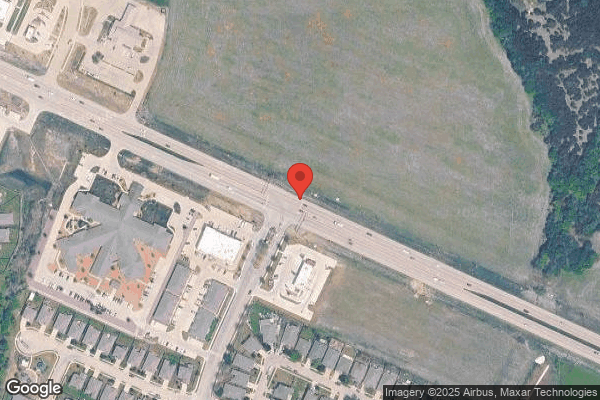

1401 W. PRINCETON DR., PRINCETON, TX 75407 (972) 734-2100
Government - Hospital district 138 Beds FOURSQUARE HEALTHCARE Data: November 2025
Trust Grade
75/100
#323 of 1168 in TX
Last Inspection: January 2025

Within standard 12-15 month inspection cycle. Federal law requires annual inspections.

Overview

Princeton Medical Lodge has received a Trust Grade of B, indicating it is a good, solid choice among nursing homes. Ranking #323 out of 1168 facilities in Texas puts it in the top half, while being #12 of 22 in Collin County suggests there are a few local options that are better. The facility is improving, having reduced its issues from four in 2023 to three in 2025. Staffing is a concern here, with a low rating of 1 out of 5 stars and a turnover rate of 41%, which is better than the state average but still indicates instability. While there have been no fines, making this a positive aspect, the facility has faced serious concerns, such as failing to maintain proper kitchen hygiene, which could lead to food contamination, and not adequately addressing residents' personal care needs, risking their dignity and well-being.

Trust Score
B
75/100
In Texas
#323/1168
Top 27%
Safety Record
Low Risk
No red flags
Inspections
Getting Better
4 → 3 violations
Staff Stability
○ Average
41% turnover. Near Texas's 48% average. Typical for the industry.
Penalties
✓ Good
No fines on record. Clean compliance history, better than most Texas facilities.
Skilled Nurses
⚠ Watch
Each resident gets only 16 minutes of Registered Nurse (RN) attention daily — below average for Texas. Fewer RN minutes means fewer trained eyes watching for problems.
Violations
⚠ Watch
15 deficiencies on record. Higher than average. Multiple issues found across inspections.
★★★★☆
4.0
Overall Rating
★☆☆☆☆
1.0
Staff Levels
★★★☆☆
3.0
Care Quality
★★★★★
5.0
Inspection Score
Stable
2023: 4 issues
2025: 3 issues

The Good

  • Full Sprinkler Coverage · Fire safety systems throughout facility
  • No fines on record
  • Staff turnover below average (41%)

    7 points below Texas average of 48%

Facility shows strength in fire safety.

The Bad

Staff Turnover: 41%

Near Texas avg (46%)

Typical for the industry

Chain: FOURSQUARE HEALTHCARE

Part of a multi-facility chain

Ask about local staffing decisions and management

The Ugly 15 deficiencies on record

Jan 2025 3 deficiencies
CONCERN (D) 📢 Someone Reported This

A family member, employee, or ombudsman was alarmed enough to file a formal complaint

Potential for Harm - no one hurt, but risky conditions existed

Medical Records (Tag F0842)

Could have caused harm · This affected 1 resident

**NOTE- TERMS IN BRACKETS HAVE BEEN EDITED TO PROTECT CONFIDENTIALITY** Based on observation, interview, and record review the facility failed to ensure in accordance with accepted professional standa...

Read full inspector narrative →
**NOTE- TERMS IN BRACKETS HAVE BEEN EDITED TO PROTECT CONFIDENTIALITY** Based on observation, interview, and record review the facility failed to ensure in accordance with accepted professional standards and practices, medical records maintained on each resident were accurately documented for 1 of 8 (Resident #18) residents reviewed for accuracy of records. The facility failed to ensure Resident #18's physician examination record from a dermatologist visit on 04/23/2024 was uploaded into the electronic health chart and failed to update her diagnoses to include moderate eczema. These failures could place residents at risk for delay in care or treatment and appropriate interventions. Record review of Resident #18's face sheet, dated printed 01/12/2025, reflected the resident had no dermatologist listed as a care provider and no diagnosis of eczema or other skin conditions. Record Review of Resident #18's Quarterly MDS, dated [DATE], reflected the resident was a [AGE] year-old female, admitted to the facility on [DATE] with the diagnoses of hypertension (high blood pressure), dementia (loss of cognition), osteoarthritis (arthritis affecting the joints), and allergic rhinitis (allergies of the nose) and a BIMS score of 7 (severely impaired cognition). Record review of Resident #18's care plan revealed she was at risk for skin breakdown, date initiated 03/02/2023 with interventions that included assess skin daily during care and report any redness or irritation, check for incontinent care, apply a moisture barrier every shift and as needed, notify dietary for nutritional assessment, pressure relieving device to bed/chair. Record review of Resident #18's nurse progress notes revealed a dermatology appointment return note, dated 04/23/2024, written by Charge Nurse F: Follow up appt : for 4 month .Other comments : Resident's eczema now controlled well and her other treatments will continue as ordered Further review of Resident #18's medical record revealed no documentation of a follow up visit with the dermatologist after 04/23/2024 and there was no physician examination record for the visit uploaded into the resident's electronic health record. Interview on 01/13/2025 at 9:13 AM with the Transportation CNA G revealed he was not sure where the physician examination record was for Resident #18's visit on 04/23/2024 was located and typically he made a copy for nursing and gave the original to medical records department in a box on their door. He stated he remembered taking Resident #18 to the appointment and she needed a follow up appointment in 4 months but she was better around that time and did not want to go to the dermatologist so a follow up was not scheduled. He stated recently the rash was worse and she had an appointment scheduled on 01/09/2025 that was rescheduled due to bad weather. Interview and observation on 01/13/2025 at 12:12 PM with the Director of Nursing reviewed Resident #18's electronic health record and stated she did not see documentation from the dermatologist visit on 04/23/2024. She stated the physician examination record from the dermatology visit should have been provided to staff by the transportation aide and should have been uploaded into the resident's electronic health record. She stated she was going to look for it immediately. Interview on 01/13/25 at 12:17 PM with ADON C revealed Resident #18's physician examination record from her dermatologist visit on 04/23/2024 was found in a drawer at the nurse's station today and he was not sure who placed it there and why it was not found earlier. He stated the transportation aide was supposed to make a copy for themselves and the nurses, and then they placed the original in the box for medical records. Record review of physician examination record for Resident #18 titled Physician Examination Record, dated and signed by Physician H on 04/23/2024, reflected resident had moderate eczema that was controlled, with new orders and instructions for a follow up appointment in 4 months. Interview on 01/13/25 at 12:59 PM with Medical Records revealed Resident #18's paperwork from her dermatology visit on 04/23/2024 was found in a drawer at the nurse's station and her diagnosis of moderate eczema had not been added to the medical record. She stated a situation like this had happened before and there was a box in the front of her door that was for the Transportation Aide to place original physician visit summaries. She stated the transportation aide was responsible to make a copy for themselves and nursing, MDS, and medical records gets the original plus any progress note or order to go with it. She stated if the process was not followed and medical records, they did not receive the appointment return paperwork, they were not able to treat residents properly. Interview on 01/13/25 at 1:15 PM with the Director of Nursing and Administrator revealed they were made aware today of Resident #18's missing dermatology physician examination record from April of 2024. She stated it was found in the drawer at the nurse's station, which was not their process for physician examination records. The Director of Nursing stated Resident #18's physician exam record should have been scanned and added to her electronic chart with an updated diagnosis of moderate eczema. She stated it was important for resident records to have updated diagnoses and after visit summaries in the resident's chart so they can ensure interventions were identified and a plan of care was followed. The Director of Nursing stated Resident #18's physician examination record should have gone from the transportation aide to the nurse, then the nurse placed the document in the medical records box to be scanned and upload to the electronic record and update the MDS or care plan if needed. The Director of Nursing stated they planned to improve the process and were going to discuss in morning meetings any residents with appointments the previous day to ensure the process was followed. The Administrator stated he expected staff to follow the process the Director of Nursing outlined regarding the clinical records and ultimately it was the MDS nurse's responsibility to update the resident's clinical record. The Administrator stated it was important the resident's records were accurate and updated to ensure the plan of care was followed. Review of facility's clinical records policy titled Clinical Records, undated, reflected .Clinical records are maintained on each resident in accordance with accepted professional standards and practices. Clinical records are complete, accurately documented, readily accessible and systematically organized .
CONCERN (D) 📢 Someone Reported This

A family member, employee, or ombudsman was alarmed enough to file a formal complaint

Potential for Harm - no one hurt, but risky conditions existed

Infection Control (Tag F0880)

Could have caused harm · This affected 1 resident

**NOTE- TERMS IN BRACKETS HAVE BEEN EDITED TO PROTECT CONFIDENTIALITY** Based on observation, interview, and record review, the facility failed to maintain an Infection Prevention and Control Program ...

Read full inspector narrative →
**NOTE- TERMS IN BRACKETS HAVE BEEN EDITED TO PROTECT CONFIDENTIALITY** Based on observation, interview, and record review, the facility failed to maintain an Infection Prevention and Control Program designed to provide a safe, sanitary, and comfortable environment and to help prevent the development and transmission of communicable diseases and infections for 1 of 22 residents (Resident #2) observed for infection control. 1. The facility failed to place Resident #2 in enhanced barrier precautions who had a dialysis central venous access device and peritoneal catheter (a tube that is placed through the abdomen into the peritoneum used to clean the blood inside your body). 2. The facility failed to ensure CNA A performed hand hygiene during incontinence care for Resident #2. These failures could place residents at risk of transmission of multidrug-resistant organisms. Findings included: Record review of Resident #2's admission MDS assessment dated [DATE] reflected a [AGE] year-old female admitted to the facility on [DATE]. Resident had a BIMS score of 11 which indicated she was moderately cognitively impaired. Diagnoses included type 2 diabetes mellitus, end stage renal disease (kidney failure) and cerebral vascular accident. Resident #2 had received hemodialysis for the 14 days look back period. Record review of Resident #2's comprehensive care plan initiated on 12/17/24, did not reflect Resident #2 required Enhanced Barrier Precautions. Record Review of Resident #2's Physician Orders Report dated 01/09/25, reflected Dialysis port-(Peritoneal Abdomen) Cleanse with Normal saline, pat dry with gauze, apply skin prep to peri port, apply split gauze, secure/cover and tape every 72 hours .Dialysis-access site check- Check dialysis access site for thrill and bruit, redness, swelling, drainage, temperature of skin surrounding site, peripheral pulses, bleeding and intact every shift The orders did not indicate the resident required Enhanced Barrier Precautions. In an observation on 01/07/25 at 11:04 a.m. revealed no signage posted outside of Resident #2's room for enhanced barrier precautions. CNA A entered Resident 2's room to answer her call light. Resident #2 stated she needed her brief changed. CNA A washed her hands and put on gloves. Upon uncovering the resident, it was revealed Resident #2 had a peritoneal dialysis catheter which was unsecured. CNA A pushed the soiled brief down and cleaned the resident from front to back. CNA A then reached up and repositioned the peritoneal catheter while wearing soiled gloves. CNA A assisted the resident onto her side revealing the Resident had loose bowel movement. CNA A cleaned from front to back, removed gloves and sanitized hands and put on clean gloves and then applied a clean brief. In an interview with CNA A on 01/07/25 at 11:15 a.m. she stated she was working as a float and was not certain if Resident #2 was on enhanced barrier precautions or not. She stated there were not a sign indicating enhanced barrier precautions and there were no supplies in the room. She stated when someone was on enhanced barrier precautions the facility placed a kit on the wall which contained gloves and gowns. She stated she knew anyone with a G-tube, catheter or wounds were supposed to be on enhanced barrier precautions. She stated she did not realize she had touched the peritoneal catheter with dirty gloves and stated that would have cross contaminated the catheter. In an interview on 01/07/25 at 11:55 a.m. with the DON she stated a sign should be outside of the door of any resident who required enhanced barrier precautions and the required supplies of gloves and gowns should be available. She stated Nurse management and Charge nurses were responsible for ensuring Residents who had significant wound, central lines, catheter, and G-tubes were in enhanced barrier precautions. She stated she did not consider the peritoneal dialysis catheter, or her dialysis access site would require enhanced barrier precautions, since they were not accessing those sites. She stated the Peritoneal catheter was not in use but stated she had only been with the facility for a few weeks and would have to check the policies to determine if the resident should be in enhanced barrier precautions. She stated when the CNA touched the peritoneal catheter with dirty gloves, she had cross contaminated it. She stated the catheter should be secured and she was on her way to secure the catheter. In an interview on 01/08/25 at 04:30 p.m. with the Corporate Nurse she stated any resident with an indwelling medical device should be placed in Enhanced Barrier Precautions. She stated even though the peritoneal dialysis catheter was not in use it was still indwelling which would quality for Enhanced Barrier Precautions. She stated dialysis fistula alone would not put them in isolation, but if a resident had a central hemodialysis line, which Resident # 2 had, then that would also require them to be in Enhanced Barrier Precautions. She stated they had reviewed all the residents in the facility and made sure signage was posted and supplies were in the rooms for those residents who required Enhanced Barrier Precautions and would be doing further training and education to the staff. In an interview on 01/13/25 at 11:03 a.m. with ADON C he stated he was aware upon the Resident #2's admission she had a peritoneal dialysis catheter but stated it was not in use. He stated she had a central venous catheter for her hemodialysis. He stated at the time they did not think it was necessary to place her in Enhance Barrier Precautions. He stated Enhanced Barrier Precautions were new to the facility and they were still learning. He stated he knew residents with catheters, G-tubes, central lines, and wounds had to be in enhanced barrier precautions, but it just did not register that this resident needed it. He stated they had since been educated and had a better understanding of who needed that type of precautions. ADON C stated the risk of not placing someone who needed Enhanced Barrier Precautions were predisposing them to infections. Record review of an E-mail provided by the facility's Director of Corporate Compliance dated 01/08/24, reflected, Residents Requiring EBP, Indwelling Medical Devices (regardless of MDRO) central lines, urinary catheters, feeding tubes, tracheostomies,Duration .discontinuation of indwelling devices .Required PPE (gown/gloves) during High-Contact Resident care .Dressing, Bathing/showering, Transferring, Providing Hygiene, Changing linens, Toileting/Changing Brief, Device Care/Use, Wounds/Skin care & treatment .Implementation .Staff awareness .Update Care profile .Update POC,EBP Signage, PPE set up-Gloves, Gown, Hand Sanitizer Record Review of the facilities undated policy titled, Hand Washing, reflected, Hand washing is required before and after a procedure that involves direct or indirect contact with a resident, after contact with any wastes or contaminated materials .or at any time the hands are soiled .
CONCERN (E) 📢 Someone Reported This

A family member, employee, or ombudsman was alarmed enough to file a formal complaint

Potential for Harm - no one hurt, but risky conditions existed

Comprehensive Care Plan (Tag F0656)

Could have caused harm · This affected multiple residents

**NOTE- TERMS IN BRACKETS HAVE BEEN EDITED TO PROTECT CONFIDENTIALITY** Based on observation, interview, and record review, the facility failed to ensure the comprehensive care plan described the serv...

Read full inspector narrative →
**NOTE- TERMS IN BRACKETS HAVE BEEN EDITED TO PROTECT CONFIDENTIALITY** Based on observation, interview, and record review, the facility failed to ensure the comprehensive care plan described the services that were to be furnished to attain or maintain the resident's highest practicable physical, mental, and psychosocial well-being for 3 of 22 (Residents #94, Resident #13, and Resident #18) reviewed for comprehensive care plans. 1. The facility failed to include in Resident #94's comprehensive care plan, revised on 12/16/24, her dental needs and interventions to address the problem. 2. The facility failed to include in Resident #13's comprehensive care plan, revised on 10/21/24, her dental needs and interventions to address the problem. 3. The facility failed to include in Resident #18's comprehensive care plan, revised on 11/20/24, her diagnosis of eczema and her rash and interventions required to address the problem. These failures could affect residents of the facility by not addressing their physical, mental, and psychosocial needs for each to attain or maintain their highest practicable physical, mental, and psychosocial outcome. Findings include: 1. Record review of Resident #94's annual MDS assessment, dated 12/11/24, reflected an [AGE] year-old female who was admitted to the facility on [DATE]. She had a BIMS of 8 which indicated she was moderately cognitively impaired. Her diagnoses included hypertension and coronary artery disease. She had no indication of dental concerns. Record review of Resident #94's care plan, with a review date of 12/16/24, reflected she did not have a care plan for dental concerns or interventions to address those concerns. Record review of Resident #94's progress notes reflected the Social Worker referred the resident to the dental provider per the family's request on 02/13/24. In an interview with Resident #94 on 01/07/25 at 01:20 p.m. she stated the dentist had come and pulled one of her teeth. She stated she needed additional teeth pulled so she could obtain her dentures and had not been told when they were coming back. She stated the dentist had text her some messages, but her family member told her not to worry about them, she was talking with the dentist. In an interview with the Social Worker on 01/08/25 at 12:07 p.m. she stated there was a financial responsibility the family member was aware of and as far as she knew it had not been met. She stated she had not followed up with the dental provider to determine where they were in the process, but stated she would check today. In a follow up interview with the Social Worker on 01/08/25 at 01:15 p.m. she stated she had reached out to the dental provider. She stated the resident had a tooth extraction on 10/08/24 and was going to need 4 more teeth pulled and then fitted for denture. She stated there was an issue with her applied income and the amount the family was going to have to pay, which was why they had not progressed. She stated the dental provider had told her they had reached an agreement with the facility, and they were going to go forward with the tooth extractions and dentures. She stated the dental provider was coming out next week and assessing Resident #94. In an interview with the Dental Provider Representative on 01/08/25 at 01:27 p.m. she stated the facility had sent them a referral in [DATE]. She stated the resident was wanting dentures but stated there was an applied Income issue and they had communicated with the family about what their responsibility was going to be. She stated the resident later required a tooth extraction which was performed on 10/08/24. She stated the resident was still requesting dentures. She stated the facility's BOM had been working with Medicaid and the family. She stated sometime in December 2024 she, the BOM and the Social Worker met and determined the facility would cover the $1000 dollars needed to for removing 4 additional teeth and fitting the resident with Dentures. She stated they were scheduled to come out to the facility next week. 2. Record review of Resident #13's quarterly MDS assessment, dated 10/11/24, reflected an [AGE] year-old female who was admitted to the facility on [DATE]. She had a BIMS of 12 which indicated she was moderately cognitively impaired. Her diagnoses included hypertension and coronary artery disease. She had no indication of dental concerns. Record review of Resident #13's care plan, with a review date of 10/21/24, reflected she did not have a care plan for dental concerns or interventions to address those concerns. In an interview and observation on 01/07/25 at 09:38 a.m. with Resident #13 she stated she had been at the facility for about a year and half. Resident #13 was observed to have her front teeth missing. She stated she saw the Dentist at the facility about 6 months ago. She stated she needed a new partial. She stated her Medicaid was not approved until July 2024. She stated she asked the Social Worker in November 2024 when the dentist was going to get her partial done. She stated she still had not heard anything. In a follow up interview on 01/08/25 at 12:55 p.m. with Resident #13 she stated she had a partial when she admitted to the facility. She stated it had become bent and she was not able to wear it anymore. She stated it was not the fault of anyone, and was not sure how it bent, but stated she had it for several years. She stated she was seen by the dentist sometime before July 2024. She stated the BOM had told her that when her Medicaid went into effect it would cover a new partial for her, so she opted to wait until her Medicaid went into effect. She stated her Medicaid went into effect in July 2024. She stated she was waiting on was the completion of her dental work. In an interview with the Social Worker on 01/08/25 at 12:12 p.m. she stated she would have to call the dental office and see what the status was on Resident #13's dental work. She stated the BOM was currently out on medical leave. She stated Resident #13 probably did speak with her in November 2024, but stated she could not remember what the issues was with the dental. In a follow up interview with the Social Worker on 01/08/25 at 01:16 p.m. she stated she had reached out to the dental provider and found out Resident #13 had been seen in November 2024 for a teeth cleaning and again in December 2024 for X Rays. She stated she was on the schedule for this coming Monday (01/13/25) and should have her partial by the end of the month. The Social Worker stated she made all the referrals for ancillary services for the facility. She stated she had not been tracking or following up with each of the providers on where people were in the process. She stated she was doing the best she could do with just getting all the referrals made. In an interview on 01/08/25 at 01:30 p.m. with the Dental provider Representative she stated the facility had sent them a referral in April 2024. She stated they saw Resident #13 in May 2024 and evaluated her for a new partial. She stated the resident was pending Medicaid. She stated they reached out to the resident and family and gave them the option of paying or waiting until the resident was approved for Medicaid. She stated they found out in August 2024 the resident had been approved for Medicaid. She stated they sent the facility the form 1263 B around the third week of October 2024, for the physician to complete and they got that back from the facility around the first of November 2024. She stated she was not sure why it took her company so long to send the facility the form they needed. She stated it was not common for it take as long as had taken for this resident. She stated once they got the completed form back from the facility physician, they saw the resident in November for teeth cleaning and again in December for X-rays. She stated they do that to ensure they were attaching her partial to strong healthy teeth. She stated she should be getting her partial by the end of the month. In a follow interview with the Administrator on 01/08/25 at 02:09 p.m. he stated his expectation was the Social Worker should be documenting the progress of any dental procedures and the timeline of completion of care. He stated they did not have a good system in place to track the process at this time. He stated the facility would approve any necessary dental and pay even if it was not covered by Medicaid. He stated dental care should be in the care plan so they everyone had a clear picture of where the process was for the residents and what necessary intervention needed to be in place to ensure any dental needs were met timely. He stated they had checked to see why the documentation from the dental provider was not uploaded into the electronic record and discovered the dental provider had the wrong E-mail address for their medical records. He stated that had been corrected and they were now receiving the documentation from the dental provider which would help them stay on track on the process and assist in timely interventions and communication amongst the staff. He stated going forward this would be a part of the care planning process. In an interview with MDS B on 01/08/25 at 02:40 p.m. she stated she was responsible for the long-term care plans. She stated they interview staff and the progress notes for any updates that need to be included into the care plan. She stated any dental procedure should be care planned, because often it required an adjustment to the resident's medication orders. She stated the Social Worker had not communicated any dental procedures. She stated she had not seen anything in the clinical record about any dental procedures for Resident #94 or Resident #13. She stated the care plan was the guide for all the care needs for the resident, so everyone involved in the resident's care were aware of the client's needs and the interventions put into place. She stated not having a comprehensive care plan in place could delay necessary care and not alert them to when additional interventions needed to put into place. 3. Record Review of Resident #18's Quarterly MDS, dated [DATE], reflected the resident was a [AGE] year-old female, admitted to the facility on [DATE] with the diagnoses of hypertension (high blood pressure), dementia (loss of cognition), osteoarthritis (arthritis affecting the joints), and allergic rhinitis (allergies of the nose) and a BIMS score of 7 (severely impaired cognition). Record review of Resident #18's care plan with a revision date of 11/20/24 did not address the resident's eczema or interventions to address the problem. Record review of Resident #18's nurse's progress note revealed an appointment return note, dated 04/23/2024, by Charge Nurse F: .Other comments: Resident's eczema now controlled well and her other treatments will continue as ordered . Review of progress note dated 05/01/2024 by Charge Nurse F revealed Resident #18 received Clotrimazole Cream 1% and Triamcinolone Acetonide Cream 0.1% to her whole body for itching. Review of progress note dated 06/26/2024 by Charge Nurse F revealed Resident #18 had red areas on both upper extremities due to itching. Further review revealed nurse's general assessment progress notes dated 07/24/2024, 08/07/2024, 08/21/2024, 09/04/2024, 10/02/2024, 10/16/2024, 10/30/2024, 11/13/24, 11/27/2024, 12/11/2024, 12/25/2024, and 01/08/2025 by Charge Nurse F, Resident #18 had itchy skin and a rash on her body and was treated with a topical prescription cream. Interview on 01/07/2025 at 1:36 PM with Resident #18 revealed her only concern was her itchy skin. Observation of resident's arm and neck revealed she had red and reddish-brown raised areas of her skin with small scratches and cracks. She stated her skin was itchy all over her body and it made it difficult to sleep at night. She stated she had seen a doctor in the past and the staff were putting a cream on her every night, and she also took Benadryl to help with the itching. She stated her skin had this issue before and it had gotten better, but not fully gone all the way away and it had gotten bad again around Christmas time. Interview on 01/08/2025 at 11:09 AM with CNA D revealed Resident #18 was pretty much independent and had rashes on her back and sides of legs and on her neck and commonly complained of itchy skin and was on medication that helped. CNA D stated when the resident complained about being itchy or she noticed the rash looked worse she informed the charge nurse. Interview on 01/08/25 at 11:44 AM with CNA E revealed Resident #18 had complained her skin itched and stated it had been going on for a while on her arms. She was not sure what was causing the rash. Observation and interview on 01/13/25 at 8:40 AM of Resident #18 with Charge Nurse F revealed Resident #18 had a red rash scattered around her stomach, lower and upper back, around the backs of her arms shoulders, and her neck. Charge Nurse F stated Resident #18's rash was all over her body and included her thighs and front of body. She stated that Resident #18 had seen a dermatologist and did not have a diagnosis yet. She stated she noticed a couple weeks ago Resident #18's skin had gotten worse, and the rash had spread. She documented it in the progress notes, and informed ADON C. She stated ADON C informed the Nurse Practitioner who had prescribed medication and they planned on having the resident see a new dermatologist. She stated there had been discussions during morning meeting and they discussed what possible causes of the rash and ADON C had asked the Nurse practitioner if allergy shots might help. The Nurse Practitioner stated a dermatologist would need to see the resident. Interview and observation on 01/13/25 at 10:45 AM with ADON C revealed Resident #18 had issues with itching. ADON C stated Resident #18 had an appointment scheduled on 01/09/2025 with a new dermatologist but bad weather resulted in it needing to be rescheduled. He stated they were not sure of a cause yet and were focused on symptom management by the Nurse Practitioner and medications like Atarax, Benadryl and topical creams. ADON C stated her rash recently had gotten worse and they planned to have Resident #18 see a different dermatologist. ADON C stated he thought she was seen by a new dermatologist recently and was not aware the resident missed her appointment due to the ice weather on 01/09/25. ADON C reviewed Resident #18's care plan and revealed the resident's eczema diagnosis was care planned on 01/09/2025 ADON C stated he was not aware the resident's skin condition was not care planned before 01/09/25. Interview on 01/13/2025 at 12:53 PM with MDS B revealed Resident #18 had a rash for quite a while, it was on and off and not consistent, she was not sure of exact date the issue started. The MDS Nurse B stated she was notified today (01/13/25) that Resident #18 had a diagnosis of eczema because the paperwork from the dermatologist visits on 04/23/2024 was found on 01/13/2025. She stated when a resident comes back from the doctor office with a new diagnosis or change in care it should be added into the plan of care. She stated she had not received any documentation from Resident's dermatology visit in April 2024. Interview on 01/13/25 at 1:15 PM with the Director of Nurses and Administrator revealed Resident #18's moderate eczema diagnosis from a dermatologist visit on 04/23/24 should had been care planned because it ensured causes and interventions were identified and a plan of care was followed. The Director of Nurses stated the symptoms of eczema can come and go and it was important to care plan the issue because it helped to identify possible causes and interventions. The Administrator stated he was aware that care plans were a work in progress and while they were good about immediately care planning falls and incidents, the chronic conditions were missed because it had gotten better at some point and there was not clear documentation by the nurse practitioner regarding the resident's skin condition. He stated while the interdisciplinary team was responsible for the care plan, ultimately it was the responsibility of MDS to enter in the information from the meetings into the care plan. The Director of Nurses stated staff needed to be trained on documenting skin issues such as eczema. Record review of the facility's undated policy, Comprehensive Person-centered Resident Care Planning, reflected, .The facility will develop and implement a baseline and comprehensive care plan for each resident that includes the instructions needed to provide effective and person-centered care of the resident that meet professional standards of quality of care .Each resident's plan of care shall be periodically reviewed and revised by an interdisciplinary team after each MDS assessment, including both the comprehensive and quarterly review assessment to reflect the resident's current care needs. The services provided or arranged by the facility, as outlined by the comprehensive person-centered care plan, will meet professional standards of quality; be provided by qualified persons in accordance with each resident's written plan of care .
Dec 2023 4 deficiencies
CONCERN (D)

Potential for Harm - no one hurt, but risky conditions existed

Comprehensive Care Plan (Tag F0656)

Could have caused harm · This affected 1 resident

**NOTE- TERMS IN BRACKETS HAVE BEEN EDITED TO PROTECT CONFIDENTIALITY** Based on observation, interview and record review the facility failed to ensure the comprehensive care plan described the servic...

Read full inspector narrative →
**NOTE- TERMS IN BRACKETS HAVE BEEN EDITED TO PROTECT CONFIDENTIALITY** Based on observation, interview and record review the facility failed to ensure the comprehensive care plan described the services that were to be furnished to attain or maintain the resident's highest practicable physical, mental, and psychosocial well-being for one (Residents #59) of 25 residents reviewed for comprehensive care plans. The facility failed to identify and implement person-centered interventions to prevent further decline of Resident #59's contracture to his left hand. This failure could place residents at risk for decline in range of motion, decreased mobility, pain, decreased quality of life and ability to maintain independence. Findings include: Record review of Resident #59's annual MDS assessment, dated 10/05/23, reflected a [AGE] year-old male with an admission date of 10/26/22. Resident #59 had a BIMs of 11 which indicated he was moderately cognitively impaired. The resident had upper and lower extremity impairment on one side and had not received OT or PT services in the seven days look back period. Resident #59 had not received restorative care, splints, or braces. Active diagnoses included cerebral vascular accident (stroke), hemiplegia (paralysis), heart failure and dementia. Record review of Resident #59's comprehensive care plan initiated on 10/27/22, reflected, .At risk for contractures related to left sided hemiplegia .Interventions .Monitor for pain with activities of daily living and movement .Monitor for stiffness of joints .Reposition every two hours and prn . No other interventions were documented. An observation and interview with Resident #59 on 12/12/23 at 10:10 a.m. revealed Resident #59 was up in his wheelchair. The resident's left arm was tucked closely to his body and his left hand was noted with his Index finger pointing straight out and unable to uncurl the remaining fingers which were tightly curled toward the palm of his hand. Resident #59 stated he used to have a brace but he had not seen it in months. Resident #59 stated no one was doing anything for his hand. He stated his hand felt better when he had a brace on it . In an interview with CNA E on 12/13/23 at 9:00 a.m. revealed she had never seen Resident #59 with a hand splint. She stated they had not been instructed to perform any passive or active range of motion on the resident's left hand and arm. In an interview with the DOR on 12/13/23 at 9:15 a.m., she stated she had started about six weeks ago. She stated Resident #59 was on her list to be screened for therapy services. She revealed the last time the resident was on therapy was for physical therapy from 08/30/23 through 10/28/23. She stated she could not locate any recent occupational therapy evaluations for Resident #59. An observation made with the DOR on 12/13/23 at 10:05 a.m. of Resident #59 revealed with some stretching from the DOR Resident #59 was able to uncurl his fingers slightly. Resident #59 informed the DOR he used to have a hand splint, but he had not seen it for several months and had no idea what had happened to it. The DOR stated his hand was contracted and he could benefit from a resting hand splint. She stated they would pick him up on therapy today (12/13/23). Record Review of Resident #59's Occupational Therapy assessment completed by the DOR on 12/13/23 reflected, .Assessment Summary Functional Limitations as Result of Contractures(s): Functional mobility, propelling Wheelchair, Skin integrity, Upper body Dressing, Lower body Dressing. Hygiene/grooming. Bathing and Gathering .Splint/Orthotic Recommendations: It is recommended the patient wear a resting hand splint, a hand roll and to further and assess and order/fabricate on left hand during daily task to manage tone, improve Passive Range of motion for adequate hygiene, develop/establish wearing schedule and adapt/modify splint device In an interview with MDS G on 12/14/23 at 9:05 a.m. she stated she was responsible of for updating the care plans for the long-term residents. She stated they meet weekly with the team and review and update any changes to the care plan. She stated they relied on therapy for any specific interventions related to contractures, but stated they should at least have passive range of motion in place for someone with hemiplegia. She stated care plans needed to accurate to reflect the residents needs and preferences. In an interview with the DON on 12/14/23 at 9:35 a.m. he stated they had all residents screened by therapy upon admission and any time there was a functional decline. He stated he had not been informed about Resident #59's need for range of motion or splinting. He stated therapy just needed to let him know what the ongoing needs were going to be. He stated the care plan should address all the resident's needs. He stated failing to have interventions in place for residents with limited range of motion could lead to worsening of a resident's contractures and decline in function. Review of the facility's undated policy titled, Comprehensive Person-Centered Resident Care Planning reflected, A comprehensive person-centered care plan is developed and implement for each resident, consistent with the resident's rights and will incorporate resident-centered goals and wishes about their care, activities, and lifestyle to include measurable short-term and long-term objectives and time frames to meet a resident's medical, nursing, and mental and psychosocial needs that are identified in the comprehensive assessment. The comprehensive care plan will describe the following .the services that are to be furnished to attain and maintain the resident's highest practicable physical, mental, and psychosocial well-being
CONCERN (D)

Potential for Harm - no one hurt, but risky conditions existed

Deficiency F0688 (Tag F0688)

Could have caused harm · This affected 1 resident

**NOTE- TERMS IN BRACKETS HAVE BEEN EDITED TO PROTECT CONFIDENTIALITY** Based on observation, interview, and record review, the facility failed to ensure residents with limited range of motion receive...

Read full inspector narrative →
**NOTE- TERMS IN BRACKETS HAVE BEEN EDITED TO PROTECT CONFIDENTIALITY** Based on observation, interview, and record review, the facility failed to ensure residents with limited range of motion received appropriate treatment and services to increase range of motion and/or prevent further decrease in range of motion for one (Resident #59) of three residents reviewed for range of motion. The facility failed to implement interventions to prevent further decline of Resident #59's contracture to his left hand. This failure could place residents at risk for decline in range of motion, decreased mobility, and worsening of contractures. Findings include: Record review of Resident #59's annual MDS assessment, dated [DATE], reflected a [AGE] year-old male with an admission date of [DATE]. Resident #59 had a BIMs of 11 which indicated he was moderately cognitively impaired. The resident had upper and lower extremity impairment on one side and had not received OT or PT services in the seven days look back period. Resident #59 had not received restorative care, splints, or braces. Active diagnoses included cerebral vascular accident (stroke), hemiplegia (paralysis), heart failure and dementia. Record review of Resident #59's comprehensive care plan initiated on [DATE], reflected, .At risk for contractures related to left sided hemiplegia .Interventions .Monitor for pain with activities of daily living and movement .Monitor for stiffness of joints .Reposition every two hours and prn . No other interventions were documented. An observation and interview with Resident #59 on [DATE] at 10:10 a.m. revealed Resident #59 up in his wheelchair. The resident's left arm was tucked closely to his body and his left hand was noted with his Index finger pointing straight out and unable to uncurl the remaining fingers which were tightly curled toward the palm of his hand. Resident #59 stated he used to have a brace but he had not seen it in months. Resident #59 stated no one was doing anything for his hand. He stated his hand felt better when he had a brace on it . In an interview with CNA E on [DATE] at 9:00 a.m. revealed she had never seen Resident #59 with a hand splint. She stated they had not been instructed to perform any passive or active range of motion on the resident's left hand and arm. In an interview with the DOR on [DATE] at 9:15 a.m., she stated she had started about six weeks ago. She stated Resident #59 was on her list to be screened for therapy services. She revealed the last time the resident was on therapy was for physical therapy from [DATE] through [DATE]. She stated she could not locate any recent occupational therapy evaluations for Resident #59. An observation made with the DOR on [DATE] at 10:05 a.m. of Resident #59 revealed with some stretching from the DOR Resident #59 was able to uncurl his fingers slightly. Resident #59 informed the DOR he used to have a hand splint, but he had not seen it for several months and had no idea what had happened to it. The DOR stated his hand was contracted and he could benefit from a resting hand splint. She stated they would pick him up on therapy today ([DATE]). Record Review of Resident #59's Occupational Therapy assessment completed by the DOR on [DATE] reflected, .Assessment Summary Functional Limitations as Result of Contractures(s): Functional mobility, propelling Wheelchair, Skin integrity, Upper body Dressing, Lower body Dressing. Hygiene/grooming. Bathing and Gathering .Splint/Orthotic Recommendations: It is recommended the patient wear a resting hand splint, a hand roll and to further and assess and order/fabricate on left hand during daily task to manage tone, improve Passive Range of motion for adequate hygiene, develop/establish wearing schedule and adapt/modify splint device In an interview with MDS G on [DATE] at 9:05 a.m. she stated she was responsible of for updating the care plans for the long-term residents. She stated they meet weekly with the team and review and update any changes to the care plan. She stated they relied on therapy for any specific interventions related to contractures, but stated they should at least have passive range of motion in place for someone with hemiplegia. She stated care plans needed to accurate to reflect the residents needs and preferences. In an interview with the DON on [DATE] at 9:35 a.m. he stated they had all residents screened by therapy upon admission and any time there was a functional decline. He stated they did not have a restorative program , but range of motion and splinting could be carried out by the nursing staff and the CNAs once therapy determined the need. He stated he had not been informed about Resident #59's need for Range of motion or splinting. He stated therapy just needs to let him know what the ongoing needs were going to be. He stated failing to have interventions in place for residents with limited Range of motion could lead to worsening of a resident's contractures and decline in function. Review of the facility's undated policy titled, Mobility/Range of Motion, reflected, Based on the resident's comprehensive assessment, the resident will receive appropriate treatment and services to increase or maintain range of motion and prevent further decease in function. A resident with limited range of motion will receive appropriate treatment and services to increase range of motion or to prevent further decrease in range of motion .Routine range of motion exercises will be provided according to the resident's plan of care. Resident shall receive proper and assistive devices to maintain or improve range of motion
CONCERN (E)

Potential for Harm - no one hurt, but risky conditions existed

ADL Care (Tag F0677)

Could have caused harm · This affected multiple residents

**NOTE- TERMS IN BRACKETS HAVE BEEN EDITED TO PROTECT CONFIDENTIALITY** Based on observation, interview, and record review the facility failed to provide the necessary services for residents who are u...

Read full inspector narrative →
**NOTE- TERMS IN BRACKETS HAVE BEEN EDITED TO PROTECT CONFIDENTIALITY** Based on observation, interview, and record review the facility failed to provide the necessary services for residents who are unable to carry out activities of daily living to maintain good grooming and personal hygiene for two (Resident #90, and Resident #92) of 25 residents reviewed for ADLs. The facility failed to ensure: 1. Resident #90 had her fingernails cleaned and trimmed and her facial hair on her chin trimmed. 2. Resident #92 had his fingernails cleaned and trimmed. These failures could place residents who were dependent on staff for ADL care at risk for loss of dignity, risk for infections, and a decreased quality of life. Findings include: 1. Record review of Resident #90's Quarterly MDS assessment dated [DATE] reflected a [AGE] year-old female admitted to the facility on [DATE] with diagnoses included dementia (a progressive loss of intellectual functioning, especially with impairment of memory and abstract thinking, and often with personality change, resulting from organic disease of the brain), and heart failure. Resident #90 had a BIMS of 12 which indicated she was moderately cognitively impaired. She required extensive assistance with transfers, dressing, and personal hygiene. Record review of Resident #90's Comprehensive Care Plan, revised 03/13/23, reflected .Resident requires assist with ADL's related to weakness .Interventions .Provide level of support to complete dressing, toilet use, personal hygiene, and bathing needs every shift .The resident only wants showers on Saturdays, resident does not wants showers 3 times a week .Provide consistency in care to promote comfort with ADLs. Maintain consistency in timing of ADLs, caregivers, and routine as much as possible An observation and interview on 12/12/23 at 10:10 a.m. revealed Resident #90 lying in bed. The nails on both hands where approximately 0.5 centimeters in length but were jagged and uneven and had peeling nail polish and the underside had a dark brown colored residue. Resident #90 also had multiple long chin hairs, approximately 2 inches in length, covering an area approximately 1.5 x 2 inches. Resident #90 stated the staff did not have time to mess with her chin hairs. She stated she would like them shaved. She stated she needed to see the beautician to get her hair and nails done, but she stated she kept missing her when she was at the facility. She stated she was unaware the staff could trim her nails. She stated they did look bad and are very dirty. She stated she only wanted a shower on Saturdays. She stated they cleaned her up pretty good the rest of time when they changed her brief. An interview on 12/13/23 at 09:00 a.m., CNA E stated CNAs were allowed to cut the residents' nails if they were not diabetic. She stated nail care and grooming should be done on the resident's showers days. She stated she was to Resident #90 and stated she had not noticed her nails or chin hairs, but stated she would see if she would let her take care of it. She stated she only gets a shower on Saturday's which is when they would typically shave a resident. In an interview on 12/13/23 at 09:05 a.m. with LVN C, she stated she was not aware of Resident #90 refusing to have her nails trimmed or chin hair shaved. She stated the CNAs were responsible for nail care on any resident who was not a diabetic. She stated facial hair should be addressed during the shower. In an Interview with the DON on 12/13/23 at 11:15 a.m. he stated nail care should be completed as needed. The DON stated nurses were responsible for trimming the nails of residents who were diabetic, and CNAs could trim other residents' nails. The DON stated he expected CNAs to offer to cut and clean nails if they were long and dirty. He stated Resident #90 should have been offered by the CNAs if she wanted her facial hair trimmed at least on shower days or when staff noticed facial hair on a resident. He stated not performing those tasks could be a dignity issue and cause poor hygiene. 2. A record review of Resident #92's Quarterly MDS assessment dated [DATE] reflected Resident #92 was an [AGE] year-old male admitted to facility on 02/05/2022 with diagnoses included dementia (loss of intellectual functioning, especially with impairment of memory and abstract thinking, and often with personality change, resulting from organic disease of the brain), muscle weakness, and lack of coordination. He had a BIMS of 3 which indicated sever cognitive impairment and required limited assistance from one person for ADL's. A record review of Resident #92's Comprehensive Care Plan, revised 08/18/23, reflected Problem: [Resident #92] requires assist with ADLs. Goal: [Resident #92] is able to perform self-care to optimal level and maintains strength and endurance x 90 days. Approach Provide level of support to complete dressing, toilet use, personal hygiene, and bathing needs q shift. An observation on 12/12/23 at 10:35 a.m. revealed Resident #92 was sitting in a chair in his room, clean and groomed, and wearing daytime attire. The fingernails on both hands were approximately 0.3 centimeters in length extending from the tip of his fingers, and dirty with brown matter underneath. Resident #92 stated would like his fingernails trimmed, but he needed to go to [city name] to do so. The resident stated he ate with his hands. Interview and observation on 12/14/23 at 09:16 a.m. revealed CNA I looked at Resident #92's fingernails and stated they needed to be trimmed and they were little dirty and needed to be cleaned. She stated the nail care for nondiabetic residents was done every Sunday of the week by the CNAs. She stated the residents' fingernails needed cleaning daily by the CNAs. CNA I stated the risk to the resident was the development of infection, and he was putting his hands on his mouth. Interview/observation on 12/14/23 at 09:25 a.m. RN H stated Resident #92's fingernails looked long and needed to be cut, and they were dirty. RN H stated the CNAs could trim the residents' fingernail whenever they give them shower. She stated it was the responsible of nurses, and the ADON to observe residents' fingernails, and make sure they were cleaned and trimmed. RN H stated the risk to residents was the development of infection, through the bacteria growth underneath their fingernails. She stated Resident #92's fingernail would get taken care of today 12/14/2023. Interview on 12/14/23 at 11:07 a.m. the DON stated it was the responsibility of the CNAs to clean, and trim Resident #92's fingernails during his shower days: Tuesdays', Thursdays, and Saturdays of the week. The DON stated it was the responsibility of the charge nurses, ADON, and DON to make sure residents' fingernail care was done on their shower days. He stated the risk to the Resident #92 was the development of infection. Review of facility's undated policy Activities of Daily Living, reflected, .The facility will provide care and services for the following activities .Hygiene .grooming .Based on each resident's comprehensive assessment, appropriate treatment and services are provided for all residents to help them maintain or improve their abilities to perform activities of daily living .If unable to carry out activities of daily living, he/she shall receive the necessary services to maintain good .grooming, and personal and oral hygiene
CONCERN (E)

Potential for Harm - no one hurt, but risky conditions existed

Food Safety (Tag F0812)

Could have caused harm · This affected multiple residents

Based on observations, interviews and record review, the facility failed to store, prepare, distribute, and serve food in accordance with professional standards for food service safety for the facilit...

Read full inspector narrative →
Based on observations, interviews and record review, the facility failed to store, prepare, distribute, and serve food in accordance with professional standards for food service safety for the facility's only kitchen. 1. The facility failed to cover and date food stored in the refrigerator that should no longer be consumed. 2. The facility failed to discard food stored in the kitchen that was past use by date and should no longer be consumed. These failures could affect Residents who received their meals from the facility's only kitchen, by placing them at risk for food-borne illness if consumed, and food contamination. Findings included: 1. Observation in facility's kitchen on 12/12/2023 at 9:11 AM revealed Hamburger bun with use by date of 12/2/2023 seen on the kitchen counter. 2. Observation in facility's kitchen on 12/12/23 at 09:13 AM revealed Apple juice stored within reach-in refrigerator was unlabeled and undated. 3. Observation in facility's kitchen on 12/13/23 at 11:42 AM revealed Iced tea stored within reach-in refrigerator was unlabeled and undated. In an interview with dietary aide on 12/12/23 at 09:15 AM revealed that he worked in the facility for last two years. He reported he had received in-services regarding food storage that includes labeling and dating, hand hygiene, storage temperatures. He reported that usually diet aides were responsible for dating and labeling all drinks that will be served for meals that day . he reported that if food items are not labeled or dated it could pose the risk of exposing residents to food borne illness. He also reported that questionable food should be reported to Dietary Manager and should be thrown it out. In an interview with Dietary Manager on 12/12/23 at 09:19 AM revealed that she was not sure why the hamburger buns are on the counter. She added that hamburger buns are not on the menu today. She also reported that she will throw out the buns immediately since they have been past best by date. She also stated that the risk to residents of serving food that is past best by date was possible risk of food borne illness. She stated that dietary aides were responsible for labeling and dating all food items and added that they may have forgotten to date the juice since they were getting drinks ready for lunch. She also reported that per facility policy all foods should be labeled and dated especially drinks like tea and juice that was repackaged to a different container. The risk of not labeling and dating foods was serving foods that could have gone bad. She reported that she conducted in-services with the kitchen staff monthly; in-services include Hand hygiene, food storage, infection control , food borne illness, safe storage temperature. In an interview with [NAME] on 12/13/23 at 12:03 PM revealed she had been a cook in the facility for 4 months She reported she had received in-services that included hand washing, Food storage, chemical storage. She reported that risk of not labeling or dating foods or serving foods beyond-use date can lead to potential for residents being sick and possible food borne illness. She also stated that in-services are conducted by Dietary manager or Dietitian when she visited the facility. In an interview with Dietitian on 12/13/23 at 12:08 PM revealed that she was not sure why hamburger buns were left on the counter on since she did not see it on the menu for the day. She stated that any food item in the kitchen found beyond use-by date should be thrown away and not served to any resident. The risk of serving foods that are past due-by date or serving food that was not labeled or dated can cause food borne illness. She reported that she, along with Dietary Manager conducted monthly and as needed in-services with kitchen staff that included therapeutic diet, hand hygiene, food storage that includes labeling and dating, portion sizes. Record Review of facility's Food Safety in Receiving and Storage policy dated 1/1/2010 revealed that Receiving Guidelines 5. Check expiration dates and use-by dates to assure the dates are within acceptable parameters. Record Review of facility's Food Safety in Receiving and Storage policy dated 1/1/2020 revealed that General Food Storage Guidelines 3. Food that is repackaged is placed in a leak-proof, pest-proof , in-absorbent sanitary container with a tight-fitting lid. The container/lid is labeled with name of contents and dated with the date it was transferred to the container. The U.S. Public Health Service, Food Code, dated 2022, reflected the following, .3-501.17 Ready-to-Eat, Time/Temperature Control for Safety Food, Date Marking . (D) A date marking system that meets the criteria stated in (A) and (B) of this section may include .(2) Marking the date or day of preparation, with a procedure to discard the FOOD on or before the last date or day by which the FOOD must be consumed on the premises, sold, or discarded as specified under (A) of this section; (3) Marking the date or day the original container is opened in a FOOD ESTABLISHMENT, with a procedure to discard the FOOD on or before the last date or day by which the FOOD must be consumed on the premises, sold, or discarded as specified under (B) of this section.
Oct 2022 8 deficiencies
CONCERN (D)

Potential for Harm - no one hurt, but risky conditions existed

Deficiency F0558 (Tag F0558)

Could have caused harm · This affected 1 resident

**NOTE- TERMS IN BRACKETS HAVE BEEN EDITED TO PROTECT CONFIDENTIALITY** Based on observation, interview and record review, the facility failed to ensure the resident received services in the facility ...

Read full inspector narrative →
**NOTE- TERMS IN BRACKETS HAVE BEEN EDITED TO PROTECT CONFIDENTIALITY** Based on observation, interview and record review, the facility failed to ensure the resident received services in the facility with reasonable accommodation of resident needs and preferences for one (Resident #36) of fourteen residents reviewed for call lights. Facility failed to equip Resident #36 with a call button within reach for an unknown amount of time. This failure could place residents at risk for delay in assistance and decreased quality of life, self-worth and dignity. Findings included: Record review of Resident #36 Intake MDS assessment dated [DATE] reflected Resident #36 admitted with Paroxysmal Atrial Fibrillation (irregular heart rhythm), weakness, lack of coordination, dysphagia (difficulty swallowing), muscle wasting and atrophy, lack of coordination, unsteadiness on feet, cognitive communication deficit (an impairment in organization/ thought), unspecified dementia unspecified severity without behavioral disturbance, unspecified depressive episodes, anxiety disorder, legal blindness, and extensive needs with personal care. Resident has a BIMS of 5 score (cognitive impairement), however, resident was alert and oriented. Resident had no issues expressing herself with clear and concise thought process. Resident is classified as a two-person physical assistance with bed mobility, transfers, dressing, toilet use, personal hygiene is required. Record review of Resident #36 Comprehensive Care Plan created 8/26/2022 reflected Resident #36 was a fall risk due to Being legally blind, general weakness, impaired mobility, diagnosis of AFIB and history of falling. Interventions included to Keep bed in lowest position, Fall mat at bedside, Place bed close to wall, Educate resident to use call light system when needing to transfer, Anticipate and meet The resident's needs, Be sure The resident's call light is within reach and encourage the resident to use it for assistance as needed. The resident needs prompt response to all requests for assistance. Observation and interview on 10/18/2022 at approximately 10:00 AM, revealed Resident #36 was sitting in her wheelchair near her dresser, the call light button was approximately 10 feet away laying on the bed. During the interview, Resident revealed that she was cold and wanted socks on her feet. Resident stated that she had no way of getting help as she could not locate her call button due to being blind. Resident further revealed that she had pain in her neck and wished to have some pain medication. Call button was pushed for resident and Nurse responded promptly. Resident states that she often cannot locate her call light due to being blind and sometimes it is frightening. Resident revealed that she had a fall in the restroom the day prior and was unable to find a call light to pull so she had to yell for help. Interview on 10/18/2022 at approximately 10:20 AM with LVN A stated the call button should always be left in reach of the resident. LVN A stated that she tries to remember to hand it back to resident when she leaves the room. LVN A stated the call light was out of reach when she entered the room of Resident #36. Interview revealed that she was the Nurse usually assigned to the hallway resident is located. LVN A stated that she was not present on the hallway when resident had a fall the day prior. Interview on 10/18/22 at 10:50 AM, with CNA A revealed that she did not observe if Resident #36 call light was within reach when she went into her room this morning. Interview revealed that she went into resident's room to deliver her breakfast tray and not because her call light was on. Interview revealed that CNA A believed that a resident without a call light could place them at risk for harm or danger due to not being able to call for assistance if needed. Interview on 10/19/22 at 1:30 PM, with ADON D revealed she was not aware of Resident #36's call light was not being left in reach. Resident expressed her concern that her call light was often not left where she could locate it. Interview with ADON D revealed that she will periodically check on resident during the day and she also do an in-service training with her staff on the importance of making sure that all call lights be left in reach of the residents. ADON D stated that a resident without a call light could place them at risk for being neglected because they are unable to call for assistance as needed. Observation on 10/20/2022 PM at 9:10 AM of Resident #36's call light was laying across her midsection and she was asleep. Record review on 10/20/2022 at 10:00 AM revealed Section C of Facility Policy handbook entitled, Call Lights revealed Procedure #9 states, The call light must always be within resident's reach before you leave the room.
CONCERN (D)

Potential for Harm - no one hurt, but risky conditions existed

Pharmacy Services (Tag F0755)

Could have caused harm · This affected 1 resident

**NOTE- TERMS IN BRACKETS HAVE BEEN EDITED TO PROTECT CONFIDENTIALITY** Based on observation, interview and record review, the facility failed to provide pharmaceutical services, including procedures ...

Read full inspector narrative →
**NOTE- TERMS IN BRACKETS HAVE BEEN EDITED TO PROTECT CONFIDENTIALITY** Based on observation, interview and record review, the facility failed to provide pharmaceutical services, including procedures for administering drugs via enteral feeding tube , for one (Residents #209) of one resident reviewed for feeding tubes. RN A failed to flush Resident #209's G-Tube with 30 ccs of water prior to medication administration, failed to flush with water between each medication given and failed to ensure Vit D 3 was adequately dissolved prior to administering through the resident's G-tube. These failures could affect residents by placing them at risk of abdominal discomfort, obstruction of the G-tube and incomplete medication administrations. Findings included: Resident #209's Annual MDS assessment, dated 09/09/22, reflected a [AGE] year-old female admitted to the facility on [DATE]. Resident #209 had a BIMs of 9 which indicated she was moderately cognitively impaired. Resident received 51% or more of total calories through tube feeding (G-tube - tube inserted through the abdomen that delivers nutrition directly to the stomach.). Active diagnoses included hemiplegia (paralysis of one side of the body), diabetes, dementia, and dysphagia (difficulty swallowing) Resident #209's Care Plan, revised on 08/26/22, reflected, .Resident requires a PEG tube for adequate nutritional intake-refuses tube feedings at times, wants food/hydration po .Goal .No s/sx aspiration through next review .Resident will not experience adverse effects from placement of a PEG tube . Review of Resident #209's Physicians Order Summary Report for October 2022, reflected, .Enteral Feed order every shift G-Tube- Med administration=Flush with 30cc of H2O Before med administration. Give Each medication separately, mixed with small amount H2O to mix/dissolve. Flush Between each med with 5-30 ml H2O. Flush with 30cc H2O after med administration . with a start date of 08/26/21. Review of Resident #209's MAR for October 2022 reflected, .Enteral Feed order every shift G-Tube- Med administration=Flush with 30cc of H2O Before med administration. Give Each medication separately, mixed with small amount H2O to mix/dissolve. Flush Between each med with 5-30 ml H2O. Flush with 30cc H2O after med administration . with a start date of 08/26/21. An observation on 10/19/22 at 09:05 a.m. revealed RN A at the medication cart pulling the following medications for G-tube administration for Resident #209: Potassium Chloride Liquid 20 meq/15 ml - 15 ml Gabapentin 100 mg 1 capsule Multi vitamin- 1 tablet Cholecalciferol (vitamin D3) 125 mcg (5,000 units) 1 tablet Colace 100 mg 1 tablet Buspar 10 mg 1 tablet Tramadol 50 mg 1 tablet Norvasc 5 mg 1 tablet Coreq 12.5 mg 1 tablet Miralax Powder 17 gm/ scoop 1 scoop RN A placed each of the tablets into a plastic sleeve and crushed them and opened the one capsule and placed its contents into a plastic sleeve and placed the Miralax powder into a drinking cup and diluted it with approximately 8 ounces of water. RN A gathered the 9 plastic sleeves with the crushed medications and several plastic water cups and entered the resident's room. RN A filled a large plastic container with water, washed her hands and put on gloves and placed the enteral feeding pump on hold. She retrieved a stethoscope and a 60-cc piston syringe and drew up approximately 20 cc of air and placed the syringe in the end of the resident's G-tube and pushed the air and listened with the stethoscope to check for placement and then drew back to check for residual. RN A then removed the plunger from the syringe and poured 15 cc of water into the tube. RN A then added a small amount of water to the liquid Potassium chloride and administered the medication and flushed with a small amount of water. RN A then poured the crushed Norvasc tablet into a drinking cup and added some water and swirled it around and then poured it into the G-Tube. She did not flush the G-tube with water. She then poured the crushed Coreq tablet into another drinking cup, added water and poured it into the G-Tube. RN A then repeated this process, one pill at a time, with 4 more pills, flushing with water between each pill until she attempted to dissolve the Vitamin D3, which would no dissolve with just swishing. RN A closed of the G-Tube, left the room to retrieve a spoon, and came back and tried to dissolve the crushed Vitamin D3 by adding more water. RN A then administered the Vitamin D 3 which was still not completely dissolved. She then poured approximately 45 ccs of water into the Syringe to try and clear the residue that was stuck inside the syringe. RN A then proceeded with the remaining two medications, Buspar and the MVT, dissolving each one, one at a time, and failed to flush with water between to the two medications. The resident refused the Miralax. RN A then flushed the G-Tube with 15 ccs of water after the final medication administration. In an interview with RN A on 10/19/22 at 09:45 a.m., she stated it had not occurred to her to dissolve all the medication in water prior to starting the medication administration. When asked what the procedure was for water flushes during medication administration, she pulled up the medication administration order and stated she should have flushed the G-Tube with 30cc of water before and after, instead of 15 ccs. She stated she was also supposed to flush between each medication with a small amount of water. She stated she did not realize she had missed flushing between some of the medications. When asked what could happen if flushing with appropriate amount of water, or inadequate dissolving of medications, she stated it could cause the G-tube to clog and the resident could not receive the full dose of medication if it was not adequately dissolved. Review of RN A's Skills Checklist dated 10/25/21 reflected she was proficient in G-Tube medication administration. In an interview with the DON on 10/20/22 at 9:45 a.m. he stated the staff was to flush the G-Tubes with the amount of water ordered before and after medications and always flush with water between each medication. He stated they were ensuring the medications were completely dissolved prior to administering them through the G-tube. He stated failing to flush with the ordered amount of water and not dissolving the medication could result in a clogged G-Tube and could prevent the resident from receiving the prescribed amount of medication. Review of https://www.in.gov/isdh/files/l52.pdf - Administering medications via the Gastrostomy Tube, searched on 10/21/22, page 3, reflected, .Flush the tube with approximately 30cc of water. Administer the medication(s); flush with 30 ccs of water after the final medication is administered. Verify that medication cups are clear of any remnants of crushed pills or liquid medication Do not force any medication or fluid into the tube. Allow gravity to work as possible. Deliver the medication slowly and steadily. Don't allow the fluid to flow in too quickly .cramping could occur . Review of the facility's undated policy, Tube (Medication administration), reflected, .Confirm Physician's orders .Crush each medication, which is not in liquid form, and place each medication in a separate cup. Dissolve/mix each medication in a small amount of water .empty capsule contents into a small amount of tap water .dilute liquids with water, using up to 60 ml of water for highly concentrated solutions. Crush each medication separately and dilute separately .Check for correct placement of tube .Flush tube with at least 5 cc of water prior to medication administration. Mediations are never added directly to the feeding solution. Keep in mind any possible fluid restrictions the patient may have and adjust accordingly .Instill 50 cc of water .to be sure tube is patent .Follow water with dissolved medication, giving each medication separately .Administer the diluted crushed tablets first, then the liquid medications .Flush the tube with water and clamp to prevent mediation from clogging tube .
CONCERN (D)

Potential for Harm - no one hurt, but risky conditions existed

Deficiency F0761 (Tag F0761)

Could have caused harm · This affected 1 resident

**NOTE- TERMS IN BRACKETS HAVE BEEN EDITED TO PROTECT CONFIDENTIALITY** Based on observations, interview, and record review, the facility failed to, in accordance with State and Federal laws, ensure a...

Read full inspector narrative →
**NOTE- TERMS IN BRACKETS HAVE BEEN EDITED TO PROTECT CONFIDENTIALITY** Based on observations, interview, and record review, the facility failed to, in accordance with State and Federal laws, ensure all drugs were stored in locked compartments under proper temperature controls, and permit only authorized personnel to have access to these drugs, to meet the needs of each resident, for 1(Resident #) of 32 residents reviewed for medication storage. The facility failed to ensure Resident #87 did not have prescription pills and unsecured medication in his room on 10/18/22. This deficient practice could place residents at risk of, not being monitored for their medications, adverse reactions, and drug diversion. Findings included: Review of Resident #87's face sheet dated 10/20/22 reflected Resident #87 was a [AGE] year-old male admitted on [DATE] to the facility with diagnoses that included Parkinson's disease (disorder of the central nervous system that affects movement), Hypertension and Gastro-esophageal reflux disease. Review of Resident #87's quarterly MDS assessment dated [DATE] reflected he had a BIMS of 11 indicating he was moderately cognitively impaired. Review of Resident #87's Care Plan reflected on 01/20/22 with target date of 10/24/22 that Resident #87 had GERD (Gastroesophageal reflux disease). Intervention included to give medication as ordered. Monitor/document side effects and effectiveness. The comprehensive care plan did not reflect Resident #87 could self-administer his medications and keep medications in his room. Review of Resident #87's physician order dated 05/23/22 indicate to give Omeprazole 20 mg to give 1 capsule 5:30 AM in the morning for GERD - admin before breakfast. Review of Resident #87's MAR/TAR for October 2022 reflected the resident was given Omeprazole 20 mg on the following dates: Resident #87 was given his Omeprazole on *10/16/22 and 10/17/22 by LVN H ,and * 10/18/22 by RN J There was no other medications given by night shift. Further review of the MAR/TAR reflected Resident #87's next medication time was at 8 AM. Observation and Interview on 10/18/22 at 10:40 AM revealed Resident # 87 had an unknown pill in a plastic container with a pill inside on his bedside table, the pill had 12A written on it. There was no facility staff in resident room. Resident #87 stated he saw it in his room yesterday (10/17/22) after he woke up in the morning. He stated he was not sure who brought it in and maybe the pill was for his itching. Interview on 10/18/22 at 10:44 AM with RN F revealed he did not give Resident #87 any medications this morning, but medication aide would have given him medications. Interview on 10/18/22 at 10:47 AM with MA C revealed Resident #87 did tell her he would take his medications later and sometimes left the room without him taking all his medications . She did not recall seeing Resident #87 having a pill in his room when she gave him morning medications. In a Interview on 10/19/22 at 3:10 PM with MA C revealed this morning she saw Resident #87 had an unknown pill in the pill container on his bedside table when she came to give him his morning medications today. She stated the pill was his Omeprazole 20 mg pill Resident #87 had an order at 5 am. She stated Resident #87 took this Omeprazole pill along with the medications she was responsible for administering to him. Med Aide C stated she did not document about this pill and the night nurse was responsible for giving and documenting this medication in the morning. She stated she did not inform the nurse or any other staff about Resident #87 taking this pill which was not ordered at time he took it. She stated she was aware she had to stay in resident room to ensure resident took all medications and if resident did not she needed to take it with her to document refusal and dispose of medication . Observation and Interview on 10/18/22 at 10:51 AM revealed Resident #87 had an unknown pill in a plastic container with 12A on it on his bedside table in resident room. Resident #87 stated MA C gave him medication this morning and took his medication while MA C was in his room. He stated the pill was left from yesterday but not sure who brought it and what medication it was for. He stated he was asleep and woke up noticing it was there on bedside table . Observation on 10/18/22 at 10:53 AM revealed RN F took the pill container with unknown pill out of Resident #87's room. Interview on 10:58 AM with RN F revealed the unknown pill looked like it was Omeprazole and observation of Omeprazole 20 mg pill from pill bottle revealed it was the same pill. He stated according to Resident #87's physician order and MAR/TAR Resident #87 was given Omeprazole 20 mg daily at 5:30 AM so it would have to be night shift nurse giving medication since medication aide did not arrive until 6 am. He further stated he was not aware Resident #87 had medication in his room. He stated when administering resident medication the med aide or nurse should stay in resident room while resident takes medication. He stated if resident refuses to take medication then it should be taken out of room and be documented on MAR/TAR of resident refusal. Interview on 10/19/22 at 2:42 PM with RN J revealed when Resident #87 does not take his morning medication of Omeprazole she will leave the medication pill with MA C to give at a later time. She stated she did not know how Resident #87's morning pill was found in his room on 10/18/22 and should not be left in resident room unless he takes the medication. She stated there was no medication aide on night shift when Resident #87's Omeprazole pill was ordered so the nurse on night shift was responsible for administering this medication to Resident #87. Interview on 10/19/22 at 2:53 PM with LVN H revealed Resident #87 did have a 5 AM medication of Omeprazole and usually Resident #87 was asleep so she will have to wake him up and if not able to give it to him due to sleeping she will come back later to give it to resident. She stated Resident #87 took his medication when LVN H was in room. She stated Resident #87 would ask them to leave the medication in room and take later but she would not do that. Interview on 10/19/22 at 3:33 PM with Resident #87 revealed his morning medication pill that was his room earlier was Zantac. He stated he sometimes was awakened as early as 4:30 AM for the 5:30 AM by night nurse to take this pill and expressed interest in wanting to see if he could take it a little later. Interview on 10/19/22 at 3:37 PM with ADON D revealed Resident #87 should not have medications in his room and did not self-administer his medications. She stated Resident #87 did tell her before he would take medications later when she worked the floor, but she would tell Resident #87 she had to watch him take medication. She stated she expected the Med Aide or Nurse to administer Resident #87's medications as ordered and stay in room while resident takes the medication. She stated they should not leave resident room without taking medication pill out of room with them if resident refuses or did not want to take it. She stated medications should not be passed along to next shift and be given as ordered by physician. She stated MA C should have reported it to the nurse this morning Resident #87 had a pill in his room and take it out of resident room. She stated she would follow-up with Resident #87 and physician to see about Resident #87's medication being given a little later. Review of the facility's policy Storage of Drugs undated reflected All drugs and biologicals are stored in locked compartments under proper temperature .Only authorized personnel are permitted to have access to the medication keys.
CONCERN (D)

Potential for Harm - no one hurt, but risky conditions existed

Deficiency F0806 (Tag F0806)

Could have caused harm · This affected 1 resident

**NOTE- TERMS IN BRACKETS HAVE BEEN EDITED TO PROTECT CONFIDENTIALITY** Based on observation, interview and record review, the facility failed to provide each resident with a diet taking into consider...

Read full inspector narrative →
**NOTE- TERMS IN BRACKETS HAVE BEEN EDITED TO PROTECT CONFIDENTIALITY** Based on observation, interview and record review, the facility failed to provide each resident with a diet taking into consideration the preferences of each resident for one (Resident #27) of eight residents reviewed for dietary preferences. The facility failed to provide Resident #27 with double portions as requested. This failure placed residents at risk of not having an opportunity to exercise choices for meals and created a potential for weight loss and a decline in their quality of life. Findings included: Review of Resident #27's Face Sheet dated 10/19/22, revealed an [AGE] year-old female admitted to the facility on [DATE] with diagnoses including diabetes mellitus type 2, overactive bladder, and hypertension. Review of Resident #27's Care Plan dated 01/08/22, revealed the resident was at risk for dehydration and/or weight loss .will maintain current weight x 90 days . It did not reflect double portions for Resident #27. Review of Residents #27's breakfast meal ticket for 10/19/22 reflected, Alerts: Double Portions. Interview with Resident #27 on 10/19/22 at 10:11 am revealed she was not given enough food. The resident stated the fruit plate was not a double portion. Interview revealed she was told that the facility would provide double portion of her food. The resident stated, they haven't been doing it. It is on my meal ticket for double portions. In an observation and interview on 10/19/22 at 12:45 p.m. revealed one plate with approximately half the plate with cottage cheese, six orange slices, four strawberry slices, and six grape slices. The meal ticket stated double portions. The Corporate nurse, stated she was not sure if the meal provided was double portions. At that time, she stated she was going to talk to the dietary manager. The Corporate Nurse came back with a second plate. She stated it was one serving, so the dietary manager gave her another plate. The Corporate nurse stated the way it was served made it difficult to be able to tell if it was a single or double portion and that was why it might have been missed . Interview on 10/19/22 at 1:28 PM, the Dietary Manager revealed Resident #27 did have an order for double portion on her meal tray. She stated for lunch on 10/19/22 Resident #27 ordered alternative of cottage cheese with fruit. She stated double portions for Resident #27 should have been 2 plates of cottage cheese and fruit. The Dietary Manager stated since Resident #27 ordered an alternate food option it was missed to give her double portions. She stated going forward she would ensure when Resident #27 ordered food alternates she received double portions for her meals . In an interview on 10/19/22 at 01:05 p.m. the ADON stated nursing should be helping check trays to make sure what it looks like. The ADON stated that maybe there needs to be an inservice to discuss what the portions should look like. The ADON stated education was always important. Interview revealed the ADON was not sure why the resident did not receive double portions. The ADON stated that she had not received a complaint from Resident #27. Review of the facility's policy, Preparation of Foods, revised 4/9/19, reflected, .all food will be prepared by methods In a form to meet the individual needs of the resident .
CONCERN (E)

Potential for Harm - no one hurt, but risky conditions existed

Unnecessary Medications (Tag F0759)

Could have caused harm · This affected multiple residents

**NOTE- TERMS IN BRACKETS HAVE BEEN EDITED TO PROTECT CONFIDENTIALITY** Based on observation and record review, the facility failed to ensure that it was free of medication error rate of 5 percent or ...

Read full inspector narrative →
**NOTE- TERMS IN BRACKETS HAVE BEEN EDITED TO PROTECT CONFIDENTIALITY** Based on observation and record review, the facility failed to ensure that it was free of medication error rate of 5 percent or greater. 36 opportunities were observed with a total of four errors, resulting in a 11 percent medication error rate. Two (MA B and MA C) of four staff observed administering medication made errors. Two (Residents #76 and Resident # 16) of four residents observed during the medication pass was affected. 1. MA C administered Zinc 50 mg instead of Zinc 100 mg and failed to administer Cholecalciferol 1000 units 2 tablets per physician orders to Resident #76. 2. MA B administered Zinc 50 mg instead of Zinc 100 mg and administered Calcium 500mg +D 1 tab, instead of administering Calcium 500 mg per physician orders to Resident #16. These failures residents at risk for not receiving the intended therapeutic benefit of their medications or receiving them as prescribed, per physician orders. Findings included: 1. Review of Resident #76's Face sheet dated 10/20/22 reflected a [AGE] year-old female with an admission date of 10/29/21. Residents #76's primary diagnoses include diabetes, malignant neoplasm (cancer) of right breast and COVID. An observation of the medication pass on 10/19/22 at 08:50 a.m., revealed MA C administered 1 tablet of Zinc 50 mg, (mineral used for immune health) along with nine additional medications to Resident #76. MA C did not administer Cholecalciferol (Vitamin D for bone strength) 1000 units 2 tablets. Review of Resident #76's Physician orders for October 2022, reflected .Zinc 100 mg 1 tablet by mouth for 10 days with a start date of 10/13/22 and a stop date of 10/23/22 Cholecalciferol Tablet 1000 unit 2 tablets by mouth for 10 days with a start date of 10/13/22 and a stop date of 10/23/22 . Interview with MA C on 10/19/22 at 8:30 a.m., when asked to review Resident #76's medications orders for Zinc she pulled up the Medication orders and stated she should have given 2 tablets of the Zinc 50 mg since the order was for Zinc 100 mg. She stated she saw the 1 tablet on the administration record and failed to check the dosage of the bottle. When asked why she had not given the Cholecalciferol 1000 units 2 tablets, she stated it had not popped up on the computer for her to administer it. She stated it showed up on the computer screen with the Resident's other medication but did not indicate she was supposed to administered it. She stated she had not asked anyone why the medication was showing up like this. Review of Resident #76's MAR for October 2022 reflected, Cholecalciferol tablet 1000 unit Give 2 tablet by mouth start date 10/13/22 It was coded with U-SA on all days from 10/13/22 to 10/19/22. Review of the reference codes on the MAR did not reflect what U-SA indicated. Interview with ADON C on 10/19/22 at 1:30 p.m. revealed she was unsure what U-SA code on Resident #76's MAR indicated. She stated MA C should have verified with the charge nurse when the Cholecalciferol 1000 units would not let her sign out for administration. She stated she would have to research to determine why U-SA was populating on the MAR. Interview with the Corporate Nurse on 10/19/22 at 3:30 p.m. revealed when the order for Cholecalciferol 1000 units 2 tablets had been put into the system, the staff had inadvertently checked Unsupervised -Self-administered, which would cause it to show up on the Mediation Administration but would not let the staff sign it out as administered. She stated it was a data entry error, which then led to the medication error. She stated MA C should have alerted the nurse or the ADON when she was not sure about the medication. She stated the error in the system had been corrected. 2. Record Review of Resident #16's Face Sheet dated 10/20/22 reflected a [AGE] year-old female with an admission date of 07/18/22. Her diagnoses included dementia, anxiety disorder, cerebral palsy (disorder of movement) and paraplegia (paralysis of the lower limbs). An observation of the medication pass on 10/19/22 at 09:50 a.m., revealed MA B administered 1 tablet of Zinc 50 mg, (mineral used for immune health) and Calcium (Mineral for bone health) 500 mg +D 1 tablet along with 14 additional medications to Resident #16. Record Review of Resident #16's Physician orders for October 2022, reflected, .Zinc 100 mg 1 tablet by mouth for 10 days with a start date of 10/14/22 and an end date of 10/23/22 .Oyster Shell Calcium 500 mg q tablet by mouth with a start date of 07/19/22 In an interview with MA B on 10/19/22 at 12:35 p.m. revealed her checking the bottle of Zinc in her medication cart, revealing it was only 50 mg. She stated she should have given 2 tablets of the Zinc 50 mg and had the nurse correct the order. She stated she saw the 1 tablet on the Medication administration record and failed to double check the dosage. She stated she only had Calcium 500 mg with D on her medication cart. She stated she had asked the Central Supply clerk for plain calcium and was told this was all they had, so that was what she had been giving to Resident #16. She stated she should have clarified it with the nurse, since it did not match the Medication administration order. In an interview with the Central Supply Clerk on 10/19/22 at 1:45 p.m. revealed the staff were supposed to clarify any discrepancy with the nurse on medication orders. She stated if the nurse determined they needed a specific over the counter medication after clarifying it with the physician, then they were to place it on a log sheet in central supply. She stated if it was not in their pharmacy formulary then she would go to the local pharmacy and pick up whatever was needed. She stated Oyster Shell Calcium 500 mg was never placed on her log sheet for her to request. She stated the only 500 mg Calcium she had in stock was Calcium 500 mg with D. In an interview with the DON on 10/20/22 at 09:35 a.m., He stated he expected the staff to follow the 5 rights of medication administration which are right drug, right dose, right route, right patient, and right time. He stated failing to follow these rights put residents at risk of not receiving all their medications or could lead to drug interactions if the correct medication or dosage was not given. He stated the MAs should always go to the Charge nurse, the ADON or himself if there were any question about a medication and they should clarify with the physician if they did not have a prescribed over the counter medication in stock. Review of the facility's undated policy titled, Medication Cart, Administration of Drugs, reflected, .Read medication orders on medication sheet and have medication cup ready .Remove mediation container (blister pack or bottle) and compare label and medication sheet. Place appropriate dosage into souffle 'cup. Re-Read label and medication sheet and return drug to its proper location .Administer medication to resident .Make appropriate entry on E-MAR .
CONCERN (E)

Potential for Harm - no one hurt, but risky conditions existed

Deficiency F0804 (Tag F0804)

Could have caused harm · This affected multiple residents

Based on observation, interview, and record review the facility failed to provide food that was palatable, served at an appetizing temperature, and prepared by methods which conserved the nutritive va...

Read full inspector narrative →
Based on observation, interview, and record review the facility failed to provide food that was palatable, served at an appetizing temperature, and prepared by methods which conserved the nutritive value, flavor, and appearance for one (Lunch 10/19/22) of one meals observed for food texture and palatability. The facility failed to provide lunch hall trays with bread that was palpable and in a form to meet the needs of individual residents on 10/19/22. This failure placed residents at risk of possibly choking and create a potential for weight loss and a decline in their quality of life. Findings included: In an interview on 10/18/22 at 11:05 a.m. Resident #64 was in his room and stated, The food is over cooked. The resident showed the surveyor the bacon from breakfast. Observation revealed the bacon was hard. Interview on 10/18/22 at 10:28 a.m. , Resident # 55 revealed food was overcooked and can be tough to eat. Observation on 10/19/22 at 12:50 p.m revealed the last hall and meal tray for residents was served on 100 hall. In an observation on 10/19/22 at 12:58 p.m. revealed a regular lunch test tray with bread that was extremely hard. It would break and crumble. Surveyor was unable to bite into the bread. Interview on 10/19/22 at 1:28 PM, the Dietary Manager revealed the garlic bread toast served for lunch today could be more difficult on residents to swallow and chew since the bread was hard. She stated she would have to look into cooking temperature times of the garlic bread toast to ensure it is not overcooked. In an interview on 10/19/22 at 01:05 p.m. the ADON revealed the bread was hard. She stated the bread would be hard and difficult to eat. She stated the residents could choke or maybe cause teeth pain. Review of the facility's policy, Preparation of Foods, revised 4/9/19, reflected, .all food will be prepared by methods In a form to meet the individual needs of the resident .food is not overcooked .
CONCERN (E)

Potential for Harm - no one hurt, but risky conditions existed

Infection Control (Tag F0880)

Could have caused harm · This affected multiple residents

**NOTE- TERMS IN BRACKETS HAVE BEEN EDITED TO PROTECT CONFIDENTIALITY** Based on observation, interview, and record review, the facility failed to maintain an Infection Prevention and Control Program...

Read full inspector narrative →
**NOTE- TERMS IN BRACKETS HAVE BEEN EDITED TO PROTECT CONFIDENTIALITY** Based on observation, interview, and record review, the facility failed to maintain an Infection Prevention and Control Program designed to provide a safe, sanitary, and comfortable environment and to help prevent the development and transmission of communicable diseases and infections for two (Resident #59 and Resident #76) of six residents observed for infection control in that: 1. Facility staff failed to place Resident #59 in isolation after the resident was diagnosed with parainfluenza virus on 10/13/22. 2. MA C failed to handle Resident # 76's medication in a manner to prevent cross contamination. Theses failure could place residents at risk for infection and cross contamination. Findings included: 1. Review of the Facilities undated Emergency Guidance plan for the management of Seasonal Influenza(flu) and/or Pandemic Viruses reflected, .If a Resident Develops Influenza-Like Illness (ILI) .In the absence of definitive diagnosis, influenza-like illness (ILI) is often used as an indicator of flu activity. ILI is defined as having a fever (temperature >100 degrees F) .AND either cough or sore throat or both with no other known cause for these symptoms .All ill resident should be separate from other in a single room until asymptomatic, if possible .Facilities should have signage at entry points instructing residents and visitors about facility policies including the need to notify staff immediately if they have signs and symptoms of influenza-like or other illness .Employees should wear N-95 respirators when in direct or close contact (within 6 feet) with ill individuals. Physical contact with the individual should be avoided, but if contact must be made, the employee should follow standard and contact precautions (including gown and gloves) and eye protection. Visitors may be offered N95 respirators for director or close contact with ill individuals. Physical contact should be avoided, but if contact must be made, the visitor may be offered respirators, gowns, gloves, and eye protection, and if used, should be instructed on their use . Review of Resident #59's Face Sheet dated 10/19/22 reflected a [AGE] year-old female with an admission date of 07/28/22. Resident #59's primary diagnoses included Influenza due to other identified influenza virus with other respiratory manifestations with an onset date of 10/14/22. Other diagnoses included urinary tract infection and dementia. Record Review of Resident #59's hospital discharge record dated 10/13/22 reflected, .Admit 10/12/22 .Chief Complaint Shortness of breath Fever .Patient is noted to have some cough and wheezing. She is also febrile in ER with fever of 101. Her COVID is negative .Lab results .10/13/22 .Parainfluenza (virus that causes respiratory symptoms) detected . Review of Resident #59's admission orders for 10/14/22 did not reflect an order for isolation. Review of Resident #59's admission Nursing Entry dated 10/14/22, reflected, .A [AGE] year-old Female is readmitted back to this facility . Went to the hospital with a DX: Hypoxia and was admitted for flu and UTI. Pt is on isolation for FLU X 5 days . In an observation 10/18/22 at 1:30 p.m. revealed Resident #59 in her room. There was no signage posted outside her room indicating the resident was in any form of isolation. In an interview with RN F on 10/18/22 at 1:35 p.m. stated he was unsure if Resident #59 was supposed to be in isolation or not. He stated the resident had tested positive for flu at the hospital. He stated he would have to follow up with the physician. He stated Resident #59 had been on antibiotics and had not had any fever since her return to the facility. In an interview with ADON D on 10/18/22 at 1:40 p.m. stated any resident who was diagnosed with the flu was supposed to be in isolation. She stated she had done the admission orders on Resident #59 and did not see an order for isolation. She stated she called the physician and asked if they needed to put her isolation now, and he stated since she was asymptomatic, and it had been five days since her initial diagnosis she did not need to go into isolation now. ADON D stated the resident should have been placed in isolation when she re-admitted on [DATE]. She stated since the facility was already in outbreak mode due to COVID all staff were wearing N95's but stated they should have been wearing full PPE (gown, N95, goggles and gloves) when caring for Resident #59 when she had returned from the hospital. She stated they just missed it. She stated failing to place her in isolation could pose the risk of spreading infection to staff and other residents. She stated at this time there were no other residents in the facility who had tested positive for flu. 2. Review of Resident #76's Face sheet dated 10/20/22 reflected a [AGE] year-old female with an admission date of 10/29/21. Residents #76's primary diagnoses include diabetes, malignant neoplasm of right breast and COVID. Review of MA C's undated skills checks reflected she had been skills checked on medication proficiency, which included Proper hand washing techniques/gloves at appropriate times. During a medication pass observation on 10/19/22 at 8:50 revealed MA C pulling medications for Resident #76. Resident #76 had six over the counter medications; Acidophilus (probiotic to promote growth of good bacteria), Vitamin C ( antioxidant) 500 mg, Colace (laxative) 100 mg, Ferrous Sulfate ( iron supplement) 325mg, Simethicone (reduces gas) 80 mg and Zinc ( mineral for immune health) 50 mg; which were utilized for multiple residents. MA C was observed holding her un-gloved finger over the top of the open bottle of each of the over-the-counter medication bottles to prevent more than one pill from coming out of the bottle. While pouring one of the over-the-counter medications into the medication cup, the pill bounced out of the cup and fell on top of the medication cart. MA C proceeded to pick up the pill with her bare hands and placed it back into the medication cup with the remainder of Resident #79's morning medications and then entered the Resident's room and administered her medications. In an interview with MA C on 10/19/22 at 9:00 a.m. revealed she was not supposed to touch medications with her bare hands. She stated she should wear gloves when pouring medications from over-the-counter medication bottles to prevent from touching the remaining medication in the bottle. She stated she should have thrown the pill away that fell onto the medication cart and gotten another pill. She stated by touching the medications with her bare hands she could spread germs to the resident. In an interview with the DON on 10/20/22 at 09:30 a.m. he stated staff were never supposed to touch a resident's medication with their bare hands. He stated if they had to touch a medication, they were performed hand hygiene and put on gloves. He stated by not following standard precautions with hand hygiene it placed residents at risk of infections and cross contamination. Review of the facility's guidelines titled, Your 5 moments for hand hygiene, obtained from the World Health Organization, dated October 2006, reflected, 1. Before patient contact .Clean your hands before touching a patient when approaching him or her .2. Before an aseptic task .Clean your hands immediately before any aseptic task to protect the patient against harmful germs, including the patients' own germs, entering his or her body .3. After body fluid exposure risk .Clean your hands immediately after an exposure risk to body fluids (and glove removal .4. After patient contact .Clean your hands after touching a patient and his or her immediate surroundings when leaving .5. After Contact with Patient surroundings .Clean your hands after touching any object or furniture in the patient's immediate surroundings, when leaving-even without touching the patient Review of the facility's undated policy titled, Medication Cart, Administration of Drugs, reflected, .Properly wash hands if contact has been made with the resident or any procedure that would cause infected hands .
CONCERN (F)

Potential for Harm - no one hurt, but risky conditions existed

Food Safety (Tag F0812)

Could have caused harm · This affected most or all residents

Based on observations, interviews and record review, the facility failed to store, prepare, distribute and serve food in accordance with professional standards for food service safety for the facility...

Read full inspector narrative →
Based on observations, interviews and record review, the facility failed to store, prepare, distribute and serve food in accordance with professional standards for food service safety for the facility's only kitchen reviewed for kitchen sanitation. 1. The facility failed to ensure grease trap in oven was not full of food debris and grease buildup. 2. The facility failed to ensure the fryer with grease was covered and clean when not in use. 3. Dietary Aides K and L failed to wash hands during lunch preparation of meal trays. These failures could place residents at risk for food contamination and food-borne illness. Findings included: 1. Observation on 10/18/22 at 9:42 AM of grease trap on stove top was difficult to open but Dietary Manager was able to open it after forcing it open. The grease trap was covered on outside sides with sticky and hard brownish and black buildup. The inside bottom of grease trap about 1 inch of yellowish, brownish and blackish buildup of grease and food buildup. There was 2 fries along with 1 inch white plastic piece on top of hard blackish buildup at least ½ inch. Interview on 10/18/22 at 9:43 AM, Dietary [NAME] M revealed she last cleaned the grease trap about 3 weeks ago. Interview on 10/18/22 at 9:44 AM, the Dietary Manger revealed the Dietary Cooks were responsible for cleaning the grease trap. She further stated she did not have it listed on the cleaning schedule and thought it was getting done. She moved the grease trap to 3 compartment sink to be cleaned. She stated the grease trap needed to be cleaned up with that much buildup. Review of the facility's policy on Cleaning Ranges/Grills revised 01/01/2010 reflected Ranges/grills will be kept clean and free of spills and grease. Under procedure for each shift about range reflected .4. Remove grease trap and wash in hot detergent water. Use a stiff bristle brush to remove hard to remove spills. Rinse in fresh, hot water. 2. Observations on 10/18/22 at 9:37 AM revealed 2 fryer basket had food and grease particles on the inside of them and on the handles. The fryer had uncovered dark oil with sediment particles on top of the oil. Particles of grease were above the oil on the edges. The top front of fryer had food particles and grease particles on it. There were food particles and stains covering the bottom door of the fryer which was sitting on the ground. Interview on 10/18/22 from 9:39 AM and 9:48 AM with Dietary Manager revealed she did not have a lid for fryer grease to cover it but stated it should be covered by a flat pan when not in use. Observation revealed Dietary Manager moved a flat pan and covered the grease. She stated it was due to be cleaned today and expected it to be cleaned weekly as part of deep cleaning. She stated the fryer baskets should have been cleaned after last use. She stated she did not have a deep cleaning schedule for the kitchen. Review of the facility's policy on Cleaning the Fryer revised 05/15/2015 reflected The fryer will be maintained clean and in good repair. The oil in fryer should be kept cool and covered when not in use. When oil darkens in color or changes viscosity .it is time to thoroughly clean the fryer and change the oil .Procedure: after each use: .2. Remove any food particles using filter tool. 3.Wipe down front, sides, back and cover with warm soapy water. 3. Observations of Dietary aide L on 10/19/22 revealed the following: * At 11:32 AM, Dietary Aide L took his gloves off, put new gloves on and did not wash his hands. He then put lunch plates on trays along with drinks on hall trays. * At 11:51 AM, Dietary Aide L changed gloves but did not wash hands. He continued putting completed lunch plates on meal tray along with drinks and silverware on tray. * At 11:55 AM he took his gloves off and did not wash hands. Dietary Aide L put one glove on right hand and left hand no glove. He put drink on lunch meal trays and put the tray in hall cart. Interview on 10/19/22 at 11:58 AM, Dietary Aide L stated he did take his gloves off and should have washed his hands prior to putting on new gloves. He stated he usually put two gloves on his hands and not just the one glove . Observations of Dietary aide K on 10/19/22 revealed the following: * At 11:50 AM Dietary Aide K came in from dining room and did not wash hands. She put gloves on and put lunch plates on trays. She placed the lunch trays on hall cart. *At 11:52 AM she went to freezer to get a magic cup and placed on meal tray. She took her gloves off and put new gloves on without washing her hands. Interview on 10/19/22 at 11:56 AM, Dietary Aide K stated she should have washed hands when changing gloves before putting on new gloves. She stated she was supposed to wash hands when she entered the kitchen before doing any tasks . Interview on 10/19/22 at 11:59 AM, the Dietary Manager stated Dietary Aides K and L should have washed hands when they take gloves off and before putting on new gloves. She stated they were nervous. She stated they should wash hands when entering kitchen before starting any tasks . She stated they should have washed their hands to prevent cross contamination. Review of the facility's policy Hand Washing revised 01/01/2010 reflected hand hygiene is the most import component for preventing the spread of infection. Proper hand washing technique will be used at all times that hand washing is indicated. Employees will keep their hands and exposed portions of their arms clean. Procedure: 1. Employees are to wash hands .g. prior to returning to food production areas .j. Before putting on gloves, when changing into fresh pair of gloves and immediately after removing gloves. The US Public Health Service, Food Code, dated 2017, retrieved on 10/25/22, reflected the following regarding Equipment, Food-Contact Surfaces and Nonfood-Contact Surfaces, equipment food-contact surfaces and utensils shall be clean to sight and touch .the nonfood contact surfaces of equipment shall be kept free of an accumulation of dust, dirt, food residue, and other debris.
Understanding Severity Codes (click to expand)
Life-Threatening (Immediate Jeopardy)
J - Isolated K - Pattern L - Widespread
Actual Harm
G - Isolated H - Pattern I - Widespread
Potential for Harm
D - Isolated E - Pattern F - Widespread
No Harm (Minor)
A - Isolated B - Pattern C - Widespread

Questions to Ask on Your Visit

  • "Can I speak with families of current residents?"
  • "What's your RN coverage like on weekends and overnight?"

Our Honest Assessment

Strengths
  • • No major safety red flags. No abuse findings, life-threatening violations, or SFF status.
  • • No fines on record. Clean compliance history, better than most Texas facilities.
  • • 41% turnover. Below Texas's 48% average. Good staff retention means consistent care.
Concerns
  • • 15 deficiencies on record. Higher than average. Multiple issues found across inspections.
Bottom line: Generally positive indicators. Standard due diligence and a personal visit recommended.

About This Facility

What is Princeton Medical Lodge's CMS Rating?

CMS assigns PRINCETON MEDICAL LODGE an overall rating of 4 out of 5 stars, which is considered above average nationally. Within Texas, this rating places the facility higher than 99% of the state's 100 nursing homes. This rating reflects solid performance across the metrics CMS uses to evaluate nursing home quality.
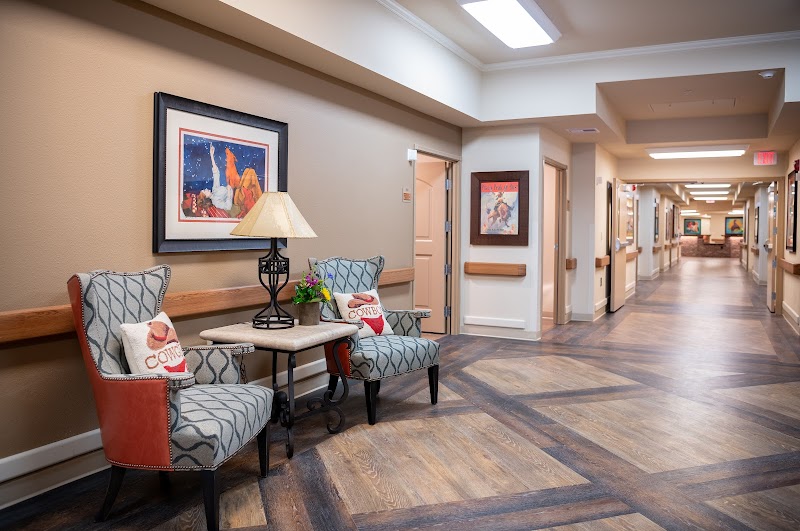
How is Princeton Medical Lodge Staffed?

CMS rates PRINCETON MEDICAL LODGE's staffing level at 1 out of 5 stars, which is much below average compared to other nursing homes. Staff turnover is 41%, compared to the Texas average of 46%. This relatively stable workforce can support continuity of care.

What Have Inspectors Found at Princeton Medical Lodge?

State health inspectors documented 15 deficiencies at PRINCETON MEDICAL LODGE during 2022 to 2025. These included: 15 with potential for harm.
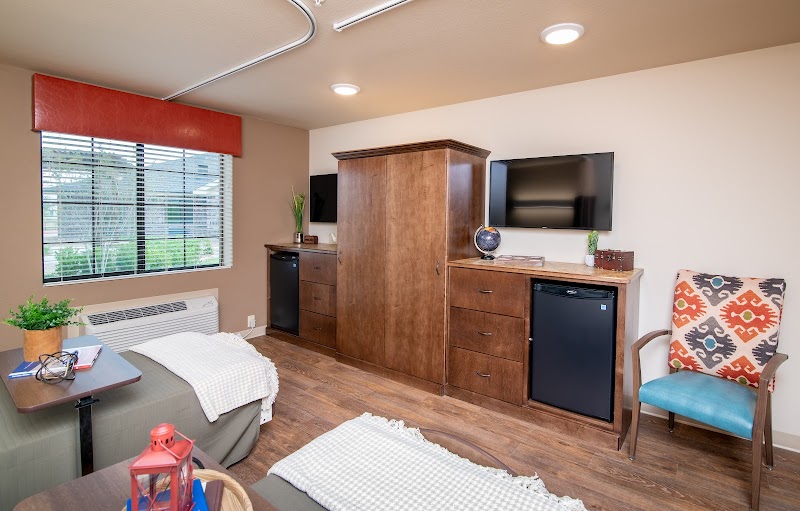
Who Owns and Operates Princeton Medical Lodge?

PRINCETON MEDICAL LODGE is owned by a government entity. Government-operated facilities are typically run by state, county, or municipal agencies. The facility is operated by FOURSQUARE HEALTHCARE, a chain that manages multiple nursing homes. With 138 certified beds and approximately 118 residents (about 86% occupancy), it is a mid-sized facility located in PRINCETON, Texas.
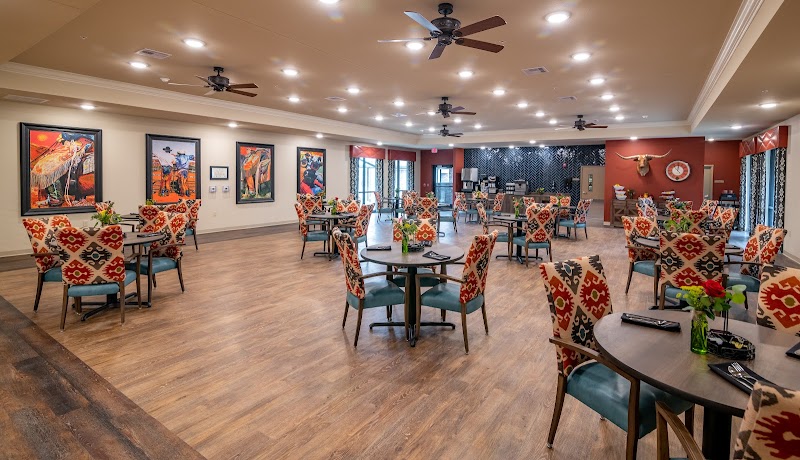
How Does Princeton Medical Lodge Compare to Other Texas Nursing Homes?

Compared to the 100 nursing homes in Texas, PRINCETON MEDICAL LODGE's overall rating (4 stars) is above the state average of 2.8, staff turnover (41%) is near the state average of 46%, and health inspection rating (5 stars) is much above the national benchmark.

What Should Families Ask When Visiting Princeton Medical Lodge?

Based on this facility's data, families visiting should ask: "Can you walk me through typical staffing levels on day, evening, and night shifts?" "Can I visit during a mealtime to observe dining assistance and food quality?" "How do you handle medical emergencies, and what is your hospital transfer rate?" "Can I speak with family members of current residents about their experience?" These questions are particularly relevant given the below-average staffing rating.

Is Princeton Medical Lodge Safe?

Based on CMS inspection data, PRINCETON MEDICAL LODGE has a clean safety record: no substantiated abuse findings (meaning no confirmed cases of resident harm), no Immediate Jeopardy citations (the most serious violation level indicating risk of serious injury or death), and is not on the Special Focus Facility watch list (a federal program monitoring the lowest-performing 1% of nursing homes). The facility has a 4-star overall rating and ranks #1 of 100 nursing homes in Texas. While no facility is perfect, families should still ask about staff-to-resident ratios and recent inspection results during their visit.

Do Nurses at Princeton Medical Lodge Stick Around?

PRINCETON MEDICAL LODGE has a staff turnover rate of 41%, which is about average for Texas nursing homes (state average: 46%). Moderate turnover is common in nursing homes, but families should still ask about staff tenure and how the facility maintains care continuity when employees leave.

Was Princeton Medical Lodge Ever Fined?

PRINCETON MEDICAL LODGE has no federal fines on record. CMS issues fines when nursing homes fail to meet care standards or don't correct problems found during inspections. The absence of fines suggests the facility has either maintained compliance or corrected any issues before penalties were assessed. This is a positive indicator, though families should still review recent inspection reports for the full picture.

Is Princeton Medical Lodge on Any Federal Watch List?

PRINCETON MEDICAL LODGE is not on any federal watch list. The most significant is the Special Focus Facility (SFF) program, which identifies the bottom 1% of nursing homes nationally based on persistent, serious quality problems. Not being on this list means the facility has avoided the pattern of deficiencies that triggers enhanced federal oversight. This is a positive indicator, though families should still review the facility's inspection history directly.