ARAPAHO REHABILITATION AND CARE CENTER
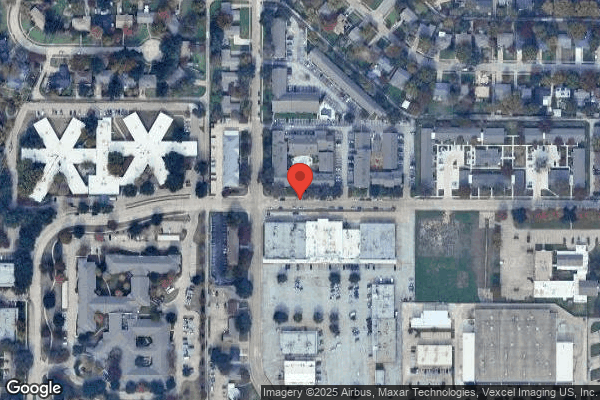
1111 ROCKINGHAM DR, RICHARDSON, TX 75080 (972) 231-8833
Government - Hospital district 280 Beds Independent Data: November 2025 2 Immediate Jeopardy citations
Trust Grade
6/100
#912 of 1168 in TX
Last Inspection: December 2024

Within standard 12-15 month inspection cycle. Federal law requires annual inspections.

Overview

Arapaho Rehabilitation and Care Center received a Trust Grade of F, indicating significant concerns about the quality of care provided. With a state rank of #912 out of 1168, they fall in the bottom half of Texas facilities, and #66 out of 83 in Dallas County means there are only 17 local options that are worse. The facility's trend is improving, with the number of issues decreasing from 11 in 2024 to 9 in 2025, but they still reported 42 total deficiencies, including two critical ones related to inadequate care planning and supervision for a resident with wandering behavior. Staffing is a strength with a 0% turnover rate, suggesting a stable workforce, but the overall star rating of 1/5 and $58,331 in fines indicate ongoing compliance problems. Specific incidents, such as failing to update care plans for residents at risk of elopement and providing a safe environment, highlight significant weaknesses that families should consider when making a decision.

Trust Score
F
6/100
In Texas
#912/1168
Bottom 22%
Safety Record
High Risk
Review needed
Inspections
Getting Better
11 → 9 violations
Staff Stability
○ Average
Turnover data not reported for this facility.
Penalties
✓ Good
$58,331 in fines. Lower than most Texas facilities. Relatively clean record.
Skilled Nurses
⚠ Watch
Each resident gets only 18 minutes of Registered Nurse (RN) attention daily — below average for Texas. Fewer RN minutes means fewer trained eyes watching for problems.
Violations
⚠ Watch
42 deficiencies on record. Higher than average. Multiple issues found across inspections.
★☆☆☆☆
1.0
Overall Rating
★☆☆☆☆
1.0
Staff Levels
★★★★☆
4.0
Care Quality
★★☆☆☆
2.0
Inspection Score
Stable
2024: 11 issues
2025: 9 issues

The Good

  • 4-Star Quality Measures · Strong clinical quality outcomes
  • Full Sprinkler Coverage · Fire safety systems throughout facility
  • No fines on record

Facility shows strength in quality measures, fire safety.

The Bad

1-Star Overall Rating

Below Texas average (2.8)

Significant quality concerns identified by CMS

Federal Fines: $58,331

Above median ($33,413)

Moderate penalties - review what triggered them

The Ugly 42 deficiencies on record

2 life-threatening
Jun 2025 5 deficiencies
CONCERN (D) 📢 Someone Reported This

A family member, employee, or ombudsman was alarmed enough to file a formal complaint

Potential for Harm - no one hurt, but risky conditions existed

Deficiency F0558 (Tag F0558)

Could have caused harm · This affected 1 resident

**NOTE- TERMS IN BRACKETS HAVE BEEN EDITED TO PROTECT CONFIDENTIALITY** Based on observations, interviews, and record review, the facility failed to ensure the right to reside and receive services in ...

Read full inspector narrative →
**NOTE- TERMS IN BRACKETS HAVE BEEN EDITED TO PROTECT CONFIDENTIALITY** Based on observations, interviews, and record review, the facility failed to ensure the right to reside and receive services in the facility with reasonable accommodation of resident needs and preferences for one (Resident #3) of ten residents reviewed for reasonable accommodation of needs. The facility failed to ensure the call light system in Resident #3's room was in a position that was accessible to the resident on 06/17/2025. This failure could place the residents at risk of being unable to obtain assistance when needed and help in the event of an emergency. Findings included: Record review of Resident #3's Face Sheet, dated 06/17/2025, reflected a [AGE] year-old female admitted to the facility on [DATE]. The resident was diagnosed with paraplegia (paralysis of the legs and lower part of the body) and weakness. Record review of Resident #3's Quarterly MDS (assessment used to determine functional capabilities and health needs) Assessment, dated 05/14/2025, reflected the resident had a severe impairment in cognition with a BIMS (screening tool used to assess cognitive status) score of 03 (requires significant assistance and support in daily life). The Quarterly MDS Assessment indicated the resident was dependent on staff for personal hygiene, transfer, and bed mobility. Record review of Resident #3's Comprehensive Care Plan, dated 04/29/2025, reflected the resident was at risk for falls and one of the interventions was to be sure the resident's call light was within reach. Observation on 06/17/2025 at 9:46 AM revealed Resident #3 was in her bed with her eyes closed. It was observed that the cord of the resident's call light was hanging on the mounting bracket of a lamp attached on the wall by the head of the resident. The call light was not within the reach of the resident. Observation and interview on 06/17/2025 at 9:53 AM, LVN A stated the call light should be with the resident at all times in cases like the resident needing assistance or needing something from the nurse. She went inside the room and saw the Resident #3's call light was hanging on the wall. She took the call light from the wall and placed it where the resident could reach it. She said she did not notice the call light was not with the resident when she did her rounds. She said the CNA on the hall changed her and maybe forgot to place back the call light after she was done. In an interview on 06/17/2025 at 11:38 AM, the ADON stated the call lights were important and should always be with the residents in case they needed assistance or help. She said whenever a staff was done with their treatment or care, they needed to make sure the call lights were with the residents before leaving the room. She said the call lights were for all residents, independent or dependent, and all the staff were responsible in making sure the call lights were with the residents. She said she would coordinate with the DON to do an in-service about call light placement. In an interview on 06/17/2026 at 12:21 PM, the DON stated call lights were used by the residents to call the staff. Some residents were bed bound and could not get up to call the staff. She said, even for the residents that could get up, the call lights should still be with them because they might be having medical issues and nobody would know. The DON said all the staff were responsible for the call lights. The DON said the expectation was for the staff to scan the residents' room when they did their rounds and ensure the call lights were within reach of the residents before they leave the room. The DON said she would initiate an in-service regarding call light placement. In an interview on 06/17/2025 at 12:58 PM, CNA C stated she call lights should be with the residents at all times so they could call the staff if they needed to. She said she did not notice that Resident #3's call light was not with her during her initial rounds or when she was done changing her. She said call lights should be with the residents so they could call the staff if they needed something. She said staff should make sure the call lights were within reach of the residents before they leave the room so that the needs of the residents could be addressed and also to prevent falls. In an interview on 06/17/2025 at 1:20 PM, the Administrator stated the call lights were used by the residents to call the staff if they needed something or assistance. She said staff should make sure the call lights were with the residents before leaving the room. She said if they needed to hang the call light when they were changing the residents or making the bed, they needed to make sure they would place the call lights where the residents could reach them before leaving the room. She said she would coordinate with the DON about the issue regarding call lights. Record review of the facility's policy Call Lights: Accessibility and Timely Response Policy revised 05/16/2025 revealed Policy: The purpose of this policy is to assure the facility is adequately equipped with a call light at each residents' bedside . to allow residents to call for assistance . 5. Staff will ensure the call light is within reach of resident and secured.
CONCERN (D) 📢 Someone Reported This

A family member, employee, or ombudsman was alarmed enough to file a formal complaint

Potential for Harm - no one hurt, but risky conditions existed

Deficiency F0583 (Tag F0583)

Could have caused harm · This affected 1 resident

**NOTE- TERMS IN BRACKETS HAVE BEEN EDITED TO PROTECT CONFIDENTIALITY** Based on observation, interview, and record review, the facility failed to secure confidential and personal medical records for ...

Read full inspector narrative →
**NOTE- TERMS IN BRACKETS HAVE BEEN EDITED TO PROTECT CONFIDENTIALITY** Based on observation, interview, and record review, the facility failed to secure confidential and personal medical records for one (Residents #4) of one resident reviewed for privacy and confidentiality. The facility failed to ensure LVN A closed, locked, or minimized her laptop's monitor when she left her cart on 06/17/2025 and Resident #4's medical information was visible. This failure could place the residents at risk of exposure of their personal and medical information to unauthorized individuals. Findings included: Record review of Resident #4's Face Sheet, dated 06/17/2025, reflected the resident was a [AGE] year-old male admitted to the facility on [DATE]. The resident was diagnosed with neuromuscular dysfunction of the bladder (the muscles and nerves that control the bladder do not work properly due to illness). Record review of Resident #4's Comprehensive MDS Assessment, dated 03/14/2025, reflected the resident had a severe impairment in cognition with a BIMS score of 00 (requires significant assistance and support in daily life). The Comprehensive MDS Assessment indicated the resident had an indwelling catheter (a thin, flexible tube inserted in the bladder to allow the urine to flow in the catheter bag). Record review of Resident #4'd Comprehensive Care Plan, dated 03/14/2025, reflected the resident had a suprapubic catheter (device inserted into the stomach to the bladder to drain urine) and one of the interventions was to change the catheter as ordered. Record review of Resident #4's Physician's Order, dated 12/10/2024, reflected Change Suprapubic Cath 18 Fr (unit of measurement for catheter sizes), 10 cc bulb DX: Neurogenic Bladder (the normal bladder function is disrupted due to nerve damage) 10th of every month. Record review of Resident #4's Progress Notes, dated 06/16/2025, reflected Resdt returned from hospital @ about 0130 hrs with a new s/pubic cath in place, no new orders. NP . for Dr . facility DON and ADON notified, resdt is his own responsible party. Presently, resdt is in bed resting peacefully, stable, denies pain, completed ADL, HOB up 35 degrees, S/pubic cath patent and draining urine, call light in place, will cont monitor. Observation and interview on 06/17/2025 at 10:06 AM revealed LVN A said she would get an Oxygen in Use for one of the residents. She left her cart and went to get the sign. She left her computer open and the monitor of the computer displayed Resident #4's name, his recent re-admission to the facility, that the resident had a suprapubic catheter, was stable, and was denying pain. She returned to her cart and saw some information about the resident was visible. She said she locked her screen before leaving but failed to notice that documentation from the previous shift was still not closed. She said she should have closed her computer before leaving her computer and made sure no information about any resident was visible. She said it was a HIPAA violation because other individuals that were not part of her care might see the information that were supposed to be confidential. In an interview on 06/17/2025 at 11:38 AM, the ADON stated the staff should close the computer or minimize the monitor before leaving the cart unattended. She said the resident's information was confidential and should not be seen by unauthorized individuals. She said some residents might be embarrassed that others would know they had such sickness or was taking a certain type of medication. She said she would collaborate with the DON about the issue on privacy and confidentiality. In an interview on 06/17/2026 at 12:21 PM, the DON stated medical information about a resident should only be seen by authorized individuals caring for the resident like the residents themselves, their responsible party, medical doctor, and nurses. She said the health information of the residents should be protected and could not be shared without the permission of the resident or the resident's responsible party. She said all the staff with access to the residents' profile were expected to provide full privacy and confidentiality of the residents' information. The DON stated the failure to not protect the resident's information could cause poor self-esteem and embarrassment for the resident. The DON stated she would start an in-service about privacy and confidentiality of the residents' information. In an interview on 06/17/2025 at 1:20 PM, the Administrator stated the staff must be careful that everytime they leave their carts, their computer was minimized or locked and make sure the residents' information were not exposed because they were confidential and it was a HIPAA violation when unauthorized individuals could read them or have access to them. She said the expectation was for all the staff to make sure the resident's information were protected. She said she would collaborate with the DON to do an in-service about privacy and confidentiality. Record review of facility's policy, Resident Rights undated revealed Policy Statement: Employees shall treat all residents with kindness, respect, and dignity . Policy Interpretation and Implementation .1. Federal and state laws guarantee certain basic rights to all residents of this facility . t. privacy and confidentiality . 3. The unauthorized release, access, or disclosure of resident information is prohibited.
CONCERN (D) 📢 Someone Reported This

A family member, employee, or ombudsman was alarmed enough to file a formal complaint

Potential for Harm - no one hurt, but risky conditions existed

Tube Feeding (Tag F0693)

Could have caused harm · This affected 1 resident

**NOTE- TERMS IN BRACKETS HAVE BEEN EDITED TO PROTECT CONFIDENTIALITY** Based on observation, interview and record review, the facility failed to provide appropriate treatment and services to prevent ...

Read full inspector narrative →
**NOTE- TERMS IN BRACKETS HAVE BEEN EDITED TO PROTECT CONFIDENTIALITY** Based on observation, interview and record review, the facility failed to provide appropriate treatment and services to prevent complications of enteral feeding for one (Resident #3) of one resident reviewed for feeding tube (a way of providing nutrition directly to the stomach). The facility failed to ensure that Resident #3's, who had a g-tube (gastrostomy tube: a tube inserted through the abdomen that delivers nutrition directly to the stomach), head of the bed was raised on 06/17/2025. This failure could place residents with g-tubes at risk for reflux and aspiration. Findings included: Record review of Resident #3's Face Sheet dated 06/17/2025, reflected a [AGE] year-old female admitted to the facility on [DATE]. The resident was diagnosed with dysphagia (difficulty in swallowing). Record review of Resident #3's Comprehensive MDS Assessment, dated 05/14/2025, reflected the resident had a severe impairment in cognition with a BIMS score of 03. The Comprehensive MDS Assessment indicated the resident had a feeding tube. Record review of Resident #3's Comprehensive Care Plan, dated 04/26/2025, reflected the resident required tube feeding and one of the interventions was the resident needed the head of the bed elevated at 45 degrees. The Comprehensive Care Plan did not indicate that the resident refused to elevate the head of the bed. Record review of Resident #3's Physician's Order, dated 04/03/2025, reflected Enteral Feed: Elevate head of bed 30-45 degrees during feeding & for 30-45 minutes after every shift related to GASTROSTOMY STATUS (having done a surgical procedure that creates artificial opening into the stomach to provide nutritional support). Observation on 06/17/2025 at 9:46 AM revealed Resident #3 was in her bed with her eyes closed. It was observed that the resident had a bottle of formula for feeding tube at the bedside table. It was also observed that the resident was lying flat. Observation and interview on 06/17/2025 at 9:53 AM, LVN A stated Resident #3 had a g-tube and she should not be lying flat. She raised the resident's head of the bed and said the purpose of raising the head of the bed was to prevent the possibility of aspiration. It was observed that when LVN A raised the head of the bed, the resident did not complain of any pain or discomfort. She said the CNA on the hall changed her and maybe forgot to raise the head of the bed after she was done. She also said she did not know when was the last time the resident was given here bolus feeding. In an interview on 06/17/2025 at 11:38 AM, the ADON stated the head of the bed should be elevated for residents with g-tube because of the risk of aspiration. She said raising the head of the should be implemented specially during feeding and medication administration and several minutes thereafter. She said the best practice was to always raise the head of the bed when the residents were in their bed to be sure there were no harm inflicted to the resident. She said she would coordinate with the DON to do an in-service about care of residents with g-tube. In an interview on 06/17/2025 at 12:21 PM, the DON stated the head of the bed of residents with a g-tube should always be elevated to prevent aspiration. She said the expectation was for the staff to make sure the head of the bed was raised after feeding, medication administration, and incontinent care. She said she would initiate an in-service regarding raising the head of the bed of a resident with g-tube. In an interview on 06/17/2025 at 12:58 PM, CNA C stated she did change Resident #3 but did not make sure the head of the bed was raised when she was done. She said the nurses would remind them to raise the head of the bed of residents with a g-tube. She said for Resident #3, the resident did not want her head of the bed raised and would complain that her back hurts. Observation and interview on 06/17/2025 at 1:12 PM, revealed Resident #3 was in her bed, awake. She said she was doing alright and was not in any sort of pain. It was observed that the resident's head of the bed was raised approximately 30 degrees and there were no non-verbal indications that the resident was in pain due to the raised head of the bed. In an interview on 06/17/2025 at 1:20 PM, the Administrator stated she was a nurse and knew that the head of the bed should be raised for residents with g-tube to prevent aspiration that could lead to aspiration pneumonia. She said staff should make sure the head of the bed of residents with g-tube were elevated. She said she would coordinate with the DON to do an in-service about g-tube care. Record review of the facility's policy Gastrostomy Site Care Policy revised 05/02/2025 revealed Policy: It is the policy of this facility to perform gastrostomy site care as ordered and per current standards of practice . Policy Explanation and Compliance Guidelines . 22. Reposition the resident to appropriate position.
CONCERN (D) 📢 Someone Reported This

A family member, employee, or ombudsman was alarmed enough to file a formal complaint

Potential for Harm - no one hurt, but risky conditions existed

Respiratory Care (Tag F0695)

Could have caused harm · This affected 1 resident

**NOTE- TERMS IN BRACKETS HAVE BEEN EDITED TO PROTECT CONFIDENTIALITY** Based on observations, interviews, and record review the facility failed to ensure that residents, who needed respiratory care, ...

Read full inspector narrative →
**NOTE- TERMS IN BRACKETS HAVE BEEN EDITED TO PROTECT CONFIDENTIALITY** Based on observations, interviews, and record review the facility failed to ensure that residents, who needed respiratory care, were provided such care consistent with professional standards of practice, the comprehensive person-centered care plan, and the residents' goals and preferences for six (Residents #1 and #2) of six residents reviewed for respiratory care. 1. The facility failed to ensure Resident #1's breathing mask (used to receive medications by breathing in mist through nose and mouth) was properly stored when not in use on 06/17/2025. 2. The facility failed to ensure an Oxygen in Use sign was placed outside of Resident #2's room when she was admitted to the facility on [DATE]. These failures could place residents at risk for respiratory infection and not having their respiratory needs met. Findings included: 1. Record review of Resident #1's Face Sheet, dated 06/17/2025, reflected a [AGE] year-old male who was admitted to the facility on [DATE]. The resident was diagnosed with respiratory failure (condition where there is no enough oxygen in the body or too much carbon dioxide in the body) and chronic obstructive pulmonary disease (a chronic inflammatory lung disease that causes obstructed airflow from the lungs). Record review of Resident #1's Comprehensive MDS Assessment, dated 03/25/2025, reflected the resident was cognitively intact with a BIMS score of 15 (capable of normal cognition and needs little support). The Comprehensive MDS Assessment indicated the resident respiratory failure and chronic obstructive pulmonary disease. Record review of Resident #1's Comprehensive Care Plan, dated 05/07/2025, reflected the resident had altered respiratory status and one of the interventions was to administer medications/puffers as ordered. Record review of Resident #1's Physician's Order, dated 03/19/2025, reflected Ipratropium-Albuterol Inhalation Solution 0.5-2.5 (3) MG/3ML (Ipratropium-Albuterol) 1 vial inhale orally every 4 hours for SOB while awake. Observation and interview on 06/17/2025 at 9:35 AM revealed Resident #1 was in bed, awake. It was observed that the resident had a nebulizer on top of his side table. A breathing mask was attached to the nebulizer and the breathing mask was not bagged. The resident said, when his breathing treatment was done, the nurse would take it off. He said he did not know where the nurse would put his mask after it was taken off. In an interview and observation on 06/17/2025 at 9:43 AM, LVN A stated Resident #1 was on breathing treatment due to his shortness of breath. She said she did not notice that his breathing mask was not bagged when she made her morning rounds. She said the breathing mask should be bagged to prevent respiratory infections and inhaling small particles that could lodge to the lungs. She said she would get a new breathing mask for the resident and would ensure it was bagged always. She disconnected the breathing mask and threw it in the trash can. 2. Record review of Resident #2's Face Sheet, dated 06/17/2025, reflected a [AGE] year-old female admitted on [DATE]. The resident was diagnosed with respiratory failure (condition where there is not enough oxygen in the body or too much carbon dioxide in the body). Record review of Resident #2's Baseline Care Plan, dated 06/17/2025, reflected the resident was at risk for impaired gas exchange related to respiratory failure and one of the interventions was to administer supplemental oxygen. Record review of Resident #193's Physician's Order, dated 06/17/2025, reflected On continuous oxygen 3 liters per minute for respiratory failure every shift. Record review of Resident #193's Progress Notes, dated 06/17/2025, reflected RESDT ON F/U NEW ADMT . O2 @ 3L/MIN VIA TRACH (is an opening surgically created through the neck into the trachea (windpipe) to allow air to fill the lungs) IN PROGRESS. Observation on 06/17/2025 at 10:01 AM revealed Resident #2 was in her bed with her eyes closed. It was observed that the resident was on oxygen therapy via tracheostomy. It was also observed that there was no Oxygen in Use sign outside the resident's room. Observation and interview on 06/17/2025 at 10:06 AM, LVN A stated Resident #2 was admitted on [DATE]. She said she started with the resident's admission process and was continued by the incoming nurse. She said the resident was on oxygen when she came to the facility but she did not put a sign outside the room. She said she would get a sign and would put it outside the resident's door. She said the purpose of the sign was to make everybody aware that oxygen was being used in the facility. In an interview on 06/17/2025 at 11:38 AM, the ADON stated the breathing masks used for breathing treatments should be stored properly inside a plastic bag if the residents were not using them. She said the staff were responsible for ensuring all the breathing masks were clean every time the residents used them. She said the expectation was for the staff to be mindful and bag all of them to prevent respiratory issues. She said another expectation was for the staff to check if there was an Oxygen in Use sign outside the door of residents that were using oxygen. She said the sign for oxygen use was to remind the staff and visitors to be careful not to cause any ignition that could cause explosion. She said she would coordinate with the DON to do an in-service regarding bagging the breathing mask and putting a sign outside the door of residents using oxygen. In an interview on 06/17/2026 at 12:21 PM, the DON stated the breathing masks should be in a plastic bag to prevent cross contamination and respiratory infection. She also said that if a resident was using oxygen, there should be an Oxygen in Use sign outside the resident's door so the staff and the visitors were aware that oxygen was being used in the facility. She said she would start an in-service pertaining to bagging the breathing mask and putting an Oxygen in Use outside the door. In an interview on 06/17/2025 at 1:20 PM, the Administrator stated everything used for the resident should be kept clean to prevent cross contamination and respiratory infection. She said there should be a sign outside the door if a resident was using oxygen so everyone would be aware that there was oxygen being used in the facility. she said she would coordinate with the DON to educate the staff about bagging the breathing mask as well as placing a sign outside the residents' room if the resident was using oxygen. Record review of the facility policy Oxygen Administration 2001 MED-PASS revised October 2010 revealed Purpose: The purpose of this procedure is to provide guidelines for safe oxygen administration . Steps in the Procedure . 2. Place an Oxygen in Use sign on the outside of the room entrance door. The facility's policy for bagging the breathing mask requested on 06/17/2025 at 1:07 PM but was not provided prior to exit.
CONCERN (D) 📢 Someone Reported This

A family member, employee, or ombudsman was alarmed enough to file a formal complaint

Potential for Harm - no one hurt, but risky conditions existed

Deficiency F0761 (Tag F0761)

Could have caused harm · This affected 1 resident

Based on observations, interviews, and record review, the facility failed to ensure that drugs and biologicals were stored properly in locked compartments for one medication (wound cleanser solution) ...

Read full inspector narrative →
Based on observations, interviews, and record review, the facility failed to ensure that drugs and biologicals were stored properly in locked compartments for one medication (wound cleanser solution) of one medication reviewed for storage of drugs and biologicals. The facility failed to ensure that the wound cleanser solution was not left inside Resident #3's bedside. This failure could place the residents at risk of accidental consumption or misuse of medications. Findings included: Observation on 06/17/2025 at 9:46 AM revealed Resident #3 was in her bed with her eyes closed. It was observed that there was a bottle of wound cleanser solution on the resident's bedside table. Observation and interview on 06/17/2025 at 9:53 AM, LVN A said the wound cleanser was not supposed to be inside any resident's room. She said she did not notice the wound cleanser inside Resident #3's room when she did her morning rounds. She said she did not know who left the wound cleanser and if it was used for the resident because as far as she knew the resident did not have any wounds that needed cleansing. She said it should not be on the resident's bedside table because the resident might accidentally drink it or confused resident saw it, took it from the bedside table, and drink it. She took the wound cleanser solution and said she would put it inside the treatment cart. In an interview on 06/17/2025 at 10:15 AM, the Wound Care Nurse stated she did not leave the wound cleanser on Resident #3's bedside table. She said the resident did not have any wound that was why she was wondering what the wound cleanser was doing inside the resident's room. She said the wound cleanser was a form of medication and should be inside the treatment cart after using it because residents might unintentionally drink it. In an interview on 06/17/2025 at 11:38 AM, the ADON stated there should be no medications inside the residents' rooms and the wound cleanser solution is a form of medications. She said it contained chemicals that could cause adverse reactions such as allergic reactions, skin irritation, and swelling. She said it was left on the table and was accessible to the Resident #3. She said it could be accidently ingested, drank, or applied to the skin. She said she would coordinate with the DON to do an in-service about medication storage. In an interview on 06/17/2026 at 12:21 PM, the DON stated the wound cleanser was a form of medication because it was used for medical treatments. She said the wound cleanser promoted healing and contained specialized solution designed for different types of wounds. She said it should be in the treatment cart when not in use and not inside the resident's room and at the beside for that matter. She said there could be adverse reactions especially if the solution had chemicals in it. she said she would find out who left the solution at Resident #3's bedside table. She said the expectation was no medications would be inside the residents' rooms. She said she would do an in-service about medication storage. In an interview on 06/17/2025 at 1:20 PM, the Administrator stated all medications used for wound treatment should be in the cart and not inside the residents' room. She said leaving the wound cleanser solution inside the resident's room could result to accidental consumption. She said the expectation was for the staff to make sure no medications were inside the room or were easily accessible to other residents and visitors. She said she would coordinate with the DON so the issue would not happen again. Record review of facility policy, Storage of Medications 2001 Med-Pass, Inc. revised April 2021 revealed: Policy Statement: The facility shall store all drugs and biologicals in a safe, secure, and orderly manner . Policy Interpretation and Implementation . 6. Antiseptics, disinfectants, and germicides used in any aspect of resident care . shall be stored separately from regular medications.
Mar 2025 1 deficiency
CONCERN (D) 📢 Someone Reported This

A family member, employee, or ombudsman was alarmed enough to file a formal complaint

Potential for Harm - no one hurt, but risky conditions existed

PASARR Coordination (Tag F0644)

Could have caused harm · This affected 1 resident

**NOTE- TERMS IN BRACKETS HAVE BEEN EDITED TO PROTECT CONFIDENTIALITY** Based on interviews and record reviews, the facility failed to coordinate assessments with the pre-admission screening and resid...

Read full inspector narrative →
**NOTE- TERMS IN BRACKETS HAVE BEEN EDITED TO PROTECT CONFIDENTIALITY** Based on interviews and record reviews, the facility failed to coordinate assessments with the pre-admission screening and resident review (PASRR) to the maximum extent practicable for 1 (Resident #1) of 2 residents reviewed for PASRR. The facility failed to follow up with more information request after receiving notification from PASRR between 11/25/2024 and 12/01/2024, which led to a denial of physical therapy services for Resident #1. This failure could place all residents identified as mentally, intellectually and/or developmentally disabled at risk of not receiving specialized services and equipment to meet their needs. Findings included: Review of Resident #1's Face Sheet dated 03/25/2025 at 2:24 PM revealed she was a [AGE] year-old female re-admitted from an acute care hospital on [DATE]. Relevant diagnoses included quadriplegia (loss of function of all four limbs,) unspecified intellectual disabilities, paranoid personality disorder, cognitive communication deficit, major depressive disorder, and urinary and kidney disorders and dysfunction. Review of Resident #1's Minimum Data Set (MDS) dated [DATE] revealed she had moderate cognitive impairment with a Brief Interview of Mental Status (BIMS) score of 11. She had impairments in both upper and lower extremities, required a wheelchair for mobility, and was dependent upon staff for hygiene, shower/bathing, and other activity of daily living (ADL) activities. She had an indwelling catheter for urinary management and was always incontinent of bowel. Record review of Resident #1's physician orders revealed: Skilled [Occupational Therapy] services for three days a week . dated 12/16/2025. Initial [Physical Therapy] evaluation and treatment diagnoses completed. [Physical Therapy] clarification order for five days a week for four weeks . dated 03/17/2025. Record review of Texas Medicaid & Healthcare Partnership's (TMHP) letter, dated 11/26/2024 revealed Resident #1 was approved for occupational therapy services, but physical therapy services for Resident #1 were under review. Record review of Facility's [PASRR document submittal database] provided by MDS Nurse, dated 03/25/2025, revealed on 11/25/2024 at 11:58 AM TMHP: The therapist's name submitted on the attached signature page does not match the name that was entered on the NFSS Form. Correct the therapists name, submit the corrected signature sheet, and set the status back to Pending State Review before 12/1/24 to avoid a system-generated denial. Record review of Texas Medicaid & Healthcare Partnership's (TMHP) letter addressed to Resident #1, dated 12/03/2024 revealed Resident #1 was denied for physical therapy services because we need more information to review your request. We did not receive the information by the deadline . In interview on 03/25/2025 at 1:45 PM Resident #1 was not certain of the services she was received for PASRR. In interview with facility's Social Services on 03/25/2025 at 2:05 PM, she stated Resident #1 was PASRR positive and was doing well. She stated she was approved for occupational therapy and received those services, but for physical therapy, [TMHP] required more information. She was not knowledgeable of any further details and stated she had not seen the denial letter. She stated it was facility's MDS nurse's responsibility to coordinate this request and was not aware of the denial letter sent to the facility on [DATE]. In interview with facility's (Minimum Data Set) MDS nurse on 03/25/2025 at 2:26 PM, she stated she was aware that Resident #1 was denied for occupational therapy services in December 2024 pending more information. She stated TMHP requested information from the therapy department and that the (Director of Rehabilitation) DOR was addressing that request . She stated it was her responsibility to coordinate PASRR services for the residents in the building and delegated this specific task to the DOR to do to completion. In interview with facility's (Director of Rehabilitation) DOR on 03/25/2025 at 2:29 PM, she stated that Resident #1 currently functioned at her baseline and was doing well. She stated it was the MDS nurse's responsibility to coordinate PASRR concerns, and the follow up with Resident #1 to TMHP was delegated to her to complete. She stated she followed up on TMHP's request for more information for Resident #1 but could not provide any documentation for review. She stated she could not explain for the delay in care, treatment, and services at this time. In interview with facility's (Director of Nursing) DON on 03/25/2025 at 4:11 PM, she stated she was not aware of the lapse in Resident #1's PASRR services and care. She stated it should have been followed up on and she should have received services in a timely manner. She stated it was the facility's Social Services director's responsibility to coordinate PASRR services for the residents at the facility, but she has been out on leave a lot recently and it's been a shared responsibility, with the bulk of the responsibility with MDS nurse. She stated it was important for the facility to complete, coordinate, and follow up with PASRR to the maximum extent possible to ensure the residents at her facility reach their full potential and were not at risk for decline. In interview during exit conference with facility's DON on 03/25/2025 at 5:00 PM, opportunity to provide any and all relevant documents for review related to the investigation was provided and no additional information or documentation was given. Review of facility policy, admission Criteria rev. 03/2019, revealed 9. All new admissions and readmissions are screened for . [PASRR] . a. The facility conducts a Level I [PASRR] screen for all potential admissions . b. If the level I screen indicates that the individual may meet the criteria . he or she is referred to the state [PASRR] representative for the level II screening process . 2. The social worker is responsible for making referrals to the appropriate state-designated authority .
Feb 2025 2 deficiencies
CONCERN (D) 📢 Someone Reported This

A family member, employee, or ombudsman was alarmed enough to file a formal complaint

Potential for Harm - no one hurt, but risky conditions existed

Resident Rights (Tag F0550)

Could have caused harm · This affected 1 resident

**NOTE- TERMS IN BRACKETS HAVE BEEN EDITED TO PROTECT CONFIDENTIALITY** Based on observation, interview and record review the facility failed to ensure the resident had the right to be treated with re...

Read full inspector narrative →
**NOTE- TERMS IN BRACKETS HAVE BEEN EDITED TO PROTECT CONFIDENTIALITY** Based on observation, interview and record review the facility failed to ensure the resident had the right to be treated with respect and dignity for 1 of 4 residents (Resident #1) reviewed for dignity. The facility failed to ensure staff properly fed Resident #1 breakfast, while she was lying in bed. This deficient practice could place the resident at risk of not feeling as if they were being treated with dignity and respect while being fed. Findings include: Record review of Resident #1's face sheet, dated 02/19/25, revealed a 62 -year-old female who was admitted to the facility on [DATE]. Resident #1's relevant diagnoses included Cerebrovascular Disease (cognitive impairment), and contracture of muscle (shorten muscles). Record review of Resident #1's Minimum Data Set, dated [DATE] revealed she had a BIMS score of 12, which indicated cognitively intact and for ADL care it stated, For feeding, the resident required a one-person physical assist. Record review of Resident #1's Care plan, dated 01/25/25, revealed The resident requires extensive assistance by (1) staff to eat. Use plate guard with meals. In an observation on 02/18/25 at 08:20 AM, CNA S was observed standing up while feeding Resident #1 breakfast while the resident was lying in bed. CNA S was observed to be positioned higher than the resident and was not at eye level. In an interview on 02/18/25 at 08:22 AM, CNA S stated they were supposed to sit down and feed the residents at eye level. CNA S then proceeded to grab a chair and placed it alongside the resident to continue feeding the resident her breakfast. She stated it was a dignity concern. In an interview on 02/18/25 at 11:00 AM, the DON stated she spoke with CNA S about standing up while feeding Resident #1 her breakfast. She stated CNA S advised her because she was short and was close to eye level with the resident, she did not feel she needed to sit down to feed the resident. The DON stated staff were required to sit down, eye to eye with the residents while feeding them because it was a dignity concern. Record review of the facility's policy on Dignity, dated February 2021, revealed Each resident shall be cared for in a manner that promotes and enhances his or her sense of well-being, level of satisfaction with life, and feelings of self-worth and self-esteem.
CONCERN (E) 📢 Someone Reported This

A family member, employee, or ombudsman was alarmed enough to file a formal complaint

Potential for Harm - no one hurt, but risky conditions existed

Safe Environment (Tag F0584)

Could have caused harm · This affected multiple residents

**NOTE- TERMS IN BRACKETS HAVE BEEN EDITED TO PROTECT CONFIDENTIALITY** Based on observation, interview and record review the facility failed to ensure residents had the right to a safe, clean, comfor...

Read full inspector narrative →
**NOTE- TERMS IN BRACKETS HAVE BEEN EDITED TO PROTECT CONFIDENTIALITY** Based on observation, interview and record review the facility failed to ensure residents had the right to a safe, clean, comfortable, and homelike environment including but not limited to receiving treatment and supports for daily living safely for 4 of 6 resident rooms (room [ROOM NUMBER], #2, #3, and #4) and all the facility hall floors reviewed for environment. 1. The facility failed to ensure resident rooms #1, #2, #3, and #4 were thoroughly cleaned and sanitized. 2. The facility failed to ensure the facility hallway floors were cleaned and sanitized. These deficient practices could place residents at risk of living in an unclean and unsanitary environment which could lead to a decreased quality of life. Findings include: An observation on 02/18/25 at 08:19 AM of the facility hallways revealed large dark stains on the carpet areas and dark brown and black stains on the tiles, especially along the edges of the floor, near the walls. An observation on 02/18/25 at 08:20 AM of resident room [ROOM NUMBER] reflected the bathroom floor had dirty clothes on the floor under the sink. The bathroom floor had black stains under the sink and along the corners of the floor. The room floor had black stains all over it. An observation on 02/18/25 at 08:25 AM of resident room [ROOM NUMBER] reflected the floor had brown stains under a sink in the resident's room and along the corners of the floor. An observation on 02/18/25 at 08:33 AM of resident room [ROOM NUMBER] reflected white shredded papers and dirt between the resident bed and nightstand. The bathroom floor had black and brown stains, especially around the toilet and corners of the floor. The air condition unit had vents filled with black and brown debris. An observation on 02/18/25 at 08:33 AM of resident room [ROOM NUMBER] reflected the bathroom floor had back and brown stains, especially around the toilet and corners of the floor. The air condition unit had vents filled with black and brown debris and there was no filter observed. The resident's room floor had dark stains under the air condition unit and large [NAME] stains along the front of the bathroom door. In an interview on 02/19/25 at 12:00 PM, the Administrator was shown pictures of the concerns observed in the facility hallways and resident rooms #1, #2, #3, and #4. He stated the floors were old and their floor cleaning machine had broken down and was just recently repaired. He stated he agreed there was still an opportunity for them to do a better job cleaning. He stated the facility was scheduled for a revamp. He stated they planned to reconstruct one side of the facility and once they were done, they would move the residents to the newly rebuilt area and then work on the other side. He stated the project was scheduled to take 9 months. He stated this was the resident's home and it should be clean. In an interview on 02/19/25 at 02:00 PM, the Housekeeping Supervisor was shown the pictures of the concerns observed in the facility hallways and resident rooms #1, #2, #3, and #4. He stated the floors were old and not really stained. He was advised the floors observed were stained and were observed to be built up dirt that required extensive cleaning. He stated the risk for the residents was the facility was their home, and they should be in a safe and clean place. Record review of the facility's policy on Homelike Environment (February 2021) reflected Residents are provided with a safe, clean, comfortable and homelike environment and encouraged to use their personal belongings to the extent possible . 2. The facility staff and management maximize, to the extent possible, the characteristics of the facility that reflect a personalized, homelike setting. These characteristics include: a. clean, sanitary and orderly environment
Jan 2025 1 deficiency
CONCERN (D) 📢 Someone Reported This

A family member, employee, or ombudsman was alarmed enough to file a formal complaint

Potential for Harm - no one hurt, but risky conditions existed

Resident Rights (Tag F0550)

Could have caused harm · This affected 1 resident

**NOTE- TERMS IN BRACKETS HAVE BEEN EDITED TO PROTECT CONFIDENTIALITY** Based on observation, interview, and record review the facility failed to treat residents with respect and dignity for one (Resi...

Read full inspector narrative →
**NOTE- TERMS IN BRACKETS HAVE BEEN EDITED TO PROTECT CONFIDENTIALITY** Based on observation, interview, and record review the facility failed to treat residents with respect and dignity for one (Resident #1) of seven residents reviewed for resident rights. The facility failed to ensure LVN A did not stand over Resident #1 while assisting the resident with her meal in the dining room on 01/15/25. This failure could affect residents who require assistance with activities of daily living and place them at risk of feeling rushed to eat or not interested in eating, which could result in weight loss and decreased psycho-social well-being of anguish or frustration. The findings include: Review of Resident #1's admission MDS assessment dated [DATE] revealed a [AGE] year-old female who admitted [DATE] with a staff assessment BIMS score of 03 (Severely impaired). She had partial to moderate assist with eating and active diagnosis of other neurological conditions. She was diagnosed with anemia, hypertension, renal insufficiency, diabetes mellitus, thyroid disorder, malnutrition, and anxiety. And she had a mechanically altered and therapeutic diet and no issues with swallowing food and drinks. Review of Resident #1's Care Plan dated 10/18/24 and revised 10/18/24 revealed, The resident has an ADL self-care performance deficit Activity Intolerance, fatigue, impaired balance, limited mobility: Goals - The resident will maintain current level of ADL function Target Date: 03/26/2025 and interventions: Eating - The resident requires set up assist of (1) staff for eating. Care plan dated 10/30/24 revealed Resident #1 is dependent on staff for meeting emotional, intellectual, physical, and social needs, cognitive deficits, disease process (Specify), physical limitations. Goals: Resident #1 will show signs of enjoyment in activities thru next review Date Initiated: 10/30/2024 Revision on: 11/03/2024 Target Date: 03/26/2025. Interventions: The resident needs assistance with ADLs as required during the activity. Observation on 01/15/25 at 5:15 pm in the dining room, LVN A was standing at the dining room table next to Resident #1 who was sitting at the table in her wheelchair. There was 90% of Resident #1's macaroni noodle and meat meal on her plate and LVN A had a fork in her hand with food on it. LVN A lifted up the food and was telling Resident #1 she needed to eat her food and Resident #1 said she did not want to eat. LVN A said, You need to eat your food and Resident #1 said no. At 5:17 pm, LVN A put the fork down and walked behind Resident #1's wheelchair, grabbed the handles and took Resident #1 out of the dining room and to her room. Interview on 01/15/25 at 5:21 om, LVN A stated they were supposed to sit down to feed the residents. She said she initially sat down to feed Resident #1 and was only standing up next to Resident #1 because she was about to take her to her room. She stated she was not sure why she had the fork with food in her hand while she was standing next to Resident #1. Interview on 01/16/25 at 2:38 pm, RN B stated the CNA's and nurses were supposed to sit down when feeding the residents for the dignity of the residents. She stated they should not hover over the residents because she would not want someone standing over her like that. She stated standing over the residents could make the residents feel they were being forced or rushed to eat. She stated sitting while feeding the residents created more of a companionship with the residents and to also see better to ensure they were not swallowing the wrong way. Interview on 01/16/25 at 3:51 pm, the DON stated the staff should be feeding the residents sitting down at eye level with the residents. She stated sitting down while feeding the residents was good for the staff to see how the resident swallowed. She stated feeding the residents standing up was a dignity issue. She stated she was not aware of any staff standing up feeding the residents and added they just had an annual training on it last month to ensure they did the dining room processes properly. She stated that was way out of line that LVN A stood up while feeding Resident #1. She stated she would talk to LVN A about not doing that again. She stated LVN A should be encouraging Resident #1 to eat and that was not very inviting for the resident to want to eat if staff stood up to feed them. Interview on 01/16/25 at 4:14 pm, ADON C stated staff should feed the residents for comfortability. He stated looking down to the residents while feeding them could make the residents feel the staff really did not feel like feeding them but had to do it. Interview on 01/16/25 at 5:35 pm, the DON stated LVN A said she was getting ready to leave with Resident #1 and when the HHSC Surveyor was passing by, she was giving Resident #1 a few more bites. She stated she told LVN A she should always feed the residents sitting down and once completed feeding them, then stand up. She stated the ADON's, evening shift supervisor and weekend supervisor were responsible for ensuring the staff sat down to feed the residents. She stated overall she was responsible for ensuring the staff followed their feeding assistance policy. She stated her expectations was for the staff to be sitting down at eye level of the residents, to feed them. Record review of the facility's 1:1 Assistance with meals training with LVN A dated 01/16/25 revealed highlight of: 3. Residents who cannot feed themselves will be fed with attention to safety, comfort, and dignity, for example: a. not standing over residents while assisting, them with meals. Record review of the facility's Assistance with meals training with the nursing facility staff dated 01/16/25 revealed highlight of: 3. Residents who cannot feed themselves will be fed with attention to safety, comfort, and dignity, for example: a. not standing over residents while assisting, them with meals. Record Review of the Facility's Assistance with meals policy dated 2001 and revised March 2022 revealed, Assistance with Meals: Policy Statement Residents shall receive assistance with meals in a manner that meets the individual needs of each resident. Policy Interpretation and Implementation Dining Room Residents: 1. All residents will be encouraged to eat in the dining room. 2. Facility staff will serve resident trays and will help residents who require assistance with eating. 3. Residents who cannot feed themselves will be fed with attention to safety, comfort, and dignity, for example: a. not standing over residents while assisting, them with meals.
Dec 2024 4 deficiencies
CONCERN (D) 📢 Someone Reported This

A family member, employee, or ombudsman was alarmed enough to file a formal complaint

Potential for Harm - no one hurt, but risky conditions existed

Respiratory Care (Tag F0695)

Could have caused harm · This affected 1 resident

**NOTE- TERMS IN BRACKETS HAVE BEEN EDITED TO PROTECT CONFIDENTIALITY** Based on observation, interview, and record review the facility failed to ensure that residents, who needed respiratory care, we...

Read full inspector narrative →
**NOTE- TERMS IN BRACKETS HAVE BEEN EDITED TO PROTECT CONFIDENTIALITY** Based on observation, interview, and record review the facility failed to ensure that residents, who needed respiratory care, were provided such care consistent with professional standards of practice, the comprehensive person-centered care plan, and the residents' goals and preferences for 2 of 12 residents (Resident #49 and Resident #77) reviewed for Respiratory Care. 1. The facility failed to ensure Resident #49 had an order for oxygen administration. 2. The facility failed to ensure Resident #77's BiPAP (bilevel positive airway pressure - normalizes breathing by delivering pressurized air into the upper airway leading into the lungs) mask was properly stored. These failures could place residents at risk for respiratory infection and not having their respiratory needs met. Findings include: 1. Review of Resident #49's Face Sheet, dated 12/10/2024, reflected a [AGE] year-old female who initially admitted on [DATE] and the most recent admission date was 08/06/2023. Resident #49 admitted with chronic obstructive pulmonary disease (a chronic inflammatory lung disease that causes obstructed airflow from the lungs). Review of Resident #49's Quarterly MDS Assessment (tool used to measure health status), dated 10/17/2024, reflected intact cognition with a BIMS (screening tool to test cognition) score of 15, and resident was treated for chronic obstructive pulmonary disease. Review of Resident #49's Comprehensive Care Plan, dated 10/17/2024, reflected Resident is at risk for shortness of breath, respiratory distress, increased anxiety due to DX of COPD. One intervention was to Provide O2 as ordered and indicated. Date Initiated: 01/17/2023. Review of Resident #49's Physician's Order, dated 02/06/2023, reflected Oxygen tubing change weekly Label each component with date and initials. every night shift every Sun (Sunday) Label each component with date and initials. There was no order for Resident #49 to receive oxygen therapy. Observation and interview on 12/10/24 at 10:50 AM revealed Resident #49 lying in bed watching television. There was an oxygen concentrator on the floor next to the resident's bed. The concentrator was set at 2 liters per minute (amount of oxygen flow delivered into the nostrils over a period of one minute). Oxygen tubing was connected to the concentrator and stored in a plastic bag. The tubing was dated. Resident #49 stated she used the oxygen every night and had been receiving oxygen for quite a while. During an interview on 12/10/24 at 04:28 PM LPN G stated she works the evening shift and Resident #49 puts on oxygen each night at bedtime. She stated if the resident has been out walking in the facility and was out of breath, Resident #49 will put on oxygen when returning to her room. LPN G stated the oxygen concentrator was supposed to be set at 2 liters. LPN G opened Resident #49's electronic medical record and after viewing the orders stated Resident #49 did not have an order for oxygen. LPN G stated Resident #49 should have an order for oxygen in her chart. LPN G stated there was an order to change the oxygen tubing weekly that was initiated in March of 2024. LPN G stated it was necessary to have an order for oxygen. She stated staff cannot provide any treatment without a physician order. LPN G stated if you give too much oxygen that's not good for the resident. LPN G stated respiratory therapy and the physician determine what the resident's needs are and a nurse puts the prescribed order in the chart. LPN G stated, we have to make sure there is an order for every treatment we provide. During an interview on 12/10/24 at 04:40 PM, the DON stated that if a resident needs oxygen, the nurse contacts the physician for an order. She stated oxygen was a medication and we need an order to administer it. She stated she would make sure the nurses know an order for changing oxygen tubing did not supplement an order for oxygen administration. The DON stated she would make sure it was corrected and in-service staff regarding this. 2. Record review of Resident #77's Face Sheet, dated 12/11/2024, reflected a [AGE] year-old female who was admitted to the facility on [DATE]. Resident #77 had a diagnosis which included Chronic Obstructive Pulmonary Disease (a chronic inflammatory lung disease that causes obstructed airflow from the lungs) and sleep apnea (a sleep disorder where breathing is interrupted repeatedly during sleep). Record review of Resident #77's Quarterly MDS Assessment, dated 10/23/2024, reflected she was cognitively intact with a BIMS score of 15. The resident was on non-invasive mechanical ventilator. Record review of Resident #77's Comprehensive Care Plan, dated 09/06/2024, reflected the resident used BiPAP and one of the interventions was apply BiPAP ST Mode @ 18/8, rate 16, with full mask during hours of sleep. Remove BiPaP Q am. Record review of Resident #77's Physician Orders, dated 03/08/2024, reflected Apply BiPAP ST Mode @ 18/8, rate 16, with full mask during hours of sleep for dx of sleep apnea two times a day for sleep apnea. Record review of Resident #77's Physician Orders, dated 03/08/2024, reflected Remove Bi-Pap Q am in the morning for BiPaP care. Observation and interview with Resident #77 on 12/11/2024 at 7:49 AM revealed Resident #77 was on her electric wheelchair inside the room. It was observed that there was a BiPAP mask on the resident's side table. The BiPAP mask was not bagged. The resident said she used her BiPAP the night before. She said sometimes she would take it off but nobody told her to put it in a plastic bag and she was not given a bag for the BiPAP. She asked, Am I supposed to put it in a plastic bag? The resident propelled her wheelchair out of her room. Observation and interview with RN B on 12/11/2024 at 8:10 AM revealed RN B was about to check Resident #77's blood sugar. She prepared the things needed for blood sugar check, entered the room, and placed the things needed on the resident's overbed table. The overbed table was adjacent to the side table where the resident's BiPAP was. She did not notice that the BiPAP mask was not bagged. After the provision of care, RN B went out of the room and still did not notice that the BiPAP mask was not bagged. When asked if the resident was using BiPAP, RN B said Resident #77 would sometimes use the BiPAP and sometimes she would refuse to wear it. When asked where should the BiPAP mask be placed, RN B went inside the room and saw the BiPAP mask was not bagged. She said she would get a plastic bag, clean the BiPAP mask , and put it in the bag. She said it should be bagged to prevent cross contamination. She said she did not notice the unbagged mask when she did her round. She said even though the resident was the one taking it off, the staff should check if it was in a bag and if not put it in a bag. In an interview with ADON A on 12/11/2024 at 7:43 AM, ADON A stated the BiPAP mask should be bagged when the resident was not using it to prevent cross contamination and infection. She said the staff who take off the mask should put it in a bag. She said if the resident was the one taking it off, there should be a bag ready for them to put the mask in. She also said that the resident should be educated why the mask should be bagged. She said the expectation was for the staff to bag the BiPAP mask and double check if the BiPAP mask was bagged. She said she would do an in-service about respiratory care. In an interview with the DON on 12/11/2024 at 8:37 AM, the DON stated BiPAP mask should had been bagged and was not placed on top of the table. She said the mask should be bagged when not in use to prevent contact with dirty surfaces. She added the BiPAP mask should be cleaned before putting it inside the plastic bag. She said the expectation was for the staff to bag the BiPAP mask when not in use. She said if the resident was the one taking it off sometimes, the staff should check it and put it in a bag. She said they would do an in-service about respiratory care and would personally monitor if the staff were bagging the BiPAP mask when not in use. In an interview with RN F on 12/12/2024 at 6:29 AM, RN F stated she was the nurse for 10 PM to 6 AM for hall 300. She said most of the time, the resident would wake up early. She said the resident had an order for BiPAP but sometimes she refused to wear it. She said the BiPAP mask should be in a plastic bag to keep it clean. She said if the resident would wake up early and would take it off sometimes, she should monitor if the BiPAP mask was bagged. In an interview with VP of Clinical Operations on 12/12/2024 at 8:25 AM, the VP of Clinical Operations stated the BiPAP masks should be stored properly to prevent respiratory issues or exacerbation of whatever respiratory issues the residents already had. The Administrator said the expectation was for the staff to be mindful during their rounds and make sure the BiPAP masks were bagged. she said the DON already initiated an in-service about respiratory care. Record review of facility's policy Oxygen Administration, Revised October 2010, reflected Verify that there is a physician's order for this procedure. Review the physician's orders or facility protocol for oxygen administration. Record review of the facility's policy, Noninvasive Ventilation The Compliance Store, no revision date, reflected Policy: It is the policy of this facility to provide noninvasive ventilation as per physician's order . Compliance Guidelines . 7. Store mask when not in use via bagging.
CONCERN (D) 📢 Someone Reported This

A family member, employee, or ombudsman was alarmed enough to file a formal complaint

Potential for Harm - no one hurt, but risky conditions existed

Pharmacy Services (Tag F0755)

Could have caused harm · This affected 1 resident

**NOTE- TERMS IN BRACKETS HAVE BEEN EDITED TO PROTECT CONFIDENTIALITY** Based observation, interview, and record review, the facility failed to ensure that one of two (Resident #86) residents were pro...

Read full inspector narrative →
**NOTE- TERMS IN BRACKETS HAVE BEEN EDITED TO PROTECT CONFIDENTIALITY** Based observation, interview, and record review, the facility failed to ensure that one of two (Resident #86) residents were provided medications and/or biologicals and pharmaceutical services to meet their needs. The facility failed to ensure LPN C flushed the g-tube (a tube inserted through the abdomen that delivers nutrition directly to the stomach) before and after each medication on 12/10/2024. This failure could place the residents at risk of not receiving medications as ordered by the physician. Findings include: Record review of Resident #86's Face Sheet, dated 12/11/2024, reflected a [AGE] year-old male who was admitted to the facility on [DATE]. Resident #86 was diagnosed with gastrostomy (medical procedure where a tube is inserted into the stomach) status. Record review of Resident #86's Quarterly MDS Assessment, dated 11/22/2024, reflected the resident was unable to complete the interview to determine the BIMS score. The resident was on tube feeding (delivery of nutrition through a tube inserted in the stomach) while a resident of the facility. Record review of Resident #86's Quarterly Care Plan, dated 11/22/2024, reflected the resident required tube feeding (delivery of nutrition through a tube inserted in the stomach) for 100% nutrition and the interventions were to monitor signs and symptoms of tube dysfunction, distension, and dehydration. Record review of Resident #86's Physician Order, dated 12/06/2024, reflected every 4 hours Jevity 1.5 at bolus, give 1 cartoon (237cc) 6 times per day. Record review of Resident #86's Physician Order, dated 11/04/2024, reflected Norco Oral Tablet 5-325 MG (Hydrocodone-Acetaminophen) *Controlled Drug*. Give 1 tablet via G-Tube three times a day for pain related to PAIN, UNSPECIFIED. Record review of Resident #86's Physician Order, dated 11/04/2024, reflected clonazepam Oral Tablet 0.5 MG (Clonazepam) Controlled Drug. Give 1 tablet via G-Tube three times a day for anxiety related to ANXIETY DISORDER, UNSPECIFIED. Record review of Resident #86's Physician Order, dated 11/04/2024, reflected Risperdal Oral Tablet 2 MG (Risperidone). Give 1 tablet via G-Tube three times a day for SCHIZOPHRENIA related to SCHIZOPHRENIA, UNSPECIFIED. Record review of Resident #86's Physician Order, dated 11/04/2024, reflected Clonidine HCl Oral Tablet 0.1 MG (Clonidine HCl). Give 0.1 mg via G-Tube three times a day for antihypertensive Hold for Systolic bp less than 100 or Diastolic bp less than 64 or pulse less than 55. Record review of Resident #86's Physician Order, dated 11/20/2024, reflected every shift Flush tube with 150 cc q shift, 30 cc water before & after each med pass & bolus feeding (administering a large dose of formula through a feeding tube several times a day). Record review of Resident #86's Physician Order, dated 12/11/2024, reflected every shift Flush GT with 30ml water pre/post medication administration and 5-10 ml water between each medication. Mix medications with 5-10 ml of water before administering via GT. Observation on 12/10/2024 at 12:01 PM revealed LPN C performed hand hygiene, put on a gown and a pair of gloves, and checked the resident's blood pressure. After checking the resident's blood pressure, LPN C removed hid gown and gloves and started to prepare the medications by putting each medication in a small plastic cup. He prepared Clonidine 0.1 mg, Risperdal 2 mg, Norco 5-325 mg, and Clonazepam 0.5 mg. After preparing the medications, he crushed the medications one by one, and put the medications back on their respective cups again. He went inside the room, put the cups on the resident's overbed table, and pulled the privacy curtain. He washed his hands, put on a gown and gloves, and sanitized the ball of the stethoscope. He raised the bed of the resident and told the resident that he would be administering his medications. LPN C put 15 ml of water on each cup of medications and dissolved them. He connected an extension tube with a feeding port to the resident's g-button and checked for Resident #86's g-tube placement. LPN C checked for Resident #86's G-tube placement by connecting a 60 ml piston syringe with plunger (inside the syringe) to the feeding port and introduced air into the abdomen by pushing the plunger of the syringe. After checking for the placement, LPN C then pulled the plunger to check for any residual. The was no residual noted. He detached the syringe, pulled the plunger of the syringe, and attached it again to the feeding port of the g-tube. LPN C started to administer the medications by pouring the dissolve medications one after another. He did not flush the g-tube before administering the medications and in between each medications. After administering the medications, he flushed the g-tube with 30 ml of water and then poured 237 ml of Jevity 1.5 calories. After giving the formula, LPN C flushed it with 30 cc of water. He detached the syringe along with the plunger and the extension tube from Resident #86's G-tube and put them in a plastic measuring cup. He went to the restroom, washed them, dried them, and placed them in a plastic bag. He removed his gown and gloves and then washed his hands. In an interview with LPN C on 12/10/2024 at 12:39 PM, LPN C stated flushing was done during medication administration to make sure the g-tube was patent before medication administration. He said he was supposed to flush in between medications to prevent clogging and make sure the medications were absorbed. He said he added water to the medications but there should also flushing in between the medications. He said the water he used to dissolve the medications were not considered flushing. In an interview with ADON A on 12/11/2024 at 7:43 AM, ADON A stated the g-tube should be flushed before administering medications and in between medications to make sure there was no blockage, and the medications were delivered appropriately. If the g-tube were not flushed, the tubing could be blocked, and the absorption of the medications could be compromised. She said the expectation was for the staff to flush the g-tube in between medications. In an interview with DON on 12/11/2024 at 8:37 AM, the DON said the g-tube should be flushed prior to administering the medications. She said the water used to dissolve the medications were not considered flushing. She said the procedure should be flush the g-tube, give one medication, flush, medication, flush, medication, flush and so on and so forth until the last medication was administered. She said the g-tube needed flushing to prevent adverse reactions from mixed medications and to prevent clogging. She said the expectation was for the staff to do the right procedure to prevent any issues with g-tube. She said she would do an in-service and would monitor the medication administration personally. In an interview with VP of Clinical Operations on 12/12/2024 at 8:25 AM, the VP of Clinical Operations stated the g-tube should be flushed before and after medication administration. She said flushing was to be done to prevent clogging and mixture of the medications. She said the expectation was for the staff to follow the procedure in administering medications through g-tube. She said the DON already initiated the in-service and check-off about the issue. Record review of the facility's policy Administering Medications through an Enteral Tube 2001 MED-PASS. Inc., revised November 2018 revealed Purpose: The purpose of this procedure is to provide guidelines for the safe administration of medications through an enteral tube . Steps in the Procedure . 12. Administer medication by gravity flow . a. Pour diluted medication into the barrel of the syringe while holding the tubing slightly above the level of insertion . c. Begin flush before the tubing drains completely . 13. If administering more than one medication, flush with 15 mL warm purified water (or prescribed amount) between medications.
CONCERN (D) 📢 Someone Reported This

A family member, employee, or ombudsman was alarmed enough to file a formal complaint

Potential for Harm - no one hurt, but risky conditions existed

Room Equipment (Tag F0908)

Could have caused harm · This affected 1 resident

Based on observation and interviews, the facility failed to maintain all patient care equipment in the laundry room in safe operating condition. The facility failed to ensure one (the washer located ...

Read full inspector narrative →
Based on observation and interviews, the facility failed to maintain all patient care equipment in the laundry room in safe operating condition. The facility failed to ensure one (the washer located near the back wall) of two washing machines in the laundry room was maintained. These failures could place residents at risk of contamination and improper laundering of items. Findings Included: An observation and interview 12/11/24 at 08:22 AM revealed sudsy water running from the door of a front-loading washer in the laundry room onto the floor below. The drain was directly in front of the washer. A trash bag was twisted and looped through the handle of the washer door and tied to a handle on the washer panel, just above the door. There was lime buildup along the front of the washer below the door and on the side of the washer. The laundry employee stated they had used the trash bag for 2 days to secure the washer door. Review of the maintenance log on 12/11/24 revealed there was no pending work order for the washer. During observation and interview 12/12/24 at 09:20, the Housekeeping Manager stated a bolt had to be tightened on the door latch of the washer. He stated they received new dispensers for the chemicals used in the washers. He stated the technician who installed the dispensers jammed the washer door and they were unable to open it. He stated the Maintenance Director had to force it open and this caused the bolt to come loose. He stated yesterday (12/11/24) he noticed the bolt was loose and tightened it. Further observation on 12/12/24 revealed there was no water on the floor in front of the washer. A trash bag was not being used to secure the front door of the washer and the floor was dry. In an interview 12/12/24 at 03:55 PM, the Maintenance Director stated a washer seal was replaced 12/12/24. He stated there was not a recommended time change for these. He stated the seal lasts a few years and were changed as needed. Review of facility's policy Physician Environment: Space and Equipment, Revised February 2023, reflected Inspection of resident care equipment will be completed routinely and as needed to maintain and ensure safe operating conditions according to manufacturer's recommendations.
CONCERN (E) 📢 Someone Reported This

A family member, employee, or ombudsman was alarmed enough to file a formal complaint

Potential for Harm - no one hurt, but risky conditions existed

Infection Control (Tag F0880)

Could have caused harm · This affected multiple residents

Based observation, interview and record review the facility failed to establish and maintain an infection prevention and control program designed to provide a safe, sanitary, and comfortable environme...

Read full inspector narrative →
Based observation, interview and record review the facility failed to establish and maintain an infection prevention and control program designed to provide a safe, sanitary, and comfortable environment and to help prevent the development and transmission of communicable diseases and infections for two of eight residents (Resident #77 and Resident #199) reviewed for Infection Control. 1. The facility failed to ensure CNA E changed her gloves and performed hand hygiene while providing incontinent care to Resident #77 on 12/10/2024. 2. The facility failed to ensure CNA D changed her gloves and performed hand hygiene while providing incontinent care to Resident #199 on 12/10/2024. 3. The facility failed to ensure that RN B would not bring the whole container of test strips used for checking blood sugar inside Resident #77's room on 12/11/2024. These failures could place residents at risk of cross-contamination and development of infections. Findings include: 1.Observation on 12/10/2024 at 10:01 AM revealed CNA E was about to do incontinent care for Resident #77. She prepared the things needed for incontinent care on an overbed table. She washed her hands and put on a pair of gloves. She unfastened the brief and pushed it between the resident's thighs. She removed her gloves, sanitized her hands, and put on a new pair of gloves. She pulled some wipes, cleaned the resident's belly, and threw the wipes on the trash bag. She pulled some more wipes and cleaned the resident perineal area (area between the thighs) using the front to back technique. She did it three times. When she was done cleaning the perineal area, she assisted the resident to roll towards the wall and cleaned the resident's bottom. After cleaning the resident's bottom, CNA E took the new brief from the overbed table, put it under the resident, and fixed it. She did not change her gloves after cleaning the bottom of the resident and before touching the new brief. After fixing the brief, CNA E assisted the resident to roll back and fastened the brief on both sides. CNA E took off her gloves, threw them in the trash bag, and washed her hands. In an interview with CNA E on 12/10/2024 at 10:34 AM, CNA E stated she washed her hands before incontinent care and sanitized her hands when she changed her gloves. She said but after cleaning the bottom of the Resident #77, she was not able to change her gloves before touching the new brief. She said she was supposed to change her gloves from dirty to clean. She said her gloves were already considered soiled because she used them to clean the bottom of the resident. She said she would be mindful in doing incontinent care next time. 2.Observation on 12/10/2024 at 1:49 PM revealed CNA D was about to do incontinent care for Resident #199. Resident #199 ambulated towards the comfort room followed by CNA D. Resident #199 pulled down her pants and sat down on the toilet seat. CNA D put on a pair of gloves, took a brief, placed it on top of the toilet tank, and waited for Resident #199 to finish. CNA D did not wash her hands before putting on the pair of gloves. When the resident was done urinating, she stood up, and cleaned the resident's perineal area using the front to back technique. CNA D cleaned the bottom after cleaning the resident's perineal area. After cleaning the resident's bottom, she took the brief from the toilet tank cover and put it on the resident. She did not change her gloves and do hand hygiene before getting the brief. she fixed the brief and pulled the resident's pants up. In an interview with CNA B on 12/10/2024 at 2:02 PM, CNA B stated she was supposed to wash her hands before doing incontinent care. She said she was also supposed to change her gloves after cleaning the resident's bottom because her gloves were already soiled with whatever was from the resident's bottom. She said because she did not change her gloves the brief that the resident wore was also deemed soiled. She said she did have an in-service about hand washing but was not able to apply it. 3.Observation on 12/11/2024 at 8:10 AM revealed RN B was about to check Resident #77's blood sugar. She washed hands and prepared the things needed to check the resident's blood sugar. RN B sanitized the glucometer, prepared two alcohol wipes, a push button safety lancet and the container of test strips. RN B went inside Resident #77's room and told the resident she would be checking her blood sugar. RN B brought with her the wipes, the push button safety lancet, the glucometer, and the whole container of the test strips inside Resident #77's room and placed them on the resident's overbed table. RN B put on a pair of gloves, took a strip from the container and inserted it on the glucometer. She wiped the resident's right index finger, waited for it dry up, and then pricked the right index finger with the push button safety lancet. RN B scooped a drop of blood from the resident's index finger with the tip of the test strip that was inserted in the glucometer. After scooping the blood, the glucometer displayed 141. She went back to her cart and put the container of strips on top of her cart. She turned on her computer and checked the resident's order for insulin. Interview with RN B on 12/11/2024 at 8:19 AM, RN B stated she brought with her the container of the test strips. She said she brought it inside in case she needed another test strip. She said she should have left the container of test strips on top of the cart because the strip was for all the residents that needed their blood sugar checked. She said if the if the container of test strip was for Resident #77 only, she could bring it inside. She said bringing an item inside the resident's room, putting it on the resident's table, and then using it to another resident could result to cross contamination. She said what she should have done was put two or three strips in a plastic cup and then discard those that were not used. RN B threw the container of strips and said she would get a new one and would make sure she would not bring it inside the room of the residents. In an interview with ADON A on 12/11/2024 at 7:43 AM, ADON A stated hand hygiene was included in all the procedures of any care. She said the staff should do hand hygiene before and after care and in between changing of gloves. She said gloves should be changed after cleaning the residents' bottom, before getting a new brief. She said not changing the gloves after touching soiled items, or after touching soiled body parts could result in cross contamination and probable infections. She the container of the strips used to check the blood sugar should stay in the cart. She said the staff should only bring the strip she would be using for blood sugar check and some extras just in case the first try would fail. She said the container could be a medium of She said the expectation was for the staff to do hand hygiene before and after every care, after changing their gloves, and when transitioning from a dirty site to a clean site. She said another expectation was for the staff not to bring the container of strips used for blood sugar checks inside the room of any resident. She said the staff should be mindful that they should provide the highest care possible to prevent any kind of infection. ADON A said she would do in-services about infection control, hand hygiene, and not bring any item inside a particular room if the item is for multiple use. In an interview with DON on 12/11/2024 at 8:37 AM, the DON stated hand hygiene was the most effective way to prevent cross contamination and infection. She said hands should be washed before and after any care. She said gloves should be changed after touching the soiled brief to prevent transfer of microorganisms to any clean items. She said any item used for several items should stay in the cart and should not be brought inside the residents' room unless that item was specific to the resident. She said the expectation was for the staff to wash their hands before and after any care, change their gloves when going from dirty to clean, and leave the container of strips in the cart. She said the staff could bring two or three strips inside and then discard what were not used. She said she would do an in-service about hand hygiene, infection control, not bringing the container of strips inside any resident's room. In an interview with VP of Clinical Operations on 12/12/2024 at 8:25 AM, VP of Clinical Operations stated not washing the hands before any care, not changing the gloves from soiled to clean, and bringing the container of strips inside the resident's room could contribute to cross contamination and infection. She said the expectation was for the staff to follow the policy and procedures pertaining to infection control. She said she would collaborate with the DON on how to handle the issue about infection control and hand hygiene. Record review of facility policy, Handwashing/Hand Hygiene 2001 MED-PASS, Inc. revised August 2019 revealed Policy Statement: This facility considers hand hygiene the primary means to prevent the spread of infections . 7. Use an alcohol-based hand rub . f. Before donning sterile gloves . h. Before moving from a contaminated body site to a clean body site during resident care . j. After contact with blood or bodily fluids k. After handling used dressings, contaminated equipment, etc. Applying and Removing Gloves . 1. Perform hand hygiene before applying non-sterile gloves. Record review of facility policy, Perineal Care 2001 MED-PASS, Inc. revised February 2018 revealed Purpose: The purposes of this procedure are to provide cleanliness and comfort to the resident, to prevent infections and skin irritation . Steps in the Procedure . 2. Wash and dry your hands thoroughly . 7. Put on gloves . 12. Remove gloves . Wash and dry your hands. Record review of facility policy, Infection Prevention and Control Program The Compliance Store revised 09/01/2022 revealed Policy: This facility has established and maintains an infection prevention and control program designed to provide a safe, sanitary, and comfortable environment and to help prevent the development and transmission of communicable diseases and infections . 9. Equipment Protocol . Single-use devices must be discarded after use and are never used for more than one resident.
Aug 2024 5 deficiencies 2 IJ
CRITICAL (J) 📢 Someone Reported This

A family member, employee, or ombudsman was alarmed enough to file a formal complaint

Immediate Jeopardy (IJ) - the most serious Medicare violation

Comprehensive Care Plan (Tag F0656)

Someone could have died · This affected 1 resident

**NOTE- TERMS IN BRACKETS HAVE BEEN EDITED TO PROTECT CONFIDENTIALITY** Based on observation, interview and record review, the facility failed to ensure the comprehensive care plan described the servi...

Read full inspector narrative →
**NOTE- TERMS IN BRACKETS HAVE BEEN EDITED TO PROTECT CONFIDENTIALITY** Based on observation, interview and record review, the facility failed to ensure the comprehensive care plan described the services furnished to attain or maintain the resident's highest practicable physical, mental, and psychosocial well-being for one (Residents #1) of four residents reviewed for Comprehensive Care Plans. The facility failed to devise and implement any Comprehensive Care Plan goals and/or interventions for Resident #1's documented wandering, exit seeking, and/or elopement behavior on 07/16/2024 to prevent an incident of elopement by Resident #1 on 08/27/2024. Additionally, Resident #1 had a documented history of physical aggression on 07/16/2024 at 9:20 PM that necessitated the relocation of his roommate but was not updated on his Comprehensive Care Plan. An Immediate Jeopardy (IJ) was identified and presented to the Administrator on 08/28/2024 at 4:10 PM. While the POR was accepted on 08/29/2024 at 12:04 PM and the IJ lifted at 08/29/2024 at 3:45 PM, the facility remained out of compliance at a severity level of potential for minimum harm and scope of isolated/pattern, due to the facility's continued monitoring of the effectiveness of their plan of removal. This failure could place residents at risk of inappropriate, unsafe, and/or insufficient care based on insufficient Comprehensive Care Plans. Findings Included: Record Review of Resident #1's Face Sheet, dated 08/27/2024 revealed he was a [AGE] year-old male admitted to the facility 11/03/2019. Relevant diagnoses included dementia, major depressive disorder, generalized anxiety disorder, weakness, unsteadiness on feet, blindness in one eye, and macular degeneration (vision impairments.) Record review of Resident #1's Quarterly Minimum Data Set (MDS,) dated 06/21/2024 revealed he was moderately cognitively impaired with a Brief Interview of Mental Status (BIMS) score of 08. He was wheelchair bound and required partial/moderate assistance with shower/bathing and personal hygiene. Resident #1 was occasionally incontinent of bladder and frequently incontinent of bowel. Resident #1 was assessed as having adequate vision. Resident #1 was documented as not having wandering behavior at this time. Resident #1's MDS was assessed has having no evidence of an acute changes in mental status from resident's baseline, and behavior was not present for disorganized thinking . unclear or illogical flow of ideas . Additionally, Resident #1 was scored as behavior not exhibited for physical behavioral symptoms directed toward others ( . hitting .) and behavior not exhibited for any rejection of care. Record review of Resident #1's Comprehensive Care Plan, dated 06/21/2024, revealed he was a full code, was at risk for falls related to deconditioning, gait/balance problems, psychoactive drug use, vision/hearing problems . and had impaired visual function related to blindness in right eye, macular degeneration . Resident #1 was non-adherent to treatment plan . refuses meals and [does not] allow staff to weigh him. He also had impaired cognitive function and impaired thought process r/t dementia. Further review revealed there was no evidence of aggressive behaviors, wandering, elopement, and/or exit seeking behavior was documented. Record review of Resident #1's Comprehensive Care Plan history on 08/28/2024 at 10:15 Am revealed there were no revisions that referenced aggressive behaviors, wandering, elopement, and/or exit seeking behavior. Record review of Facility's Provider Investigation Report, authored by facility DON, dated 07/16/2024, revealed that facility staff observed [Resident #1] hitting his roommate . residents were separated immediately . and his roommate was relocated to another room . [Resident #1] had bruising noted to bilateral hands with no complaints of pain . and [Resident #1] was placed on frequent monitoring until evaluated by MD and/or psych . Record Review of Resident #1's Psychiatric Provider Visit Notes, dated 07/22/2024, revealed [Resident #1] recently had his roommate move out due to an altercation between them, he is unable to recall it but states he knows something happened . Staff reports he and previous roommate were in an altercation necessitating someone moving out . Upon examination, patient exhibited illogical thoughts . [Resident #1] obtained a score of 9 out of 15 on the BIMS score indicating moderate impairment . Record review of Resident #1's Progress Note authored by LVN X, dated 07/16/2024, revealed: Resident wheeled himself out of his room and pushed the 2100 hall door to outside and the door closed behind him and the CNA called this Nurse to open door for him, Resident stated that he wanted to get some fresh air. Notified ADON/DON of occurrence. Resident is back in his room safely. offered Resident snacks and fluids. call light within reach, bed in low position. Interview of LVN X was attempted via telephone 08/28/2024 at 11:18 AM and 08/29/2024 at 3:00 PM and was unsuccessful. Record review of Resident #1's Progress Note by LPN Y, dated 08/27/2024, revealed: Resident eloped from facility, found in parking lot in the front of the building. no s/s of distress noted, V/S are normal, noted resident stated, I was looking for my brother, and my wife. resident found by facility staff member (therapy dept) nursing and all staff to closely monitor, report passed on to on-coming am nurse to f/u with pcp to for recommendations to obtain UA, rule out UTI, and notify Rp of elopement. Interview of LPN Y was attempted via telephone 08/28/2024 at 09:05 AM was unsuccessful. An interview with facility SLP on 08/28/2024 at 8:59 AM, she stated on 08/27/2024 at approximately shift change at 6:00 AM, when she was walking down the hall where the Therapy Service door was located, she stated she observed Resident #1 located outside of the facility ambulating beyond the curb. She stated she did not hear the door alarm. She stated she did not see Resident #1 exit the facility and was not certain how he got out of the facility. SLP stated she was confident that Resident #1 did not know the door code, but that door was set to have an alarm go off if the code was not entered or when the door was left open for an extended amount of time. She stated she was not aware of any wandering or exit seeking behaviors from Resident #1 prior to this incident and was not aware of any previous elopement attempts. Record Review of facility's Incident Report for July 2024, dated 08/28/2024, revealed no documentation of Resident #1's wandering, exit seeking, and/or elopement behavior/incident from 07/16/2024. Record review of facility's Incident Report for August 2024, dated 08/28/2024, revealed documentation that Resident #1 eloped 08/27/2024 at 5:30 AM. Record review of facility's Every 15 Minute Check Sheet provided by the DON on 08/28/2024 at 12:21 PM revealed sufficient staff post-elopement monitoring documentation of Resident #1 every 15 minutes between 08/27/2024 and 08/28/2024. In interviews with Resident #1 on 08/27/2024 at 10:20 AM and 11:48 AM, revealed he did not recall any of the incidents, denied having any of aggressive behaviors, wandering, elopement, and/or exit seeking behaviors. Further interview was not successful due to the resident's cognitive status and confusion. In interview with Resident #1's nurse for the day, LVN C, on 08/27/2024 at 10:27 AM, she stated he was slightly confused and was not aware of any behaviors, accidents, or elopements. In interview with ADON A on 08/28/2024 at 9:07 AM, he stated he was aware of Resident #1's aggressive, wandering, elopement, and/or exit seeking behaviors. He stated was working on 07/16/2024 but was not certain of any follow-up re-assessments and/or interventions ADON A stated Resident #1's MDS and Comprehensive Care Plan should have been updated in response to these behaviors as it was significant change, that it was the MDS nurse's responsibility, stated it was important for resident MDS and Comprehensive Care Plans were updated as new resident behaviors were exhibited, to ultimately ensure accuracy and to reflect resident care needs. In interview with the facility's MDS nurse on 08/28/2024 at 9:21 AM, she stated she began employment at the facility on 07/08/2024 and was not aware of Resident #1's previous behaviors of aggression, wandering, elopement, and/or exit seeking; but stated she had not had the chance to review past documentation. She stated she had participated in multiple interdisciplinary meetings at the facility, but none of these behaviors were reported to her in any of these meetings. She stated if had been reported to her, she would have updated Resident #1's MDS, created and implemented care interventions on Resident #1's Comprehensive Care Plan for aggression, wandering, exit seeking, and/or elopement behaviors. She stated that after Resident #1's initial aggression, wandering and/or exit seeking behavior was exhibited, the facility should have re-assessed his risk level, implemented enhanced monitoring, and completed frequent documentation of where he was located. She stated these interventions were important to accurately reflect the care needs of the resident and for the safety of the resident. In interview and record review with the facility's DON on 08/28/2024 at 9:35 AM, she stated that while the incident on 07/16/2024 was not an elopement, it was wandering, exit seeking, and/or elopement behavior and Resident #1 should have had an elopement reassessment, and the MDS and Comprehensive Care Plan should have been updated with interventions put in place. She also stated that she was not sure if his incident of aggression should have triggered revision of his Comprehensive Care Plan because again, she stated it was related to his development of a UTI. She stated it was the MDS nurse's responsibility to update these documents and to ensure interventions were implemented at the facility. The DON stated last month the facility had a remote MDS nurse and that was the reason the various assessments, revisions, and/or updates to resident documents were missed. She stated it was important for resident MDS and Comprehensive Care Plans to be updated when new behaviors were exhibited so the care was reflective of the resident needs. She stated it was ultimately her responsibility to ensure resident assessments, revisions, and/or any updates to resident documents were completed and accurate to best reflect resident care needs. Record review of facility policy Care Plans, Comprehensive Person-Centered rev. 03/2023 revealed, Policy Statement . A comprehensive, person-centered care plan that includes measurable objectives and timetables to meet the resident's physical, psychosocial and functional needs is developed and implemented for each resident . 7. The comprehensive, person-centered care plan: a. includes measurable objectives and timeframes; b. describes the services that are to be furnished to attain or maintained the residents highest practicable physical, mental, and psychosocial well-being . 9. Care plan interventions are chosen only after data gathering, proper sequencing of events, careful consideration of the relationship between the resident's problem areas and their causes, and relevant clinical decision making . 11. Assessments of residents are ongoing and care plans revised as information about the residents and the residents condition change. Record review of facility policy Resident-to-Resident Altercations, rev. 12/2016 revealed, .staff will: f. make any necessary changes in the care plan approaches to any or all of the involved individuals; g. document in the resident's clinical record all interventions and their effectiveness . Record review of facility policy, Wandering and Elopement Policy, rev. 03/2019 revealed, The facility will identify resident who are at risk of unsafe wandering and strive to prevent harm . 1. If identified as a risk for wandering, elopement . the resident's care plan will include strategies and interventions to maintain the resident's safety . 4. When the resident returns to the facility, the director of nursing services or charge nurse shall: 3. Document all events, interventions and outcomes in the resident record f. Review the event details during the QUAPI meeting to determine root cause and preventative measures. Record review of facility policy, Resident Assessments, rev. 03/2022 revealed A comprehensive assessment of every resident's needs is made at intervals . 1. The resident assessment coordinator is responsible for ensuring that the interdisciplinary team conducts timely and appropriate assessments and reviews according to . admission assessment . Quarterly assessment Annual assessment . Significant change in Status Assessment An Immediate Jeopardy (IJ) was identified and presented to the Administrator on 08/28/2024 at 4:10 PM. While the POR was accepted on 08/29/2024 at 12:04 PM and the IJ lifted at 08/29/2024 at 3:45 PM, the facility remained out of compliance at a severity level of potential for minimum harm and scope of isolated, due to the facility's continued monitoring of the effectiveness of their plan of removal. The facility's Plan of Removal (POR) stated: PLAN OF REMOVAL Name of facility: [Facility] Date: 08/28/2024 F 656 Immediate action: The Medical Director was notified of the Immediate Jeopardy status on 08/28/2024 at 3:30pm. Resident #1 continues to be a current resident at the facility. A head-to-toe assessment was completed on 08/27/2024 with no injuries or adverse effects noted. The resident was placed on Q15 checks on 08/27/2024 x 48 hours and will then be monitored hourly x 5 days. Psych Services saw the resident on 08/28/2024 and recommended that the resident be moved to a room closer to the nurse's station. Official report pending. The resident's elopement assessment was updated this evening and shows high risk. An off-cycle Significant Change MDS was opened with an ARD of 08/29/2024. The Care Plan was updated 08/28/2024 4:30 pm to reflect High Risk status with personalized interventions noted. If at any time the resident is determined to require a locked unit, the facility will seek placement elsewhere with the assistance of family and social services. The Director of Nurses and Assistant Director of Nurses are completing Elopement Assessments on all current residents to ensure the risk category is accurately identified. Residents identified as high risk will be reported to the physician and IDT to determine appropriate action and interventions. This task will be completed by 6pm on 08/28/2024. The following plan was implemented on 08/28/2024 to prevent residents from leaving the facility unsupervised. PLAN TO IMPROVE THE FACILITY ELOPEMENT RESPONSE 1. Educate and Inservice staff on the: Importance of accurate and timely elopement assessments Accurate and timely MDS and care plan updates Elopement Binder, contents, and location Elopement definition including elopement behaviors How to respond when a resident exhibits said behaviors Notifications if an elopement occurs (Admin/ DON, MD, RP, HHSC reporting if criteria is met) 2. An Elopement Drill is scheduled for 08/28/2024 for evening and night shift and 08/29/2024 for day shift to shift to ensure all staff know how to respond to elopements. 3. The Elopement Binder will be reviewed and updated accordingly once the Elopement Assessments have been completed. The Elopement Binder contents include the face sheet, resident pictures and Department Manager Contact Info). Elopement Binders are located at the reception desk and Nurses Station. The DON and/or designee will review the binder monthly to ensure that all new admissions and any Elopement Status changes have been captured. 4. The MDS and Care Plan will be updated with any significant change and/or quarterly or annual assessments depending on which assessment is required. The MDS Coordinator will ensure accuracy by reviewing the most recent Elopement Assessment. The DON will review the MDS prior to signing to ensure the information is accurate. MDS and Care Plan supporting documentation is located in the Resident's Electronic Medical Record. Facility Plan to Ensure Compliance Quickly Education was provided to the Administrator, and Director of Nurses by Divisional VP of Clinical Operations on the following items: Importance of accurate and timely elopement assessments Accurate and timely MDS and care plan updates Elopement Binder, contents (Face Sheet, Resident Pictures, Department Manager Contact Info), and location binder stored Elopement definition including elopement behaviors How to respond when a resident exhibits elopement behaviors (interventions) Notifications if an elopement occurs (Admin/ DON, MD, RP, HHSC reporting if criteria is met) Education will be provided to current staff by the Administrator and DON on the Elopement Management Process and policies, Elopement Binder and contents, Elopement definition including elopement behaviors and how to respond when a resident exhibit said behaviors and notifications if an elopement occurs. Nurse Management including DON, ADON, MDS Coordinator and Unit Managers will be educated on policies including the importance of accurate and timely elopement assessments with MDS and care plan updates by the [NAME] President of Clinical Reimbursement. The target date for training completion is Thursday, 08/29/2024 at 6 pm. New employees (all employees/ all disciplines) and agency nurses (if used) will be educated on the Elopement Management Process which includes the importance of accurate and timely elopement assessments with MDS and care plan updates; Elopement Binder and contents, Elopement definition including elopement behaviors and how to respond when a resident exhibits said behaviors and notifications if an elopement occurs. A mass text went out to ALL employees regarding the required education/ in-servicing on the Elopement Management Process which must be received prior to returning to work for their next shift. Competency Testing must be completed and successfully passed before returning to work on their next shift. The DON and/ or designee will audit all new admissions and readmissions daily to ensure an elopement risk assessment has been completed and care planned with personalized interventions in place. The Administrator will audit new admissions in Morning Meeting with IDT to ensure the Elopement Assessment is completed, care planned and personalized. Elopement Risk Audits will be completed and reviewed by the Director of Nurses and/ or designee with each admission, readmission and change of condition. Quarterly assessments and reviews will remain ongoing to ensure that an appropriate and personalized plan of care is in place for residents at risk and to ensure that compliance and standards are met. Training on Elopement Management Process will be completed by Thursday 08/28/24 at 6 pm and will be provided to the staff by the Administrator and Director of Nurses and consist of the following action items: 1. If a resident is identified as at risk for wandering, elopement, or other safety issues, the resident's care plan will include strategies and interventions to maintain the resident's safety. 2. If an employee observes a resident leaving the premises, he/she should: 3. Attempt to prevent the resident from leaving in a non-threatening courteous manner 4. Request assistance from other staff member in the immediate vicinity as needed 5. Instruct another staff member to alert the charge nurse, Director of Nursing and/or Administrator of the resident's intent to leave the premises. 6. If a resident is missing, initiate the Elopement Management Process: 7. Determine if the resident is out on an unauthorized leave of absence. 8. If the resident was not authorized to leave, initiate a thorough search of the facility, grounds, and immediate areas surrounding the building. 9. If the resident is not located, notify the Administrator, the Director of Nursing, the Physician, the family/responsible party and law enforcement officials. 10. Follow HHSC's reporting guidelines. 11. When the resident returns to the facility, the director of nursing services or charge nurse shall: 12. Notify staff and examine the resident for injuries 13. Notify the physician and medical director of the resident return and assessment findings 14. Notify the family/ responsible party 15. Notify law enforcement 16. Document all events, interventions and outcomes in the resident record 17. Review the event details during the QAPI meeting to determine root cause and preventative measures. Re-education will be completed with the staff if any evidence of non-compliance is determined. The Director of Nurses will present audit findings to the QAPI committee each month until compliance achieved. Facility Monitoring Included: Record review of facility in-service training report, educational material, and sign in sheet for Administrator, DON, MDS, ADON A, ADON B, DOR, and Activity Director MDS/SIG Change/Timely Completion of Assessments dated 08/28/2024 conducted by [NAME] President of Clinical Reimbursement (VPCR) revealed Timely completion of Elopement Assessments (all assessments;) When a Significant Change in Status documentation and/or re-assessment is required, and Examples of Decline. In Interviews on 08/29/2024 between 11:16 AM and 2:52 PM with facility Administrator, DON, MDS, ADON A, ADON B, DOR, and Activity Director revealed sufficient understanding of in-services related to: Contents and importance of Care Plans, Timely completion of Elopement Assessments (all assessments;) When a Significant Change in Status documentation and/or re-assessment is required, and Examples of Decline. In Interviews on 08/29/2024 between 11:16 AM and 2:19 PM with LVN C, LVN D, LVN E, LVN F, LVN V, CNA G, CNA H, CNA I, CNA J, CNA K, CNA L, CMA M, admission Coordinator, SLP N, SLP O, PT P, PT Q, OT R, OT S, COTA, PTA T, and PTA U revealed sufficient understanding of in-services related to: Contents and importance of Care Plans, Timely completion of Elopement Assessments (all assessments;) When a Significant Change in Status documentation and/or re-assessment is required, and Examples of Decline. Record Review on 08/29/2024 at 2:35 PM revealed Resident #1's MDS and Comprehensive Care Plan were updated to reflect resident's current behaviors and elopement risk. In observation of Resident #1 on 08/29/2024 at 2:45 PM he was in his room resting. An Immediate Jeopardy (IJ) was identified and presented to the Administrator on 08/28/2024 at 4:10 PM. While the IJ was lifted at 08/29/2024 at 3:45 PM, the facility remained out of compliance at a severity level of potential for minimum harm and scope of isolated, due to the facility's continued monitoring of the effectiveness of their plan of removal.
CRITICAL (J) 📢 Someone Reported This

A family member, employee, or ombudsman was alarmed enough to file a formal complaint

Immediate Jeopardy (IJ) - the most serious Medicare violation

Accident Prevention (Tag F0689)

Someone could have died · This affected 1 resident

**NOTE- TERMS IN BRACKETS HAVE BEEN EDITED TO PROTECT CONFIDENTIALITY** Based on observation, interview and record review, the facility failed to ensure residents received adequate supervision to prev...

Read full inspector narrative →
**NOTE- TERMS IN BRACKETS HAVE BEEN EDITED TO PROTECT CONFIDENTIALITY** Based on observation, interview and record review, the facility failed to ensure residents received adequate supervision to prevent accidents and/or hazards for one (Resident #1) of four residents reviewed for elopement behavior. Resident #1 had a documented history of wandering and/or exit seeking behavior on 07/16/2024. The facility failed to provide adequate supervision to Resident #1 who had a history of exit seeking behavior. The facility did not accurately re-assess his elopment risk assessment, monitor, or update the residents care plan after the incident. On 08/27/2024 around approximately 6:00 AM the resident was located by the facility's SLP outside the facility beyond the Therapy Services door. An Immediate Jeopardy (IJ) was identified and presented to the Administrator on 08/28/2024 at 4:10 PM. While the POR was accepted on 08/29/2024 at 12:04 PM and the IJ lifted at 08/29/2024 at 3:45 PM, the facility remained out of compliance at a severity level of potential for minimum harm and scope of isolated, due to the facility's continued monitoring of the effectiveness of their plan of removal. This failure could place residents at risk of becoming lost, disoriented, injured, and/or death from exposure to environmental elements. Findings Included: Record Review of Resident #1's Face Sheet, dated 08/27/2024 revealed he was a [AGE] year-old male admitted to the facility 11/03/2019. Relevant diagnoses included dementia, major depressive disorder, generalized anxiety disorder, weakness, unsteadiness on feet, blindness in one eye, and macular degeneration (vision impairments.) Record review of Resident #1's Quarterly Minimum Data Set (MDS,) dated 06/21/2024 revealed he was moderately cognitively impaired with a Brief Interview of Mental Status (BIMS) score of 08. He was wheelchair bound and required partial/moderate assistance with shower/bathing and personal hygiene. Resident #1 was occasionally incontinent of bladder and frequently incontinent of bowel. Resident #1 was assessed as having adequate vision. Resident #1 was documented as not having wandering behavior at this time. Record review of Resident #1's Comprehensive Care Plan, dated 06/21/2024, revealed he was a full code, was at risk for falls related to deconditioning, gait/balance problems, psychoactive drug use, vision/hearing problems . and had impaired visual function related to blindness in right eye, macular degeneration . The care plan did not address the residents wandering, elopement, and/or exit seeking behavior. Record review of Resident #1's Progress Note by LPN Y, dated 08/27/2024, revealed: Resident eloped from facility, found in parking lot in the front of the building. no s/s of distress noted, V/S are normal, noted resident stated, I was looking for my brother, and my wife. resident found by facility staff member (therapy dept) nursing and all staff to closely monitor, report passed on to on-coming am nurse to f/u with pcp to for recommendations to obtain UA, rule out UTI, and notify Rp of elopement. Interview of LPN Y was attempted via telephone 08/28/2024 at 09:05 AM was unsuccessful. In interview with facility SLP on 08/28/2024 at 8:59 AM, she stated on 08/27/2024 at approximately shift change at 6:00 AM, when she was walking down the hall where the Therapy Service door was located, she stated she observed Resident #1 located outside of the facility ambulating beyond the curb. She stated she did not hear the door alarm. She stated she did not see Resident #1 exit the facility and was not certain how he got out of the facility. The SLP stated she was confident that Resident #1 did not know the door code. She stated that door was set to have an alarm go off if the code was not entered or when the door was left open for an extended amount of time. She stated she thought he perhaps followed a staff member out exiting the facility around shift change. The SLP stated when she went outside to see Resident #1, he was confused, and ambulating was without his wheelchair. She stated she then alerted nursing staff who came out to assess the resident. She stated she was not aware of any wandering or exit seeking behaviors from Resident #1 prior to this incident and was not aware of any previous elopement attempts. Record review of Resident #1's Progress Note authored by LVN X, dated 07/16/2024, revealed: Resident wheeled himself out of his room and pushed the 2100 hall door to outside and the door closed behind him and the CNA called this Nurse to open door for him, Resident stated that he wanted to get some fresh air. Notified ADON/DON of occurrence. Resident is back in his room safely. offered Resident snacks and fluids. call light within reach, bed in low position. An interview of LVN X was attempted via telephone 08/28/2024 at 11:18 AM and 08/29/2024 at 3:00 PM and was unsuccessful. An interview with facility's ADON on 08/28/2024 at 9:07 AM, he stated he was working on 07/16/2024. He recalled that the alarm was triggered by Resident #1 and we brought him back in. He stated the incident was not considered an elopement because the mechanisms in place worked. In interview with the facility's MDS nurse on 08/28/2024 at 9:21 AM, she stated she began employment at the facility on 07/08/2024 and was not aware of Resident #1's previous wandering behaviors prior to 08/27/2024. She stated she has not had the chance to review past documentation. She stated she had participated in multiple interdisciplinary meetings at the facility, but this specific incident was not reported to her in any of these meetings. She stated if had been reported to her, she would have updated Resident #1's MDS, created and implemented care interventions on Resident #1's Comprehensive Care Plan for wandering, exit seeking, and/or elopement behavior. She stated that after Resident #1's initial wandering and/or exit seeking behavior was exhibited, the facility should have re-assessed his risk level, implemented enhanced monitoring, and completed frequent documentation of where he was located. She stated these interventions were important to accurately reflect the care needs of the resident and for the safety of the resident. An interview and record review with the facility's DON on 08/28/2024 at 9:35 AM, she stated that Resident #1 has been at the facility quite a long time. She stated he was not one we were worried about eloping. She stated his episodes of confusion were related to the development of an UTI. She stated that her interpretation of the incident documented on 07/16/24the Progress Note was that he was never on the other side of the door. The DON stated after reviewing Resident #1's progress note from 07/16/2024, she did not consider this an elopement. She stated the resident has never left the building. She stated it was not an elopement, it was wandering, exit seeking, and/or elopement behavior and Resident #1 should have had an elopement reassessment, and the MDS and Care Plan should have been updated with interventions put in place. She stated it was the MDS nurse's responsibility to update these documents. The DON stated during this time the facility had a remote MDS nurse and that was the reason this was missed. She stated it was important for resident MDS and Comprehensive Care Plan to be updated when new behaviors were exhibited so the care was reflective of the resident needs. She stated she was aware of his confusion, did not think he was safe to be outside of the facility unsupervised, and it was ultimately her responsibility to ensure resident assessments and care plans were updated and accurate. Record review of Resident #1's Wandering/Elopement Assessment dated 03/24/2024 revealed he was scored as 1.0 - Low Risk for Wandering. Record review of Resident #1's All Inclusive Quarterly Screen dated 07/24/2024 revealed he was moderately impaired with limited vision and was a 2. Moderate Risk for elopement. Record Review of facility's Incident Report for July 2024, dated 08/28/2024, revealed no documentation of Resident #1's wandering, exit seeking, and/or elopement behavior/incident from 07/16/2024 Record review of facility's Incident Report for August 2024, dated 08/28/2024, revealed Resident #1 eloped 08/27/2024 at 5:30 AM. Record review of facility's Every 15 Minute Check Sheet provided by the DON on 08/28/2024 at 12:21 PM revealed sufficient staff documentation for monitoring of Resident #1 every 15 minutes 08/27/2024 and 08/28/2024. In interviews with Resident #1 on 08/27/2024 at 10:20 AM and 11:48 AM, he did not recall either incident, and a meaningful interview was not possible due to the resident's cognitive status and confusion. In interview with LVN C on 08/27/2024 at 10:27 AM, she stated Resident #1 was slightly confused and was not aware of any behaviors, accidents, or elopements. In interview with facility's Administrator on 08/28/2024 at 2:20 PM, he stated he was not aware of any wandering, exit seeking, and/or elopement behavior from Resident #1. He stated when he spoke with the facility's DON the morning of 08/27/2024, she reported to him that Resident #1 was seen outside of the building, but it was not considered an elopement. Upon further interview, Administrator declined to comment further at this time. Record review and Interview on 08/28/2024 at 1:00 PM with facility's DON, she provided a document that revealed Resident #1's Elopement Risk Assessments, dated 08/28/2024, that revealed his elopement risk was documented as Low Risk on 08/27/2024 and Moderate Risk on 08/28/2024. When asked how his risk could be low or moderate after an actual documented elopement, she stated she would get back with me on that. Record review on 08/28/2024 at 1:30 PM the facility's DON, provided a document that revealed Resident #1 Elopement Risk Assessment, dated 08/28/2024 at 1:00 PM, that revealed his elopement risk was documented now a High Risk. Supplementary comments on the document revealed Incident isolated. Resident has never attempted to leave the facility or open a door. Facility suspects UTI. Resident will be monitored closely until evaluated by MD. In Interview with facility's Administrator on 08/29/2024 at 2:52 PM he stated that he did not consider the incident on 08/27/2024 an elopement and declined to further comment. Record review of facility policy Care Plans, Comprehensive Person-Centered rev. 03/2023 revealed, Policy Statement . A comprehensive, person-centered care plan that includes measurable objectives and timetables to meet the resident's physical, psychosocial and functional needs is developed and implemented for each resident . 7. The comprehensive, person-centered care plan: a. includes measurable objectives and timeframes; b. describes the services that are to be furnished to attain or maintained the residents highest practicable physical, mental, and psychosocial well-being . 9. Care plan interventions are chosen only after data gathering, proper sequencing of events, careful consideration of the relationship between the resident's problem areas and their causes, and relevant clinical decision making . 11. Assessments of residents are ongoing and care plans revised as information about the residents and the residents condition change. Record review of facility policy Resident-to-Resident Altercations, rev. 12/2016 revealed, Policy Statement . All altercations, including those that may represent resident-to-resident abuse, shall be investigated and reported to the nursing supervisor, the director of nursing services and to the administrator . 2. If two residents are involved in an altercation, staff will: f. make any necessary changes in the care plan approaches to any or all of the involved individuals; g. document in the resident's clinical record all interventions and their effectiveness . Record review of facility policy, Wandering and Elopement Policy, rev. 03/2019 revealed, The facility will identify resident who are at risk of unsafe wandering and strive to prevent harm . 1. If identified as a risk for wandering, elopement . the resident's care plan will include strategies and interventions to maintain the resident's safety . 4. When the resident returns to the facility, the director of nursing services or charge nurse shall: 3. Document all events, interventions and outcomes in the resident record f. Review the event details during the QUAPI meeting to determine root cause and preventative measures. Record review of facility policy, Abuse, Neglect, Exploitation and Misappropriation Prevention Program rev. 04/2021 revealed Policy Statement . Residents have the right to be free from abuse, neglect . 8. Identify and investigate all possible incidents of abuse, neglect, mistreatment . 9. Investigate and report any allegations within timeframes required by federal requirements. 10. Protect residents from any further harm during investigations. Record review of facility policy, Resident Assessments, rev. 03/2022 revealed A comprehensive assessment of every resident's needs is made at intervals . are federal mandated, and therefore must be performed for al residents of Medicare and/or Medicaid . provide information about the clinical condition . in order to be reimbursed . 1. The resident assessment coordinator is responsible for ensuring that the interdisciplinary team conducts timely and appropriate assessments and reviews according to . admission assessment . Quarterly assessment Annual assessment . Significant change in Status Assessment An Immediate Jeopardy (IJ) situation was identified due to the above failures and presented to the Administrator on 08/28/2024 at 4:10 PM and an IJ template was provided.The POR was accepted on 08/29/2024 at 12:04 PM and indicated: The facility's Plan of Removal (POR) stated: PLAN OF REMOVAL Name of facility: [Facility] Date: 08/28/2024 F 689 Immediate action: The Medical Director was notified of the Immediate Jeopardy status on 08/28/2024 at 3:30pm. Resident #1 continues to be a current resident at the facility. A head-to-toe assessment was completed on 08/27/2024 with no injuries or adverse effects noted. The resident was placed on Q15 checks on 08/27/2024 x 48 hours and will then be monitored hourly x 5 days. Psych Services saw the resident on 08/28/2024 and recommended that the resident be moved to a room closer to the nurse's station. Official report pending. The resident's elopement assessment was updated this evening and shows high risk. An off-cycle Significant Change MDS was opened with an ARD of 08/29/2024. The Care Plan was updated 08/28/2024 4:30 pm to reflect High Risk status with personalized interventions noted. If at any time the resident is determined to require a locked unit, the facility will seek placement elsewhere with the assistance of family and social services. The Director of Nurses and Assistant Director of Nurses are completing Elopement Assessments on all current residents to ensure the risk category is accurately identified. Residents identified as high risk will be reported to the physician and IDT to determine appropriate action and interventions. This task will be completed by 6pm on 08/28/2024. The following plan was implemented on 08/28/2024 to prevent residents from leaving the facility unsupervised. PLAN TO IMPROVE THE FACILITY ELOPEMENT RESPONSE 1. Educate and Inservice staff on the: Importance of accurate and timely elopement assessments Accurate and timely MDS and care plan updates Elopement Binder, contents, and location Elopement definition including elopement behaviors How to respond when a resident exhibits said behaviors Notifications if an elopement occurs (Admin/ DON, MD, RP, HHSC reporting if criteria is met) 2. An Elopement Drill is scheduled for 08/28/2024 for evening and night shift and 08/29/2024 for day shift to shift to ensure all staff know how to respond to elopements. 3. The Elopement Binder will be reviewed and updated accordingly once the Elopement Assessments have been completed. The Elopement Binder contents include the face sheet, resident pictures and Department Manager Contact Info). Elopement Binders are located at the reception desk and Nurses Station. The DON and/or designee will review the binder monthly to ensure that all new admissions and any Elopement Status changes have been captured. 4. The MDS and Care Plan will be updated with any significant change and/or quarterly or annual assessments depending on which assessment is required. The MDS Coordinator will ensure accuracy by reviewing the most recent Elopement Assessment. The DON will review the MDS prior to signing to ensure the information is accurate. MDS and Care Plan supporting documentation is located in the Resident's Electronic Medical Record. Facility Plan to Ensure Compliance Quickly Education was provided to the Administrator, and Director of Nurses by Divisional VP of Clinical Operations on the following items: Importance of accurate and timely elopement assessments Accurate and timely MDS and care plan updates Elopement Binder, contents (Face Sheet, Resident Pictures, Department Manager Contact Info), and location binder stored Elopement definition including elopement behaviors How to respond when a resident exhibits elopement behaviors (interventions) Notifications if an elopement occurs (Admin/ DON, MD, RP, HHSC reporting if criteria is met) Education will be provided to all current staff / all disciplines by the Administrator and DON on the Elopement Management Process and policies, Elopement Binder and contents, Elopement definition including elopement behaviors and how to respond when a resident exhibits said behaviors and notifications if an elopement occurs. Nurse Management including DON, ADON, MDS Coordinator and Unit Managers will be educated on policies including the importance of accurate and timely elopement assessments with MDS and care plan updates by the [NAME] President of Clinical Reimbursement The target date for training completion is Thursday, 08/29/2024 at 6 pm. New employees (all employees/ all disciplines) and agency nurses (if used) will be educated on the Elopement Management Process which includes the importance of accurate and timely elopement assessments with MDS and care plan updates; Elopement Binder and contents, Elopement definition including elopement behaviors and how to respond when a resident exhibits said behaviors and notifications if an elopement occurs. A mass text was sent to ALL employees regarding the required education/ in-servicing on the Elopement Management Process which must be received prior to returning to work for their next shift. Competency Testing must be completed and successfully passed before returning to work on their next shift. The DON and/ or designee will audit all new admissions and readmissions daily to ensure an elopement risk assessment has been completed and care planned with personalized interventions in place. The Administrator will audit new admissions in Morning Meeting with IDT to ensure the Elopement Assessment is completed, care planned and personalized. Elopement Risk Audits will be completed and reviewed by the Director of Nurses and/ or designee with each admission, readmission and change of condition. Quarterly assessments and reviews will remain ongoing to ensure that an appropriate and personalized plan of care is in place for residents at risk and to ensure that compliance and standards are met. Training on Elopement Management Process will be completed by Thursday 08/28/24 at 6 pm and will be provided to the staff by the Administrator and Director of Nurses and consist of the following action items: 1. If a resident is identified as at risk for wandering, elopement, or other safety issues, the resident's care plan will include strategies and interventions to maintain the resident's safety. 2. If an employee observes a resident leaving the premises, he/she should: 3. Attempt to prevent the resident from leaving in a non-threatening courteous manner 4. Request assistance from other staff member in the immediate vicinity as needed 5. Instruct another staff member to alert the charge nurse, Director of Nursing and/or Administrator of the resident's intent to leave the premises. 6. If a resident is missing, initiate the Elopement Management Process: 7. Determine if the resident is out on an unauthorized leave of absence. 8. If the resident was not authorized to leave, initiate a thorough search of the facility, grounds, and immediate areas surrounding the building. 9. If the resident is not located, notify the Administrator, the Director of Nursing, the Physician, the family/responsible party and law enforcement officials. 10. Follow HHSC's reporting guidelines. 11. When the resident returns to the facility, the director of nursing services or charge nurse shall: 12. Notify staff and examine the resident for injuries 13. Notify the physician and medical director of the resident return and assessment findings 14. Notify the family/ responsible party 15. Notify law enforcement 16. Document all events, interventions and outcomes in the resident record 17. Review the event details during the QAPI meeting to determine root cause and preventative measures. Re-education will be completed with the staff if any evidence of non-compliance is determined. The Director of Nurses will present audit findings to the QAPI committee each month until compliance achieved. Facility Monitoring Included: Record review of facility in-service training report, educational material, comprehension quiz, and sign in sheet for Administrator and DON, Elopement Management Protocols, dated 08/28/2024 conducted by Divisional [NAME] President of Clinical Operations (DVP) revealed Contents or summary training . 1. Ensure elopement assessments are accurate and timely for all residents. 2. Accurate and timely MDS and Care Plan updates. 3. Elopement binder, contents, and location. 4. Elopement definition and behaviors. How to respond to elopement behaviors (interventions) and notifications should an elopement occur (Admin, DON, MD, RP, HHSC.) In Interviews on 08/29/2024 between 11:16 AM and 2:52 PM with facility Administrator and DON revealed sufficient understanding of in-services related to: Elopement Coordinator role and scope; any attempts to leave the facility MUST be reported to the Elopement Coordinator; risk factors for wandering, elopement, exit seeking; behavioral triggers for wandering, elopement, exit seeking; examples of behaviors of wandering, elopement, exit seeking; what to do if one notices these behaviors; location and contents of Elopement Risk Form and Elopement Binder; interventions for residents that are high risk for wandering, elopement, exit seeking; what to do if a resident is missing; and information and confirmation of elopement drills. Record review of facility in-service training report, educational material, and sign in sheet for all staff, Wandering and Elopement Policy/Elopement Drill, dated 08/28/2024 conducted by Administrator and DON revealed: Contents or summary of training . facilities Elopement Coordinator is Administrator . Any attempts to leave the facility MUST be reported to the Elopement Coordinator. This includes when a resident opens or attempts to open an outside door . Elopement definition and behaviors. How to respond to elopement behaviors and interventions. In Interviews on 08/29/2024 between 11:16 AM and 2:19 PM with ADON A, ADON B, LVN C, LVN D, LVN E, LVN F, LVN V, CNA G, CNA H, CNA I, CNA J, CNA K, CNA L, CMA M, MDS, admission Coordinator, Activity Director, DOR, SLP N, SLP O, PT P, PT Q, OT R, OT S, COTA, PTA T, and PTA U revealed sufficient understanding of in-services related to: Elopement Coordinator role and scope; any attempts to leave the facility MUST be reported to the Elopement Coordinator; risk factors for wandering, elopement, exit seeking; behavioral triggers for wandering, elopement, exit seeking; examples of behaviors of wandering, elopement, exit seeking; what to do if one notices these behaviors; location and contents of Elopement Risk Form and Elopement Binder; interventions for residents that are high risk for wandering, elopement, exit seeking; what to do if a resident is missing; and information related to elopement drills. In Interviews on 08/29/2024 between 11:16 AM and 2:19 PM with ADON A, ADON B, LVN C, LVN D, LVN E, LVN F, LVN V, CNA G, CNA H, CNA I, CNA J, CNA K, CNA L, CMA M, MDS, admission Coordinator, Activity Director, DOR, SLP N, SLP O, PT P, PT Q, OT R, OT S, COTA, PTA T, and PTA U revealed they had participated in the simulation of an elopement drill either 08/28/2024 or 08/29/2024 conducted by the Administrator or DON. Observation and record review on 08/29/2024 at 2:30 PM revealed located at the front desk and nurses station of and determined sufficient contents of the facility's Elopement Binder(s). In observation of Resident #1 on 08/29/2024 at 2:45 PM he was in his room resting. Review on 08/29/2024 at 2:35 PM revealed Resident #1's MDS and Comprehensive Care Plan updated by 08/29/2024 2:30 PM to reflect resident's current behaviors and elopement risk. An Immediate Jeopardy (IJ) was identified and presented to the Administrator on 08/28/2024 at 4:10 PM. While the POR was accepted on 08/29/2024 at 12:04 PM and the IJ lifted at 08/29/2024 at 3:45 PM, the facility remained out of compliance at a severity level of potential for minimum harm and scope of isolated, due to the facility's continued monitoring of the effectiveness of their plan of removal.
CONCERN (D) 📢 Someone Reported This

A family member, employee, or ombudsman was alarmed enough to file a formal complaint

Potential for Harm - no one hurt, but risky conditions existed

Report Alleged Abuse (Tag F0609)

Could have caused harm · This affected 1 resident

**NOTE- TERMS IN BRACKETS HAVE BEEN EDITED TO PROTECT CONFIDENTIALITY** Based on interview and record review the facility failed to ensure that all alleged violations involving neglect, are reported i...

Read full inspector narrative →
**NOTE- TERMS IN BRACKETS HAVE BEEN EDITED TO PROTECT CONFIDENTIALITY** Based on interview and record review the facility failed to ensure that all alleged violations involving neglect, are reported immediately, but not later than 2 hours after the allegation is made, to HHSC for 1 (Resident #1) of 6residents reviewed for reporting. The facility's Abuse Coordinator failed to report to HHSC Resident #1's elopement incident that occurred on 08/27/2024. This failure could place residents at risk of continued neglect. Findings Included: Record Review of Resident #1's Face Sheet, dated 08/27/2024 revealed he was a [AGE] year-old male admitted to the facility 11/03/2019. Relevant diagnoses included dementia, major depressive disorder, generalized anxiety disorder, weakness, unsteadiness on feet, blindness in one eye, and macular degeneration (vision impairments.) Record review of Resident #1's Quarterly Minimum Data Set (MDS,) dated 06/21/2024 revealed he was moderately cognitively impaired with a Brief Interview of Mental Status (BIMS) score of 08. He was wheelchair bound and required partial/moderate assistance with shower/bathing and personal hygiene. Resident #1 was occasionally incontinent of bladder and frequently incontinent of bowel. Resident #1 was assessed as having adequate vision. Resident #1 was documented as not having wandering behavior at this time. Resident #1's MDS was assessed has having no evidence of an acute changes in mental status from resident's baseline, and behavior was not present for disorganized thinking . unclear or illogical flow of ideas . Additionally, Resident #1 was scored as behavior not exhibited for physical behavioral symptoms directed toward others ( . hitting .) and behavior not exhibited for any rejection of care. Record review of Resident #1's Comprehensive Care Plan, dated 06/21/2024, revealed he was a full code, was at risk for falls related to deconditioning, gait/balance problems, psychoactive drug use, vision/hearing problems . and had impaired visual function related to blindness in right eye, macular degeneration . Resident #1 was non-adherent to treatment plan . refuses meals and [does not] allow staff to weigh him. He also had impaired cognitive function and impaired thought process r/t dementia. Further review revealed there was no evidence of aggressive behaviors, wandering, elopement, and/or exit seeking behavior was documented. Record review of Resident #1's Progress Note by LPN Y, dated 08/27/2024, revealed: Resident eloped from facility, found in parking lot in the front of the building. no s/s of distress noted, V/S are normal, noted resident stated, I was looking for my brother, and my wife. resident found by facility staff member (therapy dept) nursing and all staff to closely monitor, report passed on to on-coming am nurse to f/u with pcp to for recommendations to obtain UA, rule out UTI, and notify Rp of elopement. Interview of LPN Y was attempted via telephone 08/28/2024 at 09:05 AM was unsuccessful. In interview with facility SLP on 08/28/2024 at 8:59 AM, she stated on 08/27/2024 at approximately 6:00 AM, when she was walking down the hall where the Therapy Service door was located, she observed Resident #1 located outside of the facility ambulating beyond the curb towards the parking lot area. She stated she did not hear the door alarm. She stated she did not see Resident #1 exit the facility and was not certain how he got out of the facility. SLP stated when she went outside to see Resident #1, he was confused, was ambulating without his wheelchair, but appeared uninjured. Record review of facility's Incident Report for August 2024, dated 08/28/2024, revealed documentation that Resident #1 eloped 08/27/2024 at 5:30 AM. In interview and record review with the facility's DON on 08/28/2024 at 9:35 AM, she stated that Resident #1 had episodes of confusion related to the development of UTIs. She stated Resident #1 has never left the building. She stated her interpretation of the incident documentation from on 8/27/24 was that he was never on the other side of the door and did not consider this incident an elopement. In interview with facility's Administrator on 08/28/2024 at 2:20 PM, he stated he was not aware of any wandering, exit seeking, and/or elopement behavior from Resident #1, did not consider the incident on 08/27/2024 an elopement, and thus did not report or investigate the incident. He declined to comment further at this time. Record review of facility policy, Abuse, Neglect, Exploitation and Misappropriation Prevention Program rev. 04/2021 revealed Policy Statement . Residents have the right to be free from abuse, neglect . 8. Identify and investigate all possible incidents of abuse, neglect, mistreatment . 9. Investigate and report any allegations within timeframes required by federal requirements. 10. Protect residents from any further harm during investigations.
CONCERN (D) 📢 Someone Reported This

A family member, employee, or ombudsman was alarmed enough to file a formal complaint

Potential for Harm - no one hurt, but risky conditions existed

Investigate Abuse (Tag F0610)

Could have caused harm · This affected 1 resident

**NOTE- TERMS IN BRACKETS HAVE BEEN EDITED TO PROTECT CONFIDENTIALITY** Based on interview and record review the facility failed to ensure that all alleged violations involving neglect were investigat...

Read full inspector narrative →
**NOTE- TERMS IN BRACKETS HAVE BEEN EDITED TO PROTECT CONFIDENTIALITY** Based on interview and record review the facility failed to ensure that all alleged violations involving neglect were investigated following reporting any alleged allegations to HHSC for 1 (Resident #1) of 6 residents reviewed for investigation. The facility's Abuse Coordinator failed to investigate to HHSC Resident #1's elopement incident that occurred on 08/27/2024. This failure could place residents at risk of abuse, neglect, and/or exploitation. Findings Included: Record Review of Resident #1's Face Sheet, dated 08/27/2024 revealed he was a [AGE] year-old male admitted to the facility 11/03/2019. Relevant diagnoses included dementia, major depressive disorder, generalized anxiety disorder, weakness, unsteadiness on feet, blindness in one eye, and macular degeneration (vision impairments.) Record review of Resident #1's Progress Note by LPN Y, dated 08/27/2024, revealed: Resident eloped from facility, found in parking lot in the front of the building. no s/s of distress noted, V/S are normal, noted resident stated, I was looking for my brother, and my wife. resident found by facility staff member (therapy dept) nursing and all staff to closely monitor, report passed on to on-coming am nurse to f/u with pcp to for recommendations to obtain UA, rule out UTI, and notify Rp of elopement. Interview of LPN Y was attempted via telephone 08/28/2024 at 09:05 AM was unsuccessful. In interview with facility SLP on 08/28/2024 at 8:59 AM, she stated on 08/27/2024 at approximately 6:00 AM, when she was walking down the hall where the Therapy Service door was located, she observed Resident #1 located outside of the facility ambulating beyond the curb towards the parking lot area. She stated she did not hear the door alarm. She stated she did not see Resident #1 exit the facility and was not certain how he got out of the facility. SLP stated when she went outside to see Resident #1, he was confused, was ambulating without his wheelchair, but appeared uninjured. Record review of facility's Incident Report for August 2024, dated 08/28/2024, revealed documentation that Resident #1 eloped 08/27/2024 at 5:30 AM. Record review of facility's Every 15 Minute Check Sheet provided by facility DON on 08/28/2024 at 12:21 PM revealed staff documentation for monitoring of Resident #1 every 15 minutes between 08/27/2024 and 08/28/2024. In interview and record review with the facility's DON on 08/28/2024 at 9:35 AM, she stated that Resident #1 had episodes of confusion related to the development of UTIs. When asked about Resident #1's elopement, she stated that Resident #1 has never left the building. When asked about the progress note referenced from 08/27/2024, she stated that her interpretation of the incident documentation was that he was never on the other side of the door and did not consider this incident an elopement. In interview with facility's Administrator on 08/28/2024 at 2:20 PM, he stated he was not aware of any wandering, exit seeking, and/or elopement behavior from Resident #1, did not consider the incident on 08/27/2024 an elopement, and thus did not report or investigate the incident. He declined to comment further at this time. Record review of facility policy, Abuse, Neglect, Exploitation and Misappropriation Prevention Program rev. 04/2021 revealed Policy Statement . Residents have the right to be free from abuse, neglect . 8. Identify and investigate all possible incidents of abuse, neglect, mistreatment . 9. Investigate and report any allegations within timeframes required by federal requirements. 10. Protect residents from any further harm during investigations.
CONCERN (D) 📢 Someone Reported This

A family member, employee, or ombudsman was alarmed enough to file a formal complaint

Potential for Harm - no one hurt, but risky conditions existed

Assessment Accuracy (Tag F0641)

Could have caused harm · This affected 1 resident

**NOTE- TERMS IN BRACKETS HAVE BEEN EDITED TO PROTECT CONFIDENTIALITY** Based on interviews and record review, the facility failed to ensure each resident received an accurate assessment, reflective o...

Read full inspector narrative →
**NOTE- TERMS IN BRACKETS HAVE BEEN EDITED TO PROTECT CONFIDENTIALITY** Based on interviews and record review, the facility failed to ensure each resident received an accurate assessment, reflective of the resident's status for one (Resident #1) of six residents reviewed for accuracy of assessments. The facility failed to ensure Resident #1's Quarterly MDS assessment dated [DATE] accurately reflected that Resident #1 visual impairments. This failure could place residents at risk for not receiving care and services to meet their needs, diminished function of health, and regressions in their overall health. Findings included: Record Review of Resident #1's Face Sheet, dated 08/27/2024 revealed he was a [AGE] year-old male admitted to the facility 11/03/2019. Relevant diagnoses included blindness in one eye, and macular degeneration (vision impairments.) Record review of Resident #1's Quarterly Minimum Data Set (MDS,) dated 06/21/2024 revealed he was moderately cognitively impaired with a Brief Interview of Mental Status (BIMS) score of 08. Resident #1 was assessed as having adequate vision. Record review of Resident #1's Comprehensive Care Plan, dated 06/21/2024, revealed he was a full code, was at risk for falls related to deconditioning, gait/balance problems, psychoactive drug use, vision/hearing problems . and had impaired visual function related to blindness in right eye, macular degeneration . In interview with the facility's MDS nurse on 08/28/2024 at 9:21 AM, she stated she began employment at the facility on 07/08/2024. She stated she did not complete his recent quarterly assessment dated [DATE]. She stated she has not had the chance to review past documentation when asked if she was knowledgeable of his clinical condition. She stated she had participated in multiple interdisciplinary meetings at the facility, but his vision had not been a topic of discussion. She stated if she was made aware of the inconsistency listed on his MDS, she would have updated Resident #1's MDS, and ensured adequate care interventions implemented on Resident #1's Comprehensive Care Plan. She stated it was her responsibility to ensure a resident's MDS was accurate to ensure a resident's care needs were accurately reflected and for the safety of the resident. In interview with facility's DON on 08/28/2024 at 9:35 AM, she stated she was aware that Resident #1 had vision deficits. She stated that Resident #1's MDS should accurately reflect his vision deficits; but prior to the current MDS nurse they had a MDS nurse working remotely and must have missed it. She stated ultimately it was a combined effort between nursing leadership and the facility's MDS nurse to ensure the accuracy of resident assessments and it was important for the MDS to accurately reflect resident care needs for the safety of the resident. Record review of facility policy, Resident Assessments, rev. 03/2022 revealed A comprehensive assessment of every resident's needs is made at intervals . are federally mandated, and therefore must be performed for all residents of Medicare and/or Medicaid . provide information about the clinical condition . in order to be reimbursed . 1. The resident assessment coordinator is responsible for ensuring that the interdisciplinary team conducts timely and appropriate assessments and reviews according to . admission assessment . Quarterly assessment Annual assessment . Significant change in Status Assessment
May 2024 2 deficiencies
CONCERN (D) 📢 Someone Reported This

A family member, employee, or ombudsman was alarmed enough to file a formal complaint

Potential for Harm - no one hurt, but risky conditions existed

Respiratory Care (Tag F0695)

Could have caused harm · This affected 1 resident

**NOTE- TERMS IN BRACKETS HAVE BEEN EDITED TO PROTECT CONFIDENTIALITY** Based on observations, interviews, and record review, the facility failed to ensure that residents, who needed respiratory care,...

Read full inspector narrative →
**NOTE- TERMS IN BRACKETS HAVE BEEN EDITED TO PROTECT CONFIDENTIALITY** Based on observations, interviews, and record review, the facility failed to ensure that residents, who needed respiratory care, was provided such care consistent with professional standards of practice, the comprehensive person-centered care plan, and the residents' goals and preferences for one (Resident #50) of one resident reviewed for respiratory/tracheostomy care. The facility failed to ensure Resident #50's tracheostomy shield was changed per week per physician order. This failure could place the residents at risk for respiratory infection and not having their respiratory needs met. Findings included: Review of Resident #50's Face Sheet dated 05/21/2024 reflected he was a [AGE] year-old male admitted on [DATE]. Relevant diagnoses included chronic respiratory failure (condition where lungs cannot provide enough oxygen or remove enough carbon dioxide from the blood,) chronic obstructive pulmonary disease (persistent, progressive breathlessness and cough,) tracheostomy (surgical opening made through the front of the neck into the windpipe to allow for normal breathing.) Review of Resident #50's Quarterly MDS assessment dated [DATE] reflected resident was cognitively intact with a BIMS score of 15. He required extensive assistance or two or more staff for bed mobility and transfers. Resident #50 required oxygen therapy and tracheostomy care. Review of Resident #50's Comprehensive Care Plan dated 04/29/2024 reflected: [Resident #50] has altered respiratory status . related to chronic respiratory failure . use of trach . with intervention that included to provide tracheostomy care daily and PRN (as needed) . and oxygen settings via . [tracheostomy] mask [also known as tracheostomy shield] per order . dated 01/17/2023. Further review of Resident #50's Comprehensive Care Plan revealed no documentation of behavior interventions for any refusals related to his tracheostomy care. Review of Resident #50's physician orders revealed: Trach: Change trach shield, humidifier, corrugated tubing and O2 [oxygen] tubing Q [per] week, every Friday for tracheostomy maintenance with a start date of 01/30/2023. Review of Resident #50's progress note authored by RT J (Respiratory Therapist) revealed on Friday 05/17/2024 at 8:40 AM, he documented Resident #50's tracheostomy tie change and other trach care was completed per physician order. No documentation related to Resident #50's tracheostomy shield was documented on 05/17/2024. Review of Resident #50's progress notes revealed no evidence that Resident #50's tracheostomy shield was changed out by any facility staff between 05/10/2024 - 05/22/2024. Further review revealed no documentation of any refusals from Resident #50 for tracheostomy shield care by facility staff between 05/10/2024 - 05/22/2024. Review of Resident #50's TAR revealed Trach: Change trach shield . Q [per] week . with a start date of 01/30/2023 at 6:00 AM. Review of Resident #50's TAR revealed no evidence that Resident #50's tracheostomy shield was changed out by any facility staff between 05/10/2024 - 05/22/2024. In observation and interview on 05/22/2024 at 11:00 AM, Resident #50 was resting in bed in his room. His respiratory equipment was audibly functioning with the distal end of the tubing connected to Resident #50's tracheostomy shield. The date on Resident #50's tracheostomy shield was observed to be dated 5/10/24. Resident #50 stated RT J visited him at the facility every Friday and provided his tracheostomy care. Resident #50 denied refusing tracheostomy care from facility staff and stated that he has been cooperative with any intervention what was prescribed for his tracheostomy care. In telephone interview with RT J on 05/23/2024 at 9:19 AM and 9:31 AM, he stated that last Friday 05/17/2024, the facility was not stocked with tracheostomy shields, and he was not able to provide a new tracheostomy shield for Resident #50. He stated he informed Central Supply staff (CS S) and documented this request on an equipment request log. He stated he did not inform nursing leadership because he informed CS S of what he needed. He acknowledged that providing a new tracheostomy shield for Resident #50 was important for infection control purposes and stated the .[tracheostomy shield] can get dirty . anytime you have plastic and water, bacteria can grow . In interview with the facility staff responsible for Central Supply needs, CS S, on 05/23/2024 at 11:04 AM, she stated RT J reported to her on 05/17/2024 the facility was out of tracheostomy shields, and he then documented an equipment request on a request sheet. When documentation of this request sheet was requested from CS S, she stated she was not able to provide it because she shredded it. She further stated that supplies for the facility were ordered each Tuesday and that the tracheostomy shield had not arrived at the facility until today, 05/23/2024. She stated she was not aware Resident #50's tracheostomy shield had not been changed out, and it was RT J's responsibility to inform her when respiratory supplies get low and/or were not stocked at the facility. She stated it was ultimately her responsibility to ensure we don't run out of stuff, so the residents have what they need. She stated she did not inform anyone in nursing leadership that the facility did not have tracheostomy shields stocked after RT J informed her on 05/17/2024. In observation and interview with Resident #50's nurse for the day, LVN P, on 05/22/2024 at 12:17 PM, he observed Resident #50's tracheostomy shield and stated It was not acceptable that his tracheostomy shield was dated 05/10/2024. He stated this meant Resident #50 had not been provided a new tracheostomy shield since that date. He stated that RT J visited the facility each Friday and was responsible for physician ordered respiratory therapy equipment changes weekly, which included his tracheostomy shield. He acknowledged that facility nurses were able to change any respiratory therapy equipment; but stated he believed Resident #50 prefers RT J to provide this respiratory therapy intervention. When asked if he attempted to provide this care for Resident #50, LVN P stated he [Resident #50] refuses a lot of things, so he might have and further stated he did not report that Resident #50's tracheostomy shield was out of date to nursing leadership. He stated replacing Resident #50's tracheostomy shield was important for infection control. In an interview with ADON M on 05/22/2024 at 12:00 PM, she stated Resident #50 was the only resident with a tracheostomy at the facility. She stated that the facility's respiratory therapist, RT J, rounded on him every week on Friday and was responsible for replacing Resident #50's tracheostomy equipment at that time. She stated that facility nurses were responsible for tracheostomy care on the other days beyond Fridays. She stated she was aware of Resident #50 refusing tracheostomy care in the past; but the resident was receptive to the education provided by facility leadership and has been compliant with cares as of lately. In interview with the DON on 05/23/2024 at 11:17 AM, she stated that she was not aware the facility was out of tracheostomy shields, and further stated it was surprising to her as we are never out of anything. She stated she was not aware Resident #50's tracheostomy shield was not changed per physician order. She stated it was not acceptable and expected to be notified by her staff if the facility was out of supplies so I can get it taken care of. She stated she was not aware of any refusals from Resident #50 related to respiratory therapy cares. The DON stated there was a risk to the resident as it was best practice for a resident's tracheostomy shield to be changed out weekly for infection control purposes. Review of facility policy, Requesting, Refusing and/or Discontinuing Care or Treatment, dated 02/2021 revealed: Resident and resident representatives have the right to request, refuse and/or discontinue treatment . 1. Residents/representatives are informed (in advance) of: a. the care that will be furnished or made available to the resident based on his or her assessment and plan of care; b. the risks and benefits of the proposed care, treatment, treatment alternatives or treatment options . 5. If a resident/representative requests, discontinues or refuses care or treatment, an appropriate member of the interdisciplinary team will meet with the resident/representative to: a. determine why he or she is requesting, refusing or discontinuing care or treatment; b. try to address his or her concerns and discuss alternative options; and c. discuss the potential outcomes or consequences (positive and negative) of the decision . 8. Detailed information relating to the request, refusal or discontinuation of treatment are documented in the resident's medical record. 9. Documentation pertaining to a resident's request, discontinuation or refusal of treatment includes at least the following: a. The date and time the care treatment was attempted; b. The type of care or treatment; c. The resident's response and stated reason(s) for request, discontinuation or refusal; d. The name of the person who attempted to administer the care or treatment e. That the resident was informed (to the extent of their ability to understand) of the purpose of the treatment and the potential outcome of not receiving the medication/or treatment. Review of facility policy, Tracheostomy Care, dated 08/2013, revealed General Guidelines . 4. Tracheostomy tubes should be changed as ordered . Procedure Guidelines . Preparation and Assessment . 1. Check physician order . Site and Stoma Care: 8. Replace supplemental oxygen mask over tracheostomy .
CONCERN (F) 📢 Someone Reported This

A family member, employee, or ombudsman was alarmed enough to file a formal complaint

Potential for Harm - no one hurt, but risky conditions existed

Safe Environment (Tag F0921)

Could have caused harm · This affected most or all residents

**NOTE- TERMS IN BRACKETS HAVE BEEN EDITED TO PROTECT CONFIDENTIALITY** Based on observation, interview, and record review, the facility failed to provide a safe, functional, sanitary, and comfortable...

Read full inspector narrative →
**NOTE- TERMS IN BRACKETS HAVE BEEN EDITED TO PROTECT CONFIDENTIALITY** Based on observation, interview, and record review, the facility failed to provide a safe, functional, sanitary, and comfortable environment for one of one facility reviewed for environment. 1. The facility failed to ensure the foundation, walls, and ceiling were in good repair in the hallway to the right of the secretary's desk. 2. The facility failed to ensure the carpets were clean and stain free throughout the facility. These failures could affect all residents, resulting in falls and cross contamination which could lead to a decline in the resident's health and physical functioning. Findings included: Review of the quarterly MDS assessment for Resident #1, dated 04/23/24, reflected he was an [AGE] year-old male admitted on [DATE]. His cognitive status was moderately impaired. His diagnoses included Alzheimer's Disease and heart failure. An observation on 05/21/24 at 9:25 AM revealed on the right side of the facility, close to the receptionist desk there were foundation problems. There was a downward slope on the floor. The walls had separated from the floor. The floor was lower than the wall. There were large cracks on the walls that were close to the ceiling on the right side of the hallway that traveled from one door to the next. There were additional cracks that traveled from the ceiling down to the door frames. There was a large open hole in the ceiling where pieces in the ceiling were hanging out. There were three cones with caution yellow tape in front of the area. The carpet at the entrance to the facility and down the resident halls was gray colored with large areas of brown/black discoloration. The carpets appear to be stained with unknown substances. An interview with the Administrator on 05/21/24 at 11:25 AM revealed a new company took over the facility on 05/10/24. The Administrator said he had worked at the building for 2 weeks. He said he was not sure when the facility foundation repair would be fixed. He said there were vendors looking at it and it would need a lot of repair and foundation work. An interview on 05/21/24 at 2:10 PM with the CEO revealed an engineering survey started after the last facility survey (10/17/23). The CEO said she received the engineering report on 04/08/24 and the facility was working to get the work done. An observation on 05/21/24 at 2:15 PM revealed Resident #1 was walking on the right side of the building where the damage was. He was on the other side of the cones walking toward the front desk. The Surveyor notified the Administrator. The Surveyor attempted to interview the resident, but the resident was confused. The Administrator approached the resident, and the resident told the Administrator, Bang, bang. An interview with the DON on 5/22/24 at 1:55 PM revealed she had worked at the facility for one year. She said she did not know when the foundation damage first occurred, but she said it had been that way since she started employment. The DON said the facility had been through change of ownerships, but none of the companies fixed it. She said the previous owners were going back and forth with trying to figure out who was supposed to repair it. The DON said something was currently being done with soil testing and she was told the repair process would take 2 years. The DON said residents did not go to that side of the building and no staff or residents had been injured in the area. The DON said the carpet was cleaned daily, but there were no plans to replace it until the foundation work was completed. An interview on 5/22/24 at 2:45 PM with the SW revealed she had worked at the facility since 09/06/22. The SW said the damage to the foundation started when she was hired. She said during the summer the ground dried up and the damage would worsen. When the facility got rain the damage was not too bad, but during summer it would worsen. The SW said the facility went through a CHOW on 08/01/23. She said at that time, she was told there were 3-4 foundation companies that were going to look at the issues. The Foundation companies said they needed information from structural engineers who said the foundation would require more than just a foundation company to repair. The SW said the carpet was cleaned with a commercial carpet shampooer but would not be replaced until the foundation work was completed. Review of the facility policy, Homelike Environment, revised February 2021, reflected: Policy Statement Residents are provided with a safe, clean, comfortable and homelike environment.
Oct 2023 12 deficiencies
CONCERN (D)

Potential for Harm - no one hurt, but risky conditions existed

Deficiency F0557 (Tag F0557)

Could have caused harm · This affected 1 resident

**NOTE- TERMS IN BRACKETS HAVE BEEN EDITED TO PROTECT CONFIDENTIALITY** Based on observations, interviews, and record review the facility failed to treat 1 of 6 (Resident #38) residents reviewed with ...

Read full inspector narrative →
**NOTE- TERMS IN BRACKETS HAVE BEEN EDITED TO PROTECT CONFIDENTIALITY** Based on observations, interviews, and record review the facility failed to treat 1 of 6 (Resident #38) residents reviewed with dignity and respect. The facility failed to ensure Resident #38's room was clean and sanitized, the facility failed to ensure the resident received activities of daily living care, and the facility failed to ensure the resident was free of any hazards. This failure could prevent residents from attaining or maintaining the highest practicable physical, mental, and psychosocial well-being, consistent with the resident's comprehensive assessment and plan of care. Findings include: Record review of Resident #38's Face Sheet, dated 10/19/23, revealed he was a 41 -year-old male admitted on [DATE]. Relevant diagnoses included Alzheimer Disease (memory loss), Dysfunction of Bladder, Urinary Tract Infection, and Schizophrenia (hallucinations and delusions). Record review of Resident #38's MDS on dated 09/01/23 revealed he had a BIMS score of 13 (cognitively intact) and for ADL care it stated, For transfers, toileting, and bathing, the resident required a two-person physical assist. Observation and interview on 10/17/23 at 12:53 PM of Resident #38 revealed he was laying on a mattress on the floor. He was not dressed from the waist down. The resident was making moaning sounds. The resident was laying on a mattress that was removed from a bed he was laying next to. The linen was stained and a fall mat near the mattress where the resident was laying, had dirt particles and other fluid stains all over it. The resident's call light was not within site. There was another bed in the resident's room, which had an air pressure mattress on it. The mattress had a large urine stain in the middle of the mattress. Interview with CNA W revealed the resident also slept on this mattress from time to time with little to no clothes on. The bathroom floor had dark grayish stains all over the floor, especially around the toilet and under the sink. The room floor had dirt stains all over the room and there was trash such as paper and soda cans. The air-condition unit had dirt particles all over the unit and thick brownish stains sprayed between the vents. The edge of the floor on the side of the air-condition unit had thick black dirt stains. Interview with CNA W on 10/17/23 at 12:44 PM, the CNA stated the Resident #38 had been laying on a mattress on the floor for about two weeks. He stated the resident kept throwing it down, but he could not say if the resident was throwing himself down or his mattress. He stated the resident had aggressive behavior concerns and he often removed his clothes. CNA W stated he was not sure of the last time someone had checked on the resident. LVN O also came into the room to assist the resident. The resident was observed laying on the mattress and was not aggressive towards the LVN and CNA when they were speaking with him. Observation and interview attempt with Resident #38 on 10/18/23 at 10:28 AM revealed, he was lying on a mattress on the floor with no shirt on. The linen was stained and a fall mat near the mattress where the resident was laying, had dirt and other stains all over it. The resident's call light was not within site. The room was in the same condition as previously reported. An attempt was made to interview the resident, but he only moaned when asked a question. CNA W and ADON C entered the room and stated that they were discharging the resident to the hospital for further evaluation because the resident's aggressive behaviors had worsened. CNA W and ADON C was observed engaging Resident #38 and getting him up to prepare him for discharge. The resident was observed to be compliant and non-aggressive. Interview with the ADON C on 10/18/23 at 1:35 PM, he was the ADON for the floor that housed Resident #38. He stated the resident had behavior concerns and it was challenging caring for the resident because of his aggressive nature. ADON C stated that the resident was not always aggressive, and they attempt to clean his room during those times. He stated staff checks in on the resident at least every two hours. He was advised of Resident #38 being observed nude from the waist down and he stated that resident often removed his clothing. He stated the resident often refused showers and he would not allow staff to clean his room. He stated that the resident's refusal of showers was not documented. He stated the risk of the resident and his room not being cleaned was an infection control issue and he could have skin breakdown. Interview with the DON on 10/18/2023 at 2:05 Pm, she stated Resident #38 had arrived to the facility with mental behavior concerns and they had attempted to transfer him to the hospital recently, and they had gotten law enforcement involved but the resident had refused to with the paramedics and law enforcement advised them that they could not force the resident to go. She stated they were wanting to get the resident to a facility that would be better equipped to care for the resident. She stated the resident was aggressive with staff anytime someone attempted to engage him. She stated that he was aggressive whenever she observed him. She was shown the pictures of the concerns observed regarding Resident #38 and she stated the resident often refused showers and he was combative. She stated the risk of the resident not receiving adequate care could result in the resident's condition worsening and infection control. She denied staff documenting any of these concerns. Interview with the Housekeeper R on 10/19/23 at 10:05 AM, she had been at the facility for 7 months. She stated when she first started, she was trained by someone else that was no longer here. She described how she cleaned the room from top to bottom, including the bathroom. She stated she checks the linen to ensure that it did not required cleaning. She stated they clean the air-conditioned units in rooms and also wiped downside tables and cleans the refrigerator. She stated they clean the rooms once a day and this includes the handrails in the halls. She stated the Housekeeping Supervisor does randomly check rooms for cleanliness. She stated Resident #38's could be aggressive sometimes, but she always attempted to clean his room . She could not provide an example of what he did whenever he was aggressive. She stated she had cleaned the resident's room the prior week. She stated the risk of the rooms not being clean could result in the resident getting sick and that it was not a homelike environment. Interview with the Housekeeping Supervisor on 10/19/23 at 12:22 PM, he had been the Supervisor since January 2023. He stated he trained them to do a deep clean and a general cleaning. He advised deep cleaning are completed daily on specific rooms, he marks the rooms with a piece of paper indicating that the room is to be deep cleaned, and he had a binder that he uses to keep him. He advised that each room is cleaned once a week. He stated they are supposed to clean the air condition unit, bathrooms, linen, and refrigerators in the rooms. He advised that general cleaning are done daily. He stated he trained his staff by cleaning the room himself to demonstrate his expectations. He advised that he checks once they are cleaned. He was asked about Resident #38's room, and he stated the resident was very aggressive, and would not allow them to clean his room. He denied documenting the resident's aggressiveness. He stated he and his team attempts to clean his room whenever he is out on appointments. He stated the risk of the rooms no be thoroughly cleaned and sanitized could result in him getting an infection and he would not like to live in that environment. Interview on 10/19/23 at 1:21 PM with CNA W, he had been with the facility since 2008. He stated they were required to check rooms for cleanliness, and he did the best he could checking for cleanliness. He stated that if he sees something wrong, he tells the maintenance person or housekeeping. He stated the rooms were usually clean. He stated Resident #38's room was cleaned daily and there were no concerns. He stated that he tried to check on the resident at least every two hours. He stated the resident was not very aggressive, but he does curse and talks very rude. He stated he did not know why resident's showers were missed and he thought that it was because he refused showers. He was asked if he documented Resident #38's refusal for shower and he stated no. The CNA stated the risk of the resident's room and himself not being cleaned could result in him getting sicker. Interview on 10/19/23 at 12:30 PM with LVN O, he was the charge nurse for Resident #38. He stated the resident was aggressive and often threw himself on the floor. He stated the resident prefers to sleep on the floor, which was why the mattress was left on the floor. He could not advise of how frequently they checked on the resident nor did he know how long the resident was laying on the mattress with no pants on and he stated the resident often removed his pants. LVN O stated the resident always refused his showers and was combative whenever you came into his room. He stated that the resident was not always aggressive. He stated the resident's room was not cleaned regularly because he would attack housekeeping. He admitted that there were no documentation of the resident refusing showers. He advised Resident #38 did receive showers but there was a glitch in their system of records that failed to record the showers. He stated that CNA's were required to clean up small issues in resident rooms and housekeeping completed the bigger jobs. He stated he did not know why the air pressure mattress on the other bed had not been cleaned. He stated not ensuring the resident and his room being clean and sanitized was an infection control concern. Interview on 10/19/23 at 01:00 PM with the Administrator, she had reviewed the concerns regarding Resident #38's living condition. She stated the resident was often combative, refused showers, and he did not allow staff to clean his room. She advised staff was supposed to check residents' rooms at least every two hours and they checked for the welfare of the resident, including the cleanliness of the room. She stated that they were Implementing Angel rounds to check for the wellness and environment of the resident. She stated all staff were responsible for the cleanliness of the resident, including his environment. She stated the risk to the resident not being properly care for could result in infection control and change in condition. Review of the facility's policy on Resident Rights (undated) revealed, The resident has a right to a dignified existence, self-determination, and communication with and access to persons and services inside and outside the facility, including those specified in this policy. A facility must treat each resident with respect and dignity and care for each resident in a manner and in an environment that promotes maintenance or enhancement of his or her quality of life, recognizing each resident's individuality. The facility must protect and promote the rights of the resident.
CONCERN (D)

Potential for Harm - no one hurt, but risky conditions existed

Deficiency F0567 (Tag F0567)

Could have caused harm · This affected 1 resident

**NOTE- TERMS IN BRACKETS HAVE BEEN EDITED TO PROTECT CONFIDENTIALITY** Based on interviews and record review, the facility failed to manage the resident's funds for 1 of 1 resident (Resident #196) re...

Read full inspector narrative →
**NOTE- TERMS IN BRACKETS HAVE BEEN EDITED TO PROTECT CONFIDENTIALITY** Based on interviews and record review, the facility failed to manage the resident's funds for 1 of 1 resident (Resident #196) reviewed for Protection and Management of Personal Funds. The facility failed to manage the transfer of the Resident 196's Trust fund from the resident's prior living facility and the failed to manage the transfer of his Social Security funds from his prior living facility. This failure could place resident at risk of not being able or allowed to handle their personal affairs. Findings included: Record review of Resident #196's Face Sheet, dated 10/19/23, revealed he was a 72 -year-old male admitted on [DATE]. Relevant diagnoses included Major Depressive Disorder and Anxiety Disorder. Record review of Resident #196's MDS dated [DATE] revealed he had a BIMS score of 15 (cognitively intact). Interview with Resident #196 on 10/19/23 at 10:00 AM revealed he had been at the facility since July 10, 2023. He advised that he had been trying to get his $60 spending since he arrived at the facility on 07/10/23 and he still had not received his money nor had anyone helped him with getting his social security benefits and trust fund transferred to this facility. He stated the Business Office Manager and Administrator kept telling him that they were working on it. He stated that it was very frustrating because he wanted to mention this concern to a surveyor, but he was being asked by staff (could not remember who) not to say anything. Interview with the Administrator on 10/19/23 at 10:05 AM, she was aware that Resident #196 was waiting for his personal funds and his social security benefits to transfer to this facility. She stated that she and her Business Office Manager attempted to assist the resident, but he refused their assistance because he was too private and wanted to do it himself. Interview with Resident #196 on 10/19/23 at 10:10 AM revealed he denied ever refusing assistance from the Business Office Manager or the Administrator. He stated that at his previous facility, the Business Office Manager and himself conferenced in someone from the Social Security Department to get everything transferred and he did not know why it could not be done at this facility. He stated every time he asked the business manager about his funds, she told him that there was a long hold time, and she did not have any time to sit on hold. He stated there were personal things he wanted to purchase but could not. Interview with the Administrator on 10/19/23 at 10:15 AM, she was advised that Resident #196 was interviewed, and he denied refusing any assistance from the Business Office Manager or anyone staff member , and she did not have a response. The Administrator stated that they had been constantly working on getting the resident's issue resolved by attempting to meet with the Social Security Department. She stated her Business Office Manager was out on FMLA so she could not provide all the details regarding the efforts made to get his concerns addressed. She stated there were documentation (indicated below) regarding Resident's personal funds being transferred. She stated the risk of the resident not having access to is personal funds could result in depression. Record Review of the following documentation in the facility system of record, Point Click Care (PCC) on 10/19/23 revealed: [DATE] 10:42 AM Business Office Notes: Rep payee form completed. Unable to send into ss due to updated TX id number. [name of doctor] needs to sign and complete the dr. portion. Once new ID is established and Dr signs form bOM will fax to Ss office?.sa Sep 05, 2023 10:42 AM Business Office Notes: Contact SSA at 1(866)872-2492 so Resident #191 can speak with a representative. The representative inform Resident #191 they could not give him any information because he did not know is previous address and another facility was his payee .A.H. After Surveyor Intervention, [DATE] 10:54 AM Business Office Notes: Spoke with prior facility [PHONE NUMBER]. Check will be mailed out today $600.97 closed Trust Account. Record review of the facility's policy on Management of Residents' Personal Funds' dated March 2021, revealed Our facility manages the personal funds of residents who request the facility to do so. 3. Should the facility manage the resident's funds, the facility acts as a fiduciary of the resident funds and holds, safeguards, manages and accounts for the personal funds of the resident. No service charge is levied against the resident for the management of personal funds. 4. Should our facility be appointed the resident's representative payee, and directly receive monthly benefits to which the resident is entitled, such funds are managed in accordance with established policies and federal/state requirements.
CONCERN (D)

Potential for Harm - no one hurt, but risky conditions existed

Deficiency F0635 (Tag F0635)

Could have caused harm · This affected 1 resident

**NOTE- TERMS IN BRACKETS HAVE BEEN EDITED TO PROTECT CONFIDENTIALITY** Based on observation, interview, and record review, the facility failed to ensure that residents had physician's orders for the ...

Read full inspector narrative →
**NOTE- TERMS IN BRACKETS HAVE BEEN EDITED TO PROTECT CONFIDENTIALITY** Based on observation, interview, and record review, the facility failed to ensure that residents had physician's orders for the resident's immediate care for two (Resident #41 and Resident #53) of six residents reviewed for admission orders. The facility failed to provide physician's orders for heel protectors as preventive measure for Resident #41 at the time of admission. The facility failed to provide physician's orders for oxygen supplement for Resident #53 at the time of admission. These failures could place the resident at risk of not receiving necessary care and services upon admission that could result to worsen condition. Findings included: Review of Resident #41's Face Sheet dated 10/17/2023 reflected that Resident #41was a 74 -year-old female admitted on [DATE]. Relevant diagnoses included unspecified dementia, unspecified lack of coordination, urinary tract infection, major depressive depression, and unspecified pain. Review of Resident #41's Quarterly MDS assessment dated [DATE] reflected that Resident #41 had a moderately impaired cognition with a BIMS score of 12. Resident #41 required extensive assistance for bed mobility, transfer, dressing, toilet use, and personal hygiene. Resident #41 was dependent for locomotion on unit and locomotion off unit. Resident #27 needed limited assistance for eating. The Quarterly MDS Assessment also indicated that the primary reason for admission was medically complex conditions. Review of Resident #41's Progress Notes on 10/17/2023 indicated no documentation of the use of the heel protectors as protective measure. Review of Resident #41's admission Orders on 10/17/2023 reflected no order for heel protector as protective measure. Review of Resident #53's Face Sheet dated 10/17/2023 reflected that resident was a [AGE] year-old female admitted on [DATE]. Relevant diagnoses included unspecified chronic (an illness persisting for a long time or constantly recurring) obstructive pulmonary disease, acute (sudden onset) and chronic respiratory failure, unspecified cardiac arrythmia (abnormal heart rhythm), chronic pulmonary edema, and hypoxemia (low blood oxygen). Review of Resident #53's Comprehensive MDS assessment dated [DATE] reflected that Resident #31 had an intact cognition with a BIMS score of 15. Resident #53 required extensive assistance for bed mobility, locomotion on unit, locomotion off, dressing, toilet use, and personal hygiene. Supervision needed for eating. Resident #53 was dependent for transfer. The Comprehensive MDS Assessment also indicated that the primary reason for admission was debility and cardiorespiratory conditions. The primary medical condition was chronic obstructive pulmonary disease. Resident #53's Comprehensive MDS Assessment showed that resident utilized oxygen while a resident in the facility and within the last 14 days. Review of Resident #53's Physician's Order on 10/17/2023 reflected no physician's order for continuous oxygen supplement. Review of Resident #53's Progress Notes dated 02/10/2023 indicated, resident states using 2 - 3 L NC nocturnally. Review of Resident #53's Progress Notes dated 05/19/2023 indicated, oxygen tube changed as requested by the patient. Resting in bed on 3L/M oxygen via NC. Will continue to monitor. Observation on 10/17/2023 at 11:16 AM revealed that there was a note posted on Resident #41's wall that said, Resident must have boots on at all times. The note was displayed on the wall at the top portion of the resident's bed. Interview with DON on 10/17/2023 at 11:29 PM, the DON stated Resident #41 wore boots but not all times. The DON said nobody wore boots 24/7 (24 hours, 7 days a week). The DON added she would check on the note. Observation and interview with Resident #53 on 10/17/2023 at 1:33 PM revealed Resident #53 was on her bed listening to music. Resident #53 had an oxygen concentrator at the side of her bed. Resident #53 stated she used oxygen at night. Interview with LVN Y on 10/17/2023 at 1:46 PM, LVN Y stated Resident #53 did not use a CPAP/BIPAP. LVN Y said Resident #53 only used oxygen at night via nasal cannula. Observation and interview with Resident #53 on 10/18/2023 at 7:28 AM revealed Resident #53 had a supplemental oxygen via nasal cannula at 2 Liters per minute. Resident #53 stated she still had her nasal cannula on. Observation on 10/18/2023 at 9:46 AM revealed Resident #41 had her boots on. Resident pulled her blanket and both boots were applied to resident #41's ankle. Interview with CNA O on 10/18/2023 at 10:12 AM, CNA O stated Resident #41 always had her boots on all day. LVN O said Resident #41 had boots on to prevent pressure ulcer to the ankles. LVN O added Resident #41 had it on even at night. Interview with LVN Y on 10/18/2023 at 12:58 PM, LVN Y stated Resident #41 always had her boots on. The boots were taken off only when the wound on the shin are being cleansed. Confirmatory interview with LVN Y on 10/18/2023 at 7:39 AM, LVN Y stated Resident #53 did not used a CPAP/BIPAP. LVN Y said that she have not seen Resident #53 with CPAP/BIPAP on since she worked on the facility. LVN Y added that she had been with the facility for 5 months. LVN Y further added that Resident #53 only used oxygen at night via nasal cannula. Interview with ADON J on 10/19/2023 beginning at 7:54 AM, ADON J stated it was important to have a physician's orders because those orders serve as the guide on what care or treatment the resident needed. ADON J said without the orders, the resident's medical issues will not be addressed, and this could cause regression and decline in health. ADON J was advised Resident #41 did not have a physician order for heel protectors and Resident #53 did not have a physician order for supplemental oxygen administration. ADON J took her laptop and checked the physician orders for the said residents. ADON J acknowledged that Resident #41 did not have a physician order for heel protectors as preventive measure and Resident #53 did not have a physician order for supplemental oxygen administration. ADON J explained that physician orders were particularly important, and everything being done to the resident must have an order. ADON J further added it would be an issue about liabilities and the residents would not receive the care needed. ADON J concluded whoever received the resident should transcribe the physician order and whoever received the new order should also enter it on the PCC (point click care). Interview with the DON on 10/19/2023 at 08:06 AM, the DON stated there should be physician orders on everything being done to the resident. The DON said physician orders served as proof of the services rendered by the facility to the resident. She added these orders communicate the medical care the resident needed. The DON further added without those orders, the staff will not know the needed care and the needed treatment. This will be detrimental for the residents because this situation could lead to unfavorable medical issues or exacerbation of the present illness. The DON said the charge nurse is the one responsible in transcribing the physician orders upon admission. The DON said the expectation is for the staff to ensure physician orders are entered in the system during admission and if there were new orders from the physician. Interview with LVN Y on 10/19/2023 at 8:59 AM, LVN Y stated it is important to have a physician's orders because those orders serve as the guide on what care or treatment the resident needed. LVN Y said without the orders, the resident's medical issues will not be addressed, and this could cause regression and decline in health. Interview with RN L on 10/19/2023 beginning at 9:45 AM, RN L stated the physician orders are standards for the staff to know the appropriate treatment a resident need. These orders were expected to be in the system to as a precaution and to avoid liabilities. RN L stated there should be orders for the medications, treatment, therapy, diet, admission to skilled nursing, admission to long term care, wound dressing, and preventive measures. Moreso, RN L said the resident will not have the medication or treatment they needed because it was not on the system and could cause harmful effect to the residents. Interview with Administrator on 10/19/2023 at 11:09 AM, the Administrator stated every resident must have physician orders because the staff needed guidance from the physicians of what to do with regards to the care needed by the resident. The Administrator said the expectation is for the staff to follow the policies and procedures of the facility in general. Review of Resident #53's Physician's Order on 10/19/2023 revealed that after advising that resident did not have an order for oxygen supplement administration, a new order for oxygen supplement was place on the system dated 10/19/2023 at 8:32 AM. Record review of facility policy, admission Protocol, Vertical Health Services, August 2023 revealed to ensure the patient and family . care is based on physician's admission orders instituted by all departments upon admission .upon admission . nursing will ensure . signed admission orders - verified for accuracy.
CONCERN (D) 📢 Someone Reported This

A family member, employee, or ombudsman was alarmed enough to file a formal complaint

Potential for Harm - no one hurt, but risky conditions existed

Assessment Accuracy (Tag F0641)

Could have caused harm · This affected 1 resident

**NOTE- TERMS IN BRACKETS HAVE BEEN EDITED TO PROTECT CONFIDENTIALITY** Based on interviews and record reviews, the facility failed to ensure each resident received an accurate assessment, reflective ...

Read full inspector narrative →
**NOTE- TERMS IN BRACKETS HAVE BEEN EDITED TO PROTECT CONFIDENTIALITY** Based on interviews and record reviews, the facility failed to ensure each resident received an accurate assessment, reflective of the resident's status for 1 of 8 residents (Resident #83) reviewed for Accuracy of Assessments. The facility failed to ensure Resident #83's MDS accurately reflected Section I-Active diagnosis included I1700. Multidrug-Resistant Organism (MDRO). The resident had candida auris (highly contagious illness). This failure could place residents at risk for not receiving care and services to meet their needs, diminished function of health, and regressions in their overall health. Findings included: Resident #83 Record review of Resident #83's quarterly MDS assessment, dated 06/22/23, reflected she was a [AGE] year-old female re-admitted to the facility on [DATE]. Her cognitive status was severely impaired. Her diagnoses included seizure disorder, diabetes, Alzheimer's disease, respiratory failure. She had a tracheostomy. Record review of Resident #83's Face Sheet, dated 10/19/23, reflected the resident did not have a diagnosis of Candida Auris. Record review of Resident #83's Lab Report, dated 06/13/23, reflected the resident had candida auris. Record review of Resident #83's Physician orders, dated 10/19/23, reflected a new order for contact precautions. Record review of Resident #83's Care Plans revealed she did not have a care plan for candida auris or contact precautions. An observation on 10/17/23 at 11:10 AM of Resident #83 revealed she was in bed, watching TV. She was not interviewable. She had a tracheostomy with nebulizer and oxygen. Her door was open. She had a sign on her door that indicated she was on contact precautions. She had PPE outside of her door that included gowns and gloves. An interview on 10/19/23 at 1:54 PM with ADON C revealed Resident #83 was on contact precautions for diagnosis of candida auris. He said he thought the resident was diagnosed after a second hospital stay. He said he received an order to place her on contact precautions, but there was an oversight and the order was never written. He said it was important for the resident to have the diagnosis listed so the resident could receive needed care. An interview on 10/19/23 at 1:48 PM with the MDS Nurse for Resident #83 reflected the resident did not have an MDS diagnosis for candida auris and she did not know why. She said she did not complete the MDS assessment, but was responsible for ensuring their accuracy. She said it was important for MDS assessments to accurately reflect the resident's diagnosis. Review of the facility policy, Resident Assessments, revised March 2022, reflected: .3. A comprehensive assessment includes: a. completion of the Minimum Data Set (MDS) .
CONCERN (D) 📢 Someone Reported This

A family member, employee, or ombudsman was alarmed enough to file a formal complaint

Potential for Harm - no one hurt, but risky conditions existed

Comprehensive Care Plan (Tag F0656)

Could have caused harm · This affected 1 resident

**NOTE- TERMS IN BRACKETS HAVE BEEN EDITED TO PROTECT CONFIDENTIALITY** Based on observation, interviews, and record reviews, the facility failed to develop and implement a comprehensive person-center...

Read full inspector narrative →
**NOTE- TERMS IN BRACKETS HAVE BEEN EDITED TO PROTECT CONFIDENTIALITY** Based on observation, interviews, and record reviews, the facility failed to develop and implement a comprehensive person-centered care plan for 4 of 8 sampled residents (Resident #41, Resident #50, Resident #53, and Resident #83) reviewed for Care Plans. The facility failed to ensure Resident #41's was care planned for heel protectors as a preventive measure. The facility failed to ensure Resident #50's was care planned for Hospice care. The facility failed to ensure Resident #53's was care planned for oxygen. The facility failed to ensure Resident #83's Care Plan reflected she was on contact precautions for candida auris (highly contagious infection). These failures could place residents at risk for not receiving care and services to meet their needs, diminished function of health, and regressions in their overall health. Findings include: 1 .Review of Resident #41's Face Sheet dated 10/17/2023 reflected that Resident #41was a 74 -year-old female admitted on [DATE]. Relevant diagnoses included unspecified dementia, unspecified lack of coordination, urinary tract infection, major depressive depression, and unspecified pain. Review of Resident #41's Quarterly MDS assessment dated [DATE] reflected that Resident #41 had a moderately impaired cognition with a BIMS score of 12. Resident #41 required extensive assistance for bed mobility, transfer, dressing, toilet use, and personal hygiene. Resident #41 was dependent for locomotion on unit and locomotion off unit. Resident #27 needed limited assistance for eating. The Quarterly MDS Assessment also indicated that the primary reason for admission was medically complex conditions. Review of Resident #41's Comprehensive Care Plan on 10/17/2023 reflected there was no care plan for heel protectors. Review of Resident #41's Progress Notes on 10/17/2023 indicated no documentation of the use of the heel protectors as protective measure. Observation on 10/17/2023 at 11:16 AM revealed that there was a note posted on Resident #41's wall that said, Resident must have boots on at all times. The note was displayed on the wall at the top portion of the resident's bed. Interview with DON on 10/17/2023 at 11:29 PM, the DON stated that Resident #41 wore boots but not all times. The DON said that nobody wore boots 24/7 (24 hours, 7 days a week). The DON added that she would check on the note. Observation on 10/18/2023 at 9:46 AM revealed that Resident #41 had her boots on. Resident pulled her blanket and both boots were applied to Resident #41's ankle. Interview with CNA O on 10/18/2023 at 10:12 AM, CNA O stated that Resident #41 always had her boots on all day. LVN O said that Resident #41 had boots on to prevent pressure ulcer to the ankles. LVN O added that Resident #41 had it on even at night. Interview with LVN Y on 10/18/2023 at 12:58 PM, LVN Y stated that Resident #41 always had her boots on. The boots were taken off only when the wound on the shin were being cleansed. 2.Review of Resident #50's Face Sheet dated 10/17/2023 reflected that Resident #50 was a [AGE] year-old female admitted on [DATE]. Relevant diagnoses included acute or chronic diastolic heart failure (a condition in which your heart's main pumping chamber becomes stiff and unable to fill the heart properly), dependence on renal dialysis, unspecified abnormal uterine and vaginal bleeding, unspecified encephalopathy (a disease that affects brain structure or function), and end-stage renal (relating to the kidneys) disease. Review of Resident #50's Quarterly MDS assessment dated [DATE] reflected that Resident #50 had an intact cognition with a BIMS score of 15. Resident #50 required extensive assistance for bed mobility, transfer, dressing, toilet use, and personal hygiene. Resident #50 needed limited assistance for locomotion on unit and locomotion off unit. Resident #50 needed supervision for eating. The Quarterly MDS Assessment also indicated that the primary reason for admission was medically complex conditions. The Quarterly MDS Assessment showed that Resident #50 was admitted to Hospice. Review of Resident #50's Comprehensive Care Plan on 10/17/2023 reflected no care planned for Hospice care. Review of Resident #50's Physician Order dated 09/11/2023 reflected, Admit to Hospice. Interview with Resident #50 on 10/18/2023 at 1:23 PM, Resident # 50 stated that she was admitted to hospice last September because her condition was not getting better. 3 .Review of Resident #53's Face Sheet dated 10/17/2023 reflected that resident was a [AGE] year-old female admitted on [DATE]. Relevant diagnoses included unspecified chronic (an illness persisting for a long time or constantly recurring) obstructive pulmonary disease, acute (sudden onset) and chronic respiratory failure, unspecified cardiac arrythmia (abnormal heart rhythm), chronic pulmonary edema, and hypoxemia (low blood oxygen). Review of Resident #53's Comprehensive MDS assessment dated [DATE] reflected that Resident #31 had an intact cognition with a BIMS score of 15. Resident #53 required extensive assistance for bed mobility, locomotion on unit, locomotion off, dressing, toilet use, and personal hygiene. Supervision needed for eating. Resident #53 was dependent for transfer. The Comprehensive MDS Assessment also indicated that the primary reason for admission was debility and cardiorespiratory conditions. The primary medical condition was chronic obstructive pulmonary disease. Resident #53's Comprehensive MDS Assessment showed that resident utilized oxygen while a resident in the facility and within the last 14 days. The Comprehensive MDS Assessment was not triggered for sleep apnea. Review of Resident #53's Comprehensive Care Plan dated 07/18/2023 reflected no planned care for use of supplemental oxygen. Observation and interview with Resident #53 on 10/17/2023 at 1:33 PM revealed that Resident #53 was on her bed listening to music. Resident #53 had an oxygen concentrator at the side of her bed. Resident #53 stated that she just used oxygen at night. Interview and observation with ADON J on 10/19/2023 at 7:54 AM, ADON J stated that every resident must have a care plan. ADON J took her laptop and checked the care plans of the said residents. ADON J confirmed Resident #41 did not have a care plan for heel protectors, Resident #50 did not have a care plan for Hospice care, and Resident #53 did not have a care plan for oxygen administration. ADON J said that everything done for the residents must have a care plan because the care plan reflected what was being done for the residents. The care plan should not be general but specific to the residents' needs. The care plan paints the overall picture of the care and the services being rendered to the residents. If there were no care plans, the staff would not be in line with the current need of the resident. ADON J added that the expectation would be that the residents would have a care plan to know the goals and interventions for every medical issue of the resident. Interview with the DON on 10/19/2023 at 08:06 AM, the DON stated that in general, there should be a care plan for every resident and every treatment done for the residents. The DON said that care planning was a team approach. The DON added that without a care plan, the current health issues will not be addressed and managed accordingly. The DON further stated that the care plan should be accurate and up to date. It should be done upon admission, quarterly and when there was a change of condition in the part of the residents. The DON said that it is not acceptable that a resident does not have a care plan because the resident will not be taken care of. The DON concluded that the expectation was that all staff would follow the procedure in care planning, adhere to the policy, and do the best standard of practice of care for the residents. Interview with LVN Y on 10/19/2023 at 8:59 AM, LVN Y stated that everything should be care planned. LVN Y said that a care plan would measure the effectiveness of the care being done. LVN Y added that without the care plan, the residents will not acquire the appropriate level of care needed. Interview with RN L on 10/19/2023 beginning at 9:45 AM, RN L stated that care plans were mainly done to make sure that the needs of the residents were met. Without the care plans, the staff will not be able to identify what were the projected goals and the necessary interventions needed by the residents. Care plans should be done to make sure that each resident will have an individualized care that would define the meaning of patient-centered care. RN L said that without the care plan, the current health status of the resident will not be addressed. If the medical issues were not addressed, the resident will not attain the quality of care appropriate for them. Interview with Administrator on 10/19/2023 at 11:09 AM, Administrator stated that the expectation is for the staff to follow the policies and procedures of the facility in general. The Administrator said that each resident must have a care plan to ensure that the needs of the residents are met. Interview with the MDS Nurse on 10/19/23 at 12:36 PM revealed that care plans should be done to ensure that each resident would receive care tailored to the specific needs oof the residents. The MDS Nurse said that without the care plan, the existing health status of the resident will not be addressed. If the medical issues were not addressed, the resident will not attain the quality of care appropriate for them. 4.Record review of Resident #83's quarterly MDS assessment, dated 06/22/23, reflected she was a [AGE] year-old female re-admitted to the facility on [DATE]. Her cognitive status was severely impaired. Her diagnoses included seizure disorder, diabetes, Alzheimer's disease, respiratory failure. She had a tracheostomy. Record review of Resident #83's Face Sheet, dated 10/19/23, reflected the resident did not have a diagnosis of Candida Auris. Record review of Resident #83's Lab Report, dated 06/13/23, reflected the resident had candida auris. Record review of Resident #83's Physician orders, dated 10/19/23, reflected a new order was written, following Surveyor intervention, for contact precautions. Record review of Resident #83's Care Plans revealed she did not have a care plan for candida auris or contact precautions. An observation on 10/17/23 at 11:10 AM of Resident #83 revealed she was in bed, watching TV. She was not interviewable. She had a tracheostomy with nebulizer and oxygen. Her door was open. She had a sign on her door that indicated she was on contact precautions. She had PPE outside of her door that included gowns and gloves. An interview on 10/19/23 at 1:54 PM with ADON C revealed Resident #83 was on contact precautions for diagnosis of candida auris. He said he thought the resident was diagnosed after a second hospital stay. He said he received an order to place her on contact precautions, but there was an over sight and the order was never written. He said it was important for the resident to have the diagnosis listed so the resident could receive needed care. An interview on 10/19/23 at 12:45 PM with the MDS Nurse for Resident #83 revealed she did not know why the resident did not have a care plan for candida auris. She said she was responsible for writing care plans, and they were needed so staff would know how to care for the resident. Review of the facility policy, Care Plans, Comprehensive Person-Centered, revised March 2022, reflected: A comprehensive, person-centered care plan that includes measurable objectives and timetables to meet the resident's physical, psychosocial and functional needs is developed and implemented for each resident. Record review of facility policy, Care Plans, Comprehensive Person-Centered, 2001 Med-Pass, Inc., rev. March 2022 revealed A comprehensive, person-centered care plan that includes measurable objectives and timetables to meet the resident's physical, psychological, and functional needs id developed and implemented for each resident . 11. Assessment of residents are ongoing and care plans are revised as information about the resident and the resident's condition changed.
CONCERN (D)

Potential for Harm - no one hurt, but risky conditions existed

Deficiency F0657 (Tag F0657)

Could have caused harm · This affected 1 resident

**NOTE- TERMS IN BRACKETS HAVE BEEN EDITED TO PROTECT CONFIDENTIALITY** Based on observation, interviews and record reviews, the facility failed to ensure the timeliness of each resident's person-cent...

Read full inspector narrative →
**NOTE- TERMS IN BRACKETS HAVE BEEN EDITED TO PROTECT CONFIDENTIALITY** Based on observation, interviews and record reviews, the facility failed to ensure the timeliness of each resident's person-centered, comprehensive care plan, and to ensure that the comprehensive care plan is reviewed and revised by an interdisciplinary team for 1 (Resident #53) of 6 residents reviewed for revised Care Plan. The facility failed to ensure Resident #53's care plan was revised to reflect discontinued use of CPAP/BiPAP. This failure could place the resident at risk of needs not being met. Findings included: Review of Resident #53's Face Sheet dated 10/17/2023 reflected that resident was a [AGE] year-old female admitted on [DATE]. Relevant diagnoses included unspecified chronic obstructive pulmonary disease, acute (sudden onset) and chronic (an illness persisting for a long time or constantly recurring), respiratory failure, unspecified cardiac arrythmia (abnormal heart rhythm), chronic pulmonary edema, and hypoxemia (low blood oxygen). Review of Resident #53's Comprehensive MDS assessment dated [DATE] reflected that Resident #31 had an intact cognition with a BIMS score of 15. Resident #53 required extensive assistance for bed mobility, locomotion on unit, locomotion off, dressing, toilet use, and personal hygiene. Supervision needed for eating. Resident #53 was dependent for transfer. The Comprehensive MDS Assessment also indicated that the primary reason for admission was debility and cardiorespiratory conditions. The primary medical condition was chronic obstructive pulmonary disease. Resident #53's Comprehensive MDS Assessment showed that resident utilized oxygen while a resident in the facility and within the last 14 days. The Comprehensive MDS Assessment was not triggered for sleep apnea. Review of Resident #53's Comprehensive Care Plan dated 07/18/2023 reflected Resident #53 had altered respiratory status/difficulty r/t (related to) acute and chronic respiratory failure, unspecified whether with hypoxia or hypercapnia, chronic pulmonary edema, acute bronchospasm, shortness of breath. One of the interventions was BIPAB/CPAP: Titrate pressure at setting as ordered. Observation and interview with Resident #53 on 10/17/2023 at 1:33 PM revealed Resident #53 was on her bed listening to music. There was no CPAP/BIPAP machine on Resident #53's side table. Resident #53 only had an oxygen concentrator at the side of her bed. Resident #53 said that she was not using a CPAP/BIPAP for almost five months. Resident #53 added that she already stopped using a CPAP/BIPAP because she did not need it anymore. Resident #53 stated that she just used oxygen at night. Interview with LVN Y on 10/17/2023 at 1:46 PM, LVN Y stated Resident #53 did not used a CPAP/BIPAP. LVN Y said Resident #53 only used oxygen at night via nasal cannula. Observation and interview with Resident #53 on 10/18/2023 at 7:28 AM revealed Resident #53 had a supplemental oxygen via nasal cannula at 2 Liters per minute. Resident #53 stated again she have not used CPAP/BIPAP for the longest time and reiterated that she only used oxygen at night while pointing to the nasal cannula on her nose. Interview with LVN Y on 10/18/2023 at 7:39 AM, LVN Y said she have not seen Resident #53 with CPAP/BIPAP on since she worked on the facility. LVN added she had been with the facility for 5 months. Interview and observation with ADON J on 10/19/2023 at 7:54 AM, ADON J stated that care plans should be revised and updated to meet the current needs of the residents. ADON J checked her computer and confirmed that Resident's #53's Comprehensive Care Plan dated 07/18/2023 care still displayed an intervention using a CPAP/BIPAP. ADON J added that she would check and then update the care plan. ADON J concluded that staff should have a conscious effort to make sure that the residents' care plan were revised and updated. Interview with the DON on 10/19/2023 at 08:06 AM, the DON stated there should be a care plan for every resident. The DON added that there should be care plan for every treatment and services being done to the residents. The DON said that care planning was a team approach, and it was the responsibility of the Charge Nurse, ADON, DON, and MDS nurse to plan for the care of the residents. The DON added that the MDS nurse was supposed to update the care plans quarterly. The DON further added that Resident #53's care plan should had been updated if the resident was not using the CPAP/BIPAP. The care plan should reflect what interventions were more applicable to the current status of the resident. The DON concluded that the expectation was that all staff would follow the procedure in care planning, adhere to the policy, and do the best standard of practice of care for the residents. Interview with LVN Y on 10/19/2023 at 8:59 AM, LVN Y stated that care plans should be updated or revised to indicate the present health condition of the resident. If the care plan were not updated, it would be an indication that the staff were not assessing the health status of the resident in order to see if the planned care were still applicable and appropriate. Interview with RN L on 10/19/2023 beginning at 9:45 AM, RN L stated that care plans were primarily done to make sure that the needs of the residents were met. Without the care plans, the staff will not be able to know what were the anticipated goals and the required interventions needed by the residents. RN L added that if there were changes in the health status of the residents, the plan of care should be revised. Interview with Administrator on 10/19/2023 at 11:09 AM, Administrator stated that the expectation was for the staff to follow the policies and procedures of the facility in general. The Administrator said that each resident should always have an updated care plan to ensure that the needs of the residents are met. Interview with the MDS Nurse on 10/19/23 at 12:36 PM revealed that the Resident #53's care plan should have been revised if the resident was not using her CPAP/BIPAP anymore. Resident #53's care plan should reflect what was the current intervention being provided to the resident. The MDS Nurse added that the Charge Nurse at the time should have updated the resident's care plan. She stated the risk of the Resident's care plan not being up to date could result in the resident not receiving all the required care. Record review of facility policy, Care Plans, Comprehensive Person-Centered, 2001 Med-Pass, Inc., rev. March 2022 revealed A comprehensive, person-centered care plan that includes measurable objectives and timetables to meet the resident's physical, psychological, and functional needs id developed and implemented for each resident . 11. Assessment of residents are ongoing and care plans are revised as information about the resident and the resident's condition changed.
CONCERN (D) 📢 Someone Reported This

A family member, employee, or ombudsman was alarmed enough to file a formal complaint

Potential for Harm - no one hurt, but risky conditions existed

Quality of Care (Tag F0684)

Could have caused harm · This affected 1 resident

**NOTE- TERMS IN BRACKETS HAVE BEEN EDITED TO PROTECT CONFIDENTIALITY** Based on interview and record review, the facility failed to ensure that residents received treatment and care in accordance wit...

Read full inspector narrative →
**NOTE- TERMS IN BRACKETS HAVE BEEN EDITED TO PROTECT CONFIDENTIALITY** Based on interview and record review, the facility failed to ensure that residents received treatment and care in accordance with professional standards of practice, the comprehensive person-centered care plan, and the residents' choices, including but not limited to standards of practice that will meet each resident's physical, mental, and psychosocial needs for 2 of 6 residents (Resident #43 and #45) reviewed for quality of care. The facility failed to record Residents #43 and #45's weekly weight on a as scheduled, utilizing a consistent method, for residents diagnosed with excessive weight loss. This failure could place residents at risk of experiencing unobserved and untreated excessive weight loss. Findings included: Record review of Resident #43's Face Sheet, dated 10/19/23, revealed she was a 90 -year-old female admitted on [DATE]. Relevant diagnoses included, Anorexia (eating disorder), Abnormal Weight loss, and Weakness. Record review of Resident #43's MDS dated [DATE] revealed she had a BIMS score of 01 (severely impaired). Record review of Resident #43's Care Plan, revised on 03/28/2023, revealed the following: Focus: #43 has nutritional problem or potential nutritional problem Goal: No significant weight loss of 5% in 30 days or 10% in 180 Days. Record review of Resident #43's Weight Summary from 05/26/23 to 10/18/23 on the facility's system of record Point Click Care (PCC) revealed the following: Date Weight Scale Recorded By / Instrument 9/27/2023 13:04 134.8 Lbs Wheelchair 9/21/2023 08:53 133.7 Lbs Wheelchair 9/18/2023 08:01 142.2 Lbs Standing 6/23/2023 15:44 151.4 Lbs Wheelchair 5/26/2023 06:15 148.6 Lbs Mechanical Lift Record review of Resident #45's Face Sheet, dated 10/19/23, revealed he was a 61 -year-old male admitted on [DATE]. Relevant diagnoses included, Anorexia (eating disorder), and Weakness. Record review of Resident #45's MDS dated [DATE] revealed he had a BIMS score of 99 (severely impaired). Record review of Resident #45's Care Plan, revised on 03/28/2023, revealed the following: Focus: #45 has nutritional problem or potential nutritional problem of Anorexia Goal: No significant weight loss of 5% in 30 days or 10% in 180 Days. Record review of Resident #45's Weight Summary from 02/27/2023 to 10/18/23 on the facility's system of record Point Click Care (PCC) revealed the following: Date Weight Scale Recorded By / Instrument 9/29/2023 10:58 181.4 Lbs Standing 9/21/2023 10:45 182.2 Lbs Standing 9/18/2023 08:23 155.6 Lbs Standing 5/10/2023 13:07 174.6 Lbs Standing 4/11/2023 10:37 171.0 Lbs Standing 3/10/2023 06:25 162.6 Lbs Standing Interview with the Dietician on 10/18/23 at 1:45 PM revealed she was the dietitian for the facility, and she visited the facility every two weeks. She stated she had just started with the facility in July 2023 and was trying to get everything updated. She stated that she had seen some inconsistencies with the Resident's weight not being recorded weekly, as scheduled and using the same method to weigh the resident. She reviewed the concerns regarding Resident #43 and #45's weight tracking and she stated that she had observed weekly weight not being completed consistently when she started reviewing residents that have been observed for excessive weight loss. She stated the main intervention for tracking for any excessive weight loss was weighing the resident at least weekly. She stated this should had also been included as an intervention for both residents. She stated she had expressed her concerns to the DON during their staff meetings but had not seen any improvement. She stated she would be following up with the DON and Administrator to in-service staff on accurately weighing residents and they were creating a weekly schedule for all residents that were being observed for potential excessive weight loss. She stated the risk of Residents not being weighed weekly as scheduled, could result in the resident experiencing an excessive weight loss and it go unnoticed. Interview with the DON on 10/18/23 at 02:05 PM, she was made aware of Resident #43 and #45 not having an accurate and consistent method in weighing the residents. She stated they had a CNA designated to weigh the residents, but they had discovered that it was not being done correctly. She stated there was no concerns with the residents experiencing any excessive weight loss because she could look at them and tell they had not lost any weight. She was advised that simply looking at a resident to determine weight gain or loss was very subjective and using an appropriate method such as a scale would be more accurate. The DON stated she agreed but she again pointed toward just looking at the residents and seeing that they had not experienced any weight loss. She stated residents with concerns for excessive weight loss should have all of their meals observed and it should be documented in PCC how much the resident ate and their weights are collected weekly and documented in PCC. She stated the risk of resident not having their weights tracked accordingly could result in the residents experiencing a weight loss and it go unnoticed, causing a decline in health. Interview with the Administrator on 10/19/23 at 12:30 PM revealed, she had been advised of Resident #43 and #45 not having an accurate and consistent method in weighing the residents. She stated they had an issue with the CNA they had designated to weight the resident and had observed that it was not happening. She stated she thought it had been improving; however, she was unsure why the two residents had no weights recorded for nearly three weeks and think it may had been because the residents had refused to be weighed. She was advised that there were no documentation observed in PCC indicating a refusal to be weighed. She stated the risk of not tracking the resident's weight could result in a decline in health. Record review of Resident Rights, undated, revealed The right to receive the services and/or items included in the plan of care. Review of the facility's Resident Rights - Quality of Life policy, revised August 2020, revealed, Each resident shall be cared for in a manner that promotes and enhances the quality of life, dignity, respect and individuality .
CONCERN (D) 📢 Someone Reported This

A family member, employee, or ombudsman was alarmed enough to file a formal complaint

Potential for Harm - no one hurt, but risky conditions existed

Infection Control (Tag F0880)

Could have caused harm · This affected 1 resident

**NOTE- TERMS IN BRACKETS HAVE BEEN EDITED TO PROTECT CONFIDENTIALITY** Based on observation, interview, and record review, the facility failed to maintain an Infection Prevention and Control Program ...

Read full inspector narrative →
**NOTE- TERMS IN BRACKETS HAVE BEEN EDITED TO PROTECT CONFIDENTIALITY** Based on observation, interview, and record review, the facility failed to maintain an Infection Prevention and Control Program designed to provide a safe, sanitary, and comfortable environment and to help prevent the development and transmission of communicable diseases and infections for 1 (Resident #5) of 3 residents observed for infection control. The facility failed to ensure CNA A changed her gloves and performed hand hygiene while providing incontinence care to Resident #5. This failure could place residents at risk of cross-contamination and development of infection. Findings included: Review of Resident #5's Quarterly MDS assessment dated [DATE], reflected she was admitted on [DATE], and was a [AGE] year-old female and her cognitive status was moderately impaired. Her diagnoses included heart failure and seizure disorder. She was always incontinent of bowel and bladder. Review of Resident #5's Care Plan, dated 01/11/23, reflected: The resident had an ADL self-care performance deficit related to confusion, impaired balance, and limited mobility with facility interventions that included extensive assistance of one staff for toileting. An observation on 10/18/23 at 1:53 PM of incontinence care for Resident #5 revealed the resident was lying in bed. She was awake and alert. The ADON and CNA A were in the room. CNA A washed her hands, donned her gloves, folded down the brief, and cleaned the peri-area. The resident was assisted to turn to the left side and CNA A cleaned bowel movement off the buttocks. CNA A did not perform hand hygiene or change her gloves. CNA A grabbed a clean pad and brief and placed them behind the resident. The Surveyor intervened and asked CNA A if she was going to perform hand hygiene. CNA A stopped and performed hand hygiene. An interview on 10/18/23 at 02:03 PM with CNA A revealed she did not perform hand hygiene until questioned because she usually only performed hand hygiene before starting and after incontinence care. She said she did not perform hand hygiene in between unless her hands were visibly soiled. She said she had been trained to perform hand hygiene during incontinence care and that not performing it correctly could lead to infection. An interview on 10/18/23 at 2:00 PM with the ADON revealed CNA A was trained to perform hand hygiene and was one of the facility's best CNAs. An interview with the DON on 10/19/23 at 2:48 PM revealed facility staff were trained to perform hand hygiene during incontinence care. She said hand hygiene was important to prevent infection. Review of the facility policy, Handwashing/Hand Hygiene, revised August 2019, reflected: This facility considers hand hygiene the primary means to prevent the spread of infections . 6. Wash hands with soap (antimicrobial or non-antimicrobial) and water for the following situations: a. When hands are visibly soiled; .7. Use an alcohol-based hand rub containing at least 62% alcohol; or, alternatively, soap (antimicrobial or non-antimicrobial) and water for the following situations: a. Before and after coming on duty; b. Before and after direct contact with residents . h. Before moving from a contaminated body site to a clean body site during resident care; i. After contact with a resident's intact skin .
CONCERN (E)

Potential for Harm - no one hurt, but risky conditions existed

ADL Care (Tag F0677)

Could have caused harm · This affected multiple residents

**NOTE- TERMS IN BRACKETS HAVE BEEN EDITED TO PROTECT CONFIDENTIALITY** Based on interviews and record reviews the facility failed to ensure that residents who were unable to carry out activities of d...

Read full inspector narrative →
**NOTE- TERMS IN BRACKETS HAVE BEEN EDITED TO PROTECT CONFIDENTIALITY** Based on interviews and record reviews the facility failed to ensure that residents who were unable to carry out activities of daily living received the necessary services to maintain good nutrition, grooming, and personal and oral hygiene for 3 of 6 residents (Residents #35, #38, and #84) reviewed for ADLs care provided to dependent residents. The facility failed to ensure Residents #35, #38, and #84 received baths or showers consistently based on records reviewed from 9/1/2023 - 10/18/2023 referencing resident showers. This failure could place residents at risk of not receiving necessary services to maintain good personal hygiene, skin integrity, or decreased self- esteem. Findings Included: Record review of Resident #35's Face Sheet, dated 10/19/23, revealed she was a 75 -year-old female admitted on [DATE]. Relevant diagnoses included Muscle Weakness, Urinary Tract Infection, and Muscle Wasting. Record review of Resident #35's MDS dated [DATE] revealed she had a BIMS score of 15 (cognitively intact) and for ADL care it stated, For transfers, toileting, and bathing, the resident required a Two + person physical assist. Interview on 10/17/23 at 11:03 AM with Resident #35, the resident stated she had concerns about ensuring she was receiving her showers. She stated she had a week of which she had not received a shower because she did not want a male nurse changing her or giving her a shower because she did not feel comfortable. She stated she expressed her concerns to LVN O and they eventually made sure she had a female CNA providing care to her. She stated she felt dirty that week. Records review of Resident #35's Bath/Shower Sheets from 9/1/2023 - 10/18/2023 referencing resident showers revealed no documentation of any baths/showers being provided to the resident from 09/29/23 to 10/09/23. Interview on 10/19/23 at 12:30 PM with LVN O revealed he was the charge nurse for Resident #35. He stated he was made aware by her that she did not want a male to provide incontinent and showers to her. He stated that the resident was receiving all of her showers and had not missed any. He was asked about missed showers for Resident #35 from 09/29/23 to 10/09/23 and he stated there was a glitch in their system of records, and it did not record her showers. He stated the risk of Resident #35 not receiving her scheduled shower could result in her developing skin breakdown and pressure ulcers. Interview with CNA E on 10/19/23 at 2:00 PM revealed she scheduled the showers for residents, and she stated resident #35 did receive her scheduled showers from 09/29/23 thru 10/09/23 because she remembered scheduling the resident for a shower, but there was a glitch in their system of records, and it did not record her showers, but she was sure she had received them. She stated the resident was assigned a female CNA to provide her showers. She stated the risk of Resident #35 not getting a shower could result in infection and skin breakdown. Interview with ADON J on 10/19/23 at 2:10 PM revealed she was familiar with Resident #35, and she stated that the resident only wanted a female CNA to provide care to her and that was what they did. She stated the resident did have some behaviors regarding her making false accusations. She advised that the shower sheets provided was incorrect because of a glitch in the system that failed to record her showers. She stated the glitch did not impact all residents, just some of them. She stated she is sure the resident received her shower because she remembered assigning her a female CNA to care for her. She stated the risk of the resident not receiving scheduled showers could result in skin break down and infection. Record review of Resident #38's Face Sheet, dated 10/19/23, revealed he was a 41 -year-old male admitted on [DATE]. Relevant diagnoses included Alzheimer Disease (memory loss), Dysfunction of Bladder, Urinary Tract Infection, and Schizophrenia (hallucinations and delusions). Record review of Resident #38's MDS dated [DATE] revealed he had a BIMS score of 13 (cognitively intact) and for ADL care it stated, For transfers, toileting, and bathing, the resident required a two-person physical assist. Record review of Resident #38's Bath/Shower Sheets for 9/1/2023 - 10/18/2023 referencing resident showers revealed no documentation of any baths/showers provided to the resident for the review period. Interview and observation with Resident #38 on 10/17/23 01:27 PM, he was observed laying in his bed and his bed linen and clothing was grimy. The resident looked thin. He stated he had concerns about his care, staff took a long a long time to answer his call light, food was bad, and his laundry was missing. A follow up attempt was made to interview the resident about receiving his showers but the resident had been discharged to the hospital later that day 10/18/23. Interview on 10/19/23 at 1:21 PM with CNA W revealed he had been with the facility since 2008. He stated he did not know why Resident #35 and #38's showers were missed, and he thought that it was because he refused showers. He was asked if he documented Resident #38's refusal of showers and he stated no. The CNA stated the risk of the resident's room and himself not being cleaned could result in him getting sicker. Interview on 10/19/23 at 12:30 PM with LVN O revealed he was the charge nurse for Resident #38. He stated the resident was aggressive and often threw himself on the floor. LVN O stated the resident always refused his showers and was combative whenever you came into his room. He admitted that there were no documentation of the resident refusing showers. He advised Resident #38 did receive showers but there was a glitch in their system of records that failed to record the showers. He stated not ensuring the resident received scheduled showers could result in skin breakdown. Record review of Resident #84's Face Sheet, dated 10/19/23, revealed he was a 73 -year-old male admitted on [DATE]. Relevant diagnoses included, Dysfunction of Bladder, Urinary Tract Infection, and Schizophrenia (hallucinations and delusions). Record review of Resident #84's MDS dated [DATE] revealed he had a BIMS score of 13 (cognitively intact) and for ADL care it stated, For transfers, toileting, and bathing, the resident required a two-person physical assist. Record review of Resident #84's Bath/Shower Sheets for 9/1/2023 - 10/18/2023 referencing resident showers revealed no documentation of any baths/showers provided to the resident for the review period. Interview with CNA E on 10/19/23 at 2:00 PM revealed she scheduled the showers for residents, and she stated Resident #84 did receive showers but there was a glitch in their system of records, and it did not record his showers, but she was sure he had received showers because she had scheduled his showers. She stated the resident also refused showers. She was advised that there were no documents observed in PCC of any refusals. She stated the risk of Resident #84 not getting a shower could result in infection and skin breakdown. Interview with ADON J on 10/19/23 at 2:10 PM revealed she was familiar with Resident #84, and she stated that the resident often refused shower, but he did receive some showers. She was advised that the shower sheets provided was incorrect because of a glitch in the system that failed to record his showers. She stated the glitch did not impact all residents, just some of them. She stated the risk of the resident not receiving scheduled showers could result in skin break down and infection. Interview with the DON and Administrator on 10/19/2023 at 2:30 PM, they were advised of the concerns regarding Residents #35, #38, and #84 not receiving their showers and they stated they were sure that Resident #38 and #84 received their showers or had refused showers. They were advised that no documentation was reviewed indicating either resident had refused showers. The Administrator stated that their staff works hard to take care of their residents and that they would never deny residents showers. They advised that Resident #35 did receive all of her showers and the resident did not remember them because she could be delusional. They advised the charge nurse for that hall was responsible for ensuring all showers were given when scheduled. Neither DON or Administrator would state the risk to the residents not receiving their scheduled showers because they felt showers were being provided. Review of the facility's Activities of Daily Living policy, dated May 2017, revealed, It is the policy of this home to assure residents have their activities of daily living needs met . Review of the facility's Resident Rights - Quality of Life policy, revised August 2020, revealed, Each resident shall be cared for in a manner that promotes and enhances the quality of life, dignity, respect and individuality .Residents are groomed as they wish to be groomed .
CONCERN (E)

Potential for Harm - no one hurt, but risky conditions existed

Pharmacy Services (Tag F0755)

Could have caused harm · This affected multiple residents

**NOTE- TERMS IN BRACKETS HAVE BEEN EDITED TO PROTECT CONFIDENTIALITY** Based on observation, interview, and record review, the facility failed to ensure that 4 (Resident #7, Resident 18, Resident 28,...

Read full inspector narrative →
**NOTE- TERMS IN BRACKETS HAVE BEEN EDITED TO PROTECT CONFIDENTIALITY** Based on observation, interview, and record review, the facility failed to ensure that 4 (Resident #7, Resident 18, Resident 28, and Resident 31) of 10 residents were provided medications and/or biologicals and pharmaceutical services to meet the needs of the residents. The facility failed to ensure CMA Y re-ordered medications on a timely manner for Resident #7 (Eliquis 2.5 mg). The facility failed to ensure CMA Y re-ordered medications on a timely manner for Resident #18 (Sertraline HCL 50 mg). The facility failed to ensure CMA Y re-ordered medications on a timely manner for Resident #28 (Tramadol 50 mg). The facility failed to ensure CMA Y re-ordered medications on a timely manner for Resident #31 (Metoprolol Tartrate 50 mg, Buspirone HCL 10 mg, Gabapentin 100 mg, Finasteride 5 mg, and Amlodipine Besylate 5 mg). These failures placed the residents at risk of not receiving medications as ordered by the physician. Findings included: Resident #7 Review of 's Face Sheet dated 10/18/2023 reflected the resident was a [AGE] year-old male admitted on [DATE]. Relevant diagnoses included acute (sudden onset) respiratory failure with hypoxia (insufficient amount of oxygen in the body), unspecified systolic (pressure when the heart is contracting) heart failure, unspecified atrial fibrillation (an irregular, rapid heartbeat), non-ST elevation myocardial infarction (a heart attack caused by partial blockage of an artery in the heart), and unspecified Alzheimer's disease. Review of Resident #7's Quarterly MDS assessment dated [DATE] reflected that Resident #7 had a moderately intact cognition with a BIMS score of 9. Resident #7 required extensive assistance for bed mobility, transfer, walk in room, walk in corridor, locomotion on unit, locomotion off unit, dressing, toilet use, and personal hygiene. Supervision required for eating. The Quarterly MDS Assessment also indicated atrial fibrillation as one of the primary medical conditions. Review of Resident #7's Comprehensive Care Plan dated 07/17/2023 reflected Resident #7 had congestive heart failure and one of the intervention was to give cardiac medications as ordered. Review of Resident #7's Physician's order for Eliquis 2.5 mg tablet date 09/05/2023 reflected, Give 1 tablet by mouth two times a day related to long term (current) use of anticoagulants. Observation on 10/18/2023 at 8:04 AM revealed that CMA Y was preparing Resident #7's medication. CMA Y checked Resident #7's eMAR (electronic medication administration record) for the needed medications for that morning and then placed the medications one by one in a small plastic cup. While on the process of checking Resident #7's eMAR, CMA realized that Resident #7 did not have a blister pack (a type of packaging in which a product is sealed in plastic, often with a cardboard backing) for Eliquis 2.5 mg. CMA Y informed ADON J, who was standing beside CMA Y, that there was no Eliquis 2.5 mg in the cart for Resident #7. ADON J double checked the cart to see if CMA Y just missed the blister pack for Resident #7's Eliquis 2.5 mg. ADON J and told CMA Y she was going to get the Eliquis 2.5 mg from the e-kit (emergency kit) located in the medication room. ADON J went to the medication room and few minutes later came back with a single pack of Eliquis 2.5 mg for Resident #7. CMA Y tore the single pack and included the tablet on the small plastic cup CMA Y prepared earlier. CMA Y administered the medications to Resident #7. Interview with CMA Y on 10/18/2023 at 8:19 AM, CMA Y stated there was no blister pack for Resident #7's Eliquis 2.5 mg. CMA Y stated the medication was not re-ordered when it should have been re-ordered. CMA Y stated if the medication were re-ordered on a timely manner, it would be on the cart by that time. CMA Y said that medications should be re-ordered when the medication reached the last line or the dark blue line on the blister pack. CMA Y added that the medications were ordered by the physician because the resident needed them for their medical issues. Resident #18 Review of Resident #18's Face Sheet dated 10/18/2023 reflected that resident was a [AGE] year-old female admitted on [DATE]. Relevant diagnoses included hemiplegia (paralysis of one side of the body) and hemiparesis (weakness on one side of the body) following cerebral infarction (insufficient oxygen in the brain causing stroke) affecting left non-dominant side, chronic pain syndrome, dysphagia (difficulty in swallowing), chronic cough, and major depressive disorder. Review of Resident #18's Comprehensive MDS assessment dated [DATE] reflected that Resident #18 was cognitively intact with a BIMS score of 15. Resident #18 required extensive assistance for bed mobility, locomotion on unit, locomotion off unit, dressing, toilet use, bathing, and personal hygiene. Limited assistance needed for eating. The Comprehensive MDS Assessment also indicated depression as one of the primary medical conditions. Review of Resident #18's Comprehensive Care Plan dated 08/03/2023 reflected that Resident 18 used antidepressant medication r/t (related to) depression. One of the interventions was to administer antidepressant medications as ordered by the physician. Review of Resident #18's Physician's order for Sertraline HCL 50 mg tablet dated 02/01/2023 reflected, Give 1 tablet by mouth daily; Give with Sertraline 25 mg for a total dose of 75 mg. Resident #28 Review of Resident #28's Face Sheet dated 10/18/2023 reflected that resident was a [AGE] year-old male admitted on [DATE]. Relevant diagnoses included hemiplegia and hemiparesis following cerebral infarction affecting left non-dominant side, Parkinson's disease, unspecified dementia, left hand contracture, and unspecified pain. Review of Resident #28's Comprehensive MDS assessment dated [DATE] reflected that Resident #28 was cognitively intact with a BIMS score of 13. Resident #28 required extensive assistance for bed mobility, transfer, locomotion on unit, locomotion off unit, dressing, toilet use, and personal hygiene. Supervision needed for eating. The Comprehensive MDS Assessment also indicated stroke as the resident's primary reason for admission. Review of Resident #28's Comprehensive Care Plan dated 08/03/2023 reflected that Resident 28 had pain r/t disease process contractures. One of the interventions was to administer analgesia as per order. Review of Resident #28's Physician's order for tramadol HCL 50 mg tablet dated 07/18/2023 reflected, Give 1 tablet by mouth twice daily for pain. Resident #31 Review of Resident #31's Face Sheet dated 10/18/2023 reflected that resident was a [AGE] year-old male admitted on [DATE]. Relevant diagnoses included Parkinson's disease, unspecified pain, essential hypertension, generalized anxiety, unspecified retention of urine, and unspecified convulsions. Review of Resident #31's Comprehensive MDS assessment dated [DATE] reflected that Resident #31 was moderately cognitive with a BIMS score of 12. Resident #31 required extensive assistance for bed mobility, dressing, personal hygiene, and toilet use. Supervision needed for transfer, walk in room, walk in corridor, locomotion on unit, locomotion off, and eating. The Comprehensive MDS Assessment also indicated that the primary reason for admission was medically complex conditions. Review of Resident #31's Comprehensive Care Plan dated 08/03/2023 reflected that Resident 31 used psychotropic medications. One of the interventions was to administer psychotropic medications as ordered by the physician. Review of Resident #31's Physician's order for buspirone HCL 10 mg tablet dated 08/24/2023 reflected, Give 1 tablet by mouth three times daily. Review of Resident #31's Physician's order for gabapentin 100 mg capsule dated 09/26/2023 reflected, Give 2 tablets by mouth twice daily. Review of Resident #31's Physician's order for metoprolol tartrate 50 mg tablet dated 09/21/2023 reflected, Give 1 tablet by mouth daily. Review of Resident #31's Physician's order for amlodipine besylate 5 mg tablet dated 08/31/2023 reflected, Give 1 tablet by mouth three times daily. Review of Resident #31's Physician's order for finasteride 5 mg tablet dated 08/30/2023 reflected, Give 1 tablet by mouth daily. Observation on 10/18/2023 at 8:39 AM revealed that there were blister packs from two medication carts that were running low and were not re-ordered. During random checking of the medication carts with ADON J, the following medications were noted to be running low. Resident #18 had 4 tablets left on the blister pack for sertraline 50 mg to be given once daily. Resident #28 had 1 tablet left on the blister pack for tramadol 50 mg to be given twice daily. Resident #31 had 2 tablets on the blister pack for finasteride 5 mg to be given once daily, 4 tablets for metoprolol tartrate 50 mg to be given twice daily, 4 tablets for amlodipine besylate 5 mg to give three time daily, 5 tablets for gabapentin 100 mg to be given 2 tablets twice daily, and 5 tablets for buspirone 10 mg to be given three times daily. Interview with ADON J on 10/18/2023 at 8:46 AM, ADON J stated the said blister packs did not have a back-up on the carts. ADON J stated these medications should have been re-ordered as soon as medications reached the blue portion of the blister pack. ADON J said medications should not be re-ordered at the last minute because the residents will not have adequate supply of medication in situations that the delivery was delayed. ADON J added this could deteriorate the residents' medical situation. ADON J said the Eliquis for Resident #7 was already re-ordered that morning. ADON J further added she would make sure the said medications would be re-ordered and delivered. Observation and interview with CMA Y on 10/19/2023 at 7:39 AM, CMA Y stated the blister pack for Resident #7's Eliquis 2.5 mg was already on the medication cart. CMA Y said the medication was re-ordered and was delivered the night of 10/18/2023. The blister pack showed refill date of 10/18/2023. The blister pack displayed one less pill that was administered the morning of 10/19/2023. Interview with ADON J on 10/19/2023 at 7:54 AM, ADON J stated there are two ways to re-order medications. The first one was re-ordering through the computer. ADON J added the CMAs had access to do it. The second one was by calling the pharmacy which ADON J thought was faster. ADON J said the staff should re-order when the medication reached the blue part of the blister pack. ADON J stated the medications should be re-ordered in a timely manner to make sure that the residents have enough supply of medications. According to ADON J, if the medications run out and were not re-ordered, it could cause medication error variations and additional medical issues. ADON J concluded that staff should have a conscious effort to make sure residents had sufficient medications. Interview with the DON on 10/19/2023 at 08:06 AM, the DON stated the staff must make sure that the medications were re-ordered on a timely manner to make certain that the residents have the medications they needed. The DON said medications should be re-ordered as soon as medication reached the last row or the dark blue portion of the blister pack. The DON added it was not appropriate that residents did not have their medications because the medications were not re-ordered when it was supposed to be re-ordered. The DON further said the risk for missed medications could result to exacerbation of the resident's current medical issues. The DON concluded the expectation was that all staff would follow the procedure of ordering/re-ordering medications, adhere to the policy, and do the best standard of practice of care for the residents. Interview with LVN Y on 10/19/2023 at 8:59 AM, LVN Y stated medications must be re-ordered when the medication reached the last line or the dark blue portion of the blister pack. LVN Y said it would be unfavorable for the residents if the needed medications were not available. If the medications were not administered because the medications were not available, the residents might have adverse reactions to missed medications. Interview with RN L on 10/19/2023 beginning at 9:45 AM, RN L stated medications should be re-ordered when the medications reached the last line of the blister pack. RN L said sometimes, the medications had dates on the boxes or blister packs that would said when it should be re-ordered. RN L added it is important that residents have the medications on hand because if the medications were missed, it could cause reduced effectiveness and harm. Interview with Administrator on 10/19/2023 at 11:09 AM, the Administrator stated the expectation was for the staff to follow the policies and procedures of the facility in general. The Administrator said medications should be ordered and re-ordered on a timely manner so that the residents would have the required medications always. Record review of facility policy, Medication Orders and Receipt Record, 2001 Med-Pass, Inc., rev. April 2007 revealed The facility will have access to medication order . The director of nursing will designate individuals to be responsible for completing medication order/receipt forms . Medications should be ordered in advance .
CONCERN (E) 📢 Someone Reported This

A family member, employee, or ombudsman was alarmed enough to file a formal complaint

Potential for Harm - no one hurt, but risky conditions existed

Food Safety (Tag F0812)

Could have caused harm · This affected multiple residents

Based on observation, interviews, and record reviews the facility failed to ensure food was stored, prepared, distributed, and served in accordance with professional standards for food service safety ...

Read full inspector narrative →
Based on observation, interviews, and record reviews the facility failed to ensure food was stored, prepared, distributed, and served in accordance with professional standards for food service safety for the facility's only kitchen reviewed for kitchen sanitation. The facility failed to ensure foods in the facility's dry storage area, refrigerators, and freezer were stored, labeled, and dated. The facility failed to ensure expired foods were discarded. The facility failed to ensure kitchen equipment were clean and sanitary. These failures could place residents at risk for cross contamination and other illnesses. Findings included: Findings observed on 10/17/23 from 09:10 AM to 09:35 AM in the facility's only kitchen include: Ice Scoop for Ice Machine had greenish gray stains on the back side of the scoop. One large tray that contained of sliced onions, tomatoes, and lettuce.s. Also on the tray was a large piece of cucumber and a block of sliced cheese not properly sealed in the walk-in refrigerator. One small white container containing a white creamy substance was unlabeled and undated in the walk-in refrigerator. Five loaves of white bread and five loaves of wheat bread were all unlabeled and undated. One gallon container of Buttermilk Ranch Dressing in the walk-in refrigerator, had two different dates on the top, 08-27 and 09-27. There was no visible expiration date. One gallon container of Chunky Blue Cheese Dressing in the walk-in refrigerator, was undated and there was no visible expiration date. One small white tube containing a white creamy substance was unlabeled and undated in the walk-in refrigerator. One gallon container of Chunky Blue Cheese Dressing in the walk-in refrigerator, was undated and expiration date of 10/06/23. One 48-ounce container of Teriyaki Sauce in the walk-in refrigerator, was undated and expiration date of 10/23. One large pitcher of a red substance was in the walk-in refrigerator, was undated, unlabeled, and unsealed. Two packages of frozen waffles (12 total) were undated. One package of frozen vegetables (unable to identify) was unlabeled and undated. Two Packages of frozen chopped collard greens were undated. One loaf of frozen wheat bread was undated. Four large trays of baked pasta, which was cool to the touch, was sitting on a cart in the kitchen preparation area uncovered and exposed. Interview with the Dietary Manager on 10/18/23 at 01:15 PM, revealed he had been employed at the facility for almost a year. He stated he had a major health crisis that required hospitalization and therapy. He stated no one was supervising the kitchen in his absence. He stated he had recently returned and was attempting to train a backup to ensure all the kitchen concerns were addressed and ensure that foods were stored properly, and food discarded when expired. He stated he was made aware of the concerns observed in the kitchen and would work on resolving them. He stated that the risk of these concerns not being addressed could result in food contamination and residents becoming ill. Interview on 10/19/23 at 10:30 AM, the Administrator stated she had reviewed the pictures emailed to her by the surveyor, regarding the concern observed in the kitchen and she intended to meet with the kitchen staff to in-service on the food storage. She stated the concerns observed could cause food contamination. Record Review of the Facility's policy on Kitchen Sanitation dated October 2008, revealed All perishable foods are refrigerated immediately to ensure nutritive value and quality. All foods will be stored according to Federal and State guideline. All refrigerated food are labeled, dated, and tightly sealed. Kitchen equipment are routinely washed and sanitized. Review of the U.S. Food and Drug Administration (FDA) Code (2022) revealed, Except for containers holding FOOD that can be readily and unmistakably recognized such as dry pasta, working containers holding FOOD or FOOD ingredients that are removed from their original packages for use in the FOOD ESTABLISHMENT, such as cooking oils, flour, herbs, potato flakes, salt, spices, and sugar shall be identified with the common name of the FOOD. Processed reduced oxygen foods that exceed the use-by date or manufacturer's pull date cannot be sold in any form and must be disposed of in a proper manner. All equipment and utensils must be cleaned and sanitized.
CONCERN (F) 📢 Someone Reported This

A family member, employee, or ombudsman was alarmed enough to file a formal complaint

Potential for Harm - no one hurt, but risky conditions existed

Safe Environment (Tag F0584)

Could have caused harm · This affected most or all residents

**NOTE- TERMS IN BRACKETS HAVE BEEN EDITED TO PROTECT CONFIDENTIALITY** Based on observations, interviews, and record reviews the facility failed to provide a safe, clean, comfortable, and homelike en...

Read full inspector narrative →
**NOTE- TERMS IN BRACKETS HAVE BEEN EDITED TO PROTECT CONFIDENTIALITY** Based on observations, interviews, and record reviews the facility failed to provide a safe, clean, comfortable, and homelike environment for 15 of 30 resident rooms (Resident # 2, #3, #9, #12, #14, #16, #20, #21, #26 #28, #29, #38, #55, #94, and #200) , the handrails and the carpet throughout the facility observed for a safe, clean, comfortable, and homelike environment. The facility failed to ensure that resident rooms on multiple halls (100 & 200 halls) were free of diirt and stains on the floors, walls, mini friidges and air-condition units. The facility failed to ensure handrails on all resident halls were free of dirt particles, stains, and dust. These failures could place residents at risk of infections and living in an uncomfortable environment leading to a decreased quality of life. Findings include: Observation of Resident # 2 & #3 Room (on [DATE] at 10:40 AM revealed, the floor had a red circle stain near an Intravenous (IV) pole. The bottom of the (IV) pole had fluid stains all over it. The air-condition unit had dirt particles all over the unit and between the vents. Under the air-condition unit was heavy dirt particles on the floor. The corners of the room floor had heavy dirt built up and there were black dirt particles on the floor near a plastic three drawer chest. Observation of Residents # 21 & #28 Room on [DATE] at 10:44 AM revealed, large splash stains were observed on a wall near the window and under a large picture. Brownish fluid stains were observed on the floor near the resident's bed and on the bottom frame of the bedside table. The air-condition unit had dirt particles all over the unit and between the vents. Under the air-condition unit was heavy dirt stains on the floor. On the side of a black file cabinet was a line of reddish orange rust stains, and the cabinet appeared to have been moved to reveal the stains. Observation of Residents # 26 & #55 Room on [DATE] at 10:46 AM revealed, the curtain divider was stained along the bottom and the oxygen sensor machine had thick dusts all over it. The air-condition unit had dirt particles all over the unit and thick reddish stains sprayed between the vents. The corners of the room floor had thick built-up dirt particles. Observation of Residents # 9 & #16 Room on [DATE] at 10:52 AM revealed, the refrigerator in the room still had the shipping tape on the shelves and there were brown stains on inside of the bottom door and on the insides. A sink in the bathroom had large brownish stains under it. There was a black grayish dirt stain near the front of a closet door and near a wooden dresser. The air-condition unit had dirt particles all over the unit and thick brownish stains sprayed between the vents. Reddish splash stains could be observed under the resident's bed. Observation of Residents # 14 & #29 Room on [DATE] at 10:56 AM revealed, white splash stains along the wall near the resident's bed. The air-condition unit had dirt particles all over the unit and thick brownish stains sprayed between the vents. The edge of the floor between the air-condition unit and a wooden three drawer chest had thick dirt particles. Observation of Residents 12 & #20 Room on [DATE] at 11:01 AM revealed, the bottom of the mini fridge had greenish dried-up liquid splashed all over it. Also observed in the fridge was a dried-up baked dessert in a small bowl on a shelf, two small containers of expired white milk ([DATE]), the inside door had reddish splash stains. The air-condition unit had dirt particles all over the unit and thick brownish stains sprayed between the vents. The edge of the floor on the side of the air-condition unit had thick black dirt stains. The floor in the bathroom had black dirt stains all over it, including around the toilet and in the corners of the floor. The tub in the resident's bathroom had dirt stains along the front of the tub near the drain and spout. Observation of Resident # 38 room on [DATE] at 11:15 AM revealed an Air Pressured Mattress that had a large yellowish urine stain in the middle of it. The Pressured Mattress also had dark dirt stains all over it. A fall mat near a mattress that was located on the floor had dirt stains all over it. A mattress that was removed from another bed in the resident's room, was placed on the floor (by the resident). This mattress was observed to have dirt-stained linen, which the resident was laying on. The bathroom floor had dark grayish stains all over the floor, especially around the toilet and under the sink. The room floor had dirt stains all over the room and there was trash such as paper and soda cans. The air-condition unit had dirt particles all over the unit and thick brownish stains sprayed between the vents. The edge of the floor on the side of the air-condition unit had thick black dirt stains. Observation of Resident # 94 Room on [DATE] at 11:25 AM revealed, the corner floor of the room, near a closet had large brownish stains along the front of it. The floor on the left side of the air condition unit had thick dirt particles and the air condition unit had thick black dirt stains sprayed all over the unit. The bathroom floor had grayish dirt stains around the toilet and under the sink counter. Observation of Resident #200 room on [DATE] at 11:35 AM revealed, the floor alongside the resident's bed had large brownish stains. The resident was not in the room; however, the linen had dirt stains all over it. The wall near a closet had large brownish stains .The bathroom floor had grayish dirt stains around the toilet and under the sink counter. Observations of the floors in the facility halls on [DATE] at 11:45 AM revealed the carpet throughout the entire facility was extremely worn and had dark stains consuming the carpet. The handrails throughout the facility had thick dirt particles and dark stains. Interview with Housekeeper R on [DATE] at 10:05 AM revealed she had been at the facility for 7 months. She stated when she first started, she was trained by someone else that was no longer here. She described how she cleaned the room from top to bottom, including the bathroom. She stated she checks the linen to ensure that it did not require cleaning. She stated they clean the air-conditioned units in rooms and wiped downside tables and cleans the refrigerator. She stated they clean the rooms once a day and this included the handrails in the halls. She stated the Housekeeping Supervisor does randomly check rooms for cleanliness. She was shown some of the pictures of the concerns observed in the rooms and facility and she stated that they were supposed to clean all of the areas identified in the photos. She stated the risk of the rooms not being clean could result in the resident getting sick and that it was not a homelike environment. Interview with Housekeeper V on [DATE] at 12:05 PM revealed she had been at the facility for 8 months. She stated when she first started, she was trained by someone else that was no longer here. She described how she cleaned the room from top to bottom, including the bathroom. She stated she checks the linen to ensure that it did not require cleaning. She stated they clean the air-conditioned units in rooms and wiped down bedside tables and cleans the refrigerator. She stated they had a meeting today to address some areas. She stated they normally tried to clean the rooms once a day and this included the handrails in the halls. She stated the Housekeeping Supervisor does randomly check rooms for cleanliness. She was shown some of the pictures of the concerns observed in the rooms and facility and she stated that they were supposed to clean all of the areas identified in the photos. She stated the risk of the rooms not being clean could result in the resident getting sick and bugs appearing. Interview with Housekeeping Supervisor on [DATE] at 12:22 PM revealed he had been the Supervisor since [DATE]. He stated he trained his team to do a deep clean and a general cleaning. He advised deep cleanings were completed daily on specific rooms. He marks the rooms with a piece of paper indicating that the room was to be deep cleaned, and he had a binder that he used to track the rooms cleaned. He advised that each room was cleaned once a week. He stated they were supposed to clean the air condition unit, bathrooms, linen, and refrigerators in the rooms. He advised that general cleaning were done daily. He stated he trained his staff by cleaning the room himself to demonstrate his expectations. He advised that he checks once they were cleaned. He was asked about Resident #38's room and he stated the resident was very aggressive and would not allow them to clean his room. He denied documenting the resident's aggressiveness. He stated the risk of the rooms not being thoroughly cleaned and sanitized could result in the resident getting an infection and he would not like to live in that environment. Interview on [DATE] at 09:15 AM with Administrator revealed she had reviewed the emails of photos of concerns observed in residents' rooms. She stated she had already met with her Housekeeping Supervisor to address the concerns observed. She stated the facility and rooms were cleaned at least once a day, but she was unsure why it was observed in poor condition. She stated she and the Housekeeping Supervisor intend to in-service the entire housekeeping staff on how to thoroughly clean a room from top to bottom. She stated they needed to restart Angel Rounds in the morning and assigned rooms to key leadership to observe. She stated the nursing staff also should be reviewing rooms for cleanliness and cleaning as much as they could before getting housekeeping involved. She stated the risk of the rooms and facility not being thoroughly cleaned and sanitized was an infection control concern. Review of the facility's policy on Homelike Environment (February 2021) revealed Residents are provided with a safe, clean, comfortable and homelike environment and encouraged to use their personal belongings to the extent possible. 2. The facility staff and management maximizes, to the extent possible, the characteristics of the facility that reflect a personalized, homelike setting. These characteristics include: a. clean, sanitary and orderly environment;
Oct 2023 1 deficiency
CONCERN (D) 📢 Someone Reported This

A family member, employee, or ombudsman was alarmed enough to file a formal complaint

Potential for Harm - no one hurt, but risky conditions existed

Deficiency F0761 (Tag F0761)

Could have caused harm · This affected 1 resident

**NOTE- TERMS IN BRACKETS HAVE BEEN EDITED TO PROTECT CONFIDENTIALITY** Based on observation, interview, and record review the facility failed to store all drugs and biologicals in locked compartments...

Read full inspector narrative →
**NOTE- TERMS IN BRACKETS HAVE BEEN EDITED TO PROTECT CONFIDENTIALITY** Based on observation, interview, and record review the facility failed to store all drugs and biologicals in locked compartments and permit only authorized personnel to have access to the keys for 1 resident (Resident #1) of 6 residents reviewed for pharmacy services. -The facility failed to ensure that Resident #1's prescribed Clotrimazole-Betamethasone was stored in a secured place. This failure could place all residents on the 2200 Hall at risk of drug diversion or misuse of medications. Findings included: Record review of Resident #1's face sheet, dated 10/04/23, revealed the resident was admitted to the facility on [DATE] with diagnoses that included: depression, type II diabetes, psychotic disorder, and orthopedic aftercare following surgical amputation. Record review of Resident #1's care plan, dated 09/29/23, revealed the resident had impaired cognitive function with an intervention to cue, reorient, and supervise resident as needed. The care plan did not address self-administration of medications. Record review revealed Resident #1's admission MDS assessment was incomplete and unable to be reviewed . Observation on 10/04/23 at 10:36 AM in Resident #1's room revealed a tube of prescribed Clotrimazole-Betamethasone on the bedside table, unsecured. Resident #1 was lying in bed asleep. Interview on 10/04/23 at 01:15 PM with Resident #1 revealed she received the prescribed Clotrimazole-Betamethasone from the hospital just before admitting to the facility. She stated she used the medication daily on her surgical wound and other areas of her skin that become irritated. Resident #1 stated the staff were aware that she had the medication because she would ask them to help her put it on when her wound was covered and she could not reach it, but they refused because it was not ordered by the facility's physician. Interview on 10/04/23 at 01:45 PM with MA A revealed she had worked at the facility for 26 years. She stated she passed medications for Resident #1 and had not ever seen any medications in her room. MA A stated Resident #1 did not self-administer any of her medications; therefore, was not able to have any in her room. She stated Resident #1 had never shown or asked her to administer any medications that were not ordered. Interview on 10/04/23 at 02:30 PM with the ADON revealed he was unaware that Resident #1 had possession of any medication. The ADON stated Resident #1 was unsafe with medications and incapable of self-administering due to her cognition. He stated Resident #1 was aware that she was not supposed to have any medication, but it was difficult to obtain anything from her so she would not have voluntarily given up the medication . The ADON stated residents who were assessed and approved to self-administer medications by the physician had to keep the medications in a drawer. He stated the risk of a resident having possession of medication and self-administering without being assessed could be misuse. He stated there would not have been a risk of other residents wandering into Resident #1's room and getting the medication because they all stayed to themselves. Interview on 10/04/23 at 02:45 PM with the Administrator revealed residents had to be assessed to self-administer medications and residents were made aware. She stated Resident #1 had not been assessed. She stated Resident #1 exhibited psychotic episodes and would not be able to safely self-administer her medications. The Administrator stated the facility was unaware that Resident #1 had medication in her possession. She stated staff had not reported seeing any medications and they would not have been able to go through Resident #1's belongings to check for anything. The Administrator stated the risk of a resident having medications in their possession without an assessment could be misuse or others getting ahold of it. Review of the facility's Self-Administration of Medications policy, revised February 2021, revealed in part the following: Policy Heading-Residents have the right to self-administer medications if the interdisciplinary team has determined that it is clinically appropriate and safe for the resident to do so. Policy Interpretation and Implementation: .8. Self-administered medications are stored in a safe and secure place, which is not accessible by other residents 9. Any medications found at the bedside that are not authorized for self-administration are turned over to the nurse in charge for return to the family or responsible party. The facility census dated 10/04/23 revealed 4 residents resided on the 2200 Hall.
Sept 2023 1 deficiency
CONCERN (E) 📢 Someone Reported This

A family member, employee, or ombudsman was alarmed enough to file a formal complaint

Potential for Harm - no one hurt, but risky conditions existed

Deficiency F0558 (Tag F0558)

Could have caused harm · This affected multiple residents

**NOTE- TERMS IN BRACKETS HAVE BEEN EDITED TO PROTECT CONFIDENTIALITY** Based on observation and interview, the facility failed to ensure the right to reside and receive services in the facility with ...

Read full inspector narrative →
**NOTE- TERMS IN BRACKETS HAVE BEEN EDITED TO PROTECT CONFIDENTIALITY** Based on observation and interview, the facility failed to ensure the right to reside and receive services in the facility with reasonable accommodation of resident needs and preferences for four (Resident #11, Resident #12, Resident #13, and Resident #14) of ten residents reviewed for call lights. The facility failed to ensure the call light systems in Resident #11's, #12's, #13's, and #14's rooms were in a position that was accessible to the residents. Findings Included: Review of Resident #11's Face Sheet dated 09/25/2023 reflected that resident was a [AGE] year-old female admitted on [DATE]. Relevant diagnoses included type 2 diabetes mellitus without complications, unspecified dementia, major depressive order, epileptic seizures related to external causes, and hemiplegia (paralysis of one side of the body) affecting right dominant side. Review of Resident #11's Quarterly MDS dated [DATE] reflected that Resident #11 had a severe cognitive impairment with a BIMS score of 00. Resident #11 was totally dependent for transfer. Resident #11 required extensive assistance for bed mobility, locomotion on unit, locomotion off unit, dressing, personal hygiene, and toilet use. Resident #11 needed supervision for eating. The Quarterly MDS also indicated that the primary reason for admission was medically complex conditions. Review of Resident #11's Comprehensive Care Plan dated 07/17/2023 reflected that Resident #11 was at risk for falls due to poor communication/comprehension, unaware of safety needs, and dx (diagnosis) of hemiplegia. The care plan for this was to be sure the resident's call light is within reach and encourage the resident to use it for assistance as needed. The resident needs prompt response for all requests for assistance. Observation and interview on 09/25/2023 at 9:29 AM revealed that Resident #11 was resting on her bed. It was also observed that Resident #11's call light was on the floor where the resident could not reach it to call for assistance. When asked if the staff answered the call light when pressed, Resident #11 nodded. When asked where is her call light, Resident #11 verbalized that she cannot find it. Review of Resident #12's Face Sheet dated 09/25/2023 reflected that resident was a [AGE] year-old male admitted on [DATE]. Relevant diagnoses included cerebral infarction (obstruction of the blood supply to the brain), type 2 diabetes mellitus, Alzheimer's disease, and deficit cognitive communication. Review of Resident #12's Quarterly MDS dated [DATE] reflected that Resident #12 was unable to complete to complete the interview. No BIMS score recorded. Resident #12 was totally dependent for bed mobility, transfer, dressing, eating, toilet use, personal hygiene, and locomotion off unit. Resident #12 required extensive assistance for locomotion on unit. The Quarterly MDS also indicated that the primary reason for admission was medically complex conditions. Review of Resident #12's Comprehensive Care Plan dated 08/03/2023 reflected that Resident #12 is at risk for falls due to gait/imbalance problems, unaware of safety needs. The care plan indicated to ensure the resident's call light is within reach and encourage the resident to use it for assistance as needed. The resident needs prompt response to all requests for assistance. Observation and interview on 09/25/2023 at 10:15 AM revealed that Resident #12 was on his bed resting. It was also observed that Resident #12's call light was hanging from the side of the bed. The call light and the cord of the call light were not accessible to the resident. When asked if the staff answered his call light when pressed, Resident #12 nodded. When asked where is his call light, Resident #12 shrugged his shoulders after searching. Review of Resident #13's Face Sheet dated 09/25/2023 reflected that resident was a [AGE] year-old male admitted on [DATE]. Relevant diagnoses included Parkinson's disease, essential hypertension, generalized anxiety disorder, and schizoaffective (a mental condition including schizophrenia and mood disorder symptoms) disorder, bipolar (a disorder associated with episodes of mood swings from depressive lows to manic [a state of mind characterized by high energy and excitement] high) type. Review of Resident #13's Quarterly MDS dated [DATE] reflected that Resident #13 was moderately impaired in cognition with a BIMS score of 12. Resident #13 required extensive assistance bed mobility, dressing, toilet use, and personal hygiene. Resident #13 needed supervision for transfer, walk in room, walk in corridor, locomotion on unit, locomotion off unit, and eating. The Quarterly MDS also indicated that the primary reason for admission was medically complex conditions. Review of Resident #13's Baseline Care Plan dated 08/23/2023 reflected that Resident #13 had an impaired cognitive function/dementia or impaired thought process. One of the care plans for this was cue, reorient and supervise as needed. Observation and interview on 09/25/2023 at 10:25 AM revealed that Resident #13 was on his bed resting. It was also observed that Resident #13's call light and the cord of the call light were on the floor where the resident could not reach it. When asked how he would let the staff know when he needed assistance on something. Resident #13 replied that he used the call light to let them know that he needed assistance. When asked where was his call light,, the resident started to look for the call light on his bed and on the sides of his bed. Resident #13 later stated that he could not find it. When told that the call light was on the floor, resident tried to pick it up. Resident #13 said that it is hard for him to pick it up because of his conditions. Review of Resident #14's Face Sheet dated 09/25/2023 reflected that resident was a 72 -year-old female admitted on [DATE]. Relevant diagnoses included severe unspecified dementia, other frontotemporal (section of the brain located behind the forehead and behind the ears) neurocognitive (cognitive processes in relation to the to the mechanisms that occur in the brain) disorder, acute (recent onset) kidney failure, generalized muscle weakness, and unspecified lack of coordination. Review of Resident #14's Quarterly MDS dated [DATE] reflected that Resident #14 had a severe cognitive impairment with a BIMS score of 00. Resident #14 was totally dependent for bed mobility, transfer, locomotion on unit, locomotion off unit, dressing, and personal hygiene. Resident #14 required extensive assistance for toilet use. Resident #14 needed supervision walk in room and walk in corridor. The Quarterly MDS also indicated that the primary reason for admission was medically complex conditions. Review of Resident #14's Comprehensive Care Plan dated 07/18/2023 reflected that Resident #11 was at risk for falls and deconditioning. The care plan for this was to be sure the resident's call light is within reach and encourage the resident to use it for assistance as needed. The resident needs prompt response for all requests for assistance. Observation on 09/25/2023 at 10:41 AM revealed that Resident #14 was lying on her bed with ongoing tube feeding. It was also observed that Resident #14's call light was on the floor where the resident could not reach it. The clip of the call light was also on the floor. Interview with CNA H on 09/25/2023 at 1:19 PM, CNA H stated she had been with the facility for two months. CNA H stated that it is important for the residents to have their call lights within reach because this is how they could ask for assistance. CNA H continued that the call light is the residents' resource for help. CNA H then said that if the call light is not within reach the residents could resort to just waiting for somebody to pass by and flag them down. This could also result to fall if the resident try to get up to get the call light or the things they needed. Interview with ADON B on 09/25/2023 at 1:22 PM, ADON B stated that the nurses and the CNAs make rounds every change of shift. ADON B said that angel rounds are also done by the leadership to their assigned halls. ADON B further explained that rounds were done by the leadership every morning, from the Administrator to the ADONs, to check if residents needed something. ADON B affirmed that call lights are the responsibility of all staff. ADON B added that the call light is important especially for residents that cannot get up to get assistance. If the call light is not within reach, anything could happen like falls and injuries. ADON B said that the expectation was for the staff to answer the call lights and make sure that the call lights are within reach. Interview with ADON J on 09/25/2023 at 1:31 PM, ADON J stated that she had been with the facility for four months. ADON J said that call lights are everybody's responsibility, all staff and management. ADON J added that call lights are essential so that the residents could communicate their needs. If the call lights are not with them, it could result to falls, needs not met, and emergencies not recognized. ADON J further stated that staff must do their round as soon as they hit the floor and make sure that the call light are with the residents. ADON J concluded that everybody is accountable, and everybody should do the right thing. Interview with the DON on 09/25/2023 at 1:42 PM, the DON stated that the call light must be within reach of the resident so that the residents could alert the staff if they need assistance or if the need something. The DON further stated that the call lights should be with the residents at all times. If the resident is on the bed, the call light should be beside the resident or clipped near the resident. If the resident is on the wheelchair inside the room, the call light should be with the resident on the wheelchair. The DON added that if the call lights were not with the residents, the residents won't be able to alert the staff that they needed something. Without the call light, the resident might try to reach the thing they needed. This could result to fall and injuries. The DON stated that this could also result to frustration and annoyance. The DON stated that the expectation is that all the residents could access their call lights if assistance is needed. The expectation is that the staff should ensure that the call lights are within reach of the residents. The DON also added that the staff would be continually reminded of the importance of the call light for the residents and that the call light should always be within the reach of the residents. Interview with LPN O on 09/25/2023 at 2:01 PM, LPN O stated that the call light should be with the residents at all times. It should be positioned in a place where the resident could reach it and press the red button. LPN O said that the call light is important for the residents because it is what they use to call when they need assistance. If the call light is not with them, they will not be able to call the staff. This may result to fall. Interview with the Administrator on 09/25/2023 at 2:21 PM, the Administrator stated that the call light should in a place where the resident could reach it and press it when assistance is needed. The Administrator said that the call light is the residents' methods of communication. This is one way that the residents could notify the staff that they need or want something. The Administrator added that the danger of not having the call light could be fall and injuries, frustration, and the residents won't be able to call in an event of an emergency. The Administrator concluded that the expectation is that the staff will ensure that the call lights are within the reach of the residents. The Administrator said that moving forward, the facility will conduct in-services pertaining to call lights to remind the staff that call lights should always be within reach of the residents. Record review of facility's policy Accommodation of Needs, 2001 Med-Pass, rev. March 2021 revealed Policy Statement: Our facility's environment and staff behaviors are directed toward assisting the residents in maintaining and/or achieving safe independent functioning . Policy Interpretation and Implementation . 4. In order to accommodate individual needs and preferences . b. arranging . items so that they are in easy reach of the residents. Record review of facility's policy Call System, Resident Med-Pass, Inc., September 2022 revealed Residents are provided with a means to call staff for assistance through a communication system that directly calls a staff member or a centralized workstation . Policy interpretation and Implementation . 1. Each resident is provided with a means to call staff directly for assistance from his/her bed, from toileting/bathing facilities and from the floor.
Sept 2023 3 deficiencies
CONCERN (D) 📢 Someone Reported This

A family member, employee, or ombudsman was alarmed enough to file a formal complaint

Potential for Harm - no one hurt, but risky conditions existed

Deficiency F0583 (Tag F0583)

Could have caused harm · This affected 1 resident

**NOTE- TERMS IN BRACKETS HAVE BEEN EDITED TO PROTECT CONFIDENTIALITY** Based on observation, interview, and record review, the facility failed to ensure residents had a right to personal privacy for ...

Read full inspector narrative →
**NOTE- TERMS IN BRACKETS HAVE BEEN EDITED TO PROTECT CONFIDENTIALITY** Based on observation, interview, and record review, the facility failed to ensure residents had a right to personal privacy for 1 of 6 residents (Resident #1) reviewed for personal privacy. The Nurse practitoner and LPN A failed to provide privacy for Resident #1 during wound care and incontinent care. This failure could place residents at risk for low self-esteem, loss of dignity, and decreased quality of life due to a lack of privacy during their care . Findings included: Record review of Resident #1's electronic face sheet, undated, revealed the resident was a [AGE] year-old female who admitted to the facility on [DATE] with diagnoses which included hyperlipidemia (elevated level of lipids) and esophageal reflux disorder (when your stomach contents come back up into your esophagus). Record review of Resident #1's initial MDS assessment, dated 09/11/23, revealed Resident #1's BIMS score was 14, which indicated his cognition was intact. The initial MDS had not been completed regarding toileting. Record review of Resident #1's baseline care plan, dated 09/01/23, revealed resident needed assistance with bed mobility and toilet use. Observation on 09/14/23 at 10:20 AM revealed Resident #1's room door was open and privacy curtain was not pulled back while LPN A was providing incontinent care. Resident #1's bottom was completely exposed and visible from the hall. LPN A was accompanied in the room by the Nurse Practitioner. Interview on 09/14/23 at 10:25 AM with the Nurse Practitioner revealed she worked for a different company. She stated she was helping with wound care and Resident #1 needed incontinent care following the wound care. Nurse Practitioner stated LPN A began providing incontinent care and she left the room. The Nurse Practitioner LPN A stated the door was not closed due to the resident's roommate leaving the door open when he left the room. The Nurse Practitioner did not explain why the door was not closed and the privacy curtain was not drawn. Interview on 09/14/23 at 10:27 PM with LPN A revealed he had worked in the facility 5 months. He stated he was providing incontinent care for the resident after wound care had been complete. LPN A stated the privacy curtain should have been drawn and the door should have been closed to ensure resident privacy. LPN A stated the resident's roommate had just left the room and left the door open and he did not have time to leave the resident's side to close the door. Interview on 09/14/23 at 3:20 PM with Resident #1 revealed Resident #1 was just waking up and seemed confused. Resident #1 stated he had been in the facility for 2 weeks and stated he thought the privacy curtain was always closed except lately it had been open. Resident #1 he did not remember if the privacy curtain was drawn that morning (09/14/23) during wound care and incontinent care and stated he felt he did have privacy in his room. Interview on 09/14/23 4:00 PM with the Administrator and the DON revealed staff were expected to keep the privacy curtains drawn and the door to the room closed during incontinent care for privacy. The DON stated LPN A had been trained on providing incontinent care and ensuring resident privacy. The Administrator stated she would retrain staff regarding resident rights and privacy. The Administrator stated the risk of not ensuring resident privacy would be violating the resident rights to privacy. Review of the facility policy Perineal Care date, February 2018 revealed Raise the gown or lower the pajamas. Avoid unnecessary exposure of the resident's body Review of the facility policy Resident rights dated February 2021 revealed Federal and state laws guarantee certain basic rights to all residents of this facility. These rights include the resident's right to a dignified existence, be treated with respect, kindness, and dignity
CONCERN (D) 📢 Someone Reported This

A family member, employee, or ombudsman was alarmed enough to file a formal complaint

Potential for Harm - no one hurt, but risky conditions existed

Safe Environment (Tag F0584)

Could have caused harm · This affected 1 resident

**NOTE- TERMS IN BRACKETS HAVE BEEN EDITED TO PROTECT CONFIDENTIALITY** Based on observation, interview, and record review the facility failed to provide a safe, functional, sanitary, and comfortable ...

Read full inspector narrative →
**NOTE- TERMS IN BRACKETS HAVE BEEN EDITED TO PROTECT CONFIDENTIALITY** Based on observation, interview, and record review the facility failed to provide a safe, functional, sanitary, and comfortable environment for 11 of 6 (Resident #2) residents' bathrooms reviewed for environment. The facility failed to ensure Resident #2's bathroom was clear of soiled linens This failure could place residents at risk of an unsafe or uncomfortable environment and a decrease in quality of life and self-worth. Findings included: Record review of Resident #2's electronic face sheet undated, revealed Resident #2 was a [AGE] year-old male, who admitted to the facility initially on 12/14/20 and re admitted on [DATE] with diagnosis of epilepsy (a chronic noncommunicable disease of the brain), Angina pectoris (chest pain or discomfort that keeps coming back), and metabolic encephalopathy (is caused by a chemical imbalance in the blood). Review of Resident #2 quarterly MDS assessment completed 06/27/23 revealed a BIMS score of 13 which indicated the resident was cognitively intact. Review of Section G titled functional reveled the resident needed extensive assistance for toilet use and one person assist Review of Resident #2's care plan with a target date 08/02/23 revealed Resident #2 was incontinent with bladder and bowel and required 1 person assistance and two-hour checks. Observation and interview on 09/14/23 at 10:45 AM with Resident #2 revealed she needed help and was directed to use her call light. Resident #2 stated it sometimes took staff a long time to respond to her call light and take her to the restroom which caused her to poop on herself. Resident #2 stated staff had told her if they could not get to in her time, then she will have to poop in her diaper. However, she did not like to do that. Resident #2 stated earlier that day (09/14/23), time unknown, she had diarrhea and did not make it to the restroom. Resident #2 stated there was poop on the floor and on the wall of the restroom that the caregiver had to clean. Resident #2 stated she did not remember the caregiver 's name. Observation of the residents' bathroom revealed there was soiled lines on the floor. Resident #2 stated the caregiver may have forgotten to take the linens out of the bathroom when she cleaned up. Interview on 09/14/12 at 10:50AM with CNA B revealed he was responding to the resident's call light. CNA B stated he was not sure why there was soiled linens in the restroom. CNA B stated when assisting with care, if there was an episode of incontinence, the soiled lines should have been removed from the bathroom or resident room immediately following care and taken to the soiled lines room. CNA B stated he was not sure who had provided care and left the soiled linens. CNA B put on gloves and put the soiled linens in a trash bag. Interview on 09/14/23 4:00 PM with the Administrator and the DON revealed staff should have been removing soiled linens immediately following care and placing them in the soiled linens area. The Administrator stated leaving soiled linens in the resident bathroom is not something the facility had an issue with. The Administrator stated Resident #2's roommate was able to self-ambulate and may have left the soiled lines in the bathroom instead of the CNA. The Administrator stated the staff were speaking to residents about ensuring they did not leave soiled linens in the bathroom. The Administrator stated staff were completing rounds to ensure soiled linens were not being left in the bathrooms. Review of the facility's policy titled Perineal Care dated February 2018, revealed Discard disposable items into designated containers, remove gloves, and discard into designated container.
CONCERN (E) 📢 Someone Reported This

A family member, employee, or ombudsman was alarmed enough to file a formal complaint

Potential for Harm - no one hurt, but risky conditions existed

Deficiency F0761 (Tag F0761)

Could have caused harm · This affected multiple residents

Based on observation, interviews, and record review, the facility failed to ensure, in accordance with State and Federal laws, all drugs and biologicals were stored in locked compartments under proper...

Read full inspector narrative →
Based on observation, interviews, and record review, the facility failed to ensure, in accordance with State and Federal laws, all drugs and biologicals were stored in locked compartments under proper temperature controls and permitted only authorized personnel to have access to the keys for one of three (2600 Hall Treatment Cart) treatment carts reviewed for medication storage. The facility failed to ensure the 2600 Hall Treatment Cart was locked when unattended. This failure could place residents at risk of having access to unauthorized medications and/or lead to possible harm or drug diversion. Findings include: Observation on 09/14/23 at 10:20 AM, the 2600 Hall Treatment Cart unlocked which was determined by the lock not being pushed in. The 2600 Hall Treatment Cart was unattended in the hall and was not completely facing the resident room. LPN A exited a resident's room and took the soiled linens to the soiled linen closet and left the treatment cart unlocked. The Nurse Practitioner was near the cart and stated LPN A was working from the cart. Interview on 09/14/23 at 10:27 PM with LPN A revealed he had worked in the facility 5 months. LPN A stated the2600 Hall Treatment Cart should have been locked when it was out of his eyesight. LPN A did not explain why he had left the cart unlocked while he was in the resident room providing wound care and incontinent care. LPN A stated the2600 Hall Treatment Cart contained items for wound care. LPN A stated the risk of leaving the cart unlocked and unattended would-be residents or staff could have accessed the items on the cart. Interview on 09/14/23 4:00 PM with the Administrator and the DON revealed the DON's expectation for treatment carts was that they were locked when out of the staff members eyesight. The Administrator stated ensuring the treatment cart was locked was best practice because there were only wound care items on the cart and not actual medication. The Administrator stated there was topical medications such as barrier creams on the treatment cart. The Administrator stated she did not feel there was a risk to resident due to the treatment cart being left unlocked while unattended and that locking the treatment cart was for securing the wound care dressing due to them being expensive. Review of the facility's policy Storage of Medication, dated November 2020, revealed Compartments (including, but not limited to, drawers, cabinets, rooms, refrigerators, carts, and boxes) containing drugs and biologicals are locked when not in use. Unlocked medication carts are not left unattended
Aug 2023 2 deficiencies
CONCERN (E) 📢 Someone Reported This

A family member, employee, or ombudsman was alarmed enough to file a formal complaint

Potential for Harm - no one hurt, but risky conditions existed

Safe Environment (Tag F0584)

Could have caused harm · This affected multiple residents

**NOTE- TERMS IN BRACKETS HAVE BEEN EDITED TO PROTECT CONFIDENTIALITY** Based on observations, interviews and record reviews the facility failed to provide a safe, clean, comfortable, and homelike env...

Read full inspector narrative →
**NOTE- TERMS IN BRACKETS HAVE BEEN EDITED TO PROTECT CONFIDENTIALITY** Based on observations, interviews and record reviews the facility failed to provide a safe, clean, comfortable, and homelike environment including but not limited to receiving treatment and supports for daily living safely for areas in the facility (carpet throughout facility and rooms [ROOM NUMBER]) observed for a clean environment. The facility failed to ensure that the facility carpet and resident rooms were cleaned daily, and in accordance with the facility's Housekeeping Checklist. This deficient practice could negatively impact the facility's ability in preventing the spread of disease-causing organisms in residents' living areas and does not present a Clean Homelike Environment. Findings include: Observation on 08/29/23 at 09:00 AM revealed, the carpeted portion of the floors throughout the entire facility was heavily stained with dark dirt and grime. Observation on 08/29/23 at 11:14 AM of room [ROOM NUMBER] revealed the corners of the resident room floor had old dried-up dirt along the edges of the room and under the air condition unit had think dirt. The bathroom floor around the toilet had dirt and grime, dirt and grime were observed along the edges of the wall. Observation on 08/29/23 at 11:20 AM of room [ROOM NUMBER] revealed the room floor had dirt patches along the edges of the walls, the resident's bathtub appeared to have dried soap stains on the front inside of the tub, the mini refrigerator was dirty inside, and under the air condition unit had dark thick dirt accumulated. Observation on 08/29/23 at 11:27 AM of room [ROOM NUMBER] revealed the room floor had two large dirt patches on an unoccupied side of the room and a large pile of dirt near the middle of the floor, the resident's bathroom floor was dirty, especially around the toilet, and under the air condition unit had dark thick dirt accumulated. Interview with Housekeeping Supervisor on 08/29/23 at 12:30 PM revealed, he was responsible for ensuring the facility is thoroughly cleaned. He stated that they try to deep clean rooms at least 3 times a week. He stated he cleans the rooms with his staff, and he instructed them on what to clean. He was shown pictures of the concerns observed in the resident rooms and the carpet throughout the facility, and he advised that he had already been briefed by the Administrator. He stated that he took sole responsibility for the concerns observed. He stated that he planned to retrain his team on what and how to clean all areas of the facility. He stated that he is at least 1-2 staff members short and trying to fill the void. He advised that the carpet throughout the facility is very old and needed to be replaced. He stated that they are trying to get approval to replace it. Interview with Administrator on 08/29/23 at 02:30 PM revealed she was shown pictures of the concerns observed with the cleanliness of the carpet throughout the facility and the cleanliness of resident rooms. She advised that she had already met with the Housing Supervisor and had discussed the concerns observed. She stated that they try to deep clean the carpet, but it was so old that it was very hard to do, so they are trying to get the approval to replace the carpet throughout the facility. She stated that the Housekeeping Supervisor is very good, and she is sure that he will have his team performing better. She advised that they had sat down and reviewed the cleaning checklist and will uptrain the housekeeping staff on how to conduct a thorough cleaning from top to bottom. She stated the risk these concerns have on the resident was that they would not be living in a clean homelike environment. Review of the facility's Homelike Environment dated 02/2021, revealed The facility staff and management maximizes, to the extent possible, the characteristics of the facility that reflect a personalized, homelike setting. The Characteristics include clean, sanitary, and orderly environment.
CONCERN (E) 📢 Someone Reported This

A family member, employee, or ombudsman was alarmed enough to file a formal complaint

Potential for Harm - no one hurt, but risky conditions existed

Food Safety (Tag F0812)

Could have caused harm · This affected multiple residents

Based on observation, interviews and record reviews the facility failed to ensure food was stored, prepared, distributed and served in accordance with professional standards for food service safety fo...

Read full inspector narrative →
Based on observation, interviews and record reviews the facility failed to ensure food was stored, prepared, distributed and served in accordance with professional standards for food service safety for the facility's only kitchen reviewed for kitchen sanitation. The facility failed to ensure the Iced Tea dispenser, prepared for residents, was covered, and sealed from air-borne diseases. The facility failed to ensure the Ice machine, Ice Scooper, and Ice Scooper Holder was clean and sanitary. These failures could place residents at risk for cross contamination and other air-borne illnesses. Findings include: Observations on 08/29/23 at 12:30 PM in the kitchen include: Ice Machine was dirty on the inside of the ice machine and the machine was filled with ice. The top portion, over the ice, had dirt on the inner white plastic part of the machine that was over the ice and the Ice Machine door had a lot of old dirt particles in the springs of the door hinge. The Ice Machine Scoop was dirty, as it sat in the Ice Machine Scoop Holder, which was dirty on the inside and had a dark wet mud like dirt particles on the bottom of the Ice holder. Observation and interview on 08/29/23 at 12:30 PM, in kitchen revealed an Iced Tea dispenser filled with tea, it did not have a top on it and it was exposed. Dietary [NAME] J advised that the Iced Tea was prepared around 11:00 AM, and it was already served to the residents for lunch. Dietary [NAME] J admitted that the Iced Tea had been sitting uncovered since it had been prepared and it should have been covered. She was asked the risk of not covering the Iced Tea dispenser once it was prepared and she stated that something could fall into it and make residents sick. Dietary [NAME] J advised that the Dietary Manager had left work early due to illness, so she was shown the concerns observed in the Ice Machine, Ice Scoop, and Scoop holder, and she agreed that the items were dirty. She advised that they were required to clean the Ice Machine at least once a week or as needed. She stated everyone is required to clean the items if they see they are dirty but for some reason it was not done. She stated the risk of the equipment not being thoroughly cleaned, could result in residents getting sick. She stated she would have it emptied and cleaned. Interview with Administrator on 08/29/23 at 02:00PM, revealed she was shown the pictures of the concerns discovered in the kitchen. She advised that Dietary [NAME] J also had notified her of the concerns addressed with her. She advised that there was an opportunity for the Kitchen staff to ensure that all areas are thoroughly cleaned when scheduled, especially the Ice Machine. She stated her Dietary Manager went home early due to illness, but she would meet with them once they return to address the concerns. The Administrator advised that she had all the ice in the machine thrown out and the machine, ice scoop, and scoop holder where cleaned. The Administrator stated she also had the Iced tea dispenser thrown out and fresh tea prepared. She advised the risk of the concerns identified could result in food contamination, and residents getting ill. Record review of the policy on Kitchen Sanitation dated October 2008, revealed The Food service area shall me maintained in a clean and sanitary manner. All Kitchen Equipment shall be kept clean and maintained in good repair . Review of the U.S. Food and Drug Administration (FDA) Code (2022) revealed, Cleaning of the physical facilities is an important measure in ensuring the protection and sanitary preparation of food. A regular cleaning schedule should be established and followed to maintain the facility in a clean and sanitary manner. Primary cleaning should be done at times when foods are in protected storage and when food is not being served or prepared.
Jul 2023 1 deficiency
CONCERN (D) 📢 Someone Reported This

A family member, employee, or ombudsman was alarmed enough to file a formal complaint

Potential for Harm - no one hurt, but risky conditions existed

Respiratory Care (Tag F0695)

Could have caused harm · This affected 1 resident

**NOTE- TERMS IN BRACKETS HAVE BEEN EDITED TO PROTECT CONFIDENTIALITY** Based on observation, interview and record review the facility failed to ensure that a resident who needed respiratory care was ...

Read full inspector narrative →
**NOTE- TERMS IN BRACKETS HAVE BEEN EDITED TO PROTECT CONFIDENTIALITY** Based on observation, interview and record review the facility failed to ensure that a resident who needed respiratory care was provided with such care, consistent with professional standards of practice for 1 of 3 residents (#25) reviewed for respiratory care in that: The facility failed to ensure Resident #25's tubing for his oxygen concentrators and CPAP (continuous positive airway pressure) machine tubing were replaced and dated. These deficient practices could affect residents who received oxygen therapy and could result in residents receiving incorrect or inadequate oxygen support and could result in a decline in health. Findings included: During observation and interview on 07/13/23 a 9: 50 a.m. revealed Resident #25 lying in bed watching television with his CPAP machine on top of nightstand and nasal cannula on the floor undated. The oxygen concentrator was off and positioned near the left head of resident's bed with a used nasal cannula inserted in a clear plastic back with a date of 5/21/2023. In an interview with Resident #25 on 07/13/2023 at 9:53 a.m. he stated that it had been over a week since his tubing had been changed. He said he uses the oxygen and BIPAP daily while sleeping. the date of the last tubing change. She said that she uses the oxygen daily, and she had not experienced any complications with oxygen or breathing. She did not notify the nursing staff of the tubing needing to be changed. Review of Resident #25's Face Sheet, dated 07/13/23, revealed she was a [AGE] year-old male admitted on [DATE]. Relevant diagnoses included renal osteodystrophy (alteration of bone morphology (study) in patients with chronic kidney disease), orthostatic hypotension (blood pressure level drops when standing or sitting down), Hypocalcemia (low calcium levels in the blood), and Hypoxemia (low level of oxygen in blood). Review of Resident #25's Quarterly MDS, dated [DATE] reflected a BIMS score of 15, indicating no cognitive impairment, behaviors, oxygen and dialysis treatment, and he required extensive assistance of two staff with bed mobility and toileting, transport and with ADLs. Record review of Resident #25's physician orders dated 2/06/23 revealed an order for CPAP (E:10, 2-3 Liters of O2 (oxygen) BI at bedtime. CPAP/BIPAP: check machine, tubing and mask weekly in the afternoon every Friday. Oxygen tubing change weekly label each component with date and initials every night shift every Sunday. Record review of Resident #25's Comprehensive Care Plan, dated 2/8/23 revealed Resident #25 The Resident uses a CPAP/BiPAP Sleep Apnea Date Initiated: 01/10/2023o The Resident will use their CPAP/BiPAP nightly with minimal risk of complications through the review period. Titrate pressure at settings as ordered. Provide preferred and ordered equipment Date Initiated: 01/10/2023. o Clean and maintain CPAP/BiPAP and equipment as recommended by Respiratory Therapy. Replace worn mask and humidifier chamber as manufacture recommended. Replace oxygen bleed in tubing per facility protocol. Educate staff on proper application of mask and oxygen tubing. Monitor for Respiratory Difficulty, decreased oxygen saturation while CPAP/BiPAP is in use. Pulmonary consult as indicated. Follow with Community Pulmonologist if available. Resident may self-apply CPAP/BiPAP when desired. Respiratory therapy as indicated. Date Initiated: 01/10/2023 During observation and interview with Resident #25's nurse, RN E, on 07/13/23 at 12:53 p.m. she stated Resident #25 uses his oxygen as needed and he receives treatment at night while sleeping. She has conducted medical care rounds in his room today during the 6:00 a.m. to 2:00 p.m. shift every two hours. She did not check the tubing for dates and proper bagging and sanitation to keep off the floor. She said she was very tired from working and missed the routine assessing of checking tubing for date and proper position. She stated it was the overnight nurse responsibility to ensure all tubing was changed, bagged, and dated on Sundays. She said it was the assigned nurse responsibility during shift to conduct rounds assessing the proper position and functioning of the tubing for oxygen and CPAP. She said tubing she be replaced if found on the floor and the date prevents the resident from overuse of tubing that causes unsanitary conditions that could lead to respiratory illnesses. During interview on 07/14/23 at 1:30 p.m. with the DON, she stated it was her expectation for staff to ensure oxygen tubing was changed and dated on Sundays and as needed if soiled or found to be unsanitary. She stated that if oxygen tubing were changed it could become worn, cloudy and dirty, and the resident could obtain and infection. She stated it was the nurse managers responsibility to monitor tube changing. During interview on 07/13/23 at 3:40 p.m. with Administrator she stated she expected nurses to ensure oxygen tubing were changed and dated according to nursing policy and protocol and when visibly soiled. Review of Facility policy Titled Departmental (Respiratory Therapy) Prevention of Infections dated November 2011 reflected .the purpose of this procedures is to guide prevention of infection associated with respiratory therapy tasks and equipment among residents and staff. Section titled Steps to the Procedure #7. Change oxygen cannular and tubing every 7 days, or as needed. Keep the oxygen cannula and tubing used PRN in a plastic bag when not in use.
Feb 2023 2 deficiencies
CONCERN (D) 📢 Someone Reported This

A family member, employee, or ombudsman was alarmed enough to file a formal complaint

Potential for Harm - no one hurt, but risky conditions existed

Deficiency F0761 (Tag F0761)

Could have caused harm · This affected 1 resident

Based on observation, interview, and record review, the facility failed to ensure drugs and biologicals used in the facility were stored and locked in compartments 1 of 4 medication carts reviewed for...

Read full inspector narrative →
Based on observation, interview, and record review, the facility failed to ensure drugs and biologicals used in the facility were stored and locked in compartments 1 of 4 medication carts reviewed for the storage of drugs and biologicals, in that: The facility failed to ensure the medication cart was locked when unattended. These failures placed the residents at risk for drug diversion, drug overdose, and accidental administration of medications to the wrong resident. The findings were: Observation on 02/05/2023 at 9:05 a.m. revealed a medication cart on the 2500 hall unattended and unlocked. There were 4 drawers which were easily opened containing facility resident's prescription medications and biologicals that could potentially cause harm if ingested. Observation on 02/05/2023 at 9:05 a.m. revealed nurses and aides passing by the cart. The charge nurse was observed at the end of the hallway. Several nursing staff were observed behind the nursing station and the ADON was sitting in his office across from the cart. In an interview with CMA- D on 02/05/2023 at 9:10 a.m. revealed that the cart belonged to the charge nurse LVN-Q. CMA-A locked the cart and stated that the nurse was answering resident lights on the hall. CMA-D stated that the medication cart must be always locked when not attended to prevent unauthorized visitors and residents from accessing the medication. In an interview on 02/05/2023 at 9:15 a.m. with LVN Q confirmed the cart was left unlocked and should have been locked. LVN-Q stated that she forgot to lock the cart when she observed several resident's call lights on. She stated that the medication cart must always be locked to prevent drug diversions and resident access to medications that could cause other complications to a resident if they had access to the wrong medications. In an interview on 02/05/2023 at 10:05 a.m. with the ADON, he revealed that LVN Q had notified him of the unlocked cart. He stated that the medication cart should never be left unlocked when unattended, as this could lead to a visitor or resident having access to medications that could be harmful. In interview on 02/05/23 at 3:30 PM with the DON stated that nursing staff have received training on locking medication carts when not attended, to prevent visitors and other residents access to prescribed medications. Record review of facility policy titled 'Medication storage - dated 2022 revealed General Guidelines: A. All drugs and biologicals will be stored in locked compartments (i.e., medication carts, cabinets, drawers, refrigerators, medication rooms). C. During a medication pass .medications should be locked in the medication storage areas or cart.
CONCERN (E) 📢 Someone Reported This

A family member, employee, or ombudsman was alarmed enough to file a formal complaint

Potential for Harm - no one hurt, but risky conditions existed

Safe Environment (Tag F0921)

Could have caused harm · This affected multiple residents

**NOTE- TERMS IN BRACKETS HAVE BEEN EDITED TO PROTECT CONFIDENTIALITY** Based on observation, interview, and record review, the facility failed to ensure a safe, clean, comfortable, and homelike envir...

Read full inspector narrative →
**NOTE- TERMS IN BRACKETS HAVE BEEN EDITED TO PROTECT CONFIDENTIALITY** Based on observation, interview, and record review, the facility failed to ensure a safe, clean, comfortable, and homelike environment for 2 of 2 common resident shower rooms (Shower room A and B), for 3 of the 6 halls (2400. 2500, and 2600 ), and 2 of 9 resident bathrooms (Resident #1 and #3) reviewed for environment. 1.The facility failed to ensure shower rooms A and B floors were cleaned, sanitized and free of soiled spots, Foul smelling brown substances, brown and green gritty substance between the tile sealants and grouts, used disposable gloves, used towels, and empty shampoo bottles. 2.The facility failed to ensure the shower chair in shower room A was free of smeared foul smelling brown substance. 3.The facility failed to ensure the shower bed in shower room B was free of brown foul smelling substance . 4.The facility failed to ensure that Resident#1's cabinet by his bed was repaired, and that the bathroom sink, and countertop were free of dirty dish containers, two soiled washcloths inside a basin, a smeared foul smelling brown substance, and a black used washcloth on a rack next to the toilet. 5.The facility failed to ensure that resident hallway carpet on (2400. 2500, and 2600 ) were free of dirt, spilled spots, and stains, as well as outside resident #3's room on hall. These failures placed residents at risk for diminished health, unsanitary conditions, and reduced quality of life due to the lack of a well-kept environment. The findings include: Review of Resident #1's face sheet dated 02/05/2023 revealed he was a [AGE] year-old male admitted to the facility on [DATE] with diagnosis of: End State Renal Disease (Kidney failure), Unspecified abnormalities of the gait, and mobility (unsteadiness on feet), Muscle Weakness, Hypertension (High blood pressure), and Major depression disorder (mood). Record Review of Resident #3's face sheet dated 02/05/2023 revealed the resident was a [AGE] year-old female admitted on [DATE] Her diagnoses: Chronic Obstructive Pulmonary Disease (difficulty breathing), muscle weakness and lack of coordination (weakness in muscles) and Major Depressive Disorder (mood). A request for Resident #1's, Resident #2's, and Resident #3's MDS was made on 02/05/2023 from the DON at 10:30 AM and 2:00 PM. MDS was not provided. In an observation on 02/05/23 at 9:00 AM Resident #1 revealed a broken cabinet at the foot of his bed with the cabinet door hanging off. Further observation of Resident #1's bathroom revealed his sink and countertop contained 2 dirty food containers, 2 soiled wash cloths inside in a basin, smeared foul smelling brown substance on the white countertop next to basin, and black used wash cloth located on rack by the toilet. An observation on 02/05/23 at 9:30 AM revealed several large and small dark brown soiled stains on the carpet for halls 2400, 2500, and 2600 and outside rooms 2301, 2305, 2401, 2407, 2502 and 2506., An observation on 02/05/2023 at 11: 00 AM of facility shower room A revealed brown gritty substance in shower stalls #1 and #2, foul smelling brown substance on the shower drain, shower chair observed revealed smeared foul smelling brown substance on the back rim of the seat. [NAME] towel on the floor of shower stall #3 and towels were soiled and appeared wet. An observation on 02/05/2023 at 11: 20 AM of facility shower room B revealed a shower bed with foul smelling smeared brown substance on the padding, stall 1 empty shampoo bottle, stall 2 soap dispenser cover on the floor, and dark brown and black gritty substance in the grout. Stall 3 was observed with used nitrile glove on the floor and a used washcloth. In an interview on 2/05/2023 with Resident #1 at 9:00 AM. revealed he was bed bound and depended on the nursing staff to bathe him in bed, bring toothbrush and mouthwash for oral care, bring his food, and take his linen and towels to the laundry. He said that he was unable see the bathroom, however the staff are using the sink water to give his baths. He stated that he does not know if the staff use fresh towels during hygiene and bath care. Resident #1 was asked about the cabinet door, and he said that the door was broken, and had not been repaired, despite his complaints to staff. In an interview on 2/05/2023 with Resident #3 at 1:20 PM revealed that the facility floors, carpet, and shower rooms were dirty. She stated that there was mold and dirt on the floor. She stated that she must wear shower shoes and asked the staff to disinfect when giving showers. She said, I never take my shoes off due to the nasty floors. She said that the hall carpet was filthy and unsanitary. She said some residents don't have shoes to wear in the shower and must touch the filthy floor. She stated that staff are not picking up meal trays from their rooms, and this could cause an infestation of bugs. She stated that she has reported this to nursing, and nothing has been done. Interview on 02/05/2023 at 2: 35 PM with CNA- A revealed she was trained to sanitize the shower surfaces and chairs before and after resident care. She was responsible for removing all linen, towels, containers, and laundry items and discarding in the disposable soiled/used incontinent items in the bio-hazard container outside and taking all dirty laundry to the soiled bin. She stated that housekeeping was cleaning the shower rooms daily and the CNAs and nurses are responsible for sanitizing and maintaining after residents use. Interview on 02/05/2023 at 2:45 PM with LVN-B revealed he had not submitted any maintenance work orders for the broken cabinet in Resident #1's room. He stated that he had not observed the resident's bathroom for unsanitary conditions or soiled towels. He said nursing was responsible for keeping the shower rooms picked up and cleaned after each shower. They are also trained to sanitize and disinfect before and after each resident showered, then take used laundry to be cleaned. LVN-B denied observing soiled carpet and unsanitary shower conditions. In an interview on 02/05/2023 at 2:50 PM with HKS revealed that he has been employed at the facility for 2 weeks. His staff are responsible for cleaning the floors and sanitizing each surface of the resident's bathroom and showers daily and as needed. He said nursing staff were responsible for disinfecting, sanitizing, as well as, cleaning up after each residents shower. He stated that the carpet has not been cleaned since he was HKS, and that he was waiting for a response from the new owners to provide financial guidance for carpet cleaning vendors, as this changed with new owner ship. He denied observing unsanitary conditions at the facility. An interview on 02/05/23 at 3:10 PM with the MD revealed the facility's carpet was old and cleaning the carpet had not occurred due to the change in ownership. Initially he was told by leadership that the new owners would be purchasing new carpet for the facility. He stated that the carpet cleaners found out back in storage were not operational. He has called the corporate office for vendor information; however, he has not received a response. He stated that the housekeeping staff are required to clean shower floors and sanitize daily. He stated that the green and brown substance on the floor tiles could not be cleaned. An interview on 02/05/23 at 3:20 PM with the ADON revealed that the CNAs are trained to clean up the linen, towels, and soap dispensers after every resident's shower. Shower chairs and beds should be disinfected and sanitized before and after resident care. PPE gloves should be discarded in the proper location to prevent cross contamination and other residents exposed to germs and biohazard substances. He stated that the showers were deep cleaned and sanitized regularly by his nursing staff, however since the weather freeze last week the staff have not resumed duties. He stated that aides and nursing staff are responsible for removing used towels and sanitizing basins upon completion of resident care. The ADON was asked about the foul smelling brown substance in the bathroom, and he said that he did not see it, only the towels, and containers. After viewing the photograph of the brown substance, he responded, ok that should have been cleaned up. On 02/05/2023 at 3:15 PM an interview was conducted with the DON. She said nursing and aides are responsible for removing items used to clean residents from the resident's room and placing them in the laundry area to prevent contamination from bodily fluids. She said staff have been trained and in-serviced to clean and sanitize shower tools and devices before and after use, and place used towels and laundry in the designated laundry areas for safety. Record review of facility policy titled Resident Environmental Quality, dated 2022 reflected #12 All facility personnel are responsible for reporting broken, defective or malfunctioning equipment or furnishings immediately upon identification of the issue. Record review of the facility policy titled, Handling of Soiled Linen, dated 2022 reflected it is the policy of this facility to handle, store, process, and transport linen in a safe and sanitary method to prevent the spread of infection. This policy pertains to soiled linen. Definition : Linen includes sheets, blankets, pillows, towels, washcloth . #1 Linen can become contaminated with pathogens from contact with intact skin, body substances, or from environmental contaminants. Transmission of bacteria can occur through direct contact with, or aerosols generated from sorting and handling of contaminated linens.
Understanding Severity Codes (click to expand)
Life-Threatening (Immediate Jeopardy)
J - Isolated K - Pattern L - Widespread
Actual Harm
G - Isolated H - Pattern I - Widespread
Potential for Harm
D - Isolated E - Pattern F - Widespread
No Harm (Minor)
A - Isolated B - Pattern C - Widespread

Questions to Ask on Your Visit

  • "What changes have you made since the serious inspection findings?"
  • "Can I speak with families of current residents?"
  • "What's your RN coverage like on weekends and overnight?"

Our Honest Assessment

Strengths
  • • Licensed and certified facility. Meets minimum state requirements.
Concerns
  • • Multiple safety concerns identified: 2 life-threatening violation(s), $58,331 in fines, Payment denial on record. Review inspection reports carefully.
  • • 42 deficiencies on record, including 2 critical (life-threatening) violations. These warrant careful review before choosing this facility.
  • • $58,331 in fines. Extremely high, among the most fined facilities in Texas. Major compliance failures.
  • • Grade F (6/100). Below average facility with significant concerns.
Bottom line: Trust Score of 6/100 indicates significant concerns. Thoroughly evaluate alternatives.

About This Facility

What is Arapaho Rehabilitation And's CMS Rating?

CMS assigns ARAPAHO REHABILITATION AND CARE CENTER an overall rating of 1 out of 5 stars, which is considered much below average nationally. Within Texas, this rating places the facility higher than 0% of the state's 100 nursing homes. A rating at this level reflects concerns identified through health inspections, staffing assessments, or quality measures that families should carefully consider.
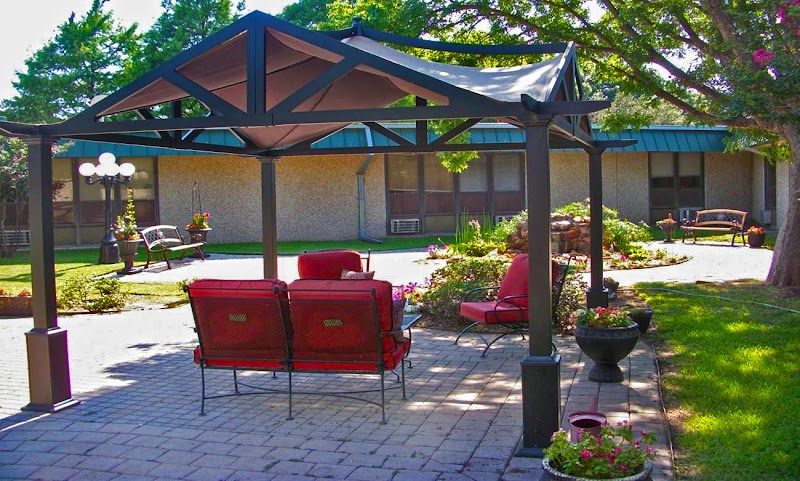
How is Arapaho Rehabilitation And Staffed?

CMS rates ARAPAHO REHABILITATION AND CARE CENTER's staffing level at 1 out of 5 stars, which is much below average compared to other nursing homes.

What Have Inspectors Found at Arapaho Rehabilitation And?

State health inspectors documented 42 deficiencies at ARAPAHO REHABILITATION AND CARE CENTER during 2023 to 2025. These included: 2 Immediate Jeopardy (the most serious level, indicating potential for serious harm or death) and 40 with potential for harm. Immediate Jeopardy findings are rare and represent the most serious regulatory concerns. They require immediate corrective action.

Who Owns and Operates Arapaho Rehabilitation And?

ARAPAHO REHABILITATION AND CARE CENTER is owned by a government entity. Government-operated facilities are typically run by state, county, or municipal agencies. The facility operates independently rather than as part of a larger chain. With 280 certified beds and approximately 92 residents (about 33% occupancy), it is a large facility located in RICHARDSON, Texas.
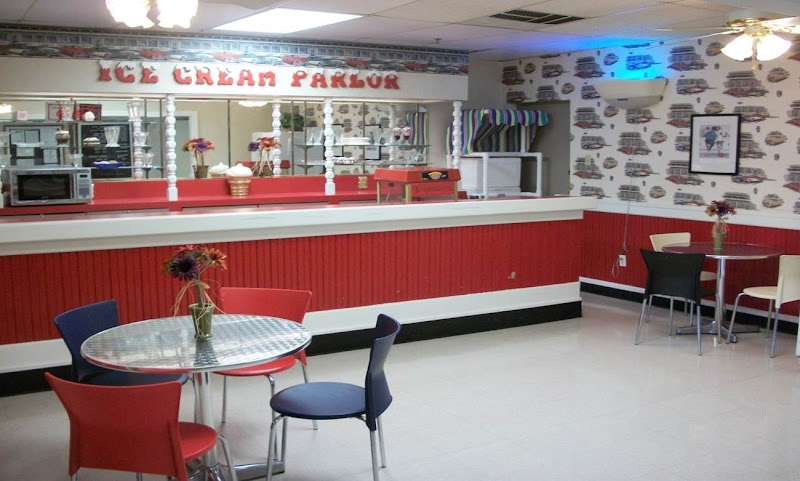
How Does Arapaho Rehabilitation And Compare to Other Texas Nursing Homes?

Compared to the 100 nursing homes in Texas, ARAPAHO REHABILITATION AND CARE CENTER's overall rating (1 stars) is below the state average of 2.8 and health inspection rating (2 stars) is below the national benchmark.

What Should Families Ask When Visiting Arapaho Rehabilitation And?

Based on this facility's data, families visiting should ask: "What changes have been made since the serious inspection findings, and how are you preventing similar issues?" "Can you walk me through typical staffing levels on day, evening, and night shifts?" "Can I visit during a mealtime to observe dining assistance and food quality?" "How do you handle medical emergencies, and what is your hospital transfer rate?" These questions are particularly relevant given the facility's Immediate Jeopardy citations and the below-average staffing rating.

Is Arapaho Rehabilitation And Safe?

Based on CMS inspection data, ARAPAHO REHABILITATION AND CARE CENTER has documented safety concerns. Inspectors have issued 2 Immediate Jeopardy citations (the most serious violation level indicating risk of serious injury or death). The facility has a 1-star overall rating and ranks #100 of 100 nursing homes in Texas. Families considering this facility should ask detailed questions about what corrective actions have been taken since these incidents.

Do Nurses at Arapaho Rehabilitation And Stick Around?

ARAPAHO REHABILITATION AND CARE CENTER has not reported staff turnover data to CMS. Staff turnover matters because consistent caregivers learn residents' individual needs, medications, and preferences. When staff frequently change, this institutional knowledge is lost. Families should ask the facility directly about their staff retention rates and average employee tenure.

Was Arapaho Rehabilitation And Ever Fined?

ARAPAHO REHABILITATION AND CARE CENTER has been fined $58,331 across 12 penalty actions. This is above the Texas average of $33,662. Fines in this range indicate compliance issues significant enough for CMS to impose meaningful financial consequences. Common causes include delayed correction of deficiencies, repeat violations, or care failures affecting resident safety. Families should ask facility leadership what changes have been made since these penalties.

Is Arapaho Rehabilitation And on Any Federal Watch List?

ARAPAHO REHABILITATION AND CARE CENTER is not on any federal watch list. The most significant is the Special Focus Facility (SFF) program, which identifies the bottom 1% of nursing homes nationally based on persistent, serious quality problems. Not being on this list means the facility has avoided the pattern of deficiencies that triggers enhanced federal oversight. This is a positive indicator, though families should still review the facility's inspection history directly.