Lindan Park Care Center LP
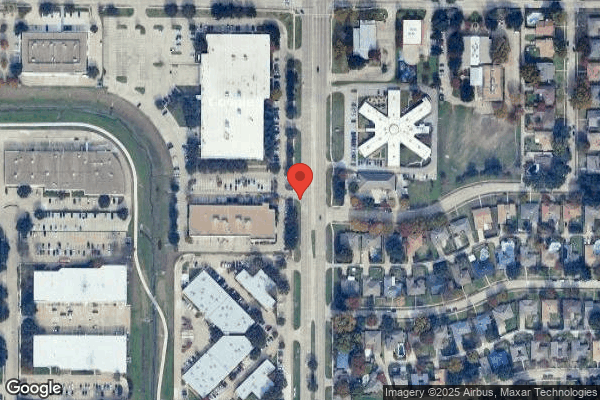
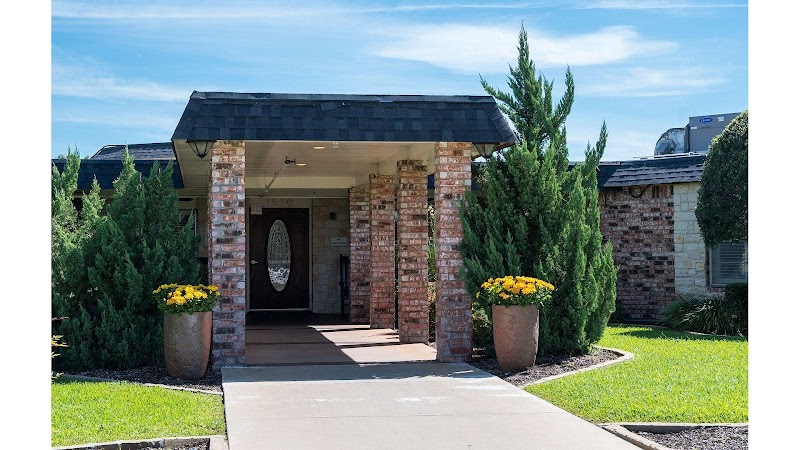
1510 N Plano Rd, Richardson, TX 75081 (972) 234-4786
For profit - Corporation 138 Beds PARAMOUNT HEALTHCARE Data: November 2025 4 Immediate Jeopardy citations
Trust Grade
0/100
#1035 of 1168 in TX
Last Inspection: March 2025

Within standard 12-15 month inspection cycle. Federal law requires annual inspections.

Overview

Lindan Park Care Center LP has received a Trust Grade of F, indicating significant concerns about the facility's quality of care. It ranks #1035 out of 1168 nursing homes in Texas, placing it in the bottom half of all facilities in the state, and #75 out of 83 in Dallas County, meaning there are very few local options that perform better. The facility's performance has remained stable over the last couple of years, with 10 issues reported in both 2024 and 2025. Staffing is a relative strength, with a turnover rate of 36%, which is below the Texas average, but the facility has concerning levels of RN coverage, being lower than 76% of Texas facilities. However, families should be aware of serious incidents, including a resident who was physically abused by a staff member and another resident whose critical health condition was not communicated to their physician in a timely manner, leading to severe complications. Overall, while there are some staffing strengths, the facility has alarming issues that families should consider carefully.
Trust Score
F
0/100
In Texas
#1035/1168
Bottom 12%
Safety Record
High Risk
Review needed
Inspections
Holding Steady
10 → 10 violations
Staff Stability
○ Average
36% turnover. Near Texas's 48% average. Typical for the industry.
Penalties
○ Average
$75,027 in fines. Higher than 54% of Texas facilities. Some compliance issues.
Skilled Nurses
⚠ Watch
Each resident gets only 16 minutes of Registered Nurse (RN) attention daily — below average for Texas. Fewer RN minutes means fewer trained eyes watching for problems.
Violations
⚠ Watch
38 deficiencies on record. Higher than average. Multiple issues found across inspections.
★☆☆☆☆
1.0
Overall Rating
★★★☆☆
3.0
Staff Levels
★★★☆☆
3.0
Care Quality
★☆☆☆☆
1.0
Inspection Score
Stable
2024: 10 issues
2025: 10 issues

The Good

  • Full Sprinkler Coverage · Fire safety systems throughout facility
  • No fines on record
  • Staff turnover below average (36%)

    12 points below Texas average of 48%

Facility shows strength in fire safety.

The Bad

1-Star Overall Rating

Below Texas average (2.8)

Significant quality concerns identified by CMS

Staff Turnover: 36%

Near Texas avg (46%)

Typical for the industry

Federal Fines: $75,027

Well above median ($33,413)

Moderate penalties - review what triggered them

Chain: PARAMOUNT HEALTHCARE

Part of a multi-facility chain

Ask about local staffing decisions and management

The Ugly 38 deficiencies on record

4 life-threatening
Jun 2025 1 deficiency 1 IJ
CRITICAL (J) 📢 Someone Reported This

A family member, employee, or ombudsman was alarmed enough to file a formal complaint

Immediate Jeopardy (IJ) - the most serious Medicare violation

Accident Prevention (Tag F0689)

Someone could have died · This affected 1 resident

Deficiency Text Not Available

Read full inspector narrative →
Deficiency Text Not Available
Mar 2025 6 deficiencies 1 IJ
CRITICAL (J) 📢 Someone Reported This

A family member, employee, or ombudsman was alarmed enough to file a formal complaint

Immediate Jeopardy (IJ) - the most serious Medicare violation

Free from Abuse/Neglect (Tag F0600)

Someone could have died · This affected 1 resident

**NOTE- TERMS IN BRACKETS HAVE BEEN EDITED TO PROTECT CONFIDENTIALITY** Based on observation, interview, and record review, the facility failed to ensure residents were free from abuse for one (Reside...

Read full inspector narrative →
**NOTE- TERMS IN BRACKETS HAVE BEEN EDITED TO PROTECT CONFIDENTIALITY** Based on observation, interview, and record review, the facility failed to ensure residents were free from abuse for one (Resident #3) of three residents reviewed for abuse. The facility failed to protect Resident #3 from physical abuse when CNA A force fed her on 03/03/25. The resident suffered psychosocial harm. On 03/20/25 at 1:00 PM, an Immediate Jeopardy (IJ) was identified. The IJ template was provided to the facility on [DATE] at 1:15 PM. While the IJ was removed on 03/20/25, the facility remained out of compliance at a scope of isolated and a severity level of potential for more than minimal harm due to the facility continuing to monitor the implementation and effectiveness of their Plan of Removal. This failure could place residents at risk of choking, aspiration, serious injury, harm, and death. Findings included: Record review of Resident #3's Annual MDS, dated [DATE], reflected she was a [AGE] year-old admitted to the facility on [DATE]. Her cognitive skills for daily decision making were severely impaired. Her diagnoses included aphasia (lack of ability to comprehend or communicate), stroke, non-Alzheimer's dementia, and dysphagia (difficulty swallowing). She was dependent on staff for eating. Record review of Resident #3's Care Plan, dated 01/07/14, reflected: 1. The resident had a nutritional problem related to hypertension. The resident was on a regular diet, pureed texture, and nectar thick/mildly thick liquids. Sometimes the resident refused to eat or drink supplements. Facility interventions included provide and serve diet as ordered. 2. The resident had a swallowing problem related to dysphagia. Facility interventions included follow prescribed diet, and to keep head of bed elevated 90 degrees during meals. 3. The resident had an ADL self-care performance deficit related to dementia, activity intolerance, and limited mobility. Facility interventions included the resident required total assistance to eat. Record review of CNA A's personnel file and background checks reflected no issues. An observation on 03/03/25 at 11:47 AM of Resident #3 revealed she was being fed by CNA A. The resident was in her room and the door was slightly open. CNA A forcefully pushed the resident's head back by placing her palm on the resident's forehead and pushing the head back. CNA A forced a large spoonful of food in the resident's mouth very quickly while the resident's head was pushed back. The CNA forcefully fed the resident three times very rapidly. The CNA then picked up a glass of fluids and gave the resident a drink. The resident tried to stop drinking. CNA A kept forcing the resident to drink. The resident began coughing and sputtering. The Surveyor intervened and told the CNA to stop and step away from the resident. Another State Surveyor observed the incident. CNA A said she did not do anything wrong. CNA said she was gently lifting the resident by the side of her side of head to get her to eat. She said she was not forcing her to eat and drink. The State Surveyor asked CNA A to go get the DON. An interview on 03/03/25 at 11:55 AM revealed the DON entered the resident's room. He told CNA A to go to his office. CNA A continued to deny the abuse occurred. The DON told CNA A to go to the Human Resources office. CNA A continued to deny the incident. Resident #3 was non-verbal and did not make any movements to indicate she was still in distress. An interview on 03/03/25 at 11:59 AM revealed the Administrator entered the conference room and said Resident #3 would lean forward and that staff had to place a hand on her and lift her head. State Surveyor informed the Administrator that CNA A was abusive, and force fed the resident. The Administrator said she would self-report the incident. An interview on 03/03/25 at 12:15 PM revealed Resident #3 was in her wheelchair, awake, alert, and non-verbal. The resident was smiling and watching TV. The resident did not respond to questions. The resident did not make any movements to indicate she was still in distress. An interview on 03/03/25 at 1:36 PM with the family member of Resident #3 revealed she was very upset. She said that CNA A was the only staff member who was able to get Resident #3 to eat and meet her needs. The family member said the required technique to feed Resident #3 was a little aggressive. The family member said Resident #3 could speak and she wanted to be present for an interview to show the State Surveyor that the resident could say she was not abused by CNA A. An interview on 03/03/25 at 2:20 PM with the DON revealed the facility was able to meet Resident #3's needs without CNA A. The DON said feeding the resident was not an aggressive technique and the only requirement was to gently hold up the resident's head if it dropped down. An observation and interview on 03/04/25 at 12:07 PM with Resident #3 revealed her family member and the Administrator was in the room. Another State Surveyor was present as a witness. The resident spoke a few words to the family member and smiled. The resident was awake and alert. The resident was asked if she remembered eating lunch on 03/03/25 and if she felt CNA A was abusive during the lunch. The resident did not answer. The family member asked the resident if CNA A was mean to her, and the resident said yes. The family member asked the resident if she was mean to the resident and the resident said yes. The resident was asked if the Administrator was mean, and the resident said no. The family member asked the resident if CNA A ever forced her to do anything. The resident became upset and said yeah. The interview was ended, and the resident was thanked for talking to the State Surveyor. An interview on 03/04/25 at 3:56 PM with the Rehabilitation Director revealed Resident #3 did not require any aggressive or special techniques for feeding. She said Resident #3 had poor trunk control and cervical neck issues. The Rehabilitation Doctor said Resident #3 was usually able to keep her head neutral and that if she leaned to the side, the staff could use their fingertips to gently position her head back up and give her a bite. The Rehabilitation Director said the family member rarely came to visit. The Rehabilitation Director said a CNA should never force feed a resident and that there should be nothing aggressive about feeding Resident #3. The Rehabilitation Director said she never saw CNA A feed Resident #3. An observation on 03/04/25 at 4:41 PM revealed Resident #3 was being fed by LVN B. The resident was sitting up in a wheelchair in the dining room. LVN B offered appropriately sized-bites and the resident swallowed well. Resident #3 drank fluids with no issues. LVN B encouraged the resident to hold her head up and she did so without difficulty. LVN B did not use any abusive or aggressive techniques to feed Resident #3. An interview on 03/05/25 at 1:44 PM with the DON revealed he said the charge nurses were responsible for ensuring residents were fed correctly. The DON said the only resident that CNA A fed on 03/03/25 was Resident #3. The DON said he saw CNA A feed residents with no issues. He said he and Administration did random observations to observe CNAs feed residents. He said Resident #3 did not require any special technique to be fed and would droop her head. The DON said it was easily fixed by placing a towel under her neck to help her sit up more. He said that if a resident was forcefully fed; they were at risk for choking and injury. He said Resident #3 was assessed after the incident and did not have any harm. The DON said CNA A was terminated from employment. An interview on 03/05/25 at 3:48 PM with the Administrator revealed CNA A was terminated from employment. Additionally, the facility conducted in-services with staff for abuse. Record review of the facility policy, Abuse, Neglect, and Exploitation, dated January 2012, reflected: Policy It is the policy of this facility to provide protections for the health, welfare and rights of each resident . This was determined to be an IJ on 03/20/25 at 1:00 PM. The Administrator and the DON were notified. The Administrator was provided with the IJ template on 03/20/25 at 1:15 PM. The following Plan of Removal was submitted by the facility and was accepted on 03/20/25 at 3:20 PM and reflected the following: 1. Identification of Residents Affected or Likely to be Affected: The facility took the following actions to address the citation and prevent any additional residents from suffering an adverse outcome. (Completion Date: 3/3/25) The Administrator or designee immediately ensured the safety and well-being of the residents who alleged abuse by removing the accused staff member, CNA A, from the facility. They were suspended pending investigation. The Administrator or designee immediately initiated abuse investigation into Resident #3's abuse allegation. Physical assessment was completed on Resident #3 to identify any injuries of unknown origin and/or evidence of abuse or neglect. No concerns were identified. Medical Director and resident's Attending Physician were both notified of the issue. 2. Actions to Prevent Occurrence/Recurrence: The facility took the following actions to prevent an adverse outcome from reoccurring. (Completion Date: 3/4/25) Disciplinary action was taken with staff member accused of abuse (CNA A was immediately terminated from her position and never returned to the facility). All Federal and State protocols were followed in investigating and reporting the abuse allegation (Facility immediately completed a Self-Report to Health and human Services. Residents with BIMS scores of 8 or higher were interviewed/assessed to identify if they felt safe and if they had ever experienced abuse while living at the facility. Concerns were not identified. All staff received education on facility abuse policies. All staff received education on abuse prevention and reporting. Facility abuse policies and procedures were reviewed with any staff prior to their shift. Staff members were not permitted to work a shift until education had been completed. The Administrator and DON received education from corporate consultant team member on timely and thorough abuse investigations. The regional/corporate/hired consultant team member will visit the facility twice per week to provide oversight, audits, and additional training as needed. The Activities Director held a Resident Council meeting in which the residents were educated on the facility's abuse policies and procedures. The Social Services Director began discussing facility abuse policies with residents and families at the initial care plan conference. The Administrator or designee will continue to interview residents with BIMS scores of 8 or higher on a monthly basis to ensure they have not experienced abuse. The findings of these interviews will be presented to the Quality Assurance/Performance Improvement (QAPI) Committee as a PIP project. Monitoring of the facility's Plan of Removal included the following: Record review of Resident #3's clinical records revealed the resident had been assessed by nursing after the incident on 03/03/25 and did not have any injuries. Record review of the facility in-services revealed all staff were trained. Interviews were conducted on 03/20/25 from 3:26 PM to 4:05 PM with staff from various shifts. The staff included LVN D, CNA E, LVN F, LVN H, CNA I, LVN J, and CNA K. All staff were able to identify: What abuse was and the different types of abuse. The staff understood that a resident could not be force fed. Observations and interviews with residents on 03/20/25 from 2:50 PM to 3:15 PM revealed they felt safe and were not force fed. An interview on 03/20/25 at 4:00 PM with the DON revealed his roles in the facility plan of removal included: Assisting the Administrator with continued training of staff. He said he would be doing monitoring to ensure residents were fed appropriately. He said that all staff were in-serviced on 03/03/25. An interview on 01/05/25 at 4:05 PM with the Administrator revealed he would be making sure in-services and monitoring were completed to prevent abuse from happening again. He said the issues would continue to be discussed in QAPI. The Administrator and DON were informed the Immediate Jeopardy was removed on 03/20/25 at 4:20 PM. On 03/20/25 at 1:00 PM, an IJ was identified. While the IJ was removed on 03/20/25, the facility remained out of compliance at a scope of isolated and a severity level of potential for more than minimal harm due to the facility continuing to monitor the implementation and effectiveness of their Plan of Removal.
CONCERN (D)

Potential for Harm - no one hurt, but risky conditions existed

PASARR Coordination (Tag F0644)

Could have caused harm · This affected 1 resident

**NOTE- TERMS IN BRACKETS HAVE BEEN EDITED TO PROTECT CONFIDENTIALITY** Based on interviews and record review, the facility failed to refer all level II residents and all residents with newly evident ...

Read full inspector narrative →
**NOTE- TERMS IN BRACKETS HAVE BEEN EDITED TO PROTECT CONFIDENTIALITY** Based on interviews and record review, the facility failed to refer all level II residents and all residents with newly evident or possible serious mental disorder, intellectual disability, or a related condition for level II resident review for one (Resident #29) of five residents reviewed for PASARR services. The facility failed to ensure Resident #29 was properly screened for PASARR services This failure could place residents at risk of not receiving specialized PASARR services which would enhance their highest level of functioning and could contribute to residents decline in physical, mental, and psychosocial well-being. Findings included: Record review of Resident #29's quarterly MDS Assessment, dated 02/17/25, revealed she was an [AGE] year-old-female admitted to the facility on [DATE] with diagnoses including depression, schizophrenia, and post-traumatic disorder. Resident #29's BIMs score of 3 indicated the resident's cognition was severely impaired. Record review of Resident #29's PASARR Level I screening, dated 04/01/23, reflected the resident did not have a history of mental illness. Record review of Resident #29's Care Plans, dated 03/26/23, reflected: The resident had an ADL self-care performance deficit related to dementia, PTSD, and Schizophrenia. Facility interventions included assist resident with ADLs. An observation on 03/03/25 at 10:43 AM with Resident #29 revealed she was awake, alert, and confused. An interview on 03/05/25 at 10:02 AM with the MDS Nurse revealed she was responsible for entering PASARR information. She said she did not double-check the PL-1 for Resident #29 for accuracy. She said she received the PL-1 for Resident #29 from another facility and documented the information as it was. The MDS Nurse said the resident did not receive an evaluation or PL-2 screening. The MDS Nurse said that no one oversaw her work. She said the resident was at risk of not receiving PASARR services if her PL-1 was incorrect. An interview on 03/05/25 at 1:42 PM with the DON revealed Resident #29 admitted with a negative PL-1. He said the MDS Nurse was responsible for PASARR screenings. He said he did not know if there was a process in place to double check PL-1's. He said the resident was at risk to miss out on PASARR services if her PL-1 was incorrect. Record review of the facility policy and procedure, PASRR Requirements Level I & Level II, not dated, reflected: Preadmission screening will be conducted prior to admission as the PASRR process is a federally mandated pre-admission screening program (see 42 CFR § 483.100) required to be performed on all individuals prior to admission to a Nursing Home. The screening is reviewed by Admissions for suspicion of serious mental illness & intellectual disability to ensure appropriate placement in the least restrictive environment and to identify the need to provide applicants with needed specialized services. PASRR screening applies to all new admissions into a Medicaid certified nursing facility & includes private pay, Medicare, & Medicaid admissions regardless of payer source.
CONCERN (D)

Potential for Harm - no one hurt, but risky conditions existed

Deficiency F0661 (Tag F0661)

Could have caused harm · This affected 1 resident

**NOTE- TERMS IN BRACKETS HAVE BEEN EDITED TO PROTECT CONFIDENTIALITY** Based on interviews and record review, the facility failed to complete a discharge summary that included but was not limited to,...

Read full inspector narrative →
**NOTE- TERMS IN BRACKETS HAVE BEEN EDITED TO PROTECT CONFIDENTIALITY** Based on interviews and record review, the facility failed to complete a discharge summary that included but was not limited to, (i) A recapitulation of the resident's stay that includes, but was not limited to, diagnoses, course of illness/treatment or therapy, and pertinent lab, radiology, and consultation results; (ii) A final summary of the resident's status; (iii) Reconciliation of all pre-discharge medications with the resident's post-discharge medications (both prescribed and over-the-counter) for two (Resident #58, Resident #59) of two residents reviewed for discharge planning. 1. The facility failed to complete a discharge summary and a reconciliation of medications for Resident #58 for his planned discharge home on [DATE]. 2. The facility failed to complete a discharge summary and a reconciliation of medications for Resident #59 for his planned discharge to the hospital on [DATE]. These failures could place residents at risk of a recapitulation of the stay being unavailable to help ensure continuity of care once they went back home and/or discharged from the facility. Findings included: Record Review of Resident #58's admission face sheet dated 03/05/25 reflected she was an [AGE] year-old female admitted to the facility on [DATE]. Resident #58's active diagnoses included dementia (without behavioral disturbance, psychotic disturbance, mood disturbance, and anxiety), hypertension, chronic obstructive pulmonary disease, chronic Stage 4 kidney disease, history of transient ischemic attack (a temporary blockage of blood flow to the brain and cerebral infraction without residual deficits), restlessness, and agitation. Record review of Resident #58's Entry MDS assessment dated [DATE], reflected she was admitted to the facility from a Short-Term General hospital on [DATE]. Record review of Resident #58's admission MDS assessment dated [DATE] reflected a BIMS score was a 13, which indicated she was cognitively intact meaning she was able to recall information immediately, orient herself to time and place, and retain information for a short period. Record review of Resident #58's Discharge MDS assessment dated [DATE], reflected she had a planned discharge home. Record review of Resident #58's Care Plan dated 11/30/2023 reflected, Focus: CANCELLED: I plan on discharging Home. Date Initiated: 12/13/2024 Revision on: 12/18/2024 Cancelled Date: 12/18/2024 Goals: CANCELLED: I will safely discharge home (specify). Date Initiated: 12/13/2024 Revision on: 12/18/2024 Target Date: 12/13/2024 Cancelled Date: 12/18/2024 Interventions/Tasks: CANCELLED: Assure continuity of care with home health. Date Initiated: 12/13/2024 Revision on: 12/18/2024 Cancelled Date: 12/18/2024 o CANCELLED: Assure that all equipment required is available. Date Initiated: 12/13/2024 Record review of Resident #58's Nursing Progress Note dated 12/09/2023 reflected, The resident discharged home via Transport x 2 Transport Drivers at this time. The resident's medications were sent with the resident . Record Review of Resident #59's admission face sheet dated 03/05/25 reflected that he was a [AGE] year-old male initially admitted to the facility on [DATE] with a readmission date of 02/10/25. Resident #59's active diagnoses included dementia (without behavioral disturbance, psychotic disturbance, mood disturbance, and anxiety), secondary hypertension, atherosclerotic heart disease (buildup of fats, cholesterol, and other substances in and on the artery walls including the heart), sepsis (a life-threatening medical emergency resulting from the body's extreme response to an infection, potentially leading to organ damage and death if not treated promptly), and cerebral infraction (condition where brain tissue dies due to a blockage or severe restriction of blood flow, depriving brain cells of oxygen and nutrients). The resident was discharged from the facility on to an Acute Care hospital on [DATE]. Record review of Resident #59's Entry MDS assessment dated [DATE], reflected the residents BIMS score was a 1, which indicated he had severe cognitive impairment. Record review of Resident #59's Death MDS assessment dated [DATE], reflected that he passed away at the facility on 02/26/25. Record review of Resident #59's Record of Death Notice dated 02/26/25, reflected he passed away at the facility on 02/26/25 at 6:58 AM. Record review of Resident #59's Care Plan dated 11/30/2023 reflected: Focus: Discharge Planning Date Initiated: 06/11/2023 Revision on: 02/26/2025 Cancelled Date: 02/26/2025 Goal: CANCELLED: Resident Will Attain Their Highest Quality of Life at Discharge. Date Initiated: 06/11/2023 Revision on: 02/26/2025 Target Date: 02/27/2025 Cancelled Date: 02/26/2025 o CANCELLED: Resident Will Be Prepared to Return to Community Upon Discharge. Date Initiated: 06/11/2023 Revision on: 02/26/2025 CANCELLED: CM and interdisciplinary team to determine the next most appropriate setting of care and expected discharge interval. Date Initiated: 06/11/2023 Revision on: 02/26/2025 Cancelled Date: 02/26/2025 o CANCELLED: Coordinate, facilitate and communicate all plans for follow-up and future care needs. Date Initiated: 06/11/2023 Revision on: 02/26/2025 Cancelled Date: 02/26/2025 o CANCELLED: Determine Resident / Representative's goals for discharge. Date Initiated: 06/11/2023 Revision on: 02/26/2025 Interventions/Tasks: Target Date: 02/27/2025 Cancelled Date: 02/26/2025 Cancelled Date: 02/26/2025 o CANCELLED: Identify necessary home modification. Date Initiated: 06/11/2023 Revision on: 02/26/2025 Cancelled Date: 02/26/2025 o CANCELLED: Identify need for home or community resources. Date Initiated: 06/11/2023 Revision on: 02/26/2025 Cancelled Date: 02/26/2025 o CANCELLED: Include Resident / Representative / interdisciplinary team in discharge planning process. Date Initiated: 06/11/2023 Revision on: 02/26/2025 Cancelled Date: 02/26/2025 o CANCELLED: Perform medication reconciliation of all prescribed and nonprescribed Medications. Date Initiated: 06/11/2023 Revision on: 02/26/2025 Cancelled Date: 02/26/2025 o CANCELLED: Prepare and provide Resident with a discharge summary document upon discharge from facility. Date Initiated: 06/11/2023 Revision on: 02/26/2025 Cancelled Date: 02/26/2025 o CANCELLED: Upon admission, evaluate Resident / Representative's desire to return to the community. Date Initiated: 06/11/2023 Revision on: 02/26/2025 Cancelled Date: 02/26/2025 Record review of Resident #58 and Resident #59's Clinical Records reflected no discharge summary and reconciliation of all pre-discharge medications with the resident's post-discharge medications (both prescribed and over the counter). In an interview with the MDS Nurse on 03/05/25 at 10:04 AM, she stated she could not locate a Discharge Summary for Resident #58 and Resident #59. She reported that the Social Worker was responsible for completing the Discharge Summaries for discharged residents. She stated the facility has hired a new Social Worker, but she has not started working at the facility . In an interview with the DON on 03/05/25 at 11:15 AM, he acknowledged that discharge summaries should be completed for each resident that discharges from the facility. He stated there was not a Discharge Summary for Resident #58 and Resident #59. He stated the facility's Social Worker was responsible for completing the Discharge Summaries for residents. He stated the facility has been without a Social Worker for about 2 months. He stated since the facility has been without a Social Worker, he believed the Discharge Summaries for discharged residents were being completed by the Charge Nurses, who have been doing some of the Discharge Summaries since the Social Worker position has been vacant. The DON stated there was a risk to residents being discharged from the facility without a Discharge Summary. He stated without a Discharge Summary, the discharge residents would not be able to meet with the staff to discuss their reconciliation of medications and their discharge plans such as home health and care responsibilities. He stated if a resident did not have a Discharge Summary, there was potential for there being a gap of follow-up appointments for medical needs. The DON stated if there was not a Discharge Summary for discharged residents, they would miss the opportunity for any continuous care and appointments. In an interview with the previous Social Worker on 03/05/25 at 3:04 PM, she reported she was employed at the facility as the Social Worker from October 2024 - November 2024. She stated on her first day of employment, she was told by the Administrator that she would have to complete the Discharge Summaries for residents who discharged from the facility. She stated she later learned the previous Social Worker did not complete the Discharge Summaries for discharged residents and was advised by the Administrator that she needed to complete the Discharge Summaries that were outstanding including the current Discharge Summaries for discharged residents. She stated there have been several Social Workers employed at the facility throughout the year and the facility has not been completing the Discharge Summaries for discharged residents and expected her to get the facility caught up with their incomplete Discharge Summaries which was a daunting task . In an interview with the Administrator on 03/05/2024 at 3:48 PM, she acknowledged that discharge summaries should be completed for each resident that discharged from the facility. She stated the Social Worker was responsible for completing the Discharge Summaries for residents who discharged from the facility. She stated the facility has not had a Social Worker since the beginning of November. She stated the facility hired a Social Worker, but she had not begun working at the facility. The Administrator stated she was not familiar with the Discharge Planning process and the Discharge Summary because the process was done by the Social Worker. She stated she knew before a resident was discharged from the facility, there was a note done in the PCC . If the resident was discharging home, the staff would speak with the family and a doctor to ensure the resident was being sent home with some instructions regarding the care that would be needed at home. She stated different Nursing Staff Managers have been assigned to the task of ensuring the Discharge Summaries for discharging or discharged residents had been completed. She stated there was not anyone overseeing that Nursing Staff Managers to ensure the Discharge Summaries were being completed. She stated she felt the staff at the facility did their due diligence when a resident was being discharged home, and the staff would write a detailed progress note in their file on PCC. She stated that families, including the residents (if they are alert and oriented) were talked to before they were discharged home to ensure that follow-up appointments would be done. She stated she felt the facility had done good with safe discharges for residents. The Administrator stated she did not know if there was any risk or harm that can be caused to a resident if they were discharged home without a Discharge Summary. Record review of the Social Worker Job Description dated 11/11/24 revealed, Reports to: Social Services Director, Administrator Classification: Position Purpose: Provide support to residents and their families in coping with placement in a long-term care facility. Be the understanding, helpful and caring person they turn to at this difficult time. Perform assessment at admission; update as needed. Essential Functions of Position: *Work with the resident, family, and other team members to plan discharge. Record review of the facility's policy titled, Discharge Summary and Plan, reviewed December 2024, reflected, Policy Statement: When a resident's discharge is anticipated, a discharge summary and post-discharge plan will be developed to assist the resident to adjust to his/her new living environment. Policy Interpretation and Implementation 1. When the facility anticipates a resident's discharge to a private residence, another nursing care facility (i.e., skilled, intermediate care, ICF/IID, etc.), a discharge summary and a post-discharge plan will be developed which will assist the resident to adjust to his or her new living environment. 2. The discharge summary will include a recapitulation of the resident's stay at this facility and a final summary of the resident's status at the time of the discharge in accordance with established regulations governing release of resident information and as permitted by the resident. The discharge summary shall include a description of the resident's: a. Current diagnosis; b. Medical history (including any history of mental disorders and intellectual disabilities); c. Course of illness, treatment and/or therapy since entering the facility; d. Current laboratory, radiology, consultation, and diagnostic test results; Physical and mental functional status; f. Ability to perform activities of daily living including: (1) bathing, dressing and grooming, transferring and ambulating, toilet use, eating, and using speech, language, and other communication systems; (2) the need for staff assistance and assistive devices or equipment to maintain or improve functional abilities; and (3) the ability to form relationships, make decisions including healthcare decisions, and participate (to the extent physically able) in the day-to-day activities of the facility. g. Sensory and physical impairments (neurological, or muscular deficits; for example, a decrease in vision and hearing, paralysis, and bladder incontinence); - h. Nutritional status and requirements: (1) weight and height; (2) nutritional intake; and (3) eating habits, preferences, and dietary restrictions. i. Special treatments or procedures (treatments and procedures that are not part of basic services provided); j. Mental and psychosocial status (ability to deal with life, interpersonal relationships and goals, make health care decisions, and indicators of resident behavior and mood); k. Discharge potential (the expectation of discharging the resident from the facility within the next three months); I. Dental condition (the condition of the teeth, gums, and other structures of the oral cavity that may affect a resident's nutritional status, communications abilities, quality of life, and the need for and use of dentures or other dental appliances); m. Activities potential (the ability and desire to take part in activity pursuits which maintain or improve physical, mental, and psychosocial well-being); n. Rehabilitation potential (the ability to improve independence in functional status through restorative care programs); o. Cognitive status (the ability to problem solve, decide, remember, and be aware of and respond to safety hazards); and p. Medication therapy (all prescription and over-the-counter medications taken by the resident including dosage, frequency of administration, and recognition of significant side effects that would be most likely to occur in the resident). 3. As part of the discharge summary, the nurse will reconcile all pre-discharge medication with the resident's post-discharge medications. The medication reconciliation will be documented. 4. Every resident will be evaluated for his or her discharge needs and will have an individualized post discharge plan. 5. The post-discharge plan will be developed by the Care Planning Interdisciplinary Team with the assistance of the resident and his or her family and will include: a. Where the individual plans to reside; b. Arrangements that have been made for follow-up care and services; c. A description of the resident's stated discharge goals; d. The degree of caregiver/support person availability, capacity and capability to perform required care; e. How the IDT will support the resident or representative in the transition to post-discharge care; f. What factors may make the resident vulnerable to preventable readmission; and g. How those factors will be addressed. 6. The discharge plan will be re-evaluated based on changes in the resident's condition or needs prior to discharge. 7. The resident/representative will be involved in the post-discharge planning process and informed of the final post-discharge plan. 8. Residents will be asked about their interest in returning to the community. If the resident indicates an interest in returning to the community, he or she will be referred to local agencies and support services that can assist in accommodating the resident's post-discharge preferences. 9. If it is determined that returning to the community is not feasible, it will be documented why this is the case and who made the determination. 10. Residents transferring to another skilled nursing facility or who are discharged to a home health agency, long-term care hospital or inpatient rehabilitation facility will be assisted in selecting a post-acute care provider that is relevant and applicable to the resident's goals of care and treatment preferences. Data used in helping the resident select an appropriate facility includes the receiving facility's: a. standardized patient assessment data; b, quality measure data; and c. data on resource use. 11. The resident or representative (sponsor) should provide the facility with a minimum of a seventy -two (72) hour notice of a discharge to assure that an adequate discharge evaluation and post-discharge plan can be developed. 12. A member of the IDT will review the final post-discharge plan with the resident and family at least twenty-four (24) hours before the discharge is to take place. 13. A copy of the following will be provided to the resident and receiving facility and a copy will be filed in the resident's medical records: a. An evaluation of the resident's discharge needs; .
CONCERN (E)

Potential for Harm - no one hurt, but risky conditions existed

Grievances (Tag F0585)

Could have caused harm · This affected multiple residents

Based on observations, interviews, and record review, the facility failed to notify residents or their representatives on how to file a grievance in an anonymous manner for three (Residents #5, #11, #...

Read full inspector narrative →
Based on observations, interviews, and record review, the facility failed to notify residents or their representatives on how to file a grievance in an anonymous manner for three (Residents #5, #11, #46, #37, #30, and #59) of three residents reviewed for knowledge of how to file a grievance. The facility failed to notify residents or their representatives either individually or through prominent postings throughout the facility on how to file a grievance or complaint in an anonymous manner. These failures could affect 6 of 60 resident's ability to file a grievance without the fear of discrimination, reprisal, retribution, and their right to anonymously file their grievance. Observation on 03/05/25 at 2:45 PM Surveyor attempted to open the frame with many attempts were required. When the frame was opened the 1 grievance printed in small print on blue paper fell out of the frame where the grievances were kept. Interview on 03/04/2025 at 1:30PM with five residents during the confidential Resident Counsel revealed the residents were unaware where grievance forms were located. The residents stated that they did not know how to anonymously file a grievance. Interview on 3/5/25 at 3:00PM with the Activities Director revealed she was unaware of the grievances being kept in the frame hanging on the wall in the hallway around the nursing station. Activities Director was unaware of how to access the grievance forms inside the frame and when she tried to access the frame opening, she had difficulty getting the frame open and the forms fell out when it was opened. Interview with the facility's Administrator on 03/03/25 at 3:50PM revealed there had been no concerns with residents being able to file a grievance as they usually file verbally. Review of the facility's policy titled, Grievances/Complaints, Filing dated March 2017 revealed, The resident and their representatives have the right to file grievances, either orally or in writing to the agency designated to hears grievances (e.g. the State Ombudsman) Review of the Resident's Rights subsection Grievances revealed. The resident has the right to voice grievances to the facility or other agency or entity that hears grievances without discrimination or reprisal and without fear of discrimination or reprisal. Such grievances include those with respect to care and treatment which has been furnished as well as that which has not been furnished, the behavior of staff and of other residents; and other concerns regarding their LTC facility stay. The facility must make information on how to file a grievance or complaint available to the resident.
CONCERN (E)

Potential for Harm - no one hurt, but risky conditions existed

Food Safety (Tag F0812)

Could have caused harm · This affected multiple residents

**NOTE- TERMS IN BRACKETS HAVE BEEN EDITED TO PROTECT CONFIDENTIALITY** Based on observations, interviews, and record review, the facility failed to store, prepare, distribute, and serve food in accor...

Read full inspector narrative →
**NOTE- TERMS IN BRACKETS HAVE BEEN EDITED TO PROTECT CONFIDENTIALITY** Based on observations, interviews, and record review, the facility failed to store, prepare, distribute, and serve food in accordance with professional standards for food service safety for 1 of 1 kitchen reviewed for kitchen safety. 1. The facility failed to ensure food in the facility's dry storage, and refrigerator areas were labeled and dated according to guidelines. 2. The facility failed to seal open items in plastic bags in the dry storage pantry and the refrigerator areas. 3. The facility failed to ensure that expired items in the dry storage pantry and the refrigerator areas were removed. 4. The facility failed to ensure that 1 dented can was removed from the shelf in the dry pantry area. These deficient practices could affect residents who received meals and/or snacks from the main kitchen and place them at risk for cross contamination and other air-borne illnesses. Findings Included: Observation of the kitchen during the brief initial tour of the kitchen on 03/03/25 at 9:20 AM, revealed the following: Dry storage area contained: *1 dented can of 105 fl. oz. of [NAME] Monte Lite Diced Pears, *1 unsealed bag of 160 fl. oz. [NAME] Noodle, *1 unsealed bag of 21 lb. Sysco Classic Confectioners [NAME] Sugar, *1 bag of 21 lb. Sysco Classic Confectioners [NAME] Sugar with a sticker labeled 02/14/25 with an expiration date on the package of 02/28/25, *1 unsealed bag of 32 oz. Sysco Classic Light [NAME] Sugar, *1 package of 15 oz. Lawry's Sloppy [NAME] Seasoning Mix with an expiration date of 08/06/24, *3 unsealed bags of 11.3 oz. Imperial Turkey Gravy Mix without an expiration date, *2 unsealed bags of Ms. Baird's Wheat Bread, *1 unsealed clear plastic container with a blue lid labeled cornmeal, *1 unsealed clear plastic container with a blue lid labeled flour, Refrigerator area contained: *1 metal pan of unsealed red Jello with 4 puncture marks on the foil without an expiration date, *1 white plate with unsealed plastic wrap labeled Burger Setup, which included 4 pickles, brown lettuce, and sliced tomatoes, *1 unsealed bag of 5 lb. Arrezzio Parmesan Cheese with an expiration date of 12/12/24, *1 unsealed plastic container with a green lid with 3 packages of unsealed mixed vegetables with a sticker labeled, 3/1 and use by 3/2, *1 unsealed plastic container with a green lid with 1 container of pears with a sticker labeled, 3/2/25 without a use by date, *1 container of caramel with a sticker labeled 02/13/25 without a use by date, * 1 unsealed package of Driscoll's strawberries, * 4 stacked pans of bacon with unsealed parchment paper cover each pan of bacon dated 02/03/25 without a use by date, * 3 red juices without sealed lids, *4 orange juices without sealed lids, and *6 cups of tea without sealed lids. In an observation and interview with the Dietary Manager on 03/03/25 at 10:05 AM, she stated she has been employed at the facility as the Dietary Manager for 1 year. She was shown the items that were found in the dry pantry and refrigerator areas. She stated she would correct everything that was found and would do an in-service training with her staff regarding food storage and labeling and checking for expired items throughout the kitchen including the dry pantry, refrigerator, and freezer areas. She stated all staff were responsible for ensuring items in the kitchen's dry pantry, refrigerator, and freezer areas were not expired and unsealed. She stated staff were to notify her if they find anything in the dry pantry, refrigerator, or freezers areas that was expired, unsealed, and undated. She stated her expectation was for staff to throw away any items that were expired or opened in the kitchen's dry pantry, refrigerator, and freezer areas and notify herself or the Dietician of their findings. She stated that on a daily basis she would check the inventory in the dry pantry, refrigerator, and dry pantry areas to ensure that everything was sealed, labeled, dated, and not expired. She stated that the items found in the dry pantry and refrigerator areas on 03/03/25 was an oversight and she missed or overlooked the items in both areas of concern. She stated she would throw away all expired items in the kitchen and the unsealed items as well. She stated she and the kitchen staff would do a walkthrough of the dry pantry, refrigerator, and freezer areas to ensure that nothing was overlooked. She stated the kitchen staff have received several in-services relating to food preparation, storage, labeling, and immediately removing expired items. She stated staff have been trained and educated when they were restocking to place the items already on the shelf in the front and the new items behind the items that were already shelved. She stated she would throw away the expired items in the kitchen and retrain and reeducate the staff via in-service trainings . She stated that the risk of residents eating anything from the kitchen that is expired, unsealed items, and dented cans could result in anyone that eats the food from the facility's kitchen can make them sick and they could experience illnesses such as vomiting and diarrhea. In an interview with [NAME] C on 03/03/25 at 10:40 AM, she stated that she had been employed at the facility for 11 years. She stated she was unaware that there were expired and unsealed items in the dry storage, and refrigerator areas. She stated all the staff were responsible for storing the items on the shelf and checking the expiration dates on everything in the kitchen. She stated that the Dietary Manager was responsible for ensuring the items in the dry storage, and refrigerator areas were sealed, labeled, and dated. She stated she had taken in-service trainings on food preparation and storage, and she was unable to provide a timeframe when she had taken her last in-service training. She stated if a staff member sees an item(s) that were expired, the staff member was to throw the item away in the trash can and then inform the Dietary Manager what they threw away. She stated everything in the dry storage, freezer, and refrigerator should be labeled and dated per her in-service trainings. [NAME] A stated if any residents were given food from the kitchen's dry pantry, freezer, and refrigerated that was unsealed or expired, they would ingest food that had been cross-contaminated. She stated that if a resident eats any food that has been cross contaminated, they can become very sick and have a stomachache, vomit, and diarrhea. She stated that with food in the dry pantry, refrigerator, and freezer areas being unsealed and expired, the items could cause anyone who ingested the food to have a foodborne illness and become sick and cause them harm. In an interview with the Dietary Aide on 03/03/25 at 10:55 AM, he stated that she had been employed at the facility for 21 years. He stated that he was unaware that there were expired and unsealed items in the dry storage and refrigerator areas. He stated that all the staff were responsible for storing the items on the shelf and checking the expiration dates on everything in the kitchen. He stated that his expectations for all staff in the kitchen was to use the First In, First Out (FIFO) Method, which means that kitchen staff should label the food with the dates they store them, and when staff were restocking the shelves, they were to put the older foods in front or on top so they could be used first. He stated the Dietary Manager in-serviced staff often on food storage, labeling, and dating and removing expired items from the shelves in the dry pantry, freezer, and refrigerator areas. He stated that there were risks of foodborne illness anytime someone ingested food items from the kitchen, any items that have not been labeled and stored properly. He stated anyone who ingested food that has the potential of foodborne illness can become ill, have a stomachache, and vomit which would cause them pain and discomfort. Record review of the Dietary Supervisor's Job Description revised November 2024, reflected: Reports to: Administrator Position Purpose: Establish and maintain systems and procedures for all food services for the facility, while ensuring requirements for appropriate diets, sanitation and safety levels are met. Plans, organizes, supervises, and directs all administrative and operational activities of the Dietary Department. Essential Functions of the Position: o Oversees .food preparation, services, and storage . Record review of the facility's policy titled Policy & Procedure Manual for Food Storage, dated 2023 reflected, Policy: Sufficient storage facilities will be provided to keep foods safe, wholesome, and appetizing. Food will be stored in an area that is clean, dry, and free from contaminants. Food will be stored .by methods designed to prevent contamination or cross contamination. Procedure: 7. All stock must be rotated with each new order received. Rotating stock is essential to assure the freshness and highest quality of all foods. a. Old stock is always used first (first in - first out method or FIFO). The person designated to manage stock should be trained to rotate it properly. b. Food should be dated as it is placed on the shelves if required by state regulation. c. Date marking should be visible on all high risk food to indicate the date by which a ready-to-eat TCS food should be consumed, sold or discarded. d. Food will be stored and handled to maintain the integrity of the packaging until ready for use . 8. Plastic containers with tight filling covers or sealable plastic bags must be used for storing grain products, sugar, dried vegetables, and broken lots of bulk foods or opened packages. All containers or storage bags must be legible and accurately labeled and dated. 12. Leftover food should be stored in covered containers or wrapped carefully and securely and clearly labeled and dated before being refrigerated. Leftover food must be used within 7 days or discarded as per the 2022 Federal Food Code . 13. Refrigerated food storage: f. All foods should be covered, labeled, and dated and routinely monitored to assure that foods (including leftovers) will be consumed by their use by dates, or frozen (where applicable), or discarded. 14. Frozen Foods: c. All foods should be covered, labeled, and dated. All foods will be checked to assure that foods will be consumed by their use by dates or discarded . Record review of the U.S. Food and Drug Administration (FDA) Code (2022) revealed, PACKAGED FOOD shall be labeled as specified in LAW, including 21 CFR 101 FOOD Labeling, 9 CFR 317 Labeling, Marking Devices, and Containers, and 9 CFR 381 Subpart N Labeling and Containers, and as specified under § 3-202.18. FOOD shall be protected from contamination that may result from a factor or source not specified under Subparts 3-301 - 3-306.
MINOR (C)

Minor Issue - procedural, no safety impact

Deficiency F0575 (Tag F0575)

Minor procedural issue · This affected most or all residents

Based on observations, record reviews, and interviews the facility failed to post required postings with the required contact information for the public, residents and family. The facility failed to p...

Read full inspector narrative →
Based on observations, record reviews, and interviews the facility failed to post required postings with the required contact information for the public, residents and family. The facility failed to post required notification to residents or their representatives through prominent postings throughout the facility on how to contact someone to file a complaint. This failure could place 60 of 60 residents at risk for physical and verbal abuse, which could result in decreased self-esteem, reduced quality of life, injury, or decline in condition. Findings included: Observation on 03/05/2025 throughout 10:00AM-3:00PM, revealed the required Adult protective services posting was missing. Interview with the Administrator on 03/05/25 at 3:50PM revealed she confirmed the posting was not posted. The Administrator revealed she is responsible for ensuring the required postings are posted. Facility Surveyor/Liaison emailed the Administrator with a link to order the required posting. The Administrator said she made a sign and posted on the wall
Jan 2025 1 deficiency
CONCERN (D) 📢 Someone Reported This

A family member, employee, or ombudsman was alarmed enough to file a formal complaint

Potential for Harm - no one hurt, but risky conditions existed

Notification of Changes (Tag F0580)

Could have caused harm · This affected 1 resident

**NOTE- TERMS IN BRACKETS HAVE BEEN EDITED TO PROTECT CONFIDENTIALITY** Based on observations, interviews, and record review, the facility failed to notify the resident's physician consistent with his...

Read full inspector narrative →
**NOTE- TERMS IN BRACKETS HAVE BEEN EDITED TO PROTECT CONFIDENTIALITY** Based on observations, interviews, and record review, the facility failed to notify the resident's physician consistent with his or her authority, when there was a change in condition for 1 of 1 resident (Resident #1) reviewed for notification of changes. The facility failed to promptly notify Resident #1's physician when a change in condition was discovered by RN A (Registered Nurse) on Resident #1 on 1/26/2025 at 5:16 AM. The physician was not notified of the change in condition by RN A (Registered Nurse). This deficient practice could place residents at risk of not having their physician informed when there was a change in condition resulting in a delay in medical intervention and decline in health. Findings included: Record review of Resident #1's Care Plan, dated 01/30/25, revealed that the resident was a [AGE] year-old male. He was admitted to the facility on [DATE]. Diagnoses of lack of coordination, atherosclerotic heart disease of native coronary artery with unspecified angina pectoris, heart failure, secondary hypertension, type 2 diabetes mellitus with other diabetic arthropathy, hyperlipidemia, chronic kidney disease, pneumonia, chronic pulmonary disease. Record review of Resident #1's Annual MDS (Minimum data set) Assessment, dated 01/09/2025, reflected Resident #1 had a BIMS (Brief Interview for Mental Status Test) score of 10 (Moderate Cognitive Impairment). Resident #1 was assessed to require assistance with ADLs (Activities of Daily Living) including the following: transfers, personal hygiene, showers, and dressing. Resident was oxygen dependent due to suffering from Chronic Obstructive Pulmonary Disease (COPD). Record review of Resident #1's electronic medical records reflected Resident #1 had a progress note on 1/26/2025 that was entered by RN (Registered Nurse) A at 5:16 AM. The progress note stated that resident #1's o2 (Oxygen) was low 77%. The resident was repositioned and provided Albuterol Sulfate Inhalation Nebulization Solution (breathing treatment). After the breathing treatment the residents o2 (Oxygen) was checked again at 5:23 AM. The o2 (Oxygen) had increased to 83-85%. The resident did not complain of pain. The resident was to be monitored. RN B (Registered Nurse) was made aware. Record review of Resident #1's electronic medical records reflected Resident #1 had o2 (Oxygen) checked on 1/26/2025 that was entered by RN B (Registered Nurse) at 8:19 AM. The progress note stated that resident #1's o2 (Oxygen) was 90%. Record review of Resident #1's electronic medical records reflected Resident #1 had 02 (Oxygen) checked on 1/27/2025 that was entered by RN C (Registered Nurse) at 3:08 AM. The progress note stated that resident #1's o2 (Oxygen) was 88%. The resident was being sent to the hospital related to respiratory distress. The resident's pulse was checked to be beating at 55 bpm (Beats Per Minute). The physician, responsible party, and VA (Veterans Affair) Nurse was promptly notified by RN C (Registered Nurse) when the resident was transferred to the hospital. Interview on 1/30/2025 at 10:30 AM with RN A (Registered Nurse) revealed that RN A (Registered Nurse) did not follow the facility policy by notifying the physician of a change in condition. He stated that he came into the resident's room at the start of his shift around 10 PM on 1/25/25. The resident was doing fine and his o2 (Oxygen) levels were at 91%. Later, he checked the resident before shift change and discovered that the o2 (Oxygen) levels had dropped to 77%. He stated that the resident was laying on his side with his bed a little elevated. RN A (Registered Nurse) reposition the resident and performed a breathing treatment which raised his o2 (Oxygen) levels back to 85%. He stated that this resident usually has an o2 (Oxygen) level of around 85% when he is sleeping. He stated that he later checked his o2 (Oxygen) again with RN B (Registered Nurse) and the o2 (Oxygen) level was 90%. The patient was talking and acting normal. There was no concern. He stated that he didn't see any respiratory issue because his breathing was normal. It wasn't fast or labored. Interview on 1/30/2025 at 11:30 AM with Physician D revealed that RN A (Registered Nurse) did not follow the facility policy by notifying the physician of a change in condition. He stated that the facility did not notify him of the residents o2 (Oxygen) dropping to 77%. He stated that the resident was not in the best of health. The resident suffered from Chronic Obstructive Pulmonary Disease (COPD) and heart issues. He stated that if he had known that the resident's oxygen had dropped to 77%, he would have recommended the facility to perform a breathing treatment. If the resident responded well to the breathing treatment, then he would have kept him in the facility to be monitored. He stated that if a patient was having o2 (Oxygen) levels at 77 then he should have been notified either way. Record Review of the Facility Change in a Resident's Condition or Status dated December 2024 states that when a change in a resident's condition or status occurs the facility shall promptly notify the resident, his or her Attending Physician, and representative (sponsor) of changes in the resident's medical/mental condition and/or status (e.g., changes in level of care, billing/payments, resident rights, etc.). 1) The nurse will notify the residents Attending Physician or physician on call when there has been a(an): A. Accident or incident involving the resident; B. Discovery of injuries of an unknown source; C. Adverse reaction to medication; D. Significant change in the resident's physical/emotional/mental condition; E. Need to alter the resident's medical treatment significantly; F. Refusal of treatment or medications two (2) or more consecutive times); G. Need to transfer the resident to a hospital/treatment center; H. Discharge without proper medical authority; and/or I. Specific instruction to notify the Physician of changes in the resident's condition. 2) A significant change of condition is a major decline or improvement in the resident's status that: A. Will not normally resolve itself without intervention by staff or by implementing standard disease-related clinical interventions (is not self-limiting)
Jan 2025 2 deficiencies
CONCERN (D) 📢 Someone Reported This

A family member, employee, or ombudsman was alarmed enough to file a formal complaint

Potential for Harm - no one hurt, but risky conditions existed

Notification of Changes (Tag F0580)

Could have caused harm · This affected 1 resident

**NOTE- TERMS IN BRACKETS HAVE BEEN EDITED TO PROTECT CONFIDENTIALITY** Based on observations, interviews, and record review, the facility failed to notify the resident's physician and responsible par...

Read full inspector narrative →
**NOTE- TERMS IN BRACKETS HAVE BEEN EDITED TO PROTECT CONFIDENTIALITY** Based on observations, interviews, and record review, the facility failed to notify the resident's physician and responsible party consistent with his or her authority, when there was an injury of unknown origin for 1 of 1 resident (Resident #1) reviewed for notification of changes. The facility failed to promptly notify Resident #1's physician, and Resident #1's responsible party when an injury of unknown origin was discovered on Resident #1. The physician and responsible party were not made aware of the injury of unknown origin until Resident #1 was admitted to the hospital for unrelated treatment. This deficient practice could place residents at risk of not having their physician or responsible party informed when there was a change in condition resulting in a delay in medical intervention and decline in health. Findings included: Record review of Resident #1's Care Plan, dated 01/03/25, revealed that the resident was a [AGE] year-old female. She was admitted to the facility on [DATE]. Diagnoses of dementia, diabetes, schizophrenia, depression, secondary hypertension, poor impulse control, impaired visual function, impaired communication problem, impaired decision-making, short-term memory loss, asthma, and poor nutrition. Resident #1 had behaviors that included rubbing inner thigh, hitting, and kicking. Record review of Resident #1's Annual MDS Assessment, dated 04/3/2024, reflected Resident #1 had a BIMS (Brief Interview for Mental Status Test) score of 3 (Severe Cognitive Impairment). Resident #1 was assessed to require assistance with ADLs including the following: transfers, personal hygiene, showers, and dressing. Record review of Resident #1's electronic medical records reflected Resident #1 had a progress note on 12/31/2024 that was entered by LVN A. The progress note stated that there was a large area of purplish-blue discolorations on bilateral inner thigh seen during ADL care. The resident could not explain how she received the discoloration. There was no open area. The ADON was made aware. Interview on 1/03/2025 at 9:40 AM with Director of Nursing B revealed that LVN A did not follow the facility policy by notifying the responsible party, physician, administrator, director of nursing of the injury of unknown origin. He stated that if he had been notified when the injury of unknown origin was discovered on 12/31/2024, he would have made sure that all notifications were made. LVN A was no longer an employee at the facility. The facility performed an in-service training on who to report and notify to if an injury of unknown origin was discovered and an abuse/neglect training. In an interview on 1/03/2025 at 11:00 AM, Administrator D stated that she was not notified of Resident #1 being found with an injury of unknown origin in a timely manner. She stated that she did not find out about the injury of unknown origin that occurred on 12/31/2024 until 1/02/2025, when she returned from the holiday. Her expectation was for a nurse to assess a resident anytime a resident was found to have an injury of unknown origin and notify the administrator, director of nursing, physician, and responsible party of the resident with an injury of unknown origin. The injury of unknown origin should have been reported to the physician by LVN A after she assessed Resident #1 and discovered the inner thigh bruising. She stated that the facility has a policy in place for these situations and that LVN A failed to follow the policy. LVN A has been terminated and the facility has performed in-services on abuse, neglect, and reporting. Interview on 1/03/2025 at 12:30 PM with Assistant Director of Nursing C revealed that ADON C was made aware of the injury of unknown origin on 12/31/2024. Assistant Director of Nursing was working at the facility with LVN A when the injury of unknown origin was discovered on 12/31/2024. ADON C assessed Resident #1 with LVN A at the end of her shift before leaving the facility on 12/31/2024. She stated that there was a skin assessment that was performed earlier in the day and there was nothing notable on the skin assessment. When she saw the resident herself, she did not see anything that was a woah moment, but she did see a small discoloration. It was her understanding that LVN A was going to log the incident and notify the administrator, director of nursing, physician, and responsible party of the injury of unknown origin. ADON C stated that she had a conversation with LVN A before she left and stated that LVN A understood that it was her responsibility to document the injury of unknown origin. She stated that she did not notify the physician, responsible party, or report the injury of unknown origin herself because she thought that LVN A was going to do it. Interview on 1/03/2025 at 1:50 PM with Physician G revealed that the facility did not notify the physician of the injury of unknown origin on Resident #1's inner thigh that was discovered on 12/31/2024. The physician stated that he was already in the process of treating her for the redness that had occurred on her right eye on 12/18/2024. He stated that he believed the redness was a result of a hemorrhage to one of the eye vessels. The blood eventually pooled over time and presented itself as a bruise. He stated that resident #1 is likely to bruise easily as a result of being on blood thinners. He also stated that since this resident was someone who could easily bruise an injury of unknown origin could occur to her inner thigh during repositioning, changing, transferring, or the resident pushing down on her thigh with her hands. The resident has a behavior of pushing down on her thigh with her hands. He stated that he never saw the bruising on Resident #1's inner thigh. The facility did notify Physician G about the resident being sent to the hospital on 1/01/2025. He stated that he was at the facility when Resident #1 was discharged to the hospital. Interview on 1/03/2025 at 2:00 PM with Responsible Party #1 revealed that the facility did not notify Responsible Party #1 of the injury of unknown origin. Responsible Party #1 was made aware of the injury of unknown origin by the Responsible Party #2. The facility did notify Responsible Party #1 about the resident being sent to the hospital on 1/01/2025 for labored breathing. Interview on 1/03/2025 at 2:30 PM with Responsible Party #2 revealed that the facility did not notify Responsible Party #2 of the injury of unknown origin. Responsible Party #2 was made aware of the injury of unknown origin by the hospital staff during her visit to see Resident #1 at the hospital. The facility did notify Responsible Party #2 about the resident being sent to the hospital on 1/01/2025 for labored breathing. Record Review of the Facility Abuse & Neglect Reporting Policy dated December 2024 states that when an injury of unknown origin occurs the facility staff will identify the staff member responsible for the initial reporting, investigation of alleged violations & reporting abuse, & to determine the direction of the investigation. Facility will be in compliance with Federal regulations and State specific reporting requirements. An immediate report will be filed with the Department of Health and Human Services for alleged violations involving abuse, neglect, exploitation or mistreatment, including injuries of unknown source and misappropriation of resident property, but not later than 2 hours after the allegation is made, if the events that cause the allegation involve abuse or result in serious bodily injury, or not later than 24 hours if the events that cause the allegation do not involve abuse and do not result in serious bodily injury, to the administrator of the facility and to other officials (including to the State Survey Agency and adult protective services where state law provides for jurisdiction in long-term care facilities) in accordance with State law through established procedures.
CONCERN (D) 📢 Someone Reported This

A family member, employee, or ombudsman was alarmed enough to file a formal complaint

Potential for Harm - no one hurt, but risky conditions existed

Report Alleged Abuse (Tag F0609)

Could have caused harm · This affected 1 resident

**NOTE- TERMS IN BRACKETS HAVE BEEN EDITED TO PROTECT CONFIDENTIALITY** Based on interviews and record review the facility failed to report abuse, neglect, exploitation, or critical incidents for 1 of...

Read full inspector narrative →
**NOTE- TERMS IN BRACKETS HAVE BEEN EDITED TO PROTECT CONFIDENTIALITY** Based on interviews and record review the facility failed to report abuse, neglect, exploitation, or critical incidents for 1 of 1 resident (Resident #1) reviewed for reporting. The facility failed to report an injury of unknown origin in a timely manner, that was discovered on 12/31/2024, to HHSC. The facility reported the injury of unknown origin on 1/02/2025. This failure could place clients at risk for abuse, neglect, and incidents. Findings included: Record review of Resident #1's Care Plan, dated 01/03/25, revealed that the resident was a [AGE] year-old female. She was admitted to the facility on [DATE]. Diagnoses of dementia, diabetes, schizophrenia, depression, secondary hypertension, poor impulse control, impaired visual function, impaired communication problem, impaired decision-making, short-term memory loss, asthma, and poor nutrition. Resident #1 had behaviors that included rubbing inner thigh, hitting, and kicking. Record review of Resident #1's Annual MDS Assessment, dated 04/3/2024, reflected Resident #1 had a BIMS (Brief Interview for Mental Status Test) score of 3 (Severe Cognitive Impairment). Resident #1 was assessed to require assistance with ADLs including the following: transfers, personal hygiene, showers, and dressing. Record review on 01/03/25 of TULIP revealed that the facility did not report the injury of unknown origin in a timely manner. The facility was required to report the incident within 24 hours of discovering the incident. The facility failed to do so by reporting the incident on 1/02/2025. Record review of Resident #1's electronic medical records reflected Resident #1 had a progress note on 12/31/2024 that was entered by LVN A. The progress note stated that there was a large area of purplish-blue discolorations on bilateral inner thigh seen during ADL care. The resident could not explain how she received the discoloration. There was no open area. The ADON was made aware. Interview on 1/03/2025 at 9:40 AM with Director of Nursing B revealed that the report was submitted to the Texas Health and Human Services on 1/02/2025. DON B stated that the report was submitted late because the nurse that was working during the holiday schedule did not follow the facility policy by reporting the injury of unknown origin to the responsible party, physician, administrator, director of nursing, and the Texas Health and Human Services. He stated that if he had been notified when the injury of unknown origin was discovered on 12/31/2024, he would have made sure that all notifications were made. LVN A was no longer an employee at the facility. The facility performed an in-service training on who to report and notify to if an injury of unknown origin was discovered and an abuse/neglect training. In an interview on 1/03/2025 at 11:00 AM, Administrator D stated that she was not notified of Resident #1 being found with an injury of unknown origin in a timely manner. She stated that she did not find out about the injury of unknown origin that occurred on 12/31/2024 until 1/02/2025, when she returned from the holiday. Her expectation was for a nurse to assess a resident anytime a resident was found to have an injury of unknown origin and notify the administrator, director of nursing, physician, and responsible party of the resident with an injury of unknown origin. The injury of unknown origin should have been reported to the state by LVN A after she assessed Resident #1 and discovered the inner thigh bruising. She stated that the facility has a policy in place for these situations and that LVN A failed to follow the policy. LVN A has been terminated and the facility has performed in-services on abuse, neglect, and reporting. Interview on 1/03/2025 at 12:30 PM with Assistant Director of Nursing C revealed that ADON C was made aware of the injury of unknown origin on 12/31/2024. Assistant Director of Nursing was working at the facility with LVN A when the injury of unknown origin was discovered on 12/31/2024. ADON C assessed Resident #1 with LVN A at the end of her shift before leaving the facility on 12/31/2024. She stated that there was a skin assessment that was performed earlier in the day and there was nothing notable on the skin assessment. When she saw the resident herself, she did not see anything that was a woah moment, but she did see a small discoloration. It was her understanding that LVN A was going to log the incident and notify the administrator, director of nursing, physician, and responsible party of the injury of unknown origin. ADON C stated that she had a conversation with LVN A before she left and stated that LVN A understood that it was her responsibility to document the injury of unknown origin. She stated that she did not notify or report the injury of unknown origin herself because she thought that LVN A was going to do it. Record Review of the Facility Abuse & Neglect Reporting Policy dated December 2024 states that when an injury of unknown origin occurs the facility staff will identify the staff member responsible for the initial reporting, investigation of alleged violations & reporting abuse, & to determine the direction of the investigation. Facility will be in compliance with Federal regulations and State specific reporting requirements. An immediate report will be filed with the Department of Health and Human Services for alleged violations involving abuse, neglect, exploitation or mistreatment, including injuries of unknown source and misappropriation of resident property, but not later than 2 hours after the allegation is made, if the events that cause the allegation involve abuse or result in serious bodily injury, or not later than 24 hours if the events that cause the allegation do not involve abuse and do not result in serious bodily injury, to the administrator of the facility and to other officials (including to the State Survey Agency and adult protective services where state law provides for jurisdiction in long-term care facilities) in accordance with State law through established procedures.
Dec 2024 1 deficiency
CONCERN (D) 📢 Someone Reported This

A family member, employee, or ombudsman was alarmed enough to file a formal complaint

Potential for Harm - no one hurt, but risky conditions existed

Medical Records (Tag F0842)

Could have caused harm · This affected 1 resident

**NOTE- TERMS IN BRACKETS HAVE BEEN EDITED TO PROTECT CONFIDENTIALITY** Based on interview and record review, the facility failed to maintain clinical records in accordance with accepted professional ...

Read full inspector narrative →
**NOTE- TERMS IN BRACKETS HAVE BEEN EDITED TO PROTECT CONFIDENTIALITY** Based on interview and record review, the facility failed to maintain clinical records in accordance with accepted professional standards and practices that are complete and accurately documented for 1 (Resident #1) of 6 residents reviewed for accuracy of medical records. The facility failed to ensure Resident #1's Care Plan did not include an inaccurate diagnosis of Parkinsonism. This failure could place residents at risk for medication and /or treatment errors and omissions in care. Findings included: Record review of Resident #1's face sheet, dated 12/19/24, reflected a [AGE] year-old male, with an admit date of 06/28/24. Resident #1 had a diagnosis of Multiple Sclerosis (Chronic disease that affects the central nervous system), Major Depressive Disorder (mental illness that can affect the way a person thinks, feels, and functions), Elevated [NAME] Blood Cell Count, Bipolar Disorder (Mental illness that causes extreme shifts in mood, energy, activity, and concentration), Other Frontotemporal Neurocognitive Disorder (Progressive brain disease), Other Lack of Coordination, and Personal History of Traumatic Brain Injury. There was no diagnosis of Parkinsonism on the face sheet. Record review of Resident #1's MDS asssessments dated 07/05/24, 07/20/24, and 09/15/24 did not reflect any diagnosis of Parkinson's Disease or Parkinsonism. Record review of Resident #1's care plan, with an initial date of 06/28/24, reflected an updated, dated 07/24/24, reflected the following: I have limited physical mobility r/t Parkinsonism Disease Process Date Initiated: 07/24/2024 Revision on: 07/24/2024 In an interview on 12/19/24 at 12:32 PM, the DON stated Resident #1 did not have Parkinson's Disease. He stated he was not sure why his care plan noted Parkinsonism. The DON stated he would correct the care plan. He stated the Director of Therapy must have added that to the care plan. The DON stated the MDS nurse was responsible for reviewing the care plan for accuracy before it was put into effect. The DON stated the risk of inaccurate information on the care plan was the resident could get incorrect care based on the plan. In an interview on 12/19/24 at 1:20 PM, the Director of Therapy stated the DON showed her Parkinsonism was noted on Resident #1' care plan, but it was in an area that she would not complete. The Director of Therapy stated the MDS nurse was the one that would usually fill in that area of the care plan. In an interview on 12/19/24 at 1:26 PM, the MDS Nurse stated she did not know how Parkinsonism got on Resident #1's care plan. The MDS Nurse stated she did not see where Resident #1 had a current diagnosis of Parkinsonism, but stated she would go review his file to see if it was ever listed anywhere in the past. In an interview on 12/19/24 at 1:35 PM, Resident #1's Nurse Practitioner stated Resident #1 did not have a diagnosis of Parkinsonism listed on his chart. She stated she did not recall Resident #1 ever having a diagnosis of Parkinsonism. In a follow-up interview on 12/19/24 at 1:57 PM, the MDS Nurse stated she reviewed Resident #1's hospital paperwork and other documents he admitted to the facility with, and she did not see any diagnosis of Parkinsonism. The MDS Nurse stated so far, she was not able to determine who added Parkinsonism to Resident #1's care plan. The MDS Nurse stated the risk of incorrect information on the care plan was inaccurate treatment for the resident. In an interview on 12/19/24 at 2:37 PM, the Administrator stated staff had been messing up on care plans for a long time now. She stated she would try to figure out who made the mistake and correct it. The Administrator stated the risk of inaccurate information on a resident's care plan was a financial issue from the administrator standpoint, and for clinical, the resident could possibly receive the wrong medication. Record review of the facility's policy titled, Charting and Documentation, dated 12/2023, reflected the following: Policy Statement All services provided to the resident, progress toward the care plan goals, or any changes in the resident's medical, physical, functional or psychosocial condition, shall be documented in the resident's medical record. The medical record should facilitate communication between the interdisciplinary team regarding the resident's condition and response to care. Policy Interpretation and Implementation 3. Documentation in the medical record will be objective (not opinionated or speculative), complete, and accurate.
Feb 2024 9 deficiencies
CONCERN (D)

Potential for Harm - no one hurt, but risky conditions existed

Resident Rights (Tag F0550)

Could have caused harm · This affected 1 resident

**NOTE- TERMS IN BRACKETS HAVE BEEN EDITED TO PROTECT CONFIDENTIALITY** Based on observation, interview and record review, the facility failed to ensure each resident was treated with respect and dign...

Read full inspector narrative →
**NOTE- TERMS IN BRACKETS HAVE BEEN EDITED TO PROTECT CONFIDENTIALITY** Based on observation, interview and record review, the facility failed to ensure each resident was treated with respect and dignity and care for each resident in a manner and in an environment that promotes maintenance or enhancement of his or her quality of life for one (Resident #21) of three residents reviewed for dignity. The facility failed promote Resident #21's dignity by not covering his catheter's urinary collection bag with a privacy bag. This failure could place residents with catheters at risk for a loss of dignity, decreased self-worth and decreased self-esteem. Findings included: Record review of Resident #21's Face Sheet dated 02/08/2024, reflected, an [AGE] year old-male admitted to the facility on [DATE] with diagnosis which included, Heart failure, Type-2 Diabetes (a condition that happens because of a problem in the way the body regulates and uses sugar as a fuel); Peripheral vascular disease (a slow and progressive circulation disorder caused by narrowing, blockage or spasms in a blood vessel); Diabetic retinopathy without macular edema (two common vision conditions related to diabetes) Record review of Resident #21's last quarterly MDS dated , 02/06/2024 reflected the resident had an indwelling catheter and a BIMs score of 15 indicating no cognitive impairment. Record review of Resident #21's Care Plan dated 10/22/2022, reflected, Focus: [Resident #21's] rights will be respected and maintained through the review date. Focus: [Resident #21] has an Indwelling Catheter, Intervention: Change Catheter and drainage bag based on clinical indications such as infection, obstruction, when the integrity of the closed system is compromised. An observation on 02/06/2024 at 11:29 AM revealed Resident #21's catheter bag hanging under his wheelchair uncovered. The bag, half full of yellow urine, was visible while the bag cover was also hanging under the wheelchair empty. Resident #21 was observed in the 300 Hall self-ambulating into the dining room and out of the dining room door on the 400 Hall and to his room. The dining room was full of residents awaiting lunch service. In an interview on 02/06/2024 at 11:31 AM, Resident #21 said the staff hung his catheter bag under his wheelchair. He said he did not recall who hung it there today. He said staff did not always put the bag in the cover but he preferred it to be covered. In an interview on 02/07/2024 at 12:00 PM, the [NAME] President of Clinical Services said catheter bags should be covered by a privacy bag to ensure the resident's privacy and dignity. She said staff were in serviced on residents' rights practices but could not recall when the last in-service was. She said it was all staffs responsibility to watch for those issues to ensure the resident's privacy. In an interview on 02/07/2024 at 2:45 PM, the Administrator stated the catheter bags should be covered. She said the resident's privacy was important and nursing staff were responsible to ensure catheter bags were covered. She said not covering the bag could be a dignity concern for the resident. In an interview on 02/08/2024 at 11:16 AM, CNA E stated she worked on Resident #21's hall. She stated she tried to ensure catheter bags were covered. She said it was important to ensure resident dignity. She said all staff were responsible to make sure the catheter bags were covered. She said she had received dignity training but could not recall when the last time was. In an interview on 02/08/2024 at 11:16 AM, RN F said he worked on the hall where Resident #21 resided. He stated catheter bags should be in a privacy bag to ensure the resident's dignity. He stated he rounded often and expected CNAs to watch for that throughout their shift. A review of the facility's policy titled, Quality of Life - Dignity, reviewed December 2023, reflected, Each resident shall be cared for in a manner that promotes and enhances quality of life, dignity, respect and individuality . Demeaning practices and standards of care that compromise dignity are prohibited. Staff shall promote dignity and assist residents as needed by: a. Helping the resident to keep urinary catheter bags covered.
CONCERN (D)

Potential for Harm - no one hurt, but risky conditions existed

Deficiency F0558 (Tag F0558)

Could have caused harm · This affected 1 resident

**NOTE- TERMS IN BRACKETS HAVE BEEN EDITED TO PROTECT CONFIDENTIALITY** Based on observation, interview, and record review, the facility failed to ensure the resident had the right to reside and recei...

Read full inspector narrative →
**NOTE- TERMS IN BRACKETS HAVE BEEN EDITED TO PROTECT CONFIDENTIALITY** Based on observation, interview, and record review, the facility failed to ensure the resident had the right to reside and receive services in the facility with reasonable accommodation of resident needs and preferences for two (Residents #53 and #58) of seventeen residents reviewed for call lights. The facility failed to ensure Residents #53's and #58's call light were placed within their reach. This failure could place dependent residents at risk of injuries and unmet needs. The findings included: Record review of Resident #53's face sheet, dated 02/08/2024, reflected he was an [AGE] year-old male who originally admitted to the facility on [DATE]. His diagnoses included Alzheimer's disease (type of dementia that affects memory, thinking and behavior. Symptoms eventually grow severe enough to interfere with daily tasks); mild dementia, with psychotic disturbance (a general term for loss of memory, language, problem-solving and other thinking abilities that are severe enough to interfere with daily life); Anemia (a condition that develops when your blood produces a lower-than-normal amount of healthy red blood cells, Dizziness and giddiness; Abnormalities of gait and mobility; and repeat falls. Record review of Resident #53's quarterly MDS Assessment, dated 11/21/2023 reflected a BIMs score of 6 which indicated mild cognitive impairment. Record review of Resident #53's care plan, dated 04/21/2023, reflected the following: Focus: [Resident #53]is at risk for falls r/t HX Repeated falls Confusion, Unaware of safety needs . Goal: Will attempt to be free of falls through the next review date . Interventions: Call light is within reach and encourage me to use it for assistance as needed. I need prompt response to all requests for assistance. Anticipate and meet my needs. Record review of Resident #58's face sheet, dated 02/08/2024, reflected he was a [AGE] year-old male who admitted to the facility on [DATE]. His diagnoses included Spondylosis with myleopathy (neurologic condition that develops insidiously over time as degenerative changes of the spine result in compression of the cord and nearby structures); Hypertension (when the pressure in your blood vessels is too high); Benign neoplasm of prostate (noncancerous enlargement of the prostate gland); Hypokalemia (potassium in the blood is too low); Age-related osteoporosis (bone density loss). Record review of resident #56's quarterly MDS Assessment, dated 01/07/2024 reflected a BIMs score of 6 which indicated mild cognitive impairment. Record review of Resident #58's care plan, dated 02/08/2022, reflected the following: Focus: [Resident #58] is at risk for falls r/t right-sided weakness. I have an actual fall with no injuries .Goal: Will not sustain serious injury through the review date .Interventions: Anticipate and meet my needs. Re-educate resident to turn call light on for help. Be sure my call light is within reach and encourage me to use it for assistance as needed. I need prompt response to all requests for assistance. Observation on 02/06/2024 at 10:56 AM revealed Resident #53 was lying in bed. The call button was hanging on the wall behind the privacy curtain and out of reach of Resident #53. Observation on 02/08/2024 at 08:20 AM revealed Resident #53 lying in bed. The call button was on the floor behind the bedside dresser and out of reach of Resident #53. An observation and interview on 02/06/2024 at 10:51 AM, revealed Resident #58 was in bed. The call button was between the wall and the mattress at the foot end of the bed and out of reach of Resident #58. Resident #58 stated he used his call light when he needed assistance and was not sure why the button was at the foot of his bed. He said he was not able to reach the button but would yell for assistance if he needed it. In interview on 02/07/2024 at 08:55 AM, the LVN A stated call lights should be placed for all residents so they could call for assistance. She said she often reminded CNAs to place call lights in reach, but all staff were responsible to ensure they were accessible to residents. She said when the call light was not placed in reach residents were at risk of not having their needs met. In interview on 02/07/2024 at 12:00 PM, the [NAME] President of Clinical Services said she expected call lights to be placed in reach for all residents at all times. She said they needed to be within reach of the residents, no matter what their functional capabilities were, and it was the resident's right to be able to call for assistance. In interview on 02/07/2024 at 02:45 PM, the Administrator said all staff were responsible to ensure call lights were placed in reach of residents. She said she expected the staff to follow the facility's policy which was to ensure residents had access to their call light. In interview on 02/08/2024 at 08:21 AM, CNA G said she Resident #53 was eating in his chair and she did have his call button placed near him. She said when he moved to the bed she should have placed the call button there. She stated call lights needed to be accessible to all resident to ensure they could call for assistance as needed. She stated placing call lights within reach was expected at all times. In interview on 02/08/2024 at 08:30 AM, the ADON stated call lights needed to be accessible to residents to ensure they could call for assistance when they needed it. She said the button needed to be near the resident even if they did not use it because it was their right to have a way to call for assistance. She stated staff were trained to place call lights and knew to do so. She said she rounded constantly and reminded staff of this regularly. Record review of the facility's policy titled, Resident Rights, reviewed December 2023, reflected, Employees shall treat all residents with kindness, respect, and dignity. Policy Interpretation and Implementation: 1. Federal and state laws guarantee certain basic rights to all residents of this facility . These rights include the resident's right to: a. a dignified existence; b. be treated with respect, kindness, and dignity; c. be free from abuse, neglect, misappropriation of property, and exploitation; d. be free from corporal punishment or involuntary seclusion, and physical or chemical restraints not required to treat the resident's symptoms; e. self-determination; f. communication with and access to people and services, both inside and outside the facility
CONCERN (D)

Potential for Harm - no one hurt, but risky conditions existed

Comprehensive Care Plan (Tag F0656)

Could have caused harm · This affected 1 resident

**NOTE- TERMS IN BRACKETS HAVE BEEN EDITED TO PROTECT CONFIDENTIALITY** Based on observation, interview and record review, the facility failed to ensure the comprehensive care plan described the servi...

Read full inspector narrative →
**NOTE- TERMS IN BRACKETS HAVE BEEN EDITED TO PROTECT CONFIDENTIALITY** Based on observation, interview and record review, the facility failed to ensure the comprehensive care plan described the services that are to be furnished to attain or maintain the resident's highest practicable physical, mental, and psychosocial well-being for 1 (Resident #52) of 7 residents reviewed for comprehensive care plans. The facility failed to accurately define the quantity and type of alcohol the doctor's order authorized Resident #52 to safely consume daily on his care plan. The failure could place residents at risk of receiving inadequate interventions not individualized to their care needs. Findings included: Record review of Resident #52's face sheet, dated 01/08/2024, revealed he was a [AGE] year-old male who was admitted to the facility on [DATE]. Resident #52's diagnoses included: schizoaffective disorder, which is a mental health disorder that is marked by a combination of schizophrenia symptoms, such as hallucinations or delusions, and mood disorder symptoms, such as depression or mania, benign neoplasm of the prostate, which is a noncancerous enlargement of the prostate gland, hyperlipidemia, which is an elevated level of lipids such as cholesterol and triglycerides in the blood, alcohol abuse with withdrawals, nicotine dependence (cigarettes), nerve root and plexus disorder, which is caused by pressure, pinching or stretching the nerve roots that exit or enter the spinal cord, chronic pain syndrome, secondary hypertension (high blood pressure that is caused by another medical condition), Atherosclerotic hearth disease of native coronary artery without angina pectoris, Arteriosclerosis occurs when the blood vessels that carry oxygen and nutrients from the heart to the rest of the body (arteries) become thick and stiff and sometimes restricting blood flow to the organs and tissues, chronic ischemic heart disease which is heart weakening caused by reduced blood flow to the heart, Arthropathy (a joint disease, of which can be associated with a hematologic (blood) disorder or an infection), spondylolysis in the lumbar region, which is a stress fracture through the pars interarticularis of the lumbar vertebrae. The pars interarticularis is a thin bone segment joining two vertebrae, viral hepatitis C (a viral infection that causes liver swelling, called inflammation and can lead to liver disease), malignant neoplasm of bladder (bladder cancer) which occurs when cells in the bladder start to grow without control, cerebrovascular disease (a group of conditions that affect blood flow and the blood vessels in the brain), suspected exposure to COVID-19 (Coronavirus disease is an infectious disease caused by the SARS-CoV-2 virus, which is a strain of the species severe-acute-respiratory-syndrome-related coronavirus. Record review of Resident #52's MDS assessment, dated 11/16/2023, revealed his BIMS score was 12, which indicated moderate cognitive impairment. Resident #52 did not have any behaviors listed on his MDS assessment. Record review of Resident #52's Orders Summary Report, dated 02/07/2023 revealed an active telephone order for Resident #52 authorized by the Medical Director on 10/06/2023 with a start date of 10/07/2023. The telephone order by the Medical Director authorized that on 10/07/2023, Resident #52 may have 4-6 ounces of beer or wine every day shift. Record review of Resident #52's care plan dated 12/07/2023 revealed it did not reflect the Medical Director's telephone order that that Resident #52 may have 4-6 ounces of beer or wine every day shift. On 02/07/2024 at 12:30 p.m., Resident #52 was observed in the facility with 1 open 16 ounce can of Bud-Light beer. In an interview on 02/07/2024 at 12:35 p.m., The ADON stated that Resident #52 had a doctor's order for him to have 1 beer a day. The ADON stated Resident #52 was also care planned to have 1 beer a day during the day shift. In an interview on 02/07/2024 at 1:30 p.m., the ADON confirmed that the care plan for Resident #52 did not address that he may have 4-6 ounces of beer or wine every day shift per the Medical Director's active order for Resident #52. The ADON stated that she would contact the Medical Director for Resident #52 to request that Resident #52's order be changed. The ADON confirmed that Resident #52's care plan should reflect the active doctor's order for Resident #52 to consume 1 can of beer or wine per day according to the order. On 02/07/2024 at 1:45 p.m., a request was made for the ADON to unlock the Medication Storage Room. The ADON granted the request and unlocked the Medication Storage Room and opened the refrigerator. Inside the refrigerator there was a box of 12 16 ounce cans of Bud-Light beer inside the refrigerator on the door labeled with Resident #52's name on the box. In an interview with the Medical Director on 02/07/2024 at 2:14 p.m., she confirmed that she approved for Resident #52 to have 1 beer a day during the day shift. She stated that she approved an active order for Resident #52 to have 1 beer a day, but did not know that the active order reflected, may have 4-6 ounces of beer or wine per day during the day shift. She was informed that according to the Bud-Light website, the company does not produce 4-6 ounces of beer. The Medical Director stated that her staff must have called in the incorrect order, and she would change the telephone order and notify the facility with the updated order. The Medical Director stated that she would change the current active order for Resident #52 to reflect that he may have 1 can of beer a day up to 16 ounces and limit wine to 6 ounces a day. The Medical Director stated that although the current active telephone order was incorrect, she did not feel as though there was any harm done to Resident #52 after consuming the 1 can of 16 ounce beer. She stated that Resident #52 has not exhibited any behavioral or health issues or concerns since his active current order to consume beer daily. Observation and interview on 02/07/2024 at 3:45 p.m., Resident #52 was observed in the facility sitting in his wheelchair in the hallway. Resident #52 did not appear to be in any distress, and he stated that he was feeling good and did not have any complaints. Record review of Resident #52's Orders Summary Report dated 02/08/2024 revealed an updated active telephone order for Resident #52 signed and dated by the Medical Director on 02/07/2024 at 6:47 p.m. The active telephone order reflected Resident #52, may have 1 can of beer a day up to 16 ounces, limit wine to 6 ounces a day for every day shift. In an interview on 02/08/2024 at 9:16 a.m., with the [NAME] President of Clinical Services, she stated that she was unaware that Resident #52's care plan did not have information regarding his approved doctor's order to consume alcohol daily. She stated that it is the duty of the Director of Nursing to ensure that the most recent and updated information for each resident is in their care plan. She stated that the facility no longer has a Director of Nursing due to the previous person that held the position resigning from the agency. She reported that she has been fulfilling the role of the Director of Nursing at the facility until a replacement Director of Nursing is hired at the facility. She was advised that Resident #52 was observed with a 16 ounce can of beer on 02/07/2024 although his doctors order reflected that he may have 4-6 ounces of beer or wine every day shift. She stated that there have not been any notifications from staff of Resident #52 having behavior issues due to his consumption of alcohol. She stated that she feels that Resident #52 has not received any harm from drinking alcohol daily . In an interview on 02/08/2024 at 9:30 a.m. with the Social Worker, she confirmed that Resident #52 had a doctor's order for him to have 1 can of beer per day on the day shift. The Social Worker stated that the staff on the floor have provided Resident #52 with his beer every day shift per his doctor's order. She stated that there have not been any concerns brought to her attention regarding Resident #52 having any behavioral issues after his daily consumption of alcohol. The Social Worker stated that it appears that Resident #52 has not had any adverse reactions to his daily consumption of alcohol. In an interview on 02/08/2024 at 10 a.m. with the Administrator, she confirmed that Resident #52 had a doctor's order for him to have 4-6 ounces of beer or wine per day during the day shift. She stated that Resident #52's family will purchase the beer for him. The Administrator stated that she does not know when Resident #52's family purchased and brought the current pack of beer to the facility. The Administrator stated that she felt that there was no harm done to Resident #52's well-being after drinking the 16 ounce beer he was observed drinking on 02/07/2024. The Administrator stated that Resident #52 is given an assessment by staff after his daily consumption of beer and there have not been any problems. She stated that Resident #52 is safe in a wheelchair and has not had any history of becoming drunk and belligerent after consuming the alcohol and he has not had any history of falls. The Administrator stated that Resident #52's care plan should reflect that the doctor approved for him to have 1 beer a day . She stated that she was unaware that Resident #52's care plan did not include that he may consume 1 beer per day. In an interview with Resident #52 on 02/08/2024 at 1:03 p.m., he stated that he had a doctor's order for him to have 1 can of beer a day. Resident #52 stated that he prefers to drink beer and does not drink wine. He stated that his family member purchases his beer for him and brings it to the facility. He stated that he is limited to 1 beer per day but would prefer 2 peers per day, but the facility will only has allowed him 1 beer per day. Resident #52 stated that he does not know how many ounces of beer his doctor approved for him to have per day. He stated he has been educated by staff about alcohol consumption and the effects of drinking alcohol with his health conditions. Resident #52 stated that when he drinks 1 beer per day and his consumption of alcohol has not had any affects to his body, or his behavior and it just makes him feel good. Record review of the facility's policy titled Care Plan - Interdisciplinary Plan of Care from Interim to Meeting last revised in March 2023, revealed The facility shall support that each resident must receive, and the facility must provide the necessary care and services to attain or maintain the highest practicable physical, mental, and psychosocial well-being, in accordance with the comprehensive assessment and plan of care. The facility shall assess and address care issues that are relevant to individual residents, to include, but may not be limited to monitoring resident condition and responding with appropriate interventions. The comprehensive care plan is an interdisciplinary communication tool. It includes measurable objectives and time frames and describes the services that are to be furnished to attain or maintain the resident's highest practicable physical, mental, and psychosocial well-being. The care plan is reviewed and revised periodically, and the services provided or arranged are consistent with each resident's written plan of care.
CONCERN (D)

Potential for Harm - no one hurt, but risky conditions existed

Tube Feeding (Tag F0693)

Could have caused harm · This affected 1 resident

**NOTE- TERMS IN BRACKETS HAVE BEEN EDITED TO PROTECT CONFIDENTIALITY** Based on observation, interview, and record review, the facility failed to ensure residents who are fed by enteral means receive...

Read full inspector narrative →
**NOTE- TERMS IN BRACKETS HAVE BEEN EDITED TO PROTECT CONFIDENTIALITY** Based on observation, interview, and record review, the facility failed to ensure residents who are fed by enteral means receive the appropriate treatment and services to prevent complications of enteral feeding including but not limited to aspiration pneumonia, diarrhea, vomiting, dehydration, and metabolic abnormalities in that they failed to ensure physician orders were followed for one resident (Resident #64) of 4 residents reviewed for enteral nutrition. 1. LVN A failed to check for residual volume prior to medication administration for Resident #64 These failures could affect all residents who receive enteral feeding and place them at risk for metabolic abnormalities, medical complications, or a decline in health due to not following appropriate procedures. Findings included: Review of Resident #64's face sheet, dated 02/08/24, reflected the resident was a [AGE] year-old female who originally admitted to the facility on [DATE]. Her diagnoses included Gastrostomy status (an opening in the stomach at the abdominal wall made surgically to introduce food), dementia, Alzheimer's, and major depressive disorder. Review of Resident #64's annual MDS Assessment, dated 01/11/24, revealed Resident #64 BIMS score was blank which indicated severe cognitive impaired. Resident # 64 required extensive to total assistance with ADLs with two persons assist. Further review revealed Resident #64 had a feeding tube. Record review of Resident #64's medication administration and treatment record revealed an order with a start date of 11/14/23 which indicated, Enteral Feed Order every shift Check Residual prior to feeding if greater than 150cc return contents and HOLD feeding and notify MD. Observation on 02/06/10 at 09:48 am revealed LVN A administering medication through the feeding tube. LVN A got the following medications ready, Potassium chloride 10% (20meq) 15 ml, gabapentin 300 mg 1 capsule, prostat 30 cc, carvedilol 3.125 mg 1 tablet, one-daily multi-vitamins 1 tablet and, stool softener 100 mg 1 tablet. Staff LVN A crushed the tablet medications and mixed with water. The resident's feeding tube was infusing, and she paused the feeding tube and then disconnected the feeding tube from the resident. LVN A then checked gastrostomy tube placement with a stethoscope, for placement and flushed with 30cc of water. LVN A administered each medication individually and flushed with 5cc of water after medication administration. In an interview on 02/06/24 at 09:26 am with LVN A, she stated regarding checking the resident's residual, she stated she forgot, and she was supposed to check to make sure the resident did not have more than the recommended amount which could lead to aspiration, and/or vomiting. LVN A stated there were parameters that the staff was supposed to follow when checking for residual, and if the resident had more than the recommended amount, she was supposed to inform the primary care provider and hold any feeding or medication administration. In an interview on 02/07/24 at 12:08 pm with the [NAME] President for Clinical Services, she stated LVN A was supposed to check the resident's residual before medication administration to make sure the resident was not being overfed which could lead to aspiration. She stated the nurse had been in-serviced on medication administration. Record review of facility policy revised 2023 and titled Administering the Medications through the Enteral Tubing reflected, Step in the Procedure . 20. Check gastric residual volume (GRV) to assess for tolerance of enteral feeding. 21. When correct tube placement and acceptable GVR have been verified, flush tubing with 15-30 ml warm or room temperature water (or prescribed amount).
CONCERN (D)

Potential for Harm - no one hurt, but risky conditions existed

Medication Errors (Tag F0758)

Could have caused harm · This affected 1 resident

**NOTE- TERMS IN BRACKETS HAVE BEEN EDITED TO PROTECT CONFIDENTIALITY** Based on observation, interview and record review, the facility failed to ensure that PRN orders for psychotropic drugs were lim...

Read full inspector narrative →
**NOTE- TERMS IN BRACKETS HAVE BEEN EDITED TO PROTECT CONFIDENTIALITY** Based on observation, interview and record review, the facility failed to ensure that PRN orders for psychotropic drugs were limited to 14 days and could not be renewed, unless the attending physician or prescribing practitioner evaluated the resident for the appropriateness of the medication for one (Resident #36) of three residents on psychoactive medication in that: The facility failed to ensure that Residents #36 had orders for psychotropic medications lorazepam (brand name Ativan) that did not contain PRN orders beyond 14 days without an end date and reassessment. This failure could place residents at risk for receiving unnecessary medications and adverse drug reactions. The findings include: Review of Resident #36's face sheet, dated 02/08/24, revealed she was a [AGE] year-old female who originally admitted to the facility on [DATE] and readmitted on [DATE]. Her diagnoses included, dementia, mood disorder, major depression, anxiety, and Alzheimer's. Review of Resident #36's quarterly MDS Assessment, dated 01/25/24 revealed the Residen#36's BIMS score of 00 indicating severe cognitive impairment. The MDS further reflected Resident#36 had a diagnosis of anxiety disorder. Review of Resident #36's care plan dated 07/09/18 reflected, focus have mood problem r/t dx Anxiety Disorder, Disease Process (Depression). I participate in an outpatient program at . Behavioral Hospital. Goal, I will have improved mood state (happier, calmer appearance, no s/sx of depression, anxiety or sadness) through the next review date. Intervention, Administer medications as ordered. Monitor/document for side effects and effectiveness. Review of Resident #36's orders with a start date of 12/09/23 on 02/08/24 reflected an order of Lorazepam oral tablet 0.5 mg give 1 tablet by mouth every 4 hours as needed for anxiety/agitation. In an interview on 02/08/24 at 12:50 pm the ADON acknowledged that the order for Resident #36's Lorazepam 0.5 mg PRN had been in the MAR since December 2023 and Resident#36 had been getting the medications until now as needed for anxiety. The ADON stated she was the one responsible to make sure the residents who were on PRN antipsychotic medications were assessed every 14 days for the resident to continue with the medication. The ADON stated she did not know Resident #36's PRN Lorazepam required a new order after 14 days because the resident was on hospice. The ADON stated the PRN medication was required to be reviewed to determine if the resident required the medication. The ADON stated she will reach out to the resident's primary care provider to inform them of the need for the medication to be reviewed. In an interview on 02/08/24 at 01:15 pm with the [NAME] President for clinical services, she stated all PRN Psychotropic medications were supposed to be re-evaluated every 14 days by the resident's primary care provider and determine if the resident was to continue with the medication. She conformed the medication had not been re-evaluated. Review of the facility policy reviewed December 2023 titled antipsychotic or neuroleptic medication use reflected, Antipsychotic medications may be considered for residents with dementia but only after medical, physical, functional, psychological, emotional psychiatric, social and environment causes of behaviors symptoms have been identified and addressed.14. The need to continue PRN orders for psychotropic medications beyond 14 days requires that the practitioner document the rationale for the extended order. The duration of the PRN order will be indicated in the order. 15. PRN orders for antipsychotic medications will not be renewed beyond 14 days unless the healthcare practitioner has evaluated the resident for the appropriateness of that medication.
CONCERN (D)

Potential for Harm - no one hurt, but risky conditions existed

Medical Records (Tag F0842)

Could have caused harm · This affected 1 resident

**NOTE- TERMS IN BRACKETS HAVE BEEN EDITED TO PROTECT CONFIDENTIALITY** Based on observation, interview and record review, the facility failed to ensure the comprehensive care plan described the servi...

Read full inspector narrative →
**NOTE- TERMS IN BRACKETS HAVE BEEN EDITED TO PROTECT CONFIDENTIALITY** Based on observation, interview and record review, the facility failed to ensure the comprehensive care plan described the services that are to be furnished to attain or maintain the resident's highest practicable physical, mental, and psychosocial well-being for 2 (Resident #27 and Resident #52) of 7 residents reviewed for resident medical records. The facility failed to accurately define the quantity of alcohol (beer or wine) authorized for 2 residents (Resident #27 and Resident #52) to safely consume daily per their physician orders. This failure could place residents at risk for the inappropriate care due to inaccurate or incomplete medical and clinial records as ordered by their physician. Findings included: 1. Record review of Resident #52's face sheet, dated 01/08/2024, revealed he was a [AGE] year-old male who was admitted to the facility on [DATE]. Resident #52's diagnoses included: schizoaffective disorder, which is a mental health disorder that is marked by a combination of schizophrenia symptoms, such as hallucinations or delusions, and mood disorder symptoms, such as depression or mania, benign neoplasm of the prostate, which is a noncancerous enlargement of the prostate gland, hyperlipidemia, which is an elevated level of lipids such as cholesterol and triglycerides in the blood, alcohol abuse with withdrawals, nicotine dependence (cigarettes), nerve root and plexus disorder, which is caused by pressure, pinching or stretching the nerve roots that exit or enter the spinal cord, chronic pain syndrome, secondary hypertension (high blood pressure that is caused by another medical condition), Atherosclerotic hearth disease of native coronary artery without angina pectoris, Arteriosclerosis occurs when the blood vessels that carry oxygen and nutrients from the heart to the rest of the body (arteries) become thick and stiff and sometimes restricting blood flow to the organs and tissues, chronic ischemic heart disease which is heart weakening caused by reduced blood flow to the heart, Arthropathy (a joint disease, of which can be associated with a hematologic (blood) disorder or an infection), spondylolysis in the lumbar region, which is a stress fracture through the pars interarticularis of the lumbar vertebrae. The pars interarticularis is a thin bone segment joining two vertebrae, viral hepatitis C (a viral infection that causes liver swelling, called inflammation and can lead to liver disease), malignant neoplasm of bladder (bladder cancer) which occurs when cells in the bladder start to grow without control, cerebrovascular disease (a group of conditions that affect blood flow and the blood vessels in the brain), suspected exposure to COVID-19 (Coronavirus disease is an infectious disease caused by the SARS-CoV-2 virus, which is a strain of the species severe-acute-respiratory-syndrome-related coronavirus. Record review of Resident #52's MDS assessment, dated 11/16/2023, revealed his BIMS score was 12, which indicated moderate cognitive impairment. Resident #52 did not have any behaviors listed on his MDS assessment. Record review of Resident #52's Orders Summary Report, dated 02/07/2023 revealed an active telephone order for Resident #52 authorized by the Medical Director on 10/06/2023 with a start date of 10/07/2023. The telephone order by the Medical Director authorized that on 10/07/2023, Resident #52 may have 4-6 ounces of beer or wine every day shift. Record review of Resident #52's care plan dated 12/07/2023 revealed it did not reflect the Medical Director's telephone order that that Resident #52 may have 4-6 ounces of beer or wine every day shift. 2. Record review of Resident #27's face sheet, dated 08/25/2023, revealed he was a [AGE] year-old male who was initially admitted to the facility on [DATE]. Resident #27 readmitted to the facility on [DATE]. His diagnoses included: anxiety disorder, schizoaffective disorder(mental health condition including schizophrenia and mood disorder symptoms, Schizoaffective disorder is a combination of symptoms of schizophrenia and mood disorder, such as depression or bipolar disorder and symptoms may occur at the same time or at different times), dyspnea (a sensation of running out of the air and of not being able to breathe fast enough or deeply enough), obesity, abnormal weight gain, bipolar disorder (a mental illness that causes unusual shifts in a person's mood, energy, activity levels, and concentration), hemorrhoids (when the veins or blood vessels in and around your anus and lower rectum become swollen and irritated), cataracts (clouding of the lens of the eye in an area that is normally clear), allergic rhinitis (inflammation of the inside of the nose caused by an allergen, such as pollen, dust, mold, or flakes of skin from certain animals), anemia (low iron levels), insomnia (sleep disorder that can make it hard to fall asleep or stay asleep), constipation (condition in which a person has uncomfortable or infrequent bowel movements), vitamin deficiency (long-term lack of a vitamin), other retention of urine (a condition in which a person is unable to empty all the urine from the bladder), obstructive and reflux uropathy (urine cannot flow through the ureter, bladder or urethra due to some type of obstruction), benign prostatic hyperplasia with lower urinary tract symptoms(a condition in men in which the prostate gland is enlarged and not cancerous), edema (swelling caused by too much fluid trapped in the body's tissues), secondary hypertension (high blood pressure that's caused by another medical condition), hyperlipidemia (elevated level of lipids - like cholesterol and triglycerides in blood), chronic obstructive pulmonary disease with acute exacerbation (sudden worsening in airway function and respiratory symptoms in patients with COPD), COPD is a group of diseases that cause airflow blockage and breathing-related problems, metabolic encephalopathy (a problem in the brain), acute respiratory failure with hypoxia (Respiratory failure is a condition where there is not enough oxygen in the tissues in the body), hypo-osmolality and hyponatremia (produced by retention of water, by loss of sodium or both), hypokalemia (lower than normal potassium in the blood stream), acute kidney failure (when the kidneys suddenly become unable to filter waste products from the blood), and contact with and exposure to COVID-19, Coronavirus disease is an infectious disease caused by the SARS-CoV-2 virus, which is a strain of the species severe-acute-respiratory-syndrome-related Coronavirus. Record review of Resident #27's MDS assessment, dated 01/13/2024, revealed his BIMS score was 13, which indicated that he was cognitively intact. Resident #27 did not have any behaviors listed on his MDS assessment. Record review of Resident #27's care plan dated 08/25/2023, revealed that he was prescribed psychotropic medications (psychotropic medications are medications that affect the mind, emotions, and behavior.) for behavior management and bipolar and had a physician order to have 4-6 ounces of beer or wine every day. Record review of Resident #27's Orders Summary Report dated 02/07/2023 revealed an active telephone order for Resident #27 authorized by the Medical Director on 08/25/2023 with a start date of 08/26/2023. The telephone order by the Medical Director authorized that on 10/07/2023, Resident #27 may have 4-6 ounces of beer or wine every day shift. Record review of Resident #27's Orders Summary Report dated 02/07/2024 revealed an updated active telephone order for Resident #52 signed and dated by the Medical Director on 02/07/2024 at 7:28 p.m. The active telephone order reflected that Resident #27, may have 1 can of beer a day up to 16 ounces, limit wine to 6 ounces a day for every day shift. Record review of Resident #27's Progress Notes revealed the ADON's entry dated 02/07/2024 at 7:31 p.m., reflected effective 02/08/2024, Resident #27 may have 1 can of beer a day up to 16 ounces and limit wine to 6 ounces a day. The ADON Nurses Note reflected , Medical director called and was able to give direction for this resident as well at this time the orders are to discontinue may have 6-8 ounces of beer every day. New orders to update to may have 1 can of beer a day up to 16 ounces. Limit wine to 6 ounces a day. 3. In an interview on 02/07/2024 at 12:35 p.m., the ADON stated that stated that Resident #52 has a doctor's order for him to have 1 beer a day. The ADON stated that Resident #52 also is care planned to have 1 beer a day during the day shift. In an interview on 02/07/2024 at 1:30 p.m., the ADON confirmed that the care plan for Resident #52 did not address that he may have 4-6 ounces of beer or wine every day shift per the Medical Director's active order for Resident #52. She stated that Resident #27 has the doctor's orders on his care plan and also has the same order as Resident #52, which reflected that he may have 4-6 ounces of beer or wine every day shift, The ADON stated that the family members of Resident #52 purchase the beer for him and purchase different variety of boxes of beer to the facility. She stated that Resident #27's family member will purchase his alcohol for him, but he has not had any alcohol brought into the facility in a long time. The ADON stated that she would contact the Medical Director for Resident #52 to request that Resident #52's order be changed. On 02/07/2024 at 1:45 p.m., the ADON unlocked door of the Medication Storage Room and opened the refrigerator. Inside the refrigerator there was a 12 can box of 16 ounce Bud-Light beer cans inside the refrigerator on the door labeled withResident #52's name on the box. The box of Bud-Light beer that included 11 of 12 cans of 16 ounce beer cans. The ADON stated that the Nurse on duty has access to the key for the Medication Storage Room. There were not any other alcoholic beverages observed in the refrigerator. In an Interview with the Medical Director 02/07/2024 at 2:14 p.m., she confirmed that she approved for Resident #52 to have 1 beer a day during the day shift. She stated that she approved an active order for Resident #52 to have 1 beer a day, but did not know that the active order states, may have 4-6 ounces of beer or wine per day during the day shift. She was advised that according to the Bud-Light website, the company does not produce 4-6 ounces of beer. The Medical Director stated that her staff must have called in the incorrect order, and she would change the telephone order and notify the facility with the updated order. The Medical Director stated that she would change the current active order for Resident #52 to reflect that he may have 1 can of beer a day up to 16 ounces and limit wine to 6 ounces a day. The Medical Director was informed that Resident #27 had the same active order as Resident #52 and she stated that although she is not the physician for Resident #52 , she would call the facility and update his physician orders as well to reflect that he may have 1 can of beer a day up to 16 ounces and limit wine to 6 ounces a day. The Medical Director stated that although the current active telephone order was incorrect, she did not feel as though there was any harm done to both residents. She stated that according to the facility staff both residents (Resident #27 and Resident #52) have not exhibited any behavioral or health issues or concerns with their current active orders to consume beer daily. On 02/07/2024 at 3:45 p.m., Resident #52 was observed in the facility sitting in his wheelchair in the hallway. Resident #52 did not appear to be in any distress, and he stated that he was feeling good and did not have any complaints. In an interview on 02/08/2024 at 9:16 a.m., with the [NAME] President of Clinical Services, stated that was informed that Resident #52 was observed with a 16 ounce can of beer on 02/07/2024 although his doctors order reflected that he may have 4-6 ounces of beer or wine every day shift. She stated that there have not been any notifications from staff that Resident #52 having behavior issues due their consumption of alcohol. She stated that she feels that Resident #27 and Resident #52 has not received any harm from drinking alcohol daily. She was informed that Resident #27 has the same doctor's order that reflected that he may have 1 can of beer a day up to 16 ounces and limit wine to 6 ounces a day. In an interview on 02/08/2024 at 9:30 a.m. with the Social Worker, she confirmed that 2 residents (Resident #27 and Resident #52) have active doctor's orders for them to have 1 can of beer per day on the day shift. The Social Worker stated that the staff on the floor provided Resident #52 with his beer every day shift. She stated that there have not been any concerns brought to her attention regarding both residents (Resident #27 and Resident #52) having any behavioral issues after his daily consumption of alcohol. The Social Worker stated that it appears that both residents (Resident #27 and Resident #52) have not had any adverse reactions to after the consumption of alcohol. In an interview on 02/08/2024 at 10 a.m. with the Administrator, she confirmed that both residents (Resident #27 and Resident #52) have a doctor's order for them to have 4-6 ounces of beer or wine per day during the day shift. She stated that both residents' family will purchase the beer for them. She stated that she does not know when Resident #52's family brought the current pack of beer to the facility. The Administrator stated that she felt that there was no harm done to Resident #52's well-being after drinking the 16 ounce beer he was observed drinking on 02/07/2024. The Administrator stated that Resident #52 is given an assessment by staff after his daily consumption of beer and there have not been any problems. She stated that Resident #52 is safe in a wheelchair and has not had any history of becoming drunk and belligerent after consuming the alcohol and he has not had any history of falls. The Administrator stated that Resident #27 has not had any odd or unusual behaviors after he has drank alcohol. She reported that staff assess and monitor each resident that has consumed alcohol per their doctor's orders to ensure their safety throughout the day. In an interview with Resident #52 on 02/08/2024 at 1:03 p.m., he stated that he has a doctor's order for him to have 1 can of beer a day. Resident #52 stated that he prefers beer and does not drink wine. He stated that his family member purchases his beer for him and brings it to the facility. He stated that he is limited to 1 beer per day but would prefer 2 peers per day, but the facility will only allow him 1 beer per day. Resident #52 stated that he did not know how ounces of beer his doctor approved for him to have per day. He stated he was educated by staff about alcohol and the effects of drinking alcohol with his health conditions. Resident #52 stated that when he drinks 1 beer per day it does not have any affects to his body, or his behavior and it just makes him feel good. In an interview with Resident #27 on 02/08/2024 at 1:25 p.m., he confirmed that he has a doctor's order for 1 beer or wine per day but did not know the specifics of the quantity of each he was authorized to have per day. He stated that in the past his family member purchased his alcohol for him and brings it to the facility for him to have. Resident #27stated that due to financial reasons, his son has not been able to purchase any alcoholic beverages for him. He stated that when he had alcohol, he would receive 1 can of beer per day by staff and the alcohol is locked in the refrigerator in a storage room located near the Nurses Station. Resident #27 stated that he was educated by the staff about the warnings of drinking alcohol. He stated that he has not been drunk or acted out or anything like that when he would drink alcohol in the facility. Record Review of the facility's policy reviewed on December 2023, Quality of Life - Dignity, revealed that the policy did not include information relating to physician orders.
CONCERN (D)

Potential for Harm - no one hurt, but risky conditions existed

Infection Control (Tag F0880)

Could have caused harm · This affected 1 resident

**NOTE- TERMS IN BRACKETS HAVE BEEN EDITED TO PROTECT CONFIDENTIALITY** Based on observation, interview, and record review, the facility failed to maintain an infection prevention and control program ...

Read full inspector narrative →
**NOTE- TERMS IN BRACKETS HAVE BEEN EDITED TO PROTECT CONFIDENTIALITY** Based on observation, interview, and record review, the facility failed to maintain an infection prevention and control program designed to provide a safe, sanitary, and comfortable environment and to help prevent the development and transmission of communicable diseases and infections for 1 (Resident #26) of 3 residents reviewed for infection control. The facility failed to ensure Resident #26's catheter bag was kept off the floor while in the dining room. This failure could place residents at risk of contracting or spreading an infection. Findings included: Record review of Resident #26's Face Sheet dated 02/08/2024, reflected, a [AGE] year-old male admitted to the facility 02/27/2020 with diagnosis which included Malignant neoplasm of prostate (prostate cancer); Anemia (when your blood produces a lower-than-normal amount of healthy red blood cells); Obstructive and Reflux Uropathy (when your urine can't flow (either partially or completely) through your ureter, bladder, or urethra); Blindness in one eye, low vision in the other eye; Cognitive Communication Deficit (difficulty with thinking and how someone uses language); and Benign prostatic hyperplasia without lower urinary tract symptoms (a weak urine stream, and leaking or dribbling of urine). Record review of Resident #26's last quarterly MDS dated , 12/24/2023 reflected a BIMs score of 0 indicating the resident was not able to complete the BIMs. The staff assessment for mental status indicated memory problems. Record review of Resident #26's Care Plan dated 02/27/2020, reflected, Focus: [Resident #26] has Suprapubic Catheter 18fr 1 Dec balloon R/T Dx Obstructive Reflux Uropathy and is change PRN, on Tamsulosin capsule. Goal: I will be/remain free from catheter-related trauma through review date. Intervention: Change Catheter and drainage bag based on clinical indications such as infection, obstruction, when the integrity of the closed system is compromised, etc. An observation on 02/06/2024 at 12:05 PM revealed Resident # 26's catheter bag dragging on the floor while he was at one of the dining room tables. Resident #26 was being assisted to eat by CNA D. There were two other residents at the table with Resident #26 and residents at all other tables in the dining room. In an interview on 02/06/2024 at 12:05 PM, CNA D stated Resident #26 needed assistance to eat because he was blind. He said he did not realize the catheter bag was dragging on the floor under Resident #26's wheelchair. He stated the bag should be off the ground at all times and when on the ground or dragging, it could tear causing an infection control concern. In an interview on 02/06/2024 at 12:05 PM, Resident #26 said he was blind and did not know his catheter bag was dragging on the floor. He said he preferred it to be off the ground under his wheelchair, so it did not get caught on anything. He said he did not recall who hung the bag on his wheelchair. In an interview on 02/07/2024 at 12:00 PM, the [NAME] President of Clinical Services said catheter bags should be contained and off the floor to minimize the possibility of spillage and spread of infection. She said staff were in serviced on infection control practices but could not recall when the last in-service was. She said it was all staff's responsibility to watch for these issues to ensure infection control. In an interview on 02/07/2024 at 2:45 PM, the Administrator stated the catheter bags should not be touching the floor at any time. She said they could get caught on something and spill body fluid in the facility posing an infection control issue. She said nursing staff were responsible to ensure infection control policies were followed to minimize any risk of the spread of infection. In an interview on 02/08/2024 at 11:16 AM, CNA E stated she worked on Resident #26's Hall. She stated she tried to ensure catheter bags were not on the floor. She said if they touched the floor they could get torn and spill urine on the floor causing an infection control problem. She said all staff were responsible to ensure infection control policies were followed. She said she had received training in infection control by could not recall when the last time was. In an interview on 02/08/2024 at 11:16 AM, RN F said he worked on the hall where Resident #26 resided. He stated catheter bags should not be on the floor or touching the floor because they could rip. He stated he rounded often and expected CNAs to watch for this throughout their shift. He said it was infection control policy to ensure the bags did not touch the floor. Record review of the facility's policy titles, Infection Control Guidelines for All Nursing Procedures, revised, November 2023, revealed, Purpose: To provide guidelines for general infection control while caring for residents. General Guidelines: Standard Precautions will be used in the care of all residents in all situations regardless of suspected or confirmed presence of infectious diseases. Standard Precautions apply to blood, body fluids, secretions, and excretions regardless of whether or not they contain visible blood, non-intact skin, and/or mucous membranes . In addition to these general guidelines, refer to procedures for any specific infection control precautions that may be warranted
CONCERN (E)

Potential for Harm - no one hurt, but risky conditions existed

Deficiency F0565 (Tag F0565)

Could have caused harm · This affected multiple residents

**NOTE- TERMS IN BRACKETS HAVE BEEN EDITED TO PROTECT CONFIDENTIALITY** Based on observation, interview, and record review the facility failed to provide a private meeting space for residents' monthly...

Read full inspector narrative →
**NOTE- TERMS IN BRACKETS HAVE BEEN EDITED TO PROTECT CONFIDENTIALITY** Based on observation, interview, and record review the facility failed to provide a private meeting space for residents' monthly council meetings for 6 of 6 residents reviewed for resident council. The facility did not provide a private space for resident council meetings. This failure could place residents, who attended resident council meetings, at risk of not being able to voice concerns due to a lack of privacy. Findings included: Observation on 02/07/2024 at 10:30 AM, at a confidential group meeting held with 6 Resident Council participants revealed the meeting was planned and held in the facility's dining room. There were two doors leading to the dining room from the facility halls and a door in the dining room leading to the kitchen. Both doors to the dining room were closed and displayed signs, which reflected Resident Counsel Meeting. During the meeting, MA B and MA C entered the dining room and went to the kitchen, interrupting the meeting, on two separate occasions. A group interview on 02/07/2024 at 10:40 AM, with group meeting participants revealed their Resident Council Meetings were always held in the Dining Room. The stated staff were always coming through the Dining Room to the kitchen, during their meetings. They said that did not allow them to have private meetings. They said they had not complainted to anyone about it previously. In an interview on 02/07/2024 at 10:50 AM, MA B said she came into the dining room to bring and ice chest back to the kitchen. MA B said there was a sign on the dining room door noting a Resident [NAME] Meeting was going on, but she did not think it was an issue to enter the Dining Room because she has always done that. She said the Resident Council always met in the Dining Room and knows they should have a private space to do that. She said she did not believe she had any training to inform her of this. In an interview on 02/07/2024 at 10:58 AM, MA C said she did see the sign on the dining room door but had never been told not to enter when a Resident Counsel meeting was being held. She stated residents should have a private place to meet to ensure confidentiality of their meetings. In an interview on 02/07/2024 at 11:50 AM, the Activities Director stated Resident Council Meetings were always held in the Dining Room and signs were placed on the dining room entrances noting the meetings. She said staff knew they should not enter the dining room while Resident Council Meetings were being held to ensure resident privacy. She said staff were not in serviced on this but had been told verbally. She said residents had the right to meet in private without staff present. In an interview on 02/07/2024 at 12:00 PM, the [NAME] President of Clinical Services stated residents should have a private place to meet and the dining room were not private. She said the facility was limited on space, but they needed to find a solution to ensure meetings were private. She said the signage placed on the doors in the dining room are not sufficient to ensure privacy for the meetings because staff still entered the dining room during meetings. In an interview on 02/07/2024 at 2:24 PM, the Administrator stated the Resident Council Meetings should be held in a private space for the residents, but the facility was limited on space. She said the Activities Director used signage on the dining room doors to control privacy but that did not always work. She said residents had the right to meet in private. Record review of the facility's policy titled, Resident Council Meetings, revised, 12/2023, reflected, Policy: This facility supports the rights of residents to organize and participate in resident groups in the facility. This policy provides guidance to promoting structure, order, and productivity in the group meetings. Definitions: Resident or family group is defined as a group of residents or residents' family members that meets regularly to discuss and offer suggestions about facility policies and procedures affecting residents' care, treatment, and quality of life; support each other; plan resident and family activities; participate in educational activities; or for any other purpose.
CONCERN (E)

Potential for Harm - no one hurt, but risky conditions existed

Food Safety (Tag F0812)

Could have caused harm · This affected multiple residents

Based on observation, interview, and record review the facility failed to store, prepare, distribute, and serve food in accordance with professional standards for food safety in the facility's only ki...

Read full inspector narrative →
Based on observation, interview, and record review the facility failed to store, prepare, distribute, and serve food in accordance with professional standards for food safety in the facility's only kitchen. The facility failed to ensure nonfood-contact surfaces were kept free of dust and other debris. These failures could place residents, who received food from the kitchen, at risk for food contamination and food-borne illness. Findings included: An observation and interview with the Dietary Manager on 02/06/2024 at 9:30 AM revealed a vent over the plate warmer and food prep area. The vent grate displayed a build up of dust and fluttering fuzz. The Dietary Manager stated Maintenance cleaned the vents. She said dust could dislodge and contaminate the food in prep area. A utensil rack over the food prep area was observed with dust and fuzz. The vent over the rear exit to the kitchen was observed with dust and fuzz. Dust and grease were observed on electric plugs near the stove. Five fire sprinklers in the kitchen were observed with dust, grease and fuzz build up. The light cover in the dry food storage pantry was observed with dead bugs inside the cover. The Dietary Manager stated each area of concern could cause possible food contamination. Interviewed the with Maintenance Director on 02/07/2024 at 8:36 AM. He stated he had logbooks at the nurses station where staff enters requests. The log was reviewed from 1/31/24-present and there was no note on kitchen cleaning. He stated he checked the log daily and addresses concerns, and if someone asks him to do something he asks them to log it. He stated the vents in the kitchen were to be cleaned by the kitchen staff. He did not know who was responsible for cleaning the sprinkler heads and he thought the kitchen should be responsible for cleaning the sprinkler heads. Observed and interviewed with the Dietary Manager on 02/07/2024 at 2:50 PM revealed that areas of concern were cleaned. She stated the Maintenance Director cleaned the vents and even though she was not responsible, she wiped the fire sprinklers. She provided the kitchen cleaning schedule and this surveyor observed that the plugs were not included on the schedule. She stated she doesn't have a schedule for the vents, but maintenance should have a schedule. She stated maintenance cleans the vents once a week. Interviewed with the Maintenance Director on 02/07/2024 at 2:55 PM, he stated he cleaned the filters and vents in the kitchen every week. He doesn't keep a written schedule or log for cleaning the vents. He cleaned the vents in the kitchen after the concern was expressed to the Dietary Manager. Interviewed with the Dietitian on 02/07/2024 at 3:02 PM reveled she didn't know if there is a log for cleaning the vents. She doesn't know if the vents are cleaned at the beginning of the week or the end of the week. Her expectation is that the vents are cleaned because they could cause contamination. Interviewed with the Administrator on 02/07/2024 at 3:15 PM revealed the vents should be cleaned weekly or when needed. No one has ever brought to her attention that the vents were dirty. She doesn't know if there is a cleaning schedule for cleaning the vents. There is a log that any department head can put concerns in that they want maintenance to take care of and the logs are looked at daily. Record review of Food and Drug Administration Food Code dated 2017 section 4-601.11 revealed, Equipment, Food-Contact Surfaces, Nonfood-Contact Surfaces, and Utensils revealed (C) Non FOOD-CONTACT SURFACES of EQUIPMENT shall be kept free of an accumulation of dust, dirt, FOOD residue, and other debris.
Aug 2023 2 deficiencies 2 IJ
CRITICAL (J) 📢 Someone Reported This

A family member, employee, or ombudsman was alarmed enough to file a formal complaint

Immediate Jeopardy (IJ) - the most serious Medicare violation

Notification of Changes (Tag F0580)

Someone could have died · This affected 1 resident

**NOTE- TERMS IN BRACKETS HAVE BEEN EDITED TO PROTECT CONFIDENTIALITY** Based on interview and record review, the facility failed to notify the physician and resident representative regarding changes ...

Read full inspector narrative →
**NOTE- TERMS IN BRACKETS HAVE BEEN EDITED TO PROTECT CONFIDENTIALITY** Based on interview and record review, the facility failed to notify the physician and resident representative regarding changes in condition for one (Resident #1) of seven residents reviewed for notification of changes. The facility failed to notify Resident #1's physician and resident representative 08/09/23 when he initially developed a wound which deteriorated to a Stage 4 and on 08/20/23 it deteriorated where it was unstageable with wound odor and bloody drainage. Resident #1 was transferred to the ER because of possible infection and need for surgical debridement. Resident #1 was still in the hospital at the time of the investigation and with a diagnosis of sepsis (the body's extreme response to an infection and a life-threatening medical emergency) according to the hospital representative. An IJ was identified on 08/24/23. The IJ template was provided to the facility on [DATE] at 4:36 PM. While the IJ was removed on 08/25/23, the facility remained out of compliance at a scope of actual harm that was not immediate and a severity level of isolated because all staff had not been trained on the facility change in condition policy. This failure could place residents at risk of not having their physician and resident representative notified of changes, a delay in medical intervention, and decline in health, hospitalization, or death. Findings included: Review of Resident #1's face sheet dated 08/23/23 reflected he was an [AGE] year-old male admitted to the facility on [DATE] with diagnoses of cerebral infarction (stroke as result of disrupted blood flow to the brain), Parkinson's disease, dementia, hypertensive heart disease (changes of the heart and arteries as a result of chronic blood pressure elevation), and cognitive communication deficit. Review of Resident #1's Quarterly Minimum Data Set assessment dated [DATE], reflected he had a BIMS score of 9 indicating he was moderately cognitively impaired. Resident #1's MDS reflected he required extensive assistance with turning and positioning in bed from side to side with staff providing weight bearing support. Resident #1's MDS reflected he was always incontinent of urine, bowel, and at risk for development of a pressure ulcer injury. Review of Resident #1's care plan dated 08/23/23 reflected he had actual impairment to skin integrity related to small open area on his sacrum found on 08/11/23. Interventions included in the care plan reflected Monitor/document location, size and treatment of skin injury. Report abnormalities, failure to heal, s/sx of infection, maceration etc. to MD. Resident #1's care plan also reflected a focus on disease management with the intervention to alert provider of any condition alerts identified during resident evaluations. Review of Resident #1's Braden Scale for Predicting Pressure Ulcer Risk assessment dated [DATE] indicated he was at high risk for development of a pressure ulcer due to his limited sensory perception (ability to feel pain or discomfort over ½ of his body), his skin almost always moist, being chairfast (ability to walk severely limited or non-existent), being completely immobile, and friction and shear to his skin being a problem (due to the requirement for frequent repositioning with maximum assistance). Review of Resident #1's Skin Evaluation completed by LVN B dated 08/07/23 reflected he had no skin issues. Review of Resident #1's Nurse's Note created by LVN A dated 08/09/23 reflected Resident resting in the bed at this time, no s/s of pain/distress noted. Assisted with all ADLS by the staff, wound in between the buttocks fold, skin barriers applied, Low bed, call light and personal items within reach. Review of the facility skin assessments and risk management incident reports did not reflect either skin assessment or incident report was created on 08/09/23 to reflect wound between the buttocks fold of Resident #1. Review of Resident #1's Nurse's Note dated 08/11/23 created by LVN C reflected, Resident resting in the bed at this time, no s/s of pain/distress noted, resp (respiration) even and unlabored, assisted with all ADLS by the staff, wound in between the buttocks fold, skin barriers applied, Low bed, call light and personal items within reach. Review of the facility risk management incident report dated 08/11/23 created by the DON reflected Incident Description: Charge nurse reported a small skin area on the buttocks that required [NAME] (s/p barrier) cream and turning of the resident every 2 hours. Immediate Action Taken: The skin area is likely cause by the resident sliding from the wheelchair. Resident is constantly be pulling up by staff on the wheelchair. Resident has appointment at [hospital name] for a new wheelchair. DR., resident's [family member] notified about the skin area. Left message for Veteran's Administration representative . Review of Resident #1's physician orders created 08/11/23 by LVN C reflected Clean between buttocks with NS, pat dry, apply barrier cream, apply dry dressing until seen by wound doctor. Review of Resident #1's Nurse's Note dated 08/14/23 reflected, Resident in bed to be turn and repositioned every 2 hours until open area healed. Treatment for wound Dr. to see the resident requested from [hospital name] nurse today, pending approval. Left buttocks measure 3x4 and right buttock measure 3.5 x 4cm. Treatment order received from (attending) Dr. to treat until wound Dr. sees the resident. Review of Resident #1's Skin Evaluation completed by LVN C dated 08/14/23 reflected; .Skin issue #1 .r) Pressure Ulcer/Injury .Location between buttock .Pressure ulcer/Injury stage .b) Stage II: Partial thickness skin loss .wound bed .d) granulation .wound exudate .b) purulent: thin, thick, opaque, tan/yellow drainage .periwound condition .a) normal .dressing saturation .c) minimal:<25% .wound odor .b. none .tunneling .b. no .tissue .a. painful .no other skin issues identified .General Note: Head to toe assessment skin warm and dry, pressure injury located between buttock cleaned with NS, pat dry and applied barrier, educate staff to continue to turn q2h and apply barrier until wound doctor come to follow up with order. Review of Resident #1's Physician Order dated 08/15/23 reflected Cleanse all open areas to coccyx and buttocks with Dakin's solution, pat dry and apply Collagen to all areas, cover with a dry dressing; every day and night shift for Skin/Wound Support. Review of Resident #1's Treatment Administration Record for the month of August 2023 reflected; Cleanse all open areas to coccyx and buttocks with Dakin's solution, pat dry and apply Collagen to all areas, cover with a dry dressing. Every day and night shift for skin/wound support start date 08/15/23. Review of Resident #1's Skin Evaluation completed by LVN D at 06:47 PM on 08/20/23 reflected; .Skin issue #1 .e)Deep tissue pressure injury .location: right buttock .pressure ulcer/injury stage .e) unstageable .length 8cm X 5.3 cm X 1cm .wound bed .c) slough (soft area) .wound exudate(drainage) .e)sanguineous (bloody drainage) .periwound condition (tissue surrounding the wound) .d)fragile .dressing saturation .a)heavy:>75% .wound odor .a. yes .tunneling .a. yes .tissue .a) painful .c) mushy .Skin issue #2 .e) deep tissue pressure injury .location .left buttocks .pressure ulcer/injury stage .unstageable .length 3 cm .width .2.5 cm .wound bed .slough .wound exudate .e) sanguineous (bloody drainage) .peri wound condition .d) fragile .dressing saturation .a)heavy>75% .wound odor .a. yes .tunneling .a. yes .tissue .a. painful .c. mushy. Review of the facility risk assessment/incident reports did not reflect LVN D completed an incident report or notified Resident #1's physician and or resident representative of the change in condition to Resident #1's skin indicated on skin evaluation 08/20/23. Review of Resident #1's Wound Physician's note at 10:05 AM dated 08/21/23 reflected; Stage 4 Pressure Wound Sacrum Full thickness . wound size (LxWxD) .10x 9.5x 4.5cm .exudate: .Heavy Purulent .Slough: .10% .Coordination of Care .The patient's plan of care was discussed with Patient, Family Member and with another health care provided: Primary Care Physician (discussed wound and transfer to the ER) . Review of Resident #1's physician order dated 08/21/23 reflected Send (Resident #1) out to the hospital for wound evaluation dx: possible infection. In an interview with the DON on 08/23/23 at 09:39 AM, she revealed Resident #1 was at risk for skin breakdown due to his age, fragile skin, incontinence for urine and bowel, his limited mobility and fluctuating appetite. The DON stated when there was injury or wound noted to a resident's skin by staff those staff should notify herself, the ADON, physician, and resident representative immediately as they discover an injury or wound. The DON stated Resident #1 had his family member and a Veteran's Administration nurse who served as resident representatives. The DON stated she was not notified by LVN A on 08/09/23 of a wound LVN A found on Resident #1. The DON stated she was first alerted by LVN C of Resident #1's skin breakdown. LVN C described as a little crack on his sacrum that required application of barrier cream, along with turning and repositioning of Resident #1. The DON stated when notified on 08/11/23 of the change to Resident #1's skin she was not in the facility and upon her return 08/14/23 she assessed Resident #1's skin, documented the assessment, consulted the facility wound care physician, and notified the hospital nurse and resident's family member. The DON stated the ADON notified the wound care physician on 08/14/23 and conducted a telehealth visit for Resident #1. The DON stated on 08/14/23 Resident #1's wound appeared to be a Stage II and the wound care physician provided updated treatment orders for Resident #1's wound. The DON stated in addition to wound care Resident #1 was being turned and repositioned every 2 hours, barrier cream was applied to intact skin not associated with Resident #1's wound during incontinent episodes, he was provided toileting assistance a minimum of every 2 hours, and foam repositioning devices were used to position him off of his sacrum where the wound was located. The DON stated on 08/21/23 the wound care physician was able to visualize Resident #1's wound at bedside. The DON stated she was shocked at the appearance of Resident #1's wound on 08/21/23 and could not believe it had deteriorated that much since last seining it on 08/14/23. The DON stated LVN D caring for Resident # 1 did not report to her Resident #1's wound change in getting worse and the last time she visualized the wound which was 08/18/23 it had not appeared as it did on 08/21/23. The DON stated on 08/18/23 Resident #1's wound had no depth and on 08/21/23 the wound was noticeably deep. In an interview with the ADON on 08/23/23 at 12:08 PM she revealed first being notified of Resident #1's wound to his right and left buttocks on 08/14/23 and on 08/09/23 she was not alerted by any staff Resident #1 had a wound. The ADON stated Resident #1's skin was intact, with noted pink color to his skin, and no depth to the wound. The ADON stated on 08/14/23 she conducted a telehealth visit with the wound care physician for Resident #1 and at that time received a physician order to treat the area with Dakin's solution and collagen dressing. The ADON stated from 08/14/23 facility nursing staff had provided wound care as directed by the physician order and notified herself, DON, wound care physician, and resident representative of any improvement and or deterioration of the wound. The ADON stated staff needed to report any changes in Resident #1's wound so wound care treatment changes could be evaluated and changed if necessary. The ADON stated the risk of staff not reporting changes in Resident #1's wound status would be the wound could worsen and or become infected. The ADON stated was not notified by LVN D on 08/20/23 when there was a documented change in Resident #1's wound condition. The ADON stated on 08/21/23 with the wound care physician at Resident #1's bedside there was some noted depth to Resident #1's wound that was not present on her last assessment of the resident's wound on 08/14/23. The ADON stated the change noted by LVN D on 08/20/23 was a change in condition she expected LVN D to be notify herself, the DON, wound care physician, family, and Veteran's Administration of because treatment may have needed to be changed. The ADON stated on 08/21/23 when the wound care physician visited with Resident #1, the physician ordered Resident #1 to be sent to the hospital. In an interview with LVN A on 08/23/23 at 01:36 PM, she revealed she did not remember working 08/09/23 but had cared for Resident #1 while working at the facility. LVN A stated should Resident #1 have wounds she would have documented their presence in a Nurse's note along with the treatment she provided. LVN A stated she had provided care to Resident #1's wound. LVN A stated she was first alerted by LVN C to the presence Resident #1's wound between the cheeks of his buttocks. LVN A stated the last time she had cared for Resident #1's wound was 08/12/23 and it appeared to be open. She stated she provided treatment for Resident #1's wound by following the treatment order by applying barrier cream and did not notice any changes in Resident #1's wound during her shift on 08/12/23. LVN A stated she was not aware if LVN C reported the presence of Resident #1's wound to anyone else. LVN A stated when a wound was noted on a resident's skin the DON, ADON, Veteran's Administration representative, family and physician needed to be notified in order to receive orders for treatment. LVN A stated should a wound get worse the DON, ADON, Veteran's Administration representative, family and physician also needed to notified to receive alternative treatment in order to improve the condition of the wound. LVN A stated she was not the initial nurse who first found Resident #1's wound on 08/09/23 and could not state definitively she placed the Nurse's Note signed by her on 08/09/23 without seeing the note. LVN A stated the nurse who first saw the wound to Resident #1 should have notified the DON, ADON, [hospital name], family, and physician. In an interview with LVN B on 08/23/23 at 02:07 PM, she revealed for any wound found on a resident the DON, ADON, family members, and physician needed to be notified as well as the presence of the wound and who was notified documented in a facility skin assessment and incident report. LVN B stated a change in condition to a resident's skin identified by nursing aides during a resident's shower were communicated to her directly and documented on shower sheets. LVN B stated weekly as she and staff nurses also perform head to toe skin assessments for each resident. LVN B stated she also would communicate to other nursing staff a change in resident's skin by documenting it on a skin assessment and risk assessment incident report. LVN B stated for a change in a resident's skin she would also communicate it directly to the ADON, DON, family and physician. LVN B stated she worked with Resident #1 on 08/07/23 and at that time he had no skin injuries/wounds. LVN B stated she worked again with Resident #1 on 08/12/23 and 08/17/23. LVN B stated when she saw Resident #1's wound on 08/12/23 there was a crack on the resident's coccyx area that appeared to be a shearing injury. LVN B stated Resident #1's wound was not open, there was no noted drainage or odors. LVN B stated there was a treatment order in place, but she was unaware if the physician had been notified of the injury to Resident #1's skin. LVN B stated LVN C and LVN A both reported to her Resident #1 had been scheduled to see the wound care physician. In an interview with LVN B on 08/23/23 at 02:59 PM, revealed she worked with Resident #1 on 08/20/23 and assisted LVN D with the cleaning of his wound and repositioning Resident #1. LVN B stated she last observed Resident #1's wound on 08/19/23 and on 08/20/23 she noted it had changed significantly. She stated it went from a small area to two bigger areas. LVN B stated the wound to Resident #1's left buttocks started to open along with the wound to Resident #1's right buttocks. LVN B stated she texted the DON to notify her of the change to Resident #1's wound but the DON had not responded to her text message. LVN B stated she had also talked to the DON the morning of 08/20/23 about Resident #1's wound and was told by the DON the wound care physician was scheduled to see Resident #1 the morning of 08/21/23. LVN B stated other than notifying the DON she should have notified the family and physician of the change to Resident #1's wound. LVN B stated the reason she did not notify anyone other than the DON was because LVN D was assigned to care for the resident and should have notified the DON, ADON, physician, and resident representative. LVN B stated the risk of not notifying the physician, family, resident representative, ADON, DON of a change in resident condition it could be potentially dangerous for the resident and cause a wound to get worse. In an interview with LVN D on 08/23/23 at 02:32 PM, she revealed a change to a resident's skin should be reported by the staff to the family and physician. LVN D stated she is alerted to changes in a resident's skin by performing weekly skin assessments which she documented in a resident's electronic medical record. LVN D stated she assessed a resident's skin for any open areas, maceration, and or rashes. LVN D stated she communicated any changes in a resident's skin to other staff by documenting the skin assessment in the resident's electronic medical record and communicating it directly to the DON, ADON, family and physician. LVN D stated should a resident's wound also worsen by getting bigger in size the family and physician should be notified. LVN D stated she worked with Resident #1 on 08/20/23 and documented a wound to his right and left inner buttocks. LVN D stated it was the first time she cared for Resident #1. LVN D stated LVN B assisted her with assessing Resident #1's wound and LVN B remarked to her at that time the Resident #1's wound worsened. LVN D stated LVN B notified the DON of the change in condition to Resident #1's wound. LVN D stated she had not documented or made any attempts to notify the DON, physician and or Resident #1's family of the change to his wound. LVN D stated she was advised by LVN B the wound care physician was scheduled to visit with Resident #1 and that was why she did not call the physician. LVN D stated the risk of not notifying the physician of the change to a resident's condition was it could pose harm to the resident and looking back on Resident #1's situation, she should have notified the physician on 08/20/23 of the change she observed to his skin. In an interview with Resident #1's secondary attending physician on 08/23/23 at 03:16 PM, he revealed a deterioration of a resident's wound should be reported to him or the wound care physician. The secondary attending physician stated on 08/09/23 when Resident # 1's wound was identified by LVN A neither he nor the resident's primary attending physician was notified. The secondary attending physician stated he started covering for the primary attending physician on 08/19/23 due to her traveling out of the country ( the primary attending physician was not available for interview). The secondary attending physician stated he should have been notified because if treatment was not instituted, Resident #1's wound could have worsened. The wound care physician stated on 08/20/23 he was not notified by LVN D or LVN B about Resident #1's change to his wound condition. The secondary physician stated he should have been notified on 08/20/23 of the deterioration of Resident #1's wound because the wound was worsening, and he would have notified the wound care physician about the worsening of the wound. The secondary attending physician stated if notified of Resident #1's condition on 08/20/23 he would have ordered labs and cultures of the wound. In an interview with the VA resident representative for Resident #1 on 08/23/23 at 3:45 PM she revealed being a registered nurse for the Dallas Veterans Administration whose role was to provide oversight for the clinical care of veterans within the facility. She stated being first notified of Resident #1's wound on 08/11/23 by the facility DON. She stated the facility staff was contracted to provide notice to the Veteran's Administration within 24 hours of any physical or behavioral change in condition to veterans cared for by the facility. The VA resident representative stated she reviewed Resident #1's facility electronic chart and saw his wound was first documented by a nurse on 08/09/23. She stated neither she or her office had been alerted about the presence of Resident #1's wound on 08/09/23. The VA resident representative also stated she could not see where on 08/09/23 facility staff documented notification of Resident #1's physician the change to his skin. The VA resident representative stated the facility should have contacted her on 08/09/23 when the nurse first discovered the wound and at that time she would have obtained authorization for the wound care physician to provide Resident #1 care. She stated the wound care physician visited with Resident #1 at the facility 08/21/23 and decided Resident #1 needed to go to the emergency room because the wound had deteriorated. She stated as of 08/24/23 Resident #1 was at the Dallas Veteran's Hospital and had been diagnosed with a sacral pressure ulcer and sepsis. In an interview with LVN C on 08/24/23 at 8:25 AM revealed LVN A worked the 08/09/23 10:00PM to 6:00AM shift on 08/10/23 and LVN A notified her on 08/10/23 when she assumed care of Resident #1 at 6:00 AM of a small wound to Resident # 1's bottom. LVN C stated being told by LVN A the presence Resident #1's wound was documented in his electronic medical record. LVN C stated Resident #1's wound was an open wound between his buttocks. LVN C stated she worked again with Resident #1 on 08/11/23 and in morning meeting alerted the DON of the resident's wound. LVN C stated she noticed LVN A did not open a risk assessment incident report which was a requirement of staff should a change in resident's skin be identified. LVN C stated she notified the DON the risk assessment incident report was not completed by LVN A and the DON told her she would have LVN A complete the report. LVN C stated a risk assessment incident report would document the family, physician, and Veteran's Administration resident representative who would need to be notified of Resident #1's change in condition. LVN C stated the DON told her she would notify the Veteran's Administration resident representative to receive authorization for the wound care physician to see Resident #1. LVN A stated on 08/11/23 Resident #1's wound appeared to be pink, no slough to the wound, it was located in the middle of his bottom, no signs of infection, with no discoloration to his surrounding skin. LVN C stated she cleaned Resident # 1's wound with normal saline, applied barrier cream, and covered it with a dry dressing. LVN C stated she applied barrier cream to Resident #1 because at the start of any redness or skin breakdown it was nursing judgment to apply barrier cream to the area to keep the area from breaking down. LNV C stated she notified Resident #1s wife, ADON, and DON on 08/11/23 of his skin breakdown. LVN C stated she did not notify Resident #1's physician because LVN A should have notified the physician. LVN C stated she should have notified Resident #1's physician because when there was a change in condition the physician would need to monitor the resident's condition and provide orders as needed for treatment. LVN C stated she also educated nursing aide staff to turn and reposition Resident #1 every 2 hours to relieve pressure to his wound. LVN C stated she worked with Resident #1 again on 08/14/23. LVN C stated she along with the ADON visualized Resident #1's wound. LVN C stated Resident #1's wound had gotten worse since 08/11/23. LVN C stated Resident #1's wound appeared to be spreading from between his buttocks to the outer edges of his buttocks, she stated there was no depth nor slough tissue present. LVN C stated the ADON obtained measurements of the wound provided wound care. LVN C stated the would care physician was scheduled to see Resident #1 on 08/14/23 and she followed up with the ADON and DON who both were going to notify Resident # 1's primary attending physician. LVN C stated 08/14/23 was her last day working at the facility. In an interview with the DON on 08/24/23 at 9:03 AM, she revealed Resident #1's Nurse's Note dated 08/09/23 completed by LVN A indicated there was a wound between his buttocks and skin barrier cream was applied to the wound. The DON stated LVN A's Nurse Note on 08/09/23 for Resident #1 did not indicate who she reported the presence of the wound to; she stated LVN A did not notify Resident #1's family, Veteran's Administration representative, physician, the ADON, or herself of the wound she documented in Resident #1's 08/09/23 Nurse's Note. The DON stated LVN A upon finding a skin change to Resident #1 on 08/09/23 completed a risk assessment incident report and skin assessment. The DON stated a part of the risk assessment incident report would have documented the physician, family, and any other staff she reported the wound to and the time she reported the wound. The DON stated when an initial risk assessment incident report was generated by any staff member it notified all other staff who accessed Resident #1's medical record to follow up on the reported incident over the course of next 72 hours. The DON reviewed the LVN A's Nurse's Note documented on Resident #1 at 07:34pm and stated the risk to resident's should staff not follow the policy and complete a risk assessment incident report when discovering a wound other staff would not know to follow up on the progress of the resident's care and the wound could get worse. The DON stated she was not aware of the wound to Resident #1 until 08/11/23. The DON stated on 08/10/23 LVN C worked with Resident #1 and documented also in a Nurse's Note the presence of a wound to Resident #1 and also did not complete a risk assessment incident report or document who she notified. The DON stated she was notified by LVN C on 08/11/23 about Resident #1's wound. The DON stated LVN C stated she did not complete a risk assessment incident report on 08/10/23 for Resident #1 because she was waiting on LVN A to complete the incident report since she was the initial nurse who found the wound. The DON stated it was important for both nurses to have completed a risk assessment incident report and notify the family, physician, ADON, Veteran's Administration representative, and herself to ensure the change in Resident #1's condition could be monitored and treated to prevent it from getting worse. The DON stated on 08/11/23 she completed an incident report for Resident #1 and notified the resident's [hospital name] nurse of the wound to obtain a consult to have the wound care physician visit with the resident. The DON stated LVN C indicated she notified the resident's family member and physician of the wound on 08/11/23. The DON reviewed the physician order on 08/11/23 created by LVN C reflected Clean between buttocks with NS, pat dry, apply barrier cream, apply dry dressing until seen by wound doctor .electronically signed by Resident #1's primary attending physician. The DON stated she visualized Resident #1's wound along with the ADON on 08/14/23 and described the wound as an open area with redness the area to the left buttocks measured 3cm x 4cm and the wound to the right buttocks measured 3.5cm x 4 cm. The DON stated Resident #1's wound had no depth to either of the two wounds. The DON stated on 08/14/23 the wound care physician was consulted and visualized Resident #1's wound and provided updated wound care orders. The DON stated Resident #1 received new wound care orders on 08/15/2 to cleanse all open areas to coccyx and buttocks with Dakin's solution, pat dry and apply Collagen to all areas, cover with a dry dressing; every day and night shift for skin/wound support electronically signed by primary attending physician. The DON stated on 08/20/23 the Skin Evaluation completed by LVN D was a change in condition for Resident #1. The DON stated LVN B also worked with LVN D on 08/20/23 and LVN B reported to her there was a change in Resident #1's wound condition but did not describe the extent of the change. The DON stated the told LVN B the wound care physician would visit with Resident #1 the flowing day 08/21/23 and at that time provide updated treatment orders and or evaluate if Resident #1 needed to be sent out to the hospital for wound evaluation. The DON stated she told LVN D and LVN B to notify Resident #1's family, physician, or [hospital name] nurse of the change in condition to his wound but neither staff member did. The DON stated on 08/21/23 she with the wound care physician and ADON saw Resident #1's wound and at that time the wound care physician provided the order to transfer Resident #1 to the hospital for wound evaluation. In an interview with the wound care physician on 08/24/23 at 10:57 AM, he revealed he had been consulted via telehealth (via telephone) visit for Resident #1's wound. The wound care physician stated when he visualized Resident #1's wound on 08/14/23 it was superficial, appeared to be a skin tear or superficial stage 2 pressure related wound, there was one wound near the center left of his bottom, the surrounding skin was intact, there was no drainage, no edema or mention of odor provided to him. The wound care physician stated the treatment Resident #1 received of clean with normal saline, pat dry, apply barrier cream and dry dressing could have been appropriate when first identified on 08/09/23 up to the given the state of Resident #1's wound when he saw it on 08/14/23. The wound care physician stated he provided updated wound treatment orders to mitigate the risk of infection to Resident #1. The wound care physician stated when he saw Resident #1 on 08/21/23 and saw a significantly different wound than he observed on 08/14/23. The wound care physician described Resident #1's wound on 08/21/23 as deep, much bigger, and had purulent (containing pus) discharge. The wound care physician stated he sent Resident #1 to the ER for surgical debridement of the wound because the resident needed intervention beyond what he could provide in the facility. The wound care physician stated between 08/14/23 and 08/21/23 he had not been informed by anyone on facility staff of the change to Resident #1's condition. The wound care physician stated the change in condition documented on 08/20/23 by LVN D was significant and if noticed within a hour or two of him arriving to the facility to see the resident that may explain why staff had not contacted him. The wound care physician stated due to Resident #1's comorbidities and nutritional status his wound was capable of deteriorating rapidly. Review of the facility's policy titled, Change in a Resident's Condition or Status revised December 2022 reflected; Policy Statement: Our facility shall promptly notify the resident, his or her Attending Physician and representative (sponsor) of changes in the resident's medical/mental condition and/or status (e.g. changes in level of care, billing/payments, resident rights, etc.). Policy Interpretation and Implementation.1. The nurse will notify the resident's Attending Physician or physician on call when there has been a (an): .b. discovery of injuries of an unknown source; .d. significant change in the resident's physical/emotional/mental condition; .e. need to alter the resident's medical treatment significantly; .g. need to transfer t[TRUNCATED]
CRITICAL (J) 📢 Someone Reported This

A family member, employee, or ombudsman was alarmed enough to file a formal complaint

Immediate Jeopardy (IJ) - the most serious Medicare violation

Pressure Ulcer Prevention (Tag F0686)

Someone could have died · This affected 1 resident

**NOTE- TERMS IN BRACKETS HAVE BEEN EDITED TO PROTECT CONFIDENTIALITY** Based on interview, and record review the facility failed to ensure residents received care consistent with professional standar...

Read full inspector narrative →
**NOTE- TERMS IN BRACKETS HAVE BEEN EDITED TO PROTECT CONFIDENTIALITY** Based on interview, and record review the facility failed to ensure residents received care consistent with professional standards of practice, to prevent pressure ulcers, to promote healing, prevent infection, and prevent new ulcers from developing for one (Resident #1) of seven residents reviewed for skin breakdown. The facility failed to ensure LVN A, who identified Resident #1's wound on 08/09/23, followed-up to notify his physician, and the facility did not get orders for treatment until 08/11/23. LVN D on 08/20/23 documented Resident #1's wound had an odor, bloody drainage and was unstageable. LVN D on 08/20/23 did not notify Resident #1's physician, DON, or resident representative when she noticed his wound had deteriorated. The facility on 08/20/23 took no additional interventions to care for Resident #1's wound. Resident #1 initially developed a wound which deteriorated to a Stage 4 and on 08/20/23 it deteriorated where it was unstageable with wound odor and bloody drainage. Resident #1 was transferred to the ER because of possible infection and need for surgical debridement. Resident #1 was still in the hospital at the time of the investigation and with a diagnosis of sepsis (the body's extreme response to an infection and a life-threatening medical emergency) according to the hospital representative. The facility failed to ensure Resident #1's wound treatment was completed per physician orders on 08/17/23. An IJ was identified on 08/24/23. The IJ template was provided to the facility on [DATE] at 4:36 PM. While the IJ was removed on 08/25/23, the facility remained out of compliance at a scope of actual harm that was not immediate and a severity level of isolated because all staff had not been trained on the facility change in condition policy. This failure could place residents at risk of new or worsening pressure wounds, serious infections, hospitalization, or death. Findings included: Review of Resident #1's face sheet dated 08/23/23 reflected he was an [AGE] year-old male admitted to the facility on [DATE] with diagnoses cerebral infarction (stroke as result of disrupted blood flow to the brain), Parkinson's disease, dementia, hypertensive heart disease (changes of the heart and arteries as a result of chronic blood pressure elevation), and cognitive communication deficit. Review of Resident #1's Quarterly Minimum Data Set assessment dated [DATE], reflected he had a BIMS score of 9 indicating he was moderately cognitively impaired. Resident #1's MDS reflected he required extensive assistance with turning and positioning in bed from side to side with staff providing weight bearing support. Resident #1's MDS reflected he was always incontinent of urine, bowel, and at risk for development of a pressure ulcer injury. Review of Resident #1's care plan dated 08/23/23 reflected he had actual impairment to skin integrity related to small open area on his sacrum found on 08/11/23. Interventions included in the care plan reflected Monitor/document location, size and treatment of skin injury. Report abnormalities, failure to heal, s/sx of infection, maceration etc. to MD. Resident #1's care plan also reflected a focus on disease management with the intervention to alert provider of any condition alerts identified during resident evaluations. Review of Resident #1's Braden Scale for Predicting Pressure Ulcer Risk assessment dated [DATE] indicated he was at high risk for development of a pressure ulcer due to his limited sensory perception (ability to feel pain or discomfort over ½ of his body), his skin almost always moist, being chairfast (ability to walk severely limited or non-existent), being completely immobile, and friction and shear to his skin being a problem (due to the requirement for frequent repositioning with maximum assistance). Review of Resident #1's Skin Evaluation completed by LVN B dated 08/07/23 reflected he had no skin issues. Review of Resident #1's Nurse's Note created by LVN A dated 08/09/23 reflected VA Resident resting in the bed at this time, no s/s of pain/distress noted. Assisted with all ADLS by the staff, wound in between the buttocks fold, skin barriers applied, Low bed, call light and personal items within reach. Review of facility skin assessments and risk management incident reports did not reflect either skin assessment or incident report was created on 08/09/23 to reflect wound between the buttocks fold of Resident #1. Review of Resident #1's Nurse's Note dated 08/11/23 created by LVN C reflected, VA Resident resting in the bed at this time, no s/s of pain/distress noted, resp (respiration) even and unlabored, assisted with all ADLS by the staff, wound in between the buttocks fold, skin barriers applied, Low bed, call light and personal items within reach. Review of facility risk management incident report dated 08/11/23 created by the DON reflected Incident Description: Charge nurse reported a small skin area on the buttocks that required [NAME] (s/p barrier) cream and turning of the resident every 2 hours. Immediate Action Taken: The skin area is likely cause by the resident sliding from the wheelchair. Resident is constantly be pulling up by staff on the wheelchair. Resident has appointment at VA for a new wheelchair. DR., resident's family member notified about the skin area. Left message for Veteran's Administration representative . Review of Resident #1's physician orders created 08/11/23 by LVN C reflected Clean between buttocks with NS, pat dry, apply barrier cream, apply dry dressing until seen by wound doctor. Review of Resident #1's Nurse's Note dated 08/14/23 reflected, Resident in bed to be turn and repositioned every 2 hours until open area healed. Treatment for wound Dr. to see the resident requested from VA nurse today, pending approval. Left buttocks measure 3x4 and right buttock measure 3.5 x 4cm. Treatment order received from (attending) Dr. to treat until wound Dr. sees the resident. Review of Resident #1's Skin Evaluation completed by LVN C dated 08/14/23 reflected; .Skin issue #1 .r) Pressure Ulcer/Injury .Location between buttock .Pressure ulcer/Injury stage .b) Stage II: Partial thickness skin loss .wound bed .d) granulation .wound exudate .b) purulent: thin, thick, opaque, tan/yellow drainage .periwound condition .a) normal .dressing saturation .c) minimal:<25% .wound odor .b. none .tunneling .b. no .tissue .a. painful .no other skin issues identified .General Note: Head to toe assessment skin warm and dry, pressure injury located between buttock cleaned with NS, pat dry and applied barrier, educate staff to continue to turn q2h and apply barrier until wound doctor come to follow up with order. Review of Resident #1's Physician Order dated 08/15/23 reflected Cleanse all open areas to coccyx and buttocks with Dakin's solution, pat dry and apply Collagen to all areas, cover with a dry dressing; every day and night shift for Skin/Wound Support. Review of Resident #1's Treatment Administration Record for the month of August 2023 reflected; Cleanse all open areas to coccyx and buttocks with Dakin's solution, pat dry and apply Collagen to all areas, cover with a dry dressing. Every day and night shift for skin/wound support start date 08/15/23 .The night shift of 08/17/23 there were no initials of the staff to indicate the treatment was provided. Review of Nurse's notes on 08/17/23 also did not provide any evidence that the treatment was provided during the evening or night shift staff. Review of the facility's staffing schedule dated 08/17/23 revealed LVN B was assigned to work with Resident #1 on the evening 2:00 PM to 10:00 PM shift and LVN E with Resident #1 on the night 10:00 PM to 6:00 AM shift. Review of Resident #1's Skin Evaluation completed by LVN D at 06:47 PM on 08/20/23 reflected; .Skin issue #1 .e)Deep tissue pressure injury .location: right buttock .pressure ulcer/injury stage .e) unstageable .length 8cm X 5.3 cm X 1cm .wound bed .c) slough (soft area) .wound exudate(drainage) .e)sanguineous (bloody drainage) .periwound condition (tissue surrounding the wound) .d)fragile .dressing saturation .a)heavy:>75% .wound odor .a. yes .tunneling .a. yes .tissue .a) painful .c) mushy .Skin issue #2 .e) deep tissue pressure injury .location .left buttocks .pressure ulcer/injury stage .unstageable .length 3 cm .width .2.5 cm .wound bed .slough .wound exudate .e) sanguineous (bloody drainage) .peri wound condition .d) fragile .dressing saturation .a)heavy>75% .wound odor .a. yes .tunneling .a. yes .tissue .a. painful .c. mushy Review of facility risk assessment/incident reports did not reflect LVN D completed an incident report or notified Resident #1's physician and or resident representative of the change in condition to Resident #1's skin indicated on skin evaluation 08/20/23. Review of Resident #1's Wound Physician's note at 10:05 AM dated 08/21/23 reflected; Stage 4 Pressure Wound Sacrum Full thickness . wound size (LxWxD) .10x 9.5x 4.5cm .exudate: .Heavy Purulent .Slough: .10% .Coordination of Care .The patient's plan of care was discussed with Patient, Family Member and with another health care provided: Primary Care Physician (discussed wound and transfer to the ER) . Review of Resident #1's physician order dated 08/21/23 reflected Send (Resident #1) out to the hospital for wound evaluation dx: possible infection. In an interview with the DON on 08/23/23 at 09:39 AM she revealed Resident #1 was a risk for skin breakdown due to his age, fragile skin, incontinence for urine and bowel, his limited mobility and fluctuating appetite. The DON stated when there was injury or wound noted to a resident's skin by staff those who staff should notify were herself, the ADON, physician, and resident representative. The DON stated Resident #1 had family member and a Veteran's Administration nurse who served as his resident representatives. The DON stated she was not notified by LVN A on 08/09/23 of a wound LVN A found on Resident #1. The DON stated she was first alerted by LVN C of Resident #1's skin breakdown LVN C described as a little crack on his sacrum that required application of barrier cream, along with turning and repositioning of Resident #1. The DON stated when notified on 08/11/23 of the change to Resident #1's skin she was not in the facility and upon her return 08/14/23 she assessed Resident #1's skin, documented the assessment, consulted the facility wound care physician, and notified the Veteran's Administration nurse and resident's wife. The DON stated the ADON notified the wound care physician on 08/14/23 and conducted a telehealth visit for Resident #1. The DON stated on 08/14/23 Resident #1's wound appeared to be a Stage II and the wound care physician provided updated treatment orders for Resident #1's wound. The DON stated in addition to wound care Resident #1 was being turned and repositioned every 2 hours, barrier cream was applied to intact skin not associated with Resident #1's wound during incontinent episodes, he was provided toileting assistance a minimum of every 2 hours, and foam repositioning devices were used to position him off of his sacrum where the wound was located. The DON stated on 08/21/23 the wound care physician was able to visualize Resident #1's wound at bedside. The DON stated she was shocked at the appearance of Resident #1's wound on 08/21/23 and could not believe it had deteriorated that much since last seining it on 08/14/23. The DON stated LVN D caring for Resident # 1 did not report to her Resident #1's wound change in getting worse and the last time she visualized the wound which was 08/18/23 it had not appeared as it did on 08/21/23. The DON stated on 08/18/23 Resident #1's wound had no depth and on 08/21/23 the wound was noticeably deep. In an interview with the ADON on 08/23/23 at 12:08 PM she revealed first being notified of Resident #1's wound to his right and left buttocks on 08/14/23 and on 08/09/23 she was not alerted by any staff Resident #1 had a wound. The ADON stated Resident #1's skin was intact, with noted pink color to his skin, and no depth to the wound. The ADON stated on 08/14/23 she conducted a telehealth visit with the wound care physician for Resident #1 and at that time received an physician order to treat the area with Dakin's solution and collagen dressing. The ADON stated from 08/14/23 facility nursing staff have provided wound care as directed by the physician order and notified herself, DON, wound care physician, and resident representative of any improvement and or deterioration of the wound. The ADON stated staff needed to report any changes in Resident #1's wound so wound care treatment changes could be evaluated and changed if necessary. The ADON stated the risk of staff not reporting changes in Resident #1's wound status would be the wound could worsen and or become infected. The ADON stated was not notified by LVN D on 08/20/23 when there was a documented change in Resident #1's wound condition. The ADON stated when a nurse performed wound care they should document care was on the resident's treatment administration record. The ADON stated blank spaces on a resident's treatment administration record could indicate treatment was not provided. The ADON stated treatment was not indicated on a resident's treatment administration record it might also be documented in a Nurse's Note. The ADON reviewed Resident #1's treatment administration record and stated 08/17/23 there was no documentation provided by any staff member that treatment was provided nor was there a Nurse's note which indicated Resident #1's treatment was provided. The ADON stated on 08/21/23 with the wound care physician at Resident #1's bedside there was some noted depth to Resident #1's wound that was not present on her last assessment of the resident's wound on 08/14/23. The ADON stated the change noted by LVN D on 08/20/23 was a change in condition she expected LVN D to be notify herself, the DON, wound care physician, family and Veteran's Administration because treatment may have needed to be changed. The ADON stated on 08/21/23 when the wound care physician visited with Resident #1, the physician ordered Resident #1 to be sent to the hospital. In an interview with LVN A on 08/23/23 at 01:36 PM she revealed she did not remember working 08/09/23 but had cared for Resident #1 while working at the facility. LVN A stated should Resident #1 have wounds she would have documented their presence in a Nurse's note along with the treatment she provided. LVN A stated she had provided care to Resident #1's wound. LVN A stated she was first alerted by LVN C to the presence Resident #1's wound between the cheeks of his buttocks. LVN A stated the last time she had cared for Resident #1's wound was 08/12/23 and it appeared to be open, stated she provided treatment for Resident #1's wound by following the treatment order by applying barrier cream, and did not notice any changes in Resident #1's wound during her shift on 08/12/23. LVN A stated she was not aware if LVN C reported the presence of Resident #1's wound to anyone else. LVN A stated when a wound is noted on a resident's skin the DON, ADON, VA, family and physician needed to be notified in order to receive orders for treatment. LVN A stated should a wound get worse the DON, ADON, VA, family and physician also needed to notified to receive alternative treatment in order to improve the condition of the wound. LVN A stated she was not the initial nurse who first found Resident #1's wound on 08/09/23 and could not state definitively she placed the Nurse's Note signed by her on 08/09/23 without seeing the note. LVN A stated the nurse who first saw the wound to Resident #1 should have notified the DON, ADON, Veteran's Administration representative, family and physician. In an interview with LVN B on 08/23/23 at 02:07 PM she revealed for any wound found on a resident the DON, ADON, family members, and physician needed to be notified as well as the presence of the wound and who was notified documented in a facility skin assessment and incident report. LVN B stated a change in condition to a resident's skin identified by nursing aides during a resident's shower were communicated to her directly and documented on shower sheets. LVN B stated weekly as she and staff nurses also perform head to toe skin assessments for each resident. LVN B stated she also would communicate to other nursing staff a change in resident's skin by documenting it on a skin assessment and risk assessment incident report. LVN B stated for a change in a resident's skin she would also communicate it directly to the ADON, DON, family and physician. LVN B stated she worked with Resident #1 on 08/07/23 and at that time he had no skin injuries/wounds. LVN B stated she worked again with Resident #1 on 08/12/23 and 08/17/23. LVN B stated when she saw Resident #1's wound on 08/12/23 there was a crack on the resident's coccyx area that appeared to be a shearing injury. LVN B stated Resident #1's wound was not open, there was no noted drainage or odors. LVN B stated there was a treatment order in place but she was unaware if the physician had been notified of the injury to Resident #1's skin. LVN B stated LVN C and LVN A both reported to her Resident #1 had been scheduled to see the wound care physician. LVN B stated she worked with Resident #1 on 08/17/23 during the 2:00 PM to 10:00 PM shift. LVN B stated she was aware of what treatment a resident requires because it is noted on the resident's treatment administration record. LVN B stated she did not provide wound care because the resident's dressing had been changed during the morning shift and was scheduled to be changed again on the night 10:00 PM to 6:00 AM shift. LVN B stated she turned and repositioned Resident #1 off of his wound throughout her shift and each time applied barrier cream to his thighs and intact skin of his sacrum. In an interview with LVN B on 08/23/23 at 02:59 PM revealed she worked with Resident #1 on 08/20/23 and assisted LVN D with the cleaning of his wound and repositioning Resident #1. LVN B stated she last observe Resident #1's wound on 08/19/23 and on 08/20/23 she noted it had changed significantly, she stated it went from a small area to two bigger areas. LVN B stated the wound to Resident #1's left buttocks started to open along with the wound to Resident #1's right buttocks. LVN B stated she texted the DON to notify her of the change to Resident #1's wound but the DON had not responded to her text message. LVN B stated she had also talked to the DON the morning of 08/20/23 about Resident #1's wound and was told by the DON the wound care physician was scheduled to see Resident #1 the morning of 08/21/23. LVN B stated other than notifying the DON she should have notified the family and physician of the change to Resident #1's wound. LVN B stated the reason she did not notify anyone other than the DON was LVN D was actually assigned to care for the resident and should have notified the DON, ADON, physician, and resident representative. LVN B stated the risk of not notifying the physician, family, resident representative, ADON, DON of a change in resident condition it could be potentially dangerous for the resident and cause a wound to get worse. In an interview with LVN D on 08/23/23 at 02:32 PM she revealed a change to a resident's skin should be reported by the staff to the family and physician. LVN D stated she is alerted to changes in a resident's skin by performing weekly skin assessments which she documented in a resident's electronic medical record. LVN D stated she assessed a resident's skin for any open areas, maceration, and or rashes. LVN D stated she communicated any changes in a resident's skin to other staff by documenting the skin assessment in the resident's electronic medical record and communicating it directly to the DON, ADON, family and physician. LVN D stated should a resident's wound also worsen by getting bigger in size the family and physician should be notified. LVN D stated she worked with Resident #1 on 08/20/23 and documented a wound ot his right and left inner buttocks. LVN D stated it was the first time she cared for Resident #1. LVN D stated LVN B assisted her with assessing Resident #1's wound and LVN B remarked to her at that time the Resident #1's wound worsened. LVN D stated LVN B notified the DON of the change in condition to Resident #1's wound. LVN D stated she had not documented or made any attempts to notify the DON, physician and or Resident #1's family of the change to his wound. LVN D stated she was advised by LVN B the wound care physician was scheduled to visit with Resident #1 and that is why she did not call the physician. LVN D stated the risk of not notifying the physician of the change to a resident's condition was it could pose harm to the resident and looking back on Resident #1's situation she should have notified the physician on 08/20/23 of the change she observed to his skin. In an interview with Resident #1's secondary attending physician on 08/23/23 at 03:16 PM he revealed a deterioration of a resident's wound should be reported to him or the wound care physician. The secondary attending physician stated on 08/09/23 when Resident # 1's wound was identified by LVN A neither he or the resident's primary attending physician was notified. The secondary attending physician stated he started covering for the primary attending physician on 08/19/23 due to her traveling out of the country. The primary attending physician was not available for interview. The secondary attending physician stated he should have been notified because if treatment was not instituted Resident #1's wound could have worsened. The wound care physician stated on 08/20/23 he was not notified by LVN D or LVN B about Resident #1's change to his wound condition. The secondary physician stated he should have been notified on 08/20/23 of the deterioration of Resident #1's wound because the wound was worsening and he would have notified the wound care physician about the worsening of the wound. The secondary attending physician stated if notified of Resident #1's condition on 08/20/23 he would have ordered labs and cultures of the wound. In an interview with the VA resident representative for Resident #1 on 08/23/23 at 3:45 PM she revealed being a registered nurse for the Dallas Veterans Administration whose role was to provide oversight for the clinical care of veterans within the facility. She stated being first notified of Resident #1's wound on 08/11/23 by the facility DON. She stated the facility staff was contracted to provide notice to the Veteran's Administration within 24 hours of any physical or behavioral change in condition to veterans cared for by the facility. The VA resident representative stated she reviewed Resident #1's facility electronic chart and saw his wound was first documented by a nurse on 08/09/23. She stated neither she or her office had been alerted about the presence of Resident #1's wound on 08/09/23. The VA resident representative also stated she could not see where on 08/09/23 facility staff documented notification of Resident #1's physician the change to his skin. The VA resident representative stated the facility should have contacted her on 08/09/23 when the nurse first discovered the wound and at that time she would have obtained authorization for the wound care physician to provide Resident #1 care. She stated the wound care physician visited with Resident #1 at the facility 08/21/23 and decided Resident #1 needed to go to the emergency room because the wound had deteriorated. She stated as of 08/24/23 Resident #1 was at the Dallas Veteran's Hospital and had been diagnosed with a sacral pressure ulcer and sepsis. An attempt to interview LVN E was made on 08/24/23 at 8:10am and again at 11:17 AM. voice messages indicated she was not accepting calls. In an interview with LVN C on 08/24/23 at 8:25 AM revealed LVN A worked the 08/09/23 10:00PM to 6:00AM shift on 08/10/23 and LVN A notified her on 08/10/23 when she assumed care of Resident #1 at 6:00 AM of a small wound to Resident # 1's bottom. LVN C stated being told by LVN A the presence Resident #1's wound was documented in his electronic medical record. LVN C stated Resident #1's wound was an open wound between his buttocks. LVN C stated she worked again with Resident #1 on 08/11/23 and in morning meeting alerted the DON of the resident's wound. LVN C stated she noticed LVN A did not open a risk assessment incident report which was a requirement of staff should a change in resident's skin be identified. LVN C stated she notified the DON the risk assessment incident report was not completed by LVN A and the DON told her she would have LVN A complete the report. LVN C stated a risk assessment incident report would document the family, physician, and Veteran's Administration resident representative who would need to be notified of Resident #1's change in condition. LVN C stated the DON told her she would notify the Veteran's Administration resident representative to receive authorization for the wound care physician to see Resident #1. LVN A stated on 08/11/23 Resident #1's wound appeared to be pink, no slough to the wound, it was located in the middle of his bottom, no signs of infection, with no discoloration to his surrounding skin. LVN C stated she cleaned Resident # 1's wound with normal saline, applied barrier cream, and covered it with a dry dressing. LVN C stated she applied barrier cream to Resident #1 because at the start of any redness or skin breakdown it was nursing judgment to apply barrier cream to the area to keep the area from breaking down. LNV C stated she notified Resident #1s wife, ADON, and DON on 08/11/23 of his skin breakdown. LVN C stated she did not notify Resident #1's physician because LVN A should have notified the physician. LVN C stated she should have notified Resident #1's physician because when there was a change in condition the physician would need to monitor the resident's condition and provide orders as needed for treatment. LVN C stated she also educated nursing aide staff to turn and reposition Resident #1 every 2 hours to relieve pressure to his wound. LVN C stated she worked with Resident #1 again on 08/14/23. LVN C stated she along with the ADON visualized Resident #1's wound. LVN C stated Resident #1's wound had gotten worse since 08/11/23. LVN C stated Resident #1's wound appeared to be spreading from between his buttocks to the outer edges of his buttocks, she stated there was no depth nor slough tissue present. LVN C stated the ADON obtained measurements of the wound provided wound care. LVN C stated the would care physician was scheduled to see Resident #1 on 08/14/23 and she followed up with the ADON and DON who both were going to notify Resident # 1's primary attending physician. LVN C stated 08/14/23 was her last day working at the facility. In an interview with the DON on 08/24/23 at 9:03 AM she revealed Resident #1's Nurse's Note dated 08/09/23 completed by LVN A indicated there was a wound between his buttocks and skin barrier cream was applied to the wound. The DON stated LVN A's Nurse Note on 08/09/23 for Resident #1 did not indicate who she reported the presence of the wound to; she stated LVN A did not notify Resident #1's family, Veteran's Administration representative, physician, the ADON, or herself of the wound she documented in Resident #1's 08/09/23 Nurse's Note. The DON stated LVN A upon finding a skin change to Resident #1 on 08/09/23 completed a risk assessment incident report and skin assessment. The DON stated a part of the risk assessment incident report would have documented the physician, family, and any other staff she reported the wound to and the time she reported the wound. The DON stated when an initial risk assessment incident report was generated by any staff member it notified all other staff who accessed Resident #1's medical record to follow up on the reported incident over the course of next 72 hours. The DON reviewed the LVN A's Nurse's Note documented on Resident #1 at 07:34pm and stated the risk to resident's should staff not follow the policy and complete a risk assessment incident report when discovering a wound other staff would not know to follow up on the progress of the resident's care and the wound could get worse. The DON stated she was not aware of the wound to Resident #1 until 08/11/23. The DON stated on 08/10/23 LVN C worked with Resident #1 and documented also in a Nurse's Note the presence of a wound to Resident #1 and also did not complete a risk assessment incident report or document who she notified. The DON stated she was notified by LVN C on 08/11/23 about Resident #1's wound. The DON stated LVN C stated she did not complete a risk assessment incident report on 08/10/23 for Resident #1 because she was waiting on LVN A to complete the incident report because she was the initial nurse who found the wound. The DON stated it was important for both nurses to have completed a risk assessment incident report and notify the family, physician, ADON, VA nurse, and herself to ensure the change in Resident #1's condition could be monitored and treated to prevent it from getting worse. The DON stated on 08/11/23 she completed an incident report for Resident #1 and notified the resident's Veteran's Administration representative of the wound to obtain a consult to have the wound care physician visit with the resident. The DON stated LVN C indicated she notified the resident's wife and physician of the wound on 08/11/23. The DON reviewed the physician order on 08/11/23 created by LVN C reflected Clean between buttocks with NS, pat dry, apply barrier cream, apply dry dressing until seen by wound doctor .electronically signed by Resident #1's primary attending physician. The DON stated she visualized Resident #1's wound along with the ADON on 08/14/23 and described the wound as an open area with redness the area to the left buttocks measured 3cm x 4cm and the wound to the right buttocks measured 3.5cm x 4 cm. The DON stated Resident #1's wound had no depth to either of the two wounds. The DON stated on 08/14/23 the wound care physician was consulted and visualized Resident #1's wound and provided updated wound care orders. The DON stated Resident #1 received new wound care orders on 08/15/2 to cleanse all open areas to coccyx and buttocks with Dakin's solution, pat dry and apply Collagen to all areas, cover with a dry dressing; every day and night shift for skin/wound support electronically signed by primary attending physician. The DON reviewed Resident #1's treatment administration record and stated on 08/17/23 there was no documentation to reflect LVN E assigned during the night 10:00PM to 6:00 AM shift completed Resident #1's wound care. The DON also reviewed nursing notes for 08/17/23 and stated there was no documentation by LVN E in the Nurse's notes either to indicate treatment was provided to Resident #1. The DON stated LVN E should have documented the completion of Resident #1's wound treatment on his treatment administration record. The DON stated the risk to Resident #1 should he not receive his wound treatment as ordered was that his wound would not improve. The DON stated she attempted to call LVN E and find out why she did not document the treatment but was unable to reach her by phone. The DON stated on 08/20/23 the Skin Evaluation completed by LVN D was a change in condition for Resident #1. The DON stated LVN B also worked with LVN D on 08/20/23 and LVN B reported to her there was a change in Resident #1's wound condition but did not describe the extent of the change. The DON stated the told LVN B the wound care physician would visit with Resident #1 the flowing day 08/21/23 and at that time provide updated treatment orders and or evaluate if Resident #1 needed to be sent out to the hospital for wound evaluation. The DON stated she told LVN D and LVN B to notify Resident #1's family, physician or Veteran's Administration representative of the change in condition to his wound [TRUNCATED]
Jun 2023 7 deficiencies
CONCERN (D) 📢 Someone Reported This

A family member, employee, or ombudsman was alarmed enough to file a formal complaint

Potential for Harm - no one hurt, but risky conditions existed

Resident Rights (Tag F0550)

Could have caused harm · This affected 1 resident

**NOTE- TERMS IN BRACKETS HAVE BEEN EDITED TO PROTECT CONFIDENTIALITY** Based on observation, interview, and record review, the facility failed to treat each resident with respect and dignity and care...

Read full inspector narrative →
**NOTE- TERMS IN BRACKETS HAVE BEEN EDITED TO PROTECT CONFIDENTIALITY** Based on observation, interview, and record review, the facility failed to treat each resident with respect and dignity and care for each resident in a manner and in an environment that promotes maintenance or enhancement of his or her quality of life, recognizing each resident's individuality for one (Resident #1) of four residents reviewed for resident rights. The shower room door was left open and prevented Resident #1 from having privacy while bathing. This failure could place residents at risk for decreased dignity and privacy. Findings included: Review of Resident #1's quarterly MDS assessment, dated 02/17/23, revealed she was a [AGE] year-old female and admitted to the facility on [DATE]. Her diagnoses included anemia, heart failure, hypertension, diabetes mellitus, hyperlipidemia, Alzheimer's disease, Non-Alzheimer's dementia, anxiety disorder, depression, psychotic disorder, schizophrenia, and insomnia. She was understood and understood others. Her BIMS score of 4 out of 15 revealed she was severely cognitively impaired. Her Functional Status section indicated her self-performance was total dependence and she needed one-person physical assistance with bathing. Review of Resident #1's Care Plan, undated, reflected her focus was an ADL self-care performance deficit due to diagnoses of Alzheimer's and risk for self-care deficit (bathing, dressing, feeding). Her goals were to maintain current level of function, will be able to perform self-care needs, and will participate in self-care activities. Her interventions were bathing; the resident required no staff participation with bathing, required assistance with bathing/showering, evaluate her ability to perform ADLs/IADLs, evaluate functional abilities, and provide assistance with ADLs/IADLs as needed. Review of Resident #1's Fall Risk Evaluation, dated 01/30/23, revealed she had a low risk of falling. In an observation of Resident #1 on 06/09/23 at 8:45 AM revealed Resident #1 was in the shower room bathing herself without staff supervision. The shower room door was left open. Resident #1 was not visible from the hallway or any other area. The staff and residents did not see Resident #1 bathing through the open shower door. An interview with Resident #1 on 06/09/23 at 9:00 AM revealed she was confused and did not answer any of surveyor's questions. On 06/09/23 the Administrator stated LVN A was unavailable for an interview. He stated the surveyor could interview the ADON and DON regarding Resident #1 bathing unsupervised with the shower room door open. An interview with the ADON and DON on 06/09/23 at 7:04 PM revealed Resident #1 was able to bathe herself unsupervised. They stated they did not know if Resident #1 was care planned for unsupervised showers. They stated they were unaware Resident #1's quarterly assessment reflected; she required total dependence with one-person assistance with bathing. They stated they were unaware Resident #1's care plan reflected no staff assistance but required supervision. They stated Resident #1 preferred to bathe unassisted and unsupervised. They stated there were no risk to Resident #1 bathing unsupervised. They stated there was a privacy risk to Resident #1 because the shower room door was left open. They stated their expectation was for staff to keep the shower room door closed while a resident was bathing. They stated Resident #1 was confused and unaware of privacy concerns. They stated Resident #1 showering with the door open would not affect her but might bother other residents. On 06/09/23 the facility did not provide a policy regarding residents' right to privacy.
CONCERN (D) 📢 Someone Reported This

A family member, employee, or ombudsman was alarmed enough to file a formal complaint

Potential for Harm - no one hurt, but risky conditions existed

ADL Care (Tag F0677)

Could have caused harm · This affected 1 resident

**NOTE- TERMS IN BRACKETS HAVE BEEN EDITED TO PROTECT CONFIDENTIALITY** Based on observation, interview, and record review, the facility failed to ensure residents who were unable to carry out activit...

Read full inspector narrative →
**NOTE- TERMS IN BRACKETS HAVE BEEN EDITED TO PROTECT CONFIDENTIALITY** Based on observation, interview, and record review, the facility failed to ensure residents who were unable to carry out activities of daily living received necessary services to maintain personal hygiene for 1 (Resident#1) of 4 residents reviewed for ADLs. The facility failed to provide adequate assistance to Resident #1 during her shower. This failure could place residents at risk for poor personal hygiene, odors, and a decline in their quality of life. Findings included: Review of Resident #1's quarterly MDS assessment, dated 02/17/23, revealed she was a [AGE] year-old female and admitted to the facility on [DATE]. Her diagnoses included anemia, heart failure, hypertension, diabetes mellitus, hyperlipidemia, Alzheimer's disease, Non-Alzheimer's dementia, anxiety disorder, depression, psychotic disorder, schizophrenia, and insomnia. She was understood and understood others. Her BIMS score of 4 out of 15 revealed she was severely cognitively impaired. Her Functional Status section indicated her self-performance was total dependence and she needed one-person physical assistance with bathing. Review of Resident #1's Care Plan, undated, reflected her focus was an ADL self-care performance deficit due to diagnoses of Alzheimer's and risk for self-care deficit (bathing, dressing, feeding). Her goals were to maintain current level of function, will be able to perform self-care needs, and will participate in self-care activities. Her interventions were bathing; the resident required no staff participation with bathing, required assistance with bathing/showering, evaluate her ability to perform ADLs/IADLs, evaluate functional abilities, and provide assistance with ADLs/IADLs as needed. In an observation of Resident #1 on 06/09/23 at 8:45 AM revealed Resident #1 was in the shower room bathing herself without staff supervision. The shower room door was left open and Resident #1 was not visible from the hallway. There was staff and residents located in the hallway. An interview with Resident #1 on 06/09/23 at 9:00 AM revealed she was confused and did not answer any of surveyor's questions . On 06/09/23 the Administrator stated LVN A nurse was unavailable for an interview. He stated the surveyor could interview the ADON and DON regarding Resident #1 bathing unsupervised with the shower room door open. An interview with the ADON and DON on 06/09/23 at 7:04 PM revealed Resident #1 was able to bathe herself unsupervised. They stated they did not know if Resident #1 was care planned for unsupervised showers. They stated they were unaware Resident #1's quarterly assessment reflected; she required total dependence with one-person assistance with bathing. They stated they were unaware Resident #1's care plan reflected no staff assistance but required supervision. They stated Resident #1 preferred to bathe unassisted and unsupervised. They stated there were no risk to Resident #1 bathing unsupervised. They stated there was a privacy risk to Resident #1 because the shower room door was left open. They stated their expectation was for staff to keep the shower room door closed while a resident was bathing. They stated Resident #1 was confused and unaware of privacy concerns. They stated Resident #1 showering with the door open would not affect her but might bother other residents. Review of facility policy titled, Shower/Tub Bath, dated December 2022, reflected Purpose .Stay with the resident throughout the bath. Never leave the resident unattended in the tub or shower.
CONCERN (D) 📢 Someone Reported This

A family member, employee, or ombudsman was alarmed enough to file a formal complaint

Potential for Harm - no one hurt, but risky conditions existed

Quality of Care (Tag F0684)

Could have caused harm · This affected 1 resident

**NOTE- TERMS IN BRACKETS HAVE BEEN EDITED TO PROTECT CONFIDENTIALITY** Based on observation, interview and record review the facility failed to ensure residents received treatment and care in accorda...

Read full inspector narrative →
**NOTE- TERMS IN BRACKETS HAVE BEEN EDITED TO PROTECT CONFIDENTIALITY** Based on observation, interview and record review the facility failed to ensure residents received treatment and care in accordance with professional standards of practice, the comprehensive person-centered care plan and the resident's choices for one (Resident #2) of five residents reviewed for quality of care. The facility failed to assess and provide treatment for Residents #2's redness, moisture, and skin breakdown to the area underneath his neck skin fold. This failure could place residents at risk for increased pain and infection. Findings included : Review of Resident #2's Quarterly MDS assessment, dated 04/26/23, revealed he was a [AGE] year-old male who admitted to the facility on [DATE]. He had clear speech, was understood by others, and understood others. His BIMS score was 15, which reflected he was cognitively intact. His diagnoses included: cancer, anemia, hypertension, renal insufficiency, diabetes mellitus, hyperlipidemia, and cholecystitis. His skin conditions reflected he had two stage 4 pressure ulcers (one pressure ulcer was present upon admission). His other skin problems were skin tears. His skin and ulcer/injury treatments were pressure reducing device for chair, pressure reducing device for bed, nutrition/hydration intervention, pressure ulcer/injury care, application of nonsurgical dressings, and applications of ointments/medications. Review of Resident #2's physician orders, dated 06/09/23, revealed he did not have any orders for treatment to the area under his neck skin fold. Review of Resident #2's MAR, dated June 2023, revealed he did not receive treatment to the area under his neck skin fold. Review of Resident #2's care plan, undated, reflected his focus risk for impaired skin integrity. His goals were to identify his risk for impaired skin integrity and skin will remain intact. His interventions were to evaluate skin for areas of blanching or redness, monitor for moisture (apply barrier product as needed), and provide skin care per facility guideline and PRN. An observation and interview with Resident #2 on 06/09/23 beginning at 10:50 AM revealed redness, moisture, and skin breakdown underneath his neck skin fold. He stated he did not know the area underneath his neck fold was red, moist, or had skin breakdown. He stated the moisture underneath his neck fold was caused by sweat. He stated he did not receive treatment to the area underneath his skin fold. He stated the area was not painful. On 06/09/23 the Administrator stated LVN A was unavailable for an interview. He stated the surveyor could interview the ADON and DON regarding Resident #2's redness and skin breakdown under his neck skin fold. An interview with the ADON and DON on 06/09/23 at 7:04 PM, revealed Resident #2 was prone to moisture under his neck. They stated they were unaware he had redness and skin breakdown underneath his neck skin fold. They stated Nystatin would be added to the area underneath his neck to help reduce redness, prevent moisture, and prevent infection. They stated their expectation was for nursing to include all skin issues on his weekly skin assessments. They stated Resident #2 and his family had not complained about the area underneath his neck fold. They stated without treatment, he would be at risk for wounds and further skin breakdown. Review of facility policy, Wound Care, dated December 2022, reflected: The purpose of this procedure is to provide guidelines for the care of wounds to promote healing.
CONCERN (D) 📢 Someone Reported This

A family member, employee, or ombudsman was alarmed enough to file a formal complaint

Potential for Harm - no one hurt, but risky conditions existed

Pressure Ulcer Prevention (Tag F0686)

Could have caused harm · This affected 1 resident

**NOTE- TERMS IN BRACKETS HAVE BEEN EDITED TO PROTECT CONFIDENTIALITY** Based on observation, interview, and record review the facility failed to ensure residents received treatment and care in accord...

Read full inspector narrative →
**NOTE- TERMS IN BRACKETS HAVE BEEN EDITED TO PROTECT CONFIDENTIALITY** Based on observation, interview, and record review the facility failed to ensure residents received treatment and care in accordance with professional standards of practice, the comprehensive person-centered care plan, and the resident's choices for one (Resident #2) of five residents reviewed for quality of care. The facility failed to provide treatment to Residents #2's sacrum and right buttock. These failures could place residents with skin integrity issues at risk of sepsis, pain, worsening pressure ulcers, decreased quality of life, and a potentially life-threatening infection. Findings included : Review of Resident #2's Quarterly MDS assessment, dated 04/26/23, revealed he was a [AGE] year-old male who admitted to the facility on [DATE]. He had clear speech, was understood by others, and understood others. His BIMS score was 15, which reflected he was cognitively intact. His diagnoses included: cancer, anemia, hypertension, renal insufficiency, diabetes mellitus, hyperlipidemia, and cholecystitis. His skin conditions reflected he had two stage 4 pressure ulcers (one pressure ulcer was present upon admission). His other skin problems were skin tears. His skin and ulcer/injury treatments were pressure reducing device for chair, pressure reducing device for bed, nutrition/hydration intervention, pressure ulcer/injury care, application of nonsurgical dressings, and applications of ointments/medications. Review of Resident #2's physician orders, dated 05/22/23, revealed the following wound care orders; Stage 4 pressure wound to the right buttock: cleanse wound with normal saline, pat dry, apply collagen to wound bed, and cover with a dry dressing (every day shift for skin/wound support); and Stage 4 sacral wound: cleanse wound with normal saline, apply collagen to wound bed, and cover with a dry dressing (every day shift for skin/wound support). Review of Resident #2's MAR, dated June 2023, revealed he did not receive treatment to his right buttock and sacral wounds on 06/07/23 and 06/08/23. Review of Resident #2's care plan, undated, reflected his focus was a stage 4 pressure ulcer on his sacrum/coccyx. His goals were to show signs of healing, remain free from infection, and will have intact skin. His interventions were to administer treatments as ordered (monitor for effectiveness), follow facility policies/protocols for prevention/treatment of skin breakdown, and monitor dressing (every shift) to ensure it was intact and adhering (report lose dressing to treatment nurse). Review of Resident #2's wound evaluation and management summary, dated 05/22/23, reflected he had a stage 4 pressure ulcer on his sacrum and right buttock. His treatment plan was collagen sheet applied once daily for 30 days and gauze island with border applied once daily for 23 days. An interview with Resident #2 on 06/09/23 at 8:15 AM revealed he had a pressure sore in his buttocks area. He stated his pressure sore was covered with a dressing. He stated he did not remember the last time staff changed his dressing. He stated he was not experiencing pain. An observation of Resident #2 on 06/09/23 at 11:25 AM revealed the dressing on his sacrum and right buttock wound was dated 06/07/23. On 06/09/23 the Administrator stated LVN A was unavailable for an interview. He stated the surveyor could interview the ADON and DON regarding Resident #2's wound care. An interview with the ADON and DON on 06/09/23 at 7:04 PM, revealed Resident #2 had a pressure ulcer on his sacrum. They stated he received daily wound care. They stated the nurses was responsible for completed his daily wound care. They stated they were unaware Resident#2's MAR reflected he had not received wound care since 06/06/23 and his bandage was dated 06/07/23. They stated their expectation for nurses was to provide wound care as ordered, document treatments on his MAR, and document the accurate date on his bandages. They stated Resident #2 was at risk of infection and worsened wounds if wound care was not provided. Review of facility policy, Wound Care, dated December 2022, reflected: The purpose of this procedure is to provide guidelines for the care of wounds to promote healing.
CONCERN (D) 📢 Someone Reported This

A family member, employee, or ombudsman was alarmed enough to file a formal complaint

Potential for Harm - no one hurt, but risky conditions existed

Accident Prevention (Tag F0689)

Could have caused harm · This affected 1 resident

**NOTE- TERMS IN BRACKETS HAVE BEEN EDITED TO PROTECT CONFIDENTIALITY** Based on observation, interview, and record review, the facility failed to ensure residents received appropriate supervision and...

Read full inspector narrative →
**NOTE- TERMS IN BRACKETS HAVE BEEN EDITED TO PROTECT CONFIDENTIALITY** Based on observation, interview, and record review, the facility failed to ensure residents received appropriate supervision and assistance devices to prevent accidents for one (Resident #1) of four residents reviewed for incidents and accidents. The facility failed to provide adequate supervision to Resident #1 while bathing in the shower room. This failure could place residents at risk for accidents and injuries. Findings included: Review of Resident #1's quarterly MDS assessment, dated 02/17/23, revealed she was a [AGE] year-old female and admitted to the facility on [DATE]. Her diagnoses included anemia, heart failure, hypertension, diabetes mellitus, hyperlipidemia, Alzheimer's disease, Non-Alzheimer's dementia, anxiety disorder, depression, psychotic disorder, schizophrenia, and insomnia. She was understood and understood others. Her BIMS score of 4 out of 15 revealed she was severely cognitively impaired. Her Functional Status section indicated her self-performance was total dependence and she needed one-person physical assistance with bathing. Review of Resident #1's Care Plan, undated, reflected her focus was an ADL self-care performance deficit due to diagnoses of Alzheimer's and risk for self-care deficit (bathing, dressing, feeding). Her goals were to maintain current level of function, will be able to perform self-care needs, and will participate in self-care activities. Her interventions were bathing; the resident required no staff participation with bathing, required assistance with bathing/showering, evaluate her ability to perform ADLs/IADLs, evaluate functional abilities, and provide assistance with ADLs/IADLs as needed. Review of Resident #1's Fall Risk Evaluation, dated 01/30/23, revealed she had a low risk of falling. In an observation of Resident #1 on 06/09/23 at 8:45 AM revealed Resident #1 was in the shower room bathing herself without staff supervision. The shower room door was left open. Resident #1 was not visible from the hallway or any other area. The staff and residents did not see Resident #1 bathing through the open shower door. An interview with Resident #1 on 06/09/23 at 9:00 AM revealed she was confused and did not answer any of surveyor's questions. On 06/09/23 the Administrator stated LVN A was unavailable for an interview. He stated the surveyor could interview the ADON and DON regarding Resident #1 bathing unsupervised with the shower room door open. An interview with the ADON and DON on 06/09/23 at 7:04 PM revealed Resident #1 was able to bathe herself unsupervised. They stated they did not know if Resident #1 was care planned for unsupervised showers. They stated they were unaware Resident #1's quarterly assessment reflected; she required total dependence with one-person assistance with bathing. They stated they were unaware Resident #1's care plan reflected no staff assistance but required supervision. They stated Resident #1 preferred to bathe unassisted and unsupervised. They stated there were no risk to Resident #1 bathing unsupervised. They stated there was a privacy risk to Resident #1 because the shower room door was left open. They stated their expectation was for staff to keep the shower room door closed while a resident was bathing. They stated Resident #1 was confused and unaware of privacy concerns. They stated Resident #1 showering with the door open would not affect her but might bother other residents. Review of facility policy titled, Shower/Tub Bath, dated December 2022, reflected Purpose .Stay with the resident throughout the bath. Never leave the resident unattended in the tub or shower.
CONCERN (D) 📢 Someone Reported This

A family member, employee, or ombudsman was alarmed enough to file a formal complaint

Potential for Harm - no one hurt, but risky conditions existed

Incontinence Care (Tag F0690)

Could have caused harm · This affected 1 resident

**NOTE- TERMS IN BRACKETS HAVE BEEN EDITED TO PROTECT CONFIDENTIALITY** Based on observation, interview, and record review, the facility failed to ensure a resident received appropriate treatment and ...

Read full inspector narrative →
**NOTE- TERMS IN BRACKETS HAVE BEEN EDITED TO PROTECT CONFIDENTIALITY** Based on observation, interview, and record review, the facility failed to ensure a resident received appropriate treatment and services to prevent urinary tract infections for two (Resident #2 and #3) of four residents observed for indwelling urinary catheters. 1. The facility failed to ensure Resident #2's catheter bag was not on the floor. 2. The facility failed to ensure Resident #3's foley catheter leg strap was in proper placement. These failures could place residents with urinary catheters at risk for urethral tears, dislodging of the catheter, and urinary tract infections. Findings included: 1. Review of Resident #2's Quarterly MDS assessment, dated 04/26/23, revealed he was a [AGE] year-old male who admitted to the facility on [DATE]. He had clear speech, was understood by others, and understood others. His BIMS score was 15, which reflected he was cognitively intact. His diagnoses included: cancer, anemia, hypertension, renal insufficiency, diabetes mellitus, hyperlipidemia, and cholecystitis. His appliances used was an indwelling catheter. Review of Resident #2's physician orders, dated 06/09/23, reflected, Foley Catheter 18F with 10ml balloon diagnosis for Foley Catheter use; stage 4 decubitus ulcer (start date 09/21/22). An observation and interview with Resident #2 on 06/09/23 at 8:23 AM revealed his foley catheter bag was on the floor. Resident #2 stated he was laying in the bed and did not know his catheter bag was on the floor. 2. Review of Resident #3's Quarterly MDS assessment, dated 05/21/23, revealed he was an [AGE] year-old male who admitted to the facility on [DATE]. He had clear speech, was understood by others, and understood others. His BIMS score was 14 out of 15 which meant he was cognitively intact. His diagnoses included: coronary artery disease, heart failure, hypertension, peripheral vascular disease, renal insufficiency, obstructive uropathy, diabetes mellitus, hyperlipidemia, and malnutrition. His appliances used was an indwelling catheter and he occasionally had urinary incontinence. Review of Resident #3's physician orders, dated 06/09/23, revealed the following orders: Foley catheter 16FR with 10ml balloon diagnosis; obstructive and reflux uropathy (start date 10/26/22) Monitor foley catheter leg strap for proper placement (every shift, PRN every shift, and PRN). Review of Resident #3's MAR, dated June 2023, revealed his foley catheter leg strap for proper placement was monitored on 06/09/23 during the 6:00 AM to 6:00 PM shift. Review of Resident #3's care plan, undated, reflected his focus was an indwelling catheter related to a diagnosis of obstructive and reflux uropathy. His goal was to show no signs/symptoms of urinary infection. His intervention was the charge nurse will use adhesive catheter tubing holder to keep catheter tubing from pulling, catching, or prevent trauma. An observation and interview with Resident #3 on 06/09/23 at 10:00 AM revealed his foley catheter tubing was under his wheelchair behind the front left wheel. Whenever he would move in his wheelchair, the front and back wheel would roll over his catheter tubing. He stated he was experiencing pain in his pubis area related to the pulling of the foley catheter tubing. He stated he did not inform staff his foley catheter tubing was not strapped to his leg. He stated he did not inform staff he was in pain. An observation of RN B on 06/09/23 at 10:15 AM revealed he changed Resident #3's foley catheter tubing holder and applied a new catheter tubing holder to the left leg. He assessed Resident #3's pain and administered pain medication. The resident reported he was no longer experiencing pain. On 06/09/23 the Administrator stated LVN A was unavailable for an interview. He stated the surveyor could interview the ADON and DON regarding Resident #2's catheter. An interview with RN B on 06/09/23 at 5:22 PM revealed Resident #3 had a foley catheter. He stated a strap was used to keep Resident #3's catheter tubing from pulling. He stated he was unaware Resident #3's catheter tubing was hanging on the floor behind the front wheel of his wheelchair. He stated there were no risk to Resident #3 because his catheter tubing was reapplied to the tubing holder. He stated he assessed Resident #3's catheter and pain level. He stated Resident #3 complained of pain on 06/09/23. He stated he administered pain medication to Resident #3. An interview with the ADON and DON on 06/09/23 at 7:04 PM revealed Resident #3 used a wheelchair and had a foley catheter. They stated his catheter tubing was not supposed to be dragging on the floor behind the front wheel of his wheelchair. They stated he was supposed to have an attached to his catheter tubing to prevent pulling. They stated their expectation was for the nurses to ensure his catheter tubing and anchor were in place. They stated Resident #3 was at risk of infection and pain because his catheter tubing was not attached to his anchor. They stated Resident #2 had a foley catheter. They stated his catheter bag was supposed to be attached to the moveable part of his bed and below the pelvic area. They stated they did not know his catheter bag was on the floor in his room. They stated their expectation was for staff to ensure Resident #2's catheter bag was not on the floor. They stated he was at risk of infection because his catheter bag was on the floor. On 06/09/23 the facility did not provide a policy regarding catheter care prior to exit.
CONCERN (E) 📢 Someone Reported This

A family member, employee, or ombudsman was alarmed enough to file a formal complaint

Potential for Harm - no one hurt, but risky conditions existed

Infection Control (Tag F0880)

Could have caused harm · This affected multiple residents

**NOTE- TERMS IN BRACKETS HAVE BEEN EDITED TO PROTECT CONFIDENTIALITY** Based on observation, interview and record review, the facility failed to maintain an Infection Prevention and Control Program d...

Read full inspector narrative →
**NOTE- TERMS IN BRACKETS HAVE BEEN EDITED TO PROTECT CONFIDENTIALITY** Based on observation, interview and record review, the facility failed to maintain an Infection Prevention and Control Program designed to provide a safe, sanitary and comfortable environment and to help prevent the development and transmission of communicable diseases and infections for three (Resident #2, #3, #4) of four residents observed for infection control. 1. LVN A failed to change gloves and perform hand hygiene during wound care for Resident #2. CNA C failed to perform hand hygiene before wearing gloves during incontinent care for Resident #2. 2. RN B failed to change gloves and perform hand hygiene during colostomy and incontinent care for Residents #3. 3. CNA D failed to sanitize pressure relieving devices (wedges) taken from a contaminated floor. CNA D proceeded to use the wedges on Resident #4. These failures could affect residents by placing them at risk of exposure to communicable diseases and infections. Findings Included: 1. Review of Resident #2's Quarterly MDS assessment, dated 04/26/23, revealed he was a [AGE] year-old male who admitted to the facility on [DATE]. He had clear speech, was understood by others, and understood others. His BIMS score was 15, which reflected he was cognitively intact. His diagnoses included: cancer, anemia, hypertension, renal insufficiency, diabetes mellitus, hyperlipidemia, and cholecystitis. His bladder and bowel section revealed he had an indwelling catheter and always incontinent of bowel. His skin conditions reflected he had two stage 4 pressure ulcers (one pressure ulcer was present upon admission). His other skin problems were skin tears. His skin and ulcer/injury treatments were pressure reducing device for chair, pressure reducing device for bed, nutrition/hydration intervention, pressure ulcer/injury care, application of nonsurgical dressings, and applications of ointments/medications. An observation of CNA C on 06/09/23 at 11:25 AM revealed she provided incontinent care to Resident #2. She removed his soiled brief and removed her gloves. She did not perform hand hygiene before she put on a clean pair of gloves. She then placed a clean brief under Resident #2. An observation of LVN A on 06/09/23 at11:35 AM revealed she washed her hands to put on a clean pair of gloves before removing Resident #2's old wound dressing (soiled with feces). She did not change gloves to clean the wound, pack the wound, or to apply the dry dressing. 2. Review of Resident #3's Quarterly MDS assessment, dated 04/30/23, revealed he was a [AGE] year-old male who admitted to the facility on [DATE]. He had clear speech, was understood by others, and usually understood others. His BIMS score was 8, which reflected he had moderate cognitive impairment. His diagnoses included: cancer, anemia, heart failure, hypertension, peripheral vascular disease, renal insufficiency, neurogenic bladder, urinary tract infection, diabetes mellitus, hyperlipidemia, arthritis, malnutrition, and anxiety disorder. His bladder and bowel section revealed he had an indwelling catheter and ostomy. An observation of RN B on 06/09/23 at 10:35 AM revealed he performed hand hygiene, wore a pair of clean gloves to remove Resident #3's colostomy bag, and disposed of colostomy bag into a trash bag. After changing removing the colostomy, he did not perform hand hygiene and change gloves. He wore the same gloves to clean Resident #3's stoma area with wipes and applied the new colostomy bag. He removed his gloves after applying the new colostomy bag and donned a clean pair of gloves. He opened Resident #3's brief to remove his supra-pubic catheter exit site dressing, cleaned the area, removed the brief, and placed a new brief on him with the same pair of gloves. Then he proceeded to apply dressing to Resident #3's supra pubic catheter exit site area while wearing the same gloves. 3. Review of Resident #4's Quarterly MDS assessment, dated 03/29/23, revealed he was a [AGE] year-old male who admitted to the facility on [DATE]. He had no speech, was rarely/never understood by others, and rarely/never understood others. His BIMS score reflected he was rarely/never understood. His level of altered consciousness fluctuated. His function status revealed he was total dependent and required two-person assistance. His diagnoses included: pneumonia, seizure disorder, and dysphagia. An observation of CNA D on 06/09/23 at 9:35 AM revealed she did not disinfect wedges before placing them in the bed with Resident #4. There were five wedges observed on the floor of Resident #4's room. CNA removed the wedges from the floor and placed them in the bed with Resident #4. She placed two wedges on each side of his body and placed one wedge between his legs. On 06/09/23 the Administrator stated LVN A was unavailable for an interview. He stated the surveyor could interview the ADON and DON regarding infection control. An interview with CNA C on 06/09/23 at 2:10 PM revealed she was supposed to perform hand hygiene before wearing clean gloves. She stated she did not know why she did not perform hand hygiene before donning clean gloves. She stated the clean area was contaminated because she did not perform hand hygiene before donning gloves. She stated Resident #2 was at risk of an infection because hand hygiene was not performed prior to donning gloves. An interview with CNA D on 06/09/23 at 2:22 PM revealed Resident #4's wedges were placed on the floor during incontinent care. She stated after incontinent care, she removed the wedges from the floor and placed them in the bed with Resident #4. She stated she did not disinfect the wedges prior to placing them in the bed with Resident #4. She stated the wedges contaminated Resident #4's bed linens. She stated the wedges exposed Resident #4 to germs and could cause an infection. An interview with RN B on 06/09/23 at 5:22 PM revealed he changed Resident #3's colostomy bag, brief, and catheter exit site dressing. He stated he perform hand hygiene prior to changing Resident #3's colostomy bag. He stated he did not perform hand hygiene after colostomy care because Resident #3 requested a brief change. He stated he should have performed hand hygiene between care. He stated the purpose of hand hygiene was to prevent the spread of germs. He stated Resident #3 was at risk for infection because hand hygiene was not performed between care. An interview with the ADON and DON on 06/09/23 at 7:04 PM revealed staff was routinely in-serviced regarding hand hygiene. They stated staff should perform hand hygiene before donning clean gloves. They stated hand hygiene should be performed before, during, and after incontinent care, colostomy care, and wound care. They stated CNA D should have disinfected the wedges before placing them in the bed with Resident #4. They stated the wedges should not have been placed on the floor. They stated LVN A, RN B, CNA C, and CNA D created infection control issues for Resident #2, #3, and #4. Review of facility policy, Hand Washing/Hand Hygiene, dated December 2022, reflected: This facility considers hand hygiene he primary means to prevent the spread of infections .Use an alcohol-based hand rub or alternatively soap, and water for before donning sterile gloves .
Apr 2023 6 deficiencies
CONCERN (D) 📢 Someone Reported This

A family member, employee, or ombudsman was alarmed enough to file a formal complaint

Potential for Harm - no one hurt, but risky conditions existed

Assessment Accuracy (Tag F0641)

Could have caused harm · This affected 1 resident

**NOTE- TERMS IN BRACKETS HAVE BEEN EDITED TO PROTECT CONFIDENTIALITY** Based on observation, interview, and record review, the facility failed ensure assessments accurately reflected the resident's s...

Read full inspector narrative →
**NOTE- TERMS IN BRACKETS HAVE BEEN EDITED TO PROTECT CONFIDENTIALITY** Based on observation, interview, and record review, the facility failed ensure assessments accurately reflected the resident's status for one (Resident #1) of nine residents reviewed for comprehensive assessment accuracy. The facility failed to ensure Resident #1 was assessed for pressure ulcers/injuries. The facility failure could place residents at risk of inaccurate assessments and not having their needs met. Findings included: Review of Resident #1's quarterly MDS assessment, dated 04/04/23, revealed she was an [AGE] year-old female and admitted to the facility on [DATE]. Her diagnoses were hypertension, diabetes mellitus, hyperlipidemia, aphasia, cerebrovascular accident, Non-Alzheimer's Dementia, seizure disorder, anxiety disorder, depression, psychotic disorder, and polyarthritis. She had clear speech and was usually understood and usually understood others. She had a BIMS score of 2 which indicated severe cognitive impairment. Section M0300- Current number of unhealed pressure ulcers/injuries at each stage of the resident MDS assessment reflected she had 1 stage 3 pressure ulcer. Section M1200- Skin and ulcer/injury treatments of the resident MDS assessment reflected she received pressure ulcer/injury care. In an observation and interview of Resident #1 on 04/13/23 at 10:15 AM revealed she did not have any pressure ulcers/injuries. She stated she did not have any wounds. She refused a skin assessment. Observation of her arms and heels revealed there were no skin issues. Review of Resident #1's physician orders, dated 04/14/23, reflected left wrist: cleanse area with normal saline/wound cleanser, pat dry, apply TAO and dry dressing daily, every day shift for wound care (start date 01/28/23). Review of facility weekly pressure ulcer report, dated 3/28/23, revealed Resident #1 did not have any pressure ulcers/injuries (written by the ADON). Review of facility wound care physician notes, dated April 2023, revealed Resident #1 did not have any pressure ulcers/injuries Review of Resident #1's Care Plan, undated, reflected her focus was documented pressure ulcer. Her goals were wound will show signs of improvement, management of pressure ulcer, and prevention of future pressure ulcers. Her interventions were complete mini nutritional evaluation, educate resident/representative about proper skin care to prevent skin breakdown, educate resident/representative on importance of keeping skin clean and moisturized, encourage resident to frequently shift weight, encourage the use of lifting devices while in bed, evaluate skin for areas of blanching or redness, evaluate ulcer characteristics, and if drainage present, obtain order for culture, keep skin clean and well lubricated, monitor bony prominences for redness, monitor nutritional status, monitor ulcer for signs of progression or declination, notify family of new onset finding, notify provider if no signs of improvement on current wound regimen, provide skin care per facility guidelines and PRN as needed, provide wound car per treatment order, and refer to specialized practitioner for wound management. Interview with the MDS Coordinator on 04/14/23 at 12:09PM revealed her position was responsible for completing the MDS assessments but the DON was responsible to sign off on them as accurate. She stated at the time of the quarterly MDS assessment Resident #1 had a stage 3 pressure ulcer. She stated the purpose of a MDS assessment was to show a picture of the resident and what was going on with the resident. She stated the importance of MDS assessment accuracy was to show progress or decline regarding the resident's care. She stated she communicated with the ADON regarding Resident #1's wound care, reviewed physician orders, and reviewed physician notes. She stated she did not communicate or assess Resident #1 prior to completing her quarterly MDS assessment. She stated she was unaware the resident had not had a stage 3 pressure ulcer/injury. She stated if the information she gathered to complete the MDS was inaccurate it could cause the MDS assessment to be inaccurate and cause Resident #1 to receive inadequate care. Interview with the Administrator on 04/14/23 at 4:55 PM revealed the facility did not have a policy regarding MDS inaccuracies. He stated the facility followed the RAI regarding MDS assessments. Review of Long-Term Care Facility Resident Assessment Instrument 3.0 User's Manual version 1.17.1, dated October 2019, reflected, 1.3 Completion of the RAI: The RAI process has multiple regulatory requirements. Federal regulations at 42 CFR 483.20 (b)(1)(xviii), (g), and (h) require that (1) the assessment accurately reflects the resident's status.
CONCERN (D) 📢 Someone Reported This

A family member, employee, or ombudsman was alarmed enough to file a formal complaint

Potential for Harm - no one hurt, but risky conditions existed

ADL Care (Tag F0677)

Could have caused harm · This affected 1 resident

**NOTE- TERMS IN BRACKETS HAVE BEEN EDITED TO PROTECT CONFIDENTIALITY** Based on observation, interview, and record review, the facility failed to ensure residents who were unable to carry out activit...

Read full inspector narrative →
**NOTE- TERMS IN BRACKETS HAVE BEEN EDITED TO PROTECT CONFIDENTIALITY** Based on observation, interview, and record review, the facility failed to ensure residents who were unable to carry out activities of daily living received necessary services to maintain personal hygiene for one (resident#1) of 9 residents reviewed for ADLs. The facility failed to provide showers consistently for Resident #1. This failure placed residents at risk for poor personal hygiene, odors, and a decline in their quality of life. Findings included: Review of Resident #1's quarterly MDS assessment, dated 04/04/23, revealed she was an [AGE] year-old female and admitted to the facility on [DATE]. Her diagnoses were hypertension, diabetes mellitus, hyperlipidemia, aphasia, cerebrovascular accident, Non-Alzheimer's Dementia, seizure disorder, anxiety disorder, depression, psychotic disorder, and polyarthritis. She had clear speech and was usually understood and usually understood others. She had a BIMS score of 2 which indicated severe cognitive impairment. Her Functional Status section indicated her self-performance was total dependence and she needed one-person physical assistance with bathing . Review of Resident #1's Care Plan, undated, reflected her focus was an ADL self-care performance deficit due to diagnoses of dementia, musculoskeletal impairment, confusion, and impaired balance. Her goals were to maintain current level of function in bed mobility, transfers, eating, dressing, toilet use, and personal hygiene through review date. Her interventions were bathing; she was totally dependent on staff to provide a bath three times a week and as necessary. In an observation and interview of Resident #1 on 04/13/23 at 10:15 AM revealed she had brown discoloration and dead skin between her toes. She stated she needed assistance with showers. She stated she did not remember her exact shower days and did not remember the last time she received a shower. Review of the facility's shower binder on 04/13/23 revealed Resident #1 did not have any shower sheets. Review of Resident #1's ADL verification dated 04/13/23 revealed she had not consistently received showers from 04/01/23 to 04/13/23. She received a shower on 04/01/23, 04/06/23, and 04/08/23. Interview with LVN A on 04/13/23 at 2:50 PM revealed Resident #1 had dead skin and moisture between her toes. She stated Resident #1's shower schedule was Tuesday, Thursday, and Saturday. She stated the CNAs were responsible for showering the residents. She stated the last time Resident #1 received a shower was 04/08/23 per her EMR. She stated she was unable to locate Resident #1's shower sheets. Interview with CNA C on 04/14/23 at 9:30 AM revealed Resident #1 was bathed the morning of 04/13/23. She stated she did not know why her shower was not documented. She stated showers are documented in the residents' EMR and shower sheets. She stated she cleaned between Resident #1's toes. She stated the discoloration and dead skin between Resident #1's toes might have reappeared after being bathed on 04/13/23. She stated the purpose of ensuring residents were bathed was to reduce the risk of skin breakdown, wounds, and rashes. Interview with the ADON on 04/14/23 at 3:48 PM revealed Resident #1's shower days were Tuesdays, Thursdays, and Saturdays. She stated Resident #1 had received her showers as scheduled. She stated the last documented shower was 04/08/23. She stated the resident was bathed in the afternoon of 04/13/23. She stated Resident #1's showers were not consistently documented and could not confirm the showers were completed. She stated her expectation was for staff to provide residents showers as scheduled. She stated staff were responsible for cleaning between resident toes during showers. She stated staff were supposed to document bathing in Resident #1's EMR and complete shower sheets. She stated she should check EMR and residents more often to ensure baths were provided. She stated the purpose of bathing residents was to prevent skin issues and to maintain resident wellbeing. Review of facility policy titled, Policy & Procedure: Bathing and Hair Care, undated, reflected The facility strives to ensure that a resident/patient entering the facility will maintain the same personal hygiene habits that they held while in the community.
CONCERN (D) 📢 Someone Reported This

A family member, employee, or ombudsman was alarmed enough to file a formal complaint

Potential for Harm - no one hurt, but risky conditions existed

Pressure Ulcer Prevention (Tag F0686)

Could have caused harm · This affected 1 resident

**NOTE- TERMS IN BRACKETS HAVE BEEN EDITED TO PROTECT CONFIDENTIALITY** Based on observation, interview, and record review the facility failed to ensure a resident at risk for pressure ulcers received...

Read full inspector narrative →
**NOTE- TERMS IN BRACKETS HAVE BEEN EDITED TO PROTECT CONFIDENTIALITY** Based on observation, interview, and record review the facility failed to ensure a resident at risk for pressure ulcers received necessary treatment and services, consistent with professional standards of practice, to promote healing, prevent infection and prevent new ulcers from developing for one (Resident #1) of four residents reviewed for pressure ulcers. The facility failed to ensure Resident #1 was wearing heel protectors while in her Geri-chair. This failure could place residents at risk for pressure ulcers/injuries. Findings included: Review of Resident #1's quarterly MDS assessment, dated 04/04/23, revealed she was an [AGE] year-old female and admitted to the facility on [DATE]. Her diagnoses were hypertension, diabetes mellitus, hyperlipidemia, aphasia, cerebrovascular accident, Non-Alzheimer's Dementia, seizure disorder, anxiety disorder, depression, psychotic disorder, and polyarthritis. She had clear speech and was usually understood and usually understood others. She had a BIMS score of 2 which indicated severe cognitive impairment. Her Functional Status section revealed she required one-person physical assist with bed mobility, dressing, eating, toilet use, personal hygiene, and locomotion on/off unit. She required two-person assist with transfers. Her Skin Conditions section revealed she was at risk of developing pressure ulcer/injuries. Review of Resident #1's Care Plan, undated, reflected her focus was documented pressure ulcer. Her goals were wound will show signs of improvement, management of pressure ulcer, and prevention of future pressure ulcers. Her interventions were complete mini nutritional evaluation, educate resident/representative about proper skin care to prevent skin breakdown, educate resident/representative on importance of keeping skin clean and moisturized, encourage resident to frequently shift weight, encourage the use of lifting devices while in bed, evaluate skin for areas of blanching or redness, evaluate ulcer characteristics, and if drainage present, obtain order for culture, keep skin clean and well lubricated, monitor bony prominences for redness, monitor nutritional status, monitor ulcer for signs of progression or declination, notify family of new onset finding, notify provider if no signs of improvement on current wound regimen, provide skin care per facility guidelines and PRN as needed, provide wound car per treatment order, and refer to specialized practitioner for wound management. Review of Resident #1's physician orders, dated 05/09/22, reflected Remove hell heel protector boots and monitor skin integrity. Bilateral heel protector boots while up in Geri chair. Off at night. Observation and interview with Resident #1 on 04/13/23 at 10:50 AM revealed she was in a Geri chair with her legs elevated without heel protective boots. Resident #1 stated she did not know why she was not wearing heel protective boots. There were no skin issues noticed on her heels. In an interview with LVN A on 04/14/23 at 10:15 AM revealed Resident #1 was supposed to wear heel protective boots while in the Geri chair. She stated she was unaware Resident #1 was not wearing heel protective boots. She stated CNAs were responsible for putting the boots on Resident #1 when she was in her gerichair. She stated the heel heal protective boots were a preventative measure for Resident #1. She stated the purpose of the boots were to relieve pressure and to prevent pressure sores. She stated Resident #1 not wearing the boots as ordered could put her at risk of pressures sores. In an interview with the ADON on 04/14/23 at 3:48 PM revealed she was unaware Resident #1 was not wearing her heel protective boots. She stated the boots helped prevent heel problems and protected Resident #1's heels while in the Geri chair. She stated Resident #1's EMR informed staff when the protective heel boots were to be worn. She stated Resident #1 was at risk for pressure injuries/ skin issues due to her Geri chair being hard, and boots not being worn. She stated her expectation was for staff to put boots on residents as ordered. Review of the facility policy titled, Prevention of Pressure Ulcers/Injuries, revised date December 2022, reflected The purpose of this procedure is to provide information regarding identification of pressure ulcer/injury risk factors and interventions for specific risk factors.
CONCERN (D) 📢 Someone Reported This

A family member, employee, or ombudsman was alarmed enough to file a formal complaint

Potential for Harm - no one hurt, but risky conditions existed

Incontinence Care (Tag F0690)

Could have caused harm · This affected 1 resident

**NOTE- TERMS IN BRACKETS HAVE BEEN EDITED TO PROTECT CONFIDENTIALITY** Based on observation, interview, and record review, the facility failed to ensure a resident received appropriate treatment and ...

Read full inspector narrative →
**NOTE- TERMS IN BRACKETS HAVE BEEN EDITED TO PROTECT CONFIDENTIALITY** Based on observation, interview, and record review, the facility failed to ensure a resident received appropriate treatment and services to prevent urinary tract infections for one (Resident #2) of three residents observed for indwelling urinary catheters. The facility failed to ensure Resident #2's catheter bag was not on the floor. These failures could place residents with urinary catheters at risk for urethral tears, dislodging of the catheter, and urinary tract infections. Findings included: Review of Resident #2's Quarterly MDS assessment, dated 04/04/23, revealed he was a [AGE] year-old male who admitted to the facility on [DATE]. He had no speech, was rarely/never understood by others, and rarely/never understood others. His BIMS revealed he was rarely /never understood. His cognitive pattern revealed he had an altered level of consciousness that comes and goes, changes in severity. His diagnoses included: anemia, hypertension, neurogenic bladder, diabetes mellitus, hyponatremia, aphasia, Non-Alzheimer's dementia, seizure disorder, anxiety disorder, and respiratory failure. His appliances used was an indwelling catheter and he was always incontinent. Review of Resident #2's physician orders, dated 04/14/23, reflected, Foley Catheter 18F with 10ml balloon diagnosis for Foley Catheter use; Neurogenic Bladder (start date 09/21/22). Review of Resident #2's care plan, undated, reflected his focus was an indwelling catheter due to diagnosis of neuromuscular dysfunctional of bladder. 18fr, 10ml balloon. Change PRN. His goal was to remain free from catheter related trauma through the next review date and show no signs/symptoms of urinary infection through the next review date. His intervention was nurses will monitor resident on routine rounds to ensure residents with indwelling catheters have securement devices in place, to prevent pain, discomfort, UTIs, dislodgement, and urethral trauma. An observation and attempted interview with Resident #2 on 04/13/23 at 11:10 AM revealed his catheter bag was clipped to his bed and laying on the floor. His bed was positioned low to the floor. Resident #2 was unable to communicate. An interview with CNA C on 04/14/23 at 9:13 AM revealed Resident #2 had a foley catheter. She stated she was assigned to Resident #2. She stated his catheter bag was supposed to be clipped to his bed and covered with a privacy bag. She stated the privacy bag was used to keep Resident #2's catheter bag from being on the floor. She stated CNAs and nurses were responsible for ensuring Resident #2's catheter bag was not on the floor. She stated she would notify the nurse if she observed Resident #2's uncovered catheter bag on laying on the floor. She stated his catheter bag being on the floor was an infection control issue. An interview with LVN A on 04/14/23 at 10:09 AM revealed Resident #2 had a foley catheter. She stated she noticed his catheter bag was on the floor on 04/13/23 during surveyor observation. She stated she placed the catheter bag inside a privacy bag to prevent the bag from touching the floor. She stated the CNAs were responsible for ensuring Resident #2's catheter bag was not on the floor. She stated she rounds behind the CNAs to ensure catheter bag placement. She stated his catheter bag being on the floor was an infection control issue. An interview with the ADON on 04/14/23 at 3:48 PM revealed Resident #2 had a catheter. She stated his catheter bag should not have been on the floor. She stated his bed was kept at the lowest position to the floor and caused his catheter to touch the floor. She stated she had informed staff to use privacy bags to prevent his catheter bag from touching the floor. She stated she monitors staff by making rounds throughout the day. She stated she placed a wash basin under his catheter bag on 04/14/23 to prevent the catheter bag from touching the floor. She stated he was at risk of infection due to the catheter bag being on the floor. She stated she was not made aware of his catheter bag being on the floor until surveyor observation. Review of facility policy, Catheter Care, Urinary, dated December 2022, reflected: The purpose of this procedure is to prevent catheter-associated urinary tract infections.
CONCERN (D) 📢 Someone Reported This

A family member, employee, or ombudsman was alarmed enough to file a formal complaint

Potential for Harm - no one hurt, but risky conditions existed

Tube Feeding (Tag F0693)

Could have caused harm · This affected 1 resident

**NOTE- TERMS IN BRACKETS HAVE BEEN EDITED TO PROTECT CONFIDENTIALITY** Based on observation, interview, and record review, the facility failed to ensure residents who are fed by enteral means receive...

Read full inspector narrative →
**NOTE- TERMS IN BRACKETS HAVE BEEN EDITED TO PROTECT CONFIDENTIALITY** Based on observation, interview, and record review, the facility failed to ensure residents who are fed by enteral means receive the appropriate treatment and services to prevent complications of enteral feeding including but not limited to aspiration pneumonia, diarrhea, vomiting, dehydration, and metabolic abnormalities for one (Resident #2) of three residents reviewed for enteral nutrition. 1. The facility failed to ensure Resident #2's feeding machine was in good repair. 2. The facility failed to ensure Resident #2's head of the bed was elevated 30 to 45 degrees during his continuous feeding. These failures could place residents on enteral feeding at risk for not receiving appropriate enteral feeding and treatment services. Findings included: Review of Resident #2's Quarterly MDS assessment, dated 04/04/23, revealed he was a [AGE] year-old male who admitted to the facility on [DATE]. He had no speech, was rarely/never understood by others, and rarely/never understood others. His BIMS revealed he was rarely /never understood. His cognitive pattern revealed he had an altered level of consciousness that comes and goes, changes in severity. His diagnoses included: anemia, hypertension, neurogenic bladder, diabetes mellitus, hyponatremia, aphasia, Non-Alzheimer's dementia, seizure disorder, anxiety disorder, and respiratory failure. Her nutritional approach was a feeding tube. Her proportion of total calories received through parenteral or tube feeding was 51% or more. Her average fluid intake per day by IV or tube feeding was 501 cc/day or more. Review of Resident #2's care plan, undated, reflected Required tube feeding due to swallowing problem and on Diabetic Source AC at 80ml/hr for hours via pump and on 30 ml of water flush every 6 hours via dual pump may be off 1 hour for ADLs. Will be free of aspiration through next review date. Will maintain adequate nutritional and hydration status aeb weight stable, no signs/symptoms of malnutrition or dehydration through the next review date. Monitor/document/report to MD PRN: aspiration, fever, SOB, tube dislodged, infection at tube site, self-extubating, tube dysfunction or malfunction, abnormal breath/lung sounds, abnormal lab values, abnormal pain, distension, tenderness, constipation or fecal impaction, diarrhea, nausea/vomiting, and dehydration. Resident needs the head of bed elevated 45 degrees during and thirty minutes after tube feed. Review of Resident #2's physician's order, dated 04/14/23, reflected Enteral feed order, every shift ensure HOB elevated 30-45 degrees every shift (start date 10/25/21). Review of Resident #2's physician's order, dated 01/10/23, reflected Enteral feed order, every shift enteral feeding Diabetic Source AC at 80 CC/HR via dual pump for 23 hours (start date 02/01/22). In an observation and interview of Resident #2 on 04/13/23 at 11:10 AM revealed his bed was flat and at the lowest position to the floor while receiving a g-tube feeding. His feeding machine was beeping and displayed error. The resident appeared to be agitated and restless. There were no nurses or CNAs observed on the resident's hall. The nurse's station was located near the beginning of the hall and Resident #2's room was located at the end of the hall. Resident #2 did not have a roommate. The beeping from his feeding pump could not be heard from the nurse's station. The surveyor notified the ADON and LVN A Resident #2's feeding pump was beeping and displayed error. The ADON and LVN A entered his room at 11:17 AM. The ADON raised his bed to a high position from the floor and pushed the hold button on the feeding machine. The feeding machine stopped beeping and no longer read error. The feeding pump machine displayed his feeding rate. The bed remained in a flat position while the ADON and LVN A repositioned Resident #2 in bed during his feeding. After he was repositioned the ADON raised the head of the bed to a 30 - 45 degree angle. The resident appeared to be calmer after the ADON raised the head of his bed, repositioned him, and fixed his feeding machine. The resident was unable to communicate. In an interview with LVN A on 04/14/23 at 1:56 PM revealed Resident #2 was unable to verbalize his needs. She stated he had a g-tube and received continuous feeds. She stated she was unaware his bed was flat, feeding machine was beeping, and the feeding pump displayed error. She stated his room was located at the end of the hall and she did not hear his feeding pump beeping because she was not on the hall. She stated his feeding machine was not supposed to read error. She stated the feeding machine beeps if there was a hold or there was an error. She stated she was unaware his bed was flat while he was receiving continuous feeds. She stated his bed was not supposed to be flat during tube feedings. She stated Resident #2's head of bed should have been at a 45 degree angle. She stated he could have aspirated or formula could travel where it's not supposed to be. She stated she frequently rounded on residents but was assigned three halls on 04/13/23. She stated she last rounded on Resident #2 during his medication administration. She stated he was left with his head of bed at a 45 degree angle and his feeding machine was working. She stated she did not know how his bed ended up flat or the machine reading error. She stated he was not physically capable of moving the bed or touching the feeding pump machine. She stated she went into his room and corrected the issue after surveyor notification. She stated the feeding pump machine was on hold. She stated she did not know if the resident received the amount of formula as ordered by the physician. She stated Resident #2 was at risk of not receiving enough nutrients and formula due to his feeding pump not functioning. She stated she helped the ADON reposition him in bed and raised the head of bed to a 45 degree angle. She stated he did not need to be assessed. In an interview with the DON on 04/14/23 at 03:48PM revealed Resident #2 had a g-tube and received continuous feeds. She stated his head of bed was to be raised at a 30 to 45 degree angle and was not to be flat. She stated the head of the bed was to be raised to prevent aspiration and pneumonia. She stated she was not aware the resident's bed was flat and his feeding pump was malfunctioning until informed by the surveyor. She stated maybe a CNA laid him flat to provide incontinent care and forget to restart the feeding machine and reposition the bed. She stated she will be re-educating staff. She stated the feeding pump machine said error if the machine was on hold. She stated she had to push run and the machine was working. She stated there were no reasons the staff did not respond to his feeding pump machine. She stated he received the amount of formula as ordered. She stated Resident #2 was not affected by the feeding machine error. She stated there could be a potential risk if the nurse had not gone back to fix the machine such as dehydration, weight loss, and nutrition loss. Review of the facility policy, Enteral Nutrition, dated December 2022, reflected Adequate nutritional support through enteral feeding will be provided to residents as ordered.
CONCERN (D) 📢 Someone Reported This

A family member, employee, or ombudsman was alarmed enough to file a formal complaint

Potential for Harm - no one hurt, but risky conditions existed

Deficiency F0761 (Tag F0761)

Could have caused harm · This affected 1 resident

**NOTE- TERMS IN BRACKETS HAVE BEEN EDITED TO PROTECT CONFIDENTIALITY** Based on observations, interview, and record review, the facility failed to, in accordance with State and Federal laws, ensure a...

Read full inspector narrative →
**NOTE- TERMS IN BRACKETS HAVE BEEN EDITED TO PROTECT CONFIDENTIALITY** Based on observations, interview, and record review, the facility failed to, in accordance with State and Federal laws, ensure all drugs were stored in locked compartments under proper temperature controls, and permit only authorized personnel to have access to these drugs, to meet the needs of each resident, for one (Resident #3) of four residents reviewed for medication storage. The facility failed to ensure Resident #3's medications were secured inside of the medication cart on 04/13/23. This failure could place residents at risk of not being monitored for their medications, adverse reactions, and drug diversion. Findings included: Review of Resident #3's Quarterly MDS assessment dated [DATE] revealed she was an [AGE] year-old female who was admitted to the facility 12/31/20. Her diagnosis included: anemia, hypertension, diabetes mellitus, hyperlipidemia, cerebrovascular accident, and hemiplegia. She was understood, understood others, and had clear speech. Her BIMS revealed a BIMS should not be conducted because she was rarely /never understood. There was no evidence of delirium or psychotic behaviors. Review of Resident #3's physician orders dated 04/14/23 reflected the following medications: -Ascorbic acid tablet 500 mg give 1 tablet via g-tube one time a day for supplements -D-Mannose capsule 1000 mg give 1 capsule by mouth two times a day for supplements - Lasix 40 mg tablet give 1 tablet via g-tube one time a day for hypertension - metoprolol 25 mg tablet give 1 tablet via g-tube two times a day for blood pressure -Aspirin chewable tablet 81 give 1 tablet via g-tube one time a day for cerebral infraction -MethiMazole tablet 5 mg give 1 tablet via g-tube in the morning for low TSH -Plavix 75 mg tablet give 1 tablet via g-tube one time a day for cerebral infraction Review of Resident #1's MAR dated 04/01/23 to 04/30/23 reflected the resident was given the following medication by LVN B on 04/13/23: -Ascorbic acid tablet 500 mg scheduled for 8:00 AM -D-Mannose capsule 1000 mg scheduled for 8:00 AM - Lasix 40 mg tablet scheduled for 8:00 AM - metoprolol 25 mg scheduled for 8:00 AM -Aspirin chewable tablet 81 scheduled for 8:00 AM -MethiMazole tablet 5 mg scheduled for 8:00 AM -Plavix 75 mg tablet scheduled for 8:00 AM In an observation on 4/13/23 between 8:24 AM and 8:30 AM revealed there were 7 different pills in a plastic medication cup on top of the medication cart located in a hall. There were no staff in the hallway supervising the medication. In an interview with LVN B on 04/13/23 at 8:30 AM revealed he had dispensed Resident #3's medication into a medication cup and left them on top of the medication cart. He stated he had to provide care to another resident and forgot to place the medications back into the locked medication cart. He stated he did not administer the medications to Resident #3 before providing care to the other resident. He stated the risks to improper medication storage was residents could get the wrong medication. Interview with the ADON on 04/14/23 at 3:48 PM, revealed Resident #3's medications were not to be left on top of the medication cart unsupervised. She stated LVN B should have stored the medication cart and locked the cart. She stated she ensured proper mediation storage by observing staff and checking medication carts. She stated there was a risk of someone else taking Resident #3's medication. Review of the facility policy, Storage of Medication, dated December 2022, reflected Medications and biologicals are stored properly, following manufacturer's or provider pharmacy recommendations, to maintain their integrity and to support safe effective drug administration. The medication supply shall only be accessible only to licensed nursing personnel, pharmacy personnel, or staff members lawfully authorized to administer medications.
Dec 2022 3 deficiencies
CONCERN (E)

Potential for Harm - no one hurt, but risky conditions existed

Deficiency F0655 (Tag F0655)

Could have caused harm · This affected multiple residents

**NOTE- TERMS IN BRACKETS HAVE BEEN EDITED TO PROTECT CONFIDENTIALITY** Based on interview and record review, the facility failed to develop and implement a baseline care plan for each resident that i...

Read full inspector narrative →
**NOTE- TERMS IN BRACKETS HAVE BEEN EDITED TO PROTECT CONFIDENTIALITY** Based on interview and record review, the facility failed to develop and implement a baseline care plan for each resident that included instructions needed to provide effective and person-centered care of the resident that met professional standards of care within 48 hours of the resident's admission for two (Resident #222 and Resident #223) of five residents reviewed for base line care plans. The facility failed to complete Resident #222's and Resident #223's baseline care plan within 48 hours of admission that included the minimum required healthcare information including physician orders, dietary orders, therapy services, and social services. This failure placed residents at risk of not receiving effective and person-centered care. 1.Review of Resident #222's Face Sheet dated 12/14/22 reflected he was a [AGE] year-old male admitted to the facility on [DATE]. His diagnoses included peripheral vascular disease, type 2 diabetes, hyperlipidemia, anxiety disorder, hypertension, and benign prostatic hyperplasia. Review of Resident #222's Baseline Care Plan dated 12/08/22 reflected it did not address physician orders, dietary orders, therapy services, and social services. 2. Review of Resident #223's Face Sheet dated 12/14/22, reflected he was a [AGE] year-old male admitted to the facility on [DATE]. His diagnoses included paraplegia, hypertension, chronic embolism and thrombosis, hypothyroidism, and orthostatic hypotension. Review of #223's Baseline Care Plan, dated 12/09/22 reflected it did not address physician orders, dietary orders, therapy services, and social services. In an interview on 12/14/22 at 11:05 AM with the ADON she stated the care plan was triggered on admission and every departmental head was supposed to go in and complete the assessment on their section. The ADON stated the new admissions were assessed on admission within 72 hours of admission by the nursing department, dietary department and therapy department and the social worker. The ADON stated the DON was supposed to follow up and make sure the baseline care plan was completed. ADON stated baseline care plan was necessary to know the resident and find out the goals of the resident, and if they were short term or long-term residents at the time of admission. In an interview on 12/14/22 at 11:38 AM with the DON she stated the baseline care plan was supposed to be completed by the charge nurse and then the DON was supposed to review the baseline care plan and lock it. The DON stated the baseline care plan was supposed to be completed within 72 hours not counting the weekends. Regarding Residents #222 and #223, the DON stated the residents' baseline care plans were supposed to be completed because it was past the 72 hours. The DON stated the baseline care plan was needed to know the needs of the resident and basic information about the resident on admission and to make sure the resident's needs were met appropriately. The DON stated she was responsible to make sure the baseline care plan was completed and normally it was completed during the morning meetings. Review of the facility policy undated and titled Care plans - Baseline reflected, A baseline plan of care to meet the resident's immediate needs shall be developed for each resident within forty-eight hours of Admission. 1. To assure that the resident's immediate care needs are met and maintained, baseline care plan will be developed within forty-eight (48) hours of the resident's admission. 2. The interdisciplinary Team will review the healthcare practitioner's orders (e.g., dietary needs, medications, routine treatments, etc.) and implement a baseline care plan to meet the resident's immediate care needs including but not limited to: a. Initial goals based on admission orders; b. Physician orders; c. Dietary orders; d. Therapy services; e. Social services .
CONCERN (E)

Potential for Harm - no one hurt, but risky conditions existed

Medical Records (Tag F0842)

Could have caused harm · This affected multiple residents

**NOTE- TERMS IN BRACKETS HAVE BEEN EDITED TO PROTECT CONFIDENTIALITY** Based on interview, and record review the facility failed to, in accordance with accepted professional standards and practices, ...

Read full inspector narrative →
**NOTE- TERMS IN BRACKETS HAVE BEEN EDITED TO PROTECT CONFIDENTIALITY** Based on interview, and record review the facility failed to, in accordance with accepted professional standards and practices, maintain medical records on each resident that were complete and accurately documented for four (Residents #37, #27, #30, and #67) of five residents reviewed for medical records. 1. The facility failed to ensure Resident #37 had a diagnosis of neuropathy documented in her chart before being ordered amitriptyline and thiamine for neuropathy. 2. The facility failed to accurately document Resident #27's, #30's, and #67's medications administered on their December 2022 MARs. This failure could place, all the residents who resided in the facility, at risk of incomplete and inaccurately documented medical records. Findings include: 1. Review of Resident #37's face sheet, dated 12/14/22, revealed she was [AGE] year-old female who originally admitted to the facility on [DATE] and readmitted on [DATE]. Her diagnoses included cerebral infarction (stroke), dementia, anxiety disorder, and intercostal neuropathy . (Intercostal Neuropathy was added as of 12/14/22, after surveyor intervention). Review of Resident #37's Physician's Orders, dated 12/14/22, reflected she was ordered: - amitriptyline HCL tablet 25 mg- give 25 mg by mouth at bedtime for neuropathy as of 11/30/22 - thiamine HCL tablet 100 mg- give 100 mg by mouth one time a day for neuropathy as of 08/24/22 Review of Resident #37's care plan's focus/goals/interventions, dated 12/14/22, did not reflect any care related to a diagnosis of neuropathy. Review of Resident #37's quarterly MDS assessment, dated 11/23/22, revealed neuropathy was not a listed diagnosis. Review of Resident #37's Progress Notes reflected the following: - 08/24/22, Physician Progress Note: F/u visit: Long term resident .CC: Feels like pins and needles pinching my legs and feet .Assessment and Plan: Symptoms and signs consistent with peripheral neuropathy .#Peripheral neuropathy . - 11/9/22, Physician Progress Note: F/u: long-term resident. Seen, examined and interviewed. CC: neuropathic pain, CVA, mid dementia .decreased peripheral pulses .A/P : # Peripheral neuropathy. [sic] - 11/30/22, Physician Progress Note: F/U: late entry. Long term NHR . Seen, interviewed and examined. Patient complaints of right foot and hand numbness. Added Elavil on hs for peripheral neuropathy - 12/2/22, Physician Progress Note: F/U: 12/02/22: .long term NHR .no peripheral neuropathy . Attempted interview via phone on 12/14/22 at 12:30 PM to MD B was unsuccessful. In an interview on 12/14/22 at 12:33 PM with the DON revealed MD B put the orders in for amitriptyline and thiamine himself. The DON said she was never made aware that MD B had diagnosed Resident #37 with neuropathy or that he had put the orders in himself. The DON said each medication ordered was supposed to match a qualifying diagnosis the resident had. The DON said after reviewing Resident #37's chart, the diagnosis of neuropathy was missing. The DON said the nursing staff should have noticed the diagnosis was missing but since they had not put the order in themselves that was why it was missed. The DON did not give a concern regarding a resident's chart not listing all their current and active diagnoses. In an interview on 12/14/22 at 12:41 PM with the Administrator said the resident's doctor was supposed to give any new diagnoses to staff to put the information in the resident's chart. The Administrator said each diagnosis should match any medications the resident was ordered or receiving. The Administrator said he was not aware that Resident #37's chart did not have a diagnosis to match the medications she was receiving. The Administrator did not give a concern regarding a resident's chart not listing all their current and active diagnoses. Review of the facility's policy, titled Medication Administration, dated 12/21, reflected: Medication Administration: 1. Medications are administered in accordance with written orders of the prescriber. If a dose seems excessive considering the resident's age and condition, or a medication order seems to be unrelated to the resident's current diagnosis or condition, the nurse calls the provider pharmacy for clarification prior to the administration of the medication. If necessary, the nurse contacts the prescriber for clarification. 2. Review of Resident #27's face sheet, dated 12/14/22, reflected he was a [AGE] year-old male who admitted to the facility on [DATE]. His diagnoses included heart disease, cerebral infarction (stroke), and diabetes. Review of Resident #27's Physician's Orders, dated 12/14/22, reflected: - Aspirin EC Tablet Delayed Release 81 MG (Aspirin), Give 1 tablet by mouth one time a day for Heart Health DO NOT CRUSH - Atorvastatin Calcium Tablet 80 MG, Give 1 tablet by mouth at bedtime for Hyperlipidemia - Bisacodyl Tablet Delayed Release 5 MG, Give 2 tablet by mouth in the morning for Constipation, Give 2 (5 mg) tablets= 10 mg total Review of Resident #27's December 2022 MAR reflected blank boxes for the following medications and dates: - Aspirin EC Tablet Delayed Release 81 MG (Aspirin), Give 1 tablet by mouth one time a day for Heart Health DO NOT CRUSH on 12/04/22 at 0800 (8 AM). - Atorvastatin Calcium Tablet 80 MG, Give 1 tablet by mouth at bedtime for Hyperlipidemia on 12/04/22, 12/05/22, 12/06/22, 12/07/22, 12/11/22, and 12/12/22 at 2000 (8 PM). - Bisacodyl Tablet Delayed Release 5 MG, Give 2 tablet by mouth in the morning for Constipation, Give 2 (5 mg) tablets= 10 mg total on 12/04/22 at 0900 (9 AM). In an interview on 12/13/22 at 1:15 PM with Resident #27 revealed he had not been missing any medications and always received all his medications from the MAs. Review of Resident #30's face sheet, dated 12/14/22, revealed she was a [AGE] year-old female who was admitted to the facility on [DATE]. Her diagnoses included Parkinson's disease, anxiety disorder, and cerebral infarction (stroke). Review of Resident #30's Physician's Orders, dated 12/14/22, reflected: - Ondansetron HCL Tablet 4 MG, Give 1 tablet by mouth one time a day for nausea/vomiting take before lunch - trazodone HCL Tablet 50 MG, Give 1.5 tablet by mouth at bedtime for insomnia - zoloft tablet 25 MG (sertraline HCL), Give 1 tablet by mouth one time a day for depression - carbidopa-levodopa tablet 25-100 MG, Give 1 tablet by mouth two times a day for Parkinson's - Senna Plus Tablet 8.6-50 MG (Sennosides-Docusate Sodium), Give 1 tablet by mouth two times a day for constipation - Seroquel Tablet 25 MG (Quetiapine fumarate), Give 1 tablet by mouth two times a day for agitation - Tramadol HCL Tablet 50 MG, Give 1 tablet by mouth two times a day for Pain - Tylenol Extra Strength Tablet 500 MG (Acetaminophen), Give 1 tablet by mouth two times a day for pain Review of Resident #30's December 2022 MAR reflected blank boxes for the following medications and dates: - Ondansetron HCL Tablet 4 MG, Give 1 tablet by mouth one time a day for nausea/vomiting take before lunch on 12/4/22 and 12/09/22 at 1100 (11 AM) - trazodone HCL Tablet 50 MG, Give 1.5 tablet by mouth at bedtime for insomnia on 12/04/22, 12/05/22, 12/06/22, 12/07/22, 12/11/22, and 12/12/22 at 2000 (8 PM) - zoloft tablet 25 MG (sertraline HCL), Give 1 tablet by mouth one time a day for depression on 12/04/22 at 0900 (9 AM) - carbidopa-levodopa tablet 25-100 MG, Give 1 tablet by mouth two times a day for Parkinson's on 12/04/22, 12/05/22, 12/06/22, 12/07/22, 12/11/22, and 12/12/22 at 2000 - Senna Plus Tablet 8.6-50 MG (Sennosides-Docusate Sodium), Give 1 tablet by mouth two times a day for constipation on 12/04/22, 12/05/22, 12/06/22, 12/07/22, 12/11/22, and 12/12/22 on 2000 - Seroquel Tablet 25 MG (Quetiapine fumarate), Give 1 tablet by mouth two times a day for agitation on 12/04/22 at 0800 (8 AM) and 2000; 12/05/22, 12/06/22, 12/07/22 at 2000; 12/08/22 at 0800; 12/11/22 and 12/12/22 at 2000 - Tramadol HCL Tablet 50 MG, Give 1 tablet by mouth two times a day for Pain on 12/04/22 at 0800 and 2000; 12/05/22, 12/06/22, 12/07/22 at 2000; 12/08/22 at 0800; 12/11/22 and 12/12/22 at 2000 - Tylenol Extra Strength Tablet 500 MG (Acetaminophen), Give 1 tablet by mouth two times a day for pain on 12/04/22, 12/05/22, 12/06/22, 12/07/22, 12/11/22, and 12/12/22 at 2000 In an interview on 12/13/22 at 1:15 PM with Resident #30 revealed she had not been missing any medications. Review of Resident #67's face sheet, dated 12/14/22, revealed he was a [AGE] year-old male who was admitted to the facility on 06//25/22. His diagnoses included Parkinson's disease, dementia, and major depressive disorder. Review of Resident #67's Physician's Orders, dated 12/14/22, reflected: - Amlodipine besylate tablet 10 mg, give 1 tablet by mouth one time a day for reduce blood pressure - Aspirin 81 tablet chewable 81 mg (aspirin), give 1 tablet by mouth one time a day for reduce the risk of stroke and heart attack - Atorvastatin calcium tablet 80 mg, give 1 tablet by mouth at bedtime for cholesterol - Cholecalciferol tablet 25 mcg (1000 UT), give 1000 unit by mouth one time a day for supplements - Folic acid tablet 1 mg, give 1 tablet by mouth one time a day for supplements - Lidoderm patch 5% (Lidocaine), apply to right shoulder topically in the morning for pain remove patch after 12 hours - Trazodone HCL tablet 100 mg, give tablet by mouth at bedtime for depression - Acetaminophen extra strength tablet 500 mg (acetaminophen), give 1 tablet by mouth two times a day for pain, mild - Bupropion HCL ER (SR) tablet extended release 12 hour 150 mg, give 1 tablet by mouth two times a day for major depressive disorder - Metoprolol tartrate tablet 15 mg, give 1 tablet by mouth two times a day for blood pressure - Namenda tablet 10 mg (memantine HCL), give 1 tablet by mouth two times a day for dementia Review of Resident #67's December 2022 MAR reflected blank boxes for the following medications and dates: - Amlodipine besylate tablet 10 mg, give 1 tablet by mouth one time a day for reduce blood pressure on 12/04/22 and 12/09/22 at 0800 (8 AM) - Aspirin 81 tablet chewable 81 mg (aspirin), give 1 tablet by mouth one time a day for reduce the risk of stroke and heart attack on 12/04/22 and 12/09/22 at 0800 - Atorvastatin calcium tablet 80 mg, give 1 tablet by mouth at bedtime for cholesterol on 12/04/22, 12/05/22, 12/06/22, 12/07/22, 12/11/22, and 12/12/22 at 2000 (8 PM) - Cholecalciferol tablet 25 mcg (1000 UT), give 1000 unit by mouth one time a day for supplements on 12/04/22 and 12/09/22 at 0800 - Folic acid tablet 1 mg, give 1 tablet by mouth one time a day for supplements on 12/04/22 and 12/09/22 at 0900 (9 AM) - Lidoderm patch 5% (Lidocaine), apply to right shoulder topically in the morning for pain remove patch after 12 hours on 12/01/22, 12/02/22, 12/04/22, 12/08/22, and 12/09/22 at 0900 - Trazodone HCL tablet 100 mg, give tablet by mouth at bedtime for depression on 12/07/22 at 2000 - Acetaminophen extra strength tablet 500 mg (acetaminophen), give 1 tablet by mouth two times a day for pain, mild on 12/04/22 at 0800 and 2000; 12/05/22, 12/06/22, 12/07/22 at 2000; 12/09/22 at 0800; 12/11/22 and 12/12/22 at 2000 - Bupropion HCL ER (SR ) tablet extended release 12 hour 150 mg, give 1 tablet by mouth two times a day for major depressive disorder on 12/04/22 at 0800 and 2000; 12/05/22, 12/06/22, 12/07/22 at 2000; 12/09/22 at 0800; 12/11/22, 12/12/22 at 2000 - Metoprolol tartrate tablet 15 mg, give 1 tablet by mouth two times a day for blood pressure on 12/01/22 at 2000; 12/04/22 at 0800 and 2000; 12/05/22, 12/06/22, 12/07/22 at 2000; 12/09/22 at 0800; 12/11/22 and 12/12/22 at 2000 - Namenda tablet 10 mg (memantine HCL), give 1 tablet by mouth two times a day for dementia on 12/04/22 and 12/09/22 at 0800 In an interview on 12/13/22 at 1:20 PM with Resident #67 revealed he had not been missing any medications and always received all his medications from the MA's. In an interview on 12/13/22 at 1:45 PM with MA C revealed she knew to document any medications given in the resident's chart on their MAR. MA C said she had been told to administer the medication and then immediately document it was given. MA C said she was not sure why there were blanks on resident's MARs, but that no medications had been reported missing by residents to her. In an interview on 12/13/22 at 1:55 PM with RN A said he had not noticed any blanks on resident's MARs but he had not been looking for that issue either. RN A said the MAs were responsible for administering medications and documenting they were provided to the resident on their MAR. RN A said he had not heard that residents were missing their medications so he would assume the staff member just forgot to document. In an interview on 12/13/22 at 2:30 PM with the DON revealed if a resident's MAR had blanks on it without a check mark and staff's initials it could mean the medicine was not administered or the staff did not document that it was administered. The DON said she had not heard that residents were missing medications and said that she would immediately hear from them if that were the case. The DON said staff knew they were supposed to administer medications and chart on them immediately. The DON said staff were not supposed to leave the resident's MARs blank because it could mean multiple things. The DON said the importance of documenting on the MAR that a medication was administered helped to know whether or not the resident actually received the medication or not. The DON said the nursing staff were responsible for making sure they were documenting on the care they provided the residents, including the medications given. In an interview on 12/14/22 at 11:00 AM with the Administrator revealed he was not aware there were blanks on resident's MARs. The Administrator said staff were supposed to mark off that they provided a resident their medication, so if it was blank that could mean it was not provided or they did not document it was provided. The Administrator said he had not heard residents were missing their medications so he assumed it meant staff were not documenting the administration of the medications. The Administrator said the DON and ADON were responsible for monitoring resident's MARs for accuracy and charting. Review of the facility's policy, titled Medication Administration, and dated 12/21 reflected: Documentation: 1. The individual who administers the medication dose, records the administration on the resident's eMAR immediately following the medications being given. In no case should the individual who administered the medications report off-duty without first recording the administration of any medications 4. The resident's eMAR/eTAR is initialed by the person administering the medication, in the space provided under the date, and on the line for that specific medication dose and administration time .
CONCERN (F)

Potential for Harm - no one hurt, but risky conditions existed

Food Safety (Tag F0812)

Could have caused harm · This affected most or all residents

Based on observation, interviews, and record review, the facility failed to store, prepare, distribute, and serve food in accordance with professional standards for food service safety in 1 of 1 kitch...

Read full inspector narrative →
Based on observation, interviews, and record review, the facility failed to store, prepare, distribute, and serve food in accordance with professional standards for food service safety in 1 of 1 kitchen reviewed for kitchen sanitation. 1. The facility failed to ensure food was properly stored in the refrigerator, freezer, and dry storage. 2. The facility failed to ensure expired/spoiled foods were discarded. These failures could place residents at risk for food-borne illness. Findings Included: Observation of the walk-in refrigerator on 12/12/22 at 9:03 AM revealed: - 1 white onion on the floor underneath a shelf; - 2 withered green bell peppers; - 1 box of red seedless grapes with fuzzy white spots; and - 1 head of cabbage with black spots. Observation of the walk-in freezer on 12/12/22 at 9:10 AM revealed: - 1 box of catfish fillets open and exposed to air; and - 1 box of sausage patties open and exposed to air. In an interview with the Dietary Manager on 12/14/22 at 11:20 AM revealed she completed walk throughs on Mondays (12/12/22 was a Monday) to ensure foods were not spoiled, expired, and improperly stored. She stated she was in the processes of completing a walk through prior to the surveyor entering the kitchen on 12/12/22. She stated the onion, bell peppers, grapes, and cabbage in the refrigerator should have been discarded. She stated the catfish and sausage patties should have been in a sealed box. She stated the cooks and dietary aides were responsible for checking food storage daily. She stated she was responsible for ensuring the cooks and dietary aides were checking food storage daily by completing her weekly walk throughs. She stated residents were at risks of food borne illness. Review of the facility policy titled Food Storage, dated 2017, revealed, After products have been received, they should be immediately taken to proper, secure storage areas. The Nutrition Services Manager is responsible for proper storage of nutrition services food and supplies. Review of U.S Department of Health and Human Services Food Code, dated 2017, revealed, 3-202.15 Package Integrity reflected: Food packages shall be in good condition and protect the integrity of the contents so that the food is not exposed to adulteration or potential contaminants. Review of the Food and Drug Administration Food Code, dated 2017, reflected, .3-302.12 Food Storage Containers, Identified with Common Name of Food. Except for containers holding food that can be readily and unmistakably recognized such as dry pasta, working containers holding food or food ingredients that are removed from their original packages for use in the food establishment, such as cooking oils, flour, herbs, potato flakes, salt, spices, and sugar shall be identified with the common name of the food 3-305.11 Food Storage. (A) .food shall be protected from contamination by storing the food: (1) In a clean, dry location; (2) Where it is not exposed to splash, dust, or other contamination .(B) .refrigerated, ready-to eat time/temperature control for safety food prepared and packaged by a food processing plant shall be clearly marked, at the time the original container is opened in a food establishment and if the food is held for more than 24 hours, to indicate the date or day by which the food shall be consumed on the premises, sold, or discarded, based on the temperature and time combinations specified in (A) of this section and: (1) The day the original container is opened in the food establishment shall be counted as Day 1; and (2) The day or date marked by the food establishment may not exceed a manufacturer's use-by date if the manufacturer determined the use-by date based on food safety
Understanding Severity Codes (click to expand)
Life-Threatening (Immediate Jeopardy)
J - Isolated K - Pattern L - Widespread
Actual Harm
G - Isolated H - Pattern I - Widespread
Potential for Harm
D - Isolated E - Pattern F - Widespread
No Harm (Minor)
A - Isolated B - Pattern C - Widespread

Questions to Ask on Your Visit

  • "What changes have you made since the serious inspection findings?"
  • "What safeguards are in place to prevent abuse and neglect?"
  • "Can I speak with families of current residents?"
  • "What's your RN coverage like on weekends and overnight?"

Our Honest Assessment

Strengths
  • • 36% turnover. Below Texas's 48% average. Good staff retention means consistent care.
Concerns
  • • Multiple safety concerns identified: Federal abuse finding, 4 life-threatening violation(s), $75,027 in fines. Review inspection reports carefully.
  • • 38 deficiencies on record, including 4 critical (life-threatening) violations. These warrant careful review before choosing this facility.
  • • $75,027 in fines. Extremely high, among the most fined facilities in Texas. Major compliance failures.
  • • Grade F (0/100). Below average facility with significant concerns.
Bottom line: This facility has a substantiated abuse finding. Extreme caution advised. Explore alternatives.

About This Facility

What is Lindan Park Care Center Lp's CMS Rating?

CMS assigns Lindan Park Care Center LP an overall rating of 1 out of 5 stars, which is considered much below average nationally. Within Texas, this rating places the facility higher than 0% of the state's 100 nursing homes. A rating at this level reflects concerns identified through health inspections, staffing assessments, or quality measures that families should carefully consider.
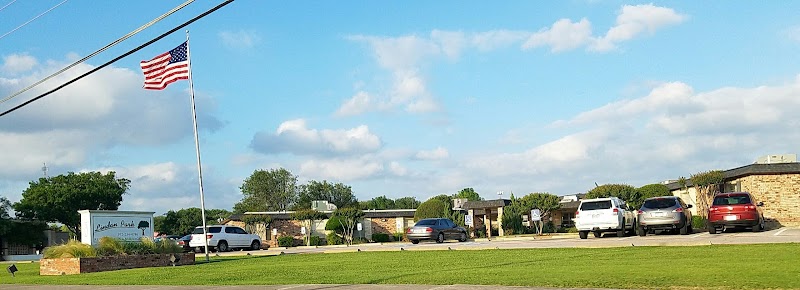
How is Lindan Park Care Center Lp Staffed?

CMS rates Lindan Park Care Center LP's staffing level at 3 out of 5 stars, which is average compared to other nursing homes. Staff turnover is 36%, compared to the Texas average of 46%. This relatively stable workforce can support continuity of care.

What Have Inspectors Found at Lindan Park Care Center Lp?

State health inspectors documented 38 deficiencies at Lindan Park Care Center LP during 2022 to 2025. These included: 4 Immediate Jeopardy (the most serious level, indicating potential for serious harm or death), 33 with potential for harm, and 1 minor or isolated issues. Immediate Jeopardy findings are rare and represent the most serious regulatory concerns. They require immediate corrective action.
Who Owns and Operates Lindan Park Care Center Lp?

Lindan Park Care Center LP is owned by a for-profit company. For-profit facilities operate as businesses with obligations to shareholders or private owners. The facility is operated by PARAMOUNT HEALTHCARE, a chain that manages multiple nursing homes. With 138 certified beds and approximately 58 residents (about 42% occupancy), it is a mid-sized facility located in Richardson, Texas.

How Does Lindan Park Care Center Lp Compare to Other Texas Nursing Homes?

Compared to the 100 nursing homes in Texas, Lindan Park Care Center LP's overall rating (1 stars) is below the state average of 2.8, staff turnover (36%) is near the state average of 46%, and health inspection rating (1 stars) is much below the national benchmark.

What Should Families Ask When Visiting Lindan Park Care Center Lp?

Based on this facility's data, families visiting should ask: "What changes have been made since the serious inspection findings, and how are you preventing similar issues?" "What safeguards and monitoring systems are in place to protect residents from abuse or neglect?" "Can I visit during a mealtime to observe dining assistance and food quality?" "How do you handle medical emergencies, and what is your hospital transfer rate?" These questions are particularly relevant given the facility's Immediate Jeopardy citations and the substantiated abuse finding on record.

Is Lindan Park Care Center Lp Safe?

Based on CMS inspection data, Lindan Park Care Center LP has documented safety concerns. The facility has 1 substantiated abuse finding (meaning confirmed case of resident harm by staff or other residents). Inspectors have issued 4 Immediate Jeopardy citations (the most serious violation level indicating risk of serious injury or death). The facility has a 1-star overall rating and ranks #100 of 100 nursing homes in Texas. Families considering this facility should ask detailed questions about what corrective actions have been taken since these incidents.

Do Nurses at Lindan Park Care Center Lp Stick Around?

Lindan Park Care Center LP has a staff turnover rate of 36%, which is about average for Texas nursing homes (state average: 46%). Moderate turnover is common in nursing homes, but families should still ask about staff tenure and how the facility maintains care continuity when employees leave.

Was Lindan Park Care Center Lp Ever Fined?

Lindan Park Care Center LP has been fined $75,027 across 2 penalty actions. This is above the Texas average of $33,829. Fines in this range indicate compliance issues significant enough for CMS to impose meaningful financial consequences. Common causes include delayed correction of deficiencies, repeat violations, or care failures affecting resident safety. Families should ask facility leadership what changes have been made since these penalties.

Is Lindan Park Care Center Lp on Any Federal Watch List?

Lindan Park Care Center LP is not on any federal watch list. The most significant is the Special Focus Facility (SFF) program, which identifies the bottom 1% of nursing homes nationally based on persistent, serious quality problems. Not being on this list means the facility has avoided the pattern of deficiencies that triggers enhanced federal oversight. This is a positive indicator, though families should still review the facility's inspection history directly.