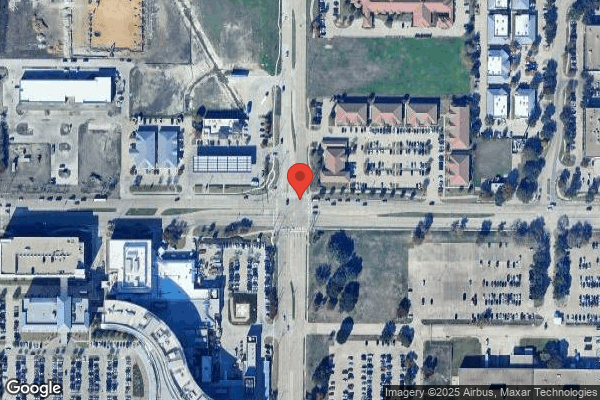
SAN REMO

3550 N SHILOH RD, RICHARDSON, TX 75082 (972) 231-4810
Government - County 112 Beds CANTEX CONTINUING CARE Data: November 2025
Trust Grade
75/100
#338 of 1168 in TX
Last Inspection: December 2024

Within standard 12-15 month inspection cycle. Federal law requires annual inspections.

Overview

San Remo in Richardson, Texas, has a Trust Grade of B, indicating it is a good choice among nursing homes. It ranks #338 out of 1168 facilities in Texas, placing it in the top half, and #17 out of 83 in Dallas County, meaning only 16 local options are better. However, the facility is showing a worsening trend, with issues increasing from 6 in 2023 to 8 in 2024. Staffing is rated average with a 3/5 star rating and a turnover rate of 46%, which is slightly better than the Texas average. Notably, there have been no fines, and the facility boasts more RN coverage than 87% of Texas facilities, which is a positive aspect. On the downside, there have been several concerning incidents, including failures in food safety practices, such as not sealing open food items and not removing expired items, which could risk contamination for residents. Additionally, there were issues with medication administration, as some residents did not receive their medications on time, potentially affecting their health. While the facility has strengths in staffing stability and RN coverage, the recent increase in health and safety concerns should be weighed carefully by families considering this home.

Trust Score
B
75/100
In Texas
#338/1168
Top 28%
Safety Record
Low Risk
No red flags
Inspections
Getting Worse
6 → 8 violations
Staff Stability
⚠ Watch
46% turnover. Above average. Higher turnover means staff may not know residents' routines.
Penalties
✓ Good
No fines on record. Clean compliance history, better than most Texas facilities.
Skilled Nurses
○ Average
Each resident gets 37 minutes of Registered Nurse (RN) attention daily — about average for Texas. RNs are the most trained staff who monitor for health changes.
Violations
⚠ Watch
15 deficiencies on record. Higher than average. Multiple issues found across inspections.
★★★★☆
4.0
Overall Rating
★★★☆☆
3.0
Staff Levels
★★★★☆
4.0
Care Quality
★★★★☆
4.0
Inspection Score
Stable
2023: 6 issues
2024: 8 issues

The Good

  • 4-Star Quality Measures · Strong clinical quality outcomes
  • Full Sprinkler Coverage · Fire safety systems throughout facility
  • No fines on record

Facility shows strength in quality measures, fire safety.

The Bad

Staff Turnover: 46%

Near Texas avg (46%)

Higher turnover may affect care consistency

Chain: CANTEX CONTINUING CARE

Part of a multi-facility chain

Ask about local staffing decisions and management

The Ugly 15 deficiencies on record

Dec 2024 5 deficiencies
CONCERN (D)

Potential for Harm - no one hurt, but risky conditions existed

Deficiency F0559 (Tag F0559)

Could have caused harm · This affected 1 resident

**NOTE- TERMS IN BRACKETS HAVE BEEN EDITED TO PROTECT CONFIDENTIALITY** Based on interviews and record review, the facility failed to ensure the right to receive written notice, including the reason f...

Read full inspector narrative →
**NOTE- TERMS IN BRACKETS HAVE BEEN EDITED TO PROTECT CONFIDENTIALITY** Based on interviews and record review, the facility failed to ensure the right to receive written notice, including the reason for the change, of a room change before the change was made for 1 of 1 resident (Resident #92) reviewed for notification of room change. The facility failed to ensure Resident #92 received written notice prior to her room change. This failure could place residents at risk for being displaced without notice and/or reason and not allow the resident the right to see the new location and ask questions about the move. Findings included: Record review of Resident #92's admission Record dated 12/4/24 reflected a [AGE] year-old female admitted to the facility on [DATE] and she was her own Responsible Party. The admission Record reflected her son and daughter-in-law were listed as Contacts. Record review of Resident #92's admission MDS assessment dated [DATE] reflected she had a BIMS score of 14 indicating she was cognitively intact. Her diagnoses included hypertension (high blood pressure); third degree burns of left lower limb, right knee and right foot burns involve all layers of the skin, acute osteomyelitis (infection in the bone); and skin transplant status. Record review of Resident #92's Progress notes reflected they included following entries: 11/14/24 at 11:39 AM: SW spoke with pt's [family member] to assist with discharge planning. Pt's [family member] stated to social worker that pt will need assisted living placement options, due to not being able to return back home. SW to provide list of facilities for pt's [family member] to review. SW to follow up and assist prn. Signed by Social Worker. 11/14/24 at 11:51 AM: SW notified pt's [family member] that pt's LCD [last covered day for insurance] is 11/17. Signed by Social Worker. 11/24/24 3:08 PM: Resident skilled for third degree burns to R leg. Alert and oriented x3. Resident stable able to make needs known. VS WNL. Resident refuses to get out of bed and or to turn on any bedroom lights or open bedroom blinds. Ate about 50% of meals today. Family visited today resident seemed encouraged. No c/o pain. Call light and personal items in reach. All staff will continue to monitor and provide care. Signed by LVN B. 11/25/24 11:15 PM: Attempted to call [family member] regarding resident moving to room . Unable to leave message secondary to voicemail being full. Successfully left message for [other family member] requesting return call regarding resident moving rooms today. Signed by LVN C. During an observation and interview on 12/3/24 at 2:05 PM, Resident #92 was observed sitting up in bed in a semi-private room. She stated she had been abruptly moved to her current room with no explanation and was just told we gotta move you. She stated her previous room had been a private room and she did not believe the room change was related to Medicare or any insurance reasons. Resident #92 stated she was never told in advance or given any explanation verbally or in writing about the move . In an interview on 12/4/24 at 1:50 PM, Unit Manager A revealed Resident #92 had been moved from her previous unit when her skilled services had ended and she was changed to long-term care. She stated she believed the change had been discussed with the resident and her family member but was unable to identify who had spoken with her or when the conversation took place. Unit Manager A stated the possibility of moving from a skilled unit to long term care unit was typically discussed with residents upon admission and again prior to any moves. She stated she had not received any complaints related to Resident #92's move to her new room. Unit Manager A stated it was important for residents to have a say as to where they were going if they were changing rooms and that any information related to a resident's room change was generally documented . In an interview on 12/4/24 at 3:58 PM, the Social Worker stated part of the process for moving a resident to a new room included checking with the resident about any preferences they may have. She stated she believed something was provided to the residents in writing but would need to check with the Administrator to be certain. The Social Worker stated she was aware Resident #92 was moving her payor source and was moved from the short stay unit. She stated she was not involved with the move and did not know whether any information had been provided to Resident #92 . In an interview on 12/4/24 at 4:12 PM, the Administrator stated he was unsure whether resident's received documentation in writing when a room change was planned and the change was usually communicated verbally with residents and their families. He stated he was unsure who had communicated the room change with Resident #92 or whether any notification had been provided in writing. The Administrator stated he was responsible for ensuring residents were notified of any room changes and he did not recall checking to determine whether Resident #92 had been properly notified in advance. He stated it was important to notify residents of any room changes because it could upset their day-to-day life by being in a different environment . During an interview on 12/5/24 at 8:00 AM, the DON stated she had been involved in conversations with Resident #92 and her family related to the resident coming off skilled therapy and moving to a private pay arrangement. The DON stated Resident #92 had communicated she was not planning to move to another room because she had planned on going home. She was unable to say whether Resident #92 had been provided anything in writing regarding her room change and stated she would look for any documentation they may have . During an observation and interview on 12/5/24 at 8:18 AM, Resident #92 was sitting up in bed. She stated her family was still looking for other places for her to live and she was hoping to be discharged once something was found. She denied receiving anything in writing or being notified verbally about a room change when discussing payment arrangements with the facility. She stated no one spoke with her about moving rooms until they arrived to move her things. During a telephone interview on 12/5/24 at 9:30 AM, LVN C stated she had received a message to move Resident #92 to her unit on 11/25/24 but could not recall who had sent her the message. She stated she spoke with Resident #92 and explained they were going to move her to a new room and would be calling her family to let them know. LVN C stated resident #92 never complained about moving rooms and had only complained about them calling her family. She stated she had called and left a message for her family member letting them know about the room change. LVN C stated she never saw anything in writing about the room change and was unaware of the room change until the day of the move . An interview on 12/5/24 at 1:25 PM with the DON revealed she was unable to locate any documentation related to Resident #92's room change. She stated the risk of moving residents without prior notification was it could cause them grief and was a violation of their rights. In an interview on 12/5/24 at 1:30 PM, LVN B stated she was previously worked weekend double shifts and just changed to PRN that week. She stated she cared for Resident #92 and was her charge nurse during double shifts on 11/23/24 and 11/24/24. She stated she had been unaware Resident #92 was moving to a new room until she returned the following weekend, and she was no longer on her unit. LVN B reviewed her notes and stated she remembered Resident #92's family visiting on 11/24/24 and the subject of a room change never came up. She stated she would typically see something about a room change documented in the chart or hear about it in report. She stated she was never involved with room changes as she worked weekends and it rarely occurred on her shifts. Record review of the facility's policy titled; Room Change/Roommate Assignment, dated Revised March 2021 reflected: Policy Statement Changes in room or roommate assignment are made when the facility deems it necessary or when the resident requests a change. Policy Interpretation and Implementation 1. Resident room or roommate assignments may change if the facility deems it necessary. Resident preferences are taken into account when such changes are considered .4. Prior to changing a room or roommate assignment all parties involved in the change/assignment (e.g., resident and their representatives) are given at least a 5 day advance written notice of such change .7. Documentation of a room change is recorded in the resident's medical record. 8. Inquiries concerning room changes should be referred to the administrator.
CONCERN (D) 📢 Someone Reported This

A family member, employee, or ombudsman was alarmed enough to file a formal complaint

Potential for Harm - no one hurt, but risky conditions existed

PASARR Coordination (Tag F0644)

Could have caused harm · This affected 1 resident

**NOTE- TERMS IN BRACKETS HAVE BEEN EDITED TO PROTECT CONFIDENTIALITY** Based on interviews, and record review, the facility failed to refer all level II residents and all residents with newly evident...

Read full inspector narrative →
**NOTE- TERMS IN BRACKETS HAVE BEEN EDITED TO PROTECT CONFIDENTIALITY** Based on interviews, and record review, the facility failed to refer all level II residents and all residents with newly evident or possible serious mental disorder, intellectual disability, or a related condition for level II resident review for one (Resident #82) of five residents reviewed for PASARR services. The facility failed to refer Resident #82 for a PASARR level II evaluation to the State-designated authority. This failure could place residents at risk of not receiving specialized PASRR services which would enhance their highest level of functioning and could contribute to residents decline in physical, mental, and psychosocial well-being. Findings included: Record review of Resident #82's quarterly MDS Assessment, dated 08/30/24, revealed she was a [AGE] year-old-female admitted to the facility on [DATE] with diagnoses which included schizophrenia. Resident #82's BIMs score of 13 indicated the resident's cognition was intact and she was able to make decisions for herself. Record review of Resident #82's PASARR Level I screening, dated 05/13/24, reflected the resident did not have a history of mental illness. An interview on 12/04/24 at 3:30 PM with Resident #82 revealed the resident did not receive PASSAR services, but she wanted to. She said she would appreciate any services she could get. An interview with LVN E on 12/04/24 at 12:51 PM revealed she was responsible for PASARR at the facility and had been for 6 years. She said Resident #82 was not receiving PASARR services because her PL-1 screening was probably negative. LVN E said she did not know the resident had a diagnosis of schizophrenia. She said she was responsible for knowing the information and she knew the information because she completed MDS assessments. LVN E said that the resident was at risk for not receiving services that she qualified for. An interview on 12/5/24 at 1:25 PM with the DON revealed she was responsible for making sure PL-1's were correct and she reviewed them. The DON said she did not know why Resident #82 did not have a new PL-1 completed for her diagnosis of schizophrenia. The DON said it was important for the PL-1 screenings to be correct so that the residents could receive the services they needed. The DON documented on 12/06/24 at 4:37 PM in an email that the facility did not have a PASSAR policy but did follow the recommendations of HHSC.
CONCERN (D) 📢 Someone Reported This

A family member, employee, or ombudsman was alarmed enough to file a formal complaint

Potential for Harm - no one hurt, but risky conditions existed

Incontinence Care (Tag F0690)

Could have caused harm · This affected 1 resident

**NOTE- TERMS IN BRACKETS HAVE BEEN EDITED TO PROTECT CONFIDENTIALITY** Based on observation, interview, and record review, the facility failed to ensure a resident who was incontinent of bladder rece...

Read full inspector narrative →
**NOTE- TERMS IN BRACKETS HAVE BEEN EDITED TO PROTECT CONFIDENTIALITY** Based on observation, interview, and record review, the facility failed to ensure a resident who was incontinent of bladder received appropriate treatment and services to prevent urinary tract infections for one (Resident #58) of three residents observed for catheters. 1. CNA D failed to clean Resident #58's suprapubic catheter site and catheter during a bath. 2. The facility failed to ensure Resident #58 had a securement device to keep his catheter from pulling. This failure could place residents at risk of cross-contamination and development of urinary tract infections. Findings included: 1. Record review of Resident #58's admission MDS assessment, dated 10/11/24, reflected he was a [AGE] year-old male admitted to the facility on [DATE]. His BIMs score was 15 indicating his cognitive status was intact. His diagnoses included bone infection of left foot/ankle, diabetes, and urinary tract infection. The resident required partial assist from one staff for bathing. The resident had an indwelling catheter and was frequently incontinent of bowel movement. Record review of Resident #58's care plans, dated 10/07/24 reflected: The resident had a suprapubic catheter. Facility interventions included monitor/document for pain/discomfort due to catheter. An observation on 12/03/24 at 10:49 AM revealed Resident #58 was in his room. He was awake and alert. CNA D was in the room and wearing gloves. CNA D undressed the resident and started bathing him. The resident had a supra-pubic catheter with crusty, brown drainage at the site and on the tubing. The catheter did not have a device to secure it on the leg to prevent it from pulling out. CNA D finished the bath but did not clean the resident's catheter site or tubing. An interview on 12/03/24 at 1:21 PM with CNA D revealed said he was supposed to clean the suprapubic catheter site and tubing and he did not know why he did not do it this time. He said he did not know how long the resident had been without a securing device for the resident's suprapubic catheter. An interview on 12/04/24 at 1:32 PM with Unit Manager A revealed CNAs were supposed to clean the catheter site and tubing for Resident #58. Unit Manager A said Resident #58 was supposed to have a securement device on his leg to ensure the resident's suprapubic catheter did not get pulled out. An interview on 12/05/24 at 1:25 PM with the DON revealed Resident #58 had a suprapubic catheter and the CNAs were supposed to clean the catheter site and tubing. A follow-up interview on 12/05/24 at 02:40 PM with the DON revealed he was supposed to have a securement device on his suprapubic catheter to prevent the resident from having urine retention and infection. Review of the facility in-service, Suprapubic Catheter Care, revised October 2010, reflected: 6. Wash around the catheter site with soap and water. (Note: If the resident has a drainage sponge around the stoma site, remove the drainage sponge before washing with soap and water.) Wash the outer part of the catheter tube with soap and water .
CONCERN (D) 📢 Someone Reported This

A family member, employee, or ombudsman was alarmed enough to file a formal complaint

Potential for Harm - no one hurt, but risky conditions existed

Infection Control (Tag F0880)

Could have caused harm · This affected 1 resident

**NOTE- TERMS IN BRACKETS HAVE BEEN EDITED TO PROTECT CONFIDENTIALITY** Based on observation, interviews, and record review the facility failed to establish and maintain an infection prevention and co...

Read full inspector narrative →
**NOTE- TERMS IN BRACKETS HAVE BEEN EDITED TO PROTECT CONFIDENTIALITY** Based on observation, interviews, and record review the facility failed to establish and maintain an infection prevention and control program designed to provide a safe, sanitary, and comfortable environment and to help prevent the development and transmission of communicable diseases and infections for one (Resident #58) of five residents observed for infection control. 1. The facility failed to ensure CNA D wore the appropriate PPE and performed hand hygiene while bathing Resident #58. These failures placed residents at risk for healthcare associated cross contamination and infections. Findings included: 1. Record review of Resident #58's admission MDS assessment, dated 10/11/24, reflected he was a [AGE] year-old male admitted to the facility on [DATE]. His BIMs score was 15 indicating his cognitive status was intact. His diagnoses included bone infection of left foot/ankle, diabetes, and urinary tract infection. The resident required partial assist from one staff for bathing. The resident had an indwelling catheter and was frequently incontinent of bowel movement. Record review of Resident #58's care plans, dated 10/07/24 reflected: Risk for self-care deficit with bathing. Facility interventions included to provide assistance with ADLs as needed. The resident had a suprapubic catheter. Facility interventions included monitor/document for pain/discomfort due to catheter. An observation on 12/03/24 at 10:49 AM revealed Resident #58 was on enhanced barrier precautions and there was PPE available outside the resident's door. CNA D was in the room and wearing gloves. CNA D was not wearing a gown. CNA D undressed the resident and started bathing him. The resident had a supra-pubic catheter with crusty, brown drainage at the site and on the tubing. The catheter did not have a device to secure it on the leg to prevent it from pulling out. During the bath, CNA D's clothing repeatedly touched the bed and the resident. CNA D finished the bath but did not clean the resident's catheter site or tubing. CNA D had a hole in his right glove that was exposing his skin. CNA D did not change his gloves or perform hand hygiene after bathing the resident. CNA D put a clean brief and clean clothes on the resident while using the same soiled and torn gloves. An interview on 12/03/24 at 1:21 PM with CNA D revealed he did not think Resident #58 was on enhanced barrier precautions. CNA D said if the resident was on enhanced barrier precautions, then he was supposed to wear a gown and gloves to provide care. CNA D said he was supposed to change gloves and perform hand hygiene after washing the resident and before putting on the clean brief and clothes. CNA D said he got busy and forgot. CNA D said he was supposed to change gloves if they had a hole, and he was not sure why he did not do it this time. CNA D said he was supposed to clean the suprapubic catheter site and tubing and he did not know why he did not do it this time. He said he did not know how long the resident had been without a securing device for the resident's suprapubic catheter. An interview on 12/04/24 at 01:32 PM with Unit Manager A revealed Resident #58 was supposed to be on enhanced barrier precautions. She said staff were supposed to wear a gown and gloves for bathing residents on enhanced barrier precautions. Unit Manager A also said that if the staff had a torn glove, the staff were supposed to stop, perform hand hygiene, and put on a new set of gloves. She said staff were supposed to change gloves and perform hand hygiene after cleaning a resident and before putting on the clean brief and clothes. Unit Manager A said CNAs were supposed to clean the catheter site and tubing. She said correct PPE and hand hygiene were important to prevent the spread of infection. An interview on 12/05/24 at 1:25 PM with the DON revealed Resident #58 was on enhanced barrier precautions. She said staff were supposed to wear a gown and gloves for bathing and incontinence care for the resident. The DON said staff were supposed to change gloves if they tore a glove during care. She also said staff had to perform hand hygiene and put on a new set of gloves. The DON said staff were supposed to change gloves and perform hand hygiene after cleaning a resident and before putting on the clean brief and clothes. The DON said CNAs were supposed to clean the catheter site and tubing. The DON said correct PPE and hand hygiene were important to prevent the spread of infection. Review of the facility in-service, Infection Control, dated November 2017, reflected: 1. The facility must establish an infection prevention and control program (IPCP) that must include: a. A system for preventing, identifying, reporting, investigating, and controlling infections and communicable diseases for all Patients, staff, volunteers, visitors, and other individuals providing services under a contractual arrangement based upon the facility assessment .
CONCERN (E) 📢 Someone Reported This

A family member, employee, or ombudsman was alarmed enough to file a formal complaint

Potential for Harm - no one hurt, but risky conditions existed

Food Safety (Tag F0812)

Could have caused harm · This affected multiple residents

**NOTE- TERMS IN BRACKETS HAVE BEEN EDITED TO PROTECT CONFIDENTIALITY** Based on observations, interviews, and record review, the facility failed to store, prepare, distribute, and serve food in accor...

Read full inspector narrative →
**NOTE- TERMS IN BRACKETS HAVE BEEN EDITED TO PROTECT CONFIDENTIALITY** Based on observations, interviews, and record review, the facility failed to store, prepare, distribute, and serve food in accordance with professional standards for food service safety for 1 of 1 kitchen reviewed. 1. The facility failed to seal open items in plastic bags in the dry storage pantry and freezer according to guidelines. 2. The facility failed to ensure that expired items in the dry storage pantry and refrigerator were removed. These deficient practices could affect residents who received meals and/or snacks from the main kitchen and place them at risk for cross contamination and other air-borne illnesses. Findings Included: Observation of the kitchen during the brief initial tour of the kitchen on 12/03/24 at 9:21 AM, revealed that in the dry storage area, there was one box of 1 lb. box of Monarch brand baking soda that was open, one 2 1b. bag of unsealed [NAME] brand powdered sugar, the top of the plastic container of breadcrumbs and sugar were unsealed. There three bottles of 46 fl. Oz. Hormel Thick and Easy Clear brand of thickened orange juice with an expiration date of 11/13/2024. There was a bag of 5 lb. curly medium egg noodles that was unsealed. The freezer contained one pack of 32 oz. chopped collard greens and a ½ bag of 32 oz. broccoli florets that were unsealed. The freezer also contained a lemon meringue pie that was unsealed. In an interview with [NAME] I on 12/03/24 at 10 AM, she stated that she had been employed at the facility for 6 years. She stated that she was unaware that there were expired and unopened items in the dry storage and freezer areas. She stated that she was not aware that there was unsealed food in the freezer. She stated that all the staff were responsible for storing the items on the shelf and checking the expiration dates on everything in the kitchen. She stated that she had taken in-service trainings on food preparation and storage and her last in-service training was last week. She stated that if someone ingested food that had been cross-contaminated, there was a risk that someone could get salmonella poisoning (a bacterial infection that causes food poisoning) and a dented can could cause the resident to become sick and ill. In an interview with [NAME] J on 12/03/2024 at 10:14 AM, she stated that she had been employed at the facility for 3 years. She reported that she was unaware of the findings in the kitchen. She stated that all staff were responsible for ensuring that everything in the kitchen was sealed and not expired. She stated that she had taken in-service trainings on food preparation and storage and her last in-service training was 2 weeks ago. She stated that with expired food being in the food pantry and items being unsealed, there was a possibility of cross-contamination and bacteria. She stated that the if anyone has exposed to food that is expired and unsealed, it can cause harm and for someone which will cause them to become ill and have diarrhea. In an interview with the Dietician on 12/03/24 at 11:05 AM, she stated that the facility's Dietary Manager was not available and would not return to work until next week. She stated that she had been employed with the company for 4 years. She reported that she visited the facility at least once a week. She stated that herself and the Dietary Manager hold their staff to a high expectation. The Dietician stated that she was unaware of the expired items, unsealed items. She stated that all staff were responsible for ensuring that the food in the kitchen's dry storage area, refrigerators, and freezer were labeled, dated, and not expired. She reported that all staff had been in-serviced on food preparation, labeling, storage, and cross-contamination. She stated that all of the items mentioned to her were disposed of and discarded. She stated that if a staff member sees an expired item or something else in the kitchen that was incorrect, they were to inform herself or the Dietary Manager. She stated that she felt that there was not any risk to the residents due to the items being discarded and thrown away. She stated that there was not any cross-contamination and harm done due to the items being thrown away. On 12/04/24 at 3:26 PM an attempted telephone call was made to the Dietary Manager and there was no answer. In an Interview with the Administrator on 12/05/2024 at 2:17 PM, he was informed about the findings in the kitchen during the initial tour of the kitchen. He stated that he was unaware that there were expired items, unsealed food. He stated that expired food should be thrown out and the proper protocol and procedures for food preparation, and food storage should be always used. He stated that if cross contamination occurs, the risk to anyone that eats food from the kitchen can cause them to get sick, if they were to eat any expired food from the kitchen. Record review of the facility's policy titled Food Storage, dated, March 2009 reflected, Policy: Sufficient storage facilities are provided to keep foods safe, wholesome, and appetizing. Food is stored, prepared, and transported at an appropriate temperature and by methods designed to prevent contamination. Procedure: 1. Food will be stored according to the Food Storage Guidelines. 2. Dry storage rooms must be well-ventilated. All storage areas should be well lighted with humidity controls to prevent condensation of moisture and growth of molds. 3. Storage rooms must have only one access door. If the storage room has more than one door, only one door will be used. All other doors must be locked and their use prohibited. Secure locks must be installed on all other doors and windows. Key to storage rooms shall be controlled by the Dietary Services Manager. 4. Food items will be stored on shelves, with heavier and bulkier items stored on lower shelves. Glass items should always be stored on lower shelves. 5. Plastic containers with tight-fitting covers must be used for storing cereals, cereal products, flour, sugar, dried vegetables, and broken lots of bulk foods. All containers must legible and accurately labeled, including the date the package was opened. 6. Chemicals must be clearly labeled, kept in original containers when possible, and kept in a locked area away from food. 7. Scoops must be provided for sugar, flour, dried vegetables, and spices. Scoops are not to be stored in food containers, but are kept covered in a protected area near the containers. Scoops are to be washed and sanitized on a weekly basis, or as needed. 8. Hands must be washed after unloading supplies and prior to handling food items. 9. All stock must be rotated with each new order received. Rotating stock is essential to ensure the freshness and highest quality of all foods. a. Old stock is always used first. (First in - First out method.) b. Supervision is necessary to make sure that the person designated to put stock away is rotating it properly. 9. Food is purchased in quantities which can be stored properly. 10. Food is arranged in storage areas in food groups to make it easier to store, locate, and inventory. 11. Food is stored a minimum of 8 inches above the floor and 18 inches from the ceiling on clean racks or other clean surfaces, and is protected from splash, overhead pipes, or other contamination. 12. Perishable food such as meat, poultry, fish, dairy products, fruits, vegetables and frozen products must be refrigerated immediately to ensure nutritive value and quality. 13. Leftover food is stored in covered containers or wrapped carefully and securely. Each item is clearly labeled and dated before being refrigerated. Leftover food is used within 2-3 days or discarded. 14.All refrigerator units are kept clean and in good working condition at all times. 15. Refrigeration: a. Temperatures for refrigerators should be between 40 degrees Fahrenheit or lower. Thermometers should be checked at least twice daily. (See Freezer and Refrigerator Temperature Form). b. Every refrigerator must be equipped with an internal thermometer. c. Each nursing unit with a refrigerator/freezer unit will be monitored for appropriate temperatures. d. Cooked foods must be stored above raw foods to prevent contamination. e. All foods should be covered, labeled and dated. f. All foods should be stored to allow air circulation. g. Refrigerated foods should be stored upon delivery and careful rotation procedures should be followed. 16. Frozen Foods: a. Temperatures for the freezer should be 0 degrees Fahrenheit or below and should be checked at least two times each day. b. Every freezer must be equipped with an internal thermometer c. Frozen meat, poultry, and fish should be defrosted in a refrigerator for 24 to 48 hours, and should be used immediately after thawing (24 hours). Thawing meat should be labeled and dated. d. Foods should be covered, labeled and dated. e. All food items should be stored upon delivery and careful rotation procedures should be followed. f. Meat, fish, and poultry should be stored on lower shelves with fruits, vegetables, juices and breads stored on upper shelves. Record review of the U.S. Food and Drug Administration (FDA) Code (2022) revealed, PACKAGED FOOD shall be labeled as specified in LAW, including 21 CFR 101 FOOD Labeling, 9 CFR 317 Labeling, Marking Devices, and Containers, and 9 CFR 381 Subpart N Labeling and Containers, and as specified under § 3-202.18. FOOD shall be protected from contamination that may result from a factor or source not specified under Subparts 3-301 - 3-306.
Mar 2024 1 deficiency
CONCERN (D) 📢 Someone Reported This

A family member, employee, or ombudsman was alarmed enough to file a formal complaint

Potential for Harm - no one hurt, but risky conditions existed

Pharmacy Services (Tag F0755)

Could have caused harm · This affected 1 resident

**NOTE- TERMS IN BRACKETS HAVE BEEN EDITED TO PROTECT CONFIDENTIALITY** Based on observation, interview, and record review the facility failed to provide pharmaceutical services (including procedures ...

Read full inspector narrative →
**NOTE- TERMS IN BRACKETS HAVE BEEN EDITED TO PROTECT CONFIDENTIALITY** Based on observation, interview, and record review the facility failed to provide pharmaceutical services (including procedures that assure the accurate acquiring, receiving, dispensing, and administering of all drugs and biologicals) to meet the needs of each resident for 1 (Resident #1) of 6 residents reviewed for pharmacy services in that: The facility failed to ensure employees with keys used to access to controlled medication did not share those keys without first properly counting the inventory of the controlled medications. LVN A shared the keys to her medication cart, which contained a separately locked compartment for controlled medications, with LVN B during the course of their shift. LVN A later discovered 30 tablets of Oxycodone (a controlled narcotic drug), belonging to Resident #1, was missing from her medication cart at the end of her shift. The medications were never located. This failure placed residents at risk for unrelieved pain due to their medication not being readily available. Findings included : Record review of Resident #1's Face Sheet dated 2/16/24 revealed she was a [AGE] year-old female admitted to the facility on [DATE] with diagnoses including bacterial infection; encounter for surgical aftercare following surgery on the digestive system; orthopedic aftercare following surgical amputation; acquired absence of left leg above the knee; perforation of the intestine (a hole in the intestine); peripheral vascular disease (reduced blood flow to the limbs); and chronic non-pressure ulcers of the right foot. Record review of Resident #1's MDS assessment dated [DATE] revealed she had a BIMS score of 5, indicating severe cognitive impairment. She was receiving scheduled pain medication daily, and was receiving Hospice Services. Record review of Resident #1's Patient Medication Profile dated 03/11/24 revealed her orders included the following: Order dated 07/08/2022: Oxycodone 10 mg tablet 1 tablet oral every four hours as needed for pain. Order dated 12/10/2022: Tramadol 50 mg 1 tablet oral twice a day for pain. Order dated 08/17/2023: Gabapentin (used for nerve pain) 300 mg 1 tablet every 8 hours. Record review of Resident #1's medication administration records dated February 1, 2024 through March 11, 2024 reflected she had received her scheduled doses of Tramadol and Gabapentin as ordered. She had not received any doses of Oxycodone. Record review of Resident #1's nursing progress notes dated 02/01/24 through 03/11/24 revealed there were no entries reflecting Resident #1 was experiencing increasing pain requiring additional pain medication. Record review of a facility Provider Investigation Report dated 2/16/24 reflected the following: Description of the Allegation: On 2/15/24 during the narcotic count the facility was unable to locate a bubble pack containing 30 pills of 10 mg Oxycodone, that [Resident #1] receives on a PRN basis . Provider Response: Notified Physician. Notified Family and Hospice. Notified [City] Police Department [report number]. Notified Pharmacy Consultant. Drug tested [LVN A and LVN B]. Both negative. In-service Nurses and Med Aides on management of controlled medications. Suspended [LVN A]. Audited all narcotic boxes and E-kits to ensure no other narcotics were missing. A written statement by LVN A included in the report reflected: 2/15/24 Before Lunch time [LVN B] 300 H [hall] nurse came to me and asked me 'can I have your key' I asked her what do you want to do with it. She said 'I need to get some medications'. I gave her my key. She is the only person who touch my cart. During shift change we were counting the meds and we couldn't find oxycodone, this card was missing from the narcotic box. I immediately start searching with the help of other nurses but we did not find the missing medications so I notified my unit manager immediately. We all look for the missing medication but it couldn't be find [sic]. DON and Administrator aware. Signed by LVN A. A written statement by LVB B included in the report reflected: 2/15/24 I [LVB B] asked [LVN A] for her keys so I could obtain some magic mouthwash [a solution used to treat mouth sores and does not contain controlled substances]. [LVN A] gave me her keys, I walked to the cart that was on 700 (plain site [sic] of [LVN A]) and tool 30 ml of magic mouthwash, closed the cart, locked the cart and took keys back to [LVN A] who was sitting at nurses station. Signed by LVN B. Investigation Summary: On 2/15/24 [LVN A and LVN C] were counting the 700 Hall narcotics during shift change, during the counting of narcotics it was noticed that bubble pack of 30-10 mg Oxycodone were missing. [LVN A and LVN D] state that the medication was there during their previous shift change narcotic count. In an interview with [LVN A], she stated she only let [LVN B] into her cart during her shift and she was in need of a OTC medication. [LVN B] denies taking the medication. In an interview with [LVN B] she stated that she did retrieve an OTC from the medication cart. [LVN B] stated that the cart was on 700 in clear view of [LVN A] and that is the only thing she retrieved. [LVN B] denies taking any narcotics. The other staff interviews were unremarkable and offered no guidance into the missing medication. In conclusion, the facility finds the allegation unconfirmed. The facility is unable to determined [sic] the cause of the missing narcotics. All staff members deny taking the missing medications nor was there a witness. The audits yielded no other missing medications. During an observation and interview on 03/11/24 at 9:35 AM, Resident #1 was observed in bed, under a blanket. Her right foot was exposed and propped up in a pillow. Her right great toe was completely black, the tip or right second toe was black, and a dressing was observed between the two. The top of her right foot near her toes was pink. The outline of her left leg could be seen under her blanket and was amputated above her knee. She stated she lost her left leg and had issues with her right foot due to poor circulation. She stated she does have pain in her right foot and received medications for it. She stated her medications were always available and she did not recall missing any doses or having to wait for her medicines. During an interview on 03/11/24 at 10:50 AM, the DON stated she had been heavily involved with the investigation related to Resident #1's missing Oxycodone. She stated the medications were found to be missing while LVN A was counting medications at the end of her shift with an oncoming nurse. She stated they stopped and contacted her immediately, a search was conducted and they were unable to locate the missing medication. The DON stated her investigation revealed LVN A and LVN B had breached facility policy by sharing keys without counting medications. She stated nurses counted the narcotics in the carts prior to handing off keys during every shift change and should never share keys during their shift. LVN B asked to borrow LVN A's keys to retrieve an OTC medication and LVN A admitted to handing her the keys. The DON stated the risk for sharing keys was possible drug diversion leaving residents without their medications. The DON stated nurses and medication aides had previously received in-service training prior to the incident and they all received in-service training again after the incident. The DON stated the Pharmacy Consultant was notified and a full medication audit was completed with no other medications found to be missing. She stated Resident #1 did not miss any doses of her Oxycodone and rarely requested it as she was taking scheduled pain medications. She stated the medication was immediately re-ordered as a STAT order and was replaced within approximately 2 hours at the facility's expense. The DON stated both LVNs denied taking the medication, drug screens were conducted on both nurses which came back negative. The DON stated she and her Unit Managers were monitoring medication count sheets daily. During an interview on 3/11/24 at 11:42 AM, LVN B stated she was one of the nurses investigated about Resident #1's missing pain medication. She stated she asked LVN A for her keys so she could retrieve an over-the-counter medication she had run out of. She stated she could not recall the name of the medication but remembered pulling the medication she needed and giving the keys right back to LVN A. She stated she had been written-up and drug tested as a result and received additional training. She stated the risk for sharing keys with each other was possible drug diversion and resident's not having the medications they needed to control their pain. She stated she promised she did not take any medications from anyone and had not entered the controlled medication box within LVN A's cart. LVN B stated she should not have asked to borrow another nurse's keys and stated she guessed the incident occurred because the nurses developed a trust with each other. During an interview with Unit Manager E on 03/11/24 at 12:14 PM revealed she has assisted with the investigation of the incident involving Resident #1's missing medications. She stated controlled medications in medication carts were supposed to be counted during every shift change between the off-going and oncoming nurse before handing over the keys to the carts. She stated the nurse receiving the keys was responsible for the medications on their carts during their shift. She stated nurses and medication aids were never supposed to share keys with one another. She stated the counts were important to prevent drug diversions and ensure the resident's medications were available and accounted for. Unit Manager E stated LVN A had reported that LVN B had asked for her keys to retrieve an OTC medication and he loaned them to her. LVN A reported she noticed the medications were missing at the end of her shift while counting medications with the oncoming nurse. She stated LVN A reported the missing medications immediately and began searching for them. Unit Manager A stated she checked on Resident #1 herself and she had denied needing any medications and had been receiving her scheduled pain medications. She stated a facility-wide medication audit had been conducted and no other medications were missing. During an observation and interview with LVN A on 03/11/24 at 1:46 PM, she stated she had always counted controlled medications with the off-going nurse when she came on shift. She stated she counted her cart at the beginning of her shift and the counts were correct. She stated the day the incident occurred was a very busy shift. She recalled LVN B asking for her keys to retrieve a medication, she stated she could not recall the time but thought it was sometime around lunch. LVN A stated she was preoccupied that day and did not observe LVN B access her cart. She could not recall how long LVN B was in possession of her keys. LVN A stated she was counting the medications in her cart with the oncoming nurse at the end of her shift when she noticed Resident #1's Oxycodone tablets were missing. She stated she began searching through every medication in her cart and the other nurses were searching as well. She stated she immediately notified Unit Manager E and the DON. She stated she did not step away from her cart or give the keys to anyone until the DON arrived. LVN A stated she did not attempt to contact LVN B because she just wanted to focus on what she needed to do. She stated she, and other nearby nurses, searched every medication card in every cart and were unable to find the medications. She stated Resident #1 had never needed the medication on her shift as her scheduled pain medications usually controlled her pain. LVN A stated she knew she should have never handed her keys to anyone without counting the medications and she felt terrible about the mistake. She stated she had received training about it before and should have known better. She stated she had never had this happen to her before. She stated she was drug tested, written up and received additional training. LVN A stated the risk for sharing keys without counting medications were drug diversions which placed residents at risk for unrelieved pain due to not having their medications available. LVN A stated the correct procedure for handing over keys including counting every narcotic control sheet, every corresponding medication bubble pack card and every individual pill. Following the interview, LVN A demonstrated counting her cart with Unit Manager E. The controlled medication counts within her cart, including those belonging to Resident #1, were accurate. During a follow-up interview and observation on 03/11/24 at 2:15 PM, LVN B described the procedure for counting her cart at the end of her shift including counting narcotic control sheets, the individual medication cards and the individual tablets. LVN B was observed counting her cart with RN F prior to handing her keys over to him. During an interview with RN F on 3/11/24 at 4:35 PM, he stated he had received in-service training related to medication cart security. He stated he knew staff should never loan their keys to anyone and controlled medications always needed to be counted and cosigned prior to handing keys off or accepting keys from anyone. RN F stated he had never encountered an issue but knew if any discrepancy was found, the Unit Manager and DON should be notified immediately. RN F stated the risk of loaning keys to other staff included drug diversions, and residents may not be able to receive their medications when needed which would increase their pain and suffering. He stated drug diversions could also lead to legal ramifications for the nurse and the facility. In an interview on 03/11/24 at 5:10 PM, the Administrator stated he believed the cause of the drug diversion was the nurses failed to follow protocol by sharing keys. He stated LVN A had said she counted the cart before and after her shift. He stated he did not find enough evidence to assign direct blame as far as who removed the drugs because all involved denied taking the medications. He stated LVN A and LVN B had been suspended, both their drug screens were negative, the nurses were written up and re-educated prior to returning to work. The Administrator stated the risk for failing to follow protocol included failure of narcotic control by losing sight of the count. He stated the risk to residents included not having their medications available leading to increased pain and worsening of health conditions. The Administrator stated the Pharmacy Consultant assisted with the audit and had conducted the in-service training with all nurses and medication aides. He stated the DON and Unit Managers were responsible for monitoring the controlled medications and ensuring counts were conducted. Record review of an In-Service training Reports dated 2/15/24 from 3 pm to 11 pm and conducted by the DON and another dated 02/20/24, conducted by the Consultant Pharmacist and included the following: Drug Diversion Risk Reduction Policy (undated): Accountability-Controlled substance count is verified between on-coming nurse and off-going nurse each time the keys to lock box where controlled substances are stored are exchanged between licensed staff. (usually end of shift but may include lunch breaks and early departure from shift at times). Shift-shift count is performed as reconciling aloud the last name of resident, medication name, medication strength, and quantity remaining. Facility will perform routing audit of shift-shift count sheets and failure of staff to sign this form will result in disciplinary action as this document is maintained to show which nurse is directly responsible for the controlled substance inventory at all times per DEA regulations. Controlled substance emergency kit (unless Omnicell computerized drug dispensing machine]) will be counted to reconcile inventory qshift [sic] Record review of the facility's policy/procedure titled, Management of Controlled Medication and dated revised January 2024 reflected the following: Policy The Facility staff will follow the method of accounting for controlled medications through receiving, administration, storage, and destruction, which meets the requirements of the state and federal narcotic enforcement agencies. Procedure .Shift-to-Shift Count: 1. Controlled medications will be counted every shift change (scheduled or incidental) by an authorized staff member (RN/LVN/CMA) reporting on duty with an authorized staff member reporting off duty. a. Scheduled shift change = routine shift changes (8, 12, or 16 hours) b. Incidental shift change = interrupted routine shift due to any circumstances (staff illness, reassignments, partial shift work etc.) 2. At the end of every shift the authorized staff member reporting off duty meet at the designated medication cart or storage area to count controlled medications. 3. The authorized staff member reporting off duty reads all Controlled Drug Receipt/Record/Disposition Form[s] one at a time, announcing the Patient's name, the medication, and the dose. 4. The authorized staff member reporting on duty counts the amount of remaining controlled medications (bubble pack or bottle) and announces the number aloud . If a discrepancy is found: a. Check the Patient's order sheets, administration records and nurse's notes in the chart to see if a controlled medication has been administered and not recorded. b. Check previous recordings from the Controlled Drug Receipt/Record/Disposition Form for mistakes in arithmetic or error in transferring numbers from one sheet to the next. c. If the cause of the discrepancy cannot be located and/or the count does not balance, report the matter to the Director of Nursing/designee IMMEDIATELY. d. The authorized staff member reporting off duty must remain in the facility during the investigation. e. Generate the appropriate incident statements. f. The Director of Nursing/designee will then contact the Administrator. The Administrator will determine if the incident is reportable (internal/external). The Consultant Pharmacist will be notified. Controlled medication key(s): a. Upon completion of tour of duty, the authorized staff member reporting off duty transfers the key(s) to the authorized staff member reporting on duty. b. The controlled medication key(s) will be in the possession of the authorized staff member during his/her shift. c. The authorized staff member will have the key(s) in his/her possession at all times while on duty. The key(s) shall not be out of the possession of the authorized staff member. If another staff member must give medications, a complete count of the controlled medications must be performed. d. The controlled medication key(s) will not be given to private duty nurses or any nurse not assigned to that unit, or to physicians, nurses aides, or any staff who are not permitted to give medications.
Jan 2024 2 deficiencies
CONCERN (D) 📢 Someone Reported This

A family member, employee, or ombudsman was alarmed enough to file a formal complaint

Potential for Harm - no one hurt, but risky conditions existed

Safe Environment (Tag F0584)

Could have caused harm · This affected 1 resident

**NOTE- TERMS IN BRACKETS HAVE BEEN EDITED TO PROTECT CONFIDENTIALITY** Based on interview and record review the facility failed to ensure residents had the right to a safe, clean, comfortable and hom...

Read full inspector narrative →
**NOTE- TERMS IN BRACKETS HAVE BEEN EDITED TO PROTECT CONFIDENTIALITY** Based on interview and record review the facility failed to ensure residents had the right to a safe, clean, comfortable and homelike environment, including but not limited to receiving treatment and supports for daily living safely for one of four residents (Resident #1) reviewed for resident rights. The facility failed to ensure Resident #1's room was clean. This failure could place residents at risk for unsanitary living conditions. Findings include: Record review of Resident #1's face sheet, printed 01/30/2024, reflected a [AGE] year-old male who was admitted to the facility on [DATE]. Resident #1 had diagnoses which included encephalopathy (brain dysfunction) , hyperlipidemia (high cholesterol), type 2 diabetes (problem in the wait the body regulates sugar) and dementia (impaired ability to think, remember or make decisions). Record review of Resident #1's quarterly MDS assessment, dated 01/10/2024, reflected a BIMS score of 12 out of 15, which indicated moderately impaired cognition. Record review of Resident #1's care plan, dated 01/30/2024, reflected ADL function supervision times 1. Goals indicated Resident #1 would maintain a sense of dignity by being clean, dry, odor free and well groomed. Interventions included encourage independence, praise when attempts made, assist with ADL as needed. In an observation and interview on 01/30/2024 at 11:50 AM revealed Resident #1 had a brief on the floor with feces in it. Resident #1 stated he changed his own brief and attempted to throw it in the trash, however, he missed the trash. Resident #1 stated he had not called staff in the room to clean up. In an observation and interview with Resident #1's Family Member on 01/30/2024 at 12:10 PM revealed she visited Resident #1 several times a week and Resident #1's room needed to be cleaned often. Observation revealed Resident #1's family member picked up broken pieces of a thick plastic cup that she stated was from last week that were still on the floor on top of the mat next to the resident's bed. The Family Member also picked up used gauzed and pointed out a brown substance and stated it was feces from the resident changing his own brief. The Family Member stated Resident #1's room frequently had trash on the floor. The family member stated she frequently informed staff that Resident#1's room needed to be cleaned. Interview on 01/30/2024 at 4:14 PM the Housekeeping Supervisor revealed resident rooms were cleaned once a day or more if needed. The Housekeeping Supervisor stated Resident #1's room was one of the rooms that was cleaned more frequently due to the resident having behaviors of throwing things and issues with feces being on the floor. The Housekeeping supervisor stated CNA's or nurses would inform housekeeping staff if additional cleaning was needed. Record review of the facility's policy Resident rights, dated revised February 2021, reflected Federal and state laws guarantee certain basic rights to all residents of this facility. These rights include the resident's right to: a dignified existence, be treated with respect, kindness, and dignity.
CONCERN (D) 📢 Someone Reported This

A family member, employee, or ombudsman was alarmed enough to file a formal complaint

Potential for Harm - no one hurt, but risky conditions existed

Comprehensive Care Plan (Tag F0656)

Could have caused harm · This affected 1 resident

**NOTE- TERMS IN BRACKETS HAVE BEEN EDITED TO PROTECT CONFIDENTIALITY** Based on observation, interview, and record review the facility failed to ensure comprehensive care plans were reviewed and revi...

Read full inspector narrative →
**NOTE- TERMS IN BRACKETS HAVE BEEN EDITED TO PROTECT CONFIDENTIALITY** Based on observation, interview, and record review the facility failed to ensure comprehensive care plans were reviewed and revised by the interdisciplinary team after each assessment, including both the comprehensive and quarterly review assessments for one of three residents (Resident #1) reviewed for care plans. The facility failed to develop a care plan to address Resident #1 wanted to be independent and change his own brief This failure could place residents at risk for receiving delayed treatment and not obtaining/maintaining their highest practicable wellbeing. Findings include: Record review of Resident #1's face sheet, printed 01/30/2024, reflected a was a [AGE] year-old male who was admitted to the facility on [DATE]. Resident #1 had diagnoses which included encephalopathy (brain dysfunction) , hyperlipidemia (high cholesterol), type 2 diabetes (problem in the wait the body regulates sugar) and dementia (impaired ability to think, remember or make decisions). Record review of Resident #1's quarterly MDS assessment, dated 01/10/2024, reflected a BIMS score of 12 out of 15, which indicated moderately impaired cognition. Review of section H bladder / bowel was not completed. Record review of Resident #1's care plan, dated 01/30/2024, reflected ADL function supervision times 1. Goals indicated Resident #1 would maintain a sense of dignity by being clean, dry, odor free and well groomed. Interventions included encourage independence, praise when attempts made, assist with ADL as needed. In an observation and interview on 01/30/2024 at 11:50 AM with Resident #1 revealed a brief on the floor on the side of the bed that was full of feces. Resident #1 was observed to have feces smeared down his leg. Resident #1 stated he had changed his own brief and would do so due to wanting to be as independent as possible. Resident #1 stated he was able to change his own brief however he did usually get feces all over his hands. Resident #1 stated he had not called staff to assist him. In an interview with Resident #1's family member on 01/30/2024 at 12:10 PM revealed she was at the facility several times a week and Resident #1 should not have been changing his own brief due to him getting feces all over himself and the bed rails. The Family Member stated staff should be assisting Resident #1 with changing his brief. In an interview on 01/30/2024 at 1:10 PM, CNA A stated Resident #1 had been attempting to change his own brief for a couple of weeks. She stated Resident #1 would not call for assistance stating he wanted to be independent. CNA A stated Resident #1 did need to be cleaned up after he attempted to change his own brief, however, would not call for assistance and would wait until staff were doing rounds to be cleaned. CNA A stated she had informed the nurse working the hall Resident #1 had continued to attempt to change his own brief. In an interview on 01/30/2024 at 1:20 PM, LVN B stated she was the nurse for Resident #1's hall. She stated Resident #1 attempted to change his own brief and staff would promote independence. She stated during rounds the aides would assist Resident #1 with cleaning himself if needed. She stated Resident #1's family member was concerned about him being clean therefore staff tried to make more frequent rounds to ensure he was cleaned. In an interview on 01/30/2024 at 3:00 PM with the Director Nursing revealed Resident #1 believed he was more independent than he was. The Director of Nursing stated Resident #1's family member wanted the facility to be responsible for changing Resident#1's brief, however, Resident #1 wanted to continue doing it himself. The Director of Nursing stated Resident #1 would not use his call light most of the time due to wanting to be independent. The Director of Nursing stated currently staff were responsible for changing Resident #1's brief. The Director of Nursing stated Resident #1's care plan should have included his desire to change his own brief. The Director of Nursing stated she was responsible for ensuring Resident#1's needs were accurately documented on the care plan. The Director of Nursing stated the risk of not having the plan updated would be staff would not know the appropriate care. Record review of the facility's policy Using the care plan, revised August 2008, reflected The care plan shall be used in developing the resident's daily care routines and will be available to staff personnel who have responsibility for providing care or services to the resident. CNAs are responsible for reporting to the Nurse Supervisor any change in the resident's condition and care plan goals and objectives that have not been met or expected outcomes that have not been achieved. Other facility staff noting a change in the resident's condition must also report those changes to the Nurse Supervisor and/or the MDS Assessment Coordinator. Changes in the resident's condition must be reported to the MDS Assessment Coordinator so that a review of the resident's assessment and care plan can be made.
Oct 2023 3 deficiencies
CONCERN (D)

Potential for Harm - no one hurt, but risky conditions existed

Deficiency F0761 (Tag F0761)

Could have caused harm · This affected 1 resident

**NOTE- TERMS IN BRACKETS HAVE BEEN EDITED TO PROTECT CONFIDENTIALITY** Based on observation, interview, and record review the facility failed to properly secure medications in a locked compartment fo...

Read full inspector narrative →
**NOTE- TERMS IN BRACKETS HAVE BEEN EDITED TO PROTECT CONFIDENTIALITY** Based on observation, interview, and record review the facility failed to properly secure medications in a locked compartment for 2 of 4 medication carts (800 Hall and 600 Hall) reviewed for drug storage. LVN A left 2 medication carts (800 Hall and 600 Hall) in the [NAME] Unit, unlocked and unattended for an unknown amount of time. These failures placed residents at risk for unauthorized access to the medication cart and consumption of harmful medications. Findings include: An observation on 10/10/2023 at 8:06 AM revealed a medication cart with the lock open, in the 600 Hall. A resident and a visitor were observed walking past the cart, toward the [NAME] nursing station. In an interview on 10/10/2023 at 8:10 AM, Restorative Aide B said she did not know who was responsible for the unlocked medication cart. She said it should be locked to ensure the medications were secured. An observation and interview on 10/10/2023 at 8:11 AM revealed LVN A walking toward the unlocked medication cart. She said the cart was hers and it should be locked. She said she was called away to another room and forgot to lock the cart. She said she was not sure how long she was away from the cart but knew it was not long. She said medication carts should always be locked when unattended to ensure residents do not get into the medications inside. An observation on 10/10/2023 at 8:15 AM revealed a second medication cart with the lock open. The cart was parked against the wall with the drawers facing into the hall, in the 800 Hall. No staff or residents were observed in the hall at the time. In a second interview on 10/10/2023 at 8:20 AM, LVN A stated she was responsible for the second medication cart as well. She said she had been administering medications on the 600 Hall and did not realize the cart on 800 Hall was left unlocked. She stated all medication carts should always be locked when unattended. In an interview on 10/11/2023 at 8:40 AM, LVN E stated she was a Unit Manager. She said LVN A was responsible for two medication carts on 10/10/2023. She said she expected the carts to be locked when they were not attended to ensure the medications were secure and prevent residents from getting into medication not prescribed to them. She said she provided regular in-services and monitored staff by rounding regularly throughout the day. In an interview on 10/12/2023 at 1:11 PM, the Administrator and DON stated staff were trained on medication security and expected them to follow the facility's policy in ensuring medication carts were secured at all times. She said unlocked medication carts potentially allowed residents access to medication they were not prescribed to them causing adverse effects. The DON said she expected Unit Managers to monitor nursing staff on the halls, but she also rounded throughout the day as a resource for all nursing staff. Record review of facility in-services revealed Unit Manager, LVN E provided an in-service titled, Medication Storage, dated 4/10/2023. Record review of the facility's policy titled, Security of Medication Cart, revised April 2007 reflected, The medication cart shall be secured during medication passes. 1. The nurse must secure the medication cart during the medication pass to prevent unauthorized entry. 2. The medication cart should be parked in the doorway of the resident's room during the medication pass. The cart doors and drawers should be facing the resident's room. 3. When it is not possible to park the medication cart in the doorway, the cart should be parked in the hallway against the wall with doors and drawers facing the wall. The cart must be locked before the nurse enters the resident's room. 4. Medication carts must be securely locked at all times when out of the nurse's view. 5. When the medication cart is not being used, it must be locked and parked at the nurses' station or inside the medication room.
CONCERN (D) 📢 Someone Reported This

A family member, employee, or ombudsman was alarmed enough to file a formal complaint

Potential for Harm - no one hurt, but risky conditions existed

Infection Control (Tag F0880)

Could have caused harm · This affected 1 resident

**NOTE- TERMS IN BRACKETS HAVE BEEN EDITED TO PROTECT CONFIDENTIALITY** Based observation, interview, and record review, the facility failed to maintain an Infection Prevention and Control Program des...

Read full inspector narrative →
**NOTE- TERMS IN BRACKETS HAVE BEEN EDITED TO PROTECT CONFIDENTIALITY** Based observation, interview, and record review, the facility failed to maintain an Infection Prevention and Control Program designed to provide a safe, sanitary, and comfortable environment and to help prevent the development and transmission of communicable diseases and infections for one (#138) of 3 residents reviewed for infection control. CNA D failed to perform hand hygiene and put on the appropriate PPE, such as gloves and a gown, prior to entering and exiting Resident #138's room who was in insolation due to a diagnosis of clostridium difficile (infectious germ that can be transmitted from person to person). This failure caused potential for the spread of infection. Findings included: A record review of Resident #1381's face sheet dated 09/12/2023 revealed a [AGE] year-old male admitted to the facility on [DATE] with diagnosis which included Bacterial Infection (Illness or condition caused by bacterial growth or poisons (toxins). f), anxiety disorder (intense, excessive, and persistent worry and fear about everyday situations), parkinsonism (nervous system disorder), hyperlipidemia (high level of lipids (fats) in the blood), and enterocolitis due to clostridium difficile (C-diff, infection of the large intestine). A record review of Resident #138's care plan dated 10/09/2023 revealed he required isolation for c-diff. PPE required to enter room, and signage placed on the door. A record review of Resident #138's entry MDS dated [DATE] provided no additional information. An observation on 10/11/2023 at 7:50 AM revealed CNA D in Resident #138's room with only a surgical face mask. CNA D used the bed control to raise the resident's bed. She was observed touching the resident's pillow, bed rail, bed side table, and arm as well. Signage on the door read, Contact precautions - everyone must: clean their hands, including before entering and when leaving the room. Providers and staff must also put on gloves before entry. Discard gloves before room exit. Put on gown before entry room, discard gown before exit. Do not wear the same gown and gloves for the care of more than one person. Use dedicated or disposable equipment. Clean and disinfect reusable equipment before use on another person. A bin was observed outside the room containing gloves, gowns, face masks, and hand sanitizer. CNA D exited the room. In an interview on 10/11/2023 at 7:52 AM, CNA D said she was delivering Resident #138's breakfast tray and turned off his call light. She said she used the bed remote to raise the resident's bed so he could eat. She said she should have donned gloves, and a gown before entering the room because the resident was in isolation for c-diff, a contagious bacteria. She said she was trained in infection control processes but did not recall when she was last in-serviced. In an interview on 10/11/2023 at 8:40 AM, Unit Manager, LVN E stated that Resident #138 was on contact precaution isolation for c-diff and staff entering the room, for any reason, needed to don gloves, gown, and a face mask. She said staff should also doff PPE and wash their hands before leaving the room to minimize the risk of spreading infection to other residents in the facility. She said the facility expected staff use PPE every time they enter a room on contact isolation because touching anything the infected resident touched could cause a spread of infection. In an interview on 10/11/2023 at 8:50 AM, LVN F stated staff needed to don PPE every time they entered isolated rooms and doff PPE when they exited isolated rooms to limit the spread of infections. She said Resident #138 had c-diff and was on contact precautions. She said there was signage on the door of isolated rooms and staff knew they need to use PPE in these rooms. In an interview on 10/11/2023 at 10:53 AM the DON / Infection Preventionist stated there was signage on the doors of all residents who were in isolation to direct staff and visitors to wear PPE prior to entering the rooms. She said Resident #138 was on contact isolation for c-diff, and she expected all staff to wear gloves, gown and face mask when entering the room for any reason. She said c-diff is contagious and not following isolation precautions could cause the spread of infection to other residents. She said even if staff do not touch the resident, touching anything the resident touched could cause the spread of infection. She said staff were trained on infection control practices and should know what is expected. She stated nursing management monitored infection control practices by rounding. Record review of facility in-services reflected an in-service titled Covid / infection control precautions, PPE, all staff must follow facility Infection control policy, dated 6/29/23. In-service titled, Handwashing / sanitizing, before and after donning and doffing gloves, Infection Control PPE designated PPE must be worn per company policy and manufacturer's guidelines, dated 2/17/23. Record review of the facility's policy titled, Contact Precautions, revised March 2019 reflected, Contact precautions are designed to reduce the risk of transmission of epidemiological importance microorganisms by direct or indirect contact. Indirect contact transmission involves contact of a susceptible host with a contaminated intermediate object, usually inanimate, in the patient's environment. Room set up - sign on the door, Report to nurse before entering, with a stop sign, cart outside the room with gown, gloves, masks, and goggles. Gloves and hand washing, after removal of gloves, ensure hands do not touch potentially contaminated environmental surfaces or items in the patient's room to avoid transfer of microorganisms to other patients or environments .
CONCERN (E)

Potential for Harm - no one hurt, but risky conditions existed

Food Safety (Tag F0812)

Could have caused harm · This affected multiple residents

Based on observation, interview, and record review the facility failed to store, prepare, distribute, and serve food in accordance with professional standards for food safety in the facility's only ki...

Read full inspector narrative →
Based on observation, interview, and record review the facility failed to store, prepare, distribute, and serve food in accordance with professional standards for food safety in the facility's only kitchen. 1. The facility failed to ensure food items and clean dishes were kept away from airborne contaminants. 2. The facility failed to ensure food items were properly labeled and dated in accordance with professional standards. These failures could place all residents who received food from the kitchen, at risk for food contamination and food-borne illness. Findings include: An observation on 10/10/2023 at 8:25 AM revealed shelving under the steam table to have food crumbs, dust, and dried spills. Pots and pans were sitting on the shelf, face down, exposing the rim of the cookware to the contaminants on the shelf. A wire shelf near the dishwashing area and beside the cooking area had grease drips on the underside of the shelf where wire deep fryer baskets were stored. The shelfing was sticky and had a dust residue on them. Clean dishes, kitchen utensils, and plate covers were stored on the shelves. Three bins containing thickener, panko, and rice were observed in the food preparation area. The lids of the bins had food particles, spill marks, and a sticky residue on them. The dry storage room floor was observed with dirt, food crumbs, and a dried black substance on the floor, under shelfing, that resembled a food spill. Two ceiling air vents near the walk-in cooler and freezer had dust and brown fuzz clinging to the slats in the vent. An observation in the walk-in cooler revealed nine plated strawberry shortcake portions not labeled or dated. In an interview on 10/10/2023 at 8:30 AM, the Nutrition Services Director said the floors in the storage rooms should be cleaned daily however did not think they were cleaned since the past Thursday because that was the last time staff recorded it on the Cleaning Schedule. He said it did not look like they had been cleaned thoroughly. He said the floors should be clean to minimize the risk of bugs and food contamination. He stated the shelfing in the preparation area and cooking areas of the kitchen should be kept clean to ensure clean dishes did not have contact with anything that could contaminate food and cause food-borne illness to residents. He said all food items that were not in their existing sealed packaging needed to be dated and labeled to ensure freshness. He said he thought Dietary Aide C placed the strawberry shortcake in the walk-in but could not be sure. He said he planned on discarding them because they were not labeled or dated. He stated maintenance was responsible for cleaning the ceiling vents, but he had to log it in the Maintenance Logbook, kept at the nurse's station. He said he had not logged the vent cleaning request. He said he kept a cleaning schedule for staff to ensure they keep kitchen equipment clean and he was responsible to ensure cleaning tasks were completed. In an interview on 10/10/2023 at 10:40 AM, the Dietician stated she came to the facility weekly and did a monthly sanitation review with the Nutrition Services Director. She stated she last completed one about two weeks ago. She said she reviewed the observations made by the surveyor with the Nutrition Services Director. She said she agreed with all the surveyor's observations and discussed the need to ensure daily cleaning is followed up. She said food items not in their original packaging needed to be dated and leveled to ensure freshness. She said the kitchen needed to be kept clean to ensure food did not get contaminated and potentially place residents at risk of food-borne illness. In an interview on 10/12/2023 at 11:30 AM, the Maintenance Director stated he was responsible to clean kitchen vents but needed to be notified by the Nutrition Services Director. He stated he recently painted one vent near the dry storage area but was not made aware that the vents near the walk-in cooler or the freezer needed to be cleaned. He said he usually checked the Maintenance Logbook daily and signed off in the log when the tasks were completed. In an interview on 10/12/2023 at 11:30 AM, Dietary Aide C stated she did not leave the undated cake in the walk-in. She said she was not sure who did. She stated the kitchen staff were trained on dating and labeling all opened food items. She said the Nutrition Services Director recently had a staff meeting where this was discussed. She said the Nutrition Services Director followed up with the cleaning schedule. Record review of the facility's, Maintenance Logbook, from 09/01/2023 through 10/11/2023 reflected a kitchen vent needed painting and was completed on 10/5/23. On 10/11/2023 the Nutrition Services Director logged A/C vent needs paint. Record review of the kitchen, Cleaning Schedule, listed the storage room to be cleaned weekly. Initials were noted on Thursday. Shelving and food storage bins were not listed on the cleaning schedule. Record review of the facility's undated policy titled, General Sanitation of Kitchen, reflected, The staff shall maintain the sanitation of the kitchen through compliance with a cleaning schedule. Tasks will be assigned to be the responsibility of specific positions. Tasks will be addressed as to frequency of cleaning. A cleaning schedule will be posted and employees with initial and date tasks when completed. Record review of the facility's policy titled, Food Storage, revised 03/2019, reflected, .Food is stored, prepared, and transported at an appropriate temperature and by methods designed to prevent contamination.4. Plastic containers with tight-fitting covers must be used for storing cereals, cereal products, flour, sugar, dried vegetables, and broken lots of bulk foods. All containers must legible and accurately labeled, including the date the package was opened. 11. Food is stored a minimum of 8 inches above the floor and 18 inches from the ceiling on clean racks or other clean surfaces, and is protected from splash, overhead pipes, or other contamination. 13. Leftover food is stored in covered containers or wrapped carefully and securely. Each item is clearly labeled and dated before being refrigerated. Leftover food is used within 2-3 days or discarded. 15. Refrigeration: f. All foods should be stored to allow air circulation. Record review of the Federal Drug Administration Food Code, dated 2022, reflected,4-601.11 Equipment, Food-Contact Surfaces, Nonfood-Contact Surfaces, and Utensils revealed (A) EQUIPMENT FOOD-CONTACT SURFACES and UTENSILS shall be clean to sight and touch. (B) The FOOD-CONTACT SURFACES of cooking EQUIPMENT and pans shall be kept free of encrusted grease deposits and other soil accumulations. (C) NonFOOD-CONTACT SURFACES of EQUIPMENT shall be kept free of an accumulation of dust, dirt, FOOD residue, and other debris. 3-305.11 Food Storage. During preparation, UNPACKAGED FOOD shall be protected from environmental sources of contamination. 3-602.11 Food Labels. (A) FOOD PACKAGED in a FOOD ESTABLISHMENT, shall be labeled as specified in LAW, including 21 CFR 101 - Food labeling, and 9 CFR 317 Labeling, marking devices, and containers.
Jul 2023 3 deficiencies
CONCERN (D) 📢 Someone Reported This

A family member, employee, or ombudsman was alarmed enough to file a formal complaint

Potential for Harm - no one hurt, but risky conditions existed

ADL Care (Tag F0677)

Could have caused harm · This affected 1 resident

**NOTE- TERMS IN BRACKETS HAVE BEEN EDITED TO PROTECT CONFIDENTIALITY** Based on observation, interview, and record review the facility failed to provide the necessary services for residents who are u...

Read full inspector narrative →
**NOTE- TERMS IN BRACKETS HAVE BEEN EDITED TO PROTECT CONFIDENTIALITY** Based on observation, interview, and record review the facility failed to provide the necessary services for residents who are unable to carry out activities of daily living to maintain good grooming and personal hygiene for 1 (Resident #2) of 5 residents reviewed for ADLs. The facility failed to ensure Resident#2 had their fingernail, and toenails cleaned and trimmed. This failure could place residents who were dependent on staff for ADL (Activities of daily living) care at risk for loss of dignity, risk for infections, and a decreased quality of life. Findings include: A record review of Resident#2 face sheet dated 07/19/2023 reveled: Resident#2 was an [AGE] years old female admitted to the facility on [DATE] with the diagnoses of: need for assistance with personal care, hemiplegia affecting right dominant side, contracture right wrist, cognitive communication deficit, dementia(a progressive loss of intellectual functioning, especially with impairment of memory and abstract thinking, and often with personality change, resulting from organic disease of the brain) . A record review of Resident #2's Quarterly MDS assessment dated [DATE] reflected Resident #2 was unable to answer the brief mental status questions. The review further reflected the resident was total dependent on staff for the ADL's (activity of daily living). A record review of Resident #2's Comprehensive Care Plan, dated 12/13/2020 to present, reflected Problem: (Resident #2) Self-care deficit - Extensive assistance required with ., hygiene, R/T DEMENTIA, IMPAIRED MOBILITY . (Resident#2) has a Behavior- Digging/ playing in bowl movement Goal: (Resident#2) will be easily redirected by staff for the next 90 days. Interventions: Keep (Resident#2) fingernails clean and trimmed. Redirect Resident when noted digging/ playing in bowel movement. Encourage Resident not to dig/ play in bowel Podiatrist to examine feet and trim nails. Schedule appointment every 3 months. Clean and manicure fingernails as needed. An observation on 07/19/23 at 11:15 am revealed Resident #2 was laying in her bed wearing a hospital gown. Her left-hand fingernails were short with brown matter underneath. Her right hand was severely contracted, the first, second and third fingernail were approximately 0.4 centimeter in length extending from the tip of her fingers, with dirty matter underneath the second, third, and forth fingernail. Interview on 07/19/2023 at 01:15 pm CNA-J stated the Resident#2's always digging back there (meaning her Buttocks area), and she cleaned underneath under net the resident fingernail when she noticed they are dirty, the podiatric podiatrist came and take care of the resident toenails. CNA-J stated Resident#3 refused care most of the time. Interview and observation on 07/19/2023 at 1:30 pm LVN O stated the Resident#2 resisted care. LVN O stated the nail care for the resident was done by the nurses and the CNAs when it was noticed, and the risk to resident was the development of an infection. Interview on 07/19/2023 at 3:00 p.m. the DON stated resident's fingernails care were done by CNAs, and nurses, and the facility social worker scheduled residents for podiatric care every 60 days (about 2 months). Interview on 07/19/2023 at 4:10 pm with the SW revealed: SW stated Resident#2's fingernails are monitored and done by the nurses, and it was hard to get to her right-hand fingernail related to the severe contracture in it, the resident family was made aware of it.
CONCERN (D) 📢 Someone Reported This

A family member, employee, or ombudsman was alarmed enough to file a formal complaint

Potential for Harm - no one hurt, but risky conditions existed

Deficiency F0687 (Tag F0687)

Could have caused harm · This affected 1 resident

**NOTE- TERMS IN BRACKETS HAVE BEEN EDITED TO PROTECT CONFIDENTIALITY** Based on observation, interview, and record review the facility to ensure that residents receive proper treatment and care to ma...

Read full inspector narrative →
**NOTE- TERMS IN BRACKETS HAVE BEEN EDITED TO PROTECT CONFIDENTIALITY** Based on observation, interview, and record review the facility to ensure that residents receive proper treatment and care to maintain mobility and good foot health, the facility and failed to provide foot care and treatment, in accordance with professional standards of practice, including to prevent complications from the resident's medical condition(s) for 1 (Resident #3) of 5 residents reviewed for foot care. The facility failed to ensure Resident #3 had his toenails trimmed. This failure could place residents who were dependent on staff for foot care at risk for loss of dignity, risk for infections, and a decreased quality of life. Findings include: A record review of Resident#3 face sheet dated 07/19/2023 revealed: Resident#3 was a [AGE] year-old male admitted to the facility on [DATE] with the diagnoses of: type 2 diabetes mellitus, primary generalized arthritis (is the swelling and tenderness of one or more joints), muscle weakness, cognitive communication deficit. Review of Resident #3's Comprehensive MDS dated [DATE] revealed the resident's BIMS score of 2 indicating severe cognitive impairment. Review of Resident #3's Care Plan dated 12/13/2020 to present reflected the following: resident podiatric care was not care planed. An observation on 07/19/23 at 12:00 pm revealed Resident #3 setting up in the chair in his room, wearing day attire, bare feet with long pointy toenails approximately 0.4 centimeter in length extending from the tip of his toes. Interview and observation on 07/19/2023 at 1:30 pm LVN O stated that Resident #3 on the list for the podiatrist once a month. LVN O stated that Residnet #3 sometime refused foot care, and toe nail clipping. LVN O stated the nail care for the resident was done by the nurses and the CNAs when it was noticed, and the risk to resident was the development of an infection. Interview on 07/19/2023at 3:00 p.m. the DON stated resident's nails care were done by CNAs, and nurses, and the facility social worker scheduled residents for podiatric care every 60 days (about 2 months). Interview on 07/19/2023 at 4:10 pm with the SW revealed: Resident #3 podiatric care was scheduled every 60 days, and the Resident #3 refused every time.
CONCERN (D) 📢 Someone Reported This

A family member, employee, or ombudsman was alarmed enough to file a formal complaint

Potential for Harm - no one hurt, but risky conditions existed

Infection Control (Tag F0880)

Could have caused harm · This affected 1 resident

**NOTE- TERMS IN BRACKETS HAVE BEEN EDITED TO PROTECT CONFIDENTIALITY** Based on observation, interview and record review, the facility failed to maintain an Infection Prevention and Control Program d...

Read full inspector narrative →
**NOTE- TERMS IN BRACKETS HAVE BEEN EDITED TO PROTECT CONFIDENTIALITY** Based on observation, interview and record review, the facility failed to maintain an Infection Prevention and Control Program designed to provide a safe, sanitary, and comfortable environment and to help prevent the development and transmission of communicable diseases and infections for one (CNA J) staff observed for infection control. CNA (Certified Nursing Assistance J failed to perform properly change gloves, and hand hygiene during incontinence care for Resident #1. These failures placed residents at risk for spread of infection through cross-contamination. Findings included: Review of Resident #1's face sheet, dated 07/19/2023, reflected she was a [AGE] year-old female admitted to facility 10/02/2020. Her diagnoses included muscle weakness, hypothyroidism (is a condition where there is not enough thyroid hormone in the blood stream and the metabolism slows down), osteomyelitis (is an inflammation or swelling of bone tissue that is usually the result of an infection), need for assistance with personal care, abnormalities of gait and mobility, pneumonia (is an infection that inflames the air sacs in one or both lungs). Review of Resident #1's most recent Quarterly MDS Assessment, dated 07/18/2023, reflected she had a BIMS score of 00 indicating sever cognition impairment. The review further reflected the resident always incontinent of bladder and bowel. Review of Resident #1's Care Plan dated 10/05/2020 to present reflected the following: Category- [Resident #1] is incontinent of: Bladder and Bowel. Goal: Resident#1 will remain clean, dry and odor free and no occurrence of skin breakdown will occur over the next 90 days. Interventions: Monitor for s/s of skin breakdown-report to MD and RP. An observation on 07/19/2023 at 11:17 a.m., during incontinence care for Resident #1 in resident's room revealed CNA J (Certified Nursing assistant) washed her hands in the resident bathroom sink, and during the process of donning (put on) gloves, she dropped one glove on the floor, picked it up and wore it. CNA J got wipes, unfastened Resident #1 brief, tacked the brief between Resident#1 legs, cleaned Resident#1 front parts using the same handful of wipes folding them each time she moved from cleaning one site to the other. CNA J with the help of CNA F turned the Resident#1 to her right side. CNA J removed the urine-soaked brief put it in the trash, and got a clean wipe, cleaned Resident#1 buttocks area, got the clean brief put it under the Resident#1 without changing gloves, turned the Resident#1 back to her back, fastened the brief. CNA J removed gloves, disposed of them in the trash. CNA J sanitized her hands with a hand sanitizer from her uniform pocket. CNA J took the plastic bags with dirty linen, and trash to the soiled utilities room. In an interview on 07/19/2023 at 01:15 p.m., : CNA-J stated that she was supposed to get rid of the glove she picked up from the floor, sanitized her hands and got a clean glove. CNA J stated she changed glove between resident's care. CNA J stated during the incontinent care when going to resident room, she sanitized hands, put on clean glove. CNA J stated she cleaned the resident, removed the dirty brief, and put the clean brief on the resident, fastened it, covered the resident, and remove the glove sanitize hands, and take the trash to soiled utility room. CNA hand sanitization prevents cross contamination during resident's care. CNA-J stated that she had in-service on hand hygiene, and resident incontinent care during orientation. In an interview on 07/19/2023 at 3:00 p.m. with DON that acts as IP (Infection preventionist) to. The DON stated the protocol for hands hygiene during resident's peri care was: the staff should wash hands before and after resident's peri care. When the DON was asked for clarification, she stated staff were supposed to perform hands hygiene before and after removing gloves. She stated staff were supposed to sanitize hands when moving from dirty to clean not to cross contaminate. The DON clarified further that the staff were supposed to remove the dirty brief when the clean one was under net underneath the resident, and when the staff remove the dirty brief, the clean brief was supposed to be under net underneath the resident, and no glove change required during this time. The DON was texting on her phone during this time of the interview, and received a phone call, and she stepped away from the table to answer the phone call. After the DON came back, she clarified the previous statement by stating during peri care the staff supposed to take the dirty brief, change glove, and perform hands hygiene and put the clean brief on the resident. The DON stated the risk to residents was they can receive an infection or skin broke down. The DON stated the IP s nurses do the spot check with the resident's direct care staff randomly to check if it's done according to facility policies. Record review of the facility policy titled Handwashing dated 2012 reveled: Hand washing is the single most important means of preventing the spread of infection. After Patient contact- Wash hands with soap and running water .- May use Hand sanitizing gel in place of soap and water
Sept 2022 1 deficiency
CONCERN (E)

Potential for Harm - no one hurt, but risky conditions existed

Pharmacy Services (Tag F0755)

Could have caused harm · This affected multiple residents

**NOTE- TERMS IN BRACKETS HAVE BEEN EDITED TO PROTECT CONFIDENTIALITY** Based on observation, interview and record review the facility failed to provide pharmaceutical services (including procedures t...

Read full inspector narrative →
**NOTE- TERMS IN BRACKETS HAVE BEEN EDITED TO PROTECT CONFIDENTIALITY** Based on observation, interview and record review the facility failed to provide pharmaceutical services (including procedures that assure the accurate acquiring, receiving, dispensing, and administering of all drugs and biologicals) to meet the needs of each resident for 5 of 5 residents reviewed for medication administration. (Residents #1, #2, #3, #4 and #5). The facility failed to: -administer medications within the specified timeframes for Residents #1, #2, #3, and #4, and -accurately account for Resident #5's prescribed, controlled drug of Clonazepam. These failures placed residents at risk of not receiving the therapeutic benefits of prescribed medications and misappropriation or drug diversion. Findings included: Resident #1: Review of Resident #1's Face Sheet indicated the resident was admitted to the facility on [DATE] with the diagnoses including COVID-19, pain, high blood pressure, high cholesterol, inflammation of the stomach and intestines, insomnia, major depressive disorder, and anxiety disorder. In an interview on 09/06/22 at 04:04 PM with Resident #1, the resident said, I get my nighttime medication anytime between 10:30 PM and 1:30 in the morning. That's too late at night for me. Review of Resident #1's Physician Orders found no order for Melatonin. Review of Resident #1's MAR, dated 8/26/22 to 9/02/22, indicated Resident #1's Melatonin 3 mg was to be administered each night at 8:00 PM. Further review of the MAR reflected the following administration information: -On 8/30/22, LVN D administered Melatonin 3mg at 10:00 PM (2 hours late), and -On 9/03/22, LVN C administered Melatonin 3mg at 10:39 PM (2.75 hours late). In an interview on 09/08/22 at 01:54 PM with LVN D, LVN D said of the late medication administration time on 08/30/22, I don't remember. I've worked a lot since then. LVN D also said, The melatonin is to help her sleep, so if she got it late, it would delay her sleep and not give her adequate rest. In an interview on 09/08/22 at 02:31 PM with LVN C, LVN C said of the late administration time on 09/03/22, She wasn't ready when I came in, she was watching a movie, so she asked me to come back later. Resident #2: Review of Resident #2's Face Sheet indicated the resident was admitted to the facility on [DATE] with diagnoses including prostate enlargement with recurrent urinary tract infections, pneumonia, high blood pressure, low oxygen in the blood, low thyroid hormone, insomnia, and gastric reflux. Review of Resident #2's Physician Orders, dated 8/17/22, revealed an order for Trazodone 50 mg once a day. Review of Resident #2's MAR and TAR records from August 2022 and September 2022 reflected Resident #2 was to receive Trazodone 50 mg at 8:00 PM every night. Further review of the MAR and TAR records reflected the following information: -On 8/24/22, LVN G administered Trazodone at 11:23 PM (3.25 hours late), -On 8/25/22, LVN G administered Trazodone at 10:42 PM (2.75 hours late), -On 8/28/22, LVN C administered Trazodone at 10:46 PM (2.75 hours late), and -On 9/02/22, LVN C administered Trazodone at 10:02 PM (2 hours late). In an interview on 09/08/22 at 02:31 PM with LVN C, LVN C said of the late administration times on 08/28/22 and 09/02/22, I can't remember. LVN C said when a resident received medication intended to aid in sleep later than the scheduled administration time, They will be awake longer at night and sleep late in the morning. Resident #3: Review of Resident #3's Face Sheet indicated the resident was admitted to the facility on [DATE] with diagnoses including joint problems following stroke, generalized anxiety disorder, high cholesterol, osteoporosis, osteoarthritis, atrial fibrillation, pain, vascular dementia, bipolar disorder, Parkinson's disease, and difficulty speaking and swallowing after stroke. Review of Resident #3's Physician Orders, dated 3/27/21, revealed an order for Pravastatin 20mg at hour of sleep. Review of Resident #3's MAR and TAR records from August 2022 and September 2022 reflected Resident #3 was to receive Pravastatin 20 mg at 8:00 PM nightly. Further review of the MAR and TAR records reflected the following information: -On 8/29/22, LVN J administered Pravastatin at 9:59 PM (2 hours late), and -On 9/03/22, LVN I administered Pravastatin at 10:11 PM (2.25 hours late). In an interview on 9/09/22 at 1:37 PM with LVN I, LVN I said of the late medication administration time on 09/03/22, I don't recall giving her medicine. I don't work full time at [name of facility]. I am PRN. LVN I said, The medication is supposed to be given at the time the doctor orders it. Resident #4: Review of Resident #4's Face Sheet indicated the resident was admitted to the facility on [DATE] with diagnoses including pneumonia, type 2 diabetes, high blood pressure, obesity, chronic obstructive pulmonary disease (disease affecting the lungs, making it difficult to breathe), peripheral neuropathy (disease of the nerves in hands and feet), generalized muscle weakness, swelling, major depressive disorder, and insomnia. Review of Resident #4's MAR records from August 2022 and September 2022 indicated Resident #4 was to receive Buspirone 5 mg twice daily at 8:00 AM and 7:00 PM. Further review of the MAR records reflected the following information: -On 8/29/22, LVN J administered Buspirone at 10:02 PM (3 hours late), -On 8/27/22, CMA H administered Buspirone at 9:14 PM (2.25 hours late), and -On 9/04/22, CMA H administered Buspirone at 9:07 PM (2 hours late). Attempts were made to contact CMA H via telephone on three separate occasions without success. In an interview on 09/08/22 at 02:22 PM with LVN J, LVN J said of medication administration times, The doctor who prescribed the medication may have a reason why it is due at a certain time. If you try 2-3 attempts, and a resident does not want to take the medication, you document and let the supervisor know. LVN J said of a medication being administered two hours late, It may have a side effect on the patient, the doctor has a reason why it is due at a certain time. In an interview on 09/08/22 at 02:58 PM with the Acting DON, he said, When I spoke to the nurses, they say that sometimes when they go into the room the patient is not ready and says come back later. Sometimes an emergency happens, like a code or a fall, and that puts them behind. The Acting DON said of medications being administered late, It depends on the medications . some medications, there could be harm if the timeframe is not what it's supposed to be . There could be drug interactions. Resident #5: Review of Resident #5's Face Sheet indicated the resident was admitted to the facility on [DATE] with diagnoses including acute respiratory failure, difficulty swallowing, cerebrovascular disease (disease of the blood vessels of the brain), deep vein thrombosis (a blood clot in the leg), type 2 diabetes mellitus, high blood pressure, insomnia, psychosis, metabolic encephalopathy (brain disease caused by chemical imbalance in the blood), Parkinson's Disease, and anxiety disorder. Review of Resident #5's MAR records from September 2022, dated 9/09/22, indicated the resident was to receive Clonazepam 0.5 mg two times daily, at 8 AM and at 8 PM. Observation of the medication cart on 9/07/22 at 7:35 AM revealed LVN E counted 2 tablets of Clonazepam 0.5mg remaining for Resident #5. Review of the narcotic binder indicated that Resident #5 was documented to have 3 tablets of Clonazepam 0.5mg remaining, resulting in a discrepancy. In an interview on 9/07/22 at 7:40 AM with LVN E, LVN E said of the medication discrepancy, I think they forgot to record when they gave it last time. In an interview on 09/07/22 at 11:13 AM with the Acting DON, he explained that when the nurses on Resident #5's hall counted narcotics during the evening shift on 9/06/22 and during the morning shift on 9/07/22, they did not notice the Clonazepam 0.5 mg discrepancy for Resident #5. According to the Acting DON, the error occurred on the 2:00 PM, to 10:00 PM shift, when LVN F took the Clonazepam 0.5mg out of the blister pack to administer to Resident #5 at 8:00 PM. LVN F recorded the medication administration in the MAR but forgot to record the administration in the narcotic binder. LVN F had since corrected the error and all nurses involved had been in-serviced on medication reconciliation. In an interview on 09/08/22 at 02:39 PM with LVN F, she said on 9/06/22, she gave Clonazepam 0.5mg to Resident #5 at 8:00 PM and then recorded the medication administration in the MAR. LVN F stated, I did the narcotic count but didn't notice the discrepancy. They called me later to come sign the book. I just started working here on Monday, 9/04/22, so I didn't know the process really well. Review of the facility's Documentation of Medication Administration on eMAR/eTAR policy, dated February 2010, reflected, .Medications must be administered within the required time (60 minutes before or after) the time in the eMAR/eTAR . Review of facility's Management of Controlled Medications policy, undated, reflected, .Controlled medications will be counted every shift change (scheduled or incidental by an authorized staff member (RN/LVN/CMA) reporting on duty with an authorized staff member reporting off duty .
Understanding Severity Codes (click to expand)
Life-Threatening (Immediate Jeopardy)
J - Isolated K - Pattern L - Widespread
Actual Harm
G - Isolated H - Pattern I - Widespread
Potential for Harm
D - Isolated E - Pattern F - Widespread
No Harm (Minor)
A - Isolated B - Pattern C - Widespread

Questions to Ask on Your Visit

  • "Can I speak with families of current residents?"
  • "What's your RN coverage like on weekends and overnight?"

Our Honest Assessment

Strengths
  • • No major safety red flags. No abuse findings, life-threatening violations, or SFF status.
  • • No fines on record. Clean compliance history, better than most Texas facilities.
Concerns
  • • 15 deficiencies on record. Higher than average. Multiple issues found across inspections.
Bottom line: Generally positive indicators. Standard due diligence and a personal visit recommended.

About This Facility

What is San Remo's CMS Rating?

CMS assigns SAN REMO an overall rating of 4 out of 5 stars, which is considered above average nationally. Within Texas, this rating places the facility higher than 99% of the state's 100 nursing homes. This rating reflects solid performance across the metrics CMS uses to evaluate nursing home quality.

How is San Remo Staffed?

CMS rates SAN REMO's staffing level at 3 out of 5 stars, which is average compared to other nursing homes. Staff turnover is 46%, compared to the Texas average of 46%. This relatively stable workforce can support continuity of care.

What Have Inspectors Found at San Remo?

State health inspectors documented 15 deficiencies at SAN REMO during 2022 to 2024. These included: 15 with potential for harm.

Who Owns and Operates San Remo?

SAN REMO is owned by a government entity. Government-operated facilities are typically run by state, county, or municipal agencies. The facility is operated by CANTEX CONTINUING CARE, a chain that manages multiple nursing homes. With 112 certified beds and approximately 84 residents (about 75% occupancy), it is a mid-sized facility located in RICHARDSON, Texas.

How Does San Remo Compare to Other Texas Nursing Homes?

Compared to the 100 nursing homes in Texas, SAN REMO's overall rating (4 stars) is above the state average of 2.8, staff turnover (46%) is near the state average of 46%, and health inspection rating (4 stars) is above the national benchmark.

What Should Families Ask When Visiting San Remo?

Based on this facility's data, families visiting should ask: "Can I visit during a mealtime to observe dining assistance and food quality?" "How do you handle medical emergencies, and what is your hospital transfer rate?" "Can I speak with family members of current residents about their experience?"

Is San Remo Safe?

Based on CMS inspection data, SAN REMO has a clean safety record: no substantiated abuse findings (meaning no confirmed cases of resident harm), no Immediate Jeopardy citations (the most serious violation level indicating risk of serious injury or death), and is not on the Special Focus Facility watch list (a federal program monitoring the lowest-performing 1% of nursing homes). The facility has a 4-star overall rating and ranks #1 of 100 nursing homes in Texas. While no facility is perfect, families should still ask about staff-to-resident ratios and recent inspection results during their visit.

Do Nurses at San Remo Stick Around?

SAN REMO has a staff turnover rate of 46%, which is about average for Texas nursing homes (state average: 46%). Moderate turnover is common in nursing homes, but families should still ask about staff tenure and how the facility maintains care continuity when employees leave.

Was San Remo Ever Fined?

SAN REMO has no federal fines on record. CMS issues fines when nursing homes fail to meet care standards or don't correct problems found during inspections. The absence of fines suggests the facility has either maintained compliance or corrected any issues before penalties were assessed. This is a positive indicator, though families should still review recent inspection reports for the full picture.

Is San Remo on Any Federal Watch List?

SAN REMO is not on any federal watch list. The most significant is the Special Focus Facility (SFF) program, which identifies the bottom 1% of nursing homes nationally based on persistent, serious quality problems. Not being on this list means the facility has avoided the pattern of deficiencies that triggers enhanced federal oversight. This is a positive indicator, though families should still review the facility's inspection history directly.