THE PLAZA AT RICHARDSON

1301 RICHARDSON DR, RICHARDSON, TX 75080 (972) 759-2180
For profit - Limited Liability company 124 Beds CREATIVE SOLUTIONS IN HEALTHCARE Data: November 2025
Trust Grade
48/100
#861 of 1168 in TX
Last Inspection: June 2025

Inspected within the last 6 months. Data reflects current conditions.

Overview

The Plaza at Richardson has a Trust Grade of D, indicating that it falls below average, which suggests there are some significant concerns to consider. In Texas, it ranks #861 out of 1168 facilities, placing it in the bottom half, and #57 out of 83 in Dallas County, meaning only a few local options are better. While the facility is improving overall, having decreased from 10 issues in 2024 to 8 in 2025, it still reported 41 concerns in total, with 40 categorized as potential harm. Staffing is a significant weakness, with a low rating of 1 out of 5, though the turnover rate is impressively low at 0%, meaning staff are staying long-term. However, there are serious issues regarding food safety; for instance, the kitchen failed to properly date and label food items, which could put residents at risk for foodborne illnesses. Additionally, the facility has not effectively managed pest control, as gnat flies were found in both the kitchen and hallways. On the positive side, the quality measures rating is 4 out of 5, indicating that some aspects of care are being delivered well, but families should weigh these strengths against the notable weaknesses when considering this facility.

Trust Score
D
48/100
In Texas
#861/1168
Bottom 27%
Safety Record
Low Risk
No red flags
Inspections
Getting Better
10 → 8 violations
Staff Stability
○ Average
Turnover data not reported for this facility.
Penalties
○ Average
$17,771 in fines. Higher than 69% of Texas facilities. Some compliance issues.
Skilled Nurses
⚠ Watch
Each resident gets only 17 minutes of Registered Nurse (RN) attention daily — below average for Texas. Fewer RN minutes means fewer trained eyes watching for problems.
Violations
⚠ Watch
41 deficiencies on record. Higher than average. Multiple issues found across inspections.
★★☆☆☆
2.0
Overall Rating
★☆☆☆☆
1.0
Staff Levels
★★★★☆
4.0
Care Quality
★★★☆☆
3.0
Inspection Score
Stable
2024: 10 issues
2025: 8 issues

The Good

  • 4-Star Quality Measures · Strong clinical quality outcomes
  • Full Sprinkler Coverage · Fire safety systems throughout facility
  • No fines on record

Facility shows strength in quality measures, fire safety.

The Bad

2-Star Overall Rating

Below Texas average (2.8)

Below average - review inspection findings carefully

Federal Fines: $17,771

Below median ($33,413)

Minor penalties assessed

Chain: CREATIVE SOLUTIONS IN HEALTHCARE

Part of a multi-facility chain

Ask about local staffing decisions and management

The Ugly 41 deficiencies on record

Jun 2025 7 deficiencies
CONCERN (D)

Potential for Harm - no one hurt, but risky conditions existed

Safe Environment (Tag F0584)

Could have caused harm · This affected 1 resident

**NOTE- TERMS IN BRACKETS HAVE BEEN EDITED TO PROTECT CONFIDENTIALITY** Based on observation, interview, and record review the facility failed to provide a safe, clean, comfortable, and homelike envir...

Read full inspector narrative →
**NOTE- TERMS IN BRACKETS HAVE BEEN EDITED TO PROTECT CONFIDENTIALITY** Based on observation, interview, and record review the facility failed to provide a safe, clean, comfortable, and homelike environment, for 1 of 20 residents (Resident #52) reviewed for environment. The facility failed to ensure Resident #52's bedroom floor was clean of regurgitated food, on 6/24/2025, after it had been on the floor from 11:50 AM to 2:40 PM. This deficient practice could place residents at risk of living in an unclean and unsanitary environment which could lead to a decreased quality of life. Findings included: Record review of Resident #52's Face Sheet dated 6-26-2025 indicated a [AGE] year-old male with an initial admission date of 9-20-2023 and a re-admission date of 6-13-2025. Resident #52 had a primary diagnosis of Parkinson's Disease (a progressive degeneration of nerve cells in the brain) and secondary diagnoses of Encephalopathy (any disease or disorder that affects the function or structure of the brain, leading to altered mental status, confusion, or changes in behavior), Malignant Neoplasm of the Prostate (a cancerous tumor that develops in the prostate gland), Unspecified Dementia (a condition where cognitive decline is significant enough to interfere with daily functioning, but the specific cause or type of dementia is not clearly identified or classified), and Psychotic Disorder with Hallucinations due to known Physiological condition (a mental health condition where a person experiences hallucinations, false sensory perceptions like seeing or hearing things that aren't there, as a direct result of a recognized medical or neurological condition, and not due to a primary psychotic disorder). Record review of Resident 52's Comprehensive MDS assessment dated [DATE] revealed a BIMS Score of 15 indicating Resident #52 was cognitively intact. Section (I) of the MDS revealed Resident #52 had Dysphagia (difficulty swallowing where food or liquid could get stuck in the throat). Record review of Resident #52's Therapy MDS dated [DATE] revealed he had a cognitive decline, was being treated for Dysphagia because of coughing or choking during meals . and was on a mechanically altered diet. Record review of Resident #52's Care Plan dated 12-11-2023 revealed he was planned for Parkinson's Disease with interventions of Monitor/document/report to MD PRN any [signs] of aspiration or dysphagia: choking . In an observation and interview on 6-24-2025 at 11:50 AM, dried food regurgitation was seen on both sides of Resident #52's bed. Resident #52 was observed to be the sole resident in his room. Resident #52 was not able to communicate how long the regurgitated food was on the floor but said it made him feel nasty because it had been there a while. In an observation on 6-24-2025 at 2:40 PM, it was witnessed that the dried regurgitated food, next to Resident #52's bed, had not been cleaned up since 11:50 AM. In an interview with CNA E, on 6-24-2025 at 2:40 PM, it was learned that CNA E had worked the hallway where Resident #52 resided and had worked at the facility for 3 weeks. CNA E said she was unaware that throw-up was on the floor in Resident #52's room. CNA E said the facility had a housekeeping department that cleaned the resident's rooms every day. CNA E said the CNAs were responsible to ensure resident's rooms were kept clean and free from food or liquids on their floors. CNA E said the potential harm to residents if their floors were not kept free of regurgitated food was a slippery floor and it could cause them to feel neglected. In an interview with LVN F, on 6-26-2025 at 1:35 PM, it was learned that LVN F was working the hallway where Resident #52 resided and had worked at the facility for 1 year. LVN F said the CNAs make rounds from time-to-time to make sure resident's rooms stay clean. LVN F said the nurses made rounds to ensure the cleanliness of resident's rooms as well. LVN F said the housekeeping department made rounds in the morning to clean resident's rooms then they were on PRN standby status to respond as needed by other staff to clean resident's rooms. LVN F said she expected the CNAs to make rounds to ensure spills and throw-up messes were cleaned in resident's rooms in a timely manner. LVN F said CNAs and housekeeping were responsible to ensure resident's rooms stay clean. LVN F said the nursing staff supervised the CNA staff. In an interview with the DON, on 6-26-2025 at 4:24 PM, it was learned the DON had worked at the facility for 6 months. The DON said the facility had a housekeeping department for cleaning, however, her expectations were for CNAs and nurses to make rounds and report debris on the floors to the housekeeping department for cleaning. The DON said her expectation was for staff to clean resident's rooms as soon as they see spills or food debris on the floors. The DON said the potential risk to residents not having throw-up cleaned off their floors, in a timely manner, was it could cause a fall or become an infection control issue. In an interview with the Administrator, on 6-26-2025 at 4:38 PM, it was stated the housekeeping depart was responsible to keep resident rooms clean. The Administrator said any staff who see food or liquid on the floor, in resident's rooms, should contact the housekeeping department for cleaning. The Administrator said floor staff and managers were supposed to make rounds to ensure floors were kept clean in a timely manner. The Administrator stated that he expected floors to not have debris on them for over an hour. The Administrator said the potential risk to residents having spills or regurgitation on their floors was not having a clean and comfortable environment. The Administrator said he was going to start in-services on timely cleaning of resident rooms. Record review of the facility's Grievance Log, for the past 90 days, revealed a complaint was made regarding the condition of a resident's room on 6-23-2025. Record review of the facility's non-dated policy entitled Resident Rights stated: The resident has a right to a dignified existence, self-determination, and communication with and access to persons and services inside and outside the facility, including those specified in this policy. A facility must treat each resident with respect and dignity and care for each resident in a manner and in an environment that promotes maintenance or enhancement of his or her quality of life, recognizing each resident's individuality. The facility must protect and promote the rights of the resident . Safe environment - The resident has a right to a safe, clean, comfortable and homelike environment, including but not limited to receiving treatment and supports for daily living safely. The facility must provide-- 1. A safe, clean, comfortable, and homelike environment, allowing the resident to use his or her personal belongings to the extent possible . 2. Housekeeping and maintenance services necessary to maintain a sanitary, orderly, and comfortable interior .
CONCERN (D)

Potential for Harm - no one hurt, but risky conditions existed

Incontinence Care (Tag F0690)

Could have caused harm · This affected 1 resident

**NOTE- TERMS IN BRACKETS HAVE BEEN EDITED TO PROTECT CONFIDENTIALITY** Based on observation and interview, the facility failed to must ensure that a resident who is continent of bladder and bowel on ...

Read full inspector narrative →
**NOTE- TERMS IN BRACKETS HAVE BEEN EDITED TO PROTECT CONFIDENTIALITY** Based on observation and interview, the facility failed to must ensure that a resident who is continent of bladder and bowel on admission receives services and assistance to maintain continence unless his or her clinical condition is or becomes such that continence is not possible to maintain for one (the only medication room) of one medication rooms reviewed for pharmacy services. The facility failed to ensure expired gentle female intermittent catheters were removed from the facility's only medication room on [DATE]. These failures could place residents at risk for infection and possible adverse effects. Findings included: In an interview and observation on [DATE] at 09:10 a.m., expired supplies found stored in the medication room included: 75 count - Gentle Cath Female Intermittent Catheters, unopened, manufacturer expiration date of 06-01-24 LVN A was present and stated that the medication room should have been audited for expired supplies by an ADON each day and that all expired supplies should have been disposed of. She stated that the DON was responsible for monitoring to ensure that this took place. She stated that the risk to residents of expired medical supplies was infection. She then took and disposed of the expired supplies. In an interview on [DATE] at 10:20 a.m., the ADM reported that the medication room was to be audited for expired supplies and medications twice weekly by Central Supply Personnel B. He reported that on the other days the supply room was audited by the ADONs. He reported that any expired medication should have been removed and discarded immediately. The ADM reported that the facility DON monitored to ensure the auditing was completed. He reported that while he did not fully understand the risks to residents regarding expired supplies, he understands that over time materials can degrade. In an interview on [DATE] at 10:50 a.m., the DON stated medication room supplies were audited for expiration dates by Central Supply Personnel B. She stated on other days the ADONs audited the medication room for expired supplies, and that she herself as the DON monitored the overall auditing. She stated the presence of expired supplies was maybe an oversight and that she had not been aware of their presence. She stated the risk to the resident of expired supplies was, possibly side effects and stated, the manufacturer writes that date there for a reason. In an interview on [DATE] at 11:05 a.m., Central Supply Personnel B stated he was responsible for monitoring the medication room for expired supplies. He reported he did a clean sweep once a month in which he removed all expired supplies. He stated that he also monitored expired supplies twice weekly as he was ordering supplies. He stated he had not been aware of the presence of the expired supplies. He stated he threw away any expired supplies immediately. He stated, the nurses also monitor for expired supplies and nurses are in there every day. He reported that, we don't want to use compromised materials with the resident. There was a reason for the manufacturer's expiration date. We want the full effect of what we are using it for. In an interview on [DATE] at 1:13 pm, RN C reported that the facility did not have a policy that specifically covered expired medical supplies.
CONCERN (D)

Potential for Harm - no one hurt, but risky conditions existed

Deficiency F0694 (Tag F0694)

Could have caused harm · This affected 1 resident

**NOTE- TERMS IN BRACKETS HAVE BEEN EDITED TO PROTECT CONFIDENTIALITY** Based on observation and interview, the facility failed to ensure parenteral fluids must be administered consistent with profess...

Read full inspector narrative →
**NOTE- TERMS IN BRACKETS HAVE BEEN EDITED TO PROTECT CONFIDENTIALITY** Based on observation and interview, the facility failed to ensure parenteral fluids must be administered consistent with professional standards of practice and in accordance with physician orders, the comprehensive person-centered care plan, and the resident's goals and preferences for one (the only medication room) of one medication rooms reviewed for pharmacy services. The facility failed to ensure expired IV/PICC supplies were removed from the facility's only medication room on [DATE]. These failures could place residents at risk for infection and possible adverse effects. Findings included: In an interview and observation on [DATE] at 09:10 a.m., expired supplies found stored in the medication room included: 1 count - Insyte Autoguard IV Catheter 24 Gauge, unopened, manufacturer expiration date of 08-2018 8 count - Insyte Autoguard IV Catheter 24 Gauge, unopened, manufacturer expiration date 12-01-21 17 count - Insyte Autoguard IV Catheter 20 Gauge, unopened, manufacturer expiration date of 03-01-22 3 count - Insyte Autoguard IV Catheter 20 Gauge, unopened, manufacturer expiration date of 02-01-24 1 count - Invision Plus Needleless IV Connector, unopened, manufacturer expiration date of 07-01-23 1 count - Invision Plus Needleless IV Connector, unopened, manufacturer expiration date of 02-01-24. 1 count - Stat Lock PICC Plus Stabilization Device, unopened, manufacturer expiration date of 04-28-24 1 count - Stat Lock PICC Plus Stabilization Device, unopened, manufacturer expiration 10-28-23 LVN A was present and stated that the medication room should have been audited for expired supplies by an ADON each day and that all expired supplies should have been disposed of. She stated that the DON was responsible for monitoring to ensure that this took place. She stated that the risk to residents of expired medical supplies was infection. She then took and disposed of the expired supplies. In an interview on [DATE] at 10:20 a.m., the ADM reported that the medication room was to be audited for expired supplies and medications twice weekly by Central Supply Personnel B. He reported that on the other days the supply room was audited by the ADONs. He reported that any expired medication should have been removed and discarded immediately. The ADM reported that the facility DON monitored to ensure the auditing was completed. He reported that while he did not fully understand the risks to residents regarding expired supplies, he understands that over time materials can degrade. In an interview on [DATE] at 10:50 a.m., the DON stated medication room supplies were audited for expiration dates by Central Supply Personnel B. She stated on other days the ADONs audited the medication room for expired supplies, and that she herself as the DON monitored the overall auditing. She stated the presence of expired supplies was maybe an oversight and that she had not been aware of their presence. She stated the risk to the resident of expired supplies was, possibly side effects and stated, the manufacturer writes that date there for a reason. In an interview on [DATE] at 11:05 a.m., Central Supply Personnel B stated he was responsible for monitoring the medication room for expired supplies. He reported he did a clean sweep once a month in which he removed all expired supplies. He stated that he also monitored expired supplies twice weekly as he was ordering supplies. He stated he had not been aware of the presence of the expired supplies. He stated he threw away any expired supplies immediately. He stated, the nurses also monitor for expired supplies and nurses are in there every day. He reported that, we don't want to use compromised materials with the resident. There was a reason for the manufacturer's expiration date. We want the full effect of what we are using it for. In an interview on [DATE] at 1:13 pm, RN C reported that the facility did not have a policy that specifically covered expired medical supplies.
CONCERN (D)

Potential for Harm - no one hurt, but risky conditions existed

Infection Control (Tag F0880)

Could have caused harm · This affected 1 resident

**NOTE- TERMS IN BRACKETS HAVE BEEN EDITED TO PROTECT CONFIDENTIALITY** Based on observations, interviews, and record review the facility failed to establish and maintain an infection prevention and c...

Read full inspector narrative →
**NOTE- TERMS IN BRACKETS HAVE BEEN EDITED TO PROTECT CONFIDENTIALITY** Based on observations, interviews, and record review the facility failed to establish and maintain an infection prevention and control program designed to provide safe, sanitary, and comfortable environment and to help prevent the development and transmission of communicable diseases and infections for (Resident #65) one of one resident reviewed for infection control. The facility failed to ensure CNA A performed hand hygiene while feeding lunch to Resident #65 on 06/24/25. This deficient practice could place residents at risk for infections. Findings included: Record review of Resident #65's face sheet, dated 06/25/25, reflected a [AGE] year-old male, with an admission date of 09/24/24. Resident #65 had diagnoses of Dementia (loss of memory, language, problem-solving and other thinking abilities), Muscle Wasting and Atrophy (loss of muscle mass and strength), Protein-Calorie Malnutrition (inadequate intake of food), Dysphagia (difficulty swallowing), Hypertensive Heart Disease (a condition where the heart is damaged to due to long-term high blood pressure), Cerebral Atherosclerosis (a buildup of fats, cholesterol, and other substances in the artery walls), Constipation (difficult -to-pass bowel movements), Pain (a signal in the nervous system that something may be wrong), Muscle Weakness (difficult for muscles to contract and move as they normally would), and Benign Prostatic Hyperplasia without Lower Urinary Tract (prostate gland enlarges). In an observation on 06/24/25 at 12:35 PM, CNA A was observed as she texted on her cellphone while she fed resident #65. CNA A did not apply any hand sanitizer while she fed resident #65. In an interview on 06/24/25 at 12:40 PM, CNA A stated she did not normally use her phone while she fed a resident, because staff were not supposed to have phones out when they fed residents. She stated she texted another staff member about the transportation van. CNA A stated she did not use hand sanitizer after she used her phone before she assisted resident #65. CNA A stated a risk of not using hand sanitizer was cross contamination. In an interview on 06/26/25 at 1:22 PM, the DON stated staff were expected to wash their hands or sanitize properly before feeding the residents. The DON stated staff are not allowed to use their phones while feeding the residents. The DON stated the risk of CNA A texting while feeding a resident would cause choking. Record review of the facility's undated policy titled, Hand Hygiene reflected the following: You may use alcohol-based hand cleaner or soap/water for the following .Before and after assisting a resident with meals . Record review of the facility's undated policy titled, Eating, Assistive/Complete reflected the following: (15. Constant supervision will be provided throughout the meal for complete feeders. Close supervision will be provided throughout the meal for complete feeders. Close supervision will be provided throughout the meal for assistive feeders).
CONCERN (E)

Potential for Harm - no one hurt, but risky conditions existed

Deficiency F0761 (Tag F0761)

Could have caused harm · This affected multiple residents

**NOTE- TERMS IN BRACKETS HAVE BEEN EDITED TO PROTECT CONFIDENTIALITY** Based on observation, interview and record review, the facility failed to store all drugs and biologicals in locked compartments...

Read full inspector narrative →
**NOTE- TERMS IN BRACKETS HAVE BEEN EDITED TO PROTECT CONFIDENTIALITY** Based on observation, interview and record review, the facility failed to store all drugs and biologicals in locked compartments and to permit only authorized personnel to have access to one medication cart of four medication carts observed for medication security, and for one medication in one of two common areas observed for medication security. 1. The facility failed to keep a dialysis medication cart locked in Resident #40's room. On 6/24/25 at 4:00 pm an unlocked dialysis medication cart containing intravenous medications was observed in Resident #40's room and unlocked dialysis fluids were observed in the room. 2. The facility failed to keep one medication (Advair Diskus) secured in a common area near the nurse's station . On 6/24/25 at 9:06 am an unlocked and unattended Advair Diskus was observed in the common area This failure could affect residents by placing them at risk of injury or harm of adverse medication reactions or side effects and placing the facility at risk for possible drug diversion. Findings included: In a record review of Resident #40's Quarterly MDS dated [DATE], Resident #40 was noted with a diagnosis of End-Stage Renal Disease (kidney failure) with dependence on renal dialysis. His BIMs score was 1, indicating severe cognitive impairment. In an observation and interview on 6/24/25 at 04:00 pm, Resident #40 was observed with an unlocked medication cart in his bedroom which contained: Heparin 30,000 units per ml, 30 ml vial, 12 unopened vials and 2 opened vials Zemplar 2 mg/ml, 1 ml vial, 41 unopened vials Observed sitting on Resident #40's bedroom floor: RenalPure Liquid Acid 1 Gallon plastic jugs, 2 opened jugs and 5 unopened jugs Resident #40 reported that an outside agency had used the medication cart and dialysis fluids to provide him with in-room dialysis. He stated he had not been aware that the medications and fluids were unlocked. He stated only the dialysis nurse accessed these medications and dialysis fluids. In an interview on 6/24/25 at 04:15 pm, RN C stated he had not been aware of the unsecured medications and dialysis fluids in Resident #40's room. He reported that Resident #40 received dialysis from a contracted agency, and that the dialysis nurses as well as the facility nurses were both responsible for ensuring that the medications remained securely locked. He reported that the medications being left unlocked were a risk to residents and could hurt them but was unsure what the exact chemicals and medications might cause. In an interview on 6/24/25 at 04:20 pm, the DON stated the contract dialysis nurse, and the facility nursing staff were responsible for having kept the medications in Resident #40's room locked. She stated that she herself and the ADONs made environmental rounds in the mornings and would monitor for unsecured medications, and she believed this was an oversight. She stated any unsecured medications that were found would have been immediately secured, and in-service staff training would have been done had any unsecured medications been found. She stated that if a resident had accessed these medications, they could have been injured or had a reaction. She stated that staff had received training quarterly and as needed on the need to securely lock medications. In an interview on 6/25/25 at 09:20 a.m., LVN D reported she was the dialysis nurse for Resident #40 today (6/25/25). She reported that she had always locked Resident #40's medications and dialysis fluids, and she stated, the medications should remain locked so that another resident doesn't wander in and could get hurt. She reported that the nurses are responsible for keeping medications locked, and she had received training on this. In an observation on 6/24/25 at 09:06 a.m., an unattended, unlocked/unsecured, opened, box of Fluticasone propionate/salmeterol diskus inhalation (Advair Diskus) was observed sitting in the basket of the vital sign machine against the wall near the nurse's station. The Diskus showed 57 doses remaining. Resident label was not observed. No staff or residents were observed in the immediate area. LVN A entered the area at approximately 9:08 am. In an interview on 6/24/25 at 09:08 a.m., when LVN A was shown the unlocked and unattended Advair Diskus she stated, That should not be there and it should be locked on a cart. She reported that nurses and medication aides were responsible for keeping medications secure. She stated the risk of unsecured medications to residents is, a resident could get it. She took the medication out of the basket to place it in a medication cart. In an interview on 6/24/25 at 10:20 a.m., the ADM stated, there is no excuse for the Advair Diskus to have been left unsecured and that nurses and medications aides were responsible for maintaining the security of each of their own carts. He stated that DONs and ADONs made rounds each morning to monitor the environment, including monitoring for the presence of unsecured medications. He stated the risk to the resident would, depend on the type of medication but that, any resident could grab it and have adverse reactions. In an interview on 6/24/25 at 10:50 a.m., the DON stated that nurses and medications aides were responsible for maintaining medications in a locked manner. She stated that she made environmental rounds each morning and monitored for any unsecured medications but that she had been running today (6/24/15). She stated that the risk of an unsecured medication was that it could have been lost, and that the wrong resident could have taken it and experienced an allergic reaction. She stated that all nurses and medication aides have received training on the need to keep medications securely locked and that this training was done quarterly and as needed. In a record review of the facility policy titled, PCU027-Medication Storage in the Facility dated 2025, the policy reflected, Medications and biologicals are stored safely, securely, and properly following manufacturer's recommendations or those of the supplier. The medication supply is accessible only to license nursing personnel, pharmacy personnel, or staff members lawfully authorized to administer medications.
CONCERN (F)

Potential for Harm - no one hurt, but risky conditions existed

Food Safety (Tag F0812)

Could have caused harm · This affected most or all residents

Based on observations, interviews, and record review, the facility failed to store, prepare, distribute, and serve food in accordance with professional standards for food safety in the facility's only...

Read full inspector narrative →
Based on observations, interviews, and record review, the facility failed to store, prepare, distribute, and serve food in accordance with professional standards for food safety in the facility's only kitchen. 1. The facility failed on 06/24/2025 to ensure the stand-by refrigerator opened food items were dated. 2. The facility failed to ensure the walk-in refrigerator food items were dated, labeled and securely stored. 3. The facility failed to ensure the walk-in freezer food items were dated and labeled. 4. The facility failed to ensure the dry storage food items were dated and labeled. 5. The facility failed to ensure that canned good food items were free of dents. 6. The facility failed to ensure that dishwashing protocol was followed. 7. The facility failed to ensure that prepared foods were held correctly and maintained safe temperatures. These failures could place residents at risk for foodborne illnesses and foodborne intoxication. Findings included: Observation on 06/24/2025 at 8:55AM upon entry to the kitchen revealed the following: In the stand-by refrigerator, a carton of soy milk beverage with a broken seal and a manufacturer statement of after opening . use within 7-10 day and with no opened on and use by date. Observation on 06/24/2025 of the walk-in refrigerator at 9:00AM revealed the following: A plastic bin of russet potatoes with no label and use by date. A zip closure bag of carrots with one molding carrot, no label, and no use by date. A zip closure bag of bread with no label of the type of bread and no use by date. A saran wrapped package of cinnamons rolls with no label and no use by date. A saran wrapped bag of mozzarella cheese, dated 5-29-25 with no use by date. An unsealed zip close bag of sliced cheese with condensation moisture in the bag, dated 5/4/25 with no use by date. Observation on 06/24/2025 at 9:03AM of the walk-in freezer revealed the following: A saran wrapped bag of frozen vegetable medley with no use by date. A frozen bag of sliced sausage covered in ice crystals, with no label of the type of sausage and no use by date. An unsealed bag inside a box labeled hot water cornbread and dated 5-22-25, with no use by date. Observation on 06/24/2025 at 9:07AM of the dry storage closet revealed the following: A dented can of yams dated 3-6-25. A saran wrapped bag of uncooked macaroni noodles with no use by date. A saran wrapped bag of dry cake mix dated 3-20-25 with no use by date. A saran wrapped bag of roast beef flavored gravy mix dated 4-10-25 with no use by date. An interview on 06/24/2025 at 9:10AM with the DM revealed that the saran wrapped bag of cake mix was cherry cake mix. He stated the date on the bag indicated delivery date and that he had not known when it was originally opened. The DM stated that the risk of a dented can was that the seal can become broken and the canned good can be contaminated and unsafe to eat (foodborne illness). Observation on 06/24/2025 at 11:36AM upon entry in the kitchen revealed the following: Banana pudding cups with wafer sitting on trays for lunch. Fried chicken uncovered on the steam tray line. Observation and interview on 06/24/2025 at 11:40AM of the 3-compartment sink revealed the following: The 1st compartment, for washing dishes, only contained an empty 4-quart plastic container and stainless-steel bowl sitting in it. The stainless-steel bowl had soapy water in it. The 2nd compartment, for rinsing dishes, had a 7.5-quart plastic container filled with water and a large metal serving spoon sitting in it; food particles were observed in the bottom of the 2nd compartment. The 3rd compartment was empty. At this time, the assistant dietary manager picked up the serving spoon from the bottom of the 2nd compartment and began to walk to the steam tray line. This surveyor intervened and asked what the serving spoon was going to be used for. The assistant dietary manager stated it was for stirring green beans. This surveyor asked if the serving spoon had been cleaned, and the assistant dietary manager stated that she had washed it. This surveyor further asked if she had sanitized the spoon, and she stated, not yet. This surveyor pointed out the food particles at the bottom of the sink. The assistant dietary manager proceeded to turn on the sanitizing solution dispenser and use the sanitizer solution dispenser tube to cover the serving spoon in sanitizer. This surveyor asked how the 3-compartment sink was used; the assistant dietary manager stated she washes dishes in the 1st compartment, rinses dishes in the 2nd compartment, and sanitizes dishes in the 3rd compartment. When asked if using the tube to disperse sanitizing solution on the dishes was the correct way to sanitize dishes. She explained that sanitizing solution was diluted with water and that the dip test paper strip to check sanitizing solution concentration was supposed to be yellow-green colored. At this time, the assistant dietary manager and DM placed a drain stopper in the sink and filled the sink with the sanitizing solution. A dip test strip to test the concentration; the test strip revealed a green blue color. The DM stated that he checks the sanitizing solution concentration daily. When the DM was asked what the solution concentration should be, he stated 200 ppm but the diagram says 150 ppm. The DM further stated it was expected that after rinsing, dishes should be immersed in sanitizing solution for 10 seconds. He pointed out the instructional diagrams on the wall behind the 3-compartment sink that were provided by the chemical supply company and discussed they should be utilized. Record review on 06/24/2025 at 11:57 PM of the instructional diagrams provided by the dishwashing chemical supply company posted on the wall behind the sink reflected: The Three-Compartment Sink Procedure instructed the 2nd compartment to be filled with hot water and rinse all items in clean hot water. The 3rd compartment instructed to be filled with proper sanitizer solution; completely immerse (dishes) in the sanitizer solution for at least one minute. The Sanitize Test Procedure instructed to dip test paper in sanitizing solution for 10 seconds and compare strip to color chart on test paper dispenser (color chart on dispenser to compare to quaternary ammonia sanitizing solution concentration). Further instructions reflected the test paper must read 150-400 ppm (0 ppm - red, 150 ppm - yellow-orange, 200 ppm - dark yellow, 400 ppm - yellow-green, 500 ppm - green-blue). Observation and interview on 06/24/2025 at 12:05PM with the DM revealed that he filled the 3rd compartment of the sink with the sanitizing solution and was able to show a dark yellow colored test strip result. He explained that he added water the sanitizing solution to achieve the right concentration. He further stated it's important to have the right concentration. He explained that if not enough sanitizer is used, dishes can carry pathogens; if too much sanitizer was used on dishes, it can make residents sick (foodborne intoxication). Observation and interview on 06/24/2025 at 12:13PM with the assistant dietary manager revealed the following: The assistant dietary manager had prepared to plate food from the stream tray table. This surveyor intervened and asked was going to check the holding temperatures of food items on the steam tray table before plating. She stated she had already checked food temperatures after food were cooked, but not the temperature the foods were held at. She proceeded to check the holding temperatures of the food items on the steam tray table. The temperature of the pureed pinto beans was 100°F. The temperature of the banana pudding cups with wafers was 59.7°F The assistant dietary manager stated that the holding temperature for hot foods should be 145°F. Interview on 06/24/2025 at 12:20PM with the DM revealed that holding temperatures for cold foods should be 41°F or lower. He did not know how long the banana pudding cups had sat out, and that oatmeal cream pies would be used as a substitute for the banana pudding cups. He stated the importance of foods meeting temperatures as required was for palatability, taste, and to make sure foods are properly cooked for safety. Interview on 06/26/2025 at 10:30AM with the registered dietitian revealed she had done in-service training regarding the food temperatures checks. She stated temperatures checks were expected to be done prior to serving food from the steam tray line. Hot held foods should be 135°F or hotter, and cold foods should be 41°F or less. She further explained if hot foods are not 135°F or hotter, they must be reheated to at least 165°F, and cold foods should be kept on ice. She stated the importance of meeting these temperatures was for food palatability, taste, and safety; if foods are not kept at the appropriate temperatures, they can grow bacteria, leading to foodborne illness. Interview on 06/26/2025 at 12:20PM with the DM revealed the expectation for temperature checks for foods on the steam tray table and cold foods was to be done prior to plating foods. He stated the expectation for using the 3-compartment sink was for it to be used as directed on the instructional diagrams and for dishes to be submerged in the sanitizing solution. When asked if the assistant dietary manager should have attempted to use the serving spoon, the DM stated she should not have and he expected it to sanitized prior to use. He explained these expectations are important to follow because of the bacteria risk to residents. He stated that since 06/24/2025, he in-serviced the assistant dietary manager on how to use the 3-compartment sink and temperature checks. Record review of the facility's Equipment Sanitation Policy dated 2012 reflected: We will provide clean and sanitized equipment for food preparation. The facility will clean all food service equipment in a sanitary manner. Procedure: . 6. Pots and Pans: a. Manual dishwashing of pots, pans and equipment: Three compartment sinks should be used. b. Prior to washing, all utensils and equipment shall be pre-scraped or pre-flushed and, when necessary, pre-soaked to remove gross waste. c. Effective concentration of a suitable detergent shall be used. d. This detergent solution shall be kept reasonably clean. e. All equipment and utensils shall be thoroughly rinsed free of the detergent solution. f All equipment and utensils shall be sanitized by one of the following methods: g. Immersion for at least one-half minute in clean, hot water at a temperature of at least 180 degrees F. h. Immersion for a period of at least one minute in a sanitizing solution containing: . - Any other approved chemical-sanitizing agent containing at least 150-400 ppm of quaternary ammonia at a temperature of approximately 70 degrees F. 7. Facilities shall use an approved test kit to measure the parts per million (ppm) of the chemical solutions in pot sinks on a daily basis. Records of test results should be kept on the temperature/chemical log. Any abnormal test results shall be reported to the Dietary Service Manager, and the solution shall not be used until at the correct ppm . Record review of the facility's Food Storage and Supplies policy dated 2012 reflected: All facility storage areas will be maintained in an orderly manner that preserves the condition of food and supplies. We will ensure storage areas are clean, organized, dry and protected from vermin, and insects. Procedure: . 4. Open packages of food are stored in closed containers with covers or in sealed bags, and dated as to when opened . 6. When items are received from the vendor, they should be first examined for expiration date, and if an expiration date is present, it is beneficial to mark it by circling it so it is readily visible and noticeable . If an item does not have a date designated by the manufacturer as an expiration date, then the item should be dated as to when it is received, and shelf-stable items will be stored in a first in, first out manner, to be used within one year . 7. According to the USDA fact sheet on Food Product dating . products without a dated shipping label should be dated when they are received by the facility so there is a method to keep track of the age of the product. These dates do not indicate that the product is no longer safe after one year, but give a method to track the age of a product so that it can be evaluated for quality before service. 8. On perishable foods, microorganisms such as molds, yeasts, and bacteria can multiply and cause food to spoil. Spoiled foods will develop an off odor, flavor or texture due to naturally occurring spoilage bacteria. If a food has developed such spoilage characteristics, it should not be eaten . 9. Perishable and non-perishable foods are classified based on their pH and water content . These non-perishable foods are still dated when received if they do not have an expiration date and once opened, but do not need to be discarded within 7 days after opening. Perishable items that are refrigerated are dated once opened and used within 7 days (if they do not have an expiration date or best by/use by date), but non-perishable items that are refrigerated once opened should be dated when opened but do not need to be discarded until their expiration date or until the quality has deteriorated. 10. Frozen items that should be thawed before preparation should be stored under refrigeration until thawed, and should be dated with the date removed from the freezer and used within 7 days . If a frozen food does not have an expiration date or a dated shipping label it will be dated when received or is removed from original packaging . Record review of the U.S. FDA Food Code 2022 reflected the following: 3-501.16 Time/Temperature Control for Safety Food, Hot and Cold Holding. (A) Except during preparation, cooking, or cooling, or when time is used as the public health control as specified under §3-501.19, and except as specified under (B) and in (C) of this section, TIME/TEMPERATURE CONTROL FOR SAFETY FOOD shall be maintained: (1) At 57°C (135°F) or above . (2) At 5°C (41°F) or less . 3-602.11 Food Labels. (A) FOOD PACKAGED in a FOOD ESTABLISHMENT, shall be labeled as specified in LAW, including 21 CFR 101 - Food labeling, and 9 CFR 317 Labeling, marking devices, and containers . 3-302.12 Food Storage Containers, Identified with Common Name of Food: Except for containers holding FOOD that can be readily and unmistakably recognized such as dry pasta, working containers holding food or food ingredients that are removed from their original packages for use in the food establishment, such as cooking oils, flour, herbs, potato flakes, salt, spices, and sugar shall be identified with the common name of the food. Section 3-501.17 . Commercial processed food: Open and hold cold . B . 1. The day the original container is opened in the food establishment shall be counted as Day 1. 2. The day or date marked by the food establishment may not exceed a manufacturer's use-by date if the manufacturer determined the use-by date based on food safety . C. 2. Marking the date or day of preparation, with a procedure to discard the food on or before the last date or day by which the food must be consumed on the premises, sold, or discarded as specified under (A) of this section. 3. Marking the date or day the original container is opened in a food establishment, with a procedure to discard the food on or before the last date or day by which the food must be consumed on the premises, sold, or discarded as specified under (B) of this section. Definitions 3 . Food Receiving and Storage - When food, food products or beverages are delivered to the nursing home, facility staff must inspect these items for safe transport and quality upon receipt and ensure their proper storage, keeping track of when to discard perishable foods and covering, labeling, and dating all PHF/TCS foods stored in the refrigerator or freezer as indicated . 4-501.114 Manual and Mechanical Warewashing Equipment, Chemical Sanitization - Temperature, pH, Concentration, and Hardness .A chemical SANITIZER used in a SANITIZING solution for a manual or mechanical operation at contact times specified under 4-703.11(C) shall meet the criteria specified under 7-204.11 Sanitizers, Criteria, shall be used in accordance with the EPA-registered label use instructions, P and shall be used as follows: . (C) A quaternary ammonium compound solution shall: (1) Have a minimum temperature of 24oC (75oF), P (2) Have a concentration as specified under § 7-204.11 and as indicated by the manufacturer's use directions included in the labeling .
CONCERN (F)

Potential for Harm - no one hurt, but risky conditions existed

Deficiency F0925 (Tag F0925)

Could have caused harm · This affected most or all residents

**NOTE- TERMS IN BRACKETS HAVE BEEN EDITED TO PROTECT CONFIDENTIALITY** Based on observation, interview, and record review, the facility failed to maintain an effective pest control program for two of...

Read full inspector narrative →
**NOTE- TERMS IN BRACKETS HAVE BEEN EDITED TO PROTECT CONFIDENTIALITY** Based on observation, interview, and record review, the facility failed to maintain an effective pest control program for two of the three hallways reviewed for pest control and the facility's only kitchen. The facility failed to ensure Hall 200 and 400 were free of gnat flies. The facility failed to ensure the facility's only kitchen was free of gnat flies. This failure could lead infestation of pests and compromise resident health Findings included: Observation on 06/24/2025 at 8:55AM upon entry to kitchen revealed the following: 2 gnats flying around the hand washing sink. Interview on 06/24/2025 at 9:48AM with the DM revealed that there had been a gnat issue in the kitchen. He stated that pest control is coming and that staff had currently been trying to maintain pest control by pouring bleach down the drains in the kitchen. The DM stated he had put a pest control order in for maintenance. Observation on 06/24/2025 at 9:48AM in hall 200 revealed the following: 1 gnat flying around in room [ROOM NUMBER] 1 gnat flying around in the common area (activities and dining) 1 gnat flying around in the hallway Observation on 06/24/2025 at 11:36AM upon entry to the kitchen revealed the following: 3 gnats flying around the hand washing sink. When the DM moved a stainless-steel bowl with sauce in it, 3 gnats flew out of it. 1 gnat flying around near the deep fryer (12:13PM) 2 gnats flying around near the steam tray table (12:42PM) 1 gnat flying around near the steam tray table (12:47PM) 1 gnat flying around near the steam tray table (12:55PM) Observation on 06/26/2025 at 11:30AM with Resident #52 revealed 1 gnat flying around his head. This surveyor attempted to interview Resident #52; he was unable to coherently communicate. Observation and interview on 06/26/2025 at 2:26PM with Resident #40 revealed 2 gnats flying around his room upon entry. Resident #40 resides in hall 400. The resident stated that the gnats have been a problem and have been in the facility for a long time. Resident #40 stated the gnats bother him and he had complained to staff but did not know who and does not know what else to do about the gnats. The resident appeared agitated by the gnats, based on reactions to asking about the gnats and tone of voice. Observation and interview on 06/26/2025 at 2:35PM with Resident #33 revealed the resident had many gnats in her room. Resident #33 resides in hall 100. She stated she had talked to someone in the facility but was unsure of who. She further stated she wanted her family to bring traps to control the gnats since they have continued to be an issue. When asked if the gnats bothered her, she said yes and that one gnat flew in her mouth while she was eating and that she almost threw up. Interview with the ADON on 06/26/2025 at 3:10PM revealed she had seen gnats around the facility and in hall 200. She stated there were no current swarms. Interview on 06/26/2025 at 3:36PM with the maintenance supervisor revealed that he was responsible for pest control. He stated that food in a resident's room caused the gnats to populate, and he was able to locate the source of the gnats. He explained that traps were set to control the gnat population, prior to pest control treatment on 06/10/2025. He stated pest control came again on 06/25/2025 and when pest control was not in the facility, he continues to maintain gnats with traps, sprays, and pouring bleach or vinegar down drains. He stated it is important to take time to continue to manage the gnats because the facility was the resident's home and there should not be pests. Interview with the ADM on 06/26/2025 at 4:28PM revealed that maintenance overlooks pest control in the facility. He stated that the gnat problem was due to food that was in a resident's room. He explained that pest control comes to the facility once a month and does follow ups and after treatment. The ADM further stated that pest control had currently done treatment more than once a month due to the gnat issue. This surveyor asked the ADM how the facility monitors the gnats to prevent further increase in gnat population, he stated during morning meetings with staff, everyone is assigned halls to check and assess all rooms for any issues, including pests. The ADM expect staff to log and let maintenance know of pest issues, and maintenance to inform pest control. He stated that maintenance uses sprays and traps to manage the gnats. Observation during an interview with ADM on 06/26/2025 at 4:28PM revealed 1 gnat flying in front of this surveyor's face. Record review of pest control log dated 06/10/205 reflected: (the head nurse) said (room [ROOM NUMBER]) was the source of the gnats . 200 HALLWAY AND DINING ROOM EXPERENCING HEAVY GNAT PRESSURES . treatment applied to the common area and resident's room . targeted pests: gnat . Record review of the facility's Insect and Rodent Control policy dated 2012 reflected: The facility will maintain an effective pest control program in order to provide an insect and vermin free food service department. Procedure: 1. Arrangements are made with a reputable company for regular spraying for insects which includes rodent control when required. 2. Facility will maintain appropriate screens, close fitting doors, properly sealed water/sewer pipes, structurally maintained walls, baseboards, etc. to prevent entrance access of insects and rodents. 3. Sanitation of facility will be maintained per other stated sanitation policies to prevent food sources, breeding places, etc. for insects or rodents. 4. Deliveries of food and supplies will be monitored for prevention of insect and rodent access.
May 2025 1 deficiency
CONCERN (E) 📢 Someone Reported This

A family member, employee, or ombudsman was alarmed enough to file a formal complaint

Potential for Harm - no one hurt, but risky conditions existed

Report Alleged Abuse (Tag F0609)

Could have caused harm · This affected multiple residents

**NOTE- TERMS IN BRACKETS HAVE BEEN EDITED TO PROTECT CONFIDENTIALITY** Based on interview and record review, the facility failed to ensure that all alleged violations involving abuse, neglect, exploi...

Read full inspector narrative →
**NOTE- TERMS IN BRACKETS HAVE BEEN EDITED TO PROTECT CONFIDENTIALITY** Based on interview and record review, the facility failed to ensure that all alleged violations involving abuse, neglect, exploitation, or mistreatment, including injuries of unknown source and misappropriation of resident property, are reported immediately for 1 of 4 residents (Resident #1) reviewed for reporting, in that: The facility failed to report the allegation of neglect for Resident #1 to the State Agency within required reporting timeframes. This failure could place residents at risk ongoing abuse or neglect. Findings included: Review of Resident #1's face sheet dated 05/13/2025 revealed an [AGE] year-old female admitted to the facility on [DATE] with a readmission on [DATE]. Admitting diagnosis of other fracture of lower end of the left femur, subsequent encounter for closed fracture with routine Healing (bone breaks, but there is no break in the skin over the injury; cast change or removal of external or internal fixation device, medication adjustment, other aftercare, and follow-up injury treatment); unspecified dementia mild, with other behavioral disturbances (dementia that doesn't fit into a specific type by has a mild severity and presents with other behavioral issues); and essential (primary) hypertension (high blood pressure where the underlying cause is unknown). Record review of Resident #1's Annual MDS (Minimum Data Sheet) dated 04/12/2025 revealed Resident #1 BIMS (Brief Interview for Mental Status) score was noted to be 02/15 indicating severe cognitive impairment. Resident #1 required total assistance with all ADL care including bed mobility and transfers. Record review of Resident #1's progress notes revealed the following: * 01/09/2025 revealed Resident #1 c/o pain on the left knee to LVN A and upon assessment the knee looks swollen. 2 Tylenol 325 mg administered for pain, vital signs taken, physician was notified and gave an order for x-ray on the left knee. Order updated in the system and waiting for the technician. DON and ADON were notified. *01/10/2025 results of x-ray received and sent to NP for review. Orders given for Resident #1 to be transferred to hospital for further evaluation. *01/15/2025, Resident #1 returned to facility from hospital with diagnosis of unspecified fracture of head of left femur with unremovable dressing, following a surgery. Record review of Resident #1's x-ray results taken on 01/10/2025 of the left knee by [company] in-house at the facility revealed a chronic fracture of distal femur (a fracture of the lower part of the thigh bone that has not healed properly or is failing to heal after a significant period of time). Record Review of Resident #1's x-ray results taken on 01/10/2025 of the left hip, left knee and left femur by [name] Hospital revealed acute oblique distal left femoral diaphyseal fracture with extension to patellar articulating surface (the patient has a new broken bone in the thigh which runs at an angle across the bone, located near the end of the femur, in the main shaft of the femur, and extends into the knee joint). Surgical procedure that was performed was a ORIF (Open Reduction and Internal Fixation) of left femur (surgical procedure used to repair a broken femur (thigh bone), specifically in the left leg). On 05/13/2025 at 3:45 pm interview with DON revealed when Resident #1 complained to nurse about her knee hurting, the facility contacted the physician and obtained orders to complete an x-ray. Resident #1 was sent to hospital for an evaluation. DON revealed the x-ray report states it was due to her age and Osteopenia. The fracture of her left femur was chronic, not acute. DON revealed that this was why the incident was not reported to the state. On 05/13/2025 at 4:00 pm interview with ADM revealed that he did not complete the Provider Investigation Report due to the changes in the Long-Term Care Provider Letter dated 08/29/2024 r/t reporting incidents. ADM revealed Resident #1 was diagnosed with an acute fracture of the femur which could be noted as an old fracture that had not healed. ADM referred to the statement in the letter and stated : A NF is not required to report to CII: o serious bodily injury or other injury that is NOT suspicious or of unknown source and that is NOT related to abuse; serious bodily injury or other injury that is NOT suspicious or of unknown source and that is NOT related to neglect, exploitation, or mistreatment. Record review of the facility's Abuse policy revised 03/29/2018 revealed in part: Facility Employees must report allegations of abuse, neglect, exploitation, mistreatment of residents, misappropriation of resident property or injury of unknown source to the facility administrator. The facility administrator or designee will report to HHSC all incidents that meet the criteria of Provider Letter 19-17 dated 07/10/19. If the allegations involve abuse or result in serious bodily injury, the report is to be made within 2 hours of the allegation. If the allegation does not involve abuse or serious bodily injury, the report must be made within 24 hours of the allegation. Review of Provider Letter PL 2024 - 14, issued 08/29/2024, revealed, .required reporting timeframes .neglect, exploitation, or mistreatment, including injuries of unknown source and misappropriation of resident property, that results in serious bodily injury .immediately, but not later than two hours after the incident occurs or is suspected. An incident that does not result in serious bodily injury but involves .neglect, exploitation, a missing resident, misappropriation of resident property, drug theft, fire, emergency situations that pose a threat to resident health and safety, a death under unusual circumstances, and communicable disease situation that pose a threat to resident health and safety.
Sept 2024 2 deficiencies
CONCERN (E) 📢 Someone Reported This

A family member, employee, or ombudsman was alarmed enough to file a formal complaint

Potential for Harm - no one hurt, but risky conditions existed

Deficiency F0624 (Tag F0624)

Could have caused harm · This affected multiple residents

**NOTE- TERMS IN BRACKETS HAVE BEEN EDITED TO PROTECT CONFIDENTIALITY** Based on interview and record review, the facility failed to provide and document sufficient preparation and orientation to resi...

Read full inspector narrative →
**NOTE- TERMS IN BRACKETS HAVE BEEN EDITED TO PROTECT CONFIDENTIALITY** Based on interview and record review, the facility failed to provide and document sufficient preparation and orientation to residents to ensure safe and orderly transfer or discharge from the facility for 3 residents (Resident #1, Resident #2, and Resident #3) of 4 residents reviewed for discharge planning. -The facility failed to provide or document sufficient preparation for an orderly discharge of Resident #1 to a private residence and Resident #2 and Resident #3 to a nursing facility. This failure could place residents at risk of not receiving care and services to meet their needs upon discharge, which could cause physical and emotional harm. Findings included: Record review of Resident #1's face sheet, dated 09/27/24, reflected the resident was a [AGE] year-old female admitted to the facility on [DATE] and discharged on 09/16/24 with diagnoses that included: vascular dementia (loss of memory and thinking caused by a stroke), depressive episodes (mood disorder), heart disease, cerebral infarction (stroke), chronic kidney disease, hemiplegia and hemiparesis (partial paralysis), and muscle weakness. Record review of Resident #1's admission MDS assessment, dated 09/02/24, reflected the resident had a BIMS score of 9 which indicated moderate cognitive impairment. The MDS assessment reflected Resident #1 was independent with most ADLs; however, the resident required moderate assistance and/or supervision with eating, hygiene, and upper body dressing. Further review reflected Resident #1 had a behavior of rejecting evaluation or care. Record review of Resident #1's care plan, dated 08/28/24, did not reflect the resident's preferences for discharge planning. Record review of Resident #1's Discharge summary, dated [DATE], reflected in part the following: [Resident #1's] Date of discharge: [DATE]; Condition on discharge: Good; discharged to: Home-with home health. Record review of Resident #1's progress note, dated 09/13/24 at 1:29 PM by the SW reflected: DC Date: 9/15/24 DC Time: Unknown DC Destination: [private residential address] w/[RP] PCP : The [RP] will schedule an appointment with [personal MD] on 9/16/24. Home Health: [Home Health Agency] Transportation: Arranged by the [RP] Record review of Resident #1's progress note, dated 09/12/24 at 4:56 PM by LVN A reflected: NOMNC received from Managed Care with LCD of 9/14/2024. [RP] not in [Resident#1's] room, 3 calls placed with no answer. Voicemail left informing [RP] of NOMNC with LCD right to appeal, informed that appeal must be filed by noon on 09/13/2024 to number [PHONE NUMBER], also informed that if she does not DC on 9/15/2024 financial liability begins for [Resident #1] on that date. Since unable to contact via phone, NOMNC also emailed to email address on file. Record review of Resident #2's face sheet, dated 09/27/24, reflected the resident was a [AGE] year-old female admitted to the facility on [DATE] and discharged on 09/19/24 with diagnoses that included: dementia (loss of memory and thinking), hemiplegia and hemiparesis (partial paralysis), type II diabetes, hypertension (high blood pressure), heart disease, and non-traumatic subarachnoid hemorrhage (brain bleed). Record review of Resident #2's Quarterly MDS assessment, dated 09/17/24, reflected the resident's BIMS score was 0 which indicated severe cognitive impairment. The MDS assessment reflected Resident #2 required maximal assistance with most ADLs. Further review reflected Resident #2 had a behavior of wandering. Record review of Resident #2's care plan, dated 06/18/24, did not reflect the resident's preferences for discharge planning. Record review of Resident #2's Discharge summary, dated [DATE], reflected in part the following: [Resident #2's] Date of discharge: [DATE]; Condition on discharge: Good; discharged to: Other staffed facility. Record review of Resident #2's progress note, dated 08/20/24 at 01:30 PM by the SW reflected: The social worker (SW ), the Business Office Manager (BOM ) & the Administrator spoke to the daughter, [RP] on the phone & in person. The SW, the BOM & the Admin spoke to [RP] that the [Resident #2] was five days past the DC date. [RP] was informed that corporate has issued a hard DC date for 8/23/24. The SW, the BOM, & the Administrator discussed multiple options with [RP] regarding [Resident #2] safe DC. However, [RP] declined all options & refused to cooperate with the facility for the [Resident #1's] DC. Record review of Resident #2's progress note, dated 09/11/24 at 4:17 PM by the SW reflected: [SW] spoke to [RP] at [phone number]. The SW informed [RP] that [resource agency] found three group homes at [three other cities] The SW offered those choices to [RP]. [RP] stated those locations were 'too far' [sic] for [Resident #2]. Record review of Resident #2's progress note, dated 09/19/24 at 03:31 PM by the SW reflected: DC Date: 9/20/24 DC Time: Between 12 PM-2 PM DC Destination: [Nursing Facility] Transportation: Arranged by the receiving facility Family Member Informed? Yes; Left a VM for [RP] Record review of Resident #2's progress notes reflected it was not documented that the SW informed Resident #2's RP of nursing facilities that accepted her, only group homes. Record review of Resident #3's face sheet, dated 09/27/24, reflected the resident was a [AGE] year-old female admitted to the facility on [DATE] and discharged on 08/26/24 with diagnoses that included: Parkinson's Disease (nervous system disorder), cerebral aneurysm (bulging blood vessel in brain), major depressive disorder (mood disorder), and osteoporosis (weak bones). Record review of Resident #3's Annual MDS assessment, dated 08/02/24, reflected the resident's BIMS score was 10 which indicated moderate cognitive impairment. The MDS assessment reflected Resident #3 was independent with all ADLs. Further review reflected Resident #3 did not have any behaviors. Record review of Resident #3's care plan, dated 06/18/24, did not reflect the resident's preferences for discharge planning. Record review of Resident #3's Discharge summary, dated [DATE], reflected in part the following: [Resident #3's] Date of discharge: [DATE]; Condition on discharge: Good; discharged to: Other staffed facility. Record review of Resident #3's progress note, dated 08/21/24 at 10:49 AM by the SW reflected: As per the [RP] request, a referral was sent & received by [Nursing Facility]. During an interview on 09/26/24 at 5:15 PM, Resident #2's RP stated the resident discharged on 09/19/24. The RP stated the facility accepted Resident #1 without her having insurance in place then later admitted it was a mistake. The RP stated once the facility realized she was unable to get approved for Medicare, they began harassing her about picking the resident up; however, she explained that she was unable to care for Resident #2 at her home. The RP stated she had multiple conversations with the SW about different facility options, but they were all too far from the family or they were group homes, which she did not feel was a good fit for the resident due to her medical condition. The RP stated she felt rushed to find placement for Resident #1 because the facility wanted her to leave quickly because they were not getting paid. The RP stated before she could decide, the SW called her one day and told her to come to the facility because they were preparing to transfer Resident #2 to a different facility. The RP stated the facility chose a different nursing facility without her knowledge and it was an hour away from the family. The RP stated she felt like she had no other choice but to allow the facility to transfer Resident #2 to the facility they had chosen. The RP stated she had a care plan meeting with the facility that morning before Resident #2 discharged and they discussed her services/care. The RP stated the SW also talked about Resident #2's discharge, but the SW did not state that Resident #2 was discharging on that day, so it was a surprise when she got the call to come help move the resident later that day. During an interview on 09/26/24 at 05:21 PM, the SW stated she worked at the facility since 08/01/24. The SW stated discharge planning starts the day a resident admits to the facility. The SW stated the residents'/RP's preferences and residents' care needs were considered when planning, and clinical notes and any changes were documented throughout the residents' stay. The SW stated she knew Resident #1 from previous facilities, and they did not have a good relationship, so she decided to work in the background and not deal directly with the resident/RP. The SW stated Resident #1 had a history of being homeless and used the local hospitals and nursing facilities as shelter. The SW stated the facility discussed discharging Resident #1 because she was refusing care and was not participating in therapy, and during the planning, the insurance issued a NOMNC. The SW stated Resident #1's RP was informed about the NOMNC and told that Resident #1 had a discharge date on 09/15/24. The SW stated Resident #1/RP gave a private residence as the discharge location, and she set up home health services at that address through an agency that Resident #1 previously used. The SW stated although Resident #1 was known to be homeless, she accepted the address provided and confirmed that it was a house through an online map search. The SW initially stated she confirmed with the home health agency that they had the same address on file, then later stated they refused to disclose the address they had on file. The SW stated Resident #1/RP refused an appeal and was okay with leaving on 09/15/24. The SW stated Resident #2/RP had been issued a 30-day notice before she started working at the facility and she was working hard with the family to find safe placement; however, the RP was not cooperating. The SW stated she offered the RP several options and she refused them. The SW stated Resident #2 had a care plan meeting on 09/19/24 and a representative from a nursing facility happened to be in the building and was invited to be a part of the meeting. The SW stated she presented that nursing facility as an option to the RP and the RP stated she was okay with it. The SW stated there were 2 other nursing facilities that accepted Resident #2 and those were also presented to the RP. During an interview on 09/27/24 at 09:30 AM with the Administrator and the DON, the Administrator stated he had been at the facility for about 2 weeks and had not been a part of the discharge planning for Resident #1, #2, or #3. The Administrator stated the expectation for discharge planning was for the SW to remain in close contact with the residents/families to ensure involvement during the entire process. The DON stated she had only been at the facility for about 2 weeks also. The DON stated she was aware of Resident #1's situation because she was discharged on the day she started working; however, she was not involved in Resident #2's discharge and was not at the facility when Resident #3 discharged . The DON stated the facility's hope was that all residents were being truthful when providing them with the discharge addresses as they cannot demand proof or follow each resident to the locations. The DON stated each discharge process was case-by-case and if a resident was known to be homeless, she would take extra steps to ensure they were discharging to a safe location such as confirming last known address with previous providers, and she was not sure if the SW did that. The DON stated for all residents, the facility was responsible for collecting information from the residents/families to set up services to ensure clinical needs continue to be met. The DON stated the risk of not having a proper discharge planning meeting with the resident/RP could be an unsafe discharge and the resident's clinical needs not being met. During an interview on 09/27/24 at 10:48 AM, Resident #3's RP stated the resident discharged to a different skilled nursing facility on 08/26/24 due to her being dissatisfied with the care Resident #3 was receiving. The RP stated she was able to choose the new nursing facility; however, the discharge process was not good. The RP stated the SW did not communicate with her well during the process and she did not have a discharge meeting to go over transition process, medications, or other clinical information to provide to the new facility. The RP stated because of this, there were issues with Resident #3's medication orders when they arrived. During further interview on 09/27/24 at 01:22 PM with the SW, she stated she was a part of Resident #3's discharge process. The SW stated Resident #3's RP was upset about the resident not being showered at the times she liked, so she decided to move her to a nursing facility that the RP chose herself. The SW stated she sent out the referral and the nursing facility accepted Resident #3. The SW stated Resident #3 discharged from the facility on 08/26/24 and her RP transported her to the new facility. The SW stated she was in communication with the RP and followed the facility's discharge procedures. The SW stated they don't always have a sit-down discharge meeting, but she remained in contact at least via phone or email with the families. The SW stated the risk of discharging residents without proper planning could have a negative effect on their health and psychosocial status . During an interview on 09/27/24 at 06:15 PM, Resident #1's RP stated she was informed on 09/13/24 that the resident was being discharged due to her not wanting to socialize with anyone or take her medication because she did not trust the facility. The RP was informed that Resident #1 had to leave the facility on 09/15/24. The RP stated she was offered the option to appeal but declined due to being unhappy with the care Resident #1 was receiving and how rude the staff were. The RP stated the SW did not want to have any direct contact with her or Resident #1 from previous encounters, so she received all discharge information from another staff. The RP stated she provided the facility with a discharge address; however, they ended up at a different address. The RP stated she never contacted the facility to update ethe address and she never heard anything from a home health agency. She stated Resident #1 was currently living with another family member. Review of the facility's policy title Discharge Planning Process Policy, revised 11/28/20216, revealed in part the following: Nursing facility must complete discharge planning when you anticipate discharging a resident to a private residence, another nursing facility or skilled nursing facility, or another type of residential facility. Discharge Planning includes: A) Assessing the resident's continuing care needs, including: 1. Consideration of the resident's and family/caregiver's preferences for care; 2. How services will be accessed; . B) Developing an interdisciplinary team discharge plan designed to ensure that the resident's needs will be met after discharge from the facility, including resident and family/caregiver education needs. .
CONCERN (E) 📢 Someone Reported This

A family member, employee, or ombudsman was alarmed enough to file a formal complaint

Potential for Harm - no one hurt, but risky conditions existed

Deficiency F0660 (Tag F0660)

Could have caused harm · This affected multiple residents

**NOTE- TERMS IN BRACKETS HAVE BEEN EDITED TO PROTECT CONFIDENTIALITY** Based on interviews and record review, the facility failed to develop and implement an effective discharge planning process that...

Read full inspector narrative →
**NOTE- TERMS IN BRACKETS HAVE BEEN EDITED TO PROTECT CONFIDENTIALITY** Based on interviews and record review, the facility failed to develop and implement an effective discharge planning process that focused on a resident's discharge goals and allowed the resident to be an active partner in the transition and development of a discharge plan for 3 residents (Resident #1, Resident #2, and Resident #3) of 4 residents reviewed for discharge planning. - The facility failed to prepare and involve Residents #1, #2, and #3 and responsible parties in an effective discharge planning process. This failure could place all residents at risk of not being an active part in their goals and discharge planning process, which could result in an unsafe discharge, and decreased quality of life. Findings included: Record review of Resident #1's face sheet, dated 09/27/24, reflected the resident was a [AGE] year-old female admitted to the facility on [DATE] and discharged on 09/16/24 with diagnoses that included: vascular dementia (loss of memory and thinking caused by a stroke), depressive episodes (mood disorder), heart disease, cerebral infarction (stroke), chronic kidney disease, hemiplegia and hemiparesis (partial paralysis), and muscle weakness. Record review of Resident #1's admission MDS assessment, dated 09/02/24, reflected the resident had a BIMS score of 9 which indicated moderate cognitive impairment. The MDS assessment reflected Resident #1 was independent with most ADLs; however, the resident required moderate assistance and/or supervision with eating, hygiene, and upper body dressing. Further review reflected Resident #1 had a behavior of rejecting evaluation or care. Record review of Resident #1's care plan, dated 08/28/24, did not reflect the resident's preferences for discharge planning. Record review of Resident #1's Discharge summary, dated [DATE], reflected in part the following: [Resident #1's] Date of discharge: [DATE]; Condition on discharge: Good; discharged to: Home-with home health. Record review of Resident #1's progress note, dated 09/13/24 at 1:29 PM by the SW reflected: DC Date: 9/15/24 DC Time: Unknown DC Destination: [private residential address] w/[RP] PCP : The [RP] will schedule an appointment with [personal MD] on 9/16/24. Home Health: [Home Health Agency] Transportation: Arranged by the [RP] Record review of Resident #1's progress note, dated 09/12/24 at 4:56 PM by LVN A reflected: NOMNC received from Managed Care with LCD of 9/14/2024. [RP] not in [Resident#1's] room, 3 calls placed with no answer. Voicemail left informing [RP] of NOMNC with LCD right to appeal, informed that appeal must be filed by noon on 09/13/2024 to number [PHONE NUMBER], also informed that if she does not DC on 9/15/2024 financial liability begins for [Resident #1] on that date. Since unable to contact via phone, NOMNC also emailed to email address on file. Record review of Resident #2's face sheet, dated 09/27/24, reflected the resident was a [AGE] year-old female admitted to the facility on [DATE] and discharged on 09/19/24 with diagnoses that included: dementia (loss of memory and thinking), hemiplegia and hemiparesis (partial paralysis), type II diabetes, hypertension (high blood pressure), heart disease, and non-traumatic subarachnoid hemorrhage (brain bleed). Record review of Resident #2's Quarterly MDS assessment, dated 09/17/24, reflected the resident's BIMS score was 0 which indicated severe cognitive impairment. The MDS assessment reflected Resident #2 required maximal assistance with most ADLs. Further review reflected Resident #2 had a behavior of wandering. Record review of Resident #2's care plan, dated 06/18/24, did not reflect the resident's preferences for discharge planning. Record review of Resident #2's Discharge summary, dated [DATE], reflected in part the following: [Resident #2's] Date of discharge: [DATE]; Condition on discharge: Good; discharged to: Other staffed facility. Record review of Resident #2's progress note, dated 08/20/24 at 01:30 PM by the SW reflected: The social worker (SW ), the Business Office Manager (BOM ) & the Administrator spoke to the daughter, [RP] on the phone & in person. The SW, the BOM & the Admin spoke to [RP] that the [Resident #2] was five days past the DC date. [RP] was informed that corporate has issued a hard DC date for 8/23/24. The SW, the BOM, & the Administrator discussed multiple options with [RP] regarding [Resident #2] safe DC. However, [RP] declined all options & refused to cooperate with the facility for the [Resident #1's] DC. Record review of Resident #2's progress note, dated 09/11/24 at 4:17 PM by the SW reflected: [SW] spoke to [RP] at [phone number]. The SW informed [RP] that [resource agency] found three group homes at [three other cities] The SW offered those choices to [RP]. [RP] stated those locations were 'too far' [sic] for [Resident #2]. Record review of Resident #2's progress note, dated 09/19/24 at 03:31 PM by the SW reflected: DC Date: 9/20/24 DC Time: Between 12 PM-2 PM DC Destination: [Nursing Facility] Transportation: Arranged by the receiving facility Family Member Informed? Yes; Left a VM for [RP] Record review of Resident #2's progress notes reflected it was not documented that the SW informed Resident #2's RP of nursing facilities that accepted her, only group homes. Record review of Resident #3's face sheet, dated 09/27/24, reflected the resident was a [AGE] year-old female admitted to the facility on [DATE] and discharged on 08/26/24 with diagnoses that included: Parkinson's Disease (nervous system disorder), cerebral aneurysm (bulging blood vessel in brain), major depressive disorder (mood disorder), and osteoporosis (weak bones). Record review of Resident #3's Annual MDS assessment, dated 08/02/24, reflected the resident's BIMS score was 10 which indicated moderate cognitive impairment. The MDS assessment reflected Resident #3 was independent with all ADLs. Further review reflected Resident #3 did not have any behaviors. Record review of Resident #3's care plan, dated 06/18/24, did not reflect the resident's preferences for discharge planning. Record review of Resident #3's Discharge summary, dated [DATE], reflected in part the following: [Resident #3's] Date of discharge: [DATE]; Condition on discharge: Good; discharged to: Other staffed facility. Record review of Resident #3's progress note, dated 08/21/24 at 10:49 AM by the SW reflected: As per the [RP] request, a referral was sent & received by [Nursing Facility]. During an interview on 09/26/24 at 5:15 PM, Resident #2's RP stated the resident discharged on 09/19/24. The RP stated the facility accepted Resident #1 without her having insurance in place then later admitted it was a mistake. The RP stated once the facility realized she was unable to get approved for Medicare, they began harassing her about picking the resident up; however, she explained that she was unable to care for Resident #2 at her home. The RP stated she had multiple conversations with the SW about different facility options, but they were all too far from the family or they were group homes, which she did not feel was a good fit for the resident due to her medical condition. The RP stated she felt rushed to find placement for Resident #1 because the facility wanted her to leave quickly because they were not getting paid. The RP stated before she could decide, the SW called her one day and told her to come to the facility because they were preparing to transfer Resident #2 to a different facility. The RP stated the facility chose a different nursing facility without her knowledge and it was an hour away from the family. The RP stated she felt like she had no other choice but to allow the facility to transfer Resident #2 to the facility they had chosen. The RP stated she had a care plan meeting with the facility that morning before Resident #2 discharged and they discussed her services/care. The RP stated the SW also talked about Resident #2's discharge, but the SW did not state that Resident #2 was discharging on that day, so it was a surprise when she got the call to come help move the resident later that day. During an interview on 09/26/24 at 05:21 PM, the SW stated she worked at the facility since 08/01/24. The SW stated discharge planning starts the day a resident admits to the facility. The SW stated the residents'/RP's preferences and residents' care needs were considered when planning, and clinical notes and any changes were documented throughout the residents' stay. The SW stated she knew Resident #1 from previous facilities, and they did not have a good relationship, so she decided to work in the background and not deal directly with the resident/RP. The SW stated Resident #1 had a history of being homeless and used the local hospitals and nursing facilities as shelter. The SW stated the facility discussed discharging Resident #1 because she was refusing care and was not participating in therapy, and during the planning, the insurance issued a NOMNC. The SW stated Resident #1's RP was informed about the NOMNC and told that Resident #1 had a discharge date on 09/15/24. The SW stated Resident #1/RP gave a private residence as the discharge location, and she set up home health services at that address through an agency that Resident #1 previously used. The SW stated although Resident #1 was known to be homeless, she accepted the address provided and confirmed that it was a house through an online map search. The SW initially stated she confirmed with the home health agency that they had the same address on file, then later stated they refused to disclose the address they had on file. The SW stated Resident #1/RP refused an appeal and was okay with leaving on 09/15/24. The SW stated Resident #2/RP had been issued a 30-day notice before she started working at the facility and she was working hard with the family to find safe placement; however, the RP was not cooperating. The SW stated she offered the RP several options and she refused them. The SW stated Resident #2 had a care plan meeting on 09/19/24 and a representative from a nursing facility happened to be in the building and was invited to be a part of the meeting. The SW stated she presented that nursing facility as an option to the RP and the RP stated she was okay with it. The SW stated there were 2 other nursing facilities that accepted Resident #2 and those were also presented to the RP. During an interview on 09/27/24 at 09:30 AM with the Administrator and the DON, the Administrator stated he had been at the facility for about 2 weeks and had not been a part of the discharge planning for Resident #1, #2, or #3. The Administrator stated the expectation for discharge planning was for the SW to remain in close contact with the residents/families to ensure involvement during the entire process. The DON stated she had only been at the facility for about 2 weeks also. The DON stated she was aware of Resident #1's situation because she was discharged on the day she started working; however, she was not involved in Resident #2's discharge and was not at the facility when Resident #3 discharged . The DON stated the facility's hope was that all residents were being truthful when providing them with the discharge addresses as they cannot demand proof or follow each resident to the locations. The DON stated each discharge process was case-by-case and if a resident was known to be homeless, she would take extra steps to ensure they were discharging to a safe location such as confirming last known address with previous providers, and she was not sure if the SW did that. The DON stated for all residents, the facility was responsible for collecting information from the residents/families to set up services to ensure clinical needs continue to be met. The DON stated the risk of not having a proper discharge planning meeting with the resident/RP could be an unsafe discharge and the resident's clinical needs not being met. During an interview on 09/27/24 at 10:48 AM, Resident #3's RP stated the resident discharged to a different skilled nursing facility on 08/26/24 due to her being dissatisfied with the care Resident #3 was receiving. The RP stated she was able to choose the new nursing facility; however, the discharge process was not good. The RP stated the SW did not communicate with her well during the process and she did not have a discharge meeting to go over transition process, medications, or other clinical information to provide to the new facility. The RP stated because of this, there were issues with Resident #3's medication orders when they arrived. During further interview on 09/27/24 at 01:22 PM with the SW, she stated she was a part of Resident #3's discharge process. The SW stated Resident #3's RP was upset about the resident not being showered at the times she liked, so she decided to move her to a nursing facility that the RP chose herself. The SW stated she sent out the referral and the nursing facility accepted Resident #3. The SW stated Resident #3 discharged from the facility on 08/26/24 and her RP transported her to the new facility. The SW stated she was in communication with the RP and followed the facility's discharge procedures. The SW stated they don't always have a sit-down discharge meeting, but she remained in contact at least via phone or email with the families. The SW stated the risk of discharging residents without proper planning could have a negative effect on their health and psychosocial status . During an interview on 09/27/24 at 06:15 PM, Resident #1's RP stated she was informed on 09/13/24 that the resident was being discharged due to her not wanting to socialize with anyone or take her medication because she did not trust the facility. The RP was informed that Resident #1 had to leave the facility on 09/15/24. The RP stated she was offered the option to appeal but declined due to being unhappy with the care Resident #1 was receiving and how rude the staff were. The RP stated the SW did not want to have any direct contact with her or Resident #1 from previous encounters, so she received all discharge information from another staff. The RP stated she provided the facility with a discharge address; however, they ended up at a different address. The RP stated she never contacted the facility to update ethe address and she never heard anything from a home health agency. She stated Resident #1 was currently living with another family member. Review of the facility's policy title Discharge Planning Process Policy, revised 11/28/20216, revealed in part the following: Nursing facility must complete discharge planning when you anticipate discharging a resident to a private residence, another nursing facility or skilled nursing facility, or another type of residential facility. Discharge Planning includes: A) Assessing the resident's continuing care needs, including: 1. Consideration of the resident's and family/caregiver's preferences for care; 2. How services will be accessed; . B) Developing an interdisciplinary team discharge plan designed to ensure that the resident's needs will be met after discharge from the facility, including resident and family/caregiver education needs. .
Sept 2024 1 deficiency
CONCERN (D) 📢 Someone Reported This

A family member, employee, or ombudsman was alarmed enough to file a formal complaint

Potential for Harm - no one hurt, but risky conditions existed

Grievances (Tag F0585)

Could have caused harm · This affected 1 resident

**NOTE- TERMS IN BRACKETS HAVE BEEN EDITED TO PROTECT CONFIDENTIALITY** Based on observation, interview, and record review, the facility failed to identify a Grievance Official who was responsible for...

Read full inspector narrative →
**NOTE- TERMS IN BRACKETS HAVE BEEN EDITED TO PROTECT CONFIDENTIALITY** Based on observation, interview, and record review, the facility failed to identify a Grievance Official who was responsible for overseeing the grievance process, receiving and tracking grievances through to their conclusions, and leading any necessary investigations by the facility for 1 of (Resident #1) of 3 residents reviewed for grievances. 1. The facility failed to ensure the Grievance Official was aware of a grievance for Resident #1. The Grievance Official failed to investigate a grievance for Resident #1. The facility's failure could place the residents at risk for concerns not being reported and addressed. Findings included: Review of Resident #1's MDS quarterly assessment, dated 07/26/24, reflected she was a [AGE] year-old female who admitted to the facility on [DATE]. Her BIMS score was 3. Her cognitive status was severely impaired. Her diagnoses included Non-Alzheimer's Dementia (decline in cognitive abilities that can affect a person's ability to think, remember, and make decisions). Review of Resident #1's Grievance Tracking Log for 08/15/24 reflected: Resident #1: Inappropriate behavior from a resident, DON notified, grievance addressed on 08/16/24. Review of Resident #1's Grievance Form, dated 08/15/24, and filled out by the SW reflected: Resident #1's Representative reported to the SW, that on 7/31, she had gone to visit Resident #1 in the Memory Care Unit. Out of nowhere, another resident sat on her lap. Resident #1's Representative had to sit there watching them since no one was around to intervene and was getting agitated with another resident sitting on her lap. Corrective Action: There will be 24-hour staff available to monitor the residents, and staff will also be present in the hallway. An observation and interview on 09/05/24 at 5:00 PM in the Memory Care Unit revealed Resident #1 was sitting on the sofa close to other residents. She said she was doing well and did not have issues with other residents. There were three other staff present. An interview on 09/05/24 at 4:20 PM with the SW, revealed it was reported to her by the Representative for Resident #1 that she had to keep watch in the Memory Care Unit because an unknown resident sat on Resident #1's lap. The SW said she told the DON and the Administrator about the grievance. She said she put an intervention in place for staff to be available 24 hours per day, but that was already required in the Memory Care unit . She said no other interventions or investigation was completed . She said she did not know who the other resident was or which day for sure that the incident occurred. An interview on 09/05/24 at 4:26 PM with the Representative for Resident #1 revealed on 08/15/24, she was visiting the resident. She said she told the SW there was a woman that kept trying to sit on Resident #1's lap. She said she did not know the exact day and she did not know who the other resident was. She said the resident wanted to sit in Resident #1's seat. She said the staff were somewhere down the hallway attending to another resident. An interview on 09/05/24 at 5:10 PM with the DON revealed for the grievance process, anyone could report it and the SW would do the investigation. The DON said he did not know who the grievance official was, and he was not notified about a grievance for Resident #1. The DON said the SW was responsible for ensuring all grievances were addressed and she was supposed to report them to the DON and Administrator. The DON said he should oversee the grievances daily and grievances were supposed to be reviewed during the morning stand-up meeting . He said there should not be an instance when he was not notified about a grievance related to nursing. He said Resident #1 was going to be assessed, staff were going to be interviewed and that there was going to be a meeting with Resident #1 and her Representative. He said there were not any residents in the Memory Care Unit who would sit on the laps of other residents. He said he did not know for sure what day the incident occurred. The DON said the resident could be negatively affected if their grievance was not addressed. An interview on 09/05/24 at 5:25 PM with the Administrator revealed for the grievance process a complaint or concern would be reported and the facility was to resolve it as soon as possible. He said the SW was to notify him as the Grievance Official of all grievances. He said the grievance could involve all departments, but that he was not made aware of the grievance for Resident #1. He said it was his responsibility to review all grievances and make sure they were addressed. Review of the facility policy for Grievances, revised 11/02/2016, reflected: .2. The grievance official of this facility is the administrator or their designee. 3. The grievance official will: o Oversee the grievance process o Receive and track grievances to their conclusion o Lead any necessary investigations by the facility o Maintain the confidentiality of all information associated with grievances o Issue written grievance decisions to the resident o Coordinate with state and federal agencies as necessary .
May 2024 5 deficiencies
CONCERN (D) 📢 Someone Reported This

A family member, employee, or ombudsman was alarmed enough to file a formal complaint

Potential for Harm - no one hurt, but risky conditions existed

Resident Rights (Tag F0550)

Could have caused harm · This affected 1 resident

**NOTE- TERMS IN BRACKETS HAVE BEEN EDITED TO PROTECT CONFIDENTIALITY** Based on observation, interview, and record review, the facility failed to ensure each resident was treated with respect, dignit...

Read full inspector narrative →
**NOTE- TERMS IN BRACKETS HAVE BEEN EDITED TO PROTECT CONFIDENTIALITY** Based on observation, interview, and record review, the facility failed to ensure each resident was treated with respect, dignity, and care in a manner and in an environment that promoted maintenance or enhancement of his or her quality of life for two (Residents #25 and #218) of eighteen residents reviewed for resident rights and dignity. 1. The facility failed to treat Resident #218 with dignity and respect during the discharge process from the facility to the resident's home. 2. The ADON failed to ensure Resident #25 was provided with a dignified dining experience, when she stood over him as she was assisting him in eating a lunch meal service. This failure could place residents at risk for a loss of dignity, decreased self-worth, and decreased self-esteem. Findings included: 1. Review of face sheet dated 05/10/24 documented Resident #218 was a [AGE] year-old female previously admitted on [DATE] and currently admitted on [DATE] with diagnoses of Alzheimer's disease, Anemia, Type 2 Diabetes Mellitus with diabetic neuropathy, dementia, legal blindness. Review of Resident #218's Comprehensive MDS assessment, dated 05/07/24, reflected not being completed. MDS Outcome Summary Report revealed it was In Progress. Review of Resident #218's care plan dated as initiated on 04/17/24 and revised on 04/18/24 revealed care areas of requested palliative care, a Full Code status, with a terminal prognosis with an elected hospice agency. Telephone interview on 05/09/24 at 1:43 PM with LVN A revealed she was Resident #218's Charge Nurse on the evening she was discharged home and worked from 6:00 PM to 6:00 AM that night. She stated she had only taken care of her that evening. She stated Resident #218 was fine and breathing when she left the faciity on [DATE] at around 10:30 PM and someone later called and said she was not breathing. LVN A stated Resident #218 was supposed to have been discharged earlier that day, but no one had come to pick her up. She stated she took her vital signs when she left but was not sure if she had entered them in the progress notes. She stated she was contacted by the Administrator on 05/8/24 and asked to provide a statement. She stated she located Resident #218's vital signs on a piece of paper she had at home. LVN A stated they often wrote resident's vital signs on a scrap piece of paper and later entered the information into the chart. She stated the resident's blood pressure was 99/59 and her pulse was 59. She said she did not know what her respiratory rate was. She stated she used a wrist blood pressure cuff and denied receiving any error readings. LVN A stated she observed the resident during her initial rounds that evening and noted she was already sleeping and was breathing. She stated she did not wake her to complete a full assessment or vital signs and they rarely did that unless there was a reason for concern, and she had moved on to another hall. She stated, when the transportation people arrived to pick her up, the resident was still sleeping. She moved her to a wheelchair with the assistance of one of the transport staff. She described Resident #218 as drowsy but able to sit up. LVN A stated she probably should have documented her vital signs in the computer. She stated she was unaware of any need to complete an assessment because she had never discharged anyone before. Interview on 05/09/24 at 2:00 PM with the medical transport representative, the representative revealed two of the medical transport employees on 05/07/24 went to a 10:30 PM scheduled transport for the discharging Resident #218 back the resident's home. Interview on 05/09/24 at 2:17 PM with the medical transport representative revealed they sent a wheelchair van with two employees to transport Resident # 218 home from the facility. She stated she was unsure why the van was sent so late that night. She stated she was informed by the transportation staff that they had discovered Resident #218 had expired when they arrived at her family member's home. She stated the trip was approximately a 30-40-minute drive. When they arrived, the resident's family member questioned whether she was asleep because the resident was usually up all night and that was when they discovered she was not breathing. She stated the hospice nurse was notified who then arrived at the resident's home and confirmed her death. She stated they transported the resident to the facility for respite care on 05/02/24 and she travelled by stretcher at that time. She stated they were notified by her hospice company not to use a stretcher but to use a wheelchair instead because her family did not wish her to use a stretcher. Interview on 05/09/24 at 2:30 PM, with Resident #218's Responsible Party revealed when she arrived Resident #218 was slumped over in the wheelchair. The Responsible Party stated she knew something was wrong when she asked Medical Transporter A if Resident #218 had been giving them trouble, due to Resident #218's unusual evening behavior. Responsible Party revealed the medical transport person A stated Resident #218 had been sleeping the entire time of putting Resident #218 in the wheelchair, loading into the medical transport and during the ride home. Medical Transporter A told her she had to hold Resident#218's shoulders to keep the resident from leaning forward in the wheelchair during the transport. The Responsible Party stated it took three people to transfer Resident #218 from the wheelchair to the bed. The Responsible Party stated Resident #218's mouth was open, and her eyes were fixed. She stated Hospice Nurse A arrived at the facility and pronounced Resident #218 deceased . Interview on 05/09/24 at 2:45 PM with Medical Transporter A revealed she told LVN A, who was assisting to dress Resident #218, that the resident felt cold. Medical Transporter A revealed LVN A stated Resident #218 was always cold, and they would get Resident #218 another blanket. Medical Transporter revealed she asked if LVN A was going to take the resident's vitals to which LVN A went and got a wrist blood pressure cuff, but it was not working. LVN A stated Resident #218 was fine as she was sleeping. Interview on 05/09/24 at 3:00 PM with the Administrator revealed staff statements were taken after medical transport personnel returned to the facility on [DATE] and inquired to the Administrator about the status of Resident #218 when Resident #218 was discharged and transported on 05/07/24. Interview on 05/10/24 at 8:24 AM with LVN D revealed she was the daytime charge nurse for Resident #218 on the day she was discharged , and she worked from 6:00 AM to 6:00 PM. LVN D stated caring for a respite patient was just like caring for any other resident. They were checked every two hours for needs such as incontinent care, assistance with food, and bathing. Vital signs were taken as required and would be flagged on their medication administration records, if none were required, they took them as needed if there were any concerns. She stated, if she had assessed her, she would have documented it in the nurses' notes. She stated she recalled Resident #218 was supposed to have gone home on her shift because someone from Admissions had told her. She stated one of her family members had called wanting to know why she was not home yet and she told them no one had arrived to pick her up. She stated the family member told her they would look into it as they were arranging transportation. LVN A stated she had taken care of Resident #218 during her previous stay, and she would often refuse meals and medications. She stated, during the most recent stay, she was much calmer at night and slept a lot. She stated she would occasionally come out to the dining room for meals and always ate in the same spot. She stated she had her paperwork ready for discharge and checked on her before she left on 05/07/24 and she was sleeping. She stated she had not noticed any end-of-life symptoms or anything unusual that would have prompted her to check her vital signs or perform a further assessment. She stated she passed on report that her ride had not arrived yet. Review of the facility's Abuse, Neglect, Exploitation and Misappropriation Prevention Program policy reflected: .Residents have the right to be free from abuse, neglect, misappropriation of resident property and exploitation. This includes but is not limited to freedom from corporal punishment, involuntary seclusion, verbal, mental, sexual or physical abuse, and physical or chemical restraint not required to treat the resident's symptoms . Review of facility's Transfer or Discharge Documentation policy and procedure reflected: .4. When a resident is transferred or discharged from the facility, the following information will be documented in the medical record: The basis for the transfer or discharge; (1) If the resident is being transferred or discharged because his or her needs cannot be met at the facility, documentation will include: (a) the specific resident needs that cannot be met; (b) this facility's attempt to meet those needs; and (c) the receiving facility's service(s) that are available to meet those needs. .b. That an appropriate notice was provided to the resident and/or legal representative. c. The date and time of the transfer or discharge. d. The new location of the resident. e. The mode of transportation. f. A summary of the resident's overall medical, physical, and mental condition. g. Disposition of personal effects. h. Disposition of medications. i. Others as appropriate or as necessary; and j. The signature of the person recording the data in the medical record. 2. Review of Resident #25's Face Sheet, dated 05/09/24, reflected the resident was a [AGE] year-old male who admitted to the facility on [DATE]. Review of Resident #25's MDS Assessment reflected he had diagnoses including Alzheimer's disease (a progressive disease that destroys memory and other important mental functions), non-Alzheimer's dementia (a more rare type of dementia), and depression (a mental health disorder characterized by persistently depressed mood or loss of interest in activities, causing significant impairment in daily life ). Review of Resident #25's Care Plan, dated 04/06/24, reflected he was unable to feed himself and required assistance for all meals. Observation of the lunch meal service in the facility's main dining room on 05/07/24 at 11:50 AM, revealed the ADON was feeding Resident #25. The ADON was in a standing position while assisting Resident #25 with the meal service. Interview with the ADON on 05/08/24 at 10:37 AM revealed she typically sat down when assisting a resident with eating, as to make the experience more personal for the resident. She said when she was assisting Resident #25 with eating on 05/07/24, she did not initially sit down (until the Administrator entered the dining room and reminded her that she needed to have a seat), as she was waiting on another staff member to take over for her. The ADON stated the potential risk of not sitting down when feeding a resident included a lack of dignity. Review of the facility's Assistance with Meals policy, dated March 2022, reflected: .Residents who cannot feed themselves will be fed with attention to safety, comfort and dignity, for example: a. not standing over residents while assisting them with meals .
CONCERN (D)

Potential for Harm - no one hurt, but risky conditions existed

Accident Prevention (Tag F0689)

Could have caused harm · This affected 1 resident

**NOTE- TERMS IN BRACKETS HAVE BEEN EDITED TO PROTECT CONFIDENTIALITY** Based on observation, interview, and record review, the facility failed to ensure the resident environment remained as free of a...

Read full inspector narrative →
**NOTE- TERMS IN BRACKETS HAVE BEEN EDITED TO PROTECT CONFIDENTIALITY** Based on observation, interview, and record review, the facility failed to ensure the resident environment remained as free of accident hazards as possible for one (Resident #42) of six residents reviewed for accidents and hazards. The facility failed to ensure Resident #42 did not have access to a disposable razor. This failure could place residents at risk of injury or harm, as well as contribute to avoidable accidents. Findings included: Review of Resident #42's Face Sheet, dated 05/09/24, reflected the resident was a [AGE] year-old female who admitted to the facility on [DATE]. Review of Resident #42's MDS Assessment, dated 04/13/24, reflected she had diagnoses including stroke (damage to the brain from interruption of its blood supply), schizophrenia (a disorder that affects a person's ability to think, feel, and behave clearly), anxiety disorder (a mental health disorder characterized by feelings of worry, anxiety, or fear that are strong enough to interfere with one's daily activities). Resident #42 was identified as being moderately cognitively impaired. Review of Resident #42's Care Plan, dated 07/21/22, reflected Resident #42 required one staff member to assist her with personal hygiene tasks. Observation of and interview with Resident #42 on 05/07/24 at 9:30 AM revealed she was lying in her bed, while shaving her chin with a disposable razor. Resident #42 stated an unknown staff member provided her with the disposable razor to shave her face. She said there were times in which facility staff would shave her face for her; however, she believed staff members were currently busy because they allowed her to shave herself. Interview with RN A on 05/07/24 at 9:42 AM revealed facility staff were responsible for shaving residents. He said residents were not supposed to have access to disposable razors, as that would put residents at risk for injury. RN A located the disposable razor in Resident #42's room and disposed of it. Interview with the Administrator on 05/09/24 at 7:22 AM revealed facility staff were responsible for shaving residents. He said residents were not supposed to have access to disposable razors, as that would put residents at risk for injury. Review of the facility's Hazardous Areas, Devices, and Equipment policy, dated July 2017, reflected, .all hazardous areas, devices and equipment in the facility will be identified and addressed appropriately to ensure resident safety and mitigate accident hazards to the extent possible .and a hazard is defined as anything in the environment that has the potential to cause injury or illness .
CONCERN (D) 📢 Someone Reported This

A family member, employee, or ombudsman was alarmed enough to file a formal complaint

Potential for Harm - no one hurt, but risky conditions existed

Infection Control (Tag F0880)

Could have caused harm · This affected 1 resident

**NOTE- TERMS IN BRACKETS HAVE BEEN EDITED TO PROTECT CONFIDENTIALITY** Based on observations, interviews, and record reviews the facility failed to maintain an infection control program designed to p...

Read full inspector narrative →
**NOTE- TERMS IN BRACKETS HAVE BEEN EDITED TO PROTECT CONFIDENTIALITY** Based on observations, interviews, and record reviews the facility failed to maintain an infection control program designed to prevent the development and transmission of infection for one of five residents (Resident #32) reviewed for infection control. CNA C failed to perform hand hygiene while providing incontinence care to Resident #32 and between resident rooms. This failure could place the residents at risk for infection. Findings included: Record review of Resident #32's admission Record dated 05/09/24 revealed the resident was a [AGE] year-old male admitted to the facility on [DATE]. Record review of Resident #32's Quarterly MDS assessment dated [DATE] revealed he had severe cognitive impairment, he had impaired range of motion of his arm and leg on one side and required maximum assistance with toileting and personal hygiene. The MDS Assessment reflected his diagnoses included hypertension (high blood pressure); peripheral vascular disease or peripheral arterial disease (reduced blood flow to arms and legs); end stage renal disease (kidneys are unable to function properly to remove waste and balance fluids); non-Alzheimer's dementia; and aphasia following cerebral infarction (disability with speech following a stroke). Record review of Resident #32's Care Plan reflected the following entry dated 3/23/23: Focus: [Resident #32] has an ADL Self Care Performance Deficit r/t impaired balance. Goal: [Resident #32] will maintain current level of function in (Bed Mobility, Transfers, Eating, Dressing, Toilet Use, and Personal Hygiene .). Interventions/Tasks: .Toilet Use: The resident requires (X1) staff participation to use toilet .Personal Hygiene: The resident requires (X1) staff participation with personal hygiene and oral care During an observation on 5/9/24 at 4:53 AM, Resident #32 was observed sitting up in bed watching television. He agreed to allow this surveyor to observe care. CNA C entered the room carrying supplies and donned gloves. He informed Resident #32 he was going to change his brief. CNA C removed the resident's blankets, lowered the resident's brief and cleaned him. The CNA assisted Resident #32 to position on his side and continued to clean him and remove his brief. CNA C replaced Resident #32's brief and bagged the trash. CNA C removed his gloves, donned a new pair and covered Resident #32 with his blankets. CNA C removed the bag of trash from the room, entered the spa room, discarded and immediately returned to the hallway. CNA C was observed retrieving a pair of gloves from his pocket, he donned the gloves without washing or sanitizing his hands. He walked down the hall and entered another resident's room. CNA C was observed moving things around the resident's room and speaking with the resident. He removed his gloves and left the room, and returned to the hallway without washing his hands or using the hand sanitizer available in the hallway. During an interview on 5/9/24 at 5:15 AM, CNA C stated he did not use hand sanitizer during or after providing incontinent care for Resident #32 because there was no hand sanitizer in the room. He stated he could just change his gloves. CNA C stated he should wash his hands between resident rooms to prevent the spread of germs. When asked why he did not wash his hands after leaving Resident #32's room and entering another resident's room, he stated he forgot but he did use gloves . During an interview with the DON on 5/9/24 at 6:07 AM, he stated, when providing incontinent care, he expected the CNAs to gather supplies, wash their hands, and put on gloves. He stated they should clean the resident and wash their hands if they became visibly soiled or use hand sanitizer if not heavily soiled. The DON stated the CNAs must wash their hands between residents because they risked spreading infections from resident to resident. During an interview on 5/9/24 at 6:42 AM, the Administrator was asked about his expectation for staff during incontinent care. He stated staff should always wash their hands, gather equipment, explain the care to the resident and don gloves. He stated they should clean the resident in the front, change gloves and sanitize their hands, and clean the back of the resident. The Administrator stated the staff should replace their gloves place a new brief, bag the soiled items, wash their hands and leave. The Administrator stated staff must always sanitize their hands between resident rooms. He stated the risks included spreading infections. The Administrator stated he was a nurse and provided in-service training himself almost every two weeks. Record review of an Inservice Training Report dated 4/17/24 revealed the subject was Perineal Care. The sign-in sheet revealed CNA C was in attendance. The facility's policy/procedure titled Perineal Care revised February 2018 was attached and reflected the following: Purpose: The purposes of this procedure are to provide cleanliness and comfort to the resident, to prevent infections and skin irritation, and to observe the resident's skin conditions .Steps in the procedure 1/ Place the equipment on the bedside stand. Arrange the supplies so they can be easily reached. 2. Wash and dry your hands thoroughly . 7. Put on gloves 9. Discard disposable items into designated containers. 10. Remove gloves and discard into designated container. 11. Wash and dry your hands thoroughly. 12. Reposition the bed covers. Make the resident comfortable. 13. Place the call light within easy reach of the resident. 14. Clean wash basin and return to designated storage area. 15. Clean the bedside stand. 16. Wash and dry your hands thoroughly.
CONCERN (E) 📢 Someone Reported This

A family member, employee, or ombudsman was alarmed enough to file a formal complaint

Potential for Harm - no one hurt, but risky conditions existed

Pharmacy Services (Tag F0755)

Could have caused harm · This affected multiple residents

**NOTE- TERMS IN BRACKETS HAVE BEEN EDITED TO PROTECT CONFIDENTIALITY** Based on observation, interview and record review the facility failed to provide pharmaceutical services (including procedures t...

Read full inspector narrative →
**NOTE- TERMS IN BRACKETS HAVE BEEN EDITED TO PROTECT CONFIDENTIALITY** Based on observation, interview and record review the facility failed to provide pharmaceutical services (including procedures that assure the accurate acquiring, receiving, dispensing, and administering of all drugs and biologicals) to meet the needs of each resident for 1 (Resident #35) of 8 residents reviewed for pharmacy services. The facility failed to obtain the routine scheduled pain medication for Resident #35, who was to receive it every 4 hours, from her hospice company. Resident #35 missed 7 doses of her scheduled pain medication placing her at risk for unnecessary pain. The medications were received after surveyor inquiry. This failure could place residents who require pain medication at risk of suffering pain due to lack of medication availability. Findings included: Record review of Resident #35's admission Record revealed the resident was a [AGE] year-old female admitted to the facility on [DATE]. Record review of Resident #35's Quarterly MDS assessment dated [DATE] revealed her diagnoses included cancer, cancer related pain, hypertension (high blood pressure), depression, and anxiety. The MDS also reflected she had severe cognitive impairment, she ambulated with a walker, received scheduled and PRN pain medication, and experienced occasional pain. Record review of Resident #35's Care Plan revealed an entry dated 07/11/23 which reflected: Focus: The resident requires pain management chronic pain r/t Malignant neoplasm [cancer] of .bronchus or lung, bil [bilateral-both sides] shoulder pain .Interventions/Tasks: Anticipate the resident's need for pain relief and respond immediately to any complaint of pain .Evaluate the effectiveness of pain interventions (FREQ). Review for compliance, alleviating of symptoms, dosing schedules and resident satisfaction with results, impact on functional ability and impact on cognition Record review of Resident #35's Order Summary Report dated 05/08/24 revealed it included the following orders: Oxycodone HCL [narcotic pain medication] Oral Tablet 30 mg give 2 tablet by mouth every 4 hours for pain . Methocarbamol [muscle relaxer] Oral Tablet 500 mg give 2 tablet by mouth three times a day related to neoplasm related pain . Lidocaine external patch [a pain relieving patch] 4% apply to bilateral shoulders topically in the morning for pain wear for 12 hours on then 12 hours off and remove per schedule The orders also revealed orders for Morphine sulfate (narcotic pain medication) 20 mg/ml 0.25-1 ml every hour as needed for pain. Record review of Resident #35's MAR dated May 2024 revealed an entry for Oxycodone HCL Oral Tablet 30 mg give 2 tablets by mouth every 4 hours as needed for pain. The doses were scheduled to be administered at 12:00 AM, 4:00 AM, 8:00 AM, 12:00 PM, 4:00 PM and 8:00 PM. The doses were initialed as administered from 05/01/24 through 05/06/24 at 12:00 PM. The doses scheduled at the following dates/times were coded with a 9 indicating to see the nurses notes: 05/06/24 at 4:00 PM 05/06/24 at 8:00 PM 05/07/24 at 12:00 AM 05/07/24 at 4:00 AM 05/07/24 at 8:00 AM 05/07/24 at 12:00 PM 05/07/24 at 4:00 PM The MAR reflected Resident #35 had received morphine for pain management between 05/06/24 and 05/08/24. Record review of Resident #35's nursing Progress Notes revealed the following entries: 05/06/24 at 1:05 PM: Resident out of Oxycodone. Hospice notified reminded and promised to bring ASAP Entered by LVN D 05/06/24 at 4:47 PM: oxyCODONE HCl Oral Tablet 30 MG Give 2 tablet by mouth every 4 hours for Pain pending delivery Entered by LVN D. 05/06/24 at 11:24 PM: oxyCODONE HCl Oral Tablet 30 MG Give 2 tablet by mouth every 4 hours for Pain pending delivery Entered by LVN H. 05/07/24 at 3:17 AM: oxyCODONE HCl Oral Tablet 30 MG Give 2 tablet by mouth every 4 hours for Pain Oxycodone is on order, waiting for delivery of the medicine [sic]. Entered by LVN H. 05/07/24 at 7:25 AM: oxyCODONE HCl Oral Tablet 30 MG Give 2 tablet by mouth every 4 hours for Pain pending delivery. Entered by LVN D. 05/7/24 at 10:57 AM: [Hospice company] called in regard to resident's pain medications and notified that resident is out of medication at this time, response is that the nurse will called and medication will be sent as soon as possible Entered by DON. 05/07/24 11:42 AM: oxyCODONE HCl Oral Tablet 30 MG Give 2 tablet by mouth every 4 hours for Pain pending delivery. Entered by LVN D. Observation and interview on 05/07/24 at 10:23 AM revealed Resident #35 ambulating in the hall using her walker, she entered her room and requested to talk. Resident #35 stated she was upset with her hospice company because they have not come through with my medications for 24 hours. She stated she was missing her oxycodone. She stated she knew her roommate received medications on time from a different hospice company and she was frustrated with her company. Resident #35 stated she was receiving morphine for pain which was effective but she preferred to take the oxycodone and use her morphine for breakthrough pain. Resident #35 stated she had spoken with the DON on 5/6/24 about it and he was looking into it. She requested this surveyor to check on it for her and get the DON. Interview on 05/07/24 at 10:36 AM with the DON stated he was the acting DON for the facility and had only been there for five days. He stated the facility's usual DON was on leave due to a family emergency. When asked about Resident #35's pain medications, the DON entered her room and told her, I just checked on you this morning, you said you had a good night. Resident #35 stated she did but was upset that the hospice company had not delivered her medications yet. The DON stated they called the hospice company regarding the medications on 5/6/24 and he was not aware the medications still had not been delivered. The DON stated he would look into the situation. After leaving the room, the DON stated, after speaking with Resident #35 earlier that morning, he thought the medications had arrived and he would check her medication cart. Observation and interview on 05/07/24 at 1:20 PM revealed Resident #35 lying in bed with her eyes closed and opened them upon knocking. She stated she had received some morphine for her pain and wanted to go to sleep. She declined to discuss her pain scale. Interview on 05/07/24 at 1:25 PM with LVN D and the ADON, LVN D stated Resident #35 had run out of her oxycodone during her shift on 5/6/24. She stated she called the hospice company and was told they were working on it. She stated that was her first shift caring for her and she had been told by a previous nurse the medications had been ordered. She stated she believed either LVN E or LVN I had previously contacted the hospice company about the medications. LVN D stated she did not call the pharmacy because the hospice company was responsible for delivering the medications. She stated she did not call the resident's physician because, It's still a hospice order. She stated the resident was receiving other pain medications including morphine which was controlling her pain. LVN D stated Resident #35 rated her pain the same way whether or not she received her oxycodone and they continued to assess her. The ADON stated they did not carry oxycodone in the facility's Ekit [emergency kit of medications kept by the facility]. LVN D stated medications were usually reordered when they reached the last row on the medication card. If a resident was on hospice, they called the provider. If a resident was not on hospice, they medications were reordered through their computer software or the pharmacy could be called. The ADON stated they did not call her physician because, they would just tell us to call hospice. When asked if that was the case when a resident missed any dose of a scheduled medication, the ADON replied, I see your point and stated the physician should be called if a medication was not available and so that they would know doses were missed and could provide guidance. LVN D stated the risk for missing pain medication doses included increased pain and a change in condition. Interview on 05/07/24 at 1:45 PM, LVN E stated she had previously cared for Resident #35 but had not seen her since the previous week as she had transferred to another hall. She stated they did not typically have any issues getting medication refills and she usually called the hospice company before they ran out and they would send them STAT. She stated she had to call the hospice company for Resident #35 a few weeks prior because she was running out of her oxycodone. She stated the resident went through the supply quickly because she was getting them every 4 hours and they only sent about 45 doses at a time. She stated she recalled telling the hospice nurse the last time she saw her she needed to send more and was told she needed to call them every week. She stated the hospice nurse usually checked her cart asked them if they needed any supplies when they came to see the residents. LVN E stated the risk for missing pain medications included the resident suffering severe pain that could not be moderated, and they could possibly need to be sent to the hospital for pain control. She stated she did not typically have issues moderating Resident #35's pain because she was also on muscle relaxers and had PRN medications available. Interview with the DON on 05/07/24 at 2:33 PM, he stated he had spoken with Resident #35's hospice provider again including their Administrator and DON. He stated he also spoke with the NP for Resident #35's attending physician who was in the facility at that time. She told him Resident #35's charge nurse had called and her and she planned to visit the resident. He stated the NP planned to order some from their pharmacy as well. The DON stated he spoke with Resident #35's charge nurse on 5/6/24 and learned she was out of her oxycodone. He stated he had called them as well as the charge nurse and was told they were sending it. He was not aware if had not arrived until speaking with this surveyor and the resident that morning. Interview on 05/07/24 at 2:42 PM, NP J stated she had received a call from Resident #35's charge nurse about her running out of Oxycodone. She stated she had already called the attending physician and ordered some from the facility pharmacy. NP J stated since the medication was ordered from the resident's hospice provider, she would expect the facility staff to contact them initially if a resident ran out of medication. She stated she would expect a call if the hospice company was not providing the ordered medications. NP J stated there were concerns with her ordering the medications because they were controlled and required triplicate prescriptions and there could be a problem with the pharmacy accepting the order if duplicates were sent. NP J stated the risk for residents running out of pain medications included exacerbating the pain making it more difficult to control and they also run the risk of experiencing withdrawal symptoms. She stated, if that were the case, they should have called and let her know. NP J stated, with Resident #35, she was not as concerned because she had other medications available. She stated she was sound asleep and in no distress when she checked on her. She stated she expected the staff to use her as a back-up if they were not getting a proper response from the hospice nurse. Interview with the DON on 05/07/24 at 3:19 PM revealed he spoke with the hospice company again and was told Resident #35's oxycodone had been sent out STAT with an approximate 3 hour delivery window. He stated they never explained why the medication was not sent on 5/6/24 after they were notified. The DON stated medications should be re-ordered a minimum of 72 hours before the last dose. Observation on 05/07/24 at 3:45 PM revealed Resident #35 was ambulating in the hall with her walker following a nurse who was pushing a medication cart. Resident #35 stated she was doing fine and denied complaints. Interview with the Administrator on 05/07/24 at 4:38 PM, he stated the DON had informed him of the events surrounding Resident #35's medications. He stated his usual DON was out of the country for a family emergency and the acting DON had only been there 5 days. The Administrator stated he expected medications to be ordered 5-7 days out whether or not they were dealing with a hospice resident. He stated pain medications could take longer to arrive as they needed special prescriptions. He stated the night nurses were responsible for ensuring medications were reordered and the DON and ADON were responsible for ensuring it was done. He stated anyone could reorder medications at any time. He stated for controlled medications, the pharmacy should be called to see if refills were available and, if not, the physician should be called. The Administrator stated if the resident was on hospice, they hospice nurse should be notified and they were responsible for getting the medications to the facility. He stated he expected the nurses to leave a progress note whenever they were contacting the hospice company. He stated risks of not having pain medications available included increased pain, anxiety, a change in condition and behaviors. Observation and interview on 05/08/24 at 7:13 AM, LVN F stated Resident #35's oxycodone had arrived from hospice the evening before on 5/7/24. Two cards containing 45 doses each were observed in her medication cart. She stated the facility pharmacy had sent a supply as well and it was locked up on another cart. She stated she had received her doses as scheduled beginning at 8:00 PM on 05/07/24. Interview with the DON on 05/07/24 at 7:40 AM, revealed hospice had delivered Resident #35's medications on 5/7/24 at 6:55 PM. Interview on 05/09/24 at 5:57 AM, LVN F stated she had taken care of Resident #35 on 5/3/24 when her hospice nurse had been there to visit the resident. She had also cared for her on 5/5/24. She stated the hospice nurses usually checked the supplies but she could not recall whether they discussed her oxycodone. She stated she still had medications available but went through them quickly because they were administered every 4 hours. She stated they usually ordered the medications when they got down to last section of the card but sooner if they were getting them that often. She stated she did not always document when she communicated with the hospice nurses but would be doing so moving forward. LVN F stated the risk of not having pain medications available included pain getting out of control and the resident could end up in the hospital for relief. Interview on 05/09/24 at 8:09 AM, LVN I stated she had taken care of Resident #35 before she moved out of the secured unit on 05/03/24. She stated they would occasionally run low on medications but had never run out. She stated she made sure to check the supplies when the hospice nurses were there to see if they needed anything from them. She stated she always reordered 7 days ahead especially for pain medications because they could take longer. She did not recall if she had contacted hospice when she worked on 5/3/24 to alert them Resident #35 was within 7 days of running out. She stated the risks for running out of medications included increased pain, behaviors, blood pressure and other symptoms depending on the medications. Interview with the Hospice Administrator for Resident #35's hospice company on 05/09/24 at 9:34 AM, she stated she had spoken with the DON. She stated they were notified on 5/6/24 that Resident #35 needed a medication refill and the message was relayed to Hospice RN G. She stated Hospice RN G acknowledged the message and had stated she had been at the facility on 05/03/24 and asked if anyone needed anything. The Hospice Administrator stated Hospice RN G failed to take care of it. She stated they did not receive another call from the facility until 05/07/24. She stated their office manager sent a message that they were working on it and when she was told the ETA was going to take a while, she called their chaplain to have him drive the medications over as soon as possible. The Hospice Administrator stated the hospice nurses were responsible for checking with the facility nurses to see if they needed anything. She stated they just changed their policy and are now requiring the nurses to personally check the medication stocks for both routine and PRN medications. She stated it was both their's and the facility nurses responsibility to ensure the residents had the medications they needed. She stated the risk for not having pain medications available when needed. She stated, fortunately for Resident #35, she had an abundance of PRN pain medications available. She stated they should have known when Resident #35 was going to run out of mediations as they were scheduled. The Hospice Administrator stated she was checked her call log and could see they received a call on 05/06/24 at 4:08 AM and another at 11:00 AM. Interview with Hospice RN G on 05/09/24 at 10:00 AM, she identified herself as being Resident #35's hospice nurse. She stated she always checked with the charge nurse when she visited her residents to see if they needed anything. She stated she visited on Resident #35 on 05/03/24 and she had just moved to her new room. She stated she did check in with her new nurse but could not recall her name. Hospice RN G stated she did not check to see how many medications Resident #35 had remaining during her visit. She stated her company had just implemented a new process and they were directed to physically check the amount of medications available to the resident. When asked why she wouldn't have known the date Resident #35 would run out of a scheduled medication they provided, Hospice RN G stated they recently changed to a new computer system for ordering medications. She stated the previous system would flag if a reorder was needed but she was not used to the new system yet. She stated she did not get the message when the facility called on 5/6/24 at 4 AM. When she received the call later around 9 or 10 AM, she was working in the field and thought her Administrator had taken care of it. She stated she did not find out until the next day that it was never ordered. She stated she was unaware of Resident #35 missing any other medications, she stated she knew she had morphine available and it had been administered. Hospice RN G stated the risk for not having pain medications available would be withdrawal symptoms if no other pain medications were available for them. Record review of the facility's policy and procedure titled Medication Orders and Receipt Records dated Revised April 2007 reflected: Policy Statement: The facility shall document all medications that it orders and receives. Policy Interpretation and Implementation: 1. The Charge Nurse will maintain the medication order and receipt records .3. The Director of Nursing Services will designate individuals to be responsible for completing medication order/receipt forms. 4. Medications should be ordered in advance, based on the dispensing pharmacy's required lead time Record review of the facility's policy and procedure titled, Hospice Program dated revised July 2017 reflected: Policy Statement: Hospice services are available to residents at the end of life. Policy Interpretation and Implementation: 1. Our facility has an agreement in place with at least one Medicare-certified hospice to ensure that residents who wish to participate in a hospice program may do so .5. Hospice providers who contract with this facility: a. must have a written agreement with the facility outlining (in detail) the responsibilities of the facility and the hospice agency; and b. are held responsible for meeting the same professional standards and timeliness of service as any contracted individual or agency associated with the facility .9. In general, it is the responsibility of the hospice to manage the resident's care as it relates to the terminal illness and related conditions, including: .e. Providing medical supplies, durable medical equipment, and medications necessary for the palliation of pain and symptoms. 10. In general, it is the responsibility of the facility to meet the resident's personal care and nursing needs in coordination with the hospice representative, and ensure that the level of care provided is appropriately based on the individual resident's needs. These include: .b. Administering prescribed therapies, including those therapies determined appropriate by the hospice and delineated in the hospice plan of care; .d. Communicating with the hospice provider (and documenting such communication) to ensure that the needs of the resident are addressed and met 24 hours per day
CONCERN (E)

Potential for Harm - no one hurt, but risky conditions existed

Food Safety (Tag F0812)

Could have caused harm · This affected multiple residents

Based on observation, interview, and record review, the facility failed to store, prepare, distribute, and serve food in accordance with professional standards for food service safety for 1 of 1 kitch...

Read full inspector narrative →
Based on observation, interview, and record review, the facility failed to store, prepare, distribute, and serve food in accordance with professional standards for food service safety for 1 of 1 kitchen reviewed for food and nutrition services. 1. The facility failed to ensure foods in the refrigerator, freezer, and dry storage were properly stored, labeled, and dated. These failures could place residents at risk for food borne illness. Findings included: Observation of the facility's only kitchen on 05/07/24 at 8:37 AM, revealed the following: -1 opened jar of barbeque sauce in dry storage that had instructions to refrigerate after opening, -1 opened and exposed 25-pound bag of brown sugar, -1 plastic cup filled with peaches in the reach-in refrigerator that was covered but was not labeled or dated, -4 tomatoes in the walk-in refrigerator that appeared to be rotten with visible bruising and open holes in the flesh, -1 opened jar of jalapenos in the walk-in refrigerator that had a black substance around the lid and had a written expiration date of 11/2023, -1 opened container of buttermilk in the walk-in refrigerator that had an expiration date of 04/17/24, and -1 container of sliced vegetables in the walk-in freezer that was covered but was not labeled or dated. During an interview with the Dietary Director on 05/07/24 at 8:48AM, she stated she was responsible for ensuring foods which were expired and/or rotten were thrown away. She stated she attempted to check for expired and rotten foods frequently; she said the expired jar of jalapenos, the expired container of buttermilk, and the rotten tomatoes must have been an oversight. The Dietary Director stated whichever staff member was prepping a given food was responsible for labeling any leftovers or prepared foods with the contents and the date in which the food was prepped. She stated the plastic cup filled with peaches and the sliced vegetables should have been labeled and dated. The Dietary Director also stated the barbeque sauce should have been stored in the refrigerator, as there were instructions to refrigerate after opening. The Dietary Director said the facility had ordered a storage bin for the 25-pound bag of brown sugar; however, it had not yet arrived so the bag was being stored as is, even though it had already been opened. The Dietary Director stated the potential risk of not properly labeling, dating, and storing foods included residents being infected with foodborne illnesses. Review of the facility's Food Receiving and Storage policy, dated 11/2022, reflected, .foods shall be received and stored in a manner that complies with safe food handling practices . and .all foods stored in the refrigerator or freezer are covered, labeled and dated (use by date) . The Food and Drug Administration Food Code dated 2017 reflected, .3-302.12 Food Storage Containers, Identified with Common Name of Food. Except for containers holding food that can be readily and unmistakably recognized such as dry pasta, working containers holding food or food ingredients that are removed from their original packages for use in the food establishment, such as cooking oils, flour, herbs, potato flakes, salt, spices, and sugar shall be identified with the common name of the food 3-305.11 Food Storage. (A) .food shall be protected from contamination by storing the food: (1) In a clean, dry location; (2) Where it is not exposed to splash, dust, or other contamination .(B) .refrigerated, ready-to eat time/temperature control for safety food prepared and packaged by a food processing plant shall be clearly marked, at the time the original container is opened in a food establishment and if the food is held for more than 24 hours, to indicate the date or day by which the food shall be consumed on the premises, sold, or discarded, based on the temperature and time combinations specified in (A) of this section and: (1) The day the original container is opened in the food establishment shall be counted as Day 1; and (2) The day or date marked by the food establishment may not exceed a manufacturer's use-by date if the manufacturer determined the use-by date based on food safety .
Apr 2024 2 deficiencies
CONCERN (D) 📢 Someone Reported This

A family member, employee, or ombudsman was alarmed enough to file a formal complaint

Potential for Harm - no one hurt, but risky conditions existed

Report Alleged Abuse (Tag F0609)

Could have caused harm · This affected 1 resident

**NOTE- TERMS IN BRACKETS HAVE BEEN EDITED TO PROTECT CONFIDENTIALITY** Based on interview and record review, the facility failed to ensure all alleged violations involving abuse, neglect, exploitatio...

Read full inspector narrative →
**NOTE- TERMS IN BRACKETS HAVE BEEN EDITED TO PROTECT CONFIDENTIALITY** Based on interview and record review, the facility failed to ensure all alleged violations involving abuse, neglect, exploitation, or mistreatment were reported immediately, but no later than 2 hours after the allegation was made, if the events that caused the allegation involved abuse or resulted in serious bodily injury to the administrator of the facility and to other officials, including to the State Survey Agency, in accordance with State law through established procedures for one of one resident (Resident #1) reviewed for abuse. The facility failed to report an allegation of sexual abuse of Resident #1 that occurred on 03/23/24 by CNA A, to the State Survey Agency within 2 hours of being notified. This failure could place residents at risk of abuse. Findings included: Record review of Resident #1's face sheet, dated 03/28/24, reflected Resident #1 was a [AGE] year-old male, who was admitted to the facility on [DATE]. Resident #1 had diagnoses of Parkinson's Disease (brain disease that causes uncontrollable and unintended movements), Dysphagia (difficulty swallowing), Cognitive Communication Deficit (difficulty with talking and language usage), Dementia (impaired ability to remember, think, and made cognitive decisions), Psychotic Disorder with Hallucinations, Brief Psychotic Disorder (sudden onset of psychotic behavior), Depression (depressed mood or loss of pleasure), Insomnia (trouble falling or staying asleep), Essential Hypertension (High blood pressure), Muscle Weakness, Personal history of Malignant Neoplasm of Prostate (prostate cancer), and history of falling. Record review of Resident #1's quarterly MDS assessment, dated 02/16/24, reflected Resident #1 had a BIMS of 11, which indicated Resident #1 was moderately impaired. In an interview on 03/28/24 at 10:30 AM, Administrator B stated he was working at the facility last Saturday, 03/23/24, when Therapist C told him Resident #1 confided in her and told her CNA A licked and nibbled his ear while giving a shower. Administrator B stated Resident #1 also told Therapist C he felt CNA A rubbed his private area longer than usual. Administrator B stated he started his own investigation. Administrator B stated he spoke with Resident #1, and Resident #1 told him CNA A did not abuse him. Administrator B stated Resident #1 denied telling Therapist C anything regarding CNA A and any type of abuse. Administrator B stated he completed safe surveys with the other residents, and no resident complained of any type of abuse. Administrator B stated Resident #1 never complained of abuse. Administrator B stated he completed his investigation that evening around 7:00 PM, on 03/23/24. He stated CNA A did not work, but he did call CNA A, did not tell CNA A which resident complained, but asked if he remembered any issues while showering the residents. Administrator B stated CNA A denied the allegations of sexual abuse. Administrator B stated since Resident #1 denied the allegations, and no other residents voiced any concerns, CNA A was allowed to return to the facility, but as a precaution, CNA A was not allowed to work on the same hall as Resident #1. Administrator B stated he did not report it to the state, because he completed his investigations with no findings, and Resident #1 denied the allegations. Administrator B stated Resident #1 was alert, his BIMS was around 11, he's an active resident, and no other residents complained of abuse. He stated even though there were no findings he started an abuse and neglect in-service. Administrator B stated he felt there was no risk, because he completed his own investigation and did not find any evidence of abuse. Administrator B stated he would start an incident report and provide the intake number. In a telephone interview on 03/28/24 at 12:08 PM, Therapist C stated during a conversation with Resident #1 on Saturday, 03/23/24, they talked about getting him up more due to Parkinson's Disease, and that was when Resident #1 told her CNA A abused him. She stated Resident #1 stated, Can I tell you something and you promise not to tell anyone. Therapist C stated she told Resident #1 she could not promise she would not tell anyone, but to go ahead and tell her. Therapist C stated Resident #1 told her CNA A had bothered him. Therapist C stated she asked Resident #1 who CNA A was, and he replied, the gay male CNA that came during the day. Therapist C stated Resident #1 told her CNA A had nibbled on his ear. She stated Resident #1 told her CNA A rubbed his private area longer and harder than he felt he needed during the shower. She stated Resident #1 told her he told CNA A he was not gay. Therapist C stated she told Resident #1 even if he was gay, it was not right for CNA to nibble on his ear or touch him in any inappropriate manner. Therapist C stated Resident #1 told her he could handle the issue. Therapist C stated she told Resident #1 someone should be told, because they did not want this to happen with other residents. Therapist C stated she was a contract worker for the facility, so she called her supervisor and let her know what Resident #1 told her. She stated she went to look for the social worker in the facility and saw Administrator B was there, so she told Administrator B what Resident #1 told her about CNA A. Therapist C stated no other residents at the facility alleged abuse during their interactions. Therapist C stated Administrator B asked her to write a statement and stated he would start an investigation. Therapist C stated she knew Resident #1 had Parkinson's Disease, but she felt Resident #1 was not confused. She stated she had not known Resident #1 to be confused. Therapist C stated Administrator B told her Resident #1 denied the allegations when he had a conversation with him. Therapist C stated Resident #1 was religious and was probably embarrassed by the situation. In an interview on 03/28/24 at 2:30 PM, Social Worker D stated Administrator B contacted her on 03/23/24, told her about the allegations and asked her to come to the facility to complete safe surveys. She stated she interviewed Resident #1, and the interview bothered her, because she did not mention any specific employee, but Resident #1 told her, He's a good guy and nothing happened. Social Worker D stated she mentioned to Administrator B this incident should be reported to the state, and he told her he would handle it. Social Worker D stated she told Administrator B he would be infringing on Resident #1's rights if he did not report the alleged abuse to the state. Record review of the facility's policy dated 2001 revised April 2021, titled, Abuse, Neglect, Exploitation or Misappropriation-Reporting and Investigating, reflected the following: Policy Statement All reports of resident abuse (including injuries of unknown origin) neglect, exploitation, or theft/misappropriation of resident property are reported to local, state and federal agencies (as required by current regulations) and thoroughly investigated by facility management. Findings of all investigations are documented and reported. 2. The administrator or the individual making the allegation immediately reports his or her suspicion to the following persons or agencies: a. The state licensing/certification agency responsible for surveying/licensing the facility. 3. 'Immediately' is defined as: a. Within two hours of an allegation involving abuse or result in serious bodily injury; or b. Within 24 hours of an allegation that does not involve abuse or result in serious bodily injury.
CONCERN (D) 📢 Someone Reported This

A family member, employee, or ombudsman was alarmed enough to file a formal complaint

Potential for Harm - no one hurt, but risky conditions existed

Comprehensive Care Plan (Tag F0656)

Could have caused harm · This affected 1 resident

**NOTE- TERMS IN BRACKETS HAVE BEEN EDITED TO PROTECT CONFIDENTIALITY** Based on interview and record review, the facility failed to develop and implement a comprehensive person-centered care plan for...

Read full inspector narrative →
**NOTE- TERMS IN BRACKETS HAVE BEEN EDITED TO PROTECT CONFIDENTIALITY** Based on interview and record review, the facility failed to develop and implement a comprehensive person-centered care plan for each resident, consistent with the resident rights, that included measurableobjectives and timeframes to meet a resident's medical, nursing, and mental and psychosocial needs that were identified in the comprehensive assessment for 1 of 4 residents, (Resident #1) reviewed for care plans. The facility failed to ensure Resident #1's care plan was updated to reflect the resident's diagnosis of prostate cancer. This failure could place the residents at risk of not receiving adequate care. Findings included: Record review of Resident #1's face sheet, dated 03/28/24, reflected Resident #1 was a [AGE] year-old male, who admitted to the facility on [DATE]. Resident #1 had a diagnoses which included Parkinson's Disease (brain disease that causes uncontrollable and unintended movements), Dysphagia (difficulty swallowing), Cognitive Communication Deficit (difficulty with talking and language usage), Dementia (impaired ability to remember, think, and made cognitive decisions), Psychotic Disorder with Hallucinations, Brief Psychotic Disorder (sudden onset of psychotic behavior), Depression (depressed mood or loss of pleasure), Insomnia (trouble falling or staying asleep), Essential Hypertension (High blood pressure), Muscle Weakness, Personal history of Malignant Neoplasm of Prostate (prostate cancer), and history of falling. Record review of Resident #1's quarterly MDS assessment, dated 02/16/24, reflected Resident #1 had a BIMS of 11, which indicated Resident #1 was moderately impaired. Record review of Resident #1's Care Plan with an initial date of 12/11/23 and a revision date of 03/03/24, did not address Resident #1's diagnosis of prostate cancer. In an interview on 03/28/24 at 3:00 PM, MDS Coordinator E stated she started working for the facility as the MDS Coordinator in October of 2023. MDS Coordinator E stated she was still trying to get caught up with the duties of the position, and that was why Resident #1's Care Plan did not reflect his prostate cancer diagnosis. She stated she would ensure it was updated before the end of the day. She stated the care plans should be updated annually or after a change in condition. MDS Coordinator E stated one risk of not addressing the diagnosis of prostate cancer on Resident #1's care plan was possible neglect of the resident, because some staff might not be aware of his diagnosis. During the same interview, Administrator B stated one risk of not having the care plan updated was Resident #1 not receiving the best quality of care, because some were not aware of his condition. Record review of the facility's policy, dated 2001 with a revision date of 08/2006, titled Using the Care Plan revealed the following: Policy Statement The care plan shall be used in developing the resident's daily care routines and will be available to staff personnel who have responsibility for providing care our services to the resident. 5. Changes in the resident's condition must be reported to the MDS Assessment Coordinator so that a review of the resident's assessment and care plan can be made.
Jul 2023 2 deficiencies
CONCERN (D) 📢 Someone Reported This

A family member, employee, or ombudsman was alarmed enough to file a formal complaint

Potential for Harm - no one hurt, but risky conditions existed

Comprehensive Care Plan (Tag F0656)

Could have caused harm · This affected 1 resident

**NOTE- TERMS IN BRACKETS HAVE BEEN EDITED TO PROTECT CONFIDENTIALITY** Based on interview and record review the facility failed to develop and implement a comprehensive person-centered care plan for ...

Read full inspector narrative →
**NOTE- TERMS IN BRACKETS HAVE BEEN EDITED TO PROTECT CONFIDENTIALITY** Based on interview and record review the facility failed to develop and implement a comprehensive person-centered care plan for each resident, consistent with the resident rights, that included measurable objectives and time frames to meet a resident's medical, nursing and mental and psychological needs that were identified in the comprehensive assessment for 1 of 5 residents (Resident #1) reviewed for comprehensive care plans. The facility failed to implement an accurate individualized comprehensive care plan which identified Resident #1 would benefit from having quarter side rails applied to the bed to assist her with bed mobility. This failure could place residents at risk for injuries or illness associated with immobility. Findings include: Record review of Resident #1's face sheet dated 7/18/2023 revealed a [AGE] year-old female admitted to the facility on [DATE] with a re-admission of 4/25/2023. Record review of Resident #1's annual MDS assessment dated [DATE], revealed a BIMS score of 11, moderate cognitive impairment. Resident #1 had a diagnosis of stroke affecting the left side. Resident #1 was a one person assist for bed mobility, dressing, eating, toileting and personal hygiene and a 2 person assist for transfers, Record review of Resident #1's care plan, initiated 6/22/2023, Resident #1 was to have quarter side rails (right side rail) to bed to be used as safety/enablers. Interventions included quarter side rails up as per orders for safety during care provision to assist with bed mobility. In an observation on 7/18/2023 at 3:40 PM, the bed assigned to Resident had no quarter side rails on either side. In an observation on 7/18/2023 at 5:00 PM accompanied by the Admin and MDSC we walked into the room assigned to Resident #1, lifted the bedspread and observed the absence of quarter side-rails on either side of the bed. In an interview on 7/18/2023 at 3:30 PM, FM #2 stated sometime last month, they took the side-rails off her bed and now she was scared that she could fall out of bed. FM #2 had not talked to the physician about bed rails. FM #2 had not talked to Admin about Resident #1's fear of falling without the rails on the bed. FM#2 said nobody explained, why they were removing the side-rails or how they would ensure the safety of the resident. In an interview on 7/18/2023 at 4:44 PM, the Admin stated she had residents evaluated by therapy for appropriate use of the rails before they were placed on the bed. The Maintenance was informed of which residents met criteria for the rail during a morning meeting. It was reported the task was completed, does not recall the date. The purpose of the quarter side-rails was that they would help the resident with being able to move themselves in the bed. In an interview on 7/18/2023 at 4:49 PM, The MDSC stated that the care plan was updated when she was told the rails had been placed on Resident #1's bed. The MDSC did not verify the placement of the rails prior to updating the care plan. Record review of the undated facility policy and procedure, titled Comprehensive Care Planning, does not address implementation.
CONCERN (D) 📢 Someone Reported This

A family member, employee, or ombudsman was alarmed enough to file a formal complaint

Potential for Harm - no one hurt, but risky conditions existed

Infection Control (Tag F0880)

Could have caused harm · This affected 1 resident

Based on observation, interview and record review the facility failed to maintain an infection prevention and control program designed to provide a safe, sanitary, and comfortable environment and to h...

Read full inspector narrative →
Based on observation, interview and record review the facility failed to maintain an infection prevention and control program designed to provide a safe, sanitary, and comfortable environment and to help prevent the development and transmission of communicable diseases and infections for one (Resident #4) of 5 residents reviewed for infection control. 1. TN failed to clear and sanitize Resident #4's bedside prior to beginning wound care. 2. TN failed to change gloves or perform hand hygiene while providing wound care for Resident #4. 3. TN failed to sanitize Resident #4's bedside table at the completion of wound care. These failures could affect residents by placing them at risk for contamination of their wounds and causing unnecessary infections. Findings include: In an observation of Resident #4's wound care on 7/18/2023 at 10:31 AM, before setting up wound care supplies, TN washed her hands and returned to the cart. TN placed wax paper on top of the treatment cart for the supplies needed for the treatment. A medicated patch was placed on the wax paper in the open package, collagen powder was tapped out onto the medicated patch. Santyl (gel used to promote wound healing) was squeezed into a plastic medicine cup and placed on the wax paper. The cover dressing was removed from the package, labeled as per facility policy, placed on the wax paper and carried into Resident #4's room. The wax paper containing the treatment supplies was placed on Resident #4's un-sanitized bedside table. The bedside table contained the following items: a Styrofoam cup filled with a clear liquid, a large unused foam dressing, several saline bullets, closed package of skin cleaning wipes, a bottle of skin cleanser and a hair scrunchie. The old dressing was removed by the TN and dropped in the garbage. The wound was cleaned with saline and gauze, allowed to dry. Santyl applied using no-touch technique (Qtips). TN picked up the alginate which contained the collagen powder and pressed the powder into the wound. TN, tore the medicated patch to the size needed to cover the wound, applied it to the wound. TN applied the cover dressing to the wound. TN did not perform hand hygiene or change gloves during the treatment. In an interview on 07/18/2023 at 2:11 PM, TN stated that the table was not sanitized because the wax paper provided a barrier between the table and the supplies. Frequency of glove changes depends on the type of wound. When working with a dirty wound would change gloves often. While talking through her process, she stated that she should have changed gloves after removal of the dirty dressing. TN said hand hygiene and glove changes are done often during wound care to prevent cross contamination. TN provided no rationale for why gloves were not changed during the observation. TN stated that there had been no time to review the facility policy or procedure regarding wound care. In an interview on 7/18/2023 at 2:27 DON stated, she expected when providing treatments, the staff create a clean workspace by clearing the bedside table of personal items and sanitizing the table. Allow the table to dry, apply a barrier between the sanitized bed-side table and the supplies (i.e. wax paper). Hands should be washed at the beginning, after each glove change: after removal of the old dressing, after cleaning the wound and before application of the treatment. DON stated, we have to do what we can to prevent a wound from getting infected. Review of facility procedure, revised 10/2010, and titled Wound Care, Steps in the Procedure #4. Put on exam glove. Loosen tape and remove dressing. #5 Pull glove over dressing and discard into appropriate receptacle. Wash and dry your hands thoroughly.
Mar 2023 18 deficiencies
CONCERN (D)

Potential for Harm - no one hurt, but risky conditions existed

Resident Rights (Tag F0550)

Could have caused harm · This affected 1 resident

**NOTE- TERMS IN BRACKETS HAVE BEEN EDITED TO PROTECT CONFIDENTIALITY** Based on observation, interview, and record review the facility failed to promote care for residents in a manner and in an envir...

Read full inspector narrative →
**NOTE- TERMS IN BRACKETS HAVE BEEN EDITED TO PROTECT CONFIDENTIALITY** Based on observation, interview, and record review the facility failed to promote care for residents in a manner and in an environment that maintained or enhanced each resident's dignity for one (Resident #34) of three residents reviewed for dignity in that: The facility failed to ensure Resident #34's urinary catheter drainage bag had a dignity/privacy cover. This deficient practice affected residents who had indwelling urinary catheters and placed them at risk for dignity. The findings include: Review of Resident #34's face sheet, dated 03/23/23, reflected he was a [AGE] year-old male who originally admitted to the facility on [DATE] and readmitted to the facility on [DATE]. His diagnoses included major depressive disorder, retention of urine, and generalized anxiety disorder. Review of Resident #34's most recent Significant Change in Status MDS assessment, dated 02/27/23, reflected a BIMS score of 15 indicating no cognitive impairment. Review of Resident #34's care plan did not address the use of a privacy cover for his urinary drainage bag . Review of Resident #34's March 2023 TAR reflected: Position privacy bag and tubing below the level of the bladder, every shift. Observation on 03/20/23 at 9:45 AM of Resident #34 revealed he was sitting in his wheelchair in the hallway with numerous staff and residents around. Resident #34 had his catheter bag hanging on the side of his wheelchair that had urine in it. An interview on 03/20/23 at 9:50 AM with Resident #34 in his room revealed he used a catheter all the time and staff hung his bag to his wheelchair to secure it. Resident #34 said he had no idea what a privacy bag was and had not used one before, he said his catheter bag was always on display and never covered. An interview on 03/21/23 at 8:50 AM with LVN U revealed she was the nurse for Resident #34. LVN U said Resident #34 used a catheter and she had placed the privacy cover on his bag earlier when she noticed one was missing. LVN U said she knew to keep a privacy cover on a resident's catheter bag because without it anyone could see what was in it which would be the resident's urine. An interview on 03/22/23 at 1:11 PM with the DON revealed for residents who used catheters, staff should make sure that the catheter bag was secured and had a privacy cover on it. The DON said the purpose of privacy covers for catheter bags was to help conceal what was in the bag. The DON said nurses and CNA's were responsible and trained to make sure that every resident who used a catheter had a privacy cover for their bag. Review of the facility's policy, revised September 2014, and titled Catheter Care, Urinary revealed it did not address privacy bags used for urinary drainage bags.
CONCERN (D) 📢 Someone Reported This

A family member, employee, or ombudsman was alarmed enough to file a formal complaint

Potential for Harm - no one hurt, but risky conditions existed

ADL Care (Tag F0677)

Could have caused harm · This affected 1 resident

**NOTE- TERMS IN BRACKETS HAVE BEEN EDITED TO PROTECT CONFIDENTIALITY** Based on observation, interview and record review the facility failed to provide the necessary care and services to ensure that ...

Read full inspector narrative →
**NOTE- TERMS IN BRACKETS HAVE BEEN EDITED TO PROTECT CONFIDENTIALITY** Based on observation, interview and record review the facility failed to provide the necessary care and services to ensure that a resident's abilities in activities of daily living do not diminish unless circumstances of the individual's clinical condition demonstrate that such diminution was unavoidable for 1 of 15 residents (Resident #43) reviewed ADL care provided for dependent residents. The facility failed to provide ADL necessary care and services for Resident #43 in a timely manner. Resident #43 waited more than 40 minutes for staff to answer her call light. This failure could place residents at risk of not receiving needed care and services. Findings include: Record review of Resident #43's face sheet, dated 03/23/23, indicated a [AGE] year-old, female who was admitted to the facility on [DATE]. Resident #43 had diagnoses which included Type 2 diabetes Mellitus (the response to insulin is diminished, and this is defined as insulin resistance, depression (a common and serious medical illness that negatively affects how you feel, the way you think and how you act.), sleep apnea (a common condition in which your breathing stops and restarts many times while you sleep.) (, muscle weakness, difficulty walking, and lack of coordination (Uncoordinated movement is due to a muscle control problem that causes an inability to coordinate movements.). Record review of Resident #43's quarterly MDS dated [DATE], indicated Resident #43's BIMS was 11 which indicated, moderately impaired cognitive. Resident #43 required extensive assistance - resident involved activity; staff provide weight-bearing support with ADL'S She required one-person assist with bed mobility, transfers, personal hygiene, and toileting. Record review of Resident #43's care plan, dated 07/21/22, indicated Resident #43's focus included: ADL self-care performance deficit related to impaired balance. Resident #43 required one staff participation to use toilet and personal hygiene. Interview on 03/17/23 at 3:36 PM over the phone with Resident #43 spouse who stated staff takes a long time to answer Resident #43 call light. During an observation on 03/23/23 at 8:30 AM revealed a call light was flashing above Resident #43 room. The call light alert monitor system was at nursing station. Surveyor observed the call light and alarm was going off 40 minutes. The call light alarm had a loud beeping sound that could be heard down the resident's hall and in the lobby of the facility were the nursing station was located. Observed CNA D standing outside of Resident# 43 room while call light was active. Staff never entered the room or turned off the call light. The Regional DON was observed entering Resident #43 room at 9:10 AM and turned off the call light. Interview and observation on 03/23/23 at 9:12 AM, Resident #43 stated she needed to be changed and asked the Regional DON to change her. Resident #43 stated staff did not change her when she came in the room. Observation of Resident#43 revealed she did not have an odor and she was upset. Interview with CNA H on 03/23/23 at 9:52 AM revealed Resident #43 did not have a bowel movement and was dry. CNA H stated Resident #43 would keep pressing the call light if she was not changed. CNA H stated she was in the room for 40 minutes because Resident #43 roommate did have a bowel movement and it took longer for care. CNA H stated residents were in danger of falling if lights were not answered in a timely manner usually 10 minutes are less. CNA H stated residents are changed and checked every two hours. Interview on 03/23/23 at 12:02 PM, CNA D stated he did not hear or see the call light. Interview on 03/23/23 at 10:06 AM, the Regional DON stated she went and told the CNA G what was going on with Resident #43 . The Regional DON stated she instructed the CNA G to go in there and change her. Interview on 03/23/23 at 11:03 AM, CNA G stated the Regional DON did not talk with her about care for Resident #43. Interview on 03/23/23 at 3:15 PM, the DON stated she expected the call light to be answered and no one should pass up a call light. The DON stated the call light should not be turned off without resolving the issue. The DON stated the residents needs should be met. The DON stated if staff need help, staff need to make sure they go and get it. The DON stated turning off call lights without resolving could be a fall risk. The DON stated everyone was responsible for answering the call light. DON stated residents are checked and changed every two hours and when residents press their call light for help The DON stated, Every resident is everybody resident . Record review of the facility's policy titled Answering the call light (revised March 2021) revealed, c. if the residents request is something you can fulfill, complete the task within five minutes if possible. D) if you are uncertain as to whether or not a request can be fulfilled or if you cannot fulfill the resident's request, ask the nurse supervisor for assistance. 3.) If assistance is needed when you enter the room, summon help by using the call signal.
CONCERN (D)

Potential for Harm - no one hurt, but risky conditions existed

Pharmacy Services (Tag F0755)

Could have caused harm · This affected 1 resident

**NOTE- TERMS IN BRACKETS HAVE BEEN EDITED TO PROTECT CONFIDENTIALITY** Based on observation, interview, and record review the facility failed to provide pharmaceutical services to include procedures ...

Read full inspector narrative →
**NOTE- TERMS IN BRACKETS HAVE BEEN EDITED TO PROTECT CONFIDENTIALITY** Based on observation, interview, and record review the facility failed to provide pharmaceutical services to include procedures that assured the accurate dispensing and administering of all drugs to meet the needs of 1 of 5 residents (Resident #40) reviewed for medication administration in that: The facility failed to ensure medications via feeding tube were not crushed and mixed together when being administered to Resident #40. This deficient practice could affect residents and place them at risk of not receiving the therapeutic dosage and drug diversion. Findings included: Review of Resident #40's face sheet, dated 03/23/23, reflected he was a [AGE] year-old male who originally admitted to the facility on [DATE] and readmitted on [DATE]. His diagnoses included anoxic brain damage, persistent vegetative state, and tachycardia . Review of Resident #40's physician's orders reflected: Enteral Feed Order every shift Isosource 1.5 continuous feed @ 60 ml/hr for 22 hours via g tube. Observation on 03/20/23 at 09:20 AM revealed LVN U administering medications to Resident #40. LVN U crushed the following medications together; Gryperide 2 mg 1 tablet, Eliquis 5 mg 1 tablet, Metoprolol 50 mg 1 tablet and Lisinopril 10 mg 1 tablet. She then added the following liquid medications to the crushed tablets; Metoclopramide 10 ml and levetiracetam 100 mg/ml - 7.5 ml. LVN U was observed checking for placement and residual, flushed the feeding tube and then administered all the medications together. After medications administration LVN U flushed the feeding tube. In an interview on 03/22/23 at 02:51 PM with LVN U, she stated the orders indicated Resident #40's medications were supposed to be cocktailed. LVN U then reviewed the orders and she stated she was not able to find the any order indicating the resident's medications were to be mixed, but she stated it was a standing order for feeding tube unless the primary care provider specified not to mix the medications. LVN U confirmed there was no order to mix the resident medications after reviewing the resident's orders. LVN U stated certain medications were not supposed to be mixed because of the reaction of the medications that could be a negative effect to the resident. LVN U stated she was agency staff, and she was not aware of the facility protocol on feeding tube medications administration until today when she was provided the policy. LVN U stated she had been working in the facility for two weeks and she had been mixing Resident #40's medications. LVN U stated she completed feeding tube medication administration with her staffing agency. In an interview on 04:05 PM with DON A, she stated she expected the staff to check physician orders during feeding tube medication because some of the medications were not supposed to be mixed. The DON stated the staff was to administer the medications separately and flushing between the medications. The DON stated medications were not supposed to be mixed because they could cause interactions which could lead to adverse effects on the resident. The DON stated if medications were to be mixed, there could have been physician order indicating so but Resident #40 did not have a physician order indicating the medications to be mixed. Review of the facility's policy revised April 2019, titled Administering Medications reflected .4. Medications are administered in accordance with prescriber orders, including any required time frame.
CONCERN (D)

Potential for Harm - no one hurt, but risky conditions existed

Deficiency F0761 (Tag F0761)

Could have caused harm · This affected 1 resident

**NOTE- TERMS IN BRACKETS HAVE BEEN EDITED TO PROTECT CONFIDENTIALITY** Based on observation and interviews, the facility failed to assure that drugs and biologicals used in the facility were labeled ...

Read full inspector narrative →
**NOTE- TERMS IN BRACKETS HAVE BEEN EDITED TO PROTECT CONFIDENTIALITY** Based on observation and interviews, the facility failed to assure that drugs and biologicals used in the facility were labeled in accordance with currently accepted professional principles, for one (Resident #40) of five residents reviewed for labeling and storage, in that: The facility failed to ensure Resident #40's tube feeding formula was labeled with the correct resident's name on it. This deficient practice could affect residents prescribed medications in the facility and place them at risk for not receiving the correct medications. Findings included: Review of Resident #40's face sheet, dated 03/23/23, reflected he was a [AGE] year-old male who originally admitted to the facility on [DATE] and readmitted on [DATE]. His diagnoses included anoxic brain damage, persistent vegetative state, and tachycardia . Review of Resident #40's physician's orders reflected: Enteral Feed Order every shift Isosource 1.5 continuous feed @ 60 ml/hr for 22 hours via g tube. Observation on 03/20/23 at 10:00 AM of Resident #40 revealed he was lying in bed and his automatic G-tube feeding machine was running at 60 milliliters per hour. Resident #40's formula bag was hanging and connected to the machine but had Resident #23's name on it. Observation on 03/20/23 at 2:58 PM of Resident #40 lying in bed and his automatic G-tube feeding machine was running at 60 milliliters per hour. Resident #40's formula bag was hanging and connected to the machine but had Resident #23's name on it . An interview on 03/20/23 at 3:00 PM with LVN U revealed she did not hang Resident #40's bag when it was due, the previous shift's nurse did. LVN U said the formula bag was supposed to have the correct resident's name on the bag with the formula name and order on it so that everyone knows it's all correct. LVN U said if the information on it is wrong then it calls into question what is in the formula bag. LVN U said she had not noticed the wrong resident's information on the formula bag before the surveyor mentioned it but would make it right by taking the sticker off the formula bag and adding the correct resident's information on it. LVN U said she was certain it was the correct formula and that the previous nurse must have mistakenly written the wrong resident's name on the bag . In an interview on 03/22/23 at 1:11 PM with the DON revealed the procedure for hanging a formula bag used for a resident using a G-tube included ensuring the correct doctor's order was being followed and was included on the formula bag. The DON said the person responsible for ensuring the correct information was on the formula bag was the nurse who was hanging the bag but that anyone caring for that resident also needed to check the information was correct. The DON said if the wrong resident's name was on the formula bag was concerning because it could mean the wrong order was being followed. The DON said the name on the formula bag should match both the resident and their specific orders from their doctor for their G-tube feeding. The DON said both nurses should have noticed that the wrong resident's name was on the formula bag, confirmed that it was the correct formula and doctor's order followed, and that the settings for the automatic feeding machine was correct as well. Review of the facility's policy, revised November 2018, and titled Enteral Feedings- Safety Precautions reflected: Preventing errors in administration .1. Check the enteral nutrition label against the order before administration. Check the following information: a. Resident name, ID and room number .2. On the formula label document initials, date and time the formula was hung, and initial that the label was checked against the order.
CONCERN (D)

Potential for Harm - no one hurt, but risky conditions existed

Deficiency F0805 (Tag F0805)

Could have caused harm · This affected 1 resident

**NOTE- TERMS IN BRACKETS HAVE BEEN EDITED TO PROTECT CONFIDENTIALITY** Based on observation , interview and record review the facility failed to provide 2 of 10 residents (Resident #45 and #43) revie...

Read full inspector narrative →
**NOTE- TERMS IN BRACKETS HAVE BEEN EDITED TO PROTECT CONFIDENTIALITY** Based on observation , interview and record review the facility failed to provide 2 of 10 residents (Resident #45 and #43) reviewed with food prepared in a form designed to meet individual needs a physician ordered therapeutic diet. 1. The facility failed to follow Resident #43 physician ordered for no pork. 2. The facility failed to follow Resident #45 dietician ordered mechanical soft texture as ordered by the dietician. These deficient practices could place residents at risk of weight loss or other medical problems. Findings included: 1. Record review of Resident #43's face sheet, dated 03/23/23, revealed the resident was initially admitted to the facility on [DATE] and was readmitted on 06/2022 with diagnoses which included Type 2 diabetes (a condition that happens because of a problem in the way the body regulates and uses sugar as a fuel.) and gastroesophageal reflux disease without esophagitis (occurs when stomach acid repeatedly flows back into the tube connecting your mouth and stomach) Record review of Resident# 43's diet orders revealed an order dated 06/21/22 which included No added salt diet, regular texture, regular consistency, health shake with every meal tray, snacks twice a day between meals. 2% milk only and no pork. Observation of breakfast meal ticket on 3/23/23 at 8:10 AM revealed Resident #43 was served pork sausage , scrambled eggs and a waffle for breakfast. Resident #43's breakfast was not chopped up. The resident did not eat 100% of her breakfast. Record review of Resident #43's Care Plan, dated 07/21/22, included: Focus -No salt diet restrictions. Interventions encourage meal completions and document amount consumes, monitor weight per faculty protocol . Interview and observation with Dietary manager at 8:15 AM on 3/23/23 revealed, the Dietary Manager stated residents' meals are made according to what's on the meal ticket. Dietary Manager stated the breakfast sausage that were served were pork. Observation of the open box of sausages in the freezer in a sealed bag. Dietary Manager stated he is not sure who is responsible for chopping residents' food down once it leaves the kitchen. The Dietary Manager stated he is learning his new job as a Dietary Manager this was day 4. 2. Record review of Resident #45's face sheet, dated 03/23/23, revealed the resident was initially admitted to the facility on [DATE] with diagnoses which included schizoaffective disorder (a mental health problem where you experience psychosis as well as mood symptoms), bipolar type, anxiety disorder( (involves persistent and excessive worry that interferes with daily activities) and lack of coordination. Record review of Resident #45's diet orders revealed an order dated 05/31/22 which included: Regular diet: Mechanical soft texture, regular consistency, thin liquid per dietician. Record review of Resident #45's Care Plan, dated 07/21/22, included: Resident #45 has a diet order other than regular and is at risk for unplanned weight loss or gain. Interventions encourage meal completions and document amount consumes, monitor weight per faculty protocol. Interview and observation on 3/23/23 at 12:00 PM revealed Resident #45 were served turkey with gravy, green beans, cornbread and frosted orange cake for lunch . Observation of Resident#45 severed a regular texture lunch tray. Resident # 45 stated she could not chop her meat up. Resident #45 stated she had to get help and wait on staff to cut up her food . Resident#45 stated sometimes she gets tried of waiting on staff to assist her. Interview and observation on 3/23/23 at 12:01 PM, the Rehabilitation Director stated Resident #45 meals were not mechanical soft and she was served a regular diet instead of mechanical soft. The Rehabilitation Director stated the resident could be in danger of aspiration or losing weight . The Rehabilitation Director was observed cutting Resident #45 turkey into smaller pieces. Interview with Administrator on 3/23/23 at 12:02 PM, in the dining room revealed she delegated staff to ensure residents were assisted with lunch services. Interview on 03/23/23 at 3:15 PM with the DON revealed the Dietitian did assessment on residents and determined the right consistency of the order. The DON reported by not following the Dietitian orders the resident could be in danger of choking. Record review of facility policy titled Therapeutic Diet (Revised October 2017), revealed 4. A 'therapeutic diet' is considered a diet ordered by a physician, practitioner or dietitian as part of treatment for a disease or clinical condition, to modify specific nutrients in the diet, or to alter the texture of a diet, for example: A. Diabetic/calorie controlled diet .D. Altered consistency diet.
CONCERN (E)

Potential for Harm - no one hurt, but risky conditions existed

Deficiency F0679 (Tag F0679)

Could have caused harm · This affected multiple residents

**NOTE- TERMS IN BRACKETS HAVE BEEN EDITED TO PROTECT CONFIDENTIALITY** Based on observation, interview and record review the facility failed to provide, based on the comprehensive assessment and care...

Read full inspector narrative →
**NOTE- TERMS IN BRACKETS HAVE BEEN EDITED TO PROTECT CONFIDENTIALITY** Based on observation, interview and record review the facility failed to provide, based on the comprehensive assessment and care plan, and the preferences of each resident, an ongoing program to support residents in their choice of activities, both facility-sponsored group and individual activities and independent activities, designed to meet the interests of and support the physical, mental, and psychosocial well-being of each resident, encouraging both independence and interaction in the community for 08 of 10 residents (Residents #5, #17, #27, #34, #42, #43, #45, and #46 ) reviewed for activities. 1. The facility failed to provide activities to residents who resided in the facility. 2. The facility failed to provide activities to residents who resided on the facility's secured unit. These failures could place residents at risk for decline in social and mental psychosocial well-being due to the lack of ongoing activities. Findings include: 1. Observation on 3/20/23 revealed no activities took place in the common area or residents rooms between 9:00 AM to 3:00 PM . Observation on 03/21/23 at 2:45 PM revealed no March activity calendar posted in residents' rooms. Observation on 03/21/23 at 3:00 PM revealed no March activity calendar were posted in common areas. Observation on 3/21/23 revealed no activities in common area or resident's rooms took place between 9:00 AM to 4:00 PM. Observation on 3/22/23 all day revealed no activities took place in the common area or resident rooms between 9:00 AM to 4:00 PM Interview on 03/21/23 at 2:00 PM, the Activity Director stated she was hired on 01/30/23 as the Activity Director. The Activity Director stated she completed her certification on 03/20/23 and this was her first time with the title of Activity Director. Observation on 3/23/23 at 2:00 PM in the dining hall in main unit Residents waited 10 minutes on Activity Director to start Bingo. Observed Activity Director was late when trying to start bingo. Record review of the face sheet for Resident #5 revealed a [AGE] year-old female who was admitted to the facility on [DATE]. She had diagnoses which included anxiety (Intense, excessive, and persistent worry and fear about everyday situations), schizoaffective disorder (experience psychotic symptoms, such as hallucinations, delusions, or paranoia, as well as mood episodes of depression, mania, or both), bipolar schizophrenia (a severe brain disorder that affects how people perceive and interact with reality, often causing hallucinations, delusions, and social withdrawal). and suicidal ideations (when you think about killing yourself. The thoughts might or might not include a plan to die by suicide) Record review of Resident #5's Quarterly MDS, dated [DATE], revealed a BIMS score of 12, which indicated the resident had intact cognition. Record review of Resident #5's Care Plan, dated 11/19/2021, revealed no care plan was documented for activities. Interview and observation on 03/22/23 at 9:03 AM, Resident #5 stated she would like to go to activities and liked to do pictures. Resident #5 stated doing pictures made her feel good. Resident #5 stated no activities were completed and it made her feel anxious and she has not done activities in weeks. Observation of Resident#5 room revealed no March activity calendar posted. 2. Record review of the face sheet for Resident #17 revealed a[AGE] year-old female who was admitted to the facility on [DATE]. She had diagnoses which included Parkinson's disease (a brain disorder that affects movement, mood, and cognition, often causing tremors, stiffness, and slowness), major depressive disorder, schizophrenia (a severe brain disorder that affects how people perceive and interact with reality, often causing hallucinations, delusions, and social withdrawal), difficulty walking and altered mental status. Record review of Resident #17's Quarterly MDS, dated [DATE], revealed a BIMS score of 11, which indicated she had moderate cognitive impairment. Record review of Resident #17's Care Plan, dated 11/19/2021, for activities revealed no activities were care planned. Interview on 03/22/23 at 9:08 AM, Resident#17 stated she would like to try and use her hands to do activities. It was hard right now but she liked to do activities like crochet, blankets and bingo. Resident #17 stated doing these activities would make her happy. Resident# 17 stated she has not done activities in a long time, and she used to like to do them. Resident#17 stated staff used to ask her if she wanted to do activities. Observation of Resident#17 room revealed no March activity calendar posted. 3. Record review of the face sheet for Resident #27 revealed a [AGE] year-old male who was admitted to the facility on [DATE]. He had diagnoses which included anxiety disorder (Intense, excessive, and persistent worry and fear about everyday situations), morbid obesity, insomnia (Trouble falling and/or staying asleep.), and type 2 diabetes (a condition that affects how your body uses glucose, the main source of energy for your cells). Record review of Resident #27's Quarterly MDS, dated [DATE], revealed a BIMS score of 15, which indicated she had intact cognition. Record review of Resident #27's Care Plan, dated 03/20/2023, for activities revealed no activities were care planned. Interview on 03/22/23 at 9:12 AM with Resident#27 who stated no activities were done in the last month. Resident #27 stated he used to participate in activities. Resident t#27 stated he would participate in activities and would really like to do so. Resident #27 stated the Activities Director used to come by in the morning and talk to him about activities. Resident #27 stated he had not seen the new Activity Director yet. Observation of Resident #27 room revealed no March activity calendar posted. 4. Record review of the face sheet for Resident #34 revealed a [AGE] year-old male who was admitted to the facility on [DATE]. He had diagnoses which included visual loss, end stage renal disease, insomnia, and generalized anxiety disorder (Intense, excessive, and persistent worry and fear about everyday situations). Observation of Resident#34 room revealed no March activity calendar posted. Record review of Resident #34's Quarterly MDS, dated [DATE], revealed a BIMS score of 14, which indicated she had intact cognitively. Record review of Resident #34's Care Plan, dated 11/19/2021, for activities revealed no activities were care planned. Interview on 03/22/23 at 9:18 AM, Resident #34 stated he would have gone and played UNO before dialysis. Resident#34 was not told about activities going on in the facility. Resident #34 stated he liked to play card games. Resident #34 stated the Activity Director would take him to activities and he has not gone in a long time. 5. Record review of the face sheet for Resident #42 revealed a [AGE] year-old male who was admitted to the facility on [DATE]. He had diagnoses which included bipolar disorder (A serious mental illness characterized by extreme mood swings), chronic kidney disease stage 4(severe, irreversible damage to your kidneys.) difficulty walking, and lack of coordination. Resident #42 stated he would participate in activities again if they offered bingo. Resident #42 stated the old Activity Director would let him know every morning what activities would be going on for the day. Observation of Resident#42's room revealed no March activity calendar posted. Record review of Resident #42's Quarterly MDS, dated [DATE], revealed a BIMS score of 11, which indicated she had moderate cognitive impairment. Record review of Resident #42's Care Plan, dated 07/21/2021, for activities revealed no activities were care planned. Interview on 03/22/23 at 9:22 AM, Resident#42 stated he would go and play bingo with the other residents. Resident#42 stated they have not did activities in a long time. Resident #42 stated it feels good to win. Resident#42 stated he was not told about activities from the Activity Director. 6. Record review of the face sheet for Resident #46 revealed an [AGE] year-old female who was admitted to the facility on [DATE]. She had diagnoses which included type 2 diabetes (A condition that affects how your body uses glucose, the main source of energy for your cells.), lack of coordination, difficulty walking, and depression. Observation of Resident#46 room revealed no March activity calendar posted. Record review of Resident #46's Quarterly MDS, dated [DATE], revealed a BIMS score of 10, which indicated she had moderate cognitive impairment. Record review of Resident #46's Care Plan, dated 10/20/2022, for activities revealed no activities were care planned. Interview on 03/22/23 at 9:25 AM, Resident#46 stated staff had not informed her about activities and would like to play Bingo. Resident #46 stated doing activities made her sad . Resident #46 stated not doing activities make her a little sad. 7. Record review of the face sheet for Resident #43 revealed a [AGE] year-old female who was admitted to the facility on [DATE]. She had diagnoses which included type 2 diabetes (a condition that affects how your body uses glucose, the main source of energy for your cells), depression, sleep apnea (A sleep disorder where breathing is interrupted repeatedly during sleep) and difficulty walking. Observation of Resident#43 room revealed no March activity calendar posted. Record review of Resident #43's Quarterly MDS, dated [DATE], revealed a BIMS score of 11, which indicated she had moderate cognitive impairment. Record review of Resident #43's Care Plan, dated 11/19/2021, for activities revealed no activities were care planned. Interview on 03/22/23 at 9:30 AM, Resident #43 stated she liked to do activities. Resident #43 stated no one would transfer her and her wheelchair. Resident #43 stated the old Activity Director would do the activities and she was good. Doing activities made her happy. Resident #43 stated it made her feel sad when she could not do activities. Resident #43 stated she liked bingo, bean bag toss, and other people will play against her. Resident#43 stated it had been a well since she participated in activities. Interview on 03/23/23 at 9:53 AM with CNA G, stated if the resident wanted to be transferred to her wheelchair staff would assist her. 8. Record review of the face sheet for Resident #45 revealed a [AGE] year-old female who was admitted to the facility on [DATE]. She had diagnoses which included anxiety disorder (Intense, excessive, and persistent worry and fear about everyday situations), schizoaffective disorder experience psychotic symptoms, such as hallucinations, delusions, or paranoia, as well as mood episodes of depression, mania, or both), lack of coordination, and difficulty walking. Record review of Resident #45's Quarterly MDS, dated [DATE], revealed a BIMS score of 15, which indicated she had intact cognitive. Record review of Resident #45s Care Plan, dated 07/21/2022, for activities revealed no activities were care planned. During an observation on 3/20/23 between 11:00 AM - 02:07 PM, in the memory care unit, revealed no activities being offered, some of the residents were sitting in the dining area and others in their rooms. During an observation on 3/21/23 between 10:14 AM - 03:30 PM, in the memory care unit, revealed no activities being offered to the residents. In an interview on 3/20/23 at 12:23 PM with CNA D he stated he was an agency staff and he had worked in the memory care unit on the 6a - 6p for a few months. CNA D stated a few months ago he noticed some residents from the memory care unit going to the main dining room for group activities but recently they hadn't, he further stated no activities were offered in the memory care unit. CNA D stated he was not aware what activities the residents were supposed to receive because the Activity Director had never been to the memory care unit. CNA D stated he would put music and movies on for the resident so they could enjoy. CNA D stated he had not seen any resident decline from not receiving activities. In an interview on 3/22/23 at 01:28 PM, CNA E stated he had worked in the facility for 7 years and in the memory care unit for about 1 year. CNA E stated he had not seen any activities provided to the residents in the memory care unit after the new Activity Director started working in the facility. CNA E stated he had never seen the Activity Director in the memory care unit, he further stated he had not seen any changes with the resident from not being offered the activities. In an interview on 3/23/23 at 01:40 PM, LVN G stated he worked on both halls. LVN G stated around January there was an outbreak of COVID , and no activities were being offered to the residents but after the outbreak, that was around February, he had not seen any activities being offered in the facility. LVN G stated for the first time he saw the Activity Director, today, in the memory care unit and she was in the memory care unit for a few minutes, and she indicated she would be back for a bingo activity at 2PM. He further stated there was a calendar posted in the nurses room that indicated the resident were having Bingo at 2PM . LVN G stated he had not observed any decline or behavior issues from the residents from not being offered activities. Interview with the Activity Director on 03/21/23 at 2:00 PM, who stated she had been the Activity Director since 01/30/2023. The Activity Director stated she could do activities like: Bingo, nail painting, bowling, and ring toss with residents. Observation revealed no activities were completed. The Activity Director stated residents in the main hall and memory care could do activities in the public dining and common area. Observation revealed no activities were completed. The Activity Director stated she did activities like play cards, dominoes and word searches in the resident's rooms. Although the Activity Director said she did activities in the resident's rooms, the residents said they did not receive any activities. The Activity Director stated her computer was messed up and she could not show her logs for in room activities. The Activity Director stated all residents had calendars in the room and she went around in the morning to make sure everyone knew what was going on. Activity Director stated no one wanted to do activities and she asked every morning. The Activity Director stated the printer did not have enough paper to print calendars out for each resident. The Activity Director stated residents could benefit from activities and achieve independence. The Activity Director stated harm to residents by not doing activities could cause self-isolation and not being comfortable in their environment. The Activity Director stated she did go into Memory care and worked with residents in their room. The Activity Director stated she did activities like game board, nail polish and match the shapes. Interview on 03/23/23 at 2:15 PM, the MD stated activities helped the residents with their mood and it helped them with a sense of accomplishment. Interview on 3/23/23 at 2:30 PM with the DON, revealed she expected the Activity Director to do activities. The DON stated lack of activities could cause depression. The DON stated not having appropriate activities could harm the resident's quality of life. The DON stated the Activity Director reported residents did not want to get up and that was why she was not doing activities. The DON stated the Activity Director should offer in room activities. Record review of personal files revealed the Activity Director's effective hire date was 01/31/2023, employee classification as full-time with a job title of Activity Director. Record review of personal files revealed the Activity Director completed a certificate of completion on 03/20/23 for Activity Director Record review of the facility policy titled Individual Activities And Room Visit Program, revised June 2018, revealed, 4. It is recommended that residents with in-room activity program receive, at a minimum, three in room visit per week. A typical in room visit is ten to fifteen minutes in length but may be longer if appropriate for the resident. 6) .It is the responsibility of the facility and the activity staff to make regular contact with residents who chose to pursue independent activities, maintain appropriate records and other supplies, as needed. Record review of the facility policy titled Activity Program- Staffing, Revised June 2018, revealed B.) Ensuring that the activity goals and approaches reflected in the residents care plan are individualized to match the skills, abilities and interest/preferences of each residents. C)Monitoring and evaluating the resident's response to activities and revising the approached as appropriate
CONCERN (E)

Potential for Harm - no one hurt, but risky conditions existed

Deficiency F0680 (Tag F0680)

Could have caused harm · This affected multiple residents

Based on interview and record review the facility failed to ensure the activities program was directed by a qualified professional who was a qualified therapeutic recreation specialist or an activity ...

Read full inspector narrative →
Based on interview and record review the facility failed to ensure the activities program was directed by a qualified professional who was a qualified therapeutic recreation specialist or an activity professional for one (the Activity Director) of one Activity Director reviewed for qualifications. The facility failed to ensure the Activity Director was a qualified therapeutic recreation specialist or an activities professional that met state licensing requirements. This failure could place residents at risk for a reduced quality of life due to lack of activities that were individualized to match the skills, abilities, and interests/preferences of each resident. Findings include: Observation on 3/20/23 revealed no activities took place in the common area or residents rooms between 9:00 AM to 3:00 PM . Observation on 03/21/23 at 2:45 PM revealed no March activity calendar posted in residents' rooms. Observation on 03/21/23 at 3:00 PM revealed no March activity calendar were posted in common areas. Observation on 3/21/23 revealed no activities in common area or resident's rooms took place between 9:00 AM to 4:00 PM. Observation on 3/22/23 all day revealed no activities took place in the common area or resident rooms between 9:00 AM to 4:00 PM Interview on 03/21/23 at 2:00 PM, the Activity Director stated she was hired on 01/30/23 as the Activity Director. The Activity Director stated she completed her certification on 03/20/23 and this was her first time with the title of Activity Director. Interview and observation on 03/22/23 at 9:03 AM, Resident #5 stated she would like to go to activities and liked to do pictures. Resident #5 stated doing pictures made her feel good. Resident #5 stated when she was not doing activities it made her feel anxious and she has not done activities in weeks. Observation of Resident#5 room revealed no March activity calendar posted. Interview on 03/22/23 at 9:08 AM, Resident#17 stated she would like to try and use her hands to do activities. It was hard right now but she liked to do activities like crochet, blankets and bingo. Resident #17 stated doing these activities would make her happy. Resident# 17 stated she has not done activities in a long time, and she used to like to do them. Resident#17 stated staff used to ask her if she wanted to do activities. Observation of Resident#17 room revealed no March activity calendar posted. Interview on 03/22/23 at 9:12 AM with Resident#27 who stated no activities were done in the last month. Resident #27 stated he used to participate in activities. Resident t#27 stated he would participate in activities and would really like to do so. Resident #27 stated the Activities Director used to come by in the morning and talk to him about activities. Resident #27 stated he had not seen the new Activity Director yet. Observation of Resident #27 room revealed no March activity calendar posted. Interview on 03/22/23 at 9:18 AM, Resident #34 stated he would have gone and played UNO before dialysis. Resident#34 was not told about activities going on in the facility. Resident #34 stated he liked to play card games. Resident #34 stated the Activity Director would take him to activities and he has not gone in a long time. Resident#48 stated the Activity Director had not told him about activities. Interview on 03/22/23 at 9:22 AM, Resident#42 stated he would go and play bingo with the other residents. Resident#42 stated they have not did activities in a long time. Resident #42 stated it feels good to win. Resident#42 stated he was not told about activities from the Activity Director. Interview on 03/22/23 at 9:25 AM, Resident#46 stated staff had not informed her about activities and would like to play Bingo. Resident #46 stated doing activities made her sad . Resident #46 stated not doing activities make her a little sad. Interview on 03/22/23 at 9:30 AM, Resident #43 stated she liked to do activities. Resident #43 stated no one would transfer her and her wheelchair. Resident #43 stated the old Activity Director would do the activities and she was good. Doing activities made her happy. Resident #43 stated it made her feel sad when she could not do activities. Resident #43 stated she liked bingo, bean bag toss, and other people will play against her. Resident#43 stated it had been a well since she participated in activities. Interview on 03/22/23 at 9:35 AM, Resident #48 stated she had not been told about activities for over a month. Resident #48 stated she would like to get her nails painted. Resident #48 stated the old Activity Director would let her paint her nails or she would do it. Resident #48 stated she felt ugly because her nails were ugly. Resident #48 stated she liked to play bingo and card games and used to play in the dining area with the old Activity Director. Resident#48 stated she has not been asked about participating in activities. Observation of Resident#45 room revealed no March activity calendar posted. Interview on 03/22/23 at 9:40 AM with Resident#48 who stated she had not been to activities since she been here in the facility. Resident #48 stated she would like to do activities and it makes her sad that she has not been able to. Observation of Resident#48 room revealed no March activity calendar posted. Record review of personal files revealed, the Activity Director worked at a facility as a caregiver/activity assist from 10/22 to current. Previous reported employment was a facility from 10/21 to 10/22 as a receptionist. Record review of personal files revealed the Activity Director's effective hire date was 01/31/2023, employee classification as full-time with a job title of Activity Director. Record review of personal files revealed the Activity Director completed a certificate of completion on 03/20/23 for Activity Director.
CONCERN (E)

Potential for Harm - no one hurt, but risky conditions existed

Deficiency F0727 (Tag F0727)

Could have caused harm · This affected multiple residents

Based on interview and record review the facility failed to ensure, except when waived, they used the services of a registered nurse for at least eight consecutive hours a day, 7 days a week (for 26 d...

Read full inspector narrative →
Based on interview and record review the facility failed to ensure, except when waived, they used the services of a registered nurse for at least eight consecutive hours a day, 7 days a week (for 26 days out of 90 days reviewed) and designate a registered nurse to serve as the director of nursing on a full-time basis (from 12/11/22 to 1/4/23 and 2/6/23 to 3/8/23). 1. The facility failed to designate a Registered Nurse to serve as the Director of Nursing on a full-time basis from 12/11/22 to 1/4/23 and 2/6/23 to 3/8/23. 2. The facility failed to employ a Registered Nurse to provide eight consecutive hours of RN coverage, seven days a week for 26 days between 12/01/22 to 03/19/23. These deficient practices could place residents at risk of leaving staff without supervisory coverage for RN specific nursing activities and for coordination of events such as emergency care and disasters. Findings include: 1. Record review of an undated and untitled sheet of paper, provided by the RNC, on 03/23/23, reflected the facility had a designated DON on the following dates: - DON Z 9/26 [/22]-12/11[/22] - DON X 1/4[/23]-2/6[/23] - DON Y 3/14[/22]-9/24[/22] In an interview on 03/23/23 at 10:07 AM with the RNC revealed the facility did not have a designated DON for the time period from 12/11/22 to 01/04/23 and 02/06/23 to 03/08/23. The RNC said the facility never appointed an interim DON and she did not serve as the DON either during those timeframes. The RNC said she worked at the facility on certain days to cover the RN hours for the day but did not serve as the DON or interim DON during those days. In a follow-up interview on 03/23/23 at 10:33 AM with the RNC revealed there was a concern that no DON or interim DON was chosen for the building during those timeframes because there was no oversight for nursing staff and/or full RN coverage for the building. The RNC said she was not aware of any adverse effects this had for the residents. Record review of the facility's policy, revised August 2006, and titled Director of Nursing Services reflected: 1. The Nursing Services department is managed by the Director of Nursing Services. The Director is a Registered Nurse (RN), licensed by this state, and has experience in nursing service administration, rehabilitative and geriatric nursing. 2. The Director is employed full-time (40-hours per week) . 2. Record review of the timesheets provided for the RNC, DON X, DON Y, DON Z, RNC V, and RN Agency revealed no hours recorded for the following dates: 12/13/22, 12/14/22, 12/15/22, 12/16/22, 12/24/22, 12/20/22, 12/22/22 12/23/22, 12/30/22, 01/02/23, 01/04/23, 01/06/23, 01/09/23, 01/10/23, 01/13/23, 02/05/23, 02/06/23, 02/13/23, 02/17/23, 2/26/23, 03/04/23, 03/05/23, 03/18/23, and 03/19/23. Record review of the timesheets provided for the RNC, DON X, DON Y, DON Z, RNC B, and RN Agency revealed six hours for 01/07/23. Record review of the timesheets provided for the RNC, DON X, DON Y, DON Z, RNC B, and RN Agency revealed five hours for 01/17/23. In an interview on 03/23/23 at 10:33 AM with the RNC revealed she was aware the facility did not have an RN in the building every day for at least eight consecutive hours each day. The RNC said there was not an interim DON or full time DON for the building until recently and she could only be here so many days since she managed three other buildings. The RNC said the facility used RN's from an agency to meet the RN staffing requirement since the facility also did not have any full-time RN's besides the DON. The RNC said they would put the RN shifts out there for agency staff to pick the shift up and then would they would not show up for it which was out of the facility's control . The RNC said to her knowledge there had not been any adverse effects related to not having an RN for at least eight hours each day in the building. The RNC said the concern with not having an RN in the building for at least eight hours each day was it was required based on the regulations and for resident safety since RN's could do more than an LVN could do . Record review of the facility's policy, revised August 2006, and titled Departmental Supervision reflected: 1. A Registered or Licensed Practical/Vocational Nurse (RN/LPN/LVN) is on duty twenty-four hours per day, seven (7) days per week, to supervise the nursing services activities in accordance with physician orders and facility policy. 2. A Registered Nurse (RN) is employed as the Director of Nursing Services (DNS). The DNS is on duty during the day shift Monday through Friday. During the absence of the DNS, a Nurse Supervisor/Charge Nurse is responsible for the supervision of all nursing department activities including the supervision of direct care staff.
CONCERN (E)

Potential for Harm - no one hurt, but risky conditions existed

Drug Regimen Review (Tag F0756)

Could have caused harm · This affected multiple residents

**NOTE- TERMS IN BRACKETS HAVE BEEN EDITED TO PROTECT CONFIDENTIALITY** Based on interviews and record reviews, the facility failed to act upon the recommendations of the pharmacist report of irregula...

Read full inspector narrative →
**NOTE- TERMS IN BRACKETS HAVE BEEN EDITED TO PROTECT CONFIDENTIALITY** Based on interviews and record reviews, the facility failed to act upon the recommendations of the pharmacist report of irregularities for three residents (Residents #40, #37 and #26) of five residents reviewed for (DRR) Drug Regimen Review. 1. The facility failed to follow-up on a recommendation from the pharmacist regarding Resident #40's PRN psychotropic medications (Haldol [Haloperidol] and Lorazepam). 2. The facility failed to follow-up on a recommendation from the pharmacist regarding Resident #40's medications (lactobacillus, hyoscyamine, and baclofen) that were listed to be given orally although the resident was NPO. 3. The facility failed to follow-up on a recommendation from the pharmacist regarding Resident #37's Depakote and Risperidone when the diagnoses were not approved indications. 4. The facility failed to follow-up on a recommendation from the pharmacist regarding Resident #37's Risperidone and Depakote GDR's that were due. 5. The facility failed to follow-up on a recommendation from the pharmacist regarding Resident #26's Mirtazapine GDR that was due. These deficient practices could place residents at risk of receiving unnecessary medications and dosages. Findings include: 1. Review of Resident #40 's face sheet, dated 03/23/23, reflected he was originally admitted to the facility on [DATE] and readmitted on [DATE]. His diagnoses included anoxic brain damage, persistent vegetative state, and tachycardia . Review of Resident #40's physician's orders reflected the following: -Lorazepam 1.75mg/ml, give .5ml-1ml po/sublingually every 4 hours as needed for restlessness and anxiety with a start date of 08/10/22. -Haloperidol Tablet .5 MG, Give 1 tablet via G-tube every 4 hours as needed for nausea/agitation -Haloperidol Tablet .5 MG, Give 2 tablet via G-tube every 4 hours as needed for nausea/agitation Review of Resident #40's March 2023 MAR reflected the resident was administered lorazepam one time on 03/08/23. Further review revealed Resident #40 was not administered Haloperidol. Review of Resident #40's dated 01/09/23 MRR reflected the following: Rec. Category: Psychotropic Management- PRN use MRR Date: 01/09/2023 PRN orders for psychotropic drugs are limited to 14 days. If the physician or prescribing practitioner believes that it is appropriate for the PRN order to be extended beyond 14 days, he/she must document rationale and indicate the duration for the PRN order. Haldol q4hr PRN .Lorazepam tablet q4 hr prn. There was no indication the facility followed up on the request. Review of Resident #40's dated 02/03/23 MRR reflected the following: Rec. Category: Psychotropic Management- PRN use MRR Date: 02/03/2023 PRN orders for psychotropic drugs are limited to 14 days. If the physician or prescribing practitioner believes that it is appropriate for the PRN order to be extended beyond 14 days, he/she must document rationale and indicate the duration for the PRN order. Haldol q4hr PRN .Lorazepam tablet q4 hr prn. There was no indication the facility followed up on the request. 2. Review of Resident #40's physician's orders reflected the following: -NPO diet with a start date of 05/06/22. -Baclofen Tablet 5 MG, Give 5 MG by mouth two times a day for contracture with a start date of 12/16/22. -Hyoscyamine Sulfate Tablet .125 MG, Give 1 tablet orally every 4 hours as needed for secretions sublingually with a start date of 11/08/22. -Hyoscyamine Sulfate Tablet .125 MG, Give 2 tablet orally every 4 hours as needed for secretions sublingually with a start date of 11/08/22. -Lactobacillus Capsule, Give 1 capsule by mouth in the morning for Preventative, with a start date of 07/06/22. Review of Resident #40's dated 10/04/22 MRR reflected the following: Rec. Category: Medication Administration MRR Date: 10/4/2022 Patient has two orders that state to be given orally while all others are given via G-tube. Please review and update the following orders: Lactobacillus Baclofen. There was no indication the facility followed up on the request. Review of Resident #40's dated 01/09/23 MRR reflected the following: Rec. Category: Order Clarification MRR Date: 01/09/2023 Resident is NPO but has the following orders listed to give orally. Please review and update as necessary Lactobacillus Hyoscyamine Baclofen. There was no indication the facility followed up on the request. 3. Review of Resident #37's face sheet, dated 03/23/23 reflected he was a [AGE] year-old male who originally admitted on [DATE] and readmitted on [DATE]. His diagnoses included anxiety disorder, major depressive disorder, dementia, and unspecified psychosis . Review of Resident #37's quarterly MDS Assessment, dated 01/09/23, reflected he had a BIMS score of 09 indicating mild cognitive impairment. Further review revealed active diagnoses of non-alzheimer's dementia, anxiety disorder, depression, and psychotic disorder. Review of Resident #37's physician's orders reflected the following: -Depakote Tablet Delayed Release 500 MG (Divalproex Sodium), Give 1 tablet by mouth two times a day related to unspecified dementia with behavioral disturbance with a start date of 10/25/22. -Risperdal Tablet 1 MG (Risperidone), Give 1 tablet by mouth two times a day for behavior related to unspecified psychosis not due to a substance or known physiological condition with a start date of 10/31/22. Review of Resident #37's 01/09/23 MRR reflected the following: Rec. Category: Diagnosis MRR Date: 1/9/2023 Please verify the diagnosis for the following medication(s) and update accordingly in your system. Depakote: Dementia Risperidone: Psychosis Associated diagnosis for both medications is not an approved indication. There was no indication the facility followed up on the request. Review of Resident #37's March 2023 MA AR reflected he was receiving both Depakote and Risperdal each day. 4. Review of Resident #37's physician's orders reflected the following: -Depakote Tablet Delayed Release 500 MG (Divalproex Sodium), Give 1 tablet by mouth two times a day related to unspecified dementia with behavioral disturbance with a start date of 10/25/22. -Risperdal Tablet 1 MG (Risperidone), Give 1 tablet by mouth two times a day for behavior related to unspecified psychosis not due to a substance or known physiological condition with a start date of 10/31/22. Review of Resident #37's MRR for 02/03/23 reflected the following: Rec. Category: Psychoactive Management- GDR MRR Date: 2/3/2023 Resident is receiving the following psychoactive medications that are due for review. Per CMS regulations, please evaluate resident for trial dose reduction. Risperidone 1mg BID-> risperidone 0.5mg BID? Other Medication(s): Depakote 500mg BID If dose reduction is contraindicated or resident failed previous reduction attempt, please document below . Review of Resident #37's March 2023 MA AR reflected he was receiving both Depakote and Risperdal each day. There was no indication the facility followed up on the request. 5. Review of Resident #26's face sheet dated 03/23/23 reflected she was a [AGE] year-old female who originally admitted on [DATE] and readmitted on [DATE]. His diagnoses included hypotension (low blood pressure), seizures, dementia, anxiety, anorexia, pain, and mood disorder. Review of Resident #26's significant change MDS Assessment, dated 03/09/23, reflected she had a BIMS score of 00 indicating severe cognitive impairment. Further review revealed active diagnoses of anxiety disorder, depression and senile degeneration of the brain. Review of Resident #26's physician's orders reflected the following: -Mirtazapine tablet 15 mg give 1 tablet by mouth at bedtime related to mood disorder due to known physiological condition with major depressive like episodes, start date 09/20/19 Review of Resident #26's MRR dated between 01/08/23 - 01/09/23 reflected the following: Rec. Category: Psychoactive Management- GDR MRR Date: 1/9/2023 Resident is receiving the following psychoactive medications that are due for review. Per CMS regulations, please evaluate resident for trial dose reduction. Mirtazapine 22.5 mg QHS->Mirtazapine 15mg QHS? Other Medication(s): None If dose reduction is contraindicated or resident failed previous reduction attempt, please document below. There was no indication the facility followed up on the request. Review of Resident #26's March 2023 MAR reflected she was receiving Mirtazapine 22.5 mg medications each day. In an interview on 03/22/23 at 1:11 PM with the DON revealed she had only been at the facility for about two weeks at that time . The DON said normally she was the one responsible for ensuring that any pharmacy recommendations were referred to the physician and followed up on. The DON said she was not sure who was completing that task before her because there had not been anyone designated as the DON for a while . The DON said she knew it was important to ensure that the pharmacy recommendations were followed up on because they were recommending things to ensure the residents medications were accurate and correct for them. In an interview on 03/23/23 at 2:18 PM with the MD revealed he had been servicing the building since last August and was at the facility about every two months or so. The MD said he followed up on any pharmacy recommendations that he needed to when he received them. The MD said he would only change the orders for medications if he had prescribed them because the facility also utilized a psychiatrist. The MD said he always deferred to the psychiatrist to change any orders for psych meds because he did not know what the resident's treatment plan was for them regarding those. The MD said he did not normally communicate with the psychiatrist and since the facility has had a history of staff turnovers, he was never made aware of the pharmacy recommendations. Record review of the facility's policy, revised May 2019, titled Medication Regimen Reviews reflected: 2. Medication regimen reviews are done .at least monthly thereafter, or more frequently if indicated .4. the goal of the MRR is to promote positive outcomes while minimizing adverse consequences and potential risks associated with medication .8. Within 24 hours of the MRR, the Consultant Pharmacist provides a written report to the attending physicians for each resident identified as having a non-life threatening medication irregularity .11. If the Physician does not provide a timely or adequate response, or the Consultant Pharmacist identifies that no action has been taken, he/she contacts the Medical Director or (if the Medical Director is the physician of record) the Administrator.
CONCERN (E)

Potential for Harm - no one hurt, but risky conditions existed

Medication Errors (Tag F0758)

Could have caused harm · This affected multiple residents

**NOTE- TERMS IN BRACKETS HAVE BEEN EDITED TO PROTECT CONFIDENTIALITY** Based on interview and record review, the facility failed to ensure residents' drug regimens were free from unnecessary drugs fo...

Read full inspector narrative →
**NOTE- TERMS IN BRACKETS HAVE BEEN EDITED TO PROTECT CONFIDENTIALITY** Based on interview and record review, the facility failed to ensure residents' drug regimens were free from unnecessary drugs for three (Residents #40, #37 and #2) of five residents whose records were reviewed for psychotropic drugs, in that: 1. Resident #40 had an order for the antianxiety medication lorazepam as needed on 08/10/22 and the order did not include an end date after 14 days. 2. Resident #40 had an order for the antipsychotic medication haloperidol as needed on 11/08/22 and the order did not include an end date after 14 days. 3. Resident #37 had an order for the antipsychotic medication Risperdal for a diagnosis of unspecified psychosis, which was not an appropriate indication for use. 4. Resident #37 had an order for the anticonvulsant medication Depakote for a diagnosis of unspecified dementia, which was not an appropriate indication for use. 5. Resident #2 had an order for the antianxiety medication lorazepam as needed on 12/06/22 and the order did not include an end date after 14 days. These failures placed residents at risk for being over medicated or experiencing undesirable side effects and could cause a physical or psychosocial decline in health status. The findings included : 1. Review of Resident #40's face sheet, dated 03/23/23, revealed he was a [AGE] year-old male who originally admitted to the facility on [DATE] and readmitted on [DATE]. His diagnoses included anoxic brain damage, persistent vegetative state, and tachycardia. Review of Resident #40's significant change in status MDS Assessment, dated 12/20/22, reflected he did not have a serious mental illness and/or intellectual disability or a related condition. Further review revealed Resident #40 had no psychiatric/mood disorders. Review of Resident #40's care plan, date 11/18/22, reflected the following: [Resident #40] uses anti-anxiety medications (ATIVAN) r/t Anxiety disorder with a goal of [Resident #40] will be free from discomfort or adverse reactions related to anti-anxiety therapy through the review date. with interventions/tasks of Give anti-anxiety medications ordered by physician. Review of Resident #40's care plan, date 11/18/22, reflected the following: [Resident #40] requires psychotropic medications Haldol for disease process (nausea/agitation) with a goal of [Resident #40] will be/remain free of drug related complications, including movement disorder, discomfort, hypotension, gait disturbance, constipation/impaction or cognitive/behavioral impairment through review date. with an intervention of discuss with MD, family re ongoing need for use of medication. Review of Resident #40's physician's orders reflected: Lorazepam tablet 2 mg, give 1 tablet via G-tube every 4 hours as needed for restlessness/agitation and lorazepam tablet 2 mg, give .5 tablet via G-tube every 4 hours as needed for restlessness/agitation both with a start date of 11/09/22. Review of Resident #40's March 2023 NAR revealed the resident received a dose of lorazepam tablet 2 mg, give .5 tablet via G-tube every 4 hours as needed for restlessness and agitation on 03/08/23. Further review revealed the resident did not receive any doses of lorazepam tablet 2 mg, give 1 tablet via G-tube every 4 hours as needed for restlessness/agitation. Review of Resident #40's dated 01/09/23 MRR reflected the following: Rec. Category: Psychotropic Management- PRN use MRR Date: 01/09/2023 PRN orders for psychotropic drugs are limited to 14 days. If the physician or prescribing practitioner believes that it is appropriate for the PRN order to be extended beyond 14 days, he/she must document rationale and indicate the duration for the PRN order. Lorazepam tablet q4 hr prn. There was no indication the facility followed up on the request. Review of Resident #40's dated 02/03/23 MRR reflected the following: Rec. Category: Psychotropic Management- PRN use MRR Date: 02/03/2023 PRN orders for psychotropic drugs are limited to 14 days. If the physician or prescribing practitioner believes that it is appropriate for the PRN order to be extended beyond 14 days, he/she must document rationale and indicate the duration for the PRN order. Lorazepam tablet q4 hr prn. There was no indication the facility followed up on the request. 2. Review of Resident #40's physician's orders reflected: Haloperidol tablet .5 mg, give 1 tablet via G-tube every 4 hours as needed for nausea/agitation or Haloperidol tablet .5 mg, give 2 tablet via G-tube every 4 hours as needed for nausea/agitation both with a start date of 11/08/22. Review of Resident #40's March 2023 NAR revealed the resident received no doses of Haloperidol tablet .5 mg, give 1 tablet via G-tube every 4 hours as needed for nausea/agitation or Haloperidol tablet .5 mg, give 2 tablet via G-tube every 4 hours as needed for nausea/agitation. Review of Resident #40's dated 01/09/23 MRR reflected the following: Rec. Category: Psychotropic Management- PRN use MRR Date: 01/09/2023 PRN orders for psychotropic drugs are limited to 14 days. If the physician or prescribing practitioner believes that it is appropriate for the PRN order to be extended beyond 14 days, he/she must document rationale and indicate the duration for the PRN order. Haldol q4hr PRN. There was no indication the facility followed up on the request. Review of Resident #40's dated 02/03/23 MRR reflected the following: Rec. Category: Psychotropic Management- PRN use MRR Date: 02/03/2023 PRN orders for psychotropic drugs are limited to 14 days. If the physician or prescribing practitioner believes that it is appropriate for the PRN order to be extended beyond 14 days, he/she must document rationale and indicate the duration for the PRN order. Haldol q4hr PRN. There was no indication the facility followed up on the request. 3. Review of Resident #37's face sheet, dated 03/23/23, reflected he originally admitted to the facility on [DATE] and readmitted on [DATE]. His diagnoses included unspecified psychosis, major depressive disorder, and unspecified dementia. Review of Resident #37's Quarterly MDS Assessment, dated 01/09/23, reflected he had the following psychiatric/mood disorders: anxiety disorder, depression, and psychotic disorder. Review of Resident #37's care plan, dated 07/13/22, reflected the following: [Resident #37] requires psychotropic medications (risperidone) for diagnosis of (f29 ) with a goal of [Resident #37] will be/remain free of drug related complications, including movement disorder, discomfort, hypotension, gait disturbance, constipation/impaction or cognitive/behavioral impairment through review date. with an intervention of Discuss with MD, family re ongoing need for use of medication. Review of Resident #37's physician's orders reflected: Risperdal tablet 1 mg (risperidone), give 1 tablet by mouth two times a day for behavior related to unspecified psychosis not due to a substance or known physiological condition with a start date of 10/31/22. Review of Resident #37's March 2023 MA AR reflected the resident had received a dose every day for the 0800 (8:00 AM) and 2000 (8:00 PM) time frames of Risperdal. Review of Resident #37's 01/09/23 MRR reflected the following: Rec. Category: Diagnosis MRR Date: 1/9/2023 Please verify the diagnosis for the following medication(s) and update accordingly in your system. Risperidone: Psychosis Associated diagnosis for both medications is not an approved indication. There was no indication the facility followed up on the request. 4. Review of Resident #37's care plan, dated 07/13/22, reflected the following: [Resident #37] has a behavior problem r/t taking other resident's clothes/personal belongings out of their room and taking it to his room. with a goal of [Resident #37] will have fewer episodes of taking clothes by review date. Review of Resident #37's physician's orders reflected: Depakote tablet delayed release 500 mg (Divalproex Sodium), give 1 tablet by mouth two times a day related to unspecified dementia with behavioral disturbance. Review of Resident #37's March 2023 MA AR reflected the resident had received a dose every day for the 0700 (7:00 AM) and 1900 (7:00 PM) time frames of Depakote. Review of Resident #37's 01/09/23 MRR reflected the following: Rec. Category: Diagnosis MRR Date: 1/9/2023 Please verify the diagnosis for the following medication(s) and update accordingly in your system. Depakote: Dementia Associated diagnosis for both medications is not an approved indication. There was no indication the facility followed up on the request. 5. Review of Resident #2's face sheet, dated 03/23/23, revealed he was a [AGE] year-old male who originally admitted to the facility on [DATE]. His diagnoses included dementia, types 2 diabetes, muscle weakness, anxiety disorder, insomnia, and pain. Review of Resident #2's care plan, date 07/15/22, reflected the following: [Resident #2] uses anti-anxiety medications (Lorazepam) r/t anxiety disorder with a goal of [Resident #2] will be free from discomfort or adverse reactions related to anti-anxiety therapy through the review date. with interventions/tasks of The resident is taking Anti-anxiety meds which are associated with an increased risk of confusion, amnesia Monitor (FREQ) for safety Review of Resident #2's physician's orders reflected: Lorazepam tablet 2 mg/ml, give o.5 ml by mouth every 4 hours as needed for anxiety, with a start date of 12/06//22. Review of Resident #2's March 2023 MAR revealed the resident received a dose of lorazepam Intensol Concentrate 2mg/ml (Lorazepam). Give o.5 ml by mouth every 4 hours as needed for anxiety, the resident had not taken the medication. In an interview on 03/22/23 at 1:11 PM with the DON revealed she had only been in the facility for about two weeks. The DON said that all PRN psychotropic medications should have a stop date of 14 days after starting them for each resident and each medication that fell in that category. The DON said the purpose was that the resident should not be on the medications for forever and needed to be assessed if they continued to be necessary or not for the resident. The DON said the concern with PRN psychotropics without a stop date were that they needed to be reviewed since some of the side effects could lead to increased falls or unnecessary sedation. The DON said she had not heard nor was she aware that these residents were experiencing these side effects, however. The DON said any nurse could have noticed there was not a stop date for the PRN psychotropics and called the doctor to get one or to start a new order with a stop date from there. The DON said each medication the resident was ordered also needed to have a qualifying diagnosis to be receiving it. The DON said dementia and unspecified psychosis were not qualifying diagnoses for a resident taking Depakote or Risperdal. The DON said the concern with receiving medications without a qualifying diagnoses was that the wrong medications could be provided to the resident and not treating the problem they were having. The DON said the resident's doctor was the only one who could give orders for medications and diagnose residents. The DON said any nurse could have reviewed the chart and clarified the orders with the doctor prescribing them. In an interview on 03/23/23 at 2:18 PM with the MD revealed he had been servicing the building since last August. The MD said he was not aware that PRN psychotropic medications required a 14 day stop date. The MD said he was never informed of this information. The MD said he would only change the orders for medications if he had prescribed them because the facility also utilized a psychiatrist. The MD said he always deferred to the psychiatrist to change any orders for psych meds because he did not know what the resident's treatment plan was for them regarding those. The MD said he did not normally communicate with the psychiatrist and since the facility has had a history of staff turnovers, he was never made aware of any concerns with resident's medication orders. Review of the facility's policy, revised July 2022, and titled Psychotropic Medication Use reflected: 1. A psychotropic medication is any medication that affects brain activity associated with mental processes and behavior .4. Residents who have not used psychotropic medications are not prescribed or given these medications unless the medication is determined to be necessary to treat a specific condition that is diagnosed and documented in the medical record .12. Psychotropic medications are not prescribed or given on a PRN basis unless that medication is necessary to treat a diagnosed specific condition that is documented in the clinical record. a. (1) PRN orders for psychotropic meidcation that are not antipsychotics: If the prescriber or attending physician believes it is appropriate to extend the PRN order beyond 14 days, he or she will document the rationale for extending the use and incldue the duration for the PRN order. (2) For pyschotropic meidcations that are antipsychotics: PRN orders cannot be renewed unless the attending physician or prescriber evaluates the resident and documents the appropriateness of the medication.
CONCERN (E)

Potential for Harm - no one hurt, but risky conditions existed

Unnecessary Medications (Tag F0759)

Could have caused harm · This affected multiple residents

**NOTE- TERMS IN BRACKETS HAVE BEEN EDITED TO PROTECT CONFIDENTIALITY** Based on observation, interview, and record review the facility failed to ensure that the medication error rate was not 5% or gr...

Read full inspector narrative →
**NOTE- TERMS IN BRACKETS HAVE BEEN EDITED TO PROTECT CONFIDENTIALITY** Based on observation, interview, and record review the facility failed to ensure that the medication error rate was not 5% or greater. The facility had a medication error rate of 27%, based on 18 errors of 66 opportunities, which involved two of six residents (Residents #12 and #14) and 1 of 2 staff observed during medication administration for medication errors. The facility failed to ensure the medications were administered per the physician orders for Residents #12 and #14. This failure could place residents at risk for not receiving therapeutic effects of their medications and possible adverse reactions. The findings include: 1. A record review of Resident #12's face sheet, dated 3/23/23, revealed an admission date of 7/22/19 with diagnoses which included Covid 19, hypertension, pain, anemia, anxiety, type 2 diabetes, major depressive disorder, and vitamin D deficiency. A record review of Resident #12's annual MDS assessment, dated 3/5/23, revealed Resident #12 was an [AGE] year-old male with a BIMS score of 07, which indicated moderate cognitive impairment. The MDS further indicated the resident had cerebrovascular accident (stroke), transient ischemic attack (mini stroke). A record review of Resident #12's physician's orders revealed Resident #12 was to receive the following medications daily between 8:00 AM and 9:00 AM: Carvedilol 12.5 mg, Hydrocodone 10-325 mg, Aspirin enteric coated 81 mg, Stool softener 100 mg, Slow-release iron 375 mg, Folic acid 400 mcg, Hydralazine 100 mg, Isosorbide DIN 30 mg, Allergy relief 10 mg, Magnesium oxide 400 mg and Sertraline HCL 100 mg 1 tab. During an observation on 3/21/23 at 11:11 AM revealed MA K administered medications to Resident #12 at 11:11AM which were scheduled for 8:00 AM and 9AM. The medications included Carvedilol 12.5 mg, Hydrocodone 10-325 mg, Aspirin enteric coated 81 mg, Stool softener 100 mg, Slow-release iron 375 mg, Folic acid 400 mcg, Hydralazine 100 mg, Isosorbide DIN 30 mg, Allergy relief 10 mg, Magnesium oxide 400 mg and Sertraline HCL 100 mg 1 tab. 2. Record review of Resident #14's face sheet, dated 3/23/23, revealed he was originally admitted to the facility on [DATE] and readmitted on [DATE] with diagnoses which included dementia, anxiety, Alzheimer's, Parkinson's disease, edema (swelling), pain, benign prostatic hyperplasia (prostate gland enlargement), and gastro-esophageal reflux disease (acid reflux). Record review of the quarterly MDS assessment, dated 12/25/22, revealed Resident #14 was an [AGE] year-old male with a BIMS score of 03, which indicated severe cognitive impairment. Further review indicated the resident had hypertension (high blood pressure), anxiety and muscle weakness. A record review of Resident #14's physician's orders revealed Resident #14 was to receive the following medications daily at 7:00 AM and 8:00 AM; Donepezil HCL 10 mg, Furosemide 20 mg, Metoprolol Tartrate 50 mg, Lisinopril 20 mg, Potassium CL ER 20 meq do not crush), Divalproex DR 125 mg (do not crush) and Folic acid 400 mcg. During an observation on 3/21/23 at 12:40 PM revealed MA K administered medications at 12:40 PM which were scheduled for 7:00 AM and 8:00 AM. The medications included Donepezil HCL 10 mg, Furosemide 20 mg, Metoprolol Tartrate 50 mg, Lisinopril 20 mg, Potassium CL ER 20 meq (do not crush), Divalproex DR 125 mg (do not crush) and Folic acid 400 mcg. In an interview on 3/22/23 at 02:14 PM with MA K she stated she always ran late giving medications because of the large number of residents she was to administer medications to and most of the medications were scheduled almost at the same time. She stated the medications were supposed to be administered timely which was one hour before or after the scheduled time. MA K stated she was to follow the five rights of medications: right patient, right order, right time, right dose, and right route. MA K stated delay of medication could lead to the medication not being effective and if administered too close could cause negative side effects like increased blood pressure to residents. MA K stated she had not asked the nurses to help because they also had their duties to complete. MA K also stated she had not informed the DON regarding late medication administration due to the number of residents, but management staff were able to see her administer the medications late. In an interview on 3/22/23 at 04:11 PM with DON A she stated she hadn't had a chance since she started working in the facility to review medication administration. DON A stated she expected the medications to be administered per the physician orders and for the staff to follow the five rights of medication administration. She stated medications were to be administered timely to prevent adverse effects like increased blood pressure and overdosing if the medications were administered to close. MA K stated she was to complete an in-service and talk with the MA K regarding lateness in medication administration. DON A stated MA K had not informed her of having difficulty with completing medication administration on time. During an interview on 03/23/23 at 02:30 PM with the Dr he stated he was not aware the medications were administered late. He stated the medications were to be administered per the orders and at the right time to prevent side effects like the resident who were receiving blood pressure medication to prevent elevated blood pressure, also the residents who were on diuretics from having heart failure from fluids overload. The Dr stated there had been some concerns from some of the resident regarding the medications being late and he informed the previous management who no longer worked in the facility. Record review of the facility policy, revised April 2019, titled Administering Medications reflected, 7. Medications are administered within one (1) hour of their prescribed time, unless otherwise specified (for example, before and after meal orders) .10. The individual administering the medication checks the label THREE (3) times to verify the right resident, right medication, right dosage, right time and right method (route) of administration before giving the medication.
CONCERN (E) 📢 Someone Reported This

A family member, employee, or ombudsman was alarmed enough to file a formal complaint

Potential for Harm - no one hurt, but risky conditions existed

Deficiency F0806 (Tag F0806)

Could have caused harm · This affected multiple residents

**NOTE- TERMS IN BRACKETS HAVE BEEN EDITED TO PROTECT CONFIDENTIALITY** Based on observation, interview and record review the facility failed to ensure each resident received and the facility provided...

Read full inspector narrative →
**NOTE- TERMS IN BRACKETS HAVE BEEN EDITED TO PROTECT CONFIDENTIALITY** Based on observation, interview and record review the facility failed to ensure each resident received and the facility provided food that accommodated resident allergies, intolerances and preferences for 2 of 9 residents (Resident #42 and Resident #43) reviewed for food preferences and the accommodation of resident's meal choices. The facility failed to ensure Resident #42's and Resident #43's food preferences were honored. This failure could place residents at risk for dissatisfaction, poor intake, and/or weight loss. The findings were: Record review of Resident #43's face sheet, dated 03/23/23, revealed the resident was initially admitted to the facility on [DATE] and was readmitted on 06/2022 with diagnoses which included Type 2 diabetes (a condition that happens because of a problem in the way the body regulates and uses sugar as a fuel.) and gastroesophageal reflux disease without esophagitis (occurs when stomach acid repeatedly flows back into the tube connecting your mouth and stomach) Record review of Resident# 43's diet orders revealed an order dated 06/21/22 which included No added salt diet, regular texture, regular consistency, health shake with every meal tray, snacks twice a day between meals. 2% milk only and no pork. Observation of breakfast meal ticket on 3/23/23 at 8:10 AM revealed Resident #43 was served pork sausage , scrambled eggs and a waffle for breakfast. Resident #43's breakfast was not chopped up. The resident did not eat 100% of her breakfast. Record review of Resident #43's Care Plan, dated 07/21/22, included: Focus -No salt diet restrictions. Interventions encourage meal completions and document amount consumes, monitor weight per faculty protocol . Interview and observation with Dietary manager at 8:15 AM on 3/23/23 revealed, the Dietary Manager stated residents' meals are made according to what's on the meal ticket. Dietary Manager stated the breakfast sausage that were served were pork. Observation of the open box of sausages in the freezer in a sealed bag. Dietary Manager stated he is not sure who is responsible for chopping residents' food down once it leaves the kitchen. The Dietary Manager stated he is learning his new job as a Dietary Manager this was day 4. Record review of Resident # 42's face sheet, dated 03/23/23, revealed the resident was admitted to the facility on [DATE] and re-admitted on [DATE] with diagnoses which included: chronic kidney disease (stage 4 severe) (kidneys are moderately or severely damaged and are not working as well as they should to filter waste from your blood), type 2 diabetes mellitus ( the response to insulin is diminished, and this is defined as insulin resistance), vitamin D deficiency(don't have enough vitamin D in your body.) constipation (you're not passing stools regularly or you're unable to completely empty your bowel.) , and lack of coordination (Uncoordinated movement is due to a muscle control problem that causes an inability to coordinate movement) Record review of Resident #42's physician's order summary on 03/23/23 revealed: Low concentrated sweets diet. Regular texture, regular consistency, no salt on tray provide a salad with every lunch and dinner tray Provide high protein night snack . Record review of Resident #42's care plan, dated 07/21/22, revealed, Resident #42's focus .diet order of regular and is at risk for unplanned weight loss or gain . Goal .maintain ideal weight and receive proper nutrition daily .intervention .serve diet and snacks as ordered . Interview and observation at on 03/21/23 at 12:05 PM, Resident #42 stated he was very upset he had not had a salad with his lunch and dinner for the last few weeks. Resident #42 stated he told staff he wanted a salad with meals and no one had gotten back with him. Resident #42's lunch plate was observed and he only at 40% percent of his meal . Interview on 03/22/23 at 11:42 AM with the Dietary Manager who stated resident's food preferences were updated in the computer and any changes made in the computer program should automatically update on the ticket tray. The Dietary Manager stated he was learning the system and did not know completely how everything in the kitchen worked. Interview and observation on 03/22/23 at 11:50 AM, the Dietitian stated she put in orders for meals in the system for residents. The Dietitian stated she visited the facility every other week and viewed resident's profiles. The Dietitian pulled up Resident #42 order for salad at lunch and dinner. The Dietitian stated the order should be on Resident #42's menu tray ticket. The Dietitian stated the resident's orders were reviewed and updated on her visits. The Dietitian stated the resident could gain or lose weight depending on the orders for the resident. Observation of Resident##42 meal ticket revealed salad was not noted on there. Dietitian stated that she saw the order and it should have been on the ticket. Observation and interview on 03/22/23 at 12:35 PM Resident#42 stated he got his salad for lunch, and it was really good. Observation revealed Resident #42 ate 100% of his salad. Interview on 03/22/23 at 2:30 PM, the MD stated salad was added to each meal for Resident #42's diet for fiber. Observation and interview on 03/23/23 at 12:31 PM, Resident#42 stated he did not get his salad for lunch today. Observation revealed Resident#42 did not have a salad on his tray. Record review of the facility policy, titled Resident Food Preferences, revised July 2017, revealed Individual food preferences will be assessed upon admission and communicated to the interdisciplinary team. Modifications to diet will only be ordered with the resident's or representative's consent. Record review of facility policy titled Therapeutic Diet (Revised October 2017), revealed 4. A 'therapeutic diet' is considered a diet ordered by a physician, practitioner or dietitian as part of treatment for a disease or clinical condition, to modify specific nutrients in the diet, or to alter the texture of a diet, for example: A. Diabetic/calorie-controlled diet .D. Altered consistency diet.
CONCERN (E)

Potential for Harm - no one hurt, but risky conditions existed

Medical Records (Tag F0842)

Could have caused harm · This affected multiple residents

**NOTE- TERMS IN BRACKETS HAVE BEEN EDITED TO PROTECT CONFIDENTIALITY** Based on observation, interview and record review, the facility failed to maintain medical records on each resident that are com...

Read full inspector narrative →
**NOTE- TERMS IN BRACKETS HAVE BEEN EDITED TO PROTECT CONFIDENTIALITY** Based on observation, interview and record review, the facility failed to maintain medical records on each resident that are complete, accurately documented and readily accessible for three (Residents #36,#34, and #40) of five residents reviewed for clinical records. 1. The facility failed to document on Resident #36's MAR/NAR that he had received his prescribed medications. 2. The facility failed to document on Resident #34's MAR/NAR that he had received his prescribed medications. 3. The facility failed to ensure that Resident #40's physician's orders for lactobacillus, hyoscyamine, and baclofen were written to be given NPO and not orally. This failure could place residents at risk of inaccurate medical records that could affect monitoring and medical services provided. Findings included: 1. Review of Resident #36's face sheet, dated 03/23/23, reflected he was a [AGE] year-old male who originally admitted to the facility on [DATE] and readmitted on [DATE]. His diagnoses included seizures, osteomyelitis, and gastro-esophageal reflux disease . Review of Resident #36's most recent Quarterly MDS Assessment, dated 03/16/23, reflected he had a BIMS score of 11 indicating moderately impaired cognition. Review of Resident #36's Physician's Orders reflected: - Pantoprazole Sodium Tablet Delayed Release 40 MG, Give 1 tablet by mouth one time a day for reflux - Trazadone HCI Tablet 50 MG, Give 1 tablet by mouth at bedtime for insomnia - Levetiracetam tablet, Give 500 MG by mouth two times a day for - Tramadol HCI Tablet 50 MG, Give 1 tablet orally every 12 hours for pain related to other acute osteomyelitis, left ankle and foot (m86.172) -Aspirin tablet, give 81 MG by mouth one time a day -Culturelle Capsule (Lactobacillus Rhamnosus (CG)), Give 1 unit by mouth one time a day for prophylaxis -Daily Vite Multivitamin/Iron Tablet (Multiple Vitamins-Iron), Give 1 tablet by mouth one time a day for vitamin deficiency -Duloxetine HCI Capsule Delayed Release Sprinkle 60 MG, Give 1 capsule by mouth one time a day related to Major Depressive Disorder, Single Episode, Unspecified (F32.9) -Ferrous Sulfate Tablet 325 (65 Fe) MG, Give 65 MG by mouth one time a day for vitamin deficiency Review of Resident #36's March 2023 NAR reflected there were blanks in the boxes for the following medications and dates: -Pantoprazole Sodium Tablet Delayed Release 40 MG, Give 1 tablet by mouth one time a day for reflux on 03/05/23 for the 0800 (8:00 AM) timeframe. -Trazadone HCI Tablet 50 MG, Give 1 tablet by mouth at bedtime for insomnia on 03/03/23, 03/06/23, 03/08/23, and 03/09/23 for the 2000 (10:00 PM) timeframe. -Levetiracetam tablet, Give 500 MG by mouth two times a day for Seizures on 03/03/23, 03/09/23, and 03/17/23 for the 1630 (2:30 PM) timeframe and on 03/05/23 for the 0800 (8:00 AM) timeframe. -Tramadol HCI Tablet 50 MG, Give 1 tablet orally every 12 hours for pain related to other acute osteomyelitis, left ankle and foot (m86.172) on 03/03/23, 03/04/23, 03/05/23, 03/06/23, 03/08/23, 03/09/23 for the 2100 (9:00 PM) timeframe and on 03/05/23 for the 0900 (9:00 AM) timeframe. -Aspirin tablet, give 81 MG by mouth one time a day for preventative on 03/05/23 for the 0800 (8:00 AM) timeframe. -Culturelle Capsule (Lactobacillus Rhamnosus (CG)), Give 1 unit by mouth one time a day for prophylaxis on 03/05/23 for the 0800 (8:00 AM) timeframe. -Daily Vite Multivitamin/Iron Tablet (Multiple Vitamins-Iron), Give 1 tablet by mouth one time a day for vitamin deficiency on 03/05/23 for the 0800 (8:00 AM) timeframe. -Duloxetine HCI Capsule Delayed Release Sprinkle 60 MG, Give 1 capsule by mouth one time a day related to Major Depressive Disorder, Single Episode, Unspecified (F32.9) on 03/05/23 for the 0800 (8:00 AM) timeframe. -Ferrous Sulfate Tablet 325 (65 Fe) MG, Give 65 MG by mouth one time a day for vitamin deficiency on 03/05/23 for the 0800 (8:00 AM) timeframe. In an interview on 03/20/23 at 9:55 AM with Resident #36 revealed he was receiving his medications and trusted that they were on time and correct. 2. Review of Resident #34's face sheet, dated 03/23/23, reflected he was a [AGE] year-old male who originally admitted to the facility on [DATE] and readmitted to the facility on [DATE]. His diagnoses included major depressive disorder, retention of urine, and generalized anxiety disorder. Review of Resident #34's most recent Significant Change in Status MDS, dated [DATE], reflected a BIMS score of 15 indicating no cognitive impairment. Review of Resident #34's physician's orders reflected: - Vancomycin HCI Solution 25MG/ML, Give 5 ML by mouth at bedtime related to Diarrhea, unspecified (R19.7) Must stay on long term. Review of Resident #34's March 2023 NAR reflected there were blanks in the boxes for the following medications and dates: -Vancomycin HCI Solution 25MG/ML, Give 5 ML by mouth at bedtime related to Diarrhea, unspecified (R19.7) Must stay on long term on 03/06/23, 03/09/23, 03/13/23, 03/17/23, and 03/18/23. In an interview on 03/20/23 at 9:50 AM with Resident #34 revealed he usually received his medications on time. In an interview on 03/22/23 at 11:15 AM with MA T revealed she documented on the resident's MAR when she provided a medication to them. In an interview on 03/22/23 at 11:20 AM with LVN U revealed she documented on the resident's NAR when she provided a medication to them. An interview on 03/22/23 at 1:11 PM with the DON revealed MA's and nurses were expected to be documenting administered medications to residents when they were provided. The DON said she had only been at the facility for about two weeks so she was not aware that there were blanks on the administration records. The DON said the concern with the blanks were that no one can be sure if the resident received the medications or not. 3. Review of Resident #40's face sheet, dated 03/23/23, reflected he was originally admitted to the facility on [DATE] and readmitted on [DATE]. His diagnoses included anoxic brain damage, persistent vegetative state, and tachycardia . Review of Resident #40's physician's orders reflected the following: -NPO diet with a start date of 05/06/22. -Baclofen Tablet 5 MG, Give 5 MG by mouth two times a day for contracture with a start date of 12/16/22. -Hyoscyamine Sulfate Tablet .125 MG, Give 1 tablet orally every 4 hours as needed for secretions sublingually with a start date of 11/08/22. -Hyoscyamine Sulfate Tablet .125 MG, Give 2 tablet orally every 4 hours as needed for secretions sublingually with a start date of 11/08/22. -Lactobacillus Capsule, Give 1 capsule by mouth in the morning for Preventative, with a start date of 07/06/22. Observation on 03/20/23 at 10:00 AM of Resident #40 lying in bed and his automatic G-tube feeding machine was running at 60 milliliters per hour. Resident #40 was not able to communicate verbally or physically due to his condition. In an interview on 03/20/23 at 3:00 PM with LVN U revealed Resident #40 was not supposed to receive anything by mouth , everything she gave him was via his G-tube. LVN U said she was an agency nurse and had not noticed some of his medications were written to be provided by mouth or orally. An interview on 03/22/23 at 1:11 PM with the DON revealed she was familiar with Resident #40 and said that he utilized a G-tube for nutrition and was not supposed to receive anything by mouth that she was aware of, including medications. The DON said if Resident #40 had orders for medications to be given orally or by mouth, the person providing the medications should have clarified with the doctor regarding the method they were to be given. The DON said the orders for medications should have reflected they would be given via Resident #40's G-tube. The DON said she had not heard nor was she aware of any adverse effects or concerns regarding giving Resident #40 his medications. The DON said she assumed staff were providing Resident #40 his medications through his G-tube and said that he usually had a family member by his side at all times. An interview on 03/23/23 at 2:18 PM with the MD revealed he was familiar with Resident #40 and said that the resident's family was very involved in his care. The MD said Resident #40 was NPO and should not be receiving anything by mouth, and that all medications should be given through his G-tube. The MD said he only gave orders but the nurses would put them into the facility's EHR. Review of the facility's policy, revised April 2019, and titled Administering Medications reflected: 22. The individual administering the medication initials the resident's MAR on the appropriate line after giving each medication and before administering the next ones. Review of the facility's policy, revised April 2007, and titled Documentation of Medication Administration reflected: 1. A Nurse or Certified Medication Aide (where applicable) shall document all medications administered to each resident on the resident's medication administration record (MAR). 2. Administration of medication must be documented immediately after (never before) it is given.
CONCERN (E)

Potential for Harm - no one hurt, but risky conditions existed

Social Worker (Tag F0850)

Could have caused harm · This affected multiple residents

Based on record review and interview, the facility with more than 120 beds, failed to employ a qualified social worker on a full-time basis for one of one Social Worker reviewed employment , in that: ...

Read full inspector narrative →
Based on record review and interview, the facility with more than 120 beds, failed to employ a qualified social worker on a full-time basis for one of one Social Worker reviewed employment , in that: The facility, licensed for 124 beds, did not employ a full-time, qualified social worker since 02/28/23. This deficient practice could result in residents' social service needs not being met. The findings included: Record review of facility's license revealed the facility had a licensed capacity of 124 residents. Record review of the Facility Assessment, last revised 01/28/23, under Part 3: Facility Resources Needed to Provide Competent Support and Care for our Resident Population Every Day and During Emergencies reflected: 3.1 Identify the type of staff members, other health care professionals, and medical practitioners that are needed to provide support and care for residents .Administration (e.g., Social Services). Review of the facility's employee list revealed the SW's name crossed out with no longer here above that area. Review of the SW's personnel file revealed she was hired on 10/17/22. Further review revealed a license search was completed on 09/26/22 with no findings. An interview on 03/23/23 at 10:33 AM with the RNC revealed the facility did not have a social worker since the last day the previous one worked was 02/28/23. The RNC said that person in the social services role was not a licensed social worker and was not sure when they were hired. The RNC said the concern with not having a social worker, was that the residents might not get the services they need but that staff from other departments were assisting with those services for the time being. Review of the facility's policy, revised October 2010, and titled Social Services reflected: Our facility provides medically-related social services to assure that each resident can attain or maintain his/her highest practicable physical, mental, or psychosocial well-being.
CONCERN (E)

Potential for Harm - no one hurt, but risky conditions existed

Infection Control (Tag F0880)

Could have caused harm · This affected multiple residents

**NOTE- TERMS IN BRACKETS HAVE BEEN EDITED TO PROTECT CONFIDENTIALITY** Based on observation, interview, and record review, the facility failed to maintain an infection control program designed to pre...

Read full inspector narrative →
**NOTE- TERMS IN BRACKETS HAVE BEEN EDITED TO PROTECT CONFIDENTIALITY** Based on observation, interview, and record review, the facility failed to maintain an infection control program designed to prevent the development and transmission of infection for two (Residents #36 and #16) of eight residents observed for infection control. 1. The facility failed to ensure CNA B completed hand hygiene while performing incontinent care for Resident #16. 2. The facility failed to ensure LVN U performed hand hygiene while performing wound care for Resident #36. These failures could place the residents at risk for infection. Findings include: 1. Review of Resident #16's face sheet, dated 03/23/23, reflected she was an [AGE] year-old female who originally admitted to the facility on [DATE] and readmitted on [DATE]. Her diagnosis included Alzheimer's, difficulty walking, type 2 diabetes, dementia, and muscle weakness. Review of Resident #16's most recent Quarterly MDS Assessment, dated 03/04/23, reflected he had a BIMS score of 00 indicating severe impaired cognition. The review further reflected the resident required extensive assistance with toileting and she was always incontinent of bowel and bladder. Review of Resident #16's Care Plan dated 09/14/21 reflected the following: Focus- [Resident #16] has an ADL Self Care Performance Deficit r/t Alzheimer's, Dementia. Intervention, TOILET USE: The resident has requires (X1) (one) staff participation to use toilet. Observation on 03/20/23 at 02:01 PM revealing CNA B wheeling Resident #16 to her room. CNA B stated she was providing incontinent care for Resident #16. CNA B was observed pulling Resident #16's pants off to the floor while the resident was standing at the bedside. CNA B unfastened the resident's brief and cleaned the resident's bottom area, the resident was soiled with urine. After cleaning the resident CNA B took off the dirty brief and placed it on the wheelchair. Without any form of hand hygiene or change of gloves, CNA B proceeded to apply the clean brief. After applying the brief, CNA B pulled up the resident's pants that were on the floor and placed on the resident. CNA B then removed the dirty brief from the chair and placed it in the trash bag and told the resident to sit down. Without any form of hand hygiene and with the same gloves, CNA B positioned the resident on the chair and wheeled the resident out of the room to the hall. With the same dirty gloves on, she went to shower room, and when she came back the gloves were off, and she used a hand sanitizer on the hallway. In an interview on 03/20/23 at 02:18 PM with CNA B, she said she was an agency staff and worked in the facility PRN. CNA B stated during incontinent care she was supposed to complete hand hygiene before and after care, she further stated she was supposed to complete hand hygiene but because the resident was standing, and she only had one pair of gloves with her that was the reason why she did not complete hand hygiene nor change gloves. CNA B stated she was able to get more gloves during care, but she did not. CNA B stated hand hygiene was to be completed to prevent the spread of infection. She stated she had been in-serviced on infection control with her agency about three weeks ago. In an interview on 03/22/23 at 04:15 PM with RN C she stated she was the infection preventionist for the facility. She stated her main role was to prevent the spread of infection and educate the staff on infection control. Regarding incontinent care, RN C stated CNA B was to change gloves and complete hand hygiene after cleaning the resident before applying the clean brief to prevent the spread of infection. RN C stated agency staff were to be in-service or trained on infection control by their agency and the facility did not provide any in-service to agency staff unless there was an incident that required in-servicing. RN C stated she completed random rounds while the staff were providing care and she had not observed CNA B while providing care to residents. 2. Review of Resident #36's face sheet, dated 03/23/23, reflected he was a [AGE] year-old male who originally admitted to the facility on [DATE] and readmitted on [DATE]. His diagnoses included osteomyelitis, cognitive communication deficit , and acute kidney failure. Review of Resident #36's most recent Quarterly MDS Assessment, dated 03/16/23, reflected he had a BIMS score of 11 indicating moderately impaired cognition. Review of Resident #36's Care Plan reflected the following: Focus- [Resident #36] has actual impairment to skin integrity r/t area to .left toes, Goal- [Resident #36's will have no complications r/t SKIN Integrity issues through the review date [sic], and Interventions/Tasks- Cleanse left toes with n.s or wound cleanser pat dry with gauze then apply betadine and cover with dry dressing Q-day [sic] initiated on 03/23/23. Review of Resident #36's Physician's Orders reflected the following: Cleanse left toes with n.s or wound cleanser pat dry with gauze then apply betadine and cover with dry dressing Q-Day every day shift for wound healing [sic]. In an observation on 03/21/23 at 1:50 PM, LVN U was completing wound care for Resident #36 in his room. LVN U had completed hand hygiene prior to entering the room and donning a pair of gloves. LVN U then sprayed gauze with wound cleanser and used the soaked gauze to clean Resident #36's wound on his toes. LVN U threw away the used gauze and doffed her gloves. LVN U donned a new pair of gloves without performing hand hygiene. LVN U applied betadine to Resident #36's toes and then applied the bandage to the resident's foot. LVN U then doffed her gloves and walked out of the room to perform hand hygiene. An interview on 03/21/23 at 2:05 PM with LVN U revealed she should have washed her hands after cleaning the resident's wound when she doffed her gloves and before donning new ones. LVN U said she was supposed to wash her hands after touching anything that was considered dirty like the wound was when she had just cleaned it with her gloves on. LVN U said the purpose of washing hands after doffing dirty gloves was that it could cause an infection when applying the treatment next. LVN U said Resident #36's bathroom sink was being used while his in-room dialysis was going on so she did not have a place to wash her hands unless she left the room and she did not want to have to do that. LVN U said she probably should have left the room to wash her hands elsewhere or have waited until Resident #36's dialysis was completed and the sink was available. An interview on 03/22/23 at 1:11 PM with the DON revealed hand hygiene was very important when completing wound care. The DON said staff were expected to perform hand hygiene after cleaning the wound to apply the sterile dressing since they should also be changing gloves. The DON said whenever staff change gloves they should be using either hand sanitizer or washing their hands with soap and water. The DON said as long as the staff's hands were not visibly soiled they could have used hand sanitizer. The DON said if the resident's bathroom sink was not available, staff could have left the room to go to the nearest sink that was available to wash their hands with soap and water or they could have used hand sanitizer. The DON said the purpose of performing hand hygiene was to make sure the wound did not get infected. Review of the facility's policy, revised August 2019, and titled Handwashing/Hand Hygiene reflected: 2. All personnel shall follow the handwashing/hand hygiene procedures to help prevent the spread of infections to other personnel, residents, and visitors .7. Use an alcohol-based hand rub containing at least 62% alcohol; or, alternatively, soap (antimicrobial or non-antimicrobial) and water for the following situations: b. Before and after direct contact with residents; d. Before performing any non-surgical invasive procedures .f. Before donning sterile gloves; g. Before handling clean or soiled dressings, gauze pads, etc.; h. Before moving from a contaminated body site to a clean body site during resident care .m. After removing gloves.
CONCERN (F)

Potential for Harm - no one hurt, but risky conditions existed

Menu Adequacy (Tag F0803)

Could have caused harm · This affected most or all residents

Based on observation, interview and record review the facility failed to ensure menus were followed for 10 of 10 residents (Resident #5, #17, #24 #27, #34, #42, #46, #43, #45, and #48) reviewed for me...

Read full inspector narrative →
Based on observation, interview and record review the facility failed to ensure menus were followed for 10 of 10 residents (Resident #5, #17, #24 #27, #34, #42, #46, #43, #45, and #48) reviewed for menus meeting resident needs. 1. The facility failed to ensure the menu was followed and residents (Resident #5, #17, #24 #27, #34, #42, #46, #43, #45, and #48) were served pork sausage, scrambled eggs and waffles for breakfast instead of a choice of cereal, bacon, scrambled eggs and toast as indicated on the breakfast menu . 2. The facility failed to ensure the menu was followed and residents (Resident #5, #17, #24 #27, #34, #42, #46, #43, #45, and #48) were served turkey with gravy, green beans, cornbread and frosted orange cake, instead of red beans and sausage, steamed rice, mixed greens, cornbread and frosted orange cake as indicated on the lunch menu . These deficient practices could place residents at risk by contributing to dissatisfaction, poor intake, and/or weight loss. The findings were: 1. Record review of the menu matrix, dated September 15, 2022, signed by the registered dietitian, revealed the residents were to be served a choice of cereal, bacon, scrambled eggs and toast for breakfast on 03/23/23. Observation on 03/23/23 at 8:10 AM revealed Resident #43 was served pork sausage, scrambled eggs and a waffle for breakfast. Observation on 3/23/23 at 8:12 AM revealed Resident #5 was served pork sausage, scrambled eggs and a waffle for breakfast. Observation on 3/23/23 at 8:14 AM revealed Resident #27 was served pork sausage, scrambled eggs and a waffle for breakfast. Observation on 3/23/23 at 8:16 AM revealed Resident #24 was served pork sausage, scrambled eggs and waffle for breakfast . 2. Record review of the menu matrix, dated September 15, 2022, signed by the registered dietitian, revealed the residents were to be served red beans and sausage, steamed rice, mixed greens, cornbread and frosted orange cake for lunch on 03/23/23. Observation on 3/23/23 at 12:00 PM revealed Resident #45 was served turkey with gravy, green beans, cornbread and frosted orange cake for lunch . Observation on 3/23/23 at 12:02 PM revealed Resident #17 was served turkey with gravy, green beans, cornbread and frosted orange cake for lunch. Observation on 3/23/23 at 12:03 PM revealed Resident #34 was served turkey with gravy, green beans, cornbread and frosted orange cake for lunch. Observation and interview on 3/23/23 at 12:05 PM with Resident #27, stated he did not know the menu had changed . Resident# 27 was served turkey with gravy, green beans, cornbread and frosted orange cake for lunch. Resident#27 stated he was supposed to have red beans, sausage and rice. Resident#27 stated that the meal ticket lets him know what is served for lunch. Resindet#27 stated he does not know what is being served in advance. Observation on 3/23/23 at 12:06 PM revealed Resident #24 was served turkey with gravy, green beans, cornbread and frosted orange cake for lunch. Observation and interview on 3/23/23 at 12:07 PM, Resident #42 stated the food on his tray was different from his menu ticket and was not what he wanted and he gets upset because he is diabetic and can only it certain things. Resident #42 was served turkey with gravy, green beans, cornbread and frosted orange cake for lunch. Resident#42 stated he is upset when his salad is not added to his tray that he is supposed to get for lunch and dinner. Observation on 3/23/23 at 12:10 PM revealed Resident #43 was served turkey with gravy, green beans, cornbread and frosted orange cake for lunch. Observation on 3/23/23 at 12:11 PM revealed Resident #5 was served turkey with gravy, green beans, cornbread and frosted orange cake for lunch. Observation on 3/23/23 at 12:13 PM revealed Resident #46 was served turkey with gravy, green beans, cornbread and frosted orange cake for lunch. Observation on 3/23/23 at 12:15 PM revealed Resident #48 was served turkey with gravy, green beans, cornbread, and frosted orange cake for lunch. Observation of the facility on 03/23/23 at 12:20 PM revealed, one weekly menu posted on the side of the wall before entering the kitchen in small font and posted at 5'3 eye level revealed no updated posted of menu of the day . Observed posted menu of the day to be turkey with gravy, green beans, cornbread and frosted orange. Interview at 1:10 PM on 03/23/23, the Dietary Manager stated, resident heard about menu changed through word of mouth. The Dietary Manager stated they were out of supplies and used what they had to make lunch. The Dietary Manager stated for dinner the facility would have to substitute potato salad for potato chips . Interview on 03/23/23 at 1:10 PM, the Administrator stated if there was a menu change it should be posted and nursing staff should alert residents of the change to the menu . The Administrator stated residents should be told about the change and should be able to view any changes. The Administrator resident could be in danger of weight loss. The Administrator stated a substitution log should be completed whenever there was a change in the menu. Record review of the facility menu substitution log revealed no registered dietitian name and signature and the change for the lunch was documented. Changes for breakfast and dinner were not documented. Record review of the facility policy titled Menu (revised October 2017) revealed 6. Deviations from posted menu are recorded (including the reason for substitution and archived .11. Copies of the menus are posted in at least two (2) resident's areas, in positions and in print large enough for residents to read them.
CONCERN (F)

Potential for Harm - no one hurt, but risky conditions existed

Food Safety (Tag F0812)

Could have caused harm · This affected most or all residents

Based on observation, interview and record review the facility failed to store, prepare, distribute, and serve food in accordance with professional standards for food safety in the facility's only (1 ...

Read full inspector narrative →
Based on observation, interview and record review the facility failed to store, prepare, distribute, and serve food in accordance with professional standards for food safety in the facility's only (1 of 1) kitchen where all facility food was prepared. The facility failed to ensure food was dated and not expired in their kitchen. This failure could place residents at risk for food contamination and food-borne illness. Findings include: Observation on 03/20/23 at 9:22AM of the walk in refrigerator in the kitchen revealed 6 bags which contained 12 hamburger buns in each bag with no expiration date, 2 bags of honey wheat bread with no expiration date and 14 bags of hotdog buns with 12 hot dog buns in each bag with no expiration date. Observation on 03/21/23 at 9:30 AM of the walk-in refrigerator revealed 14 bags of hot dog buns, 6 hamburger bun bags and 2 loafs of bread which were not dated with expiration dates. Interview at 9:43 AM on 03/20/23 with the Dietary Manager, who stated today was his first day and he did not know what he had walked into. The Dietary Manager stated it was no way to know if the bread was expired or had molded. The Dietary Manager stated residents could get sick from eating expired food. The Dietary Manager stated he was learning the process for the kitchen. Interview on 03/22/23 at 11:30 AM with the Dietitian, who stated bread came frozen and could stay in the walk-in refrigerator for up to 7 days. The Dietitian stated the bread was delivered on 03/15/23. The Dietitian stated staff would go back and label the bread with the date the bread was taken out of the freezer. The Dietitian stated bread was put in the walk-in refrigerator on 03/20/23 . The Dietitian stated the dates are important to determine the shelf life of the bread. The Dietitian stated residents could experience stomach issues such as diarrhea from consuming expired food. Interview on 03/22/23 at 12:15 PM with the Cook, who stated she did not know when the bread was put in the refrigerator. The cook stated food should be labeled after food was opened. The cook stated she was not sure how often the fridge was checked for expired food. Interview on 03/23/23 at 3:15 PM with the DON, who stated residents could get sick from eating expired food. Record review of the vendor invoice revealed Honey wheat bread, hot dog buns and hamburger buns was delivered on 03/15/23. Record review of the facility policy revealed titled, Refrigerators and Freezers (Revised December 2014). 7. All food shall be appropriately dated . dates (dates of delivery) will be marked on cases and on individual items removed from cases for storage. 8.) .Supervisor will be responsible for ensuring food items . refrigerators .are not expired. Supervisors should contact vendors or manufactures when expiration dates are in question. Review of the Food Code, U.S. Public Health Service, U.S. FDA, 2017, U.S. Department of H&HS, revealed 3-501.17 Ready-to-Eat/Time Temperature Control for Safety Food, Date Marking. (B) Except as specified in (E) -(G) of this section, refrigerated, , ready-to-eat, time/temperature control for safety food prepared and packaged by a food processing plant shall be clearly marked, at the time the original container is opened in a food establishment and if the food is held for more than 24 hours, to indicate the date or day by which the food shall be consumed on the premises, sold, or discarded, based on the temperature and time combinations specified in (A) of this section and: (1) The day the original container is opened in the food establishment shall be counted as Day 1; and (2) The day or date marked by the food establishment may not exceed a manufacturer's use-by date if the manufacturer determined the use-by date based on food safety.
MINOR (C)

Minor Issue - procedural, no safety impact

Staffing Information (Tag F0732)

Minor procedural issue · This affected most or all residents

Based on observation and interview, the facility failed to ensure that the daily nurse staffing was posted as required. The facility failed to post the daily staffing information posting from 03/20/2...

Read full inspector narrative →
Based on observation and interview, the facility failed to ensure that the daily nurse staffing was posted as required. The facility failed to post the daily staffing information posting from 03/20/23 to 03/22/23. This failure could place the residents, families, and visitors at risk of not having access to information regarding the daily nurse staffing data and facility census. Findings included: Observation on 03/20/23 at 11:00 AM in the facility revealed there was no daily staffing information posted. Observation on 03/21/23 at 2:20 PM in the facility revealed there was no daily staffing information posted. In an interview on 03/21/23 at 2:32 PM with the DON revealed she was not sure where the daily staffing information was posted and could not find it either. The DON said she found out that no one was posting it and she was not sure whose responsibility it was. The DON said the purpose of the posting was to let everyone know how many staff were working . In an interview on 03/21/23 at 2:35 PM with the RNC revealed the previous staffing coordinator was responsible for posting the daily staffing posting but she quit recently . The RNC said a new staffing coordinator had just started working but had not been told it was her responsibility to post the daily staffing posting so it was never posted. In an interview on 03/21/23 at 3:01 PM with the Staffing Coordinator revealed it was only her first week on her own and she had not been told before a few minutes ago that she was required to post the daily staffing posting each day . Review of the facility's policy, revised July 2016, and titled Posting Direct Care Daily Staffing Numbers reflected: 1. Within two (2) hours of the beginning of each shift, the number of Licensed Nurses (RNs, LPNs, and LVNs) and the number of unlicensed nursing personnel (CNAs) directly responsible for resident care will be posted in a prominent location (accessible to residents and visitors) and in a clear and readable format.
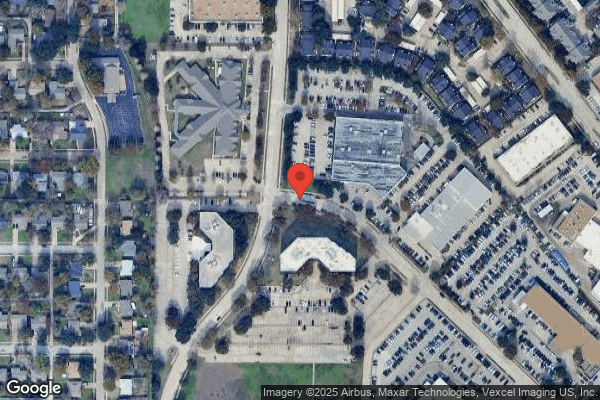
Feb 2023 2 deficiencies
CONCERN (D) 📢 Someone Reported This

A family member, employee, or ombudsman was alarmed enough to file a formal complaint

Potential for Harm - no one hurt, but risky conditions existed

Deficiency F0761 (Tag F0761)

Could have caused harm · This affected 1 resident

**NOTE- TERMS IN BRACKETS HAVE BEEN EDITED TO PROTECT CONFIDENTIALITY** Based on observation, interviews and record review, the facility failed to ensure drugs and biologicals used in the facility wer...

Read full inspector narrative →
**NOTE- TERMS IN BRACKETS HAVE BEEN EDITED TO PROTECT CONFIDENTIALITY** Based on observation, interviews and record review, the facility failed to ensure drugs and biologicals used in the facility were labeled in accordance with currently accepted professional principle and stored properly for 2 of 2 nurses medication carts: medication cart (Station #1) and medication cart (Station #2)]reviewed for medication storage *Station #1Nurses medication cart had used insulin vials that was not labeled and without an opened date. * Station #1 and Station #2 Nurses medication carts had expired insulin. * Station #1 Nurses medication cart was left unlocked and unsecured. These failures could place residents at risk of being injected with expired medications, not receiving the therapeutic dosage, ingestion drugs and biologicals, and possible drug diversion. Findings included: An observation at 10:00 AM revealed Nurses medication cart (Station#1) was unlocked (button not pressed in) and unsupervised outside of room [ROOM NUMBER]. Observed drawers facing outward towards the lobby. Observed no nursing staff in view of the medication cart and no staff at the nursing station. An observation on 02/28/23 at 12:45 PM of Nurses medication cart (Station #2) in memory care audit revealed: *Tresiba flex pen expired 12/31/22. An interview on 02/28/23 at 12:46 PM with Unit Nurse E revealed expired insulin may not work as well. Unit Nurse E stated he was agency, and this was his 2nd time he has worked in the secure unit. He stated the medication cart should be always locked because residents could get into the cart and take medications if left unlocked. An observation on 02/28/23 at 1:00 PM revealed the Nurses medication cart (station #1) was unlocked . Observed Unit Nurse A seated in the nursing Station calling the pharmacy. Observation of the medication cart revealed the following: Expired insulin: *Basaglar flex pen (manufacture expiration date on vial 1/1/23) *Admelog vial (manufacture expiration date on vial 10/23/22) *Novolin 70_30 (manufacture expiration date on vial 11/03/22) Insulin with no open date: *Basaglar (2) flex pen * Insulin Lispro (2) injection Pen * Insulin Glargine (2) injection Pen An interview on 02/28/23 at 5:30 PM, Unit Nurse D Stated Insulin would not work correctly to lower resident's blood sugar or there could be an adverse reaction. Unit Nurse D stated he would dispose of the insulin because he was not sure if the insulin was still safe to use. He stated the medication cart needed to be locked when not in use or when not insight. Unit Nurse D stated he had been trained on the medication cart. An interview and observation 02/28/23 at 6:44 PM, the Regional DON stated, medication carts should be always locked. The Regional DON stated, she had to lock the medication cart throughout the day . Regional DON filled in until the new DON comes to the facility. The Regional DON stated residents are in danger of opening the drawers and could take medications. The Regional DON stated insulin should be dated with the open dated when opened. Regional DON stated the Charge Nurse is responsible for labeling the medication. Review of the facility's policy titled, Storage of Medications revised November 2020 6. Compartments (including, but not limited to, drawers, cabinets, rooms refrigerators, carts and boxes) containing drugs and biologicals are locked when not in use. Unlocked medication cart are not left unattended. Review of the facility's policy titled, Insulin Administration revised September 2014 4. Check expiration date if drawing from an opened multi-dose vial. If opening a new vial, record expiration and time on the vial . Record review accessed, Insulin Expiration Dates: an Update - HealthDirect (hdrxservices.com) on 03/14/23 revealed, Insulin Lispro vial, cartridge or prefilled pen is in use, it can be stored at room temperature, below 86°F (30°C), for 28 days. After 28 days, you will need to discard it, even if it still contains Insulin Lispro. Record review accessed, Insulin Expiration Dates: an Update - HealthDirect (hdrxservices.com) on 03/14/23 revealed, Insulin Glargine revealed prefilled pen is in use, it can be stored at room temperature, below 86°F (30°C), for 28 days.
CONCERN (E) 📢 Someone Reported This

A family member, employee, or ombudsman was alarmed enough to file a formal complaint

Potential for Harm - no one hurt, but risky conditions existed

ADL Care (Tag F0677)

Could have caused harm · This affected multiple residents

**NOTE- TERMS IN BRACKETS HAVE BEEN EDITED TO PROTECT CONFIDENTIALITY** Based on observation, interview and record review, the facility failed to ensure residents who were unable to carry out activiti...

Read full inspector narrative →
**NOTE- TERMS IN BRACKETS HAVE BEEN EDITED TO PROTECT CONFIDENTIALITY** Based on observation, interview and record review, the facility failed to ensure residents who were unable to carry out activities of daily living received necessary services to maintain personal hygiene for 5 (Residents #1, #2, #3, #4, and #5) of 15 residents reviewed for ADLs. The facility failed to provide showers or bed baths consistently for Residents #1, #2, #3, #4, and #5 per facility shower schedule. This failure had the potential to affect residents who were dependent on staff for bathing by placing them at risk for poor personal hygiene, odors, embarrassment, skin break down, low self-worth, and a decline in their quality of life. Findings included: 1.Review of Resident #1's admission MDS assessment dated [DATE] revealed he was an [AGE] year-old male admitted to the facility on [DATE]. His active diagnoses included major depressive disorder (A mental health disorder characterized by persistently depressed mood or loss of interest in activities, causing significant impairment in daily life), insomnia (Persistent problems falling and staying asleep), dementia (A group of thinking and social symptoms that interferes with daily functioning). cognitive communication deficit. Adult failure to thrive, muscle weakness and chronic kidney disease and Type 2 diabetes mellitus with. hyperglycemia (High blood sugar levels.) Under category functional abilities and goals section of the MDS revealed Resident #1 required substantial/maximal assistance for shower/bathe self Helper does MORE THAN HALF the effort. Helper lifts or holds, trunk or limbs and provides more than half the effort. Review of Resident #1's care plan initiated on 12/28/22 revealed Resident #1 has an ADL self-care performance deficit related to Alzheimer's; impaired balance Interventions were Bathing: The resident requires (X1) staff participation with bathing. Review of the facility's online charting system/Point of Care (completed by the staff when ADLs were performed) reflected from 02/01/23 through 02/28/23 Resident #1 was not bathed four times in the month of February. All entries during February 2023 reflected, [date] How did the resident bathe? Not applicable-NA or blank [staff name] with multiple staff including CNAs and nurses being the person who completed the entries. The last documented shower/bed bath given to Resident #1 was on 02/26/23, Sunday. Observation of the shower schedule (undated) posted at nurse station #1 reflected Resident #1 was to receive a shower on Mondays, Wednesdays, and Fridays on the 2pm-10pm shift. An interview on 2/28/23 at 4:15 PM, Resident #1 stated he has not had a bed bath because of Covid in the facility. Resident #1 said he does not walk and wanted a bed bath. 2. Review of Resident #2's admission MDS assessment dated [DATE] revealed he was a [AGE] year-old male admitted to the facility on [DATE]. His active diagnoses included: unspecified dementia, anxiety (A feeling of worry, nervousness, or unease, something with an uncertain outcome) disorder, insomnia, rash and other nonspecific skin eruption, cognitive communication deficit, type 2 diabetes mellitus with hyperglycemia, muscle weakness, lack of coordination, repeated falls, and major depressive disorder. Under category functional abilities and goals section of the MDS revealed Resident #2 required substantial/maximal assistance with shower/bathe self. Helper does MORE THAN HALF the effort. Helper lifts or holds, trunk or limbs and provides more than half the effort. Review of Resident #2's care plan initiated on 11/12/19 revealed Resident #2 had an ADL self-care performance deficit related to cognitive impairment related to diagnosis: Dementia. There were no interventions. Review of the facility's online charting system/Point of Care reflected from 02/01/23 through 02/28/23. Resident #3 was not bathed one time in the month of February. All entries during February 2023 reflected, [date] How did the resident bathe? Not applicable-NA or blank [staff name] with multiple staff including CNAs and nurses being the person who completed the entries. The last documented shower/bed bath given to Resident #1 was on 02/26/23, Sunday. Observation of the shower schedule (undated) posted at nurse station #1 reflected Resident #2 was to receive a shower on Tuesday and Thursday on the 2pm-10pm shift. An interview on 02/28/23 at 3:50 PM, Resident #2 stated he has not received a bed bath or shower in the last week, and he wanted a shower. Resident #2 stated he knew it was because of Covid and now that Covid was not in the building he should get a shower. 3. Review of Resident #3's admission MDS assessment dated [DATE] revealed he was an [AGE] year-old male admitted to the facility on [DATE]. His active diagnoses included acute osteomyelitis (an infection in a bone), left ankle and foot, cognitive communication deficit, end stage renal disease (a medical condition in which a person's kidneys cease functioning on a permanent basis leading to the need for a regular course of long-term dialysis) Under category functional abilities and goals section of the MDS did not address the residents shower/bathe self-assistance level. Review of Resident #3's care plan initiated on 12/28/22 revealed Resident #3 has an ADL self-care performance deficit related to Alzheimer's, impaired balance. There were no interventions for showers/bath. Review of the facility's online charting system/Point of Care reflected from 02/01/23 through 02/28/23. Resident #3 was not bathed six times in the month of February. All entries during February 2023 reflected, [date] How did the resident bathe? Not applicable-NA or blank [staff name] with multiple staff including CNAs and nurses being the person who completed the entries. The last documented shower/bed bath given to Resident #5 was on 02/24/23, Friday. Observation of the shower schedule (undated) posted at nurse station 1 reflected Resident #3 was to receive a shower Tuesday, Thursday, and Saturday on the 2pm-10pm shift. An interview and observation on 2/28/23 at 11:50 AM, Resident #3 stated he has not had a shower in a week and a half. Resident #3 stated he wanted a shower and has been in the same shirt for a week. Resident#3 stated he does not deserve to be treated this way. Observed Resident#3 crying because he was upset about not getting a bath. An interview with Dialysis (company) representative in Resident#3 room stated that she comes three times a week and Resident# 3 had the same shirt on since last week. 4. Review of Resident # 4's admission MDS assessment dated [DATE] revealed she was a [AGE] year-old female admitted to the facility on [DATE]. Her active diagnoses included: depression, muscle wasting and atrophy, muscle weakness, lack of coordination and Type 2 diabetes mellitus. Under category functional abilities and goals section of the MDS revealed Resident #4 required substantial/maximal assistance with shower/bathing Helper does MORE THAN HALF the effort. Helper lifts or holds, trunk or limbs and provides more than half the effort. Review of Resident #4s care plan initiated on 01/26/23 revealed Resident #4 has an ADL self-care performance deficit related to activity intolerance; impaired balance Interventions were Bathing: The resident requires (X1) staff participation with bathing. Review of the facility's online charting system/Point of Care reflected from 02/01/23 through 02/28/23. Resident #4 was not bathed twice in the month of Febuary. All entries during February 2023 reflected, [date] How did the resident bathe? NA or blank [staff name] with multiple staff including CNAs and nurses being the person who completed the entries. The last documented shower/bed bath given to Resident #4 was on 02/27/23, Monday. Observation of the shower schedule (undated) posted at nurse station 1 reflected Resident #4 was to receive a shower on Tuesday/Thursday/Saturday on the 2pm-10pm shift. An interview on 02/28/23 at 9:00 AM, Resident #4 stated she has not had a bed bath or shower in the last 2 weeks. Resident# 4 stated it was because of Covid outbreak. Resident #4 stated staff said they will help her with a shower and do not come back. 5. Review of Resident # 5's admission MDS assessment dated [DATE] revealed he was a [AGE] year-old male admitted to the facility on [DATE]. His active diagnoses included: Type 2 diabetes mellitus, long term(current) use of insulin, lack of coordination, rash and other nonspecific skin eruption, schizoaffective disorder (A mental health condition including schizophrenia and mood disorder symptoms), post-traumatic stress disorder (A disorder in which a person has difficulty recovering after experiencing or witnessing a terrifying event), generalized anxiety disorder, and stimulant dependence. Under category functional abilities and goals section of the MDS revealed Resident #5 required substantial/maximal assistance with shower/bathing Helper does MORE THAN HALF the effort. Helper lifts or holds, trunk or limbs and provides more than half the effort. Review of Resident #5s care plan initiated on 01/26/23 revealed Resident #5 as an ADL self-care performance deficit related to weakness, impaired physical immobility, disease process Interventions were Bathing: The resident requires (X2) staff participation with bathing. Review of the facility's online charting system/Point of Care from 02/01/23 through 02/28/23 revealed. Resident #5 was not bathed 2 times. All entries during February 2023 reflected, [date] How did the resident bathe? NA or blank [staff name] with multiple staff including CNAs and nurses being the person who completed the entries. The last documented shower/bed bath given to Resident #5 was on 02/26/23, Sunday. Observation of the shower schedule (undated) posted at nurse station 1 reflected Resident #5 was to receive a shower on Tuesday/Thursday/Saturday on the 2pm-10pm shift. An interview on 02/28/23 at 3:40 PM, Resident#5 stated he had not had a bed bath or shower in some time now. Resident#5 stated the facility staff tried their best to keep everyone clean. An interview at 02/28/23 at 4:30PM with CMA C revealed shower sheets are supposed to be completed by the end of shift. CMA C stated if the resident refused a shower staff are supposed to let family and Unit Nurse know. CMA C worked from 2:00 PM to 10:00 PM. CMA C stated CNAs are responsible for given showers to residents. An interview and observation on 02/28/23 at 5:15PM with the Regional DON revealed she did an Inservice on shower sheets (was not able to find in-service paperwork). Observation of grievance log revealed that one resident complained, and the shower was completed. The Regional DON stated shower sheets and refusals of showers are supposed to shown to Unit Nurse. The Regional DON stated shower sheets are supposed to be turned into the DON or ADON box. The Regional DON stated she would get help with accessing POC to get ADL chart information for Resident #1,#2#3,#4 and,#5 The Regional DON stated several family members had called her and reported that residents were not getting showers and that they were going to report the facility. Regional DON stated to families that she understood thier concerns and showers would be addressed with staff Regional DON stated nursing staff were not sure if showers are to be given during Covid outbreak. Regional DON stated the Administrator checked with corporate and bed baths and showers are to be given during Covid outbreak in the facility. Regional DON stated she was out with Covid the previous week and returned on 02/28/23. An interview on 02/28/23 at 5:30PM with Charge Nurse D revealed, no shower sheets were turned in. Charge Nurse D stated he was not notified by CNA's of refused showers/bed baths by residents. Charge Nurse D revealed during Covid outbreak he did not think bed baths or showers were given because resident and staff had Covid. Charge Nurse D stated agency staff would come in and leave once they knew the facility had Covid. Charge Nurse D stated residents are in danger of skin break down. An interview at 02/28/23 at 6:10 PM with CNA B revealed residents had showers three times a week unless, they refused. CNA B stated shower sheets are completed daily and shower information is completed by the end of shift in POC. An interview at 02/28/23 at 6:33 PM with CNA A revealed during Covid outbreak residents refused showers on 2:00PM to 10:00PM. CNA A stated that residents received bed bath and staff wore full PPE. CNA A stated that when a resident refused shower you document on POC under chart. An interview and observation 02/28/23 at 6:44 PM, the Regional DON stated, staff should go by shower schedule and turn in shower sheets before the end of each shift. Observed shower sheets and sheets were not completed on every resident for the month of February. Observed the last shower sheet was completed on 02/12/23. The Regional DON stated the resident's overall hygiene could be in danger of bed sores, dry skin and mental health. Review of the facility's policy titled, Shower Documentation dated February 2022 reflected, Residents are scheduled to receive three. Showers a week .If a resident refuses to have a shower/bath from CNA it is your responsibility to speak with resident to see why they are refusing before signing off on the shower sheet .Be sure to document if they are refusing the reason .Please make sure that shower are done during your shift if they are not sure to document as to why. After the shower sheet is complete, place them in binder for the correct day. The DON/ADON will be collecting daily Review of the facility's policy titled, Activities Daily Living (ADLs), supporting revised, March 2018 reflected Resident will provide with care, treatment and services as appropriate to maintain or improve their ability to carry out activities of daily living (ADLs). Residents who are unable to carry out activities of daily living independently, with the consent of the resident and in accordance with the plan of care, including appropriate support and assistance with: a. Hygiene (bathing, dressing, grooming, and oral care)
Feb 2023 1 deficiency
CONCERN (D) 📢 Someone Reported This

A family member, employee, or ombudsman was alarmed enough to file a formal complaint

Potential for Harm - no one hurt, but risky conditions existed

Resident Rights (Tag F0550)

Could have caused harm · This affected 1 resident

**NOTE- TERMS IN BRACKETS HAVE BEEN EDITED TO PROTECT CONFIDENTIALITY** Based on observation, interview, and record review, the facility failed to treat each resident with respect and dignity and care...

Read full inspector narrative →
**NOTE- TERMS IN BRACKETS HAVE BEEN EDITED TO PROTECT CONFIDENTIALITY** Based on observation, interview, and record review, the facility failed to treat each resident with respect and dignity and care for each resident in a manner and in an environment that promotes maintenance or enhancement of his or her quality of life, recognizing each resident's individuality for one (Resident #1) of four residents reviewed for resident rights. The facility failed to ensure Resident #1 was wearing clothing while in the presence of other residents on the secure unit. This failure could place residents at risk for decreased dignity. Findings included: Review of Resident #1's Quarterly MDS assessment dated [DATE] revealed she was an [AGE] year-old female who was admitted to the facility 07/12/22. Her diagnosis included: heart failure, hypertension, diabetes mellitus, hyperlipidemia, Alzheimer's disease, Non-Alzheimer's Dementia, malnutrition, anxiety disorder, depression, bipolar disorder, psychotic disorder, schizophrenia, dysphasia, and glaucoma. Review of Resident #1's Quarterly MDS assessment dated [DATE] revealed she was usually understood, understood others, and had clear speech. Her BIMS score (3) revealed she was cognitively impaired. There was no evidence of delirium or psychotic behaviors. Her functional status revealed she required extensive assistance and one-person physical assistance with dressing. In an observation and interview with Resident #1 on 02/10/23 at 11:21 AM revealed she did not respond to the surveyor when asked about her appearance. Resident #1 was observed sitting in a chair at the dining table located in the common area on the secured unit at the facility. She was wearing a brief and hospital gown. Her brief, back, and the sides of her body were exposed and visible to others. In an observation of Resident #1's room revealed she had clothing in her closet. Interview with CNA A and LVN B on 02/10/23 at 12:37 PM revealed they were agency staff and unfamiliar with the residents. They stated they did not know where Resident #1's clothes were located. They stated she was wearing a hospital gown when they started their shift. They stated the resident should be dressed in clothing to cover her body. They stated facility staff were responsible for ensuring residents were dressed and not exposed to others. They stated Resident #1's dignity could be affected by wearing a hospital gown and being exposed to others. Interview with Regional Nurse on 02/10/22 at 03:18 PM revealed she was overseeing the nursing department at the facility because there was no ADON or DON. She stated Resident #1 should be dressed in their own personal clothing unless she preferred to stay in a hospital gown with her body exposed. She stated the charge nurse was responsible for ensuring all residents were dressed in their own personal clothing. She stated Resident #1 wearing a hospital gown with her body exposed to others was a dignity issue. Interview with Administrator on 02/10/22 at 03:20 PM revealed he went on the secure unit to ensure Resident #1 was changed into her personal clothing. He stated there was no reason to his knowledge why Resident #1 was wearing a hospital gown with her body exposed to others. He stated the resident's clothing might have been in the laundry. He stated CNAs and nurses were responsible for ensuring all residents were clothed without having their body exposed. He stated Resident #1 wearing a hospital gown with her body exposed to others was a dignity issue. Review of facility policy, Dignity, dated February 2021, reflected, each resident shall be cared for in a manner that promotes and enhances his or her sense of well-being, level of satisfaction with life, and feelings of self-worth and self-esteem.
Understanding Severity Codes (click to expand)
Life-Threatening (Immediate Jeopardy)
J - Isolated K - Pattern L - Widespread
Actual Harm
G - Isolated H - Pattern I - Widespread
Potential for Harm
D - Isolated E - Pattern F - Widespread
No Harm (Minor)
A - Isolated B - Pattern C - Widespread

Questions to Ask on Your Visit

  • "Can I speak with families of current residents?"
  • "What's your RN coverage like on weekends and overnight?"

Our Honest Assessment

Strengths
  • • No major safety red flags. No abuse findings, life-threatening violations, or SFF status.
Concerns
  • • 41 deficiencies on record. Higher than average. Multiple issues found across inspections.
  • • $17,771 in fines. Above average for Texas. Some compliance problems on record.
  • • Grade D (48/100). Below average facility with significant concerns.
Bottom line: Trust Score of 48/100 indicates significant concerns. Thoroughly evaluate alternatives.

About This Facility

What is The Plaza At Richardson's CMS Rating?

CMS assigns THE PLAZA AT RICHARDSON an overall rating of 2 out of 5 stars, which is considered below average nationally. Within Texas, this rating places the facility higher than 0% of the state's 100 nursing homes. A rating at this level reflects concerns identified through health inspections, staffing assessments, or quality measures that families should carefully consider.

How is The Plaza At Richardson Staffed?

CMS rates THE PLAZA AT RICHARDSON's staffing level at 1 out of 5 stars, which is much below average compared to other nursing homes.

What Have Inspectors Found at The Plaza At Richardson?

State health inspectors documented 41 deficiencies at THE PLAZA AT RICHARDSON during 2023 to 2025. These included: 40 with potential for harm and 1 minor or isolated issues.

Who Owns and Operates The Plaza At Richardson?

THE PLAZA AT RICHARDSON is owned by a for-profit company. For-profit facilities operate as businesses with obligations to shareholders or private owners. The facility is operated by CREATIVE SOLUTIONS IN HEALTHCARE, a chain that manages multiple nursing homes. With 124 certified beds and approximately 82 residents (about 66% occupancy), it is a mid-sized facility located in RICHARDSON, Texas.

How Does The Plaza At Richardson Compare to Other Texas Nursing Homes?

Compared to the 100 nursing homes in Texas, THE PLAZA AT RICHARDSON's overall rating (2 stars) is below the state average of 2.8 and health inspection rating (3 stars) is at the national benchmark.

What Should Families Ask When Visiting The Plaza At Richardson?

Based on this facility's data, families visiting should ask: "Can you walk me through typical staffing levels on day, evening, and night shifts?" "Can I visit during a mealtime to observe dining assistance and food quality?" "How do you handle medical emergencies, and what is your hospital transfer rate?" "Can I speak with family members of current residents about their experience?" These questions are particularly relevant given the below-average staffing rating.

Is The Plaza At Richardson Safe?

Based on CMS inspection data, THE PLAZA AT RICHARDSON has a clean safety record: no substantiated abuse findings (meaning no confirmed cases of resident harm), no Immediate Jeopardy citations (the most serious violation level indicating risk of serious injury or death), and is not on the Special Focus Facility watch list (a federal program monitoring the lowest-performing 1% of nursing homes). The facility has a 2-star overall rating and ranks #100 of 100 nursing homes in Texas. While no facility is perfect, families should still ask about staff-to-resident ratios and recent inspection results during their visit.

Do Nurses at The Plaza At Richardson Stick Around?

THE PLAZA AT RICHARDSON has not reported staff turnover data to CMS. Staff turnover matters because consistent caregivers learn residents' individual needs, medications, and preferences. When staff frequently change, this institutional knowledge is lost. Families should ask the facility directly about their staff retention rates and average employee tenure.

Was The Plaza At Richardson Ever Fined?

THE PLAZA AT RICHARDSON has been fined $17,771 across 3 penalty actions. This is below the Texas average of $33,257. While any fine indicates a compliance issue, fines under $50,000 are relatively common and typically reflect isolated problems that were subsequently corrected. Families should ask what specific issues led to these fines and confirm they've been resolved.

Is The Plaza At Richardson on Any Federal Watch List?

THE PLAZA AT RICHARDSON is not on any federal watch list. The most significant is the Special Focus Facility (SFF) program, which identifies the bottom 1% of nursing homes nationally based on persistent, serious quality problems. Not being on this list means the facility has avoided the pattern of deficiencies that triggers enhanced federal oversight. This is a positive indicator, though families should still review the facility's inspection history directly.