THE RESERVE AT RICHARDSON
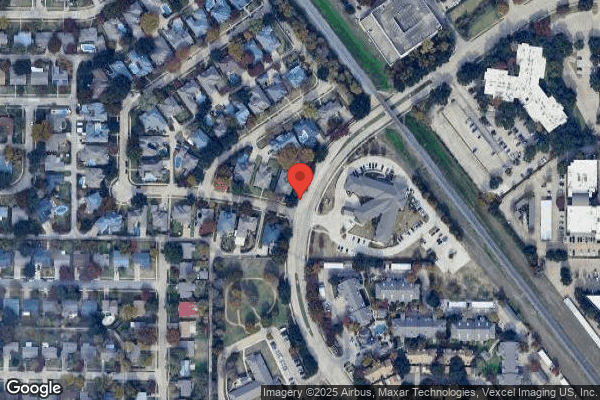

1610 RICHARDSON DR, RICHARDSON, TX 75080 (972) 600-8219
For profit - Limited Liability company 129 Beds HAMILTON COUNTY HOSPITAL DISTRICT Data: November 2025 1 Immediate Jeopardy citation
Trust Grade
28/100
#863 of 1168 in TX
Last Inspection: March 2025

Within standard 12-15 month inspection cycle. Federal law requires annual inspections.

Overview

The Reserve at Richardson has a Trust Grade of F, indicating significant concerns about the quality of care and overall management, making it one of the poorer options available. With a state rank of #863 out of 1168 and a county rank of #59 out of 83, this facility is in the bottom half of Texas nursing homes, suggesting limited local alternatives. Unfortunately, the situation is worsening, as the number of reported issues increased from 5 in 2024 to 14 in 2025. Staffing is a notable weakness, with a poor rating of 1 out of 5 stars, though turnover is relatively low at 40%, which is better than the Texas average. Recent inspections revealed critical incidents, including a resident suffering serious injuries due to inadequate supervision and unsafe conditions, as well as issues with accessibility to call lights for residents needing assistance. While the facility does have average RN coverage, the overall picture raises serious concerns for families considering this home for their loved ones.

Trust Score
F
28/100
In Texas
#863/1168
Bottom 27%
Safety Record
High Risk
Review needed
Inspections
Getting Worse
5 → 14 violations
Staff Stability
○ Average
40% turnover. Near Texas's 48% average. Typical for the industry.
Penalties
⚠ Watch
$29,835 in fines. Higher than 94% of Texas facilities. Major compliance failures.
Skilled Nurses
⚠ Watch
Each resident gets only 19 minutes of Registered Nurse (RN) attention daily — below average for Texas. Fewer RN minutes means fewer trained eyes watching for problems.
Violations
⚠ Watch
26 deficiencies on record. Higher than average. Multiple issues found across inspections.
★★☆☆☆
2.0
Overall Rating
★☆☆☆☆
1.0
Staff Levels
★★☆☆☆
2.0
Care Quality
★★★☆☆
3.0
Inspection Score
Stable
2024: 5 issues
2025: 14 issues

The Good

  • Full Sprinkler Coverage · Fire safety systems throughout facility
  • No fines on record
  • Staff turnover below average (40%)

    8 points below Texas average of 48%

Facility shows strength in fire safety.

The Bad

2-Star Overall Rating

Below Texas average (2.8)

Below average - review inspection findings carefully

Staff Turnover: 40%

Near Texas avg (46%)

Typical for the industry

Federal Fines: $29,835

Below median ($33,413)

Moderate penalties - review what triggered them

Chain: HAMILTON COUNTY HOSPITAL DISTRICT

Part of a multi-facility chain

Ask about local staffing decisions and management

The Ugly 26 deficiencies on record

1 life-threatening 1 actual harm
Jun 2025 4 deficiencies
CONCERN (D) 📢 Someone Reported This

A family member, employee, or ombudsman was alarmed enough to file a formal complaint

Potential for Harm - no one hurt, but risky conditions existed

Respiratory Care (Tag F0695)

Could have caused harm · This affected 1 resident

**NOTE- TERMS IN BRACKETS HAVE BEEN EDITED TO PROTECT CONFIDENTIALITY** Based on observation, interview, and record review, the facility failed to ensure that a resident who needed respiratory care, i...

Read full inspector narrative →
**NOTE- TERMS IN BRACKETS HAVE BEEN EDITED TO PROTECT CONFIDENTIALITY** Based on observation, interview, and record review, the facility failed to ensure that a resident who needed respiratory care, including tracheostomy care and tracheal suctioning, was provided such care, consistent with professional standards of practice, the comprehensive person-centered care plan, and the residents' goals and preferences for 1 (Resident #6) of one residents reviewed for Respiratory Care. The facility failed to ensure Resident #6's breathing mask for his nebulizer (a medical device that turns liquid medicine into mist that could be inhaled through a face mask) was properly stored when not in use on 06/18/2025. This failure could place residents at risk for respiratory infection and not having their respiratory needs met. Findings include: Record review of Resident #6's Face Sheet, dated 06/18/2025, reflected an [AGE] year-old female admitted to the facility on [DATE]. The resident was diagnosed with asthma (lung disorder caused by narrowing of the airways) and shortness of breath. Record review of Resident #6's Comprehensive MDS Assessment, dated 06/05/2025, reflected the resident had a severe impairment in cognition with a BIMS score of 05. The Comprehensive MDS Assessment indicated that the resident had asthma. Record review of Resident #6's Comprehensive Care Plan, dated 06/18/2025, reflected the resident had an ineffective gas exchange (disruption of the oxygen and carbon dioxide exchange in the lungs) and one of the interventions was to administer medications and respiratory treatments as ordered. Record review of Resident #6's Physician Order, dated 01/07/2025, reflected Ipratropium-Albuterol Solution 0.5 - 2.5 (3) mg/3 mL 3 ml inhale orally every 4 hours as needed for SOB or wheezing via nebulizer. Observation and interview on 06/18/2025 at 9:29 AM revealed Resident #6 was in her bed, awake. A nebulizer machine was noted on the resident's side table with a breathing mask connected to it. The breathing mask was not bagged. She said the nurse would put it on and took it off after the breathing treatment was done. She said it was also the nurse who would put it in the drawer. She said she was not aware where the nurse put it after taking it off. In an interview on 06/18/2025 at 9:32 AM, LVN G stated the order for Resident #6's breathing treatment was as needed. She said as needed or daily, the breathing mask should be bagged and kept clean to prevent respiratory infection and other respiratory issues. She said she did not notice the unbagged breathing mask when she did her rounds. it was observed that LVN G disconnected the breathing mask and said she would change it. In an interview on 06/18/2025 at 1:34 PM, ADON B stated the breathing mask was supposed to be in a bag when the resident was not using it to prevent cross contamination and worsening of any respiratory issues. She said the expectation was for the staff to be mindful and make sure the breathing mask was bagged after administering the breathing treatment. She said it did not matter if the order was daily or as needed, the breathing mask must be in a plastic bag to keep it clean. She said she would conduct an in-service about respiratory care specifically about bagging the breathing mask. In an interview on 06/18/2025 at 1:32 PM, the Administrator stated the breathing mask should be stored properly to prevent development of respiratory issues. He said they would re-educate the staff regarding proper storage of the breathing masks. Record review of the facility's policy, Departmental (Respiratory Therapy) -Prevention of Infection reviewed December 2024 revealed Purpose: The purpose of this procedure is to guide prevention of infection associated with respiratory therapy tasks and equipment . Infection Control Considerations Related to Medication Nebulizers/Continuous Aerosol . 7. Store the circuit in plastic bag.
CONCERN (D) 📢 Someone Reported This

A family member, employee, or ombudsman was alarmed enough to file a formal complaint

Potential for Harm - no one hurt, but risky conditions existed

Deficiency F0761 (Tag F0761)

Could have caused harm · This affected 1 resident

**NOTE- TERMS IN BRACKETS HAVE BEEN EDITED TO PROTECT CONFIDENTIALITY** Based on observations, interviews, and record review, the facility failed to ensure that drugs and biologicals were stored in lo...

Read full inspector narrative →
**NOTE- TERMS IN BRACKETS HAVE BEEN EDITED TO PROTECT CONFIDENTIALITY** Based on observations, interviews, and record review, the facility failed to ensure that drugs and biologicals were stored in locked compartments for two (Resident #4 and Resident #5) of two residents reviewed for Storage of Drugs and Biologicals. The facility failed to ensure that no medications were inside Resident #4 and Resident #5's room. This failure could place the residents at risk of overdose or misuse of medications. Findings included: Resident #4 Record review of Resident #4's Face Sheet, dated 06/18/2025, reflected a [AGE] year-old female admitted to the facility on [DATE]. The resident was diagnosed with nasal congestion, rashes, and bipolar disorder (a mental health condition that causes extreme mood swings between emotional highs and lows). Record review of Resident #4's Comprehensive MDS Assessment, dated 05/06/2025, reflected the resident was cognitively intact (capable of normal cognition and needs little support) with a BIMS score of 15. The Comprehensive MDS Assessment indicated that the resident had asthma and bipolar disorder. Record review of Resident #4's Comprehensive Care Plan, dated 06/18/2025, reflected the resident had an ineffective gas exchange (disruption of the oxygen and carbon dioxide exchange in the lungs) and one of the interventions was to administer medications and respiratory treatments as ordered. The Comprehensive Care Plan did not indicate that the resident could self-administer her medications. Record review of Resident #4's Physician Order on 06/18/2025 reflected the resident did not have an order for nasal spray. Record review of Resident #4's Physician Order, dated 05/13/2025, reflected Nystatin Powder . Apply 1 application transdermal two times a day for redness. Record review of Resident #4's Assessment on 06/18/2025, reflected no assessment for self-administration of medications. Observation and interview on 06/18/2025 at 9:13 AM revealed Resident #4 was in her bed, awake. It was noted that there was a container of nasal spray and a small cup with powder on her side table. She said she would do her nasal sprays and would apply the powder on herself. When asked what the powder on the cup was for, the resident said the powder was for her redness on her lower abdomen . Observation and interview on 06/18/2025 at 9:17 AM, revealed LVN F stated he did not notice that there was a nasal spray on Resident #4's side table. He said the powder was for her rashes. He said, since the powder was a treatment, the nurses were supposed to administer the powder. He said there should be no medication in the resident's room because of the danger of adverse reactions such as allergy and overdose. He said he would go the resident's room and would talk to the resident. Observation and interview on 06/18/2025 at 9:21 AM revealed ADON A was holding Resident #4's nasal spray and said she talked with the resident regarding the medication left inside the room. She said there should be an assessment in place that the resident could self-administer her medications as well as a care plan about it. She said she also needed a physician order for the nasal spray. She said no medications should be inside the room because the resident might accidentally consume more than needed and overdose. She said she would check the other rooms if there were medications inside the rooms. She said she would do an in-service about checking if there were medications inside the room and not leaving medications inside the room. Resident #5 Record review of Resident #5's Face Sheet, dated 06/18/2025, reflected a [AGE] year-old female admitted to the facility on [DATE]. The resident was diagnosed with allergic rhinitis (an allergic reaction to tiny particles in the air called allergens), rashes, and depression (persistent feeling of sadness or loss of interest). Record review of Resident #5's Comprehensive MDS Assessment, dated 05/29/2025, reflected the resident was cognitively intact with a BIMS score of 15. The Comprehensive MDS Assessment indicated that the resident had depression. Record review of Resident #5's Comprehensive Care Plan, dated 03/14/2025, reflected the resident used antidepressant medication and one of the interventions was to educate the resident about risks, benefits and the side effects and/or toxic symptoms of medication. The Comprehensive Care Plan did not indicate that the resident could self-medicate. Record review of Resident #5's Physician Order on 06/18/2025 reflected the resident did not have an order for eye drops. Record review of Resident #5' Physician Order, dated 09/26/2024, reflected Cleanse peri area and apply barrier cream and antifungal powder q shift and prn. Record review of Resident #5's Assessment on 06/18/2025, reflected no assessment for self-administration of medications. Observation on 06/18/2025 at 9:22 AM revealed Resident #5 was in her bed, awake. It was noted that there were Systane eyedrops and antifungal powder at her bedside table. In an interview on 06/18/2025 at 9:35 AM, Resident #5 said she had been using the Systane for her dry eyes. She said she did not know if the facility knew about it but it had always been in her bedside table. She said the staff would apply the power on her bottom after the staff clean and change her. In an interview on 06/18/2025 at 12:33 PM, LVN G said she did not notice that Resident #5 had Systane and antifungal powder at her bedside table. She said she would check it as soon as the interview was over. She said it should not be on the resident's bedside table because the resident might accidentally drink it or a confused resident might take it use it differently. In an interview on 06/18/2025 at 1:34 PM, ADON B stated there should be no medications inside the residents' rooms because accidental consumption might cause adverse reactions such as allergic reactions and overdose. She said she would check the rooms if there were any medications that the residents were using to self-medicate. She said she would talk to Resident #5 to see if she needed the eyedrops and get an order for it. She said there should also be an assessment that the resident was capable of doing the eyedrops by herself. In an interview on 06/18/2025 at 1:32 PM, the Administrator stated the expectation was no medications would be inside the residents' rooms to prevent any untoward incidents like overdose and allergic reactions. He said they would re-educate the staff to check the residents' rooms if there were medications inside and if there were, make sure the residents were capable of self-administration. Record review of facility policy, Storage of Medications 2001 Med-Pass, Inc. revised April 2021 revealed : Policy Statement: The facility shall store all drugs and biologicals in a safe, secure, and orderly manner . Policy Interpretation and Implementation . 6. Antiseptics, disinfectants, and germicides used in any aspect of resident care . shall be stored separately from regular medications.
CONCERN (D) 📢 Someone Reported This

A family member, employee, or ombudsman was alarmed enough to file a formal complaint

Potential for Harm - no one hurt, but risky conditions existed

Infection Control (Tag F0880)

Could have caused harm · This affected 1 resident

**NOTE- TERMS IN BRACKETS HAVE BEEN EDITED TO PROTECT CONFIDENTIALITY** Based observation, interview, and record review, the facility failed to establish and maintain an infection prevention and contr...

Read full inspector narrative →
**NOTE- TERMS IN BRACKETS HAVE BEEN EDITED TO PROTECT CONFIDENTIALITY** Based observation, interview, and record review, the facility failed to establish and maintain an infection prevention and control program designed to provide a safe, sanitary, and comfortable environment and to help prevent the development and transmission of communicable diseases and infections for one (Resident #5) of 1 resident reviewed for Infection Control. The facility failed to ensure CNA D performed hand hygiene and changed her gloves while providing incontinent care to Resident #5 on 06/18/2025. This failure could place residents at risk of cross-contamination and development of infections. Findings included: Record review of Resident #5's Face Sheet, dated 06/18/2025, reflected a [AGE] year-old female admitted to the facility on [DATE]. The resident was diagnosed with diarrhea (loose bowel movement). Record review of Resident #5's Comprehensive MDS Assessment, dated 05/29/2025, reflected the resident was cognitively intact with a BIMS score of 15. The Comprehensive MDS Assessment indicated that the resident was incontinent for bowel and bladder. Record review of Resident #5's Comprehensive Care Plan, dated 03/14/2025, reflected the resident had an ADL self-care performance deficit and one of the interventions was the resident required assistance for toilet use. Observation on 06/18/2025 at 9:22 AM revealed CNA D and CNA E were about to do incontinent care for Resident #5. Both CNAs washed their hands and put on pairs of gloves. CNA D positioned herself to the left side of the resident while CNA E was on the right side. CNA D unfastened the resident's brief and pushed it between the resident's legs. CNA E cleaned the resident's perineal area (area between the legs). In the process of incontinent care, CNA E ran out of gloves and CNA D said she would get her some from the box of gloves placed on the overhead table of the resident. CNA D removed her gloves and pulled some gloves from the box. CNA D did not sanitize her hand before touching the new gloves. After cleaning the perineal area, both CNAs assisted the resident to her left side and CNA E continued to clean the resident's bottom. After cleaning the resident's bottom, she took off her gloves, sanitized her hands, and put on a new pair of gloves. Both CNAs assisted the resident to roll to her right side and CNA D proceeded to clean the other side of the resident's bottom. After cleaning the resident's bottom, she pulled the soiled brief, and she asked CNA E to hand her over the brief that was placed on the resident's overbed table. CNA E took the new brief from the overhead table and handed it to CNA D. CNA D did not change her gloves after cleaning the resident's bottom and before touching the new brief. CNA D put the brief under the resident and fixed it. After fixing the brief, both CNAs took off their gloves and washed their hands. In an interview on 06/18/2025 at 9:35 AM, CNA D stated she should have changed her gloves after cleaning the resident's bottom and before touching the new brief because her gloves were already soiled. She said not changing her gloves could cause transfer of germs from her soiled gloves to the new brief. She said she should sanitize her hands as well before putting on a new pair of gloves. She said she would be mindful to change her gloves after touching something dirty and do hand hygiene. In an interview on 06/18/2025 at 9:40 AM, CNA E stated they were doing good until the gloves were not changed after CNA D did not change her gloves after cleaning the resident's bottom. She said she should have reminded CNA D to change her gloves and sanitize her hands before handing her the new brief. She said touching the new brief with soiled gloves could also cause urinary tract infections. In an interview on 06/18/2025 at 1:34 PM, ADON B stated CNA D and CNA E made her aware of the failure during incontinent care. She said she reminded both CNAs to change their gloves after touching something dirty or presumed dirty to prevent cross contamination and urinary tract infection. She said she also reminded CNA D to do hand hygiene after taking off the gloves. She said the expectation was for the staff to change their gloves when going from dirty to clean and to do hand hygiene in between changing of gloves. She said she would do a one-on-one in-service with both CNAs and then would also do an in-service for all the staff providing direct care. In an interview on 06/18/2025 at 1:32 PM, the Administrator stated not changing the gloves when going from soiled to clean and not sanitizing in between changing of gloves could contribute to cross contamination and infection. He said the expectation was for the staff to follow the policy and procedures pertaining to infection control and hand hygiene. He said they would re-educate the staff about infection control and the importance of hand hygiene. Record review of the facility's policy, Hand-Washing/Hand Hygiene reviewed December 2024 revealed Policy Statement: This facility considers hand hygiene the primary means to prevent the spread of infections . Policy Interpretation and Implementation . 7. Use an alcohol-based hand rub . f. Before donning sterile gloves . j. After contact with blood or bodily fluids . m. After removing gloves . Applying and Removing Gloves . l. Perform hand hygiene before applying non-sterile gloves. Record review of the facility's policy Infection Control Guidelines for All Nursing Procedures reviewed December 2024 revealed Purpose: To provide guidelines for general infection control while caring for residents . 4. Employees must wash their hands . d. After removing gloves . 5. In most situations, the preferred method of hand hygiene is with an alcohol-based hand rub . b. Before donning sterile gloves . j. After removing gloves.
CONCERN (E) 📢 Someone Reported This

A family member, employee, or ombudsman was alarmed enough to file a formal complaint

Potential for Harm - no one hurt, but risky conditions existed

Deficiency F0558 (Tag F0558)

Could have caused harm · This affected multiple residents

**NOTE- TERMS IN BRACKETS HAVE BEEN EDITED TO PROTECT CONFIDENTIALITY** Based on observations, interviews, and record review, the facility failed to ensure the right to reside and receive services in ...

Read full inspector narrative →
**NOTE- TERMS IN BRACKETS HAVE BEEN EDITED TO PROTECT CONFIDENTIALITY** Based on observations, interviews, and record review, the facility failed to ensure the right to reside and receive services in the facility with reasonable accommodation of resident needs and preferences for three (Residents #1, #2, and #3) of ten residents reviewed for Reasonable Accommodation of Needs. The facility failed to ensure the call light systems in Residents #1, #2, and #3's rooms were in a position that was accessible to the resident on 06/18/2025. This failure could place the residents at risk of being unable to obtain assistance when needed and help in the event of an emergency. Findings included: Resident #1 Record review of Resident #1's Face Sheet, dated 06/18/2025, reflected a [AGE] year-old female admitted to the facility on [DATE]. The resident was diagnosed with muscle weakness and lack of coordination. Record review of Resident #1's Quarterly MDS (assessment used to determine functional capabilities and health needs) Assessment, dated 05/27/2025, reflected the resident had a severe impairment (requires significant assistance and support in daily life) in cognition with a BIMS (screening tool used to assess cognitive status) score of 07. The Quarterly MDS Assessment indicated the resident was dependent on staff for personal hygiene, transfer, and bed mobility. Record review of Resident #1's Comprehensive Care Plan, dated 05/22/2025, reflected the resident was at risk for falls and one of the interventions was to be sure the resident's call light was within reach. Observation and interview on 06/18/2025 at 8:56 AM revealed Resident #1 was in her bed, awake. It was observed that the resident's call light was hanging on the railing of the top portion of the bed. She said she seldom used the call light and she usually saw it at the side of her bed. The resident searched for her call light and said she could not find it. Resident #2 Record review of Resident #2's Face Sheet, dated 06/18/2025, reflected a [AGE] year-old female admitted to the facility on [DATE]. The resident was diagnosed with muscle weakness and lack of coordination. Record review of Resident #2's Quarterly MDS Assessment, dated 05/27/2025, reflected the resident had a severe impairment in cognition with a BIMS score of 00. The Quarterly MDS Assessment indicated the resident required substantial assistance for toileting, shower, and dressing. Record review of Resident #2's Comprehensive Care Plan, dated 05/26/2025, reflected the resident was at risk for falls and one of the interventions was to be sure the resident's call light was within reach. Observation and interview on 06/18/2025 at 9:06 AM revealed Resident #2 was in her bed, awake. It was noted that her call light was on the floor. When asked where her call light was, the resident shrugged her shoulders. Observation and interview on 06/18/2025 at 9:10 AM, revealed CNA C stated call lights should be with the residents at all times so they could call the staff if they needed to. She said she did not notice that Resident #1 and #2's call lights were not with them when she last checked the said residents. She went inside Resident #1's room and saw the call light was hanging on the railing of the bed and was not within the reach of the resident. She took the call light from the railing and placed it somewhere Resident #1 could reach it. She then went to Resident #2's room and saw the resident's call light was on the floor and even the cord of the call light could not be reached by the resident. She took the call light from the floor and placed it somewhere the resident could reach it. She said staff should make sure the call lights were within reach of the residents before they leave the room so that the needs of the residents could be addressed and also to prevent falls. In an interview on 06/18/2025 at 9:17 AM, LVN F stated the call lights should be with the residents at all times in cases like the residents needing assistance or needing something from the nurse. He said he did not notice the call lights were not with Residents #1 and #2 when he did his round. He said the risk of the residents not having their call lights could be falls and frustrations. Resident #3 Record review of Resident #3's Face Sheet, dated 06/18/2025, reflected a [AGE] year-old male admitted to the facility on [DATE]. The resident was diagnosed with muscle weakness and lack of coordination. Record review of Resident #3's Quarterly MDS Assessment, dated 06/06/2025, reflected the resident had a severe impairment in cognition with a BIMS score of 03. The Quarterly MDS Assessment indicated the resident required assistance for transfer and walking. Record review of Resident #3's Comprehensive Care Plan, dated 05/09/2025, reflected the resident was at risk for falls and one of the interventions was to be sure the resident's call light was within reach. The Comprehensive Care Plan did not indicate that the resident was refusing to have his call light on his side. Observation and interview on 06/18/2025 at 9:47 AM revealed Resident #3 was in his bed, awake. It was observed that his call light was on the floor behind the side table. When asked where was his call light, the resident did not answer. Observation and interview on 06/18/2025 at 9:50 AM, revealed ADON B stated the call lights were important and should always be with the residents in case they needed assistance or help. She said whenever a staff was done with their treatment or care, they needed to make sure the call lights were with the residents before leaving the room. She said the call lights were for all residents, dependent or independent, and all the staff were responsible in making sure the call lights were with the residents. She said she would do an in-service about call light placement. In an interview on 06/18/2025 at 1:28 PM, ADON A stated call lights were used by the residents to call the staff. Some residents were bed bound and could not get up to call the staff. She said, even for the residents that could get up, the call lights should still be with them because they might be having medical issues and nobody would know. ADON A said all the staff and managers were responsible for the call lights. She said the expectation was for the staff to scan the residents' rooms when they did their rounds and ensure the call lights were within reach of the residents before they leave the room. She said she would initiate an in-service regarding call light placement. In an interview on 06/18/2025 at 1:32 PM, the Administrator stated the call lights were used by the residents to communicate their needs to the staff. He said the expectation was for the staff to make sure the call lights were with the residents before leaving their rooms. He said they would re-educate the staff about call light placements. Record review of the facility's policy Answering the Call Light revised December 2024 revealed Purpose: The purpose of this procedure is to respond to the resident's requests and needs . General Guidelines . 5. When the resident is in bed or confined to a chair be sure the call light is within easy reach of the resident.
Mar 2025 9 deficiencies
CONCERN (D)

Potential for Harm - no one hurt, but risky conditions existed

Resident Rights (Tag F0550)

Could have caused harm · This affected 1 resident

**NOTE- TERMS IN BRACKETS HAVE BEEN EDITED TO PROTECT CONFIDENTIALITY** Based on observations, interviews, and record review, the facility failed to treat each resident with respect, dignity, and care...

Read full inspector narrative →
**NOTE- TERMS IN BRACKETS HAVE BEEN EDITED TO PROTECT CONFIDENTIALITY** Based on observations, interviews, and record review, the facility failed to treat each resident with respect, dignity, and care in a manner and environment that promoted maintenance or enhancement of his or her quality of life for one (Resident #58) of nineteen residents reviewed for Dignity. The facility failed to ensure CNA C pulled the privacy bag all the way down on Resident #58's catheter bag (collects urine from the urinary bladder) so the catheter bag and its content would not be visible during lunchtime on 03/11/2025. This failure could place the residents at risk of not having their right to a dignified existence maintained. Findings included: Record review of Resident #58's Face Sheet, dated 03/11/2025, reflected a [AGE] year-old male admitted to the facility on [DATE]. The resident was diagnosed with obstructive and reflux uropathy (a blockage in the urinary tract). Record review of Resident #58's Quarterly MDS Assessment, dated 01/27/2025, reflected the resident had a moderate impairment in cognition with a BIMS score of 10 (resident may need additional support and monitoring). The Quarterly MDS Assessment indicated the resident had an indwelling catheter (a thin, flexible tube inserted in the bladder to allow the urine to flow in the catheter bag). Record review of Resident #58's Care Plan, dated 01/27/2025, reflected the resident had resident rights and one of the interventions was to be treated with dignity and respect. Observation on 03/11/2025 at 12:13 PM revealed Resident #58 was in the dining area eating lunch. It was observed that the resident had a catheter hanging at the lower back of the resident's wheelchair. The catheter bag and its content were visible to other individuals in the dining area. It was observed that there was a privacy bag on top of the catheter bag but was not pulled down to cover the entirety of the catheter bag. Observation and interview with ADON A on 03/11/2025 at 12:17 PM revealed ADON A saw Resident #58's catheter bag was not inside the privacy bag. She pulled the privacy bag downward to fully cover the catheter bag. She said whoever transferred Resident #58 should have made sure that the catheter bag was inside a privacy bag or was fully covered to provide dignity to the resident. She said she would find out who transferred the resident so she could remind and re-educate the staff to make sure the catheter bag was inside a privacy bag. In an interview on 03/12/2025 at 11:38 AM, CNA C stated she transferred Resident #58 to her wheelchair for lunch the day before. She said she placed the catheter bag with its privacy bag at the back of the wheelchair. She said she thought she pulled the privacy bag on the catheter bag. She said she did not notice that the catheter bag and its content could still be seen. She said she would make sure next time to fix the privacy bag before going out of the room. She said the ADON A told her what she did and did a one-on-one in-service with her about dignity and making sure the catheter bag was fully covered. In an interview on 03/12/2025 at 12:36 PM, the DON stated the catheter bag, and its content should not be visible to others. She said the privacy bag should have been placed properly inside of the privacy bag should have been pulled down all throughout. She said the expectation was for the staff to be mindful when they bring the resident with catheter outside their room. She said she would do an in-service about dignity and making sure the catheter bag was inside a privacy bag. In an interview on 03/12/2025 at 1:13 PM, the Administrator stated his expectation was the catheter bag was covered to provide dignity. He said he would coordinate with the DON on how to go forward about the issue. Record review of facility policy Quality of Life - Dignity reviewed December 2024 revealed Policy Statement: Each resident shall be cared for in a manner that promotes and enhances quality of life, dignity, respect, and individuality . Policy Interpretation and Implementation . Demeaning practices and standards of care that compromise dignity are prohibited. Staff shall promote dignity and assist residents as needed by . a. Helping the resident to keep urinary catheter bags covered.
CONCERN (D)

Potential for Harm - no one hurt, but risky conditions existed

Deficiency F0657 (Tag F0657)

Could have caused harm · This affected 1 resident

**NOTE- TERMS IN BRACKETS HAVE BEEN EDITED TO PROTECT CONFIDENTIALITY** Based on interviews and record reviews, the facility failed to ensure the timeliness of each resident's person-centered, compreh...

Read full inspector narrative →
**NOTE- TERMS IN BRACKETS HAVE BEEN EDITED TO PROTECT CONFIDENTIALITY** Based on interviews and record reviews, the facility failed to ensure the timeliness of each resident's person-centered, comprehensive care plan, and to ensure that the comprehensive care plan is reviewed and revised by an interdisciplinary team for one of (Resident #19) eight residents reviewed for Revised Care Plans. The facility failed to complete a quarterly care plan for Resident #19. These failures placed residents at risk of needs not being met. Findings included: Record review of Resident #19's Face Sheet, dated 03/11/2025, reflected an [AGE] year-old female admitted to the facility on [DATE]. The resident was diagnosed with obstructive sleep apnea (a sleep disorder where breathing is interrupted repeatedly during sleep). Record review of Resident #19's Quarterly MDS Assessment, dated 01/30/2025, reflected the resident had a severe impairment in cognition with a BIMS score of 01 (resident required significant assistance and support in daily life). The Quarterly MDS Assessment indicated that the resident was on non-invasive mechanical ventilator (respiratory support such as CPAP). Record review of Resident #19's Comprehensive Care Plan on 03/11/2025 reflected the last quarterly care plan completed for the resident was 06/12/2024. Record review of resident #19's Comprehensive Care Plan, dated 06/12/2024, reflected the resident had breathing difficulty related to sleep apnea and one of the interventions was the resident to wear CPAP (continuous positive airway pressure: machine used to deliver pressurized air through a mask to keep airways open) every night. Record review of Resident #19's Physician Order, dated 10/26/2023, reflected APPLY auto CPAP 18 &7 every evening and night shift. Observation on 03/11/2025 at 9:38 AM revealed Resident #19 was not inside the room. It was observed that the resident had a CPAP machine on her right side table with a CPAP mask was attached to it. In an interview on 03/11/2025 at 9:47AM, LVN D stated Resident #19 used CPAP at night because the resident had a diagnosis of sleep apnea. In an interview on03/12/2025 at 11:17 AM, ADON A stated the care plan was supposed to be done quarterly and said the MDS Nurse was already updating Resident #19's care plan. She said care plans were done quarterly to ensure the needs of the residents were met and addressed. She said if the care plan were not reviewed, it showed as if the residents were not being assessed. She said the expectation was for the care plans be done accordingly and timely. She said it was an oversight on her part. She said the MDS Nurse and herself were responsible in auditing the care plans. She said she would coordinate with MDS Nurse and would make an audit of the residents care plan. In an interview on 03/12/2025 at 11:22 AM, the MDS Nurse stated she was made aware by ADON A about the issues in care plans. She said she was currently updating Resident #19's care plan. She said care plans were supposed to be done quarterly to reflect that the residents were being assessed accordingly. She said she would audit the care plans of the residents. She said without the care plans, the staff would not know the latest goals and interventions for the residents. In an interview on 03/12/2025 at 12:36 PM, the DON stated every resident needed a comprehensive care plan to ensure the residents received the care appropriate to their needs. She said the care plan should be in place so the staff providing care would be on the same page. She added, without the care plan, there could be confusion with the care of the residents. She said the care plan should be done every quarter to monitor if there were interventions that needed to be changed or the goals were not being met. She said the expectation was every resident had a care plan and care plans should be completed quarterly or if the resident had a change in condition. She said she would coordinate with the MDS Nurse and the ADONs to audit to the care plans of the residents. She said a schedule for the residents' care plans was being done and updated so that the resident would be care planned on time. In an interview on 03/12/2025 at 1:13 PM, the Administrator stated all the residents should be care planned accordingly and timely to make sure all the care needed were provided. He said without the care plan, the staff would not know and understand what kind of care to provide. The Administrator concluded that the expectation was for the staff to ensure that the residents' care plan were complete and individualized. He said he would coordinate with the DON to make sure that the staff responsible in making the care plans would be conscious enough to do the care plans. Record review of facility's policy, Comprehensive Care Planning (12/2024) revealed Our facility's Care Planning/interdisciplinary Team is responsible for the development of an individual comprehensive care plan for each resident.
CONCERN (D)

Potential for Harm - no one hurt, but risky conditions existed

Accident Prevention (Tag F0689)

Could have caused harm · This affected 1 resident

**NOTE- TERMS IN BRACKETS HAVE BEEN EDITED TO PROTECT CONFIDENTIALITY** Based on observations, interviews, and record reviews, the facility failed to ensure that residents' environment remained free o...

Read full inspector narrative →
**NOTE- TERMS IN BRACKETS HAVE BEEN EDITED TO PROTECT CONFIDENTIALITY** Based on observations, interviews, and record reviews, the facility failed to ensure that residents' environment remained free of accident hazards as was possible for 1of 6 residents (Resident #25) reviewed for accident prevention. The facility failed to ensure resident #25 had physician orders for the bolster pads that were applied to her mattress for fall prevention. This failure could prevent the resident from having an environment that was free and clear of accidents and hazards. Findings include: Record review of Resident #25's Face Sheet, dated 03/11/25, reflected she was an [AGE] year-old female admitted on [DATE]. Relevant diagnoses included unsteadiness on feet, dementia (cognitive decline), and history of falling. Record review of Resident #25's Quarterly Minimum Data Set (MDS) assessment, dated 02/28/25, reflected she had a BIMS score of 00 (severe cognitive impairment). For ADL care it reflected for transfers, toileting, and bathing and the resident was totally dependent for assistance. Record review of Resident #25's Quarterly Care Plan, dated 01/28/25, reflected the resident had a history of falls and an intervention was to provide bolsters to the mattress. Record review of Resident #25's physician orders, dated 03/11/25, reflected no physician orders for the bolster pads. An Observation on 03/11/25 at 09:25 AM, revealed Resident #25 having bolster pads on her bed. In an interview on 03/11/25 at 09:30 AM, the DON was advised of Resident #25 having bolster pads on her bed, but no physician orders for the equipment was observed for the resident. The DON stated she thought the resident did have physician orders, but after checking the resident's records, she did not observe one. She stated the risk of the resident not having physician orders for the bolster pads could result in her getting injured if she attempted to get out of the bed. The facility's policy Restraints (02/24) reflected Restraints shall only be used for the safety and wellbeing of the resident(s) and only after other alternatives have been tried unsuccessfully. Restraints shall only be used to treat the resident's medical symptoms and never for discipline or staff convenience.
CONCERN (D)

Potential for Harm - no one hurt, but risky conditions existed

Incontinence Care (Tag F0690)

Could have caused harm · This affected 1 resident

**NOTE- TERMS IN BRACKETS HAVE BEEN EDITED TO PROTECT CONFIDENTIALITY** Based observation, interview, and record review the facility failed to ensure residents who were incontinent of bladder received...

Read full inspector narrative →
**NOTE- TERMS IN BRACKETS HAVE BEEN EDITED TO PROTECT CONFIDENTIALITY** Based observation, interview, and record review the facility failed to ensure residents who were incontinent of bladder received appropriate treatment and services to prevent urinary tract infection and to restore continence to the extent possible for one of (Resident #74) two residents reviewed for Catheter Care. The facility failed to ensure that Resident #74's external catheter (non-invasive to collect urine from the bladder such as a condom catheter) had an order on 03/11/2025. This failure could place residents at risk of needs for catheter care not met. Findings included: Record review of Resident #74's Face Sheet, dated 03/11/2025, reflected a [AGE] year-old male admitted to the facility on [DATE]. The resident was diagnosed with unstageable pressure ulcer to the sacrum (unable to determine the depth of the pressure ulcer). Record review of Resident #74's Quarterly MDS Assessment, dated 01/26/2025, reflected the resident was cognitively intact with a BIMS score of 13 (resident capable of normal cognition and needs little support). The Quarterly MDS Assessment indicated that the resident was using an external catheter . Record review of Resident #74's Comprehensive Care Plan on 01/26/2025 reflected no care plan for external catheter. Record review of Resident #74's Physician Order on 03/11/2024 reflected no order for condom catheter (external urinary catheter that are worn like a condom). Record review of Resident #74's Bowel and Bladder Program Screener, dated 01/07/2025, reflected the resident used a catheter. Observation on 03/11/2025 at 9:42 AM revealed Resident #74 was in his bed, awake. It was observed that the resident had a catheter bag hanging at the side of the bed. Observation and interview with Resident #74 on 03/11/2025 at 1:54 PM revealed the Resident #19 was still in his bed with a catheter bag at the side of the bed. The resident stated he had been with a catheter for a while. He said if he was not mistaken, he had a catheter since January. In an interview on 03/11/2025 at 11:46 AM, LVN D stated Resident #74 had a pressure ulcer to his sacrum that was present during his admission. She said the resident had a condom catheter to facilitate healing of the wound because the resident would sometimes refuse care and repositioning. Observation and interview on 03/12/2025 at 7:53 AM, ADON A stated if a resident had a catheter, there should be an order for catheter. ADON A went to Resident #74's room and saw Resident #74 had a catheter bag hanging at the side of the bed. She said Resident #74 used a condom catheter. ADON A went back to her computer and saw Resident #74 did not have an order for catheter. She said she would go ahead and make an order for the resident's catheter. She said the resident had a condom catheter to prevent contamination of the resident's pressure ulcer to his bottom. She said the expectation was for the staff to make sure a physician order was in place. She said she would coordinate with the DON for an in-service regarding making sure there was order for a catheter. In an interview on 03/12/2025 at 12:36 PM, the DON stated there should be an order for everything done for the residents, whether medications, treatment, diet, and therapy. She said if Resident #74 was using a condom catheter, an order for it should be in place. She said the physician orders served as a communication tool for the medical care that a resident needed. She said without an order, the staff caring for the resident would not know the needed interventions with regards to the resident's condom catheter. She said the expectation was for the staff to make sure there was an order for the condom catheter. She said she would conduct an in-service about the need for a physician order. In an interview on 03/12/2025 at 1:13 PM, the Administrator stated there should be orders for everything done for the residents. He said she would coordinate with the DON to educate and re-educate the nursing staff to make sure there was a physician order for everything done for the residents. In an interview on 03/13/2025 at 11:46 AM, CNA D stated she was made aware by ADON A that Resident #74 did not have an order for his condom catheter. She said she did not notice that there was no order for the resident's catheter. She said she knows what she should do when a resident had a catheter but there should still be an order for it. she said she would check the physician orders of other residents with catheter if there was a physician order for it. She said the resident had the condom catheter to facilitate healing of his pressure ulcers on his bottom. Record review of facility policy Medication and Treatment Orders 2001 Med-Pass, Inc. revised July 2016 revealed Policy Statement: Orders for medications and treatments will be consistent with principles of safe and effective order writing . Policy Interpretation and Implementation . 1. Medications shall be administered only upon the written order of a person duly licensed and authorized to prescribe such medications in this state . 9. Orders for medications must include a. Name and strength of the drug; b. Number of doses, start and stop date, and/or specific duration of therapy; c. Dosage and frequency of administration; d. Route of administration; e. Clinical condition or symptoms for which the medication is prescribed; and f. Any interim follow-up requirements.
CONCERN (D)

Potential for Harm - no one hurt, but risky conditions existed

Deficiency F0761 (Tag F0761)

Could have caused harm · This affected 1 resident

**NOTE- TERMS IN BRACKETS HAVE BEEN EDITED TO PROTECT CONFIDENTIALITY** Based on observations, interviews, and record review, the facility failed to ensure that one (Probiotics) of one medication revi...

Read full inspector narrative →
**NOTE- TERMS IN BRACKETS HAVE BEEN EDITED TO PROTECT CONFIDENTIALITY** Based on observations, interviews, and record review, the facility failed to ensure that one (Probiotics) of one medication reviewed for Medication Storage was stored properly. 1. The facility failed to ensure MA F administered Resident #26's probiotics that was properly stored. 2. The facility failed to ensure LVN E administered Resident #46' probiotics that was properly stored. These failures could place the residents at risk of not receiving the full benefit of the medications or supplement. Findings included: 1. Record review of Resident #26's Face Sheet, dated 03/12/2025, reflected a [AGE] year-old female admitted on [DATE]. The resident was diagnosed with constipation and nausea. Record review of Resident #26's Comprehensive MDS Assessment, dated 02/03/2025, reflected the resident had a moderate impairment in cognition with a BIMS score of 11 (assessment tool that provides insight into the resident's cognition). The Comprehensive MDS Assessment also indicated the resident had medically complex conditions. Record review of Resident #26's Comprehensive Care Plan, dated 01/25/2025, reflected the resident had nutritional problem and one of the interventions was to administer medications as ordered. Record review of Resident #26's Physician Order, dated 02/20/2025, reflected Acidophilus Oral Capsule (Lactobacillus) Give 1 capsule by mouth one time a day for supplement. Observation on 03/12/2025 at 7:02 AM revealed MA F was preparing Resident #26's medication. After preparing the medications, she went inside the resident's room and administered the medications. It was observed that one of the medications prepared was a probiotic. The bottle of probiotics had a direction at the back that said, Refrigerate after opening. It was also observed that MA F took the bottle of probiotics from the first drawer of cart and returned the bottle of probiotics on the same drawer along with other over-the-counter medications. In an interview on 03/12/2025 at 7:10 AM, MA F stated she did not notice the direction on the bottle of probiotics. She said if the instruction said it should be refrigerated, it should not be in the cart always. She said there was a reason why the manufacturer placed the direction. She said it must have something to do with the effectivity of the probiotics. She said she needed to read the instructions of the medications she was administering to make sure she was administering the right medication. 2. Review of Resident #46's Face Sheet, dated 03/12/2025, reflected a [AGE] year-old male admitted to the facility on [DATE]. The resident was diagnosed with diarrhea and flatulence (release of gas from the digestive system). Review of Resident 46's Comprehensive MDS Assessment, dated 02/25/2025, reflected the resident had a severe impairment in cognition with a BIMS score of 00. Review of Resident #2's Comprehensive Care Plan on 01/07/2025 reflected the resident had nutritional problem and one of the interventions was to administer medications as ordered. Record review of Resident #46' Physician Order, dated 10/14/2025, reflected Lactobacillus Oral Tablet (Lactobacillus) Give 1 tablet . two times a day for ANTIDIARRHEAL. Observation on 03/12/2025 at 7:23 revealed LVN E was preparing Resident #46's medication. After preparing the medications, she went inside the resident's room and administered the medications. It was observed that one of the medication prepared was a probiotics. The bottle of probiotics had a direction at the back that said, Refrigerate after opening. It was also observed that LVN E took the bottle of probiotics from the first drawer of cart and returned the bottle of probiotics on the same drawer along with other over-the-counter medications. Observation and interview on 03/12/2025 at 7:47 AM revealed LVN E read the instruction at the back of the probiotics' bottle and saw that the probiotics should be refrigerated after opening. She stated probiotics should be refrigerated to make sure it would maintain its effectiveness. She took the probiotics from her cart and said she would let ADON A know so she could address the issue about the probiotics. She said she gave the right amount as ordered but did not follow the manufacturer's direction. She said she would let ADON A know so she could address the issue about the probiotics. In an interview on 03/12/2025 at 8:14 AM, ADON A stated she already took all the probiotics from the nurses' and medication aides' carts. She said probiotics were refrigerated because to ensure its potency. She said those probiotics that needed to be refrigerated should not be stored in the cart because it would just render the probiotics ineffective. She said the expectation was to refrigerate the medications and supplements that needed to be refrigerated. She said she already informed the DON about the issue and they already ordered probiotics that do not need to be refrigerated. She said the nurses and herself were responsible for auditing the carts. She would also audit the carts after the interview to see if there were other medications or supplements that needed to be stored inside the refrigerator. In an interview on 03/12/2025 at 12:36 PM, the DON stated she was made aware about the unrefrigerated probiotics. She said some manufactured probiotics needed to be refrigerated to maintain its potency. She said if not refrigerated the probiotics could lose their effectiveness. She said the expectation was for the staff to be mindful of what medications or supplements needed to be stored inside the refrigerator. She said she would do an in-service regarding medication storage. She said she already ordered probiotics that do not need refrigeration and it was already delivered and distributed to the nurses and medication aides. In an interview on 03/12/2025 at 1:13 PM, the Administrator stated the expectation was for the probiotics to be stored inside the refrigerator when the staff were done administering them. He said he believed it has something to do with the effectiveness of the probiotics. He said he would collaborate with the DON on how to prevent the issue from happening again. Record review of facility policy Medication Storage in the Facility Policies and Procedures revised January 2018 revealed Temperature . C. medications requiring refrigeration are kept in a refrigerator.
CONCERN (D)

Potential for Harm - no one hurt, but risky conditions existed

Infection Control (Tag F0880)

Could have caused harm · This affected 1 resident

**NOTE- TERMS IN BRACKETS HAVE BEEN EDITED TO PROTECT CONFIDENTIALITY** Based observation, interview, and record review the facility failed to establish and maintain an infection prevention and contro...

Read full inspector narrative →
**NOTE- TERMS IN BRACKETS HAVE BEEN EDITED TO PROTECT CONFIDENTIALITY** Based observation, interview, and record review the facility failed to establish and maintain an infection prevention and control program designed to provide a safe, sanitary, and comfortable environment and to help prevent the development and transmission of communicable diseases and infections for one (Resident #34) of eight residents reviewed for Infection Control. The facility failed to ensure CNA B changed his gloves after touching the drainage tubing of Resident #72's Foley catheter (device that drains urine from the urinary bladder) during incontinent care on 03/11/2025. This failure could place residents at risk of cross-contamination and development of infections. Findings included: Record review of Resident #72's Face Sheet, dated 03/11/2025, reflected a [AGE] year-old female who was admitted to the facility on [DATE]. The resident was diagnosed with obstructive and reflux uropathy (a blockage in the urinary tract that cause the urine to flow back to the kidney). Record review of Resident #72's Comprehensive MDS Assessment, dated 01/23/2025, reflected the resident was cognitively intact with a BIMS score of 15 (resident capable of normal cognition and needs little support). The Comprehensive MDS Assessment indicated the resident had an indwelling catheter (a thin, flexible tube inserted in the bladder to allow the urine to flow in the catheter bag). Record review of Resident #72's Comprehensive Care Plan, dated 01/23/2025, reflected the resident had and indwelling catheter and one of the goals was the resident will not show signs and symptoms of urinary infection. Observation and interview with CNA B on 03/11/2025 at 10:51 AM revealed CNA B was about to change Resident #72 because the resident told CNA B she felt she had a bowel movement. It was observed that the resident had a catheter hanging at the right side of the bed. CNA B washed his hands, put on a pair of gloves, and cleaned the resident's overbed table. After cleaning the resident's overbed table, he placed a new brief, a padding, some wipes, some gloves, and a bottle of sanitizer on the table. He took off his gloves, sanitized his hands, and put on a new pair of gloves. He started by cleaning the lower abdomen of the resident and then the perineal (area between the legs) area of the resident using the front to back technique. After cleaning the perineal area, he assisted the resident to turn to her right side and cleaned the resident's bottom. After cleaning the resident's bottom, he pulled the soiled brief and threw it in the trash can. He also rolled the bed's fitted sheet towards the middle of the bed. He removed his gloves, sanitized his hands, and put on a new pair of gloves. After putting on a new pair of gloves, he took the padding from the overbed table and put it under the resident. He took the brief from the overbed table and put it on top of the padding. CNA B then went to the other side of the bed and assisted the resident to turn to the left side. On the process of turning the resident, CNA B held the tubing of the resident's catheter bag and pulled the other half of the fitted sheet. After pulling the fitted sheet, CNA B proceeded to fix the new padding and the new brief. He did not change his gloves after touching the catheter bag tubing. He said he did change his gloves and sanitized his hands on the on the first part of the incontinent care but did not change his gloves after touching the tubing. He said the tubing is always presumed dirty because the urine flow from it. He said he should have changed his gloves to prevent the transfer of germs from the tubing to the new brief. He said he would be mindful to change his gloves after touching something dirty. Observation and interview on 03/12/2025 at 7:53 AM, ADON A stated CNA B told her he did not change his gloves and sanitize his hands after touching Resident #72's catheter tubing. ADON A said she reminded CNA B to change his gloves after touching something dirty or presumed dirty to prevent cross contamination and infection like urinary tract infection. She said the expectation was for the staff to change their gloves form dirty to clean. She said she would also do an in-service for all the staff. In an interview on 03/12/2025 at 12:36 PM, the DON stated hand hygiene was the most effective way to prevent cross contamination and spread of infection. She said gloves should be changed after touching Resident #72's catheter because his gloves were already deemed dirty. She said the expectation was for the staff to wash their hands before and after any care and change their gloves when going from dirty to clean. She said she was made aware by CNA B about the issue and already started an in-service about when to change their gloves and infection control. In an interview on 03/12/2025 at 1:13 PM, the Administrator stated not changing the gloves from soiled to clean could contribute to cross contamination and infection. He said the expectation was for the staff to follow the policy and procedures pertaining to infection control. She said the DON already did a one-on-one in-service for CNA B and would also in-service all the staff about infection control. Record review of the facility policy, Infection Control Guidelines for All Nursing Procedure reviewed December 2024 revealed Purpose: To provide guidelines for general infection control while caring for residents . 2. Gloves . a. Wear gloves (clean, non-sterile) when you anticipate direct contact with blood, body fluids, mucous membranes, non-intact skin, and other potentially infected material . c. Wear gloves when handling or touching resident-care equipment that is visibly soiled or potentially contaminated with blood, body fluids, or infectious organisms. e. Change gloves, as necessary, during the care of a resident making sure to sanitize/wash hands in between to prevent cross-contamination from one body site to another (when moving from a dirty site to a clean one).
CONCERN (E)

Potential for Harm - no one hurt, but risky conditions existed

Comprehensive Care Plan (Tag F0656)

Could have caused harm · This affected multiple residents

**NOTE- TERMS IN BRACKETS HAVE BEEN EDITED TO PROTECT CONFIDENTIALITY** Based on interviews and record reviews, the facility failed to develop and implement a comprehensive person-centered care plan f...

Read full inspector narrative →
**NOTE- TERMS IN BRACKETS HAVE BEEN EDITED TO PROTECT CONFIDENTIALITY** Based on interviews and record reviews, the facility failed to develop and implement a comprehensive person-centered care plan for each resident, consistent with the resident rights that included measurable objectives and timeframes to attain or maintain the resident's highest practicable mental and psychosocial well-being for 3 of 8 residents (Resident #2, #74, and #182) reviewed for Care Plans. 1. The facility failed to ensure Resident #2 was care planned for oxygen administration. 2. The facility failed to ensure Resident #74 was care planned for condom catheter and hospice care. 3. The facility failed to ensure Resident #182 was care planned to use the call light to alert staff. These failures could place residents at risk of not receiving the necessary care and services needed. Findings include: 1. Record review of Resident #2's Face Sheet, dated 03/11/2025, reflected a [AGE] year-old female admitted to the facility on [DATE]. The resident was diagnosed with emphysema (a lung disease that damages the air sacs in the lung causing shortness of breath) and respiratory failure with hypoxia (insufficient amount of oxygen in the body). Record review of Resident #2's Quarterly MDS Assessment, dated 02/14/2025, reflected the resident was cognitively intact with a BIMS score of 13 (resident capable of normal cognition and needs little support). The Quarterly MDS Assessment indicated that the resident was on oxygen therapy while a resident of the facility. Record review of Resident #2's Comprehensive Care Plan on 02/14/2025 reflected no care plan for oxygen therapy. Record review of Resident #2's Physician Order on 03/11/2024 reflected no order for oxygen therapy. Record review of Resident #2 Vital Signs - Oxygen saturation on 03/11/2025 reflected the resident was on oxygen via nasal cannula. Observation on 03/11/2025 at 9:32 AM revealed Resident #2 in her bed, awake. It was observed that the resident was using oxygen via nasal cannula. Observation and interview with Resident #2 on 03/11/2025 at 10:34 AM revealed the resident was still in her bed and was still using oxygen via nasal cannula at 3 liters per minute. Resident #2 stated she had been using oxygen for months and was almost using it every day. She said it won't hurt to have an extra air. 2. Record review of Resident #74's Face Sheet, dated 03/11/2025, reflected a [AGE] year-old male admitted to the facility on [DATE]. The resident was diagnosed with unstageable pressure ulcer to the sacrum (unable to identify the depth of the pressure ulcer) and AIDS (acquired immunodeficiency syndrome: the immune system was severely damaged). Record review of Resident #74's Quarterly MDS Assessment, dated 01/26/2025, reflected the resident was cognitively intact with a BIMS score of 13 (resident capable of normal cognition and needs little support). The Quarterly MDS Assessment indicated that the resident was using an external catheter and was receiving hospice care. Record review of Resident #74's Comprehensive Care Plan on 01/26/2025 reflected no care plan for external catheter and hospice care. Record review of Resident #74's Physician Order on 03/11/2024 reflected no order for condom catheter. Record review of Resident #74's Physician Order, dated 01/17/2024, reflected Resident has been admitted to Hospice Services. Record review of Resident #74's Bowel and Bladder Program Screener, dated 01/07/2025, reflected the resident used a catheter. Observation on 03/11/2025 at 9:42 AM revealed Resident #74 was in his bed, awake. It was observed that the resident had a catheter bag hanging at the side of the bed. Observation and interview with Resident #74 on 03/11/2025 at 1:54 AM revealed the resident was still in his bed with a catheter bag at the side of the bed. The resident stated he had been with a catheter for a while. He said if he was not mistaken, he had a catheter since January. In an interview on 03/11/2025 at 11:46 AM, LVN D stated Resident #74 had a pressure ulcer to his sacrum that was present during his admission. She said the resident had a condom catheter (Male external catheter) to facilitate healing of the wound because the resident would sometimes refused care and repositioning. She said the resident was also admitted to hospice. Observation and interview on 03/12/2025 beginning at 7:53 AM, ADON A stated she was responsible for doing some of the residents' care plan. She said care plans were done to make sure the residents' needs and services were provided. She said residents must have care plans to fully provide the care they needed. She said without the care plan, the staff would not be synched on the care of the residents and their needs would not be addressed. She said if a resident was using oxygen, there should be a care plan for oxygen use. She said if a resident was using a catheter, regardless of the type of catheter, there should be a care plan for catheter. ADON A logged on to her computer and went to Resident #2's care plan. She said Resident #2 was using oxygen and there should be care plan for oxygen. ADON A started doing Resident #2's care plan for oxygen therapy. ADON A then went to Resident #74's room and saw the Resident #74 had a catheter bag hanging at the side of the bed. She said Resident #74 used a condom catheter. ADON A went back to her computer and saw Resident #74 did not have a care plan for catheter. ADON did a care plan for Resident #74's catheter. She said she thought she did a care plan for Resident #74's catheter. She said she was not sure if a resident admitted on hospice needed a care plan for hospice. She said the expectation was for the residents to be care planned accordingly. She said it was an oversight on her part. She said she would coordinate with MDS Nurse and would make an audit of the resident's care plan. In an interview on 03/12/2025 at 11:22 AM, the MDS Nurse stated she was made aware by ADON A about the issues in care plans. She said she was responsible in doing the care plans. She said care plans were important because they reflects the care needed by the residents She said she would audit the care plans of the residents. She said without the care plans, the staff would not know the latest goals and interventions for the residents and the needs of the resident would not be met. She said if a resident was admitted to hospice, there should be a care plan for hospice. In an interview on 03/12/2025 at 12:36 PM, the DON stated every resident needed a comprehensive care plan to ensure the residents received the care appropriate to their needs. She said the care plan should be in place so the staff providing care would be on the same page. She added, without the care plan, there could be confusion with the care of the residents. The DON said the care plan should reflect the resident's problem lists, the goals, and the interventions. She said the care plan should be done every quarter to monitor if there were interventions that needed to be changed or the goals were not being met. She said the expectation was every resident had a care plan. She said she would coordinate with the MDS Nurse and the ADONs to audit to the care plans of the residents. In an interview on 03/12/2025 at 1:13 PM, the Administrator stated all the residents should be care planned accordingly to make sure all the care needed were provided. He said without the care plan, the staff would not know and understand what kind of care to provide. The Administrator concluded that the expectation was for the staff to ensure that the residents' care plan were complete and individualized. He said he would coordinate with the DON to make sure that the staff responsible in making the care plans would be conscious enough to do the care plans. 3. Record review of Resident #182's face sheet, dated 03/11/25, reflected a [AGE] year-old male who was admitted to the facility on [DATE]. Resident #182 was diagnosed with Alzheimer's disease (severe memory loss), quadriplegia (loss of functions of limbs), and contracture (shortening of muscles). Record review of Resident #182's Quarterly MDS Assessment, dated 01/10/25, reflected the resident had a BIMS score of 08 (moderate impairment). For ADL care it reflected for transfers, toileting, and bathing and the resident was totally dependent for assistance. Record review of Resident #182's Comprehensive Care Plan, dated 02/05/25, did not reflect an intervention for the resident's inability use the call light button. In an interview on 03/12/25 at 12:00 PM, the DON was advised Resident #182 was unable to use his call light for assistance because of his physical and mental decline. She stated both hands were contracted, and his cognitive decline impacted his ability to use the equipment. She stated the resident should have been care planned for staff to conduct more frequent rounds with residents that were nonverbal and unable to use the call light to alert staff of any emergencies. She stated the risk of his inability to use the call light being care planned, could result in staff not making more frequent checks on the resident and an emergency concern going undetected. Record review of facility's policy, Comprehensive Care Planning (12/2024) revealed Our facility's Care Planning/interdisciplinary Team is responsible for the development of an individual comprehensive care plan for each resident.
CONCERN (E)

Potential for Harm - no one hurt, but risky conditions existed

Respiratory Care (Tag F0695)

Could have caused harm · This affected multiple residents

**NOTE- TERMS IN BRACKETS HAVE BEEN EDITED TO PROTECT CONFIDENTIALITY** Based on observation, interview and record review, the facility failed to ensure that a resident who needed respiratory care, in...

Read full inspector narrative →
**NOTE- TERMS IN BRACKETS HAVE BEEN EDITED TO PROTECT CONFIDENTIALITY** Based on observation, interview and record review, the facility failed to ensure that a resident who needed respiratory care, including tracheostomy care and tracheal suctioning, was provided such care, consistent with professional standards of practice, the comprehensive person-centered care plan, and the residents' goals and preferences for 4 of 8 residents (Resident #2, #19, #39, and #67) reviewed for Respiratory Care. 1. The facility failed to ensure Resident #2 had an order for oxygen administration on 3/11/2025. 2. The facility failed to ensure Resident #19's mask for CPAP was stored properly on 3/11/2025. 3. The facility failed to ensure Resident #39's oxygen tubing was properly stored when not in use on 03/11/2025. 4. The facility failed to ensure Resident #67's CPAP mask, for the CPAP machine was placed in a sanitary bag to avoid contamination while not in use and had active physician orders for use of the CPAP machine. These failures could place residents at risk for respiratory infection and not having their respiratory needs met. Findings include: 1. Record review of Resident #2's Face Sheet, dated 03/11/2025, reflected a [AGE] year-old female admitted to the facility on [DATE]. The resident was diagnosed with emphysema (a lung disease that damages the air sacs in the lung causing shortness of breath) and respiratory failure with hypoxia (insufficient amount of oxygen in the body). Record review of Resident #2's Quarterly MDS Assessment, dated 02/14/2025, reflected the resident was cognitively intact with a BIMS score of 13 (resident is capable of normal cognition). The Quarterly MDS Assessment indicated that the resident was on oxygen therapy while a resident of the facility. Record review of Resident #2's Comprehensive Care Plan on 02/14/2025 reflected no care plan for oxygen therapy. Record review of Resident #2's Physician Order on 03/11/2024 reflected no order for oxygen therapy. Observation and interview with Resident #2 on 03/11/2025 at 10:34 AM revealed the resident was still in her bed and was still using oxygen via nasal cannula at 3 liters per minute. Resident #2 stated she had been using oxygen for months and was almost using it every day. She said it won't hurt to have an extra air. In an interview on 03/13/2025 at 11:46 AM, CNA D stated she was made aware by ADON A that Resident #2 did not have an order for her oxygen. She said she did not notice that there was no order for the resident's oxygen use. She said there should be order in everything done for the resident. 2. Record review of Resident #19's Face Sheet, dated 03/11/2025, reflected an [AGE] year-old female admitted to the facility on [DATE]. The resident was diagnosed with obstructive sleep apnea (a sleep disorder where breathing is interrupted repeatedly during sleep). Record review of Resident #19's Quarterly MDS Assessment, dated 01/30/2025, reflected the resident had a severe impairment in cognition with a BIMS score of 01 (resident required significant assistance and support in daily life). The Quarterly MDS Assessment indicated that the resident was on non-invasive mechanical ventilator (respiratory support such as CPAP). Record review of resident #19's Comprehensive Care Plan, dated 06/12/2024, reflected the resident had breathing difficulty related to sleep apnea and one of the interventions was the resident to wear CPAP (continuous positive airway pressure: machine used to deliver pressurized air through a mask to keep airways open) every night. Record review of Resident #19's Physician Order, dated 10/26/2023, reflected APPLY auto CPAP 18 & 7 every evening and night shift. Observation on 03/11/2025 at 9:38 AM revealed Resident #19 was not inside the room. It was observed that the resident had a CPAP machine on her right-side table with a CPAP mask was attached to it. The CPAP mask was not bagged. Observation and interview on 03/11/2025 at 9:47 AM, LVN D stated Resident #19 used CPAP at night because the resident had a diagnosis of sleep apnea. She said she would sometimes take off the resident's CPAP in the morning. She said when she did her morning round, the CPAP mask was already off, and she was not aware if somebody took it off before she came, or the resident refused to put it on the night before. LVN D went inside the resident's room and saw the CPAP mask was on top of the table and was not bagged. She said she saw the resident did not have the CPAP mask but failed to check if the mask was inside a plastic bag. LVN D took the CPAP and placed it inside a plastic bag that she took from the resident's drawer. She said she would get another plastic bag and would clean the CPAP mask before putting it inside the new plastic bag. Observation and interview on 03/12/2025 at 7:53 AM, ADON A stated Resident #19's CPAP mask should be bagged when the resident was not using it to prevent it from contact of anything dirty. She said it should not be on the table or in the drawer but inside a plastic bag. She said not bagging the CPAP mask could result to respiratory infection. ADON A said if Resident #2 was using oxygen, there should be an order for oxygen. ADON A logged on to her computer and went to Resident #2's physician orders and saw there was no order for oxygen use. She said the resident had been with oxygen for months and did not know why an order was not in place. She said the nurses were responsible in transcribing the order. She said she would go ahead and make an order for the resident's oxygen therapy because the resident needed due to her emphysema (lung condition that damages the air sacs). She said the expectation was for the staff to bag the CPAP mask after taking it off or when the resident was not using it and a physician order would be in place as appropriate. She said she would remind the staff to bag the CPAP mask and to coordinate with the DON for an in-service regarding bagging the CPAP mask when not in use and make sure there was order for oxygen. In an interview on 03/12/2025 at 12:36 PM, the DON stated the CPAP mask was supposed to be in a bag when the resident was not using it to prevent cross contamination and worsening of any respiratory issues. She said there should be an order for everything done for the residents, whether medications, treatment, diet, and therapy. She said if Resident #19 was using oxygen, an order for it should be in place. She said the physician orders served as a communication tool for the medical care that a resident needed. She said without an order, the staff caring for the resident would not know the needed interventions with regards to the resident's oxygen use. She said the expectation was for the staff to make sure the CPAP mask was bagged when the resident was not using it and to be mindful if the care or services being provided had orders. She said she would conduct an in-service about respiratory care and physician order. In an interview on 03/12/2025 at 1:13 PM, the Administrator stated everything the residents were using should be kept clean to prevent probable infection. He said there should be order about everything done for the residents. He said he would coordinate with the DON to educate and re-educate the nursing staff to bag the CPAP mask if not in use and make sure there was physician order for oxygen if the resident was using one. 3. Record review of Resident #39's Face Sheet, dated 02/13/2025, reflected an [AGE] year-old male who was admitted to the facility on [DATE]. Resident #39 had diagnoses which included shortness of breath and dysphagia (difficulty swallowing) following a cerebral infarction (stroke). Record review of Resident #39's Quarterly MDS Assessment, dated 02/11/2025, reflected the resident had moderative cognitive impairment with a BIMS score of 9 (resident may need additional support and monitoring). Section O did not reflect the resident used oxygen therapy. Record review of Resident #39's Comprehensive Care Plan, dated 02/05/2025, reflected the resident had a stroke. One intervention was Activity as tolerated. OOB in chair if tolerated. The Comprehensive Care Plan did not reflect the resident used oxygen therapy. Record review of Resident #39's Physician Orders, dated 02/03/2025, reflected OXYGEN @ 2 lpm via N/C OR FACE MASK TO MAINTAIN O2 SATS GREATER THAN 90% FOR SOB PRN every 8 hours as needed for SOB, O2 Sats. An observation on 03/11/2025 at 9:40 AM revealed Resident #39 lying in bed asleep. A portable oxygen tank was in the corner of Resident #39's room. Oxygen tubing was connected to the oxygen tank. The oxygen tubing was not bagged. In an interview on 3/11/25 at 09:55 AM, ADON A stated Resident #39 had used oxygen the previous Friday before he went to the hospital. ADON A stated she would remove the tubing from the room and throw it away. She stated the resident did not routinely use oxygen. ADON A stated it was only used at that time because his oxygen saturation was low. She stated oxygen tubing should be stored in a plastic bag when it was not in use. In an interview on 03/11/25 at 10:00 AM, LVN D stated Resident #39 had a PRN order for oxygen. She stated Resident #39 was sent to the hospital with low oxygen saturation. LVN D stated oxygen tubing should be stored in a bag or thrown away if it was not in use. LVN D stated it was important to keep the oxygen tubing covered to prevent infection. In an interview on 03/13/25 at 10:49 AM, the DON stated if oxygen tubing was not in use, the staff should have made sure it was stored in a bag. The DON stated if the resident does not routinely use oxygen and it was used PRN, it should have been removed and discarded when it was longer needed. She stated if a resident takes the tubing out of the bag, nurses educate the resident on why it is important to keep it covered. The DON stated if a resident were confused and noncompliant, the staff would care plan it. The DON stated it was important to keep oxygen tubing covered so it was kept clean. She stated this was an important infection control measure. The DON stated she had already started in-servicing staff to ensure respiratory items were stored in bags when not in use. In an interview on 03/13/25 at 12:05 PM, CNA G stated it was important to keep respiratory items bagged to prevent cross-contamination. She stated if the oxygen tubing came in contact with something and then the resident put it in their nose, it could cause infection. 4. Record review of Resident #67's face sheet, dated 03/13/25, reflected a [AGE] year-old male who was admitted to the facility on [DATE]. Resident #67's relevant diagnoses included sleep apnea (sleep disorder), and acute and respiratory failure with hypoxia (low oxygen levels). Record review of Resident #67's Quarterly Minimum Data Set, dated [DATE], reflected, he had a Brief Interview for Mental Status score of 15 (intact cognitive response) and for active diagnosis it reflected sleep apnea. Record review of Resident #67's Comprehensive care plan, dated 02/13/25, reflected the resident required the use of a sleep apnea machine for sleep apnea obstruction. Record review of Resident #67's Physician Order, dated 03/11/25, reflected no physician orders for the sleep apnea machine. In an Observation and interview on 03/11/25 at 09:00 AM, LVN A observed Resident #67's CPAP mask stored in the resident's nightstand, unbagged. The LVN stated the resident's CPAP mask should have been placed in the bag, which was sitting under the CPAP mask. He stated the risk of not bagging the resident's CPAP mask when not in use, could result in an infection. In an interview on 03/12/25 at 10:00 AM, the DON was advised of Resident #67 not having physician orders on file for the CPAP machine and his CPAP mask not being bagged. She stated the resident required physician orders for his CPAP machine to ensure that it was set up correctly for the resident's use. She stated the risk of the resident not having the physician orders could result in him not being able to use the CPAP machine correctly for her sleep apnea. She stated the resident's CPAP mask should always be bagged when not in use to avoid contamination. Record review of facility's policy, Respiratory Therapy. (11/2011) revealed The purpose of this procedure is to guide prevention of infection associated with respiratory therapy tasks and equipment, including ventilators, among residents and staff. 8. Keep the oxygen cannulas and tubing used PRN in a plastic bag when not in use. Record review of facility policy Medication and Treatment Orders 2001 Med-Pass, Inc. revised July 2016 revealed Policy Statement: Orders for medications and treatments will be consistent with principles of safe and effective order writing . Policy Interpretation and Implementation . 1. Medications shall be administered only upon the written order of a person duly licensed and authorized to prescribe such medications in this state . 9. Orders for medications must include a. Name and strength of the drug; b. Number of doses, start and stop date, and/or specific duration of therapy; c. Dosage and frequency of administration; d. Route of administration; e. Clinical condition or symptoms for which the medication is prescribed; and f. Any interim follow-up requirements.
CONCERN (E)

Potential for Harm - no one hurt, but risky conditions existed

Food Safety (Tag F0812)

Could have caused harm · This affected multiple residents

Based on observation, interview, and record review the facility failed to store, prepare, distributed, and serve food in accordance with professional standards for food service safety for the facility...

Read full inspector narrative →
Based on observation, interview, and record review the facility failed to store, prepare, distributed, and serve food in accordance with professional standards for food service safety for the facility's only kitchen, reviewed for food and nutrition services. 1. The facility failed to ensure the ice scoop for the ice machine in the facility kitchen was cleaned and not stored inside the ice machine. 2. The facility failed to cover a large trash can stored in the kitchen area. 3. The facility failed to ensure kitchen cooking equipment was cleaned. 4. The facility failed to place a cover on top of the tea dispenser to avoid air borne contaminants. These failures could place residents at risk for cross contamination and other air-borne illnesses. Findings include: Observations on 03/11/25 from 9:04 AM to 9:17 AM in the facility's only kitchen revealed: The ice machine, located in the kitchen, had the ice scoop stored inside of the machine with the ice and the ice scoop had brownish stains on it. One large trash can, which contained food and trash, in the kitchen area, was uncovered. One large tea dispenser, located in the kitchen area, had tea in it and it did not have a lid placed on the top dispenser to avoid air-borne contaminants. One large microwave, located in the kitchen area, had brownish stains along the inner walls of the microwave. One large deep fryer, located in the kitchen area, had thick dried-up grease along the inner walls of the fryer. In an interview on 03/12/25 at 01:00 PM, the Dietary Manager in Training and the Dietician were shown pictures of the concerns observed in the kitchen area. They stated they would work on resolving the concerns observed. The Dietary Manager in Training stated he would ensure the trash cans hadve the lids fully placed on the trash cans. The Dietician stated they had been previously advised not to store the ice scoop in the ice machine because of sanitary concerns, but the staff forgot and placed it in the ice machine. The DMT stated they cleaned the microwave and frying station weekly. They stated the risk of not resolving these concerns could result in cross contamination. In an interview on 03/13/25 at 11:40 AM, the Administrator was advised of the findings in the kitchen. He stated he expected his kitchen staff to ensure that the kitchen equipment is cleaned regularly and thoroughly to avoid any contaminations. Record review of the facility's policy on Food Safety and Sanitation (2023), revealed All local, state, and federal standards and regulations will be followed to assure a safe and sanitary food and nutrition services department. Record review of the U.S. Food and Drug Administration (FDA) Code (2022) revealed, Food shall be protected from contamination that may result from a factor or source not specified under Subparts 3-301 - 3-306.
Mar 2025 1 deficiency 1 IJ
CRITICAL (J) 📢 Someone Reported This

A family member, employee, or ombudsman was alarmed enough to file a formal complaint

Immediate Jeopardy (IJ) - the most serious Medicare violation

Accident Prevention (Tag F0689)

Someone could have died · This affected 1 resident

**NOTE- TERMS IN BRACKETS HAVE BEEN EDITED TO PROTECT CONFIDENTIALITY** Based on observations, interview, and record review, the facility failed to ensure resident received adequate supervision to pre...

Read full inspector narrative →
**NOTE- TERMS IN BRACKETS HAVE BEEN EDITED TO PROTECT CONFIDENTIALITY** Based on observations, interview, and record review, the facility failed to ensure resident received adequate supervision to prevent Resident #1's accidents from an elopement for (Resident #1) 1 of 6 residents reviewed for wandering, elopement, accidents, hazards, and supervision. On 01/26/2025, the facility failed to identify potential hazards and follow internal systems in place for Resident #1 to prevent her from exiting thru unlocked doors located in the dining area leading to a corridor land fire exit door which connected to a stairwell where she experienced an unwitnessed fall down the stairs and sustained multiple serious injuries that included right wrist and extensive facial fractures. A Past Non-Compliance Immediate Jeopardy (PNC IJ) was identified and presented to the Administrator and DON on 03/10/2025 at 3:30 PM. The noncompliance began on 01/26/2025 and ended on 02/02/2025. The facility corrected the noncompliance before the investigation began. This failure could place residents at the facility at risk of injury and a decreased quality of life, significant harm, or death. Findings Included: Review of Resident #1's Face Sheet dated 03/10/2025 revealed she was an [AGE] year-old female admitted to the facility on [DATE] from an acute care hospital. Relevant diagnoses included dementia, major depressive disorder, osteoporosis (loss of bone density causing brittle bones,) repeated falls, and cognitive communication deficit. Review of Resident #1's admission MDS dated [DATE] revealed she required corrective lenses and was severely cognitively impaired with BIMS score of 04. She required a walker and/or wheelchair for mobility and required supervision for toilet, tub, and/or shower transfers. Resident #1's MDS revealed no documentation of acute change in mental status and she had no behavioral symptoms of hallucinations, delusions, or physical or verbally aggressive behavior directed towards others. Review of Resident #1's Comprehensive Care Plan dated 01/31/2025 revealed she was at risk for falls related to a history of falling and at risk for wandering and elopement. Interventions for falls included: -Anticipate needs -Ensure call light was within reach and to encourage Resident #1 to use for assistance -Educate resident, family, caregivers about safety reminders -Encourage Resident #1 to participate in activities that promote exercise, physical activity -Ensure Resident #1 has appropriate footwear -Follow safety protocol -Therapy evaluate and treat as ordered and as needed Interventions for wandering and elopement included: -Clearly identify Resident #1's room and bathroom -Engage resident in purposeful activity -Schedule time for regular walks and appropriate activity Review of facility Provider Investigation Report date 02/07/2025, submitted by facility DON revealed: [Resdient #1] is a [AGE] year old female who admitted to the [Facility] on 1/6/25 . Resident diagnosis history include dementia, dysphagia, other abnormalities of [NAME] and mobility, repeated falls, [multiple organ dysfunction,] osteoporosis and recent fall in December 2024 with [right] clavicle fracture and 2 [right] rib fractures. Resident is alert and oriented [to person and herslef,] able to voice needs and follow direction. [BIMS] score 3. At baseline; resident uses rolling walker to ambulate and walk around the hallways of the facility several times throughout the day . [Resident #1] was resting in bed most of the day watching tv. She ate her meals and the staff assisted her with toileting. At approximately 2:30pm, resident was seen ambulating around the hallways like she is usually and was smiling and talking with the other residents. She would be sitting in her room on the bed and then ambulate to the dining room and sit at a table looking out the window. Staff noted resident had a runny nose after dinner time and completed covid test with the res [result] of negative. No other signs or symptoms noted. Vital signs stable. Resident stated she felt fine and no issues. Resident walked to room from dining room several times after dinner and was checked on frequently by staff and all needs met. At approximately 6:50, [CNA a] went through the foyer area to the breakroom to use the restroom. At 6:55, [CNA A] heard emergency alarm ringing. She quickly completed her task and rushed to the alarm that was still sounding and resident observed laying on the floor of hallway. Alerted nurse [LVN Z] and other staff immediately who administered first aid. Review of Resident #1's Hospital Clinical Records after the incident on 01/26/2025, dated 01/30/2025, revealed she had a fall down 3 steps and her injuries included: -Right non-displaced distal radius fracture (wrist area) -Extensive bilateral facial fractures (fracture of the bones of the face on both sides) -Nasal bone and septum fractures (partition between the left and right nostril area) -[NAME] II fractures bilaterally (area to the top of the nose, extending down to above the lip area) -Bilaterial orbital floor and rim fractures (eye area) -Bilaterial maxillary sinus fractures (area between the nose, cheek, and upper jaw area) -Right pterygoid plate fracture (connects the lower jaw to cheekbone) -Lower lip laceration -Columella laceration (bottom, underside of the tip of nose) Attempts were made to interview Resident #1 on 03/06/2025 at 11:20 AM, 03/07/2025 at 8:45 AM, and 03/10/2025 at 8:55 AM were not successful due to her cognitive status. In observation of Resident #1 on 03/06/2025 at 11:20 AM, 03/06/2025 at 12:45 PM, 03/06/2025 at 1:35 PM, 03/07/2025 at 8:45 AM, and 03/10/2025 at 8:55 AM she was observed at the nurses station, the dining room, or the hallway under direct supervision with staff. In interview with CNA A on 03/06/2025 at 1:43 PM, she stated she worked the day of the incident [01/26/2025] and stated shortly after dinner time that evening, she went to the bathroom in the employee break room. She stated the employee breakroom and bathroom was located through a door near the dining room. This corridor had surplus supplies and led to the emergency fire exit door. She stated the day of the incident, while she was in the employee break room bathroom located near the emergency fire door, she heard the emergency exit fire door alarm followed by a scream. She stated she then rushed to the back [emergency fire exit] door [to the] stairs and found Resident #1 at the bottom of the stairwell on the floor. She stated she quickly alerted the nurses at the facility to the incident, and Resident #1 was quickly assessed, provided first aid, and sent out to the hospital for further treatment. She stated she was aware of Resident #1's care needs that included frequent monitoring, re-direction, and fall precautions. In review of facility's Provider Investigation Report, dated 02/07/2025, LVN Z provided a statement that stated he was the charge nurse at the time of the incident and was responsible for Resident #1's care. He stated the day of the incident, Resident #1 was at her baseline and had no unusual or new behaviors. He stated he saw Resident #1 sitting at a table around 6:30 PM in the dining room speaking to another resident. LVN Z stated that approximately 4 minutes later CNA A ran up to me stating [Resident #1] was on the floor. He stated Resident #1 was quickly assessed, provided first aid, and sent out to the hospital for further treatment. He further stated Resident #1 was sent out within 5 minutes of the incident. Attempts were made to interview LVN Z on 03/06/2025 at 1:00 PM and 03/10/2025 at 4:30 PM were not successful due to staff taking personal leave. In review with the facility's ADON C on 03/06/2025 at 1:22 PM, she stated she was familiar with Resident #1 and her care needs that included frequent monitoring, re-direction, and fall precautions. She stated she took care of Resident #1 a couple days before her incident and she was at her baseline, which was pleasantly confused. She stated staff kept her close to the nurse's station for close monitoring because of her fall history and wandering risk. She stated the incident on 01/26/2025 was right after dinner service and CNA A found her within minutes of when the incident occurred. She stated Resident #1 was sent promptly out to the hospital and returned a few days later. She stated when Resident #1 came back from her hospital stay, her room was moved closer to the nurse's station, her care plan updated to engage Resident #1 in activities and have even more monitoring to ensure her safety. She stated Resident #1's condition was bruised up upon her return to the facility and that she had and order for a brace for a wrist fracture. She stated leadership conducted multiple in-services, an elopement drill, and a keypad lock was installed on the initial door Resident #1 exited out from. She stated Resident #1 has not had any further incidents or accidents since her return and her safety has been intact. In interview with facility's DON on 03/07/2025 at 2:32 PM, she stated that Resident #1's care needs that included frequent monitoring, re-direction, and fall precautions. She stated these care needs were appropriately assessed and accounted for on Resident #1's assessments and comprehensive care plan. She stated facility staff were aware of Resident #1's care requirements and made their best attempts to accommodate the resident's needs without violating her resident rights. She stated the facility did everything she could to protect the resident and adhered to the [Centers for Medicare and Medicaid] critical pathway while planning Resident #1's care at the facility. She stated prior to the incident, residents had never attempted to go through the door located near the dining area and did not need to be secured. She stated an incident of this nature had never occurred at the facility to her knowledge. She stated after the incident, a multi-digit keypad lock was installed on the initial door Resident #1 exited out from to ensure no other residents were able to access this area in the future. DON further stated in response to the incident, that multiple in-services were provided to staff related to abuse, neglect, exploitation, physical environment and door alarms, wandering/elopement, and location of and the purpose of the facility's elopement binder. To conclude the in-service and training, a facility-wide elopement drill was conducted on 02/02/2025 to ensure all of the interventions the facility were practices and able to be implemented post incident to ensure Resident #1 and the other residents at the facility would be safe in their care. She stated again this incident was unforeseeable, but the facility took swift and comprehensive action afterwards to ensure resident safety moving forward. In interview with facility's Administrator on 03/10/2025 at 11:45 AM, he stated he was familiar and accommodating of Resident #1's care needs that included frequent monitoring, re-direction, and fall precautions. He stated the facility did their best to assess and accommodate Resident #1's needs but this incident was unforeseeable. He stated he worked very diligently to find appropriate interventions to manage Resident #1's behaviors. The day of the incident the DON called him to notify him of the incident. He stated the physical environment and doors were checked that night to ensure proper functionality. He stated the next day, a keypad lock was installed on the initial door Resident #1 exited though. He stated multiple in-services related to abuse, neglect, exploitation, physical environment and door alarms, wandering/elopement, and location of and the purpose of the facility's elopement binder were provided to staff; and a facility-wide elopement drill was conducted on 02/02/2025 to conclude all of the interventions the facility implemented post incident. Interviews conducted with Administrator, DON, ADON A, ADON B, CNA C, CNA F, PTA D, LVN E, LVN G, LVN H on 03/06/2025, 03/07/2025, and 03/10/2025 between 9:00 AM - 5:00 PM, revealed no evidence that Resident #1 displayed behaviors outside of her baseline. Review of facility in-service and elopement drill, Preparation for Mock Elopement Drill, dated 02/02/2024 included objectives that included preparation for a mock elopement drill, elopement drill, expected response, and a detailed multi-step elopement procedure check list evaluated by the facility's DON. Approximately 25 staff signatures were observed on the attendance record. Review of facility's Elopement Binder on 03/10/2025 at 2:25 PM revealed Resident #1 was included with a clear picture, face sheet, and other pertinent demographic information. In observation of the facility's doors on 03/06/2025 at 1:22 PM, a keypad lock was present on the first door located within the facility dining room area. The next door beyond, where the emergency fire door exit was located, was observed and tested to ensure functionality. In interview with Administrator, DON, ADON A, ADON B, CNA C, CNA F, PTA D, LVN E, LVN G, LVN H on 03/06/2025, 03/07/2025, and 03/10/2025 between 9:00 AM - 5:00 PM, they stated Resident #1's required frequent monitoring, re-direction, and fall precautions. Her interventions included relocating Resident #1's room closer to the nurses station, proper footwear for Resident #1, promoting physically focused activities and other enrichment activities, along with enhanced monitoring to ensure Resident #1's safety . They stated an elopement drill was conducted on 02/02/2025 with education provided on abuse, neglect, and exploitation. Additionally, Resident #1 had no incidents, accidents, or falls since the incident on 01/26/2025. In review of facility's Provider Investigation Report, dated 02/07/2025, provider actions taken post-incident included: abuse/neglect, in-service completed safe surveys completed with no adverse findings; elopement risk assessment updated; all doors checked by maintenance supervisor on 1/27/25 with no adverse findings elopement drill completed on 2/3/25 and to be completed quarterly or as needed. All findings to be reviewed in monthly QAPI meeting and review of any adverse findings Review of facility policy, Falls - Clinical Protocol, rev. 12/2024 revealed: Cause identification . for an individual who has fallen, staff will attempt to define possible causes . Treatment/Management . Based on the preceding assessment, the staff and physician will identify pertinent interventions to try to prevent subsequent falls and to address risks of serious consequences of falling . Monitoring and Follow-up . the staff and physician will monitor and document the individual's response to interventions intended to reduce falling and the consequences of falling . If interventions have been successful in preventing falling, the staff will continue with current approaches . A Past Non-Compliance Immediate Jeopardy (PNC IJ) was identified and presented to the Administrator and DON on 03/10/2025 at 3:30 PM. The noncompliance began on 01/26/2025 and ended on 02/02/2025. The facility corrected the noncompliance before the investigation began.
Feb 2024 5 deficiencies
CONCERN (D) 📢 Someone Reported This

A family member, employee, or ombudsman was alarmed enough to file a formal complaint

Potential for Harm - no one hurt, but risky conditions existed

Notification of Changes (Tag F0580)

Could have caused harm · This affected 1 resident

**NOTE- TERMS IN BRACKETS HAVE BEEN EDITED TO PROTECT CONFIDENTIALITY** Based on interview and record review the facility failed to immediately notify, consistent with his or her authority, the reside...

Read full inspector narrative →
**NOTE- TERMS IN BRACKETS HAVE BEEN EDITED TO PROTECT CONFIDENTIALITY** Based on interview and record review the facility failed to immediately notify, consistent with his or her authority, the resident representative(s) when there was an accident involving the resident which resulted in injury and had the potential for requiring physician intervention for one (Resident #12) of three residents reviewed for injuries. The facility failed to notify Resident #12's family after the resident was injured and sustained a skin tear to her right forearm that required ster-strips on 02/06/24. This failure could result in family members and resident representative's not receiving notification of resident injuries. Findings included: Review of Resident #12's MDS quarterly assessment, dated 01/03/24, reflected she was a [AGE] year-old female admitted to the facility on [DATE]. Her cognitive status was moderately impaired. Her diagnoses included stroke and Parkinson's disease. Review of Resident #12's Progress Note dated 02/06/24 at 6:04PM written by LVN B reflected: Resident skin is dry and warm to touch with skin tear noted on right forearm. Cleaned with normal saline and sterile strips applied. Will continue to monitor. An observation and interview on 02/14/24 at 11:45 AM with RN C and LVN D revealed they did not know Resident #12 had a skin tear. RN C said she was the nurse for the resident. RN C and LVN D walked with the surveyor to Resident #12's room. Her door was open, and she was sitting in the doorway eating a cookie. The right sleeve of Resident #12's shirt had drops of bloody drainage on it. LVN D went into the resident's room and rolled up her right sleeve. The resident had a large skin tear with 9 soiled steri-strips on it. It had a small amount of serosanguinous drainage. The area was red, swollen, and bruised. The resident said it happened when she hit her arm on the door frame. An interview on 02/14/24 at 12:44 PM with a Family Member A of Resident #12 revealed she was not notified on 02/06/24 when the resident suffered a skin tear on her right forearm. She said she expected the facility staff to notify her if Resident #12 had changes in her condition. An interview on 02/15/24 at 1:00 PM with Family Member B of Resident #12 revealed he was not notified on 02/06/24 when the resident suffered a skin tear on her right forearm. An interview on 02/14/24 at 12:49 PM with the DON revealed she did not know there was no family notification for Resident #12's skin tear. The DON said she was notified about the injury on 02/06/24 by LVN B, but she forgot to follow-up on it. The DON said the physician was notified on 02/06/24, but no orders were written. The DON said the family was not notified until 02/14/24. The DON said the family should have been notified at the time of injury so they would know what was going on. Review of the facility policy, Quality of Care - Change of Conditions, revised May 2017, reflected: Our facility shall promptly notify the resident, his or her Attending Physician, and representative (sponsor) of changes in the resident's medical/mental condition and/or status (e.g., changes in level of care, billing/payments, resident rights, etc.) .
CONCERN (D) 📢 Someone Reported This

A family member, employee, or ombudsman was alarmed enough to file a formal complaint

Potential for Harm - no one hurt, but risky conditions existed

Pressure Ulcer Prevention (Tag F0686)

Could have caused harm · This affected 1 resident

**NOTE- TERMS IN BRACKETS HAVE BEEN EDITED TO PROTECT CONFIDENTIALITY** Based on observation, interview, and record review the facility failed to ensure residents with pressure ulcers received the nec...

Read full inspector narrative →
**NOTE- TERMS IN BRACKETS HAVE BEEN EDITED TO PROTECT CONFIDENTIALITY** Based on observation, interview, and record review the facility failed to ensure residents with pressure ulcers received the necessary treatment and services, consistent with professional standards of practice, to promote healing, prevent infection, and prevent new ulcers from developing for 2 of 4 residents (Resident #135 and Resident #77) reviewed for pressure injury. 1. LVN E failed to treat Resident #135's and Resident #77's wounds on 02/11/24. 2. The WCN failed to ensure Resident #77's head wound was not exposed to infection and contamination when she laid the resident's head on his pillow after cleaning the wound. These failures could place residents at risk for deterioration of wound. Findings included: 1. Review of Resident #77's quarterly MDS assessment, dated 02/03/24 reflected he was a [AGE] year-old male admitted to the facility on [DATE]. His cognitive status was intact. His diagnoses included wound infection, and sacral pressure ulcer. Review of Resident #77's WCP notes, dated 02/07/24, reflected he had the following wounds and orders: 1. Chest wound post-surgical - Cleanse with normal saline, pat dry apply Medi honey, gentamicin, hysept moist gauze, and secure with dry dressing. Change daily and as needed. 2. Sacrum stage 4 pressure wound - Cleanse with normal saline, dry, apply Medi honey, gentamicin, hysept moist gauze and secure with dry dressing. Change daily and as needed. 3. Right foot (lateral) DTI pressure wound - Skin prep, open to air. Change daily and as needed. 4. Posterior (back of) head stage 2 pressure wound - Apply skin prep, calcium alginate, cover with foam dressing. Change daily. Review of Resident #77's MARs, dated February 2024, reflected the resident did not receive wound care on 02/11/24. An observation and interview on 02/15/24 at 9:48 AM with Resident #77 revealed the WCN was preparing to perform wound care. The resident was lying in bed, awake and alert. The resident had a wound on the back of his head. The WCN had the resident raise his head off the pillow. The WCN removed the dressing, cleansed the area, and laid the resident's head back on the pillow. Surveyor was not able to visualize the wound. Blood was on the pillow when the WCN raised the resident's head to put on a new dressing. The WCN applied the dressing. An interview with the WCN revealed she cross-contaminated the wound when she laid the resident's head back on the pillow after cleansing the wound. An interview on 02/14/24 at 2:55 PM with Resident #77 revealed he could not remember if his wound care was completed on 02/11/24. 2. Review of Resident #135's re-admission MDS assessment, dated 11/09/23 reflected he was an [AGE] year-old male admitted to the facility on [DATE]. His cognitive status was intact. His diagnoses included diabetes and pressure ulcers. Review of Resident #135's WCP notes, dated 02/07/24, reflected he had wounds and orders that included: 1. Right Heel stage 4 pressure wound- Cleanse with normal saline, pat dry, apply Collagen, Hysept moist gauze, cover with gauze, secure with kerlix, change daily. 2. Coccyx Stage 4 pressure wound· Cleanse with normal saline, pat dry, apply Adaptic on bone, Wound Vac 125 mm Hg, secure with drape on MWF. 3. Upper Back Stage 3 pressure wound· Cleanse with normal saline, pat dry, apply Silver Alginate, cover with dry dressing on MWF. Review of Resident #135's MARs, dated February 2024, reflected on02/11/24 Wound care not completed for Right heel stage 4 pressure wound and the Right heel arterial wound. An interview on 02/14/24 at 2:50 PM with Resident #135 revealed he could not remember if his wound care was completed on 02/11/24. An interview on 02/14/24 at 3:00 PM with LVN E revealed she was assigned to Resident #77 and Resident #135 on 02/11/24. She said she was not able to perform their wound care on 02/11/24 because she got busy. She said she could have asked for help, but just did not get it done. She said wound care was important to prevent infection. An interview on 02/15/24 at 11:39 AM with the WCN revealed she was not aware that wound care was not performed on 02/11/24. The WCN said failure to perform dressing changes could lead to infection or stop wound healing. An interview on 02/15/24 at 12:41 PM with the DON revealed Resident #77 could have suffered contamination on his head wound when his head was laid back on the pillow. The DON said maybe a different nurse performed wound care even though LVN E was assigned to resident #77 and Resident #135. Review of the facility policy, Wound Care, dated December 2023, reflected: 10. Place one (1) gauze to cover all broken skin. Wash tissue around the wound that is usually covered by the dressing, tape, or gauze with antiseptic or soap and water. 11. Apply treatments as indicated. 12. Dress wound. [NAME] dressing with initials, time, and date. Be certain all clean items are on clean field.
CONCERN (D)

Potential for Harm - no one hurt, but risky conditions existed

Food Safety (Tag F0812)

Could have caused harm · This affected 1 resident

Based on observation, interview and record review, the facility failed to store, prepare, distribute and serve food in accordance with professional standards for food safety in the facility's only kit...

Read full inspector narrative →
Based on observation, interview and record review, the facility failed to store, prepare, distribute and serve food in accordance with professional standards for food safety in the facility's only kitchen. The facility failed to ensure that food items past their expiration date were discarded. This failure could place residents at risk for food borne illness. Findings included: Observation and interview with the Dietician on 02/13/24 at 10:30 a.m. while conducting a tour of the facility refrigerated storage area with Dietician, a 16-ounce container of Beef Bullion paste that had a date reading 11/07/23, no other date was observed on the container. The container was found to have been opened on an unknown date. Dietician explained that the date on the container was the date that the facility had received the Beef Bullion paste and that most pre-packaged containers were expected to be ok for consumption for 90 days after they have been opened. The Dietician immediately discarded the container in front of the investigator. In an interview on 02/15/24 at 2:12 PM with the Dietician she revealed that it was possible if the Beef Bullion paste was past its expiration date and had gone bad it could have exposed vulnerable residents to food borne illnesses and could possibly cause harm if residents if they became ill. In an interview on 02/15/24 at 3:12 PM with the DON she revealed that it was important to make sure that any foods that were past their expiration date in the kitchen should be discarded and never served to residents as it could expose residents to illness. Review of the facility's policy Frozen and Refrigerated Foods Storage, revised November 2017, reflected, 9. Items stored in the refrigerator must be dated upon receipts, unless they contain a manufacturer use by, sell by, best by date, or a date delivered . The Food and Drug Administration Food Code dated 2017 reflected, 3-305.11 Food Storage. (A) .food shall be protected from contamination by storing the food: (1) In a clean, dry location; (2) Where it is not exposed to splash, dust, or other contamination .(B) .refrigerated, ready-to eat time/temperature control for safety food prepared and packaged by a food processing plant shall be clearly marked, at the time the original container is opened in a food establishment and if the food is held for more than 24 hours, to indicate the date or day by which the food shall be consumed on the premises, sold, or discarded, based on the temperature and time combinations specified in (A) of this section and: (1) The day the original container is opened in the food establishment shall be counted as Day 1; and (2) The day or date marked by the food establishment may not exceed a manufacturer's use-by date if the manufacturer determined the use-by date based on food safety 3-501.17 Ready-to-Eat, Time/Temperature Control for Safety Food, Date Marking . Date marking is the mechanism by which the Food Code requires active managerial control of the temperature and time combinations for cold holding. Industry must implement a system of identifying the date or day by which the food must be consumed, sold, or discarded.
CONCERN (D) 📢 Someone Reported This

A family member, employee, or ombudsman was alarmed enough to file a formal complaint

Potential for Harm - no one hurt, but risky conditions existed

Infection Control (Tag F0880)

Could have caused harm · This affected 1 resident

**NOTE- TERMS IN BRACKETS HAVE BEEN EDITED TO PROTECT CONFIDENTIALITY** Based on observation, interview, and record review the facility failed to establish and maintain an infection prevention and con...

Read full inspector narrative →
**NOTE- TERMS IN BRACKETS HAVE BEEN EDITED TO PROTECT CONFIDENTIALITY** Based on observation, interview, and record review the facility failed to establish and maintain an infection prevention and control program designed to provide a safe, sanitary, and comfortable environment and to help prevent the development and transmission of communicable diseases and infections for 1 (Resident #3) of 8 residents reviewed for infection. 1. The facility failed to ensure CNA A performed hand hygiene during incontinence care for Resident #3. This failure could cause residents to suffer from infection. Findings included: 1. Review of Resident #3's Face Sheet dated 02/6/24, reflected she was a [AGE] year-old female admitted on [DATE]. Her diagnoses included dementia. An observation and interview on 02/14/24 at 2:26 PM revealed CNA A was preparing to perform incontinence care for Resident #3. CNA A washed his hands and put on gloves. The resident was in bed lying on her back. CNA A folded down the front of the brief and cleaned the peri-area. The resident was assisted to reposition to her right side. The resident was incontinent of stool. CNA A cleaned the stool off the resident's buttocks. CNA A did not remove his gloves or perform hand hygiene. CNA A grabbed cream and applied it to the resident's buttocks and grabbed a clean brief. CNA A was asked about hand hygiene. He said he did not change his gloves or perform hand hygiene because he got nervous. He said he had been trained to perform hand hygiene and change his gloves. CNA A said hand hygiene was important to prevent infection. An interview on 02/15/24 at 12:54 PM with the DON revealed staff were supposed to perform hand hygiene and glove changes when performing incontinence care. The DON said if hand hygiene and glove changes were not performed then contamination could occur. Record review of facility's policy, Infection Control Guidelines for All Nursing Procedures, dated November 2023, reflected: 3. Employees must wash their hands for twenty (20) seconds or longer using antimicrobial or nonantimicrobial soap and water under the following conditions: a. Before and after direct contact with residents; b. When hands are visibly dirty or soiled with blood or other body fluids; c. After contact with blood, body fluids, secretions, mucous membranes, or non-intact skin; d. After removing gloves .
CONCERN (E) 📢 Someone Reported This

A family member, employee, or ombudsman was alarmed enough to file a formal complaint

Potential for Harm - no one hurt, but risky conditions existed

Quality of Care (Tag F0684)

Could have caused harm · This affected multiple residents

**NOTE- TERMS IN BRACKETS HAVE BEEN EDITED TO PROTECT CONFIDENTIALITY** Based on observation, interview, and record review the facility failed to ensure residents received treatment and care in accord...

Read full inspector narrative →
**NOTE- TERMS IN BRACKETS HAVE BEEN EDITED TO PROTECT CONFIDENTIALITY** Based on observation, interview, and record review the facility failed to ensure residents received treatment and care in accordance with professional standards of practice, the comprehensive person-centered care plan, and the residents' choices for two (Resident #12 and Resident # 135) of three residents reviewed for wounds. 1) Resident #12's skin tear to her right forearm was not monitored after she received it on 02/06/24. 2) LVN E failed to treat Resident# 135's wounds on 02/11/24. This failure could place residents at risk for delays in treatment, developing infections and unidentified deterioration of their wounds. Findings included: 1) Review of Resident #12's MDS quarterly assessment, dated 01/03/24, reflected she was a [AGE] year-old female admitted to the facility on [DATE]. Her cognitive status was moderately impaired. Her diagnoses included stroke and Parkinson's disease. Review of Resident #12's Progress Notes dated 02/06/24 at 6:09 PM written by LVN B reflected the: Resident skin is dry and warm to touch with skin tear noted on right forearm. Cleaned with normal saline and sterile strips applied. Will continue to monitor. An observation and interview on 02/14/24 at 11:45 AM with RN C and LVN D revealed they did not know Resident #12 had a skin tear. RN C said she was the nurse for the resident. RN C and LVN D walked with the surveyor to Resident #12's room. Her door was open, and she was sitting in the doorway eating a cookie. The right sleeve of Resident #12's shirt had drops of bloody drainage on it. LVN D went into the resident's room and rolled up her right sleeve. The resident had a large skin tear with 9 soiled steri-strips on it. It had a small amount of serosanguinous drainage. The area was red, swollen, and bruised. The resident said it happened when she hit her arm on the door frame. RN C and LVN D said they were not aware of the wound and would notify the WCN. Review of Resident #12's Progress Notes revealed the following: Effective Date: 02/14/24 12:03 PM Note Text: Resident with skin tear with steri-strips to right upper arm, no drainage, dried blood to steri-strips in place. Bruising to area. Steri-strips have been left open to air. Will continue to monitor every shift. Author: WCN Effective Date: 02/15/24 08:04 AM Note Text: Assessed resident's skin tear site with steri-strips in place. Resident stated that she felt more comfortable with having a dressing on. Order for triple antibiotic ointment with dry dressing every day and as needed. Will continue to monitor. Area cleansed and dressed. Author: WCN Review of Resident #12's comprehensive care plan revealed a care plan for the skin tear was written on 02/14/24 following surveyor intervention. The care plan reflected: I have a skin tear to right upper arm. Facility interventions included to monitor the wound for changes. Review of Resident #12's Order Summary Report revealed an order for the skin tear was written on 02/14/24 following surveyor intervention. The order reflected: Monitor skin tear with steri-strips to right upper arm every shift for Skin/Wound support. Review of the facility incident reports, dated February 2024 reflected there were no incident reports for Resident #12's skin tear. An interview on 02/14/24 at 11:50 AM with the WCN revealed she said the wound was a skin tear. She said she saw the wound the other day, date unknown, and removed a dressing dated 02/11/24. She said she thought maybe the injury occurred on the weekend. (02/10/24 or 02/11/24). She said when she saw it, she removed the dressing so it could be left open to air. The WCN said she had been monitoring it but did not notify the physician about it and did not know when the injury occurred. She said she did not know that a progress note had been written on 02/06/24 about the injury. She said there were no physician orders for the skin tear. An interview on 02/14/24 at 12:49 PM with the DON revealed she did not know there was no monitoring, physician orders, or family notification for Resident #12's skin tear. The DON said she was notified about the injury on 02/06/24 by LVN B, but she forgot to follow-up on it. She said there should have been on-going monitoring of the skin tear and an incident report should have been created. The DON said the physician was notified on 02/06/24, but no orders were written. The DON said the family was not notified until 02/14/24. The DON said she just missed it and that monitoring of the skin tear should have occurred to make sure there were no adverse reactions. She said the family should have been notified so they would know what was going on. 2) Review of Resident #135's re-admission MDS assessment, dated 11/09/23 reflected he was an [AGE] year-old male admitted to the facility on [DATE]. His cognitive status was intact. His diagnoses included diabetes and pressure ulcers. Review of Resident #135's WCP notes, dated 02/07/24, reflected he had wounds and orders that included: Right Heel Arterial wound- Cleanse with normal saline pat dry, apply Medi honey, Calcium Alginate, cover with dry dressing daily. Review of Resident #135's MARs, dated February 2024, reflected on 02/11/24 Wound care not completed for the Right heel arterial wound. An interview on 02/14/24 at 2:50 PM with Resident #135 revealed he could not remember if his wound care was completed on 02/11/24. An interview on 02/14/24 at 3:00 PM with LVN E revealed she was assigned to Resident #135 on 02/11/24. She said she was not able to perform their wound care on 02/11/24 because she got busy. She said she could have asked for help, but just did not get it done. She said wound care was important to prevent infection. An interview on 02/15/24 at 11:39 AM with the WCN revealed she was not aware that wound care was not performed on 02/11/24. The WCN said failure to perform dressing changes could lead to infection or stop wound healing. An interview on 02/15/24 at 12:41 PM with the DON revealed maybe a different nurse performed wound care even though LVN E was assigned to Resident #135. Review of the facility policy, Quality of Care - Change of Conditions, revised May 2017, reflected: 8. The nurse will record in the resident's medical record information relative to changes in the resident's medical/mental condition or status .
Apr 2023 1 deficiency 1 Harm
SERIOUS (G) 📢 Someone Reported This

A family member, employee, or ombudsman was alarmed enough to file a formal complaint

Actual Harm - a resident was hurt due to facility failures

Accident Prevention (Tag F0689)

A resident was harmed · This affected 1 resident

**NOTE- TERMS IN BRACKETS HAVE BEEN EDITED TO PROTECT CONFIDENTIALITY** Based on interviews and record reviews the facility failed to ensure that residents receive adequate supervision and assistance ...

Read full inspector narrative →
**NOTE- TERMS IN BRACKETS HAVE BEEN EDITED TO PROTECT CONFIDENTIALITY** Based on interviews and record reviews the facility failed to ensure that residents receive adequate supervision and assistance devices to prevent accidents for one (Resident #1) of twenty-two residents reviewed for falls. The facility failed to ensure the OT was trained to provide adequate assistance to prevent accidents for Resident #1 who was a two person assist with ADL care. As a result, the resident fell during an attempted transfer and was later taken to the hospital and found to have a tibial fracture. This failure could place the residents at risk for injury. Findings included: Review of Resident #1's face sheet dated 04/03/23 reflected she was a [AGE] year-old female who originally admitted to the facility on [DATE] and readmitted on [DATE]. Her diagnoses included Hemiplegia (paralysis on one side of the body), Muscle weakness (commonly due to lack of exercise, ageing, muscle injury or pregnancy), Osteopenia of the bones (a condition that begins as you lose bone mass and your bones get weaker), Pain, Hyperlipidemia (an excess of lipids or fats in your blood), and Lack of Coordination (uncoordinated movement is due to a muscle control problem that causes an inability to coordinate movements). Review of Resident #1's MDS Assessment, dated 03/24/23, reflected a BIMS (Brief Interview for Mental Status) score of 13. Review of Resident #1's functional status of extensive one-person assist for bed mobility, locomotion on/off unit, toilet use, and personal hygiene. The resident also required total dependence with two-person assist for transfers and dressing. Also, total dependence with one-person assist for walk in corridor and bathing. Walk in room occurred once or twice with one-person assist. Review of Resident #1's Care Plan, last updated 11/27/22, reflected the resident's ADL needs, including transfers, were not addressed. Review of Resident #1's Care Plan, dated 09/23/23, last updated 04/03/23, reflected the following: Focus Goal Interventions Position Freq/Resolved o I have had an actual fall with major injury Poor Balance, Unsteady gait fall with fracture 3/27 Date Initiated: 03/27/2023 Revision on: 04/03/2023 o My right tibia (the shinbone, the larger of the two bones in the lower leg) will resolve without complication by review date. I have a follow up appointment with orthopedic MD on 4/3/2023. Date Initiated: 04/03/2023 Revision on: 04/03/2023 Target Date: 02/23/2023 o All transfers will be completed with mechanical lift and 2 staff members. Date Initiated: 03/27/2023 o I am NWB to right leg secondary to fracture tibia for 6-8 weeks per Texas Joint Institute. Date Initiated: 04/04/2023 Revision on: 04/05/2023 o Knee brace discontinued per TJI while at rest. Brace to be worn during transfers and when out of facility for the next month. Date Initiated: 04/04/2023 Revision on: 04/05/2023 o Monitor/document /report PRN x 72h to MD for s/sx: Pain, bruises, Change in mental status, New onset: confusion, sleepiness, inability to maintain posture, agitation. Date Initiated: 04/03/2023 o Resident preference to have brace placed on by nurse when incontinent care provided. Date Initiated: 04/04/2023 Review of Resident #1's Physician's Order, dated 03/20/23, reflected Description: OT initial eval completed and POC established. OT clarification for 5x/wk for treatment to include treatments for therex, theract (systematic and planned performance of body movements or exercises which aim to improve and restore function), neuro re-ed (neuromuscular [relating to nerves and muscles] re-education), self care. Order Type: Therapy Orders Review of the Physical Therapy PT Evaluation & Plan of Treatment, Certification Period: 03/20/23-01/14/23 reflected, Initial Assessment, Current Referral: Reason for referral: Patient exhibits new onset of decrease in strength, decreased need for assistance from others, reduced functional activity tolerance, decrease in transfers and decrease in functional mobility indicating the need for PT to increase functional activity tolerance, increase LE ROM and strength and facilitate (I) with all functional mobility. Prior Level of Function: Transfers = CGA Short-Term Goal - Patient will safely perform functional transfers with Mod (A) for safety awareness with reduced risk for falls in order to decrease level of assistance from caregivers. (Target: 04/09/23) Prior Level of Function Baseline (prior to onset) (03/20/23) Transfers - CGA Total Dependence w/o attempts to initiate Long-Term Goal - Patient will safely perform functional transfers with Min (A) for safety awareness with reduced risk for falls in order to decrease level of assistance from caregivers. (Target: 04/14/23) Prior Level of Function Baseline (prior to onset) (03/20/23) Transfers - CGA Total Dependence w/o attempts to initiate Assessment Summary: Clinical Impressions: Pt is a 67 yo female with CVA and Rt hemiplegia referred to PT with muscle weakness, lack of coordination, balance deficits in standing resulting in increased burden of care and decreased functional mobility. Reason for Skilled Services: Patient requires skilled PT services to increase LE ROM and strength, increase functional activity tolerance and assess functional abilities in order to enhance patient's quality of life by improving ability to decrease level of assistance from caregivers and safely maneuver in/out of bed. Risk Factor: Due to the documented physical impairments and associated functional deficits, the patient is at risk for increased dependency upon caregivers, further decline in function and decreased skin integrity. Skilled Intervention Focus: Restoration Review of the Concern Log for March 2023, reflected Resident #1 filed a concern on 03/27/23, stating she was dropped during therapy. The DON was assigned to the concern on 03/27/23. The Resolution reflected the DON made self report to HHSC, in-serviced staff, and therapy. Review of an incident/accident report for Resident #1, dated 04/11/23, reflected under Fall Incidents Resident #1 had a fall on 03/27/23 at 11:40 AM. This report was completed by the DON. Review of Resident #1's Risk Management, Incident #1009 notes, reflected the following: Date of Incident: 3/27/23 11:40 therapist came to this nurse and states that the resident was on the floor. therapist states that the resident was assisted to the floor due to her knees buckling. this nurse immediately went to assess the resident. Resident observed laying on the floor in the supine position (the patient is face up with their head resting on a pad positioner or pillow and their neck in a neutral position) with pillow underneath head. resident exhibits no signs of distress. upon assessment no injuries noted and the resident is at her baseline for movement in upper and lower extremities. Resident states that her knees buckled while being transferred. assessment complete Review of Resident #1's hospital MRI results, dated 03/28/23, reflected Exam: MRI of the right knee without IV contrast Clinical history: Right knee pain status post fall Comparison: None available IMPRESSION: 1. Evidence of an acute nondisplaced lateral tibial plateau fracture. Review of the facility's in-service documentation, following Resident #1's fall, reflected the following in-services were conducted: All Staff in-service - Use Gait Belt for All Transfers-No Lifting, dated 03/27/23; Post Fall Huddle Form, 03/27/23; Residents Requiring Mechanical lift Require Two People for All Transfers, dated 03/29/23; Abuse and Neglect, 03/29/23 Review of Resident #1's Nursing Order from the Orthopedic Specialist, dated 04/03/23, reflected She (Resident #1) is clear for ROM as tolerated of her right knee, but NWB on the RLE for the next 6-8 weeks. Patient should continue PT for ROM of her knee, out of the knee brace, to prevent stiffness. I recommend she discontinue knee brace/immobilizer while at rest to prevent skin breakdown. She can wear it during transfers and when out of her facility for the next month. However, if she is more comfortable in the brace when at rest she can wear it at rest as well for the next month, as long as her skin does not breakdown. In an interview on 04/11/23 at 10:15 AM with the DON revealed the resident reported the aide dropped her on 03/27/23. She stated x-rays were ordered and completed. The x-rays did not show a fracture, however, the resident was sent to the hospital on [DATE],and an MRI was conducted. She stated the MRI showed a fracture. She stated because of the injury and how the resident described the incident, she wrote up an action plan on the aide. She stated she initiated an in-service on Abuse and Neglect. She stated she also talked to them to ensure everyone was on the same page with the proper way to transfer residents. She stated she stressed that everyone is expected to utilize gait belts, lifts, and proper techniques with every resident and at all times. She also noted, the resident is very particular of how she wants things done and she will let her wishes be known. She stated she will also let them know when she is not pleased with something. She stated the resident has her cell number, as well as the Charge Nurse's numbers and the Administrator's number. She stated she calls them at any given time, no matter the time of day or night, when she is not pleased. In an interview on 04/11/23 at 12:19 PM with the OT revealed she stated at the time of the incident on 03/27/23, she was moderate assistance. She stated prior to the incident, the resident was a one-person transfer with the therapy team. She stated with nursing, the staff used a mechanical lift. She stated the resident stated she was tired, so the therapy session was not a strenuous one. She stated, after the session, they took the resident back to her room and let her sit in her wheelchair for about two hours sat her in the chair in her room. She stated the resident was to sit in the chair for a while, because it was a new chair and she needed to get used to the chair and they were trying to help her build up her tolerance for sitting up in the chair. She stated at around 11:30 AM, she returned to the resident's room to check on her. She stated at that time, she realized the sling was not under her for the nursing staff to get her back in the bed. She stated by the time the resident was pretty fatigued from sitting up and wanted to get back into bed. She stated the resident was insistent on getting back in bed. She stated at that point, she was trying to appease the resident and give her what she wanted, which was to get back in bed. She stated its easier to already have the sling in the chair, prior to her sitting in it. She stated because the resident was a one-person transfer with therapy staff and she had just transferred her by herself, the week prior, with no issues, she didn't feel it would be a problem to transfer her this time. She stated she angled the resident towards her left side so she could transfer her from the left side. She stated before she stood the resident up, she made sure the residents feet were a shoulder width apart, which is the proper position for standing. She stated she believes when she was turning the resident, that's when the right foot slide behind her. She stated typically, the resident's right foot would stay in place and the resident would be able to slide the right foot around with her as she turned. But this time, he slide behind her. She stated that's when she couldn't help the resident and the resident couldn't help her to ensure she could move her safely to the bed. She stated at that point, she told the resident she was going to help her to the ground, because there was no way out of the situation. She stated she was holding the resident from behind and the resident sat down gently, bottom first and then she laid the resident down and put a pillow under her head. She stated the resident's feet were toward the head of the bed. She stated the resident's' legs were bent a little bit because a nightstand was in the way. She stated once she got the resident to lay down, she then pushed the nightstand out of the way, so her legs could stretch out. She stated she had worked with the resident for months and never had an issue. She stated she was aware that for nursing, she had to have two people to transfer and that they used a sling and a mechanical lift, however, she was not aware that they, as therapist had to use two people to do it because they always did it with one person. She stated the reason she and the PT assistant transferred the resident that morning is because they happened to meet up at the resident's room at the same time. So they just did it together. She stated the resident has been comfortable with therapy transferring her without the mechanical lift and doing it with one person, however, she has never been comfortable with nursing staff transferring her and has always insisted they do it with the mechanical lift. She stated it has been this way for months. She stated this incident has taught her that it is important for things to be the same across the board, so the residents receive the same level and manner of care from all departments. She stated if that is not followed, it could result in injury to the resident. In an interview on 04/11/23 at 12:32 PM with Resident #1 revealed she stated last month (March 2023), the OT came to her room to check on her and she told her she was tired and wanted to get back in bed. She stated the OT helped her up and as she was trying to turn toward the bed, the OT dropped her. She stated she was facing the head of the bed and she stated when she landed on the floor, her feet legs were bent to where her knees were up. She stated her legs could not straighten out because the nightstand was in the way. She stated her knees had not been bent that much in a very long time and she stated she feels that something must have popped because she was in pain. She stated the OT moved the nightstand out of the way so her legs could stretch out, however, the damage had been done by that point. She stated the OT went and got Nurse A and an aide. She stated they checked her out and helped her into bed. She stated she knew something was wrong because her knee was hurting. She stated she did not understand why they didn't send her to the hospital when it happened. She stated she kept telling them she was in pain and they gave her pain meds and later that evening, they had X-rays done. She stated they didn't send her to the hospital until after she talked to the Nurse Practitioner. She stated she felt like the fall could have been prevented if the OT had used the belt, like the aides do. In an interview on 04/11/23 at 1:31 PM with the DOR, revealed she stated how they handle residents is usually a case-by-case situation. She stated the Resident #1 had been minimum to moderate assist since she returned from the hospital. She stated when the resident was receiving therapy prior to her hospital stay, they had gotten her strong enough to be contact guard (ready-to-respond supervision) for transfers. She stated normally, they train nursing staff to transfer in the same manner as how therapy does it, so they could maintain continuity with the residents' progress. She stated Resident #1 would not allow it because she was very adamant about nursing staff using the Mechanical lift. Resident #1 stated she was more comfortable for nursing staff to use the lift and she was more comfortable with the therapist transferring her the way they had been. She stated nursing department consults with therapy to determine best method for transfers and mobility for MDS and Care Plans. She stated the rehab department goes off of the assessment of the evaluating therapist, to determine how they work with the resident, and they adjust based on the progress of the resident. She stated they have done things case-by-case for each resident, and it sometimes differs from nursing determinations and there has never been an issue or injury until this resident. She stated based on what happened with this resident on 03/27/23, she acknowledges that going different routes could result in harm to the resident. She stated going forward, they will reevaluate and work with nursing to be more cohesive. In an interview on 04/11/23 at 2:40 PM with Nurse A, revealed she stated she was still learning the nursing processes of the facility. She stated usually nursing staff referred to the therapy's determination when determining the functionality of the residents. She stated if residents come from the hospital, nursing staff go with the notes from the hospital. She stated she was not sure who determined how Resident #1 was to be transferred. She stated the resident had not transferred with her. She stated ever since she had worked at the facility, the resident had always been in bed when she checked on her. She stated if the resident had needed to be transferred, she would refer to the resident's Care Plan and MDS to see what method she required. She stated if therapy and nursing are not on the same page with how a resident is to be transferred, falls and/or injuries could happen, some injuries may even be major. She stated the most recent in-service on transfers on 03/29/23, included topics of gait belt use, mechanical lifts, one or two-person assist, the proper way to transfer and the importance of following what's in the system for each resident. In an interview on 04/12/23 at 2:56 PM with the DON she stated the therapy department works with the residents according to their abilities and the goal is to improve their ability to function. She stated the nursing staff refer to the system to see what level of care each resident needs, and they act accordingly. She stated with Resident Resident #1, its not always that simple because she insists on them doing what she feels comfortable with. She stated, on 03/27/23, the OT told them she assisted the resident to the floor and went to get assistance, which is what she should have done. She stated the resident was comfortable with therapy transferring her the way they had been doing and if the resident's wishes were being followed, which is what they are supposed to do .as in honoring the resident's right to choose. She stated she did not understand how they could be at fault for following the resident's choice. She stated once she was notified of the incident, she took all of the appropriate steps to ensure it doesn't happen again. She stated the system said the resident required two-person assist, however, the resident did not require the therapist to follow that and she was comfortable with it, and there had never been any problems with it prior to this incident. She stated the risk of not following what is in the system, would be that the resident could fall, could be injured. However, they have been written up for not honoring resident's rights, so they were keeping that in mind and trying to honor her rights and wishes. In an interview on 04/11/23 at 3:14 PM with the Administrator, revealed he stated he interviewed Resident #1 on 03/27/23, and she told him that as the therapist was helping her to transfer, her knee buckled and that's how she lost balance, and the therapist told her she was going to help her to the ground. He stated the resident did not say she was in pain after being asked by several people. He stated she was talking to her family member, later that day and she told her family member what had happened. He stated after her conversation with her family member, she then started complaining of pain. He stated that's when they contacted the physician again and the physician ordered an X-ray. He stated the next day, Resident #1 was still complaining of pain and she expressed pain to the NP, who told them to send her to the hospital. He stated the staff were trying to do whatever they could to accommodate the resident. He stated therapy had been working to get the resident comfortable with ther new customized wheelchair, so she can get to the point of getting up and getting out of bed and out of her room and start socializing more and being more active. He stated therapy was transferring her in a way that enabled her to be used to getting in the wheelchair. He stated he believed both departments were doing it the right way, because it was the way the resident wanted, and it was working both ways. He stated they have in-serviced all staff, including the rehab department. He stated everyone had been working with the residents, with whatever method the residents were comfortable with. He stated they had to honor the residents' right to choose, while still working to help improve the quality of life and functionality of the resident. He would not say that there was a risk in everyone not using the same method of transferring the resident. He stated they had changed the way they operate, since the incident because, even in therapy, they had to begin to use the mechanical lift and two-person assist for all transfers. Review of the facility's gait belt policy, revision date 12/2022, and titled Use of Gait Belt Policy reflected: 3. It will be the responsibility of each employee to ensure they have it (gait belt) available for use at all times when at work. 5. Failure to use gait belt properly could result in harm to employee and resident and may result in termination.
Mar 2023 1 deficiency
CONCERN (D) 📢 Someone Reported This

A family member, employee, or ombudsman was alarmed enough to file a formal complaint

Potential for Harm - no one hurt, but risky conditions existed

Deficiency F0561 (Tag F0561)

Could have caused harm · This affected 1 resident

**NOTE- TERMS IN BRACKETS HAVE BEEN EDITED TO PROTECT CONFIDENTIALITY** Based on observation, interviews, and record review the facility failed to allow residents the right for self-determination for ...

Read full inspector narrative →
**NOTE- TERMS IN BRACKETS HAVE BEEN EDITED TO PROTECT CONFIDENTIALITY** Based on observation, interviews, and record review the facility failed to allow residents the right for self-determination for 1 of 7 residents (Resident #1) reviewed for preference, in that; The facility failed to give Resident #1's the right to choose undergarments and not wear a bra. This failure could affect the residents and place them at risk for poor self-esteem and psychosocial decline, depression, social isolation, and diminished quality of life. Findings included: Record review of Resident 1's face sheet dated 03/08/2023 reflected a [AGE] year-old female admitted to the facility on [DATE] with diagnoses of Dementia severity unspecified (memory loss), Major Depression Disorder (chronic sadness mood), Type 2 Diabetes Mellitus (high blood pressure), Multiple Sclerosis. (Central nervous center). A record review of Resident #1's quarterly MDS, dated [DATE], revealed Resident #1 had a BIMS (Brief Interview for Mental Status) score of 9, indicating she was moderately impaired cognitively. She required, total dependence on staff for dressing. Resident #1 could make her needs known, make her own choices, and could be understood. A review of Resident #1's care plan dated 03/08/2023 revealed Resident #1's Cognitive function was mildly impaired : she had short term memory loss with independent decision making . Goals included Allow to make decisions about treatment regime in order to provide sense of control. Communicate with staff, family, MD regarding resident's capacity needs. Promote dignity. Converse with the resident and ensure privacy while providing care. Focus: o Resident rights will be respected and maintained through the review date; o Resident rights will be respected and maintained through the review date; Participation in my care: I have the right to: *receive all care necessary to have the highest possible level of health *participate in developing a plan of care, to refuse treatment, and to refuse to participate in experimental research *refuse treatment, care, or services; o Complaints: I have the right to: *complain about care or treatment and receive a prompt response to resolve the complaint without fear of reprisal or discrimination *organize or participate in any group that presents residents' concerns. Further review of Resident #1's care plan revealed she was at risk for short term memory loss and would benefit from the opportunities to make her own decisions independently as well as, establishing her own goals. Resident #1s focus for resident rights revealed her choices would be respected, she would participate in decisions about care, and was able to refuse treatment and complain about her care services. In an interview attempted with Resident #1 on 03/08/2023 at 10:00 AM revealed she could not remember the incident that occurred involving her choices with regards to her wearing a bra In an interview attempted with Resident #1 on 03/09/23 at 12:00 AM revealed she could not recall the incident that occurred involving her choices with regards to her wearing a bra In an interview with CNA-W on 3/8/2023 at 9:30 a.m., revealed she vaguely recalled the incident. CNA W said the SW returned the resident to her room after she dressed her for a medical appointment, the resident chose to not wear a bra at that time CNA W said she assisted the SW upon request to put on a bra on the resident. She said she was not privy to the beginning of the conversation with the SW in Resident 1s room. CNA W stated ADON P and (RN C) were present in the room when the SW asked for her assistance. She stated LVN E told the SW the resident had a right to make her own choices in clothing. CNA W said when she dressed Resident #1 for the doctor appointment that morning she did not want to wear a bra. CNA W stated she did not document the incident nor report to the Administrator because the SW, ADON P and DON were present. LVN E told the SW it should be the residents right to choose, and nursing was aware of the resident's preference. In an interview with the ADM on 3/8/2023 at 11:00 AM revealed the SW had been very involved in making sure the residents were cared for with appropriate attire and hygiene. He stated the SW purchased bras for the resident because she did not have a bra on the last time, she went to a doctor appointment. He stated the SW had the best interest of the Residents and often would step in if she believed the nursing staff were not responding appropriately. He said he agreed with the SW choice at the time and did not believe putting a bra on the resident violated the residents right to choose. He stated the SWs intervention and assistance with the resident was appropriate because the resident was leaving the building for an appointment. The ADM stated the DON and ADON P complained to him about the incident. He said the incident was not investigated or documented. The ADM stated he did not interview the resident for her preference. The ADM said LVN E mentioned the incident, however he believed it was a personality conflict with nursing and SW. Interview on 03/08/2023 at 4:50 PM with LVN E stated when nursing staff were trying to care for the patients, the SW would interfere and make decisions based on her views and perspective and not the Residents. Resident #1 was taken downstairs by an aide for an appointment and the SW told the aide to take the resident back upstairs as she did not have a bra on. LVN E stated the (RN C) and ADON P, were in the resident's room. LVN E told the SW that Resident #1 chose not to wear a bra. SW then leaned down and asked Resident #1 Don't you want to put on the bra I bought you? LVN E stated the resident response was yes. LVN E told the SW it was the Resident's right to choose not to wear a bra. SW asked an aide (CNA W) to assist with putting a bra on the resident. LVN E stated she notified the ADM of the incident. LVN E stated the ADM's response was I am working on addressing her concerns and to give him 30 days to assess and make changes. LVN E stated the SW continued to make decisions throughout the facility for residents despite the staffs attempts to educate her on the residents preferences. LVN E did not document this incident, due to reporting to the administrator. In an interview with the ADON P on 03/08/2023 at 7:30 PM revealed she was not longer working at the facility. She stated the SW would intervene with medical decisions and she would not take in consideration the resident's rights. She stated on the day of the incident the nurse brought the resident back to the room and said she needs a bra. SW worker to the resident don't you want to put on a bra and Resident #1 said Yes ADON P stated LVN E told SW and the Resident it was her right to choose not to wear a bra. ADON P said the SW and an aid assisted with the change. ADON P did not report the incident or intervene, though she said it was the resident's right to choose and she choose to not wear a bra. ADON P said the SW could be overbearing and confrontational with staff and residents about making decisions and changing preferences based on her view and perceptions not the residents rights. ADON P had not reported the incident to the Administrator because he was only there on an interim basis. ADON P stated (RN C) had made reports and contacted corporate office, however no changes were made. She did not have any documentation of the incidents. In an interview on 03/09/2023 at 9:00 am with MA T revealed she was present when the SW returned Resident #1 to her room and coerced her to put on a bra. MA T stated she had worked with the resident for 2 years and her preference had always been to not wear a bra. MA T said she didn't tell the SW because the SW would make decisions without guidance from nursing, and she wanted to avoid a confrontation. MA T also stated she did not want to lose her job like others who intervened challenged the SW. In an interview with the LVN-Z on 3/9/2023 at 11:30 a.m., revealed she was present on the date the SW returned Resident #1 to her room and asked if she wanted to put on the bra. LVN-Z stated the ADON P and (RN C) were present in the room. She stated LVN E told the SW the resident has a right to choose, and she did not want a bra on this morning. LVN Z said the SW asked an aide to assist with putting on the bra after the resident said yes. LVN Z stated Resident #1 could communicate her choice when asked, however if you told her something or strongly suggest, she would agree because she did not like confrontation. LVN Z stated she did not document the incident nor report to the Administrator. LVN W said it should have been the residents right to choose, and nursing was aware of the resident's preference. In an interview with Resident #1 on 03/09/2023 at 11:40 a.m. revealed she could not recall the dates of any incident when she was returned to her room and asked to put on her bra before attending an appointment. Resident #1 answered the remaining questions with yes, or ok. When asked , were you asked if you wanted to put on your bra? The resident responded Ok When asked Do you remember the day of your appointment when you were returned to your room by SW to change into a bra? The resident responded Yes Wen asked Do you remember who was in the room at the time? the resident responded ok When asked Do you have concerns about being asked to change into a bra? The resident responded ok When asked Does your CNA and nurse allow you to choose your clothing in the morning? The resident responded Yes. The observation of Resident #1 demeaner during the interview questions on 03/09/2023 at 11:40 a.m., she appeared somewhat fearful or reluctant to answer the questions during the interview and the interview was concluded at that point. Interview on 03/09/2023 at 12:09 PM with RN C the previous (DON) revealed the day of the incident, she observed the SW leave the morning meeting and tell the CNA to take the resident back to the room because she did not have a bra on and was not appropriately dressed. The (RN C)said the SW told her the staff are not dressing residents appropriately, and she told the SW she would take care of it. The SW followed the CNA back up to the room and RN C met the SW, the resident, and ADON P upstairs. The (RN C) told the SW it was the resident's right to choose to wear a bra or not. The SW asked the resident if she wanted to wear the bra she purchased, and the resident said yes. The (RN C) stated she reported the incident to corporate and the ADM, and there was no follow up. The (RN C) stated the resident agreed with the SW, yet she had told the CNA earlier that morning she did not want to wear a bra. The (RN C) stated Resident #1's right to choose was taken away by the SW. In an interview with the SW on 03/09/2023 at 2:30 PM revealed she said on the day of the incident it was 32 degrees outside and the resident did not have on a jacket and or bra. The SW gave the resident her sweater to cover up and told the CNA they were returning the resident upstairs to put on a bra. The SW stated the resident was inappropriately dressed for her appointment and should have on a bra. The SW said she had purchased bras and panties for the resident at Christmas to wear., as she had observed her several times in in the past not wearing a bra. She stated once upstairs the (RN C) told the SW it was the resident's right if she chose not to wear a bra. The SW stated she leaned down to Resident# 1's ear and said, Don't you want to wear the bra I purchased. The resident said yes. The SW said Resident#1 will agree with whoever, that's just her personality she does not like confrontation. The SW asked CNA W to assist Resident #1s with putting on a bra. The SW said LVN E told Resident #1 you don't have to wear the bra it is your right. The SW stated the resident had previously gone to outside appointments under dressed and she was making sure this did not occur again. The SW stated she was a strong advocate of residents and their needs being met, particularly grooming and dressing, as this was a reflection on the facility when a resident leaves the facility not wearing a bra. The SW reported the incident to the Administrator and (RN C). The SW did not write an incident report or note regarding the interaction. Review of Resident #1's chart reflected there was no nurses notes or SW documentation on the incident had occurred with Resident # 1. Interview on 03/09/2023 at 2:30 PM DON-S revealed she has been working with the facility as the DON for a few days. DON-S stated it was her expectation for residents to have the right to choose, and it should not have been re-addressed to reflect staff preference. She stated she met with the SW and documented a written counseling to address Resident Rights. DON-S said the social had resigned following this counseling and her last day would be 03/10/2023. An in-service on 03/09/2023 conducted by DON-S was titled Please ensure that all resident choices are offered. A request for Self Determination policy was requested on 03/09/2023 by the ADM and DON-S, but was not provided prior to exit on 03/09/ 2023.
Jan 2023 5 deficiencies
CONCERN (D) 📢 Someone Reported This

A family member, employee, or ombudsman was alarmed enough to file a formal complaint

Potential for Harm - no one hurt, but risky conditions existed

Deficiency F0558 (Tag F0558)

Could have caused harm · This affected 1 resident

**NOTE- TERMS IN BRACKETS HAVE BEEN EDITED TO PROTECT CONFIDENTIALITY** Based on observation, interviews, and record review, the facility failed to ensure residents received reasonable accommodation o...

Read full inspector narrative →
**NOTE- TERMS IN BRACKETS HAVE BEEN EDITED TO PROTECT CONFIDENTIALITY** Based on observation, interviews, and record review, the facility failed to ensure residents received reasonable accommodation of resident needs and preferences for 1 of 5 residents (Resident #43) reviewed for individualized and home-like environment. The facility failed to ensure Resident #43's call light was within reach. This failure could place resident #43 at risk for injuries. Findings include: Review of Resident #43's face sheet dated 01/11/23 reflected she was a [AGE] year-old female admitted to the facility on [DATE]. Her diagnoses included Blindness of Right eye and Low Vision of Left Eye. Review of Resident #43's quarterly Minimum Data Set (MDS) dated [DATE] reflected she required two -person physical assist for all Activities of daily Living Assistance (ADL), the use of a wheelchair, had Severely impaired vision, and was cognitively impaired, and BIM Score of 9. Review of Resident #43's Care Plan dated 01/11/2023, revealed a fall occurred on 12/24/22. Resident #43's Care Plan also revealed the resident had impaired visual functioning and was legally blind. Resident #43's intervention included placing call light button within easy reach, reminding the resident to call for assistance, responding promptly to calls for assistance, and fall mat at bedside. Observation and interview with Resident #43 on 01/10/2023 at 11:00 AM revealed, she was observed in her bed, and she was in distress. She was asked if there was anything wrong and she stated that she needed help and she said, they always forget about me. Resident #43's bed was raised to a high position, a fall mat was observed folded and leaning against a wall, and call light was not visible. Interview with LVN E on 01/10/2023 at 11:01 AM revealed, she had been employed at the facility for a month and she had worked the 300 Hall. She was advised that the resident was in distress and is unable to request assistance because she was unable to locate her call light. LVN E was observed entering Resident #43's room and attempted to locate her call light button. She was observed tugging at the call light cord because it was stuck under the bed side table. LVN E was able to get the call light button dislodged and placed it next to the resident. LVN E was asked if the resident was a fall risk and she stated that she did not know. LVN E was asked the risk to the resident if they did not have their call light available and she stated that the resident could have complications and need help. She stated that all staff is to ensure that residents have their call lights available, Including maintenance and housekeeping. Interview with DON on 01/11/23 at 10:00 AM revealed she was familiar with Resident #43's history of falls, and she stated that the resident had suffered a fall on 12/24/22. She stated that the resident was legally blind and often attempts to get out of her bed to assist herself if no one responds to her. She stated that when the resident was in her bed, it was to be lowered to its lowest position, her call light should be in reach, and she stated that she observed that the resident had a fall mat folded in the corner of room, and it should have been placed alongside her bed. She stated that the risk to the resident if these safety measures were not in place, could result in her injuring herself. Interview with ADON revealed that she had only been at the facility for a short period of time and her last day at the facility was 01/13/23. ADON was asked if she was familiar with Resident #43, and she stated that she was. She admitted that the resident was a fall risk and her bed had to be lowered to the lowest position, fall mat placed alongside her bed, and her call light in reach. She stated that staff is supposed to make rounds at least every two hours and should be checking for these things. She stated that the risk to the resident of not adhering to the resident's care plan is that she may not receive the medical attention needed. Interview with the Administrator on 01/12/2023 at 3:00 PM revealed, he had only been at the facility a month. He was asked about the frequency of staff checking on residents and what are they checking for. He advised that leadership conducted Angel Rounds in the morning, and they were supposed to check on residents to see if they were clean, room were clean, call light in place, etc. The Administrator was advised of Resident #43 and the findings observed. He stated that staff was required to frequent resident's rooms at least every two hours and one of their responsibilities was to ensure call lights were in place, and in the case of Resident #43, they should ensure all safety precautions were in place for the resident. She stated that the risk of the resident not having her call light within reach and safety precautions, such as fall mat in place, are that the resident could try to get out of bed and hurt herself. Review of the facility's policy on Answering the Call Light, dated October 2010, revealed When the resident is in bed or confined to a chair, be sure the call light is within easy reach of the resident.
CONCERN (D)

Potential for Harm - no one hurt, but risky conditions existed

Comprehensive Care Plan (Tag F0656)

Could have caused harm · This affected 1 resident

**NOTE- TERMS IN BRACKETS HAVE BEEN EDITED TO PROTECT CONFIDENTIALITY** Based on observation, interviews, and record review, the facility failed to ensure residents' Care Plan being implemented for 1 ...

Read full inspector narrative →
**NOTE- TERMS IN BRACKETS HAVE BEEN EDITED TO PROTECT CONFIDENTIALITY** Based on observation, interviews, and record review, the facility failed to ensure residents' Care Plan being implemented for 1 of 10 residents (Resident #43) reviewed for Care Plans, and the facility failed to develop a Care Plan for 2 of 10 (#36 & #105) residents reviewed for Care plans. 1. The facility failed to ensure Resident #43's fall mat was placed alongside the resident's bed. 2. The facility failed to ensure Resident #36's diagnosis of Pelvic and Perineal pain was addressed on her Care Plan. 3. The facility failed to ensure Resident #105's diagnosis for intravenous access care was addressed on her Care Plan These failures could place residents at risk of needs not being met. Findings include: Review of Resident #43's face sheet dated 01/11/23 revealed she was a [AGE] year-old female admitted to the facility on [DATE]. Her diagnoses included Blindness of Right eye and Low Vision of Left Eye. Review of Resident #43's quarterly Minimum Data Set (MDS) dated [DATE], revealed she required a two -person physical assist for all Activities of daily Living Assistance (ADL), the use of a wheelchair, had Severely impaired vision, and was cognitively impaired. Review of Resident #43's Care Plan dated 01/11/2023, revealed a fall occurred on 12/24/22. Resident #43's Care Plan also revealed that the resident had impaired visual functioning and was legally blind. Resident #43's intervention included placing call light button within easy reach, reminding the resident to call for assistance, responding promptly to calls for assistance, and fall mat at bedside. Observation and interview with Resident #43 on 01/10/2023 at 11:00 AM revealed, she was observed in her bed, and she was in distress. She was asked if there was anything wrong and she stated that she needed help and she said, They always forget about me. Resident #43's bed was raised to a high position, and her fall mat was observed folded and leaning against a wall. Interview with DON on 01/11/23 at 10:00 AM revealed that she was familiar with Resident #43 history of falls, and she stated that the resident had suffered a fall on 12/24/22. She stated that the resident was legally blind and often attempted to get out of her bed to assist herself if no one responded to her. She stated that when the resident was in her bed, it was to be lowered to its lowest position, her call light should be in reach, and she stated that she observed the resident had a fall mat folded in the corner of room, and it should have been placed alongside her bed. She stated that the resident does have a fall mat in her Care Plan. She stated that the risk to the resident if these safety measures were not in place, could result in her injuring herself. Interview with ADON revealed that she had only been at the facility for a short period of time and her last day at the facility was 01/13/23. ADON was asked if she was familiar with Resident #43 and she stated that she was. She admitted that the resident was a fall risk and her Care Plan included bed being lowered to the lowest position, fall mat placed alongside her bed, and her call light in reach. She stated that staff is supposed to make rounds at least every two hours and should be checking for these things. She stated that the risk to the resident of not adhering to the resident's care plan is that she may not receive the medical attention needed. Interview with the Administrator on 01/12/2023 at 3:00 PM revealed, he had only been at the facility a month. He was asked about the frequency of staff checking on residents and what are they checking for. He advised that leadership conducted Angel Rounds in the morning, and they were supposed to check on residents to see if they were clean, room were clean, call light in place, etc. The Administrator was advised of Resident #43 and the findings observed. He stated that staff was required to frequent resident's rooms at least every two hours and one of their responsibilities was to ensure fall mats were in place, and in the case of Resident #43, they should ensure all safety precautions were in place for the resident. She stated that the risk of the resident not having fall mat in place, is that the resident could try to get out of bed and hurt herself. Review of Resident #105's Face Sheet on 01/12/23 at 10:47am revealed she was a [AGE] year-old female re-admitted on [DATE] from the hospital. Relevant diagnoses included lung failure causing loss of breath, seizures, cerebrovascular disease (restricted blood flow), cellulitis (bacetrial skin infection) of right lower limb, acute kidney failure, pressure ulcer of right heel, type 2 diabetes, and dementia (memory impairment) Review of Resident #105's MDS on 01/12/23 at 10:53am from her previous admission dated 12/19/23 stated she was cognitively intact with a BIMS score of 13. She required extensive assistance of one staff with bed mobility, toileting, and personal hygiene. Review of Resident #105's physician orders dated 01/06/23 revealed: Change PICC/Midline dressing using sterile technique every 7 days and PRN . every 7 day(s) for Midline dressing change started 01/07/23 at 6:00am. Ceftriaxone Sodium Solution Reconstituted 2 GM . Use 2 gram intravenously one time a day for infection for 9 days to start 01/07/23 at 9:00am. Review of Resident #105's most recent hospital discharge documents, titled Updates [Resident #105].pdf dated 01/06/23, stated she had a midline IV, inserted 01/04/2023. Review of Resident #105's progress notes dated 01/06/23 at 9:48pm revealed .IV/ABT Ceftriaxone/Midline RUA patent and in place . Record Review of Resident #105's Comprehensive Care Plan on 01/12/23 revealed it did not address the resident's intravenous access care. Interview with DON B on 01/12/23 at 12:59pm, she stated care for Resident #105's intravenous access was not included on the comprehensive care plan. She stated that it was her responsibility to manage resident care plan and she stated that upon her recent re-admission, she did not enter it into the care plan for the resident. She stated that if resident care plans were not updated and accurate reflecting care required, there can be errors, and it can affect care. Observation on 01/24/23 at 10:30 AM revealed Resident #36 heard yelling out from her room that she was in pain. Staff was observed coming to her assistance, and asking Resident #36 what was wrong and she stated she was in pain. Review of Resident #36's face sheet dated 01/11/23 revealed she was a [AGE] year-old female admitted to the facility on [DATE]. Her diagnoses included Pelvic and Perineal pain. Review of Resident #36's quarterly Minimum Data Set (MDS) on 01/11/23, dated 12/26/22 revealed she had unclear speech, Assist for all Activities of daily Living Assistance (ADL), the use of a wheelchair, Stroke, Pelvic and Perineal pain. Review of Resident #36's Care Plan dated 01/11/2023, revealed it did not address her Pelvic and Perineal pain. Interview on 01/12/23 at 11:00 AM, with the DON and ADON revealed the DON was been employed at the facility for two months. DON was asked about Resident #36 and her medical diagnosis, and she stated that the resident did take at least 3 different medications relating to pain. She was asked if there was a care plan for pain management for the resident and she stated that she did not know if there was one or not. The ADON was observed reviewing the Care plan online and she stated that the resident did not have pain management as a focus on her care plan but that it should be. She stated that the risk to the resident not having pain focused on her care plan is that the resident may not receive the proper care for pain management and be in pain. She stated that they have not had an MDS nurse in quite a while, and she and the DON tried to keep them updated. She stated that they had hired an MDS nurse. Interview with DON on 01/12/23 at 12:00 PM DON revealed that she was not completely knowledgeable of the care needed for Resident #36. She was advised that the resident was diagnosed with pelvic and perineal pain and was asked of this was a diagnosis that should have been focused on pain management and she stated yes. She stated that the risk to the resident not having pain focused on her care plan is that the resident may not receive the proper care for pain management and be in pain. She stated that they have not had an MDS nurse in some time but one will be staring in February 2023. Interview with the Administrator on 01/12/2023 at 3:00 PM revealed, Administrator was advised of the findings regarding Resident #36's Care Plan and he was asked the risk of the resident not having an accurate Care plan. He stated that the resident could miss out on receiving the proper care, which could result in her having pain. Review of the facility's policy on Care Planning, dated September 2013, revealed A Comprehensive, person- centered care plan that includes measurable objectives and timetables to meet resident's physical, psychosocial and functional needs is developed and implemented for each resident.
CONCERN (D)

Potential for Harm - no one hurt, but risky conditions existed

Accident Prevention (Tag F0689)

Could have caused harm · This affected 1 resident

**NOTE- TERMS IN BRACKETS HAVE BEEN EDITED TO PROTECT CONFIDENTIALITY** Based on observation, interviews, and record review, the facility failed to ensure resident's environment was free from accident...

Read full inspector narrative →
**NOTE- TERMS IN BRACKETS HAVE BEEN EDITED TO PROTECT CONFIDENTIALITY** Based on observation, interviews, and record review, the facility failed to ensure resident's environment was free from accident hazards as is possible, and received adequate supervision and assistance devices to prevent accidents for 1 of 5 residents (Resident #43) reviewed. The facility failed to ensure Resident #43's call light was within reach, fall mat was placed next to her bed, and her bed was in lowest position . This failure could place resident #43 at risk for falls and serious injuries. Findings include: Review of Resident #43's face sheet dated 01/11/23 reflected she was a [AGE] year-old female admitted to the facility on [DATE]. Her diagnoses included Blindness of Right eye and Low Vision of Left Eye. Review of Resident #43's quarterly Minimum Data Set (MDS) dated [DATE] reflected she required two -person physical assist for all Activities of daily Living Assistance (ADL), the use of a wheelchair, had Severely impaired vision, and was cognitively impaired, and BIM Score of 9. Review of Resident #43's Care Plan dated 01/11/2023, revealed a fall occurred on 12/24/22. Resident #43's Care Plan also revealed the resident had impaired visual functioning and was legally blind. Resident #43's intervention included placing call light button within easy reach, reminding the resident to call for assistance, responding promptly to calls for assistance, and fall mat at bedside. Observation and interview with Resident #43 on 01/10/2023 at 11:00 AM revealed, she was observed in her bed, and she was in distress. She was asked if there was anything wrong and she stated that she needed help and she said, they always forget about me. Resident #43's bed was raised to a high position, a fall mat was observed folded and leaning against a wall, and call light was not visible. Interview with LVN E on 01/10/2023 at 11:01 AM revealed, she had been employed at the facility for a month and she had worked the 300 Hall. She was advised that the resident was in distress and is unable to request assistance because she was unable to locate her call light. LVN E was observed entering Resident #43's room and attempted to locate her call light button. She was observed tugging at the call light cord because it was stuck under the bed side table. LVN E was able to get the call light button dislodged and placed it next to the resident. LVN E was asked if the resident was a fall risk and she stated that she did not know. LVN E was asked the risk to the resident if they did not have their call light available and she stated that the resident could have complications and need help. She stated that all staff is to ensure that residents have their call lights available, Including maintenance and housekeeping. Interview with DON on 01/11/23 at 10:00 AM revealed she was familiar with Resident #43's history of falls, and she stated that the resident had suffered a fall on 12/24/22. She stated that the resident was legally blind and often attempts to get out of her bed to assist herself if no one responds to her. She stated that when the resident was in her bed, it was to be lowered to its lowest position, her call light should be in reach, and she stated that she observed that the resident had a fall mat folded in the corner of room, and it should have been placed alongside her bed. She stated that the risk to the resident if these safety measures were not in place, could result in her injuring herself. Interview with ADON revealed that she had only been at the facility for a short period of time and her last day at the facility was 01/13/23. ADON was asked if she was familiar with Resident #43, and she stated that she was. She admitted that the resident was a fall risk and her bed had to be lowered to the lowest position, fall mat placed alongside her bed, and her call light in reach. She stated that staff is supposed to make rounds at least every two hours and should be checking for these things. She stated that the risk to the resident of not adhering to the resident's care plan is that she may not receive the medical attention needed. Interview with the Administrator on 01/12/2023 at 3:00 PM revealed, he had only been at the facility a month. He was asked about the frequency of staff checking on residents and what are they checking for. He advised that leadership conducted Angel Rounds in the morning, and they were supposed to check on residents to see if they were clean, room were clean, call light in place, etc. The Administrator was advised of Resident #43 and the findings observed. He stated that staff was required to frequent resident's rooms at least every two hours and one of their responsibilities was to ensure call lights were in place, and in the case of Resident #43, they should ensure all safety precautions were in place for the resident. She stated that the risk of the resident not having her call light within reach and safety precautions, such as fall mat in place, are that the resident could try to get out of bed and hurt herself. Review of the facility's policy on Answering the Call Light, dated October 2010, revealed When the resident is in bed or confined to a chair, be sure the call light is within easy reach of the resident.
CONCERN (D)

Potential for Harm - no one hurt, but risky conditions existed

Deficiency F0694 (Tag F0694)

Could have caused harm · This affected 1 resident

**NOTE- TERMS IN BRACKETS HAVE BEEN EDITED TO PROTECT CONFIDENTIALITY** Based on observation, interview, and record review the facility failed to ensure parenteral fluids were administered consistent ...

Read full inspector narrative →
**NOTE- TERMS IN BRACKETS HAVE BEEN EDITED TO PROTECT CONFIDENTIALITY** Based on observation, interview, and record review the facility failed to ensure parenteral fluids were administered consistent with professional standards of practice and in accordance with physician orders, the comprehensive person-centered care plan, and the resident's goals and preferences for 1 of 1 residents (Resident #105) reviewed for intravenous care. The facility failed to ensure Resident #105 received intravenous access dressing change between 5-7 days per policy during her re-admission. This deficient practice could place residents at risk of serious illness and/or infection. Findings Included: Review of Resident #105's Face Sheet, dated 01/12/23, revealed she was a [AGE] year-old female re-admitted on [DATE] from the hospital. Relevant diagnoses included lung failure causing loss of breath, seizures, brain disease, cellulitis (bacterial skin infection) of right lower limb, acute kidney failure, pressure ulcer of right heel, type 2 diabetes, dementia, and schizophrenia . Review of Resident #105's MDS from her previous admission dated 12/19/23 stated she was cognitively intact with a BIMS score of 13. She required extensive assistance of one staff with bed mobility, toileting, and personal hygiene. Review of Resident #105's most recent hospital discharge documents, titled Updates [Resident #105].pdf dated 01/06/23, stated she had a midline IV, inserted 01/04/2023. Review of Resident #105's progress notes dated 01/06/23 at 9:48pm revealed .IV/ABT Ceftriaxone/Midline RUA patent and in place . In interview with DON B on 01/12/23 1:48pm, she stated there was no admission assessment that reflected her IV line as part of the admission checklist. Review of Resident #105's physician orders dated 01/06/23 revealed: Change PICC/Midline dressing using sterile technique every 7 days and PRN . every 7 day(s) for Midline dressing change started 01/07/23 at 6:00am. Ceftriaxone Sodium Solution Reconstituted 2 GM . Use 2 gram intravenously one time a day for infection for 9 days to start 01/07/23 at 9:00am. Review of Resident #105's MAR and TAR on 01/12/23 at 11:22am revealed there was no documentation in the TAR that a dressing change to the intravenous access site was completed. In Interview and Observation of Resident #105 on 01/12/23 at 9:46am revealed a single lumen midline access on the resident's left upper arm. The IV appeared clean, dry, and intact. Resident #105 was receiving an infusion of Ceftriaxone Sodium Solution Reconstituted 2 GM. The date on the dressing revealed 01/04/23. Resident #105 stated she did not recall when the intravenous access last dressing change was performed. In interview with the LVN A on 01/12/23 at 9:45am, she stated Resident #105 had a left upper arm midline. When asked about the date on the dressing, she stated she has not looked at it. She stated the facility's policy and best practice was to change the dressing every 7 days. She stated timely dressing changes were important so there were no further infections, and stated anything can happen, infiltration, bleeding, or dislodgement. Later in the interview she then stated she did assess the IV this morning but did not change the dressing because she was running around looking after the agency nurses . In interview with DON B on 01/12/23 at 12:59pm, she stated it was her expectations for IV dressings to be changed every 7 days. She stated she is aware that the dressing should have been changed 01/11/23. Stated she was not sure why it was not changed. She stated nursing leadership does audits daily for dressing changes, but she did not catch it this morning because she was busy with other duties at the facility. She stated if dressing changes are not completed within a timely manner, skin breakdown and/or infection can potentially develop. In interview with Administrator on 01/12/23 at 3:30pm, he stated his expectations were for IV dressings to be changed per physician orders and best practices. Stated it was important for infection control purposes. Review of facility's policy Midline Dressing Changes rev. [DATE] stated General Guidelines . 1. Change midline catheter dressing . every 5-7 days . Review on 08/15/22 at 11:26am of the Royal Children's Hospital Melbourne's Clinical Guidelines titled Peripheral intravenous device management, rev 12/2019, stated: Management of complications: There are a range of complications that could occur . Some of these complications can be prevented by . assessing the device as indicated. Common complications are: Infection .Local cellulitis or systemic bacteremia are possible . Phlebitis Vein Irritation . Infiltration/Extravasation. < https://www.rch.org.au/rchcpg/hospital_clinical_guideline_index/Peripheral_Intravenous_IV_Device_Management/>
CONCERN (E)

Potential for Harm - no one hurt, but risky conditions existed

Food Safety (Tag F0812)

Could have caused harm · This affected multiple residents

Based on observation, interview, and record review, the facility failed to store, prepare, distribute, and serve food in accordance with professional standards for food service safety in one of the 1 ...

Read full inspector narrative →
Based on observation, interview, and record review, the facility failed to store, prepare, distribute, and serve food in accordance with professional standards for food service safety in one of the 1 of 1 kitchens reviewed. Dietary staff failed to label, date, and store food according to their policy in the dry food pantry. The dry food pantry contained open packages, not sealed, and food with expired dates. Frozen food was observed sitting in the sink and on the counter to thaw. Dietary staff failed to label, date, and securely cover thickener on the food prep table in the kitchen. These failures could place residents at risk of foodborne illness. Findings included: An observation of the facility's kitchen on January 10, 2023, at 9:00 AM with DM revealed the following: 3 white cake mix boxes with expiration dates of (09/7/2022), (11/2022), and (12/30/2022). Decaffeinated coffee was not sealed or closed. 10 cartons of mildly thick nectar consistency with an expiration date of 12/30/2022 1 box of expired corn meal date of expiration 2022. A clear quart-size pitcher containing thickener on the food prep table that was not sealed, labeled, or dated. Red dry seasoning with a blue top was not dated. Thawing sliced ham in a large bowl of water uncovered on metal counter of sink. Chapter 2 Management and Personnel 2-1 SUPERVISION Subparts Responsibility Knowledge Duties Duties 2-103.11 Person in Charge. The PERSON IN CHARGE shall ensure that: (E) EMPLOYEES are visibly observing FOODS as they are received to determine that they are from APPROVED sources, delivered at the required temperatures, protected from contamination, UNADULTERED, and accurately presented, by routinely monitoring the EMPLOYEES ' observations and periodically evaluating FOODS upon their receipt; https://www.fda.gov/media/110822/download 1 Large tube of ground meat lying in the empty sink without running water to thaw for an unknown period of time. 3-501.13 Thawing. Except as specified in ¶ (D) of this section, TIME/TEMPERATURE CONTROL FOR SAFETY FOOD shall be thawed: (A) Under refrigeration that maintains the FOOD temperature at 5oC (41oF) or less; or (B) Completely submerged under running water: (1) At a water temperature of 21oC (70oF) or below, (2) With sufficient water velocity to agitate and float off loose particles in an overflow.Reference Food and Drug Administration 2017 https://www.fda.gov/media/110822 Several boxes of refrigerated foods were stored on the floor outside the refrigerator for an unknown period of time. The boxes were exposed to hot temperatures from the serving line and steam table, which were approximately 12 steps away. Knowledge: 2-102.11 Demonstration. Based on the RISKS inherent to the FOOD operation, during inspections and upon request the PERSON IN CHARGE shall demonstrate to the REGULATORY AUTHORITY knowledge of foodborne disease prevention, application of the HAZARD Analysis and CRITICAL CONTROL POINT principles, and the requirements of this Code. The PERSON IN CHARGE shall demonstrate this knowledge by Reference Food and Drug Administration 2017 https://www.fda.gov/media/110822 (4) Explaining the significance of the relationship between maintaining the time and temperature of TIME/TEMPERATURE CONTROL FOR SAFETY FOOD and the prevention of foodborne illness;Reference Food and Drug Administration 2017 https://www.fda.gov/media/110822 (7) Stating the required temperatures and times for the safe refrigerated storage, hot holding, cooling, and reheating of TIME/TEMPERATURE CONTROL FOR SAFETY FOOD; Reference Food and Drug Administration 2017 https://www.fda.gov/media/110822 (8) Describing the relationship between the prevention of foodborne illness and the management and control of the following: (a) Cross contamination, Reference Food and Drug Administration 2017 https://www.fda.gov/media/110822 (14) Identifying CRITICAL CONTROL POINTS in the operation from purchasing through sale or service that when not controlled may contribute to the transmission of foodborne illness and explaining steps taken to ensure that the points are controlled in accordance with the requirements of this Code; Reference Food and Drug Administration 2017 https://www.fda.gov/media/110822 An interview with DM on January 10, 2023, at 9:10 a.m. revealed that the dietary aide placed the thickener on the table undated. DM stated that she did not know who placed the meat out to thaw. She stated that protocol called for the meat to be thawed under cold water. She stated that the dried cake mix, corn meal, and thickened nectar were just ordered and should not be expired. She stated that the DA was responsible for preparing coffee, and she failed to secure the package with tape. She stated that DA C scoops the thickener out for the cook during prep time. She stated that the cling wrap should be secured tightly, labeled, and dated. She stated that DA D was responsible for dating, labeling, and checking for expiration dates when food was delivered. She stated that all staff, including the DM, were responsible for checking expiration dates on food throughout their shift. She stated that all dietary staff are trained to label and date all food when delivered. She stated that food boxes or storage containers should not be stored on the floor. She stated that storing the boxes on the floor was unsanitary and could lead to food contamination and illnesses among the residents. She stated that the manufacturer placed the delivery boxes on the floor, and all staff were serving residents lunch at the time and could not complete the task. In an interview on 01/12/2023 at 9:30 AM with the facility [NAME] stated that she had been trained on foodborne illnesses and food contamination. She stated that she checks the expiration date on the food when she pulls it from the pantry for food-borne illnesses and contamination. She stated that she checks the expiration date on the food when preparing the menus. She stated that the dietary assistants are responsible for dating and labeling the groceries when they are delivered to the facility. She stated that all meat should be thawed in the refrigerator or under running cold water. She said failing to thaw the food properly could lead to food contamination and residents getting sick. She stated that when food was delivered it is placed on the floor, and the dietary staff may be serving residents and can't complete the task immediately. She stated that as soon as the meals are served, the dietary staff labels, dates, and stores the food. DA C stated in an interview on January 12, 2023, at 9:45 a.m. that she had been trained on foodborne illnesses. She also mentioned that they had in-services for dietary training on a regular basis. She stated that all staff in dietary knew they were supposed to label and date products and check the expiration dates of the food. She stated that they did not use spoiled foods. She stated that sometimes other staff members did not put the labels back where they could be located by other kitchen staff. She stated that she was aware of the dangers of foods that were not labeled or dated, and that residents could become ill as a result. She stated that she did take the thickener from the pantry, wrap it in cling wrap, and date it before putting it on the food prep table. She does not know why the date and label were missing. She stated that all dietary staff are trained to not put any food boxes on the floor. A request for an interview with DA D was made on 01/12/2023 at 10:00 AM, but she did not report for the interview. In an interview on 01/12/2023 at 10:30 AM with AD reealed taht she has not received any complaints from residents about spoiled out dated foods or illnesses from food. In an interview on January 12, 2023, at 2:24 PM, the dietitian stated that all dietary assistants and cooks had been trained on foodborne illness and food contamination. She also stated that the facility completed additional dietary training on a regular basis. She stated that all dietary staff are aware of the dangers of contamination from not following the policies for dating, labeling, sealing food packaging, and checking for expiration dates on the food. She stated that she expects the DM to monitor the dietary staff and assure that they are following the procedures to prevent illnesses from food contamination. In an interview on January 12, 2023, at 2:45 PM with the DON she started that she had no complaints from residents about food tasting old or spoiled. She has not had any illnesses associated with food illnesses. In an interview with the administrator 01/12/2023 art 3:00 PM he stated that he expected the DM to monitor and train the dietary staff as well as implement food storage policies for safe foods and contamination prevention. He stated that all dietary staff had been trained on foodborne illness, allergies, and all dietary policies. The administrator stated that all staff had been trained on infection control. He stated that they completed frequent in-services with the dietary staff. He stated that all policies should be followed, including dating and labeling. He stated that there should be no expired foods in the food supply. The administrator stated that he had been trained on the dietary policies and knew that foodborne illness was a risk to residents if the kitchen was not handled. Record review of the facility's policy titled Food Production, dated 12-14-2017, stated the following: Refrigerated foods: It is the responsibility of the Nutrition Services Manager (NSM) to indicate the amount and type of food items to be thawed on the production sheet/pre-prep-at-a-glance sheet. Each food item will be placed in a separate pan at least 2 inches deep in order to collect juices or fluid, which may be released in the thawing process. The pans will be placed on the lowest shelf in the refrigerator so that juices or fluid, which may drip, will not contaminate other foods. All foods will be thawed under refrigeration Sufficient time will be allowed to complete thawing (2-3 days is generally recommended for most meat and frozen pasteurized eggs). Foods, which have not completely thawed by production time, may be thawed under cold running water. o At no time will food be thawed at room temperature, in standing warm water, or in ovens. o Once thawed raw food will not be re-frozen, unless it is thoroughly cooked. Food Storage o Cover all food containers. o Wrap all food well to prevent freezer burn, label with name of contents and date of entry to freezer. o Date all merchandise upon receipt and rotate on a first-in, first-out basis (FIFO). o Plan the opening of the freezer. Get all that you need out at one time to reduce loss of cold air. o Opened boxes of food must be securely closed to preserve quality. Perpetual Inventory o Foods will be dated with an expiration date. Opened foods will be dated. o An Inventory (physical or perpetual*) is performed on a regular basis to keep the Nutrition o Items will be stored 6 from the floor, 18 from the bottom of the sprinkler head, and should not be directly against the walls. o Store all foods six inches above the floor and eighteen inches below the sprinkler heads, on shelves, racks, dollies, or other surfaces which facilitate thorough cleaning, in a ventilated room, not subject to sewage or wastewater back flow or contamination by condensation, leakage, rodents, or vermin. Store all packaged food, canned foods, or food items in clean and dry place at all times. All cases shall be opened, boxes broken down and discarded. o Label and seal all opened packages. o Inventory will be maintained at appropriate levels required by the facility and based on the current approved menus. o Check your state regulations on The Nutrition Services Manager (NSM) or RDN should be contacted for questions regarding safe food storage. 2. When food is delivered to the facility it will be inspected for safe transport and quality before being accepted. 7. Dry foods that are stored in bins will be removed from original packaging, labeled, and dated (use by date) Such foods will be rotated using a first in-first out system. 8. All foods stored in the refrigerator or freezer will be covered, labeled, and dated (use by date)
Understanding Severity Codes (click to expand)
Life-Threatening (Immediate Jeopardy)
J - Isolated K - Pattern L - Widespread
Actual Harm
G - Isolated H - Pattern I - Widespread
Potential for Harm
D - Isolated E - Pattern F - Widespread
No Harm (Minor)
A - Isolated B - Pattern C - Widespread

Questions to Ask on Your Visit

  • "What changes have you made since the serious inspection findings?"
  • "Can I speak with families of current residents?"
  • "What's your RN coverage like on weekends and overnight?"

Our Honest Assessment

Strengths
  • • 40% turnover. Below Texas's 48% average. Good staff retention means consistent care.
Concerns
  • • Multiple safety concerns identified: 1 life-threatening violation(s), 1 harm violation(s), $29,835 in fines. Review inspection reports carefully.
  • • 26 deficiencies on record, including 1 critical (life-threatening) violation. These warrant careful review before choosing this facility.
  • • $29,835 in fines. Higher than 94% of Texas facilities, suggesting repeated compliance issues.
  • • Grade F (28/100). Below average facility with significant concerns.
Bottom line: Trust Score of 28/100 indicates significant concerns. Thoroughly evaluate alternatives.

About This Facility

What is The Reserve At Richardson's CMS Rating?

CMS assigns THE RESERVE AT RICHARDSON an overall rating of 2 out of 5 stars, which is considered below average nationally. Within Texas, this rating places the facility higher than 0% of the state's 100 nursing homes. A rating at this level reflects concerns identified through health inspections, staffing assessments, or quality measures that families should carefully consider.

How is The Reserve At Richardson Staffed?

CMS rates THE RESERVE AT RICHARDSON's staffing level at 1 out of 5 stars, which is much below average compared to other nursing homes. Staff turnover is 40%, compared to the Texas average of 46%. This relatively stable workforce can support continuity of care.

What Have Inspectors Found at The Reserve At Richardson?

State health inspectors documented 26 deficiencies at THE RESERVE AT RICHARDSON during 2023 to 2025. These included: 1 Immediate Jeopardy (the most serious level, indicating potential for serious harm or death), 1 that caused actual resident harm, and 24 with potential for harm. Immediate Jeopardy findings are rare and represent the most serious regulatory concerns. They require immediate corrective action.

Who Owns and Operates The Reserve At Richardson?

THE RESERVE AT RICHARDSON is owned by a for-profit company. For-profit facilities operate as businesses with obligations to shareholders or private owners. The facility is operated by HAMILTON COUNTY HOSPITAL DISTRICT, a chain that manages multiple nursing homes. With 129 certified beds and approximately 85 residents (about 66% occupancy), it is a mid-sized facility located in RICHARDSON, Texas.
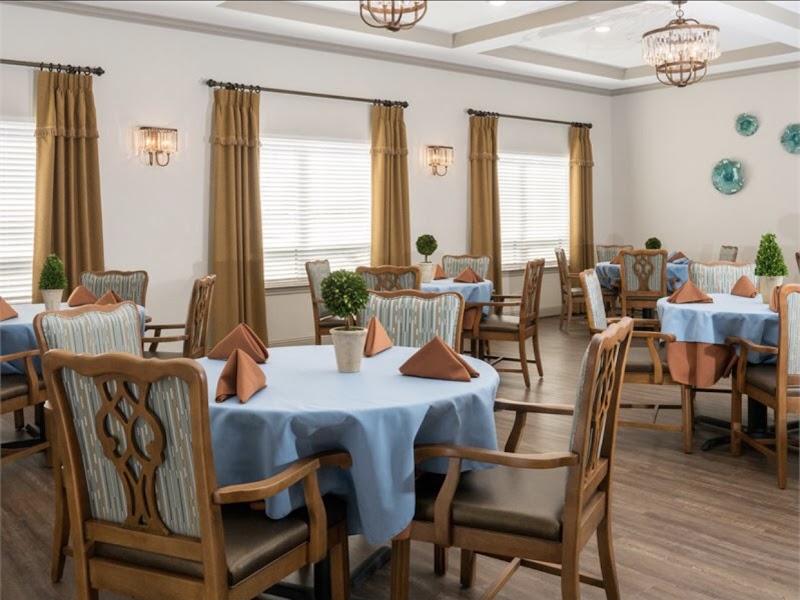
How Does The Reserve At Richardson Compare to Other Texas Nursing Homes?

Compared to the 100 nursing homes in Texas, THE RESERVE AT RICHARDSON's overall rating (2 stars) is below the state average of 2.8, staff turnover (40%) is near the state average of 46%, and health inspection rating (3 stars) is at the national benchmark.

What Should Families Ask When Visiting The Reserve At Richardson?

Based on this facility's data, families visiting should ask: "What changes have been made since the serious inspection findings, and how are you preventing similar issues?" "Can you walk me through typical staffing levels on day, evening, and night shifts?" "Can I visit during a mealtime to observe dining assistance and food quality?" "How do you handle medical emergencies, and what is your hospital transfer rate?" These questions are particularly relevant given the facility's Immediate Jeopardy citations and the below-average staffing rating.

Is The Reserve At Richardson Safe?

Based on CMS inspection data, THE RESERVE AT RICHARDSON has documented safety concerns. Inspectors have issued 1 Immediate Jeopardy citation (the most serious violation level indicating risk of serious injury or death). The facility has a 2-star overall rating and ranks #100 of 100 nursing homes in Texas. Families considering this facility should ask detailed questions about what corrective actions have been taken since these incidents.

Do Nurses at The Reserve At Richardson Stick Around?

THE RESERVE AT RICHARDSON has a staff turnover rate of 40%, which is about average for Texas nursing homes (state average: 46%). Moderate turnover is common in nursing homes, but families should still ask about staff tenure and how the facility maintains care continuity when employees leave.

Was The Reserve At Richardson Ever Fined?

THE RESERVE AT RICHARDSON has been fined $29,835 across 2 penalty actions. This is below the Texas average of $33,377. While any fine indicates a compliance issue, fines under $50,000 are relatively common and typically reflect isolated problems that were subsequently corrected. Families should ask what specific issues led to these fines and confirm they've been resolved.

Is The Reserve At Richardson on Any Federal Watch List?

THE RESERVE AT RICHARDSON is not on any federal watch list. The most significant is the Special Focus Facility (SFF) program, which identifies the bottom 1% of nursing homes nationally based on persistent, serious quality problems. Not being on this list means the facility has avoided the pattern of deficiencies that triggers enhanced federal oversight. This is a positive indicator, though families should still review the facility's inspection history directly.