HIGHLAND MEADOWS HEALTH & REHAB
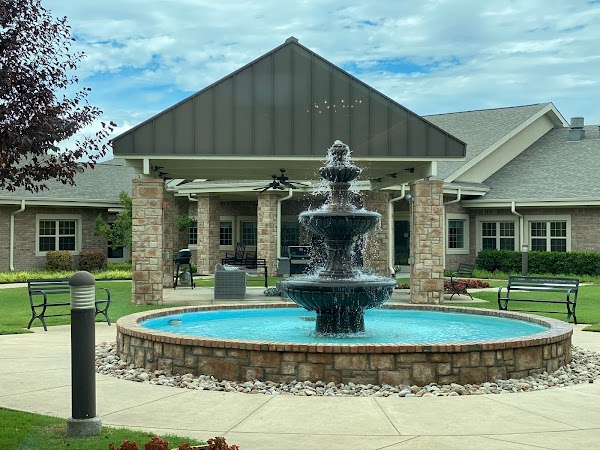
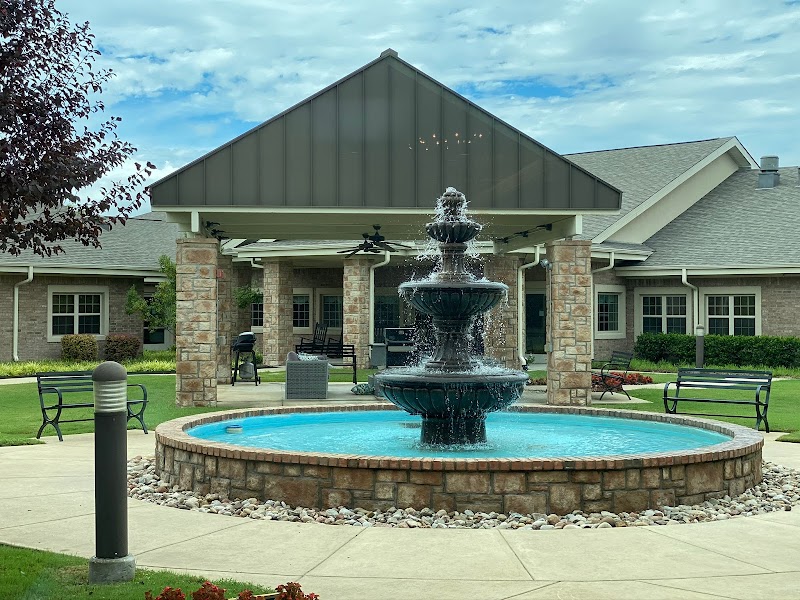
1870 S JOHN KING BLVD, ROCKWALL, TX 75032 (972) 722-7408
For profit - Individual 120 Beds Independent Data: November 2025
Trust Grade
80/100
#253 of 1168 in TX
Last Inspection: March 2025

Within standard 12-15 month inspection cycle. Federal law requires annual inspections.

Overview

Highland Meadows Health & Rehab has a Trust Grade of B+, which means it is above average and recommended for families considering options for their loved ones. It ranks #253 of 1168 nursing homes in Texas, placing it in the top half of facilities in the state, and #2 of 5 in Rockwall County, indicating there is only one other local option that performs better. However, the facility is experiencing a worsening trend, with the number of reported issues increasing from 2 in 2024 to 6 in 2025. While staffing turnover is relatively low at 39%, which is better than the Texas average, the staffing rating itself is poor at 1 out of 5 stars. Notably, there have been serious concerns regarding food storage practices, putting residents at risk for foodborne illness, and failures in infection control, such as staff not following proper hygiene protocols, which could lead to infections. Despite these weaknesses, the facility has not incurred any fines, indicating a lack of serious compliance issues.

Trust Score
B+
80/100
In Texas
#253/1168
Top 21%
Safety Record
Low Risk
No red flags
Inspections
Getting Worse
2 → 6 violations
Staff Stability
○ Average
39% turnover. Near Texas's 48% average. Typical for the industry.
Penalties
✓ Good
No fines on record. Clean compliance history, better than most Texas facilities.
Skilled Nurses
○ Average
RN staffing data not reported for this facility.
Violations
○ Average
9 deficiencies on record. Average for a facility this size. Mostly minor or procedural issues.
★★★★☆
4.0
Overall Rating
★☆☆☆☆
1.0
Staff Levels
★★★☆☆
3.0
Care Quality
★★★★★
5.0
Inspection Score
Stable
2024: 2 issues
2025: 6 issues

The Good

  • Full Sprinkler Coverage · Fire safety systems throughout facility
  • No fines on record
  • Staff turnover below average (39%)

    9 points below Texas average of 48%

Facility shows strength in fire safety.

The Bad

Staff Turnover: 39%

Near Texas avg (46%)

Typical for the industry

The Ugly 9 deficiencies on record

Mar 2025 4 deficiencies
CONCERN (D)

Potential for Harm - no one hurt, but risky conditions existed

Deficiency F0655 (Tag F0655)

Could have caused harm · This affected 1 resident

**NOTE- TERMS IN BRACKETS HAVE BEEN EDITED TO PROTECT CONFIDENTIALITY** Based on interview and record review, the facility failed to develop and implement a baseline care plan for each resident that i...

Read full inspector narrative →
**NOTE- TERMS IN BRACKETS HAVE BEEN EDITED TO PROTECT CONFIDENTIALITY** Based on interview and record review, the facility failed to develop and implement a baseline care plan for each resident that included instructions needed to provide effective and person-centered care for the resident that met professional standards of care within 48 hours of the resident's admission for one (Resident #144) of five residents reviewed for baseline care plans. The facility failed to complete a baseline care plan for Resident #144. This failure could place newly admitted residents at risk of not receiving effective and person-centered care and services. Findings included: Review of Resident #144's Face Sheet, dated 03/03/25, reflected she was a [AGE] year-old female who admitted to the facility on [DATE], with diagnoses including aftercare following joint replacement surgery (a period of pain management, physical therapy, wound care, and gradually returning to normal activities), type 2 diabetes mellitus (a chronic condition where the body either doesn't produce enough insulin, or the cells become resistant to the effects of insulin, leading to high blood glucose (sugar) levels), and heart failure (a chronic condition that occurs when the heart can't pump enough blood to meet the body's needs). Review of Resident #144's electronic medical records on 03/03/25 reflected a baseline care plan had been initiated on 02/25/25 by LVN F, but the baseline care plan was never completed. During an interview with LVN F on 03/03/25 at 12:54PM, he stated baseline care plans were required to be completed within 48 hours of a resident's admission. He stated he was responsible for completing Resident #144's baseline care plan. He said although he initiated the baseline care plan in the facility's electronic charting system, he forgot to complete the document. During an interview with the Director of Nursing on 03/05/25 at 12:00PM, he stated baseline care plans were required to be completed within 48 hours of a resident's admission. He stated there was not an inherent risk to residents if baseline care plans were not completed within this required timeframe, as facility staff communicated closely regarding resident care and ensured all care needs were still met. Review of the facility's Care Plans - Baseline policy, dated 03/2022, reflected, .A baseline plan of care to meet the resident's immediate health and safety needs is developed for each resident within forty-eight (48) hours of admission .
CONCERN (D)

Potential for Harm - no one hurt, but risky conditions existed

Tube Feeding (Tag F0693)

Could have caused harm · This affected 1 resident

**NOTE- TERMS IN BRACKETS HAVE BEEN EDITED TO PROTECT CONFIDENTIALITY** Based on observation, interview, and record review, the facility failed to provide care and services to prevent complications fo...

Read full inspector narrative →
**NOTE- TERMS IN BRACKETS HAVE BEEN EDITED TO PROTECT CONFIDENTIALITY** Based on observation, interview, and record review, the facility failed to provide care and services to prevent complications for 1 (Resident #31) of 3 residents reviewed with gastrostomy tubes (g-tubes). CNA A did not inform the nurse to turn off Resident #31's gastrostomy tube feeding prior to providing care. CNA A lowered the head of Resident #31's bed to a flat position for incontinent care while the g-tube feeding continued to infuse. This failure could place residents with g- tubes at risk for complications, aspiration, and pneumonia. Findings included: Record review of Resident #31's face sheet dated 03/04/25 revealed a [AGE] year-old female was initially admitted to the facility on [DATE] and readmitted on [DATE]. Resident #31 had diagnoses included hypertension, , gastrostomy, dementia, mood disturbance, anxiety, seizures, cognitive communication deficit, anemia, hypothyroidism (a condition that happens when your thyroid gland doesn't make or release enough hormone into your bloodstream), vitamin deficiency, and gastro-esophageal reflux disease. Record review of Resident #31's Annually MDS assessment dated [DATE] revealed Resident BIMS was 12 which indicated no impaired cognition. Resident #31 was dependent of staff assistance with ADL with one staff assistant. Further review revealed the resident had a PEG tube. Record review of Resident # 31's care plan initiated on 05/25/21 revealed Resident #31, Focus, requires tube feeding r/t Dysphagia, Resisting eating, Weight Loss. At risk for complications. Goal, Will remain free of side effects or complications related to tube feeding through review date. Intervention, Monitor/document/report to MD PRN: Aspiration- fever, SOB, Tube dislodged, Infection at tube site, Self-extubation, Tube dysfunction or malfunction, Abnormal breath/lung sounds, Abnormal lab values, Abdominal pain, distension, tenderness, Constipation or fecal impaction, Diarrhea, Nausea/vomiting, Dehydration. Record review of Resident #31's physician for February 2025 read in part . Enteral Feed Order as needed Nutren 1.5 @ 50 ml/hr x 22 hrs continuous for a total volume of 1100 ml via pump. May allow 2 hour down time for ADL's, Water Flush at 160cc q 6 hours to run concurrent with Nutren . During an observation on 03/03/25 at 11:27 a.m., revealed Resident #31 was lying on the bed and she placed the call light on and asked to be changed. CNA A was observed put on own and gloves and then lowered Resident #31's head of bed. Resident #31 feeding was infusing while CNA A was providing incontinent care. After care CNA A then elevated the resident's head of bed. In an interview on 03/03/25 at 11:42 am., with CNA A she stated she did not need to inform the charge nurse she was proving care to the resident so the nurse could pause or stop the feeding. CNA A stated while providing care to resident with g-tube the feeding was not paused or stopped during care. CNA A was not aware why the head of bed was not to be lowered when the feeding was infusing. In an interview on 03/03/25 at 12:15 pm., with LVN B revealed she was the charge nurse for Resident #31. LVN B stated Resident #31 did not have pneumonia or aspiration. LVN B stated during incontinent care the aides were supposed to inform the charge nurse so the residents feeding would be turned off. LVN B stated the resident's head of bed was not supposed to be lowered to a flat position while the feeding was infusing. LVN B stated lowering resident head of bed flat while the feeding was infusing would cause aspiration. In an interview on 03/05/25 at 12:24 pm., with the DON he stated the aide was supposed to inform the charge nurse so they could pause the feeding, and the aide was not supposed to provide incontinent care while the feeding was infusing. The DON stated the resident was at risk for aspiration and even pneumonia when head of bed was flat and the feeding infusing. The DON stated CNA A had been in-serviced on providing activities of daily living to residents with a g-tube and had completed skill check off. Requested for a skill check off but was not provided by exit. No policy was provided regarding providing incontinent care on residents who were on continues g-tube feeding. The policy was requested from the DON on 03/05/25. The DON provided a policy dated 03/22, titled Enteral and Parenteral Feeding - Documentation, Orders and Nutrition reflected, . The resident who utilizes enteral or parental nutrition will be free, to the extent possible, from complications related to enteral and parenteral nutrition.
CONCERN (D)

Potential for Harm - no one hurt, but risky conditions existed

Medication Errors (Tag F0758)

Could have caused harm · This affected 1 resident

**NOTE- TERMS IN BRACKETS HAVE BEEN EDITED TO PROTECT CONFIDENTIALITY** Based on interview and record review, the facility failed to ensure the resident's PRN orders for psychotropic drugs were limite...

Read full inspector narrative →
**NOTE- TERMS IN BRACKETS HAVE BEEN EDITED TO PROTECT CONFIDENTIALITY** Based on interview and record review, the facility failed to ensure the resident's PRN orders for psychotropic drugs were limited to fourteen (14) days for 1 of 6 residents reviewed for unnecessary medications, in that (Residents #70). Resident #70 had a PRN order for Lorazepam, a psychotropic medication, for more than fourteen days without physician documentation re-evaluating the medication to continue it PRN or to become a scheduled medication. This failure could place residents who receive PRN psychotropic medications at risk of receiving unnecessary psychotropic medications. Findings included: Record review of Resident #70's face sheet dated 03/04/25 revealed a [AGE] year-old male was initially admitted to the facility on [DATE] and readmitted on [DATE]. Resident #70 had diagnoses included, chronic systolic (congestive) heart failure, chronic obstructive pulmonary disease, protein-calorie malnutrition, depression, presence of cardiac pacemaker, orthostatic hypotension, and hyperlipidemia. Record review of the quarterly MDS assessment dated [DATE] indicated Resident #70 had a BIMS score of 14 indicating no severe cognitive impairment. Further indicated the resident had anxiety disorder and he was taking antianxiety medication. Record review of Resident #70's care plan dated 10/07/23 indicated the resident used Ativan for anxiety. The goal was for the resident to show decreased episodes of signs and symptoms of anxiety. Intervention was for the resident to give anti-anxiety medications ordered by physician and monitor/document side effects and effectiveness. Record review of Resident #70's physician's order summary report dated 03/05/25 indicated: Lorazepam oral tablet 1 MG (Lorazepam) give 1 tablet by mouth every 8 hours as needed for anxiety for 6 months, with an order date of 01/09/25 and with a stop date of 07/09/25. Record review of Resident #70's EMAR for the months of February 2015 and March 2025 indicated the resident had not taken Lorazepam medication. Record review of Consultant Pharmacist's Medication Regimen Review dated 1/1/25 and 1/3/25 indicated Resident #70's PRN Lorazepam required 14 days stop date. Can extended with documentation clinical note/rationale, but always required a specific duration or stop date. During an interview on 03/05/25 at 11:10 AM, with ADON D stated Resident #70 received PRN Lorazepam and it was ordered in January 2025. She said she could not show where the medication was re-evaluated every 14 days. She said that type of medication should be re-evaluated every 14 days by the primary care provider because it was a psychotropic medication. She said the risk of not re-evaluating psychotropic medication every 14 days was the resident could be overmedicated. The ADON D stated per the pharmacy notes from January 2025 it indicated the medication needed to be reevaluated every 14 days and ADON E was to follow up. In an interview on 03/05/25 at 01:58 PM with ADON E she stated Resident #70 was on Prn Lorazepam. She stated, she understood if the resident was on hospice they did not require a stop date for psychotropic medication when they were ordered prn. She then stated she realized Resident #70 was no longer on hospice, so she was supposed to follow up with the resident's primary care provider, but she did not. The ADON E stated the medication was supposed to be reviewed every 14 days to check and make sure the resident still required the medication and any changes required to be made, if the resident did not need it then the medication required to be stopped. In an interview on 03/05/25 at 02:23 PM with the DON he stated when any resident was no psych services, he included the psych team. The DON provided the documentation indicating for the resident to be on Lorazepam for 6 months but did not give the rationale for the prolong use of the medication prn. The DON stated review of psychotropic medications every 14 days was to make sure the medication was being used appropriately and to prevent any side effects from the medication. The DON stated he was not aware of the pharmacy recommendation for the medication to be reevaluated. Review of the facility policy revised 7/2022 and titled antipsychotic medication use reflected, Residents will not receive medications that are not clinically indicated to treat a specific condition. 16. PRN orders for antipsychotic medications will not be renewed beyond 14 days unless the healthcare profession has evaluated the resident for the appropriateness of that medication and documented the rationale for continued use .
CONCERN (D)

Potential for Harm - no one hurt, but risky conditions existed

Infection Control (Tag F0880)

Could have caused harm · This affected 1 resident

**NOTE- TERMS IN BRACKETS HAVE BEEN EDITED TO PROTECT CONFIDENTIALITY** Based on observation, interview, and record review, the facility failed to maintain an infection prevention and control program ...

Read full inspector narrative →
**NOTE- TERMS IN BRACKETS HAVE BEEN EDITED TO PROTECT CONFIDENTIALITY** Based on observation, interview, and record review, the facility failed to maintain an infection prevention and control program designed to provide a safe, sanitary, and comfortable environment to help prevent the development and transmission of communicable diseases and infections for 2 (Residents #31 and #49) of 6 residents reviewed for infection control in that: 1. CNA A failed to complete hand hygiene during incontinent care while assisting Resident #31. 2. CNA C failed to complete hand hygiene and change gloves during incontinent care while assisting Resident #49. These failures could place resident's risk for cross contamination and the spread of infection. Finding include: 1.Record review of Resident #31's face sheet dated 03/04/25 revealed a [AGE] year-old female was initially admitted to the facility on [DATE] and readmitted on [DATE]. Resident #31 had diagnoses included hypertension, gastrostomy, dementia, mood disturbance, anxiety, seizures, cognitive communication deficit, anemia, hypothyroidism (a condition that happens when your thyroid gland doesn't make or release enough hormone into your bloodstream), vitamin deficiency, and gastro-esophageal reflux disease. Record review of Resident #31's Annually MDS assessment dated [DATE] revealed Resident BIMS was 12 which indicated no impaired cognition. Resident #31 was dependent of staff assistance with ADL with one staff assistant and was always incontinent of bowel and bladder. Record review of Resident # 31's care plan initiated on 05/25/21 revealed Resident #31, Focus, requires assist with all adl's and transfers d/t impaired cognition and mobility. Goal, All needs will be met through the next review date. Interventions, Assist with oral care, hair care, nail care, grooming, dressing, toileting and mobility. During an observation on 03/03/25 at 11:27 a.m., revealed Resident #31 was lying on the bed and she placed the call light on and asked to be changed. CNA A was observed to don gown and gloves and then lowered Resident #31's head of bed. Then CNA A proceeded to provide incontinent care to Resident #31. Resident #31 had a bowel movement and during the care CNA A was observed changing gloves but did not complete any form of hand hygiene. In an interview on 03/03/25 at 11:42 am., with CNA A she stated she was supposed to complete hand hygiene after changing gloves, but she forgot. CNA A stated she was supposed to complete hand hygiene to prevent the spread of infection. CNA A stated she completed infection control in-service monthly. 2. Record review of Resident #49's face sheet dated 03/04/25 revealed a [AGE] year-old female was originally admitted on [DATE] and readmitted on [DATE]. Resident #49 had diagnoses included, vascular dementia, psychotic disturbance, mood disturbance, and anxiety, hypertension, anemia in other chronic diseases, major depressive disorder, chronic kidney disease and weakness. Record review of Resident #49's Quarterly MDS assessment dated [DATE] revealed Resident BIMS was 10 which indicated mild cognition impairment. Resident #49 was dependent on the staff and was always incontinent of bowel and bladder. Record review of the care plan for Resident #49 initiated 09/28/21 reflected, Focus, [Resident #49] is incont of bowel and bladder At risk for skin breakdown and uti's. Goal, Minimize risk for uti's through the next review date. Intervention, Provide incont care after each incont episode. Observation on 03/03/25 at 12:43 pm., revealed CNA C providing incontinent care to Resident #49. CNA C gloved and started providing care to Resident # 49. Resident was soiled with urine, and after CNA C cleaned the resident, she did not change gloves or complete hand hygiene. With the same gloves, CNA C applied the clean brief, touched the resident's linens and bed remote. In an interview on 03/03/25 at 12: 54 pm., with CNA C she sated stated she was not aware of cleaning hands in between care, unless the resident had a bowel movement. CNA C stated she was required to complete hand hygiene before and after care, to prevent the spread of infection or cross contamination. In an interview on 03/05/25 at 12:20 PM with the DON she stated the staff members were expected to complete hand hygiene during care. The DON stated the aides were to wash hands when they enter the room and after taking care of the resident. Training and monitoring was completed by the infection preventionist. After cleaning the residents, the staff were supposed to complete hand hygiene and don clean gloves. The DON stated the staff were in-serviced on infection control monthly. In an interview on 03/05/25 at 01:10 PM with ADON D she stated she was the infection preventionist. The ADON D stated the aides were supposed to complete hand hygiene after changing gloves and after cleaning the residents. ADON D stated the staff were not supposed to touch resident's items with dirty gloves. The ADON stated the staff were to complete hand hygiene to maintain infection control and prevent the spread of infection. The ADON stated the staff were in-serviced on infection control monthly. Review of the facility policy dated 05/2021 and titled, Infection Control - Prevention and Control Program reflected, The intent of this program is to assure that the home develops, implements, and maintains an Infection Prevention and Control Program to prevent, recognize, and control, to the extent possible, the onset and spread of infection within the facility. Review of the facility policy dated 05/2017 and titled, Hand Washing reflected, It is the policy of this home that hand hygiene is the primary means to prevent the spread of infection. Hand hygiene products and supplies (sinks, soap, towels, alcohol-based hand rub) shall be readily available and convenient for staff use to encourage the compliance with hand hygiene. 1. 1. The use of gloves does not replace proper hand washing.
Jan 2025 2 deficiencies
CONCERN (D) 📢 Someone Reported This

A family member, employee, or ombudsman was alarmed enough to file a formal complaint

Potential for Harm - no one hurt, but risky conditions existed

Notification of Changes (Tag F0580)

Could have caused harm · This affected 1 resident

**NOTE- TERMS IN BRACKETS HAVE BEEN EDITED TO PROTECT CONFIDENTIALITY** Based on, interview and record review the facility failed to immediately inform the resident, consult with the resident's physic...

Read full inspector narrative →
**NOTE- TERMS IN BRACKETS HAVE BEEN EDITED TO PROTECT CONFIDENTIALITY** Based on, interview and record review the facility failed to immediately inform the resident, consult with the resident's physician, notify, consistent with his or her authority, the resident representative when there was a significant change in the resident's physical, mental, or psychosocial status for 1 of 1 resident (Resident #1) reviewed for notification of changes. The facility failed to notify Resident #1's attending physician when an injury of unknown origin was discovered on Resident #1. This deficient practice could place residents at risk of not having their physician informed when there was a change in condition resulting in a delay in medical intervention and decline in health. Findings include: Record review of Resident #1's Care Plan reflected a [AGE] year-old female. She was admitted to the facility on [DATE]. The Care Plan was initialed on 12/30/24 for Wound Management of the lower abdomen. Resident #1 had diagnoses which included constipation (a condition in which there is difficulty in emptying the bowels, usually associated with hardened feces.), hypertension (a condition in which the blood vessels have persistently raised pressure), gastro-esophageal reflux disease without esophagitis (a condition where acid or other contents flow back up from the stomach with no signs of damage to the esophagus) , nausea with vomiting, localized edema (a condition in which there is swelling due to excess fluid to one specific area of the body), gastrointestinal hemorrhage (a condition that covers all forms of bleeding in the gastrointestinal tract), unspecified open wound to the left lower leg, malignant neoplasm of unspecified kidney (cancerous tumor of the kidney), unspecified diastolic (congestive) heart failure (When your left heart ventricle is stiff, it doesn't relax properly between heartbeats), unspecified atrial fibrillation (irregular heart rhythm), unspecified dementia without behavioral disturbance (a condition where a person experiences confusion or mild cognitive impairment that cannot be clearly diagnosed as a specific type of dementia.), psychotic disturbance (cluster of symptoms, not an illness), mood disturbance (characterized by persistent and intense sadness, elation, or anger.), anxiety (feeling of worry, nervousness, or unease, typically about an imminent event or something with an uncertain outcome:), morbid (severe) obesity due to excess calories (excessive and unhealthy accumulation of body fat), pulmonary embolism without acute cor pulmonale (blockage in one of the pulmonary arteries in the lungs, usually caused by blood clots that travel to the lungs from the deep veins in the legs (deep vein thrombosis), diverticulitis of intestine (inflammation of irregular bulging pouches in the wall of the large intestine), pneumonia (lung inflammation caused by bacterial or viral infection), dysphagia (difficulty swallowing). Record review of Resident #1's Annual MDS (Minimum Data Sheet) Assessment, dated 01/20/2024, reflected Resident #1 had a BIMS (Brief Interview for Mental Status Test) score of 10, which indicated moderate cognitive impairment. Resident #1 was assessed to require assistance with ADLs (Activities of Daily Living) which included the following: transfers, personal hygiene, showers, and dressing. Record review on 1/31/25 of TULIP (Texas Unified Licensure Information Portal) reflected the facility did not report the injury of unknown origin for the wound that was discovered on 12/27/24. Record review of Resident #1's electronic medical records reflected Resident #1 had a progress note, dated 12/27/2024 at 6:39 PM, entered by LVN (Licensed Vocational Nurse) A. The progress note reflected there was a concern made by the family about the resident's care. LVN (Licensed Vocational Nurse) A documented there was an open wound to the groin area. The wound was cleansed with normal saline, pat dry, and had dressing applied. LVN (Licensed Vocational Nurse) A also documented the wound would be monitored. Record review of Resident #1's Skin Assessment, dated 12/27/2024, revealed that Resident #1 did not have a wound to the lower abdominal/groin area when the skin asssessment was performed at 3:38 PM. Record review of a photograph taken of Resident #1's wound revealed the wound was consistent with that of a laceration and not of a pressure/moisture related injury. Interview on 1/31/2025 at 9:40 AM with Director of Nursing B revealed he was very familiar with Resident #1 because he did rounds with her every day. He stated staff were trained to notify the administrator, director of nursing, physician, and responsible party if they found a wound. He stated there was no need to report this incident to HHSC because it was not something they thought was an injury of unknown origin because it was assumed to be a moisture related incident. The facility had an open order for moisture related incidents from the wound care doctor. DON (Director of Nursing) B stated the wound care doctor was notified by LVN (Licensed Vocational Nurse) A of the wound to Resident #1's groin area and that should satisfy reporting requirements even if the primary care physician was not notified of the wound to Resident #1's groin/abdominal. Interview on 1/31/2025 at 12:30 PM with CNA (Certified Nurse Assistant) C revealed she did not know how or why Resident #1 had a wound because she wasn't a resident she was assigned to take care of. She remembered Resident #1's family member yelling in the hallway for help. She stated LVN (Licensed Vocational Nurse) A asked her to assist him treating the wound. She stated the wound was small and they treated it with normal saline. She stated the wound wasn't bleeding but it looked like a clean cut. She stated LVN (Licensed Vocational Nurse) A called the physician and got an order right away. Interview on 1/31/2025 at 1:59 PM with Physician D revealed neither the facility nor family brought the wound to her attention. She stated she remembered being notified by LVN (Licensed Vocational Nurse) A of Resident #1 having lower abdominal pain but specified the LVN (Licensed Vocational Nurse) only contacted her to tell her about a hemorrhoid bleeding. She stated she did not know of any injury to Resident #1's groin area. She stated she should have been contacted if there was a change in condition, injury of unknown origin, open wound, or injury. Interview on 1/31/2025 at 2:20 PM with Physician E revealed she did treat Resident #1's wound. She stated the wound was in the lower abdominal/groin area. She stated it was in kind of a fold area. She specified the wound did not look like a pressure related wound. She stated it was different than a moisture associated breakdown. She stated it could be from trauma but it's hard to say for sure but specified that it did not look moisture related. She stated the wound was small. It was .7 by .8 centimeters. She stated she was notified of the wound by LVN (Licensed Vocational Nurse) A on December 27th around 7pm. She told LVN (Licensed Vocational Nurse) A to follow the standing order until she saw it unless LVN (Licensed Vocational Nurse) A had a major concern. Interview on 1/31/2025 at 3:00 PM with LVN (Licensed Vocational Nurse) A revealed he remembered Resident #1's family member asked for someone to come take a look at a wound on Resident #1. He stated he assessed the resident, treated the wound, and notified the wound care doctor. There was no need to contact the family because the family member was the one who discovered the wound. There was no need to report the wound because it was assumed to be a moisture related incident and not an injury of unknown origin. Record review of the Facility Abuse & Neglect Reporting Policy, dated July 2017, states reflected that All alleged violations involving abuse, neglect, exploitation, or mistreatment, including injuries of an unknown source and misappropriation of property will be reported by the facility Administrator, or his/her designee, to the following persons or agencies. F. The residents Attending Physician.
CONCERN (D) 📢 Someone Reported This

A family member, employee, or ombudsman was alarmed enough to file a formal complaint

Potential for Harm - no one hurt, but risky conditions existed

Report Alleged Abuse (Tag F0609)

Could have caused harm · This affected 1 resident

**NOTE- TERMS IN BRACKETS HAVE BEEN EDITED TO PROTECT CONFIDENTIALITY** Based on interview and record review the facility failed to ensure that all alleged violations involving abuse, neglect, exploit...

Read full inspector narrative →
**NOTE- TERMS IN BRACKETS HAVE BEEN EDITED TO PROTECT CONFIDENTIALITY** Based on interview and record review the facility failed to ensure that all alleged violations involving abuse, neglect, exploitation or mistreatment, including injuries of unknown source and misappropriation of resident property, were reported immediately, but not later than 2 hours after the allegation was made, if the events that caused the allegation involved abuse or resulted in serious bodily injury, or not later than 24 hours if the events that caused the allegation did not involve abuse and did not result in serious bodily injury, to the administrator of the facility and to other officials, including to the State Survey Agency where state law provides for jurisdiction in long-term care facilities, in accordance with State law through established procedures for 1 of 1 resident (Resident #1) reviewed for reporting. The facility failed to report an injury of unknown origin that was discovered on 12/27/2024, to HHSC. This failure could place residents at risk for abuse, neglect, and incidents. Findings include: Record review of Resident #1's Care Plan reflected a [AGE] year-old female. She was admitted to the facility on [DATE]. The Care Plan was initialed on 12/30/24 for Wound Management of the lower abdomen. Resident #1 had diagnoses which included constipation (a condition in which there is difficulty in emptying the bowels, usually associated with hardened feces.), hypertension (a condition in which the blood vessels have persistently raised pressure), gastro-esophageal reflux disease without esophagitis (a condition where acid or other contents flow back up from the stomach with no signs of damage to the esophagus) , nausea with vomiting, localized edema (a condition in which there is swelling due to excess fluid to one specific area of the body), gastrointestinal hemorrhage (a condition that covers all forms of bleeding in the gastrointestinal tract), unspecified open wound to the left lower leg, malignant neoplasm of unspecified kidney (cancerous tumor of the kidney), unspecified diastolic (congestive) heart failure (When your left heart ventricle is stiff, it doesn't relax properly between heartbeats), unspecified atrial fibrillation (irregular heart rhythm), unspecified dementia without behavioral disturbance (a condition where a person experiences confusion or mild cognitive impairment that cannot be clearly diagnosed as a specific type of dementia.), psychotic disturbance (cluster of symptoms, not an illness), mood disturbance (characterized by persistent and intense sadness, elation, or anger.), anxiety (feeling of worry, nervousness, or unease, typically about an imminent event or something with an uncertain outcome:), morbid (severe) obesity due to excess calories (excessive and unhealthy accumulation of body fat), pulmonary embolism without acute cor pulmonale (blockage in one of the pulmonary arteries in the lungs, usually caused by blood clots that travel to the lungs from the deep veins in the legs (deep vein thrombosis), diverticulitis of intestine (inflammation of irregular bulging pouches in the wall of the large intestine), pneumonia (lung inflammation caused by bacterial or viral infection), dysphagia (difficulty swallowing). Record review of Resident #1's Annual MDS (Minimum Data Sheet) Assessment, dated 01/20/2024, reflected Resident #1 had a BIMS (Brief Interview for Mental Status Test) score of 10, which indicated moderate cognitive impairment. Resident #1 was assessed to require assistance with ADLs (Activities of Daily Living) which included the following: transfers, personal hygiene, showers, and dressing. Record review on 1/31/25 of TULIP (Texas Unified Licensure Information Portal) reflected the facility did not report the injury of unknown origin for the wound that was discovered on 12/27/24. Record review of Resident #1's electronic medical records reflected Resident #1 had a progress note, dated 12/27/2024 at 6:39 PM, entered by LVN (Licensed Vocational Nurse) A. The progress note reflected there was a concern made by the family about the resident's care. LVN (Licensed Vocational Nurse) A documented there was an open wound to the groin area. The wound was cleansed with normal saline, pat dry, and had dressing applied. LVN (Licensed Vocational Nurse) A also documented the wound would be monitored. Record review of Resident #1's Skin Assessment, dated 12/27/2024, revealed that Resident #1 did not have a wound to the lower abdominal/groin area when the skin asssessment was performed at 3:38 PM. Record review of a photograph taken of Resident #1's wound revealed the wound was consistent with that of a laceration and not of a pressure/moisture related injury. Interview on 1/31/2025 at 9:40 AM with Director of Nursing B revealed he was very familiar with Resident #1 because he did rounds with her every day. He stated staff were trained to notify the administrator, director of nursing, physician, and responsible party if they found a wound. He stated there was no need to report this incident to HHSC because it was not something they thought was an injury of unknown origin because it was assumed to be a moisture related incident. The facility had an open order for moisture related incidents from the wound care doctor. DON (Director of Nursing) B stated the wound care doctor was notified by LVN (Licensed Vocational Nurse) A of the wound to Resident #1's groin area and that should satisfy reporting requirements even if the primary care physician was not notified of the wound to Resident #1's groin/abdominal. Interview on 1/31/2025 at 12:30 PM with CNA (Certified Nurse Assistant) C revealed she did not know how or why Resident #1 had a wound because she wasn't a resident she was assigned to take care of. She remembered Resident #1's family member yelling in the hallway for help. She stated LVN (Licensed Vocational Nurse) A asked her to assist him treating the wound. She stated the wound was small and they treated it with normal saline. She stated the wound wasn't bleeding but it looked like a clean cut. She stated LVN (Licensed Vocational Nurse) A called the physician and got an order right away. Interview on 1/31/2025 at 2:20 PM with Physician E revealed she did treat Resident #1's wound. She stated the wound was in the lower abdominal/groin area. She stated it was in kind of a fold area. She specified the wound did not look like a pressure related wound. She stated it was different than a moisture associated breakdown. She stated it could be from trauma but it's hard to say for sure but specified that it did not look moisture related. She stated the wound was small. It was .7 by .8 centimeters. She stated she was notified of the wound by LVN (Licensed Vocational Nurse) A on December 27th around 7pm. She told LVN (Licensed Vocational Nurse) A to follow the standing order until she saw it unless LVN (Licensed Vocational Nurse) A had a major concern. Interview on 1/31/2025 at 3:00 PM with LVN (Licensed Vocational Nurse) A revealed he remembered Resident #1's family member asked for someone to come take a look at a wound on Resident #1. He stated he assessed the resident, treated the wound, and notified the wound care doctor. There was no need to contact the family because the family member was the one who discovered the wound. There was no need to report the wound because it was assumed to be a moisture related incident and not an injury of unknown origin. Record review of the Facility Abuse & Neglect Reporting Policy, dated July 2017, reflected All reports of resident abuse, neglect, exploitation, misappropriation of resident property, mistreatment and/or injuries of unknown source (abuse) shall be promptly reported to local, state, and federal agencies (as defined by current regulations) and thoroughly investigated by facility management. Findings of abuse will also be reported. All alleged violations involving abuse, neglect, exploitation, or mistreatment, including injuries of an unknown source and misappropriation of property will be reported by the facility Administrator, or his/her designee, to the following persons or agencies . An alleged violation of abuse, neglect, exploitation or mistreatment (including injuries of unknown source and misappropriation of resident property) will be reported immediately, but not later than: A. Two (2) hours if the alleged violation involves abuse OR has resulted in serious bodily injury. B. Twenty-four (24) hours if the alleged violation does not involve abuse AND has not resulted in serious bodily injury.
Feb 2024 2 deficiencies
CONCERN (E) 📢 Someone Reported This

A family member, employee, or ombudsman was alarmed enough to file a formal complaint

Potential for Harm - no one hurt, but risky conditions existed

Deficiency F0813 (Tag F0813)

Could have caused harm · This affected multiple residents

**NOTE- TERMS IN BRACKETS HAVE BEEN EDITED TO PROTECT CONFIDENTIALITY** Based on observations, interviews, and record review the facility failed to follow their policy regarding storage of foods broug...

Read full inspector narrative →
**NOTE- TERMS IN BRACKETS HAVE BEEN EDITED TO PROTECT CONFIDENTIALITY** Based on observations, interviews, and record review the facility failed to follow their policy regarding storage of foods brought to the residents by family and other visitors to ensure safe and sanitary storage, handling, and consumption of the food and beverages for 9 Residents (#7, #54, #264, #92, #33, #21, #55, #10, and #28) out of 9 reviewed for personal food storage. The facility did not have documentation of temperature checks for the resident's personal refrigerators. The facility staff did not label, date, and clean the nourishment refrigerator for the residents. The deficient practice placed one hundred and ten residents who had used the nourishment refrigerators at risk of food borne illness. The deficient practice placed nine residents who had personal refrigerators at risk of food borne illness. The findings included : Observation on 02/14/24 at 8:00 AM revealed Resident#7 did not have documentation of temperatures for personal refrigerator. Observation on 02/14/24 at 8:05AM revealed Resident#54 did not have documentation of temperatures for personal refrigerator. Observation on 02/14/24 at 8:10 AM revealed Resident#264 did not have documentation of temperatures for personal refrigerator. Interview revealed that she does not use her refrigerator that much and she would clean it out. Observation on 02/14/24 at 8:13 AM revealed Resident#92 did not have documentation of temperatures for personal refrigerator. Observation on 02/14/24 at 8:17 AM revealed Resident#33 did not have documentation of temperatures for personal refrigerator. Interview revealed grandson brought food and cleaned it out refrigerator. Observation on 02/14/24 at 8:22 AM revealed Resident#21 did not have documentation of temperatures for personal refrigerator. Observation on 02/14/24 at 8:24 AM revealed Resident#55 did not have documentation of temperatures for personal refrigerator. Interview revealed she did not know who cleaned out the refrigerator. Observation on 02/14/24 at 8:28 AM revealed Resident#01 did not have documentation of temperatures for personal refrigerator. Observation on 02/14/24 at 8:33 AM revealed Resident#10 did not have documentation of temperatures for personal refrigerator. Observation on 02/14/24 at 8:37 AM revealed Resident#28 did not have documentation of temperatures for personal refrigerator. Observation on 02/15/24 at: 11:00 AM of the nourishment room refrigerator revealed, the freezer had: *1 open gallon of [NAME] ice cream *1 open pint of vanilla ice cream *1 unopened pint of vanilla ice cream not labeled and not dated. Observation of the nourishment room refrigerator revealed: *1 bowl of pho not labeled or dated *2 bowls (unidentified items- dark red broth and white broth) not labeled or dated * 2 half sandwiches not labeled or dated * 3 pieces of pizza in a Ziploc bag, labeled 02/11/24 * Yellow and red sticky stains at the bottom of the refrigerator Interview on 02/15/24 at 11:45 am the Director of Nursing revealed, residents can get sick from eating expired food. The Director of Nursing stated the nursing staff and dietary staff were responsible for cleaning and dating items brought in by the family to the nourishment room. The Director of Nursing stated personal refrigerators in the resident's rooms were the residents and family's responsibility. Interview on 02/15/24 at 12:00 PM the Dietary Manager stated, she had gone into the nourishment room refrigerator on Monday and cleaned it out. The Dietary Manager stated families were responsible for labeling and dating food. The Dietary Manager stated, family members have access to put items in the nourishment refrigerator themselves. The Dietary Manager stated she would throw out anything that was not labeled and dated. The Dietary Manager stated there was not a schedule in place stating when to clean out the refrigerator in the nourishment room. The Dietary Manager stated residents could get sick from eating expired foods. The Dietary Manager stated she was not responsible for refrigerators in the resident's room . In an interview on 02/15/24 at 12:20 pm the Assisted Director of Nursing stated, she would assign a Certified Nurse Aide and Medication Aide to clean, check labels, and dates in the nourishment room refrigerator. The Assisted Director of Nursing stated for resident's personal refrigerator a Certified Nurse Aide/Medication Aide are assigned shift duty's and they change every 2 weeks. Assisted Director of Nursing stated it was honestly hard to keep up with the nourishment refrigerator, since families can go in and out of the refrigerator. The residents can be at risk of getting sick from old food. The Assisted Director of Nursing stated this concern could be an Infection control issue because of people not washing their hands. The Assisted Director of Nursing stated temperature logs were the responsibility of the residents and their family to keep up with the temperatures of personal refrigerators. When the managers do rounds daily, they should be checking the temperature logs. Residents could be at risk of eating spoiled food. To have a refrigerator in the room, residents should be able to clean it, and label and date the items in the refrigerator. It really should be just drinks, nothing from the kitchen should be in the personal refrigerator. In an interview on 02/15/24 at 1:28pm the Licensed Vocational Nurse T stated She had not cleaned the residents personal refrigerators on her hall before. The Licensed Vocational Nurse T stated that the night nurse was responsible for documentation of temperatures and cleaning out the nourishment room refrigerator and resident's personal refrigerator. The Licensed Vocational Nurse T stated residents could get exposed to bacteria if food is not being dated and labeled residents could get sick. In an interview on 02/15/24 at 1:34pm the Medication Aide A stated it is not in her job description to clean the nourishment room refrigerator or residents personal refrigerator. Medication Aide A stated residents can get sick from eating expired food. Record review of the facility policy titled foods brought by family/visitors, dated, (March 2022): 5. Food brought by family/visitors that is left with the resident to consume later is labeled and stored in a manner that it is clearly distinguishable from facility-prepared food. 6. The nursing staff will discard perishable foods on or before the use by date.
CONCERN (E) 📢 Someone Reported This

A family member, employee, or ombudsman was alarmed enough to file a formal complaint

Potential for Harm - no one hurt, but risky conditions existed

Infection Control (Tag F0880)

Could have caused harm · This affected multiple residents

Based on observations, interviews, and record review, the facility failed to establish and maintain an infection prevention and control program designed to provide a safe, sanitary, and comfortable en...

Read full inspector narrative →
Based on observations, interviews, and record review, the facility failed to establish and maintain an infection prevention and control program designed to provide a safe, sanitary, and comfortable environment and to help prevent the development and transmission of communicable diseases and infections for three of three residents (Resident #21, #95, and #88) reviewed for infection control. 1. MA A touched medications without gloves and administered to Resident #21. 2. MA A failed to clean the blood pressure machine while checking the blood pressure for Resident #21 and #95. 3. CNA B failed to complete hand hygiene while providing incontinent care to Resident #88. These failures could place residents at risk for contamination and infection. The findings included: Observation on 02/13/24 at 09:45 AM reflected MA A checked Resident #21's blood pressure and then proceeded to prepare the medications for Resident #21 and put them in the medication cart. While getting the medications from the medication bottle, MA A picked up the medications without gloves. MA A than administered the medications to the resident. MA A completed hand hygiene then proceeded to Resident # 95's room and checked her blood pressure. In an interview on 02/13/24 at 10:14 AM with MA A stated she was aware that she was not supposed to touch the medications with ungloved hands, but she forgot. MA A stated her hands were considered contaminated, so she was not supposed to touch medications without gloves. MA A stated she was not supposed to clean the blood pressure machine unless she had residents who were in isolation. She stated since there were no residents on isolation, she did not need to clean the blood pressure machine. MA A stated she was supposed to maintain infection control to prevent the spread of infection from one resident to another. Observation on 02/14/24 at 01:43 PM revealed CNA B providing incontinent care to Resident #88. The resident was in bed, CNA B went in the room gloved and positioned the resident. CNA B proceeded to unfasten the resident's brief and positioned the resident on her side. Resident#88 had small amount of bowel movement, which was loose. CNA B cleaned the resident and then realized she did not have a trash bag. She then ungloved and left the room. CNA B came back in the room and gloved without any form of hand hygiene. She had a packet of wipes in her hands and trash bag. She then continued to clean the resident's bottom area with wipes and took off gloves after cleaning the resident and donned clean gloves without any form of hand hygiene. CNA B proceed to apply the clean brief, fastened the brief, and positioned the resident, then bagged the trash and left the room without any form of hand hygiene. In an interview on 02/15/24 at 12:34 PM with CNA B she stated she was to complete hand hygiene after taking off the dirty gloves before donning the clean gloves, and she forgot during incontinent care. She stated she was supposed to use hand sanitizer or wash hands after taking off the dirty gloves to prevent cross contamination. She stated she had an in-service on infection control last week, on Monday. In an interview on 02/15/24 at 12:42 PM with the (ADON), she stated she was the Infection Preventionist. The ADON stated the In-service for infection control was ongoing and she could not remember the last time the facility completed one. The ADON stated the staff was not supposed to touch medications without gloves, then it was considered contaminated, and the staff was to discard the medications. The ADON also stated the staff was to clean the blood pressure machine between residents. She stated while providing incontinent care, the staff was to complete hand hygiene before donning gloves. The ADON stated hand hygiene was to be completed to prevent the spread of infection and cross contamination. Review of the infection control/hand hygiene in-service reflected the staff were in-serviced on 10/30/23. In an interview on 02/15/24 at 01:01 PM with the DON, he stated the staff were not supposed to touch medications without gloves and give to the resident because it was considered contaminated. The DON stated regardless of the residents being in isolation or not, the staff was supposed to clean the blood pressure machine in between each use, and the staff were supposed to complete hand hygiene after taking off gloves. The DON stated the staff were supposed to maintain infection control to prevent the spread of infection. Review of the facility policy titled, Hand Washing, effective 05/2017 reflected, It is the policy of this home that hand hygiene is the primary means to prevent the spread of infection. Hand hygiene products and supplies (sinks, soap, towels, alcohol-based hand rub) shall be readily available and convenient for staff use to encourage the compliance with hand hygiene. PROCEDURE Washing hands: 1. The use of gloves does not replace proper hand washing. Employees must wash their hands for at least twenty (20) seconds using antimicrobial or non-antimicrobial soap and water under the following conditions: . o After removing gloves or aprons;
Feb 2023 1 deficiency
CONCERN (D) 📢 Someone Reported This

A family member, employee, or ombudsman was alarmed enough to file a formal complaint

Potential for Harm - no one hurt, but risky conditions existed

Pharmacy Services (Tag F0755)

Could have caused harm · This affected 1 resident

**NOTE- TERMS IN BRACKETS HAVE BEEN EDITED TO PROTECT CONFIDENTIALITY** Based on interview and record review the facility failed to ensure the accurate acquiring, dispensing, receiving, and administer...

Read full inspector narrative →
**NOTE- TERMS IN BRACKETS HAVE BEEN EDITED TO PROTECT CONFIDENTIALITY** Based on interview and record review the facility failed to ensure the accurate acquiring, dispensing, receiving, and administering of medications for 1 of 5 residents reviewed for pharmacy services (Resident #1). Resident #1 missed one dose of Cefdinir presribed to treat Resident #1 for a UTI. This failure could place residents at risk of not receiving the therapeutic benefit of the medication or worsening health concerns. Findings included: Record review of Resident #1's face sheet dated 02/07/23 revealed an [AGE] year-old- female admitted to the facility on [DATE] and readmitted to the facility on [DATE] after a hospital visit following a fall at the facility. Her diagnoses included Dementia, Fracture of left femur and Urinary Tract infection. Resident #1 discharged from the facility on 02/06/23. Review of Resident #1's baseline care plan dated 02/04/23 revealed she required one person physical assistance with activities of daily living. Resident #1 was cognitively impaired. Resident #1 was incontinent of bowel and bladder. Resident #1 did not self-administer her medication. Review of Resident #1's physician order summary report dated 02/07/23 revealed an order for Cefdinir oral capsule 300 mg, give 1 capsule by mouth two times a day for UTI (Urinary Tract Infection) for 3 days, the start date of 02/04/23 and end date of 02/07/23 . Review of Resident #1's Medication Administration Record (MAR) for February 2023 revealed Cefdinir oral capsule 300 mg, was to be administered at 7am and 7pm. Further review revealed medication was not provided on 02/06/23 at 7am as documented. The resident was discharged from the facility prior to the second dosage due time. An interview with MA B on 02/07/23 at 10:31 a.m., revealed the medication was not on the cart and was not available to give to Resident #1. MA B stated the facility only had the 500 mg of the medication and not the 300 mg of the medication as ordered by the physician. MA B informed LVN C the medication was not on the cart. She did not document on the MAR the medication was not available. An interview with LVN C on 02/07/23 at 10:51 a.m., revealed she was informed by MA B that Resident #1's medication for the UTI was not in the facility and on the cart. LVN C stated the facility only had 500 mg of the medication and not 300 mg. They contacted the pharmacy and informed them she needed the medication as soon as possible. She contacted the pharmacy on 02/06/23. LVN C did not state she had informed the physician or nurse practitioner of the medication not being in the facility. An interview with the Nurse Practitioner (NP) on 02/07/23 at 12:15 p.m., revealed she was not aware Resident #1's Cefdinir oral capsule 300 mg was not provided because the medication was not available. The NP revealed if the resident did not take the medication in full, it could cause the infection to get worse. She revealed skipping a dose could make the symptoms worse. If the staff would have informed her she would have discussed changing the medication. An interview with the DON at 1:34 pm on 02/07/23 revealed he had not been made aware of Resident #1's Cefdinir oral capsule 300 mg, not being available. He stated the facility did have the 500 mg capsule. The facility had previous issues with the pharmacy delivering the medications timely. An additional interview with the NP on 02/07/23 at 5:25 p.m., revealed she had been made aware of Resident #1 not receiving her Cefdinir oral capsule 300 mg medication. She revealed she had informed the nurse to contact the pharmacy to have the medication delivered as quickly as possible. Resident #1 had discharged from the facility prior to the facility receiving the medication . Record review of the facility's undated 'Stock medication policy revealed If a medication is ordered for a patient that is not in the stock medication, an initial dose will be sent to facility upon request.
Understanding Severity Codes (click to expand)
Life-Threatening (Immediate Jeopardy)
J - Isolated K - Pattern L - Widespread
Actual Harm
G - Isolated H - Pattern I - Widespread
Potential for Harm
D - Isolated E - Pattern F - Widespread
No Harm (Minor)
A - Isolated B - Pattern C - Widespread

Questions to Ask on Your Visit

  • "Can I speak with families of current residents?"
  • "What's your RN coverage like on weekends and overnight?"

Our Honest Assessment

Strengths
  • • Grade B+ (80/100). Above average facility, better than most options in Texas.
  • • No major safety red flags. No abuse findings, life-threatening violations, or SFF status.
  • • No fines on record. Clean compliance history, better than most Texas facilities.
  • • 39% turnover. Below Texas's 48% average. Good staff retention means consistent care.
Concerns
  • • No significant concerns identified. This facility shows no red flags across CMS ratings, staff turnover, or federal penalties.
Bottom line: Generally positive indicators. Standard due diligence and a personal visit recommended.

About This Facility

What is Highland Meadows Health & Rehab's CMS Rating?

CMS assigns HIGHLAND MEADOWS HEALTH & REHAB an overall rating of 4 out of 5 stars, which is considered above average nationally. Within Texas, this rating places the facility higher than 99% of the state's 100 nursing homes. This rating reflects solid performance across the metrics CMS uses to evaluate nursing home quality.
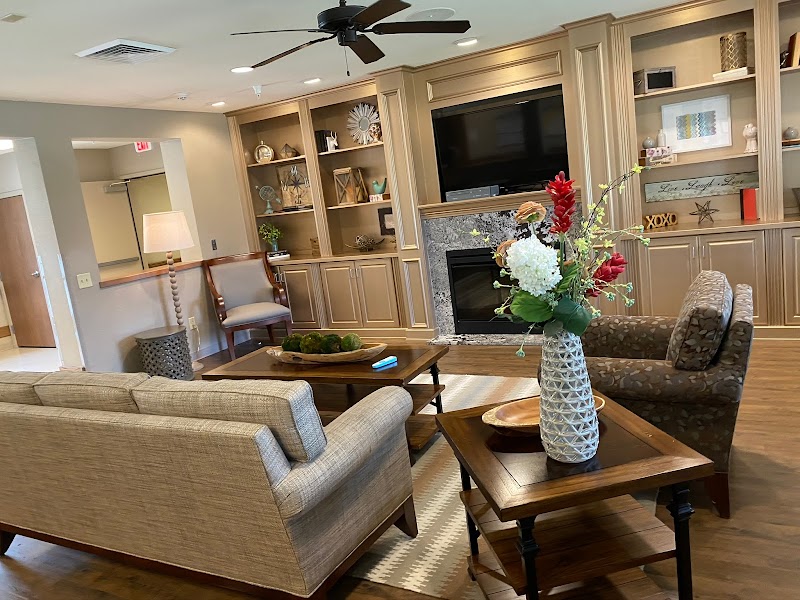
How is Highland Meadows Health & Rehab Staffed?

CMS rates HIGHLAND MEADOWS HEALTH & REHAB's staffing level at 1 out of 5 stars, which is much below average compared to other nursing homes. Staff turnover is 39%, compared to the Texas average of 46%. This relatively stable workforce can support continuity of care.

What Have Inspectors Found at Highland Meadows Health & Rehab?

State health inspectors documented 9 deficiencies at HIGHLAND MEADOWS HEALTH & REHAB during 2023 to 2025. These included: 9 with potential for harm.

Who Owns and Operates Highland Meadows Health & Rehab?

HIGHLAND MEADOWS HEALTH & REHAB is owned by a for-profit company. For-profit facilities operate as businesses with obligations to shareholders or private owners. The facility operates independently rather than as part of a larger chain. With 120 certified beds and approximately 107 residents (about 89% occupancy), it is a mid-sized facility located in ROCKWALL, Texas.
How Does Highland Meadows Health & Rehab Compare to Other Texas Nursing Homes?

Compared to the 100 nursing homes in Texas, HIGHLAND MEADOWS HEALTH & REHAB's overall rating (4 stars) is above the state average of 2.8, staff turnover (39%) is near the state average of 46%, and health inspection rating (5 stars) is much above the national benchmark.

What Should Families Ask When Visiting Highland Meadows Health & Rehab?

Based on this facility's data, families visiting should ask: "Can you walk me through typical staffing levels on day, evening, and night shifts?" "Can I visit during a mealtime to observe dining assistance and food quality?" "How do you handle medical emergencies, and what is your hospital transfer rate?" "Can I speak with family members of current residents about their experience?" These questions are particularly relevant given the below-average staffing rating.

Is Highland Meadows Health & Rehab Safe?

Based on CMS inspection data, HIGHLAND MEADOWS HEALTH & REHAB has a clean safety record: no substantiated abuse findings (meaning no confirmed cases of resident harm), no Immediate Jeopardy citations (the most serious violation level indicating risk of serious injury or death), and is not on the Special Focus Facility watch list (a federal program monitoring the lowest-performing 1% of nursing homes). The facility has a 4-star overall rating and ranks #1 of 100 nursing homes in Texas. While no facility is perfect, families should still ask about staff-to-resident ratios and recent inspection results during their visit.

Do Nurses at Highland Meadows Health & Rehab Stick Around?

HIGHLAND MEADOWS HEALTH & REHAB has a staff turnover rate of 39%, which is about average for Texas nursing homes (state average: 46%). Moderate turnover is common in nursing homes, but families should still ask about staff tenure and how the facility maintains care continuity when employees leave.

Was Highland Meadows Health & Rehab Ever Fined?

HIGHLAND MEADOWS HEALTH & REHAB has no federal fines on record. CMS issues fines when nursing homes fail to meet care standards or don't correct problems found during inspections. The absence of fines suggests the facility has either maintained compliance or corrected any issues before penalties were assessed. This is a positive indicator, though families should still review recent inspection reports for the full picture.

Is Highland Meadows Health & Rehab on Any Federal Watch List?

HIGHLAND MEADOWS HEALTH & REHAB is not on any federal watch list. The most significant is the Special Focus Facility (SFF) program, which identifies the bottom 1% of nursing homes nationally based on persistent, serious quality problems. Not being on this list means the facility has avoided the pattern of deficiencies that triggers enhanced federal oversight. This is a positive indicator, though families should still review the facility's inspection history directly.