Fort Bend Healthcare Center

3010 Bamore Rd, Rosenberg, TX 77471 (281) 342-2142
For profit - Partnership 56 Beds CANTEX CONTINUING CARE Data: November 2025 4 Immediate Jeopardy citations
Trust Grade
7/100
#467 of 1168 in TX
Last Inspection: August 2025

Inspected within the last 6 months. Data reflects current conditions.

Overview

Fort Bend Healthcare Center has received a Trust Grade of F, indicating significant concerns about the quality of care provided. Ranked #467 out of 1168 facilities in Texas, they are still in the top half overall, but their county rank of #5 out of 15 suggests that there are only four facilities in Fort Bend County that are better. Unfortunately, the facility is getting worse, with issues increasing from 2 in 2024 to 8 in 2025. Staffing is a relative strength, with a 35% turnover rate that is better than the Texas average of 50%, and more RN coverage than 94% of Texas facilities, which is beneficial for catching health issues. However, the facility has concerning fines totaling $63,335, which is higher than 85% of Texas facilities, and serious deficiencies have been found, including failures to properly assess a resident after a fall that resulted in a hip fracture and inadequate response to a resident's deteriorating health, leading to a tragic death. Overall, while there are some strengths, the facility's critical issues and declining trend raise significant red flags for families considering care here.

Trust Score
F
7/100
In Texas
#467/1168
Top 39%
Safety Record
High Risk
Review needed
Inspections
Getting Worse
2 → 8 violations
Staff Stability
○ Average
35% turnover. Near Texas's 48% average. Typical for the industry.
Penalties
✓ Good
$63,335 in fines. Lower than most Texas facilities. Relatively clean record.
Skilled Nurses
○ Average
Each resident gets 41 minutes of Registered Nurse (RN) attention daily — about average for Texas. RNs are the most trained staff who monitor for health changes.
Violations
⚠ Watch
17 deficiencies on record. Higher than average. Multiple issues found across inspections.
★★★☆☆
3.0
Overall Rating
★★★☆☆
3.0
Staff Levels
★★★★★
5.0
Care Quality
★★☆☆☆
2.0
Inspection Score
Stable
2024: 2 issues
2025: 8 issues

The Good

  • 5-Star Quality Measures · Strong clinical quality outcomes
  • Full Sprinkler Coverage · Fire safety systems throughout facility
  • No fines on record
  • Staff turnover below average (35%)

    13 points below Texas average of 48%

Facility shows strength in quality measures, fire safety.

The Bad

3-Star Overall Rating

Near Texas average (2.8)

Meets federal standards, typical of most facilities

Staff Turnover: 35%

11pts below Texas avg (46%)

Typical for the industry

Federal Fines: $63,335

Above median ($33,413)

Moderate penalties - review what triggered them

Chain: CANTEX CONTINUING CARE

Part of a multi-facility chain

Ask about local staffing decisions and management

The Ugly 17 deficiencies on record

4 life-threatening
Aug 2025 6 deficiencies 2 IJ
CRITICAL (J)

Immediate Jeopardy (IJ) - the most serious Medicare violation

Notification of Changes (Tag F0580)

Someone could have died · This affected 1 resident

**NOTE- TERMS IN BRACKETS HAVE BEEN EDITED TO PROTECT CONFIDENTIALITY** Based on interview and record review, the facility failed to consult with the resident's physician of a significant change in th...

Read full inspector narrative →
**NOTE- TERMS IN BRACKETS HAVE BEEN EDITED TO PROTECT CONFIDENTIALITY** Based on interview and record review, the facility failed to consult with the resident's physician of a significant change in the resident's physical status such as a deterioration in health and a need to alter treatment significantly such as discontinuing an existing form of treatment for 1 (CR#1) of 5 residents reviewed for physician notification.RN A failed to notify CR#1's physician- when RN A discovered CR#1's IV was dislodged on 8/5/2025 around 9:15am and needed to be discontinued.-when RN A discovered CR#1 had low blood pressure and pulse on 8/5/2025 around 9:15 a.m. and CR#1 was pronounced dead at the facility on 8/5/2025 at 10:56am. An IJ was identified on 08/06/2025 at 4:07 p.m. the IJ template was provided to the facility on [DATE] at 4:17 p.m. While the IJ was removed on 08/08/25 at 11:30 a.m., the facility remained out of compliance at a scope of isolated and a severity level of no actual harm with potential for more than minimal harm that is not IJ due to need for ongoing monitoring.This failure could place other residents at risk of not being assessed and receiving care in a timely manner, potentially leading to injury, harm or death.Record review of CR#1's face sheet dated 8/5/2025, indicated she was a [AGE] year-old female originally admitted on [DATE] with medical diagnoses including fracture of the right humerus (upper arm), chronic obstructive pulmonary disease (a group of lung and airway diseases that restrict breathing, urinary tract infection, type 2 diabetes mellitus (high blood sugar), hyperlipidemia (high cholesterol), hypertension (high blood pressure), dementia (decline in cognitive function affecting memory, thinking and changes in personality and emotional control issues), and cognitive communication deficit. Record review of CR#1's Physician Orders dated 08/05/2025, indicated she had orders for peripheral IV inserted in the left arm with a start date of 08/04/2025 and vital signs every shift with a start date of 08/04/2025.Record review of CR#1's care plan dated 8/4/2025, indicated she had altered cardiovascular status related to Hypertension diagnosis, with interventions including administering medications as ordered and assessing and monitoring cardiovascular status and identify complications. CR#1 had an intravenous access IV for fluid therapy related to dehydration, with interventions including administering intravenous fluids as prescribed and maintaining rate of infusion as ordered and check infusion rate every one hour. Record review of CR#1's progress notes for August 2025, there were no notes related to CR#1 having abnormal vitals or IV dislodgement. On 08/04/2025 at 1:05pm, CR #1 was documented as having a temperature of 100.4 F with Tylenol 325 mg given for fever and fluids encouraged and upon reassessment CR#1's temperature was 98.6F. On 08/04/2025 at 4:48pm, it was documented that CR#1 was at risk of weight loss from diagnoses of dementia, medications and fair intake and was prescribed supplements and nutritional shakes. CR#1's intake was documented as over 50% at mealtimes. On 08/04/2025 at 10:01pm, it was documented that NP A suspected CR#1 had an infection and ordered antibiotics and IV hydration (Sodium Chloride Solution 0.9 % Use 70 ml every hour intravenously for 48 hours for dehydration). NP A ordered monitoring for CR#1 and said to not send CR#1 out. On 08/05/2025 at 11:00am, it was documented that the UM called a code at 10:25am, and the DON got the crash cart, someone else got a staff on the AED and all three initiated CPR at 10:22am with the DON and UM taking turns. Staff called 911 at 10:23am and CPR continued. 4 emergency technicians arrived at 10:29am and took over care, administered .09% normal saline and intubated CR#1. At 10:56am, CR#1 was pronounced dead by the emergency technicians.Record review of CR#1's assessments for August 2025, there were no changes in condition assessments for abnormal vitals or IV dislodging. There was a change in condition assessment dated [DATE] for elevated temperature of 100.4F, it stated CR#1 had altered level of consciousness. CR#1 had interventions which included changes in medication, IV fluids for hydration, and NP A ordered blood and urinalysis tests.Record review of CR#1's MAR for August 2025, she had the following vitals: on 8/4/2025 she had blood pressure of 129/71 and pulse of 85. and on 8/5/2025 she had a blood pressure of 118/90 and pulse of 96.Interview with CR#1's RP on 8/5/2025 at 1:52 p.m., they were concerned when on 8/4/2025 they did not see CR#1 talking or drinking water and was not awake or aware of what was going on. The RP told CR #1's nurse, who then told NP A on 8/4/2025 and NP A ordered labs and IV hydration for CR#1 on 8/4/2025. On 8/5/2025 in the morning the facility told CR#1's RP that EMT was called to the facility because CR#1 was unresponsive. In a later interview on 8/6/2025 at 4:26 p.m., the RP said she was not aware of CR#1's IV being dislodged or of her abnormal vitals, she was only told on 8/5/2025 that CR#1 was in a critical condition.Interview with RN A on 8/5/2025 at 2:44 p.m., she started a month ago and was CR#1's nurse on 8/5/2025. CR#1 had normal blood pressure earlier that morning during RN A's shift but at 9:15 a.m., CR#1's IV dislodged and after cleaning CR#1's IV site, RN A checked CR#1's vitals which came back as 98/60 for blood pressure from what she could remember, 57 for pulse, and 17 for respiratory rate, and temperature was 97.5F. RN A found that these vital signs were low compared to the morning values. RN A said she told the UM that CR#1 was not feeling good, but did not convey the low blood pressure to either the UM or CR#1's NP. RN A said she told the UM she was planning to call the physician but did not. RN A said CR#1 had a change in condition on 8/5/2025 at 9:15 a.m. when RN A noticed CR#1's blood pressure was low, and her pulse dropped from 111 to 57. RN A said she messed up and she only told the UM about the IV being out and the change in condition related to CR#1's lethargy and not being alert in the morning. RN A took report from the previous shift's nurse and found out that CR#1 had an IV. The CNA from the previous shift (she could not remember their name) told RN A that CR#1 was sleeping a lot on 8/4/2025 but was more active on 8/3/2025. RN A said if the blood pressure was low nurses should be checking it again every 15 minutes, and if she told the UM that person could have checked the blood pressure too. If a physician was not notified in a timely manner, interventions for resident-centered care including assessments would not take place promptly. RN A said that she had in-services on notifying the physician immediate after a change in condition through verbal in-services and skilled checkoffs during orientation. Attempted phone interview with RN A on 8/6/2025 at 8:47 a.m., left a voicemail and no response. Further attempt to reach RN A was unsuccessful. Interview with the UM on 8/5/2025 at 3:02 p.m., RN A told her that CR#1's IV was dislodged so she helped RN A clean up the site and told RN A to call the physician to discontinue the IV since the bag was empty and CR#1 had completed the bag. RN A told the UM that RN A got the order to discontinue the peripheral IV, but the UM did not check the system because it was RN A's responsibility to do so. The UM said at 9:45am CR#1 was on oxygen and still breathing un-laboriously and that the UM could see CR#1's rise and fall of her chest as she appeared to be sleeping. The UM said RN A reported normal vitals for CR#1, and the blood pressure was 110 over something. If RN A had reported abnormal vitals to the UM, the UM would have told RN A to do a respiratory or changes in condition assessment. RN A never told her about the low blood pressure or the low pulse. A blood pressure of 98/60 and a pulse of 57 was considered abnormal and RN A should have notified the doctor and let them know about the changes. RN A should have also informed the nursing management team. If the ADON had known, she would have gone to assess CR#1 and worked to stabilize her vitals or call 911. Interview with the DON on 8/5/2025 at 3:30 p.m., she said CR#1 admitted on [DATE] for a right humerus (upper arm) fracture. CR#1 was alert but not communicative. The DON said nurses would let her know about changes in condition. The DON was told about the IV dislodging 8/5/2025 in the morning and the UM went in CR#1's room and took care of it. No one told the DON about abnormal vitals. If the DON was told about the low blood pressure, she would ask about interventions like elevating the feet to increase circulation and check the blood pressure again. The DON was not told about the pulse going from 111 to 57. 111 would be an abnormal vital but 57 would not be dangerous. 98/60 was not a bad blood pressure and the DON said she would have to review CR#1's baseline to determine she would have proceeded. A later interview on 8/5/2025 at 4:18pm, she said RN A told her that the low pulse of 57 might've belonged the Resident #27, who was sent out to the hospital on 8/5/2025 in the morning but RN A was not sure.Interview with the Administrator on 8/5/2025 at 3:55pm, she said nurses should do a change in condition (SBAR: Situation, Background, Assessment, Recommendation) assessment immediately. The Administrator expected nurse to assess and check everything for a resident. In a later interview on 8/6/2025 at 12:05pm, the Administrator said she did not hear about CR#1 not getting an order but remembered hearing about the IV being dislodged. The Administrator supposed that nurses should have gotten an order before taking out the IV. A harm of not getting an order from the physician would be adverse effects to the resident. Interview with CR#1's physician on 8/5/2025 at 4:47pm, she said the facility left a voicemail that CR#1 was going through CPR. The physician called back, and the DON told her she was helping the nurse and EMS with CPR. The physician was aware CR#1 had decreased appetite and a diagnosis of COPD and that NP A gave her IV fluids. Later interview on 8/6/2025 at 10:07am, the physician said NP A would know about the labs, as most communications went through him. The physician said that CR#1 had dementia and cognitive decline, a history of stroke and an enlarged heart, and CR#1 could have aspirated. The physician said she believed CR#1 passed away naturally and to refer to NP A for more information on CR#1. Interview with NP A on 8/6/2025 at 10:17am, he first saw CR#1 on 8/4/2025 and she was difficult to arouse. CR#1's RP said CR#1 had not eaten in a few days and NP A started CR#1 on an IV for normal saline and ordered labs and urinalysis. NP A said the labs came back at night and they were not terribly bad, but she appeared to be dehydrated. NP A said there was no need to send CR#1 out right away and ordered monitoring of CR#1's vitals. NP A said the urinalysis results had not come in. The facility notified NP A that CR#1 was found unresponsive and passed away on 8/5/2025. No one texted NP A regarding the drop in blood pressure. If he had found that the abnormal vitals were unusual for the resident, he would have given orders for monitoring the resident or doing something different. NP A also said no one told him about CR#1's IV dislodging, or he would have sent her out to intensive care. NP A did not give any orders for the IV to be discontinued. Interview with the DON and UM on 8/6/2025 at 10:49am, the DON said nurses should document once an intervention was provided and when an intervention is delayed it could cause harm to residents. The UM reviewed CR#1's medical records and saw CR#1's IV order but no discontinued date and said the order to discontinue the IV should have been entered before RN A stopped the IV. The UM was not sure if RN A called the doctor. Negative outcomes from not telling the physician about the IV would be an adverse drug reaction, not following proper protocol and nurse have to get an order to start or discontinue any medication. The UM said on 8/5/2025 at 9:45am, CR#1 looked stable with her oxygen on. The UM said there was no infiltration (meaning when the IV solution enters the surrounding tissue rather than the bloodstream).Interview with CNA L on 8/8/2025 at 9:00am, she was the night shift CNA on 8/4/2025. CNA L said when she made rounds that night, she changed CR#1 and felt CR#1 was kind of warm and notified the charge nurse who told CNA L that CR#1 had a fever that day and were treating it. The Administrator was notified on 08/06/2025 at 4:07PM of an Immediate Jeopardy situation (IJ) was identified due to the above failure. The Administrator was provided the IJ template on 08/06/2025 at 4:17pm and a Plan or Removal (POR) was requested. The facility POR was accepted on 08/06/2025 at 8:09 p.m. and indicated:08/06/2025Plan of Removal F580[Facility Name and ID #]Impact Statement On 08/06/2025 [Facility name] was cited for immediate jeopardy related to CR#1's change in condition was not conveyed to her physician and possibly delayed potential intervention, including discontinuing or starting treatment.Immediate Action:Please accept this as our Plan of Removal for the Immediate Jeopardy related to F580 NotificationCR#1 expired on 08/05/2025 in the facility. Residents that can be affected are those who reside in the community. RN A was terminated effective 08/06/2025. Completion Date: 08/06/2025Systematic Approach:Assessment- The Executive Director notified the facility Medical Director and Ombudsman of the Immediate Jeopardy on 08/06/2025 at 4:45p.m. -An emergency QAPI meeting was held on 08/06/2025, which was inclusive of a review of our policies/protocols for Change in Condition, Notification, Physician Orders they were found to be sufficient. The Administrator, DON and the ADON were in-serviced by the RDCS (Regional Director of Clinical Services) on Change in Condition, Physician Notification, Physician Orders on 08/06/2025.Staff in- services, to include all licensed clinical staff, were started on Change in Condition, Physician Notification, and Physician Orders; this in-servicing will continue until all licensed clinical staff have been trained. Staff will not be allowed to start on the floor or give care until this training has been completed. All new licensed clinical staff will receive the in services as part of the onboarding orientation process prior to being assigned and providing care to residents. All licensed clinical staff will be in-serviced on change in condition, physician notification, and physician orders. No licensed clinical staff will be allowed to work in the facility until the above-required in-services are completed. The in-services with all staff will be completed by 08/06/2025. All staff including licensed nurses, and CNAs were in-serviced 08/06/2025. All current residents were assessed to determine if there has been any change in status and/ or condition. The assessments were noted in the individual residents' EMR's. The physician will be made aware of any noted changes from the resident's normal baseline. This will be completed by the licensed/registered nurses and nursing leadership. Completion Date: 08/06/2025After completion of the resident audits, no other residents were found to be at imminent risk of having a change in condition and at their normal baseline completed 08/06/2025. Facility reviewed current residents for change in condition in last 30 days and proper reporting, no noncompliance noted completion date 08/06/2025.Who will be responsible: Nurse Managers and DONWho Will monitor: Executive Director and Regional Director of Clinical Services (RDCS). Monitoring HHSC began monitoring on 08/07/2025.Residents will continue to be reviewed and discussed in the daily IDT Meeting by reviewing the 24-hour Report for any changes in condition. Timely follow up and MD notification will occur. Charge nurses and nursing leadership will continue with daily and prn rounds and assessments to ascertain any changes in condition and to follow up the with MD promptly. Residents will be assessed on admission for baseline and reviewed daily, on weekends by weekend supervisor, and prn for any changes in status and follow up the physician timely. Beginning 08/06/2025 no staff will be allowed to work until the required in-services have been completed.Policy and Procedures Policy and procedures were reviewed by Senior [NAME] President of Operations, Director of Regulatory and Compliance, Senior Executive Director, Regional Director of Clinical Services, Executive Director, and Director of Nursing. These policies include Change in Condition, Physician Notification, and Physician Orders. No policies needed any revisions.Monitoring:Plan of removal review for F580RN A was terminated on 8/6/25. Residents who were at the facility resided in the community. The Medical Director was notified of the Immediate Jeopardy on 8/6/25 at 4:45pm. QAPI Meeting held on 8/6/25 was inclusive of a review of policies for Changes in Condition, Notification and Physician Orders and found to be sufficient.Administrator, DON and ADON were in-serviced by the Regional Director of Clinical Services on Change in Condition, Physician Notification, and Physician Orders on 8/6/25.Staff were in-serviced on Change in Condition, Physician Notification and Physician Orders, staff are to not work on the floor until training was completed. New staff will be in-serviced on these policies during onboarding. All in-services with staff to be completed 8/6/25, including CNAs and licensed/registered nurses. No residents found to be at imminent risk of having a change in condition.Monitoring will consist of reviewing residents and discussion in daily IDT meetings by reviewing the 24-hour report and timely follow up and MD notification will occur. Charge nurses and nursing leadership will continue with daily and as needed rounds and assess and notify any changes in condition and follow up with the MD promptly. Residents will be assessed on admission for baseline and reviewing daily, on weekends by weekend supervisor and as needed and report to physician timely. 8/6/25 no staff will be allowed to work. Policies related to Change in Condition, Physician Notification, and Physician Order.QAPI on 8/6/25 Nurse managers and DON will be responsible for the training, ED and RDCS will monitor. Record review of the IJ binder on 8/7/2025 included:-In-service on 8/5/2025 for CNAs on changes in condition and signed by CNAs.-In-service on 8/6/2025 for nurses on Charting and Documentation last revised July 2017 and topics included information documented in the resident's medical records would include medications administered, treatments or services performed, changes in resident's condition and progress toward or changes in the care plan goals and objectives. Documentation of the procedures and treatments, including the date, time, person who provided care and how the resident tolerated the procedure and notification of responsible parties. -Patient Care Management Assessment policies February 2012, on care plans and Sbars, which could replace a nurse's notes. It will be completed upon a resident's change in condition and prior to contacting the attending physician. -The stop and watch tool sheet dated December 2014, which showed types of changes to look out for including pain, eat or drinking less, drowsiness, changes in skin color of condition. It also included the interact policy dated March 2016 which was a list of things to do after a change in condition, such as notifying the attending physician.-In-service on 8/6/2025 on following physician orders completed by the DON. It covered the Physician Orders policy which covered physician orders being recorded on the order form, including for medications and treatments.-In-service Training on Change in Condition/Notification Protocol d the DON. Change in Condition included any marked changes (i.e. more severe) in relation to usual signs and symptoms, new or worsening symptoms, cardiovascular, respiratory, dehydration, altered mental status, the licensed nurser will obtain vital signs, review recent labs, resident history, list of medications, notify the physician of the change in condition, document the notifications of the evaluation and any new orders obtained and the nurse will monitor and document the resident's progress and response to orders. The nurse would monitor the patient and continue to assess the condition and changes and notify the physician, patient and patient representative of any change in condition. -Staff were in-serviced on change in condition, physician notification and physician orders, staff would not be allowed to start on the floor or give care until training was completed. Staff who were onboarding would receive these trainings. In-services were to be completed by 8/7/25 including licensed nurses and CNAs.-Quizzes were completed by nurses from 8/6/2025 to 8/7/2025.-Monitoring for changes in condition for residents in July through August 6, 2025, and included 4 residents, with changes in condition documented in the progress notes and care plan and orders in place for care. Interview with LVN V on 8/7/25 at 12:54 pm, she was a nurse at the facility for 10 years and worked 6am to 2pm. LVN V received in-services on changes in condition, immediate documentation of immediate events, following physician orders, doing assessments and changes in condition forms like the SBAR. LVN V would assess the resident and report findings to the physician immediately, so residents got the care they needed as soon as possible to prevent decline if that was the situation. LVN V said that if an IV was dislodged, she would assess the site and contact the physician to get orders and document in the nurse's notes. Assessments were documented in the resident's medical records. Changes in condition would also require notifying the DON, UM, and RP. Interview with CNA A on 8/7/2025 at 2:31pm, she was in-serviced on changes in condition and to document her findings in the medical records so everyone can review it. CNA A would tell the nurse about any changes in condition she noticed, such as being sleepier than normal and low appetite. If CNA A told the nurse and they did not do anything, she would go straight to the UM and DON and would enter her findings in the system. Interview with CNA B on 8/7/2025 at 2:45pm, she said changes in condition should be reported in the computer system so that it could be seen by everyone. Changes in condition included skin changes, dizziness and sleepiness and she would report any changes right away to the nurse. Interview with LVN N on 8/7/2025 at 3:08pm, she said she had in-services on 8/6/2025 on changes in condition and notifying the physician, family and RP. LVN N was educated on getting a verbal or telephone consent from the NP or doctor before discontinuing an order. Nurses should assess, notify the resident's physician and implement orders given. Changes in conditions included changes in consciousness, abnormal urine, or increased pain. Interview with LVN T on 8/7/2025 at 3:23pm, he worked 8/2/2025 and 8/3/2025 with CR#1. LVN T received in-services on changes in condition and that if anything happened, he would assess and document right when it happened and inform the family, DON and physician. If a resident's IV was dislodged, he would call the physician and inform them of the situation to get an order. LVN T would enter resident care in the progress notes and let the physician know. If LVN T could not reach the physician, he would inform the oncoming nurse and tell the DON.Interview with LVN B on 8/8/2025 at 12:17am via telephone, she worked at the facility for 10 years from 10 pm to 6 am. LVN B said she worked with CR#1 on 8/4/2025 from 10 pm to 6 am and CR#1 was on IV infusion of Normal Saline (intravenous treatment commonly used to treat dehydration) at 70 cc/hr. LVN B said CR#1 was quiet, would smile at LVN B, had normal vital signs and was on oxygen via nasal cannula with oxygen saturation ranging from 80-90%. LVN B reported having in-services on change in resident's condition, documentation, stop and watch and notifying residents' family and medical doctors. Interview with CNA D on 8/8/2025 at 12:34am, she worked at the facility for four years from 10 pm to 6 am. CNA D did not work with CR#1. CNA D had in-services on changes in condition and to report any changes to the charge nurse. CNA D also had training on stop and watch.Interview with CNA G on 8/8/2025 at 12:37am, she worked at the facility for 16 years from 10 pm to 6am. CNA G did not work with CR#1. CNA G had in-services on changes in condition, documenting changes and to stop and watch for changes in residents daily. Interview with CNA L on 8/8/2025 at 9:00am, she was the night shift CNA on 8/4/2025. CNA L said when she made rounds that night, she changed CR#1 and felt CR#1 was kind of warm and notified the charge nurse who told CNA L that CR#1 had a fever that day and were treating it. CNA L said that when she left the faciity on 8/5/2025 at 6:00am, she changed CR#1 more time and she was alive. CNA L said that if she saw a change in condition, she would say something to the nurse. Interview with the DON on 8/8/2025 at 9:15am, the DON received in-services on changes in condition and timely notification. Changes in condition was anything off a resident's baseline of health. The DON said nurses should notify the doctor after assessment and they would document on the electronic MAR. The DON did the change of condition audits of residents, and created a form that nurses fill out with physician orders for any resident which nurses will give to the DON every day. The DON said residents would be reviewed on admission and daily. The DON was in-servicing staff and reviewed changes in condition, assessment, timely notification of assessment, nurses should tell DON after physician. The DON also reviewed Stop and Watch protocols with CNAs which covered that CNAs should notify nurses of changes in condition and document in PCC. The facility notified the medical director who reviewed documents and discussed timely notification and communication and conducted a QAPI meeting and the team focused on making sure nurses were reporting on resident conditions timely. The DON talked to NPs and told them to include her in changes in conditions so everyone could be on the same page. The DON said RN A was terminated. The DON said the IJ came out due to RN A's incompetence and lack of responsibility, and that RN A knew that assessment was related to human life and if RN A saw the low blood pressure, she failed to do anything about it and should have reported those vitals. The DON also said to prevent this going forward she would continue to provide continuing education and staff training, so nurses knew what to do with vital signs. The DON conducted quizzes on physician notification, changes in condition and assessments, and would review and re-educate as needed so that physicians could be able to get orders in the system and get residents help promptly.Interview with the UM on 8/8/2025 at 9:21am, she had in-services on changes in condition, notifying the MD in a timely manner, entering residents' orders in a timely manner, verifying the check-off form. The UM said CNAs also received education on notifying nurses of changes in condition through the stop and watch protocol. The facility had morning meetings where the CNAs would read off changes. The UM said changes in condition included any abnormalities like any new onset of symptoms like shortness of breath or skin tear. Nurses should open a change in condition assessment and notify the physician, DON and UM immediately of the findings. Once the nurses got an order from the doctor, they should put in the order immediately and have a check-off form for orders that nurses would fill every time for documentation. The physician and family would be notified of anything new. The UM reviewed changes in condition and assessments and found no major concerns of residents needing changes in condition and not being assessed timely. The UM would be assisting on monitoring and following up on changes in conditions by reviewing changes in condition forms and ensuring orders were in the system and that physicians and families were notified of any actions. The UM added the importance of notifying the physician was to get treatment as soon as possible and that assessments were completed so that the facility was providing adequate care for the resident.Record review of the facility's policy on change in resident's condition or status , it read in part, The nurse will notify the resident's attending physician or physician on call when there has been an . accident or incident involving the resident .adverse reaction to medication .significant change in the resident's physical/emotional /mental condition need to alter the resident's medical treatment significantly .significant instruction to notify the physician of changes in the resident's condition . A 'significant change' of condition is a major decline or improvement in the resident's status that will not normally resolve itself without intervention by staff or by implementing standard disease-related clinical interventions .Record review of the facility's policy on acute condition changes last revised December 2015, it read it part, 3. Direct care staff, including Nursing Assistants will be trained in recognizing subtle but significant changes in the resident (for example, a decrease in food intake, increased agitation, changes in skin color or condition) and how to communicate these changes to the Nurse .6.Before contacting a physician about someone with an acute change of condition, the nursing staff will make detailed observations and collect pertinent information to report to the Physician; for example, history of present illness and previous and recent test results for comparison .Phone calls to attending or on-call physicians should be made by an adequately prepared nurse who has collected and organized pertinent information, including the resident's current symptoms and status. b.Nurses are encouraged to use the SBAR Communication Form and Progress Note .as a tool to help gather and organize information before notifying the Physician. 7.The nursing staff will contact the Physician based on the urgency of the situation. For emergencies, they will call or page the Physician and request a prompt response (within approximately one-half hour or less).Record review of the facility's policy on resident rights dated November 2016, it read in part, The resident has a right to access to persons and services inside and outside the facility . On 08/08/2025 at 11:30 am, the Administrator and DON were informed that the IJ was removed, however, the facility remained out of compliance at a scope of an isolated and severity of no actual harm with potential for more than minimal harm that is not IJ as the facility was continuing to monitor the implementation and effectiveness of their plan of removal.
CRITICAL (J)

Immediate Jeopardy (IJ) - the most serious Medicare violation

Quality of Care (Tag F0684)

Someone could have died · This affected 1 resident

**NOTE- TERMS IN BRACKETS HAVE BEEN EDITED TO PROTECT CONFIDENTIALITY** Based on interview and record review, the facility failed to ensure that residents receive treatment and care in accordance with...

Read full inspector narrative →
**NOTE- TERMS IN BRACKETS HAVE BEEN EDITED TO PROTECT CONFIDENTIALITY** Based on interview and record review, the facility failed to ensure that residents receive treatment and care in accordance with professional standards of practice the comprehensive person-centered care plan that will mean each resident's physical, mental and psychosocial needs for 1 (CR#1) of 5 residents reviewed for quality of care.-RN A failed to properly complete assessments for CR#1 when RN A found CR#1 had low blood pressure and low pulse and had her IV dislodged on 8/5/2025 around 9:15am. CR#1 was pronounced dead on 8/5/2025 at 10:56am.An IJ was identified on 08/07/2025 at 10:42am. The IJ template was provided to the facility on [DATE] at 10:49am. While the IJ was removed on 08/08/25 at 11:30am, the facility remained out of compliance at a scope of isolated and a severity level of no actual harm with potential for more than minimal harm that is not IJ due to need for ongoing monitoring.This failure to accurately assess resident health status for potential interventions in a timely manner could lead to harm, injury and death.Record review of CR#1's face sheet dated 8/5/2025, she was a [AGE] year-old female originally admitted on [DATE] with medical diagnoses including fracture of the right humerus (upper arm), chronic obstructive pulmonary disease (a group of lung and airway diseases that restrict breathing, urinary tract infection, type 2 diabetes mellitus (high blood sugar), hyperlipidemia (high cholesterol), hypertension (high blood pressure), dementia (decline in cognitive function affecting memory, thinking and changes in personality and emotional control issues), and cognitive communication deficit. Record review of CR#1's Physician Orders dated 08/05/2025, she had orders for peripheral iv inserted in the left arm with a start date of 08/04/2025, vital signs every shift with a start date of 08/04/2025. Record review of CR#1's care plan dated 8/4/2025, she had altered cardiovascular status related to Hypertension diagnosis, with interventions including administering medications as ordered and assessing and monitoring cardiovascular status and identify complications. CR#1 had an intravenous access IV for fluid therapy related to dehydration, with interventions including administering intravenous fluids as prescribed and maintaining rate of infusion as ordered and check infusion rate every one hour. CR#1 had a focus area of antidepressant medication related to depression, with interventions including administering antidepressant medications as ordered by physician and monitoring and documenting side effects and effectiveness every shift and monitoring, documenting and reporting PRN adverse reactions to antidepressant therapy like changes in cognition, decline in ADL ability, falls, appetite loss and insomnia. CR#1 was also care-planned for having a stroke and taking antiplatelet medication with interventions including giving medications as ordered by the physician and monitoring and documenting side effects and effectiveness. Record review of CR#1's progress notes for August 2025, there were no notes related to CR#1 having abnormal vitals or IV dislodgement. CR#1 had documentation on 8/1/2025 at 10:14pm, her Amitriptyline for depression was awaiting delivery. On 8/2/2024 at 8:23am-8:24am, CR#1 was documented as awaiting supply from the pharmacy for Cymbalta for depression, Clopidogrel for blood thinner and Ezetimibe for cholesterol. Record review of CR#1's progress notes for August 2025, there were no notes related to CR#1 having abnormal vitals or IV dislodgement. On 08/04/2025 at 1:05pm, CR #1 was documented as having a temperature of 100.4 F with Tylenol 325 mg given for fever and fluids encouraged and upon reassessment CR#1's temperature was 98.6F. On 08/04/2025 at 4:48pm, it was documented that CR#1 was at risk of weight loss from diagnoses of dementia, medications and fair intake and was prescribed supplements and nutritional shakes. CR#1's intake was documented as over 50% at mealtimes. On 08/04/2025 at 10:01pm, it was documented that NP A suspected CR#1 had an infection and ordered antibiotics and IV hydration (Sodium Chloride Solution 0.9 % Use 70 ml every hour intravenously for 48 hours for dehydration). NP A ordered monitoring for CR#1 and said to not send CR#1 out. On 08/05/2025 at 11:00am, it was documented that the UM called a code at 10:25am, and the DON got the crash cart, someone else got a staff on the AED and all three initiated CPR at 10:22am with the DON and UM taking turns. Staff called 911 at 10:23am and CPR continued. 4 emergency technicians arrived at 10:29am and took over care, administered .09% normal saline and intubated CR#1. At 10:56am, CR#1 was pronounced dead by the emergency technicians. Record review of CR#1's MAR for August 2025, CR#1 did not get Amitriptyline Hcl 50 mg 1 tablet by mouth at bedtime for depression on 8/1/2025 at 9pm, Clopidogrel Bisulfate 75 mg 1 tablet by mouth one time a day for blood thinner on 8/2/2025 at 9:00am, Cymbalta Capsule 60 mg 1 capsule by mouth one time a day for depression on 8/2/2025 at 9am and Ezetimibe 10-10 MG 1 tablet by mouth one time a day for depression on 8/2/2025 at 9am. CR#1 had the following vitals: on 8/4/2025 she had blood pressure of 129/71 and pulse of 85. and on 8/5/2025 she had a blood pressure of 118/90 and pulse of 96. Record review of CR#1's assessments for August 2025, there were no changes in condition assessments for abnormal vitals or IV dislodging. There was a change in condition assessment dated [DATE] for elevated temperature, and it stated CR#1 had altered level of consciousness. Interview with CR#1's RP on 8/5/2025 at 1:52pm, they were concerned when on 8/4/2025 they did not see CR#1 talking or drinking water and was not awake or aware of what was going on. On 8/5/2025 in the morning the facility told CR#1's RP that EMT was called to the facility because CR#1 was unresponsive. [add interview that she was not told about the IV or abnormal vitals. In a later interview on 8/6/2025 at 4:26pm, the RP said she was not aware of CR#1's IV being dislodged or of her abnormal vitals, she was only told on 8/5/2025 that CR#1 was in a critical condition. Interview with RN A on 8/5/2025 at 2:44pm, she started an month ago and was CR#1's nurse on 8/5/2025. CR#1 had normal blood pressure earlier that morning during RN A's shift but at 9:15am CR#1's IV dislodged and after cleaning CR#1's IV site, RN A checked CR#1's vitals which came back as 98/60 for blood pressure from what she could remember, 57 for pulse, and 17 for respiratory rate, and temperature was 97.5F. RN A found that these vital signs were low compared to the morning values. RN A said she told the UM that CR#1 was not feeling good, but did not convey the low blood pressure to either the UM or CR#1's NP. RN A said she told the UM she was planning to call the physician but did not. RN A said CR#1 had a change in condition on 8/5/2025 at 9:15am when RN A noticed CR#1's blood pressure was low, and her pulse dropped from 111 to 57. RN A said she messed up and she only told the UM about the IV being out and the change in condition related to CR#1's lethargy and not being alert in the morning. RN A took report from the previous shift's nurse and found out that CR#1 had an IV. The CNA from the previous shift (she could not remember their name) told RN A that CR#1 was sleeping a lot on 8/4/2025 but was more active on 8/3/2025. RN A said if the blood pressure was low nurses should be checking it again every 15 minutes, and if she told the UM that person could have checked the blood pressure too. If a physician was not notified in a timely manner, interventions for resident-centered care including assessments would not take place promptly. RN A said that she had in-services on notifying the physician immediate after a change in condition through verbal in-services and skilled checkoffs during orientation. Attempted phone interview with RN A on 8/6/2025 at 8:47am, left a voicemail and no response. Further attempt to reach RN A was unsuccessful. Interview with the UM on 8/5/2025 at 3:02pm, RN A told her that CR#1's IV was dislodged so she helped RN A clean up the site and told RN A to call the physician to discontinue the IV since the bag was empty and CR#1 had completed the bag. RN A told the UM that RN A got the order to discontinue the peripheral IV, but the UM did not check the system because it was RN A's responsibility to do so. The UM said at 9:45am CR#1 was on oxygen and still breathing un-laboriously and that the UM could see CR#1's rise and fall of her chest as she appeared to be sleeping. The UM said RN A reported normal vitals for CR#1, and the blood pressure was 110 over something. If RN A had reported abnormal vitals to the UM, the UM would have told RN A to do a respiratory or changes in condition assessment. RN A never told her about the low blood pressure or the low pulse. A blood pressure of 98/60 and a pulse of 57 were considered abnormal and RN A should have notified the doctor and let them know about the changes. RN A should have also informed the nursing management team. If the ADON had known, she would have gone to assess CR#1 and worked to stabilize her vitals or call 911. Interview with the DON on 8/5/2025 at 3:30pm, she said CR#1 admitted on [DATE] for a right humerus (upper arm) fracture. CR#1 was alert but not communicative. The DON said nurses would let her know about changes in condition. The DON was told about the IV dislodging 8/5/2025 in the morning and the UM went in CR#1's room and took care of it. No one told the DON about abnormal vitals. If the DON was told about the low blood pressure, she would ask about interventions like elevating the feet to increase circulation and check the blood pressure again. The DON was not told about the pulse going from 111 to 57. 111 would be an abnormal vital but 57 would not be dangerous. 98/60 was not a bad blood pressure and the DON said she would have to review CR#1's baseline to determine she would have proceeded. A later interview on 8/5/2025 at 4:18pm, she said RN A told her that the low pulse of 57 might've belonged the Resident #27, who was sent out to the hospital on 8/5/2025 in the morning but RN A was not sure. Interview with the Administrator on 8/5/2025 at 3:55pm, she said nurses should do a change in condition (SBAR: Situation, Background, Assessment, Recommendation) assessment immediately. The Administrator expected nurse to assess and check everything for a resident. In a later interview on 8/6/2025 at 12:05pm, the Administrator said she did not hear about CR#1 not getting an order but remembered hearing about the IV being dislodged. The Administrator supposed that nurses should have gotten an order before taking out the IV. A harm of not getting an order from the physician would be adverse effects to the resident. Interview with CR#1's physician on 8/5/2025 at 4:47pm, she said the facility left a voicemail that CR#1 was going through CPR. The physician called back, and the DON told her she was helping the nurse and EMS with CPR. The physician was aware CR#1 had decreased appetite and a diagnosis of COPD and that NP A gave her IV fluids. Later interview on 8/6/2025 at 10:07am, the physician said NP A would know about the labs, as most communications went through him. The physician said that CR#1 had dementia and cognitive decline, a history of stroke and an enlarged heart, and CR#1 could have aspirated. The physician said she believed CR#1 passed away naturally and to refer to NP A for more information on CR#1. Interview with NP A on 8/6/2025 at 10:17am, he first saw CR#1 on 8/4/2025 and she was difficult to arouse. CR#1's RP said CR#1 had not eaten in a few days and NP A started CR#1 on an IV for normal saline and ordered labs and urinalysis. NP A said the labs came back at night and they were not terribly bad, but she appeared to be dehydrated.NP A said there was no need to send CR#1 out right away and ordered monitoring of CR#1's vitals. NP A said the urinalysis results had not come in. The facility notified NP A that CR#1 was found unresponsive and passed away on 8/5/2025. Interview with the DON and UM on 8/6/2025 at 10:49am, the DON said nurses should document once an intervention was provided and when an intervention is delayed it could cause harm to residents. The UM reviewed CR#1's medical records and saw CR#1's IV order but no discontinued date and said the order to discontinue the IV should have been entered before RN A stopped the IV. The UM was not sure if RN A called the doctor. Negative outcomes from not telling the physician about the IV would be an adverse drug reaction, not following proper protocol and nurse have to get an order to start or discontinue any medication. The UM said on 8/5/2025 at 9:45am, CR#1 looked stable with her oxygen on. The UM said there was no infiltration (meaning when the IV solution enters the surrounding tissue rather than the bloodstream). Interview with CNA L on 8/8/2025 at 9:00am, she was the night shift CNA on 8/4/2025. CNA L said when she made rounds that night, she changed CR#1 and felt CR#1 was kind of warm and notified the charge nurse who told CNA L that CR#1 had a fever that day and were treating it. The Administrator was notified on 08/07/2025 at 10:42am of an Immediate Jeopardy situation (IJ) was identified due to the above failure. The Administrator was provided the IJ template on 08/07/2025 at 10:49am and a Plan or Removal (POR) was requested. The facility POR was accepted on 08/07/2025 at 11:51am and indicated: 08/07/2025Plan of Removal F684[Facility Name and ID #] Impact Statement On 08/05/2025 [Facility name] CR#1's change in condition was not assessed in a timely manner and prevented potential intervention including monitoring resident status. Immediate Action:Please accept this as our Plan of Removal for the Immediate Jeopardy related to F684 Quality of Care.CR#1 expired on 08/05/2025 in the hospital. Residents that can be affected are those who reside in the community. RN A was terminated effective 08/06/2025. Completion Date: 08/06/2025Systematic Approach:Assessment- The Executive Director notified the facility Medical Director of the Immediate Jeopardy on 08/07/2025 at 11:00am. -An emergency QAPI meeting was held on 08/07/2025, which was inclusive of a review of our policies/protocols for Change in Condition, Notification, Physician Orders they were found to be sufficient. The Administrator, DON and the ADON were in-serviced by the RDCS (Regional Director of Clinical Services) on Change in Condition, Physician Notification, Physician Orders on 08/07/2025. Staff in- services, to include all licensed clinical staff, were started on Change in Condition, Physician Notification, and Physician Orders; this in-servicing will continue until all licensed clinical staff have been trained. Staff will not be allowed to start on the floor or give care until this training has been completed. All new licensed clinical staff will receive the in services as part of the onboarding orientation process prior to being assigned and providing care to residents. All licensed clinical staff will be in-serviced on change in condition, physician notification, and physician orders. No licensed clinical staff will be allowed to work in the facility until the above-required in-services are completed. The in-services with all staff will be completed by 08/07/2025. All staff were in-serviced including licensed nurses, and CNA's 08/07/2025. All current residents were assessed to determine if there has been any change in status and/ or condition. The assessments were noted in the individual residents' EMR's. The physician will be made aware of any noted changes from the resident's normal baseline. This will be completed by the licensed/registered nurses and nursing leadership. Completion Date: 08/07/2025After completion of the resident audits, no other residents were found to be at imminent risk of having a change in condition and at their normal baseline completed 08/07/2025. Facility reviewed current residents for change in condition in last 30 days and proper reporting, no noncompliance noted completion date 08/07/2025.Who will be responsible: Nurse Managers and DONWho Will monitor: Executive Director and Regional Director of Clinical Services (RDCS) Monitoring HHSC began monitoring on 8/7/2025Residents will continue to be reviewed and discussed in the daily IDT Meeting by reviewing the 24-hour Report for any changes in condition. Timely assessment, follow up, MD notification will occur. Residents will be monitored for changes in condition, timely assessments, follow up, MD notification during after hours, including the night shift by licensed nurses, ADON, and DON. Charge nurses and nursing leadership will continue with daily and prn rounds and assessments to ascertain any changes in condition and to follow up the with MD promptly. Residents will be assessed on admission for baseline and reviewed daily, on weekends by weekend supervisor, and prn for any changes in status, assessment, and follow up the physician timely. Beginning 08/07/2025 no staff will be allowed to work until the required in-services have been completed. Policy and Procedures Policy and procedures were reviewed on 08/06/2025 and 08/07/2025 by Chief Operating Officer, Director of Regulatory and Compliance, Senior Executive Director, Regional Director of Clinical Services, Executive Director, and Director of Nursing. These policies include Change in Condition, Physician Notification, and Physician Orders. No policies needed any revisions. Monitoring: Plan of Removal for F684 Record review of the plan of removal binder, it had the following: -Resident's change in condition was not assessed in a timely manner. Residents at the facility could be affected. RN A was terminated 8/6/2025. -Staff in-serviced on change in condition, physician notification and physician orders, staff would not be allowed to start on the floor or give care until training was completed. Staff who were onboarding would receive these trainings. In-services were to be completed by 8/7/25 including licensed nurses and CNAs. -Current residents were assessed to determine if there was any changes in status, and assessments were noted in the individual residents' EMR. Physician would be made aware of any noted changes from the RP's normal baseline and completed by licensed/registered nurses and nursing leadership, completed date 8/7/25. -Monitoring would be reviewed and discussed in the daily IDT Meeting by reviewing the 24-hour report for any changes in condition. Timely assessment, follow up, MD notification will occur. Nurses and nursing leadership will be done with daily and PRN rounds and assessments for changes in condition and report to MD promptly. -Residents will be assessed on admission for baseline and reviewed daily on weekends by weekend supervisor and as needed for changes beginning 8/7/25 and staff would not be allowed to work until the required in-services have been completely. -The checklist for physician orders listed areas to be filled out for resident, physician, date, nurse taking order with note to attach copy of order, and a checklist for yes, no or not applicable for order charted in nurses notes, documented that resident and family were notified, if medication was available, initial dose documented and if adverse reaction was assessed. -Policies and procedures reviewed on 8/6/25 and 8/7/25 by upper facility. No policies including Changes in Condition, Physician Notification and Physician Orders needed revision. -Medical Director was notified 8/7/25 at 11:00am. -Administrator, DON and ADON were in-serviced by the regional director on change in condition, physician notification and physician orders on 8/7/25. -QAPI on 8/7/25, nurse manager and DON will be responsible for training and assessment ED and RDCS will be monitoring. Interview with LVN V on 8/7/25 at 12:54pm, she was a nurse at the facility for 10 years and worked 6am to 2pm. LVN V received in-services on changes in condition, immediate documentation of immediate events, following physician orders, doing assessments and changes in condition forms like the SBAR. LVN V would assess the resident and report findings to the physician immediately so residents got the care they needed as soon as possible to prevent decline if that was the situation. LVN V said that if an IV was dislodged, she would assess the site and contact the physician to get orders and document in the nurse's notes. Assessments were documented in the resident's medical records. Changes in condition would also require notifying the DON, UM and RP. Interview with CNA A on 8/7/2025 at 2:31pm, she was in-serviced on changes in condition and to document her findings in the medical records so everyone can review it. CNA A would tell the nurse about any changes in condition she noticed, such as being sleepier than normal and low appetite. If CNA A told the nurse and they did not do anything, she would go straight to the UM and DON and would enter her findings in the system. Interview with CNA B on 8/7/2025 at 2:45pm, she said changes in condition should be reported in the computer system so that it could be seen by everyone. Changes in condition included skin changes, dizziness and sleepiness and she would report any changes right away to the nurse. Interview with LVN N on 8/7/2025 at 3:08pm, she said she had in-services on 8/6/2025 on changes in condition and notifying the physician, family and RP. LVN N was educated on getting a verbal or telephone consent from the NP or doctor before discontinuing an order. Nurses should assess, notify the resident's physician and implement orders given. Changes in conditions included changes in consciousness, abnormal urine, or increased pain. Interview with LVN T on 8/7/2025 at 3:23pm, he worked 8/2/2025 and 8/3/2025 with CR#1. LVN T received in-services on changes in condition and that if anything happened, he would assess and document right when it happened and inform the family, DON and physician. If a resident's IV was dislodged, he would call the physician and inform them of the situation to get an order. LVN T would enter resident care in the progress notes and let the physician know. If LVN T could not reach the physician, he would inform the oncoming nurse and tell the DON. Interview with LVN B on 8/8/2025 at 12:17am via telephone, she worked at the facility for 10 years from 10 pm to 6 am. LVN B said she worked with CR#1 on 8/4/2025 from 10 pm to 6 am and CR#1 was on IV infusion of Normal Saline (intravenous treatment commonly used to treat dehydration) at 70 cc/hr. LVN B said CR#1 was quiet, would smile at LVN B, had normal vital signs and was on oxygen via nasal cannula with oxygen saturation ranging from 80-90%. LVN B reported having in-services on change in resident's condition, documentation, stop and watch and notifying residents' family and medical doctors. Interview with CNA D on 8/8/2025 at 12:34am, she worked at the facility for four years from 10 pm to 6 am. CNA D did not work with CR#1. CNA D had in-services on changes in condition and to report any changes to the charge nurse. CNA D also had training on stop and watch. Interview with CNA G on 8/8/2025 at 12:37am, she worked at the facility for 16 years from 10 pm to 6am. CNA G did not work with CR#1. CNA G had in-services on changes in condition, documenting changes and to stop and watch for changes in residents daily. Interview with CNA L on 8/8/2025 at 9:00am, she was the night shift CNA on 8/4/2025. CNA L said when she made rounds that night, she changed CR#1 and felt CR#1 was kind of warm and notified the charge nurse who told CNA L that CR#1 had a fever that day and were treating it. CNA L said that when she left work on 8/5/2025 at 6:00am in the morning, she changed CR#1 more time and she was alive. CNA L said that if she saw a change in condition, she would say something to the nurse. Interview with the DON on 8/8/2025 at 9:15am, the DON received in-services on changes in condition and timely notification. Changes in condition was anything off a resident's baseline of health. The DON said nurses should notify the doctor after assessment and they would document on the electronic MAR. The DON did the change of condition audits of residents, and created a form that nurses fill out with physician orders for any resident which nurses will give to the DON every day. The DON said residents would be reviewed on admission and daily. The DON was in-servicing staff and reviewed changes in condition, assessment, timely notification of assessment, nurses should tell DON after physician. The DON also reviewed Stop and Watch protocols with CNAs which covered that CNAs should notify nurses of changes in condition and document in PCC. The facility notified the medical director who reviewed documents and discussed timely notification and communication and conducted a QAPI meeting and the team focused on making sure nurses were reporting on resident conditions timely. The DON talked to NPs and told them to include her in changes in conditions so everyone could be on the same page. The DON said RN A was terminated. The DON said the IJ came out due to RN A's incompetence and lack of responsibility, and that RN A knew that assessment was related to human life and if RN A saw the low blood pressure, she failed to do anything about it and should have reported those vitals. The DON also said to prevent this going forward she would continue to provide continuing education and staff training, so nurses knew what to do with vital signs. The DON conducted quizzes on physician notification, changes in condition and assessments, and would review and re-educate as needed so that physicians could be able to get orders in the system and get residents help promptly. Interview with the UM on 8/8/2025 at 9:21am, she had in-services on changes in condition, notifying the MD in a timely manner, entering residents' orders in a timely manner, verifying the check-off form. The UM said CNAs also received education on notifying nurses of changes in condition through the stop and watch protocol. The facility had morning meetings where the CNAs would read off changes. The UM said changes in condition included any abnormalities like any new onset of symptoms like shortness of breath or skin tear. Nurses should open a change in condition assessment and notify the physician, DON and UM immediately of the findings. Once the nurses got an order from the doctor, they should put in the order immediately and have a check-off form for orders that nurses would fill every time for documentation. The physician and family would be notified of anything new. The UM reviewed changes in condition and assessments and found no major concerns of residents needing changes in condition and not being assessed timely. The UM would be assisting on monitoring and following up on changes in conditions by reviewing changes in condition forms and ensuring orders were in the system and that physicians and families were notified of any actions. The UM added the importance of notifying the physician was to get treatment as soon as possible and that assessments were completed so that the facility was providing adequate care for the resident. Record review of the facility's policy on acute condition changes last revised December 2015, it read it part, 3. Direct care staff, including Nursing Assistants will be trained in recognizing subtle but significant changes in the resident (for example, a decrease in food intake, increased agitation, changes in skin color or condition) and how to communicate these changes to the Nurse .6. Before contacting a physician about someone with an acute change of condition, the nursing staff will make detailed observations and collect pertinent information to report to the Physician; for example, history of present illness and previous and recent test results for comparison .Phone calls to attending or on-call physicians should be made by an adequately prepared nurse who has collected and organized pertinent information, including the resident's current symptoms and status. b. Nurses are encouraged to use the SBAR Communication Form and Progress Note .as a tool to help gather and organize information before notifying the Physician. 7.The nursing staff will contact the Physician based on the urgency of the situation. For emergencies, they will call or page the Physician and request a prompt response (within approximately one-half hour or less). Record review of the facility's policy on change in resident's condition or status , it read in part, The nurse will notify the resident's attending physician or physician on call when there has been an . accident or incident involving the resident .adverse reaction to medication .significant change in the resident's physical/emotional /mental condition need to alter the resident's medical treatment significantly .significant instruction to notify the physician of changes in the resident's condition . A 'significant change' of condition is a major decline or improvement in the resident's status that will not normally resolve itself without intervention by staff or by implementing standard disease-related clinical interventions . Record review of the facility's policy on charting and documentation last revised July 2017, it read in part, 1.Documentation in the medical record may be electronic, manual or a combination.2. The following information is to be documented in the resident medical record:a. Objective observations;b. Medications administered;c. Treatments or services performed;d. Changes in the resident's condition;e. Events, incidents or accidents involving the resident; andf. Progress toward or changes in the care plan goals and objectives.7. Documentation of procedures and treatments will include care-specific details, including:a. the date and time the procedure/treatment was provided;b. the name and title of the individual(s) who provided the care;c. the assessment data and/or any unusual findings obtained during the procedure/treatment;d. how the resident tolerated the procedure/treatment;e. whether the resident refused the procedure/treatment;f. notification of family, physician or other staff, if indicated; andg. the signature and title of the individual documenting. Record review of the facility's policy and procedures on vital signs dated 08/04/2025, it read in part, the purpose to obtain accurate pulse rate, rhythm and volume included documentation of the date, time, rhythm (regular or irregular), whether or not the physician was notified and the signature and title of the licensed nurse. It also reviewed obtaining blood pressure and covered nurses documenting the time, date, blood pressure reading with systolic/diastolic pressure, any deviations in pressure and the licensed nurse's signature and title. Record review of the facility's policy on physician orders dated February 2010, it read in part that nurses were to obtain orders from physician authorized or their designee. record review of the facility's policy on physician orders record maintenance last revised January 2020 read in part, 6. Medications, diets, therapy, or any treatment may not be administered to the Patient without a written order from the attending physician. Record review of the facility's policy on assessments dated February 2012, it read in part, An SBAR must be completed upon a patient's change in condition and prior to contacting the attending physician. On 08/08/2025 at 11:30 am, the Administrator and DON were informed that the IJ was removed, however, the facility remained out of compliance at a scope of an isolated and severity of no actual harm with potential for more than minimal harm that is not IJ as the facility was continuing to monitor the implementation and effectiveness of their plan of removal.
CONCERN (D)

Potential for Harm - no one hurt, but risky conditions existed

Report Alleged Abuse (Tag F0609)

Could have caused harm · This affected 1 resident

**NOTE- TERMS IN BRACKETS HAVE BEEN EDITED TO PROTECT CONFIDENTIALITY** Based on observation, interview and record review, the facility failed to ensure that all alleged violations involving abuse, ne...

Read full inspector narrative →
**NOTE- TERMS IN BRACKETS HAVE BEEN EDITED TO PROTECT CONFIDENTIALITY** Based on observation, interview and record review, the facility failed to ensure that all alleged violations involving abuse, neglect, exploitation or mistreatment, including injuries of unknown source, are reported immediately, but not later than 2 hours after the allegation is made, if the events that cause the allegation involve abuse or result in serious bodily injury, or not later than 24 hours if the events that cause the allegation do not involve abuse and do not result in serious bodily injury, to other officials (including to the State Survey Agency and adult protective services) for 1 (Residents #58) of 5 residents reviewed for reporting allegations. -The facility failed to report Resident #58's unwitnessed fall. Resident #58 had limited mobility. This deficient practice could place residents at risk for abuse, neglect, exploitation, and or mistreatment. Record review of Resident #58's face sheet captured on [DATE] revealed a [AGE] year-old female originally admitted to the facility on [DATE] and recently expired on [DATE]. Her medical diagnoses included: cognitive communication deficit (difficulty with communication muscle weakness (generalized), and displaced fracture of olecranon (break in the bony tip of the elbow at the ulna bone) process without intraarticular extension of right ulna, initial encounter for closed fracture. Record review of Resident #58's Quarterly MDS (a resident assessment tool) dated [DATE] revealed she had a BIMS score of 8, indicating moderately cognitive impairment. She was coded as unable to make herself understood and was unable to understand others with clear comprehension. She had an impairment on one side of her lower extremity and used a wheelchair. She was totally dependent on toileting, showering or bathing self, upper and lower body dressing, putting on and taking off footwear. She was also totally dependent on mobility, including transferring to and from bed, sitting to standing and lying to sitting on the side of the bed. Record review of Resident #58's care plan completed [DATE] for fall risk revealed the following dates for unwitnessed falls were: *[DATE], *[DATE], *[DATE] (fell at 7:37 AM), *[DATE] (fell on 8:41 PM) and *[DATE]. Review Resident #58's of fall risk assessment dated [DATE] reflected history of falls past 3 months. The level of consciousness/mental status indicate the resident had intermittent confusion, resident was chairbound, incontinent and required use of assistive devices (i.e. cane, wheelchair, walker). Fall risk score was 15.0, indicating risk of falls. Record review of the facility incident note date [DATE] at 10:51PM, written by LVN B reflected immediately charge nurse stepped out of Resident #58's room, she heard a sound, went straight back to resident's room observed resident by her bedside laying on her right side, with noted bleeding from her forehead, upon assessment, noted a large amount of blood flowing from resident right forehead, charge nurse immediately called for help, 911 called assessed bleeding and site wrapped. Resident #58 was transferred to a local hospital via 911 ambulance. Review of Resident #58's nurses progress notes dated [DATE] revealed resident had four stitches to her forehead. In an interview with DON on [DATE] at 2:39 PM she said Resident #58 was very confused had repeated falls, resident had history of Alzheimer's disease, had 2 falls sometimes in a day while trying to go to the restroom, on [DATE] Resident #58 had a fall with injury to her forehead with bleeding and was sent to the hospital and she had 4 stitches on her forehead. DON said Resident #58 was not able to relate to how she fell due to cognitive impairment, and she did not suspect any abuse hence she did not report it to the state. In an interview with the Administrator on [DATE] at 9:45 AM she said when resident had an unwitnessed fall especially if they hit the head, or had an injury, we send them out to a local hospital, and she would report it to the state. She stated they recently got the provider letter and look at it verbatim. She referred to provider letter. In an interview with the DON on [DATE] at 10:02am the DON said if resident could not tell you what happened and there were injuries, she would send them out. Once they get to the hospital, she follows up with the hospital to see the injury. She would report it to the Administrator, IDT and the family. If the injury is a reportable, she would report to the state. If it was a suspicious injury due to neglect or abuse, then she would report it. DON said the last training on abuse was [DATE]. Record review the facility in-services dated [DATE] revealed Abuse/neglect and Residents Right in-services were provided to staff. The facility had all staff in-serviced on abuse and neglect on [DATE], including CNA L.
CONCERN (D)

Potential for Harm - no one hurt, but risky conditions existed

Incontinence Care (Tag F0690)

Could have caused harm · This affected 1 resident

**NOTE- TERMS IN BRACKETS HAVE BEEN EDITED TO PROTECT CONFIDENTIALITY** Based on observation, interview, and record review, the facility failed to ensure a resident received appropriate treatment and ...

Read full inspector narrative →
**NOTE- TERMS IN BRACKETS HAVE BEEN EDITED TO PROTECT CONFIDENTIALITY** Based on observation, interview, and record review, the facility failed to ensure a resident received appropriate treatment and services to prevent urinary tract infections for 1 (Resident #65) of 2 residents observed for indwelling urinary catheters. -The facility failed to ensure CNA A provided appropriate care for Resident #65 during Foley catheter care. Resident #65's indwelling catheter was not secured to his thigh, his catheter bag was placed on the bed when it should have been emptied before incontinent care. CNA A did not open Resident #65's labia to clean and did not clean the catheter from the insertion site. This failure could place residents at risk for urinary tract infection, discomfort, skin breakdown and decreased quality of life. Record review of Resident #65's face sheet revealed 78 years- old female was admitted to the facility on [DATE]. Her diagnose were encephalopathy (any group of conditions that cause brain dysfunction characterized by confusion, pressure ulcer stage 2, urinary tract infection dementia (a decline in mental ability severe enough to interfere with daily life), and obstructive reflux uropathy (a condition in which the flow of urine is blocked) Record review of Resident #65's admission MDS dated [DATE] indication BIMS (Brief Interview for Mental Status) of 14 revealed mild cognitive impaired. Section H (Bladder and Bowel) reflected the resident was always incontinent (continent voiding). It further revealed the resident was extensive to totally dependent on staff with all ADL care, with one to two staff assist. It also revealed the resident was incontinent of bowel and continent of bladder with the use of indwelling catheter. Record review of Resident #65's care plan dated 8/2/25 revealed the resident has an indwelling foley catheter related to the obstructive reflux uropathy. Interventions: provide catheter cleaning and perineal hygiene every shift and PRN (as needed) if soiled. Record review of Resident #65's Physician Order Summary Report for the month of July 2025 reflected the following order: -Dated 07/31/25, Urethral indwelling urinary catheter 16Fr with 10cc normal saline balloon using a closed drainage system (a catheter inserted into the urinary bladder and connected to tubing that is connected to a drainage bag. The drainage of urine is total dependent on gravity. The tubing and drainage bag to collect urine must be kept below the level of the bladder). Observation on 08/07/25 at 1:53 PM, of Foley catheter care for Resident #65 by CNA A and CNA B assisting, revealed the staff washed their hands and donned PPE that consisted of a disposable gown and gloves. The staff removed the resident's Foley drainage bag which hung to gravity on the right side of bed below the resident bladder, placed the Foley drainage bag in the bed with resident, and proceeded with Foley catheter care which was not secured. CNA A did not open the labia to clean and did not cleaned the indwelling catheter from the insertion site, she left the catheter bag on the bed, with cloudy urine sediments and had 700cc yellow urine. When staff was done providing care, they placed the resident to her left side and placed the resident's Foley drainage bag below the resident's bladder on the bedrail. Interview on 08/7/25 at 2:28 PM, CNA A said she was not aware the urine bag had 700 cc of urine she would have emptied it before performing Foley care. CNA A said she had been working with the facility for 2 years n the 6a-2p shift, she did no in-service on foley incontinent care, but she had it on incontinent care. Incontinent care was 2 years ago with the previous DON and had it this morning 8/7/25. UM watched her do it and had checkoffs today. She said she should have emptied her foley first, she said this was not her hall. She said the last aide should have emptied it, but because it was not. CNA A should have emptied the bag at the start of incontinent care, and she said when someone started providing incontinent care, they do not want to disturb the bag. She placed the 700cc bag on the bed, and there was sediment. The bag should not be pulling during incontinent care, and so it should have been taped to hold it in place, and it was not there either. She should have opened the labia to clean. Interview with CNA B on 8/7/25 at 2:45 PM, she said CNA A did not open the labia. The nurse should have put a clip to secure the foley bag so that it would not pull out and Resident #65 should have received barrier cream. Interview on 08/07/25 at 4:57 PM, the DON said when providing Foley catheter care for a resident, the Foley drainage bag should not be placed on the bed because this placed the resident at risk for urinary tract infections. The DON said the facility did not have a policy on Foley catheter care and no in-services for catheter was presented.Interview on 08/07/25 at 5:04 PM, the UM said when a staff provided care for a resident with a Foley catheter, the drainage bag should not be placed on a resident's bed for infection control and because urine could backflow placing the resident at risk for urinary tract infection. The UM said the foley drainage bag should be placed on the side of the bed below the bladder when they repositioned the resident in bed and the nurses secures the foley to prevent pulling. Record review of the facility dated (Revised September 2014) policy on Catheter care read in part . the purpose of this procedure is to prevent catheter associated urinary tract infection . Maintaining Unobstructed urine flow.3. The urinary drainage must be held or positioned lower than the bladder at all times to prevent the urine in the tubing and drainage bag from flowing back into the urinary. Changing Catheters.2. Ensure that the catheter remains secured with a leg strap to reduce friction and movement at the insertion site (Note: Catheter tubing should be strapped to the resident's inner thigh): Steps in the procedure . # 15 . use wash clothes with warm water and soap to clean the labia . then with clean washcloths rinse with warm water . # 19. check drainage tubing and bag to ensure that the catheter is draining properly.
CONCERN (D)

Potential for Harm - no one hurt, but risky conditions existed

Deficiency F0761 (Tag F0761)

Could have caused harm · This affected 1 resident

Based on observation, interview and record review, the facility failed to ensure drugs and biologicals used in the facility were secured and stored properly for one of three medication carts (100 Hall...

Read full inspector narrative →
Based on observation, interview and record review, the facility failed to ensure drugs and biologicals used in the facility were secured and stored properly for one of three medication carts (100 Hall Nurse Medication Cart) reviewed for drug storage. - UM failed to ensure 100 hall Nurse medication cart was locked when left unattended on 08/07/2025. -There were 4 over-the-counter medications observed opened with no date in the medication cart on 08/07/2025, including 24-hour Allergy Nasal spray, Latanoprost Sol 0.005%, Geri-Tussin -Guaifenesin (expectorant), and Milk of Magnesia. These failures could place residents at risk for possible drug diversions or accidental ingestion. During observation on 8/7/25 at 1:35PM, medication cart on 100 hall was left unlocked and there was no nurse around the medication cart. At 1:45 PM UM came to the hallway stated she mistakenly left the cart open, and she thought she locked it. Further observation of the 100 Med cart revealed the following medications were not dated: 1. 24 -hour Allergy Nasal spray open with no dated 2. Latanoprost Sol 0.005% open not dated 3. Geri-Tussin -Guaifenesin -expectorant 16 FL oz (473) 4. Milk of Magnesia -16Fl oz (473ml) open not dated Interview with UM on 8/7/25 at 1:48 PM she said it supposed to have open date and it only good for 30 days after it was open. The UM said she did not realize she left the medication cart unlocked. UM said medication cart should not be left opened or unlocked to prevent confused residents taking wrong medications or any staffs assessing medication cart. Interview on 08/7/25 at 4:26 p.m., the DON said all medication carts should be locked at all times before the cart is left unattended. She said if the resident took the drug, the resident might have an adverse reaction. Medication opened should be dated to help nurses know it effectiveness, DON said most drugs are good for 30 days when opened. Record review of the facility's policy on Security of Medication Cart: Policy reviewed April 2007, had the following heading: The medication cart shall be secured during medication passes. 3. When it is not possible to park the medication cart in the doorway, the cart should be parked in the hallway against the wall with doors and drawers facing the wall. The cart must be locked before the nurse enters the resident's room. 4. Medication carts must be securely locked at all times when out of the nurse's view. 5. When the medication cart is not being used, it must be locked and parked at the nurses' station or inside the medication room. Storage of medications revised April 2007 did not address dating medication.
CONCERN (E)

Potential for Harm - no one hurt, but risky conditions existed

Pharmacy Services (Tag F0755)

Could have caused harm · This affected multiple residents

**NOTE- TERMS IN BRACKETS HAVE BEEN EDITED TO PROTECT CONFIDENTIALITY** Based on interview and record review, the facility failed to provide pharmaceutical services (including procedures that assure t...

Read full inspector narrative →
**NOTE- TERMS IN BRACKETS HAVE BEEN EDITED TO PROTECT CONFIDENTIALITY** Based on interview and record review, the facility failed to provide pharmaceutical services (including procedures that assure the accurate administration of all drugs and biologicals) to meet the needs of each resident for 2 (Resident #26 and CR#1) of 6 residents reviewed for pharmacy services. -Resident #26's physician's order for Calcium-Vitamin D Tablet 600-200 MG-UNIT was not administered as ordered on 08/06/2025. Residents #26's physician order for supplement 30 ml order date was not given as ordered on 7/6/25. Resident #26 was given 120 mls instead of 30 mls.--The facility failed to provide CR#1 with her medications following physician orders including Amitriptyline HCl Oral Tablet 50 MG one tablet by mouth at bedtime for depression with a start date of 8/1/2025, Clopidogrel Bisulfate Oral Tablet 75 MG one tablet by mouth one time a day for blood thinner with a start date of 8/2/2025, Cymbalta Oral Capsule Delayed Release Particles 60 MG one capsule by mouth one time a day for depression with a start date of 8/2/2025, Ezetimibe oral tablet 10-10mg one tablet by mouth in the evening for lower cholesterol with a start date of 8/2/2025. The deficient practice could place residents at risk of not receiving the therapeutic effects from their medications as intended by the prescribing physician order. Resident #26 Record review of Resident #26's face sheet, dated 08/06/2025 reflected Resident #26 was a [AGE] year-old female who admitted to the facility on [DATE] with diagnoses of edema (swelling), obesity (excess fat), and chronic respiratory failure (syndrome in which the respiratory system fails in one or both of its gas exchange functions: oxygenation and carbon dioxide elimination). Record review of Resident #26's quarterly MDS, dated [DATE], reflected Resident #26 had a BIMS score of 13, indicating no cognitive impairment. Record review of Resident #26's physician order dated 07/06/2025 reflected Calcium-Vitamin D Tablet 600-200 MG-UNIT Give 1 tablet by mouth one time a day and Supplement Pass two times a day for supplement 30 ml start order date was 01/24/2025. Record review of Resident #26's MAR order dated 08/01/2025 revealed no order for Calcium-Vitamin D Tablet 600-200 MG-UNIT Give 1 tablet by mouth one time and Supplement Pass two times a day for supplement 30 ml. During medication administration observation on 08/06/2026 at 8:01 am LVN O did not give Resident #26's Calcium-Vitamin D Tablet 600-200 MG. LVN O gave Resident #26's Supplement Pass 120 mls. During an interview with LVN O on 08/07/2026 at 1:44p.m., LVN O stated the Nurses were responsible for transcribing physician's orders to MAR and she did not see an order for Calcium-Vitamin D Tablet 600-200 MG and for giving Resident #26 supplement pass of 120 ml instead of 30ml, she said she was very sorry and would check the physician's order well. During an interview with the DON, 08/08/2025 at 11:50a.m., the DON stated she was informed on the missed Calcium-Vitamin D Tablet 600-200 MG and she research the order and found out the NP wrote the order in the TAR instead of the MAR and would notified the physician of the missed dose The DON stated it was important to not miss a dose of the Calcium-Vitamin because it needs to be a consistent treatment and we are to follow the physician orders. CR #1 Record review of CR#1's face sheet dated 8/5/2025, she was a [AGE] year-old female originally admitted on [DATE] with medical diagnoses including fracture of the right humerus (upper arm), chronic obstructive pulmonary disease (a group of lung and airway diseases that restrict breathing, urinary tract infection, type 2 diabetes mellitus (high blood sugar), hyperlipidemia (high cholesterol), hypertension (high blood pressure), dementia (decline in cognitive function affecting memory, thinking and changes in personality and emotional control issues), and cognitive communication deficit. Record review of CR#1's Physician Orders dated 08/05/2025, she had the following orders: *peripheral iv inserted in the left arm with a start date of 08/04/2025, *vital signs every shift with a start date of 08/04/2025, *Amitriptyline HCl Oral Tablet 50 MG one tablet by mouth at bedtime for depression with a start date of 8/1/2025, *Clopidogrel Bisulfate Oral Tablet 75 MG one tablet by mouth one time a day for blood thinner with a start date of 8/2/2025, *Cymbalta Oral Capsule Delayed Release Particles 60 MG one capsule by mouth one time a day for depression with a start date of 8/2/2025, and *Ezetimibe oral tablet 10-10mg one tablet by mouth in the evening for lower cholesterol with a start date of 8/2/2025. Record review of CR#1's care plan dated 8/4/2025, she had altered cardiovascular status related to Hypertension diagnosis, with interventions including administering medications as ordered and assessing and monitoring cardiovascular status and identify complications. CR#1 had an intravenous access IV for fluid therapy related to dehydration, with interventions including administering intravenous fluids as prescribed and maintaining rate of infusion as ordered and check infusion rate every one hour. CR#1 had a focus area of antidepressant medication related to depression, with interventions including administering antidepressant medications as ordered by physician and monitoring and documenting side effects and effectiveness every shift and monitoring, documenting and reporting PRN adverse reactions to antidepressant therapy like changes in cognition, decline in ADL ability, falls, appetite loss and insomnia. CR#1 was also care-planned for having a stroke and taking antiplatelet medication with interventions including giving medications as ordered by the physician and monitoring and documenting side effects and effectiveness. Record review of CR#1's progress notes for August 2025, revealed the following: * 8/1/2025 at 10:14pm written by LVN T indicated her Amitriptyline for depression was awaiting delivery. * 8/2/2024 at 8:23am-8:24am, CR#1 written by LVN T indicated as awaiting supply from the pharmacy for Cymbalta for depression, Clopidogrel for blood thinner and Ezetimibe for cholesterol. Further review revealed there were no notes related to CR#1 having abnormal vitals or IV dislodgement. Record review of CR#1's MAR for August 2025 revealed the resident did not receive following medications as ordered: * Amitriptyline Hcl 50 mg 1 tablet by mouth at bedtime for depression on 8/1/2025 at 9pm, * Clopidogrel Bisulfate 75 mg 1 tablet by mouth one time a day for blood thinner on 8/2/2025 at 9:00am, *Cymbalta Capsule 60 mg 1 capsule by mouth one time a day for depression on 8/2/2025 at 9am, and *Ezetimibe 10-10 MG 1 tablet by mouth one time a day for depression on 8/2/2025 at 9am. Record review of CR#1's assessments for August 2025, there were no changes in condition assessments for abnormal vitals or IV dislodging. There was a change in condition assessment dated [DATE] for elevated temperature, and it stated CR#1 had altered level of consciousness. Interview on 8/2/2025 at 1:52pm with CR#1's RP, she said she found out that CR#1 had not been given medication for 8/2/25 yet, and a male nurse told her that afternoon that CR#1's medications had not come in yet. The RP brought CR#1's nighttime medications in case the medications did not come but they eventually arrived either later in the afternoon or evening. Interview with NP A on 8/6/2025 at 10:17am, he said he reviewed medications with the nurses on duty when CR#1 was admitted to the facility. NP A said NPs reviewed medications list, and he was not aware CR#1 did not receive medications on 8/1/2025 and 8/2/2025. There was a procedure the facility followed when there was a medication delay, and he knew the pharmacy had a delivery schedule but did not know more than that. Interview with the Administrator on 8/6/2025 at 12:05pm, she said that upon admission if the facility knew CR#1 had an order then the resident should have gotten her medications as soon as possible. If CR#1's medications had an alternate brand, then the nurse could pull that medication and provide it to the resident. Interview with LVN T on 8/7/2025 at 3:23pm, he worked 8/2/2025 and 8/3/2025 with CR#1. LVN T said the family brought a small case of home medications. The facility sent the same script to the pharmacy and CR#1 received her medications around 3-5pm. LVN T said he did not remember if CR#1 missed any medications during his shifts, but most were given. LVN T said that the pharmacy would deliver medications the next day unless it required immediate delivery. LVN T could not answer when asked if missing any medications could put CR#1 at any harm. LVN T had training on pharmacy services since working at the facility. Record review of CR#1's MAR for August 2025, she was not administered the following medications at the following dates and times as ordered by the physician due to medication unavailability: *Simvastatin oral tablet (high cholesterol) 10-10 mg one tablet by mouth on 8/2/2025 at 9:00am (she took Atorvastatin on 8/2/25 at 8:00pm), *Amitriptyline HCl Oral Tablet 50 MG one tablet at bedtime for depression on 8/1/2025 at 9:00pm, *Clopidogrel Bisulfate Oral Tablet 75 MG one time a day for blood thinner on 8/2/2025 at 9:00am and *Cymbalta Oral Capsule Delayed Release 60 MG one time a day for depression on 8/2/2025 at 9:00am (she took Quetiapine 8/2/2025 at 9:00am) Interview with the UM on 8/5/2025 at 3:02pm, she said the facility was responsible for ensuring the medication was in-house and that the medications matched a resident's discharge orders from the hospital. The UM said floor nurses assigned to newly admitted residents were in charge of calling and verifying medications. The UM verified that medications matched hospital discharge orders. medications should be available as soon as possible and it could also be called in stat which meant it would be prioritized for delivery. If residents did not have their medications delivered from the local pharmacy in two hours, nurses could find medications in the emergency kit. If a resident's medication was not in the facility, nurses should notify the doctor and the DON. The UM was not notified of any medications not given to CR#1. Interview with the DON on 8/5/2025 at 3:30pm, she said that when residents admit, nurses would call the pharmacy to get it and if they were admitted later in the evening nurses could get their medications through the emergency kit. If it was not in the emergency kit, nurses would be responsible for getting to the pharmacy and if there was pushback on delivery from the pharmacy, the pharmacy and nurses could call her. No one called her. Every morning, the online portal would notify the facility of medications not given. Interview with the Administrator on 8/5/2025 at 3:55pm, she said when the facility received paperwork from the hospital, she expected nurses to check the resident's medication list and ensure they had everything was in-house and be aware of all the medications residents should have. Nurses could request from the emergency kit or request it stat. If the resident did not get their blood pressure medication it could cause a change in the body and not feeling well like feeling dizzy, loopy or have a stroke. Interview with the DON and UM on 8/6/2025 at 11:14am, the DON said CR#1 missing one dose of her Simvastatin for high cholesterol would not have affected her. CR#1 did not get her depression medications Amitriptyline or Cymbalta but she received Sertraline so there was no risk. When asked if the facility followed physician orders, she said it was tricky to answer because the nurse had followed physician orders and transcribed it correctly, but that the pharmacy has occasional delays. If there was a delay the next day, the DON would call the Pharmacy director and order it stat. Nurses should follow up with the pharmacy and let the doctor know. The DON said she was not notified of CR#1's medication unavailability the night she was admitted . The nurse on duty should have let the DON know the medications started the next day so she could have done something. Residents should have their medications at the facility before they arrive. Record review of facility in-service, dated 06/6/2025, stated administering medications: the licensed nurse will follow medication administration guidelines, the licenses nurse/medication aide will ensure that all medications are given as scheduled. At the end of the shift the licensed nurse/medication aide will check using the missing medication tab to ensure all medications and treatments were given as scheduled. If there is medication missing a call to the physician will be made by the licensed nurse and seek physician guidance to see if medication can still be given. In addition, the in-service stated, The licensed nurse will notify the director of nurses of any missing doses, as soon as the nurse is aware. The in-service has 8 nurse signatures, including LVN O. Record review of the facility's Medication Administration policy, undated, it did not cover the procedures for medication unavailability in the facility.
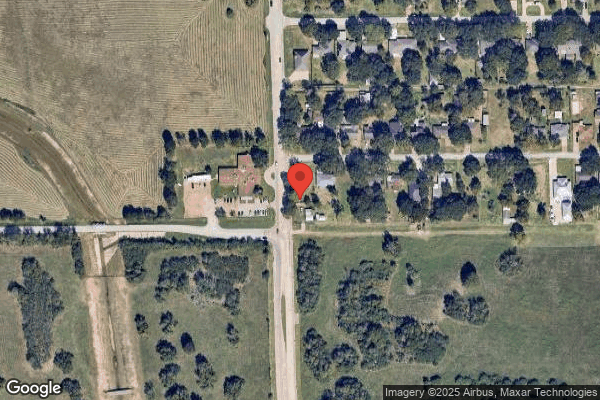
Apr 2025 2 deficiencies 1 IJ (1 affecting multiple)
CRITICAL (K) 📢 Someone Reported This

A family member, employee, or ombudsman was alarmed enough to file a formal complaint

Immediate Jeopardy (IJ) - the most serious Medicare violation

Quality of Care (Tag F0684)

Someone could have died · This affected multiple residents

**NOTE- TERMS IN BRACKETS HAVE BEEN EDITED TO PROTECT CONFIDENTIALITY** Based on observation, interviews, and record review, the facility failed to ensure a resident received treatment and care in acc...

Read full inspector narrative →
**NOTE- TERMS IN BRACKETS HAVE BEEN EDITED TO PROTECT CONFIDENTIALITY** Based on observation, interviews, and record review, the facility failed to ensure a resident received treatment and care in accordance with professional standards of practice, the comprehensive person-centered care plan, and the resident's choices for 1 (Resident #1) of 4 residents reviewed for quality of care. The facility failed to perform an appropriate assessment on Resident #1 after report of an unwitnessed fall on 12/31/24 that resulted in a hip fracture that required hip surgery. The facility failed to initiate neuro checks for Resident #1 after report of unwitnessed fall. An Immediate Jeopardy was identified on 4/4/25. The Immediate Jeopardy template was provided to the facility on 4/4/25 at 11:26 a.m. While the Immediate Jeopardy was removed on 4/7/25, the facility remained out of compliance at a scope of pattern and a severity level of no actual harm with potential for more than minimal harm that is not immediate jeopardy due to the facility's need to complete in-service training and evaluate the effectiveness of the corrective systems. These failures could place residents at risk for a delay in treatment or diagnosis, a decline in the resident's condition and/or the need for hospitalization and prolonged treatment. Findings included: Record review of Resident #1's face sheet dated 3/12/25, revealed a [AGE] year-old female admitted to the facility with an initial admission date of 9/26/17 and readmitted on [DATE]. Diagnoses included: unspecified dementia (a group of symptoms affecting memory, thinking and social abilities), Alzheimer's disease (a progressive disease that destroys memory and other important mental functions), lack of coordination, bilateral macular keratitis (inflammation of the clear, dome-shaped tissue on the front of the eye that covers the pupil and iris), and muscle weakness. Record review of the quarterly MDS assessment dated [DATE] indicated Resident #1 had a BIMS score of 5 which indicated severe cognitive impairment. Further review of the quarterly MDS assessment indicated Resident #1 did not have pain presence in the last five days and no falls since reentry . Functional abilities substantial/maximal assistance (help does more than half the effort) for eating, oral hygiene, toileting hygiene, shower/bath, lower body dressing and personal hygiene. Record review of the discharge MDS assessment dated [DATE] indicated Resident #1 had pain presence in the last five days. The discharge MDS assessment indicated Resident #1 did not have any falls since reentry. Record review of Resident #1's care plan dated 11/25/24 did not reveal goals or interventions related to preventing the resident from falling in the facility's dining room. However, the care plan did indicate Resident #1 suffered a fall and was noted to be found sitting on the facility's dining room floor with no injuries on 9/29/23 and 9/21/24. Further review of the care plan indicated interventions included: place call bell/light within easy reach; respond promptly to calls for assist to toilet; foot ware will fit properly and have non-skid soles; provide reminders to use ambulation and transfer assist devices; keep area free of obstructions to reduce the risk of falls or injury; resident is on the fallen leaf program to indicate she is at high risk for falls. A red band will be placed on her wheelchair and leaf next to her name on the door to indicate to staff that she is a high risk for falls; PT and OT therapy to evaluate and treat as indicated. Assist resident to the dining room and have resident sit at a table; resident has been re-educated on the importance of using the call lights and waiting for help. Call light education done, bed in lowest position and brake extender on w/c. Record review of a Physical Therapy Evaluation, dated 12/11/24, revealed the reason for the resident's physical therapy referral was due to decline in strength, dynamic balance, functional ambulation, functional mobility . The resident felt unsteady when standing, when walking, had a fear of falling, and worried about falling. The evaluation indicated the resident was unable to communicate pain; and lack of pain was determined based upon the resident's behavior. The resident exhibited slow, unsteady gait with forward lean of trunk, inadequate hip extension and inadequate trunk extension which are associated with the underlying causes of muscle weakness, reduced functional activity tolerance and impaired coordination. The resident also exhibited the wide base of support, decreased rotation of hips and shoulders, decreased speed and amplitude of automatic movements, decreased step length (<15), waddling, and pushing her walker far ahead of her. Further review of the evaluation revealed weak trunk and lower extremity muscles, reduced reactive balance and reduced recognition of unsafe situations as fall predictors for the resident. The resident's Gross Motor Coordination was also noted as impaired. The resident was referred to physical therapy due to decline in functional mobility and her ability to ambulate due to muscle weakness, decreased balance and coordination and decreased functional endurance. The resident was noted to have cognitive impairment and poor safety awareness. However, she was cooperative. The resident was noted to benefit from physical therapy interventions to improve safety, decrease level of assistance in functional mobility and improve her ability to ambulate. The resident required skilled physical therapy services to increase lower extremity strength, improve dynamic balance, increase coordination, increase functional activity tolerance, minimize falls, facilitate independence with all functional mobility, increase independence with gait in order to enhance patient's quality of life by improving ability to increase performance skills with functional tasks, and perform functional mobility with reduced risk of falls. The recommended level of skilled therapy services also included the need for durable medical equipment for condition and patient with dementia requiring repetition of structured task to facilitate new learning. Further review of the evaluation indicated, due to the documented physical impairments and associated functional deficits, without skilled therapeutic intervention, the patient is at risk for: falls, decreased participation with functional tasks and further decline in function . Record review of the incident/accident report dated 3/14/25 did not reveal details of Resident#1's unwitnessed fall. However, the report indicated the resident had a witnessed fall on 12/31/24 at 7:00 pm. Record review of Resident #1's progress note dated 12/31/24 at 7:56 PM by RN A, reflected the following: in the dining room, the resident slid out of the wheelchair while attempting to pick up something on the floor. The nurse observed a skin tear to the right forearm. The head-to-toe assessment was done, noting a skin tear to the right forearm. The vital signs were 117/64, p 87, SpO2 93%, 96.9, and r 18. The MD was notified, and an order to clean the skin tear and apply a sterile strip was received. The resident denies pain. The RP and unit manager were made aware. The order was carried out to clean the skin tear with normal saline and apply a sterile strip with the dressing. PRN Tylenol was administered to avoid any complaint of pain. The resident was educated to seek assistance when in need. Safety measure in place. The plan of care remains. Record review of the progress notes dated 1/1/25 at 4:45 AM and labeled as a late entry, RN B noted the following: Resident c/o pain to her rt lower extremity. She was relieved of her pain with prn Tylenol 325 mg 2 tabs. She slept thereafter. She was kept in bed, was not taken out of bed, ate her meals in bed too. Text message sent to her MD on a new year day that evening. When am about leaving, his text message came in. Which read, X-ray of the hips and knees. Same handed over to the next shift. Record review of the progress notes dated 1/1/25 at 10:52 AM by the Unit Manager reflected the following: Vitals: T 98.1- 1/1/25 10:54 Route: Forehead (non-contact), BP 126/60- 1/1/25 10:54 Position: Sitting r/arm, P 76- 1/1/25 10:54 Pulse Type: Regular, R 18- 1/1/25 10:54, O2 98%- 1/1/25 10:54 Method: Room Air. Pain: Pain assessment interview should not be conducted. Resident is rarely/never understood. Indicators of pain: none. Pain Note: Fall of 12/31/24. Record review of the progress notes dated 1/1/25 at 2:26 PM by RN B reflected the following: Acetaminophen Tablet 325 mg, given 2 tablet by mouth every 6 hours as needed for general discomfort. Given. c/o pain at 03 level. Record review of the progress notes dated 1/2/25 at 12:57 AM by LVN B reflected the following: Per day shift nurse MD ordered a bilateral knee and hip x-ray. Due to sp fall. Record review of the progress notes dated 1/2/25 at 6:43 am by RN B reflected the following: Acetaminophen Tablet 325 mg, give 2 tablet by mouth every 6 hours as needed for general discomfort. PRN administration was: effective. Follow-up pain scale was: 1. Record review of progress notes dated 1/2/25 at 11:28 am by the Unit Manager reflected the following: x-ray company here to do x-rays to both hips. Awaiting results. Record review of the progress notes dated 1/2/25 at 1:37 pm by the Unit Manager reflected the following: X-rays results here. MD was notified of results. Orders received to be transfer to Hospital. RP aware. Record review of physician orders dated 12/1/24 reflected the following: Pain Monitoring-Assess for pain every shift with a start date of 12/1/24. Acetaminophen Tablet 325 mg-Give 2 tablets by mouth every 6 hours as needed for general discomfort with a start date of 12/1/24. Record review of Resident #1's electronic health records dated 12/31/24 to 1/2/25 did not reveal neuro checks . Further review of the electronic health record revealed x-ray results dated 1/2/25 indicated Resident #1 had an acute right hip fracture. Record review of the hospital clinical report dated 1/3/25 indicated Resident #1's hip x-ray showed a closed displaced fracture of right femoral neck, orthopedic surgery consulted. Observation on 3/13/25 at 2:17 PM, Resident #1 was sitting in her wheelchair in the hallway. This surveyor asked her how she was, and she smiled and started laughing. RN B came by and started speaking to her and she started laughing. Resident #1 started self-propelling herself down the hallway. Interview with [NAME] A on 3/12/25 at 2:16 pm, she said on 12/31/24 she was rolling silverware in the dining room. Resident #1 was sitting in her wheelchair facing her. [NAME] A did not see Resident #1 fall, she said she heard her fall. [NAME] A said Resident #1 hit the floor hard, it sounded like a thump. She said Resident #1 was lying on her right side and said call the ambulance family member repeatedly. [NAME] A said she could not tell if Resident #1 was in pain. [NAME] A stayed with Resident #1 in the dining room and yelled for help. She said CNA A came to the dining room and saw Resident #1 on the floor. CNA A left to get the nurses. [NAME] A could not recall the names of the nurses. [NAME] A told the nurses she did not see Resident #1 fall but heard her fall. After [NAME] A told the nurses what happened she went home. Interview with [NAME] A on 3/25/25 at 2:47 pm, she said she was at the table that was in front of the kitchen and Resident #1 was at table near the Administrator's office (approximately 15 feet). [NAME] A said she turned around saw Resident #1 on the floor. She said Resident #1 was lying on her right said, she was not crying, she kept on saying call the ambulance family member. [NAME] A said there was no one else in the dining room at that time. [NAME] A said she did not see any nurses around, so she called for help and CNA A came to the dining room. She told CNA A that Resident #1 fell. [NAME] A said for an unwitnessed fall she was trained to stay with the resident and holler for help. She said they were not allowed to leave the resident alone after a fall. Interview with CNA A on 3/12/25 at 1:57 pm, she said on the evening of 12/31/24, she heard [NAME] A calling out for help. When CNA A went to the dining room, she saw Resident #1 on the floor and [NAME] A was beside her. CNA A said she got RN A and another nurse; she could not remember who the other nurse was to look at Resident #1. She said after the nurses did their assessments, she and the two nurses got Resident #1 off the floor into her wheelchair. CNA A said she took Resident #1 to her room and put her in bed. CNA A said the resident did not show any signs of pain at that time. CNA A said when a resident had an unwitnessed fall, she was trained to get the nurse. Interview with CNA A on 3/25/25 at 2:13 pm, she said on the evening when Resident #1 had her fall she was coming from the 200 hall towards the kitchen. She heard [NAME] A calling for help. She said she saw Resident #1 on the floor by the cabinets in the dining room, lying on her right side. [NAME] A told her Resident #1 fell. CNA A said she saw a skin tear on the resident's arm. CNA A could not remember if vitals were taken. CNA A said RN A told her it was ok to get Resident #1 off the floor. CNA A said RN A and the nurse from 300 hall grabbed underneath the resident arms and she held onto the resident's pants, and they put the resident in the wheelchair. CNA A said she, RN A, and the nurse from 300 hall transferred Resident #1 to her bed. CNA A said she does not remember if Resident #1 was in pain. She said if a resident was on the floor by themselves, she would holler for help and wait for someone to respond. Interview with RN A on 3/12/25 at 12:15 pm, she said on 12/31/24 she was notified by CNA A that Resident #1 was on the floor. RN A said the resident was lying on her side and she had a skin tear. She said there was no blood from the skin tear. She said she notified the family and the MD. She received an order from the MD to dress up the skin tear. RN A asked Resident #1 if she was in pain and Resident #1 responded no. She said neuro checks were done every 15 minutes, 30 minutes, and then 1 hour. RN A said the last time she saw Resident #1 was on 12/31/24, she went on vacation the next day. RN A said she could not recall if she notified the Administrator. RN A said when a resident has a fall, she would have to make sure they were breathing, check skin, pick the patient up, call family, MD, DON, the resident will tell you if they are in pain. Interview with the MD on 3/12/25 at 5:02 pm, he said he received a call from RN B on 1/1/25 that Resident #1 was in pain. He said he put an order in for an x-ray on 1/2/25. He said when he was making his rounds on 1/2/25 Resident #1 was in pain when she moved. He told staff to transfer to hospital once the x-ray results came in. Interview with the MD on 3/25/25 at 3:03 pm, he said he was at the facility on 1/2/25 and saw a nurse's note that Resident #1 had pain. The MD said she had a diagnosis of arthritis that caused the chronic pain. The MD said Resident #1's response to everything was laughter. On 1/2/25 she was not laughing that day. He said the risk to the resident when ROM was not documented could be not noticing a fracture, possibly death. He said the risk to the resident when they were in pain and not being assessed was, they could continue to be in pain. Interview with RN A on 3/13/25 at 11:21 am, she said the evening when Resident #1 had her fall CNA A called her, she went to the dining room and saw the resident on the floor. RN A said she called Resident #1's name and Resident #1 looked at her. She said Resident #1 was lying on her side. RN A said she assessed Resident #1 while she was on the floor, and she was laughing throughout the assessment. RN A said she checked Resident #1's breathing, blood pressure, temperature, respirations, and pulse. RN A said when she did the ROM, she would ask Resident #1 if she was in pain and Resident #1 replied no. RN A said she did not do the neuro checks on Resident #1, she thought from the previous interview surveyors were asking her the process of the neuro checks. RN A said she saw the skin tear on Resident #1's hand, she said it was a big skin tear, but no blood. RN A could not recall which hand had the skin tear. She said after she was done assessing Resident #1, she called another nurse to help her put Resident #1 back in her wheelchair. She said one person held her pants and the other person held her shoulder and the wheelchair was positioned very close to the resident. Resident #1 was wheeled to the med cart to dress the skin tear. RN A said she was told Resident #1 fell in the dining room; she was not told if anyone witnessed the fall. She said she told the doctor Resident #1 fell, she had a skin tear, and she was not in pain. She said she called the RP and told her Resident #1 fell and she was fine. RN A said she gave Resident #1 Tylenol to prevent any pain from the fall. RN A said for ROM you lift the hand and ask resident if they are in pain, then she would lift the leg and ask if resident was in pain and do the same with the other leg. Interview with CNA B on 3/12/25 at 2:50 pm, she said on the morning of 1/1/25, she read the morning report and saw that Resident #1 had a fall the previous night and a skin tear on her hand. CNA B said she went to Resident #1's room to get her out of bed that morning. CNA B proceeded to get Resident #1 dressed for the day. CNA B said when she put Resident #1's right leg in the pants Resident #1 said Family Member, Family Member, Family Member repeatedly and fast. CNA B said the resident sounded like she was in pain. CNA B left Resident #1 in bed and notified RN B. CNA B said she came back the next day (1/2/25) and Resident #1 was still in bed. CNA B attempted to take Resident #1 out of bed and called CNA C for assistance. CNA B said they tried moving her but Resident #1 rolled back onto her left side away from the pain. CNA B and CNA C left Resident #1 in bed and CNA C notified the Unit Manager. Interview with CNA B on 3/25/25 at 10:50 am, she said she went to Resident #1's room and said to her it's time to get up. CNA B said she put Resident #1's left leg in the pants first, then when she tried to put her right leg in the pants Resident #1 said, no Family Member, no Family Member, no Family Member. CNA B told RN B Resident #1 was in pain. CNA B thought RN B assessed Resident #1 but was not sure. CNA B said RN B told her to leave Resident #1 in bed. CNA B said Resident #1 had her meals in bed that day and checked on Resident #1 every 2 hours. CNA B said the next day on the morning of 1/2/25 she tried to get Resident #1 dressed again. CNA B said she had CNA C help her. CNA C said there was something wrong with Resident #1's leg. CNA C notified the Unit Manager. CNA B said that was the day Resident #1 had an x-ray on her leg. CNA B said for an unwitnessed fall, she was trained to stay with the resident and call for help. She said the fall would need to be reported to the nurse. Interview with RN B on 3/13/25 at 3:00 pm, she said on 1/1/25 Resident #1'a demeanor was very calm and alerted, other times she would be quiet and just look at you. CNA B told her Resident #1 was in pain. RN B took Resident #1's vitals and administered pain medication. RN B notified the MD, and the MD sent a text that evening for an order to do x-rays for Resident #1. RN B instructed the CNAs to keep Resident #1 in bed until the results of the x-rays came in. RN B said she did not know if neuro checks were conducted on Resident #1 because she was not at the facility the evening of the fall. RN B said when a resident has a fall, she would need to conduct a head-to-toe assessment, take vitals. She said she would use pen and paper to jot down anything concerning from the assessment. She said if the resident was not sensible enough to say anything, she may use illustrations like touching her arm and see if resident responds. She said she would need to notify the DON, MD, family. She said the risk to the resident if they were not properly assessed was, they could go into neurogenic shock. Interview with RN B on 3/25/25 at 12:02 pm. She said on the morning of 1/1/25, CNA A told her Resident #1 had pain. RN B said she went to Resident #1's room to look at her. RN B said when she touched her leg Resident #1 looked at her. RN B said Resident #1 was lying on her back and she was not crying, she was just lying in bed. RN B said she seemed normal. She told CNA A not to move her and leave her in bed. RN B said she gave Resident #1 PRN medication for pain and tried to notify the MD by texting. RN B said she got a response back from the MD to do an x-ray of the suspected leg that evening. RN B said she handed over the order to the night shift nurse. RN B said when a resident has an unwitnessed fall, she was trained to do the assessment on the floor where the resident has fallen. She would conduct ROM by moving the arms and legs. She said if the resident had obvious pain from ROM, she would dial 911. RN B said she was trained to document incidents, assessments, ROM. RN B said when she was notified Resident #1 had pain, she did not take vitals or conduct ROM. RN B said she did not want to lift Resident #1 out of bed. She said when a resident has pain it was considered a change in condition and that was the reason why she called the doctor. RN B said she should have done a head-to-toe assessment and ROM on Resident #1 and notified the DON, family, and MD. She said the risk to the resident when ROM was not documented was not recognizing potential injury or knowing the extent of the injury. Interview with CNA C on 3/14/25 at 11:56 am, he said on the morning of 1/2/25 he went to Resident #1's room to check on her. He said when he touched Resident #1's leg she looked like she was in pain. CNA C told the Unit Manager the resident was in pain. When the Unit Manager touched Resident #1's leg Resident #1 said Family Member, Family Member, Family Member. The Unit Manager told CNA C x-rays were ordered for Resident #1. CNA C said if a resident had an unwitnessed fall, he was trained to stay with the resident and call out for help. Interview with CNA C on 3/25/25 at 12:56 pm, he said on the morning of 1/2/25 he went to Resident #1's room and said to her time to get you up. Resident #1 said no Family Member, no Family Member, no Family Member. CNA C said Resident #1 was usually not like that. He said Resident #1 normally laughs, but that day she was not laughing. He left Resident #1 in bed and told the Unit Manager there was something wrong with the resident. CNA C said the Unit Manager went to look at Resident #1. He did not know if the Unit Manager took vitals because he had to leave and take care of residents in the dining room. Interview with the Unit Manager on 3/25/25 at 11:07 am, she said she was not in the facility the day Resident #1 had her fall. She said the progress note she entered on 1/1/25 that indicated Resident #1 did not have pain was entered while she was at home and received this information form RN A's nursing note. The Unit Manager said she received a text from RN A on the evening of 12/31/24 notifying her of Resident #1's fall. The Unit Manager said she returned to the facility on 1/2/25 and CNA C told her Resident #1 had pain in her leg. The Unit Manager said she went to check on Resident #1 and palpated her right said and she saw the resident in pain. The Unit Manager said she called in a stat x-ray at approximately 8:30 AM. The Unit Manager said if a resident had an unwitnessed fall, she expected nursing staff to assess them right where the resident fell and not move them. She said the nurses should assess ROM by moving their arms and legs and do a head-to-toe assessment and look for skin tears. The Unit Manager said the progress note entered by RN A showed a head-to-toe assessment was documented but, RN A could have put more information in the progress note. The Unit Manager said she spoke to RN A and RN B regarding Resident #1's fall and pain. She said the Administrator probably talked to [NAME] A. The Unit Manager said she was not sure if ROM was conducted on Resident #1 because it was not documented in the progress note. She said the risk to the resident when ROM was not conducted was the resident would be bruised or fractured. Interview with Resident #1's RP on 3/12/25 at 11:31 am, she said RN A notified her of Resident #1's fall in the dining room, on the evening of 12/31/24. After the fall she said CNA A and CNA B told her Resident #1 would make noises when they provided care for her or messed with her leg. The RP said a couple of days later, on 1/1/25, she was notified by the Unit Manager Resident #1's hip was broken and was getting transferred to the hospital. The RP said Resident #1 ended up having surgery at the hospital that same day. RP said an x-ray was not conducted on the night of the fall. The RP said Resident #1 had fallen out of her wheelchair at least 2 to 3 times. The RP said if Resident #1 saw an object on the floor she would lean down to pick up the object. Interview with the DON on 3/13/25 at 1:06 pm, she said if a resident had an unwitnessed fall, the nurse would need to conduct a head-to-toe assessment, ROM, anticipate whether there was a possible fracture, move the arm and pay attention for facial expressions. The DON said if the resident was unable to communicate, she would initiate calling 911. The MD, DON, and family would need to be notified and the nurse would need to complete an incident report. The DON said she asked RN A about this incident two weeks ago. The DON said the incident was reported to the Administrator, Interim DON, and the Unit Manager. The DON said the progress note regarding Resident #1's fall on 12/31/24 was not appropriately documented. The DON said if the resident was observed on the floor, staff would need to stay with the resident and call for help, and a head-to-toe assessment would need to be conducted. The DON said for all unwitnessed falls, the nurses would need to conduct an assessment and have management staff conduct an investigation to try to determine the cause of the fall. The DON said neuro checks were not conducted after Resident #1's because the fall was documented as a witnessed fall. She said if the fall was unwitnessed, neuro checks should have been conducted. She said the nurses assessed to the best of their knowledge. She said the risk of not properly assessing the resident was not providing the care the resident required. Interview with the Interim Administrator on 3/14/25 at 4:16 pm, she said no one visibly saw the fall with their eyes. She said staff were trained to go to the resident and do the assessment looking them over head-to-toe, vitals, ROM. She said you would not know if ROM was done for the resident if it was not documented, it would have to be documented in the nurse's notes. She said staff should leave the resident right where they are when conducting assessment. She said the risk to the resident when they were not properly assessed was, they could have neuro problems, fractures. She said the expectation of the nurses were to provide care for the residents. She said they should always reach out to the family and communication is the key. Interview on 3/25/25 at 3:17 pm, with the Regional Nurse, Interim Administrator and DON. The DON said an assessment for an unwitnessed fall would have to include asking the resident if they were ok, how much pain did they have. If the resident was non-verbal, she would look at facial expressions, look over head-to-toe for any physical injuries. She said she would perform ROM, vitals, blood pressure, oxygen, temperature, pulse, and respirations. The DON said the progress note entered by RN A did not specify who notified her of the fall, did not indicate the skin tear, and did not document ROM. The progress note stated, Resident #1 denied pain, the DON said that may be possible. The DON said the progress note did indicate for Resident #1 to ask for help. The DON said when a resident has a fall, she expected the nursing staff to call her and tell her what happened so she could have the correct documentation. She said if it was a witnessed fall, she would take statements. The Regional Nurse said an unwitnessed fall is a fall that occurred when no one was present. The Regional Nurse said the risk to the resident when documentation was incorrect was delayed treatment for the resident. The DON said the risk to the resident when assessments were not conducted and the nursing staff are alerted of a resident having pain was delayed treatment, risk of further injury and increased pain. The DON said the risk to the resident when neuros were not conducted after an unwitnessed fall was not establishing a change in their baseline. Record review of the Accidents/Incidents Policy dated 07/2015 read in part . 13. A neurological assessment must be immediately initiated and maintained for at least 72 hours following each accident/incident involving an injury of any kind to the head or any un-witnessed fall . Record review of the Falls-Clinical Protocol dated 09/2012 under Section Assessment and Recognition read in part . 2. the nurse shall assess and document/report the following: vital signs, recent injury, musculoskeletal function, observing for change in normal range of motion, change in condition, neurological status, pain, frequency, and number of falls since last physician visit, details on how fall occurred, all current medications, all active diagnoses . 7. Falls should also be identified as witnessed or unwitnessed events . Further review of the Falls-Clinical Protocol under Monitoring and Follow-up read in part . 1. the staff, with the physician's guidance, will follow-up on any fall with associated injury until the resident is stable and delayed complications such as late fracture or subdural hematoma have been ruled out or resolved . Record review of the Staffing, Sufficient and Competent Nursing under Section Sufficient Staff dated 08/2022 read in part . 1. Licensed nurses and certified nursing assistants are available 24 hours a day, 7 days a week to provide competent resident care services including . c. assessing, evaluating, planning, and implementing resident care plans . Further review of the policy under section Competent Staff read in part . licensed nurses and nursing assistants are trained and must demonstrate competency in identifying, documenting, and reporting changes of condition consistent with their scope of practice and responsibilities . Record review of the Charting and Documentation Policy dated 07/2017 read in part . 7. Documentation of procedures and treatments will include care-specific details, including . c. the assessment data and/or any unusual findings obtained during the procedure/treatment . On 4/4/25 at 11:26 a.m., the Administrator was informed that an Immediate Jeopardy situation was identified due to the above failures. The following Plan of Removal was submitted by the facility and accepted on 4/4/25 at 2:50 p.m.: 04/04/2025 Plan of Removal F684 Impact Statement On 04/04/25, the facility was provided notification that the survey agency had determined that the conditions at the center constitute an immediate jeopardy to resident health. The facility staff failed to ensure residents received treatment and care in accordance with professional standards of practice, and the comprehensive care plan for CR#1 on 12/31/24 after she suffered a fall in the facility's dining room. The resident was reported to have complained of pain on 01/01/25. The resident was also observed to be experiencing pain 01/02/25 and an x-ray was ordered. Xray results showed a right hip fracture. The resident was transferred and admitted to the hospital on [DATE] where she was diagnosed with a right hip femoral neck fracture. The resident was treated with a right hip hemiarthroplasty (half of a hip joi[TRUNCATED]
CONCERN (E) 📢 Someone Reported This

A family member, employee, or ombudsman was alarmed enough to file a formal complaint

Potential for Harm - no one hurt, but risky conditions existed

Deficiency F0657 (Tag F0657)

Could have caused harm · This affected multiple residents

**NOTE- TERMS IN BRACKETS HAVE BEEN EDITED TO PROTECT CONFIDENTIALITY** Based on interviews and record review, the facility failed to ensure the comprehensive person-centered care plan was reviewed an...

Read full inspector narrative →
**NOTE- TERMS IN BRACKETS HAVE BEEN EDITED TO PROTECT CONFIDENTIALITY** Based on interviews and record review, the facility failed to ensure the comprehensive person-centered care plan was reviewed and revised after a change in condition and or falls for 1 (Resident #1) of 4 residents reviewed for care plan revision/timing. 1. The facility failed to ensure Resident #1's care plan was revised to include interventions and services to decrease the risk of falls in the facility's dining room after suffering a fall on 12/31/24. Resident #1 had similar falls in the facility's dining room on 09/29/23 and 09/21/24 with no injuries. 2. The facility failed to ensure Resident #1's care plan included interventions and services to appropriately assess and monitor the resident's chronic pain. These failures could place residents at risk of not receiving the appropriate care, services, or treatments needed to achieve highest quality of life. Findings included: Record review of Resident # 1's face sheet, dated, 03/12/25, reflected a [AGE] year-old female who was initially admitted to the facility on [DATE] and re-admitted on [DATE], with diagnoses which included: Unspecified dementia (memory loss, confusion, difficulty thinking or making decisions), unspecified severity, without behavioral disturbance, psychotic disturbance (mental condition where a person has trouble knowing what is real), mood disturbance, anxiety (feeling of worry, fear or nervousness), Alzheimer disease (disease that slowly damage memory and thinking skills), major depressive disorder, cognitive communication deficit (difficulty with thinking and language), unspecified lack of coordination (having trouble controlling movements, making actions unsteady), fracture of unspecified part of neck of right femur (a broken bone in an unknown part of the upper right thigh), subsequent encounter for closed fracture with routine healing (follow-up visit for a broken bone that is healing normally). Record review of Resident #1's Quarterly MDS assessment, dated 12/14/24, revealed the resident had a BIMS score of 5, indicating a severe cognitive impairment. Functional abilities substantial/maximal assistance (help does more than half the effort), eating, oral hygiene, toileting hygiene, shower/bath, lower body dressing and personal hygiene. Resident# 1 was not coded for pain or falls. Record review of the facility's Incident by Incident Type, dated 12/1/24-3/14/25 revealed Resident #1's fall dated 12/31/24 at 7:00 pm, in the dining room, the resident slid out of the wheelchair while attempting to pick up something on the floor. The nurse observed a skin tear to the right forearm. Record review of Resident#1's Comprehensive Care Plan, updated on 1/25/25, did not reveal goals or interventions related to preventing falls in the dining room. However, the care plan did indicate Resident #1 was at risk for falls. Interventions included staff anticipating and meeting the resident's needs. ensuring Resident #1's call light was within reach and encouraging the resident to call for assistance as needed. Educate the resident/family/ caregivers about safety reminders and what to do if a fall occurs. Ensure Resident #1 wears appropriate footwear when ambulating or mobilizing in wheelchair. Physical therapy to evaluate and treat as ordered or as needed. Record review of Resident #1's Care Plan dated 11/25/20 did not reveal the dates the care plan was updated after the resident's falls on 9/29/23 and 9/21/24. Further review of the care plan indicated Resident #1 was at risk for falls r/t history of falls and suffered falls in the facility's dining room on 9/29/23 and 9/21/24. The resident was noted to be found sitting on the dining room floor with no injuries after each fall on 9/29/23 and 9/21/24. Interventions included: place call bell/light within easy reach, respond promptly to calls for assist to toilet, foot ware will fit properly and have non-skid soles, provide reminders to use ambulation and transfer assist devices, keep area free of obstructions to reduce the risk of falls or injury, resident is on the fallen leaf program to indicate she is at high risk for falls. A red band will be placed on her wheelchair and leaf next to her name on the door to indicate to staff that she is a high risk for falls, PT (physical therapy) and OT (occupational therapy) to evaluate and treat as indicated. Assist resident to the dining room and have resident sit at a table, resident has been re-educated on the importance of using the call lights and waiting for help. Call light education done, bed in lowest position and brake extender on wc (wheelchair). Record review of a Physical Therapy Evaluation, dated 12/11/24, revealed the reason for the resident's physical therapy referral was due to decline in strength, dynamic balance, functional ambulation, functional mobility .The resident felt unsteady when standing, when walking; had a fear of falling, and worried about falling. The evaluation indicated the resident unable to communicate pain; and lack of pain was determined based upon the resident's behavior. The resident exhibited slow, unsteady gait with forward lean of trunk, inadequate hip extension and inadequate trunk extension which are associated with the underlying causes of muscle weakness, reduced functional activity tolerance and impaired coordination. The resident also exhibited the wide base of support, decreased rotation of hips and shoulders, decreased speed and amplitude of automatic movements, decreased step length (<15), waddling, and pushing her walker far ahead of her. Further review of the evaluation revealed weak trunk and lower extremity muscles, reduced reactive balance and reduced recognition of unsafe situations as fall predictors for the resident. The resident's Gross Motor Coordination was also noted as impaired. The resident was referred to physical therapy due to decline in functional mobility and her ability to ambulate due to muscle weakness, decreased balance and coordination and decreased functional endurance. The resident was noted to have cognitive impairment and poor safety awareness. However, she was cooperative. The resident was noted to benefit from physical therapy interventions to improve safety, decrease level of assistance in functional mobility and improve her ability to ambulate. The resident required skilled physical therapy services to increase lower extremity strength, improve dynamic balance, increase coordination, increase functional activity tolerance, minimize falls, facilitate independence with all functional mobility, increase independence with gait in order to enhance patient's quality of life by improving ability to increase performance skills with functional tasks, and perform functional mobility with reduced risk of falls. The recommended level of skilled therapy services also included the need for durable medical equipment for condition and Patient with dementia requiring repetition of structured task to facilitate new learning. Further review of the evaluation indicated, due to the documented physical impairments and associated functional deficits, without skilled therapeutic intervention, the patient is at risk for: falls, decreased participation with functional tasks and further decline in function . Record review of Physical Therapy Evaluation & Plan of Treatment, dated 1/8/25, revealed the resident was diagnosed with a fracture of unspecified part of neck of right femur (right hip); generalized muscle weakness; unsteadiness on feet; unspecified abnormalities of gait and mobility; other lack of coordination; and other reduced mobility with an onset date of 1/2/25. The resident's treatment approaches may have included therapeutic exercises; neuromuscular reeducation; gait training therapy; physical therapy evaluation: moderate complexity; therapeutic activities; and wheelchair management training to occur 20 times between 1/8/25 and 3/6/25. Further review of the Evaluation & Treatment Plan reflected a goal to safely perform functional transfers with moderate assistance with ability to right self to achieve/maintain balance in order to increase performance skills with functional tasks and decrease level of assistance from caregivers. The plan indicated the resident's transfers level of function prior to 1/2/25 was contact guard assist and her baseline on 1/8/25 was total dependence with attempts to initiate. A goal to complete sit to stand transfers with moderate assistance with ability to right self to achieve/maintain balance in order to increase performance skills with functional tasks, perform mobility with reduced risk of falls and decrease level of assistance from caregivers. The plan indicated the resident's sit to stand level of function prior to 1/2/25 was contact guard assist and her baseline on 1/8/25 was total dependence with attempts to initiate. A goal to increase dynamic standing balance to Poor+ spontaneously righting self when needed in order to decrease loss of balance during functional mobility, improve ability to safely ambulate within environment and reduce the risk for falls. The plan also indicated the resident's sit to stand level of function prior to 1/2/25 was contact guard assist and, her baseline on 1/8/25 was total dependence with attempts to initiate. The plan also indicated the resident's dynamic standing level of function prior to 1/2/25 was fair and her baseline on 1/8/25 was poor. Further review of the Evaluation & Treatment Plan indicated the resident was referred to physical therapy due to decline in strength, dynamic balance, functional ambulation, functional mobility .status post hospitalization for an accidental fall and sustaining a right hip femoral neck fracture. The resident was noted to be status post right hip hemiarthroplasty (half of a hip joint replacement). The resident required skilled physical therapy services to increase lower extremity strength, improve dynamic balance, increase coordination, increase functional activity tolerance, minimize falls, facilitate improvement with all functional mobility and increase ability to ambulate in order to enhance patient's quality of life by improving ability to increase performance skills with functional tasks and perform functional mobility with reduced risk of falls. Level of Skilled Services also included need for durable medical equipment for condition and Patient with dementia requiring repetition of structured task to facilitate new learning. Record Review of Physical Therapy Discharge Summary revealed dates of service of 1/8/25-1/31/2025. The summary indicated the resident was discharged from physical therapy per physician or case manager. The resident's transfers level of function prior to 1/2/25 was contact guard assist; baseline on 1/8/25 was total dependence with attempts to initiate; on 1/28/25 was maximum assistance; and on discharge 1/31/25 was maximum assistance. The resident's sit to stand level of function prior to 1/2/25 was contact guard assist; baseline on 1/8/25 was total dependence with attempts to initiate; on 1/28/25 was maximum assistance; and on discharge 1/31/25 was maximum assistance. The resident's dynamic standing level of function prior to 1/2/25 was fair; baseline on 1/8/25 was poor; on 1/28/25 was poor; and on discharge 1/31/25 was poor. The discharge summary also indicated the resident had reached maximum potential with skilled services. Interview with the MDS coordinator on 3/13/25 at 3:44 pm, she said when she tried different interventions for residents, she referred residents to therapy. She said the Unit Manager was responsible for putting therapy services into a resident's care plan. She said facility management spoke about care plan interventions and updates during the daily morning meeting and scheduled care plan meetings. She said she was not familiar with Resident #1's current care plan. She said the risk of a resident when a care plan does not meet her needs could be another fall or injury. Several unsuccessful attempts to interview contracted Physical Therapy Director were made 3/12/25 and 3/13/25. Interview with the DON on 3/13/25 at 2:38 pm, she said she had worked at the facility for 4 weeks. She said she was not aware Resident #1 suffered 3 falls in the facility's dining room. She said the facility would consider trying different interventions if the falls indicated a pattern. She said since Resident #1 had 3 similar incidents she considered the resident's falls in the dining room a pattern. She said the risk associated with a care plan not meeting the needs of a resident was the facility not providing the care a resident required. Interview with the Administrator on 3/14/25 at 4:16 pm, she said she referred to a care plan as a 'plan of care.' She said she was not aware the resident suffered 3 falls in the facility's dining room. She said she had only been employed with the facility for one month. She said the risk associated with a resident not having an appropriate care plan was the facility not providing adequate, appropriate care and preventative measures. In an interview with CNA B on 3/25/25 at 10:50 AM, she said Resident# 1 could stand up and walk on her own. She said the resident rolled herself around in her wheelchair. She said the resident's physical capabilities really depended on her mood. She said the resident slept during the day and was usually awake at night. She said during the day, the resident was sometimes less responsive. She said when the resident was not in the mood during the day, she required 2 persons assist. She said when the resident was in a good mood, she was able to do most things with little to no assistance. She said since the resident came back from the hospital after she broke her hip, the resident seemed fine. She said the resident was able to stand up on her own. She said nothing had changed regarding the care she provided to the resident since she returned to the facility. She said the resident did not have any new assistive devices either. In an interview with the Unit Manager, on 3/25/25 at 11:07 AM, she said the Unit Manager and the MDS nurse was responsible for updating resident care plans. She said every time a resident fell, a new intervention was added to their care plan. She said she was familiar with Resident #1. She said the resident's baseline behavior was pleasantly confused. She said the resident had the ability to speak but did not speak very often. She said sometimes, if you asked the resident a question, she would reply with 'yes' or 'no.' She said she could not recall exactly how many times the resident suffered a fall. She said she thought the resident had suffered a fall in the facility dining room once in the past. She said she did not know how long it had been but there was a long span of time between the fall on 12/31/24 and the previous fall in the dining room. She said the resident had not suffered as many falls as others considered fall risks. She also said she knew residents had the right to fall. She said the resident was still receiving the same care as before she was sent to the hospital. She said one change that occurred since the resident fell on [DATE] was staff always had to monitor the dining room while residents were present. She said when the resident returned from the hospital, she was working with PT and OT. She said she did not know the resident had suffered three falls in the dining room. She said she did not know whether the resident's three falls in the dining room were considered a pattern due to the timeframe between each fall. She said she would have to look at the care plan to determine whether the care plan was appropriate and met the residents' needs. She said she knew the residents' previous care plan was appropriate. She said the resident's current plan did not have interventions that would prevent the resident from falling in the dining room. She said she needed to tweak the resident's care plan. She said she was not sure whether the facility was able to utilize Geri Chairs for residents. She said a Geri Chair with a tabletop was considered a restraint. She said the resident's falls were related to the resident bending down while sitting in her wheelchair and attempting to pick items up off the floor. She said she was considering getting some sort of grabber device for the resident, but the resident had one contracted hand. She said the risk associated with the resident's care plan not meeting the resident's needs was potentially another fall. In an interview with Family Member on 03/25/25 at 11:31 AM, she said she was not aware of any changes to the resident's care plan after the resident fell on [DATE]. She said the social worker would call and do a meeting when updates to the care plan were needed. In an interview with the Interim Administrator, DON, and Regional Nurse on 3/25/25 at 3:17 PM, the DON said if a resident was nonverbal or unable to regularly make their needs known, she would observe the residents' facial expressions to assess for pain. She said she would consider the resident falling in the dining room three times a pattern. The DON, Interim DON and Regional Nurse all said the resident's current care plan did not meet the resident's needs by appropriately addressing the resident's pattern of falling in the facility's dining room. The DON said the care plan should have been updated on 12/31/24 with interventions to prevent future falls in the dining room. The DON said all facility nurses had been educated on all resident care plans since she began working at the facility a month ago. The Regional Nurse said facility management staff (the DON, Unit Manager, ADON if on staff, MDS Coordinator) were all responsible for reviewing resident care plans. She said if an incident occurred, the nurse responsible for providing care to the resident at the time of the incident would also be responsible for updating the resident's care plan to include the incident. The Regional Nurse said the nurse responsible for providing care at the time of the incident would be responsible for notifying facility management, so they can follow up on updates to the care plan. The Regional Nurse said care plans were also discussed during daily morning meetings, and morning meetings were standard and nothing new to facility staff. The Interim Administrator and DON said the expectation would have been for the Unit Manager and the MDS Coordinator to ensure the resident's care plan had been updated. The Interim Administrator and DON said there were interventions such as, adjusting the resident's wheelchair, the use of non-skid pads, or fall mats that the facility could put in place to appropriately address the resident's needs. 2. Record review of Resident #1's Care Plan, dated 01/25/25, revealed the resident had chronic pain. The care plan did not reveal methods to be used to assess or screen the resident for pain. However, the care plan did reveal a goal for the resident to actively participate in assessment of the resident's pain, pain management goals, and plan. Interventions included nursing staff assessing for presence of pain at frequent routine intervals; screening the resident for pain daily; assessing to determine if the resident was experiencing pain. If pain was present, conduct and document pain assessment particularly location, nature, intensity, and duration of pain. Record review of Resident#1's December 2024 Medication Administration Record (MAR) dated 12/01/2024 - 12/31/2024 revealed Resident#1 was assessed for pain: 12/31/24: pain level 0 Record review of Resident#1's January 2025 Medication Administration Record (MAR) dated 01/01/2025 - 01/31/2025 revealed Resident#1 was assessed for pain: 01/01/25: pain level 3 O1/04/25 - 01/06/25 on hold by physician 12/12/25: pain level 3 Record review of Resident #1's Order details dated 11/21/24, revealed Acetaminophen Tablet 325 MG (milligrams). Give 2 tablet by mouth every 6 hours as needed for general discomfort. Record review of a Physical Therapy Evaluation, dated 12/11/24, revealed the resident was unable to communicate pain. In an interview with CNA B on 3/25/25 at 10:50 AM, She said the resident never verbalized pain, displayed, or indicated when she was in pain based on her behavior. She said laughter was the resident's response to verbal cues, conversation from anyone, and everything was laughter. She said the resident laughed at everything. In an interview with RN B on 3/25/25 at 12:02 PM, she said no one would know when the resident was in pain because the resident was nonverbal. She said she was not familiar with the resident's care plan. She said the resident's care plan was on the computer. She said she thought she was notified about the resident's care plan by the DON last week. She said she did not know what goals or interventions the resident was care planned for. She said she knew how to provide care to her assigned residents based on her familiarity of the resident and information she received from other nursing staff during shift report. She said she provided care to the resident as long as she had worked at the facility, so she knew how to meet the resident's needs. She said she was not aware the resident was care planned for chronic pain. She said she did not know nursing staff were responsible for assessing and documenting the residents for pain frequently. RN B was not able to provide an explanation on how she was able to tell when the resident was in pain. She said best practice for assessing pain of nonverbal residents was based on their facial expressions. She said the nursing staff may not have been specifically following the resident's care plan since she returned from the hospital, but nursing staff were closely monitoring the resident, and trying to know how the resident was feeling. She said the purpose of resident care plans was to ensure appropriate management of the resident's needs. She said there might be difficulty with nursing staff appropriately managing resident needs without care plans. She said the risk associated with not following or being familiar with a resident's care plan was a potential decline in health. In an interview with CNA A on 3/25/25 at 2:13 PM, she said she was not ever able to tell when the resident was in pain. She said it would be difficult for anyone to tell when the resident was in pain. She said the resident was a happy person and laughed at everything. She said the resident did not seem like she was in pain after she fell but was still lying on the dining room floor on 12/31/24. She said the resident did not appear to be in pain the next day either. She said the day shift CNA told CNA A the resident was not in pain and was lying in bed when CNA A began her shift. In an interview with the MD on 3/25/25 at 3:03 PM, he said the resident was prescribed pain medication due to her Arthritis diagnosis. He said the condition could have caused chronic pain for the resident. He said he was not aware of what goals or interventions the facility had care planned for the resident's chronic pain. He said if a resident was not able to verbalize pain, nursing staff should assess for pain based on facial expressions and grimacing. He said the risk associated with a resident not having an appropriate care plan was the resident not having their needs met. In an interview with the Interim Administrator, DON, and Regional Nurse on 3/25/25 at 3:17 PM, the DON said the resident's care plan appropriately addressed the resident's chronic pain. She said the resident was being assessed and monitored for pain according to the care plan. She said the resident also had a PRN order for pain medication, and if the medication was not effective, the nursing staff would notify the resident's doctor. The DON said the resident was not completely nonverbal because she randomly spoke. She said she was not aware staff responsible for providing care to the resident were not able to tell when the resident was in pain. She said if the staff were accustomed to working with the resident, they should have been able to at least recognize when something was wrong with the resident. She said nurses should also use their best judgment and use PainAd Scale to assess pain for a nonverbal resident or resident unable to verbalize their pain. She said the PainAd Scale was a pain assessment based on facial expressions. She said the facility recently began using a new electronic health record database management system. She said the new system included a PainAd scale assessment for the nurses to use for documentation purposes. She said the nurses were recently reeducated on risk management, which included training on using the PainAd scale within the electronic health record. Record review of policy titled Care Plans, Comprehensive Person-Centered, revised March 2022, revealed a comprehensive, person-centered care plan that includes measurable objectives and timetables to meet the resident's physical, psychosocial and functional needs is developed and implemented for each resident . Policy Interpretation and Implementation: 3. The care plan interventions are derived from a thorough analysis of the information person-centered care plan: a. includes measurable objectives and timeframes; .10. When possible, interventions address the underlying source (s) of the problem area(s), not just or triggers.
Jun 2024 2 deficiencies
CONCERN (D)

Potential for Harm - no one hurt, but risky conditions existed

Pharmacy Services (Tag F0755)

Could have caused harm · This affected 1 resident

Based on observation, interview, and record review, the facility failed to ensure drug records were in order and that an account of all controlled drugs was maintained and periodically reconciled for ...

Read full inspector narrative →
Based on observation, interview, and record review, the facility failed to ensure drug records were in order and that an account of all controlled drugs was maintained and periodically reconciled for one of two controlled medication count sheets (hall 100) reviewed for the shift-to-shift reconciliation. -The facility staff failed to follow their policy to perform shift counts/audits at shift change and complete the log. -The Controlled Drugs-Count Record for Hall 100 had blanks for previous shift counts/audits. -The blanks in the Controlled Drugs-Count Record for Hall 100 were filled in days later. LVN D, who filled in the blanks could not provide an explanation. The failures placed residents at risk for not having medications available in case of drug diversion. Findings include: Record review on 06/25/24 at 12:30 p.m. of the Controlled Drugs-Count Record for the Hall 100 medication cart revealed, in part .Signing below acknowledges that you have counted the controlled drugs on hand and found that the quantity of each medication counted is in agreement with the quantity stated on the Controlled Drug Administration Record (individual medication count sheets). Further review reveled there were six places on the sheet that were left blank: 06/20/24 'Nurse On 2:00 p.m. to 10:00 p.m.' 06/20/24 'Nurse Off 2:00 p.m. to 10:00 p.m.' 06/21/24 'Nurse On 2:00 p.m. to 10:00 p.m.' 06/21/24 'Nurse Off 2:00 p.m. to 10:00 p.m.' 06/21/24 'Nurse On 10:00 p.m. to 6:00 a.m.' 06/22/24 'Nurse Off 10:00 p.m. to 6:00 a.m.' Record review on 06/26/24 at 3:05 p.m. of the same Controlled Drugs-Count Record for the Hall 100 medication cart revealed the following 'blank' boxes were initialed as having been counted: 06/20/24 'Nurse On 2:00 p.m. to 10:00 p.m.' 06/20/24 'Nurse Off 2:00 p.m. to 10:00 p.m.' 06/21/24 'Nurse On 2:00 p.m. to 10:00 p.m.' 06/21/24 'Nurse Off 2:00 p.m. to 10:00 p.m.' The initials in the boxes were those of LVN D. In an interview on 06/26/24 at 3:45 p.m. LVN D was asked when she initialed the boxes for the 06/20/24 2:00 p.m. to 10:00 p.m. shift counts. She replied, I initialed the them on Thursday the 20th. When LVN D was asked when she initialed the boxes for the 06/21/24 2:00 p.m. to 10:00 p.m. shift counts, she replied I initialed them on Friday the 21st. At that time the Surveyor presented the copies from the previous day that had blanks for those times. LVN D did not provide an explanation. In an interview on 06/26/24 at 4:00 p.m., the DON said the controlled medications should be counted by both nurses (oncoming and outgoing) each shift. In an interview on 06/26/24 at 4:11 p.m., the DON was presented with the copies of the Controlled Drugs-Count Record for the Hall 100. She said filling in the blanks was 'unacceptable.' At that time, the DON asked LVN D about the filled-in boxes. LVN D replied, I don't know about that. Review of the facility policy Management of Controlled Medications (09/11/09) revealed, in part, .Shift-to-Shift Count: 1. Controlled medications will be counted every shift change (scheduled or incidental) by an authorized staff member (RN/LVN/CMA) reporting on duty with an authorized staff member reporting off duty .6. Both the authorized staff member reporting off duty and the authorized staff member reporting on duty verify that the count of all controlled medications and Controlled Drug Receipt/Record/Disposition Form(s) are correct and sign the Controlled Medication Count Sheet.
CONCERN (E)

Potential for Harm - no one hurt, but risky conditions existed

Unnecessary Medications (Tag F0759)

Could have caused harm · This affected multiple residents

**NOTE- TERMS IN BRACKETS HAVE BEEN EDITED TO PROTECT CONFIDENTIALITY** Based on observation, interview, and record review, the facility failed to ensure the medication error rate was not five percent...

Read full inspector narrative →
**NOTE- TERMS IN BRACKETS HAVE BEEN EDITED TO PROTECT CONFIDENTIALITY** Based on observation, interview, and record review, the facility failed to ensure the medication error rate was not five percent or greater. The facility had an error rate of 6%, based on 2 errors out of 29 opportunities, which involved two of four residents (Resident #94 and Resident #38) and two of four staff (LVN B and RN A) observed during medication administration reviewed for errors. -LVN B failed to administer Thiamine 100 mg tablet to Resident #94 because it was not available. -RN A failed to administer Metoprolol 50 mg to Resident #38. These failures placed residents in the facility at risk for inadequate therapeutic outcomes and decline in health. Findings Include: Resident #94 Record review of the Face Sheet (run time 06/27/24 at 5:12 p.m.) for Resident #94 revealed he was [AGE] years old and was admitted to the facility on [DATE]. The resident's diagnoses included, but were not limited to, chronic kidney disease, congestive heart failure, and hypertension. Record review of the Care Plan (undated) for Resident #94 revealed, in part, .give medications per order . Observation on 06/26/24 at 08:20 a.m. revealed LVN B at the medication cart in front of Resident #94's room. LVN B was looking at the computer screen for guidance on what medications to dispense. LVN B dispensed the following medications: 1 Multivitamin tablet 1 Folic Acid 1 mg tablet 1 Toprol 25 mg tablet 1 Pantoprazole 40 mg tablet 1 Potassium Chloride ER 20 meq tablet 1 Gabapentin 300 mg 1 Bumetanide 2 mg tablet 1 Eliquis 5 mg tablet 15 cc Lactulose 10mg/15cc After LVN B closed the medication cart, the surveyor asked her how many total medications she had. She answered Nine. LVN B entered Resident #94's room and administered the medications. Record review of the June 2024 MAR for Resident #94 revealed an order for Thiamine HCl (vitamin B1) 100 mg (1 tablet) to be given daily. The scheduled time was reflected as 07:00 a.m. The medication had not been given during the medication pass observation at 8:20 a.m. In an interview on 06/26/24 at 11:10 a.m. LVN B stated she did not administer the Thiamine HCl 100 mg tablet to Resident #94. She said it was not available in the medication cart at the time of the medication administration pass. She said that after she completed her medication pass, she went to the medication room to get the Thiamine 100 mg (over-the-counter medication). She said when she returned to administer the tablet to Resident #94, he had already been sent to the hospital for an increased ammonia level lab result. In an interview on 06/26/24 at 3:44 p.m., UM C said Resident #94 had left for the hospital at 10:00 a.m. that day. Resident #38 Record review of the Face Sheet for Resident #38 revealed she was [AGE] years old and was admitted to the facility on [DATE]. The resident's diagnoses included, but were not limited to, pain in right knee, artificial right knee joint, atrial fibrillation (abnormal heart rhythm), and hypertension. Record review of the MDS (ARD 05/24/24) assessment for Resident #38 revealed she scored 15 of 15 on the BIMS, indicative of intact cognition. Record review of the Care Plan (undated) for Resident #38 revealed, in part, .give medications per order . Observation on 06/27/24 at 6:32 a.m. revealed RN A obtained Resident #38's blood pressure (114/80 mmHg ) and heart rate (68 bpm). Observation on 06/27/24 at 07:16 a.m. revealed RN A at the medication cart in front of Resident #38's room. RN A was looking at the computer screen for guidance on what medications to dispense. RN A dispensed the following medications: 1 Tramadol 50 mg tablet 1 Pregabalin 75 mg tablet 1 Omeprazole 20 mg tablet 1 Vitamin D3 25 mg tablet 1 Multivitamin tablet 2 Acetaminophen 325 mg tablets 1 Aspirin 81 mg chewable tablet 1 Docusate Sodium 100 mg capsule After RN A closed the medication cart, the surveyor asked her how many total medications she had. She answered '8' and said she counted both Acetaminophen as one. RN A entered Resident #38's room and administered the medications. Record review of Resident #38's Physician Orders for June 2024 revealed an order for Metoprolol Tartrate (Toprol) 50 mg to be administered daily. The scheduled time was reflected as 7:00 a.m. The order reflected the medication was to be held if the systolic blood pressure was below 110 mmHg, if the diastolic blood pressure was below 60 mmHg, or if the heart rate was below 60. The medication had not been given during the medication pass observation. Observation and interview on 06/27/24 at 11:50 a.m. revealed RN A was asked to review Resident #38's medications on her computer. RN A looked at the screen and stated she gave the following medications: Tylenol (acetaminophen) 325 mg 2 Omeprazole 20 mg '1' Multivitamin '1' Toprol 50 mg '1' Docusate Sodium 100 mg '1' Vitamin D3 '1' Pregabalin 75 mg '1' Tramadol 50 mg '1' Aspirin 81 mg '1' RN A said the medications added up to '9,' as she counted the two acetaminophen as one. Observation on 06/27/24 at 11:55 a.m. revealed RN A opened the medication cart and showed the surveyor the medication card for Toprol 50 mg for Resident #38. The tablets were bright pink in color. Observation and interview on 06/27/24 at 11:58 a.m. revealed RN A exited Resident #38's room. She said Resident #38 just told her she remembered receiving the Toprol. In an interview on 06/27/24 at 11:59 a.m. Resident #38 said I don't think it [Toprol] was in there because it is a pink pill and I didn't see it. I usually notice it because of its color. She said she did not take the Toprol for blood pressure, but because she had atrial fibrillation. She said she took it to control her heart rate. In an interview on 06/27/24 at 12:00 p.m. RN A said she did not give the Toprol if Resident #38's heart rate was below .(she did not complete the statement). She looked at her paper she had written Resident #38's vital signs on. It reflected '68'. She said the parameter to hold was 'under 60.'
Jun 2023 1 deficiency
CONCERN (D) 📢 Someone Reported This

A family member, employee, or ombudsman was alarmed enough to file a formal complaint

Potential for Harm - no one hurt, but risky conditions existed

Pharmacy Services (Tag F0755)

Could have caused harm · This affected 1 resident

**NOTE- TERMS IN BRACKETS HAVE BEEN EDITED TO PROTECT CONFIDENTIALITY** Based on observation, interview, and record review, the facility failed to provide pharmaceutical services (including procedures...

Read full inspector narrative →
**NOTE- TERMS IN BRACKETS HAVE BEEN EDITED TO PROTECT CONFIDENTIALITY** Based on observation, interview, and record review, the facility failed to provide pharmaceutical services (including procedures that assure the accurate acquiring, receiving, dispensing, and administering of all drugs and biologicals) to meet the needs of each resident for 1 (Resident #1) of 5 Residents reviewed for pharmacy services. -Surveyor intervened as LVN A was in the process of administering insulin to Resident #1 that was prescribed for Resident #2. This failure could place residents at risk of not receiving medications/procedures as ordered resulting in a decline and medical needs not being met by the facility. Findings Included: Record review of Resident #1's Face Sheet not dated revealed a [AGE] year-old female who was admitted on [DATE]. Her diagnosis was Type 2 Diabetes (the body either does not produce enough insulin, or it resists insulin). Record review of Resident #1's Physician order dated 5/26/2023 read in part . Humalog Kwik Pen (U-100) Insulin 100 unit/mL subcutaneous (13 units) Insulin Pen (ML) Subcutaneous Three times daily starting 5/26/23. Type 2 Diabetes Mellitus without complications . Record review of Resident #1's Comprehensive MDS not dated revealed Resident #1's BIMS was 13 out of 15 indicating Resident #1 was cognitively intact. Resident #1 required extensive assistance with 2-person assist for bed mobility, transfers, dressing and toileting. Resident #1 required limited assistance with 1-person assist for personal hygiene. Section N: Medication noted insulin injection. Record review of Resident #2's Physician order dated 5/11/2023 read in part . Tresiba FlexTouch U-100 insulin 100 unit/mL (3mL) subcutaneous pen (22 units) Insulin Pen (ML)Subcutaneous Every one day starting 5/11/23. Type 2 Diabetes Mellitus without complications . During an interview on 6/20/2023 at 10:10am, Resident #1 said on 6/11/2023 she noticed the insulin pen on her bedside tray had another resident's name on the insulin pen. She said she did not say anything to anyone because she did not want the facility to be upset with her. Resident #1said she was afraid the facility was going to retaliate against her after speaking to this Surveyor. Observation on 6/20/2023 at 4:16pm with Resident # 1 revealed LVN A about to administer insulin to Resident #1 in her room. LVN A asked Resident #1 which finger she wanted to use. Resident #1 picked her middle finger and LVN A rubbed the area with an alcohol swab. LVN A checked Resident #1 sugar levels. LVN A said Resident #1's sugar level was 228. LVN A held another alcohol swab in the same area Resident #1's blood sugar was checked and lightly pressed the area to stop the bleeding. LVN A reached to get the insulin to administer it to Resident #1. Surveyor asked LVN A was she sure that was the correct insulin pen and LVN A said yes. Surveyor asked LVN A to see the insulin pen before she administered it to Resident #1. Surveyor asked LVN A to see the insulin cap as well. Observation revealed the insulin cap had Resident #2's name on it. Upon further observation revealed the insulin LVN A was about to administer to Resident #1 was Tresiba FlexTouch U-100 insulin 100 unit/mL (3mL). Surveyor asked LVN A to take a second look at the insulin pen cap label. LVN A went back to retrieve the correct insulin for Resident #1 after Surveyor intervention. During an interview on 6/20/2023 at 4:58pm with Director of Nursing, she said she was not aware of a resident receiving another resident's insulin. She said LVN A shared Surveyor's intervention regarding Resident #1's insulin belonging to Resident #2. She said she looked in the med-cart and found two different insulins. She said she had no idea how long this could have been going on. She said the nurses have oversight of their med-carts. She said the med carts should be checked before every med pass. Surveyor asked the DON what the difference between Tresiba FlexTouch U-100 insulin 100 units/ml (3ml)13 units and Humalog Kwik Pen insulin 100 unit/ml. She was said the Tresiba medication was long-acting insulin. She said the Humalog Kwik pen medication was the short acting insulin. She said if the Tresiba was given to Resident #1 it would lower her blood sugar. She said after looking at Resident #1's chart she ran high with her blood sugars. She said if she was aware Resident #1 was given Tresiba the resident would be monitored for any adverse reactions. She said the protocol for medication error was the nurses would inform the DON, the nurses would call the physician to advise the med error of the resident so the physician would give orders and instructions on what to do next for the resident. She said the nurse had to notify the family and during the entire process the resident was being monitored. She said an incident report was documented. She said the last time nursing staff were trained for medication administration was on 6/12/23 and LVN A participated in the training. She said LVN A training consisted of completing her med pass with the Pharmacist. She said the Pharmacist required nursing staff to conduct a return demonstration post training. She said the Pharmacist was responsible for the accuracy of med pass. During an interview on 6/20/23 at 6:19pm with LVN A, she said she was familiar with Resident #1 because she conducted med pass in Hallway 100 where Resident #1's room was located. She said she had never had a med error in the 14 years working at the facility. She said the facility's protocol for insulin administrations was to check the computer orders for the resident, gather supplies, wipe down and disinfect her hands, knock on the door, and let the resident know what was about to happen. She said she sanitized her hands and donned (put on) gloves to do blood sugar test, she made sure the resident was no longer bleeding by using the alcohol swab and applying pressure. She said once she receives the number from the blood sugar reader, she notates it in the computer. She said she would remove her gloves and sanitized her hands before going back into the computer and double checking the insulin order to see what was needed for the resident. She said she crossed-checked between the insulin and the computer to ensure accuracy. She said she scrolled to the appropriate amount, crossed-checked the insulin with the resident's name, checked the dosage to ensure she had the right number of units. She said she sanitized her hands and donned gloves, told the resident what she was about to do, and crossed checked a second time to ensure she had the right insulin and the right route (giving insulin from a pen and not a bottle) and disinfected the area with alcohol and administered the insulin. She said she made a mistake with Resident #1's insulin orders because this Surveyor made her nervous. She said she would check the refrigerator if Resident #1's insulin pen was not in the med cart. Secondly, she said would go to the emergency kit in the refrigerator for Resident #1 insulin pen. She said she had always tried to be as careful as possible to prevent harm to the residents. She said if she was to give a resident the wrong insulin, she would immediately inform the doctor, await new orders, while waiting take vitals of the resident, and monitor any changes and conditions, side effects the resident might experience, as well as inform the family and contact the DON. During an interview on 6/20/2023 at 7:14pm with the Executive Director, he said he was informed by the nurse (LVN A) that she had a problem with the medication administration. He said she said she was trying to administer the wrong medication to the wrong resident. He said this was a critical factor for any resident. He said he was going to implement a process for nursing staff to have a verification process in place to ensure the correct insulin medication was administered. He said he was going to get the Director of Nursing to train nursing staff and the key to the training was to ensure the nurses were giving the right medication and the correct route to the correct resident. He said he always addressed any issues the family or residents brought to his attention. In a follow-up interview on 6/20/2023 at 8:20pm with the Director of Nursing she said all licensed nurses would be trained and monitored on the six rights of medication administration (The basis for medication administration for nurses). She said there would be a second nurse who would go back to check the insulin and dosage before administration as well as nursing staff putting their signatures on an auditing form. Record review of the facility's Administering Medication policy titled; Policy Interpretation and Implementation dated April 2019 read in part . (4) Medications are administered in accordance with prescriber orders . (9) The individual administering medications verifies the resident's identity before giving the resident his/her medications. Methods of identifying the resident include: (c) if necessary, verifying resident identification with other facility personnel .(10) The individual administering the medication checks the label Three(3) times to verify the right resident, right medication, right dosage, right time, and right method (route) of administration before giving the right medication .
Apr 2023 5 deficiencies
CONCERN (D)

Potential for Harm - no one hurt, but risky conditions existed

Report Alleged Abuse (Tag F0609)

Could have caused harm · This affected 1 resident

**NOTE- TERMS IN BRACKETS HAVE BEEN EDITED TO PROTECT CONFIDENTIALITY** Based on interview, and record review, the facility failed to ensure an allegation of abuse was reported to State Agency within ...

Read full inspector narrative →
**NOTE- TERMS IN BRACKETS HAVE BEEN EDITED TO PROTECT CONFIDENTIALITY** Based on interview, and record review, the facility failed to ensure an allegation of abuse was reported to State Agency within 24 hours for 1 of 1 resident (Resident #11) reviewed for self-reporting abuse. The facility did not report to the State Agency within 24 hours when an outcry of abuse was made by Resident #11 during a group meeting. This failure could place residents at risk of harm due to delays in reporting an allegation of abuse. Findings included: Record review of Resident #11's face sheet not dated revealed a [AGE] year-old female admitted on [DATE]. Her diagnoses were Cerebral Infraction and COPD (airflow blockage). Record review of Resident #11's quarterly MDS dated [DATE] revealed Resident #11 had a BIMS Score of 15 out of 15 indicating Resident #11 was cognitively intact. Resident#11 required assistance with bed mobility, transfer, walk in corridor, toileting, dressing and personal hygiene with one person assist. She required set up only for eating. Record review of Resident #11's care plan initiated 3/19/2021 read in part . Problem: Resident #11 has hearing deficit on both ears. Goal: dignity will be maintained, and Resident#11 needs will be met. Intervention: Face Resident #11 when speaking . During a group meeting on 4/26/23 at 2:30pm, Resident#11 said, I felt something hitting my leg and my heart started pounding until the next day I was so afraid. Resident #11 said it was Med-Aide A who hit her on the leg. During an interview on 4/27/23 at 1:26pm, the ED said he was the Abuse Coordinator. He said he spoke with Med-Aide A on 4/26/23. The ED said Med-Aide A admitted to tapping Resident #11 and Med-Aide A said he may have been rough with Resident #11 when he tapped her leg. The ED said he considered the act of being rough with a resident as abuse. The ED said he would open a grievance on 4/26/23 and open an investigation on 4/27/23. He said his abuse investigation would include talking to other residents and staff members. He said during the investigation he would place Med-Aide A on suspension while the investigation was ongoing. The ED said the allegation of abuse should have been reported because Resident #11 should not have been made to feel uncomfortable and afraid. The ED said abuse should be reported to the State Agency immediately. The ED said the facility staff were in serviced for Abuse on 3/22/23. During an interview on 4/27/23 at 1:48pm with RDCL, he said he was aware of the abuse outcry on 4/26/23 involving Resident #11. He said Resident #11 felt the Med-Aide touched her feet and Resident #11 became startled. He said Med-Aide A apologized to Resident #11. The RDCL said a grievance was opened to document the abuse allegation. He said the ED interviewed Med-Aide A and Med-Aide A said Resident #11 voiced concerns that he was rough before med-pass in his attempt to wake her up. He said the plan was to educate, counsel and give Med-Aide A written warning for his actions. He said what he would have done when an outcry of abuse occurred was to ensure residents were safe and protected first. He said he would ensure the perpetrator was immediately removed from Resident #11 and notify the abuse coordinator. He said he would notify ED about the alleged perpetrator and the ED would suspend the employee immediately while the investigation was ongoing. The RDCL said he would generate a report to the State Agency immediately. During a telephone interview on 4/27/23 at 3:32pm with Med-Aide A, he said he worked weekends at the facility. He said the ED called him on 4/26/23 regarding the abuse allegation. Med-Aide A could not recall the exact date of the incident. He said Resident #11 got startled when he woke her up by tapping Resident #11's leg. The Med-Aide A said he immediately apologized to Resident #11 and Resident #11 was okay with his apology. The Med-Aide A said he immediately went and told the charge nurse, but he could not recall the name of the charge nurse. He said he was in-serviced on abuse around January 2023 but could not recall the exact date. Med-Aide A said tapping Resident #11 on her leg was a form of physical abuse because Resident#11 got scared. Record review of the state on-line self-reporting website on 4/27/23 at 4:28pm revealed no record of facilities self-report regarding outcry of abuse. Record review of HHS Long-Term Care Regulatory Provider Letter Date Issued: July 10, 2019, read in part .State and federal law requires an owner or employee of a NF who has cause to believe that the physical or mental health or welfare of a resident has been or may be adversely affected by abuse, neglect or exploitation caused by another person to report the abuse, neglect or exploitation . NFs must report all suspected or alleged incidents involving abuse immediately, but not later than 24 hours after the incident occurs or is suspected . A NF must report these incidents to the HHSC CII section. Record review of the facility's Abuse policy titled; Abuse Protocol dated 11/2016 read in part . The ED will 10. (a) immediately within 24 hours report to The Department of Aging and Disability services and other appropriate authorities' incidents of Patient/Resident Abuse as required under applicable regulations and regulatory guidance. 10. (b) immediately within 24 hours suspend the employee for an abuse allegation until an investigation is completed .
CONCERN (D)

Potential for Harm - no one hurt, but risky conditions existed

Incontinence Care (Tag F0690)

Could have caused harm · This affected 1 resident

**NOTE- TERMS IN BRACKETS HAVE BEEN EDITED TO PROTECT CONFIDENTIALITY** Based on observation, interview and record review the facility failed to ensure residents who were incontinent of bladder receiv...

Read full inspector narrative →
**NOTE- TERMS IN BRACKETS HAVE BEEN EDITED TO PROTECT CONFIDENTIALITY** Based on observation, interview and record review the facility failed to ensure residents who were incontinent of bladder received appropriate treatment and services to prevent urinary tract infections and to restore continence to the extent possible for 1 of 5 residents (Resident #195) reviewed for incontinent care. The facility failed to ensure CNA A and CNA B properly cleaned Resident #195 during incontinent care. This failure could place residents at risk for urinary tract infections (UTI), urethral erosions, discomfort, skin breakdown and a decreased quality of life. Findings include: Record review of Resident #195's admission face sheet revealed a [AGE] year-old female who was admitted to the facility on [DATE]. Her diagnoses included anemia (a condition in which the body does not have enough healthy red blood cells), type 2 diabetic mellitus (a lifelong (chronic) disease in which there is a high level of sugar (glucose) in the blood) and pneumonia (A severe inflammation of the lungs in which the alveoli (tiny air sacs) are filled with fluid). Record review of Resident #195's Comprehensive MDS assessment, dated 04/19/23, revealed a BIMS score of 15 out of 15, which indicated intact cognition. She required extensive assistance from one-person physical assist for dressing, toilet use, and personal hygiene. She was always incontinent of bowel and bladder. Record review of Resident #195's care plan, initiated on 04/08/2023 revealed the following: Problem: Bowel Continence: Resident is always incontinent of bowel movement (no episodes of continent bowel movements). Goals: Incontinence will be managed by staff without evidence of skin break down over the next 90 days. Interventions: apply moisture barrier to buttocks. Document when resident is incontinent. Use pads/briefs to manage incontinence. Observation on 4/26/23 at 2:20 p.m., revealed CNA A provided incontinent care for Resident #195 and CNA B assisted. CNA A removed Resident #195s brief and tucked it under the resident's buttocks. CNA A did not spread Resident #195's labia to thoroughly clean the area and the resident's urinary meatus. In an interview on 4/26/23 at 2:35 p.m. with CNA A and CNA B, CNA A said she received training from other CNAs on the floor upon hire. She said she should have asked Resident #195's to open her legs wider to thoroughly clean before she placed the clean brief on her. She said there was feces on the wipe when the state surveyor asked her to clean the resident again. She said the facility did not have a DON. CNA A said She did not remember when the Unit Manager last spot checked her. CNA A said Resident # 195's skin should had been cleaned and free from feces before the clean brief was applied. She said the failure placed the resident at risk for skin breakdown and infections. CNA A said she recalled doing CNA competency checks for incontinent care at the time of hire. CNA B said she was the shower aide and provided showers to the residents. In an interview on 04/26/22 at 2:43 p.m., the DON (from the sister facility), She said the facility hired a DON this week on Monday (4/24/23) who was in training at the corporate office today. She said in the interim she was assisting as an RN at this facility. She said she expected staff to provide prompt and efficient incontinent care to prevent complications of infection and cross contamination. She said CNAs competency check offs/assessments were completed upon hire and every 6 months. She said facility provided weekly hand washing in services to staff. She said she randomly spot check on staff when she came to this facility. She said last time she was in the facility was 2 weeks ago for 2 days, 8 hours each for RN coverage. Record review of the facility's Perineal Care Protocol (February 2022) revealed read in part: .Cleansing the perineal area between showers or baths, helps prevent irritation, infection, and skin breakdown as well as keeping the patient comfortable. Separate Labia with hand to expose urethral meatus. Use one stroke method to clean front to back. Wash labia major and skin folds. Use one stroke method to clean front to back . Record review of Incontinent Care Skills Checklist for CNA A dated 4/27/23 at 7:15am revealed read in part: .4. Separate Labia with hand to expose urethral meatus. Use one stroke method to clean front to back. 5.Wash labia major and skin folds. Use one stroke method to clean front to back .
CONCERN (D)

Potential for Harm - no one hurt, but risky conditions existed

Deficiency F0761 (Tag F0761)

Could have caused harm · This affected 1 resident

**NOTE- TERMS IN BRACKETS HAVE BEEN EDITED TO PROTECT CONFIDENTIALITY** Based on observation, interviews, and record review the facility failed to ensure in accordance with State and Federal laws, all...

Read full inspector narrative →
**NOTE- TERMS IN BRACKETS HAVE BEEN EDITED TO PROTECT CONFIDENTIALITY** Based on observation, interviews, and record review the facility failed to ensure in accordance with State and Federal laws, all drugs and biologicals were stored securely in locked compartments under proper temperature controls and permitted only authorized personnel to have access to the keys for 1 (Resident #34) of 8 residents reviewed for storage of medications. The facility failed to ensure Resident #34's medication was kept in a secure location. Resident #34 had medicated ointment at the bedside. This deficient practice could place residents at risk for loss of prescribed medications, resident's safety, and drug diversion. Findings included: Record review of Resident #34's clinical record revealed a [AGE] year-old female admitted to the facility on [DATE]. Her diagnosis included pressure ulcer, stage 3 (Injury to skin and underlying tissue resulting from prolonged pressure on the skin), pneumonia (is an infection that inflames the air sacs in one or both lungs) and dementia (for loss of memory, language, problem-solving and other thinking abilities that are severe enough to interfere with daily life). Record review of Resident# 34's Comprehensive MDS assessment, dated [DATE], revealed a BIMS score of 13 out of 15, which indicated intact cognition. She required total dependence with toilet use, transfer and bed mobility from 2 person assist. She required extensive assistance with dressing with one person. She had unhealed pressure ulcers/injuries Stage 3 (wound with full thickness tissue loss). Record review of Resident #34 Care plan dated [DATE] revealed: Problems: (Resident#34) has an unstageable DTI to left heel [DATE] wound care md here. Area is now stage 3. Goals: (Resident#34's) pressure ulcer will improve and have no further skin breakdown. Interventions: Treatment to pressure ulcer per physician order. Continued review of the care plan did not reveal Resident #34 could keep the Santyl ointment at the bedside. Record review of Resident #34's physician's order dated [DATE] revealed an order to apply Santyl to left heel. Continued review of the physician's orders did not reveal an order to keep at the bedside. Observation on [DATE] at 8:57a.m., revealed Resident #34 in bed. A tube of Santyl ointment was sitting on a side table near resident's bed. Resident said, this is for my heel. I have a wound. Nurse might have left it here. Observation and interview on [DATE] at 8:59a.m., MA BB stated Resident #34 did not have a physician's order to keep her Santyl at the bedside. She stated the medication was to be kept in the medication room or on the medication cart. She stated Santyl required a physician's order to administer. She stated it was the responsibility of nurses to make sure there were no medications at the bedside. She continued and stated the risk of the medication at the bedside was that a visitor or someone who should not have it could take it. In an interview on [DATE] at 1:10 p.m., with the ADON/ Unit Manager, she said the floor nurses performed treatments. She said leaving Med at bedside was safety hazard for the resident. Dementia resident can put it on their mouth. She said it was the responsibility of all staff including the housekeeper when they were cleaning the room to make sure there were no medications at the bedside. In an interview on [DATE] at 2:43 p.m., the DON (from the sister facility) said residents were not allowed to have medication in their rooms. She said if a resident was deemed safe to self-administer medication, they would also need a doctor's order. She said she was not aware of Resident #34 having meds at bedside. Record review of facility's Medication Storage policy (undated) revealed read in part: .review all OTC Rx meds and remove expired and DC'd meds The policy did not include med at bedside.
CONCERN (D)

Potential for Harm - no one hurt, but risky conditions existed

Deficiency F0849 (Tag F0849)

Could have caused harm · This affected 1 resident

**NOTE- TERMS IN BRACKETS HAVE BEEN EDITED TO PROTECT CONFIDENTIALITY** Based on observation, interview, and record review, the facility failed to obtain a hospice election form, hospice plan of care,...

Read full inspector narrative →
**NOTE- TERMS IN BRACKETS HAVE BEEN EDITED TO PROTECT CONFIDENTIALITY** Based on observation, interview, and record review, the facility failed to obtain a hospice election form, hospice plan of care, the physician certification and recertification specific to the terminal illness, and hospice medication information form for 1 (Resident #38) of 1 resident reviewed for hospice care. This deficient practice could place residents who receive hospice services at risk for receiving inadequate end-of-life care due to a lack of documentation, coordination of care, and communication of resident needs. Findings: Record review of Resident #38's face sheet dated 4/27/2023 revealed an [AGE] year-old male admitted on [DATE] with diagnoses of Senile Degeneration of the Brain (Mental Decline), Indwelling Urethral Catheter (Urinary Catheter), Multiple Fractures of Ribs, Left Side (Broken Ribs). Record review of Resident #38's April 2023 orders revealed he was admitted to hospice services on 9/15/2022 with a diagnosis of Senile Degeneration of the Brain. Record review of Resident #38's clinical record dates 9/15/2022 to 4/25/2023 reflected no hospice election form, hospice plan of care, physician certification and recertification specific to the terminal illness, or hospice medication information form from Hospice A. Record review of Resident #38's medical file dated 3/27/2023 to 4/24/2023 revealed no documentation of any communication or coordination of care with the hospice company. Record review of Resident #38's Hospice Sign In Sheet with dates 3/32/2023 to 4/24/2023 revealed no hospice staff sign-ins since 3/27/2023. In an interview on 04/26/23 at 9:51 am with Unit Manager, she said there was no paperwork from hospice on Resident#38. She said she was responsible for requesting paperwork from the hospice company. She said it was important to have the paperwork because it was a record of the resident's plan of care and led to the continuity of care. In an interview on 04/26/23 9:57 am with the DON, she said she could not explain why there was no hospice documentation for Resident #38 on file. She said it was important for the follow-up of care so facility staff understand what hospice was doing, for family involvement and coordination of care so everyone could work together to meet resident needs. Record review of facility's policy titled, Hospice Program dated 2017 read in part . Obtaining the following information from the hospice .The most recent hospice plan of care specific to each resident .Hospice election form .Physician certification and recertification of the terminal illness specific to each resident .Hospice medication information specific to each resident .
CONCERN (E)

Potential for Harm - no one hurt, but risky conditions existed

Infection Control (Tag F0880)

Could have caused harm · This affected multiple residents

**NOTE- TERMS IN BRACKETS HAVE BEEN EDITED TO PROTECT CONFIDENTIALITY** Based on observation, interview, and record review, the facility failed to maintain an infection control program designed to pro...

Read full inspector narrative →
**NOTE- TERMS IN BRACKETS HAVE BEEN EDITED TO PROTECT CONFIDENTIALITY** Based on observation, interview, and record review, the facility failed to maintain an infection control program designed to provide a safe, sanitary, and comfortable environment and to help prevent the development and transmission of disease and infection for 3 of 8 residents (Resident #3, #4 and #17) reviewed for infection control in that: -MA BB did not wash or sanitize her hands before entering Resident #3 and #17's room to check their vital signs. -MA BB did not disinfect the wrist blood pressure monitor in between Resident #3 and #17 when checking their vital signs. - CNA A and CNA B stored dirty linens and soiled brief trash bags on the floor in Resident#195's room. - The facility failed to date Resident #4's suprapubic catheter drainage bag according to their policy. These failures could affect residents and place them at risk of cross contamination and blocked urinary catheters. Findings included: Resident#4 Record review of Resident #4's Face Sheet revealed a [AGE] year-old male who was admitted on [DATE] with diagnoses of Urinary Tract Infection (Harmful Bacteria in Urinary Tract), Vascular Dementia (Brain Damage Caused by Multiple Strokes), Obstructive and Reflux Uropathy (Urine Cannot Flow), Hemiplegia Left Side (Paralysis Left Side of Body), and Type 2 Diabetes (Body Does Not Produce Insulin). Record review of Resident #4's quarterly MDS dated [DATE] revealed a BIMS of 6 out of 15 indicating the resident was cognitively severely impaired. Resident #4 required extensive assistance with bed mobility, transfers, locomotion, dressing, and toileting with one person assist. Section H noted, indwelling catheter. Record review of Resident #4s Care Plan dated 10/4/2022 to present read in part . Problem: At risk for infection related to indwelling catheter. Has suprapubic catheter placed. Suprapubic catheter change q 2 weeks .Goals: will remain free of urinary tract infection during period of catheterization next 90 days .Intervention: Change drainage bag. On 4/25/2023 at 9:40 am Surveyor observed no date on resident #4's suprapubic catheter drainage bag. In an interview on 4/25/2023 at 09:41 am with Medication Aide BB, she said they changed the Foley last week because Resident #4's family member always asked for it to be changed so evening nurses changed it. She said residents could get an infection if the Foley catheter was not dated and not changed out when it was supposed to be changed. In an interview on 4/25/2023 at 09:45 am with CNA C, she said she thought Resident #4's Catheter was changed last week but she could not recall the date. She said the foley catheter could also get obstructed if not changed out routinely, and the Resident #4 could get an infection. In an interview on 4/25/2023 at 09:47 am with the DON, she said not having dates on the Foley catheters could cause infection, especially if they did not know when it was last changed. She said if a catheter was not changed out, there was a high risk for infection. She said the policy was to change the Foley once a month and the bag twice a month. She said the policy said there had to be a date on it. She said nursing staff failed when Resident #4s was not changed out. She said nurses had specific dates to change them, and a date was put on them when admitted , so it got changed on the first and the 20th. She said if the nurses do not read the orders, they are not doing their jobs. Resident#17 Record review of Resident #17's admission face sheet revealed a [AGE] year-old female who was admitted to the facility on [DATE]. Her diagnoses type 2 diabetics mellitus, hypertension and cognitive communication deficit. Record review of Resident #17's Comprehensive MDS dated [DATE] revealed a BIMS score of 15 out of 15 indicating intact cognition. Resident required extensive assistance from one-person physical assist for toilet use, bed mobility and transfer. Record review of Resident #17's Care plan dated 2/25/22 revealed the following: Problem: Resident has a history of hypertension. Resident currently takes: hypertensive medication. Goals: Resident's B/P will stay within their normal limits, will not have s/s of hyper/hypo tension over the next 90 days. Interventions: Monitor B/P, increase edema, dizziness, headache, chest pain, etc.-report abn's to MD. Resident#3 Record review of Resident #3's admission face sheet revealed a [AGE] year-old female who was admitted to the facility on [DATE]. Her diagnoses chronic kidney disease, dementia and hypertension. Record review of Resident #3's Comprehensive MDS dated [DATE] revealed a BIMS score of 06 out of 15 indicating severely impaired cognitively. Resident required total dependence from one-person physical assist for toilet use. Required extensive assistance from one-person physical assist for bed mobility and transfer. Record review of Resident #3's Care plan dated 05/11/2021 revealed the following: Problem: Resident has a history of hypertension. Resident currently takes: hypertensive medication. Goals: Resident's B/P will stay within their normal limits, will not have s/s of hyper/hypo tension over the next 90 days. Interventions: Monitor B/P, increase edema, dizziness, headache, chest pain, etc.-report abn's to MD. Observation on 04/25/2023 at 9:04a.m., revealed MA BB entering Resident #3's room with blood pressure cuff. MA BB checked Resident #3's vitals without gloves on. MA BB came out of Resident #3's room without washing or sanitizing her hands or the equipment. She then went to see Resident #17. Observation on 04/25/2023 at 9:06a.m., revealed MA BB checking Resident #17's vitals with the same equipment used on Resident #3 without washing or sanitizing her hands or the equipment. In an interview on 04/25/2023 at 9:08a.m., MA BB said she was going room to room to check resident's vitals so she could administer their morning meds. MA BB confirmed she did not sanitize the blood pressure monitor or use gloves in between residents #3 and #17. She said she was the Activity Director/Medical Records. She said usually there were 2 nurses and a Unit Manager assigned on the floor. She said one nurse called in sick therefore, she was asked to pass the meds to 8 rooms starting from room [ROOM NUMBER] through room [ROOM NUMBER] and room [ROOM NUMBER]. She said she had her medication aide license either year 2008 or 2010. She said she had not done med pass in a long time and was not aware the multiuse equipment had to be sanitized in between residents. MA BB said she received training on infection control sometime last week. She could not recall the exact date. Resident#195 Record review of Resident #195's admission face sheet revealed a [AGE] year-old female who was admitted to the facility on [DATE]. Her diagnoses included anemia, type 2 diabetic mellitus and pneumonia. Record review of Resident #195's Comprehensive MDS assessment, dated 04/19/23, revealed a BIMS score of 15 out of 15, which indicated intact cognition. She required extensive assistance from one-person physical assist for dressing, toilet use, and personal hygiene. She was always incontinent of bowel and bladder. Record review of Resident #195's care plan, initiated on 04/08/2023 revealed the following: Problem: Bowel Continence: Resident is always incontinent of bowel movement (no episodes of continent bowel movements). Goals: Incontinence will be managed by staff without evidence of skin break down over the next 90 days. Interventions: apply moisture barrier to buttocks. Document when resident is incontinent. Use pads/briefs to manage incontinence. Observation on 4/26/23 at 2:20 p.m., revealed CNA A provided incontinent care for Resident #195 and CNA B assisted. CNA A placed soiled brief in a clear trash and placed the bag on the floor next to resident's foot of the bed. During care CNA B said the resident's sheet were soiled and needed to be changed. CNA B placed soiled linens (fitted sheet, draw sheet and blanket) in a clear trash bag and placed the bag on the floor near the foot resident's bed. In an interview on 4/26/23 at 2:37 p.m., with CNA A and CNA B. CNA B said she was a CNA, but she worked as a shower aide and was not assigned to work the floor. She said she did good as far as assisting CNA A. She said she placed the dirty linens on the floor because it was in a plastic bag. She said she was in serviced on infection control a month ago. She could not recall the exact date. CNA A said she placed the soiled brief and trash on the floor because it was close. CNA A said, there was a trash can I should have put the trash in that instead of putting it on the floor. She said this placed risk for cross contamination. She said she was in serviced on infection control a month ago. She could not recall the exact date. In an interview on 04/26/22 at 2:43 p.m., with the DON (from the sister facility) Surveyor explained the observation of MA A doing med pass from earlier. MA A without washing/sanitizing her hands was going room to room checking the residents' vitals including blood pressure. MA A said she was not aware that she needed to wipe all multi use equipment between residents. The DON said by not washing hands and sanitizing multi use equipment increases the risk of spreading infections and cross contamination. She said MA A was a medication aide before she was an Activity Director and have worked as medication aide. She said nothing should be left on the floor as it was at risk for cross contamination. She said the facility in-serviced staff on infection control weekly. Policy on Linen/trash storage were not provided on exit. Record review of facility's Infection control policy (November 2017) revealed read in part: .1. The facility must establish an infection prevention and control program (IPCP) that must include: a. A system for preventing, identifying, reporting, investigating, and controlling infections and communicable diseases for all patients, staff, volunteers, visitors, and other individuals providing services under a contractual agreement based upon the facility assessment . Record review of facility's in service to all staff on 03/07/23 on Infection Control revealed read in part: .Standard Precautions: standard precautions are based on the principle that all blood, body fluids, non-intact skin, and mucous membranes may contain infectious agents. Standard precautions include: Hand -hygiene. The use of personal protective equipment (PPE). Appropriate handling of equipment used in the care of patients. Appropriate handling of laundry. Standard precautions apply to everyone, regardless of suspected or confirmed infection status they are called standard because they apply to everyone! Record review of facility's Cleaning and Disinfection of Resident-Care Items and Equipment policy (Revised September 2022) revealed read in part: . Resident-care equipment, including reusable items and durable medical equipment will be cleaned and disinfected according to current CDC recommendations for disinfection and the OSHA bloodborne pathogen standard. Policy Interpretation and Implementation: 5. Reusable items are cleaned and disinfected or sterilized between residents (e.g., stethoscopes, durable medical equipment). 6. Reusable resident care equipment is decontaminated and/or sterilized between residents according to manufactures' instructions. 7. Only equipment that is designated reusable is used by more than one resident . Record review of facilities policy titled, Indwelling Catheter-Male and Female dated 6/14/2006 read in part . Date drainage bag .
Apr 2023 1 deficiency 1 IJ
CRITICAL (J) 📢 Someone Reported This

A family member, employee, or ombudsman was alarmed enough to file a formal complaint

Immediate Jeopardy (IJ) - the most serious Medicare violation

Quality of Care (Tag F0684)

Someone could have died · This affected 1 resident

**NOTE- TERMS IN BRACKETS HAVE BEEN EDITED TO PROTECT CONFIDENTIALITY** Based on observation, interview and record review, the facility failed to ensure residents received treatment and care in accord...

Read full inspector narrative →
**NOTE- TERMS IN BRACKETS HAVE BEEN EDITED TO PROTECT CONFIDENTIALITY** Based on observation, interview and record review, the facility failed to ensure residents received treatment and care in accordance with professional standards of practice, the comprehensive care plan for one of (CR#1) seven residents reviewed for changes in condition. -The facility failed to have a system in place to adequately monitor intake & output, and bowel movements of CR #1 or to address her constipation which started on 03/23/23. An order for Colace was obtained on 3/23/23, but there was no documentation of follow up assessments to determine whether the Colace had been effective. -The facility failed to ensure nursing staff assessed CR#1 after initial complaints of constipation on 3/23/23, and then after vomiting.CR#1 was rushed to the local hospital on 3/28/23 where she was diagnosed with small bowel obstruction, pancreatitis, and ileus, (bowel obstruction). An Immediate Jeopardy (IJ) was identified on 04/8/23 at 2:48 p.m. While the IJ was removed on 04/11/23, the facility remained out of compliance at a severity level of actual harm that is not an Immediate Jeopardy and a scope of isolated as the facility continued to monitor the implementation and effectiveness of their plan of removal. This failure placed residents who are totally dependent on staff for ADL's and with constipation at risk of experiencing pain, physical and emotional distress, and death. Findings included: Record review of a Face Sheet for CR #1 undated, revealed an [AGE] year-old female admitted to the facility on [DATE] and was sent to the local hospital on 3/28/23. CR#1 was diagnosed with sepsis (chemicals released in the bloodstream to fight an infection trigger inflammation throughout the body), cellulitis (bacterial skin infection that causes redness, swelling, and pain in the infected area of the skin), hypomagnesemia (low serum magnesium level in the blood), obesity, lymphedema (lymph fluid building up in tissues causing swelling), arthropathy (joint disease), and constipation. Record review of CR#1's Minimum Data Set, dated [DATE] revealed her BIMS Summary score was 10 indicating her cognition was moderately impaired; walking in room and corridor did not occur, bed mobility and transfer was extensive assistance with two person assist, locomotion off/on the unit, dressing, toilet use and personal hygiene was extensive assistance with one person assist and eating was supervision with one person physically assisting. Self-performance was totally dependent upon one staff, walking, turning around and moving on and off the toilet revealed activity did not occur, toileting hygiene was substantial/maximal assistance where the helper does more than half the effort, did not toilet transfer, always incontinent of bowel and bladder, did not trigger for constipation, and no vomiting. Record review of CR#1's Care Plan entry date 4/5/23 at 12:08 p.m. effective for 3/17/23 revealed CR#1 required assistance with ADL functions and the goal was to maintain a sense of dignity by being clean, dry, odor free, and well-groomed over next 90 days. Intervention: assist with ADL's as needed. CR#1 is prone to edema and is at risk for injury due to a decrease in ADL's CR#1 has edema .she takes diuretics. CR#1 will be able to maintain current ADL's and no injuries will occur over the next 90 days. CR#1 is on antibiotics and is at risk for adverse reactions. Goals: Infection will be resolved or resolving at the end of antibiotics therapy and CR#1 will not have any adverse reactions to the antibiotic therapy .Interventions: Monitor resident for adverse reactions specific to the medication, follow universal/standard precaution to prevent cross contamination and spread of infection, encourage fluid, and serve diet as ordered. CR#1 is incontinent of bowel and bladder. CR#1 requires extensive assistance with toileting. CR#1 will have toileting needs met with the assistance of 1-2 people next 90 days. Record review of CR#1's Care plan entry date 4/5/23 at 12:08 p.m. effective for 3/17/23 revealed she was not care planned for constipation. Record review of CR#1's Physician Orders revealed: Amoxicillin 875 mg-potassium clavulanate 125 mg tablet 2 times daily for 7 days (antibiotic) 3/17/23 Doxycycline hyclate 100 mg capsule 2 times daily for 7 days (antibiotic) 3/17/23 Furosemide 40 mg tablet 2 times daily (diuretic) 3/17/23 Docusate sodium 100 mg tablet 2 times daily (stool softener) 3/23/23 Fleet enema 19 gram-7 gram/118 mL 1 time daily for 1 day 3/28/23 Lactulose 20 gram/30 mL oral solution PRN every 8 hours-3/28/23 Record review of CR#1's Medication Administration Record printed 4/6/23 revealed: Docusate sodium 100 mg tablet (1 tab) tablet oral two times daily starting 3/23/23 (constipation) 3/23-3/28/23 administered Fleet enema 19 gram-7 gram/118 mL (1) enema (ML) Rectal one time daily for one day starting 3/28/23 (constipation)-not shown as given on 3/28/23 and given on 3/29/23 Lactulose 20 gram/30 mL oral solution (1) solution, oral as needed every eight hours starting 3/27/23. Order date 3/28/23-nothing administered Record review of CR #1's ADL Verification Worksheet of meals dated 4/5/23 revealed: 3/17/23 Dinner 75% 3/18/23 Breakfast, lunch and dinner 100% 3/19/23 Breakfast, lunch and dinner 100% 3/20/23 Breakfast and lunch 100% and dinner 75% 3/21/23 Breakfast and lunch 100% and dinner 75% 3/22/23 Breakfast 75%, lunch 100% and dinner 75% 3/23/23 Breakfast and lunch 100% and dinner -nothing documented 3/24/23 Breakfast, lunch and dinner 100% 3/25/23 Breakfast and lunch 75% and dinner -not documented 3/26/23 Breakfast and lunch 100% and dinner 75% 3/27/23 Breakfast and lunch 75% and dinner - not documented 3/28/23 Breakfast and lunch 100% and dinner - not documented Record review of CR#1's ADL Verification Worksheet for Bowel Movements dated 4/5/23 revealed: 3/17/23 Bowel Movement 8:58 p.m. 3/18/23 Bowel Movement 8:36 a.m., and 2 p.m. 3/19/23 Bowel Movement 6:00 a.m. and 8:41 p.m. 3/20/23 Bowel Movement 9:05 a.m. and 3:26 p.m. 3/21/23 Bowel Movement 9:56 a.m. and 3:33 p.m. 3/22/23 Bowel Movement 9:09 a.m. 3/23/23 Bowel Movement 12:06 p.m. 3/24/23 Bowel Movement 8:47 a.m., 10:24 a.m. and 2 p.m. 3/25/23 Bowel Movement 8:05 a.m. 3/26/23 Bowel Movement 10:38 a.m. and 3:09 p.m. 3/27/23 Bowel Movement 10:42 a.m. 3/28/23 Bowel Movement 12:51 a.m. and 9:33 a.m. Record review of CR#1's SBAR Communication Form and Progress Note for RNs/LPN/LVNs dated 3/28/23 at 5:17 p.m. written by LVN C revealed Before calling Physician/NP/PA/Other healthcare professional: Evaluate the resident .,check vital signs ., Review record: recent progress notes, labs, orders Situation: The change in condition, symptoms or [NAME] I am calling about is/are nausea/vomiting that started on 3/28/23. Since this stated has it gotten worse .This condition, symptom, or sign has occurred before: No .Background .Abdominal/GI/Evaluation: Abdominal tenderness, constipation, date of last BM 3/27/23, distended abdomen, nausea and/or vomiting .Previous complaints of constipation with emesis x 1 noted. NP contacted. New orders to be sent to local Hospital per family request for further evaluation. Record review of CR#1's Clinical Notes Report revealed ADON did not document 3/23/23 notes on CR#1's family member requesting to add docusate sodium to the MAR for constipation. Record review of CR#1's Clinical Notes Report written by LVN C dated 3/23/23 at 10:17 p.m. revealed, No complaints of pain or discomfort. Medicated as ordered. Record review of CR#1's Clinical Notes Report revealed there were no notes written regarding constipation from 3/17/23 to 3/26/23. Record review of CR#1's Clinical Notes Report written by LVN B dated 3/27/23 at 9:38 p.m. revealed Resident presents with abdomen distension, brown liquid emesis, complained of constipation, vital signs within normal limits. Notified NP gave new order to administer lactulose 30 mL now and daily PRN. No results also gave order for fleet enema. No results at this time. Will have oncoming Nurse to follow up. Record review of CR#1's Clinical Notes Report written by RN B dated 3/28/23 at 1:08 p.m. revealed She is incontinent of bowel and bladder. She has not requested anything for pain. She continues to be distended with slight bowel sounds and feels nauseous but not vomiting. She has a small amount of brown stool. Will continue to monitor . Record review of CR#1's Clinical Notes Report written by LVN C on 3/28/23 at 6:06 p.m. revealed, Resident complained of constipation with emesis x 1 noted. NP contacted. New orders to send patient out to hospital. Ambulance services called and patient sent to [local hospital] for further evaluation. [Family member] was visiting and present at time of transfer. Report called in to Nurse. Resident was picked up at 5:51 p.m. Record review of CR#1's Physician Progress Notes dated 3/28/23 at 9:34 p.m. revealed, .She is having gastric distention. She was nauseous, she threw up greenish-yellow bile a couple times. Absent bowel sounds all 4 quadrants. She is severely constipated as well. Vital signs are acceptable. Discussed the plan of care with her [family member] at bedside. We will go ahead and send her to ER for further evaluation and management of possible intestinal obstruction, severe constipation and/or UTI . Record review of CR #1's Local Hospital notes Emergency Medicine Provider Note dated 3/28/23 at 6:48 p.m. revealed, Patient presents from skilled nursing facility for abdominal distension, vomiting for the last 3 days, no bm for 3 days, abdominal pain-diffuse, acute for 3 days, no improvement with enemas with yellow vomit. Plan: severe sepsis, presumed intra-abdominal infection, sacral wound infection, acute pancreatitis, tachycardia, leukocytosis, elevated lactate. Meets severe sepsis criteria, pancreatitis, small bowel obstruction, and rectal impaction and ileus . Record review of CR#1's H&P by local Hospital Physician at 3/28/23 at 10:08 p.m. revealed, .Subjective . Patients [family member] states that no bowel regimen was implemented while at SNF and she went many days without a bowel movement. Partly attributes constipation to the oral antibiotics, however also complained why no bowel regimen had been initiated while at SNF .Impression-1. Peripancreatic inflammatory changes and small amount of fluid extending, caudally along the paracolic gutters, right greater than left. Findings suggestive of acute pancreatitis. Correlation with serum lipase is visualized. No discrete drainable flexion. 2. Fatty infiltration of the liver. 3. Tiny bilateral pleural effusions. 4. Scattered air-fluid levels within proximal and mid small bowel, mildly dilated but without discrete point of transition favoring an ileus. 5. [NAME] type hernia involving the anterior wall of the proximal to mid transverse colon without associated inflammatory change or obstruction. 6. Large amount of stool within dilated rectum with mild rectal wall thickening suggesting fecal impaction. In an interview on 4/5/23 at 10:40 a.m. with CNA A she stated she worked the 6 a.m. to 2 p.m. shift and as a CNA she monitored eating, how many times the resident had a BM and documented in the computer. CNA stated she worked with CR#1 many times because she works the hall CR#1 was on. CNA A stated all her residents had been eating very well and there was no one that ate less than 25%. CNA A stated she did not know what happened to CR#1, but her family member came and was mad and not satisfied (unknown date). CNA A stated one morning on 3/27/23 CR#1 was throwing up and she was cleaning up and she notified RN A that morning and the family member. CNA A stated CR#1 only had pain when she was throwing up. CNA A stated CR#1 ate well and when she wanted to eat. She stated if CR#1 liked the food she ate it and fed herself. In an interview on 4/5/23 at 11:33 a.m. with the ADON, she stated CR#1 was admitted on [DATE] with sepsis and on 2 different antibiotics and CR#1's family member stated on 3/23/23 CR#1 was nauseated with the antibiotics. The ADON stated she did not hear back from CR#1's family member until the day CR#1 was discharged on 3/28/23 saying CR#1 was sick to her stomach due to the vitamin C and the zinc. The ADON stated on 3/23/23 CR#1's family member asked her why CR#1 was still on Lasix 80mg because CR#1 had no more edema on her legs. The ADON stated she called the NP, and he came to the facility after 3 p.m. and he spoke to CR#1's family member and the NP said to send CR#1 to the hospital. The ADON stated she did not hear CR#1, or the family member say CR#1 was constipated on 3/23/23, but CR#1 stated she was sick to her stomach on 3/27/23. The ADON stated that RN A said CR#1 was not constipated. The ADON stated the residents had water at bedside, and they checked on residents every 2 hours, but they do not monitor hydration. The ADON stated on 3/27/23 CR#1 had some distention, brown emesis and CR#1 complained of constipation on the night shift with RN B. The ADON stated the staff notified NP and he gave orders for lactulose daily and on 3/28/23 enema. The ADON stated CR#1 did not a BM when given the enema. She stated on the next shift CR#1 had a small amount of brown stool from the enema. In an interview on 4/5/23 at 12:46 p.m. with NP he stated that he saw CR#1 on 3/20/23 and she was an [AGE] year-old with lymphedema and recently came from hospital with weakness, edema, and cellulitis in both legs. The NP stated CR#1 had low grade fever and they ordered Augmentin for 7 days antibiotics and was acutely deconditioned and she was not walking because of leg and weakness. The NP stated CR#1 was alert and oriented x3. The NP stated he came again on 3/22/23 and saw her on wheelchair, and she said she did stand up with therapy and she was happy with her progress, and they discussed the goal is to make her feel better and increase level of functioning. NO obvious physical complaints. She denied any complaints. He stated on 3/27/23 he got a call saying CR#1 was constipated and he gave an order for lactulose and before that they gave her milk of magnesia. The NP stated CR#1's bowel did not move, and it was evening and there was no BM with the lactulose, so he gave an order for fleet enema that night and he did not get a call back. The NP stated the next day on 3/28/23 he went to see CR#1 and he was told she had a BM that morning, but CR#1's family member was there, and he saw CR#1 was nauseous and throwing up. The NP stated CR#1 said yes, she had a BM but not enough. He stated CR#1's BM was very sluggish in listening to CR#1's bowel sounds, and she had a protruded abdomen accompanied by nausea and vomiting. The NP stated he suspected bowel obstruction; she may need bowel fluids and CR#1 may need suction through NG tube. The NP stated CR#1 needed gastric decompression that they can do in the facility, but they decided to send CR#1 to the hospital and the family member agreed with him to go to the ER. The NP stated CR#1 never did complain of constipation. The NP stated he would not have anticipated constipation and she did not have a diagnosis of constipation when she was admitted to the facility. In an interview on 4/5/23 at 1:03 p.m. with CNA A, she stated CR#1's BMs were not liquid, not big, she had regular small BM's. CNA A stated CR#1 never had a large BM, only small BM's, but CR#1 never said she was hurting. CNA A stated when she saw CR#1's family member on 3/28/23 she told her about CR#1 throwing up. CNA A stated CR#1 never had a big BM, but she did not see it as a problem because some residents go a little and some a lot. She stated if CR#1 would have said it hurt then she would have told the nurse. CNA A stated 3/28/23 was the first time she interacted with CR#1's family member and she told her to be careful because CR#1 had been throwing up and she had already notified RN A. In an interview on 4/5/23 at 1:28 p.m. with CNA B, she stated nothing was happening with CR#1, but that Sunday night (3/26/23) CR#1 said, baby my stomach hurt. CNA B stated she pulled the cover back and said, ooh her stomach is like a drum, and it was really hard. CNA B stated she worked with CR#1 all the time on the night shift when she was there. CNA B stated she worked 10 nights straight. CNA B stated she went to get RN B. CNA B stated CR#1 was wet and she said she will turn CR#1 on her side to see if CR#1 can push a poop out, and CR#1 did but it was not much. CNA B stated she left CR#1 on her side and came back, and CR#1 did not go. CNA B stated CR#1 stated she did not want to lay on her side, and she felt a little better. CNA B stated she put CR#1 back on her side again and she pushed a little more and a little more came out and CR#1's stomach was not as hard and that was the only night CR#1 complained she could not poop on 3/26/23. CNA B stated CR#1's poop was always small, but soft. CNA B stated she always paid attention to the stomach, but that was the first night her stomach was bloated out and hard. CNA B stated she worked from 9:45 p.m. to 6 a.m. In an observation and interview on 4/5/23 at 2:15 p.m. with CR#1 and CR#1's family member at a local hospital, she was observed to have an NG tube with IV fluids, fats, and antibiotics. CR#1's family member stated CR#1 was diagnosed with pancreatitis from the bowel obstruction. She stated the bowel obstruction was so bad that it caused pancreatitis and small bowel obstruction. CR#1's family member stated CR#1 has the NG tube in her nose going into the stomach and her stomach was so distended. CR #1's family member stated when she came to the facility CR#1 was vomiting dark green bile and the hospital put the NG tube to help relieve the stomach of whatever was in there. CR#1's family member stated CR#1 had not eaten in a couple of days, only ice chips. The family member stated CR#1 had been requesting soup because she could not eat and on Saturday, 3/25/23 they had soup and Sunday, 3/26/23 no food was given to the resident. CR#1's family member stated on Tuesday, 3/28/23 the staff came into CR#1's room fussing because CR#1 did not eat anything, and her tray was in the room. The family member stated the staff did not see her in the room initially, then she stated CR#1 must be full from breakfast, but CR#1 had not eaten anything. CR #1's family member stated CR#1 was still obstructed. CR#1 stated she did not remember much because nothing was being done and she asked them to make her food that was not spicy, without garlic and they did not do that. CR#1 stated she did not remember having a BM, and no one said anything about constipation. CR#1's family member stated on Thursday, (3/23/23) CR#1 was uncomfortable and Friday, (3/24/23) CR#1 was really uncomfortable. The family member stated the NP was trying to prescribe Zofran for vomiting and he had not seen CR#1, but she told the facility no and said the NP needed to see CR#1. The family member stated the NP stated he heard no bowel sounds whatsoever. In an interview and record review on 4/5/23 at 2:30 p.m. with Local Hospital Manager over Nursing, she stated CR#1 was in the hospital with a diagnosis of severe sepsis on Total parenteral Nutrition and fat emulsion to help her nutrients. She stated CR#1 had restraints for a while because CR#1 was confused, and she also has a Peripherally inserted central catheter (PICC) line. The Manager stated the chief complaint from the emergency room was emesis and constipation. She stated there was fecal impaction and that meant CR#1 was not having bowel movements or only a little. She stated the facility should have stayed on top of water intake, diet that helps with bowel movement and they should keep up with stools. The Manager stated CR#1 still has the NG tube and it can still kill her. She stated surgery was still trying to see if they need to do surgery. In an interview on 4/5/23 at 2:45 p.m. with RN at local hospital, she stated the facility should have noticed CR#1 had not had a BM in multiple days. She stated the x-rays show small bowel obstruction and they have been giving her suppositories to get CR#1 to have a BM. CR#1 was receiving cleansing from both directions, and she was getting a lot and she was receiving nutrition through IV and getting fat through IV. In an interview on 4/6/23 at 7:15 a.m. with LVN D, she stated she worked the 10 p.m. to 6 a.m. shift and she assisted CR#1 Monday through Friday. LVN D stated on a Saturday, 3/18/23 the NP was in the facility and saw CR#1 and said she had no complaints other than she wanted something for constipation and she put her on lactulose prn. LVN D stated on that day LVN B was CR#1's nurse and CR#1's family member was at the facility. LVN D stated she saw LVN B talking to CR#1's family member and LVN D gave CR#1 meds that day because the other nurse was busy, but LVN D said she left before 2 p.m. LVN D stated when they do admission she palpates and taps with her hand to ensure there was no distension on her stomach. LVN D stated when she has residents with antibiotics and diuretic, she looks for nausea, hydration but CR#1 did fine with them. She stated CR#1 had small BM's daily. LVN D stated she would not think that if CR#1 ate 100% of her food, then she should not have had small BM's. LVN D stated she did not think anybody at the facility ate everything on their tray maybe 75% or 90%, but not 100%. On 3/25/23, Saturday morning she said the resident had not had her medicine yet and she gave her med's when she worked the day shift. LVN D stated the NP put CR#1 on lactulose prn 30 cc's, but she did not give it to CR#1 because she did not complain of constipation to her. LVN D stated as soon as she put the order in CR#1 could have gotten the lactulose, but she was not her nurse that day. LVN D stated CR#1 complained of constipation to the NP, and she did not give her the meds, but she was not her nurse that day. LVN D stated she did see dietary come out on that Saturday and show CR#1's family member the dietary slip and she did get her breakfast. LVN D stated that RN B said CR#1 was vomiting on 3/27/23 at 9:31 p.m., and she had a small amount of stool. LVN D stated that on 3/27/23 CR#1 had distension, and brown emesis. LVN D stated she did not know if CR#1 got the fleet enema. LVN D stated in the nurse note NP said lactulose was to be given now and daily PRN and there was an order for fleet enema and then she wrote oncoming nurse to follow up. LVN D stated the brown emesis to her was poop. LVN D stated she thinks somebody dropped the ball, but she was not at the facility. LVN D stated the documentation was not reflecting what should have happened, if CR#1 was given medication it was not documented. LVN D said CR#1 has a diagnosis of constipation, but record review of CR#1's treatment orders did not show fleet enema's and she did not see an order inputted at all. LVN D stated it was poop coming up, there was no way possible CR#1 was eating all her food. She stated there needed to be better monitoring for food and the amount they eat. LVN D stated the facility should have documented that she had the soup and not the regular food. In an interview on 4/6/23 at 10:30 a.m. with CNA C, she stated when she worked with CR#1 on 3/27/23 on the 6 a.m. to 2 p.m. shift she stated that her stomach was hurting and that she had not gone to the restroom. CNA C stated LVN E told her she was going to get CR#1 something. CNA C stated CR#1 did not want to get up for lunch because she was in pain. CNA C stated CR#1 did not have a BM with her and it was hard to recall seeing if she had a slight smear of BM. CNA C stated she worked PRN, but CR#1 usually ate something. CNA C stated the day prior, 3/26/23 CR#1 was able to get up out of the chair and she was talkative, but the next day she did not feel good. CR#1 stated her stomach hurt, but she did not vomit that day. CNA C stated CR#1's family member came in and wanted something light for CR#1 to eat, she said her stomach could not take too much of certain foods. CR#1 stated she wanted something light for dinner. CNA C stated CR#1 felt bad on 3/27/23 and she was sick, so they laid her down because she was sick to her stomach at around after lunch. CNA C stated she does not ever remember CR#1 having a large BM. In an interview and record review on 4/6/23 at 11:00 a.m. with the ADON, she stated she wrote the order for docusate sodium on 3/23/23 because CR#1's family said she was taking the Colace prior to her coming into the facility, but it was not on the hospital patient transfer medication list, and she called the NP and he said go ahead to give her the Colace (docusate sodium). The ADON stated before this, CR#1 was not on any medication for constipation. The ADON stated she did not assess CR#1 before or after administering the Colace. The ADON stated she does the circle of excellence for Care planning meetings, and she gave CR#1's family the medication list and goes over them. The ADON stated CR #1 was not on much medication and the family member did not say anything at that time. The ADON stated the family member stated the hospital increased the Lasix because her legs were so edematous, but she did not say CR#1 was having trouble going to the bathroom. The ADON stated they had monitoring for antibiotics and that was on the treatment sheet to take vitals, edema check Qshift, check the feet to make sure the feet, arms and legs were not swollen. She stated the antibiotics side effects would be rashes, decrease in appetite, hives, rash, nausea, suspected allergy, vomiting, anxious, chest pain, edema, diarrhea and the adverse reaction is the same. The ADON stated she checks the smart board for the treatments to ensure the nurses were documenting. The ADON stated the nurse that got the order for the enema was LVN B and she stated CR#1 had brown liquid emesis, and she gave CR#1 lactulose, but there were no results obtained and the NP gave the order for enema, but there were no results at that time. The ADON stated RN B was the night nurse and she said CR#1 had a small amount of brown stool. The ADON said she did check CR#1's MAR and she did not see lactulose or the enema as being given. The ADON stated they should have given the enema but when they put it on the schedule, they put the medication to start the next day. The ADON stated the Lactulose should have been given at 8 a.m. on 3/28/23, but it was not completed. The ADON stated RN B scheduled lactulose for the wrong day, and she does not know what to say about the lactulose. The ADON stated she saw the lactulose in the nurse note, but not in the MAR. The ADON stated LVN B stated she administered in CR#1 nurse notes and LVN B wrote that there were no results when the enema was administered. The ADON stated Lasix was not on the med list. She said she does not have any idea why it's not on the med list. She said the system should have populate the Lasix (furosemide) throughout the system. The ADON stated she added constipation in the face sheet because she had to have a reason for the Colace. She stated she could not explain why the CNA's say CR#1 ate 100% of her food and that CR#1 was having BM's, but she has started the in-service on today on documenting BM's. The ADON stated the CNA's should not document that it's a BM if it is just a smear or a little pebble, and liquid diarrhea needs to be reported to the charge nurse. The ADON stated if a patient eats, they need to document 100%, 75% and if the resident eats less than 50% and document if the resident eats the substitute. The ADON stated the staff had to start documenting. The ADON stated she thinks the documentation was not accurate and that was why they were going to start the in-servicing. In an interview on 4/6/23 at 11:43 a.m. with LVN C, she stated CR#1 was throwing up, she was weak, and constipated and those were the main things she called in to the hospital when CR #1 was sent out. LVN C stated CR #1 had a small BM the day before she was sent out, about the size of a tangerine. She stated CR#1 used to eat 75% to 100% of her meals on the 2 p.m. to 10 p.m. shift. She stated when they give antibiotics they watch to see if the resident has side effects such as nausea, vomiting, hives, fever when taking those meds. LVN C stated when they do head to toe assessments, they check the abdomen to see if it was tender or hard. LVN C stated she checked CR#1's abdomen when she was admitted to the facility, but she did not check it anymore because CR#1 did not have any complaints. In an interview on 4/6/23 at 11:57 a.m. with LVN B, she stated on 3/28/23 she went in to assess CR#1, trying to get CR#1 to turn and she had brown emesis on her gown in front of her and CR#1 did not really know that she vomited. LVN B stated she went to turn CR#1 and noticed her abdomen was distended, she was moaning when she tried to turn her, so she contacted the doctor to let him know what going on. LVN B stated the NP gave an order for lactulose, but the first administration did not work of lactulose. LVN B stated the NP said to give CR#1 a fleet enema, but CR#1 still did not get any results. LVN B stated that it was time for the shift to end so she (LVN B) told the night nurse, but could not recall who the night nurse was. LVN B stated Lactulose 30 ml was administered to CR#1 on 2 p.m. to 10 p.m. shift after dinner at 6:44 p.m. LVN B stated she contacted the NP and he stated to give CR#1 fleet enema. LVN B stated she did administer it, although it was not documented. LVN B stated she did not see how much dinner CR#1 ate, but she did not think she ate much. LVN B stated on 3/28/23 CR#1 did not have a full BM, just a smear. In an interview and observation on 4/6/23 at 12:05 p.m. with RN A and the ADON, RN A stated she worked with CR#1 one day (unknown date) and the aide said CR#1 vomited and she went to check her, and CR#1 said she was not constipated. RN A stated CR#1 threw up one time on 3/27/23 and she said she felt better, and RN A told CR#1 if she needed anything to call or if any vomiting and that's all she heard that day. RN A stated later at the end of the shift she heard CNA A say CR#1 vomited all day and RN A told CNA A wait a minute because she did not tell her CR#1 vomited all day. RN A stated she only saw CR#1 that morning. RN A stated she asked the aide if CR#1 had a BM and she said a little one. RN A stated she did not ask what size. RN A stated she did not document anything in CR#1's notes and she did not contact the NP or CR#1's family member. RN A stated she did not chart what the aide told her about CR#1. RN A stated she did not know if CR#1 vomiting was a change in condition. Observation at this time revealed RN A turned to the ADON and asked the ADON if CR#1's vomiting was a change in condition. The ADON told RN A that vomiting was a change in condition, and she was supposed to complete an SBAR. RN A stated she did not know she was supposed to complete an SBAR. RN A stated she checked CR#1's abdomen and it was not hard, and she did hear some bowel sounds. RN A stated CR#1 did not have active bowel sounds, but she could hear some bowel sounds. RN A stated she should have gone back and rechecked CR#1. RN A stated she did not see the throw up, the aide just told her. RN A stated if the aide would have told her she would have gone back and she would have called the Dr. RN A stated she went to see CR#1 again, but she was asleep. RN A stated she could not remember what meds CR #1 was on, but she would check vomiting, nausea, and diarrhea. RN A stated CR#1 did not appear dehydrated, and she did not get a report that CR#1 did not eat. RN A stated the aide stated CR#1 did not have a BM. RN A stated CR#1's abdomen was not distended in the morning at around 8 am or 9 a.m. RN A stated she did not remember what meds she administered to CR#1, but she did not give any PRN medication. RN A stated in hindsight she would have gone back in several times to check CR#1, and sometimes they get busy, but she should have gone back to see CR#1 again. RN A stated she did not go back to check with the aide again. RN A stated she heard the CNA A telling someone that CR#1 vomited all day and CNA A left at 2 p[TRUNCATED]
Understanding Severity Codes (click to expand)
Life-Threatening (Immediate Jeopardy)
J - Isolated K - Pattern L - Widespread
Actual Harm
G - Isolated H - Pattern I - Widespread
Potential for Harm
D - Isolated E - Pattern F - Widespread
No Harm (Minor)
A - Isolated B - Pattern C - Widespread

Questions to Ask on Your Visit

  • "What changes have you made since the serious inspection findings?"
  • "Can I speak with families of current residents?"
  • "What's your RN coverage like on weekends and overnight?"

Our Honest Assessment

Strengths
  • • 35% turnover. Below Texas's 48% average. Good staff retention means consistent care.
Concerns
  • • Multiple safety concerns identified: 4 life-threatening violation(s), $63,335 in fines, Payment denial on record. Review inspection reports carefully.
  • • 17 deficiencies on record, including 4 critical (life-threatening) violations. These warrant careful review before choosing this facility.
  • • $63,335 in fines. Extremely high, among the most fined facilities in Texas. Major compliance failures.
  • • Grade F (7/100). Below average facility with significant concerns.
Bottom line: This facility has 4 Immediate Jeopardy findings. Serious concerns require careful evaluation.

About This Facility

What is Fort Bend Healthcare Center's CMS Rating?

CMS assigns Fort Bend Healthcare Center an overall rating of 3 out of 5 stars, which is considered average nationally. Within Texas, this rating places the facility higher than 99% of the state's 100 nursing homes. This mid-range rating indicates the facility meets federal standards but may have areas for improvement.

How is Fort Bend Healthcare Center Staffed?

CMS rates Fort Bend Healthcare Center's staffing level at 3 out of 5 stars, which is average compared to other nursing homes. Staff turnover is 35%, compared to the Texas average of 46%. This relatively stable workforce can support continuity of care.

What Have Inspectors Found at Fort Bend Healthcare Center?

State health inspectors documented 17 deficiencies at Fort Bend Healthcare Center during 2023 to 2025. These included: 4 Immediate Jeopardy (the most serious level, indicating potential for serious harm or death) and 13 with potential for harm. Immediate Jeopardy findings are rare and represent the most serious regulatory concerns. They require immediate corrective action.

Who Owns and Operates Fort Bend Healthcare Center?

Fort Bend Healthcare Center is owned by a for-profit company. For-profit facilities operate as businesses with obligations to shareholders or private owners. The facility is operated by CANTEX CONTINUING CARE, a chain that manages multiple nursing homes. With 56 certified beds and approximately 44 residents (about 79% occupancy), it is a smaller facility located in Rosenberg, Texas.

How Does Fort Bend Healthcare Center Compare to Other Texas Nursing Homes?

Compared to the 100 nursing homes in Texas, Fort Bend Healthcare Center's overall rating (3 stars) is above the state average of 2.8, staff turnover (35%) is significantly lower than the state average of 46%, and health inspection rating (2 stars) is below the national benchmark.

What Should Families Ask When Visiting Fort Bend Healthcare Center?

Based on this facility's data, families visiting should ask: "What changes have been made since the serious inspection findings, and how are you preventing similar issues?" "Can I visit during a mealtime to observe dining assistance and food quality?" "How do you handle medical emergencies, and what is your hospital transfer rate?" "Can I speak with family members of current residents about their experience?" These questions are particularly relevant given the facility's Immediate Jeopardy citations.

Is Fort Bend Healthcare Center Safe?

Based on CMS inspection data, Fort Bend Healthcare Center has documented safety concerns. Inspectors have issued 4 Immediate Jeopardy citations (the most serious violation level indicating risk of serious injury or death). The facility has a 3-star overall rating and ranks #1 of 100 nursing homes in Texas. Families considering this facility should ask detailed questions about what corrective actions have been taken since these incidents.

Do Nurses at Fort Bend Healthcare Center Stick Around?

Fort Bend Healthcare Center has a staff turnover rate of 35%, which is about average for Texas nursing homes (state average: 46%). Moderate turnover is common in nursing homes, but families should still ask about staff tenure and how the facility maintains care continuity when employees leave.

Was Fort Bend Healthcare Center Ever Fined?

Fort Bend Healthcare Center has been fined $63,335 across 2 penalty actions. This is above the Texas average of $33,712. Fines in this range indicate compliance issues significant enough for CMS to impose meaningful financial consequences. Common causes include delayed correction of deficiencies, repeat violations, or care failures affecting resident safety. Families should ask facility leadership what changes have been made since these penalties.

Is Fort Bend Healthcare Center on Any Federal Watch List?

Fort Bend Healthcare Center is not on any federal watch list. The most significant is the Special Focus Facility (SFF) program, which identifies the bottom 1% of nursing homes nationally based on persistent, serious quality problems. Not being on this list means the facility has avoided the pattern of deficiencies that triggers enhanced federal oversight. This is a positive indicator, though families should still review the facility's inspection history directly.