Rosenberg Health & Rehabilitation Center
1419 Mahlman St, Rosenberg, TX 77471 (281) 342-0065
For profit - Limited Liability company 124 Beds HAMILTON COUNTY HOSPITAL DISTRICT Data: November 2025 9 Immediate Jeopardy citations
Trust Grade
0/100
#1093 of 1168 in TX
Last Inspection: February 2025

Within standard 12-15 month inspection cycle. Federal law requires annual inspections.

Overview

Rosenberg Health & Rehabilitation Center has received a Trust Grade of F, which indicates significant concerns and is considered poor compared to other facilities. Ranking #1093 out of 1168 in Texas places it in the bottom half of the state, and it is the last-ranked facility in Fort Bend County. Although the facility is reportedly improving, with issues decreasing from 8 in 2024 to 6 in 2025, it still has a high staff turnover rate of 64%, significantly above the Texas average of 50%, which is concerning. The facility has incurred $126,277 in fines, indicating compliance problems that are more severe than 84% of Texas facilities. There is good RN coverage, as it has more registered nurses available than 89% of facilities in Texas, which helps catch potential issues. However, critical incidents have occurred, including failure to create proper care plans for residents and ensure adequate supervision, leading to risks such as a resident leaving the facility without supervision and engaging in substance abuse. Overall, families should weigh these significant weaknesses against the limited strengths before considering this facility.
Trust Score
F
0/100
In Texas
#1093/1168
Bottom 7%
Safety Record
High Risk
Review needed
Inspections
Getting Better
8 → 6 violations
Staff Stability
⚠ Watch
64% turnover. Above average. Higher turnover means staff may not know residents' routines.
Penalties
✓ Good
$126,277 in fines. Lower than most Texas facilities. Relatively clean record.
Skilled Nurses
○ Average
Each resident gets 33 minutes of Registered Nurse (RN) attention daily — about average for Texas. RNs are the most trained staff who monitor for health changes.
Violations
⚠ Watch
44 deficiencies on record. Higher than average. Multiple issues found across inspections.
★☆☆☆☆
1.0
Overall Rating
★☆☆☆☆
1.0
Staff Levels
★★☆☆☆
2.0
Care Quality
★☆☆☆☆
1.0
Inspection Score
Stable
2024: 8 issues
2025: 6 issues

The Good

  • Full Sprinkler Coverage · Fire safety systems throughout facility
  • No fines on record

Facility shows strength in fire safety.

The Bad

1-Star Overall Rating

Below Texas average (2.8)

Significant quality concerns identified by CMS

Staff Turnover: 64%

18pts above Texas avg (46%)

Frequent staff changes - ask about care continuity

Federal Fines: $126,277

Well above median ($33,413)

Significant penalties indicating serious issues

Chain: HAMILTON COUNTY HOSPITAL DISTRICT

Part of a multi-facility chain

Ask about local staffing decisions and management

Staff turnover is elevated (64%)

16 points above Texas average of 48%

The Ugly 44 deficiencies on record

9 life-threatening
Mar 2025 3 deficiencies 3 IJ (3 affecting multiple)
CRITICAL (K) 📢 Someone Reported This

A family member, employee, or ombudsman was alarmed enough to file a formal complaint

Immediate Jeopardy (IJ) - the most serious Medicare violation

Comprehensive Care Plan (Tag F0656)

Someone could have died · This affected multiple residents

**NOTE- TERMS IN BRACKETS HAVE BEEN EDITED TO PROTECT CONFIDENTIALITY** Based on observation, interview, and record review, the facility failed to develop and implement a comprehensive person-centered...

Read full inspector narrative →
**NOTE- TERMS IN BRACKETS HAVE BEEN EDITED TO PROTECT CONFIDENTIALITY** Based on observation, interview, and record review, the facility failed to develop and implement a comprehensive person-centered care plan for each resident, consistent with the resident rights that includes measurable objectives and timeframes to meet a resident's medical, nursing, and mental and psychosocial needs that are identified in the comprehensive assessment with services that are to be furnished to attain or maintain the resident's highest practicable physical, mental, and psychosocial well-being for 1 of 12 residents (Resident #1) reviewed for care plans. The facility failed to develop and implement a comprehensive care plan including measurable objectives and timeframes to address Resident #1's medical, nursing, and mental and psychosocial needs related to his known history of signing himself out of the facility in a motorized wheelchair that did not belong to him, ambulating to nearby stores to drink alcohol until intoxicated/vomiting/lethargic and smoking marijuana in the surrounding community. As a result, the resident was ordered to be sent to the local ER on several occasions for treatment. An IJ was identified on 05/29/2025. The IJ template was provided to the facility on [DATE] at 1:20 p.m. While the IJ was removed on 05/31/2025, the facility remained out of compliance at a scope of pattern with severity level at potential for more than minimal harm that is not immediate jeopardy due to the facility's need to evaluate the effectiveness of the corrective systems that were put into place. This failure placed residents with substance abuse issues at risk of sustaining serious injuries from possible accidents/incidents and an exacerbation/deterioration of health and wellness. Findings include: Record review of Resident #1's face sheet dated 05/28/2025 revealed he was a [AGE] year-old male who was initially admitted to the facility on [DATE]. He was diagnosed with end-stage renal disease (the final stage of chronic kidney disease where the kidneys can no longer filter waste and excess fluid from the body), schizoaffective disorder (a chronic mental illness that combines systems of both schizophrenia and mood disorder), gastro-esophageal reflux (a chronic condition where stomach contents regularly flow back up into the esophagus), history of falling, difficulty walking, diabetes mellitus type II (chronic disease where the body either does not produce enough insulin or cannot properly use the insulin it produces) with hypoglycemia (when blood glucose levels drop too low), essential hypertension (persistently high blood pressure with no identifiable cause), chronic ischemic heart disease (long-term condition where the heart's blood supply is reduced due to a mismatch between oxygen supply and demand), chronic obstructive pulmonary disease (chronic lung disease that makes it difficult to breathe) with acute exacerbation (sudden and severe worsening of respiratory symptoms in COPD patients), unspecified cirrhosis of liver (a type of chronic, progressive liver disease where healthy liver cells are replaced by scar tissue), acute cholecystitis (inflammation of the gallbladder, typically caused by a blockage of the cystic duct), dependence on renal dialysis (treatment that cleans the blood when kidneys are unable to do so), and shortness of breath. Resident #1 was his own responsible party. Record review of Resident #1's quarterly MDS dated [DATE] revealed he had a BIMS score of 13 (cognitively intact); Resident #1 exhibited behaviors related to rejection of care; Resident #1 used a manual wheelchair for mobility; Resident #1 was independent with eating, oral hygiene, toileting hygiene, dressing, personal hygiene, and transfers and required supervision or touching assistance for showers/bathing; Resident #1 was always continent of bowel and bladder; and Resident #1 was prescribed anticoagulant and antipsychotic medication. Record review of Resident #1's care plan, revised on 05/25/2025 revealed the following care areas: * Resident has impaired visual function and is at risk for falls, injury, and a decline in functional ability. Goals included: Resident will maintain optimal quality of life and not experience a decline in ADL functional abilities, or an injury related to vision loss. Interventions included: Arrange consultation with eye care practitioner. Assist to ensure glasses are labeled and within reach. * Resistant to Care: Resident is resistant to care and at risk for injury, a decline in functional abilities, and not having his needs met. [He] refuses to take his scheduled medications and refuses to go to his scheduled dialysis days. Goal included: Resident will not be a danger to self or others. Interventions included: If refusals continue, notify MD and family, document in resident records. Give a clear explanation of complications of not having his dialysis. Encourage as much participation as possible. Provide resident with opportunities to make decisions about his treatment. * Falls: Patient is a fall risk due to weakness of both lower extremities. Resident has the potential for falls related to unsteadiness on feet, abnormalities of gait and mobility, unspecified lack of coordination, and generalized weakness. Fall: 01/04/2025, 02/01/2025. Goal included: Resident will not sustain a fall related injury by utilizing fall precautions. Interventions included: Encourage resident not to transfer without assistance. Anticipate and meet the resident's needs. Educate the resident about safety reminders and what to do if a fall occurs. Encourage socialization and activity attendance as tolerated. * Therapeutic Leave: Resident is cognitively able to sign out of the facility and make their own informed decisions while they are out. On 04/10/2025 while on therapeutic leave, resident made the decision to consume alcoholic beverages. Goals included: The resident will follow facility policy for out on pass. The resident will be safe and comfortable while out on pass. Interventions included: Educate the resident/family/caregivers about the potential risks associated with signing out on pass. Educate resident/family/caregivers on the facility's policy for therapeutic leave/out on pass. Resident is reminded of his health issues and treatment regimens and the recommendations to avoid the use of alcoholic beverages. Further review of Resident #1's care plan revealed no care areas, goals, or interventions to address his substance abuse concerns. Record review of Resident #1's, Elopement/Wandering Risk Assessment dated 05/24/2025, completed by LVN A revealed, A. Preliminary Data. 1. Is the resident physically able to leave the facility on their own? Yes. Continue assessment. B. Evaluation. Cognition: 1. Is the resident disoriented to place or intermittently confused? Yes . Further review of the assessment revealed Resident #1 scored a 1, which indicated low/no elopement risk. Record review of Resident #1's nursing progress notes for April 2025 and May 2025 revealed: * On 04/02/2025, at 4:10 p.m., SW B wrote, Resident was educated with Administrator, ADON, DON, and SW on the policies for Therapeutic Leave and the expectations for the resident when he is on Therapeutic Leave. Resident verbalized understanding. * On 04/11/2025, at 12:10 a.m., RN E wrote, Resident came back on pass to the facility with alcohol intoxication, vitals and assessment done. All within normal baseline. NP notified. New order to transfer resident to the hospital for further evaluation but resident refused. Resident was monitored through the shift, comfort care provided to resident satisfaction. * On 04/11/2025, at 11:50 a.m., ADON F wrote, Late Entry: 04/10/2025 at 11:00 p.m. Upon resident's return to the facility, resident arrived propelling himself in his motorized wheelchair. Resident had a slurred speech, he was drooling, smiling, and laughing, slow to respond to questions, and lethargic. Resident said he was tired and wanted to lay down and go to sleep and was assisted back to his room and was unable to stand to assist with his transfer to his bed, so he was transferred to bed with two people assist. In speaking with the resident, he said that he had ingested alcohol, specifically three 40 oz bottles of [brand name of beer] and he would not say if he had ingested any other substances or drinks. Upon assessment by unit nurse, there was no evidence of trauma or physical injuries noted, no indications of any falls or any other incidents at the time of his return. * On 04/12/2025, at 7:17 p.m., LVN A wrote, Police officer called facility and said resident vomited and may have been drinking with his friend and they have called 911 for him to go to the ER and have him evaluated. They then came to the facility, and I gave him a face sheet and medication lists. I accompanied the officer to EMS parked on the street near the facility and found the patient inside the ambulance being attended to by two paramedics with patient leaning to his left side. I placed a call to the Administrator and ADON. Resident apparently signed out at about 12 noon and left the facility with another resident. They apparently went to a nearby store and purchased drinks. He drank until he vomited on himself and became very weak. I asked the paramedics where they were taking him, and they informed me that they were taking him to [a local hospital] ER. NP and RP notified. * On 04/14/2025, at 4:38 p.m., ADON F wrote, Resident was found to be in possession of a cigarette lighter. The resident was educated by the Administrator on the smoking policy and the lighter was placed in the smoker's box for the resident to have access to only when on smoke breaks. The Administrator educated the resident on use of another resident's electric wheelchair and encouraged to use his own, the resident verbalized understanding. * On 04/15/2025, at 2:11 p.m., RN H wrote, Resident signed himself out and came back vomiting. Happened a couple of times. NP notified. Lab work ordered. New order to transfer to ER for further evaluation. * On 04/16/2025, at 5:23 p.m., ADON G wrote, Final lab results received on the drug and alcohol screening, labs placed in NP binder for review . resident remains in the hospital at this time. * On 04/23/2025, at 9:46 p.m., RN E wrote, Resident, who went out on pass, returned to the facility alert but disoriented, drooling from alcohol intoxication also had multiple emesis (vomiting). Resident vitals and assessment done all vital signs were within normal baseline. NP contacted via telehealth/virtual service. New order for Ondansetron 4 MG 1 tablet PO q 6hours as needed . * On 05/01/2025, at 11:59 a.m., the SW wrote, The Social Worker and the Administrator witnessed [Resident #1] taking a power wheelchair without the permission of the resident who owns the power wheelchair. Resident was educated that he cannot take the belongings of other residents while they are out of the facility. Resident was also educated on the importance of not using someone else's wheelchair and the risks that can occur . * On 05/04/2025, at 4:41 p.m., RN H wrote, Resident exchanged wheelchair with his former roommate and resident was educated that it was not safe to do so, resident verbalized understanding. Record review of Resident #1's physician progress note (this was a telehealth/virtual visit) dated 04/10/2025 at 11:17 p.m. revealed, . Details: Nurse Name: [RN E]. Patient Name: [Resident #1]. Primary Complaint: Altered Mental Status . Per nurse, patient went out on pass and returned to facility lethargic, drooling from mouth and vomited once one hour ago. Per nurse, patient only knows his name, does not know where he is, and does not know the month, year. States at baseline patient is alert and oriented x 3 (a term that describes a patient's level of consciousness and cognitive function. Patient aware of person, place, and time). Per nurse, patient admitted to drinking 3 bottles of [brand of beer]. Per nurse, patient refused dialysis today and states patient did not go to dialysis yesterday . Patient seen with nurse . Physical Exam: Exam findings per nurse and video observation . Orders: Transfer to ER via 911: AMS/ESRD - missed HD/vomiting/possible alcohol intoxication . Record review of Resident #1's physician progress note (this was a telehealth/virtual visit) dated 04/23/2025 at 10:02 p.m. revealed, . Details: Nurse Name: [RN E]. Patient Name: [Resident #1]. Primary Chief Complaint: GI: Vomiting . Nurse notified clinician that the [AGE] year-old-male patient with history of ESRD on dialysis, Schizophrenia, falls, HTN, DM2, went out of the facility for an hour and came back intoxicated. The nurse stated this is a regular occurrence for him. He did have an episode of vomiting. Denies drinking alcohol. Will monitor him for now . Record review of Resident #1's Lab Results Report collected on 04/11/2025 and reported on 04/16/2025 revealed Resident #1 was positive for THC (Cannabis). Observation and interview with Resident #1 on 05/28/2025, at 2:30 p.m. revealed he was in his bed with his eyes closed. Resident #1 opened his eyes and was able to provide his name. Resident #1 stated he lived in the facility a couple of months and living there was alright. He said he went to dialysis. He said he fell out of his wheelchair about six months ago (he did not say why). Resident #1 did not answer questions related to drinking alcohol or taking drugs while outside the facility on pass. He closed his eyes and appeared to be asleep although he responded to questions unrelated to drinking or smoking. In an interview with a random resident on 05/28/2025, at 1:45 p.m., they stated Resident #1 had a known history of taking his former roommate's motorized wheelchair without permission to sign himself out of the facility and drink at nearby stores. The resident stated Resident #1 frequently drank alcohol until he was intoxicated and smoked marijuana in the community around the facility. The resident said one time, Resident #1 was swerving (change or cause to change direction abruptly) all over the sidewalk on his way back to the facility after drinking and fell out of the motorized wheelchair onto the sidewalk. The resident stated the night nurse had to go and find Resident #1 on the sidewalk. In an interview with the SW on 05/28/2025, at 3:24 p.m., she stated Resident #1 was capable of making his own decisions, but he just did not make the right decisions. She said Resident #1 went out on pass and did things he should not do. She said Resident #1 was vomiting once due to intoxication. She said the facility staff could not tell Resident #1 what he could and could not do outside of the facility, and they could only educate him. She said Resident #1 knew what he was doing. She said Resident #1 was his own RP and he did not have any family. She said to her knowledge, Resident #1 only went out twice and got drunk, but she was not there on weekends. She said she was not sure Resident #1's behaviors were addressed on his care plan, but they should have been so all staff are aware of any interventions. She stated she was not responsible for updating resident care plans. She stated she reviewed chart notes and assessed Resident #1's cognition to see if he could make his own decisions. She said Resident #1's BIMS score was high. She said possible negative outcomes of Resident #1 leaving the facility and getting drunk were that he could die, get injured, and go to the hospital. In an interview with the Administrator on 05/28/2025, at 4:32 p.m., he stated the residents had rights. He said Resident #1's BIMS score was 15, but he did not make proper decisions. He said the facility staff had to make sure they did not infringe on the residents' rights. He said Resident #1 signed himself out and returned intoxicated between five and seven times. He said he had undocumented conversations with Resident #1 about how unsafe it was for him to leave the facility and get drunk. He said the conversations were not documented because he did not go into the facility's computer system to write progress notes. He said Resident #1 was still capable of wheeling himself down the road to the store in his own manual wheelchair. He said the residents previously went to the gas station at the end of the street (the residents still had to cross a busy two-lanes road), but the store staff said they could not go there anymore. He said now, the residents go down to a store further down the road. He said he did not know if Resident #1's behaviors were care planned, but they should have been. In an interview with MDS Nurse C on 05/29/2025, at 12:25 p.m., she stated her duties included completing assessments and reviewing/updating resident care plans. She said she was responsible for residents whose last names began with A - K, so she did not update Resident #1's care plan. She said another MDS nurse who worked part-time was responsible for updating Resident #1's care plan. She said the MDS nurses reviewed and updated care plans every three months when they did quarterly MDS assessments. She said she was aware of Resident #1's behaviors related to smoking and drinking, and those behaviors should be a part of his care plan if the incidents happened. She said it was important to address those issues in Resident #1's care plan because if anything happened, they had the information in the care plan to show they were not giving him what he went outside to get (drugs and alcohol). She said negative outcomes of Resident #1's behaviors were possible if the facility did not intervene. She said Resident #1 could have serious health issues if the facility did not intervene. She said a resident's care plan should address all their behaviors. In a telephone interview with Resident #1's physician on 05/30/2025, at 10:00 a.m., he stated he was familiar with Resident #1, and he was aware the resident frequently went out on pass to drink and smoke. He said Resident #1 denied drinking and smoking, but he had a history of noncompliance with dialysis and medications. He said Resident #1 was alert and oriented to be able to sign himself out. He said Resident #1 had recently been admitted to the hospital a lot and once, at the hospital, they found he had taken drugs. He said Resident #1 kept denying, so it was hard to address it. He said the negative outcome of Resident #1's behaviors were that one day, Resident #1 is fine, and then in a couple of days, he signs out and takes something (drugs or alcohol) and something happens that leads him back in the hospital. He said he asks the facility staff to do their best to monitor Resident #1. He said once Resident #1 was off drugs and was perfectly normal, it would be safe for him to be out alone. He stated when Resident #1 was in that state (under the influence of drugs and alcohol), it was not safe for him to be out alone. He said if a resident was alert, oriented, and making the right decisions, you could not tell them they could not go out because that would be restraining them. He said he would imagine it was not safe for Resident #1 to be out like that (under the influence of drugs and alcohol), but he had the right to sign himself out. He said the facility may have to get a contract with Resident #1 to say if he continued with these behaviors, they could not handle his needs because they do not want anything bad to happen. In an interview with the VP of Operations on 05/30/2025, at 10:30 a.m., he stated the Administrator was no longer employed at the facility and Resident #1 called 911 and was transferred to the hospital related to stomach pains on 05/28/2025. In an interview with LVN A on 05/31/2025, at 2:11 p.m., he stated on 04/12/2025, around 1:00 p.m., the police called the facility and said Resident #1 had fallen out of his wheelchair and was vomiting at the church next to the facility. He said the police went to the facility and then he (LVN A) followed them to see Resident #1. He said he thought the police saw Resident #1 on the ground and called 911. He said when he arrived at the scene, he saw Resident #1 inside the ambulance. He said Resident #1 said he had gone to the store. He said Resident #1 went to the hospital and returned to the facility about two days later. LVN A said he heard the motorized chair Resident #1 fell out of belonged to his friend. In a telephone interview with MDS Nurse D on 06/02/2025, at 11:19 a.m., she stated she was responsible for updating care plans for residents whose last names began with J-Z. She said she made sure MDS assessments were done and care plans were updated. She said she got the information to update care plans by reading progress notes, reading physician's orders, talking to staff, and she observed and talked to the residents. She said she observed Resident #1 around the facility, and he was mostly independent. She even though she read through Resident #1's progress notes, she was not aware of his drinking or drug use. She said she knew he signed himself out of the facility because she saw him in the group when they went out. MDS Nurse D then said she heard Resident #1 smoked weed (marijuana). She said smoking marijuana would be something they needed to add to his care plan. She said it was her understanding that the ADON updated anything that was acute (not long-term issues). She said she only worked 20 hours per week, so she was not at the facility most days. She said she was aware of Resident #1's smoking, but not his drinking. She said she only looked at progress notes when it was time to update the MDS assessments. She said she never saw any notes about Resident #1's drinking alcohol. She said she did not have an answer for why she did not address Resident #1's smoking in his care plan. She said the ADON was at the facility more than she was and they should have updated Resident #1's care plan to address his drinking. She said in her opinion, anybody could update the care plan. She said it was important to address Resident #1's behaviors related to smoking and drinking because it was pertinent information and they needed to act on things like that to keep the resident safe. She said the nursing facility was not a place to get drunk and do drugs. She said the IDT needed to get together, call a care plan meeting, talk, and update things to make sure all Resident #1's behaviors were on his care plan. In an interview with ADON F and ADON G on 06/02/2025, at 11:45 a.m., ADON G said MDS Nurse D was not in the building a lot, so she should review progress notes daily to ensure care plans were updated appropriately. ADON F said they handled (updated care plans) regarding things that were acute, but Resident #1's drinking and drug use were not acute because he had those behaviors a while. ADON G said it was important to address those behaviors in the care plan so all staff know what is going on. ADON G said a negative outcome of not having the behaviors care planned would be that the behaviors continued and but the resident's safety at risk. Record review of the facility's policy, titled, Comprehensive care Plans revised on 09/04/2024 revealed, Policy: It is the policy of this facility to develop and implement a comprehensive person-centered care plan for each resident, consistent with resident rights, that includes measurable objectives and timeframes to meet a resident's medical, nursing, and mental and psychosocial needs that are identified in the resident's comprehensive assessment. Definitions: Person-centered care means to focus on the resident as the locus of control and support the resident in making their own choices and having control over their daily lives. 1. The care planning process will include an assessment of the resident's strengths and needs, and will incorporate the resident's personal and cultural preferences in developing goals of care . 2. The comprehensive care plan will be developed within 7 days after the completion of the comprehensive MDS assessment . Other factors identified by the interdisciplinary team, or in accordance with the resident's preferences, will also be addressed in the plan of care. The facility's rationale for deciding whether to proceed with care planning will be evidenced in the clinical record. 3. The comprehensive care plan will describe, at minimum, the following: a. The services that are to be furnished to attain or maintain the resident's highest practicable physical, mental, and psychosocial well-being. B. Any services that would otherwise be furnished, but are not provided due to the resident's exercise of his or her right to refuse treatment . d. The resident's goals for admission, desired outcomes, and preferences for future discharge . 5. The comprehensive care plan will be reviewed and revised by the interdisciplinary team after each comprehensive and quarterly MDS assessment. 6. The comprehensive care plan will include measurable objectives and timeframes to meet the resident's needs as identified in the resident's comprehensive assessment. The objectives will be utilized to monitor the resident's progress. Alternative interventions will be documented, as needed . Record review of the facility's policy, titled, Behavior Management revised on 04/15/2014 revealed, Policy: The purpose of the policy is to optimize the quality of life and function of patients that experience behavioral symptoms that require person centered approaches to meet the health, physical, psychosocial, and behavioral health needs. Fundamental Information: Individualized, person-centered approaches may help reduce potentially distressing or harmful behaviors and promote improved functional abilities and quality of life for dementia patients. Fundamental principles of care for a patient with behaviors include an interdisciplinary approach that focus on the individualized needs of the patient . Procedure. Determine whether there is a medical, physical, functional, physiological, emotional, psychiatric, social, or emotional cause of the behaviors . Considerations: Person-Centered Care - evaluate if the environment is supportive and promotes comfort toward understanding, preventing, relieving, and recognizes individual needs and preferences . Evaluations are completed on new or worsening behaviors . Identify the frequency, intensity, duration, severity, and impact of behaviors, as well as the location, surroundings, or situation. Identify interventions or approaches to prevent, modify, relieve, or address the behaviors or distress. Patient behaviors or distress are documented as it occurs and the effectiveness of interventions. Individualized Care Plan Approaches - individualized approaches are used as a first line intervention (except in a documented emergency situation or if clinically contraindicated) . Consistent interventions are used that focuses on a patient's individual needs . Monitor and follow-up care plan is done by the interdisciplinary team who reviews the patient's progress towards goals. Summarize effectiveness of non-pharmacological and pharmacological interventions (quarterly and as indicated), for target behaviors and/or psychological symptoms and changes in a resident's level of distress or emergence of adverse consequences. Adjust interventions as needed and identified when care objectives are not met . An IJ was identified on 05/29/2025 at 1:20 p.m. The IJ template was provided to the Administrator on 05/29/2025 at 1:20 p.m. and a Plan of Removal was requested. The following Plan of Removal submitted by the facility was accepted on 05/31/2025 at 10:42 a.m. Issue Cited: Care Plans Failure to develop and implement a comprehensive person-centered care plan 5/30/25 1. Immediate Action Taken On 5-29-25 resident #1 is currently in hospital with diagnosis of gastroenteritis (inflammation of the lining of the stomach and intestines) and ESRD. 2. Identification of Residents Affected or Likely to be Affected: A. On 5/29/25 by 3pm DON/designee identified 11 residents who sign out of the facility independently, had charts reviewed and determined by their capabilities according to their functional ability assessment (MDS section GG), and make their own choices and decisions according to their BIMs, they were reviewed for any behaviors, none were found, and care plan interventions are in place. 2. Actions to Prevent Occurrence/Recurrence: A. On 5/30/25 by 10:00 am the RNC reviewed the policy on Comprehensive Care Plans with no changes made. B. On 5/29/25 by 7:30pm DON/designee reviewed the care plans for those 11 residents identified as independently capable of signing out of the facility and making their own choices and decisions. None were found to have unsafe behaviors. Care plans were reviewed, and no updates were needed. If and when Resident #1 returns from hospital the care plan will be reviewed and updated with any unsafe behavior and the CNAs and Nurses will be in-serviced to the updated care plan at that time by DON/designee. C. On 5/30/25 by 9am the Regional Nurse Consultant in-serviced the IDT on updating comprehensive care plans to include measurable objectives, timeframes, and interventions for those residents identified as independently signing themselves out of the facility with a focus on unsafe behaviors, goals, and interventions while out of facility. The Administrator/ or designee and DON/ or designee were in-serviced by the RNC beforehand. D. DON/designee will monitor comprehensive care plans for all residents identified as capable of signing themselves out of the facility independently for any unsafe behaviors present and report findings to IDT in morning meeting and revise care plans as needed. E. All findings will be discussed during QAPI monthly and plan of care will be revised as needed. F. On 5/29/25 the facility's Administrator/ or designee notified the Medical Director regarding the Immediate Jeopardy the facility received related to Failure to Develop and Implement a Comprehensive Person-Centered Care Plan and reviewed plan to sustain compliance. Monitoring of the plan of removal included the following: Record review of a facility document, titled, In-Service - Program Attendance Record dated 05/30/2025 revealed the IDT team (DON, Activity Director, ADON F, ADON G, MDS Nurse C, Treatment Nurse, , and a representative from the rehabilitation department) was educated by the RNC on comprehensive care plans, including measurable goals and individualized interventions. Record review of the facility's, Comprehensive Care Plans policy revealed it was reviewed by the RNC on 05/29/2025. Record review of the facility's plan of removal documentation revealed the MDS assessments and care plans for all eleven residents identified as independently capable of signing out of the facility and making their own choices and decisions were reviewed by the DON. Interviews were conducted with staff on 05/31/2025 from 10:45 a.m. until 3:00 p.m. from all shifts (nurses and CNAs worked 12-hour shifts) including the VP of Operations, RNC, DON, ADON F, ADON G, LVN A (day shift), MDS Nurse C, RN P (day shift), CNA Q (day shift), RN R (night shift), Receptionist[TRUNCATED]
CRITICAL (K) 📢 Someone Reported This

A family member, employee, or ombudsman was alarmed enough to file a formal complaint

Immediate Jeopardy (IJ) - the most serious Medicare violation

Accident Prevention (Tag F0689)

Someone could have died · This affected multiple residents

**NOTE- TERMS IN BRACKETS HAVE BEEN EDITED TO PROTECT CONFIDENTIALITY** Based on observations, interviews, and record review the facility failed to ensure the resident received adequate supervision an...

Read full inspector narrative →
**NOTE- TERMS IN BRACKETS HAVE BEEN EDITED TO PROTECT CONFIDENTIALITY** Based on observations, interviews, and record review the facility failed to ensure the resident received adequate supervision and assistance devices to prevent accidents as was possible for 1 (Resident #1) of 5 residents reviewed for accidents and supervision. -The facility failed to ensure a system was in place to adequately supervise Resident #1 when he left the faciity on [DATE] and did not return. The facility failed to notify law enforcement or conduct a thorough search for Resident #1. As of 03/21/25, the facility did not know Resident #1's whereabouts. An immediate Jeopardy (IJ) was identified on 03/21/25. The IJ Template was provided to the facility on [DATE] at 2:09 p.m. While the IJ was removed on 03/23/25, the facility remained out of compliance at a scope of isolated and a severity level of no actual harm with potential for more than minimal harm due to the facility continuing to monitor the implementation and effectiveness of their Plan of Removal (POR). This failure placed residents at risk for harm, significant injury, or death. The findings included: Record review of Resident #1's admission Record, dated 03/21/25, revealed a [AGE] year-old male who was admitted to the facility on [DATE]. His diagnosis included candidiasis (fungal infection caused by overgrowth of a type of yeast), cellulitis (serious bacterial infection of the skin), depression (mood disorder that causes a persistent feeling of sadness and loss of interest), cognitive communication deficit (one or more cognitive processes involved in communication), and unsteadiness on feet. Record review of Resident #1's physician order's revealed he was taking the following medications: potassium chloride for on Lasix, furosemide for edema, metoprolol succinate for essential (primary) hypertension, melatonin for insomnia, aripiprazole for schizoaffective, atorvastatin calcium for high LDL, ergocalciferol for supplement, trazodone for insomnia, and sertraline HCL related to depression unspecified. Resident's medications were due. Record review of Resident #1's MDS Assessment, dated 02/26/25, revealed a BIMS score of 13, indicating cognition was intact. Further review revealed the resident did not exhibit wandering behavior. The resident was independent (completes activity by himself with no assistance from a helper) with self-care, except shower/bathe self (required supervision or touching assistance) and mobility functional abilities. Record review of Resident #1's Care Plan Report, undated, revealed resident was in the facility for long-term care placement as a result of a continued need for the services of skilled nursing staff as evidenced by an inability to provide self-care and discharge planning is not needed. Resident was not care planned for leaving out on pass. Record review of Resident #1's Elopement/Wandering Risk Assessment, dated 03/15/25, reflected Category: Elopement Risk-Low, no plan of care needed .Score: 1.0. Record review of Resident #1's progress notes, entered by ADON B and dated 03/19/25 at 16:20 [4:20 p.m.], revealed Resident left facility out on pass. Record review of Resident #1's progress notes, entered by Nurse A and dated 03/20/25 at 6:42 [a.m.], revealed Resident did not return from off pass. Observation on 03/21/25 at 7:28 a.m. revealed the facility's Sign out Book was on the counter at the Nurse's Station. The Release of Responsibility for Leave of Absence form for Resident #1 was blank. During a telephone interview on 03/21/25 at 9:15 a.m., Nurse A said she was told by Nurse B that Resident #1 went out on pass on 03/19/25. She said she did not see him for her entire shift, 6:00 p.m. to 6:00 a.m., on the 19th. She said she documented in the resident's progress notes that he did not return. She said usually, residents sign out before they go out on pass, and were supposed to sign back in with the date and time. She said Nurse B did not give her any additional information. She said it could be the nurse's responsibility to make sure the resident signed out or any staff who the resident was under and said she was not sure but thinks the receptionist too. During an interview on 03/21/25 at 9:44 a.m., the DON said ADON A and B both reported to her that Resident #1 went out on pass on Wednesday, 3/19, in the afternoon around 4:00 p.m. She said to her knowledge, the resident did not tell anyone he was leaving or where he was going. She said the ADONs did not say when they expected Resident #1 to return. She said she did not know where Resident #1 was currently. She said the resident did not sign out. She said residents should sign out, but she did not believe they were required to say where they were going or who they were leaving with. She said she has been told the resident used a ride service himself to and from the facility in the past. She said the resident had a BIMS score of 13/14, was his own RP, and has family emergency contacts. She said she did not consider Resident #1 leaving the building an emergency at the time. She said residents were allowed to be on pass for 72 hours. She said the resident did not have a telephone. During an interview on 03/21/25 at 9:58 a.m., ADON A, said Resident #1 went out on pass on Wednesday, 3/19/25, and she believed ADON B told her. She said she did not know where the resident went. She said she did not know where the resident was now. She said she would have to check to see if the resident signed out. She said if residents go out on pass, they can stay out for 72 hours, residents let them know where they were going, when they plan to return, and sign back in when they return. She said Resident #1's medications did not go with him as far as she was aware. She said the resident had a high BIMS score, she believed it was a 13 or 14 and was cognitively intact. During an interview on 03/21/25 at 10:11 a.m., ADON B said the Staffing Coordinator/CNA reported to him, the DON, and ADON A that Resident #1 went out on pass. He said she did not say where he was going. He said he did not ask any additional questions. He said he did not know if he signed out. He said he did not know where Resident #1 was currently. He said he did not know if he had any of his medications with him. He said he did not know when Resident #1 was expected to return. He said residents can stay out on pass for up to 72 hours. During an interview on 03/21/25 at 10:51 a.m., the Receptionist said she worked Wednesday the 19th and saw Resident #1 leave the facility. She said the resident asked her if he could go outside and she said she thought he meant to sit outside. She said she asked the Staffing Coordinator/CNA if he was allowed to go outside and she said yes, he was okay and so she let him go outside. She said after she let Resident #1 go outside, she received a telephone call and walked to the hall and told the nurse she had a call. She said when she returned, she sat down, and the Staffing Coordinator/CNA asked her where the resident was, and she said he should be sitting outside. She said the Staffing Coordinator/CNA said he was not out there and asked if he signed the book, and she said no he did not. She said the Staffing Coordinator/CNA told her everyone needed to sign out. She said the Staffing Coordinator/CNA told ADON B and he went to go find the resident on foot, and that was when ADON B was told by another resident that he saw Resident #1 get into a car. She said Resident #1 did not tell her he was going to leave the facility. During an interview on 03/21/25 at 11:01 a.m., the Staffing Coordinator/CNA said she saw Resident #1 go outside and went on the porch and sat in a rocking chair. She said when she went back by, she saw him down the walkway and he got into a white vehicle. She said she notified the ADONs and the DON. She said they said he was out on pass. She said early that morning, 3/19/25, before 7:00 a.m., Resident #1 mentioned wanting to go to another facility and she told him to talk to the social worker. She said she did not know where the resident was now. During an interview on 03/21/25 at 11:11 a.m., the Administrator said he was out on PTO on the 19th and the 20th. He said he was notified that Resident #1 got into a white vehicle and forgot to sign out by the ADONs at approximately 4-5 o'clock, could not recall the day, but wanted to say it was Wednesday, 3/19/25. He said no one knew where he was. He said initially when Resident #1 first left, they tried to find the white SUV to get him to sign out, but they were unsuccessful. He said he would have to review what their Therapeutic Leave policy stated. He said there had not been any other attempts to find him because they knew he left out on pass. He said even if residents leave and forget to sign out, they try to call them or try to see in what general direction they went and try to redirect them to go back and sign out. He said ultimately, Resident #1 had a high enough BIMS score, and the facility did not want to infringe upon his rights. During an interview on 03/21/25 at 12:44 p.m., the DON said she just called the phone number listed for Resident #1 on his face sheet and a family member answered. She said the family member told her she was happy they called her because she had some concerns about a group home he was at previously. She said the resident's sister believed the Owner/Manager of the group home sent someone to pick him up. She said the family member told her the resident made his own decisions. During an interview on 03/21/25 at 1:01 p.m., the Administrator and DON said they just got off the phone with the Owner/Manager of the group home and was told Resident #1 was with her. They said the Owner/Manager told them the resident called her Tuesday, 3/18/25, night and said he wanted to go back and so she sent an Uber to pick him up. They said they asked to speak with the resident but was told she was driving and would have him call them when she got to where she was going. During an interview on 03/25/25 at 10:54 a.m., the Owner/Manager of the group home said Resident #1 was no longer at her personal care home and believed he went to another home. Record review of the facility's Therapeutic Leave policy, revised 07/14/2023, read in part .Compliance Guidelines .13. The resident or resident representative will sign a release form indicating the date and time the resident is leaving, location, (including address if going to a specific residence) of where resident is going, a telephone number where resident can be reached .17. If the resident has not returned from therapeutic leave as expected, the facility will attempt to contact the resident and resident representative and document attempts in the medical record . Record review of the facility's Missing Resident Policy, revised 08/15/23, read in part .Definitions .Elopement occurs when a resident leaves the premises or a safe area without authorization (an order for discharge or leave of absence) and/or any necessary supervision to do so . The Administrator was notified on 03/21/25 at 2:09 p.m. that an IJ was identified due to the above failures and the IJ template was provided. The following Plan of Removal (POR) was accepted on 03/22/25 at 2:55 p.m.: Plan of Removal Tag Cited: F-689 Issue Cited: Free of Accidents/Hazards/Supervision Failure to ensure residents receive adequate supervision to prevent elopement 1.Immediate Action Taken On 3/21/25 @ 4:35pm DON/designee located and visited Resident #1 at the Personal Care Home in a nearby city. Resident #1 had a safe discharged to the Personal Care home on 3/21/25 with the assistance of the Personal Care Home manager and the Administrator delivered all medications. DON evaluated resident #1 at the Personal Care Home to ensure his safety and well-being. The Administrator was responsible for the facility's decision not to call the resident/RP/police. Administrator and DON were in-service by Regional Nurse Consultant on 3/21/25 by 6:00pm on the Missing Resident Policy, which was reviewed on 3/21/25 at 11:41am with no changes made, along with notifying the police/RP/physician and the state agency when resident is not located in the facility or on facility grounds. The nearby hospital should not be contacted. Don/designee will have the 1:1 training with the receptionist on Therapeutic Leave policy and to notify charge nurse of residents that have not returned from leave that day when the receptionist shift is over and the Missing Resident Policy by 3/22/25 at 10 am. Residents therapeutic leave sign out book will be located at receptionist desk on 3/21/25 by 7:30pm, for her/him to know who is leaving. The Charge nurses will be responsible for tracking of the residents leaving after 5:30pm. Don/designee will educate charge nurses on 3/21/25 by 8pm on giving a follow-up call to resident/RP that did not return from therapeutic leave for the day and document in progress notes. Any charge nurse not present will not be allowed to work their next shift until receiving the education. 2. Identification of Residents Affected or Likely to be Affected: A. On 3/21/25 by 11 pm DON/designee will have 100% of resident's Elopement Risk Assessment completed to identify all elopement risk residents. No new resident identified. B. On 3/21/25 by 11pm DON/designee will identify all the residents with the physical ability to have therapeutic leave. 59 residents were identified. 3. Actions to Prevent Occurrence/Recurrence: A. DON/designee will In-service all staff on the Missing Person Policy on 3/21/25 by 7pm. Any staff not present will not be allowed to work their next shift until they have the training. B. DON/designee will In-service all staff on the Therapeutic Leave Policy on 3/21/25 by 7pm. Any staff not present will not be allowed to work their next shift until they have the training. On 3/21/25 at 8:08am the Regional Nurse Consultant emailed the Therapeutic Policy after reviewing, no changes were made. C. Missing Person Drill will be completed and documented with all staff on 3/21/25 by 7pm. Any staff not present will not be allowed to work their next shift until they have the drill. D. The Elopement binder will be updated with any newly identified residents on 3/21/25 by 7pm. E. All the residents identified as Elopement Risk will have their care plans updated by DON/designee on 3/21/25 by 11 pm. F. All residents identified with physical ability for Therapeutic Leave will have their care plan updated by DON/designee on 3/21/25 by 11 pm. G. DON/designee will educate and be completed by 3/22/25 by 4pm, residents/responsible party on the Therapeutic Leave Policy for those residents identified with the physical ability for therapeutic leave. H. Administrator will have an ad hoc meeting with the Medical Director on IJ findings and actions taken will be completed on 3/21/25 by 7:45pm. Date Facility Asserts Likelihood for Serious Harm No Longer Exists: ________________. On 03/22/25-03/23/25, the state surveyor monitoring confirmed the facility implemented their plan or removal (POR) to sufficiently remove the IJ by: Observation on 03/23/25 at 7:15 a.m. revealed the sign out book was located at the nurse's station. Record review on 03/23/25 revealed, the Regional Nurse Consultant in-serviced the Administrator and the DON on the Missing Person policy on 03/21/25. Record review on 03/23/25 revealed, the Receptionist received 1:1 training on 03/22/25 on the Therapeutic Leave policy and when to notify the charge nurse of residents who have not returned from leave that day when the shift was over. Record review on 03/23/25 of in-service sign in sheet revealed charge nurses were educated on 03/21/25 on follow-up calling the resident/RP who have not returned from Therapeutic Leave and documenting it in the progress notes. Record review on 03/23/25 revealed an Elopement Risk assessment was completed for 100% of the residents on 03/21/25 and no new residents were identified. Record review on 03/23/25 revealed residents with the physical ability to have therapeutic leave was completed on 03/21/25 and 59 residents were identified. Record review of in-service trainings dated 03/21/25 and 03/24/25 revealed 44 staff were in-serviced on the Missing Person and Therapeutic policy. Record review on 03/23/25 of the facility's Elopement binder revealed it was updated. Record review on 03/23/25 of resident Care Plans revealed those who were identified with physical ability for Therapeutic Leave was updated. Record review on 03/23/25 of Therapeutic Leave documentation revealed contact/attempted contact was made with residents/responsible party for those identified with the physical ability for Therapeutic Leave was completed. Record review of Ad hoc sign in sheet on 03/23/23 revealed meeting was completed with the Medical Director on the IJ findings on 03/21/25. Interviews were conducted from 03/22/25 to 03/23/25 with staff from all shifts and all interviewees verbalized an understanding on the Therapeutic Leave and Missing Person policies. Interviewed staff included the Administrator, ADON A, ADON B, Receptionist A, Receptionist B, Nurse C, Nurse D, Nurse E, CNA A, CNA B, CNA C, and CNA D. The Administrator was notified the Immediate Jeopardy was removed on 03/23/2025 at 2:16 p.m. The facility remained out of compliance at a severity level of no actual harm with the potential for more than minimal harm that was not immediate jeopardy and a scope of pattern due to the facility's need to evaluate the effectiveness of the corrective systems that were put into place.
CRITICAL (K) 📢 Someone Reported This

A family member, employee, or ombudsman was alarmed enough to file a formal complaint

Immediate Jeopardy (IJ) - the most serious Medicare violation

Deficiency F0740 (Tag F0740)

Someone could have died · This affected multiple residents

**NOTE- TERMS IN BRACKETS HAVE BEEN EDITED TO PROTECT CONFIDENTIALITY** Based on observation, interview, and record review, the facility failed to ensure each resident received the necessary behaviora...

Read full inspector narrative →
**NOTE- TERMS IN BRACKETS HAVE BEEN EDITED TO PROTECT CONFIDENTIALITY** Based on observation, interview, and record review, the facility failed to ensure each resident received the necessary behavioral health care and services to attain or maintain the highest practicable physical, mental, and psychosocial well-being, in accordance with the comprehensive assessment and plan of care, encompassing the resident's whole emotional and mental well-being, which includes, but is not limited to, the prevention and treatment of mental and substance use disorders for 1 of 12 residents (Resident #1) reviewed for behavioral services. The facility failed to ensure Resident #1 received adequate behavioral health care services to prevent and treat substance abuse disorder when Resident #1 frequently signed himself out of the facility to go to nearby stores and consume alcohol, resulting in intoxication, vomiting, and lethargy to the point of falling out of his wheelchair. Resident #1 was also known by staff to sign himself out and smoke marijuana in the community surrounding the facility, resulting in a positive laboratory finding for THC. An IJ was identified on 05/29/2025. The IJ template was provided to the facility on [DATE] at 1:20 p.m. While the IJ was removed on 06/01/2025, the facility remained out of compliance at a scope of pattern with severity level at potential for more than minimal harm that is not immediate jeopardy due to the facility's need to evaluate the effectiveness of the corrective systems that were put into place. This failure could place residents who require behavioral health services at risk not receiving having their needs met and, deterioration of health Findings include: Record review of Resident #1's face sheet dated 05/28/2025 revealed he was a [AGE] year-old male who was initially admitted to the facility on [DATE]. He was diagnosed with end-stage renal disease (the final stage of chronic kidney disease where the kidneys can no longer filter waste and excess fluid from the body), schizoaffective disorder (a chronic mental illness that combines systems of both schizophrenia and mood disorder), gastro-esophageal reflux (a chronic condition where stomach contents regularly flow back up into the esophagus), history of falling, difficulty walking, diabetes mellitus type II (chronic disease where the body either does not produce enough insulin or cannot properly use the insulin it produces) with hypoglycemia (when blood glucose levels drop too low), essential hypertension (persistently high blood pressure with no identifiable cause), chronic ischemic heart disease (long-term condition where the heart's blood supply is reduced due to a mismatch between oxygen supply and demand), chronic obstructive pulmonary disease (chronic lung disease that makes it difficult to breathe) with acute exacerbation (sudden and severe worsening of respiratory symptoms in COPD patients), unspecified cirrhosis of liver (a type of chronic, progressive liver disease where healthy liver cells are replaced by scar tissue), acute cholecystitis (inflammation of the gallbladder, typically caused by a blockage of the cystic duct), dependence on renal dialysis (treatment that cleans the blood when kidneys are unable to do so), and shortness of breath. Resident #1 was his own responsible party. Record review of Resident #1's quarterly MDS dated [DATE] revealed he had a BIMS score of 13 (cognitively intact); Resident #1 exhibited behaviors related to rejection of care; Resident #1 used a manual wheelchair for mobility; Resident #1 was independent with eating, oral hygiene, toileting hygiene, dressing, personal hygiene, and transfers and required supervision or touching assistance for showers/bathing; Resident #1 was always continent of bowel and bladder; and Resident #1 was prescribed anticoagulant and antipsychotic medication. Record review of resident #1's care plan, revised on 05/25/2025 revealed the following care areas: * Behavioral Problem: Resident has a behavior problem as evidenced by: displaying verbal and sexually inappropriate behavior by exposing his private area to female residents and female staff. Goal included: Resident's inappropriate behavior will not result in harm or injury to self or others. Interventions included: Educate resident on the privacy issues associated with his behavior. Encourage as much as possible to detour injury. Intervene as necessary to protect the rights and safety of others. Remove resident to an alternate location when needed to protect the rights and safety of other. Resident will be receiving psychiatric visits with [Psychiatric Provider] to monitor his behaviors per physician orders. * Therapeutic Leave: Resident is cognitively able to sign out of the facility and make their own informed decisions while they are out. On 04/10/2025 while on therapeutic leave, resident made the decision to consume alcoholic beverages. Goals included: The resident will follow facility policy for out on pass. The resident will be safe and comfortable while out on pass. Interventions included: Educate the resident/family/caregivers about the potential risks associated with signing out on pass. Educate resident/family/caregivers on the facility's policy for therapeutic leave/out on pass. Resident is reminded of his health issues and treatment regimens and the recommendations to avoid the use of alcoholic beverages. Further review of Resident #1's care plan revealed no care areas, goals, or interventions to address his substance abuse concerns. Record review of Resident #1's nursing progress notes for April 2025 and May 2025 revealed: * On 04/02/2025, at 4:10 p.m., SW B wrote, Resident was educated with Administrator, ADON, DON, and SW on the policies for Therapeutic Leave and the expectations for the resident when he is on Therapeutic Leave. Resident verbalized understanding. * On 04/11/2025, at 12:10 a.m., RN E wrote, Resident came back on pass to the facility with alcohol intoxication, vitals and assessment done. All within normal baseline. NP notified. New order to transfer resident to the hospital for further evaluation but resident refused. Resident was monitored through the shift, comfort care provided to resident satisfaction. * On 04/11/2025, at 11:50 a.m., ADON F wrote, Late Entry: 04/10/2025 at 11:00 p.m. Upon resident's return to the facility, resident arrived propelling himself in his motorized wheelchair. Resident had a slurred speech, he was drooling, smiling, and laughing, slow to respond to questions, and lethargic. Resident said he was tired and wanted to lay down and go to sleep and was assisted back to his room and was unable to stand to assist with his transfer to his bed, so he was transferred to bed with two people assist. In speaking with the resident, he said that he had ingested alcohol, specifically three 40 oz bottles of [brand name of beer] and he would not say if he had ingested any other substances or drinks. Upon assessment by unit nurse, there was no evidence of trauma or physical injuries noted, no indications of any falls or any other incidents at the time of his return. * On 04/12/2025, at 7:17 p.m., LVN A wrote, Police officer called facility and said resident vomited and may have been drinking with his friend and they have called 911 for him to go to the ER and have him evaluated. They then came to the facility, and I gave him a face sheet and medication lists. I accompanied the officer to EMS parked on the street near the facility and found the patient inside the ambulance being attended to by two paramedics with patient leaning to his left side. I placed a call to the Administrator and ADON. Resident apparently signed out at about 12 noon and left the facility with another resident. They apparently went to a nearby store and purchased drinks. He drank until he vomited on himself and became very weak. I asked the paramedics where they were taking him, and they informed me that they were taking him to [a local hospital] ER. NP and RP notified. * On 04/14/2025, at 4:38 p.m., ADON F wrote, Resident was found to be in possession of a cigarette lighter. The resident was educated by the Administrator on the smoking policy and the lighter was placed in the smoker's box for the resident to have access to only when on smoke breaks. The Administrator educated the resident on use of another resident's electric wheelchair and encouraged to use his own, the resident verbalized understanding. * On 04/15/2025, at 2:11 p.m., RN H wrote, Resident signed himself out and came back vomiting. Happened a couple of times. NP notified. Lab work ordered. New order to transfer to ER for further evaluation. * On 04/16/2025, at 5:23 p.m., ADON G wrote, Final lab results received on the drug and alcohol screening, labs placed in NP binder for review . resident remains in the hospital at this time. * On 04/23/2025, at 9:46 p.m., RN E wrote, Resident, who went out on pass, returned to the facility alert but disoriented, drooling from alcohol intoxication also had multiple emesis (vomiting). Resident vitals and assessment done all vital signs were within normal baseline. NP contacted via telehealth/virtual service. New order for Ondansetron 4 MG 1 tablet PO q 6hours as needed . * On 05/01/2025, at 11:59 a.m., the SW wrote, The Social Worker and the Administrator witnessed [Resident #1] taking a power wheelchair without the permission of the resident who owns the power wheelchair. Resident was educated that he cannot take the belongings of other residents while they are out of the facility. Resident was also educated on the importance of not using someone else's wheelchair and the risks that can occur . * On 05/04/2025, at 4:41 p.m., RN H wrote, Resident exchanged wheelchair with his former roommate and resident was educated that it was not safe to do so, resident verbalized understanding. Record review of Resident #1's physician progress note (this was a telehealth/virtual visit) dated 04/10/2025 at 11:17 p.m. revealed, . Details: Nurse Name: [RN E]. Patient Name: [Resident #1]. Primary Complaint: Altered Mental Status . Per nurse, patient went out on pass and returned to facility lethargic, drooling from mouth and vomited once one hour ago. Per nurse, patient only knows his name, does not know where he is, and does not know the month, year. States at baseline patient is alert and oriented x 3 (a term that describes a patient's level of consciousness and cognitive function. Patient aware of person, place, and time). Per nurse, patient admitted to drinking 3 bottles of [brand of beer]. Per nurse, patient refused dialysis today and states patient did not go to dialysis yesterday . Patient seen with nurse . Physical Exam: Exam findings per nurse and video observation . Orders: Transfer to ER via 911: AMS/ESRD - missed HD/vomiting/possible alcohol intoxication . Record review of Resident #1's physician progress note (this was a telehealth/virtual visit) dated 04/23/2025 at 10:02 p.m. revealed, . Details: Nurse Name: [RN E]. Patient Name: [Resident #1]. Primary Chief Complaint: GI: Vomiting . Nurse notified clinician that the [AGE] year-old-male patient with history of ESRD on dialysis, Schizophrenia, falls, HTN, DM2, went out of the facility for an hour and came back intoxicated. The nurse stated this is a regular occurrence for him. He did have an episode of vomiting. Denies drinking alcohol. Will monitor him for now . Record review of Resident #1's Lab Results Report collected on 04/11/2025 and reported on 04/16/2025 revealed Resident #1 was positive for THC (Cannabis). Record review of Resident #1's, Psychiatric Subsequent Assessment dated 04/24/2025 revealed, . History of Presenting Illness: Last visit was on 03/24/2025 . Collateral Information: On 04/24/2025, I attended a multidisciplinary care conference meeting with the DON, ADON, MDS, administrator, medical records, and SW. The case was discussed in detail, and it was concluded; 1. Patient was sent to the hospital due to after the staff found him at the store unable to move. Patient was under the influence of alcohol. 2. Patient does not follow his dialysis schedule . Record review of Resident #1's, Clinical Treatment Plan Review (Plan of Care) completed by the psychiatric provider and dated 04/29/2025 revealed, . History of Presenting Illness: . Patient was referred to psychological services for: Agitation, Irritability, Memory Loss, Short Term Memory Problems, Long Term Memory Problems, Noncompliance, Resistance to ADL/Medications, Sexually Inappropriate Behavior, Attention Seeking Behavior, Medication Evaluation, Other: Resident is refusing dialysis. In addition, he was touching himself in his genitals in an inappropriate way . Family/Social History: . Patient endorsed history of drug/alcohol abuse . Summary of Progress: Patient has been less active with therapy during this treatment cycle due to a new interpersonal relationship and frequent trips outside the facility . Treatment Plan: Treatment is expected to result in an improvement in condition or prevention of decline that would otherwise be expected. Treatment is expected to help improve patient's emotional, cognitive, social, behavioral functioning symptomatology. Psychotherapy in addition to psychotropic medication is the treatment of choice for this patient . Further review of Resident #1's Clinical Treatment Plan Review (Plan of Care) revealed no mention of a plan to address Resident #1's substance abuse concerns. Record review of Resident #1's, Psychiatric Subsequent Assessment dated 05/01/2025 revealed, . History of Presenting Illness: Last visit was on 04/24/2025 . Further review of Resident #1's, Psychiatric Subsequent Assessment revealed no documentation to show his substance abuse issues were addressed. Record review of Resident #1's, Psychiatric Subsequent Assessment dated 05/28/2025 revealed, . History of Presenting Illness: This is a post hospital follow up. After my last visit the patient was admitted into the hospital due to AMS, and general weakness. Psych meds were not changed. My last visit was on 05/01/2025 . Collateral Information: On 05/28/2025, I attended a multidisciplinary care conference meeting with the ADON, MDS, Medical records, DON, and SW. The case was discussed in detail, and it was concluded: 1. Patient has returned back from the hospital. Patient was drinking and using drugs while out on pass . Observation and interview with Resident #1 on 05/28/2025, at 2:30 p.m. revealed he was in his bed with his eyes closed. Resident #1 opened his eyes and was able to provide his name. Resident #1 stated he lived in the facility a couple of months and living there was alright. He said he went to dialysis. He said he fell out of his wheelchair about six months ago (he did not say why). Resident #1 did not answer questions related to drinking alcohol or taking drugs while outside the facility on pass. He closed his eyes and appeared to be asleep although he responded to questions unrelated to drinking or smoking. In an interview with the SW on 05/28/2025, at 3:24 p.m., she stated Resident #1 was capable of making his own decisions, but he just did not make the right decisions. She said Resident #1 went out on pass and did things he should not do. She said Resident #1 received psychiatric services to see why he refuses dialysis so much. She said she was not sure if Resident #1's substance abuse issues were discussed during his psychiatric sessions. She said Resident #1 was vomiting once due to intoxication. She said the facility staff could not tell Resident #1 what he could and could not do outside of the facility, and they could only educate him. She said Resident #1 knew what he was doing. She said Resident #1 was his own RP and he did not have any family. She said to her knowledge, Resident #1 only went out twice and got drunk, but she was not there on weekends. She said Resident #1's behavior of going out and getting drunk had decreased and he went out a lot less. She said Resident #1 had been sleeping a lot more recently and he had several hospitalizations. She said she spoke to Resident #1 about the risks of him going out drunk. She said possible negative outcomes of Resident #1 leaving the facility and getting drunk were that he could die, get injured, and go to the hospital. In an interview with the Activity Director on 05/28/2025, at 3:45 p.m., she stated Resident #1 was known to take his former roommate's motorized wheelchair. She stated Resident #1 had been caught smoking weed (marijuana) and drinking beer. She said a group of residents were at a nearby store drinking and the store workers called the police. She said the police went to the facility and told them they had to keep the residents from going there, but once they sign out, the residents go their own way. She said the residents needed more things to do inside the facility. She said she left the facility at 5:00 p.m. daily and she had only observed Resident #1 return to the facility intoxicated a couple of times. She said Resident #1 was in the hospital about a week or so and yesterday (05/27/2025) or Monday (05/26/2025), he was sick and throwing up. She said Resident #1 refused dialysis a lot. She said Resident #1 used another resident's motorized wheelchair to go to the store because he could not physically wheel himself out to store in his manual wheelchair. She said Resident #1 kept taking his former roommate's wheelchair, so they moved Resident #1 to another room. She said she had no knowledge of Resident #1 falling out of a wheelchair but about 7-8 months ago, she observed him outside with his manual wheelchair stuck and leaning off a curb. She said she pulled over and pushed his wheelchair all the way back to the facility. She said Resident #1 was leaning over in his wheelchair and he kept saying he was sick. She said she did not know of he was intoxicated at that time. She said the residents had to pass a busy road and cross the road to get to the store. She said it was not safe for the residents to travel that way, but they had their rights. She said the Administrator told the staff that the residents had their rights. In an interview with the Administrator on 05/28/2025, at 4:32 p.m., he stated the residents had rights. He said Resident #1's BIMS score was 15, but he did not make proper decisions. He said the facility staff had to make sure they did not infringe on the residents' rights. He said Resident #1 signed himself out and returned intoxicated between five and seven times. He said he had undocumented conversations with Resident #1 about how unsafe it was for him to leave the facility and get drunk. He said the conversations were not documented because he did not go into the facility's computer system to write progress notes. He stated Resident #1 received psychiatric services, but he sometimes refused to talk or participate during his sessions. He said he was not sure if Resident #1's smoking and drinking were addressed during the sessions. He said addressing Resident #1's smoking and drinking in his psychiatric sessions would be helpful to reinforce what the facility staff try to educate him on related to those behaviors. In a telephone interview with Resident #1's physician on 05/30/2025, at 10:00 a.m., he stated he was familiar with Resident #1, and he was aware the resident frequently went out on pass to drink and smoke. He said Resident #1 denied drinking and smoking, but he had a history of noncompliance with dialysis and medications. He said Resident #1 had recently been admitted to the hospital a lot and once, at the hospital, they found he had taken drugs. He said Resident #1 kept denying, so it was hard to address it. He said the negative outcome of Resident #1's behaviors were that one day, Resident #1 is fine, and then in a couple of days, he signs out and takes something (drugs or alcohol) and something happens that leads him back in the hospital. In an interview with LVN A on 05/31/2025, at 2:11 p.m., he stated on 04/12/2025, around 1:00 p.m., the police called the facility and said Resident #1 had fallen out of his wheelchair and was vomiting at the church next to the facility. He said the police went to the facility and then he (LVN A) followed them to see Resident #1. He said he thought the police saw Resident #1 on the ground and called 911. He said when he arrived at the scene, he saw Resident #1 inside the ambulance. He said Resident #1 said he had gone to the store. He said Resident #1 went to the hospital and returned to the facility about two days later. LVN A said he heard the motorized chair Resident #1 fell out of belonged to his friend. He said Resident never admitted to the drinking and always tried to hide it. He said Resident #1 usually returned to the facility late at night, so he (LVN A) was usually gone by that time (LVN worked the day shift, 7:00 a.m. - 7:00 p.m.). He said the negative outcome of Resident #1's behavior was that he was a dialysis patient and it interfered with his kidneys. He said Resident #1 falling out of the chair while intoxicated and going to the ER was a very negative effect. Record review of the facility's policy, titled, Behavior Management revised on 04/15/2014 revealed, Policy: The purpose of the policy is to optimize the quality of life and function of patients that experience behavioral symptoms that require person centered approaches to meet the health, physical, psychosocial, and behavioral health needs. Fundamental Information: Individualized, person-centered approaches may help reduce potentially distressing or harmful behaviors and promote improved functional abilities and quality of life for dementia patients. Fundamental principles of care for a patient with behaviors include an interdisciplinary approach that focus on the individualized needs of the patient . Procedure. Determine whether there is a medical, physical, functional, physiological, emotional, psychiatric, social, or emotional cause of the behaviors . Considerations: Person-Centered Care - evaluate if the environment is supportive and promotes comfort toward understanding, preventing, relieving, and recognizes individual needs and preferences . Evaluations are completed on new or worsening behaviors . Identify the frequency, intensity, duration, severity, and impact of behaviors, as well as the location, surroundings, or situation. Identify interventions or approaches to prevent, modify, relieve, or address the behaviors or distress. Patient behaviors or distress are documented as it occurs and the effectiveness of interventions. Individualized Care Plan Approaches - individualized approaches are used as a first line intervention (except in a documented emergency situation or if clinically contraindicated) . Consistent interventions are used that focuses on a patient's individual needs . Monitor and follow-up care plan is done by the interdisciplinary team who reviews the patient's progress towards goals. Summarize effectiveness of non-pharmacological and pharmacological interventions (quarterly and as indicated), for target behaviors and/or psychological symptoms and changes in a resident's level of distress or emergence of adverse consequences. Adjust interventions as needed and identified when care objectives are not met . An IJ was identified on 05/29/2025 at 1:20 p.m. The IJ template was provided to the Administrator on 05/29/2025 at 1:20 p.m. and a Plan of Removal was requested. The following Plan of Removal submitted by the facility was accepted on 05/31/2025 at 5:20 p.m. Issue Cited: Behavioral Services Failure to provide behavioral services 5/31/25 6. Immediate Action Taken On 5-29-25 resident #1 is currently in hospital for diagnosis of gastroenteritis and ESRD. 2. Identification of Residents Affected or Likely to be Affected: A. On 5/29/25 by 5:15pm DON/designee identified 66 residents are currently on behavioral services. The remaining 32 residents had no noted behaviors on admission or currently to warrant a referral for behavioral services. 3. Actions to Prevent Occurrence/Recurrence: A. On 5/30/25, [Psychiatric Provider] Services begins performing a psych evaluation on those 32 residents identified to establish any behavioral service needs, ongoing. No residents are identified as using drugs/alcohol when leaving the facility. If any of the 32 residents are identified as having a need for psych behavioral services, then care plans will be updated to reflect the behavior services. If any of the 32 residents are found to need behavioral services then [Psychiatric Provider] will treat in-house, and the care plan will be updated and nursing staff will be educated. None of the 32 residents require behavioral services at this time. B. Resident #1 is in hospital currently and has been on behavioral services but frequently refused visits. If and when resident #1 returns, psych behavioral services will be updated with his alcohol/drug behaviors and will be seen for appropriate service needs. Resident #1 has a history of refusing medical care including medications, dialysis, and psych services. If residents' refusals continue to jeopardize their health and the facility can no longer meet their needs, then the facility may discharge per HHSC guidelines. C. On 5/30/25 at 9:00 am the RNC reviewed the Behavioral Management policy, with no revisions made. D. On 5/30/25 by 12:00 PM the DON/ or designee will in-service nurses on Behavior Management policy, to include monitoring of behaviors each shift, documentation of any unsafe behaviors, notify physician of unsafe behaviors for new orders, and notify DON/ or designee of unsafe behaviors, no nurse will be able to work a shift without the in-service. The RNC in-serviced the Administrator/ or designee and DON/ or designee beforehand. On 5/30/25 by 6pm DON/designee in-serviced CNAs on Behavior Management policy including responding to behaviors and notifying charge nurse, no CNA will be able to work a shift without the in-service. E. DON/designee will review future admissions for the need of psych services and notify physician for an order for behavioral services. F. DON/designee will monitor 24-hour report for unsafe behaviors identified daily in morning stand-up meeting. G. All findings will be discussed during the morning stand-up meeting with IDT team and report to QAPI and update plan of correction as needed. H. On 5/29/25 the facility's Administrator/or designee notified the Medical Director regarding the Immediate Jeopardy the facility received related to Failure to Provide Behavioral Services and reviewed plans to sustain compliance. Date Facility Asserts Likelihood for Serious Harm No Longer Exists: ___5/31/25_________ Monitoring of the plan of removal included the following: Record review of the facility's plan of removal documentation revealed a complete audit of the building was completed by the RNC on 05/29/2025 and 32 residents who did not receive behavioral health services were identified. Further review of the facility's plan of removal documentation revealed psychiatric evaluations were completed on the 32 residents who did not previously receive behavioral health services beginning on 05/30/2025. No substance abuse issues were identified among the 32 residents evaluated. Record review of the Behavior Management policy revealed it was reviewed by the RNC on 05/29/2025. Record review of a facility document, titled, In-Service - Program Attendance Record dated 05/29/2025 revealed the DON was educated by the RNC on the Behavior Management policy, including monitoring behaviors each shift, documentation of any unsafe behaviors, and notifying the doctor of any unsafe behaviors. Record review of a facility document, titled, In-Service - Program Attendance Record dated 05/30/2025 revealed the facility's nurses were educated by the RNC on the Behavior Management policy, including monitoring behaviors each shift, documentation of any unsafe behaviors, and notifying the doctor and DON of any unsafe behaviors. Record review of a facility document, titled, In-Service - Program Attendance Record dated 05/29/2025 revealed the facility's CNAs were educated by the DON, ADON F and ADON G on the Behavior Management policy, including how to respond to behaviors, redirection, providing a calm environment, and notifying the nurse of unsafe behaviors. Interviews were conducted with staff on 06/01/2025 from 9:30 a.m. until 12:00 p.m. from all shifts (nurses and CNAs worked 12-hour shifts) including the VP of Operations, RNC, DON, ADON F, ADON G, RN H (day shift), Receptionist I, Receptionist J, LVN K (day shift), CNA L (day shift), CNA M (day shift), LVN N (night shift), and CNA O (night shift), to verify the in-services were conducted and to validate the staff understanding of requirements, training material, and expectations. The VP of Operations, RNC, DON, ADON F, ADON G, RN H, Receptionist I, Receptionist J, LVN K, CNA L (day shift), CNA M (day shift), LVN N (night shift), and CNA O were able to explain the importance of identifying and addressing unsafe behaviors (alcohol and drug abuse), notifying the nurses, DON, and physician of unsafe behaviors, documenting behaviors, responding appropriately to residents who exhibit behaviors, and monitoring residents who exhibit behaviors related to alcohol and drug abuse for their entire shift. The RNC was informed the Immediate Jeopardy was removed on 06/01/2025 at 12:09 p.m. The facility remained out of compliance at a severity level of no actual harm with the potential for more than minimal harm that is not immediate jeopardy and a scope of pattern due to the facility's need to evaluate the effectiveness of the corrective systems that were put into place.
Feb 2025 3 deficiencies
CONCERN (D)

Potential for Harm - no one hurt, but risky conditions existed

Pharmacy Services (Tag F0755)

Could have caused harm · This affected 1 resident

**NOTE- TERMS IN BRACKETS HAVE BEEN EDITED TO PROTECT CONFIDENTIALITY** Based on observation, interview, and record review the facility failed to provide pharmaceutical services (including procedures ...

Read full inspector narrative →
**NOTE- TERMS IN BRACKETS HAVE BEEN EDITED TO PROTECT CONFIDENTIALITY** Based on observation, interview, and record review the facility failed to provide pharmaceutical services (including procedures that assure the accurate acquiring, receiving, dispensing, and administering of all drugs and biologicals) to meet the needs of each resident for 1 of 5 residents (Resident #27) reviewed for pharmacy services. The facility failed to acquire and administer Resident #27's scheduled dose of Clonazepam for several days. This failure could place residents at risk of decreased therapeutic efficiency and a poor quality of life. The Findings were: Record review of Resident #27's face sheet, dated 02/27/25, revealed [AGE] year-old male resident who was admitted to the facility on [DATE] with diagnoses including Respiratory failure, Cerebral infarction (blood flow to brain is interrupted causing the brain tissue to die), depression, and Schizophrenia (Mental disorder that affects a person's ability to think, feel, or behave clearly). Record review of Resident # 27's annual MDS dated [DATE], revealed Resident #27 had a BIMS summary score of an 8, indicating moderate cognitive impairment. His behavior symptoms include Hallucinations and delusions that are directed towards self and others. Record review of Resident #27's comprehensive care plan revealed the resident has a behavior problem as evidence by increased audio and visual hallucinations which caused increase confused thought process. His interventions included to administer medication as ordered, approach resident in a calm manner, call by name, speak slowly, and maintain eye contact, talk to resident while providing cares, allow time for a response, and do not rush. Resident #27 was also care planned for cognitive impairment. He has a history of schizophrenia which causes him to have a cognitive deficit. His interventions included Administer medications per physician's orders and monitor for unusual/adverse reactions and effectiveness. Report abnormal findings to the physician and Provide instructions using a clear voice and simple sentences and repeat as needed. Record review of Resident #27's physician orders for February 2025 revealed Clonazepam oral tablet 0.5 MG. Give 0.5 mg by mouth three times a day for anxiety. Record review of Resident #27's February 2025 MAR revealed Clonazepam oral tablet 0.5 MG. was not administered as ordered on 02/12/25, 02/13/25, and 02/14/25 due to the medication being on hold. Record review of behavior monitoring from 02/10-02/25/25 revealed no increased episodes of inappropriate behaviors or interventions required while on psychoactive medication. Record review of nurse's progress note on 02/13/25 at 7:42 PM revealed that the MA notified LVN N of the Clonazepam script for Resident # 27. She said the MA informed her of the need to notify the pharmacy. A call was placed to MD office, and she spoke with the receptionist regarding the resident's Clonazepam order. He then stated that he would let the MD know about it. Record review of nurse's progress notes dated 02/15/25, 02/16, 02/18, 02/19, and 02/21/25 with nursing staff (MA and LVN) noting resident's refusal of medications with education provided. Observation on 02/26/25 at approximately 2:00 PM. Resident #27 was sitting in his wheelchair in the front lobby. He was observed staring at the ceiling and talking to himself. He was non-verbal when asked questions. Resident stared at surveyor during the attempted interview. Observation on 02/27/25 at 11:28 AM in the 3rd hall. The resident was in his wheelchair. Resident #27 was without signs of aggressive behavior or staring at the ceiling. He was still non-verbal when the surveyor spoke to the resident. Interview on 02/27/25 at 12:31 PM with CNA D who had worked at the facility for 2 years. She said that she was familiar with Resident #27. She the resident's behaviors had constantly changing with good and bad days since she had worked at the facility, including cursing and staring at the ceiling; however, he was easily redirected. She said the resident was combative only with staff and refused services such as showers. She denied witnessing him being a threat to himself or others. Interview on 02/27/25 at 1:55 PM with MA B, who had been working at the facility for 6 months. She said she was trained on what to do with missing/unavailable medications during onboarding. She said Resident #27 medications were on hold because he did not have a prescription. She said she informed LVN N that the medication was unavailable, and she contacted the doctor and sent a message to the pharmacy. She said she could not get the medications from the e-kit, and only the nurses could pull medications from the e-kit. She said LVN N could not get Resident #27 medication from the e-kit because there was no triplicate. She said the resident would refuse medications frequently, he was educated on his refusal, but he was his own responsible party. She said the risk of the resident not getting his medication as ordered was his condition could worsen. Interview on 02/27/25 at 2:01 PM LVN N, who had been working at the facility for 2 months. She said she was familiar with Resident #27. She said she contacted the pharmacy and the physician's office regarding his medication. She said she left a message with the receptionist, who said she would let the physician know he needed a script to administer the Clonazepam. She said MA B notified her twice that the medication was not received. She said she contacted the physician's office again without a response. She said the 3rd time, she contacted the on-call physician group who gave the pharmacy the information needed to fill the prescription. She said she could not pull the ordered medication from the e-kit without 1st having a triplicate from the doctor. She said the resident was currently receiving the medication as ordered. She was not able to provide a risk for him not receiving his medication. Interview on 02/27/25 at 2:18 PM with ADON A, who said that the nurses can get medication out of the e-kit. He said Clonazepam was one of the medications available in the e-kits . He said the process was that if a medication were unavailable due to the pharmacy, the MA would inform the nurse, who could obtain the medication for the e-kit and follow-up with the physician. He said some nurse pulled the Clonazepam from the e-kit, but other nurses did not. He said he was responsible for pulling the report of medication availability in the e-kit. ADON A said LVN W was one of the nurses who obtained Resident #27's Clonazepam from the e-kit and administered his medication per the inventory report. Telephone interview on 02/27/25 at 2:25 PM with the consulting pharmacy. Pharmacist B said he received an initial order for Clonazepam 0.5 mg. on 02/17/25 in electronic medical record. He said he needed a script before he was able to dispense the medication, and the MD needed to sign-off on the medication before approving the Clonazepam. The medication was not filled until 02/24/25; however, the Clonazepam was available in the e-kit for administration. Attempted telephone interview on 02/27/25 at 3:43 PM with Dr A. The surveyor left a voicemail message with contact information. Attempted telephone interview on 02/27/25 at 3:45 PM with Dr. D. The surveyor left a voicemail message with contact information. Attempted telephone interview X's 2 on 02/27/25 at 3:51 PM with LVN W. The surveyor left a voicemail message with contact information. Interview on 02/27/25 at 4:36 PM with the interim DON, who started at the facility on 02/12/25. She said the resident had a recent inpatient stay at a psychiatric facility, and the hospital discontinued all his medications and restarted him on new meds to include Clonazepam. She said she was unsure of his behaviors and thought his baseline consisted of auditory and visual hallucinations. She said the Clonazepam was ordered 3 x' s a day for anxiety. She said he started receiving the Clonazepam as ordered on 02/24/25. She said her expectation was that the staff follows the physician orders and call to notify the pharmacy and physician if a medication was not received. She said some medications are in the e-kit, and the nurses can pull meds from the e-kit until the pharmacy delivers the meds. She said the risk of not receiving his antianxiety meds was an increased risk for inappropriate behaviors. She said she conducted an in-service today regarding the unavailable medications and the e-kit. Interview on 02/27/25 at 4:48 PM with the administrator, who said his expectation was to contact the pharmacy for medication that was ordered but unavailable. He said there should be a collaborative effort between the inpatient psych facility and psych physicians. He said the risk of not administering the Clonazepam could manifest in an was an episodic break. Interview on 02/27/25 at 4:51 PM with the regional nurse, who said the staff was trained on medication administration during on-boarding to include a competency check-off, and staff are periodically in-serviced by the pharmacy consultant. She said the risk of not administering the medication as ordered could have an adverse effect. She said the medication was in the e-kit and the staff should have followed-up with the pharmacy and notified the physician. Interview on 02/27/25 at 5:25 PM with Dr. D's assistant, who said he was seen on 02/13/25 when Resident #27 was discharged from the inpatient facility. She said the Clonazepam started while in the inpatient facility. She said the resident had a history of refusing meds, and the MD was aware on his 02/13/25. She said the staff kept in contact with the MD regularly to discuss any changes in behaviors. Interview on 02/28/25 at 10:47 AM with Dr. D, he said Resident #27 was non-compliant with his medication and had been on several different medication regimens. He said the medication was not ordered by him but by the inpatient facility when he was discharged from the facility. He said the resident was on Abilify, but the clonazepam would have helped with his anxiety and should have been administered as ordered. Dr D. said the risk of not getting his medication was increased behaviors. He said the resident was not a harm to others, and a long-term care facility was an appropriate setting. Record review of the Facility's Medication -Treatment Administration and Documentation Guidelines, revision date 2/2/2014, read in part . Process 4. Administer the medication according to the physician order .
CONCERN (E)

Potential for Harm - no one hurt, but risky conditions existed

Food Safety (Tag F0812)

Could have caused harm · This affected multiple residents

Based on observations, interviews, and record review the facility failed to store, prepare, distribute, and serve food in accordance with professional standards for food service safety for 1 of 1 Kitc...

Read full inspector narrative →
Based on observations, interviews, and record review the facility failed to store, prepare, distribute, and serve food in accordance with professional standards for food service safety for 1 of 1 Kitchen. -Thirteen 8 oz glasses of juice were not labeled and not dated in the facility refrigerator. -Nine 4 oz glasses of apple sauce were not labeled and not dated in the facility kitchen. This deficient practice could place residents who received meals from the main kitchen at risk for food borne illness. Findings included: Observation in the facility kitchen on 2/25/25 at 06:30 am revealed thirteen 8 oz glasses of juice and nine 4 oz glasses of apple sauce were not labeled (attach a label to something) or dated. Interview with the Dietary Manager on 2/26/25 at 4:01 pm, she said she starts her workday by making sure everything is correctly labeled and dated . She said she make sure the date and use by date are on each food item. She said if the item used is not labeled or dated the residents can get sick or have an allergic reaction. Interview with the [NAME] on 2/27/25 at 1:39 pm, she said all food items should be labeled and dated. She said if the items are not labeled and dated, she had no idea how long the item had been sitting there. She said if she was to use the item and it's not dated or labeled it can make the residents sick. Interview with the Tray-aide on 2/27/25 at 1:45 pm, he said all the food items should be labeled and dated always. He said if the items are not labeled and dated, and the food is used it can put the residents at risk of getting sick. Record review of the Facility's Nutrition Policies and Procedures dated December 5, 2017, read in part . proper labeling with an expiration or use by date .
CONCERN (E)

Potential for Harm - no one hurt, but risky conditions existed

Garbage Disposal (Tag F0814)

Could have caused harm · This affected multiple residents

Based on observation, interview and record review, the facility failed to dispose of garbage and refuse properly for 2 of 2 garbage dumpsters (dumpsters #1 and #2) reviewed for disposal of garbage. Th...

Read full inspector narrative →
Based on observation, interview and record review, the facility failed to dispose of garbage and refuse properly for 2 of 2 garbage dumpsters (dumpsters #1 and #2) reviewed for disposal of garbage. The facility failed to ensure 2 of 2 dumpster lids were secured. This failure could place residents at risk of infection for exposure to germs and diseases carried by rodents from improperly disposed garbage. Finding included: Observation on 2/25/25 at 7:15 am revealed Dumpster #1 and Dumpster #2 had their lids completely open with the garbage exposed. The cook said they were not the only ones using the dumpsters in the facility. Interview with the Nutrition Director on 2/26/25 at 4:01 pm, she said she had worked at the facility for seven years. The Nutrition Director said the dietary staff were responsible for the dumpster lids remaining closed. She said if the dumpster lid was open the residents are at risk for potential rodents that could come into the building and make the residents sick. Interview with the [NAME] on 2/27/25 at 1:39 pm, she said she had worked at the facility for eight months. She said the kitchen staff responsible for making sure the dumpster lids closed. She said when the lid of the dumpster did not close it can cause the rodents, flies, and gnats to enter the facility which can cause the residents to become sick. Interview with the Tray-Aide on 2/27/25 at 1:45pm, he said he had worked for the facility for one year. He said the kitchen responsible for the dumpster lids remaining closed. He said if the dumpster lids remain open it can put the residents at risk. He said the resident can be put at risk once rodents surround the dumpster. He said the residents can get rabies and become sick. Record review of the Facility's Nutrition Policies and Procedures dated December 2017 read in part . dumpsters must be covered with lids . dumpster doors and lids must be kept closed when not in use . Record review of the Facility's Food-Related Garbage and Rubbish Disposal policy, revised April 2006 revealed . 2. All garbage and rubbish containers shall be provided with tight-fitting lids or covers and must be covered when stored or not in continuous use. 5. Garbage and rubbish containing food wastes will be stored in a manner that is inaccessible to vermin. 7. Outside dumpsters provided by garbage pick-up services will be kept closed and free of surrounding litter.
Sept 2024 1 deficiency
CONCERN (D) 📢 Someone Reported This

A family member, employee, or ombudsman was alarmed enough to file a formal complaint

Potential for Harm - no one hurt, but risky conditions existed

Grievances (Tag F0585)

Could have caused harm · This affected 1 resident

**NOTE- TERMS IN BRACKETS HAVE BEEN EDITED TO PROTECT CONFIDENTIALITY** Based on observation, interview, and record review, the facility failed to establish a grievance policy to ensure the prompt res...

Read full inspector narrative →
**NOTE- TERMS IN BRACKETS HAVE BEEN EDITED TO PROTECT CONFIDENTIALITY** Based on observation, interview, and record review, the facility failed to establish a grievance policy to ensure the prompt resolution of all grievances for 1 of 3 (Resident#1) residents reviewed for grievances. -The facility failed to establish a grievance policy that includes the right to obtain a written decision regarding a resident's grievance. -The facility did not provide a written decision to Resident #1 who filed grievances. These failures could place residents at risk for feeling that their voices were not being heard or taken seriously and could cause feelings of worthlessness. Findings included: Observation on 09/27/2024 at 2:01p.m., of the posting near the Receptionist area titled Abuse, Neglect and Grievances revealed the posting included the Administrator's name, title, and phone number. Record Review of Resident #1's face sheet, dated 9/27/2024, revealed a [AGE] year-old female admitted to the facility on [DATE] and re-admitted on [DATE] with diagnoses that included cerebral palsy (a congenital disorder of movement, muscle tone, or posture), schizoaffective disorder (a mental health condition including schizophrenia and mood disorder symptoms) and post-traumatic stress disorder (a disorder in which a person has difficulty recovering after experiencing or witnessing a terrifying event). Record Review of Resident #1's quarterly MDS assessment, dated 8/13/2024, revealed Resident #1 had a BIMS score of 15 out of 15 which indicated Resident #1 was cognitively intact. Record Review of Resident #1's care plan initiated 12/09/2023 and revised on 12/11/2023 revealed the following: Focus: Resident is in the facility for long-term care placement as a result of a continued need for the services of skilled nursing staff as evidenced by an inability to provide selfcare and discharge planning is not needed. Either the family or the resident has requested that questions regarding return to the community only be asked on comprehensive assessments.Goal: Resident and family's wishes will be honored through next review date. Interventions: Observe for change in conditions that may affect long-term care goals and notify the physician and responsible party as needed. Discuss the need for continuing long-term care placement with the resident or family as indicated or requested. Encourage and allow the resident or family to discuss feelings and concerns regarding long-term care placement. Discuss with the resident or family the level of care that would be needed to safely return to an assisted living facility, group home, or the community when indicated or requested. Record Review of the facility's Grievance log (June 2024 to September 2024) revealed Resident#1 filed a grievance on 09/03/2024 and 09/04/2024 with the facility that included patient care and medication administration. The resolution date for the grievance was 09/03/2024 and 09/04/2024 and documentation revealed that the resident was verbally informed of their decision regarding the grievance by the DON, SW, Administrator, but no documentation of written notification was given to Resident #1 or Resident #1's representative. In an interview on 09/27/2024 at 9:30a.m., Resident #1 stated that she had filed two grievances with the facility on 09/03/24 and 09/04/24. Resident #1 stated she had made several attempts with the SW and the Administrator to request copies that the grievance was concluded but had not received any documentation. Resident#1 stated she was told by the Administrator that it was the company's policy not to provide written documentation of the decision regarding the grievance. Resident#1 stated she had filed grievances regarding insulin administration and patient care, and it was her right to view the resolution of the grievances. Resident#1 stated she felt ignored not getting written decisions about her grievances. In an interview on 09/27/2024 at 11:46a.m., with the Administrator, he stated the grievance form was an internal document. Resident/family and not even state Surveyor can have access to the grievance form. It's company's policy. Surveyor asked what if the resident/family or Surveyor request to see the documentation of the decision regarding the grievance. The Administrator stated, they can't. In an interview on 09/27/2024 at 1:10p.m., The SW stated Resident#1 had requested written explanation of the findings of the grievance several times. SW stated she did not give Resident #1 a written explanation of the findings of the grievance. SW stated they had a meeting with Resident#1, Regional Administrator, Administer and her as witness of the conversation. The Regional Administrator explained to the resident normally it's not what we practice. Grievance form is more of internal document, so it is not uploaded to the resident's file. It's not a medical record. SW stated the grievances form goes in the grievance file and when state surveyors ask for it, she was to give it in the form of the grievance log. SW said that a possible negative outcome for not giving a resident written notification for a filed grievance would be that a resident may not feel that the grievance was resolved. In an interview on 09/27/2024 at 1:50 p.m., Interim DON stated the Administrator was the facility's abuse coordinator. Interim DON stated the process for grievance was interview staff/resident, investigate, resolve, and provide explanation to the resident if alert and or family. Interim DON stated, I don't think there is anything that would be preventing us from giving a copy. Interim DON stated that a possible negative outcome for not providing written documentation of the resolution would be that the resident would feel a lapse of communication in the facility, that a resident may forget that they were talked to about the grievance and feel that their grievance was not heard. Record Review of facility's Grievance Policy (Revision Date: 11/19/2016, 7/22/2023) reflected in part: .The Administrator (grievances officer) is responsible for the following: Validates designee follows up with the resident/family regarding resolution or explanation. Ensure that residents either individually or through postings throughout the facility are aware of: The right to file grievances orally, or in writing in the language he/ she understands, The right to file grievances anonymously, The contact information of grievance official Ensure that the grievance officer's information is posted to include: his/her name, business address (mailing and e-mail) and business phone number. A reasonable expected time frame for completing the review of the grievance. The contact information of independent entities with which grievances may be filed. E.g.: The pertinent state agency, Quality improvement Organization, State Survey Agency and State Long Term Care Ombudsman program or protection and advocacy system. Provide a copy of the grievance policy to the resident upon request . The grievance policy did not mention the right to obtain a written decision regarding his or her grievance.
Aug 2024 3 deficiencies
CONCERN (D) 📢 Someone Reported This

A family member, employee, or ombudsman was alarmed enough to file a formal complaint

Potential for Harm - no one hurt, but risky conditions existed

Accident Prevention (Tag F0689)

Could have caused harm · This affected 1 resident

**NOTE- TERMS IN BRACKETS HAVE BEEN EDITED TO PROTECT CONFIDENTIALITY** Based on interviews and record reviews the facility failed to ensure that the resident environment remained as free of accident ...

Read full inspector narrative →
**NOTE- TERMS IN BRACKETS HAVE BEEN EDITED TO PROTECT CONFIDENTIALITY** Based on interviews and record reviews the facility failed to ensure that the resident environment remained as free of accident hazards as was possible and that each resident received adequate supervision and assistance devices to prevent accidents for one (Resident #1) of five residents reviewed for accidents hazards and supervision, in that: The facility failed to ensure Resident #1's noodles were served at the appropriate temperature, which resulted in a burn to the palm of her hand. The failure could place residents at risk of experiencing accidents, injuries, and/or death. Findings Included : Resident #1 Record review of the face sheet for Resident #1 revealed a [AGE] year old female who was admitted to the facility on [DATE]. Her admitting diagnoses was epilepsy (neurological condition that causes unprovoked, recurrent seizures), unsteadiness on feet, seizures, unspecified convulsions, and dementia (memory loss). Record review of Resident #1's MDS assessment completed 05/31/24 revealed a cognitive score of a 10 (moderately impaired) out of 15. Cognitive functioning in relation to eating revealed that supervision and set up was required during meals. Record review of Resident #1's care plan revised 06/10/19 displayed that she had a diagnosis of seizures and took anticonvulsant medications which placed the resident at risk for falls and Injury. Focus initiated on 8/19/24 revealed that she was at risk for injury related to preparing and transporting hot liquids without staff assistance. Interventions were for staff to assist Resident #1 with preparation and delivery of hot liquids and to educate nursing and dietary staff on the proper temperature for meal requests. Record review of the accident report dated 08/19/24 stated that Resident #1 had red discoloration on her hand due to transporting a cup of noodles to her room after lunch. Inservice's were started on 08/19/24 and the dietary staff was educated on safe hot beverage handling. Education had begun for nurses and CNA's on the microwave and hot beverage policy and abuse and neglect. In an interview on 08/21/24 at 12:00 p.m., DA B stated that on 08/19/24, Resident #1 came to the kitchen and requested that she warmed up her cup of ramen noodles in the microwave. She stated that the kitchen staff was instructed not to warm up outside food in the kitchen, but DM A gave her permission to do so this time. She explained that she warmed the cup of noodles in the microwave for exactly one minute and 30 seconds. She stated that other residents were also at the kitchen door so she did not give Resident #1 the cup of noodles immediately out of the microwave, but she was cautious when doing so. She explained that Resident #1 was an independent eater, but she did shake on her hands and arm. When she handed her the cup, she gave it to her in her hand. DA B stated that she was not a cook and only the cooks would check the temperatures on food. Her role in the kitchen was to wrap napkins and she tended to trays . In an interview on 08/21/24 at 1:04 p.m., Resident #1 stated that on the day she burned her hand, she stated that she went to the kitchen with her cup of instant noodles. She stated that when the dietary aid gave her the noodles, she shoved it into her hand. This made the water spill out and burn the palm of her hand. She explained that she shook and when they normally warmed up her noodles, they gave it to her with a tray. She stated that her hand felt better today, but it was hurt badly a few days prior. In an observation on 08/21/24 at 1:05 p.m., the instant cup of noodles from Resident #1 was reviewed. Packaging directions read to fill the cup with boiling hot water and let them stand for 3 minutes with the lid on the cup. Warning label instructed to be cautious, hot; handle with care especially when serving children. In an interview on 08/21/24 at 2:22 p.m., DM A stated that in regard to Resident #1, DA B should have given the noodles to her on a tray because she would shake. DM A stated that after the incident, she asked DA B that if she knew Resident #1 shook, why she did not give her the noodles on a tray. DA B responded that she was not thinking. DM A stated she would have never given her the noodles without a tray and she instructed her to give out a tray in the future, however the protocol had changed and they were no longer allowed to warm up resident food inside of the kitchen. In an interview on 08/21/24 at 3:57 p.m., the Admin stated that the incident with Resident #1 happened on 08/19/24. When he saw her, she was walking down the hallway near the nurses station after lunch. She looked shaky and agitated and when he observed her hand, he could see that her right hand was a lot more red than her left. When asked what happened, Resident #1 stated that she burned her hand on a cup of noodles. She stated that when the dietary aid handed her the noodles, she handed it to her more than gently so the noodles slushed out of the cup and burned her hand. There were also noodles hanging off the side of the cup. Resident #1 told him that she normally received a tray during this handoff. Admin stated that a new policy was implemented where only nurses were allowed to heat up things in the microwave. All staff had not completed the in-service, but they were in the process of updating everyone of the new procedures. He also followed up with wound care and the burn did not result in a wound, only redness. In an interview on 08/21/24 at 4:15 p.m., the WCN stated that she was called to assess Resident #1's hand on 08/19/24. She explained that the palm of her hand was reddened but it didn't blister. Resident #1 stated her hand hurt and the wound was treated with an order of Silvadene cream and was wrapped up. She monitored the wound daily and told Resident #1 to let the charge nurse know if she was in pain. The wound care doctor was in the facility earlier the morning of 08/21/24 and said that the burn had resolved, and he discharged the order for the cream because the redness was gone. In an interview on 08/21/24 at 4:24 p.m., RN A stated that when she saw Resident #1 on 08/19/24, she was in the hallway talking to the Admin and she said she had burned her hand with the cup of noodles. RN A assessed her hand, and it was red. She offered her Tylenol for pain and when she checked on Resident #1 15 minutes later, she denied anymore pain. She described the injury on her right hand as red in discoloration but there were no tears. RNA Stated that she worked on 08/19/24 and 08/20/24, and when she checked on her on 08/20/24, she denied pain and pain medication. She stated the wound care doctor reviewed her hand and stated that everything was good. Record review of the facility's Food and Safety sanitation policy reviewed 07/22/21 revealed: a. Proper reheating- foods reheated in the microwave over must be reheated in a uniform manner so that all parts are heated to 165 degrees F. The food will be rotated or stirred, covered, and the allowed to sit for 2 minutes. b. Personal Hygiene Practices- thorough hand washing is required (but not limited to) the following situations: after coughing, sneezing, or touching hair or face. Food handling: Food service employees will minimize bare hand contact with food that is ready to eat. Except when washing fruits and vegetables, food service employees may not contact exposed, ready to eat food with their bare hands, Instead, suitable utensils such as deli tissue, tongs, single use gloves, or dispensing equipment must be utilized.
CONCERN (D) 📢 Someone Reported This

A family member, employee, or ombudsman was alarmed enough to file a formal complaint

Potential for Harm - no one hurt, but risky conditions existed

Deficiency F0806 (Tag F0806)

Could have caused harm · This affected 1 resident

**NOTE- TERMS IN BRACKETS HAVE BEEN EDITED TO PROTECT CONFIDENTIALITY** Based on interview and record review, the facility failed to ensure that each resident receives, and the facility provides food ...

Read full inspector narrative →
**NOTE- TERMS IN BRACKETS HAVE BEEN EDITED TO PROTECT CONFIDENTIALITY** Based on interview and record review, the facility failed to ensure that each resident receives, and the facility provides food that accommodates resident allergies, intolerances, and preferences for 1 (Resident #2) of 5 residents reviewed, in that: [NAME] A denied Resident #2, the 2 cheese flour tortillas requested on his breakfast meal ticket every morning. This failure could place residents at risk for decreased quality of life and weight loss. Findings included: Record review of Resident #2's face sheet revealed a sixty-year-old man who was admitted to the facility on [DATE]. His admitting diagnoses was Parkinson's Disease (disorder that affects the nervous system and the parts of the body controlled by the nerves), kidney failure, reduced mobility, and obesity. Record review of Resident #1's MDS assessment completed 07/03/24 revealed a cognitive score of a 15 (cognitively intact) out of 15. Cognitive functioning in relation to eating revealed that supervision and set up was required during meals. Record review of Resident #2's care plan revised 01/14/20 that he was a regular diet, regular texture, and was to receive large portions. Interventions were to provide and serve diet as orders. In an interview on 08/21/24 at 12:26 p.m., Resident #2 stated he had a problem with his meal ticket. He explained that every morning he was supposed to receive two flour tortillas with cheese but he never got them. Instead, he said he would be given two slices of toast. On the ticket, he explained that this order is always highlighted at the bottom and he informed DM A and the Admin about this occurrence. He could not detail how long his food preference had been denied, but he stated that it had been a long time. He felt that this was being done on purpose and it made him mad. In an interview on 08/21/24 at 12:31 p.m., DM A was asked to go through the breakfast meal tickets to view what is requested by Resident #2. At the bottom of the meal ticket, it stated that he was to receive two flour tortillas with cheese and it was highlighted in green. She stated that he told her on 08/20/24 that he had not been receiving his tortillas and she had an in-service with [NAME] A. The in-service instructed her to follow exactly what was on the ticket. [NAME] A was sent home on [DATE] due to insubordination. DM A stated that the dietary staff have to give the residents what they have requested. In an interview on 08/21/24 at 1:30 p.m., [NAME] A stated it was her fault that Resident #2 had not gotten his flour tortillas and she recognized that. She then stated that she did not know that he had cheese tortillas on his ticket because another dietary staff would read it out to her while she plated. She stated that on the morning on 08/21/24, the order for the tortillas was on the ticket but it was not read out to her. When asked when he liked those tortillas, she stated that he wanted them Monday-Sunday. She explained that some days he would want multiple tortillas but when they would bring his plate back, they would still be on his plate uneaten. She stated that going forward, she is going to start giving him the requested cheese tortillas. In an interview on 08/21/24 at 2:22 p.m., DM A stated that on 08/20/24, she asked [NAME] A to make a requested item for a different resident and she stated she was not going to do it. She did not know what was wrong with [NAME] A, but she was sent home for insubordination. On the morning of 08/21/24, she asked [NAME] A if Resident #2 had his two cheese flour tortillas. She said no and [NAME] A was written up. DM A stated that every day, extra requests are highlighted on the ticket and she knew it be a fact that the dietary aid read the ticket out to her in full. She did not know why she did not make the tortillas for Resident #2. When told that [NAME] A denied knowing that Resident #2 requested the tortillas but later stated that he would not eat them, DM A stated Exactly. If he she didn't know he wanted them, then how does she know that he does not eat them?. In an interview on 08/21/24 at 3:57 p.m., the Admin stated that Resident #2 told him on Friday that he had not been receiving his tortillas from his meal ticket. He told me to look at his meal ticket and it said that he was to receive two flour tortillas. He stated that he went to dietary and the DM said she would handle it, but apparently he did not receive flour tortillas on 08/21/24 or 08/20/24. Record review of the Employment Action/Disciplinary Notice Form dated 08/21/24 revealed that [NAME] A was written up because Resident #2 had not received his 2 flour tortillas as it was written his tray ticket. The summary stated that her behavior was not acceptable and it would not be tolerated. Record review of the Culinary Specialist Job responsibilities (not dated) displayed that they were to prepare quality food and baked goods according to the planned menu.
CONCERN (D) 📢 Someone Reported This

A family member, employee, or ombudsman was alarmed enough to file a formal complaint

Potential for Harm - no one hurt, but risky conditions existed

Food Safety (Tag F0812)

Could have caused harm · This affected 1 resident

Based on observation, interview, and record review, the facility failed to store, prepare, distribute, and serve food in accordance with professional standards for food service safety in 1 of 1 (DA A)...

Read full inspector narrative →
Based on observation, interview, and record review, the facility failed to store, prepare, distribute, and serve food in accordance with professional standards for food service safety in 1 of 1 (DA A) kitchen staff reviewed for dietary services . During lunch, DA A failed to wear gloves and properly clean his hands during service while he touched his face mask, key chain, and rubbed his eyes. This failure could place residents at risk for injury and food borne illness during food preparation and services. Findings included : In an observation and interview on 08/21/24 at 12:13 p.m., DA A was tasked with taking the finished plates off the hot line and putting them on the trays inside of the food cart. DA A was the only kitchen staff observed without gloves. During service, DA A touched his face mask covering his mouth. When he spoke, DA A used his bare hand to pull the mask down and speak with other kitchen staff. He bent over and grabbed the bottom of his shirt and pulled it up to his eye, which exposed his bare back and boxers. He used the shirt to wipe his eyes then dropped the bottom of his shirt and continued to grab trays off the line and place them on the cart. DA A stated that he had been working in the kitchen for 8 months and expressed that if he was supposed to be wearing gloves, he had not worn any since his initial employment and no one had enforced it. He explained that the reason he kept touching his face mask was because his glasses pushed it down and he was aware that there was Covid inside of the facility. During the interview, with his bare hands, DA A touched his pants, arm, jewelry, key chain, and scratched his hair underneath his hair net. As he waited for the next line of plates, he was asked if he was supposed to touch different items outside of the plates and cart during services, which he responded I guess not while dropping the key chain. When asked if touching the different items could lead to cross contamination, he responded I guess so. The interview was ended In an interview on 08/21/24 at 12:22 p.m., DM A was made aware that DA A was not wearing gloves or washing his hands and touched multiple unclean services while preparing lunch, she stated that she would let him know. She walked over and instructed him to wash his hands and told him to put gloves on. He walked to the sink to wash his hands and grabbed a new pair of gloves after. She stated that he knew he should have worn gloves during service. In an interview on 08/21/24 at 2:22 p.m., DM A stated that she would talk to DA A about not being sanitary during service and he would be in-serviced. She explained that the harm in having poor sanitary practices in the kitchen would be cross contamination. If DA A was sick and did not wash his hands, he could have passed it to someone else, especially with Covid in the building. She also felt that he needed to review the training given during the food handlers training. Record review of the facility's Food and Safety sanitation policy reviewed 07/22/21 revealed: a. Proper reheating- foods reheated in the microwave over must be reheated in a uniform manner so that all parts are heated to 165 degrees F. The food will be rotated or stirred, covered, and the allowed to sit for 2 minutes. b. Personal Hygiene Practices- thorough hand washing is required (but not limited to) the following situations: after coughing, sneezing, or touching hair or face. c. Food handling: Food service employees will minimize bare hand contact with food that is ready to eat. Except when washing fruits and vegetables, food service employees may not contact exposed, ready to eat food with their bare hands, Instead, suitable utensils such as deli tissue, tongs, single use gloves, or dispensing equipment must be utilized.
Aug 2024 2 deficiencies
CONCERN (D) 📢 Someone Reported This

A family member, employee, or ombudsman was alarmed enough to file a formal complaint

Potential for Harm - no one hurt, but risky conditions existed

Incontinence Care (Tag F0690)

Could have caused harm · This affected 1 resident

**NOTE- TERMS IN BRACKETS HAVE BEEN EDITED TO PROTECT CONFIDENTIALITY** Based on observations, interviews, and record review, the facility failed to ensure residents who were incontinent of bladder re...

Read full inspector narrative →
**NOTE- TERMS IN BRACKETS HAVE BEEN EDITED TO PROTECT CONFIDENTIALITY** Based on observations, interviews, and record review, the facility failed to ensure residents who were incontinent of bladder received appropriate treatment and services to prevent urinary tract infections and to restore continence to the extent possible for 1 of 2 resident (Resident #1) reviewed for incontinent care. -The facility failed to ensure CNA J properly cleaned Resident #1 during incontinent care. This failure could place residents at risk for urinary tract infections (UTI), urethral erosions, discomfort, skin breakdown, and a decreased quality of life. Findings included: Record review of the admission sheet (undated) for Resident #1 revealed a [AGE] year-old female admitted to the facility on [DATE] with diagnoses which include alzheimer's disease (a progressive disease that destroys memory and other important mental functions), cognitive communication deficit (trouble reasoning and making decisions while communicating) and bipolar disorder (a disorder associated with episodes of mood swings ranging from depressive lows to manic highs). Record review of Resident #1's Quarterly MDS, dated [DATE], revealed the BIMS score was 05 out of 15, which indicated she was severely impaired cognitively. The MDS revealed she was dependent on staff with toileting hygiene, shower/bathe self, lower body dressing, putting on/taking off footwear, and personal hygiene. The MDS revealed in section H0300: Urinary Incontinence was coded (3) always incontinent. Section H0400: Bowel Incontinence was coded (3) always incontinent. Record review of Resident #1's care plan, initiated 02/17/2024 and revised on 06/06/24 revealed the following: Focus: Resident has an ADL Self Care Performance Deficit and is at risk for not having their needs met in a timely manner. Performance deficit is related to muscle weakness. Goal: Resident will participate to the best of their ability and maintain current level of functioning with activities of daily living (ADLs) through the next review date. Interventions: Bed Mobility: total x 1 assist. Transfers: total x 1 assist. Eating: set-up/ clean up Toileting: dependent x 1 assist. Ambulation: n/a. Wheelchair: independent short distances --mostly propelled per staff. Dressing: dependent x 1 assist. Personal Hygiene: dependent x 1. Bathing: dependent x 1 assist. Provide shower, shave, oral care, hair care, and nail care per schedule and when needed. Encourage resident to participate to the fullest extent possible with each interaction and praise when attempts are made. Observation on 08/16/24 at 12:16 p.m., revealed CNA J provided Resident #1 with incontinence care assisted by Wound Care Nurse. CNA J removed Resident #1's brief and tucked it under the resident's buttocks. CNA J turned the Resident over and did not spread Resident #1's labia to thoroughly clean the area and the resident's urinary meatus. In an interview on 08/16/24 at 2:08 p.m., with CNA J, she said she started working full time at this facility last month. CNA J said she did not spread Resident #1's labia and clean the resident's meatus during incontinent care because I changed her diaper before breakfast around 8am. She said the failure placed the resident at risk for infections. In an interview on 08/16/24 at 4:48p.m., with the DON, she said she expected staff to make sure they provided complete and proper incontinent care each time they perform incontinent care. She said CNAs were provided training and competency check offs upon hire, quarterly and as needed. No policy on peri care was provided on exit. Record review of facility's Nursing Peri-Care Performance Criteria revealed read in part: .FEMALE 10. Positions waterproof pad under buttocks. 11. Helps to flex knees and spread legs apart. Notes limitation in positioning. 12. Cleanses the upper thighs. 13. Separates labia minora to expose urethral meatus and maintains hand position while cleansing. 14. Cleanse in one direction from clean to dirty. 15. Cleanse each side of labia maiora. 16. Wipe in the direction from perineum to rectum. 17. Use a separate wipe for each stroke and discard. 18. Discard gloves , hand sanitize or wash hands and apply a clean set of disposable gloves. 19. Dries perinea! area thoroughly using a different section of the towel for each stroke. 20. Asks patient/resident to lower legs and assume side lying position. Assists as necessary.
CONCERN (D) 📢 Someone Reported This

A family member, employee, or ombudsman was alarmed enough to file a formal complaint

Potential for Harm - no one hurt, but risky conditions existed

Infection Control (Tag F0880)

Could have caused harm · This affected 1 resident

**NOTE- TERMS IN BRACKETS HAVE BEEN EDITED TO PROTECT CONFIDENTIALITY** Based on observations, interviews, and record review, the facility failed to establish and maintain an infection prevention and ...

Read full inspector narrative →
**NOTE- TERMS IN BRACKETS HAVE BEEN EDITED TO PROTECT CONFIDENTIALITY** Based on observations, interviews, and record review, the facility failed to establish and maintain an infection prevention and control program designed to provide a safe, sanitary, and comfortable environment and to help prevent the development and transmission of communicable diseases and infection for 1 of 2 residents (Resident #1) reviewed for infection control. -The facility failed to ensure CNA J performed hand hygiene during incontinent care on Resident #1. This failure could lead to the spread of infection to residents, resident illness, and/or resident distress. Findings included: Record review of the admission sheet (undated) for Resident #1 revealed an [AGE] year-old female admitted to the facility on [DATE] with diagnoses which include Alzheimer's disease (a progressive disease that destroys memory and other important mental functions), cognitive communication deficit (trouble reasoning and making decisions while communicating) and bipolar disorder (a disorder associated with episodes of mood swings ranging from depressive lows to manic highs). Record review of Resident #1's Quarterly MDS assessment, dated 07/26/2024, revealed the BIMS score was 05 out of 15, which indicated her cognition was severely impaired. The MDS revealed she was dependent on staff with toileting, shower/baths, lower body dressing, putting on/taking off footwear, and personal hygiene. The MDS revealed . Record review of Resident #1's care plan, initiated 02/17/2024 and revised on 06/06/24 revealed the following: Focus: Resident has an ADL Self Care Performance Deficit and is at risk for not having their needs met in a timely manner. Performance deficit is related to muscle weakness. Goal: Resident will participate to the best of their ability and maintain current level of functioning with activities of daily living (ADLs) through the next review date. Interventions: Bed Mobility: total x 1 assist. Transfers: total x 1 assist. Eating: set-up/ clean up Toileting: dependent x 1 assist. Ambulation: n/a. Wheelchair: independent short distances --mostly propelled per staff. Dressing: dependent x 1 assist. Personal Hygiene: dependent x 1. Bathing: dependent x 1 assist. Provide shower, shave, oral care, hair care, and nail care per schedule and when needed. Encourage resident to participate to the fullest extent possible with each interaction and praise when attempts are made. Observation on 08/16/24 at 12:16 p.m., revealed CNA J provided Resident #1 with incontinence care. CNA J did not complete hand hygiene prior to entering the resident's room, nor prior to donning clean gloves. CNA J unfasten Resident #1's brief and tucked it under the resident's buttocks. CNA J turned the Resident over and did not spread Resident #1's labia to thoroughly clean the area and the resident's urinary meatus. CNA J removed the soiled brief and discarded it into the trash can sitting near resident's foot of bed. CNA J wiped twice, removed her soiled gloves without washing or sanitizing her hands donned clean gloves. CNA J completed incontinent care and with the same soiled gloves touched the Resident's clean dress, brief, and sheets . In an interview on 08/16/24 at 2:08 p.m., with CNA J, she said she started working full time at the facility last month. She said she did not recall doing CNA competency checks for incontinent care. CNA J said not performing hand hygiene while changing gloves could result in cross contamination. She said she had completed in-services on infection control at the time of hire. In an interview on 8/16/24 at 2:15 p.m., with the Wound Care Nurse, she said CNA J should have either washed or sanitized her hands in between gloves change as it placed the resident at risk for infections. In an interview on 8/16/24 at 3:06p.m., with ADON B, she said she was the facility's infection preventionist. She said she provided mandatory infection control in-service to staff monthly, quarterly and as needed. She said CNA J was new to the building but not to long term care. She said staff should wash/sanitize their hands upon entering a resident's room, in between glove changes, and before leaving the resident's room. In an interview on 08/16/24 at 4:48p.m., with the DON, she said she expected staff to make sure they provided complete and proper incontinent care each time they perform incontinent care. She said Wound Care Nurse brought it to her attention that CNA J failed to performed hand hygiene during incontinent care on Resident#1. She said the CNA should have either washed or sanitized her hands after touching a dirty area prior to moving to a clean area when performing incontinent care. She said these failures were risk for infection control . Record review of facility's In-Service Program Attendance Record dated 8/14/2024 revealed Topic: Hand Hygiene was signed by CNA J. Record review of facility's Hand Hygiene Policy (Date implemented: 11/12/2017) revealed read in part: .Policy: Staff involved in direct resident contact will perform proper hand hygiene procedures to prevent the spread of infection to other personnel, residents, and visitors. 6.Additional considerations: a. The use of antimicrobial-impregnated wipes (i.e. towelettes) are not a substitute for using an alcohol-based hand rub or antimicrobial soap. b. The use of gloves does not replace hand washing. Wash hands after removing gloves . Record review of facility's infection control Guidelines (Revision Date: 9/22/2015) revealed read in part: .Anticipated Outcome: The purpose of this policy is to reduce and prevent the spread of infections by the use of evidence based techniques established infection control policies and procedures. 3.Hand Hygiene Protocol: a. Staff shall use hand hygiene when coming on duty, between patient contacts, after handling contaminated objects, after PPE removal, and before going off duty. b. Staff shall wash their hands with an antiseptic preparation before performing patient care procedures and when providing care to patients in isolation. c. For routine patient care, staff shall wash their hands with soap and water or a waterless alcohol agent before and after patient contact. d. Hands shall be washed in accordance with our facility's established hand washing procedure .
Jun 2024 1 deficiency
CONCERN (E) 📢 Someone Reported This

A family member, employee, or ombudsman was alarmed enough to file a formal complaint

Potential for Harm - no one hurt, but risky conditions existed

Deficiency F0661 (Tag F0661)

Could have caused harm · This affected multiple residents

**NOTE- TERMS IN BRACKETS HAVE BEEN EDITED TO PROTECT CONFIDENTIALITY** Based on record review and interviews, the facility failed to develop and implement an effective discharge process that focused ...

Read full inspector narrative →
**NOTE- TERMS IN BRACKETS HAVE BEEN EDITED TO PROTECT CONFIDENTIALITY** Based on record review and interviews, the facility failed to develop and implement an effective discharge process that focused on the resident's discharge goals, the preparation of residents to be active partners, and effectively transition them to post discharge care for 2 of 3 residents (CR # 1 and #2) reviewed for an effective discharge process. -CR#1 was discharged on 05/17/2024 and a discharge summary was not completed. -CR#2 was discharged on 06/04/2024 and a discharge summary was not completed. These failures could affect residents who are discharged from the facility by not providing a recapitulation of the residents stay and a final summary of the residents' status for any continuation of care that may be required. Findings included: CR#1 Record review of CR#1's face Sheet (undated) revealed, a [AGE] year-old female who admitted to the facility on [DATE] and re-admitted on [DATE] with diagnoses which included: cerebral infarction (refers to damage to tissue in the brain due to a loss of oxygen to the area), cerebral edema (swelling of the brain), and moyamoya disease (disorder of blood vessels in the brain). CR#1 was discharged on 05/17/2024. Record review of CR#1's Care Plan initiated 11/19/2020 and updated on 05/30/2024 revealed the following: Focus: Resident has an ADL Self Care Performance Deficit and was at risk for not having their needs met in a timely manner. Goal: Resident will maintain a sense of dignity by being clean, dry, odor free, and well-groomed through the next review date. Interventions: Transfers: Per Hoyer x 2-person Record review of CR#1's Discharge MDS dated [DATE] revealed a BIMS score of 14 out of 15 indicating intact cognitively. Further review of Section A0310. Types of Assessment: F. Entry/discharge reporting coded-10: Discharge assessment-return not anticipated. Section A2105. Discharge Status coded-04: Short-Term General Hospital Record review of CR#1's Social Worker notes dated 5/13/2024 at 12:04pm revealed read in part: .Social Worker spoke to [name] who is the RP and family member for [CR#1]. SW asked if he would like for a referral to be submitted to [facility name], and he stated that he would like the referral to be sent. Referral to [facility name] was sent to [name], the admissions coordinator . Record review of CR #1's clinical record revealed no evidence of discharge planning and no discharge assessment. Record review and interview on 06/21/24 at 1:37p.m., RN AA said nurses initiated the discharge summary and the DON reviewed and signed for completion. RN AA reviewed CR#1's electronic medical records with the State Surveyor. RN AA said, I don't see the discharge Summary for CR#1. Record review and interview on 06/21/24 at 2:30p.m., ADON B said at the time of discharge nurses entered the DC orders and filled out the Discharge Summary form. The State Surveyor reviewed CR#1's EMR with ADON B. ADON B said she completed the functional abilities and goals discharge form today (6/21/24) but failed to complete the Discharge summary and plan of care form. ADON B said the expectation for the nurses were to fill these forms out within 24 to 72 hours of discharge. CR#2 Record review of CR#2's face Sheet (undated) revealed, a [AGE] year-old male who admitted to the facility on [DATE] with diagnoses which included: heart failure ( a condition that develops when your heart doesn't pump enough blood for your body's needs), acute kidney failure (a condition in which the kidneys suddenly can't filter waste from the blood), and bipolar disorder (a mental illness that causes unusual shifts in a person's mood, energy, activity levels, and concentration). CR#2 was discharged on 06/04/2024. Record review of CR#2's Care Plan initiated 01/19/2024 and updated on 06/05/2024 revealed the following: Focus: Resident was in the facility for long-term care placement as a result of a continued need for the services of skilled nursing staff as evidenced by an inability to provide selfcare and discharge planning was not needed. Goal: Resident and families wishes will be honored through the next review date. Interventions: Observe for change in conditions that may affect long-term care goals and notify the physician and responsible party as needed. Record review of CR#2's Discharge MDS dated [DATE] revealed Section A0310. Types of Assessment: F. Entry/discharge reporting coded-10: Discharge assessment-return not anticipated. Section A2105. Discharge Status coded-04: Short-Term General Hospital. Record review of CR#2 nurses noted dated 06/04/24 at 8:35p.m., revealed read in part: .Res found smoking marijuana in his car at the parking lot. Administrator confronted the res about this behavior, and the res was little aggressive. Administrator called 911. The police arrived, upon searching the res car, the police discovered that the res had a firearm in his car per Administrator. The police took the res. The writer notified the Md . Record review of CR #2's clinical record revealed no evidence of discharge planning and no discharge assessment. Record review and interview on 06/21/24 at 3:05p.m., ADON A said prior to being planned/unplanned discharge nurses initiated the discharge summary and each discipline were responsible for completing their own part. ADON A said he expected the interdisciplinary discharge summaries to be completed and sent with the resident at the time of discharge. ADON A said discharge assessments were important to be completed so the resident would know his or her limitations, and recommendations from other departments for example PT for discharge. ADON A said, usually the DON was responsible for closing out discharge documents, but the DON had been out for couple of days in training. ADON A said the ADONs and nurses could also go in assessments and complete/close the forms as well. ADON A said he completed the functional abilities and goals discharge form, discharge summary and plan of care form for CR#2 today (6/21/24). In an interview on 06/21/24 at 3:38p.m., with the Administrator, she said she reviewed CR#1's Social Worker's notes and CR#1 was transferred to another facility. She said, I don't know where CR#2 went after the law enforcement took him from the facility. Record review of facility's Discharge Planning policy dated (12/6/2016) revealed read in part: .Discharge Summary: Post-discharge plan of care that is developed with the participation of the resident and, with the resident's consent, the resident representative(s), which will assist the resident to adjust to his or her new living environment. The post-discharge plan of care must indicate where the individual plans to reside, any arrangements that have been made for the resident's follow up care and any post-discharge medical and non-medical services .
Mar 2024 1 deficiency
CONCERN (D) 📢 Someone Reported This

A family member, employee, or ombudsman was alarmed enough to file a formal complaint

Potential for Harm - no one hurt, but risky conditions existed

Incontinence Care (Tag F0690)

Could have caused harm · This affected 1 resident

**NOTE- TERMS IN BRACKETS HAVE BEEN EDITED TO PROTECT CONFIDENTIALITY** Based on observation, interview, and record review, the facility failed to ensure residents who needed colostomy (stool or urine...

Read full inspector narrative →
**NOTE- TERMS IN BRACKETS HAVE BEEN EDITED TO PROTECT CONFIDENTIALITY** Based on observation, interview, and record review, the facility failed to ensure residents who needed colostomy (stool or urine collection pouch that is attached to the skin) care were provided such care, consistent with professional standards of practice, the comprehensive person-centered care plan, and the resident's goals and preferences for two (CR #1, R #2) of seven residents reviewed for colostomies and catheter care. The facility failed to: -Ensure CR #1 and R #2's catheter was emptied per shift as ordered by physician. -This failure placed residents with a colostomy at risk of in delay in treatment/care, infection, discomfort, decreased quality of care. Findings Included: Record review of CR #1's undated face sheet revealed a [AGE] year-old who male who was initially admitted to the facility on [DATE] and re-admitted on [DATE] and discharged [DATE]. Resident had diagnoses of Paraplegia (paralysis that affects all or part of the trunk, legs and pelvic organs), Colostomy, chronic pain, and disease of spinal cord (Curving spine). Record review of CR#1's quarterly MDS (assessment tool) dated 03/01/2024 revealed a BIMS Score of 15, indicating no Cognitive Impairment. Section H (Bladder and Bowel) reflected he had an Indwelling Catheter (held in the in the bladder by a water-filled balloon, which prevents it falling out) and Ostomy Bag (used to collect waste from surgical openings in the intestines or bladder). Record review of CR#1's physician's order dated 2/23/2024 revealed, provide Urinary Catheter (flexible tube used to empty the bladder and collect urine) care every shift, change bag along with the catheter if visible soiled, to collect a urine specimen, or if the closed system has been compromised. Record review of CR#1's Care Plan dated 2/23/2024 revealed CR#1 has a urinary catheter (flexible tube used to empty the bladder and collect urine) and is at risk for urinary tract infections and injury related to his suprapubic catheter (A hollow flexible tube that is used to drain urine from the bladder through a cut in the abdomen); monitor and document output; Change urinary catheter per routine schedule, if leaking, or if a blockage is present as ordered by the physician, provide urinary care per facility practice and provide incontinent care as needed. Record review of CR#1's EMS records dated 3/13/2024 revealed, at contact CR#1 had over 2000ml of urine in the bag and told EMS staff would not help him. The report revealed colostomy and foley catheters were present. Record review of CR#1's hospital record dated 3/13/2024 upon admittance records revealed, CR #1 presenting with foul odor in urine for a week. This is a 44 yo M with PMH HTN, HLD, paraplegia s/p GSW, with colostomy & SP catheter, here with lower abd pain, positive urine cultures. Pt with UA on 3/7, cultures came back but never got the abx from his facility - [name of facility]. Pt (Patient) with increasing abd (abdominal) pain, tremors in legs. Pt states his call light was taken away from him at his facility. A/w nausea. Record review of R#2's undated face sheet reveal, [AGE] year-old who male who was initially admitted to the facility on [DATE] and re-admitted on [DATE]. Resident had diagnoses of Benign urinary tract symptoms (frequent or urgent need to urinate), Parkinson's Disease (central nervous system disorder), neuromuscular dysfunction of bladder (people who lack control of their bladder due to a brain, spinal cord or nerve problem), urinary tract infection (an infection in any part of your urinary system), and retention of urine. Record review of R#2's MDS dated [DATE] revealed a BIMS Score of 15, indicating no Cognitive Impairment. Section H (Bladder and Bowel) reflected he has an Indwelling Catheter. Record review of R#2's physician's order dated 5/22/2023 revealed, Catheter care should be secured in place every shift for Urinary Catheter use, change catheter if it becomes occluded, to obtain a urine specimen, or if the closed system has become compromised, every shift for urinary retention related to obstructive and reflux uropathy, Change the BSD (cover) bag along with the catheter if visibly soiled, to collect a urine specimen, or if the closed system has been compromised, as needed for care, Record review of R#2's Care Plan dated 5/22/2023 revealed resident has a urinary foley catheter due to Neurogenic bladder. Monitor for and report to the physician any signs or symptoms of urinary tract infections. Change urinary catheter per routine schedule, if leaking, or if a blockage is present as ordered by the physician, provide urinary care per facility practice and provide incontinent care as needed. Monitor and document output. Review of Nursing notes dated 3/12/2024 at 8:27am, CR#1 refused to allow staff to collect urine for C/S and also last night. On 3/14/2024 at 6:30pm - Interview with CR#1, while he was in the hospital. CR#1 stated he had been in the facility for only six months and has not received proper medical care or medications. He further stated the facility does not communicate with him. CR#1 stated he has had a Urinary Tract Infection in the past. He stated his urine bag was always left full to the capacity the bag can hold and urine was always backing up in the tubes toward entry. On 3/19/2024 at 11:00am Observation during rounds of the facility revealed R#2's foley bag to be full to its capacity. On 3/19/2024 at 11:11am-Interview with R#2 stated no one has changed his foley bag today. He stated 3rd shift hardly changes his bag and its always full. He states he cannot remember the last time the bag has been changed. He stated his foley bag may have been changed yesterday during the day shift but can't remember. On 3/19/2024 at 11:50am-Interview and observation with LVN A who stated she arrived on her shift this morning at 6:00am and did not observe his bag to be full. She stated the CNA usually empty the bag at the end of the shift and give the output numbers to the LVN. She stated the CNA has not emptied the bag today. LVN A was asked to look at the foley bag to see if the amount of urine in the foley bag was acceptable. LVN A stated it was not acceptable and the bag should have been emptied. She stated the results of a full foley bag can cause the resident to have a UTI. LVN A emptied the bag at this time. On 3/19/2024 at 12:02pm-Interview with CNA A who stated CR#1 requires staff to allow him to be independent. She states he has an electric wheelchair and does for himself. He watches himself and he empty's his own foley bag. She stated nursing staff was aware of this. She stated he will also record his output and relay the information. She stated a lot of times you come in the room just to get the output numbers for nursing staff, and he has already emptied his bag. It depends on how he's feeling if he gives you the information or not. She stated management staff was aware of this issue. Referenced to R#2, CNA A stated she has not emptied R#2's foley bag today. She stated she has not had a lot of time as she was responsible for another resident who has a higher level of care. However, CNA A stated it was important to empty foley bags before they were full because urine could back up and resident could get a UTI or another infection. On 3/19/2024 at 1:30pm-Interview with LVN B who stated CR#1 was extremely difficult. LVN B stated he refuses to cooperate with staff regarding his treatment. LVN B stated he refused wound care and other care as well. On 3/19/2024 at 3:50pm-Interview with CNA C who stated CR#1 refused care a lot. She stated she was very familiar with CR#1 and stated he has an electric wheelchair and would go to the bathroom and empty his own foley bag. She stated he refused to allow staff to empty his bag. Also, the foley bags were to be emptied at the end of the shift, then CNA gives the output number to nursing staff. CNA C stated a lot of the issues come because night shift does not empty the bags. On 3/19/2024 at 4:25pm-Interview with the DON who stated the CNAs were to empty the bag and give the output to the nurse to be recorded. The DON stated there should not be any full catheter bags, which can back-up and cause infections. The DON stated, while the practice was to give the output numbers at the end of the shift, the CNAs were required to constantly monitor throughout all shifts. The DON stated, A full foley bag was unacceptable. On 3/19/2024 at 4:34pm- during the exit interview, the Admin indicated the CNA's work 12-hour shifts. She further stated that throughout the shift all nursing staff should monitor the bags so they will not get full and suggested to the DON and ADON management staff would have to come into the facility during the night to monitor and ensure staff are attentive to residents as required. Record review of the facility's policy and procedure dated 5/23/2014 and reviewed 2/10/2020 on Indwelling Foley Catheter Guidelines revealed, facility shall identify and access patients with an indwelling catheter or at risk for catheterization, provide appropriate treatment and services to prevent urinary tract infections and to achieve or maintain as much normal bladder function as possible, and ensure that indwelling catheters are medically necessary. Maintain unobstructed urine flow by changing indwelling catheters or drainage bags at routine. It is suggested to change catheters and drainage bags based on clinical indications such as infection, obstruction, or when the closed system is compromised.
Dec 2023 4 deficiencies 1 IJ (1 affecting multiple)
CRITICAL (K) 📢 Someone Reported This

A family member, employee, or ombudsman was alarmed enough to file a formal complaint

Immediate Jeopardy (IJ) - the most serious Medicare violation

Infection Control (Tag F0880)

Someone could have died · This affected multiple residents

**NOTE- TERMS IN BRACKETS HAVE BEEN EDITED TO PROTECT CONFIDENTIALITY** Based on observation, interview, and record review, the facility failed to maintain an infection control program designed to pre...

Read full inspector narrative →
**NOTE- TERMS IN BRACKETS HAVE BEEN EDITED TO PROTECT CONFIDENTIALITY** Based on observation, interview, and record review, the facility failed to maintain an infection control program designed to prevent the development and transmission of infection for 25 of 30 residents (Resident #204, #206, #92, #78, #9, #77, #73, #67, #39, #71, #74, #75, #20, #7, #44, #36, #50, #14, #30, #16, #82, #88, #70, #94, and #38) reviewed for infection control. The facility failed to ensure that Residents (#44, #36, #50, #14, #30, #16, #82, #88, #70, #94, and 38) who received negative COVID test results were not accommodated in a shared room alongside Residents(Resident #92, #78, #9, #77, #73, #39, #71, #74, #75, #20 and #7) who had tested positive for COVID 19 and were identified as droplet isolation precaution Residents. The facility failed to ensure transmission-based precaution protocols evidenced in the inadequate placement of notices and insufficient provision of Personal Protective Equipment (PPE) in the vicinity of residents' rooms or within their immediate proximity for the following residents: (Resident 71), (Resident #20), (Resident #74), (Resident #42), (Resident #75), (Resident #39), (Resident #67), (Resident #73), (Resident #7), (Resident #77), (Resident #9), (Resident #78), (Resident #92), (Resident #206), and (Resident #204). The facility failed to ensure that staff (CNA T and CNA J) implemented appropriate use of PPE and transmission-based precautions prior to enter and exiting residents' (Resident #91, #80, #74, #71, #77, and #92) rooms. The facility failed to ensure staff (CNA T, CNA J and ADON A) wash or sanitize hands after providing care to Residents (Resident #91, #80, #71, #74, #77, #92, and #352) rooms. An Immediate Jeopardy (IJ) was identified on [DATE]. The IJ template was provided to the facility on [DATE] at 1:45p.m. While the IJ was removed on [DATE] at 2:05p.m, the facility remained out of compliance at a scope of pattern and a severity level of Actual harm that is not Immediate Jeopardy due to the facility's need to evaluate the effectiveness of the corrective systems. These failures have the potential to affect residents by placing them at an increased and unnecessary risk of exposure to communicable diseases and infections. Findings included: Record review of Resident #204's face sheet dated [DATE] revealed resident was admitted to the facility on [DATE], age [AGE] years old; Resident had a diagnosis of COVID 19 (an acute disease in humans caused by a coronavirus, which is characterized mainly by fever and cough and is capable of progressing to severe symptoms and in some cases death, especially in older people and those with underlying health conditions) dated [DATE]. Record review of Resident #206's face sheet dated [DATE] revealed resident was admitted to the facility on [DATE], age [AGE] years old; Resident had a diagnosis of COVID 19 (an acute disease in humans caused by a coronavirus, which is characterized mainly by fever and cough and is capable of progressing to severe symptoms and in some cases death, especially in older people and those with underlying health conditions) dated [DATE]. Record review of Resident #92's face sheet dated [DATE] revealed resident was admitted to the facility on [DATE], age [AGE] years old; Resident had a diagnosis of COVID 19 (an acute disease in humans caused by a coronavirus, which is characterized mainly by fever and cough and is capable of progressing to severe symptoms and in some cases death, especially in older people and those with underlying health conditions) dated [DATE]. Record review of Resident #78's face sheet dated [DATE] revealed resident was admitted to the facility on [DATE], age [AGE] years old; Resident had a diagnosis of COVID 19 (an acute disease in humans caused by a coronavirus, which is characterized mainly by fever and cough and is capable of progressing to severe symptoms and in some cases death, especially in older people and those with underlying health conditions) dated [DATE]. Record review of Resident #9's face sheet dated [DATE] revealed resident was admitted to the facility on [DATE], age [AGE] years old; Resident had a diagnosis of COVID 19 (an acute disease in humans caused by a coronavirus, which is characterized mainly by fever and cough and is capable of progressing to severe symptoms and in some cases death, especially in older people and those with underlying health conditions) dated [DATE]. Record review of Resident #77's face sheet dated [DATE] revealed resident was admitted to the facility on [DATE], age [AGE] years old; Resident had a diagnosis of COVID 19 (an acute disease in humans caused by a coronavirus, which is characterized mainly by fever and cough and is capable of progressing to severe symptoms and in some cases death, especially in older people and those with underlying health conditions) dated [DATE]. Record review of Resident #73's face sheet dated [DATE] revealed resident was admitted to the facility on [DATE], age [AGE] years old; Resident had a diagnosis of COVID 19 (an acute disease in humans caused by a coronavirus, which is characterized mainly by fever and cough and is capable of progressing to severe symptoms and in some cases death, especially in older people and those with underlying health conditions) dated [DATE]. Record review of Resident #67's face sheet dated [DATE] revealed resident was admitted to the facility on [DATE], age [AGE] years old; Resident had a diagnosis of COVID 19 (an acute disease in humans caused by a coronavirus, which is characterized mainly by fever and cough and is capable of progressing to severe symptoms and in some cases death, especially in older people and those with underlying health conditions) dated [DATE]. Record review of Resident #39's face sheet dated [DATE] revealed resident was admitted to the facility on [DATE], age [AGE] years old; Resident had a diagnosis of COVID 19 (an acute disease in humans caused by a coronavirus, which is characterized mainly by fever and cough and is capable of progressing to severe symptoms and in some cases death, especially in older people and those with underlying health conditions) dated [DATE]. Record review of Resident #71's face sheet dated [DATE] revealed resident was admitted to the facility on [DATE], age [AGE] years old; Resident had a diagnosis of COVID 19 (an acute disease in humans caused by a coronavirus, which is characterized mainly by fever and cough and is capable of progressing to severe symptoms and in some cases death, especially in older people and those with underlying health conditions) dated [DATE]. Record review of Resident #74's face sheet dated [DATE] revealed resident was admitted to the facility on [DATE], age [AGE] years old; Resident had a diagnosis of COVID 19 (an acute disease in humans caused by a coronavirus, which is characterized mainly by fever and cough and is capable of progressing to severe symptoms and in some cases death, especially in older people and those with underlying health conditions) dated [DATE]. Record review of Resident #75's face sheet dated [DATE] revealed resident was admitted to the facility on [DATE], age [AGE] years old; Resident had a diagnosis of COVID 19 (an acute disease in humans caused by a coronavirus, which is characterized mainly by fever and cough and is capable of progressing to severe symptoms and in some cases death, especially in older people and those with underlying health conditions) dated [DATE]. Record review of Resident #20's face sheet dated [DATE] revealed resident was admitted to the facility on [DATE], age [AGE] years old; Resident had a diagnosis of COVID 19 (an acute disease in humans caused by a coronavirus, which is characterized mainly by fever and cough and is capable of progressing to severe symptoms and in some cases death, especially in older people and those with underlying health conditions) dated [DATE]. Record review of Resident #7's face sheet dated [DATE] revealed resident was admitted to the facility on [DATE], age [AGE] years old; Resident had a diagnosis of COVID 19 (an acute disease in humans caused by a coronavirus, which is characterized mainly by fever and cough and is capable of progressing to severe symptoms and in some cases death, especially in older people and those with underlying health conditions) dated [DATE]. Record review of Resident #82's face sheet dated [DATE] revealed resident was admitted to the facility on [DATE], age [AGE] years old with primary diagnosis of metabolic encephalopathy (a problem in the brain, caused by a chemical imbalance in the blood). Record review of Resident #44's face sheet dated [DATE] revealed resident was admitted to the facility on [DATE], age [AGE] years old with a primary diagnosis of polyosteoarthritis (a common type of arthritis that affects many joints at once, causing pain, swelling, and stiffness). Record review of Resident #36's face sheet dated [DATE] revealed resident was admitted to the facility on [DATE], age [AGE] years old with primary diagnosis of Chronic Kidney Disease (occurs when a disease or condition impairs kidney function). Record review on [DATE] of lab results and clinical charts for Residents #204, #206, #92, #78, #9, #77, #73, #67, #39, #71, #74, and #75 revealed positive COVID 19 nasal swab results dated [DATE]; and indicated the identified residents were all under droplet isolation precautions. Record review on [DATE] of lab results and clinical charts for Residents #44, #50, #14, #30, #16, #83, #88, #70, 94, and #38 revealed negative COVID 19 nasal swab results dated [DATE]. Record review on [DATE] of lab results and clinical chart for Resident #20 revealed positive COVID 19 nasal swab results dated [DATE]; and indicated the identified resident was under droplet isolation precautions. Record review on [DATE] of lab results and clinical chart for Resident #36 revealed negative COVID 19 nasal swab results dated [DATE]. Record review on [DATE] of lab results and clinical chart for Resident #7 revealed positive COVID 19 nasal swab results dated [DATE]; and indicated the identified resident was under droplet isolation precautions. Record review on [DATE] of lab results and clinical chart for Resident #82 revealed negative COVID 19 nasal swab results dated [DATE]. Record review of facility's infection control tracking and trending log dated [DATE] revealed no documented tracking of Staff and Residents who tested positive for the COVID19 for the month of [DATE]. Record review on [DATE] at 4:00 pm the facility furnished test outcomes from [DATE]st, 23rd, and 26th, 2023, indicating positive COVID 19 test results for 14 residents (Residents #204, #206, #92, #78, #9, #77, #73, #67, #39, #71, #74, #75, #20, #36, and #7). Record review resident roster and observations on [DATE] revealed that these identified positive COVID 19 residents resided in various location on all designated halls (100 hall, 200 hall, 300 hall, 500 hall, and 600 hall) reserved for the facility's residents, and were accommodated in a shared room alongside Residents (#44, #36, #50, #14, #30, #16, #82, #88, #70, #94, and 38) who had tested negative for COVID 19 as of [DATE]. Observation, record review and interview on [DATE] at 09:30am revealed that there were no droplet isolation precaution postings and insufficient PPE observed in or around Resident #71's room and the door. Resident #71 resided on the 100 hall of the facility, in shared room [ROOM NUMBER] with Resident #44. Both Resident #71 and Resident #44 were observed inside the designated room # 1 with the room door open at that time. Resident #71 was lying in bed without a facemask. Resident # 44 was sitting in a chair without a facemask. Resident #44 was interviewed at the time of observation and stated that he had tested negative for COVID 19 last week on [DATE] but was told that he had to continue to cohort with Resident #71 who had tested positive on the same date ([DATE]). Resident #44 stated that he was not provided a facemask and was afraid that would get sick from Resident #71. Resident # 44 stated that he had shared the concern with the facility staff, but various unidentified staff never provided him with a facemask and told him that he had to continue to reside in the room with positive COVID 19 Resident #71. Observation on [DATE] at 12:15PM revealed Resident #19 in her room being fed by Staff Z. Staff Z had a surgical mask on. In an interview with Staff Z at 12:15 PM, he said he does not know if Resident #19 was positive for Covid or not. Interview conducted on [DATE], at 9:13 am, ADON B stated that the administrator was absent due to a doctor's appointment. ADON B also reported the presence of active COVID-19 cases within the facility; initially detected on [DATE]. ADON B stated he was uncertain regarding the number of residents and staff who tested positive for COVID-19 and was also unsure about the total number of residents tested for the virus. Interview on [DATE] at 9:29 am, Nurse A, the nurse assigned to hall 6, stated that only rooms [ROOM NUMBER] on the 600 hall and were COVID 19 Isolation rooms. Nurse A stated that they were out of supplies and administration staff had not restocked the PPE. It was not identified how long the facility had been out of supplies. Interview with the DON, on [DATE] at 1:00pm stated she and the Administrator were informed by the Regional Nurse on [DATE] that Residents who tested positive for COVID 19 should remain in the rooms with those residents who had tested negative for COVID 19. The DON also revealed that she had been out of the facility since [DATE], as the DON, ADON A, and ADON B tested positive for COVID on [DATE]. She stated that she returned to the facility on [DATE] just prior to the interview. The DON also revealed that Resident #19 was positive with COVID. Observation on [DATE] at 1:30PM, revealed two facility staff moving residents from the 100 halls. Both staff had a face max on no other form of PPE was observed. In an interview with the two staff on at 2:30PM, Staff X and staff Y said they were asked by the facility Administrator to move all the covid positive residents to the 200 halls with the positive residents and leave the negative residents in their room. Staff Y said he tested positive on [DATE]. He said he had some symptoms flue-like on [DATE] and took covid test on [DATE]. He said the test was positive for covid. He said at that time, he called the facility to inform the DON and Administrator that he had Covid. He said he was asked to stay home for 5 days. He said he came back to work on [DATE] During the Resident Council Meeting on [DATE] at 2:30 p.m., Resident #28, was very emotional after learning that there were several people in the facility with COVID. His eyes started watering and he said, I have been in the hospital for 5 months and almost died. I have seen people die around me, and they aren't telling us anything. Resident #59 said, there is no designated COVID hall, and they are not transferring people out of rooms who are negative and COVID is spreading. Resident #17 said, Yes, it's spreading, and I don't have my 2nd COVID Booster. Record review on [DATE], of clinical chart revealed that Residents (#28, #59, and 17) who attended the Resident Council meeting was pending COVID results in Point Click Care. Interview on [DATE] at 3:00 pm with the Administrator and IP A (also identified as ADON A) who stated that had been trained on transmission-based precautions and is responsible for the tracking a trending of communicable diseases within the facility. Documentation of the IP A's trainings was requested at the time of the interview. Interview [DATE] at 4:45 pm with Nurse A, the nurse assigned to hall 6, stated she worked part time at the facility for 1 Year. She stated that she had not complete COVID 19 training but had been trained on airborne precautions. Nurse A stated that the person who initially set up the COVID Isolation rooms, did not set them up correctly. She stated there were negative and positive residents in the same room, and the risk of having them in same room can cause a spread in COVID 19 to other residents. Nurse A stated that not washing and sanitizing hands and having the correct PPE could also cause spread in COVID 19. Interview on [DATE] at 3:42 pm, CNA O stated that she started working at the facility one month ago. CNA O stated that she completed skill competencies and training with a nurse upon hire, but she was not able to articulate or identify what competencies and training were completed. CNA O stated that the supply person or administration staff would normally stock the door with PPE each morning. CNA O stated that the correct PPE was not provided or stoked on the door yesterday, [DATE] morning when she was entering and exiting rooms and no bags were in rooms for doffing PPE. Interview with the Administrator on [DATE] at 4:00 pm, the administrator revealed updated information regarding the facility' s identified Infection Preventionist. The Administrator stated that IP A had not completed the CDC required training, Nursing Home Infection Preventionist Training Course. The Administrator stated that as of [DATE] the DON was the designated the IP. The Administrator state that no one had been monitoring the tracking and trending of the COVID 19 infection in the facility. The Administrator stated that she DON and ADON A had been out sick for at least 5 days since both had tested positive on [DATE]. Record review on [DATE] at 4:00 pm the facility furnished test outcomes from [DATE]st, 23rd, 26th, and 28th 2023, indicating positive COVID 19 test results for 29 residents. The total number of COVID 19 positive Residents had doubled from the previous test results. Interview on [DATE] at 4:12 pm with the Administrator and the DON, the Administrator stated that they would be moving residents that are negative out of rooms with individuals who are positive and notifying families. The Administrator stated that this process is late due to the misinterpretation of the policy, and the information that they received from the Regional Nurse consultant who advised the Administrator and the DON to not designate a hot zone (a designated hall for COVID positive residents) and to not move negative residents who were placed in cohort rooms with COVID positive residents. Interview on [DATE] at 4:25 with the Regional Nurse who stated that she informed the Administrator to isolate, place signage on doors, and test on days 1,3, and 5. She stated that on [DATE], she informed the Administrator and the DON to keep positive COVID residents in a cohort room with negative COVID because the negative residents had already been exposed to positive residents. Regional Nurse stated that this was the facility policy. During the interview, the Regional Nurse and the surveyor team reviewed facility's policy titled Novel Coronavirus Prevention and Response Section 8, Procedure when COVID -19 is suspected or confirmed, Letter F, page 5 indicated Do NOT cohort residents with other residents with COVID 19 infection unless they are also confirmed to have COVID 19 infection through testing. Regional Nurse stated that she had previously, on [DATE] misinterpreted the policy and had advised the Administrator and the DON based on the initial previous interpretation of the written policy. The Regional Nurse stated that she had been trained on transmission-based precautions and is responsible for the tracking a trending of communicable diseases within the facility. The Regional Nurse stated as result of her misadvising the Administrator and the DON the facility staff and Residents were placed at risk for being infected with COVID 19. Observation on [DATE] at 5:00 am, CNA T was observed entering droplet precaution room [ROOM NUMBER] without Personal Protective Equipment (PPE) and proceeded to administer incontinent care to Resident #91 while wearing gloves. Subsequently, after concluding the care, CNA T neglected to remove the gloves, sanitize or wash her hands before attending to Resident #80, assisted in adjusting the resident in bed. She returned to the designated clean linen cart with contaminated gloved hands, removed linen, and interacted with the cart without prior hand hygiene. Using the same contaminated gloves, CNA T proceeded to touch the doorknob of room [ROOM NUMBER], then entered room [ROOM NUMBER] without additional PPE (N95, gown, and face shield), continuing to provide incontinent care and emptied Resident #71's urinal. Following this, CNA T omitted hand washing and proper hand hygiene measures before attending to Resident #74, assisted the resident with a blanket. Droplet precaution room [ROOM NUMBER] door remained open. Interview on [DATE] at 5:43 am, CNA T expressed uncertainty regarding why PPE was not utilized, and hand hygiene practices were neglected. CNA T stated that Residents #91, #81, #71 and #74 were on Droplet Precautions due to testing positive for COVID 19. CNA T also acknowledged the risk of infection transmission in the absence of proper PPE and hand hygiene measures. CNA mentioned undergoing infection control training previously but was unable to articulate the specifics or content of the training provided. CNA T stated that she had received training on providing incontinent care to Residents. Observation on [DATE] at 5:05am, CNA J was observed entering identified Droplet Precaution rooms (room [ROOM NUMBER] and room [ROOM NUMBER]) without the appropriate Personal Protective Equipment (PPE), including face shields, N95 masks, and gowns, while providing incontinent care to Residents #77 in room [ROOM NUMBER] and Resident #92 in room [ROOM NUMBER]. Upon exiting room [ROOM NUMBER], proper hand hygiene measures were not implemented. CNA J did not wash or sanitize her hand after exiting Residents #77 room before she provided care to Resident #92. Interview on [DATE] at 5:15am, CNA J acknowledged the error of failing to don PPE and wash hands. CNA J stated that Resident #77 and Resident #92 were on Droplet Precautions due to testing positive for COVID 19. She verbalized an understanding that the transmission of infection can occur when PPE and hand hygiene protocols were not followed. She stated that such error put residents and staff at risk for infection. CNA J mentioned receiving infection control training, some time ago, but was unable to specify the content covered during the training sessions. Interview on [DATE] at 8:11AM, the DON stated Resident #50 and Resident #83 were newly diagnosed as COVID positive as of [DATE]. The DON stated they should have followed the same protocol as before; it worked before. The DON stated the facility should have followed CDC guidelines not to room negative residents with positive residents. The DON stated they kept the negative and positive residents together because the Administrator and the DON were instructed to do so, by the Regional Nurse. The DON continued and stated that the Regional Nurse rationale was that the residents were already exposed and there was no reason to move them. The DON stated that the system failure placed Residents were placed at risk for being infected with COVID 19. The DON stated that the facility was working to ensure that all isolated rooms were stocked with proper PPE and signage. The surveyor informed the DON that staff had been observed entering rooms without PPE and was not implementing hand hygiene before and after care. The surveyor inquired but the DON's expectation related that to hand hygiene and the donning PPE. The DON stated that staff had been in-serviced and trained on proper hand hygiene and PPE. The surveyor required documentation of staff trainings. Interview on [DATE] at 12:00pm, the Administrator stated staff were notified of the COVID 19 outbreak on [DATE]. The Administrator stated that she was not able to verify how the staff was notified and who notified staff. The Administrator stated the floor nurses were monitoring residents for signs/symptoms and were made aware they were responsible, and doctors' orders to assess all residents for signs and symptoms had been added to the PCC. The Administrator could not articulate a plan to mitigate the risk at the time of the meeting. The Administrator stated that the Epidemiology Department had not been notified of the COVID 19 outbreak at the time of the interview. The Administrator did not reveal why the information had not been reported. The Administrator stated that the Business Office Manager is responsible for reporting to Epidemiology Department. Interview on [DATE] at 12:40, the Business office Manager stated that she was made aware of COVID positive residents at the facility on [DATE] when she returned to work. She stated that she had been out of the facility the previous week due to a personal family member's death. She stated that in her absence, the Administrator is supposed to report COVID 19 to the health department. Business office Manager stated that a report was submitted to the health department on [DATE] that included 14 residents who tested positive for COVID 19 on [DATE] and not for the total 29 residents that were currently in the building. The facility failed to provide failed to provide proof of in-services and staff training for infection control and transmission-based precaution requested on [DATE], [DATE], and [DATE] at various times. requested as of [DATE]. Thes was determined to be an immediate jeopardy (IJ) on [DATE] due to the above failures. The administrator was notified and provided the IJ template on [DATE] at 1:45p.m. The immediacy was lowered on Sunday, [DATE] at 2:05p.m. with the facility Administrator and DON, the facility remained out of compliance at a scope of pattern with the potential for more than minimal harm, due to the facility's need to evaluate the effectiveness of the corrective systems. Plan of Removal - Infection Prevention and Control 1. Immediate Action Taken A. On [DATE] the DON/designee moved all COVID positive residents to hall 200 that will serve as a dedicated COVID unit for all residents who are COVID Positive. B. On [DATE] roommates with high exposure to COVID positive residents are being monitored every shift by license nurse for signs/symptoms of COVID with documentation on LN MAR. All other residents are being monitored for signs/symptoms of COVID through License Nurse rounds during shift. Asymptomatic residents with a higher-risk exposure, will have a series of 3 viral tests for SARS-CoV-2 infection. Testing will be done immediately (but not earlier than 24 hours after exposure) and, if negative, again 48 hours after the first negative test and, if negative, again 48 hours after the second negative test. (This will typically be at day 1 (when day of exposure is day0), day 3, and day 5). Then testing will be repeated every 3-7 days until no new cases are identified for at least 14 days. C. On [DATE] residents in Isolation for COVID had appropriate signage placed on door (Contact Isolation signage, Droplet Isolation signage, and Donning and Doffing PPE signage) to alert staff of required PPE. D. On [DATE] residents who tested positive for COVID, had physician notification and orders received to place residents in Droplet Isolation. Each resident in Isolation had appropriate and adequate PPE outside of each room. This will be replenished as needed E. On [DATE] the DON who is currently the designated Infection Preventionist for the facility received 1:1 education on the Infection Preventionist Job duties that include: Education, training, experience, or certification in infection control and prevention. Completed specialized training in infection prevention and control through accredited continuing education. Develop and implement an ongoing infection prevention and control program to prevent, recognize, and control the onset and spread of infections to provide a safe, sanitary, and comfortable environment. Establish facility-wide systems for the prevention, identification, reporting, investigation, and control of infections and communicable diseases of residents, staff, and visitors. Develop and implement written policies and procedures in accordance with current standards of practice and recognized guidelines for infection prevention and control. Oversee the facility's antibiotic stewardship program. Oversee resident care activities that increase risk of infection (i.e., use and care of urinary catheters, wound care, incontinence care, skin care, point-of-care blood testing, and medication injections). Lead the facility's Infection and Prevention Control Committee. Develop action plans to address opportunities for improvement. Participate on the facility's QAA Committee. Perform duties as assigned. F. The Infection Preventionist will use a system of surveillance to utilized prevention, identifying, reporting, investigating, and controlling infections and communicable diseases for all residents, staff, volunteers, visitors, and other individuals providing services under a contractual arrangement based upon a facility assessment and accepted national standards G. On [DATE] the facility assigned dedicated staff to the COVID unit. This will be ongoing until outbreak is over to the extent possible 2. Identification of Residents Affected or Likely to be Affected: A. On all other residents were tested for COVID-19 with only 1 other resident identified who tested COVID positive. Total COVID-19 residents 29. 3.Actions to Prevent Occurrence/Recurrence: A. On [DATE] the DON/Designee started In-Service education with all staff on the Coronavirus Prevention and Response Plan that: Prompt identification, treatment to prevent the spread, source control, community surveillance, signs/symptoms to report and notify physician, testing considerations, response to an Outbreak, Hospital admission Levels prevention, interventions to prevent respiratory germs into the facility, procedure when COVID-19 is suspected or confirmed, Managing /staff with High Exposure, return to work criteria for HCP and duration of transmission-based precautions for residents. This education will be completed on [DATE] at 7:30 pm, and no staff will be allowed to work until they have completed this education. This education will be provided to all newly hired staff ongoing. B. On [DATE] the DON/Designee started In-Service education with all staff on Transmission-Based Precautions Policy that: Defines different Isolation Precautions, standard precautions, to residents who are known or suspected to be infected or colonized with certain infectious agents requiring additional controls to prevent transmission, when to Initiation of Transmission-Based Precautions, Discontinuation of Transmission-Based Precautions, Recommended PPE for each type of precaution. This education will be completed on [DATE] at 7:30 pm, and no staff will be allowed to work until they have completed this education. This education will be provided to all newly hired staff ongoing. [TRUNCATED]
CONCERN (D) 📢 Someone Reported This

A family member, employee, or ombudsman was alarmed enough to file a formal complaint

Potential for Harm - no one hurt, but risky conditions existed

Safe Environment (Tag F0584)

Could have caused harm · This affected 1 resident

**NOTE- TERMS IN BRACKETS HAVE BEEN EDITED TO PROTECT CONFIDENTIALITY** Based on observation, interview, and record review, the facility failed to provide housekeeping and maintenance services necessa...

Read full inspector narrative →
**NOTE- TERMS IN BRACKETS HAVE BEEN EDITED TO PROTECT CONFIDENTIALITY** Based on observation, interview, and record review, the facility failed to provide housekeeping and maintenance services necessary to maintain a sanitary, orderly, and comfortable environment for 1 of 13 resident rooms reviewed for homelike environment. 1. The facility failed to clean the floor and wall in Resident #29's room. 2. The facility failed to provide clean linens for Resident #29's bed. These failures could affect all residents by decreasing their sense of self-worth. Findings include: Review of Resident #29's electronic face sheet dated 12/30/23 revealed he was admitted to the facility on [DATE] with diagnosis of osteomyelitis (inflammation of bone caused by infection), pressure ulcer of sacral (the bottom of the spine and lies between the fifth segment of the lumbar spine and the tailbone) region, paraplegia, neuromuscular dysfunction of bladder, and atrial fibrillation (an irregular, often rapid heart rate that commonly causes poor blood flow). During an observation on 12/27/23 at 11:20 AM of Resident #29's room, on the floor there were candy wrappers, food crumbs, droplets of a dried brown substance, and a jacket. The wall behind the resident's bed had about 7 round yellowish-brown stains. There was also a dried red substance on the resident's sheets. During an observation and interview on 12/28/23 at 3:25 PM, Resident #29's floor was clean, there were new bed sheets on the bed, the round yellowish-brown stains were on the wall behind the resident's bed. Resident #29 said the room was finally cleaned after the state came in. He said the yellowish-brown substance on the wall was hot sauce and housekeeping staff did not attempt to clean the wall. During an interview on 12/29/23 at 4:50 PM with the Housekeeper, she said each employee has a hall and all the rooms were cleaned once a day. She said the cleaning staff were not supposed to touch personal items, and if the bed linens were soiled, the CNAs were responsible for changing the bed sheets. She said Resident #29 got upset if staff touched his personal belongings. She said when Resident #29 used to live on Hall 500, which was her assigned hallway, she would make sure Resident #29's floor was cleaned. She said she was not sure who was assigned to hall 200 where he currently lived but did state housekeeping had been short staffed due to COVID. Record review of the Statement of Resident Rights not dated read in part . residents have the right to safe, decent, and clean conditions A housekeeping policy was requested on 12/29/23 at 4:58 pm but was never received.
CONCERN (D)

Potential for Harm - no one hurt, but risky conditions existed

Deficiency F0655 (Tag F0655)

Could have caused harm · This affected 1 resident

**NOTE- TERMS IN BRACKETS HAVE BEEN EDITED TO PROTECT CONFIDENTIALITY** Based on interview and record review, the facility failed to develop and implement a baseline care plan that included the instru...

Read full inspector narrative →
**NOTE- TERMS IN BRACKETS HAVE BEEN EDITED TO PROTECT CONFIDENTIALITY** Based on interview and record review, the facility failed to develop and implement a baseline care plan that included the instructions needed to provide effective and person-centered care of the resident that met professional standards of quality care for 1 (Resident #203) of 4 residents reviewed for baseline care plans. Resident #203 was admitted on [DATE] but the facility failed to ensure her baseline care plan was initiated until 12/29/23. This failure could result in newly admitted residents not receiving person-centered care in a timely manner. Findings include: Record review of Resident #203's dated 12/19/23, revealed a [AGE] year-old female admitted to the facility on [DATE] with diagnoses that included, but were not limited to Unspecified Dementia without behavioral disturbance (Dementia is the loss of cognitive functioning - thinking, remembering, and reasoning - to such an extent that it interferes with a person's daily life and activities), Dysphagia, Oropharyngeal (swallowing problems occurring in the mouth and/or the throat) , Dysarthria and Anarthira (Dysarthria is a motor speech disorder resulting from impaired neuromuscular control over speech production [2]. The most severe form of dysarthria is anarthria meaning a complete loss of speech.), Demyelinating Disease of Central Nervous System (condition that causes a damage to the myelin in your brain, spinal cord and nerves.), Contracture of muscle (A contracture occurs when your muscles, tendons, joints, or other tissues tighten or shorten causing a deformity.). Record review of Resident #203's clinical records revealed that there was no Care Plan in the facility's electronic health records system. During an interview on 12/29/32 at 1:45 PM, the Director of Nursing (DON) confirmed that the base line care plan was not initiated. The DON stated that baseline care plans should be completed within 48 hours of a resident's admission. The DON stated that the MDS Nurse was responsible for completing residents' care plans. An Interview on 12/29/23 at 2:23 PM with the MDS Coordinator revealed she left early on the day Resident# 203 was admitted to the facility. She said, Care plans are considered part of the admitting and assessment process, and any nurse can initiate a baseline care plan. She stated that she was not tracking that this resident had not received a baseline care plan, and there was no Care Plan Meeting scheduled for Thursday, 12/28/23 or the upcoming Thursday. She stated that Thursdays are the usual scheduled day for Care Plan meetings with residents and their families, but she would contact them today to get it done as soon as possible. The MDS Coordinator stated that if a baseline care plan was not completed on a resident in 48 hours, the concern would be that a resident might not have gotten the care they needed, and it can cause delayed services and payments.
CONCERN (E)

Potential for Harm - no one hurt, but risky conditions existed

Food Safety (Tag F0812)

Could have caused harm · This affected multiple residents

Based on observation, interview, and record review, the facility failed to store, prepare, distribute, and serve food in accordance with professional standards for food service safety in 1 of 1 kitche...

Read full inspector narrative →
Based on observation, interview, and record review, the facility failed to store, prepare, distribute, and serve food in accordance with professional standards for food service safety in 1 of 1 kitchen reviewed for kitchen sanitation and safety. The facility did not provide soap for staff to wash their hands at the hand washing sink in the kitchen. This failure cold place all residents who ate food from the kitchen at risk of foodborne illness. Findings include: During an observation on 12/27/23 at 9:05 am, upon entry of the kitchen, the soap dispenser was empty, and no other products were available to wash hands. During an observation on 12/27/23 at 9:07 am, the Dietary Manager placed hand sanitizer at the hand washing station. During an observation on 12/27/23 at 11:30 am, the soap dispenser did not have any soap. The hand sanitizer was sitting on the handwashing sink. During an observation on 12/28/23 at 8:45 am, the soap dispenser had soap at the hand washing station. During an interview on 12/29/23 at 11:19 am, with the Culinary Specialist, he said he said he washed his hands in the bathroom and the dishwashing sink when the handwashing station was out of soap. During an interview on 12/29/23 at 11:25 am, with the Dietary Manager, she said on 12/27/23 , she did not have soap for the dispenser and instructed employees to wash their hands in the bathroom. She said the risks to the residents if soap was not available for staff was food borne illnesses. She said she was responsible for refilling the soap dispensers in the kitchen. Record review of the Food & Nutrition Services Policy and Procedure Manual, under the section titled Hand Washing, dated 11/01/17 read in part . staff should have access to the proper hand washing facilities with available soap, hot water, and disposable towels .anti-microbial gel cannot be used in place of proper hand washing techniques in a food service setting . An undated Hand washing policy read in part . apply enough soap to cover all hand surfaces .
Dec 2023 1 deficiency
CONCERN (E) 📢 Someone Reported This

A family member, employee, or ombudsman was alarmed enough to file a formal complaint

Potential for Harm - no one hurt, but risky conditions existed

Pharmacy Services (Tag F0755)

Could have caused harm · This affected multiple residents

**NOTE- TERMS IN BRACKETS HAVE BEEN EDITED TO PROTECT CONFIDENTIALITY** Based on observation, interview and record review, the facility failed to provide pharmaceutical services that ensured the accur...

Read full inspector narrative →
**NOTE- TERMS IN BRACKETS HAVE BEEN EDITED TO PROTECT CONFIDENTIALITY** Based on observation, interview and record review, the facility failed to provide pharmaceutical services that ensured the accurate acquiring, receiving, dispensing, and administering of all drugs and biologicals to meet the needs of one (CR #1) of four residents reviewed for medication administration. -The facility failed to ensure CR #1 received medications as ordered by the physician. The failure could place residents at risk of medicinal adverse effects, decreased health status and being hospitalized . Findings included: Record review of the admission sheet (undated) for CR #1 revealed a [AGE] year-old male admitted to the facility on [DATE], re-admitted on [DATE] and discharged on 12/11/2023. His diagnoses included end stage renal disease (a condition in which the kidneys lose the ability to remove waste and balance fluids), type 2 diabetes mellitus with hyperglycemia (a chronic condition that affects the way the body processes blood sugar (glucose) and cerebral infarction (occurs as a result of disrupted blood flow to the brain due to problems with the blood vessels that supply it). Record review of CR#1's Quarterly MDS assessment, dated 10/31/2023, revealed the BIMS score was 13 out of 15, which indicated intact cognitively. The MDS revealed he was dependent on staff for toilet hygiene and required partial/moderate assistance with shower/bathe self, upper body dressing and personal hygiene. He was always incontinent of bowel and bladder. Record review of CR#1's care plan, initiated 07/12/2022 and revised on 10/10/2023 revealed the following: Focus: Arterial Ulcer: R heel. Resident has an arterial ulcer. Peripheral Arterial Disease, Uncontrolled Diabetes Mellitus with poor glycemic. Goal: Resident will be free from infection or complications related to the presence of an arterial ulcer through the next review date. Target date: 01/10/2024. Interventions: Treat wound as per facility protocol. Treat wound as per facility protocol. Use non-occlusive wound dressing. Analgesia as ordered. Monitor/document side effects and effectiveness. Record review of P1 Intake# 470010 read in part: . on 11/24/2023, CR#1 was placed on isolation precautions and on a 14 day antibiotic regimen. The facility failed to administer antibiotics on 11/24/2023, 11/27/2023, and 12/08/2023. He missed three dosages of antibiotics. The facility stated the reason the resident did not receive the antibiotics is, either the antibiotics were not ordered or there was an issue with the pharmacy . Record review of CR#1's physician order dated 11/14/2023 revealed an order for in house Dialysis per [company name] 4 times per week every day shift every Mon, Tue, Thu, Fri related to DEPENDENCE ON RENAL DIALYSIS (Z99.2); END STAGE RENAL DISEASE (N18.6) Receives dialysis 4 times per week for 6am-6pm. Record review of CR#1's Nurses notes dated 11/22/2023 at 5:16pm written by the Wound Care Nurse read in part: . Note Text: final culture report of wound received per [NAME] lab, results show ESBL and proteus mirabilis of wound, notified wound doctor per telephone informed of findings, new orders noted to begin Ceftazidime 1 gm IV daily x 14 doses on dialysis days, Mon, Tues, Thur, Fri only . Record review of CR#1's physician order dated 11/23/2023 revealed an order to administer cefTAZidime Intravenous Solution Reconstituted 2 GM (Ceftazidime) Use 1 gram intravenously in the morning for wound infection give Ceftazidime 1gm IV daily x 14 doses on dialysis days at 9:00am. The order was discontinued on 11/24/2023. Record review of CR#1's physician order dated 11/27/2023 revealed an order to administer cefTAZidime Intravenous Solution Reconstituted 2 GM (Ceftazidime) Use 1 gram intravenously in the morning for wound infection give Ceftazidime 1gm IV daily x 14 doses on dialysis days at 5:00am. The order was discontinued on 12/11/2023. Record review of CR#1's MAR for the month of November 2023 for cefTAZidime Intravenous Solution Reconstituted 2 GM (Ceftazidime)Use 1 gram intravenously in the morning for wound infection give Ceftazidime 1gm IV daily x 14 doses on dialysis days. The order was discontinued on 11/24/2023. On the MAR dated 11/23/23 (Thursday) and 11/24/23 (Friday) at 9:00am was coded 9. The code 9 means= Other / See Nurse Notes. Record review of CR#1's MAR for the month of November 2023 for cefTAZidime Intravenous Solution Reconstituted 2 GM (Ceftazidime) Use 1 gram intravenously in the morning for wound infection give Ceftazidime 1gm IV daily x 14 doses on dialysis days at 5:00am. The order was discontinued on 12/11/2023. On the MAR dated 11/28//23 (Tuesday) at 5:00am was blank. Record review of CR#1's Dialysis Hand Off Communication Report dated 11/24/23 read in part: .Medications given during dialysis: Calcitriol 0.5mcg tab PO, Sensipar 60mg tab PO @ 651 . Record review of CR#1's Nurses note dated 11/24/23 at 2:46pm documented by LVN A read in part: .Type: eMAR- Medication Administration Note: to received at dialysis but had been completed . Record review of CR#1's Nurses note dated 11/24/23 at 2:49pm written by LVN A read in part: .did not receive abt therapy. Resident completed with dialysis before time for abt. Wound care nurse notified. Abt to be given with dialysis staring on monday sent with chair time at 6a . There was no documentation the physician was notified of the missed dose. Record review of CR#1's Nurses note dated 11/27/23 at 2:36pm written by DON read in part: .Data : Observed on end of day dialysis report that resident refused treatment. On speaking with this resident he stated that the machine broke down when they were trying to get him on . The nurse did ask him to come back at ten AM , but I was tired I can do this tomorrow. Resident denies feeling any pain and or discomfort at this time. Action : DON asked the nurses to keep eyes on resident and quickly report any change in condition. Response : Resident laying back in his wheelchair alert and oriented only repeating that he is tired . There was no documentation the physician was notified of the missed dose. Attempted telephone interview on 12/15/23 at 10:19a.m., with LVN A was unsuccessful. In an interview on 12/15/23 at 10:59a.m., with the Wound Care Nurse, she said the Charge nurse (could not recall which nurse) had notified her that CR#1 missed a dose when in dialysis because the antibiotic was not avialable. She said she re-order the medication. She said the risk for missing the doses of antibiotic would be prolong of the infection. It's ordered for certain amount of time. In an interview on 12/15/23 at 11:16a.m., with the RN AA, she said she was a floater dialysis nurse. She said CR#1 received dialysis four times a week at this facility and the orders were to receive antibiotic on the dialysis days. She said she could not remember the exact day or date but remember CR#1 missing a dose. She said she asked the charge nurse for the antibiotic, but the charge nurse told her that the pharmacy did not send the ABT. In an interview on 12/15/23 at 11:18a.m., with the RN BB, she said the process for ordering new meds was that the nurse, receiving new order via phone/written entered the order in the computer and the pharmacy was connected to electronic medical record so the pharmacy directly got the orders. A nurse should make a courtesy call to the pharmacy to make sure they had received the orders. In an interview on 12/15/23 at 11:26a.m., with LVN B and RN BB, The LVN B said the pharmacy was interconnected with electronic medical record once the nurse entered the orders. The Pharmacy filled it and sent it in their next delivery round. She said she remembered pharmacy did not send the antibiotic for CR#1. She said she called the pharmacy and the pharmacy thought he was discharged . She said resident went out on pass a lot. She said the wound care nurse was notified and wound care nurse re-ordered the antibiotic. In a telephone interview on 12/15/23 at 11:31a.m., with the Wound Care Doctor he said CR#1 was ordered ABT for R heel infection. He said he was not aware CR#1 had missed doses of ABT. In an interview on 12/15/23 at 11:33a.m., with the DON, she said she was told by the ADON that CR#1 had missed a dose of ABT because CR#1 went out on pass he came back at 5pm. He did not get the dose because the med administration was 1 hour before and 1 hour after from the scheduled time. Record review and interview on 12/15/23 at 11:42a.m., with the ADON. This Surveyor reviewed CR#1's MAR for the month of November and the Nurses notes. The ADON said CR#1 missed a dose of ABT on 11/24/23 (Friday) because the ABT was not available and on the 11/27/23 (Monday) CR#1 refused to go to dialysis and the orders were for him to receive the ABT in dialysis. She said on 11/28/23 (Tuesday) there was no documentation on the MAR so I don't know if he received the ABT or not. She said if the new order was put in by 4pm the pharmacy would deliver between 7pm-8pm at night. If the order was entered by 7pm the pharmacy would deliver between 1am-2am. She said if the med was not available, the nurse needed to call the doctor and call the pharmacy for follow up on the status of med. In an interview on 12/15/23 at 3:30p.m., with the DON, she said if the resident missed a dose, or the medication was not available on hand the doctor needed to be notified immediately. The nurse should call the pharmacy to get the status of the drug. She said the dialysis nurse was let go because if resident refused dialysis instead of communicating with the charge nurse that dialysis nurse was sending her emails. She said she checked email every couple of days. She said resident missing dialysis was a big concern. The dialysis nurse needed to notify the charge nurse right away so the charge nurse could talk to the resident and educate resident on the importance of dialysis and adverse effects. No policy on pharmacy Services was provided on exit.
Dec 2023 2 deficiencies 2 IJ
CRITICAL (J) 📢 Someone Reported This

A family member, employee, or ombudsman was alarmed enough to file a formal complaint

Immediate Jeopardy (IJ) - the most serious Medicare violation

Comprehensive Care Plan (Tag F0656)

Someone could have died · This affected 1 resident

**NOTE- TERMS IN BRACKETS HAVE BEEN EDITED TO PROTECT CONFIDENTIALITY** Based on interview and record review the facility failed to develop and implement a comprehensive person-centered care plan for ...

Read full inspector narrative →
**NOTE- TERMS IN BRACKETS HAVE BEEN EDITED TO PROTECT CONFIDENTIALITY** Based on interview and record review the facility failed to develop and implement a comprehensive person-centered care plan for each resident, consistent with resident rights and timeframes to meet residents' physical, mental and psychosocial needs for 1 of 10 residents (CR#1) reviewed for care plans. The facility failed to implement CR #1's care plan, which included 1:1 monitoring for a history of diet noncompliance, to ensure he ate nothing by mouth. On 12/1/23, CR #1 was unsupervised during a meal and ate food that was not compliant with his diet, resulting in his death after a choking incident. An Immediate Jeopardy (IJ) situation was identified on 12/6/2023 at 2:55 p.m. While the IJ was removed on 12/8/2023 at 4:42pm, the facility remained out of compliance at a scope of isolated with actual harm due to the facility's need to evaluate the effectiveness of the corrective system. This failure could place residents with no food by mouth (NPO) diet at risk of choking or death. Findings included: Record review of a list of NPO (no food by mouth) residents provided by DON listed 10 residents that were not able to eat any food by mouth. Record review of CR#1' face sheet revealed a [AGE] year-old male that was admitted to the facility on [DATE], CR#1 had diagnoses which included: Cerebral Palsy (a disorder of movement, muscle tone, or posture), Dysphagia (difficulty swallowing, a common complication with cerebral palsy), Gastrostomy tube(a tube inserted through the belly that brings nutrition directly to the stomach), pneumonitis due to the inhalation of food and vomit( inflammation in lung tissue), Schizoaffective Disorder(a mental health disorder in which there is a combination of symptoms of schizophrenia and mood disorder), and epilepsy(a disorder in which cell activity in the brain is disturbed, causing seizures). Record review of CR#1's quarterly MDS assessment dated [DATE] revealed under Section C500- Brief Interview of mental status was 14 (indication of cognitvely intact). Section E- Behavior revealed A. Physical Behaviors (such as hitting and kicking)- directed towards others, B. Verbal behaviors towards others (such as screaming/using profanity), C. Other behaviors towards self (such as rummaging, pacing) were all coded as (1) - meaning behaviors of this type occurred 1 to 3 days. Section GG0120- Mobility Devices revealed a manual wheelchair was used. Section GG0130- Functional ability coded A. Eating (01)- coded for dependent on helper for all efforts. K0520- Nutritional Approaches revealed B. Feeding Tube was used for nutritional needs. Record review of MDS dated [DATE] revealed CR#1 was discharged due to death in facility. Record review of care plan date initiated and revised on 11/13/2023 revealed CR#1 has behavior problem as evidenced by noncompliant with NPO (nothing by mouth). CR#1 takes food from trays, takes water pitchers and water in them and goes to machine and buys soda. CR#1 will have no signs and symptoms of aspiration and noncompliance will decrease through target date of 1/24/2023. Interventions: educate the resident on possible outcomes, minimize potential for noncompliant behavior and CR#1 requires 1:1 monitoring. Record review of physician order dated 5/19/2023 revealed CR#1 had a pureed texture, mildly thick-nectar consistency. Record review of physician order dated 5/31/2023 revealed CR#1 had a pureed texture, thin liquid consistency. Record review of physician order dated 8/6/2023 revealed CR#1 had an NPO texture diet until additional swallow evaluations related to Dysphagia, unspecified. G-tube would be used for nutritional needs. Record review of physician order dated 11/13/2023 revealed CR#1 had an NPO diet texture (Nothing by mouth) Record review of nursing progress note dated 12/1/2023 written by RN A revealed CNA A heard someone coughing. CNA A investigated and learned that it was CR#1. CNA A asked if CR#1 had eaten any food. CR#1 shook his head no. She asked again and he said yes. CNA A called for help and RN A began the Heimlich maneuver. RN A swept his mouth and then began to suction. Some food particles were removed. RN A then provided oxygen at 100% and no vitals could be palpated. The Heimlich maneuver was unsuccessful, 911 was called and nurses began to provide Cardiopulmonary resuscitation. CR#1 became cyanotic (turning blue) and unresponsive. Emergency Medical Services (EMS) arrived and continued cardiopulmonary resuscitation and CR#1 left the facility via ambulance. Record review of Emergency Medical Service report dated 12/1/2023 at 18:16 (6:16 p.m.) the local EMS was dispatched to a choking call that was upgraded to a cardiac arrest with law enforcement and fire department. Upon arrival CR#1 was laying supine on the floor. There were three staff members in the room performing Cardiopulmonary resuscitation. One male was ventilating with a self-inflating resuscitator bag connected to oxygen. There was a female performing chest compressions, and another female at the feet of the patient. Staff reported that they found CR#1 choking. Staff performed the Heimlich maneuver without success. CR#1 was apneic and pulseless. Medic took over from staff. Assessment revealed CR#1 airway was completely obstructed with what appeared to be chewed up banana. Cardiac monitor revealed asystole (a type of cardia arrest, which is when the heart stops beating entirely. CR#1 was taken to a local hospital via stretcher. CR#1 remained asystole throughout patient care. Interview with DON on 12/5/23 at 1:49 p.m. she stated CR#1 care plan included 1:1 monitoring since he tried to take regular food from residents and vending machines and attempted to eat by mouth although he had a G-tube. She said staff such as CNA's, nurses, housekeeping and restorative aides were used to sit with him to prevent him from taking regular diet food. She said she was not sure of the date that the 1:1 ended. CR#1 was said to be doing much better with seeking food so at some point the monitoring ended. She said that the updates to care plans were made by the MDS nurse. Interview with the Administrator on 12/5/2023 at 3:46 p.m. revealed CR#1 was being redirected with activities due to his behaviors. She said that he was on 1:1 monitoring for both hitting his head and seeking regular food although he had a G-tube. She said he had no behaviors for a while. She could not recall how long it had been since his last behavior. She said she continued to bring him into her office to listen to music and even moved his room across from her office so at mealtimes she could watch him. She said on 12/1/2023 CR#1 took a dinner roll from his roommate (Resident #2) and ate some of it causing him to choke. She said that he was not currently on 1:1 monitoring because it had been a long time since he had any behaviors. She could not recall when the monitoring stopped. She said the staff were doing the best they could because they were not able to get CR#1 discharged or transferred to another facility. Other facilities would not admit him due to behaviors, G-tube, or previous nursing facilities stays. She said she do not know why the care plan had not been updated. Interview with RN A on 12/5/2023 at 4:31 p.m., revealed to her to state on 12/1/2023 she heard CNA A calling for help after learning that CR#1was cough and possibly choking. She said that she began trying the Heimlich maneuver and was unsuccessful. She swept his mouth for food and then suctioned. She stated that very little food particles came up. She stated that she had help from two other nurses. She said CR#1 was turning blue, and she gave him oxygen. She said that CPR was initiated, and EMS took over when they arrived. She said that CR#1 was constantly trying to get regular food from other residents' plates. She said he would get angry if anyone tried to stop him from acquiring regular food although he had a G-tube. Interview with CNA A on 12/5/23 at 4:47 p.m., states she said CR#1 had a G-tube and would take other residents' food. She said he was able to walk a little and would sneak into other resident rooms for their food. She said that the Administrator had informed all staff to pay attention to him and make sure he did not take other people's food. She said usually when they (CNA's) pass the trays they would keep the cart further away from him so he would not try to get food while they are with other residents. She stated that the Administrator did an in-service about 2 or 3 weeks ago and informed them that he still had an NPO - nothing by mouth diet. She said she provided 1:1 monitoring for CR#1 for several months around June/July 2023 and it ended sometime in July or August. She said she could not remember. She said she would sit in his room and make sure he did not get regular food and was not hitting his head. She said he would get upset if anyone took regular food away from him and he would pull out his g-tube and they had to call 911. She said that he would pull out the G-tube because he wanted to eat. She said on 12/1/2023 at approximately 6 p.m. she heard someone coughing and immediately went to CR#1's room and looked at Resident #2's tray. She noticed the dinner roll was not there. She asked him if he ate something he nodded no. She said she asked again CR#1 did you eat something, and he nodded up and down as to say yes and pointed to his roommate's tray. She does not know why the roommate did not stop him from taking his dinner roll. She said she did not ask Resident #2. She said she called the nurse right away. RN A started the Heimlich maneuver, she swept his mouth, and another nurse came into the room to assist RN A. She left the room when they started working on him. Interview with MDS nurse on 12/6/2023 at 1:25pm, revealed her to state CR#1 was on 1:1 monitoring when he was admitted . She said she had been employed at the facility since July 2023. She said she participated in care plan meetings and provided MDS quarterly, upon significant change and readmissions for all residents of the facility. She said sometimes it took a while to make updates because there were so many residents. She could not explain why CR#1's care plan had an intervention 1:1 staff monitoring due to him trying to take food. She said if she recall correctly, he had not attempted to take or eat regular diet food and it should have been removed off the interventions. Record review of the Comprehensive care plans policy dated 2/10/2021 stated it is the policy of this facility to develop and implement a comprehensive person-centered car plan for each resident, consistent with resident rights, that includes measurable objective and timeframes to meet a resident's medical, nursing, and mental and psychosocial needs that are identified in the resident's comprehensive assessment. Policy explanation and Compliance Guidelines included: 5. The comprehensive care plan will be reviewed and revised by the interdisciplinary team after each comprehensive and quarterly assessment. 8. Qualified staff responsible for carrying out interventions specified in the care plan will be notified of their roles and responsibilities for carrying out the interventions, initially and when changes are made. Record review of the MDS nurse job description revealed responsibilities included MDS completion in a timely, accurate documentation-supported and case mix optimized manner; development of individualized care plans reflective of the residents' status; oversight of the resident care data collection tool; coordination of assessments and services by other clinical departments; liaison to rehab team; audit and survey preparation, implementation and response; managed care clinical authorizations and justifications. The Administrator and DON were notified of an IJ on 12/6/2023 at 2:55pm, due to the above failure. The Administrator was given a copy of the Immediate Jeopardy template and Plan of Removal (POR) was requested. The following plan of removal submitted was accepted on 12/7/2023 at 2:06pm. 1. Immediate Action Taken A. Resident # 1 expired in facility on 12/1/2023 B. 100% audit of all resident's care plans were reviewed to ensure that appropriate interventions to reflect care that resident is receiving. This audit was conducted by MDS nurse and will be completed by 10:00 am on 12/7/2023 2. Identification of Residents Affected or Likely to be Affected: A. 100% audit of all resident's care plans were reviewed to ensure that appropriate interventions to reflect care that resident is receiving. This audit was conducted by MDS nurse and will be completed by 10:00 am on 12/7/2023. One other resident was identified as having the potential for taking food or fluids from meal trays. This resident's care plan was updated on 12/6/2023 will appropriate interventions, and does not require 1:1 supervision per the Interdisciplinary Care Plan Team. The C.N.A.'s [NAME] has been updated to identify this potential issue. B. On 12/7/2023 10 residents were identified as being NPO. MDS Nurse/Designee reviewed and revised care plans of these 10 residents if applicable 3.Actions to Prevent Occurrence/Recurrence: A. Care plans will be updated and reviewed weekly by Interdisciplinary care team during the care plan Meeting to validate that all goals and interventions are resident specific. The weekly care plan conference meeting will be conducted on 12/7/2023. B. Regional Reimbursement nurse will complete random weekly audits of care plan interventions to validate that goals and interventions reflect each resident's need. C. All care plan reviews and updates will be discussed monthly in QAPI D. On 12/6/2023 DON/Designee began in-service education with all licensed nurses and C.N.A.'s on following care plans. This education will be completed by 10:00am 12/7/2023. No license nurse or C.N.A. will be allowed to work until this education has been completed. 4. On 12/6/2023 the facility's Administrator notified the Medical Director regarding the Immediate Jeopardy the facility received related to care plans and reviewed plan to sustain compliance Date Facility Asserts Likelihood for Serious Harm No Longer Exists: _____12/7/2023____________ Monitoring of the plan of removal included the following: Interviews with two CNA's and three nurses between 12/7/2023-12/11/2023 revealed they had been trained on following care plans. Staff stated they were clear on the expectation to follow care plans and reporting and documenting changes in mental or physical conditions to nurses on duty, DON and/or Administrator. Record review of care plans for the 10 identified residents with NPO diets revealed no concerns were found. Record review of Resident #3's face sheet, MDS, nursing progress notes and care plans were reviewed due to resident identified as having the potential for taking food off the food trays. A family care plan meeting was held with FM on 12/7/2023 and there was a plan to prevent resident from receiving food that was not the accurate consistency. Record review of weekly care plan meeting sign-in revealed it was held on 12/7/2023. The DON and Regional Nurse Consultant were informed the Immediate Jeopardy was removed on 12/8/2023 at 4:42 p.m. The facility remained out of compliance at a severity level of isolated and a scope and severity of actual harm due to the facility's need to evaluate the effectiveness of the corrective system that were put into place.
CRITICAL (J) 📢 Someone Reported This

A family member, employee, or ombudsman was alarmed enough to file a formal complaint

Immediate Jeopardy (IJ) - the most serious Medicare violation

Accident Prevention (Tag F0689)

Someone could have died · This affected 1 resident

**NOTE- TERMS IN BRACKETS HAVE BEEN EDITED TO PROTECT CONFIDENTIALITY** Based on observation, interview and record review the facility failed to ensure the resident environment remained as free of acc...

Read full inspector narrative →
**NOTE- TERMS IN BRACKETS HAVE BEEN EDITED TO PROTECT CONFIDENTIALITY** Based on observation, interview and record review the facility failed to ensure the resident environment remained as free of accident hazards as possible and each resident received adequate supervision and assistance devices to prevent accidents for 1 of 8 residents (CR #1) reviewed for accidents and supervision. The facility failed to provide adequate supervision to ensure CR#1 ate nothing by mouth when he had a Gastrostomy tube (G-tube) for enteral feedings due to dysphagia and history of aspiration/choking. On 12/1/23, CR #1 was unsupervised during a meal and ate food that was not compliant with his diet, resulting in his death after a choking incident. An Immediate Jeopardy (IJ) situation was identified on 12/6/2023 at 2:55 p.m. While the IJ was removed on 12/8/2023 at 4:42pm, the facility remained out of compliance at a scope of isolated with actual harm due to the facility's need to evaluate the effectiveness of the corrective system. This failure could place residents at risk of injuries due to lack of supervision by facility staff. Findings Included: Record review of CR#1's undated face sheet revealed a [AGE] year-old male that was admitted to the facility on [DATE]. CR#1 had diagnoses which included: Cerebral Palsy (a disorder of movement, muscle tone, or posture), Dysphagia (difficulty swallowing, a common complication with cerebral palsy), Gastrostomy tube(a tube inserted through the belly that brings nutrition directly to the stomach), pneumonitis due to the inhalation of food and vomit( inflammation in lung tissue), Schizoaffective Disorder(a mental health disorder in which there is a combination of symptoms of schizophrenia and mood disorder), and epilepsy(a disorder in which cell activity in the brain is disturbed, causing seizures). Record review of CR#1's quarterly MDS assessment dated [DATE] revealed under Section C500- Brief Interview of mental status was 14 (which indicated cognitively intact). Section E- Behavior revealed A. Physical Behaviors (such as hitting and kicking)- directed towards others, B. Verbal behaviors towards others (such as screaming/using profanity), C. Other behaviors towards self (such as rummaging, pacing) were all coded as (1) - meaning behaviors of this type occurred 1 to 3 days. Section GG0120- Mobility Devices revealed a manual wheelchair was used. Section GG0130- Functional ability coded A. Eating (01)- coded for dependent on helper for all efforts. K0520- Nutritional Approaches revealed B. Feeding Tube was used for nutritional needs. Record review of care plan initiated and revised on 11/13/2023 revealed CR#1 has behavior problem as evidenced by noncompliant with NPO (nothing by mouth). CR#1 takes food from trays, takes water pitchers and water in them and goes to machine and buys soda. CR#1 will have no signs and symptoms of aspiration and noncompliance will decrease through target date of 1/24/2023. Interventions: educate the resident on possible outcomes, minimize potential for noncompliant behavior and CR#1 requires 1:1 monitoring. Record review of physician order dated 5/19/2023 revealed CR#1 had a pureed texture, mildly thick-nectar consistency. Record review of physician order dated 5/31/2023 revealed CR#1 had a pureed texture diet with thin liquid consistency. Record review of physician order dated 8/6/2023 revealed CR#1 had an NPO texture diet until additional swallow evaluations related to Dysphagia. Record review of physician order dated 11/13/2023 revealed CR#1 had an NPO diet texture (Nothing by mouth) Record review of a nursing progress note written by RN A dated 12/1/2023 revealed CNA A heard someone coughing. CNA A investigated and learned that it was CR#1. CNA A asked if CR#1 had eaten any food. CR#1 shook his head no. She asked again and he said yes. CNA A called for help and RN A began the Heimlich maneuver. RN A swept his mouth and then began to suction. Some food particles were removed. RN A then provided oxygen at 100% and no vitals could be palpated. The Heimlich maneuver was unsuccessful, 911 was called and nurses began to provide Cardiopulmonary resuscitation. CR#1 became cyanotic (turning blue) and unresponsive. Emergency Medical Services (EMS) arrived and continued cardiopulmonary resuscitation and CR#1 left the facility via ambulance. Record review of room change for CR#1 revealed multiple changes occurred due to readmissions and for monitoring. CR#1 most recent room change was on 10/12/2023. Record review of Emergency Medical Service report dated 12/1/2023 at 18:16 (6:16pm) the local EMS was dispatched to a choking call that was upgraded to a cardiac arrest with law enforcement and fire department. Upon arrival CR#1 was laying supine on the floor. There were three staff members in the room performing Cardiopulmonary resuscitation. One male was ventilating with a self-inflating resuscitator bag connected to oxygen. There was a female performing chest compressions, and another female at the feet of the patient. Staff reported that they found CR#1 choking. Staff performed the Heimlich maneuver without success. CR#1 was apneic and pulseless. Medic took over from staff. Assessment revealed CR#1 airway was completely obstructed with what appeared to be chewed up banana. Cardiac monitor revealed asystole (a type of cardia arrest, which is when the heart stops beating entirely. CR#1 was taken to a local hospital via stretcher. CR#1 remained asystole throughout patient care. Record review of a speech therapy evaluation and treatment plan for certification dates 8/18/2023-10/16/2023 revealed: Current Referral: Reason for referral were CR#1 risk of aspiration, nursing staff reported consistent coughing/choking with puree/thin liquids diet. Treatment approaches: Evaluation of speech sound production and language assessment, evaluation of oral and pharyngeal swallow function. Initial assessment: The [NAME] Assessment of swallow ability ([NAME]) consisted of 24 clinical items comprised of four main components: (1) general patient examination (alertness and cooperation), (2) oral preparation phase (saliva, lip, seal, and tongue movement), (3) oral phase (gag reflex and palatal movement), (4) pharyngeal (cough reflex and voluntary cough). [NAME] are interpreted as no abnormality (=178), mild dysphagia (168-177) severe dysphagia (=138). The risks of aspiration were defined based on the total scores. CR#1 score was 130 which meant severe dysphagia. CR#1 had speech therapy 3 times per week for 5 weeks. The recommendation for CR#1 was no food by mouth (NPO) diet. Record review of speech therapy CR#1 treatment plan for 10/6/2023-12/4/2023 changed from 3 times per week to 4 times per week. CR#1 would remain on a NPO diet based upon his evaluation. Interview with the DON on 12/5/23 at 1:49 p.m., revealed her to state that CR#1 was his own RP. She said they had been trying to get him a guardian. However, he had a Brief Interview of Mental status (BIM) of 14- (which meant cognitively intact). She said that he had multiple speech evaluations and swallow studies between June 20023 -November 2023 in which the recommendation was no food by mouth or NPO. She said CR#1 wanted to eat food from his roommate and off other trays as he found them. She said he was placed on 1:1 monitoring due to this behavior. She said she learned in June 2023 that CR#1 had been admitted from a group home. At the group home, CR#1 was said to have swallowed bleach, and this added to his swallowing issues. She said that he was placed on 1:1 monitoring as an intervention. She said 1:1 was provided by CNA's, nurses, housekeeping for a month or more. She said his behavior got better, then he started pulling out his G-tube. Interview with the Speech therapist on 12/5/23 @ 3:13 p.m. revealed she began working at the facility in July 2023. She said the most recent evaluation on CR#1 was 10/6/2023-11/30/23. She said dysphasia, communication and auditory services were provided. Trials of various consistencies were done such as, pudding moderately thick, thin, and multiple others were tried with CR#1. He had therapy 3-times per week for 15-30 minutes. She said signs/symptoms of aspiration were discussed and CR#1 sometimes he did not follow her instructions. She said CR#1 was impulsive, she would cue him to only take 1 sip of a liquid and he would take 2-3 sips and start coughing. She said she took breaks and would sometimes work with him on safety. She said she educated CR#1 on bolus and holding liquids in his mouth and demonstrated swallowing hard. She said 1-step directions were given so they were easier to follow. She said the trials for various consistencies did not do well. She said he would start coughing which indicated to her that thin nor thickened could be tolerated. She said he was on an NPO diet. She stated that orders were put in PCC and all nurses where all nursing staff are aware of changes in d orders and plan of treatment. Interview with the Administrator on 12/5/2023 at 3:46 p.m. revealed that CR#1 was being redirected with activities due to his behaviors. She said that he was on 1:1 monitoring for both hitting his head and seeking regular food although he had a G-tube. She said he had not sought food or had any other behaviors in a while. She could not recall how long it had been since his last behavior. She said she continued to bring him into her office to listen to music and even moved his room across from her office so at breakfast and lunch mealtimes she could watch him. She said she had watched him for several weeks and as needed. Also, that she had staff (CNA, RN, Housekeeping) all to monitor him for several months. She said he was not on 1:1 monitoring because it had bee a long time since he had any behaviors. She said that it was believed that on 12/1/23 CR#1 took a dinner roll from his roommate (Resident #2) and ate some of it causing him to choke. She said that he was not currently on 1:1 monitoring because it had been a long time since he had any behaviors. She said he had been moved several times to be closest to the nursing station so they could monitor him. Interview with RN A on 12/5/2023 at 4:31 p.m., revealed to her to state on 12/1/2023 she heard CNA A calling for help after learning that CR#1was coughing and possibly choking. She said that she began trying the Heimlich maneuver and was unsuccessful. She swept his mouth for food and then suctioned. She stated that very little food particles came up. She stated that she had help from two other nurses. She said CR#1 was turning blue, and she gave him oxygen. She said that CPR was initiated, and EMS took over when they arrived. She said that CR#1 was constantly trying to get regular food from other residents' plates. She said he would get angry if anyone tried to stop him from acquiring regular food although he had a G-tube. Interview with CNA A on 12/5/23 at 4:47 p.m., said CR#1 had a G-tube but would take other residents' regular food. She said he was able to walk a little and would sneak into other resident rooms for their food and tried to get food off his roommate's tray. She said that the Administrator had informed all staff to pay attention to him and make sure he did not take other residents' food. She said usually when CNA's pass the trays, they would keep the cart further away from him so he would not try to get food while they were with other residents. She stated that the Administrator did an in-service about 2 or 3 weeks ago and informed them that he still had an NPO - nothing by mouth diet. She said she provided 1:1 monitoring for CR#1 for several months around June/July 2023 and it ended sometime in July or August. She said she could not remember. She said she would sit in his room and make sure he did not get regular food and was not hitting his head. She said he would get upset if anyone took regular food away from him and he would pull out his g-tube and they had to call 911. She said that he would pull out the G-tube because he wanted to eat. She said on 12/1/2023 at approximately 6 p.m. she heard someone coughing and immediately went to CR#1's room and looked at Resident #2's tray. She noticed the dinner roll was not there. She asked him if he ate something, and he nodded no. She said she asked again CR#1 did you eat something, and he nodded up and down as to say yes and pointed towards his roommate. She does not know why the roommate did not stop him from taking his dinner roll. She said she did not ask Resident #2. She said she called the nurse right away because CR#1 was choking. RN A started the Heimlich maneuver, she swept his mouth, and another nurse came into the room to assist RN A. She left the room when they started working on him. Interview with Resident #2 on 12/6/23 @ 2:25 p.m., he questioned whether he was in trouble because CR#1 took his dinner roll. He said he did not give it to him. He said on the day that this incident occurred, CR#1 was standing near his bed acting like he was watching his television. He said he asked CR#1 why he was not looking at his own television. He said when he started doing something in his bed, he noticed that his dinner roll was gone. He said he looked at his roommate (CR#1) and he was chewing something. He said then he began to cough, and then staff came in to find out what was going on. He said he left the room because staff were working on him. Resident #2 said CR#1 had been his roommate for about 2 months. He said that CR#1 was constantly trying to stash food. He said that if he knew he could not eat and still tried, maybe he wanted to choke and die. He said he would do things to cause himself harm. Interview with Dietary Manager, on 12/6/2023 @ 2:40 p.m., revealed her to state she has been employed at the facility for 7 years. She said that CR#1 was NPO and had a G-tube. She said staff informed her that he would try to grab food off trays in the hall and she began having them bring the carts back to the kitchen as soon as the meals had been passed out to the residents, and they tried to ensure trays were not left in residents' rooms after residents with regular diets were done eating. She said that she stopped putting self-serve coffee out for residents to prevent CR#1 from getting coffee. Interview with the FM on 12/8/2023 at 3:20 p.m., revealed that CR#1 passed away on 12/1/2023. She said that it was her understanding that CR#1 passed away from choking on a dinner roll that he had taken from another resident's tray. She said it was difficult to find a nursing facility closer to where his family resided. She said since he had a G-tube, and bad behaviors such as hitting, spitting, and trying to eat other residents' food made it difficult and several facilities would not admit him. She said the medical examiner told her on 12/4/2023 CR#1 passed away from choking and was going to prepare his death certificate. As of this interview, she had not received it. Record review of the facility's abuse, neglect and exploitation policy revealed it to state it is the policy of this facility to provide protections for the health, welfare and rights of each resident by developing and implementing written policies and procedures that prohibit and prevent abuse, neglect and exploitation and misappropriation of resident property. Record review of incidents, accidents and supervision policy stated it is the policy of this facility to provide an environment that is free of hazards over which the facility has control and provides supervision and assistive devices to each residet to prevent avoidable accidents. The Administrator and DON were notified of an Immediate Jeopardy on 12/6/2023 at 2:55 p.m., due to the above failure. The Administrator was provided with a copy of the IJ template, and a plan of removal (POR) was requested. The following plan of removal submitted by the facility was accepted on 12/7/2023 at 2:06pm. 1. Immediate Action Taken A. Resident # 1 expired in facility on 12/1/2023 B. On 12/6/2023 the DON/designee completed rounds throughout the facility to identify other residents who have potential for taking food or fluids from other meal trays. One other resident was identified as having the potential for taking food or fluids from meal trays. This resident's care plan was updated on 12/6/2023 will appropriate interventions. The C.N.A.'s [NAME] has been updated to identify this potential issue. C. On 12/7/2023 the DON/Designee started in-service education with all licensed nurses and C.N.A.'s on the Comprehensive Care Plan Policy which guides the Interdisciplinary Care Team on: measurable objectives and timeframes to meet the resident's needs as identified in the resident's comprehensive assessment. The objectives will be utilized to monitor the residents' progress. Alternative interventions will be documented, as needed, Care Plans will be update or revised as applicable at least quarterly and as needed base on resident care changes, Care Plan interventions flow to [NAME] system that provides directions to C.NA.'s on care resident requires. This will be completed on 12/7/2023 at 10;00 am and no licensed nurse or C.N.A. will be allowed to work until they have received this education. 2. Identification of Residents Affected or Likely to be Affected: A. On 12/6/2023 the DON/designee completed rounds throughout the facility to identify other residents who have potential for taking food or fluids from other meal trays. One other resident was identified as having the potential for taking food or fluids from meal trays. This resident's care plan was updated on 12/6/2023 will appropriate interventions. The C.N.A.'s [NAME] has been updated to identify this potential issue 3.Actions to Prevent Occurrence/Recurrence: A. On 12/6/2023 DON/Designee started in-service education on with all staff on: Emergency Response to Choking Training on Heimlich Maneuver Minimizing accessibility to food and liquids (busing table in D/R once a resident has completed a meal, covers for carts out in hallway to minimize a resident's accessibility) This training will be completed on 12/6/2023 by 7:00 pm. No staff member will be allowed to work until this training has been completed. B. Department managers will be assigned daily to monitor meal service to ensure that carts out in the hallway are not accessible to the residents during mealtimes. The schedule of meal monitoring will be the responsibility of the administrator, and this will be reviewed daily during morning meetings. On 12/6/2023 the facility's Administrator notified the Medical Director regarding the Immediate Jeopardy the facility received related to Accidents and Supervision to sustain compliance Date Facility Asserts Likelihood for Serious Harm No Longer Exists: ________12/7/2023_______ Monitoring of this plan of removal included the following: Observation on 12/9/2023 revealed of facility management in the dining room monitoring residents during lunch. Observation on 12/11/2023 revealed of plastic cart covers that zipped to cover entire cart. Interviews with three CNA's and two nurses between 12/7/2023-12/11/2023 on morning, evening and overnight shifts revealed that they had been in-serviced on emergency response to choking, Heimlich maneuver training, and minimizing accessibility to food after mealtimes. They stated that they understood the procedure in an emergency. They would call the charge nurse or any nurse available in an emergency and follow the chain of command for reporting the events to the Administrator, DON, and family members. A subsequent interview with the DON on 12/8/2023@2:15 p.m. revealed her to state the Heimlich maneuver training had been completed as well as emergency response to choking. She said no staff were permitted to work until they had been trained. She said she had three that would receive training when they came back to work on the following week. Record review of training on 12/6/2023 of Heimlich maneuver revealed that LVN A provided Heimlich maneuver training . The DON and Regional Nurse Consultant were informed the Immediate Jeopardy was removed on 12/8/2023 at 4:42 p.m. The facility remained out of compliance at a severity level of isolated and a scope and severity of actual harm due to the facility's need to evaluate the effectiveness of the corrective system that were put into place.
Dec 2023 2 deficiencies 1 IJ
CRITICAL (J) 📢 Someone Reported This

A family member, employee, or ombudsman was alarmed enough to file a formal complaint

Immediate Jeopardy (IJ) - the most serious Medicare violation

Infection Control (Tag F0880)

Someone could have died · This affected 1 resident

**NOTE- TERMS IN BRACKETS HAVE BEEN EDITED TO PROTECT CONFIDENTIALITY** Based on observation, interview, and record review, the facility failed to maintain an infection prevention and control program ...

Read full inspector narrative →
**NOTE- TERMS IN BRACKETS HAVE BEEN EDITED TO PROTECT CONFIDENTIALITY** Based on observation, interview, and record review, the facility failed to maintain an infection prevention and control program designed to provide a safe, sanitary and comfortable environment and to help prevent the development and transmission of communicable diseases and infections for 1 of 4 residents (Resident #1) reviewed for infection control, in that: -Wound Care Nurse failed to perform hand hygiene when moving from a dirty to clean while performing Resident #1's wound care. This failure could place residents at risk for infections. Findings included: Record review of the admission sheet (undated) for Resident #1 revealed he was [AGE] year-old male admitted on [DATE] and re-admitted on [DATE]. His diagnoses included pressure ulcer of sacral region, stage 4 (deep wound reaching the muscles, ligaments, or bones), paraplegia (paralysis that affects all or part of the trunk, legs, and pelvic organs) and neuromuscular dysfunction of bladder (a problem in your brain, spinal cord, or central nervous system makes you lose control of your bladder). Record review of Resident#1's Quarterly MDS dated [DATE] revealed BIMS score of 15 out of 15 indicating intact cognition. Further review of Section M0150. Risk of Pressure Ulcers/Injuries- Is this resident at risk of developing pressure ulcers/injuries? Coded- Yes. M0210. Unhealed Pressure Ulcers/Injuries-Does this resident have one or more unhealed pressure ulcers/injuries? Coded- Yes. M0300. Current Number of Unhealed Pressure Ulcers/Injuries at Each Stage. C. Stage 3: Full thickness tissue loss. Subcutaneous fat may be visible but bone, tendon or muscle is not exposed. Slough may be present but does not obscure the depth of tissue loss. May include undermining and tunneling. Number of Stag 3 Pressure ulcers coded-2. Number of these Stage 3 pressure ulcers that were present upon admission/entry or reentry coded-2. D. Stage 4: Full thickness tissue loss with exposed bone, tendon or muscle. Slough or eschar may be present on some parts of the wound bed. Often includes undermining and tunneling. Number of Stage 4 Pressure ulcers coded-2. Number of these Stage 4 pressure ulcers that were present upon admission/entry or reentry coded 2. Record review of Resident#1's care plan initiated 09/27/2023 and revised on 10/03/2023 revealed the following: Focus: Pressure ulcer: Stg 4 R ischium Resident has a pressure ulcer and is at risk for infection, pain, and a decline in functional abilities. Goal: Resident's pressure ulcer will show signs of healing through next week date. Target Date: 01/09/2024. Interventions: Provide wound care per physician's order. Keep dressing clean, dry, and intact. Replace the dressing as needed for soiling. Monitor and document for signs and symptoms of infection such as foul-smelling drainage, redness, swelling, tenderness, fever, and red lines or streaking originating at the wound. Notify the physician when detected. Record review of Resident #1's physician order dated 11/15/23 revealed an order to cleanse stage 4 to the R ischium with NS or skin cleanser pat dry apply collagen then gauze moistened with vashe solution cover with dry dressing change qd/PRN every day shift. Observation and interview on 11/20/23 at 10:15a.m., with Resident #1 revealed he was resting on an air mattress. He said, facility was not providing proper wound care. I asked to be sent to the hospital and found out that my wounds were infected with MRSA. Observation on 11/20/23/06/22 at 10:30 a.m., revealed Wound Care Nurse performing wound care on Resident #1 assisted by CNA A. Prior to start of the treatment, Resident #1 was assisted onto his left side. Observation revealed a dressing dated 11/19/23 on a wound to the R ischium area approximately 3 cm in diameter. Wound Care Nurse did not clean the R ischium from the inside to out. Wound Care nurse then removed her soiled gloves, without sanitizing/washing her hands, donned new gloves and continued the wound care treatment. Wound Care Nurse applied collagen then gauze moistened with vashe hypochlorous acid solution (wound cleanser) and covered with dry dressing. In an interview on 11/20/23 at 12:15 p.m., with the Wound Care Nurse, she said the resident was on isolation for MRSA to the wound. She said she was nervous she should have performed hand hygiene before donning (putting) clean gloves as it placed the risk for cross contamination and infections to the wound. She said the company that provided the wound care supplies came to the facility on Friday (11/17/23) and did competency check off with her. She said she signed in-service on infection control a week ago she could not recall the exact date. In an interview on 11/20/23 at 2:39p.m., with the DON, she said she expected staff to follow standard infection control techniques. To perform handwashing before the treatment, if hands become soiled, between gloves change, and after as it placed risk for infections. She said staff were provided training on infection control and hand hygiene on the 15th of this month. She said Wound care company representative did Wound Care Nurse's competency check off last Friday (11/17/23). She said, I spot checked Wound Care Nurse in October 3 weeks ago or a month ago can't recall the exact date. She said the potential risk to resident due to this failure was cross contamination. Record review of facility's Wound Management policy (Revision Date: 2/7/2019) revealed read in part: .Anticipated Outcome: To promote wound healing of various types of wounds and provide evidence-based treatments in accordance with current standards of practice and physician orders. Process: 1. Wound treatments will be provided in accordance with physician orders, including the cleansing method, type of dressing, and frequency of dressing change . Record review of facility's Hand Hygiene policy (Date Implemented: 11/12/2027) revealed read in part: .Staff involved in direct resident contact will perform proper hand hygiene procedures to prevent the spread of infection to other personnel, residents, and visitors. Policy Explanation and Compliance Guidelines: 1. Hand hygiene is a general term that applies to either handwashing or the use of an antiseptic hand rub, also known as alcohol-based hand rub (ABHR). 2. Staff will perform hand hygiene when indicated, using proper technique consistent with accepted standards of practice. 6. Additional considerations: b. The use of gloves does not replace hand washing. Wash hands after removing gloves . Record review of facility's Infection Prevention and Control Program policy (Date implemented: 10/24/2022) revealed read in part: .Policy: This facility has established and maintains an infection prevention and control program designed to provide a safe, sanitary, and comfortable environment and to help prevent the development and transmission of communicable diseases and infections as per accepted national standards and guidelines. 4. Standard Precautions: b. Hand hygiene shall be performed in accordance with our facility's established hand hygiene procedures .
CONCERN (D) 📢 Someone Reported This

A family member, employee, or ombudsman was alarmed enough to file a formal complaint

Potential for Harm - no one hurt, but risky conditions existed

Deficiency F0660 (Tag F0660)

Could have caused harm · This affected 1 resident

**NOTE- TERMS IN BRACKETS HAVE BEEN EDITED TO PROTECT CONFIDENTIALITY** Based on interview and record review the facility failed to develop and implement an effective discharge planning process that f...

Read full inspector narrative →
**NOTE- TERMS IN BRACKETS HAVE BEEN EDITED TO PROTECT CONFIDENTIALITY** Based on interview and record review the facility failed to develop and implement an effective discharge planning process that focused on the resident's discharge goals, the preparation of residents to be active partners and effectively transition them to post-discharge care, and the reduction of factors leading to preventable readmissions for 1 of 1 resident (CR #1) reviewed for safe discharge. -The facility failed to provide sufficient preparation to ensure safe and orderly discharge of CR #1. This failure placed residents at risk of not receiving care and services to meet their needs upon discharge. Findings include: Record review of the admission sheet for CR #1 revealed a [AGE] year-old female admitted to the facility on [DATE] and discharged on 10/23/23. Her diagnoses included hypertension (a condition in which the force of the blood against the artery walls is too high), dysphagia (difficulty swallowing foods or liquids, arising from the throat or esophagus, ranging from mild difficulty to complete and painful blockage) and aphasia (a language disorder that affects a person's ability to communicate). Record review of the comprehensive Minimum Data Set (MDS), dated [DATE], revealed her staff assessment for mental status was conducted due to the resident was unable to complete the brief interview for mental status questions. She was assessed as having short term memory problems, long term memory problems, and cognitive skills for daily decision making was severely impaired never/rarely made decision. She was dependent on staff physical assist with bed mobility, transfer, dressing, eating, toilet use and personal hygiene. Record review of CR#1's physician order dated 10/22/23 and discontinued on 10/23/23 revealed an order for Enteral Feed Order four times a day Intermittent Gravity (Bolus) Enteral Feeding: Formula Isosource 1.5 Amount: 250 ml Frequency QID Total mls/24 hours 1000 ml. Record review of CR#1's Physician's order dated 10/24/23 revealed d/c to home with home health: PT, OT, Speech therapy, skilled nursing and wound care. Record review of CR#1's progress notes written by the Social Worker on 10/24/23 at 6:54pm revealed read in part: .Note Text: Referral for Home Health was sent to the home health of RP's choice. [Home Health company name] was sent clinicals and home health orders per RP's request . Record review of CR#1's progress notes written by the Social Worker on 10/25/23 at 11:49am revealed read in part: .Note Text: SW received an email from [insurance company name] that there is a pending authorization from the insurance of [CR#1]. SW informed RP that it can take a while for authorization to occur and it can take a while for the items to be delivered to her home . In a telephone interview on 11/17/23 at 4:03 p.m., with CR#1's Responsible party, she said CR#1 had a feeding tube. She said 1 case of milk was provided from the facility which CR#1 ran out after few days of discharge. She said she had to go buy the milk which was costly on her. She said the nurse gave one syringe for the feedings. She said she had been boiling the syringe, so it did not get infected. She said the home health company was not set up. She said, luckily, I had the physician order for home health. I felt like I was a case manager/Social worker had to call the home health company and make arrangements. They finally came out last week. She said the facility should have assisted her and made sure the supplies were available for CR #1 when she went home. She said she had to contact facility's Social Worker several times to get the supplies. She said she received milk and other supplies on the 11/15/23 and CR#1 was discharged on 10/23/23. In an interview on 11/20/23 at 1:11 p.m., with the Social Worker, she said CR#1 was admitted over the weekend. She said she saw CR #1 on either Monday (10/23/23) or Tuesday (10/24/23). It was her first-time seeing CR #1 at the time of discharge. She said the RP insisted on taking the resident home. She said it was not a planned discharge. She said she ordered the supplies, medical equipment to include bed, wheelchair, formula, and the nurse gave RP the meds. She said on 10/24/23 she ordered enteral formula and 5 other items. She said she received a response back on 10/25/23 that the insurance required additional documentation and to upload the latest progress notes relating the equipment being ordered. She said she attached the physician discharge progress note dated 10/23/23. She said CR #1's RP reached out to her several times via text inquiring regarding the status on DME. She said she followed up with insurance and they required additional documentation from the physician to include why resident needed equipment ordered. She said she called the physician and he made amendments on 11/7/23 to the progress note dated 10/24/23. She said she checked on the DME order status on 11/15/23 for enteral formula and 5 other items were ready for delivery. In an interview on 11/20/23 at 4:34 p.m., with the Social Worker, she said on 11/08/23 CR #1's RP contacted her via text and informed her that she had no formula, syringe for the g-tube and home health. SW said she guided RP to go see PCP or to the hospital and not to pull resident out of the Nursing facility. SW said she had sent over the clinicals to the home health company which the RP had picked. SW said, I assumed home health was set up because the RP had good contact with the home health lady marketer. RP was the one who provided the home heath's company number to me. In an interview on 11/20/23 at 4:50 p.m., with LVN B, she said at the time of discharge CR#1's RP was given the med list and the medications. She said the DON asked her to give a case of isosource to the RP. She said she had used 3 formulas out of that cartoon. She said she gave 1 syringe set to the RP. In an interview on 11/20/23 at 2:39 p.m., with the DON, she said the Social Worker prepped and got everything ready for example if family needed assistance with home health the SW would arrange all of that. She said the nurse reviewed discharge medications, provided any education that needed to be done at the time of discharge. She said routine medications were sent home with family. The family should obtain that from home health which should be set up prior to discharge. The only thing the nursing home sent home with the resident was their routine medication and the family should obtain formula from home health. She said she was not aware home health was not set up. The DON said not setting up proper home health could have a negative outcome if proper care was not set up. Which could mean anything especially about wound care, g-tube care and overall health of the resident. She said she asked LVN B to give the formula to the RP because it was an unplanned discharge, and she did not want CR #1 to be without formula. She said the case of formula should have lasted 2 and a half weeks, depending on how often the resident took the formula. In an interview on 11/20/23 at 6:16 p.m., with the Administrator and the DON, the Administrator said CR#1's was an unplanned discharge. Administrator said the RP wanted to take CR#1 home and had home health arranged from the hospital. But the resident ended up going to this facility. She said the facility asked if RP could give couple of hours for them to discharge CR#1 properly. She said with the planned discharge the SW ordered DME, made PCP appointment and set up home health. She said nothing was set up for CR#1 because the family did not wanted resident to be at the facility. At this time the Surveyors explained that CR#1's was out of formula, no DME no home health was set up. The Administrator said the SW was new and took it upon herself to assist but this was an unplanned discharge. The RP insisted on taking the CR#1 home. Record review of facility's Transfer and Discharge (including AMA) policy (Review Date: 9/1/2023) revealed read in part: .9. Anticipated Transfers or Discharges - initiated by the resident. a. Obtain physicians' orders for transfer or discharge and instructions or precautions for ongoing care. b. A member of the interdisciplinary team completes relevant sections of the Discharge Summary. The nurse caring for the resident at the time of discharge is responsible for ensuring the Discharge Summary is complete and includes, but not limited to, the following: i. A recap of the resident's stay that includes diagnoses, course of illness/treatment or therapy, and pertinent lab, radiology, and consultation results. ii. A final summary of the resident's status. iii. Reconciliation of all pre-discharge medications with the resident's post-discharge medications (both prescribed and over the counter). iv. A post discharge plan of care that is developed with the participation of the resident, and the resident's representative(s) which will assist the resident to adjust to his or her new living environment. c. Orientation for transfer or discharge must be provided and documented to ensure safe and orderly transfer or discharge from the facility, in a form and manner that the resident can understand. Depending on the circumstances, this orientation may be provided by various members of the interdisciplinary team. d. Assist with transportation arrangements to the new facility and any other arrangements as needed. e. The comprehensive, person-centered care plan shall contain the resident's goals for admission and desired outcomes and shall be in alignment with the discharge. f. Supporting documentation shall include evidence of the resident's or resident representative's verbal or written notice of intent to leave the facility, a discharge plan, and documented discussions with the resident and/or resident representative .
Oct 2023 1 deficiency
CONCERN (E) 📢 Someone Reported This

A family member, employee, or ombudsman was alarmed enough to file a formal complaint

Potential for Harm - no one hurt, but risky conditions existed

Quality of Care (Tag F0684)

Could have caused harm · This affected multiple residents

**NOTE- TERMS IN BRACKETS HAVE BEEN EDITED TO PROTECT CONFIDENTIALITY** Based on interview and record review, the facility must ensure that residents receive treatment and care in accordance with prof...

Read full inspector narrative →
**NOTE- TERMS IN BRACKETS HAVE BEEN EDITED TO PROTECT CONFIDENTIALITY** Based on interview and record review, the facility must ensure that residents receive treatment and care in accordance with professional standards of practice, the comprehensive person-centered care plan, and the residents' choices for 1 (CR#1) of 9 residents reviewed for professional standards. The facility failed to follow physician orders postponing the resident's procedure on two occasions. This failure could place residents at risk of inadequate care, decline in their health and or hospitalization. The findings included: Record review of CR#1's admission record dated October 5, 2023, revealed a [AGE] year-old-male admitted to the facility on [DATE]. His diagnoses included acute kidney failure, cognitive communication, Dysphagia (medical term for having trouble swallowing), Hypertension (elevated blood pressure), malignant neoplasm of prostate (prostate cancer), Rhabdomyolysis (a breakdown of skeletal muscle due to direct or indirect muscle injury), Transient cerebral ischemic attack (is a temporary blockage of blood flow to the brain). The facility was unable to provide a care plan and a MDS for CR#1. During an interview on 10/06/2023 at 10:21a.m. ADM said she provided the surveyor with everything she could get from the computer for CR#1. Record review of CR#1's Transfer/Discharge report dated October 5, 2023, revealed a CR#1 was transferred to another facility on September 27, 2023, at 3:00 p.m. Record review of CR#1's active physician's order revealed in part: . to start the colon prep the day before the procedure on 9/11/2023. Record review of CR#1's active physician's order revealed in part: .dated 9/12/2023 read No Solid Foods Only Clear Liquids from The Time You Wake Up, Stop All Liquids by Midnight. Record review of CR#1's active physician order revealed in part: . dated 9/25/2023 read nothing by mouth after midnight, Colonoscopy : Clear Liquids only. No solid foods All Day, Failure to follow these guidelines may delay/cancel your procedure. Record review of CR#1's Communication form from the facility Dietary department revealed in part: . dated 9/7/2023 at 1:45 p.m. Clear Liquid Diet on Mon 9/11/2023 signed by the dietary manager. Record review of CR#1's Communication form from the facility dietary department revealed in part: . Clear Liquid Diet dated 9/24/2024 Sunday signed by the dietary manager. During an interview on 10/05/2023 at 2:36 p.m., the CNA said on 9/11/2023 CR#1 was given clear liquids and was on a clear diet. The CNA said on 9/12/2023 she saw no orders for CR#1 therefore CR#1 was given a tray. The CNA said the date pertaining to 9/25/2023 the CNA received a text message from the LVN. The CNA said she saw the text message late from the LVN and CR#1 had eaten 25 percent of his food. During an interview on 10/05/2023 at 2:47 p.m., the Driver said on 9/12/2023 CR#1 was eating candy and he had eaten his breakfast. She said on 9/24/2023 she called RN, Supervisor and asked about CR#1 and the RN, Supervisor replied saying she will start CR#1's prep at 6:00 p.m. She said on 9/25/2023 CR#1 had all types of snacks by his bedside and CR#1 did not drink all his fluid (GoLytely, a laxative solution to clean your colon before your colonoscopy). During an interview on 10/05/2023 at 3:02 p.m., the LVN said on 9/11/2023 CR#1 was given clear liquids for CR#1 appointment dated 9/12/2023. The LVN said on 9/12/2023 CR#1 was not to eat anything. The LVN said CR#1 completed the prep for 6:00 p.m. The LVN said she gave CR#1 everything he was supposed to have but he kept having multiple bowel movements. The LVN said the driver took CR#1 to his appointment and returned saying CR#1 appointment was cancelled because the facility did not follow the physician orders dated 9/12/2023. The LVN said the appointment was set for 9/25/2023, she did not put NPO for Monday 9/25/2023 therefore CR#1 was given a breakfast tray. The LVN said she texted the CNA on 9/25/2023 at 9:19 a.m. telling her to make sure CR#1 did not eat anything. The LVN said the CNA returned her text message on 9/25/2023 at 9:27 a.m. saying she just read the text message and that CR#1 had eaten 25 percent of his food. The LVN said she was written up for not putting NPO on the communication form with the correct dates. During an interview on 10/05/2023 at 3:56 p.m., the [NAME] said the nurses oversee the physician orders. The DON said she expects the nurses to follow the physician orders. She said by the nurses not following the physician orders could place the residents at risk of deteriorating and having a decline in their health. During an interview on 10/06/2023 at 10:21 a.m., the ADM said if the nurses do not follow the physician orders it was a high risk to the residents. The ADM said it can cause the residents to decline in their health, it can cause a significant change in their condition, or it could cause the resident to be sent out to ER. Record review of the LVN's Education In-Service revealed in part: . on 9/26/2023 Ensure the correct order and date is written on dietary communication form. Record review of the RN Nurse Supervisor Disciplinary Memorandum revealed in part: . on 9/26/2023 not following physicians' orders per resident complaint. Record review of the facility's policy and procedures for Following Physician Orders, dated 9/28/2021 read in part: . 2a. Document the order by entering the order and the time, date, and signature on the physician order sheet. 2b. Follow the facility procedures for verbal or telephone orders including noting the order .3c. Carry out and implement physician orders. 3d. Document resident response to physician order in the medical record as indicated.
May 2023 2 deficiencies 2 IJ (2 affecting multiple)
CRITICAL (K) 📢 Someone Reported This

A family member, employee, or ombudsman was alarmed enough to file a formal complaint

Immediate Jeopardy (IJ) - the most serious Medicare violation

Free from Abuse/Neglect (Tag F0600)

Someone could have died · This affected multiple residents

**NOTE- TERMS IN BRACKETS HAVE BEEN EDITED TO PROTECT CONFIDENTIALITY** Based on observation, interview, and record review, the facility failed to ensure resident's right to be free from neglect for 1...

Read full inspector narrative →
**NOTE- TERMS IN BRACKETS HAVE BEEN EDITED TO PROTECT CONFIDENTIALITY** Based on observation, interview, and record review, the facility failed to ensure resident's right to be free from neglect for 1 resident (Resident #1) of 10 residents reviewed for neglect in that: 1. The facility failed to have an effective system in place to monitor for STAT diagnostic/laboratory results, 2. The facility failed to ensure staff were trained on where to check for and follow up on diagnostic/laboratory results. 3. The facility failed to have a communication system in place to ensure timely continuity of care and interventions/treatment. 4. The facility failed to report to the ordering physician Resident #1's stat x-ray results of a fracture to the right hip, femur, and pelvis in a prompt manner. An IJ was identified on 05/26/2023. The IJ template was provided to the facility Administrator on 05/26/2023 at 5:50pm. While the Administrator was notified at 11:50am on 05/29/2023 that the IJ was removed, the facility remained out of compliance at a severity level of actual harm at a scope of pattern due to all staff had not been trained to monitor for STAT diagnostic/lab results following up with the results to the physician in a timely manner. This failure resulted in delayed diagnosis of sacral osteomyelitis and antibiotic administration for Resident #1 with the potential to place residents who received diagnostic testing at risk for neglect, delayed treatment, and hospitalization. Findings: Resident #1 Record review of Resident #1's face sheet dated 05/12/2023 revealed an [AGE] year-old male admitted to the NF on 04/02/2023 with the following diagnoses; cerebral infarction (disrupted blood flow to the brain), respiratory failure, hypertension (high blood pressure), dysphagia (difficulty swallowing), functional quadriplegia (loss of control of both arms and both legs), type two diabetes mellitus, heart disease, sacral (below the spine and above the tailbone) ulcer stage 4, pressure ulcer of left ankle, renal (kidney) disease, tracheostomy (opening created at the front of the neck so that a tube can be inserted in the windpipe to help one breathe), gastrostomy (opening in the stomach done surgically for the introduction of food), and colostomy (surgical operation creating an opening in the abdomen/stomach to expel waste). Record review of Resident #1's admission assessment MDS dated [DATE] revealed BIMS score of 9 (cognition moderately impaired). Further review revealed that resident was totally dependent on staff with assistance of activities of daily living. Record review of Resident #1's Nursing progress Notes dated 05/04/2023 documented by the Wound Care Nurse revealed in part: .Resident visited per wound care docotor this a.m., upon observation stage 4 of the sacrum shows signs of improvement .Arterial wound of L(left) second toe is currently stable .wound has no noted exudate with 100% necrotic eschar noted to wound bed, tratement order for site continue as ordered, arterial wound of the L (left) 3rd toe is also stable .wound has no noted exudate with 100% necrotic eschar noted to wound bed, treatement order continue as ordered .no signs of infection noted to sites . Record review of Resident #1's Care Plan dated 05/12/2023 revealed that resident was being care planned for falls and ADL performance deficit related to: impaired mobility and limited ROM. Record review of Resident #1's Physician Progress Notes dated 05/04/2023 revealed in part: .chief complaint/nature of presenting problem: Patient reports severe pain in right hip, right femur, patient has severe chronic comorbidities, patient's right lower extremity is seen over the left lower extremity. Patient appears more alert and verbal today, reports significant discomfort to the right hip, right femur . Record review of Resident #1's Physician orders revealed the following orders: -Dated 05/04/2023 X-ray right hip, pelvis, right femur STAT (right away) -Dated 05/04/2023 Tylenol Extra Strength tablet 500mg 1 tablet every 8 hours for pain for 7 days crush via peg. Record review of Resident #1's MAR for the month of May 2023 revealed that the NF was administering Tylenol extra strength as ordered by the physician. Record review of Resident #1's STAT X-ray results of the right hip, pelvis, right femur dated 05/04/2023 revealed in part: .Age-indeterminate (the radiologist cannot tell based on the x-rays alone if it is new or old) avulsion fracture at greater trochanter (any of two bones by which muscles are attached to the upper part of the thigh bone) of femur is noted. No other acute fracture or dislocation . Record review of the NF 24-hour communication dated 05/04/2023 was documented that the STAT X-ray was done of the right hip, pelvis, and femur (there was no mention that the physician was notified of results). Further review of the 24-hour communication on 05/06/2023 was documented that Resident #1 refused dialysis, G-tube (gastrostomy) and trach (tracheotomy) care; colostomy bag changed. There was no further documentation regarding the results of Resident #1's STAT right hip X-ray or if the physician and been notified. Further review of the results of Resident #1's STAT X-ray results of right hip, pelvis, right femur dated 05/04/2023 revealed that the weekend supervisor initialed on 05/07/2023 and that she notified the physician on 05/07/2023 with orders to send Resident #1 out for treatment and evaluation. Record review of the NF Staff Time Sheet dated 05/04/2023 revealed that LVN F clocked in to work at 5:48pm and LVN C clocked in to work at 7:19pm. Interview on 05/17/2023 at 4:15 pm via phone, LVN C said he worked on 05/04/2023 6pm-6am and was Resident #1's nurse. LVN C said he was not aware that Resident #1 had an X-ray done on his right hip. LVN C said he worked at the NF on a PRN basis and did not recall that he had received in report that resident had STAT X-ray done on right hip. LVN C said he received and gave shift report using the 24-hour communication form. Interview on 05/28/2023 at 11:30 am via phone, LVN D said she was working on 05/04/2023 6am-6pm shift and that she was Resident #1's nurse on that day. LVN D said Resident #1's doctor came to the NF on 05/04/2023 and that she remembered resident complaining of pain to his right hip. LVN D said the NP had also come to the NF on 05/04/2023 and gave orders on multiple residents. LVN D said LVN C were the nurses to relieve her but were running late for work. Therefore, she had to give report to LVN F who was working another hall. LVN D said LVN F was upset that he had to take report for LVN C, and she just gave LVN F a verbal report not using the 24-hour communication form. LVN D said although she did not mention in her verbal report to LVN F that Resident #1 had a STAT order for an X-ray of the right hip that had been done, she did write it on the 24-hour communication form. LVN D said she knew she was supposed to utilize the 24-hour communication form, it was just a lot happening on 05/04/2023. Interview on 05/28/2023 at 12:37 pm, LVN F said he worked at the NF part time during the evening shift 6pm-6am. LVN F said the normal process when clocking in to work was to count the narcotics cart. LVN F said he completed walking rounds along with verbal report utilizing the 24-hour report form. LVN F said he did not recall receiving a report from LVN D nor giving report to LVN C regarding Resident #1. Record review of Resident #1's Nursing Progress Notes revealed the following documented by LVN D dated 05/04/2023 at 8:19 am: incomplete documentation that read .9:49 am patient refused . 05/05/2023 documented by LVN C revealed in part at 7:11am: .Refused dialysis MD/RP aware . 05/05/2023 documented by LVN O at 2:15pm: .Resident refused dialysis. NP aware and educated patient about the importance of hemodialysis. Nurse attempted 3 times. Resident still refused . 05/07/2023 documented at 10:13 am by Weekend Supervisor read in part: .Physician notified regarding x-ray results. Received new order to send out for evaluation of fracture. Resident resting quietly in bed at this time denies pain . Record review of Resident #1's hospital records dated 05/07/2023 revealed in part: XXX[AGE] year-old male who is bedbound, was sent from NH for evaluation of right hip pain. X-ray at outside facility was questionable for right hip fracture. Upon examination it was noted necrotic (death of living tissue) changes in his left 2nd and third toes. He also has a stage 4 sacral decubitus ulcer. CT pelvis was completed rising suspicion for sacral osteomyelitis (infection of bone). He did not meet the suspicion for sepsis .Right hip pain likely referred pain. No CT evidence of fracture .Noted Orthopedic Surgery input. No need for surgical intervention for hip or femur. Will start on empiric (therapy begun on the basis of a clinical or educated guess) Zyvox and Levaquin (antibiotics) . Interview on 05/12/2023 at 11:14 am, The Administrator said Resident #1 was still in the hospital in ICU. The Administrator said she was not at the NF regarding the incident with Resident #1 and that she started working at the NF on 05/08/2023. The Administrator said she found out later the STAT X-rays done on Resident #1 right hip revealed a fracture. Further interview with the Administrator said she was not aware that there had been a delay in reporting Resident #1's STAT X-ray results of the right hip done on 05/04/2023 to the doctor until 05/07/2023. Interview on 05/12/2023 at 3:42 pm, The Weekend Supervisor said she worked only on the weekends double shift 6am-10pm. The weekend supervisor said when she saw Resident #1's X-ray results of the right hip at the nurse's station on 05/07/2023, she was not sure if the physician had been notified and therefore texted the doctor on 05/07/2023. The weekend supervisor said when she contacted Resident #1's doctor, he had not been notified of the STAT X-ray results that he had ordered on 05/04/2023 until she had presented the results to him on 05/07/2023. The weekend supervisor said the doctor gave her orders to send Resident #1 out to the hospital for further evaluation and treatment. The weekend supervisor said she received reports on the residents at the NF from the ADON through text or facetime. The weekend supervisor said the ADON never mentioned to her that a STAT X-ray of the right hip, right femur, and pelvis had been ordered on Resident #1. The weekend supervisor said when she called the ADON on 05/07/2023, the ADON told her that she was not aware that a STAT X-ray had been order for Resident #1. The weekend supervisor said the nurses on duty on the weekend were not aware that a STAT X-ray of the right hip had been ordered on Resident #1. The weekend supervisor said she went to Resident #1's room to see if resident was in pain. She said resident said he was not in any pain. Interview on 05/12/2023 at 4:40pm, LVN A said she worked Hall 500 and that Resident #1 resided on Hall 600. LVN A said when she reported to work, she went and checked on the residents before taking a verbal report from the nurse. LVN A said when she takes a verbal report from the nurse, she also utilized the 24-hour report sheet to ensure she was receiving all needed information to ensure the continuity of care. LVN A said not all the nurses utilized the 24-hour report sheet. LVN A said the 24-hour communication report sheet was kept at the nurse's station in a binder. Interview on 05/12/2023 at 4:55pm, the ADON said the doctor was making rounds at the NF on 05/04/2023 and Resident #1 said he was in pain. The ADON said the doctor ordered an X-ray of the right hip on Resident #1. The ADON said honestly, she did not know that there had been a delay in notifying the physician regarding Resident #1 X-ray results taken of the right hip on 05/04/2023. The ADON said the X-ray of Resident #1's right hip was ordered STAT. The ADON said that radiology came to the NF late on 05/04/2023. The ADON said the nurses should have caught that and it should have been discussed in the shift-to-shift report. The ADON said when the weekend supervisor called her on 05/07/2023 she told the weekend supervisor to call the doctor. The ADON said there was a different DON working at the NF at that time of when the STAT X-ray was ordered for Resident #1. The ADON said she attended the morning meetings and that Resident #1's STAT X-rays done on 05/04/2023 (Thursday) was never discussed in the following morning meeting on 05/05/2023. Further interview with the ADON said the reason Resident #1's STAT X-ray of the right hip, pelvis, and femur was not discussed was because the NF Administrator was late arriving at the NF, and it was her last day working at the NF. Therefore the morning meeting on 05/05/2023 did not happen. The ADON said the NF at the time did not have a permanent DON as well, but an interim DON. The ADON said the NF did not have a policy that the nurses had to document on the 24-hour communication report sheet as a form of communication regarding the residents care. Further interview on 05/12/2023 at 5:15 pm, the Administrator said regarding Resident #1, the NF had done in-services on abuse and neglect when she began work on 05/08/2023, documentation, level of pain assessment, shift reporting, notifying the Administrator/DON/Doctor before sending a resident out to the hospital. Further interview with the Administrator said the Regional Director of Operations called the incident regarding Resident #1 into the state and that the Regional Director of Operations was the one that completed the facility incident investigation regarding Resident #1 STAT X-ray results of fracture on right hip, right pelvis and femur. The Administrator was unable to provide a specific date as to when the Regional Director of Operations called the incident in to the state. Interview on 05/12/2023 at 5:15pm. the DON said she started working at the NF on 05/08/2023 and what she knew about Resident #1 was that resident had a lot of contractures and complained of pain. The DON said the nurse medicated the resident for pain but it was not effective, and the doctor said to send resident to the hospital to be evaluated. The DON said it was discovered at the hospital that Resident #1 had a fracture but could not say where the fracture was. The DON said when Resident #1 went to the hospital on [DATE] the nurses called the hospital to see how the resident was doing. The DON said that was when the NF found out that Resident #1 had a fracture. The DON said she never read the NF Incident Investigation Report regarding Resident #1. Interview on 05/17/2023 at 9:30 am via phone, Radiology said a STAT X-ray was done on Resident #1's right hip on 05/04/2023 and the results were called to the NF on 05/04/2023 spoke to a Staff Member XX. Radiology said they did not get a last name or title. Radiology said the results were verbally given to Staff Member XX at 9:54 pm and faxed to the NF on 05/04/2023. Radiology said the STAT X-ray results were faxed again to the NF on 05/07/2023 at 11:28am. Interview on 05/17/2023 at 10:00am the Administrator said the NF had 3 fax machines in the NF Further interview 05/17/2023 at 2:13 pm, the Administrator said the NF did not have an employee by the name of [Staff Member XX] that worked at the NF. Observation on 05/17/2023 at 12:00 pm revealed Resident #1 on Hall-600 sitting in a Geri-chair that was in a reclined positioned. Resident was easily aroused and denied any pain at that time. Interview on 05/17/2023 at 12:50 pm via phone Physician A of Resident #1 revealed he reviewed Resident #1' s hospital records on 05/16/2023. Physician A said the hospital records reached the conclusion, after a CT scan of the right pelvis, that resident did not have a fracture. Physician A said while Resident #1 was at the hospital, Resident #1 was seen by the Orthopedic doctor. Physician A said Resident #1 had multiple comorbidities and his prognosis was poor. Physician A said Resident #1 was a good candidate for hospice, but the family of the resident would have to make that choice. The physician said because resident had been assessed by the hospital would base his plan of care off the hospital conclusion and continue to monitor Resident #1. Attempted interview via phone on 05/17/2023 at 1:47 pm with LVN O; no answer. Interview on 05/17/2023 at 2:15 pm, the DON said the nurses were supposed to do verbal reports and look at the 24-hour communication report on the computer. The DON said the NF trying to get rid of paper, using only the computer to document resident care. The DON said she would have to look at the computer to see if the staff was charting on the 24-hour form on the computer. The DON said a STAT order should be followed up in 2 hours if results were not received. The DON said some of the nurses were timid when it came to calling the physician and not all nurses use critical thinking. The DON said she would be doing further in-service with staff on a lot of issues including notifying the doctor whenever there was a change in a resident (s) condition. The DON said she spoke with the Regional Nurse who informed her that whenever there is a change in a resident condition, the nurses should be using and INTERACT form. The DON said she had not been privy to reviewing the form, but it seems to be like a glorified SBAR. The DON said she had not reviewed Resident #1's chart at all because she had been busy with training and doing in-services with the Nursing Staff. The DON said the Administrator had reviewed Resident #1's medical records. The DON said she had learned that the NF had 3 different fax machines that consisted of an e-fax (send to the computer), fax in the medication room, and work room (copy room). The DON said she was unsure where the results for diagnostic testing would be faxed. The DON said it was the nurses that completed shift reports as well as the ADONs that was supposed to be reviewing the 24-hour communication form. The DON said the ADON was supposed to bring the 24-hour communication report sheet to the morning meetings. The DON said it was ultimately the DON that ensured that the 24-hour communication forms were being done. The DON said the 24-hour communication form was another form of communication that was relied upon to ensure the continuity of care for the residents. Further interview on 05/17/2023 at 2:32 pm, The Administrator said when a resident had to be discharged to the hospital, she would do a look back for the past 72-hours that included reviewing the 24-hour communication reports that were kept in a binder at the nurse's station. The Administrator said she also reviewed what was documented in PCC to ensure that residents care was being met. The Administrator was not able to answer that if she had done those things, why did she not see that there was a delay in notifying Resident #1's physician of STAT X-ray results of the right hip. The Administrator said it was the ADONs that were responsible for reviewing the 24-hour communication form which were brought to the morning meetings to be further discussed. The Administrator said she was told by the ADON that all diagnostic results was faxed to the medication fax room (. The Administrator said even if a diagnostic result went to another fax room, the staff should have been following up on Resident #1's STAT X-ray results that were taken on 05/04/2023. Interview on 05/17/2023 at 2:55 pm, LVN E said she thought the NF had 1 fax machine which was in the copy room. LVN E said diagnostics were good about calling the NF on anything that was critical and having the person's name who they spoke to; including the time they spoke with that person. Interview on 05/17/2023 at 3:54 pm, the DON said the Weekend Supervisor was supposed to get the resident reports from the DON or ADON when they reported to work. The DON said she did not think that the NF had a permanent DON at the time of the incident regarding Resident #1, but an interim DON. Interview on 05/27/2023 at 11:13 am, the Weekend Supervisor said she normally checked the fax machine in the copy room [ROOM NUMBER]-4 times while on duty. The Weekend Supervisor said STAT diagnostic testing should followed up in 2 hours for the results. The weekend supervisor said the laboratory was good about calling the NF with lab results but was not sure about radiology. The weekend supervisor said she was not sure how Resident #1 STAT X-ray results of the right hip went un-reported to Resident #1's physician. The weekend supervisor said the NF neglected to report to Resident #1's physician, right away, the results of resident STAT X-rays done on the resident's right hip. The Weekend Supervisor said resident was placed at risk for pain and further injury of the right hip. A call was placed to LVN O on 05/27/2023 at 12:12pm with a female answering the phone denying that they were LVN O. It was confirmed with the NF that the number provided to the surveyor for LVN O was the number that they had on file for LVN O. Attempted an interview on 05/27/2023 at 12:44pm via phone with LVN O; no answer, left voicemail with a call back number. Interview on 05/27/2023 at 12:30pm, the ADON said LVN O was an agency nurse. Interview on 05/27/2023 at 12:25 pm, LVN B said she worked at the NF PRN. LVN B said she worked at the NF over a year ago and had just started working back at the NF. LVN B said she did not know how many fax machines that the NF had. LVN B said she believed that diagnostic test results were retrieved from the fax machine in the medication room. LVN B said no one at the NF had in serviced her on all fax machine locations or how often to follow-up for diagnostic results. Interview on 05/28/2023 at 11:20 am, the DON said the NF failed to follow up on Resident #1's STAT X-ray of right hip and report to the physician in a timely manner. The DON said the NF was not following their process. The DON said there was unstable staffing. The DON said there was no consistency with communication among the nursing staff regarding resident care. Interview on 05/29/2023 at 11:08 am, the Administrator said when agency nurses worked at the NF, it was not a guarantee that they will be back the next day and things will go missed. The Administrator said the NF did not have any systems in place to follow-up on STAT Labs/diagnostic testing. The Administrator said everybody was just doing their own thing and not communicating with each other using the 24-hour communication form consistently regarding the residents' care, not following up regarding test results, and reporting the findings to the physician. Further interview with the Administrator said she did not do an investigation regarding Resident #1 stat x-ray of the right hip not being reported to the physician in a prompt manner because the Regional Director of Operations said that he would do the investigation. Interview on 05/29/2023 at 12:55pm The Regional Director of Operations said regarding Resident #1's stat x-ray of the right hip not being reported to the attending physician at the NF in a prompt manner, said he called the incident in to the state and told the Administrator to do the facility investigation. Record review of the NF Policy and Procedures: Abuse, Neglect and Exploitation dated 10/24/2022 revealed in part: .It is the policy of this facility to provide protections for the health, welfare and rights of each resident by developing an implementing written policies and procedures that prohibit and prevent abuse, neglect, exploitation and misappropriation of resident property .Neglect means failure of the facility, its employees, or services providers to provide goods and services to a resident that are necessary to avoid physical harm, pain, mental anguish, or emotional distress . Record review of the NF policy on Clinical Practice Guidelines Facility 24 Hour Report revised 02/04/2022 revealed in part: .It is the policy of this facility to record relevant information on a 24-hour report form in order to promote continuity of care. The report form will be completed daily for a 24-hour period .Each nurse is responsible for reviewing the information on the shift report at the beginning of his/her shift to identify and prioritize resident needs. The ADON or designee, will review 24-hour shift reports daily in order to identify and prioritize resident needs . An IJ was identified on 05/26/2023. The IJ template was provided to the facility Admministrator on 05/26/2023 at 5:50pm. While the Administrator was notified on 05/29/2023 at 11:50am that the IJ was removed, the facility remained out of compliance at a severity level of actual harm at a scope of pattern due to all staff had not been trained to monitor for STAT diagnostic/lab results following up with the results to the physician in a timely manner. PLAN OF REMOVAL F600 Name of facility Date: 05/26/2023 Immediate Action The DON or designee immediately reviewed all residents with recent Diagnostic testing to ensure that timely follow up on results of diagnostic testing, and physician notification were implemented if needed. No other issues identified. This was completed 05/26/2023. The DON or designee immediately reviewed the 24 -hour nurse report to validate communication system is in use by licensed nurse to ensure continuity of care, treatment, and interventions as applicable. This was completed on 05/26/2023. The DON or designee immediately validated that all licensed nurses were knowledgeable on location of fax machine designated to receive diagnostic results including frequency by providing in-service education. This was completed 05/27/2023. No licensed nurse will be allowed to work after 05/27/2023 until they have completed this education. The DON or designee immediately implemented the Diagnostic Tracking tool on 05/27/2023 to effectively monitor diagnostic orders, results of diagnostic testing, and notification of Physician. Facilities Plan to ensure compliance quickly DON/designee began education Immediately on: Diagnostic Tracking Guidelines Education with all licensed nurses including post-test Use of Diagnostic Tracking tool to have an effective system in place to monitor for STAT diagnostic/laboratory results Abuse and Neglect Education with all licensed nurses including post-test 24 Hour Report entry Guidelines Education to have a communication system in place to ensure timely continuity of care and interventions/treatment Documentation Guidelines Education Notification of Change in Condition Education including post-test This education began 5/26/2023 and will end 5/27/2023. Any licensed nurse who has not received this education and post-test will not be allowed to work until this is completed. The facility's Medical Director was notified of the Immediate Jeopardy on 5/26/2023. On 5/27/2023 the facility will conduct an Ad Hoc QAPI meeting to review areas cited and plan for sustaining compliance. The surveyor confirmed the plan of removal had been implemented sufficiently to remove the IJ by the following monitoring: Interview on 05/28/2023 at 1:45 pm, the Weekend Supervisor said she had been in-service in the following areas: abuse/neglect, handwashing, how to access all diagnostic testing by looking in the computer to review and track physician orders. The weekend supervisor said by looking at the tracker, she could see if the order had been processed. That way, she could call the physician/doctor with the results in a timely manner. The weekend supervisor said she had also received in-service on receiving a verbal report using the 24-hour communication form from the unit nurses at the beginning of the shift and at the end of shift and her report would be provided to the ADON. The weekend supervisor said she had been in-serviced on all fax locations at the NF with the copy room being the fax machine for diagnostic results. Interview on 05/28/2023 at 1:50 pm, RN I worked the 6am-6pm shift said she had been in-service on the following: abuse/neglect, tracking ordered diagnostic testing in the system and checking to see if the physician was notified of the results, documentation on all diagnostic testing in PCC and that the physician was notified, shift reporting providing a verbal report are porting using the 24-hour communication form, and the location of the fax machines at the NF. Interview on 05/28/2023 at 2:03 pm, LVN E said she worked the 6am-6pm shift and had been in-serviced on all diagnostic testing, hand washing, abuse and neglect, notifying the physician in a timely manner on STAT diagnostic test results, checking on ordered diagnostic testing to ensure the order had been done and results provided to the physician, documentation, shift reporting using the 24-hour report form. Interview on 05/28/2023 at 2:15 pm, LVN S said she worked full time at the NF 6am-6pm shift. LVN S said she received in-service on abuse and neglect, how to track ordered diagnostic testing in the computer using the tracker, reporting the test results to the physician and notifying the RP as well, document care provided to the residents in the Nursing Progress Notes in PCC as well as documenting on the 24-hour communication form, location of the fax machines at the NF, shift to shift report using the 24-hour communication form. Interview on 05/28/2023 at 2:20 pm, LVN J said she worked the 6am-2pm shift and been in-serviced in the following areas: abuse and neglect, change in resident condition notifying and the RP, documentation, how to track all diagnostic testing using the tracker in the computer to see if the test had been done and reporting results to the physician, verbal shift to shift report with the 24-hour communication form, and location of fax machines with the test results being found on the fax machine in the copy room. Interview on 05/28/2023 at 8:55 pm, LVN G said she worked at the NF part-time 6pm-6am shift. LVN G said she had received in-service on abuse and neglect, communicating all diagnostic testing results to the physician in a prompt manner, verbal shift to shift reporting using the 24-hour communication form, and location of fax machines with the copy room being the fax machine for designated diagnostic test results, and being sure to document actions taken in the care of the resident in PCC and on the 24-hour communication form. Interview on 05/28/2023 at 9:02 pm, LVN K said she worked at the NF full time 6pm-6am. LVN K said she had been in-serviced on abuse and neglect, 24-hour communication shift to shift report, tracking STAT diagnostic testing as well as all diagnostic testing reporting to the doctor in a timely fashion, notifying the family when there is a change in the resident condition as well as the doctor, fax machine locations, and documentation. Interview on 05/28/2023 at 9:15 pm, LVN L said she worked at the NF full time on the 6:00pm-6am shift. LVN L said she had been in-serviced on location of the fax machines with the copy room being the designated fax machine for diagnostic testing, documenting when a resident experience a change in condition notifying the physician and the RP and what was done, being sure to document on the 24-hour communication form, using the 24-hour communication form when giving verbal shift to shift report, reporting all diagnostic testing results to the physician in a timely manner, how to use the tracker in the computer to track diagnostic testing, abuse and neglect. Interview on 05/28/2023 at 9:35pm LVN C, said he had been in-serviced on reporting all diagnostic testing results to the doctor in a timely manner, documenting in PCC and on the 24-hour communication fo[TRUNCATED]
CRITICAL (K) 📢 Someone Reported This

A family member, employee, or ombudsman was alarmed enough to file a formal complaint

Immediate Jeopardy (IJ) - the most serious Medicare violation

Deficiency F0777 (Tag F0777)

Someone could have died · This affected multiple residents

**NOTE- TERMS IN BRACKETS HAVE BEEN EDITED TO PROTECT CONFIDENTIALITY** Based on observation, interview, and record review the facility failed to promptly notify the ordering physician, physician assi...

Read full inspector narrative →
**NOTE- TERMS IN BRACKETS HAVE BEEN EDITED TO PROTECT CONFIDENTIALITY** Based on observation, interview, and record review the facility failed to promptly notify the ordering physician, physician assistant, nurse practitioner, or clinical nurse specialist of results that fall outside of clinical reference ranges in accordance with facility policies and procedures for notification of a practitioner or per the ordering physician order for 1 (Resident #1) of 10 residents reviewed for radiology services in that: -The facility failed to report Resident #1's stat x-ray results of a fracture of the right hip, femur, and pelvis in a prompt manner. An IJ was identified on 05/26/2023. The IJ template was provided to the facility Administrator on 05/26/2023 at 5:50pm. While the Administrator was notified on 05/29/2023 at 11:50am that the IJ was removed, the facility remained out of compliance at a severity level of actual harm at a scope of pattern due to all staff had not been trained to monitor for STAT diagnostic/lab results following up with the results to the physician in a timely manner. This failure has the potential to place residents who receive diagnostic testing for delayed treatment and hospitalizations. Findings: Resident #1 Record review of Resident #1's face sheet dated 05/12/2023 revealed an [AGE] year old male admitted to the NF on 04/02/2023 with the following diagnoses; cerebral infarction (disrupted blood flow to the brain), respiratory failure, hypertension (high blood pressure), dysphagia (difficulty swallowing), functional quadriplegia (loss of control of both arms and both legs), type two diabetes mellitus, heart disease, sacral (below the spine and above the tailbone) ulcer stage 4, pressure ulcer of left ankle, renal (kidney) disease, tracheostomy (opening created at the front of the neck so that a tube can be inserted in the windpipe to help one breathe), gastrostomy (opening in the stomach done surgically for the introduction of food), and colostomy (surgical operation creating an opening in the abdomen/stomach to expel waste). Record review of Resident #1's admission assessment MDS dated [DATE] revealed BIMS score of 9 (cognition moderately impaired). Further review revealed that resident was totally dependent on staff with assistance of activities of daily living. Record review of Resident #1's Care Plan dated 05/12/2023 revealed that resident was being care planned for falls and ADL performance deficit related to: impaired mobility and limited ROM. Record review of Resident #1's Physician Progress Notes dated 05/04/2023 revealed in part: .chief complaint/nature of presenting problem: Patient reports sever pain in right hip, right femur, patient has severe chronic comorbidities, patient's right lower extremity is seen over the left lower extremity. Patient appears more alert and verbal today, reports significant discomfort to the right hip, right femur . Record review of Resident #1's Physician orders revealed the following orders: -Dated 05/04/2023 X-ray right hip, pelvis, right femur STAT (right away) Record review of Resident #1's MAR for the month of May 2023 revealed that the NF was administering Tylenol extra strength as ordered by the physician. Record review of Resident #1's STAT X-ray results of the right hip, pelvis, right femur dated 05/04/2023 revealed in part: .Age-indeterminate (the radiologist cannot tell based on the x-rays alone if it is new or old) avulsion fracture at greater trochanter of femur is noted. No other acute fracture or dislocation . Record review of the NF 24-hour communication form dated 05/04/2023 was documented that the STAT X-ray was done of the right hip, pelvis, and femur but not that the physician was notified of results. Further review of the 24-hour communication on 05/06/2023 was documented that Resident #1 refused dialysis, G-tube (gastrostomy)and trach (tracheotomy) care; colostomy bag changed. There was no further documentation regarding the results of Resident #1's STAT right hip X-ray or if the physician and been notified. Further review of the results of Resident #1's STAT X-ray results of right hip, right pelvis, and right femur dated 05/04/2023 revealed that the weekend supervisor initialed on 05/07/2023 that she notified the physician on 05/07/2023 with orders to send Resident #1 out for treatment and evaluation. Record review of the NF Staff Time Sheet dated 05/04/2023 revealed that LVN F clocked in to work at 5:48pm and LVN C clocked in to work at 7:19pm. Interview on 05/17/2023 at 4:15pm via phone LVN C said he worked on 05/04/2023 6pm-6am and was Resident #1's nurse. LVN C said he was not aware that Resident #1 had an X-ray done on his right hip. LVN C said he worked at the NF on a PRN basis and did not recall that he had received in report that resident had STAT X-ray done on right hip. LVN C said he received and gave shift report using the 24-hour communication form. Interview on 05/28/2023 at 11:30am via phone LVN D said she was working on 05/04/2023 6am-6pm shift and that she was Resident #1's nurse on that day. LVN D said resident doctor came to the NF on 05/04/2023 and that she remembered resident complaining of pain to his right hip. LVN D said the NP had also come to the NF on 05/04/2023 and gave orders on multiple residents. LVN D said LVN C was the nurse to relieve her, but was running late for work therefore, she had to give report to LVN F who was working another hall. LVN D said LVN F was upset that he had to take report for LVN C, and she just gave LVN F a verbal report not using the 24-hour communication form. LVN D said although she did not mention in her verbal report to LVN F that Resident #1 had a STAT order for an X-ray of the right hip that had been done, she did write it on the 24-hour communication form. LVN D said she knew she was supposed to utilize the 24-hour communication form it was just a lot happening on 05/04/2023. Interview on 05/28/2023 at 12:37pm LVN F said he worked at the NF part time the evening shift 6pm-6am. LVN F said the normally process when clocking in to work at the NF was to count the narcotic cart. LVN F said he done walking rounds along with verbal report utilizing the 24-hour report form. LVN F said he did not recall receiving report from LVN D nor giving report to LVN C regarding Resident #1. Record review of Resident #1's Nursing Progress Notes revealed the following documented by LVN D dated 05/04/2023 at 8:19am documentation incomplete read as follows: .9:49am patient refused . 05/05/2023 documented by LVN C revealed in part at 7:11am: .Refused dialysis MD/RP aware . 05/05/2023 documented by LVN O at 2:15pm Resident refused dialysis. NP aware and educated patient about the importance of hemodialysis. Nurse attempted 3 times. Resident still refused . 05/07/2023 documented at 10:13am by weekend supervisor read in part: .Physician notified regarding x-ray results. Received new order to send out for evaluation of fracture. Resident resting quietly in bed at this time denies pain . Record review of Resident #1's hospital records dated 05/07/2023 revealed in part: XXX[AGE] year-old male who is bedbound, was sent from NH for evaluation of right hip pain. X-ray at outside facility was questionable for right hip fracture. Upon examination it was noted necrotic (death of living tissue) changes in his left 2nd and third toes. He also has a stage 4 sacral decubitus ulcer. CT pelvis was completed rising suspicion for sacral osteomyelitis (infection of bone). He did not meet the suspicion for sepsis .Right hip pain likely referred pain. No CT evidence of fracture .Noted Orthopedic Surgery input. No need for surgical intervention for hip or femur. Will start on empiric (therapy begun on the basis of a clinical or educated guess) Zyvox and Levaquin (antibiotics) . Interview on 05/12/2023 at 11:14am Administrator said Resident #1 was still in the hospital in ICU. The Administrator said she was not at the NF regarding the incident with Resident #1 and that she started working at the NF on 05/08/2023. The Administrator said she found out later the STAT X-rays done on Resident #1 right hip revealed a fracture. Further interview with the Administrator said she was not aware that there had been a delay in reporting Resident #1's STAT X-ray results of the right hip done on 05/04/2023 to the doctor until 05/07/2023. Interview on 05/12/2023 at 3:42pm The Weekend Supervisor said she worked only on the weekends double shift 6am-10pm. The Weekend Supervisor said when she saw Resident #1's X-ray results of the right hip at the nurse's station on 05/07/2023, she was not sure if the physician had been notified and therefore text the doctor on 05/07/2023. The Weekend Supervisor said when she contacted Resident #1's doctor, he had not been notified of the STAT X-ray results that he had ordered on 05/04/2023 until she had presented the results to him on 05/07/2023. The Weekend Supervisor said the doctor gave her orders to send Resident #1 out to the hospital for further evaluation and treatment. The Weekend Supervisor said she received report on the residents at the NF from the ADON through text or facetime. The Weekend Supervisor said the ADON never mentioned to her that a STAT X-ray of the right hip, right femur, and pelvis had been ordered on Resident #1. The Weekend Supervisor said when she called the ADON on 05/07/2023, the ADON told her that she was not aware that a STAT X-ray had been order for Resident #1. The Weekend Supervisor said the nurses on duty on the weekend were not aware that a STAT X-ray of the right hip had been ordered on Resident #1. The Weekend Supervisor said she went to Resident #1's room to see if resident was in pain. She said resident said he was not in any pain. Interview on 05/12/2023 at 4:40pm LVN A said she worked Hall 500 and that Resident #1 resided on Hall 600. LVN A said when she reported to work, she observed the residents first before taking a verbal report from the nurse. LVN A said when she took a verbal report from the nurse, she also utilized the 24-hour report sheet to ensure she was receiving all needed information to ensure the continuity of care. LVN A said not all the nurses utilized the 24-hour report sheet. LVN said the 24-hour report sheet was kept at the nurse's station in a binder. Interview on 05/12/2023 at 4:55pm ADON said the doctor was making rounds at the NF on 05/04/2023 and Resident #1 said he was in pain. The ADON said the doctor ordered an X-ray of the right hip on Resident #1. The ADON said honestly, she did not know that there had been a delay in notifying the physician regarding Resident #1 X-ray results taken of the right hip on 05/04/2023. The ADON said the X-ray of Resident #1's right hip was ordered STAT. The ADON said that radiology came to the NF late on 05/04/2023. The ADON could not give the time that Radiology came to the NF to do an X-ray of Resident #1's right hip. The ADON said the nurses should have caught that and it should have been discussed in shift-to-shift report. The ADON said when the weekend supervisor called her on 05/07/2023 regarding Resident #1's X-ray of the right hip she told the weekend supervisor to call the doctor. The ADON said there was a different DON working at the NF at that time when the STAT X-ray was ordered for Resident #1 right hip. The ADON said she attended the morning meetings and that Resident #1 STAT X-rays done on 05/04/2023 (Thursday) was never discussed in the following morning meeting on 05/05/2023. Further interview with the ADON said the reason Resident #1's STAT X-ray of the right hip, pelvis, and femur was not discussed was because the NF Administrator was late arriving at the NF, and it was her last day working at the NF therefore the morning meeting on 05/05/2023 did not happen. The ADON said the NF at the time did not have a permanent DON as well, but an interim DON. The ADON said the NF did not have a policy that the nurses had to document on the 24-hour communication report sheet as a form of communication regarding the resident (s) care. Further interview on 05/12/2023 at 5:15pm Administrator said regarding Resident #1, the NF had done in-services on abuse and neglect, documentation, level of pain assessment, shift reporting, notifying the Administrator/DON/Doctor before sending a resident out to the hospital. Further interview with the Administrator said the Regional Director of Operations called the incident regarding Resident #1 into the state and that the Regional Director of Operations was the one that done the facility incident investigation regarding Resident #1 STAT X-ray results of a fracture to resident right hip. Interview on 05/12/2023 at 5:15pm DON said she started working at the NF on 05/08/2023 and what she knew about Resident #1 was that resident had a lot of contractures and complained of pain. The DON said the nurse did medicate resident for pain but was not effective and the doctor said to send resident to the hospital to be evaluated. The DON said it was discovered at the hospital that Resident #1had a fracture but could not say where the fracture was. The DON She said when Resident #1 went to the hospital on [DATE] the nurses called the hospital to see how resident was doing. The DON said that was when the NF found out that Resident #1 had a fracture. The DON said she never read the NF Incident Investigation Report regarding Resident #1. Interview on 05/17/2023 at 9:30am via phone Radiology regarding Resident #1 said a STAT X-ray was done on resident right hip on 05/04/2023 and the results were called to the NF on 05/04/2023 spoke to a staff member XX. Radiology said they did not get a last name or title. Radiology said the results were verbally given to XX at 9:54pm and faxed to the NF on 05/04/2023. Radiology said the STAT X-ray results were faxed again to the NF on 05/07/2023 at 11:28am. Interview on 05/17/2023 at 10:00am the Administrator said the NF had 3 fax machines in the NF that consisted of the following: 1)Copy Room 2)Medication Room 3)e-fax Further interview 05/17/2023 at 2:13pm the Administrator said the NF did not have an employee by the name of XX that worked at the NF. Observation on 05/17/2023 at 12:00pm Resident #1 on Hall-600 sitting in a Geri-chair that was in a reclined positioned. Resident was easily aroused and denied any pain at the present time. Interview on 05/17/2023 at 12:50pm via phone Physician A of Resident #1 at the NF said regarding Resident #1 he reviewed resident hospital records on 05/16/2023. Physician A said the hospital records reached the conclusion after a CT scan of the right pelvis was done that resident did not have a fracture. Physician A said while resident was at the hospital was seen by the Orthopedic doctor. Physician A said resident had multiple comorbidities and prognosis was poor, resident was a good candidate for hospice, but the family of resident would have to make that choice. Physician A said because resident had been assessed by the hospital would base his plan of care off the hospital conclusion and continue to monitor Resident #1. Attempted interview via phone on 05/17/2023 at 1:47pm with LVN O; no answer. Interview on 05/17/2023 at 2:15pm DON said the nurses supposed to do verbal report and use their computer looking at the 24-hour communication report on the computer. The DON said the NF trying to get rid of paper using only the computer to document resident care. The DON said she would have to look at the computer to see if the staff was charting on the 24-hour form on the computer. The DON said a STAT order should be followed up in 2 hours if results not received. The DON said some of the nurses are timid when it came to calling the physician and that not all nurses use critical thinking. The DON said she would be doing further in-service with staff on a lot of issues including notifying the doctor whenever there was a change in a resident (s) condition. The DON said she spoke with the Regional Nurse who informed her that whenever there is a change in a resident condition the nurses should be using and INTERACT form. The DON said she had not been privy to reviewing the form, but it seems to be like a glorified SBAR. The DON said she had not reviewed Resident #1's chart at all because she had been busy with training and doing in-services with the Nursing Staff when she started working at the NF on 05/08/2023. The DON said the Administrator had reviewed Resident #1's medical records. The DON said she learned today that the NF had 3 different fax machines that consisted of an e-fax (send to the computer), fax in the medication room, and work room (copy room). The DON said she was unsure where the results for diagnostic testing would be faxed too. The DON said it was the nurses that done shift report as well as the ADON's that was supposed to be reviewing the 24-hour communication form. The DON said the ADON supposed to bring the 24-hour communication report sheet to the morning meetings. The DON said it was ultimately the DON that ensure that the 24-hour communication forms were being done. The DON said the 24-hour communication forms was another form of communication that was relied upon to ensure the continuity of care for the residents. Further interview on 05/17/2023 at 2:32pm Administrator said when a resident had to be discharged to the hospital, she would do a look back for the past 72-hours that included reviewing the 24-hour communication reports that were kept in a binder at the nurse's station. The Administrator said she also reviewed what was documented in PCC to ensure that residents care was being met. The Administrator was not able to answer that if she done these things why did she not see that there was a delay in notifying Resident #1's physician of STAT X-ray results of the right hip? The Administrator said it was the ADON's that were responsible for reviewing the 24-hour communication form which were brought to the morning meetings to be further discussed. The Administrator said she was told by the ADON that all diagnostic results was faxed to the medication fax room (281-633-9594). The Administrator said even if a diagnostic result went to another fax room, the staff should have been following up on Resident #1's STAT X-ray results that were taken on 05/04/2023. Interview on 05/17/2023 at 2:55pm LVN E said she thought the NF had 1 fax machine which was in the copy room. LVN E said diagnostics were good about calling the NF on anything that was critical and got the person's name who they spoke too including the time they spoke with that person. Interview on 05/17/2023 at 3:54pm DON said the weekend supervisor supposed to get report from the DON or ADON when they report to work. The DON said she did not think that the NF had a permanent DON at the time of the incident regarding Resident #1, but an interim DON. Interview on 05/27/2023 at 11:13am Weekend Supervisor said she normally checked the fax machine in the copy room [ROOM NUMBER]-4 times while on duty. The Weekend Supervisor said STAT diagnostic testing she followed up in 2 hours for the results. The weekend supervisor said laboratory was good about calling the NF with lab results but was not sure about radiology. The Weekend Supervisor said she was not sure how Resident #1 STAT X-ray results of the right hip went un-reported to Resident #1's physician. The Weekend Supervisor said the NF neglected to report to Resident #1's physician right away the results of resident STAT X-rays done on resident right hip. The Weekend Supervisor said this placed resident at risk for pain and further injury of the right hip. A call was placed to LVN O on 05/27/2023 at 12:12pm with a female answering the phone denying that they were LVN O. It was confirmed with the NF that the number provided to the surveyor for LVN O was the number that they had on file for LVN O. Interview on 05/27/2023 at 12:30pm ADON said LVN O was an agency nurse. Attempted interview on 05/27/2023 at 12:44pm via phone with LVN O, no answer, left voicemail with a call back number. Interview on 05/27/2023 at 12:25pm LVN B said she worked at the NF PRN. LVN B said she worked at the NF over a year ago and had just started working back at the NF. LVN B said she did not know how many fax machines that the NF had. LVN B said she believed that diagnostic test results were retrieved from the fax machine in the medication room. LVN B said no one at the NF had in serviced her on all fax machine locations at the NF or how often to follow-up for diagnostic results. Interview on 05/28/2023 at 11:20am DON said she thought the immediate jeopardy occurred because the NF failed to follow up on Resident #1's STAT X-ray of right hip and report to the physician in a timely manner. The DON said the NF was not following their process. The DON said another reason she believes was due to unstable staffing not that she was blaming the previous DON. The DON said there was no consistency with communication among the nursing staff regarding Resident #1's care. Interview on 05/29/2023 at 11:08am Administrator said IJ occurred at the NF because when agency nurses work at the NF not a guarantee that they will be back the next day and things will go missed. The Administrator said the NF did not have any systems in place to follow-up on STAT Labs/diagnostic testing. The Administrator said everybody was just doing their own thing and not communicating with each other using the 24-hour communication form consistently regarding the resident (s) care, not following up regarding test results, and reporting the findings to the physician. Record review of the NF Policy on Diagnostic's Tracking Guidelines dated 08/2013 revealed in part: Purpose: To establish a clinical practice model to track the completion, reporting and monitoring of diagnostic tests (labs, x-rays, Doppler studies etc.) and results .Abnormal Radiology results are communicated to the physician or medical director immediately . Record review of the NF policy on Clinical Practice Guidelines Facility 24 Hour Report revised 02/04/2022 revealed in part: .It is the policy of this facility to record relevant information on a 24-hour report form in order to promote continuity of care. The report form will be completed daily for a 24-hour period .Each nurse is responsible for reviewing the information on the shift report at the beginning of his/her shift to identify and prioritize resident needs. The ADON or designee, will review 24-hour shift reports daily in order to identify and prioritize resident needs . An IJ was identified on 05/26/2023. The IJ template was provided to the facility on [DATE] at 5:50pm. While the IJ was removed on 05/29/2023, the facility remained out of compliance at a severity level of actual harm at a scope of pattern due to all staff had not been trained to monitor for STAT diagnostic/lab results following up with the results to the physician in a timely manner. PLAN OF REMOVAL F 773 Name of facility Date: 5/26/2023 Immediate action: The DON or designee immediately reviewed all residents with recent Diagnostic testing to ensure that timely follow up on results of diagnostic testing, and physician notification were implemented if needed. No other issues identified. This was completed 5/26/2023 The DON or designee immediately reviewed the 24 -hour nurse report to validate communication system is in use by licensed nurse to ensure continuity of care, treatment, and interventions as applicable. This was completed 5/26/2023 The DON or designee immediately validated that all licensed nurses were knowledgeable on location of fax machine designated to receive diagnostic results including frequency by providing in-service education. This was completed 5/27/2023. No licensed nurse will be allowed to work after 5/27/2023 until they have completed this education. The DON or designee provided 1:1 education with ADON and all charge nurses that failed to update the 24-hour report regarding the impending results of the stat X-Ray and for not following up on results timely. This was completed 5/27/2023. The DON or designee immediately validated that facility did not fail to notify physician regarding any recent diagnostic testing. This was completed 5/27/2023. Facilities Plan to ensure compliance quickly DON/designee began education Immediately with all licensed nurses on: Reviewing the 24-hour report in morning meeting Policy & Procedure: Diagnostic Tracking Guidelines Education with all licensed nurses including post-test Use of Diagnostic Tracking tool to have an effective system in place to monitor for STAT diagnostic/laboratory results for timely tracking of Diagnostic testing 7 days a week. All ordered diagnostic testing will be recorded on the tracking log in the 24- hour report book, and reviewed 3 times a shift by charge nurses/ADON until results are received and Physician notification of results. If stat results not received within 4 hours, physician will be notified for appropriate orders The lab tracking log will be reviewed in the daily morning meeting and on weekends by the weekend supervisor. Policy & Procedure: Abuse and Neglect Education with all licensed nurses including post-test Policy & Procedure: 24 Hour Report entry Guidelines Education to have a communication system in place to ensure timely continuity of care and interventions/treatment Policy & Procedure: Documentation Guidelines Education Policy & Procedure: Notification of Change in Condition Education including post-test Beginning 5/27/2023 DON or designee will provide this education to all licensed Agency staff, PRN staff, and new hires prior to working On 5/27/2023 the DON or designee will provide 1:1 education with the weekend supervision on all education to ensure oversight of systems on weekends This education began 5/26/2023 and will end 5/27/2023. Any licensed nurse who has not received this education and post-test will not be allowed to work until this is completed. The facility DON or designee conducted a root cause analysis on 5/27/2023 and will take to QAPI committee for review The facility's Medical Director was notified of the Immediate Jeopardy on 5/26/2023. On 5/27/2023 the facility will conduct an Ad Hoc QAPI meeting to review areas cited and plan for sustaining compliance. The surveyor confirmed the plan of removal had been implemented sufficiently to remove the IJ by the following: Interview on 05/28/2023 at 1:45pm Weekend supervisor said she had been in-service in the following areas: abuse/neglect, handwashing, how to access all diagnostic testing by looking in the computer to review and track physician orders. The weekend supervisor said by looking at the tracker, she could see if the order had been processed that way, she could call the physician/doctor with the results in a timely manner. The weekend supervisor said she had also received in-service on receiving a verbal report using the 24-hour communication form from the unit nurses at the beginning of the shift and at the end of shift and her report would be provided to the ADON. The weekend supervisor said she had been in-serviced on all fax locations at the NF with the copy room being the fax machine for diagnostic results. Interview on 05/28/2023 at 1:50pm RN I worked the 6am-6pm shift said she had been in-service on the following: abuse/neglect, tracking ordered diagnostic testing in the system and checking to see if the physician was notified of the results, documentation on all diagnostic testing in PCC and that the physician was notified, shift reporting providing a verbal report are porting using the 24-hour communication form, and the location of the fax machines at the NF. Interview on 05/28/2023 at 2:03pm LVN E said she worked the 6am-6pm shift and had been in-serviced on all diagnostic testing, hand washing, abuse and neglect, notifying the physician in a timely manner on STAT diagnostic test results, checking on ordered diagnostic testing to ensure the order had been done and results provided to the physician, documentation, shift reporting using the 24-hour report form. Interview on 05/28/2023 at 2:15pm LVN S said she worked full time at the NF 6am-6pm shift. LVN S said she received in-service on abuse and neglect, how to track ordered diagnostic testing in the computer using the tracker, reporting the test results to the physician and notifying the RP as well, document care provided to the residents in the Nursing Progress Notes in PCC as well as documenting on the 24-hour communication form, location of the fax machines at the NF, shift to shift report using the 24-hour communication form. Interview on 05/28/2023 at 2:20pm LVN J said she worked the 6am-2pm shift and been in-serviced in the following areas: abuse and neglect, change in resident condition notifying and the RP, documentation, how to track all diagnostic testing using the tracker in the computer to see if the test had been done and reporting results to the physician, verbal shift to shift report with the 24-hour communication form, and location of fax machines with the test results being found on the fax machine in the copy room. Interview on 05/28/2023 at 8:55pm LVN G said she worked at the NF part-time 6pm-6am shift. LVN G said she had received in-service on abuse and neglect, communicating all diagnostic testing results to the physician in a prompt manner, verbal shift to shift reporting using the 24-hour communication form, and location of fax machines with the copy room being the fax machine for designated diagnostic test results, and being sure to document actions taken in the care of the resident in PCC and on the 24-hour communication form. Interview on 05/28/2023 at 9:02pm LVN K said she worked at the NF full time 6pm-6am. LVN K said she had been in-serviced on abuse and neglect, 24-hour communication shift to shift report, tracking STAT diagnostic testing as well as all diagnostic testing reporting to the doctor in a timely fashion, notifying the family when there is a change in the resident condition as well as the doctor, fax machine locations, and documentation. Interview on 05/28/2023 at 9:15pm LVN L said she worked at the NF full time on the 6:00pm-6am shift. LVN L said she had been in-serviced on location of the fax machines with the copy room being the designated fax machine for diagnostic testing, documenting when a resident experience a change in condition notifying the physician and the RP and what was done, being sure to document on the 24-hour communication form, using the 24-hour communication form when giving verbal shift to shift report, reporting all diagnostic testing results to the physician in a timely manner, how to use the tracker in the computer to track diagnostic testing, abuse and neglect. Interview on 05/28/2023 at 9:35pm LVN C said he had be in-serviced on reporting all diagnostic testing results to the doctor in a timely manner, documenting in PCC and on the 24-hour communication form relaying the information in shift report, documenting when there was a change in resident (s) condition, location of the fax machines, and how to track the results of ordered diagnostic testing in the computer. Interview on 05/29/2023 at 9:00am LVN H said he worked the 6:00pm-6:00am shift part time at the NF and been in-service in the following areas: abuse and neglect, timeliness of report STAT diagnostic testing results to the physician, following up on all diagnostic testing results by tracking the ordered test results in the computer, location of all fax machines at the NF and the one designated for diagnostic t[TRUNCATED]
May 2023 1 deficiency
CONCERN (D) 📢 Someone Reported This

A family member, employee, or ombudsman was alarmed enough to file a formal complaint

Potential for Harm - no one hurt, but risky conditions existed

Deficiency F0583 (Tag F0583)

Could have caused harm · This affected 1 resident

**NOTE- TERMS IN BRACKETS HAVE BEEN EDITED TO PROTECT CONFIDENTIALITY** Based on interview and record review, the facility failed to ensure the residents' right to privacy during personal care for 1 (...

Read full inspector narrative →
**NOTE- TERMS IN BRACKETS HAVE BEEN EDITED TO PROTECT CONFIDENTIALITY** Based on interview and record review, the facility failed to ensure the residents' right to privacy during personal care for 1 (Resident #1) out of 3 residents reviewed for privacy, in that: Facility failed to provide privacy for Resident #1 during personal care on 05/01/2023. This failure could result in residents having their bodies exposed to the public and loss of dignity and embarrassment due to lack of privacy. Findings include Record review of Resident #1's face sheet revealed a [AGE] years old male, admitted to 07/12/2022. His diagnoses included cerebral infarction, type 2 diabetic mellitus (high levels of sugar in the blood), hypertension (high blood pressure), end stage renal (kidney) disease, and chronic obstructive pulmonary disease. Record review of a video dated 05/01/2023 at 05:11AM showed an employee providing care for Resident #1, the door to Resident #1's room was widely opened while Resident #1 was undressed and Resident #1's bed was closest to the door. On 05/03/2023 at 1:08PM Surveyor attempted to interview the Agency Staff A who was taking care of Resident #1 on 05/01/2023 at 05:11AM when she failed to provide privacy. There was no response to the call, surveyor left voice message but there was no return call from the Agency Staff A. On 05/03/2023 at 1:23PM during interview with LVN A, she stated she was trained about resident privacy during the time she was hired by the facility. she stated that this deficient practice was a dignity issue and it can embarrass the resident and cause them to be ashamed. On 05/03/2023 at 1:26PM during interview with CNA B, she stated she was trained on residents' right to privacy and she stated this deficient practice can embarrass resident and affect their dignity. On 05/03/2023 at 2:09PM during interview with Resident #1, Surveyor showed him the picture of him being cared for by a staff with Resident #1 undressed while the door was wide opened. Resident #1 shrugged his shoulder and stated I couldn't do nothing, they just do what they do.
Jan 2023 2 deficiencies
CONCERN (D) 📢 Someone Reported This

A family member, employee, or ombudsman was alarmed enough to file a formal complaint

Potential for Harm - no one hurt, but risky conditions existed

Accident Prevention (Tag F0689)

Could have caused harm · This affected 1 resident

**NOTE- TERMS IN BRACKETS HAVE BEEN EDITED TO PROTECT CONFIDENTIALITY** Based on observation, interview, and record review the facility failed to ensure that the resident environment remains as free o...

Read full inspector narrative →
**NOTE- TERMS IN BRACKETS HAVE BEEN EDITED TO PROTECT CONFIDENTIALITY** Based on observation, interview, and record review the facility failed to ensure that the resident environment remains as free of accident hazards as is possible; and each resident receives adequate supervision and assistance devices to prevent accidents for 1 Resident (Resident #1) of 5 residents reviewed for accident and hazards: 1. The facility failed to ensure Resident #1 had his floor mat by his bedside while lying asleep in his bed. 2. The facility failed to ensure Resident #1 wore his head helmet to prevent injuries from accidental falls. These failure could place residents at risk of a diminished quality of life leading to a variety of emotional and physical problems/issues as a result of accident hazards. Findings included: Record review of resident #1's face sheet revealed a [AGE] year-old male who was initially admitted to the facility on [DATE] and readmitted on [DATE]. His diagnoses were Hypertension (High blood pressure), major depressive disorder (a mood disorder that causes a persistent feeling of sadness and loss of interest), cerebellar ataxia (inability to control voluntary muscle movements). Record review of resident #1's Comprehensive MDS dated [DATE] revealed Resident #1 had a BIMs score of 03 indicating the resident was severely cognitively impaired. The resident required extensive assistance with one person physical assist with bed mobility, locomotion on and off unit, eating, and personal hygiene. The resident required total dependence to walk in room, to walk in corridor, dressing, and toilet use. MDS did not code Resident #1 for helmet. Record Review of Resident #1's Care Plan dated 12/26/2022 read in part , helmet to be worn while awake to aid in prevention of head injury related to falls. Fall Risk Screening upon admission and quarterly to identify risks factors and floor mat . Record Review of Resident #1's Fall Prevention Protocol dated 05/18/2021 read in part . a near miss, also considered a fall, was when a resident would have fallen if someone else had not caught the resident from doing so. Each resident would be assessed for the risks of falling and would receive care and services in accordance with the level of risk to minimize the likelihood of falls. Implement at risk fall care plan; provide additional interventions as directed by resident's assessment, including but not limited to assistive devices, low bed, increased frequency of rounds and sitter if indicated . Observation on 1/20/2023 at 11:20 a.m. revealed Resident #1 lying in bed asleep. The floor mat was not on the floor by resident #1's bedside. Observation on 1/20/203 at 12:55 p.m., revealed Resident #1 awake and eating. Resident #1 was not wearing his preventive injury helmet. Observation on 1/20/2023 at 1:20 p.m. revealed Resident #1 in his bed sitting up. He was not wearing helmet. Observation on 1/20/2023 at 2:36 p.m. revealed Resident #1 in bed sitting up and alert. He was not wearing his preventive injury helmet. Interview on 1/20/2023 at 10:23 a.m. with LVN A, she said Resident #1 had a couple of falls where he had hit his head on the floor . She said his last fall was on 1/7/2023. She said she did not know how Resident #1 received a black eye. Observation and interview on 1/20/2023 at 3:00 p.m. with LVN A, she said she was informed by the surveyor that Resident #1's floor mat was behind his room door and was not put back on the floor by RA after feeding Resident #1. She said the last person to provide care or assist with helping Resident #1 was responsible for putting the floor mat back on the floor. She said she would speak with the RA about the floor mat not being place back on the floor for Resident #1. Interview on 1/20/2023 at 3:39 p.m. with the RA, she said the importance of a floor mat was to protect a resident if in case they fell off their bed when residents were fall risks. She said she nursing staff was supposed to remove floor mats when performing patient care. She said she should have placed Resident #1's floor mat by resident's bedside but she had a lot going on and it slipped her mind. She said the helmet protected Resident #1's from head injuries due to resident #1 being a fall risk. She said the only time she had seen him with his helmet on was when he was sitting in his chair. She said the last time she was in-serviced for fall prevention was this month. She could not recall the exact. She said she was aware of fall prevention protocols because she had taken courses when she received her certification to become a CNA. She said when she was done feeding Resident #1, she kept him up for 30 minutes to avoid resident aspirating. She said she was supposed to placed the floor mat after feeding Resident #1. Interview on 1/20/23 at 3:39 p.m. with LVN A, she said she nursing staff were supposed to conduct rounds on the residents at the facility every two hours. She said if she noticed nursing staff were not following policy and procedure, she would ask them what happened and remind them to adhere to the rules. She said the importance of the floor mat was to help with cushioning if someone fell to the floor. She said it also help avoid injuries and pain. She said Resident #1 wore a helmet because he had head injuries from falls in the past few months. She said he wore his helmet when he was in his wheelchair in common areas. She said when he was in his wheelchair, he had the ability to stand upright. She said Resident #1 did not seem restless today so she wasn't worried that he was not wearing his helmet. She said she had been working at the facility for 6 months. She said she did not know Resident #1's was care planned for wearing his preventive injury helmet while resident #1 was awake. She said she had oversight of the nursing staff in her Unit. She said the risk to the resident for not having floor mat by bedside while the resident was in bed was injury. She said the risk to Resident #1 for having his preventive injury helmet on while awake was risk of injury. She could not say why the failure occurred. She could not recall the last time staff was in-serviced for fall prevention or accidents and hazards. Record Review of the facility's policy titled, Fall Management System revised on 1/03/2017 read in part . it is the policy of the facility that each resident will be assessed to determine his/her risk for falls, and a plan of care implemented based on research on the resident's assessed needs. A fall occurs when there is an unintentional coming to rest on the floor, ground, or other lower level but not because of an overwhelming external force. An episode where a resident lost his/her balance and would have fallen. Unless there is evidence suggesting otherwise, when a resident is found on the floor, a fall is considered to have occurred. A fall is often the result of cumulative risk from both intrinsic (resident-related) and extrinsic (environmental) factors .
CONCERN (D) 📢 Someone Reported This

A family member, employee, or ombudsman was alarmed enough to file a formal complaint

Potential for Harm - no one hurt, but risky conditions existed

Pharmacy Services (Tag F0755)

Could have caused harm · This affected 1 resident

**NOTE- TERMS IN BRACKETS HAVE BEEN EDITED TO PROTECT CONFIDENTIALITY** Based on interview and record review, the facility failed to provide pharmaceutical services (including procedures that assure t...

Read full inspector narrative →
**NOTE- TERMS IN BRACKETS HAVE BEEN EDITED TO PROTECT CONFIDENTIALITY** Based on interview and record review, the facility failed to provide pharmaceutical services (including procedures that assure the accurate, acquiring, receiving, dispensing, and administering all of drugs and biologicals) to meet the needs of each resident for 1 (Resident #1) of 4 residents reviewed for pharmacy services. 1. The facility failed to administer the medications Amlodipine Besylate medication had blanks in the MAR from 01/13/23- 01/17/23.; Digoxin Tablet 125 MCG 0.5 tablet had blanks in the MAR from 01/07/23- 01/17/23; Melatonin had blanks in the MAR from 01/07/23- 01/17/23; Metformin HCl Tablet 500 MG had blanks in the MAR from 01/07/23- 01/17/23; Artificial Tears Solution 1 % had blanks in the MAR from 01/07/23- 01/17/23 at 8AM, and 01/07/23- 01/16/23 for the 4PM; Cymbalta Capsule Delayed Release Particles 60 MG had blanks in the MAR from 01/07/23- 01/17/23 at 9AM, and 01/07/23- 01/16/23 for the 5PM; Lidocaine Pain Relief 4 % Patch had blanks in the MAR from 01/07/23- 01/17/23 at 9AM, and 01/07/23- 01/16/23 for the 8PM; and Tramadol HCl Tablet 50 MG had blanks in the MAR from 01/07/23- 01/17/23 at 7AM, and 01/07/23- 01/16/23 for the 7PM to Resident #1. This deficient practice affected Resident #1 and placed other residents at risk of having missed medications that could lead to diseases getting worse and/or hospitalization. Findings: Record review of Resident #1's face sheet dated 01/20/2023 revealed a [AGE] year-old female who was admitted to the facility on [DATE]. Her diagnoses were muscle weakness, pain in knee, unspecified osteoarthritis, pain in left hand, muscle wasting and atrophy, and osteoarthritis of the knee. Record review of Resident #1's Entry MDS dated [DATE] reflected the resident had a BIMS score of 15 out of 15 indicating the resident was cognitively intact. The resident required oversight and encouragement with Bed mobility, Transfer, walk in room, walk in corridor, locomotion on unit, locomotion off unit, dressing, eating with one person assist, toilet use, and personal hygiene. Record review of Resident #1's Care Plan dated 12/15/2022 reflected in part . Focus: Has Delusions. Periods of isolation and depression. Resident takes Trazodone and Cymbalta daily related to diagnoses of Major Depression, anxiety and insomnia. Goal: Resident will not have delusions or hallucinations. She will have less episodes of isolation and will maintain the highest level of function possible. Intervention: Give medication and monitor for side effects. Focus: Resident has a diagnosis of diabetes and is at risk for unstable blood sugars and abnormal lab results. Goal: Resident will be free from the signs and symptoms of hyper (high blood glucose (blood sugar))/hypoglycemia (condition in which your blood sugar (glucose) level is lower than the standard range) and Resident will have a reduced risk for complications related to diabetes through the next review date. Intervention: Administer diabetic medications as ordered by the physician. Focus: The resident has depression and takes antidepressants. Goal: The resident will remain free of s/sx of distress, symptoms of depression, anxiety or sad mood X 90 Days. Administer medications as ordered. Focus: Digoxin, Resident is on digoxin therapy related to tachycardia (medical term for a heart rate over 100 beats a minute). Goal: Resident will be free from the potential adverse reactions. Interventions: Check peripheral pulse (the palpation of the high-pressure wave of blood moving away from the heart through vessels in the extremities following systolic ejection) prior to administration and hold if outside of acceptable parameters as set by the physician. Focus: Behavioral Problem: Resident has a behavior problem. Resident continues to believe that she has lice or bed bugs in her hair. She will become very upset with staff. Goal: Resident will be clean, well groomed, and episodes of physical behaviors will decrease to less than weekly through the next review date. Resident will have less episodes of stating she has lice and or dandruff and the medical staff will collaborate more with psych staff to reduce this situation causing her so much distress. Interventions: Administer medications as ordered. Focus: Hypertension: Resident has hypertension and is at risk for fluctuations in blood pressure. Goal: Resident will remain free of signs and symptoms of hypertension through the review date. Intervention: Administer antihypertensive medications as ordered. Focus: Resident takes psychotropic meds: Cymbalta, Vistaril, Seroquel, trazodone. Goal: Resident will maintain the highest level of function possible and not experience a decrease in functional abilities related to psychotropic use during the next 90 days. Interventions: Administer medications as ordered. Record review of Resident #1's physician's orders dated 01/13/2023 reflected Amlodipine Besylate Give 10 mg by mouth in the morning related to Essential (Primary) Hypertension. Record review of Resident #1's physician's orders dated 05/18/2021 reflected Digoxin Tablet 125 MCG 0.5 tablet 125 MCG, Give 0.5 tablet by mouth in the morning related to Tachycardia, unspecified. Record review of Resident #1's physician orders dated 04/02/2021 reflected Melatonin Tablet 5 MG, Give 1 tablet by mouth at bedtime for insomnia. Record review of Resident #1's physician's orders dated 01/13/2021 reflected Metformin HCl Tablet 500 MG Give 1 tablet by mouth in the morning related to Type 2 Diabetes Mellitus with Unspecified Complications. Record review of Resident #1's physician orders dated 05/16/2022 reflected Artificial Tears Solution 1 % (Carboxymethylcellulose Sodium) Instill 1 drop in both eyes two times a day for dry eyes. Record review of Resident #1's physician orders dated 03/29/2022 reflected Cymbalta Capsule Delayed Release Particles 60 MG, Give 60 mg by mouth two times a day related to Major Depressive Disorder, Recurrent, Severe with Psychotic symptoms. Record review of Resident #1's physician orders dated 11/19/2022 reflected Lidocaine Pain Relief 4 % Patch apply 1 patch transdermally every morning and at bedtime for pain. Record review of Resident #1's physician orders dated 01/12/2021 reflected Tramadol HCl Tablet 50 MG Give 1 tablet by mouth every 12 hours related to pain related to Pain in Unspecified knee (M25.569); Pain in Left hand (M79.642); Unspecified Osteoarthritis unspecified site. Record Review of Resident #1's MAR dated January 2023 revealed the following: Amlodipine Besylate medication had blanks in the MAR from 01/13/23- 01/17/23.; Digoxin Tablet 125 MCG 0.5 tablet had blanks in the MAR from 01/07/23- 01/17/23; Melatonin had blanks in the MAR from 01/07/23- 01/17/23; Metformin HCl Tablet 500 MG had blanks in the MAR from 01/07/23- 01/17/23; Artificial Tears Solution 1 % had blanks in the MAR from 01/07/23- 01/17/23 at 8AM, and 01/07/23- 01/16/23 for the 4PM; Cymbalta Capsule Delayed Release Particles 60 MG had blanks in the MAR from 01/07/23- 01/17/23 at 9AM, and 01/07/23- 01/16/23 for the 5PM; Lidocaine Pain Relief 4 % Patch had blanks in the MAR from 01/07/23- 01/17/23 at 9AM, and 01/07/23- 01/16/23 for the 8PM; and Tramadol HCl Tablet 50 MG had blanks in the MAR from 01/07/23- 01/17/23 at 7AM, and 01/07/23- 01/16/23 for the 7PM. Observation and interview on 01/20/23 at 10:30 AM with Resident #1 revealed the resident lying in bed, dressed, and groomed with her call light within reach and water by her bedside table. The resident said she did not get her medications when she was in isolation a couple of weeks ago. She said she did not get her lactulose, dry eye drops, or lidocaine pain patch. She said she told staff she did not get her medications and she had pain, but did not know which staff she told. She did not say how staff responded after resident #1 told staff she didn't get her medications. At the time of the interview Resident #1 did not show any signs or symptoms of pain and did not report any pain. Interview on 01/20/23 at 11:47 AM with CNA A, she said she had not seen or heard of residents missing medications. She said Medication Aides/LVNs were responsible for administering medications. She said the nurses had oversight of the Medication Aide to ensure medications were given. She said there was no reason why a resident would not get their medications. She said a resident not receiving their medications could lead to the resident getting sick or cause them harm. Interview on 01/20/2023 at 1:35 PM with LVN A, she said she had worked at the facility for about seven months. She worked on Hall 100 and hall 500 as well. She said she worked with Resident #1. She said she put Voltaren gel on the resident's wrist for her osteoarthritis. She said a resident might not get their medications depending on parameters, or if it's PRN, according to orders. She said the MAR was blank 01/07/2023- 01/17/2023 because the resident was isolated due to COVID-19 and transferred to the COVID-19 wing. She said the facility did paper MARs for residents while they were in the COVID-19 wing. Interview on 01/20/2023 at 1:40 PM with the ADON, she said Resident #1 had a paper MAR and she would locate it from the COVID-19 wing. Interview with on 01/20/2023 at 2:00 PM with the Scheduler, she said the nurse administered medications to residents and LVN B was the nurse during the time Resident #1 was in the COVID-19 unit (01/07/2023- 01/17/2023). The Scheduler did not know when LVN B administered medications to Resident #1 while in the COVID-19 unit from 01/07/2023- 01/17/2023 because LVN B was scheduled to work during that time. The Scheduler did not know if LVN B had administered medications to Resident #1. Phone interview on 01/20/2023 at 3:11 PM with LVN B, he said he gave medications to Resident #1. He said he left the COVID-19 unit on 11/17/2023 and Resident #1 was one of the last two people to arrive in the COVID-19 unit. He said he worked in the COVID-19 unit from 01/05/2023- 01/11/2023 and Resident #1 came into the COVID-19 unit on the 9th or 10th of January 2023. He said some of her medications were on a paper MAR. He said he administered Artificial tears, and Tramadol to the resident from 01/09/2023- 01/17/2023, but could not confirm he administered amlodipine Besylate, Digoxin Tablet, Melatonin, Metformin HCl Tablet, Cymbalta Capsule Delayed Release Particles 60 MG, or the Lidocaine Pain Relief 4 % Patch. He did not know why there were blanks on the MAR. Interview on 01/20/2023 at 3:53 PM with the Scheduler, she said Resident #1 was in the COVID-19 unit from 01/7/2023- 01/17/2023. She said other nurses in the unit administered medications to Resident #1 were LVN C, and LVN D from 01/14/23 & 01/15/23, and LVN E and LVN F on 01/16/23 & 01/17/23. A phone interview was attempted on 01/20/2023 at 4:15PM with LVN C and could not leave voicemail because the mailbox was full. A phone interview was attempted on 01/20/2023 at 4:16PM with LVN D and left a voicemail asking her to call this survey back. A phone interview was attempted on 01/20/2023 at 4:16PM with LVN E and left a voicemail asking her to call this survey back. Phone interview on 01/20/2023 at 4:22PM LVN G said her shift was from 6PM- 6AM. She said she was familiar with Resident #1. She said she could not recall if Resident #1 received her medications from 01/07/2023- 01/17/2023. She said the risk to the residents when they didn't get their medications would be the resident getting worse and or hurting them. LVN G did not know the last time she was trained on medication administration. Phone interview on 01/20/2023 at 4:26PM LVN D said she worked the 6PM- 6AM shift. She said she was familiar with Resident #1. She said she did not know if Resident #1 received her medications from 01/07/2023- 01/17/2023. She said the risk to the residents when they don't get their medications would be the resident getting sick or causing them pain. LVN D said she did not recall when she was last trained on medication administration. Phone interview on 01/20/2023 at 4:30PM with LVN F said her shift is 6PM- 6AM and could not verify medications were administered during the day shift for Resident #1. Interview on 01/20/2023 at 4:32 PM with the ADON, said she could not find the paper MAR for Resident #1. Record review of the facility's Administration and Documentation guidelines dated 02/02/2014 reflected in part .Document initials and/or signature for medications and treatments administered on the MAR or TAR immediately following administration. Circle initials or those medication or treatment that were not administered and document the reason for the non-administration on the back of the MAR or TAR .
Sept 2022 15 deficiencies
CONCERN (D)

Potential for Harm - no one hurt, but risky conditions existed

Abuse Prevention Policies (Tag F0607)

Could have caused harm · This affected 1 resident

**NOTE- TERMS IN BRACKETS HAVE BEEN EDITED TO PROTECT CONFIDENTIALITY** Based on interviews and record review, the facility failed to implement written policies and procedures to prohibit and prevent ...

Read full inspector narrative →
**NOTE- TERMS IN BRACKETS HAVE BEEN EDITED TO PROTECT CONFIDENTIALITY** Based on interviews and record review, the facility failed to implement written policies and procedures to prohibit and prevent abuse, neglect and exploitation for 2 (Residents #26 and #61) of 2 residents reviewed for abuse, neglect, and misappropriation of property, in that; 1. The facility failed to implement their policy to report an injury of unknown source and failed to have evidence that a thorough investigation was conducted following the injury for Resident #26. 2. The facility failed to implement their policy to report to State an allegation of abuse reported by Resident #61. These failures could place residents at risk for not having incidents reported and investigated as required and continued abuse and neglect which could result in diminished quality of life. The findings were: 1. Record review of Resident #26's face sheet, dated 09/30/2022 revealed Resident #26 had an initial admission on [DATE] and was re-admitted on [DATE] with diagnoses that included: unspecified fracture of shaft of humerus, right arm (fracture of the long bone between the shoulder and the elbow), expressive language disorder (a condition that affects the ability to express oneself clearly, both verbally and non-verbally), hematemesis (vomiting of blood), and vascular dementia with behavioral disturbance (deterioration of memory, language, and other thinking abilities with agitation and anxiety). Record review of Resident #26's Quarterly MDS, dated [DATE], revealed the resident had a BIMS score of 03, indicating resident's cognition was severely impaired. Further review revealed Resident #26's functional level for transfers and ambulation with a walker was supervision to independent and balance to be not steady but able to stabilize without human assistance. Record review of Resident #26's Care Plan, undated, revealed an entry initiated on 09/28/2022 and revised on 09/29/2022, Focus: 9/20/22 res. Had a actual fall with injury fx of right humerus. Intervention: Bed in lowest position. Fall mat to the bedside. Frequently used items within the resident's reach. Further review revealed an entry on 09/28/2022, Focus: [Resident #26] noncompliant with fall safety precaution refused fall mat/bed in low position x 3 attempts. Record review of Resident #26's Nurses' Note, dated 09/20/2022, revealed, AROUND 0045 (12:45am) HEARD [RESIDENT #26] YELLING FOR HELP. NOTED ALERT LYING ON LEFT SIDE ON FLOOR WITH RT ARM BEHIND HIS BACK. CHECK FOR INJURY NOTED HIS RT ARM IN PAIN. V/S BP 169/99 P76 R20, [Telehealth Physician service] WAS CALLED, SPOKE TO MD, SEND OUT 911. RP WAS NOTIFIED AND D.O.N. WAS TEXTED. TOOK TO [hospital name]. Record review of the facility's Incidents by Incident Type report, dated 09/27/2022, revealed Resident #26's fall to have occurred at 12:45 a.m. in the resident's room. Further review revealed the fall occurred while ambulating and staff were unable to determine an injury. Record review of the hospital report for Resident #26, revealed a note, dated 09/20/2022, 12:06 a.m., Complaint: fall at nursing home, vomiting blood. Information is limited as patient has some confusion. Further review revealed a History and Physical Note, ASSESSMENT AND PLAN: 1. Acute Right humerus fracture 2. Hematemesis (vomiting blood) concerning for Acute upper GI bleed 3. S/p mechanical ground level fall at nursing home. Record review in TULIP (an online system for submitting long-term care licensure applications) revealed a self-report was made regarding Resident #26's fall with injury by the Administrator dated 09/26/2022, six days following the incident. In an attempted interview with Resident #26 on 09/27/2022 at 11:44 a.m., Resident #26 struggled communicating the words and was unable to tell this writer how the resident's arm had been hurt. During an interview with the Administrator on 09/28/2022 at 3:08 p.m., the Administrator stated he had not been told about Resident #26's injury until 09/26/2022 at which time he reported the incident to the state. The Administrator was asked if he was aware of the timelines required for reporting and he stated he was but the hospital did not call us and we only found out on Friday (09/23/22), I think it was when the resident returned. The Administrator confirmed the resident re-admitted on [DATE] (Friday) and stated, it was late, I found out about it Monday (09/26/22) morning and reported it. During an interview on 09/29/2022 at 10:40 a.m., the DON stated she had been texted by the charge nurse on the night of the resident's fall however stated, we didn't know if there was an injury or not until he returned. The DON was asked if the facility called for updates on residents who were transferred out or if the hospital called to give a report and the DON stated, No, not until they are re-admitted . The DON was asked who at the facility could call in a report of abuse, neglect or injury of unknown injury and she stated, The Administrator does because he is the Abuse Coordinator, but I guess I could. Record review of a training certificate Six Keys to Self-Reporting ANE and other Incidents (NF), provided by Texas Health and Human Services, dated 02/07/2022, revealed the DON had been trained in self-reporting regulations. 2. Record review of Resident #61's face sheet, dated 09/30/2022 revealed Resident #61 was initially admitted on [DATE] and re-admitted on [DATE] with diagnoses that included: end-stage renal (kidney) disease, anemia and pressure ulcer of sacral region (located below the lumbar spine and above the tailbone), stage 4. Record review of Resident #61's admission MDS, dated [DATE], revealed the resident had a BIMS score of 12, indicating resident's cognition was moderately impaired. Further review of Resident #61's MDS assessments for 08/04/22, 08/25/22 and 08/30/22 revealed the resident did not exhibit any behavior problems during these assessment periods. Record review of Resident #61's Care Plan, undated, revealed an entry initiated on 09/15/2022 and revised on 09/27/2022, Focus: Verbal Behaviors: Resident exhibits verbally abusive behaviors at times and is at risk for harm and not having their needs met in a timely manner. Res.(resident) yells at staff at times. During an interview with the complainant on 09/29/2022 at 2:56 p.m., the complainant stated during a VA health check 09/20/2022, Resident #61 informed her that a female nurse aide hit him a few weeks ago. Neither the complainant nor the resident knew her name however the complainant stated she visited with the Administrator on the same day of the outcry, 09/20/22, and he assured her he would investigate the situation. She stated she was later informed he suspended a nurse aide one day, felt there to be no concerns and let her return to work. The VA advocate stated she was told by the Administrator he would not be reporting the situation to the state because it was not substantiated. During an interview with Resident #61 on 09/29/2022 at 3:45 p.m., Resident #61stated he had talked to that VA lady when she was here about my therapy. He then added, And I talked to that man in charge here, but they all stick together. The resident was asked if he could explain what he had reported and if he remembered who the staff was at that time. He stated he did not know her name and had not seen her since but that she was rude and rough with him the afternoon of the incident. Resident #61 denied any physical abuse. He added, the girls get mad because I need extra help, but I am not like most of the other folks around here. I know my rights and I am not afraid to make sure the staff and man in charge know when I need something. Resident #61 stated he felt safe and that he knew how to report any issues he may encounter in the future. Record review in TULIP on 09/29/2022 revealed no self-report was made for the allegation of abuse made by Resident #61. Record review of the facility grievance reports for April 2022-[DATE] revealed a grievance was not completed regarding the allegation of abuse for Resident #61. During an interview with the Administrator on 09/29/2022 at 4:13 p.m., the Administrator stated he had completed an internal investigation on the allegation of abuse made by resident #61 and VA worker however he did not report it the allegation to State. The Administrator stated, The situation with [Resident #61] is special. He always complains of the African girls. The Administrator continued that the resident is verbally abusive to the staff and that on occasions other nurses have heard the conversations and reported CNAs responded appropriately. The Administrator produced a folder and referred to it as his soft file that he had kept on the investigation because I knew someday someone would come asking for it. When asked why he chose not to file a self-report the Administrator responded, I should have reported it. I have nothing to hide. Record review of the soft file provided by the Administrator revealed progress notes and witness statements from staff and family members gathered by the Administrator to unsubstantiate Resident #61's allegation. Record review of an Acknowledgement of Responsibility for Reporting Abuse, Neglect and Exploitation and Reasonable Suspicion of Crime, provided by Texas Health and Human Services, dated 09/15/2021, revealed the Administrator's signature acknowledging he was aware of self-reporting responsibilities to regulatory services. Record review of the facility's policy titled, Resident Protection: Abuse Policy, reviewed 02/1/2021, revealed, Fundamental Information: (c.) All alleged violations involving abuse, neglect, exploitation or mistreatment, including injuries of unknown source and misappropriation of resident property, are reported immediately, but not later than 2 hours after the allegation is made. (d.) each employee, agent or contractor of this facility is individually responsible for reporting any reasonable suspicion of a crime committed against a resident of, or an individual receiving care from, a long-term care facility. (e.) the report is made to the administrator of the facility and to other officials (including to the State Survey Agency and adult protective services where state law provides for jurisdiction in long-term care facilities). V. INVESTIGATION: A. Investigate different types of incidents; and identify the staff member responsible for the initial reporting, investigation of alleged violations and reporting of results to the proper authorities. C. the results of the investigation must be reported to the Administrator and to other officials in accordance with state law (including the State survey and certification agency) within 5 working days of the incident. If the alleged violation is verified, appropriate corrective and disciplinary action will be taken. VII. REPORTING AND RESPONSE TO ALLEGED INCIDENTS: A. Incidents of alleged abuse, neglect or misappropriation, exploitation of resident property must be reported to the appropriate local, state, and federal agencies. B. All alleged violations involving mistreatment neglect, or abuse, including injuries of unknown source, and misappropriation of resident property shall be reported immediately to the Administrator or the DON.
CONCERN (D)

Potential for Harm - no one hurt, but risky conditions existed

Report Alleged Abuse (Tag F0609)

Could have caused harm · This affected 1 resident

**NOTE- TERMS IN BRACKETS HAVE BEEN EDITED TO PROTECT CONFIDENTIALITY** Based on interviews and record review, the facility failed to ensure that all alleged violations involving abuse, neglect, inclu...

Read full inspector narrative →
**NOTE- TERMS IN BRACKETS HAVE BEEN EDITED TO PROTECT CONFIDENTIALITY** Based on interviews and record review, the facility failed to ensure that all alleged violations involving abuse, neglect, including injuries of unknown source were reported immediately, but not later than 2 hours after the allegation is made, if the events that cause the allegation involve abuse or result in serious bodily injury, or not later than 24 hours if the events that cause the allegation do not involve abuse and do not result in serious bodily injury, to the administrator of the facility and to other officials (including to the State Survey Agency and adult protective services where state law provides for jurisdiction in long-term care facilities) in accordance with State law through established procedures for 2 (Residents #26 and #61) of 2 residents reviewed for abuse, neglect, and misappropriation of property, in that; 1. The facility failed to report an injury of unknown source for Resident #26. 2. The facility failed to report an allegation of abuse by Resident #61. These failures could place residents at risk for not having incidents reported as required and continued abuse and neglect which could result in diminished quality of life. The findings were: 1. Record review of Resident #26's face sheet, dated 09/30/2022 revealed Resident #26 had an initial admission on [DATE] and was re-admitted on [DATE] with diagnoses that included: unspecified fracture of shaft of humerus, right arm (fracture of the long bone between the shoulder and the elbow), expressive language disorder (a condition that affects the ability to express oneself clearly, both verbally and non-verbally), hematemesis (vomiting of blood), and vascular dementia with behavioral disturbance (deterioration of memory, language, and other thinking abilities with agitation and anxiety). Record review of Resident #26's Quarterly MDS, dated [DATE], revealed the resident had a BIMS score of 03, indicating resident's cognition was severely impaired. Further review revealed Resident #26's functional level for transfers and ambulation with a walker was supervision to independent and balance to be not steady but able to stabilize without human assistance. Record review of Resident #26's Care Plan, undated, revealed an entry initiated on 09/28/2022 and revised on 09/29/2022, Focus: 9/20/22 res. Had a actual fall with injury fx of right humerus. Intervention: Bed in lowest position. Fall mat to the bedside. Frequently used items within the resident's reach. Further review revealed an entry on 09/28/2022, Focus: [Resident #26] noncompliant with fall safety precaution refused fall mat/bed in low position x 3 attempts. Record review of Resident #26's Nurses' Note, dated 09/20/2022, revealed, AROUND 0045 (12:45am) HEARD [RESIDENT #26] YELLING FOR HELP. NOTED ALERT LYING ON LEFT SIDE ON FLOOR WITH RT ARM BEHIND HIS BACK. CHECK FOR INJURY NOTED HIS RT ARM IN PAIN. V/S BP 169/99 P76 R20, [Telehealth Physician service] WAS CALLED, SPOKE TO MD, SEND OUT 911. RP WAS NOTIFIED AND D.O.N. WAS TEXTED. TOOK TO [hospital name]. Record review of the facility's Incidents by Incident Type report, dated 09/27/2022, revealed Resident #26's fall to have occurred at 12:45 a.m. in the resident's room. Further review revealed the fall occurred while ambulating and staff were unable to determine an injury. Record review of the hospital report for Resident #26, revealed a note, dated 09/20/2022, 12:06 a.m., Complaint: fall at nursing home, vomiting blood. Information is limited as patient has some confusion. Further review revealed a History and Physical Note, ASSESSMENT AND PLAN: 1. Acute Right humerus fracture 2. Hematemesis (vomiting blood) concerning for Acute upper GI bleed 3. S/p mechanical ground level fall at nursing home. Record review in TULIP (an online system for submitting long-term care licensure applications) revealed a self-report was made regarding Resident #26's fall with injury by the Administrator dated 09/26/2022, six days following the incident. In an attempted interview with Resident #26 on 09/27/2022 at 11:44 a.m., Resident #26 struggled communicating the words and was unable to tell this writer how the resident's arm had been hurt. During an interview with the Administrator on 09/28/2022 at 3:08 p.m., the Administrator stated he had not been told about Resident #26's injury until 09/26/2022 at which time he reported the incident to the state. The Administrator was asked if he was aware of the timelines required for reporting and he stated he was but the hospital did not call us and we only found out on Friday (09/23/22), I think it was when the resident returned. The Administrator confirmed the resident re-admitted on [DATE] (Friday) and stated, it was late, I found out about it Monday (09/26/22) morning and reported it. During an interview on 09/29/2022 at 10:40 a.m., the DON stated she had been texted by the charge nurse on the night of the resident's fall however stated, we didn't know if there was an injury or not until he returned. The DON was asked if the facility called for updates on residents who were transferred out or if the hospital called to give a report and the DON stated, No, not until they are re-admitted . The DON was asked who at the facility could call in a report of abuse, neglect or injury of unknown injury and she stated, The Administrator does because he is the Abuse Coordinator, but I guess I could. Record review of a training certificate Six Keys to Self-Reporting ANE and other Incidents (NF), provided by Texas Health and Human Services, dated 02/07/2022, revealed the DON had been trained in self-reporting regulations. 2. Record review of Resident #61's face sheet, dated 09/30/2022 revealed Resident #61 was initially admitted on [DATE] and re-admitted on [DATE] with diagnoses that included: end-stage renal (kidney) disease, anemia and pressure ulcer of sacral region (located below the lumbar spine and above the tailbone), stage 4. Record review of Resident #61's admission MDS, dated [DATE], revealed the resident had a BIMS score of 12, indicating resident's cognition was moderately impaired. Further review of Resident #61's MDS assessments for 08/04/22, 08/25/22 and 08/30/22 revealed the resident did not exhibit any behavior problems during these assessment periods. Record review of Resident #61's Care Plan, undated, revealed an entry initiated on 09/15/2022 and revised on 09/27/2022, Focus: Verbal Behaviors: Resident exhibits verbally abusive behaviors at times and is at risk for harm and not having their needs met in a timely manner. Res.(resident) yells at staff at times. During an interview with the complainant on 09/29/2022 at 2:56 p.m., the complainant stated during a VA health check 09/20/2022, Resident #61 informed her that a female nurse aide hit him a few weeks ago. Neither the complainant nor the resident knew her name however the complainant stated she visited with the Administrator on the same day of the outcry, 09/20/22, and he assured her he would investigate the situation. She stated she was later informed he suspended a nurse aide one day, felt there to be no concerns and let her return to work. The VA advocate stated she was told by the Administrator he would not be reporting the situation to the state because it was not substantiated. During an interview with Resident #61 on 09/29/2022 at 3:45 p.m., Resident #61stated he had talked to that VA lady when she was here about my therapy. He then added, And I talked to that man in charge here, but they all stick together. The resident was asked if he could explain what he had reported and if he remembered who the staff was at that time. He stated he did not know her name and had not seen her since but that she was rude and rough with him the afternoon of the incident. Resident #61 denied any physical abuse. He added, the girls get mad because I need extra help, but I am not like most of the other folks around here. I know my rights and I am not afraid to make sure the staff and man in charge know when I need something. Resident #61 stated he felt safe and that he knew how to report any issues he may encounter in the future. Record review in TULIP on 09/29/2022 revealed no self-report was made for the allegation of abuse made by Resident #61. Record review of the facility grievance reports for April 2022-[DATE] revealed a grievance was not completed regarding the allegation of abuse for Resident #61. During an interview with the Administrator on 09/29/2022 at 4:13 p.m., the Administrator stated he had completed an internal investigation on the allegation of abuse made by resident #61 and VA worker however he did not report it the allegation to State. The Administrator stated, The situation with [Resident #61] is special. He always complains of the African girls. The Administrator continued that the resident is verbally abusive to the staff and that on occasions other nurses have heard the conversations and reported CNAs responded appropriately. The Administrator produced a folder and referred to it as his soft file that he had kept on the investigation because I knew someday someone would come asking for it. When asked why he chose not to file a self-report the Administrator responded, I should have reported it. I have nothing to hide. Record review of the soft file provided by the Administrator revealed progress notes and witness statements from staff and family members gathered by the Administrator to unsubstantiate Resident #61's allegation. Record review of an Acknowledgement of Responsibility for Reporting Abuse, Neglect and Exploitation and Reasonable Suspicion of Crime, provided by Texas Health and Human Services, dated 09/15/2021, revealed the Administrator's signature acknowledging he was aware of self-reporting responsibilities to regulatory services. Record review of the facility's policy titled, Resident Protection: Abuse Policy, reviewed 02/1/2021, revealed, Fundamental Information: (c.) All alleged violations involving abuse, neglect, exploitation or mistreatment, including injuries of unknown source and misappropriation of resident property, are reported immediately, but not later than 2 hours after the allegation is made. (d.) each employee, agent or contractor of this facility is individually responsible for reporting any reasonable suspicion of a crime committed against a resident of, or an individual receiving care from, a long-term care facility. (e.) the report is made to the administrator of the facility and to other officials (including to the State Survey Agency and adult protective services where state law provides for jurisdiction in long-term care facilities). V. INVESTIGATION: A. Investigate different types of incidents; and identify the staff member responsible for the initial reporting, investigation of alleged violations and reporting of results to the proper authorities. C. the results of the investigation must be reported to the Administrator and to other officials in accordance with state law (including the State survey and certification agency) within 5 working days of the incident. If the alleged violation is verified, appropriate corrective and disciplinary action will be taken. VII. REPORTING AND RESPONSE TO ALLEGED INCIDENTS: A. Incidents of alleged abuse, neglect or misappropriation, exploitation of resident property must be reported to the appropriate local, state, and federal agencies. B. All alleged violations involving mistreatment neglect, or abuse, including injuries of unknown source, and misappropriation of resident property shall be reported immediately to the Administrator or the DON.
CONCERN (D)

Potential for Harm - no one hurt, but risky conditions existed

Investigate Abuse (Tag F0610)

Could have caused harm · This affected 1 resident

**NOTE- TERMS IN BRACKETS HAVE BEEN EDITED TO PROTECT CONFIDENTIALITY** Based on interview and record review, the facility failed to ensure all alleged violation of abuse and neglect were thoroughly i...

Read full inspector narrative →
**NOTE- TERMS IN BRACKETS HAVE BEEN EDITED TO PROTECT CONFIDENTIALITY** Based on interview and record review, the facility failed to ensure all alleged violation of abuse and neglect were thoroughly investigated for 1 (Resident #26) of 2 residents reviewed for abuse, neglect, and misappropriation of property, in that; The facility failed to have evidence that a thorough investigation was conducted following the injury of an unknown source for Resident #26. This failure could place residents at risk for abuse and neglect. The findings were: Record review of Resident #26's face sheet, dated 09/30/2022 revealed Resident #26 had an initial admission on [DATE] and was re-admitted on [DATE] with diagnoses that included: unspecified fracture of shaft of humerus, right arm (fracture of the long bone between the shoulder and the elbow), expressive language disorder (a condition that affects the ability to express oneself clearly, both verbally and non-verbally), hematemesis (vomiting of blood), and vascular dementia with behavioral disturbance (deterioration of memory, language, and other thinking abilities with agitation and anxiety). Record review of Resident #26's Quarterly MDS, dated [DATE], revealed the resident had a BIMS score of 03, indicating resident's cognition was severely impaired. Further review revealed Resident #26's functional level for transfers and ambulation with a walker was supervision to independent and balance to be not steady but able to stabilize without human assistance. Record review of Resident #26's Care Plan, undated, revealed an entry initiated on 09/28/2022 and revised on 09/29/2022, Focus: 9/20/22 res. Had a actual fall with injury fx of right humerus. Intervention: Bed in lowest position. Fall mat to the bedside. Frequently used items within the resident's reach. Further review revealed an entry on 09/28/2022, Focus: [Resident #26] noncompliant with fall safety precaution refused fall mat/bed in low position x 3 attempts. Record review of Resident #26's Nurses' Note, dated 09/20/2022, revealed, AROUND 0045 (12:45am) HEARD [RESIDENT #26] YELLING FOR HELP. NOTED ALERT LYING ON LEFT SIDE ON FLOOR WITH RT ARM BEHIND HIS BACK. CHECK FOR INJURY NOTED HIS RT ARM IN PAIN. V/S BP 169/99 P76 R20, [Telehealth Physician service] WAS CALLED, SPOKE TO MD, SEND OUT 911. RP WAS NOTIFIED AND D.O.N. WAS TEXTED. TOOK TO [hospital name]. Record review of the facility's Incidents by Incident Type report, dated 09/27/2022, revealed Resident #26's fall to have occurred at 12:45 a.m. in the resident's room. Further review revealed the fall occurred while ambulating and staff were unable to determine an injury. Record review of the hospital report for Resident #26, revealed a note, dated 09/20/2022, 12:06 a.m., Complaint: fall at nursing home, vomiting blood. Information is limited as patient has some confusion. Further review revealed a History and Physical Note, ASSESSMENT AND PLAN: 1. Acute Right humerus fracture 2. Hematemesis (vomiting blood) concerning for Acute upper GI bleed 3. S/p mechanical ground level fall at nursing home. Record review in TULIP (an online system for submitting long-term care licensure applications) revealed a self-report was made regarding Resident #26's fall with injury by the Administrator dated 09/26/2022, six days following the incident. In an attempted interview with Resident #26 on 09/27/2022 at 11:44 a.m., Resident #26 struggled communicating the words and was unable to tell this writer how the resident's arm had been hurt. During an interview with the Administrator on 09/28/2022 at 3:08 p.m., the Administrator stated he had not been told about Resident #26's injury until 09/26/2022 at which time he reported the incident to the state. The Administrator was asked if he was aware of the timelines required for reporting and he stated he was but the hospital did not call us and we only found out on Friday (09/23/22), I think it was when the resident returned. The Administrator confirmed the resident re-admitted on [DATE] (Friday) and stated, it was late, I found out about it Monday (09/26/22) morning and reported it. During an interview on 09/29/2022 at 10:40 a.m., the DON stated she had been texted by the charge nurse on the night of the resident's fall however stated, we didn't know if there was an injury or not until he returned. The DON was asked if the facility called for updates on residents who were transferred out or if the hospital called to give a report and the DON stated, No, not until they are re-admitted . The DON was asked who at the facility could call in a report of abuse, neglect or injury of unknown injury and she stated, The Administrator does because he is the Abuse Coordinator, but I guess I could. Record review of the facility's policy titled, Resident Protection: Abuse Policy, reviewed 02/1/2021, revealed, Fundamental Information: (c.) All alleged violations involving abuse, neglect, exploitation or mistreatment, including injuries of unknown source and misappropriation of resident property, are reported immediately, but not later than 2 hours after the allegation is made. (d.) each employee, agent or contractor of this facility is individually responsible for reporting any reasonable suspicion of a crime committed against a resident of, or an individual receiving care from, a long-term care facility. (e.) the report is made to the administrator of the facility and to other officials (including to the State Survey Agency and adult protective services where state law provides for jurisdiction in long-term care facilities). V. INVESTIGATION: A. Investigate different types of incidents; and identify the staff member responsible for the initial reporting, investigation of alleged violations and reporting of results to the proper authorities. C. the results of the investigation must be reported to the Administrator and to other officials in accordance with state law (including the State survey and certification agency) within 5 working days of the incident. If the alleged violation is verified, appropriate corrective and disciplinary action will be taken. VII. REPORTING AND RESPONSE TO ALLEGED INCIDENTS: A. Incidents of alleged abuse, neglect or misappropriation, exploitation of resident property must be reported to the appropriate local, state, and federal agencies. B. All alleged violations involving mistreatment neglect, or abuse, including injuries of unknown source, and misappropriation of resident property shall be reported immediately to the Administrator or the DON.
CONCERN (D)

Potential for Harm - no one hurt, but risky conditions existed

Deficiency F0637 (Tag F0637)

Could have caused harm · This affected 1 resident

**NOTE- TERMS IN BRACKETS HAVE BEEN EDITED TO PROTECT CONFIDENTIALITY** Based on interview and record review, the facility failed to ensure that an assessment was completed for residents within 14 day...

Read full inspector narrative →
**NOTE- TERMS IN BRACKETS HAVE BEEN EDITED TO PROTECT CONFIDENTIALITY** Based on interview and record review, the facility failed to ensure that an assessment was completed for residents within 14 days after a significant change in the resident's status for 1 of 24 residents (Resident #60) reviewed for MDS assessments, in that: The facility failed to complete a Significant Change MDS for Resident #12 within 14 days after the resident was admitted to hospice services. This deficient practice could place residents admitted to hospice services at-risk of not having their individual needs met. The findings were: Record review of Resident # 60's face sheet dated 9/28/2022, revealed a [AGE] year-old male with an admission date of 10/21/2021 with a diagnosis that included: Cerebral infarct - occurs because of disrupted blood flow to the brain due to problems with the blood vessels that supply it. A lack of adequate blood supply to brain cells deprives them of oxygen and vital nutrients, which can cause parts of the brain to die off. Dysphagia - difficulty or discomfort in swallowing, as a symptom of disease and muscle wasting - A weakening, shrinking, and loss of muscle caused by disease or lack of use. Record review of Resident # 60's quarterly MDS dated [DATE], revealed a BIMS undocumented, indicating the resident was unable to complete the interview. Further review revealed the resident had a life expectancy of fewer than six months and had received hospice care, while a resident at the facility's record revealed the resident did not have any Significant Change MDS initiated or completed after receiving hospice care . Record Review of Resident #60's Order Summary Report for Active Orders, dated 09/28/2022, did reveal an active order for admission to hospice on 9/9/2022. During an interview with MDS Coordinator C , on 09/29/2022 at 2:05 p.m., MDS Coordinator C confirmed the significant change in MDS should have been completed within the 14 days and further stated, I don't know what happened, but it wasn't done; I don't even see it in the incomplete ones. She revealed that no harm to the patient happened by her not updating the MDS but that she would update it now after the surveyor intervention. During an interview with the DON on 09/29/2022 at 2:35 p.m., the DON confirmed that the MDS Coordinator should have completed the significant change in MDS within 14 days. She stated the facility follows the RAI manual as a policy for completing resident assessments and she did not have a specific policy to address this. Record review of CMS's RAI Version 3.0 Manual, dated 10/2019, pages 2-23 and 2-24, revealed that a Significant Change in Status Assessment is required to be performed when a terminally ill resident enrolls in a hospice program (Medicare-certified or State-licensed hospice provider) or changes hospice providers and remains a resident at the nursing home. The ARD must be within 14 days from the effective date of the hospice election (which can be the same or later than the date of the hospice election statement, but not earlier than). An SCSA (Significant Change Status Assessment) must be performed regardless of whether an assessment was recently conducted on a resident.
CONCERN (D)

Potential for Harm - no one hurt, but risky conditions existed

MDS Data Transmission (Tag F0640)

Could have caused harm · This affected 1 resident

**NOTE- TERMS IN BRACKETS HAVE BEEN EDITED TO PROTECT CONFIDENTIALITY** Based on interview and record review, the facility failed to transmit a resident assessment within the required time frame for 1...

Read full inspector narrative →
**NOTE- TERMS IN BRACKETS HAVE BEEN EDITED TO PROTECT CONFIDENTIALITY** Based on interview and record review, the facility failed to transmit a resident assessment within the required time frame for 1 of 1 discharged residents (Resident #1) reviewed for data encoding and transmission in that: Resident #1's discharge MDS dated [DATE] was not transmitted to CMS within 14 days of completion. This failure could affect residents who were discharged from the facility and place them at risk of not having their assessments transmitted timely. The findings were: Record review of Resident #1's face sheet, dated 09/30/2022 revealed an admission date of 04/29/2022 and discharge date of 05/17/2022 with diagnoses included: encephalopathy (any diffuse disease of the brain that alters brain function or structure), sepsis (body's extreme response to an infection), myocardial infarction (heart attack), and chronic obstructive pulmonary disease (chronic inflammatory lung disease that causes obstructed airflow from the lungs). Record review of Resident #1's completed MDS in the electronic chart revealed a Discharge MDS was completed on 05/17/2022 but was not transmitted. During an interview with MDS Nurse C on 09/29/2022 at 3:55 p.m., MDS Nurse C revealed Resident #1 had a discharge MDS that was not transmitted to CMS and stated the corporate RN who had completed the MDS at that time had not unlocked it so that it could be submitted. During an interview with MDS Nurse C and the DON on 09/29/2022 at 4:10 p.m., MDS Nurse C confirmed the discharge MDS should been submitted within 14 days. The DON unlocked the entry so MDS Nurse C could complete the submission. Record review of the RAI (Resident Assessment Instrument) Manual OBRA Assessment Summary, dated October 2019, revealed OBRA Discharge assessments consist of discharge return anticipated and discharge return not anticipated. The same record also revealed the Discharge MDS must be completed within 14 days after the discharge date and must be submitted within 14 days after the MDS completion date.
CONCERN (D)

Potential for Harm - no one hurt, but risky conditions existed

Assessment Accuracy (Tag F0641)

Could have caused harm · This affected 1 resident

**NOTE- TERMS IN BRACKETS HAVE BEEN EDITED TO PROTECT CONFIDENTIALITY** Based on observation, interview, and record review, the facility failed to have assessments that accurately reflect the status 1...

Read full inspector narrative →
**NOTE- TERMS IN BRACKETS HAVE BEEN EDITED TO PROTECT CONFIDENTIALITY** Based on observation, interview, and record review, the facility failed to have assessments that accurately reflect the status 1 of 24 residents (Resident #15) reviewed for resident assessments in that: Resident #15's admission MDS incorrectly documented the resident as not having a colostomy while a resident at the facility. This deficient practice could place residents at risk for inadequate care due to inaccurate assessments. The Findings were: Record review of Resident #15's Face Sheet, dated 09/27/2022, revealed a [AGE] year-old male with an admission date of 08/04/2022 with diagnoses that included: Chronic pain syndrome - chronic pain as pain that lasts for longer than 3 months; and anxiety disorder - Medical condition includes symptoms of intense panic. Record review of Resident #15's electronic record of a progress note signed by the physician, dated 9/23/2022, revealed, colostomy - a piece of the colon that is diverted to an artificial opening in the abdominal wall . under the section of the history of present illness. Record review of Resident #15's admission MDS dated [DATE], revealed, a BIMS of 15, indicating intact cognition. The MDS indicated Resident #15 had no colostomy. Record review of Resident #15's active physician's orders, dated 9/27/2022, revealed no orders for colostomy care. During an observation and interview with Resident #15 on 09/27/2022 at 12:40 p.m., Resident #15 revealed a colostomy bag in place on the abdomen. Resident #15 stated the nurses placed a colostomy bag over the lower part of the abdomen to keep it from leaking stool . Record review of Resident #15's electronic record of a progress note signed by the physician, dated 9/23/2022, revealed a : colostomy under the section of the history of present illness. During an interview with the MDS nurse C, on 9/27/2022 at 12:12 p.m., stated Resident #15's active physician's orders reflected no orders for colostomy care . MDS nurse C stated the resident was wearing a colostomy bag but did not know this prior to surveyor intervention. During an interview with the DON on 9/27/2022 at 1230 p.m. the DON stated Resident #15's physician's orders did not address colostomy care, and she stated the resident was wearing a colostomy bag. The DON stated she did not know how these were missed on the nursing assessments and did not have a policy for nursing assessments. Review of the facility's admission checklist, undated revealed, in part . Admitting nurse must complete the following, and ensure the following are included in the admission assessment head to toe assessment, to include any wounds, bowel sounds and lung sounds. Record review of, Long-Term Care Facility Resident Assessment Instrument 3.0 User's Manual, Version 1.17.1, October 2019, revealed Responsibilities of Nursing Homes for Completing Assessments, Steps for Assessment: Review the medical record for bowel records and incontinence flow sheets, nursing assessments and progress notes, physician history and physical examination.
CONCERN (D)

Potential for Harm - no one hurt, but risky conditions existed

PASARR Coordination (Tag F0644)

Could have caused harm · This affected 1 resident

Based on interview and record review, the facility failed to refer a resident with a serious mental disorder for a level 2 PASSAR review for 1 of 24 residents reviewed (Resident # 4) in that The facil...

Read full inspector narrative →
Based on interview and record review, the facility failed to refer a resident with a serious mental disorder for a level 2 PASSAR review for 1 of 24 residents reviewed (Resident # 4) in that The facility did not complete a level 2 PASSAR review whenever Resident #4 received a new mental health diagnosis on 3/28/22. This deficient practice could place residents at risk of not receiving necessary mental health services. The findings include: Record review of Resident #4 face sheet dated 09/28/22 revealed she was admitted to the facility with diagnosis of fibromyalgia (a condition noted by widespread musculoskeletal pain), histrionic personality disorder ( a mental health disorder noted by a pattern of exaggerated emotionality), and osteoarthritis of the knee, (a degenerative joint disease of the knee.) Record review of the MDS assessment for Resident #4 indicated a BIMS score of 14. Record review of the care plan for Resident #4 revised on 12/18/19 revealed she had cognitive impairment and was at risk for further decline in cognitive and functional abilities. Record review of the diagnosis report dated 9/28/22 for Resident # 4 revealed a diagnosis of paranoid schizophrenia was given on 3/28/22 during the resident's stay. During an interview on 09/28/22 at 4:30 PM with the SW she stated Resident # 4, who had a PASSAR level 1 determination, was given a new diagnosis on 3/28/22 of paranoid schizophrenia. She stated a PASSAR level 2 referral should have been made to the local mental health authority to further assess for mental health needs and she forgot to do so. During an interview on 09/29/22 at 10:35AM with MDS Coordinator_C stated that the SW was responsible for PASSAR updates and notifications. Record review of the facility's PASSAR rules and guidelines dated 04/26/16 and revised on 6/3/20 revealed a new resident PASSAR notification needs to be completed with a new serious mental disorder diagnosis.
CONCERN (D)

Potential for Harm - no one hurt, but risky conditions existed

Comprehensive Care Plan (Tag F0656)

Could have caused harm · This affected 1 resident

**NOTE- TERMS IN BRACKETS HAVE BEEN EDITED TO PROTECT CONFIDENTIALITY** Based on observation, interview and record review, the facility failed to develop and implement a person-centered care plan that...

Read full inspector narrative →
**NOTE- TERMS IN BRACKETS HAVE BEEN EDITED TO PROTECT CONFIDENTIALITY** Based on observation, interview and record review, the facility failed to develop and implement a person-centered care plan that included measurable objectives and timeframes to meet a resident's medical, nursing, and mental and psychosocial needs for 1 of 28 residents (Resident #15) reviewed for comprehensive care plans in that: Resident #15 did not have a comprehensive care plan indicating colostomy care. This deficient practice could affect all residents and place them at risk of not receiving appropriate treatment and services or activities: The findings were: Record review of Resident #15's Face Sheet, dated 09/27/2022, revealed a [AGE] year-old male with an admission date of 08/04/2022 with diagnoses that included: Chronic pain syndrome (chronic pain as pain that lasts for longer than 3 months) and anxiety disorder (medical condition includes symptoms of intense panic). Record review of Resident #15's admission MDS dated [DATE], revealed, a BIMS of 15, indicating intact cognition. The MDS indicated Resident #15 had no colostomy -a surgical opening in which a piece of colon is diverted to an artificial opening in the abdominal wall. Record review of Resident #15's active physician's orders, dated 9/27/2022, revealed no orders for colostomy care. Record review of Resident #15's electronic record of a progress note signed by the physician, dated 9/23/2022, revealed a : colostomy under the section of the history of present illness. Record review of Resident #15's care plan dated 8/18/2022 did not reveal any focus area for colostomy care. Observation and interview on 9/27/2022 at 12:55 PM of Resident #15 revealed a colostomy bag in place on the left lower abdomen. Resident #15 stated he had an opening on his left lower abdomen that secreted stool, and staff placed a colostomy bag over it so that stool did not leak all over the bed . During an interview on 9/28/2022 at 11:38 AM ADON A stated Resident #15 had a colostomy. She stated she did not know why the care plan did not address the colostomy. In an interview on 09/28/2022 at 12:10 PM, ADON A stated Resident # 15 was newly admitted to the facility and should have a comprehensive care plan to reflect corresponding care. ADON A stated the resident's notes were reviewed daily in the clinical meeting, and the care plans were updated if needed. She stated if the care plans were not updated and accurate, there was a risk of the resident not receiving the appropriate care. ADON A stated this new order should have been reviewed, and the care plan started. ADON A stated the admission nurse should have updated the change, but did not know why it was not done. In an interview on 09/28/2022 at 12:56 PM with the DON she stated a lot of information went into developing the resident's care plan including, resident's diagnoses, orders, medications, behaviors, and family concerns were part of the process for the comprehensive care plan. The DON stated the care plan was the guide or plan of care for the resident's care. The DON stated the MDS nurse was responsible for making sure the care plans were accurate and updated. The DON stated the risk of not having an updated and accurate care plan was there would not be a guide to follow for the resident's care and a risk the resident would not receive the care desired. In an interview on 09/28/2022 at 01:06 PM the DON stated the MDS Nurse was responsible for making sure the care plan was accurate. The DON stated when a resident admitted to the facility the care plan should reflect care that was provided. The DON stated when a resident had a colostomy the goal for the resident was different. The DON stated tt was important to have an updated care plan for the resident's care and goals. During an interview with MDS Nurse C, on 9/27/2022 at 12:12 PM, she stated Resident #15 had no care plan to address colostomy care. MDS Nurse C stated she knew resident had an opening in the abdomen but did not know what it was called, therefore she could not code it for the MDS . In an interview on 09/28/2022 at 01:31 PM, the Administrator stated his expectation was they were at 100% compliance with accuracy of care plans. He stated to prevent this from occurring again they would do more follow up, and review the 24-hour reports and clinical records to make sure the changes were relayed to the care plan team. He stated he and the DON would need to do chart reviews and follow up for changes. Record review of the facility's policy titled, Baseline Care Plans, revised 05/13/2021, revealed, The baseline care plan includes measurable objectives to address the resident's immediate medical, clinical, functional, mental and psychological person-centered needs.
CONCERN (D)

Potential for Harm - no one hurt, but risky conditions existed

Deficiency F0691 (Tag F0691)

Could have caused harm · This affected 1 resident

**NOTE- TERMS IN BRACKETS HAVE BEEN EDITED TO PROTECT CONFIDENTIALITY** Based on observation, interview, and record review the facility failed to ensure residents who needed colostomy care were provid...

Read full inspector narrative →
**NOTE- TERMS IN BRACKETS HAVE BEEN EDITED TO PROTECT CONFIDENTIALITY** Based on observation, interview, and record review the facility failed to ensure residents who needed colostomy care were provided such care, consistent with professional standards of practice for 1 of 24 residents (Resident #15) reviewed for colostomy care in that: Resident #15 had a colostomy and did not have an order for treatment/care to be provided. This deficient practice could place residents with a colostomy at risk of delay in treatment/care. The findings were: Record review of Resident #15's Face Sheet, dated 09/27/2022, revealed a [AGE] year-old male with an admission date of 08/04/2022 with diagnoses that included: Chronic pain syndrome (chronic pain as pain that lasts for longer than 3 months) and anxiety disorder ( medical condition includes symptoms of intense panic). Record review of Resident #15's electronic record of a progress note signed by the physician, dated 9/23/2022, revealed, colostomy - a surgical opening in which a piece of the colon is diverted to an artificial opening, under the section of the history of present illness. Record review of Resident #15's admission MDS dated [DATE], revealed, a BIMS of 15, indicating intact cognition. Record review of Resident #15's care plan dated 8/18/2022 did not reveal any focus area for colostomy care. Record review of Resident #15's physician's orders dated 08/27/2022, revealed no physician's order for colostomy care. Record review of Resident #15's treatment administration record dated 08/27/2022, revealed no documentation of colostomy care/treatment provided. Record review of Resident #15's progress notes dated 8/4/2022 to 9/28/2022 revealed no documentation of colostomy care/treatment provided. Observation and interview on 9/27/2022 at 12:55 p.m. of Resident #15 revealed a colostomy bag in place on the left lower abdomen. Resident #15 stated he had an opening on his left lower abdomen that secreted stool, and staff placed a colostomy bag over it so that stool did not leak all over the bed. Record review of the physician's history and physical, dated 9/22/2022, revealed a colostomy was present. During an interview on 09/27/2022 at 9:45 a.m. the Wound Care, Nurse stated Resident #15 had a colostomy, colostomy care, and teaching had been provided by nurses but not documented. The Wound Care Nurse stated there was no physician's order for colostomy care. The Wound Care Nurse stated there should have been an order and was unsure why there was no order. During an interview on 9/28/2022 at 11:38 a.m. ADON A stated Resident #15 had a colostomy. She stated she could not remember if there was an order for colostomy care and treatment for Resident #15 . During an interview at 11:48 a.m., the DON stated Resident #15 had a colostomy. The DON stated the facility had standing orders for colostomy care and treatment, and this should have been placed on Resident #15's physician's orders to ensure the colostomy care and treatment were performed and documented. The DON was unsure why there was no order on Resident #15's chart. During an interview on 12/9/2021 at 12:00 p.m., the DON stated, We have a policy for colostomy care and treatment; however, we don't have an order for the care. Review of the facility's admission checklist, undated revealed in part . Admitting nurse must complete the following, and ensure the following are included in the admission assessment head to toe assessment, to include any wounds, bowel sounds and lung sounds. Review of facility's colostomy/ileostomy care, dated 8/29/2014, revised 2/10/2020, revealed a colostomy or ileostomy is an artificial opening in the abdomen that is created as a means for evacuation of bowel contents.
CONCERN (D)

Potential for Harm - no one hurt, but risky conditions existed

Food Safety (Tag F0812)

Could have caused harm · This affected 1 resident

Based on observation, interview and record review, the facility failed to prepare and serve food in accordance with professional standards for 1 of 1 kitchen reviewed for food service safety, in that:...

Read full inspector narrative →
Based on observation, interview and record review, the facility failed to prepare and serve food in accordance with professional standards for 1 of 1 kitchen reviewed for food service safety, in that: 1. There were items in the refrigerators and freezers that were not labeled. 2. There was dishware in the dish-machine room that were dirty. This deficient practice could place residents at risk of consuming spoiled food and maintained an unsafe food sanitation environment. The findings include: Observations in the kitchen on 09/27/22 from 9:40 AM to 9:50AM revealed a jar of chile sauce stored in the refrigerator that had been opened and had no use- by date There was a box stored in the freezer of 320 chocolate chip cookies that had no use-by date. There was a box in the kitchen storeroom of 5 (66.5 ounce) cans of chunk light tuna that had no use-by date Observation on 09/27/22 at 9:50AM revealed 6 stacks of 8 plate holders which contained 2 plate holders in each stack that were dirty with visible dust particles. Interview on 09/29/22 at 9:30 AM the Dietary Manager stated food items that were not labeled could allow food to be served that was not fresh and dirty kitchen ware would not maintain a sanitary environment. Record review of the August 2021 version of the TFER reflected the following: Except as specified in (E) -(G) of this section, refrigerated, , ready-to-eat, time/temperature control for safety food prepared and packaged by a food processing plant shall be clearly marked, at the time the original container is opened in a food establishment and if the food is held for more than 24 hours, to indicate the date or day by which the food shall be consumed on the premises, sold, or discarded, based on the temperature and time combinations specified in (A) of this section and: (1) The day the original container is opened in the food establishment shall be counted as Day 1; and (2) The day or date marked by the food establishment may not exceed a manufacturer's use-by date if the manufacturer determined the use-by date based on food safety. Record review of the facility's Food and Nutrition Services and Policy Manual dated August 2005 and revised December 2017 revealed items stored in refrigerator must be labeled and dated and ware washing to clean and sanitize utensils during the preparation and service of food was an essential componet in the prevention of food borne illness.
CONCERN (D)

Potential for Harm - no one hurt, but risky conditions existed

Safe Environment (Tag F0921)

Could have caused harm · This affected 1 resident

Based on observation, interview, and record review, the facility failed to provide a safe, functional, sanitary, and comfortable environment for residents for one (Hall 500) of four halls observed for...

Read full inspector narrative →
Based on observation, interview, and record review, the facility failed to provide a safe, functional, sanitary, and comfortable environment for residents for one (Hall 500) of four halls observed for environment, in that: The door to the paint supply closet on 500 Hall with paint cans and supplies was unsecured. This deficient practice could place residents at risk of living in an unsafe environment. The findings were: An observation on 09/27/22 at 11:45 a.m. on Hall 500 revealed a paint supply closet with the door cracked slightly open. The closet contained approximately 15 cans of paint and various other paint supplies such as brushes and rags. Further observation revealed a sign on the inside of the door that read, Leave vent on. Do not turn off light switch, and signed by Maintenance. Both the vent was off, and the light switch was off at this time. In an interview with LVN E on 09/27/22 at 11:52 a.m., LVN E stated the closet door should be locked and she would go find one of the guys with maintenance. An observation on 09/27/22 at 11:54 a.m on the 500 Hall revealed two residents walking in the hallway and another resident ambulating down the hall independently in her wheelchair. Record review of the resident roster dated 09/27/22 revealed there were 23 residents on the 500 Hall. Additional record review revealed 12 of the 23 residents on 500 Hall had severe cognitive impairments. In an interview with the Maintenance Assistant on 09/27/22 at 11:59 a.m., the Maintenance Assistant stated, It was opened this morning and we probably got in a rush and didn't lock it back. We know to always keep it locked. When asked about the sign on the back of the door, the Maintenance Assistant stated, That is from a long time ago, before I started. I don't think we do that anymore. In an interview with the Maintenance Director on 09/27/22 at 12:05 p.m., the Maintenance Director stated the door should have been locked and the vent should be on for the fumes. When asked what the harm to residents would be, the Maintenance Director stated a resident could wander into the room creating a dangerous situation. In an interview with the Administrator on 09/27/22 at 12:10 p.m., the Administrator confirmed the paint supply closet door should always be kept locked. Review of the Policy and Procedure provided Incident/Accident Reporting and Supervision revised 11/07 reflected It is the policy of this facility to provide an environment that is free from hazards over which the facility has control and provides supervision and assistive devices to each resident to prevent avoidable accidents. Avoidable Accident: means that an accident occurred because the facility failed to: identify environmental hazards and individual resident risk of an accident, including the need for supervision; and/or evaluate/analyze the hazards and risks.
CONCERN (E)

Potential for Harm - no one hurt, but risky conditions existed

Deficiency F0726 (Tag F0726)

Could have caused harm · This affected multiple residents

Based on interview and record review the facility failed to ensure that nurse aides were able to demonstrate competency in skills and techniques necessary to care for residents' needs for eight (CNA G...

Read full inspector narrative →
Based on interview and record review the facility failed to ensure that nurse aides were able to demonstrate competency in skills and techniques necessary to care for residents' needs for eight (CNA G, CNA L, CNA M, MA N, CNA O, CNA P, MA Q, and CNA R) of eight CNAs reviewed for demonstration of skills and techniques necessary for residents' needs. The facility had not conducted competency assessments for all eight CNAs reviewed. These failures could place residents at risk for not receiving the appropriate care and services to maintain their health and safety. The findings were: Record review of personnel file for CNA G with hire date 03/03/2021 reflected no evidence of skill competency checkoffs. Record review of personnel file for CNA L with hire date 05/04/2021 reflected no evidence of skill competency checkoffs. Record review of personnel file for CNA M with hire date 07/02/1998 reflected no evidence of skill competency checkoffs. Record review of personnel file for MA N with hire date 05/16/2002 reflected no evidence of skill competency checkoffs. Record review of personnel file for CNA O with hire date 10/13/2016 reflected no evidence of skill competency checkoffs. Record review of personnel file for CNA P with hire date 09/09/2019 reflected no evidence of skill competency checkoffs. Record review of personnel file for MA Q with hire date 05/25/2021 reflected no evidence of skill competency checkoffs. Record review of personnel file for CNA R with hire date 06/11/2021 reflected no evidence of skill competency checkoffs. In an interview with the DON and Payroll Coordinator on 09/30/2022 at 12:22 p.m., the DON (hire date 06/27/2022) stated she thought after CNA competency evaluations were completed the form would go to HR. The Payroll Coordinator stated CNA competency evaluations were not part of the employee file and she had never been part of that process. The DON further stated she was not aware the checkoffs were not being completed and would immediately ensure there was a process. In an interview and record review with the Administrator and Payroll Coordinator on 09/30/2022 at 1:15 p.m., the Administrator provided a blank CNA Competency Evaluation document that he stated was just received from the corporate office and would be putting in place right away a process for CNA competency checkoffs. Record review of the facility's Facility Assessment 2021 revealed Skills validations are performed upon hire, and on an annual basis, to gauge competency and evaluate the need for additional educational offerings.
CONCERN (E)

Potential for Harm - no one hurt, but risky conditions existed

Deficiency F0849 (Tag F0849)

Could have caused harm · This affected multiple residents

**NOTE- TERMS IN BRACKETS HAVE BEEN EDITED TO PROTECT CONFIDENTIALITY** Based on observation, interview, and record review, the facility failed to obtain most recent hospice Plan of Care, Hospice Cons...

Read full inspector narrative →
**NOTE- TERMS IN BRACKETS HAVE BEEN EDITED TO PROTECT CONFIDENTIALITY** Based on observation, interview, and record review, the facility failed to obtain most recent hospice Plan of Care, Hospice Consent and Election Form, Physician Certification of Terminal Illness, names and contact information for hospice personnel involved in hospice care of each resident, documentation by specific interdisciplinary hospice staff providing services to the resident, and hospice medication information specific to each resident for 4 of 24; Residents #9, #15, # 29, and# 60 reviewed for hospice services, in that: The facility failed to ensure they had most recent hospice Plan of Care, Hospice Consent and Election Form, Physician Certification of Terminal Illness, names and contact information for hospice personnel involved in hospice care of each resident, documentation by specific interdisciplinary hospice staff providing services to the resident, and hospice medication information specific to each resident including Residents #9, #15, #29, and #60. This deficient practice could place residents at risk of receiving inadequate end-of-life care due to a lack of documentation, coordination of care, and communication of resident needs. The findings include: 1. Record Review of Residents # 9 face sheet, dated 9/28/2022, revealed a [AGE] year-old male admitted to the facility on [DATE], with a diagnoses that included: Type two diabetes - (condition in which the body either doesn't produce enough insulin, or it resists insulin), calculus in bladder (bladder stones are solid calculi that are primarily found in the urinary bladder), and essential hypertension (defined as high blood pressure in which secondary causes such as renovascular disease), renal failure- condition in which the kidneys lose the ability to remove waste and balance fluids , Record review of Resident #9's admission MDS dated [DATE], revealed, a BIMS undocumented, indicating the resident was unable to complete the interview. Further review revealed the resident had a life expectancy of fewer than six months and had received hospice care while a resident at the facility. Record review of Resident #9's electronic medical record Physician's Orders, dated 9/28/2022, revealed orders for: Admit to [Hospice Company] Record review of Resident #9's hospice binder revealed the following information was not in the resident's record: - Hospice Consent and Election Form - Physician Certification of Terminal Illness - Names and contact information for hospice personnel involved in hospice care of the resident - Documentation by specific interdisciplinary hospice staff providing services to the resident Observation on 09/28/2021 at 1:55 p.m. revealed a [Hospice Company] binder in the resident's room. Record review of Resident #9's hospice binder revealed: - a cover sheet with no resident name - a welcome letter [Hospice Company], reflecting the intent of the binder to make sure that everyone involved will be kept up to date on our patient's conditions. 2. Record review of Resident #15's Face Sheet, dated 09/28/2022, revealed a [AGE] year-old male with an admission date of 08/04/2022 with diagnoses that included: Chronic pain syndrome - (chronic pain as pain that lasts for longer than 3 months), and anxiety disorder (medical condition includes symptoms of intense panic). Record review of Resident #15's admission MDS dated [DATE], revealed, a BIMS of 15, indicating intact cognition. Further review revealed the resident had a life expectancy of fewer than six months and had received hospice care while a resident at the facility. Record review of Resident #15's electronic medical record Physician's Orders, dated 9/28/2022, revealed orders for: Admit to [Hospice Company] Record review of Resident #15's hospice binder revealed the following information was not in the resident's record: - Most recent hospice Plan of Care - Hospice Consent and Election Form - Physician Certification of Terminal Illness - Names and contact information for hospice personnel involved in hospice care of the resident - Documentation by specific interdisciplinary hospice staff providing services to the resident - Hospice medication information specific to the resident. Observation on 09/28/2021 at 09:45 a.m. revealed a [Hospice Company] binder at the nurse's station. Record review of Resident #15's hospice binder revealed: - a face sheet for [Hospice Company] 3. Record review of Resident #29's Face sheet dated 9/28/2022, revealed an [AGE] year-old female with an admission date of 4/9/2022 with a diagnoses that included: senile degeneration of the brain (is the mental deterioration (loss of intellectual ability) that is associated with or the characteristics of old age),and constipation (a condition in which there is difficulty in emptying the bowels, usually associated with hardened feces) and pain. Record review of Resident #29's MDS dated [DATE], revealed a BIMS of 03, indicating severe cognitive impairment. Further review revealed the resident had a life expectancy of fewer than six months and had received hospice care while a resident at the facility. Record review of Resident #29's electronic medical record Physician's Orders, dated 9/28/2022, revealed orders for: Admit to [Hospice Company] Record review of Resident #29's hospice binder revealed the following information was not in the resident's record: - Hospice Consent and Election Form - Physician Certification of Terminal Illness - Hospice medication information specific to the resident Observation on 09/28/2021 at 10:55 a.m. revealed a [Hospice Company] binder in the resident's room. Record review of Resident #29's hospice binder revealed: - a cover sheet with no resident name 4. Record review of Resident #60's face sheet dated 9/28/2022, revealed a [AGE] year-old male with an admission date of 10/21/2021 with a diagnoses that included: cerebral infarct (occurs because of disrupted blood flow to the brain due to problems with the blood vessels that supply it. A lack of adequate blood supply to brain cells deprives them of oxygen and vital nutrients, which can cause parts of the brain to die off), dysphagia (difficulty or discomfort in swallowing, as a symptom of disease), and muscle wasting (a weakening, shrinking, and loss of muscle caused by disease or lack of use). Record review of Resident #60's MDS dated [DATE], revealed a BIMS undocumented, indicating the resident was unable to complete the interview. Further review revealed the resident had a life expectancy of fewer than six months and had received hospice care while a resident at the facility. Record review of Resident #60's electronic medical record Physician's Orders, dated 9/28/2022, revealed orders for: Admit to [Hospice Company] Record review of Resident #60's hospice binder revealed the following information was not in the resident's record: - Most recent hospice Plan of Care - Hospice Consent and Election Form - Physician Certification of Terminal Illness Observation on 09/28/2021 at 1:15 p.m. revealed a [Hospice Company] binder at the nurse's station. Record review of Resident #60's hospice binder revealed: - a face sheet for [Hospice Company] which included outdated medication orders During an interview with the DON, on 9/28/2021 at 3:11 p.m., the DON confirmed Resident #9's, # 29's ,15 and #60's hospice binders did not include the required documentation. The Surveyor asked DON if she was aware of when hospice visits and services were provided and DON revealed usually once a week. When asked who coordinates hospice services the DON revealed the Social Worker speaks with the families to organize the admission for hospice services. DON further revealed after admission the hospice staff would probably just talk to one of the nurses working that day.the DON was unaware of who would be responsible for updating the hospice binder with the resident's current plan of care and hospice staff's progress notes. During an interview with the Social Worker on 9/28/2022 at 11:10 a.m., she stated she was responsible for coordinating services with hospice and families to ensure documentation was in place. She did not know why documentation was not in place but would ensure it would be in a binder moving forward. Record review of the facility's policy titled, Coordination of hospice services, dated 04/21/11, revealed, The facility maintains written agreements with hospice providers that specify the care and services to be provided and the process for hospice and nursing home communication of necessary information regarding the residents care . Record review of the facility's hospice services agreement with [Hospice Company], effective 9/02/2015, revealed, in Section III; 3.1, admission to hospice program (a) If nursing facility elects to receive hospice services, and if the nursing facility requests hospice to provide hospice services to that resident, the hospice shall assess such resident and the resident's family shall notify the nursing facility of the results of the assessment. If the hospice agrees to perform services for the resident, the hospice shall complete and submit to the appropriate agency all necessary forms, including Texas Medicaid hospice recipient election/cancelation, discharge notice, physician certification of terminal illness and provide copies to nursing facility to be kept in nursing facility clinical record.
CONCERN (E)

Potential for Harm - no one hurt, but risky conditions existed

Infection Control (Tag F0880)

Could have caused harm · This affected multiple residents

Based on observation, interview, and record review, the facility failed to establish and maintain an infection prevention and control program designed to provide a safe, sanitary, and comfortable envi...

Read full inspector narrative →
Based on observation, interview, and record review, the facility failed to establish and maintain an infection prevention and control program designed to provide a safe, sanitary, and comfortable environment and to help prevent the development and transmission of communicable diseases and infections for 2 of 2 staff (CNA G and MA F) reviewed for infection control, in that: CNA G and MA F did not perform hand hygiene while serving meal trays during the lunchtime meal. These deficient practices could place residents at risk of illness from communicable diseases. The findings were: Observation of meal trays passed during the lunch meal on 09/27/2022 from 12:21 p.m. to 12:28 p.m. revealed CNA G set up a tray for Resident #70, removed the plastic coverings from the food and drinks and touched the resident's plate and silverware. CNA G then returned to the meal delivery cart, picked up a tray, walked into the room and sat the tray down for Resident #31, and then walked into a room across the hall to speak to MA F. Further observation revealed at no time did CNA G wash her hands or use hand sanitizer between handling each resident meal tray. CNA G returned to the meal delivery cart, took a tray, and delivered it to Resident #41 as MA F exited the room and picked up a tray, and delivered it to Resident #9. Continued observation revealed at no time did CNA G or MA F wash their hands or use hand sanitizer between handling each resident meal tray. During an interview with CNA G and MA F on 09/27/2022 at 12:28 p.m., CNA G stated her process was to sanitize between each resident meal tray and she carried a personal hand sanitizer in her pocket. CNA G stated she didn't know why she got distracted but admitted , I know I forgot to on the last three. MA F confirmed most of the direct care staff carried personal hand sanitizers because the wall dispensers are so far away from each other. When asked what the risk would be of not sanitizing their hands between trays, MA F answered, The risk we could spread infections from one resident to another. During an interview with ADON A on 09/27/2022 at 12:36 p.m., ADON A stated she would begin re-training and initiate an in-service on hand hygiene right away. ADON A stated staff should be performing hand hygiene between passing each meal tray. During an interview with the DON on 09/27/2022 at 1:25 p.m., the DON stated staff are to sanitize their hands in between each tray they serve to a resident and all staff are trained on technique and the hand hygiene policy. The DON stated, They were probably nervous with you here, but they have to remember all the time. Record review of the facility's policy titled, Hand Hygiene, revised 02/11/2022, revealed, All staff will perform proper hand hygiene procedures to prevent the spread of infection to other personnel, residents, and visitors. This applies to all staff working in all locations within the facility. A Hand Hygiene Table was included with the policy to reference which condition required soap and water vs. either soap and water or alcohol-based hand rub (ABHR is preferred). Between resident contacts was listed with either soap and water or alcohol-based hand rub (ABHR is preferred) as a choice. Record review of CDC's, Hand Hygiene in Healthcare Settings, (cdc.gov/handhygiene/providers/index.html) last reviewed 01/08/2021, revealed, Clean Hands Count for Healthcare Providers . Protect yourself and your patients from potentially deadly germs by cleaning your hands. Be sure you clean your hands the right way at the right times . When and How to Perform Hand Hygiene . Use an Alcohol-Based Hand Sanitizer: Immediately before touching a patient, after touching a patient or the patient's immediate environment. Record review of the U.S. Public Health Service Food Code, dated 2017, revealed, Hands and Arms, 2-301.11 Clean Condition. FOOD EMPLOYEES shall keep their hands and exposed portions of their arms clean. 2-301.14 When to Wash. FOOD EMPLOYEES shall clean their hands and exposed portions of their arms as specified under § 2-301.12 immediately before engaging in FOOD preparation including working with exposed FOOD, clean EQUIPMENT and UTENSILS, and unwrapped SINGLE-SERVICE and SINGLE-USE ARTICLES.
CONCERN (E)

Potential for Harm - no one hurt, but risky conditions existed

Deficiency F0943 (Tag F0943)

Could have caused harm · This affected multiple residents

Based on interview and record review, the facility failed to provide dementia management and resident abuse prevention training for 12 of 14 staff (Administrator, DON, ADON A, MDS Nurse C, MDS Nurse D...

Read full inspector narrative →
Based on interview and record review, the facility failed to provide dementia management and resident abuse prevention training for 12 of 14 staff (Administrator, DON, ADON A, MDS Nurse C, MDS Nurse D, LVN S, LVN H, RN I, LVN E, CNA J, CNA K and AD) reviewed for training, in that: The Administrator, DON, ADON A, MDS Nurse C, MDS Nurse D, LVN S, LVN H, RN I, LVN E, CNA J, CNA K and AD had not received dementia and abuse training. These failures could place the residents at risk of by being cared for by staff who are not adequately trained. The findings were: Record review of the Facility Staff Roster, undated, revealed: Administrator - date of hire 04/05/2021 DON - date of hire 06/27/2022 ADON A - date of hire 07/13/2022 MDS Nurse C - date of hire 09/24/2012 MDS Nurse D - date of hire 01/19/2020 LVN S - date of hire 08/24/2018 LVN H - date of hire 09/20/2022 RN I - date of hire 09/13/2022 LVN E - date of hire 05/26/2022 CNA J - date of hire 06/14/2022 CNA K - date of hire 07/19/2022 AD - date of hire 08/02/2022 In-service sign-in sheets, dated 09/29/2022 for trainings on Dementia (via phone) and Abuse/Neglect were provided by the Payroll Coordinator. The Payroll Coordinator was unable to provide a training transcript for the Administrator, DON, ADON A, MDS nurse C, MDS nurse D, LVN S, LVN H, RN I, LVN E, CNA J, CNA K and AD. During an interview with the Payroll Coordinator on 09/30/2022 at 10:44 a.m., the Payroll Coordinator stated we are working to get the training to where it needs to be. She said she had tried to get as many done as possible yesterday, by calling them on the phone, but then realized that wasn't really much of a training. In an interview with the Administrator on 09/30/2022 at 11:05 a.m., the Administrator revealed the facility used a web-based computerized training program and the staff always had access to the program. The Administrator stated the facility would be able to correct the failure easily. Record review of the facility's Facility Assessment 2021 revealed using the [training program] web-based education platform, an annual calendar has been established to include training required to meet basic industry regulatory compliance. Record review of the facility's policy titled, Abuse Policy, review date 02/01/2021, revealed, II. Training Employees: Prevention, Intervention, Detection, Reporting and Employee Rights. Train employees, through orientation and on-going sessions on issues related to abuse prohibition practices. III. Prevention of Abuse: C. In addition to freedom from abuse, neglect, and exploitation requirements in facilities will provide training at the minimum upon hire and annually to their staff on the following topics - (1) activities that constitute abuse, neglect, exploitation, and misappropriation of resident property (2) procedures for reporting incidents of abuse, neglect, exploitation, or the misappropriation of resident property (3) dementia management and resident abuse prevention.
Understanding Severity Codes (click to expand)
Life-Threatening (Immediate Jeopardy)
J - Isolated K - Pattern L - Widespread
Actual Harm
G - Isolated H - Pattern I - Widespread
Potential for Harm
D - Isolated E - Pattern F - Widespread
No Harm (Minor)
A - Isolated B - Pattern C - Widespread

Questions to Ask on Your Visit

  • "What changes have you made since the serious inspection findings?"
  • "Why is there high staff turnover? How do you retain staff?"
  • "Can I speak with families of current residents?"
  • "What's your RN coverage like on weekends and overnight?"

Our Honest Assessment

Strengths
  • • Licensed and certified facility. Meets minimum state requirements.
Concerns
  • • Multiple safety concerns identified: 9 life-threatening violation(s), Special Focus Facility, $126,277 in fines, Payment denial on record. Review inspection reports carefully.
  • • 44 deficiencies on record, including 9 critical (life-threatening) violations. These warrant careful review before choosing this facility.
  • • $126,277 in fines. Extremely high, among the most fined facilities in Texas. Major compliance failures.
  • • Grade F (0/100). Below average facility with significant concerns.
Bottom line: This facility is on CMS's Special Focus list for poor performance. Consider alternatives strongly.

About This Facility

What is Rosenberg Health & Rehabilitation Center's CMS Rating?

CMS assigns Rosenberg Health & Rehabilitation Center an overall rating of 1 out of 5 stars, which is considered much below average nationally. Within Texas, this rating places the facility higher than 0% of the state's 100 nursing homes. A rating at this level reflects concerns identified through health inspections, staffing assessments, or quality measures that families should carefully consider.
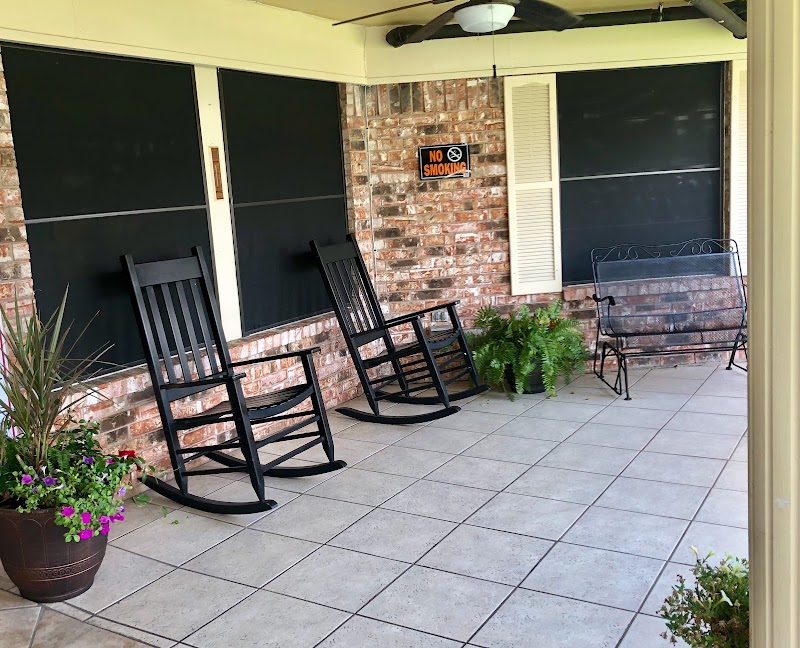
How is Rosenberg Health & Rehabilitation Center Staffed?
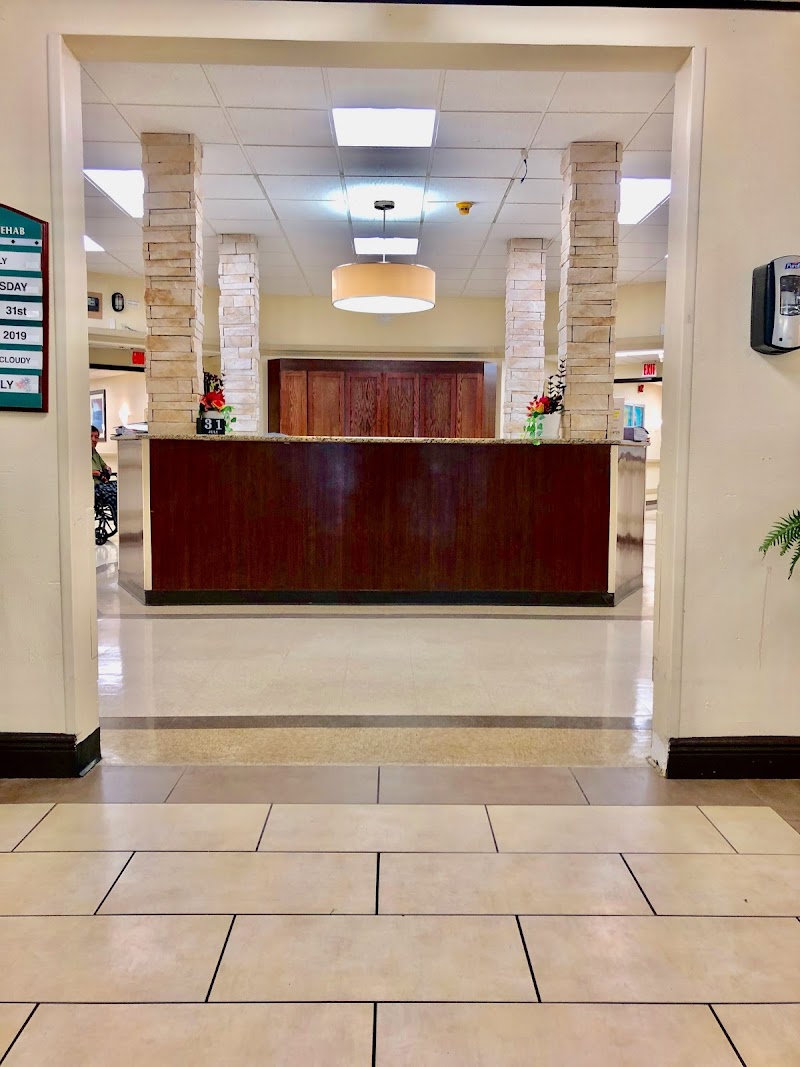
CMS rates Rosenberg Health & Rehabilitation Center's staffing level at 1 out of 5 stars, which is much below average compared to other nursing homes. Staff turnover is 64%, which is 18 percentage points above the Texas average of 46%. High turnover can affect care consistency as new staff learn residents' individual needs. RN turnover specifically is 74%, which is notably high. RNs provide skilled clinical oversight, so turnover in this role can affect medical care quality.

What Have Inspectors Found at Rosenberg Health & Rehabilitation Center?

State health inspectors documented 44 deficiencies at Rosenberg Health & Rehabilitation Center during 2022 to 2025. These included: 9 Immediate Jeopardy (the most serious level, indicating potential for serious harm or death) and 35 with potential for harm. Immediate Jeopardy findings are rare and represent the most serious regulatory concerns. They require immediate corrective action.

Who Owns and Operates Rosenberg Health & Rehabilitation Center?

Rosenberg Health & Rehabilitation Center is owned by a for-profit company. For-profit facilities operate as businesses with obligations to shareholders or private owners. The facility is operated by HAMILTON COUNTY HOSPITAL DISTRICT, a chain that manages multiple nursing homes. With 124 certified beds and approximately 103 residents (about 83% occupancy), it is a mid-sized facility located in Rosenberg, Texas.

How Does Rosenberg Health & Rehabilitation Center Compare to Other Texas Nursing Homes?

Compared to the 100 nursing homes in Texas, Rosenberg Health & Rehabilitation Center's overall rating (1 stars) is below the state average of 2.8, staff turnover (64%) is significantly higher than the state average of 46%, and health inspection rating (1 stars) is much below the national benchmark.

What Should Families Ask When Visiting Rosenberg Health & Rehabilitation Center?

Based on this facility's data, families visiting should ask: "What changes have been made since the serious inspection findings, and how are you preventing similar issues?" "How do you ensure continuity of care given staff turnover, and what is your staff retention strategy?" "Can you walk me through typical staffing levels on day, evening, and night shifts?" "Can I visit during a mealtime to observe dining assistance and food quality?" These questions are particularly relevant given the facility's Immediate Jeopardy citations, the facility's high staff turnover rate, and the below-average staffing rating.

Is Rosenberg Health & Rehabilitation Center Safe?

Based on CMS inspection data, Rosenberg Health & Rehabilitation Center has documented safety concerns. Inspectors have issued 9 Immediate Jeopardy citations (the most serious violation level indicating risk of serious injury or death). The facility is currently on the Special Focus Facility watch list (a federal program monitoring the lowest-performing 1% of nursing homes nationwide). The facility has a 1-star overall rating and ranks #100 of 100 nursing homes in Texas. Families considering this facility should ask detailed questions about what corrective actions have been taken since these incidents.

Do Nurses at Rosenberg Health & Rehabilitation Center Stick Around?

Staff turnover at Rosenberg Health & Rehabilitation Center is high. At 64%, the facility is 18 percentage points above the Texas average of 46%. Registered Nurse turnover is particularly concerning at 74%. RNs handle complex medical decisions and coordinate care — frequent RN changes can directly impact care quality. High turnover means new staff may not know residents' individual needs, medications, or preferences. It can also be disorienting for residents, especially those with dementia who rely on familiar faces. Families should ask: What is causing the turnover? What retention programs are in place? How do you ensure care continuity during staff transitions?

Was Rosenberg Health & Rehabilitation Center Ever Fined?

Rosenberg Health & Rehabilitation Center has been fined $126,277 across 4 penalty actions. This is 3.7x the Texas average of $34,342. Fines at this level are uncommon and typically indicate a pattern of serious deficiencies, repeated violations, or failure to correct problems promptly. CMS reserves penalties of this magnitude for facilities that pose significant, documented risk to resident health or safety. Families should request specific documentation of what issues led to these fines and what systemic changes have been implemented.

Is Rosenberg Health & Rehabilitation Center on Any Federal Watch List?

Rosenberg Health & Rehabilitation Center is currently an SFF Candidate, meaning CMS has identified it as potentially qualifying for the Special Focus Facility watch list. SFF Candidates have a history of serious deficiencies but haven't yet reached the threshold for full SFF designation. The facility is being monitored more closely — if problems continue, it may be added to the official watch list. Families should ask what the facility is doing to address the issues that led to this status.