THE LODGE OF SAGINAW HEALTH AND WELLNESS
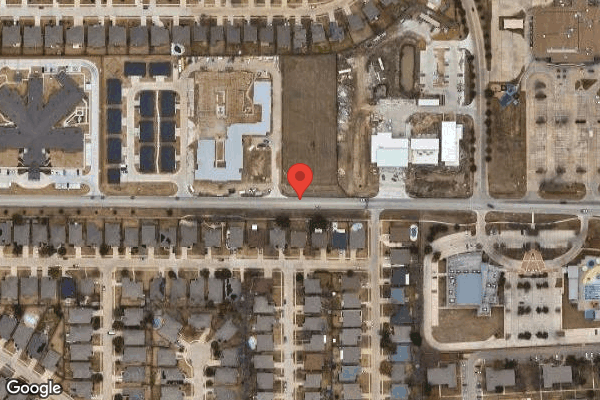
848 W MCLEROY BLVD, SAGINAW, TX 76179 (685) 900-1210
For profit - Corporation 130 Beds ML HEALTHCARE Data: November 2025 2 Immediate Jeopardy citations
Trust Grade
31/100
#590 of 1168 in TX
Last Inspection: September 2024

Within standard 12-15 month inspection cycle. Federal law requires annual inspections.

Overview

The Lodge of Saginaw Health and Wellness has received a Trust Grade of F, indicating significant concerns about care quality. Ranking #590 out of 1168 nursing homes in Texas places it in the bottom half of facilities statewide, while its county rank of #29 out of 69 suggests that only a few local options are worse. Although the facility is showing an improving trend, with issues decreasing from 10 in 2024 to just 1 in 2025, it still has serious staffing challenges, reflected by a low staffing rating of 1 out of 5 stars and a troubling 63% turnover rate. There are notable incidents including a critical failure to safely transfer a resident using a mechanical lift, resulting in a serious injury, and a lack of proper infection control measures that put residents at risk for communicable diseases. Despite these weaknesses, the facility does have excellent quality measures, scoring 5 out of 5 stars, and maintains average RN coverage, which can help catch potential health issues. However, families should weigh these strengths against the serious risks highlighted in the recent inspections.

Trust Score
F
31/100
In Texas
#590/1168
Top 50%
Safety Record
High Risk
Review needed
Inspections
Getting Better
10 → 1 violations
Staff Stability
⚠ Watch
63% turnover. Above average. Higher turnover means staff may not know residents' routines.
Penalties
⚠ Watch
$26,913 in fines. Higher than 99% of Texas facilities. Major compliance failures.
Skilled Nurses
⚠ Watch
Each resident gets only 25 minutes of Registered Nurse (RN) attention daily — below average for Texas. Fewer RN minutes means fewer trained eyes watching for problems.
Violations
⚠ Watch
18 deficiencies on record. Higher than average. Multiple issues found across inspections.
★★★☆☆
3.0
Overall Rating
★☆☆☆☆
1.0
Staff Levels
★★★★★
5.0
Care Quality
★★★☆☆
3.0
Inspection Score
Stable
2024: 10 issues
2025: 1 issues

The Good

  • 5-Star Quality Measures · Strong clinical quality outcomes
  • Full Sprinkler Coverage · Fire safety systems throughout facility
  • No fines on record

Facility shows strength in quality measures, fire safety.

The Bad

3-Star Overall Rating

Near Texas average (2.8)

Meets federal standards, typical of most facilities

Staff Turnover: 63%

17pts above Texas avg (46%)

Frequent staff changes - ask about care continuity

Federal Fines: $26,913

Below median ($33,413)

Moderate penalties - review what triggered them

Chain: ML HEALTHCARE

Part of a multi-facility chain

Ask about local staffing decisions and management

Staff turnover is elevated (63%)

15 points above Texas average of 48%

The Ugly 18 deficiencies on record

2 life-threatening
Jan 2025 1 deficiency 1 IJ (1 affecting multiple)
CRITICAL (K) 📢 Someone Reported This

A family member, employee, or ombudsman was alarmed enough to file a formal complaint

Immediate Jeopardy (IJ) - the most serious Medicare violation

Accident Prevention (Tag F0689)

Someone could have died · This affected multiple residents

**NOTE- TERMS IN BRACKETS HAVE BEEN EDITED TO PROTECT CONFIDENTIALITY** Based on observation, interview, and record review, the facility failed to ensure each resident received adequate supervision an...

Read full inspector narrative →
**NOTE- TERMS IN BRACKETS HAVE BEEN EDITED TO PROTECT CONFIDENTIALITY** Based on observation, interview, and record review, the facility failed to ensure each resident received adequate supervision and assistance devices to prevent accidents for two of six residents (Resident #1 and Resident #2) reviewed for accidents. 1. On 12/31/24, CNA F and CNA G failed to safely transfer Resident #1 during the use of the mechanical lift, which resulted in the resident sustaining a scalp hematoma and T12 compression fracture. 2. On 12/18/24 the Van Driver failed to properly restrain Resident #2's wheelchair in the facility transportation van to prevent the wheelchair from tipping over on its side on the way to dialysis. The noncompliance was identified as PNC. The IJ began on 12/18/24 and ended on 01/20/25. The facility had corrected the noncompliance before the investigation began. This failure could place residents at risk for severe injury or harm, decline in health, and decreased quality of life and death. Findings included: 1. Record review of Resident #1's MDS dated [DATE] reflected the resident was a [AGE] year-old female admitted to the facility on [DATE] and readmitted on [DATE]. Resident #1 had a BIMS of 00 which indicate her cognition was severely impaired and was not able to respond or complete the Brief Interview for Mental Status. The MDS further reflected Resident #1 was dependent on staff for all functional abilities which included eating, and all transfers. The resident's diagnoses included unsteadiness on feet, muscle wasting atrophy, lack of coordination, bilateral primary osteoarthritis of the knees (degenerative joint condition where the cartilage in both knees breaks down gradually). Record review of Resident #1's undated care plan reflected she had the following care areas: - activities of daily living self-care performance deficit related to dementia and impaired balance. The care plan reflected: Goal Resident #1 will remain at current level of function. Interventions included resident required mechanical lift with two staff assistance for transfers; - limited physical mobility related to sarcopenia. The care plan reflected: Goal: Resident will demonstrate the appropriate use of Mechanical lift with staff assistance x2 to increase transfers. Intervention: Resident #1 is dependent on two staff for transfers using Mechanical Lift due to inability to bear weight at this time due to generalized weakness. - an actual fall on 12/31/24. The care plan reflected: Goal: Resident will resume usual activities without further incidents. Interventions: Monitor/document/report as needed for 72 hours to physician signs and symptoms of pain, bruises, change in mental status, New Onset, confusion, sleepiness, inability to maintain posture, agitation. Neuro-checks per facility protocol. Provide care staff Inservice training related to Mechanical Lift/Mechanical lift sling utilization. Send to emergency room for evaluation post fall; and - an alteration in musculoskeletal status related to a fracture of the thoracic spine T12 due to a fall from a mechancial life. The care plan reflected: Goal: Resident will remain free from pain or level of discomfort acceptable to resident (specify using pain scale). Interventions included: anticipate and meet needs. Be sure call light within reach and respond promptly to all request for assistance. Give analgesics as ordered by physician. Monitor and document side effects for side effects and effectiveness. Monitor document for risk of falls. Educate resident/family/caregivers on safety measures that need to be taken to reduce the risk of falls. Record review of Resident #1's progress notes entered by LVN L on 12/31/24 at 6:40 PM reflected: Around 5:40 pm when this nurse doing documentation in nursing station shift CNA called to resident room noted resident on the floor with right side lateral position according to shift CNA during Mechanical lift sling are broke from right side of loop that time resident around 4 feet high she fall by right side of head this nurse did head to toe assessment noted resident have right side of upper back bruise with bump and forehead also bump noted resident vitals Blood pressure =109/57, pulse=88, oxygen=98% resident holding her head face scale [NAME] pain level was 5 usually resident are non verbal and confused status called Nurse Practitioner got new order sent emergency room called resident daughter she came facility before transfer to emergency room and notified DON called 911 they too her local hospital. Record review of Resident #1's progress notes entered by LVN L on 12/31/24 6:47 PM reflected: SBAR Summary for Providers. Situation: The Change in Condition reported on this CIC Evaluation are/were: other change in condition. With vitals at the time of evaluation were: Blood Pressure 107/57. Position lying left/arm. Pulse 70. Pulse Type Regular, Respiratory Rate 18 Record review of Resident #1's progress notes entered by LVN Z on 12/31/24 11:45 PM reflected: Resident returned to unit after emergency room visit due to fall. Resident did not have dinner or evening meds. Hospital paperwork indicates she has a Hematoma of the scalp and a compression fracture of T12 vertebra. Zofran and Morphine were give at 9:00 at the hospital. Resident fell asleep shortly after being put to bed Record review of Resident #1's hospital discharge reflected on 12/31/24 at 6:21 PM Resident #1 presented with: fall from Mechanical lift approx. 4ft onto tile flooring; +head strike, -thinner, -LOC, baseline GCS 14; strike to right posterior and side of head; patient is nonverbal due to late-stage dementia; patient grimacing on right hip with moving to stretcher. The hospital discharge record further reflected: History of Present Illness 6:21 PM Resident #1 is a [AGE] year old female, with history of dementia, COPD, hypertension, and hypercholesteremia, presenting to the emergency department via Emergency Medical Services with fall onset this afternoon. She was brought in from nursing home facility. She was in a mechanical lift in the air when the strap broke and she fell four feet onto tile flooring, landing on her right posterior hip and right side of her head head first. She did not lose consciousness. Her daughter provided a video of the incident. Patient is largely nonverbal, but uttered ow after the event. She is able to say words, but does not answer questions, GCS 14, This is her baseline per family, but she states the patient seems like she is in pain. Emergency Medical Services notes that she grimaced when her right hip was handled. She is not anticoagulated. No further complaints raised at this time. Record review of the radiology report for Resident #1 reflected: Suspected acute compression fracture of the T12 vertebral body with approximately 10% vertebral body height loss. No bony retropulsion. Record review of the facility's Provider Investigation Report dated 01/07/25 reflected: Head to toe skin assessment, pain assessment and pain monitoring. Assessment included bruising to the upper back and forehead hematoma. Both CNAs that were involved with the transfer were suspended pending an investigation. The resident was immediately sent to the hospital for further evaluation and treatment. The resident's family and physician were notified of the incident. On 12/31/24 CNA F, and CNA G went to [Resident #1's] room to transfer her from her bed to her wheelchair so she could sit up and assisted while eating dinner. Both aides helped position Resident in the sling and hooked the sling loops to the mechanical lift arm, one aide on each side of the bed. CNA F was on [Resident #1's] right side and secured the right side sling straps inside the hooks of the mechanical lift arm, while CNA G was on [Resident #1's] left side and secured the left-side sling straps inside the hooks of the mehancial lift arm. CNA G then proceeded to operate the mechanical lift, raising resident in the air off the bed from the left side of the A bed into the space between the A and B beds. While this occurred, CNA F had moved from the right side of the bed to move [Resident #1's] wheelchair around to the left side of the bed (this side the lift was being operated from) and she was standing behind the wheelchair waiting fo the lift to lower resident into the wheelchair. Before CNA G could lower the resident in the lift, the right side sling strap loop broke, causing [Resident #1] to fall backwards toward her right shoulder and then to the ground on her right side. CNA F being towards the foot of the bed and closest to the door, immediately left the room to get the nurse who was right outside the resident's room by the nurse substation. The nurse came into the room, assessed [Resident #1] and called 911 for her to be sent out. [Resident #1] was transferred out by Emergency Medical Services around 7pm and taken to the hospital. She was diagnosed with a scalp hematoma with no intercranial hemorrhage and a T12 compression fracture. She returned to the nursing home facility around 11:45 PM the same evening with no new orders. [Resident #1] is being monitored continually for and adverse effects of the fall. Upon further investigation CNA F stated there were multiple loops on each of the 4 straps and at least 1 broken loop on one of the straps. However, the other loop(s) were intact and looked okay. She stated during interview, she didn't want to try and find another sling because she was in a hurry to get Resident #1 up for dinner. Since the green loops were not ripped or torn, CNA F felt they would be safe to use and told CNA G during the setup for the transfer to use the green loops. Staff have been in-serviced/re-educated on sling safety, ensuring the slings are not ripped or torn, and how to properly secure the loops on the mehanical lift, and the process of taking slings out of service. Nursing staff have also completed observation checkoffs on proper mechanical lift transfers with a one-on-one return demonstration. All slings in the building were inspected and any that were frayed, torn , or deemed unsafe have been discarded. Supply of replacement slings were ordered, and additional slings were ordered as backups. CNA G has received one-on-one training with return demonstration as well, and has returned to work after suspension. The facility has terminated CNA F, because she noticed the slings did not meet safe standards. And decided to continue to use the sling at resulted in an injury to [Resident #1]. Interview on 01/23/25 at 9:44 AM with Resident #1 was attempted; however, due to the resident's severe cognitive deficits the resident did not respond. Observations on 01/23/25 between 9:50 AM and 10:44 AM of two additional transfers with ADON and Treatment Nurse observing CNA A, CNA B, CNA C and CNA D revealed each CNA inspecting the mechanical lift battery, sling connectors, ability to lift and lower, lock, legs to open and close. Each CNA held the mechanical lift sling in their hands looking down the seams and material for any worn, torn or thin spots in the material. Each CNA was observed checking and tugging the loops looking for cuts, open seams, or loose threads. CNAs were observed talking through their inspection of both the machine and the inspection of the mechanical lift slings. Observation revealed they worked together as a team to ensure throughout the transfer the resident felt secure and safe. Staff was heard stating what color loops they were using and double checked to ensure the hooks were secure with the loops. Communicated when to lift, lower, and when to reposition. Observation of the ADON and Treatment Nurse to step in with moving furniture if needed. Interview on 01/23/25 at 10:36 AM with ADON and Treatment Nurse revealed all nursing management were trained, then management trained nursing staff to include nurses and certified nursing assistants. The Treatment Nurse stated staff was inserviced and trained on mechanical lift maintenance, sling maintenance, safe transfers, and completed a check off list step by step on transferring residents. The ADON stated monitoring was still ongoing, spot checks were completed by management staff daily. The ADON and the Treatment Nurse stated during their observations of transfers there has not been any resident concerns when a mechanical Lift was used. Record review of CNA F statement dated 12/31/24 reflected: We were using the mechanical lift on [Resident #1]to get her up for dinner. I was on the side of the bed closest to the wall and CNA G was on the other side controlling the mechanical lift remote. We put the sling under her and fastened the loops on the green loop at her shoulders. Both of us used the green loop. The mechanical sling had a loop that were already ripped, I think it was the blue loop, and that is why we used the green loop. I knew the sling had a broken loop, but I did not go try to find another mechanical lift sling because I was in a hurry to get [Resident #1] to dinner. I stood by the side of the bed and assisted the lift into the air until CNA G moved the resident over to the middle of the beds. I came around to the middle of the room to push the wheelchair underneath the resident and the right shoulder loop snapped causing the sling to release from the clamp and the resident fell out of the sling onto the floor. She landed on the leg of the mechanical lift's closest to the window. I went and got the nurse at that time. The statement was signed by CNA F. Interview on 01/23/25 at 1:04 PM with CNA F revealed she worked with Resident #1 on 12/31/24 as her aide on 2:00-10:00 PM shift when she was told by LVN L to get Resident #1 up and in the dining room for lunch. CNA F stated LVN L refused to assist with the transfer, and she had to find someone to assist her with the mechanical lift transfer. CNA F stated it had taken her 15 minutes to locate help and they nurse was yelling to get Resident #1 to the dining room. CNA F stated Resident #1 had a sling in her room that had been used that morning, CNA F stated she informed LVN L that they sling was damaged but she acted as if she did not care, Obviously the prior shift used the mechanical lift sling for breakfast, and they knew the loops were broken and they still used it. CNA F stated she proceeded with preparing Resident #1 for the transfer with the mechanical sling that was damaged at the loops. CNA F stated I hooked Resident #1 to the mechanical lift on the right side and CNA G hooked the left side. CNA F stated, after connecting Resident #1 to the mechanical lift CNA G lifted her and was pulling her out, I got the wheelchair, about to roll it under Resident #1 and the sling broke, it took me by surprise there was no pop or anything. CNA F stated, CNA G had control of the mechanical lift and I was guiding Resident #1, when I stepped away to grab the wheelchair, she came down headfirst towards me,. CNA F stated the transfer was staged in the middle of both beds A and B, the wheelchair was parked at the end of Bed B. CNA F stated by the time I had my hand on the wheelchair rolling it in front of her the loops broke on the right side, at her right shoulder, Resident #1 came down head first hitting the floor CNA F stated she then alerted LVN L. CNA F stated she observed swelling to Resident #1's forehead from the impact of the fall. CNA F stated she completed interview with the DON, re-enacted the incident, trained on mechanical lift transfers and was suspended, was later terminated. CNA F stated we used the same sling as the morning shift; we knew going into it that there were broken loops and there were no other slings available and the nurse was yelling at us to get her up CNA F stated she was responsible for inspecting and using properly working equipment, and that she was expected to report any broken equipment or when they did not have adequate supplies. CNA F stated not doing so placed Resident #1 at risk for accident and injury to happen. Record review of CNA G statement dated 12/31/24 I was in the room with CNA F, and we were trying to get Resident #1 into the wheelchair for dinner. The sling was under her, and I was controlling the control to the mechanical lift. I attached the green loop on my side of the patient after asking CNA F which color of loop to use. I was in the middle of the two beds when I started to move the patient toward the center of the room with the mechanical lift controller. I opened the mechanical lift's legs out wide, as the mechanical lift came out from underneath the bed and pushed the patient in the mechanical lift toward CNA F and the wheelchair. The mechanical lift's loop snapped that was on her right shoulder and she fell out of the sling and onto the ground. CNA F went to get the nurse to help get the patient looked at. Signed CNA G Interview on 01/23/25 at 1:34 PM CNA G revealed she was working the front hall while CNA F worked the back, she stated CNA F asked her to assist with mechanical lift transfer for Resident #1. CNA G stated, when I entered the room the mechanical lift sling was already under her, and we just needed to hook her to the machine. CNA G stated because I was new, I was asking her questions about the process, I was asking her what color loops we were using. CNA G stated they used green for the upper body and purple for the lower body. CNA G stated she checked her side to ensure the mechanical lift sling was hooked properly to the mechanical lift. CNA G stated she pulled the mechanical to align with the bed, lifted Resident #1 and opened the mechanical lift's legs. CNA G stated CNA F went for the wheelchair and as soon as she was about to put the wheelchair in front of Resident #1 I heard a snap and a bump, I was shocked Resident #1 was on the floor, I could see a bump forming on her forehead resulting from her falling head first. CNA F went to get the nurse. The sling was good, it was in good condition, I did not see anything wrong with the sling or straps. I looked at the colors to ensure I was using the right ones. CNA G stated she was inserviced by the DON and she reenacted the incident to show how the mechanical lift was used. CNA G stated she was suspended and upon return continued training to include mechanical lift transfers, inspecting machine and the sling yourself prior to use. CNA G stated it was her responsibility to look at the straps to ensure they were in good condition, and if not do not use the sling and to report it to the nurse or the DON. CNA G stated not doing so placed residents at risk of injury. Interview on 01/23/25 at 2:30 PM with LVN L revealed she was the nurse on duty during Resident #1's incident on 12/31/24. LVN L stated Resident #1 was a two person assist with use of a mechanical lift for transfers, she stated she was not in the room during the fall, however, was notified by CNA F that Resident #1 had fallen from the mechanical lift. LVN L stated she walked into the room and found Resident #1 on the floor laying on top of the mechanical lift machine legs, LVN L stated she could see that Resident #1 had an injury to the forehead, contacted DON, completed assessment, and called emergency services. LVN L stated she had not yelled or rushed aides to complete a transfer for Resident #1, she was not informed there was issues with the mechanical lift machine or the sling. LVN L stated she expected staff to alert her if there was any issues or concerns with resident transfers, she would not expect staff to use slings that were not in good condition. LVN L stated she was inserviced on mechanical lift transfers, inspecting mechanical lift slings, and demonstrated competency, LVN L further stated there should be two persons at all times to ensure the safety of resident during transfers especially with mechanical lift use. LVN L stated it was the responsibility of the aides or anyone doing a transfer to inspect the mechanical lift machine, mechanical lift slings to ensure its not damaged and if so, the sling should be reported to DON to have it replaced. LVN L stated if aides thought there was a problem she should be notified immediately, not doing so placed residents at risk of a fall or injury. Interview on 01/23/25 at 1:40 PM Laundry Aide H revealed the mechanical lift slings were gathered with laundry off the halls in a barrel, sorted, washed and air dried in the dryer machine. Laundry Aide H stated after they air dry, she folded and delivered the slings to the linen closets on each hall. According to the Laundry Aide H it was the responsibility of the aides to check the sling prior to use, she stated before the incident she would just wash, and air dry in the machine, and delivered them to the floor. Laundry Aide did not address surveyor questions on having any responsibility to inspect, remove or report to management . Laundry Aide H stated she had been inserviced on mechanical lift sling inspection, the facility purchased new slings and created a numbering system to include all mechanical lift slings, the wash and dry system is the same however now the Laundry Aides were responsible for inspecting slings when they come through laundry. Laundry Aides were now responsible for inspecting and documenting the condition of each numbered sling, if one is damaged, frayed or not in good working condition the aide was to report it to the supervisor and the DON taking the damaged sling out of commission and replace it with a new sling. Record review of a form titled Transfer Safety dated 12/06/24 reflected: It is a requirement of your job to ensure we are always putting resident safety first. This is to include during transfers with a mechanical lift or gait belt. Ensure that all limbs (upper and lower) are in a safe place to prevent bruising, skin tears or general discomfort. If you are unsure of where placement should be, speak with the nurse or ADON's before proceeding with the transfer. If you have any further questions, please see the DON or ADON's. Signed by both CNA F and CNA G. Record review of facility policy dated 2024 titled Transfer Equipment/Devices - Includes Use of Slings Guidance reflected: Purpose: To promote safe resident transfers from one surface to another with proper functioning equipment/devices and attachments. Responsible Disciplines: Administrator, Director of Nursing, Maintenance Department staff, laundry staff, Therapy Department staff, Department head and Director Care (Licensed & Non-licensed) staff. Guidance: Slings should be entered into TELS [maintenance management application] system by Director of Maintenance, Administrator or designee when put into use. Slings should be tagged in some way/format with a number. Slings should then be entered into TELS or onto excel spreadsheet in the same process. When a sling is put into use: It should be tagged numerically and dated when it went into service, and this should be noted. Slings should be checked monthly by the maintenance staff. Slings should be checked for wear, tear, rips, broken straps, loose stitching, and the condition of where the sling is hooked to by the transfer lift. If any is worn, damage, it should be taken out of commission and new sling put into use. When a sling is noted with tears, rips, loose threads, broken straps it is to be taken out of commission and immediately reported/brought to Administrator, DON, Maintenance. 2. Record review of Resident #2's MDS dated [DATE] reflected the resident was a [AGE] year-old male admitted to the facility on [DATE] and readmitted on [DATE]. Resident #2 had a BIMS of 10 which indicate his cognition was moderately impaired. The MDS further reflected Resident #2 had functional limitation in range of motion on one side for both upper and lower extremities. Resident #2 had use of a wheelchair. Resident #2 required partial/moderate assistance with chair/bed-to-chair transfer. Diagnoses include dependence on Renal Dialysis (treatment used for kidney failure, helps remove extra fluid and waste from the blood when kidney is not able to function properly), and Type 1 Diabetes Mellitus. Record review of Resident #2's undated care plan reflected he had activities of daily living self-care performance deficit related to activity intolerance, Dementia, Impaired balance, Shortness of breath, weakness, Unsteadiness, Goal: Resident #2 will remain at current level of function. Interventions included resident uses wheelchair for mobility, able to use walker for short distances. Resident sometimes require two person assist due to fatigue or weakness. Resident requires one staff assist to move between surfaces. Resident #2 has Diabetes Mellitus, Type1 with the potential for abnormal blood sugar levels, poor wound healing and pain. Goal: The resident will have no complications related to diabetes. Interventions included Check all of body for breaks in skin and treat promptly as ordered by doctor. Diabetes medication/ insulin as ordered by doctor. Monitor/document for side effects and effectiveness. Dietary consult for nutritional regimen and ongoing monitoring. Record review of Resident #2's progress note dated 12/18/24 at 1:38 PM reflected: Fall Details : Date / Time of Fall: 12/18/2024 1:15 PM Fall was not witnessed. Fall occurred elsewhere. Other fall location: facility transportation van Activity at the time of fall: riding in the van The reason for the fall was not evident. Did an injury occur as a result of the fall:No. Did fall result in an ER visit/hospitalization: No. Provider Time notified: 12/18/2024 Notified of: Resident fall Fall Details Note:This nurse was notified of the resident's fall . The van driver states that the resident's wheelchair tipped over while he was driving , he and the resident states that the wheelchair was locked down and do not know how it fell over. Other furniture involved: No. Wheelchair was involved in fall. Wheelchair was not unlocked at time of fall. Were the wheelchair footrest(s) in the way: N/A. Resident was wearing oxygen as prescribed at time of fall. Resident was using incontinence supplies at the time of the fall. Record review of Resident #2's progress note dated 12/18/24 at 1:42 PM reflected: Situation: The Change In Condition/s reported on this CIC Evaluation are/were: Falls At the time of evaluation resident/patient vital signs, weight and blood sugar were: - Blood Pressure: BP 118/44 - 12/18/2024 13:38 Position: Lying r/arm - Pulse: P 70 - 12/18/2024 13:38 Pulse Type: Regular - RR: R 18.0 - 12/18/2024 13:38 - Temp: T 98.6 - 12/18/2024 13:38 Route: Forehead (non-contact) - Weight: W 281.0 lb - 12/17/2024 03:20 Scale: Mechanical Lift - Pulse Oximetry: O2 97.0 % - 12/18/2024 06:36 Method: Oxygen via Nasal Cannula - Blood Glucose: BS 119.0 - 12/18/2024 11:27 Outcomes of Physical Assessment : Positive findings reported on the resident/patient evaluation for this change in condition were: - Mental Status Evaluation: No changes observed - Functional Status Evaluation: Fall Nursing observations, evaluation, and recommendations are: monitor resident's neuro checks. Primary Care Provider Feedback : Primary Care Provider responded with the following feedback: A. Recommendations: monitor resident Emergency Medical Services were not interviewed during the investigation. Observation and interview on 01/23/25 at 9:20 AM with with the Maintenance Director revealed the van was big enough for two passengers and demonstrated his expectations of the van driver when transporting residents. The Maintenance Director went to the back of the van and opened the two back doors and locked them in place to secure the doors would remain open while operating the ramp. He then lowered the ramp to the ground and locked it in place, then he pulled a strap from the right side of the ramp to the left side of the ramp. He stated, This strap was to keep residents from rolling off the ramp while the ramp is lifted. The Maintenance Director then walked around the van to the passenger section of the van, stating once in the van, you will roll resident inside the passenger section and hook them to the tie downs on the floor board. The Maintenance Director then pick up a tie down and hooked it into the floor board and turning the spindle and pulling it to show it is locked into place. The Maintenance Director then explained that once the tie downs were secure in the floor the straps were hooked to the wheelchair. According to the Maintenance Director, 4 tie downs per wheelchair, he then pulled and demonstrated the seat belt will then hook to the tie down and pull across the resident keeping them secure during the transport. The Maintenance Director stated after the incident with Resident #2 the Van Driver was inserviced and retrained on safely and transporting residents on 01/02/25. The Maintenance Director stated the facility purchased eight new straps, he inspected the van, regional staff came to inspect the van and after review there were no findings as to what happened to cause Resident #2 to tilt during the turn. The Maintenance Director stated the van was checked monthly by himself, the driver and the shop if needed. This document was requested however not provided prior to exit. Interview on 01/23/25 at 9:34 AM with Resident #2 revealed he was headed to dialysis on 12/18/25 when he tilted out of the wheelchair and ended on the floor of the transportation van. Resident #2 stated he could not recall anything specific that would have caused him to tilt out of his wheelchair. Resident #2 stated after the fall he did not have any injuries or pain, he was checked by emergency medical providers on the side of the road, the facility and eventually went to the hospital for an evaluation. Resident #2 stated the Van Driver was a safe driver, and he had gone on the van since the incident and felt safe to do so. Observation on 01/23/25 at 10:00 AM of the Van Driver prepared to transport Resident #3 to an appointment revealed he followed the expectation of the Maintenance Director by ensuring Resident #3 was secure in the wheelchair, when rolled onto the ramp the straps were secure in keeping her from rolling off the ramp. The Van Driver then rolled Resident #3 to the front of the van, ensured she was in secure spot to administer four straps from the tie-down locks in the floorboard. The Van Driver then administered the seat belt across Resident #3 and then attempted to rock the wheelchair and pull-on straps to ensure safety for the resident. Interview on 01/23/25 at 1:48 PM with the Van Driver revealed he had been driving for at least an hour heading to his stop taking Resident #2 to his dialysis appointment. The Van Driver stated he heard a loud popping noise, and when he looked back he saw Resident #2 and his chair moving. The Van Driver stated he attempted to grab Resident #2 to prevent him from falling over but could not grab him and maintain the vehicle so he pulled over to the side of the road. The Van Driver stated he saw Resident #2 fall over on the floor of the van with his wheelchair on top of his feet. The Van Driver stated The seat belt had came off; however the straps were still locked and in place, connected to the wheelchair, they had him pinned under the wheelchair. The Van Driver stated I could only assume something went wrong with the straps. The Van Driver stated he asked if Resident #2 was ok and called 911. The Van Driver stated Resident #2 replied he was ok. Emergency Medical Services and the police came to the van while parked on the side of the road and evaluated Resident #2, at this time Resident #2 refused to transport to the hospital, therefore was transported back to the facility. The Van Driver stated I always checked the spindle, the strap and always shake the wheelchair to ensure it can not move. The Van Driver stated he was inserviced on checking the tie downs and straps prior to transporting residents. The Van Driver stated it was his responsibility to ensure residents are transported safely and that meant to make sure all equipment worked properly, not doing so placed[TRUNCATED]
Oct 2024 1 deficiency
CONCERN (D) 📢 Someone Reported This

A family member, employee, or ombudsman was alarmed enough to file a formal complaint

Potential for Harm - no one hurt, but risky conditions existed

Safe Environment (Tag F0584)

Could have caused harm · This affected 1 resident

**NOTE- TERMS IN BRACKETS HAVE BEEN EDITED TO PROTECT CONFIDENTIALITY** Based on observation, interview, and record review, the facility failed to ensure residents had the right to a safe, clean, comf...

Read full inspector narrative →
**NOTE- TERMS IN BRACKETS HAVE BEEN EDITED TO PROTECT CONFIDENTIALITY** Based on observation, interview, and record review, the facility failed to ensure residents had the right to a safe, clean, comfortable, and homelike environment, which included but were not limited to receiving treatment and supports for daily living for one (Resident #1) of six residents reviewed for environment. The facility failed to ensure Resident #1's personal photographs and décor were moved with her into the room she had to temporarily move into on 09/26/24, due to a Covid-19 (a severe acute respiratory syndrome) outbreak. This failure could place residents at risk for a diminished quality of life due to the lack of a homelike environment. Findings included: Review of Resident #1's Face Sheet, dated 10/06/24, reflected she was an [AGE] year-old female, who admitted to the facility on [DATE], with diagnoses including cerebral infarction (also known as an ischemic stroke; occurs as a result of disrupted blood flow to the brain due to problems with the blood vessels that supply it), hemiplegia and hemiparesis following cerebral infarction (conditions that cause weakness or paralysis on one side of the body), cognitive social or emotional deficit following nontraumatic subarachnoid hemorrhage (refers to a range of impairments in thinking, social interaction, and emotional regulation that can occur after a brain bleed in the space surrounding the brain), and anxiety disorder (a mental illness that causes excessive and uncontrollable feelings of fear and anxiety that can significantly impair a person's daily life). Review of Resident #1's MDS Assessment, dated 08/17/24, reflected she had a BIMS of 10 (indicating she was moderately cognitively impaired). Review of Resident #1's Nurse's Notes, dated 09/27/24, reflected, .Resident moved on 09/26/24 to [a different room] with another negative Covid [a severe acute respiratory syndrome] resident. Resident was in agreement with move until this am [morning]. Spoke with daughter [name] and she is speaking with resident and will reiterate that this is a temporary move. Resident did agree to stay on [the new room number] for the time being . Observation of Resident #1 on 10/05/24 at 12:05PM reflected she was sitting in her wheelchair, next to her bed. Resident #1 was noted to be surrounded by over a dozen personal photographs. During an interview with Resident #1 on 10/05/24 at 12:05PM, she stated she had recently moved into the room in which she was currently staying. She stated she moved to the room because she was Covid-19 negative; her previous roommate tested positive for Covid-19 and so did the resident who previously resided in the room in which she was currently staying. Due to the Covid-19 outbreak, their rooms were temporarily switched. Resident #1 stated none of her personal décor moved from her permanent room into this new room in which she was temporarily staying. She stated she knew no one in the personal photographs that surrounded her. Resident #1 stated she wanted her personal décor to be moved into the room that she was temporarily residing in, until the Covid-19 outbreak had passed. During an interview with the Administrator on 10/06/24 at 11:42AM, he stated Resident #1 temporarily moved into a different room due to the Covid-19 outbreak at the facility. He said he was under the impression that the majority of Resident #1's personal belongings, including personal photographs that were not secured to the walls, had moved with her from her permanent room into her temporary room. He said Resident #1 was expected to move back to her previous/permanent room on 10/07/24. The Administrator stated he was not sure of the risks that could be posed to a resident by not having their own personal belongings and/or décor, as he was not a psychologist. Review of the facility's Statement of Resident Rights policy, undated, reflected, .Residents do not give up any rights when entering a nursing community. The community must encourage and assist them to fully exercise their rights . and .The resident has a right: . 14. To keep and use personal property .
Sept 2024 7 deficiencies
CONCERN (D)

Potential for Harm - no one hurt, but risky conditions existed

Safe Environment (Tag F0584)

Could have caused harm · This affected 1 resident

**NOTE- TERMS IN BRACKETS HAVE BEEN EDITED TO PROTECT CONFIDENTIALITY** Based on observation, interview, and record review, the facility failed to ensure the resident had the right to a safe, clean, c...

Read full inspector narrative →
**NOTE- TERMS IN BRACKETS HAVE BEEN EDITED TO PROTECT CONFIDENTIALITY** Based on observation, interview, and record review, the facility failed to ensure the resident had the right to a safe, clean, comfortable, and homelike environment, which included but not limited to receiving treatment and supports for daily living safely for one (Resident #30) of six residents reviewed for resident rights. The facility failed to ensure Resident #30's wheelchair was free of debris. This failure could place residents at risk of not having a safe, clean, comfortable, and homelike environment. Findings included: Record review of Resident #30's admission Record dated 09/12/24 reflected the resident was a [AGE] year-old male admitted to the facility on [DATE] and readmitted on [DATE] with diagnoses which included Parkinson's disease without dyskinesia (neurodegenerative disease that affects both motor and nonmotor systems of the body), bilateral primary osteoarthritis of hip (inflammation and injury to a joint causing a breakdown of cartilage tissue), difficulty in walking, muscle weakness, lack of coordination, unsteadiness on feet, wedge compression fracture of vertebra (when one side of vertebra collapse), and wedge compression fracture of lumbar vertebra (collapse of a vertebra, due to weakening of the vertebra). Record review of Resident #30's quarterly MDS assessment, dated 08/31/24, reflected a BIMS score of 5 indicating severe cognitive impairment. His Functional Status evaluation indicated he required assistance with wheelchair, dependent on staff for toileting, substantial assistance with dressing and personal hygiene. Record review of Resident #30's undated care plan, reflected he had an ADL self-care deficit, with goal to include current level of function, interventions including Resident to have bilateral lateral support placed in wheelchair daily. Resident has the potential for skin impairment related to decreased mobility, incontinence. Goal: Resident will have no skin breakdown related to incontinence. Interventions include to reposition resident on CNA rounds. Observation on 09/10/24 at 3:20 PM revealed Resident #30 sitting in his wheelchair. The wheelchair was observed to be dirty with visible debris and dirt on his wheelchair. Observation on 09/11/24 at 12:20 PM revealed Resident #30 sitting in his wheelchair, the wheelchair was observed to be dirty with visible debris and dirt on his wheelchair. Interview and observation on 09/12/24 at 11:19 AM with LVN A revealed if the aides were to notice anything wrong with resident's wheelchair, they were to alert the nurse, and depending on what was reported, the nurse will alert the housekeeping supervisor. Observation of Resident #30's wheelchair revealed it was dirty with chucks of debris on both sides of the resident's seat. LVN A reported aides were supposed to wipe down resident wheelchairs if they were dirty. LVN A stated aides were responsible for keeping wheelchairs as clean as possible. LVN A stated Resident #30 was placed at risk of infection when his wheelchair was not wiped down or kept clean. Interview and observation on 09/12/24 at 12:17 PM with CNA C revealed she was currently working with Resident #30, CNA C stated she assisted Resident #30 with transfers in and out of his wheelchair. Observation of Resident #30's wheelchair revealed it was dirty with chunks of debris on both sides of the resident's seat. CNA C stated she would normally look at wheelchairs and clean if needed. CNA C stated it was been busy, she did not notice Resident#30's wheelchair was not clean. CNA A stated she did not know of any risk to residents if their wheelchair was dirty, not cleaned, or wiped down. According to CNA C, Resident #30 did not have any pressure ulcers or open wounds. Interview on 09/12/24 at 3:00 PM with the ADON revealed the overnight nursing team should have been checking resident wheelchairs every night to ensure they were clean. The ADON stated her expectations were that nursing staff did a quick wipe down to ensure wheelchairs were clean and operating appropriately. The ADON stated nurses and nurse aides were responsible to assist residents with clean wheelchair and environments, and not doing so, placed residents at risk of dignity issues and not having a properly functioning wheelchair which could cause hazards to the resident. Interview on 09/12/24 at 3:24 PM with the DON revealed her expectations were for nursing staff to ensure resident wheelchairs were wiped down and clean. The DON stated there was no specific time to clean them; it should be done throughout the day. The DON stated, if needed, nursing staff could report to the maintenance department to hose them down so they could be cleaned. The DON stated not keeping wheelchairs cleaned could place residents at risk of hygiene issues and could infect or re-infect residents with illness and adverse reactions. Record review of the facility's policy Hazardous Areas, Devices and Equipment, revised July 2017, reflected: All hazardous areas, devices and equipment in the community will be identified and addressed appropriately to ensure resident safety and mitigate accident hazards to the extent possible. A hazard is defined as anything in the environment that has the potential to cause injury or illness. Examples of environmental hazards include, but are not limited to the following: a. Equipment and devices that are left unattended or are malfunctioning. b. Devices and equipment that are improperly used or poorly maintained.
CONCERN (D)

Potential for Harm - no one hurt, but risky conditions existed

Pressure Ulcer Prevention (Tag F0686)

Could have caused harm · This affected 1 resident

**NOTE- TERMS IN BRACKETS HAVE BEEN EDITED TO PROTECT CONFIDENTIALITY** Based on observation, interview, and record review, the facility failed to ensure a resident with pressure ulcers received neces...

Read full inspector narrative →
**NOTE- TERMS IN BRACKETS HAVE BEEN EDITED TO PROTECT CONFIDENTIALITY** Based on observation, interview, and record review, the facility failed to ensure a resident with pressure ulcers received necessary treatment and services, consistent with professional standards of practice, to promote healing, prevent infection and prevent new ulcers from developing based on the comprehensive assessment for 1 of 4 residents (Resident #22) reviewed for pressure ulcers. The facility failed to ensure the DTI on Resident #22's right and left buttocks across the sacrum was covered with a dressing. This failure could place residents at risk of pain and lead to systemic infections causing harm for residents. Findings included: Review of Resident #22's face sheet dated 09/12/24 reflected the resident was a [AGE] year-old female who was initially admitted to the facility on [DATE] and readmitted on [DATE]. Resident #22 had diagnoses which included diabetes (high blood sugar) and other specified non-inflammatory disorders of vulva and perineum. Review of Resident #22's quarterly MDS assessment dated [DATE], reflected Resident #22 had a BIMS score of 06, reflecting the resident's cognition was severely impaired. She was at risk of developing pressure ulcers. The IDT was from a blister. Review of Resident #22's care plan revised date 03/11/24 reflected: Focus: The resident has actual impairment to skin integrity of the right buttocks (blister) 8/19/24 DTI of the sacrum. Goal: The resident will maintain or develop clean and intact skin by the review date. Interventions: Monitor/document location, size, and treatment of skin injury. Report abnormalities, failure to heal sign and symptoms of infection, maceration etc. to MD. Weekly treatment documentation to include measurement of each area of skin breakdown's width, length, depth, type of tissue and exudate and any other notable changes or observations. Review of Resident #22's physician orders dated 08/19/24 reflected: Clean wound on left and right buttock/sacrum with normal saline or wound cleanser. Dry. Apply a hydrocolloid bandage and change [Monday-Wednesday-Friday] and as needed one time a day every Mon, Wed, Fri. Observation with LVN G on 09/12/24 at 10:16 AM of the DTI on Resident #22's right and left buttocks wound did not have a dressing on it. LVN G stated she was not aware Resident #22 did not have a dressing on. Observed Resident #22's brief to be wet. No signs of infection noted. Observation and interview on 09/12/24 at 10:30 AM revealed Resident #22 was lying in bed. Resident #22 stated she was doing well. Resident #22 stated she developed some blisters on her buttocks, and they turned into wounds. Resident #22 stated she was not aware the dressing was off. Interview on 09/12/24 at 10:39 AM with CNA D revealed she was the CNA assigned to Resident #22. She stated between 6:00 AM - 6:30 AM, she provided incontinenc care to Resident #22, and she noticed the resident did not have a dressing on her wound. She stated she knew she was supposed to notify the nurse or the treatment nurse, but she did not, it slipped her mind, and she forgot to notify the nurse. She stated Resident #22 did not complain of pain. CNA D stated she should have notified the nurse. She stated the risk of not having a dressing on would be infection. Interview on 09/12/24 at 2:43 PM with LVN G revealed Resident #22 had a physician's order to cleanse and cover the wound three days in a week Monday Wednesday and Friday. She stated she was not made aware that Resident #22's dressing had come off. She stated when she completed wound care yesterday (09/11/24) on Resident #22, she had applied a dressing over it. She stated her expectations were for the nurses to monitor the dressing every shift and if the dressing came off, they had PRN treatment orders to follow. She stated the potential risk if the dressing comes off would be a decline in the wound status and infections. She stated she had not done training to staffs because she was newly hired. Interview on 09/12/24 at 3:44 PM with the DON revealed her expectations were for her staff to follow orders and as needed orders. If the dressing came off when completing perineal care, the aides were to notify the nurse, and the nurses were to apply a new dressing. The DON stated she had not completed in-services on wound care. She stated the risk of not having a dressing could lead to an infection and wound margins increasing. Review of facility policy Personal Care revised February 2018, reflected the following: 6. If a splint or dressing or patch (medication) comes off, gets wet or soiled report this to the nurse.
CONCERN (D)

Potential for Harm - no one hurt, but risky conditions existed

Accident Prevention (Tag F0689)

Could have caused harm · This affected 1 resident

**NOTE- TERMS IN BRACKETS HAVE BEEN EDITED TO PROTECT CONFIDENTIALITY** Based on observations, interviews, and record review, the facility failed to ensure the resident environment remained as free of...

Read full inspector narrative →
**NOTE- TERMS IN BRACKETS HAVE BEEN EDITED TO PROTECT CONFIDENTIALITY** Based on observations, interviews, and record review, the facility failed to ensure the resident environment remained as free of accident hazards as was possible to prevent accidents for 1 of 1 resident (Resident#87) reviewed for hazards. The facility failed to ensure LVN H discarded sharps in the sharp containers. This failure placed residents at risk of being exposed to contaminated sharps and possible bloodborne pathogens. Findings included: Record review of Resident #87's face sheet, dated 09/12/24, revealed the resident was a [AGE] year-old male who was admitted to the facility on [DATE] and readmitted on [DATE]. Resident #87's diagnoses included major depressive disorders (common mental disorder that causes a persistent depressed mood and loss of interest in activities for long periods of time) and gastrostomy status (a surgical opening into the stomach for nutritional support). Review of Resident #87's quarterly MDS assessment, dated 06/01/24, revealed the resident had intact cognition with a BIMS score of 13. Observation on 09/11/24 at 7:51 AM with LVN H checking the blood sugar for Resident #87 revealed she sanitized her hands, put on gloves, and explained the procedure to Residnet#87. She cleansed the finger for Residnet#87 with alcohol wipes and pricked the finger to get the blood sample. She was observed discarding the sharps (a lancet) in the trash can. She removed gloves and washed hands. She prepared Insulin Lispro 4 units after cleansing the tip of the pen with alcohol pad and connected the needle. She sanitized, put on gloves, and went to the bed side. She administered insulin on the right deltoid (the muscle forming the rounded contour of the human shoulder). She removed the needle and trashed it in the trash can. She removed gloves washed hands and put on new gloves and disinfected the glucometer and left to dry. Interview on 09/11/24 at 9:05 AM with LVN H revealed she wrapped sharps with gloves and trashed in the trash can. She stated she was aware she was supposed to discard in the sharp container either in Resident #87's room or outside in the nurse's medication cart sharp container. LVN H stated she knew better because she was once an infection control preventionist for the facility. She stated the risk was other staff being stuck and could lead to spread of infection. Interview on 09/12/24 at 11:52 AM with ADON B revealed her expectation was that staff discarded all sharps in the sharp's container. She stated the risk would be other staff being stuck and contamination. She stated management staff were responsible of ensuring the nurses were following safe sharp disposal protocol. She stated she had not done training on sharps disposal. Interview on 09/12/24 at 03:37 PM with the DON revealed her expectation was for the staff to discard all sharps in the sharp containers. The DON stated the management were responsible for monitoring other staff to ensure the sharps were being discarded in sharp containers. She stated the risk was a person could get injured by being stuck by the needles. Review of the facility's policy revised January 2012 titled Sharps Disposal reflected: '' 1.Whoever uses contaminated sharps will discard them immediately or as soon as feasible into designated containers. 2.Contaminated sharps will be discarded into containers that are: a. closable. b. Puncture resistant. c. Leakproof on sides and bottom. d. Labeled or color-coded in accordance with our established labeling system; and e. Impermeable and capable of maintaining impermeability through final waste disposal.
CONCERN (D)

Potential for Harm - no one hurt, but risky conditions existed

Incontinence Care (Tag F0690)

Could have caused harm · This affected 1 resident

Based on observation, interview, and record review, the facility failed to ensure residents who were incontinent of bladder received appropriate treatment and services to prevent urinary tract infecti...

Read full inspector narrative →
Based on observation, interview, and record review, the facility failed to ensure residents who were incontinent of bladder received appropriate treatment and services to prevent urinary tract infections and to restore continence to the extent possible for one (Resident #75) of four residents reviewed for quality of care. The facility failed to ensure Resident #75's catheter bag was not on the floor. This deficient practice could place residents at risk for UTIs and other infections. Findings included: Record review of Resident #75's face sheet, dated 09/12/24, reflected an admission date of 05/02/23, and re-admission date of 06/20/24. Resident #75 had diagnosis which included encounter for fitting and adjustment of urinary device (catheter), symptoms and signs concerning food and fluid intake, chronic kidney disease stage 3 (mild to moderate kidney damage), hypertensive heart (complications of high blood pressure) and chronic kidney disease (gradual loss of kidney function) with heart failure. Record review of Resident #75's quarterly MDS assessment, dated 06/24/24, reflected a BIMS score of 6 indicating severe cognitive impairment. Her Functional Status evaluation indicated she was dependent on staff for toileting, substantial assistance with dressing and personal hygiene. Resident #75 presented with an indwelling catheter. Record review of Resident #75's care plan revealed Resident #75 had an ADL self-care performance deficit related to Impaired balance, Limited Mobility, Musculoskeletal impairment with a goal to maintain current level of function. Interventions included requiring 1 staff assist for toileting. Resident has a Foley Catheter due to Pressure Ulcer stage 4 to the sacral area with goal to be/remain free from catheter-related trauma, interventions included CATHETER: resident has 16 French Foley catheter, Position catheter bag and tubing below the level of the bladder and away from entrance room door, Check tubing for kinks each shift. Monitor and document intake and output as per facility policy. Monitor for signs and symptoms of discomfort on urination and frequency. Monitor/document for pain/discomfort due to catheter. Monitor/record/report to MD for signs and symptoms of UTI: pain, burning, blood-tinged urine, cloudiness, no output, deepening of urine color, increased pulse, increased temp, Urinary frequency, foul smelling urine, fever, chills, altered mental status, change in behavior, change in eating patterns. Observation on 09/10/24 at 1:57 PM revealed Resident #75's catheter bag was leaning on the floor while hanging from the lowest part of the bed. The catheter bag was not securely connected to the bedframe allowing it to lay partially on a mattress and the floor. Interview on 09/12/24 at 10:32 AM with CNA D revealed she usually did rounds on residents every two hours and with Resident #75 she was responsible to empty her catheter bag at the end of the shift. CNA D stated if she saw any concerns with Resident #75's catheter, should report to the nurse on duty, and the nurse would then change the bag if needed. CNA D stated she had worked with Resident #75 during the week, that she usually worked the hall and knew to have Resident #75's bag hanging from a low position of the bed, not touching the floor. CNA D stated she had not observed any concerns with the catheter bag touching the floor. CNA D stated if Resident #75's bag was to touch the floor it would place Resident #75 at risk of infection. Observation and interview on 09/12/24 at 10:47 AM revealed Resident #75's catheter bag was on the floor. Observation and interview on 09/12/24 at 10:58 AM with LVN B revealed Resident #75's catheter bag was on the floor. LVN B stated CNAs were responsible for ensuring catheter bags were not on or touching the floor. LVN B stated the aide may not have checked the bag after incontinent care or while repositioning Resident #75. LVN B stated she expected the aides to ensure, after incontinent care, that they were ensuring the catheter bag was hanging at a low position without touching the floor. LVN B reposition the catheter bag off the floor, and stated having the bag on the floor placed Resident #75 at risk for infection. Interview on 09/12/24 at 2:53 PM with the ADON revealed she was ultimately responsible for ensuring the nursing staff working with Resident #75 were checking her catheter bag for a privacy cover, not touching the floor, dragging on the floor, not too high, or ensuring the line was draining properly at least two times per shift. The ADON stated not doing so, could place Resident #75 at risk of the catheter pulling out which could hurt, knotting up which could send the fluid back up towards the resident, infection, and ultimately dignity issues. Interview on 09/12/24 at 3:24 PM with the DON revealed all nursing staff were responsible to ensure catheter bags were secured off the floor. The DON stated not doing so could create adverse effects and infection for Resident #75. The DON stated in-services had been completed, however was not able to recall the time or date of last in-service. Record review of the facility policy, dated September 2014, labeled Catheter Care, Urinary, revealed the purpose of this procedure is to prevent catheter-associated urinary tract infections. Review the resident's care plan to assess for any special needs of the resident. Assemble the equipment and supplies as needed. Use standard precautions when handling or manipulating the catheter, tubing, or drainage bag. Be sure the catheter tubing and drainage bag are kept off the floor.
CONCERN (D)

Potential for Harm - no one hurt, but risky conditions existed

Pharmacy Services (Tag F0755)

Could have caused harm · This affected 1 resident

**NOTE- TERMS IN BRACKETS HAVE BEEN EDITED TO PROTECT CONFIDENTIALITY** Based on observation, interview, and record review, the facility failed to provide pharmaceutical services (including procedures...

Read full inspector narrative →
**NOTE- TERMS IN BRACKETS HAVE BEEN EDITED TO PROTECT CONFIDENTIALITY** Based on observation, interview, and record review, the facility failed to provide pharmaceutical services (including procedures that assure the accurate administering of all drugs and biologicals) to meet the needs for 1 of 3 residents (Resident #87) reviewed for pharmacy services. 1. The facility failed to ensure LVN H administered Resident #87's Depakote Sprinkles Oral Capsule Delayed Release Sprinkle 125 mg 1 capsule via gastrostomy tube, in the morning related to mood on 09/11/24 at 7:51 AM. 2. The facility failed to ensure LVN H checked the residual (the volume of fluid remaining in the stomach at a point in time during enteral nutrition feeding) before administering medication through gastrostomy on Resident #87. These failures could place residents at risk of medical complications. Findings included: Record review of Resident #87's face sheet, dated 09/12/24, revealed the resident was a [AGE] year-old male who was admitted to the facility on [DATE] and readmitted on [DATE]. Resident #87's diagnoses included major depressive disorders and gastrostomy status. Review of Resident #87's quarterly MDS assessment, dated 06/01/24, revealed the resident had intact cognition with a BIMS score of 13. Resident#87 had a feeding tube. Review of Resident #87's care, date 08/02/24, reflected: Focus: The resident required tube feeding rule out Dysphagia (difficulty in swallowing), esophageal varices. Goal: The resident will be free of aspiration through the review date. Interventions: Check for tube placement and gastric contents/residual volume per facility protocol and record. Hold feed if greater than (250) ml aspirate. Focus: The resident has a mood problem rule out disease process. Goal: The resident will have improved mood state (Reduction of episodes of yelling out) through the review date. Intervention: Administer medications as ordered. Monitor/document for side effects and effectiveness. Record review of Resident #87's September 2024 physician's orders revealed active orders for: depakote sprinkles oral capsule delayed release sprinkle 125 mg (divalproex sodium) give 1 capsule via peg-tube in the morning for mood with a start dated of 09/05/24. Record review of Resident #87's September 2024 physician's orders revealed active orders for: check gastric residual volume every 4 hours and hold feedings if residual was greater than 250 ml return gastric residual volume to stomach and recheck in 4 hours. if enteral feedings are held for gastric residual volume for 3 consecutive checks, notify the physician for additional orders every shift for gastrostomy tube care with a start date of 08/01/24. Observation of the medication pass on 09/11/24 at 7:51 AM, revealed LVN H failed to check for residual before she administered 2 tablets of Depakote sprinkles oral capsule delayed release sprinkle 125 mg to Resident #87 through his g-tube. Interview on 09/11/24 9:03 AM with LVN H revealed she was supposed to check for the residual before medication administration, but she forgot. She stated the purpose for checking the residual was to monitor if residual was more than 100 ml. LVN H was supposed hold medication administration. She stated having residual more than 100 ml meant Resident #87's food was not being dissolved. She stated failure to check for the residual could lead to resident not receiving the therapeutic dose and could cause aspiration. Interview on 09/11/24 9:07 AM with LVN H revealed she was supposed to check the orders and compare with the medication on hand, before she administered the medication to the resident. She stated Resident #87 was receiving 2 capsules of Depakote 125 mg and the order was changed on 09/05/24. She stated she had been administering as per the blister pack. She stated she did not check the physician orders before administering, and she had no excuse. She stated failure to follow the physician orders could lead to overdose and sedation. She revealed she had received training on medication administration which included administering the correct medication dose and confirming the doctors' orders before medication administration. Interview on 09/12/24 3:37 PM with the DON revealed her expectation was medication should always be administered at the correct dosage. She stated nurses were to follow the seven rights of medication administration. The right person, right medication, right dose, right time, right route, right reason, and right documentation. She also stated the nurse was supposed to verify the dosage since that was the last step for medication administration. She revealed the orders were verified by nursing management once the physician gave new orders for all residents. She revealed the physician orders and what was on hand did not match Resident #87's order. She stated if the facility was not following the physician orders, the resident could have different adverse effects like overdose, underdose and inaccurate treatment. The DON also stated her expectation was that nurses check residual before they administer medication and feeding through gastrostomy tubes. She stated failure to check for residual could lead to Resident#87's medication not being absorbed because residuals meant there was no absorption. The medication would not be received accurately leading to medication not being effective. Review of the facility's current Medication Administration Policy, revised April 2019, reflected the following: 2. The director of nursing services supervises and directs all personnel who administer medications and/or have related functions. .4. Medications are administered in accordance with prescriber orders, including any required time frame. .10. The individual administering the medication checks the label THREE (3) times to verify the right resident, right medication, right dosage, right time, and right method (route) of administration before giving the medication. Review of the facility's current Administering Medications through an Enteral Tube Policy, revised November 2018), reflected the following: .6. Verify placement of feeding tube: a. If you suspect improper tube positioning, do not administer feeding or medication. Notify the Charge Nurse or Physician.
CONCERN (E)

Potential for Harm - no one hurt, but risky conditions existed

Deficiency F0761 (Tag F0761)

Could have caused harm · This affected multiple residents

Based on observation, interview, and record review, the facility failed to provide pharmaceutical services, including procedures that assure the accurate acquiring, receiving, dispensing, and administ...

Read full inspector narrative →
Based on observation, interview, and record review, the facility failed to provide pharmaceutical services, including procedures that assure the accurate acquiring, receiving, dispensing, and administering of all drugs and biologicals, to meet the needs of each resident for 2 (1 nurses medication cart for 400 hall and medication aide cart for 400 and 200 halls) of 3 carts and 1 refrigerator in the medication room reviewed for pharmacy services. The facility failed to ensure expired intravenous medications, 3 bottles ampicillin-sulbactam 3 gm/100 ml with expiration dates of 09/03/24, 8 bottles ampicillin-sulbactam 3gm/100mls with expiration dates of 09/07/24, 3 bottles Piperacillin /tazobactam with expiration dates of 09/06/24 and 4 bottles meropenem 1 gm/100mls with expiration dates of 08/18/24, in the Medication Room refrigerator and 11 vials of hydroxyzine with expiration dates of July 2024 in the nurse and 7 sachets of pantoprazole sodium delayed release on the medication aide medication carts with expiration dates of July 2024 were removed and destroyed. The failure placed residents at risk of receiving medications that were ineffective. Findings included: Observation on 09/11/24 2:25 PM of the 200 hall Medication aide cart with MA K revealed 7 sachets of pantoprazole sodium delayed release with an expiration date of 07/24 (July 2024). Interview on 09/11/24 at 2:30 PM with MA K revealed it was her responsibility to check the cart for expired medications. She stated she checked the cart once a month for expired medications and she could not recall when she last checked her cart. She stated by failing to remove the expired medication, they could be administered and cause reactions, and the resident would not get the required therapy. She stated she had done training on checking carts for expired medications. Observation on 09/11/24 at 2:39 PM of the 400 Hall nurse medication cart with LVN A revealed 11 vials of hydroxyzine with expiry date of 07/24 (July 2024). Interview on 09/11/24 at 2:50 PM with LVN A revealed it was all nurses' responsibility to check and remove expired medications from the cart. She stated she checked her cart every shift, but she had not checked when she reported in the morning. She stated she was aware the medications were discontinued a long time and they were supposed to have been removed from the cart and put on the pharmacy destruction box. She stated by failing to remove the expired medication, they could be administered and cause medication error and adverse effect on residents She stated she had done in-services on medication administration and removing of expired medications. Observation on 09/11/24 at 3:00 PM of the Medication Room refrigerator with LVN B revealed the following: 8 bottles ampicillin-sulbactam 3 gm/100 ml expiry date 09/07/24 3 bottles ampicillin-sulbactam 3 gm/100 ml expiry date 09/03/24 4 bottles meropenem 1 gm/100 ml expiry 08/18/24 3 bottles Piperacillin/tazobactam with expiry date 09/06/24 Interview on 09/11/24 at 3:20 PM with LVN B revealed all nurses were responsible to check the refrigerator but the ADON's were responsible for the refrigerator and medication checks. Interview on 09/11/24 at 3:25 PM with ADON P revealed it was her responsibility and the other ADON J to check the refrigerator, and also nurses were responsible. She stated ADONs are supposed to go behind the nurses to check whether they were removing the expired medications from the refrigerators and carts. She stated she had checked refrigerator two weeks ago. She stated by failing to check for the expired medications, they could be administered and would not be effective. For review ADON B stated she had offered training to staff regarding removing expired medications, but she could not recall when and no training documents were produced for review. Interview on 09/12/24 at 12:09 PM with ADON J revealed it was her responsibility and the other ADON P to check the refrigerator. She stated she had checked refrigerator, on 09/11/24 and all expired intravenous medication were missed. She stated she did not check on the bottles, she only checked on packages that were showing the medications were current. She stated failure to check the carts and the refrigerator for expired dates if administered they will not be effective.The ADON J stated also nurses were responsible of checking for expired medications when they open the refrigerator. She stated ADONs were supposed to go behind the nurses to check whether they were removing the expired medications from the refrigerators and carts. She stated by failing to check for the expired medications, they could be administered and would not be effective. She stated the facility had offered training to staff but she could not recall when. Interview on 09/12/24 at 3:41 PM with the DON revealed the ADONs were responsible to check for expired medication in the refrigerators every two weeks. She stated her ADONs overlooked, and they failed to see the expired medications in the carts and the refrigerator. The DON stated she was responsible for supervision, and she had directed her ADONs to check the carts and refrigerator when the surveyors entered the facility, but it seemed the chain of command failed because her expectation was her ADONs would be the ones to supervise the nurses and medication aides to ensure all expired medications were removed from the carts and the refrigerator. She stated the pharmacist also checked the carts on 08/22/24, and she also missed the expired medications in the cart and the refrigerator. She stated if staff were not checking the refrigerator and medication carts for expired medications and medications were administered to residents, they would not be effective. Review of the facility's Administering Medications policy, revised April 2019, reflected the following: . 12. The expiration/beyond use date on the medication label is checked prior to administering. When opening a multi-dose container, the date opened is recorded on the container.
CONCERN (E)

Potential for Harm - no one hurt, but risky conditions existed

Food Safety (Tag F0812)

Could have caused harm · This affected multiple residents

Based on observation, interview, and record review, the facility failed to ensure food, subject to spoilage and removed from its original container, was kept sealed, labeled, and dated in the facility...

Read full inspector narrative →
Based on observation, interview, and record review, the facility failed to ensure food, subject to spoilage and removed from its original container, was kept sealed, labeled, and dated in the facility's only kitchen. 1. The facility failed to ensure food items stored in the refrigerator were properly labeled with the contents after being removed from the original packages and dated to reflect when the food items were opened. 2. The facility failed to ensure food items stored in the refrigerator were properly discarded based on expiration date. 3. The facility failed to store ground meat and pot roast were wrapped in plastic wrap away from the original packaging with liquids flowing onto the tray with other items and had turned to a dark/grey color. These failures could place all residents at risk for food contamination and food borne illness. Findings included: Observation of the refrigerator on 09/10/24 beginning at 9:34 AM revealed the following: - observation of bucket of green beans with no label or date; - a tray holding a box of chicken, ground meat, pot roast, and a large brisket that was towards the tray, the tray had dark red liquid that resembled blood that had drained from the brown colored ground meat and pot roast; and - observation of the ground meat and pot roast revealed items had turned to a dark/grey color and they were wrapped in plastic wrap away from its original packaging, not labeled, dated, or sealed properly while being stored. Observation and interview on 09/10/24 at 9:35 AM with the Dietary Manager revealed the tray was stored at the bottom of the fridge for thawing meat to be used in the future. The Dietary Manager stated the brisket was to be used later in the week. The Dietary Manager stated the liquid at the bottom of the tray was from the ground meat and pot roast. However, he did not know how long it had been on the tray because there was no label or date. The Dietary Manager stated the box on the tray had chicken in it. According to the Dietary Manager, his expectations were that the cooks would label and date anything that was taken out of its original packaging. The Dietary Manager stated he and the cooks did a walk through daily to look for items to remove after 7 days of being opened and placed in the refrigerator, and to ensure the refrigerator was wiped down and cleaned. The Dietary Manager stated not properly labeling, dating, or sealing food items could place the food at risk leading to bacterial growth and cross contamination. Observation on 09/11/24 at 1:34 PM of the kitchen's steamtable, revealed the far-left compartment had a few inches of water in it as well as food particles which included a green bean, diced carrots, and elbow macaroni noodles. The steamtable compartments to the right already had containers of covered food in them to be served during lunch. Interview on 09/11/24 at 1:35 PM with the [NAME] revealed the steam table was cleaned twice per week. The [NAME] stated she was responsible for adding water to the table to keep food warm during serving times. The [NAME] stated she was responsible for cleaning out the steam table, however she was not sure how long the food particles had been in the steam table. The [NAME] stated not cleaning out the steam table of food particles placed residents at risk of food contamination and illness. Observation and interview on 09/11/24 at 1:37 PM with the Dietary Manager revealed the steam table was cleaned twice a week by the cooking staff. The Dietary Manager stated the cook was to drain the water after each cleaning and serving, and ensure there was no water or food left that may have fell. Observation of the steam table in the kitchen during lunch with The Dietary Manager revealed the steam table with food particles (several carrots, macaroni, green beans) in the water. The Dietary Manager stated the team was working on getting the steam table cleaned to prevent particles in the food and cross contamination. Interview on 09/12/24 at 4:40 PM with the Administrator revealed the Dietary Manager was responsible for overseeing the kitchen area and ensuring food was properly labeled, dated, sealed, stored and served in a way to prevent food contamination and food borne illness. Administrator stated he expected all staff in the kitchen to follow guidelines which would not place residents at risk of illnesses. Review of the facility's policy dated 06/01/19, titled Food Storage, reflected: To ensure that all food served by the facility is of good quality and safe for consumption, all food will be stored according to the state, federal and US Food Codes and HACCP guidelines. Date, label and tightly seal all refrigerated foods using clean, nonabsorbent, covered containers that are approved for food storage. Use all leftovers within 72 hours. Discard items that are over 72 hours old. Store raw meats and eggs on the bottom shelf to prevent contamination of other foods. Review of the facility's policy dated 10/01/18 titled Sanitizing Equipment In-Place, reflected: The facility will follow the cleaning and sanitizing requirements of the state and US Food Codes for cleaning equipment in place in order to ensure that all equipment is thoroughly cleaned and sanitized to minimize the risk of food hazards. Unplug electrically powered equipment . Remove any fallen food particles and scraps. Wash, rinse and sanitize removable parts using the manual immersion method described in Policy 04.005. Wash the remaining food-contact surfaces, and rinse with clean water. Wipe down with a chemical sanitizing solution mixed according to the manufacturer's directions. Protect all food-contact surfaces of fixed equipment from contamination. Protect all food-contact surfaces of fixed equipment from contamination.
May 2024 2 deficiencies
CONCERN (D) 📢 Someone Reported This

A family member, employee, or ombudsman was alarmed enough to file a formal complaint

Potential for Harm - no one hurt, but risky conditions existed

Deficiency F0620 (Tag F0620)

Could have caused harm · This affected 1 resident

**NOTE- TERMS IN BRACKETS HAVE BEEN EDITED TO PROTECT CONFIDENTIALITY** Based on interview and record review the facility failed to implement an admissions policy that did not request or require resid...

Read full inspector narrative →
**NOTE- TERMS IN BRACKETS HAVE BEEN EDITED TO PROTECT CONFIDENTIALITY** Based on interview and record review the facility failed to implement an admissions policy that did not request or require residents to waive potential facility liability for loss of personal property for 1 of 1 policy reviewed. The facility failed to not request or require residents or potential residents to waive potential facility liability for losses of personal property. This failure could place residents at risk of misappropriation of their personal property. Findings included: Review of Resident #1's MDS dated [DATE] revealed the resident was an [AGE] year-old female admitted to the facility on [DATE]. Her diagnoses included hydronephrosis (excess fluid in a kidney due to backup of urine), diabetes, dementia, depression, and anxiety. The resident had a BIMS of 15, cognition intact. Review of Resident #1's Grievance/Concern Report dated [DATE] completed by the Social Worker reflected the following: .Concern/Details Resident reports that she is missing $800.00 and all her credit cards from her wallet. She states she's unsure if she lost it in the hospital or here at the facility. She last remembers seeing it the day before arriving. Action Taken: [Administrator] interviewed resident. SS spoke with spouse who confirmed she had the cash here at the facility and he already cancelled the credit cards and most of them were expired. Reported to [police], state, and notified family Observation and interview on [DATE] at 11:34 AM revealed Resident #1 lying in bed. The resident was asked about her missing money, and she stated she had either $1,100 or $1,200 in her wallet, and it went missing along with her credit cards. The resident stated she was unsure of when it was taken, but it had occurred when she first arrived at the facility. The credit cards were cancelled, and she was questioned by the police. Resident #1 said her husband thought there was about $600 in her wallet, but he was not aware there was more money in there. The resident also stated she did not hear anything further on the matter from the facility. Interview on [DATE] at 3:51 PM with the Social Worker revealed Resident #1 reported she had money and credit cards missing within the first week she arrived at the facility. The resident initially told the Social Worker she was not sure if she had lost the money at the hospital before she was admitted to the facility. The resident told the Social Worker no one had entered her room, and she and staff looked in the room and through the resident's belongings, but they were not able to find the money. The Social Worker said she called the resident's family who stated the resident did have the money when she arrived at the facility. The incident was reported to the Administrator. Interview on [DATE] at 12:33 PM with the Administrator revealed he was made aware Resident #1 had reported she had $800 missing out of her wallet. At first, the resident told the Social Worker she was unsure if the money had been lost at the hospital or when she arrived at the facility. The police were called, and they came to the facility and spoke with the resident. The Administrator stated the police told him they did not believe it was a legitimate case because the resident's story kept changing as to the amount that was missing. Review of Resident #3's MDS dated [DATE] revealed the resident was a [AGE] year-old female admitted to the facility on [DATE]. Her diagnoses included dementia, metabolic encephalopathy (problem in the brain caused by a chemical imbalance in the blood), fibromyalgia, and history of pulmonary embolism (blood clot in the lungs). The resident's BIMS was 14, cognition intact. Review of Resident #3's Grievance/Concern Report dated [DATE] completed by the Social Worker revealed the following: .Concern/Details Resident reports $20 is missing from her room. Resident states her son brought it to her for the day they went on the lunch outing. 'The day before yesterday' she had it in her pillowcase and it had fallen out on the floor. Resident states she put it in her money pouch in her drawer Action Taken: SS searched resident room with permission. Money was not recovered. Response: Spoke to [Resident #3] and again offered the resident trust fund and lock box. Both were refused again by [Resident #3]. Resident did not have any idea what happened to the money and moved the location of the money. There was no indication the money was stolen, just missing. Interview on [DATE] at 12:19 PM with Resident #3 revealed she had $20 go missing from a little bag she kept in her nightstand. Resident #2 said residents did not wander in her room, and there was no staff she could blame at the time. The resident also stated she had been offered a trust fund which she declined but said she had not been offered a lock box. Interview on [DATE] at 3:51 PM with the Social Worker revealed Resident #3 reported to her that she was missing $20 from her money bag that she kept in her dresser. The Social Worker searched her room, and the money was never found. The resident also told the Social Worker, she kept it in her pillowcase at times. The Social Worker further stated Resident #3 was offered a lock box and trust fund to keep her money but had decline both options. Interview on [DATE] at 12:33 PM with the Administrator revealed he had been aware of Resident #3's missing money, and the resident had been offered a trust fund account and a lock box, which the resident declined. The Administrator said during resident admission, they were encouraged and educated not to have anything of value. If residents had something go missing, they offered the residents a trust fund account or a lock box. The Administrator stated they told families if they knew the staff stole or took something, they would replace the missing item. He also said he was not aware they were not allowed to have the statement that the facility assumed no responsibility for the loss of personal items. Review of a form titled Inventory of Personal Belongings that is part of the resident's admission packet that is signed by the resident/responsible party reflected the following: .Community strongly urges Resident/Responsible Party/Representative that due to a variety of factors, including access to Resident's room by other Residents and visitors as well as the particular physical or emotional state of Resident, it may not be appropriate for Resident to retain possession of items of particular economic or sentimental value. Community assumes no liability for the security of personal items retained by Resident or kept in Resident's room
CONCERN (D) 📢 Someone Reported This

A family member, employee, or ombudsman was alarmed enough to file a formal complaint

Potential for Harm - no one hurt, but risky conditions existed

Infection Control (Tag F0880)

Could have caused harm · This affected 1 resident

**NOTE- TERMS IN BRACKETS HAVE BEEN EDITED TO PROTECT CONFIDENTIALITY** Based observation, interview, and record review, the facility failed to maintain an Infection Prevention and Control Program des...

Read full inspector narrative →
**NOTE- TERMS IN BRACKETS HAVE BEEN EDITED TO PROTECT CONFIDENTIALITY** Based observation, interview, and record review, the facility failed to maintain an Infection Prevention and Control Program designed to provide a safe, sanitary, and comfortable environment and to help prevent the development and transmission of communicable diseases and infections for one (Resident #4) of 1 resident reviewed for infection control during wound care. LVN C failed to change gloves and perform hand hygiene while providing wound care to Resident #4. These failures could place residents at risk of infection, slow wound healing, and or a decline in health. Findings included: Review of Resident #4's entry MDS assessment dated [DATE] revealed Resident #4 was an [AGE] year-old male admitted to the facility on [DATE] with diagnosis which included non-Hodgkin's lymphoma (a type of cancer that begins in the lymphatic system). Resident #4 had a BIMS score of 13 which indicated Resident #4's cognition was intact. The MDS also revealed Resident #4 required surgical wound care. Review of Resident #4's wound care orders, dated 05/30/24, reflected as of 11/14/23: Clean left clavicle surgical wound with NS or wound cleanser. Dry, cover wound with silver alginate and cover with bordered gauze and change daily and as needed for wound care AND one time a day for wound care. Observation on 05/31/24 at 09:43 AM revealed LVN C performing wound care on Resident #4. She washed hands and explained the procedure to Resident #4. She put all the supplies together and went to the bed side. LVN C put on gloves without performing hand hygiene and removed the old dressing. The wound was observed to be draining. She discarded the old dressing and removed her gloves. Without performing hand hygiene, she put on a new pair of gloves, cleansed the wound with gauze soaked with wound cleanser, pat dried the wound, and touched the wound while wearing the same gloves. LVN C then took silver alginate, applied it on the wound, and covered the wound with a dry dressing without performing hand hygiene or changing her gloves. Interview on 05/31/24 at 9:50 AM with LVN C revealed she did not perform hand hygiene before putting on gloves, after removing the old dressing, and after cleansing the wound. LVN C stated she was not directed to perform hand hygiene between the procedure but before and after the procedure. LVN C stated she knew it was best standard of practice to wash hands after removing her gloves, but she forgot. She stated she was supposed to perform hand hygiene after she removed the old dressing and before and after she cleaned the wound with normal saline. LVN C stated changing gloves and performing hand hygiene during wound care would prevent contamination of the wound which could cause infection. Interview on 05/31/2024 at 11:48 AM with the DON revealed her expectation was for the nurses to perform hand hygiene after removal of an old dressing and with contamination. The DON stated the nurse was supposed to wash her hands after removing the old dressing and her gloves, and then again after cleansing the wound the nurse was supposed to change her gloves and perform hand hygiene. The DON stated the risk of not changing gloves and performing hand hygiene during the wound care was that it would lead to cross contamination of the wound and then infection. She stated she had done training on wound care and also LVN C was assessed on skills and no documentation was presented. The DON stated the person that did the skills assessment with LVN C was not in the facility. Review of the facility's Wound Care policy, revised October 2010, reflected: .4. Put on exam gloves. Loosen tape and remove dressing. 5. Pull glove over dressing and discard into appropriated receptacles. Wash and dry hands thoroughly. Put on gloves. .8. Pour liquid solutions directly on gauze sponges on their papers. 9. Wear exam gloves for holding gauze to catch irrigation solutions that are poured directly over wound the wound. 10. Wear sterile gloves when physically touching the wound or holding a moist surface over the wound. .13. Dress wound. Pick up sponge with paper and apply directly to area. [NAME] tape with initials, time and date and apply to dressing
Sept 2023 1 deficiency
CONCERN (E) 📢 Someone Reported This

A family member, employee, or ombudsman was alarmed enough to file a formal complaint

Potential for Harm - no one hurt, but risky conditions existed

Deficiency F0694 (Tag F0694)

Could have caused harm · This affected multiple residents

**NOTE- TERMS IN BRACKETS HAVE BEEN EDITED TO PROTECT CONFIDENTIALITY** Based on observation, interview, and record review, the facility failed to ensure parenteral fluids were administered with profe...

Read full inspector narrative →
**NOTE- TERMS IN BRACKETS HAVE BEEN EDITED TO PROTECT CONFIDENTIALITY** Based on observation, interview, and record review, the facility failed to ensure parenteral fluids were administered with professional standards of practice and in accordance with physician orders, the comprehensive person-centered care plan, and the residents goals and preferences for one (Resident #1) of three residents reviewed for intravenous medication administration. The facility failed to ensure Resident #1 received the proper care for her peripherally inserted central catheter (PICC) line when: 1. Multiple facility staff failed to discontinue the PICC line when ordered by her physician from 8/22/2023 through 8/26/23, and 2. Multiple facility staff failed to ensure the dressing to her PICC line was changed weekly as ordered and stated in the facility policy. These failures placed the residents with parenteral/IV fluids and lines at risk for infection. Findings included: Record review of Resident #1's face sheet revealed she was a [AGE] year-old female admitted to the facility on [DATE] with diagnoses including infection and inflammatory reaction due to other internal prosthetic devices, implants and grafts; sepsis, unspecified organism [systemic infection in the bloodstream], unspecified staphylococcus; other Escherichia coli [types of bacteria]; presence of artificial hip joint; Type 2 diabetes; essential hypertension [high blood pressure]; and dependence on renal dialysis. Record review of Resident #1's MDS assessment dated [DATE] revealed she had a BIMS score of 14 indicating she was cognitively intact. Her functional status indicated she needed extensive assistance with bed mobility, dressing, and toileting. Record review of Resident #1's most recent Care Plan revealed: Focus: The resident is on IV ABT [antibiotic] therapy for wound infection. Goal: The resident will not have any complications related to IV Therapy . Interventions: .IV dressing: Observe dressing. Change dressing and record observations of site . Record review of Resident #1's Order Recap Report dated 8/01/2023-8/31/2023 revealed the following orders: PICC Line dressing and cap change weekly using sterile technique per protocol every 7 days on Tues [Tuesday] evening. Order date was 8/15/23 and discontinue date 8/21/23, reason: remove PICC line on 8/22/23 per infectious disease. Please remove PICC line to right arm per [Physician B] (ID) on 8/22/23 one time only for PICC line for 1 day. Order date 8/21/23. Record review of Resident #1's Nursing MAR [Medication Administration Record] dated August 2023 revealed the following entries: Please remove the PICC line to right arm per [Physician B] (ID) on 8/22/2023 one time only for PICC Line for 1 day. The administration entry box for 8/22/23 was blank. The entry box for 8/23/23 included a checkmark which indicated administered per the Chart Code legend. The entry was initialed as completed by LVN A. PICC line dressing and cap change weekly using sterile technique per protocol every 7 days on Tues [Tuesday] evening. Start date 08/15/2023 1900 [7:00 PM]. D/C [discontinue] Date 8/20/2023 1632 [4:32 PM]. The entry was last signed as completed on 8/15/2023. Record review of Resident #1's Progress Notes revealed the following Nurse's Note entries: 8/21/2023 at 5:53 PM: .PICC line to be removed on 8/22/2023 per infectious disease doctor, family aware of changes as well as the facility np. 8/26/2023 at 10:58 PM: Resident sent to [hospital name], she remained hypotensive [having low blood pressure] since last dialysis on 8/25/23 evening. NP and DON notified Record review of Resident #1's hospital record revealed an entry dated 8/27/23 4:33 AM that reflected: Pt admitted from ED [emergency department] with hypotension .Her PICC to there [sic] RUE [right upper extremity] is in place per her xray. Her PICC dressing is dated 8/15/23. I've asked the bedside RN to change this dressing carefully . Record review of the facility census revealed Resident #1 was not currently residing in the facility. Interview with the Administrator on 9/13/23 at 8:30 AM revealed the Director of Nurses (DON) was away and only available by phone, and the Assistant Director of Nurses was out of town and unavailable. Observation rounds conducted on 9/13/23 between 8:45 AM and 9:45 AM revealed there were two residents currently in the facility who had PICC lines inserted. Both residents' PICC line insertion sites were observed to be clean with no redness or swelling noted. Both had dressings applied and dated within the past 7 days. Telephone interview with the DON on 8/13/23 at 10:53 AM revealed she was able to access Resident #1's clinical record from home and reviewed the record. She stated she saw the order for the PICC line to be removed on the MAR and was confused as to why it was signed as completed by LVN A . She stated PICC lines could only be removed by a RN. She was unable to explain why the PICC line had not been removed or why the dressings had not been changed if the PICC line was still present. The DON stated she and the ADON monitored PICC lines daily. She stated she reviewed the 24-hour reports and gave directives to nurses daily during their morning clinical meetings regarding dressing changes. She stated the charge nurses were responsible for running order reports daily. The DON stated the reports were compared with the 24-hour reports and discussed with the nurses. She stated she was previously unaware the PICC line was to have been removed and that staff had failed to change the dressing. Interview with LVN A on 9/13/23 at 12:15 PM revealed she received the order to discontinue Resident #1's PICC line from her Infectious Disease physician on 8/22/23. She stated she entered it into the system and passed the information on in report to the evening shift because there were 2 RNs working that night. She stated, when she saw the next day the PICC had not been removed, she re-entered the order and timed it so that it would pop up in the computer on the RN's shift. She stated she also passed the information on to the DON; she told her the PICC had not been removed and asked her to have an RN remove the line. She stated she did not change the dressing that day because she thought the line was going to be pulled. She did not work again until after Resident #1 was sent out to the hospital. When asked why the order on the MAR indicated she had removed the PICC line, she stated she did not know why it showed up like that. It should have shown a code to enter other information, she intended only to acknowledge the order and not sign the order as complete. LVN A stated dressing changes for PICC lines were to be completed every week. When a resident was admitted or got a line placed, the dressing change was entered to reflect the due date every 7 days based on the date of the last dressing change. She stated dressing changes were important to prevent infections. Any documentation related to 24- hour reports were requested from LVN A. Follow-up interview with LVN A on 9/13/23 at 2:14 PM revealed she was unable to locate any 24-hour report documentation. Interview with LVN C on 9/13/23 at 2:02 PM revealed she had worked at the facility for 2 weeks and was currently caring for a resident with a PICC line. She stated PICC lines should have been monitored for patency and signs of infection. She stated dressing changes should have been done per facility's policy and orders should have been entered on the Medication-Treatment Administration record. Interview with LVN D on 9/13/23 at 2:25 PM revealed she was not currently caring for a resident with a PICC but knew the lines should have been monitored for patency or infection. Ste stated dressings should have been changed once a week and as needed. She stated only RNs were allowed to remove PICC lines. Interview with the Administrator on 9/13/23 at 2:45 PM revealed physician orders should have been followed as written and he expected nursing management to provide oversight. He stated failure to follow physician order could lead to harm. Record review of the facility's policy and procedure regarding PICC lines, identified as current by the Administrator revealed the following: .5. IV Line Maintenance .5.3.1 Dressing Change Transparent Semi-permeable Membrane (TSM) Dressings .PICC or CVAD [central venous access device] dressings will be changed every week .Although there are minimum frequencies to change dressings, they will be changed as needed and in instances where there is redness, irritation, moisture, loose sections, non-occlusive areas and drainage
Aug 2023 3 deficiencies
CONCERN (D)

Potential for Harm - no one hurt, but risky conditions existed

Deficiency F0761 (Tag F0761)

Could have caused harm · This affected 1 resident

**NOTE- TERMS IN BRACKETS HAVE BEEN EDITED TO PROTECT CONFIDENTIALITY** Based on observation, interview, and record review, the facility failed to store all drugs and biologicals in locked compartment...

Read full inspector narrative →
**NOTE- TERMS IN BRACKETS HAVE BEEN EDITED TO PROTECT CONFIDENTIALITY** Based on observation, interview, and record review, the facility failed to store all drugs and biologicals in locked compartments and assure only authorized personnel to have access to the keys for 2 (Resident #36 and Resident #137) of 5 residents reviewed for pharmacy services, in that: The facility failed to ensure Resident #36 prescribed eye drops and Resident #137's eye drops, magnesium tablets, Thera cream, and vitamins were stored in a secured place. This failure could place all residents on the 300 and 400 Halls at risk of drug diversion or misuse of medications. Findings included: 1. Record review of Resident #36's face sheet, dated 08/17/23, revealed the resident was admitted to the facility on [DATE] with diagnoses that included: Cerebral infarction (lack of adequate blood supply to brain due to issues with arteries that supply it), multiple fractures of ribs, sacral, vertebra and sacrococcygeal area and other age-related cataract (cloudiness in the lens of the eye). Record review of Resident #36's admission MDS assessment, dated 08/8/23, revealed Resident #36 was cognitively intact with a BIMS score of 13 and required limited assistance by one person with most ADLs. Review of Resident #36's baseline care plan, dated 08/08/23, revealed the resident had ADL self-care performance deficit related to limited mobility, limited range of motion musculoskeletal impairment and tremors. Interventions included assistance and supervision by staff with ADLs. The care plan did not address self-administration of medications. 2. Record review of Resident #137's face sheet, dated 08/17/23, revealed the resident was admitted to the facility on [DATE] with diagnosis that included: atrial fibrillation (an irregular, often rapid heart rate that commonly causes poor blood flow), age-related osteoporosis without current pathological fracture (is a disorder characterized by reduced bone mass resulting in increased fracture incidences), and dry eye syndrome of bilateral lacrimal glands (dry eye that occurs when tears cannot provide adequate moisture). Record review of Resident #137's admission MDS assessment, dated 08/09/23, revealed Resident #137 was alert. Review of the baseline care plan dated 08/09/23 revealed Resident #137 should not self-administer medications. Review of Resident #137's base line care plan, revised 08/16/23, revealed the resident had an ADL self-care performance deficit related to impaired balance and musculoskeletal impairment. The care plan reflected Resident #137 was non-compliant with having eyedrops at her bedside. The care plan interventions included: assistance by staff with ADLs and brace to lower left extremity per medical doctor orders; affirm resident's orders are verified and on the medication administration record; continue to assess resident's room for items brought in by family and remove for the safety of the resident and other residents in facility; and educate family and resident on the importance of removing over the counter, medications and eye drops from the bedside. Observation and interview on 08/15/23 at 12:10 PM with Resident #36 revealed she was sitting on the side of her bed with personal items and a bottle of Systane eyedrops (used for dry eyes), 1 bottle on magnesium 400 mg (used for muscles and bones), 1 bottle of super foods with enzymes and probiotics vitamins, Thera cream (used for muscles) on the bed side table, and not in a secure place. Resident #36 stated she had been having those medications since admission, and she took magnesium 1 tablet at night with the super food vitamins. She stated she applied the eye drops by herself, and she was supposed to apply them four times, but she usually forgot. Resident #36 stated those medications were hers and nobody was around to touch or take them from her room. Observation and interview on 08/15/23 at 1:20 PM with Resident #137 revealed she was sitting in her wheelchair with personal items and a bottle of Debrox Solution 6.5% (Carbamide Peroxide)(used for left ear wax), Systane Ultra PF Ophthalmic Solution 0.4-0.3% (Polyethylene Glycol-Propylene Glycol (Ophth) (used for dry eyes, Similasan dry eye Relief Ophthalmic Solution (used for dry eyes), Refresh Tears Ophthalmic Solution (Carboxymethylcellulose Sodium (Ophth) (used for dry eyes) on her bed side table and not in a secure place. Resident #137 stated she brought these medications from home and had the since she admitted to the facility. Observation on 08/15/23 at 1:31 PM with the DON at Resident#36's room revealed 1 bottle magnesium,1 bottle super food with enzymes and probiotics vitamins, tube of Thera cream, and Systane eye drops. Resident #36 stated to the DON those were her medications, and she should not touch them. Resident#36 stated she has been using the medications since admission. Observation and interview on 08/15/23 at 1:50 PM with the DON at Resident#36's room there was 3 bottles of eye drops and 1 bottle of ear drops. The DON stated she suspected the family brought the medications to the resident. She stated no resident could self-administer medication in the facility. Interview on 08/15/23 at 3:46 PM with LVN D revealed she did not have residents on her hall that self-administered their own medications. LVN D stated she was not aware that Resident #36 had possession of medications in her room. She stated it was the responsibility of all nurses to ensure medications brought from home were collected, the doctor had to be notified for an order, or the family was given the medications to take back home. LVN D stated the risk of Resident #36 keeping the medications was she did not have an orde, and she was at risk of administering the wrong dose, which could cause overdose, reaction with other medications and the wrong resident getting medications. LVN D stated she had done training on medication storage. Interview on 08/15/23 at 3:46 PM with LVN E revealed she was not aware Resident #137 had possession of ear drops and eyes drops. She stated it was the responsibility of all nurses to reconcile resident medications and ensure home medications were collected, the doctor notified for an order, or the family was given the medications to take back home. LVN E stated the risk of Resident #137 keeping the medications was the wrong resident could obtain the medication, overdose, reaction with other medications, and they were not able to tell whether Resident#137 is applying the right dose. LVN E stated she is new in the facility, and she had not done training on medication storage . Interview on 08/17/23 at 3:38 PM with the DON revealed she expected the nurses to communicate with residents and families that the medications would only be administered from the nurses' cart. The DON revealed she did not have residents that had been assessed and were able to self-administer medications. The DON stated she was unaware that Resident #36 and Resident #137 were in possession of medications. The DON stated the risk of a resident having possession of medication and self-administering without being assessed could be inappropriate consumption, contraindication with other medications, and the wrong resident getting ahold of the medication. Review of the facility's Medication storage policy, revised September 2021, revealed in part the following: .All medications and biologicals are stored in locked compartments and access limited to authorized person only .
CONCERN (E)

Potential for Harm - no one hurt, but risky conditions existed

Deficiency F0809 (Tag F0809)

Could have caused harm · This affected multiple residents

Based on observation, interview and record review, the facility failed to provide at least three meals daily at regular times comparable to normal mealtimes in the community or in accordance with resi...

Read full inspector narrative →
Based on observation, interview and record review, the facility failed to provide at least three meals daily at regular times comparable to normal mealtimes in the community or in accordance with resident needs and plan of care; and ensure that there were no more than 14 hours between a substantial evening meal and breakfast the following day, except when a nourishing snack was served at bedtime, for 2 of 2 meals (breakfast) observed. The facility failed to serve the 08/16/23 and 08/17/23 breakfast meals on time according to the schedule. This failure could place all residents who consume food by mouth at risk for decreased meal satisfaction, decreased intake, loss of appetite, avoidable weight loss, side effects from medications given without food, and diminished quality of life. Findings included: Record review of the facility's Mealtimes revealed the following: Breakfast- 7:30 AM, Lunch- 12:00 PM, Dinner- 5:30 PM. Observation on 08/15/23 at 5:24 PM revealed Halls 100, 200, 300, and 400 dinner trays were being pushed to the halls and approximately 30 residents in the dining room waiting to be served. Observation on 08/16/23 at 8:18 AM revealed breakfast trays had been served on all halls; however, there were approximately 30 residents in the dining room waiting to be served. Observation on 08/16/23 at 8:34 AM revealed all breakfast trays had been served in the main dining room. The trays were 1 hour and 4 minutes late. Observation on 08/16/23 at 5:15 PM revealed residents were gathering in the dining room for dinners and carts were being prepared for the halls. No residents had been served. Observation on 08/17/23 at 8:22 AM revealed Halls 100, 200, and 300 breakfast trays had been passed to all residents in the rooms and Hall 400 was still being served. There were approximately 30 residents in the dining room waiting to be served. Observation on 08/17/23 at 8:32 AM revealed breakfast trays had been served on all halls. The trays were 1 hour and 2 minutes late. Observation on 08/17/23 at 8:38 AM revealed all breakfast trays had been served in the main dining room. The trays were 1 hour and 8 minutes late. During a confidential group interview on 08/16/23 at 10:30 AM, 12 of 12 confidential residents stated breakfast was not normally served until 9:00 AM, and there were residents in the facility who were diabetic and some who needed to take certain morning medications with food. They stated they were glad that surveyors were in the building because breakfast was being served earlier, at 8:30 AM. Interview on 08/17/23 at 3:39 PM with the DON revealed her expectation was for meals to be served on time and according to the schedule. Interview on 08/17/23 at 6:15 PM with the Administrator revealed it was his expectation for all meals to be served on time and according to the schedule. He stated residents should not go more than 14 hours between dinner and breakfast the following day without eating. He was unaware that breakfast was being served late. Review of the facility's Meal Times policy, dated 10/01/18, revealed in part the following: Policy: The facility provides three meals daily at regular times which are comparable to mealtimes in the community setting. Meals are served at the specified times except in emergency situations. Procedures: 1. Meals will be served according to the state and federal regulations, with no more than fourteen hours between the evening meal and breakfast the following day. Review of the Resident Census and Conditions of Residents Form CMS-672, signed by the MDS Coordinator on 08/15/23, reflected the census was 79 residents.
CONCERN (E)

Potential for Harm - no one hurt, but risky conditions existed

Food Safety (Tag F0812)

Could have caused harm · This affected multiple residents

Based on observation, interview, and record review the facility failed to store, prepare, distribute, and serve food in accordance with professional standards for food safety in the facility's only ki...

Read full inspector narrative →
Based on observation, interview, and record review the facility failed to store, prepare, distribute, and serve food in accordance with professional standards for food safety in the facility's only kitchen. The facility failed to ensure food panty items were properly stored in plastic bags, labeled, and dated in accordance with professional standards. These failures could place all residents, who receive food from the kitchen, at risk for food contamination and food-borne illness. Findings included: An observation on 08/15/23 at 9:20 AM revealed the following: In dry goods pantry: - Coconut flavoring opened, used, and without an open date, - Cereal opened in sealed clear bag without an open date, - Package of spaghetti opened in sealed clear bag without an open date, - Individual box of raisins opened, without an open date and not in a sealed clear bag or container, - Cookies opened in sealed clear plastic bag without an open date, - Corn chips opened in a sealed clear plastic bag, without an open date, and - Grape jelly opened, used and not refrigerated as per the manufacturer's label. Interview on 08/15/23 at 9:30 AM with the Dietary Manager revealed her hire date was 05/26/22. When asked about the coconut flavoring, cereal, spaghetti, raisins, cookies, and corn chips, the Dietary Manager stated they were supposed to be in a sealed bag and dated when the item was opened. Per the instructions on the label of grape jelly, the grape jelly was to be refriderated after opening. When asked about the grape jelly, the Dietary Manager stated the grape jelly should be in the refrigerator after opening per the label. The Dietary Manager removed it from the pantry and put it in the trash. The Dietary Manager said she would in-service her staff. Interview on 08/16/23 at 11:09 AM with [NAME] F revealed his hire date was 12/19/22. When asked about the policy and procedure of foods stored in the dry storage pantry, [NAME] F stated, We are supposed to place any opened items in a sealed container or sealed clear bag and date it. Record review of the facility's Food Storage policy, dated 2011, revealed in part the following: Policy: The consultant dietitian will monitor the storage of foods to ensure that all food served by the facility is of good quality and safe for consumption. All food will be stored according to the state and Federal Food Codes. The following guidelines should be followed. Procedure: To ensure freshness, opened and bulk items are stored in tightly covered containers. All containers are labeled and dated. Record review of the Federal Drug Administration Food Code dated 2017 section 3-305.11 reflected the following: Food Storage. (A) Except as specified in (B) of this section, FOOD shall be protected from contamination by storing the FOOD: (1) In a clean, dry location; (2) Where it is not exposed to splash, dust, or other contamination; and (3) At least 15 cm (6 inches) above the floor. (B) FOOD in packages and working containers may be stored less than 15 cm (6 inches) above the floor on case lot handling EQUIPMENT as specified under § 4-204.122. 3-305.14 Food Preparation. During preparation, UNPACKAGED FOOD shall be protected from environmental sources of contamination. 3-307.11 Miscellaneous Sources of Contamination. FOOD shall be protected from contamination that may result from a factor or source not specified under Subparts 3-301 - 3-306. 3-602.11 Food Labels. (A) FOOD PACKAGED in a FOOD ESTABLISHMENT, shall be labeled as specified in LAW, including 21 CFR 101 - Food labeling, and 9 CFR 317 Labeling, marking devices, and containers.
Apr 2023 2 deficiencies
CONCERN (D) 📢 Someone Reported This

A family member, employee, or ombudsman was alarmed enough to file a formal complaint

Potential for Harm - no one hurt, but risky conditions existed

Report Alleged Abuse (Tag F0609)

Could have caused harm · This affected 1 resident

**NOTE- TERMS IN BRACKETS HAVE BEEN EDITED TO PROTECT CONFIDENTIALITY** Based on interview and record review the facility failed to ensure all alleged violations involving abuse, neglect, exploitation...

Read full inspector narrative →
**NOTE- TERMS IN BRACKETS HAVE BEEN EDITED TO PROTECT CONFIDENTIALITY** Based on interview and record review the facility failed to ensure all alleged violations involving abuse, neglect, exploitation or mistreatment, which included injuries of unknown source and misappropriation of resident property, were reported immediately, but no later than 2 hours after the allegation was made, if the events that caused the allegation involved abuse or resulted in serious bodily injury, or not later than 24 hours if the events that caused the allegation did not involve abuse and did not result in serious bodily injury, to the administrator of the facility and to other officials, which included the state survey agency, in accordance with State law through established procedures for 1 of 5 residents (Resident #1) reviewed for abuse and neglect. The facility did not report to the State Survey Agency when Resident #1 eloped from the facility and staff were unaware the resident was missing. This failure could place residents at risk of elopement or injury. Findings included: Record review of Resident #1's face sheet, dated 04/06/23, revealed the resident was an [AGE] year-old female who was admitted to the facility on [DATE] with diagnoses which included cerebral infarction due to thrombosis or precerebral artery, dementia without behavioral disturbance, psychotic disturbance, mood disturbance, and anxiety. Record review of Resident #1's admission MDS assessment, dated 02/10/23, revealed Resident #1 usually understood by others and was usually able to understand others; however, the resident's cognitive assessment/BIMS was not completed. The assessment reflected Resident #1 had wandering behavior that had occurred one to three days during the assessment period, and she required supervision for locomotion on and off the unit. Record review of Resident #1's care plan, revised 02/16/23, reflected: Focus: The resident in an elopement risk/wonderer r/t Disoriented to place, Impaired safety awareness 2/19/23 resident was on the front door. Goal: The resident's safety will be maintained through the review date. Intentions/Tasks: Distract resident from wondering by offering pleasant diversions, structured, activities, food, conversation, television, book. Identify pattern of wandering. Resident wears a wander alert. Record review of Resident #1's progress notes, dated 02/03/23, reflected a BIMS assessment had been completed, and the resident was assessed to have severe cognitive impairment with a BIMS score of 3. Record review of Resident #1's Discharge Planning, dated 02/24/23, reflected: Reason for discharge: Resident was eloping and needed to be placed in a memory care unit. Record review of Resident #1's progress notes by LVN B, dated 02/15/23, reflected: Resident set off wander guard and found at the end of the 4th floor. Alerted staff and brought her back to her hall. Record review of Resident #1's progress notes written by LVN A, dated 02/19/23, reflected: Resident was observed on the east side of the front door by a family member visiting the community. The front desk receptionist notified the nurse who wheeled the resident back inside the building. The resident was located on the sidewalk away from Traffic. Record review of Resident #1's progress notes, dated 02/23/23, reflected: Resident was D/C via her own wheelchair to ride and share to be transferred to memory care. Interview on 04/06/23 at 9:03 AM with Resident #1's family member by phone revealed Resident #1 had been found outside by a visitor. Family member stated the facility notified them regarding Resident #1 exiting the facility more than once. Family member stated the staff were not able to provide her with any information on how the resident was able to go outside or how long she had been outside. An attempt was made to interview LVN B on 04/06/23 at 11:29 AM by phone; however, there was no answer. Interview on 04/06/23 at 12:06 PM with LVN A revealed he was the nurse on duty when Resident #1 was found outside. LVN A stated he worked from 6:00 AM to 6:00 PM. LVN A stated he was notified Resident #1 was outside by a family member. LVN A stated he did not recall the exact time he was notified, but it was prior to the end of his shift. LVN A stated Resident #1 was located on the sidewalk outside the faciilty on the east side from the front door. LVN A stated Resident #1 had a WanderGuard, and he was not sure which door she used to go outside. LVN A denied hearing any alarms. He stated when he brought Resident #1 back inside the facility, the WanderGuard alarm went off, and he turned it off. LVN A said he thought the WanderGuard was placed on Resident #1 prior to this incident on 02/19/23. LVN A stated there was a front desk receptionist at the time. LVN A stated he asked the Receptionist if she knew what happened, and the Receptionist told him she had not seen anyone go through the front door. LVN A stated he notified all parties to include the Administrator, the DON, and the family of Resident #1 about Resident #1 being outside the facility. LVN A stated he was not sure how long the resident had been outside, but he did not think it was that long due to Resident #1 being at the front door. An attempt was made to interview Receptionist on 04/06/23 at 1:18 PM by phone; however, there was no answer. Interview on 04/06/23 at 4:03 PM with the DON revealed she had started working at the facility on 02/23/23. The DON stated she and the Administrator were responsible for reporting incidents to the State Agency. The DON stated she was not employed at the facility when Resident #1 was found outside. She stated she reviewed her staff notes and did not consider Resident #1 an actual elopement. The DON stated resident was found outside by the door and still on the property. The DON stated they would report an elopement if a resident was not on the property, on the road away from the facility. A policy was requested regarding elopement; however, it was not provided prior to exit. Interview on 04/06/23 at 4:20 PM with LVN C revealed she had worked the day Resident #1 got out of the facility, but Resident #1 lived on Hall 100 and LVN A would have been her nurse. LVN C stated she did not know when the last time Resident #1 was last seen on that date or how long the resident had been outside. LVN C further stated she no longer worked at the facility. Interview on 04/06/23 at 4:26 PM with the Administrator revealed he was notified of Resident #1 being outside on the day of or the following day during the morning meeting. The Administrator stated he and the DON were responsible for reporting incidents to the State Agency. The Administrator stated Resident #1 would wander around the facility, but this was the first incident were Resident #1 had gone outside. The Administrator stated Resident #1 had a WanderGuard; however, he was not sure if the alarm went off or which door Resident #1 had gone out. The Administrator stated he was not sure how long Resident #1 was outside, and he had not reviewed the camera footage because Resident #1 was still on the property. The Administrator stated he did not think the resident was outside for that long since Resident #1 was on the sidewalk by the front door still on property. The Administrator stated the interventions they put in place for Resident #2 were use of the WanderGuard and they obtained alternative placement in a facility with a secure unit for Resident #1. The Administrator stated he did not notify the State Survey Agency because Resident #1 was found on the sidewalk of the main entrance of the facility safe and still in the property of the facility. Record review of the facility's Abuse and Neglect policy, dated 2019, reflected: .H. Recognizing signs and symptoms of abuse/neglect: The following are some examples that include but are not limited to and may be abuse/neglect signs and symptoms that should be promptly reported to determine if they meet the current state/federal reporting requirements. All suspicions shall be reported .2) Signs of Actual or Potential Physical Neglect .i). Left alone but needs supervision. 1.Facility reporting guidelines: d). If the reportable event does not result in serious bodily injury, the associated shall report the suspicion promptly but no later than 24 hours after forming the suspicion
CONCERN (D) 📢 Someone Reported This

A family member, employee, or ombudsman was alarmed enough to file a formal complaint

Potential for Harm - no one hurt, but risky conditions existed

Accident Prevention (Tag F0689)

Could have caused harm · This affected 1 resident

**NOTE- TERMS IN BRACKETS HAVE BEEN EDITED TO PROTECT CONFIDENTIALITY** Based on observations, record review and interviews, the facility failed to ensure each resident received adequate supervision t...

Read full inspector narrative →
**NOTE- TERMS IN BRACKETS HAVE BEEN EDITED TO PROTECT CONFIDENTIALITY** Based on observations, record review and interviews, the facility failed to ensure each resident received adequate supervision to prevent elopement for one (Resident #1) of two residents reviewed for elopements. The facility failed to ensure Resident #1, who had dementia and a history of wandering, was provided with adequate supervision to prevent elopement. This failure could place residents at risk of elopement or injury. Findings included: Record review of Resident #1's face sheet, dated 04/06/23, revealed the resident was an [AGE] year-old female who was admitted to the facility on [DATE] with diagnoses which included dementia without behavioral disturbance, psychotic disturbance, mood disturbance, cerebral infarction due to thrombosis or precerebral artery, and anxiety. Record review of Resident #1's admission MDS assessment, dated 02/10/23, revealed Resident #1 was usually understood by others and was usually able to understand others; however, the resident's cognitive assessment/BIMS was not completed. The assessment reflected Resident #1 had wandering behavior that had occurred one to three days during the assessment period, and she required supervision for locomotion on and off the unit. Record review of Resident #1's care plan, revised 02/16/23, reflected: Focus: The resident in an elopement risk/wonderer r/t Disoriented to place, Impaired safety awareness 2/19/23 resident was on the front door. Goal: The resident's safety will be maintained through the review date. Intentions/Tasks: Distract resident from wondering by offering pleasant diversions, structured, activities, food, conversation, television, book. Identify pattern of wandering. Resident wears a wander alert. Record review of Resident #1's progress notes, dated 02/03/23, reflected a BIMS assessment had been completed, and the resident was assessed to have severe cognitive impairment with a BIMS score of 3. Record review of Resident #1's Discharge Planning, dated 02/24/23, reflected: Reason for discharge: Resident was eloping and needed to be placed in a memory care unit. Record review of Resident #1's progress notes by LVN B, dated 02/15/23, reflected: Resident set off wander guard and found at the end of the 4th floor. Alerted staff and brought her back to her hall. Record review of Resident #1's progress notes written by LVN A, dated 02/19/23, reflected: Resident was observed on the east side of the front door by a family member visiting the community. The front desk receptionist notified the nurse who wheeled the resident back inside the building. The resident was located on the sidewalk away from Traffic. Record review of Resident #1's progress notes, dated 02/23/23, reflected: Resident was D/C via her own wheelchair to ride and share to be transferred to memory care. Record review of facility's Incident by Incident report, dated 04/06/23, revealed Resident #1 eloped 02/19/23. Interview on 04/06/23 at 9:03 AM with Resident #1's family member by phone revealed Resident #1 had been found outside by a visitor. The family member stated the facility notified them regarding Resident #1 exiting the facility more than once. The family member stated the staff were not able to provide her with any information on how the resident was able to go outside or how long she had been outside. An attempt was made to interview LVN B on 04/06/23 at 11:29 AM by phone; however, there was no answer. Interview on 04/06/23 at 12:06 PM with LVN A revealed he was the nurse on duty when Resident #1 was found outside. LVN A stated he worked from 6:00 AM to 6:00 PM. LVN A stated he was notified Resident #1 was outside by a family member. LVN A stated he did not recall the exact time he was notified, but it was prior to the end of his shift. LVN A stated Resident #1 was located on the sidewalk outside the faciilty on the east side from the front door. LVN A stated Resident #1 had a WanderGuard, and he was not sure which door she used to go outside. LVN A denied hearing any alarms. He stated when he brought Resident #1 back inside the facility, the WanderGuard alarm went off, and he turned it off. LVN A said he thought the WanderGuard was placed on Resident #1 prior to this incident on 02/19/23. LVN A stated there was a front desk receptionist at the time. LVN A stated he asked the Receptionist if she knew what happened, and the Receptionist told him she had not seen anyone go through the front door. LVN A stated he notified all parties to include the Administrator, the DON, and the family of Resident #1 about Resident #1 being outside the facility. LVN A stated he was not sure how long the resident had been outside, but he did not think it was that long due to Resident #1 being at the front door. An attempt was made to interview Receptionist on 04/06/23 at 1:18 PM by phone; however, there was no answer. Interview on 04/06/23 at 4:03 PM with the DON revealed she had started working at the facility on 02/23/23. The DON stated she was not employed at the facility when Resident #1 was found outside. She stated she reviewed her staff notes and did not consider Resident #1 an actual elopement. The DON stated resident was found outside by the door and still on the property. A policy was requested regarding elopement; however, it was not provided prior to exit. Interview on 04/06/23 at 4:20 PM with LVN C revealed she had worked the day Resident #1 got out of the facility, but Resident #1 lived on Hall 100 and LVN A would have been her nurse. LVN C stated she did not know when the last time Resident #1 was last seen on that date or how long the resident had been outside. LVN C further stated she no longer worked at the facility. Interview on 04/06/23 at 4:26 PM with the Administrator revealed he was notified of Resident #1 being outside on the day of or the following day during the morning meeting. The Administrator stated Resident #1 would wander around the facility, but this was the first incident were Resident #1 had gone outside. The Administrator stated Resident #1 had a WanderGuard; however, he was not sure if the alarm went off or which door Resident #1 had gone out. The Administrator stated he was not sure how long Resident #1 was outside, and he had not reviewed the camera footage because Resident #1 was still on the property. The Administrator stated he did not think the resident was outside for that long since Resident #1 was on the sidewalk by the front door still on property. The Administrator stated the interventions they put in place for Resident #1 were use of the WanderGuard and they obtained alternative placement in a facility with a secure unit for Resident #1.
Dec 2022 1 deficiency 1 IJ (1 affecting multiple)
CRITICAL (K) 📢 Someone Reported This

A family member, employee, or ombudsman was alarmed enough to file a formal complaint

Immediate Jeopardy (IJ) - the most serious Medicare violation

Infection Control (Tag F0880)

Someone could have died · This affected multiple residents

Based on observation, interview and record review, the facility failed to establish and maintain an infection prevention and control program designed to provide a safe, sanitary and comfortable enviro...

Read full inspector narrative →
Based on observation, interview and record review, the facility failed to establish and maintain an infection prevention and control program designed to provide a safe, sanitary and comfortable environment and to help prevent the development and transmission of communicable diseases and infections for two (Resident #1 and #2) of eight residents reviewed for infection control. The DON failed to follow up on Resident #1 when the resident reported a positive COVID-19 test she had performed on herself, and she also was symptomatic. This failure placed the residents at risk of not having their COVID-19 symptoms treated, and possibly infecting other residents. An Immediate Jeopardy was identified on 12/29/22 at 4:50 PM. While the Immediate Jeopardy was removed on 12/30/22, the facility remained out of compliance at a severity level of actual harm that was not Immediate Jeopardy and a scope of pattern due to the facility's need to evaluate the effectiveness of the corrective systems that were put in place. Findings included: Observation on 12/29/22 at 9:00 AM revealed all staff and visitors were observed wearing N-95 masks. Interview on 12/29/22 at 9:10 AM, the Administrator stated the facility had two residents in isolation for being positive for COVID-19, and three residents in isolation for being unvaccinated or having an unknown COVID-19 status. Observation on 12/29/22 at 2:05 PM revealed Residents #1 and #2 were not on any isolation precautions. Interview on 12/29/22 at 2:05 PM with Resident #1, she stated she performed a home COVID-19 test on herself, after her family brought it to her, because she was not feeling well. She tested herself on 12/27/22, and the test was positive. She notified CNA A of her positive result. The DON came to her room and stated the home test could not be relied on for accuracy, they had a lot of false positives. Resident #1 also stated her former roommate, Resident #3, had tested positive for COVID-19 and had been moved to an isolation room, and her current roommate, Resident #2, had a family member that told them he tested positive for COVID-19 on Tuesday 12/27/22. Resident #1 stated she told the DON she had a sore throat, cough, and loss of taste. Interview on 12/29/22 at 2:10 PM with Resident #2, she stated her family member began to have flu like symptoms on 12/23/22. The family member came to visit her on 12/24/22 for a few minutes and left. On 12/26/22, her family member went to the emergency room because he was feeling worse, and he tested positive for COVID-19. He called her on 12/27/22 to let her know he was positive for COVID-19, and he had also notified the facility staff. Interview on 12/29/22 at 2:25 PM, the DON stated she had been made aware of the positive test on Resident #1, but she had not followed-up with their own testing because the Medical Director advised them to only test those residents that had symptoms of COVID-19, and Resident #1 only had a slight cough. She stated the home tests were known to have a lot of false positives. She stated if an employee reports a positive home test, they had to come to the facility to be tested again. The DON listed the symptoms of COVID-19 as cough, fever, runny nose, body aches, and loss of taste or smell. She denied knowing Resident #1 had reported anything other than a cough and again confirmed coughing was a sign of COVID-19. Interview on 12/29/22 at 3:07 PM with the family member of Resident #2, he stated after he notified the resident of his positive status, he called the facility to notify them. He did not know who he spoke with, but he suggested Resident #2 and her roommate be tested since he had visited on 12/24/22. Interview on 12/29/22 at 3:10 PM, CNA A stated Resident #1's voice had been very hoarse and had asked her if she was feeling ok. Resident #1 had reported she had a sore throat, cough, and no sense of taste. Resident #1 informed CNA A she had a home test kit that her family had brought to her on 12/26/22. CNA A stated she had watched Resident #1 perform the self-test and had set a timer on her phone so they would know when to check for results. CNA A remained in the room giving Resident #2 a bed bath, when the timer went off Resident #1 had stated the test was positive. CNA A looked at the results and reported them to RN B. RN B was busy and asked her to notify the DON. CNA A notified the DON of the positive results and the resident's symptoms. The DON had stated home tests were not reliable and went to speak with the resident. CNA A stated Residents #1 and #2 had not been placed on isolation status by the end of her shift. Interview on 12/29/22 at 3:25 PM, RN B stated she had been made aware of Resident #1's positive test and her symptoms. She had seen the DON enter Resident #1's room, and when she came out she, did not order the resident to be placed on isolation. RN B did not have any interactions with Residents #1 or #2 before the end of her shift. She reported the information to her relief. On 12/29/22 at 4:50 PM, the Administrator was notified that an Immediate Jeopardy had been identified, and he was provided the Immediate Jeopardy template. The facility submitted the following acceptable Plan of Removal on 12/30/22 at 12:06 PM: The facility failed to place a resident in isolation with known COVID-19 exposure (her roommate) and who had a positive result from self-administered COVID-19 test. The resident expressed symptoms of COVID-19 (sore throat, cough, and loss of taste) to her CNA who notified the DON. 1. Immediately 12/29/2022 5:10 PM the Charge Nurse went and tested both residents. They were both positive and placed in isolation. 2. Immediately 12/29/2022 5:26 PM the DON began COVID-19 19 testing for all residents in the building. 3. Company Director of Resident Care Services and Education will in-service DON on signs/symptoms of COVID-19, testing when a resident and/or family reports symptoms, or reports a positive test conducted outside the facility. 4. Inservice all staff with respect to signs and symptoms of COVID-19 19, documenting, and reporting all signs and symptoms to the DON and the Administrator. Inservice will initiate 12/29/22 and will be ongoing until all staff receive the in-service either in-person or via phone prior to the start of/beginning of shift. 5. The content of the in-service will be validated with random staff weekly x4 weeks and then every other week x4 weeks utilizing post index card questions with respect to signs/symptoms of COVID-19 19. All staff will be reeducated based on the results of the post index card questioning. 6. Every morning as part of morning meeting process the DON/IDT will review the 24-hour report for changes in condition and all new orders, change orders, and initiate any COVID-19 testing where applicable. 7. In between morning meetings, staff will report any potential signs/symptoms to nurse management/RN on duty to determine need for COVID-19 testing. 8. If resident or family reports self-testing outside the facility, the facility will test the respective resident for COVID-19. The facility will then take appropriate action based upon results of COVID-19 test. 9. Facility will implement transmission-based precaution measures to ensure residents are moved with known COVID-19 exposure, symptoms of COVID-19, or positive COVID-19 test results are tested to prevent further spread of the infection. 10. The facility will ensure sufficient PPE is available at a 10 day burn rate available based on current isolation standards and is utilized for residents in isolation. The facility has access to 3 contracted vendors and sister facilities that provide PPE supplies if access becomes an issue. 11. The physician for the respective resident(s) that test positive will be notified immediately and to request and additional orders. 12. The QAPI committee will review the plan and the results and modify as needed for the next 3 months. Completion Date: 12/30/22 and on-going Monitoring of the Immediate Jeopardy included: Interview on 12/30/22 at 9:50 AM, the Administrator stated all residents of the facility had been tested by the DON on 12/29/22. A total of seven more residents had tested positive, including Residents #1 and #2. Isolation precautions had been put in place. Residents with a positive result for COVID-19 were cohorted together or in single rooms. Residents with negative results but exposure to a positive roommate, were also cohorted and placed on isolation precautions. The Administrator stated he had been unaware of Resident #1 reporting a positive test until notified of the Immediate Jeopardy. He stated he relied on his clinical team to inform him of any COVID-19 positive residents. Observation on 12/30/22 at 10:45 AM with the DON revealed seven new residents with isolation precautions in place and PPE outside their rooms. Interview on 12/30/22 at 12:36 PM, Housekeeper C she stated she had been in-serviced on COVID-19 precautions, isolation and signs and symptoms. She was able to verbalize the symptoms of COVID-19. Interview on 12/30/22 at 12:38 PM, Housekeeper D stated she had been in-serviced on COVID-19 precautions, isolation and signs and symptoms. She was able to verbalize the symptoms of COVID-19. Interview on 12/30/22 at 12:40 PM, [NAME] E stated he had been in-serviced on COVID-19 precautions, isolation and signs and symptoms. He was able to verbalize the symptoms of COVID-19. Interview on 12/30/22 at 12:45 PM, Dietary Aide F stated he had been in-serviced on COVID-19 precautions, isolation and signs and symptoms. He was able to verbalize the symptoms of COVID-19. Interview on 12/30/22 at 12:47 PM, [NAME] G stated she had been in-serviced on COVID-19 precautions, isolation and signs and symptoms. She was able to verbalize the symptoms of COVID-19. Interview on 12/30/22 at 12:48 PM, Dietary Manager stated she had been in-serviced on COVID-19 precautions, isolation and signs and symptoms. She was able to verbalize the symptoms of COVID-19. Interview on 12/30/22 at 12:50 PM, Housekeeping Supervisor stated he had been in-serviced on COVID-19 precautions, isolation and signs and symptoms. He was able to verbalize the symptoms of COVID-19. Interview on 12/30/22 at 12:55 PM via phone, LVN H stated she had been in-serviced on COVID-19 precautions, isolation and signs and symptoms. She was able to verbalize the symptoms of COVID-19. Interview on 12/30/22 at 1:00 PM via phone, CNA I stated she had been in-serviced on COVID-19 precautions, isolation and signs and symptoms. She was able to verbalize the symptoms of COVID-19. Interview on 12/30/22 at 1:05 PM, CNA J stated she had been in-serviced on COVID-19 precautions, isolation and signs and symptoms. She was able to verbalize the symptoms of COVID-19. Interview on 12/30/22 at 1:10 PM, the Marketing Director stated she had been in-serviced on COVID-19 precautions, isolation and signs and symptoms. She was able to verbalize the symptoms of COVID-19. Interview on 12/30/22 at 1:15 PM, the Social Worker stated she had been in-serviced on COVID-19 precautions, isolation and signs and symptoms. She was able to verbalize the symptoms of COVID-19. Interview on 12/30/22 at 1:20 PM, RN K stated she had been in-serviced on COVID-19 precautions, isolation and signs and symptoms. She was able to verbalize the symptoms of COVID-19. Interview on 12/30/22 at 1:23 PM, CNA L stated she had been in-serviced on COVID-19 precautions, isolation and signs and symptoms. She was able to verbalize the symptoms of COVID-19. Interview on 12/30/22 at 1:26 PM, CNA M stated she had been in-serviced on COVID-19 precautions, isolation and signs and symptoms. She was able to verbalize the symptoms of COVID-19. Interview on 12/30/22 at 1:30 PM, the DON stated she had been in-serviced via phone by the Director of Resident Care Services on signs and symptoms of COVID-19, what to do if a resident has symptoms of COVID-19, what to do if family reports a positive test, and when to perform COVID-19 testing. Interview on 12/30/22 at 1:44 PM, with Physician N she stated she had not been notified until 12/29/22 about Resident #1's positive COVID-19 status. She was unaware the resident had performed a self test on 12/27/22. She stated had she known earlier she would have placed the resident on isolation status earlier and ordered continued testing. She did not order anti-viral treatment. Interview with the facility's Medical Director was unsuccessful, phone calls were not returned prior to exit on 12/30/22. The Administrator was notified the Immediate Jeopardy was removed on 12/30/22 at 2:50 PM the facility remained out of compliance at a severity level of actual harm that was not Immediate Jeopardy and at a scope of pattern due to the facility's need to evaluate the effectiveness of the corrective systems that were put in place. Review of the facility's policy COVID-19-19 Infection Prevention and Control Measures, dated July 2020, reflected: .2. Anyone entering the facility, including staff, is screened and traiged for signs and symptoms and exposure to others with COVID-19 infection. .4. Residents are screened daily for fever and symptoms of COVID-19-19. Residents with fever or symptoms of COVID-19-19 are provided with a face mask, immediately isolated and placed on appropriate transmission-based precautions.
Understanding Severity Codes (click to expand)
Life-Threatening (Immediate Jeopardy)
J - Isolated K - Pattern L - Widespread
Actual Harm
G - Isolated H - Pattern I - Widespread
Potential for Harm
D - Isolated E - Pattern F - Widespread
No Harm (Minor)
A - Isolated B - Pattern C - Widespread

Questions to Ask on Your Visit

  • "What changes have you made since the serious inspection findings?"
  • "Why is there high staff turnover? How do you retain staff?"
  • "Can I speak with families of current residents?"
  • "What's your RN coverage like on weekends and overnight?"

Our Honest Assessment

Strengths
  • • Licensed and certified facility. Meets minimum state requirements.
Concerns
  • • Multiple safety concerns identified: 2 life-threatening violation(s), $26,913 in fines. Review inspection reports carefully.
  • • 18 deficiencies on record, including 2 critical (life-threatening) violations. These warrant careful review before choosing this facility.
  • • $26,913 in fines. Higher than 94% of Texas facilities, suggesting repeated compliance issues.
  • • Grade F (31/100). Below average facility with significant concerns.
Bottom line: Trust Score of 31/100 indicates significant concerns. Thoroughly evaluate alternatives.

About This Facility

What is The Lodge Of Saginaw Health And Wellness's CMS Rating?

CMS assigns THE LODGE OF SAGINAW HEALTH AND WELLNESS an overall rating of 3 out of 5 stars, which is considered average nationally. Within Texas, this rating places the facility higher than 99% of the state's 100 nursing homes. This mid-range rating indicates the facility meets federal standards but may have areas for improvement.
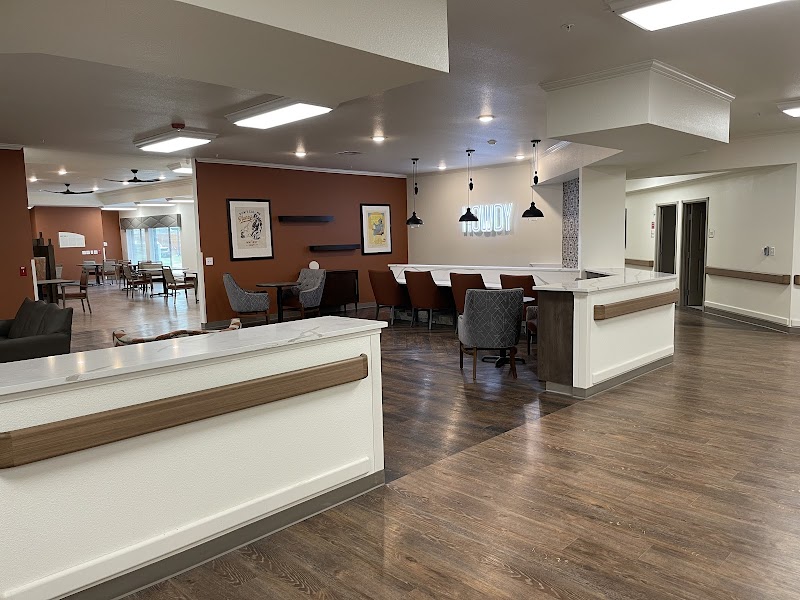
How is The Lodge Of Saginaw Health And Wellness Staffed?

CMS rates THE LODGE OF SAGINAW HEALTH AND WELLNESS's staffing level at 1 out of 5 stars, which is much below average compared to other nursing homes. Staff turnover is 63%, which is 17 percentage points above the Texas average of 46%. High turnover can affect care consistency as new staff learn residents' individual needs.

What Have Inspectors Found at The Lodge Of Saginaw Health And Wellness?

State health inspectors documented 18 deficiencies at THE LODGE OF SAGINAW HEALTH AND WELLNESS during 2022 to 2025. These included: 2 Immediate Jeopardy (the most serious level, indicating potential for serious harm or death) and 16 with potential for harm. Immediate Jeopardy findings are rare and represent the most serious regulatory concerns. They require immediate corrective action.
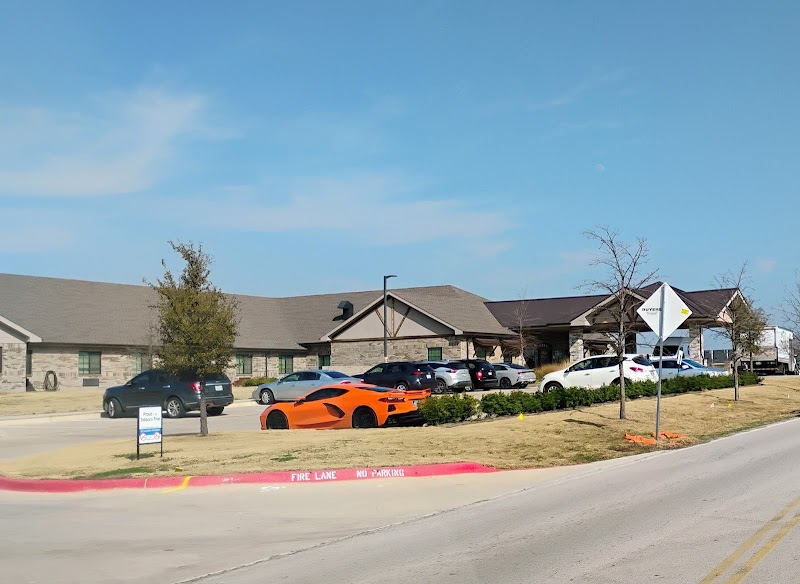
Who Owns and Operates The Lodge Of Saginaw Health And Wellness?

THE LODGE OF SAGINAW HEALTH AND WELLNESS is owned by a for-profit company. For-profit facilities operate as businesses with obligations to shareholders or private owners. The facility is operated by ML HEALTHCARE, a chain that manages multiple nursing homes. With 130 certified beds and approximately 115 residents (about 88% occupancy), it is a mid-sized facility located in SAGINAW, Texas.
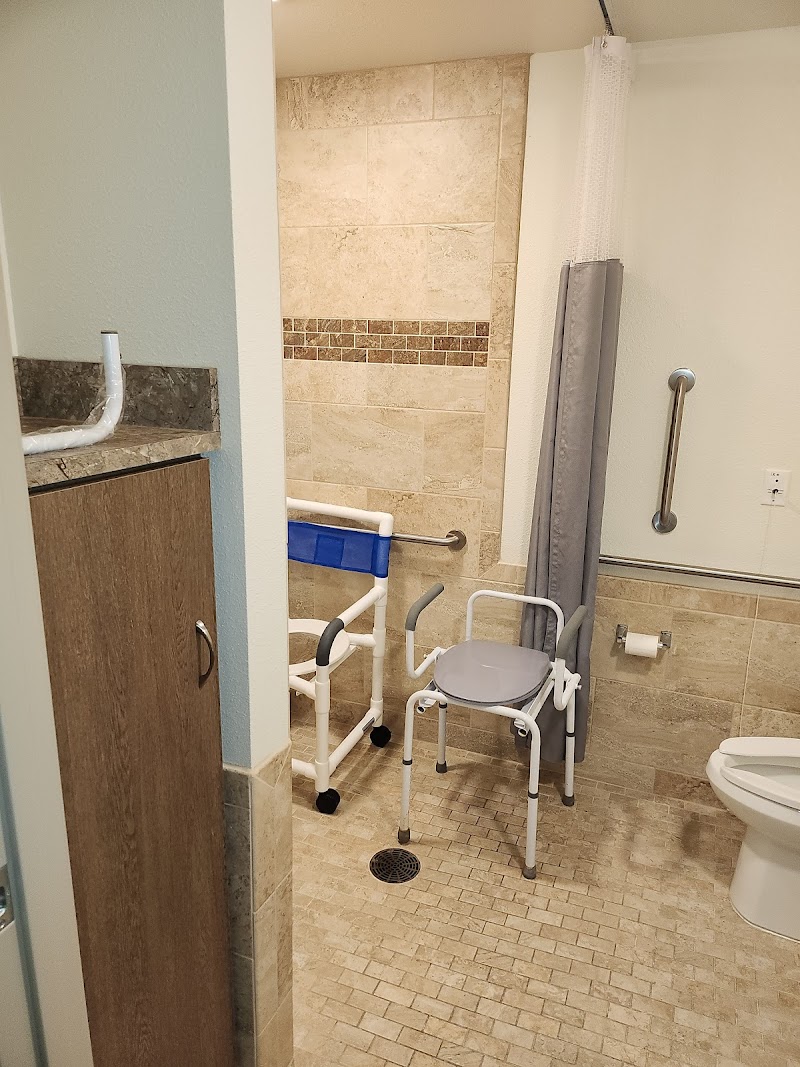
How Does The Lodge Of Saginaw Health And Wellness Compare to Other Texas Nursing Homes?

Compared to the 100 nursing homes in Texas, THE LODGE OF SAGINAW HEALTH AND WELLNESS's overall rating (3 stars) is above the state average of 2.8, staff turnover (63%) is significantly higher than the state average of 46%, and health inspection rating (3 stars) is at the national benchmark.

What Should Families Ask When Visiting The Lodge Of Saginaw Health And Wellness?

Based on this facility's data, families visiting should ask: "What changes have been made since the serious inspection findings, and how are you preventing similar issues?" "How do you ensure continuity of care given staff turnover, and what is your staff retention strategy?" "Can you walk me through typical staffing levels on day, evening, and night shifts?" "Can I visit during a mealtime to observe dining assistance and food quality?" These questions are particularly relevant given the facility's Immediate Jeopardy citations, the facility's high staff turnover rate, and the below-average staffing rating.

Is The Lodge Of Saginaw Health And Wellness Safe?

Based on CMS inspection data, THE LODGE OF SAGINAW HEALTH AND WELLNESS has documented safety concerns. Inspectors have issued 2 Immediate Jeopardy citations (the most serious violation level indicating risk of serious injury or death). The facility has a 3-star overall rating and ranks #1 of 100 nursing homes in Texas. Families considering this facility should ask detailed questions about what corrective actions have been taken since these incidents.

Do Nurses at The Lodge Of Saginaw Health And Wellness Stick Around?

Staff turnover at THE LODGE OF SAGINAW HEALTH AND WELLNESS is high. At 63%, the facility is 17 percentage points above the Texas average of 46%. High turnover means new staff may not know residents' individual needs, medications, or preferences. It can also be disorienting for residents, especially those with dementia who rely on familiar faces. Families should ask: What is causing the turnover? What retention programs are in place? How do you ensure care continuity during staff transitions?

Was The Lodge Of Saginaw Health And Wellness Ever Fined?

THE LODGE OF SAGINAW HEALTH AND WELLNESS has been fined $26,913 across 2 penalty actions. This is below the Texas average of $33,348. While any fine indicates a compliance issue, fines under $50,000 are relatively common and typically reflect isolated problems that were subsequently corrected. Families should ask what specific issues led to these fines and confirm they've been resolved.

Is The Lodge Of Saginaw Health And Wellness on Any Federal Watch List?

THE LODGE OF SAGINAW HEALTH AND WELLNESS is not on any federal watch list. The most significant is the Special Focus Facility (SFF) program, which identifies the bottom 1% of nursing homes nationally based on persistent, serious quality problems. Not being on this list means the facility has avoided the pattern of deficiencies that triggers enhanced federal oversight. This is a positive indicator, though families should still review the facility's inspection history directly.