BUENA VIDA NURSING AND REHAB-SAN ANTONIO
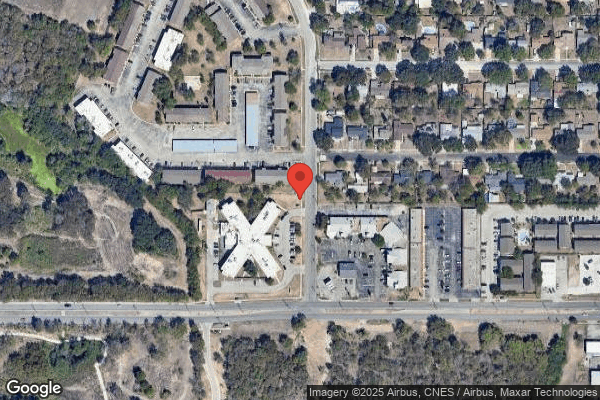
5027 PECAN GROVE, SAN ANTONIO, TX 78222 (210) 333-6815
For profit - Corporation 222 Beds CREATIVE SOLUTIONS IN HEALTHCARE Data: November 2025
Trust Grade
25/100
#659 of 1168 in TX
Last Inspection: July 2024

Within standard 12-15 month inspection cycle. Federal law requires annual inspections.

Overview

Buena Vida Nursing and Rehab in San Antonio has received a Trust Grade of F, indicating significant concerns and a poor reputation among nursing facilities. It ranks #659 out of 1168 in Texas, placing it in the bottom half of facilities statewide, and #25 out of 62 in Bexar County, meaning only a few local options are worse. Although the facility is improving, with a decrease in reported issues from 19 in 2024 to just 2 in 2025, it still faces significant challenges, including a high staffing turnover rate of 76%, which is concerning compared to the state average of 50%. The facility has incurred $227,920 in fines, which is higher than 84% of Texas facilities, indicating repeated compliance issues. While the RN coverage is average, specific incidents have raised concerns, such as delayed medication administration for several residents, including one instance where medications were given late or improperly prepared, which could jeopardize resident health. Families should weigh these strengths and weaknesses carefully when considering this facility.

Trust Score
F
25/100
In Texas
#659/1168
Bottom 44%
Safety Record
High Risk
Review needed
Inspections
Getting Better
19 → 2 violations
Staff Stability
⚠ Watch
76% turnover. Very high, 28 points above average. Constant new faces learning your loved one's needs.
Penalties
✓ Good
$227,920 in fines. Lower than most Texas facilities. Relatively clean record.
Skilled Nurses
⚠ Watch
Each resident gets only 20 minutes of Registered Nurse (RN) attention daily — below average for Texas. Fewer RN minutes means fewer trained eyes watching for problems.
Violations
⚠ Watch
28 deficiencies on record. Higher than average. Multiple issues found across inspections.
★★☆☆☆
2.0
Overall Rating
★☆☆☆☆
1.0
Staff Levels
★★★★☆
4.0
Care Quality
★★★☆☆
3.0
Inspection Score
Stable
2024: 19 issues
2025: 2 issues

The Good

  • 4-Star Quality Measures · Strong clinical quality outcomes
  • Full Sprinkler Coverage · Fire safety systems throughout facility
  • No fines on record

Facility shows strength in quality measures, fire safety.

The Bad

2-Star Overall Rating

Below Texas average (2.8)

Below average - review inspection findings carefully

Staff Turnover: 76%

29pts above Texas avg (46%)

Frequent staff changes - ask about care continuity

Federal Fines: $227,920

Well above median ($33,413)

Significant penalties indicating serious issues

Chain: CREATIVE SOLUTIONS IN HEALTHCARE

Part of a multi-facility chain

Ask about local staffing decisions and management

Staff turnover is very high (76%)

28 points above Texas average of 48%

The Ugly 28 deficiencies on record

Jul 2025 1 deficiency
CONCERN (D) 📢 Someone Reported This

A family member, employee, or ombudsman was alarmed enough to file a formal complaint

Potential for Harm - no one hurt, but risky conditions existed

Report Alleged Abuse (Tag F0609)

Could have caused harm · This affected 1 resident

**NOTE- TERMS IN BRACKETS HAVE BEEN EDITED TO PROTECT CONFIDENTIALITY** Based on interview and record review, the facility failed to ensure that all allegations involving abuse, neglect, and misapprop...

Read full inspector narrative →
**NOTE- TERMS IN BRACKETS HAVE BEEN EDITED TO PROTECT CONFIDENTIALITY** Based on interview and record review, the facility failed to ensure that all allegations involving abuse, neglect, and misappropriation were reported immediately, but no later than 2 hours after the allegation was made to the State Survey Agency for 1 of 8 residents (Resident #1) reviewed for abuse and neglect. The facility did not report to the State Survey Agency (HHSC) an alleged romantic relationship between Resident #1 and LVN A, as reported by Resident #1 to the DON, and LVN A to the ADON. This failure could place residents at risk for abuse/neglect and could lead to a diminished quality of life and psychosocial harm. The findings included: Record review of Resident #1's admission record, undated, reflected a [AGE] year-old resident with an initial admission of 02/03/2025 and diagnoses including acute respiratory failure with hypoxia (a condition where the lungs cannot adequately oxygenate the blood) and quadriplegia (paralysis of all four limbs). Record review of Resident #1's BIMS Assessment reflected that Resident #1 had a BIMS score of 9, reflecting moderate cognitive impairment. Record review of Resident #1's Care Plan, undated, did not indicate that Resident #1 had a history of sexually inappropriate behavior toward residents or staff. Record review of Resident #1's Progress note, dated 05/13/2025, reflected that Resident #1 requested to be sent to the emergency room for evaluation that day due to started to cough while asleep and had difficulty catching his breath. Record review of the Intake Investigation Worksheet #1009602 dated 0514/2025 revealed facility reported residents' allegations of abuse and neglect and not wanting to return to the facility. Neither self-report nor addendums revealed concern for possible sexual abuse or exploitation. Record review of the Provider Investigation Report (PIR), dated 05/19/2025, reflected that Resident #1 complained about the facility at the hospital, but when the DON went to speak with him at the hospital, Resident #1 declined the complaints, saying he was angry and just wanted to go to where LVN A worked. The PIR did not reflect possible sexual abuse or exploitation.Interview on 07/10/2025 at 3:55 PM, the facility's previous DON (DON C), who was the DON at the facility at the time of the incident, stated that she initially she went to the hospital to check on Resident #1 because of the complaints he had at the hospital of the facility, including pest control issues and being left soiled for a long time. Resident #1 recanted the complaints to DON C, stating he was just upset due to them firing LVN A, and wanted to live where she was because they were in a relationship. DON C stated that she had heard from Resident #1's Stepsister, LVN B, that she had a suspicion Resident #1 and LVN A were having a relationship. DON C stated she had reported LVN A to the Texas Board of Nursing on 05/22/2025 out of an abundance of caution due to the allegations of LVN A having a physical relationship with Resident #1. DON C stated LVN A had not been fired, but had changed her employment to PRN status. Interview on 07/10/2025 at 4:22 PM, LVN B stated she had informed the DON, at the time, DON C, that she felt Resident #1 was having a relationship with LVN A. LVN B stated that everything seemed normal at first for a working relationship between a nurse and a patient, but toward the end of LVN A working at the facility, she became hostile toward LVN B. LVN B stated that she did not know the extent of their relationship and whether it was sexual or not, because shortly after going to the hospital, Resident #1 ceased communication with LVN B and she had not heard from him since. LVN B stated she was aware Resident #1 had similar behaviors at a previous facility, but had not told any facility staff or administration of these behaviors. Interview on 07/10/2025 at 4:42 PM, ADON D stated she never had a concern of a sexual relationship between Resident #1 and LVN A. She stated she observed that Resident #1 and LVN A were friendly and LVN A would hang out in his room frequently. ADON D stated she did complete a verbal conversation with LVN A, and reprimanded her for spending too much time with Resident #1 and that she should focus on all residents equally. ADON D stated that DON C returned from the hospital after visiting Resident #1 and identified concerns of a possible inappropriate relationship. ADON D stated that staff members were questioned and interviewed regarding potential sexual abuse and/or inappropriate relationships between residents and staff. ADON D stated that during investigations she informs the ADM and the ADM reports to the state as necessary. Interview on 07/11/25 at 10:30 AM, Resident #1 stated that he did not have a relationship with LVN A. Resident #1 stated that they were friends and stated, she was my age, and we were able to click together. Resident #1 denied any sexual encounters and inappropriate interactions with LVN A. Interview on 07/11/2025 at 2:40 PM, the ADM stated that, during the course of the investigation of Resident Neglect for Resident #1, she should have identified that an allegation of inappropriate relationship between Resident #1 and LVN A should have been recognized as possible abuse, and HHSC should have been notified. The ADM stated Resident #1 was not in the facility at the time of the investigation. The ADM stated that the incident should have been reported to the state. The ADM stated after DON C visited with Resident #1, the investigation was expanded to include sexual abuse and exploitation. Record review reflected LVN A's most recent shift worked at the facility was 04/29/2025, at which time her employment status changed to PRN . Further review reflected LVN A was suspended pending the facilities investigation and terminated when the investigation was concluded. An interview with LVN A was attempted on 07/10/2025 at 2:00 PM, LVN A did not answer the attempt for a phone interview. Record Review of Complaint Form to TBON, date submitted 05/22/2025, reflected Resident #1 as the patient involved in the complaint, and LVN A as the nurse being reported to the TBON. The description of incident is as follows: Resident and LVN had multiple situations where they were physically involved per resident and LVN. LVN stated to resident she had been fired due to this discovery. This promoted [sic] resident to ask to be transferred to hospital. Resident then reported to hospital social worker that he did not want to return to facility due to wanting to go where Nurse [LVN A] is now working. This caused social worker to report situation to be reported to state. This facility has also self-reported this situation.Review of the facility's Nursing Policy and Procedure Manual, Version 03-1.0 F.7. revealed, The facility will report .any and all investigations concerning reports of abuse, neglect, exploitation .to the state survey and certification agency.
Feb 2025 1 deficiency
CONCERN (D) 📢 Someone Reported This

A family member, employee, or ombudsman was alarmed enough to file a formal complaint

Potential for Harm - no one hurt, but risky conditions existed

Comprehensive Care Plan (Tag F0656)

Could have caused harm · This affected 1 resident

**NOTE- TERMS IN BRACKETS HAVE BEEN EDITED TO PROTECT CONFIDENTIALITY** Based on interview and record review the facility failed to ensure that the comprehensive person-centered care plan described se...

Read full inspector narrative →
**NOTE- TERMS IN BRACKETS HAVE BEEN EDITED TO PROTECT CONFIDENTIALITY** Based on interview and record review the facility failed to ensure that the comprehensive person-centered care plan described services that are furnished to maintain the resident's highest practicable physical, mental, and psychosocial well-being for 1 of 5 residents (Resident #1) reviewed for care plans in that: 1. Resident #1's care plan did not indicate that Resident #1 was noncompliant with the facility smoking policy and did not indicate effective interventions for the noncompliance. 2. Resident #1's care plan did not indicate that Resident #1 had verbally disruptive and aggressive behaviors toward staff and others and did not indicate effective interventions for the behaviors. This deficient practice could affect residents with behaviors and/or residents who smoke due to these conditions not being identified in the care plan and not indicating effective interventions to the behaviors in the care plan. The findings were: Record review of Resident #1's undated face sheet revealed Resident #1 was a [AGE] year old male who admitted to the facility on [DATE] with diagnoses that included Bipolar Disorder (a mental illness characterized by alternating periods of elation and depression), Chronic Viral Hepatitis C (a virus that causes liver swelling and can lead to serious liver damage), Depression ( a mood disorder that causes a persistent feeling of sadness and loss of interest) and Anxiety (a feeling of worry, nervousness or unease, typically about an imminent event or something with an uncertain outcome). Record review of Resident #1's quarterly MDS assessment, dated 01/19/2025, revealed Resident #1 had a BIMS score of 13, indicating no cognitive impairment. 1. Record review of Resident #1 comprehensive care plan, date initiated 01/09/2024 and revised on 02/05/2025 revealed a care plan Resident smokes and is aware of designated smoking area. The goal of the care plan stated resident will be able to smoke without causing injury. Resident aware of smoke policy and will not violate smoking rules. The comprehensive care plan did not reveal a care plan that addressed Resident #1's noncompliance with the smoking policy or interventions to address the noncompliance. Record review of Resident #1's progress note, dated 10/08/2024 at 5:49 a.m. by LVN G, revealed Resident pushed front door open, setting off alarm to let himself out. Resident is currently sitting out front smoking. Record review of Resident #1's late entry progress note, dated 11/09/2024 at 6:16 p.m. by the DON, revealed This nurse arrived to facility from lunch break and noted resident sitting at the edge of the front entrance area with a lit cigarette. Resident was reminded he is only to smoke in designated smoking areas as he was recently reeducated on in October 2024. Resident threw lit cigarette on ground and started to curse at this nurse and then stated, 'I am not a fu**ing child you can't tell me what to do.' Resident then proceeded to enter facility and continued cursing. Resident was asked not to curse in facility due to other residents being in close proximity, and several female residents stated they did not like it when he yells. Resident continued to curse as he got in the elevator and went to his room. Record review of Resident #1's progress note, dated 11/13/2024 at 3:51 p.m. by the Social Worker, revealed Social Worker engaged resident due to reports of smoking cigarettes during non-smoke break times and, outside of designated smoking area on 11/13/24. Resident stated, 'that is a lie, I did not smoke a cigarette when and where they say I did'. Social Worker requested a smoking policy be reviewed, updated, signed. Resident responded, 'I am not signing anything'. Social worker asked about smoking materials including lighters in which the resident stated, 'I do not have anything'. Record review of Resident #1's progress note, dated 11/20/2024 at 1:56 p.m. by the Social Worker, revealed Social worker engaged resident regarding reports of the resident keeping a cigarette lighter on his person. Resident stated, 'I gave it to staff'. Record review of Resident #1's progress note, dated 01/09/2025 at 11:37 a.m. by the Social Worker, revealed Facility informed resident of an immediate discharge due to continually violating smoking policies which endanger resident safety. Record review of Resident #1's late entry progress note, dated 01/09/2025 at 6:15 p.m. by the DON, revealed Resident noted by front door with lit cigarette in area that resident has been informed before of not being an appropriate smoking are. Resident had just had a conversation with DON, and another administrative staff regarding smoke break being a few min. late due to the inclement weather and having to ensure all residents are properly dressed. Resident went out front door and started smoking. When resident was asked to stop smoking in this area, resident stated yelling and curing at staff. Resident was informed that this was cause or immediate discharge. Resident stated he did not know where to go. Resident was informed that a 30-day discharge will be issued starting today 1/09/2025. 30-day notice is to be completed on 02/09/2025. Resident stated being aware and thanked both social worker and this DON for changing immediate discharge to a 30-day discharge. Record review of a facility document titled, [Facility Name] Health Care Center Policies, Information and Required Notices: Acknowledgement of Receipt of Policies, Information and Required Notices, listed Statement of Resident Rights and Smoking Policy. An acknowledgement at the bottom of the form stated, My signature below acknowledges that I have received copies of the above listed items as of the date of the signing of this form. The form is signed by Resident #1 on 07/01/2024. 2. Record review of Resident #1 comprehensive care plan, date initiated 07/09/2024 and revised 08/14/2024 revealed a care plan The resident has a mood problem r/t Bipolar Disorder, Current episode depressed, mild or moderate severity, unspecified. The goal, date initiated 07/09/2024 and revised 08/14/2024, stated the resident will have improved mood state through the review date. The care plan did not address Resident #1's verbal and physical aggression toward staff and interventions to address the aggression. Record review of Resident #1's progress note, dated 09/23/2024 at 12:00 a.m. by RN F, revealed At approximately 12:15 a.m. patient received his 12:00 a.m. scheduled dose of norco. After taking his medication resident threw his glass of water at this writer. Resident then states 'I will take my antibiotic now. The writer reminded resident that it was scheduled for 10 p.m. and he refused the medication. Resident then yelled and stated, 'you are a fucking liar'. This writer left room to obtain mediation. Resident then came out of his room in his wheelchair stood up and lunged forward swinging his closed fist at this writer. It was at this time CNA approached bother writer and resident attempting to de-escalate resident. The resident then redirected their aggression towards CNA, attempting to strike her as well. During this episode, the resident was shouting and making verbally abusive threats towards both myself and other staff members. Resident continue to yell at staff calling them 'stupid bitches'. Record review of Resident #1's progress note, dated 09/23/2024 at 12:30 a.m. by RN F, revealed 911 called to seek assistance with resident as resident was now a threat to staff and other residents' safety. Resident's behaviors were witnessed by several other residents who were sitting by nursing station and sitting on couch. Record review of Resident #1's progress note, dated 09/23/2024 at 1:15 a.m. by RN F, revealed EMS arrived and left as resident refused to go to the hospital for evaluation. Stated 'she is a fucking bitch, I have my rights'. 2:00 a.m. EMS did reach out to police and explained the need for an ED d/t threats, aggression and attempting to physically harm staff. 3:20 a.m. No police presence at this time. Resident can be heard laughing and saying, you are nothing but a fucking bitch' while in his room. Record review of Resident #1's progress note, dated 10/08/2024 at 6:19 a.m. by RN F, revealed Resident out of his room at nurses station being verbally aggressive, shouting 'fuck you. I don't know who the fuck you think you are. You are nothing but a stupid bitch. And what the fuck are you going to do about it? Huh what are you going to do? Exactly you are not going to do shit. Stupid bitch, you are not even a nurse. Go back to school'. As he was entering the elevator, he said 'once again I will be calling state to report you stupid bitch, fuck you'. ADON made aware. Record review of Resident #1's progress note, dated 10/19/2024 at 6:30 p.m. by LVN E, revealed Resident verbally aggressive towards staff and another resident. Redirected, refused to be redirected. Had to move another resident to 2300 hall. Record review of Resident #1's progress note, dated 11/13/2024 at 3:50 p.m. by the DON, revealed Resident came to DON office with Transition Specialist [name], for [insurance company name]. Resident was yelling profanities at DON asking 'Hey [DON name] why are you lying to this lady'. DON asked resident what he was talking about, resident responded 'why are you saying I schedule my own transportation and appointments?' DON attempted to explain to resident that he has and continues to do this. Resident continued to yell profanities. [Transition specialist name] asked resident to please not yell and warned that he could possibly be asked to leave the facility due to his continued behaviors that are starting to be noticed by other residents. Record review of Resident #1's progress note, dated 02/03/2025 at 4:13 p.m. by LVN E, revealed resident refused pain medication stated only wants hydrocodone, resident refused vital signs. Resident started recording with phone and yelling and stating he is calling state to get me fired that he has fired everyone and will continue firing nurses, Resident pulling finger and making gestures. Record review of Resident #1's late entry progress note, effective date of 02/09/2025 at 9:32 p.m. by the DON, revealed Resident was reminded today at 12:30pm of discharge scheduled for today (2/9/2025). Resident stated he was never told about this. Resident reminded that he was reminded of his discharge on Wednesday 2/5/25 during his care plan meeting and resident was informed on 2/5/25 that [facility name] was contacted again about admitting resident. [Facility name] informed this DON that they would admit resident. When resident came out of his room he was packed up and stated 'call the cops cause I am just leaving. If they don't come I am going to F*** S***up. When police arrived resident was argumentative and stated 'they have to send me to [facility name]. At this point [police department name] officers asked resident again if he didn't want to call family. Resident stated no I want you to take me to jail. Officers issued an emergency for resident. When EMS arrived to transport resident to hospital for eval, resident started cursing at EMS and refused to be assessed. At this point a third officer arrived and Resident was informed that he will be transported by police instead of EMS. Officers loaded all resident belongings into their vehicles and resident was placed in the backs seat of the police car and transported for eval. Resident was given all paperwork to support his discharge. Resident was not allowed to take medication with him per [police department name]. Record review of a document titled, Notification of Emergency Detention, dated 02/09/2025, listed Resident #1 as name of person being detained. The document stated No comes [officer name], a peace officer with [police department name] of the State of Texas states as follows: 1. I have reason to believe and do believe [Resident #1 name] evidence mental illness. 2. I have reason to believe and do believe that the above-named person evidences a substantial risk of serious harm to himself/herself or others based upon the following: Consumer is diagnosed with schizophrenia, currently taking medications. Consumer is very combative with staff. 3. I have reason to believe and do believe that the above risk of harm is imminent unless the above-named person is immediately restrained. 4. My beliefs are based upon the following recent behavior, overacts, attempts, statements, or threats observed by me or reliably reported to me: consumer is constantly harassing staff and being verbally aggressive toward them. Harassing has gone to the point where staff are switching schedules due to the fear of caring for consumer. Consumer has been discharged from the facility. During an interview with LVN B, 02/12/2025 at 1:18 p.m., LVN B stated Resident #1 was verbally aggressive toward the nurses and CNA's and stated Resident #1 curses at the staff when he gets agitated and was very short tempered. LVN B stated staff would be walking on eggshells, we didn't want to upset him because he would start yelling and cursing at us. During an interview with LVN C, 02/12/2025 at 1:36 p.m., LVN C stated she was Resident #1's Charge Nurse and witnessed him yelling and cursing at staff. LVN C stated Resident #1 would sign out and go across the street, buy cigarettes and then try to smoke the cigarettes on the front patio and refuse to turn in his cigarettes and lighter when he got back inside the facility. LVN C stated Resident #1 told LVN C about 4 weeks ago that Resident #1 got in trouble for not following the smoking policy and was getting evicted and Resident #1 said he was refusing to turn in his lighter and cigarettes and was refusing to follow the rules. LVN C stated Resident #1 was very noncompliant and would go right outside the front door and try to smoke and refused to go to the right smoking area. LVN C also stated Resident #1 called staff racial slurs and yell and curse at staff if he got upset. During an interview with the admission Coordinator, 02/12/2025 at 2:00 p.m., The Admissions Coordinator stated new admissions were provided copies of resident rights and the facility smoking policy. The Admissions Coordinator stated Resident #1 was very aggressive. You could hear him yelling and cursing at the staff in front of other residents. He would cuss in the foyer in front of people. He has cussed me out before and would follow me down the hall and curse at me and then stand outside of other resident rooms that I was in and scream and cuss at me. The Admissions Coordinator stated Resident #1 was noncompliant with the smoking policy as far as the times and the designated smoking areas. The Admissions Coordinator stated staff would try to redirect and would provide education on safe smoking and the danger of not smoking in the correct areas. During an interview with LVN D, 02/12/2025 at 1:43 p.m., LVN D stated Resident #1 was his own responsible party and regardless of him knowing the smoking policy, he would go out and smoke where he was not supposed to try and push the limit of what he was able to do. LVN D stated on 02/09/2025 Resident #1 stated he was going to discharge home with his family member. LVN D stated LVN D heard Resident on the phone with his family member later in the day and Resident #1 said he was not leaving and was yelling and cursing at the staff. LVN D stated the police department was notified, and Resident #1 became very argumentative with the officers and EMS. LVN D stated the police ended up taking him away and detaining him because he was ugly and cursing at them and EMS as well. LVN D stated she had received training on dealing with residents with difficult behaviors and noncompliant behaviors. During an interview with Resident #1, 02/12/2025 at 2:25 p.m., Resident #1 stated he was at [City name] Medical Behavioral Hospital and said, at least I am getting to see a psychiatrist. Resident #1 stated he was aware of the smoking policy and stated he was notified of his discharge notice due to not being compliant with the smoking policy. Resident stated he did not know why the police detained him and stated the police told him they were putting him on a three day hold for threatening people and took him to a hospital and then transferred him to the behavioral hospital. Resident #1 said hospital case manager was working with him to find alternate placement after he is discharged from the behavioral hospital. During an interview with the DON, 02/13/2025 at 10:00 a.m., the DON stated Resident #1 was noncompliant with the smoking policy and stated Resident #1 also displayed aggressive behaviors toward staff. The DON stated Resident #1's care plan should have been updated to reflect the smoking noncompliance and the aggressive behaviors. The DON stated resident care plans should be updated at the time of a change in condition or behavior and stated the DON, ADON or MDS Nurse were responsible for updating and tweaking the care plan when there were changes in resident care or interventions. The DON stated staff would know what interventions were effective when addressing resident behaviors by reviewing the resident [NAME] that would tell the person about certain behaviors to watch for and stated that information was pulled from the resident care plan. The DON stated the accuracy of a resident care plan was important because it is our guide for caring for our residents. It tells us what has and hasn't not been done for them and all of our care revolves are the care plan. The DON also stated the care plan was important so we can properly care for the resident do that hopefully the behavior does not get repeated and helps us look back to see what worked and it is our guideline to how to treat the resident. During an interview with the Social Worker, 02/13/2025 at 12:28 p.m., the Social Worker stated a resident care plan was comprehensive and should have been updated when there is a change of the intervention, a decline or physical or mental health or if the responsible party is verbalizing a revision that is needed. The Social Worker stated the MDS Nurse was usually responsible for updating the care plan and stated Resident #1's aggressive behaviors and smoking noncompliance should have been reflected in Resident #1's care plan. During an interview with the MDS Nurse, 02/13/2025 at 2:03 p.m., the MDS Nurse stated all disciplines were responsible for updating resident care plans and stated resident care plans should have been updated every time there was a change in the resident. The MDS Nurse stated the importance of the care plan was to give a picture of the residents that we take care of and shows the interventions that work and did not work. Record review of a facility document titled, Comprehensive Care Plan (Nursing Policy and Procedure Manual 03-18.0), stated Each resident will have a person-centered comprehensive care plan developed and implemented to meet his other preferences and goals, and address the resident's medical, physical, mental and psychosocial needs. Through the care planning process, facility staff will work with the resident and his/her representative, if applicable, to understand and meet the resident's preferences, choices and goals during their stay at the facility. The facility will establish, document and implement the care and services to be provided to each resident to assist in attaining or maintaining his or her highest practicable quality of life. Care planning drivees the type of care and services that a resident received. In situations where a resident's choice to decline care of treatment (e.g. due to preferences, maintain autonomy, etc.) poses a risk to the residents health or safety, the comprehensive care plan will identify the care or service being declined, the risk the declination poses to the resident, and efforts by the interdisciplinary team to educate the resident and the representative, as appropriate. The facility's attempt to find alternative means to address the identified risk/need should be documented in the care plan. The policy also stated, The comprehensive care plan will be- The resident's care plan will be reviewed after each admission, quarterly, annual and/or significant change MDS assessment, and revised based on changing goals, preferences and needs of the resident and in response to current interventions.
Nov 2024 3 deficiencies
CONCERN (D) 📢 Someone Reported This

A family member, employee, or ombudsman was alarmed enough to file a formal complaint

Potential for Harm - no one hurt, but risky conditions existed

Quality of Care (Tag F0684)

Could have caused harm · This affected 1 resident

**NOTE- TERMS IN BRACKETS HAVE BEEN EDITED TO PROTECT CONFIDENTIALITY** Based on interview and record review, the facility failed to ensure that residents received treatment and care in accordance wit...

Read full inspector narrative →
**NOTE- TERMS IN BRACKETS HAVE BEEN EDITED TO PROTECT CONFIDENTIALITY** Based on interview and record review, the facility failed to ensure that residents received treatment and care in accordance with professional standards of practice for 1 of 7 (Resident #1) residents reviewed for quality of care. 1. The facility failed to schedule an ENT appointment for Resident #1 per a physician's order. 2. The facility failed to schedule a Vascular appointment for Resident #1 per a physician order. This failure could affect resident who were referred for services with outside providers and could result in a decline in physical condition. The findings were: Record review of Resident #1's undated face sheet revealed Resident #1 was a [AGE] year-old male who admitted to the facility on [DATE] with diagnoses that included Cerebral Infarction (a disruption in the brain's blood flow), Hemiplegia (paralysis of one side of the body) and Depression. Record review of Resident #1's quarterly MDS assessment, dated 08/17/2024, revealed Resident #1 had a BIMS score of 15, indicating no cognitive impairment. The MDS assessment revealed Resident #1 used a wheelchair for mobility and was dependent on staff for transfers to and from the wheelchair. Section K- Swallowing/Nutritional Status, revealed Resident #1 did not have signs or symptoms of difficulty with swallowing and did not have weight loss. Record review of Resident #1's November 2024 physician orders revealed the following physician orders refer to ENT for dysphagia, dated 04/16/2024, refer to [hospital name] ENT Clinic, dated 09/13/2024, and referral to vascular for eval on abdominal aortic aneurysm, dated 10/07/2024. Record review of Resident #1 progress notes revealed a nursing note, dated 05/17/2024 at 11:26 a.m., by the ADON that stated attempts had been made for the past two weeks to schedule an ENT appointment for the resident, but the appointment had not been made due to a payor source. Record review of Resident #1 progress notes revealed a nursing note, dated 05/17/2024 at 11:42 a.m., by the ADON that stated the ADON contact [hospital name} ENT and sent over the referral for review and was told it may take 5-10 days. ADON stated she would follow up with [hospital name] at that time to get the appointment scheduled. Record review of a physician progress note, dated 07/27/2024, revealed documentation by the physician that stated Resident #1 was inquiring about his referral to ENT specialist and said Resident #1 had a pending referral to [hospital name] for ongoing dysphagia. The physician stated Resident #1 had been receiving speech therapy and Resident #1's speech was more understandable. Record review of a nursing progress note dated 08/29/2024 at 11:52 a.m., by the ADON stated the ADON called ENT at [hospital name] and received a recording that they were experiencing a system wide outage. Record review of a nursing progress note dated 08/30/2024 at 1:58 p.m., by the ADON revealed the ADON called ENT at [hospital name] and spoke with a representative who told the ADON the referral was received and an order for a swallow study was received but never uploaded to the system. The ADON told the representative the information would be refaxed. Record review of a nursing progress note, dated 09/13/2024 at 2:37 p.m., by LVN D revealed that LVN D contacted [hospital] ENT clinic to attempt to reschedule Resident #1's appointment and was informed that a new referral with diagnosis codes, face sheet and swallow study would have to be faxed to the clinic and the nurse could call back in 5 business days to check on the status of the referral. Record review of a nursing progress note dated 09/20/2024 at 11:55 a.m., by LVN D revealed LVN D called [hospital name] ENT clinic to follow up on the referral and faxed last week and was informed the referral was never received and was asked to re fax the referral to a different fax number. Record review of a nursing progress note dated 09/27/2024 at 11:36 a.m., revealed LVN D called [hospital name] ENT clinic and was informed the referral was pending. LVN D stated he was transferred to the referral department and notified that [hospital name] was no longer taking new patients. Record review of a physician progress note dated 10/11/2024, revealed Resident #1 had been in the ER for viral gastroenteritis (an intestinal infection involving diarrhea, cramps, nausea, vomiting, and fever), and a vascular aneurysm (abnormal bulge or ballooning in the wall of a blood vessel) was discovered. The physician documented prerenal vascular aneurysm-incidentally seen on abdominal studies- refer to vascular specialist asap. Record review of a progress note by NP B, dated 10/15/2024, revealed NP B met with Resident #1 and stated Resident #1 was upset and told NP B it should not take that long to schedule an appointment and Resident #1 was worried about the condition of the aneurysm and wanted it evaluated soon. NP B stated nursing reported they had not called any offices to schedule the appointment even though the order was provided last week. Record review of a progress note by NP A, dated 11/05/2024, revealed NP A reminded the ADON about the pending ENT referral and stated orders were in place for a vascular referral, patient was anxious to hear updates and NP A discussed this with the ADON. Record review of a psychological services progress note, dated 11/05/2024, revealed Resident #1 spoke at length about lack of follow through on scheduling offsite appointments and hearing issues will be addressed yet seeing little evidence of change. During an interview with Resident #1 on 11/15/2024 at 10:50 a.m., Resident #1 stated he received an ENT referral from his physician in April 2024 and still did not have an appointment scheduled. Resident #1 stated he also had a referral to a vascular surgeon from his physician at the beginning of October and said that appointment had also not been scheduled yet. Resident #1 expressed frustration stating he believed an ENT physician would have been able to help his dysphagia to improve. Resident #1 stated his communication and swallowing had improved significantly since arriving at the facility and working with Speech Therapy, but he strongly believed, if he would have been able to see an ENT specialist, he could have had the potential to show more improvement. Resident #1 stated in April he understood there was an issue with his insurance but said it had now been 7 months and no one has scheduled his ENT appointment. Resident #1 said he asked staff about it often and would get different responses as to why it had not been done. During an interview with LVN B on 11/15/2024 at 11:56 a.m., LVN B stated he was PRN and was the Charge Nurse assigned to that shift for Resident #1. LVN B was asked if he was aware of any outside specialist referrals or appointments that needed to be made for Resident #1 and he said no. During an interview with LVN A on 11/18/2024 at 10:30 a.m., LVN A stated she was PRN and was the Charge Nurse assigned to that shift for Resident #1. LVN A stated she was not aware Resident #1 had an ENT referral and a vascular referral order that needed to be scheduled. LVN A said that information should be communicated on the 24-hour report from shift to shift and LVN A said she was not notified of any appointments that needed to be scheduled. LVN B said she thought the charge nurses were responsible for scheduling appointments for residents. During an interview with the ADON on 11/18/2024 at 11:27 a.m., the ADON stated the charge nurses were responsible for scheduling appointments. The ADON stated she was not sure why Resident #1 did not have an ENT appointment scheduled yet but stated she thought Resident #1 had an insurance coverage issue at the beginning and then said we had a big turn over in staff and I don't know what happened to all of the papers. We had someone that was helping look into that appointment, but he (LVN D) quit, and I don't know where the file is and I don't know anything about the status of Resident #1's appointment. The ADON stated she was not aware of the vascular referral and did not know why Resident #1 needed to see the ENT or the vascular physician. During an interview with the Admissions Director on 11/18/2024 at 11:53 a.m., the Admissions Director stated scheduling specialty appointments was a team effort. The Admissions Director said she was not familiar with Resident #1's vascular referral but was familiar with the ENT referral. The Admissions Director said she called about 10-15 ENT offices in April and called a few in May and the clinics she called did not accept his insurance. The Admissions Director said she notified NP B and NP B told her to contact [hospital name] ENT clinic. The Admissions Director stated LVN D started working on that and then was told they were not taking new patients at time. The Admissions Director stated there were other things that could have been done like call other ENT offices, call back to [hospital name] to check if they were taking new patients again, look for other resources for Resident #1. The Admissions Director stated she was not aware of any additional efforts to schedule any appointments for Resident #1. During an interview with NP B on 11/18/2024 at 12:15 p.m., NP B expressed frustration that Resident #1's ENT appointment had not been scheduled since April 2024 and the vascular appointment had not been scheduled. NP B stated Resident #1 had requested the ENT appointment in April due to his past stroke and dysphagia and the physician agreed and ordered the referral. NP B stated the facility had given so many excuses as to why it had not been done. NP B stated she mentioned the referral each time she visited the facility and said Resident #1 mentioned it to her as well. NP B said the facility had not had a reliable source to schedule appointments. NP B mentioned the pending vascular appointment to a charge nurse and was told that nurse didn't have time and NP B said, they all say it is someone else's roll to do it. NP B stated I know Resident #1 is frustrated and I am frustrated for him. He is able to make these requests and I feel like they just disregard them. NP B stated Resident #1 was getting better and had been improving with ST but stated Resident #1 still had room for improvement and would benefit from an ENT. During this interview, NP B stated she received a text from the facility ADON asking if NP B had a vascular physician preference regarding the referral order from 10/07/2024. During an interview with Resident #1's Physician on 11/18/2024 at 1:06 p.m., the Physician stated she gave the order for the ENT referral for Resident #1 in April at Resident #1's request related to his dysphagia. The Physician stated she asked about the referral every time she went to the facility and did not get an answer. Regarding the vascular referral the Physician stated, I am concerned, the patient is concerned, and it needs to get done and I am not sure why it is not getting done. During an interview with the DON on 11/18/2024 at 1:44 p.m., the DON stated she was unaware of why Resident #1's ENT appointment had not been scheduled since April 2024 and said she understood several people had been working on it, but she did not know the details. The DON stated she was hired at the facility in August 2024 as the ADON and was promoted to the DON in October 2024. The DON stated she was not aware of the vascular referral until today and stated, going forward, I am going to ask the physicians to give the referrals to myself, the ADON or the new Social Worker and the three of us with start working these referrals. The DON stated the importance of scheduling resident referrals timely was we don't want anything bad to happen to their health, it could be detrimental to their health. Record review of facility policy titled, Appointments (Nursing Policy and Procedure Manual 2003), the policy stated, the facility will assist with outside facility resident appointments to ensure the resident attends any scheduled appointments.
CONCERN (D) 📢 Someone Reported This

A family member, employee, or ombudsman was alarmed enough to file a formal complaint

Potential for Harm - no one hurt, but risky conditions existed

Infection Control (Tag F0880)

Could have caused harm · This affected 1 resident

**NOTE- TERMS IN BRACKETS HAVE BEEN EDITED TO PROTECT CONFIDENTIALITY** Based on observation, interview and record review, the facility failed to maintain an infection and prevention control program t...

Read full inspector narrative →
**NOTE- TERMS IN BRACKETS HAVE BEEN EDITED TO PROTECT CONFIDENTIALITY** Based on observation, interview and record review, the facility failed to maintain an infection and prevention control program that included, at a minimum, a system for preventing and controlling infections for 1 of 3 (Resident #3) residents reviewed for medication administration. MA B failed to perform hand hygiene after administering medications to Resident #2 and before administering medications to Resident #3. This failure could place residents receiving medication at risk for cross contamination and/or spread of infection. The findings were: Record review of Resident #2's undated face sheet revealed Resident #2 was a [AGE] year-old male who admitted to the facility on [DATE] with diagnoses that included Dementia (a general term for impaired ability to remember, think, or make decisions), Anxiety and Asymptomatic Human Immunodeficiency Virus Infection (a virus that attacks the body's immune system). Record review of Resident #2's admission MDS assessment, dated 09/25/2024, revealed Resident #2 had a BIMS score of 0, indicating severe cognitive impairment. Section I- Active Diagnoses of the MDS assessment listed diagnoses that included Dementia and Asymptomatic Human Immunodeficiency Virus Infection. Record review of Resident #2's comprehensive care plan revealed Resident #2 had a care plan, date initiated 09/14/2024 and revised 09/25/2024, for impaired immunity related to a diagnosis of asymptomatic human immunodeficiency virus infection. The goal of the care plan was Resident #2 was to remain free from infection. Interventions included the resident is at risk for contracting infections due to impaired immune status. Keep environment clean and people with infection away. Record review of Resident #3's undated face sheet revealed Resident #3 was a [AGE] year old male who admitted to the facility on [DATE] with diagnoses that included Dementia (a general term for impaired ability to remember, think, or make decisions), Viral Hepatitis C (a viral infection that causes liver inflammation), Schizoaffective Disorder (a chronic mental illness involving symptoms of schizophrenia and characterized by symptoms such as delusions and hallucinations) and Anxiety. Record review of Resident #3's admission MDS assessment, dated 09/04/2024, revealed a BIMS score of 2, indicating severe cognitive impairment. Section I-Active Diagnoses of the MDS assessment listed diagnoses that included Dementia, Schizophrenia and Viral Hepatitis. During a medication administration observation on, 11/15/2024 at 9:26 a.m., MA B was observed administering the following medications to Resident #2: Donepezil HCI oral tablet 5mg, Evotaz oral tablet 300-150mg, Folic Acid oral tablet 1mg and Tivicay oral tablet 50mg. MA B administered the oral medications to Resident #2 in the doorway to his room by handing him a medication cup with the 4 medications in the cup and a glass of water. Resident #2 swallowed the medications, drank the water and handed the cups back to MA B. MA B returned to her medication cart and disposed of the cups in the trash can attached to her medication cart. MA B then stated she needed to obtain a blood pressure for Resident #3 and MA B picked up the blood pressure cuff that was on top of her medication cart and entered Resident #3's room. Resident #3 was observed lying in his bed. MA B explained to Resident #3 that MA B was going to check his blood pressure and proceeded to place the cuff on Resident #3's right wrist. After checking Resident #3's blood pressure, MA B returned to the medication cart, placed the blood pressure cuff on top of the cart and then pulled the following medications from the cart for Resident #3: Lorazepam oral tablet 1mg, Buspirone HCI oral tablet 7.5mg and Amlodipine Desylate oral tablet 10mg. MA B entered Resident #3's room and handed Resident #3 the medication cup and a cup of water. Resident #3 swallowed the medication, drank the water and handed both cups back to MA B. MA B returned to the medication cart and threw the cups in the trash can attached to the medication cart. During an interview with MA B on 11/15/2024 at 9:40 a.m., MA B stated she should have performed hand hygiene after administering medications to Resident #2 and before administering medications to Resident #3. MA B stated she had received training on proper hand hygiene during medication administration and stated the importance of hand hygiene during medication administration was to prevent contamination. During an interview with the DON on 11/18/2024 at 1:44 p.m., the DON stated staff had received training regarding hand hygiene during medication administration and stated the importance of hand hygiene during medication administration was to prevent cross contamination and prevent infections. Record review of a document titled Medication Aide Proficiency Audit, dated 06/04/2024 for CMA B, reflected the following columns labeled: skills, S/N (satisfactory or needs improvement), observer and date. Under the column for infection control and proper handwashing, CMA B received an S on 06/04/2024. Record review of facility policy titled, Fundamentals of Infection Control Precautions (Infection Control Policy and Procedure Manual 2019 and updated 3.2024), stated hand hygiene continues to be the primary means of preventing the transmission of infection. Record review of a document titled, Job Description Certified Medication Aide, reflected responsible for observing infection control policies for medication administration was listed as a criteria that related to the job of a certified medication aide.
CONCERN (E) 📢 Someone Reported This

A family member, employee, or ombudsman was alarmed enough to file a formal complaint

Potential for Harm - no one hurt, but risky conditions existed

Pharmacy Services (Tag F0755)

Could have caused harm · This affected multiple residents

**NOTE- TERMS IN BRACKETS HAVE BEEN EDITED TO PROTECT CONFIDENTIALITY** Based on observation, interview and record review, the facility failed to provide pharmaceutical services including procedures t...

Read full inspector narrative →
**NOTE- TERMS IN BRACKETS HAVE BEEN EDITED TO PROTECT CONFIDENTIALITY** Based on observation, interview and record review, the facility failed to provide pharmaceutical services including procedures that assured accurate administering of all drugs to meet the needs of residents for 1 of 3 residents (Resident #1) reviewed for medication regimen. 1. LVN B did not administer Resident #1's Hydrocortisone gel to his face within the parameters of the scheduled administration time on 11/15/2024. 2. MA A documented that MA A administered medications to Resident #1 on 11/15/2024 that had not been administered. 3. MA A prepared Resident #1's medications, placed the medications in unlabeled cups and stored the medications in the top drawer of MA A's medication cart on 11/15/2024. 4. MA A was administering Lidocaine 4% patches for Resident #1 instead of Lidocaine gel as ordered. 5. LVN A did not administer Resident #1's Hydrocortisone gel to his face within the parameters of the scheduled administration time on 11/18/2024. These failures could place residents who receive medications administered by the facility at risk of not receiving the intended therapeutic benefit of their medication. The findings were: Record review of Resident #1's undated face sheet revealed Resident #1 was a [AGE] year-old male who admitted to the facility on [DATE] with diagnoses that included Cerebral Infarction (a disruption in the brain's blood flow), Hemiplegia (paralysis of one side of the body), Hypertension (high blood pressure) and Depression. Record review of Resident #1's quarterly MDS assessment, dated 08/17/2024, revealed Resident #1 had a BIMS score of 15, indicating no cognitive impairment. Record review of Resident #1's undated comprehensive care plan revealed Resident #1 had a care plan for hypertension, date initiated 1/31/2024 and revised 02/16/2024. The care plan interventions included to give hypertensive medications as ordered and monitor for side effects such as orthostatic hypotension and increased heart rate. Resident had a care plan for potential for uncontrolled pain, date initialed 01/31/2024 and revised 02/16/2024, and interventions included to administer analgesia medications as ordered. Record review of Resident #1's November 2024 MAR, 11/15/2024 at 11:01 a.m., revealed an order for Hydrocortisone external gel 1% -apply to face topically two times a day for dry skin for ten days was scheduled for 9 a.m. on 11/15/2024. The order start date was 11/08/2024 and end date was 11/19/2024. The order was not initialed or checked on 11/15/2024 to indicate the medication had been administered. Record review of Resident #1's November 2024 MAR, 11/15/2024 at 11:01 a.m., revealed the following orders scheduled for AM on 11/15/2024 ,were initialed and had a check mark indicating the medications had been administered by CMA A: Lactulose oral solution 10gm/15ml- give 30ml by mouth one time a day for constipation, Lidocaine external gel 4%- apply to bilat shoulders topically one time a day related to pain, Lisinopril oral tablet 20mg-give 1 tablet by mouth one time a day for HTN hold for SBP<110 and DBP<60, Miralax oral packet 17 gm- give 17 gram by mouth one time a day related to unspecified protein calorie malnutrition, Pepcid oral tablet 20mg- give 1 tablet by mouth one time a day for GERD, Vitamin D3 Tablet 5000unit- give 1 tablet by mouth one time a day for vit D deficiency, Artificial tears ophthalmic solution .2-.2-1%- one drop to both eyes twice daily, Senna oral tablet 8.6mg- give 2 tablet by mouth two times a day for constipation give two tabs to equal 17.2mg BID. Record review of Resident #1's November 2024 MAR, 11/18/2024 at 10:35 a.m., revealed an order for Hydrocortisone external gel 1% -apply to face topically two times a day for dry skin for ten days was scheduled for 9 a.m. on 11/18/2024. The order was initialed and checked on 11/18/2024 to indicate the medication had been administered by LVN A. During an interview with Resident #1 on 11/15/2024 at 10:50 a.m., Resident #1 stated he was supposed to have a face cream administered twice a day and said he was not getting it in the morning. Resident #1 stated he had spoken to the DON about it and had continued to have an issue and expressed frustration over not receiving the medication. During the interview, Resident #1 stated he had not received any of his morning medications and stated he usually would have had them by that time of day. During an interview and observation with MA A on 11/15/2024 at 11:43 a.m., MA A stated she was responsible for administering medications to Resident #1. MA A stated the time code AM on the MAR meant sometime between when she gets to work in the morning and noon. MA A stated she had obtained Resident #1's blood pressure around 10 a.m. and then he took off on me and I haven't given the meds to him yet. MA A stated she initialed and checked the MAR for Resident #1's 11/15/2024 AM medications indicating that she had already administered the medication but stated she had not administered the medications. MA A stated she should not have signed the MAR until the medications had been administered. MA A stated she had received training about documentation during medication administration and stated medications should only be signed off as administered after the medications have been administered. MA A stated, but I have all the medications ready for [Resident #1] in my top drawer and proceeded to unlock her cart and pull out a medicine cup containing 6 pills. MA A stated the pills were 2 Senna, 1 Vitamin D, 1 Pepcid, 1 Lisinopril, 1 Multi Vitamin. MA A also pulled a cup of liquid out of the top drawer and stated it was Resident #1's Lactulose and Miralax mixed together in the same cup. MA A stated she could not find the Lidocaine on the cart and needed to go to central supply. She returned to the cart with a box of Lidocaine 4% pain relief patches that contained 5 patches in the box. MA A stated Resident #1 received Lidocaine patches to his bilateral shoulders and MA A stated she always administered lidocaine patches. When asked further about the order, MA A looked at the order and said well, I don't know why it says Lidocaine gel, I always just do the patches. MA A stated she had received training to not prefill resident medication and store in the cart and stated the medications could have spilled in the cart or could have been administered to the wrong resident. MA A stated she had received training on the rights of medication administration that included verification of the right medication and right dose during medication administration. During an interview with LVN B on 11/15/2024 at 11:56 a.m., LVN B stated he was aware Resident #1 had an order for Hydrocortisone external gel 1% -apply to face topically two times a day for dry skin for ten days scheduled for 9 a.m. LVN B stated he had not administered the medication during the administration scheduled time parameters. LVN B stated he had received training on administering medications when scheduled and stated the importance of administering medications when scheduled was so we can reach the unified goal of healing. During an interview and observation with LVN A on 11/18/2024 at 10:30 a.m., LVN A stated she was aware Resident #1 had an order for Hydrocortisone external gel 1% -apply to face topically two times a day for dry skin for ten days scheduled for 9 a.m. LVN A stated she had not administered the medication to Resident #1 but did initial and check it off on the MAR as being administered for 11/18/2024. LVN A stated medications could be administered up to one hour prior and one hour after the medication was scheduled to be administered. LVN A stated she had prefilled the medication and it was in her cart ready to administer to Resident #1. LVN A stated she should not have documented that she administered a medication prior to administering the medication and said yes, I have been a nurse for years and I know I should not do that. LVN A unlocked her medication cart and was unable to locate the prefilled medication cup she had stated she made for Resident #1 and stated, maybe it got thrown in the trash. LVN A stated she had received training regarding not prefilling resident medication. During an interview with the DON on 11/18/2024 at 1:44 p.m., the DON stated staff should not save documentation to a resident's MAR, indicating medications were administered until after the medications were administered to the resident. The DON stated the importance of documenting after medication administration was to indicate that the medication was administered. The DON stated documenting a resident received a medication that the resident had not received could have an adverse effect on the resident because the resident is on the medication for a reason. A diabetic could go into a diabetic coma, and we would not know what happened if the documentation was saying they got the medication. The DON stated the expectation was medications were administered up to one more before or one hour after the scheduled time for administration and stated AM meant the morning shift. The DON stated staff should never prefill medications or store the medications in the cart because the medications could have been administered to the wrong resident. The DON stated the charge nurses were responsible for inputting physician orders into the electronic medical record when an order was received from the physician. The DON stated the nurse and medication aides should have followed the medication administration rights that included verifying they were administering the right medication and the right dose by comparing the medication to the orders prior to administration. During an interview with Resident #1's Physician on 11/18/2024 at 1:06 p.m., the Physician stated Resident #1 would not of experienced an adverse outcome related to the MA administering Lidocaine 4% patches in place of the order for Lidocaine 4% gel. Record review of a document titled Medication Aide Proficiency Audit, dated 05/08/2024 for MA A, reflected the following columns labeled: skills, S/N (satisfactory or needs improvement), observer and date. Under the following columns, MA A had an S score dated 05/08/2024: 38. Check medication 3 times, 41. Observe 6 rights -Right patient- Right time - Right medication - Right does - Right route- Right documentation, 42. Use correct technique-dermal patches, 46. Properly store drugs, 49. Checks MAR for accuracy. The document was signed by MA A and the ADON on 05/08/2024. Record review of facility policy titled, Medication Administration Procedures (Pharmacy Policy and Procedure Manual 2003 Revised 10/25/17), stated the following: 3. Open the unit dose package only when you are administering medication directly to the resident. Removing medication from its unit dose packaging in advance lessens the ability to positively identify the medication and increases the chance of drug administration errors and contamination. 5. After the resident has been identified, administer the medication and immediately chart doses administered on the medication administration record. It is recommended that medication be charted immediately after administration, but if the policy permits, medications may be charted immediately before administration. 14. A specific order must be obtained from the Physician to change the dosage form of a resident's medication (e.g., tablet to liquid form). 20. The 10 rights of medication should always be adhered to: 1. Right patient 2. Right medication 3. Rights dose 4. Right route 5. Right time 6. Right patient education 7. Right documentation 8. Rights to refuse 9. Right assessment 10. Right evaluation. Record review of a facility document titled, Job Description Charge Nurse (Human Resources Manual 2014), reflected, properly administer resident medication and timely and accurate documentation of resident chart's were components of the required Charge Nurse knowledge base. Record review of a facility document titled, Job Description Certified Medication Aide (Human Resources Manual 2014), reflected, responsible for appropriately administering resident's prescribed PO, topical (unbroken skin) and rectal medication according to the physician's orders and medication administration policies and records all medication administration according to company policy were components of the required Certified Medication Aide knowledge base. Record review of a document titled, Inservice Training Attendance Roster, listed the training topic as Medication Administration and stated Verifying the 7 rights of medication administration- right patient, right drug, right dose, right time, right route, right reason, and right documentation. All medications need a change of direction sticker when medication orders are changed in PCC to ensure both PCC and medication/blister pack match. The date conducted is 06/20/2024-06/21/2024. The roster contained 23 employee signatures that included MA A and MA B.
Nov 2024 2 deficiencies
CONCERN (D) 📢 Someone Reported This

A family member, employee, or ombudsman was alarmed enough to file a formal complaint

Potential for Harm - no one hurt, but risky conditions existed

Safe Environment (Tag F0584)

Could have caused harm · This affected 1 resident

**NOTE- TERMS IN BRACKETS HAVE BEEN EDITED TO PROTECT CONFIDENTIALITY** Based on observation, interview and record review, the facility failed to maintain housekeeping and maintenance services to main...

Read full inspector narrative →
**NOTE- TERMS IN BRACKETS HAVE BEEN EDITED TO PROTECT CONFIDENTIALITY** Based on observation, interview and record review, the facility failed to maintain housekeeping and maintenance services to maintain a sanitary, orderly, and comfortable interior for 1 of 6 resident rooms, observed for housekeeping and maintenance, in that: 1. Resident #2's bed foot board was broken and hanging on the bedframe. 2. Resident #2 was sleeping in bed without linen. These failures could lead to resident injury and a diminished quality of life. The findings were: Record review of Resident #2'a face sheet, dated 11/1/24 reflected a male age [AGE]. The resident was re- admitted on [DATE] with diagnoses that included: dementia (primary). Record review of Resident's quarterly MDS dated [DATE] reflected resident's BIMS score was documented as 1 (severely impaired). B/B was documented as incontinent; and resident required one staff assistance for bathing. Resident was ambulatory with staff supervision. Record review of Resident #2's CP, undated, reflected the resident received ADL for transfer, mobility, and occasional incontinence. Record review of the facility's MS Maintenance application for the month of October 2024 did not reflect an order for fixing Resident #2's bed. [Failure was nursing staff not reporting the broken bed to the Maintenance Supervisor. Also, nursing staff when rounding for the nursing practice of every two hours failed to observe that the Resident's bed had no linen.] Record review of Resident #2's physician orders for the month of October 2024 reflected the resident was prescribed Sertraline 50 mg 1 tablet per day for depression. Observation and interview on 10/31/24 at 10:00 AM, Resident# 2 was sitting on a W/C staring out the window; alert and oriented person and place; interview-able in Spanish. Observation reflected that Resident #2's bed foot board was broken and off the frame; the bed had no linen. The Resident stated, .the foot board had been broken .there was no linen my bed . The resident stated he had been sleeping on the bed for 24 hours without linen and the foot board had been broken and loose for 24 hours. The resident stated he was sad over not having linen, but he did not want to complain to the staff. During Observation and interview on 10/31/24 at 10:30 AM, Resident #2 was in bed covered in a blanket; no sheets on the blanket and foot board not securely attached to the bed frame. The DON was present during the interview of the resident. [The resident gave permission for the DON to be present.] The resident stated that the linen was removed from his bed the previous day and not replaced. The resident stated he did not like sleeping without bedsheets. The resident stated the foot board had been broken for some time. The DON stated based on her observation, the foot board was not attached to the resident's bed and the bed had no bed sheets. The DON stated that the resident sleeping without bedsheets was a dignity issue. The DON stated that the footboard would be fixed today (10/31/24). Observation on 10/31/24 at 1:57 PM of Laundry Room reflected the facility had extra linen in the following quantities: 3 dozen sheets, 3 dozen fitted sheets, 2 dozen pillowcases, 20 dozen wash clothes, and 2 dozen towels. During an interview on 10/31/24 at 2:00 PM, the House Keeping supervisor stated the facility had sufficient linen to meet the needs of residents. She stated housekeeping distributed linen to the CNAs to put on the residents' beds. She stated that housekeeping staff should inform nursing when doing housekeeping tasks when a bed had no linen. The Housekeeping Supervisor could not give an explanation as to why Resident #2's bed was left without linen for over a period of 24 hours. During an interview on 11/1/24 at 10:12 AM, the Maintenance Director stated there was no work order for the fixing of Resident #2's foot board in the month of October 2024. Record review of the facility's MS Maintenance application for the month of October 2024 did not reflect an order for fixing Resident #2's bed. Record review of facility's Resident Rights policy dated 11/28/26 read, .a right to be treated with respect and dignity .
CONCERN (D) 📢 Someone Reported This

A family member, employee, or ombudsman was alarmed enough to file a formal complaint

Potential for Harm - no one hurt, but risky conditions existed

Medical Records (Tag F0842)

Could have caused harm · This affected 1 resident

**NOTE- TERMS IN BRACKETS HAVE BEEN EDITED TO PROTECT CONFIDENTIALITY** Based on observation, interviews, and record review, the facility failed to maintain medical records, in accordance with accepte...

Read full inspector narrative →
**NOTE- TERMS IN BRACKETS HAVE BEEN EDITED TO PROTECT CONFIDENTIALITY** Based on observation, interviews, and record review, the facility failed to maintain medical records, in accordance with accepted professional standards and practices, that are complete; and accurately documented for 1 of 6 residents (Resident #1) reviewed for medical records. Resident #1's Nurse [NAME] for October 2024 for bathing was documented differently from the CNAs October 2024 POC (an electronic record system) documentation. This failure could result in residents not having an accurate overall view of their care and services. The findings were: Record review of Resident#1 's face sheet, dated 10/31/24 reflected a male age [AGE]. The resident was admitted on [DATE] with diagnoses that included: Nontraumatic intracranial hemorrhage (primary) (stroke), anxiety, cognitive deficits, and dysphasia following cerebral infarction (stroke). RP was listed as: family member. Record review of Resident#1's quarterly MDS, dated [DATE], reflected: the resident's BIMS score was 6 (moderate impairment). Resident's toileting was listed as two-person assistance. Hygiene and grooming were listed as two person assistance. The resident's ROM was impairment to both upper and lower extremity. Record review of Resident# 1's Care Plan, undated, reflected a care area of ADLs support and interventions included: bathing by two staff members. Record review of Resident #1's Nurse Notes for the month of October 2024 reflected there were no days the resident refused a shower or bathing. Record review of Resident #1's October 2024 [NAME] for residents reflected his shower days were Tuesday, Thursday, and Saturdays. Further, the [NAME] was documented as the resident not receiving showers on 10/5/24, 10/8/24, 10/15/24, 10/24/24, and 10/26/24. Record review of Resident #1's POC for the month of October 2024 reflected the resident was showered on all scheduled days. During an observation and interview on 10/31/24 at 1:15 PM, Resident #1 was able to respond to questions by a yes or no response. The resident was in bed cleaned and groomed, no odors of urine or feces, and alert and oriented to person and place. The resident stated yes to having received a shower on 10/31/24. The resident stated yes that he missed his shower on Saturday10/26/24 [6 days ago]. The resident stated yes to the feeling of being angry when not showered. The resident said no to abuse or neglect. During a telephone interview on 10/31/24 at 1:20 PM, RP stated: the resident was given shower on 10/3/124 but had not been showered since last Saturday (10/26/24). The RP stated the lack of staffing contributed to ADLs not being done on a timely basis with Resident #1. During an interview on 10/31/24 at 2:50 PM, the DON stated there was no pattern of continuous refusal of showers by Resident #1. The DON stated there was no structure for the nursing staff to document shower days and PRN showers. The DON stated the lack of structure might explain the differences in documentation between the Nurse [NAME] and the CNAs POC. The DON stated she could not explain the medical record failure except nursing staff was not properly documenting showers given to Resident #1. During interview on 10/31/24 at 3:00 PM, LVN A, stated Resident #1 was given PRN showers and the resident never refused a shower. LVN A stated she was not certain on the documentation between the [NAME] and the POC. During interview on 10/31/24 at 4:22 PM, CNA B stated: she had worked with Resident #1 for couple of months and provided him ADL care to include showers. CNA B stated two staff members provided bathing to Resident #1 on shower days and PRN. CNA B stated she was not aware of the resident missing showers, and she documented in the POC; only nurses have access to the [NAME]. CNA B stated that she could not give explain the difference between the [NAME] and the POC involving the days Resident #1 received a shower in October 2024.
Aug 2024 1 deficiency
CONCERN (D) 📢 Someone Reported This

A family member, employee, or ombudsman was alarmed enough to file a formal complaint

Potential for Harm - no one hurt, but risky conditions existed

Medical Records (Tag F0842)

Could have caused harm · This affected 1 resident

**NOTE- TERMS IN BRACKETS HAVE BEEN EDITED TO PROTECT CONFIDENTIALITY** Based on interview and record review, the facility failed to maintain clinical records in accordance with accepted professional ...

Read full inspector narrative →
**NOTE- TERMS IN BRACKETS HAVE BEEN EDITED TO PROTECT CONFIDENTIALITY** Based on interview and record review, the facility failed to maintain clinical records in accordance with accepted professional standards and practices that are complete and accurately documented for 2 of 3 residents (Residents #1 and #2) reviewed for accuracy of medical records in that: 1. The facility failed to ensure medications prescribed to Resident #1 were documented on the MAR for multiple dates in August 2024. 2. The facility failed to ensure medications prescribed to Resident #2 were documented on the MAR for multiple dates in August 2024. These failures could affect residents whose records are maintained by the facility and could place the residents at risk for errors in care and treatment. The findings included: 1. Record review of Resident #1's face sheet, dated 8/16/24 revealed a [AGE] year-old male admitted to the facility on [DATE] with diagnoses that included bipolar disorder (disorder associated with episodes of mood swings ranging from depressive lows to manic highs), muscle weakness, lack of coordination, major depressive disorder (mental health disorder characterized by persistently depressed mood or loss of interest in activities, causing significant impairment in daily life), anxiety disorder (a normal reaction to stress in an intense, excessive, and persistent worry and fear about everyday situations), conversion disorder with seizures or convulsions (a mental health disorder that can cause physical symptoms, including seizures, that a person can't control), and pain. Record review of Resident #1's comprehensive care plan, with revision date 8/14/24 revealed the resident had a potential for uncontrolled pain with interventions that included to monitor/record/report to Nurse resident complaints of pain or requests for pain treatment, monitor/document for side effects of pain medication and, the resident prefers to have pain controlled by medication, treatment. Record review of Resident #1's Order Summary Report, dated 8/16/24 revealed the following: - Gabapentin Oral Capsule 300 MG Give 1 capsule by mouth three times a day for pain, with order date 7/22/24 and no end date - HYDROcodone-Acetaminophen Oral Tablet 10-325 MG give 1 tablet by mouth four times a day for pain NTE (not to exceed) 3 GM of APAP (acetaminophen) in 24 HOURS FROM ALL SOURCES, end date 8/14/24 - HYDROcodone-Acetaminophen Oral Tablet 10-325 MG give 1 tablet by mouth four times a day for pain, WHILE AWAKE NTE 3 GM of APAP IN 24 HOURS FROM ALL SOURCES, with order date 8/14/24 and no end date Record review of Resident #1's MAR (medication administration record) for August 2024 revealed the following: - Gabapentin Oral Capsule 300 MG capsule was coded 7 on 8/8/24 and scheduled at 1:00 p.m. was not administered because the resident was sleeping - HYDROcodone-Acetaminophen Oral Tablet 10-325 MG, with end date 8/14/24 was missing documentation for a nursing assessment of Pain Level and administration of the medication on 8/2/24, 8/9/24, 8/10/24, and 8/13/24 all scheduled at 6:00 a.m. During an interview on 8/14/24 at 1:50 p.m., Resident #1 stated nursing had refused to administer gabapentin two days ago because the dosage was too high. Resident #1 stated he was prescribed the hydrocodone-acetaminophen and the gabapentin to deal with knee pain. 2. Record review of Resident #2's face sheet, dated 8/19/24 revealed a [AGE] year-old female admitted to the facility on [DATE] and re-admitted on [DATE] with diagnoses that included psychotic disorder with delusions and hallucinations, Parkinsonism (a progressive disease of the nervous system marked by tremor, muscular rigidity, and slow, imprecise movement, chiefly affecting middle-aged and elderly people), lack of coordination, dementia (impaired ability to remember, think, or make decisions that interferes with doing everyday activities), hypertension (elevated blood pressure), localized edema (swelling), pain in left hand, and hyperlipidemia (elevated cholesterol). Record review of Resident #2's most recent quarterly MDS assessment, dated 4/30/24 revealed the resident was cognitively intact for daily decision-making skills and was treated with diuretics, antipsychotics, antianxiety and antidepressant medications and had pain. Record review of Resident #2's comprehensive care plan, with revision date 5/22/24 revealed the following: - resident required antidepressant medication with interventions to give antidepressant medications ordered by physician and monitor/document side effects and effectiveness - resident has Parkinson's with interventions that included to give medications as ordered by the physician and monitor/document side effects and effectiveness - resident has hypertension with interventions that included to give anti-hypertensive medications as ordered and monitor/document side effects and effectiveness - resident required anti-psychotic medications with interventions that included to administer medications as orders and monitor/document for side effects and effectiveness - resident on diuretic therapy with interventions that included to administer medication as orders and to monitor vital signs as ordered and report to the physician if abnormal for this resident - resident has a potential for uncontrolled pain with interventions that included to administer analgesia as per orders Record review of Resident #2's Order Summary Report dated 8/19/24 revealed the following: - Lasix Tablet 40 MG **DAW** (dispense as written) Give 40 mg by mouth one time a day for edema to low extremities edema to low extremities with start date 6/20/22 and no end date - Lisinopril Tablet 5 MG Give 1 tablet by mouth one time a day for hypertension old if SBP (systolic blood pressure) more than 110 or DBP (diastolic blood pressure) less than 60 or HR (heart rate) less than 60 with start date 4/22/24 and no end date - Meloxicam Oral Tablet 7.5 MG Give 1 tablet by mouth one time a day for pain with order date 6/27/24 and no end date - Multivitamin Oral Tablet Give 1 tablet by mouth one time a day related to UNSPECIFIED PROTEIN-CALORIE MALNUTRITION with order date 5/4/24 and no end date - Naltrexone Oral Tablet 50 MG Give 1 tablet by mouth one time a day for Sexual Inappropriate Disorder with order date 7/2/24 and no end date - Nuplazid Oral Capsule 34 MG **DAW** Give 34 mg by mouth one time a day related to PARKINSON'S DISEASE: PSYCHOTIC DISORDER WITH DELUSIONS DUE TO KNOWN PHYSIOLOGICAL CONDITION with order date 8/10/23 and no end date - Oxybutynin Chloride ER (extended release) Tablet 24 hour 15 GM give 1 tablet by mouth one time a day related to OVERACTIVE BLADDER with order date 7/12/23 and no end date - Seroquel Oral Tablet 200 MG Give 1 tablet by mouth at bedtime related to SCHIZOAFFECTIVE DISORDER, BIPOLAR TYPE Give along with the 300 mg to equal 500 mg with order date 6/10/24 and no end date -Vitamin D3 Oral Tablet 25 MCG (1000 UT) Give 2 tablet by mouth one time a day related to UNSPECIFIED PROTEIN-CALORIE MALNUTRITION with order date 2/17/23 and no end date - Carbidopa-Levodopa Oral Tablet 10-100 MG Give 1 tablet by mouth two times a day for parkinson's disease with order date 9/11/23 and no end date - Rivastigmine Tartrate Oral Capsule 3MG Give 2 capsule by mouth two times a day for dementia give 2 caps to equal 6 mg BID (twice a day) with order date 10/17/23 and no end date - Trileptal Oral Tablet 300 MG Give 1 tablet by mouth two times a day related to PSYCHOTIC DISORDER WITH DELUSIONS DUE TO KNOWN PHYSIOLOGICAL CONDITION give with 600 mg tab to equal 900 mg total BID with order date 2/12/24 and no end date - Buspirone Oral Tablet 15 MG Give 1 tablet by mouth three times a day related to MAJOR DEPRESSIVE DISORDER, RECURRENT, UNSPECIFIED with order date 1/17/24 and no end date - Gabapentin Capsule 300 MG Give 1 capsule by mouth three times a day for neuropathic pain with order date 1/25/22 and no end date - Tylenol Extra Strength Oral Tablet 500 MG Give 1 tablet by mouth three times a day for pain NTE (not to exceed) 3gm in 24 hours from all sources with order date 6/27/24 and no end date - Ropinirole Oral Tablet 1 MG Give 1 tablet by mouth four times a day for restless leg syndrome with order date 4/11/24 and no end date - Lidocaine Patch 4% Apply to lower back topically every 24 hours for pain APPLY IN AM AND REMOVE AT BEDTIME and remove per schedule with order date 4/7/24 and no end date Record review of Resident #2's MAR for August 2024 revealed the following: - Lasix Tablet 40 MG **DAW** (dispense as written) Give 40 mg by mouth one time a day was missing documentation on 8/4/24 - Lisinopril Tablet 5 MG Give 1 tablet by mouth one time a day for hypertension old if SBP (systolic blood pressure) more than 110 or DBP (diastolic blood pressure) less than 60 or HR (heart rate) less than 60 was missing documentation on 8/4/24 and 8/13/24 - Meloxicam Oral Tablet 7.5 MG Give 1 tablet by mouth one time a day for pain was missing documentation on 8/4/24 - Multivitamin Oral Tablet Give 1 tablet by mouth one time a day was missing documentation on 8/4/24 - Naltrexone Oral Tablet 50 MG Give 1 tablet by mouth one time a day was missing documentation on 8/4/24 - Nuplazid Oral Capsule 34 MG **DAW** Give 34 mg by mouth one time a day was missing documentation on 8/4/24 - Oxybutynin Chloride ER (extended release) Tablet 24 hour 15 GM give 1 tablet by mouth one time a day was missing documentation on 8/4/24 - Seroquel Oral Tablet 200 MG Give 1 tablet by mouth at bedtime was missing documentation on 8/16/24 and 8/17/24 -Vitamin D3 Oral Tablet 25 MCG (1000 UT) Give 2 tablet by mouth one time a day was missing documentation on 8/4/24 - Carbidopa-Levodopa Oral Tablet 10-100 MG Give 1 tablet by mouth two times a day was missing documentation on 8/4/24 - Rivastigmine Tartrate Oral Capsule 3MG Give 2 capsule by mouth two times a day was missing documentation on 8/4/24 - Trileptal Oral Tablet 300 MG Give 1 tablet by mouth two times a day was missing documentation on 8/4/24 - Buspirone Oral Tablet 15 MG Give 1 tablet by mouth three times a day was missing documentation on 8/4/24 at 8:00 a.m. and 2:00 p.m., 8/10/24 at 2:00 p.m., 8/13/24 at 2:00 p.m., 8/16/24 at 8:00 p.m., and 8/17/24 at 8:00 a.m., 2:00 p.m. and 8:00 p.m. - Gabapentin Capsule 300 MG Give 1 capsule by mouth three times a day was missing documentation on 8/4/24 at 8:00 a.m., and 1:00 p.m., 8/10/24 at 1:00 p.m., 8/13/24 at 1:00 p.m., 8/16/24 at 8:00 p.m., and 8/17/24 at 8:00 a.m., 1:00 p.m. and 8:00 p.m. - Tylenol Extra Strength Oral Tablet 500 MG Give 1 tablet by mouth three times a was missing documentation on 8/4/24 at 8:00 a.m. and 2:00 p.m., 8/10/24 at 2:00 p.m., 8/13/24 at 2:00 p.m., 8/16/24 at 9:00 p.m., and 8/17/24 at 8:00 a.m., 2:00 p.m., and 9:00 p.m. - Ropinirole Oral Tablet 1 MG Give 1 tablet by mouth four times a day was missing documentation on 8/2/24 at 12:00 a.m., and 6:00 a.m., 8/3/24 at 12:00 a.m., and 6:00 a.m., 8/4/24 at 6:00 a.m., and 12:00 p.m., 8/5/24 at 6:00 a.m., 8/8/24 at 6:00 a.m., 8/9/24 at 6:00 a.m., 8/10/24 at 12:00 p.m., 8/11/24 at 6:00 a.m., 8/13/24 at 6:00 a.m., and 12:00 p.m., 8/14/24 at 6:00 a.m., 8/14/24 at 6:00 a.m., and 8/17/24 at 12:00 p.m. - Lidocaine Patch 4% Apply to lower back topically every 24 hours was missing documentation on 8/4/24, 8/13/24 and 8/17/24 During an interview on 8/16/24 at 10:45 a.m., Resident #2 stated she had lived in the facility for about 3 ½ years and did not take medication for pain very often, but if in pain and wanted medication, they would give it to me. During an interview on 8/16/24 at 12:59 p.m., LVN A revealed, the facility policy was to administer scheduled medications within a two-hour window. LVN A stated, if a resident missed a scheduled medication because the resident was not in the facility or the resident refused the medication, then a reason why the medication was not given had to be documented in the clinical record. LVN A revealed there should not be any empty spaces in the MAR because it looked like the dosage was skipped. LVN A stated, you still have to give a reason why it was not given. During an interview on 8/16/24 at 1:26 p.m., RN B revealed there was an opportunity to administer a scheduled medication an hour before or an hour after the medication was scheduled. RN B stated, a pain medication required a pain assessment by the nurse and documentation when the medication was given. RN B stated, we notify the resident if the medication is given late and we should notify the doctor if the medication was late or missed. RN B stated, there should not be any holes in the MAR. There should be some kind of documentation because it not it will look like the medication was not given and the nurse ignored it. During an interview on 8/16/24 at 2:09 p.m., LVN C stated, there should not be any holes in the MAR and if there is no explanation why there was no documentation, you might assume the medication was not given. If it's not documented, it was not given. LVN C further stated, the missing documentation made it appear as if the medication was not administered and that was not acceptable. LVN C stated, I know some of the nurses don't know how to document in the electronic record. During an interview and record review on 8/16/24 at 3:33 p.m., the DON revealed, Resident #1 had scheduled hydrocodone-acetaminophen and had it prn (as needed). The DON stated she believed nursing staff were not administering the scheduled hydrocodone-acetaminophen medication because the resident would be sleeping and nursing staff were waiting to administer the prn dose. The DON, after reviewing Resident #1's MAR and the narcotic log stated Resident #1 was given the medication according to the narcotic log, but it was incorrect because it was not documented in the computer that it was given and there was no pain assessment for the actual time the medication was given, so it's a clinical record issue. The DON revealed there should not be any holes in the MAR because there was a doctor's order to assess for pain and no documentation looks like the medication was not given. The DON stated, she and the ADON were responsible for doing routine audits on documentation on the MAR but admitted they had not kept up with it. During an interview and record review on 8/16/24 at 4:20 p.m., LVN D stated, missing documentation on the MAR looks like the medication was not given. LVN D, after reviewing Resident #1's MAR stated, there should be documentation in the resident's record that explained why the medication was not given. If there's no documentation it wasn't done. LVN D, referring to the blanks on the MAR then stated, on the 9th (of August) I probably got sidetracked, maybe working with another resident and I guess when I counted with the nurse the narcotic log at the end of the shift, the count was correct, I just left. LVN D stated Resident #1 had not complained to her about not getting pain medication and had never seen the resident in pain. Record review of the facility policy and procedure titled, Medication Administration Procedures 2003, revealed in part, .All medications are administered by licensed medical or nursing personnel .administer the medication and immediately chart doses administered on the medication administration record .If a dose of regularly scheduled medication is withheld or refused, the nurse is to initial and circle the front of the medication administration record in the space provided for that dosage administration and an explanatory note is to be entered in the nursing notes or in the PRN nurses notes section of the medication administration record .An explanation as to symptoms prior to administration and results are to be documented .
Jul 2024 9 deficiencies
CONCERN (D)

Potential for Harm - no one hurt, but risky conditions existed

Deficiency F0558 (Tag F0558)

Could have caused harm · This affected 1 resident

**NOTE- TERMS IN BRACKETS HAVE BEEN EDITED TO PROTECT CONFIDENTIALITY** Based on observation, interview, and record review, the facility failed to honor residents' right to reside and receive services...

Read full inspector narrative →
**NOTE- TERMS IN BRACKETS HAVE BEEN EDITED TO PROTECT CONFIDENTIALITY** Based on observation, interview, and record review, the facility failed to honor residents' right to reside and receive services in the facility with reasonable accommodation of resident needs and preferences except when to do so would endanger the health or safety of the resident or other residents, for 1 of 24 residents (Resident #24) reviewed for needs and preferences, in that: On 07/09/2024 at 11:14 AM Resident #24 was left in her bedroom, in her bed with the call light button underneath her left back. Resident #24 was semi-paralyzed on her left side and could not reach the call light button. This failure could place residents at risk for harm by not honoring residents' individualized needs and preferences. The findings included: Record review of Resident #24's admission record dated 07/11/2024, revealed an admission date of 10/16/2023 with diagnoses which included left sided hemiparesis (left sided semi paralysis), contractures of left elbow and hand (a condition that causes one or more fingers to bend toward the palm of the hand. The affected fingers and or elbow can't straighten completely), and schizophrenia (a serious mental health condition that affects how people think, feel, and behave. It may result in a mix of hallucinations, delusions, and disorganized thinking and behavior). A record review of Resident #24's quarterly MDS assessment dated [DATE], revealed Resident #24 was a [AGE] year-old female admitted for long term care. Resident #24 was assessed as medically complex and needed supports for schizophrenia. Resident #24 was assessed with a BIMS score of 09 out of a possible 15 which indicated severe cognitive impairment. A record review of Resident #24's care plan dated 07/11/2024, revealed, Resident #24 had an actual fall and injuries related to a previous fall, dementia, and generalized muscle weakness . Be sure the resident's call light is within reach and encourage the resident to use it for assistance as needed . The resident needs a safe environment with . a working and reachable call light A record review of Resident #24's physicians orders dated 07/11/2024 revealed the physician ordered Resident #24 to receive nursing facility care. During an observation and interview on 07/09/2024 at 11:14 AM Resident #24 presented in her bedroom, laying in her bed with the call light button underneath her left back. Resident #24 stated she did not know where her call light was. Further observation revealed the call light was underneath Resident #24's left side back. Resident #24 stated she could not reach the call light , I cannot use my left side . I cannot turn. During an observation and interview on 07/09/2024 at 11:16 AM CNA I stated she observed Resident #24 with her call light underneath her left side back and stated, I don't know why they did that. CNA I repositioned the call light across Resident #24 and stated, this is what I do, I place the call light across her. Further observation revealed Resident #24 could hold the call light button with her right hand. During an interview on 07/11/2024 at 03:10 PM the Maintenance Director stated he was not aware the call light for Resident #25's room was not working and would correct the problem as soon as possible. During an interview on 07/12/2024 at 11:00 AM the regional DON RN C stated the facility's call light system should be available and functioning for all residents. RN C stated the facility did not have a policy for the nurse call light system and the facility followed the CMS and state agency guidelines for the nurse call light system.
CONCERN (D)

Potential for Harm - no one hurt, but risky conditions existed

Deficiency F0761 (Tag F0761)

Could have caused harm · This affected 1 resident

Based on observation, interview, and record review, the facility failed to store all drugs and biologicals in locked compartments and permit only authorized personnel to have access to the keys for 1 ...

Read full inspector narrative →
Based on observation, interview, and record review, the facility failed to store all drugs and biologicals in locked compartments and permit only authorized personnel to have access to the keys for 1 of 2 medication rooms reviewed for medication storage, in that: The medication room on the second floor was left unattended and unlocked. This failure could place residents at risk for harm by not receiving the medications due to misappropriation. The findings included: Observation on 7/10/24 at 09:50 AM revealed the medication room on the facility's second floor, located at the beginning of the resident's hallway, was left unattended and unlocked. Further observation revealed multiple residents' medications which were stored inside the room. The medication room had a key latch door handle which was unlocked. During an interview on 07/10/2024 at 09:55 AM LVN A stated she was the nurse on duty for the second floor. LVN A stated she was busy serving Resident's breakfasts and was unaware the medication room was unattended and unlocked. During an interview on 7/10/24 at 10:00 AM MA B stated she was unaware the medication room was unattended and unlocked. MA B stated she was busy administering medications to residents. During an interview on 07/10/2024 at 10:35 AM the Administrator and RN C stated having a medication room which was unattended and unlocked would be a safety concern for residents. Record review of the facility's policy titled, Storage of Medication, dated 2003, revealed, . medications and biologicals are stored safely, securely, and properly following manufacturer's recommendations or those of the supplier .
CONCERN (D)

Potential for Harm - no one hurt, but risky conditions existed

Garbage Disposal (Tag F0814)

Could have caused harm · This affected 1 resident

Based on observation, interview and record review, the facility failed a to dispose of garbage and refuse properly for 1 of 2 Dumpsters (Dumpster #2) reviewed for disposal of garbage, in that: The fa...

Read full inspector narrative →
Based on observation, interview and record review, the facility failed a to dispose of garbage and refuse properly for 1 of 2 Dumpsters (Dumpster #2) reviewed for disposal of garbage, in that: The facility failed to ensure Dumpster #2's door was completely shut, had a drain plug, and was free of pests. These deficient practices could place residents at risk for exposure to germs and diseases carried by vermin and rodents. The findings were: Observation on 07/11/2024 at 11:50 AM revealed Dumpster #2 did not have drainage plug, the door was open, and there were ants present. During an interview on 07/11/2024 at 11:51 AM, the DM stated the door to Dumpster #2 was open and should not have been, as it presented an unsanitary condition and an opportunity for the proliferation of rodents. The DM also noted the presence of ants crawling on the rear side of the Dumpster. During an interview on 07/11/2024 at 12:15 PM, the Maintenance Director stated the drain plug was missing from Dumpster #2 and he would ensure it was replaced. The DM also noted the presence of ants and indicated he would ensure the Dumpster was free of pests. During an interview on 07/11/2024 at 3:30 PM, the Administrator stated the facility did not have a policy on maintaining the Dumpsters and the dumpster area. Record review of the Food Code, U.S. Public Health Service, U.S. FDA, 2022, U.S. Department of H&HS, revealed, 5-501.113 Covering Receptacles. Receptacles and waste handling units for refuse, recyclables, and returnables shall be kept covered: (B) With tight-fitting lids or doors if kept outside the food establishment. 5-501.114 Using Drain Plugs. Drains in receptacles and waste handling units for refuse, recyclables, and returnables shall have drain plugs in place.
CONCERN (D)

Potential for Harm - no one hurt, but risky conditions existed

Deficiency F0919 (Tag F0919)

Could have caused harm · This affected 1 resident

**NOTE- TERMS IN BRACKETS HAVE BEEN EDITED TO PROTECT CONFIDENTIALITY** Based on observations, interviews, and record reviews the facility failed to be adequately equipped to allow residents to call f...

Read full inspector narrative →
**NOTE- TERMS IN BRACKETS HAVE BEEN EDITED TO PROTECT CONFIDENTIALITY** Based on observations, interviews, and record reviews the facility failed to be adequately equipped to allow residents to call for staff assistance through a communication system which relays the call directly to a staff member or to a centralized staff work area from each resident's bedside and toilet and bathing facilities, for 1 of 24 residents (Resident #25) reviewed for call light accessibility and functionality, in that: On 07/09/2024 at 01:00 PM Resident #25 utilized his call light which did not illuminate the nurse call light directly outside and above of his room door. This failurs could place residents at risk for harm by not receiving care and attention when their nurse call light system malfunctions and or is out of reach. The findings included: Record review of Resident #25's admission record dated 07/11/2024 revealed an admission date of 11/18/2022 with diagnoses which included left sided hemiparesis (left sided semi paralysis) and general anxiety disorder. A record review of Resident #25's quarterly MDS assessment dated [DATE] revealed Resident #25 was a [AGE] year-old male admitted for long term care, assessed as medically complex, and needed support for his diagnosed schizophrenia, semi paralysis, and anxiety. Resident #25 was assessed with a BIMS score of 15 out of 15 which indicated no cognitive impairment. A record review of Resident #25's care plan dated 07/11/2024 revealed, Resident #25 has Hemiplegia/Hemiparesis . Assist with ADLs/Mobility as needed . Reposition at least every 2 hours . Resident #25 has had an actual fall . Be sure Resident #25's call light is within reach and encourage Resident #25 to use it for assistance as needed . Resident #25 needs a safe environment with . a working and reachable call light A record review of Resident #25's physicians orders dated 07/11/2024 revealed the physician ordered Resident #25 to receive nursing facility care. During an observation and interview on 07/09/24 at 01:00 PM revealed the nurses station call light panel sounded a nurse call light alarm and illuminated the light designated for Resident #25's room. Further observation revealed the light immediately outside and above Resident #25's room was not illuminated. Resident #25 stated he needed assistance, and no one was coming to his aid. During an observation and interview on 07/09/2024 at 01:08 PM CNA I stated the call light above Resident #25's door was not working and entered Resident #25's room to answer his verbal shouts for care. CNA I stated she would report the call light failure to the maintenance director. CNA I stated she did not know how long the light was not functioning and stated she responded to Resident #25's verbal calls. During an interview on 07/11/2024 at 03:10 PM the maintenance director stated he was not aware the call light for Resident #25's room was not working and would correct the problem as soon as possible. During an interview on 07/12/2024 at 11:00 AM the regional DON RN C stated the facility's call light system should be available and functioning for all residents. RN C stated the facility did not have a policy for the nurse call light system and the facility followed the CMS and state agency guidelines for the nurse call light system.
CONCERN (D)

Potential for Harm - no one hurt, but risky conditions existed

Safe Environment (Tag F0921)

Could have caused harm · This affected 1 resident

Based on observation, interview, and record review, the facility failed to provide a safe, functional, sanitary, and comfortable environment for residents, staff, and the public for 1 of 1 facility re...

Read full inspector narrative →
Based on observation, interview, and record review, the facility failed to provide a safe, functional, sanitary, and comfortable environment for residents, staff, and the public for 1 of 1 facility reviewed for environmental concerns, in that: The ceiling fan in the Soiled Utility Room on th 2300 Hallway had dust and dirt particles in the vent slats. This deficient practice could place residents at risk of not living in a safe, functional, sanitary, and comfortable environment. The findings included: Observation on the 500 Hall on 07/10/24 from 9:55 AM to 10:25 AM with the Maintenance Director revealed the soiled utility room on the 2300 resident hallway had a ceiling fan measuring approximately 2 x 2 feet that had dust and dirt particles in the vent slats. During an interview with the Maintenance Director on 7/10/24 at 10:15 AM he stated that he would repair all of the maintenance concerns revealed during the observation tour. The Maintenance Director stated that the repairs would improve resident safety and homelike environment. During an interview with the Administrator on 7/10/24 at 10:30 AM he stated that completing the maintenance repairs would improve the resident's quality of life. Record review of the facility's policy on Preventative Maintenance/Work-Order Request, dated 2003, revealed, The acility will repair or replace damaged/broken equipment or building amenities as needed.
CONCERN (E)

Potential for Harm - no one hurt, but risky conditions existed

Safe Environment (Tag F0584)

Could have caused harm · This affected multiple residents

**NOTE- TERMS IN BRACKETS HAVE BEEN EDITED TO PROTECT CONFIDENTIALITY** Based on observation, interview, and record review, the facility failed to ensure residents have a right to a safe, clean, comfo...

Read full inspector narrative →
**NOTE- TERMS IN BRACKETS HAVE BEEN EDITED TO PROTECT CONFIDENTIALITY** Based on observation, interview, and record review, the facility failed to ensure residents have a right to a safe, clean, comfortable and homelike environment, including but not limited to receiving treatment and supports for daily living safely for 1 of 1 facility reviewed for safe, clean, comfortable environment, in that: 1. In room [ROOM NUMBER], there were loose tiles around the toilet, the bolt securing the toilet to the flood was rusted, there was an excessive accumulation of dust and debris on top of the mirror above the sink and paper towel dispenser, and the vent located on the wall across from the bathroom had a large accumulation of dust surrounding each opening. 2. A light above the sink in the Secured Unit shower room was not functioning. 3. In the bathroom of room [ROOM NUMBER], the toilet seat had a broken hinge. 4. In room [ROOM NUMBER], there were broken window blinds, there were large water marks on the ceiling panels of the bathroom, and the ceiling exhaust fan in the bathroom was separated from the ceiling. 5. In room [ROOM NUMBER], 2 of the 3 lights in the bathroom above the sink were not functioning, and the toilet was not properly secured to the floor allowing the toilet to move in place. These failures could place residents who reside at the facility at risk of decreased quality of life due to living spaces in need to repairs. The findings were: 1. Observation on 07/09/2024 at 11:10 AM in room [ROOM NUMBER] revealed four loose tiles around the toilet, and the bolt securing the toilet to the floor was rusted and not covered with a plastic cap. Further observation revealed an excessive accumulation of dust and debris on top of the mirror above the sink and paper towel dispenser. The vent located on the wall across from the bathroom had a large accumulation of dust surrounding each opening. During an interview on 07/09/2024 at 11:11 AM, the resident in room [ROOM NUMBER] stated, dirty, dirty over and over and stated the dirt made her upset. The resident appeared visibly anxious as she pointed to several areas on the floor and walls inside the bathroom with visible dirt and dust. During an interview on 07/12/2024 at 11:20 AM , the Corporate RN stated the tiles on the floor required replacing and there was excessive dust in the bathroom that should not be there. The Corporate RN stated she heard the resident in room [ROOM NUMBER] complain about the dirt and it was apparent the resident was bothered by it. The Corporate RN also noted the vent outside the bathroom had an accumulation of debris indicating it had not been cleaned. During an interview on 07/12/2024 at 11:45 AM, the Maintenance Director stated he was waiting on tiles to replace the ones in the bathroom of room [ROOM NUMBER]. He also stated the entire area around the toilet needed to be re-caulked and he would take care of that as well. During an interview on 07/12/2024 at 11:50 AM, the Housekeeping Supervisor, stated room [ROOM NUMBER] needed additional cleaning service and it would be addressed. 2. During an observation tour on the 500 Hall on 07/10/24 from 9:55 AM. to 10:25 AM with the Maintenance Director revealed the following: a. The Secured Unit shower room had a 1 of 3 lights above the sink that were not working. b. Resident room [ROOM NUMBER] had a bathroom toilet with a broken seat hinge. 3. During an observation tour on the 2300 Hall on 07/10/24 from 9:55 AM to 10:25 AM revealed the following: a. room [ROOM NUMBER] had 11 broken window blind slats. b. room [ROOM NUMBER] had a bathroom ceiling panel measuring approximately 25 x 46 inches that had water markings on the panel. c. room [ROOM NUMBER] had a bathroom ceiling exhaust fan that was separated from the ceiling. d. room [ROOM NUMBER] had 2 of 3 lights above the sink that were not working. e. room [ROOM NUMBER] had a bathroom toilet that was not properly seated allowing the toilet to move in place. During an interview with the Maintenance Director on 7/10/24 at 10:15 AM, the Maintenance Director stated that he would repair all of the maintenance concerns revealed during the observation tour. The Maintenance Director stated that the repairs would improve resident safety and homelike environment. During an interview with the Administrator on 7/10/24 at 10:30 AM, the Administrator stated that completing the maintenance repairs would improve the resident's quality of life. Record review of the facility's policy on Preventative Maintenance/Work-Order Request, dated 2003, revealed, The facility will repair or replace damaged/broken equipment or building amenities as needed.
CONCERN (E)

Potential for Harm - no one hurt, but risky conditions existed

Pharmacy Services (Tag F0755)

Could have caused harm · This affected multiple residents

**NOTE- TERMS IN BRACKETS HAVE BEEN EDITED TO PROTECT CONFIDENTIALITY** Based on observation, interview, and record review, the facility failed to provide pharmaceutical services (including procedures...

Read full inspector narrative →
**NOTE- TERMS IN BRACKETS HAVE BEEN EDITED TO PROTECT CONFIDENTIALITY** Based on observation, interview, and record review, the facility failed to provide pharmaceutical services (including procedures that assure the accurate acquiring, receiving, dispensing, and administering of all drugs and biologicals) to meet the needs of each resident for 10 of 24 residents (Residents #3, #4, #8, #11, #14, #19, #24, #33, #39, and #46) reviewed for the provision of routine and emergency drugs and biologicals, in that: 1. On [DATE] at 10:54 AM MA B administered Resident #3's baclofen 1 hour and 53 minutes late, and the resident's torsemide (a diuretic used to treat swelling), buspirone, and gabapentin (a medication to treat nerve pain) 53 minutes late. 2. On [DATE] at 10:46 AM MA B administered Resident #4's clonazepam (a medication used to treat anxiety) 1 hour and 46 minutes late. 3. On [DATE] at 11:18 AM MA B administered Resident #8's buspirone (a medication to treat anxiety) 2 hours and 18 minutes late. 4. On [DATE] at 11:22 AM MA B administered Resident #11's hydralazine 2 hours and 55 minutes late. 5. On [DATE] at 12:02 PM MA B administered Resident #14's buspirone, memantine (a medication to treat dementia), and acetaminophen (a medication to treat pain) 2 hours and 2 minutes late. 6. On [DATE] at 10:26 AM RN H administered Resident #19's insulin 2 hours and 26 minutes late and after her breakfast meal. 7. On [DATE] at 11:55 AM MA B administered Resident #33's hydralazine (a medication to lower blood pressure) 2 hours and 55 minutes late. 8. On [DATE] at 11:05 AM MA B administered Resident #39's baclofen and metoprolol 2 hours and 5 minutes late. 9. On [DATE] at 10:56 AM MA B administered Resident #46's baclofen (a muscle relaxer) and oxcarbazepine (a medication to treat bi-polar disorder) 1 hour and 56 minutes late. 10. The facility maintained for potential administration and stored an expired insulin injection pen for Resident #24. These failures could place residents at risk for harm by adverse reactions and not receiving the intended therapeutic effects of their medications. The findings included: During an observation and interview on [DATE] at 11:10 AM revealed MA B at her medication cart reviewing the electronic medication administration records for the second floor. The electronic medication administration records were highlighted in red. MA B stated the reds indicated medications were past the prescribed administration time and were late. MA B identified the following residents with upcoming late medication administrations: Resident #3, #4, #8, #11, #14, #33, #39, and #46. MA B stated she had not reported the upcoming late medication administration to her supervisors. 1. Record review of Resident #3's admission record, dated [DATE], revealed an admission date of [DATE] with diagnoses which included muscle weakness, chronic kidney disease, anxiety, and knee fractures (right and Left). Record review of Resident #3's quarterly MDS assessment, dated [DATE], revealed Resident #3 was a [AGE] year-old female admitted for long term care, assessed as medically complex, and assessed with a BIMS score of 10 out of 15 which indicated moderate cognitive impairment. Further review revealed Resident #3 received diuretic and an anti-anxiety drugs identified as high Risk. Record review of Resident #3's care plan, dated [DATE], revealed, The resident uses anti-anxiety medications . Give anti-anxiety medications ordered by physician . The resident has a potential for uncontrolled pain . The resident is on diuretic therap . Administer medications as ordered . Record review of Resident #3's physicians orders, dated [DATE], revealed the physician ordered Resident #3 to receive baclofen 5 mg three times a day at 08:00 AM, 12:00 PM, and 08:00 PM; buspirone 10 mg twice a day at 09:00 AM and 05:00 PM; torsemide 20 mg twice a day at 09:00 AM and 05:00 PM; and gabapentin 900 mg twice a day at 09:00 AM and 05:00 PM. Record review of the facility's Medication Admin Report, dated [DATE], revealed on [DATE] at 10:54 AM MA B administered Resident #3's baclofen 1 hour and 53 minutes late; torsemide (a diuretic used to treat swelling), buspirone, and gabapentin (a medication to treat nerve pain) 53 minutes late. 2. Record review of Resident #4's admission record, dated [DATE] revealed an admission date of [DATE] with diagnoses which included generalized anxiety disorder. Record review of Resident #4's quarterly MDS assessment, dated [DATE], revealed Resident #4 was a [AGE] year-old female admitted for long term care, assessed as medically complex, and assessed with a BIMS score of 07 out of 15 which indicated severe cognitive impairment. Further review revealed Resident #4 was diagnosed with anxiety disorder. Record review of Resident #4's care plan, dated [DATE], revealed, Resident #4 has potential to demonstrate physical behaviors r/t Poor impulse control. Resident will grab other residents and employees and not let go . Administer medications as ordered . Record review of Resident #4's physicians orders, dated [DATE], revealed the physician ordered Resident #4 to receive clonazepam 2 mg three times a day at 08:00 AM, 02:00 PM, and 08:00 PM. Record review of the facility's Medication Admin Report, dated [DATE], revealed on [DATE] at 10:46 AM MA B administered Resident #4's clonazepam (a medication used to treat anxiety) 1 hour and 46 minutes late. 3. Record review of Resident #8's admission record, dated [DATE], revealed an admission date of [DATE] with diagnoses which included generalized anxiety disorder. Record review of Resident #8's quarterly MDS assessment, dated [DATE], revealed Resident #8 was an [AGE] year-old female admitted for long term care, assessed as medically complex, and assessed with a BIMS score of 00 out of 15 which indicated severe cognitive impairment. Further review revealed Resident #8 was diagnosed with anxiety. Record review of Resident #8's care plan, dated [DATE], revealed, The resident requires psychotropic medications for diagnosis of anxiety and insomnia . Administer medications as ordered . Record review of Resident #8's physicians orders, dated [DATE], revealed the physician ordered Resident #8 to receive buspirone 15 mg for agitation, three times a day, at 08:00 AM, 02:00 PM, and 08:00 PM. Record review of the facility's Medication Admin Report, dated [DATE], revealed on [DATE] at 11:18 AM MA B administered Resident #8's buspirone 2 hours and 18 minutes late. 4. Record review of Resident #11's admission record, dated [DATE], revealed an admission date of [DATE] with diagnoses which included hypertension (high blood pressure). Record review of Resident #11's quarterly MDS assessment, dated [DATE], revealed Resident #11 was a [AGE] year-old female admitted for long term care, assessed as medically complex, and assessed with a BIMS score of 03 out of 15 which indicated severe cognitive impairment. Further review revealed Resident #11 was diagnosed with high blood pressure. Record review of Resident #11's care plan, dated [DATE], revealed, The resident has hypertension . Give anti-hypertensive medications as ordered . Record review of Resident #11's physicians orders, dated [DATE], revealed the physician ordered Resident #11 to receive hydralazine 50 mg, three times a day, at 08:00 AM, 02:00 PM, and 08:00 PM. Record review of the facility's Medication Admin Report, dated [DATE], revealed on [DATE] at 11:22 AM MA B administered Resident #11's hydralazine 2 hours and 55 minutes late. 5. Record review of Resident #14's admission record, dated [DATE], revealed an admission date of [DATE] with diagnoses which included dementia with mood disturbance (not a specific disease but is rather a general term for the impaired ability to remember, think, or make decisions that interferes with doing everyday activities) and low back pain. Record review of Resident #14's quarterly MDS assessment, dated [DATE], revealed Resident #14 was an [AGE] year-old female admitted for long term care, assessed as medically complex, and assessed with a BIMS score of 12 out of 15 which indicated moderate cognitive impairment. Further review revealed Resident #14 was diagnosed with anxiety, dementia and chronic pain. Record review of Resident #14's care plan, dated [DATE], revealed, The resident has a potential for uncontrolled pain. Administer medications as ordered . Record review of Resident #14's physicians orders, dated [DATE], revealed the physician ordered Resident #14 to receive buspirone 15 mg for agitation, three times a day, at 09:00 AM, 01:00 PM, and 09:00 PM; memantine 5 mg twice a day at 09:00 AM and 08:00 PM, and acetaminophen 325mg 4 times a day at 09:00 AM, 01:00 PM, 05:00 PM, and 09:00 PM. Record review of the facility's Medication Admin Report, dated [DATE], revealed on [DATE] at 12:02 PM MA B administered Resident #14's buspirone, memantine, and acetaminophen 2 hours and 2 minutes late. 6. Record review of Resident #19's admission record, dated [DATE], revealed an admission date of [DATE] with diagnoses which included type II diabetes (the body's inability to use sugar in the blood stream which causes disease). Record review of Resident #19's Quarterly MDS assessment, dated [DATE], revealed Resident #19 was a [AGE] year-old female admitted for long term care. Resident #19 was assessed as medically complex and needed supports for her diabetes which included therapeutic diets and insulin injections. Resident #19 was assessed with a BIMS score of 07 out of a possible 15 which indicated severe cognitive impairment. Record review of Resident #19's care plan, dated [DATE] revealed, Resident #19 has Diabetes Mellitus . will be free from any s/sx of hyperglycemia (high blood sugar) through the review date. Date Initiated: [DATE] . Diabetes medication as ordered by doctor. Monitor/document for side effects and effectiveness . Record review of Resident #19's physicians orders, dated [DATE], revealed the physician ordered Resident #19 to receive insulin aspart (a man made hormone to help the body use the sugar in the blood stream) via an injection below the skin before meals. The order read to measure the blood sugar and then to give the insulin per a sliding scale according to the blood sugar reading as follows: Inject as per sliding scale: if 150 - 199 = 2 units; 200 - 249 = 4 units; 250 - 299 = 6 units; 300 - 399 = 10 units if BS over 400 give 10 units and notify PCP/NP for further instructions subcutaneously (under the skin) before meals, subcutaneously with meals for [Diabetes Mellitus]. During an observation and interview on [DATE] at 10:26 AM revealed RN H assessed Resident #19's blood sugar as 241 mg/DL (milligrams per deciliter) and injected Resident #19 with 2 units of insulin aspart per the physician's order. RN H stated she was late for the insulin administration due to her schedule and the DON. RN H stated she arrived for work 1 hour late, at 08:00 AM, and the DON was the nurse on duty for Resident #19. RN H stated she assumed nursing duties for residents on the second floor from the DON at 08:00 AM. RN H stated she had not received the report Resident #19 had not been administered her insulin. RN H stated she was in the process of assessing residents for their medications and recognized Resident #19 had not been administered her insulin prior to receiving her breakfast. RN H stated she assessed Resident #19 with a blood sugar of 241 and administered her insulin per the sliding scale, hours late. During an interview on [DATE] at 01:15 PM the DON stated she was the nurse on duty for Resident #19, this morning ([DATE]). The DON stated she had not administered Resident #19's insulin because, I did not see her eat breakfast. 7. Record review of Resident #33's admission record, dated [DATE], revealed an admission date of [DATE] with diagnoses which included hypertension (high blood pressure). Record review of Resident #33's quarterly MDS assessment, dated [DATE], revealed Resident #33 was a [AGE] year-old male admitted for long term care, assessed as medically complex, and assessed with a BIMS score of 12 out of 15 which indicated moderate cognitive impairment. Further review revealed Resident #33 was diagnosed with high blood pressure. Record review of Resident #33's care plan, dated [DATE], revealed, The resident has hypertension r/t prior CVA (cardio vascular accident - stroke), heart failure . Give anti-hypertensive medications as ordered . Record review of Resident #33's physicians orders, dated [DATE], revealed the physician ordered Resident #33 to receive hydralazine 100 mg, three times a day, at 08:00 AM, 02:00 PM, and 08:00 PM. Record review of the facility's Medication Admin Report, dated [DATE], revealed on [DATE] at 11:55 AM MA B administered Resident #33's hydralazine 2 hours and 55 minutes late. 8. Record review of Resident #39's admission record, dated [DATE], revealed an admission date of [DATE] with diagnoses which included hyponatremia (low salt blood levels) and hypertension (high blood pressure). Record review of Resident #39's quarterly MDS assessment, dated [DATE], revealed Resident #39 was a [AGE] year-old male admitted for long term care, assessed as medically complex, and could not be assessed for a BIMS score and was assessed as having moderately impaired cognitive skills for daily decision making. Further review revealed Resident #39 was diagnosed with anxiety disorder and high blood pressure. Record review of Resident #39's care plan, dated [DATE], revealed, Resident #39 has hypertension . Give anti-hypertensive medications as ordered . Record review of Resident #39's physicians orders, dated [DATE], revealed the physician ordered Resident #39 to receive baclofen 20 mg, three times a day for muscle spasm, at 08:00 AM, 02:00 PM, and 08:00 PM and metoprolol 25 mg for high blood pressure, Give 1 tablet by mouth three times a day, at 08:00 AM, 02:00 PM, and 08:00 PM. Record review of the facility's Medication Admin Report dated [DATE], revealed on [DATE] at 11:05 AM MA B administered Resident #39's baclofen and metoprolol 2 hours and 5 minutes late. 9. Record review of Resident #46's admission record, dated [DATE], revealed an admission date of [DATE] with diagnoses which included bi-polar disorder (a mental illness that causes unusual shifts in a person's mood, energy, activity levels, and concentration) and chronic pain. Record review of Resident #46's quarterly MDS assessment, dated [DATE], revealed Resident #46 was a [AGE] year-old male admitted for long term care, assessed as medically complex, and assessed with a BIMS score of 15 out of 15 which indicated no cognitive impairment. Further review revealed Resident #46 was diagnosed with bi-polar disorder and chronic pain due to trauma. Record review of Resident #46's care plan, dated [DATE], revealed, The resident is on Hypnotic Therapy . Administer medications as ordered . The resident has Paraplegia . Give medications as ordered . Record review of Resident #46's physicians orders, dated [DATE], revealed the physician ordered Resident #46 to receive baclofen 20 mg 1 tablet four times a day, at 08:00 AM, 12:00 PM, at 08:00 PM and at the hour of sleep, related to chronic pain and oxcarbazepine 750 mg twice a day at 08:00 AM and 08:00 PM. Record review of the facility's Medication Admin Report, dated [DATE], revealed on [DATE] at 10:56 AM MA B administered Resident #46's baclofen (a muscle relaxer) and oxcarbazepine (a medication to treat bi-polar disorder) 1 hour and 56 minutes late. During an interview on [DATE] at 11:00 AM the Regional DON stated medications should be administered at the times prescribed. 10. Record review of Resident #24's admission record, dated [DATE], revealed an admission date of [DATE] with diagnoses which included diabetes mellitus (the body's inability to use sugar in the blood stream causing disease). Record review of Resident #24's quarterly MDS assessment, dated [DATE], revealed the resident had a BIMS score of 09, which indicated moderate cognitive impairment, and was assessed as medically complex and needed supports for her diabetes which included therapeutic diets and insulin injections. Record review of Resident #24's care plan, dated [DATE], revealed, The resident has Diabetes Mellitus . will be free from any s/sx of hyperglycemia (high blood sugar) through the review date. Date Initiated: [DATE] . Diabetes medication as ordered by doctor. Monitor/document for side effects and effectiveness . Record review of Resident #24's physicians orders, dated [DATE], revealed an order to receive insulin Glargine (a long-acting insulin that starts to work several hours after injection and keeps working evenly for 24 hours) Inject 10 unit subcutaneously (under the skin) at bedtime related to diabetes mellitus . Observation on [DATE] at 12:35 PM of the second-floor nurses' medication cart revealed the medication cart contained Resident #24's Lantus injection pen. Observation of the insulin injection pen revealed the label to identify the medication as Resident #24's insulin Glargine injection pen. Further observation revealed the pen was dated [DATE] and read, use within 28 days after initial use . During an interview with LVN A on [DATE] at 12:35 PM, at the same time as the observation, LVN A stated the date of [DATE] signified the date the insulin pen was removed from refrigeration and placed into use for Resident #24. LVN A read the label as, use within 28 days after initial use . LVN A stated the pen was expired and would remove from the cart. Record review of a calendar revealed [DATE] was 31 days from [DATE]. During an interview with the Corporate DON (RN C) on [DATE] at 12:50 PM, the Corporate DON (RN C) stated Resident #24's Glargine injection pen should have been discarded on the 28th day after it was placed into service. Record review of the facility's policy titled, Recommended Medication Storage, dated 07/2012, revealed, medications that require an open date as directed by the manufacturer should be dated when opened in a manner that is clear when the medication was opened. below is a list of medications that require a date when opening and the recommended time frame the medication should be used. this is not an all-inclusive list, and the manufacturers recommendations will supersede this list . insulin glargine . expires 28 days after initial use regardless of product storage . Record review of the facility's Medication Administration Procedures policy dated 2003, revealed, the five rights of medication (administration) should always be adhered to; 1. Right drug, 2. Right dose, 3. Right Resident, 4. Right time, 5. Right route . Record review of The Institute for Safe Medication Practices website, Guidelines for Timely Administration of Scheduled Medications (Acute) https://home.ecri.org/blogs/ismp-resources/guidelines-for-timely-administration-of-scheduled-medications-acute , accessed [DATE], titled, Guidelines for Timely Administration of Scheduled Medications revealed, . How to Use the Guidelines: These guidelines are applicable ONLY to scheduled medications (see definition section) . Definitions: 1. Scheduled medications include all maintenance doses administered according to a standard, repeated cycle of frequency (e.g., q4h, QID, TID, BID, daily, weekly, monthly, annually) . 2. Medications administered more frequently than daily but not more frequently than every 4 hours (e.g., BID, TID, q4h, q6h) Administer these medications within 1 hour before or after the scheduled time . Record review of the National Library of Medicine's website, Nursing Rights of Medication Administration - NCBI Bookshelf (nih.gov) , accessed [DATE] titled Nursing Rights of Medication Administration updated [DATE], revealed, Definition/Introduction: Nurses have a unique role and responsibility in medication administration, in that they are frequently the final person to check to see that the medication is correctly prescribed and dispensed before administration.[1] It is standard during nursing education to receive instruction on a guide to clinical medication administration and upholding patient safety known as the 'five rights' or 'five R's' of medication administration. These 'rights' came into being during an era in medicine in which the precedent was that an error committed by a provider was that provider's sole responsibility and patients did not have as much involvement in their own care.[2]; The five traditional rights in the traditional sequence include: . 'Right time' - administering medications at a time that was intended by the prescriber. Often, certain drugs have specific intervals or window periods during which another dose should be given to maintain a therapeutic effect or level. A guiding principle of this 'right' is that medications should be prescribed as closely to the time as possible, and nurses should not deviate from this time .
CONCERN (E)

Potential for Harm - no one hurt, but risky conditions existed

Deficiency F0804 (Tag F0804)

Could have caused harm · This affected multiple residents

**NOTE- TERMS IN BRACKETS HAVE BEEN EDITED TO PROTECT CONFIDENTIALITY** Based on observations, interviews, and record reviews the facility failed to prepare and provide food and drink that was palatab...

Read full inspector narrative →
**NOTE- TERMS IN BRACKETS HAVE BEEN EDITED TO PROTECT CONFIDENTIALITY** Based on observations, interviews, and record reviews the facility failed to prepare and provide food and drink that was palatable, attractive, and at a safe and appetizing temperature, for 7 of 28 residents (Resident #13, #15, #17, #25, #37, #54, and #61) reviewed for palatable and appetizing food, in that: 1. The facility served Resident #25 a breakfast meal 1 hour and 2 minutes after the kitchen delivered the meal, and the meal was cold and not palatable to the resident. 2. The facility served Resident #13 a breakfast meal 58 minutes after the kitchen delivered the meal, and the meal was cold and not palatable to the resident. 3. The facility served Resident #61 a breakfast meal 56 minutes after the kitchen delivered the meal, and the meal was cold and not palatable to the resident. 4. The facility served Resident #37 a breakfast meal 54 minutes after the kitchen delivered the meal, and the meal was cold and not palatable to the resident. 5. The facility served Resident #15 a breakfast meal 45 minutes after the kitchen delivered the meal, and the meal was cold and not palatable to the resident. 6. Residents #17 and #54 were food served cold food, and was not palatable to the resident. These failures could place residents at risk for harm by demoralization, diminished quality of life, and weight loss. The findings included: 1. A record review of Resident #25's admission record dated 07/11/2024 revealed an admission date of 11/18/2022 with diagnoses which included muscle wasting. A record review of Resident #25's quarterly MDS assessment dated [DATE] revealed Resident #25 was a [AGE] year-old male admitted for long term care. Resident #25 was assessed with a BIMS score of 15 out of 15 which indicated no cognitive impairment. A record review of Resident #25's care plan dated 07/11/2024 revealed, current diet: regular diet with regular texture and thin liquids . Monitor/record/report to MD signs and symptoms of malnutrition A record review of Resident #25's physicians orders dated 07/11/2024 revealed the physician ordered Resident #25 to receive nursing facility care. 2. A record review of Resident #13's admission record dated 07/11/2024 revealed an admission date of 07/10/2024 with diagnoses which included muscle wasting. A record review of Resident #13's quarterly MDS assessment dated [DATE] revealed Resident #13 was a [AGE] year-old male admitted for long term care and assessed with a BIMS score of 10 out of a possible 15 which indicated moderate cognitive impairment. A record review of Resident #13's care plan dated 07/11/2024 revealed, the resident has nutritional problem or potential nutritional problem current diet: regular with regular consistency fluids . Monitor/record/report to MD signs and symptoms of malnutrition 3. A record review of Resident #61's admission record revealed an admission date of 05/01/2024 with diagnoses which included protein-calorie malnutrition. A record review of Resident #61's admission MDS assessment dated [DATE] revealed Resident #61 was a [AGE] year-old male admitted for long term care and assessed with a BIMS score of 12 out of a possible 15 which indicated no cognitive impairment. A record review of Resident #61's care plan dated 07/11/2024 revealed, Potential Risk for Malnutrition . Notify the physician for any negative findings, abnormal labs, or resident non-compliance . Offer diet as ordered by the physician . Update food preferences as needed 4. A record review of Resident #37's admission record dated 07/11/2024, revealed an admission date of 05/17/2024 with diagnoses which included protein-calorie malnutrition. A record review of Resident #37's quarterly MDS assessment dated [DATE] revealed Resident #37 was a [AGE] year-old female admitted for long term care and assessed with a BIMS score of 04 out of a possible 15 which indicated severe cognitive impairment. A record review of Resident #37's care plan dated 07/11/2024 revealed, Potential Risk for Malnutrition . Offer diet as ordered by the physician . Update food preferences as needed 5. A record review of Resident #15's admission record dated 07/11/2024 revealed an admission date of 04/08/2020 with diagnoses which included protein-calorie malnutrition. A record review of Resident #15's quarterly MDS assessment dated [DATE] revealed Resident #15 was a [AGE] year-old male admitted for long term care and assessed with a BIMS score of 09 out of a possible 15 which indicated moderate cognitive impairment. A record review of Resident #15's care plan dated 07/11/2024 revealed, current diet: regular diet, regular texture and thin liquids . Monitor/record/report to MD signs and symptoms of malnutrition 6. A record review of Resident #17's face sheet dated 7/12/24 revealed Resident #17 was admitted on [DATE] had diagnoses's of primary glaucoma ( a condition of increased pressure in the eye), end stage renal disease( a condition of significant kidney failure), and type 2 diabetes mellitus ( a condition in which the body has difficulty controlling blood sugar). Record review of Resident #17 quarterly MDS dated [DATE] revealed resident #17 with a BIMS of 15 indicating intact cognitive functioning. 7. Record review of Resident #54's face sheet dated 7/12/24 revealed resident #54 was admitted on [DATE] with diagnoses of schizoaffective disorder (a condition having symptoms of delusions and hallucinations), major depressive disorder (a condition with symptoms of persistent low mood and self-esteem), and generalized anxiety disorder (a condition with severe ongoing anxiety). Record review of Resident #54's quarterly MDS assessment dated [DATE] revealed resident #54 with a BIMS score of 8 which indicated moderate cognitive impairment. During an observation on 07/09/2024 at 12:46 PM revealed CNA K was attending 13 residents in the second-floor dining room. Further observation revealed the kitchen delivered residents meals on open uncovered racks, although each individual meal was set upon plastic trays and covered plates. During an observation from 07/09/24 12:47 PM to 07/09/2024 at 01:30 PM revealed CNA's I and K along passed out meal trays to residents in the kitchen and then proceeded to pass out meals to residents who were in their rooms down their respective hallways. The last meal was observed to be passed out at 01:30 PM, 07/09/2024, by CNA I to Resident #25. During an observation and interview on 07/10/2024 at 07:35 AM through 07/10/2024 at 08:31 AM, revealed the kitchen delivered the breakfast meal at 08:15 AM. The meals were delivered on open uncovered racks, although each individual meal was set upon plastic trays and covered plates. LVN A was observed checking the meals for accuracy and was repositioning meals from one rack to another. LVN A stated she was checking the meals for accuracy of diet textures, likes, and dislikes, as well as allergies. LVN A stated she also repositioned trays from 1 rack to another to segregate the meals for residents who were not in the dining room. Residents in the dining room were heard to verbally call out Hurry up! Resident #4 was observed to call out and complain stating she could see her meal and complained hurry up . please Continued observation revealed no CNA's in the dining room. LVN A stated there were two CNA's, CNA I and CNA K, on duty for the 2nd floor. During an observation on 07/10/2024 at 08:32 AM revealed LVN A on the phone speaking to kitchen staff regarding meal errors. Continued observation revealed CNA I and CNA K arrived and continued repositioning residents' meal trays from one rack to another. Continued observation revealed on 07/10/2024 at 08:40 AM the 15 residents in the second-floor dining room were served their breakfast meals 25 minutes after the kitchen delivered the residents meals. Continued observation revealed CNA K, CNA I and LVN A continued serving residents in the dining room. During an observation on 07/10/2024 at 08:52 AM revealed the residents who were not in the dining room had their meal trays awaiting on the open uncovered racks by the dining room. Continued observation revealed Resident #15 ambulated, in his wheelchair, out of his room and approached MA B and complained his food was on the rack, it was getting cold, and he wanted his meal now. MA B replied, we have to wait .until the dining room gets served first .rules and regulations. Resident #15 continued complaining and stated I AM tired of getting cold food . I won't eat cold food! MA B continued to redirect Resident #15 and stated she would microwave residents' food if needed. During an observation on 07/10/2024 at 09:00 AM revealed CNA I and CNA K began serving residents meal trays continued observation revealed CNA I and CNA K began serving residents who were not in the dining room and were in their rooms, 45 minutes after the kitchen delivered the meals to the dining room. During an observation and interview on 07/10/2024 at 09:04 AM revealed Resident #15 leaving the second floor. Resident #15 stated he did not eat his meal, it was cold, I won't eat cold food, I am going to smoke a cigarette! During an observation and interview on 07/10/2024 at 09:09 AM revealed CNA K served Resident #37 her breakfast meal. Resident #37 stated her meal was cold and unappealing. Resident #37 stated she preferred to stay in her room and most of her meals were served cold. Resident #37 stated, this is a regular practice and happens almost every day for most meals especially breakfast. During an observation and interview on 07/10/2024 at 09:11 AM revealed CNA I served Resident #61 his breakfast meal. Resident #61 stated the food was cold. During an observation and interview on 07/10/2024 at 09:13 AM revealed CNA I served Resident #13 his breakfast meal. Resident #13 stated the food was cold and it usually is cold. Resident #13 stated the breakfast included a cold chorizo and egg taco served with hash browns. During an observation and interview on 07/10/2024 at 09:17 AM revealed Resident #25 was served the last meal tray 1 hour and 2 minutes after the kitchen delivered the meal. Resident #25 stated the meal was cold, the meals are always cold, something needs to be done During an interview on 07/10/2024 at 01:00 PM the facility Administrator stated he would be looking into improving the quality and timeliness of the meal service. During a group interview on 07/10/2024 at 02:30 PM at the Resident council meeting Resident #17 and Resident #54 stated meals served over the last several weeks have been served cold. During an observation of breakfast meal service on 7/11/24 at 08:10 AM revealed Residents' food trays were brought to the second-floor residents' hallway in an open food rack that was not covered. During an observation of breakfast meal service on 7/12/24 at 07:45 AM revealed that the Resident food trays were brought to the second-floor residents' hallway in an open food rack that was not covered. During an interview on 7/12/24 at 10:50 AM Resident #37 stated her meals served in her room have been served cold over the last several weeks. When asked about the meals being cold, she stated, I have had worse. When asked if she told the CNA nursing staff about the cold meals she stated, I don't want to hurt their feelings. Record review of the facility's undated admission packet, under the section entitled Food and Nutrition services revealed, We hope you enjoy the meals while you stay with us.
CONCERN (E)

Potential for Harm - no one hurt, but risky conditions existed

Food Safety (Tag F0812)

Could have caused harm · This affected multiple residents

Based on observation, interview, and record review, the facility failed to store, prepare, distribute, and serve food in accordance with professional standards for food service safety for 1 of 1 kitch...

Read full inspector narrative →
Based on observation, interview, and record review, the facility failed to store, prepare, distribute, and serve food in accordance with professional standards for food service safety for 1 of 1 kitchen, in that: 1. The facility failed to store an opened bag of cereal in a sealed container in the dry storage room. 2. The facility failed to ensure the chlorine sanitizer in the dish machine was at the minimum concentration necessary to sanitize dishes and utensils. These deficient practices could place residents who received meals and/or snacks from the kitchen at risk for food borne illness. The findings were: 1. Observation on 07/09/2024 at 10:41 AM in the dry storage room revealed a 35-oz. bag of corn flakes cereal. The cereal was stored in a zip-locked bag that was not sealed. During an interview on 07/09/2024 at 10:42 AM, the DM stated the zip locked bag should have been sealed to prevent the quality of the cereal from spoiling and potential contamination from rodents and pests. She further stated it was the responsibility of all dietary staff storing food in the dry storage room to properly seal, label and date all food items, and she trained all staff upon hire and and throughout the year. All staff were up to date on food handler certification. 2. Observation on 07/09/2024 at 10:48 AM revealed DA J ran the facility's dish machine in the dish room. The dish machine was a low-temperature machine that used a chemical sanitizer to sanitize dishes and utensils. The machine reached 120 degrees Fahrenheit during the wash cycle. After the cycle was completed, DA J tested the chlorine level of the water in the dish machine by placing a chlorine test strip in the water. The test strip did not change color, indicating there was no chlorine sanitizer present during the sanitizing cycle of the machine. Observation on 07/09/2024 at 10:51 AM revealed the DM ran the dish machine. After the cycle was completed, the DM tested the chlorine level of the water in the dish machine by placing a chlorine test strip in the water. The test strip did not change color, again indicating there was no chlorine sanitizer present. The DM checked the container of sanitizer on the floor next to the machine, adjusted the cap, ran the machine again, and manually pumped sanitizer using a switch on the machine. At the end of the cycle, the DM tested the chlorine level by placing a test strip in the water and the color of the strip changed to dark lavender, indicating a chlorine level between 50-100 ppm when compared to the color chart on the container of the test strips. This was was within the acceptable range. During an interview on 07/09/2024 at 11:00 AM, the DM stated she checked the chlorine level earlier that morning when doing her rounds and there had been no issues. She believed there may have been an air bubble in the line preventing the proper flow of chlorine sanitizer into the machine. Record review of temperature/sanitizer log for the month of July 2024 in the dish room revealed no discrepancies in temperatures or sanitizer levels. Record review of facility policy IC 00-7.0, Dishwashing Preparation and Dishwashing, 2012, revealed, The facility will complete the dishwashing process in a sanitary manner to provide clean and sanitary dishes and utensils. 2 Automatic dishwasher: Low temperature machine. d. Prior to washing the soiled dishes after a meal, the dish machine should be tested for proper temperature and PPM of sanitizing solution. The dish machine may need to be run empty for a few cycles to ensure the proper temperature is attained, and no dishes will be washed prior to achieving this standard. h. Facilities shall use an approved test kit to measure the parts per million (ppm) of the chemical solutions in the low temperature dish machine on a daily basis. Any abnormal test results shall be reported to the Dietary Service Manager. A ppm of 50 will be attained prior to dishes being washed. Record review of the Food Code, U.S. Public Health Service, U.S. FDA, 2022, U.S. Department of H&HS, revealed: 4-501.114 Manual and Mechanical Warewashing Equipment, Chemical Sanitization -Temperature, pH, Concentration, and Hardness. A chemical SANITIZER used in a SANITIZING solution for a manual or mechanical operation at contact times specified under 4-703.11(C) shall meet the criteria specified under §7-204.11 Sanitizers, Criteria, shall be used in accordance with the EPA-registered label use instructions, and shall be used as follows: (A) A chlorine solution shall have a minimum temperature based on the concentration and PH of the solution as listed in the following chart; mg/L pH 10 or Less pH 8 or Less 25-49 120 degrees F 120 degrees F 50-99 100 degrees F 75 degrees F 4-501.116 Warewashing Equipment, Determining Chemical Sanitizer Concentration. Concentration of the SANITIZING solution shall be accurately determined by using a test kit or other device.
Jul 2024 4 deficiencies
CONCERN (D) 📢 Someone Reported This

A family member, employee, or ombudsman was alarmed enough to file a formal complaint

Potential for Harm - no one hurt, but risky conditions existed

Resident Rights (Tag F0550)

Could have caused harm · This affected 1 resident

**NOTE- TERMS IN BRACKETS HAVE BEEN EDITED TO PROTECT CONFIDENTIALITY** Based on observation, interviews and record reviews the facility failed to treat each resident with respect and dignity and care...

Read full inspector narrative →
**NOTE- TERMS IN BRACKETS HAVE BEEN EDITED TO PROTECT CONFIDENTIALITY** Based on observation, interviews and record reviews the facility failed to treat each resident with respect and dignity and care for each resident in a manner and in an environment that promotes maintenance or enhancement of his or her quality of life, recognizing each resident's individuality. The facility must protect and promote the rights of the resident for 1 of 17 (Resident #29) in that: The facility failed to honor Resident #29's right to present when Administrator A entered the resident's room and misappropriated personal items and threw them away in the trash. This failure could result in residents experiencing a decline in self-worth and quality of life. The findings were: Record review of Resident #29's face sheet, dated 06/26/24, revealed a [AGE] year-old female resident who was re-admitted on [DATE] with diagnoses that included: end stage renal disease, anxiety, major depressive disorder, HTN (hypertension). Resident was her own RP. Record review of Resident #29's quarterly MDS dated [DATE] revealed BIMS score was 15 (cognitively intact). Record review of Resident# 29's Care Plan, undated, revealed the resident had major depression and interventions included: monitor feelings of worthlessness. Record review of facility's self report dated 5/31/24 revealed that on 5/31/24 at 3:12 PM Resident #29 complained that Administrator B threw out some of her personal belongings while she (the resident) was away at a dialysis appointment. Resident #29 reacted when she returned to the facility by crying and expressing feelings of being nothing. There were three witnesses to the incident on 5/31/24 (LVN B, LVN C and Hospitality Aide D). Record review of Resident #29's General Note noted dated 5/31/24 at 1:28 PM authored by Administrator A revealed: the administrator and housekeeping entered Resident #29's room to throw away trash and expired foods. The Administrator had informed Resident #29 about one month ago that the room needed to be cleaned. The administrator stated that clothing on the floor was sent to the laundry. [The General Note did not address the resident's right to be present and to consent] Record review of Resident #29's Dialysis Center Communication Form revealed on 5/3/124, Resident went to dialysis and returned; vital signs were normal and assessment completed on access port. Record review of facility's internal investigation file revealed: Employee [Administrator A] disciplinary Report revealing suspension on 5/31/24 for alleged abuse of a resident. Written Statements revealed: o 6/3/24: Housekeeper F wrote that the Administrator [A] was cleaned Resident #29's room and threw out trash. o 6/2/24: ADON, wrote: Resident #29 was in emotional distress . The resident was upset and traumatized because items were thrown away from her room. o 6/1/24: The Admissions Coordinator wrote: she follow-up with Resident #29 and the resident was still upset over items from her room thrown in trash bags. The admission Coordinator in the written statement that the resident [#29] had sentimental value to some of the items thrown away. o 5/31/24:Hospitality Aide D wrote: Resident #1 was upset over items thrown away from her room. The resident estimated the value of the items thrown away at $300. The Administrator [A] told Resident #29 that items were thrown away and put in a trash bag. Resident #29 yelled at the administrator and the administrator left the scene. o 5/31/24: LVN C wrote: Resident #29 was yelling at the Nurse Station and alleged that $300 worth of items were thrown away from her room. The Resident and the administrator had a brief argument which resulted in the administrator going to her office and the resident to the dining hall. o 5/31/24: Admissions Coordinator wrote: Resident #29 yelled at the administrator over items taken from her room. The resident was upset. o 5/31/24: SW wrote: she witnessed resident [#29] and the administrator arguing over items thrown away from the resident's room. The resident was very upset. o 5/31/24: Resident# 29 wrote: the items thrown away were valued at $300 which included clothing and figurines and foodies. The resident stated, She made me feel like I was noting and that she could do whatever she want with my things. o 5/31/:24: LVN B wrote: the resident [#29] was upset at the nurse station alleging that the administrator threw away items from her room. The administrator and the resident had a brief argument where the administrator stated she only threw away trash. The resident was visibly upset. o6/3/24: Activity Director wrote: she purchased for the resident [#29] some of the missing items at a local store. Receipt 5/3/23 from resident purchase of figurines worth $69. Receipt 4/21/23 from resident purchase of figurines worth $105. During an interview on 6/26/24 at 1:45 PM, Corporate RN stated: the incident reported to HHS read resident complain[ed] that Administrator [A] threw out some of her personal belongings, making her feel like she was nothing and could just do whatever she wanted to do with her stuff. Corporate RN stated that an investigation revealed the Administrator [A] was cleaning trash and food and a bag with trash and clothing were removed from the room. The Corporate RN stated that initially the resident did not approve of the trash removal. The former administrator [A] showed the bag to the resident and the resident was able to remove some of her belongings. The Corporate RN added, the trash bag was thrown out and the resident claimed trinkets were missing. The facility purchased for the resident the missing trinkets [valued at $172] and the resident was satisfied. The Corporate RN stated that she does not know why the former administrator[A] did not stop taking the trash out of the room because of resident rights and the resident was not present. The Corporate RN stated that if a resident said stop regarding a trash bag that may contained clothing the former administrator should have stopped and assess what other options were available. The Corporate RN stated the former administrator [A] was not terminated because of the incident; but rather other events at the time of the incident contributed to the administrator's suspension pending an investigation. The Corporate RN stated that she could not confirm the General Note dated 5/31/24 that Resident 29's clothing on the floor was sent to the laundry. Corporate RN stated at the time of the incident the resident was not present in the room when the Administrator[A]entered the room and threw out personal items from the room belonging to the resident. The Corporate RN stated that the actions of Administrator A on 5/3/24 could be considered a violation of resident rights. Observation and interview on 6/26/24 at 2:15 PM, Resident #29 was in her room, in bed, watching TV; alert and oriented to time, person, and place. The room was cluttered with many items to include: clothing, trinkets, trash, and bottle of apple juice on the floor; and other items on the window sill. The resident stated she had dialysis that morning (6/26/24. The resident stated, I was in dialysis on 5/31/24 in the morning and returned around 10:30 am-11:00 am .when I returned I went to the dining room and returned to my room in the afternoon .I saw that my red bag on the floor was missing and saw it near a trash bag near the kitchen .in the bag I had foodies .and Activity Director purchased about $300 of staff [after the grievance was filed on 5/3/124]. Resident added, the Administrator [A] threw away my crayons and color pencils and anything she felt was trash .this happened when I has not in the room . I did not give permission for the removal of items and I was not told the date of removal . I got angry and upset and went to the nurse's station .they did not tell me when they were going to clean my room .I was not present when they entered my room and did not give permission .I was upset .I was crying in the lobby .I wanted to be present if they wanted to clean my room .I never got clothing returned .they did not do anything .they threw away my colored pencils . I am still upset .I do not trust staff .[resident teared during the interview]. During an interview on 6/26/24 at 3:19 PM, the ADON stated: 5/31/24 the resident's room [Resident #29] was search by the former administrator [A]. The ADON stated that the resident was not present when the room was searched on 5/31/24 and it is not right to search a resident's room without permission and throw out items . The ADON stated Resident #29 was upset on 5/31/24 because personal belongings were thrown out by the former Administrator [A]. The ADON expressed the opinion based on observations of the resident and monitoring for days after the incident the resident did not exhibit signs and symptoms of psychosocial harm. The ADON stated that the actions of the Administrator [A] could be a violation of resident rights; given the resident was not present. During a joint interview on 6/26/24 at 3:32 PM with Hospitality Aide D and LVN C, LVN C stated: they both saw Resident #29 crying at the Nurse Station on 5/31/24 between 2-3 PM. LVN C stated, the resident alleged that the Administrator [A] threw away stuff from her room without permission. LVN C and Hospitality D both stated that based on resident rights a staff member cannot entered a resident's room without permission and throw things away. Hospitality Aide D stated that Resident #29 cried about one hour. LVN C stated she [Resident #29] was pretty upset. Both the Hospitality Aide D and LVN C stated the resident was upset but did not show after the event signs and symptoms of psychosocial harm. During an interview on 6/26/24 at 3:39 PM, LVN B stated that he was present on 5/31/24 around 2-3 PM and the resident [Resident 329] was crying at the nurse station. LVN B stated, The resident was hollering and crying and alleged that the previous Administrator [A] had thrown away personal items; valued around $300. LVN B stated, the Administrator [A] and Resident #2 had a brief encounter for less than a minute at the nurse station and the resident left for the TV room; the administrator returned to her office. LVN B stated that staff cannot enter and search a resident's room without a resident's permission and the resident being present. LVN B stated that the resident was upset but did not suffer psychosocial harm. During an interview on 6/24/24 at 4:16 PM, the DON stated: she was not present at the time of the incident. The DON stated, the facility attempted to recover some of Resident #29's missing items and purchased for Resident #29 items of similar value costing $170. The DON stated that no staff member can enter a resident's room without permission in violation of resident rights. The DON stated, the resident did not suffer psychosocial harm except at the time of the incident staff witnessed the resident crying. During an interview on 6/26/24 at 4:24 PM, the Administrator [E] stated: stated that permission was required to enter a resident's room and the resident should be present if a search of the room was planned. Administrator E stated that he could not give an explanation as to why Administrator A entered a resident's room without permission and the resident was not present and misappropriated personal property. The Administrator E stated the actions of Administrator A fell in the realm of resident rights. During an interview on 6/26/24 at 4:40 PM, the Activity Director stated she purchased $170 of items for the resident after the incident on 5/31/24; and the resident was satisfied with the purchase. The Activity Director stated that after the incident the resident did not reveal signs or symptoms of psychosocial harm. During telephone interview on 6/26/24 at 5:05 PM, the former Administrator [A]stated: she told the resident [#29] the previous week that hall 200 to include her room were going to be cleaned for trash and food items. The former administrator stated she went into Resident #29's room who was not present and threw away trash, expired foods, and sent dirty linen to the laundry room. The former administrator stated that around 12:30 PM she heard the resident yelling that someone had entered her room and threw away her items. The former administrator when asked about resident rights responded, the resident was not present when the cleaning of the room occurred. The former administrator stated that the resident was told that cleaning of her room would occur sometime in late May 2024. The former administrator stated the resident did not like things thrown away. The former administrated stated that Resident [#29] room had to be cleaned out of safety and infection control concerns. Record review of facility's Resident [NAME] of Rights undated read: .You have the right to be free of interference, coercion, discrimination, or reprisal .You have the right to retain and use personal possessions .unless to do so would infringe upon the health and safety of other residents .
CONCERN (D) 📢 Someone Reported This

A family member, employee, or ombudsman was alarmed enough to file a formal complaint

Potential for Harm - no one hurt, but risky conditions existed

Deficiency F0557 (Tag F0557)

Could have caused harm · This affected 1 resident

**NOTE- TERMS IN BRACKETS HAVE BEEN EDITED TO PROTECT CONFIDENTIALITY** Based on interview and record review, the facility failed to treat residents with dignity and respect of personal possessions fo...

Read full inspector narrative →
**NOTE- TERMS IN BRACKETS HAVE BEEN EDITED TO PROTECT CONFIDENTIALITY** Based on interview and record review, the facility failed to treat residents with dignity and respect of personal possessions for 1 of 17 residents (Resident #17) reviewed for resident rights, in that: Hospitality Aide D turned off, on 12/23/23 at 3:44 PM, Resident #17's electronic monitoring device, a personal possession, without asking for permission to turn off the device. This deficient practice could affect residents who reside at the facility and result in a loss of personal property, frustration and loss of dignity. The findings were: Record review of Resident #17's face sheet, dated 6/27/24 revealed, a [AGE] year old male who was admitted on [DATE] and discharged [DATE] home with diagnoses that included: HEMIPLEGIA AND HEMIPARESIS ( paralysis of one side of the body), FOLLOWING CEREBRAL INFARCTION (stroke), DEMENTIA, and PARANOID PERSONALITY DISORDER. Resident was his own RP. Record review of Resident #17's quarterly MDS dated [DATE] revealed a BIMS score of 10 (moderately impaired). Record review of Intake #472623, dated 12/13/23, the facility's self report revealed a family member alleged that staff would turn off Resident's electronic monitoring devise and would neglect the resident. Record review of Resident17's Care Plan, undated, revealed, the resident had sexual acting out behaviors, exposed himself, and was racially inappropriate. Interventions included medications, monitoring, and interacting with the resident in a positive manner. The CP also revealed that the resident was non-compliant with medications. Record review of Resident #17's Nurse Notes from 12/23/23 to 1/15/24 revealed that call lights were answered by staff and resident would engage in appropriate sexual behaviors directed at staff. [no mention of electronic devise turned off] Record review of Resident #17's Nurse Note dated 12/24/23 revealed that resident was calm and cooperative with a skin assessment. [intervention after a family member alleged the resident's camera was turned off on 12/23/23] Record review of Resident #17's skin assessment dated [DATE] revealed no injuries, bruises or skin tears . Record review of Resident #17's skin assessment on 12/26/24 revealed: skin intact. Record review of Resident #17's weekly nurse note dated 12/28/23 revealed: refuses meds, refused showers and refused care by CNAs . Record review of Resident #17's ADL sheets for the month of December 2023 revealed resident was given ADLs in bathing, toileting, changing, and peri-care. Resident did not refused ADLs. Observation of Resident #17's video dated 12/23/23 at 3:44 PM revealed Hospitality Aide D was observed adjusting resident's position in the bed while the resident had no brief on, on the left side of the bed, and the resident made some un-audio statements. Hospitality Aide D maneuvers to the right side of the resident's bed and hovers over the resident and responds to the resident with the question of what did you say? Hospitality Aide D then leaves the resident's bedside towards the camera and turned off resident's camera; and is seen with his hand over the camera lens, video stream then disconnected. During an interview on 7/1/24 at 3:11 PM, LVN G stated the resident was sexually inappropriate with staff; and would expose himself. LVN G stated that call lights were answered and she had no knowledge that any staff member would turn off the camera when interacting with the resident or providing treatments and services. During an interview on 7/2/24 at 8:20 AM, LVN C stated: the resident was sexually inappropriate with staff and received treatment with 2 staff present. Treatment and services given to the resident included: medication management with refusal of psychotropics, assessments and vital signs, monitoring , behavior management, and rehabilitation. LVN C stated that the resident was not neglected and discharged home. LVN C stated that she had no information that staff interfered with Resident #17 and denied him his dignity and denied the respect of personal possessions. During an interview on 7/2/24 at 8:25 AM, LVN B stated: the resident was sexually inappropriate with staff and received treatment with staff present. Treatment and services given to the resident included: medication management with refusal of psychotropics, assessments and vital signs, monitoring , behavior management, and rehabilitation. LVN B added that the resident also refused labs and medical recommendations. LVN B was not aware of any staff turning off the resident's camera as the resident's personal possession. During an interview on 7/2/24 at 1:31 PM, Hospitality Aide H stated he had interactions with the resident in December 2023 and he did not witness or perpetrate abuse against the resident. Hospitality Aide H stated that Resident #17 resident would unplug his camera. Hospitality Aide H stated that the resident never made any allegations of abuse. During an interview on 7/2/24 at 1:45 PM Hospitality Aide D stated he never witnessed or saw any staff being rough with Resident #17. Hospitality Aide D stated that no staff member turned off the resident's camera in the room. Hospitality Aide D stated that the resident never alleged abuse to him. Hospitality Aide D denied ever turning off Resident #17's camera and not respecting the resident's personal possessions. During an interview on 7/2/24 at 2:10 PM, the DON stated: the roommate was unplugging the camera; the facility responded by having the Resident #17 room by himself. Regarding rough treatment, the DON stated there was no evidence of the resident being abused. Preventative measures included: monitoring, and no roommate. Staff was in-service on abuse and neglect. Record review of facility's Resident [NAME] of Rights undated read: .You have the right to be free of interference, coercion, discrimination, or reprisal .You have the right to retain and use personal possessions .unless to do so would infringe upon the health and safety of other residents .
CONCERN (D) 📢 Someone Reported This

A family member, employee, or ombudsman was alarmed enough to file a formal complaint

Potential for Harm - no one hurt, but risky conditions existed

Deficiency F0602 (Tag F0602)

Could have caused harm · This affected 1 resident

**NOTE- TERMS IN BRACKETS HAVE BEEN EDITED TO PROTECT CONFIDENTIALITY** Based on interview and record review, the facility failed to ensure the right to be free from misappropriation of property was p...

Read full inspector narrative →
**NOTE- TERMS IN BRACKETS HAVE BEEN EDITED TO PROTECT CONFIDENTIALITY** Based on interview and record review, the facility failed to ensure the right to be free from misappropriation of property was provided for 1 of 17 residents (Resident #29) reviewed for misappropriation and exploitation, in that: The facility did not prevent Resident #29's personal belongings from being lost when the former Administrator (A) without the resident's permission or the resident being present removed personal items from the resident's room. This failure could affect residents and their responsible party by preventing them from having access to their personal effects and belongings. The findings included: Record review of Resident #29's face sheet, dated 06/26/24, revealed a [AGE] year-old female resident who was re-admitted on [DATE] with diagnoses that included: end stage renal disease, anxiety, major depressive disorder, HTN (hypertension). Resident was her own RP. Record review of Resident #29's quarterly MDS dated [DATE] revealed BIMS score was 15 (cognitively intact). Record review of Resident #29's Care Plan, undated, revealed the resident had major depression and interventions included: monitor feelings of worthlessness. Record review of facility's self report dated 5/31/24 revealed that on 5/31/24 at 3:12 PM Resident #29 complained that Administrator B threw out some of her personal belongings while she (the resident) was away at a dialysis appointment. Resident #29 reacted when she returned to the facility by crying and expressing feelings of being nothing. There were three witnesses to the incident on 5/31/24 (LVN B, LVN C and Hospitality Aide D). Record review of Resident #29's General Note noted dated 5/31/24 at 1:28 PM authored by Administrator A revealed: the administrator and housekeeping entered Resident #29's room to throw away trash and expired foods. The Administrator had informed Resident #29 about one month ago that the room needed to be cleaned. The administrator stated that clothing on the floor was sent to the laundry. Record review of Resident #29's Dialysis Center Communication Form revealed on 5/3/124, Resident went to dialysis and returned; vital signs were normal and assessment completed on access port. Record review of facility's internal investigation file revealed: Employee [Administrator A] disciplinary Report revealing suspension on 5/31/24 for alleged abuse of a resident. Written Statements revealed: o 6/3/24: Housekeeper F wrote that the Administrator [A] was cleaned Resident #29's room and threw out trash. o 6/2/24: ADON, wrote: Resident #29 was in emotional distress . The resident was upset and traumatized because items were thrown away from her room. o 6/1/24: The Admissions Coordinator wrote: she follow-up with Resident #29 and the resident was still upset over items from her room thrown in trash bags. The admission Coordinator in the written statement that the resident [#29] had sentimental value to some of the items thrown away. o 5/31/24: Hospitality Aide D wrote: Resident #1 was upset over items thrown away from her room. The resident estimated the value of the items thrown away at $300. The Administrator [A] told Resident #29 that items were thrown away and put in a trash bag. Resident #29 yelled at the administrator and the administrator left the scene. o 5/31/24: LVN C wrote: Resident #29 was yelling at the Nurse Station and alleged that $300 worth of items were thrown away from her room. The Resident and the administrator had a brief argument which resulted in the administrator going to her office and the resident to the dining hall. o 5/31/24: Admissions Coordinator wrote: Resident #29 yelled at the administrator over items taken from her room. The resident was upset. o 5/31/24: SW wrote: she witnessed resident [#29] and the administrator arguing over items thrown away from the resident's room. The resident was very upset. o 5/31/24: Resident# 29 wrote: the items thrown away were valued at $300 which included clothing and figurines and foodies. The resident stated, She made me feel like I was noting and that she could do whatever she want with my things. o 5/31/:24: LVN B wrote: the resident [#29] was upset at the nurse station alleging that the administrator threw away items from her room. The administrator and the resident had a brief argument where the administrator stated she only threw away trash. The resident was visibly upset. o 6/3/24: Activity Director wrote: she purchased for the resident [#29] some of the missing items at a local store. Receipt 5/3/23 from resident purchase of figurines worth $69. Receipt 4/21/23 from resident purchase of figurines worth $105. Record review of Resident #29's vitals taken 0n 5/31/24 at 10:31 AM revealed: normal ranges. Record review of Resident 29's Psychiatric Note authored by a community mental health provider dated 6/10/24 revealed: the resident did not exhibit any distress and denied depression. The report read: .Currently reports feeling well and denies having any problems with other residents. Depression: Patient denies symptoms of sad moods, loss of interest, fatigue, guilt, feelings of worthlessness, psychomotor agitation, psychomotor slowing, decreased concentration, suicidal ideation/intent/plan and appetite change. Patient denies a history of sad moods, loss of interest, fatigue, guilt, feelings of worthlessness, psychomotor agitation, psychomotor slowing, decreased concentration, suicidal ideation/intent/plan and appetite change .[psychotropic medications medication revealed] patient at this time is currently well controlled . During an interview on 6/26/24 at 1:45 PM, Corporate RN stated: the incident reported to HHS read resident complain[ed] that Administrator [A] threw out some of her personal belongings, making her feel like she was nothing and could just do whatever she wanted to do with her stuff. Corporate RN stated that an investigation revealed the Administrator [A] was cleaning trash and food and a bag with trash and clothing were removed from the room. The Corporate RN stated that initially the resident did not approve of the trash removal. The former administrator [A] showed the bag to the resident and the resident was able to remove some of her belongings. The Corporate RN added, the trash bag was thrown out and the resident claimed trinkets were missing. The facility purchased for the resident the missing trinkets [valued at $172] and the resident was satisfied. The Corporate RN stated that she does not know why the former administrator[A] did not stop taking the trash out of the room because of resident rights and the resident was not present. The Corporate RN stated that if a resident said stop regarding a trash bag that may contained clothing the former administrator should have stopped and assess what other options were available. The Corporate RN stated the former administrator [A] was not terminated because of the incident; but rather other events at the time of the incident contributed to the administrator's suspension pending an investigation. The Corporate RN stated that she could not confirm the General Note dated 5/31/24 that Resident #29's clothing on the floor was sent to the laundry. Corporate RN stated at the time of the incident the resident was not present in the room when the Administrator[A]entered the room and threw out personal items from the room belonging to the resident. Observation and interview on 6/26/24 at 2:15 PM, Resident #29 was in her room, in bed, watching TV; alert and oriented to time, person, and place. The room was cluttered with many items to include: clothing, trinkets, trash, and bottle of apple juice on the floor; and other items on the window sill. The resident stated she had dialysis that morning (6/26/24. The resident stated, I was in dialysis on 5/31/24 in the morning and returned around 10:30 am-11:00 am .when I returned I went to the dining room and returned to my room in the afternoon .I saw that my red bag on the floor was missing and saw it near a trash bag near the kitchen .in the bag I had foodies .and Activity Director purchased about $300 of staff [after the grievance was filed on 5/3/124]. Resident added, the Administrator [A] threw away my crayons and color pencils and anything she felt was trash .this happened when I has not in the room . I did not give permission for the removal of items and I was not told the date of removal . I got angry and upset and went to the nurse's station .they did not tell me when they were going to clean my room .I was not present when they entered my room and did not give permission .I was upset .I was crying in the lobby .I wanted to be present if they wanted to clean my room .I never got clothing returned .they did not do anything .they threw away my colored pencils . I am still upset .I do not trust staff .[resident teared during the interview]. During an interview on 6/26/24 at 3:19 PM, the ADON stated: 5/31/24 the resident's room [Resident #29] was search by the former administrator [A]. The ADON stated that the resident was not present when the room was searched on 5/31/24 and it is not right to search a resident's room without permission and throw out items . The ADON stated Resident #29 was upset on 5/31/24 because personal belongings were thrown out by the former Administrator [A]. The ADON expressed the opinion based on observations of the resident and monitoring for days after the incident the resident did not exhibit signs and symptoms of psychosocial harm. During a joint interview on 6/26/24 at 3:32 PM with Hospitality Aide D and LVN C, LVN C stated: they both saw Resident #29 crying at the Nurse Station on 5/31/24 between 2-3 PM. LVN C stated, the resident alleged that the Administrator [A] threw away stuff from her room without permission. LVN C and Hospitality D both stated that based on resident rights a staff member cannot entered a resident's room without permission and throw things away. Hospitality Aide D stated that Resident #29 cried about one hour. LVN C stated she [Resident #29] was pretty upset. Both the Hospitality Aide D and LVN C stated the resident was upset but did not show after the event signs and symptoms of psychosocial harm. During an interview on 6/26/24 at 3:39 PM, LVN B stated that he was present on 5/31/24 around 2-3 PM and the resident [Resident 329] was crying at the nurse station. LVN B stated, The resident was hollering and crying and alleged that the previous Administrator [A] had thrown away personal items; valued around $300. LVN B stated, the Administrator [A] and Resident #2 had a brief encounter for less than a minute at the nurse station and the resident left for the TV room; the administrator returned to her office. LVN B stated that staff cannot enter and search a resident's room without a resident's permission and the resident being present. LVN B stated that the resident was upset but did not suffer psychosocial harm. During an interview on 6/24/24 at 4:16 PM, the DON stated: she was not present at the time of the incident. The DON stated, the facility attempted to recover some of Resident #29's missing items and purchased for Resident #29 items of similar value costing $170. The DON stated that no staff member can enter a resident's room without permission in violation of resident rights. The DON stated, the resident did not suffer psychosocial harm except at the time of the incident staff witnessed the resident crying. During an interview on 6/26/24 at 4:24 PM, the Administrator [E] stated: stated that permission was required to enter a resident's room and the resident should be present if a search of the room was planned. Administrator E stated that he could not give an explanation as to why Administrator A entered a resident's room without permission and the resident was not present and misappropriated personal property. During an interview on 6/26/24 at 4:40 PM, the Activity Director stated she purchased $170 of items for the resident after the incident on 5/31/24; and the resident was satisfied with the purchase. The Activity Director stated that after the incident the resident did not reveal signs or symptoms of psychosocial harm. During telephone interview on 6/26/24 at 5:05 PM, the former Administrator [A]stated: she told the resident [#29] the previous week that hall 200 to include her room were going to be cleaned for trash and food items. The former administrator stated she went into Resident #29's room who was not present and threw away trash, expired foods, and sent dirty linen to the laundry room. The former administrator stated that around 12:30 PM she heard the resident yelling that someone had entered her room and threw away her items. The former administrator when asked about resident rights responded, the resident was not present when the cleaning of the room occurred. The former administrator stated that the resident was told that cleaning of her room would occur sometime in late May 2024. The former administrator stated the resident did not like things thrown away. The former administrated stated that Resident [#29] room had to be cleaned out of safety and infection control concerns. Record review of facility's Resident [NAME] of Rights undated read: .You have the right to be free of interference, coercion, discrimination, or reprisal .You have the right to retain and use personal possessions .unless to do so would infringe upon the health and safety of other residents . Record review of facility's Abuse/Neglect policy dated 3/19/18 read: Misappropriation of resident property means the deliberate misplacement, exploitation, or wrongful, temporary, or permanent use of a resident's belongings or money without the resident's consent.
CONCERN (E) 📢 Someone Reported This

A family member, employee, or ombudsman was alarmed enough to file a formal complaint

Potential for Harm - no one hurt, but risky conditions existed

Pharmacy Services (Tag F0755)

Could have caused harm · This affected multiple residents

**NOTE- TERMS IN BRACKETS HAVE BEEN EDITED TO PROTECT CONFIDENTIALITY** Based on interview and record review, the facility failed to maintain medical records, in accordance with accepted professional ...

Read full inspector narrative →
**NOTE- TERMS IN BRACKETS HAVE BEEN EDITED TO PROTECT CONFIDENTIALITY** Based on interview and record review, the facility failed to maintain medical records, in accordance with accepted professional standards and practices, which are complete, and accurately documented for 1 of 7 residents (Resident #3) reviewed for completeness and accuracy. The facility failed to transcribe Resident #3's order for Morphine correctly. This deficient practice could affect residents whose records were maintained by the facility and could place them at risk for errors in care and treatment. The findings were: Record review of Resident #3's face sheet, dated 6/20/2024 revealed, the resident was admitted initially on 7/132018 with readmission on [DATE] with diagnoses that included: chronic systolic heart failure(specific type of heart failure that occurs in the heart's left ventricle. The left and right ventricles are the bottom chambers of the heart. In a person with systolic heart failure, the heart is weak, and the left ventricle can't contract (squeeze) normally when the heart beats), chronic obstructive pulmonary disease (a condition involving constriction of the airways and difficulty or discomfort in breathing), generalized anxiety disorder ,major depressive disorder, dementia, and chronic pain. Record review of Resident #3's comprehensive MDS dated [DATE] revealed, the resident BIMS score was a 3 which indicated cognitively impaired. Record review of Resident #3's MAR dated 6/1/2024-6/30/2024 revealed Morphine give up to 1 ml, 20 mg Morphine in 1 ml liquid. Observation on 6/21/2024 of bottle of Morphine prescribed to Resident #3 read give up to 1 ml of 20 mg Morphine in 5 ml liquid. The bottle contained a concentration of Morphine 20 mg in 5 ml liquid. The EHR read Morphine give up to 1 ml, 20 mg Morphine in 1 ml liquid. Record review of Resident #3's Physician Orders provided by hospice dated revealed an order for Morphine give up to 1 ml, 20 mg Morphine in 1 ml liquid. During an interview on 6/21/2024 at 3:15 pm RN I stated she was aware of Resident #3 receiving Morphine for pain. She stated the concentration of the bottle of morphine that was being given was ok because the dose was correct. The documentation in Resident #3's EHR should have read the same as what the bottle had on it. She further revealed it is very important to have the correct concentration and documentation of medication so the resident received rigght amount ordered by physician. During an interview on 6/21/2024 at 5:15 PM The DON stated the morphine concentration from the bottle on the cart was for 20 milligrams in one ML. The DON stated the order read for 20 milligrams per five MLs. She further revealed the nurse who entered the order into the EHR should have transcribed the correct concentration. She stated Resident #1 was getting the right dosage it was just transcribed wrong in the EHR. During an interview on 6/21/2024 at 10:45 AM Hospice patient care manager stated the order from the hospice physician read Morphine give up to 1 ml, 20 mg Morphine in 1 ml liquid. The pharmacy sent a higher concentration (of Morphine in 5 ml of liquid) and the facility did not enter in to EHR of give up to 1 ml of 20 mg Morphine in 5 ml liquid. During a telephone interview on 6/21/2024 at 12:14 PM Hospice MD stated his order was for Morphine 20 mg/1 ml give up to 1 ml as needed. He further revealed he did not know why the concentration was different from the morphine bottle to the electronic record. This was a transcription error and not a medication error because the resident was receiving the right dose. During an interview on at 6/21/2024 2:15 PM primary care physician stated the resident had appropriate doses of morphine and he had no concerns with the dose of morphine. He stated did not know why the dose transcribed in EHR was incorrect, but the 20 mg/1ml morphine was an appropriate dose for the resident. Stated resident was fairly tolerant of opioids and need frequent doses for pain mgt at the end of his life. Record review of facility's policy titled: Medication Administration Procedures undated, section 20. The five rights of medication should always be adhered to. 1. Right drug, right dose, right resident, right time, right route.
Jun 2023 4 deficiencies
CONCERN (D) 📢 Someone Reported This

A family member, employee, or ombudsman was alarmed enough to file a formal complaint

Potential for Harm - no one hurt, but risky conditions existed

Deficiency F0558 (Tag F0558)

Could have caused harm · This affected 1 resident

**NOTE- TERMS IN BRACKETS HAVE BEEN EDITED TO PROTECT CONFIDENTIALITY** Based on observation, interview, and record review, the facility failed to provide reasonable accommodation of resident needs fo...

Read full inspector narrative →
**NOTE- TERMS IN BRACKETS HAVE BEEN EDITED TO PROTECT CONFIDENTIALITY** Based on observation, interview, and record review, the facility failed to provide reasonable accommodation of resident needs for 1 of 15 residents reviewed for call light: Resident # 214's call light was not placed within reach. This failure could place residents who used call lights for assistance at risk in maintaining and/or achieving independent functioning, dignity, and well-being. Findings included: Record review of Resident's # 214 face sheet dated, 6/2/23, revealed a [AGE] year-old male, admitted on [DATE] with diagnosis that included: Hemiplegia on Left side [loss of strength on left side arm and leg] Hyperlipidemia [abnormally high concentration of fats in the blood Hypertension [blood pressure that is higher than normal] Review of Resident # 214's admission MDS dated [DATE] revealed a BIMS score of 15, suggesting the patient was cognitively intact. Review of Resident #214's admission MDS dated [DATE] revealed that under section G, G0300, option # 2 was selected, stating the patient is unsteady on their feet and required assistance X 2. Record review of Resident # 214's care plan dated 5/22/2021 revealed: keep call light within reach of resident . Observation and interview on 05/30/2023 at 10:51 AM in Resident #214's room revealed that the call light was not visible. Further observation revealed that Resident #214's call light was on the floor. Resident #214 stated that he did not have a call light or know where his call light was. He added, They (staff) took the switch. He last saw the call light a while back. Resident #214 further commented, The switch is for when you need something .today I will YELL if I need something. During an interview on 05/30/2023 at 10:55 AM with CNA B, she stated that Resident #214's call light was on the floor; she stated it must have fallen to the floor when providing incontinent care this morning. She noted that the lack of accessibility of a call light could negatively affect any resident if they needed assistance. During an interview on 05/30/2023 at 11:05 am with LVN A, He stated that resident #214's call light was out of reach of Resident #214. However, he confirmed that it was not normal nursing practice for one resident to be left without a call light. LVN A remarked that the absence of the call light could constitute potential harm if the resident needed assistance in an emergency. During an interview on 05/30/22 at 11:49 AM with the DON, she stated that the facility had a call light policy and staff has been in-serviced many times to keep call light within residents reach. The DON also confirmed that Resident # 214's care plan addressed the need for a call light within reach. She said she did not know why it was not within Resident #214's reach but would ensure all staff was in-serviced on this process again. DON stated that the lack of call lights within reach risked possible negative patient outcomes . Record review of facility policy. Dressing and grooming, dated 2003, revealed, Place call light is within easy reach.
CONCERN (D) 📢 Someone Reported This

A family member, employee, or ombudsman was alarmed enough to file a formal complaint

Potential for Harm - no one hurt, but risky conditions existed

Deficiency F0578 (Tag F0578)

Could have caused harm · This affected 1 resident

**NOTE- TERMS IN BRACKETS HAVE BEEN EDITED TO PROTECT CONFIDENTIALITY** Based on interview and record review, the facility failed to ensure residents' right to formulate an advance directive for 1 of ...

Read full inspector narrative →
**NOTE- TERMS IN BRACKETS HAVE BEEN EDITED TO PROTECT CONFIDENTIALITY** Based on interview and record review, the facility failed to ensure residents' right to formulate an advance directive for 1 of 8 residents (Resident #44) reviewed for advanced directives, in that: The facility failed to ensure Resident #44's Out-of-Hospital Do Not Resuscitate (OOH-DNR) was signed by the appropriate witnesses. This failure could place residents at-risk for residents' rights not being honored. The findings were: Record review of Resident #44's face sheet, dated 06/02/2023, revealed the resident was admitted on [DATE] with diagnoses that included: dementia, major depressive disorder, congestive heart failure, diabetes, and bipolar disorder. Record review of Resident #44's quarterly MDS assessment, dated 03/13/2023, revealed the resident had a BIMS score of 13, which indicated borderline/intact cognitive impairment. Record review of Resident #44's physicians orders, dated 06/02/2023, revealed an order entered on 04/14/2023 that read: DNR. Record review of Resident #44's care plan, undated, reflected Resident has an order for Do Not Resuscitate (DNR); Resident/Responsible party's decision for DNR will be; All aspects of DNR will be explained to resident or responsible party. Date initiated: 04/14/2023. Record review of Resident #44's OOH-DNR, signed 04/14/2023, revealed [name of] Activity Director as witness #2 and [name of] Social Worker as witness #1. Record review of the facility staff roster, undated, revealed [name of] Activity Director hired on 08/01/2019 and [name of] Social Worker hired on 04/03/2023. Further record review revealed no other AD nor SW assigned to the facility. During an interview and record review on 06/02/2023 at 5:11 p.m., the SW stated he was unaware that a staff member in a director position was not allowed to sign an OOH-DNR as a witness. The SW stated there was no-one assigned to overlook his daily duties. He also stated he was the only SW in the facility, ultimately making him a department head. The SW stated the potential harm to the resident was Resident #44's wishes were not followed. During an interview on 06/02/2023 at 6:06 p.m., the Administrator stated she was unaware that a staff member in a director position was unable to be a witness on a resident's OOH-DNR. The Administrator stated she was the SW's supervisor. The Administrator was unable to state what the potential harm to the resident was by not having the OOH-DNR executed correctly. Record review, of page two, titled INSTRUCTIONS FOR ISSUING AN OOH-DNR ORDER, revised 07/01/2009, reflected under Qualified Witnesses: [ .] One of the witnesses must meet the qualifications in HSC §166.003(2), which requires that at least one of the witnesses not: [ .] (be) (7) an employee of a health care facility in which the person is a patient if the employee is providing direct patient care to the patient or is an officer, director, partner, or business office employee of the health care facility or any parent organization of the health care facility. Record review of facility policy titled Do Not Resuscitate Order, revised 10/12/2013, reflected The facility will honor two types of Do Not Resuscitate orders: a physician's order for Do Not Resuscitate and the Texas Out-of-Hospital DNR Order.
CONCERN (D) 📢 Someone Reported This

A family member, employee, or ombudsman was alarmed enough to file a formal complaint

Potential for Harm - no one hurt, but risky conditions existed

ADL Care (Tag F0677)

Could have caused harm · This affected 1 resident

**NOTE- TERMS IN BRACKETS HAVE BEEN EDITED TO PROTECT CONFIDENTIALITY** Based on observation, interview, and record review, the facility failed to provide the necessary services to maintain acceptable...

Read full inspector narrative →
**NOTE- TERMS IN BRACKETS HAVE BEEN EDITED TO PROTECT CONFIDENTIALITY** Based on observation, interview, and record review, the facility failed to provide the necessary services to maintain acceptable grooming and personal hygiene for 1 of 15 residents reviewed for ADLs (activities of daily living). Resident # 54 The facility did not ensure Resident #54 received grooming for their facial hair. This failure could place residents who required assistance with activities of daily living, and who were dependent on staff to perform personal hygiene at risk for embarrassment and or decreased self-esteem or decreased quality of life. Findings included: Record review of Resident #54's face sheet, dated 6/2/23, revealed a [AGE] year-old female with an admission date of 10/12/22 with diagnoses that included: Diabetes type II [is a condition that happens because of a problem in how the body regulates and uses sugar as a fuel]. Dementia [is a condition characterized by progressive or persistent loss of intellectual functioning] Mild Intellectual Disability [slower in all areas of conceptual development and social and daily living skills] Review of quarterly MDS for Resident #54 dated 04/26/23, reviewed 6/2/23, revealed a BIMS score of 9, indicating moderately impaired cognition. Review of Resident #54's Quarterly MDS dated [DATE], reviewed 6/2/23, revealed that under section G,0110, ADL, J, Personal Hygiene, one-person physical assist. Record Review of care plan for Resident # 54 updated 12/12/22, reviewed 6/2/23, indicated Resident #54's had a self-care performance deficit; requires assistance X 1 for Activities of Daily Living. During an observation on 05/30/23 at 1:46 p.m., Resident #54 was sitting in her wheelchair in the room. She had very long hair growing out of her chin (approximately 1 -1 1/2 cm). During an observation on 06/01/23 at 9:09 a.m., Resident #54 was sitting in her bed and had long chin hair. She said she had asked staff to shave her, but they had not done it. Resident #54 stated that her long chin hair makes her feel ugly. During an interview on 06/01/23 at 10:35 a.m., CNA A was asked who shaved hair on the chin. CNA A said she thought nursing was responsible, as CNAs perform all daily activities for residents who cannot perform them. During an interview on 06/01/23 at 10:38 a.m., CMA C said nursing was responsible for shaving both females and males. During an interview on 6/02/23 at 1:45 p.m., LVN A said the CNAs would be responsible for shaving and trimming facial hair on Residents during the shower. During an interview on 06/02/23 at 3:00 p.m., the DON said the CNAs should assist residents with shaving if requested and Residents could be a risk for decreased self-esteem or decreased quality of life if requested shaving is not performed. Record Review of Facility Policy self-care activities, dated January 2023, revealed: Self-care activities are offered at a variety level of assistance to meet each resident's individual needs.
CONCERN (E) 📢 Someone Reported This

A family member, employee, or ombudsman was alarmed enough to file a formal complaint

Potential for Harm - no one hurt, but risky conditions existed

Food Safety (Tag F0812)

Could have caused harm · This affected multiple residents

Based on observation, interview, and record review, the facility failed to store, prepare, distribute, and serve food in accordance with professional standards for food service safety for 1 of 1 kitch...

Read full inspector narrative →
Based on observation, interview, and record review, the facility failed to store, prepare, distribute, and serve food in accordance with professional standards for food service safety for 1 of 1 kitchen (Main Kitchen), in that: The facility failed to ensure opened items in the reach in refrigerators were dated or discarded correctly. This deficient practice could place residents who ate food from the kitchen at risk for foodborne illness. The findings were: During an observation and interview with the DM, in the refrigerator storage areas, on 05/30/2023 at 09:02 a.m., revealed an opened container of mushrooms (received 05/21/2022) with no opened date; an opened container of jalapenos (received 05/21/2022) with no opened date; an opened container of sour cream (received 05/17/2023) with no opened date; and an opened container of flavored sauce (received 10/12/2022 and opened 10/18/2022). The DM stated opened food items, per facility policy, were supposed to be discarded seven days after being opened. The DM also stated items were supposed to be dated after being opened. During an interview on 06/02/2023 at 5:29 p.m., the DM stated the food was supposed to be dated when they came in [the kitchen] and then when they were opened. The DM stated the potential harm to residents was food expiring. Record review of Storage Refrigerators, dated 2012, revealed 5. Food must be covered when stored, with a date label identifying what is in the container. Further record review revealed the policy did had not address when to date received items, when items were opened or when an opened item needed to be discarded. Record review of the Food Code, U.S. Public Health Service, U.S. FDA, 2022, U.S. Department of H&HS, revealed 3-501.17 Ready-to-Eat/Time Temperature Control for Safety Food, Date Marking. (A) Except as specified under $3-502.12, and except as specified in (E) and (F) of this section, refrigerated, ready-to-eat, time/temperature control for safety food prepared and held in a food establishment for more than 24 hours be clearly marked to indicate the date or day by which the food shall be consumed on the premises, sold, or discarded when held at a temperature of 5*C (41*F) or less for a maximum of 7 days. The day of preparation shall be counted as Day 1.
Mar 2022 3 deficiencies
CONCERN (D)

Potential for Harm - no one hurt, but risky conditions existed

Medical Records (Tag F0842)

Could have caused harm · This affected 1 resident

**NOTE- TERMS IN BRACKETS HAVE BEEN EDITED TO PROTECT CONFIDENTIALITY** Based on interview and record review, the facility failed to maintain medical records on each resident that are complete, accura...

Read full inspector narrative →
**NOTE- TERMS IN BRACKETS HAVE BEEN EDITED TO PROTECT CONFIDENTIALITY** Based on interview and record review, the facility failed to maintain medical records on each resident that are complete, accurately documented, readily accessible, and systematically organized for 1 of 24 residents (Resident #26) reviewed for accuracy of records, in that. Resident #26's medical records did not include the resident's diagnosis of dementia. This deficient practice could affect residents and contribute to improper or sub-standard care. The findings were: Record review of Resident #26's face sheet, dated 03/31/2022, revealed the resident was a female born on [DATE] initially admitted to the facility on [DATE] and a readmission date of 03/25/2022. Record review of Resident #26's Psychcare Note from Senior Psychcare of San [NAME] revealed that Resident #26 had a Dementia diagnosis. Record review of Resident #26's medical diagnoses record, dated 03/27/2022, revealed the resident had a diagnosis of Schizophrenia (a mental disorder characterized by delusions, hallucinations, disorganized thoughts, speech, and behavior), other abnormalities of gait and mobility, unsteadiness on feet, edema (swelling due to excess fluid in tissues), type 2 diabetes mellitus, mood disorder, major depressive disorder, generalized anxiety disorder. Further review revealed the resident's diagnosis of dementia was missing. During an interview on 3/31/2022 at 12:12 p.m. with Director of Nursing, stated he personally thought Resident #26 had dementia, and reported the resident was not confused but could have been mildly demented. The DON stated that he would assume that Resident #26 should have the diagnosis of dementia and technically the resident should have it on her diagnosis. During an interview on 3/31/2022 at 2:40 p.m. with Regional Compliance Nurse F, reported the facility did not have a policy for updating their medical records regarding a medical diagnosis.
CONCERN (D)

Potential for Harm - no one hurt, but risky conditions existed

Infection Control (Tag F0880)

Could have caused harm · This affected 1 resident

**NOTE- TERMS IN BRACKETS HAVE BEEN EDITED TO PROTECT CONFIDENTIALITY** Based on observation, interview, and record review, the facility failed to maintain an Infection prevention and control program ...

Read full inspector narrative →
**NOTE- TERMS IN BRACKETS HAVE BEEN EDITED TO PROTECT CONFIDENTIALITY** Based on observation, interview, and record review, the facility failed to maintain an Infection prevention and control program designed to provide a safe, sanitary, and comfortable environment and to help prevent the development and transmission of communicable disease and infection for 1 of 2 residents (Resident #57) reviewed for infection control, in that: Restorative Aide G did not wash or sanitize her hands between glove changes while providing catheter care for Resident #57. This deficient practice could place residents at-risk for infection due to improper care practices. The findings were: Record review of Resident #57 face sheet, dated 03/31/2022, revealed an admission date of 09/0/2019, and a re-admission date of 03/09/2022 with a diagnosis of Encephalopathy (affects brain structure and function), sepsis (infection of the blood stream), chronic kidney disease, dysphagia (difficulty swallowing), fatigue, unsteadiness on feet, cerebral infarction (stroke), abnormalities of gait and mobility, and cognitive communication deficit. Record review of Resident #57 Quarterly MDS, dated [DATE], revealed the resident had a BIMS score of 03, which indicated a severe cognitive impairment, frequently incontinent of urine and always incontinent of bowel. Record review of Resident #57 Care plan, dated 02/01/2022, revealed the resident had an ADL self-care performance deficit due to the following: fatigue, impaired balance, bladder incontinence, and bowel incontinence. Observation on 03/30/2022 at 2:02 p.m. revealed during perineal care of Resident #57, RA G washed her hands in the sink and put on gloves, then used wet wipes and began to clean Resident #57's vaginal area. RA G then stated, If I had peri-wash then I would use it now. Next RA G grabbed a new pair of gloves, without performing any type of hand hygiene. RA G continued to clean Resident #57's vaginal area. RA G stepped away from the bedside and washed her hands in the bathroom sink, changed gloves and then cleaned Resident #52's anal area. RA G changed gloves and again stated, This is where I would use peri-wash if I had any, but they don't give us any, anymore. The ADON at this time corrected her and asked if she meant hand sanitizer and RA G replied, Yes that's it. RA G placed Resident #57 in the new adult brief and concluded the care and washed her hands. During an interview with RA G on 03/30/2022 at 2:02 p.m., during the same time as the observation of peri-care, RA G stated she was aware that the proper procedure would be that she would use hand sanitizer and if she had hand sanitizer available she would have used it. RA G further stated that because she did not have hand sanitizer available she was going to skip that step, and further stated the facility did not give the staff hand sanitizer. During an interview on 03/30/2022 at 2:02 p.m. with ADON reported RA G should have used hand sanitizer between glove changes while performing perineal care on Resident #57. During an interview on 03/31/2022 at 12:12 p.m. with DON revealed the expectation with hand hygiene is that RA G should perform hand hygiene before touching the patient, between glove changes and then after care. The DON reported that staff did have access to hand sanitizer. This failure could affect the resident and cause an infection. Record review of the facility's policy titled, Hand washing /Hand Hygiene, revised August 2019, revealed, Use an alcohol-based hand rub containing at least 62% alcohol; or, alternatively, soap (antimicrobial or nonantimicrobial) and water for the following situations: Before and after direct contact with residents; After contact with a resident's intact skin; After removing gloves.
CONCERN (E)

Potential for Harm - no one hurt, but risky conditions existed

Food Safety (Tag F0812)

Could have caused harm · This affected multiple residents

Based on observation, interview, and record review, the facility failed to store, prepare, distribute, and serve food in accordance with professional standards for food service safety for 1 of 1 kitch...

Read full inspector narrative →
Based on observation, interview, and record review, the facility failed to store, prepare, distribute, and serve food in accordance with professional standards for food service safety for 1 of 1 kitchen, in that: 1. The table-mounted can opener had debris on the blade and along the steel base and body. 2. Plastic mugs and cups were not stored properly after removal from the dish machine. 3. Dietary Staff (DS) C had a loose bracelet on her wrist while preparing food in the kitchen. These deficient practices could place residents who received meals and snacks from the kitchen at-risk for food borne illness. The findings included: 1. Observation on 03/28/2022 at 9:35 a.m. revealed the table-mounted can opener had a sticky substance on the blade, and there was sticky black and brown grime along the steel base and body of the can opener. Further observation revealed the table-mounted can opener was permanently affixed to the table and could not be removed. During an interview with the Dietary Manager (DM) on 03/28/2022 at 10:15 a.m., the DM confirmed that the blade, base, and body of the table-mounted can opener in the kitchen had debris on all areas and that the can opener should have been clean. The DM further stated that the can opener would be replaced. 2. An observation on 03/28/2022 at 9:45 a.m. revealed there were two trays of of clean plastic cups, one with 13 cups and one with 33 cups, and two trays of clean plastic mugs, both with 18 mugs, that had recently emerged from the dish machine and were stored face-down without air-drying nets separating them from the plastic trays. During an interview on 03/28/2022 with 9:46 a.m. DS A, DS A confirmed that the plastic cups and mugs were stored face down directly onto the plastic trays without being separated by air-drying nets. DS A further confirmed that there were nets present on the rack below the plastic cups and mugs, but she failed to use them. DS A stated she was a new employee, she had been trained to use the nets, but had forgotten to use them. During an interview with DS B on 03/28/2022 with 9:49 a.m., when asked why he didn't ensure the air-drying nets were on the trays, DS B stated it was because he was busy operating the dish machine at the time. DS B stated, I should have seen that and fixed it. 3. An observation on 03/30/2022 at 10:50 a.m.revealed DS C was standing in front of a steel preparation table in the middle of the kitchen. DS C was portioning food items for the lunch meal. DS C was wearing a loose-fitting silver bracelet that had charms dangling from it on her left wrist. During an interview 03/30/2022 at 10:51 a.m. with DS C, DS C confirmed that she should not have had jewelry on her arm in the kitchen while engaging in food preparation. DS C further stated that she was told not to wear jewelry in the kitchen during her orientation but had forgotten to remove the bracelet prior to beginning work. During an interview 03/30/2022 at 10:52 a.m. with the DM, the DM stated that she had also observed DS C wearing the bracelet while she was engaged in food preparation and that she should not have been wearing jewelry in the kitchen. The DM further stated that the dietary staff receiving training on dietary topics at least monthly by her and the consultant dietitian. Record review of facility policy IC 00-7.0, Dishwashing Preparation and Dishwashing revealed, 5 .stack properly for use at the next meal. 6) Dishes should not be stored when wet. 7) Towel drying of dishes and utensils is not permitted. They must be air dried. 10) e. All equipment and utensils shall be sanitized by one of the following methods: 3) When equipment is too large to be immersed, it shall be sprayed with a sanitizing solution made up of twice the regular strength for the particular compound used. Record review of facility policy HR 00-2.0 Dietary Staff revealed, Personnel: 6 Jewelry, except for a watch and plain ring, is prohibited. Record review of the Food Code, U.S. Public Health Service, U.S. FDA, 2017, U.S. Department of H&HS, revealed, 4-601.11 Equipment, Food-Contact Surfaces, Nonfood-Contact Surfaces, and Utensils. (A) equipment food contact surfaces and utensils shall be clean to sight and touch. (B) The food contact surfaces of cooking equipment and pans shall be kept free of encrusted grease deposits and other soil accumulations. (C) Nonfood contact surfaces of equipment shall be kept free of an accumulation of dust, dirt, food residue, and other debris. Record review of the Food Code, U.S. Public Health Service, U.S. FDA, 2017, U.S. Department of H&HS, revealed 4-903.11 Storing Equipment, Utensils, Linens and Single-Service and Single-Use Articles. (B) Clean equipment and utensils shall be stored: (1) In a self-draining position that allows air drying; and (2) Covered or inverted. Record review of the Food Code, U.S. Public Health Service, U.S. FDA, 2017, U.S. Department of H&HS, revealed, 2-303.11 Jewelry Prohibition. Except for a plain ring such as a wedding band, while preparing food, food employees may not wear jewelry including medical information jewelry on their arms and hands.
Understanding Severity Codes (click to expand)
Life-Threatening (Immediate Jeopardy)
J - Isolated K - Pattern L - Widespread
Actual Harm
G - Isolated H - Pattern I - Widespread
Potential for Harm
D - Isolated E - Pattern F - Widespread
No Harm (Minor)
A - Isolated B - Pattern C - Widespread

Questions to Ask on Your Visit

  • "Why is there high staff turnover? How do you retain staff?"
  • "Can I speak with families of current residents?"
  • "What's your RN coverage like on weekends and overnight?"

Our Honest Assessment

Strengths
  • • Licensed and certified facility. Meets minimum state requirements.
Concerns
  • • Multiple safety concerns identified: $227,920 in fines. Review inspection reports carefully.
  • • 28 deficiencies on record. Higher than average. Multiple issues found across inspections.
  • • $227,920 in fines. Extremely high, among the most fined facilities in Texas. Major compliance failures.
  • • Grade F (25/100). Below average facility with significant concerns.
Bottom line: Trust Score of 25/100 indicates significant concerns. Thoroughly evaluate alternatives.

About This Facility

What is Buena Vida Nursing And Rehab-San Antonio's CMS Rating?

CMS assigns BUENA VIDA NURSING AND REHAB-SAN ANTONIO an overall rating of 2 out of 5 stars, which is considered below average nationally. Within Texas, this rating places the facility higher than 0% of the state's 100 nursing homes. A rating at this level reflects concerns identified through health inspections, staffing assessments, or quality measures that families should carefully consider.
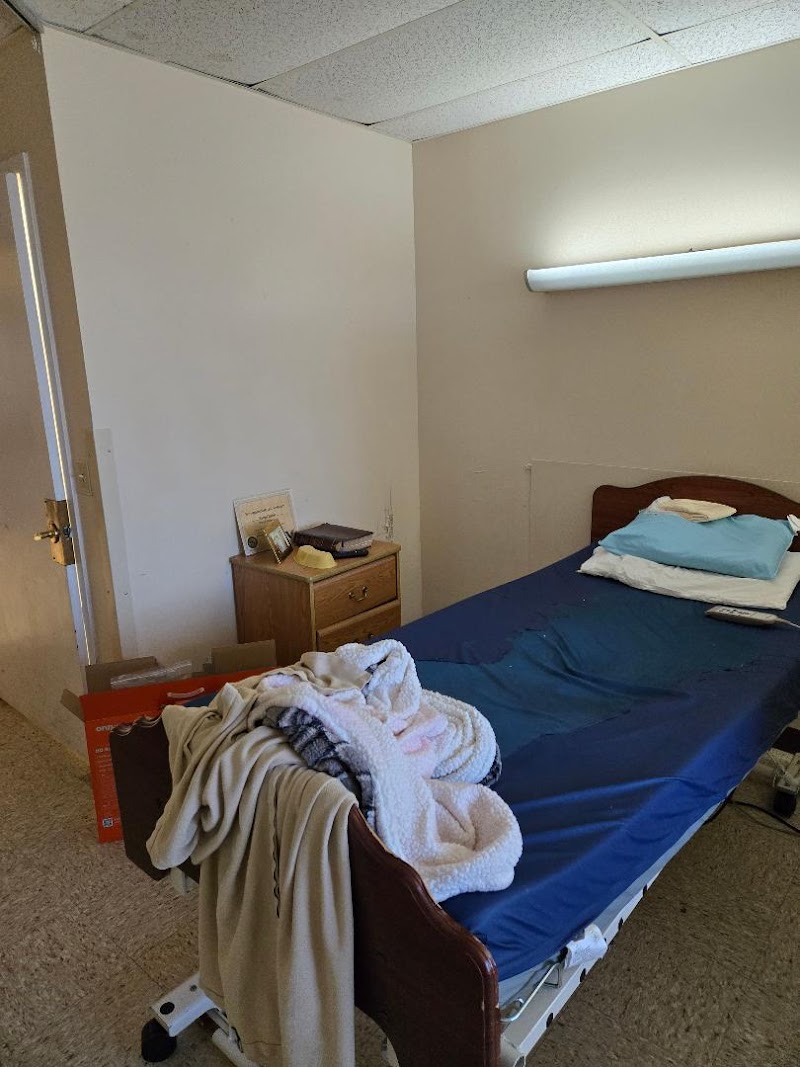
How is Buena Vida Nursing And Rehab-San Antonio Staffed?

CMS rates BUENA VIDA NURSING AND REHAB-SAN ANTONIO's staffing level at 1 out of 5 stars, which is much below average compared to other nursing homes. Staff turnover is 76%, which is 29 percentage points above the Texas average of 46%. High turnover can affect care consistency as new staff learn residents' individual needs. RN turnover specifically is 78%, which is notably high. RNs provide skilled clinical oversight, so turnover in this role can affect medical care quality.

What Have Inspectors Found at Buena Vida Nursing And Rehab-San Antonio?

State health inspectors documented 28 deficiencies at BUENA VIDA NURSING AND REHAB-SAN ANTONIO during 2022 to 2025. These included: 28 with potential for harm.
Who Owns and Operates Buena Vida Nursing And Rehab-San Antonio?

BUENA VIDA NURSING AND REHAB-SAN ANTONIO is owned by a for-profit company. For-profit facilities operate as businesses with obligations to shareholders or private owners. The facility is operated by CREATIVE SOLUTIONS IN HEALTHCARE, a chain that manages multiple nursing homes. With 222 certified beds and approximately 65 residents (about 29% occupancy), it is a large facility located in SAN ANTONIO, Texas.
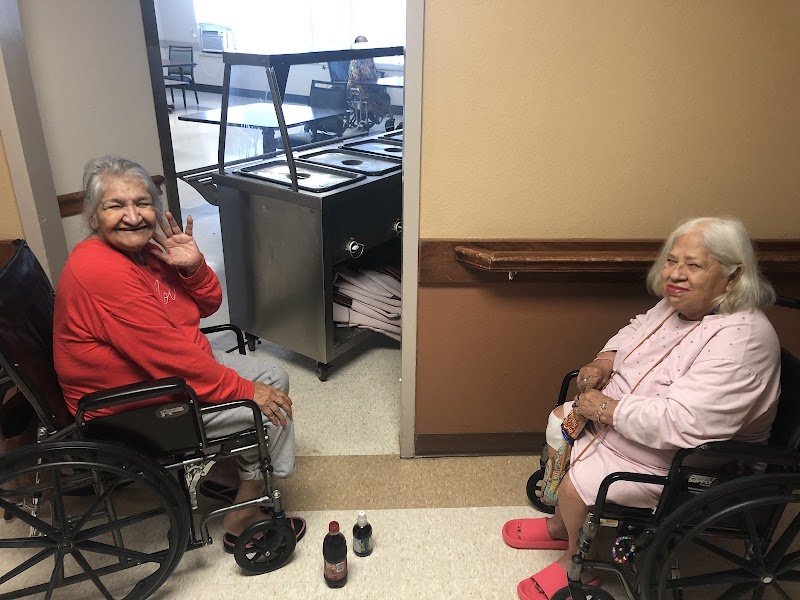
How Does Buena Vida Nursing And Rehab-San Antonio Compare to Other Texas Nursing Homes?

Compared to the 100 nursing homes in Texas, BUENA VIDA NURSING AND REHAB-SAN ANTONIO's overall rating (2 stars) is below the state average of 2.8, staff turnover (76%) is significantly higher than the state average of 46%, and health inspection rating (3 stars) is at the national benchmark.

What Should Families Ask When Visiting Buena Vida Nursing And Rehab-San Antonio?

Based on this facility's data, families visiting should ask: "How do you ensure continuity of care given staff turnover, and what is your staff retention strategy?" "Can you walk me through typical staffing levels on day, evening, and night shifts?" "Can I visit during a mealtime to observe dining assistance and food quality?" "How do you handle medical emergencies, and what is your hospital transfer rate?" These questions are particularly relevant given the facility's high staff turnover rate and the below-average staffing rating.

Is Buena Vida Nursing And Rehab-San Antonio Safe?

Based on CMS inspection data, BUENA VIDA NURSING AND REHAB-SAN ANTONIO has a clean safety record: no substantiated abuse findings (meaning no confirmed cases of resident harm), no Immediate Jeopardy citations (the most serious violation level indicating risk of serious injury or death), and is not on the Special Focus Facility watch list (a federal program monitoring the lowest-performing 1% of nursing homes). The facility has a 2-star overall rating and ranks #100 of 100 nursing homes in Texas. While no facility is perfect, families should still ask about staff-to-resident ratios and recent inspection results during their visit.

Do Nurses at Buena Vida Nursing And Rehab-San Antonio Stick Around?

Staff turnover at BUENA VIDA NURSING AND REHAB-SAN ANTONIO is high. At 76%, the facility is 29 percentage points above the Texas average of 46%. Registered Nurse turnover is particularly concerning at 78%. RNs handle complex medical decisions and coordinate care — frequent RN changes can directly impact care quality. High turnover means new staff may not know residents' individual needs, medications, or preferences. It can also be disorienting for residents, especially those with dementia who rely on familiar faces. Families should ask: What is causing the turnover? What retention programs are in place? How do you ensure care continuity during staff transitions?

Was Buena Vida Nursing And Rehab-San Antonio Ever Fined?

BUENA VIDA NURSING AND REHAB-SAN ANTONIO has been fined $227,920 across 1 penalty action. This is 6.4x the Texas average of $35,358. Fines at this level are uncommon and typically indicate a pattern of serious deficiencies, repeated violations, or failure to correct problems promptly. CMS reserves penalties of this magnitude for facilities that pose significant, documented risk to resident health or safety. Families should request specific documentation of what issues led to these fines and what systemic changes have been implemented.

Is Buena Vida Nursing And Rehab-San Antonio on Any Federal Watch List?

BUENA VIDA NURSING AND REHAB-SAN ANTONIO is not on any federal watch list. The most significant is the Special Focus Facility (SFF) program, which identifies the bottom 1% of nursing homes nationally based on persistent, serious quality problems. Not being on this list means the facility has avoided the pattern of deficiencies that triggers enhanced federal oversight. This is a positive indicator, though families should still review the facility's inspection history directly.