CASTLE HILLS REHABILITATION AND CARE CENTER
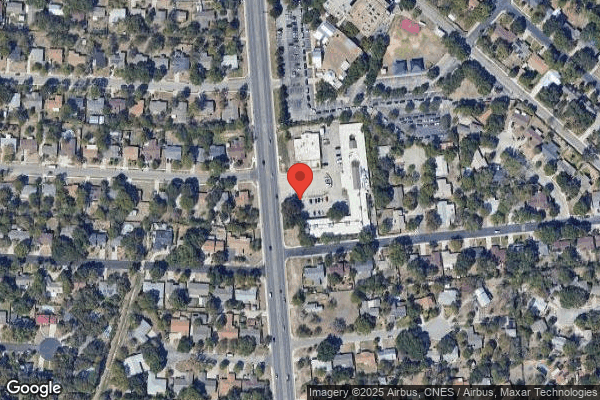
8020 BLANCO RD, SAN ANTONIO, TX 78216 (210) 344-4553
For profit - Corporation 143 Beds OPTIMA CARE Data: November 2025 8 Immediate Jeopardy citations
Trust Grade
0/100
#946 of 1168 in TX
Last Inspection: August 2024

Within standard 12-15 month inspection cycle. Federal law requires annual inspections.

Overview

Castle Hills Rehabilitation and Care Center currently holds a Trust Grade of F, indicating significant concerns about the quality of care provided. Ranked #946 out of 1168 facilities in Texas, this places it in the bottom half of nursing homes statewide, and at #45 out of 62 in Bexar County, indicating limited local options. The facility is showing signs of improvement, having reduced its number of issues from 20 in 2024 to just 5 in 2025, but it still faces serious challenges. Staffing is a potential strength, with a 0% turnover rate, which is much better than the state average, suggesting that staff are stable and familiar with the residents. However, the facility has accumulated $196,780 in fines, which is concerning and suggests ongoing compliance issues. Specific incidents highlight critical care failures, such as administering blood pressure medications to residents when their blood pressure was already low, which could lead to serious health risks. Additionally, one resident was able to leave the facility unaccompanied and cross a busy road, raising concerns about supervision and safety. While there are areas of strength, such as staffing stability, these serious issues cannot be overlooked, making it essential for families to weigh both the improvements and the risks when considering this facility.

Trust Score
F
0/100
In Texas
#946/1168
Bottom 20%
Safety Record
High Risk
Review needed
Inspections
Getting Better
20 → 5 violations
Staff Stability
○ Average
Turnover data not reported for this facility.
Penalties
✓ Good
$196,780 in fines. Lower than most Texas facilities. Relatively clean record.
Skilled Nurses
○ Average
RN staffing data not reported for this facility.
Violations
⚠ Watch
60 deficiencies on record. Higher than average. Multiple issues found across inspections.
★☆☆☆☆
1.0
Overall Rating
★☆☆☆☆
1.0
Staff Levels
★★★☆☆
3.0
Care Quality
★☆☆☆☆
1.0
Inspection Score
Stable
2024: 20 issues
2025: 5 issues

The Good

  • Full Sprinkler Coverage · Fire safety systems throughout facility
  • No fines on record

Facility shows strength in fire safety.

The Bad

1-Star Overall Rating

Below Texas average (2.8)

Significant quality concerns identified by CMS

Federal Fines: $196,780

Well above median ($33,413)

Significant penalties indicating serious issues

Chain: OPTIMA CARE

Part of a multi-facility chain

Ask about local staffing decisions and management

The Ugly 60 deficiencies on record

8 life-threatening
Sept 2025 1 deficiency 1 IJ
CRITICAL (J) 📢 Someone Reported This

A family member, employee, or ombudsman was alarmed enough to file a formal complaint

Immediate Jeopardy (IJ) - the most serious Medicare violation

Accident Prevention (Tag F0689)

Someone could have died · This affected 1 resident

**NOTE- TERMS IN BRACKETS HAVE BEEN EDITED TO PROTECT CONFIDENTIALITY** Based on observation, interview and record review, the facility failed to ensure that each resident received adequate supervisio...

Read full inspector narrative →
**NOTE- TERMS IN BRACKETS HAVE BEEN EDITED TO PROTECT CONFIDENTIALITY** Based on observation, interview and record review, the facility failed to ensure that each resident received adequate supervision to prevent elopement for 1 of 15 residents (Resident#74) reviewed for accident hazards and supervision. Resident #74 eloped at night and crossed a busy 5-lane road before she was found at a bus stop by an off-duty CNA. This failure resulted in the identification of an IJ (Immediate Jeopardy) on 09/10/25. While the immediacy was removed on 09/12/25, the facility remained out of compliance at a severity level of no actual harm with potential for more than minimal harm that is not immediate jeopardy and a scope of isolated due to the facility's need to monitor the implementation and effectiveness of its Plan of Removal This failure could place residents at risk for elopement, significant injury, and serious impairment or death.The Findings included:Observation on 9/9/25 from 8:50 AM to 10:15 AM of facility reflected: the inside door to the front lobby had a charm and keypad; the charm sounded when the door was opened. The door had an old wandering alert system not working and an electronic magnetic lock not working. The front door of the facility had no charm and/or keypad system or 15 second delay system; the front door was locked by a dead bolt. Receptionist desk was adjacent to the front door. Receptionist was present at the receptionist desk. Further observation of the path Resident #1 took during the elopement incident reflected the bus stop was about 150 feet from the facility. The bus stop was off the facility's ground and a 5-lane highway with busy traffic was adjacent to the bus stop. The resident had to cross the 5-lane road to get to the bus stop. Record review of Resident #74's face sheet, dated 9/10/25, reflected a 75 -year-old female who was admitted to the facility on [DATE] for respite care and discharged [DATE]. Resident #74 had diagnoses which included: HTN (hypertension), dementia (brain disorder resulting in decline in cognition), Alzheimer's disease (progressive disease that destroys memory), and breast cancer. The RP was listed as a family member. Record review of Resident's MDS, dated [DATE] in progress, reflected the resident's BIMS score was zero indicative of severe impairment in cognition. Resident was ambulatory. Record review of facility's incident report dated 9/6/25 titled Elopement Attempt Report, Resident #74, reflected: the timeline of elopement, namely between 8:59 PM and 10:08 PM. Further, the interview the Administrator had with the resident at 9/7/25 at 9:45 AM, the resident communicated to the Administrator she looked for an opportunity to elope and did not want to remain in the facility and wanted to visit her sister. The resident stated her work was done and she did not need to occupy a bed of another patient. Record review of Resident #74's Ambulation Assessment, dated 9/3/25, reflected resident was ambulatory. Record review of Care Plan dated 9/3/25 (baseline) read: .Assess for risk of elopement.Frequent rounding of resident. Record review of Resident #74 elopement score, dated 9/3/25 was 7 (moderate risk) [3-7score equaled moderate risk for elopement] Record review of Resident #74's Nurse Note, dated 9/6/25, at 8:58 PM authored by RN E reflected resident was seen wandering throughout the facility. Record revies of Resident #74's Nurse Note dated 9/6/25 at 10:33 PM authored by RN E read, .CNA [D] reports to this nurse [RN E], resident noted at bus stop across the street from facility. Brought resident back in with him. Resident confused; states she is trying to find her sister. Resident denies being hurt or any pain. Respiration even. Skin warm and dry. Skin assessment clear, no issues. [vitals]116/74 [blood pressure]62 [pulse] 18 [respiration] 97.8 [temperature] 96% [O2]Room Air Assisted to room and into bed. No acute distress noted. Call placed and message left for RP. Record review of facility's Elopement Binder, undated, found at the receptionist's desk reflected the presence of 15 face sheets with photographs. Resident #74 's face sheet and photo were in the binder. Record review of receptionist's written statement undated reflected she left the receptionist station around 9:40 PM to purchase dinner at a nearby restaurant. Receptionist stated she did not turn on the foyer alarm at 8:00 PM and she could not recall setting the alarm at 10:00 PM. During an interview on 9/9/25 at 10:10 AM the Maintenance Director, who accompanied the survey on Resident #74's route of elopement, stated he could not explain why the inside door charm was not heard and the keypad not set after 8:00 PM. The Maintenance Director stated the facility did not have a patient alert system. The Maintenance Director stated the distance to the bus stop was about 150 feet from the facility. The Maintenance Director stated it was a negative incident for a resident to wander to the bus stop because of the dangers of traffic, accidents and hazards, and stray dogs. The Maintenance Director stated the last time he checked the door alarm system was 8/25/25 and there were no concerns and he checked the alarm system weekly. During an interview on 9/9/25 at 11:05 AM, the DON stated Resident #74 was discharged on 9/8/25 around 5 PM because she needed to be in an environment that she was more comfortable in, and her family returned to town yesterday (9/8/25). The DON stated the resident was scheduled for respite care for 8 days at the time of admissions (9/3/25). The DON stated the resident's primary diagnoses included dementia, breast cancer, HTN, and pain; and the resident's BIMs was a zero (severe impairment). The DON stated Resident #74' elopement assessment on 9/3/25 scored was 07 indicative of at risk for elopement. The DON stated RN E documented that the resident was confused on 9/6/25 [date of elopement] and wandering throughout the facility and easily redirected. The DON stated that in RN E's statement she visibly saw the resident around 9:50 PM and the resident was following CNAs down the hall. The DON stated the last time Resident #74 was seen was at 10:08 PM by CNA D at the bus stop and brought back to the facility. The DON stated that Resident #74 communicated to CNA D she wanted to go home. DON stated the resident was assessed by RN E and the resident did not exhibit any adverse physical or psychosocial harm. The DON stated the RP, and the MD were notified. The DON stated a receptionist [Receptionist F] was not present between 9:50 PM and 10:08 PM (an 18-minute gap). The DON repeated there was no receptionist present at the timeframe of elopement. The DON stated she assumed the exit foyer door charm rang but not heard by any staff and the keypad was not set. The DON stated after the facility's investigation, it was determined the keypad was not set. The DON stated she was notified of the elopement on 9/8/25 around 10:10 PM. The DON stated it was not safe for Resident #74 to be outside the facility because she could be struck by a car or gotten lost. During an interview on 9/9/25 at 11:53 AM, CNA D stated he was off on 9/6/25 and passed the facility and, I glanced at the facility and saw the resident at the bus stop. CNA D stated he recognized the resident based on the fact he had seen the resident in the facility. CNA D stated he stopped, and the resident told him she wanted to go home; and she forgot where she was. CNA D stated the bus stop was across the street from the facility. CNA D stated he did not know how the resident crossed the street. CNA D stated the resident could have been harmed or struck by a car or a lot of things. CNA D stated he knew the resident had a diagnose of dementia. CNA D stated he had no explanation how the resident eloped. During a telephone interview on 9/9/25 at 1:35 PM, the RP stated she was called when the resident eloped. The RP described the resident as a person with dementia who was ambulatory and exit seeking. The RP stated she was concerned that the resident was able to elope without the facility noticing her absence and her crossing a busy road. The RP stated that the resident told her she left the facility during shift change. The RP stated the resident was safe in her home after being discharged from the facility on 9/8/25. During a telephone interview on 9/9/25 at 2:00 PM, RN E stated she physically saw Resident #74 following staff (CNAs and CMAs) asking them where her sister was. RN E stated the resident was a wanderer throughout the facility. RN E stated the resident eloped during night shift change (10:00 PM). RN E stated the door leading to the front door required the setting of the keypad at 8:00 PM when the receptionist ended her workday. RN E stated, staff forgot to set the keypad which was the root-cause of the resident eloping. RN E stated she assessed the resident when she returned to the facility and there was no physical or psychosocial harm. RN E stated the resident could have been hit by a car crossing the road near the facility. During a telephone interview on 2/9/25 at 2:15 PM, the MD stated the facility should have followed elopement protocols involving Resident #74. The MD stated the key to Resident #74's elopement should have been prevention. During a telephone interview on 9/10/25 at 10:53 AM RN H stated she saw Resident #74 wandering throughout the facility on 9/6/25 and she knew the resident had a diagnosis of dementia. RN H stated she was not called at 8:00 PM by the receptionist [Receptionist F] to set the foyer key lock alarm. RN H stated she was called by the receptionist [F] at 10:00 PM to set the alarm but she was too busy and did not set the alarm. RN H stated she was aware of the need to set the keypad alarm as per elopement protocol. RN H stated at shift change she was not present at the foyer location to hear the charm sounding. RC H stated she could not give an explanation how the resident eloped and why the resident was not monitored as a wanderer at risk for elopement by other nursing staff. During an interview on 9/9/25 at 3:04 PM, the Administrator stated Resident #74 was admitted for 5-7 days for respite care. The Administrator stated the timeline based on the self-report was the resident was admitted on [DATE] and was last seen on 9/6/25 at 9:50 PM by RN E; shift change occurred at 10:00 PM; and the resident was found across the street at a bus stop at 10:08 PM by CNA D who was not on duty. The Administrator stated the keypad had not been set at 8:00 PM by the RN H as requested by the receptionist [Receptionist F]. The Administrator stated RN H confirmed the keypad had not been set on 9/6/25 at 8:00 PM per protocol. The administrator stated the facility had a protocol for elopement and he did not explain why the protocol was not followed by the receptionist [F] and verified by the RN [H]. The Administrator stated the What apps [computer-based application for tracking setting of alarms] did not show that the keypad was armed/set on 9/6/25 at 8:00PM. The Administrator stated he assumed the keypad would be set at 8:00 PM. During an interview on 9/10/25 at 9:11 AM, the ADON stated based on nursing practice after a shift change at 10:00 PM the on-coming nursing staff would check on the resident population or at a minimum by midnight. The ADON stated that she could not give an explanation why the headcount of Resident #74 after shift change (average time was 15-20 minutes) was not done or documented by exception. During a telephone interview on 9/10/25 at 10:00 AM, Receptionist F stated she did not arm the foyer door at 8:00 PM on 9/6/25 because I got busy. The receptionist stated protocol called for the arming of the foyer door at 8:00 PM and verified by another staff member. The receptionist stated her shift was from 8 AM to 10:00 PM and she left duty on 9/6/25 at 10:01 PM. The receptionist stated she did not see Resident #74 throughout the day and there was an elopement binder at the receptionist desk which contained the face sheet and photo of Resident #74. The receptionist stated that RN H did not arm the foyer door at 8:00 PM. Record review of facility's investigation binder dated 9/6/25 reflected:---HHS self-report dated 9/6/25 with a finding of confirmed.---Written statement by CNA D dated 9/6/25 which documented while he was off-duty found Resident #74 across the facility at a bus stop.---Written statement by RN E dated 9/6/25 which documented she last saw Resident #74 in the facility on 9/6/25 at 9:50 PM.---The Facility's root -cause analysis which identified the root cause as the foyer alarm not being set and the receptionist not being at the front door receptionist desk.----The Disciplinary form entitled coaching given to the Receptionist F for not setting the alarm and giving false information.---The Sign-in sheet for the Ad-hoc QAPI meeting on 9/7/25 which addressed the root-cause analysis of Resident #74's elopement.---The In-service sign in sheets on elopement dated 9/7/25 given to 18 staff members [total paid staff was 89].----Resident #74's 15-minute monitoring sheet started 9/6/25 and ended 9/8/25.---Resident #74's one-on-one monitoring sheet initiated on 9/7/25 and ended 9/8/25. Record review of facility's Maintenance Log, undated, reflected the alarm system to the door leading to the front lobby was checked on 8/25/25. Record review of Receptionist F's Employee Coaching dated 9/7/25 reflected she provided inaccurate information to the Administrator that the foyer door was locked and keyed at 8:00 PM on 9/6/25. Receptionist was in-serviced on elopement policy, accurate reporting, and expectations. Record review of RN E's written statement dated 9/6/25 reflected she saw Resident #74 wandering the facility at 9:50 PM following a CNA. The next time RN E saw the resident was at 10:08 PM when she was returned to the facility by a CNA D. Record review of RN H's written statement date 9/7/25 reflected the RN H did not set the alarm (9/6/25 at 8:00 PM) when it was due to be set. Record review of facility's Alarm Check form, undated, read: .First door alarm to be turned on no later than 8:00 PM. Door will be checked every 2 hours to ensure it is functional. Record review of facility's Emergency Procedure-Missing Resident, dated August 2028, read: .Residents at risk for wandering and/or elopement will be monitored, and staff will take necessary precautions to ensure their safety. Record review of the facility's Wandering and Elopement policy, dated March 2029 read: .If identified as a risk for wandering, elopement, or other safety issues, the resident's care plan will include strategies and interventions to maintain the resident's safety. This was determined to be an immediate jeopardy (IJ) on 09/10/25 at 4:25 PM. The Administrator was notified. The Administrator was provided with the template on 09/10/25 at 4:25 PM.The following Plan of Removal submitted by the facility was accepted on 09/11/25 at 10:32 AM. It was documented as follows: PLAN OF REMOVAL FOR IMMEDIATE JEOPARDY To Whom it May Concern, Summary of details which leads to outcomes.On September 10, 2025, an investigation was initiated at [Nursing Facility] At approximately 4:41 pm on September 10, 2025, a surveyor provided written notification that Texas Health and Human Services had determined the conditions at [ Nursing Facility] constitute immediate jeopardy to resident health and safety. The Immediate Jeopardy findings were identified in the following areas:F-0689 - Free of Accident Hazards/Supervision/Devices Immediate Corrections Implemented for Removal of Immediate Jeopardy.On September 6, 2025, at approximately 10:08pm resident #74, who was admitted on [DATE], for a short-term respite stay, was identified as having eloped from facility and returned safely at 10:10pm by a C.N.A. who was not on shift. Action: Resident #74 was immediately assessed by charge nurse on duty, RN [E] and found to be free of adverse effects related to elopement. Resident was placed on 15-minute checks while sleeping throughout the night, and on 1:1 care at 7:25am and remained on 1:1 supervision until safely discharging home with family on September 8, 2025, at 5:00pm. On September 10, 2025, at approximately 5:00 pm the following actions were taken:Action: Facility Administrator and Director of Nursing were educated by Regional Clinical Nurse and Area President on Abuse and Neglect, Wandering and Elopement, Emergency Procedure for Missing Persons, Elopement/Missing Person Protocol The sole responsibility was on the receptionist [Receptionist F] who didn't comply. The receptionist was coached (and placed on notice) by the Administrator and Director of Nursing (DON). She was also re-educated on the protocol. The RN [H] was re-educated on the protocol by the DON. Start Date: 9/10/2025.Completion Date: 9/10/2025Responsible: Regional Clinical Nurse/Area President Action: Education initiated Abuse and Neglect, Residents Rights, Wandering and Elopement, Emergency Procedure for Missing Persons, Elopement/Missing Person Protocol, Process to secure front door. The Staff was in-serviced on resetting door code/keypad. The staff were also educated on the receptionist duty hours of 8:00 am to 10:00 pm by the DON, Administrator, Director of Nursing or Department Manager or designee. The staff has been in-serviced by the DON, Administrator, Director of Nursing or Department Manager or designee that the doors are locked at 8:00 pm. Education will be completed for all staff, including PRN employees or agency (if applicable). The facility does not utilize agency staff. New hires will be educated in orientation.Start Date: 9/10/2025.Completion Date: 9/10/2025Responsible: Director of Nursing/designee Action: Administrator validated that exit doors are functioning as designed and intended. Start Date: 9/10/2025.Completion Date: 9/10/2025Responsible: Administrator/Designee IDENTIFICATION OF OTHERS AFFECTED:All residents have the potential to be affected.Action: An audit was completed on Elopement and Wandering Risk Assessment on all residents and validated all residents at risk of elopement, score of 3 or greater, have appropriate interventions and plan of care in place per risk assessment.Start Date: 9/10/2025.Completion Date: 9/10/2025Responsible: Director of nursing/designee SYSTEMIC CHANGES AND/OR MEASURES:Action: In-service and education on Abuse and Neglect, Resident Rights, Wandering and Elopement, Emergency Procedure for Missing Persons, Elopement/Missing Person Protocol, and the process to secure front door.Start Date: 9/10/2025.Completion Date: 9/10/2025 and ongoing for all new hiresResponsible Party: Director of Nursing/Designee Action: Ad hoc QAPI meeting held with IDT team and MD to review policy on Elopement, Abuse and neglect, and Plan of removal/response to Immediate Jeopardy Citation on 9/10/2025.Start Date: 9/10/2025.Completion Date: 9/10/2025Responsible: Administrator/Designee Action: A secondary alarm was installed on exterior front door. The secondary alarm will be secured at 8pm daily and validated by receptionist and a nurse employee. Once alarm has been secured, employees will send a secure message to department heads to confirm completion. A quote for exterior doors with magnetic lock and keypad release was obtained, reviewed, and submitted to corporate office for scheduling of installation.Start Date: 9/10/2025.Completion Date: 9/10/2025Responsible Party: Maintenance Director/Administrator or designee Tracking and Monitoring Director of Nursing/Designee will review residents with at risk for wandering or elopement identified or newly admitted with history of elopements to assure appropriate interventions and plan of care are in place 5 times per week beginning 9/10/2025 Administrator/designee will complete random audit every shift for 7 days, beginning 9/11/205, for appropriate staff response to wandering or potentially exit seeking residents, immediate education will be provided, if necessary, then will monitor random shifts, 5 times a week. Administrator/designee will complete audit of exits for proper functioning of doors, and alarms for proper functioning every shift for 7 days, beginning 9/10/2023 then will monitor random shifts, 5 times a week. The receptionist is on duty 7 days a week from 8:00 am to 10:00 pm including weekends Tracking and Monitoring will be reviewed with Quality Assurance Committee monthly, for three months and as needed thereafter. Any trends or concerns were/will be addressed with Quality Assurance Performance Committee and continue until a lessor frequency deemed appropriate through QAPI review. Administrator Validation of the POR. Key Observations: Observation on 9/11/25 from 4:45 PM-4:50 PM reflected no door posed an elopement risk. The doors sounded with an alarm which allowed staff to respond in the event a resident attempted an elopement. Further observation reflected the foyer door where Resident #74 used to elope was armed and the keypad was operational. The front door to the facility had been modified with an alarm. Observation on 9/11/25 at 4:55 PM of facility's Elopement Risk binder contained 24 residents face sheets and photo. Also, the binder contained the elopement risk tool and the elopement protocol. Observation on 9/11/25 at 4:56 PM reflected the presence and functioning of a secondary alarm on the exterior front door. Also sign present for visitors was a posting on the foyer exit door that read: Attention. Please be observant. Do not allow residents to follow you out. Key Interviews:During a telephone interview on 9/9/25 at 1:35 PM, RP stated she was called when the resident eloped. The RP confirmed that the resident was at her home. During a joint interview on 9/11/25 at 4:20 PM with the Administrator and DON, the Administrator stated the highlight of the training on ANE was to utilize the elopement protocol to ensure safety and for staff/residents/visitors to report any allegation of ANE. The Administrator stated the highlight of the Wandering Inservice was not to make assumptions that staff followed elopement protocols. The DON stated the point stressed on Emergency Procedures was to know the whereabout of residents throughout the day. The DON stated the highlight of the Elopement/Missing Person Protocol was to thoroughly check the elopement risk score and put prevention measures in place. The Administrator stated: The sole responsibility was on the receptionist who did not comply. The receptionist was coached (and placed on notice) by the Administrator and Director of Nursing (DON). She was also re-educated on the protocol. During an interview on 9/11/25 at 4:35 PM, the DON stated the facility had 3 shifts (6:00 AM-2:00 PM, 2:00 PM to 10:00 PM, and 10:00 PM to 6:00AM; and same shifts on weekends. During an interview on 9/11/25 at 4:37 PM, the Administrator stated he checked the exit doors every starting on 9/10/25 and would continue for 7 days and then for 5 days and then there would be a QAPI review. During an interview on 9/11/25 at 5:11 PM, CMA J(Medical Records, CMA) stated she attended the QAPI meeting on 9/10/25 and the highlight of the meeting was discussion of measures to prevent elopement and review of the elopement protocol. During an interview on 9/11/25 at 5:19 PM, CMA J stated when assigned the duty of receptionist would call a nurse to set the keypad at the foyer door at 8 PM, and wait until it was set, and test that the alarm triggered. Once the alarm was set the receptionist would send a message to department heads that the alarm was set at 8:00 PM. During an interview on 9/11/25 at 5:34 PM, the DON stated the facility had one new admission on [DATE] and the resident (Resident #1) scored a zero on elopement screen. [Record review of resident #1's elopement score on 9/11/25 reflected a score of zero.] During an interview on 9/11/25 at 5:44 PM stated the next QAPI meeting was scheduled for 9/29/25. In-service: During an interview on 9/11/25 at 6:00 PM, Receptionist L stated the highlights of his training included: ANE was to report immediately, for elopement to check on residents that wandered and check the elopement risk book if not certain, and to search for any missing residents. Also, Receptionist L stated to check on the setting of the alarm at 8:00 PM and if he had to take a break have another staff cover the reception desk. During an interview on 9/11/25 at 6:10 PM, RN M stated Abuse/Neglect/Exploitation [ANE [highlight was to report immediately. The main point on elopement to monitor wanders and start an immediate search when a resident; to check on residents every shift change and every 2 hours. The RN stated that the alarm had to be set at 8:00 PM and check the alarms every 2 hours. During an interview on 9/11/25 at 6:15 PM, CNA N stated ANE highlight was to report allegations of abuse to the Administrator who was the Abuse Coordinator. Regarding rights was to respect the resident rights. As for elopement to monitor, check on the whereabouts of residents, and listen for the door opening a closing. The CNA stated that at 8:00 PM to check that the exit door keypad was set. Likewise, when she arrived on duty to ensure assigned are in the facility. During an interview on 9/12/25 at 2:05 PM, LVN I stated she attended in-services, and the major highlights were report ANE to the Abuse Coordinator, respect resident rights, and to headcount the caseload. LVN stated that nursing staff needed to follow elopement and missing person protocols. During an interview on 9/12/25 at 2:09 PM, CMA O stated he attended in-services and the highlights were report ANE, respect resident rights, and ensure the doors were secured at 8:00 PM. The CNA stated that staff need to monitor wanderers and at shift change do a head count of the residents. The CNA commented that he had to participate in searching in the event a resident went missing. During an interview on 9/12/25 at 2:15 PM, CNA P stated she attended in-services and recalled the points made were to report ANE to the Abuse Coordinator, the Administrator, and to be alert for residents that were wanderers and exit seekers. She also was to check that doors were armed and secured at 8:00 PM and participate in the search of any missing resident. Night Shift (10 PM-6 AM) During a telephone interview on 9/11/25 at 10:05 PM, LVN Q stated: the highlight of the in-service on ANE was to report any suspicion of abuse to the Abuse Coordinator. As for Rights, LVN Q stated to respect the resident's right to participate in treatment. LVN Q stated the high point on the elopement training was to check on residents and to ensure the door key lock was properly set. During a telephone interview on 9/11/25 at 10:10 PM, LVN R stated the highlights of the in-services were report abuse, respect resident rights, know the whereabouts of residents, and properly set the door key lock at 8:00 PM. During a telephone interview on 9/11/25 at 10:15 PM, LVN S stated she attended in-service training and some of the highlights were: the abuse coordinator was the Administrator, respect resident rights, and check on residents during shift change and regularly throughout the shift. LVN added that a code had to be called when a resident was missing and to follow the elopement and missing person protocols. Day Shift (6:00 AM-2:00 PM) During an interview on 9/12/25 at 8:35 AM, LN A stated the highlights of her in-service trainings were report ANE to the abuse coordinator, respect resident rights to participate in care, and for elopement to search and know the whereabouts of residents; and set the alarm at night and check often that the alarm is set. During an interview on 9/12/25 at 8:47 AM, LVN T stated the key points of the in-services were: to report immediately any allegations of ANE; and to respect the resident rights make decisions on care. LVN stated that staff needed to know the whereabouts of residents and to immediately search for any missing resident per protocol. LVN stated to set alarm at night and to document the setting of the alarm. During an interview on 9/12/25 at 8:54 AM, RT [respiratory therapist] U stated the key points made in the in-services were to report ANE in a timely manner, and respect resident right around treatment and care. RT stated the highlight of the elopement in-service was to follow protocols and ensue the alarm was set. The RT U stated, to also know the whereabouts of residents. During an interview on 9/12/25 at 1:50 PM, Housekeeping V, stated she learned from her training to report any suspicion of ANE to nurse management. She added that as a housekeeper she was to monitor any resident exit seeking and to inform nurse management. Also, she was to participate in any search of missing residents. During an interview on 9/12/225 at 1:53 PM, Rehab Director W, stated he attended in-services, and the main points made were: follow elopement and missing person protocols; and report ANE to the Abuse Coordinator, the Administrator. During an interview on 9/12/25 at 1:55 PM, CNA X stated she attended in-services, and she recalled report ANE, check on doors and whereabouts of residents. Also, the CNA stated she was to check doors and ensure resident safety. During an interview on 9/12/25 at 1:58 PM, CNA Y stated she attended in-services and what stood out was to report ANE to the Administrator. As for elopement and missing persons she was to monitor wanders and know the whereabouts of her caseload. Weekend Coverage During an interview on 9/12/25 at 8:40 AM, CMA Z stated that he worked on weekends and had received in-service training. CMA stated he remembered from the training ANE to report immediately to the Abuse Coordinator, respect resident rights. As for elopement the CMA stated the highlights were: monitor residents always especially shift change and ensure that the alarm is set at 8 PM to 6 AM. CMA stated if a resident was missing to follow missing person protocol. During an interview on 9/12/25 at 9:05 AM, CMA J (Medical Records and Receptionist) stated she works as weekends. She stated that training was initiated after the incident of elopement of 9/6/25. She remembered from the training to report immediately to the Administrator any allegation of ANE. She commented that resident rights needed to be respected. Regarding elopement, she stated: to monitor movement of the exit door and check the elopement binder. Moreover, she stated the alarm was set at 8:00 PM and the receptionist evaluated the alarm system and then sent a notice to management on the What Apps that the alarm was set and secured. PRN Staff During telephone interview on 9/12/25 at 1:30 PM, Receptionist AA, stated the highlights of the in-services were: report abuse, respect resident rights, and for elopement check on the exit door and check the alarm was set. Receptionist stated that a elopement binder was at the receptionist desk and her training called for search for missing residents and reporting to management. During a telephone interview on 9/12/25 at 1:35 PM, LVN Q stated the key points of her in-services were: to report ANE and follow protocols on elopement and missing persons. LVN stated the training stressed to headcount residents during shift change and throughout the day. During a telephone interview on 9/12/25 at 1:38 PM, CNA BB stated, the in-services stressed to report ANE and respect resident rights. Also, the CNA stated she needed to headcount her residents and monitor the movement of wanders. The CNA stated she needed to ensure doors were armed and locked at 8:00 PM. In the event a resident went missing she was to follow the missing person checklist. During a telephone interview on 9/12/25 at 1:43 PM, CNA CC stated she attended in-services and remembered to report any allegations of ANE to the Abuse Coordinator, the Administrator. She stated that as a CNA she needed to headcount her caseload and check on the arming of doors after 8:00 PM. If a resident went missing, she would participate in the search of the resident. During an interview on 9/12/25 at 10:57 AM, the Administrator stated the 1:1 [for Resident #74] started on 9/7/25 at 7:00 AM by staff member CMA J and continued by CMA K and thereafter continued on a 24-hour basis until resident's discharge on [DATE] at 5:00 PM. Key Record Reviews: Record review of receptionist timecards [receptionist F, G and J] from 9/6/25 to 9/11/25 reflected a schedule of hours from 8:00 AM to 10:00 PM. Record revies of Resident #74's Nurse Note dated 9/6/25 at 10:33 PM authored by RN E read: .CNA [D] reports to this nurse [RN E], resident noted at bus stop across
Aug 2025 1 deficiency
CONCERN (D) 📢 Someone Reported This

A family member, employee, or ombudsman was alarmed enough to file a formal complaint

Potential for Harm - no one hurt, but risky conditions existed

PASARR Coordination (Tag F0644)

Could have caused harm · This affected 1 resident

**NOTE- TERMS IN BRACKETS HAVE BEEN EDITED TO PROTECT CONFIDENTIALITY** Based on interviews and record reviews the facility failed to coordinate assessments with the pre-admission screening and reside...

Read full inspector narrative →
**NOTE- TERMS IN BRACKETS HAVE BEEN EDITED TO PROTECT CONFIDENTIALITY** Based on interviews and record reviews the facility failed to coordinate assessments with the pre-admission screening and resident review (PASARR) program under Medicaid in subpart C of this part to the maximum extent practicable to avoid duplicative testing and effort for 1 of 8 residents (Resident #1) reviewed for Nursing Facility Specialized Services. The facility failed to ensure a request to the State Agency was submitted for Resident #1 within the 20th day timeframe so the resident could benefit from a DME customized wheelchair. This failure could place residents at risk for not receiving the benefits of the recommendations from the LIDDA. The findings included: A record review of Resident #1's admission record dated 8/15/2025 revealed an admission date of 3/21/2025 with diagnoses which included cerebral palsy (a group of disorders that affect movement and muscle coordination caused by brain damage or abnormal development, usually occurring before, during, or shortly after birth.)A record review of Resident #1'a quarterly MDS assessment dated [DATE] revealed Resident #1 was a [AGE] year-old female admitted for LTC and assessed as medically complex with a BIMS score of 15 out of a possible 15 which indicated intact cognition. Further review revealed Resident #1 was assessed with the need and use of a manual wheelchair. A record review of Resident #1's care plan dated 8/15/2025 revealed, (Resident #1) has impaired physical functioning related to range of motion limitations, bilateral lower extremities, cerebral palsy, and activity intolerance, date-initiated March 22nd, 2025, locomotion; dependent in manual wheelchair; initiated March 22nd, 2025; revision April 10th, 2025. A record review of Resident #1's initial PASSR Comprehensive Service Plan Form (PCSP) dated 4/16/2025 revealed the LIDDA assessed Resident #1 positive for intellectual developmental disabilities and recommended that Resident #1 would benefit from the use of a DME customized wheelchair. A record review of the email correspondence between the Facility's Regional Therapy Resource, the Administrator, the SW, the LIDDA, and the HHSC PASSR Quality Monitoring unit from 7/24/2025 through 7/25/2025 revealed the PASSR QM unit advised the facility, the reason for this e-mail is to notify you that according to our records and interdisciplinary team meeting was held and entered into the long term care online portal for one or more of your residents. During the IDT meeting nursing facility specialized services were recommended and agreed upon for the resident in your facility. For your facility to be in compliance with the 26 Texas administration code chapter 554 subchapter BB Section 554.2704 (I)(7) A nursing facility must initiate nursing facility specialized services within 20 business days following the date that the services are agreed to in the IDT meeting. Currently your nursing facility is out of compliance as per this TAC rule; as of today our records show that the HHSC PASRR unit has not received a request for specialized services for the following residents: (Resident #1) date of IDT meeting: 4/16/2025. During an interview on 8/14/2025 at 3:00 PM the SW stated the facility's expectations were for residents who were assessed as PASSR positive for IDD would have a coordinated care plan meeting with the LIDDA and if the LIDDA recommended and NFSS the SW would submit the recommendations in the Texas Medicaid & Healthcare Partnership (TMHP) via the Simple Care Forms System (SimpleCFS) website. The SW stated she was responsible for submitting NFSS's recommended by the LIDDA into the TMHP SimpleCFS website. The SW stated Resident #1 had a care plan meeting with the LIDDA on 4/16/2025 where the LIDDA recommended a custom wheelchair for Resident #1. The SW stated she had not submitted the NFSS for the custom wheelchair in the SimpleCFS website by 5/14/2025 because the DOR had not been able to secure the DME custom wheelchair from the DME vendor. The SW stated she was unaware she was required to enter the NFSS for the wheelchair in the SimpleCFS website within 20 days from the LIDDA care plan meeting. During an interview on 8/15/2025 at 4:00 PM the Administrator stated the facility's policy had not addressed the requirement from the State Agency to have a NFSS Submitted into the SimpleCFS website within 20 days from the LIDDA care plan meeting. The Administrator stated the risk to residents could be a possible delay in NFSS services however his policy was for residents to receive services prior to approval from the TMHP SimpleCFS regardless of a payor source. The Administrator stated Resident #1 was assessed by the DOR as safe in the bariatric wheelchair provided by the facility.
Jun 2025 1 deficiency
CONCERN (D) 📢 Someone Reported This

A family member, employee, or ombudsman was alarmed enough to file a formal complaint

Potential for Harm - no one hurt, but risky conditions existed

Report Alleged Abuse (Tag F0609)

Could have caused harm · This affected 1 resident

**NOTE- TERMS IN BRACKETS HAVE BEEN EDITED TO PROTECT CONFIDENTIALITY** Based on interviews and record reviews the facility failed to ensure that all alleged violations involving abuse, neglect, explo...

Read full inspector narrative →
**NOTE- TERMS IN BRACKETS HAVE BEEN EDITED TO PROTECT CONFIDENTIALITY** Based on interviews and record reviews the facility failed to ensure that all alleged violations involving abuse, neglect, exploitation or mistreatment, including injuries of unknown source and misappropriation of resident property, were reported immediately, but not later than 2 hours after the allegation is made, if the events that cause the allegation involve abuse or result in serious bodily injury, or not later than 24 hours if the events that cause the allegation do not involve abuse and do not result in serious bodily injury, to the administrator of the facility and to other officials (including to the State Survey Agency and adult protective services where state law provides for jurisdiction in long-term care facilities) in accordance with State law through established procedures, for 1 of 5 residents (Residents #1) reviewed for reporting allegations of abuse and neglect.Administrator failed to report an incident of suspected abuse, from 06/18/2025, to the State Survey agency (HHSC) within the required 2 hours for suspected abuse.This failure could place residents at risk for continued abuse and neglect.The findings were: Record review of Resident #1's face sheet dated 06/24/2025 revealed resident was a [AGE] year-old male admitted to the facility on [DATE] and readmitted on [DATE]. Resident #1 had diagnoses that included chronic systolic (congestive) heart failure, epilepsy, and chronic obstructive pulmonary disease. Record review of the facility provided Provider Investigation Report dated 06/19/2025 revealed the incident was observed on 06/18/2025, at 10:30 PM., and reported to HHSC on 06/19/2024 at 04:41 PM. CNA B reported to the DON that she observed CNA A kissing Resident #1. Interview with CNA B on 06/25/2025 at 10:54 AM revealed she observed the incident with CNA A and resident #1 on 06/18/2025 around 10:30 PM and called the DON immediately to report the incident. CNA B stated the DON asked her to write a statement while the DON called the administrator for guidance. CNA B stated she received training on abuse/neglect and when to/how to report it in February when the new company bought out the old company. CNA B stated per the training any suspected abuse/ neglect is to be reported to the administrator immediately. Interview with DON on 06/25/2025 at 3:18 PM revealed CNA B called to report an incident between CNA A and resident #1 at 10:15 PM. DON stated she text the administrator at 10:19 PM informing him of the incident. DON stated she was instructed to contact CNA A and place her on suspension immediately pending the investigation. DON stated she text CNA A at 10:28 PM informing her of the suspension pending the investigation. DON stated she received training on abuse/neglect and how to/when to report it upon hire in February. DON stated the facility receives in-services on abuse/neglect frequently in response to incidents at the facility. Interview with the Administrator on 06/26/2025 at 9:51 AM revealed he was the abuse and neglect coordinator and the person responsible to report any suspected abuse/neglect to HHSC within the regulated timeframes. Administrator stated he first learned of the incident between CNA A and resident #1 on 06/18/2025 around 10:30 PM. Administrator stated after ensuring the resident felt safe and free from abuse, they let the resident sleep the rest of the night. Administrator stated he started to investigate the incident the following morning, on 06/19/2025. Administrator stated after conducting his investigation he made the report to HHSC in the afternoon around 4:30 PM. Administrator stated he received abuse and neglect training in February of 2025 when the new company bought out the old company. Administrator stated any suspected abuse/neglect was to be reported to him immediately and he was to report it to HHSC within 2 hours of the facility learning of the incident. Administrator stated failure to report incidents of abuse/neglect to HHSC could place the residents a further risk of abuse or neglect.Record review of CNA A's employee file revealed CNA A was suspended via phone on 06/18/2025 pending an investigation. CNA A was terminated via phone on 06/19/2025. Record review of facility policy named Abuse, Neglect and Exploitation, with a implemented date of 02/01/2025, revealed VII. Reporting/Response A. The facility will have written procedures that include: I. Reporting of all alleged violations to the Administrator, state agency, adult protective services and to all other required agencies (e.g., law enforcement when applicable) within specified timeframes: a. Immediately, but not later than 2 hours after the allegation is made, if the events that cause the allegation involve abuse or result in serious bodily injury, or b. Not later than 24 hours if the events that cause the allegation do not involve abuse and do not result in serious bodily injury.
May 2025 2 deficiencies 2 IJ
CRITICAL (J) 📢 Someone Reported This

A family member, employee, or ombudsman was alarmed enough to file a formal complaint

Immediate Jeopardy (IJ) - the most serious Medicare violation

Deficiency F0655 (Tag F0655)

Someone could have died · This affected 1 resident

**NOTE- TERMS IN BRACKETS HAVE BEEN EDITED TO PROTECT CONFIDENTIALITY** Based on interview and record review, the facility failed to develop and implement a baseline care plan for each resident that i...

Read full inspector narrative →
**NOTE- TERMS IN BRACKETS HAVE BEEN EDITED TO PROTECT CONFIDENTIALITY** Based on interview and record review, the facility failed to develop and implement a baseline care plan for each resident that includes the instructions needed to provide effective and person- centered care of the residents that meets professional standards of quality of care within 48 hours of a resident's admission for one (Resident #1, of five residents reviewed for baseline care plans, in that: The facility failed to implement Resident #1's baseline care plan and failed to include Resident #1's current urinary tract infection and antibiotic use in the baseline care plan resulting in Resident #1's hospitilization with a diagnosis of sepsis. This deficient practice could place residents at risk of not having their individual care needs met in a timely manner or diminished quality of life, infection, and hospitalization. An IJ was identified on 04/29/25. The IJ template was provided to the facility on [DATE] at 9:37 pm. While the IJ was removed on 05/02/25, the facility remained at a level of no actual harm at a scope of isolated that was not immediate jeopardy due to the facility's need to evaluate the effectiveness of the corrective systems. Findings Included: Review of Resident #1's face sheet reflected a [AGE] year old man who was admitted to the facility on [DATE] and discharged from the facility on 03/12/25 with diagnoses of Hemiplegia and hemiparesis (hemiplegia refers to complete paralysis on one side of the body, while hemiparesis refers to partial weakness on one side) following cerebral infarction (a condition where a blood clot or blockage in a blood vessel prevents oxygen and blood from reaching a part of the brain, causing brain tissue to die), and Wernicke's encephalopathy (a serious, acute neurological emergency cause by a deficiency of thiamine (vitamin B1) most often due to chronic alcohol use). Review of Resident #1's care plan reflected a focus dated 03/10/25 of impaired communication due to: and intervention dated 03/10/25 of use simple and direct communication to promote understanding. Care plan focus dated 03/10/25 of alteration in elimination of bowel and bladder with a goal dated 03/10/25 of will be free from signs and symptoms of incontinence through next review date and interventions dated 03/10/25 of if catheter in place, secure per protocol, cath q shift per protocol, monitor for drainage, out, s/s of UTI: changes in color, odor, or consistency of urine, dysuria (painful or burning urination) frequency, fever, pain and provide assistance to toilet as needed. Review of Resident #1's MDS, dated [DATE], did not reflect he had an indwelling catheter. Review of Resident #1's MDS BIMS dated 03/11/25 reflected a score of three suggesting severe cognitive impairment. Review of Resident #1's rehabilitation hospital discharge records dated 03/20/25 reflected Resident #1 was discharged with a foley catheter (a thin flexible tube inserted into the bladder to drain urine) with instructions, The most important thing you want to do is prevent infection. Discharge records reflected cognitive status A&O X2 (a person is alert and aware of their person and place), other comments reflected, confused. Review of Comprehensive Skilled assessment dated [DATE] signed by LVN B reflected wound care indwelling catheter (including suprapubic catheter (a medical device, a tube inserted into the bladder through a small incision in the lower abdomen, used to drain urine) and nephrostomy tube (a thin, flexible catheter inserted through the back into the kidney to drain urine when normal urine flow is blocked) and summary of head to toe assessment findings included a description of any progress toward goals or decline note reflected confusion noted. Review of Resident #1's orders did not reflect physician orders for an indwelling catheter or the care and monitoring of an indwelling catheter. Review of Resident #1's progress notes reflected 3 (three) notes referencing Resident #1 foley catheter 1. Skin/wound progress note dated 03/11/25 foley catheter in place 2. Skin/wound progress note dated 03/12/25 foley catheter 3. Note physician history and physical dated 03/12/25 foley catheter in place Review of Resident #1's EMR reflected no nurses' notes regarding skilled nurse assessments or urine output measurements for Resident #1's foley catheter. Review of Resident #1's Nurses Note (identity of nurse unknown) dated 03/10/25 at 8:21 pm, late entry, reflected Resident #1 continued with antibiotics for UTI. Review of Resident #1 Nurses Note (identity of nurse unknown) dated 03/10/25 at 8:49 pm, late entry, reflected confusion noted. Review of admission & Baseline care plan/summary dated 03/10/25 signed by LVN B reflected GI/Bowel abdomen soft, non-tender, non-distended, urine normal color/consistency, catheter/nephrostomy tube indwelling catheter/suprapubic/nephrostomy, bowel and bladder care plan focus alteration of elimination of bowel and bladder, goal will be free from s/s of UTI or complications related to incontinence through next review dated, interventions call light within reach and remind to use call light as needed, intervention if catheter in place, secure per protocol, cath care q shift per protocol, monitor for drainage, output, s/s of infection and follow up with physician as needed, monitor and report s/s of UTI: changes in color, odor, or consistency of urine, dysuria, frequency, fever pain. Comments: Resident #1 continues with antibiotics for UTI, confusion noted. Review of Resident #1's Comprehensive Skilled assessment dated [DATE] signed by LPN C reflected behavior problems verbal, other behaviors (socially inappropriate), rejects evaluation or cares, indwelling catheter, summary of Head-to-Toe Assessment/Findings including a description of any progress toward goals or decline noted - confusion noted. Review of Resident #1's Elopement Risk Assessment Tool dated 03/11/25, unsigned by staff, reflected Resident #1 had a diagnosis of Dementia, OBS (a condition characterized by cognitive impairment and behavioral changes caused by underlying brain damage), Alzheimer's, Intellectual/Developmental Disability, Hallucinations, Anxiety Disorder, Depression, Bipolar, and/or Schizophrenia, Resident #1 cognitively impaired with poor decision making skills (example disorientation, cognitive deficits, disorganized thinking). Review of Resident #1's Trauma Abbreviated PCL-C dated 03/11/25 signed by LPN C reflected, unable to obtain answers from resident due to impaired cognition/communication and representative is unable to answer. Review of Resident #1's Infection Surveillance Form dated 03/11/25, unsigned, reflected, confusion note. Review of Resident #1's Skin/Wound Progress Noted note dated 03/11/25 by LVN A wound care nurse, reflected Resident, Pt. arrived at facility with . Foley Catheter in place ., MD, DON and RP at bedside. Review of Resident #1's Nurses Note (identity of nurse unknown) dated 03/11/25 reflected, resident was alert and oriented X1. Resident was not able to voice needs. MD notified of admission, orders verified, admission assessment completed, call button within reach will continue to monitor, resident came into facility with peg tube. Review of Resident #1's Nurses Note (identity of nurse unknown) dated 03/11/25 at 5:43 am reflected redirected resident multiple times this shift, observed attempting to get out of bed, re-educated resident to call light, assigned CNA instructed to monitor resident frequently throughout shift, every effort made in making resident as comfortable as possible, as needed Tylenol administered as ordered for nonverbal indicator of discomfort, will monitor through the remainder of this shift Review of Resident #1's Nurses Note (identity of nurse unknown) dated 03/11/25 reflected witnessed fall resident observed crawling out of bed onto floor by floor mat, he stated he wanted to stand up. Review of Resident #1's Nurses Note (identity of nurse unknown) dated 03/11/25 late entry reflected resident had behaviors; resident had restlessness and anxiety noted Review of Resident #1's Skilled Status Note 2 (identity of nurse unknown) dated 03/12/25 reflected confusion noted stable no new concerns. Review of Resident #1's Skilled Status Note 2 (identity of nurse unknown) dated 03/12/25 reflected resident on antibiotic for UTI for 5 days, call light was in reach, staff continued to monitor resident. Review of Resident #1's Skin and Wound Nurses Note (identity of nurse unknown) dated 03/12/25 reflected GU: urinary incontinence, foley catheter. Review of Resident #1's Nurses Note (identity of nurse unknown) dated 03/12/25 at 1:40 pm reflected resident found on floor by physical therapy, resident confused and unable to express what happened, nurse conducted physical assessment, neurological checks, resident complained of generalized pain and was confused, but normal for baseline, continued to monitor. Review of Resident #1's Nurses Note (identity of nurse unknown) dated 03/12/25 reflected DON and CNA made nurse aware that resident was on the floor, resident was complaining of pain to left wrist 3/10 (0 = no pain, and 10 = worst imaginable pain). Nurse assessed resident, resident was able to move right upper extremity, x-ray ordered to the left hand, pain medication given and was not effective, nurse monitored and updated provider with any changes. Review of Resident #1's Nurses Note (identity of nurse unknown) dated 03/12/25 reflected resident was sent out to hospital for pain to left wrist, resident showing signs of restlessness and anxiety, medications were in place, resident was a fall risk, resident continued with antibiotics for UTI, no new concerns. Review of IDT Event Review progress note dated 03/12/25 witnessed fall from bed, no injuries noted, root cause analysis for event new admission, anxiety, impulsivity, diagnosis of UTI, dementia, difficulty expressing self, hepatic encephalopathy (a neuropsychiatric syndrome caused by impaired brain function due to liver disease, specifically when the liver fails to remove toxins from the blood), CVA (Cerebrovascular Accident), call light in reach, psych evaluation and treatment anxiety and restlessness. Review of Resident #1's Pain assessment - Post Incident dated 03/12/25 signed by LVN B reflected pain behavior - resistiveness to cares, restlessness, repetitive verbalizations or movements, verbal expression of distress/crying, sad, pained, worried facial expressions. Resident's current level of pain on a numeric scale of 1-10 (0 = no pain, and 10 = worst imaginable pain) 3. Review of Resident #1's Anxiolytic (medications, also called anti-anxiety agents, used to treat or prevent anxiety) Medication Informed Consent dated 03/12/25 signed by LVN B reflected anxiolytic medication & indication for use Xanax (treats anxiety) anxiety, potential contributing factors previously addressed - pain and infection or other change in condition, target behavior symptoms Resident #1 was showing [NAME] of anxiety and restlessness and came moving to the edge of bed and rolling off the bed. Review of Resident #1's Change of Condition Evaluation dated 03/12/25 signed by LVN B reflected, the change in condition, symptoms, or signs LVN B was calling about is/are: Falls, pain (uncontrolled), Behavioral symptoms (e.g. agitation, psychosis) started on: 03/12/25 Change of Condition Evaluation dated 03/12/25 signed by LVN B reflected: Since the change in condition occurred have the symptoms or signs gotten worse - medication given was not effective This condition, symptom or sign had occurred before: No. Other relevant information: Resident has had a past history of left wrist pain with no fractures noted. Summarize your observations, evaluation, and recommendations: Left wrist with pain noted. Pain scale is 5/10 (0 = no pain, and 10 = worst imaginable pain). No swelling. X-ray administered. Resident sent to the hospital per family request. Describe mental status of changes (compared to baseline; check all that you observe: increased confusion (e.g. disorientation), abrupt significant change in cognitive function form usual, with or without altered level of consciousness. Functional status evaluation: describe functions status changes - fall. Recommendation of primary clinician - send to the hospital, testing x-ray, interventions - new or change in medications Behavioral status evaluation - describe behavioral changes: resident is having signs and symptoms of anxiety and restlessness and symptoms or signs of pain. Is an abdominal/GI assessment relevant to the change in condition being reported - not clinically applicable to the change in condition being reported (distended abdomen box not checked) Genitourinary (refers to the urinary and genital organs, also known as the urogenital system. It encompasses both the reproductive organs and the urinary tract) Status Evaluation: not clinically applicable to the change in condition being reported. Pain Status Evaluation - is pain assessment relevant to the change in condition been reported: yes Does the resident/patient have pain: yes Is the resident/patient cognitively able to rate their pain scale: - No Negative vocalization: troubled - repeated trouble calling out, loud moaning or groaning, crying, facial expression - sad/frightened/frown Body language: tense, distressed pacing, fidgeting, Consolability: distracted or reassured by voice or touch Is the pain: acute Pain location: not applicable/not assessed Specify exact location of pain: left hand (palm) complaining of left hand with pain scale of 5/10 (0 = no pain, and 10 = worst imaginable pain) Tylenol given X-ray results: -no fracture noted. Review of Resident #1's Comprehensive Skilled assessment dated [DATE] signed by LVN B reflected evidenced of an acute change in mental status from the resident's baseline behavioral problems of verbal behavior (screaming, cursing, etc.), other behaviors (social inappropriate), and rejects evaluation or cares, indwelling catheter, [Resident #1] was sent out to [hospital] for pain to left wrist, falls . Resident showing signs of restlessness and anxiety. Medications are in place. Resident is a fall risk. Resident continues with abt's for UTI. Review of Resident #1's Skilled Nursing Facility Records to Hospital Transfer Form dated 03/12/25 reflected ADLs totally dependent, bladder function incontinent, last know bowel movement 03/12/25, urinary catheter in place left blank. Unusual mental status/cognition function before the change in condition - alert, disoriented but cannot follow simple instructions. Medications on antibiotics - Cephalexin oral capsule 500 MG for UTI treatment duration 03/16/25, treatment started 03/11/25. Devices - bladder (Foley) catheter - left blank. Risk alerts agitation with risk to harm self or others and high fall risk. Resident was showing signs and symptoms of anxiety and restlessness. Redirection given. Review of Resident #1 hospital history of present illness records dated 03/13/25 reflected male with history of CVA with outlet obstruction chronic foley (a persistent blockage in the urinary tract, preventing the bladder from emptying properly) presented to the ER with recurrent falls. Resident #1 had been complaining of left sided hip pain, left wrist pain, back pain, lower back pain, left lower quadrant pain, and left femur pain. Review of Resident #1's hospital X-ray of chest, abdomen and pelvis dated 03/13/25 reflected foley catheter was present within the urinary bladder. The bladder remained distended and recommended correlation for catheter dysfunction (mechanical issues like kinking, catheter malposition, or thrombotic complications such as intracatheter thrombosis and fibrin sheath formation). Review of Resident #1's hospital records dated 03/13/25 reflected Resident #1's general appearance, chronically ill appearing, confused . Review of Resident #1's hospital Diagnosis Assessment Plan dated 03/13/25 reflected UTI/Sepsis, change foley catheter - done in the ER. Interview on 04/29/25 with a family member by phone at 1:59 pm revealed Resident #1 had a foley catheter and the hospital told her it was placed wrong, pulled, or neglected and Resident #1 got sepsis. Interview on 04/30/25 with LVN B at 2:20 pm revealed she looked at care plans and care plans were the blueprint of the residents' care including what the resident needed, residents' goals, and how to take care of the resident. She said the negative effects of not following the catheter care plan were the resident could get a UTI or become septic if catheter care was not properly care planned and followed through for the resident. Interview on 04/30/25 with LVN F at 1:44 pm revealed everything about a resident should be care planned and of course the catheter care should be care planned. She revealed the negative effects of not having a resident centered care plan in place was that you don't have a plan in place to care for the resident and if you don't carry out catheter care planning, it means that the needs of the resident were not being meet. She said that all the nurses, not just the admitting nurse, were responsible to make that it was made known that Resident #1 had a foley catheter and to make sure it was care planned and the residents' catheter care needs were meet. Interview on 04/30/25 with the Administrator at 12:24 pm revealed the nurse who admits the resident into the facility can open the care plan. There was a care plan for the resident, but it was not specific to the information from the hospital discharge information. Resident #1 had a UTI, and he was on an antibiotic and that was not included in his care plan. The negative effect of not having a care plan that addressed the individual resident needs was that it was not resident centered and there was the opportunity for error in for the care or service to be provided to that resident. The Administrator said a care plan provided body of knowledge to be able to carry out the services or elements of the needs of the resident and was the template that allowed you and your staff meet the welfare of the resident. The administrator said the care plan was the responsibility admitting nurse because Resident #1 was at the facility less than 72 hour and the admitting nurse should have done the admitting orders for the foley catheter care. The negative effects of not having the order entered was the failure of not having Resident #1's needs meet. He stated if you don't take care of a catheter a resident could get an infection. He said he was not a nurse, but he did not feel like catheter care was carried out for this resident. Interview on 04/30/25 with the DON at 8:47 am revealed a care plan contained all the residents' information gathering in one central area for anything that is important to the residents' care, and it should be resident specific. She revealed the catheter care plan should be specific to the catheter size and include the reason the catheter was present, and the reason would be different from resident to resident. The care plan should include everything that should be included in a catheter order including monitoring urine output. She said the IDT team was responsible for the care plan, but it was a whole facility approach. She said the nurse who signed the baseline care plan should make sure that that all the information was in the care plan. She stated this was the responsibility of the previous DON. The current DON said the negative effect of not having a person-centered care plan was that you don't really know how to care for the resident, and everyone was different, so their care was different. She said she thought the care plan had everything that it needed to have for the care of Resident #1's catheter needs but based on the progress notes there was no indication that they carried out catheter care. She said she hoped that they carried out Resident #1's catheter care plan but the documentation was poor. She stated she subscribed to the idea that if care was not charted it did not happen. Review of facility Care Plans, Comprehensive Person-Centered dated 2022 reflected: Policy statement Measurable objectives and at timetables to meet the residence physical, psychosocial and functional needs is developed and implemented for each resident. Policy Interpretation and Implementation The interdisciplinary team (IDT) in conjunction with the resident and his/her family or legal representative, develops and implements a comprehensive person centered plan for each resident. The care plan interventions are derived from a thorough analysis of the information gathered as part of the comprehensive assessment. The ADM was notified on 04/29/25 at 9:37 pm that an IJ had been identified and an IJ template was provided. An amended IJ template was provided on 04/30/25 at (I have to find the time). The following POR was approved on 04/30/25 at 4:36 pm: The POR included the following: CARE PLAN TAG F656 PLAN OF REMOVAL FOR IMMEDIATE JEOPARDY To Whom it May Concern, Summary of details which leads to outcomes. On April 29, 2025, an investigation was initiated at the Rehabilitation and Care Center. At approximately 9:37 p.m. on April 29, 2025, a surveyor provided verbal notification that Texas Health and Human Services had determined the conditions at Rehabilitation and Care Center constitute immediate jeopardy to resident health and safety. The Immediate Jeopardy findings were identified in the following areas: F656 - The facility must develop and implement a comprehensive person-centered care plan for each resident, consistent with the resident rights that includes measurable objectives and timeframes to meet a resident's medical, nursing, and mental and psychosocial needs. The facility failed to write a care plan for Resident #1's catheter care. Immediate Corrections Implemented for Removal of Immediate Jeopardy. Resident #1 no longer resides at facility On April 29, 2025, at approximately 10:00pm the following actions were taken; Action: Director of nursing/Designee validated all residents with urinary catheters have comprehensive care plans with measurable objectives and timetables to meet the resident's physical, psychosocial and functional needs in place for each identified resident. All identified residents with urinary catheters were validated to have comprehensive, person-centered care plans to incorporate care of catheter and identified risk factors associated with catheters. The DON was trained by Corporate Clinical Support. Start Date: 4/29/2025 Completion Date: 4/29/2025 Responsible: Director of Nursing/Designee Action: Ad Hoc QAPI with Administrator, Director of Nursing, and Medical Director was conducted to review citations and Plan of Correction for removal Start Date: 4/29/2025 Completion Date: 4/29/2025 Responsible: Administrator and Director of Nursing IDENTIFICATION OF OTHER AFFECTED: All residents with urinary catheters have the potential to be affected. Action: Director of Nursing/designee completed a sweep of all residents to identify any resident with urinary catheter, and to validate residents with catheters have comprehensive plans of care in place addressing the following: Catheter care, monitoring and identification of signs and symptoms of infection, pain, monitoring of output urine, monitoring for appropriate drainage, and for signs of change of condition. Start Date: 4/29/2025 Completion Date: 4/29/2025 Responsible: Director of Nursing/Designee SYSTEMIC CHANGES AND/OR MEASURES: Action: Director of Nursing/Designee completed education with all licensed nursing staff on the requirement and facility policy to ensure completion of comprehensive plan of care with measurable objectives and timetables to meet the resident's physical, psychosocial and functional needs in place for each resident. Education included the need to ensure all residents with urinary catheters have comprehensive, person-centered care plans to incorporate care of catheters and identified risk factors associated with catheters. Start Date: 4/29/2025 Completion Date: Ongoing until all licensed staff have received education prior to their next scheduled shift. Responsible Party: Director of nursing/designee Action: Director of Nursing/designee will review all residents with foley catheters upon admission. Director of Nursing and/or designee will ensure monitoring orders and care plans are immediately updated upon admission and identification of resident admitted with a foley catheter. All residents with foley catheters will be added to facilities daily internal tracking tool and reviewed daily, Monday through Friday, by interdisciplinary team for compliance with facility policy and procedure related to foley catheter care and care planning requirements. Start Date: 4/29/2025 Completion Date: 4/29/2025 Responsible Party: Director of Nursing/Designee Tracking and Monitoring Director of nursing/designee will monitor all resident with new orders for catheters, or newly admitted with catheters, daily Monday through Friday, x 4 weeks, then weekly x 4 weeks, to include review of any new admissions from weekend on Mondays, to validate all residents with urinary catheters have comprehensive care plan with measurable objectives and timetables to ensure they have comprehensive, person-centered care plan to incorporate care of catheter and identified risk factors associated with catheter, including s/s of infection, cares of catheter, output, pain, drainage, and change in condition. Results will be supplied to the Quality Assurance Committee. Any trends or concerns were/will be addressed with Quality Assurance Performance Committee and continue until a lessor frequency deemed appropriate through QAPI review Monitoring: Review on 05/01/25 of nurses note that Resident #1 was discharged to the hospital, review of skilled nursing facility to hospital form transferring Resident #1 to the hospital. A review of PCC reflected Resident #1 was discharged from the facility to the hospital on [DATE] and he is no longer a resident at the facility. Record review on 05/01/25 of statement from the DON that she performed a sweep of all residents by pulling the order listing report to identify any resident with a urinary catheter, and to validate residents with catheters have comprehensive plans of care in place to address catheter monitoring and care, monitoring and identifying signs and symptoms of infections, pain, monitoring output of urine, monitoring for appropriate drainage and for signs of change in condition. Review on 05/01/25 of the care plans for the three (3) residents in the facility with urinary catheters reflected comprehensive, person-centered care plans that incorporated the care of catheters and identified risk factors associated with catheters. Record review of statement on 05/01/25 from DON that as of 04/29/25 the facility had no new admissions of residents with foley catheters. Interview on 05/01/25 with the CNO at 4:08 pm revealed she in-serviced the DON on comprehensive care plans and discussed the importance of comprehensive care plans specific to catheters that on admission residents who have urinary catheters have comprehensive care plan with measurable objectives and timetables to ensure they have comprehensive, person-centered care plan to incorporate care of catheter and identified risk factors associated with catheter, including s/s of infection, cares of catheter, output, pain, drainage, and change in condition. Interview on 05/01/25 with the DON at 1:47 pm revealed she reviewed the facility care plan policy with the CNO and was in-serviced to make sure resident care plans are accurate and resident care plans will be audited. She was further in-serviced by the CNO regarding comprehensive care plans specific to catheters that on admission residents who have urinary catheters have comprehensive care plan with measurable objectives and timetables to ensure they have comprehensive, person-centered care plan to incorporate care of catheter and identified risk factors associated with catheter, including s/s of infection, cares of catheter, output, pain, drainage, and change in condition. Record review on 05/01/25 of Ad Hoc QAPI with Administrator, Director of Nursing, and Medical Director dated 04/29/25. Record review completed on 05/01/25 of log used to complete training for staff, indicated who was trained over the phone or in person. 100 percent of the nursing staff was in-serviced, this included PRN staff. During interviews on 05/01/25 from 10:15 am - 2:29 pm 2 RNs, 1 LPN, and 9 LVNs from different shifts all stated they were in-serviced before working their shift on the requirements and facility policy to ensure completion of comprehensive plan of care with measurable objectives and timetables to meet the resident's physical, psychosocial and functional needs in place for each resident. The in-service included the need to ensure all residents with urinary catheters have comprehensive, person-centered care plans to incorporate care of catheters and identified risk factors associated with catheters. While the IJ was removed on 05/02/25 at 12:11 pm, the facility remained out of compliance at a level of no actual harm at a scope of isolated because the facility's need to evaluate the effectiveness of the corrective systems.
CRITICAL (J) 📢 Someone Reported This

A family member, employee, or ombudsman was alarmed enough to file a formal complaint

Immediate Jeopardy (IJ) - the most serious Medicare violation

Incontinence Care (Tag F0690)

Someone could have died · This affected 1 resident

**NOTE- TERMS IN BRACKETS HAVE BEEN EDITED TO PROTECT CONFIDENTIALITY** Based on interview and record review the facility failed to ensure that residents with indwelling catheters received appropriate...

Read full inspector narrative →
**NOTE- TERMS IN BRACKETS HAVE BEEN EDITED TO PROTECT CONFIDENTIALITY** Based on interview and record review the facility failed to ensure that residents with indwelling catheters received appropriate treatment and services for one (Resident #1) of three residents reviewed for indwelling urinary catheters, in that: The facility failed to manage Resident #1's foley catheter by not having orders for catheter care, monitoring for signs/symptoms of infection, or monitoring the input/output, subsequently leading to hospitalization on 03/12/25 and a diagnosis of sepsis. These failures could place Residents with indwelling urinary catheters at risk of discomfort, infections, and a decreased quality of life, and hospitalization. An IJ was identified on 04/29/25. The IJ template was provided to the facility on [DATE] at 9:37 pm. While the IJ was removed on 05/02/25, the facility remained at a level of no actual harm at a scope of isolated that was not immediate jeopardy due to the facility's need to evaluate the effectiveness of the corrective systems. Findings Included: Review of Resident #1's face sheet reflected a [AGE] year old man who was admitted to the facility on [DATE] and discharged from the facility on 03/12/25 with diagnoses of Hemiplegia and hemiparesis (hemiplegia refers to complete paralysis on one side of the body, while hemiparesis refers to partial weakness on one side) following cerebral infarction (a condition where a blood clot or blockage in a blood vessel prevents oxygen and blood from reaching a part of the brain, causing brain tissue to die), and Wernicke's encephalopathy (a serious, acute neurological emergency cause by a deficiency of thiamine (vitamin B1) most often due to chronic alcohol use). Review of Resident #1's care plan reflected a focus dated 03/10/25 of impaired communication due to: and intervention dated 03/10/25 of use simple and direct communication to promote understanding. Care plan focus dated 03/10/25 of alteration in elimination of bowel and bladder with a goal dated 03/10/25 of will be free from signs and symptoms of incontinence through next review date and interventions dated 03/10/25 of if catheter in place, secure per protocol, cath q shift per protocol, monitor for drainage, out, s/s of UTI: changes in color, odor, or consistency of urine, dysuria (painful or burning urination) frequency, fever, pain and provide assistance to toilet as needed. Review of Resident #1's MDS, dated [DATE], did not reflect he had an indwelling catheter. Review of Resident #1's MDS BIMS dated 03/11/25 reflected a score of three suggesting severe cognitive impairment. Review of Resident #1's rehabilitation hospital discharge records dated 03/20/25 reflected Resident #1 was discharged with a foley catheter (a thin flexible tube inserted into the bladder to drain urine) with instructions, The most important thing you want to do is prevent infection. Discharge records reflected cognitive status A&O X2 (a person is alert and aware of their person and place), other comments reflected, confused. Review of Comprehensive Skilled assessment dated [DATE] signed by LVN B reflected wound care indwelling catheter (including suprapubic catheter (a medical device, a tube inserted into the bladder through a small incision in the lower abdomen, used to drain urine) and nephrostomy tube (a thin, flexible catheter inserted through the back into the kidney to drain urine when normal urine flow is blocked) and summary of head to toe assessment findings included a description of any progress toward goals or decline note reflected confusion noted. Review of Resident #1's orders did not reflect physician orders for an indwelling catheter or the care and monitoring of an indwelling catheter. Review of Resident #1's progress notes reflected 3 (three) notes referencing Resident #1 foley catheter 1. Skin/wound progress note dated 03/11/25 foley catheter in place 2. Skin/wound progress note dated 03/12/25 foley catheter 3. Note physician history and physical dated 03/12/25 foley catheter in place Review of Resident #1's EMR reflected no nurses' notes regarding skilled nurse assessments or urine output measurements for Resident #1's foley catheter. Review of Resident #1's Nurses Note (identity of nurse unknown) dated 03/10/25 at 8:21 pm, late entry, reflected Resident #1 continued with antibiotics for UTI. Review of Resident #1 Nurses Note (identity of nurse unknown) dated 03/10/25 at 8:49 pm, late entry, reflected confusion noted. Review of admission & Baseline care plan/summary dated 03/10/25 signed by LVN B reflected GI/Bowel abdomen soft, non-tender, non-distended, urine normal color/consistency, catheter/nephrostomy tube indwelling catheter/suprapubic/nephrostomy, bowel and bladder care plan focus alteration of elimination of bowel and bladder, goal will be free from s/s of UTI or complications related to incontinence through next review dated, interventions call light within reach and remind to use call light as needed, intervention if catheter in place, secure per protocol, cath care q shift per protocol, monitor for drainage, output, s/s of infection and follow up with physician as needed, monitor and report s/s of UTI: changes in color, odor, or consistency of urine, dysuria, frequency, fever pain. Comments: Resident #1 continues with antibiotics for UTI, confusion noted. Review of Resident #1's Comprehensive Skilled assessment dated [DATE] signed by LPN C reflected behavior problems verbal, other behaviors (socially inappropriate), rejects evaluation or cares, indwelling catheter, summary of Head-to-Toe Assessment/Findings including a description of any progress toward goals or decline noted - confusion noted. Review of Resident #1's Elopement Risk Assessment Tool dated 03/11/25, unsigned by staff, reflected Resident #1 had a diagnosis of Dementia, OBS (a condition characterized by cognitive impairment and behavioral changes caused by underlying brain damage), Alzheimer's, Intellectual/Developmental Disability, Hallucinations, Anxiety Disorder, Depression, Bipolar, and/or Schizophrenia, Resident #1 cognitively impaired with poor decision making skills (example disorientation, cognitive deficits, disorganized thinking). Review of Resident #1's Trauma Abbreviated PCL-C dated 03/11/25 signed by LPN C reflected, unable to obtain answers from resident due to impaired cognition/communication and representative is unable to answer. Review of Resident #1's Infection Surveillance Form dated 03/11/25, unsigned, reflected, confusion note. Review of Resident #1's Skin/Wound Progress Noted note dated 03/11/25 by LVN A wound care nurse, reflected Resident, Pt. arrived at facility with . Foley Catheter in place ., MD, DON and RP at bedside. Review of Resident #1's Nurses Note (identity of nurse unknown) dated 03/11/25 reflected, resident was alert and oriented X1. Resident was not able to voice needs. MD notified of admission, orders verified, admission assessment completed, call button within reach will continue to monitor, resident came into facility with peg tube. Review of Resident #1's Nurses Note (identity of nurse unknown) dated 03/11/25 at 5:43 am reflected redirected resident multiple times this shift, observed attempting to get out of bed, re-educated resident to call light, assigned CNA instructed to monitor resident frequently throughout shift, every effort made in making resident as comfortable as possible, as needed Tylenol administered as ordered for nonverbal indicator of discomfort, will monitor through the remainder of this shift Review of Resident #1's Nurses Note (identity of nurse unknown) dated 03/11/25 reflected witnessed fall resident observed crawling out of bed onto floor by floor mat, he stated he wanted to stand up Review of Resident #1's Nurses Note (identity of nurse unknown) dated 03/11/25 late entry reflected resident had behaviors; resident had restlessness and anxiety noted. Review of Resident #1's Skilled Status Note 2 (identity of nurse unknown) dated 03/12/25 reflected confusion noted stable no new concerns. Review of Resident #1's Skilled Status Note 2 (identity of nurse unknown) dated 03/12/25 reflected resident on antibiotic for UTI for 5 days, call light was in reach, staff continued to monitor resident. Review of Resident #1's Skin and Wound Nurses Note (identity of nurse unknown) dated 03/12/25 reflected GU: urinary incontinence, foley catheter. Review of Resident #1's Nurses Note (identity of nurse unknown) dated 03/12/25 at 1:40 pm reflected resident found on floor by physical therapy, resident confused and unable to express what happened, nurse conducted physical assessment, neurological checks, resident complained of generalized pain and was confused, but normal for baseline, continued to monitor. Review of Resident #1's Nurses Note (identity of nurse unknown) dated 03/12/25 reflected DON and CNA made nurse aware that resident was on the floor, resident was complaining of pain to left wrist 3/10 (0 = no pain, and 10 = worst imaginable pain). Nurse assessed resident, resident was able to move right upper extremity, x-ray ordered to the left hand, pain medication given and was not effective, nurse monitored and updated provider with any changes. Review of Resident #1's Nurses Note (identity of nurse unknown) dated 03/12/25 reflected resident was sent out to hospital for pain to left wrist, resident showing signs of restlessness and anxiety, medications were in place, resident was a fall risk, resident continued with antibiotics for UTI, no new concerns. Review of IDT Event Review progress note dated 03/12/25 witnessed fall from bed, no injuries noted, root cause analysis for event new admission, anxiety, impulsivity, diagnosis of UTI, dementia, difficulty expressing self, hepatic encephalopathy (a neuropsychiatric syndrome caused by impaired brain function due to liver disease, specifically when the liver fails to remove toxins from the blood), CVA (Cerebrovascular Accident), call light in reach, psych evaluation and treatment anxiety and restlessness. Review of Resident #1's Pain assessment - Post Incident dated 03/12/25 signed by LVN B reflected pain behavior - resistiveness to cares, restlessness, repetitive verbalizations or movements, verbal expression of distress/crying, sad, pained, worried facial expressions. Resident's current level of pain on a numeric scale of 1-10 (0 = no pain, and 10 = worst imaginable pain) 3. Review of Resident #1's Anxiolytic (medications, also called anti-anxiety agents, used to treat or prevent anxiety) Medication Informed Consent dated 03/12/25 signed by LVN B reflected anxiolytic medication & indication for use Xanax (treats anxiety) anxiety, potential contributing factors previously addressed - pain and infection or other change in condition, target behavior symptoms Resident #1 was showing [NAME] of anxiety and restlessness and came moving to the edge of bed and rolling off the bed. Review of Resident #1's Change of Condition Evaluation dated 03/12/25 signed by LVN B reflected, the change in condition, symptoms, or signs LVN B was calling about is/are: Falls, pain (uncontrolled), Behavioral symptoms (e.g. agitation, psychosis) started on: 03/12/25 Change of Condition Evaluation dated 03/12/25 signed by LVN B reflected: Since the change in condition occurred have the symptoms or signs gotten worse - medication given was not effective This condition, symptom or sign had occurred before: No. Other relevant information: Resident has had a past history of left wrist pain with no fractures noted. Summarize your observations, evaluation, and recommendations: Left wrist with pain noted. Pain scale is 5/10 (0 = no pain, and 10 = worst imaginable pain). No swelling. X-ray administered. Resident sent to the hospital per family request. Describe mental status of changes (compared to baseline; check all that you observe: increased confusion (e.g. disorientation), abrupt significant change in cognitive function form usual, with or without altered level of consciousness. Functional status evaluation: describe functions status changes - fall. Recommendation of primary clinician - send to the hospital, testing x-ray, interventions - new or change in medications Behavioral status evaluation - describe behavioral changes: resident is having signs and symptoms of anxiety and restlessness and symptoms or signs of pain. Is an abdominal/GI assessment relevant to the change in condition being reported - not clinically applicable to the change in condition being reported (distended abdomen box not checked) Genitourinary (refers to the urinary and genital organs, also known as the urogenital system. It encompasses both the reproductive organs and the urinary tract) Status Evaluation: not clinically applicable to the change in condition being reported. Pain Status Evaluation - is pain assessment relevant to the change in condition been reported: yes Does the resident/patient have pain: yes Is the resident/patient cognitively able to rate their pain scale: No Negative vocalization: troubled - repeated trouble calling out, loud moaning or groaning, crying, facial expression - sad/frightened/frown Body language: tense, distressed pacing, fidgeting, Consolability: distracted or reassured by voice or touch Is the pain: acute Pain location: not applicable/not assessed Specify exact location of pain: left hand (palm) complaining of left hand with pain scale of 5/10 (0 = no pain, and 10 = worst imaginable pain) Tylenol given X-ray results: -no fracture noted. Review of Resident #1's Comprehensive Skilled assessment dated [DATE] signed by LVN B reflected evidenced of an acute change in mental status from the resident's baseline behavioral problems of verbal behavior (screaming, cursing, etc.), other behaviors (social inappropriate), and rejects evaluation or cares, indwelling catheter, [Resident #1] was sent out to [hospital] for pain to left wrist, falls . Resident showing signs of restlessness and anxiety. Medications are in place. Resident is a fall risk. Resident continues with abt's for UTI. Review of Resident #1's Skilled Nursing Facility Records to Hospital Transfer Form dated 03/12/25 reflected ADLs totally dependent, bladder function incontinent, last know bowel movement 03/12/25, urinary catheter in place left blank. Unusual mental status/cognition function before the change in condition - alert, disoriented but cannot follow simple instructions. Medications on antibiotics - Cephalexin oral capsule 500 MG for UTI treatment duration 03/16/25, treatment started 03/11/25. Devices - bladder (Foley) catheter - left blank. Risk alerts agitation with risk to harm self or others and high fall risk. Resident was showing signs and symptoms of anxiety and restlessness. Redirection given. Review of Resident #1 hospital history of present illness records dated 03/13/25 reflected male with history of CVA with outlet obstruction chronic foley (a persistent blockage in the urinary tract, preventing the bladder from emptying properly) presented to the ER with recurrent falls. Resident #1 had been complaining of left sided hip pain, left wrist pain, back pain, lower back pain, left lower quadrant pain, and left femur pain. Review of Resident #1's hospital X-ray of chest, abdomen and pelvis dated 03/13/25 reflected foley catheter was present within the urinary bladder. The bladder remained distended and recommended correlation for catheter dysfunction (mechanical issues like kinking, catheter malposition, or thrombotic complications such as intracatheter thrombosis and fibrin sheath formation). Review of Resident #1's hospital records dated 03/13/25 reflected Resident #1's general appearance, chronically ill appearing, confused . Review of Resident #1's hospital Diagnosis Assessment Plan dated 03/13/25 reflected UTI/Sepsis, change foley catheter - done in the ER. Interview on 04/29/25 with a family member by phone at 1:59 pm revealed Resident #1 had a foley catheter and the hospital told her it was placed wrong, pulled, or neglected and Resident #1 got sepsis. Interview on 04/29/25 with CNA D by phone at 2:33 revealed he had worked at the facility for about a year. CNA D said he was responsible for emptying out the urine in catheters and measuring the amount of urine and telling the nurse the amount, but he said he did not remember Resident #1 except that his name was familiar. He said if the urine was not emptied from the catheter bag, it could go back into the bladder and cause an infection. Interview on 04/29/25 with CNA E at 2:25 pm revealed she worked at facility during the time frame Resident #1 was at the facility but could not recall helping Resident #1, but she did provide foley catheter care to residents. She said if a resident had a foley catheter, CNAs needed to check the bag to see if it needs to be emptied of urine and then do the peri care (cleaning the genitals and anal area to promote hygiene and prevent infections). She said if the catheter bag was full of urine, it hurt the resident. She said she emptied catheter bags of the urine, measured the amount of urine, then told the amount to the nurse. Interview on 04/29/25 with LVN B at 6:38 pm revealed she vaguely remembered the resident, but she did not remember him having a catheter. She said nurses were supposed to look at the catheters and chart when they had looked at it and what they saw. She said nurses looked at the residents' catheters to confirm that there was no trauma to the cite, that the color and consistency of the urine was not abnormal, that the output was measured, and there was no blood in the urine. LVN B said this information would have been charted by the nurse. She said if the urine was not emptied from the catheter bag, it could go back into the bladder and cause the bladder to become distended, and the person could get sick, develop sepsis, and possibly die. She did not remember Resident #1 being confused, she said this would have concerned her. She revealed she did not remember him, she said it was a crazy time and it was like a blur because the facility was changing ownership, and they were in-between 2 (two) nurse managers. Interview on 04/30/25 with LVN B at 2:20 pm revealed when Resident #1 was at the facility, either the ADON or the DON were putting in the orders in for catheter care. She said she would have taken report from the hospital, and she would do baseline admission and care plan admission assessment. She said the ADON and DON should have looked at the assessments and they were not looking at the assessments. She said catheter care required more immediacy. LVN B said she did not remember the names of any CNAs who would have helped Resident #1 with his catheter care. She said if there was not an order entered for catheter care, the EMR did not prompt for the catheter care needs for a resident who had a catheter. She said if you visually saw a resident had a catheter, and there were no orders for catheter care, you could manually enter the catheter care order into the EMR system to prompt the necessary care. LVN B did not know what happened to cause the catheter care order to be missed and it was a problem that the order was not placed because treatment was missed. Interview on 04/29/25 with LVN A by phone at 7:05 pm revealed she no longer worked at the facility, and she did not remember working with Resident #1. She revealed she was the wound care nurse, and the floor nurses did the catheters. Surveyor told LVN A there was a wound care progress note dated 03/11/25 with her name that discussed Resident #1's skin care and the note did not reflect that Resident #1's bladder was distended. LVN A revealed if Resident #1's bladder was distended, she would have reported it to the floor nurse and the floor nurse would have reported it to the MD. She said there were procedures to follow when a resident had a foley catheter. She said a residents' catheter needed to be checked and monitored to make sure everything was in place. She revealed if the foley catheter was not monitored, absolutely things could go wrong with the resident, a resident could go septic. She said it was the responsibility of the floor nurse to check the foley catheter every shift and monitor the output. She said if the monitoring was not charted, then the foley catheter was not monitored. Interview on 04/29/25 with LVN F at 1:44 pm revealed she remembered Resident #1 but did not remember if he had a catheter. She said she remembered him because he had a lot of falls. She said she did not remember anyone providing catheter care to him. She said she felt like he fell because he was restless, did not want to be at the facility, and he seemed confused. She said if she saw a resident who had a catheter, but did not have catheter orders, she would prompt them to be entered in the system so catheter care would be populated as a resident care task. LVN F said the lack of catheter care could have caused and infection and caused a distended bladder. She said that Resident #1 could have been restless because of the discomfort from the infection caused by the lack of catheter care. She said the admission nurse was responsible for entering the catheter orders. She said the negative effects of not providing catheter care were infection, sepsis, and possibly death. She said all nurses needed to check on the residents even if they were not the admitting nurse and confirm that the necessary catheter orders were in place. Interview on 04/30/25 with the previous DON by phone at 11:11 am revealed she recalled Resident #1, and she was aware that he had a catheter, but she did not assist with catheter care. She said the CNAs would have provided catheter care but she did not see anyone provide catheter care but that did not mean it had not been provided. She said if catheter care was done, it was in the nursing notes. She said usually there was an ordered entered for catheter care. She said the nurse who did Resident #1's assessment could have created his order for catheter care and the ADON and DON would have followed up. She said it was part of the nurses skilled notes to document a residents' catheter care. Interview on 04/30/25 with the Administrator at 12:24 pm revealed the nurse who admitted Resident #1 was at the facility less than 72 hour and the admitting nurse should have done the admitting orders for the foley catheter care. The negative effects of not having the order entered was the failure of not having Resident #1's needs meet. He stated if you don't take care of a catheter the resident could get an infection. He said he was not a nurse, but he did not feel like catheter care was carried out for this resident. Interview on 04/30/25 with the DON at 8:47 am reflected she began working at the facility on 04/10/25. The DON stated Resident #1 should have had standard foley catheter orders in place for measuring urine output, looking for s/s of infection, securing the catheter bag so the catheter bag was below the resident's bladder, Enhanced Barrier Protection (infection control measures that expand standard precautions by incorporating the use of gowns and gloves during high-contact resident care activities), and orders to change the bag once a month. She said all of these measures should have been in the nursing orders. She said the admitting nurse should have entered the orders. The DON said the negative effects of not entering the orders at admission was that if orders were not in place, necessary resident care would get missed. The DON said it was important to assess the catheter to confirm there was no obstruction or urinary retention and make sure catheter was flowing. She said if the catheter was not flowing well and emptied property it could cause bladder distention and pain. She said it was the responsibility of the nursing management team to double check and make sure orders were correctly entered. She said that it is important to trust but verify that orders were not missed and that Resident #1 did not have a catheter because there were no catheter ordered entered. She said the negative effect of not checking if a resident has a catheter and the resident did have a catheter was missing the s/s of infection. Interview on 04/29/25 with the MD by phone at 5:33 pm revealed if a resident was admitted to the facility with a catheter, the resident would have pre-set orders from the facility to address the necessary catheter care to prevent infection. She said that Resident #1's output should have been monitored, that was basic nursing 101 (refers to the introductory or fundamental level of a subject). She said if there was a change in condition related to the catheter care, she would have been notified, but if they are not monitoring the catheter and there were no skilled nursing notes regarding checking the catheter and notes documenting the urine output, it would be hard to notify of a change of condition of something that was not monitored. She said the facility was changing ownership at that time and staff both quit and walked out and documentation was not very good. Review of facility Catheter Care, Urinary dated 2018 reflected Input/Output - observe the resident's urine level for noticeable increases or decreases. If the level stays the same or increases rapidly, report it to the physical or supervisor. Maintain as accurate record of the resident's daily output, per facility policy and procedure. Check the resident to be sure he or she is not lying on the catheter and to keep the catheter and be free of kinks. The urinary drainage bag must be held or positioned lower than the bladder at all times to prevent the urine in the tubing and drainage back from flowing back into the urinary bladder. Documentation - The following information may be recorded in the resident's medical record: 1. The date and time that catheter care was given 2. The name and title of the individual(s) giving the catheter care. 3. Any problems noted at the catheter-urethral junction during perineal care such as drainage, redness, bleeding, irritation, crusting, or pain 4. Any problems or complaints made by the resident related to the procedure 5. If the resident refused the procedure, the reason(s) why and the intervention taken 6. The signature and title of the person recording the date 7. Reporting 1. Notify the supervisor if the resident refuses the procedure. 2. Reporting other information in accordance with facility policy and professional standards of practice. The ADM was notified on 04/29/25 at 9:37 pm that an IJ had been identified and an IJ template was provided. The following POR was approved on 04/30/25 at 4:36 pm: The POR included the following: FOLEY CATHETER TAG F690 PLAN OF REMOVAL FOR IMMEDIATE JEOPARDY To Whom it May Concern, Summary of details which leads to outcomes. On April 29, 2025, an investigation was initiated at the Rehabilitation and Care Center, At approximately 9:37 p.m. on April 29, 2025, a surveyor provided verbal notification that Texas Health and Human Services had determined the conditions at Rehabilitation and Care Center constitute immediate jeopardy to resident health and safety. The Immediate Jeopardy findings were identified in the following areas: F690 - The facility must ensure a resident who is incontinent of bladder receives appropriate treatment and services to prevent urinary tract infections and to restore continence to the extent possible. The facility failed to manage Resident #1's foley catheter by not having orders for catheter care, monitoring for signs/symptoms of infection, or monitoring the input/output, subsequently leading to hospitalization and being diagnosed with sepsis. Immediate Corrections Implemented for Removal of Immediate Jeopardy. Resident #1 no longer resides at facility On April 29, 2025, at approximately 10:00pm the following actions were taken; Start Date: 4/29/2025 Completion Date: 4/29/2025 Responsible: Director of Nursing Action: All nursing staff were immediately educated on foley catheter care. Education entailed: Appropriate catheter care and documentation of caring out orders on changes of condition, admission or propose of catheter use. Director of Nursing and/or designee will ensure monitoring orders and care plans are immediately updated upon admission or change of condition and identification of resident admitted with a foley catheter. The staff will retain if a discrepancy is discovered during review or audit. The current nursing staff has been in-service. Start Date: 4/29/2025 Completion Date: 4/29/2025 Responsible: Director of Nursing Action: Ad Hoc QAPI with Administrator, Director of Nursing, and Medical Director was conducted to review citations and Plan of Correction for removal Record review on 05/01/25 Start Date: 4/29/2025 Completion Date: 4/29/2025 Responsible: Administrator and Director of Nursing IDENTIFICATION OF OTHER AFFECTED: All residents requiring assistance with incontinent care related to the use of a foley catheter have the potential to be affected. SYSTEMIC CHANGES AND/OR MEASURES: Action: Orders for all residents with foley catheters will be reviewed upon admission. Director of Nursing and/or designee will ensure monitoring orders and care plans are immediately updated upon admission and identification of resident admitted with a foley catheter. All residents with foley catheters will be added to facility's daily internal tracking tool and reviewed daily, Monday through Friday, by interdisciplinary team for compliance with facility policy and procedure related to foley catheter care. This process will be ongoing. Start Date: 4/29/2025 Completion Date: 4/29/25 Responsible Party: Director of Nursing, Assistant Director of Nursing and/or designee Action: Director of nursing/designee completed education with all nursing staff, including PRN employees and agency staff on care and competencies for urinary catheters. Education included review of facility policy on catheter cares, requirement to maintain an accurate record of resident's daily output, monitoring for problems such as drainage, s/s of infection, dysuria, redness, crusting, pain, distention and for any change in condition. Start Date: 4/29/2025 Completion Date: 4/29/25. All new employees will receive education upon hire and prior to start of their shift. Education entailed: Appropriate catheter care and documentation of caring out orders on changes of condition, admission or propose of catheter use. Director of Nursing and/or designee will ensure monitoring orders and care plans are immediately updated upon admission or change of condition and identification of resident admitted with a foley catheter. The staff will retain if a discrepancy is discovered during review or audit. The current nursing staff has been in-service. Responsible Party: Director of Nursing, Assistant Director of Nursing and/or designee Tracking and Monitoring The Director of Nursing will conduct a weekly audit, for four weeks, of all residents with orders for foley catheters to ensure compliance with facility policy and physician orders. Verification of findings will be documented and submitted to the administrator for tracking and trending. Results will be provided to the Quality Assurance Committee. Any trends or concerns were/will be
Sept 2024 1 deficiency
CONCERN (D) 📢 Someone Reported This

A family member, employee, or ombudsman was alarmed enough to file a formal complaint

Potential for Harm - no one hurt, but risky conditions existed

Pharmacy Services (Tag F0755)

Could have caused harm · This affected 1 resident

**NOTE- TERMS IN BRACKETS HAVE BEEN EDITED TO PROTECT CONFIDENTIALITY** Based on observation, interview, and record review the facility failed to provide pharmaceutical services (including procedures ...

Read full inspector narrative →
**NOTE- TERMS IN BRACKETS HAVE BEEN EDITED TO PROTECT CONFIDENTIALITY** Based on observation, interview, and record review the facility failed to provide pharmaceutical services (including procedures that assure the accurate acquiring, receiving, dispensing, and administering of all drugs and biologicals) to meet the needs of each resident for 2 of 3 residents (Resident #1 and Resident #2) reviewed for pharmacy services. The facility failed to ensure antibiotics dispensed for Resident #1 and Resident #2 were administered by the staff member who dispensed the medication. This failure could place residents at risk of medication errors. The findings included: 1a. Record review of Resident #1's face sheet dated 9/12/2024 revealed an admission date of 1/05/2024 and a readmission date of 7/30/2024 with diagnoses which included: calculus of kidney (kidney stone). Record review of Resident #1's Care Plan last revised on 8/01/2024 revealed the resident had sepsis/osteomyelitis of vertebra lumbar region (lower spine) with interventions which included administer antibiotic as per MD orders. Record review of Resident #1's admission MDS assessment dated [DATE] revealed a BIMs score of 15 which revealed the resident was cognitively intact. Record review of Resident #1's physician orders revealed an order with a start date of 8/29/2024 and no end date; give doxycycline mono 100 mg cap, give one capsule by mouth two times a day to prevent infections. Record review of Resident #1's September MAR revealed doxycycline mono 100 mg capsule was scheduled to be administered at 8:00 am and 8:00 p.m Record review of Resident #1's Medication Administration Audit Report dated 9/12/2024 revealed doxycycline mono was documented as administered on 9/12/2024 at 10:25 p.m. by LVN B. 1b. Record review of Resident #2's face sheet dated 9/12/2024 revealed an admission date of 11/06/2023 and a readmission date of 9/10/2024 with diagnoses which included: multiple sclerosis (chronic autoimmune disease that affections the central nervous system, neuromuscular dysfunction of bladder (brain or nerves that are unable to communicate with the bladder), and hydronephrosis with renal and urethral calculus obstruction (kidney stone that blocked/obstructed the urinary tract system and caused urine to back up in the kidneys). Record review of Resident #2's Care Plan last updated 7/02/2024 revealed the resident had chronic kidney disease with interventions which included provide medications as ordered. Record review of Resident #2's MDS assessment dated [DATE] revealed a BIMs of 15 which indicated the resident was cognitively intact. Record review of Resident #2's physician orders revealed an order with a start date of 9/10/2024 for sulfamethoxazole-trimethoprim tablet 800/160 mg; give 1 tablet by mouth every 12 hours for bacterial infection/UTI for 7 days. Record review of Resident #2's September MAR revealed sulfamethoxazole-trimethoprim tablet 800/160 mg was scheduled to be administered at 9:00 am and 9:00 p.m Record review of Resident #2's Medication Administration Audit Report dated 9/12/2024 revealed sulfamethoxazole-trimethoprim tablet 800/160 mg was documented as administered on 10:40 a.m. by LVN B. During an interview on 9/12/2024 at 9:55 a.m., Resident #2 stated she was being treated for a urinary tract infection. She stated she had a catheter for a long time and was susceptible to UTI's. She stated the doctors had told her as long as she had the catheter, that was something that would happen. She stated she was receiving antibiotics for the infection and was feeling better. During an observation on 9/12/2024 at 10:15 a.m. of MA A medication cart revealed two medication cups that were unlabeled in the top drawer of the cart. Each medication cup had one pill in each cup. One pill was an army green colored capsule stamped 707 (identified as doxycycline monohydrate 100 mg capsule). The second pill was a large white oval shaped pill with a center score mark that was stamped H49 (identified as sulfamethoxazole/trimethoprim 800/160 mg). During an interview on 9/12/2024 at 10:23 a.m., MA A stated the two unlabeled pills were antibiotics that both belonged to Resident #1. MA A stated she was unsure what the antibiotics were but thought maybe cipro and nitrofurantoin but could not be certain. She stated LVN B gave them to her at 8:00 am to give to Resident #1 when she passed the rest of Resident #1's medications. MA A stated she did not give the antibiotics to Resident #1 as instructed by LVN B because she had already administered the rest of Resident #1's morning medications. MA A stated she was trained to only administer medications that she dispensed. She stated Resident #1 wanted all his medications at one time, so she agreed with the nurse to give the antibiotics to him with the rest of the medications. MA A stated antibiotics were a medication that was not available in the medication aide cart and were not administered by the medication aide. During an observation on 9/12/2024 at 10:31 a.m., MA A approached LVN B while surveyor waiting to speak to LVN B and whispered in her ear. During an interview on 9/12/2024 at 10:31 a.m., LVN B stated she gave only one pill which was clindamycin to MA A to give to Resident #1. LVN B stated Resident #1 liked his medication all at one time. LVN B stated she was trained to use the 5 rights of medication administration but did not explain the 5 rights. She stated she was trained to administer the medications she had dispensed. LVN B stated when she asked MA A to give the antibiotic, she had dispensed MA A had agreed. She stated it was the only time it had occurred. During an observation/interview on 10:34 a.m. of LVN B's medication cart, LVN B removed a blister packet of antibiotics that were bright blue in color (for an unknown resident) and stated that was the medication she gave to MA A to administer. LVN B quickly removed the blister pack when this surveyor stated the pill was colored army green. LVN B revealed a bottle of antibiotics for Resident #1 labeled doxycycline mono 100 mg cap with directions to give 1 capsule by mouth two times a day for prophylaxis (prevention). When asked about the white pill that was also observed in MA A medication cart, LVN B stated she also gave MA A Resident #2's antibiotic for the medication aide to administer. The blister pack for Resident #2's antibiotics were visualized for sulfamethoxazole/TMP DS (Sulfamethoxazole and trimethoprim combination drug) with directions to administer 1 tablet by mouth every 12 hours for 7 days. 4 pills of 14 were dispensed which matched the number of doses that should have been given to Resident #2. LVN B stated she was not aware the antibiotics had not been administered by MA A. During an interview on 9/12/2024 at 11:36 a.m., Resident #1 stated he received medication by only one person and stated that person was the one in the hallway passing meds (indicating MA A). He stated he gets a cup full of meds and remembered a purple capsule but could did not know if they were his antibiotics. He stated no other person had approached him to give medications. During an interview on 9/12/2024 at 11:39 a.m., Resident #2 stated she had not gotten any of her meds today that she could remember. After thinking about it for a few minutes she stated at approximately 6:00 am she was given her synthroid (medication to treat hypothyroidism). She stated her antibiotic was a big white pill. She stated she thought maybe someone came to give it to her in the middle of the night at approximately 5:00 am but could not remember the person who gave it to her the medications. During an interview on 9/12/2024 at 5:28 p.m., the DON stated her expectation for medication administration was the person who pops (dispenses) the medication should administer the medications. The DON stated the LVN should not pop meds and give them to the MA to administer. The DON stated this was important because the facility had to ensure the 5 rights of medication administration which included the right medication in the right dose to the right patient. She stated the facility policy was for medication to be dispensed 1 hour before to 1 hour after the scheduled time. She stated if staff was not able to administer medications during the time frame they should notify the physician to ensure it was okay to give at a later time. Record review of a facility policy, titled Administering Medications last revised April 2019 revealed: Medications are administered in a safe and timely manner, and as prescribed. 4. Medications are administered in accordance with prescriber orders, including any required time frame 5. Medication administration times are determined by resident need and benefit, not staff convenience. 7. Medications are administered within one (1) hour of their prescribed time, unless otherwise specified. 10. The individual administering the medication checks the label THRR (3) times to verify the right resident, right medication, right dosage, right time and right method (route) of administration before giving the medication.
Sept 2024 1 deficiency
CONCERN (D) 📢 Someone Reported This

A family member, employee, or ombudsman was alarmed enough to file a formal complaint

Potential for Harm - no one hurt, but risky conditions existed

Infection Control (Tag F0880)

Could have caused harm · This affected 1 resident

**NOTE- TERMS IN BRACKETS HAVE BEEN EDITED TO PROTECT CONFIDENTIALITY** Based on observation, interview, and record review, the facility failed to maintain an infection prevention and control program ...

Read full inspector narrative →
**NOTE- TERMS IN BRACKETS HAVE BEEN EDITED TO PROTECT CONFIDENTIALITY** Based on observation, interview, and record review, the facility failed to maintain an infection prevention and control program designed to provide a safe, sanitary, and comfortable environment and to help prevent the development and transmission of communicable disease and infection for 1 of 4 residents (Resident #1) reviewed for infection control, in that: 1. The facility failed to ensure CNA A changed her gloves when moving from a dirty to clean task and failed to use appropriate hand hygiene between glove changes when she provided incontinent care to Resident #1 on 09/10/2024. 2. The facility failed to ensure CNA A and CNA B wore gowns during incontinent care on 09/10/2024 for Resident #1 who had been identified as requiring enhanced barrier precautions (EBP). These deficient practices could place residents at-risk for infection due to improper care practices. The findings included: 1. Record review of Resident #1's face sheet dated 9/10/2024 reflected an admission date of 9/30/2023 and a readmission date of 9/04/2024 with diagnoses which included: metabolic encephalopathy (changes in how the brain works due to an underlying condition that can cause confusion and memory loss), pressure ulcer to sacral region stage 3 right heel stage 2 and left heel unstageable (deep tissue injury), and end stage renal disease (kidney failure in advanced stage typically reliant on renal dialysis). Record review of Resident #1's 5-day Medicare admission MDS assessment dated [DATE] reflected a BIMs score of 9 which indicated a moderate cognitive impairment. The MDS indicated Resident #1 was frequently incontinent of bowel and bladder and required maximum assistance for toileting/perineal care activities. Record review of Resident #1's Care Plan last revised on 4/12/2024 reflected the resident was incontinent of bowel and peri-care (incontinent care) should be provided after each incontinent episode. During an observation of incontinent care to Resident #1 on 9/10/2024 at 1:48 p.m. revealed CNA A cleansed liquid stool from Resident #1's anus and buttocks and then without changing her gloves used her wrists and hands to reposition Resident #1 on her side touching the resident on her shoulder and legs and while also touching the resident's linen in multiple places before removing her gloves. CNA A then removed her gloves and without using any hand hygiene put on new gloves to continue with resident care. During an interview on 9/10/2024 at approximately 2:10 p.m., CNA A stated she knew she messed up during incontinent care on Resident #1 and acknowledged that she did not change her gloves after wiping stool from Resident #1 and before using the same gloves to reposition the resident. She also acknowledged that she then changed her gloves but did not wash her hands or use hand sanitizer before putting on new gloves. CNA A stated she had received training for infection control and incontinent care and had completed a return demonstration of skills. She stated she thought this had occurred in August but could not remember an exact date. She stated she was trained to change her gloves after cleaning a bowel movement and she was trained to use hand sanitizer or wash her hands between glove changes. During an interview on 9/10/2024 at 4:00 p.m., the ADON stated she was the certified Infection Preventionist. She stated staff should wash their hands before and after care, when changing gloves and they should wash if their gloves rip. She stated in general; gloves should be changed when they are dirty or after touching something dirty. She stated staff should not touch the resident with the same dirty gloves they used to change stool. During an interview on 9/10/2024 at 4:45 p.m., the DON stated staff should change their gloves anytime they touch anything dirty such as removing an old brief, after wiping and after throwing away trash. She stated they did not have to use hand hygiene during glove changes although she did consider it best practice to use hand hygiene between glove changes if gloves were visibly soiled. The DON stated it was ideal to use hand hygiene. The DON stated CNA A had been trained on infection control and hand hygiene and had completed a return demonstration of hand hygiene skills. The DON stated it was important to conduct hand hygiene to prevent cross contamination and because it was basic infection control. 2. Record review of Resident #1's Care Plan last revised on 8/16/2024 reflected the resident required EBP due to chronic wounds with interventions which included use of gowns and gloves during high-contact resident care including incontinent care. During an observation on 9/10/2024 at 11:20 a.m. revealed Resident #1's room was observed with a sign indicating the resident was on EBP with gown and gloves required for high contact resident care. A plastic bin with PPE was located just outside the resident room which contained disposable gowns and gloves. During an observation of incontinent care on 9/10/2024 at 1:48 p.m., revealed CNA A and CNA B were observed performing incontinent care on Resident #1 while she was in bed while wearing gloves. Neither CNA was wearing a gown to protect their clothing from contact with potentially contaminated items in the resident room. During incontinent care both CNAs were leaning against the bed and had contact with their scrub uniforms to the resident's bed and linens while proving care. During an interview on 9/10/2024 at approximately 2:10 p.m., CNA A and CNA B stated they were aware Resident #1 was on EBP. They stated they were required to wear gowns and gloves when providing direct resident care which would include incontinent care. CNA A and CNA B stated they were told to provide incontinent care to Resident #1 by the ADON and they were told to hurry. CNA A and CNA B stated they were about to put on their gowns when they were instructed by the ADON not to wear the gowns because they needed to hurry. CNA A and CNA B stated they did not know why there was a rush but did what they were told. CNA A and CNA B stated they did not stop and tell the ADON they were required to wear a gown as they were trained and did not further question what they were told to do. During an interview on 9/10/2024 at 4:00 p.m., the ADON stated she was the facility Infection Preventionist and was certified for that role. She stated her job duties including infection control, staying on top of the nursing staff and some training. She stated she had she had provided staff with training on Infection Prevention, EBP and hand hygiene although she could not remember when she gave the training. She stated she herself had completed the trainings but could not remember when. The ADON stated her expectations for EBP included staff knowing how to read the signs for EBP and wearing gown and gloves for direct patient care which would include peri-care (incontinent care). The ADON stated gowns and gloves should be donned outside the resident room before care was provided. The ADON denied telling CNA A or CNA B to hurry or that they should not wear gowns before providing care to Resident #1. The ADON stated she was a [NAME] for Infection Control and her job included correcting staff. During an interview on 9/10/2024 at 4:45 p.m., the DON stated the ADON was the facility Infection Preventionist. The DON stated her expectations for isolation precautions for EBP included wearing gown/gloves when having direct contact with a patient. She stated she would expect staff to wear a gown and gloves during peri-care (incontinent care) for Resident #1 since she was on EBP. The DON stated EBP were important to minimize potential risk of transmitting infection. The DON stated she was responsible for supervising the ADON and for supervising infection prevention duties. She stated she had never told staff and does not believe the ADON would tell staff not to utilize EBP. The DON stated the ADON was particular with resident care and was very strict with infection control. Record Review of in-service training dated 6/06/2024 for hand hygiene and EBP, Isolation Precautions, Alcohol based hand rub, hand hygiene and infection prevention reflected the ADON and CNA A had signed the attendance sheet. Record review of in-service training dated 8/21/2024 for Infection control, Isolation/EBP, hand washing, and PPE given by the DON reflected CNA B completed the training. Record review of CNA A's Incontinent Care skills checklist dated 8/30/2024 reflected she had completed peri-care competency skills on a male resident which included hand hygiene 10. Cleanse the entire buttock area and surrounding hip area .11. Wash/sanitize hands, apply clean gloves 12. Position new brief under patient. Record review of in-service training for infection control, handwashing, and PPE given by the DON reflected CNA A had completed the training. Record review of a facility policy titled Handwashing/Hand Hygiene last revised August 2019 reflected: This facility considers hand hygiene the primary means to prevent the spread of infections. 2. All personnel shall follow the handwashing/hand hygiene procedures to help prevent the spread of infections to other personnel, residents, and visitors. 7. Use an alcohol-based hand rub containing at least 62% alcohol; or alternatively, soap (antimicrobial or non-antimicrobial) and water for the following situations: h. Before moving from a contaminated body site to a clean body site during resident care j. after contact with blood or bodily fluids 8. Hand hygiene is the final step after removing and disposing of personal protective equipment. 9. The use of gloves does not replace hand washing/hand hygiene. Integration of glove use along with routine hand hygiene is recognized as the best practice for preventing healthcare-associated infections. Record review of a facility policy titled Enhanced Barrier Precautions dated 3/28/2024 reflected: Enhanced barrier precautions (EBPs) are utilized to prevent the spread of multi-drug resistant organisms (MDROs) to residents. 2. EBPs employ target gown and glove use during high contact resident care activities when contact precautions do not otherwise apply. a. gloves and gown are applied prior to performing the high contact resident care activity (as opposed to before entering the room). 3. Examples of high-contact resident care activities requiring the use of gown and gloves for EBP's include: d. proving hygiene; f. changing briefs or assisting with toileting 5. EBPs are indicated during high-contact care activities for residents with chronic wounds .regardless of MDRO status .
Aug 2024 10 deficiencies
CONCERN (D)

Potential for Harm - no one hurt, but risky conditions existed

Deficiency F0558 (Tag F0558)

Could have caused harm · This affected 1 resident

**NOTE- TERMS IN BRACKETS HAVE BEEN EDITED TO PROTECT CONFIDENTIALITY** Based on observations, interviews, and record reviews, the facility failed to ensure that residents had the right to reside and ...

Read full inspector narrative →
**NOTE- TERMS IN BRACKETS HAVE BEEN EDITED TO PROTECT CONFIDENTIALITY** Based on observations, interviews, and record reviews, the facility failed to ensure that residents had the right to reside and receive services in the facility with reasonable accommodation of resident needs and preferences that would not endanger the health or safety of the residents for 1 resident 6 ( Resident # 22) reviewed for call lights. Resident #22's was in bed with the call light on the floor at the foot of the bed, out of reach for the resident. This failure could place residents at risk of achieving independent functioning, dignity, and well-being. The findings included: Record review of Resident #22's face sheet dated 8/22/2024 AT 10:15AM revealed the resident was admitted [DATE] with diagnoses that included: ESRD (End Stage Renal Disease), MDD (Major Depression Disorder), A-fib (Atrial fibrillation). Record review of Resident #22's Quarterly MDS dated [DATE] revealed a BIMS score of 13. Record review of the Care Plan dated 7/30/2024 revealed the resident was Care Planned for falls with interventions for call light to be in reach. 08/22/24 10:49 AM observed Resident # 22 asleep in bed, turned to her left side with her arm laying across the bedrail and with her tray of food from breakfast. She was easily aroused from her sleep and stated she was tired from dialysis and that she had recently returned to her room. The Resident's call light was on the floor at the foot of her bed out of Resident # 22's reach. During an interview on 8/22/2024 at 10:55AM the investigator asked the DON to look at Resident #22 while she slept in bed. The DON verified that the Resident #22's call light was on the floor at the foot of the bed. The DON stated it was important to follow the Care Plan for residents to provide the proper care and not following the Care Plan could cause a resident to not get the care they need because each Care Plan was Person Centered. She stated the call should have been placed for the Resident to be able to reach to be able to make her needs known. 8/23/2024 at 1:22 the Administrator stated the call light should be in place for the residents to reach to be able to get the attention of the staff when they need assistance and there could be something that may be an emergent situation. Record review of facility policy titled Answering the Call Light dated September 2022 stated in part; General Guidelines #5- Ensure the call light is accessible to the resident when in bed, from the toilet, from the shower or bathing facility and rom the floor.
CONCERN (D)

Potential for Harm - no one hurt, but risky conditions existed

Accident Prevention (Tag F0689)

Could have caused harm · This affected 1 resident

**NOTE- TERMS IN BRACKETS HAVE BEEN EDITED TO PROTECT CONFIDENTIALITY** Based on observations, interviews, and record reviews, the facility failed to ensure that 1 of 4 residents (Resident #22) receiv...

Read full inspector narrative →
**NOTE- TERMS IN BRACKETS HAVE BEEN EDITED TO PROTECT CONFIDENTIALITY** Based on observations, interviews, and record reviews, the facility failed to ensure that 1 of 4 residents (Resident #22) received treatment and care in accordance with professional standards of practice that would meet the resident's physical needs for 1 of 5 (Resident #22) residents reviewed for quality of care. Resident #22 was in a low bed with not fall mat next to the bed. This failure could place the resident at risk for injury by not following the person-centered Care Plan. The findings included: During an observation and interview on 08/22/24 at 10:30 AM Resident # 22 was asleep in bed, turned to her left side with her arm laying across the bedrail. She stated she had recently returned from dialysis, and she was very tired. There was no fall mat on the floor next to the bed. Record review of Resident #22's face sheet dated 8/22/2024 AT 10:15AM revealed the resident was admitted [DATE] with diagnoses that included: ESRD (End Stage Renal Disease), MDD (Major Depression Disorder), and A-fib (Atrial fibrillation- chronic elevated heart rate). Record review of Resident #22's Quarterly MDS dated [DATE] revealed a BIMS score of 13. The resident was coded for falls. Record review of the Care Plan for Resident #22, dated 7/30/2024 revealed the resident was Care Planned for falls with interventions for low bed and a fall mat next to the bed. During an interview on 8/22/2024 at 10:55AM the investigator asked the DON to look at Resident #22 while she slept in bed. The DON verified that the Resident did not have a fall mat on the floor next to the bed. The DON stated it was important to follow the Care Plan for residents to provide the proper care and not following the Care Plan could cause a resident to not get the care they need because each Care Plan was Person Centered. She stated a fall mat was supposed to be next to the bed. During an interview on 8/23/2024 at 1:20PM the Administrator stated it was important to follow Care Plan for safety and for the welfare of the residents. He stated the Care Plan was instructions on how to take care of each resident. Record review of the facility policy titled Safety and Supervision of Residents dated July 2017 stated in part: Policy Statement-Our facility strives to make the environment as free from accident hazards as possible. Resident safety and supervision and assistance to prevent accidents are facility-wide priorities. Individualized, Resident-Centered Approach to Safety: 5. Monitoring the effectiveness of interventions shall include the following: a. Ensuring that interventions are implemented correctly and consistently.
CONCERN (D)

Potential for Harm - no one hurt, but risky conditions existed

Incontinence Care (Tag F0690)

Could have caused harm · This affected 1 resident

**NOTE- TERMS IN BRACKETS HAVE BEEN EDITED TO PROTECT CONFIDENTIALITY** Based on observation, interview, and record review, the facility failed to ensure a resident who is incontinent of bladder recei...

Read full inspector narrative →
**NOTE- TERMS IN BRACKETS HAVE BEEN EDITED TO PROTECT CONFIDENTIALITY** Based on observation, interview, and record review, the facility failed to ensure a resident who is incontinent of bladder receives appropriate treatment and services to prevent urinary tract infections and to restore continence to the extent possible for 1 of 3 resident (Residents #24) reviewed for incontinent care. While providing incontinent care on 08/22/2024 at 2:35 p.m. for Resident #24, CNA A did not return Resident #24's foreskin to the original position. This failure could place residents at-risk for infection, paraphimosis (urologic emergency in uncircumcised males) and skin break down due to improper care practices. The findings were: Record review of Resident #24's electronic face sheet dated 08/23/2024 reflected he was originally admitted to the facility on [DATE]. His diagnoses included: cerebral infarction (when blood flow to the brain is blocked), dysphagia (difficulty swallowing), need for assistance with personal care, hemiplegia and hemiparesis (weakness and paralysis on one side of the body), and dementia (the loss of cognitive functioning). Record review of Resident #24's quarterly MDS assessment with an ARD of 06/28/2024 reflected he scored a 5/15 on his BIMS which signified he had severe cognitive impairment. He was frequently incontinent of bladder and always incontinent of bowel. He was dependent for his activities of daily livings except for eating which he only required set up. Toilet transfer was not attempted. Record review of Resident #24's comprehensive care plan revised date 03/27/2024 reflect he was incontinent of bowel and bladder, and the interventions was check resident every two hours and assist with toileting as needed and provide peri care after each incontinence episode. Observation on 08/22/2024 at 2:35 p.m. indicated CNA A and CNA B were performing incontinent care for Resident #24. CNA A pulled Resident #24's foreskin back to clean his penis and did not return the foreskin to its original position. Interview on 08/22/2024 at 2:44 p.m. with CNA A stated she did not know why she did not return Resident #24's foreskin to its original position after she retracted it to clean his penis. She stated she was nervous. She stated she was trained to return the foreskin of a male during incontinent care and if it were not returned it could cause irritation, swelling and infection of the penis. Interview on 08/22/2024 at 4:00 p.m. with the DON stated CNA A needed to put Resident #24's foreskin back to the normal position because of the potential complications such as infection and prevention of blood circulation to the area. The DON stated competencies were completed for CNA A, provided a copy to the surveyor, and said the DON was responsibility for overseeing CNA A's competency once a year and as needed through the skill check-off. Record review of CNA A's Incontinent care skill checklist dated 05/02/2023 reflected the CNA A satisfactorily completed the checklist for incontinent care for a male to include: Gently grasp shaft of penis and if uncircumcised, retract foreskin. Position and assist patient to comfortable. Record review of the facility policy and procedure titled Perineal Care revised 02/2018 reflected . d. Retract foreskin of the uncircumcised male. j. Reposition foreskin of uncircumcised male.
CONCERN (D)

Potential for Harm - no one hurt, but risky conditions existed

Deficiency F0726 (Tag F0726)

Could have caused harm · This affected 1 resident

**NOTE- TERMS IN BRACKETS HAVE BEEN EDITED TO PROTECT CONFIDENTIALITY** Based on observations, interviews, and record review, the facility failed to have sufficient nursing staff with the appropriate ...

Read full inspector narrative →
**NOTE- TERMS IN BRACKETS HAVE BEEN EDITED TO PROTECT CONFIDENTIALITY** Based on observations, interviews, and record review, the facility failed to have sufficient nursing staff with the appropriate competencies and skill sets to provide nursing and related services to assure resident safety and attain or maintain the highest practicable, physical, mental, and psychosocial well-being for 1 of 5 (CNA A) nursing staff reviewed for competent nursing care. While providing incontinent care on 08/22/2024 at 2:35 p.m. for Resident #24, CNA A did not return Resident #24's foreskin to the original position. These failure affect residents who depend on nursing care and could place residents at risk for injury, infection, and harm. The findings included: Record review of Resident #24's electronic face sheet dated 08/23/2024 reflected he was originally admitted to the facility on [DATE]. His diagnoses included: cerebral infarction (when blood flow to the brain is blocked), dysphagia (difficulty swallowing), need for assistance with personal care, hemiplegia and hemiparesis (weakness and paralysis on one side of the body), and dementia (the loss of cognitive functioning). Record review of Resident #24's quarterly MDS assessment with an ARD of 06/28/2024 reflected he scored a 5/15 on his BIMS which signified he had severe cognitive impairment. He was frequently incontinent of bladder and always incontinent of bowel. He was dependent for his activities of daily livings except for eating which he only required set up. Toilet transfer was not attempted. Record review of Resident #24's comprehensive care plan revised date 03/27/2024 reflect he was incontinent of bowel and bladder, and the interventions was check resident every two hours and assist with toileting as needed and provide peri care after each incontinence episode. Observation on 08/22/2024 at 2:35 p.m. indicated CNA A and CNA B were performing incontinent care for Resident #24. CNA A pulled Resident #24's foreskin back to clean his penis and did not return the foreskin to its original position. Interview on 08/22/2024 at 2:44 p.m. with CNA A stated she did not know why she did not return Resident #24's foreskin to its original position after she retracted it to clean his penis. She stated she was nervous. She stated she was trained to return the foreskin of a male during incontinent care and if it were not returned it could cause irritation, swelling and infection of the penis. Interview on 08/22/2024 at 4:00 p.m. with the DON stated CNA A needed to put Resident #24's foreskin back to the normal position because of the potential complications such as infection and prevention of blood circulation to the area. The DON stated competencies were completed for CNA A, provided a copy to the surveyor, and said the DON was responsibility for overseeing CNA A's competency once a year and as needed through the skill check-off. Record review of CNA A's Incontinent care skill checklist dated 05/02/2023 reflected the CNA A satisfactorily completed the checklist for incontinent care for a male to include: Gently grasp shaft of penis and if uncircumcised, retract foreskin. Position and assist patient to comfortable. Record review of the facility policy and procedure titled Perineal Care revised 02/2018 reflected . d. Retract foreskin of the uncircumcised male. j. Reposition foreskin of uncircumcised male.
CONCERN (D)

Potential for Harm - no one hurt, but risky conditions existed

Pharmacy Services (Tag F0755)

Could have caused harm · This affected 1 resident

Based on observations, interviews, and record reviews, the facility failed to provide pharmaceutical services (including procedures that assure the accurate acquiring (monitoring for expiration dates)...

Read full inspector narrative →
Based on observations, interviews, and record reviews, the facility failed to provide pharmaceutical services (including procedures that assure the accurate acquiring (monitoring for expiration dates), receiving, dispensing, and administering of all drugs and biologicals) to meet the needs of each resident for 1 of 3 medication carts (South unit medication aide cart). 1.South unit medication aide cart had thickened water for administering medications on 08/22/2024, and the thickened water was expired on 07/17/2024. This failure could place residents at risk for not receiving therapeutic effects of medication administration. The findings included: 1. Observation on 08/22/2024 at 10:06 a.m. indicated South unit medication aide cart had thickened lemon flavor water with high vitamin C, and the thickened water was expired on 07/17/2024. Interview on 08/22/2024 at 10:06 a.m. with medication aide A indicated one bottle of thickened lemon flavor water with high vitamin C was on the South unit medication aide cart, and the thickened water was expired on 07/17/2024. Further interview with the medication aide A stated she did not open the thickened lemon flavor water yet because there was no resident on the south unit who needed to have the thickened water. However, the medication aide kept the thickened water on the cart because she might use it for new residents who needed it for administering medications, and the medication aide did not know the reason the thickened water was on the cart. Interview on 08/22/2024 at 10:10 a.m. the DON stated South unit medication aide cart had thickened lemon flavor water with high vitamin C, and the thickened water was expired on 07/17/2024. Any medication or food for medication administration should have been discard if they were expired. The DON was responsibility for overseeing if or not nursing staff checked expiration dates through reviewing medication carts. The potential harm was resident who took the expired water might get sick. Record review of the facility policy, titled Storage of Medications, revised 11/2020, revealed 1. Drugs and biologicals used on the facility are stored in locked compartments under proper temperature, light and humidity controls. Only persons authorized to prepare and administer medication have access to locked mediations. 4. Drugs container that have missing, incomplete, improper, or incorrect labels are returned the pharmacy for proper labeling before storing. Discontinued, outdated, or deteriorated drugs or biologicals are returned to the dispensing pharmacy or destroyed.
CONCERN (D)

Potential for Harm - no one hurt, but risky conditions existed

Deficiency F0761 (Tag F0761)

Could have caused harm · This affected 1 resident

**NOTE- TERMS IN BRACKETS HAVE BEEN EDITED TO PROTECT CONFIDENTIALITY** Based on observations, interviews, and record reviews, the facility failed to store all drugs and biologicals in locked compartm...

Read full inspector narrative →
**NOTE- TERMS IN BRACKETS HAVE BEEN EDITED TO PROTECT CONFIDENTIALITY** Based on observations, interviews, and record reviews, the facility failed to store all drugs and biologicals in locked compartments under proper temperature controls and permit only authorized personnel to have access to the keys, for 1 of 3 medication carts (South unit medication aide cart) reviewed for drug security and 1 of 14 residents (Resident #3) reviewed for medications at the bedside. 1. Resident #3's 0.9% sodium chloride irrigation sterile water was left unattended and unsecured on the nightstand at the resident's bedside on 08/20/2024. These failures could place residents at risk for misappropriation of property and could place residents at risk for accidents, hazards, and not receiving therapeutic effects. The findings included: 1. Record review of Resident #3's electronic face sheet, dated 08/23/2024, reflected the resident was initially admitted to the facility on [DATE] and readmitted on [DATE] with diagnoses included: hydrocephalus (fluid (CSF) builds up in the brain's ventricles, causing them to widen and put pressure on brain tissue), parkinsonism (clinical syndrome characterized by tremor), pruritus (itching), and profound intellectual disability (average mental age of 3 years or less). Record review of Resident #3's annual MDS assessment with an ARD of 08/08/2024 reflected the resident scored an 0/15 on his BIMS which signified the resident had severe cognitive impairment, and the resident was total dependent to all activities of daily livings. Record review of Resident #3's physician order, dated 04/19/2024, reflected Flush Foley catheter with sterile water [sodium chloride] 30 ml every shift for sediment and history of urinary tract infection. Observation on 08/20/2024 at 9:48 a.m. revealed in Resident #3's room, 0.9% sodium chloride irrigation sterile water was on the nightstand at the resident's bedside unattended. Resident #3 was not in his room. Interview on 08/20/2024 at 9:55 a.m. with LVN A stated Resident #3's 0.9% sodium chloride irrigation sterile water was on the nightstand at the resident's bedside unattended. Further interview with the LVN A stated it was medication and all medications should not be in resident's room. They did not know the reason the medication was on the nightstand unattended in Resident #3's room. The potential harm was that Resident #3 or other residents might use the medication incorrectly. Interview on 08/22/2024 at 4:00 p.m. the DON stated all medications should not be in resident's room unattended per the facility policy. Record review of the facility policy, titled Storage of Medications, revised 11/2020, revealed 1. Drugs and biologicals used on the facility are stored in locked compartments under proper temperature, light and humidity controls. Only persons authorized to prepare and administer medication have access to locked mediations. 4. Drugs container that have missing, incomplete, improper, or incorrect labels are returned the pharmacy for proper labeling before storing. Discontinued, outdated, or deteriorated drugs or biologicals are returned to the dispensing pharmacy or destroyed.
CONCERN (D)

Potential for Harm - no one hurt, but risky conditions existed

Deficiency F0810 (Tag F0810)

Could have caused harm · This affected 1 resident

Based on observation, interview, and record review, the facility failed to provide special eating equipment and utensils for residents who need them for 1 of 14 Residents (Resident #4) who were observ...

Read full inspector narrative →
Based on observation, interview, and record review, the facility failed to provide special eating equipment and utensils for residents who need them for 1 of 14 Residents (Resident #4) who were observed during meal service. The facility did not provide a built-up spoon to Resident #4 on 08/20/2024 at 12:40 PM. The meal ticket indicated Resident #4 needed to have a built-up spoon. This failure could affect residents who depended on assistive devices and infringe on the resident's dignity and feeding independence. The findings were: Record review of Resident #4's face sheet, dated 08/23/2024, revealed an original admission date of 08/04/2016 and re-admission date of 04/20/2023 with diagnoses that included: intracranial injury (brain injury), protein-calorie malnutrition (inadequate intake of food), type 2 Diabetes mellitus (high level of sugar in the blood), dysphagia (difficulty swallowing), and intellectual disabilities (limitation in cognitive functioning and skills). Record review of Resident #4's annual MDS assessment with an ARD of 08/12/2024 reflected the resident scored an 1/15 on his BIMS which signified the resident had severe cognitive impairment, and the resident was total dependent to all activities of daily livings such as hygiene, transfer, and dressing, except eating, which was required partial/moderate assistance (helper does less than half the efforts). Record review of Resident #4's care plan, date initiated 11/19/2022, revealed [Resident #4] has potential for nutritional issues related to swallowing problem, and Intervention - divided plate with built-up spoon. Record review of Resident #4's meal ticket, dated 08/20/2024, revealed Resident #4 needed to have a built-up spoon with meal tray. Observation of the facility's dining room on 08/20/2024 at 12:40 PM revealed Resident #4 was eating his lunch at the dining room but was not provided a built-up spoon. Resident #4 was provided a regular spoon. Resident #4 was eating well without any swallowing problem. Attempted interview on 08/20/2024 at 12:40 PM with Resident #4, but the resident was non-interviewable. Interview on 08/20/2024 at 12:45 PM with the nutrition service director stated Resident #4 was eating his lunch with a regular spoon at this time, but the resident was supposed to receive a built-up spoon for preventing potential swallowing problem. Resident #4 received a built-up spoon for today's breakfast, but kitchen staff could not find a built-up spoon for lunch time, and that was why kitchen staff might have provided a regular spoon. Interview on 08/20/2024 at 12:52 PM with LVN B stated LVN B checked Resident #4's meal ticket and said to the kitchen that Resident #4 needed a built-up spoon, but the kitchen could not find it. One of the kitchen staff went to other office to get a new built-up spoon, and the staff set up the lunch with a regular spoon for Resident #4, and the resident started eating his lunch with a regular spoon. Staff should have held Resident #4's lunch tray until getting a built-up spoon, and nurses had responsibility for checking meal ticket through comparing the meal tray against the ticket. The potential harm was that Resident #4 might have swallowing problem because the resident might eat fast with a regular spoon. Record review of the facility's policy, titled Assistance with Meals, revised 03/2022, revealed Resident who may benefit from assistive devices: adaptive devices (special eating equipment and utensils) will be provided for resident who need or request them. These may include devices such as silverware with enlarged/padded handles, plate guards, and/or specialized cups.
CONCERN (D)

Potential for Harm - no one hurt, but risky conditions existed

Room Equipment (Tag F0908)

Could have caused harm · This affected 1 resident

**NOTE- TERMS IN BRACKETS HAVE BEEN EDITED TO PROTECT CONFIDENTIALITY** Based on observation, interview, and record review, the facility failed to maintain all mechanical, electrical, and patient care...

Read full inspector narrative →
**NOTE- TERMS IN BRACKETS HAVE BEEN EDITED TO PROTECT CONFIDENTIALITY** Based on observation, interview, and record review, the facility failed to maintain all mechanical, electrical, and patient care equipment in safe operating condition for 1 of 14 residents (Resident #8) reviewed for safe and functional equipment. Resident #8's bed headboard was loosed and swinging up and down. This failure could place residents at risk for skin tears, injury, falls and discomfort during transfers. Findings included: Record review of Resident'#8's face sheet, dated 08/23/2024, revealed an admission date of 10/21/2022 with diagnoses that included: Schizoaffective disorder (mental disorder characterized by abnormal thought processes and an unstable mood), hypothyroidism (A condition in which the thyroid gland do'sn't produce enough thyroid hormone), type 2 Diabetes mellitus (high level of sugar in the blood), chronic obstructive pulmonary disease (lung diseases that damage the airways and other parts of the lungs, making it difficult to breathe), and nicotine dependence (need nicotine and 'an't stop using it). Record review of Resident'#8's annul MDS assessment, dated 10/31/2023, indicated his BIMS score was 12 of 15 reflecting he had moderately cognitive impairment. Further record review of Resident #8's annual MDS, dated [DATE], indicated the resident required partial/moderate assistance (helper does less than half the effort) to sit to lying, sit to stand, chair/bed to chair transfer, and toilet transfer. Observation on 08/20/2024 at 2:21 PM indicated Resident #8 was laying on the bed in his room, and the bed's headboard was loose and swinging up and down. Interview on 08/20/2024 at 2:21 PM with Resident #8 stated his headboard was loose and swinging up and down, and it was a little bit uncomfortable, but he did not say anything to staff because he thought he was fine, and he did not know how long the headboard was loose. Interview on 08/21/2024 at 3:45 PM with LVN C acknowledged Resident #8's headboard of the bed was loose and swinging up and down, and it might cause the resident to fall. Interview on 08/21/2024 at 3:49 PM with Medical Record and Equipment acknowledged Resident #8's headboard of the bed was loose, and it was the Medical Record and Equipment's responsibility to monitor all medical equipment was safe. Nobody reported Resident #8's headboard of the bed to the Medical Record and Equipment. Record review of the facility policy, titled Safety and supervision of residents, revised 07/2017, revealed Our facility strived to make the environment as free from accident hazards as possible. Resident safety and supervision and assistance to prevent accidents are facility -wide priorities.
CONCERN (E)

Potential for Harm - no one hurt, but risky conditions existed

Assessment Accuracy (Tag F0641)

Could have caused harm · This affected multiple residents

**NOTE- TERMS IN BRACKETS HAVE BEEN EDITED TO PROTECT CONFIDENTIALITY** Based on interviews and record reviews, the facility failed to ensure the assessment accurately reflected the resident's status ...

Read full inspector narrative →
**NOTE- TERMS IN BRACKETS HAVE BEEN EDITED TO PROTECT CONFIDENTIALITY** Based on interviews and record reviews, the facility failed to ensure the assessment accurately reflected the resident's status for 3 of 14 residents (Residents #8, #14, and #26) whose assessments were reviewed, in that: 1. Resident #8 was a smoker, but Resident #8's annual MDS, dated [DATE], reflected the resident did not use tobacco. 2. Resident #14 was taking Plavix (Antiplatelet) for cerebral infarction, but Resident #14's annual MDS, dated [DATE], reflected the resident was taking anticoagulant. 3. Resident #26 did not take any anticoagulant, but Resident #26's annual MDS, dated [DATE], reflected the resident was taking anticoagulant. This failure could place residents at-risk for inadequate care and services due to inaccurate assessments. The findings were: 1. Record review of Resident #8's face sheet, dated 08/23/2024, revealed an admission date of 10/21/2022 with diagnoses that included: Schizoaffective disorder (mental disorder characterized by abnormal thought processes and an unstable mood), hypothyroidism (A condition in which the thyroid gland doesn't produce enough thyroid hormone), type 2 Diabetes mellitus (high level of sugar in the blood), chronic obstructive pulmonary disease (lung diseases that damage the airways and other parts of the lungs, making it difficult to breathe), and nicotine dependence (need nicotine and can't stop using it). Record review of Resident #8's annul MDS assessment, dated 10/31/2023, indicated his BIMS score was 12 of 15 reflecting he had moderate cognitive impairment. Further record review of Resident #8's annual MDS, dated [DATE], indicated the question of Current tobacco use in the Section J (Health Conditions) was answered No. Record review of Resident #8's comprehensive care plan, dated 07/15/2024, reflected [Resident #8] is a smoker, and the intervention was instruct resident about smoking risks and hazards and about smoking cessation aids that are available. Record review of Resident #8's smoking assessment, dated 09/25/2023, reflected Resident #8 was a smoker and smoking four times a day at the facility smoking area under supervision. Interview on 08/20/2024 at 2:26 p.m. with Resident #8 stated the resident was smoking cigarettes for long time even before he was admitted to the facility. Interview on 08/23/2024 at 9:26 a.m. with MDS nurse acknowledged Resident #8's annual MDS dated [DATE]'s question of Current tobacco use in the Section J (Health Conditions) was answered No, and it was mistake because Resident #8 has been smoking since he was admitted to the facility. Further interview with the MDS nurse stated the question of current tobacco use should have been answered Yes. Interview on 08/23/2024 at 12:23 p.m. with DON stated because Resident #8 had been smoking since he was admitted to the facility, Resident #8's annual MDS dated [DATE] was inaccurate. The potential harm was inaccurate MDS might affect incorrect care to the resident. 2. Record review of Resident #14's face sheet, dated 08/23/2024, revealed an admission date of 08/08/2017 and re-admission date of 03/03/2024 with diagnoses that included: cerebral infarction (when blood flow to the brain is blocked), aphasia (loss of ability to understand or express speech), type 2 Diabetes mellitus (high level of sugar in the blood), dysphagia (difficulty swallowing), coronary artery diseases (reducing blood flow to the heart muscle), and epilepsy (the brain is disturbed, causing seizures). Record review of Resident #14's annul MDS assessment, dated 08/12/2024, indicated his BIMS score was 14 of 15 reflecting he was cognitively intact. Further record review of Resident #14's annual MDS, dated [DATE], indicated the question of High-risk drug classes: Use and indication - is the resident taking anticoagulant? in the Section N (Medications) was answered Yes. Record review of Resident #14's physician orders, dated 02/10/2024, indicated Aspirin 81 mg oral tablet chewable give 1 tablet by mouth one time a day for coronary artery disease, and Plavix Tablet 75 mg give 1 tablet by mouth one time a day for cerebral infarction. Further record review of Resident #14's physician orders reflected there was no order for anticoagulant. Interview on 08/22/2024 at 3:02 p.m. with MDS nurse acknowledged Resident #14 was taking Plavix, and it was not anticoagulant (blood thinner) but antiplatelet (preventing platelets from sticking together and forming blood clots). Resident #14 was not taking any anticoagulant. The resident's annual MDS, dated [DATE], was inaccurate. The answer regarding the question is the resident taking anticoagulant? in the Section N (Medications) should have been No. It was a mistake. The potential harm was inaccurate MDS might affect incorrect care to the resident. 3. Record review of Resident #26's face sheet, dated 08/23/2024, revealed an admission date of 09/01/2023 and re-admission date of 07/09/2024 with diagnoses that included: hemiplegia and hemiparesis (weakness and paralysis on one side of the body), dysphagia (difficulty swallowing), type 2 Diabetes mellitus (high level of sugar in the blood), atherosclerotic heart disease (plaque builds up in the arteries, causing them to thicken and harden), and hypertension (high blood pressure). Record review of Resident #26's annul MDS assessment, dated 08/05/2024, indicated his BIMS score was 10 of 15 reflecting he had moderate cognitive impairment. Further record review of Resident #26's annual MDS, dated [DATE], indicated the question of High-risk drug classes: Use and indication - is the resident taking anticoagulant? in the Section N (Medications) was answered Yes. Record review of Resident #26's physician orders, dated from 07/09/2024 to 08/22/2024, indicated there was no order for anticoagulant. Interview on 08/22/2024 at 3:02 p.m. with MDS nurse acknowledged Resident #26 was not taking any anticoagulant (blood thinner), but the resident's annual MDS, dated [DATE], reflected High-risk drug classes: Use and indication - is the resident taking anticoagulant? in the Section N (Medications) was answered Yes. The MDS was inaccurate. The answer should have been No. It was a mistake, and the MDS nurse had responsibility for accuracy. The potential harm was inaccurate MDS might affect incorrect care to the resident. Record review of the facility policy, titled Resident Assessment, revised 03/2022, indicated 1. the resident assessment coordinator is responsibility for ensuring that the interdisciplinary team conducts timely, accurate, and appropriate resident assessment. Record review of, Long-Term Care Facility Resident Assessment Instrument 3.0 User's Manual, Version 1.18.11, October 2023, revealed, N0415E1. Anticoagulant (e.g., warfarin, heparin, or low-molecular weight heparin): Check if an anticoagulant medication was taken by the resident at any time during the 7-day look-back period (or since admission/entry or reentry if less than 7 days). Record review of the CMS MDS 3.0 Manual dated October 2023 revealed in part, .The OBRA regulations require nursing homes that are Medicare certified, Medicaid certified or both, to conduct initial and periodic assessments for all their residents. The Resident Assessment Instrument (RAI) process is the basis for the accurate assessment of each resident. The MDS 3.0 is part of that assessment process and is required by CMS .
CONCERN (E)

Potential for Harm - no one hurt, but risky conditions existed

Food Safety (Tag F0812)

Could have caused harm · This affected multiple residents

Based on observation, interview, and record review, the facility failed to store, prepare, distribute, and serve food in accordance with professional standards for 1 of 1 kitchen observed for food ser...

Read full inspector narrative →
Based on observation, interview, and record review, the facility failed to store, prepare, distribute, and serve food in accordance with professional standards for 1 of 1 kitchen observed for food service. The facility failed to ensure items stored in the reach in freezer, reach in refrigerator, dry storage, walk in refrigerator were labeled after opening. The facility failed to ensure strawberries stored in the walk-in cooler were free from mold. The facility failed to ensure food stored in the reach in refrigerator located in the kitchen were stored at or below 41 degrees. These failures could place residents at risk of food borne illnesses. The findings were: Observation of the facility's only kitchen on 08/20/2024 at 9:48 AM revealed four bags of open food stored in the reach in freezer unlabeled and undated, one tray of portioned out bowls of dry cereal covered and not labeled, one tray of cups with liquids in them covered and not labeled. Two 1-pound containers of strawberries had white fuzzy substance on the strawberries. Interview with the Dietary Manager on 08/20/2024 at 10:00 AM revealed all open food stored in the refrigerator, freezer and dry storage were to be labeled with the item, date opened and use by date. The Dietary Manager stated it was the responsibility of all staff to label and date open items being stored and the responsibility of the Dietary Manager to ensure staff have labeled open food items. The Dietary Manager stated that it was the responsibility of the Dietary Manager to ensure food items stored in the refrigerator were not spoiled or contained mold. The Dietary Manager stated that these failures could lead to food born illnesses. Observation of the facility's only reach in refrigerator on 08/22/2024 at 11:45 AM revealed the facility's thermometer read 60 degrees. No food was served from the reach in refrigerator during lunch services. Interview with the Dietitian on 08/22/2024 at 12:35 PM revealed the temperature of the reach in refrigerator was checked and recorded daily and should be 41 degrees or lower. The Dietitian stated the temperature was recorded at 32 degrees during the AM shift. The Dietitian did not know what time the temperature was checked during the AM shift. The Dietitian stated the food that was in the reach in refrigerator when the temperature read 60 degrees would be thrown away since it could not be determined how long the reach in refrigerator was over temperature. Interview with [NAME] A on 08/22/2024 at 12:40 PM revealed [NAME] A took the temperature of the reach in refrigerator at 6 am and the temperature was 32 degrees. Record review of the facility's temperature log on 08/22/2024 revealed the temperature was recorded at 32 degrees when checked on the AM shift. Record review of the facility's policy named Refrigerators and Freezers revised December 2014 on 08/22/2024 revealed I. Acceptable temperature ranges are 35° F to 40° F for refrigerators and less than 0°F for freezers, 7. All food shall be appropriately dated to ensure proper rotation by expiration dates. Received dates (dates of delivery) will be marked on cases and on individual items removed from ca es for storage. ·'Use by' dates will be completed with expiration dates on all prepared food in refrigerators. Expiration dates on unopened food will be observed and use by'· dates indicated once food is opened, 8. Supervisors will be responsible for ensuring food items in pantry, refrigerators, and freezers are not expired or past perish dates. Supervisors should contact vendors or manufacturers when expiration dates are in question or to decipher codes. Record review of the Food Code, U.S. Public Health Service, U.S. FDA, 2022, U.S. Department of H&HS, revealed 3-501.17 Ready-to-Eat/Time Temperature Control for Safety Food, Date Marking. (B) Except as specified in (E) -(G) of this section, refrigerated, ready-to-eat, time/temperature control for safety food prepared and packaged by a food processing plant shall be clearly marked, at the time the original container is opened in a food establishment and if the food is held for more than 24 hours, to indicate the date or day by which the food shall be consumed on the premises, sold, or discarded, based on the temperature and time combinations specified in (A) of this section and: (1) The day the original container is opened in the food establishment shall be counted as Day 1; and (2) The day or date marked by the food establishment may not exceed a manufacturer's use-by date if the manufacturer determined the use-by date based on food safety. Review of the Food Code, U.S. Public Health Service, U.S. FDA, 2022, U.S. Department of H&HS, revealed 3-202.11 Temperature. (A) Except as specified in (B) of this section, refrigerated, TIME/TEMPERATURE CONTROL FOR SAFETY FOOD shall be at a temperature of 5oC (41oF) or below when received.,
Aug 2024 1 deficiency 1 IJ
CRITICAL (J) 📢 Someone Reported This

A family member, employee, or ombudsman was alarmed enough to file a formal complaint

Immediate Jeopardy (IJ) - the most serious Medicare violation

Accident Prevention (Tag F0689)

Someone could have died · This affected 1 resident

**NOTE- TERMS IN BRACKETS HAVE BEEN EDITED TO PROTECT CONFIDENTIALITY** Based on observations, interviews, and record review, the facility failed to ensure the resident environment remained as free of...

Read full inspector narrative →
**NOTE- TERMS IN BRACKETS HAVE BEEN EDITED TO PROTECT CONFIDENTIALITY** Based on observations, interviews, and record review, the facility failed to ensure the resident environment remained as free of accident hazards as possible and each resident received adequate supervision to prevent accidents for 1 of 3 residents (Resident #1) reviewed for accidents and supervision. The facility failed to supervise Resident #1 who eloped from the facility on 06/19/2024 and was found approximately 50 feet away from the facility at an intersection. This noncompliance was identified as past non-compliance. The past non-compliance IJ began on 06/19/2024 and ended on 06/23/2024. The facility had corrected the non-compliance before the survey began. This deficient practice could place residents who were elopement risks at-risk of harm, serious injury, or death. The findings included: A record review of Resident #1's admission record dated 08/02/2024 revealed Resident #1 was admitted on [DATE] with diagnoses which included hemiplegia (left sided semi paralysis), vascular dementia (brain damage caused by multiple strokes), and general anxiety disorder. A record review of Resident #1's quarterly MDS assessment dated [DATE] revealed Resident #1 was a [AGE] year-old male admitted for long term care and assessed with a BIMS score of 09 out of a possible 15 which indicated moderate cognitive impairment. Resident was assessed as using a manual wheelchair and was assessed as, Setup or clean-up assistance - Helper sets up or cleans up; resident completes activity. Helper assists only prior to or following the activity . Wheel 50 feet with two turns: Once seated in wheelchair/scooter, the ability to wheel at least 50 feet and make two turns A record review of Resident #1's care plan dated 08/02/2024 revealed Resident #1 was an elopement risk and had a history of elopement 06/19/2024 . monitor Resident #1 for indications of elopement seeking, cigarette seeking . redirect to next smoke break, offer activities television, music, magazines, snacks . is/has potential to be verbally aggressive to staff and other residents r/t mental/emotional illness . assess and anticipate resident's needs: food, thirst, toileting needs, comfort level, body positioning, pain etc. assess resident's coping skills and support system . give the resident as many choices as possible about care and activities . provide positive feedback for good behavior . emphasize the positive aspects of compliance . psychiatric/psychogeriatric consult as indicated . when the resident becomes agitated: intervene before agitation escalates; guide away from source of distress, engage calmly in conversation; if response is aggressive, staff to walk calmly away, and approach later A record review of Resident #1's medical record from 09/01/2023 to 08/02/2024 revealed Resident #1 was assessed on 03/23/2024 as a low wander elopement risk and on 06/19/2024 had an elopement incident. A record review of Resident #1's nursing notes revealed LVN A documented on 06/19/2024 at 01:34 AM, Resident #1 was seen in the smoking courtyard at approximately 09:50 PM and by 10:45 PM could not be located. LVN A documented she initiated the facility's elopement procedure and began an all-facility search, notified the DON, the Administrator, and the local police department, accounted for all other residents, and expanded the search to outside of the facility. LVN A documented while on the telephone with the DON the local police department called the facility at 11:28 PM to report they were supervising Resident #1 nearby the facility. During an interview on 08/01/2024 at 04:58 PM the DON stated on 06/19/2024 at 09:50 PM Resident #1 was seen by LVN A in the facilities smoke break area hyper focused on receiving another cigarette. The DON stated he had already smoked his cigarette, the last allotted for the day, and staff redirected him to other activities to have the Resident continue with his activities of daily life and prepare for bed. The DON stated by 10:45 it was recognized by LVN A that Resident #1 was not in the facility. The DON stated she and LVN A initiated the facility's elopement protocol and assigned staff responsibilities to simultaneously account for all residents, search the entire facility, alert the local police department, alert the DON, the Administrator, and expand the search to the exterior of the facility. They organized a staff lead vehicle assisted search of the surrounding neighborhood when the local police department called the facility and stated they were supervising Resident #1 who was alongside of the road by the facility. The DON stated she and the Administrator met the police officers and assumed custody of Resident #1 at 11:58 PM on 06/19/2024. The DON stated Resident #1 was located across the street from the facility about a block down the road and described the location on an internet-based map. The DON stated Resident #1 was returned to the facility and assessed without any injuries. The DON stated Resident #1's physician ordered bilateral knee x-rays which resulted negative for injuries. The DON stated Resident #1 received enhanced monitoring from a 1 to 1 staff member every 15 minutes for 6 hours. The DON stated the Administrator initiated an investigation. A record review of an internet-based map accessed on 08/02/2024 as described by the DON revealed Resident #1 was located approximately 688 feet from the facility's front door. The Administrator was notified on 08/02/24 at 06:00 PM, a past non-compliance IJ situation had been identified due to the above failure. It was determined the failures placed Resident #1 in an IJ situation on 06/19/2024. The facility implemented the following interventions. During a joint interview on 08/02/2024 at 04:00 PM the Administrator and the DON stated the facility had 2 exit doors commonly utilized by staff to enter and exit the facility. The DON stated one door was the front door which was monitored by the facility's receptionist from 06:00 AM to 08:00 PM and the other door was the back door which was secured with an electromagnet and released by a numeric coded keypad. The DON stated the front door also had an electromagnet and was secured from the hours of 08:00 PM to 06:00 AM. The Administrator stated the front door was secured by the receptionist when she left for the day, and he would receive a daily message alerting him to the practice of securing the front door. The Administrator stated on 06/20/2024 immediately after Resident #1's elopement the facility initiated an investigation, reported the incident to the state agency, assessed Resident #1 and concluded he had no injuries, assessed peer residents for safety and revealed all were safe without injuries, interviewed all staff on duty, and interviewed residents who may have witnessed Resident #1. It was concluded Resident #1 may have eloped through the facility's front door either by exiting concurrently when a staff or visitor entered or exited the facility or Resident #1 may have covertly gained knowledge of the code. The Administrator stated the facility reviewed the elopement incident and developed and implemented quality improvement initiatives which included monitoring the secured front doors and back door every 2 hours from 08:00 PM to 06:00 AM, changing the door codes every month, and replacing the alarm batteries every month. The DON stated Resident #1's care plan was updated by the interdisciplinary team to include enhanced monitoring of Resident #1 especially when he was agitated and became focused on finding cigarettes. The Administrator stated all staff were in-serviced on Resident #1's care plan, ANE prevention, elopement prevention, reporting allegations of ANE, and/or elopement. The DON stated Resident #1 has been assessed an elopement risk and has been added to the elopement binder located at the receptionist desk. A record review of the facility's elopement binder located at the receptionist desk revealed Resident #1 was identified as a wander elopement risk, should be redirected per his care plan, and staff were to communicate with each other to redirect Resident and/or initiate the elopement protocol with attempts to re-direct Resident #1 to safety. During an interview on 08/02/2024 at 01:15 PM Receptionist E stated she was the receptionist from 06:00AM to 02:00 PM or sometimes from 08:00 PM to 06:00 PM. Receptionist E stated the front door was monitored from 06:00 AM to 08:00 PM and if she was not there, other staff (the BOM, the Administrator, etc.) would monitor the front door from 06:00 to 08:00 AM when she arrived or from 06:00 PM to 0:0 PM when she left. Receptionist E stated she had access to the facility elopement binder located at the desk and identified Resident #1 with specific interventions to re-direct Resident #1 away from the front door. A record review of the facility's daily front door and back door monitor logs revealed the doors had been checked every 2 hours from 08:00 PM to 06:00 PM since 06/21/2024. A record review of the facility's employee roster dated 08/01/2024 revealed 73 employees. A record review of the facility's in-service records dated 06/20/2024, 06/21/2024, and 06/23/2024 revealed 63 employees across all departments and work shifts had signed and documented they received the re-enforced trainings for elopement protocol and reporting, ANE prevention and reporting, and resident #1's care plan to include re-direction interventions when he was becoming agitated and cigarette seeking. During an interview on 08/01/2024 at 5:01 PM LVN A stated she had received the elopement protocol, Resident #1's care plan, and ANE prevention and reporting in-service sometime at the end of June 2024. LVN A stated she recalled the DON ensured everyone received the in-services. During an interview on 08/02/2024 at 01:45 PM LVN B stated she worked all shifts and usually worked the 06:00 AM to 02:00 PM shift. LVN B stated she recalled everyone received in-services regarding Resident #1's elopement in June 2024. LVN B stated she would and had redirected Resident #1 when he became fixated on receiving a cigarette and Resident #1 forgets he just had a smoke break. LVN B stated it was a group effort with staff coordinating and providing Resident #1 with alternatives such as an activity, he likes bingo. During an interview on 08/02/2024 at 02:10 PM LVN C stated she had just started and had received in-service training to include Resident #1's care plan and ANE and elopement prevention protocols. LVN C stated she usually worked the 02:00 PM to 06:00 PM shifts and has been assigned to ensure the front door has been secured after 08:00 PM and to check on Resident #1 often. During an interview on 07/31/2024 at 11:20 AM CNA D stated he has worked with Resident #1 and has received training to redirect Resident #1 when he becomes aggressive with cigarette seeking. CNA D stated he would offer the Resident with assistance with the toilet or offer clothing change. CNA D stated he usually does not work with Resident #1 but had provided care for the Resident occasionally. CNA D stated, if he's soiled, he lets me change him, and he forgets about the cigarette. A record review of the facility's in-service records dated 06/20 through 06/23/2024 revealed policies which included: Emergency Procedure - Missing Resident dated 2018, the policy statement resident elopement resulting in a missing resident is considered a facility emergency . residents at risk for wandering and for elopement will be monitored, and staff will take necessary precautions to ensure their safety . staff will implement the protocol for missing resident immediately upon discovering that a resident cannot be located. Emergency procedure missing Resident . announce president missing using facility code, note the time the resident was discovered missing, notify the Administrator, director of maintenance, director of nursing. Initiate a thorough search by staff members to locate the Resident. Instruct staff members to search the entire facility, grounds and neighboring street. Assign each staff member an area to search to avoid overlap. Look under bed, furniture, clothing closet, and behind doors . staff will report search results to the Administrator . if the search is unsuccessful, the administrator will contact the police to report the missing result Wandering and elopement policy . the facility will identify residents who are at risk of unsafe wandering and strive to prevent harm while maintaining the least restrictive environment for residents. As at risk for wandering, elopement, or other safety issues, the residents care plan will include strategies and interventions to maintain the residence safety. If an employee observes a resident leaving the premises, he or she should: attempt to prevent the resident from leaving in a non-threatening courteous manner, request assistance from other staff members in the immediate vicinity as needed, instructed another staff member to alert the charge nurse, director of nursing and or administrator of the residents' intent to leave the premises . if a resident is missing, initiate the elopement missing resident emergency procedure:
May 2024 1 deficiency
CONCERN (D) 📢 Someone Reported This

A family member, employee, or ombudsman was alarmed enough to file a formal complaint

Potential for Harm - no one hurt, but risky conditions existed

Safe Environment (Tag F0584)

Could have caused harm · This affected 1 resident

**NOTE- TERMS IN BRACKETS HAVE BEEN EDITED TO PROTECT CONFIDENTIALITY** Based on observations, interviews, and record review, the facility failed to ensure a safe, functional, sanitary, and comfortabl...

Read full inspector narrative →
**NOTE- TERMS IN BRACKETS HAVE BEEN EDITED TO PROTECT CONFIDENTIALITY** Based on observations, interviews, and record review, the facility failed to ensure a safe, functional, sanitary, and comfortable environment for residents, staff and the public for 1 of 8 (#1) resident room in that: The facility failed to ensure Resident #1's room sink water was not hot. This could affect all resident and could result in resident not being comfortable. Findings included: Record review of Resident #1's admission record dated 5/10/2024 revealed he was admitted on [DATE], he was [AGE] years old, with diagnoses of muscle weakness, unsteadiness of gait, reduced mobility. Record review of Resident #1's admission MDS assessment dated [DATE] revealed he was cognitively intact, ADL he required maximum assistance for showers, hygiene and he required the use of wheelchair, Record review of Resident #1's care plan dated 4/12/2024 revealed he required a mechanical lift for transfers, and he received a sponge bath when a full bath or shower could not be tolerated. Observation on 5/10/2024 at 1:48 PM with Maintenance Director revealed when he turned on the sink in Resident #1's room, the temperature was between 79.6 and 80.4 Degrees Fahrenheit on each water handle. Interview on 5/10/2024 at 1:48 PM with Maintenance Director revealed he took random resident sink temperatures daily. The Maintenance Director stated staff can use the maintenance logs in each nurse's station, he had journals he keeps notes, and had a work phone, so all the department heads communicate on if they need maintenance. The Maintenance Director stated he likes the resident sink water temperatures between 100-102.The Maintenance Director confirmed the resident's sink water temperature was 79.6 and 80.4 Degrees Fahrenheit on each water handle. The Maintenance Director stated the water temperature was not reported to him. Interview on 5/10/2024 at 1:49 PM with Maintenance Director revealed in Resident #1's room, the water temperature at his sink was between 79.6 and 80.4 Degrees Fahrenheit on each water handle. Observation on 5/9/2024 at 2:09 PM revealed Resident #1 was up in his electric wheelchair in his room. Observation on 5/9/2024 at 2:10 PM of the shower room across from his room had no water temperature concerns. Interview on 5/9/2024 at 2:10 PM revealed Resident #1 stated he did not use the sink water in his room. Interview on 5/9/2024 at 2:10 PM with Resident #1 revealed he did not use the sink water. Resident #1 was not aware of the sink water being cold and did not seem bothered by it. Resident #1 was seen up in his wheelchair or in his bed. Interview on 5/10/2024 at 12:42 PM with the ADM revealed he was responsible for making sure the resident room water temperatures were within regulation. The Maintenance Director shared the water temperature for resident rooms in the morning meetings. No concerns were shared with resident water temperature in their rooms. Record review of the Maintenance Director water temperature logs was documented for the last 3 months with no temperature for room [ROOM NUMBER]. Review of the facility's policy on Water Temperature, safety of dated December 2009 revealed 1. Water heaters that service resident rooms, bathrooms, common areas, and tub/shower areas shall be set to temperatures of no more than _ 110 °F, or the maximum allowable temperature per state regulation. 2. Maintenance staff is responsible for checking thermostats and temperature controls in the facility and recording these checks in a maintenance log.
Mar 2024 2 deficiencies 2 IJ
CRITICAL (J) 📢 Someone Reported This

A family member, employee, or ombudsman was alarmed enough to file a formal complaint

Immediate Jeopardy (IJ) - the most serious Medicare violation

Free from Abuse/Neglect (Tag F0600)

Someone could have died · This affected 1 resident

**NOTE- TERMS IN BRACKETS HAVE BEEN EDITED TO PROTECT CONFIDENTIALITY** Based on observations, interviews, and record reviews the facility failed to ensure resident has the right to be free from abuse...

Read full inspector narrative →
**NOTE- TERMS IN BRACKETS HAVE BEEN EDITED TO PROTECT CONFIDENTIALITY** Based on observations, interviews, and record reviews the facility failed to ensure resident has the right to be free from abuse, neglect, misappropriation of resident property, and exploitation for 2 of 3 residents (Resident #2 and #1), in that: 1. Resident #2 was able to exit the building without staff knowing on 3/15/2024; staff were unaware Resident #2 had wheeled himself to a bus stop on a city sidewalk and was gone until he was brought back by police; staff were unaware that Resident #2 had exit seeking behavior although it was in his admission paperwork. 2. Resident #1 was able to exit the building without staff knowing on 3/19/2024; staff were unaware Resident #1 had exited the building and her whereabouts are still unknown. This failure could place resident at risk of neglect resulting in elopements that could have resulted in serious injury, harm, impairment or death. An IJ was identified on 03/22/2024. The IJ template was provided to the facility on [DATE] at 05:50 PM. While the IJ was removed on 03/23/2024, the facility remained out of compliance at a scope of isolated and a severity level of no actual harm with the potential for more than minimal harm that is not immediate jeopardy because the facilities need to evaluate the effectiveness of their corrective actions. The findings were: 1.Record review of Resident #2 Administration Record dated 3/24/2024, revealed Resident #2 was a [AGE] year-old male originally admitted on [DATE] with diagnosis listed as: unspecified heart failure. Other active diagnosis included deaf, non-speaking; functional quadriplegia [completely immobile due to severe disability or frailty]; schizoaffective disorder bipolar type [mental health disorder marked by a combination of symptoms such as hallucinations or delusions, mood disorder symptoms such as depression or mania]. Further review a discharge date of 3/20/2024 to another nursing facility in the area. Record review of the quarterly MDS assessment dated [DATE], revealed Resident #2 was coded as highly impaired [absence of useful] hearing with unclear speech; ability to express ideas and wants was coded as usually understood; ability to understand others was coded as sometimes understands in Section B - Hearing, Speech, and Vision. In Section C - Cognitive Patterns, Resident #2 was coded as No for Should BIMS be Conducted due to resident is rarely/never understood; with Disorganized Thinking continuously present, does not fluctuate. In Section D - Mood, Resident #2 was coded as being short-tempered, easily annoyed, rarely felt lonely or isolated from those around you; In Section E - Behavior, Resident #2 was coded as none of the above for indicators of psychosis [hallucinations, delusions]. In Section GG - Functional Abilities, Resident #2 was coded as normally utilizing a wheelchair. Resident #2 was coded as substantial/maximal assistance [helper does more than half the effort] for wheel 50 feet with two turns, and wheel 150 feet with a manual wheelchair. Record review of Resident # 2's All-Inclusive admission with Baseline Care Plan, dated 11/09/2023, revealed the resident was at risk for wandering with a wandering risk score of 3. Under the subheading for vision, 4.) Residents' ability to see an adequate light and with glasses if used was coded as highly or severely impaired - sees only lights, colors, etcetera or no vision. Record review of referral documents from previous hospital admission, revealed under Emergency Department Medical Screen Exam on 11/03/2023 at 1:18, Resident #2 was deaf and communicates via sign language; does not want to go back to the group home .; wants to go into a nursing home. Reexamination on 11/03/2023 at 1:58 PM, presents to emergency department because he is unhappy with his living situation. At 11/03/2023 at 12:05 PM, documentation reveals, Informed that the patient [Resident #2] has been denied at multiple NH [nursing homes] because of behavioral issues he has had in the past. Under the History & Physical section dated 11/03/2023 at 3:28 PM, patient wanting a new placement and refusing to leave . Progress Note dated 11/05/2023 at 3:03 PM revealed, Resident #2 called 911 from group home .30 minutes after discharge from a hospital in [redacted] . upset due to circumstances. Record review of Behavior Note, dated 3/10/2024 at 5:57 AM, authored by LVN A revealed Resident #2, seen him going out the front door, wanting nurse to call 911. Record review of Behavior Note, dated 3/16/2024 at 2:03 AM, authored by LVN A revealed, Resident #2 found by police at bus stop, police was called by persons walking by for wellness check, policy finally got [Resident #2] to return to facility .EMS came, unable to take him since he is not critique [critical]. I had to station an aide at front door so resident wouldn't go back to bus stop. We need a inside lock on [front door] so this situation would not happen again. Record review of Internal Investigation Summary dated 3/16/2024, revealed Timeline of Event: 3/16/2024 at 12:48 AM Administrator received call from LVN A to inform the police have brought Resident #2 to the facility from the bus stop at the end of the parking lot on the city sidewalk. Resident #2 had wheeled himself to the bus stop without notifying a nurse or any other staff. Resident #2 told the police officer he wanted to go to the hospital. EMS was contacted at Resident #2's request; paramedics assessed the resident and declined to transfer to the hospital; resident declined head to toe assessment by DON at that time; resident uncooperative and upset; the next afternoon resident insisted that the doctor be called so he could be sent to the hospital; Attending physician was called and an order was obtained to transfer him to [Hospital]; Resident from [another major city] area originally where he had a habit of going to the hospital and then going to a different facility; Ended up in [this area] because he became hard to place in [another major city] area due to his behaviors; While inpatient at the hospital he requested another facility to be found and a social worker has been working to facilitate a transfer; Facility was willing to accept the resident back from the hospital; According to his mother, Resident #2 had past behaviors such as he will go to a hospital and not want to leave. Record review of handwritten statement dated 3/18/24, authored by LVN A revealed, statement, on 10-6 shift, while at the nurses' station north, vital check of Resident #2. Resident #2 was watching TV in the ding room between 10-11pm on 3/15/24. Record review of In-Servicing dated 3/16/24 included topics: Abuse and Neglect, and Resident Rights. The In-Servicing was signed by 18 staff. 2.Record review of Resident #1's admission Record, dated 3/22/2024, revealed the resident was a [AGE] year-old female admitted to the facility on [DATE] with diagnosis that included: type 2 diabetes mellitus with foot ulcer secondary to resistance to multiple antibiotics, and cellulitis [an infection whereas bacteria enter through a break in the skin that causes selling, pain, redness, warmth to the affected area, and requires antibiotic treatment]. Record review of Resident #1's baseline care plan, dated 3/19/2024 at 6:49 PM, revealed Resident #1 had a wandering risk score of 1 indicative of low risk for wandering. Record review of referral documents from previous hospital admission, revealed under the heading Chief Complaint, dated 3/15/2024 at 5:05 PM, [Resident #1] occasionally telling nurses she wants to leave AMA. Under the heading Pre-Procedure Diagnosis, drug abuse (methamphetamine). Under the heading History of Present Illness, [Resident #1], is homeless and unable to take care of feet/obtaining medication. Under the heading, History - Adult longitudinal, Resident #1 had drug use: Meth/amphetamines, drug screen positive at admission. Record review of skilled nursing notes gated 3/19/2024 at 9:26 PM, authored by LVN C, Resident #1 arrived at the facility at 6:30 PM . Resident #1 Found in dining room at about 8:30 PM about to light a cigarette . Resident #1 Redirected to smoking courtyard. Resident #1 last seen by staff walking towards smoking courtyard at about 8:30 PM wearing clothing that she arrived in from the hospital [disposable paper scrubs]. during last medication round at 9:00 PM Resident #1 was not observed in her room and subsequently could not be found in the building. Missing resident protocols initiated. Record review of handwritten note entitled hospitals called, dated 3/20/2024 at 3:48 PM revealed 10 different local hospitals contact information indicating they had been contacted regarding Resident #1. Record review of [hospital] Patient Visit Information documents, dated 3/20/2024, revealed under the heading medication dose and instructions included medication dose and instructions, Resident #1 had a prescription for Bactrim, an antibiotic, to be taken twice a day for 14 days. Documents included information on Food Resources in the area. In an interview on 3/20/2024 at 5:05 PM, the DON stated, with the current census being low [49 at the time of interview], current staffing was very good. The DON stated the facility staffed 3 CNAs on the morning [6a-2p] and afternoon [2p-10p] shifts, and 2 CNAs on overnights. The DON stated the facility staffed 2 nurses on all shifts. The DON stated the ADON came in early, that she [the DON] stayed late, and the Treatment Nurse usually worked in the middle, an 8a-5p shift. The DON stated that there is a MA on each of the morning and afternoon shifts. The DON stated the medical records clerk and the ADM both have active CNA certifications and will jump in to work the floor when necessary. The DON stated the front desk receptionist position is usually 8a-5p, but there is flexibility for her to flex her shift as she needs to. In an interview on 3/20/2024 at 5:55 PM, the DON stated Resident #1 left no personal belongs behind when she eloped. The DON stated that Resident #1 was homeless and a drug addict. The DON stated Resident #2 had a known behavior in another major metropolitan area of requesting to go to the hospital, where he would refuse to return to his previous facility, and request alternative placement be found. The DON stated this was how he ended up in this area and ultimately in the facility. The DON stated Resident #2 was now difficult to place in that area. The DON stated that she wanted to give people a chance which is why she took these two residents despite their predilections for problematic behaviors. The DON stated the facility typically does not take residents that pace or have exit seeking elopement behaviors. In an interview on 3/20/2024 at 6:20 PM, MA F stated on 3/19/2024 at around 8:30 PM, he had been standing at the medication cart position just outside of a resident's room in the process of preparing that residents medications when he saw Resident #1 was at dining room table in the process of lighting a cigarette. He notified a staff member closer to Resident #1 to redirect Resident #1 to the smoking courtyard. He stated he saw Resident #1 walking towards that smoking courtyard. He stated that around 9:00 PM he was notified by his nurse, LVN B that Resident #1 was not in her room and was needed for medication administration. MA F stated the two of them, MA F and LVN B, went to look for the Resident #1 in the smoking courtyard. MA F stated upon not finding her there they initiated the facilities missing persons protocol and began a facility wide search. In an interview on 3/20/24 at 6:35 PM LVN B stated Resident #1 had arrived to the facility around 6:30 PM on 3/19/2024; and had dinner. Another staff member, MA F, notified him that Resident #1 was attempting to smoke in the dining room, so MA F redirected Resident #1 to smoke in the courtyard. Around 9:00 PM LVN B realized Resident #1 was not in her room, and LVN B needed to give her evening meds. LVN B went down to the smoking courtyard and did not find Resident #1 there. LVN B initiated an all staff search of the facility an exterior of the building. LVN B notified the DON and the ADM that Resident #1 had eloped. LVN B stated the local Police Department was notified, and a report was filed; Local Police declined to initiate a missing person report due to Resident #1's previous drug seeking behaviors and homelessness. LVN B stated he thought there were cameras in the parking lot but was not sure if they actually worked. In an interview on 3/20/24 at 6:55 PM, Resident # 3 stated he did not actually see the lady [Resident #1] leave. Resident #3 stated he had a brief conversation along the lines of hi how are you in the vestibule /waiting area and Resident #1 replied she was waiting for someone. Resident #3 stated he went about looking for a book to read and later noticed Resident #1 was gone and assumed she was picked up by whoever she had been waiting for. Resident # 3 stated Resident #1 had a small red bag and was wearing the paper hospital top and bottom. Resident #3 stated she did not seem upset and was calm when he saw her. Resident # 3 stated he thought it was around 8:30 PM or 9:00 PM yesterday [3/19/2024] when this occurred. In an interview on 3/20/24 at 7:00 PM, the ADM stated the facility did not have cameras. The ADM stated the doors do not alarm or chime upon opening. The ADM stated after hours the doors automatically lock behind you but can be opened from the inside. In an interview on 3/21/24 at 2:00 PM, Ombudsman stated she had not yet been informed of any elopement at this facility; Ombudsman A stated she did not have any concerns about this facility or elopements knowing the type of residents housed at this facility; Ombudsman A stated that since the new administrator and DON started at this facility, things have really turned around - patient morale and outlook has improved and things have really gotten better at this facility. Ombudsman A stated for the census this facility has a very good staffing ratio. In an interview on 3/21/2024 at 3:45 PM, the DON stated this facility does not normally admit residents with elopement/exit seeking behaviors; DON stated the recent in services included enhanced observations of behaviors that might lead to elopement/exit seeking behaviors such as expressions of dissatisfaction, increased aggression or agitation or statements to that effect. The DON stated this facility was not equipped for residents with significant behaviors for elopement or wandering. The DON stated those residents are diverted to one of their sister facilities that has a locked unit. In an interview on 3/21/2024 at 5:30 PM with Charge Nurse RN E at the local emergency room for [Hospital], stated Resident #1 presented to the emergency room on 3/20/2024 at 10:48 PM with anxiety and heel pain. Charge nurse RN E stated Resident # 1 was seen by [ER Physician]. Charge nurse RN E stated Resident #1 was not administered any medication while in the emergency room. Resident #1 was given paper prescriptions for medications to treat the infection and her regular maintenance medications. Resident #1 was also provided information on available food resources. Charge nurse RN E stated Resident #1 was alert and oriented times 4 [person, place, time, situation]. Resident #1 disposition was discharged home with medications. Charge nurse RN E stated while in the emergency room, Resident #1 did not reveal she was homeless or would have any difficulty obtaining the prescriptions. Charge nurse RN E stated while in the emergency room, Resident #1 did not reveal that she had eloped from the facility. In an interview and observation on 3/22/2024 at 2:15 PM with the ADM and the DON present, the ADM stated a new alarm system had been installed on the interior door to the vestibule area last night. The Administrator stated during the daytime hours a chime will sound anytime that door was opened. The Administrator further stated between the hours of 8:00 PM and 6:00 AM the nurses would enter a code that would switch the alarm from a chime to an alarm. The Administrator further stated after 8:00 PM, or when receptionist left for the day, an alarm would sound anytime that door was opened. The alarm required passcode be entered before the alarm would stop sounding. The Administrator stated the chime could be heard throughout the facility, even to the furthest points of resident occupied areas. and the alarm was louder and can be heard throughout the facility even to the furthest points of resident occupied areas. Record review of In-Service training report/attendance record dated 3/19/2024 included topics: Abuse Neglect, Resident Rights, Monitoring Signs of Possible Elopement Risk. It included 26 staff signatures. Record review of the facility's Wandering, And Elopement policy revised March 2019, revealed: if identified as at risk for wandering, elopement or other safety issues, the residents care plan will include strategies and interventions to maintain the resident's safety. 2.) if an employee observes a resident leaving . attempt to prevent; Request assistance from other staff; Instruct another staff member to alert management 3.) if a resident is missing, initiate the elopement/missing resident emergency procedure: a determine if the resident is out on an unauthorized leave of absence; b.) if the resident was not on an unauthorized leave, initiate a search of the facility, grounds and immediate area surrounding the building; c.) if the resident is not in any of the searched areas notify the administrator, director of nursing, family/responsible party and law enforcement officials. Record review of In-Service training report dated 3/20/2024 on the topic of Alerts and Meaning; Contents or summary of training . Code green - missing residents. This training was conducted by the DON and included signatures of 22 staff members. The facility's Plan of Removal was accepted on 03/23/2024 at 7:51 A.M. and included: F600- Immediate Action Notify The Medical Director of the Immediate Jeopardy status. Resident # 1 and Resident #2 are no longer residing at the facility. The Director of Nurses and Assistant Director of Nurses are completing Elopement Assessments on all current residents to ensure the risk category is accurately identified. Residents identified as high risk will be reported to the physician and IDT to determine appropriate action and interventions. This task will be completed by 10 pm on 03/22/2024. Alarm was installed on the dining room door to the front office, which contains the outside exit door. The alarm is turned on nightly as the receptionist leaves at 8:00 pm by the Charge Nurse. The alarm will remain off during daytime hours when the front office area is monitored by the receptionist. The charge nurse will check the alarm and door every two hours to ensure they are on and functioning. The alarm will remain turned on throughout the weekend. The alarm checks will be documented on a log included with the abatement plan. Training on the door alarm will be completed by Sunday, 03/24/24, at noon. Inservice staff on elopement/missing resident protocols, which includes color-coded announcements and search areas. For new admissions, when staff conduct routine checks, they will discuss with residents the resident's comfort, orientation, and understanding of facility rules, such as the process to check out when going on pass. These conversations will be in addition to the orientation provided by the admitting charge nurse. The charge nurse will turn on the front door alarm after the receptionist leaves - no later than 8:00 p.m.-and document the action on a check log. Staff will be in service to answer door alarms after the start of the new process and quarterly thereafter. The Clinical Liaison and Marketer and the Admissions Director/designee will carefully scan records to ensure residents are appropriate for facility services and will make residents aware of efforts to assist resident's plan for discharge. The Admissions Director/designee will review the procedures for signing in and out for a pass. For after-business-hours admissions, the nurse admitting the resident will cover these steps during the assessment and orientation process for the resident. The administrator and DON will provide education on the Wandering and Elopement Policy, Emergency Procedure-missing Resident Policy, and Abuse, Neglect, and Exploitation policy, with a focus on the need to monitor residents going in and out of the dining room front door and monitoring the front door alarm. The target date for training completion is Sunday, 03/24/24, by noon. New employees and agency nurses (if used) will be educated on the alarms and resident monitoring during orientation and before starting their initial shift. An interview with LVN A on 3/23/24 at 245 p.m. confirmed that she was in-serviced and educated on the alarms and resident monitoring. Before starting her shift on 3/22/23 at 9:30 P.M. by the DON. The Administrator and Director of Nurses will educate the Clinical Liaison and the Admissions Director on reviewing referral paperwork and on the importance of identifying information that may need to be reviewed by the Director of Nursing before acceptance. This will ensure that residents accepted for admission are appropriate for the facility and do not require a secured facility. Residents deemed unsafe for admission due to wandering behaviors will not be admitted . Training will be completed by Sunday, 03/24/24, at noon. Upon admission, the Admissions Director and/ or designee will discuss facility rules with the resident and responsible party regarding signing in and out to go on pass. The charge nurse admitting the resident will further discuss the facility rules for exiting the facility and will assess the elopement risk of the new resident. If it is determined at any time post-admission that a resident is no longer safe and needs a secured unit, the resident will have 1:1 monitoring until safely discharged to an appropriate facility. Education will be provided on this process to the Department Managers, including the admission Director and Clinical Liaison, as well as the Charge Nurses and Nurse Managers. This training will be completed by the Administrator and the Director of Nurses by Sunday, 03/24/24, at noon. The DON and/ or designee will audit all new admissions and readmissions daily to ensure an elopement risk assessment has been completed and that the resident has been provided with orientation for the out-on-pass procedure. The Director of Nurses and/ or designee will complete and review elopement risk audits with each admission, readmission, and change of condition. Quarterly assessments and reviews will remain ongoing to ensure that an appropriate and personalized plan of care is in place for residents at risk and that compliance and standards are met. The administrator and director of nurses will provide the staff with training on Elopement Protocols by Sunday, 03/24/24, at noon. If an employee observes a resident leaving the premises, he/she should: a. Attempt to prevent the resident from leaving in a non-threatening, courteous manner. b. Request assistance from other staff member in the immediate vicinity as needed. c. Instruct another staff member to alert the charge nurse, Director of Nursing and/or Administrator of the resident's intent to leave the premises. If a resident is missing, initiate the elopement/missing resident emergency procedure: d. Determine if the resident is out on an unauthorized leave of absence. e. If the resident was not authorized to leave, initiate a search of the facility, grounds, and immediate areas surrounding the building. f. If the resident is not in the searched areas, notify the Administrator, the Director of Nursing, the family/responsible party, and law enforcement officials. When the resident returns to the facility, the director of nursing services or charge nurse shall: g. Notify staff and examine the resident for injuries. h. Notify the physician and medical director of the resident return and assessment findings. i. Notify the family/ responsible party. Verification included: Notify The Medical Director of the Immediate Jeopardy status. Verified via interview with Medical Director [Name of MD], on 3/23/24 at 1:12 PM, she was notified of the IJ at on 3/22/24 at 6:45 PM. Resident # 1 and Resident #2 are no longer residing at the facility. Verified, via interview with The DON on 3/23/24 at 1:24 P.M., that Resident # 1 was discharged from the facility on 3/20/24 at 107 P.M., and Resident # 2 was discharged from the facility on 3/19/24 at 10:00 P.M. The Director of Nurses and Assistant Director of Nurses are completing Elopement Assessments on all current residents to ensure the risk category is accurately identified. Verified, Elopement assessments completed on electronic medical records for 49 of 49 residents. Residents identified as high risk will be reported to the physician and IDT to determine appropriate action and interventions. This task will be completed by 10 pm on 03/22/2024. Verified, on 3/23/24 via Interview with DON, that none of the 49 current residents were identified as High Risk. Alarm was installed on the dining room door to the front office, which contains the outside exit door. Verified by surveyor on 3/23/24 at 10:45 a.m. upon entrance that dining room door to front office is present and functioning. The alarm is turned on nightly as the receptionist leaves at 8:00 pm by the Charge Nurse. The alarm will remain off during daytime hours when the front office area is monitored by the receptionist. Verified, via an interview with The Administrator on 3/23/24 at 120 p.m., that the alarm is turned on by the receptionist nightly at 8:00 P.M. Verified that the alarm is monitored during daytime hours by the receptionist. Verified, via logbook noted on south wing of [ name of Nursing Home] on 3/23/24 at 210 P.M that night shift nurses monitor alarm after 8:00 p.m. The charge nurse will check the alarm and door every two hours to ensure they are on and functioning. Verified, via log book signatures noted on south wing of [ Name of Nursing Home] on 3/23/24 at 210 P.M that night shift nurses monitor alarm after 8:00 p.m. The alarm will remain turned on throughout the weekend. Verified, by surveyor on 3/23/24 at 10:45 a.m. upon entrance that alarm is on and functioning. The alarm checks will be documented on a log included with the abatement plan. Verified, via log book signatures noted on south wing of [ name of Nursing Home ] on 3/23/24 at 210 P.M . Training on the door alarm will be completed by Sunday, 03/24/24, at noon. Verified, completed training for Door alarms was completed by 54/54 employees, noted with signatures acknowledging in-service. Inservice staff on elopement/missing resident protocols, which includes color-coded announcements and search areas. Verified, Inservice elopement/missing resident protocols staff signatures and interviews with the DON, ADON, and the Administrator revealed DON and ADON were trained step by step in elopement/missing resident protocols procedure on 03/22/23 to cover immediacy by the Administrator. DON and ADON were brought into the office, provided a copy of the procedure, and were able to verbalize understanding of the procedure. See the in-service sheets attached. For new admissions, when staff conduct routine checks, they will discuss with residents the resident's comfort, orientation, and understanding of facility rules, such as the process to check out when going on pass. These conversations will be in addition to the orientation provided by the admitting charge nurse. Verified, in-service elopement/missing resident protocols was completed via in-service elopement /missing resident protocols was completed by (2) 6 am-2 pm LVN's, (2) 2 pm - 10 pm LVN's, and (2) 10 pm-0600 am LVN's. The charge nurse will turn on the front door alarm after the receptionist leaves - no later than 8:00 p.m.-and document the action on a check log. Staff will be in service to answer door alarms after the start of the new process and quarterly thereafter. Verified via in-service elopement /missing resident protocols was completed for: (2) 6 am-2 pm LVN's, (2) 2 pm - 10 pm LVN's, (2) 10 pm-0600 am LVN's. and (2) receptionists. The Clinical Liaison and Marketer and the Admissions Director/designee will carefully scan records to ensure residents are appropriate for facility services and will make residents aware of efforts to assist resident's plan for discharge. The Admissions Director/designee will review the procedures for signing in and out for a pass. For after-business-hours admissions, the nurse admitting the resident will cover these steps during the assessment and orientation process for the resident. Verified, via in-service signature, elopement /missing resident protocols was completed by The Clinical Liaison, Marketer, and Admissions Director. Verified via in-service elopement /missing resident protocols was completed by (2) 6 am-2 pm LVN's, (2) 2 pm - 10 pm LVN's, (2) 10 pm-0600 am LVN's. The administrator and DON will provide education on the Wandering and Elopement Policy, Emergency Procedure-missing Resident Policy, and Abuse, Neglect, and Exploitation policy, with a focus on the need to monitor residents going in and out of the dining room front door and monitoring the front door alarm. The target date for training completion is Sunday, 03/24/24, by noon. Verified, via record review of the in-service sheet Titled Wandering and Elopement Policy, Emergency Procedure-missing Resident Policy, and Abuse, Neglect, and Exploitation policy reflected 54 staff members' signatures. 11 LVNs, 2 RNs, 12 CMA's, 11 Administrative personnel, 10 Therapists, 3 housekeepers, and 6 dietary staff. 24 out of 54 staff members interviewed (8 LVN, 2 RN, 6 Therapy, 3 Administrative, 5 dietary) verified Inservice. New employees and agency nurses (if used) will be educated on the alarms and resident monitoring during orientation and before starting their initial shift. Verified via interview with the DON on 3/23/24 at 235 P.M. that no new licensed nurses have been hired since this IJ, and only one agency nurse has been used by the [ Name of Nursing home] since the IJ. An interview with LVN A on 3/23/24 at 245 p.m. confirmed that she was in-serviced and educated on the alarms and resident monitoring. Before starting her shift on 3/22/23 at 9:30 P.M. by the DON. The Administrator and Director of Nurses will educate the Clinical Liaison and the Admissions Director on reviewing referral paperwork and on the importance of identifying information that may need to be reviewed by the Director of Nursing before acceptance. This will ensure that residents accepted for admission are appropriate for the facility and do not require a secured facility. Residents deemed unsafe for admission due to wandering behaviors will not be admitted . Training will be completed by Sunday, 03/24/24, at noon. Verified via interview with Clinical Liaison and Admissions Director on 3/23/24 at 245 pm that they were in-serviced on referral paperwork that may need to be reviewed by the[TRUNCATED]
CRITICAL (J) 📢 Someone Reported This

A family member, employee, or ombudsman was alarmed enough to file a formal complaint

Immediate Jeopardy (IJ) - the most serious Medicare violation

Accident Prevention (Tag F0689)

Someone could have died · This affected 1 resident

**NOTE- TERMS IN BRACKETS HAVE BEEN EDITED TO PROTECT CONFIDENTIALITY** Based on observations, interviews, and record reviews the facility failed to ensure resident has the right to be free from abuse...

Read full inspector narrative →
**NOTE- TERMS IN BRACKETS HAVE BEEN EDITED TO PROTECT CONFIDENTIALITY** Based on observations, interviews, and record reviews the facility failed to ensure resident has the right to be free from abuse, neglect, misappropriation of resident property, and exploitation for 2 of 3 residents (Resident #2 and #1) reviewed for neglect., in that: 1. Resident #2 was able to exit the building without staff knowing on 3/15/2024; staff were unaware Resident #2 had wheeled himself to a bus stop on a city sidewalk and was gone until he was brought back by police; staff were unaware that Resident #2 had exit seeking behavior although it was in his admission paperwork. 2. Resident #1 was able to exit the building without staff knowing on 3/19/2024; staff were unaware Resident #1 had exited the building and her whereabouts are still unknown. This failure could place resident at risk of neglect resulting in elopements that could have resulted in serious injury, harm, impairment, or death. An IJ was identified on 03/22/2024. The IJ template was provided to the facility on [DATE] at 05:50 PM. While the IJ was removed on 03/23/2024, the facility remained out of compliance at a scope of isolated and a severity level of no actual harm with the potential for more than minimal harm that is not immediate jeopardy because the facilities need to evaluate the effectiveness of their corrective actions. The findings were: 1.Record review of Resident #2 Administration Record dated 3/24/2024, revealed Resident #2 was a [AGE] year-old male originally admitted on [DATE] with diagnosis listed as: unspecified heart failure. Other active diagnosis included deaf, non-speaking; functional quadriplegia [completely immobile due to severe disability or frailty]; schizoaffective disorder bipolar type [mental health disorder marked by a combination of symptoms such as hallucinations or delusions, mood disorder symptoms such as depression or mania]. Further review a discharge date of 3/20/2024 to another nursing facility in the area. Record review of the quarterly MDS assessment dated [DATE], revealed Resident #2 was coded as highly impaired [absence of useful] hearing with unclear speech; ability to express ideas and wants was coded as usually understood; ability to understand others was coded as sometimes understands in Section B - Hearing, Speech, and Vision. In Section C - Cognitive Patterns, Resident #2 was coded as No for Should BIMS be Conducted due to resident is rarely/never understood; with Disorganized Thinking continuously present, does not fluctuate. In Section D - Mood, Resident #2 was coded as being short-tempered, easily annoyed, rarely felt lonely or isolated from those around you; In Section E - Behavior, Resident #2 was coded as none of the above for indicators of psychosis [hallucinations, delusions]. In Section GG - Functional Abilities, Resident #2 was coded as normally utilizing a wheelchair. Resident #2 was coded as substantial/maximal assistance [helper does more than half the effort] for wheel 50 feet with two turns, and wheel 150 feet with a manual wheelchair. Record review of Resident # 2's All-Inclusive admission with Baseline Care Plan, dated 11/09/2023, revealed the resident was at risk for wandering with a wandering risk score of 3. Under the subheading for vision, 4.) Residents' ability to see an adequate light and with glasses if used was coded as highly or severely impaired - sees only lights, colors, etcetera or no vision. Record review of referral documents from previous hospital admission, revealed under Emergency Department Medical Screen Exam on 11/03/2023 at 1:18, Resident #2 was deaf and communicates via sign language; does not want to go back to the group home .; wants to go into a nursing home. Reexamination on 11/03/2023 at 1:58 PM, presents to emergency department because he is unhappy with his living situation. At 11/03/2023 at 12:05 PM, documentation reveals, Informed that the patient [Resident #2] has been denied at multiple NH [nursing homes] because of behavioral issues he has had in the past. Under the History & Physical section dated 11/03/2023 at 3:28 PM, patient wanting a new placement and refusing to leave . Progress Note dated 11/05/2023 at 3:03 PM revealed, Resident #2 called 911 from group home .30 minutes after discharge from a hospital in [redacted] . upset due to circumstances. Record review of Behavior Note, dated 3/10/2024 at 5:57 AM, authored by LVN A revealed Resident #2, seen him going out the front door, wanting nurse to call 911. Record review of Behavior Note, dated 3/16/2024 at 2:03 AM, authored by LVN A revealed, Resident #2 found by police at bus stop, police was called by persons walking by for wellness check, policy finally got [Resident #2] to return to facility .EMS came, unable to take him since he is not critique [critical]. I had to station an aide at front door so resident wouldn't go back to bus stop. We need a inside lock on [front door] so this situation would not happen again. Record review of Internal Investigation Summary dated 3/16/2024, revealed Timeline of Event: 3/16/2024 at 12:48 AM Administrator received call from LVN A to inform the police have brought Resident #2 to the facility from the bus stop at the end of the parking lot on the city sidewalk. Resident #2 had wheeled himself to the bus stop without notifying a nurse or any other staff. Resident #2 told the police officer he wanted to go to the hospital. EMS was contacted at Resident #2's request; paramedics assessed the resident and declined to transfer to the hospital; resident declined head to toe assessment by DON at that time; resident uncooperative and upset; the next afternoon resident insisted that the doctor be called so he could be sent to the hospital; Attending physician was called and an order was obtained to transfer him to [Hospital]; Resident from [another major city] area originally where he had a habit of going to the hospital and then going to a different facility; Ended up in [this area] because he became hard to place in [another major city] area due to his behaviors; While inpatient at the hospital he requested another facility to be found and a social worker has been working to facilitate a transfer; Facility was willing to accept the resident back from the hospital; According to his mother, Resident #2 had past behaviors such as he will go to a hospital and not want to leave. Record review of handwritten statement dated 3/18/24, authored by LVN A revealed, statement, on 10-6 shift, while at the nurses' station north, vital check of Resident #2. Resident #2 was watching TV in the ding room between 10-11pm on 3/15/24. Record review of In-Servicing dated 3/16/24 included topics: Abuse and Neglect, and Resident Rights. The In-Servicing was signed by 18 staff. 2.Record review of Resident #1's admission Record, dated 3/22/2024, revealed the resident was a [AGE] year-old female admitted to the facility on [DATE] with diagnosis that included: type 2 diabetes mellitus with foot ulcer secondary to resistance to multiple antibiotics, and cellulitis [an infection whereas bacteria enter through a break in the skin that causes selling, pain, redness, warmth to the affected area, and requires antibiotic treatment]. Record review of Resident #1's baseline care plan, dated 3/19/2024 at 6:49 PM, revealed Resident #1 had a wandering risk score of 1 indicative of low risk for wandering. Record review of referral documents from previous hospital admission, revealed under the heading Chief Complaint, dated 3/15/2024 at 5:05 PM, [Resident #1] occasionally telling nurses she wants to leave AMA. Under the heading Pre-Procedure Diagnosis, drug abuse (methamphetamine). Under the heading History of Present Illness, [Resident #1], is homeless and unable to take care of feet/obtaining medication. Under the heading, History - Adult longitudinal, Resident #1 had drug use: Meth/amphetamines, drug screen positive at admission. Record review of skilled nursing notes gated 3/19/2024 at 9:26 PM, authored by LVN C, Resident #1 arrived at the facility at 6:30 PM . Resident #1 Found in dining room at about 8:30 PM about to light a cigarette . Resident #1 Redirected to smoking courtyard. Resident #1 last seen by staff walking towards smoking courtyard at about 8:30 PM wearing clothing that she arrived in from the hospital [disposable paper scrubs]. during last medication round at 9:00 PM Resident #1 was not observed in her room and subsequently could not be found in the building. Missing resident protocols initiated. Record review of handwritten note entitled hospitals called, dated 3/20/2024 at 3:48 PM revealed 10 different local hospitals contact information indicating they had been contacted regarding Resident #1. Record review of [hospital] Patient Visit Information documents, dated 3/20/2024, revealed under the heading medication dose and instructions included medication dose and instructions, Resident #1 had a prescription for Bactrim, an antibiotic, to be taken twice a day for 14 days. Documents included information on Food Resources in the area. In an interview on 3/20/2024 at 5:05 PM, the DON stated, with the current census being low [49 at the time of interview], current staffing was very good. The DON stated the facility staffed 3 CNAs on the morning [6a-2p] and afternoon [2p-10p] shifts, and 2 CNAs on overnights. The DON stated the facility staffed 2 nurses on all shifts. The DON stated the ADON came in early, that she [the DON] stayed late, and the Treatment Nurse usually worked in the middle, an 8a-5p shift. The DON stated that there is a MA on each of the morning and afternoon shifts. The DON stated the medical records clerk and the ADM both have active CNA certifications and will jump in to work the floor when necessary. The DON stated the front desk receptionist position is usually 8a-5p, but there is flexibility for her to flex her shift as she needs to. In an interview on 3/20/2024 at 5:55 PM, the DON stated Resident #1 left no personal belongs behind when she eloped. The DON stated that Resident #1 was homeless and a drug addict. The DON stated Resident #2 had a known behavior in another major metropolitan area of requesting to go to the hospital, where he would refuse to return to his previous facility, and request alternative placement be found. The DON stated this was how he ended up in this area and ultimately in the facility. The DON stated Resident #2 was now difficult to place in that area. The DON stated that she wanted to give people a chance which is why she took these two residents despite their predilections for problematic behaviors. The DON stated the facility typically does not take residents that pace or have exit seeking elopement behaviors. In an interview on 3/20/2024 at 6:20 PM, MA F stated on 3/19/2024 at around 8:30 PM, he had been standing at the medication cart position just outside of a resident's room in the process of preparing that residents medications when he saw Resident #1 was at dining room table in the process of lighting a cigarette. He notified a staff member closer to Resident #1 to redirect Resident #1 to the smoking courtyard. He stated he saw Resident #1 walking towards that smoking courtyard. He stated that around 9:00 PM he was notified by his nurse, LVN B that Resident #1 was not in her room and was needed for medication administration. MA F stated the two of them, MA F and LVN B, went to look for the Resident #1 in the smoking courtyard. MA F stated upon not finding her there they initiated the facilities missing persons protocol and began a facility wide search. In an interview on 3/20/24 at 6:35 PM LVN B stated Resident #1 had arrived to the facility around 6:30 PM on 3/19/2024; and had dinner. Another staff member, MA F, notified him that Resident #1 was attempting to smoke in the dining room, so MA F redirected Resident #1 to smoke in the courtyard. Around 9:00 PM LVN B realized Resident #1 was not in her room, and LVN B needed to give her evening meds. LVN B went down to the smoking courtyard and did not find Resident #1 there. LVN B initiated an all staff search of the facility an exterior of the building. LVN B notified the DON and the ADM that Resident #1 had eloped. LVN B stated the local Police Department was notified, and a report was filed; Local Police declined to initiate a missing person report due to Resident #1's previous drug seeking behaviors and homelessness. LVN B stated he thought there were cameras in the parking lot but was not sure if they actually worked. In an interview on 3/20/24 at 6:55 PM, Resident # 3 stated he did not actually see the lady [Resident #1] leave. Resident #3 stated he had a brief conversation along the lines of hi how are you in the vestibule /waiting area and Resident #1 replied she was waiting for someone. Resident #3 stated he went about looking for a book to read and later noticed Resident #1 was gone and assumed she was picked up by whoever she had been waiting for. Resident # 3 stated Resident #1 had a small red bag and was wearing the paper hospital top and bottom. Resident #3 stated she did not seem upset and was calm when he saw her. Resident # 3 stated he thought it was around 8:30 PM or 9:00 PM yesterday [3/19/2024] when this occurred. In an interview on 3/20/24 at 7:00 PM, the ADM stated the facility did not have cameras. The ADM stated the doors do not alarm or chime upon opening. The ADM stated after hours the doors automatically lock behind you but can be opened from the inside. In an interview on 3/21/24 at 2:00 PM, Ombudsman stated she had not yet been informed of any elopement at this facility; Ombudsman A stated she did not have any concerns about this facility or elopements knowing the type of residents housed at this facility; Ombudsman A stated that since the new administrator and DON started at this facility, things have really turned around - patient morale and outlook has improved and things have really gotten better at this facility. Ombudsman A stated for the census this facility has a very good staffing ratio. In an interview on 3/21/2024 at 3:45 PM, the DON stated this facility does not normally admit residents with elopement/exit seeking behaviors; DON stated the recent in services included enhanced observations of behaviors that might lead to elopement/exit seeking behaviors such as expressions of dissatisfaction, increased aggression or agitation or statements to that effect. The DON stated this facility was not equipped for residents with significant behaviors for elopement or wandering. The DON stated those residents are diverted to one of their sister facilities that has a locked unit. In an interview on 3/21/2024 at 5:30 PM with Charge Nurse RN E at the local emergency room for [Hospital], stated Resident #1 presented to the emergency room on 3/20/2024 at 10:48 PM with anxiety and heel pain. Charge nurse RN E stated Resident # 1 was seen by [ER Physician]. Charge nurse RN E stated Resident #1 was not administered any medication while in the emergency room. Resident #1 was given paper prescriptions for medications to treat the infection and her regular maintenance medications. Resident #1 was also provided information on available food resources. Charge nurse RN E stated Resident #1 was alert and oriented times 4 [person, place, time, situation]. Resident #1 disposition was discharged home with medications. Charge nurse RN E stated while in the emergency room, Resident #1 did not reveal she was homeless or would have any difficulty obtaining the prescriptions. Charge nurse RN E stated while in the emergency room, Resident #1 did not reveal that she had eloped from the facility. In an interview and observation on 3/22/2024 at 2:15 PM with the ADM and the DON present, the ADM stated a new alarm system had been installed on the interior door to the vestibule area last night. The Administrator stated during the daytime hours a chime will sound anytime that door was opened. The Administrator further stated between the hours of 8:00 PM and 6:00 AM the nurses would enter a code that would switch the alarm from a chime to an alarm. The Administrator further stated after 8:00 PM, or when receptionist left for the day, an alarm would sound anytime that door was opened. The alarm required passcode be entered before the alarm would stop sounding. The Administrator stated the chime could be heard throughout the facility, even to the furthest points of resident occupied areas. and the alarm was louder and can be heard throughout the facility even to the furthest points of resident occupied areas. Record review of In-Service training report/attendance record dated 3/19/2024 included topics: Abuse Neglect, Resident Rights, Monitoring Signs of Possible Elopement Risk. It included 26 staff signatures. Record review of the facility's Wandering, And Elopement policy revised March 2019, revealed: if identified as at risk for wandering, elopement or other safety issues, the residents care plan will include strategies and interventions to maintain the resident's safety. 2.) if an employee observes a resident leaving . attempt to prevent; Request assistance from other staff; Instruct another staff member to alert management 3.) if a resident is missing, initiate the elopement/missing resident emergency procedure: a determine if the resident is out on an unauthorized leave of absence; b.) if the resident was not on an unauthorized leave, initiate a search of the facility, grounds and immediate area surrounding the building; c.) if the resident is not in any of the searched areas notify the administrator, director of nursing, family/responsible party and law enforcement officials. Record review of In-Service training report dated 3/20/2024 on the topic of Alerts and Meaning; Contents or summary of training . Code green - missing residents. This training was conducted by the DON and included signatures of 22 staff members. The facility's Plan of Removal was accepted on 03/23/2024 at 7:51 A.M. and included: F600- Immediate Action Notify The Medical Director of the Immediate Jeopardy status. Resident # 1 and Resident #2 are no longer residing at the facility. The Director of Nurses and Assistant Director of Nurses are completing Elopement Assessments on all current residents to ensure the risk category is accurately identified. Residents identified as high risk will be reported to the physician and IDT to determine appropriate action and interventions. This task will be completed by 10 pm on 03/22/2024. Alarm was installed on the dining room door to the front office, which contains the outside exit door. The alarm is turned on nightly as the receptionist leaves at 8:00 pm by the Charge Nurse. The alarm will remain off during daytime hours when the front office area is monitored by the receptionist. The charge nurse will check the alarm and door every two hours to ensure they are on and functioning. The alarm will remain turned on throughout the weekend. The alarm checks will be documented on a log included with the abatement plan. Training on the door alarm will be completed by Sunday, 03/24/24, at noon. Inservice staff on elopement/missing resident protocols, which includes color-coded announcements and search areas. For new admissions, when staff conduct routine checks, they will discuss with residents the resident's comfort, orientation, and understanding of facility rules, such as the process to check out when going on pass. These conversations will be in addition to the orientation provided by the admitting charge nurse. The charge nurse will turn on the front door alarm after the receptionist leaves - no later than 8:00 p.m.-and document the action on a check log. Staff will be in service to answer door alarms after the start of the new process and quarterly thereafter. The Clinical Liaison and Marketer and the Admissions Director/designee will carefully scan records to ensure residents are appropriate for facility services and will make residents aware of efforts to assist resident's plan for discharge. The Admissions Director/designee will review the procedures for signing in and out for a pass. For after-business-hours admissions, the nurse admitting the resident will cover these steps during the assessment and orientation process for the resident. The administrator and DON will provide education on the Wandering and Elopement Policy, Emergency Procedure-missing Resident Policy, and Abuse, Neglect, and Exploitation policy, with a focus on the need to monitor residents going in and out of the dining room front door and monitoring the front door alarm. The target date for training completion is Sunday, 03/24/24, by noon. New employees and agency nurses (if used) will be educated on the alarms and resident monitoring during orientation and before starting their initial shift. An interview with LVN A on 3/23/24 at 245 p.m. confirmed that she was in-serviced and educated on the alarms and resident monitoring. Before starting her shift on 3/22/23 at 9:30 P.M. by the DON. The Administrator and Director of Nurses will educate the Clinical Liaison and the Admissions Director on reviewing referral paperwork and on the importance of identifying information that may need to be reviewed by the Director of Nursing before acceptance. This will ensure that residents accepted for admission are appropriate for the facility and do not require a secured facility. Residents deemed unsafe for admission due to wandering behaviors will not be admitted . Training will be completed by Sunday, 03/24/24, at noon. Upon admission, the Admissions Director and/ or designee will discuss facility rules with the resident and responsible party regarding signing in and out to go on pass. The charge nurse admitting the resident will further discuss the facility rules for exiting the facility and will assess the elopement risk of the new resident. If it is determined at any time post-admission that a resident is no longer safe and needs a secured unit, the resident will have 1:1 monitoring until safely discharged to an appropriate facility. Education will be provided on this process to the Department Managers, including the admission Director and Clinical Liaison, as well as the Charge Nurses and Nurse Managers. This training will be completed by the Administrator and the Director of Nurses by Sunday, 03/24/24, at noon. The DON and/ or designee will audit all new admissions and readmissions daily to ensure an elopement risk assessment has been completed and that the resident has been provided with orientation for the out-on-pass procedure. The Director of Nurses and/ or designee will complete and review elopement risk audits with each admission, readmission, and change of condition. Quarterly assessments and reviews will remain ongoing to ensure that an appropriate and personalized plan of care is in place for residents at risk and that compliance and standards are met. The administrator and director of nurses will provide the staff with training on Elopement Protocols by Sunday, 03/24/24, at noon. If an employee observes a resident leaving the premises, he/she should: a. Attempt to prevent the resident from leaving in a non-threatening, courteous manner. b. Request assistance from other staff member in the immediate vicinity as needed. c. Instruct another staff member to alert the charge nurse, Director of Nursing and/or Administrator of the resident's intent to leave the premises. If a resident is missing, initiate the elopement/missing resident emergency procedure: d. Determine if the resident is out on an unauthorized leave of absence. e. If the resident was not authorized to leave, initiate a search of the facility, grounds, and immediate areas surrounding the building. f. If the resident is not in the searched areas, notify the Administrator, the Director of Nursing, the family/responsible party, and law enforcement officials. When the resident returns to the facility, the director of nursing services or charge nurse shall: g. Notify staff and examine the resident for injuries. h. Notify the physician and medical director of the resident return and assessment findings. i. Notify the family/ responsible party. Verification included: Notify The Medical Director of the Immediate Jeopardy status. Verified via interview with Medical Director [Name of MD], on 3/23/24 at 1:12 PM, she was notified of the IJ at on 3/22/24 at 6:45 PM. Resident # 1 and Resident #2 are no longer residing at the facility. Verified, via interview with The DON on 3/23/24 at 1:24 P.M., that Resident # 1 was discharged from the facility on 3/20/24 at 107 P.M., and Resident # 2 was discharged from the facility on 3/19/24 at 10:00 P.M. The Director of Nurses and Assistant Director of Nurses are completing Elopement Assessments on all current residents to ensure the risk category is accurately identified. Verified, Elopement assessments completed on electronic medical records for 49 of 49 residents. Residents identified as high risk will be reported to the physician and IDT to determine appropriate action and interventions. This task will be completed by 10 pm on 03/22/2024. Verified, on 3/23/24 via Interview with DON, that none of the 49 current residents were identified as High Risk. Alarm was installed on the dining room door to the front office, which contains the outside exit door. Verified by surveyor on 3/23/24 at 10:45 a.m. upon entrance that dining room door to front office is present and functioning. The alarm is turned on nightly as the receptionist leaves at 8:00 pm by the Charge Nurse. The alarm will remain off during daytime hours when the front office area is monitored by the receptionist. Verified, via an interview with The Administrator on 3/23/24 at 120 p.m., that the alarm is turned on by the receptionist nightly at 8:00 P.M. Verified that the alarm is monitored during daytime hours by the receptionist. Verified, via logbook noted on south wing of [ name of Nursing Home] on 3/23/24 at 210 P.M that night shift nurses monitor alarm after 8:00 p.m. The charge nurse will check the alarm and door every two hours to ensure they are on and functioning. Verified, via log book signatures noted on south wing of [ Name of Nursing Home] on 3/23/24 at 210 P.M that night shift nurses monitor alarm after 8:00 p.m. The alarm will remain turned on throughout the weekend. Verified, by surveyor on 3/23/24 at 10:45 a.m. upon entrance that alarm is on and functioning. The alarm checks will be documented on a log included with the abatement plan. Verified, via log book signatures noted on south wing of [ name of Nursing Home ] on 3/23/24 at 210 P.M . Training on the door alarm will be completed by Sunday, 03/24/24, at noon. Verified, completed training for Door alarms was completed by 54/54 employees, noted with signatures acknowledging in-service. Inservice staff on elopement/missing resident protocols, which includes color-coded announcements and search areas. Verified, Inservice elopement/missing resident protocols staff signatures and interviews with the DON, ADON, and the Administrator revealed DON and ADON were trained step by step in elopement/missing resident protocols procedure on 03/22/23 to cover immediacy by the Administrator. DON and ADON were brought into the office, provided a copy of the procedure, and were able to verbalize understanding of the procedure. See the in-service sheets attached. For new admissions, when staff conduct routine checks, they will discuss with residents the resident's comfort, orientation, and understanding of facility rules, such as the process to check out when going on pass. These conversations will be in addition to the orientation provided by the admitting charge nurse. Verified, in-service elopement/missing resident protocols was completed via in-service elopement /missing resident protocols was completed by (2) 6 am-2 pm LVN's, (2) 2 pm - 10 pm LVN's, and (2) 10 pm-0600 am LVN's. The charge nurse will turn on the front door alarm after the receptionist leaves - no later than 8:00 p.m.-and document the action on a check log. Staff will be in service to answer door alarms after the start of the new process and quarterly thereafter. Verified via in-service elopement /missing resident protocols was completed for: (2) 6 am-2 pm LVN's, (2) 2 pm - 10 pm LVN's, (2) 10 pm-0600 am LVN's. and (2) receptionists. The Clinical Liaison and Marketer and the Admissions Director/designee will carefully scan records to ensure residents are appropriate for facility services and will make residents aware of efforts to assist resident's plan for discharge. The Admissions Director/designee will review the procedures for signing in and out for a pass. For after-business-hours admissions, the nurse admitting the resident will cover these steps during the assessment and orientation process for the resident. Verified, via in-service signature, elopement /missing resident protocols was completed by The Clinical Liaison, Marketer, and Admissions Director. Verified via in-service elopement /missing resident protocols was completed by (2) 6 am-2 pm LVN's, (2) 2 pm - 10 pm LVN's, (2) 10 pm-0600 am LVN's. The administrator and DON will provide education on the Wandering and Elopement Policy, Emergency Procedure-missing Resident Policy, and Abuse, Neglect, and Exploitation policy, with a focus on the need to monitor residents going in and out of the dining room front door and monitoring the front door alarm. The target date for training completion is Sunday, 03/24/24, by noon. Verified, via record review of the in-service sheet Titled Wandering and Elopement Policy, Emergency Procedure-missing Resident Policy, and Abuse, Neglect, and Exploitation policy reflected 54 staff members' signatures. 11 LVNs, 2 RNs, 12 CMA's, 11 Administrative personnel, 10 Therapists, 3 housekeepers, and 6 dietary staff. 24 out of 54 staff members interviewed (8 LVN, 2 RN, 6 Therapy, 3 Administrative, 5 dietary) verified Inservice. New employees and agency nurses (if used) will be educated on the alarms and resident monitoring during orientation and before starting their initial shift. Verified via interview with the DON on 3/23/24 at 235 P.M. that no new licensed nurses have been hired since this IJ, and only one agency nurse has been used by the [ Name of Nursing home] since the IJ. An interview with LVN A on 3/23/24 at 245 p.m. confirmed that she was in-serviced and educated on the alarms and resident monitoring. Before starting her shift on 3/22/23 at 9:30 P.M. by the DON. The Administrator and Director of Nurses will educate the Clinical Liaison and the Admissions Director on reviewing referral paperwork and on the importance of identifying information that may need to be reviewed by the Director of Nursing before acceptance. This will ensure that residents accepted for admission are appropriate for the facility and do not require a secured facility. Residents deemed unsafe for admission due to wandering behaviors will not be admitted . Training will be completed by Sunday, 03/24/24, at noon. Verified via interview with Clinical Liaison and Admissions Director on 3/23/24 at 245 pm that they were in-serviced on referral paperwork that may need
Mar 2024 4 deficiencies 2 IJ (2 affecting multiple)
CRITICAL (K) 📢 Someone Reported This

A family member, employee, or ombudsman was alarmed enough to file a formal complaint

Immediate Jeopardy (IJ) - the most serious Medicare violation

Notification of Changes (Tag F0580)

Someone could have died · This affected multiple residents

**NOTE- TERMS IN BRACKETS HAVE BEEN EDITED TO PROTECT CONFIDENTIALITY** Based on interview and record review the facility failed to immediately consult with the resident's physician when there was a c...

Read full inspector narrative →
**NOTE- TERMS IN BRACKETS HAVE BEEN EDITED TO PROTECT CONFIDENTIALITY** Based on interview and record review the facility failed to immediately consult with the resident's physician when there was a change in condition and a need to alter treatment significantly (that is, a need to discontinue an existing form of treatment due to adverse consequences, or to commence a new form of treatment) for 4 of 11 residents (Residents #1, #2, #3, #4), reviewed for physician notification, in that: Residents #1-#4 were administered blood pressure medications when their blood pressures were low and outside of the physician ordered parameters without physician notification prior to or after medication administration. This failure could result in decreased continuity of care, and a delay in needed treatment and services. An immediate jeopardy (IJ) was identified on [DATE]. The IJ template was provided to the facility on [DATE] at 7:23 p.m. While the IJ was removed on [DATE], the facility remained out of compliance at a severity level of no actual harm with the potential for more than minimal harm at a scope of pattern due to the facility's need to monitor the effectiveness of their plan of removal. The findings were: Closed record review of Resident #1's face sheet dated [DATE] revealed she was a [AGE] year-old female admitted to the facility on [DATE]. Her diagnoses included metabolic encephalopathy (diffuse disease of the brain that alters brain function or structure caused by metabolic changes due to underlying health conditions), essential primary hypertension (abnormally high blood pressure that's not the result of a medical condition), and hypotension, unspecified (abnormally low blood pressure that can result in inadequate blood flow to the brain and other vital organs). Resident #1 was discharged to the hospital on [DATE]. Closed record review of Resident #1's care plan revealed a focus for the diagnosis of hypertension initiated on [DATE] with the resident at risk for hypertension and hypotension episodes and a goal for Resident #1 to have no side effects of medications. Interventions included to assess reports of hypotension and hypertension episodes, check B/P as ordered and notify the doctor of abnormal results, observe for signs and symptoms and to provide medications as ordered. Closed record review of Resident #1's physician orders revealed an order with a start date of [DATE] for Losartan potassium 100mg tablet (medication used to lower blood pressure) to be given once daily for hypertension at 8:00 p.m. with parameters to hold the medication for a SBP (first/top number) of 110 or less or a pulse of 60 beats per minute or less. Closed record review of Resident #1's EMAR for [DATE] revealed on [DATE] at 8:00 p.m. Losartan potassium 100mg tab was administered by LVN A with a B/P of 88/57, P-78. Closed record review of Resident #1's EHR progress notes revealed no documentation regarding the physician being notified of the low blood pressure reading and or the administration of the Losartan potassium medication outside of the ordered parameters on [DATE]. Record review of Resident #2's face sheet, dated [DATE], revealed the resident was admitted to the facility on [DATE] with diagnoses including: cellulitis of right lower limb, essential primary hypertension, and legal blindness. Record review of Resident #2's care plan, revised [DATE], revealed a focus, [Resident #2] has [diagnosis] of Hypertension. Is at risk for Hypo-/hypertensive episodes, and interventions, Check B/P as ordered and notify MD of abnormal results and Provide medications as ordered. Record review of Resident #2's physician orders revealed an order with a start date of [DATE] for Metoprolol Tartrate Oral Tablet 25mg tablet to be given once daily for hypertension with parameters to hold the medication for a SBP (first/top number) of 110 or less or a pulse of 60 beats per minute or less. Record review of Resident #2's EMAR for February 2024 revealed on [DATE] at 8:00 p.m., Metoprolol Tartrate Oral Tablet 25mg tablet was administered by LVN B with a B/P of 98/63, P-79. Record review of Resident #2's EHR progress notes revealed no documentation regarding the physician being notified of the low blood pressure reading and or the administration of the Metoprolol Tartrate medication outside of the ordered parameters on [DATE]. Record review of Resident #3's face sheet, dated [DATE], revealed the resident was admitted on [DATE] with diagnoses including: unspecified dementia, essential primary hypertension, and heart failure. Record review of Resident #3's care plan, revised [DATE], revealed a focus, [Resident #3] has a [diagnosis] of Hyperlipidemia. Is at risk for complications related to [diagnosis] and adverse reaction to medications, and interventions, Provide medications as ordered. Further review revealed a focus, [Resident #3] is at risk for chest pains, irregular pulse and adverse reaction to medications due to [diagnosis] of Heart Failure, and interventions, Hold medications within parameters from MD and indicated (example: hold digoxin if pulse is below 60). Record review of Resident #3's physician orders revealed an order with a start date of [DATE] for Hydrochlorothiazide Tablet 25 mg. Give 1 tablet by mouth one time a day for hypertension with parameters to hold the medication for a SBP (first/top number) of 110 or less or a pulse of 60 beats per minute or less. Record review of Resident #3's EMAR for February 2024 revealed on [DATE] Hydrochlorothiazide was administered by LVN B with a B/P of 149/59, P-56. Record review of Resident #3's EHR progress notes revealed no documentation regarding the physician being notified of the low blood pressure reading and or the administration of the Hydrochlorothiazide medication outside of the ordered parameters on [DATE]. Closed record review of Resident #4's face sheet dated [DATE] revealed he was a [AGE] year-old male admitted to the facility on [DATE] and readmitted on [DATE]. His diagnoses included ESRD (End Stage Renal Disease- medical condition in which the kidneys cease functioning on a permanent basis leading to the need for long-term dialysis or a kidney transplant to maintain life), hypertensive heart disease with heart failure (constellation of changes in the left ventricle, left atrium, and coronary arteries as a result of chronic blood pressure elevation with the heart unable to pump enough blood to meet the body's needs for blood and oxygen), essential primary hypertension (abnormally high blood pressure that's not the result of a medical condition), and hypotension, unspecified (abnormally low blood pressure that can result in inadequate blood flow to the brain and other vital organs). Resident #4 was discharged as expired on [DATE]. Closed record review of Resident #4's physician orders revealed an order with a start date of [DATE] and a DC date of [DATE] for Losartan potassium 25mg tablet to be given once daily for hypertension with parameters to hold the medication for a SBP (first/top number) of 110 or less or a pulse of 60 beats per minute or less. Closed record review of Resident #4's EMAR for [DATE] revealed losartan potassium 25mg was administered on [DATE] at 8:00 a.m. by LVN A with a B/P of 103/58 P-77, and on [DATE] at 8:00 a.m. with a B/P of 104/37 P- 77. Closed record review of Resident #4's EMAR for February 2024 revealed losartan potassium 25mg was administered on [DATE] at 8:00 a.m. by LVN A with a B/P of 102/77 P-86, and on [DATE] at 8:00 a.m. by LVN B with a B/P of 102/54 P-113. Closed record review of Resident #4's physician orders revealed an order with a start date of [DATE] for carvedilol 25mg tablet by mouth twice daily for hypertension with parameters to hold the medication for a SBP (first/top number) of 110 or less or a pulse of 60 beats per minute or less. Closed record review of Resident #4's EMAR for [DATE] revealed Carvedilol 25mg tab was administered on [DATE] at 8:00 a.m. by LVN A with a B/P of 103/58 P-77 and at 8:00 p.m. by LVN B with a B/P of 103/58 P-77. On [DATE] at 8:00 a.m. it was administered by LVN A with a B/P of 104/37 P- 77. Closed record review of Resident #4's EMAR for February 2024 revealed Carvedilol 25mg tab was administered on [DATE] at 8:00 a.m. by LVN A with a B/P of 102/77 P-86 and at 8:00 p.m. by LVN B with a B/P of 102/77 P-86. On [DATE] at 8:00 p.m. by LVN B with a B/P of 101/47 P-68, on [DATE] at 8:00 p.m. by LVN B with a B/P of 101/47 P-70. On [DATE] at 8:00 a.m. by LVN B with a B/P of 102/54 P-113. Closed record review of Resident #4's EMAR for [DATE] revealed Carvedilol 25mg tab was administered on [DATE] at 8:00 p.m. by LVN B with a B/P of 93/38 P-78 Closed record review of Resident #4's EHR progress notes revealed no documentation regarding the physician being notified of the low blood pressure readings and or the administration of the Losartan potassium or Carvedilol medications outside of the ordered parameters. In an interview on [DATE] at 12:05 p.m., LVN A stated she takes her own vital signs and if she administered any medications outside of the ordered parameters then she had contacted the physician and documented in the resident progress notes or through the EMAR documentation. LVN A further stated she does not know what happened and does not copy vital signs. LVN A was unable to state where else the documentation of the physician being notified would be. In an interview on [DATE] at 5:17 p.m., LVN B stated that he personally measures and accurately records vital signs including blood pressure and pulse each time the physician orders call for vital signs and stated that he does not administer medications outside of the parameters noted in the physician orders. LVN B stated he always follows physician orders, including notifying the physician if and when a resident's vital signs were outside of parameters noted in the orders. When asked why he had not notified the physician on [DATE] when Resident #2 received medication outside of parameters, and on [DATE] when Resident #3 received medication outside of parameters, LVN B stated that he always notifies the physician when needed and stated he did not know why there was no documentation of his notification. In an interview with the DON [DATE] at 5:15 p.m., the DON confirmed that accurately measuring and recording vital signs as per physician order and notifying the physician of a change in the resident's condition and/or a need to alter the resident's treatment were integral to assisting the residents to maintain good health. In a telephone interview on [DATE] at 1:02 p.m. the MD stated he was not aware and could not recall being notified specifically with vital sign issues but was driving and did not have his patient records in front of him. The MD further stated patient safety was a priority for him and his group of physicians. In a telephone interview on [DATE] at 2:40 p.m. the MD stated the vital sign issues brought to his attention by surveyor were concerning. The MD stated he and other physicians in his group were in the facility often, and at times even 2 to 3 times a week and he had not recalled seeing blood pressure or vital sign issues on what was displayed to the physician. The MD further stated the vital sign issues could make clinical decision making more difficult. The facility's Plan of Removal was accepted on [DATE] at 5:10 p.m. and included: Date: [DATE] F 726 Immediate action: The Medical Director was notified of the Immediate Jeopardy status on [DATE] at 7:35 pm. Resident Vital Signs were taken when the issue was identified on [DATE]. An audit was done to ensure parameters were ordered for all residents on cardiac medication and vitals were being recorded on the computer correctly. The cardiac medication and vitals were found to be within normal limits. No adverse reactions observed with any resident. VS are currently in progress for all residents to ensure they are within normal/ safe limits. The primary physician will be notified for any residents found with abnormal vital signs to determine if additional treatment is warranted. This task will be completed by 10 pm on [DATE]. The Director of Nurses completed an audit on administration parameters for all residents receiving cardiac medications on [DATE] once the issue was identified. An audit will be completed again to ensure that all parameters are in place and being followed for residents on cardiac medications. On [DATE], a complete audit was done which included checking the data on the computer, taking new vital signs for residents, ensuring the vitals were recorded correctly and calling the doctors to ensure parameters were correct. This task was completed before 11:59 pm on [DATE]. Parameters will be verified with the primary care physician and updated if appropriate by 11:59 pm [DATE]. All nursing staff involved in administration of medication were in serviced to ensure they were taking vital signs prior to administering cardiac medications to ensure parameters were correct and medication was either held or administered accordingly. The staff had to do return demonstration following the in-service. Agency staff will be in-serviced on this issue prior to their starting their shift. Education will be provided to all nurses and certified medication aides on the need to take a new set of vital signs with each medication pass, and the importance of following parameters to hold or give medications based on vital sign values obtained and to notify the physician if medication was given outside of the parameters provided. The EMR system (PCC) copy feature that allowed the utilization of the last set of vital signs taken for medication administration has been turned off as of [DATE] @ 12:45pm. Facilities Plan to ensure compliance quickly Education provided by the DON will include all nurses and certified medication aides on the need to take a new set of vital signs with each medication pass, and the importance of following parameters to hold or give medications based on vital sign values obtained and to notify the physician if medication was given outside of the parameters provided. Education was initiated on [DATE] by the Director of Nurses and will continue until all nurses and med aides have completed the education and skill check for Vital Sign competency. The DON or designee will educate all newly hired licensed nurses and medication aides on medication administration and reconciliation guidelines as well as the importance of following parameters, taking a new set of vital signs with each med pass, and alerting the physician if a medication is given outside of the parameters. The DON or designee will audit all new admission, readmission, and new/ changed orders to ensure accuracy and that appropriate parameters, based on the medication, are in place if warranted. Nurses and medication aides will have a skills check completed by the Director of Nurses for medication pass to ensure they are taking a new set of vital signs and following parameters as appropriate by [DATE] 11:59 pm. Nursing and medication aide staff members will not be allowed to work their oncoming shift until this education and skill check is completed. The Director of Nurses or designee will audit vital signs and bp parameters daily x 14 days, then weekly x 4 weeks to ensure compliance. Ongoing audits will be completed randomly thereafter to verify continued compliance and ensure standards are met. Re-education will be completed with the nurse(s) or medication aide(s) if any evidence of non-compliance is determined. The Director of Nurses will present audit findings to the QAPI committee each month until compliance achieved. POR Verification The Medical Director was notified of the Immediate Jeopardy status on [DATE] at 7:35 pm. - Confirmed via interview with the Medical Director [DATE] at 5:37 pm Resident Vital Signs were taken when the issue was identified on [DATE]. An audit was done to ensure parameters were ordered for all residents on cardiac medication and vitals were being recorded on the computer correctly. The cardiac medication and vitals were found to be within normal limits. No adverse reactions observed with any resident. VS are currently in progress for all residents to ensure they are within normal/ safe limits. The primary physician will be notified for any residents found with abnormal vital signs to determine if additional treatment is warranted. This task will be completed by 10 pm on [DATE]. - Confirmed via interview with Medical Director [DATE] at 5:37 pm - Confirmed via record review of 15 resident clinical records The Director of Nurses completed an audit on administration parameters for all residents receiving cardiac medications on [DATE] once the issue was identified. An audit will be completed again to ensure that all parameters are in place and being followed for residents on cardiac medications. - Confirmed via interview with the DON [DATE] at 5:15 pm On [DATE], a complete audit was done which included checking the data on the computer, taking new vital signs for residents, ensuring the vitals were recorded correctly and calling the doctors to ensure parameters were correct. This task was completed before 11:59 pm on [DATE]. Parameters will be verified with the primary care physician and updated if appropriate by 11:59 pm [DATE]. - Confirmed via interview with the DON [DATE] at 5:15 pm - Confirmed via interview with the Medical Director [DATE] at 5:37 pm - Confirmed via record review of 15 resident clinical records All nursing staff involved in administration of medication were in serviced to ensure they were taking vital signs prior to administering cardiac medications to ensure parameters were correct and medication was either held or administered accordingly. The staff had to do return demonstration following the in-service. Agency staff will be in-serviced on this issue prior to their starting their shift. - Confirmed via interviews with 11 of 14 nursing staff members who administer medication - Confirmed via record review of two in-service trainings - Confirmed via record review of two skills check off lists for each 11 of 14 staff Education will be provided to all nurses and certified medication aides on the need to take a new set of vital signs with each medication pass, and the importance of following parameters to hold or give medications based on vital sign values obtained and to notify the physician if medication was given outside of the parameters provided. The EMR system (PCC) copy feature that allowed the utilization of the last set of vital signs taken for medication administration has been turned off as of [DATE] at@ 12:45pm. - Confirmed via interviews with 11 of 14 nursing staff members who administer medication - Confirmed via record review of two in-service trainings - Confirmed via record review of two skills check off lists for each 11 of 14 staff Facilities Plan to ensure compliance quickly Education provided by the DON will include all nurses and certified medication aides on the need to take a new set of vital signs with each medication pass, and the importance of following parameters to hold or give medications based on vital sign values obtained and to notify the physician if medication was given outside of the parameters provided. Education was initiated on [DATE] by the Director of Nurses and will continue until all nurses and med aides have completed the education and skill check for Vital Sign competency. - Confirmed via interviews with 11 of 14 nursing staff members who administer medication - Confirmed via record review of two in-service trainings - Confirmed via record review of two skills check off lists for each 11 of 14 staff The DON or designee will educate all newly hired licensed nurses and medication aides on medication administration and reconciliation guidelines as well as the importance of following parameters, taking a new set of vital signs with each med pass, and alerting the physician if a medication is given outside of the parameters. - Confirmed via interviews with 11 of 14 nursing staff members who administer medication - Confirmed via record review of two in-service trainings - Confirmed via record review of two skills check off lists for each 11 of 14 staff The DON or designee will audit all new admission, readmission, and new/ changed orders to ensure accuracy and that appropriate parameters, based on the medication, are in place if warranted. - Confirmed via interview with DON [DATE] at 7:12 pm Nurses and medication aides will have a skills check completed by the Director of Nurses for medication pass to ensure they are taking a new set of vital signs and following parameters as appropriate by [DATE] 11:59 pm. - Confirmed via interviews with 11 of 14 nursing staff members who administer medication - Confirmed via record review of two in-service trainings - Confirmed via record review of two skills check off lists for each 11 of 14 staff Nursing and medication aide staff members will not be allowed to work their oncoming shift until this education and skill check is completed. The Director of Nurses or designee will audit vital signs and bp parameters daily x 14 days, then weekly x 4 weeks to ensure compliance. Ongoing audits will be completed randomly thereafter to verify continued compliance and ensure standards are met. - Confirmed via interview with DON [DATE] at 7:12 pm Re-education will be completed with the nurse(s) or medication aide(s) if any evidence of non-compliance is determined. - Confirmed via interview with DON [DATE] at 7:12 pm The Director of Nurses will present audit findings to the QAPI committee each month until compliance achieved. - Confirmed via interview with DON [DATE] at 7:12 pm During an interview with the DON on [DATE] at 5:15 p.m., the DON stated that only nurses and medication aides measured vital signs and administered at the facility and there were 2 medication aides and 12 nurses employed by the facility. The DON stated that 11 of the 14 staff members who administered medications had both of two in-service trainings and completed both of two skills checks. Skills checks required staff to demonstrate how to assess blood pressure using two techniques. The DON stated that the three staff members who did not yet receive training will be required to do so before their next shift. During an interview with LVN B on [DATE] at 5:17 p.m., LVN B stated his work schedule was Saturday and Sunday from 6:00 a.m. to 10:00 p.m., confirmed that he received two in-service trainings, and verbalized understanding of the trainings. LVN B further stated he had completed two demonstrative skills checks with the DON. During an interview with Medication Aide E on [DATE] at 5:22 p.m., Medication Aide E stated her work schedule was Monday through Friday from 6:00 a.m. to 10:00 p.m., confirmed that she received two in-service trainings, and verbalized understanding of the trainings. Medication Aide E further stated she had completed two demonstrative skills checks with the DON. During an interview with LVN A on [DATE] at 5:26 p.m., LVN A stated her work schedule was Monday through Friday from 8:00 a.m. to 5:00 p.m., confirmed that she received two in-service trainings, and verbalized understanding of the trainings. LVN A further stated she had completed two demonstrative skills checks with the DON. During an interview with RN F on [DATE] at 5:32 p.m., RN F stated her work schedule was Saturday and Sunday from 6:00 a.m. to 10:00 p.m., confirmed that she received two in-service trainings, and verbalized understanding of the trainings. RN F further stated she had completed two demonstrative skills checks with the DON. During an interview with LVN G on [DATE] at 5:43 p.m., LVN G stated his work schedule was Saturday and Sunday from 6:00 a.m. to 10:00 p.m., confirmed that he received two in-service trainings, and verbalized understanding of the trainings. LVN G further stated he had completed two demonstrative skills checks with the DON. During an interview with LVN H on [DATE] at 5:50 p.m., LVN H stated her work schedule was Monday through Friday from 2:00 p.m. to 10:00 p.m., confirmed that she received two in-service trainings, and verbalized understanding of the trainings. LVN H further stated she had completed two demonstrative skills checks with the DON. During a telephone interview with LVN I on [DATE] at 5:55 p.m., LVN I stated his work schedule was Monday through Friday from 2:00 p.m. to 10:00 p.m., confirmed that he received two in-service trainings, and verbalized understanding of the trainings. LVN I further stated he had completed two demonstrative skills checks with the DON. During a telephone interview with LVN J on [DATE] at 6:04 p.m., LVN J stated her work schedule was Monday through Friday from 8:00 a.m. to 5:00 p.m., confirmed that she received two in-service trainings, and verbalized understanding of the trainings. LVN J further stated she had completed two demonstrative skills checks with the DON. During a telephone interview with LVN K on [DATE] at 6:16 p.m., LVN K stated her work schedule was Monday through Friday from 6:00 a.m. to 2:00 p.m., confirmed that she received two in-service trainings, and verbalized understanding of the trainings. LVN K further stated she had completed two demonstrative skills checks with the DON. During a telephone interview with LVN L on [DATE] at 6:24 p.m., LVN L stated her work schedule was Monday through Friday from 10:00 a.m. to 6:00 p.m., confirmed that she received two in-service trainings, and verbalized understanding of the trainings. LN L further stated she had completed two demonstrative skills checks with the DON. During a telephone interview with LVN M on [DATE] at 6:16 p.m., LVN M stated his work schedule was Monday through Friday from 10:00 p.m. to 6:00 a.m., confirmed that he received two in-service trainings, and verbalized understanding of the trainings. LVN M further stated he had completed two demonstrative skills checks with the DON. Record review of the facility in-service training, Checklist Vital Signs: Assessing Blood Pressure, dated [DATE], revealed it had been signed as completed by eleven staff members. Record review of the facility in-service training, Blood Pressure Measurement (Digital) Skills Checklist, dated [DATE], revealed it had been signed as completed by eleven staff members. Record review of the facility skills check, Vital Signs Parameters/Blood Pressure/Pulse, dated [DATE], revealed it had been signed as completed by eleven staff members. Record review of the facility skills check, Vital Signs Parameters, dated [DATE], revealed it had been signed as completed by eleven staff members. The Administrator was informed the Immediate Jeopardy was lifted on [DATE] at 8:12 p.m. While the IJ was removed on [DATE], the facility remained out of compliance at a scope of pattern and a severity level of no actual harm with potential for more than minimal harm that is not immediate jeopardy because the facility needed to monitor their corrective actions. No facility policy regarding physician notification was received prior to exit.
CRITICAL (K) 📢 Someone Reported This

A family member, employee, or ombudsman was alarmed enough to file a formal complaint

Immediate Jeopardy (IJ) - the most serious Medicare violation

Deficiency F0760 (Tag F0760)

Someone could have died · This affected multiple residents

**NOTE- TERMS IN BRACKETS HAVE BEEN EDITED TO PROTECT CONFIDENTIALITY** Based on observation, interview, and record review, the facility failed to ensure that residents receive treatment and care in a...

Read full inspector narrative →
**NOTE- TERMS IN BRACKETS HAVE BEEN EDITED TO PROTECT CONFIDENTIALITY** Based on observation, interview, and record review, the facility failed to ensure that residents receive treatment and care in accordance with professional standards of practice for 4 of 11 residents (Residents #1, #2, #3, #4), reviewed for significant medication errors, in that: Residents #1, #2, #3, and #4 were administered medications to lower blood pressures when their blood pressures or Pulse was already low and outside the physician ordered parameters. An immediate jeopardy (IJ) was identified on 3/15/24. The IJ template was provided to the facility on 3/15/24 at 7:23 p.m. While the IJ was removed on 3/16/24, the facility remained out of compliance at a severity level of no actual harm with the potential for more than minimal harm at a scope of pattern due to the facility's need to monitor the effectiveness of their plan of removal. This failure could result in critically low blood pressures, inadequate blood flow, and could result in dizziness, fainting, hospitalization, and death. The findings were: Closed record review of Resident #1's face sheet dated 3/13/24 revealed she was a [AGE] year-old female admitted to the facility on [DATE]. Her diagnoses included metabolic encephalopathy (diffuse disease of the brain that alters brain function or structure caused by metabolic changes due to underlying health conditions), essential primary hypertension (abnormally high blood pressure that's not the result of a medical condition), and hypotension, unspecified (abnormally low blood pressure that can result in inadequate blood flow to the brain and other vital organs). Resident #1 was discharged to the hospital on [DATE]. Closed record review of Resident #1's care plan revealed a focus for the diagnosis of hypertension initiated on 11/6/23 with the resident at risk for hypertension and hypotension episodes and a goal for Resident #1 to have no side effects of medications. Interventions included to assess reports of hypotension and hypertension episodes, check B/P as ordered and notify the doctor of abnormal results, observe for signs and symptoms and to provide medications as ordered. Closed record review of Resident #1's physician orders revealed an order with a start date of 11/13/23 for Losartan potassium 100mg tablet medication used to lower blood pressure) to be given once daily for hypertension at 8:00 p.m. with parameters to hold the medication for a SBP (first/top number) of 110 or less or a pulse of less than 60 beats per minute. Closed record review of Resident #1's EMAR for November 2023 revealed on 11/18/23 at 8:00 p.m. Losartan potassium 100mg tab was administered by LVN A with a B/P of 88/57, P-78. Closed record review of Resident #1's EHR progress notes revealed no documentation regarding the physician being notified of the low blood pressure reading and or the administration of the Losartan potassium medication outside of the ordered parameters on 11/18/23. Record review of Resident #2's face sheet, dated 03/12/2024, revealed the resident was admitted to the facility on [DATE] with diagnoses including: cellulitis of right lower limb, essential primary hypertension, and legal blindness. Record review of Resident #2's care plan, revised 11/21/2022, revealed a focus, [Resident #2] has [diagnosis] of Hypertension. Is at risk for Hypo-/hypertensive episodes, and interventions, Check B/P as ordered and notify MD of abnormal results and Provide medications as ordered. Record review of Resident #2's physician orders revealed an order with a start date of 05/02/2023 for Metoprolol Tartrate Oral Tablet 25mg tablet to be given once daily for hypertension with parameters to hold the medication for a SBP (first/top number) of 110 or less or a pulse of 60 beats per minute or less. Record review of Resident #2's EMAR for February 2024 revealed on 02/11/2024 at 8:00 p.m., Metoprolol Tartrate Oral Tablet 25mg tablet was administered by LVN B with a B/P of 98/63, P-79. Record review of Resident #2's EHR progress notes revealed no documentation regarding the physician being notified of the low blood pressure reading and or the administration of the Metoprolol Tartrate medication outside of the ordered parameters on 02/11/2024. Record review of Resident #3's face sheet, dated 03/12/2024, revealed the resident was admitted on [DATE] with diagnoses including: unspecified dementia, essential primary hypertension, and heart failure. Record review of Resident #3's care plan, revised 08/05/2023, revealed a focus, [Resident #3] has a [diagnosis] of Hyperlipidemia. Is at risk for complications related to [diagnosis] and adverse reaction to medications, and interventions, Provide medications as ordered. Further review revealed a focus, [Resident #3] is at risk for chest pains, irregular pulse and adverse reaction to medications due to [diagnosis] of Heart Failure, and interventions, Hold medications within parameters from MD and indicated (example: hold digoxin if pulse is below 60). Record review of Resident #3's physician orders revealed an order with a start date of 11/14/2023 for Hydrochlorothiazide Tablet 25 mg. Give 1 tablet by mouth one time a day for hypertension with parameters to hold the medication for a SBP (first/top number) of 110 or less or a pulse of 60 beats per minute or less. Record review of Resident #3's EMAR for February 2024 revealed on 02/17/2024 Hydrochlorothiazide was administered by LVN B with a B/P of 149/59, P-56. Record review of Resident #3's EHR progress notes revealed no documentation regarding the physician being notified of the low blood pressure reading and or the administration of the Hydrochlorothiazide medication outside of the ordered parameters on 02/17/2024. Closed record review of Resident #4's face sheet dated 3/12/24 revealed he was a [AGE] year-old male admitted to the facility on [DATE] and readmitted on [DATE]. His diagnoses included ESRD (End Stage Renal Disease- medical condition in which the kidneys cease functioning on a permanent basis leading to the need for long-term dialysis or a kidney transplant to maintain life), hypertensive heart disease with heart failure (constellation of changes in the left ventricle, left atrium, and coronary arteries as a result of chronic blood pressure elevation with the heart unable to pump enough blood to meet the body's needs for blood and oxygen), essential primary hypertension (abnormally high blood pressure that's not the result of a medical condition), and hypotension, unspecified (abnormally low blood pressure that can result in inadequate blood flow to the brain and other vital organs). Resident #4 was discharged as expired on 3/3/24. Closed record review of Resident #4's physician orders revealed an order with a start date of 11/7/23 and a DC date of 2/20/24 for Losartan potassium 25mg tablet to be given once daily for hypertension with parameters to hold the medication for a SBP (first/top number) of 110 or less or a pulse of 60 beats per minute or less. Closed record review of Resident #4's EMAR for January 2024 revealed losartan potassium 25mg was administered on 1/20/24 at 8:00 a.m. by LVN A with a B/P of 103/58 P-77, and on 1/22/24 at 8:00 a.m. with a B/P of 104/37 P- 77. Closed record review of Resident #4's EMAR for February 2024 revealed losartan potassium 25mg was administered on 2/3/24 at 8:00 a.m. by LVN A with a B/P of 102/77 P-86, and on 2/17/24 at 8:00 a.m. by LVN B with a B/P of 102/54 P-113. Closed record review of Resident #4's physician orders revealed an order with a start date of 11/6/23 for carvedilol 25mg tablet by mouth twice daily for hypertension with parameters to hold the medication for a SBP (first/top number) of 110 or less or a pulse of 60 beats per minute or less. Closed record review of Resident #4's EMAR for January 2024 revealed Carvedilol 25mg tab was administered on 1/20/24 at 8:00 a.m. by LVN A with a B/P of 103/58 P-77 and at 8:00 p.m. by LVN B with a B/P of 103/58 P-77. On 1/22/24 at 8:00 a.m. it was administered by LVN A with a B/P of 104/37 P- 77. Closed record review of Resident #4's EMAR for February 2024 revealed Carvedilol 25mg tab was administered on 2/3/24 at 8:00 a.m. by LVN A with a B/P of 102/77 P-86 and at 8:00 p.m. by LVN B with a B/P of 102/77 P-86. On 2/10/24 at 8:00 p.m. by LVN B with a B/P of 101/47 P-68, on 2/11/24 at 8:00 p.m. by LVN B with a B/P of 101/47 P-70. On 2/17/24 at 8:00 a.m. by LVN B with a B/P of 102/54 P-113. Closed record review of Resident #4's EMAR for March 2024 revealed Carvedilol 25mg tab was administered on 3/2/24 at 8:00 p.m. by LVN B with a B/P of 93/38 P-78. Closed record review of Resident #4's EHR progress notes revealed no documentation regarding the physician being notified of the low blood pressure readings and or the administration of the Losartan potassium or Carvedilol medications outside of the ordered parameters. In an observation and interview on 3/13/24 at 11:45 a.m. the DON stated she was unaware of a way to copy and paste vital signs and showed surveyor a resident's vital sign list that did not have repeat vital signs for the resident listed. And after reviewing the EMAR the repeat vital signs could be seen on the EMAR documentation only and not on the residents' vital sign list in the EHR. The DON stated she would investigate the repeat vital signs. In an interview on 3/14/24 at 10:30 a.m. the DON stated she contacted her corporate entity, and they removed the use last documented vital sign option from their computer system. In an observation and interview on 3/14/24 at 4:00 p.m. CMA D was passing medications and had just taken a resident's blood pressure and was entering it in the computer system. CMA D stated he did not copy vital signs and takes his own manually each time. CMA D stated there was not a way to copy and paste vital signs but there used to be a button that had used last documented but he never used it. CMA D showed surveyor the vital signs entry screen and where the button used to be but stated it was not an available option now. CMA D was unsure when it was no longer an option. In an interview on 3/15/24 at 12:05 p.m. LVN A stated she takes her own vital signs and if she administered any medications outside of the ordered parameters then she had contacted the physician and documented in the resident progress notes or through the EMAR documentation. LVN A further stated she does not know what happened and does not copy vital signs. LVN A stated there was a use last documented vital signs button, but she did not use it. LVN A was unable to state where else the documentation of the physician being notified would be. In an interview on 3/16/24 at 5:17 p.m., LVN B stated that he personally measures and accurately recorded vital signs including blood pressure and pulse each time the physician orders call for vital signs and stated that he does not administer medications outside of the parameters noted in the physician orders. LVN B stated he always follows physician orders, including notifying the physician if and when a resident's vital signs are outside of parameters noted in the orders. When asked why he had not notified the physician on 02/11/2024 when Resident #2 received medication outside of parameters, and on 02/17/2024 when Resident #3 received medication outside of parameters, LVN B stated that he always notifies the physician when needed and stated he did not know why there was no documentation of his notification. In an interview with the DON 03/16/24 at 5:15 p.m., the DON confirmed that accurately measuring and recording vital signs as per physician order and notifying the physician of a change in the resident's condition and/or a need to alter the resident's treatment were integral to assisting the residents to maintain good health. In a telephone interview on 3/15/24 at 1:02 p.m. the MD stated he was not aware and could not recall being notified specifically with vital sign issues but was driving and did not have his patient records in front of him. The MD further stated patient safety was a priority for him and his group of physicians. In a telephone interview on 3/15/24 at 2:40 p.m. the MD stated the vital sign issues (administration of medications outside of parameters and same vital signs documented) brought to his attention by surveyor were concerning. The MD stated he and other physicians in his group were in the facility often, and at times even 2 to 3 times a week and he had not recalled seeing blood pressure or vital sign issues on what was displayed to the physician. The MD further stated the vital sign issues could make clinical decision making more difficult. Review of https://www.ncbi.nlm.nih.gov/books/NBK526065/ last updated July 18, 2022, for Losartan indicated . Losartan is FDA approved for the treatment of several medical conditions, which include the following: Hypertension . acute coronary syndrome, stable coronary artery disease . and treatment of heart failure . The onset of action of losartan is 6 hours, lasting for 24 hours . Reevaluate blood pressure (including orthostatic blood pressure), renal function, and serum potassium . Any clinician (MD, DO, NP, PA) can prescribe losartan for the treatment of hypertension and diabetic nephropathy. However, clinicians should follow the patients and regularly monitor their renal function and blood pressure. The drug is effective for hypertension and can be part of long-term therapy. However, it still requires the participation of an interprofessional team to optimize treatment. When initially prescribed, a pharmacist should verify appropriate dosing, perform medication reconciliation, and can counsel the patient about the drug. Nursing can also provide valuable patient counseling, as well as answer questions and assess therapeutic effectiveness on subsequent visits. If the pharmacist or nursing staff encounter any concerns, they should report these to the prescriber promptly so that therapeutic adjustments can take place. This interprofessional team approach to losartan therapy can optimize patient outcomes while minimizing potential adverse effects. Review of https://www.ncbi.nlm.nih.gov/books/NBK532923/ last updated August 29, 2023, indicated . Metoprolol is FDA-approved to treat angina, heart failure, myocardial infarction, atrial fibrillation/flutter, and hypertension. Off-label uses include supraventricular tachycardia and thyroid storm . The primary adverse effects of metoprolol include heart failure exacerbation, fatigue, depression, bradycardia or heart block, hypotension, bronchospasm, cold extremities, dizziness, decreased libido, diarrhea, tinnitus, decreased exercise tolerance, glucose intolerance, and may mask hypoglycemia . Metoprolol is contraindicated in patients with sick sinus syndrome, second or third-degree heart block (in the absence of a pacemaker), decompensated heart failure, hypotension . Monitoring . Oral administration, heart rate rhythm, and blood pressure require monitoring. Review of https://www.ncbi.nlm.nih.gov/books/NBK430766/ last updated November 12, 2023 indicated . Hydrochlorothiazide is a medication approved by the U.S. Food and Drug Administration (FDA) to treat hypertension and peripheral edema Patients undergoing hydrochlorothiazide treatment should be regularly monitored for electrolyte imbalances, including sodium, potassium, calcium, and magnesium levels . Blood pressure should be closely monitored to ensure patients on hydrochlorothiazide treatment achieve and maintain their target blood pressure, minimizing the risk of adverse effects associated with high or low blood pressure. Review of https://www.ncbi.nlm.nih.gov/books/NBK534868/ last updated January 10, 2024, for carvedilol indicated . Screen patients for potential contraindications, such as severe hypotension, second or third-degree AV block, and other conditions that may necessitate caution or alternative therapies . The most prevalent adverse effect of carvedilol is undesired, excessive hypotension resulting from its vasodilating properties, leading to symptoms such as dizziness, lightheadedness, fatigue, and headaches . Vital signs, such as blood pressure and heart rate, should be monitored before initiation and at each dose titration. Individuals undergoing heart failure treatment necessitate vigilant monitoring for any indications of decompensation. The facility's Plan of Removal was accepted on 03/16/2024 at 5:10 p.m. and included: Date: 03/16/2024 F 726 Immediate action: The Medical Director was notified of the Immediate Jeopardy status on 03/15/2024 at 7:35 pm. Resident Vital Signs were taken when the issue was identified on 03/14/2024. An audit was done to ensure parameters were ordered for all residents on cardiac medication and vitals were being recorded on the computer correctly. The cardiac medication and vitals were found to be within normal limits. No adverse reactions observed with any resident. VS are currently in progress for all residents to ensure they are within normal/ safe limits. The primary physician will be notified for any residents found with abnormal vital signs to determine if additional treatment is warranted. This task will be completed by 10 pm on 03/15/2024. The Director of Nurses completed an audit on administration parameters for all residents receiving cardiac medications on 03/14/2024 once the issue was identified. An audit will be completed again to ensure that all parameters are in place and being followed for residents on cardiac medications. On 3/15/24, a complete audit was done which included checking the data on the computer, taking new vital signs for residents, ensuring the vitals were recorded correctly and calling the doctors to ensure parameters were correct. This task was completed before 11:59 pm on 03/15/2024. Parameters will be verified with the primary care physician and updated if appropriate by 11:59 pm 03/15/2024. All nursing staff involved in administration of medication were in serviced to ensure they were taking vital signs prior to administering cardiac medications to ensure parameters were correct and medication was either held or administered accordingly. The staff had to do return demonstration following the in-service. Agency staff will be in-serviced on this issue prior to their starting their shift. Education will be provided to all nurses and certified medication aides on the need to take a new set of vital signs with each medication pass, and the importance of following parameters to hold or give medications based on vital sign values obtained and to notify the physician if medication was given outside of the parameters provided. The EMR system (PCC) copy feature that allowed the utilization of the last set of vital signs taken for medication administration has been turned off as of 03/14/2024 @ 12:45pm. Facilities Plan to ensure compliance quickly Education provided by the DON will include all nurses and certified medication aides on the need to take a new set of vital signs with each medication pass, and the importance of following parameters to hold or give medications based on vital sign values obtained and to notify the physician if medication was given outside of the parameters provided. Education was initiated on 03/15/2024 by the Director of Nurses and will continue until all nurses and med aides have completed the education and skill check for Vital Sign competency. The DON or designee will educate all newly hired licensed nurses and medication aides on medication administration and reconciliation guidelines as well as the importance of following parameters, taking a new set of vital signs with each med pass, and alerting the physician if a medication is given outside of the parameters. The DON or designee will audit all new admission, readmission, and new/ changed orders to ensure accuracy and that appropriate parameters, based on the medication, are in place if warranted. Nurses and medication aides will have a skills check completed by the Director of Nurses for medication pass to ensure they are taking a new set of vital signs and following parameters as appropriate by 03/16/2024 11:59 pm. Nursing and medication aide staff members will not be allowed to work their oncoming shift until this education and skill check is completed. The Director of Nurses or designee will audit vital signs and bp parameters daily x 14 days, then weekly x 4 weeks to ensure compliance. Ongoing audits will be completed randomly thereafter to verify continued compliance and ensure standards are met. Re-education will be completed with the nurse(s) or medication aide(s) if any evidence of non-compliance is determined. The Director of Nurses will present audit findings to the QAPI committee each month until compliance achieved. POR Verification The Medical Director was notified of the Immediate Jeopardy status on 03/15/2024 at 7:35 pm. - Confirmed via interview with the Medical Director 03/16/2024 at 5:37 pm Resident Vital Signs were taken when the issue was identified on 03/14/2024. An audit was done to ensure parameters were ordered for all residents on cardiac medication and vitals were being recorded on the computer correctly. The cardiac medication and vitals were found to be within normal limits. No adverse reactions observed with any resident. VS are currently in progress for all residents to ensure they are within normal/ safe limits. The primary physician will be notified for any residents found with abnormal vital signs to determine if additional treatment is warranted. This task will be completed by 10 pm on 03/15/2024. - Confirmed via interview with Medical Director 03/16/2024 at 5:37 pm - Confirmed via record review of 15 resident clinical records The Director of Nurses completed an audit on administration parameters for all residents receiving cardiac medications on 03/14/2024 once the issue was identified. An audit will be completed again to ensure that all parameters are in place and being followed for residents on cardiac medications. - Confirmed via interview with the DON 03/16/2024 at 5:15 pm On 3/15/24, a complete audit was done which included checking the data on the computer, taking new vital signs for residents, ensuring the vitals were recorded correctly and calling the doctors to ensure parameters were correct. This task was completed before 11:59 pm on 03/15/2024. Parameters will be verified with the primary care physician and updated if appropriate by 11:59 pm 03/15/2024. - Confirmed via interview with the DON 03/16/2024 at 5:15 pm - Confirmed via interview with the Medical Director 03/16/2024 at 5:37 pm - Confirmed via record review of 15 resident clinical records All nursing staff involved in administration of medication were in serviced to ensure they were taking vital signs prior to administering cardiac medications to ensure parameters were correct and medication was either held or administered accordingly. The staff had to do return demonstration following the in-service. Agency staff will be in-serviced on this issue prior to their starting their shift. - Confirmed via interviews with 11 of 14 nursing staff members who administer medication - Confirmed via record review of two in-service trainings - Confirmed via record review of two skills check off lists for each 11 of 14 staff Education will be provided to all nurses and certified medication aides on the need to take a new set of vital signs with each medication pass, and the importance of following parameters to hold or give medications based on vital sign values obtained and to notify the physician if medication was given outside of the parameters provided. The EMR system (PCC) copy feature that allowed the utilization of the last set of vital signs taken for medication administration has been turned off as of 03/14/2024 at@ 12:45pm. - Confirmed via interviews with 11 of 14 nursing staff members who administer medication - Confirmed via record review of two in-service trainings - Confirmed via record review of two skills check off lists for each 11 of 14 staff Facilities Plan to ensure compliance quickly Education provided by the DON will include all nurses and certified medication aides on the need to take a new set of vital signs with each medication pass, and the importance of following parameters to hold or give medications based on vital sign values obtained and to notify the physician if medication was given outside of the parameters provided. Education was initiated on 03/15/2024 by the Director of Nurses and will continue until all nurses and med aides have completed the education and skill check for Vital Sign competency. - Confirmed via interviews with 11 of 14 nursing staff members who administer medication - Confirmed via record review of two in-service trainings - Confirmed via record review of two skills check off lists for each 11 of 14 staff The DON or designee will educate all newly hired licensed nurses and medication aides on medication administration and reconciliation guidelines as well as the importance of following parameters, taking a new set of vital signs with each med pass, and alerting the physician if a medication is given outside of the parameters. - Confirmed via interviews with 11 of 14 nursing staff members who administer medication - Confirmed via record review of two in-service trainings - Confirmed via record review of two skills check off lists for each 11 of 14 staff The DON or designee will audit all new admission, readmission, and new/ changed orders to ensure accuracy and that appropriate parameters, based on the medication, are in place if warranted. - Confirmed via interview with DON 03/16/2024 at 7:12 pm Nurses and medication aides will have a skills check completed by the Director of Nurses for medication pass to ensure they are taking a new set of vital signs and following parameters as appropriate by 03/16/2024 11:59 pm. - Confirmed via interviews with 11 of 14 nursing staff members who administer medication - Confirmed via record review of two in-service trainings - Confirmed via record review of two skills check off lists for each 11 of 14 staff Nursing and medication aide staff members will not be allowed to work their oncoming shift until this education and skill check is completed. The Director of Nurses or designee will audit vital signs and bp parameters daily x 14 days, then weekly x 4 weeks to ensure compliance. Ongoing audits will be completed randomly thereafter to verify continued compliance and ensure standards are met. - Confirmed via interview with DON 03/16/2024 at 7:12 pm Re-education will be completed with the nurse(s) or medication aide(s) if any evidence of non-compliance is determined. - Confirmed via interview with DON 03/16/2024 at 7:12 pm The Director of Nurses will present audit findings to the QAPI committee each month until compliance achieved. - Confirmed via interview with DON 03/16/2024 at 7:12 pm During an interview with the DON on 03/16/2024 at 5:15 p.m., the DON stated that only nurses and medication aides measured vital signs and administered at the facility and there were 2 medication aides and 12 nurses employed by the facility. The DON stated that 11 of the 14 staff members who administered medications had both of two in-service trainings and completed both of two skills checks. Skills checks required staff to demonstrate how to assess blood pressure using two techniques. The DON stated that the three staff members who did not yet receive training will be required to do so before their next shift. During an interview with LVN B on 03/16/2024 at 5:17 p.m., LVN B stated his work schedule was Saturday and Sunday from 6:00 a.m. to 10:00 p.m., confirmed that he received two in-service trainings, and verbalized understanding of the trainings. LVN B further stated he had completed two demonstrative skills checks with the DON. During an interview with Medication Aide E on 3/16/2024 at 5:22 p.m., Medication Aide E stated her work schedule was Monday through Friday from 6:00 a.m. to 10:00 p.m., confirmed that she received two in-service trainings, and verbalized understanding of the trainings. Medication Aide E further stated she had completed two demonstrative skills checks with the DON. During an interview with LVN A on 03/16/2024 at 5:26 p.m., LVN A stated her work schedule was Monday through Friday from 8:00 a.m. to 5:00 p.m., confirmed that she received two in-service trainings, and verbalized understanding of the trainings. LVN A further stated she had completed two demonstrative skills checks with the DON. During an interview with RN F on 03/16/2024 at 5:32 p.m., RN F stated her work schedule was Saturday and Sunday from 6:00 a.m. to 10:00 p.m., confirmed that she received two in-service trainings, and verbalized understanding of the trainings. RN F further stated she had completed two demonstrative skills checks with the DON. During an interview with LVN G on 03/16/2024 at 5:43 p.m., LVN G stated his work schedule was Saturday and Sunday from 6:00 a.m. to 10:00 p.m., confirmed that he received two in-service trainings, and verbalized understanding of the trainings. LVN G further stated he had completed two demonstrative skills checks with the DON. During an interview with LVN H on 03/16/2024 at 5:50 p.m., LVN H stated her work schedule was Monday through Friday from 2:00 p.m. to 10:00 p.m., confirmed that she received two in-service trainings, and verbalized understanding of the trainings. LVN H further stated she had completed two demonstrative skills checks with the DON. During a telephone interview with LVN I on 03/16/2024 at 5:55 p.m., LVN I stated his work schedule was Monday through Friday from 2:00 p.m. to 10:00 p.m., confirmed that he received two in-service trainings, and verbalized understanding of the trainings. LVN I further stated he had completed two demonstrative skills checks with the DON. During a telephone interview with LVN J on 03/16/2024 at 6:04 p.m., LVN J stated her work schedule was Monday through Friday from 8:00 a.m. to 5:00 p.m., confirmed that she received two in-service trainings, and verbalized understanding of the trainings. LVN J further stated she had completed two demonstrative skills checks with the DON. During a telephone interview with LVN K on 03/16/2024 at 6:16 p.m., LVN K stated her work schedule was Monday through Friday from 6:00 a.m. to 2:00 p.m., confirmed that she received two in-service trainings, and verbalized understanding of the trainings. LVN K further stated she had completed two demonstrative skills checks with the DON. During a telephone interview with LVN L on 03/16/2024 at 6:24 p.m., LVN L stated her work schedule was Monday
CONCERN (D) 📢 Someone Reported This

A family member, employee, or ombudsman was alarmed enough to file a formal complaint

Potential for Harm - no one hurt, but risky conditions existed

Comprehensive Care Plan (Tag F0656)

Could have caused harm · This affected 1 resident

**NOTE- TERMS IN BRACKETS HAVE BEEN EDITED TO PROTECT CONFIDENTIALITY** Based on interview and record review, the facility failed to develop and implement a comprehensive resident centered care plan f...

Read full inspector narrative →
**NOTE- TERMS IN BRACKETS HAVE BEEN EDITED TO PROTECT CONFIDENTIALITY** Based on interview and record review, the facility failed to develop and implement a comprehensive resident centered care plan for 1 (Resident #9) of 11 residents reviewed for comprehensive resident centered care plans, in that: Resident #9's care plan was incomplete and did not accurately describe his care needs. This deficient practice could result in insufficient resident care. The findings were: Record review of Resident #9's facesheet, dated 03/12/2024, revealed the resident was admitted to the facility on [DATE] with diagnoses including: Depression, Generalized Anxiety Disorder, Frontal Lobe and Executive Function Disorder, Personality Disorder, Schizophrenia, Bipolar Disorder, Acquired Absence of Right Leg Below Knee, and Acquired Absence of Left Leg Below Knee. Record review of Resident #9's Comprehensive MDS, dated [DATE], revealed a BIMS score of 15. Further review revealed the resident was dependent upon staff for toileting and required partial assistance with transfers into and out of a bath or shower. Record review of resident #9's care plan, revised 02/08/2024, revealed a focus [Resident #9] has an ADL self-care performance deficit and a single intervention, Staff assistance to the extent needed to accomplish task. Further review revealed a focus, [Resident #9] is an elopement risk/wanderer and a single intervention, Assess for fall risk. Further review revealed, [Resident #9] has impaired cognitive function/dementia or impaired thought processes and a single intervention, Administer medications as ordered. Monitor/document for side effects and effectiveness. Further review revealed a focus, The resident is at risk for falls and a single intervention, Anticipate and meet the resident's needs. Further review revealed a focus, [Resident #9] is on sedative/hypnotic therapy r/t [sentence ends], and interventions, Adjustment of Medication/Treatment Administration Times, Pain Management Program. Further review revealed the care plan address Resident #9's diagnoses of Depression and Anxiety, and failed to address his diagnoses of: Frontal Lobe and Executive Function Disorder, Personality Disorder, Schizophrenia, Bipolar Disorder, Acquired Absence of Right Leg Below Knee, or Acquired Absence of Left Leg Below Knee. During an interview with the MDS Coordinator on 03/15/2024 at TIME, the MDS Coordinator confirmed that information vital to the resident's care was missing from the care plan which could lead to improper care. During an interview with the DON on 03/15/2024, at TIME, the DON confirmed that care plans should include all information needed for a caregiver to provide informed and adequate resident care. Record review of the facility policy, Care Plans, revised March 2022, revealed, A comprehensive care plan .a summary of the resident's medications and dietary instructions, any [NAME] e and treatment to be administered by the facility personnel .
CONCERN (E) 📢 Someone Reported This

A family member, employee, or ombudsman was alarmed enough to file a formal complaint

Potential for Harm - no one hurt, but risky conditions existed

Medical Records (Tag F0842)

Could have caused harm · This affected multiple residents

**NOTE- TERMS IN BRACKETS HAVE BEEN EDITED TO PROTECT CONFIDENTIALITY** Based on observation, interview, and record review, the facility failed to in accordance with accepted professional standards an...

Read full inspector narrative →
**NOTE- TERMS IN BRACKETS HAVE BEEN EDITED TO PROTECT CONFIDENTIALITY** Based on observation, interview, and record review, the facility failed to in accordance with accepted professional standards and practices, maintain medical records on each resident that are complete and accurately documented for 7 of 11 residents (Residents #1, #2, #3, #4, #5, #7, #8) reviewed for medical records, in that: Residents #1-#5's, and #7, #8's blood pressures and or vital signs were documented as the same on different shifts on the same day and on subsequent days. This failure could place residents at risk for inaccurate health assessments, medication administration errors, and could result in missed signs and symptoms of illness. The findings were: Closed record review of Resident #1's face sheet dated [DATE] revealed she was a [AGE] year-old female admitted to the facility on [DATE]. Her diagnoses included essential primary hypertension (abnormally high blood pressure that's not the result of a medical condition), and hypotension, unspecified (abnormally low blood pressure that can result in inadequate blood flow to the brain and other vital organs). Resident #1 was discharged to the hospital on [DATE]. Closed record review of Resident #1's EMAR for [DATE] revealed vital signs recorded on days and evenings for COVID quarantine isolation were on [DATE] evening by LVN A B/P- 95/56, T- 97.6, P- 92, R- 18, O2 Sat- 96%, on [DATE] LVN A documented the same vital signs for both day and evening entries. Closed record review of Resident #1's EMAR for [DATE] revealed on [DATE] at 7:00 a.m. Amlodipine (medication to treat hypertension) 10mg once daily was not administered due to being outside the ordered parameters by a staff member with a B/P of 88/57, P-78. At 8:00 p.m. Losartan potassium 100mg tab was administered by LVN A with the same B/P of 88/57, P-78. Closed record review of Resident #1's EMAR for [DATE] revealed vital signs recorded on days and evenings for COVID quarantine isolation were documented by LVN A on [DATE] for day as B/P-145/97, T- 97.9, P- 110, R- 18, O2 Sat- 97%. LVN A documented the same vital signs for evenings on [DATE] and [DATE]. Record review of Resident #2's face sheet, dated [DATE], revealed the resident was admitted to the facility on [DATE] with diagnoses including: cellulitis of right lower limb, essential primary hypertension, and legal blindness. Record review of Resident #2's care plan, revised [DATE], revealed a focus, [Resident #2] has [diagnosis] of Hypertension. Is at risk for Hypo-/hypertensive episodes, and interventions, Check B/P as ordered and notify MD of abnormal results and Provide medications as ordered. Record review of Resident #2's physician orders revealed an order with a start date of [DATE] for Metoprolol Tartrate Oral Tablet 25mg tablet to be given once daily for hypertension with parameters to hold the medication for a SBP (first/top number) of 110 or less or a pulse of 60 beats per minute or less. Record review of Resident #2's EMAR for February 2024 revealed blood pressure of 113/43 and pulse of 69 document by LVN A on [DATE] at 8:00 a.m. and again on [DATE] at 8:00 a.m. by LVN B. Additionally, Resident #2's blood pressure was documented as 124/69 and pulse as 93 on [DATE] at 8:00 p.m. and again on [DATE] at 8:00 a.m. Further review revealed Resident #2's blood pressure was documented as 98/63 and 79 pulse on [DATE] at 8:00 p.m., no recorded again until [DATE] at 8:00 p.m. where it was also documented as blood pressure 98/63 and pulse 79. Lastly, Resident #2's blood pressure and pulse were documented on [DATE] at 8:00 p.m. and on [DATE] at 8:00 p.m. as 113/53 and 66 for both days. Record review of Resident #3's face sheet, dated [DATE], revealed the resident was admitted on [DATE] with diagnoses including: unspecified dementia, essential primary hypertension, and heart failure. Record review of Resident #3's care plan, revised [DATE], revealed a focus, [Resident #3] has a [diagnosis] of Hyperlipidemia. Is at risk for complications related to [diagnosis] and adverse reaction to medications, and interventions, Provide medications as ordered. Further review revealed a focus, [Resident #3] is at risk for chest pains, irregular pulse and adverse reaction to medications due to [diagnosis] of Heart Failure, and interventions, Hold medications within parameters from MD and indicated (example: hold digoxin if pulse is below 60). Record review of Resident #3's physician orders revealed an order with a start date of [DATE] for Hydrochlorothiazide Tablet 25 mg. Give 1 tablet by mouth one time a day for hypertension with parameters to hold the medication for a SBP (first/top number) of 110 or less or a pulse of 60 beats per minute or less. Record review of Resident #3's EMAR for [DATE] revealed blood pressure reading of 122/57 and pulse of 55 were documented on [DATE] at 8:00 p.m., [DATE] at 8:00 a.m. and at 8:00 p.m., not recorded on [DATE] at 8:00 a.m., and documented again on [DATE] at 8:00 p.m. as blood pressure reading of 122/57 and pulse of 55. Closed record review of Resident #4's face sheet dated [DATE] revealed he was a [AGE] year-old male admitted to the facility on [DATE] and readmitted on [DATE]. His diagnoses included essential primary hypertension (abnormally high blood pressure that's not the result of a medical condition), and hypotension, unspecified (abnormally low blood pressure that can result in inadequate blood flow to the brain and other vital organs). Resident #4 was discharged as expired on [DATE]. Closed record review of Resident #4's EMAR for [DATE] revealed Carvedilol 25mg tab was documented as given by LVN B on [DATE] at 8:00 a.m. with a B/P- 128/75, P- 70 and at 8:00 p.m . by LVN B with the same blood pressure and pulse. On [DATE] at 8:00 p.m. another staff member documented it was not given with a B/P- 103/58, P-77. On [DATE] at 8:00 a.m. LVN A documented the same blood pressure and pulse of B/P- 103/58, P77 at the 8:00 a.m. dose and LVN B documented the same blood pressure and pulse for the 8:00 p.m. dose. On [DATE] and [DATE], LVN B documented B/P- 120/74, P- 65 for both the 8:00 a.m. and the 8:00 p.m. doses on both days. Closed record review of Resident #4's EMAR for February 2024 revealed Carvedilol 25mg tab was documented as given by LVN A on [DATE] at 8:00 a.m. with a B/P- 102/77, P-86. LVN B documented the same blood pressure and pulse for the 8:00 p.m. dose. On [DATE] at 8:00 a.m. LVN A documented the B/P-136/67, P-65, and at 8:00 p.m. LVN B documented the same blood pressure and pulse. On [DATE] at 8:00 p.m. another staff member documented B/P- 101/47, P-68, and on [DATE] and [DATE] LVN B documented the same blood pressure and pulse for the 8:00 p.m. doses. On [DATE] at 8:00 p.m. a staff member documented B/P- 102/54, P-113 and LVN B documented the same blood pressure and pulse the following morning on [DATE] at 8:00 a.m. On [DATE] at 8:00 p.m. LVN C documented B/P- 120/81, P- 106 and LVN B documented the same blood pressure and pulse the following morning on [DATE] at 8:00 a.m. On [DATE] and [DATE] at 8:00 a.m. LVN B documented the same B/P-146/75, P-106 for both. Closed record review of Resident #4's EMAR for [DATE] revealed Carvedilol 25mg tab was documented as not given by another staff on [DATE] at 8:00 p.m. with a of B/P- 93/38, P-73. On [DATE] LVN B documented at 8:00 p.m. with the same blood pressure and pulse. Record review of Resident #5's face sheet dated [DATE] revealed he was a [AGE] year-old male admitted to the facility on [DATE] with readmission on [DATE]. His diagnoses included essential primary hypertension (abnormally high blood pressure that's not the result of a medical condition), and sepsis unspecified (the body's extreme reaction to an infection that can lead to organ failure, tissue damage and death). Record review of Resident #5's EMAR for [DATE] revealed vital signs (B/P, T, P, R, O2 Sats) every shift weekly on Sundays was documented on [DATE] day by LVN A B/P-128/74, P-76, the same blood pressure and pulse was documented for eve by another staff and for day the following Sunday on [DATE] by LVN B. On [DATE] LVN C documented B/P-128/72, P-70 for both day and evening shifts. On [DATE] LVN C documented B/P-118/74, P-76 for both day and evening shifts. On [DATE] LVN C documented B/P-120/68, P-81 for both day and evening shifts. The same blood pressure and pulse was documented by another staff member for the night shift. (10 of 12 blood pressures documented for December were identical to another entry). Record review of Resident #5's EMAR for [DATE] revealed vital signs every shift weekly on Sundays was documented on [DATE] by LVN A B/P-120/68, 81 for both day and evening shifts (which was identical to the last blood pressure and pulse documented on night shift for December). On [DATE] LVN C documented B/P-141/87, P-82 for both day and evening shifts. On [DATE] for 10pm shift another staff documented B/P-122/74, P-78 and LVN C documented that same blood pressure on [DATE] for both day and evening shifts. On [DATE] LVN C documented B/P-131/70 for both the day and evening shifts. (10 of 11 blood pressures documented for January were identical to another entry in the resident's EMAR's). Record review of Resident #5's EMAR for February 2024 revealed vital signs every shift weekly on Sundays was documented on [DATE] by LVN C B/P-137/76, P-85 for both day and evening shifts. On [DATE] LVN B documented B/P-127/67, P-74 and LVN A documented the same blood pressure and pulse for the evening shift. B/P-127/67, P-74 was documented by LVN C for the rest of the month on [DATE] and [DATE] for both day and evening shifts. (8 of 9 blood pressures documented for February were identical to another entry). On [DATE] for 10 p.m. entry another staff documented B/P-128/68, P-68. Record review of Resident #5's EMAR for [DATE] revealed vital signs every shift weekly on Sundays was documented on [DATE] LVN B documented B/P-128/68, P-68 (which is identical to the last blood pressure and pulse documented on the last entry for February) Record review of Resident #7's facesheet, dated [DATE], revealed the resident was admitted to the facility on [DATE] with diagnoses including: essential primary hypertension, sepsis, and cellulitis of left upper limb. Record review of Resident #7's care plan, revised [DATE], revealed a focus, [Resident #7] has DX of Hypertension. Is at risk for Hypo-/hypertensive episodes and interventions, Check B/P as ordered and notify MD of abnormal results and Provide medications as ordered. Record review of Resident #7's EMAR for [DATE] revealed, his blood pressure was documented as 92/58 and pulse 96 on [DATE] at 8:00 p.m., [DATE] at 8:00 p.m., and [DATE] at 8:00 a.m. and 8:00 p.m. Additionally, Resident #7's blood pressure and pulse were documented as 80/53 and 90 on [DATE] at 8:00 p.m., [DATE] at 8:00 a.m. and at 8:00 p.m., and again on [DATE] at 8:00 p.m. Record review of Resident #8's facesheet, dated [DATE], revealed the resident was admitted to the facility on [DATE] with diagnoses including: schizoaffective disorder bipolar type, unspecified asthma, and anxiety disorder. Record review of Resident #8's care plan, revised [DATE], revealed, [Resident #8] has an ADL selfcare performance deficit and an intervention, Staff assistance to the extent needed to accomplish task. Record review of Resident #8's physician orders, dated [DATE], revealed, Vital Signs LTC Patient Q shift x 72 hours then monthly one time a day every 1 month(s) starting on the 15th for 28 day(s). Record review of Resident #8's EMAR for February 2024, revealed blood pressure was documented as 115/70, temperature as 96.5, pulse as 70, and respiration as 18 on [DATE] at 8:00 a.m., [DATE] at 8:00 a.m., and on [DATE] at 8:00 a.m. In an observation and interview on [DATE] at 11:45 a.m. the DON stated she was unaware of a way to copy and paste vital signs and showed surveyor a resident's vital sign list that did not have repeat vital signs for the resident listed. And after reviewing the EMAR the repeat vital signs could be seen on the EMAR documentation only and not on the residents vital sign list in the EHR. The DON stated she would investigate the repeat vital signs. In an interview on [DATE] at 10:30 a.m. the DON stated she contacted her corporate entity, and they removed the use last documented vital sign option from the computer system. In an observation and interview on [DATE] at 4:00 p.m. CMA D was passing medications and had just taken a resident's blood pressure and was entering it in the computer system. CMA D stated he did not copy vital signs and takes his own manually each time. CMA D stated there was not a way to copy and paste vital signs but there used to be a button that had used last documented but he never used it. CMA D showed surveyor the vital signs entry screen and where the button used to be but stated it was not an available option now. CMA D was unsure when it was no longer an option. In an interview on [DATE] at at 12:05 p.m., LVN A stated she takes her own vital signs, and she does not know what happened and why the vital signs were identical to other entries. LVN A stated she does not copy vital signs. LVN A further stated there was not a way to copy vital signs in the computer system. LVN A stated there was a use last documented vital signs button but she did not use it. Review of facility policy, Charting and Documentation, revised [DATE], revealed, Documentation in the medical record will be .complete and accurate.
Dec 2023 2 deficiencies
CONCERN (D) 📢 Someone Reported This

A family member, employee, or ombudsman was alarmed enough to file a formal complaint

Potential for Harm - no one hurt, but risky conditions existed

Deficiency F0551 (Tag F0551)

Could have caused harm · This affected 1 resident

**NOTE- TERMS IN BRACKETS HAVE BEEN EDITED TO PROTECT CONFIDENTIALITY** Based on interview and record review, the facility failed to ensure the resident's responsible party has the right to exercise t...

Read full inspector narrative →
**NOTE- TERMS IN BRACKETS HAVE BEEN EDITED TO PROTECT CONFIDENTIALITY** Based on interview and record review, the facility failed to ensure the resident's responsible party has the right to exercise the resident's rights for 1 of 9 residents (Resident #1) reviewed for resident representative rights in that: The facility failed to inform Resident #1's representative (RP) before asking Resident #1 to sign an application for Medicaid. This failure could place residents at risk of not having their preferred responsible party represent them in care decisions. The findings were: Record review of Resident #1's face sheet, dated [DATE], revealed Resident #1 was admitted to the facility on [DATE] with diagnoses of unspecified sequelae [a condition following a previous disease or injury] of cerebral infarction [stroke], respiratory bronchiolitis interstitial lung disease [a syndrome of small airway passage inflammation and scarring of the lung tissue diseases occurring in people who smoke], front lobe and executive function deficit [the inability for a person to manage their own thoughts, emotions and actions] following unspecified cerebrovascular disease [a group of conditions that affect the blood flow and blood vessels in the brain], hemiplegia [paralysis of one side of the body] and hemiparesis [muscle weakness of one side of the body] following cerebral infarction affecting left non-dominant side, and muscle weakness (generalized). Further record review of this document revealed Resident #1 was her own responsible party and CO D was Resident #1's emergency contact. Record review of Resident #1's quarterly MDS, dated [DATE], revealed Resident #1 had a BIMS score of 6, signifying severe cognitive impairment. Record review of a document titled, Application for Benefits [State Name] Health and Human Services Commission, dated [DATE], revealed Resident #1 signed an application for Medicaid for the Elderly and People with Disabilities and Medicare Savings Program on [DATE]. Record review of an email, dated [DATE], from CO D to the BOM revealed the following, [Resident #1], who is currently under your care, informed us that you spoke with her about an outstanding payment. However, instead of addressing this matter with us directly, it seems our messages and attempts to communicate with you have been ignored. We must emphasize that [Resident #1] suffers from dementia, leading to misunderstandings and stress on her part . We have repeatedly requested that you communicate with us rather than exclusively through [Resident #1] . We urgently request that you engage in open and direct communication with us regarding the outstanding payment. Record review of an email, dated [DATE], from CO D to the BOM revealed the following: I'm writing to discuss and clarify some concerns we have regarding the paperwork and payment for [Resident #1's] stay at the [facility.] . I kindly request that you arrange a discussion with [Resident #1's other family member] to streamline the payment process and address any outstanding issues. Moreover, I believe it would be fair for us to receive timely communication about financial matters related to our mother's stay, ensuring a transparent and cooperative approach. Record review of an email, dated [DATE], from CO D to the BOM revealed the following: Previously, we requested the paperwork that bears [Resident #1's] signature, as we were not provided with it before. It is important for us to see and verify any agreement she may have made. During an interview on [DATE] at 10:09 a.m., Resident #1 stated CO D and her other family member handled her finances. Resident #1 stated the Business Office Manager or someone who worked for the Business Office Manager told her [Resident #1] to sign a lot of papers or she would be discharged . Resident #1 stated she did not know what the papers were for. During an interview on [DATE] at 9:01 a.m., the Business Office Manager stated in [DATE] she spoke to Resident #1 about her finances and Resident #1 told her it was her children who managed her funds. The BOM stated Resident #1's Medicaid insurance expired on [DATE]. The BOM stated she and the ADON spoke with Resident #1 and explained that the Medicaid was going to expire and Resident #1 was signing paperwork to reapply for Medicaid. The BOM stated Resident #1's financial responsible party was CO D. During an interview on [DATE] at 10:57 a.m., the Administrator stated he knew the BOM had received an upset phone call from CO D because the BOM was not aware all conversations had to be taken place with CO D. The Administrator stated, [The BOM] didn't know that part. She had not been instructed not to talk to the resident and to talk to the family instead. [The BOM] was doing the right thing, the resident was here and she had not been judged incompetent. Record review of Resident #1's admission Agreement, dated [DATE], revealed the following, an elderly individual may manage the individual's personal financial affairs. The elderly individual may authorize in writing another person to manage the individual's financial affairs . Freedom of choice, you have the right to . manage your own financial affairs in the least restrictive method or to delegate that responsibility to another person.
CONCERN (D) 📢 Someone Reported This

A family member, employee, or ombudsman was alarmed enough to file a formal complaint

Potential for Harm - no one hurt, but risky conditions existed

Infection Control (Tag F0880)

Could have caused harm · This affected 1 resident

**NOTE- TERMS IN BRACKETS HAVE BEEN EDITED TO PROTECT CONFIDENTIALITY** Based on observation, interview, and record review, the facility failed to maintain an infection prevention and control program ...

Read full inspector narrative →
**NOTE- TERMS IN BRACKETS HAVE BEEN EDITED TO PROTECT CONFIDENTIALITY** Based on observation, interview, and record review, the facility failed to maintain an infection prevention and control program designed to provide a safe, sanitary and comfortable environment and to help prevent the development and transmission of communicable diseases and infections for 3 of 9 residents (Resident #7, #8, and #9) reviewed for infection control in that: Housekeeper E did not perform hand hygiene between passing meals for Resident #7, Resident #8, and Resident #9. This deficient practice could affect all residents and place them at risk for infection. The findings were: Record review of Resident #7's face sheet, dated 12/21/23, revealed Resident #7 was admitted to the facility on [DATE] with diagnoses of senile degeneration of brain [loss of intellectual ability associated with old age], not elsewhere classified, unspecified protein-calorie malnutrition, type 2 Diabetes Mellitus without complications, edema [swelling caused by excess fluid trapped in the body's issues], unspecified, muscle weakness, and neuromuscular dysfunction of bladder [when the nerves and muscles in the bladder don't work together very well, causing the bladder to not fill or empty properly], unspecified. Record review of Resident #8's face sheet, dated 12/21/23, revealed Resident #8 was admitted to the facility on [DATE] with diagnoses of Alzheimer's Disease [a progressive disease that affects memory and other important mental functions] with late onset, encounter for adjustment and management of vascular access device [a device that allows repeated and long-term access to the bloodstream for frequent administration of medications and treatments], major depression disorder, recurrent severe without psychotic [a disconnection from reality] features, shortness of breath, and muscle weakness. Record review of Resident #9's face sheet, dated 12/21/23, revealed Resident #9 was admitted to the facility on [DATE] with diagnoses of cellulitis of right lower limb [inflammation of the skin], sepsis [a condition in which the body's extreme response to an infection become life-threatening], unspecified organism, cellulitis of left lower limb, local infection of the skin and subcutaneous tissue [the tissue layer between the skin and the muscle], unspecified, and muscle weakness. Observation on 12/20/23 at 12:10 p.m. revealed Housekeeper E passed a lunch meal tray to Resident #6. Housekeeper E did not perform hand hygiene. Then, Housekeeper E picked up Resident #7's lunch meal tray and entered Resident #7's room. Housekeeper E placed Resident #7's meal tray on Resident #7's overbed table and moved the overbed table closer to Resident #7. Housekeeper E exited Resident #7's room and did not perform hand hygiene. Housekeeper E picked up Resident #8's lunch meal tray and entered Resident #8's room. Housekeeper E placed Resident #8's meal tray on her overbed table and positioned the table closer to Resident #8. Housekeeper E exited Resident #8's room and did not perform hand hygiene. Housekeeper E picked up Resident #9's lunch meal tray and entered Resident #9's room. Housekeeper E placed Resident #9's meal tray on Resident #9's overbed table. Housekeeper E positioned Resident #9's overbed table closer to Resident #9. During an interview on 12/20/23 at 12:15 p.m., Housekeeper E stated he last received education on hand hygiene a couple days before and stated he received education to perform hand hygiene between passing meal trays. Housekeeper E confirmed he did not use hand sanitizer between passing meal trays and stated he should have used hand sanitizer between passing meal trays. Housekeeper E stated it was important to perform hand hygiene appropriately so it doesn't cross-contaminate the food. During an interview on 12/21/23 at 10:13 a.m. the DON stated staff members should perform hand hygiene if they were going to interact with the resident, inside the resident's room, when making contact with the resident, and when the staff member's hands are visibly soiled. The DON stated when passing meal trays, the staff should perform hand hygiene between passing meal trays and going into the resident's room. The DON stated the facility's ADON conducted random audits and spot checks for hand hygiene. When asked what sort of negative affects could occur to the residents if a staff member was not performing hand hygiene appropriately. The DON stated, Potential cross-contamination. Record review of a facility policy titled, Hand Washing/Hand Hygiene, dated August 2019, revealed the following: Use of alcohol-based hand rub . or, alternatively, soap . and water for the following situations: . l. after contact with objects (e.g. medical equipment) in the immediate vicinity of the resident; . o. Before or after eating or handling food; p. Before or after assisting a resident with meals.
Jul 2023 11 deficiencies
CONCERN (D)

Potential for Harm - no one hurt, but risky conditions existed

Deficiency F0645 (Tag F0645)

Could have caused harm · This affected 1 resident

**NOTE- TERMS IN BRACKETS HAVE BEEN EDITED TO PROTECT CONFIDENTIALITY** Based on interview, and record review, the facility failed to ensure that Pre-admission Screening and Resident Review (PASARR) L...

Read full inspector narrative →
**NOTE- TERMS IN BRACKETS HAVE BEEN EDITED TO PROTECT CONFIDENTIALITY** Based on interview, and record review, the facility failed to ensure that Pre-admission Screening and Resident Review (PASARR) Level 1 Resident with a positive trigger for mental illness was provided with a PASARR Level II assessment for 1 of 1 Resident (Resident #1) reviewed for mental illness. The facility failed to provide a PASARR Level II assessment for Resident #1 after PASARR Level 1 assessment revealed the Resident triggered positive for mental illness. This deficient practice could place Residents who had a positive PASARR Level 1 evaluation at risk for not receiving care and services to meet their needs. The findings included: Review of Resident #1's face sheet, dated 7/14/23, revealed he was admitted to the facility on [DATE] with diagnoses including major depressive disorder (or clinical depression, affects how you feel, think and behave and can lead to a variety of emotional and physical problems), recurrent and mood disorder due to known physiological condition with mania [Bipolar disorder, formerly called manic depression, is a mental health condition that causes extreme mood swings that include emotional highs (mania or hypomania) and lows (depression)]. Review of Resident 1's Care Plan revised on 7/13/23 revealed Resident #1 had anxiety and depression. Interventions included: receive medications as ordered; monitor for adverse reactions to anti-anxiety therapy; have pharmacy reviews monthly or per protocol. Review of Resident #1's electronic record revealed a PASARR Level 1 screening with diagnosis of major depressive disorder and Mood disorder due to known physiological condition with mania (Bipolar disorder). Interview on 07/14/23 at 05:02 PM with the Corporate MDS RN revealed Resident #1 was admitted to the facility on [DATE] with a PASARR level 1 screening which included a diagnosis of major depressive disorder and mood disorder due to known physiological condition with mania. However, Resident #1's primary diagnosis was Dementia. She stated staff should contact the local authority to request a Level II evaluation or submit form 1012 to the PCP who would complete and return form 1012 to the facility. Staff would then enter it into simple, a portal which communicated with the local authority. The Corporate MDS RN stated this form would essentially let the local authority know that a Level II screening might not necessary due to Resident #1's primary diagnosis of Dementia. The Corporate MDS RN stated the facility did not have a full time MDS Coordinator who was normally responsible for this task. Therefore, she was responsible for this task until they hired a full time MDS Coordinator. She stated she did not complete form 1012. Corporate MDS RN stated it was important to track the level I screenings to ensure a level II screening was completed as necessary to ensure residents received the services as needed. Review of facility policy titled, Resident Assessment-Coordination with PASARR Program, revised October 2022, read: This facility coordinates assessment with the preadmission screening and resident review program under Medicaid to ensure that individuals mental disorder, mental disability, or related condition receives care and services in the most integrated setting appropriate to their needs. 11. Any resident who exhibits a newly evident or possible serious mental disorder, intellectual disability or related condition will be promptly referred to the state mental health or intellectual authority or mental health disability authority for a Level II resident review.
CONCERN (D)

Potential for Harm - no one hurt, but risky conditions existed

Comprehensive Care Plan (Tag F0656)

Could have caused harm · This affected 1 resident

**NOTE- TERMS IN BRACKETS HAVE BEEN EDITED TO PROTECT CONFIDENTIALITY** Based on interview and record review, the facility failed develop and implement a comprehensive person-centered care plan for ea...

Read full inspector narrative →
**NOTE- TERMS IN BRACKETS HAVE BEEN EDITED TO PROTECT CONFIDENTIALITY** Based on interview and record review, the facility failed develop and implement a comprehensive person-centered care plan for each resident, consistent with resident rights, that included measurable objectives and time frames to meet a resident's mental, nursing, and psychosocial needs that were identified in the comprehensive assessment, for 2 of 15 Residents (Residents #28 & #34) reviewed for care plans. 1. The facility failed to fully develop a comprehensive person-centered care plan that was specific for Resident #28 to address the resident's nutritional problem and use of supplemental oxygen therapy. 2. The facility failed to fully develop a comprehensive person-centered care plan that was specific for Resident #34 to address the resident's use of supplemental oxygen. These failures could place residents at risk for not getting their medical, physical, and psychosocial needs met and not being provided with the necessary care or services and having personalized plans developed to address their specific needs. The findings were: 1. Review of Resident #28's face sheet, dated 7/14/23, revealed she was admitted to the facility on [DATE] with diagnoses including Chronic Obstructive Pulmonary Disease (chronic condition in which a patient's lungs are susceptible to infections and moreover, the infections show exaggerated symptoms in the patients), Pneumonia (an infection of the air sacs in one or both the lungs), Respiratory Disorders in Diseases (obstructive conditions, restrictive conditions and vascular conditions) and Moderate Protein-Calorie Malnutrition (defined as a range of pathological conditions arising from coincident lack of dietary protein and/or energy (calories) in varying proportions). Review of Resident #28's physician orders for July 2023 revealed an order for Do Incentive Spirometer (is a device used to help you keep your lungs healthy after surgery or when you have a lung illness, such as pneumonia) Q2hrs while awake. every shift and resident accept. Start Date-06/14/2023; Albuterol Sulfate HFA Inhalation Aerosol Solution 108 (90 Base) MCG/ACT (Albuterol Sulfate) 2 puff inhale orally as needed for SOB every 4-6 hours -Start Date-5/26/2023; Albuterol Sulfate Nebulization Solution (2.5 MG/3ML) 0.083% 1 vial inhale orally every 6 hours as needed for SOB-Start Date-07/12/2023; Med Pass 2.0 three times a day for supplement give 120 ml TID-Start Date-07/09/2023; Monitor O2 SAT every shift Other Active 6/13/2023. Review of Resident #28's Care Plan revised on 7/13/23 revealed she was at risk for shortness of breath, respiratory distress, increased anxiety due to DX of COPD. Interventions included Observe for SOB, respiratory distress, wheezing, fatigue, increased anxiety and implement appropriate ordered interventions and notify MD if interventions are not effective, provide medication as ordered; the resident has potential nutritional problem. Interventions included: monitor/record/report to MD PRN s/sx of malnutrition: Emaciation (Cachexia), muscle wasting, significant weight loss: 3lbs in 1 week, >5% in 1 month, >7.5% in 3 months, >10% in 6 months; the resident is on oxygen therapy. Interventions included Administer Oxygen as ordered. Give medications as ordered by physician. Monitor/document side effects and effectiveness. Monitor for s/sx of respiratory distress and report to MD PRN. Interview on 07/14/23 04:57 PM with the Corporate MDS RN revealed the focus area for the potential for nutritional problems and oxygen administration was not included in Resident #28's care plan and it should have been included in the care plan. She further stated the care plan was due on day 13 after admission and it was not completed until 7/13/23 which was late. Corporate MDS RN stated the care plan provided all staff with the resident's care needs and interventions to assist with each specific care area. Furthermore, it provided the family an explanation of the care and services the facility would provide the resident. 2. Review of Resident #34's face sheet dated 07/12/2023 revealed the resident was admitted to the facility on [DATE] and readmitted on [DATE] and had diagnoses that included pneumonia (an infection of one or both of the lungs caused by bacteria, viruses, or fungi), history of COVID-19, dementia (impaired ability to remember, think, or make decisions that interferes with doing everyday activities) and Alzheimer's disease (the most common type of dementia). Review of Resident #34's significant-change MDS dated [DATE] revealed a BIMS assessment could not be completed due to the resident's advanced dementia. Further review of this MDS revealed in Section O, Special Treatments, Procedures and Programs, under Respiratory Treatments, C. Oxygen Therapy, the boxes for both While not a Resident and While a Resident were checked. Review of Resident #34's physician's orders dated 07/09/2023 revealed an order for: O2 2-4L via NC to maintain O2 sats above 90% PRN for SOB. The order was dated 06/09/2023. Observation on 07/11/2023 at 1:47 p.m. revealed Resident #34 was in his bed the oxygen concentrator was being used. The oxygen concentrator was set to 4L. Review of Resident #34's comprehensive care plan on 07/11/2023 revealed there was no focus area addressing the resident's use of supplemental oxygen therapy. During an interview on 07/13/2023 at 4:01 p.m. with the Corporate MDS RN, she stated the focus area for oxygen administration was missing from Resident #34's care plan and should have been there. The Corporate MDS RN stated the facility's MDS LVN left the position on 06/08/2023 and since then she and a prn nurse have been primarily responsible for ensuring the facility's care plans were completed in a timely and comprehensive manner, with she being responsible completing the care plans for residents who had significant changes. She was also responsible for training new staff. The Corporate RN stated it was important for all care areas to be addressed in residents' care plans so staff know how to properly care for residents. During an interview on 07/14/2023 at 4:49 p.m. with the DON she stated that there was no focus area addressing Resident #34's use of supplemental oxygen in his care plan prior to 07/13/2023 (this focus area was added on that date), and it was important to ensure all the residents' areas of concern are addressed in the care plan so staff understand how to properly care for the residents. Review of facility policy Care Area Assessments revised November 2019 revealed, Care area assessments (CAAs) are used to help analyze data obtained from the MDS and to develop individualized care plans. 1. Triggered care areas are evaluated by the interdisciplinary team to determine the underlying causes, potential consequences and relationships to other triggered care areas. 2. The CAA process consists of the following steps: a. Identify areas of concern triggered on the MDS. b. Review the triggered CAAs by doing an in-depth, resident-specific assessment of the triggered condition. c. Define the problem(s). d. Make decisions about the care plan. e. Document interventions in the care plan. (1) Include specific interventions, including those that address common causes of multiple issues; and (2) Include recommendations for monitoring and follow-up timeframe's.
CONCERN (D)

Potential for Harm - no one hurt, but risky conditions existed

Deficiency F0661 (Tag F0661)

Could have caused harm · This affected 1 resident

**NOTE- TERMS IN BRACKETS HAVE BEEN EDITED TO PROTECT CONFIDENTIALITY** Based on interview and record review the facility failed to have a final summary of the resident's status at the time of the dis...

Read full inspector narrative →
**NOTE- TERMS IN BRACKETS HAVE BEEN EDITED TO PROTECT CONFIDENTIALITY** Based on interview and record review the facility failed to have a final summary of the resident's status at the time of the discharge that is available for release to authorized persons for 1 of 3 residents reviewed for discharge summary (Resident #46)). Resident #46 did not have a discharge summary sheet or documentation in her record. The facility failed to ensure all of Resident #46's necessary information was provided to ensure a safe and effective transition back home. This deficient practice could place any resident preparing to discharge at risk for not getting the necessary care and services to meet their physical and psychological needs. The findings were: Review of Resident #46's face sheet, dated 7/14/23, revealed she was admitted to the facility on [DATE] with diagnosis of Cerebral Infarction due to unspecified occlusion or stenosis of right middle cerebral artery (A middle cerebral artery (MCA) stroke occurs when blood flow from the largest artery of the brain is suddenly interrupted ( ischemia ) or altogether stopped ( infarction ). Further review revealed Resident #46 was discharged home on 4/18/23. Review of Resident #46's electronic record revealed a discharge summary was not in the record. Review of Resident #46's progress notes did not reveal any information upon her discharge, 4/18/23. Interview on 07/14/23 at 02:10 PM with the DON revealed she did not find a physician discharge summary for Resident #46 and further stated she called the PCP who said he did not complete a discharge summary. The DON further stated Resident #46 was in the facility for respite care and they anticipated her return home. She stated the discharge summary should include the Resident's diagnosis, reason why she was admitted to the facility, care and services provided while at the facility. It should also include date and time of discharge, condition upon discharge, medications and personal property released with the resident (if any) and her destination. Review of facility policy titled, Discharge Summary and Plan, revised December 2016, read: When a resident's discharge is anticipated, a discharge summary and post-discharge plan will be developed to assist the resident to adjust to his/her new living environment. 1. When the facility anticipates a resident's discharge to a private residence, another nursing care facility, a discharge summary and post-discharge plan will be developed to assist the resident to adjust to his or her new living environment. The discharge summary will include a recapitulation of the resident's stay at the facility and a final summary of the resident's status at the time of the discharge in accordance to with established regulations governing release of resident information and as permitted by the resident.
CONCERN (D)

Potential for Harm - no one hurt, but risky conditions existed

Respiratory Care (Tag F0695)

Could have caused harm · This affected 1 resident

**NOTE- TERMS IN BRACKETS HAVE BEEN EDITED TO PROTECT CONFIDENTIALITY** Based on observation, interview and record review the facility failed to ensure that a resident who needs respiratory care, is p...

Read full inspector narrative →
**NOTE- TERMS IN BRACKETS HAVE BEEN EDITED TO PROTECT CONFIDENTIALITY** Based on observation, interview and record review the facility failed to ensure that a resident who needs respiratory care, is provided such care, consistent with professional standards of practice, the comprehensive person-centered care plan for 1 of 1 resident, (Resident #28) whose records were reviewed for nebulizer and oxygen therapy. Nursing staff failed to store Resident #28's incentive spirometer device in a plastic bag after use. These deficient practices could affect any resident receiving respiratory therapy and could contribute to the development of an infection. The findings were: Review of Resident #28's face sheet, dated 7/14/23, revealed she was admitted to the facility on [DATE] with diagnoses including Chronic Obstructive Pulmonary Disease and Pneumonia, unknown organism. Review of Resident #28's admission MDS assessment, dated 6/7/23, revealed her BIMS was 8 out of 15 indicating moderate cognitive impairment; she required extensive assistance with most ADL's; she had a diagnosis of Debility (s a weakness of a person's body or mind, especially one caused by an illness), Cardiovascular conditions and was receiving oxygen therapy. Review of Resident #28's Care Plan, revised on 7/13/23, revealed Resident #28 was at risk for shortness of breath, respiratory distress, increased anxiety due to diagnosis of COPD. One of the interventions was to provide medication as ordered. Review of Resident #28's physician orders for July 2023 revealed an order for Do Incentive Spirometer Q 2 HRS while awake and as resident accepts. Review of Resident #28's Licensed Nurses Record for July 2023 revealed she received a treatment at 2 PM and 10 PM on 7/12/23. Further review revealed she had not received a treatment on 7/13/23. Observation and interview on 7/13/23 at 11:45 AM revealed Resident #28 was lying in bed waiting for lunch. An Incentive Spirometer breathing/suctioning device was lying on top of the night stand. It was not stored in a plastic bag and open to air and the environmental elements. Resident #28 stated she had not received a breathing treatment on this date. Observation and interview on 07/13/23 at 12:10 PM revealed Resident #28 was sitting up in bed. A Incentive Spirometer breathing/suctioning device was lying on top of the night stand. It was not secured in a plastic bag. Interview with the DON revealed the Incentive Spirometer was not secured in a plastic bag. She stated staff should clean the Incentive Spriometer, let it dry, then it should be secured in a plastic bag and dated related to infection control. The DON stated it could develop bacteria and Resident #28 could inhale it and develop a respiratory infection. Review of a facility policy titled, Administering Medications through a Small Volume (Handheld Nebulizer), revised October 2010, read: The purpose of this procedure is to safely and aseptically administer aerosolized particles of medication into the resident's airway. 27. Rinse and disinfect the nebulizer equipment according to facility protocol, or a. wash pieces with warm, soapy water; b. rinse with hot water; c. place all pieces in a bowl and cover with isopropyl (rubbing) alcohol. Soak for five minutes; ed. rinse all pieces with sterile water (not tap, bottled, or distilled); and 28. wash and dry hands. 29. When equipment is completely dry, store in a plastic bag with the resident's name and the date on it. 30. Change equipment and tubing every seven days, or according to facility protocol.
CONCERN (D)

Potential for Harm - no one hurt, but risky conditions existed

Garbage Disposal (Tag F0814)

Could have caused harm · This affected 1 resident

Based on observation, interviews, and record review, the facility failed to dispose of garbage and refuse properly for 3 of 5 waste receptacles in that: There were three waste receptacles with their ...

Read full inspector narrative →
Based on observation, interviews, and record review, the facility failed to dispose of garbage and refuse properly for 3 of 5 waste receptacles in that: There were three waste receptacles with their top lids completely open; of the three, two of the waste receptacles were overfilled with bags of trash past the opening of the receptacles. There was significant trash and debris in front and behind the row of waste receptacles. These failures could place residents at risk for exposure to germs and diseases carried by vermin and rodents. The findings included: Observation on 07/13/2023 at 10:45 a.m. revealed there were five waste receptacles (dumpsters) in a row outside the facility. Waste receptacles #1 and #2 could not be closed because the amount of waste in plastic bags inside the receptacles surpassed the top of the receptacles. Waste receptacle #3 had a cardboard box on the ground next to it. Waste receptacle #4's top lid was completely open. On the ground in front of and behind the row of waste receptacles there were disposable gloves, plastic utensils and other debris. There were flies too numerous to count flying around the waste receptacles and there was a foul odor emanating from the area. Interview on 07/13/2023 at 10:50 a.m. with the DM revealed she was surprised to see the receptacles were uncovered, two receptacles were overfilled and there was trash on the ground in the area. The DM stated she checked the area the day prior, 07/12/2023 (no time specified), it was clean and all the waste receptacles were covered. The DM claimed the dietary department was not the only department that deposited waste in the receptacles; however, she acknowledged a bag of trash at the top of the open waste receptacle #1 contained waste from the kitchen as it revealed empty food containers. The DM stated there was no reason for waste receptacles #1 and #2 to be overflowing with waste when three additional receptacles could be used for waste disposal. When asked how frequently waste was picked up, the DM stated it was picked up twice a week and would not be picked up until the following day. The DM stated waste receptacles that were not properly covered and an area having debris on the ground could potentially cause the proliferation of pests and contribute to diseases carried by vermin and rodents. Interview on 07/14/2023 at 1:00 p.m. with the DON revealed the DM had discussed the status of the waste receptacle area with her and it was not acceptable for any waste receptacles to be overflowing with waste when there were additional receptacles that could be used. Review of facility policy Trash Disposal and Dumpster Area dated July 2023 revealed, The facility will dispose of garbage and refuse properly. The dumpster area must be kept clean and free from debris/odors to prevent pest issues. All departments are responsible for dumpster area maintenance. 3. Waste is properly contained inside dumpsters or compactors with lids or other covers. 6. The dumpster area is maintained in a sanitary condition by all employees using the dumpster. 7. Dumpster doors are kept closed unless in use. 8. The ground around dumpsters is free of odors. Record review of the Food Code, U.S. Public Health Service, U.S. FDA, 2017, U.S. Department of H&HS, revealed: 5-501.13 (A) Receptacles. Receptacles and waste handling units for REFUSE, recyclables, and returnables and for use with materials containing FOOD residue shall be durable, cleanable, insect-and rodent-resistant, leakproof, and nonabsorbent. 5-501.112 Outside Storage Prohibitions. (A) REFUSE receptacles not meeting the requirements specified under 5-501.13(A) such as receptacles that are not rodent-resistant, unprotected plastic bags and paper bags, or baled units that contain materials with FOOD residue may not be stored outside. 5-501.113 Covering Receptacles. Receptacles and waste handling units for REFUSE, recyclables, and returnables shall be kept covered: (B) With tight-fitting lids or doors if kept outside the FOOD ESTABLISHMENT. 5-501.15 Outside Receptacles. (A) Receptacles and waste handling units for REFUSE, recyclables, and returnables used with materials containing FOOD residue and used outside the FOOD ESTABLISHMENT shall be designed and constructed to have tight-fitting lids, doors, or covers.
CONCERN (E)

Potential for Harm - no one hurt, but risky conditions existed

Deficiency F0582 (Tag F0582)

Could have caused harm · This affected multiple residents

**NOTE- TERMS IN BRACKETS HAVE BEEN EDITED TO PROTECT CONFIDENTIALITY** Based on interview and record review the facility failed to ensure residents were informed before, or at the time of admission, ...

Read full inspector narrative →
**NOTE- TERMS IN BRACKETS HAVE BEEN EDITED TO PROTECT CONFIDENTIALITY** Based on interview and record review the facility failed to ensure residents were informed before, or at the time of admission, and periodically during the resident's stay, of services available in the facility and of charges for those services, including any charges for services not covered under Medicare/Medicaid or by the facility's per diem rate for 3 of 3 (Resident #13, #198, and #199) residents reviewed for Medicare/Medicaid services. 1. Resident #13 was not given a Skilled Nursing Facility Advanced Beneficiary Notice of Non-Coverage (SNF ABN) and Notice of Medicare Non-Coverage (NOMNC) when discharged from skilled services prior to her covered days being exhausted. 2. Resident #198 was not given a Skilled Nursing Facility Advanced Beneficiary Notice of Non-Coverage (SNF ABN) and Notice of Medicare Non-Coverage (NOMNC) when discharged from skilled services prior to his covered days being exhausted. 3. Resident #199 was not given a Skilled Nursing Facility Notice of Medicare Non-Coverage (NOMNC) when discharged from skilled services prior to her covered days being exhausted. These failures could place residents at risk of not being fully informed about services not covered by Medicare and their financial responsibilities. The findings include: 1. Record review of Resident #13's Face Sheet dated 07/14/2023 revealed the resident was admitted 0n 06/07/2017 with diagnosis that included: cerebral infarction (stroke), hypertension (high blood pressure), Parkinson's disease (chronic and progressive movement disorder that initially causes tremor in one hand, stiffness or slowing of movement), schizophrenia (mental disorder characterized by delusions, hallucinations, disorganized thoughts, speech and behavior), diabetes mellitus type 2 with hyperglycemia (high blood sugars), heart failure, kidney failure, depression and anxiety. Review of information provided by the facility revealed Resident #13 was discharged from Medicare Part A services on 06/02/2023, prior to using up her 100 days of skilled services. The resident remained in the facility on Medicaid services. 2. Record review of Resident #198's Face Sheet dated 07/14/2023 revealed the resident was admitted on [DATE] and had diagnoses that included metabolic encephalopathy (a brain dysfunction due to problems with metabolism), schizoaffective disorder (a mental disorder characterized by abnormal thought processes and an unstable mood), bipolar type (a form of mental illness characterized by manic episodes), traumatic brain injury (an injury to the brain caused by an external force), and chronic pain. Review of information provided by the facility revealed Resident #198 was discharged from Medicare Part A services on 05/18/2023, prior to using up his 100 days of skilled services. The resident remained in the facility on Medicaid services. 3. Record review of Resident #199's Face Sheet dated 07/14/2023 revealed the resident was admitted on [DATE] and had diagnoses that included diabetes mellitus (when the body does not produce enough insulin in the body), dysphagia (difficulty swallowing food and fluids) , and cognitive communication deficit (deficits result in difficulty thinking and how someone uses language), a tracheostomy (an opening surgically created through the neck into the trachea to allow direct access to the breathing tube) and pressure ulcers on right and left heels. Review of information provided by the facility revealed Resident #199 was discharged from Medicare Part A services on 05/15/2023, prior to using up her 100 days of skilled services. The resident was discharged to the community. During an interview on 07/14/2023 at 1:15 p.m. the Administrator and DON, they said the facility lost its Business Office Manager that week and evidence that Residents #13, #198 and #199 were provided with a Skilled Nursing Facility Advanced Beneficiary Notice of Non-Coverage (SNF ABN) and Notice of Medicare Non-Coverage (NOMNC) could not be found. The DON further stated she understood the importance of informing residents of their rights with regard to Medicare coverage and their options once that coverage period ends. Review of policy titled Medicare Advanced Beneficiary Notice dated April 2021 revealed, Residents are informed in advance when changes will occur to their bills. 1. If the director of admissions or benefits coordinator believes (upon admission or during the resident's stay) that Medicare (Part A of the Fee for Service Medicare Program) will not pay for an otherwise covered skilled service(s), the resident (or representative) is notified in writing why the service(s) may not be covered and of the resident's potential liability for payment of the non-covered Service(s). a. The facility issues the Skilled Nursing Facility Advanced Beneficiary Notice (CMS Form 10055) to the resident prior to providing care that Medicare usually covers but may not pay for because the are considered not medically reasonable or necessary or custodial. B. The resident (or representative) may choose to continue receiving the skilled services that may not be covered and assume financial responsibility. 2. If the resident's Medicare Part A benefits are terminating for coverage reasons, the director of admissions or benefits coordinator issues the Notice of Medicare Non-Coverage (CMS Form 10123) to the resident at least two calendar days before Medicare covered services end (for coverage reasons). a. The Notice of Medicare Non-Coverage informs the resident of the pending termination of coverage and of his/her right to an expedited review of service determination.
CONCERN (E)

Potential for Harm - no one hurt, but risky conditions existed

Safe Environment (Tag F0584)

Could have caused harm · This affected multiple residents

**NOTE- TERMS IN BRACKETS HAVE BEEN EDITED TO PROTECT CONFIDENTIALITY** Based on observation, interview and record review the facility failed to provide housekeeping and maintenance services necessary...

Read full inspector narrative →
**NOTE- TERMS IN BRACKETS HAVE BEEN EDITED TO PROTECT CONFIDENTIALITY** Based on observation, interview and record review the facility failed to provide housekeeping and maintenance services necessary to maintain a safe, sanitary, orderly, and comfortable interior in 2 of 3 resident rooms (Rooms #128 and #129) and for 2 of 6 Resident's (Resident #1 and #28) reviewed for environment, in that: 1. The facility failed to ensure Resident #1's personal refrigeration was clean and the temperature was monitored regularly including in the resident's room. 2. The facility failed to ensure the temperature was monitored regularly for the personal refrigerator in room [ROOM NUMBER]. 3. The facility failed to ensure the fan blades did not have built up dust on them for the fan in room [ROOM NUMBER]. 4. The facility failed to ensure the torn and cracked arm rests on Resident #28's wheelchair were changed out as needed. These deficient practices could affect any resident and place them at risk for not having a safe and sanitary homelike environment. The findings were: 1. Review of Resident #1's face sheet, dated 7/14/23, revealed he was admitted to the facility on [DATE] with diagnoses including major depressive disorder (or clinical depression, affects how you feel, think and behave and can lead to a variety of emotional and physical problems), recurrent and mood disorder due to known physiological condition with mania [Bipolar disorder, formerly called manic depression, is a mental health condition that causes extreme mood swings that include emotional highs (mania or hypomania) and lows (depression)]. Review of Resident #1's quarterly MDS assessment, dated 05/19/23, revealed his BIMS was 12 out of 15 indicative of minimal cognitive impairment; he required oversight, supervision or cueing and set up only for eating. Observation during initial tour on 7/11/23 at 10:46 AM in Resident #1's room revealed the personal refrigerator did not have a temperature log attached to the door. Observation and interview on 07/14/23 at 02:36 PM revealed a personal refrigerator in Resident #1's room. The thermometer was located all the way to the back and not able to read it. Further observation revealed there was spillage on the bottom of the refrigerator. Interview with the DON revealed staff was in charge of cleaning the refrigerator and taking temperatures weekly. The DON stated they were supposed to document the temp on the log that should be attached to the front of the refrigerator. She stated there was not a log and could not attest to the fact staff had been taking temps. Furthermore, she stated she could not see the reading on the thermometer because it was covered with spillage. Interview on 07/14/23 at 2:40 PM with Resident #1 revealed he usually cleaned his own refrigerator and the staff took the temperature. Resident #1 stated he did not know the last time they checked the temperature or if they wrote it down anywhere. Resident #1 stated it was important to him that he not eat food that was not in the safe range because he did not want to get sick. Resident #1 stated he was often sick at his stomach and did not want to add to the problem. 2. Observation during initial tour on 7/11/23 at 11:34 AM in room [ROOM NUMBER] revealed a personal refrigerator in by bed b. There was not a temperature log attached to the door. The residents were not in the room. Observation and interview on 7/11/23 at 2:30 PM revealed a personal refrigerator by bed b in room [ROOM NUMBER]. There was not a temperature log attached to the door. Further observation revealed there was not a thermometer in the refrigerator. The residents were not in the room. Interview with CNA M revealed they were supposed to check the temperature of the refrigerators and clean them on a weekly basis. CNA M stated the refrigerator by bed b did not have a thermometer and it did not look like the temperature was being monitored. She stated there was usually a sheet of paper where staff wrote down the temperature. CNA M stated she had not checked the refrigerator and had not noticed there was not a thermometer or that the temperature sheet was not attached to the door. She stated it was important to make sure the refrigerator was cold enough to keep the resident's from eating spoiled food which could cause them to get sick. CNA M did not know what the safe temperature range should be. 3. Observation during initial tour on 7/11/23 at 11:33 AM in room [ROOM NUMBER] revealed a personal fan by bed a had built up dust on the blades and on the fan guard. The residents were not in the room. Observation and interview on 7/11/23 at 2:35 PM revealed a personal fan by bed a. It was on; the blades had built up dust on them and on the fan guard. Interview with CNA M revealed they were supposed to dust or clean the fan blades and guards as needed. She stated she had not noticed the fan blades and the guard had built up dust. She stated it was dirty circulating dust in the room. The residents were not in the room. Interview on 7/11/23 at 2:45 PM with LVN N revealed the fan by bed a had build up dust on the blades and on the guard. She stated the aides were responsible for dusting the fans off as needed. She stated the fan would circulate dust throughout the room. LVN N stated as the charge nurse she was responsible for ensuring the aides were cleaning the fans. She stated she had not noticed the fan was so dusty and needed cleaning during rounds. 4. Review of Resident #28's face sheet, dated 7/14/23, revealed she was admitted to the facility on [DATE] with diagnosis to include Chronic Obstructive Pulmonary Disease (chronic condition in which a patient's lungs are susceptible to infections and moreover, the infections show exaggerated symptoms in the patients). Review of Resident #28's quarterly MDS, dated [DATE], revealed her BIMS was 8 out of 15 indicating significant cognitive impairment and she required limited to extensive assistance by 1 staff on and off the unit. Observation and interview on 07/11/23 at 10:49 AM revealed Resident #28 lying in bed visiting with a family member. Further observation revealed the Resident's wheelchair at the foot of the bed. The armrests were torn/cracked. Resident #28 stated she had not noticed but mentioned she had very thin skin and could easily get a skin tear. Resident #28 stated she had not said anything to staff. Observation on 07/14/23 at 09:27 AM revealed the MS working on Resident #28's wheelchair out in the hallway. Further observation revealed both armrests were torn and cracked. Interview with the MS revealed he was changing out the brakes on the wheelchair. He stated he had not paid attention to the armrests and stated they were both torn and cracked and needed replacing. The MS stated staff should write any work orders down in the maintenance book located at the nurse's station but stated staff usually told him about any needed repairs to resident equipment. The MS stated staff had not said anything to him and again had not noticed the armrests either because he was focused on replacing the brakes. The MS stated Resident #28 could get skin tears due to the torn and cracked armrests. Interview on 07/14/23 at 10 AM with the interim ADM revealed the MS was in charge of making sure all resident equipment was safe and functional. He stated staff should write any work orders on the maintenance book but he understood staff would usually tell the MS what needed repairing. The ADM stated it was up to the MS to remind staff they needed to write down the work orders. Review of the maintenance book at the nurse's station revealed there was no documentation that the armrests on Resident #28's wheelchair were torn and cracked. Review of facility policy, titled Refrigerators and Freezers, revised December 2014, read: This facility will ensure safe refrigerator and freezer maintenance, temperatures, and sanitation, and will observe food expiration guidelines. 1. Acceptable temperature ranges are 35 to 40 degrees for refrigerators; 2. Monthly tracking sheets will include time, temperature, initials, and action taken. The last column will be completed only if temperatures are not acceptable. Review of facility policy, titled, Maintenance Service, revised December 2009, read: Maintenance service shall be provided to all areas of the building, grounds and equipment. 1. The maintenance department is responsible for maintaining the buildings, grounds, and equipment in a safe and operable manner at all times.
CONCERN (E)

Potential for Harm - no one hurt, but risky conditions existed

Deficiency F0760 (Tag F0760)

Could have caused harm · This affected multiple residents

**NOTE- TERMS IN BRACKETS HAVE BEEN EDITED TO PROTECT CONFIDENTIALITY** Based on interview, and record review the facility failed to ensure residents were free of any significant medication errors for...

Read full inspector narrative →
**NOTE- TERMS IN BRACKETS HAVE BEEN EDITED TO PROTECT CONFIDENTIALITY** Based on interview, and record review the facility failed to ensure residents were free of any significant medication errors for 1 of 4 residents (Resident #37) reviewed for medications, that:. Resident #37's medication ordered for hypotension (low blood pressure) was administered when the resident's blood pressure was normal or high. This failure could place resident's at risk of medication complications. The findings were: Record review of Resident #37's face sheet undated revealed the resident was a [AGE] year-old female admitted to the facility on [DATE]. Diagnoses included hemiplegia and hemiparesis following cerebral infarction affecting left non-dominant side (Weakness and paralysis of one side of the body, in this case the left side following a stroke), end stage renal disease (when the kidneys are no longer able to work at a level needed for day-to-day life), tracheostomy status (a surgically created hole (stoma) in your windpipe (trachea) that provides an alternative airway for breathing), gastrostomy status (surgically made opening into the stomach from the abdominal wall, for the introduction of food), and acute respiratory failure with hypoxia (acute impairment of gas exchange between the lungs and the blood causing hypoxia (deficiency in the amount of oxygen reaching the tissues). Record review of Resident #37's admission MDS dated [DATE] revealed the resident was severely cognitively impaired per staff assessment. The resident was on oxygen therapy, suctioning, and dialysis. Record review of Resident #37's care plan undated revealed a focus initiated on 6/22/23 for Resident had a diagnosis of hypertension (high blood pressure) and was at risk for hypotensive (low blood pressure) and hypertensive episodes. With interventions to monitor the resident and to administer medications as ordered. Record review of Resident #37's physician orders revealed an order with a start date of 6/27/23 for midodrine hydrochloride (medication used to raise blood pressure) 10mg tablet via peg tube (gastrostomy) one time daily for hypotension and may be given during hemodialysis (a process of purifying the blood of a person whose kidneys are not working normally) and as needed every 8 hours for hypotension. (No parameters were indicated in the order) Record review of Resident #37's EMAR for June 2023 revealed midodrine 10mg tab was administered by LVN A at 8:00am on 6/28/23 with a B/P of 135/68, on 6/29/23 with a B/P of 129/69, and on 6/30/23 with a B/P of 161/50. Record review of Resident #37's EMAR for July 2023 revealed midodrine 10mg tab was administered by LVN A at 8:00 a.m. on 7/3/23 with a B/P of 170/78, on 7/5/23 with a B/P of 135/65, on 7/6/23 with a B/P of 150/70, and on 7/10/23 with a B/P of 138/79. In an attempted interview on 7/13/23 at 1:30 p.m. LVN A had called in sick or went home sick and was not able to interview. Call placed to LVN A on 7/14/23 at 10:10am and no answer and unable to leave a message. In an interview on 7/14/23 at 1:33 p.m. the DON stated she had been informed LVN A was unavailable. The DON stated she was fairly new to the facility and was unaware of the midodrine being administered with the B/P readings what they were and was unaware the midodrine for Resident #37 did not have parameters. The DON stated the Dr. was contacted and the midodrine order for Resident #37 was clarified and parameters ordered. The DON confirmed a systolic B/P of 140, or 170 was not considered hypotensive. The DON stated possible harm to the resident could have been hypertensive crisis (a sudden, severe increase in blood pressure to a systolic blood pressure >180 and/or diastolic blood pressure >120 mmHg), but there had been no issues or harm to the resident and the resident's systolic B/P never went above the 170's. The DON further stated a QAPI plan was implemented for the midodrine to ensure parameters were ordered and there would also be nursing education on midodrine and blood pressures. On 7/14/23 at 9:53am a review of The American Heart Association at www.heart.org/en/health-topics/high-blood-pressure/understanding-blood-pressure-readings titled Healthy and unhealthy blood pressure ranges reviewed May 30, 2023 revealed A normal blood pressure as a systolic (upper number) reading less than 120 and diastolic (lower number) reading less than 80 so 120/80. An Elevated blood pressure was a systolic reading of 120-129 and diastolic less than 80. A high blood pressure (hypertension) stage 1 was a systolic reading of 130-139 or a diastolic reading of 80-89. A high blood pressure stage 2 was a systolic reading of 140 or higher or a diastolic reading of 90 or higher. And a Hypertensive crisis systolic reading was higher than 180 and or diastolic reading higher than 120. On 7/14/23 at 10:00 p.m. a review of the National Institute of Health (NIH)'s website National Heart, lung, and blood institute at www.nhlbi.nih.gov/health/low-blood-pressure updated March 24, 2022 revealed For most adults, a normal blood pressure is usually less than 120/80 mm Hg. Low blood pressure is blood pressure that is lower than 90/60 mm Hg. Review of the facility policy titled Administering Medications revised April 2019 under policy statement was Medications are administered in a safe and timely manner, and as prescribed .4. Medications are administered in accordance with prescriber orders, including any required time frame . 8. If a dosage is believed to be inappropriate or excessive for a resident, or a medication has been identified as having potential adverse consequences for the resident or is suspected of being associated with adverse consequences, the person preparing or administering the medication will contact the prescriber, the resident's attending physician or the facility's medical director to discuss the concerns.
CONCERN (E)

Potential for Harm - no one hurt, but risky conditions existed

Food Safety (Tag F0812)

Could have caused harm · This affected multiple residents

Based on observation, interview, and record review, the facility failed to store, prepare, distribute, and serve food in accordance with professional standards for food service safety for 1 of 1 kitch...

Read full inspector narrative →
Based on observation, interview, and record review, the facility failed to store, prepare, distribute, and serve food in accordance with professional standards for food service safety for 1 of 1 kitchen. 1. There was a zipper-sealed bag with four French toast sticks that did not have a label indicating a storage or use-by date. 2. The tabletop can opener blade, bar, and base were covered in sticky black and brown grime. 3. The ice machine scoop was stored inside the machine instead of in the holder affixed to the wall. These failures could place residents who received meals and/or snacks from the kitchen at risk for food borne illness. The findings included: 1. Observation on 07/11/2023 at 10:03 a.m. in the reach-in cooler revealed there was one zipper-sealed plastic bag containing four French toast sticks. There was no label on the bag indicating the date the French toast sticks were stored in the cooler or a use-by date. During an interview on 07/11/2023 at 10:05 a.m. the DM stated the bag of French toast sticks did not have a label indicating the date it was stored and a use-by date and should have had a label. The DM further stated that any dietary staff member storing food in the cooler is responsible for ensuring the food is properly labeled, dated, and discarded according to facility policy, and that failing to discard food in a timely manner could result in foodborne illness. She provided training on foodservice sanitation and safety on a regular basis, as did the consultant dietitian. 2. Observation on 07/11/2023 at 10:10 a.m. in the kitchen revealed the tabletop can opener was covered with sticky grime that was black and brown in color. The grime covered the blade portion of the can opener, the adjustable bar, and also surrounded the base that was affixed to the table with screws. During an interview on 07/11/2023 at 10:10 a.m. with the DM she stated the can opener blade, bar and base were covered in sticky grime and should not have been. The DM stated the cooks were responsible for ensuring the can opener and area surrounding the base remained clean and free of debris, and failing to do so could result in contamination of food from bacteria lingering on the blade and potential foodborne illness. 3. Observation on 07/11/2023 at 10:12 a.m. in the kitchen revealed that the scoop for the ice machine was stored inside the machine and submerged among the ice cubes. There was a holder for the scoop affixed to the wall adjacent to the machine. During an interview on 07/11/2023 at 12:13 a.m. with the DM, she stated that the ice scoop should not have been inside the machine and should have been stored in the container designated for its storage that was mounted on the wall adjacent to the machine. The DM further stated that the dietary staff had been trained on proper storage of the ice scoop and leaving it inside the ice machine could potentially result in transmission of bacteria that could potentially result in foodborne illness Record review of facility policy 03.003 revised 06/01/2019 revealed: 1. Dry Storage. d. To ensure freshness, store opened and bulk items in tightly covered containers. All containers must be labeled and dated. 2. Refrigerators. e. Use all leftovers within 72 hours. Discard items that are 72 hours old. Record review of facility policy Food Storage dated March 2019 revealed, 13. Leftover food is stored in covered containers or wrapped carefully and securely. Each item is clearly labeled and dated before being refrigerated. Leftover food is used within 2-3 days or discarded. Record review of facility policy, Cleaning Can Opener dated July 2023 revealed: The can opener will be cleaned after each use. 1. Procedure for cleaning can openers. A. Remove can opener shaft from base. B. Wash in sink filled with soapy water. Pay special attention to blade and moving parts. C. Rinse, sanitize. D. Air dry. E. Wash base thoroughly with hot detergent water. Be sure to remove all food particles from blade and base. F. Reassemble. G. Repeat procedure after each use. Record review of facility policy Ice dated March 2019 revealed, Ice shall be maintained and served to Residents in a sanitary manner. 2. Approved containers and utensils shall be provided for storing and serving ice in a sanitary manner. 3. Ice buckets, other containers and scoops shall be kept clean and handled in a sanitary manner. Record review of the Food Code, U.S. Public Health Service, U.S. FDA, 2017, U.S. Department of H&HS, revealed 3-501.17 Ready-to-Eat/Time Temperature Control for Safety Food, Date Marking. (B) Except as specified in (E) -(G) of this section, refrigerated, , ready-to-eat, time/temperature control for safety food prepared and packaged by a food processing plant shall be clearly marked, at the time the original container is opened in a food establishment and if the food is held for more than 24 hours, to indicate the date or day by which the food shall be consumed on the premises, sold, or discarded, based on the temperature and time combinations specified in (A) of this section and: (1) The day the original container is opened in the food establishment shall be counted as Day 1; and (2) The day or date marked by the food establishment may not exceed a manufacturer's use-by date if the manufacturer determined the use-by date based on food safety. Record review of the Food Code, U.S. Public Health Service, U.S. FDA, 2017, U.S. Department of H&HS, revealed 4-601.11 Equipment, Food-Contact Surfaces, Nonfood-Contact Surfaces, and Utensils. (A) Equipment food contact surfaces and utensils shall be clean to sight and touch. (B) The food-contact surfaces of cooking equipment and pans shall be kept free of encrusted grease deposits and other soil accumulations. (C) Nonfood-contact surfaces of equipment shall be kept free of an accumulation of dust, dirt, food residue, and other debris. Record review of the Food Code, U.S. Public Health Service, U.S. FDA, 2017, U.S. Department of H&HS, revealed 4-601.11 Equipment, Food-Contact Surfaces, Nonfood-Contact Surfaces, and Utensils. (A) Equipment food contact surfaces and utensils shall be clean to sight and touch. (B) The food-contact surfaces of cooking equipment and pans shall be kept free of encrusted grease deposits and other soil accumulations. (C) Nonfood-contact surfaces of equipment shall be kept free of an accumulation of dust, dirt, food residue, and other debris. Record review of the Food Code, U.S. Public Health Service, U.S. FDA, 2017, U.S. Department of H&HS, revealed 3-304.12 In-Use Utensils, Between-Use Storage. During pauses in food preparation or dispensing, food preparation and dispensing utensils shall be stored: (E) In a clean, protected location if the utensils, such as ice scoops, are used only with a food that is not time/temperature controlled for safety food. Guide 3-B, 43. In-use utensils; properly stored. Based on the type of operation, there are a number of methods available for storage of in-use utensils during pauses in food preparation or dispensing .ice scoops may be stored handles up in an ice bin except for an ice machine.
CONCERN (E)

Potential for Harm - no one hurt, but risky conditions existed

Safe Environment (Tag F0921)

Could have caused harm · This affected multiple residents

**NOTE- TERMS IN BRACKETS HAVE BEEN EDITED TO PROTECT CONFIDENTIALITY** Based on observation, interview and record review the facility failed to provide comfortable environment for residents and staff...

Read full inspector narrative →
**NOTE- TERMS IN BRACKETS HAVE BEEN EDITED TO PROTECT CONFIDENTIALITY** Based on observation, interview and record review the facility failed to provide comfortable environment for residents and staff for 4 of 4 (Residents #1, #19, #20 & #24), in the main dining room and in 8 of 8 resident rooms (#144, #142, #136, #133, #108, #114 and #128) in the facility reviewed for operation of the cooling system. The facility failed to maintain acceptable temperature parameters between 71 and 81 degrees for Residents #1, #19, #20 & #24, within the facility including in the main dining room and in rooms #144, #142, #136, #133, #108, #114 and #128. This deficient practice could affect any resident, make them feel uncomfortable and place residents at risk for heat exhaustion. The findings were: 1. Observation during initial tour on 7/11/23 at 10:46 AM of Resident #1's room revealed it was hot. Interview with Resident #1 revealed he complained the room was hot. He stated he had a fan on but it did not cool his room down and he felt uncomfortable. Resident #1 stated it had been hot for days. Observation and interview on 7/12/23 at 12:36 PM revealed Resident #1 was sitting up in his room. Resident #1 complained it was hot in his room and he felt uncomfortable. Observation and interview on 7/13/23 at 4 PM revealed Resident #1 was up sitting in his wheelchair. He complained the room was hot and that his fan did not cool the room down. He stated he had talked to the MS and other staff about it but nothing had been done. 2. Interview during a group meeting on 07/12/23 at 11:06 AM with Resident 19, Resident #1 and Resident #20 revealed there was no AC in their rooms and it was hot. Observation on 7/12/23 at 12:32 PM revealed multiple residents sitting at a table eating lunch. Resident #24 complained that it was very hot in the dining room and it had been hot for a very long time. She stated it was uncomfortable. Interview on 7/12/23 at 1:30 PM with the ADM revealed she was employed at the facility within the last week and did not know what was going on with the cooling system. She stated it was hot in the building but had not had the opportunity to sit and talk to the MS at any great length about what was going on with the cooling system. 3. Interview on 7/13/23 at 4:30 PM with the MS revealed the temperature should not exceed 81 degrees. He stated the air conditioning unit on the South hall had completely quit working (shut down) on 6/5/23. He stated he ordered an air conditioner and a contract company would be installing it on 7/14/23 and would be servicing other units throughout the facility as needed. The MS was asked for an invoice for the unit he ordered and for contract services. Observation during an environmental tour on 7/13/23 with the MS and the Interim ADM revealed the following temperatures within the facility. • At 4:37 PM in room [ROOM NUMBER] the temperature was 84.1 degrees. • At 4:40 PM in room [ROOM NUMBER] the temperature was 83.4 degrees. • At 4:42 PM in room [ROOM NUMBER] the temperature was 85.8 degrees. • At 4:43 PM in room [ROOM NUMBER] the temperature was 88.8 degrees. • At 4:45 PM in the main dining room the temperatures were 83.3 and 88.8 degrees in different parts of the dining room. • At 4:46 in room [ROOM NUMBER] it was 82.0 degrees. • At 4:47 PM in room [ROOM NUMBER] it was 79.5 degrees. • At 4:50 PM in room [ROOM NUMBER] it was 80.7 degrees. Interview on 7/13/23 at 5 PM with the Interim ADM revealed the safe temperature range was between 71 and 81 degrees. He stated it felt hot in various parts of the facility and it appeared some of the rooms near the enclosed smoking area seemed hotter. The smoking area was enclosed with windows. In addition, the dining room was also by an enclosed outside patio. The patio was also enclosed with windows. Further observation revealed the sun and heat illuminated out of the enclosed smoking area and enclosed patio area. Interview on 714/23 at 9:27 AM with the MS revealed he had not looked for the invoice for the new AC and for the contract providers. Copies were not provided by the end of the survey. Review of a facility policy titled, Homelike Environment, revised February 2021, read: Residents are provided with a safe, clean, comfortable and homelike environment. 1. Staff provide person-centered care that emphasizes the residents' comfort, independence and personal needs and preferences. 2. The facility staff and management maximizes, to the extent possible, the characteristics of the facility that reflect a personalized, homelike setting. These characteristics include: h. comfortable and safe temperatures (71 - 81 degrees). Review of a facility policy titled, Maintenance Service, revised December 2009, read: Maintenance service shall be provided to all areas of the building, grounds, and equipment. 1. The maintenance department is responsible for maintaining the buildings, grounds, and equipment in a safe and operable manner at all times. 2. Functions of maintenance personnel include: but are not limited to: d. maintaining the heat/cooling system, plumbing fixtures, wiring, etc, in good working order. 8. The maintenance director is responsible for maintaining the following records/reports. l. work order requests.
CONCERN (E)

Potential for Harm - no one hurt, but risky conditions existed

Deficiency F0944 (Tag F0944)

Could have caused harm · This affected multiple residents

Based on interviews and record reviews, the facility failed to ensure Quality Assurance and Performance Improvement (QAPI) training that outlines and informs staff of the elements and goals of the fac...

Read full inspector narrative →
Based on interviews and record reviews, the facility failed to ensure Quality Assurance and Performance Improvement (QAPI) training that outlines and informs staff of the elements and goals of the facility's QAPI program was provided for 20 of 20 employees (the Administrator, DON, AD, DM, PT, OT, ST, SW, LVN B, LVN C, LVN D, RN E, CNA F, CNA G, CNA H, CNA I, CNA J, CNA K, and CNA L) reviewed for training. The facility failed to ensure that quality assurance and performance improvement training was provided to the Administrator, DON, AD, DM, PT, OT, ST, SW, LVN B (ADON), LVN C, LVN D, RN E, CNA F, CNA G, CNA H, CNA I, CNA J, CNA K, and CNA L. This failure could place residents at risk for injury or improper care due to a lack of training. The findings were: Review of Facility Staff Roster, undated, revealed: Administrator - date of hire - 07/05/2023 DON - date of hire - 04/03/2023 AD - date of hire - 06/13/2022 DM - date of hire - 08/03/2022 PT - date of hire - 04/10/2023 OT - date of hire - 03/09/2023 ST - date of hire - 03/09/2023 SW - date of hire - 05/01/2023 LVN B - date of hire - 04/03/2022 LVN C - date of hire - 12/03/2021 LVN D - date of hire - 01/19/2023 RN E - date of hire - 04/11/2022 CNA F - date of hire - 10/25/2021 CNA G - date of hire - 02/22/2021 CNA H - date of hire - 07/04/1983 CNA I - date of hire - 05/16/2022 CNA J - date of hire - 02/14/2022 CNA K - date of hire - 06/27/2019 CNA L - date of hire - 02/14/2022 During a record review and interview with the HR Manager on 07/14/2023 at 1:33 p.m., the HR Manager reviewed the training spreadsheet and confirmed the Administrator, DON, AD, DM, PT, OT, ST, SW, LVN B (ADON), LVN C, LVN D, RN E, CNA F, CNA G, CNA H, CNA I, CNA J, CNA K, and CNA L had not received training in the QAPI program. The HR Manager stated she was responsible for training at the facility and she was unaware of the requirement to conduct training on the facility's QAPI program for the staff . During an interview with the DON on 07/14/2023 at 2:07 p.m., the DON stated she was not aware QAPI was part of the mandatory training. She stated she will ensure it is added to the list of required training for staff. Record review of the facility's policy Staff Development Program, revised May 2019, revealed: All personnel must participate in initial orientation and regularly scheduled in-service training classes. 5. Required training topics include the following: d. Elements and goals of the facility QAPI program.
Jul 2023 5 deficiencies
CONCERN (D) 📢 Someone Reported This

A family member, employee, or ombudsman was alarmed enough to file a formal complaint

Potential for Harm - no one hurt, but risky conditions existed

Safe Environment (Tag F0584)

Could have caused harm · This affected 1 resident

**NOTE- TERMS IN BRACKETS HAVE BEEN EDITED TO PROTECT CONFIDENTIALITY** Based on observation, interview and record review, the facility failed to provide a safe, clean, comfortable and homelike enviro...

Read full inspector narrative →
**NOTE- TERMS IN BRACKETS HAVE BEEN EDITED TO PROTECT CONFIDENTIALITY** Based on observation, interview and record review, the facility failed to provide a safe, clean, comfortable and homelike environment for 1 of 6 residents (Resident #3) reviewed for a safe, comfortable homelike environment, in that: Resident #3's room temperature was greater than 81 F and a dusty fan was in use in Resident #1's room. This deficient practice could place residents at risk of being uncomfortable and being in an institutional environment versus a homelike environment. The findings were: Record review of Resident #3's face sheet, dated 7/7/23, revealed Resident #3 was admitted to the facility on [DATE] with diagnoses of necrotizing fasciitis [flesh-eating disease], muscle weakness (generalized), pain in right leg, unspecified abnormalities of gait [a person's manner of walking] and mobility, and dislocation of distal end of unspecified ulna [a bone in the arm], sequela [a condition following a previous disease or injury]. Record review of Resident #3's 5-day MDS, dated [DATE], revealed Resident #3 had a BIMS score of 15, signifying no cognitive impairment. During an interview on 7/7/23 at 8:59 a.m. a policy on resident room temperatures was requested from the DON and the Administrator. A policy on resident room temperatures was not provided prior to exit. Observation and interview on 7/7/23 at 1:21 p.m. revealed Resident #3 was seen slightly sweating. Resident #3's room had no window air-conditioning unit. When asked if Resident #3's room felt hot, CNA N confirmed Resident #3's room felt hot. A dust-covered fan was in Resident #3's room. During an observation and interview on 7/7/23 at 1:52 p.m., this surveyor's thermometer read that Resident #3's room temperature was 84.6 F. Treatment Nurse G confirmed the temperature on this surveyor's thermometer was about 84 degrees. During an interview on 7/7/23 at 1:54 p.m., Resident #3 stated his room has been hot since he was admitted to the facility on [DATE]. Resident #3 stated he was also worried the heat might cause a delay in his wound healing which could potentially affect skin graft he wanted to receive in about 2 weeks. During an interview on 7/7/23 at 3:09 p.m., the Maintenance Director stated since the day he started on 6/5/23 one of the air conditioning units was broken. When asked if the broken unit was affecting anything, the Maintenance Director stated, It's affecting the hallway, but from my understanding, during the end of the day is when it gets warm. When asked what were the appropriate parameters for a resident's room temperature, the Maintenance Director stated, What I know is that it's 71 degrees. I try to keep them [the rooms] at 71 degrees. The Maintenance Director stated he took resident room temperatures in the morning. The Maintenance Director stated he checked the temperatures of most resident rooms. The Maintenance Director stated he used a thermometer that took surface temperatures and that he took the surface temperature of a resident's room by checking the temperature of the left side wall, the right side, wall, and the back wall. The Maintenance Director stated, I'll get 3 temps [temperatures] and round it off. When asked if he took any temperatures for Resident #3's room, the Maintenance Director stated, I got 75 [degrees] in that room on 6/30/23. I usually take the temperature in the morning. The Maintenance Director stated he had not been taking the temperature of Resident #3's room because he thought Resident #3 had COVID-19 due to the PPE bin stationed outside Resident #3's room. During an observation and interview on 7/10/23 at 3:30 p.m. Resident #3's door was open to the hallway. Resident #3 was receiving therapy from an unknown therapy staff member and Resident's dust-covered fan was on and blowing air. This surveyor entered Resident #3's room with the Maintenance Director at this time. The Maintenance Director used a surface temperature gun to check the surface temperature of the left wall of Resident #3's room, which was 82.3 F. The Maintenance Director checked the surface temperature of the back wall of Resident #3's room, which was 84 F. The Maintenance Director checked the surface temperature of the right wall of Resident #3's room, which was 80.7 F. This meant the average surface temperature of these three walls at 82.3 F. When asked if Resident #3's room was out of parameters, the Maintenance Director stated, To me, honestly no. When asked if he felt a room temperature of 84 F was comfortable, the Maintenance Director stated, No. The Maintenance Director confirmed the fan in Resident #3's room (which was still on and blowing air) was dusty. The Maintenance Director stated, It's the first time I saw that fan. Usually his door is closed. When I saw the box [of PPE[, I thought it was COVID-19, so that's why I didn't go in. When asked why it was important to ensure room temperatures were within range and comfortable, the Maintenance Director stated, it's just to preserve life. We're here for us to service them [the residents.] Record review of a facility policy titled, Maintenance Service, dated December 2009, revealed the following, Functions of maintenance personnel include, but are not limited to: a. maintaining the heat/cooling system, plumbing fixtures, wiring, etc., in good working order. There was no verbiage regarding resident room temperature ranges.
CONCERN (D) 📢 Someone Reported This

A family member, employee, or ombudsman was alarmed enough to file a formal complaint

Potential for Harm - no one hurt, but risky conditions existed

Quality of Care (Tag F0684)

Could have caused harm · This affected 1 resident

**NOTE- TERMS IN BRACKETS HAVE BEEN EDITED TO PROTECT CONFIDENTIALITY** Based on observation, interview, and record review, the facility failed to ensure residents received treatment and care in accor...

Read full inspector narrative →
**NOTE- TERMS IN BRACKETS HAVE BEEN EDITED TO PROTECT CONFIDENTIALITY** Based on observation, interview, and record review, the facility failed to ensure residents received treatment and care in accordance with professional standards of practice for 1 of 6 residents (Resident #3) reviewed for quality of care in that: Resident #3 did not receive his wound care on 6/30/23. This deficient practice could affect residents who receive wound care by the facility and place them at risk for infection and/or delayed wound healing. The findings were: Record review of Resident #3's face sheet, dated 7/7/23, revealed Resident #3 was admitted to the facility on [DATE] with diagnoses of necrotizing fasciitis [flesh-eating disease], muscle weakness (generalized), pain in right leg, unspecified abnormalities of gait [a person's manner of walking] and mobility, and dislocation of distal end of unspecified ulna [a bone in the arm], sequela [a condition following a previous disease or injury]. Record review of Resident #3's 5-day MDS, dated [DATE], revealed Resident #3 had a BIMS score of 15, signifying no cognitive impairment. Record review of Resident #3's physician orders, obtained 7/7/23, revealed Resident #3 had the following orders in place dated 6/30/23: Wound Care: Right Calf Q Daily, clean with sterile saline, pat dry, apply hyfrofera [likely meaning hydrofera blue, a special type of wound dressing that promotes healing and is used for wounds with a lot of drainage] blue and secure with border dressing, one time a day . Further record review of this order revealed the Order Type was Dr Order only - [] [sic] Record review of Resident #3's June 2023 MAR and TAR, obtained 7/7/23, revealed no documentation that Resident #3's wound care was performed on 6/30/23. Record review of Resident #3's July 2023 MAR and TAR, obtained 7/7/23, revealed no documentation that Resident #3's wound care was performed on 6/30/23. Record review of the staffing schedule from 6/29/23 to 7/2/23 revealed the following: - LVN B was assigned to Resident #3's hallway from 10:00 p.m. on 6/29/23 to 6:00 a.m. on 6/30/23. - LVN B was assigned to Resident #3's hallway from 6:00 a.m. to 2:00 p.m. on 6/30/23. - LVN D was assigned to Resident #3's hallway from 2:00 p.m. to 10:00 p.m. on 6/30/23. - LVN E was assigned to Resident #3's hallway from 10:00 p.m. on 6/302/23 to 6:00 a.m. on 7/1/23. - LVN F was assigned to Resident #3's hallway from 6:00 a.m. to 10:00 p.m. on 7/1/23. Record review of Resident #3's electronic health record revealed LVN A documented Resident #3's admission on a progress note 6/29/23. Record review of Resident #3's grievance, dated 7/1/23 and received by ADON K, revealed the following: Describe grievance/complaint using factual terms: .wound care, poor customer service, poor onboarding experience. In the section titled, Resolution of Grievance/Complaint, were the words, ADON met w/pt and dtr.in-serviced nurses on performing wound care. During an interview on 7/7/23 at 1:54 p.m., Resident #3 stated the facility did not do wound care on Friday, 6/30/23. Resident #3 stated the facility told him wound care could not be done on 6/30/23 because Treatment Nurse G was not in the facility. During an interview on 7/7/23 at 5:08 p.m., LVN D stated she took care of Resident #3 on 6/30/23 from 2:00 p.m. to 10:00 p.m. LVN D stated, I didn't admit him. I came in the night shift . I don't remember if he had wound care orders. He was already admitted when I got here. LVN D stated she did not perform Resident #3's wound care during her shift from 2:00 p.m. to 10:00 p.m. on 6/30/23. During an interview on 7/7/23 at 5:22 p.m., LVN A stated she worked on 6/29/23, the day Resident #3 was admitted to the facility. LVN A stated, I did the admission orders, just verified the medication and put in the orders. I told the nurse that I only did the meds. LVN A stated she thought Resident #3 had wound care orders, but she did not put the orders in. LVN A could not recall the other nurse she was helping admit Resident #3. LVN A stated she did not perform Resident #3's wound care. LVN A stated the wound care nurse performed wound care. On 7/7/23 at 5:31 p.m., a phone interview was attempted with LVN B. LVN B did not answer this surveyor's phone call. LVN B's voice mailbox was full and this surveyor was unable to leave a message before the phone call self-disconnected. A text message was sent to LVN B's phone number on 7/7/23 at 5:33 p.m. with this surveyor's name and callback number. On 7/7/23 at 5:37 p.m. a phone interview was attempted with LVN E. LVN E did not answer this surveyor's phone call. This surveyor left a voice message for LVN E with this surveyor's name and callback number. During an interview on 7/7/23 at 5:40 p.m., LVN F stated he took care of Resident #3 on 7/1/23 and 7/2/23. LVN F stated he did not know if Resident #3 received his wound care on Friday, 6/30/23, because he did not work that day. During an interview on 7/10/23 at 8:17 a.m. LVN C stated she worked on 6/29/23 and 6/30/23. LVN C stated she did not admit Resident #3 on 6/29/23 because Resident #3 came after her shift in the evening. LVN C confirmed she worked with Resident #3 on 6/30/23. When asked if Resident #3 had would care orders when he was admitted , LVN C stated, I want to say he did. When asked if she performed Resident #3's wound care on 6/30/23, LVN C stated, No. I don't remember if [Treatment Nurse G] was here Friday [6/30/23.] LVN C stated Treatment Nurse G would have performed the wound care unless Treatment Nurse G was assigned to work as a floor nurse. When asked if she knew if Resident #3 received his wound care, LVN C stated, I couldn't tell from the admission until that time. I'm assuming he [Resident #3] did. But that's just my assumption. During an interview on 7/10/23 at 9:26 a.m., when asked if she heard of any issues about Resident #3's wound care, NP O stated, he said that the weekend nurse refused to do his wound care. On 7/10/23 at 10:31 a.m., a second phone interview was attempted with LVN B. Again, LVN B did not answer this surveyor's phone call. On 7/10/23 at 10:33 a.m., a second phone interview was attempted with LVN E. Again, LVN E did not answer this surveyor's phone call. This surveyor left a voice message for LVN E with this surveyor's name and callback number. A text message was sent to LVN E on 7/10/23 at 10:34 a.m. No callback was received prior to exit. During an interview and record review on 7/10/23 at 12:31 p.m., Treatment Nurse G stated he did not think Resident #3 received his wound care from his admission until Saturday, 7/1/23. Treatment Nurse G stated, I personally feel that the charge nurses should have done his wound care. I don't know what happened but I know I had to come in and do his wound care on Saturday. When asked if he knew if Resident #3's wound care was done on 6/30/23, Treatment Nurse G stated, No. I think I was here, but I was on the floor [working as a direct-care nurse.] So I couldn't do his wound care. When asked where documentation could be found of Resident #3's wound care from 6/29/23 to 7/2/23, Treatment Nurse G stated, if they [the nurses] put the order but don't select the MAR and TAR in the Order Type, it [the order] won't show up to prompt the nurse to perform the care. At this point, Resident #3's wound care order was reviewed with Treatment Nurse G and Treatment Nurse G stated that Resident #3's wound care order was set as a Order's only record. Treatment Nurse G stated, it'll be in the orders, but it won't show up on the MAR and TAR. During an interview and record review on 7/10/23 at 1:54 p.m., when asked if she had heard of any concerns about Resident #3's wound care, the DON stated, Yes and no. I wasn't here when all this happened. I was on vacation and I just got back on 7/6/23. The DON stated the only issue brought up to her regarding Resident #3 was that Resident #3's family member wanted Resident #3 to be moved to a different facility. When asked if she knew if Resident #3 received his wound care on the weekend of 7/1/23, the DON stated, to my knowledge, yes. I wasn't told otherwise. At this time, the Resident #3's wound care order was reviewed with the DON and the DON stated Resident #3's wound care orders were set as Orders Only. When asked what happened if the wound care order was put in the Orders Only, the DON stated, it probably won't get clicked off, but it did get done. The DON stated that everyone knows Treatment Nurse G only worked Mondays through Friday and on the weekends the wound care was done by the floor nurses. The DON stated the facility reviews a report known as an exemption report to see what tasks have not been done. The DON stated, everything so far has been looking okay. The DON stated wound care was documented in the TAR. When asked what kind of negative affect could occur if a wound care wasn't done, the DON stated, it can go sepsis [a condition in which the body's extreme response to an infection become life-threatening], or something. During an interview on 7/10/23 at 4:12 p.m., ADON K stated on 7/1/23 Resident #3's family member was upset about the wound care. ADON K stated, he said no one did his wound care on Friday. But according to [LVN E] she said that she ended up doing the wound care that wasn't done by the morning and 2:00 p.m. to 10:00 p.m. shift . I don't know if she did his, but I know she said that the wound care was missed. During an interview 7/10/23 at 4:20 p.m., ADON K attempted to contact LVN E on the phone, but LVN E did not answer. Record review of a facility policy titled, Wound Care, dated October 2010, revealed the following: the purpose of this procedure is to provide guidelines for the care of wounds to promote healing.
CONCERN (D) 📢 Someone Reported This

A family member, employee, or ombudsman was alarmed enough to file a formal complaint

Potential for Harm - no one hurt, but risky conditions existed

Deficiency F0712 (Tag F0712)

Could have caused harm · This affected 1 resident

**NOTE- TERMS IN BRACKETS HAVE BEEN EDITED TO PROTECT CONFIDENTIALITY** Based on interviews and record reviews the facility failed to ensure residents' first initial comprehensive visit was conducted ...

Read full inspector narrative →
**NOTE- TERMS IN BRACKETS HAVE BEEN EDITED TO PROTECT CONFIDENTIALITY** Based on interviews and record reviews the facility failed to ensure residents' first initial comprehensive visit was conducted within 30 days after admission by a physician for 1 of 6 residents (Resident #3) whose care was reviewed for physician services in that: The facility did not ensure Resident #3's first initial comprehensive visit was conducted by a physician. This deficient practice could affect residents who have Physician P as their PCP and could lead to a decline in health status or untreated conditions. The findings were: Record review of Resident #3's face sheet, dated 7/7/23, revealed Resident #3 was admitted to the facility on [DATE] with diagnoses of necrotizing fasciitis [flesh-eating disease], muscle weakness (generalized), pain in right leg, unspecified abnormalities of gait [a person's manner of walking] and mobility, and dislocation of distal end of unspecified ulna [a bone in the arm], sequela [a condition following a previous disease or injury]. Record review of Resident #3's 5-day MDS, dated [DATE], revealed Resident #3 had a BIMS score of 15, signifying no cognitive impairment. Record review of Resident #3's progress notes, dated from 6/29/23 to 7/10/23, revealed Resident #3 was seen by NP Q on 7/5/23. There was no documentation of a physician visit in Resident #3's progress notes. During an interview on 7/7/23 at 1:54 p.m., Resident #3 stated he had not been seen by a physician since he was admitted to the facility. During an interview on 7/10/23 at 12:49 p.m., NP Q stated Resident #3 was one of the residents under her care. NP Q stated her attending physician was Physician P. NP Q stated she saw Resident #3 on 7/5/23 for an initial visit. NP Q stated she was not sure if a physician had seen Resident #3 before she saw Resident #3 on 7/5/23. During an interview on 7/10/23 at 1:54 p.m., the DON stated Resident #3 was on skilled nursing services because Resident #3 received physical therapy and wound care. The DON stated most physicians will document in the electronic health record when a physician visited a resident. When asked if a physician had come to see Resident #3, the DON stated, I was under the impression [Physician P] has come to see [Resident #3] once. When asked where was [Physician P's] note, the DON stated, I don't see one here. When asked who was meant to see a resident first, a physician or a mid-level provider (such as a nurse practitioner), the DON stated, Mid-level, unless specifically requested. When asked if the facility had a process in place that ensured newly-admitted residents are seen by a physician, the DON stated, Yes, typically medical records will do audits. But they're not going to check on day one if the doctor saw them [the residents.] They'll [Medical Records] typically go back to make sure the progress notes are in place. When asked what sort of negative effects could occur to a newly-admitted resident if the resident was not seen by a physician, the DON stated, I don't see negative effects in my opinion, but I don't know if they were seen or not. Record review of a facility policy titled, Physician Visits, dated April 2013, revealed the following verbiage: the attending physician will visit residents in a timely fashion, consistent with applicable state and federal requirements, and depending on the individual's medical stability, recent and previous medical history, and the presence of medical conditions or problems that cannot be handled readily by phone . Non-physician practitioners (physician assistant, nurse practitioner) may perform required visits (initial and follow-up) sign orders and sign certifications/recertifications as permitted by state and federal regulations.
CONCERN (D) 📢 Someone Reported This

A family member, employee, or ombudsman was alarmed enough to file a formal complaint

Potential for Harm - no one hurt, but risky conditions existed

Deficiency F0800 (Tag F0800)

Could have caused harm · This affected 1 resident

**NOTE- TERMS IN BRACKETS HAVE BEEN EDITED TO PROTECT CONFIDENTIALITY** Based on observation, interview, and record review the facility failed to provide each resident with a nourishing, palatable, we...

Read full inspector narrative →
**NOTE- TERMS IN BRACKETS HAVE BEEN EDITED TO PROTECT CONFIDENTIALITY** Based on observation, interview, and record review the facility failed to provide each resident with a nourishing, palatable, well-balanced diet that meets his or her daily nutritional and special dietary needs, taking into consideration the preferences of each resident for 1 of 6 residents (Resident #3) reviewed for dietary needs in that: Resident #3 did not receive a protein supplement and double vegetable portions recommended by the dietician on 7/5/23. This deficient practice could place residents at risk for poor food intake, weight loss, and not having their nutritional needs met. The findings were: Record review of Resident #3's face sheet, dated 7/7/23, revealed Resident #3 was admitted to the facility on [DATE] with diagnoses of necrotizing fasciitis [flesh-eating disease], muscle weakness (generalized), pain in right leg, unspecified abnormalities of gait [a person's manner of walking] and mobility, and dislocation of distal end of unspecified ulna [a bone in the arm], sequela [a condition following a previous disease or injury]. Record review of Resident #3's 5-day MDS, dated [DATE], revealed Resident #3 had a BIMS score of 15, signifying no cognitive impairment. Record review of Resident #3's Dietician Comprehensive Assessment, dated 7/5/23 and written by RD R, revealed RD R recommended the following: Recommendations - Diet order - Regular - large portion protein and vegetables . Add protein supplement - 30 ml tid (increased need). Record review of Resident #3's orders, obtained 7/7/23, revealed no orders were seen for a protein supplement and Resident #3's diet was a Regular diet, Regular texture, Thin Consistency. This diet was ordered on 6/30/23. Record review of Resident #3's July 2023 MAR and TAR, dated 7/7/23, revealed no documentation Resident #3 received a protein supplement. During an interview on 7/7/23 at 11:32 a.m., RD R (the facility's consulting dietician) stated she writes her recommendations in the facility's electronic health record and she also writes all her recommendations on a separate document sent to the DON. RD R stated the DON input her recommendations into the applicable resident's orders. RD R stated she expected her recommendations to be implemented in about 48 hours. RD R stated she recommended large protein and vegetables for Resident #3. Observation on 7/7/23 at 12:40 p.m. revealed Resident #3's meal ticket read as Regular, Large Protein portion. Resident #3's meal tray did not have a protein supplement and did not have double vegetable portions. Resident #3's meal was placed in his room by CNA M. During an interview on 7/7/23 at 1:54 p.m., Resident #3 stated he had still not received any protein shakes or supplements. During an interview on 7/7/23 at 4:44 p.m., when asked how she's made aware of recommendations by the facility's consulting dietician, Dietary Manager S stated, she does her notes, she gives a recommendation and I receive that as a paper. I received some yesterday. Dietary Manager S stated she implemented recommendations from a dietician as soon as possible. Dietary Manager S stated she did not know if the consulting dietician documented information in the facility's electronic health record. Dietary Manager S stated the resident's meal tickets are changed by her and the DON. Dietary Manager S stated she and the DON review the residents' diets on weekly and as-needed basis for changes. When asked if the dietary department provided protein supplements, Dietary Manager S stated the nursing department provided protein supplements. Dietary Manager S reviewed her personal spreadsheet of resident diets and confirmed that Resident #3's diet in her personal spreadsheet did not match the recommendation to include a double portion of vegetables from RD R. During an interview on 7/7/23 at 5:08 p.m., when asked who typically provided protein supplements, LVN D stated, I think Dietary will provide it. During an interview on 7/10/23 at 8:17 a.m., when asked who typically provided protein supplements, LVN D stated, I don't know if it's dietary or if I don't know that if it's ordered. [sic] Usually if it's hospice, the hospice will supply, like, boost or ensure. If they specify what they want, then we should be able to get that. LVN D stated the dietary department could possibly supply ensure, health shakes, and protein shakes. During an interview on 7/10/23 at 1:54 p.m., the DON stated when a dietician made recommendations she transcribed them into the facility's electronic health record. The DON stated the last recommendations they received were on the evening of 7/7/23. The DON stated the medication aide was responsible for providing a protein supplement. When asked how the facility ensure residents who were prescribed a protein supplement received the protein supplement, the DON stated, you would run a report and see if it wasn't given. When asked what sort of negative effects could happen to a resident if they did not receive their protein supplement, the DON stated, poor wound healing. Record review of a facility policy titled, Interdepartmental Notification of a Diet (Including Changes and Reports), dated October 2017, Nursing services shall notify the food and nutrition services department of a resident's diet orders, including any change in the resident's diet, meal service, and food preferences . When a new resident is admitted , or a diet has changed, the nurse supervisor shall ensure that the food and nutrition services department receives a written notice of the diet order.
CONCERN (D) 📢 Someone Reported This

A family member, employee, or ombudsman was alarmed enough to file a formal complaint

Potential for Harm - no one hurt, but risky conditions existed

Medical Records (Tag F0842)

Could have caused harm · This affected 1 resident

**NOTE- TERMS IN BRACKETS HAVE BEEN EDITED TO PROTECT CONFIDENTIALITY** Based on observation, interview, and record review, the facility failed to maintain clinical records in accordance with accepted...

Read full inspector narrative →
**NOTE- TERMS IN BRACKETS HAVE BEEN EDITED TO PROTECT CONFIDENTIALITY** Based on observation, interview, and record review, the facility failed to maintain clinical records in accordance with accepted professional standards and practices that are complete and accurately documented for 1 of 6 residents (Resident #3) reviewed for accuracy of medical records in that: Resident #3's isolation ordered did not accurately describe the location of the infection. This deficient practice could affect Residents whose records are maintained by the facility and could place them at risk for errors in care and treatment. The findings were: Record review of Resident #3's face sheet, dated 7/7/23, revealed Resident #3 was admitted to the facility on [DATE] with diagnoses of necrotizing fasciitis [flesh-eating disease], muscle weakness (generalized), pain in right leg, unspecified abnormalities of gait [a person's manner of walking] and mobility, and dislocation of distal end of unspecified ulna [a bone in the arm], sequela [a condition following a previous disease or injury]. Record review of Resident #3's 5-day MDS, dated [DATE], revealed Resident #3 had a BIMS score of 15, signifying no cognitive impairment. Record review of Resident #3's contact isolation order, dated 6/30/23, revealed Contact Precautions for (specify) of the (location) Flesh eating bacteria on right hip area. Record review of Resident #3's wound care orders revealed the following: - Cleanse right foot with wound cleanser, pat try, apply hydrofera [a special type of wound dressing that promotes healing and is used for wounds with a lot of drainage] blue, xeroform [a special wound care dressing used to help keep wounds moist and prevent infection], ABD pad, and wrap with kerlix [a type of bandage roll] daily, dated 7/8/23. - Cleanse RLE with wound cleanser pat dry, apply hydrofera blue, xeroform, ABD pad, wrap with kerlix daily, dated 7/8/23. Record review of Resident #3's hospital progress note, dated 6/25/23 and written by Physician T, revealed the following: Assessment and Plan . Necrotizing soft issue infection of RLE. Observation of on 7/7/23 at 1:24 p.m. revealed wound care was performed on Resident #3's right lower leg and right foot. No wound care performed on Resident #3's right hip area. During an interview and record review on 7/10/23 at 1:54 p.m., the DON stated Resident #3's infection was in his right leg. The DON reviewed Resident #3's contact isolation order at this time and confirmed Resident #3's contact isolation ordered read that the infection was in his right hip. The DON stated, it should be changed to his leg. When asked if the facility had any quality assurance to ensure orders were entered accurately, the DON stated, the nurse puts them in and myself will review them or the ADON will review. When asked what sort of negative effects could occur if a resident's isolation order wasn't document properly, the DON stated, they could use the wrong PPE. Record review of a facility policy, title Charting and Documentation, dated July 2017, revealed the following: documentation in the medical record will be objective (not opinionated or speculative), complete, and accurate.
Jun 2023 2 deficiencies
CONCERN (E) 📢 Someone Reported This

A family member, employee, or ombudsman was alarmed enough to file a formal complaint

Potential for Harm - no one hurt, but risky conditions existed

Transfer Notice (Tag F0623)

Could have caused harm · This affected multiple residents

**NOTE- TERMS IN BRACKETS HAVE BEEN EDITED TO PROTECT CONFIDENTIALITY** Based on interview and record review, the facility failed to notify the resident and the resident's representative/s of the disc...

Read full inspector narrative →
**NOTE- TERMS IN BRACKETS HAVE BEEN EDITED TO PROTECT CONFIDENTIALITY** Based on interview and record review, the facility failed to notify the resident and the resident's representative/s of the discharge and the reasons for the move in writing and in a language and manner they understand, failed to update the recipients of the notice as soon as practicable once the updated information became available, and failed to send a copy of the notice to a representative of the Office of the State Long-Term Care Ombudsman for 2 of 2 residents (Residents #1 and #2) reviewed for discharge. 1. The facility initiated an emergency discharge for Resident #1 due to safety concerns by notifying the resident's RP by phone only and did not notify the State Long-Term Care Ombudsman by phone or in writing. 2. The facility initiated an emergency discharge for Resident #2 due to safety concerns. Resident #2's RP received a 30-day notice of the impending discharge; however, the resident was discharged 11 days after the notice was dated. The facility failed to update the RP and did not notify the State Long-Term Care Ombudsman in writing. These failures could place residents at risk of improper discharge planning and diminished quality of life. Findings included: 1. Closed record review of Resident #1's undated face sheet revealed the resident was a [AGE] year-old male admitted to the facility on [DATE] with diagnoses that included quadriplegia (paralysis of all four limbs and the torso), anxiety (the body's response to stress; a feeling of fear or apprehension about what's to come), depression (a mood disorder that causes a persistent feeling of sadness and loss of interest) and chronic pain. Resident #1 discharged to a hospital on [DATE] and from there to another long-term care facility on 05/24/2023. Closed record review of Resident #1's care plan, undated, revealed focus areas that included Resident #1's dependence on staff for ADL care, use of psychotropic medications, and pain related to neuropathy and muscle spasms. There were no focus areas indicating the resident had a history of behaviors or incidents related to verbal or physical abuse of residents or staff. Closed record review of Resident #1's discharge MDS dated [DATE], the date Resident #1 was sent to the hospital for emergency detention, revealed in section A0310, Type of Assessment, it was marked F. 10. Discharge assessment - return not anticipated. Closed record review of Resident #1's EHR revealed progress note dated 05/20/2023 at 07:07 a.m. by the DON indicated Resident #1 sent multiple text messages via text at 05:20 a.m. with homicidal threats. The non-emergency number was called for emergency detention. The resident's RP and the Ombudsman were called and voice messages were left with both. The DON arrived at the facility and Resident #1 was lying in bed in no acute distress. Police officers arrived at 7:30 a.m. and gave orders for emergency detention. The RP was contacted and informed the resident was being transferred to the hospital for further evaluation and treatment. Resident #1 was transferred at approximately 8:45 a.m. A telephone interview on 06/27/2023 at 1:19 p.m. with RN A, a staff member at the hospital that received Resident #1, revealed Resident #1 arrived at the hospital at approximately 9:15 a.m. on 05/20/2023. The resident was seen by the ER social worker and a physician, who cleared him to return to the facility the same day. The resident verbalized a desire to go to another facility and was told this would have to go through his court-appointed guardian (the resident's RP). Resident #1 agreed to this plan and was ready to return to his former facility. The hospital brought Resident #1 back to the facility on [DATE] and upon the resident's arrival, the facility locked the doors and refused to let Resident #1 back into the facility. The hospital had no choice but to take him back to the ER. RN A called the facility on 05/22/2023 and spoke with LVN B. LVN B informed RN A that Resident #1 was abusive and had threatened the staff and wanted to go to another facility. RN A informed LVN B that it was illegal to send Resident #1 to the ER and not take him back. RN A requested to speak with the Administrator but was told he was in a meeting. RN A called the Administrator again and left a message but the call was not returned. RN A then called the State Long-Term Care Ombudsman, who said she would contact the facility. An interview on 06/27/2023 at 2:41 p.m. with the DON revealed Resident #1 threatened that if she did not get him out of the facility that he was going to kill the staff. She contacted his RP, who told her if Resident #1 does not get his way he would jump from facility to facility. She did not notify the resident, the RP, or the Ombudsman in writing. She did not know if the Administrator had done so. She was not at the facility when the hospital brought Resident #1 back. A telephone interview on 06/29/2023 at 11:57 a.m. with Resident #1's RP revealed she was called on 05/20/23 at 6:40 a.m. by the DON, who demanded she come to the facility to pick up Resident #1 because he had made verbal threats to harm a staff member. She told the DON it did not work that way; Resident #1 did that when he did not get his way, and he could not act on his threats due to his medical condition; he only had one working arm. She was never told he was physically abusive. The DON told her she did not care, she could not have someone in the facility making verbal threats. The RP responded that she did not provide direct care and the DON needed to ensure the resident had a safe discharge. The hospital called her the next day,05/21/2023, and told her the verbal threats the resident made were useless and no mental health facility would take him because he was dependent on staff for ADL care. The hospital called her on 05/22/2023 and told her the facility refused to take Resident #1 back. The resident stayed at the hospital for four days until he was transferred to another facility. She never received any notification in writing from the facility about the emergency discharge. She could not believe the facility locked the door and would not allow Resident #1 to return; she had never seen anything like that before. 2. Closed record review of Resident #2's undated face sheet revealed the resident was a [AGE] year old male admitted to the facility on [DATE] with diagnoses that included nontraumatic subdural hemorrhage (bleeding in the area between the brain and the skull), Type II occipital condyle fracture (fracture between the base of the skull and the cervical spine), paraplegia (paralysis that affects the legs), and traumatic brain injury (brain dysfunction caused by an outside force). Closed record review of Resident #2's comprehensive care plan, closed 05/25/2023, revealed the following focus areas: Resident #2 has a behavior of cursing at staff and becoming combative. He will throw his food at staff and threaten staff. Date initiated: 03/15/2023. The resident has a behavior problem of putting himself on the floor as he states, 'for attention.' Date initiated: 04/14/2023. Closed record review of Resident #2's discharge MDS dated [DATE], the date Resident #8 was sent to the hospital for emergency detention, revealed in section A0310, Type of Assessment, it was marked F. 10. Discharge assessment - return not anticipated. Closed record review of Resident #2's EHR revealed progress note from LVN D dated 05/07/2023 at 10:00 p.m. stated Resident#2 was, Screaming, cursing at staff, and demanding to be fed now. Hitting and kicking staff. Medicated with Lorazepam 2mg IM to right deltoid. Continued to thrash in bed and attempt to hit staff. 2300 11:00 p.m. - Eyes closed, respirations even, no distress noted. Staff will monitor for changes. Progress note dated 05/08/2023 at 11:22 a.m. revealed: Resident sent to hospital at 11:22 a.m. by stretcher, resident at baseline. There was no documentation indicating notifications were made to Resident #2's RP or to the State Long-Term Care Ombudsman. Record review of the 30-day notice sent to Resident #2's RP revealed it was dated 4/27/2023. The notification stated the effective date of the discharge is 05/27/2023, and that an orientation for discharge planning would be held on 05/10/2023. A telephone interview on 06/27/2023 at 1:19 p.m. with RN A, a staff member at the hospital that received Resident #2, revealed Resident #2 arrived at the hospital on [DATE]. He was evaluated and it was determined there was no medical necessity for him to be admitted . RN A called the facility multiple times. He spoke with the Social Worker and told her the facility needed to take Resident #2 back. The social worker told him the administration would not take him back. Resident #2 ended up staying in the hospital's ER for over 500 hours. Resident #2's RP would not take him because he was unable to care for him. The hospital had to fly a family member of Resident #2 to the hospital from several states away and fly both the resident and the family member back to the family member's home because the facility would not take Resident #2 back and also did not find another facility to transfer him to. This was the only way Resident #2 could leave the hospital ER. A telephone interview on 06/29/2023 at 8:52 a.m. with the State Long-Term Care Ombudsman revealed she was never notified of Resident #1's or Resident #2's emergency discharges either by phone or in writing. The Ombudsman stated that she kept meticulous records of all communication received. She checked her phone log and it did not reveal any calls received from the facility. There were no email messages notifying her of the discharges of either resident. She had picked up mail from her office multiple times since both residents were discharged and she did not even receive a list of residents discharged from the facility. After she was notified from RN A that Residents #1 and #2 were transferred to the hospital and that the facility refused to take Resident #1 back, she called the Administrator on 05/22/2023 (no time given) and was told he was not in the building. She left a message with the receptionist for him to return her call. She never received a call from the Administrator. An interview on 06/29/2023 at 12:37 p.m. with Resident #2's RP revealed he received a 30-day notice from the facility dated 04/27/2023; however, a few days after receipt of the notification, Resident #2 was sent to the hospital. He never received an update to the 30-day notification letter. He did not recall the date he spoke with the former Administrator, but he recalled the Administrator told him the facility would not take Resident #2 back from the hospital. An interview on 06/29/2023 at 12:50 p.m. with the facility's BOM revealed she did not get involved with discharge notices for behavioral issues; those were managed by the facility's former Administrator. Review of the facility's policy Transfer or Discharge Notice, revised March 2021, revealed, 4. Under the following circumstances, the notice is given as soon as it is practicable but before the transfer or discharge: a. The safety of individuals in the facility would be endangered; b. The health of residents in the facility would be endangered. 5. The resident and representative are notified in writing of the following information: a. The specific reason for the transfer or discharge; b. The effective date of the transfer or discharge; c. The location to which the resident is being transferred or discharged ; f. The name, address, and telephone number of the Office of the State Long-Term Care Ombudsman. 6. A copy of the notice is sent to the Office of the State Long-Term Care Ombudsman at the same time the notice of transfer or discharge is provided to the resident and representative. 9. If the information in the notice changes prior to the transfer or discharge, the recipients of the notice are updated as soon as practicable.
CONCERN (E) 📢 Someone Reported This

A family member, employee, or ombudsman was alarmed enough to file a formal complaint

Potential for Harm - no one hurt, but risky conditions existed

Safe Transfer (Tag F0626)

Could have caused harm · This affected multiple residents

**NOTE- TERMS IN BRACKETS HAVE BEEN EDITED TO PROTECT CONFIDENTIALITY** Based on interview and record review, the facility failed to establish and follow a written policy on permitting residents to re...

Read full inspector narrative →
**NOTE- TERMS IN BRACKETS HAVE BEEN EDITED TO PROTECT CONFIDENTIALITY** Based on interview and record review, the facility failed to establish and follow a written policy on permitting residents to return to the facility after being hospitalized for 2 of 3 residents (Resident #1 and Resident #2) reviewed for transfer/discharge. The facility did not allow Residents #1 and #2 to return to the facility after they were sent to the hospital for evaluation and treatment. The hospital attempted to return Resident #1 after 31 hours to the facility, and the facility locked its doors and would not allow the resident back in. The facility would not allow Resident #2 to return and after 21 days, the hospital had to fly the resident to reside with a family member out of state. This deficient practice could place residents at risk of being discharged and not allowed to return to the facility causing a disruption in their care and services and potential decline in health. Findings included: Closed record review of Resident #1's undated face sheet revealed the resident was a [AGE] year-old male admitted to the facility on [DATE] with diagnoses that included quadriplegia (paralysis of all four limbs and the torso), anxiety (the body's response to stress; a feeling of fear or apprehension about what's to come), depression (a mood disorder that causes a persistent feeling of sadness and loss of interest) and chronic pain. Resident #1 discharged to a hospital on [DATE] and from there to another long-term care facility on 05/24/2023. Further review of this face sheet revealed the resident's primary payer source was Medicaid. Closed record review of Resident #1's care plan, undated, revealed focus areas that included Resident #1's dependence on staff for ADL care, use of psychotropic medications, and pain related to neuropathy and muscle spasms. There were no focus areas indicating the resident had a history of behaviors or incidents related to verbal or physical abuse of residents or staff. Closed record review of Resident #1's discharge MDS dated [DATE], the date Resident #1 was sent to the hospital for emergency detention, revealed in section A0310, Type of Assessment, it was marked F. 10. Discharge assessment - return not anticipated. Closed record review of Resident #1's EHR revealed progress note dated 05/20/2023 at 07:07 a.m. by the DON indicated Resident #1 sent multiple text messages via text at 05:20 a.m. with homicidal threats. The non-emergency number was called for emergency detention. The resident's RP and the Ombudsman were called and voice messages were left with both. The DON arrived at the facility and Resident #1 was lying in bed in no acute distress. Police officers arrived at 7:30 a.m. and gave orders for emergency detention. The RP was contacted and informed the resident was being transferred to the hospital for further evaluation and treatment. Resident #1 was transferred at approximately 8:45 a.m. Closed record review of Resident #2's undated face sheet revealed the resident was a [AGE] year old male admitted to the facility on [DATE] with diagnoses that included nontraumatic subdural hemorrhage (bleeding in the area between the brain and the skull), Type II occipital condyle fracture (fracture between the base of the skull and the cervical spine), paraplegia (paralysis that affects the legs), and traumatic brain injury (brain dysfunction caused by an outside force). Further review of this face sheet revealed the resident's primary payer source was Medicaid. Closed record review of Resident #2's comprehensive care plan, closed 05/25/2023, revealed the following focus areas: Resident #2 has a behavior of cursing at staff and becoming combative. He will throw his food at staff and threaten staff. Date initiated: 03/15/2023. The resident has a behavior problem of putting himself on the floor as he states, 'for attention.' Date initiated: 04/14/2023. Closed record review of Resident #2's discharge MDS dated [DATE], the date Resident #8 was sent to the hospital for emergency detention, revealed in section A0310, Type of Assessment, it was marked F. 10. Discharge assessment - return not anticipated. Closed record review of Resident #2's EHR revealed progress note from LVN D dated 05/07/2023 at 22:00 (10:00 p.m.) stating, Resident screaming, cursing at staff, and demanding to be fed now. Hitting and kicking staff. Medicated with Lorazepam 2mg IM to right deltoid. Continued to thrash in bed and attempt to hit staff. 2300 (11:00 p.m.) - Eyes closed, respirations even, no distress noted. Staff will monitor for changes. Progress note dated 05/08/2023 at 11:22 a.m. revealed: Resident sent to hospital at 11:22 a.m. by stretcher, resident at baseline. There was no documentation indicating notifications were made to the resident's RP or to the State Long-Term Care Ombudsman. Closed record review of Resident #1's and Resident #2's EHRs revealed there was no documentation of the following in either resident's record: The basis for the transfer or discharge (i.e., the specific resident needs that cannot be met, the facility's attempt to meet those needs); that an appropriate notice was provided to the resident and/or legal representative; disposition of personal effects, or any documentation by a physician that the transfer or discharge was necessary for the residents' welfare or the safety of individuals in the facility is endangered due to the clinical or behavioral status of the resident or the health of individuals in the facility would otherwise be endangered. A telephone interview on 06/27/2023 at 1:19 p.m. with RN A, a staff member at the hospital that received Resident #1, revealed Resident #1 arrived at the hospital at approximately 9:15 a.m. on 05/20/2023. The resident was seen by the ER social worker and a physician, who cleared him to return to the facility the same day. The resident verbalized a desire to go to another facility and was told this would have to go through his court-appointed guardian, who was his RP. Resident #1 agreed to this plan and was ready to return to his former facility. The hospital brought the resident back to the facility on [DATE] and the facility locked the doors with the staff standing on the other side and refused to let Resident #1 back into the facility. The hospital had no choice but to take him back to the ER. RN A called the facility on 05/22/2023 and spoke with LVN B about Resident #1 and also that Resident #2 needed to return to the facility as well, as he had been there since 05/08/2023 and there was no medical necessity for him to be there. LVN B informed RN A that Resident #1 was abusive and threatened the staff and wanted to go to another facility. RN A informed LVN B that it was illegal to send Residents #1 & 2 to the ER and not take them back. RN A requested to speak with the administrator, but he was in a meeting. RN A called the administrator again and left a message but the call was not returned. RN A then called the State Long-Term Care Ombudsman, who said she would contact the facility. Interview on 06/27/2023 at 1:53 p.m. with the social worker revealed she heard Resident #1 threatened to kill a nurse and her family, but she was not present when the threat was made. The DON called the police and requested they do an emergency detention. There was no medical emergency, it was psychological. The administration made the decision Resident #1 was not going to be allowed back in the building. The social worker knew this is not the way it was supposed to work and they were supposed to take the resident back. She believed they tried to bring him back and whoever was at the facility told them they would not take him back and locked the doors. The facility should have taken him back and looked for placement for him. She spoke to a nurse from the ER several times and told him that she had tried to send him to several other facilities and no one would take him. Regarding Resident #2, he did not qualify for a group home due to his age, and his RP could not care for him at home. He was not physically aggressive towards other residents but he was verbally aggressive. The social worker was trying to find him placement at another facility when he was discharged to the hospital. The facility told the hospital they would not be taking Resident #2 back. She knew that was not the way it was supposed to be, and she did not know where he was at the time of the interview. A telephone interview on 06/29/2023 at 11:57 a.m. with Resident #1's RP revealed she was called on 05/20/23 at 6:40 a.m. by the DON, who demanded she come to the facility to pick up Resident #1 because he had made verbal threats to harm a staff member. She told the DON it did not work that way; Resident #1 did that when he did not get his way, and he could not act on his threats due to his medical condition since he only had one working arm. She was never told he was physically abusive. The DON told her she did not care, she could not have someone in the facility making verbal threats. The RP responded that she did not provide direct care and the DON needed to ensure the resident had a safe discharge. The hospital called her the next day, 05/21/2023, and told her the verbal threats the resident made were useless and no mental health facility would take him because he was dependent on staff for ADL care. The hospital called the RP on 05/22/2023 and told her the facility refused to take Resident #1 back. The resident stayed at the hospital for four days until he was transferred to another facility. The RP never received any notification in writing from the facility about the emergency discharge. She could not believe the facility locked the door and would not allow Resident #1 to return; she had never seen anything like that before. An interview on 06/29/2023 at 12:37 p.m. with Resident #2's RP revealed he received a 30-day notice from the facility dated 04/27/2023; however, a few days after receipt of the notification, Resident #2 was sent to the hospital. He did not receive an update to the 30-day notification letter. He did not recall the date he spoke with the former Administrator, but he recalled the Administrator told him shortly after Resident #2 was transferred to the hospital the facility would not take Resident #2 back. An interview on 06/27/2023 at 2:41 p.m. with the DON revealed Resident #1 threatened if she did not get him out of the facility that he was going to kill the staff. His RP told her if Resident #1 did not get his way he would jump from facility to facility. She was not at the facility when the hospital brought him back but she believed it was less than 24-hours. She did not know if anyone from the hospital spoke with the Administrator, who was no longer at the facility. The former Administrator would make decisions without consulting with her, as would the MDS LVN, who coded the discharge MDS' for both residents Return not anticipated the day they were transferred to the hospital. A later interview on 06/29/2023 at 10:15 a.m. with the DON revealed the facility was capable of caring for residents who had similar behaviors, and at the time of the interview there were three such residents at the facility. The facility sent Resident #3 to the hospital after he hit a staff member with a phone and drew blood, and he was allowed to return to the facility a few days later. Residents #1 and #2 signed the admission handbook upon admission which contained the bed hold policy; however, she had not provided either Resident #1 or Resident #2 with the facility's Bed-Holds and Returns policy at the time of their discharged or shortly thereafter and could not provide evidence that this was done by the Administrator or anyone else. During an interview on 06/29/2023 at 8:52 a.m. with the State Long-Term Care Ombudsman, she stated she was never notified of Residents #1 and #2's transfers to the hospital by phone and she never received any notification in writing. On 05/22/2023 (no time given) she received a call from RN A informing her that the facility dumped two residents in his hospital ER and refused to take them back. RN A had spoken to the administrator (no date or time provided) and the administrator told him he did not care whether or not the hospital called the state, he was not taking the residents back. An interview on 06/29/2023 at 12:50 p.m. with the facility's BOM revealed she did not get involved with discharge notices for behavioral issues; those were managed by the facility's former Administrator. Review of facility policy Bed-Holds and Returns, revised March 2022, revealed, 1. All residents/representatives are provided written information regarding the facility bed-hold policies which address holding or reserving a resident's bed during periods of absence (hospitalization or therapeutic leave.) Residents are provided written information about these policies at least twice: a. well in advance of any transfer (e.g., in the admission packet); and b. at the time of transfer (or, if the transfer is an emergency, within 24 hours). Review of facility policy readmission to the facility, revised March 2017, revealed, Residents who have been discharged to the hospital or for therapeutic leave will be given priority in readmission to the facility. 1. A Medicaid resident whose hospitalization or therapeutic leave exceeds the bed hold period allowed by the state will be readmitted to the facility upon the first availability of a bed in a semi-private room if the resident: a. Requires the services provided by the facility, b. Meets the admission criteria as outlined in facility policy, c. Was not discharged for any reason outlined in the transfer or discharge notice policy, and d. is eligible for Medicaid nursing facility services.
Apr 2023 5 deficiencies
CONCERN (D) 📢 Someone Reported This

A family member, employee, or ombudsman was alarmed enough to file a formal complaint

Potential for Harm - no one hurt, but risky conditions existed

Deficiency F0583 (Tag F0583)

Could have caused harm · This affected 1 resident

**NOTE- TERMS IN BRACKETS HAVE BEEN EDITED TO PROTECT CONFIDENTIALITY** . Based on observation, interview, and record review, the facility failed to ensure residents have a right to personal privacy f...

Read full inspector narrative →
**NOTE- TERMS IN BRACKETS HAVE BEEN EDITED TO PROTECT CONFIDENTIALITY** . Based on observation, interview, and record review, the facility failed to ensure residents have a right to personal privacy for 1 of 5 residents (Residents #14) reviewed for privacy, in that: CNA A did not close Resident #14's privacy curtain or door when colostomy care was provided to the resident. This failure could place residents at-risk of loss of dignity due to lack of privacy. The findings include: Record review of Resident #14's face sheet dated 04/18/2023 revealed she was admitted to the facility on [DATE] and readmitted on [DATE] with diagnoses which included dementia (decline in mental function) and ileostomy (surgical opening by bringing the small end of the small intestine out onto the surface of the abdomen). Record review of Resident #14's physician orders revealed an order to change the colostomy wafer and bag every 3 days and as needed for ostomy related to ileostomy status with a start date of 11/29/2022. Record review of Resident #14's MDS, a Quarterly assessment dated [DATE], revealed her cognitive skills for daily decision making were severely impaired, required total assistance of 1 person with toileting and personal hygiene, and had an ostomy (which included ileostomy). Observation on 04/15/2023 at 5:28 a.m. revealed the door to Resident #14's room was open, and the resident was in the first bed by the door and CNA A stood next to the bed. The privacy curtain was not pulled around Resident #14's bed and the surveyor could see Resident 14's bare legs and incontinent brief from the open doorway. In an interview on 04/15/2023 at 5:29 a.m., CNA A stated Resident #14's colostomy bag had burst open, she was cleaning up the resident while the nurse obtained the replacement colostomy supplies. CNA A stated she did not close the door or the privacy curtain when she provided care to Resident #14 because she forgot, and the curtain should have been pulled shut and the door closed when care was provided to the resident. An interview on 04/16/2023 at 9:40 a.m. was attempted with Resident #14 but the resident did not respond to the surveyor's questions. In an interview on 04/18/2023 from 1:33 p.m. to 2:24 p.m., the DON stated privacy should be always provided to residents when doing pericare to a resident. The DON said the CNA should had shut the door and pulled the privacy curtain when care was provided to Resident #14. The DON stated the risk of not having the privacy curtain could result in embarrassment to the resident and it was their right to have privacy. In an interview on 04/18/2023 from 2:23 p.m. to 3:28 p.m., the Administrator stated privacy should be provided during private care to the resident. The Administrator stated the risk of not having the privacy curtain pulled or door shut during care could result in the risk of the resident being exposed and would be a dignity issue. He stated the administrative team (department managers) would conduct rounds during the day to determine if residents were being provided privacy. Record review of the facility's undated Resident Rights Policy revealed H. Privacy and Confidentiality. The resident has a right to personal privacy and confidentiality of his or her persona and medical records .1 .personal privacy includes accommodations, medical treatment . .
CONCERN (D) 📢 Someone Reported This

A family member, employee, or ombudsman was alarmed enough to file a formal complaint

Potential for Harm - no one hurt, but risky conditions existed

Respiratory Care (Tag F0695)

Could have caused harm · This affected 1 resident

**NOTE- TERMS IN BRACKETS HAVE BEEN EDITED TO PROTECT CONFIDENTIALITY** . Based on observation, interview, and record review the facility failed to ensure that a resident who needs respiratory care wa...

Read full inspector narrative →
**NOTE- TERMS IN BRACKETS HAVE BEEN EDITED TO PROTECT CONFIDENTIALITY** . Based on observation, interview, and record review the facility failed to ensure that a resident who needs respiratory care was provided such care, consistent with professional standards of practice for 1 of 2 residents (Residents #16) reviewed for respiratory services in that: Resident #16 did not have physician's orders for his BiPAP machine, and the facility did not order replacement part for the BiPAP mask when it broke. This failure could affect residents who received respiratory treatments and could result in residents receiving incorrect or inadequate oxygen support and a decline in their health. The findings include: Record review of Resident #16's face sheet revealed he was a [AGE] year old male admitted to the facility on [DATE] and readmitted on [DATE] with diagnoses which included congestive heart failure (inability of the heart to effectively pump blood throughout the body resulting in fluid buildup in the tissues and lungs), chronic obstructive pulmonary disease (impaired flow of oxygen from the lungs to the blood and tissues) and morbid obesity (excess weight that can lead to several serious health conditions). Record review of Resident #16's MDS, a quarterly assessment dated [DATE], revealed his BIMS score was 15 out of 15, indication his cognitive skills for daily decision making were intact and under Section O there was no area to record use of BiPAP devices. Record review of Resident #16's Care Plan for Oxygen Therapy, initiated 10/10/2022 and revised on 01/04/2023 revealed under interventions was Resident is on BiPAP. Record review of Resident #16's physician orders, dated 04/17/2023, revealed an order for oxygen as needed. There was no order for a BIPAP machine (a mechanical breathing device with a mask used to treat sleep apnea and other health conditions that impair breathing which include congestive heart failure). In an interview and observation on 04/17/2023 at 9:21 a.m., Resident #16 stated part of his BiPAP mask broke about three weeks ago, he had been trying to have the facility replace the part for the past three weeks and had not been using the BiPAP mask since it broke. Resident #16 stated he had informed the Central Supply Person and the administrator, but the part still had not arrived at the facility. In an interview on 04/17/2023 at 12:16 p.m., the Central Supply Person stated about two weeks ago Resident #16 had mentioned to her his BiPAP mask had a broken part which she informed the administrator about it at that time. In an interview on 04/17/2023 at 3:40 p.m., LVN B stated she remembered seeing Resident #16 use his BiPAP machine at night when she worked the night shift. LVN B stated the previous DON had told her the facility was going to order the part for the resident's BiPAP mask through his insurance company, but she did not know if the part had been ordered. In an interview on 04/17/2023 at 4:48 p.m. Resident #16 stated the BiPAP machine was his personal machine he brought with him to the facility. In an interview and observation on 04/18/2023 at 7:03 a.m. revealed Resident #16 was sitting in a wheelchair in his room and had dark circles under his eyes. Resident #16 stated he could not use his BiPAP machine last night and had to use pillows to prop himself upright so he could sleep. In an interview on 04/18/2023 at 11:20 a.m., LVN B reviewed Resident #16's physician's orders, stated she did not see an order for his BiPAP machine and said there should have been an order. The LVN stated the order for the BiPAP machine should have been entered into the electronic chart upon admission, the admission orders should have been checked for accuracy by previous DON but were not. LVN B stated the risk of harm of not having orders for the BiPAP machine could result in the wrong setting being used and could result in the resident receiving an incorrect amount of airflow. In an interview on 04/18/2023 from 1:33 p.m. to 2:24 p.m., the DON stated she had only been at the facility two weeks, had met with Resident #16 several times and he never mentioned a part to his BiPAP mask was broken. The DON stated had she known the part was broken, she would have contacted the facility's contracted Respiratory Therapist who would have assisted the facility in obtaining the part. The DON stated she has a spare BiPAP machine in her office if a resident needed it. In an interview on 04/18/2023 from 2:23 p.m. to 3:28 p.m., the Administrator stated Resident #16 had told him on 04/14/2023 that part of his BiPAP mask had broken, the facility would order the part for the resident, but it had not yet been ordered as the administrator stated he was waiting for the facility credit card to be replenished. In the same interview, the Administrator stated Resident #16 had mentioned to him about a week ago that part of the BiPAP mask was broken and the Administrator had informed the resident the facility would order the part for the resident. Record review of the facility's policy CPAP/BIPAP Support, revised March 2015, revealed the purpose was 1. To provide the spontaneously breathing resident with continuous positive airway pressure with or without supplemental oxygen. 2. To improve arterial oxygenation .in residents with respiratory insufficiency, obstructive sleep apnea or restrictive/obstructive lung disease. 3. To promote resident comfort and safety. Under Preparation was 3. Review the physician's order to determine the oxygen concentration and flow and the PEEP [Positive End Expiratory Pressure - the pressure in the lungs at the end of expiration] pressure .for the machine. Under General Guidelines was 2. BiPAP delivers continuous positive airway pressure but allows separate pressure settings for expiration and inspiration. .
CONCERN (D) 📢 Someone Reported This

A family member, employee, or ombudsman was alarmed enough to file a formal complaint

Potential for Harm - no one hurt, but risky conditions existed

Deficiency F0700 (Tag F0700)

Could have caused harm · This affected 1 resident

**NOTE- TERMS IN BRACKETS HAVE BEEN EDITED TO PROTECT CONFIDENTIALITY** . Based on observations, interviews and record reviews, the facility failed to ensure correct installation, use, and maintenance...

Read full inspector narrative →
**NOTE- TERMS IN BRACKETS HAVE BEEN EDITED TO PROTECT CONFIDENTIALITY** . Based on observations, interviews and record reviews, the facility failed to ensure correct installation, use, and maintenance of bed rails for 1 resident of 3 residents (Resident #6) reviewed for use of side or bed rails in that: The facility did not ensure Resident #6 was assessed for risk of entrapment from bed rails before they were installed and did not have a signed informed consent from his responsible party for the bed rails. This failure could affect residents who use bed or side rails as enablers and could result in entrapment. The findings included: Record review of Resident #6's face sheet, dated 04/16/2023, revealed he was a [AGE] year old male admitted on [DATE] with diagnoses which included bicycle accident, occipital condyle fracture (bone located at the base of the skull on top of the first cervical vertebrae and has an opening for passage of the spinal cord), nontraumatic subdural hemorrhage (bleeding in the brain), psychoactive substance abuse (chemical substances that alters the functioning of the brain), and seizures (changes in the brain's electrical activity). Record review of Resident #6's All-Inclusive admission with Baseline Care Plans assessment, dated 03/15/2023, revealed no bed rail, grab, or assist bar were used. Record review of Resident #6's electronic clinical record from his admission date of 03/14/2023 to 04/18/2023 revealed there was no bed rail assessment or consent. Record review of Resident #6's admission MDS assessment, dated 03/27/2023, revealed his BIMS score was 8 out of 15, indication his cognitive skills for daily decision making were moderately impaired and required extensive assistance of two people with bed mobility and transfers. Observation on 04/14/2023 at 2:50 p.m. revealed Resident #6 was lying in bed asleep with enabler bars (1/8 bed rails) on both sides of the bed. Observation on 04/15/2023 at 5:55 a.m. revealed Resident #6 was lying perpendicular across the mattress on his bed with his head near the enabler bar (1/8 bed rail) on the right side of the bed. Interview on 04/15/2023 at 5:56 a.m. with CNA C revealed Resident #6 would move himself in various positions while he was in bed. In an interview on 04/18/2023 at 11:20 a.m., LVN B reviewed Resident #6's electronic clinical record and stated she did not see a bed rail assessment or consent. LVN B stated she thought the therapy department would complete the assessment and enter it into the computer as a scanned document. In an interview on 04/18/2023 from 1:33 p.m. to 2:24 p.m., the DON stated the therapy department would complete the bed rail assessment and obtain the consent for the bed rails if they were used on a resident's bed. The DON reviewed Resident #6's electronic clinical record and stated she did not see a bed rail assessment or a consent for the 1/8 bed rails that were on his bed. She stated the documents might be in medical records and would look to see if they were. The DON stated the enabler bars (1/8 bed rails) were to assist residents with repositioning and did not see a negative outcome of not having a bed rail assessment done and stated the enabler bars (1/8 bed rails) could be a risk for the resident to bump their head against. In an interview on 04/18/2023 from 2:23 p.m. to 3:28 p.m., the Administrator stated residents with enabler bars (1/8 bed rails) would be assessed upon admission to make sure they are not a restraint for the resident. He stated the assessment would be done by nursing or the therapy department and the consent for the bars would be obtained before they are placed on the bed. In an interview on 04/18/2023 at 3:40 p.m., the DON stated she had looked in medical records room and could not find a bed rail assessment or consent for Resident #6. Record review of the facility's policy Bed Safety and Bed Rails, revised August 2022, revealed The use of bed rails is prohibited unless the criteria for use of bed rails have been met .1. Bed rails are adjustable metal or rigid plastic bars that attach to the bed. They are available in a variety of types, shapes and sizes ranging from full to one-half, one-quarter, or one-eighth lengths .4. Prior to the installation or use of a side or bed rail, alternatives to the use of side or bed rails are attempted .5. If attempted alternatives do not adequately meet the resident's needs the resident may be evaluated for the use of bed rails .6. The resident assessment to determine risk of entrapment .7. The resident assessment also determines potential risks to the resident associated with the use of bed rails .8. Before using bed rails for any reason, the staff shall inform the resident or representative about the benefits and potential hazards associated with bed rails and obtain informed consent. .
CONCERN (E) 📢 Someone Reported This

A family member, employee, or ombudsman was alarmed enough to file a formal complaint

Potential for Harm - no one hurt, but risky conditions existed

Safe Environment (Tag F0921)

Could have caused harm · This affected multiple residents

. Based on observations, interviews, and record reviews the facility failed to provide a safe, functional, sanitary, and comfortable environment for residents, staff, and the public for 3 of 4 residen...

Read full inspector narrative →
. Based on observations, interviews, and record reviews the facility failed to provide a safe, functional, sanitary, and comfortable environment for residents, staff, and the public for 3 of 4 residents' handwashing sinks (Resident #1, #11 & #13) and 1 of 1 kitchen in that: 1. The hot water temperature from Resident #1's handwashing sink was between 70-79 degrees F and the water from the hot water faucet would stop flowing. 2. The hot water temperature from Resident #11's handwashing sink was between 67 - 74 degrees F. 3. There was no running water from Resident #13's handwashing sink when the hot water faucet was turned on. 4. The facility's kitchen temperature was above 85 degrees Fahrenheit for 3 of 3 days with the temperature ranged from 87 to 95 degrees Fahrenheit. These failures could result in not having adequate water temperatures for hand washing which could lower a resident's quality of living and could result in employees experiencing heat exhaustion and employees' sweat dripping into food prepared for the residents. The findings include: 1. Observation and interview on 04/15/2023 at 9:04 a.m. revealed Resident #1's personal hand sink hot water temperature was 70 degrees F measured with the surveyor's digital thermometer. As the surveyor was measuring the hot water temperature, the water stopped flowing. Resident #1 stated the sudden stoppage of the water flow from the hot water faucet had always been like that and the resident stated he had not told anyone about it. Observation and interview on 04/16/2023 at 3:02 p.m. in Resident #1's room with the Maintenance Director revealed when the maintenance director turned on the hot water faucet a small stream of water came out for about a minute and then stopped. The water temperature of the hot water, before it stopped and taken with the surveyor's digital thermometer, was 79 degrees F. The Maintenance Director stated the water stopped flowing because of the mineral deposits in the lines. He reached under the sink, adjusted the hot water valve, and turned on the hot water faucet, but the faucet continued to have a low flow. The Maintenance Director stated the facility had contractor plumbers in the facility replacing the resident's faucets and they had not replaced Resident #1's faucet to his hand sink. 2. Observation of Resident #11's personal hand sink and interview on 04/14/2023 at 5:06 p.m., revealed after the water flowed for two minutes from the faucet, the hot water temperature was 74 degrees F measured with the surveyor's digital thermometer. Resident #11 stated she used the hand sink to wash her hands and the water from the hot water faucet was always cool. Observation of Resident #11's personal hand sink on 04/15/2023 at 2:39 p.m. revealed after the water flowed for two minutes from the faucet of Resident #11's personal hand sink, the hot water temperature was 74 degrees F measured with the surveyor's digital thermometer. Observation and interview on 04/16/2023 at 3:00 p.m. in Resident #11's room with the Maintenance Director revealed when the hot water faucet was turned on, the water temperature was 67 degrees F measured with the surveyor's digital thermometer. The Maintenance Director verified the low water temperature and reached under the sink to adjust the hot water valve while the water was flowing, and the temperature increased to 105 F. The Maintenance Director stated he had adjusted the hot water valve under the sink, and the faucet to the sink had been replaced about three weeks ago by a contractor plumber who might have shut off the hot water. 3. Observation and interview on 04/16/2023 at 2:00 p.m. in Resident #13's room revealed Resident #13 stated that one doesn't work when the surveyor reached to turned on the hot water faucet to the resident's hand sink. The surveyor proceeded to turn on the faucet and no water came out of the faucet until the cold-water faucet was turned on, then cold water flowed out of the faucet. Observation and interview on 04/16/2023 at 2:57 p.m. in Resident #13's room with the Maintenance Director revealed when the hot water faucet was turned on to the resident's hand sink, no water came out. The Maintenance Director stated the resident's hot water was shut off when the resident's faucet was replaced about three weeks ago. He reached under the sink, turned on the hot water valve, then turned on the hot water faucet and water came out. The surveyor measured the hot water temperature with the surveyor's digital thermometer and the temperature reached 105 degrees F after a few seconds. In an interview on 04/16/2023 at 2:45 p.m., the Maintenance Director stated he would check the residents' hot water from the residents' personal hand sinks on Wednesdays or Thursdays and the hot water temperature would be about 105 F after he let the water flow for 5 to 10 minutes. Record review of the Water Temperature Log dated 02/20/2023 revealed the hot water temperature for Resident #1's room was 100 degrees F, Resident #11's room was 110 degrees F, and resident #13's room was 110 degrees F. Record review of the Water Temperature Log dated 03/10/2023 revealed the hot water temperature for Resident #1's room was 103 degrees F, Resident #11's room was 99 degrees F, and resident #13's room was 106 degrees F. Record review of the Water Temperature Log dated 04/15/2023 revealed the hot water temperature for Resident #1's room was 111 degrees F, Resident #11's room was 99 degrees F, and resident #13's room was 100 degrees F. In an interview on 04/16/2023 at 3:02 p.m., the Maintenance Director stated in the past couple of months the facility had contractor plumbers replace the residents' hand sinks faucets and there were still some residents' faucets that needed to be replace. The Maintenance Director stated after all the residents' faucets had been replaced, he would then go to each residents' room to check each faucet to ensure they were working properly. In an interview on 04/18/2023 from 2:28 p.m. to 3:28 p.m., the Administrator stated the hot water temperature from the residents' personal hand sinks should be between 100 to 110 degrees F. He stated the Maintenance Director would monitor the resident use hot water temperatures with temperature checks. The Administrator stated the facility was in the process of replacing the faucets in the residents' sinks in their rooms. The administrator stated the low water flow to some of the residents' hand sinks could be the result of lime buildup in the pipes. The Administrator stated the risk of not having adequate or warm enough hot water could result in residents washing their hands in cool water and not having the right temperature to wash their hands. 4. Observation and interview on 04/15/2023 at 2:21 p.m. revealed the door to the kitchen by the dining room was propped open, a fan was by the kitchen door in front of the juice machine pointed towards the steamtable, and the ambient temperature of the kitchen was very warm. [NAME] D revealed the air conditioner for the kitchen was out and had been broken for a couple of months. Observation and interview on 04/15/2023 at 2:34 p.m. revealed the ambient air temperature in the kitchen was 92 degrees F, taken at five feet from the floor with the surveyor's digital thermometer. [NAME] stated he sweats a lot when he worked in the kitchen. Observation on 04/15/2023 at 5:01 p.m. revealed the ambient air temperature in the kitchen was 95 degrees F, taken at five feet from the floor with the surveyor's digital thermometer. Observation on 04/15/2023 at 5:04 p.m. revealed [NAME] D wiped off the beads of sweat that were streaming down the side of his face with his shirt sleeve as he placed cooked spaghetti into the food processor to puree. Observation on 04/15/2023 at 5:25 p.m. revealed [NAME] D had streams of sweat coming down the side of his face while he was serving food in the kitchen to residents and had to use his sleeve to wipe the sweat off. In an interview on 04/16/2023 at 2:45 p.m., the Maintenance Director stated the facility had been working on repairing the kitchen air conditioner for the past 3 to 4 months and it completely stopped working about a month ago. The Maintenance Director stated he recently received a bid for a new air conditioner unit which he provided to the administrator and the facility was waiting on corporate approval. The Maintenance Director stated the facility was having a difficult time obtaining parts to fix the kitchen air conditioner because it was an older model. The Maintenance Director stated since the kitchen air conditioner was not working, he would take the temperature of the kitchen at 6 a.m. and if the temperature was above 89 degrees F, he would place a fan in the kitchen. Observation on 04/16/2023 at 3:12 p.m. revealed the ambient air temperature in the kitchen was 92 degrees F, measured at five feet from the floor with the surveyor's digital thermometer. Observation and interview on 04/17/2023 at 3:26 p.m. revealed the door to the kitchen was propped open and a portable air conditioner unit was in front of the juice machine pointed towards the steamtable. The ambient air temperature in the kitchen was 87 degrees F, measured at the five feet from the floor with the surveyor's digital thermometer. [NAME] D looked at the temperature reading on the surveyor's digital thermometer and stated, yeah it's 87 [degrees F]. [NAME] D stated the Maintenance Director placed the portable air conditioner in the kitchen a few hours ago. In an interview on 04/18/2023 from 2:28 p.m. to 3:28 p.m., the Administrator stated he was not sure when the kitchen air conditioner stopped working and the facility was in the process of getting bids to replace the kitchen air conditioner and had one replacement quote so far. The Administrator stated the facility was going to rent another portable air conditioner unit to place in the kitchen until the kitchen air conditioner was replaced. The administrator stated the facility did not have a policy on keeping the kitchen ambient air temperature below 85 degrees F. Record review of the facility's air conditioner quote from Air Conditioner Company E, dated 04/02/2023, revealed the kitchen air conditioner would be replaced with a new unit along with any duct work modification. Record review of the facility's air conditioner service invoices from Air Conditioner Company E for 2023 revealed only one service invoice dated 04/11/2023. .
MINOR (C) 📢 Someone Reported This

A family member, employee, or ombudsman was alarmed enough to file a formal complaint

Minor Issue - procedural, no safety impact

Staffing Information (Tag F0732)

Minor procedural issue · This affected most or all residents

. Based on observations, interviews, and record reviews the facility failed to ensure Nurse Staffing Information was posted daily, including the current date and the total number and the actual hours ...

Read full inspector narrative →
. Based on observations, interviews, and record reviews the facility failed to ensure Nurse Staffing Information was posted daily, including the current date and the total number and the actual hours worked by nursing staff responsible for resident care per shift, and maintained for a minimum of 18 months for 1 of 1 building in that: The Nurse Staffing Information was not posted for 4 of 5 days and the Nurse Staffing Information data sheets were not maintained for at least 18 months. This failure could result in residents and visitors not being aware of the date and how many nursing staff are working on that date. The Findings include: Observation on 04/14/2023 from 2:00 p.m. to 6:30 p.m. of the facility's lobby, dining room, North Wing and South Wing revealed there was no Daily Nurse Staffing Information posted in the facility. Observation on 04/15/2023 from 5:25 a.m. to 6:30 p.m. of the facility's lobby, dining room, North Wing and South Wing revealed there was no Daily Nurse Staffing Information posted in the facility. Observation on 04/16/2023 from 8:00 a.m. to 5:30 p.m. of the facility's lobby, dining room, North Wing and South Wing revealed there was no Daily Nurse Staffing Information posted in the facility. Observation and interview on 04/17/2023 at 4:32 p.m. with the Administrator of the facility's lobby, dining room, North Wing and South Wing revealed there was no Daily Nurse Staffing Information posted in the facility. The Administrator stated he did not see the Daily Nurse Staffing Information was posted at the nurses' stations and thought the nursing staff was responsible for posting the information at the start of their shifts. In an interview on 04/17/2023 at 4:47 p.m., the DON stated the Daily Nurse Staffing Information was kept in the front lobby in a clear plastic holder that broke in the past week. In a further interview on 04/17/2023 at 5:04 p.m., the DON stated she spoke with the Human Resources Employee who reported the daily nurse staffing information had been posted in the past by the receptionist, the holder broke two weeks ago and had not been posted since. In an interview on 04/18/2023 from 2:28 p.m. to 3:28 p.m., the Administrator stated the risk of not having the Daily Nursing Staffing Information might result in a visitor not having information on the facility's staff to resident ratio. In an observation and interview on 04/18/2023 at 9:43 a.m., the DON handed the surveyor a folder of Daily Nursing Staffing Information and stated the papers in the folder were the only Daily Nursing Staffing Information sheets she was able to find. The DON stated there were boxes and boxes of stuff in her office that she had not had time to go through in the two weeks she had been in the facility to see if there were more Daily Nursing Staffing Information postings available. Record review of the folder of Daily Nursing Staffing Information provided by the DON revealed the following: -For April 2023, there were no Daily Nursing Staffing Information postings for 4 of 18 days (from 04/01/2023 to 04/04/2023). -For March 2023, there were no Daily Nursing Staffing Information postings for 30 of 31 days (from 03/01/2023 to 03/07/2023 and from 03/09/2023 to 03/31/2023). -For February 2023, there were no Daily Nursing Staffing Information postings for 28 of 28 days (from 02/01/2023 to 02/28/2023). -For January 2023, there were no Daily Nursing Staffing Information postings for 31 of 31 days (from 01/01/2023 to 01/31/2023). -For December 2022, there were no Daily Nursing Staffing Information postings for 21 of 31 days (from 12/11/2022 to 12/31/2022). -For November 2022, there were no Daily Nursing Staffing Information postings for 10 of 30 days (11/06/2022, 11/08/2022, 11/14/2022, 11/16/2022, and from 11/22/2022 to 11/27/2022). -For October 2022, there were no Daily Nursing Staffing Information postings for 24 of 31 days (from 10/01/2022 to 10/06/2022, 10/08/2022 to 10/24/2022, 10/16/2022 to 10/26/2022, and 10/28/2022). -No other months of Daily Nursing Staffing Information were in the folder. Record review of the facility's policy on Daily Staff Posting, revised February 2008, revealed The Facility will post nurse staffing information daily. 1. The nurse staffing information will be posted at the beginning of each day and contain the following information: a. Facility name b. Current Date c. Resident census d. Total number of staff per shift. e. Actual hours worked per shift. 2. The posting will be placed in a prominent place accessible to residents and visitors. 3. The staff posting will be adjusted as needed based on call-ins or illness. 4. The facility will retain 18 months (about 1 and a half years) of staff postings at all times. .
Jun 2022 10 deficiencies
CONCERN (D)

Potential for Harm - no one hurt, but risky conditions existed

Grievances (Tag F0585)

Could have caused harm · This affected 1 resident

**NOTE- TERMS IN BRACKETS HAVE BEEN EDITED TO PROTECT CONFIDENTIALITY** Based on observation, interview and record review revealed the facility failed to make prompt efforts to resolve grievance for 2...

Read full inspector narrative →
**NOTE- TERMS IN BRACKETS HAVE BEEN EDITED TO PROTECT CONFIDENTIALITY** Based on observation, interview and record review revealed the facility failed to make prompt efforts to resolve grievance for 2 of 2 Resident's (Resident's #15 and #19) whose records were reviewed for grievances. 1. Residents #15 and #19 reported grievances of no television service to the facility's SW. The SW did not generate a grievance report nor report the grievance to the grievance coordinator, the Administrator. This failure could contribute to resident's frustration and feelings of hopelessness. The findings included: A record review of Resident #15's face sheet dated 6/7/2022, revealed an admission date of 4/2/2022, with diagnoses which included encounter for surgical aftercare following surgery of the digestive system, anxiety (intense, excessive and persistent worry and fear about everyday situations) and depression (a persistent feeling of sadness and loss of interest. Also called major depressive), and chronic obstructive pulmonary disease (COPD a group of diseases that cause airflow blockage). A record review of Resident #15's quarterly Minimum Data Set (MDS) dated [DATE] revealed, revealed a Brief Mental Interview Status score of 15, indicating intact cognition. A record review of Resident #15's care plan dated, 6/7/2022, revealed, Focus, Resident #15 is dependent for staff emotional, physical needs, she is alert and oriented able to make her needs known, will need sensory stimulation visits from activities .Interventions .involve in cognitive stimulation including social activities as tolerated and desired. A record review of Resident #19's face sheet dated 6/7/2022, revealed an admission date of 3/4/2022, with diagnoses which included encounter for surgical aftercare following surgery of the digestive system, major depressive disorder (causes a persistent feeling of sadness and loss of interest), and hypertension (high blood pressure). A record review of Resident #19's quarterly Minimum Data Set (MDS) dated [DATE]th, 2022, revealed a Brief Mental Interview Status score of 07, sever impairment. A record review of Resident #19's care plan dated revealed, Focus, the Resident has is at risk for not participating in activities related to expresses little interest or pleasure in doing things. Goal; the Resident will express satisfaction with the type of activities and level of activity involvement when asked through the review date. During an observation on 6/7/2022 at 8:45 AM revealed Resident #15 in her room laying in bed. Further observation of Resident #15's room revealed the television set on the wall opposite Resident #15's bed was on and displayed the television service logo. During an interview on 6/7/2022 at 9:05 AM Resident #15 stated she missed watching television, I enjoy watching shows .I'm in bed all day recovering from my surgery. Resident #15 stated the television service was out for days. Resident #15 stated she spoke to the Social Worker (SW) yesterday (6/6/2022) about the television being out and was concerned if it would ever be back on and when. Resident #15 stated no one has reported to her if a grievance on her behalf has been made or documented. During an observation on 6/7/2022 at 9:45 AM of Resident #19 revealed him awake laying in his bed in his bedroom. Further observation revealed the television set was on but only displayed the service providers logo. During an interview on 6/7/2022 at 9:46 AM Resident #19 stated the television was out and asked will it be back? Resident #19 stated it has been out for days. Resident #19 stated he reported the television failure to the SW and other staff. Resident #19 stated no one has reported to her if a grievance on her behalf has been made or documented. During an interview on 6/7/2022 At 10:14 AM the Social Worker (SW) stated the facility currently had no Television service. The social worker stated on Monday 6/6/2022 she received complaints from residents #15 and #19 of the televisions were not working. The SW stated the maintenance director was looking into the lack of cable service. When asked if she had generated a grievance report or assisted residents #15 and #19 with a grievance report, the SW stated no .Should I ? During observations from 6/8/2022 through 6/9/2022 revealed the cable television service for the facility was not available and televisions displayed the service providers logo. During an interview on 6/9/2022 at 7:40 AM Resident #19 stated the television was out and has been out all week. During an interview on 6/10/2022 at 9:35 AM the Administrator stated the cable television service was not paid for and the cable television provider terminated the cable television service on Monday 6/6/2022. The Administrator stated he began communications with the television provider and the facility' corporate offices to pay for the service and reinstate cable television services for the residents. The Administrator stated as of yesterday evening, 6/9/2022, the service was reinstated. The Administrator stated he was the facility's grievance coordinator and acknowledged Residents #15 and #19 made grievances on Thursday 6/9/2022 and are reported on the grievance reports. The Administrator stated he was not aware of the grievances Residents #15 and #19 reported to the Social Worker (SW) on Monday 6/6/2022 concerning no television service until the SW wrote and reported the grievances on behalf of the residents on Thursday 6/9/2022. The Administrator stated residents #15 and #19 as well as other Residents now have television services in their rooms. The Administrator provided grievance reports for the month of May and June 2022. A record review of the facility's grievance reports for the ongoing month of June 2022 revealed 2 ongoing reports for residents #15 and #19 dated Thursday 6/9/2022. A record review of the facility's Resident and family grievances policy, dated 1/1/2022, revealed, it is the policy of this facility to support each Resident's and family members' right to voice grievances without discrimination, reprisal, or fear of discrimination or reprisal. And Procedure: the staff member receiving the grievance will record the nature and specifics of the grievance on the designated grievance form, or assist the Resident or family member to complete the form. Forward the grievance form to the grievance official as soon as possible.
CONCERN (D)

Potential for Harm - no one hurt, but risky conditions existed

Deficiency F0637 (Tag F0637)

Could have caused harm · This affected 1 resident

**NOTE- TERMS IN BRACKETS HAVE BEEN EDITED TO PROTECT CONFIDENTIALITY** Based on observation, interview and record review the facility failed to review or revise the care plan within 14 days after the...

Read full inspector narrative →
**NOTE- TERMS IN BRACKETS HAVE BEEN EDITED TO PROTECT CONFIDENTIALITY** Based on observation, interview and record review the facility failed to review or revise the care plan within 14 days after the facility determines that there has been a significant change in the resident's physical or mental condition for 1 of 6 Residents (Resident #8) whose MDS records were reviewed. Nursing staff did not complete a significant change MDS for Resident #8 when he was enrolled in Hospice Services. This deficient practice could contribute to the resident's needs not being accurately identified and met. Review of Resident #8's face sheet, dated 6/9/22, revealed he was admitted to the facility on [DATE] with diagnoses including Alzheimer's disease late onset, muscle weakness, lack of coordination and age-related debility Further review revealed Resident #8 was his own responsible party. Review of Resident #8's quarterly MDS, dated [DATE], revealed his BIMS score was 2 indicative of severe cognitive impairment. Further review revealed a significant change MDS had not been initiated or completed. Review of Resident #8's consolidated physician orders for June 2022 revealed an order for Hospice Services, dated 5/26/22. Review of Resident #8's Care Plan, revised 6/6/22, revealed he elected Hospice services on 5/25/22 and one of the goals was to keep him as comfortable and to maintain his dignity and autonomy until the next review period. Interview on 6/10/22 at 3:30 PM with the DON revealed Resident #8 had a significant decline in physical status and medical status and he elected to receive Hospice Services as of 5/25/22. She stated this would be considered a significant change of condition but was not sure at what point the MDS would be completed. She stated the facility had not had an MDS worker but understood the importance of maintaining the accuracy of MDS'. The DON further stated the Care Plan identified the resident's needs based on the MDS assessment. It would include the interventions and services provided by nursing staff to assist Resident #8 as needed. Review of facility policy, Resident Assessment dated 1/1/22 read: The purpose of this policy is to assure that all residents receive an accurate assessment, reflective of the resident's status at the time of the assessment, by staff qualified to assess relevant care areas. Accuracy of assessment means that the appropriate, qualified health professionals correctly document the resident's medical, functional, and psychosocial problems and identified resident strengths to maintain or improve medical status, functional abilities and psychosocial status using the appropriate Resident Assessment Instrument (RAI) (i.e. comprehensive, quarterly, significant change in status.)
CONCERN (D)

Potential for Harm - no one hurt, but risky conditions existed

Assessment Accuracy (Tag F0641)

Could have caused harm · This affected 1 resident

**NOTE- TERMS IN BRACKETS HAVE BEEN EDITED TO PROTECT CONFIDENTIALITY** Based on observation, interview and record review the facility must ensure the assessment accurately reflected the resident's st...

Read full inspector narrative →
**NOTE- TERMS IN BRACKETS HAVE BEEN EDITED TO PROTECT CONFIDENTIALITY** Based on observation, interview and record review the facility must ensure the assessment accurately reflected the resident's status for 1 of 6 Residents (Resident #8) whose MDS records were reviewed. Nursing staff did not notate that Resident #8 used bed rails for repositioning in bed on his most recent MDS. These deficient practices could contribute to the resident's needs not being accurately identified and met. The findings were: Review of Resident #8's face sheet, dated 6/9/22, revealed he was admitted to the facility on [DATE] with diagnoses including Alzheimer's disease late onset, muscle weakness, lack of coordination and age-related debility Further review revealed Resident #8 was his own responsible party. Review of Resident #8's quarterly MDS, dated [DATE], revealed his BIMS score was 2 indicative of severe cognitive impairment. Further review, under subtitle restraints and alarms, revealed Resident #8 did not use bed rails. Review of Resident #8's Care Plan, revised 6/6/22 revealed he had cognitive impairment related to Alzheimer's disease late onset. Interventions included communicate with the resident, family, caregivers about resident's capabilities and needs. Further review revealed there was no indication Resident #8 used bed rails for repositioning. Review of Bed Rail Utilization Assessment, dated 7/12/21, revealed Resident #8 was alert to person and was able to verbalize needs. Further review revealed no risk factors for the use of bed rails. Review of Safety Assessment Informed Consent, dated 7/12/21, revealed Resident #8 was alert, had short attention span, was confused and had impaired decision making, moved independently in bed, independently ambulated with walker, used wheelchair for mobility and was uncooperative at times. Further review revealed Resident #8 did not sign the consent form. Observation on 6/08/22 11:20 AM revealed Resident #8 lying in bed with bed rails x 2 in place. Interview on 6/9/22 1:48 PM with the DON revealed the facility only used the rails to assist, enable and to assist resident's with re-positioning. The DON stated they were not considered bed rails and stated bed rails fit into a different category; bed rails are longer and run alongside the bed. Observation on 6/10/22 at 1:30 PM revealed Resident #8 lying in bed with bed rails x 2 in place. Attempted interview with Resident #8 revealed his speech was faint and not understandable. Interview on 6/10/22 at 3:30 PM with the DON revealed she read the facility policy, Proper Use of Side Rails, and confirmed per policy that Resident #8 was utilizing bed rails and generally speaking assessments were conducted every 3 months. She stated that Resident #8 had experienced a decline in physical condition and the Bed Rail Utilization Assessment dated 7/12/21 was no longer an accurate representation of Resident #8. The DON stated that Resident #8's quarterly MDS reflected he did not utilize bed rails but nursing staff should have notated that he did use bed rails. She stated she did not have an MDS Coordinator but understood the importance of maintaining the accuracy of MDS'. The DON further stated the Care Plan identified the resident's needs based on the MDS assessment. It would include the risks and interventions provided by nursing staff to maintain Resident #8's safety while using bed rails. Review of facility policy, Resident Assessment dated 1/1/22 read: The purpose of this policy is to assure that all residents receive an accurate assessment, reflective of the resident's status at the time of the assessment, by staff qualified to assess relevant care areas. Accuracy of assessment means that the appropriate, qualified health professionals correctly document the resident's medical, functional, and psychosocial problems and identified resident strengths to maintain or improve medical status, functional abilities and psychosocial status using the appropriate Resident Assessment Instrument (RAI) (i.e. comprehensive, quarterly, significant change in status.
CONCERN (D)

Potential for Harm - no one hurt, but risky conditions existed

Deficiency F0655 (Tag F0655)

Could have caused harm · This affected 1 resident

**NOTE- TERMS IN BRACKETS HAVE BEEN EDITED TO PROTECT CONFIDENTIALITY** Based on observations, interviews, and record reviews the facility failed to develop and implement a baseline care plan for each...

Read full inspector narrative →
**NOTE- TERMS IN BRACKETS HAVE BEEN EDITED TO PROTECT CONFIDENTIALITY** Based on observations, interviews, and record reviews the facility failed to develop and implement a baseline care plan for each resident that includes the instructions needed to provide effective and person-centered care of the resident that meet professional standards of quality care, for 1 of 1 Resident (#132) reviewed for nephrostomy care. Resident #132 was admitted into the facility with an invasive nephrostomy (A nephrostomy is an opening that is made between the kidney and the skin on your back. It lets urine drain from the kidney) without any nurse assessing the nephrostomy, developing and implementing a care plan for the nephrostomy, and the care needed for supporting the nephrostomy. This failure could affect newly admitted residents and could result in residents not receiving the necessary care and services needed. The findings include: A record review of Resident #132's face sheet dated 6/7/2022, revealed an admission date of 5/20/2022 with diagnoses which included acute kidney failure (the buildup of wastes and extra fluid in your body and imbalance of the salts and minerals in your blood, Kidney failure means your kidneys no longer work well enough to do these jobs and, as a result, other health problems develop), severe sepsis with septic shock (the body's extreme response to an infection. It is a life-threatening medical emergency, the final, most severe form of sepsis and also the most difficult to treat), and hematuria (blood in the urine). A record review of Resident #132's care plan, dated 4/13/2022, revealed, Resident #132 is at risk for infection related to history of urinary tract infections and sepsis and The Resident has bladder incontinence .the residents risk for septicemia will be minimized / prevented via prompt recognition and treatment of symptoms of urinary tract infections through the review date .monitor document for signs and symptoms of .pain, blood tinged urine, foul smelling urine, fever chills, . An extensive review of Resident #132's medical records and chart revealed no base line care plan and assessment was evidenced or discovered pertaining to Resident #132's new nephrostomy tube status, nor was there any evidence or documentation for care / support of Resident#132's new nephrostomy status, except for 1 solitary order to drain the urine collection bag every shift. A record review of Resident #132's physicians' order dated 5/21/2022, revealed, empty nephrostomy every shift and as needed. During an observation on 6/7/2022 at 1:11 PM revealed Resident #132 in her lying on her back in her bed. Resident #132 presented with a small invasive tube exiting her body from her right mid-back side. The tube was connected to a small urine collection bag which contained a small amount of yellow liquid. The site on the back where the tube entered the body was covered with a small circular split wafer. The tube and bag lay on the bed along Resident #132 right side. There was no observed dressing to the site, no anchor system for the tube, no anchor system for the bag. During an interview on 6/7/2022 at 1:12 PM Certified Nurse Aide Y (CNA Y) stated she had just provided incontinent care for Resident #132. CNA Y stated Resident #132 had a tube coming out her right back draining urine (Spanish) into the collection bag which lay on the bed. CNA Y stated she cared for the urine tube site by not pulling / tugging on the tube and covering the site with a plastic bag during showers. CNA Y stated she had not seen a dressing cover the urine tube. CNA Y stated she had not been trained by nurses to care for the tube and site nor had she signed any documents pertaining to caring for the site and tube. During an observation on 6/8/2022 at 7:17 AM revealed Resident #132 seated in her wheelchair. Resident #132 presented dressed in a blouse, pants, a sweater, with socks and slippers. During an interview on 6/8/2022 at 7:18 AM CNA Z stated she had provided repositioning care for Resident #132 and seated her in her wheelchair this morning. CNA Z stated she had been a CNA for years and stated Resident #132 had a nephrostomy tube which drained urine into the collection bag. CNA Z stated she currently tucked Resident #132's urine collection bag into Resident #132's adult brief. CNA Z stated the tube was not tied to anything and came out of Resident #132's back. CNA Z stated the tube insertion site was covered by a small wafer without a dressing and had not seen a dressing since she began caring for her last month. CNA Z stated she knew how to care for the nephrostomy and covered it with plastic prior to showers and would not pull on it. CNA Z stated nurses had not trained her nor signed any documents pertaining to care for Resident #132's nephrostomy tube. During an interview on 6/8/2022 at 9:10 AM Licensed Vocational Nurse X stated Resident #132 was sent out to the hospital for a urinary tract infection and was re-admitted in late May with a nephrostomy to her right side. LVN X stated the tube was new and she had not received any training from the facility for care of the nephrostomy. LVN X stated there were no orders for the care of the nephrostomy other than the order to drain the collection bag every shift. LVN X stated she had not trained her CNA staff on the care and support for Resident #132's nephrostomy. LVN X stated there was no base line care plan and assessment documentation and no diagnosis for nephrostomy status in Resident #132's chart. LVN X stated there was no dressing to the nephrostomy site, no anchor system for the tube or urine collection bag. During an interview on 6/8/2022 at 3:20 PM the Director of Nursing (DON) stated Resident #132 was admitted on [DATE] from the hospital post a new placement of a Nephrostomy Tube. The DON stated there was no RN base line care plan and assessment upon Resident #132's re-admission on Friday 5/20/2022, The DON stated Registered Nurse W (RN W) was the weekend nurse on duty on Saturday 5/21/2022 who was responsible for assessing Resident #132 for the baseline and comprehensive assessments and thus would have assessed the new nephrostomy. The DON stated RN W was diagnosed with a terminal disease and has resigned. The DON stated it was most likely RN W missed the documentation of the nephrostomy assessment. The DON stated she had in-serviced the staff in regard to nephrostomy care and stated she had the documents and would provide them. A record review of the federal government website, The National Library of Medicine (https://www.ncbi.nlm.nih.gov/books/NBK242385/), accessed 6/8/2022, titled Nephrostomy and Biliary Tube Management: A Review of the Clinical Evidence and Guidelines [Internet] revealed, Management of Nephrostomy Tubes, General recommendations for patients and health care providers caring for nephrostomy tubes include routinely checking nephrostomy tube patency and monitoring for pain, leakage or bleeding, as well as fever. While showering is permitted, it is recommended that the nephrostomy tube site be kept dry for 48 hours and the site be covered until healing has occurred . patients are encouraged to drink 1.5 to 2.5 liters of fluid daily to ensure tube patency and prevent infection. Patient instruction to inspect their nephrostomy tube daily, looking for skin breakdown, soiled dressings, kinks in the tubing, and evidence of blockage such as decreased urine output, leakage around the insertion site or fever and chills . Securing the catheter to the patient's body and anchoring the collection bag may prevent infection as well as tube displacement and local skin irritation. Patients were also recommended keep their nephrostomy bag closed to reduce the risk of infection . An absence of urine, presence of blood in the collection bag, or flank pain may indicate that the tube is blocked. If blockage is suspected, it was recommended that nephrostomy tubes be irrigated or flushed using gentle force with normal saline or sterile water using sterile or aseptic technique . Guidelines recommend that urine should be drained from the bag routinely (4 to 5 times per day or when the bag is approximately half to two-thirds full), as the bag can become heavy and result in dislodging of the tube . Recommendation for the frequency of changing drainage bags ranged from three times weekly to every 7 days. The recommended frequency of dressing changes also varied from every other day to twice weekly; however, there was generally agreement across references that the dressing should be changed if it becomes visibly soiled . At a minimum, hand washing was recommended before and after dressing changes .When the old dressing is removed inspection of the site for erythema, discharge or leakage was recommended. There are various recommendations for the method of cleaning the nephrostomy tube site during dressing or bag changes. Some guidelines recommended antibacterial soap and water while others recommended sterile saline or water and drying with sterile gauze after removal of any debris. One guideline recommended that end of the nephrostomy tube be cleaned with alcohol or chlorhexidine when changing the dressing or drainage bag. A record review of the facility's Base Line Care Plan policy, dated November 2017, revealed, policy; the facility will develop and implement a baseline care plan for each Resident that includes the instructions needed to provide effective and person-centered care of the Resident that meet professional standards of quality of care. The baseline care plan will: be developed within 48 hours of a residents admission; .the admitting nurse, or supervising nurse on duty shall gather information from the admission physical assessment, hospital transfer information, physician's orders, and resident representative.
CONCERN (D)

Potential for Harm - no one hurt, but risky conditions existed

Comprehensive Care Plan (Tag F0656)

Could have caused harm · This affected 1 resident

**NOTE- TERMS IN BRACKETS HAVE BEEN EDITED TO PROTECT CONFIDENTIALITY** Based on observation, interview and record review the facility failed to develop and implement a comprehensive person-centered c...

Read full inspector narrative →
**NOTE- TERMS IN BRACKETS HAVE BEEN EDITED TO PROTECT CONFIDENTIALITY** Based on observation, interview and record review the facility failed to develop and implement a comprehensive person-centered care plan for each resident for 1 of 6 Residents (Resident #8) whose MDS records were reviewed. Nursing staff did not describe on Resident #8's care plan that he utilized bed rails for repositioning while in bed. This deficient practice could contribute to the resident's needs not being met. Review of Resident #8's face sheet, dated 6/9/22, revealed he was admitted to the facility on [DATE] with diagnoses including Alzheimer's disease late onset, muscle weakness, lack of coordination and age-related debility Further review revealed Resident #8 was his own responsible party. Review of Resident #8's quarterly MDS, dated [DATE], revealed his BIMS score was 2 indicative of severe cognitive impairment. Further review, under subtitle restraints and alarms, revealed Resident #8 did not use bed rails. Review of Resident #8's Care Plan, revised 6/6/22 revealed he had cognitive impairment related to Alzheimer's disease late onset. Interventions included communicate with the resident, family, caregivers about resident's capabilities and needs. Further review revealed there was no indication Resident #8 used bed rails for repositioning while in bed. Observation on 6/08/22 at 11:20 AM revealed Resident #8 lying in bed with bed rails x 2 in place. Interview on 6/9/22 1:48 PM with the DON revealed the facility only used the rails to assist, enable and to assist resident's with re-positioning while in bed. The DON stated they were not considered bed rails and stated bed rails fit into a different category; bed rails were longer and ran alongside the bed. Observation on 6/10/22 at 1:30 PM revealed Resident #8 lying in bed with bed rails x 2 in place. Attempted interview with Resident #8 revealed his speech was faint and not understandable. Interview on 6/10/22 at 3:30 PM with the DON revealed she read the facility policy, Proper Use of Side Rails, and confirmed per policy that Resident #8 was utilizing bed rails. She stated she did not have an MDS Coordinator who was also responsible for developing and updating the Care Plans. She stated she understood the importance of maintaining the Care Plans. The DON stated Resident #8's Care Plan should reflect that he used bed rails and would direct staff to the risks and interventions provided by nursing staff to maintain Resident #8's safety while using bed rails. Review of a facility policy, Comprehensive Care Plans, dated 1/1/22, read: It is the policy of this facility to develop and implement a comprehensive person-center care plan for each resident, consistent with resident rights, that includes measurable objectives and timeframe's to meet a resident's medical, nursing, and mental and psychosocial needs that are identified in the resident's comprehensive assessment. 3. The comprehensive care plan will describe, at a minimum, the following: a. The services that are to be furnished to attain or maintain the resident's highest practicable le physical, mental, and psychosocial well-being. 6. The comprehensive care plan will include measurable objectives and timeframe's to meet the resident's needs as identified in the resident's comprehensive assessment. The objectives will be utilized to monitor the resident's progress. Alternative interventions will be documented, as needed.
CONCERN (D)

Potential for Harm - no one hurt, but risky conditions existed

Accident Prevention (Tag F0689)

Could have caused harm · This affected 1 resident

**NOTE- TERMS IN BRACKETS HAVE BEEN EDITED TO PROTECT CONFIDENTIALITY** Based on observation, interview and record review the facility failed to ensure that the resident environment remains as free of...

Read full inspector narrative →
**NOTE- TERMS IN BRACKETS HAVE BEEN EDITED TO PROTECT CONFIDENTIALITY** Based on observation, interview and record review the facility failed to ensure that the resident environment remains as free of accident hazards as is possible; and each resident receives adequate supervision and assistance devices to prevent accidents for 2 of 6 Residents (Resident #3 and Resident #8 ) whose reviewed for accidents. 1. Nursing staff failed to supervise Resident #3 while eating lunch in his room, Resident #3 requires supervision while eating meals related to dysphagia. 2. Nursing staff failed to: assess Resident #8 to determine if he was safe to chew tobacco; supervise Resident #8 while chewing tobacco or to store the chewing tobacco for safety while not in use. These deficient practices could contribute to avoidable accidents. 1. Review of Resident #3's face sheet, dated 6/10/22, revealed he was admitted to the facility on [DATE] with diagnoses to include severe intellectual disabilities and Dysphasia (problem with swallowing). Review of Resident #3's quarterly on MDS, dated [DATE], revealed Resident #3 was severely cognitively impaired, required extensive assistance by 1 person for hygiene, dressing and toileting. Further review revealed he required supervision and set up for eating. Review of Resident #3's Care Plan, revised on 5/17/22, revealed he had an adl self-performance deficit and required limited assistance with eating; he had potential for nutritional problems related to diet restrictions (mechanically altered diet and thicken liquids; staff was to monitor for signs and symptoms of dysphasia and to monitor intake. Review of Resident #3's consolidated physician orders for June 2022 revealed a diet order: Low Concentrated Sweets diet. Pureed texture, Nectar consistency dated 5/11/22. Review of CNA C's time record, dated 6/10/22 revealed he clocked out at 12:02 PM. Observation and interview on 6/10/22 at 12:20 PM revealed Resident #3 was lying in bed with lunch tray on bedside table with very little pureed food left on the divided plate Resident #3 was holding a fork in his right hand. Resident #3 had eaten all of the food he was able to scoop out of the divided plate. Further observation revealed there was a strong smell of urine and the Resident's brief had come undone on the right side. There was no staff in sight. Attempted interview with Resident #3 revealed he was not understandable; he mumbled and presented as being very confused. Observation and interview on 6/10/22 at 1:30 PM with LVN A revealed Resident #3 was lying in bed. There was a strong smell of urine. LVN A stated she had problems smelling since she contracted COVID. Noted: the lunch tray had been picked up. LVN A stated Resident #3 was able to feed himself and was on a puree diet related to dysphasia (swallowing problems). She stated he usually ate in the dining room but was not sure if he ate in his room on this date, 6/10/22. Furthermore, she had not checked in on Resident #3 since taking his accu check before lunch. LVN A stated that 2 CNA's left early including CNA C who was assigned to work with Resident #3, but was not sure at exactly what time CNA C left. Interview on 6/10/22 at 2:15 PM with CNA B revealed she was assigned to work on the same hall as Resident #3 but not assigned to work with Resident #3. She stated CNA C was assigned to work with Resident #3 and was told right before coming to speak with Surveyor that CNA C left early. CNA B further stated she had not looked in on Resident #3 all shift. She stated she changed him prior to the interview and he was heavily soiled with urine and feces. Interview on 6/10/22 at 3:30 PM with the DON revealed CNA C left about 1 PM for a doctor's apt. She confirmed per LVN A that Resident #3 had dysphasia and he required supervision while eating his meals because he was a risk for aspiration She stated he was able to feed himself. The DON stated either CNA B or LVN A should have supervised him if he ate his lunch meal in the room. Review of facility policy, dated 1/1/22, Meal Supervision and Assistance read: The resident will be prepared for a well-balanced meal in a calm environment, location of his / her preference and with adequate supervision and assistance to prevent accidents, provide adequate nutrition, and assure an enjoyable event. This includes: Identifying hazard(s) and risk(s) Evaluating and analyzing hazard(s) and risk(s) Implementing interventions to reduce hazard(s) and risk(s) Monitoring for effectiveness and modifying interventions when necessary Definitions: Accident refers to any unexpected or unintentional incident, which may result in injury or illness to a resident. This does not include other types of harm, such as adverse outcomes that are a direct consequence of treatment or care that is provided in accordance with current standards of practice. Supervision/Adequate Supervision refers to an intervention and means of mitigating the risk of an accident. Facilities are obligated to provide adequate supervision to prevent accidents. Adequate supervision is determined by assessing the appropriate level and number of staff required, and the frequency of supervision needed. This determination is based on the individual resident's assessed needs and identified hazards in the resident environment. Adequate supervision may vary from resident to resident and from time to time for the same resident. 2. Review of Resident #8's face sheet, dated 6/9/22, revealed he was admitted to the facility on [DATE] with diagnoses including Cognitive Communication Deficit, Alzheimer's late onset and Tobacco Dependence. Review of Resident #8's quarterly MDS, dated [DATE], revealed his BIMS score was 2 indicating severe cognitive impairment and he required supervision and set up for eating. Review of Resident #8's Care Plan revised on 4/19/21 revealed he required he required supervision and set up for eating and he chooses to chew tobacco related to nicotine dependence. The only intervention listed was for staff to instruct me about tobacco risks and hazards and about available smoking cessation aids. Review of Resident #8's Nurse-Smoking Assessment, effective date 1/15/22, revealed Resident #8 had cognitive loss, did not have visual deficit, Resident #8 was not able to light own cigarette, Resident #8 needed facility to store lighter and cigarettes and his plan of care is used to assure resident is safe while smoking. Resident #8's score was 5 indicating low risk and did not require supervision. Review of Resident #8's speech evaluation, dated 2/1/22, revealed he was diagnosed with dysphasia and was at risk for aspiration. Observation on 6/08/22 11:20 AM revealed a can of chewing tobacco on Resident #8's bedside table. Observation on 6/10/22 at 1:30 PM revealed Resident #8 lying in bed with chewing tobacco can on bedside table. Interview at this same time with Resident #8 revealed he nodded his head yes when asked if he dipped. Interview on 6/10/22 at 1:40 PM with LVN A revealed she had worked at the facility for a few months and Resident #8 had chewed tobacco ever since she started working. She stated Resident #8 kept his chewing tobacco in the first drawer on the night stand. Interview on 6/10/22 at 2 PM with the DON revealed that the Smoking Evaluation did not identify risks for residents who utilized smokeless tobacco. Interview on 6/10/22 at 3:52 PM with the DOR revealed on 2/1/22 ST diagnosed Resident #8 with Dysphasia and as being an aspiration risk. She stated no one had ever assessed Resident #8 for chewing tobacco related to having a swallowing problem. She stated he could potentially choke related to having Dysphasia. The DOR further stated Resident #2 had experienced cognitive decline and stated this in addition being diagnosed with Dysphasia placed him at risk for choking. The DOR stated Resident #8 had chewed tobacco since admission and staff had always known that about him. Interview on 6/10/22 at 6:45 PM with the DON revealed staff had completed a smoking assessment for Resident #8 but did not identify the risk of him chewing tobacco related to being diagnosed with Dysphasia. She stated the facility bought him a 5 pack of chewing tobacco for Resident #8 from his trust fund. He stored the cans of tobacco in his nightstand. The DON stated he put whatever amount of tobacco he wanted to chew and staff did not supervise him. Furthermore, there were no specific times allotted for chewing the tobacco so staff really would not know he was chewing unless they saw him chewing. The DON stated she was aware that ST had diagnosed him with Dysphasia and as being a risk for aspiration. She stated the team had never discussed the risk associated with chewing tobacco but understood they should have since he was diagnosed with Dysphagia and was at risk for aspiration. She stated it was important to determine the risks and even if Resident #8 was safe to chew tobacco; whether he required supervision and if so then establish a set times for chewing. The DON stated it all came down to keeping Resident #8 safe while allowing him to do what he wanted to do. Review of facility policy, Resident Smokeless Tobacco, dated 1/1/22, read: This facility provides a safe and healthy environment for residents, visitors, and employees,, including safety as related to smokeless tobacco. [Smokeless tobacco] refers to any noncombustible tobacco product usually in the form of chewing tobacco or snuff, including snus. 3. All residents will be asked about tobacco use during the admission process, and during each quarterly or comprehensive MDS assessment process. 4. Residents who use smokeless tobacco will be further assessed, using the Resident Smoking Safety Evaluation, to determine whether or not supervision is required during use, or if resident is safe to use smokeless tobacco at all. 5. Any resident who is deemed safe to utilize smokeless tobacco, with or without supervision, will be allowed to in accordance with her/her care plan. 6. If a resident who uses smokeless tobacco experiences any decline in condition or cognition, he/she will be reassessed for ability to use smokeless tobacco independently and/or to evaluate whether any additional safety measures are indicated. 7. All safe smokeless tobacco measures will be documented on each resident's care plan and communicated to all staff, visitors, and volunteers who will be responsible for supervising residents while using smokeless tobacco, if indicated. Supervision will be provided as per the resident's care plan. 9. Smokeless tobacco materials of residents requiring supervision will be maintained by nursing staff. If resident is deemed safe to utilize smokeless tobacco independently, then per facility policy, resident may retain their smokeless tobacco in their possession.
CONCERN (D)

Potential for Harm - no one hurt, but risky conditions existed

Deficiency F0700 (Tag F0700)

Could have caused harm · This affected 1 resident

**NOTE- TERMS IN BRACKETS HAVE BEEN EDITED TO PROTECT CONFIDENTIALITY** Based on observation, interview and record review the facility failed to assess the resident for risk of entrapment from bed rai...

Read full inspector narrative →
**NOTE- TERMS IN BRACKETS HAVE BEEN EDITED TO PROTECT CONFIDENTIALITY** Based on observation, interview and record review the facility failed to assess the resident for risk of entrapment from bed rails prior to installation; review the risks and benefits of bed rails with the resident or resident representative and obtain informed consent prior to installation for 1 of 6 Residents (Resident #8) whose records were reviewed for the use of side rails. Nursing staff failed to assess Resident #8 and obtain a consent for the use of side rails. This deficient practice could contribute to avoidable accidents. Review of Resident #8's face sheet, dated 6/9/22, revealed he was admitted to the facility on [DATE] with diagnoses including cognitive communication deficit and Alzheimer's disease late onset. Further review revealed Resident #8 was his own responsible party. Review of Resident #8's quarterly MDS, dated [DATE], revealed his BIMS score was 2 indicative of severe cognitive impairment. Review of Resident #8's Care Plan, revised 6/6/22 revealed he had cognitive impairment related to Alzheimer's disease late onset. Interventions included communicate with the resident, family, caregivers about resident's capabilities and needs. Review of Bed Rail Utilization Assessment, dated 7/12/21, revealed Resident #8 was alert to person and was able to verbalize needs. Further review revealed no risk factors for the use of bed rails. Review of Safety Assessment Informed Consent, dated 7/12/21, revealed Resident #8 was alert, had short attention span, was confused and had impaired decision making, moved independently in bed, independently ambulated with walker, used wheelchair for mobility and was uncooperative at times. Further review revealed Resident #8 did not sign the consent form. Observation on 6/08/22 11:20 AM revealed Resident #8 lying in bed with side rails x 2 in place. Interview on 6/9/22 1:48 PM with the DON revealed the facility only used the rails to assist, enable and to assist resident's with re-positioning. The DON stated they were not considered a bed rails and stated bed rails fit into a different category; bed rails are longer and run alongside the bed. Observation on 6/10/22 at 1:30 PM revealed Resident #8 lying in bed with side rails x 2 in place. Attempted interview with Resident #8 revealed his speech was faint and not understandable. Interview on 6/10/22 at 3:30 PM with the DON revealed she read the facility policy and confirmed per policy that Resident #8 was utilizing bed rails and generally speaking assessments were conducted every 3 months by the charge nurse. She stated that Resident #8 had experienced a decline in physical condition and the assessment dated [DATE] was no longer an accurate representation of Resident #8. The DON stated that Resident #8 was moved to his current room a couple months ago. The charge nurse should have completed an assessment and obtained a consent when she noted the bed rails. This would determine the risks for Resident #8 while using the bed rails in bed. The DON stated some of the risks could include entrapment or if there was a risk Resident #8 would try to crawl over the bed rail and fall. The DON stated it was important to keep Resident #8 safe. Review of facility policy Proper Use of Side Rails dated 1/1/22 read: It is the policy of this facility to utilize a person-centered approach when determining the use of side rails, also known as bed rails. Alternative approaches are attempted prior to installing a side or bed rail. If used, the facility ensures correct installation, use, and maintenance of the rails. Side Rails/Bed Rails are adjustable metal or rigid plastic bars that attach to the bed. They are available in a variety of types, shapes and sizes ranging from full to one-half, one quarter, or one-eighth lengths. 3. If after an attempted alternative to side/bed rails has been made, and the alternatives do not meet the resident's needs, the facility shall: a. Evaluate the alternatives and document how these alternatives failed to meet the resident's assessed needs. If there is no appropriate alternative, document reason. b. Assess the resident for risks of entrapment, and other risks associated with the use of side/bed rails. c. Obtain informed consent from the resident, or the resident representative for the use of bed rails, prior to installation.
CONCERN (E)

Potential for Harm - no one hurt, but risky conditions existed

PASARR Coordination (Tag F0644)

Could have caused harm · This affected multiple residents

**NOTE- TERMS IN BRACKETS HAVE BEEN EDITED TO PROTECT CONFIDENTIALITY** Based on interview and record review the facility failed to incorporate the recommendations from the PASARR level II determinati...

Read full inspector narrative →
**NOTE- TERMS IN BRACKETS HAVE BEEN EDITED TO PROTECT CONFIDENTIALITY** Based on interview and record review the facility failed to incorporate the recommendations from the PASARR level II determination and the PASARR evaluation report into a resident's care planning; to refer all residents with newly evident or possible serious mental disorder for Level II resident review for 3 of 6 Residents (Resident #8, Resident #11 and Resident #25) whose records were reviewed for PASARR services. 1. Nursing staff failed to refer Resident #8 for a Level II evaluation upon being diagnosed with a mental illness; Psychotic Disorder. 2. Nursing staff failed to incorporate PASARR's recommendations into Resident #11's and Resident 25's Care Plan. These deficient practices could contribute to resident's not receiving services per PASARR recommendation. 1. Review of Resident #8's face sheet, dated 6/9/22, revealed he was admitted to the facility on [DATE] with diagnoses including Alzheimer's disease late onset. Further review revealed Resident #8 was diagnosed with shared Psychotic Disorder on 10/3/18. Review of Resident #8's quarterly MDS, dated [DATE], revealed his BIMS score was 2 indicative of severe cognitive impairment. Further review revealed he had a Psychotic Disorder. Review of Resident #8's Care Plan, revised 4/24//22 revealed he used antipsychotic medications for diagnosis of delusional disorder, shared psychotic disorder related to behavior management. Review of Resident #8's consolidated physician orders for June 2022 revealed an order for Asenapine patch 24 hour 3.8 milligram. Apply 1 patch transdermally in the morning every other day related to delusional disorder. Review of Resident #8's MAR for June 2022 revealed Resident #8 was receiving the Asenapine patch per physician orders. Review of Resident #8's PASARR Level I Screening, dated 2/24/21, revealed there was no evidence or an indicator to determine Resident #8 had a mental illness. Interview on 6/9/22 1:48 PM with the DON revealed that nursing staff should have referred Resident #8 for Level II evaluation with PASARR after he was diagnosed with a psychotic disorder. She stated he was not referred because the facility did not have an MDS Coordinator who was the staff responsible for keeping up with PASARR qualifications. She stated it was important to ensure he received services as needed. 2. Review of Resident #11's face sheet, dated 6/10/22, revealed he was admitted to the facility on [DATE] with diagnosis to include moderate intellectual disabilities. Review of Resident #11's annual MDS, dated [DATE], revealed his BIMS score was severely cognitively impaired and he was diagnosed with moderate intellectual disabilities. Review of Resident #11's PASARR Comprehensive Service Plan dated 3/30/22 revealed the nursing facility was to provide durable medical equipment, specialized occupational, physical and speech therapy. The IDD Specialized Services were identified as alternative placement services, independent living skills training and service coordination. Review of Resident #11's Care Plan revised on 6/6/22 revealed he was identified as being PASARR positive but did not include any of the services identified on the PASARR Comprehensive Service Plan. Observation on 6/9/22 at 11:50 AM revealed Resident #11 sitting at a dining room table in front of the television. Further observation revealed he had a helmet on. Attempted interview with Resident #11 at this same time revealed he was very confused and his speech was not understandable. Interview on 6/10/22 at 10:51 AM with the DON revealed Resident #11 was receiving services from the local authority and any identified services on the Service Plan should be incorporated into the facility Care Plan. She stated per review of Resident #11's CP the services identified on the PASARR Comprehensive Service Plan were not included in the facility Care Plan. The DON further stated the facility did not have an MDS Coordinator who would be the person who would update the Care Plan. She stated it was important to ensure he received services as needed. 3. Review of Resident #25's face sheet, dated 6/10/22, revealed she was admitted into the facility on [DATE] with diagnosis to include Cerebral Palsy. Review of Resident #25's PASARR Level I Screening, dated 10/14/21, revealed she had an intellectual and developmental disability. Review of Resident #25's PASARR Comprehensive Service Plan, dated 3/30/22 revealed the nursing facility was to provide durable medical equipment, specialized occupational, physical and speech therapy. The IDD Specialized Services were identified as alternative placement services, independent living skills training and service coordination. Review of Resident #25's Care Plan dated 10/19/21 revealed the facility was to initiate a referral for a customized wheelchair for Resident #25. Further review revealed on 6/7/22 there was an added focus area for PASARR services. The identified services on the PASARR Comprehensive Service Plan, dated 3/30/22, were not included. Observation on 6/9/22 at 2:30 PM revealed Resident #25 sitting in a specialized wheelchair. Attempted interview with Resident #25 revealed she did not respond to any questions asked. Interview on 6/10/22 at 10:51 AM with the DON revealed Resident #25 was receiving services from the local authority and any identified services on the Service Plan should be incorporated into the facility Care Plan. She stated per review of Resident #25's Care Plan the services identified on the PASARR Comprehensive Service Plan were not included in the facility Care Plan. The DON further stated the facility did not have an MDS Coordinator who would be the person who would update the Care Plan. She stated it was important to ensure she received services as needed.
CONCERN (E)

Potential for Harm - no one hurt, but risky conditions existed

Deficiency F0727 (Tag F0727)

Could have caused harm · This affected multiple residents

Based on interviews and record reviews. the facility failed to use the services of a registered nurse for at least 8 consecutive hours a day, 7 days a week for 1 of 1 facility reviewed for RN coverage...

Read full inspector narrative →
Based on interviews and record reviews. the facility failed to use the services of a registered nurse for at least 8 consecutive hours a day, 7 days a week for 1 of 1 facility reviewed for RN coverage. The facility did not have a registered nurse for a minimum of 8 hours for 4 days from March 9th to June 7th, 2022. This deficient practice could place residents at risk harm by not having a registered nurse to provide clinical assessments and communications with physicians. The findings are: During a record review of the facility's payroll documents for the 90-day period March 9th, 2022 to June 7th, 2022 the following dates were noted without a registered nurse on duty for a minimum of 8 Hours; Sunday May 29th, 2022 = no RN Saturday June 4th, 2022 = no RN Sunday June 5th, 2022 = no RN Monday June 6th, 2022 = RN coverage RN U 6.47 hrs. During an interview on June 9th, 2022, at 110:29 AM the Human Resources Director stated there was no registered nurse in the facility on Sunday May 29th, 2022, Saturday June 4th, 2022, June 5th, 2022 and on Monday June 6th, 2022 there was a registered nurse, RN U, in the facility for 6.47 hours. During an interview on June 9th, 2022 at 10:48 AM RN U stated she worked from 9:00 AM to 4:10 PM on Monday June 6th, 2022. RN U stated she was not aware she should have been on duty for a minimum of 8 hrs. RN stated she was told by the DON she was to work sometime between 9 AM & 5 PM. During an interview on June 9th, 2022 at 1:04 PM the Director of Nursing stated there was no registered nurses on duty in the facility on Sunday May 29th, 2022, Saturday June 4th, 2022, June 5th, 2022 and on Monday June 6th, 2022 RN U did not work the 8 hrs. She was instructed and scheduled to work. The DON stated RN T did not work on May 29th, 2022 due to illness and has since resigned. The DON stated there was no RN scheduled for the weekend of June 4th and 5th, 2022 since RN T resigned. The DON stated she was on vacation on June 4th and 5th, 2022. The DON stated there should have been a RN on duty in the facility a minimum of 8 hrs. a day. A record review of the facility's Nursing Services - Registered Nurse (RN) policy dated 1/1/2022, revealed, Policy: it is the intent of the facility to comply with Registered Nurse staffing requirements. Policy Requirements and Compliance Guidelines: .the facility will utilize the services of a registered nurse for at least 8 consecutive hours per day.
CONCERN (F)

Potential for Harm - no one hurt, but risky conditions existed

Deficiency F0761 (Tag F0761)

Could have caused harm · This affected most or all residents

**NOTE- TERMS IN BRACKETS HAVE BEEN EDITED TO PROTECT CONFIDENTIALITY** Based on observations and interviews the facility failed to store all drugs and biologicals in locked compartments under proper ...

Read full inspector narrative →
**NOTE- TERMS IN BRACKETS HAVE BEEN EDITED TO PROTECT CONFIDENTIALITY** Based on observations and interviews the facility failed to store all drugs and biologicals in locked compartments under proper temperature controls and permit only authorized personnel to have access to the keys, for 1 of 1 medication storage room reviewed for security. The facility medication storage room presented with an ineffective door lock and door frame. This failure could place residents' medications which included controlled narcotics at risk for being unsecured. The findings are: During an observation on 6/9/2022 at 8:59 AM of the facility's sole medication room revealed the door to the medication room presented with a hole in the door frame opposite the [NAME] handle. Further observation revealed the doors' lockset latch assembly was clearly visible through the hole in the door frame. Further observation revealed the hole was made by gouging out the wood of the door frame to reveal the latch assembly. The lactch assembly presented with scratches from previous manipulations; the lockset latch assembly could be manipulated and the medication room door could be opened without a key. Observation of the medication room revealed stored medications including a medication refrigerator and 2 emergency medication chest supplied by the pharmacy. The medication refrigerator contained scheduled controlled narcotics and insulins among other medications which required refrigeration. During an interview on 6/9/2022 at 9:00 AM with MA W stated she can see the hole in the door frame of the medication storage door and someone could open the door without a key. MA W stated she has never seen the hole prior to today and has never seen anyone open the door without a key. During an interview on 6/9/2022 at 9:05 AM LVN X stated the medication room located at the nurses' station was the sole medication storage room for the facility. LVN X stated she can see the hole in the door frame of the medication storage rooms' door and someone could open the door without a key. LVN X stated she had never observed the hole until today and has never seen anyone open the door without a key. During an interview on 6/9/2022 at 9:07 AM the Director of Nursing (DON) stated she can see the hole in the door frame of the medication storage door and stated someone could open the door without a key. The DON stated she would immediately summon the Maintenance Director to secure the door. Observation on 6/9/2022 at 9:11 AM revealed the DON at the medication room doorway instructing the Maintenance Director to replace the damaged area of the door frame and secure the medication room door so it could not be opened without the key. During an interview on 6/9/2022 at 3:00 PM the Administrator stated there have been no report or evidence of a breach of the medication room and there has been no report or evidence to missing medications or narcotics. The Administrator stated the room's door has been repaired and secured so it could not be opened without a key. A record review of the facility's undated Medication Storage policy, revealed, It is the policy of this facility to ensure all medications housed on our premises will be stored in the pharmacy and / or medication rooms according to the manufacture's recommendations and sufficient to ensure proper sanitation, .and security.
Understanding Severity Codes (click to expand)
Life-Threatening (Immediate Jeopardy)
J - Isolated K - Pattern L - Widespread
Actual Harm
G - Isolated H - Pattern I - Widespread
Potential for Harm
D - Isolated E - Pattern F - Widespread
No Harm (Minor)
A - Isolated B - Pattern C - Widespread

Questions to Ask on Your Visit

  • "What changes have you made since the serious inspection findings?"
  • "Can I speak with families of current residents?"
  • "What's your RN coverage like on weekends and overnight?"

Our Honest Assessment

Strengths
  • • Licensed and certified facility. Meets minimum state requirements.
Concerns
  • • Multiple safety concerns identified: 8 life-threatening violation(s), $196,780 in fines. Review inspection reports carefully.
  • • 60 deficiencies on record, including 8 critical (life-threatening) violations. These warrant careful review before choosing this facility.
  • • $196,780 in fines. Extremely high, among the most fined facilities in Texas. Major compliance failures.
  • • Grade F (0/100). Below average facility with significant concerns.
Bottom line: This facility has 8 Immediate Jeopardy findings. Serious concerns require careful evaluation.

About This Facility

What is Castle Hills Rehabilitation And's CMS Rating?

CMS assigns CASTLE HILLS REHABILITATION AND CARE CENTER an overall rating of 1 out of 5 stars, which is considered much below average nationally. Within Texas, this rating places the facility higher than 0% of the state's 100 nursing homes. A rating at this level reflects concerns identified through health inspections, staffing assessments, or quality measures that families should carefully consider.
How is Castle Hills Rehabilitation And Staffed?

CMS rates CASTLE HILLS REHABILITATION AND CARE CENTER's staffing level at 1 out of 5 stars, which is much below average compared to other nursing homes.

What Have Inspectors Found at Castle Hills Rehabilitation And?

State health inspectors documented 60 deficiencies at CASTLE HILLS REHABILITATION AND CARE CENTER during 2022 to 2025. These included: 8 Immediate Jeopardy (the most serious level, indicating potential for serious harm or death), 51 with potential for harm, and 1 minor or isolated issues. Immediate Jeopardy findings are rare and represent the most serious regulatory concerns. They require immediate corrective action.
Who Owns and Operates Castle Hills Rehabilitation And?

CASTLE HILLS REHABILITATION AND CARE CENTER is owned by a for-profit company. For-profit facilities operate as businesses with obligations to shareholders or private owners. The facility is operated by OPTIMA CARE, a chain that manages multiple nursing homes. With 143 certified beds and approximately 61 residents (about 43% occupancy), it is a mid-sized facility located in SAN ANTONIO, Texas.
How Does Castle Hills Rehabilitation And Compare to Other Texas Nursing Homes?

Compared to the 100 nursing homes in Texas, CASTLE HILLS REHABILITATION AND CARE CENTER's overall rating (1 stars) is below the state average of 2.8 and health inspection rating (1 stars) is much below the national benchmark.

What Should Families Ask When Visiting Castle Hills Rehabilitation And?

Based on this facility's data, families visiting should ask: "What changes have been made since the serious inspection findings, and how are you preventing similar issues?" "Can you walk me through typical staffing levels on day, evening, and night shifts?" "Can I visit during a mealtime to observe dining assistance and food quality?" "How do you handle medical emergencies, and what is your hospital transfer rate?" These questions are particularly relevant given the facility's Immediate Jeopardy citations and the below-average staffing rating.

Is Castle Hills Rehabilitation And Safe?

Based on CMS inspection data, CASTLE HILLS REHABILITATION AND CARE CENTER has documented safety concerns. Inspectors have issued 8 Immediate Jeopardy citations (the most serious violation level indicating risk of serious injury or death). The facility has a 1-star overall rating and ranks #100 of 100 nursing homes in Texas. Families considering this facility should ask detailed questions about what corrective actions have been taken since these incidents.

Do Nurses at Castle Hills Rehabilitation And Stick Around?

CASTLE HILLS REHABILITATION AND CARE CENTER has not reported staff turnover data to CMS. Staff turnover matters because consistent caregivers learn residents' individual needs, medications, and preferences. When staff frequently change, this institutional knowledge is lost. Families should ask the facility directly about their staff retention rates and average employee tenure.

Was Castle Hills Rehabilitation And Ever Fined?

CASTLE HILLS REHABILITATION AND CARE CENTER has been fined $196,780 across 17 penalty actions. This is 5.6x the Texas average of $35,047. Fines at this level are uncommon and typically indicate a pattern of serious deficiencies, repeated violations, or failure to correct problems promptly. CMS reserves penalties of this magnitude for facilities that pose significant, documented risk to resident health or safety. Families should request specific documentation of what issues led to these fines and what systemic changes have been implemented.

Is Castle Hills Rehabilitation And on Any Federal Watch List?

CASTLE HILLS REHABILITATION AND CARE CENTER is not on any federal watch list. The most significant is the Special Focus Facility (SFF) program, which identifies the bottom 1% of nursing homes nationally based on persistent, serious quality problems. Not being on this list means the facility has avoided the pattern of deficiencies that triggers enhanced federal oversight. This is a positive indicator, though families should still review the facility's inspection history directly.