CORONADO AT STONE OAK
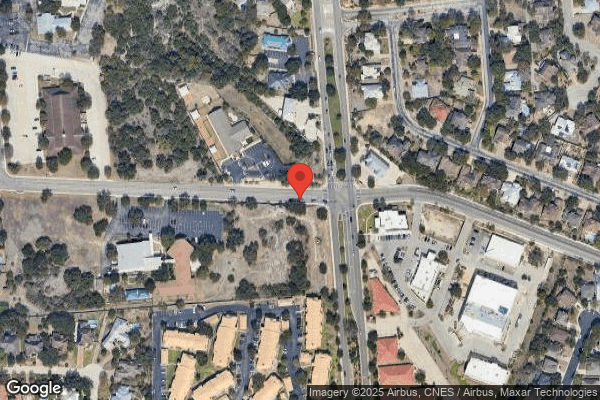

19638 STONE OAK PARKWAY, SAN ANTONIO, TX 78258 (210) 402-5750
For profit - Limited Liability company 112 Beds CANTEX CONTINUING CARE Data: November 2025
Trust Grade
80/100
#31 of 1168 in TX
Last Inspection: May 2025

Inspected within the last 6 months. Data reflects current conditions.

Overview

Coronado at Stone Oak has a Trust Grade of B+, which indicates it is above average and recommended for families considering care options. It ranks #31 out of 1168 facilities in Texas, placing it in the top half, and is the best option out of 62 facilities in Bexar County. However, the facility is experiencing a worsening trend, with the number of issues increasing from 8 in 2024 to 11 in 2025. Staffing is generally a strength, with a 3/5 rating, a turnover rate of 37% that is below the Texas average, and more RN coverage than 77% of state facilities. On the downside, the facility has had some concerning incidents, such as failing to properly assess residents for bed rail safety, leading to potential entrapment risks, and inadequate food safety practices in the nutrition room, which could increase the risk of foodborne illness.

Trust Score
B+
80/100
In Texas
#31/1168
Top 2%
Safety Record
Low Risk
No red flags
Inspections
Getting Worse
8 → 11 violations
Staff Stability
○ Average
37% turnover. Near Texas's 48% average. Typical for the industry.
Penalties
✓ Good
No fines on record. Clean compliance history, better than most Texas facilities.
Skilled Nurses
○ Average
Each resident gets 32 minutes of Registered Nurse (RN) attention daily — about average for Texas. RNs are the most trained staff who monitor for health changes.
Violations
⚠ Watch
22 deficiencies on record. Higher than average. Multiple issues found across inspections.
★★★★★
5.0
Overall Rating
★★★☆☆
3.0
Staff Levels
★★★★★
5.0
Care Quality
★★★★☆
4.0
Inspection Score
Stable
2024: 8 issues
2025: 11 issues

The Good

  • 5-Star Quality Measures · Strong clinical quality outcomes
  • Full Sprinkler Coverage · Fire safety systems throughout facility
  • No fines on record
  • Staff turnover below average (37%)

    11 points below Texas average of 48%

Facility shows strength in quality measures, fire safety.

The Bad

Staff Turnover: 37%

Near Texas avg (46%)

Typical for the industry

Chain: CANTEX CONTINUING CARE

Part of a multi-facility chain

Ask about local staffing decisions and management

The Ugly 22 deficiencies on record

May 2025 10 deficiencies
CONCERN (D)

Potential for Harm - no one hurt, but risky conditions existed

Assessment Accuracy (Tag F0641)

Could have caused harm · This affected 1 resident

**NOTE- TERMS IN BRACKETS HAVE BEEN EDITED TO PROTECT CONFIDENTIALITY** Based on observations, interviews, and record reviews the facility failed to provide an assessment that accurately reflected the...

Read full inspector narrative →
**NOTE- TERMS IN BRACKETS HAVE BEEN EDITED TO PROTECT CONFIDENTIALITY** Based on observations, interviews, and record reviews the facility failed to provide an assessment that accurately reflected the resident's status for 1 (Resident #26) of 32 residents reviewed for assessment accuracy. The facility failed to reflect Resident #26 used a Bipap machine (bilevel positive airway pressure device or Type of respiratory support therapy that uses positive air pressure to help individuals breathe, especially individuals who have sleep apnea (a condition that affects breathing at night) or other respiratory conditions) machine on her admission MDS. This failure placed Residents at risk of having inaccurate assesments to include those who need a bipap machine at night, that could lead to Residents careplan not being correct and Resident not recieving care as needed. The findings included: Record review of Resident # 26's EMR and face sheet dated 05/07/2025 reflected she was admitted to the facility on [DATE]. Her diagnoses included: displaced bicondylar fracture of right tibia (the shinbone is broken in two parts affecting both the medial and lateral bumps and the fragments are out of alignment), diabetes (a chronic condition where the body either does not produce enough insulin or cannot use the insulin it produces), morbid obesity (a severe form of obesity defined by a body mass index of 40 or higher with related health complications), and shortness of breath (difficulty breathing or feeling of not getting enough air) Record review of Resident #26's admission MDS assessment dated [DATE] reflected she was admitted from a short-term general hospital. She could understand others and be understood. She scored a 15/15 on her BIMS which signified she was cognitively intact. She had impairment of her upper extremity but could ambulate with a walker. Resident #26 required moderate assistance from staff with her ADL's. She was continent of bowel and bladder. Resident #26's Bipap was not reflected. Record review of Resident #26's comprehensive care plan date initiated 04/23/2025 and revised on 05/02/2025 reflected Focus, resident has an ADL self-care performance deficit r/t GENERALIZED WEAKNESS. Record review of Resident #26's Order Summer Report, Active as of: 05/07/2025 did not reflect a physician's order for bipap. Record review of Resident #26's NURSING-Skilled Assessment-V2 dated 04/28/2025 reflected 4. Require use of CPAP, BIPAP or Trilogy? and Yes was checked. Record review of Resident #26's Skilled Nursing Note dated 04/27/2025 reflected Wears CPAP at bedtime. Observation on 05/06/2025 at 11:00 am revealed Resident #26 was in her room lying in bed with a Bipap machine on her bedside stand with the connected tubing and mask closed in the top drawer. Interview on 05/06/2025 at 11:02 am with Resident #26, she stated she used the Bipap at night and brought it with her from the hospital. She stated she needed the Bipap at night for extra oxygen and she used it every night. She stated she would put the Bipap mask on herself and the settings were preset so all she had to do was turn on the machine. Observation on 05/07/2025 at 10:00 am of Resident #26 in her room revealed lying on her bed and a Bipap machine was on her bedside stand. Observation on 5/08/2025 at 09:00 am of Resident #26 revealed she was in her room, lying on her bed and a Bipap machine was on her bedside stand. Interview on 05/07/2025 at 4:30 pm with the DON in her office, she stated Resident #26's Bipap was considered a treatment and she was not aware it was not reflected on her admission MDS. She stated without the accurate reflection of what Resident #26's needs were, she was at risk for inadequate care. Interview on 05/08/2025 at 12:10 pm with LVN A, who was the charge nurse on Resident #26's hall, she stated Resident #26 had a Bipap and used it every night. Interview on 05/09/2025 at 1:27 pm with the MDS nurse revealed, she was not aware Resident #26 had used Bipap and it was not reflected on her admission MDS assessment. She stated not having her needs reflected could result in missed care. Interview on 05/09/2025 at 2:00 pm with the ADM who was accountable for the MDS's, he stated he was not aware Resident #26's Bipap was not reflected on her admission MDS, and the MDS needed to accurately reflect the residents care and needs, or they could be missed, and the resident would not have her health needs met. Record review of the CMS Long-Term Care Facility Resident Assessment Instrument 3.0 User's Manual Version 1.18.11, October 2023 reflected The RAI process has multiple regulatory requirements . (1) the assessment accurately reflects the resident's status.
CONCERN (D)

Potential for Harm - no one hurt, but risky conditions existed

Comprehensive Care Plan (Tag F0656)

Could have caused harm · This affected 1 resident

**NOTE- TERMS IN BRACKETS HAVE BEEN EDITED TO PROTECT CONFIDENTIALITY** Based on observations, interviews and record reviews, the facility failed to ensure that the comprehensive person-centered care ...

Read full inspector narrative →
**NOTE- TERMS IN BRACKETS HAVE BEEN EDITED TO PROTECT CONFIDENTIALITY** Based on observations, interviews and record reviews, the facility failed to ensure that the comprehensive person-centered care plan was reviewed and revised by the interdisciplinary team after each assessment, including both the comprehensive and quarterly review assessments for 1 (Resident #26) of 32 residents reviewed for comprehensive care plans. The facility failed to reflect Resident #26 used a Bipap machine (bilevel positive airway pressure device or Type of respiratory support therapy that uses positive air pressure to help individuals breathe, especially individuals who have sleep apnea (a condition that affects breathing at night) or other respiratory conditions) machine and Resident #26's shortness of breath diagnosis was not reflected on her comprehensive care plan. This failure affects residents who need a bipap machine at night and could result in lack of oxygen to the brain. The findings included: Record review of Resident # 26's EMR and face sheet dated 05/07/2025 reflected she was admitted to the facility on [DATE]. Her diagnoses included: displaced bicondylar fracture of right tibia (the shinbone is broken in two parts affecting both the medial and lateral bumps and the fragments are out of alignment), diabetes (a chronic condition where the body either does not produce enough insulin or cannot use the insulin it produces), morbid obesity (a severe form of obesity defined by a body mass index of 40 or higher with related health complications), and shortness of breath (difficulty breathing or feeling of not getting enough air) Record review of Resident #26's admission MDS assessment dated [DATE] reflected she was admitted from a short-term general hospital. She could understand others and be understood. She scored a 15/15 on her BIMS which signified she was cognitively intact. She had impairment of her upper extremity but could ambulate with a walker. Resident #26 required moderate assistance from staff with her ADL's, and she was continent of bowel and bladder. Resident #26's Bipap was not reflected on the MDS. Record review of Resident #26's comprehensive care plan date initiated 04/23/2025 and revised on 05/02/2025 reflected Focus, resident has an ADL self-care performance deficit r/t GENERALIZED WEAKNESS. Resident #26's Bipap was not reflected on the comprehensive care plan. Record review of Resident #26's Order Summer Report, Active as of: 05/07/2025 did not reflect a physician's order for bipap. Record review of Resident #26's NURSING-Skilled Assessment-V2 dated 04/28/2025 reflected 4. Require use of CPAP, BIPAP or Trilogy? and Yes was checked. Record review of Resident #26's Skilled Nursing Note dated 04/27/2025 reflected Wears CPAP at bedtime. Observation on 05/06/2025 at 11:00 am revealed Resident #26 was in her room lying in bed with a Bipap machine on her bedside stand with the connected tubing and mask closed in the top drawer. Interview on 05/06/2025 at 11:02 am with Resident #26, she stated she used the Bipap at night and brought it with her from the hospital. She stated she needed the Bipap at night for extra oxygen and she used it every night. She stated she would put the Bipap mask on herself and the settings were preset so all she had to do was turn on the machine. Observation on 05/07/2025 at 10:00 am of Resident #26 in her room revealed lying on her bed and a Bipap machine was on her bedside stand. Observation on 5/08/2025 at 09:00 am of Resident #26 revealed she was in her room, lying on her bed and a Bipap machine was on her bedside stand. Interview on 05/07/2025 at 4:30 pm with the DON in her office, she stated Resident #26's Bipap needed to be reflected on her care plan to show she needed the supplemental oxygen at night, or it could be missed and result in hypoxia (low oxygen levels). Interview on 05/08/2025 at 12:10 pm with LVN A, who was the charge nurse on Resident #26's hall, she stated Resident #26 had a Bipap and used it every night. Interview on 05/08/2025 at 2:45 pm with LVN B, who was the nurse who admitted Resident #26, she stated she did not know Resident #26 had a Bipap machine and thought someone may have brought it into the facility for her the next day. She stated she was aware Resident #26 used Bipap at night. She stated Resident #26's comprehensive care plan needed to reflect her needs or care could be missed. Interview on 05/09/2025 at 1:27 pm with the MDS nurse revealed, she was not aware Resident #26 had used Bipap and it was not reflected on her comprehensive care plan. She stated not having her needs reflected on her care plan could result in missed care. Record review of the facility policy and procedure titled Care Plans-Comprehensive revised dated September 2010 reflected An individualized comprehensive care plan that includes measurable objectives and timetables to meet the resident's medical, nursing, mental and psychological needs is developed for each resident.
CONCERN (D)

Potential for Harm - no one hurt, but risky conditions existed

Pressure Ulcer Prevention (Tag F0686)

Could have caused harm · This affected 1 resident

**NOTE- TERMS IN BRACKETS HAVE BEEN EDITED TO PROTECT CONFIDENTIALITY** Based on interviews and record reviews, the facility failed to ensure a resident with pressure ulcers receives necessary treatme...

Read full inspector narrative →
**NOTE- TERMS IN BRACKETS HAVE BEEN EDITED TO PROTECT CONFIDENTIALITY** Based on interviews and record reviews, the facility failed to ensure a resident with pressure ulcers receives necessary treatment and services, consistent with professional standards of practice, to promote healing, prevent infection and prevent new ulcers from developing for one Resident (Resident #294) of 4 Residents reviewed for pressure sore management. 1. LVN C failed to document an accurate skin assessment for Resident #294 on 05/08/2025. This failurecould place Resident at risk on not recieving appropriate care leading to worsening of skin condition. The findings included: 1. Record review of Resident #294's EMR, electronic face sheet dated 05/03/2025 reflected she was admitted to the facility on [DATE]. Her diagnoses included: fracture of upper end of right humerus (break or crack in the bone located at the upper part of the arm near the shoulder joint), fracture of lower end of left radius (bone in forearm breaks near the wrist joint), chronic kidney disease (moderate decrease in kidney function), diabetes mellitus (group of diseases that affect how the body uses blood sugar) and edema (swelling caused by excess fluid trapped in the body's tissues). Review of Resident #294's EMR revealed Resident #294 was not at the facility long enough for an admission MDS assessment. Record review of Resident #294's comprehensive care plan initiated on 05/03/2025 reflected Focus, resident has a pressure ulcer, Interventions, administer treatments as ordered and monitor for effectiveness. Record review of Resident #294's Active Orders As of: 05/09/2025 reflected Right Buttock (Stage 3))-cleanse with wound cleaner/Ns, pat dry. Apply triad (unique wound care product that combines the benefits of a protective ointment and a moisture barrier cream. This cream is zinc oxide based). to affected area, and cover with DD, day shift, Monday, Wednesday, and Friday for Sacrum (a triangular bone at the base of the spinal column that connects with or forms a part of the pelvis), The wound order was dated 05/05/2025. Record review of the facility pressure sore log dated 05/07/2025 reflected Resident #294 had a Stage 3 pressure sore to the sacrum and date of onset was 05/03/2025 her day of admission. Record review of Resident #294's TAR dated May 2025 reflected she received the ordered wound treatment for her sacrum on Monday, 05/05/2025 and Wednesday, 05/07/2025. Record review of an assessment for Resident #294 by LVN C, completed dated 05/08/2025 reflected SECTION 4. Integumentary/Infection Status under Skin, wounds present was marked a no. In an interview on 05/9/2025 at 1:10 pm with LVN C, she stated she made a mistake by marking no to wounds on Resident #294's nursing assessment. She stated proper documentation in resident records was important because the record was reviewed by other providers and could affect the resident's care negatively. She stated she knew Resident #294 had a wound. In an interview on 05/09/2025 at 1:20 pm with the DON, she stated documentation and assessments needed to be accurate and was a professional standard due to the importance of correct health information being passed between care providers and could result in a negative outcome such as a wound not being treated due to a documentation problem. Review of the facility policy and procedure titled Physician Orders revised January 2020 reflected Physician orders include b. Treatments, Medications, diets, therapy, or any treatment may not be administered to the patient without a written order from the attending physician.
CONCERN (D)

Potential for Harm - no one hurt, but risky conditions existed

Accident Prevention (Tag F0689)

Could have caused harm · This affected 1 resident

**NOTE- TERMS IN BRACKETS HAVE BEEN EDITED TO PROTECT CONFIDENTIALITY** Based on observation, interviews and record reviews, the facility failed to ensure the resident environment remained as free of ...

Read full inspector narrative →
**NOTE- TERMS IN BRACKETS HAVE BEEN EDITED TO PROTECT CONFIDENTIALITY** Based on observation, interviews and record reviews, the facility failed to ensure the resident environment remained as free of accident hazards as was possible for 1 resident (Resident #293) of 32 residents reviewed for safe environments. The facility failed to ensure Resident #293 did not have flammable materials near her oxygen. This deficient practice places residents on oxygen therapy at risk for burns. The findings included: Record review of Resident #293's EMR, electronic face sheet dated 05/08/2025 reflected she was initially admitted to the facility on [DATE] and readmitted on [DATE]. Her diagnoses included: hemiplegia and hemiparesis (neurological conditions resulting from stroke or other brain damage, affecting one side of body. Hemiplegia is complete paralysis, while hemiparesis is weakness or impaired movement.) following cerebral infarction, (a type of stroke where blood supply to the brain is disrupted) acute respiratory failure with hypoxia (a condition where the lungs fail to adequately transfer oxygen into the blood, leading to low oxygen levels and potentially tissue hypoxia), diabetes mellitus (a chronic metabolic disorder characterized by persistently high blood sugar levels), neuromuscular dysfunction of bladder (arises from damage or malformation of nerves controlling the bladder) and allergic rhinitis (an allergy that causes inflammation of the nose and nasal passages). Record review of Resident #293's admission MDS assessment dated [DATE] reflected she could understand others and be understood. She scored a 06/15 on her BIMS which signified she was severely cognitively impaired. She used a walker or manual wheelchair for locomotion. Resident #293 required extensive assistance with ADL's. She had shortness of breath and trouble breathing when lying flat. She received oxygen therapy while at the facility. Record review of Resident #293's comprehensive care plan initiated on 04/25/2025 and revised on 05/06/2025 reflected Focus, resident has oxygen therapy as needed, intervention, provide oxygen as ordered. Record review of Resident #293's Order Summer Report, Active as of: 05/08/2025 reflected Oxygen at 2L per nasal cannula as needed, order active as of 05/06/2025. Observation on 05/06/2025 at 11:10 am revealed Resident #293 in her room lying in bed. Oxygen was infusing at 2L/min via nasal cannula. A tube of Carmex lip balm was on her bedside table and the igredients listed for the Carmex lip balm included 45.3% of white petrolatum. In an interview on 05/06/2025 at 11:11 am with Resident #293, she stated she used the Carmex and lathered it onto her lips for moisture. In an interview on 05/07/2025 at 4:30 pm with the DON in her office, she stated Resident #293 should not have the Carmex while she was administered oxygen. She stated she did not know why someone had not checked the tube of lip balm. She stated oxygen can react with oily substances and could cause burns. In an interview on 05/08/2025 at 12:10 pm with LVN A revealed she had started work at the facility recently and was not aware Resident #293's lip balm was flammable, or she would have taken it out of the resident's room and found a non-flammable alternate. Record review of facility policy and procedure titled Oxygen Administration, revised October 2010 reflected 20. Instruct the resident, his/her family, visitors, and roommate (if any) of the oxygen safety precautions. Provide the resident with a written copy of the Oxygen Safety handout. Record review of the NFPA oxygen handout titled Medical Oxygen Safety dated 2016, reflected Safety Tips, Body oil, hand lotion and items containing oil and grease can easily ignite. Keep oil and grease away from oxygen in use.
CONCERN (D)

Potential for Harm - no one hurt, but risky conditions existed

Respiratory Care (Tag F0695)

Could have caused harm · This affected 1 resident

**NOTE- TERMS IN BRACKETS HAVE BEEN EDITED TO PROTECT CONFIDENTIALITY** Based on observation, interviews and record reviews the facility failed to ensure that a resident who needs respiratory care, in...

Read full inspector narrative →
**NOTE- TERMS IN BRACKETS HAVE BEEN EDITED TO PROTECT CONFIDENTIALITY** Based on observation, interviews and record reviews the facility failed to ensure that a resident who needs respiratory care, including tracheostomy care and tracheal suctioning is provided such care, consistent with professional standards of practice, the comprehensive person-centered care plan, the resident's goals and preferences for 1 resident (Resident #26) out of 3 residents observed for respiratory therapy. The facility failed to obtain physician orders for Resident #26's Bipap she used each night at the facility since her admission on [DATE]. This failure place residents who reside at the facility at risk for inaccurate care and communication of health conditions to other providers. The findings included: Record review of Resident # 26's EMR and face sheet dated 05/07/2025 reflected she was admitted to the facility on [DATE]. Her diagnoses included: displaced bicondylar fracture of right tibia (the shinbone is broken in two parts affecting both the medial and lateral bumps and the fragments are out of alignment), diabetes (a chronic condition where the body either does not produce enough insulin or cannot use the insulin it produces), morbid obesity (a severe form of obesity defined by a body mass index of 40 or higher with related health complications), and shortness of breath (difficulty breathing or feeling of not getting enough air) Record review of Resident #26's admission MDS assessment dated [DATE] reflected she was admitted from a short-term general hospital. She could understand others and be understood. She scored a 15/15 on her BIMS which signified she was cognitively intact. She had impairment of her upper extremity but could ambulate with a walker. Resident #26 required moderate assistance from staff with her ADLs. She was continent of bowel and bladder. Resident #26's Bipap machine was not reflected. Record review of Resident #26's comprehensive care plan date initiated 04/23/2025 and revised on 05/02/2025 reflected Focus, resident has an ADL self-care performance deficit r/t GENERALIZED WEAKNESS. Record review of Resident #26's Order Summer Report, Active as of: 05/07/2025 did not reflect a physician's order for bipap. Record review of Resident #26's NURSING-Skilled Assessment-Version 2 dated 04/28/2025 reflected 4. Require use of CPAP, BIPAP or Trilogy? and Yes was checked. Record review of Resident #26's Skilled Nursing Note dated 04/27/2025 reflected Wears CPAP at bedtime. Observation on 05/06/2025 at 11:00 am revealed Resident #26 was in her room lying in bed with a Bipap machine on her bedside nightstand with the connected tubing and mask closed in the top drawer. Interview on 05/06/2025 at 11:02 am with Resident #26, she stated she used the Bipap at night and brought it with her from the hospital. She stated she needed the Bipap at night for extra oxygen and she used it every night. She stated she would put the Bipap mask on herself and the settings were preset so all she did was turn on the machine. Observation on 05/07/2025 at 10:00 am of Resident #26 in her room revealed her lying on her bed and a Bipap machine was on her bedside stand. Observation on 5/08/2025 at 09:00 am of Resident #26 revealed she was in her room, lying on her bed and a Bipap machine was on her bedside stand. In an interview on 05/07/2025 at 4:30 pm with the DON in her office, she stated Resident #26 needed a physician's order for her Bipap and she did not know why it was not obtained when she was admitted . She stated without a physician's order, the treatment could be given at the wrong setting or time and cause discomfort or hypoxia. She stated the Bipap needed to have a physician's order which was considered professional standards for any treatment. In an interview on 05/08/2025 at 12:10 pm with LVN A, who was the charge nurse on Resident #26's hall, she stated Resident #26 had a Bipap and used it every night. In an interview on 05/08/2025 at 2:45 pm with LVN B, who was the nurse who admitted Resident #26, she stated she did not know Resident #26 had a Bipap machine and thought someone may have brought it into the facility for her the next day. She stated she was aware Resident #26 used Bipap at night but was not aware there was not a physician's order. She did not know how it was missed. She stated nursing staff provided care IAW physician orders. She did not know how it was missed. She stated IAW professional standards of practice, a physician's order was required for treatments such as a Bipap. She stated the wrong settings could cause too little or too much supplemental oxygen and result in discomfort. Review of the facility policy and procedure titled Physician Orders revised January 2020 reflected Physician orders include b. Treatments, Medications, diets, therapy, or any treatment may not be administered to the patient without a written order from the attending physician.
CONCERN (D)

Potential for Harm - no one hurt, but risky conditions existed

Deficiency F0712 (Tag F0712)

Could have caused harm · This affected 1 resident

**NOTE- TERMS IN BRACKETS HAVE BEEN EDITED TO PROTECT CONFIDENTIALITY** Based on interview and record review the facility failed to ensure the residents were seen by a physician at least at least once...

Read full inspector narrative →
**NOTE- TERMS IN BRACKETS HAVE BEEN EDITED TO PROTECT CONFIDENTIALITY** Based on interview and record review the facility failed to ensure the residents were seen by a physician at least at least once every 60 days for 2 of 6 Residents (Resident #2 and Resident 92) whose records were reviewed for physician visits. 1. The facility failed to ensure Resident #2's primary care physician met with Resident #2 as required. 2. The facility failed to ensure Resident #92's primary care physician met with Resident #92 as required. This deficient practice could affect any resident and could contribute to the resident's medical needs not being addressed or met. The findings were: 1. Review of Resident #2's face sheet, dated 5/9/25, revealed he was admitted to the facility on [DATE] with diagnoses including Epilepsy and personal history of Traumatic Brain Injury. Review of Resident #2's quarterly MDS assessment, dated 4/14/25, revealed his BIMS was 11 of 15 reflective of moderate cognitive impairment. Review of Resident #2's electronic health record including physician progress notes from December 2024 to May 2025 revealed there was no documentation from the PCP that he had visited Resident #2 for the last 6 months. Review of Resident #2's last health visit, dated 2/26/25, revealed a FNP had seen him. Interview with the DON on 05/09/25 01:50 PM revealed she did not find documentation to support Resident #2's primary care physician had seen Resident #2 most recently. She provided a progress note from a FNP, dated 2/26/25, and stated it was the last heath visit for Resident #2. The DON stated she did not believe there was a potential for a negative outcome because the NP visited regularly, However, stated she understood the primary care physician was ultimately responsible for Resident #2 healthcare and had an obligation to see Resident #2 at least every 60 days. 2. Review of Resident #92's significant MDS assessment, dated 4/15/25, revealed she was admitted to the facility on [DATE] with diagnoses including, Cancer and CVA (Cerebral Vascular Accident), her BIMS was 15 of 15 reflective she did not have cognitive impairment. Review of Resident #92's electronic health record including physician progress notes from December 2024 to May 2025 revealed there was no documentation from the PCP that he had visited Resident #92 for the last 6 months. Review of Resident #92's last health visit, dated 2/26/25, revealed a FNP had seen her. Interview with the DON on 05/09/25 01:50 PM revealed she did not find documentation to support Resident #92's primary care physician had seen Resident #92 most recently. She provided a progress note from a FNP, dated 2/26/25, and stated it was the last heath visit for Resident #92. The DON stated she did not believe there was a potential for a negative outcome because the NP visited regularly, However, stated she understood the primary care physician was ultimately responsible for Resident #92 healthcare and had an obligation to see Resident #92 at least every 60 days. Review of facility policy, Physician Visits revised April 2013, revealed The attending physician must make visits in accordance with applicable state and federal regulations. 1. The attending physician [NAME] visit residents in a timely fashion, consistent with applicable state and federal requirements, and depending on the individual's medical stability, recent and previous medical history, and the presence of medical conditions or problems that cannot be handled readily by phone. 2. The attending physician must visit his/her patients at least once every thirty (30) days for the first ninety (90) days following the resident's admission, and then at least every sixty (60) days thereafter.
CONCERN (D)

Potential for Harm - no one hurt, but risky conditions existed

Pharmacy Services (Tag F0755)

Could have caused harm · This affected 1 resident

**NOTE- TERMS IN BRACKETS HAVE BEEN EDITED TO PROTECT CONFIDENTIALITY** Based on observations, interview, and record reviews, the facility failed to provide pharmaceutical services to administer drugs...

Read full inspector narrative →
**NOTE- TERMS IN BRACKETS HAVE BEEN EDITED TO PROTECT CONFIDENTIALITY** Based on observations, interview, and record reviews, the facility failed to provide pharmaceutical services to administer drugs and biologicals that meet the needs of each resident for 2 of 5 medication carts (Cart #1 and #2 on 800 hall) observed and for 1 of 2 medication rooms ([NAME] Hall) observed. 1.The facility failed to remove expired medications from medication cart #1 and medication cart #2 on the 800 hall. 2. The facility failed to remove expired medication from the medication room on the [NAME] hall. These failures could place residents at risk of decreased therapeutic response and illness from expired medications. The findings included: Observation of the medication rooms on 5/7/2025 at 9:45AM revealed the [NAME] Unit medication room had an open box of Preparation H with a label expiration date of 5/2024. Observation of medication carts on 5/7/2025 at 10:00AM revealed medication carts #1 had 5 over the counter medications that were opened and were used. Record review of the 5 labels revealed the dates were expired: 1. Geridryl 25mg had a label expiration date of 1/2025; 2. Meclizine 12.5mg had a label expiration date of 2/2025; 3. Glucosamine Relief 500mg had a label expiration date of 1/2025; 4. Heart Burn Relief (Famotidine 20mg) had a label expiration date of 11/2024 and; 5. Aspirin 325mg had a label expiration date of 2/2025. Observation of medication cart #2 revealed 1 over the counter expired medication- Sodium Bicarbonate had a label expiration date of 2/2025. Interview on 5/9/2025 at 1:04PM the DON said expired medications may not be effective, could interact with other medications in a negative way, and could cause residents to become ill if they took expired medications. She said expired medications should not be on the carts or in the medication room for administration. Record review of the facility policy statement titled Storage of Medications revised April 2007 stated, The facility shall not use discontinued, outdated, or deteriorated drugs or biologicals. All such drugs shall be returned to the dispensing pharmacy or destroyed.
CONCERN (D)

Potential for Harm - no one hurt, but risky conditions existed

Deficiency F0761 (Tag F0761)

Could have caused harm · This affected 1 resident

**NOTE- TERMS IN BRACKETS HAVE BEEN EDITED TO PROTECT CONFIDENTIALITY** Based on observations, interviews and record reviews, the facility failed to store all drugs and biologicals in locked compartme...

Read full inspector narrative →
**NOTE- TERMS IN BRACKETS HAVE BEEN EDITED TO PROTECT CONFIDENTIALITY** Based on observations, interviews and record reviews, the facility failed to store all drugs and biologicals in locked compartments under proper temperature controls and permit only authorized personnel to have access to the keys for 2 (Residents #26 and #293) of 32 residents observed for medication safety and security. 1. The facility failed to store Resident #26's Flonase (allergy nasal spray) in the medication cart and the medication was left on Resident #26's bedside table. 2. The facility failed to store Resident #293's Flonase (allergy nasal spray) in the medication cart and the medication was left on Resident #293's bedside table. These failures could result in , access to medications by unauthorized persons, and could result in decreased health response or misuse of medication. The findings included: 1. Record review of Resident # 26's EMR and face sheet dated 05/07/2025 reflected she was admitted to the facility on [DATE]. Her diagnoses included: displaced bicondylar fracture of right tibia (the shinbone is broken in two parts affecting both the medial and lateral bumps and the fragments are out of alignment), diabetes (a chronic condition where the body either does not produce enough insulin or cannot use the insulin it produces), morbid obesity (a severe form of obesity defined by a body mass index of 40 or higher with related health complications), allergic rhinitis (an allergic reaction that causes inflammation in the nasal passages and other symptoms like sneezing, runny nose, and itchy eyes) and shortness of breath (difficulty breathing or feeling of not getting enough air) Record review of Resident #26's admission MDS assessment dated [DATE] reflected she was admitted from a short-term general hospital. She could understand others and be understood. She scored a 15/15 on her BIMS which signified she was cognitively intact. She had impairment of her upper extremity but could ambulate with a walker. Resident #26 required moderate assistance from staff with her ADLs. She was continent of bowel and bladder. Record review of Resident #26's comprehensive care plan date initiated 04/23/2025 and revised on 05/02/2025 reflected Focus, resident has an ADL self-care performance deficit r/t GENERALIZED WEAKNESS. Record review of Resident #26's Order Summer Report, Active as of: 05/07/2025 reflected Flonase Allergy Relief Nasal Suspension 50 MCG/ACT, 2 sprays in both nostrils two times a day related to Allergic Rhinitis. The active date on the order was Resident #26's admission date of 04/23/2025. Record review of Resident #26's MAR reflected Resident #26 received Flonase each day at 08:00 am. Observation on 05/06/2025 at 11:00 am revealed Resident #26 in her room lying in bed. A prescription bottle of Flonase was on her bedside table. In an interview on 05/06/2025 at 11:03 am with Resident #26, she stated the nurse left the Flonase at her bedside and then the nurse would place the Flonase in her top dresser drawer. She stated she gave herself the nasal spray with the nurse present. Observation on 05/07/2025 at 10:00 am of Resident #26 in her room revealed her lying on her bed. There was no Flonase on her bedside table. In an interview on 05/07/2025 at 4:15 pm with Resident #26, she stated her nurse placed the prescribed Flonase in her top dresser drawer. Observation on 05/07/2025 at 4:15 pm revealed a bottle of prescribed Flonase was inside of Resident #26's top dresser drawer. Record review of the prescribed Flonase bottle located in Resident #26's top dresser drawer reflected the medication was prescribed for Resident #26. In an interview on 05/07/2025 at 4:30 pm with the DON in her office, she stated Resident #26' s Flonase was supposed to be locked in the medication cart because she did not have an order to keep it in her room or to self-medicate. She stated she was accountable for the nursing care at the facility, and nurses are trained not to leave medications at the bedside or store them in a resident's room. She stated the resident could use too much of the medication and have health complications or someone else could have access to the medication. In an interview on 05/08/2025 at 12:10 pm with LVN A revealed Resident #26's Flonase was at the resident's bedside the whole week she had worked. She stated she assumed Resident #26 could self-medicate, but never checked the resident's records or physician orders. She stated she was trained not to leave medications at the bedside because they would be available to others, or the resident could use too much causing harm. She stated she placed Resident #26's Flonase in the top dresser drawer in her room to keep it out of sight of others, and so the resident could not get it. 2. Record review of Resident #293's EMR, electronic face sheet dated 05/08/2025 reflected she was initially admitted to the facility on [DATE] and readmitted on [DATE]. Her diagnoses included: hemiplegia and hemiparesis (neurological conditions resulting from stroke or other brain damage, affecting one side of body. Hemiplegia is complete paralysis, while hemiparesis is weakness or impaired movement.) following cerebral infarction, (a type of stroke where blood supply to the brain is disrupted) acute respiratory failure with hypoxia (a condition where the lungs fail to adequately transfer oxygen into the blood, leading to low oxygen levels and potentially tissue hypoxia), diabetes mellitus (a chronic metabolic disorder characterized by persistently high blood sugar levels), neuromuscular dysfunction of bladder (arises from damage or malformation of nerves controlling the bladder) and allergic rhinitis (an allergy that causes inflammation of the nose and nasal passages). Record review of Resident #293's admission MDS assessment dated [DATE] reflected she could understand others and be understood. She scored a 06/15 on her BIMS which signified she was severely cognitively impaired. She used a walker or manual wheelchair for locomotion. Resident #293 required extensive assistance with ADLs. She had shortness of breath and trouble breathing when lying flat. She received oxygen therapy while at the facility. Record review of Resident #293's comprehensive care plan initiated on 04/25/2025 and revised on 05/06/2025 reflected Focus, resident has an ADL, self-care performance deficit r/t GENERALIZED WEAKNESS. Record review of Resident #293's Order Summer Report, Active as of: 05/08/2025 reflected Fluticasone Propionate Suspension 50 MCG/ACT, 1 spray in both nostrils two times a day related to Allergic Rhinitis. The active date on the order was Resident #293's initial admission date of 04/25/2025. Record review of Resident #293's MAR reflected Resident #293 received Flonase each day at 08:00 am. Observation on 05/06/2025 at 11:10 am revealed Resident #293 in her room lying in bed. Oxygen was infusing via nasal canula. A prescription bottle of Flonase was on her bedside table. Interview on 05/06/2025 at 11:11 am with Resident #293, she stated the nurse left the Flonase at her bedside and then the nurse would place the Flonase in her top dresser drawer. Observation on 05/07/2025 at 4:17 pm revealed a bottle of prescribed Flonase was inside Resident #293's top dresser drawer. Record review of the prescribed Flonase bottle located in Resident #293's top dresser drawer reflected the medication was prescribed for Resident #293. Interview on 05/07/2025 at 4:30 pm with the DON in her office, she stated Resident #293' s Flonase was supposed to be locked in the medication cart because she did not have an order to keep it in her room or to self-medicate. Interview on 05/08/2025 at 12:10 pm with LVN A revealed Resident #293's Flonase was at the resident's bedside the whole week she had worked. She stated she assumed Resident #293 could self-medicate, but never checked the resident's records or physician orders. She stated she placed Resident #293's Flonase in the top dresser drawer in her room to keep it out of sight of others. Record review of the facility policy statement titled Storage of Medications revised April 2007 reflected The facility shall store all drugs and biologicals in a safe, secure, and orderly manner .the nursing staff shall be responsible for maintaining medication storage AND preparation areas in a clean, safe, and sanitary manner.
CONCERN (D)

Potential for Harm - no one hurt, but risky conditions existed

Infection Control (Tag F0880)

Could have caused harm · This affected 1 resident

**NOTE- TERMS IN BRACKETS HAVE BEEN EDITED TO PROTECT CONFIDENTIALITY** Based on observation, interviews and record reviews, the facility failed to establish and maintain an infection prevention and c...

Read full inspector narrative →
**NOTE- TERMS IN BRACKETS HAVE BEEN EDITED TO PROTECT CONFIDENTIALITY** Based on observation, interviews and record reviews, the facility failed to establish and maintain an infection prevention and control program designed to provide a safe, sanitary, and comfortable environment and to help prevent the development and transmission of communicable diseases and infections for 1 resident (Resident #294) of 32 residents reviewed for EBP. The facility failed to establish EBP for Resident #294 when she had an open sacral wound with a dressing. This facility failure affects residents with open wounds, or other requirements for EBP, and could result in MDRO contamination. The findings included: Record review of Resident #294's EMR, electronic face sheet dated 05/03/2025 reflected she was admitted to the facility on [DATE]. Her diagnoses included: fracture of upper end of right humerus (break or crack in the bone located at the upper part of the arm near the shoulder joint), fracture of lower end of left radius (bone in forearm breaks near the wrist joint), chronic kidney disease (moderate decrease in kidney function), diabetes mellitus (group of diseases that affect how the body uses blood sugar) and edema (swelling caused by excess fluid trapped in the body's tissues). Record review of Resident #294's EMR revealed Resident #294 was not at the facility long enough for an admission MDS assessment. Record review of Resident #294's comprehensive care plan initiated on 05/03/2025 reflected Focus, resident has a pressure ulcer, Interventions, administer treatments as ordered and monitor for effectiveness. Record review of Resident #294's Active Orders As of: 05/09/2025 reflected Right Buttock, Stage 3, cleanse with wound cleaner/Ns, pat dry. Apply triad (unique wound care product that combines the benefits of a protective ointment and a moisture barrier cream. This cream is zinc oxide based). to affected area, and cover with DD, day shift, Monday, Wednesday, and Friday for Sacrum (a triangular bone at the base of the spinal column that connects with or forms a part of the pelvis), The wound order was dated 05/05/2025. Record review of the facility pressure sore log dated 05/07/2025 reflected Resident #294 had a Stage III pressure sore to the sacrum and date of onset was 05/03/2025 her day of admission. Record review of Resident #294's TAR dated May 2025 reflected she received the ordered wound treatment for her sacrum on Monday, 05/05/2025 and Wednesday, 05/07/2025. Observation on 05/09/2025 at 11:30 am of Resident #294's wound care to her sacrum provided by the Treatment Nurse. Prior to entering Resident #294's room, the surveyor questioned the TX nurse why Resident #294 did not have EBP in place because she had a wound with a dressing. No signage was seen on her door and no bin was present by her room with PPE. In an interview on 05/09/2025 at 11:32 am with the TX Nurse, she stated Resident #294's wound did not have drainage, and she did not know open wounds with dressings required EBP. Record review of an EBP sign on a door across the hall from Resident #294's room for a resident on EBP reflected: STOP, ENHANCED BARRIER PRECAUTIONS, EVERYONE MUST: Clean their hands, including before entering and when leaving the room. PROVIDERS AND STAFF MUST ALSO: Wear gloves and a gown for the following High-Contact Resident Care Activities .Wound Care any skin opening requiring a dressing. Interview on 05/09/2025 at 4:30 pm with the DON revealed she was not aware Resident #294 was not on EBP because of her open wound which required a dressing. She stated staff was trained and she felt the facility overall did a great job and recognized residents who needed to be on EBP. She stated EBP was important to prevent cross contamination or development of MDROs for susceptible residents with open skin areas. Record review of staff in-service on EBP dated 3/19/2025 reflected the Treatment Nurse received training that covered the need for signage and precautions. Record review of the facility policy statement titled Enhanced Barrier Precautions dated August 2022 reflected Enhanced barrier precautions (EBPs) are used as an infection prevention and control intervention to reduce the spread of multi-drug resistant organisms (MDROs) to residents,.EBPs are indicated with the following: Wound care (any skin opening requiring a dressing).
CONCERN (E)

Potential for Harm - no one hurt, but risky conditions existed

Deficiency F0700 (Tag F0700)

Could have caused harm · This affected multiple residents

**NOTE- TERMS IN BRACKETS HAVE BEEN EDITED TO PROTECT CONFIDENTIALITY** Based on observation, interview, and record review the facility failed to ensure correct use of bed rails and to assess the resi...

Read full inspector narrative →
**NOTE- TERMS IN BRACKETS HAVE BEEN EDITED TO PROTECT CONFIDENTIALITY** Based on observation, interview, and record review the facility failed to ensure correct use of bed rails and to assess the resident for risk of entrapment from bed rails for 3 of 6 Residents observed for the use of side rails (Resident #1, Resident #13 and Resident #340). 1. Nursing staff failed to obtain an informed consent and assess Resident's #1 for the use of 1/4 side rails. 2. Nursing staff failed to obtain an informed consent for Resident #13 for the use of 1/4 side rails. 3. Nursing staff failed to obtain an informed consent and to assess Resident #340 for the use of 1/4 side rails. These deficient practices could affect any resident with bed side rails and could cause avoidable accidents. The findings were: 1. Review of Resident #1's quarterly MDS assessment, dated 12/13/24 revealed he was admitted to the facility on [DATE] with diagnosis including non-traumatic brain dysfunction. His BIMS score was 12 of 15 reflective of moderate cognitive impairment and he required substantial to maximum assistance with bed mobility; roll left and right. Review of Resident #1's document for Assist Rail/Enabler Device: Informed Consent, dated 3/21/24 was not signed by either the Patient or Patient Representative. Review of Resident #1's physician orders for May 2025 revealed an order Quarter assist rails in place as an enabler as desired or needed. Alert MD of any noted complications of Quarter Assist Rail use. PR aware and in agreement with use. No directions specified for order. Other Active 3/20/2025. Review of Resident #1's Care Plan initiated 4/8/25 revealed Patient uses quarter assist rails(s)as enabler to assist with bed mobility and transfer. [Specify]: Assist Rail x 1 Left) Assist Rail x 1, (Right)Assist Rails x 2 Assist Rail(s) - Quarter Rail(s) required as enabler in order to promote as much independence as possible. Resident will be free of entrapment and injury while using quarter assist rail(s) as an enabler for the next 90 days. Complete Assist Rail/ Enabler Device assessment to determine appropriate use. Obtain Consent Assess prn with Change of Condition. Observation and interview on 05/08/25 at 02:15 PM revealed Resident #1 lying in bed on an air mattress. There were wedges between 1/4 SR and the mattress on both sides of the bed. Interview with Resident #1 revealed he was doing well. He stated the wedges between the mattress and SR were used to keep him upright. He stated he did not use the side rail and commented could put a rope through it. and then commented would both get tangled up. Resident #1 stated staff would get him up out of bed. Resident #1 presented as being pleasantly confused. Interview on 05/08/25 at 03:25 PM with LVN/Unit Manager D revealed Residents who used side ails required a consent and assessment for use of side rails. She stated Resident #1 used 1/4 side rails but had experienced a decline in mentation/overall condition in the last several months. She stated Resident #1 was able to hold on to the side rails but was not able to use them for bed mobility. He required total assistance for bed mobility and repositioning. The ADON stated at this point the side ails would not be beneficial for Resident #1. The ADON stated nursing staff should re-assess Residents every 3 months for the use of side rails to ensure they could use the side rails safely to avoid accidents. She commented, that's my fault because I haven't done it; reassessed Resident #1. Unit Manager D stated she was responsible for ensuring Residents were assessed every 3 months. Further interview revealed, upon reviewing Resident #1's informed consent, it was not signed it; therefore, the consent was not valid. She stated it had to be signed and in place prior to the use of side rails. 2. Review of Resident #13's face sheet, dated 5/9/25, revealed she was admitted to the facility on [DATE] with diagnosis including unspecified Dementia. Review of Resident #13's re-entry MDS, dated [DATE], revealed her BIMS score was 10 of 15 reflective of moderate cognitive impairment and she required she required partial to moderate assistance by staff for bed mobility; roll left and right. Review of Resident #13's Care Plan initiated 4/8/25 revealed Patient uses quarter assist rails(s)as enabler to assist with bed mobility and transfer. [Specify]: Assist Rail x 1 Left) Assist Rail x 1, (Right)Assist Rails x 2 Assist Rail(s) - Quarter Rail(s) required as enabler in order to promote as much independence as possible. Resident will be free of entrapment and injury while using quarter assist rail(s) as an enabler for the next 90 days. Complete Assist Rail/ Enabler Device assessment to determine appropriate use. Obtain Consent Assess prn with Change of Condition. Review of Resident #13's document for Assist Rail/Enabler Device: Informed Consent, dated 12/13/24 was not signed by either the Patient or Patient Representative. Interview on 05/08/25 at 03:25 PM with Unit Manager D revealed, upon reviewing Resident #13's informed consent, the family representative had not signed it; therefore, the consent was not valid. She stated it had to be signed and in place prior to the use of side ails. 3. Review of Resident #340's face sheet, dated 5/9/25, revealed he was admitted to the facility on [DATE] with diagnoses including unspecified Dementia and Unspecified Fracture Of Left Femur, Subsequent Encounter for closed fracture with routine healing, Review of Resident #340's initial assessment, dated 5/3/25, revealed he required assistance with bed mobility: c. Limited to extensive assist- assist x1-2. Intervention: BED MOBILITY: The resident requires assistance x1 or x2 staff to turn and reposition in bed. This may fluctuate with weakness and fatigue.' Review of Resident #340's BIMS assessment, dated 5/7/25, revealed his score was 9 of 15 reflective of moderate cognitive impairment. Review of Resident #340 electronic health record revealed there was not a consent or assessment for the use of 1/4 side rails. Observation and interview on 05/06/25 at 11:37 AM revealed Resident #340 lying in bed watching TV. Noted 1/4 side rails were up on both sides of the bed. Resident #340 stated staff helped him reposition in bed and he would hold on to the side rails. Interview on 05/08/25 at 03:25 PM with Unit Manager D revealed an informed consent had not been obtained for the use of side rails for Resident #340. She stated nursing staff had also not assessed Resident #340 to ensure he was safe to use the side rails. Review of facility policy, Proper Use of Side Rails, undated, revealed Purpose: The purposes of these guidelines are to ensure the safe use of side rails as resident mobility aids and to prohibit the use of side rails as restraints unless necessary to treat a resident's medical symptoms. 2. Side rails are only permissible if they are used to treat a resident's medical symptoms or to assist with mobility and transfer of residents. 3. An assessment will be made to determine the resident's symptoms, risk of entrapment and reason for using side rails. When used for mobility or transfer, an assessment will include a review of the resident's: a. Bed mobility. b. Ability to change positions, transfer to and from bed or chair, and to stand and toilet. c. Risk of entrapment from the use of side rails; and d. That the bed's dimensions are appropriate for the resident's size and weight. 4. The use of side rails as an assistive device will be addressed in the resident care plan.
Mar 2025 1 deficiency
CONCERN (D) 📢 Someone Reported This

A family member, employee, or ombudsman was alarmed enough to file a formal complaint

Potential for Harm - no one hurt, but risky conditions existed

Medical Records (Tag F0842)

Could have caused harm · This affected 1 resident

**NOTE- TERMS IN BRACKETS HAVE BEEN EDITED TO PROTECT CONFIDENTIALITY** Based on observation, interview and record review, the facility failed to maintain medical records on each resident that were co...

Read full inspector narrative →
**NOTE- TERMS IN BRACKETS HAVE BEEN EDITED TO PROTECT CONFIDENTIALITY** Based on observation, interview and record review, the facility failed to maintain medical records on each resident that were complete and accurately documented for 2 of 15 residents (Residents #1 and Resident #2) reviewed for medical records. 1. The facility failed to ensure Resident #1's physician's orders dated 02/27/25 were updated to include the resident no longer received wound treatment to a stage 2 wound to her sacrum (triangular bone on the lower back) to include LVN A signing off for completing these treatments from March 17th to the 19th 2025. 2. The facility failed to ensure Resident #2's physician's orders dated 01/24/25 were updated to include the resident no longer received wound treatment to DTI area to his left heel to include LVN A signing off for completing these treatments from March 17th to the 19th 2025. These deficient practices could place residents at risk of improper care due to inaccurate medical records. The findings included: 1. Record review of Resident #1's face sheet, dated 03/20/25 reflected a [AGE] year-old female with diagnoses to include need for assistance with personal care, limitation of activities due to disability, and unspecified lack of coordination. Record review of Resident #1's admission MDS assessment, dated 03/02/25, reflected a BIMS score of 12 out of 15, indicating moderately impaired cognition. Record review of Resident #1's March 2025 Physician Order Sheet, dated, 03/20/25, reflected Wound Treatment-Collagen, Notes: Cleanse Stage 2 wound to Sacrum with Normal Saline or Skin Cleanser. Pat Dry. Apply Collagen to wound bed. Cover with Dry Dressing . with order date 02/27/25. Record review of Resident #1's March 2025 Treatments Administration record, dated 03/19/25, reflected Wound Treatment-Collagen One Time Daily Starting 02/27/25 . Cleanse Stage 2 wound to Sacrum with Normal Saline or Skin Cleanser, Pat Dry. Apply Collagen to wound bed. Cover with Dry Dressing . with Day Treatments signed off by nurses from March 1st to March 19th to include LVN A signing off for completing these treatments from March 17th to the 19th. Interview and observation on 03/19/25 at 1:30 PM, Resident #1 revealed there was no treatment done to her lower back. Resident #1 showed this area and there was no wound nor bandages to this area. Interview on 03/20/25 at 11:15 AM, CNA E revealed she provided care to Resident #1 and Resident #1 did not have any wounds to her sacrum and there was no wound treatment done for this resident. Interview on 03/20/25 at 12:52 PM, LVN A revealed Resident #1 no longer had a stage 2 wound on her sacrum as it was healed and said the physician's order for wound treatment needed to be discontinued. She revealed it was important to follow physician's orders to provide appropriate resident care. She further revealed she did not know when Resident #1's wounds healed. 2. Record review of Resident #2's face sheet, dated 03/20/25 reflected a [AGE] year-old male with diagnoses to include need for assistance with personal care, limitation of activities due to disability, and cognitive communication deficit. Record review of Resident #2's admission MDS assessment, dated 03/02/25, reflected a BIMS score of 06 out of 15, indicating severely impaired cognition. Record review of Resident #2's March 2025 Physician Order Sheet, dated, 03/20/25, reflected Wound Treatment-Skin Prep, Notes: Cleanse DTI area to Left heel with Normal Saline or Skin Cleanser. Pat Dry. Apply Skin Prep to affected area. Cover with Dry Dressing . with order date 01/24/25. Record review of Resident #2's March 2025 Treatments Administration record, dated 03/19/25, reflected Wound Treatment-Skin Prep One Time Daily Starting 01/24/25 . Cleanse DTI area to Left heel with Normal Saline or Skin Cleanser, Pat Dry. Apply Skin Prep to affected area. Cover with Dry Dressing . with Day Treatments signed off by nurses from March 1st to March 19th to include LVN B signing off for completing these treatments on March 19, 2025. Resident #2 declined to participate in an interview on 03/19/25 at 2:53 PM. Interview on 03/20/25 at 12:30 PM, CNA D provided care to Resident #2 and revealed Resident #2 did not have a wound to his left heel so there was no wound treatment done for this resident. Interview on 03/20/25 at 12:50 PM, LVN B revealed Resident #2 did not have any wounds on his foot because it healed. She revealed sign off that wound care per doctor's orders were done, but they did not need to put a dressing on Resident #2's foot anymore because it was healed. She further revealed the wound treatment nurse oversaw discontinuing these orders when the wounds had improved, but he had left, and the staff were adjusting to his absence and taking over his duties slowly. She further revealed she did not know when Resident #2's wound healed. Interview on 03/20/25 at 2:08 PM, the wound treatment nurse revealed the doctor orders of Resident #1 and Resident #2's wound treatment should have been changed to monitor the wounds and not provide wound treatment to them, because they have healed. He revealed he may not have relayed that information or updated before he left. He revealed the wounds have all improved when he was doing wound treatment before he left. Interview on 03/20/25 at 3:39 PM, ADON C revealed the LVN A and LVN B were new nurses and needed extra training to include signing off on doctor's orders. She revealed if the nurses signed the MAR this meant they completed that doctor's orders. She further revealed the wound treatment nurse left recently and the facility was taking over the wound treatment nurse's duties like updated the doctor's orders for wound treatments. Interview on 03/20/25 at 5:20 PM, the DON revealed the wound treatment for Resident #1 and Resident #2 were marked completed. She revealed the wound treatment nurse oversaw the doctor's orders and would have discontinued the wound care treatment orders after the wounds were healed. The DON further revealed she expected the nurses to not sign off that these treatments were done per doctor's orders. She further revealed these nurses should have let the ADON and DON know so they could update these doctor's orders. Requested policy for following doctor's orders, specifically for treatments, and the DON revealed they did not have this policy on 03/21/25 at 11:45 AM. Requested policy for discontinuing orders and the DON revealed they did not have a policy for this on 03/21/25 at 1:46 PM.
Nov 2024 1 deficiency
CONCERN (D) 📢 Someone Reported This

A family member, employee, or ombudsman was alarmed enough to file a formal complaint

Potential for Harm - no one hurt, but risky conditions existed

Pharmacy Services (Tag F0755)

Could have caused harm · This affected 1 resident

**NOTE- TERMS IN BRACKETS HAVE BEEN EDITED TO PROTECT CONFIDENTIALITY** Based on interview and record review, the facility failed to provide pharmaceutical services (including procedures that assure t...

Read full inspector narrative →
**NOTE- TERMS IN BRACKETS HAVE BEEN EDITED TO PROTECT CONFIDENTIALITY** Based on interview and record review, the facility failed to provide pharmaceutical services (including procedures that assure the accurate acquiring, receiving, dispensing, and administering of all drugs and biologicals) to meet the needs of each resident for 1 of 3 residents (Residents #1) reviewed for medications and pharmacy services, in that: The facility failed to ensure Resident #1's eMAR reflected when she received oxycodone as follows: 10/14 at 12:00 PM, 10/15 08:00 AM, 10/17 12:07 AM, 10/20 03:00 AM, 10/21 at 11:25 AM, 10/22 10:45 AM, 10/23 01:50 PM, 10/23 05:00 PM, 10/26 04:21 AM, 10/27 06:10 PM, 10/29 08:00 PM, 10/30 07:30PM, 10/31 04:30 PM, 11/01 04:30 PM, 11/03/24 01:58 AM, 11/04 08:00 PM, 11/5 08:00 PM, 11/8 08:00 PM, 11/11 08:00 PM, 11/12 08:00 PM, 11/14 08:00 PM, 11/14 (time illegible), and 11/19 12:15 AM, resulting in the missed requirement to assess the effectiveness of this medication. This deficient practice could put residents at risk for pain and anxiety. Findings include: Record review of Resident #1's admission record reflected a female admitted [DATE] with diagnoses to include major depressive disorder, encounter of other orthopedic aftercare, [left femur fracture], stage 2 pressure ulcer of sacral region. Record review of Resident #1's admission MDS, dated [DATE], reflected the resident had a BIMS score of 15 out of 15, indicating intact cognition. Record review of Resident #1's care plan, dated 11/22/24, reflected problem Nursing-Pain Management with interventions to include Assess and monitor pain medications are adequately managing pain and signs/symptoms of complications. Record review of Resident #1's doctor's orders, dated 11/22/24, reflected oxycodone-acetaminophen 5mg-325mg table (1) TABLET Oral for Pain 6-10 out of 10, as needed every four hours starting 10/14/24. Record review of Resident #1's eMAR, dated 11/22/24, reflected oxycodone-acetaminophen 5mg-325mg table (1) TABLET Oral As Needed Every Four Hours Starting 10/14/2024, Order Date: 10/14/2024 . FOR PAIN 6-10/10 Record review of Resident #1's Controlled Drug Receipt/Record/Disposition Form, the DON verbally confirmed nursing staff did not enter pertinent data into Resident #1's eMAR when Resident #1 was taking medication oxycodone-acetaminophen tablet 5-325 MG. She revealed the dates the nursing staff documented oxycodone on her narcotics sheet but did not document in Resident #1' eMAR were: 10/14 at 12:00 PM, 10/15 08:00 AM, 10/17 12:07 AM, 10/20 03:00 AM, 10/21 at 11:25 AM, 10/22 10:45 AM, 10/23 01:50 PM, 10/23 05:00 PM, 10/26 04:21 AM, 10/27 06:10 PM, 10/29 08:00 PM, 10/30 07:30PM, 10/31 04:30 PM, 11/01 04:30 PM, 11/03/24 01:58 AM, 11/04 08:00 PM, 11/5 08:00 PM, 11/8 08:00 PM, 11/11 08:00 PM, 11/12 08:00 PM, 11/14 08:00 PM, 11/14 (time illegible), and 11/19 12:15 AM. During an interview on 11/22/24 at 03:27 PM, the DON revealed the nursing staff should be clicking on something in the electronic medical record, which would give the nursing staff an opportunity to assess for the effectiveness of Resident #1's oxycodone. She got Resident #1's controlled drug receipt/record/disposition form and revealed some nursing staff were not documenting the effectiveness of this medication because they were not filling out the eMAR appropriately. She revealed she oversaw this but had not noted this and the nursing staff were trained to document appropriately. During an interview on 11/22/24 at 04:27 PM, Resident #1 revealed she was given oxycodone when she needed it for pain. She revealed she did not always ask for this medication. She further revealed this medication helped her feel better and decreased the amount of pain she felt. During an interview on 11/25/24 at 11:41 AM, RN B revealed he did not give Resident #1 oxycodone on a regular basis. He revealed he documented the oxycodone appropriately in the eMAR and it was important in order to assess the effectiveness of this medication on Resident #1's pain. RN B further revealed Resident #1 would not ask for this pain medication unless she needed it and Resident #1 did not ask for it everyday. During an interview on 11/25/24 at 12:31 PM, LVN A revealed he failed to document in the eMAR when he administered [oxycodone-Acetaminophen tablet 5-325 MG] because he got busy. He said this was no excuse and he was trained on assessing residents for pain after giving this type of medication. He further revealed he signed it off in narcotics sheet and forgot to sign out in eMAR. He further revealed this was important to assess effectiveness. He revealed Resident #1 was alert and oriented, able to voice needs, and was always in pain. He further revealed Resident #1's pain seemed to improve, and she would ask for pain medication less as time passed. Record review of the facility policy, dated November 2017, titled [Corporate] PATIENT CARE MANAGEMENT SYSTEM 4. Medications, reflected, The details of administration of each PRN medication for a Patient/Resident, including the time of administration, must be noted along with the reason for giving the medication and the effectiveness of the medication.
Apr 2024 6 deficiencies
CONCERN (D) 📢 Someone Reported This

A family member, employee, or ombudsman was alarmed enough to file a formal complaint

Potential for Harm - no one hurt, but risky conditions existed

Abuse Prevention Policies (Tag F0607)

Could have caused harm · This affected 1 resident

**NOTE- TERMS IN BRACKETS HAVE BEEN EDITED TO PROTECT CONFIDENTIALITY** Based on interview and record review the facility failed to implement written policies and procedures that prohibit and prevent ...

Read full inspector narrative →
**NOTE- TERMS IN BRACKETS HAVE BEEN EDITED TO PROTECT CONFIDENTIALITY** Based on interview and record review the facility failed to implement written policies and procedures that prohibit and prevent abuse of residents for 1 of 8 Residents (Resident #1) whose records were reviewed for abuse. The ADM failed to report an allegation of resident abuse within 2 hours after learning about the allegation per facility policy. This deficient practice could affect any resident and contribute to further resident abuse. The findings were: Review of Resident #1' face sheet, undated, revealed she was admitted to the facility on [DATE] with diagnosis of Encounter for orthopedic aftercare following surgical amputation. Review of Resident #1's EHR revealed an initial MDS assessment was not completed. Review of Provider Investigation Report dated 3/19/24 revealed on 3/13/24 at 12 PM LVN A overheard Resident #1 making an allegation of resident abuse about CNA C. Further review revealed the allegation was reported to HHSC on 3/13/24 at 6 PM. Review of LVN A's statement of events dated 3/13/24 read: Today around 1230-PM, medications were due for Resident in room [room number], Resident #1, this nurse pulled medications from cart and took the medications down towards the room, upon knocking to enter the open room, this nurse overheard Resident #1, stating someone that she intended to notify someone about the abuse she is receiving and that the Federal laws are being broken. Upon entering the room, the [name of insurance] Case manager was in the room. Resident #1 proceeded to wrap up the conversation by telling him that it needs to be reported and it's the law. He acknowledged and retreated out of the room and told Resident #1 that he would make notes and report the incidents to the administrator. [Name of CNA] entered room, placed tray on bedside table and uncovered meal. CNA C began tidying up room and picked a blanket off the floor folding it to place it on the dresser to the left of Resident #1. Resident #1 at that point told CNA C I don't appreciate how you wake me up early and frightened me, then you toss me around from side to side , and roll me up to be changed. It's not right and it is abuse. Review of an Employee Coaching and Counseling Record dated 3/13/24 revealed CNA C was suspended pending investigation due to patient allegation of verbal abuse. Dated of violation was noted as 3/13/24 and time of violation was noted as 1:30 PM. Interview on 4/3/24 at 1:30 PM with CNA C revealed about 1 week ago Resident #1 alleged she was abusing her. CNA C stated Resident #1 complained of pain during pericare (involves cleaning the private areas of a resident). CNA C stated she told Resident #1 she could stop but Resident #1 told her to go ahead. CNA C stated Resident #1 was not assisting when rolling her from side to side. CNA C stated Resident #1 told her she was being abusive and threatened to call the police. She stated the ADM asked to speak with her and suspended her, prior to the end of her shift, about 1:30 PM pending an investigation of alleged abuse. CNA C stated she returned to work the following day. Interview on 4/3/24 at 1:54 PM with LVN A revealed Resident #1 made an allegation of abuse about one week after her admission to the facility. LVN A stated Resident #1 was alert and oriented and able to make her needs known. Resident #1 alleged CNA C was abusive during pericare. LVN A reiterated the details provided in her statement dated 3/13/24. LVN A stated she told ADON D about the allegation of abuse and then they both went to tell the ADM right away. LVN A stated the ADM met with CNA C, sent her home and she wrote her statement. LVN A stated no other residents had complained about CNA C and on the contrary had complimented CNA C regarding her care. LVN A stated CNA C was caring and hard working. Interview on 4/5/24 at 7:15 PM with the ADM revealed he was the Abuse Coordinator. He stated an allegation of abuse was reported to HHSC within 24 hours and within 2 hours if the resident in question sustained serious bodily injuries according to provider letter sent out during 2019. The ADM stated he learned about the allegation of abuse involving Resident #1after he interviewed Resident #1 on 3/13/24. He stated Resident #1 reported CNA C was abusive during pericare and at this point he submitted a report to HHSC at 4 PM. In reviewing the Provider Investigation Report with the ADM, he documented the incident took place at 12 PM. He documented LVN A reported she over heard Resident #1 making an allegation of abuse involving CNA C. He then stated LVN A reported Resident #1 made a suspected allegation of abuse and he did not confirm it until after talking with Resident #1. Review of facility policy Abuse Prohibition Protocol, dated April 2019 read: 2. Our Facility will not condone Patient abuse, neglect, mistreatment or misappropriation of patient property and exploitation (collectively Patient Abuse) by anyone, including staff members, other Patients, consultants, volunteers, staff of other agencies serving the Patient, family members, legal guardians, friends, or other individuals. 10. The Abuse Prevention Coordinator will: a. Immediately (within 2 hours) report to the Department of Aging and Disability Services (DADS) and other appropriate authorities incidents of Patient Abuse as required under applicable regulations and regulatory guidance.
CONCERN (D) 📢 Someone Reported This

A family member, employee, or ombudsman was alarmed enough to file a formal complaint

Potential for Harm - no one hurt, but risky conditions existed

Report Alleged Abuse (Tag F0609)

Could have caused harm · This affected 1 resident

**NOTE- TERMS IN BRACKETS HAVE BEEN EDITED TO PROTECT CONFIDENTIALITY** Based on interview and record review the facility failed to ensure that all alleged violations involving abuse are reported imme...

Read full inspector narrative →
**NOTE- TERMS IN BRACKETS HAVE BEEN EDITED TO PROTECT CONFIDENTIALITY** Based on interview and record review the facility failed to ensure that all alleged violations involving abuse are reported immediately, but not later than 2 hours after the allegation is made, if the events that cause the allegation involve abuse for 1 of 8 Residents (Resident #1) whose records were reviewed for abuse. The ADM failed to report an allegation of resident abuse within 2 hours after learning about the allegation per facility policy. This deficient practice could affect any resident and contribute to resident abuse. The findings were: Review of facility policy Abuse Prohibition Protocol, dated April 2019 read: 2. Our Facility will not condone Patient abuse, neglect, mistreatment or misappropriation of patient property and exploitation (collectively Patient Abuse) by anyone, including staff members, other Patients, consultants, volunteers, staff of other agencies serving the Patient, family members, legal guardians, friends, or other individuals. 10. The Abuse Prevention Coordinator will: a. Immediately (within 2 hours) report to the Department of Aging and Disability Services (DADS) and other appropriate authorities incidents of Patient Abuse as required under applicable regulations and regulatory guidance. Review of Resident #1' face sheet, undated, revealed she was admitted to the facility on [DATE] with diagnosis of Encounter for orthopedic aftercare following surgical amputation. Review of Resident #1's EHR revealed an initial MDS assessment was not completed. Review of Provider Investigation Report dated 3/19/24 revealed on 3/13/24 at 12 PM LVN A overheard Resident #1 making an allegation of resident abuse about CNA C. Further review revealed the allegation was reported on 3/13/24 at 6 PM. Review of LVN A's statement of events dated 3/13/24 read: Today around 1230-PM, medications were due for Resident in room [room number], Resident #1, this nurse pulled medications from cart and took the medications down towards the room, upon knocking to enter the open room, this nurse overheard Resident #1, stating someone that she intended to notify someone about the abuse she is receiving and that the Federal laws are being broken. Upon entering the room, the [name of insurance] Case manager was in the room. Resident #1 proceeded to wrap up the conversation by telling him that it needs to be reported and it's the law. He acknowledged and retreated out of the room and told Resident #1 that he would make notes and report the incidents to the administrator. [Name of CNA] entered room, placed tray on bedside table and uncovered meal. CNA C began tidying up room and picked a blanket off the floor folding it to place it on the dresser to the left of Resident #1. Resident #1 at that point told CNA C I don't appreciate how you wake me up early and frightened me, then you toss me around from side to side , and roll me up to be changed. It's not right and it is abuse. Review of an Employee Coaching and Counseling Record dated 3/13/24 revealed CNA C was suspended pending investigation due to patient allegation of verbal abuse. Dated of violation was noted as 3/13/24 and time of violation was noted as 1:30 PM. Interview on 4/3/24 at 1:30 PM with CNA C revealed about 1 week ago Resident #1 alleged she was abusing her. CNA C stated Resident #1 complained of pain during pericare (involves cleaning the private areas of a resident). CNA C stated she told Resident #1 she could stop but Resident #1 told her to go ahead. CNA C stated Resident #1 was not assisting when rolling her from side to side. CNA C stated Resident #1 told her she was being abusive and threatened to call the police. She stated the ADM asked to speak with her and suspended her, prior to the end of her shift, about 1:30 PM pending an investigation of alleged abuse. CNA C stated she returned to work the following day. Interview on 4/3/24 at 1:54 PM with LVN A revealed Resident #1 made an allegation of abuse about one week after her admission to the facility. LVN A stated Resident #1 was alert and oriented and able to make her needs known. Resident #1 alleged CNA C was abusive during pericare. LVN A reiterated the details provided in her statement dated 3/13/24. LVN A stated she told ADON D about the allegation of abuse and then they both went to tell the ADM right away. LVN A stated the ADM met with CNA C, sent her home and she wrote her statement. LVN A stated no other residents had complained about CNA C and on the contrary had complimented CNA C regarding her care. LVN A stated CNA C was caring and hard working. Interview on 4/5/24 at 7:15 PM with the ADM revealed he was the Abuse Coordinator. He stated an allegation of abuse was reported to HHSC within 24 hours and within 2 hours if the resident in question sustained serious bodily injuries according to provider letter sent out during 2019. The ADM stated he learned about the allegation of abuse involving Resident #1after he interviewed Resident #1 on 3/13/24. He stated Resident #1 reported CNA C was abusive during pericare and at this point he submitted a report to HHSC at 4 PM. In reviewing the Provider Investigation Report with the ADM, he documented the incident took place at 12 PM. He documented LVN A reported she over heard Resident #1 making an allegation of abuse involving CNA C. He then stated LVN A reported Resident #1 made a suspected allegation of abuse and he did not confirm it until after talking with Resident #1.
CONCERN (D)

Potential for Harm - no one hurt, but risky conditions existed

Comprehensive Care Plan (Tag F0656)

Could have caused harm · This affected 1 resident

**NOTE- TERMS IN BRACKETS HAVE BEEN EDITED TO PROTECT CONFIDENTIALITY** Based on observation, interview and record review the facility failed to develop a comprehensive person-centered care plan for e...

Read full inspector narrative →
**NOTE- TERMS IN BRACKETS HAVE BEEN EDITED TO PROTECT CONFIDENTIALITY** Based on observation, interview and record review the facility failed to develop a comprehensive person-centered care plan for each resident that included measurable objectives and timeframe's to meet a resident's medical and nursing needs including the services to be furnished to attain or maintain the resident's highest practicable physical well-being for 1 of 8 Residents (Resident #67) whose records were reviewed for care plans. Nursing staff failed to care plan Resident #67's skin conditions including autoimmune disease (Conditions where the immune system mistakenly attacks healthy body cells)-induced wound to left forearm, autoimmune disease-induced wound to left leg and autoimmune disease-induced wound to left forearm. This deficient practice could affect any resident and contribute to residents not receiving care and services as needed for skin conditions. The findings were: Review of Resident #67's quarterly MDS assessment, dated 2/26/23, revealed she was admitted to the facility on [DATE] with diagnoses including A-fib (an irregular and often very rapid heart rhythm), GERD (a digestive disorder that affects the ring of muscle between your esophagus and your stomach), anxiety and depression disorder. Further review revealed Resident #67's BIMS was 12 of 15 reflecting moderate cognitive impairment. There were also no noted skin conditions for pressure ulcers, other ulcers, wounds and skin problems. Review of Resident #67's Care Plan, revised 2/14/24, revealed she was at risk for pressure ulcer development; however, there was no documentation that she had other skin conditions. Review of Resident #67's wound assessment, dated 4/2/24, revealed she had an autoimmune disease-induced wound to left forearm, 6x4.5xNM (new measurement), moderate serosanguinous drainage (regular drainage of fluid from a wound or incision site after surgery), full thickness, 80% granulated (in the form of grains or particles) with 20% skin, oil emulsion with kerlix and tape, no change; no other skin conditions noted. Review of Resident #67's consolidated physician orders for April 2024 revealed an order read: Adaptic Dressing (non-medicated) Notes: Cleanse Lesion wound to Left forearm with Normal Saline or Skin Cleanser. Pat Dry. cover with Oil emulsion, Calcium alginate and bulky gauze and tape. Order Date: 4/2/2024. Observation and interview 04/02/24 at 11:41 AM with Resident #67 revealed she was lying in bed with with both side rails up. Call light was draped over bed. Noted Resident #67 with skin condition, bandage on left forearm, bilateral lower extremeties, open to air, oozing, significant blisters, scabs/dark black. Resident #67 stated she had an unusual skin condition. She stated she had a wound Dr. who said he never heard of it. She stated the wound Dr. saw her once a week and the wound nurse saw her twice weekly. Resident #67 stated her skin condition started with superficial cuts on her legs and upper left arm caused from being transferred in and out of the wheelchair. Interview on 4/3/24 at 12:30 PM with the DON revealed Resident #67 had a skin condition on her left upper arm and both legs but was not a pressure ulcer. She stated Resident #1 had it off and on for some time but had not healed because she refused to shower. She stated most recently Resident #67 agreed to shower at least once weekly but she only agreed if ADON E showered her. Interview on 4/5/24 at 4:05 PM with MDS Coordinator F and MDS Coordinator G revealed Resident #67 had an autoimmune skin-induced condition on her left upper forearm and on both lower legs that did not fit under any of the categories on the MDS assessment including foot problems, open lesion, other than ulcers, rashes, cuts, surgical wound, burns, skin tear and moisture associated skin damage which was why they did not include it in the assessment dated [DATE]. However, they stated it should be included in the Care Plan. MDS Coordinator G stated Resident #67's skin condition on her the left upper forearm was on the Care Plan related to antibiotic use from 2/13/24 to 3/26/24. She coded it as being resolved, it was closed and removed from the Care Plan. She stated she should have continued the skin condition including the new orders added on 4/2/24 but did not add it. MDS Coordinator F and MDS Coordinator G stated that Resident #67's skin condition on her legs also resolved on 3/26/24 but re-surfaced most recently. They stated the treatment nurse would assess and should add any acute changes per wound assessment but ultimately they were responsible for ensuring all identified new health conditions were added to the Care Plan including a goal and nursing interventions. They further stated all floor nursing staff had access to the Care Plan which served as an education tool about the needs and care the residents should receive. MDS Coordinator G stated the wound care Dr. also completed an assessment of Resident #67's skin condition and entered any new orders. She stated she had not read the wound Dr's assessment of Resident #67's skin and any new orders as of 4/2/24 but knew they were treating Resident #67's legs. MDS Coordinator G stated they were also responsible for including this data into the Care Plan as a new (re-surfaced) skin condition. She stated they had not added Resident #67's skin condition on her legs to the Care Plan either. Interview on 4/5/24 at 4:30 PM with MDS Coordinator F and MDS Coordinator G revealed they were asked to furnish a copy of the facility Care Plan policy. They did not provide a copy by exit on 4/5/24 at 8:15 PM. Interview on 4/5/24 at 5PM with the DON revealed the unit managers, ADON's, were responsible for ensuring the MDS Coordinators added all resident health conditions, behaviors, special circumstances that pertained to the resident to the Care Plan.
CONCERN (D)

Potential for Harm - no one hurt, but risky conditions existed

Accident Prevention (Tag F0689)

Could have caused harm · This affected 1 resident

**NOTE- TERMS IN BRACKETS HAVE BEEN EDITED TO PROTECT CONFIDENTIALITY** Based on observation, interview and record review the facility failed to ensure each resident received assistance devices to pre...

Read full inspector narrative →
**NOTE- TERMS IN BRACKETS HAVE BEEN EDITED TO PROTECT CONFIDENTIALITY** Based on observation, interview and record review the facility failed to ensure each resident received assistance devices to prevent accidents for 1 of 1 Resident observed for mechanical lift transfer. CNA I failed to apply the brakes and widened the legs on the mechanical lift when raising Resident #8 into the air and transferring him from the bed to the wheelchair. CNA I also turned the mechanical lift towards the motorized wheelchair by pulling on the sling because there was not enough space for her to maneuver the lift around the foot of the bed and in between the metal shelving unit in front of the foot board. These deficient practices could affect residents who used a mechanical lift for transfers, could cause avoidable falls and residents could sustain serious injuries from a fall from a mechanical lift. The findings were: Review of Resident #8's quarterly MDS assessment, dated 3/22/24, revealed he was admitted to the facility on [DATE] with diagnoses including seizure (a sudden, uncontrolled burst of electrical activity in the brain) disorder, Schizophrenia (is a serious mental disorder in which people interpret reality abnormally), Congenital myopathies (any genetic muscle disorder that is typically noticed at birth and includes weakness and lack of muscle tone), Generalized idiopathic epilepsy and epileptic syndromes ( juvenile myoclonic epilepsy (JME), juvenile absence epilepsy ([NAME]), childhood absence epilepsy (CAE), and generalized tonic-clonic seizures (formerly known as grand mal seizure, is defined as a seizure that has a tonic phase followed by clonic muscle contractions and unspecified lack of coordination). Further review revealed Resident #8 was moderately cognitively impaired, had functional limitation on both upper and lower extremities and Resident #8 was dependent for all ADLs including chair/bed-to-chair transfer. In addition, Resident #8's weight was noted as 254 pounds and he was 69 inches (6'9) tall. Review of Resident #8's Care Plan, effective 2/20/2023 - Present read: Transfers (to/from: bed chair wheelchair, standing position) - (Resident #8) is totally dependent on the staff. (Resident #8) will be out-of-bed daily (as tolerated); transfers will be completed by the staff (hoyer lift). Transfer using the transfer board/lift devices Hoyer lift, STATUS: Active (Current) Nursing. Observation during a mechanical lift transfer on 4/3/24 at 11:35 AM revealed Resident #8 was lying flat in bed with the sling positioned underneath him. CNA I operated the mechanical lift while CNA H guided Resident #8 in the sling. CNA H lifted the bed to accommodate the lift under the bed. CNA I pushed the lift underneath the bed, she did not widened the legs on the base. CNA H and CNA I attached the yellow and black openings to the swivel of the lift CNA I lifted Resident #8 into the air, while suspended Resident #8 was in a sitting position. CNA I did not lock the wheels on the mechanical lift before lifting Resident #8 into the air CNA I then started pulling the lift backwards away from the bed while CNA H guided Resident #8 in the sling. CNA I then started turning the base of the left to the left but was unable to completely turn it and pull the base out from underneath the bed because she did not have sufficient space between the foot of the bed and the metal shelving unit positioned on the wall across the foot of the bed. CNA I did not fit in the space and at this time started pulling the sling back while she held on to the center poll until she pulled the base of the mechanical lift completely out and away from the bed. CNA I turned the mechanical lift facing the motorized wheelchair and then widened the base of the lift and positioned the legs around the motorized wheelchair. Resident #8 was suspended over the motorized wheelchair. CNA H made sure the wheelchair was locked and CNA I lowered Resident #8 into the motorized wheelchair. She did not lock the wheels before she lowered Resident #8. Both CNA H and CNA I asked Resident #8 if he was ok and he stated yeah. They unhooked the sling from the swivel. Interview on 4/3/24 at 11:42 AM with CNA I revealed she had worked at the facility for about 1 year. She stated she had operated a mechanical lift between 18 months to 2 years but had not received training while employed at the facility. CNA I stated she believed the legs on the lift should be widened and should be in the locked position, but was not positive because had not received training. She stated she did not widened the legs on the lift until she positioned it around the motorized wheelchair. She stated she also did not lock the wheels when she lifted Resident #8 up from the bed and when she lowered Resident #8 into the motorized wheelchair. She stated it made sense to widened the legs which would provide stability while transferring the resident. Locking the wheels would prevent it from moving and both would prevent the lift from tilting over while transferring the resident. CNA I stated Resident #8 could be seriously hurt if the lift tilted and the Resident fell to the floor. CNA I stated she pulled on the sling to pull the base from under the bed so she could turn the lift around. She stated there was not enough room for her to maneuver the lift from between the foot of the bed and the shelving unit on the wall. CNA I stated she held on to the center poll to provide stability but was not sure if she should or should not pull on the sling to maneuver the mechanical lift. Interview on 4/5/24 at 10:38 AM with ADON J revealed she had worked at the facility for two years. She stated the legs on a mechanical lift should be widened when positioned under the bed and the wheels should be locked before lifting a resident into the air and before lowering the resident into the wheelchair. She stated widening the legs would provide stability and would keep the lift from tilting over especially with someone like Resident #8. She stated he was a big guy. She stated locking the wheels would prevent the mechanical lift from rolling. ADON J stated she understood CNA I did not widen the base or lock the wheels and had talked with her about to properly operate a mechanical lift. She stated she also understood CNA I pulled on the sling to pull the lift from underneath the bed because of the limited space between the foot board and the shelving unit in front of the bed. She stated should did not believe pulling on the sling to maneuver the lift was a safety hazard because CNA I was holding the center poll at the same time. She stated Resident #8's mother insisted on positioning the furniture in the room and insisted staff did not move it. ADON J stated that operating the mechanical lift in the manner that CNA I did was a safety hazard and could cause the lift to tilt and Resident #8 could have fallen. Review of a facility document titled, Full Mechanical Lift Safety Guidelines, undated, read: When transferring from/to a wheelchair, shower chair or bed, make sure that the wheels are in the locked position.
CONCERN (D)

Potential for Harm - no one hurt, but risky conditions existed

Deficiency F0700 (Tag F0700)

Could have caused harm · This affected 1 resident

**NOTE- TERMS IN BRACKETS HAVE BEEN EDITED TO PROTECT CONFIDENTIALITY** Based on observation, interview and record review the facility failed to ensure the bed's dimensions are appropriate for the res...

Read full inspector narrative →
**NOTE- TERMS IN BRACKETS HAVE BEEN EDITED TO PROTECT CONFIDENTIALITY** Based on observation, interview and record review the facility failed to ensure the bed's dimensions are appropriate for the resident's size and weight for 1 of 8 Residents (Resident 8) whose records were reviewed for the use of side rails. The facility failed to ensure the size of the mattress was compatible with the bed frame resulting in a significant gap between the mattress and the side rails. This deficient practice could affect any resident using a side rail and could result in avoidable injury to the resident. The findings were: Review of Resident #8's quarterly MDS assessment, dated 3/22/24, revealed he was admitted to the facility on [DATE] with diagnoses including seizure (a sudden, uncontrolled burst of electrical activity in the brain) disorder, Schizophrenia (is a serious mental disorder in which people interpret reality abnormally), Congenital myopathies (any genetic muscle disorder that is typically noticed at birth and includes weakness and lack of muscle tone), Generalized idiopathic epilepsy and epileptic syndromes ( juvenile myoclonic epilepsy (JME), juvenile absence epilepsy ([NAME]), childhood absence epilepsy (CAE), and generalized tonic-clonic seizures (formerly known as grand mal seizure, is defined as a seizure that has a tonic phase followed by clonic muscle contractions and unspecified lack of coordination). Further review revealed Resident #8 was moderately cognitively impaired, had functional limitation on both upper and lower extremities and Resident #8 was dependent for all ADLs including chair/bed-to-chair transfer. In addition, Resident #8's weight was noted as 254 pounds and he was 69 inches (6'9) tall. Review of Resident #8's Care Plan, effective 2/20/2023 - Present read: Transfers (to/from: bed chair wheelchair, standing position) - (Resident #8) is totally dependent on the staff. (Resident #8) will be out-of-bed daily (as tolerated); transfers will be completed by the staff (hoyer lift). Transfer using the transfer board/lift devices Hoyer lift, STATUS: Active (Current) Nursing. Assist Rail(s) - Quarter Rail(s) required as enabler in order to promote as much independence as possible. Observation of Resident #8's room on 04/02/24 at 11:57 AM revealed the bed was moved away from the wall. There was about a 14 x 14 inch cushion wedged between the mattress and the side rail on both sides. The side rails were both up. Interview on 4/3/24 at 11:06 AM with LVN K revealed the cushions between the side rails and the mattress on Resident #8's bed were used for comfort. He stated they did not keep Resident #8 from moving while in bed and was not a restraint. Observation on 4/3/24 at 11:25 AM revealed Resident #8 was lying in bed with both side rails up. There was about a 14 x 14 inch cushion wedged between the mattress and the side rail on both sides. Resident #8 had his arms propped up on the cushions. During attempted interview, Resident #8 was not able to speak clearly and was not understood. Observation after a mechanical lift transfer on 4/3/24 at 11:35 AM revealed Resident #8's mattress was exposed. The pillows had been removed and the mattress did not have sheets. It was an air mattress and did not include bolsters. The mattress did not cover the interior bed f frame and the edging of the frame was visible. The spacing between the mattress and each side rail was significant and between 7 to 10 inches. Interview on 4/3/24 at 11:42 AM with CNA I revealed she had never noticed how small the mattress was considering Resident #8 was a big guy. She said she was not sure if it was one of their mattresses or if Resident #8's RP had brought it in. CNA I stated at one point the RP had a couple of mattresses stored in the bathroom. She looked in the bathroom and stated they were gone. CNA I further stated she had never noticed how big the gap was between the side rail and the mattress. She stated if she had to guess there was about a 7 -inch gap and could be a safety hazard. CNA I stated the gap was large enough for Resident #8 to get his head or limb stuck. Observation and interview on 4/3/24 at 11:50 AM revealed ADON J was walking down the hall with a mattress overlay with bolsters. Upon walking into Resident #8's room, ADON J stated the spacing between the mattress and the side rail was too much and she was going to apply the overlay to reduce the space between the mattress and side rails. ADON J stated Resident #8 was a big guy and didn't want him to get hurt. Interview on 4/3/24 at 2:29 PM with the MS revealed he had been employed for the facility since 2/26/24 and was not familiar with the requirements of using side rails. He stated he worked at 2 other nursing facilities but side rails were not used. Interview on 4/3/24 at 2:40 PM with the ADM revealed he was the MS' immediate supervisor. He stated he had oriented the MS to the layout of the facility and talked to him about the expectations for about one week and a master MS from another building provided the new MS some training for about 1 week. The ADM stated the MS was normally responsible for ensuring the dimensions of the mattress were appropriate for the bed frame used for each one of the residents; however the MS had been in his position less than a month. The ADM stated he was not familiar with the acceptable dimensions between a mattress and side rail that were considered to be safe. He stated he would have to confer with their management in the Corporate office. Interview on 4/3/24 at 4:15 PM with the ADM revealed he went to look at Resident 8's bed. He commented, I see what you mean about the mattress and the spacing between the rails. The mattress is really small and I don't think it's even one of our mattresses. He stated he replaced the mattress and threw the old one away. Surveyor alerted him that Surveyor had not taken measurements and needed to take measurements of the mattress. The ADM asked if he should retrieve the mattress and Surveyor responded yes, I need to take measurements. He stated he could also take a picture of the asset tag on the discarded mattress to look up the measurements. Surveyor stated I would prefer to take measurements of the mattress you threw away. Interview on 4/5/24 at 9 AM with the ADM revealed he presented a manual for the bed frame and mattress used in the facility. He stated the width of the bed frame was 42 inches and the width of the mattress was 36 inches. The space between the mattress and side rail should not exceed 4 and 3/4 inches between the mattress and the side rail which were the measurements he took. He stated he replaced the mattress but the width was the same as the old mattress that was discarded. He commented, you can look at it yourself. Observation on 4/5/24 at 9:10 AM of Resident #8's bed revealed the mattress on the bed was a bigger and wider mattress with bolsters on both sides which occupied most of the space between the mattress and the side rails. The cushions which were wedged between the mattress and the side rails were no longer used. It was not the same mattress that was observed on 4/2/24 and 4/3/24. Interview on 4/5/24 at 10:38 AM with ADON J revealed she did not apply the overlay with the bolsters on Resident #8's bed because the ADM went in and replaced the old mattress with a bigger mattress that same day. ADON J stated she noted the difference in the spacing between the mattress and the side rails. She stated the new mattress fit closer to the side rail and the gap was not so wide.
CONCERN (E)

Potential for Harm - no one hurt, but risky conditions existed

Food Safety (Tag F0812)

Could have caused harm · This affected multiple residents

Based on observation, interviews, and record reviews, the facility failed to store, distribute, and serve food in accordance with professional standards for food service safety for 1of 2 (Willow Unit)...

Read full inspector narrative →
Based on observation, interviews, and record reviews, the facility failed to store, distribute, and serve food in accordance with professional standards for food service safety for 1of 2 (Willow Unit) nutrition rooms reviewed for storage: 1. The refrigerator on [NAME] Unit had a red sticky substance from spilled liquids on the shelves, on the door, and on the bottom shelf where nutritional supplements were stored for the residents. 2. The freezer on [NAME] Unit had food particles and stains from spilled liquids which had dried, a strand of hair on the floor of the freezer compartment where there were packages of food stored. 3. The ice machine on [NAME] Unit had a large amount of white hard water stains that had come from the vent of the ice maching and a black residue on the inside above the ice on the outlet where ice is dispensed into the unit. These failures could place 12 of 45 residents who receive snacks from the nutrition room at risk for food borne illness and contamination of food by airborne particles Findings included: During observation on 04/02/24 11:00 AM of the nutrition room on [NAME] Unit with the Dietary Manager, revealed the refrigerator had red sticky substance dried on the shelves, door and the bottom shelf of the refrigerator where nutritional supplements were stored for residents. Further observation revealed there were also small cartons of fruit punch and apple juice, puddings and sandwiches stored in the refrigerator. In the freezer there were stains fro spilled foods and a strand of hair on the floor of the freezer compartment where packages of food were stored. Inside the ice machine there was a black residue on the inside above the ice, and on the outside of the machine there were white-colored hard water stains down the side of the unit coming from the vent area. During an interview with the Dietary Manager on 04/02/24 at 11:00 AM , the Dietary Manger confirmed the refrigerator, freezer and the ice machine were not clean, and further stated he was not sure if it was the facility's dietary staff or the nurses that was responsible for cleaning the refrigerator, freezer, and ice machine in the nutrition room on [NAME] Unit. He stated it was important to keep the refrigerator and the freezer clean to avoid food contamination that could spread food borne illnesses to the residents. During an interview on 04/02/24 at 12:00 PM with the Administrator, he stated it was part dietary duty to keep the refrigerator and freezers clean in the nutrition rooms on the units. The Administrator stated the ice machine should be monitored by dietary but maintenance cleans the ice machine because of the technical components of cleaning the machine. The Administrator further stated the ice machine on [NAME] had issues he suspected it may be a seal issue. stated The Administrator stated the nurses should help to keep the refrigerator and the freezers clean in the nutrition rooms on the units as well. Record review of the facility's policy for food storage in refrigerators titled Nutrition Services Policy & Procedures Food Production & Food Safetydated March 2009; Rev 3/2019, revealed, All refrigerator units are kept clean and in good working condition at all times. Record review of the facility's policy for ice machines titled, Ice Machines and Ice Storage Chests dated (Revised January 2012) policy statement revealed ,Ice machines and ice storage/distribution containers will be used and maintained to assure a safe and sanitary supply of ice . 1. Ice-making machines, ice storage chests/containers, and ice can all become contaminated by: unsanitary manipulation by employees, residents, and visitors; waterborne microorganisms naturally occurring in the water source; colonization by microorganisms; and/or improper storage or handling of ice . 3. Our facility has established procedures for cleaning and disinfecting ice machines and ice storage chests which adhere to the manufacturer's instructions.
Mar 2024 1 deficiency
CONCERN (D) 📢 Someone Reported This

A family member, employee, or ombudsman was alarmed enough to file a formal complaint

Potential for Harm - no one hurt, but risky conditions existed

Comprehensive Assessments (Tag F0636)

Could have caused harm · This affected 1 resident

**NOTE- TERMS IN BRACKETS HAVE BEEN EDITED TO PROTECT CONFIDENTIALITY** Based on interview and record review, the facility failed to develop and implement a Comprehensive Assessment for 1 of 4 (Reside...

Read full inspector narrative →
**NOTE- TERMS IN BRACKETS HAVE BEEN EDITED TO PROTECT CONFIDENTIALITY** Based on interview and record review, the facility failed to develop and implement a Comprehensive Assessment for 1 of 4 (Resident #22) residents for MDS review. The facility failed to do a Comprehensive Assessment upon admission for Resident #22 who was admitted to the facility for respite while on hospice. This deficient practice could contribute to the resident not receiving the care and services needed. The finding were: Record review of Resident #22's face sheet dated 3/14/2024 revealed she was admitted [DATE] for respite for five days with a discharge date of 9/5/2023. The resident had diagnoses that included: Parkinson's disease, Rhabdomyolysis, ( the breakdown of muscle tissue that releases a protein called myoglobin that can cause kidney damage) dementia with anxiety, and hypotension (low blood pressure). Record review of Resident #22's electronic medical record revealed the resident did not have a Comprehensive Assessment upon admission to the facility for respite. During an interview on 3/14/2024 at 9:38AM with Licensed Vocational Nurse Skilled Nursing Facility Minimum Data Set Coordinator A- stated the MDS should be done for respite on admission and discharge. Both should be done within 14 days. During an interview on 3/14/2024 at 9:46AM with LVN Long Term Care MDS Coordinator B confirmed Resident #22 was admitted to the facility on hospice for respite. LVN LTC MDS Coordinator B stated it was not done at the time of the resident's admission, it was missed. LVN LTC MDS Coordinator B stated a comprehensive assessment should be done within 14 days of admission and the same with the discharge. LVN LTC MDS Coordinator B stated it was important for comprehensive assessments to be completed for state reporting and for the building. LVN LTC MDS Coordinator B stated the demographics, the care provided, and the payor source were reported to the state. She agreed it was important that the comprehensive assessment should be done to coordinate with the Care Plan. Record review on of the facility's policy titled Comprehensive Assessments dated March 2022 stated in part, The admission assessment is a comprehensive assessment for a new resident and, [NAME] some circumstances, a return resident that must be completed by the end of day 14, counting the date of admission to the nursing home as day 1 if: a) this is the resident's first time in this facility, OR b) the resident has been admitted to this facility and was discharged return not anticipated .
Feb 2023 3 deficiencies
CONCERN (D) 📢 Someone Reported This

A family member, employee, or ombudsman was alarmed enough to file a formal complaint

Potential for Harm - no one hurt, but risky conditions existed

Deficiency F0558 (Tag F0558)

Could have caused harm · This affected 1 resident

**NOTE- TERMS IN BRACKETS HAVE BEEN EDITED TO PROTECT CONFIDENTIALITY** Based on observation, interview, and record review, the facility failed to ensure the rights to reside and receive services in t...

Read full inspector narrative →
**NOTE- TERMS IN BRACKETS HAVE BEEN EDITED TO PROTECT CONFIDENTIALITY** Based on observation, interview, and record review, the facility failed to ensure the rights to reside and receive services in the facility with reasonable accommodation of resident needs and preferencesfor 2 of 28 residents (Resident #47 and Resident #50) reviewed for resident rights, in that: Facility did not ensure the automated handicap push button, at the front lobby, to exit the facility allowed residents to easily exit the facility, while in a wheelchair. This deficient practice could place residents at risk for bodily injury while attempting to leave the facility by pushing the automated handicap button. The findings were: Record review of Resident #47's face sheet, dated 02/17/2023, revealed the resident was admitted to the facility on [DATE] with diagnoses that included: spinal stenosis, anxiety, asthma, shortness of breath, and recurrent depressive disorder. Record review of Resident #47's quarterly MDS, dated [DATE], revealed the resident had a BIMS of 10, which indicated the resident was moderate cognitive impairment. Record review of Resident #50's face sheet, dated 02/17/2023, revealed the resident was admitted to the facility on [DATE] with diagnoses that included: anxiety, major depressive disorder, and stage 5 chronic kidney disease. Record review of Resident #50's quarterly MDS, dated [DATE], revealed the resident had a BIMS of 15, which indicated the resident was intact cognitive impairment. During the resident group meeting on 02/15/2023 at 1:45 p.m., Resident #47 and Resident #50 stated that the automatic handicap button was not releasing the front door. During an observation and interview on 02/15/2023 at 6:00 p.m., revealed when the handicap button was pushed, to go out front, the front door did not automatically open. However, the front door made noises that it tried to open but something kept the door from automatically opening. The Maintenance Director stated the panic bar reengaged when the door came back after depressing the automatic actuator button which prevented the one releasing action required to open the front Lobby Exit door and he stated the panic bar probably needed to be replaced and would immediately fix the exit door. He further stated he was not aware that the front door was supposed to automatically open, without pushing the panic bar, after pushing the handicap button. During an interview on 02/17/2023 at 2:51 p.m., Resident #50 stated he was stuck in the doorway upfront because the automatic handicap button did not release correctly. He stated it was early in the morning around 4 am and there was no one to tell. Resident #50 stated he felt helpless and had to wait for someone to come and help him. He was not able to recall how long ago this happened or how long it took for someone to come help him. Resident #50 stated he was not able to recall how long the handicap button was not working but knew it had been a long while since it did. During an interview on 02/17/2023 at 2:54 p.m., Resident #47 stated he was not able to remember how long the handicap button at the front door had not worked. He stated he feels helpless because that door is heavy and hard to open. Resident #47 stated he told the administrator at some point about it but was unable to remember how long ago he told him. During an interview on 02/17/2023 at 3:38 p.m., the DON stated she was not aware that the automated handicap button at the front door was not working properly. She stated the Maintenance Director was responsible for ensuring it worked correctly. The DON was not able to recall if it worked while she was at this facility. She stated she did not believe there was a potential harm to residents with the button not working. During an interview on 02/17/2023 at 3:58 p.m., the Administrator stated he was not aware that the automated handicap button at the front door was not working properly. He further stated he was not aware of why it was not working properly. The Administrator stated he did not believe there was a potential harm to residents with the button not working. Record review of the facility's policy titled, Resident Rights, revised 02/2021, revealed Federal and state laws guarantee certain basic rights to all residents of this facility. These rights included the resident's rights to: a. a dignified existence; b. be treated with respect, kindness, and dignity; [ .] e. self-determination; f. communication with and access to people and services, both inside and outside the facility; [ .] i. exercise his or her rights without interference, coercion, discrimination, or reprisal from the facility. Record review of the facility's policy titled, Environmental/Safety, dated 01/2016, revealed 1. Environmental/safety monitoring tasks must be performed in accordance with the Environmental/Safety Monitoring Protocol.
CONCERN (D) 📢 Someone Reported This

A family member, employee, or ombudsman was alarmed enough to file a formal complaint

Potential for Harm - no one hurt, but risky conditions existed

PASARR Coordination (Tag F0644)

Could have caused harm · This affected 1 resident

**NOTE- TERMS IN BRACKETS HAVE BEEN EDITED TO PROTECT CONFIDENTIALITY** Based on interview and record review, the facility failed to coordinate assessments with the pre-admission screening and residen...

Read full inspector narrative →
**NOTE- TERMS IN BRACKETS HAVE BEEN EDITED TO PROTECT CONFIDENTIALITY** Based on interview and record review, the facility failed to coordinate assessments with the pre-admission screening and resident review (PASARR) program, and failed to refer all residents with possible serious mental disorder for level II resident review for 1 (Resident #30) of 26 residents reviewed for PASARR program, in that: Resident #30 had a serious mental disorder and was not referred for level II review. This failure could result in residents with serious mental disorders not receiving support services. The findings were: Record review of Resident #30's face sheet, dated 02/17/2023, revealed the resident was admitted on [DATE] with diagnoses including: schizoaffective disorder bipolar type, generalized anxiety disorder, and pain unspecified. Record review of Resident #30's comprehensive MDS, dated [DATE], revealed a BIMS score of 15 which indicated intact cognition. [Resident #30] ineffective individual coping [related to] inability to manage internal and external stressors secondary to anxiety, depression, and schizophrenia. [Resident #30] currently takes anti-depressant, anti-anxiety, and anti-psychotic medication. Record review of Resident #30's physician orders as of 02/15/2023, revealed she had been prescribed Prozac for Generalized Anxiety Disorder, Buspirone for Generalized Anxiety Disorder, and Zyprexa for Schizoaffective Disorder Bipolar Type. Record review of Resident #30's PASARR Level I screening tool revealed, Is there evidence or an indicator this is an individual that has a Mental Illness? No. During an interview with LVN/MDS A on 02/17/2023 at 10:17 a.m., LVN/MDS A stated that Resident #30's PASARR Level I was incorrect when it was received by the facility, and should have been corrected by facility staff, but the incorrect PASSARR Level 1 was not found by facility staff. LVN/MDS A further stated that Resident #30 had not been referred to the local mental health authority for evaluation and should have been. LVN/MDS A confirmed that Resident #30 may have been eligible to receive specialized support services from the local mental health authority, if Resident #30 had been referred to the authority. LVN/MDS A stated she was responsible for ensuring PASARR documentation was complete and correct During an interview with the DON on 02/17/2023 at 2:17 p.m., the DON stated the MDS Department or SW are responsible for ensuring that PASARR documentation is complete and correct. The DON confirmed that Resident #30 may have been eligible to receive specialized support services from the local mental health authority, if Resident #30 had been referred to the authority. Record review of the facility policy, Assessments, dated November 2017, revealed, .Upon admission, each Patient/Resident's diagnoses must be reviewed with the physician to develop individualized care plan interventions . The care plan must include . PASRR recommendations if applicable. In addition, the facility must provide or obtain the required services . to provide any rehabilitative services . for mental disorders .
CONCERN (E) 📢 Someone Reported This

A family member, employee, or ombudsman was alarmed enough to file a formal complaint

Potential for Harm - no one hurt, but risky conditions existed

Deficiency F0849 (Tag F0849)

Could have caused harm · This affected multiple residents

**NOTE- TERMS IN BRACKETS HAVE BEEN EDITED TO PROTECT CONFIDENTIALITY** Based on interview and record review, the facility failed to collaborate with hospice representatives and coordinate the hospice...

Read full inspector narrative →
**NOTE- TERMS IN BRACKETS HAVE BEEN EDITED TO PROTECT CONFIDENTIALITY** Based on interview and record review, the facility failed to collaborate with hospice representatives and coordinate the hospice care planning process for each resident receiving hospice services, to ensure quality of care for the resident, ensuring communication with the hospice medical director, the resident's attending physician, and others participating in the provision of care for 3 of 6 residents (Resident #55, Resident #53, and Resident #22) reviewed for hospice services, in that: 1. Facility did not ensure Resident #55's Certification of Terminal Illness form was in the resident's records 2. Resident #53's Hospice Election form was completed incorrectly, the Certification of Terminal Illness form was missing, and the Hospice Plan of Care had expired. 3. Facility did not ensure Resident #22's hospice election form was in the resident's records This deficient practice could place residents who receive hospice services at-risk of receiving inadequate end-of-life care due to a lack of documentation, coordination of care and communication of resident needs. The findings were: 1. Record review of Resident #55's face sheet, dated [DATE], revealed the resident was admitted to the facility on [DATE] with diagnoses including Protein Calorie Malnutrition, Gastrostomy Status, and Colostomy Status. Record review of Resident #55's comprehensive MDS, dated [DATE], revealed a BIMS score of 03 which indicated severe cognitive impairment. Record review of Resident #55's care plan, effective [DATE] - Present ([DATE]), revealed, [Resident #55] requires hospice as evidenced by terminal illness of: . Protein Calorie Malnutrition. Record review of Resident #55's physician orders as of [DATE], revealed an order dated [DATE], Admit to [Hospice Company Name], Hospice [diagnosis]: Protein [Calorie] Malnutrition. Record review of Resident #55's facility clinical record as of [DATE] revealed his hospice Certification of Terminal Illness form was not included in the record. During an interview with the Medical Records Director on [DATE] at 3:22 p.m., the Medical Records Director confirmed Resident #55's hospice Certification of Terminal Illness form was not included in his facility clinical record and confirmed the form should have been in the record. The Medical Records Director stated the Social Worker was responsible for ensuring each resident's hospice documentation was complete and correct. During an interview with the DON on [DATE] at 9:30 am, the DON stated that the Social Worker was out of the country and unavailable for interview. 2. Record review of Resident #53's face sheet, dated [DATE], revealed the resident was admitted to the facility on [DATE] with diagnoses including Dysphagia following Cerebral Infarction, Heart Failure, and Cerebral Infarction. Record review of Resident #53's quarterly MDS, dated [DATE], revealed a BIMS score of 07 which indicated severe cognitive impairment. Record review of Resident #53's care plan, effective [DATE] - Present ([DATE]), revealed, [Resident #53] requires hospice as evidenced by terminal illness of: . Dysphagia following Cerebral Infarction. Record review of Resident #53's physician orders as of [DATE], revealed an order dated, Admit to [Hospice Company Name], Hospice [diagnosis]: Dysphagia following Cerebral Infarction. Record review of Resident #55's facility clinical record as of [DATE] revealed his Hospice Election form was completed incorrectly, the Certification of Terminal Illness form was missing, and the Hospice Plan of Care had expired. Record review of Resident #55's Hospice Election Form, dated [DATE], had the name of the resident's responsible party in the box intended for the resident's name, and did not have the resident's name printed, written, or signed anywhere on the form. Record review of Resident #55's Hospice Plan of Care revealed that it expired [DATE]. During an interview with the Medical Records Director on [DATE] at 3:22 p.m., the Medical Records Director confirmed that Resident #53's Hospice Election form was completed incorrectly, the Certification of Terminal Illness form was missing, and the Hospice Plan of Care had expired. The Medical Records Director stated that the Social Worker was responsible for ensuring that each resident's hospice documentation was complete and correct. During an interview with the DON on [DATE] at 9:30 am, the DON stated that the Social Worker was out of the country and unavailable for interview. 3. Record review of Resident #22's face sheet, dated [DATE], revealed the resident was admitted to the facility on [DATE] with diagnoses that included: Parkinson's, anemia, bipolar, and major depressive disorder. Record review of Resident #22's quarterly MDS, dated [DATE], revealed the resident had a BIMS of 8, which indicated moderate cognitive impairment. Record review of Resident #22's hospice binder and EHR did not reveal a hospice election form. During an interview on [DATE] at 3:10 p.m., Mediccal Records stated Resident #22's hospice election form was not in her EHR. She further stated that this particular hospice company had access to the facility's EHR and was able to add all the required documentation in the EHR. Medical Records stated she was not aware of anyone at the facility was responsible for overseeing the hospice records. She was also not aware of a potential harm to resident's by not having the required documentation. During an interview on [DATE] at 3:33 p.m., the DON stated it was a team effort that was responsible for the hospice records. She further stated that no one specifically was responsible for ensuring the hospice records had all the correct documentation. The DON stated she did not believe there was a potential harm to residents by not having all the required documentation for the hospice records. During an interview on [DATE] at 3:10 p.m., the Administrator stated the MDS workers should be responsible for the hospice records, however, collectively with the help from the SW too. The Administrator stated he did not believe there was a potential harm to residents by not having all the required documentation for hospice in their records. Record Review of Residents #55, #53, and #22's Hospice provider contract, dated [DATE], revealed, Coordinated Plan of Care: Hospice and [Facility] shall coordinate, establish, and agree upon a coordinated plan of care for Hospice patients residing in the [Facility] . Record Review of the facility policy, Hospice Program, revised [DATE], revealed, Our facility has designated [blank] (Name) [blank] (Title) to coordinate care provided to the resident by our facility and the hospice staff . He or she is responsible for the following: . Obtaining the following information from the hospice: (1) The most recent plan of care specific to each [hospice] resident, (2) Hospice election form, (3) Physician certification and recertification of terminal illness .
Understanding Severity Codes (click to expand)
Life-Threatening (Immediate Jeopardy)
J - Isolated K - Pattern L - Widespread
Actual Harm
G - Isolated H - Pattern I - Widespread
Potential for Harm
D - Isolated E - Pattern F - Widespread
No Harm (Minor)
A - Isolated B - Pattern C - Widespread

Questions to Ask on Your Visit

  • "Can I speak with families of current residents?"
  • "What's your RN coverage like on weekends and overnight?"

Our Honest Assessment

Strengths
  • • Grade B+ (80/100). Above average facility, better than most options in Texas.
  • • No major safety red flags. No abuse findings, life-threatening violations, or SFF status.
  • • No fines on record. Clean compliance history, better than most Texas facilities.
  • • 37% turnover. Below Texas's 48% average. Good staff retention means consistent care.
Concerns
  • • 22 deficiencies on record. Higher than average. Multiple issues found across inspections.
Bottom line: Generally positive indicators. Standard due diligence and a personal visit recommended.

About This Facility

What is Coronado At Stone Oak's CMS Rating?

CMS assigns CORONADO AT STONE OAK an overall rating of 5 out of 5 stars, which is considered much above average nationally. Within Texas, this rating places the facility higher than 99% of the state's 100 nursing homes. This rating reflects solid performance across the metrics CMS uses to evaluate nursing home quality.

How is Coronado At Stone Oak Staffed?

CMS rates CORONADO AT STONE OAK's staffing level at 3 out of 5 stars, which is average compared to other nursing homes. Staff turnover is 37%, compared to the Texas average of 46%. This relatively stable workforce can support continuity of care.

What Have Inspectors Found at Coronado At Stone Oak?

State health inspectors documented 22 deficiencies at CORONADO AT STONE OAK during 2023 to 2025. These included: 22 with potential for harm.
Who Owns and Operates Coronado At Stone Oak?

CORONADO AT STONE OAK is owned by a for-profit company. For-profit facilities operate as businesses with obligations to shareholders or private owners. The facility is operated by CANTEX CONTINUING CARE, a chain that manages multiple nursing homes. With 112 certified beds and approximately 97 residents (about 87% occupancy), it is a mid-sized facility located in SAN ANTONIO, Texas.

How Does Coronado At Stone Oak Compare to Other Texas Nursing Homes?

Compared to the 100 nursing homes in Texas, CORONADO AT STONE OAK's overall rating (5 stars) is above the state average of 2.8, staff turnover (37%) is near the state average of 46%, and health inspection rating (4 stars) is above the national benchmark.

What Should Families Ask When Visiting Coronado At Stone Oak?

Based on this facility's data, families visiting should ask: "Can I visit during a mealtime to observe dining assistance and food quality?" "How do you handle medical emergencies, and what is your hospital transfer rate?" "Can I speak with family members of current residents about their experience?"

Is Coronado At Stone Oak Safe?

Based on CMS inspection data, CORONADO AT STONE OAK has a clean safety record: no substantiated abuse findings (meaning no confirmed cases of resident harm), no Immediate Jeopardy citations (the most serious violation level indicating risk of serious injury or death), and is not on the Special Focus Facility watch list (a federal program monitoring the lowest-performing 1% of nursing homes). The facility has a 5-star overall rating and ranks #1 of 100 nursing homes in Texas. While no facility is perfect, families should still ask about staff-to-resident ratios and recent inspection results during their visit.

Do Nurses at Coronado At Stone Oak Stick Around?

CORONADO AT STONE OAK has a staff turnover rate of 37%, which is about average for Texas nursing homes (state average: 46%). Moderate turnover is common in nursing homes, but families should still ask about staff tenure and how the facility maintains care continuity when employees leave.

Was Coronado At Stone Oak Ever Fined?

CORONADO AT STONE OAK has no federal fines on record. CMS issues fines when nursing homes fail to meet care standards or don't correct problems found during inspections. The absence of fines suggests the facility has either maintained compliance or corrected any issues before penalties were assessed. This is a positive indicator, though families should still review recent inspection reports for the full picture.

Is Coronado At Stone Oak on Any Federal Watch List?

CORONADO AT STONE OAK is not on any federal watch list. The most significant is the Special Focus Facility (SFF) program, which identifies the bottom 1% of nursing homes nationally based on persistent, serious quality problems. Not being on this list means the facility has avoided the pattern of deficiencies that triggers enhanced federal oversight. This is a positive indicator, though families should still review the facility's inspection history directly.