GOLDEN ESTATES REHABILITATION CENTER
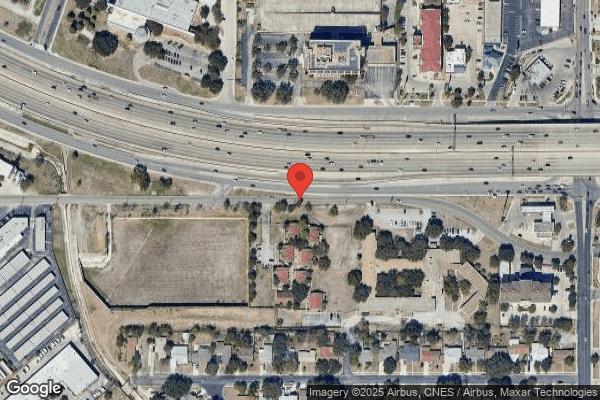
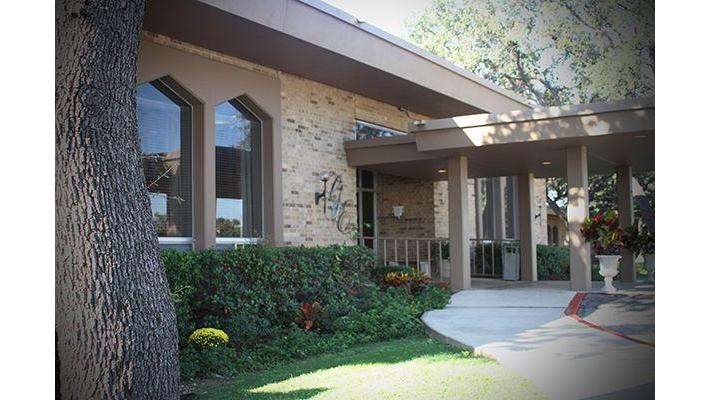
130 SPENCER LN, SAN ANTONIO, TX 78201 (210) 736-4544
For profit - Limited Liability company 93 Beds PARAMOUNT HEALTHCARE Data: November 2025 6 Immediate Jeopardy citations
Trust Grade
0/100
#989 of 1168 in TX
Last Inspection: August 2025

Inspected within the last 6 months. Data reflects current conditions.

Overview

Golden Estates Rehabilitation Center has received a Trust Grade of F, which indicates significant concerns regarding its quality of care. It ranks #989 out of 1168 facilities in Texas, placing it in the bottom half, and #46 out of 62 in Bexar County, meaning only 15 local options are worse. The facility is experiencing an improving trend, with issues decreasing from 12 in 2024 to 11 in 2025. However, staffing is a major concern here, rated 1 out of 5 stars, with a high turnover rate of 66%, which is above the Texas average. Additionally, the facility has faced $231,896 in fines, indicating repeated compliance problems, and has less RN coverage than 82% of Texas facilities, which raises concerns that residents may not receive adequate medical supervision. Specific incidents of concern include a failure to maintain a safe and comfortable environment for numerous residents, with indoor temperatures reported as low as 51 degrees when outside temperatures were in the 20s. There were also critical failures in diabetic care, where 12 residents did not receive their insulin due to issues with the electronic medication system. Furthermore, one resident was found outside the facility unsupervised, highlighting deficiencies in safety protocols. While there are some strengths, such as good quality measures, the overall picture raises several red flags for families considering this facility for their loved ones.

Trust Score
F
0/100
In Texas
#989/1168
Bottom 16%
Safety Record
High Risk
Review needed
Inspections
Getting Better
12 → 11 violations
Staff Stability
⚠ Watch
66% turnover. Above average. Higher turnover means staff may not know residents' routines.
Penalties
✓ Good
$231,896 in fines. Lower than most Texas facilities. Relatively clean record.
Skilled Nurses
⚠ Watch
Each resident gets only 14 minutes of Registered Nurse (RN) attention daily — below average for Texas. Fewer RN minutes means fewer trained eyes watching for problems.
Violations
⚠ Watch
29 deficiencies on record. Higher than average. Multiple issues found across inspections.
★☆☆☆☆
1.0
Overall Rating
★☆☆☆☆
1.0
Staff Levels
★★★★☆
4.0
Care Quality
★☆☆☆☆
1.0
Inspection Score
Stable
2024: 12 issues
2025: 11 issues

The Good

  • 4-Star Quality Measures · Strong clinical quality outcomes
  • Full Sprinkler Coverage · Fire safety systems throughout facility
  • No fines on record

Facility shows strength in quality measures, fire safety.

The Bad

1-Star Overall Rating

Below Texas average (2.8)

Significant quality concerns identified by CMS

Staff Turnover: 66%

20pts above Texas avg (46%)

Frequent staff changes - ask about care continuity

Federal Fines: $231,896

Well above median ($33,413)

Significant penalties indicating serious issues

Chain: PARAMOUNT HEALTHCARE

Part of a multi-facility chain

Ask about local staffing decisions and management

Staff turnover is elevated (66%)

18 points above Texas average of 48%

The Ugly 29 deficiencies on record

6 life-threatening
Aug 2025 4 deficiencies
CONCERN (D) 📢 Someone Reported This

A family member, employee, or ombudsman was alarmed enough to file a formal complaint

Potential for Harm - no one hurt, but risky conditions existed

Assessment Accuracy (Tag F0641)

Could have caused harm · This affected 1 resident

**NOTE- TERMS IN BRACKETS HAVE BEEN EDITED TO PROTECT CONFIDENTIALITY** Based on interview and record review, the facility failed to ensure the assessment accurately reflected the resident's status fo...

Read full inspector narrative →
**NOTE- TERMS IN BRACKETS HAVE BEEN EDITED TO PROTECT CONFIDENTIALITY** Based on interview and record review, the facility failed to ensure the assessment accurately reflected the resident's status for 1 of 8 residents (Resident #2) whose assessments were reviewed. he facility failed to accurately document Resident #2's dental status on the resident's admission assessment dated [DATE]. This failure could place residents at risk for inadequate care due to inaccurate assessments. The findings were:Record review of resident #2's face sheet dated 08/12/2025 revealed the resident was an [AGE] year-old female admitted to the facility on [DATE] with diagnoses including hypertensive heart disease without heart failure, unspecified dementia without behavioral disturbance, major depressive disorder, and legal blindness. Record review of Resident #2's comprehensive care plan, revised 07/24/2025, revealed the resident was on a No Added Salt diet, Minced and Moist texture, thin liquid consistency, served in a divided plate. There was no focus area indicating the resident's dental status. Record review of Resident #2's quarterly MDS assessment dated [DATE] revealed in Section C - Cognitive Patterns a BIMS score of 11/15, indicating the resident had moderately impaired cognition. Record review of Resident #2's admission MDS assessment dated [DATE] revealed in Section L - Oral/Dental Status there was no check mark next to, B. No natural teeth or tooth fragments (edentulous) or D. Obvious or likely cavity or broken natural teeth, indicating there were no deficiencies with the resident's dental status. Observation on 08/12/2025 at 12:05 PM revealed Resident #2's lips were sunken inside her mouth, indicating a possible lack of dentition (missing teeth).During an interview on 08/14/2025 at 12:02 PM, the Administrator stated Resident #2 had some upper teeth but no lower teeth. She had dentures but sometimes did not use them. The resident's admission MDS was coded incorrectly. She did not know why and deferred to the MDS coordinator.During an interview on 08/14/2025 at 12:15 PM, the MDS LVN stated he knew the resident was missing teeth but was confused when completing the MDS, since there was no problem with her denture (it was not broken or loosely fitting). The MDS LVN understood that an MDS coded incorrectly could potentially lead to inaccurate resident care. The MDS LVN stated the facility used the RAI manual as their policy for coding resident assessments
CONCERN (D) 📢 Someone Reported This

A family member, employee, or ombudsman was alarmed enough to file a formal complaint

Potential for Harm - no one hurt, but risky conditions existed

Food Safety (Tag F0812)

Could have caused harm · This affected 1 resident

Based on observation, interview, and record review, the facility failed to store, prepare, distribute, and serve food in 1 of 1 kitchen in accordance with professional standards for food service safet...

Read full inspector narrative →
Based on observation, interview, and record review, the facility failed to store, prepare, distribute, and serve food in 1 of 1 kitchen in accordance with professional standards for food service safety.The facility failed to ensure a container of shredded cheese and a case of breakfast sausage were properly sealed in the reach-in cooler.These failures could place residents at risk for foodborne illness.The findings were:Observation on 08/12/2025 at 10:18 AM in the reach-in cooler revealed an opaque hard plastic container filled halfway with shredded cheese. The container was covered with a plastic lid. One corner of the lid was not sealed onto the container, exposing the cheese to the ambient air in the cooler. Observation on 08/12/2025 at 10:18 AM in the reach-in cooler revealed a cardboard case of breakfast sausage. The case was open and the bag inside the case was open, exposing the sausage to the ambient air in the cooler. During an interview on 08/12/2025 at 10:20 AM, the DM stated both the containers of cheese and breakfast sausage were opened and should have been sealed, as their exposure to air could contribute to the food going bad. All staff storing food in the cooler were responsible for ensuring food was properly sealed.Record review of facility policy Food Safety and Sanitation, Diet and Nutrition Manual 2023, revealed: Policy: All local, state, and federal standards and regulations will be followed to assure a safe and sanitary food and nutrition services department. 4. Food Storage. a. Stored food is handled to prevent contamination and growth of pathogenic organisms. All time and temperature control for safety (TCS) foods (including leftovers) . should be labeled. covered and dated when stored.Record review of the Food Code, U.S. Public Health Service, U.S. FDA, 2022 U.S. Department of H&HS, revealed 3-302 Preventing food and ingredient contamination. 302.11 Packaged and Unpackaged Food - Separation, Packaging, and Segregation. (A) FOOD shall be protected from cross contamination by: (1) Except as specified in (1)(d) below or when combined as ingredients, separating raw animal FOODS during storage, preparation, holding, and display from: (b) Arranging each type of FOOD in EQUIPMENT so that cross contamination of one type with another is prevented, and (4) Except as specified under Subparagraph 3-501.15(B)(2) and in (B) of this section, storing the food in packages, covered containers, or wrappings.
CONCERN (E) 📢 Someone Reported This

A family member, employee, or ombudsman was alarmed enough to file a formal complaint

Potential for Harm - no one hurt, but risky conditions existed

Deficiency F0761 (Tag F0761)

Could have caused harm · This affected multiple residents

Based on observation, interview, and record review, the facility failed to ensure drugs and biologicals were stored in accordance with currently accepted professional principles, 2 of 3 medication car...

Read full inspector narrative →
Based on observation, interview, and record review, the facility failed to ensure drugs and biologicals were stored in accordance with currently accepted professional principles, 2 of 3 medication carts (station 1 and station 2) observed, in that: The medication aide cart for station 2 contained 4 loose medication pills. The medication aide cart for station 1 contained 1 loose medication pill. These deficient practices could place residents who receive medications at risk for not receiving the intended therapeutic effects of medications. The findings included: The findings were: Observation on 8/14/2025 at 11:32 a.m. of the medication aide cart for station 2 revealed there were 4 loose medication pills inside one of the drawers. During an interview with LVN F on 8/14/2025 at 11:34 a.m., LVN F confirmed there were 4 loose medication pills inside a drawer of the medication aide cart for station 2. Observation on 8/14/2025 at 11:42 a.m. of the medication aide cart for station 1 revealed there was 1 loose medication pill inside one of the drawers. During an interview with LVN G on 8/14/2025 at 11:44 a.m., LVN G confirmed there was 1 loose medication pill inside a drawer of the medication aide cart for station 1. During an interview with the ADON on 8/14/2025 at 12:25 p.m., he stated medication carts should be checked by the medication aides and nurses and that pharmacy came about once a week to check the carts too. He stated any loose pills should be identified and disposed of properly. During an interview with the Administrator on 8/15/2025 at 9:07 a.m., she stated medication carts should be checked daily, and carts were also reviewed by the ADON. If there were any loose pills, they were destroyed. Record review of the facility policy titled Storage of Medications, dated 12/2024, revealed, Policy Statement: Drugs and biologicals shall be stored in the packaging, containers or other dispensing systems in which they are received. The nursing staff shall be responsible for maintaining medication storage.
CONCERN (E) 📢 Someone Reported This

A family member, employee, or ombudsman was alarmed enough to file a formal complaint

Potential for Harm - no one hurt, but risky conditions existed

Safe Environment (Tag F0921)

Could have caused harm · This affected multiple residents

Based on observation, interview, and record review, the facility failed to provide a safe, functional, sanitary, and comfortable environment for residents, staff, and the public, for 1 of 1 facility b...

Read full inspector narrative →
Based on observation, interview, and record review, the facility failed to provide a safe, functional, sanitary, and comfortable environment for residents, staff, and the public, for 1 of 1 facility beauty shop, in that: The facility beauty shop contained potentially unsafe items and was unlocked. This deficient practice could result in residents, staff, and/or the public encountering potentially unsafe items. The findings were: Observation on 08/14/2025 at 1:35 pm revealed the facility beauty shop, located on the 100 hall, was unlocked and no staff were in the room. Further observation revealed the beauty shop contained a container of bleach wipes labeled hazardous, keep out of reach of children, four tubes of hair color labeled avoid contact with eyes and skin and keep out of reach of children, and a package of plastic razors. During an interview with the Regional Nurse on 08/14/2025 at 1:40 pm, the Regional Nurse confirmed the beauty shop contained potentially unsafe items and should have been locked to protect residents, staff, and the public from encountering such items. Record review of the facility policy, Storage Areas Maintenance, revised December 2009, revealed, Maintenance storage areas shall be maintained in a clean and safe manner.
May 2025 4 deficiencies 1 IJ
CRITICAL (J) 📢 Someone Reported This

A family member, employee, or ombudsman was alarmed enough to file a formal complaint

Immediate Jeopardy (IJ) - the most serious Medicare violation

Accident Prevention (Tag F0689)

Someone could have died · This affected 1 resident

**NOTE- TERMS IN BRACKETS HAVE BEEN EDITED TO PROTECT CONFIDENTIALITY** Based on observation, interview, and record review, the facility failed to ensure that each resident received adequate supervisi...

Read full inspector narrative →
**NOTE- TERMS IN BRACKETS HAVE BEEN EDITED TO PROTECT CONFIDENTIALITY** Based on observation, interview, and record review, the facility failed to ensure that each resident received adequate supervision and assistance devices to prevent accidents for 1 of 1 resident (Residents #1) reviewed for accidents hazards and supervision: The facility failed to put effective measures in place to prevent Resident #1 from eloping. Resident #1 was found outside the facility near the access road near the expressway on Saturday, 5/10/25. The facility did not have a plan in place for monitoring the front door to ensure resident supervision/monitoring was in place to prevent Resident #1's elopement. An IJ was identified on 5/28/25. The IJ template was provided to the facility on 5/28/25 at 5:04 p.m. While the IJ was removed on 5/30/25, the facility remained out of compliance at a scope of isolated and a severity level of not actual harm with potential for more than minimal harm that is not immediate jeopardy because the facility needed to evaluate the effectiveness of its corrective systems This failure could place residents at risk of experiencing accidents, injuries, and/or death. The findings included: Record review of Resident #1's face sheet dated 5/28/25 revealed a [AGE] year-old male admitted to the facility on [DATE] and discharged on 5/10/25 with diagnoses that included unspecified dementia unspecified severity (general term used to describe a decline in cognitive function that is severe enough to interfere with daily life and activities)-without behavioral disturbance, psychotic disturbance, mood disturbance, and anxiety. Record review of Resident #1's MDS discharge assessment dated [DATE] revealed the resident was severely cognitively impaired for daily decision-making skills and was independent with mobility. Resident #1's MDS did not indicate any behaviors. Record review of Resident #1's baseline care plan, undated, was blank. Record review of Resident #1's physician's telephone orders, dated 5/8/25 revealed to admit to respite for 5-day period from 5/8/25-5/13/25. There was no order for monitoring the resident. Record review of Resident #1's Clinical admission document, dated 5/8/25 revealed the resident was: - Alert and oriented x 3, communicated verbally, speech is clear, is able to understand and be understood when speaking. Further review revealed the following areas were left blank: - the Mood and Behavior section, under the Wandering category - the Special Care section used to determine the reason Resident #1 was in the facility (Hospice, Respite Care, Palliative Care, Source of discharge goal) - the Care Planning section, page 20 to page 38 Record review of Resident #1's admission Function Abilities and Goals document, dated 5/8/25 revealed he had no functional limitations in range of motion, was independent with mobility, and did not require a mobility device. Record review of Resident #1's progress note dated 5/10/25, time stamped 4:18 p.m., and authored by the Administrator revealed: Resident (#1) has been observed with increased wandering throughout the facility. Hospice notified and stated the family had called earlier letting them know they would be back in town around 8:00pm and intended to pick resident up from respite today. Resident (#1) to DC home with all medication and personal belonging 5/10/2025. Record review of the facility Incidents/Accidents reports reviewed from March 2025 to May 2025 revealed there was no incident report regarding Resident #1's wandering/elopement. Observation on 5/28/25 at 8:15 a.m. revealed the front door to the facility was unlocked, no code was needed to enter the front door, and the front receptionist desk was unattended. During an interview on 5/28/25 at 10:05 a.m., the Activities Director stated she was familiar with Resident #1 and described the resident as very confused but easily re-directable. The Activities Director stated the front door to the facility had a day mode sound that triggered when the door opened and there was a receptionist scheduled day and night. The Activities Director stated, if the receptionist was not stationed at the front desk, the Executive Assistant would be able to see the desk from the glass door in the office. During a telephone interview on 5/28/25 at 10:33 a.m., Resident #1's family member stated the resident stayed at the facility for two nights and had never stayed there before. The family member further stated Resident #1 returned home (5/10/25) at baseline and did not have any concerns with the care except the facility could not find the residents clothes or shoes. The family member stated Resident #1 had further declined since the resident admitted to the facility on [DATE] and was not talking too much these days and was not interviewable. Resident #1's family representative stated she received notification on 5/10/25 about Resident #1 trying to leave the facility. Resident #1's family representative stated, I believe I was told about him (Resident #1) trying to leave the building. It was not the facility; it was the hospice company that called or texted me and told me he (Resident #1) tried to leave the building. During an interview on 5/28/25 at 10:49 a.m., CNA A stated she recalled Resident #1 leaving the building on a weekend, maybe a Saturday at the end of the shift, some time before 2:30 p.m. CNA A stated the code (Code Pink) was announced by an unidentified nurse and CNA B told her to start searching all the rooms. CNA A stated she and CNA C searched together and further stated CNA C was assigned on the hall Resident #1 resided on. CNA A stated two unidentified staff went driving looking for the resident. CNA A stated Resident #1 was found across the street by the highway and an unidentified staff stated, he's (Resident #1) there by the expressway. CNA A stated, CNA D and CNA B escorted Resident #1 back to the facility. CNA A stated she believed the event may have occurred between 1:00 p.m. and 2:00 p.m. CNA A stated she recalled an unidentified receptionist was on duty at the time. CNA A stated, there were times the receptionist would leave the reception area to deliver packages to the residents or to deliver messages to residents. CNA A stated, I'm sure the alarm was on when Resident #1 left, they are always on. It happened quickly. I'm glad we found him, but he made it across the street. CNA A stated Resident #1 was asked where he was going and said he was going home and had gone out the back door. CNA A stated the back door was locked and all of the doors have alarms and believed the alarms to all of the doors were working. During an interview on 5/28/25 at 11:12 a.m., CNA C stated she was assigned on Resident #1's hall and described the resident as confused. CNA C stated she recalled Resident #1 had left the facility and recalled assisting the resident with his meal while the resident was in his room on the day of the event. CNA C stated she picked up Resident #1's food tray after assisting him, could not recall the time, and could not recall if it was breakfast or lunch, and left the resident in his room. CNA C stated she returned to Resident #1's room, less than 15 minutes later, and the resident was gone. CNA C stated she asked staff if they had seen the resident, and CNA E told her Resident #1 was seen walking around the hallways. CNA C stated she continued her search and when she could not locate the resident she informed the nurses. CNA C stated, an unidentified nurse said Resident #1 was outside but could not recall where the resident was found. CNA C stated CNA D brought the resident back into the facility. CNA C further stated, I know some staff walked around to try to find him (Resident #1) outside and people drove in their cars to try to find him. CNA C then stated she believed the event happened after lunch. CNA C stated she believed the door alarms were working at the time and asked the receptionist, could not recall the name, if she had seen Resident #1 leave and the Receptionist said no. During an interview on 5/28/25 at 11:38 a.m., CNA E stated she was in the facility when it was reported Resident #1 went missing. CNA E stated she believed the event happened around lunchtime and was asked by CNA C if she had seen Resident #1. CNA E stated she saw Resident #1 across the street by the barricade that led to the highway. CNA C stated Resident #1 had crossed the access road and was brought back to the facility by CNA D. CNA E stated the Weekend Receptionist, name unknown, stepped away to go to the bathroom, and I guess that's when he (Resident #1) got out. CNA E further stated all the doors were locked and if you try to open them the alarm goes off. CNA E stated she believed Resident #1 went out the front door. During an interview on 5/28/25 at 1:29 p.m., the ADON stated RN F notified him Resident #1 was missing and the ADON in turn notified the Administrator. The ADON stated he arrived at the facility between 2:15 p.m. and 2:30 p.m. and Resident #1 was already at the nurse's station. The ADON stated RN F called the Code Pink, which indicated a resident was missing, and was told Resident #1 was found up front. The ADON stated all of the doors have alarms on them. During an interview on 5/28/25 at 1:49 p.m., the Administrator stated she was notified by the ADON about Resident #1 missing but could not recall what time she received the message. The Administrator stated she was approximately 4 to 5 minutes away from the facility and when she arrived Resident #1 was already at the nurse's station getting assessed by RN F. The Administrator stated she was told by RN F that the resident was found at the front of the building. The Administrator then stated, Resident #1 was gone for no more than 4 minutes. During a telephone interview on 5/28/25 at 2:17 p.m., RN F acknowledged she was informed by an unknown CNA that Resident #1 was not in his room and asked the CNA when she had seen the resident last. RN F stated the CNA told her about 5 - 10 minutes ago. RN F stated she had staff start a search and an unidentified CNA she described as a tall, thin African American male who worked the 2:00 p.m. to 10:00 p.m. shift found Resident #1 in the front of the building. RN F stated the Administrator and the ADON were in the building at the time she assessed Resident #1. RN F stated she believed the event occurred after lunch, before my 4:00 p.m. scheduled accu checks. During an interview on 5/28/25 at 3:01 p.m., CNA D stated he was about to start his shift, which began at 2:30 p.m. and was approached by an unknown nurse who informed him they were looking for a patient. CNA D stated he and CNA B went outside the front door and found Resident #1 in the parking lot in an area with bushes just inside the street. CNA D stated he was familiar with Resident #1 and described him as not really alert, not aware, and always looked lost. During an interview on 5/28/25 at 3:20 p.m., CNA B stated she heard an unidentified CNA saying somebody was missing on the day of the event at approximately 1:30 pm to 2:00 p.m. CNA B stated she was approaching the end of her shift at 2:30 p.m., when she and CNA D retrieved Resident #1 where the resident was found in the parking lot by the bushes. CNA B stated the resident appeared confused. During an interview on 5/28/25 at 3:40 p.m., the Maintenance Director stated he did random rounds of the door alarms and further stated he had installed additional alarms on the 100 and 200 unit. The Maintenance Director stated he was not sure when the door alarm for the front door was activated as there was a daytime mode and a nighttime mode. During a telephone interview on 5/28/25 at 4:24 p.m., LVN G acknowledged she recalled the event that occurred when Resident #1 went missing. LVN G stated, after it was determined Resident #1 was missing, LVN G went next door to the local gas station to search for the resident. LVN G stated she then spotted Resident #1 by the grass, not in the street, and the tall, African American male CNA went to get the resident. LVN G stated she had only worked for the facility for close to a month, the event happened so fast, and did not know about the alarm system. During a follow-up telephone interview on 5/28/25 at 5:33 p.m., Resident #1's family member stated the resident's hospice representative informed her about Resident #1 attempting to leave the facility. Resident #1's family member stated she was never told Resident #1 made it outside the facility. Resident #1's family member stated she could not always believe what Resident #1 said and stated the resident had significantly declined since his discharge from the facility on 5/10/25 and was no longer interviewable. Resident #1's family member stated, at the time the resident was discharged , and when she picked him up, Resident #1 told her he had gone out the back door and then went to the highway and was picked up. Resident #1's family member stated, there's no way he (Resident #1) could have gone to the highway, he would have been killed. I didn't question the facility about it. During an interview on 5/30/25 at 8:20 a.m., LVN H stated there was always a staff sitting at the receptionist desk during business hours. LVN H stated there was a receptionist at the front entry until 10:30 p.m. but the doors were locked after 5:00 p.m., and then the receptionist would have to get up and open the door. LVN H stated the Maintenance Director was in charge of checking the door alarms and if there was a problem with an alarm not working, the Maintenance Director would have to be notified. LVN H stated, if the receptionist who worked during their scheduled hours had to leave their post, we have somebody watch the doors for them until they return. LVN H stated the front reception area was not supposed to be left unattended. During an interview on 5/30/25 at 8:40 a.m., the Floor Technician stated there was supposed to be a person at the front reception desk at all times and they have somebody come in during the evening up until 10:30 p.m. The Floor Technician stated he sometimes checked the door alarms, but when there was a problem, he would report it to the Maintenance Director. The Floor Technician stated, when the doors were locked, the door alarm goes off if somebody was trying to leave or get in. An attempt at a telephone interview on 5/30/25 at 3:16 p.m., with Receptionist I was unsuccessful; the voicemail box was full and was unable to leave a message. During an interview on 5/30/25 at 3:31 p.m., the Executive Assistant stated she monitored the front door as part of her duties. The Executive Assistant stated she had other job duties, and if she was unable to monitor the front door, she would get somebody to cover the front door. The Executive Assistant stated she usually arrived at the facility between 6:30 a.m., and 6:45 a.m., and the doors were usually unlocked. The Executive Assistant stated she could monitor the front door from her desk until Receptionist clocked in at 4:00 p.m. The Executive Assistant stated the Receptionist worked until about 10:30 p.m., or 11:00 p.m., but the doors were locked at 5:00 p.m. The Executive Director stated if the front door alarm did not engage when it was opened, then the Maintenance Director had to be notified. During an interview on 5/30/25 at 3:52 p.m., the Weekend Receptionist stated she often worked the weekends from 11:00 a.m. to 11:00 p.m. and the Manager on Duty covered monitoring of the front door until she arrived at her shift. The Weekend Receptionist stated, if she had to leave her post, such as to take a bathroom break, she would go really quick, but I can still hear the door/chime/ringer. The Weekend Receptionist stated it was the responsibility of the Maintenance Director to ensure the door alarms were working. The Weekend Receptionist did not have recollection of the event when Resident #1 went missing. During an interview on 5/30/25 at 4:41 p.m., Receptionist J stated she worked the evening shift from 4:00 p.m. to 10:30 p.m., and the front doors were locked at 5:00 p.m. Receptionist J stated the front door had a ring/chime that activated each time the door was opened. Receptionist J stated if she had to leave her post, she had to get somebody to cover for her. Receptionist J stated she had to report to nursing at the end of her shift to inform them she was leaving, and the doors stayed locked. Record review of the facility document titled, Safety and Supervision of Residents, with revision date December 2007 revealed in part, .Our facility strives to make the environment as free from accident hazards as possible. Resident safety and supervision and assistance to prevent accidents are facility-wide priorities .Our facility-oriented approach to safety addresses risks for groups of residents .Safety risks and environmental hazards are identified on an ongoing basis through a combination of employee training, employee monitoring, and reporting processes .Employees shall be trained and inserviced on potential hazards and how to identify and report accident hazards, and try to prevent avoidable accidents .Staff shall use various sources to identify risk factors for residents, including the information obtained from the medical history, physical exam, observation of the resident, and the MDS .Resident supervision is a core component of the systems approach to safety. The type and frequency of resident supervision is determined by the individual resident's assessed needs and identified hazards in the environment .Resident Risks and Environmental Hazards .Due to their complexity and scope, certain resident risk factors and environmental hazards are addressed in dedicated policies and procedures. These risk factors and environmental hazards include .Unsafe Wandering . Record review of the facility document titled, Wandering, Resident, undated, revealed in part, .The facility will strive to prevent unsafe wandering while maintaining the least restrictive environment for residents who are at risk for elopement .The staff will identify residents who are at risk for harm because of unsafe wandering (including elopement) .A missing resident is considered a facility-wide emergency. If a resident is missing, the elopement/missing resident emergency procedure will be initiated .If the resident is not located, notify the Administrator, and the Director of Nursing Services, the resident's legal representative, the Attending Physician, law enforcement officials .When the resident returns to the facility, the Director of Nursing Services or Charge Nurse shall .Contact the Attending Physician and report findings and conditions of the resident .Complete and file an incident report . An Immediate Jeopardy was identified on 5/28/25 and the Administrator was notified of the Immediate Jeopardy on 5/28/25 at 5:04 p.m. and was given a copy of the IJ template and a Plan of Removal (POR) was requested. The facility's Plan of Removal for the Immediate Jeopardy was accepted on 5/29/25 at 4:12 p.m. and reflected the following: Nursing Facility F689 - Free of Accident Hazards/Supervision Devices - Resident (#1) was immediately placed on 1:1 (5/10/2025) - Hospice company notified of resident (#1) exit seeking (5/10/2025) - Resident had scheduled discharge planned (5/10/2025) - Medical Director Notified (5/28/2025) - Elopement assessments completed on all residents residing in facility (5/28/2025) - Any resident that scores at risk of elopement will be further evaluated to determine risk level for actual elopement. - The facility elopement policy was reviewed with all staff (5/28/2025) Actions to Prevent Occurrence/Reoccurrence: The Facility took the following actions to prevent an adverse outcome from reoccurring. - Facility exit points checked. (5/10/2025) - Front door monitoring is assigned to HR manager from 8:00am to 5:00pm and by the night receptionist from 4:00pm - 10:30pm on weekdays and on weekends by the manager on duty from 7:00am - 11:00am and then by the receptionist from 11:00am - 10:30pm. Door is alarmed to ring at various locations after 10:30pm to alert staff is [sic] someone is attempting to exit the facility. - Administrator ordered (2) door alarms to be added to two exit doors. One for a side exit door, and one for the back service exit. (5/13/2025) door alarms arrived and installed in facility (5/14/2025) - Maintenance Director checked all door alarms to ensure working condition (5/15/2025) - In the event of an elopement the facility will follow our elopement policy. - The Administrator or designee is responsible for ensuring the elopement policy education is being provided to all staff members and for providing oversight to ensure it is followed. In-servicing on policy on elopement to continue monthly for 3 months. - Beginning 5/28/2025 door alarm checks will be completed 3x per day per shift for 2 weeks. - Staff members responsible for front door monitoring were in serviced on ensuring front door monitoring goes uninterrupted, how to redirect residents and calling for help when needed. - An elopement in service was initiated within our learning management system and assigned to all staff members. This educational material includes our policy and procedure for an elopement to include a pre and posttest. (5/28/2025) - The admission process in service was initiated within our learning management system and assigned to all licensed nursing staff to include completing an elopement assessment and a baseline care plan. - Staff will acknowledge residents who are at risk of elopement by checking off the POC alert created. - Careplans were reviewed and updated for residents deemed to be at risk of elopement. (5/28/2025) The facility's POR Verification was as follows: Record review of the POR binder included: - Door alarm receipt of purchase dated 5/13/25 - Bell alarm receipt of purchase dated 5/29/25 - MD notification letter informing the physician of the IJ deficiency related to an elopement authored by the Administrator and dated 5/28/25 - Communication record of voicemail/text to families regarding signing out residents dated 5/28/25 - Elopement assessments and care plan updates of 65 residents completed by the ADON, MDS nurse and LVN Treatment Nurse K dated 5/28/25 -Management of the security of the front door in-service training of 16 department head staff presented by the Administrator/Designee with start date 5/29/25 and ongoing until completed - Elopement training records of 74 staff with completion dates from 5/28/25-5/30/25 - Incident/Accidents Training records of 48 staff with completion dates ranging from 3/25/25-5/29/25 - Registration Document for Staff Training indicating there were 79 staff registered to take the training on Elopement dated 5/30/25 Record review of the in-service titled Management of the security of the front door, dated 5/29/25 listed the following objectives: 1) The front door needs to be monitored at all times, if you need to leave the front reception or office area you must find someone to relieve you. 2) If any situation occurs calls for assistance via overhead paging or directly to the nurse's station. 3) Training on how to redirect residents who may express a desire to exit the facility. Interviews conducted on 5/30/25 from 7:29 a.m. to 4:46 p.m. with 31 staff from various shifts (LVN L, Director of Staff Development, LVN M, CNA N, LVN H, Floor Technician, Medical Records, RN Instructor, Housekeeping, CNA O, MDS Coordinator, RN P, CNA Q, Medication Aide R, Maintenance Director, CNA S, CNA D, ADON, RN Corporate Nurse (acting as interim DON), Executive Assistant, Weekend Receptionist, CNA T, Medication Aide U, LVN V, LVN W, CNA X, RN Y, Dietary Z, Receptionist J, Night Shift Cook, and the Dietary Supervisor) revealed facility staff stated they had been in-serviced on front door monitoring to ensure monitoring was uninterrupted, how to re-direct residents, how to call for help when needed, and how to follow the elopement policy which included educational training material with a pre and posttest. Record review of the in-service materials including the pre and posttest provided by the RN Corporate Nurse revealed training on identification of residents at risk of elopement, the process for continuity of assessments for those residents at risk of elopement, and a guideline to search for a resident who was missing or had eloped. Record review of the POR binder revealed the management of the security of the front door in-service training was signed by 16 department head staff and presented by the Administrator with start date 5/29/25. During an interview on 5/30/25 at 3:07 p.m., the RN Corporate Nurse stated she had created the in-service training materials and had assisted with in-service training. The RN Corporate Nurse stated there should be notification to the family, the physician, and the Administrator in the case of an elopement and the staff were supposed to follow the Code Pink protocol for a missing resident. During an observation with the Maintenance Director on 5/30/25 at 3:20 p.m. revealed all facility exit doors including the front door and all doors on the 100/200/300 Resident hallways alarms were tested for working efficiency with no concerns noted. Observation of the outside property gates for security locks were observed in place. During an interview on 5/30/25 at 5:30 p.m., the Administrator stated there were 79 staff employed at the facility and 77 out of 79 completed the Elopement training. The Administrator stated the two staff who did not complete the Elopement training was a new hire who had not yet started working on the floor and the other staff was out on emergency leave and could not be contacted. The Administrator stated the two staff who had not completed the Elopement training would be in-serviced prior to working on the floor. The Administrator further stated in-service training for completing incident/accident reports were completed with licensed nursing staff. On 5/30/25 at 5:41 p.m., the Administrator was notified the IJ was removed. While the IJ was removed on 5/30/25, the facility remained out of compliance at a scope of isolated and a severity of no actual harm with potential for more than minimal harm that is not immediate jeopardy because of the facility's need to evaluate the effectiveness of its corrective systems.
CONCERN (D) 📢 Someone Reported This

A family member, employee, or ombudsman was alarmed enough to file a formal complaint

Potential for Harm - no one hurt, but risky conditions existed

Notification of Changes (Tag F0580)

Could have caused harm · This affected 1 resident

**NOTE- TERMS IN BRACKETS HAVE BEEN EDITED TO PROTECT CONFIDENTIALITY** Based on interview and record review, the facility failed to consult with the resident's physician and representative when there...

Read full inspector narrative →
**NOTE- TERMS IN BRACKETS HAVE BEEN EDITED TO PROTECT CONFIDENTIALITY** Based on interview and record review, the facility failed to consult with the resident's physician and representative when there was a significant change in the resident's physical, mental, or psychosocial status (that is, a deterioration in health, mental, or psychosocial status in either life-threatening conditions or clinical complications) for 1 of 18 residents (Resident #1) reviewed for resident rights. The facility failed to notify Resident #1's physician and representative when the resident was missing on 5/10/25. This failure could place residents at risk of not receiving adequate and timely intervention and a decline in condition. The findings included: Record review of Resident #1's face sheet dated 5/28/25 revealed a [AGE] year-old male admitted to the facility on [DATE] and discharged on 5/10/25 with diagnoses that included unspecified dementia unspecified severity (general term used to describe a decline in cognitive function that is severe enough to interfere with daily life and activities)-without behavioral disturbance, psychotic disturbance, mood disturbance, and anxiety. Record review of Resident #1's MDS discharge assessment dated [DATE] revealed the resident was severely cognitively impaired for daily decision-making skills and was independent with mobility. Record review of Resident #1's baseline care plan, undated, was blank. Record review of Resident #1's physician's telephone orders, dated 5/8/25 revealed no order for close monitoring of the resident and included the following: - Admit to respite for 5-day period from 5/8/25-5/13/25 Record review of Resident #1's electronic record with the following progress note dated 5/10/25, time stamped 4:18 p.m., and authored by the Administrator revealed: Resident (#1) has been observed with increased wandering throughout the facility. Hospice notified and stated the family had called earlier letting them know they would be back in town around 8:00pm and intended to pick resident up from respite today. Resident (#1) to DC home with all medication and personal belonging 5/10/2025. Record review of Resident #1's electronic record progress notes from 5/8/25 to 5/10/25 revealed there was no documentation that indicated the resident's representative was notified of the resident's wandering behaviors or that the resident had gone missing. During an interview on 5/28/25 at 1:29 p.m., the ADON stated he was notified by RN F Resident #1 was missing and the ADON in turn notified the Administrator on 5/10/25. The ADON stated since the resident was treated by hospice, the hospice staff would have been notified. The ADON stated at the time of the event the Administrator was already in the building and believed the Administrator made notification to the RN Corporate Nurse. During an interview on 5/28/25 at 1:49 p.m., the Administrator stated she had received notification from the ADON on 5/10/25 about Resident #1 missing from the facility. The Administrator stated she was about 4 or 5 minutes away but could not remember the exact time. The Administrator stated she notified the hospice company regarding Resident #1's exit seeking behaviors and to my understanding he (Resident #1) went out the front door and told them (the hospice company) we were not equipped to care for Resident #1 and the family came and picked him up. The Administrator stated, I believe I informed Resident #1's representative that the resident was gone and stated she had inform the hospice company. The Administrator stated she did not report the incident to the physician. The Administrator stated, when Resident #1 went missing it was not considered a true elopement because the resident was still on campus and was gone for no more than 4 minutes. During an interview on 5/28/25 at 2:17 p.m., RN F stated she was informed by CNA C on 5/10/25 that Resident #1 was missing, and RN F and the staff began to search for the resident. RN F stated, when Resident #1 was found she assessed the resident for injuries and obtained the resident's vital signs. RN F stated during this time the Administrator and the ADON were already in the building and then RN F stated, once the managers (Administrator and ADON) came in, they took over and I then went back to attend to my hall. I was pretty much told to go back to my unit. RN F further stated, she believed the hospice company was notified regarding Resident #1 missing and believed the ADON was going to notify the doctor and the representative. RN F stated, basically, I was told I was a floor nurse and to attend to my patients by the Administrator, and the ADON and she (the Administrator) would take care of the rest. During a telephone interview on 5/28/25 at 5:33 p.m., Resident #1's family representative stated she received notification on 5/10/25 about Resident #1 trying to leave the facility. Resident #1's family representative stated, I believe I was told about him (Resident #1) trying to leave the building. It was not the facility; it was the hospice company that called or texted me and told me he (Resident #1) tried to leave the building. During an interview on 5/29/25 at 11:32 a.m., LVN H stated in the case of a missing resident/elopement, there was supposed to be notification to the Administrator, DON, ADON, the physician and family representative. LVN H further stated, even if a resident was in the facility under hospice services, the resident was cared for by facility staff daily and the hospice staff was not always in the facility. During a follow-up interview on 5/29/25 at 2:31 p.m., the ADON stated, Resident #1's hospice staff was notified on 5/10/25 when the resident was reported missing. The ADON further stated he did not know if the resident's representative or the physician were notified. The ADON stated, the Administrator took over doing the notification part. During a follow-up interview on 5/29/25 at 3:26 p.m., the Administrator stated she had notified the hospice company on 5/10/25 to report Resident #1 was exit seeking and stated the hospice staff would contact Resident #1's representative directly. The Administrator stated, typically she would notify the family in any case, but since hospice was notified, hospice did it for them. The Administrator stated, we should have notified the doctor, but did not. The Administrator stated, the resident's representative, the doctor, and hospice should have been notified by the facility, but the event created chaos and at that moment, and Resident #1 was the priority. Record review of the facility document titled Charting and Documentation with review date December 2024 revealed in part, .All services provided to the resident .or any changes in the resident's medical, physical, functional or psychosocial condition, shall be documented in the resident's medical record. The medical record should facilitate communication between the interdisciplinary team regarding the resident's condition and response to care .The following information is to be documented in the resident medical record .Changes in the resident's condition .Events, incidents or accidents involving the resident .Documentation of procedures and treatments will include care-specific details, including .Notification of family, physician or other staff .
CONCERN (D) 📢 Someone Reported This

A family member, employee, or ombudsman was alarmed enough to file a formal complaint

Potential for Harm - no one hurt, but risky conditions existed

Deficiency F0655 (Tag F0655)

Could have caused harm · This affected 1 resident

**NOTE- TERMS IN BRACKETS HAVE BEEN EDITED TO PROTECT CONFIDENTIALITY** Based on interviews and record reviews, the facility failed to develop and implement baseline care plans that included the instr...

Read full inspector narrative →
**NOTE- TERMS IN BRACKETS HAVE BEEN EDITED TO PROTECT CONFIDENTIALITY** Based on interviews and record reviews, the facility failed to develop and implement baseline care plans that included the instructions needed to provide effective and person-centered care within 48 hours of admission for 1 of 1 resident (Resident #1) reviewed for baseline care plans: The facility failed to complete Resident #1's baseline care plan within 48 hours. This deficient practice could affect residents who receive care at the facility and could result in missed or inadequate care. The findings included: Record review of Resident #1's face sheet dated 5/28/25 revealed a [AGE] year-old male admitted to the facility on [DATE] and discharged on 5/10/25 with diagnoses that included unspecified dementia unspecified severity (general term used to describe a decline in cognitive function that is severe enough to interfere with daily life and activities)-without behavioral disturbance, psychotic disturbance, mood disturbance, and anxiety. Record review of Resident #1's MDS discharge assessment dated [DATE] revealed the resident was severely cognitively impaired for daily decision-making skill and was independent with mobility and transfers. Record review of Resident #1's baseline care plan, undated, was blank. Record review of Resident #1's physician's telephone orders, dated 5/8/25 revealed the following: - Admit to respite for 5-day period from 5/8/25-5/13/25 - DNR status: Full code - Activity - up as tolerated - Diet: Regular - Oxygen: O2 at 2L/NC PRN - Has not used - No treatments or appliances - Meds: - Carbidopa-Levodopa 25/100 mg po 1 in a.m., 1 at HS (primarily used to treat symptoms of Parkinson's-tremors, stiffness, poor muscle control) - Vitamin D3 1,000U/25 mcg, take 1 tab po QD (primarily used to help the body absorb calcium and maintain strong bones) - Nuplazid 34 mg, take 1 po QD (primarily used to treat hallucinations and delusions associated with Parkinson's) - Repatha 140 mg/ml, take 1 ml SQ every 2 weeks (used to lower cholesterol) - Clonazepam 1 mg tab, take 1 tab at HS (primarily used to treat panic or anxiety disorders) - Haloperidol 1 mg tab, take 2 tabs po TID (primarily used to reduce hallucinations, delusions, and disorganized thinking) - Isosorbide Mononitrate ER 60 mg tab, take 1 po QD (use to prevent chest pain caused by coronary artery disease) - Metoprolol Succinate ER 50 mg, take 1 tab daily (used to treat heart and blood pressure conditions) - Morphine Concentrate 20 mg/ml, take 5 mg/.25 ml TID prn SOB, CP (used to treat moderate to severe pain or chest pain) - Quetiapine 25 mg, 1 tab twice daily (an antipsychotic medication used to treat several mental health conditions) - Hospice nurse may pronounce at time of death - Please call hospice with any changes in condition/questions/concerns 24/7 and any med refill needs - Please no labs or diagnostics Record review of Resident #1's Clinical admission document, dated 5/8/25 revealed the following: - Alert and oriented x 3, communicated verbally, speech is clear, is able to understand and be understood when speaking. - the Mood and Behavior section, under the Wandering category was blank. - the Special Care section used to determine the reason Resident #1 was in the facility (Hospice, Respite Care, Palliative Care, Source of discharge goal) was blank. Further review of the 47-page Clinical admission document, under the Care Planning section, page 20 to page 38 were blank. During an interview on 5/30/25 at 7:44 a.m., LVN M stated she had taken part in doing an admission assessment on new resident admissions, but I don't do the care plan part. I think the MDS (Coordinator) from what I know generates the care plan. During an interview on 5/30/25 at 8:20 a.m., LVN H stated she had taken part in doing an admission assessment on new resident admissions and the admission assessment document should automatically generate a baseline care plan. LVN H stated the baseline care plan should be done within 24 hours from the residents' admission and should include medical diagnoses, clinical information received based on past history and any specifics about the resident's care and how they take their medications. During an interview on 5/30/25 at 9:31 a.m., the MDS Coordinator stated the baseline care plan would be completed within 72 hours but should start on admission. The MDS Coordinator stated the baseline care plan was supposed to have a minimized assessment of the resident's basic needs such as mobility status, incontinence, skin issues, and all of your assessments. The MDS Coordinator stated Resident #1's baseline care plan was incomplete and should have been generated at the time of his admission. The MDS Coordinator stated, the assessment did not give a whole picture of Resident #1, and that did not help when trying to develop a comprehensive care plan and the MDS assessment. During an interview on 5/30/25 at 9:59 a.m., RN P stated she had initiated the admission assessment for Resident #1 when he admitted on [DATE]. RN P stated the admission assessment did not automatically generate a baseline care plan. RN P stated she did not know anything about a baseline care plan and stated the MDS Coordinator does those. RN P stated she was not involved in the process in the development of a comprehensive care plan, we just do the documentation. During an interview on 5/30/25 at 12:54 p.m., the ADON stated he was unsure of when a baseline care plan needed to be developed or the time frame for completion. The ADON stated the care plan was important because it identified behaviors, how to assist them (residents) with care, and how to attend to their needs. During an interview on 5/30/25 at 3:07 p.m., the RN Corporate Nurse stated the admission assessment done during a resident's admission into the facility would trigger, sometimes depending on how the questions were answered by the nurse. The RN Corporate Nurse stated, as an example, if a box was checked on the admission assessment for a resident who utilized an indwelling urinary catheter, the assessment would trigger and generate suggestions at the end of the assessment and would push it to the care plan. The RN Corporate Nurse stated, she believed the baseline care plan, per regulation, had to be completed within 48 hours and the information from the moment you meet the resident, your assessment is for building the care plan. The RN Corporate Nurse stated the care plan was used to assist the staff in knowing how to care for a resident. Record review of the facility document titled, Charting and Documentation with review date December 2024 revealed in part, .All services provided to the resident, progress toward the care plan goals, or any changes in the resident's medical, physical, functional, or psychosocial condition, shall be documented in the resident's medical record. The medical record should facilitate communication between the interdisciplinary team regarding the resident's condition and response to care .The following information is to be documented in the resident medical record .Progress toward or changes in the care plan goals and objectives .Documentation of procedures and treatments will include care-specific details .
CONCERN (D) 📢 Someone Reported This

A family member, employee, or ombudsman was alarmed enough to file a formal complaint

Potential for Harm - no one hurt, but risky conditions existed

Deficiency F0761 (Tag F0761)

Could have caused harm · This affected 1 resident

Based on observation, interview and record review, the facility failed to ensure all drugs and biologicals were stored in accordance with currently accepted professional principles for 1 of 2 nurse me...

Read full inspector narrative →
Based on observation, interview and record review, the facility failed to ensure all drugs and biologicals were stored in accordance with currently accepted professional principles for 1 of 2 nurse medication carts (Unit 1 medication cart)reviewed for storage of drugs and biologicals. The facility failed to ensure the Unit 1 medication cart was locked and secured when Medication Aide U left a medication cart unlocked and unsecured on 5/29/2025. This failure could place residents at risk of medication misuse or drug diversion. The findings included: Observation and interview on 5/29/25 at 12:56 p.m. revealed the Station 1 medication cart was left unlocked and unattended in front of the Station 1 nurse's station, facing out into the main pathway where 6 residents were observed sitting in wheelchairs in front of the medication cart. Further observation revealed LVN AA was sitting behind the Station 1 nurse's station. LVN AA stated the medication cart was assigned to Medication Aide U. The Administrator walked up to LVN AA and the State Surveyor and stated the medication cart in Station 1 was assigned to Medication Aide U. During an observation and interview on 5/29/25 at 12:58 p.m., Medication Aide U stated the Station 1 medication cart assigned to her was unlocked and unattended and believed she had locked the medication cart, but the lock must have popped open. Medication Aide U stated the medication cart was not supposed to be left unlocked and unattended because residents can get into it, or other people can get into it and take things. Medication Aide U further stated, only facility staff should have access to the medication cart and only she would have access to the cart since she had the key. During an interview on 5/29/25 at 2:31 p.m., the ADON stated, the medication carts were supposed to be locked when left unattended because somebody can have access to the medications, including the residents. The ADON further stated, residents could take the wrong medication and could overdose. During an interview on 5/30/25 at 3:07 p.m., the RN Corporate Nurse stated, the medication carts were supposed to remain locked and if unlocked and unattended somebody could open a medication, they could take a medication and they could become ill from it. The RN Corporate Nurse stated it was her expectation that all medication carts were secure when not in use. Record review of the facility document titled Security of Medication Cart with review date December 2024 revealed in part, .Medication carts must be securely locked at all times when out of the nurse's view .When the medication cart is not being used, it must be locked and parked at the nurse's station or inside the medication room .
Feb 2025 3 deficiencies 1 IJ (1 affecting multiple)
CRITICAL (K) 📢 Someone Reported This

A family member, employee, or ombudsman was alarmed enough to file a formal complaint

Immediate Jeopardy (IJ) - the most serious Medicare violation

Safe Environment (Tag F0584)

Someone could have died · This affected multiple residents

**NOTE- TERMS IN BRACKETS HAVE BEEN EDITED TO PROTECT CONFIDENTIALITY** Based on observation, interview, and record review, it was determined the facility failed to ensure residents had a safe, clean,...

Read full inspector narrative →
**NOTE- TERMS IN BRACKETS HAVE BEEN EDITED TO PROTECT CONFIDENTIALITY** Based on observation, interview, and record review, it was determined the facility failed to ensure residents had a safe, clean, comfortable and homelike environment, for 30 of 75 residents (Resident #1, #2, #3, #4, #5, #6, #7, #8, #9, #10, #11, #12, #13, #14, #15, #16, #17, #18, #19, #20, #21, #22, #23, #24, #25, #26, #27, #28, #29 and #30) and 11 additional residents with rooms on the 200/100 hallways (all residents of 300 affected), 3 of 3 halls (halls 300, 200 and 100) and affected residents who utilized the facilities hallways, and main living area reviewed in that: 1. The facility failed to ensure Residents #1, #2, #3, #4, #5, #6, #7, #8, #9, #10, #11, #12, #13, #14, #15, #16, #17, #18, #19, #20, #21, #22, #23, #24, #25, #26, #27, #28, #29) had a warm and comfortable environment on 2/18/2025-2/27/2025 when the local weather temperatures were as low as 21 and the inside facility temperatures were as low as 51 degrees Fahrenheit (F). The facility temperatures affected all three hallways of the facility, the common living room area, and all rooms on the 300-hallway. This resulted from a known issue where the heater motor had been out since 1/22/2025 on the 300-hallway and the 200-hallways heaters did not function at a capacity to heat all of the resident rooms. In addition, the motor on the 100-hallway heater had not been operational affecting the hallways for an unknown period of time. This failure resulted in the identification of an Immediate Jeopardy (IJ) on 2/21/2025 at 8:52 p.m. The IJ template was provided to the facility on 2/21/2025 at 8:52 p.m. While the IJ was removed on 2/28/2025 the facility remained out of compliance at a scope of pattern and a severity level of no actual harm with potential for more than minimal harm that is not immediate jeopardy because the facility needed to monitor the implementation of the plan of removal. 2. The facility failed to ensure a hole in the ceiling of Resident #3 and #26's room was repaired in a timely manner. 3. The facility failed to ensure the cord to Resident #30's room over bed light cord was repaired timely. 4. The facility failed to ensure the toilet in Resident #20's room was repaired timely. These failures could affect residents result in discomfort, hypothermia, a decline in health and/or death. The findings included: 300-hallway Residents Resident #2 Record review of Resident #2's face sheet dated 2/27/2025 revealed a [AGE] year-old male admitted on [DATE] with diagnoses which included: central cord syndrome level of cervical spinal cord (incomplete traumatic injury to the cervical (neck) spinal cord which results in weakness in the arms more than the legs), peripheral venous insufficiency (inadequate blood flow to extremities) and polyosteoarthritis (arthritis which affects 5 or more joints). Record review of Resident #2's quarterly MDS dated [DATE] revealed a BIMs score of 13 which indicated he was cognitively intact. The MDS indicated he required touch assistance or supervision with transfers and bed mobility. Record review of Resident #2's care plan initiated on 12/03/2024 revealed his resident rights would be respected and maintained with interventions which included: he had the right to complain about care or treatment and receipt prompt response to resolve the complaint without fear of reprisal or discrimination. During an interview on 2/21/2025 at 4:20 p.m. Resident #2 stated it was awful cold in the days and the nights for several days. He stated he had on a winter hat, sweatpants, socks, shoes, and a vest. He stated his feet would not get warm even with socks. He stated he had 4 blankets of his bed. He stated there were a whole lot of people who were cold at the facility. He stated his room was on the 300-hallway. He stated during the night he heard several people crying out because they were cold. He stated he heard Resident #25 crying and would not stop, so he went to see if she was okay. (He stated she was laying on the floor and she had taken all of her clothes off. He stated she was crying because she was cold. He stated he put a blanket on her the best he could and told the nurse (unknown name). Resident #2 stated the nurse did come and get the lady dressed and covered her with blankets, but the lady kept taking the blankets off. Resident #2 stated every staff member in the building knew how cold the residents were. He stated he was going out of a limb by talking to the surveyor. He stated he did not want to make it hard on himself at the facility. He stated he was going out on a limb in hopes something could be done about it and in hopes there would not be retaliation. Resident #4 Record review of Resident #4's face sheet dated 2/23/2025 revealed a [AGE] year-old male admitted on [DATE] with diagnoses which included: type 2 diabetes mellitus without complications, spinal stenosis and hypertensive heart disease without heart failure. Record review of Resident #4's MDS revealed no assessment was completed due to new admission status. Record review of Resident #4's Progress notes dated 2/22/2025 revealed: family notified of room change due to in climate weather documented by the BOM. During an observation and interview on 2/21/2025 at 3:21 p.m., Resident #4 was in bed covered by multiple blankets. He stated he was cold even with extra blankets. He stated he was unsure how long it had been going on just that he was cold. During an interview on 2/21/2025 at 6:41 p.m. Resident #4 stated Of course it's cold in here. That's a silly question. Can't you see? when asked how the cold was affecting him. He stated when his whole body was under the covers, he felt warm. He stated when even the edge of his arms came out of the covers, he was cold. He stated he had not refused therapy or showers. He stated he was still going to therapy, but he did have to wear a hoodie or a jacket and hat to go to therapy because it was cold. He stated yes, he had told the staff he was cold (unknown name) and they provided blankets. Resident #5 Record review of Resident #5's face sheet dated 2/23/2025 revealed a 91-yo-female admitted on [DATE] and readmitted on [DATE] with diagnoses which included: hypothyroidism, hypertensive heart disease without heart failure and chest pain. The face sheet indicated Resident #5 was discharged to another nursing facility on 2/21/2025 (at family request). Record review of Resident #5's BIMs evaluation dated 2/21/2025 revealed a score of 12 which indicated a moderate cognitive impairment. (MDS not completed due to new admission status). Record review of Resident #5's Care Plan revealed she was dependent on staff for ADL care. During an observation and interview on 2/21/2025 at 3:23 p.m. Resident #5 was observed in bed with multiple blankets including a large thick comforter. A portable mini heater was observed on in the room and the room felt warmer than some of the other rooms. Resident #5 stated she had been very cold. She stated it was very bad during the past night. She stated many of the residents could be heard during the night crying and screaming that it was cold. She stated last night she heard a man saying over and over that he was cold. She stated he was screaming he was cold. Resident #5 stated she also heard another person, right next to her room crying and saying it was cold. Resident #5 stated she was very worried about the other residents. She stated she had her family to help her, and they brought her extra blankets from home. Resident #5 appeared concerned and stated, Will you please help them? During an interview on 2/21/2025 at 3:26 p.m. two family members at Resident #5's bedside stated Resident #5 had only been at the facility for one day and that was enough. They stated the facility was freezing. They stated the facility had originally supplied a small portable heater, but it was not doing much to warm the room. They stated they brought supplies from home including the bedspread/comforter from the resident's home, extra blankets, and a larger portable heater. They stated this afternoon, after lunch a staff member came by to try to take away the portable heaters. They stated they told her no heaters but no explanation. They stated they would not remove their portable heater from the room because it was just too cold without it. They stated Resident #5 had told them about hearing other residents cry and scream out from cold during the night. They stated Resident #5 had refused therapy services today because she said she was too cold. They stated they had already arranged for Resident #5 to transfer to another facility. They stated they were just waiting on transportation and the transfer would occur this same evening. They stated an EMT who had transported Resident #5 to the facility the prior day had told them they should be ashamed of leaving their family member at the facility because it was freezing. One of the family members stated they felt very ashamed for not removing her at that very moment. Resident #5's family members stated the staff was very aware there was no heater, and the residents were suffering, and they were aware of why they were removing their family from the facility. Resident #19 Record review of Resident #19's face sheet dated 2/27/2025 revealed an [AGE] year-old male admitted on [DATE] with diagnoses which included: type 2 diabetes mellitus, protein-calorie malnutrition, and anemia. Record review of Resident #19's 5-day admission MDS dated [DATE] revealed a BIMs score of 8 which indicated a moderate cognitive impairment. Record review of Resident #19's progress note dated 2/20/2024 at 10:57 a.m. documented by RN U revealed: Resident refused lab draw x 2. Resident moved his own bed next to wall last night due to being so cold he could get warm by laying (sic) closer to wall. Resident redirected and refuse (sic) for bed to be moved . During an observation and interview on 3:13 p.m., Resident #19 was observed self-propelling his wheelchair in the hallway towards the front of the building. He was observed wearing two large extra think blankets and a knit winter hat. Resident #19 stated he was cold and wanted to go where it was warm. He stated they (staff) wanted him to stay at the nurses station but he did not want to because it was cold. He stated the heaters were not working and he stated again he was cold. At 3:17 p.m. of the hallway near Resident #19 by the Maintenance Director with his laser thermometer revealed the hallway temperature was 59 degrees. Resident #20 Record review of Resident #20's face sheet dated 2/23/2025 revealed a [AGE] year-old male admitted on [DATE] with diagnoses which included: hypothyroidism, type 2 diabetes mellitus without complications, morbid (severe) obesity. Record review of Resident #20's MDS revealed no assessment completed due to new admission status. Record review of Resident #20's progress notes dated 2/22/2025 at 11:11 am revealed Resident/family notified of room change due to inclement weather, documented by BOM. Record review of Resident #20's skilled nursing observation documented on 2/22/2025 revealed the resident was alert and oriented x 3, speech clear, able to understand and be understood. During an observation and interview on 2/21/2025 from 3:17 p.m. to 3:18 p.m. Resident #20 stated he was chilly even with extra blankets. He stated he had a little portable heater until a few minutes ago when a staff member came by and put the portable heater in his closet. He stated the room was warmer with the portable heater. An observation in Resident #20's closet revealed a small portable heater was in the closet. The Maintenance Director stated he did not know about Resident #20's portable heater or why it was taken away. He stated the 300-hallway had been having heater issues and had been that way since the (outdoor) temperatures had dropped. During an interview on 2/21/2025 at 6:37 p.m. Resident #20 stated he had refused some showers before because it was pretty cold at the facility. He stated he reported the cold facility temperatures to the BOM. He stated the BOM stated the facility had a contract and they would be putting mini-splits in the rooms. He stated while under the blankets he felt okay, it was when he got up to go to the bathroom when he was cold. He stated he was still getting up but tried not to be up for long. Resident #21 Record review of Resident #21's face sheet dated 2/24/2025 revealed an [AGE] year-old male admitted on [DATE] with diagnoses which included: type 2 diabetes mellitus without complications, protein-calorie malnutrition, atherosclerosis of native arteries of extremities with rest pain. Record Review of 5-day admission MDS dated [DATE] revealed a BIMS of 8 which indicated a moderate cognitive impairment. Dependent on staff for ADL care. Record review of Resident #21's weights revealed he weighed Standing 122 lbs. on 2/19/25. Record review of Resident #21's shower sheet dated 2/20/2025 revealed the resident refused a shower and an unknown staff documented to (sic) cold. During an observation and interview on 2/21/2025 at 3:29 p.m. in the 300 hallway with the Maintenance Director, Resident #21 was lying in bed in a thick sweater and a blanket. He stated he was okay right now. During an observation and interview on 2/21/2025 at 6:46 p.m., Resident #21 was visibly shivering while lying in his bed with one fleece blanket. Resident #21 stated, the cold made him shiver even with blankets. He stated he was shivering now. He stated he had refused showers all week because he was just too cold. He stated he had not refused therapy. He stated the staff knew he was cold, but he did not want to complain. During an interview on 2/21/2025 at 6:48 p.m. a family member #1 of Resident #21 was in the room for a visit. He stated there used to be a portable space heater in the room but for some reason the staff had pulled it. He stated the whole week had been cold at the facility. He stated he was cold just visiting. He stated he has talked to staff and facility management but did not remember the date. He stated he has heard residents tell staff and management they are cold, and everyone was just ignoring them. The family member stated, What are my options? He stated his other family member had talked to the Administrator about the conditions. He offered the phone number for the other family member and stated, she had a lot to say. During a telephone interview on 2/21/2025 at 8:28 p.m., a family member #2 of Resident #21 stated the local weather had been extreme and most of the residents at the facility were elderly. She stated the resident rooms were so cold. She stated she was informed by staff if she kept the resident room closed (on 300-hallway) with a space heater it would keep the room warm. She stated she visited at night and heard a man near her family members room crying and screaming that he was cold. She stated she gave the man her hat and saw him shaking but she did not know his name. She stated her family member had been complaining every day of the cold. She stated he had been tossing and turning because it was too cold for him to sleep. She stated her family member was so fragile and did not deserve to be treated like this. She stated she brought her family member extra blankets from home to cover him, but because he was so thick, he complained that the blankets felt heavy on him. She stated she complained to the nurses, and they offered blankets and the portable space heater. Resident #22 Record review of Resident #22's face sheet dated 2/27/2025 revealed an [AGE] year-old male admitted on [DATE] with diagnoses which included: type 2 diabetes mellitus without complications, emphysema, and major depressive disorder. Record review of Resident #22's 5-day admission MDS dated [DATE] revealed a BIMs score of 15 which indicated he was cognitively intact. The assessment indicated he required supervision or touch assistance for ADL care. During an interview on 2/21/2025 at 3:39 p.m. Resident #22 and a family member in the room, both dressed in layers stated they were not warm. They declined further interview at this time. Resident #23 Record review of Resident #23's face sheet dated 2/23/2025 revealed a [AGE] year-old female admitted on [DATE] and readmitted [DATE] with diagnoses which included: fracture of unspecified part of neck of right femur, encounter for closed fracture, metabolic encephalopathy and type 2 diabetes mellitus. Record R review of Resident #23's progress notes revealed she had a history of removing clothing and behaviors. Record Review of Resident #23's MDS revealed one was not completed due to new admission status. Record Review of Resident #23's care plan revealed she was reliant on staff for ADL care. During an observation and interview on 2/21/2025 at 3:40 p.m. Resident #23 was wearing long sleeved layered clothes and a knit hat and wearing a blanket on her lap. She stated she was cold and did not know how to turn the heater. She was unable to answer further interview questions due to cognitive status. Resident #25 Record review of Resident #25's face sheet dated 2/23/2025 revealed a [AGE] year-old female with admission date of 1/27/2025 with diagnoses which included: cerebral infarction, vascular dementia moderate and hypertensive heart disease without heart failure. Record Review of Resident #25's 5-day admission MDS dated [DATE] revealed a BIMs score of 6 which indicated a severe cognitive impairment. Record review of Resident #25's shower sheet dated 2/19/2025 revealed the resident refused the shower at 9:00 a.m. and an unknown staff member wrote refused building to (sic) cold. During an observation and interview on 2/21/2025 at 6:55 p.m. Resident #25 was observed lying in bed in a fetal position with a hat and two blankets covering her. She stated she was trying to stay warm under the covers. She stated she still felt cold and was very uncomfortable. She stated she had not told anyone she was cold or uncomfortable because she did not know who to tell. During an observation and interview on 2/21/2025 at 7:05 p.m., Resident #25 was brought in her wheelchair to the nurse's station on 300-hallway. She stated she did not want to sit there because it was too cold. Resident #25 was observed wearing a winter knit hat, layered clothing, and had one fleece blanket draped across her legs. She stated she was not comfortable and hollered NO, it's fucking cold that's a stupid question. The interview was ended because the resident was agitated. 200-hallway Residents Resident #1 Record review of Resident #1's face sheet dated 2/24/2025 revealed a [AGE] year-old male admitted on [DATE] and readmitted on [DATE] with diagnoses which included: hydrocephalus, seizures, and generalized muscle weakness. Record Review of Resident #1's modification of quarterly MDS dated [DATE] revealed a BIMS of 4 which indicated a severe cognitive impairment and total dependence on staff for ADL care. Record review of Resident #1's shower sheet dated 2/21/2025 revealed an unknown staff member documented the resident refused the shower and documented refused to (sic) cold. Resident #6 Record review of Resident #6's face sheet dated 2/27/2025 revealed a [AGE] year-old male admitted on [DATE] with diagnoses which included: cerebral infarction due to thrombosis of basilar artery (stroke), severe protein-calorie malnutrition, and hypertensive heart disease without heart failure. Record review of Resident #6's modified quarterly MDS dated [DATE] revealed a BIMs of 2 which indicated a severe cognitive impairment. The assessment revealed the resident was dependent on staff for ADL care. During an observation and interview on 2/21/2025 at 1:34 p.m. Resident #1 was observed in the 200 hallway while in bed wearing layered clothing which consisted of a shirt made of soft knit material, a flannel shirt which he had on backwards, socks on his feet and multiple thick blankets. Resident #1 stated it had been cold in the building for the last 3 days. He stated yes when asked if he had told a staff member if he was cold (unknown staff). Resident #6, also in the room was in bed wearing a jacket with hood which was pulled up on his head, 3 fleeces blankets and a sheet. Resident #6 did not respond verbally to questions. Resident #3 Record review of Resident #3's face sheet dated 2/27/2025 revealed a [AGE] year-old male admitted on [DATE] with diagnoses which included: congestive heart failure, moderate protein-calorie malnutrition, and chronic pain syndrome. Record review of Resident #3's quarterly MDS dated [DATE] revealed a BIMs of 13 which indicated he was cognitively intact. The assessment indicated the resident required moderate assistance with ADL care and was non ambulatory. Record review of Resident #3's Care Plan initiated on 9/18/2024 revealed his resident rights will be respected and maintained with interventions which included the right to complain about care and treatment and receive a prompt response to resolve the complaint without fear of reprisal or discrimination. Record review of Resident #3's shower sheet dated 2/20/2025 it was documented the resident refused a shower with a note that read Too cold. I will not take a bath or shower documented by CNA W. And Resident refused shower x 3 attempts. Too cold documented by LVN R. During an observation of room on the 200 hallway and interview on 2/21/2025 at 2:27 p.m. Resident #3 stated the room was really cold especially early in the morning. He stated he had asked for extra blankets. He stated he was not okay because it was still cold in the room, and nothing was being done. He stated he had told multiple people including the CNAs and nurses that he was cold, but he did not know the name of the staff he told. He stated the staff did not really say anything, but they did bring him another blanket. Resident #7 Record review of Resident #7's face sheet dated 2/27/2025 revealed an [AGE] year-old male admitted on [DATE] and readmitted on [DATE] with diagnoses which included: secondary parkinsonism, schizoaffective disorder, type 2 diabetes mellitus, epilepsy, and hypothyroidism. Record review of Resident #7's annual MDS dated [DATE] revealed a BIMs score could not be obtained because the resident was rarely/never understood and had both short term and long-term memory problems. The assessment indicated the resident was able to recall with accuracy the location of his own room and had some difficulty with decisions in new situations only. The assessment indicated the resident needed supervision or touch assistance with mobility and transfers and moderate assistance for ADL care. Record review of Resident #7's care plan last revised on 2/17/2025 revealed he had diabetes mellitus with interventions which included avoid exposure to extreme heat or cold. During an observation and interview on 2/21/2025 at 1:33 p.m. Resident #7 was observed in a room on the 200 hallway seated in a recliner wearing layered clothing including a sweatshirt and hat with arms cross over his chest. Resident #7 did not respond verbally to questions due to cognitive status. Resident #8 Record review of Resident #8's face sheet dated 2/27/2025 revealed a [AGE] year-old female admitted on [DATE] with diagnoses which included: iron deficiency anemia, cerebral infarction (stroke), and major depressive disorder. Record review of Resident #8's quarterly MDS dated [DATE] revealed a BIMs score of 11 which indicated a moderate cognitive impairment. The assessment indicated the resident required substantial maximal assistance for bed mobility and transfers and ADL care and was non-ambulatory. Record review of Resident #8's care plan last revised on 2/20/2025 revealed her resident rights would be respected and maintained with interventions which included the right to complain about care or treatment and receive prompt response to resolve the complaint without fear of reprisal or discrimination. Resident #9 Record review of Resident #9's face sheet dated 2/27/2025 revealed a [AGE] year-old female admitted on [DATE] and readmitted on [DATE] with diagnoses which included: type 2 diabetes mellitus, bilateral osteoarthritis of knee and anorexia. Record review of Resident #9's quarterly MDS dated [DATE] revealed a BIMs score of 4 which indicated a severe cognitive impairment. The assessment revealed she was required moderate assistance with ADL care and transfers. Record review of Resident #9's care plan last revised on 1/09/2025 revealed she had a potential to be underweight due to anorexia and she was a fall risk in which staff should anticipate her needs. During an observation and interview on 2/21/2025 at 1:38 p.m. in a room on the 200 hallway, Resident #8 was observed wearing layered clothes, socks a sweater and had on two blankets. She stated she was cold. Further information was unable to be obtained due to cognitive status. Resident #9, who was not interviewable due to cognitive status was laying on her left side facing the door curled in a fetal position with multiple blankets covering her. Resident #10 Record review of Resident #10's face sheet dated 2/27/2025 revealed a [AGE] year-old male admitted on [DATE] and readmitted on [DATE] with diagnoses which included: type 2 diabetes mellitus, generalized anxiety disorder and protein-calorie malnutrition. Record review of Resident #10's quarterly MDS dated [DATE] revealed a BIMs score of 15 which indicated he was cognitively intact. The assessment indicated the resident needed supervision or touch assistance with ADL care and transfers. Record review of Resident #10's care plan last revised on 12/19/2024 revealed her resident rights would be respected and maintained with interventions which included the right to complain about care or treatment and receive prompt response to resolve the complaint without fear of reprisal or discrimination. Resident #11 Record review of Resident #11's face sheet dated 2/27/2025 revealed a [AGE] year-old male admitted on [DATE] and readmitted on [DATE] with diagnoses which included: cerebral palsy, type 2 diabetes mellitus, and Duchenne or [NAME] muscular dystrophy (progressive muscular and neurological disease that results in wasting and muscle atrophy and eventual death). Record review of Resident #11's quarterly MDS dated [DATE] revealed a BIMs score of 15 which indicated the resident was cognitively intact. The assessment revealed the resident required supervision for ADL care and mobility. Record review of Resident #11's care plan revealed he was PASRR positive for developmental disability. Resident #8's care plan last revised on 11/27/2024 revealed her resident rights would be respected and maintained with interventions which included the right to complain about care or treatment and receive prompt response to resolve the complaint without fear of reprisal or discrimination. During an observation and interview on 2/21/2025 at 1:41 p.m. of a room on the 200 hallway, Resident #10 and Resident #11 were both wearing a sweatshirt over clothing. Resident #10 stated they were warm in the room as long as they stayed under the blankets, but at night it was too cold. He stated even in the daytime if he got out of the blankets, he was cold. He stated this had been going on for a few days. Resident #11 was unable to answer interview questions due to cognitive status. Resident #12 Record review of Resident #12's face sheet dated 2/27/2025 revealed a [AGE] year-old female admitted on [DATE] and readmitted on [DATE] with diagnoses which included: moderate protein-calorie malnutrition, Alzheimer's disease with late onset, and generalized anxiety disorder. Record review of Resident #12's quarterly MDS dated [DATE] revealed a BIMs score could not be obtained because the resident was rarely/never understood and had both long term and short-term memory problems. The assessment revealed the resident required partial assistance with ADL care. Record review of Resident #12's Care Plan last revised 2/20/2025 revealed she had a history of weight loss with interventions to monitor weight loss. Resident #13 Record review of Resident #13's face sheet dated 2/27/2025 revealed an [AGE] year-old female admitted on [DATE] with diagnoses which included: malignant neoplasm of pancreas (cancer), generalized anxiety disorder and vitamin deficiency unspecified. Record review of Resident #13's 5-day admission MDS dated [DATE] revealed a BIMs of 6 which indicated a severe cognitive impairment. The assessment revealed she needed moderate assistance with ADL's. Record review of Resident #13's shower sheet dated 2/20/2025 revealed CNA A documented a shower refusal and wrote resident states that it is too cold. During an observation of a room on the 200 hallway and interview on 2/21/2025 at 1:43 p.m., Resident #13 was wearing long pajamas, a sweater and a thick robe over her clothes while lying under a fleece blanket. She had socks on her feet. She stated she was okay, but the room was cold, and her feet were staying cold despite the blankets and layers. Resident #12 was lying in a fetal position under multiple blankets and was not interviewable due to cognitive status. Resident #14 Record review of Resident #14's face sheet dated 2/27/2025 revealed a [AGE] year-old female admitted on [DATE] and readmitted on [DATE] with diagnoses which included: cerebral infarction (stroke), mild protein-calorie malnutrition, and nutritional deficiency. Record review of Resident #14's quarterly MDS dated [DATE] revealed a BIMs score could not be obtained because the resident was rarely or never understood and had both long-term and short-term memory problems. The assessment revealed she was totally dependent on staff for all care. Resident #15 Record review of Resident #15's face sheet dated 2/23/2025 revealed a [AGE] year-old female admitted on [DATE] with diagnoses which included: multiple sclerosis, Parkinson's disease, and protein-calorie malnutrition. Record review of Resident #15's 5-day admission MDS revealed a BIMs of 13 which indicated the resident was cognitively intact. Record review of Resident #15's Care Plan revealed she was dependent on staff for care. During an interview and observation of a room on the 200 hallway, on 2/21/2025 at 1:46 p.m. Resident #14 was observed lying in bed covered with multiple fleece blankets. She was not interviewable due to cognitive status. Resident #15 was lying in her bed which was underneath a large window. She was visibly shaking from head to toe. She was wearing layered clothing, socks with slippers and was covered with a fleece blanket. She stated she was very cold and stated she always shakes when she was cold. Resident #15 was unable to state how long this had been occurring or answer any detailed interview questions. Resident #16 Record review of Resident #16's face sheet dated 2/27/2025 revealed a [AGE] year-old male admitted on [DATE] and readmitted on [DATE] with diagnoses which included: type 2 diabetes mellitus with diabetic neuropathy, protein-calorie malnutrition and dependence on renal dialysis. Record review of Resident #16's quarterly MDS dated [DATE] revealed a BIMs score of 8 which indicated a moderate cognitive impairment. The assessment revealed he required moderate assistance with ADLs. Record review of Resident #16's Care Plan last revised on 2/20/2025 revealed the resident rights would be respected and maintained with interventions which included the right to complain about care or treatment and receive a prompt response to resolve the complaint without fear of reprisal
CONCERN (D) 📢 Someone Reported This

A family member, employee, or ombudsman was alarmed enough to file a formal complaint

Potential for Harm - no one hurt, but risky conditions existed

Report Alleged Abuse (Tag F0609)

Could have caused harm · This affected 1 resident

**NOTE- TERMS IN BRACKETS HAVE BEEN EDITED TO PROTECT CONFIDENTIALITY** Based on observation, interview, and record review, the facility failed to ensure that all allegations involving abuse, neglect,...

Read full inspector narrative →
**NOTE- TERMS IN BRACKETS HAVE BEEN EDITED TO PROTECT CONFIDENTIALITY** Based on observation, interview, and record review, the facility failed to ensure that all allegations involving abuse, neglect, and misappropriation were reported immediately, but no later than 24 hours after the allegation was made to the State Survey Agency for neglect for 1 of 1 facility, in that; The facility did not report to the State Survey Agency (HHSC) an incident in which the facilities heater system was not operation on the 300-hallway and was in need of repair since 1/22/2025 and when Resident #24 complained of lack of heat on the 200-hallway and a repair could not be immediately completed leaving the facility without heat when the local temperatures dropped to 21 degrees. This failure could place residents at risk for neglect and could lead to a diminished quality of life and harm. The findings included: Record review of Resident #24's face sheet dated 2/27/2025 revealed an [AGE] year-old female admitted on [DATE] with diagnoses which included: type 2 diabetes mellitus with diabetic neuropathy, primary osteoarthritis, and fibromyalgia. Record review of Resident #24's quarterly MDS assessment dated [DATE] revealed a BIMs score of 10 which indicated a moderate cognitive impairment. The assessment revealed the resident required partial to moderate assistance with ADL's. Record review of Resident #24's care plan last revised on 8/29/2024 revealed her resident rights would be respected and maintained with interventions which included the right to complain about care or treatment and receive prompt response to resolve the complaint without fear of reprisal or discrimination. Record review of Resident #24's shower sheet dated 2/20/2025 revealed CNA A documented the resident refused a shower and wrote Resident states that it is too cold. During an interview on 2/21/2025 at 1:40 p.m., the Maintenance Director stated acknowledgement that building was cold. He sated the heater repairman had just arrived approximately 20 minutes prior. He stated the heater repairman had also been to the building on 2/20/2025 because the heater was not warming up hot. He stated the resident room temperatures varied. During observations on 2/21/2025 at 1:48 p.m. of the Maintenance Director obtained room temperatures with his laser thermometer at bed level revealed for Hallway 200: *outside room [ROOM NUMBER]: 63 F *room [ROOM NUMBER]-69 F *room [ROOM NUMBER]-61 F *room [ROOM NUMBER]-70 F *room [ROOM NUMBER]-59 F *room [ROOM NUMBER]-62 F *room [ROOM NUMBER]-63 F *room [ROOM NUMBER]-66 F During observations on 2/21/2025 at 2:32 p.m. of the Maintenance Director obtained room temperatures with his laser thermometer at bed level revealed the following: *room [ROOM NUMBER]- 65 F *room [ROOM NUMBER]- 62 F *room [ROOM NUMBER]- 61 F *room [ROOM NUMBER]- 61 F *room [ROOM NUMBER]- 62 F *room [ROOM NUMBER]- 63 F *room [ROOM NUMBER]- 59 F *room [ROOM NUMBER]- 62 F *room [ROOM NUMBER]- 66 F *room [ROOM NUMBER]- 63 F *room [ROOM NUMBER]- 67 F *room [ROOM NUMBER]- 67 F *room [ROOM NUMBER]- 63 F *room [ROOM NUMBER]- 64 F *room [ROOM NUMBER]- 65 F with mini-split with heater on, set at 85 degrees *room [ROOM NUMBER]- 60 F with mini-split with heater on, set at 80 degrees *room [ROOM NUMBER]- 64 F with mini-split with heater on, set at 88 degrees *room [ROOM NUMBER]- 63 F with mini-split with heater on, set at 88 degrees *room [ROOM NUMBER]- 65 F with mini-split with heater on, set at 78 degrees During an observation of room temperatures on 2/21/2025 at 3:30 p.m. on the 300 hallway (not connect to the 100/200 hallway) with the Maintenance Director revealed: * room [ROOM NUMBER]- 65 F * room [ROOM NUMBER]- 57 F * room [ROOM NUMBER]- 58 F * room [ROOM NUMBER]- 70 F (with portable heater brought by family) * room [ROOM NUMBER]- 63 F * room [ROOM NUMBER]- 60 F * room [ROOM NUMBER]- 60 F * room [ROOM NUMBER]- 57 F * room [ROOM NUMBER]- 55 F *Hall temperature on 300 hallway- 51 F *Physical therapy gym on 300 hallway- 52 F *Main living room/dining room area 58 F During an observation and interview on 2/23/2025 at 7:41 a.m., Resident #24 was observed wearing multiple layers of clothes on the top and bottom and she had her heard wrapped in a scarf. Multiple layers of blankets were on her bed. She stated today was warmer than the previous days. She stated she was still cold. She stated a not last night but before (date unknown) she was not able to sleep or get comfortable because it was so cold. She stated she told her nurse (name unknown), the Staffing Coordinator and other members of management because the nurse encouraged her to tell them. She stated they all responded that they were working on it. During an interview on 2/21/2025 at 2:02 p.m., the Maintenance Director stated he had not received any complaints about room temperatures. He stated the heater system ran on boiling water. He stated he had been checking the room temperature randomly but was not documenting the temperatures. He stated to his knowledge there was not a regulation that required him to monitor room temperatures or record them. He stated the water lines that ran on the 100/200 hallways heater were clogged. He stated it was a known issue at the facility, but declined to indicate a timeframe that this was a known issue. He stated the lines were clogged due to a buildup in the lines, so he had the water softeners upgraded on all hallways. He stated it would take an unknown amount of time for the buildup to resolve. He stated his plan was just to give the new system time to unclog the lines. He stated on 2/20/2025 he had called a repair company to get a quote to place mini-split units in all rooms and to get a motor repaired on the 300-hallway heater. He stated he did not remember when he first knew the motor for the 300 hallways heater was not working. He stated the rooms and offices on the 100 hallways already had mini-splits that were heating the rooms but not the hallways. During an interview on 2/21/2025 at 2:50 p.m., the heater repairman stated he had a small company with a few employees. He stated he had been working for the building for 10 years. He stated the facility had changed management several times and he does not always work with the same people. He stated approximately 5 months ago, he was called for various problems and resulted in him working on the heaters on the 200-hallway. He stated at that time the boiler was not working, then the igniter was not working and then he was called and worked on the pressure switches. He stated one of the problems with the heaters in the facility was the heaters originally had 3 speed motors. When they went out, the facility replaced them with 1 speed motors. He stated that meant that the heater which was meant to work on low-medium and high would only operate on low. He stated the facility would turn the switches to high and then complain that the heater was not working. He stated the facility needed to keep the thermostats on low for them to work. The repairman stated what needed to happen was for each thermostat in each room to be replaced or they need to block and mark the thermostat so it could not be adjusted or moved. He stated each room also had two valves that adjusted the water in the pipes that heated the rooms. He stated the valves were broken and stuck. He stated all valves needed to be manually opened. He stated this would have to be done anytime the ac/heater was switched from ac to heat or heat to ac because they were broken. He stated they were designed to automatically open and close. The repairman stated two weeks ago the facility asked him to work on the 300 hallways. He stated they had two options. They could replace the chiller/heater which was over [AGE] years old, or they could place a mini-split in each room. He stated there was a motor broken on the 300 hallway and he had not yet ordered the part. The repairman stated the chiller system was complicated and sometimes people do not know how to properly operate them. He stated the chiller motor went down at least two weeks ago. When asked for a date that he responded to the facility for the 300 motors being down, he stated he was in the facility between 1/16/2025-1/22/2025 and the facility was notified that it the motor was out and needed to be replaced at that time. He stated he asked them at that time what they wanted to do. He stated he had not been given any direction on how they wanted to proceed. He stated he was not called to look at the 200-hallway heater until 2/21/2025 (date of surveyor arrival). During an interview on 2/21/2025 at 3:44 p.m., the Maintenance Director stated he was new to the facility as of late September 2024. He stated when he came to the facility, he had heard there were issues with citations related to the heater from the previous year. He stated he came to the facility with the idea of fixing things. He stated he talked to the owner about mini-splits for the whole facility. He stated they talked about installing them in section. He stated when he first came the 100-hallway was the worst, so mini-splits were put in that section of the building. He stated the owner wanted to wait a while to see how well the mini-splits worked and how they held up. The Maintenance Director stated he did not have an answer to when he first became aware of heating issues. He stated the facility had issues on both the 300 and 200 hallways. He stated he went down to the 200-hallway to some rooms where there were complaints. He stated he then called the repairman, and they cleaned out some of the lines and he called about the water softeners. He stated no one told him the 300-hallway was cold. He stated none of the staff told him. He stated a resident approached him and told him they were cold. He stated he did not know who the resident was. During an interview on 2/21/2025 at 4:24 p.m. LVN D stated the building had issues with the cold since it started getting cold in the city in November. She stated most of the time it had been manageable with extra clothes until the end of January when a cold spell blew through and again now in February. She stated she stated the staff were not just wearing jackets in the building, but they were wearing layered clothing and full coats. She stated all of the residents were complaining of the cold. She stated some of the residents were still complaining of the cold even when they were all bundled up in bed. LVN D stated they were trying to keep blankets stocked. She stated the management staff all knew how cold it was. She stated she had personally told the Maintenance Director. She stated again that everyone in management knew of the issue. LVN D stated they had not received any instructions or direction from management other than just use blankets. She stated most of the residents were refusing showers. She stated she did not blame them because they were too cold to come out from the blankets. During an interview on 2/21/2025 at 4:43 p.m., the Marketer stated when she made rounds today (2/21/2025) some of the residents told her they were cold. She stated during morning meeting today (2/21/2025) the cold inside the building was discussed. She stated in the meeting they said the heaters were working but the air was not circulating or heating enough. She stated nothing else was discussed in the meeting. During an interview on 2/21/2025 at 5:11 p.m., the ADON stated he became of aware that the heaters were not working approximately one and a half weeks ago. He stated the heating system was an old system and the temps had been fluctuating. He stated the inside temps fluctuated with the weather. The ADON stated the 100-hallway had an issue at another time, but mini-splits were put in on the 100-hallway. He stated the mini-splits only heated some of the resident rooms and the hallways even on the 100-hallway remained cold. The ADON stated Resident #24 had complained of the cold. He stated that was the only resident that had complained. The ADON stated they had discussed the cold in morning meetings. During an interview on 2/21/2025 at 5:35 p.m., the Administrator stated the room temperatures were cold right now, mostly in the front of the building. She stated she had not noticed it was cold in the facility. She stated only Resident #24 had complained (date unknown). During an interview on 2/25/2025 at 5:19 p.m. the Administrator stated she did not report the loss of heat to the facility because the heater was not running as intended 2/17/2025. Part of it was running and part of it was not. She stated she would report to HHSC if there was a total outage and we were not able to get it back up and or if we were not able to get the repair to hold up. She said I do not believe we reached the point where it needed to be reported. The front side of the building was working when the back side was not working. During an interview on 2/28/2025 at 12:14 p.m., the Administrator stated the facility abuse policy indicated she should report any allegations of abuse, neglect or exploitation and any building concerns that something was faulty, and they could not get it repaired, then she would report. She stated the time frame for reporting to HHSC was dependent of when depend on if there was no option to get something up and running and it would cause an issue the community (residents). She stated her expectation from staff were to report any concerns about the building to the Maintenance Director and then to her. She stated they discuss maintenance concerns in the morning meeting. Record review of TULIP did not reflect a facility reported incident that corresponded to the allegations in the complaint described above. Record review of a facility policy titled Risk Management: Abuse, neglect, Exploitation, Mistreatment of Resident, or Misappropriation of Resident Property last reviewed August 2017 revealed: An immediate report will be filed with DADS for alleged violations involving abuse, neglect, exploitation or mistreatment, including injuries of unknown source and misappropriation of resident property .not later than 24 hours if the events that cause the allegation do not involve abuse and do not result in serious bodily injury, to the administrator of the facility and to other officials (including to the State Survey Agency .) in accordance with State law through established procedures.
CONCERN (D) 📢 Someone Reported This

A family member, employee, or ombudsman was alarmed enough to file a formal complaint

Potential for Harm - no one hurt, but risky conditions existed

Accident Prevention (Tag F0689)

Could have caused harm · This affected 1 resident

**NOTE- TERMS IN BRACKETS HAVE BEEN EDITED TO PROTECT CONFIDENTIALITY** Based on the observations, interviews, and record review the facility failed to ensure that the resident's environment remained ...

Read full inspector narrative →
**NOTE- TERMS IN BRACKETS HAVE BEEN EDITED TO PROTECT CONFIDENTIALITY** Based on the observations, interviews, and record review the facility failed to ensure that the resident's environment remained free of accidents and hazards as was possible and each resident received adequate supervision to prevent accidents for 1 (Resident #17) of 2 residents reviewed for accidents. The facility failed to ensure Resident #17 had two staff in attendance during a mechanical lift transfer when the resident was left hoisted in the sling and connected to the lift on her bed without any staff in the room. This failure could place the resident at risk of falls and place them at risk for injury. The findings included: Record review of Resident #17's face sheet dated 2/27/2025 revealed a [AGE] year-old female admitted on [DATE] and readmitted on [DATE] with diagnoses which included: heart failure, type 2 diabetes mellitus with hyperglycemia, vitamin B12 and folate deficiency anemia and hypothyroidism. Record review of Resident #17's significant change in status MDS dated [DATE] revealed a BIMs score of 15 which indicated the resident was cognitively intact. The assessment indicated she was dependent of staff for transfers and required the assistance of 2 or more helpers. Record review of Resident #17's care plan last revised on 2/25/2025 revealed the resident required 2 staff participation with transfers with mechanical lift. During an observation and interview on 2/21/2025 at 2:08 p.m., Resident #17's door was closed, surveyor knocked on the door and entered the room. Resident #17 was observed in a sling which was attached to a mechanical lift that was positioned over the resident's bed. Resident #17's buttocks was resting on the bed and she was not suspended in the air, but her body was engulfed in the sling. The resident was not able to move out of the sling which was attached to the hoist. Resident #17 was awake, calm and was not moving. There were no staff members in the room. Resident #17 stated the staff left her in the sling often. She stated they need two staff members for the transfer. She stated they would put her in the sling and then they would leave to go get help. She stated she had been in the sling for approximately 10 minutes. She stated she knew it was about 10 minutes because she had been watching the clock. She pointed out the clock on the wall near the door. She stated she was anxious to get transferred to her wheelchair because she did not want to miss her smoke break. She stated it made her feel helpless when they left her hanging in the sling. The interview was conducted while the resident was in the sling attached to the hoist. As the surveyor was exiting the room to go find staff to assist, CNA A entered the room and asked the resident if she was ready to be transferred. Resident #17 answered yes. Shortly after another male staff member entered the room to assist. During an interview on 2/21/2025 at 2:18 p.m., CNA A stated she left Resident #17 alone in her room in the sling on the mechanical lift for approximately 3 minutes. She stated she was waiting for someone to help her. She stated she asked another staff member to help with the transfer and they said they were helping someone else. She stated she put Resident #17 on the sling and attached it to the hoist lift and then left the room to assist another resident in the room next door. She stated she was trained to put the sling under the resident and then wait for another staff member before proceeding. She stated she saw another staff member walk by so she proceeded with the sling. CNA A stated Resident #17 had been up in her wheelchair and was laid down to change and then the resident wanted back up to her wheelchair. CNA A stated Resident #17 liked to stay up all day. CNA A stated she did not know why she did not wait with the resident. CNA A stated she had not received training in mechanical lifts from the facility. She stated she had received training from the previous place she worked. She stated she had completed competencies and knew it was important not to leave the resident suspended in the sling because they could hurt themselves. During an interview on 2/25/2025 at 5:42 p.m., the DON stated there should always be two people in the room during mechanical lift transfers. She stated if a staff member left a resident attached to the lift unattended it would be a write up for the staff member. The DON stated the CNA should not leave a resident in a Hoyer lift unattended. The DON stated it was a safety hazard. During an interview on 2/28/2025 at approximately 10:00 a.m., the Staffing Coordinator stated he was a Certified Medication Aide and had observed and signed off on CNA A proper use of the mechanical lift which included use of two staff for transfers. Record review of CNA A's Nurse Aide Competency dated 10/28/2024 revealed the Staffing Coordinator who was a CMA had signed the competencies as completed which included: Basic Restorative Skills: use of lifts. Record review of an email from the Administrator to surveyor dated 2/27/2025 at 4:21 p.m. with the last facility in-service training for mechanical lifts. A review of the training titled Transferring Resident's and position. Hoyer transfers require 2 persons dated 7/17/2024. The training included 13 nursing staff but did not include CNA A (training date prior to hire). Record review of a facility policy, titled Safe Lifting and Movement of Resident last reviewed December 2023 revealed: In order to protect the safety and well-being of staff and residents, and to promote quality of care, this facility uses appropriate techniques and devices to lift and move residents. 3. Nursing staff, in conjunction with the rehabilitation staff, shall assess individual residents' needs for transfer assistance on an ongoing basis. Staff will document resident transferring and lifting needs in the care plan. 4. Staff responsible for direct resident care will be trained in the use of manual and mechanical lifting devices.
Jul 2024 10 deficiencies 3 IJ
CRITICAL (J)

Immediate Jeopardy (IJ) - the most serious Medicare violation

Notification of Changes (Tag F0580)

Someone could have died · This affected 1 resident

**NOTE- TERMS IN BRACKETS HAVE BEEN EDITED TO PROTECT CONFIDENTIALITY** Based on observation, interview and record review, the facility failed to immediately inform the resident's physician when there...

Read full inspector narrative →
**NOTE- TERMS IN BRACKETS HAVE BEEN EDITED TO PROTECT CONFIDENTIALITY** Based on observation, interview and record review, the facility failed to immediately inform the resident's physician when there was a significant change in resident's physical, mental, or psychosocial status for 1 of 17 residents (Resident #63) reviewed for physician notification of changes. The facility failed to consult with Resident #63's physician and provide all necessary details to the DON when Resident #63 had a significant change in condition on [DATE], that included pain, vomiting, diarrhea, and low oxygenation and subsequently died. An Immediate Jeopardy (IJ) was identified on [DATE]. The IJ template was provided to the facility on [DATE] at 5:28 PM. While the IJ was removed on [DATE], the facility remained out of compliance at a scope of isolated and a severity level of No actual harm with potential for more than minimal harm that is not immediate jeopardy due to the facility continuing to monitor the implementation and effectiveness of their Plan of Removal. This failure could affect residents by placing them at risk for a delay in medical treatment, decline in health, and death. The findings included: Record review of the admission Record reflected Resident #63 was a [AGE] year-old male, admitted on [DATE] with a primary diagnosis of encephalopathy [group of disorders referring to brain disease, damage, or malfunction], noninfective gastroenteritis [inflammation in stomach or intestine] and colitis [inflammation in the colon], rhabdomyolysis [condition that causes muscles to disintegrate leading to muscle tissue death], and acute kidney failure. [admission Record did not reflect presence of gastrostomy tube, or advanced directive code status.] Record review of the comprehensive MDS assessment dated [DATE], reflected that Resident #63 entered the facility from a short-term general hospital. Resident #63 had unclear speech, but usually was able to make self-understood, and sometimes had the ability to understand others. Further in the document contained conflicting data indicating that a BIMS should not be conducted due to the resident was rarely/never understood. Resident #63 was coded as having both short-term, and long-term memory problems, and had some difficulty only in new situations requiring modified independence for daily decision making. Resident #63 was coded as partial/moderate assistance with eating at admission. Resident #63 was coded as not rated for both urinary and bowel continence as resident had a urinary catheter and had an ostomy [surgical procedure that creates an opening in the abdominal wall] or did not have a bowel movement. Resident #63 had health conditions noted of vomiting. Nutritional approaches included feeding tube with 25% or less total calories received thru the feeding tube; 500 CC [milliliters] per day by tube feeding. Record review of the Order Summary Report, printed [DATE] at 4:05 PM, reflected Resident #63 had physician's orders for CPR/Full Code status, dated [DATE]. Resident #63 had physician's orders for enteral feeding orders: two times a day 70 milliliters per hour [did not reflect formula type, total volume, time of administration, or contraindications]. Record review of Resident #63's Progress Note, effective date [DATE] at 5:45 PM and written by RN B reflected, Resident arrived via [redacted] Ambulance. EMS stated that nothing significant happened during transfer. [Medical Director] was informed of patients arrival. Stated to continue orders and medications from hospital as well as lab orders of CBC, CMP, Prealbumin, and Ammonia level. Orders to continue Osmolite [complete balanced nutritional formula for tube-fed individuals] at 70mL/hour and to check residuals on PEG tube [percutaneous endoscopic gastrostomy tube, or g-tube] every shift. Patient's emergency contact [Emergency Contact Name] was called at [Emergency Contact Phone Number] to inform her patient arrived. Patient resting comfortably. Record review of Resident #63's Progress Note, effective date [DATE] at 8:09 AM and written by LVN A reflected, Resident was restless throughout the night especially after midnight. He was receiving Osmolite 1.5 @ 70 ml/hr via g tube. Resident complained of stomach discomfort and started having emesis [vomiting] episodes x3. After the first emesis the feeding was turned off and the DON was called. I really wanted to see if we could send this resident out to the emergency room for eval[uation]. Vital 96/57 [blood pressure; according to the American Heart Association, a normal blood pressure for adults is less than 120/80, and low blood pressure is less than 90/60], o2 stat [sic] was 90 [normal oxygen saturation is between 95% and 100%]. I immediately got O2 and applied it when notice his sat[uration] had increased with the oxygen. She [the DON] stated that I should call the doctor and see what he wanted to do and that was done. Doctor did not return my call. Bed was changed at 0200 [2:00 AM] with stool and emesis. Changed again at 0315 [3:15 AM], 0400 [4:00 AM]. I decided to go back in the room to check on him with some fresh sheets just in case they were needed, and he was looking straight up to the ceiling, his eyes wide open and that alerted me to assess him pulled him off the bed onto the floor and get the Crash cart Started CPR at 0445 [4:45 AM] called EMS. they came and took charge. Record review of Resident #63's Progress Note, effective date [DATE] at 9:00 AM and written by LVN A reflected, 1800 [6:00 PM] Initial head to toe assessment was completed, Observed and assessed the g-tube and the feeding, Osmolite 1.5@ 70 ml per hour. @ being set up by the off going nurse. Family came in to visit and to sit with the resident. They introduced themselves and were very pleasant and attentive of [Resident #63's] care. They left after 2 hours at around 2200 [10:00 PM]. Re-evaluated residents g-tube area due to his complaint of pain. The stomach area was slightly red, but it was not an open area or a rash, g-tube site was not red or draining, abdomen was slightly distended and firm to touch. Resident had his first small BM which was soft around 2300 [11:00 PM]. Cleaned resident and changed his bed linen. He ask [sic] me to place something at his bedside because he was feeling nauseated and he thought he had to throw up. He did throw up brownish color secretion, 150 ml. Assisted resident to clean his mouth and placed a pad on the side of the bed so if he had another vomiting episode, he would have some type of covering over his bedding. He had another episode of nausea and vomiting and also he had medium size BM around 0000. Resident became restless and voiced general discomfort. Vital signs were B[lood]/P[ressure] 95/57, Heart Rate 99, O2 sat was 90% on RA [room air]. At this time O2 [oxygen] was applied at 4 lpm via face mask and it brought his O2 sat up to 97% on 4 lpm. Resident continued to be restless and complaining of discomfort to abdomen. Around 0445 [4:45 AM] DON was called and notified of residents change of condition, DON instructed me to call the Doctor. Dr. was called around 0445 [4:445 AM] and message left. Resident continues to be restless and vomits again with another BM around 0500 [5:00 AM]. Changed the bed linen and provided peri care to the resident and placed clean gown on the patient. I checked resident around 0530 [5:30 AM] and noted restlessness, nausea and vomiting, I emptied out his container at his bedside 200 ml brownish colored vomit. As I assessed the resident, noted he had another bowel movement, abdomen remained firm and slightly distended at this time, no change noted. Cleaned up the resident's area with fresh clean linen after peri care applied. I took the soiled linen to the soiled linen area, went to the nurses' station, and then returned to check on resident and noted he was staring straight up to the ceiling with his eyes wide open. I immediately assessed him for his response by calling his name, assessed him breathing and heart rate. They were absent, no heart rate or respiration, immediately I pulled resident off the bed onto the floor started CPR, I had to go and get crash cart came back and called EMS at 0647 [6:47 AM] and started CPR again. Checked for pulse again and initiated CPR. The EMS dispatcher stayed on the line with me until EMS arrived person and was giving instructions and gathering information on the resident while I continue CPR. EMS arrived and assessed the resident and pronounced him @06:56 [6:56 AM]. Record review of Resident #63's Progress Note, effective date [DATE] at 9:15 AM and written by the Treatment Nurse reflected, Contacted Medical Examiner to obtain release of body. Writer was advised additional information is needed. Contacted [family member]. Per [family member] resident was living with [family member] in an apartment prior to hospital admission. The [family member] stated that resident had been losing weight, and stopped eating and began rapidly declining after [family member] received dx [diagnosis] of metastatic breast cancer that had spread to her lungs. Per [family member], resident was admitted for malnutrition. The [family member] advised resident was not previously following with a PCP and was last evaluated by [Physician] 2-3 years ago. Per hospital records resident was found on floor with altered mental status and admitted . Imaging done in hospital and PEG tube placed. Per hospital records no suspicion of abuse. SNF Medical director to sign death certificate. ME notified. Advised by ME per resident age, and no suspicion of abuse/neglect/APS case resident does not meet criteria for autopsy. Resident body ok to release to funeral home. ME #[number], case #[number]. Called [funeral home] and notified them of TOD: 0656AM and that ME released the body. [Funeral Home] advised they would arrive for p/u in 30 min to 2 hours. Record review of Resident #63's Progress Note, effective date [DATE] at 11:00 AM and written by the DON reflected, Time of death was pronounced by EMS at 0656 [6:56 AM]. Record review of Resident #63's Progress Note, effective date [DATE] at 11:25 AM and written by the Treatment Nurse reflected, 2 staff from [Funeral Home] picked up resident body. Family aware. Interview on [DATE] at 6:59 PM, LVN A stated that on [DATE], he arrived for his first shift at 6:00 PM after completing training [new hire orientation] at the facility and was assigned to Station 3. LVN A stated that throughout the course of the night Resident #63 seemed very antsy, the skin of his stomach was red, and he would use his call light to call LVN A every 30 to 45 minutes and LVN A would attempt to comfort the resident. LVN A stated that at one point, Resident #63's oxygen saturation was lower than 90%, and he provided Resident #63 with supplemental oxygen, which raised Resident #63's oxygen saturation back up to 97%. LVN A stated that he changed Resident #63's bed linens multiple times that night due to the linens being soiled from Resident #63's dark brown vomit and bowel movement, and after answering a different resident's call light, he went to check on Resident #63. LVN A stated that he then found Resident #63 staring straight up at the ceiling and called Resident #63's name. After Resident #63 did not answer, LVN A walked to the resident, attempted to rouse him, said his name again, and noticed his eyes were fixed and dilated and Resident #63 had no respirations or pulse. LVN A stated that at that time, he lowered the resident from his bed onto the floor to initiate CPR and noticed emesis in Resident #63's mouth. LVN A stated that he attempted to clear the emesis from the resident's mouth by turning him on his side and continued CPR. LVN A stated that he left Resident #63 during CPR to obtain Station 3's Crash Cart and AED. LVN A stated that during CPR, he called the DON who instructed him to call 911 and the MD. LVN A stated that, according to the EMT's, when EMT's arrived at the facility, they made their way to Station 1 instead of Station 3, and it took a while for them to get to Station 3. LVN A stated once the EMT's arrived to Resident #63's room, they took over CPR on Resident #63. LVN A stated that there was no way for him to have contacted anyone at Nurses' Station 1 or Nurses' Station 2 because he did not know the phone numbers to Station 1 [100-hallway] or 2 [200-hallway] and instead used his personal phone to call the DON and 911. LVN A stated that since there were only 3 residents on Station 3 [300-hallway], there were no CNAs assigned to assist him that night on Station 3. LVN A stated that he did not think to call the MD or DON when Resident #63's oxygen saturation became low due to the resident's oxygen saturation going back up after LVN A had administered oxygen, and the color of the vomit was not concerning to him. LVN A stated the time line of events was as follows: around 11:00 PM Resident #63 complained of pain, had vomiting and fecal incontinence that soiled his linens; Resident #63 had another bout of emesis and fecal incontinence around midnight but also noted his oxygen saturation dropped and LVN A put supplemental oxygen on Resident #63 at 4 liters per minute which raised his oxygen saturation to acceptable levels; Resident #63 had emesis and fecal incontinence three more times at 2:00 AM, 3:15 AM, and 4:00 AM. LVN A stated he returned to check on the resident shortly after the 4:00 AM bout of emesis, around 5:30 AM, when LVN A realized that Resident #63 required CPR. LVN A started CPR immediately, called the DON and 911, and attempted to notify the MD, but did not receive a call back from the MD prior to EMS arriving at approximately 5:45 AM, at which time EMS took over CPR and ultimately pronounced Resident #63 as deceased . LVN A stated that at the time of the incident he did not have any co-workers phone numbers saved in his personal phone and only had the contact information for the DON. Interview on [DATE] at 7:33 PM, RN B stated that she assisted in the admission of Resident #63 and set up his peg tube before leaving the facility after completing her shift. RN B stated that when Resident #63 came in, he seemed depressed and had told her he did not want his PEG tube. RN B stated that her interaction with Resident #63 was brief, and the resident did not appear to be feeling ill before she left for the evening. RN B stated that with 3 residents on Station 3 [300-hallway], there was only one nurse per shift scheduled. RN B stated that a resident suddenly needing and being provided with supplemental oxygen was a change in condition and that the MD and DON should be notified immediately if that occurred. RN B stated that if staff need help, they usually called or texted from their personal cell phones to other staff on duty. RN B stated that other staff have always been very good about responding and assisting when need. RN B stated that, in her experience on day shift, staff would promptly respond or show up to provide hands on assistance as needed. RN B stated she was unsure if the other staff on duty had shared their personal cell phone numbers with LVN A at the time of the incident. Record review of the facility schedule and timecards for [DATE] and [DATE], dated [DATE], reflected that CNA M, CNA P, and NA U worked overnight. The facility schedule reflected that CNA M worked from 2:30 PM on [DATE] until 6:30 AM on [DATE], CNA P worked from 10:30 PM on [DATE] until 6:30 AM on [DATE], and NA U worked from 10:30 PM on [DATE] until 6:30 AM on [DATE]. In an interview on [DATE] at 7:09 AM, CNA M stated that she was the float CNA on her shift on [DATE]-[DATE]. CNA M stated she did not recall Resident #63. CNA M stated she did not recall any problems on the 300-hallway. CNA M stated that when she was assigned the responsibility to be the float CNA for her shift, the expectation was that she would go between the 100-hallway and the 200-hallway. CNA M stated the 300-hallway was not a part of the responsibility for the person assigned as a float CNA. CNA M stated she was not asked to assist with the 300-hallway, or to float to the 300-hallway, as the census was too low. CNA M stated the nurse was expected to perform all care tasks on the 300-hallway, due to extremely low census on that hallway. CNA M stated the 300-hallway reopened around [DATE]. A phone interview was attempted on [DATE] at 8:58 AM with CNA U that was unsuccessful. A phone interview was attempted on [DATE] at 9:24 AM with CNA P that was unsuccessful. Interview on [DATE] at 12:27 PM, the DON stated that on [DATE] around the 4:00 AM hour, LVN A called her and told her that he had put oxygen on Resident #63 and that Resident #63 did not feel good and had a distended stomach, and the DON informed LVN A to call the physician. The DON stated that she did not receive another call until after 6:00 AM when she was informed that Resident #63 had expired. The DON stated she did not receive any calls informing her that LVN A was conducting CPR. The DON stated that she was not on site while the resident was in the building and never met the resident. When asked if, in this incident, there was a change of condition that should have been reported to the MD, the DON stated that a resident who needed supplemental oxygen was a change in condition and that it was her expectation that staff call her and the MD if a resident was put on supplemental oxygen. The DON stated that while there was no CNA assigned to Station 3, there was generally a floating CNA who would assist where necessary. The DON stated that the MD had an after-hours phone number, and it was in a notebook at every nurses' station. The DON stated that the incident was brought to QAPI. The DON stated that if staff knew the phone number to the nurses' station, they would call from any resident room, but if they do not know the phone number, they would have to use the phone at the nurse's station. The DON stated that her expectation was that if CPR was being performed, the staff would call for assistance to another hall if necessary . The DON stated she was not aware that EMS went to the incorrect hallway, and believed LVN A called another hall for assistance but was not sure who LVN A called. The DON stated she did not receive a call from LVN A while he was performing CPR, and Resident #63 was stable when LVN A called her. The DON stated LVN A an experienced LVN but was new to the facility at the time of the incident. The DON stated this was LVN A's first shift after new hire orientation. The DON stated there was not a curriculum or training manual; but that she was in the process of developing one to include a check list of items all nurses needed to know. The DON stated new hires were trained on what to do, when to do it, and what forms were necessary in the EHR for change of conditions or emergency situations, or accidents and incidents. A phone interview was attempted on [DATE] at 1:38 PM with the MD that was unsuccessful. In an interview on [DATE] at 1:45 PM the DON stated the MD was on vacation. In an interview on [DATE] at 9:05 AM, LVN V stated she did not work with Resident #63 and was not aware of any issues on the 300-hallway until later. LVN V stated she was not aware of EMS being called until she saw the ambulance in the parking lot as she was exiting at the end of her shift at approximate 6:30 AM to 7:00 AM on [DATE]. LVN V stated prior to that she was not told there were any problems on the 300-hallway, was not asked for her assistance and was not directed by anyone to help out on that hallway. LVN V stated she normally worked on the 100-hallway. LVN V stated typically staff called or texted each other on their personal cell phones, but one could also call the facility's main phone number and it would ring at each of the nurses' station. LVN V stated she later heard that EMS went to 200-hallway first and that was how staff found out there was something happening on the 300-hallway. LVN V could not recall when or who told her that information. Record review of facility policy titled, Change in a Resident's Condition or Status, dated [DATE], reflected, The nurse will notify the resident's Attending Physician or physician on call when there has been a(an): . significant change in the resident's physical/emotional/mental condition, and A 'significant change' of condition is a major decline or improvement in the resident's status that: a. Will not normally resolve itself without intervention by staff or by implementing standard disease-related clinical interventions. This was determined to be an Immediate Jeopardy (IJ) on [DATE] at 5:28 PM and the ADM, VP RN, and DON were notified at 5:28 PM and was provided with the IJ Template on [DATE]. The following Plan of Removal (POR) was accepted on [DATE] at 3:59 PM: 1. Identification of Residents Affected or Likely to be Affected: The facility took the following actions to address the citation and prevent any additional residents from suffering an adverse outcome. (Completion Date: [DATE]) - Facility Medical Director was notified of the incident. Completed [DATE]. Physical assessments were completed by ADON and Charge Nurses on all residents to identify any changes in condition and notification was made to the physician of any noted changes. Concerns were not identified. Completed [DATE] Licensed nurse who was aware of significant change was suspended pending 1:1 education by the Director of Nursing. Completed [DATE] 2. Actions to Prevent Occurrence/Recurrence: - The facility took the following actions to prevent an adverse outcome from reoccurring. (Completion Date: [DATE]). - All licensed nurses were educated by DON/designee on change of condition and physician notification regulations, as well as facility policy and procedure. Including notification of MD and DON after you have identified a change of condition, implementation of new orders received from doctor and completion of the eInteract Assessment in Point Click Care . [EHR form utilized to streamline communications among providers and staff.] Completed [DATE] Nurse aides were educated by the DON/designee on change of condition regulations to promote their situational understanding and facilitate communication with licensed nurses. The nurse aides have been educated that for emergent changes in a resident condition they are to immediately notify the charge nurse verbally. For non-emergent changes the nurse aides were educated on the Stop and Watch alert in Point Click Care that they can complete. The alerts trigger to the nursing dashboard for the Charge Nurses to evaluate the resident upon alert and proceed as clinically appropriate to address the change. The DON or Designee will review the alert trigger dashboard and run the alert trigger report in morning meeting to ensure all alert triggers have been reviewed and addressed. Completed [DATE] Staff members were not permitted to work a shift until education was completed. New hires (licensed nurses and nurse aides) will be educated on change of condition and physician notification regulations, as well as facility policy and procedure, accordingly. A Quality Assurance Performance Improvement (QAPI) Performance Improvement Project (PIP) was implemented with a focus on physician notification of significant changes. Completed [DATE] The PIP resulted in implementation of daily DON/designee audits of the 24-hour report to monitor for change in resident condition. The DON/designee will also complete chart audits/health document assessment using a paper chart audit tool on the following schedule: - Three resident charts weekly for four weeks then; - Two resident charts weekly for two weeks then; - Two resident charts a months for two months. The VP RN will visit the facility frequently for 30 days to provide general oversight and monitoring of the PIP. POR verification: Record review of the email to Medical Director reflected the Medical Director was informed of the incident on [DATE] at 6:17 PM. Interview on [DATE] at 2:00 PM, the DON stated she informed the Medical Director of the incident. Record review of 100% of residents change in condition assessments were reviewed with no concerns or changes in condition noted. Interview on [DATE] at 1:43 PM, the DON stated that all residents had a change in condition assessment and no changes in condition were noted. Record review of the 1:1 In-Service Record dated [DATE] at 7:30 AM reflected LVN A's training topics included: initiated CPR and location of Code Status for each resident in EHR; Identifying factors that would constitute a Change in Condition; who and how to notify when a Change of Condition has been identified; and Completion of the Change of Condition Evaluation form in the EHR. Training was conducted by the DON. Interview on [DATE] at 1:35 PM, the ADM stated 1:1 training was completed with LVN A on [DATE] at 7:30 AM. Record review of staff training reflected 37 of 47 nursing staff across all shifts had been in-serviced. Record review reflected 37 of 37 staff who worked on [DATE] and [DATE] were in-serviced on change in condition to include notifying the Medical Director and DON after identifying change in condition, implementing orders given for residents by MD, and Completion of change in condition evaluation. Interview on [DATE] at 1:45 PM the DON and ADM, stated that change in condition training was completed with all staff available, some came in on their days off; and those who had not received training would be required to have the training before being allowed to work on their next shift. Interviews between [DATE] at 7:10 PM and [DATE] at 2:56 PM with 74% of nursing staff to include LVN's, RN's, CNA's, and NA's employed at the facility revealed trainings were conducted prior to the nurses' shift began on change in condition, notifying the physician and DON of change in condition, and CPR. All nurse staff interviewed voiced that they had no concerns regarding implementing the trainings in their day-to-day assignments. Of the staff interviewed, the included 6 staff who worked 6:30 AM - 2:30 PM, 3 staff who worked 2:30 PM - 10:30 PM, 3 staff who worked 10:30 PM - 6:30 AM, 2 staff who worked 6:00 AM - 6:00 PM, 2 staff who worked 8:00 AM - 8:00 PM, and 5 staff who worked 8:00 AM - 5:00 PM, 2 staff who work 6:30 AM - 10:30 PM, and 5 staff who worked PRN. Record review of staff training reflected 37 of 47 nursing staff across all shifts had been in-serviced. Record review of staff training reflected 37 of 37 staff who worked on [DATE] and [DATE] were in-serviced on change in condition to include what to look for in a change in condition and notifying the charge nurse of a change in condition. Interview on [DATE] at 1:45 PM with the DON and ADM, stated that change in condition training was completed with all staff available, some came in on their days off; and those who have not received training will be required to have the training before being allowed to work on their next shift. During interviews between [DATE] at 7:10 PM and [DATE] at 2:56 PM with 56% of Nurse Aide staff, it was revealed that nurse aide staff had been trained on change in resident condition, notifying charge nurses, and alerts on point-click-care and the trainings were completed prior to beginning their shifts and that they each understood the trainings and had no concerns on implementing the trainings in their day-to-day work. Of the staff interviewed, this included 6 staff who worked 6:30 AM - 2:30 PM, 3 staff who worked 2:30 PM - 10:30 PM, 3 staff who worked 10:30 PM - 6:30 AM, 2 staff who worked 6:00 AM - 6:00 PM, 2 staff who worked 8:00 AM - 8:00 PM, and 5 staff who worked 8:00 AM - 5:00 PM, 2 staff who work 6:30 AM - 10:30 PM, and 5 staff who worked PRN. Record review of staff training reflected 100% of staff who worked on [DATE] and [DATE] were trained prior to working their shift. Record review of New Hire Orientation reflected that trainings relating to change in condition, enteral feeding, physician notification, and communication between staff had been added. Interview on [DATE] at 1:49 PM, the ADM stated that any staff who had not participated in training were PRN staff who would be trained prior to their next shift. The DON/ADON planned to ensure they were available for training the PRN staff prior to their shift. The ADM further stated that all new hire orientation would include training related to the incident to include any training on changes in condition, physician notification, enteral feeding, and communication between staff. Observation on [DATE] at 2:30 PM revealed staff receiving training prior to beginning their shift. Interview on [DATE] at 1:45 PM, the DON stated that education on change of condition and physician notification regulation would be part of new hire orientation. Record review of Quality Assessment & Performance Improvement Plan, dated [DATE], reflected that the DON, ADON, and Charge Nurses would ensure compliance with notifying the physician and DON of any significant changes in condition and documenting notification and any new interventions in the resident's medical record through Resident Chart audits. Tasks listed to ensure that included, but was not limited to: Educating nursing staff on facility protocol for notification of changes, monitoring nursing documentation of 24-hour report during morning meeting for any clinical changes, etc. Interview on [DATE] at 1:53 PM, the DON and ADM stated that the QAPI Performance Improvement Project would be the responsibility of the DON, ADON, and Nursing staff and would be consistently reviewed in the morning meetings as well as QAPI meetings. Record review of Quality Assessment & Performance Improvement Plan, dated [DATE], reflected that the Clinical Team would be responsible for a task titled Monitor nursing documentation of 24hr. Report during morning clinical meeting for any change in condition. Interview on [DATE] at 1:53 PM, the DON stated that they would audit on the 24-hour report during the morning meeting and any changes in condition would be on the 24-hour report. The DON stated that the whole nursing leadership team would be looking at the 24-hour report during morning meetings to ensure any changes in condition were monitored. Record review of Quality Assessment & Performance Improvement Plan, dated [DATE], reflected that the DON/Designee would be responsible for a task titled, Three resident charts will be audited weekly x 4 weeks then two resident charts weekly for two weeks, then two resident charts a month of two months. Interview on [DATE] at 1:54 PM, the DON stated that she or someone from the nursing leadership team would be performing chart audits, using the paper document, to ensure resident charts were reviewed for any change in condition. Record review of Quality Assessment & Performance Improvement Plan, dated [DATE], reflected that the DON/Designee would be responsible for a task titled, Three resident charts will be audited weekly x 4 weeks then two resident charts weekly for two weeks, then two resident charts a month of two months. Interview on [DATE] at 1:57 PM, the ADM stated that the VP RN, would be visiting frequently during the 30-day period to provide insight, the ADM stated the VP RN visited frequently anytime she or the DON needed assistance. The ADM was informed the Immediate Jeopardy was removed on [DATE] at 5:24 PM. While the IJ was [NAME][TRUNCATED]
CRITICAL (J)

Immediate Jeopardy (IJ) - the most serious Medicare violation

Deficiency F0678 (Tag F0678)

Someone could have died · This affected 1 resident

**NOTE- TERMS IN BRACKETS HAVE BEEN EDITED TO PROTECT CONFIDENTIALITY** Based on observation, interview and record review LVN A failed to provide basic life support, including CPR, to a resident requi...

Read full inspector narrative →
**NOTE- TERMS IN BRACKETS HAVE BEEN EDITED TO PROTECT CONFIDENTIALITY** Based on observation, interview and record review LVN A failed to provide basic life support, including CPR, to a resident requiring such emergency care prior to the arrival of emergency medical personnel and subject to related physician orders follow physician orders and the resident's advance directives for 1 of 17 residents (Resident #63) reviewed for Full Code status. The facility failed to ensure emergency protocol was followed and failed to ensure Resident #63, who had a Full Code order in place, was provided continuous and uninterrupted CPR, after the resident was found unresponsive with no pulse or respirations, according to professional standards of practice on [DATE] when LVN A stopped CPR once and continued after obtaining an AED, and Resident #63 subsequently died. An Immediate Jeopardy (IJ) was identified on [DATE]. The IJ template was provided to the facility on [DATE] at 5:28 PM. While the IJ was removed on [DATE], the facility remained out of compliance at a scope of isolated and a severity level of No actual harm with potential for more than minimal harm that is not immediate jeopardy because all staff had not been trained on providing basic life support, including CPR, to a resident requiring emergency care. This deficient practice could contribute to a resident's decline in emotional, physical, and psychological health and result in serious injury and or death. Findings include: Record review of the admission Record reflected Resident #63 was a [AGE] year-old male, admitted on [DATE] with a primary diagnosis of encephalopathy [group of disorders referring to brain disease, damage, or malfunction], noninfective gastroenteritis [inflammation in stomach or intestine] and colitis [inflammation in the colon], rhabdomyolysis [condition that causes muscles to disintegrate leading to muscle tissue death], and acute kidney failure. [admission Record did not reflect presence of gastrostomy tube, or advance directive code status.] Record review of the comprehensive MDS assessment dated [DATE], reflected that Resident #63 entered the facility from a short-term general hospital. Resident #63 had unclear speech, but usually was able to make self-understood, and sometimes had the ability to understand others. Further in the document was conflicting data indicating that a BIMS should not be conducted due to the resident was rarely/never understood. Resident #63 was coded as having both short-term, and long-term memory problems, and had some difficulty only in new situations requiring modified independence for daily decision making. Nutritional approaches included feeding tube with 25% or less total calories received thru the feeding tube; 500 CC [milliliters] per day by tube feeding. Record review of the Order Summary Report, printed [DATE] at 4:05 PM, reflected Resident #63 had physician's orders for CPR/Full Code status, dated [DATE]. Resident #63 had physician's orders for enteral feeding orders: two times a day 70 milliliters per hour [did not reflect formula, or volume]. Record review of Resident #63's Progress Note, effective date [DATE] at 8:09 AM and written by LVN A reflected, Resident was restless throughout the night especially after midnight. He was receiving Osmolite 1.5 [complete balanced nutritional formula for tube-fed individuals] @ 70 ml/hr via g tube. Resident complained of stomach discomfort and started having emesis [vomiting] episodes x3. After the first emesis the feeding was turned off and the DON was called. I really wanted to see if we could send this resident out to the emergency room for eval[uation]. Vital 96/57 [blood pressure; according to the American Heart Association, a normal blood pressure for adults is less than 120/80, and low blood pressure is less than 90/60], o2 stat [sic] was 90 [normal oxygen saturation is between 95% and 10] . I immediately got O2 and applied it when notice his sat[uration] had increased with the oxygen. She [the DON] stated that I should call the doctor and see what he wanted to do and that was done. Doctor did not return my call. Bed was changed at 0200 [2:00 AM] with stool and emesis. Changed again at 0315 [3:15 AM], 0400 [4:00 AM]. I decided to go back in the room to check on him with some fresh sheets just in case they were needed, and he was looking straight up to the ceiling, his eyes wide open and that alerted me to assess him pulled him off the bed onto the floor and get the Crash cart Started CPR at 0445 [4:45 AM] called EMS . they came and took charge. Record review of facility schedule and timecards for [DATE] and [DATE], dated [DATE], reflected that CNA M, CNA P, and NA U worked overnight. The facility schedule reflected that CNA M worked from 2:30 PM on [DATE] until 6:30 AM on [DATE], CNA P worked from 10:30 PM on [DATE] until 6:30 AM on [DATE], and NA U worked from 10:30 PM on [DATE] until 6:30 AM on [DATE]. Interview on [DATE] at 6:59 PM, LVN A stated that on [DATE], he arrived for his first shift at 6:00 PM after completing training [new hire orientation] at the facility and was assigned to Station 3. LVN A stated that throughout the course of the night Resident #63 seemed very antsy, the skin of his stomach was red, and he would use his call light to call LVN A every 30 to 45 minutes and LVN A would attempt to comfort the resident. LVN A stated that at one point, Resident #63's oxygen saturation was lower than 90%, and he provided Resident #63 with supplemental oxygen, which raised Resident #63's oxygen saturation back up to 97%. LVN A stated that he changed Resident #63's bed linens multiple times that night due to the linens being soiled from Resident #63's dark brown vomit and bowel movement, and after answering a different resident's call light, he went to check on Resident #63. LVN A stated that he then found Resident #63 staring straight up at the ceiling and called Resident #63's name. After Resident #63 did not answer, LVN A walked to the resident, attempted to rouse him, said his name again, and noticed his eyes were fixed and dilated and Resident #63 had no respirations or pulse. LVN A stated that at that time, he lowered the resident from his bed onto the floor to initiate CPR and noticed emesis in Resident #63's mouth. LVN A stated that he attempted to clear the emesis from the resident's mouth by turning him on his side and continued CPR. LVN A stated that he left Resident #63 during CPR to obtain Station 3's Crash Cart and AED. LVN A stated that during CPR, he called the DON who instructed him to call 911 and the MD. LVN A stated that, according to the EMT's, when EMT's arrived at the facility, they made their way to Station 1 instead of Station 3, and it took a while for them to get to Station 3. LVN A stated once the EMT's arrived to Resident #63's room, they took over CPR on Resident #63. LVN A stated that there was no way for him to have contacted anyone at Nurses' Station 1 or Nurses' Station 2 because he did not know the phone numbers to Station 1 [100-hallway] or 2 [200-hallway] and instead used his personal phone to call the DON and 911. LVN A stated that since there were only 3 residents on Station 3 [300-hallway], there were no CNAs assigned to assist him that night on Station 3. LVN A stated that he did not think to call the MD or DON when Resident #63's oxygen saturation became low due to the resident's oxygen saturation going back up after LVN A had administered oxygen, and the color of the vomit was not concerning to him. LVN A stated the time line of events was as follows: around 11:00 PM Resident #63 complained of pain, had vomiting and fecal incontinence that soiled his linens; Resident #63 had another bout of emesis and fecal incontinence around midnight but also noted his oxygen saturation dropped and LVN A put supplemental oxygen on Resident #63 at 4 liters per minute which raised his oxygen saturation to acceptable levels; Resident #63 had emesis and fecal incontinence three more times at 2:00 AM, 3:15 AM, and 4:00 AM. LVN A stated he returned to check on the resident shortly after the 4:00 AM bout of emesis, around 5:30 AM, when LVN A realized that Resident #63 required CPR. LVN A started CPR immediately, called the DON and 911, and attempted to notify the MD, but did not receive a call back from the MD prior to EMS arriving at approximately 5:45 AM, at which time EMS took over CPR and ultimately pronounced Resident #63 as deceased . LVN A stated that at the time of the incident he did not have any co-workers phone numbers saved in his personal phone and only had the contact information for the DON. Interview on [DATE] at 7:33 PM, RN B stated that she assisted in the admission of Resident #63 and set up his peg tube before leaving the facility after completing her shift. RN B stated that when Resident #63 came in, he seemed depressed and had told her he did not want his PEG tube. RN B stated that her interaction with Resident #63 was brief, and the resident did not appear to be feeling ill before she left for the evening. RN B stated that with 3 residents on Station 3 [300-hallway], there was only one nurse per shift scheduled. RN B stated that a resident suddenly needing and being provided with supplemental oxygen was a change in condition and that the MD and DON should be notified immediately if that occurred. RN B stated that if staff need help, they usually called or texted from their personal cell phones to other staff on duty. RN B stated that other staff have always been very good about responding and assisting when need. RN B stated that, in her experience on day shift, staff would promptly respond or show up to provide hands on assistance as needed. RN B stated she was unsure if the other staff on duty had shared their personal cell phone numbers with LVN A at the time of the incident. Interview on [DATE] at 7:09 AM, CNA M stated that she was the float CNA on her shift on [DATE]-[DATE]. CNA M stated she could not recall any issues that evening, or Resident #63. CNA M stated she was not asked to assist with Station 3, or to float to Station 3, as the census was too low. CNA M stated that when she was assigned the responsibility to be the float CNA for her shift as the float CNA, the expectation was that she would go between the 100-hallway and the 200-hallway. CNA M stated the 300-hallway was not a part of the responsibility for the person assigned as a float CNA. CNA M stated the nurse was expected to perform all care tasks on the 300-hallway, due to extremely low census on that hallway. CNA M stated it reopened around [DATE]. A phone interview was attempted on [DATE] at 8:58 AM with CNA U that was unsuccessful. A phone interview was attempted on [DATE] at 9:24 AM with CNA P that was unsuccessful. Interview on [DATE] at 12:27 PM, the DON stated that on [DATE] around the 4:00 AM hour, LVN A called her and told her that he had put oxygen on Resident #63 and that Resident #63 did not feel good and had a distended stomach, and the DON informed LVN A to call the physician. The DON stated that she did not receive another call until after 6:00 AM when she was informed that Resident #63 had expired. The DON stated she did not receive any calls informing her that LVN A was conducting CPR. The DON stated that she was not on site while the resident was in the building and never met the resident. The DON stated that a resident needing supplemental oxygen was a change in condition and that it was her expectation that staff call her and the MD if a resident was put on supplemental oxygen. The DON stated that while there was no CNA assigned to Station 3 (300 hallway), there was generally a floating CNA who would assist where necessary. The DON stated that the MD had an after-hours phone number, and it was in a notebook at every nurses' stations. The DON stated that the incident was brought to QAPI. The DON stated that if staff know the phone number to the nurses' stations, they can call it from any resident room, but if they do not know the phone number, they would have to use the phone at the nurses' station. The DON stated that her expectation was that if CPR was being performed, the staff would call for assistance to another hall if necessary. The DON stated she was not aware that EMS went to the incorrect hallway, and believed LVN A called another hall for assistance but was not sure who that was. The DON stated she did not receive a call from LVN A while he was performing CPR, and Resident #63 was stable when LVN A called her the first time. The DON stated this was LVN A's first shift after new hire orientation. The DON stated there was not a curriculum or training manual; but that she was in the process of developing one to include a check list of items all nurses needed to know. The DON stated new hires were trained on what to do, when to do it, and what forms were necessary in the EHR for change of conditions or emergency situations, or accidents and incidents. A phone interview was attempted on [DATE] at 1:38 PM with MD that was unsuccessful. In an interview on [DATE] at 1:45 PM the DON stated the MD was on vacation. I In an interview on [DATE] at 9:05 AM, LVN V stated she did not work with Resident #63 and was not aware of any issues on the 300-hallway until later. LVN V stated she was not aware of EMS being called until she saw the ambulance in the parking lot as she was exiting at the end of her shift at approximately 6:30 to 7:00 AM. LVN V stated prior to that she was not told there were any problems on the 300-hallway, was not asked for her assistance and was not directed by anyone to help out on that hallway. LVN V stated she normally worked on the 100-hallway. LVN V stated typically staff call or text each other on their personal cell phones, but one could also call the facilities main phone number and it would ring at each of the nurses' station . LVN V stated she later heard that EMS went to 200-hallway first and that was how staff found out there was something happening on the 300-hallway. LVN V could not recall when or who told her that information. Record review of the facility's Emergency Procedure - Cardiopulmonary Resuscitation, reviewed [DATE], policy reflected if an individual is found unresponsive, briefly assess for abnormal or absence of breathing. If sudden cardiac arrest is likely, begin CPR: a. Instruct a staff member to activate the emergency response system (code) and call 911. b. Instruct a staff member to retrieve the automatic external defibrillator. c. Verify or instruct staff member to verify DNR or code status of the individual. d. Initiate the basic life support (BLS) sequence of events. 8. Continue with CPR/BLS until emergency medical personnel arrive. The following Plan of Removal (POR) was accepted on [DATE] at 3:59 PM: 1. Identification of Residents Affected or Likely to be Affected: The facility took the following actions to address the citation and prevent any additional residents from suffering an adverse outcome. (Completion Date: [DATE]). - Facility Medical Director was notified of the incident. [DATE] - The DON or designee completed a chart audit on every resident and compared the advance directives to the physician order for accuracy. Inaccuracies were not identified. Completed [DATE] 2. Actions to Prevent Occurrence/Recurrence: The facility took the following actions to prevent an adverse outcome from reoccurring. (Completion Date: [DATE]) - Disciplinary action was taken with licensed nurse who did not initiate CPR on the resident. Employee was suspended until 1:1 education with Director of Nursing on the procedure for initiating CPR and the location of code status for each resident. Completed [DATE]. The DON or designee educated all licensed nurses on the facility's policy and procedure for initiating CPR and location of code status for each resident. Licensed nurses were not permitted to work a shift until education was completed. Nurses on leave will receive education prior to their next scheduled shift. Resident care units will be staffed with a minimum of 2 employees. A Quality Assurance Performance Improvement (QAPI) Performance Improvement Project (PIP) was implemented. DON to monitor for code status compliance by interviewing licensed nurses about facility CPR policy and procedure, as well as requesting return demonstration of CPR process . Compliance checks will be conducted 2 times weekly for three months and recorded using a paper audit tool. Findings will be reported at monthly QAA Committee meeting. DON or designee will audit new admissions to compare the resident's advance directives to the physician orders for accuracy. This audit will continue daily for three months and recorded using a paper audit tool. Findings will be reviewed at the monthly QAA Committee meeting. A Code Blue drill was performed with licensed nursing staff on all shifts until every nurse had participated at least once. Code Blue drills will continue to be held 2 times a month for 3 months and recorded using a paper audit tool. Findings will be reviewed at the monthly QAA Committee meeting. POR Verification: Record review of the email to Medical Director reflected the Medical Director was informed of the incident on [DATE] at 6:17 PM. Interview on [DATE] at 2:00 PM, the DON stated she informed the Medical Director of the incident. Record review of Order Listing Report dated [DATE] at 7:39 PM, reflected a completed review of advanced directives for current census of 64. Interview on [DATE] at 1:35 PM, the DON and ADM stated there were no inaccuracies or inconsistencies found in the chart audit on every resident. Record review of the 1:1 In-Service Record dated [DATE] at 7:30 AM reflected LVN A's training topics included: initiated CPR and location of Code Status for each resident in EHR; Identifying factors that would constitute a Change in Condition; who and how to notify when a Change of Condition has been identified; and Completion of the Change of Condition Evaluation form in the EHR. Training was conducted by the DON. Interview on [DATE] at 1:35 PM, the ADM stated 1:1 training was completed with LVN A on [DATE] at 7:30 AM. Record review of In-Service Record dated [DATE] at 6:00 AM reflected the following topics: where to locate the code status for each resident; when to initiate CPR and what steps are taken during a code status; when and who to call for help during a cardiac arrest. 19 of 22 nurses staff trained; exceptions included: LVN W; LVN X; and LVN Y. Record review of In-Service Record dated [DATE] at 6:00 AM reflected the following topics: where to locate the code status for each resident; when to initiate CPR and what steps are taken during a code status; when and who to call for help during a cardiac arrest. 19 of 22 nurses have been in-serviced. 19 of 19 nursing staff who have worked on [DATE] and [DATE] have received in-servicing. Interview on [DATE] at 1:35 PM, the ADM and DON stated that all staff who had worked had been trained before they began their shift, and all staff who had not worked would be trained before beginning their next scheduled shift. Interviews between [DATE] at 7:10 PM and [DATE] at 2:56 PM with 74% of nursing staff employed at the facility revealed trainings were conducted prior to the nurses' shift began on change in condition, notifying the physician and DON of change in condition, and CPR. All nurse staff interviewed voiced that they had no concerns regarding implementing the trainings in their day-to-day assignments . Of the staff interviewed, this included 6 staff who worked 6:30 AM - 2:30 PM, 3 staff who worked 2:30 PM - 10:30 PM, 3 staff who worked 10:30 PM - 6:30 AM, 2 staff who worked 6:00 AM - 6:00 PM, 2 staff who worked 8:00 AM - 8:00 PM, and 5 staff who worked 8:00 AM - 5:00 PM, 2 staff who work 6:30 AM - 10:30 PM, and 5 staff who worked PRN. Each staff member was asked to describe their knowledge based on the in-service and was able to. Record review of the Employee Schedule for [DATE] and [DATE] reflected that each resident care unit had a minimum of 2 employees staffed . Observation on [DATE] at 8:30 PM reflected appropriate staffing on night shift with no staffing shortage observed. During observation and interviews starting on [DATE] at 10:07 AM around the facility at least 2 nursing staff were present at each station (3 of 3 stations). A sample of 7 residents, including 1 RP, revealed there have been more nursing staff and they were receiving timely care. Observation revealed call lights being answered in a timely manner. Interview on [DATE] at 1:39 PM, the ADM stated they would ensure daily staffing has 2 staff on all halls and the staff schedule would include the hall assignment next to each person's schedule. They would ensure there was a minimum of 2 employees per hall, not including a floating staff member who may be scheduled in addition to the 2 employees per hall. Record review of the Performance Improve Plan, with a started date of [DATE], reflected the following tasks: educate nursing staff on facility protocol for CPR and location of code status for each resident; audit new admissions for advance directives x 3 months; monitor code status via interview nurses about CPR policy and procedures with a return demo of CPR process 2 times weekly for 3 months; code blue mock drill with all nurses over all shifts until all nurses have participated at least once; drills will then be held 2 times a month for 3 months; and weekly audit review in SOC meeting and monthly QAPI meeting. Interview on [DATE] at 1:53 PM, the DON and ADM stated that the QAPI Performance Improvement Project would be the responsibility of the DON, ADON, and nursing staff and would be consistently reviewed in the morning meetings as well as QAPI meetings. Record review of the Order Listing Report dated [DATE] at 7:39 PM, reflected a completed review of advanced directives for current census of 64. Interview on [DATE] at 1:35 PM, the DON and ADM stated there were no inaccuracies or inconsistencies found in the chart audit on every resident. There were no concerns or inconsistencies in the residents advanced directive orders. Record review of POR Binder included a blank template for a Mock code Drill Audit Tool, a blank template for Code Blue Worksheet, and a blank template for In-Service training roster, and an employee list with all nurses' names highlighted. Interview on [DATE] at 1:35 PM, the DON and ADM stated the Code Blue drills were still in the process of being planned and coordinated and had not yet occurred. The ADM was informed the Immediate Jeopardy was removed on [DATE] at 5:24 PM. While the IJ was removed, the facility remained out of compliance at a severity level of No actual harm with potential for more than minimal harm that is not immediate jeopardy and a scope of isolated, due to the facility still monitoring the effectiveness of their Plan of Removal.
CRITICAL (J)

Immediate Jeopardy (IJ) - the most serious Medicare violation

Tube Feeding (Tag F0693)

Someone could have died · This affected 1 resident

**NOTE- TERMS IN BRACKETS HAVE BEEN EDITED TO PROTECT CONFIDENTIALITY** Based on interview and record review, the facility failed to ensure residents who were fed by enteral means, received the approp...

Read full inspector narrative →
**NOTE- TERMS IN BRACKETS HAVE BEEN EDITED TO PROTECT CONFIDENTIALITY** Based on interview and record review, the facility failed to ensure residents who were fed by enteral means, received the appropriate treatment and services to prevent complications of enteral (intake of food through a tube in the gastrointestinal tract) feeding for 1 of 7 residents (Resident #63) reviewed for enteral feedings. 1. The facility failed to ensure all the necessary components of an order for enteral feeding were included for Resident #63 when Resident #63 was admitted to the facility on [DATE]; the order did not include formula type, total volume, time of administration, or contraindications. 2. The facility failed to recognize and respond appropriately when Resident #63 had a significant change in condition on 4/28/2024, that included pain, decreased oxygenation, multiple emesis, and fecal incontinence and subsequently died. This deficient practice could place residents with enteral feeding at risk for vomiting, aspiration pneumonia, pain and diarrhea. The findings included: An Immediate Jeopardy (IJ) was identified on 07/26/2024. The IJ template was provided to the facility on [DATE] at 5:28 PM. While the IJ was removed on 07/28/2024, the facility remained out of compliance at a scope of isolated and a severity level of No actual harm with potential for more than minimal harm that is not immediate jeopardy due to the facility continuing to monitor the implementation and effectiveness of their Plan of Removal. The findings include: Record review of the admission Record reflected Resident #63 was a [AGE] year-old male, admitted on [DATE] with a primary diagnosis of encephalopathy [group of disorders referring to brain disease, damage, or malfunction], noninfective gastroenteritis [inflammation in stomach or intestine] and colitis [inflammation in the colon], rhabdomyolysis [condition that causes muscles to disintegrate leading to muscle tissue death], and acute kidney failure. [admission Record did not reflect presence of gastrostomy tube, or advanced directive code status.] Record review of the comprehensive MDS assessment dated [DATE], reflected that Resident #63 entered the facility from a short-term general hospital. Resident #63 had unclear speech, but usually was able to make self-understood, and sometimes had the ability to understand others. Further in the document contained conflicting data indicating that a BIMS should not be conducted due to the resident was rarely/never understood. Resident #63 was coded as having both short-term, and long-term memory problems, and had some difficulty only in new situations requiring modified independence for daily decision making. Resident #63 was coded as partial/moderate assistance with eating at admission. Resident #63 was coded as not rated for both urinary and bowel continence as resident had a urinary catheter and had an ostomy [surgical procedure that creates an opening in the abdominal wall] or did not have a bowel movement. Resident #63 had health conditions noted of vomiting. Nutritional approaches included feeding tube with 25% or less total calories received thru the feeding tube; 500 CC [milliliters] per day by tube feeding. Record review of the Order Summary Report, printed 07/25/2024 at 4:05 PM, reflected Resident #63 had physician's orders for CPR/Full Code status, dated 04/28/2024. Resident #63 had physician's orders for enteral feeding orders: two times a day 70 milliliters per hour [did not reflect formula type, total volume, time of administration, or contraindications]. Record review of Resident #63's Progress Note, effective date 04/28/2024 at 5:45 PM and written by RN B reflected, Resident arrived via [redacted] Ambulance. EMS stated that nothing significant happened during transfer. [Medical Director] was informed of patients arrival. Stated to continue orders and medications from hospital as well as lab orders of CBC, CMP, Prealbumin, and Ammonia level. Orders to continue Osmolite [complete balanced nutritional formula for tube-fed individuals] at 70mL/hour and to check residuals on PEG tube [percutaneous endoscopic gastrostomy tube, or g-tube] every shift. Patient's emergency contact [Emergency Contact Name] was called at [Emergency Contact Phone Number] to inform her patient arrived. Patient resting comfortably. Record review of Resident #63's Progress Note, effective date 04/29/2024 at 8:09 AM and written by LVN A reflected, Resident was restless throughout the night especially after midnight. He was receiving Osmolite 1.5 @ 70 ml/hr via g tube. Resident complained of stomach discomfort and started having emesis [vomiting] episodes x3. After the first emesis the feeding was turned off and the DON was called. I really wanted to see if we could send this resident out to the emergency room for eval[uation]. Vital 96/57 [blood pressure; according to the American Heart Association, a normal blood pressure for adults is less than 120/80, and low blood pressure is less than 90/60], o2 stat [sic] was 90 [normal oxygen saturation is between 95% and 100%]. I immediately got O2 and applied it when notice his sat[uration] had increased with the oxygen. She [the DON] stated that I should call the doctor and see what he wanted to do and that was done. Doctor did not return my call. Bed was changed at 0200 [2:00 AM] with stool and emesis. Changed again at 0315 [3:15 AM], 0400 [4:00 AM]. I decided to go back in the room to check on him with some fresh sheets just in case they were needed, and he was looking straight up to the ceiling, his eyes wide open and that alerted me to assess him pulled him off the bed onto the floor and get the Crash cart Started CPR at 0445 [4:45 AM] called EMS. they came and took charge. Record review of Resident #63's Progress Note, effective date 04/29/2024 at 9:00 AM and written by LVN A reflected, 1800 [6:00 PM] Initial head to toe assessment was completed, Observed and assessed the g-tube and the feeding, Osmolite 1.5@ 70 ml per hour. @ being set up by the off going nurse. Family came in to visit and to sit with the resident. They introduced themselves and were very pleasant and attentive of [Resident #63's] care. They left after 2 hours at around 2200 [10:00 PM]. Re-evaluated residents g-tube area due to his complaint of pain. The stomach area was slightly red, but it was not an open area or a rash, g-tube site was not red or draining, abdomen was slightly distended and firm to touch. Resident had his first small BM which was soft around 2300 [11:00 PM]. Cleaned resident and changed his bed linen. He ask [sic] me to place something at his bedside because he was feeling nauseated and he thought he had to throw up. He did throw up brownish color secretion, 150 ml. Assisted resident to clean his mouth and placed a pad on the side of the bed so if he had another vomiting episode, he would have some type of covering over his bedding. He had another episode of nausea and vomiting and also he had medium size BM around 0000. Resident became restless and voiced general discomfort. Vital signs were B[lood]/P[ressure] 95/57, Heart Rate 99, O2 sat was 90% on RA [room air]. At this time O2 [oxygen] was applied at 4 lpm via face mask and it brought his O2 sat up to 97% on 4 lpm. Resident continued to be restless and complaining of discomfort to abdomen. Around 0445 [4:45 AM] DON was called and notified of residents change of condition, DON instructed me to call the Doctor. Dr. was called around 0445 [4:445 AM] and message left. Resident continues to be restless and vomits again with another BM around 0500 [5:00 AM]. Changed the bed linen and provided peri care to the resident and placed clean gown on the patient. I checked resident around 0530 [5:30 AM] and noted restlessness, nausea and vomiting, I emptied out his container at his bedside 200 ml brownish colored vomit. As I assessed the resident, noted he had another bowel movement, abdomen remained firm and slightly distended at this time, no change noted. Cleaned up the resident's area with fresh clean linen after peri care applied. I took the soiled linen to the soiled linen area, went to the nurses' station, and then returned to check on resident and noted he was staring straight up to the ceiling with his eyes wide open. I immediately assessed him for his response by calling his name, assessed him breathing and heart rate. They were absent, no heart rate or respiration, immediately I pulled resident off the bed onto the floor started CPR, I had to go and get crash cart came back and called EMS at 0647 [6:47 AM] and started CPR again. Checked for pulse again and initiated CPR. The EMS dispatcher stayed on the line with me until EMS arrived person and was giving instructions and gathering information on the resident while I continue CPR. EMS arrived and assessed the resident and pronounced him @06:56 [6:56 AM]. Record review of Resident #63's Progress Note, effective date 04/29/2024 at 9:15 AM and written by the Treatment Nurse reflected, Contacted Medical Examiner to obtain release of body. Writer was advised additional information is needed. Contacted [family member]. Per [family member] resident was living with [family member] in an apartment prior to hospital admission. The [family member] stated that resident had been losing weight, and stopped eating and began rapidly declining after [family member] received dx [diagnosis] of metastatic breast cancer that had spread to her lungs. Per [family member], resident was admitted for malnutrition. The [family member] advised resident was not previously following with a PCP and was last evaluated by [Physician] 2-3 years ago. Per hospital records resident was found on floor with altered mental status and admitted . Imaging done in hospital and PEG tube placed. Per hospital records no suspicion of abuse. SNF Medical director to sign death certificate. ME notified. Advised by ME per resident age, and no suspicion of abuse/neglect/APS case resident does not meet criteria for autopsy. Resident body ok to release to funeral home. ME #[number], case #[number]. Called [funeral home] and notified them of TOD: 0656AM and that ME released the body. [Funeral Home] advised they would arrive for p/u in 30 min to 2 hours. Record review of Resident #63's Progress Note, effective date 04/29/2024 at 11:00 AM and written by the DON reflected, Time of death was pronounced by EMS at 0656 [6:56 AM]. Record review of Resident #63's Progress Note, effective date 04/29/2024 at 11:25 AM and written by the Treatment Nurse reflected, 2 staff from [Funeral Home] picked up resident body. Family aware . Interview on 7/25/2024 at 6:59 PM, LVN A stated that on 04/28/2024, he arrived for his first shift at 6:00 PM after completing training [new hire orientation] at the facility and was assigned to Station 3. LVN A stated that throughout the course of the night Resident #63 seemed very antsy, the skin of his stomach was red, and he would use his call light to call LVN A every 30 to 45 minutes and LVN A would attempt to comfort the resident. LVN A stated that at one point, Resident #63's oxygen saturation was lower than 90%, and he provided Resident #63 with supplemental oxygen, which raised Resident #63's oxygen saturation back up to 97%. LVN A stated that he changed Resident #63's bed linens multiple times that night due to the linens being soiled from Resident #63's dark brown vomit and bowel movement, and after answering a different resident's call light, he went to check on Resident #63. LVN A stated that he then found Resident #63 staring straight up at the ceiling and called Resident #63's name. After Resident #63 did not answer, LVN A walked to the resident, attempted to rouse him, said his name again, and noticed his eyes were fixed and dilated and Resident #63 had no respirations or pulse. LVN A stated that at that time, he lowered the resident from his bed onto the floor to initiate CPR and noticed emesis in Resident #63's mouth. LVN A stated that he attempted to clear the emesis from the resident's mouth by turning him on his side and continued CPR. LVN A stated that he left Resident #63 during CPR to obtain Station 3's Crash Cart and AED. LVN A stated that during CPR, he called the DON who instructed him to call 911 and the MD. LVN A stated that, according to the EMT's, when EMT's arrived at the facility, they made their way to Station 1 instead of Station 3, and it took a while for them to get to Station 3. LVN A stated once the EMT's arrived to Resident #63's room, they took over CPR on Resident #63. LVN A stated that there was no way for him to have contacted anyone at Nurses' Station 1 or Nurses' Station 2 because he did not know the phone numbers to Station 1 [100-hallway] or 2 [200-hallway] and instead used his personal phone to call the DON and 911. LVN A stated that since there were only 3 residents on Station 3 [300-hallway], there were no CNAs assigned to assist him that night on Station 3. LVN A stated that he did not think to call the MD or DON when Resident #63's oxygen saturation became low due to the resident's oxygen saturation going back up after LVN A had administered oxygen, and the color of the vomit was not concerning to him. LVN A stated the time line of events was as follows: around 11:00 PM Resident #63 complained of pain, had vomiting and fecal incontinence that soiled his linens; Resident #63 had another bout of emesis and fecal incontinence around midnight but also noted his oxygen saturation dropped and LVN A put supplemental oxygen on Resident #63 at 4 liters per minute which raised his oxygen saturation to acceptable levels; Resident #63 had emesis and fecal incontinence three more times at 2:00 AM, 3:15 AM, and 4:00 AM. LVN A stated he returned to check on the resident shortly after the 4:00 AM bout of emesis, around 5:30 AM, when LVN A realized that Resident #63 required CPR. LVN A started CPR immediately, called the DON and 911, and attempted to notify the MD, but did not receive a call back from the MD prior to EMS arriving at approximately 5:45 AM, at which time EMS took over CPR and ultimately pronounced Resident #63 as deceased . LVN A stated that at the time of the incident he did not have any co-workers phone numbers saved in his personal phone and only had the contact information for the DON. Interview on 07/25/2024 at 7:33 PM, RN B stated that she assisted in the admission of Resident #63 and set up his peg tube before leaving the facility after completing her shift. RN B stated that when Resident #63 came in, he seemed depressed and had told her he did not want his PEG tube. RN B stated that her interaction with Resident #63 was brief, and the resident did not appear to be feeling ill before she left for the evening. RN B stated that with 3 residents on Station 3 [300-hallway], there was only one nurse per shift scheduled. RN B stated that a resident suddenly needing and being provided with supplemental oxygen was a change in condition and that the MD and DON should be notified immediately if that occurred. RN B stated that if staff need help, they usually called or texted from their personal cell phones to other staff on duty. RN B stated that other staff have always been very good about responding and assisting when need. RN B stated that, in her experience on day shift, staff would promptly respond or show up to provide hands on assistance as needed. RN B stated she was unsure if the other staff on duty had shared their personal cell phone numbers with LVN A at the time of the incident. Record review of the facility schedule and timecards for 04/28/2024 and 04/29/2024, dated 07/25/2024, reflected that CNA M, CNA P, and NA U worked overnight. The facility schedule reflected that CNA M worked from 2:30 PM on 04/28/2024 until 6:30 AM on 04/29/2024, CNA P worked from 10:30 PM on 04/28/2024 until 6:30 AM on 04/29/2024, and NA U worked from 10:30 PM on 04/28/2024 until 6:30 AM on 4/29/2024. In an interview on 07/26/2024 at 7:09 AM, CNA M stated that she was the float CNA on her shift on 04/28/2024-04/29/2024. CNA M stated she did not recall Resident #63. CNA M stated she did not recall any problems on the 300-hallway. CNA M stated that when she was assigned the responsibility to be the float CNA for her shift, the expectation was that she would go between the 100-hallway and the 200-hallway. CNA M stated the 300-hallway was not a part of the responsibility for the person assigned as a float CNA. CNA M stated she was not asked to assist with the 300-hallway, or to float to the 300-hallway, as the census was too low. CNA M stated the nurse was expected to perform all care tasks on the 300-hallway, due to extremely low census on that hallway. CNA M stated the 300-hallway reopened around April 2024. A phone interview was attempted on 07/26/2024 at 8:58 AM with CNA U that was unsuccessful. A phone interview was attempted on 07/26/2024 at 9:24 AM with CNA P that was unsuccessful. Interview on 07/26/2024 at 12:27 PM, the DON stated that on 04/29/2024 around the 4:00 AM hour, LVN A called her and told her that he had put oxygen on Resident #63 and that Resident #63 did not feel good and had a distended stomach, and the DON informed LVN A to call the physician. The DON stated that she did not receive another call until after 6:00 AM when she was informed that Resident #63 had expired. The DON stated she did not receive any calls informing her that LVN A was conducting CPR. The DON stated that she was not on site while the resident was in the building and never met the resident. When asked if, in this incident, there was a change of condition that should have been reported to the MD, the DON stated that a resident who needed supplemental oxygen was a change in condition and that it was her expectation that staff call her and the MD if a resident was put on supplemental oxygen. The DON stated that while there was no CNA assigned to Station 3, there was generally a floating CNA who would assist where necessary. The DON stated that the MD had an after-hours phone number, and it was in a notebook at every nurses' station. The DON stated that the incident was brought to QAPI. The DON stated that if staff knew the phone number to the nurses' station, they would call from any resident room, but if they do not know the phone number, they would have to use the phone at the nurse's station. The DON stated that her expectation was that if CPR was being performed, the staff would call for assistance to another hall if necessary . The DON stated she was not aware that EMS went to the incorrect hallway, and believed LVN A called another hall for assistance but was not sure who LVN A called. The DON stated she did not receive a call from LVN A while he was performing CPR, and Resident #63 was stable when LVN A called her. The DON stated LVN A an experienced LVN but was new to the facility at the time of the incident. The DON stated this was LVN A's first shift after new hire orientation. The DON stated there was not a curriculum or training manual; but that she was in the process of developing one to include a check list of items all nurses needed to know. The DON stated new hires were trained on what to do, when to do it, and what forms were necessary in the EHR for change of conditions or emergency situations, or accidents and incidents. A phone interview was attempted on 07/26/2024 at 1:38 PM with the MD that was unsuccessful. In an interview on 07/26/2024 at 1:45 PM the DON stated the MD was on vacation. In an interview on 07/26/2024 at 9:05 AM, LVN V stated she did not work with Resident #63 and was not aware of any issues on the 300-hallway until later. LVN V stated she was not aware of EMS being called until she saw the ambulance in the parking lot as she was exiting at the end of her shift at approximate 6:30 AM to 7:00 AM on 04/29/2024. LVN V stated prior to that she was not told there were any problems on the 300-hallway, was not asked for her assistance and was not directed by anyone to help out on that hallway. LVN V stated she normally worked on the 100-hallway. LVN V stated typically staff called or texted each other on their personal cell phones, but one could also call the facility's main phone number and it would ring at each of the nurses' station. LVN V stated she later heard that EMS went to 200-hallway first and that was how staff found out there was something happening on the 300-hallway. LVN V could not recall when or who told her that information. Record review of the facility policy entitled, Enteral Nutrition, reviewed December 2023, reflected, in step 13.) Staff will be trained on how to recognize and report complications associated with the insertion and/or use of a feeding tube; such as: aspiration [inhalation of fluids in to lungs]; leading and skin breakdown around insertion site; perforation of the stomach or small intestine leading to peritonitis. In step 14.) Staff will be trained on how to recognize and report complications relating to the administration of enteral nutrition products such as: nausea, vomiting, diarrhea, and abdominal cramping; aspiration. Record review of the facility's policy entitled, Change in a Resident's Condition or Status, reviewed December 2023, reflected a policy statement, .shall promptly notify the resident, his or her attending physician and representative of changes in the resident's medical/mental condition and or status. Under the heading, Policy Interpretation and Implementation: the nurse will notify the attending physician or physician on call when there has been a (an) .significant change in the resident's physical/emotional/mental condition; need to alter the resident's medical treatment significantly; need to transfer the resident to a hospital/treatment center. Further definitions included a significant change of condition is a major decline . that will not normally resolve itself without intervention by staff or by implementing standard disease-related clinical interventions (is not self-limiting). The following Plan of Removal (POR) was accepted on 07/27/2024 at 3:59 PM: 1. Identification of Residents Affected or Likely to be Affected: o The facility took the following actions to address the citation and prevent any additional residents from suffering an adverse outcome. (Completion Date: 7/27/2024) o Facility Medical Director was notified of the incident. 7/26/2024 o Physical assessments were completed by ADON and Charge Nurses on all residents to identify any changes in condition and notification was made to the physician of any noted changes. Concerns were not identified. 7/27/2024 o Licensed nurse who was aware of significant change was suspended pending 1:1 education by the Director of Nursing. 7/26/2024 2. Actions to Prevent Occurrence/Recurrence: o The facility took the following actions to prevent an adverse outcome from reoccurring. (Completion Date: 7/27/2024) o All licensed nurses were educated by DON/designee on change of condition and physician notification regulations, as well as facility policy and procedure. Including notification of MD and DON after you have identified a change of condition, implementation of new orders received from doctor and completion of the eInteract Assessment in Point Click Care. Completed 07/27/2024 o Nurse aides were educated by DON/designee on change of condition regulations to promote their situational understanding and facilitate communication with licensed nurses. The nurse aides have been educated that for emergent changes in a resident condition they are to immediately notify the charge nurse verbally. For non-emergent changes the nurse aides were educated on the Stop and Watch alert in Point Click Care that they can complete. The alerts trigger to the nursing dashboard for the Charge Nurses to evaluate the resident upon alert and proceed as clinically appropriate to address the change. The DON or Designee will review the alert trigger dashboard and run the alert trigger report in morning meeting to ensure all alert triggers have been reviewed and addressed. Completed 07/27/2024 o Resident care units will be staffed with a minimum of 2 employees. o Staff members were not permitted to work a shift until education was completed o New hires (licensed nurses and nurse aides) will be educated on change of condition and physician notification regulations, as well as facility policy and procedure, accordingly. o A Quality Assurance Performance Improvement (QAPI) Performance Improvement Project (PIP) was implemented with a focus on physician notification of significant changes. Completed 7/27/2024 o The PIP resulted in implementation of daily DON/designee audits of the 24-hour report to monitor for change in resident condition. o The DON/designee will also complete chart audits/health document assessment using a paper chart audit tool: o Three resident charts weekly for four weeks then; o Two resident charts weekly for two weeks then; o Two resident charts a months for two months. o The [NAME] President of Clinical Services, [VP RN] will visit the facility frequently for 30 days to provide general oversight and monitoring of the PIP. POR Verification: Record review of email to Medical Director reflected the Medical Director was informed of the incident on 07/26/2024 at 6:17 PM. Interview on 07/28/2024 at 2:00 PM, the DON stated she informed the Medical Director of the incident. Record review of 100% of residents change in condition assessments were reviewed with no concerns or changes in condition noted. Interview on 07/28/2024 at 1:43 PM, the DON stated that all residents had a change in condition assessment and no changes in condition were noted. Record review of 1:1 In-Service Record dated 07/27/2024 at 7:30 AM reflected LVN A training topics: initiated CPR and location of Code Status for each resident in EHR; Identifying factors that would constitute a Change in Condition; who and how to notify when a Change of Condition has been identified; and Completion of the Change of Condition Evaluation form in the EHR. Training was conducted by the DON. Interview on 07/28/2024 at 1:35 PM, the ADM stated 1:1 training was completed with LVN A on 07/27/2024 at 7:30 AM. The ADM further stated that all new hire orientation would include training related to the incident to include any training included in the approved plan of removal. Record review of staff training reflected 37 of 47 staff have been in-serviced. Record review of staff training reflected 37 of 37 staff who worked on 07/27/2024 and 07/28/2024 were in-serviced on change in condition to include notifying the Medical Director and DON after identifying change in condition, implementing orders given for residents by MD, and Completion of change in condition evaluation. During an interview on 07/28/24 at 11:46 AM, LVN D revealed she worked PRN and was trained on CPR, change in condition, notifying the doctor of change in conditions especially related to new admissions, and residents with higher levels of care such as feeding tubes. Interview on 70/28/2024 at 1:45 PM with DON and ADM, stated that change in condition training was completed with all staff available, some came in on their days off, those who have not received training will before being allowed to work on their next shift. Interviews between 7/27/2024 at 7:10 PM and 7/28/2024 at 2:56 PM with 74% of nursing staff employed at the facility revealed trainings were conducted prior to the nurses' shift began on change in condition, notifying physician and DON of change in condition, and CPR. All nurse staff interviewed voiced that they had no concerns regarding implementing the trainings in their day-to-day assignments. Of the staff interviewed, this included 6 staff who worked 6:30 AM - 2:30 PM, 3 staff who worked 2:30 PM - 10:30 PM, 3 staff who worked 10:30 PM - 6:30 AM, 2 staff who worked 6:00 AM - 6:00 PM, 2 staff who worked 8:00 AM - 8:00 PM, and 5 staff who worked 8:00 AM - 5:00 PM, 2 staff who work 6:30 AM - 10:30 PM, and 5 staff who worked PRN. Record review of staff training reflected 37 of 47 staff have been in-serviced. Record review of staff training reflected 37 of 37 staff who worked on 07/27/2024 and 07/28/2024 were in-serviced on change in condition to include what to look for in change in condition and notifying the charge nurse of a change in condition. Interview on 07/28/2024 at 1:45 PM with DON and ADM, stated that change in condition training was completed with all staff available, some came in on their days off, those who have not received training will before being allowed to work on their next shift. During interviews between 7/27/2024 at 7:10 PM and 7/28/2024 at 2:56 PM with 56% of Nurse Aide staff, it was revealed that nurse aide staff had been trained on change in resident condition, notifying charge nurses, and alerts on point-click-care and the trainings were completed prior to beginning their shifts and that they each understood the trainings and had no concerns on implementing the trainings in their day-to-day work. Of the staff interviewed, this included 6 staff who worked 6:30 AM - 2:30 PM, 3 staff who worked 2:30 PM - 10:30 PM, 3 staff who worked 10:30 PM - 6:30 AM, 2 staff who worked 6:00 AM - 6:00 PM, 2 staff who worked 8:00 AM - 8:00 PM, and 5 staff who worked 8:00 AM - 5:00 PM, 2 staff who work 6:30 AM - 10:30 PM, and 5 staff who worked PRN. During observation and interviews starting on 07/28/24 at 10:07 AM around the facility revealed at least 2 nursing staff were present at each station (3 of 3 stations). Sample of 7 residents, including 1 RP, revealed there have been more nursing staff and they were receiving timely care. Observation revealed call lights being answered in a timely manner. Interview on 07/28/2024 at 1:39 PM, ADM stated they will ensure daily staffing has 2 staff on all halls and the staff schedule will include the hall assignment next to each persons schedule. They will ensure there is a minimum of 2 employees per hall, not including a floating staff member who may be scheduled in addition to the 2 employees per hall. Record review of staff training reflected 37 of 47 staff have been in-serviced. Record review of staff training reflected 37 of 37 staff who worked on 07/27/2024 and 07/28/2024 were trained prior to working their shift. Interview on 07/28/2024 at 1:49 PM, ADM stated that any staff who have not participated in training are PRN staff who will be trained prior to their next shift. The DON/ADON plan to ensure they are available for training these PRN staff prior to their shift. Observation on 07/28/2024 at 2:30 PM of staff receiving training prior to beginning their shift. Record review of Quality Assessment & Performance Improvement Plan, dated 07/27/2024, reflected that the DON, ADON, and Charge Nurses will ensure compliance with notifying the physician and DON of any significant changes in condition and documenting notification and any new interventions in the resident's medical record through Resident Chart audits. Tasks listed to ensure this includes, but is not limited to: Educating nursing staff on facility protocol for notification of changes, monitoring nursing documentation of 24-hour report during morning meeting for any clinical changes, etc.
CONCERN (D)

Potential for Harm - no one hurt, but risky conditions existed

Medication Errors (Tag F0758)

Could have caused harm · This affected 1 resident

**NOTE- TERMS IN BRACKETS HAVE BEEN EDITED TO PROTECT CONFIDENTIALITY** Based on interview and record review the facility failed to ensure that residents who had not used psychotropic drugs were are n...

Read full inspector narrative →
**NOTE- TERMS IN BRACKETS HAVE BEEN EDITED TO PROTECT CONFIDENTIALITY** Based on interview and record review the facility failed to ensure that residents who had not used psychotropic drugs were are not given psychotropic drugs unless the medication was necessary to treat a specific condition as diagnosed and documented in the clinical record for 1 of 3 residents (Resident #39) reviewed for unnecessary medications. The facility failed to ensure Resident #39 was taking a psychotropic medication (Citalopram Hydrobromide (an antidepressant)), to treat a specific diagnosed condition. This deficient practice could place residents at risk for receiving medications that were not necessary for their care. The findings include: Record review of the admission Record reflected Resident #39 was a [AGE] year-old female who was admitted to the facility on [DATE]. Resident #39 had diagnoses which included fracture of unspecified part of neck of right femur, sequela (hip fracture), dementia (group of thinking and social symptoms that interferes with daily functioning), and generalized anxiety disorder. A diagnosis of depression was not documented. Record review of the comprehensive MDS assessment, dated 06/27/2024, reflected Resident #39 had an active diagnosis of anxiety disorder. Section I - Active Diagnosis section of her MDS did not reflect a diagnosis of Depression. Resident #39 ' s BIMS score reflected a BIMS of 7, which indicated severe cognitive impairment. Record review of Resident #39 ' s Order Summary Report, dated 7/25/2024, reflected an order for Citalopram Hydrobromide Oral Tablet 40 MG with the instruction, Give 1 tablet by mouth at bedtime for depression. Record review of Resident #39 ' s Medication Administration Record for July 2024, dated 7/25/2024, reflected Resident #39 was receiving Citalopram Hydrobromide Oral Tablet 40 MG for depression. Interview on 7/25/2024 at 3:47 PM, the DON stated Resident #39 did not have a diagnosis for depression, but it was in the doctors notes. The DON stated because of this, it was technically in Resident #39 ' s clinical record. The DON stated Resident #39 was being treated for depression, and there was no risk for her taking antipsychotic medication without a diagnosis. The DON stated that the prescribing physician was on vacation. Record review of the facility ' s policy titled, Medication and Treatment Orders, dated reviewed December 2022, reflected, Orders for medications and treatments will be consistent with principles of safe and effective order writing .Orders for medication must include .Clinical condition or symptoms for which the medication is prescribed.
CONCERN (D)

Potential for Harm - no one hurt, but risky conditions existed

Deficiency F0761 (Tag F0761)

Could have caused harm · This affected 1 resident

Based on observation, interview and record review the facility failed to ensure, in accordance with State and Federal laws, all drugs and biologicals were stored in locked compartments under proper te...

Read full inspector narrative →
Based on observation, interview and record review the facility failed to ensure, in accordance with State and Federal laws, all drugs and biologicals were stored in locked compartments under proper temperature controls and permitted only authorized personnel to have access to the keys for 1 of 6 medication carts (the 300-hallway Nurses Medication Cart) reviewed for medication storage. The facility failed to ensure the 300-hallway Nurses Medication Cart was locked when it was left unattended in the common area in front of the 300-hallway nurses' station. This deficient practice could place residents at risk of medication misuse or drug diversion. The findings were: In an observation on 07/25/2024 at 6:52 PM, the 300-hallway Nurses Medication Cart was observed to be unlocked and unattended in the common area in front of the 300-hallway nurses' station. The cart contained prescription and over the counter medications, sharps for blood glucose monitoring, and various associated paraphernalia for administering drugs such as alcohol wipes, disinfecting wipes for equipment. There were staff, residents and visitors in the area. LVN A was discarding a cooler of ice for residents in the sink in a nutrition room with the door propped open by the rolling cart for the cooler. LVN A's back was turned, he was faced away from the common area and could not see the common area or the medication cart from his perspective. In addition, the rolling cart for the ice cooler blocked his pathway through the open door. In an interview on 07/25/2024 at 6:53 PM, LVN A stated the medication cart was his responsibility. LVN A stated he had left the cart only moments prior to empty the cooler of ice so it could be refilled with fresh ice for the residents. LVN A stated he was able to monitor it while handling the cooler of ice in the nutrition room. LVN A stated the residents on the 300-hallway included a few who were ambulatory or could self-mobilize their wheelchairs about the unit but did not include residents who would take something that did not belong to them. LVN A stated he did not believe there was any risk to the residents since he could see the 300-hallway Nurses Medication Cart and saw the cart being opened . In an interview on 07/28/2024 at 2:05 PM, the DON stated the expectation was medication carts be locked when not in active use. The DON stated there was risk to residents if items kept in the medication carts were inappropriately accessed. The DON stated staff were trained during on-boarding when hired of this principle. The DON stated this principle was included in annual refresher trainings, and as needed if an issue arose. Record review of the facility's policy entitled, Storage of Medications, revised December 2023, reflected policy statement, .store all drugs and biologicals in a safe, secure and orderly manner. Under the heading, Policy Interpretation and Implementation, step 7.) Compartments (including, but not limited to .carts and boxes) containing drugs and biologicals shall be locked when not in use .or otherwise potentially available to others.
CONCERN (D)

Potential for Harm - no one hurt, but risky conditions existed

Deficiency F0800 (Tag F0800)

Could have caused harm · This affected 1 resident

**NOTE- TERMS IN BRACKETS HAVE BEEN EDITED TO PROTECT CONFIDENTIALITY** Based on observations, interviews, and record reviews, the facility failed to provide each resident with a nourishing, palatable...

Read full inspector narrative →
**NOTE- TERMS IN BRACKETS HAVE BEEN EDITED TO PROTECT CONFIDENTIALITY** Based on observations, interviews, and record reviews, the facility failed to provide each resident with a nourishing, palatable, well-balanced diet that met his or her daily nutritional and special dietary needs, taking into consideration the preferences of each resident for 1 of 24 residents (Resident #52) reviewed for dietary needs. The facility failed to ensure Resident #52 received a vegetable side for the 07/23/24 lunch meal. This deficient practice could place residents at risk for poor food intake, weight loss, and not having their nutritional needs met. The findings were: Record review of Resident #52's admission Record, dated 07/24/24, reflected Resident #52 was a [AGE] year-old female who was admitted to the facility on [DATE]. Resident #52 had diagnoses which included muscle wasting and atrophy, anorexia (a potentially life-threatening eating disorder characterized by extreme food restriction and intense fear of gaining weight), and dysphagia (difficulty in swallowing). Record review of Resident #52's quarterly MDS assessment, dated 05/15/24, reflected Resident #52 had a BIMS score of 1 out of 15, indicating severe cognitive impairment. It further reflected Resident #52 did not have significant weight loss in the last 6 months. Record review of Resident #52's care plan, undated, and doctor's orders reflected no pertinent information to this deficient practice. Record review of the facility's Week 4 Week-at-a-Glance menu reflected, zucchini/tomatoes as the vegetable option for the 07/23/24 lunch meal . During an interview and observation on 07/23/24 at 12:31 PM, the RD was unable to identify what was on Resident #52's 07/23/24 lunch meal tray. The RD guessed one of the pureed foods could be a bread product but needed to go to the kitchen to confirm the other. During an observation of the 07/23/24 lunch, the CDM revealed Resident #52 received pureed cornbread because she did not want the vegetable option for lunch . The CDM could not identify what vegetable option Resident #52 had on her lunch plate. The CDM went back to the kitchen and served Resident #52 green beans with the appropriate texture for this resident. During an interview on 07/28/24 at 01:09 PM, the CDM and the RD revealed they could not obtain Resident #52's, 07/23/24, lunch meal tray ticket due to limited access. They further revealed it was important to give a meal with each food group to include vegetables for full nutrition. The RD revealed they did try to give all the calories needed to each resident, but sometimes it was hard. They further revealed Resident #52 did not like the vegetable being served for 07/23/24 lunch so she was not given a vegetable. Record review of the facility's Policy and Procedure handbook, revised 12-14-2017, reflected Section G: Menu Policies . I. Nutritional Adequacy of Menu and Approval . The menu will promote good nutrition among the residents. V. Menu Changes/Substitutions . 1. The Nutrition Services Manager (NSM) initiates menu changes based on resident preferences making sure that substitutions selected are of equal nutritional value to the original food item on the menu.
CONCERN (D)

Potential for Harm - no one hurt, but risky conditions existed

Deficiency F0805 (Tag F0805)

Could have caused harm · This affected 1 resident

Based on observations, interviews, and record reviews, the facility failed to ensure residents received food and drink prepared in a form designed to meet individual needs for 1 of 2 lunch meals revie...

Read full inspector narrative →
Based on observations, interviews, and record reviews, the facility failed to ensure residents received food and drink prepared in a form designed to meet individual needs for 1 of 2 lunch meals reviewed for nutrition services. The facility failed to ensure the lunch meal served on 07/25/24 had the appropriate consistency for the minced and moist textured diet. This failure could place residents at risk of not being served the correct diet texture, which could leave residents at risk for poor intake, weight loss, and a diminished quality of life. The findings were : During an observation and an interview of the 07/25/24 lunch sample meal tray at 01:10 PM revealed the minced and moist should have been more chopped up as the browned potatoes and the carrots were not able to fit in between the prongs of a standard sized metal fork. The food particles were bigger than four prongs on a standard sized metal fork. The RD verbally stated the food particles on the 07/25/24 lunch meal tray for minced and moist should have been more chopped up. The RD further revealed it was important to follow the correct textures to prevent choking . During an interview on 07/26/24 at 10:14 AM, the CDM revealed there were no pictures or no rulers in the kitchen to compare their minced and moist foods to, to ensure foods were cut to the appropriate size. He revealed the potatoes for the 07/25 lunch meal minced and moist could have been cut up more. He revealed he had to chop the potatoes manually to get to the right consistency. He further revealed the RD was going to find him a video or resources to follow for the textured diets at this facility. The CDM revealed not following the right diet textures could cause choking, however, there have been no choking incidents in this facility due to a wrong textured diet. Record review of the facility's therapeutic spreadsheets for Week 4 reflected minced and moist browned potatoes/gravy and minced and moist BU carrots. Record review of the recipe for Diced Carrots reflected instruction to make food particles minced and moist was to Chop portions needed to desired texture. Record review of the recipe for Browned Potatoes reflected instruction to make food particles minced and moist was to Mince regular portions making sure all particles are no more 4mm x 4mm (1/8 x 1/8) . Record review of the facility's Diet Manual, revised August 2023, reflected IDDSI Testing Methods, July 2019, the fork has been chosen to assess food texture as it can be used for assessment of food particle size. It reflected: for a minced and moist textured diet, food particles should be small enough to fit in between the prongs of a standard sized metal fork. Record review of the facility's Policy and Procedure handbook, revised 12-14-2017, reflected IV. Food Service Temperature Control . N. Textures 1. All foods will be prepared in the texture/viscosity modification-as needed by each resident's individual requirement. 2. Standard textured modifications include chopped, ground, pureed.
CONCERN (D)

Potential for Harm - no one hurt, but risky conditions existed

Infection Control (Tag F0880)

Could have caused harm · This affected 1 resident

**NOTE- TERMS IN BRACKETS HAVE BEEN EDITED TO PROTECT CONFIDENTIALITY** Based on observation, interview, and record review, the facility failed to maintain an infection prevention and control program ...

Read full inspector narrative →
**NOTE- TERMS IN BRACKETS HAVE BEEN EDITED TO PROTECT CONFIDENTIALITY** Based on observation, interview, and record review, the facility failed to maintain an infection prevention and control program designed to provide a safe, sanitary, and comfortable environment and prevent the development and transmission of communicable disease and infection for two of 16 residents (Resident #46 and Resident #38) reviewed for infection control. 1.) The facility failed to ensure CNA S washed or sanitized her hands when donning clean gloves 3 times while providing incontinent care to Resident #46 on 7/26/2024. 2.) The facility failed to ensure RN O washed or sanitized her hands, until intervention by the VP RN, when donning clean gloves during medication administration for Resident #38 on 7/27/2024. These deficient practices could place residents at risk for infection due to improper care practices. The findings include: 1.) Record review of Resident #46's quarterly MDS, dated [DATE], reflected a [AGE] year-old male who was admitted to the facility on [DATE]. Resident #46 had a BIMS summary score of 0; indicative of being unable to complete the assessment. Resident #46's primary reason for medical condition for admission was coded as a medically complex condition related to epilepsy [brain disorder that causes repeated seizures, uncontrolled bursts of electrical activity in the brain resulting in changes in behavior, movements, feelings, and levels of consciousness]. Other active diagnoses included dementia [group of symptoms affecting memory, thinking and social abilities]. Resident #46 was coded as requiring moderate assistance for toileting. Resident #46 was coded as always incontinent of bladder and bowel. Resident #46 was coded as being at risk for skin breakdown. In an observation on 07/26/2024 at 3:45 PM, CNA S performed incontinent care with CNA T present. CNA S changed her gloves three times during the procedure but failed to wash her hands or use hand sanitizer between glove changes. CNA S was observed removing dirty gloves and donning clean gloves without washing her hands or using hand sanitizer. In an interview on 07/26/2024 at 4:20 PM, CNA S stated she failed to wash or sanitize her hands while providing incontinence care three times. CNA S stated she should have washed her hands or used hand sanitizer each time she donned clean gloves. CNA S stated the reason she changed her gloves, was because the gloves were soiled, and clean gloves would be needed for the next step of the care. CNA S stated that she knew she needed to either wash or sanitize her hands before she donned clean gloves. CAN S stated she was nervous and forgot to wash her hands or use hand sanitizer before donning clean gloves. CNA S stated the process was included in annual competencies and on occasion impromptu in-service trainings. CNA S stated she and CNA T had spoken about not having pump style bottles of hand sanitizer on the unit earlier that day. CNA S stated usually she prepared the necessary equipment for incontinence care to include a pump style hand sanitizer. CNA T stated as the backup during the procedure, she should have caught it and reminded CNA S to either wash her hands at the sink, or to use the hand sanitizer mounted on the wall near the door. CNA T stated that she was trained to change her gloves when soiled, and either hand washing, or hand sanitizer was required before donning clean gloves for resident health and safety. CNA T stated she believed housekeeping removed the pump style bottles from the unit but did not know why. CNA T stated the wall mounted hand sanitizers never went dry, and hand sanitizer was always available. 2.) Record review of the quarterly MDS assessment, dated 06/21/2024, reflected Resident #38 was an 87- year-old female who was admitted to the facility on [DATE]. Resident #38's primary medical condition for admission was progressive neurological conditions related to Parkinson's disease [age-related progressive degenerative brain condition best known for causing slowed movements, tremors, balance problems]. Other active diagnoses included dementia. Resident #38 had a summary BIMS score of 11, indicative of moderate cognitive impairment. In an observation and interview on 07/27/24 at 10:00 AM revealed RN O attempted to don gloves without washing her hands or using hand sanitizer while administering medications to Resident #38. The VP RN directed RN O to use hand sanitizer before donning the gloves. RN O stated she would not be able to get the gloves on if she used hand sanitizer first. VP RN directed RN O she must use hand sanitizer or wash her hands before donning gloves. RN O used hand sanitizer only after intervention by the VP RN. In an interview on 07/28/2024 at 10:20 AM, RN O stated she knew she had to use hand sanitizer or wash her hands prior to donning gloves. She stated the RN VP made her nervous and she made a mistake because of it. RN O stated she always used hand sanitizer and even kept a small bottle of it on her person when working. RN O stated there was always hand sanitizer readily available in resident care areas. RN O stated she did not know why she stated she would not be able to get the gloves on after using hand sanitizer, because in her experience one just needed to wait a few more moments for the sanitizer to absorb and dry before donning gloves . In an interview on 07/28/2024 at 2:05 PM, the DON stated the expectation was that hand sanitizer or hand washing would be performed prior to donning clean gloves. The DON stated that cross contamination could occur if hands were not cleaned prior to donning clean gloves. The DON stated that infections could be prevented through hand sanitizer or hand washing. The DON stated this information was trained during new hire orientation, during In-Service trainings and on annual competency trainings. Record review of the facility's policy entitled, Hand-Washing/Hand Hygiene, revised December 2021, reflected under the heading Applying and Removing Gloves, perform hand hygiene before applying non-sterile gloves.
CONCERN (E)

Potential for Harm - no one hurt, but risky conditions existed

Comprehensive Care Plan (Tag F0656)

Could have caused harm · This affected multiple residents

**NOTE- TERMS IN BRACKETS HAVE BEEN EDITED TO PROTECT CONFIDENTIALITY** Based on observations, interviews, and record review the facility failed to ensure the comprehensive care plan was reviewed and ...

Read full inspector narrative →
**NOTE- TERMS IN BRACKETS HAVE BEEN EDITED TO PROTECT CONFIDENTIALITY** Based on observations, interviews, and record review the facility failed to ensure the comprehensive care plan was reviewed and revised by the interdisciplinary team after each assessment including both the comprehensive and quarterly review assessments person-centered care plan to reflect the current condition for 4 of 8 residents (Residents #29, #36, #50, and #35) reviewed for care plan revisions, in that: 1. The facility failed to ensure Resident #29's care plan had updated fall interventions after 2 major falls with injury. 2. The facility failed to document how Resident #36 was supposed to be transferred by staff. 3. The facility failed to update care plan to include Resident #50 and Resident #35 were appropriate for 1 person transfers instead of just a 2 person Hoyer transfer. This deficient practice could place residents at risk of not receiving appropriate interventions to meet their current needs. The findings included: 1. Record review of the admission Record reflected Resident #29 was a [AGE] year-old female admitted on [DATE]. Record review of the quarterly MDS assessment dated [DATE], reflected Resident #29 had summary BIMS score of 12, indicative of moderately impaired cognition. Resident #29's primary medical condition for admission was coded as other neurological conditions related to cerebral infarction [stroke, death of an area of brain tissue due to loss of blood supply]. Other active diagnoses included hemiplegia or hemiparesis (paralysis to one side of the body). Resident #29 was coded as supervision for lower body dressing, putting on/taking off footwear, personal hygiene, left and right rolling, sit to lying, lying to sitting, sit to stand, and chair/bed-to-chair transfer, and toilet transfer. Record review of the Care Plan , undated, revealed a focus area for Resident #29 as risk for falls with the following associated interventions: need frequent reminders to ask for assistance, maintaining non-weight bearing status due to right lower extremity surgery, initiated 10/05/2022; frequent reminders to ask for assist with transfers, initiated 1/19/2023; require extensive assistance with 1 staff for transfers; initiated 11/09/2021. During a combined interview with Nurse Aide T and Nurse Aide S on 07/26/24 at 03:38 PM, they were able to reveal Resident #29 was a fall risk and reveled interventions they did for Resident #29 to prevent her from future falls that had not been documented, like having to follow her to activities to ensure she did not fall and rounding frequently. During an interview on 07/27/24 at 02:53 PM, the MDS Coordinator (with the DON present) revealed Resident #29 was a fall risk. The MDS Coordinator further revealed care plan interventions were important to prevent a fall from occurring. He further revealed during care plan review, if there were additional interventions that could be added, they would add those. He revealed there were no new interventions after a 04/2023 fall (with hospitalization) and no new fall interventions added after a 12/2023 fall (with hospitalization). He revealed the physician had been notified and they did a medication review. 1. Record review of the admission Record reflected Resident #36 was a [AGE] year-old male admitted on [DATE]. Record review of the quarterly MDS assessment dated [DATE], reflected Resident #36 was not assessed for mental status [no summary BIMS score; no documentation of short/long term memory problems]. Resident #36's primary medical condition for admission was coded as traumatic brain dysfunction related to diffuse traumatic brain injury with loss of consciousness between 1-6 hours. Other active diagnoses included quadriplegia [symptoms of paralysis that affect all a person's limbs and body from the neck down]. Resident #36 was coded as totally dependent for upper body dressing, lower body dressing, personal hygiene, shower/bathe self, ability to roll, sit to lying, lying to sitting, sit to stand, chair/bed-to-chair transfers. Resident #36 was coded as always incontinent for bladder and bowel. Resident #36 was at risk of developing pressure injuries. Record review of the Care Plan, undated, revealed a focus area for Resident #36 as having an ADL self-care deficit with the following associated interventions: totally dependent on staff for repositioning and turning in bed, initiated 06/30/2023. The Care Plan did not address Resident #36's transfer needs. During a combined interview with Nurse Aide T and Nurse Aide S on 07/26/24 at 03:38 PM, revealed Resident #36 was a Hoyer lift and it was in their POC (a place that shows the nursing staff what to do in order to care for residents). They revealed it was important to follow their POC for the resident's safety. During an interview on 07/27/24 at 02:53 PM, the MDS Coordinator (with the DON present) revealed Resident #36 was a 2 person assist. Upon review of Resident #36's care plan, the MDS Coordinator revealed transfers should be documented under ADL's or mobility, and transfers were not documented on Resident #36's care plan. He further revealed it was important to document how a resident was transferred in the care plan for safety reasons. He further revealed the care plan interventions allowed the CNAs to know how to care for the residents. 3. Record review of the admission Record reflected Resident #35 was a [AGE] year-old male admitted on [DATE]. Record review of the quarterly MDS assessment dated [DATE], reflected Resident #35 had a summary BIMS score of eight, indicative of moderate cognitive impairment. Resident #35's primary medical condition for admission was coded as other neurological conditions related to nontraumatic intracerebral hemorrhage [bleeding from a blood vessel in the brain]. Other active diagnoses included hemiplegia or hemiparesis [one sided weakness or paralysis]. Resident #35 was coded as totally dependent for toileting hygiene, shower/bathe self, putting on/taking off footwear, chair/bed-to-chair transfer, and sit to stand; moderate assistance for upper and lower body dressing, personal hygiene, lying to sitting on side of bed, and sitting to lying. Resident #35 was coded as always incontinent for bladder and bowel. Record review of the care plan , undated, revealed a focus area for Resident #35 as having hemiplegia/hemiparesis with the following associated interventions: require the assist of 2 staff to transfer with a [mechanical] lift, initiated 11/16/2021. Record review of the admission Record reflected Resident #50 was a [AGE] year-old female admitted on [DATE]. Record review of the quarterly MDS assessment dated [DATE], reflected Resident #50 was not assessed for mental status [no summary BIMS score; no documentation of short/long term memory problems]; Resident #50 was code as severely impaired for the ability for daily decision making. Resident #50's primary medical condition for admission was coded as non-traumatic brain dysfunction related to cerebral infarction. Other active diagnoses included hemiplegia or hemiparesis [one sided weakness or paralysis]. Resident #50 was coded as totally dependent for toileting hygiene, shower/bathe self, putting on/taking off footwear, chair/bed-to-chair transfer, and sit to stand, upper and lower body dressing, personal hygiene, lying to sitting on side of bed, and sitting to lying. Record review of Resident #50's care plan, dated 07/24/24, reflected TRANSFER: I require Mechanical Aid (Sling, Hoyer) for transfers. Date Initiated: 06/01/2023 Revision on: 06/01/2023 CNA o TRANSFER: I require total assistance with transfers x2 staff. Record review of Resident #50's hospital records dated 04/10/23, reflected patient diagnoses to include fall. Record review of Resident #50's hospital records dated 12/15/23, reflected patient diagnosis to be a closed head injury; fall. During a combined interview with CNA CC and Resident #35 on 07/24/24 at 10:15 AM, CNA CC revealed she did not use a Hoyer lift to transfer Resident #35 and sometimes she transferred Resident #35 by herself . Resident #35 revealed he did not need a Hoyer to be transferred and he even transfers himself at times. During an interview and observation on 07/25/24 at 04:17 PM, revealed Resident #50 was lying in bed and Nurse Aide BB stated, patient care. The door was closed to respect resident's privacy. It was observed Nurse Aide BB opened the door with Resident #50 in a wheelchair. Nurse Aide BB revealed she was the only nursing staff in the room to get Resident #50 out of bed. Nurse Aide BB revealed Resident #50 did not require a Hoyer lift according to her POC. She further revealed she was able to transfer Resident #50 by herself and smaller or shorter staff needed to use a Hoyer lift. During an interview on 07/26/24 at 09:42 AM, CNA N revealed Resident #35 was able to be transferred with one person and not a Hoyer lift. CNA N revealed the POC (used to provide care to the residents) reflected Resident #35 was a 2 person Hoyer lift. She revealed that should probably be updated because the staff didn't transfer Resident #35 via an Hoyer lift. CNA N revealed there had been no injuries related to Resident #35 being transferred by one person because he was able to help staff transfer him. During a combined interview with Nurse Aide T and Nurse Aide S on 07/26/24 at 03:38 PM, they revealed Resident #50 would be transferred sometimes with 1 person when she was more alert, however, they'd have help from a second person when they didn't feel safe. They further revealed Resident #50 was not a Hoyer lift in their POC. They verbally confirmed Resident #35 was a Hoyer lift in their POC. During an interview on 07/27/24 at 02:53 PM, the MDS Coordinator (with the DON present) revealed Resident #35 did not have it care planned for Resident #35 to be transferred by 1 person. He further revealed that needed to be and would be updated, to include that Resident #35 was able to be transferred by 1 person, along with 2 person transfers. The MDS coordinator revealed Resident #50 was being transferred by 1 or 2 people but it was care planned to be transferred with a 2 person Hoyer lift. The MDS coordinator further revealed it was important for care plans to be updated appropriately for resident safety and this allows the POC to be updated for CNAs to provide appropriate resident care. Record review of Incident and Accidents report from February 2024 to August 2024 revealed no incidents and accidents related to transfers in the last 6 months. Record review of the facility's policy, titled Care Plans, Comprehensive, revised December 2023, reflected, The comprehensive, person-centered care plan will: b. Described the services that are to be furnished to attain and maintain the resident's highest practicable physical, mental, and psychosocial well-being; h. Incorporate risk factors associated with identified problems; l. Identify the professional services that are responsible for each element of care and The Interdisciplinary Team must review and update the care plan: a. When there has been a significant change in the resident's condition; b. When the desire outcome is not met; c. When the resident has been readmitted to the facility from a hospital stay.
CONCERN (F)

Potential for Harm - no one hurt, but risky conditions existed

Food Safety (Tag F0812)

Could have caused harm · This affected most or all residents

Based on observation, interview, and record review the facility failed to store, prepare, distribute, and serve food in accordance with professional standards for 1 of 1 kitchen reviewed for food serv...

Read full inspector narrative →
Based on observation, interview, and record review the facility failed to store, prepare, distribute, and serve food in accordance with professional standards for 1 of 1 kitchen reviewed for food service safety. 1. The facility failed to ensure [NAME] Z wore a beard restraint for his beard. 2. The facility failed to ensure foods in the refrigerators were t were dated with a prepared date and discard dates. 3. The facility failed to ensure [NAME] AA took temperatures for proteins that had the consistency of soft and bite sized and minced and moist, until after survey intervention. 4. The facility failed to ensure the CDM took temperatures of the milk until after survey intervention. These failures could place residents at risk for food borne illness. The findings were: 1. During an interview and observation on 07/23/24 at 09:26 AM, [NAME] Z had a beard with unmeasured length. The CDM revealed [NAME] Z did not need a beard guard because he had a 5 o'clock shadow in the chin area. Observation further revealed there were beard guards available at the door to the kitchen. During an interview on 07/27/24 at 01:08 PM, the RD (with the administrator present) did not want to reveal the hair restraint policy and said to read and interpret the hair restraint policy, when asked what his expectations were for hair restraints. He further revealed there were beard guards provided to the kitchen. Record review of the facility's policy Dietary Hair Covering/Restraint Policy, dated 06/30/24, reflected Personnel with facial hair will wear a beard guard during their shift in the Dietary Department. 2. Interview and observation, during initial kitchen tour on 07/23/24 at 09:26 AM, revealed cold cuts like ham, turkey, cheese (anything to make a sandwich) had a discard date after 7 days (07/29). Fruits had a discard date after 5 days. There were no prepared by dates on these food products. It was observed the other food products, not identified, did not have discard dates. The CDM revealed they did not have discard dates because they did not need to add discard dates to food products, but the kitchen staff knew to throw prepared food products out after 3 days and there was never a problem with having foods that needed to be thrown out in the refrigerator, because they used the foods right away. During an interview on 07/27/24 at 01:08 PM, the RD revealed the kitchen staff knew to through prepared foods after 3 days. He further revealed they needed to discard food products appropriately to combat food borne illness. Record review of the facility's Policy and Procedure handbook, revised 12-14-2017, reflected Recommended Storage Practices . C. Refrigerated Label all cooked and opened items with open and use by dates (00/00/00). 3. During an observation and interview on 07/26/24 at 11:37 AM, [NAME] AA was observed to not take temperatures for proteins that had the consistency of soft, bite sized, minced and moist and stated it was because there was not a space to write down a temperature for these foods on the temperature log. The CDM stated there was only 1 spot on the temperature log to write down a mechanically altered diet, when there needed to be 2 spots. The CDM revealed food needed to be at appropriate temperatures, so the residents didn't get sick. During an interview on 07/27/24 at 01:08 PM, the RD (with the administrator present) revealed the kitchen created a new temperature log which included all the protein options they offered to the residents. He revealed this was important to combat food borne illness. 4. During an observation and interview on 07/26/24 at 11:37 AM, the CDM revealed he didn't check the temperatures of cold food products, like milk, which was being served for 07/26/24 lunch. He further revealed he used the temperature that the refrigerator read. The CDM revealed food needed to be at appropriate temperatures, so the residents didn't get sick. During an interview on 07/27/24 at 01:08 PM, the RD (with the administrator present) revealed cold temperatures that needed to be taken at mealtime included: milk, dessert and juice. He revealed this was important to combat food borne illness. Record review of the facility's Policy and Procedure handbook, revised 12-14-2017, reflected IV. Food Service Temperature Control . O. Monitoring Trayline/Meal Service Temperatures . Policy: Food Temperatures will be recorded when meal service starts, when it ends, and every 30 minutes during the service. 1. Employees of the Food & Nutrition Services Department will be assigned to take and record the temperature of all hot and cold food items designated for service at each meal. Record review of the 2022 US Food Code reflected, 3-4 Destruction of Organisms of Public Health Concern . 3-401 Cooking . Commercially packaged food that bears a manufacturer's cooking instructions shall be cooked according to those instructions before use in ready-to-eat foods or offered in unpackaged form for human consumption .
Mar 2024 1 deficiency
CONCERN (E) 📢 Someone Reported This

A family member, employee, or ombudsman was alarmed enough to file a formal complaint

Potential for Harm - no one hurt, but risky conditions existed

Comprehensive Care Plan (Tag F0656)

Could have caused harm · This affected multiple residents

**NOTE- TERMS IN BRACKETS HAVE BEEN EDITED TO PROTECT CONFIDENTIALITY** Based on interview, observations, and record review, the facility failed to develop and implement a comprehensive person-centere...

Read full inspector narrative →
**NOTE- TERMS IN BRACKETS HAVE BEEN EDITED TO PROTECT CONFIDENTIALITY** Based on interview, observations, and record review, the facility failed to develop and implement a comprehensive person-centered care plan for each that includes measurable objectives and timeframes to meet a resident's medical, nursing, and mental needs that are identified in the comprehensive assessment, and services that are to be furnished to attain or maintain the resident's highest practicable physical, mental, and psychosocial well-being for 3 of 6 resident (Resident #1, Resident #2, Resident #3) reviewed for care plans. The facility failed to ensure Resident #1, Resident #2 and Resident #3's comprehensive care plans were person centered and included fall preventions interventions that had been implemented prior to investigation beginning, such as appropriate footwear, non-slip socks, and bed in low position. This deficient practice could place residents at risk for not receiving appropriate treatment and services. The findings included: Record review of Resident #1's Face sheet dated 03/28/2024 revealed resident to be a [AGE] year-old female originally admitted to the facility on [DATE] and re-admitted to the facility on [DATE]. Resident #1's diagnoses included Muscle wasting, Difficulty walking, and Muscle weakness. Record review of Resident #1's MDS assessment, dated 03/08/2024, revealed Resident #1 had a BIMS of 08. Resident #1's bed mobility and transfer functional status was identified as needed extensive assistance and requiring two+ person physical assist. Record review of Resident #1's comprehensive care plan, revised on 01/31/2024, identified Resident #1 to be at risk for falls. Interventions/task identified included: -Be Sure my call light is within reach and encourage me to use it for assistance as needed. I need prompt response to all request for assistance. -Follow facility fall protocol -Review information on past falls and attempt to determine cause of falls. Record possible root causes. After remove any potential causes if possible. Educate resident/family/caregivers/IDT as to causes. Record review of Resident #2's Face sheet dated 03/28/2024, revealed resident to be a [AGE] year-old female at the time of her expiring. Resident was originally admitted to the facility on [DATE] and then re-admitted on [DATE]. Resident #2 had diagnoses of dementia, primary osteoarthritis, muscle weakness, and difficulty in walking. Record review of Resident #2's MDS assessment, dated 03/08/2024, revealed Resident #2 had a BIMS of 04. Resident #2's functional abilities for indoor mobility was not identified. Resident #2's mobility was identified dependent on others for assistance. Record review of Resident #2's comprehensive care plan, revised on 01/31/2024, identified Resident #2 to be at risk for falls. Interventions/task identified included: -If Resident is a fall risk, initiate fall risk precautions Record review of Resident #3's Face sheet dated 03/28/2024 revealed resident #3 to be a [AGE] year old female. Resident #3 was originally admitted to the facility on [DATE] and re-admitted on [DATE]. Resident #3 had diagnoses of unspecified dementia, difficulty in walking, and muscle weakness. Record review of Resident #3's MDS assessment, dated 03/08/2024, revealed Resident #3 had a BIMS of 04. Resident #3's bed mobility and transfer functional status was identified as needed extensive assistance and requiring two+ person physical assist. Record review of Resident #3's comprehensive care plan, revised on 01/31/2024, identified Resident #3 to be at risk for falls. Interventions/task identified included: -Anticipate and meet my needs - Be sure my call light is within reach and encourage me to use it for assistance as needed. I need prompt response to all requests for assistance. -Educate me/family/caregivers about safety reminders and what to do if a fall occurs -Encourage me to participate in activities that promote exercise, physical activity for strengthening and improved mobility -Follow facility fall protocol Observation of Resident #1 on 03/27/2024 at 1:35 PM revealed the resident to be asleep on her bed. Resident #1's bed was low to the ground and call light was within reach of resident. There were no floor mats next to Resident #1's bed. Resident #1's room was free of clutter. Observation of resident #3 on 03/27/2024 at 1:45 PM revealed resident siting in a wheelchair in her room. Resident's room appeared clean and free of clutter. Resident's bed was in low position to the floor with call light on the mattress. Resident was wearing slip-on shoes. Interview with Resident #3 was attempted on 03/27/2024 at 1:47 PM. Resident refused interview. Interview with DON, on 03/28/2024 at 2:44 PM revealed once a resident was identified as a fall risk the care plan was updated to reflect appropriate interventions. DON stated that interventions could include, but not limited to, floormats next to bed, bed in low position, call light within reach and increased checks. DON stated that resident care plans will reflect them to be a fall risk and interventions added as task for CNAs. Interview with MDS Nurse on 03/29/2024 at 10:27 AM revealed when a resident was identified as a fall risk the care plan gets updated to reflect fall prevention interventions that were identified. MDS nurse was responsible to update the care plans and ensure that the tasks are listed for CNAs to do each shift. MDS nurse stated Resident #1, Resident #2 and Resident #3's care plans identified them as fall risks but did not list the individual interventions for each, only that staff were to follow the facility fall prevention policy. MDS nurse also stated Resident #1, Resident #2 and Resident #3's individual interventions were listed as task for staff to complete. Interview with CNA A, on 3/29/24 at 8:37 AM, revealed if residents are identified as fall risks when they are admitted then interventions put into place to prevent them from falling. CNA A stated the nurses informed the CNAs what interventions each resident had in place. CNA A also stated that the interventions are listed as tasks to be completed in the resident's medical chart. CNA was unaware any other location where interventions should be listed. CNA A stated that residents identified as fall risk had their beds in low position and their call lights within reach when they were in bed. CNA A stated that a resident who was independently ambulatory were to have nonslip footwear on when not in bed. CNA A went on to say residents that were not able to ambulate independently get mats placed next to their bed when they were in bed as well as their call light within reach. CNA A stated Resident #1 and Resident #3 were identified as a fall risks and ambulated independently. CNA A stated that both Resident #1 and #3 were to have nonslip footwear when not in bed, call lights within reach while in bed and their beds in low position. CNA A stated Resident #2 was not able to independently ambulate, so she received fall mats next to bed when she was in it and her call light within reach. Interview with LVN B, on 03/29/24 at 8:44 AM, revealed if a resident was identified as a fall risk the facility would implement precautions to help prevent residents from falling. LVN B identified common precautions included beds in low position, call lights, frequent rounds to check on the residents, appropriate nonslip footwear, and floormats next to beds when residents are in bed as applicable. LVN B stated that the fall preventions are listed resident's medical chart. LVN B identified Resident #1, Resident #2 and Resident #3 as fall risk. LVN B stated Resident #1 and Resident #3 both walked around the facility independently and had interventions including nonslip footwear and frequent checks. LVN B stated she did not work with Resident #2. LVN B stated nurses on duty inform the CNAs which of the resident are fall risk and what interventions they receive. LVN B also stated that the interventions are located in resident's chart under interventions. LVN B is unaware of any other location of interventions. Record review of the facility's policy named Falls-Clinical Protocol dated December 2023 revealed the policy stated, As part of the initial assessment, the physician will help identify individuals with a history of falls and risk factors for subsequent falling and Based on the preceding assessment, the staff and physician will identify pertinent interventions to try to prevent subsequent falls and to address risks of serious consequences of falling. Policy also included a list of fall prevention potential interventions.
Jan 2024 1 deficiency
CONCERN (E) 📢 Someone Reported This

A family member, employee, or ombudsman was alarmed enough to file a formal complaint

Potential for Harm - no one hurt, but risky conditions existed

Room Equipment (Tag F0908)

Could have caused harm · This affected multiple residents

**NOTE- TERMS IN BRACKETS HAVE BEEN EDITED TO PROTECT CONFIDENTIALITY** Based on observation, interview, and record review, the facility failed to ensure portable space heating devices that heated abo...

Read full inspector narrative →
**NOTE- TERMS IN BRACKETS HAVE BEEN EDITED TO PROTECT CONFIDENTIALITY** Based on observation, interview, and record review, the facility failed to ensure portable space heating devices that heated above 212 degrees were prohibited for 29 of 229 resident rooms inspected for fire safety according to NFPA 101, 19.7.8. in that: There were 29 occupied resident rooms which had portable space heaters in use in 100 and 200 Hall. This failure could affect the health of safety of resident's dependent on electrical appliance safety, in the event of electrical fire, exposing resident to smoke inhalation and other fire related injuries. Findings included: Observation on 1/17/24 at 9:52 a.m. to 10:35 a.m., revealed occupied resident rooms #126, #120, #117, and #213 had working portable space heaters plugged into the wall and in use. The portable space heater in #213 and #125 were labelled with the facility's name. During an interview on 1/17/24 at 10:00 a.m., the Maintenance Director stated the facility provided portal heaters to residents who had cold rooms. The Maintenance Director stated the facility purchased the portable heaters at a local department store. Observation on 1/17/24 at 10:37 a.m., revealed occupied resident room [ROOM NUMBER] had a portal heater plugged into the wall and in use. The resident was observed to be free from injury and in no acute distress. During an interview on 1/17/24 at 11:00 a.m., the Maintenance Director stated 2 of the facility's HVAC units stopped functioning on 1/15/24 after the recent rain and cold weather, which caused the coils in the HVAC units to freeze. The Maintenance Director stated the resident rooms had a separate unit, which was still functional but was not able to keep up with the current cold weather. The Maintenance Director stated, we don't use space heaters normally . but during the last rain and freezing weather, we had to because the rain froze the units. The Maintenance Director stated the Administrator authorized the use of the portal space heaters. The Maintenance Director stated the facility had approximately 17 [portable space heater] units currently in use. When asked why would the facility not use space heaters, the Maintenance Director stated, because people get careless. When asked what can happen if a space heater was used improperly, the Maintenance Director stated, it could cause a fire, someone might pull the cord. It could cause [an electrical] short. The Maintenance Director stated the ADON spoke to the staff about conducting rounds and checking on the residents. The Maintenance Director stated the facility monitored if the residents were safe, if the residents were not going to place items on the heater, and if the resident was not confused. The Maintenance Director stated the facility's admissions policies addressed the use of portable space heaters, but he was unsure specifically what the admission policy stated. Observation on 1/17/24 at 11:52 a.m., revealed occupied resident room [ROOM NUMBER] had a working portable space heater plugged into the wall and in use. The resident was observed to be free from injury and in no acute distress. During an interview on 1/17/24 at 1:20 p.m., the Administrator stated the facility provided heaters to the resident rooms, checked the residents frequently, provided extra blankets to the residents, checked the temperatures in the room, changed shower schedules, provided hot liquids, and provided hot meals. The Administrator stated the facility generally did not allow portable space heaters and the admission packet also stated portable space heaters were not allowed. The Administrator stated due to the age of the facility's HVAC system, the portable space heaters were provided for resident warmth. The Administrator stated the department managers monitored the portable space heaters every 30 minutes to ensure the heater was not close to the resident, the room was not too hot, and the heater was free from flammable items. The Administrator stated the residents were assessed for safety with the portable space heaters on a case-by-case basis and if the portable space heater was not deemed safe for the resident, then the portable space heater would not be provided. Observation during the building inspection tour on 1/17/24 between 2:14 p.m. to 2:56 p.m. revealed portable space heaters plugged into the wall and in use in occupied resident rooms #122, #123, #125, #202, #203, #205, #207, #209, #211, #215, #216, #229, #221, #101, #103, #105, #109, #111, #113, #115, #116, #118, and #119. The residents in the rooms with portable space heaters was observed to be free from injury and in no acute distress. Observation on 1/18/24 at 4:30 p.m. revealed a portable space heater the facility previously utilized in a resident room was tested with an infrared thermometer and was observed heating over 300 degrees Fahrenheit. Record review of a facility document titled [Facility Name] House Rules, not dated, revealed the following: SAFETY HAZARDS: Please REFRAIN from the following: .Space Heaters.
Jun 2023 5 deficiencies 1 IJ (1 affecting multiple)
CRITICAL (K)

Immediate Jeopardy (IJ) - the most serious Medicare violation

Quality of Care (Tag F0684)

Someone could have died · This affected multiple residents

**NOTE- TERMS IN BRACKETS HAVE BEEN EDITED TO PROTECT CONFIDENTIALITY** Based on the comprehensive assessment of a resident, the facility failed to ensure that residents received treatment and care in...

Read full inspector narrative →
**NOTE- TERMS IN BRACKETS HAVE BEEN EDITED TO PROTECT CONFIDENTIALITY** Based on the comprehensive assessment of a resident, the facility failed to ensure that residents received treatment and care in accordance with professional standards of practice for 12 out of 16 residents (Residents #2, #3, #7, #11, #12, #16, #21, #23, #34, #107, #257, and Resident #258) reviewed for diabetic care in that; 1. The facility failed to administer injectable insulin for Residents #2, #3, #7, #11, #12, #16, #21, #23, #34, #257, and Resident #258, sporadically from 04/14/2023 to 05/13/2023, due to an update in the electronic medication system. 2. The facility failed to identify and assess for harm, report to the PCP, report to the Residents and/or their Representatives all residents who did not receive their insulin due to the systemic update in the electronic medication administration record. 3. The facility failed to in-service all staff, to include, temporary agency staff, for the update to the electronic medication administration record. 4. The facility failed to implement blood sugar monitoring / checks for levels of blood sugar for Resident # 107 who was diagnosed as diabetic. These failures placed residents at risk for harm, to include death, by declined health status due to abnormal blood sugar levels. An Immediate Jeopardy (IJ) situation was identified on 06/02/2023. While the IJ was removed on 06/03/2023, the facility remained out of compliance at a severity level of potential for actual harm that was not Immediate Jeopardy and a scope of isolated. The findings included: Failures 1 through 2: Resident #2 A record review of Resident #2's admission record, dated 06/02/2023, revealed an admission date of 10/15/2020 with diagnoses which included diabetes mellitus II [a group of diseases that result in too much sugar in the blood (high blood glucose)]. Further review revealed Resident #2 resided on 200-hall. A record review of Resident #2's quarterly MDS, dated [DATE], revealed Resident #2 was a 70-yr-old female who needed medical support for diabetes. A record review of Resident #2's care plan, dated 06/02/2023, revealed, I have diabetes mellitus .intervention: diabetes medication as ordered by doctor. Resident #2 April 2023 A record review of Resident #2's April 2023 PCP order summary revealed the PCP ordered for Resident #2 to receive insulin glargine 100 units/ml, inject 44 units subcutaneous every morning and at bed time for DM; insulin glargine 100 units/ml inject 47 units subcutaneously every morning and bedtime for DM; insulin aspart 100 units/ml, inject as per sliding scale: if 200-249 = 2 units; 250-299 = 4 units; 300-349 = 6 units; 350-399 = 8 units; if greater than 400 give 10 units and notify MD. Subcutaneously before meals and at bedtime [insulin aspart = a short-acting, manmade version of human insulin] . A record review of Resident #2's April 2023 medication administration record revealed blank spaces for medication administration of insulin glargine 100 units/ml, inject 44 units subcutaneous every morning and at bedtime for DM on 04/17/2023 at 08:00 PM; 04/20/2023 at 07:00 AM and 04/21/2023 at 07:00 AM; on 04/22/2023 and on 04/23/2023 at 07:00 AM and 08:00 PM A record review of Resident #2's April 2023 medication administration record revealed blank spaces for medication administration of insulin glargine 100 units/ml, inject 47 units subcutaneous every morning and at bedtime for DM on 04/30/2023 at 08:00 PM. A record review of Resident #2's April 2023 medication administration record revealed blank spaces for medication administration of insulin aspart 100 units/ml, inject as per sliding scale: if 200-249 = 2 units; 250-299 = 4 units; 300-349 = 6 units; 350-399 = 8 units; if greater than 400 give 10 units and notify MD. Subcutaneously before meals and at bedtime, on 04/17/2023 at 04:00 PM and 08:00 PM; 04/19/2023 at 11:00 AM; on 04/20/2023 at 07:00 AM, 11:00 AM, and 04:00 PM; on 04/21/2023 at 07:00 AM and at 11:00 AM; on 04/22 and 04/23/2023 at 07:00 AM, 11:00 AM, 04:00 PM, and at 08:00 PM; and again on 04/30/2023 at 04:00 PM and 08:00 PM. A record review of the facility's schedule revealed on 04/17/2023, agency nurse LVN BB worked the 06:00 AM 02:30 PM shift on 200-hall. A record review of the facility's schedule revealed on 04/17/2023, agency nurse LVN Z worked the 02:30 to 10:30 PM shift on 200-hall. A record review of the facility's schedule revealed on 04/20/2023 LVN H worked the 06:30 AM to 02:30 PM shift and on 04/21/2023 agency LVN O worked the 06:30 AM to 02:30 PM shift on 200-hall. A record review of the facility's schedule revealed on 04/21/2023, on 4/22/2023, and on 04/30/2023 LVN B worked the 06:30 AM to 10:30 PM shift During an interview on 06/03/2023 at 09:40 AM, LVN B stated he was the weekend nurse for the 200-hall. LVN CB stated he recalled during the period of mid-April and mid-May 2023, there was a problem with the electronic medication administration record in that the injectable medications, insulins, were not on the residents MAR. LVN B stated he thought to himself the medications were discontinued and may have not administered some. I did not know the medications were on another tab. LVN B stated he figured it out with reports from other nurses and believes the record will demonstrated he gave the insulins for the residents on 200-hall on weekends [#2, #3, #7, and #34]. LVN B stated he had not received a training for the incident when the injectable medications were missing from the nurses MAR. During an interview on 06/03/2023 at 06:29 PM LVN H stated he was the full-time nurse on the 200-hall days during April - May 2023. LVN H stated he was not informed the injectable medications were removed from the nurse MAR, where he was accustomed to view injectable medications scheduled for residents, to the Alerts tab in the resident's electronic medication record. LVN H stated he may not have administered insulins if he did not know they were scheduled. LVN H stated he might have given some insulins and stated he may have failed to document the administrations. LVN H stated If it is not documented it was not done when asked what the professional standard was for nursing duties. During an interview on 06/03/2023 at 07:38 PM LVN O stated she was an agency nurse and worked temporarily for the facility on 100 and 200-halls. LVN O stated she had worked for the facility during April - May 2023. LVN O stated she administered medications and treatments that were on the nurse MAR and had not received any training to alert her to review the Alerts tab for residents scheduled injectable medications. LVN O stated she may have missed some resident's injectable medications if the medications were not visible on the nurse's MAR. LVN O stated If it is not documented it was not done when asked what the professional standard was for nursing duties. Resident #2 May 2023 A record review of Resident #2's May 2023 PCP order summary revealed the PCP ordered for Resident #2 to receive insulin glargine 100 units/ml inject 47 units subcutaneously every morning and bedtime for DM; insulin glargine 100 unit/ml inject 50 units subcutaneously every morning and at bedtime for DM; and insulin aspart 100 units/ml, inject as per sliding scale: if 200-249 = 2 units; 250-299 = 4 units; 300-349 = 6 units; 350-399 = 8 units; if greater than 400 give 10 units and notify MD. Subcutaneously before meals and at bedtime. A record review of Resident #2's May 2023 medication administration record revealed blank spaces for medication administration of insulin glargine 100 units/ml inject 47 units subcutaneously every morning and bedtime for DM, on: 05/01/2023 at 08:00 PM and 05/05/2023 at 08:00 PM. A record review of the facility's schedule revealed agency nurse LVN Y worked the 02:30 PM to 10:30 PM shift on 05/01/2023 and Facility nurse LVN E worked the 02:30 PM to 10:30 PM shift on 05/05/2023. A record review of Resident #2's May 2023 medication administration record revealed blank spaces for medication administration of insulin glargine 100 unit/ml inject 50 units subcutaneously every morning and at bedtime for DM on 05/06/2023, 05/08/2023, 05/09/2023, and 05/13/2023 all at 08:00 PM, both on 200-hall. A record review of the facility's schedule revealed facility nurse LVN B worked the 06:30 AM to 10:30 PM shift on 05/06/2023 and 05/13/2023 and LVN E worked the 02:30 PM to 10:30 PM shift on 05/05/2023, both on 200-hall. A record review of Resident #2's May 2023 medication administration record revealed blank spaces for medication administration of insulin aspart 100 units/ml, inject as per sliding scale: if 200-249 = 2 units; 250-299 = 4 units; 300-349 = 6 units; 350-399 = 8 units; if greater than 400 give 10 units and notify MD. Subcutaneously before meals and at bedtime on 05/01/2023 at 04:00 PM and at 08:00 PM; 05/05/2023 at 04:00 PM and at 08:00 PM; 05/06/2023 at 08:00 PM; 05/08/2023 and 05/09/2023 at 04:00 PM and at 08:00 PM; 05/13/2023 at 08:00 PM; 05/15/2023 at 11:00 AM and 05/16/2023 at 11:00 AM. A record review of the facility's schedule revealed on 05/01/2023 and on 05/05/2023, agency nurse, LVN Y worked the 02:30 PM to 10:30 PM shift and facility nurse LVN A worked the 06:30 AM to 02:30 PM shift on 200-hall. A record review of the facility's schedule revealed on 05/06/2023, and on 05/13/2023 facility LVN B worked the shift from 06:30 AM to 10:30 PM. A record review of the facility's schedule revealed on 05/08/2023, 05/09/2023, 05/15/2023, and 05/16/2023 LVN A worked the 06:30 AM to 02:30 PM shift and LVN E worked the 02:30 PM to 10:30 PM shift. During an interview on 06/03/2023 at 08:47 PM LVN E stated she had worked during the Month of May 2023 as a charge nurse on 200-hall and had not administered some of the residents insulins due to the insulins were moved off of the nurses MAR and onto a tab called the Alert Tab. LVN E stated she had not received training on the Alert Tab and was not aware the residents insulin orders were moved to the Alert Tab. I could not see them .so, I did not know they were scheduled for administration. LVN E stated If it is not documented it was not done when asked what the professional standard was for nursing duties. Resident #3 A record review of Resident #3's admission record, dated 06/02/2023, revealed an admission date of 10/15/2020 with diagnoses which included diabetes mellitus II [a group of diseases that result in too much sugar in the blood (high blood glucose)]. Further review revealed Resident #3 resided on 200-hall. A record review of Resident #3's MDS annual assessment, dated 04/06/2023, revealed Resident #3 was an [AGE] year-old female with diabetes and a BIMS score of 10 out of 15, indicating moderate impairment of mental cognition. A record review of Resident #3's care plan, dated 06/02/2023, revealed, I have diabetes mellitus which requires daily monitoring .interventions: diabetes medication as ordered by doctor. Monitor/document for side effects and effectiveness. A record review of Resident #3's April 2023 Physician Order Summary revealed, Resident #3 was to receive insulin glargine 100 unit/ml inject 30 units subcutaneously one time a day at 08:00 AM for DM and insulin glargine 100 unit/ml inject 50 units subcutaneously one time a day 09:00 PM for DM. A record review of Resident #3's April 2023 medication administration record revealed blank spaces for medication administration of insulin glargine 100 unit/ml inject 30 units subcutaneously one time a day at 08:00 AM for DM and insulin glargine 100 unit/ml inject 50 units subcutaneously one time a day 09:00 PM for DM, on 04/17/2023 at 09:00 PM, on 04/20-21/2022 at 08:00 AM; on 04/22-04/23 at 08:00 AM and at 09:00 PM. A record review of Resident #3's May 2023 medication administration record revealed blank spaces for medication administration of insulin glargine 100 unit/ml inject 30 units subcutaneously one time a day at 08:00 AM for DM and insulin glargine 100 unit/ml inject 30 units subcutaneously one time a day 09:00 PM for DM, on 05/06/2023, 05/13/2023, and on 05/14/2023 at 08:00 AM. A record review of Resident #3's May 2023 medication administration record revealed blank spaces for medication administration of insulin glargine 100 unit/ml inject 50 units subcutaneously one time a day at 09:00 PM for DM and insulin glargine 100 unit/ml inject 50 units subcutaneously one time a day 09:00 PM for DM, on 05/01/2023 and on 05/05 - 05/10/2023 at 09:00 PM. During an interview on 06/01/2023 at 12:27 PM Resident #3 stated she had not received her insulin several times, I can't remember what days, but it was in May [2023]. Resident #3 stated she reported she had not received her insulin to a female temporary agency nurse. Resident #3 stated the nurse replied, you don't get insulin. Resident #3 stated she experienced the lack of insulin several times but could not recall dates and times other than May 2023. Resident stated she experienced chills, trembling, and anxiety when she did not receive her insulin. During an interview on 06/02/2023 at 12:33 PM LVN A stated she was the facility's nurse for the 200-hall and worked the 06:30 AM to 02:30 PM shift Monday through Friday. LVN A stated she was made aware, by the DON, somewhere around the Middle of May 2023 that there was an additional tab to click on, the Alert tab in the medication administration record, to administer the injectable insulin. LVN A stated the 200-hall utilized temporary agency nurses for the 02:30 PM to 10:30 PM shift. LVN A stated she knew her residents who received insulin, but agency nurses may not if they did not get a good report. LVN A stated she provided good reports to the agency nurses. LVN A stated, If it is not documented it was not done when asked what the professional standard was for documenting nursing duties. Resident #7 A record review of Resident #7's admission record, dated 06/02/2023, revealed an admission date of 12/13/2020 with diagnoses which included diabetes mellitus. A record review of Resident #7's annual MDS, dated [DATE], revealed Resident #7 was a [AGE] year-old female admitted with diabetes and was assessed with an 11 out of 15 BIMS score, which indicated a moderate cognitive impairment. A record review of Resident #7's care plan, dated 06/02/2023 revealed, I have diabetes mellitus .diabetes medication as ordered by physician. A record review of Resident #7's May 2023 physician's order summary revealed Resident #7 was to receive insulin glargine 100 unit/ml inject 10 units subcutaneous at bedtime, 08:00 PM, for DM 2; dulaglutide 1.5 mg/0.5ml inject 1.5mg subcutaneously one time a day every 7 days for type II DM; and insulin aspart 100 units/ml inject per sliding scale if 151 - 200 = 2 units; 201 - 250 = 4 units; 251 - 300 = 6units; 301 - 350 = 8 units; 351 - 400 = 10 units if over 400, notify MD., subcutaneously before meals and at bedtime for type II diabetes mellitus. A record review of Resident #7's May 2023 medication administration record revealed blank spaces for medication administration of insulin glargine 100 unit/ml inject 10 units subcutaneous at bedtime, 08:00 PM, for DM 2 on 05/17/2023; 05/22 - 05/23/2023; and on 05/29 - 05/30/2023. A record review of Resident #7's May 2023 medication administration record revealed blank spaces for medication administration of dulaglutide 1.5 mg/0.5ml inject 1.5mg subcutaneously one time a day every 7 days for type II DM, on 05/17/2023. A record review of Resident #7's May 2023 medication administration record revealed blank spaces for medication administration of insulin aspart 100 units/ml inject per sliding scale if 151 - 200 = 2 units; 201 - 250 = 4 units; 251 - 300 = 6units; 301 - 350 = 8 units; 351 - 400 = 10 units if over 400, notify MD., subcutaneously before meals and at bedtime for type II diabetes mellitus, on 05/17/2023 at 11:00 AM, 04:00 PM, and at 08:00 PM, on 05/19-05/21/2023 at 07:00 AM and at 11:00 AM; on 05/22 - 05/23/2023 at 07:00 AM, 11:00 AM, 04:00 PM, and at 08:00 PM, and on 05/29 - 05/30/2023 at 04:00 PM and 08:00 PM. Resident #11 Record review of Resident #11's face sheet, dated 06/02/2023, reflected Resident #11 was an [AGE] year-old male admitted on [DATE] with diagnosis including type 2 diabetes mellitus (a chronic condition that affects the way the body processes blood sugar), end stage renal disease (a medical condition in which a person's kidneys cease functioning on a permanent basis), and dementia. Record review of Resident #11's MDS assessment, dated 05/11/2023, reflected a BIMS of 11, indicating moderately impaired cognitive status. Record review of Resident #11's Physician's Orders, dated 06/02/2023, reflected an order for NovoLog Solution 100 unit/ml 3 units subcutaneously two times a day every Monday, Wednesday, and Friday for hypoglycemia dialysis days. Resident #11's Physician's Orders also reflected an order for NovoLog Solution 100 unit/ml 3 units subcutaneously with meals every Tuesday, Thursday, Saturday, and Sunday for hyperglycemia. Record review of Resident #11's April 2023 and May 2023 Medical Administration Record, dated 06/02/2023, revealed blanks in the medical administration record for NovoLog Solution 100 unit/ml. There was no record of NovoLog administration on the following dates and times: 04/14/2023 at 11:30 AM; 04/20/2023 at 11:30 AM; 04/21/2023 at 12:00 PM; 05/1/2023 at 12:00 PM and 06:00 PM; 05/2/2023 at 07:30 AM, 11:30 AM, and 05:00 PM; 05/4/2023 at 07:30 AM, 11:30 AM, and 05:00 PM; 05/11/2023 at 07:30 AM and 11:30 AM; 05/12/2023 at 12:00 PM and 06:00 PM. Observation on 06/02/2023 at 9:00 AM, Resident #11 was observed in their bedroom with the lights off resting. Resident #11 stated they did not want to be disturbed and was not available for interview. Resident #12 Record review of Resident #12's admission record, dated 6/02/2023, revealed an admission date of 06/07/2016 with the diagnoses which included diabetes mellitus II. Record review of Resident #12's annual MDS assessment, dated 4/02/2023, revealed Resident #12 was a [AGE] year-old female who needed medical support for diabetes that included Insulin injections. Record review of Resident #12's care plan, dated 6/02/2023, revealed, I have diabetes mellitus . intervention: diabetes medication as ordered by doctor. Record review of physician progress note dated 5/15/2023 revealed Assessment and Plan for Resident #12 included, Diabetes Mellitus Type 2 with peripheral Neuropathy, continue Levemir [Trulicity], AC Humalog [Insulin Lispro]. Record review of Resident #12's Order Summary Report, active as of 6/02/2023, revealed physician orders for: Humalog Kwik-Pen Solution Pen-Injector 100 Unit/ML (Insulin Lispro) Inject 8 unit subcutaneously before meals with a start date of 2/23/2018; Trulicity solution pen-injector 0.75 mg/ml (dulaglutide) inject 0.75mg subcutaneously at bedtime every Friday for type 2 diabetes with a start date of 7/23/2021. Record review of Resident #12's Medication Administration Record for the month of May 2023, revealed blank spaces for medication administration of Trulicity on 5/12/2023; blank spaces for medication administration of Humalog Kwik-Pen (Lispro) at 11:00 AM on 5/01/2023, 11:00 AM on 5/11/2023, 11:00 AM on 5/12/2023, and 4:00 PM on 5/12/2023. Resident #16 Record review of Resident #16's face sheet, dated 6/1/2023, reflected Resident #16 was a [AGE] year-old female admitted on [DATE] with diagnosis including chronic obstructive pulmonary disease (a group of lung diseases that block airflow and make it difficult to breathe), type 2 diabetes mellitus (a chronic condition that affects the way the body processes blood sugar). Record review of Resident #16's MDS assessment, dated 3/8/2023, reflected a BIMS of 15, indicating intact cognitive status. Record review of Resident #16's Physician's Orders, dated 6/1/2023, reflected an order for NovoLog Flex pen Subcutaneous Solution Pen-Injector 100 unit/ml injected on a sliding scale based on the resident's blood sugar level. The order reflected that this should be injected subcutaneously before meals and at bedtime for the Resident #16's type 2 diabetes mellitus. Record review of Resident #16's April 2023 and May 2023 Medical Administration Record, dated 06/01/2023, revealed blanks in the medical administration record for NovoLog Solution 100 unit/ml. There was no record of blood sugar checks or NovoLog administration on the following dates and times: 04/14/2023 at 09:00 PM; 04/20/2023 at 11:00 AM; 04/21/2023 at 11:00 AM; 04/23/2023 at 11:00 AM; 05/1/2023 at 11:00 AM; 05/11/2023 at 8:00 AM and 11:00 AM; 05/12/2023 at 11:00 AM, 04:00 PM and 09:00 PM. In an interview on 6/2/2023 at 8:40 AM, Resident #16 stated she does not recall staff not providing her medication to her at any time. In an interview on 6/2/2023 at 7:27 PM, LVN G stated she worked on 4/14/2023, 5/11/2023, and 5/12/2023, and that she could not recall any residents not being provided insulin as ordered. In an interview on 6/2/2023 at 4:36 PM, LVN M stated she worked on 4/23/2023 the MAR tells them if they are diabetic or need insulin. LVN M then stated the system changed, but she were not sure why there would be any holes in the MAR even if the system changed. LVN M stated she could not recall any residents not being provided insulin as ordered. In an interview on 6/2/2023 at 9:21 AM, the DON stated Resident #16 occasionally said she did not need insulin as she did not have diabetes. When asked why there was missing documentation on the MAR, the DON stated they had changed the way insulin was documented in their EMR. Resident #21 A record review of Resident #21's quarterly MDS, dated [DATE], revealed Resident #21 was a [AGE] year-old female admitted [DATE] who needed medical support for diabetes that included Insulin injections. A record review of Resident #21's care plan, dated 06/02/2023, revealed, I have diabetes mellitus .intervention: diabetes medication as ordered by doctor. Record review of physician progress note dated 04/26/2023 revealed Assessment and Plan for Resident #21 to included, Diabetic neuropathy, DM2 [Diabetes Mellitus Type 2], continue .SSI [sliding scale Insulin]. Record review of Resident #21's Order Summary Report, active as of 6/02/2023, revealed physician orders for: Humalog Kwik-Pen Subcutaneous solution pen-injector 100 unit/ml (Insulin Lispro) Inject as per sliding scale subcutaneously before meals and at bedtime, Insulin Glargine subcutaneous solution pen-injector 100 unit/ml, inject 10 unit subcutaneously at bedtime. Record review of Resident #21's Medication Administration Record for the month of May 2023, revealed blank spaces for medication administration of Insulin Glargine on 5/12/2023 at bedtime; blank spaces for medication administration of Humalog Kwik-Pen on 05/01/2023 at 11:00 AM, on 05/11/2023 at 8:00 AM, on 05/11/2023 at 11:00 AM, on 05/12/2023 at 11:00 AM, on 05/12/2023 at 04:00 PM, and on 05/12/2023 at 09:00 PM. Resident #23 Record review of Resident #23's MDS assessment, dated 05/06/2023, reflected a BIMS of 14, reflecting an intact cognitive status. Record review of Resident #23's Physician's Orders, dated 06/02/2023, reflected an order for Humulin Kwik Pen Suspension Pen-injector 100 unit/ml two times daily, and Novo-Fine two times daily for type 2 diabetes mellitus. Record review of Resident #23's May 2023 Medical Administration Record, dated 6/2/2023, revealed blanks in the medical administration record for Humulin Kwik Pen Suspension Pen-injector 100 unit/ml. There was no record of Humulin administration on 05/12/2023 at 07:00 PM. Record review of Resident #23's May 2023 Medical Administration Record, dated 06/02/2023, revealed blanks in the medical administration record for Novo-Fine Miscellaneous 30G X 8 MM (Insulin Pen Needle) on 05/12/2023 at 07:00 PM. In an interview on 6/2/2023 at 8:50 AM, Resident #23 stated he could not recall receiving any of his medications, including insulin. In an interview on 6/2/2023 at 7:27 PM, LVN G stated she worked on 5/12/2023, and she could not recall any residents not being provided insulin as ordered. Resident #34 A record review of Resident #34's admission record, dated 06/02/2023 revealed an admission date of 12/31/2022 with diagnoses which included diabetes mellitus II. A record review of Resident #34's quarterly MDS assessment, dated 04/12/2023 revealed Resident #34 was a [AGE] year-old male who was assessed with diabetes and a BIMS score of 06 of 15 possible, which indicated severe mental cognition impairment. A record review of Resident #34's care plan dated 06/02/2023, revealed, I have diabetes mellitus . interventions; observe document report two doctor as needed signs and symptoms of hypoglycemia. A record review of Resident #34's April 2023 physician's order summary revealed Resident #34 was to receive insulin detemir 100 units/ml inject 12 units subcutaneously in the morning [07:00 AM], for type II diabetes; insulin detemir 100 units/ml inject 5 units subcutaneously in the evening [05:00 PM], for type II diabetes; and insulin aspart 100 units/ml inject per sliding scale if 200 - 249 = 2 units; 250 - 299 = 4 units; 300 - 349 = 6 units; 350 - 400 = 8 units; 401 - 999 = 10 units if over 400, notify MD., subcutaneously before meals and at bedtime for type II diabetes mellitus. A record review of Resident #34's May 2023 medication administration record revealed blank spaces for medication administration of insulin detemir 100 units/ml inject 12 units subcutaneously in the morning [07:00 AM], for type II diabetes on 05/20 - 05/23/2023. A record review of Resident #34's April 2023 medication administration record revealed blank spaces for medication administration of insulin detemir 100 units/ml inject 5 units subcutaneously in the evening, 05:00 PM on 04/17/2023, 04/20/2023, 04/22 - 04/23/2023, and on 04/29 - 04/30/2023. A record review of Resident #34's April 2023 medication administration record revealed blank spaces for medication administration of insulin aspart 100 units/ml inject per sliding scale if 200 - 249 = 2 units; 250 - 299 = 4 units; 300 - 349 = 6 units; 350 - 400 = 8 units; 401 - 999 = 10 units if over 400, notify MD., subcutaneously before meals and at bedtime for type II diabetes mellitus on 04/17/2023 at 11:30 AM, 04:30 PM, and 08:30 PM; on 04/19/2023 at 11:30 AM; on 04/20 - 04/21/2023 at 07:00 AM and at 11:30 AM; on 04/22 - 04/23/2023 at 07:00 AM, 11:30 AM, 04:30 PM, and 08:00 PM; 04/24/2023 at 08:00 PM; and on 04/29 - 04/30/2023 at 04:30 PM and 08:00 PM. Resident #257 Record review of Resident #257's admission record, dated 06/02/2023, revealed an admission date of 5/01/2023 with the diagnoses which included diabetes mellitus II. Record review of Resident #257's admission MDS assessment, dated 05/10/2023, revealed Resident #257 was an [AGE] year-old male who needed medical support for diabetes that included Insulin injections. Record review of Resident #257's care plan, dated 6/02/2023, revealed, I have diabetes mellitus . intervention: diabetes medication as ordered by doctor. Record review of Resident #257's physician progress note dated 5/24/2023 revealed Assessment and Plan, Diabetes Mellitus Type 2, continue Lantus, Trulicity [Insulin Lispro]. Record review of Resident #257's Order Summary Report, active as of 06/02/2023, revealed physician orders for: Humalog Kwik-Pen solution (Insulin Lispro) Inject as per sliding scale .subcutaneously before meals and at bedtime with a start date of 05/01/2023; Insulin glargine subcutaneous solution inject 15 units subcutaneously at bedtime with a start date of 05/01/2023. Record review of Resident #257's Medication Administration Record for the month of May 2023, revealed blank spaces for medication administration of Insulin glargine on 05/12/2023 at bedtime; blank spaces for medication administration of Humalog Kwik-Pen (Lispro) at 11:00 AM on 05/11/2023, 11:00 AM on 05/12/2023, 04:00 PM on 05/12/2023 and on 05/12/2023 at 08:00 PM. Resident #258 Record review of Resident #258's admission record, dated 06/02/2023, revealed an admission date of 03/07/2022 with the diagnoses which included diabetes mellitus II. Record review of Resident #258's discharge MDS assessment, dated 05/23/2023, revealed Resident #258 was a [AGE] year-old female who needed medical support for diabetes. Record review of Resident #258's care plan, dated 06/02/2023, no focus areas or interventions related to medical diagnosis of diabetes were included. Record review of physician progress note dated 05/17/2023 revealed Assessment and Plan for Resident #258 included, continue Lantus. Record review of Resident #258's Order Summary Report, active as of 06/02/2023, revealed physician orders for: insulin Regular Human Injection Solution Pen-injector 100 unit/ml inject 40 unit subcutaneously before meals with a start date of 5/09/2023; Lantus solo-star solution pen-injector 100 unit/ml (insulin glargine) inject 65 unit subcutaneously one time a day with a start date of 5/10/2023. Record review of Resident #258's Medication Administration Record for the month of May 2023, revealed blank spaces for medication administration of Insulin solo-star (insulin glargine) on 05/04/2023 at 08:00 PM, 05/05/2023 at 09:00 AM and 08:00 PM, 05/06/2023 at 09:00 AM and 08:00 PM, 05/07/2023 at 09:00 AM and 08:00 PM, 05/08/2023 at 09:00 AM; blank spaces for medication administration of Insulin Regular Human Injection on 05/12/2023 at 11:30 AM. A record review of the facility's grievance for Resident #258, dated 05/15/2023, revealed, Resident #258 made a grievance to the BOM, alleging she had not received her insulin, Resident believes she may have missed a dose of insulin the other day. During an interview on 06/01/2023 at 4:00 PM the DON stated there were holes in the MAR due to the electronic medication administration record received an update where all the injectable medications were moved to a separate tab. The DON stated some staff were unaware of the separate tab and other staff knew residents received injectable insulin and knew to provide the medication. The DON stated the facility investigated system failure and coordinated with the software developer and moved the injectable medications back to the tab where staff were used to access the medication. In an interview on 06/03/2023 at 05:19 PM, the DON stated she did not remember when in April or early May 2023 the high alert injectable medications moved to the alternative tab in the electronic medication system. The DON stated she did not recall why that change occurred. Failure #4 Fail to monitor blood sugar levels. Resident #107 Record review of Resident #107's Face Sheet dated 06/03/2023, revealed Resident #107 was a [AGE] year-old female admitted on [DATE]. Diagnosis information included Type 2 diabetes mellitus without complications with an onset date of 05/24/2023. Record review of Resident #107's comprehensive MDS assessment dated [DATE], revealed Resident #107's primary medical condition category for admission was medically complex conditions related to acute posthemorrhagic anemia [condition that develops when you lose a large amount of blood quickly; tissue and organ damage could be permanent and fatal]. Other active diagnoses included d[TRUNCATED]
CONCERN (D)

Potential for Harm - no one hurt, but risky conditions existed

Grievances (Tag F0585)

Could have caused harm · This affected 1 resident

**NOTE- TERMS IN BRACKETS HAVE BEEN EDITED TO PROTECT CONFIDENTIALITY** Based on interview, and record review the facility failed to develop and implement a grievance process ensuring the maintenance ...

Read full inspector narrative →
**NOTE- TERMS IN BRACKETS HAVE BEEN EDITED TO PROTECT CONFIDENTIALITY** Based on interview, and record review the facility failed to develop and implement a grievance process ensuring the maintenance of complete and accurate evidence demonstrating responses and results of all grievances for a period of no less than 3 years from the issuance of the grievance decision, that include date the grievance was received, a summary statement of the grievance, steps taken to investigate the grievance, a summary of pertinent findings or conclusions, a statement as to whether the grievance was confirmed or not confirmed, any corrective action taken or to be taken, and the date the written decision was issued for 1 of 1 resident reviewed for residents rights, in that, The Grievance Log and associated binder were incomplete, missing Complaint/Grievance Report dated 5/15/2023 regarding an allegation of missed dosing of insulin [a medication necessary to control blood glucose, the fuel for the cells of the body and brain] for 1 of 1 Resident (Resident #258) This deficient practice could place all residents at risk of unresolved grievances and decreased quality of life. Findings included: Record review of the facility System: Medication Administration Action Plan form dated 5/19/2023, revealed Problem: Insulin orders were changed to Alert MAR and doses were missed; Goal: No further missed doses; Success criteria: No further missed doses signed by the Pharmacist and the DON. Additionally, this packet included Complaint/Grievance Report dated 5/15/2023 from Resident #258, regarding missed dosing of insulin; Action plan included steps to return insulins from High Alert Injectables tab in the electronic medication system to previous administration screen. Included in this packet was a form entitled, Medication error report dated 5/16/2023, detailing a missed dose on 5/12/2023 for Resident #258. Record review of Resident #258's admission record, dated 6/02/2023, revealed an admission date of 3/07/2022 with the diagnoses which included diabetes mellitus II. Record review of Resident #258's discharge MDS assessment, dated 5/23/2023, revealed Resident #258 was a [AGE] year-old female who needed medical support for diabetes. Record review of Resident #258's care plan, dated 6/02/2023, reflected no focus areas or interventions related to medical diagnosis of diabetes were included. Record review of physician progress note dated 5/17/2023 revealed Assessment and Plan for Resident #258 included, continue Lantus [long-acting insulin that works evenly for 24 hours in the body regulating blood glucose]. Record review of Resident #258's Order Summary Report, active as of 6/02/2023, revealed physician orders for: Insulin Regular Human Injection Solution Pen-injector 100 unit/ML inject 40 unit subcutaneously before meals with a start date of 5/09/2023; Lantus SoloStar solution Pen-Injector 100 unit/ML (Insulin glargine) inject 65 unit subcutaneously one time a day with a start date of 5/10/2023. Record review of Resident #258's Medication Administration Record for the month of May 2023, revealed blank spaces for medication administration of Insulin SoloStar (Insulin glargine) on 5/04/2023 at 8:00 PM, 5/05/2023 at 9:00 AM and 8:00 PM, 5/06/2023 at 9:00 AM and 8:00 PM, 5/07/2023 at 9:00 AM and 8:00 PM, 5/08/2023 at 9:00 AM; blank spaces for medication administration of Insulin Regular Human Injection on 5/12/2023 at 11:30 AM. Record review of May 2023 Grievance Log revealed, indicated 8 chronologically documented entries between 5/01/2023 and 5/24/2023. This log did not include an entry for the allegation of missed dosing of insulin dated 5/15/2023. Review of the associated binder for the Grievance Log did not include the 5/15/2023 allegation of missed dosing of insulin. In an interview on 6/3/2023 at 5:34 PM, the ADMN stated the facility has blank Complaint/Grievance Reports posted in a multitude of prominent locations throughout the facility for residents, visitors and staff. The ADMN stated she is the Official Grievance Officer for the facility and was responsible to logging grievances and complaints on the Grievance Log and including the documentation in the associated binder. The ADMN stated grievances and complaints should be logged on the Grievance Log and the original, top copy of the carbon copy form should be placed in the associated binder. Additional documentation would be added as the investigation or resolution progressed. The ADMN stated only in the last few months had she taken over responsibility for the Grievance resolution process. The ADMN stated that before she took over the responsibility, each department head would process and maintain associated records of complaints regarding their particular domain. The ADMN stated the new process is for all Complaint/Grievance Reports to come to her for discussion and distribution in the daily morning meeting. The ADMN stated this has been the process for the past few months. The ADMN stated that if a form or allegation went directly to the associated department, she may not receive the Complaint/Grievance Report and thus be unable to track and process it appropriately. The ADMN stated that all department heads have been advised to bring any allegations, complaints or the paper Report form to the daily morning meeting for discussion. The ADMN stated she did not have a tracking system in place for any outstanding Complaint/Grievance Reports at this time. The ADMN stated, going forward she would take an inventory of how many blank Complaint/Grievance Report forms were currently posted throughout the facility and begin a tracking effort in order to gauge if Complaint/Grievance Reports were missing and need to be tracked down. The ADMN stated this particular Complaint/Grievance Report did not come to her to be included in the Grievance Log or Binder by mistake. Record review of the undated Grievance Policy and Procedure did not include steps to maintain evidence demonstrating the responses and results of all grievances for a period of no less than 3 years from the issuance of the grievance decision, that include date the grievance was received, a summary statement of the grievance, steps taken to investigate the grievance, a summary of pertinent findings or conclusions, a statement as to whether the grievance was confirmed or not confirmed, any corrective action taken or to be taken, and the date the written decision was issued.
CONCERN (D)

Potential for Harm - no one hurt, but risky conditions existed

Report Alleged Abuse (Tag F0609)

Could have caused harm · This affected 1 resident

**NOTE- TERMS IN BRACKETS HAVE BEEN EDITED TO PROTECT CONFIDENTIALITY** Based on interview and record review, the facility failed to ensure that all alleged violations involving neglect were reported ...

Read full inspector narrative →
**NOTE- TERMS IN BRACKETS HAVE BEEN EDITED TO PROTECT CONFIDENTIALITY** Based on interview and record review, the facility failed to ensure that all alleged violations involving neglect were reported not later than 24 hours if the events that cause the allegation do not involve abuse and do not result in serious bodily injury, to the administrator of the facility and to the State Survey Agency in accordance with State law through established procedures for 1 (Resident #258) of 15 residents reviewed for abuse. An allegation of neglect was not reported to the State Survey Agency within 24 hours of being made by Resident #258. This failure could place the residents at risk of abuse and neglect allegations being uninvestigated. Findings included: Record review of Resident #258's admission record, dated 6/02/2023, revealed an admission date of 3/07/2022 with the diagnoses which included diabetes mellitus II. Record review of Resident #258's discharge MDS assessment, dated 5/23/2023, revealed Resident #258 was a [AGE] year-old female who needed medical support for diabetes. Record review of Resident #258's care plan, dated 6/02/2023, reflected no focus areas or interventions related to medical diagnosis of diabetes were included. Record review of physician progress note dated 5/17/2023 revealed Assessment and Plan for Resident #258 included, continue Lantus. Record review of Resident #258's Order Summary Report, active as of 6/02/2023, revealed physician orders for: Insulin Regular Human Injection Solution Pen-injector 100 unit/ML inject 40 unit subcutaneously before meals with a start date of 5/09/2023; Lantus SoloStar solution Pen-Injector 100 unit/ML (Insulin Glargine) inject 65 unit subcutaneously one time a day with a start date of 5/10/2023. Record review of Resident #258's Medication Administration Record for the month of May 2023, revealed blank spaces for medication administration of Insulin SoloStar (Insulin glargine) on 5/04/2023 at 8:00 PM, 5/05/2023 at 9:00 AM and 8:00 PM, 5/06/2023 at 9:00 AM and 8:00 PM, 5/07/2023 at 9:00 AM and 8:00 PM, 5/08/2023 at 9:00 AM; blank spaces for medication administration of Insulin Regular Human Injection on 5/12/2023 at 11:30 AM. Record review of the Pharmacy Monthly Review, dated 5/24/2023-5/25/2023, revealed Quality Assurance Comments, 1.) Internal report noted a few missed administrations. Recommend working on keeping these to a minimum. Record review of the facility System: Medication Administration Action Plan form dated 5/19/2023, revealed Problem: Insulin orders were changed to Alert MAR and doses were missed; Goal: No further missed doses; Success criteria: No further missed doses signed by the Pharmacist and the DON. Additionally, this packet included Complaint/Grievance Report dated 5/15/2023 from Resident #258, regarding missed dosing of insulin; Action plan included steps to return insulins from High Alert Injectables tab in the electronic medication system to previous administration screen. Included in this packet was a form entitled, Medication error report dated 5/16/2023, detailing a missed dose on 5/12/2023 for Resident #258. In an interview on 6/3/2023 at 5:34 PM, the ADMN stated she had not called in an allegation of neglect to the State Survey Agency in relation to the Grievance/Complaint Report related to a missed dosing of insulin. Record review of the Risk Management: Abuse, Neglect, Exploitation, Mistreatment of Resident or Misappropriation of Resident Property, Review date August 2020, revealed a definition of Neglect as the failure to provide goods and services necessary to avoid physical harm, mental anguish, or mental illness. Further instructions revealed the ADMN, the DON and Risk Manager are ultimately responsible for: reporting, investigation, and trending. Facility leadership will identify situation in which abuse, neglect .may be more likely to occur. An immediate report will be filed .for alleged violations involving abuse, neglect .but not later than 2 hours after the allegation is made if the allegation involve abuses or not later than 24 hours if the events that cause the allegation do not involve abuse and do not result in serious bodily injury .to State Survey Agency.
CONCERN (D)

Potential for Harm - no one hurt, but risky conditions existed

Drug Regimen Review (Tag F0756)

Could have caused harm · This affected 1 resident

Based on interview and record review the facility failed to ensure the drug regimen of each resident was reviewed at least once a month by a licensed pharmacist, in that: There were no monthly medicat...

Read full inspector narrative →
Based on interview and record review the facility failed to ensure the drug regimen of each resident was reviewed at least once a month by a licensed pharmacist, in that: There were no monthly medication reviews documented for the months of March 2023 and April 2023. This deficient practice could place residents at risk from harm related to unnecessary medications or dosages, could place them at risk for adverse consequences related to medication therapy, and impact residents' ability to achieve or maintain their highest practicable level of physical, mental, and psychosocial well-being. The findings were: Record review of the facility's Monthly Medication Regimen [MMR] review revealed there was no documentation for the months of March 2023, and April 2023. The binder included only a gradual dose reduction communication email for the month of April 2023. In an interview on 06/02/2023 at 4:18 PM, the DON stated she was sure the meeting for both March 2023 and April 2023 was held in a timely manner and any actionable items were followed through on. The DON stated she did not have any copy of the documentation for either of those months. The DON stated she had started only recently in her role as DON before the first missing month of MMRs and could not find the packets of associated paperwork. The DON stated the pharmacist reviews all residents' medication and makes recommendations which are then passed on the physician and/or nursing for actionable items. The DON stated she did not know what harm could occur to a resident by not having the documentation for those months. The DON stated she did not believe any resident was harmed by the missing MMRs for March and April 2023.
CONCERN (D)

Potential for Harm - no one hurt, but risky conditions existed

Deficiency F0760 (Tag F0760)

Could have caused harm · This affected 1 resident

**NOTE- TERMS IN BRACKETS HAVE BEEN EDITED TO PROTECT CONFIDENTIALITY** Based on observations, interviews, and record reviews, the facility failed to ensure residents are free of any significant medic...

Read full inspector narrative →
**NOTE- TERMS IN BRACKETS HAVE BEEN EDITED TO PROTECT CONFIDENTIALITY** Based on observations, interviews, and record reviews, the facility failed to ensure residents are free of any significant medication errors, for 1 of 6 residents (Resident #7) reviewed for medication administration, in that: The facility failed to administer medications as prescribed for Resident #7. This failure could place residents at risk for not receiving therapeutic effects of their medications to include a diminished health status. The findings included: A record review of Resident #7's admission record, dated 06/02/2023, revealed an admission date of 12/13/2020 with diagnoses which included diabetes mellitus. A record review of Resident #7's annual MDS, dated [DATE], revealed Resident #7 was a [AGE] year-old female admitted with diabetes and was assessed with an 11 out of 15 BIMS score, which indicated a moderate cognitive impairment. A record review of Resident #7's care plan, dated 06/02/2023 revealed, I have diabetes mellitus .diabetes medication as ordered by physician. A record review of Resident #7's May 2023 physician's order summary revealed Resident #7 was to receive insulin aspart 100 units/ml inject per sliding scale if 151 - 200 = 2 units; 201 - 250 = 4 units; 251 - 300 = 6 units; 301 - 350 = 8 units; 351 - 400 = 10 units if over 400, notify MD., subcutaneously before meals and at bedtime for type II diabetes mellitus. During an observation and interview on 06/01/2023 at 08:39 AM revealed LVN AA on the 200-hall with the 200-hall medication cart and prepared to administer medications for Resident #7. LVN AA stated he was awaiting Residents returning from their breakfast meal so he could administer their insulin medications. Continued observation revealed Resident #7 ambulated in her wheelchair to her room on the 200-hall and LVN AA prepared 2 units of insulin aspart 100 units/ml, and injected the medication subcutaneously, for Resident #7. LVN AA stated the medication was scheduled for 07:00 AM prior to Resident #7's breakfast. LVN AA stated he was an agency nurse and was scheduled to arrive for his work shift 06/01/2023 at 06:30 AM. LVN AA stated he arrived at 06:30 AM and spent 35-45 minutes receiving a report from the previous shift nurse, receiving a user ID and password for the EMAR, prior to providing Resident care at 07:05 - 07:15 AM. LVN AA stated some residents, including Resident #7, had already gone to breakfast by 08:00 AM without receiving their insulin as ordered. LVN AA stated he had not reported the potential late medication of insulin to his immediate supervisor the ADON and/or DON. LVN AA stated he believed they knew due to the work shift he was assigned and the time of the shift, I could have been scheduled earlier to provide more time for orientation on the floor prior to Resident care. LVN AA stated he would report the late medication administration for Resident #7 to the PCP, the ADON, and the DON. LVN AA stated late administration of insulin for diabetic residents may place residents at risk for ineffective therapeutic effects of their diabetic medications and a decline in their health status. During an interview on 06/01/2023 at 08:40 AM Resident #7 stated she had eaten breakfast earlier in the morning. During an interview on 06/01/2023 at 4:00 PM the DON stated LVN AA had not reported a potential for late insulin administration for any residents prior to administering late insulin medication for Resident #7. The DON stated LVN AA was scheduled for the 06:30 AM to 02:30 PM work shift on 200-hall on 06/01/2023. The DON stated she had prepared a user ID and a password for LVN AA and provided the user ID and password by 07:00-07:10 AM on 06/01/2023. The DON stated she expected for all nurses to give a report if they are not able to administer medications as prescribed prior to administration of medications. The DON stated Resident #7 was scheduled to receive insulin prior to the breakfast meal. The DON stated the insulin was not administered per the PCP order and had a potential for a slight adverse reaction of hyperglycemia. A record review of The National Library of Medicine's website, accessed 06/13/2023, https://medlineplus.gov/druginfo/meds/a605013.html , revealed, How should this medicine be used? Insulin aspart comes as a solution and a suspension to inject subcutaneously (under the skin). Insulin aspart solution (NovoLog) is usually injected 5-10 minutes before eating a meal. If you are using insulin aspart suspension (NovoLog Mix 70/30) to treat type 1 diabetes, it is usually injected within 15 minutes before a meal. If you are using insulin aspart suspension to treat type 2 diabetes, it is usually injected within 15 minutes before or after a meal. Insulin aspart solution is usually injected at the start of a meal or within 20 minutes after starting a meal. Your doctor will tell you how many times you should inject insulin aspart each day. Follow the directions on your prescription label carefully, and ask your doctor or pharmacist to explain any part you do not understand. Use insulin aspart exactly as directed. Do not use more or less of it or use it more often than prescribed by your doctor. A record review of the facility's Medication Errors policy, dated December 2022, revealed, Policy Statement: . a medication error is defined as the preparation or administration of drugs or biologicals which is not in accordance with physicians' orders, manufacturers specifications, or accepted professional standards and principles of the professionals' providing services. examples of medication errors include: . wrong time . failure to follow manufacturer's instructions and or accepted professional standards .
Mar 2023 1 deficiency
CONCERN (D) 📢 Someone Reported This

A family member, employee, or ombudsman was alarmed enough to file a formal complaint

Potential for Harm - no one hurt, but risky conditions existed

Respiratory Care (Tag F0695)

Could have caused harm · This affected 1 resident

**NOTE- TERMS IN BRACKETS HAVE BEEN EDITED TO PROTECT CONFIDENTIALITY** Based on observation, interview, and record review the facility failed to ensure a resident who needed respiratory care was prov...

Read full inspector narrative →
**NOTE- TERMS IN BRACKETS HAVE BEEN EDITED TO PROTECT CONFIDENTIALITY** Based on observation, interview, and record review the facility failed to ensure a resident who needed respiratory care was provided such care, consistent with professional standards of practice, the comprehensive person-centered care plan, the residents' goals and preferences for 1 of 3 residents (Resident #2) reviewed for respiratory care. 1. The facility failed to properly secure Resident #2's oxygen tubing off the floor. 2. The facility did not have a documented order or care plan for Resident #2 to receive oxygen. These failures could place residents at risk for respiratory infections, falls, and not receiving an appropriate oxygen level. Findings include: Record review of Resident #2's face sheet, dated 03/15/2023, revealed a [AGE] year-old female who was admitted to the facility on [DATE] and readmitted on [DATE]. Her diagnoses included Alzheimer's disease (a progressive disease that affects memory and other important mental functions), hypovolemia (low blood volume), dementia (a general term for impaired ability to remember, think, or make decisions), and an atrioventricular block (malfunction of the heart's electrical system that causes a slowed heart rate). Record review of Resident #2's physician orders, reviewed 03/15/2023, did not reveal an order for oxygen. Record review of Resident #2's quarterly MDS, dated [DATE], revealed Resident #2 had a BIMS score of 11, which indicated the resident was mildly impaired. Resident #2 required extensive assistance with bed mobility (moving to and from a lying position, turning side to side, and positioning body while in bed), transferring (moving to and from the bed, a chair, a wheelchair, and to a standing position), dressing, toilet use, and personal hygiene; limited assistance with walking in the room, walking in the corridor, and walking on the unit; and supervision when eating. Record review of Resident #2's care plan did not reveal a focus or intervention regarding oxygen provision. The Care Plan Focus ,labeled as initiated 11/28/2022, revealed I have altered cardiovascular status r/t AVB, 1st degree with Interventions including Assess for shortness of breath and cyanosis [not receiving oxygen to the tissues, muscles, or organs]. Observation on 03/14/2023 at 6:05 p.m. revealed a portion of the oxygen tubing connected to an oxygen concentrator on one side and a nasal cannula on the other side to be on Resident #2's floor. The oxygen was observed to be provided at the time of observation with a nasal cannula in place. Interview and observation with LVN B on 03/14/2023 at 6:27 p.m. revealed Resident #2's oxygen tubing should not be touching the floor and the tubing should be just long enough for when Resident #2 was in her wheelchair. LVN B was observed to pick up the tubing, wrap it up, and secure it to the concentrator. LVN B revealed when doing her blood sugar checks or when walking down the hall, she would always check each room to make sure the foley bags and oxygen tubing were not touching the floor. LVN B revealed the CNAs completed rounds twice a shift and LVN B went with them to ensure the foleys, tubing, and bed positions (height off the ground) were correct. Interview and observation with Resident #2 on 03/15/2023 at 2:27 p.m. revealed Resident #2 lying in bed with the nasal cannula in place, oxygen concentrator in use, and tubing partially on the floor next to the bed. Resident #2 said she did not know her oxygen tubing was on the floor and/or if it fell to the floor frequently. Interview with the DON on 03/15/2023 at 2:47 p.m. revealed Resident #2 walked around the room and would drop her oxygen tubing onto the floor. The DON revealed when nursing staff round and observe the tubing on the floor, they would wind it up back off the floor. The DON revealed she was unsure if the intervention was care planned. Interview with the DON on 03/15/2023 at 5:18 p.m. revealed she did not know the facility policy and procedure regarding physician orders for oxygen provision. The DON revealed for Resident #2's provision, the oxygen tubing was to be wrapped and if it was not in use, it was to be wrapped and bagged. The DON revealed Resident #2's oxygen tubing should be held in a way that was easiest and safest for her. The DON revealed she was unsure on how the facility addressed a resident that regularly dislodges their oxygen tubing but there should be a care plan and staff should know what to do with that issue. The DON revealed that oxygen tubing on the floor could result in the tubing becoming dirty. Record review of the facility Oxygen Administration policy, dated revised October 2010, revealed .1. Verify that there is a physician's order for this procedure. Review the physician's orders or facility protocol for oxygen administration. Record review of Lippincott procedures - Oxygen Therapy, Home Care revised 11/27/22 revealed Complications associated with oxygen therapy may include the following: . Infection (from contaminated equipment) .
Understanding Severity Codes (click to expand)
Life-Threatening (Immediate Jeopardy)
J - Isolated K - Pattern L - Widespread
Actual Harm
G - Isolated H - Pattern I - Widespread
Potential for Harm
D - Isolated E - Pattern F - Widespread
No Harm (Minor)
A - Isolated B - Pattern C - Widespread

Questions to Ask on Your Visit

  • "What changes have you made since the serious inspection findings?"
  • "Why is there high staff turnover? How do you retain staff?"
  • "Can I speak with families of current residents?"
  • "What's your RN coverage like on weekends and overnight?"

Our Honest Assessment

Strengths
  • • Licensed and certified facility. Meets minimum state requirements.
Concerns
  • • Multiple safety concerns identified: 6 life-threatening violation(s), $231,896 in fines. Review inspection reports carefully.
  • • 29 deficiencies on record, including 6 critical (life-threatening) violations. These warrant careful review before choosing this facility.
  • • $231,896 in fines. Extremely high, among the most fined facilities in Texas. Major compliance failures.
  • • Grade F (0/100). Below average facility with significant concerns.
Bottom line: This facility has 6 Immediate Jeopardy findings. Serious concerns require careful evaluation.

About This Facility

What is Golden Estates Rehabilitation Center's CMS Rating?

CMS assigns GOLDEN ESTATES REHABILITATION CENTER an overall rating of 1 out of 5 stars, which is considered much below average nationally. Within Texas, this rating places the facility higher than 0% of the state's 100 nursing homes. A rating at this level reflects concerns identified through health inspections, staffing assessments, or quality measures that families should carefully consider.

How is Golden Estates Rehabilitation Center Staffed?

CMS rates GOLDEN ESTATES REHABILITATION CENTER's staffing level at 1 out of 5 stars, which is much below average compared to other nursing homes. Staff turnover is 66%, which is 20 percentage points above the Texas average of 46%. High turnover can affect care consistency as new staff learn residents' individual needs. RN turnover specifically is 70%, which is notably high. RNs provide skilled clinical oversight, so turnover in this role can affect medical care quality.

What Have Inspectors Found at Golden Estates Rehabilitation Center?

State health inspectors documented 29 deficiencies at GOLDEN ESTATES REHABILITATION CENTER during 2023 to 2025. These included: 6 Immediate Jeopardy (the most serious level, indicating potential for serious harm or death) and 23 with potential for harm. Immediate Jeopardy findings are rare and represent the most serious regulatory concerns. They require immediate corrective action.

Who Owns and Operates Golden Estates Rehabilitation Center?

GOLDEN ESTATES REHABILITATION CENTER is owned by a for-profit company. For-profit facilities operate as businesses with obligations to shareholders or private owners. The facility is operated by PARAMOUNT HEALTHCARE, a chain that manages multiple nursing homes. With 93 certified beds and approximately 66 residents (about 71% occupancy), it is a smaller facility located in SAN ANTONIO, Texas.

How Does Golden Estates Rehabilitation Center Compare to Other Texas Nursing Homes?

Compared to the 100 nursing homes in Texas, GOLDEN ESTATES REHABILITATION CENTER's overall rating (1 stars) is below the state average of 2.8, staff turnover (66%) is significantly higher than the state average of 46%, and health inspection rating (1 stars) is much below the national benchmark.

What Should Families Ask When Visiting Golden Estates Rehabilitation Center?

Based on this facility's data, families visiting should ask: "What changes have been made since the serious inspection findings, and how are you preventing similar issues?" "How do you ensure continuity of care given staff turnover, and what is your staff retention strategy?" "Can you walk me through typical staffing levels on day, evening, and night shifts?" "Can I visit during a mealtime to observe dining assistance and food quality?" These questions are particularly relevant given the facility's Immediate Jeopardy citations, the facility's high staff turnover rate, and the below-average staffing rating.

Is Golden Estates Rehabilitation Center Safe?

Based on CMS inspection data, GOLDEN ESTATES REHABILITATION CENTER has documented safety concerns. Inspectors have issued 6 Immediate Jeopardy citations (the most serious violation level indicating risk of serious injury or death). The facility has a 1-star overall rating and ranks #100 of 100 nursing homes in Texas. Families considering this facility should ask detailed questions about what corrective actions have been taken since these incidents.

Do Nurses at Golden Estates Rehabilitation Center Stick Around?

Staff turnover at GOLDEN ESTATES REHABILITATION CENTER is high. At 66%, the facility is 20 percentage points above the Texas average of 46%. Registered Nurse turnover is particularly concerning at 70%. RNs handle complex medical decisions and coordinate care — frequent RN changes can directly impact care quality. High turnover means new staff may not know residents' individual needs, medications, or preferences. It can also be disorienting for residents, especially those with dementia who rely on familiar faces. Families should ask: What is causing the turnover? What retention programs are in place? How do you ensure care continuity during staff transitions?

Was Golden Estates Rehabilitation Center Ever Fined?

GOLDEN ESTATES REHABILITATION CENTER has been fined $231,896 across 3 penalty actions. This is 6.6x the Texas average of $35,398. Fines at this level are uncommon and typically indicate a pattern of serious deficiencies, repeated violations, or failure to correct problems promptly. CMS reserves penalties of this magnitude for facilities that pose significant, documented risk to resident health or safety. Families should request specific documentation of what issues led to these fines and what systemic changes have been implemented.

Is Golden Estates Rehabilitation Center on Any Federal Watch List?

GOLDEN ESTATES REHABILITATION CENTER is not on any federal watch list. The most significant is the Special Focus Facility (SFF) program, which identifies the bottom 1% of nursing homes nationally based on persistent, serious quality problems. Not being on this list means the facility has avoided the pattern of deficiencies that triggers enhanced federal oversight. This is a positive indicator, though families should still review the facility's inspection history directly.