HARBOR VALLEY HEALTH AND REHABILITATION
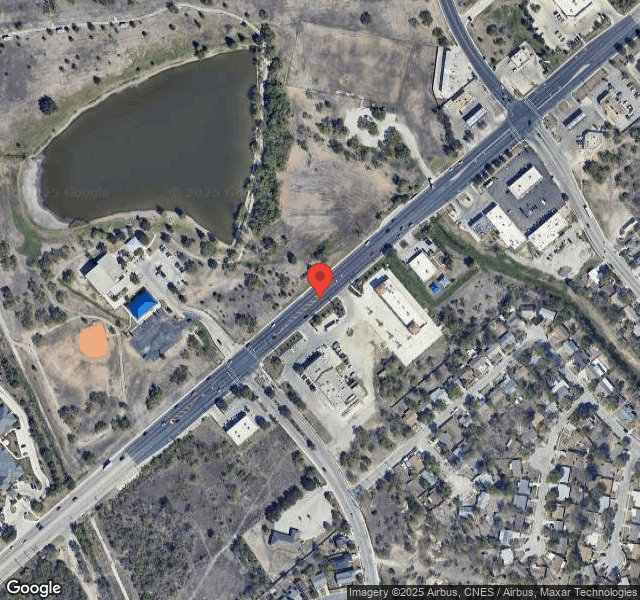
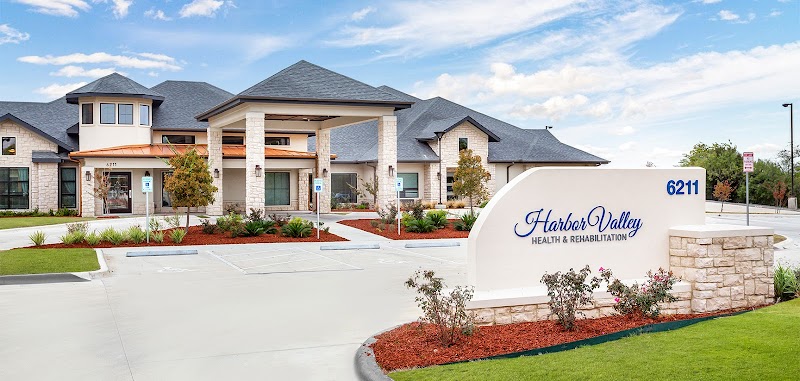
6211 OLD PEARSALL ROAD, SAN ANTONIO, TX 78242 (210) 501-0825
For profit - Limited Liability company 120 Beds Independent Data: November 2025 2 Immediate Jeopardy citations
Trust Grade
6/100
#727 of 1168 in TX
Last Inspection: August 2024

Within standard 12-15 month inspection cycle. Federal law requires annual inspections.

Overview

Harbor Valley Health and Rehabilitation has received a Trust Grade of F, indicating significant concerns about care quality. Ranking #727 out of 1,168 facilities in Texas places it in the bottom half, while its county rank of #26 out of 62 suggests only a handful of local options are better. Although the facility is showing signs of improvement, reducing issues from 13 in 2024 to 5 in 2025, it still faces serious deficiencies. Staffing is a concern, with only 1% of facilities having less RN coverage, which can limit quality care, and a 53% turnover rate is average but raises questions about consistency. Notable incidents include a resident experiencing physical abuse from staff and lapses in monitoring that led to potential sexual abuse, which are alarming signs of inadequate oversight. Additionally, there were significant failures in food safety practices, risking residents' health.

Trust Score
F
6/100
In Texas
#727/1168
Bottom 38%
Safety Record
High Risk
Review needed
Inspections
Getting Better
13 → 5 violations
Staff Stability
⚠ Watch
53% turnover. Above average. Higher turnover means staff may not know residents' routines.
Penalties
⚠ Watch
$27,269 in fines. Higher than 97% of Texas facilities. Major compliance failures.
Skilled Nurses
⚠ Watch
Each resident gets only 5 minutes of Registered Nurse (RN) attention daily — below average for Texas. Fewer RN minutes means fewer trained eyes watching for problems.
Violations
⚠ Watch
33 deficiencies on record. Higher than average. Multiple issues found across inspections.
★★☆☆☆
2.0
Overall Rating
★★☆☆☆
2.0
Staff Levels
★★★☆☆
3.0
Care Quality
★★☆☆☆
2.0
Inspection Score
Stable
2024: 13 issues
2025: 5 issues

The Good

  • Full Sprinkler Coverage · Fire safety systems throughout facility
  • No fines on record

Facility shows strength in fire safety.

The Bad

2-Star Overall Rating

Below Texas average (2.8)

Below average - review inspection findings carefully

Staff Turnover: 53%

Near Texas avg (46%)

Higher turnover may affect care consistency

Federal Fines: $27,269

Below median ($33,413)

Moderate penalties - review what triggered them

The Ugly 33 deficiencies on record

2 life-threatening
Sept 2025 1 deficiency 1 IJ
CRITICAL (J) 📢 Someone Reported This

A family member, employee, or ombudsman was alarmed enough to file a formal complaint

Immediate Jeopardy (IJ) - the most serious Medicare violation

Free from Abuse/Neglect (Tag F0600)

Someone could have died · This affected 1 resident

**NOTE- TERMS IN BRACKETS HAVE BEEN EDITED TO PROTECT CONFIDENTIALITY** Based on observation, interview and record review the facility failed to ensure the resident had the right to be free from abuse...

Read full inspector narrative →
**NOTE- TERMS IN BRACKETS HAVE BEEN EDITED TO PROTECT CONFIDENTIALITY** Based on observation, interview and record review the facility failed to ensure the resident had the right to be free from abuse, neglect, misappropriation of resident property and exploitation for 1 of 11 residents (Resident #1) reviewed for resident abuse. The facility failed to ensure Resident #1 was free from physical abuse as evidence by on 08/05/2025, in the resident's room CNA A pushed Resident #1 onto the bed forcefully and held Resident #1 by pressing on the resident's chest when Resident #1 tried to get up. The noncompliance was identified as a PNC. The IJ began on 08/05/2025 and ended on 08/08/2025. The facility had corrected the noncompliance before the investigation began. This failure could place residents at risk of serious injury, physical harm, serious impairment or death.The findings included: Record review of Resident #1's face sheet, dated 09/11/2025, revealed a [AGE] year-old male who was admitted to the facility on [DATE]. Resident #1 had diagnoses which included hepatic encephalopathy (the loss of brain function when a damaged liver does not remove toxins from the blood), dementia (loss of memory and thinking ability), anxiety disorder (a mental health disorder characterized by feelings of worry), and delusional disorder (A delusion is an unshakable belief in something that's untrue. The belief isn't a part of the person's culture or subculture, and almost everyone else knows this belief to be false). Resident #1 was discharged to another nursing home on [DATE] because of the resident's wandering behaviors. Record review of Resident #1's admission MDS assessment, dated 07/05/2025, revealed the resident's BIMS was 8 out of 15, which indicated the resident had moderate cognitive impairment, had verbal behavioral symptoms directed toward others, such as threatening others, screaming at others, and/or cursing at others, and required partial/moderate assistance (Helper does less than half the effort. Helper lifts, holds, or supports trunk or limbs, but provides less than half the effort) to sit to stand, chair to bed, and toilet transfer. Record review of Resident #1's comprehensive care plan, dated 07/19/2025, revealed [Resident #1] resistive to care related to refuses medication, refuses care, refuses showers, becomes easily agitated and refused to be redirected. For intervention - 1:1 supervision, educate resident/family/caregivers of the possible outcomes of not complying with treatment or care, encourages as much participation/interaction by the resident as possible during are activities, give clear explanation of all care activities prior to an as they occur during each contact, and if resident resists with activities of daily livings, re-assure resident, leave and return 5 to 10 minutes later and try again. Record review of the facility's Provider Investigation Report, dated 08/08/2025, revealed On 08/05/2025, [Resident #1] was being transferred to bed by [CNA-A] used abrupt force to place resident in bed. Further record review of the Provider Investigation Report revealed the facility suspended CNA-A immediately, and the facility nurse assessed Resident #1 on 08/05/2025 at 6:15 p.m., and no injury was noted, and the facility immediately reported to Texas Health and Human Services the incident, contacted the local police and received a case number, physician and family were notified, staff educated on reporting abuse and neglect and resident rights and providing compassionate care to residents. Staff members and residents were interviewed. Record review of Resident #1's nurses notes, dated 08/05/2025, revealed At approximately 3:25 p.m., resident was observed by nurse ambulating in the hallway without wearing pants, and their brief was nearly falling down. Resident then entered another resident's room and stated, ‘I want to use the bathroom.' Resident was redirected appropriately. Staff attempted to explain and encourage the resident to return to their own room. During redirection, resident displayed aggressive behavior and attempted to physically strike the CNAs. Resident was safely guided back to their room by staff. Nurse attempted to administer Ativan as needed order for agitation; however, resident refused multiple times. CNAs assisted resident with hygiene, changing clothing, and ensuring resident's dignity and comfort were maintained. Will continue to monitor behavior closely and ensure safety of resident and others. Resident's family member was aware. Further record review of the resident's nurse note dated 08/05/2025 at 6:30 p.m. revealed The administrator along with the nurse manager notified this resident's family reported resident was being mishandled by a CNA. This nurse completed head to toe assessment. This nurse assessed pain level and asking the resident ‘Do you have any pain?' Resident denies any pain. Nurse observed that resident has no verbal/nonverbal indicated of pain. Resident family stay at the bed side while the nurse did head to toe assessment for resident. [CNA-A] removed from patient care. Medical doctor was notified. The resident denies pain at times and continues one on one due to wandering. Record review of Resident #1's incident report, dated 08/05/2025, revealed on 08/05/2025, [Resident #1] was being transferred to bed by [CNA-A] used abrupt force to place resident in bed, and [Resident #1]'s skin was dry and intact. No bruising was noted. Resident family was present when nurse do skin assessment for resident. [Resident #1] denies any pain or discomfort at this time. Observation on 09/11/2025 at 1:18 p.m. of the video footage dated 08/05/2025 inside Resident #1's room revealed CNA-A held both of Resident #1's arms behind him and approached Resident #1's bed. CNA A pushed Resident #1 onto the bed forcefully and held Resident #1 by pressing on the resident's chest when Resident #1 tried to get up. During an interview on 09/11/2025 at 1:20 p.m. with Resident #1's family member revealed he saw the video footage on 08/05/2025 and he thought CNA-A pushed Resident #1 onto the bed, so he notified the administrator immediately. Further interview with Resident #1's family member revealed Resident #1 did not have any abuse or neglect before this incident and after this incident. This was only incident related to abuse. Resident #1's family member said he thought Resident #1 was a little bit scared of the staff after this incident because the resident refused more cares, and Resident #1 was unable to interview because he was confused. During an interview on 09/10/2025 at 12:25 p.m., CNA-A stated Resident #1 was very aggressive and tried to enter a female resident's room on 08/05/2025, so CNA-A re-directed and guided Resident #1 to the resident's room. CNA-A said when he guided Resident #1, he was behind the resident and approached the bed, the resident tripped, lost his balance, and was about to fall. To prevent the actual fall, CNA-A pushed Resident #1 a little bit onto the bed. That was it, but later the facility told CNA-A to go to home, and the facility finally terminated CNA-A. During an interview on 09/10/2025 at 11:14 a.m., Sitter-B stated she was doing one to one supervision inside Resident #1's room on 08/05/2025, and Sitter-B saw Resident #1 was very aggressive to staff by throwing the television remote control and tried to hit staff, so CNA-A tried to re-direct and guide Resident #1 to the bed. Sitter-B said she did not see CNA-A push Resident #1 onto the bed, and she did not see any abuse to the resident. During an interview on 09/10/2025 at 10:09 a.m., the DON stated she saw the video footage on 08/05/2025 because Resident #1's family member showed it, and per the video footage, CNA-A hugged Resident #1 from behind the resident and guided the resident to the bed, then forcefully pushed the resident onto the bed because the resident was trapped and about to fall, so CNA-A tried to prevent the fall, but the facility immediately suspended CNA-A and finally terminated the CNA because he hugged the resident and did not request help from other staff. The DON said the facility assessed Resident #1 and found no injury was noted, reported it to the family and doctor, and provided in-services to all staff regarding Rights, Compassionate Care, Abuse and Neglect, and how to take care of residents with aggressive behaviors. During an interview on 09/10/2025 at 10:44 a.m., the facility Administrator stated Resident #1's family member called and showed the video footage to the Administrator on 08/05/2025, and according to the scene on the video footage, CNA-A tried to guide Resident #1 to the bed and pushed the resident forcefully onto the bed to prevent a fall, but CNA-A did not request any help from other co-workers. That was why the administrator suspended CNA-A immediately and terminated the CNA on 08/08/2025. The Administrator said the facility assessed Resident #1 and found no injury was noted, reported it to the family and doctor, and provided in-services to all staff regarding Rights, Compassionate Care, Abuse and Neglect, and how to take care of residents with aggressive behaviors, and the Administrator said the facility did not have residents with wandering and aggressive behaviors. During interviews on 09/11/2025 from 2:00 p.m. to 2:43 p.m. with Residents #2, #3, #4, #5, #6, #7, #8, #9 and #10 revealed they felt very safe and did not have or see any abuse or neglect in the facility. During an interview on 09/12/2025 at 9:30 a.m., LVN-C stated LVN-C worked the evening shift (from 2 p.m. to 10 p.m.) and assessed Resident #1 on 08/05/2025 and noted the resident did not have any injury and denied any pain. Resident #1's behaviors after the incident occurred were not changed, and the resident never was scared of staff but still was aggressive sometimes. LVN-C said the facility staff received in-service trainings regarding Resident Rights, Compassionate Care, Abuse and Neglect, and how to take care of residents with aggressive behaviors, and the nurse said she learned that the resident had right for free from abuse, the definition of abuse, staff must report any abuse immediately to the abuse coordinator (The Administrator), and using therapeutic communication skills when taking care of resident with aggressive behaviors. During interview on 09/11/2025 from 1:24 p.m. to 1:59 p.m. with CNA-D, CNA-E, CMA-F, Housekeeper-G, CNA-H, LVN-I, CNA-J and LVN-K revealed they worked at morning shift (6 am to 2 pm) and sometimes evening shift (2 p.m. to 10 p.m.) at the facility and Resident #1's behaviors after this incident occurred were not changed, and the resident was never scared of staff and was still aggressive sometimes, and they received in-service trainings regarding Resident Rights, Compassionate Care, Abuse and Neglect, and how to take care of residents with aggressive behaviors, and they answered they learned that the resident had right for free from abuse, the definition of abuse, staff must report any abuse immediately to the abuse coordinator (The Administrator), and using therapeutic communication skills when taking care of resident with aggressive behaviors, such as keep voice at a conversation level, maintain eye contact, ask a few questions, and maintain a safe distance from the resident. During interview on 09/12/2025 from 10:00 a.m. to 11:15 a.m. with CNA-L, CNA-M, and CNA-N stated they worked the night shift (10 pm to 6 am) at the facility and Resident #1's behaviors after this incident occurred were not changed, and the resident was never scared of staff and was still aggressive sometimes, and they received in-service trainings regarding Resident Rights, Compassionate Care, Abuse and Neglect, and how to take care of residents with aggressive behaviors, and they answered they learned that the resident had right for free from abuse, the definition of abuse, staff must report any abuse immediately to the abuse coordinator (The Administrator), and using therapeutic communication skills when taking care of resident with aggressive behaviors, such as keep voice at a conversation level, maintain eye contact, ask a few questions, and maintain a safe distance from the resident. Record review of CNA-A's employee profile revealed CNA-A was hired on 11/18/2024 and terminated on 08/08/2025 because of the incident of 08/05/2025. CNA-A's employee profiles revealed the facility conducted checking criminal background on 11/17/2024, and CNA-A completed in-services training regarding abuse and neglect on 11/25/2024 before he started working the floor. Record review of the facility's in-service training regarding Resident Rights related to residents to have right to live in safe condition, be free from abuse, and be free from any physical restraint, Compassionate Care related to take care care of not only physical well-being but also the emotional, social, and spiritual well-being, Abuse and Neglect related to types of abuse, how to prevent and screening procedures, and how to identify abuse, signs of abuse, and how to report abuse, and how to take care of residents with aggressive behaviors, such as keep voice at a conversation level, maintain eye contact, ask a few questions, and maintain a safe distance from the resident. revealed 98 Staff out of total 103 staff completed receiving these in-service trainings on 08/05/2025. Record review of the facility's policy, titled Abuse & Neglect Policy and Procedure, revised 08/10/2022, revealed The facility is charged with the safeguard of each resident and will follow a consecutive plan in the pursuit of maintaining a safe environment. Suspected actions or allegations of abuse including physical, mental, verbal, sexual, involuntary seclusion, neglect or misappropriation of property by any individual including resident to resident altercations with injury will be reported to local authorities, state, and federal agencies and other appropriate agencies as required by law. The noncompliance was identified as PNC. The IJ began on 08/05/2025 and ended on 08/08/2025. The facility had corrected the noncompliance before the investigation began.
Sept 2025 1 deficiency
CONCERN (D) 📢 Someone Reported This

A family member, employee, or ombudsman was alarmed enough to file a formal complaint

Potential for Harm - no one hurt, but risky conditions existed

Comprehensive Care Plan (Tag F0656)

Could have caused harm · This affected 1 resident

**NOTE- TERMS IN BRACKETS HAVE BEEN EDITED TO PROTECT CONFIDENTIALITY** Based on interview and record review the facility failed to develop and implement a comprehensive person-centered care plan for ...

Read full inspector narrative →
**NOTE- TERMS IN BRACKETS HAVE BEEN EDITED TO PROTECT CONFIDENTIALITY** Based on interview and record review the facility failed to develop and implement a comprehensive person-centered care plan for each resident, consistent with the resident rights, that included measurable objectives and timeframes to meet a resident's medical, nursing and mental and psychosocial needs that were identified in the comprehensive assessment for 1 of 5 (Resident #2) reviewed for care plans.CNA L and CNA X failed to follow the care plan for Resident #2 and transferred Resident #2 without a mechanical lift on 08/16/2025. This deficient practice could place residents who are transferred at risk for injury.The findings included:Record review of an undated face sheet revealed Resident #2 was an [AGE] year-old female who admitted to the facility for hospice respite on 08/13/2025 with diagnoses that included Alzheimer's Disease (a progress disease that affects memory and other important mental functions) and Hypertension (high blood pressure). Record review of a facility form titled, Facility Order Form, dated 08/13/2025 revealed Resident #2's name and an order, Utilize [mechanical lift] to tx into high back wc. Record review of Resident #2's August 2025 physician order summary revealed an order, Utilize [mechanical lift] to transfer into high back wheelchair, dated 08/13/2025. Record review of Resident #2's care plan for ADL self-care performance revealed an intervention, TRANSFER: requires (x)2 staff participation with [mechanical] lift for transfers. Record review of Resident #2 Kardex provided by the MDS Nurse revealed, TRANSFER: requires (x) 2 staff participation with [mechanical] lift for transfers. Record review of a facility document titled, Provider Investigation Report, dated 08/21/2025 revealed on 08/21/2025 at 4:00 p.m. Resident #2 was transferred by 2 CNAs without the use of a [mechanical] lift. The document revealed the physician, and responsible party was notified, and staff was educated on reporting abuse and neglect, resident rights and transferring residents. During an interview with Resident #2's family member, 08/29/2025 at 9:06 a.m., the family stated Resident #2 was a mechanical lift transfer at home and Resident #2 was admitted to the facility on [DATE] for a 5 day respite stay and returned home on [DATE]. Resident #2's family member stated they were at the facility on 08/16/2025 and asked 2 CNAs to get Resident #2 out of bed so the family member could take Resident #2 to the dining room for dinner. The family member stated 2 CNAs entered the room and the family member stepped outside of the room while the resident was transferred from the bed to her wheelchair. The family member stated a mechanical lift was not in the room or and was not brought into the room for Resident #2's transfer. The family member stated she did not tell or remind the 2 CNAs that Resident #2 was a mechanical lift transfer. The family member stated she left the facility after feeding Resident #2 and was not present when Resident #2 was transferred back to bed. During an interview with CNA L, 08/29/2025 at 3:24 p.m., CNA L stated she would determine a resident's transfer status by reviewing the resident's Kardex that reflected how a resident was to be transferred from one surface to another. CNA L stated, if the resident Kardex did not reveal a transfer status, CNA L would have asked the Charge Nurse prior to transferring a resident. CNA L stated she had received training on reviewing a resident's transfer status on the Kardex prior to performing a transfer. CNA L stated Resident #2's family member requested CNA L and CNA X to get Resident #2 out of bed and into her wheelchair on 08/16/2025 before dinner. CNA L stated she did not review Resident #2's Kardex or ask the charge nurse about Resident #2's transfer status prior to performing the transfer with CNA X without the mechanical lift. CNA L stated she placed Resident #2's hands on CNA L's shoulders and CNA L wrapped her arms around Resident #2's waist and picked her up off of the bed like a bear hug and sat her down in Resident #2's wheelchair. CNA L stated CNA X was adjusting Resident #2's high back wheelchair during the transfer. CNA L stated she could not remember if she assisted Resident #2 back to bed that evening and stated she did not transfer Resident #2 out of bed on 08/17/2025. During an interview with the DON, 08/29/2025 at 6:45 p.m., the DON stated Resident #2 admitted to the facility on [DATE] and was a mechanical lift transfer. The DON stated CNA staff was made aware of a resident's transfer status by reviewing the Kardex and nurses would review a residents physician order and care plan. The DON stated the transfer status information in the Kardex was originated from the resident's care plan. The DON stated staff had been trained and educated on using the Kardex to identify transfer status during orientation upon hire and on quarterly competencies. The DON stated it was important for staff to use to correct transfer techniques and procedures to prevent injury or harm to residents and stated CNA L and CNA X received written counseling and was reeducated on using the Kardex to determine a resident's transfer status prior to transferring a resident. During an interview with CNA X, 08/30/2025 at 12:11 p.m. CNA X stated she had received training on resident transfers when CNA X began working at the facility in February 2025 and stated she was trained to look at a resident's Kardex to determine a resident's transfer status. CNA X stated she would ask the charge nurse about a resident's transfer status if CNA X did not see transfer status information in a resident's Kardex. CNA X stated she assisted CNA L with transferring Resident #2 from the bed to the wheelchair before dinner on 08/16/2025 and CNA X stated she did not check Resident #2's Kardex to determine Resident #2's transfer status prior to the transfer. CNA X stated Resident #2 was transferred with 2 people without using the mechanical lift. During an interview with CNA X, 08/30/2025 at 1:25 p.m., CNA X stated she assisted Resident #2 back to bed after dinner on the evening of 08/16/2025 with the assistance of another CNA and Resident #2 was transferred without the mechanical lift. During an interview with the MDS Nurse, 08/30/2025 at 3:40 p.m., the MDS Nurse stated she was responsible for adding individualized care plans to a resident's comprehensive plan of care and the MDS Nurse would add the care plan to each resident's Kardex. The MDS Nurse stated she added Resident #2's transfer status information into the Kardex the day after admission, that morning. The MDS Nurse stated a resident could sustain a skin impairment, fracture, or fall if the information on the transfer status for a resident on the Kardex was not followed when a staff member was providing care.During an interview with the Administrator, 09/03/2025 at 1:01 p.m., the Administrator stated he was notified by Resident #2's family member on 08/20/2025 that the family member observed 2 staff members transfer Resident #2 without the mechanical lift. The Administrator stated he reported the incident to HHSC because the facility staff failed to transfer Resident #2 correctly and it could have posed a risk to Resident #2. The Administrator stated CNAs should review a resident's Kardex prior to providing care and prior to transferring a resident and stated failure to follow the Kardex could result in physical harm or cause physiological complications. Record review of a facility policy titled, Care Plan (Copyright 2001 [company name] Revised August 2007), revealed a policy statement, our facility develops a comprehensive care plan for each resident that includes measurable objectives and timetables to meet the resident's medical, nursing, and psychological needs. The Policy and Interpretation and Implementation revealed, 2. The comprehensive care plan has been designed to: a. Incorporate identified problem areas; b. Incorporate risk factors associated with identified problems; c. Build on the resident's strengths; d. Reflect treatment goals and objectives in measurable outcomes; e. Identify the professional services that are responsible for each element of care; f. Prevent declines in the resident's functional status and/or functional levels.
Jan 2025 3 deficiencies
CONCERN (D) 📢 Someone Reported This

A family member, employee, or ombudsman was alarmed enough to file a formal complaint

Potential for Harm - no one hurt, but risky conditions existed

Resident Rights (Tag F0550)

Could have caused harm · This affected 1 resident

**NOTE- TERMS IN BRACKETS HAVE BEEN EDITED TO PROTECT CONFIDENTIALITY** Based on observation, interview and record review the facility failed to treat each resident with respect and dignity and care f...

Read full inspector narrative →
**NOTE- TERMS IN BRACKETS HAVE BEEN EDITED TO PROTECT CONFIDENTIALITY** Based on observation, interview and record review the facility failed to treat each resident with respect and dignity and care for each resident in a manner and in an environment that promotes maintenance or enhancement of his or her quality of life, recognizing each resident's individuality for 1 of 5 Residents (Resident #1) reviewed for dignity. Nursing staff failed to greet Resident #1 upon entering her room; failed to engage with Resident #1 while she was attempting to talk with them in Spanish and failed to request the assistance from other staff who could understand Resident #1 so they could determine if she needed assistance. Resident #1 was Spanish speaking only. This deficient practice could affect any Resident who did not speak English and could result in the Residents needs not being met and contribute to feelings of unworthiness. The findings were: Review of Resident #1's face sheet, dated 1/12/25, revealed she was admitted to the facility on [DATE] with diagnosis of unspecified Dementia (according to Mayo Clinic Dementia is a term used to describe a group of symptoms affecting memory, thinking and social abilities.), Dysphagia (according to Mayo Clinic: Dysphagia is a medical term for difficulty swallowing.), unsteadiness on feet, Generalized Anxiety Disorder, Muscle Weakness, unspecified protein-calorie malnutrition and history of falling. Review of Resident #1's quarterly MDS assessment, dated 12/24/24, revealed Resident #1's BIMS score was 7 of 15 reflective of severe cognitive impairment; her preferred language of English/Spanish; she had impairment of one side (lower extremity) and she used a manual wheelchair. Review of Resident #1's Care Plan revised on 8/8/23 read: Resident #1 [Resident name] has a communication problem r/t: Language barrier. Resident #1 [Resident name] is primarily Spanish speaking and family requests to have a Spanish speaking CNA each shift every day. DON informed family that Spanish speaking staff is available if not in respective hall that other staff is available in facility to assist with translating. Some interventions included: Anticipate and meet needs. Discuss with resident/family concerns or feelings regarding communication difficulty. Monitor/document/report to MD PRN changes in: Ability to communicate, Potential contributing factors for communication problems, Potential for improvement. Interview on 1/10/25 at 5:16 PM with Resident #1's family member D revealed she had videos that showed staff walking into Resident #1's room, unable to communicate with Resident #1 due to the language barrier and some staff ignoring Resident #1 while she was trying to talk with them. She stated this was very upsetting because the ADM and DON assured her that if a Spanish speaking staff was not assigned to the hall then there would be another staff who spoke Spanish to assist with translation. Family member D stated that according to the videos some of the staff did not engage a Spanish speaking staff to assist. Family member D stated it was also upsetting that staff ignored Resident #1 like she was not even a person without trying to determine if she needed help. Review of video #1 dated 12/9/24 (no time) revealed CNA C entering Resident #1's room with a meal tray and she placed it on the bedside table. She did not introduce herself or explain the purpose of her visit. Resident #1 was talking to CNA C in Spanish and CNA C shrugged her shoulders while walking to the other side of the room behind the privacy curtain. CNA C commented I need to learn Spanish, I don't know Spanish from the other side of the privacy curtain and then she re-appeared on Resident #1's side of the room. Resident #1 commented, no. CNA C shook her head and walked out of the room. CNA C did not state she was going to get another staff member to help with translation. Review of video #2 dated 12/13/24 (no time) revealed CNA C coming into Resident #1's room with a meal tray on top of a bedside table. She did not greet Resident #1; did not introduce herself or explain the purpose of her visit. Resident #1 was talking to CNA C in Spanish (most of the conversation could not be made out). Resident #1 stated in Spanish this was the food that was brought to me earlier. I can't eat this; the rest of it was not understandable. At the end of the conversation Resident #1 asked CNA C in Spanish if CNA C could bring her something else. CNA C did not re-appear in front of the camera and was heard talking in the background but could not understand what she said. Further review revealed CNA A did not tell Resident #1 that she would get another staff to help translate while she was in Resident #1's vicinity. Review of video #3 dated 12/13/24 (no time) revealed CNA B entering Resident #1's room. She did not introduce herself or explain the purpose of her visit. Resident #1 was talking to CNA B in Spanish and asked about her cell phone. CNA B commented, huh, no hablo [NAME], (I don't speak Spanish) twice. Resident #1 asked CNA B in Spanish to send someone who spoke Spanish and commented, I want them to understand me. CNA B said something like (maybe I'll try to see if I can get [name of another staff] while looking and walking to the other side of the room behind the privacy curtain. CNA B did not direct her attention at Resident #1 and Resident #1 asked her twice, what, what. CNA B came around the privacy curtain and then Resident #1 asked CNA B in Spanish to send the lady or girl who spoke Spanish. Review of video dated #4, dated 12/25/24, no time, revealed CNA B standing at the foot of the bed while Resident #1 was talking to her in Spanish. CNA B did not responding or engage with Resident #1. Another staff member approached the doorway and CNA B met the other staff at the doorway and then exited the room all the while Resident #1 was trying to talk in Spanish with CNA B. Observation and interview on 1/11/25 at 4:15 PM with Resident #1 and family member E revealed family member E and Resident #1 engaged in conversation in Spanish. Resident #1 presented as being anxious and confused. Family member E reiterated concerns that family member D expressed on 1/10/25. She stated some staff did not speak Spanish and not able to understand Resident #1. Staff would not get another staff to help with translation and would ignore Resident #1. Observation and interview on 1/11/25 at 5:05 PM with Resident #1 revealed she was sitting in the common area with CNA A. She engaged in conversation, spoke plainly and in Spanish and stated she was good, making the best of living in this place with no concerns reported. Surveyor was Spanish speaking and able to converse with Resident #1. Surveyor asked how staff communicated with her. She stated not all staff spoke Spanish and she could not talk to them. Surveyor asked other questions about her care and Resident #1 did not respond. She presented as alert with confusion. Interview on 1/11/25 at 5:10 PM with CNA A revealed he spoke some Spanish and did the best he could to communicate with Resident #1. He stated he had a good rapport with Resident #1 and took the time to listen and understand what she was telling him. Interview on 11/11/25 at 5:20 PM with Family Member D revealed she provided verbal permission to share Videos with the ADM and the DON and not any other staff. Interview on 1/11/25 at 5:30 PM with the ADM and the DON revealed upon reviewing Videos #1 through #4, the DON identified CNA B and CNA C in the videos. The DON stated that protocol required any staff who walked into Resident #1's room to greet Resident #1, while introducing themselves and explaining the purpose of their visit even if they did not speak Spanish. The DON stated staff should acknowledge any resident while the resident was talking to them which was common courtesy. She stated the non-Spanish speaking staff should find another Spanish speaking staff to help with translation. Although, she stated there was not always Spanish speaking staff on the night shift. The DON stated that CNA B and CNA C did not follow protocol when entering Resident #1's room and did not engage with her failing to treat Resident #1 with dignity. The ADM agreed with the DON and stated it looked like staff needed sensitivity training. Review of facility policy, Residents' Rights Nursing Facilities, undated, read in relevant part You have the right to be treated with dignity, courtesy, consideration and respect.
CONCERN (D) 📢 Someone Reported This

A family member, employee, or ombudsman was alarmed enough to file a formal complaint

Potential for Harm - no one hurt, but risky conditions existed

ADL Care (Tag F0677)

Could have caused harm · This affected 1 resident

**NOTE- TERMS IN BRACKETS HAVE BEEN EDITED TO PROTECT CONFIDENTIALITY** Based on observation, interview and record review the facility failed to ensure a resident who was unable to carry out activitie...

Read full inspector narrative →
**NOTE- TERMS IN BRACKETS HAVE BEEN EDITED TO PROTECT CONFIDENTIALITY** Based on observation, interview and record review the facility failed to ensure a resident who was unable to carry out activities of daily living received the necessary services to maintain good nutrition for 1 of 5 Residents (Resident #1) who needed assistance with meals. Nursing staff failed to set up Resident #1's meal tray to include raising the head of the bed, opening up condiments, ensuring the meat was cut when served and ensuring the bedside table was close to Resident #1 and in a position where she could reach the food on the meal tray. This deficient practice could affect any Resident who required set-up assistance during meals and could result in the resident having difficulties reaching the food and it could discourage the resident to eat their meal. The findings were: Review of Resident #1's face sheet, dated 1/12/25, revealed she was admitted to the facility on [DATE] with diagnosis of unspecified Dementia (according to Mayo Clinic Dementia is a term used to describe a group of symptoms affecting memory, thinking and social abilities.), Dysphagia (according to Mayo Clinic: Dysphagia is a medical term for difficulty swallowing.), unsteadiness on feet, Generalized Anxiety Disorder, Muscle Weakness, unspecified protein-calorie malnutrition and history of falling. Review of Resident #1's quarterly MDS assessment, dated 12/24/24, revealed Resident #1 revealed her BIMS score was 7 of 15 reflective of severe cognitive impairment and was independent when eating her meals. Review of Resident #1's Care Plan revised on 3/22/22 read: Resident #1 [Resident name] has an ADL Self Care Performance Deficit r/t cognition impairment, weakness & debility. Intervention included requires staff assist X1 to eat per family request. Observation on 1/10/25 at 12 PM revealed Resident #1 was lying in bed with the head of bed up at about 30 degrees. There was a call light wrapped around the left ¼ siderail. There were two siderails up on each side of Resident #1's bed. Resident #1 did not wake to her name. Further observation revealed a bedside table positioned at an angle by the bed and in front of the nightstand on the right side while looking at Resident #1. The bedside table was at about the level of Resident 1's knees. Interview on 1/10/25 at 5:16 PM with Resident #1's family member D revealed she had videos that showed staff walking into Resident #1's room delivering meal trays but not helping Resident #1 with her meals. Family member D stated Resident #1 was able to feed herself but she needed staff to cut her meat. She also mentioned staff would leave the trays on the bedside table away from Resident #1. Resident #1 was not able to easily reach the food making it awkward when she ate. In addition, staff did not raise the head of the bed which resulted in Resident #1 sitting up in bed suspended without back support, reaching across the bed to her left side to reach the food on the meal tray. Family member D stated that sometimes Resident #1 would put the plate of food on her laps and often times she would get food on the front of her shirt. Staff would not change her shirt. Family member D stated she did not expect staff to provide Resident #1 with one to one supervision. However, she expected staff to raise the head of the bed, to sit Resident #1 up in bed, and place the bedside table close to her where she could reach the food easily so she would be comfortable during meals. Review of video #1 dated 12/9/24 (no time) revealed CNA C entering Resident #1's room with a meal tray. She placed it on the bedside table in front of the nightstand and at an angle on the edge of the right side of the bed when looking at Resident #1. CNA C did not remove the cover of the plate, did not ask Resident #1 if she needed help opening condiments, or set up the utensils. Further observation revealed CNA C did not ask Resident #1 if everything was ok or if she needed help with anything. Resident #1 was talking to CNA C in Spanish and CNA C shrugged her shoulders while walking to the other side of the room behind the privacy curtain. CNA C commented I need to learn Spanish, I don't know Spanish from the other side of the privacy curtain and then she re-appeared on Resident #1's side of the room. Resident #1 commented, no. CNA C shook her head and walked out of the room. Review of video #2 dated 12/13/24 (no time) revealed CNA C coming into Resident #1's room with a meal tray on top of a bedside table. She did not greet Resident #1; did not introduce herself or explain the purpose of her visit. CNA C placed the bedside table with the meal tray in front of the nightstand, at an angle on the edge of the right side of the bed when looking at Resident #1. CNA C did not remove the cover of the plate, did not ask Resident #1 if she needed help opening condiments, or set up the utensils. Further observation revealed CNA C did not ask Resident #1 if everything was ok or if she needed help with anything. Resident #1 was talking to CNA C in Spanish (most of the conversation could not be made out). Resident #1 stated during her conversation, this was the food that was brought to me earlier. I can't eat this; the following comments were not understandable. At the end of the conversation Resident #1 asked CNA C if CNA C could bring her something else as CNA C was walking away. CNA C did not re-appear in front of the camera and was heard talking in the background and the door closing. Her comments were not understandable. Review of video #5 dated 12/20/24 (no time) revealed the AD was in Resident #1's room by the bedside table. There was a meal tray on top of the bedside table which was located in front of the nightstand at the edge of the side of the rights side of the bed when looking at Resident #1. The AD had poured sugar into Resident #1's coffee. She was speaking with Resident #1 in Spanish, was very respectful during the conversation. However, she did not lift the head of the bed. Resident #1 was observed propping herself up on her left arm as she stirred the cup of coffee. Further observation revealed the plate of food was still covered and the orange juice was covered with a plastic lid. There was also a unopened carton but could not make out the content. Observation and interview on 1/11/25 at 4:15 PM with Resident #1 and family member E revealed family member E and Resident #1 engaged in conversation in Spanish. Resident #1 presented as being anxious and confused. Family member E reiterated concerns that family member D expressed on 1/10/25. She stated some staff did not speak Spanish and not able to understand Resident #1. Staff would not get another staff to help with translation and would ignore Resident #1. Observation and interview on 1/11/25 at 5:05 PM with Resident #1 revealed she was sitting in the common area with CNA A. She engaged in conversation, spoke plainly and in Spanish and stated she was good, making the best of living in this place with no concerns reported. Surveyor was Spanish speaking and able to converse with Resident #1. Surveyor asked how staff communicated with her. She stated not all staff spoke Spanish and she could not talk to them. Surveyor asked other questions about her care and Resident #1 did not respond. She presented as alert with confusion. Interview on 1/11/25 at 5:10 PM with CNA A revealed he spoke some Spanish and did the best he could to communicate with Resident #1. He stated he had a good rapport with Resident #1 and took the time to listen and understand what she was telling him. CNA A stated Resident #1 usually ate her meals in her room. He stated she could feed herself but needed help with cutting the meat, opening up milk cartons, opening up condiments, setting up her tray. Interview on 1/11/25 at 5:30 PM with the ADM and the DON revealed, upon reviewing videos #1 #2 and video #5, the DON identified CNA C and the AD in the videos. The DON and ADM stated Resident #1's family members had not expressed any recent concerns. They stated in the past they had expressed concerns about there not always being Spanish speaking staff and that it was difficult for Resident #1 to communicate with staff. The DON and ADM stated if there was not a Spanish speaking staff assigned to Resident #1's hall there was always someone in the facility who was Spanish speaking who could help with translation. The DON stated that Resident #1 was able to eat on her own. However, staff should be setting up her tray which included removing the lid from the plate, opening condiments as needed, setting up utensils, removing lids from the drinks and opening up other food items provided in a carton. The DON stated staff should raise the head of the bed and position the bedside table over the bed and close to Resident #1 where she could access the food easily. The DON stated CNA C and the AD did not follow protocol which resulted in Resident #1 propping herself up in bed and not having easy access to the meal tray and food. The ADM stated he agreed with the DON. Review of a facility policy, Assistance with Meals, revised on 3/27/2013, read in relevant part Residents shall receive assistance with meals in a manner that meets the individuals needs of each resident.
CONCERN (D) 📢 Someone Reported This

A family member, employee, or ombudsman was alarmed enough to file a formal complaint

Potential for Harm - no one hurt, but risky conditions existed

Accident Prevention (Tag F0689)

Could have caused harm · This affected 1 resident

**NOTE- TERMS IN BRACKETS HAVE BEEN EDITED TO PROTECT CONFIDENTIALITY** Based on observations, interviews and record reviews the facility failed to each resident received assistance devices to prevent...

Read full inspector narrative →
**NOTE- TERMS IN BRACKETS HAVE BEEN EDITED TO PROTECT CONFIDENTIALITY** Based on observations, interviews and record reviews the facility failed to each resident received assistance devices to prevent accidents for 2 of 2 Residents (Resident #2 and Resident #3) who were observed during mechanical lift transfers. 1. CNA F failed to lock the mechanical lift while raising and lowering Resident #2 during a transfer. He failed to widened the base of the mechanical lift which resulted in the wheelchair getting stuck between the legs while lifting Resident #2. CNA F failed to widened the base when transferring Resident #2 from the wheelchair to the bed while suspended in the air and when lowering Resident #2 onto the bed. 2. CNA I failed to lock the base of the mechanical lift while raising and lowering Resident #3 during a transfer. CNA H reached behind CNA I and locked the base of the mechanical lift with her left foot while CNA I was lowering Resident #3 into the bed. These deficient practices could affect any resident who was transferred via mechanical lift and could result in avoidable accidents and possible injuries. The findings were: 1. Review of Resident #2's face sheet, dated 1/12/25, revealed she was admitted to the facility on [DATE] with a diagnosis of unspecified Dementia (according to Mayo Clinic Dementia is a term used to describe a group of symptoms affecting memory, thinking and social abilities.), difficulty walking and muscle weakness. Review of Resident #2's MDS assessment, dated 10/28/24, revealed her BIMS score was 13 indicative of mild cognitive impairment and she required substantial/maximal assistance for transfers. Review of Resident #2's Care Plan, revised 2/15/24, revealed Resident #2 has an ADL Self Care Performance Deficit r/t dementia, weakness and debility. The intervention for transfers read: TRANSFER: requires (X)2 staff participation with hoyer lift for transfers. Observation on 1/8/25 at 3:45 PM revealed CNA F and CNA G transferring Resident #2 from the wheelchair to the bed using a mechanical lift. CNA F did not lock the mechanical lift or widen the base when raising Resident #2 up from the wheelchair. The wheelchair was stuck in the base. Resident #2 and the wheelchair started to go up in the air together until CNA G pushed down on the wheelchair preventing the wheelchair to be lifted off the floor. CNA F transferred Resident #2 over to the bed and then lowered her into the bed. CNA F never locked the base or widened the base of the mechanical lift during the transfer. Interview on 1/8/25 at 4 PM with CNA F and CNA G revealed CNA F stated he thought he widened the base on the mechanical lift but did not remember locking the lift. CNA F stated the wheelchair got stuck on the base of the mechanical lift and then commented, I guess I didn't widen the base. CNA G stated she did not see CNA F lock or widen the base on the mechanical lift; however, stated she was not looking. CNA F and CNA G stated they should always lock and widen the base of the mechanical lift so that it did not tilt over and so the resident did not fall during the transfer. CNA F and CNA G both stated Resident #2 could get injured had she fallen. 2. Review of Resident #3's face sheet, dated 1/12/25, revealed she was admitted to the facility on [DATE] with a diagnosis of difficulty walking, need for assistance with personal care and muscle weakness. Review of Resident #3's MDS assessment, dated 12/21/24, revealed her BIMS score was 0 indicative of severe cognitive impairment and she required partial to moderate assistance for transfers. Review of Resident #3's Care Plan, revised 2/5/24, revealed Resident #2 has an ADL Self Care Performance deficit r/t weakness and debility. An intervention for transfers read: TRANSFER: requires (X)1 staff participation with transfers. Observation and interview on 1/10/25 at 1:45 PM revealed CNA H, CNA I and CNA J transferring Resident #3 from the wheelchair to the bed using a mechanical lift. CNA J applied the brakes on the wheelchair. CNA H guided Resident #3 while on the sling and suspended in the air. CNA I operated the mechanical lift. She did not apply the brakes on the mechanical lift while lifting or lowering Resident #3 during the transfer. While CNA I was lowering Resident #3 onto the bed CNA H noted the brakes on the lift had not been applied. CNA H reached around CNA I with her foot and applied the right brake. Interview with CNA I revealed she did not apply the brakes on the mechanical lift while transferring Resident #3. She stated she should always apply the brakes before raising the Resident into the air and lowering the Resident onto the bed. She stated this would ensure stability preventing the mechanical lift from moving during the transfer and to prevent the Resident from falling. CNA H, CNA I and CNA J all stated Resident #3 could have been injured if she fell. Interview on 1/12/25 at 1:06 PM with the DON revealed nursing staff should lock the base of the mechanical lift before lifting, lowering a resident and while transferring a resident to prevent the mechanical lift from moving. Furthermore, nursing staff should widen the base during the transfer for stability so the mechanical lift did not tilt and the resident did not fall. The DON stated it was important to use the safety technique to prevent falls and possible injuries. The DON stated that Resident #2 and Resident #3 were both transferred by two staff using a mechanical lift. She also stated staff should never lock the base of the mechanical lift while in use by another staff because it could cause it to tilt; it could result in a fall and the resident could get injured. Review of a the manufacturer operating instructions provided by the DON on 1/12/25 read in relevant part Lift Preparation and Procedure: Warning: During lifting and lowering, whenever possible, always keep the base legs of the lift in the widest position. Warning: Before transfer, ensure wheelchair wheel locks are in locked position. Warning: Do not lock or block the patient lift casters when lifting. The casters must be free to roll so that the patient lift can stabilize as the patient is lifted or lowered.
Aug 2024 8 deficiencies
CONCERN (D)

Potential for Harm - no one hurt, but risky conditions existed

Deficiency F0578 (Tag F0578)

Could have caused harm · This affected 1 resident

**NOTE- TERMS IN BRACKETS HAVE BEEN EDITED TO PROTECT CONFIDENTIALITY** Based on interview and record review, the facility failed to ensure the residents' right to formulate an advance directive for 1...

Read full inspector narrative →
**NOTE- TERMS IN BRACKETS HAVE BEEN EDITED TO PROTECT CONFIDENTIALITY** Based on interview and record review, the facility failed to ensure the residents' right to formulate an advance directive for 1 of 8 residents (Resident #192) reviewed for advanced directives, in that: The facility failed to ensure Resident #192's desire to formulate an advanced directive was properly documented in his electronic medical record. This failure could place residents at-risk of having their end of life wishes dishonored, and of having CPR performed against their wishes. The findings included: Record review of Resident of #192's face sheet, dated 8/30/24 revealed a [AGE] year-old male admitted to the facility on [DATE] with diagnoses that included lack of coordination, type 2 diabetes mellitus (chronic health condition that affects how body turns food into energy), hypertension (high blood pressure), atrial fibrillation (Atrial fibrillation (AFib) is an irregular and often very rapid heart rhythm.), and chronic kidney disease stage 4 severe (the last stage before kidney failure). Record review of Resident #192's admission BIMS assessment, dated 8/26/24 revealed the resident was severely cognitively impaired for daily decision-making skills. Record review of Resident #192's baseline care plan, dated 8/22/24 revealed the resident was a full code and his cognition was intact. Record review of Resident #192's comprehensive care plan, initiated on 8/26/24 did not contain any advanced directive information. Record review of Resident #192's Order Summary Report, dated 8/30/24 revealed a full code order, with a start date of 8/22/24, and no end date. Record review of Resident #192's admission packet, dated 8/22/24, contained a section titled Advanced Directive Acknowledgement the form had the section selected for I choose to formulate and issue the following advanced directives. Do Not Resuscitate . was selected and Feeding restrictions ., was selected. The document contained a signature on the legal representative line and the facility representative line. The document was signed on 8/22/24. During an interview on 8/30/24 at 11:50 a.m. the SW stated if a resident requested a DNR they facility would provide the information and ensure the necessary paperwork was filled out within a 48 hour period because of the importance of the paperwork. The SW stated no residents were pending paperwork for advance directives and Resident #192 was a full code as far as he knew. This surveyor inquired about the advance directive form in Resident #192's admission packet. The SW stated he was not made aware the resident wished to put advance directives in place. The SW stated the director of marketing filled out the paperwork with the resident and his family and must have forgotten to notify him. The SW stated if advanced directives were not put in place the resident would have a full code resuscitation. The SW stated he would meet with the resident and his family to see if he wanted to be a DNR. The Marketing Director was not avaliable for interview. During an interview on 8/30/24 at 12:02 p.m. Resident #192's RP stated they did fill out the paper work and selected the advance directives for the resident. The RP stated they wished to honor whatever Resident #192 wanted. During an interview on 8/22/24 at 12:08 p.m. Resident #192 stated he had certain circumstances that he did and did not want life saving measures but did not want a feeding tube or to be intubated. On 8/30/24 at 12:40 p.m. the SW provided an updated document titled Advanced Directive Acknowledgement, dated 8/30/24, signed by Resident #192, the provider, and the RP. It stated the resident did not want to be hospitalized , did not want artificial means of feeding, and did not want other treatment such as respiratory intubation (uses a laryngoscope to guide an endotracheal tube (ETT) into the mouth or nose, voicebox, then trachea. The tube keeps the airway open so air can get to the lungs.). Record review of the facility document titled Frequently Asked Questions about Advanced Care Planning, no date stated What is Advance Care Planning? Advance care planning means planning ahead for how you want to be treated if you are very ill or near death. Sometimes when people are in an accident or have an illness that will cause them to die they are not able to talk or to let others know how they feel. Texas law allows you to tell you doctor how you want to be treated by using an advance directive. Chapter 166 of the Texas Health and Safety code is the state law on advance care planning through advance directives. Chapter 166 explains advance directives, includes forms to use for advance directives and states how medical decisions can be made when a person does not have an advance directive. Advance Care planning is a 5-step process. o Thinking about what you would want to happen if you could not talk or communicate with anyone o Finding out about what kind of choices you will need to make if you become very ill at home, in a nursing home, or hospital o Talking with your family and doctor about how you want to be treated o Filling out papers that spell out what you want if you are in an accident or become sick o Telling people what you have decided.
CONCERN (D)

Potential for Harm - no one hurt, but risky conditions existed

Assessment Accuracy (Tag F0641)

Could have caused harm · This affected 1 resident

**NOTE- TERMS IN BRACKETS HAVE BEEN EDITED TO PROTECT CONFIDENTIALITY** Based on interview and record review, the facility failed to ensure assessments accurately reflected the resident's status for 1...

Read full inspector narrative →
**NOTE- TERMS IN BRACKETS HAVE BEEN EDITED TO PROTECT CONFIDENTIALITY** Based on interview and record review, the facility failed to ensure assessments accurately reflected the resident's status for 1 of 8 Residents (Resident #42) whose MDS records were reviewed for accuracy. 1. The facility failed to ensure Resident #42's Annual MDS assessment dated [DATE] was updated when the resident's insulin was discontinued on 12/15/2023. This failure could place residents at risk of improper or incorrect care or services necessary for their physical, mental, and psychosocial well-being due to inaccurate assessments. The findings included: 1. Record review of Resident #42's face sheet dated 08/28/24, revealed Resident #42 was admitted to the facility on [DATE] and readmitted on [DATE] with diagnoses that included metabolic encephalopathy (change in how your brain works due to an underlying condition. It can cause confusion, memory loss and loss of consciousness), Type 2 diabetes mellitus with diabetic neuropathy (chronic health condition that affects how body turns food into energy) and gastrostomy status (surgical opening into the stomach for nutritional support). Record review of Resident #42's Annual MDS assessment dated [DATE], Section N showed the resident received insulin injects the past 7 days and the resident was taking hypoglycemic including insulin. Record review of Resident #42's physician orders, dated 8/28/24, revealed no active orders for insulin. The last insulin order was discontinued on 12/15/2023. During an interview on 08/30/24 at 1:48 pm with MDS Coordinator LVN D, stated she would verify what active orders resident had and update the MDSs. LVN D stated Resident #42 did not have any current orders for insulin, and it should not be on the MDS. LVN D stated the MDS should give an accurate depiction of the medications and care the resident receives. Record review of the facility's policy titled Resident Assessment Instrument (MDS 3.0), dated 03/01/2022, stated .A comprehensive assessment of a resident's needs shall be made within fourteen (14) days of the resident's admission . 2. The Interdisciplinary Assessment Team must use the MDS 3.0 form currently mandated by Federal and State regulations to conduct the resident assessment. Other assessment forms may be used in addition to the MDS 3.0 form . 3. The purpose of the assessment is to describe the resident's capability to perform daily life functions and to identify significant impairments in functional capacity. 4. Information derived from the comprehensive assessment enables the staff to plan care that allows the resident to reach his/her highest practicable level of functioning and to meet their unique care needs .
CONCERN (D)

Potential for Harm - no one hurt, but risky conditions existed

Accident Prevention (Tag F0689)

Could have caused harm · This affected 1 resident

Based on observation, interview, and record review, the facility failed to ensure the resident environment remains as free of accident hazards as is possible for 1 of 8 Residents (Resident #86) and 2 ...

Read full inspector narrative →
Based on observation, interview, and record review, the facility failed to ensure the resident environment remains as free of accident hazards as is possible for 1 of 8 Residents (Resident #86) and 2 of 4 storage closets (Hall 100 and Hall 200) reviewed for accident hazards in that: 1. The facility failed to remove a potential hazard for Resident # 86's room. 2. The facility failed to ensure the storage clostes on Halls 100 and 200, which contained potential hazard items, were locked. This deficient practice could place residents at risk of remaining in an environment that was not free of accident hazards. The finding included: 1. During an observation and interview on 8/28/24 at 10:17 a.m. in Resident #86's room by his bedside was a basin with a disposable razor in it. Resident #86 was laying in bed. He stated staff would bring supplies for a bed bath and assist him with shaving. Resident #86 stated he did not noticed the razor next to his bed and was unsure how long it had been there. 2. During an observation on 8/28/24 at 4:08 p.m. a closet on hallway 200 and a closet on hallway 100 named clean linen closet were not locked and had no locking mechanism. The closets contained linen and a storage rack with perineal skin cleanser, lotion, zinc oxide skin protectant, shave gel, mouthwash, fluoride toothpaste, hand sanitizer, germicidal wipes, and disposable razors. All the items stated keep out of reach of children. During an interview on 8/28/24 at 4:10 p.m. the supply coordinator CNA F stated the clean linen storage closets did not have locks on the doors so the CNA could get supplies but if a resident got into the closet they could ingest products that would be harmful to them. During an Interview on 8/30/24 at 12:54 p.m. the DON stated they had requested for locks to be put on the clean linen storage closets but the had placed them on the soiled linen closets instead. The DON stated residents were at risk if they ingested the products. The DON stated they try to promote residents' independence if they are able to shave on their own and staff should dispose of any razors when they are done shaving. The DON stated it is a risk to residents who wandered in the facility. The DON stated Resident #41 and Resident #55 resided on hallway 200 and did wander in the facility. No policy for potentially hazard items storage was provided.
CONCERN (D)

Potential for Harm - no one hurt, but risky conditions existed

Pharmacy Services (Tag F0755)

Could have caused harm · This affected 1 resident

**NOTE- TERMS IN BRACKETS HAVE BEEN EDITED TO PROTECT CONFIDENTIALITY** Based on observations, interviews, and record reviews, the facility failed to store all drugs and biologicals under proper tempe...

Read full inspector narrative →
**NOTE- TERMS IN BRACKETS HAVE BEEN EDITED TO PROTECT CONFIDENTIALITY** Based on observations, interviews, and record reviews, the facility failed to store all drugs and biologicals under proper temperature controls, for 1 of 4 medication carts (100 hall cart) reviewed for storage. 1. The facility failed to ensure medications that required refrigeration were not stored on the 100 hall medication cart. This failure could place residents at risk for not receiving therapeutic effects of their medications. The findings included: 1. Observation on [DATE] at 4:13 p.m. revealed the 100-hallway nursing cart contained 9 separate glucometers stored in individual boxes. The boxes contained a log, to check if the meter was functioning properly with test control solutions, and serial numbers written on them to identify the meter that was tested. The logs had dates for testing of [DATE], [DATE], [DATE], [DATE], [DATE], and [DATE]. Four of the glucometers did not match the serial number documented on the log they were stored with. An insulin lispro pen with an open date of [DATE] was being used for a resident, a bottle of spray deodorant with an expiration date of 5/24 was on the cart, and 3 bottles of lorazepam with refrigerate stickers. Interview on [DATE] at 3:44 p.m. LVN E stated night shift would check the glucometers and did not notice that some of the meters were mixed up and did not match the logs they were stored with. LVN E stated there was confusion on if the meters needed to be check daily or weekly, but she was used to checking them daily. LVN E stated she was unsure if the medications that had labels to refrigerate needed to be refrigerated. LVN E stated insulin is good for 30 days and did not think any of the insulin was past the 30-day open date. 2. During an observation on [DATE] between 3:08 p.m. and 3:50 p.m. hallway 100/200 medication storage room, hallway 300/400 medication storage room, and central supply room contained gauze with an expiration date of 01/2023, peristoma cleanser and adhesive remover with an expiration date of [DATE], small bore y type extension set with an expiration date of [DATE], gauze bandage with zinc oxide with an expiration date of 07/2022, 20 gauge IV catheter with an expiration date of [DATE], 22 gauge IV catheter with an expiration date of [DATE], 22 gauge IV catheter with an expiration date of [DATE], bottles of peroxide with an expiration date of 05/2022, and oral care kit with an expiration date of 07/2022. During an interview on [DATE] at 12:54 p.m. the DON stated most of the expired supplies they did not use and just needed to be discarded. The DON stated the meters get check weekly so there is no risk to the resident because they are only mixed up in the boxes. The DON stated they followed the manufactures guidelines for glucometer checks which is weekly or when they open a new bottle of strips. The DON stated the purpose of staff testing the meters with the control solutions weekly was to make sure the patient blood glucose readings were correct. The DON stated they had a book which showed how long insulins were good for after opening because all insulin expirations dates were different. The DON stated if the insulin had been opened for longer than the use by date then it was probably not good any longer but she could not say if there would be an adverse effect for the resident. The DON stated the bottles of lorazepam should be stored in the fridge and could not be therapeutically effective if stored on the medication cart. The DON stated no staff had ever notified her they were confused on how to store refrigerated medications. Record review of the facility's policy, dated 04/2007, stated Policy Statement The facility shall store all drugs and biologicals in a safe, secure, and orderly manner. Policy Interpretation and Implementation Drugs and biologicals shall be stored in the packaging, containers or other dispensing systems in which they are received . 4. The facility shall not use discontinued, outdated, or deteriorated drugs or biologicals. All such drugs shall be returned to the dispensing pharmacy or destroyed. Drugs for external use, as well as poisons, shall be clearly marked as such, and shall be stored separately from other medications . 8. Drugs shall be stored in an orderly manner in cabinets, drawers, carts, or automatic dispensing systems. Each resident's medications shall be assigned to an individual cubicle, drawer, or other holding area to prevent the possibility of mixing medications of several residents. 9. Medications requiring refrigeration must be stored in a refrigerator located in the drug room at the nurses' station or other secured location
CONCERN (D)

Potential for Harm - no one hurt, but risky conditions existed

Unnecessary Medications (Tag F0759)

Could have caused harm · This affected 1 resident

**NOTE- TERMS IN BRACKETS HAVE BEEN EDITED TO PROTECT CONFIDENTIALITY** Based on observation, interview, and record review the facility failed to ensure that its medication error rate was not 5 percen...

Read full inspector narrative →
**NOTE- TERMS IN BRACKETS HAVE BEEN EDITED TO PROTECT CONFIDENTIALITY** Based on observation, interview, and record review the facility failed to ensure that its medication error rate was not 5 percent or greater. The facility had a medication error rate of 6.45% based on 2 out of 31 opportunities, which involved 1 of 5 Residents (Residents #36) reviewed for medication administration, in that: The facility failed to ensure LVN H administered Resident #36's insulin lispro (fast-acting insulin that starts to work about 15 minutes after injection, peaks in about 1 hour, and keeps working for 2 to 4 hours) and insulin glargine (a long-acting insulin pen that lowers blood sugar levels in adults with diabetes) correctly. These failures could place residents at risk for not receiving the intended therapeutic effects of their medications and could contribute to possible adverse reactions. The findings included: 1. Record review of Resident #36's face sheet, dated 8/30/24 revealed a [AGE] year-old female admitted to the facility on [DATE] with diagnoses that included senile degeneration of the brain (mental deterioration associated with old age) and type 2 diabetes mellitus (a chronic condition that affects the way your body processes blood sugar). Record review of Resident #36's order summary report, dated 8/30/24 revealed the following: -insulin lispro inject solution 100 unit/ml, inject as per sliding scale, subcutaneously before meals and at bedtime, with an order date of 4/5/24 and no end date. - insulin glargine inject solution 20 units subcutaneously one time a Day, with an order date of 8/21/24 and no end date. During an observation on 8/29/24 at 8:27 a.m. LVN H planned to inject 20 units of insulin glargine and 3 units of insulin lispro per the sliding scale to Resident #36. LVN H cleaned the rubber stopper of both pens with an alcohol swab. LVN H then placed the needles onto the pens. LVN H then turned the insulin glargine to 20 units and the insulin lispro to 3 units. LVN H did not prime the insulin pens. LVN H then administered the two insulins to Resident #36. During an interview on 8/29/24 at 8:40 a.m. LVN H said you should clean the insulin pens with alcohol, put the needle caps on, then turn the dial to 1 unit to prime the insulin pen to make sure the accurate amount of insulin is given. During an interview on 8/30/24 at 1:28 p.m. the DON stated staff should prime the insulin pen prior to each insulin administration to ensure accurate administration of insulin. The facility provided a policy for insulin administration via syringe only and not for insulin pen administration. Record review of manufacturer instructions for (insulin lispro) Instructions for Use, dated 8/2023, stated .Priming your Pen Prime before each injection. Priming your Pen means removing the air from the Needle and Cartridge that may collect during normal use and ensures that the Pen is working correctly. If you do not prime before each injection, you may get too much or too little insulin. Step 6: To prime your Pen, turn the Dose Knob to select 2 units. Step 7: Hold your Pen with the Needle pointing up. Tap the Cartridge Holder gently to collect air bubbles at the top. Step 8: Continue holding your Pen with Needle pointing up. Push the Dose Knob in until it stops, and 0 is seen in the Dose Window. Hold the Dose Knob in and count to 5 slowly. You should see insulin at the tip of the Needle. If you do not see insulin, repeat priming steps 6 to 8, no more than 4 times. If you still do not see insulin, change the Needle and repeat priming steps 6 to 8. Small air bubbles are normal and will not affect your dose.
CONCERN (D)

Potential for Harm - no one hurt, but risky conditions existed

Deficiency F0849 (Tag F0849)

Could have caused harm · This affected 1 resident

**NOTE- TERMS IN BRACKETS HAVE BEEN EDITED TO PROTECT CONFIDENTIALITY** Based on interview, and record review, the facility failed to collaborate with hospice representatives and coordinate the hospic...

Read full inspector narrative →
**NOTE- TERMS IN BRACKETS HAVE BEEN EDITED TO PROTECT CONFIDENTIALITY** Based on interview, and record review, the facility failed to collaborate with hospice representatives and coordinate the hospice care planning process for each resident receiving hospice services, to ensure quality of care for the resident, ensuring communication with the hospice medical director, the resident's attending physician, and others participating in the provision of care for 1 of 4 residents (Resident #30) reviewed for hospice services, in that: The facility failed to ensure Resident #30's most recent Physician Certification of Terminal Illness and Hospice election form were completed and part of the hospice documents. The most recent plan of care, list of hospice personnel involved in the care, and hospice physician orders were not available at the facility. This deficient practice could place residents who receive hospice services at-risk of receiving inadequate end-of-life care due to a lack of documentation, coordination of care and communication of resident needs. The findings were: Record review of Resident #30's face sheet, dated 8/30/24, revealed the resident was admitted to the facility on [DATE] with diagnoses including: cerebral atherosclerosis (a disease that causes plaque buildup in the brain arteries and can lead to stroke or aneurysm) and chronic kidney disease stage 2 (In Stage 2 CKD, the damage to your kidneys is still mild, and you have an eGFR between 60 and 89. Your kidneys are still working well, but at this stage, you will have signs of kidney damage. A common sign of kidney damage is protein in your urine (i.e., your pee).) Record review of Resident #30's quarterly MDS assessment, dated 08/15/2023, revealed a BIMS score of 10 which indicated moderate cognitive impairment. Section O of the MDS indicated the resident received hospice care. Record review of Resident #30's care plan, revised 6/19/24, revealed Resident #30 had a terminal prognosis related to cerebral atherosclerosis and was on hospice with interventions to consult with physician and social services to have hospice care for resident in the facility. Record review of Resident #30's order summary, dated 8/30/24, revealed: - [hospice provider] with diagnosis: cerebral atherosclerosis, with a start date of 8/06/21, and no end date. -an order for Admit to [facility] for respite care/skilled services/hospice services under [hospice provider], with an order date of 7/5/23. Record review of Resident #30's facility clinical record as of 8/30/24, revealed a binder with Resident #30's DNR form and a staff sign in sheet. No Certification of Terminal Illness, Hospice election form, list of hospice personnel, the most recent hospice plan of care, list of staff involved in the care, or hospice physician orders were in the binder. During an interview on 8/29/24 at 3:21 p.m. medical records stated they were recently given the responsibility for ensuring residents had all their hospice documents. Medical record stated the resident had been on hospice since 2021 and the only records they had for Resident #30 were in the binder. Medical records stated they had previously contacted the hospice company to get all of the documents but did not follow up to see if they ever sent them. During an interview on 8/30/24 at 12:43 p.m. the DON stated she had made nursing staff aware that they needed to update resident's hospice binders. The DON said she had medical records assist with obtaining missing records and was not aware they were still pending records from hospice. The DON stated the records were to ensure continuity of care between the hospice provider and the facility for Resident #30. Record review of the facility policy titled Hospice Program, dated 3/1/22, stated, Our facility has designated (Name)[blank], (Title) [blank] to coordinate care provided to the resident by our facility staff and the hospice staff. (Note: this individual is a member of the IDT with clinical and assessment skills who is operating within the State scope of practice act). He or she is responsible for the following: a. Collaborating with hospice representatives and coordinating facility staff participation in the hospice care planning process for residents receiving these services; b. Communicating with hospice representatives and other healthcare providers participating in the provision of care for the terminal illness, related conditions, and other conditions, to ensure quality of care for the resident and family; C. Ensuring that the LTC facility communicates with the hospice medical director, the resident's attending physician, and other practitioners participating in the provision of care to the resident as needed to coordinate the hospice care with the medical care provided by other physicians; d. Obtaining the following information from the hospice: (1) The most recent hospice plan of care specific to each resident; (2) Hospice election form; (3) Physician certification and recertification of the terminal illness specific to each resident;(4) Names and contact information for hospice personnel involved in hospice care of each resident;(5) Instructions on how to access the hospice's 24-hour on-call system; (6) Hospice medication information specific to each resident; and (7) Hospice physician and attending physician (if any) orders specific to each resident. E. Ensuring that our facility staff provides orientation on the policies and procedures of the facility, including resident rights, appropriate forms, and record keeping requirements, to hospice staff furnishing care to the residents.
CONCERN (D)

Potential for Harm - no one hurt, but risky conditions existed

Infection Control (Tag F0880)

Could have caused harm · This affected 1 resident

Based on observation, interview, and record review, the facility failed to maintain an infection prevention and control program designed to provide a safe, sanitary, and comfortable environment to hel...

Read full inspector narrative →
Based on observation, interview, and record review, the facility failed to maintain an infection prevention and control program designed to provide a safe, sanitary, and comfortable environment to help prevent the development and transmission of infections involving 2 of 6 staff (LVN) reviewed for infection control, in that: The facility failed to ensure MA G cleaned the blood pressure cuff between resident #9 and Resident #80. These deficient practices could place residents at-risk for infections. The findings included: During an observation on 8/29/24 at 7:59 a.m. MA G was observed taking resident #9's blood pressure prior to administering medications to the resident. MA G return to her cart and place the blood pressure cuff on the cart. MA G did not sanitize the blood pressure cuff. MA G then went to resident number 80s room and took their blood pressure with the same cuff. MA G again return to her cart and place the blood pressure cuff on top of her cart. MA G again did not sanitize the blood pressure cuff. During an interview on 8/29/24 at 8:30 a.m. MA G stated she thought she only needed to clean the blood pressure cuff after every two residents. MA G stated she cleans the blood pressure cuff to disinfect it and prevent contamination from other residents. During an interview on 8/30/24 at 12:45 p.m. the DON staff should sanitize the blood pressure cuff between each resident to prevent infections. Record review of the facility's policy, titled, Cleaning and Disinfection of Resident-Care Items and Equipment, dated 3/1/22, revealed, resident care equipment, including reusable items and durable medical equipment will be cleaned and disinfected according to current CDC recommendations for disinfection and the OSHA bloodborne pathogens standard .4. Reusable resident care equipment will be decontaminated and/ or sterilized between residents according to manufacturer's instructions .
CONCERN (D)

Potential for Harm - no one hurt, but risky conditions existed

Deficiency F0914 (Tag F0914)

Could have caused harm · This affected 1 resident

**NOTE- TERMS IN BRACKETS HAVE BEEN EDITED TO PROTECT CONFIDENTIALITY** Based on observations, record reviews, and interviews the facility failed to ensure resident rooms were equipped to assure full ...

Read full inspector narrative →
**NOTE- TERMS IN BRACKETS HAVE BEEN EDITED TO PROTECT CONFIDENTIALITY** Based on observations, record reviews, and interviews the facility failed to ensure resident rooms were equipped to assure full visual privacy for each resident for 1 (Resident #193's room) of 16 rooms reviewed for full visual privacy. The facility failed to provide Resident #193 with a privacy curtain. Resident #193's buttocks was visible from the hallway during incontinent care. This failure could cause a decrease in feelings of self-worth by being exposed during cares. Findings included: 1. Record review of Resident #193's face sheet, dated 8/30/24, revealed the resident was admitted to the facility on [DATE] and readmitted on [DATE] with diagnoses that included: hypertensive heart (high blood pressure) and chronic kidney disease with heart failure and stage 1 through state 4 chronic kidney disease, reduced mobility, and Dysphagia (difficulty swallowing). Record review of Resident #193's comprehensive care plan, initiated on 3/27/24 revealed he had a peg tube and wounds. The care plan stated he had an ADL self-care performance deficit related to weakness and debility with interventions for x2 staff assistance for toilet use, bathing, and transfers. Record review of Resident #193's quarterly MDS assessment, dated 7/19/24, revealed the resident's cognitive skills for daily decision making was severely impaired- he never/rarely made decisions. During an observation on 8/28/24 at 9:30 a.m. Resident #193 was observed laying on his side in bed. A staff member was holding the resident on his side and his back side was facing the door. The resident's back and buttocks were exposed and visible from the hallway. A second staff member was standing in the doorway inside the room and the treatment nurse was standing in the hallway outside the door. During an interview on 8/28/24 at 9:36 a.m. LVN A stated the aides had the door open because they were waiting for her to provide wound care to the resident's pressure wound. During an interview on 8/28/24 at 9:49 a.m. CNA B and CNA C stated there was no privacy curtain in Resident #193's room and one had never been installed. The aide stated nursing staff and maintenance were aware there had never been a curtain, but they could normally provide privacy by closing the door. CNA B and CNA C stated it was an invasion of privacy for the resident. During an interview on 8/30/24 at 12:40 pm, the DON stated they had ordered the resident a curtain track. The DON stated if you were able to see the resident from the hallway that is not providing privacy and she would not like it so she would assume the resident did not like it either. Record review of a document titled Resident Rights, dated 4/19, stated Residents of Texas nursing facilities have all the rights, benefits, responsibilities, and privileges granted by the Constitution and laws of this state and the United States .Dignity and respect You have the right to .Be treated with dignity, courtesy, consideration and respect .
Aug 2024 2 deficiencies
CONCERN (D) 📢 Someone Reported This

A family member, employee, or ombudsman was alarmed enough to file a formal complaint

Potential for Harm - no one hurt, but risky conditions existed

Deficiency F0760 (Tag F0760)

Could have caused harm · This affected 1 resident

**NOTE- TERMS IN BRACKETS HAVE BEEN EDITED TO PROTECT CONFIDENTIALITY** Based on interview and record review, the facility failed to ensure each resident was free of any significant medication errors ...

Read full inspector narrative →
**NOTE- TERMS IN BRACKETS HAVE BEEN EDITED TO PROTECT CONFIDENTIALITY** Based on interview and record review, the facility failed to ensure each resident was free of any significant medication errors for 1 of 6 residents (Resident #4) reviewed for medications. The facility failed to prevent Resident #4 from being administered incorrect medications of Seroquel 50 mg PO and Ativan 0.5 mg PO. This deficient practice could result in a risk to the residents' health and complications which can lead to an infection, injury or death. The findings included: Record review of resident #4's Face Sheet, dated 8/06/2024, showed resident was admitted on [DATE] with diagnosis of chronic respiratory failure, type 2 diabetes and hypertension (high blood pressure). Record review of the Facility Incident Report, dated 3/15/2024, reflected MA failed to correctly identify Resident #4 prior to medication administration and Resident #4 was administered Seroquel 50 mg PO and Ativan 0.5 mg PO. Record review of Resident #4's doctors' orders, dated 3/12/2024 showed no medication orders for Seroquel or Ativan. In an interview on 8/06/2024 at 11:11 am via phone call MA stated that there was no name on Resident #4's door and when she entered the room, she had asked Resident #4's name. She stated that Resident #4's RP was present in the room and neither corrected nor verified MA's question. She then administered the medications to the resident. In an interview on 8/6/24 at 11:19 am RN A stated she was made aware of the mediation error by the RP and returned to the facility to assess the resident. She stated the resident was administered Seroquel 50 mg PO and Ativan 0.5 mg PO. She verified that the resident had no such medication orders. Record review of facility policy titled, Administering Medications, dated 11-25-2017, reflected The individual administering the medications must verify the resident's identity before giving the resident his/her medications. Methods of identifying the resident may include: a. Checking identification band; b. Checking photograph attached to medical record; c. Calling resident by name, and; d. If necessary, verifying identification with other facility personnel. The facility course of action prior to surveyor entrance included: MA resigned before she was terminated. Review of in-services administering medications, resident rights, ANE, and Professionalism/Customer Service were completed between 3/11/2024 and 3/13/2024. Review if an in-service, dated 3/11/2024 related to medication administration revealed eleven signatures. Review if an in-service, dated 3/13/2024 related to resident rights revealed fifteen signatures. Review if an in-service, dated 3/13/2024 related to abuse and neglect revealed twenty-nine signatures. Review if an in-service, dated 3/13/2024 related to professionalism/customer service revealed fifteen signatures. Interviews with eleven employees who consisted of employees on the day shift, mid-shift and night-shift and consisted of RN's, LVN's and MA's began from 8/07/2024 at 10:34 am to 8/08/2024 at 2:38 pm and revealed they had received in-services on administering medications, resident rights, ANE, and professionalism/customer service.
CONCERN (D) 📢 Someone Reported This

A family member, employee, or ombudsman was alarmed enough to file a formal complaint

Potential for Harm - no one hurt, but risky conditions existed

Deficiency F0919 (Tag F0919)

Could have caused harm · This affected 1 resident

**NOTE- TERMS IN BRACKETS HAVE BEEN EDITED TO PROTECT CONFIDENTIALITY** Based on observations, interviews, and record review, the facility failed to be equipped to allow residents to call for staff th...

Read full inspector narrative →
**NOTE- TERMS IN BRACKETS HAVE BEEN EDITED TO PROTECT CONFIDENTIALITY** Based on observations, interviews, and record review, the facility failed to be equipped to allow residents to call for staff through a communication system which relayed the call directly to a centralized staff work area for 1 of 12 residents (Resident #77) reviewed for call lights. The facility failed to ensure Resident #77's emergency call button in the bedroom was operating properly. This failure could place residents at risk of injury, pain, and hospitalization. The findings included: Record review of a face sheet dated 8/09/2024 for Resident #77 indicated he was a 94-year male admitted [DATE] with re-admission date of 3/18/2023 with diagnosis of dementia (the loss of cognitive functioning), atherosclerosis (thickening of the arteries caused by plaque), and cerebral ischemic attack (mini stroke that happens in the brain). Record review of a quarterly MDS dated [DATE] for Resident #77 indicated he had a BIMS score of 09 indicating moderate cognitive impairment and that he was dependent on staff with adl's. Record review of a care plan dated 7/23/2024 for Resident #77 indicated he was incontinent of bowel and bladder and was dependent on staff for assistance. During an observation on 8/08/2024 at 2:20 pm the bedroom call button in Resident #77's room was not functioning and had exposed wires. During an interview on 8/8/24 at 2:24 pm with LVN A she observed and verified the call light was not working. She verified that the potential for harm towards the resident could be an injury, pain or hospitalization. During an interview on 8/8/24 at 2:55 pm the maintenance director stated the call light wires were not connected. He stated he fixed the issue and that the call light was functioning properly. Record review for policy titled, Answering the Call Light, dated June 2012, indicated, Be sure the call light is plugged in at all times. Report all defective lights to the Nurse Supervisor promptly.
Apr 2024 3 deficiencies
CONCERN (D) 📢 Someone Reported This

A family member, employee, or ombudsman was alarmed enough to file a formal complaint

Potential for Harm - no one hurt, but risky conditions existed

Deficiency F0712 (Tag F0712)

Could have caused harm · This affected 1 resident

**NOTE- TERMS IN BRACKETS HAVE BEEN EDITED TO PROTECT CONFIDENTIALITY** Based on interviews and record reviews the facility failed to ensure residents were seen by a physician at least once every 30 d...

Read full inspector narrative →
**NOTE- TERMS IN BRACKETS HAVE BEEN EDITED TO PROTECT CONFIDENTIALITY** Based on interviews and record reviews the facility failed to ensure residents were seen by a physician at least once every 30 days for the first 90 days after admissions, at least once every 60 days thereafter for 1 of 5 residents (Resident #1) whose care was reviewed in that: The facility failed to ensure Resident #1 was seen by her physician within 60 days. This deficient practice could affect residents and could lead to a decline in health status or untreated conditions. The findings were: Record review of Resident #1's face sheet, dated 3/29/24, revealed Resident #1 was admitted to the facility on [DATE] with diagnoses of unspecified dementia [a general term for impaired ability to remember, think, or make decisions], unspecified severity, without behavioral disturbance, psychotic disturbance [a disconnection from reality], mood disturbance, and anxiety, dysphagia [difficulty swallowing], unspecified, unsteadiness on feet, generalized anxiety disorder, and muscle weakness (generalized). Further record review of this document revealed Resident #1's physician was Physician C. Record review of Resident #1's Quarterly MDS, dated [DATE], revealed Resident #1 had a BIMS score of 7, signifying severe cognitive impairment. Record review of Resident #1's physician's notes from 9/1/2023 to present, obtained on 4/4/24, revealed Resident #1 was seen by Physician C on 4/2/24. Prior to 4/2/24, Resident #1 was seen by Physician C on 9/29/23, which was 188 days ago. During an interview on 4/4/24 at 10:23 a.m., Resident #1's family member stated at one point Resident #1 had not seen a physician for six months. During an interview on 4/4/24 at 10:48 a.m., Physician C stated Resident #1 was one of his residents. Physician C stated he did not have a nurse practitioner or a mid-level provider who saw his residents on his behalf. Physician C stated he saw Resident #1 recently but he could not recall the exact date of the visit before. Physician C stated when he saw a resident, he would write a note in the resident's electronic health record. During an interview on 4/4/24 at 11:49 a.m., the DON stated she could not recall the facility's policy on the frequency of physician visits. The DON stated a process to ensure residents are seen by their physicians regularly was currently in progress. When asked what negative effects could occur to the residents if they were not seen by their physician regularly, the DON stated, I guess adverse effects, I don't know. Record review of a facility policy titled, Physician Visits, dated April 2008, revealed the following: The Attending Physician must visit his/her patients at least once every thirty (30) days for the first ninety (90) days following the resident's admission, and then at least every sixty (60) days thereafter.
CONCERN (D) 📢 Someone Reported This

A family member, employee, or ombudsman was alarmed enough to file a formal complaint

Potential for Harm - no one hurt, but risky conditions existed

Deficiency F0761 (Tag F0761)

Could have caused harm · This affected 1 resident

Based on observation, interview and record review, the facility failed to ensure all drugs and biologicals were stored in accordance with currently accepted professional principles in locked compartme...

Read full inspector narrative →
Based on observation, interview and record review, the facility failed to ensure all drugs and biologicals were stored in accordance with currently accepted professional principles in locked compartments for 1 of 1 medication cart (100 Hall medication cart) reviewed for storage of drugs. Agency LVN A left the 100 Hall medication cart unlocked. This deficient practice could place residents at risk of medication misuse and drug diversion. The findings were: Observation on 4/3/24 at 5:46 a.m. revealed Agency LVN A was at the nurses station. Agency LVN A left the nurses station to answer a call light in 200 Hall. The 100 Hall medication cart was unlocked and unattended. During an interview on 4/3/24 at 5:48 a.m., Agency LVN A stated she was working on the medication cart, then she went to her computer, then she went to check on a resident. Agency LVN A stated the medication cart should have been locked. Agency LVN A stated she was educated on medication security when she first oriented at the facility. During an interview on 4/3/24 at 10:51 a.m., the DON stated she, the ADON, medical records, and the treatment nurse will round every hour to check of medication carts were locked. When asked what negative effects could occur to the residents if medications were not secured correctly, the DON stated, the residents could get into the medications. Record review of a facility policy titled, Storage of Medications, dated April 2007, revealed the following: Compartments (including . carts) containing drugs and biological shall be locked when not in use.
CONCERN (D) 📢 Someone Reported This

A family member, employee, or ombudsman was alarmed enough to file a formal complaint

Potential for Harm - no one hurt, but risky conditions existed

Food Safety (Tag F0812)

Could have caused harm · This affected 1 resident

Based on observation, interview, and record review, the facility failed to store, prepare, distribute, and serve food in accordance with professional standards for food service safety for 1 of 1 kitch...

Read full inspector narrative →
Based on observation, interview, and record review, the facility failed to store, prepare, distribute, and serve food in accordance with professional standards for food service safety for 1 of 1 kitchen, in that: The facility failed to ensure the bottle of eyewash solution was within its expiration date. These deficient practices could place staff at risk for injury. The findings were: Observation and interview on 4/3/24 at 8:01 a.m. revealed a bottle of eyewash solution above the handwashing sink had an expiration date of 11/2022. [NAME] B confirmed the eyewash solution was expired and did not know how frequently the eyewash solution was checked. Record review of a facility policy titled, Storage of Medications, dated April 2007, revealed the following: the facility shall not use discontinued, outdated, or deteriorated drugs or biologicals.
Oct 2023 2 deficiencies 1 IJ
CRITICAL (J) 📢 Someone Reported This

A family member, employee, or ombudsman was alarmed enough to file a formal complaint

Immediate Jeopardy (IJ) - the most serious Medicare violation

Free from Abuse/Neglect (Tag F0600)

Someone could have died · This affected 1 resident

**NOTE- TERMS IN BRACKETS HAVE BEEN EDITED TO PROTECT CONFIDENTIALITY** Based on observation, interview, and record review the facility failed to ensure the resident had the right to be free from abus...

Read full inspector narrative →
**NOTE- TERMS IN BRACKETS HAVE BEEN EDITED TO PROTECT CONFIDENTIALITY** Based on observation, interview, and record review the facility failed to ensure the resident had the right to be free from abuse, neglect, misappropriation of resident property, and exploitation for 2 of 2 residents (R#6 and R#5) reviewed for abuse. The facility did not properly monitor or put in place preventative measures for R #1 to prevent an act of sexual abuse on 09/27/23, when R#1 was found without a brief laying in the bed of R#6 without the consent of R#6. The facility did not properly monitor or put in place preventative measures for R #1 to prevent further acts of sexual abuse on 10/14/23, when R#1 was found on top of R#5, in her bed, without the consent of R#5. An IJ was identified on 10/26/23. The IJ template was provided to the facility on [DATE] at 3:50 PM. While the IJ was removed on 10/27/23, the facility remained out of compliance at a scope of isolated and a severity level of actual harm that is not immediate jeopardy because of facility's need to monitor the implementation and effectiveness of its corrective systems. Failure to put in place supervision measures and training on abuse measures could result in residents denied the right to be free from sexual abuse. Findings included: Record review of facility's Abuse and Neglect Policy dated 8/10/22 read: The facility is charged with the safeguard of each resident and will follow a consecutive plan in the pursuit of maintaining a safe environment. Suspected actions or allegations of abuse including physical, mental, verbal, sexual, [involuntary] seclusion, neglect or misappropriation of property by any individual including resident to resident altercations with injury will be reported to local authorities, state and federal agencies, and other appropriate agencies as required by law . Sexual abuse-is defined as non-consensual contact of any type with a resident . Record review of Resident#1's face sheet, dated 10/17/23, and EMR revealed, the resident was admitted on [DATE] and discharged [DATE] (inappropriate behaviors with another resident) with diagnoses that included: Parkinson's disease ( a form of dementia), mood disorder, and anxiety disorder. Resident was a male; age [AGE]. RP (responsible party) was listed as: the resident. Record review of Resident#1's MDS assessment, dated 8/24/23, revealed: o BIMS Score was 12 (moderate impairment) o ADLs : Transfer was listed as partial assistance. Bed Mobility was listed partial assistance. R#1's ROM was listed as no impairment. [R#1 assistive device was a wheelchair. The resident could maneuver the wheelchair, and lift himself out of the wheelchair and engaged in limited locomotion and difficult walking distance without assistance. The Resident had a diagnosis of Parkinson's Disease] Record review of R#1's CP revealed: goal of behavioral management and interventions included: 9/27/23 incident: move to another room, monitoring, and administer medications.[interventions did not include contacting law enforcement] Record review of R#6's face sheet, dated 10/17/23, and EMR revealed, the resident was admitted on [DATE] with diagnoses that included: hemiplegia and hemiparesis ( paralysis of one side of the body) , dementia, and cerebral infarction (stroke). Resident was a male; age [AGE]. RP was listed as: family member. BIMS score was a zero (severely impaired). The resident was total care for ADLs. Record review of R#6's CP revealed: total care for ADLs and required assistance with his paralysis. Record review of R#5's face sheet, dated 10/17/23, and EMR revealed, the resident was admitted on [DATE] with diagnoses that included: dementia, Parkinson's Disease, and poor vision. Resident was a female; age [AGE]. RP was listed as: family member. Record review of R#5's Quarterly MDS dated 2023 revealed, the resident had a BIMS score was a 10 (moderate impairment). The resident required moderate supervision and assistance for her ADLs. Record review of R#5's CP dated 10/14/23 revealed she was at risk for psychosocial harms due to R#1 entering her room and found on top of her. Record review of R#1's Behavioral note dated 09/27/23 at 11:55 PM, authored by LVN A, read: .This Nurse was making rounds on patients when this patient was noted to be lying in his roommates bed with no brief on. Resident [R#1] was lying face down with one leg on top of his roommates [R#6] leg. This Nurse immediately called for staff assistance. CNA [name not documented] arrived in the room and this Nurse and CNA immediately placed this patient [R#1] in his wheelchair and removed him from the room. Resident was taken off unit and moved to unit on the other side of the building in room . in a room by himself. Nurse and CNA's on that unit given report on patients behavior. DON immediately called, and Administrator made aware. Record review of R#1's Nurse Note dated 10/14/23 at 3:51 PM, authored by LVN B, read: .Upon answering call light ., this nurse witnessed this patient [R#1] on top of patient [R#5] in [who ]was lying supine (lying with face upward) in her bed with eyes closed. Upon entering room this nurse immediately question this PT [R#1]why he on top of patient in room ., this Pt states, ' were just talking' Both PT were fully dressed and Pt [R#5] in room . had her blanket on. This nurse immediately removed this PT [R#1] and call Administrator and R(N) Supervisor. This Pt was transferred out of room .and currently on 1:1 care (physically monitor by a staff member) with Male CNA [name not documented]. [family member] was called and this PT is to be discharged home . During an interview on 10/17/23 at 4:40 PM, LVN A stated: on 9/27/23, R#1 was found with no brief on in the bed of R#6 without the consent of R# 6. LVN A stated, R#1 was moved to another hall and room; and 15 minutes checks for 72 hours were started. LVN A stated, both families (R#1 and R#6) and MD were notified. In-service on abuse/neglect was initiated by the facility. LVN A stated, there was no psychosocial harm to R#6. Another intervention included Psych services (referral to a mental health clinic) for both residents. LVN A stated, on 10/14/23, R#1 was found fully clothed on top of R#5 who was in bed covered in a blanket. LVN A stated Interventions included: notified families and MD, in-service on abuse/neglect; exploring immediate discharge. R#1 was sent to ER for a psychological evaluation; and 1:1 monitoring was initiated. LVN A stated, R#1 was discharged [DATE] to a personal care home under hospice care. No psychosocial harm occurred to R#5. LVN A stated she received in-service on abuse/neglect after the incident. During a interview on 10/17/23 at 5:08 PM, the Administrator confirmed that R#6 did not consent to R#1 being in his bed; nor did R#5. During an observation and interview on 10/18/23 at 9:19 AM, R#6 was in a tilted wheelchair, alert and not oriented. Resident was cleaned and groomed; skin tears to the head. Contracture to the right hand. No signs of anxiety, fear, or sadness. The resident could not answer any direct questions. [RP was not interviewed because of the sensitive nature of the investigation.] During an interview on 10/18/23 at 9:22 AM, LVN D stated: R#6 tended to scratch himself in the head because of agitation. The resident could be anxious because of his co-morbidity (multiple diagnoses). The resident had not revealed signs of being afraid or not feeling safe. The resident received medication for the anxiety. LVN D stated she was trained and abuse and neglect after the 10/14/23. LVN D stated that the abuse coordinator was the administrator and suspicion of abuse needed to be reported immediately. LVN D stated that sexual contact between residents required consent and the assessment of the residents. During an observation and interview on 10/18/23 at 9:29 AM, R#5 was in bed watching TV; alert and oriented to person and place. The resident was cleaned and groomed; no signs of bruises, wounds, or skin tears. The resident was anxious. The resident stated: this is a nursing home .a man came into my room and tried to rape me .he got on my bed .he tried to touch me .I told him to stop .he told me ugly words in Spanish I do not know how long he was in my room .thank God staff came in .he would have hurt me .the nurse pulled him off me I feel safe today .no other man has come into my room .the door is opened .the nurse checks .the call light works .[resident scratched her nose and it started bleeding; some old scratches were present on top of the forehead from her history of anxiety. Surveyor ended the interview because of the resident's anxiety]. During a telephone interview on 10/18/23 at 10:03 AM, LVN B stated: I found (10/14/23 around 3-4 PM) [R#1] on top of [R#5] and both residents were clothed; and [R #5] had a blanket covering her. [R #5] had triggered the call light. LVN B stated, R #5 was saying help. LVN B got R#1 off R#5 and called for help. R #1 was placed in his wheelchair and moved out of the room, Skin assessments on both residents were negative. LVN B called the family members. LVN B stated, R#1 was put on one of one monitoring; R#5 was not anxious and felt safe. LVN B stated he was trained on abuse/neglect after the incident on 10/14/23. Part of the training involved reporting immediately to nursing management and/or administrator any incident or suspicion of sexual abuse. During a telephone interview on 10/18/23 at 10:14 AM, LVN E stated: on 9/27/23 at night she found R#1 in R#6's bed without a brief on and R#6 had his brief on. LVN E stated, R #1 was naked from the torso down. R#1 had his leg over on R#6. I requested assistance and we separated the residents .he was placed in another room vitals and skin assessments were done and negative for [R#6] .other safety measures included 15 minute checks and door opened .[R#1] was put on 15 minute checks .the MD was notified and the administrator notified the family because of the delicate situation . LVN E stated she was trained on abuse and neglect after the incident on 09/27/23. Part of her training involved notifying the administrator or nurse management when abuse was suspected; to include sexual abuse. During an interview on 10/18/23 at 10:25 AM, RN C stated: on 10/14/23 the charge nurse (LVN B) requested assistance involving R#1 and R#5. RN C went with LVN F to the room and R#1 was sitting on the floor mat, and R#1 was transferred to his wheelchair and moved him to another room. RN C stated, R#5 said she was okay. R#1 was put on 1:1. Both families were contacted. I contacted (R#1's) family and requested whether they could take the resident home because of inappropriate behaviors .the family refused because they did not have the resources .I informed the Administrator of the situation .I have been trained on abuse and neglect .not sure whether the MD was notified .this was an emergency discharge .there was a previous incident with him (R#1) [09/27/23] . RN C stated she was trained on abuse and neglect after the incident on 10/14/23. During a telephone interview on 10/18/23 at 10:55 AM, R#1 stated: I am safe in my new home .I agreed to the placement .I am under hospice care I agreed with the placement because this is a good place I did not like the nursing home .I went to the hospital but did not want to stay .I do not remember whether I got [psych services] at the nursing home .I do not remember lying in other residents' beds .[either in September or October 2023]. During a telephone interview on 10/16/23 at 9:30 AM, the NP said she was made aware by the facility that R#1 was found in the bed of his roommate R#6. The NP stated: the facility addressed R#1's behavior by moving him to another room. R#1 was also referred to psychological services for behavior management. The NP stated no medication adjustment was made to R#1's physician's orders. The NP stated she arrived at the facility and assessed R#6 and there were no residual effects from the incident. The NP did not answer the question as to whether R#1's behavior of being found in his roommates bed with brief removed constituted sexual abuse. During a telephone interview on 10/18/23 at 9:45 AM, The MD stated: R#1 engaged in erratic behavior and possible criminal behavior and he, as the physician, was notified by the facility of the incidents on 09/27/23 and 10/14/23. The MD stated: his main recommendation after the 09/27/27 incident was to transfer the resident (R#1) to a locked secured unit and to closely monitor pending a discharge. According to the MD the facility was unsuccessful in finding a nursing facility that would accept the resident (R#1). The MD did not consider a psychotropic medication adjustment because it could be used as a chemical restraint. On the question of whether R #1's behavior constituted sexual abuse; the MD stated: the facts are in front of you . During an interview on 10/26/23 at 10:00 AM, LVN F stated: regarding the 09/27/23 she was informed by LVN E that R#1 was found in R#6's bed with no brief on. R#1 was moved from hall 100 to hall 400 to a private room. LVN F stated that she kept a close eye on him and my staff was made aware to track his movements . LVN F stated, the inappropriate behavior by R#1 did not repeat itself until 10/14/23. I was upset to hear about the incident on 10/14/23 since we closely monitored him . LVN F stated, R#1 was found in R#5's bed; and it was a potential sexual assault. LVN F stated she was trained on abuse and neglect. During an interview on 10/26/23 at 10:22 AM, LVN D stated: she had no direct knowledge of the 09/27/23 incident involving R#1 and R#6. LVN D, stated: R#1 was moved to another hall (400). LVN D stated: sexual abuse could constitute a sexual behavior between residents without consent. During an interview on 10/26/23 at 10:37 AM, LVN A stated: the interventions put in place to address R#1's behaviors after the 09/27/23 incident included: R#1 was moved to another hall and put on a Q15 for 72 hour regimen (15 minutes every hour, 30 minutes every hour, and then hourly up to 72 hours). LVN A stated, by nursing practice every two hours check were made on residents to include R#1. LVN A stated: R#1 did not show any inappropriate behaviors after 09/27/23; but had another episode of inappropriate sexual behavior on 10/14/23. LVN A stated: she was not sure how the resident got into R#5's room on the day of the incident on 10/14/23. LVN A stated: sexual abuse was inappropriate behavior without consent. During an interview on 10/26/23 at 10:56 PM, the DON stated: the interventions put in place after the 09/27/23 incident included: R#1 was moved to a private room; Q15 for 72 hours[record review of CP dated 09/28/23 contained the intervention to check on resident q shift for wellness]then routine monitoring for 72 hours. The DON stated: between the period of 09/27/23 to 10/14/23 there were no other inappropriate incidents involving R#1 with other residents. The DON stated: R#1 could self-propel his wheelchair; not observed by staff when he entered R#5's room on 10/14/23 between 3:00-4:00 PM. The DON stated: the facility tried to discharge R#1 but no other nursing home wanted the resident. The DON stated she was trained on abuse and neglect; sexual abuse was when the parties did not give consent. The DON stated: all the residents had dementia and the residents could not consent to inappropriate behaviors .therefore it did not meet the definition of sexual abuse The DON stated that there were no adverse effects to the residents. During an interview on 10/26/23 at 11:15 AM, the Administrator stated: the actions put in place involving the 09/27/23 incident included: R#1 was moved to another hall; Q15 checks for 72 hours; and nursing practice to monitor every 2 hours after the 72 hours ended. The administrator stated: the facility pursued a discharge plan and involved the family and the ombudsman; but no other facility wanted the resident. R#1 was referred to psych services and was being monitored by the MD, NP and mental health facility. The administrator stated: abuse/neglect training was given to staff from 09/27/23 to 10/18/23. The administrator stated: R#1 got into R#5's room during the time he was not monitored; the resident was not on 1:1 after the 72-hour monitoring had ended. The administrator stated, sexual abuse by policy is nonconsensual sexual contact .by policy the incidents involving the residents (09/27/23) and 10/14/23 did not constitute sexual abuse .all the residents had dementia. Record review of facility's sign-in sheets from 09/27/23 to 10/17/23 (surveyor entrance) revealed : on 09/28/23 the facility conducted abuse/neglect training for 31 staff members ( 60% of 52 paid staff). On 10/16/23 the facility conducted abuse/ neglect training for 43 staff members (83% of 52 paid staff members). The Administrator was given the IJ template and was notified of the Immediate Jeopardy {IJ} on 10/26/23 at 3:50 PM; and a plan of removal was requested. On 10/27/23 at 11:00 AM, the facility provided a plan of removal and it was accepted on 10/27/23 At 2:00 PM. It was documented as follows: Date: 10-27-2023 Subject: Plan of Removal PLAN OF REMOVAL Preparation and/or execution of his plan of removal does not constitute admission or agreement by the provider of the truth of the facts alleged, or conclusions set forth on the template that was provided by state surveyor. This plan of removal is prepared and/or executed solely because it is required by the provisions of Federal and State law. The following immediate actions were implemented as follows: ¢ On 10-14-23, resident #1 was sent out for a psych eval and returned to facility the same day. Resident was placed on 1:1 until alternate placement could be established. Resident was discharged on 10-16-2023. ¢ Resident #6 has a dx of dementia and does not communicate. Resident was assessed for signs and symptoms of distress after the initial incident occurred on 9-27-23 and again on 9-28-2023 with no signs present. Resident will be re-evaluated again on 10-27-2023, by [local mental health facility]. Additionally, this resident was evaluated on 9-28-23 and 10-6-23 by [local mental health facility]. Family visited resident on 9-28-2023 and was happy with the care being provided and did not notice any behavioral concerns. ¢ Resident #5 has a dx of dementia and verbally communicates. Resident was assessed on 10-14-2023 for signs and symptoms of distress from alleged incident and no signs present. Resident family made aware of the incident and were comfortable with the actions taken. Resident was also evaluated by [local mental health facility] 10-16-2023 and routinely thereafter. ¢ Social Services and designee will be conducting interviews with all residents to determine if they feel safe from abuse at this facility. These interviews will be completed on 10-27-2023 and any negative findings will be addressed immediately. ¢ The facility completed a 100% audit of all staff and residents against the Sexual Abuse Registry for the state of Texas, without any findings on 10/27/2023. ¢ The administrator and DON were in-serviced on abuse and neglect on 10-16-2023 and again on 10-26-2023. These in-services were conducted by Corporate Nurse Consultant and COO, LNFA. ¢ The facility started in-servicing on abuse and neglect, to include reporting requirements, for all full-time staff on 10-16-2023 until completion was accomplished on 10-18-2023. The facility initiated the following training on 10-26-2023: o Full-Time Staff All staff received training on 10-26-2023. o PRN Staff Training has been completed on all staff but 1. This staff member has been removed from the schedule until training has been completed. o New Employees Each new employee will be trained in abuse and neglect during orientation. ¢ The facility will conduct a QAPI meeting on 10-27-2023 to discuss the findings noted on the IJ Template. This will include a review of our current abuse and neglect policy. ¢ The Medical Director was notified of the immediate jeopardy on 10-27-2023. Please let me know if more additional information is needed. Thank you for considering this Plan of Removal. [ LNFA] On 10/27/23, the surveyor confirmed the facility implemented their Plan of Removal sufficiently to remove the IJ by: Interviews: During a telephone interview on 10/27/23 at 2: 05 PM, the COO, LNFA stated: the DON and Administrator were in-serviced on abuse and neglect. The highlight of the training was to report to HHS and law enforcement incidents of suspected sexual abuse. During a joint interview on 10/27/23 at 2:10 PM, the Administrator and DON stated they received the abuse/neglect training and the highlights were: report to HHS and law enforcement if sexual abuse was suspected. Also, they received information on the definition of sexual abuse from the facility's policy of abuse/neglect. 1. During an interview on 10/27/23 at 2:26 PM, CNA G (6A-2P) stated: you need to report to the nurse suspicion of abuse and sexual abuse. The abuse coordinator was the administrator. 2. During an interview on 10/27/23 at 2:30 PM, CNA H (6A-2P) stated: if something happens to report to the administrator and after that the DON .because someone needs to do something . 3. During an interview on 10/27/23 at 2:34 PM, CNA I(6A-2P): there were several types of abuse and neglect. If abuse was suspected to inform the DON and Administrator; and in emergency call 911 for sexual assault. 4. During an interview on 10/27/23 at 2:38 PM, CNA J(6A-2P) a staff needed to be observant and report any suspicion of abuse. The abuse coordinator was the administrator. 5. During an interview on 10/27/23 at 2:41 PM, LVN D stated: incidents needed to be immediately to the administrator. Consent needed to be given for any sexual contact between residents; even consent was present to report and allow the administrator. 6. During an interview on 10/27/23 at 2:51 PM, LVN K (2P-10P) stated: to report abuse and neglect to the administrator immediately. Sexual abuse needed to be reported immediately. Check behaviors or change of condition when there was a suspicion of sexual abuse. 7. During an interview on 10/27/23 at 2:55 PM, LVN L(2P-10P) stated: to be aware of the most vulnerable victim and to report any suspicion of abuse or neglect to the administrator. 8. During an interview on 10/27/23 at 3:09 PM, CNA M (2P-10P) stated: to report immediately to the DON, administrator; and in an emergency the Police. Signs and symptoms of sexual abuse are many; for instance inappropriate touching of a resident or a resident having sexual contact with another resident without consent . Believe any outcry of sexual abuse. 9. During an interview on 10/27/23 at 3:10 PM, CNA N (2P-10P) stated: anyone can be an abuser; report all suspicions to the administrator. Be aware of the vulnerable residents who are bedbound and cannot speak. if you see something, say it to the administrator. 10. During an interview on 10/27/23 at 3:30 PM, CNA O (2P-10P) stated: she attended training and the highlight was to report to the administrator. Also, she learned about some of the signs and symptoms of sexual abuse; for example, resident to resident sexual contact without consent. 11. During an interview on 10/27/23 at 3:35 PM, (10P-6A), CNA P stated: if you see it .or hear it .report to the administrator and an emergency call 911. Signs of sexual abuse include resident behaviors and skin changed and injuries, and bruises and skin tears. 12. During interview on 10/27/23 at 3:35 PM, CNA Q(10P-6A), stated: check the resident's behaviors. Check on signs and symptoms of sexual abuse and report immediately to the nurse or the administrator the abuse coordinator. 13. During telephone interview on 10/27/23 at 3:42 PM, (10P-6A), LVN R stated: report to the administrator. Signs and symptoms of sexual abuse appear in skin assessments and interactions with the resident. Prevention by monitoring. Report any suspicion. 14. telephone interview on 10/27/23 at 3:46 PM, CNA S(10P-6A), stated: report it; call the administrator anytime; let the charge know. Signs and symptoms of sexual abuse could include injuries, bruises and skin tears. 15. During telephone interview on 10/27/23 at 3:54 PM, CNA T(10P-6A), stated: report any abuse to the administrator immediately. Signs and symptoms of sexual abuse could involve non-consensual; injuries and bruises can be discovered during peri-care and bathing. During an interview on 10/27/23 at 3:04 PM, the HR Manager stated she conducted a 100% audit of all staff and residents against the Sexual Abuse Registry for the state of Texas, without any findings on 10/27/2023. During an interview on 10/27/23 at 3:25 PM, SW stated: he conducted interviews with all residents to determine if they felt safe from abuse at the facility; and there were no negative findings. During a joint interview on 10/27/23 at 4:50 PM, the DON and Administrator stated a local mental health provider assessed R#6 who had a BIMS of zero and there were no concerns. Record Reviews: Record review of R#1's Nurse Note dated: 10/14/23 authored by LVN B: revealed: On 10-14-23, resident #1 was sent out for a psych eval and returned to facility the same day. Resident was placed on 1:1 until alternate placement could be established. Resident was discharged on 10-16-2023. Record review of facility's discharge list for November 2023 revealed: R#1 was discharged on 10/16/23 at 5:15 PM to .to home or self-care. Record review of R#6 skin assessment dated [DATE] revealed no new injuries, bruises or skin tears. Record review of R#6's mental health documents dated 09/28/23 and 10/06/23 revealed resident was assessed with no adverse effects. Record review of R#6's general notes dated 10/14/23 revealed: administrator spoke to the family; and the family had no concerns. Resident was not in distress. Record review of R#5's skin assessment on 10/14/23 revealed: no new skin issues after the incident on 10/14/23. Record review of R#5's mental health assessment by local mental health provider on 10/16/23 revealed: chronic history of anxiety. No anxiety due to sexual encounter on 10/14/23. Record review of facility Social Work binder dated 10/27/23 revealed: 72 contact sheets with entries made that the resident felt safe and free from abuse and neglect. Of the 72 residents, all were contacted or the RP except for one resident with a request for a return call. Record review of corporate sign in sheet dated 10/18/23 revealed the DON and Administrator received training on abuse and neglect. Record review of facility's sign-in sheets on abuse and neglect training from 10/18/23 to 10/26/23 revealed the signatures for 52 staff (100% completion rate). Record review of facility's QAPI meeting on 10-27-2023 revealed the required attendees were: administrator, DON, and Medical Director. Six other staff members attended the meeting. Topic of abuse/neglect was part of the agenda. Record review of facility's text message to Medical Director on 10/27/23 at 4:17 PM revealed, he was contacted on the IJ. On 10/27/23 at 5:00 PM , the administrator was informed that the IJ was removed. However, the facility remained out of compliance at a severity of actual harm that is not immediate and a scope of isolated due to the facility's need to monitor the implementation and effectiveness of its corrective systems.
CONCERN (D) 📢 Someone Reported This

A family member, employee, or ombudsman was alarmed enough to file a formal complaint

Potential for Harm - no one hurt, but risky conditions existed

Report Alleged Abuse (Tag F0609)

Could have caused harm · This affected 1 resident

**NOTE- TERMS IN BRACKETS HAVE BEEN EDITED TO PROTECT CONFIDENTIALITY** Based on observation, interview and record review, the facility failed to ensure that all allegations involving abuse, neglect, ...

Read full inspector narrative →
**NOTE- TERMS IN BRACKETS HAVE BEEN EDITED TO PROTECT CONFIDENTIALITY** Based on observation, interview and record review, the facility failed to ensure that all allegations involving abuse, neglect, and misappropriation were reported immediately, but no later than 2 hours after the allegation is made to the State Survey Agency for 1 of 3 residents (R #1) reviewed for sexual abuse. The facility did not report to the State Survey Agency (HHSC) two incidents of R #1 sexually abusing two other residents (R#6 and R#5) on two separate occasions (09/27/23 and 10/14/23). This failure could place residents at risk for sexual abuse and could lead to a diminished quality of life, and psychosocial harm The findings were: Record review of facility's Abuse and Neglect Policy dated 8/10/22 read: .Sexual abuse-is defined as non-consensual contact of any type with a resident .Any employee or individuals the facility engages with that witness, suspect, or received statements of abuse .must report to the Administrator .The Administrator, DON, or Designated Representative will be responsible to report according to regulations including: a. DADS no later than 2 hours following discovery . Record review of Resident#1's face sheet, dated 10/17/23, and EMR revealed, the resident was admitted on [DATE] and discharged [DATE] (inappropriate behaviors with another resident) with diagnoses that included: Parkinson's disease, mood disorder, and anxiety disorder. Resident was a male; age [AGE]. RP was listed as: the resident. Record review of R#6's face sheet, dated 10/17/23, and EMR revealed, the resident was admitted on [DATE] with diagnoses that included: hemiplegia and hemiparesis ( paralysis of one side of the body) , dementia, and cerebral infarction (stroke). Resident was a male; age [AGE]. RP was listed as: family member. BIMS score was a zero (severely impaired). The resident was total care for ADLs. Record review of R#6's CP revealed: total care for ADLs and required assistance with his paralysis. Record review of R#5's face sheet, dated 10/17/23, and EMR revealed, the resident was admitted on [DATE] with diagnoses that included: dementia, Parkinson's Disease, and poor vision. Resident was a female; age [AGE]. RP (responsible party) was listed as: family member. Record review of R#5's Quarterly MDS dated 2023 revealed, the resident had a BIMS score was a 10 (moderate impairment). The resident required moderate supervision and assistance for her ADLs. Record review of R#5's CP dated 10/14/23 revealed she was at risk for psychosocial harms due to R#1 entering her room and found on top of her. Record review of R#1's Behavioral note dated 09/27/23 at 11:55 PM, authored by LVN A, read: .This Nurse was making rounds on patients when this patient was noted to be lying in his roommates bed with no brief on. Resident [R#1] was lying face down with one leg on top of his roommates [R#6] leg. This Nurse immediately called for staff assistance. CNA arrived in the room and this Nurse and CNA immediately placed this patient [R#1] in his wheelchair and removed him from the room. Resident was taken off unit and moved to unit on the other side of the building in room . in a room by himself. Nurse and CNA's on that unit given report on patients behavior. DON immediately called, and Administrator made aware. Record review of R#1's Nurse Note dated 10/14/23 at 3:51 PM, authored by LVN B, read: .Upon answering call light ., this nurse witnessed this patient [R#1] on top of patient [R#5] in [who ]was lying supine in her bed with eyes closed. Upon entering room this nurse immediately question this PT [R#1]why he on top of patient in room ., this Pt states, were just talking Both PT were fully dressed and Pt [R#5] in room . had her blanket on. This nurse immediately removed this PT [R#1] and call Administrator and Rn Supervisor. This Pt was transferred out of room .and currently on 1:1 care with Male CNA. [family member] was called and this PT is to be discharged home . Record review of R#1's CP revealed: goal of behavioral management and interventions included: 9/27/23 incident: move to another room, monitoring, and administer medications.[interventions did not include contacting law enforcement] 10/14/23 incident: immediate discharge, notify the family, and 1:1 monitoring. [interventions did not include contacting law enforcement] Record review of facility's internal investigation on 9/27/23 involving R#1 and R#6 revealed: R#1's MD and family notified. R#1 was moved to another area. Discharge planning discussed with R#1's family. Abuse/neglect in-service conducted for staff. Record review of facility's investigation on 10/14/23 involving R#1 and R#5 revealed: R#1's and R#5's family notified. discharged planning again initiated. Multiple nursing homes denied admission. Resident was accepted at a personal care home under hospice; and family agreed. Resident also agreed to the placement. Ombudsman notified of the pending discharge. During an interview on 10/17/23 at 4:40 PM, LVN A stated: on 9/27/23, R#1 was found with no brief beside R# 6. LVN A stated, she was not sure whether the administrator contacted HHS. During an interview on 10/17/23 at 5:08 PM, the Administrator stated: HHS was not called on the incident on 9/27/23 and on 10/14/23, per guidance from his corporate headquarters. The administrator stated, HHS was not called because R#1 had dementia and a sexual act did not occurred. The Administrator confirmed that R#6 did not consent to R#1 being in his bed. During an observation and interview on 10/18/23 at 9:29 AM, R#5 was in bed watching TV; alert and oriented to person and place. The resident was cleaned and groomed; no signs of bruises, wounds, or skin tears. The resident was anxious. The resident stated: this is a nursing home .a man came into my room and tried to rape me .he got on my bed .he tried to touch me .I told him to stop .he told me ugly words in Spanish I do not know how long he was in my room .thank God staff came in .he would have hurt me .the nurse pulled him off me I feel safe today .no other man has come into my room .the door is opened .the nurse checks .the call light works .[resident scratched her nose and it started bleeding; some old scratches were present on top of the forehead. Surveyor ended the interview because of the resident's anxiety]. During a telephone interview on 10/18/23 at 10:03 AM, LVN B stated: I found (10/14/23 around 3-4 PM) R#1 on top of R#5 and both residents were clothed; and R #5 had a blanket covering her. R # 5 had triggered the call light. LVN B stated, R #5 was saying help. LVN B got R#1 off R#5 and called for help. HHS was not called. During a telephone interview on 10/18/23 at 10:14 AM, LVN E stated: on 9/27/23 at night she found R#1 in R#6's bed without a brief on and R#6 had his brief on. LVN E stated, R #1 was naked from the torso down. R#1 had his leg over on R#6. LVN E did not know whether HHS was called by the administrator. During an interview on 10/18/23 at 10:25 AM, RN C stated: on 10/14/23 the charge nurse (LVN B) requested assistance involving R#1 and R#5. RN C did not know whether the administrator as the abuse coordinator called HHS. During a telephone interview on 10/26/23 at 9:45 AM, MD stated: R#1 engaged in erratic behavior and possible criminal behavior and he, as the physician, was notified by the facility of the incidents on 09/27/23 and 10/24/23. On the question of whether R #1's behavior constituted sexual abuse; the MD stated: the facts are in front of you . During an interview on 10/26/23 at 10:00 AM, LVN F stated: regarding the 09/27/23 she was informed by LVN E that R#1 was found in R#6's bed with no brief on. I was upset to hear about the incident on 10/14/23 since we closely monitored him . LVN F stated, R#1 found R#5's bed was a potential sexual assault and should be reported to the administrator. During an interview on 10/26/23 at 10:22 AM, LVN D stated: she had no direct knowledge of the 09/27/23 incident involving R#1 and R#6. LVN D stated: sexual abuse could constituted sexual behavior between residents without consent; and was reportable to the administrator During an interview on 10/26/23 at 10:37 AM, LVN A stated: sexual abuse was inappropriate behavior without consent; and the inappropriate behavior was reportable to the administrator. During an interview on 10/26/23 at 10:56 PM, the DON stated: sexual abuse was when consent was not given by the parties. The DON stated: all the residents (R#1, R#5 and R#6) had dementia and the residents could not consent to inappropriate behaviors .therefore it did not meet the definition of sexual abuse . The DON stated that given the diagnoses of the residents and no adverse effects to the residents, there was no need to contact HHS. During an interview on 10/26/23 at 11:15 AM, the Administrator stated sexual abuse by policy is nonconsensual sexual contact .by policy the incidents involving the residents (09/27/23) and 10/14/23 did not constitute sexual abuse .all the residents had dementia .and my corporate office agreed .and not reportable to HHS . Record review of HHSC PL 19-17 (Title: Abuse, Neglect, Exploitation, Misappropriation of Resident Property and Other Incidents that a Nursing Facility (NF) Must Report to the Health and Human Services Commission (HHSC) ( dated July 10, 2019) read: . abuse (with or without serious bodily injury .[was reportable] Immediately, but not later than two hours after the incident occurs or is suspected . HHSC rules define abuse as: .The negligent or willful infliction of injury, unreasonable confinement, intimidation, or punishment with resulting physical or emotional harm or pain to a resident; or sexual abuse, including involuntary or nonconsensual sexual conduct that would constitute an offense under Penal Code §21.08 (indecent exposure) or Penal Code Chapter 22 (assaultive offenses), sexual harassment, sexual coercion, or sexual assault. Record review of the Texas Penal Code Title 5, Chapter 21, Section 21.01 read: .(2) Sexual contact means, except as provided by Section 21.11 or 21.12, any touching of the anus, breast, or any part of the genitals of another person with intent to arouse or gratify the sexual desire of any person.
Aug 2023 1 deficiency
CONCERN (D) 📢 Someone Reported This

A family member, employee, or ombudsman was alarmed enough to file a formal complaint

Potential for Harm - no one hurt, but risky conditions existed

Medical Records (Tag F0842)

Could have caused harm · This affected 1 resident

**NOTE- TERMS IN BRACKETS HAVE BEEN EDITED TO PROTECT CONFIDENTIALITY** Based on interview and record review, the facility failed to maintain clinical records in accordance with accepted professional ...

Read full inspector narrative →
**NOTE- TERMS IN BRACKETS HAVE BEEN EDITED TO PROTECT CONFIDENTIALITY** Based on interview and record review, the facility failed to maintain clinical records in accordance with accepted professional standards and practices that are complete and accurately documented for 1 of 5 residents (Resident #1) reviewed for accuracy of medical records in that: The facility failed to prevent Electronic Medical Records from having no documentation of Resident #1's transfer to the hospital. This deficient practice could affect Residents whose records are maintained by the facility and could place them at risk for errors in care and treatment. The findings were: Record review of Resident #1's face sheet revealed an admission on [DATE] with diagnosis of Alzheimer's Disease (A type of brain disorder that causes problems with memory, thinking and behavior. This is a gradually progressive condition.), muscle wasting and atrophy (Loss of muscle leading to its shrinking and weakening.), anxiety (is the mind and body's reaction to stressful, dangerous, or unfamiliar situations.), and hypertension (High pressure in the arteries (vessels that carry blood from the heart to the rest of the body.) Record review of Resident #1's Quarterly MDS assessment, dated 7/7/2023, revealed Resident #1 had a BIMS of 7, which indicated she was severely cognitively impaired. Record review of Resident #1's electronic progress notes revealed no nurses documentation indicating the resident went to the hospital for a seizure on 7/30/2023 until 7/31/2023 at 4:20 a.m. when she had returned to the facility. Record review of Resident #1's electronic record revealed a hospital emergency room document dated 7/30/2023 in which Resident #1 was treated for a seizure. She returned to facility. During an interview on 8/09/2023 at 3:04 p.m. the facility DON stated nurses are to document in the resident's electronic nursing progress notes whenever they provide care or treatments for residents. This is to ensure residents receive physician ordered care. DON further revealed she was aware of Resident #1 going to the hospital on 7/30/2023 and did not know why the nurse did not document in the medical record. Record review of facility policy titled: Documentation Guidelines, undated, reflected as with nursing judgement, if something is worth reporting, it is essential to document in the nursing notes.
Jun 2023 4 deficiencies
CONCERN (D)

Potential for Harm - no one hurt, but risky conditions existed

Tube Feeding (Tag F0693)

Could have caused harm · This affected 1 resident

**NOTE- TERMS IN BRACKETS HAVE BEEN EDITED TO PROTECT CONFIDENTIALITY** Based on observation, interview, and record review the facility failed to ensure a resident who was fed by enteral means receive...

Read full inspector narrative →
**NOTE- TERMS IN BRACKETS HAVE BEEN EDITED TO PROTECT CONFIDENTIALITY** Based on observation, interview, and record review the facility failed to ensure a resident who was fed by enteral means received appropriate treatment and services to prevent complications for 1 of 1 resident (Resident #3) reviewed for feeding tubes in that: The facility failed to ensure RN A properly checked for residual prior to administering medications to Resident #3's gastrostomy tube. This deficient practice could place residents who received medications via a gastrostomy tube at risk for medical complications or a decline in health. The findings included: Record review of Resident #3's face sheet, dated 6/16/23 revealed a [AGE] year-old female admitted on [DATE] and re-admitted on [DATE] with diagnoses that included dysphagia (difficulty swallowing), aphasia (a disorder that impacts speech and the ability to communicate) following cerebral infarction (occurs as a result of disrupted blood flow to the brain due to problems with the blood vessels that supply it) and gastrostomy status (a tube inserted through the wall of the stomach; can be used to give drugs and liquids). Record review of Resident #3's most recent quarterly MDS assessment, dated 5/22/23 revealed the resident was severely cognitively impaired for daily decision-making skills and had a feeding tube. Record review of Resident #3's comprehensive care plan, revision date 11/24/21 revealed the resident required supplemental tube feeding related to a swallowing problem with interventions that included to check feeding tube gastric contents and residual volume per facility protocol. Record review of Resident #3's Order Summary Report, dated 6/16/23 revealed the following order: -Enteral Feed Order three times a day. Check for residual prior to administration of feedings. Replace content if present and continue with feedings if less than 60 cc residual. If residual is more than 60 cc notify physician and hold all feedings/flushes. Observation on 6/16/23 at 9:18 a.m. during the medication pass, RN A attached a syringe to Resident #3's gastrostomy tube, did not check for residual (the volume of gastric fluid remaining in the stomach), poured crushed medications mixed with water into the tube opening, then poured 150 milliliters of water into the gastrostomy tube. RN A then removed the syringe from the gastrostomy tube opening and closed the tube opening with the cap. During an interview on 6/16/23 at 9:59 a.m., RN A revealed she had been observed by facility management providing medication administration via a gastrostomy tube prior to the medication administration to Resident #3 and revealed she recalled having been told residual would not be checked prior to medications because studies showed there was evidence there would be residual no matter where the gastrostomy tube was located. RN A revealed, in her nursing experience, checking for residual prior to administering medications via a gastrostomy tube was necessary to see if gastric contents had been metabolized and if there was too much residual then the feeding or medication would have to wait to be given. During an interview on 6/16/23 at 1:16 p.m., the DON revealed, RN A, during practice of medication administration via a gastrostomy tube, misunderstood there was no need to check for placement. However, residual still needed to be checked because if Resident #3 had too much residual then medication administration, feedings, and flushes would have to be put on hold because if too much residual was in the resident's stomach it could cause a complication such as vomiting. The DON revealed, RN A had worked for the facility in the past as needed and had just recently returned on a regular schedule and had 3 days of training on the floor by the floor nurses. Record review of the facility's Personnel Competency Review, undated revealed in part, .Competency: G-Tube Med Administration Check Off .Draw back on syringe to evaluate stomach contents . Record review of the facility policy and procedure, titled Administering Medications through an Enteral Tube, review date 5/14/2019 revealed in part, .20. Check gastric residual volume to assess for tolerance of enteral feeding .
CONCERN (D)

Potential for Harm - no one hurt, but risky conditions existed

Respiratory Care (Tag F0695)

Could have caused harm · This affected 1 resident

**NOTE- TERMS IN BRACKETS HAVE BEEN EDITED TO PROTECT CONFIDENTIALITY** Based on observation, interview, and record review the facility failed to ensure that a resident who needed respiratory care and...

Read full inspector narrative →
**NOTE- TERMS IN BRACKETS HAVE BEEN EDITED TO PROTECT CONFIDENTIALITY** Based on observation, interview, and record review the facility failed to ensure that a resident who needed respiratory care and services, including oxygen administration was provided such care, consistent with professional standards of practice for 2 of 2 residents (Resident #45 and #43) reviewed for respiratory therapy in that: Resident #45's and #44's oxygen concentrator filters were covered in a white substance. This deficient practice could affect residents who received respiratory therapy and put them at risk for inadequate or inappropriate amounts of oxygen delivery. The findings included: 1. Record review of Resident #45's face sheet, dated 6/15/23 revealed a [AGE] year-old female admitted on [DATE] with diagnoses that included anxiety disorder, liver cell cancer, nicotine dependence in remission, and heart failure. Record review of Resident #45's most recent quarterly MDS assessment, dated 4/19/23 revealed the resident was cognitively intact for daily decision-making skills and received oxygen therapy. Record review of Resident #45's comprehensive care plan, revision date 3/24/23 revealed the resident had a terminal prognosis related to COPD (chronic obstructive pulmonary disease) with interventions that included give oxygen therapy as ordered by the physician. Record review of Resident #45's Order Summary Report, dated 6/15/23 revealed the following: -Change and date oxygen tubing and clean filter every Sunday night and as needed one time a day every Sunday with order date 3/29/23 and no end date. Observation on 6/13/23 at 9:13 a.m. revealed Resident #45 in bed sleeping with the oxygen concentrator operating via nasal canula and the filters on both sides of the concentrator were covered in a white substance. Observation and interview on 6/14/23 at 8:48 a.m. revealed Resident #45 sitting up in wheelchair eating breakfast. Resident #45 observed with oxygen concentrator operating via nasal canula and the filters on both sides of the concentrator were covered in a white substance. Resident #45 revealed the oxygen concentrator was used all the time and the nurses fix it. Observation and interview on 6/15/23 at 8:44 a.m. revealed Resident #45 in the room with the oxygen concentrator operating via nasal canula and the filters on both sides of the concentrator were covered in a white substance. RN A revealed the filters on Resident #45's oxygen concentrator appeared to be covered with dirt, lint, and dust. RN A revealed the night shift was supposed to check the oxygen filters every Sunday. RN A revealed the oxygen filters had to be cleaned because if the ventilation was not clear on the concentrator, then Resident #45 could be getting dust into her lungs and could make her sick. 2. Record review of Resident #43's face sheet, dated 6/15/23 revealed an [AGE] year-old female admitted on [DATE] and re-admitted on [DATE] and 4/21/23 with diagnoses that included dementia, personal history of COVID-19, chronic obstructive pulmonary disease with acute exacerbation (a lung disease that blocks airflow and makes it difficult to breathe.) and heart failure. Record review of Resident #43's most recent quarterly MDS assessment, dated 5/1/23 revealed the resident was moderately cognitively impaired for daily decision-making skills, had shortness of breath and received oxygen therapy. Record review of Resident #43's comprehensive care plan, revision date 6/22/22 revealed the resident had oxygen therapy related to heart failure and ineffective gas exchange with interventions that included oxygen settings as indicated. Record review of Resident #43's Order Summary Report, dated 6/15/23 revealed the following: -Change and date oxygen tubing and clean filter every Sunday night and as needed one time a day every Sunday with order date 3/29/23 and no end date. Observation and interview on 6/14/23 at 9:10 a.m. revealed Resident #43 sitting up in bed with the oxygen concentrator operating via nasal canula and the filters on both sides of the concentrator were covered in a white substance. Resident #43 revealed she used the oxygen, and the nurses checked it every day. Resident #43 revealed she was not allowed to set up the concentrator or move the dial on the concentrator. Observation and interview on 6/15/23 at 8:55 a.m. revealed Resident #43 sitting up in bed with the oxygen concentrator operating via nasal canula and the filters on both sides of the concentrator were covered in a white substance. RN A revealed the oxygen concentrator filters on both sides of Resident #43's oxygen concentrator was worse than the oxygen concentrator filters on Resident #45's oxygen concentrator. RN A revealed, the white substance on the oxygen concentrator filters were white with dust and lint and needed to be cleaned. During an interview on 6/15/23 at 10:12 a.m., the DON revealed, the tubing, humidifier bottles, masks/canula's used on the oxygen concentrators were maintained by the nursing staff. The DON revealed, the oxygen concentrator filters were maintained by Maintenance. The DON revealed, we can't have filthy filters (on the oxygen concentrators) because the residents could get sick. The DON revealed, I guess since there is actually an order for the oxygen filters to be cleaned, that would fall on nursing. The DON revealed, I don't believe the Maintenance man should be cleaning the filters because he is obviously not doing it. During an interview on 6/15/23 at 5:07 p.m., the Maintenance Director revealed he was responsible for changing the oxygen concentrator filters that were internally within the unit because it took tools to disassemble them. The Maintenance Director revealed he did not maintain the oxygen concentrator that were actively used by the residents and was not responsible for keeping the external oxygen concentrators clean and only maintained those oxygen concentrators that were reported broken or had a mechanical issue. The Maintenance Director revealed, the routine daily use of the oxygen concentrators, such as the dates on the tubes and masks were the responsibility of the nurses. A request for a facility policy and procedure for the maintenance of the oxygen concentrators was not provided at the time of exit on 6/16/23.
CONCERN (D)

Potential for Harm - no one hurt, but risky conditions existed

Infection Control (Tag F0880)

Could have caused harm · This affected 1 resident

**NOTE- TERMS IN BRACKETS HAVE BEEN EDITED TO PROTECT CONFIDENTIALITY** Based on observations, interviews, and record reviews, the facility failed to establish and maintain an infection prevention and...

Read full inspector narrative →
**NOTE- TERMS IN BRACKETS HAVE BEEN EDITED TO PROTECT CONFIDENTIALITY** Based on observations, interviews, and record reviews, the facility failed to establish and maintain an infection prevention and control program designed to provide a safe, sanitary, and comfortable environment and to help prevent the development and transmission of communicable diseases and infections for 1 of 1 Resident (Resident #228) reviewed for infection control practices, in that: The facility failed to ensure CNA B utilized appropriate infection control practices when entering Resident #228's room who was on isolation for an infection. This failure could place residents on contact isolation for infection at risk for spreading the infection or a decline in health. The findings included: Record review of Resident #228's face sheet, dated 6/13/23 revealed an [AGE] year-old female admitted on [DATE] and re-admitted on [DATE] and 6/8/23 with diagnoses that included senile degeneration of brain (a decrease in cognitive abilities or mental decline), heart failure, cognitive communication deficit, and dementia. Record review of Resident #228's most recent quarterly MDS assessment, dated 4/5/23 revealed the resident was severely cognitively impaired for daily decision-making skills. Record review of Resident #228's comprehensive care plan revealed the resident was at risk for infection related to history of c-diff (Clostridium difficile colitis, a bacterial infection that causes an inflammation of the colon and can be transmitted from person to person by spores). Record review of Resident #228's Order Summary Report, dated 6/13/23 revealed the following order: -Vancomycin 125 mg every 6 hours for C-Diff for 12 days with order date 6/8/23 and end date 6/21/23 Observation on 6/13/23 at 11:05 a.m. revealed Resident #228 lying in bed and signage on the resident's bedroom door indicating the resident was on contact isolation and illustrations on washing hands, wearing a gown, and wearing gloves. Resident #228 had a cart outside of the room stocked with PPE supplies. Observation on 6/13/23 at 1:05 p.m. revealed CNA B in Resident #228's room delivering the resident's lunch tray. CNA B placed Resident #228's lunch tray on the resident's bedside table, took the resident's bed remote to adjust the bed and pulled the bedside table over the resident's bed. CNA B was not wearing gloves or a gown. During an interview on 6/13/23 at 1:07 p.m., CNA B revealed, Resident #228 had an infection in the urine and further revealed unless she had been providing incontinent/peri care to the resident then a gown or gloves did not have to be used when entering the resident's room. CNA B revealed she did not expect to use the resident's bed remote because the resident's bed had already been adjusted. CNA B stated, I wasn't expecting that, having to adjust the bed and for that reason should have been wearing gloves because Resident #28 had an infection and could pass the infection to the resident or to herself. During an interview on 6/15/23 at 10:21 a.m., the DON revealed Resident #228 developed c-diff while in the hospital and when admitted to the facility continued contact isolation. The DON revealed it was her expectation that staff who entered Resident #228's room should be wearing a gown and gloves as soon as they walk into the resident's room, regardless of the type of care given. The DON revealed, touching the resident's personal items could result in the spread of infection and the CNA and others could get sick. Record review of the facility policy and procedure titled, Isolation - Initiating Transmission-Based Precautions, revision date 3/1/22 revealed in part, .Transmission-Based Precautions are initiated when a resident develops signs and symptoms of a transmissible infection; arrives for admission with symptoms of an infection; or has a laboratory confirmed infection; and is at risk of transmitting the infection to other residents .Transmission Based Precautions may include Contact Precautions .e. Ensure that protective equipment (i.e., gloves, gowns, masks, etc.) is maintained outside the resident's room so that anyone entering the room can apply the appropriate equipment .
CONCERN (E)

Potential for Harm - no one hurt, but risky conditions existed

Food Safety (Tag F0812)

Could have caused harm · This affected multiple residents

Based on observation, interview and record review, the facility failed to store, prepare, distribute, and serve food in accordance with professional standards for food safety in the facility's only ki...

Read full inspector narrative →
Based on observation, interview and record review, the facility failed to store, prepare, distribute, and serve food in accordance with professional standards for food safety in the facility's only kitchen. The facility failed to ensure food items in the dry storage were dated and labeled. This failure could affect Residents who received their meals from the facility's only kitchen, by placing them at risk for food-borne illness, and food contamination. Findings included: Observations of the facility's dry storage area on 06/13/2023 at approximately 11:39 a.m. revealed the following items did not have an expiration date. - 2 large bags of expired cornflake type cereal (identified in name by the DM), labeled DELIVERED 07/07/2022 and no other visible dates. During the same observation, the following items were observed in the dry storage area passed the USE BY DATE: - 3 (46 ounce) containers of expired thickened liquids, each labeled USEBY: 03/09/2022. During an interview and observation on 06/13/2023 at 11:40 a.m., the DM said, the cornflakes and the thickened liquid were expired. The DM further stated items in the freezer should have been labeled and dated clearly, so you can tell what the dates are, but were not as they should have been. According to the DM all kitchen staff was responsible for ensuring kitchen items were labeled and dated. The DM further stated she had been employed at the facility for approximately a year and had never gone through that shelf of food as the facility had no process in place for monitoring that supply of emergency food. The DM explained, expired food items should not be in the kitchen because if the residents eat or drink the food it could make them sick. During an interview with the Administrator on 06/16/2023 at 4:18 p.m., the Administrator explained he was unaware there were any expired food items in the kitchen. The Administrator said, if a Resident consumed any expired food items they could possibly get sick. Review of The U.S. Public Health Service, Food Code, dated 2017 revealed the following regarding marking the date of food when prepared and when the original container was opened: 3-501.17 Ready-to-Eat, Time/Temperature Control for Safety for Food: (B) (2) The day or date marked by the FOOD ESTABLISHMENT may not exceed a manufacturer's use-by date if the manufacturer determined the use-by date based on FOOD safety. Food Storage and Supplies Policy provided by the DM revealed the following exact wording: All dry goods will be appropriately stored will be appropriately stored in accordance with the FDA food Code. 6. Storage areas will be neat, arranged for easy identification, and date marked as appropriate.
Mar 2023 1 deficiency
CONCERN (D) 📢 Someone Reported This

A family member, employee, or ombudsman was alarmed enough to file a formal complaint

Potential for Harm - no one hurt, but risky conditions existed

Pharmacy Services (Tag F0755)

Could have caused harm · This affected 1 resident

Based on observation, interview, and record review the facility failed to provide pharmaceutical services to include procedures that assured the accurate dispensing and administering of all drugs to m...

Read full inspector narrative →
Based on observation, interview, and record review the facility failed to provide pharmaceutical services to include procedures that assured the accurate dispensing and administering of all drugs to meet the needs of 1 of 5 residents (Resident #4) reviewed for medication administration in that: The facility failed to administer Resident #4 Semglee subcutaneous solution pen injection (glargine insulin, a long-acting insulin) for the first 3 days after admission. This deficient practice could affect residents and place them at risk of not receiving the therapeutic dosage of medication. The findings were: Record review of Resident #4's face sheet dated 3/29/2023 revealed an admission date of 3/24/2023 with diagnoses which included: type 2 diabetes mellitus with other specified complication, hypertensive heart, and chronic kidney disease with heart failure with stage 1-4 chronic kidney disease (heart failure with severe kidney disease), and convulsions. Record review of Resident #4's Care Plan dated 3/27/2023 revealed Resident #4 had a plan of care for diabetes mellitus with interventions which included: Diabetes medication as ordered by doctor. Record review of Resident #4's medical record revealed there was no MDS to review due to new admission status. Record review of Resident #4's Order Summary Report for March 2023 revealed a physician order for Semglee subcutaneous solution pen-injector 100 units/ml (Insulin Glargine), inject 50 units subcutaneously one time a day for diabetes with a start order date of 3/24/2023. Record review of Resident #4's MAR for March 2023 revealed: Semglee subcutaneous solution pen-injector 100 units/ml (Insulin Glargine), inject 50 units subcutaneously one time a day at bedtime which was scheduled for bedtime was documented as not given on: -3/25/2023, documented by LVN B -3/26/2023, documented by LVN B -3/27/2023, documented by LVN A During an observation and interview on 3/29/2023 at 2:15 p.m., Resident #4 was observed lying in bed with his eyes open. Resident #4 did not respond to his name and was unable to answer interview questions due to a cognitive impairment. During an interview on 3/29/2023 at 2:31 p.m., LVN A she remembered giving two injections to Resident #4. She stated Resident #4 had Humalog (short acting insulin), heparin (blood thinner) and Semglee ordered. She stated she thinks she remembered giving the medication. but does not know why it she documented it as not administered. LVN A stated maybe she documented incorrectly. LVN A stated Resident #4 was a new admission to the facility. She stated the family brought in the insulin, so she knows it was available. She stated she never had to give the medication. After reviewing Resident #4's MAR, LVN B stated she does not remember why she documented she did not give the Semglee. LVN A stated she when a resident was newly admitted to the facility, she was trained to review the medication list with the physician, call the pharmacy and send over overs. LVN A stated if it was after business hours a local pharmacy would deliver the medication to the facility. LVN A stated it was important to administer medication and document appropriately, so the resident received continuity of care. During an interview on 3/29/2023 at 3:47 p.m. LVN B stated she held (did not administer) Resident #4's Semglee (Insulin Glargine) as ordered on 3/25/2023 or 3/26/2023 because she did not have the medication. LVN B stated this occurred over the weekend. LVN B stated she had been trained to contact the pharmacy for new admission and for missing medication. LVN B stated the pharmacy contact should verbal over the phone or via fax depending on the pharmacy's instructions. She stated she was also trained to document in the 24-hour report for next shift if the medication was not available. LVN B stated she did not contact the pharmacy and she also did not mention it to the next shift and did not put it in the 24-hour report. LVN B stated she did not do what she was trained to do for missing medication because she was behind. LVN B stated she also did not make a note in Resident #4's progress notes. LVN B stated it was important to administer Semglee (Insulin Glargine) because it was a medication used to stabilize blood sugar over a 24-hour period. During an interview on 3/29/2023 at 5:42 p.m., the DON stated obtaining medications for new residents was different for every patient. She stated some residents come with medications and some come with a list of medications. She stated the nurse should review the medications with the physician after the resident is admitted . The DON stated once the order for medication was obtained from the physician the nurse should put the order into PCC (electronic medical record) which automatically sends the order to the pharmacy. The DON orders did not have to be faxed. The DON stated the turnaround time for new orders was next day, but it really depended on the time of day the order was received by the pharmacy. The DON stated the facility did utilize an afterhours pharmacy for medication that was needed after hours. The DON stated nursing staff should notify her if there was missing medication with a new admission. During an interview on 3/29/2023 at 6:09 p.m., the DON stated it was important for resident with orders for Insulin Glargine to receive their medication as ordered which was typically given at bedtime. She stated it was important because not receiving the medication could cause changes or adverse effects and have peaks and valleys in blood sugar levels. Record review of a facility policy, titled Administering Medication dated 11/25/2017 revealed: Medications shall be administered in a safe and timely manner, and as prescribed.
Feb 2023 2 deficiencies
CONCERN (D) 📢 Someone Reported This

A family member, employee, or ombudsman was alarmed enough to file a formal complaint

Potential for Harm - no one hurt, but risky conditions existed

Notification of Changes (Tag F0580)

Could have caused harm · This affected 1 resident

**NOTE- TERMS IN BRACKETS HAVE BEEN EDITED TO PROTECT CONFIDENTIALITY** Based on observation, interview, and record review the facility failed to immediately inform the resident; Consult with the resi...

Read full inspector narrative →
**NOTE- TERMS IN BRACKETS HAVE BEEN EDITED TO PROTECT CONFIDENTIALITY** Based on observation, interview, and record review the facility failed to immediately inform the resident; Consult with the residence physician; And notify the resident representative when there was a significant change in the residence physical, mental or psychological status, in that: The physician was not notified of a significant change in Resident #4's condition (supplemental oxygen needs increased). This deficient practice could place residents requiring supplemental oxygen at risk of not having their needs being met or care being provided in a timely manner in accordance with professional standards of practice. The findings were: Record review of Resident #4's quarterly MDS assessment dated [DATE], revealed he was a [AGE] year-old male admitted [DATE] for medically complex conditions as the primary reason for admission. Other active diagnosis included coronary artery disease; hypertension; pneumonia. Other health conditions included shortness of breath with exertion; shortness of breath when lying flat. Resident #4's prognosis resulted in a life expectancy less than six months. Resident #4 required special treatments while not a resident at the facility but within the last 14 days, and while a resident at the facility that included oxygen therapy. Resident #4's BIMS summary score of 0 was indicative of severely impaired cognition. Record review of Resident #4's Care Plan initiated and revised on 11/22/2022 revealed a focus area of oxygen therapy related to shortness of breath, COVID positive infection with associated interventions: oxygen settings as indicated. Record review a Physician admission Orders dated 12/20/2022 revealed Resident #4 had orders for oxygen therapy at 2 liters per minute. Record review of Nurses Notes dated 12/12/2022 revealed documentation of Resident #4 mouth breathing, on oxygen at 2 liters per minute via nasal cannula continuous, no respiratory distress noted. Record review of Nurses Notes dated 2/15/2023 revealed documentation of Resident #4 desaturation at 88 to 89% oxygen; increase to 4 liters. Oxygen [saturation] went up to 92 percent, hospice nurse notified and new orders to start Mucinex [a medication to loosen congestion] 400 milligrams tablet via peg tube and morphine [an opioid analgesic] 0.25 milliliters every four hours. Order in place. [Did not include orders to increase oxygen to 4 liters per minute.] Record review of Nurses Notes dated 2/17/2023 revealed documentation of Resident #4 resting quietly in bed, on oxygen at 4 liters per minute via nasal cannula on continuously. No signs or symptoms of pain or discomfort noted, resting comfortably. [No corresponding documentation that the physician was notified, or orders were provided to increase the supplemental oxygen flow rate.] Record review of Nurses Notes dated 2/22/2023 at 4:44 PM authored by the DON revealed documentation of received order from medical doctor to increase oxygen supplement to 6 liters per minute and to administer via mask. Resident tolerating well. In an observation on 2/22/2023 at 2:14 PM, Resident #4 was supine in bed, with the head of bed elevated to approximately 30 degrees, lights and television were off, oxygen concentrator set to 6 liters per minute. Resident #4 eyes closed, mouth open and snoring softly, did not respond to knock at open door or when name was called. In an observation on 2/23/2023 at 9:15 AM Resident #4 observed in bed wearing oxygen mask, oxygen concentrator set at 6 liters per minute. Resident #4 closed eyes when surveyor asked question. In an interview on 2/22/2023 at 2:20 PM LVN X stated she was an agency nurse, and it was her first day at this facility. LVN X stated she had received report on all the residents on the hallway to include Resident #4 from the off going nurse within the last few minutes. LVN X stated she had not received any reports or concerns regarding Resident #4. In an interview on 2/22/2023 at 3:45 PM, the DON stated the expectation was that staff follow orders as written. The DON stated that a need for supplemental oxygen at a higher rate of flow than ordered, should be considered a significant change in a resident's condition. The DON stated a significant change in a resident's condition should be reported to the physician immediately. The DON stated the nurse may increase the rate of flow of oxygen in a critical situation but should alert the physician and obtain orders for a higher rate of flow as soon as feasible. The DON stated the order for supplemental oxygen should also include the route of administration, describing either a nasal cannula or the type of mask, such as a simple oxygen mask or a non-re-breather mask, required to deliver the oxygen to the resident. The DON stated that if a resident is frequently mouth breathing, it is best to discontinue a nasal cannula in favor of an oxygen mask. The DON stated residents could be harmed if the physician is not notified in a timely manner of a significant change in the residents' condition. The DON stated a resident could be harmed if oxygen is given at an inappropriate flow rate; either too high or too low. Record review of Oxygen Administration policy with a revision date of 5/13/2012 revealed guidelines for safe oxygen administration that included: 1. Verify that there is a physicians' order; Review the physician's order. 6. Unless otherwise ordered, start the flow of oxygen at the rate of two to three liters per minute. Also included instructions under the heading Reporting: 2. Report other information in accordance with facility policy and professional standards of practice. Record review of policy statement Change in a Residence Condition or Status, with an initial revision date of 11/05/2015, revealed statements indicating the facility shall promptly notify the resident, his or her attending physician, and representative of changes in residence medical/mental condition and/or status. 1. Charge nurse will notify the resident's attending physician or on call physician when there has been: d. A significant change in the residence physical condition; E. A need to alter the residence medical treatment significantly; 2. A significant change of condition is a decline or improvement in the resident status that: a. Will not normally resolve itself without intervention by staff or by implementing standard disease related clinical interventions (is not self-limiting); 4. The charge nurse is responsible for notifying the DON/ADON of any significant change in condition. 6. Except in medical emergencies, notifications will be made within 24 hours of a change occurring in the residence medical condition or status. Record review of clinical protocol for Acute Condition Changes policy with an initial revision date of 11/15/2015 revealed Under the heading Assessment and Recognition: 2. The nurse shall assess, and document/report the following information: a. Vital signs; k. All current medications. 5. Before contacting a physician about someone with an acute change of condition, the nursing staff will make pertinent observations and collect appropriate information to report to the physician. Under the heading Cause Identification: 1. the nursing staff and physician will discuss possible causes based on resident history, current symptoms, medication regimen and existing test results. Under the heading Monitoring and Follow Up: 1. The staff will monitor and document the resident's progress and responses to treatment.
CONCERN (D) 📢 Someone Reported This

A family member, employee, or ombudsman was alarmed enough to file a formal complaint

Potential for Harm - no one hurt, but risky conditions existed

Respiratory Care (Tag F0695)

Could have caused harm · This affected 1 resident

**NOTE- TERMS IN BRACKETS HAVE BEEN EDITED TO PROTECT CONFIDENTIALITY** Based on observation, interview and record review the facility failed to ensure residents who needed respiratory care were provi...

Read full inspector narrative →
**NOTE- TERMS IN BRACKETS HAVE BEEN EDITED TO PROTECT CONFIDENTIALITY** Based on observation, interview and record review the facility failed to ensure residents who needed respiratory care were provided such care, consistent with professional standards of practice, for oxygen therapy for residents (Resident #4) reviewed for respiratory care in that: Resident #4's did not have physician orders to accommodate increasing supplemental oxygen needs, or a change in delivery system for the supplemental oxygen. This deficient practice could place residents requiring supplemental oxygen at risk of not having their needs being met or care being provided in a timely manner in accordance with professional standards of practice. The findings were: Record review of Resident #4's quarterly Minimum Data Set (MDS) assessment dated [DATE], revealed he was a [AGE] year-old male admitted [DATE] for medically complex conditions as the primary reason for admission. Other active diagnosis included coronary artery disease [a condition where the major blood vessels supplying the heart are narrowed; the reduced blood flow can cause shortness of breath and chest pain]; hypertension [condition where the heart must pump harder to force the blood to move through the arteries, can lead to heart attack, stroke or other related complications]; pneumonia [infection that inflames the air sacs in one or both lungs; can range in severity from mild to life threatening]. Other health conditions included shortness of breath with exertion; shortness of breath when lying flat. Resident #4's prognosis resulted in a life expectancy less than six months. Resident #4 required special treatments while not a resident at the facility but within the last 14 days, and while a resident at the facility that included oxygen therapy. Resident #4's Brief Interview for Mental Status (BIMS) summary score of 0 was indicative of severely impaired cognition. Record review of Resident #4's Care Plan initiated and revised on 11/22/2022 revealed a focus area of oxygen therapy related to shortness of breath, COVID positive infection with associated interventions: oxygen settings as indicated. Record review a Physician admission Orders dated 12/20/2022 revealed Resident #4 had orders for oxygen therapy at 2 liters per minute. Record review of Nurses Notes dated 12/12/2022 revealed documentation of Resident #4 mouth breathing, on oxygen at 2 liters per minute via nasal cannula continuous, no respiratory distress noted. Record review of Nurses Notes dated 2/15/2023 revealed documentation of Resident #4 desaturation at 88 to 89% oxygen; increase to 4 liters. Oxygen went up to 92 percent, hospice nurse notified and new orders to start Mucinex [a medication to loosen congestion] 400 milligrams tablet via peg tube and morphine [an opioid analgesic] 0.25 milliliters every four hours. Order in place. [Did not include orders to increase oxygen to 4 liters per minute.] Record review of Nurses Notes dated 2/17/2023 revealed documentation of Resident #4 resting quietly in bed, on oxygen at 4 liters per minute via nasal cannula on continuously. No signs or symptoms of pain or discomfort noted, resting comfortably. [No corresponding documentation that the physician was notified, or orders were provided to increase the supplemental oxygen flow rate.] Record review of Nurses Notes dated 2/22/2023 at 4:44 PM authored by the DON revealed documentation of received order from medical doctor to increase oxygen supplement to 6 liters per minute and to administer via mask. Resident tolerating well. In an observation on 2/22/2023 at 2:14 PM, Resident #4 was supine in bed, with the head of bed elevated to approximately 30 degrees, lights and television were off, oxygen concentrator set to 6 liters per minute. Resident #4 eyes closed, mouth open and snoring softly, did not respond to knock at open door or when name was called. In an observation on 2/23/2023 at 9:15 AM Resident #4 observed in bed wearing oxygen mask, oxygen concentrator set at 6 liters per minute. Resident #4 closed eyes when surveyor asked question. In an interview on 2/22/2023 at 2:20 PM LVN X stated she was an agency nurse, and it was her first day at this facility. LVN X stated she had received report on all the residents on the hallway to include Resident #4 from the off going nurse within the last few minutes. LVN X stated she had not received any reports or concerns regarding Resident #4. In an interview on 2/22/2023 at 3:45 PM, the DON stated the expectation was that staff follow orders as written. The DON stated that a need for supplemental oxygen at a higher rate of flow than ordered, should be considered a significant change in a resident's condition. The DON stated a significant change in a resident's condition should be reported to the physician immediately. The DON stated the nurse may increase the rate of flow of oxygen in a critical situation but should alert the physician and obtain orders for a higher rate of flow as soon as feasible. The DON stated the order for supplemental oxygen should also include the route of administration, describing either a nasal canula or the type of mask, such as a simple oxygen mask or a non-re-breather mask, required to deliver the oxygen to the resident. The DON stated that if a resident is frequently mouth breathing, it is best to discontinue a nasal canula in favor of an oxygen mask. The DON stated residents could be harmed if the physician is not notified in a timely manner of a significant change in the residents' condition. The DON stated a resident could be harmed if oxygen is given at an inappropriate flow rate; either too high or too low. Record review of Oxygen Administration policy with a revision date of 5/13/2012 revealed guidelines for safe oxygen administration that included: 1. Verify that there is a physicians' order; Review the physician's order. 6. Unless otherwise ordered, start the flow of oxygen at the rate of two to three liters per minute. Also included instructions under the heading Reporting: 2. Report other information in accordance with facility policy and professional standards of practice. Record review of policy statement Change in a Residence Condition or Status, with an initial revision date of 11/05/2015, revealed statements indicating the facility shall promptly notify the resident, his or her attending physician, and representative of changes in residence medical/mental condition and/or status. 1. Charge nurse will notify the resident's attending physician or on call physician when there has been: d. A significant change in the residence physical condition; E. A need to alter the residence medical treatment significantly; 2. A significant change of condition is a decline or improvement in the resident status that: a. Will not normally resolve itself without intervention by staff or by implementing standard disease related clinical interventions (is not self-limiting); 4. The charge nurse is responsible for notifying the DON/ADON of any significant change in condition. 6. Except in medical emergencies, notifications will be made within 24 hours of a change occurring in the residence medical condition or status. Record review of clinical protocol for Acute Condition Changes policy with an initial revision date of 11/15/2015 revealed Under the heading Assessment and Recognition: 2. The nurse shall assess, and document/report the following information: a. Vital signs; k. All current medications. 5. Before contacting a physician about someone with an acute change of condition, the nursing staff will make pertinent observations and collect appropriate information to report to the physician. Under the heading Cause Identification: 1. the nursing staff and physician will discuss possible causes based on resident history, current symptoms, medication regimen and existing test results. Under the heading Monitoring and Follow Up: 1. The staff will monitor and document the resident's progress and responses to treatment.
May 2022 5 deficiencies
CONCERN (D)

Potential for Harm - no one hurt, but risky conditions existed

Deficiency F0569 (Tag F0569)

Could have caused harm · This affected 1 resident

**NOTE- TERMS IN BRACKETS HAVE BEEN EDITED TO PROTECT CONFIDENTIALITY** Based on record review and interviews the facility failed to convey residents' funds within 30 days of the resident's discharge,...

Read full inspector narrative →
**NOTE- TERMS IN BRACKETS HAVE BEEN EDITED TO PROTECT CONFIDENTIALITY** Based on record review and interviews the facility failed to convey residents' funds within 30 days of the resident's discharge, eviction, or death, for 1 of 1 Residents (Resident #65) reviewed for refunds in that: The facility failed to convey a refund to Resident #65's Responsible Party for more than two months after Resident #65's death in the facility. This deficient practice could place residents or their responsible parties at risk for not receiving funds owed to them by the facility. The findings included: Record review of Resident #65's face sheet dated [DATE], revealed she was admitted to the facility on [DATE] and readmitted on [DATE] with diagnoses which included dysphagia (swallowing difficulty), dementia (a group of symptoms affecting memory, thinking and social abilities severely enough to interfere with daily life), and hypertension (high blood pressure). Record review of Resident #65's nurse's note dated [DATE] written at 5:36 a.m. revealed the hospice nurse pronounced the resident's time of death at 5:36 a.m. Record review of Resident #65's Transaction List (state of the resident's trust fund account) dated [DATE], revealed the account had a balance of $120.00 and was closed on [DATE], more than 2 months after the resident's death. Record review of Check #1193 dated [DATE] for $120.00, revealed it was issued to Resident #65's Responsible Party from the facility's Resident Trust Fund account and indicated at the bottom of the check the account was closed. In an interview and record review on [DATE] at 10:32 a.m. the BOM stated Resident #65 died on [DATE] and the resident's trust fund was closed on [DATE] with a check issued to the resident's Responsible Party. The BOM stated she did not have a reason why Resident #65's trust funds were not dispersed in 30 days and was aware they were to be dispersed within 30 days. The BOM reviewed the facility's policy titled Refunds, stated it was the facility's policy to issue refunds within 30 days and did not state what the potential harm could be to the resident's responsible party. In an interview on [DATE] at 03:00 p.m. the Administrator stated after a resident's discharged or death, the facility had 30 days to settle the trust fund to the resident or their responsible party. He stated he had been the facility Administrator for about a month, did not know why it took so long for Resident #65's trust fund account to be settled and restated it should had been settled in 30 days. Record review of the facility's policy Refunds, revised [DATE], revealed Any fund on deposit with the facility shall be refunded up on the request of the resident, the resident representative, or the resident's estate, as applicable. Under Policy Interpretation and Implementation was 2. Within thirty (30) days of a resident's discharge or death, the facility will refund the resident's personal funds and provide a final accounting of those funds to the resident, the resident's representative or to the resident's estate, as applicable.
CONCERN (D)

Potential for Harm - no one hurt, but risky conditions existed

Deficiency F0578 (Tag F0578)

Could have caused harm · This affected 1 resident

**NOTE- TERMS IN BRACKETS HAVE BEEN EDITED TO PROTECT CONFIDENTIALITY** Based on record review and interview, the facility failed to ensure residents have the right to formulate an advance directive a...

Read full inspector narrative →
**NOTE- TERMS IN BRACKETS HAVE BEEN EDITED TO PROTECT CONFIDENTIALITY** Based on record review and interview, the facility failed to ensure residents have the right to formulate an advance directive and determine the choice to receive or not receive CPR (cardiopulmonary resuscitation) for 1 of 18 residents (Resident #62) reviewed for advanced directives in that: Resident #62's DNR (Do Not Resuscitate) was not properly signed at the bottom of the form. This deficient practice could place residents at risk of not having their wishes known, which could affect whether they receive emergency medical treatment. The findings were: Record review of Resident #62's face sheet, dated [DATE], revealed the resident was re-admitted on [DATE] (originally [DATE]) with diagnoses that included: heart failure, sepsis, major depressive disorder, altered mental status, and acute kidney failure. Record review of Resident #62's MDS, dated [DATE], revealed the resident had a BIMS score of 14, which indicated borderline cognitive impairment. Record review of Resident 62's physician orders, dated [DATE], revealed an order entered on [DATE] which read, DO NOT RESUSCITATE. Record review of Resident #62's DNR, dated [DATE], revealed Resident #62's agent/proxy did not sign at the bottom of the DNR under Guardian/Agent/Proxy/Relative signature and had only signed under Section B. During an interview and record review of Resident #62's signed DNR on [DATE] at 10:22 a.m., the MDS Coordinator stated residents DNR was not signed by everyone on the bottom of the form. She further stated this resident was not considered a DNR until the DNR form was completely signed. The MDS Coordinator stated the SW was responsible for ensuring a resident's DNR was completely signed correctly. She further stated being there was not a SW, then Medical Records was supposed to ensure it was done correctly. The MDS Coordinator stated the potential harm to the resident was staff would have to perform CPR on a resident who was supposed to be DNR. During an interview and record review of Resident #62's signed DNR on [DATE] at 10:27 a.m., the Medical Records stated she was not aware of what was wrong on the signed DNR. Medical Records further stated, upon learning of the incorrectly signed DNR, she would change the resident's order to reflect full code until the required document was completed. She further stated the potential harm was that floor staff would not know if to perform CPR or not. During an interview and record review of Resident #62's signed DNR on [DATE] at 1:06 p.m., the DON stated residents DNR was not signed by everyone on the bottom of the form. She further stated this resident was not considered a DNR until the DNR form was completely signed. The DON stated the SW was usually responsible for ensuring a resident's DNR was completely signed correctly, however, she was unsure being the facility did not have a SW. The DON further stated the potential harm was that the resident's wishes to be DNR would not be carried out. During an interview and record review of Resident #62's signed DNR on [DATE] at 3:01 p.m., the Administrator stated residents DNR was not signed by everyone on the bottom of the form. He further stated this resident was not considered a DNR until the DNR form was completely signed. The Administrator stated the SW was usually responsible for ensuring a resident's DNR was completely signed correctly, however, at this time the MDS Coordinator was responsible. He further stated the potential harm to the resident was a painful death. Record review of OUT-OF-HOSPITAL DO-NOT-RESUSCITATE (OOH-DNR) ORDER, undated, revealed the bottom section which read All persons who have signed above must sign below, acknowledging that this document has been properly completed. Record review of the facility's policy, Do Not Resuscitate Order, revised [DATE], did not discuss resident records related to a DNR.
CONCERN (D)

Potential for Harm - no one hurt, but risky conditions existed

Deficiency F0583 (Tag F0583)

Could have caused harm · This affected 1 resident

**NOTE- TERMS IN BRACKETS HAVE BEEN EDITED TO PROTECT CONFIDENTIALITY** Based on observation, interview, and record review, the facility failed to provide personal privacy for 1 of 18 residents (Resid...

Read full inspector narrative →
**NOTE- TERMS IN BRACKETS HAVE BEEN EDITED TO PROTECT CONFIDENTIALITY** Based on observation, interview, and record review, the facility failed to provide personal privacy for 1 of 18 residents (Residents #11) reviewed for privacy and confidentiality, in that: MA A entered Resident #11's bathroom without first knocking on the door while the resident was in a state of undress. This deficient practice could place residents at risk for lack of personal privacy and respecting resident rights. The findings were: Record review of Resident #11's face sheet dated 5/12/22 revealed she was admitted to the facility on [DATE] and readmitted on [DATE] with diagnoses which included anxiety disorder (a cluster of mental disorders characterized by significant and uncontrollable feelings of anxiety and fear), cataracts (a medical condition in which the lens of the eye becomes progressively opaque, resulting in blurred vision), intellectual disabilities (a lifelong condition that affects intellectual skills, behavior and the ability to perform everyday tasks) and diabetes (a disease in which the body's ability to produce or respond to the hormone insulin is impaired resulting in elevated blood sugar). Record review of Resident #11's MDS, an Annual Assessment, dated 3/3/22 revealed a BIMS score was 9 out of 15, indication her cognitive skills for daily decision making were moderately impaired. Observation of a medication pass on 05/12/22 at 08:33 a.m. MA A administered medications to Resident #11's roommate and proceeded to open the bathroom door without knocking to wash her hands, not knowing Resident #11 was in the bathroom. Resident #11 was out of the sight of the surveyor. The surveyor heard and witnessed MA A apologized to Resident #11 who stated Ok, the MA A closed the door and went to the utility room to wash her hands. In an interview on 05/12/22 at 09:18 a.m. MA A stated she did not knock before she opened Resident #11's bathroom door, stated she should knock every time before entering a resident's room or bathroom. In a further interview on 05/12/22 at 01:08 p.m. MA A stated Resident #11 was in a state of undress with her top off and back towards the door when the MA opened the bathroom door without knocking. In an interview on 05/12/22 at 02:53 p.m., Resident #11 stated she did not have a problem with the bathroom door being opened when the MA did not knock. In an interview on 05/12/22 at 02:57 p.m. the DON stated staff should knock on the door before they enter a room. When informed of a staff member did not knock before Resident #11's bathroom door was opened, the DON stated the employee should had knocked before she opened the door. In an interview on 05/12/22 at 03:00 p.m. the Administrator stated staff should knock every time they enter a resident's room or their bathroom. The Administrator stated the employee should had knocked before they opened the door. Record review of the facility's undated Resident admission packet revealed a Residents' Rights sheet indicated residents had the right to Be treated with dignity, courtesy, and consideration and respect.
CONCERN (D)

Potential for Harm - no one hurt, but risky conditions existed

Deficiency F0700 (Tag F0700)

Could have caused harm · This affected 1 resident

**NOTE- TERMS IN BRACKETS HAVE BEEN EDITED TO PROTECT CONFIDENTIALITY** Based on observations, interviews, and record reviews the facility failed to review the risks and benefits of bed rails with the...

Read full inspector narrative →
**NOTE- TERMS IN BRACKETS HAVE BEEN EDITED TO PROTECT CONFIDENTIALITY** Based on observations, interviews, and record reviews the facility failed to review the risks and benefits of bed rails with the resident or resident representative and obtain informed consent prior to installation for 1 of 7 residents (Resident #215) reviewed for bed rails in that: Resident #215 did not have a consent signed for the quarter bed rails on her bed. This could affect residents who used bed rails at risk of the resident/responsible party not being aware of the risk. The findings were: Record review of Resident #215's face sheet dated 5/11/2022 revealed she was admitted on [DATE] with diagnoses of congestive heart failure (condition in which the heart cannot pump enough blood to meet your body's needs), retention of urine (unable to empty your bladder completely), anemia (condition in which you lack enough healthy red blood cells to carry adequate oxygen to your body's tissues), multiple sclerosis (an unpredictable disease of the central nervous system that disrupts the flow of information within the brain, and between the brain and body) and hypertension (high blood pressure). Record review of Resident #215's Side Rail Assessment completed 5/3/22 revealed quarter bed rails (enabler bars) would be used for mobility and positioning. Record review of Resident #215's Physical Device Acknowledgement form (bed rail consent) for the enabler bars (quarter bed rails) was signed by the resident's responsible party on 5/12/22. Observation and interview on 05/10/22 at 02:48 p.m. revealed Resident #215 was lying in bed with quarter bed rails about 1 foot from the head of the bed on both sides of bed. Resident #215 stated she used them to pull herself up and to reposition herself in bed and they were on the bed when she was admitted to the facility. Observation on 05/12/22 from 11:04 a.m. to 11:35 a.m. of catheter care and incontinent care for Resident #215 revealed she grabbed a hold of the enabler bars to hold herself on her side during the care. In an interview on 05/12/22 at 5:05 p.m., Medical Records Employee showed the surveyor Resident #215's consent for enabler bar that was signed by the Resident's Responsible Party on 5/12/22. The Medical Record Employee verified it was signed on 5/12/22 and not when the resident was admitted to the facility. The Medical Records Employee stated the consent for the Enabler Bars was the responsibility of the nurse who admitted a resident, then her role as the Medical Records Employee would be to ensure they were completed the next day when she reviewed the admission clinical record. The Medical Records Employee stated she started in this position on 5/9/22 and was still learning her role. In an interview on 05/12/22 at 5:01 p.m., the DON stated residents who had enabler bars (quarter bed rails) on their beds should have an assessment done and a consent for the bars as part of the admission paperwork. The DON stated the consent for the enabler bars should be signed upon admission or as soon as possible and did not state what the risk would be if the consent was not signed before the bed rails were installed. In an interview on 05/12/22 at 5:16 p.m. the Administrator stated enabler bars (quarter bed rails) should have a physician order, an assessment to see if they are needed and a consent. Record review of the facility's policy Proper Use of Side [bed] Rails, revised 11/27/2017, revealed The purposes of these guidelines are to ensure the safe use of side rails as resident mobility aids and to prohibit the use of side rails as restraints unless necessary to treat a resident's medical symptoms. Under General Guidelines was 5. Consent for using restrictive devices will be obtained for the resident or legal representative per facility protocol. Further review of the policy revealed 9. Consent for side rail use will be obtained from the resident or legal representative after presenting potential benefits and risks. Record review of the facility's policy Bed Safety, revised 11/27/2017, revealed Our facility shall strive to provide a safe sleeping environment for the resident. Under Policy Interpretation and Implementation was 6. The staff shall obtain consent for the use of side rails form the resident or the resident's legal representative prior to their use.
CONCERN (E)

Potential for Harm - no one hurt, but risky conditions existed

Social Worker (Tag F0850)

Could have caused harm · This affected multiple residents

Based on interviews and record reviews, the facility failed to employ a qualified social worker on a full-time basis for 1 of 1 facility reviewed for a social worker, in that: The facility failed to ...

Read full inspector narrative →
Based on interviews and record reviews, the facility failed to employ a qualified social worker on a full-time basis for 1 of 1 facility reviewed for a social worker, in that: The facility failed to have a full time, qualified, Social Worker The failure placed residents at risk for unmet social services and psychosocial needs. Findings included: Record review of Facility Summary Report, undated, revealed facility is certified for 122 beds. Record review of Key Personnel, provided by the facility, undated, revealed there was no staff member assigned as social services personnel. Record review of Letter of Resignation, provided by the facility, dated 04/21/2022, revealed the previous social worker gave a two-week resignation letter, which stated her last day of employment was 05/06/2022. During an interview on 05/13/2022 at 12:39 p.m., the HR stated the previous SW was retired and only worked at this facility because she knew the previous Administrator and wanted to help out. The HR further stated the SW gave no warning before she gave her two-week notice on 04/21/2022, however, the facility knew she was not staying long term. The HR stated the potential harm to residents was not knowing how to respond to a resident who requested MFTP program. During an interview on 05/13/2022 at 1:17 p.m., the DON stated the SW's last day was on 05/06/2022. The DON was aware of the SW only being temporary. She further stated SW duties are divided up between some of the staff members. The DON stated she was not aware of MFTP program. She further stated she would have to look it up. The DON stated the potential harm to residents was residents not having a go-to person for when they needed someone to talk to. During an interview on 05/13/2022 at 2:49 p.m., the Administrator stated he was aware of the regulations that required a full-time qualified SW for a 120 certified bed facility. He further stated the facility staff would double team to complete the SW's tasks. The Administrator stated he would have to get info on MFTP program before he was able to answer the resident who requested this program. The Administrator stated there was not a potential harm to residents because the facility staff would get the job done. Record review of facility's policy, Social Services, revised 4/05/2013, Our facility provides medically-related social services to assure that each resident can attain or maintain his/her highest practicable physical, mental, or psychosocial well-being. If the facility is not required to have a full time licensed social worker, they will have a contract on file to provide the necessary services as needed.
Understanding Severity Codes (click to expand)
Life-Threatening (Immediate Jeopardy)
J - Isolated K - Pattern L - Widespread
Actual Harm
G - Isolated H - Pattern I - Widespread
Potential for Harm
D - Isolated E - Pattern F - Widespread
No Harm (Minor)
A - Isolated B - Pattern C - Widespread

Questions to Ask on Your Visit

  • "What changes have you made since the serious inspection findings?"
  • "What safeguards are in place to prevent abuse and neglect?"
  • "Can I speak with families of current residents?"
  • "What's your RN coverage like on weekends and overnight?"

Our Honest Assessment

Strengths
  • • Licensed and certified facility. Meets minimum state requirements.
Concerns
  • • Multiple safety concerns identified: Federal abuse finding, 2 life-threatening violation(s), $27,269 in fines. Review inspection reports carefully.
  • • 33 deficiencies on record, including 2 critical (life-threatening) violations. These warrant careful review before choosing this facility.
  • • $27,269 in fines. Higher than 94% of Texas facilities, suggesting repeated compliance issues.
  • • Grade F (6/100). Below average facility with significant concerns.
Bottom line: This facility has a substantiated abuse finding. Extreme caution advised. Explore alternatives.

About This Facility

What is Harbor Valley's CMS Rating?

CMS assigns HARBOR VALLEY HEALTH AND REHABILITATION an overall rating of 2 out of 5 stars, which is considered below average nationally. Within Texas, this rating places the facility higher than 0% of the state's 100 nursing homes. A rating at this level reflects concerns identified through health inspections, staffing assessments, or quality measures that families should carefully consider.
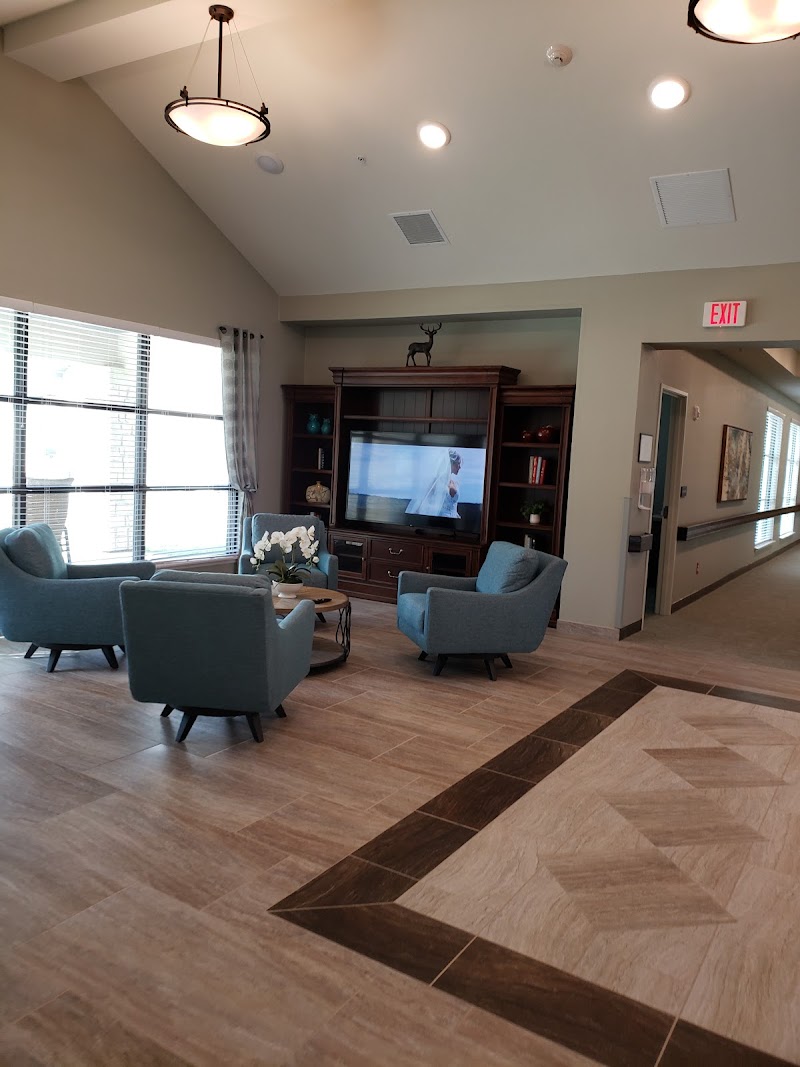
How is Harbor Valley Staffed?

CMS rates HARBOR VALLEY HEALTH AND REHABILITATION's staffing level at 2 out of 5 stars, which is below average compared to other nursing homes. Staff turnover is 53%, compared to the Texas average of 46%.

What Have Inspectors Found at Harbor Valley?

State health inspectors documented 33 deficiencies at HARBOR VALLEY HEALTH AND REHABILITATION during 2022 to 2025. These included: 2 Immediate Jeopardy (the most serious level, indicating potential for serious harm or death) and 31 with potential for harm. Immediate Jeopardy findings are rare and represent the most serious regulatory concerns. They require immediate corrective action.
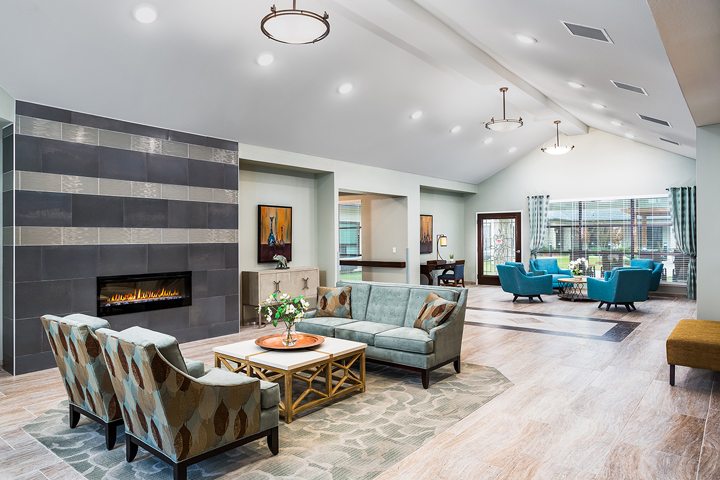
Who Owns and Operates Harbor Valley?

HARBOR VALLEY HEALTH AND REHABILITATION is owned by a for-profit company. For-profit facilities operate as businesses with obligations to shareholders or private owners. The facility operates independently rather than as part of a larger chain. With 120 certified beds and approximately 97 residents (about 81% occupancy), it is a mid-sized facility located in SAN ANTONIO, Texas.
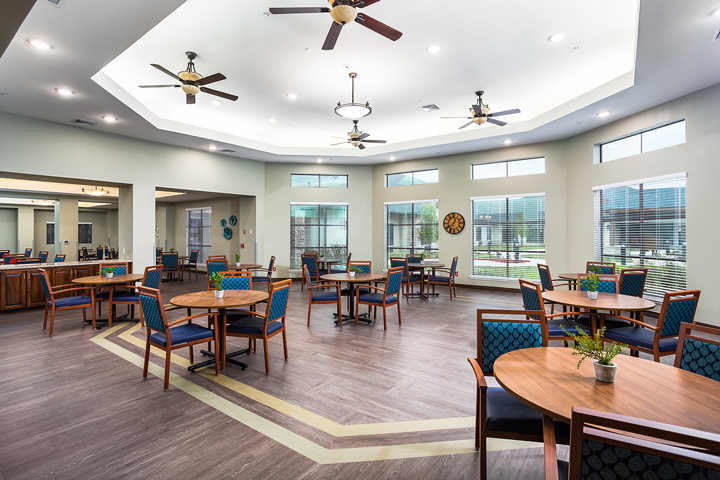
How Does Harbor Valley Compare to Other Texas Nursing Homes?

Compared to the 100 nursing homes in Texas, HARBOR VALLEY HEALTH AND REHABILITATION's overall rating (2 stars) is below the state average of 2.8, staff turnover (53%) is near the state average of 46%, and health inspection rating (2 stars) is below the national benchmark.

What Should Families Ask When Visiting Harbor Valley?

Based on this facility's data, families visiting should ask: "What changes have been made since the serious inspection findings, and how are you preventing similar issues?" "What safeguards and monitoring systems are in place to protect residents from abuse or neglect?" "Can you walk me through typical staffing levels on day, evening, and night shifts?" "Can I visit during a mealtime to observe dining assistance and food quality?" These questions are particularly relevant given the facility's Immediate Jeopardy citations, the substantiated abuse finding on record, and the below-average staffing rating.

Is Harbor Valley Safe?

Based on CMS inspection data, HARBOR VALLEY HEALTH AND REHABILITATION has documented safety concerns. The facility has 1 substantiated abuse finding (meaning confirmed case of resident harm by staff or other residents). Inspectors have issued 2 Immediate Jeopardy citations (the most serious violation level indicating risk of serious injury or death). The facility has a 2-star overall rating and ranks #100 of 100 nursing homes in Texas. Families considering this facility should ask detailed questions about what corrective actions have been taken since these incidents.

Do Nurses at Harbor Valley Stick Around?

HARBOR VALLEY HEALTH AND REHABILITATION has a staff turnover rate of 53%, which is 7 percentage points above the Texas average of 46%. Moderate turnover is common in nursing homes, but families should still ask about staff tenure and how the facility maintains care continuity when employees leave.

Was Harbor Valley Ever Fined?

HARBOR VALLEY HEALTH AND REHABILITATION has been fined $27,269 across 2 penalty actions. This is below the Texas average of $33,352. While any fine indicates a compliance issue, fines under $50,000 are relatively common and typically reflect isolated problems that were subsequently corrected. Families should ask what specific issues led to these fines and confirm they've been resolved.

Is Harbor Valley on Any Federal Watch List?

HARBOR VALLEY HEALTH AND REHABILITATION is not on any federal watch list. The most significant is the Special Focus Facility (SFF) program, which identifies the bottom 1% of nursing homes nationally based on persistent, serious quality problems. Not being on this list means the facility has avoided the pattern of deficiencies that triggers enhanced federal oversight. This is a positive indicator, though families should still review the facility's inspection history directly.