HERITAGE NURSING & REHABILITATION
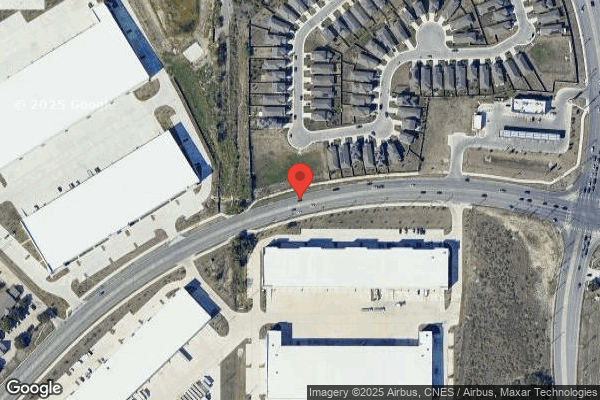

5437 EISENHAUER RD, SAN ANTONIO, TX 78218 (210) 646-9576
For profit - Corporation 150 Beds TOUCHSTONE COMMUNITIES Data: November 2025
Trust Grade
60/100
#488 of 1168 in TX
Last Inspection: April 2025

Within standard 12-15 month inspection cycle. Federal law requires annual inspections.

Overview

Heritage Nursing & Rehabilitation in San Antonio, Texas, has a Trust Grade of C+, indicating it is slightly above average among nursing homes. It ranks #488 out of 1168 facilities in Texas, placing it in the top half, and #16 out of 62 in Bexar County, meaning there are only 15 local options that are better. Unfortunately, the facility is experiencing a worsening trend, with the number of issues increasing from 5 in 2024 to 14 in 2025. While the staffing turnover rate is relatively good at 50%-matching the state average-the staffing rating of 2 out of 5 stars is below average, and RN coverage is concerning, being less than 76% of Texas facilities. Specific incidents include failures to update care plans for residents with specific needs, unsafe food handling practices in the kitchen, and lapses in infection control during wound care, which could expose residents to risks. Overall, while there are some strengths, particularly in staffing stability, the increasing number of issues and concerns about care practices warrant careful consideration.

Trust Score
C+
60/100
In Texas
#488/1168
Top 41%
Safety Record
Low Risk
No red flags
Inspections
Getting Worse
5 → 14 violations
Staff Stability
⚠ Watch
50% turnover. Above average. Higher turnover means staff may not know residents' routines.
Penalties
✓ Good
No fines on record. Clean compliance history, better than most Texas facilities.
Skilled Nurses
⚠ Watch
Each resident gets only 17 minutes of Registered Nurse (RN) attention daily — below average for Texas. Fewer RN minutes means fewer trained eyes watching for problems.
Violations
⚠ Watch
30 deficiencies on record. Higher than average. Multiple issues found across inspections.
★★★☆☆
3.0
Overall Rating
★★☆☆☆
2.0
Staff Levels
★★★☆☆
3.0
Care Quality
★★★☆☆
3.0
Inspection Score
Stable
2024: 5 issues
2025: 14 issues

The Good

  • Full Sprinkler Coverage · Fire safety systems throughout facility
  • No fines on record

Facility shows strength in fire safety.

The Bad

3-Star Overall Rating

Near Texas average (2.8)

Meets federal standards, typical of most facilities

Staff Turnover: 50%

Near Texas avg (46%)

Higher turnover may affect care consistency

Chain: TOUCHSTONE COMMUNITIES

Part of a multi-facility chain

Ask about local staffing decisions and management

The Ugly 30 deficiencies on record

Sept 2025 1 deficiency
CONCERN (D) 📢 Someone Reported This

A family member, employee, or ombudsman was alarmed enough to file a formal complaint

Potential for Harm - no one hurt, but risky conditions existed

Safe Environment (Tag F0921)

Could have caused harm · This affected 1 resident

**NOTE- TERMS IN BRACKETS HAVE BEEN EDITED TO PROTECT CONFIDENTIALITY** Based on observations, interviews, and record review, the facility failed to provide a safe, functional, sanitary, and comfortab...

Read full inspector narrative →
**NOTE- TERMS IN BRACKETS HAVE BEEN EDITED TO PROTECT CONFIDENTIALITY** Based on observations, interviews, and record review, the facility failed to provide a safe, functional, sanitary, and comfortable environment for residents, staff, and the public on 1 of 4 resident rooms (room [ROOM NUMBER]) reviewed for environmental concerns in that: The facility failed to repair a bathroom door, repair a broken toilet, and secure a sprinkler system access panel in resident room [ROOM NUMBER]. These failures could place residents at risk of a diminished quality of life due to exposure to an environment that is unpleasant, unsanitary, and unsafe. The findings included: Observation on 9/16/25 at 3:15pm with the Administrator and Maintenance Director revealed the following:a. There was a penetration (hole) which measured approximately 3 inches by 2 inches on the bathroom door in room [ROOM NUMBER].b. There was water running in the toilet which would also not flush in room [ROOM NUMBER].c. There was a sprinkler system access panel which measured approximately 1.5 ft by 1.5 ft on the bathroom wall in room [ROOM NUMBER] that was unsecured. During an interview on 9/16/25 at 3:00pm with the Social Worker she stated that there was only one resident residing in room [ROOM NUMBER] and the resident was not able to be interviewed. During an interview on 9/17/25 at 2:15 pm with the Administrator and Maintenance Director, the Maintenance Director stated staff will notify him of repairs needed in resident rooms on the TELS work order system. The Maintenance Director stated that he had not received a work order request for the repairs needed in room [ROOM NUMBER]. The Maintenance Director stated resident rooms were checked on a weekly basis as needed for repairs to be completed. The Administrator stated the access panel on the wall in the resident's bathroom in room [ROOM NUMBER] had a sprinkler system valve that was used for sprinkler system tests only. The Administrator stated the sprinkler system access panel in room [ROOM NUMBER] was now secured. The Administrator and Maintenance Director stated that repairs made in room # 217 would promote the resident who lived in this room's dignity status. Record review of the facility policy titled Physical Environment dated 01/2023 revealed The community has a preventative maintenance program that ensures all essential mechanical, electrical, and patient care equipment is in safe operating condition.
Apr 2025 5 deficiencies
CONCERN (D) 📢 Someone Reported This

A family member, employee, or ombudsman was alarmed enough to file a formal complaint

Potential for Harm - no one hurt, but risky conditions existed

PASARR Coordination (Tag F0644)

Could have caused harm · This affected 1 resident

**NOTE- TERMS IN BRACKETS HAVE BEEN EDITED TO PROTECT CONFIDENTIALITY** Based on the interview and record review, the facility failed to coordinate assessments with the pre-admission screening and res...

Read full inspector narrative →
**NOTE- TERMS IN BRACKETS HAVE BEEN EDITED TO PROTECT CONFIDENTIALITY** Based on the interview and record review, the facility failed to coordinate assessments with the pre-admission screening and resident review (PASARR) program for residents with newly evident or possible severe mental disorder for 1 of 4 Residents (Resident #63) whose records were reviewed. The facility failed to refer Resident #63 for a Level I screen after being diagnosed with a mental disorder. This deficient practice could affect residents with a mental diagnosis and can result in residents not receiving services as identified by PASARR. The findings were: Record review of the face sheet for Resident #63, dated 4/23/25, revealed a [AGE] year-old male admitted to the facility on [DATE] with diagnoses that included: bipolar disorder (a mental illness that brings severe high and low moods and changes in sleep, energy, thinking, and behavior), schizoaffective disorder (chronic mental health condition characterized primarily by symptoms such as hallucinations, delusions and paranoia), and hypertension (a condition where the force of the blood pushing on the blood vessel walls is too high). Record review of the quarterly MDS assessment for Resident #63, dated 2/6/2025, revealed a BIMS score 15, indicating intact cognition. Record review of the quarterly MDS assessment for resident #63, dated 2/6/25, revealed section 1, Active diagnoses: Psychiatric Mood Disorder, Bipolar, and schizoaffective disorder were selected. Record review of Resident #63's physician's monthly orders dated April 23, 2025, revealed risperidone 0.5 mg tablet, administer one tablet by mouth two times a day for hallucinations/paranoia. Interview with Resident #63 on 4/23/25 at 11:15 AM revealed he had had a diagnoses of bipolar and schizoaffective disorder since he was a young man, and could not recall the diagnosis date, but recalled taking medication to help with his delusions and paranoia. Interview on 04/24/25 at 11:54 AM the MDS coordinator revealed she was responsible for referring and screening all residents for level I PASARR screening if they had a mental illness to the local health authority. She stated she was unaware Resident #63 had a mental illness, as she had not had time to review all residents' active diagnoses. She further stated that not referring residents with a mental illness for a Level 1 evaluation could result in residents not benefiting from resources. An interview with the DON on 4/25/25 at 9:34 AM revealed that the MDS coordinator should have referred Resident #63 to the local health authority for evaluation. The DON stated that she expected the MDS coordinator to follow facility policy regarding PASARR 1 screenings to ensure that all residents with mental health conditions receive all possible assistance. Review of facility policy, Comprehensive Assessments, dated March 2023, revealed Pre-admission screening and resident review of PASARR screen is required of all individuals with mental illness.
CONCERN (D) 📢 Someone Reported This

A family member, employee, or ombudsman was alarmed enough to file a formal complaint

Potential for Harm - no one hurt, but risky conditions existed

Deficiency F0805 (Tag F0805)

Could have caused harm · This affected 1 resident

**NOTE- TERMS IN BRACKETS HAVE BEEN EDITED TO PROTECT CONFIDENTIALITY** Based on observation, interview, and record review, the facility failed to prepare puree food by methods that conserve nutritive...

Read full inspector narrative →
**NOTE- TERMS IN BRACKETS HAVE BEEN EDITED TO PROTECT CONFIDENTIALITY** Based on observation, interview, and record review, the facility failed to prepare puree food by methods that conserve nutritive value flavor and ensure food was prepared in a form designed to meet individual needs for 1 of 1 meal (lunch) reviewed, in that: 1. The Spinach, Macaroni and Cheese and Bread were not pureed to a pudding or mashed potato consistency as required for food served to residents who received a pureed diet. 2. The facility failed to follow the Puree Bread recipe for 4/24/2025 lunch. This deficient practice could place residents who received pureed diets at-risk for poor intake, difficulty chewing, and/or choking. The findings included: During an observation and interview on 04/25/2025 at 11:15 a.m. Dietary [NAME] C prepared the Pureed Bread by adding chicken broth to the bread by pouring out a pitcher with no measuring device and stirred until Dietary [NAME] C felt it looked like the correct consistency . The thickener was poured out of a container with no measuring device. She turned the spoon sideways, and pureed bread slid off the spoon and said it was ready. Dietary [NAME] C prepared the Pureed Spinach . Dietary [NAME] C added chicken broth to the cooked spinach by pouring out of the pitcher with no measuring device and blended as she added thickener; pouring from the container with no measuring device. She turned the spoon sideways to show the consistency and said it was ready. The recipes for the pureed bread and spinach was not present while Dietary [NAME] C was prepared the menus items. Observation and interview on 04/25/2025 at 12:10pm the test tray the Pureed Macaroni and Cheese and the Pureed Bread stuck to the spoon when turned sideways and upside down the food items stuck to the roof of mouth and was difficult to move around in mouth. The texture was thick and sticky. At 12:30p.m. the Dietary Manger stirred the Pureed Macaroni and Cheese and the Pureed Bread on the tray and tasted it. She stated it was a little thick. She stated the residents maybe s would have a difficult time swallowing and getting the food off the roof of their mouths. The Administrator stirred the Pureed Macaroni and Cheese and the Pureed Bread on the tray and tasted it. He stated the consistency was a little thick. Record review of the Wheat Bread Conversion Recipe from [name] Corporate for 10 servings indicted the stock should be measured out to 1 ¼ cup and the Food thickener measurement was 2 Tablespoons and 1 ½ teaspoon. Record review of the facility policy Diets Offered by the Facility not dated, revealed All residents will receive diets ordered by their attending physicians. The following diets are available at [name]: . Puree . Policy/Protocol for Pureeing food was not provided at the time of exit.
CONCERN (D) 📢 Someone Reported This

A family member, employee, or ombudsman was alarmed enough to file a formal complaint

Potential for Harm - no one hurt, but risky conditions existed

Infection Control (Tag F0880)

Could have caused harm · This affected 1 resident

Based on observation, interviews, and record reviews, the facility failed to maintain an infection prevention and control program designed to provide a safe, sanitary, and comfortable environment and ...

Read full inspector narrative →
Based on observation, interviews, and record reviews, the facility failed to maintain an infection prevention and control program designed to provide a safe, sanitary, and comfortable environment and to help prevent the development and transmission of communicable disease and infection for 1 of 5 residents (Resident #85) reviewed for infection control, in that: 1. While providing incontinent care for Resident #85, CNA A did not change her gloves or wash her hands after touching the bed remote before starting to provide care. CNA B did not change her gloves or wash her hands after touching the privacy curtain before starting to provide care. These deficient practices could place residents at-risk for infection due to improper care practices. These findings included: 1. Record review of Resident #85's face sheet, dated 04/24/2025, revealed an admission date of 12/20/2024, and a readmission date of 04/16/2025, with diagnoses which included: Schizophrenia (mental disorder characterized by abnormal thought processes and an unstable mood), Post-traumatic stress disorder ( mental health condition that's caused by an extremely stressful or terrifying event), Type 2 diabetes mellitus (high level of sugar in the blood), Gastrostomy status (artificial external opening into the stomach for nutritional support), Hypertension (High blood pressure), Parkinson's disease (A chronic and progressive movement disorder that initially causes tremor in one hand, stiffness or slowing of movement.). Record review of Resident #85's MDS Quarterly assessment, dated 03/21/2025, revealed the resident had unclear speech and had severe cognitive impairment. Resident #85 required total care with his activities of daily living, and was always incontinent of bowel and bladder. Record review of Resident #85's care plan revealed a care plan initiated 12/31/2024 with a problem of At risk for infection or recurrent/chronic infection r/t compromised medical condition.,a goal of I will be free for S/S infections and any complications related to infection through the review date and, an intervention of Enhanced barrier precaution practices as clinically indicated. Observation on 04/25/25 at 10:57 a.m., revealed while providing incontinent care for Resident #85, CNA A touched the bed remote with her gloved hands. CNA B touched the privacy curtain with gloved hands. Neither CNA A or CNA B changed their gloves or wash their hands, then, started to provide care for Resident #85. Resident #85 was on enhanced barrier precaution due to his Gastrostomy status. During an interview on 10/30/2024 at 11:05 a.m., CNA A and CNA B stated the privacy curtain and bed remote were considered dirty and they should have changed gloves and sanitize their hands. They revealed they did not realize they had to change their gloves and sanitize their hands before starting to provide the care. They confirmed receiving training on infection control within the year During an interview on 04/25/2025 at 11:38 a.m., the DON stated the staff should have changed their gloves and sanitize their hands prior to start providing care for the resident. She stated it could cause a risk of cross contamination and infection for the resident. She revealed they provided training on infection control at least once a year and as needed. She revealed they checked the skills of the staff annually and as needed with the assistance of her ADONS. Record review of the facility's CNA A competency check titled, Hand hygiene, dated, respectively, 03/26/25 revealed Handwashing should be done at the following times: [ .] after contact with blood, body fluids and contaminated items. CNA A had passed competency. Record review of the facility's CNA B competency check titled, Hand hygiene, dated 04/07/25 , revealed Handwashing should be done at the following times: [ .] after contact with blood, body fluids and contaminated items. Both CNA B had passed competency. Review of facility policy, titled Handwashing/Hand Hygiene, dated January 2023, revealed Use an alcohol-based hand rub [ .] before and after direct contact with residents [ .] before moving from a contaminated/soiled to clean care or procedures
CONCERN (E) 📢 Someone Reported This

A family member, employee, or ombudsman was alarmed enough to file a formal complaint

Potential for Harm - no one hurt, but risky conditions existed

Deficiency F0657 (Tag F0657)

Could have caused harm · This affected multiple residents

**NOTE- TERMS IN BRACKETS HAVE BEEN EDITED TO PROTECT CONFIDENTIALITY** Based on interview, and record review, the facility failed to review and revise Resident Care Plans after each assessment for 3 ...

Read full inspector narrative →
**NOTE- TERMS IN BRACKETS HAVE BEEN EDITED TO PROTECT CONFIDENTIALITY** Based on interview, and record review, the facility failed to review and revise Resident Care Plans after each assessment for 3 of 6 Residents (Resident #23, # 43, and #51) whose records were reviewed for care plan revision/timing, in that: The care plans of Residents #23, #43, and #51 were not updated to reflect thickened liquids. Thisdeficient practices could affect any resident and contribute to Residents not receiving the care and services they need. The findings included: 1. Record review of Resident #23's face sheet, dated 4/24/2025, revealed the resident was an [AGE] year-old male admitted to the facility on [DATE] with the diagnoses of gout (a form of inflammatory arthritis characterized by recurrent attacks of pain), dysphagia (difficulty swallowing) and paraplegia ( is a form of paralysis that primarily affects the lower half of the body). Record review of Resident #23's quarterly MDS, dated [DATE], revealed a BIMS score of 15, which indicated intact cognition. Record review of Resident #23's quarterly MDS, dated [DATE], revealed that section K, the thickened liquids option, was selected. Record review of April 2025, monthly physician orders for Resident #23 revealed an order for moderately thick / honey-like consistency liquids. 2. Record review of Resident #43's face sheet, dated 4/23/25, revealed an [AGE] year-old female, admitted to the facility on [DATE] with the diagnoses of schizophrenia (mental health condition tending to have a profound impact upon personal, interpersonal, and occupational functioning, of which typical features are the occurrence of hallucinations and delusions), dysphagia (difficulty swallowing) and type II diabetes (happens when the body cannot use insulin correctly and sugar builds up in the blood ) Record review of Resident #43's quarterly MDS, dated [DATE], revealed the BIMS score was left blank, which indicated the Resident was unable to complete the interview. Record review of Resident #43's quarterly MDS, dated [DATE], revealed that section K, the thickened liquids option, was selected. Record review of April 2025 monthly physician orders for Resident #43 revealed an order for moderately thick / nectar-consistent liquids. 3. Record review of Resident #51's face sheet, dated 4/23/25, revealed an [AGE] year-old female, admitted to the facility on [DATE] with the diagnoses of type II diabetes (happens when the body cannot use insulin correctly and sugar builds up in the blood), dysphagia (difficulty swallowing) and anxiety disorder (symptoms of intense anxiety or panic). Record review of Resident #51's quarterly MDS, dated [DATE], revealed a BIMS score of 11, which indicated moderate cognitive impairment. Record review of Resident #51's quarterly MDS, dated [DATE], revealed that section K, the thickened liquids option, was selected. Record review of April 2025 monthly physician orders for Resident #51 revealed an order for moderately thick / honey-like consistency liquids. Interview on 4/24/2025 at 1:40 PM: The MDS nurse stated that she had not updated the care plans for Residents #23, #43, and #51 concerning thickened liquids due to her inability to review the residents' physician orders. She emphasized that failing to update these care plans might prevent nurses from being aware of the liquid diet orders, which could potentially result in a Resident aspirating if they were provided with regular thin liquids. Interview on 4/25/2024 at 10:00 a.m. the DON stated the MDS nurse should have updated Resident #23's, # 43's, and #51's care plan to reflect the thickened liquids order. Record review of the facility policy, titled Care Plans, dated February 2017, revealed .The care plan should be updated and reviewed at least quarterly thereafter, then annually, and with significant changes in conditions as defined in the RAI manual.
CONCERN (E) 📢 Someone Reported This

A family member, employee, or ombudsman was alarmed enough to file a formal complaint

Potential for Harm - no one hurt, but risky conditions existed

Food Safety (Tag F0812)

Could have caused harm · This affected multiple residents

Based on observation, interview, and record review, the facility failed to store, prepare, distribute, and serve food in accordance with professional standards for food service safety for 1 of 1 kitch...

Read full inspector narrative →
Based on observation, interview, and record review, the facility failed to store, prepare, distribute, and serve food in accordance with professional standards for food service safety for 1 of 1 kitchen reviewed, in that: 1. There were crumbs and paper food wrapping in the fryer. 2. There were sand-like particles on top of the dish washing machine. 3. Three packages of corn beef and a box of potatoes were undated in the refrigerator. 4. A box of corn dogs was unsealed and undated in the refrigerator. 5. A box of hamburger patties were unsealed in the freezer. These deficient practices could place residents who consume meals and snacks from the kitchen at risk for food borne illness. The findings were: 1. Observation on 04/25/2025 at 11:16 a.m. revealed crumbs and paper food wrapping in the kitchen fryer. During an interview with the Dietary Manager on 04/25/2025 at 11:27 a.m., the Dietary Manager confirmed the presence of crumbs and paper food wrapping in the fryer and confirmed the wrapper could potentially contaminate fried food items. 2. Observation on 04/25/2025 at 11:17 a.m. revealed sand-like particles on top of the dish washing machine, concentrated at the opening. During an interview with the Dietary Manager on 04/25/2025 at 11:27 a.m., the Dietary Manager confirmed the presence of sand-like particles on top of the dish washing machine and confirmed the particles could potentially contaminate clean dishes. 3. Observation on 04/25/2025 at 11:24 a.m. revealed three packages of corn beef and a box of raw potatoes in the refrigerator were undated. During an interview with the Dietary Manager on 04/25/2025 at 11:27 a.m., the Dietary Manager confirmed packages of corn beef and a box of raw potatoes in the refrigerator were undated, stated they had recently been placed in the refrigerator. 4. Observation on 04/25/2025 at 11:25 p.m. revealed corn dogs in an unsealed plastic bag, inside an unsealed box were in the refrigerator. During an interview with the Dietary Manager on 04/25/2025 at 11:27 a.m., the Dietary Manager confirmed corn dogs in an unsealed plastic bag, inside an unsealed box were in the refrigerator, and confirmed the unsealed food was subject to contamination. 5. Observation on 04/25/2025 at 11:25 a.m. revealed hamburger patties in an unsealed plastic bag, inside an unsealed box were in the freezer. During an interview with the Dietary Manager on 04/25/2025 at 11:27 a.m., the Dietary Manager confirmed hamburger patties in an unsealed plastic bag, inside an unsealed box were in the freezer and confirmed the unsealed food was subject to contamination and/or freezer burn. Record review of the facility policy, Kitchen Sanitation, approved October 1, 2018, revealed, The facility recognizes that food-borne illness has the potential to harm elderly and frail residents. All Nutrition and Foodservice employees will maintain clean, sanitary kitchen facilities .
Apr 2025 3 deficiencies
CONCERN (D) 📢 Someone Reported This

A family member, employee, or ombudsman was alarmed enough to file a formal complaint

Potential for Harm - no one hurt, but risky conditions existed

Pressure Ulcer Prevention (Tag F0686)

Could have caused harm · This affected 1 resident

**NOTE- TERMS IN BRACKETS HAVE BEEN EDITED TO PROTECT CONFIDENTIALITY** Based on observation, interview, and record review the facility failed to ensure a resident with pressure ulcers received necess...

Read full inspector narrative →
**NOTE- TERMS IN BRACKETS HAVE BEEN EDITED TO PROTECT CONFIDENTIALITY** Based on observation, interview, and record review the facility failed to ensure a resident with pressure ulcers received necessary treatment and services, consistent with profession standards of practice, to promote healing, prevent infection, and prevent new ulcers from developing for 1 of 4 residents (Resident #1) reviewed for pressure ulcers. 1. The facility failed to provide wound care treatments/dressing change to Resident #1' left ischium according to professional standards; in that LVN E did not clean the wound prior to applying clean dressing and did not secure the clean dressing once applied on 4/3/25. 2. The facility failed to provide wound care treatments/dressing change to Resident #1's right glute according to physician order on 4/3/25; in that LVN E applied a wet-to-dry dressing to Resident #1's glute when the order stated to apply hydrofera blue dressing. These deficient practices could place residents at risk for worsening wounds and/or infections. Findings included: 1. Record review of Resident #1's admission Record revealed the resident was re-admitted to the facility on [DATE] with diagnoses which included: Quadriplegia (paralysis from the neck down, affecting all four limbs), Morbid Obesity (disorder that involves having too much body fat), Type 2 diabetes (chronic condition that affects the way the body processes blood sugar), Neurogenic Bowel (lack bowel control due to a brain, spinal cord or nerve problem). Record review of Resident #1's quarterly MDS assessment, dated 1/31/25, revealed Resident #1 had a BIMS score of 15, suggesting intact cognition. Further review of the assessment revealed Resident #1 was always incontinent of bowel; had Quadriplegia; a pressure ulcer/injury, a scar over bony prominence, or a non-removable dressing/device; one or more unhealed pressure ulcers/injuries; one Stage 2 (Partial thickness loss of dermis (skin) presenting as a shallow open ulcer with a red or pink wound bed, may also present as an intact or open/ruptured blister) present upon admission/entry or reentry; surgical wound(s); required pressure ulcer/injury, surgical wound care, and applications of ointments/medications. Record review of Resident #1's Care Plan, revised 3/25/25, revealed Resident #1 had fragile skin, was at risk for skin injury, and had actual wounds to the left ischium, right glute, and right heel. Interventions included: treatments as ordered and keep clean and dry. Record review of Resident #1's physician order, dated 4/3/25, revealed: Wound care: left ischium: if wound vac dislodges or malfunctions, may apply wet to dry dressing w/NS. Record review of Resident #1's WCS's Wound Evaluation and Management Summaries, dated 1/8/25, 1/13/25, 1/29/25, 2/5/25, 2/12/25, 2/24/25, 2/26/25, 3/3/25, 3/5/25, 3/10/25, 3/12/25, 3/26/25, 3/31/25, and 4/2/25, revealed: .Cleanse with wound cleanser at time of dressing change . 2. Record review of Resident #1's Order Summary, dated 4/2/25, revealed: .Wound care: right buttock: cleanse with wound cleanser, pat dry, apply hydrofera blue [antibacterial foam wound dressings to create a moist, non-toxic healing environment] and cover with foam dressing as needed . Observation and interview on 4/3/25 beginning at 4:41 pm revealed LVN E performed a wet-to-dry dressing to Resident #1's wounds to the right glute and the left ischium. Further observation revealed LVN E cleaned the peri wound areas of the left ischium and right glute but did not clean the inside the wounds. LVN E packed gauze saturated with NS into the wounds and applied gauze saturated with NS to the peri-wound area of the right glute and the skin surrounding the peri-wound area, which was intact. LVN E applied abdominal pads over the wet gauze to the right glute and the left ischium wounds but did not secure the dressings. LVN E said the DNS told her to do a wet-to-dry because wound vac on both wounds became contaminated with feces. LVN E said she checked the order for Resident #1's wound care to the right glute in PCC and it said to use NS. LVN E further stated the order she received on 4/3/25 for the wet-to-dry dressing did not specify which side the treatment was for. LVN E said the order said to clean the wounds and said she cleaned the wounds using the perineal wipes. LVN E the orders should always be followed. LVN E further stated she was expected to clean the inside of the wounds unless otherwise indicated. LVN E said wounds should be cleaned prior to applying the wet gauze because bacteria could be introduced to the wounds. LVN E said the wet gauze was to be applied on the inside of the wound only and not on the peri-wound area because it would keep the skin moist. LVN E further stated wet gauze on intact can cause maceration. LVN E said she did not secure the dressing because feces could get under the tape and the order did not specify to apply tape. LVN E said not securing the dressing provided better protection from feces because it would not get under the tape. LVN E said she was expected to sanitize or wash her hands after she changed her gloves three times, adding this was recommended by the CDC. LVN E said she did not know what the facility policy was. LVN E further stated she was sure the facility policy was to wash hands after patient care was completed and when her hands were dirty but not every time she changed her gloves. During an interview on 4/7/25 at 3:49 pm, the Treatment Nurse said nurses would be expected to clean wounds prior to applying clean dressings and securing the dressings even if the order does not specify this. The Treatment Nurse further stated the order for received on 4/3/25 for Resident #1's wet-to-dry dressing was for the left ischium only and the nurse should have followed the order for the wound to the right glute. The Treatment Nurse said when performing a wet-to-dry dressing, the wet gauze was to be packed inside the wound only, not the intact peri-wound area because this puts the resident at risk for macerated skin. During an interview on 4/7/25 at 4:46 pm, the ADNS said she expected the nurses to clean wounds prior to applying clean dressing even if the order does not specify this because it was proper procedure. The ADNS further stated it was the facility's expectation for nurses to review orders prior to any treatment. The ADNS said when applying a wet-to-dry dressing the wet gauze was to be applied to the wound itself. The ADNS further stated the wet gauze should not be applied to the intact peri-wound area because it can macerate the skin. During an interview on 4/8/25 at 9:38 am, the DNS said the order received on 4/3/25 for Resident #1's wound care to the left ischium was a standard order. The DNS further stated she expected a prudent nurse to clean the wounds to get any bacteria or dirty material out of the wound prior to applying a clean dressing. The DNS said she expected a prudent nurse to secure the dressing unless the peri-wound area is not intact to make sure the wound remains covered. The DNS further stated this was important in the coccyx area due to the proximity to the anus and bowel movements. The DNS said it would not be acceptable to her for a nurse to say that this was not in the order because we have basic nursing skills which included cleansing the wound and securing dressings when appropriate. The DNS said she expected nurses to review orders prior to providing any treatment. Attempted interviews with the PCP on 4/4/25 at 1:57 pm and 4/7/25 at 2:45 pm were unsuccessful, there was no return call. Attempted interviews with the WCS on 4/4/25 at 1:59 pm and 4/7/25 at 3:05 pm were unsuccessful, there was no return call. During a telephone interview on 4/7/25 at 2:50 pm, the NP said she did not remember the wet-to-dry dressing order on 4/3/25 for Resident #1. The NP further stated this was a standard order and expected a prudent nurse to clean the wounds prior to applying clean dressings secure the dressings. The NP said any type of dressing needed to be secured to keep it clean, dry, intact and keep the wound from becoming contaminated, especially for a wet-to-dry dressing. the NP said when performing a wet-to-dry dressing, the wet gauze was to be applied to the inside the wound only to keep the moisture inside the wound. The NP further stated applying wet gauze to intact skin can cause breakdown the skin or cause irritation if its directly on good skin. Record review of the facility's policy titled Wound: Clean Dressing Change, revised January 2023, revealed: .EQUIPMENT & SUPPLIES: .Gauze to clean wound .Tape .12. Clean wound as indicated and apply treatment as ordered .15. Apply dressing and secure as ordered .DOCUMENTATION: 1. Document treatment in the Treatment Administration Record (TAR) . Record review of the facility's blank Clean Dressing Change competency list, revealed: .1. Check Physician's order 2. Gather Equipment: dressings, prescribed ointments/medications .cleaning solution .11. Cleanse wound with prescribe [sic] solution, working from the inside out .15. Apply prescribed dressing .
CONCERN (D) 📢 Someone Reported This

A family member, employee, or ombudsman was alarmed enough to file a formal complaint

Potential for Harm - no one hurt, but risky conditions existed

Medical Records (Tag F0842)

Could have caused harm · This affected 1 resident

**NOTE- TERMS IN BRACKETS HAVE BEEN EDITED TO PROTECT CONFIDENTIALITY** Based on interview and record review the facility failed to ensure medical records were kept in accordance with professional sta...

Read full inspector narrative →
**NOTE- TERMS IN BRACKETS HAVE BEEN EDITED TO PROTECT CONFIDENTIALITY** Based on interview and record review the facility failed to ensure medical records were kept in accordance with professional standards and practices and were complete and accurately documented for 1 of 4 residents (Resident #1) reviewed for accuracy of records. The facility failed to ensure Resident #1's treatments were documented per facility policy on (2) occasions on 4/3/25. These deficient practices could place residents at risk for improper care due to inaccurate records. Findings included: Record review of Resident #1's admission Record revealed the resident was re-admitted to the facility on [DATE] with diagnoses which included: Quadriplegia (paralysis from the neck down, affecting all four limbs), Morbid Obesity (disorder that involves having too much body fat), Type 2 diabetes (chronic condition that affects the way the body processes blood sugar), Neurogenic Bowel (lack bowel control due to a brain, spinal cord or nerve problem). Record review of Resident #1's quarterly MDS assessment, dated 1/31/25, revealed Resident #1 had a BIMS score of 15, suggesting intact cognition. Further review of the assessment revealed Resident #1 was always incontinent of bowel; had Quadriplegia; a pressure ulcer/injury, a scar over bony prominence, or a non-removable dressing/device; one or more unhealed pressure ulcers/injuries; one Stage 2 (Partial thickness loss of dermis (skin) presenting as a shallow open ulcer with a red or pink wound bed, may also present as an intact or open/ruptured blister) present upon admission/entry or reentry; surgical wound(s); required pressure ulcer/injury, surgical wound care, and applications of ointments/medications. Record review of Resident #1's Care Plan, revised 3/25/25, revealed Resident #1 had fragile skin, was at risk for skin injury, and had actual wounds to the left ischium, right glute, and right heel. Interventions included: treatments as ordered and keep clean and dry. Record review of Resident #1's Order Summary, dated 4/2/25, revealed: .Wound care: right buttock: cleanse with wound cleanser, pat dry, apply hydrofera blue [antibacterial foam wound dressings to create a moist, non-toxic healing environment] and cover with foam dressing as needed . Record review of Resident #1's physician order, dated 4/3/25, revealed: Wound care: left ischium: if wound vac dislodges or malfunctions, may apply wet to dry dressing w/NS. Record review of Resident #1's April TAR 2025, dated 4/7/25, revealed a blank for 4/3/25 for the order: Wound care: right buttock: cleanse with wound cleanser, pat dry, apply hydrofera blue (antibacterial foam wound dressings to create a moist, non-toxic healing environment) and cover with foam dressing as needed, dated 3/25/25. Record review of Resident #1's April LNAR 2025, dated 4/7/25, revealed a blank for 4/3/25 for the order: Wound care: left ischium: If wound vac dislodges or malfunctions, may apply wet to dry dressing w/NS, dated 4/3/25. Record review of Resident #1's Progress Notes, dated 4/3/25, revealed there was no documentation of wound care for Resident #1's right glute and left ischium. Observation on 4/3/25 beginning at 4:41 pm revealed LVN E performed wet-to-dry dressing to Resident #1's wounds to the right glute and the left ischium. During an interview on 4/4/25 at 12:50 pm, LVN E said she was expected to document treatments in the TAR or LNAR in PCC. LVN E verified the blank and said that the administration records for Resident #1 must not be the right one because she documented the treatments provided Resident #1's right glute and left ischium on 4/3/25. During an interview on 4/4/25 at 3:22 pm, the Treatment Nurse said nurses were expected to document any treatments provided to the residents in her absence. During an interview on 4/7/25 at 4:46 pm, the ADNS said nurses were expected to document treatments on the administration record in PCC once the treatment was completed. The ADNS further stated if a treatment was not documented it was not consider done. During an interview on 4/8/25 at 9:38 am, the DNS said when a nurse completed a treatment, the nurse was expected to document that treatment on the administration record once the treatment was completed. During an interview on 4/8/25 at 10:42 am, the Administrator said documentation was expected to be completed as soon as possible after a treatment was completed. Record review of the facility's policy titled Wound: Clean Dressing Change, revised January 2023, revealed: .Document treatment in the Treatment Administration Record (TAR) .
CONCERN (E) 📢 Someone Reported This

A family member, employee, or ombudsman was alarmed enough to file a formal complaint

Potential for Harm - no one hurt, but risky conditions existed

Infection Control (Tag F0880)

Could have caused harm · This affected multiple residents

**NOTE- TERMS IN BRACKETS HAVE BEEN EDITED TO PROTECT CONFIDENTIALITY** Based on observations, interviews, and record reviews, the facility failed to establish and maintain an infection control progra...

Read full inspector narrative →
**NOTE- TERMS IN BRACKETS HAVE BEEN EDITED TO PROTECT CONFIDENTIALITY** Based on observations, interviews, and record reviews, the facility failed to establish and maintain an infection control program designed to provide a safe, sanitary, and comfortable environment and to help prevent the development of communicable diseases and infections for 1 of 4 residents (Resident #1) reviewed for infection control. The facility failed to ensure LVN E followed infection control practices during wound care for Resident #1 on (3) occasions on 4/3/25. This deficient practice may affect residents who require wound care treatments and could place residents at risk for cross contamination and infections. Findings included: Record review of Resident #1's admission Record revealed the resident was re-admitted to the facility on [DATE] with diagnoses which included: Quadriplegia (paralysis from the neck down, affecting all four limbs), Morbid Obesity (disorder that involves having too much body fat), Type 2 diabetes (chronic condition that affects the way the body processes blood sugar), Neurogenic Bowel (lack bowel control due to a brain, spinal cord or nerve problem). Record review of Resident #1's quarterly MDS assessment, dated 1/31/25, revealed Resident #1 had a BIMS score of 15, suggesting intact cognition. Further review of the assessment revealed Resident #1 was always incontinent of bowel; had Quadriplegia; a pressure ulcer/injury, a scar over bony prominence, or a non-removable dressing/device; one or more unhealed pressure ulcers/injuries; one Stage 2 (Partial thickness loss of dermis (skin) presenting as a shallow open ulcer with a red or pink wound bed, may also present as an intact or open/ruptured blister) present upon admission/entry or reentry; surgical wound(s); required pressure ulcer/injury, surgical wound care, and applications of ointments/medications. Record review of Resident #1's Care Plan, revised 3/25/25, revealed Resident #1 had fragile skin, was at risk for skin injury, and had actual wounds to the left ischium, right glute, and right heel. Interventions included: treatments as ordered and keep clean and dry. Record review of Resident #1's Order Summary, dated 4/2/25, revealed: .Wound care: right buttock: cleanse with wound cleanser, pat dry, apply hydrofera blue [antibacterial foam wound dressings to create a moist, non-toxic healing environment] and cover with foam dressing as needed . Record review of Resident #1's physician order, dated 4/3/25, revealed: Wound care: left ischium: if wound vac dislodges or malfunctions, may apply wet to dry dressing w/NS . Observation and interview on 4/3/25 beginning at 4:41 pm revealed LVN E performed a wet-to-dry dressing to Resident #1's wounds to the right glute and the left ischium. Further observation revealed LVN E removed the contaminated dressings to Resident's #1's right glute and left ischium, removed her gloves and donned clean gloves without performing hand hygiene. LVN E cleansed the peri wound areas of the left ischium and right glute, removed her gloves and donned clean gloves without performing hand hygiene. Further observation revealed LVN E packed gauze saturated with NS into the wounds, applied dressings, removed her gloves, and donned clean gloves without performing hand hygiene. LVN E said she had sanitizer attached to her ID and was expected to sanitize or wash her hands after she changed her gloves three times, adding this was recommended by the CDC. LVN E said she did not know what the facility policy was. LVN E further stated she was sure the facility policy was to wash hands after patient care was completed and when her hands were dirty but not every time she changed her gloves. During an interview on 4/4/25 at 3:22 pm, the Treatment Nurse said nurses were expected to follow the facility's wound care protocols, which included sanitizing hands between glove changes. During an interview on 4/7/25 at 4:46 pm, the ADNS said she expected nurses to perform hand hygiene the proper way, including wetting hands, using soap, vigorously washing for 20-30 seconds, before, during and after care. The ADON hand sanitizer may be used but she preferred staff washed their hands before and after care. The ADON said she expected staff to wash or sanitize hands between glove changes. The ADNS said all staff were responsible for performing proper hand hygiene to prevent the spread of infection/germs. During an interview on 4/8/25 at 9:38 am, the DNS said she expected staff to follow the facility's hand hygiene policy which said hand hygiene should be performed between glove changes, unless your hands were visibly soiled. The DNS further stated residents may be at risk for the spread of infection from improper hand hygiene. During an interview on 4/8/25 at 10:42 am, the Administrator said hand hygiene should be performed when changing gloves and when hands were visibly soiled hands should be washed for at least 20 seconds; otherwise, the staff could use sanitizer. The Administrator further stated this was the facility's policy to prevent the spread of infection from possible dirty hands. Record review of the facility's policy titled Wound: Clean Dressing Change, revised January 2023, revealed: .Follow standard precautions at all times .10. Remove soiled dressing, place in bag for disposal. 11. Remove/dispose of gloves, wash hands, put on clean gloves. 12. Clean wound .14. Remove/dispose gloves, wash hands, put on clean gloves . Record review of the facility's policy titled Handwashing/Hand Hygiene, revised January 2023, revealed: .The facility considers hand hygiene the primary means to prevent the spread of infections .2. All personnel should follow the handwashing/hand hygiene procedures to help prevent the spread of infection to other personnel, residents, and visitors .7. Use an alcohol-based hand rub containing at least 62% alcohol; or alternatively, soap .and water for situations such as this (including but not limited to) .Between glove changes/After removing gloves .The use of gloves does not replace hand washing/hand hygiene. Integration of glove use along use along with routine hand hygiene is recognized as the best practice for preventing healthcare-associated infections .
Mar 2025 4 deficiencies
CONCERN (D) 📢 Someone Reported This

A family member, employee, or ombudsman was alarmed enough to file a formal complaint

Potential for Harm - no one hurt, but risky conditions existed

Deficiency F0552 (Tag F0552)

Could have caused harm · This affected 1 resident

**NOTE- TERMS IN BRACKETS HAVE BEEN EDITED TO PROTECT CONFIDENTIALITY** Based on interviews and record review, the facility failed to ensure a resident's responsible party was informed in advance of t...

Read full inspector narrative →
**NOTE- TERMS IN BRACKETS HAVE BEEN EDITED TO PROTECT CONFIDENTIALITY** Based on interviews and record review, the facility failed to ensure a resident's responsible party was informed in advance of the risks and benefits of proposed care, of treatment and treatment alternatives or treatment options and to choose alternative options is he or she preferred for 1 (Resident #3) of 6 residents reviewed for the right to be informed and make treatment decisions. The facility failed to notify Resident #3's responsible party on 09/20/2024, prior to Resident #3 being referred to a Wound Care Physician for an evaluation and received a wound debridement. This failure could affect residents and/or responsible parties by placing them at risk of not receiving treatments or being informed of treatment options. Findings included: Record review of Resident #3's undated face sheet revealed Resident #3 was an [AGE] year old female who admitted to the facility for hospice respite services on 09/18/2024 and discharged from the facility on 09/25/2024 with diagnoses that included Cerebral Atherosclerosis (a buildup of plaque in the blood vessels of the brain), Dementia (a general term for impaired ability to remember, think, or make decisions) and Depression (a persistent feeling of sadness and loss of interest). Record review of Resident #3's admission MDS assessment, dated 09/24/2024, revealed Resident #3 had a BIMS score of 4, indicating severe cognitive impairment. Section M - Skin Conditions revealed Resident #3 had an unstageable wound, described as a wound that cannot be staged due to the wound bed being covered in slough (dead tissue that can impede the healing process) and/or eschar (thick black tissue that can impede the healing process). Record review of Resident #3's care plan, date initiated 09/19/2024, revealed Resident #3 had a skin impairment to the right gluteus (buttocks). Record review of a document titled, Specialty Physician Initial Wound Evaluation and Management Summary revealed Resident #3 as the patient and was dated 09/20/2024. The document stated, Chief Complaint: Patient present with a wound on her coccyx. At the request of the referring provider, [facility physician name], a thorough wound care assessment and evaluation was performed today. She has condition listed above. Details about current wound and any skin conditions are outlined below. There is no indication of pain associated with this condition. The document listed the wound as unstageable (due to necrosis) coccyx full thickness. The wound size was 2.4 x 1.5 x 0.3cm and necrotic tissue was 100%. The document stated a surgical excisional debridement was performed to remove necrotic tissue and establish the margins of viable tissue and stated, treatment options-risks-benefits and the possible need for subsequent additional procedures on this wound were explained on 09/20/2024 to the patient who indicated agreement to proceed with the procedure. The document stated under the heading, Coordination of Care, that the data and history pertinent to Resident #3's care was obtained by nursing facility records, Resident #3 and nursing staff. During an interview with Resident #3's responsible party, 03/17/2025 at 5:50 p.m., the responsible party stated Resident #3 had a cauterization of a bed sore by a physician and the facility did not notify her or [Hospice Company name]. The responsible party stated she was notified a few days after the procedure and she was unsure when, or if hospice was ever notified. The responsible party stated Resident #3 had Dementia and could not consent to a procedure and the Responsible Party stated she should have been notified in order to consent to the procedure. During an interview with the facility Physician, 03/18/2025 at 2:28 p.m., the Physician stated hospice and Resident #3's responsible party should have been notified of the evaluation and provided consent for the debridement procedure. The Physician stated the purpose of a debridement was to clean up a wound and improve the wound bed. During an interview with the Wound Care Physician, 03/19/2025 at 12:41 p.m., The Wound Care Physician stated she was made aware of new referrals by the facility wound care nurse or the DON and the referrals were generated by the resident's primary care physician at the facility. The Wound Care Physician stated she would consult with hospice residents on a case-by-case basis and the facility was responsible for consulting with Hospice and the responsible parties to obtain consent for the referral or debridement. The Wound Care Physician stated she still would have performed the debridement to remove the necrosis if Hospice and the family was consulted and agreed with the procedure and stated they should have been involved in the decision. During an interview with the DON, 03/19/2025 at 1:18 p.m., the DON stated she did not know who referred Resident #3 to the Wound Care Physician and stated she thought the previous Wound LVN, who has not worked at the facility since January 2025, completed the referral. The DON stated the Wound LVN was responsible for and should have contacted Hospice to get approval to make a referral to the Wound Care Physician and should have notified the responsible party of the referral and debridement. The DON stated it was important for Hospice and the responsible party to be notified of the referral and debridement because the patient could receive something the family or hospice would not approve of. Record review of a facility policy titled, End of Life Care and Coordination-Hospice/Palliative Care, dated implemented 03/13/19 and date revised January 2023, revealed Compliance Guidelines: To provide supportive care for residents and their families during the end stages of life by enabling them to participate in interactions of their choice in a supportive environment with the assistance of compassionate caregivers and interdisciplinary teams. The Process listed 1. Physician orders should be obtained to clarify specific treatments, procedures and activity. 2. The resident and family should participate in developing the plan of care, where appropriate. 3.b. All treatments and interventions should be representative of current standards of care and the individual resident's and/or family's decision.
CONCERN (D) 📢 Someone Reported This

A family member, employee, or ombudsman was alarmed enough to file a formal complaint

Potential for Harm - no one hurt, but risky conditions existed

Deficiency F0554 (Tag F0554)

Could have caused harm · This affected 1 resident

**NOTE- TERMS IN BRACKETS HAVE BEEN EDITED TO PROTECT CONFIDENTIALITY** Based on observation, interview and record review, the facility failed to ensure the interdisciplinary team determined an indivi...

Read full inspector narrative →
**NOTE- TERMS IN BRACKETS HAVE BEEN EDITED TO PROTECT CONFIDENTIALITY** Based on observation, interview and record review, the facility failed to ensure the interdisciplinary team determined an individual may self-administer drugs in a safe practice for 1 of 6 residents (Resident #1) reviewed for administration of medications. The facility failed to ensure Resident #1 has a specific written order to self-administer her own medications on 03/18/2025 as per the facility policy for a nasal spray and eye drops. This failure could affect residents who self-administer medications by placing them at risk of not receiving their physician ordered medication treatment to meet their individual needs. Findings included: During an observation, 03/18/2025 at 9:39 a.m., Resident #1 was observed with Refresh Tears eye drops and Fluticasone Propionate (nasal spray) on Resident #1's bed side table. The Fluticasone Propionate had a pharmacy label and was prescribed to Resident #1. Record review of Resident #1's undated face sheet revealed Resident #1 was a [AGE] year old female who admitted to the facility on [DATE] with diagnoses of Acute or Chronic Respiratory Failure (occurs when the lungs cannot get enough oxygen into the blood), Depression (a mood disorder that causes a persistent feeling of sadness and loss of interest in activities once enjoyed) and Paraplegia (paralysis of the legs and lower body, typically caused by spinal injury or disease). Record review of Resident #1 quarterly MDS assessment, dated 02/13/2025, revealed a BIMS score of 15, indicating no cognitive impairment. Record review of Resident #1's comprehensive care plan revealed a care plan, date initiated 10/24/2024, that revealed Resident #1 had impaired cognitive function or impaired thought process. Record review of Resident #1's March 2025 MAR revealed and order for Flonase allergy relief nasal suspension 50mcg in each nostril one time a day for congestion. Resident #1's MAR did not reveal an order for Refresh Tears eye drops. Record review of Resident #1's Self Administration of Medications Assessment, dated 01/12/2023, revealed Resident #1's ability to self-administer eye drops or inhalant medications was coded No. Record review of Resident #1's Self Administration of Medications Assessment, dated 12/26/2023, revealed Resident #1's ability to self-administer eye drops or inhalant medications was coded not applicable. During an interview, 03/18/2025 at 9:39 a.m., Resident #1 stated she used the eye drops approximately 4 times a day for dry eyes and stated she keeps the eye drops at bedside so I don't have to ask for them all day. Resident #1 stated she self-administered the nasal spray once a day and Resident #1 stated she had received education on administering the medication safely from facility staff. Resident #1 stated she received the medications from the facility. During an interview with MA A, 03/18/2025 at 12:11 p.m., MA A stated he was responsible for passing medications to Resident #1 and MA A stated he was not aware of any residents who were allowed to self-administer their own medications and was unaware of what the facility policy was regarding self-administration of medications. MA A stated all medications including over the counter medications had to have an order to administer. MA A stated he had not observed medications in any resident rooms. During an interview with the facility DON, 03/19/2025 at 1:18 p.m., the DON stated residents who self-administer medications must be assessed to determine if the resident is safe and must have an order to self-administer and a way to secure the medications. The DON stated she was notified of Resident #1 having eye drops and nasal spray at the bed side on 03/18/2025 and the DON assessed Resident #1 for safe administration of the eye drops and nasal spray. The DON stated resident #1 did not have an order for the eye drops and an order was added to Resident #1's MAR that included the resident could self-administer the medication. The DON stated the nasal spray was ordered and self-administration was added to the order. The DON stated Resident #1 was also provided a container to store the medications safely in her room. The DON stated a resident who self-administers medications without facility knowledge or without an order could become overmedicated if they resident was not aware of how to administer the medication safely. Record review of a facility policy titled, Medication Administration, date implemented March 2019 and date revised January 2024, stated, 7. Avoid leaving medications with the resident to self-administer unless the resident is approved for self-administration of the medication. Record review of a facility policy titled, Medication-Self Administration, date implemented 03/15/2019 and date revised January 2023, stated, Compliance Guidelines: each resident has the right to self-administer medications, if able. The interdisciplinary team evaluates each resident who expressed wishes to self-administer medications to determine if the resident is safe to do so, and if so, provides the education and monitoring necessary to provide safe administration. The policy also stated, 5. The nurse should obtain an order for self-administering medication.
CONCERN (D) 📢 Someone Reported This

A family member, employee, or ombudsman was alarmed enough to file a formal complaint

Potential for Harm - no one hurt, but risky conditions existed

Pharmacy Services (Tag F0755)

Could have caused harm · This affected 1 resident

**NOTE- TERMS IN BRACKETS HAVE BEEN EDITED TO PROTECT CONFIDENTIALITY** Based on observation, interview and record review, the facility failed to ensure the accurate administration of medications for ...

Read full inspector narrative →
**NOTE- TERMS IN BRACKETS HAVE BEEN EDITED TO PROTECT CONFIDENTIALITY** Based on observation, interview and record review, the facility failed to ensure the accurate administration of medications for 1 (Resident #1) of 6 residents reviewed for medication administration. MA A failed to administer Resident #1's medications and failed to observe Resident #1 take her medications on 03/18/2025. This failure could affect residents who receive medications from MAA by placing them at risk for medication errors and receiving less than therapeutic benefits from medications. Findings included: During an observation, 03/18/2025 at 9:39 a.m., Resident #1 was observed with a medication cup on her bedside table that contained 7 medications. The medications were Midodrine 10mg (prescribed for hypertension- the level of pressure of blood pushing against the heart arteries), Multivitamin (prescribed as a supplement), Tylenol 325mg (prescribed for general pain), Ferrous Sulfate 325mg (prescribed for anemia-reduced red blood cells), Docusate Sodium 100mg (prescribed for constipation), Vitamin C 500 mg (prescribed for immune system support), Lactobacillus (prescribed for antibiotic use). Record review of Resident #1's undated face sheet revealed Resident #1 was a [AGE] year old female who admitted to the facility on [DATE] with diagnoses of Acute or Chronic Respiratory Failure (occurs when the lungs cannot get enough oxygen into the blood), Depression (a mood disorder that causes a persistent feeling of sadness and loss of interest in activities once enjoyed) and Paraplegia (paralysis of the legs and lower body, typically caused by spinal injury or disease). Record review of Resident #1 quarterly MDS assessment, dated 02/13/2025, revealed a BIMS score of 15, indicating no cognitive impairment. Record review of Resident #1's comprehensive care plan revealed a care plan, date initiated 10/24/2024, that revealed Resident #1 had impaired cognitive function or impaired thought process. During an interview, 03/18/2025 at 9:39 a.m., Resident #1 stated the medications were given to her early in the morning by a medication aide and stated she thought the medications in the cup were a vitamin c, multi-vitamin, iron and something for stomach bacteria. Resident #1 was observed taking the medications in the cup during the interview. During an interview with MA A, 03/18/2025 at 12:11 p.m., MA A stated he was responsible for medication administration for Resident #1 and MA A stated he administered the medications to Resident #1 that morning. MA A stated he witnessed Resident #1 take the medications around 7 a.m. MA A stated he had found medicine cups at bedside for Resident #1 in the past and stated the medications were not from his medication pass. MA A stated he had received training on staying with a resident while they take their medications and he had to visually observe the resident take the medications and MA A stated it was important to observe a resident take the medications because, we want to make sure they are compliant with taking medications. During an interview with Resident #1, 03/18/2025 at 1:30 p.m., Resident #1 stated it was a male medication aide who administered her medications in the morning. Resident #1 stated the medication aide gave her Gabapentin (for pain) and Sertraline (for depression) and then she placed the medication cup on the overbed table while other staff members performed a mechanical liftransfer. Resident #1 stated the medication aide left the room before she finished taking her medications. During an interview with the facility DON, 03/19/2025 at 1:18 p.m., the DON stated the facility's policy for medication administration was a staff member administering medications must always observe a resident take all of the medications before leaving the room and no medications could be left at bedside. The DON stated if medications were left at bedside and the resident was not observed taking the medications, the resident could miss medications and not get the medications they need. Record review of a facility policy titled, Medication Administration, date implemented March 2019 and date revised January 2024, stated, 7. Avoid leaving medications with the resident to self-administer unless the resident is approved for self-administration of the medication.
CONCERN (D) 📢 Someone Reported This

A family member, employee, or ombudsman was alarmed enough to file a formal complaint

Potential for Harm - no one hurt, but risky conditions existed

Deficiency F0849 (Tag F0849)

Could have caused harm · This affected 1 resident

**NOTE- TERMS IN BRACKETS HAVE BEEN EDITED TO PROTECT CONFIDENTIALITY** Based on interview and record review, the facility failed to ensure coordination of care with the Hospice agency, specific to ea...

Read full inspector narrative →
**NOTE- TERMS IN BRACKETS HAVE BEEN EDITED TO PROTECT CONFIDENTIALITY** Based on interview and record review, the facility failed to ensure coordination of care with the Hospice agency, specific to each patient, for 1 Resident (R#3) of 6 residents reviewed for hospice services. Resident #3 was evaluated by a Wound Care Physician on 09/20/2024 and had a surgical wound debridement without hospice being notified of the evaluation and treatment. This failure could affect residents who received Hospice services by placing them at risk for services and treatments not being coordinated. Findings included: Record review of Resident #3's undated face sheet revealed Resident #3 was an [AGE] year old female who admitted to the facility for hospice respite services on 09/18/2024 and discharged from the facility on 09/25/2024 with diagnoses that included Cerebral Atherosclerosis (a buildup of plaque in the blood vessels of the brain), Dementia (a general term for impaired ability to remember, think, or make decisions) and Depression (a persistent feeling of sadness and loss of interest). Record review of Resident #3's admission MDS assessment, dated 09/24/2024, revealed Resident #3 had a BIMS score of 4, indicating severe cognitive impairment. Section M - Skin Conditions revealed Resident #3 had an unstageable wound, described as a wound that cannot be staged due to the wound bed being covered in slough (dead tissue that can impede the healing process) and/or eschar (thick black tissue that can impede the healing process). Record review of Resident #3's care plan, date initiated 09/19/2024, revealed Resident #3 had a skin impairment to the right gluteus (buttocks). Record review of a Hospice company document titled, Interdisciplinary Plan of Care/Revision/Physician Orders, with Resident #3 name listed as the patient, the document stated, 5. All therapies and orders must have prior authorization from [Hospice company name] before patient is treated or transported and 8. No in house physician consults without pre-approval from [Hospice Company Name]. Record review of a document titled, Specialty Physician Initial Wound Evaluation and Management Summary revealed Resident #3 as the patient and was dated 09/20/2024. The document stated, Chief Complaint: Patient present with a wound on her coccyx. At the request of the referring provider, [facility physician name], a thorough wound care assessment and evaluation was performed today. She has condition listed above. Details about current wound and any skin conditions are outlined below. There is no indication of pain associated with this condition. The document listed the wound as unstageable (due to necrosis) coccyx full thickness. The wound size was 2.4 x 1.5 x 0.3cm and necrotic tissue was 100%. The document stated a surgical excisional debridement was performed to remove necrotic tissue and establish the margins of viable tissue and stated, treatment options-risks-benefits and the possible need for subsequent additional procedures on this wound were explained on 09/20/2024 to the patient who indicated agreement to proceed with the procedure. The document stated under the heading, Coordination of Care, that the data and history pertinent to Resident #3's care was obtained by nursing facility records, Resident #3 and nursing staff. During an interview with Resident #3's responsible party, 03/17/2025 at 5:50 p.m., the responsible party stated Resident #3 had a cauterization of a bed sore by a physician and the facility did not notify her or [Hospice Company name]. The responsible party stated she was notified a few days after the procedure and she was unsure when or if hospice was ever notified. The responsible party stated Resident #3 had Dementia and could not consent to a procedure and the Responsible party stated she should have been notified in order to consent to the procedure. During an interview with the Director of [Hospice Name], 03/18/2025 at 11:40 a.m., the Hospice Director stated, in an effort to coordinate care, the facility should have contacted Hospice for permission to have a wound care physician evaluate Resident #3 and perform any type of procedure. The Hospice Director stated there would have been a conflict for billing services due to hospice providing and billing for wound care. During an interview with the facility Physician, 03/18/2025 at 2:28 p.m., the physician stated he did not recall referring Resident #3 to the Wound Care Physician and stated the hospice team would be the referring entity since Resident #3 was a hospice respite patient. The facility Physician stated he would defer to hospice in regard to treating a wound for a respite patient who was only planning to be in the facility for a few days. The Physician stated hospice and Resident #3's responsible party should have been notified of the evaluation and provided consent for the procedure. The Physician stated the purpose of a debridement was to clean up a wound and improve the wound bed. During an interview with the Wound Care Physician, 03/19/2025 at 12:41 p.m., The Wound Care Physician stated she was made aware of new referrals by the facility wound care nurse or the DON and the referrals were generated by the resident's primary care physician at the facility. The Wound Care Physician stated she was also added to a resident's profile in the EMR system and when she entered a facility, The Wound Care Physician would request a list of patients from the EMR system that were on her case load. The Wound Care Physician stated she would consult with hospice residents on a case-by-case basis and the facility was responsible for consulting with Hospice and the responsible parties to obtain consent for the referral or debridement. The Wound Care Physician stated she did not recall how she was informed of the referral for Resident #3 and stated, after reviewing her notes, she did not see any documentation in her record that indicated Resident #3 was on Hospice at the time of her services. The Wound Care Physician said, that would be a red flag for me, that I would need more information before proceeding if she was a hospice respite. The Wound Care Physician stated she still would have performed the debridement to remove the necrosis if Hospice and the family was consulted and agreed with the procedure and stated they should have been involved in the decision. During an interview with the DON, 03/19/2025 at 1:18 p.m., the DON stated she did not know who referred Resident #3 to the Wound Care Physician and stated she thought the previous Wound LVN, who has not worked at the facility since January 2025, completed the referral. The DON stated the Wound LVN was responsible for and should have contacted Hospice to get approval to make a referral to the Wound Care Physician and should have notified the responsible party of the referral and debridement. The DON stated it was important for Hospice and the responsible party to be notified of the referral and debridement because the patient could receive something the family or hospice would not approve of. Record review of a facility policy titled, End of Life Care and Coordination-Hospice/Palliative Care, dated implemented 03/13/19 and date revised January 2023, revealed Compliance Guidelines: To provide supportive care for residents and their families during the end stages of life by enabling them to participate in interactions of their choice in a supportive environment with the assistance of compassionate caregivers and interdisciplinary teams. The Process listed 1. Physician orders should be obtained to clarify specific treatments, procedures and activity. 2. The resident and family should participate in developing the plan of care, where appropriate. 3.b. All treatments and interventions should be representative of current standards of care and the individual resident's and/or family's decision.
Feb 2025 1 deficiency
CONCERN (D) 📢 Someone Reported This

A family member, employee, or ombudsman was alarmed enough to file a formal complaint

Potential for Harm - no one hurt, but risky conditions existed

Infection Control (Tag F0880)

Could have caused harm · This affected 1 resident

**NOTE- TERMS IN BRACKETS HAVE BEEN EDITED TO PROTECT CONFIDENTIALITY** Based on observation, interview, and record review, the facility failed to maintain an infection prevention and control program ...

Read full inspector narrative →
**NOTE- TERMS IN BRACKETS HAVE BEEN EDITED TO PROTECT CONFIDENTIALITY** Based on observation, interview, and record review, the facility failed to maintain an infection prevention and control program designed to provide a safe, sanitary, and comfortable environment and to help prevent the development and transmission of communicable disease and infection for 2 of 2 residents (Resident #1 and #2) reviewed for infection control: 1. The facility failed to ensure CNA A wore a gown and gloves when feeding Resident #1 who had been identified as requiring contact isolation. 2. CNA D touched new and clean brief with his old and dirty gloves after cleaning Resident #2's bowel movement when CNA D provided incontinence care to Resident #2 on 02/13/2025. These failures could place residents at-risk for infection due to improper care practices. The findings included: 1. Record review of Resident #1's face sheet, dated 2/12/25, revealed a [AGE] year-old female admitted to the facility on [DATE] and re-admitted on [DATE] with diagnoses that included quadriplegia (a condition characterized by the partial or complete loss of movement and sensation in all four limbs and the torso), urinary tract infection, and hematuria (presence of blood in the urine). Record review of Resident #1's most current quarterly MDS assessment, dated 11/5/24, revealed the resident was cognitively intact for daily decision-making skills and was dependent on staff for eating. Record review of Resident #1's Order Summary Report dated 2/12/25 revealed the following: - CONTACT ISOLATION Q SHIFT DUE TO UTI/VANCOMYCIN RESISTANT every shift for UTI for 10 days, with order date 2/4/25 and stop date 2/14/25 Record review of Resident #1's comprehensive care plan, with revision date 2/11/25, revealed the resident was at risk for infection or recurrent/chronic infection related to compromised medical condition with interventions that included to provide education to team members, resident and/or visitors regarding infection prevention practices as indicated. Observation on 2/12/25 at 12:21 p.m. revealed CNA A in Resident #1's room feeding the resident at the bedside and not wearing a gown or gloves. CNA A was observed leaning on the right side of the resident's bed while spoon feeding the resident. Further observation revealed a fully stocked PPE cart outside of Resident #1's room and signage posted on the bedroom door indicating, STOP, CONTACT PRECAUTIONS, EVERYONE MUST: Clean their hands, including before entering and when leaving the room. PROVIDERS AND STAFF MUST ALSO: Put on gloves before room entry. Discard gloves before room exit. Do no wear the same gown and gloves for the care of more than one person. Use dedicated or disposable equipment. Clean and disinfect reusable equipment before use on another person. During an observation and interview on 2/12/25 at 12:22 p.m., Medication Aide B stated Resident #1 was on contact isolation related to an infection and observed CNA A in Resident #1's room feeding the resident without wearing a gown and gloves. Medication Aide B stated CNA A was an Agency CNA. Medication Aide B stated, CNA A should have been wearing a gown and gloves when feeding Resident #1 because there would be a risk of spreading infection. Medication Aide B stated, CNA A could spread infection from one resident to another. During an observation and interview on 2/12/25 at 12:28 p.m., LVN C stated Resident #1 was on contact isolation related to a urinary tract infection. LVN C stated, anyone entering the resident's room should be wearing PPE that included a gown and gloves. LVN C observed CNA A in Resident #1's room feeding the resident without wearing a gown and gloves. LVN C stated, that is a break in infection control and could result in staff passing an infection to others. LVN C stated CNA A was an Agency CNA. During an interview on 2/12/25 at 12:32 p.m., CNA A stated she had not worked for the facility before and was on the floor for the first time. CNA A revealed she was given a meal tray to feed Resident #1 and believed the tray was given to her late and wanted to give Resident #1 her meal as soon as possible so as not to make the resident upset. CNA A stated she was distracted because of that and did not notice the signs on the resident's door or the PPE cart outside the room. CNA A stated she should have been wearing the gown and gloves when feeding Resident #1 who was on contact isolation because it could possibly lead to spread of infection. CNA A further stated the use of PPE was to protect her and the resident. During an interview on 2/12/25 at 6:10 p.m., the DON stated, CNA A had been in-serviced on the facility infection control policy prior to working on the floor. The DON revealed CNA A, although an Agency CNA should have been wearing the proper PPE when feeding Resident #1 who was on contact isolation. The DON stated, not wearing proper PPE could lead to spread of infection. Record review of CNA A's Licensing Credentials document revealed CNA A had passed the requirements for Enhanced Barrier Protection Assessment valid through 7/6/2025. 2. Record review of Resident #2's face sheet, dated 02/14/2025, revealed the resident was a [AGE] year old male, originally admitted to the facility on [DATE], and re-admitted to the facility on [DATE] with the diagnoses of paraplegia (inability to voluntarily move the lower part of the body), muscle wasting and atrophy (decrease in size and wasting of muscle tissue), neurogenic bowel (loss of normal bowel function), neuromuscular dysfunction of bladder (the nerves that carry messages back and forth between the bladder and the spinal cord and brain do not work the way they should), and cervicalgia (neck pain). Record review of Resident #2's most current annual MDS, dated [DATE], revealed the resident's BIMS score was 15 which indicated the resident's cognitively was intact. In Section GG (Functional abilities), Resident #2 was dependent (Helper does all of the effort) for toilet transfer and sit-to-stand, and the resident had frequently bowel incontinent and had indwelling urinary catheter for bladder. Record review of Resident #2's comprehensive care plan, revision date 02/01/2025, revealed the resident required indwelling urinary catheter care and bowel incontinence care every shift and as indicated. Observation on 02/13/2025 at 1:57 p.m. revealed CNA-D cleaned Resident #2's bottom area because the resident had bowel movement. CNA-D cleaned all bowel movement completely, and then touched new and clean brief with old and dirty gloves without changing gloves and without sanitizing his hands. CNA-D put the new and clean brief under the resident's bottom area and closed the new and clean brief with old and dirty gloves without changing gloves and without sanitizing his hnads. During an interview on 02/13/2025 at 2:10 p.m. with CNA-D stated he touched new and clean brief with his old and dirty gloves after cleaning Resident #2's bowel movement. CNA-D said he should have changed his old and dirty gloves and should have sanitized his hands before touching a new and clean brief to prevent possible infection. He said he was nervous so forgot to change gloves and received in-services related to infection control sometimes. Record review of the facility policy and procedure titled, Infection Control, dated February 2017 revealed in part, .The community establishes and maintains an infection control program designed to provide a safe, sanitary, and comfortable environment and to help prevent the development and transmission of disease and infection .Preventing spread of infection .Procedures are followed to prevent cross-contamination, including handwashing or changing gloves after providing personal care or when performing tasks among individuals who provide the opportunity for cross-contamination to occur .
Feb 2024 4 deficiencies
CONCERN (D)

Potential for Harm - no one hurt, but risky conditions existed

Deficiency F0761 (Tag F0761)

Could have caused harm · This affected 1 resident

Based on observations, interviews, and record review the facility failed to, in accordance with State and Federal laws, store all drugs and biologicals in locked compartments and permit only authorize...

Read full inspector narrative →
Based on observations, interviews, and record review the facility failed to, in accordance with State and Federal laws, store all drugs and biologicals in locked compartments and permit only authorized personnel to have access to the keys for 1 of 7 (Nurse cart 100) medication carts reviewed for drug storage. The facility failed to ensure staff locked the nurse 100 hall medication cart when it was left unattended. This failure could result in harm due to unauthorized access to medications, misappropriation, and drug diversion. The findings were: In an observation and interview on 2/22/24 at 2:10 p.m. the nurse medication cart 100 was against the wall across from the nursing station and around the corner to the entrance to 100 hall. The cart was unlocked, the computer was open, and the sleep screen was up. There was a password list on a piece of paper taped next to the keyboard. All drawers to the cart were unlocked and able to be opened by the state surveyor. Over the counter medications and resident prescription medication cards were visible. The narcotic box was locked. The Administrator notified a nurse. She locked the cart, and stated the cart was LVN F's and she would get her. At 2:13 p.m. LVN F came from the 100 hall, which was not in line of sight of the medication cart, and stated, I'm sorry, I know we're not supposed to leave the cart unlocked, and I can't believe I did that. LVN F further stated the harm could be that anyone could take medications and could take too much of even over the counter medications. In an interview on 2/22/24 at 2:45 p.m. the DON stated she was in-servicing the nurses because leaving the cart unlocked and unattended was not acceptable. In an interview on 2/23/24 at 1:38pm the DON stated when the cart is left unlocked anyone could have access to the medications, could take too much, and/or could have allergies to the medications. Record review of the facility provided resident roster dated 2/19/24 revealed 100 hall had 31 residents. Review of facility Medication cart use and storage policy revised January 2023 revealed . The medication cart and its storage bins should be kept closed, secured, and/or in the line of sight when not in use.
CONCERN (E)

Potential for Harm - no one hurt, but risky conditions existed

Pharmacy Services (Tag F0755)

Could have caused harm · This affected multiple residents

**NOTE- TERMS IN BRACKETS HAVE BEEN EDITED TO PROTECT CONFIDENTIALITY** Based on interviews and record reviews, the facility failed to provide pharmaceutical services, including procedures that assure...

Read full inspector narrative →
**NOTE- TERMS IN BRACKETS HAVE BEEN EDITED TO PROTECT CONFIDENTIALITY** Based on interviews and record reviews, the facility failed to provide pharmaceutical services, including procedures that assure the accurate acquiring, receiving, dispensing, and administering of all drugs and biologicals to meet the needs of each resident for 1 of 3 residents (Resident #71) reviewed for pharmaceutical services. The facility failed to follow up on a medication order resulting in the medication not being available for 10 days 02/13/2024-02/22/2024 and did not supply the medication out of the emergency kit for Resident #71. This failure could result in discomfort and pain, diminishing the resident's well-being and quality of life. The findings were: Record review of Resident #71's admission record dated 2/14/2024 revealed the resident was a [AGE] year old man readmitted to the facility on [DATE] (initial admission date 04/15/2023) with diagnoses that included: Type 2 Diabetes, below the knee amputation of the right leg, and hypertension . Record review of Resident #71's physician orders revealed a start date of 2/13/2024 for Tramadol 50mg 1 tab to be given by mouth every 6 hours as needed. Record review of Resident #71's Quarterly MDS assessment dated [DATE] revealed the resident had a BIMS score of 15. Record review of Resident #71's Care Plan dated 1/19/2024 revealed resident had a person -centered care plan that revealed he had therapy for his back pain and Tramadol as needed. Record review of Resident #71's physician orders revealed a start date of 2/13/2024 for, Tramadol 50mg 1 tab to be given by mouth every 6 hours as needed. Record review of Resident #71's progress note dated 2/20/2024 at 3:44 PM written by LVN G stated in part: resident c/o pain #6, unable to locate Tramadol in narcotic box,contacted pharmacy to order medication stat, code from pharmacy given to pull med. from pixel, medication was given to resident at 3:38pm, cont. to assess . (Narcotic box is on the medication cart and pain #6 is pain level 6/10) Record review of Resident #71's progress note dated 2/22/2024 at 12:27 PM written by the DON stated in part: Spoke with NP regarding Tramadol order, confirmed that should be ordered with 1 tab q 6 prn. During an interview with Resident #71 on 2/20/2024 at 11:25 AM He stated he rceived Tylenol for his backache but it was not working. He stated he asked for his Tramadol because it worked better, but he was told it was not there. Resident #71 stated he always asked for it, for several days, but when he was told it was not there, he just accepted what he could get. During an interview with LVN G on 02/20/24 at 03:20 PM he stated he checked narcotic sign out book for Resident #71's narcotic sheet for Tramadol 50mg, there was no sheet. He checked the orders, and the order was dated 2/13/2024 to start, and it was not ordered from pharmacy nor given to the resident for his pain as needed. During an interview on 2/20/2024 at 3:40 PM with LVN G, he stated there was an issue with Resident #71's insurance paying for the Tramadol. He stated the insurance would cover Tramadol HCL. He stated he did not know why no one followed up on the medication not being in the cart to be available to the resident. During an interview on 2/22/2024 at 11:46 AM with the DON about the process for ordering medications for re-admissions, she said the nurses should call the physician to verify and review the orders. Once that was done, medications were put into PCC and it was integrated with pharmacy and that was how medication was ordered. Once pharmacy receives the medication orders, they send it out to the facility, and deliver the medication to the nurses station. The DON stated the nurses did not follow up with the order and the medication was not in the facility to make available for the resident when he needed it. She stated she did not know why no one got the medication out of the emergency box. During an interview on 2/21/2024 at 10:15 AM with Resident #71, the surveyor asked if he had received his Tramadol, he stated, yes and I feel much better. They gave it to me the first time yesterday. Thank you for your help. Review of the pharmacy's policy for the ordering process (4.1) and new orders (4.1.1) (no date) stated the facility will transmit new orders via the facility's EHRPoint (Electronic Health Record) that is integrated with PCC.
CONCERN (E)

Potential for Harm - no one hurt, but risky conditions existed

Deficiency F0804 (Tag F0804)

Could have caused harm · This affected multiple residents

**NOTE- TERMS IN BRACKETS HAVE BEEN EDITED TO PROTECT CONFIDENTIALITY** Based on observations, interviews, and record review, the facility failed to ensure that each resident received food that was se...

Read full inspector narrative →
**NOTE- TERMS IN BRACKETS HAVE BEEN EDITED TO PROTECT CONFIDENTIALITY** Based on observations, interviews, and record review, the facility failed to ensure that each resident received food that was served at a safe and appetizing temperature for 6 (Resident # 4, #8, #15, #19, #44, and #80) of 21 Residents reviewed for palatable food in that: Residents #4, #8, #15, #19, #44, and #80 reported receiving cold food at mealtimes. This failure could place residents at risk of not being satisfied with their food or encouraged to increase their personal food intake with an outcome of weight loss and a diminshed quality of life. The findings were: Record review of Resident #4's face sheet, dated 2/23/24, revealed the resident was last admitted to the facility on [DATE] with diagnoses including cerebrovascular disease with hemiplegia (a condition of impaired blood flow to the brain with body paralysis), major depressive disorder( a condition of persistent low mood), and hypertension( a condition of elevated blood pressure). Record review of Resident # 4's Quarterly MDS, dated [DATE], revealed a BIMS score of 15 which indicated intact cognition. Record review of Resident #8's face sheet, dated 2/23/24, revealed the resident was admitted to the facility on [DATE] with diagnoses including unspecified dementia( a condition of cognitive impairment without a definite diagnosis), major depressive disorder (a condition of persistent low mood), and anxiety disorder( a condition that includes strong feelings of worry or fear). Record review of Resident # 8's Quarterly MDS, dated [DATE], revealed a BIMS score of 14 which indicated intact cognition. Record review of Resident # 15's face sheet, dated 2/23/24, revealed the resident was last admitted to the facility on [DATE] with diagnoses of hypertension( a condition of elevated blood pressure), central pain syndrome ( a condition in which the central nervous system was damaged), and age-related osteoporosis( a condition in which the bones become weaker with age). Record review of Resident # 15's Quarterly MDS, dated [DATE], revealed a BIMS score of 11 which indicated moderate cognitive impairment. Record review of Resident# 19's face sheet, dated 2/23/24, revealed the resident was last admitted to the facility on [DATE] with diagnoses of atrial fibrillation(a condition with irregular heart rate), anxiety disorder( a condition that includes strong feeling or worry or fear), and end stage renal disease (a condition of progressive damage to the kidney function). Record review of Resident # 19's Annual MDS, dated [DATE], revealed a BIMS score of 11 which indicated moderate cognitive impairment. Record review of Resident # 44's face sheet, dated 2/23/24, revealed the resident was admitted to the facility on [DATE] with diagnoses of hypertension ( a condition of elevated blood pressure), superficial mycosis( a condition of skin or hair fungal infection), and dysphagia( a condition of difficulty with swallowing) . Record review of Resident # 44's Annual MDS, dated [DATE], revealed a BIMS score of 12 which indicated moderate cognitive impairment. Record review of Resident # 80's face sheet, dated 2/23/24, revealed the resident was admitted to the facility on [DATE] with diagnoses of cellulitis of the neck( a bacterial skin infection of the nexk), type 2 diabetes( a condition in which the blood sugar is not controlled), and polyneuropathy( a condition in which the nervous system is not functioning well). Record review of Resident # 80's Quarterly MDS, dated [DATE], revealed a BIMS score of 13 which indicated intact cognition. During an interview with Resident #4 on 2/21/24 at 9:15am she stated that the food was served to her cold at times with the last time being on 2/18/24. She stated she was very pissed off about this and felt she had to wait until the next meal to eat. During an interview with Resident # 44 on 2/21/24 at 9:20am she stated that on 2/16/24 all of her meals tasted cold when they were served. During an interview with Resident # 8 on 2/21/24 at 9:35am she stated food was served cold to her at times and several days ago she did ask for one of her meals to be re-heated by the staff. During an interview with Resident # 19 on 2/21/24 at 9:45am she stated she fetl all of her meals were served cold and she had decided to just stop eating most of the food served to her. During an interview with Resident # 80 and Resident #15 on 2/21/24 at 11:50 am Resident #80 stated her breakfast on 2/19/24 was served to her cold. Resident # 80 stated that many of her meals tasted cold to her. During an interview with C.N.A.-A and C.N.A. -B on 2/21/24 at 1:55pm they stated that if Residents on the 100 hallway stated their food was cold they offered to re-heat the food with the micro-wave on the 300 hallway or offered an alternative meal. They stated that the eggs at breakfast seemed to cool off quickly. During an observation of the breakfast meal service on 2/22/24 at 715am on the 400 hallway noted that the food serving rack holding the breakfast trays was an open-type rack with no attached closing door. During an observation of the breakfast meal service on 2/22/24 at 7:40am on the 100 hallway, noted that there was a breakfast tray placed on top of the serving rack itself. It was not placed inside the closed door rack space. The food temperatures taken from one of the resident trays on this rack revealed a temperature of 103.5 for the pureed sausage. On another resident's tray a temperature of 102.4 was revealed for the sausage portion and 103.5 for the egg portion. During an interview on 2/22/24 at 745am with the Medical Records Director who was assisting with tray delivery to the residents on the 100 hallway stated she was not sure why a resident breakfast tray had been placed on top to the food serving rack when it was brought out from the kitchen. During an interview on 2/22/24 at 145 pm with LVN-C she stated that she worked on the 100 hallway and did hear from residents at times that their food was cold. She stated that she had seen the food trays placed on top of the food serving rack at times before tray service to the Residents. She stated she was aware that this practice could affect the food temperatures being served. She stated the Aides do work hard to re-heat the food in the micro-waves on the 300 and 100 hallways when requested to do so. During an interview on 2/22/24 at 230pm with the Activity Director she stated that the issue of the resident's food being cold had been brought up previously in the morning meetings before the current food service director was hired. Record review of FDA Food Code 2022 Annex 2. Reference 3-501.16-Time/Temperature Control for Safety Food Hot and Cold Holding. Referenced the temperature (160 degrees) that hot foods such as eggs should be served at in a long- term care setting.
MINOR (C)

Minor Issue - procedural, no safety impact

Deficiency F0577 (Tag F0577)

Minor procedural issue · This affected most or all residents

Based on observations and interviews, the facility failed to post in a place readily accessible to residents, family members, and legal representatives of residents, the results of the most recent sur...

Read full inspector narrative →
Based on observations and interviews, the facility failed to post in a place readily accessible to residents, family members, and legal representatives of residents, the results of the most recent survey of the facility and failed to post notice of the availability of such reports in areas of the facility that are prominent and accessible to the public for 1 of 1 facilities, for 2 of 4 days during survey. The facility did not have a sign posted indicating where the survey results were and did not have the survey results available and accessible to residents and visitors on 2/20/24 and 2/21/24. This failure resulted in residents, family members, and legal representatives of residents being unable to access prior survey results. The findings were: In an observation on 2/20/24 at 9:10 a.m. there were no signs indicating where the survey results were and no survey results were observed in the entrance, or common area lobby. In an observation on 2/20/24 at 11:45 a.m. at the nurse's station and entrance to the dining area, there were no signs indicating where the survey results were, and no survey results observed. In the resident council group meeting on 2/21/24 at 10:30 a.m. the residents stated they were not aware of being able to read previous survey results and denied knowledge of a binder in the facility or an area where they could read the previous survey results. The residents stated they would like to read previous survey results and not have to ask to read them. In an observation and interview on 2/21/24 at 4:45 p.m. at the entrance to the facility, no sign indicating where the survey results were, and no survey results binder or book was observed. The Administrator stated he thought they were at the nursing station and went to the nursing station and the staff and the Administrator were unable to locate the survey results. At 4:48 p.m. the Administrator was observed at the reception desk at the facility entrance and the survey results binder was on the counter. The Administrator stated he located it behind the receptionist's desk. In an observation on 2/22/24 at 8:57 a.m. there was no sign indicating where the survey results were located and no survey results binder observed at the entrance, at the reception desk, or at the nursing station. In an observation on 2/22/24 at 1:30 p.m. a sign and metal pocket hanger were on the wall to the left across from the facility entrance. The sign indicated the survey results were in the pocket hanger. The survey binder with survey results were in the pocket hanger. In an observation and interview on 2/23/24 at 1:45pm a sign and metal pocket hanger were on the wall to the left across from the facility entrance. The sign indicated the survey results were in the pocket hanger. The survey binder with survey results were in the pocket hanger. The Administrator stated the survey results binder was previously on the wall in the lobby but due to construction it was taken down and put at the nurse's station. He was unsure of how it got behind the receptionist desk but that the survey binder and sign were back up where they had been previously. The Administrator further stated the construction lasted 7 to 10 days and he was unsure of start and end dates without looking it up. The Administrator stated the harm could be that the residents and visitors would not be able to read the survey results and not know the facility's performance during surveys . Review of facility examination of survey results policy revised January 2023 revealed . The community will make the results available for examination in a place readily accessible to residents and will post a notice of their availability Residents will have access to these statements directly and will not be required to ask team members for them.
Feb 2024 1 deficiency
CONCERN (D) 📢 Someone Reported This

A family member, employee, or ombudsman was alarmed enough to file a formal complaint

Potential for Harm - no one hurt, but risky conditions existed

Medical Records (Tag F0842)

Could have caused harm · This affected 1 resident

**NOTE- TERMS IN BRACKETS HAVE BEEN EDITED TO PROTECT CONFIDENTIALITY** Based on interview and record reviews, the facility failed to ensure, in accordance with accepted professional standards and pra...

Read full inspector narrative →
**NOTE- TERMS IN BRACKETS HAVE BEEN EDITED TO PROTECT CONFIDENTIALITY** Based on interview and record reviews, the facility failed to ensure, in accordance with accepted professional standards and practices , maintain medical records on each resident that accurately documented for 1 of 3 residents (Resident #1) reviewed for accurate medical records, in that: LVN A signed the Narcotic sheet for Resident #1 and had not initialed MAR (medication administration record), indicating inaccurate documentation. This deficient practice could result in misinformation about the professional care provided. The findings included: Record review of Resident #1's face sheet dated 2/1/2024 revealed a [AGE] year-old female who was admitted to the facility on 12//30/22 with diagnoses that included: [Left hemiplegia] paralysis of limbs on the left side of the body, [Schizoaffective disorder] a mental health problem where you experience psychosis as well as mood symptoms, and [ Anxiety] a feeling of fear, dread, and uneasiness. Record review of Resident #1's care plan, dated 7/14/23, revealed, focus Choices end of life care, Hospice Care elected, Administer medications as ordered by a physician. Record review of Resident #1's quarterly MDS assessment, dated 3/22/2023, revealed the resident did not have a BIMS section left blank indicating the resident was unable to complete interview. Record review of Resident #1's physician orders for June 2023 revealed an order for Morphine Sulfate (concentrate) solution 20 mg/ml ( Milligrams / Milliliter): Give one ml sublingually every two hours as needed for pain. Record review of Resident #1's Narcotic sheet for June 2023, revealed Resident #1 had received Morphine one ML sublingually on 6/23/23, 6/26/23 and 6/28/23. Record review of Resident #1's MAR (medication administration record) for June 20223 revealed medication Morphine had not been signed on the MAR on 6/23/23, 6/26/23, and 6/28/23. Resident #1 was unable to be interviewed due to discharge from the facility on 7/8/23. LVN A was unable to be interviewed due to no longer being employed by a facility as of 9/1/23. In an interview with the DON on 2/1/24 at 10:35 a.m., the DON stated LVN A no longer worked for the facility and no forwarding contact information was available. The DON stated she had been in the DON position for six months and was diligently working with licensed nursing staff to sign the medication administration record after signing the narcotic sheet, as deviation from this practice could create confusion, and was not following policy and procedure. The DON stated nurses not signing medication administration records after signing the narcotic sheet could placed the resident at risk for a medication error. In an interview with the Administrator on 2/1/24 at 11:10 a.m. , the Administrator stated it was his expectation that all licensed nurses followed policy and procedure with medication administration as failure for nurses to document on a narcotic sheet and not medication administration record could lead to possible medication errors . Record review of the facility's policy titled, Administration Medication, dated 3/15/19, revealed, documentation, initial the electronic medical record after the medication is administered to the resident.
May 2023 1 deficiency
CONCERN (E) 📢 Someone Reported This

A family member, employee, or ombudsman was alarmed enough to file a formal complaint

Potential for Harm - no one hurt, but risky conditions existed

Pharmacy Services (Tag F0755)

Could have caused harm · This affected multiple residents

**NOTE- TERMS IN BRACKETS HAVE BEEN EDITED TO PROTECT CONFIDENTIALITY** Based on observation, interview, and record review the facility failed to provide pharmaceutical services (including procedures ...

Read full inspector narrative →
**NOTE- TERMS IN BRACKETS HAVE BEEN EDITED TO PROTECT CONFIDENTIALITY** Based on observation, interview, and record review the facility failed to provide pharmaceutical services (including procedures that assure the accurate acquiring, receiving, dispensing, and administering of all drugs and biologicals) to meet the needs of each resident for 1 of 3 residents (Resident #1) reviewed for pharmacy services in that: The facility failed to accurately transcribe Resident #1's prescription for Clotrimazole 1% external ear solution into PCC and failed to administer Resident #1's Clotrimazole Solution 1% ear drops over 5 days and 8 opportunities. This deficient practice could affect residents who receive medications and place them at risk for not receiving a therapeutic effect and could result in a decline in health. The findings included: Record review of Resident #1's face sheet dated 5/16/2023 revealed an admission date of 2/01/2023 with diagnoses which included: malignant neoplasm of tongue (cancer of the tongue), depression, and tracheostomy status (surgical opening in the neck for direct access to the trachea for a breathing tube). Record review of Resident #1's Care Plan dated 2/01/2023 revealed the resident had chronic health conditions and co-morbid conditions with interventions which included administer medications .as recommended by physician. Record review of Resident #1's Care Plan dated 2/01/2023 revealed the resident was at risk for infection or recurrent/chronic infection related to a compromised medical condition with interventions which included: administer medication and/or antibiotic as per MD orders. Record review of Resident #1's admission MDS dated [DATE] revealed a BIMs score of 13 which indicated the resident was cognitively intact. Record review of a physician's order (undated) on Resident #1's physician portal (electronic medical record from a private physician) revealed an order for Clotrimazole 1% external solution: apply 2 ml (2 applications) topically in the morning and 2 ml (2 application) before bedtime, apply 4 drops into left ear two times daily for 21 days. Record review of Resident #1's physician orders revealed an order for Clotrimazole cream 1%, medication class: vaginal and related products, mouth/throat/dental agents/dermatologicals with route of administration listed as topical. Order summary: Clotrimazole cream 1%: apply per ( additional directions topically two times a day for apply (sic) 4 drops into left ear 2 times a day for 21 days. Record review of an audit of Resident #1's physician order (electronic) revealed the order for Clotrimazole was placed into the computer by the MDS Coordinator on 5/12/2023 at 2:00 p.m. and was revised by Agency LVN A on 5/13/2023 at 8:54 p.m The original order date to start the medication was listed as 5/12/2023 and was revised to show a start date of 6/03/2023 by an unknown staff member. Record review of Resident #1's progress note dated 5/13/2023 revealed: Clotrimazole Cream 1% .pending pharmacy. Documented by LVN B. Record review of Resident #1's progress note dated 5/14/2023 revealed: Clotrimazole Cream 1% .pending pharmacy. Documented by LVN B. Record review of Resident #1's MAR for May 2023 revealed: Clotrimazole Cream 1%: apply to per additional directions topically two times a day for apply (sic) 2 ml topically in the morning 2 ml before bedtime for 21 days: with a start date of 5/12/2023 and a discontinue date of 5/14/2023. Record review of Resident #1's MAR for May 2023 revealed: Clotrimazole Cream 1% had 8 opportunities for administration on Friday, 5/12/2023 at 6:00 p.m. Saturday, 5/13/2023, Sunday, 5/14/2023 and Monday, 5/15/2023 each had two opportunities to administer and Tuesday, 5/16/2023 at 9:00 a.m. The MAR also revealed: -5/12/2023 at 6:00 p.m. documented by Agency MA C as not administered. -5/13/2023 at 9:00 a.m. documented by LVN B as not administered. -5/13/2023 at 6:00 p.m. documented by Agency LVN A as not administered. -5/14/2023 at 9:00 a.m. documented by LVN B as not administered. The medication administration record was marked with x on each opportunity and date past 5/14/2023 at 9:00 a.m. which indicated the medication was discontinued. During an observation/interview on 5/16/2023 at 1:35 p.m. of the 300-hallway medication cart with LVN D, Resident #1 exited his room and stated that he still had not received his ear drops and asked LVN D for the medication. LVN D responded that he would look and go talk to Resident #1. Resident #1 returned to his room and shut the door. LVN D stated Resident #1 had asked for the ear drops earlier in the morning at approximately 10:30 a.m. LVN D stated he was unable to locate any ear medication. LVN D stated he was going to tell Resident #1 that no medication was found and there were no orders found for ear medication. LVN D stated he got distracted and never got back to the resident. During an interview on 5/16/2023 at 1:45 p.m., Resident #1 stated he was frustrated because he went to an ENT doctor on Friday 5/12/2023 for medication because his left ear had been bothering him. He stated he was not in pain but had itching and a sensation that something did not feel right in the ear. Resident #1 stated the ENT gave him a prescription for ear drops to treat a fungal infection of the ear. Resident #1 stated he gave the prescription to the MDS Coordinator upon return to the facility on Friday 5/12/2023. He stated the MDS Coordinator told him she put the order in. He stated he still had not received the medication. He stated he went all weekend long without getting the medication. He stated he asked multiple staff members for his medication including the MDS Coordinator and LVN B. He stated LVN B said she had called the pharmacy and they were still waiting on the medication to arrive. Resident #1 stated LVN B stated on Sunday 5/14/2023 not to expect the medication because it was Mother's Day. Resident #1 stated on Monday 5/15/2023 he asked the MDS Coordinator about the medication and he stated she told him it was in the building and had arrived from the pharmacy. Resident #1 stated as of this interview he had still not been given the medication for his ear. During an observation/interview on 5/16/2023 at 2:00 p.m., LVN D pulled up Resident #1's medication administration on the computer. The medication Clotrimazole was not available to be administered on the LVN's administration records. LVN D stated based on the original medication order, the Clotrimazole was incorrectly classified as a cream instead of ear drops. He stated because it was listed first under vaginal cream that the order was confusing. He stated the order was placed on 5/12/2023 but had been edited and a new start date of 6/03/2023 had been entered. LVN D stated the start date of 6/03/2023 was why he could not see the medication and it was not available for administration. During an observation/Interview on 5/16/2023 at 2:05 p.m. LVN D was observed searching through the medication cart for the medication and was unable to locate the medication. The medication cart had medication grouped by category and the ear drops for the residents were located in the top drawer, but the Clotrimazole was not located. LVN D stated he had searched earlier for the medication too and had not been able to locate it. During an observation/interview on 5/16/2023 at 2:09 p.m., the MDS Coordinator stated on 5/12/2023 Resident #1 returned from an ENT appointment with orders for ear medication. She stated she put the order for ear medication in PCC and notified the ADON. The MDS Coordinator stated once an order was entered into PCC the program should automatically reflect on the MAR. She stated she did put the medication in the computer as a cream because that was the formulary that was available from a drop-down list. She stated because it said cream instead of ear drops, she wrote special instructions for ear drops that should populate on the MAR. The MDS Coordinator was observed reviewing the MAR as it appeared in PCC. After the review, she stated she could see that the instructions did not appear on the MAR. She stated that was not her intention for it to appear without directions for ear drops on the MAR when she entered the order. The MDS Coordinator stated staff had marked the MAR as not given because the medication was not available or they did not look for it. The MDS Coordinator stated on Monday, 5/15/2023 between 3-4 p.m., Resident #1 notified her that he had not received his medication and that it was pending over the weekend. The MDS Coordinator stated she notified the ADON who corrected it right away and found the medication. The MDS Coordinator stated today, 5/16/2023 at approximately 12:00 p.m. (after surveyor entrance to facility) she filled out a grievance for the medication and sent it to the DON and Administrator via email. During an observation/interview on 5/16/2023 at 2:37 p.m. the ADON stated her duties included infection control, weights, pharmacy recommendation and follow up with daily things but did not include chart (medical record) audits or reviews. The ADON stated on Monday, 5/15/2023 during morning meeting, a nurse, who she could not remember stated they were missing Resident #1's ear medication. The ADON stated she searched and found the medication stored with the creams. She stated the medication was a solution, not a cream so she moved it into the second drawer of the 300-hall medication cart. She stated she did not put it with the ear medication. She stated she put it with Resident #1's PEG tube medications because the nurses said they could not find it. The ADON stated she was aware that LVN D was not able to locate the medication on the 300-hall cart. She stated she helped LVN D look for and locate the ear drops (after surveyor intervention) and it was in the back of the drawer behind some other medication. The ADON stated staff were trained to notify her for missing medication or call the pharmacy if they could not find the medication. She stated on the weekend when she is not in the building staff should notify the pharmacy to see if the medication was already delivered. The ADON stated the Clotrimazole ear medication for Resident #1 was not administered. The ADON stated she first became aware of the new order for medication on Friday, 5/12/2023 when the MDS Coordinator told her Resident #1 had an order for ear drops. The ADON was observed reviewing the order for Clotrimazole as it appeared in the computer. After reviewing the order, the ADON stated she could see how the order, as entered could be confusing. She stated if the nurse opened the whole order for the ear medication the instructions for putting it in the ear would pop up. The ADON stated procedures for ordering new medication were after the order was received, they had to wait for the pharmacy to deliver. She stated depending on when it was ordered the medication could come the same day or the next day. She stated waiting 2-3 days or longer was too long. The ADON stated there was no training specifically on ordering new medications as it was basic nursing knowledge to call the pharmacy. The ADON stated it was important for residents to get their medication to relieve their symptoms. She stated Resident #1 was complaining and should have had his medication. During an interview on 5/16/2023 at 3:23 p.m. Agency Nurse LVN A stated she did not administer Resident #1's Clotrimazole ear drops. She stated she was passing medication on Friday 5/12/2023 and could not find the ear medication and did not administer it. She stated she asked another nurse (unknown name) for the ear drops and the other nurse said the medication was pending. LVN A stated she tried to re-order the medication on the computer, but it had already been re-ordered. LVN A stated Resident #1 told her about the ear drops. She stated she did not call the pharmacy to check on the status of the medication because the other nurse said it was already ordered and she took the nurse's word for it. LVN A stated she was trained to call the pharmacy. During an interview on 5/16/2023 at 4:12 p.m., LVN B stated she did not administer Resident #1's Clotrimazole ear drops on Saturday, 5/13/2023 or Sunday, 5/14/2023. She stated on Saturday, 5/13/2023 Resident #1 asked for his ear medication. She stated she found the order for Clotrimazole but not the medication. LVN B stated Resident #1 wanted to know why the medication had not come in. LVN B stated she called the pharmacy (unknown name) and was told she should be receiving the medication. She stated the facility received a shipment of medication but not the Clotrimazole. She stated she was told a new shipment would come in the evening on 5/13/2023 but no deliveries came. LVN B stated she was told there would be a midnight delivery of medication, so she passed it on the night nurse. LVN B stated on Sunday, 5/14/2023 the nurse (unknown name) told her the Clotrimazole had not come in. LVN B stated she told Resident #1 the medication did not come in. LVN B stated she told Resident #1 that it was Mother's Day, and no one was delivering on that day. LVN B stated Resident #1 was really frustrated but she told him there was nothing that could be done. LVN B stated she should have documented in the progress notes, but she did not. She stated she did not notify the physician that the Clotrimazole was not given. LVN B stated it never occurred to her to call the doctor. She stated she thought it could just be resolved on Monday, 5/15/2023. LVN B stated she did not notify management over the weekend that the medication was not administered. She stated it did not occur to her to call management. She stated she thought she could fix the situation and the problem would be solved. LVN B stated she searched for the medication. She stated she looked all through the 300-hallway medication cart, other medication carts for other halls and the medication room and could not find it. LVN B stated it was important for Resident #1 to get his ear drop medication because he obviously had something going on with his ear. She stated he needed the medication so his left ear could heal. LVN B stated all medications were important. During an interview on 5/16/2023 at 4:34 p.m., the DON stated she was new to the facility and had only worked there for 4 days and was still on orientation. The DON stated the feedback she had received was that Resident #1 had complained that his ear drops were not being given. The DON stated if there was a pharmacy delay, which sometimes happens, then they need to communicate with the resident, the family, and the physician. The DON stated LVN B said she called the pharmacy several times but did not document her efforts. The DON stated medication was very important. She stated there was potential for discomfort to serious issues depending on the medication. The DON stated the nurses should have called the DON and the physician to get an alternate treatment if Resident #1's medication was not available. The DON stated her expectation was for staff to communicate effectively. She stated the ADON did not communicate this concern to her before today. She stated the MDS Coordinator brought up the issue this morning as a grievance. Record review of a facility policy, titled Medication Administration last revised January 2023 revealed Resident medications are administered in an accurate, safe, timely, and sanitary manner. 2. Verify the medication label against the medication sheet for accuracy of drug frequency, duration, strength, and route. 6. Administer medications as ordered by the physician.
Mar 2023 1 deficiency
CONCERN (D) 📢 Someone Reported This

A family member, employee, or ombudsman was alarmed enough to file a formal complaint

Potential for Harm - no one hurt, but risky conditions existed

Deficiency F0551 (Tag F0551)

Could have caused harm · This affected 1 resident

**NOTE- TERMS IN BRACKETS HAVE BEEN EDITED TO PROTECT CONFIDENTIALITY** Based on interview and record review, the facility failed to extend to the resident representative the right to make decisions o...

Read full inspector narrative →
**NOTE- TERMS IN BRACKETS HAVE BEEN EDITED TO PROTECT CONFIDENTIALITY** Based on interview and record review, the facility failed to extend to the resident representative the right to make decisions on behalf of the resident for 1 of 4 residents (Resident #1) reviewed for resident representative rights. Resident #1 was transferred by the facility to another skilled nursing home facility without the involvement or consent of the resident representative on the date of transfer (03/23/23). This failure could lead to the facility making decisions without the resident's right to designate a surrogate or representative to make treatment or transfer decisions for the resident; and could deny the resident through the resident representative their wishes and preferences. The findings included: Record review of Resident#1's face sheet, dated 03/31/21, and EMR revealed, the resident was re-admitted on [DATE] with diagnoses that included: cerebral infarction (stroke) , other disorders of the bone, and MSRA ( bacterial infection). Resident was a Male; age [AGE] . Advanced Directive was DNR . RP was listed as: a family member. Record review of Resident# 1's Care Plan, dated 02/08/23 , revealed goals and interventions that included: ADL care, medications as ordered, Code status DNR, at risk for infection, cognitive deficits, and behaviors. Record review of Resident#1's MDS (minimum data set), dated 11/22/22 , revealed: a BIMS score of 3 reflecting Resident #1 was severely impaired. Record review of Resident #1's re-admission packet dated 11/29/2021 revealed the RP (family member) signed the admission Packet. Record review of Resident #1's re-admission packet dated 11/29/21 revealed the Rights of Nursing Facility Residents read: .Designate a guardian or representative to ensure quality stewardship of your affairs, it protective measures are required . Record review of facility's Statement of Resident Rights dated revised 10/2022 read: .The rights of the resident that may be exercised by the surrogate or representative include the right to make healthcare decisions . Record review of RP's grievance dated 03/28/23 filed with the facility revealed: RP grieved that Resident #1 was transferred by the facility to another nursing home facility on 03/23/23; and the RP was notified by the receiving nursing home facility on 03/25/23 of the transfer without the RP's approval or involvement on 03/23/23 involving the transfer. Record review of Resident #1's nurse notes revealed treatment refusals or agitation on: 3/21/23-resident curing and hitting 3/20/23-refusal for wound treatment 3/20/23-refusing care and yelling 3/19/23-refused wound care 3/18/23-agitated 3/17/23-kicking and yelling; refused wound care 3/16/23-refused shower and yelling 3/15/23-cursing 3/12/23-refused insulin 3/11/23-refused incontinent care and insulin 3/9/23-refused labs 2/27/23-family member (RP) was informed by the facility of the physician order for Ativan, Haldol and Benadryl gel for Resident #1's for agitation; one mg every 6 hours PRN Record review of Resident #1's progress notes revealed no note written on 03/23/23 on date the resident was transferred by the facility to another nursing home facility. Record review of SW note dated 3/27/23 revealed that the RP was contacted about Resident #1's transfer that occurred on 03/23/23 to address Resident#1's behaviors of agitation and treatment refusals. During an interview on 03/31/23 at 9:23 AM, the RP stated: Resident #1 was alert but not oriented; with cognitive deficits. The RP stated they were not consulted by the facility on the transfer of Resident #1 on 03/23/23 to another nursing home. During an interview on 03/31/23 at 3:3 PM, the Business Office Manager stated, the re-admissions packet on 02/08/23 was signed by Resident #1's RP who was a family member. During a joint interview on 03/31/21 beginning at 4:20 PM with the Administrator and DON revealed: the Administrator stated that there was a failure to document communications between the facility and the RP when the Resident #1 was transfer to another facility for a period of four days. No note was entered in Resident #1's electronic record on 03/23/23; the date of transfer. The RP filed a grievance on 03/28/23 for lack of communications between the facility and RP . The DON stated that a staff member (discharging nurse) failed to communicate with the RP on the day of discharge (03/23/23) and failed to document the transfer; and the facility became aware of the communication issue when the RP filed a grievance (03/28/23). The facility investigated the grievance and found that communications was lacking during the time of transfer (03/23/23); and an in-service (training) was completed for nursing staff on discharge rights and resident rights. During an interview on 03/31/23 at 4:39 PM, the SW stated : she made numerous efforts to explore the transfer resident to a more appropriate facility with a secured unit, because of Resident #1's agitation and treatment refusals since 11/19/22. The RP was involved and informed in November 2022 that the facility was pursuing a transfer for a more appropriate facility with a secured unit. The SW stated she had no information to give the surveyor as to why the RP was not notified by nursing staff on 03/22/23 when the transferred occurred.
Jan 2023 9 deficiencies
CONCERN (D)

Potential for Harm - no one hurt, but risky conditions existed

Deficiency F0578 (Tag F0578)

Could have caused harm · This affected 1 resident

**NOTE- TERMS IN BRACKETS HAVE BEEN EDITED TO PROTECT CONFIDENTIALITY** Based on interview and record review, the facility failed to ensure residents' right to formulate an advance directive for 1 of ...

Read full inspector narrative →
**NOTE- TERMS IN BRACKETS HAVE BEEN EDITED TO PROTECT CONFIDENTIALITY** Based on interview and record review, the facility failed to ensure residents' right to formulate an advance directive for 1 of 26 residents (Resident #3) reviewed for advanced directives, in that: The facility failed to ensure Resident #3's Out-of-Hospital Do Not Resuscitate (OOHDNR) was completely signed 08/10/2022 at the bottom of the form. This deficient practice could place residents at-risk for residents' rights not being honored. The findings were: Record review of Resident #3's face sheet, dated 01/12/2023, revealed re-admission date of 09/07/2020, originally 12/13/20007, with diagnoses that included: dementia (loss of memory, language, problem-solving and other thinking abilities that are severe enough to interfere with daily life), major depressive disorder and anxiety disorder, insomnia, and other chronic pain. Further record review revealed resident noted as a DNR***COVID Vaccine-Up-to-Date*** under the Advance Directive section. Record review of Resident #3's annual MDS, dated [DATE], revealed a BIMS score of 00, which indicated severe cognitive impairment. Record review of Resident #3's care plan, created 12/22/2022, revealed a problem which read, I/Family/RP has completed documentation for DNR status. I wish to be designated as DNR. Date Initiated: 12/22/2022. Date created: 12/22/2022, a goal which read, Community will follow DNR status request through review Date Initiated: 12/22/2022. Date created: 12/22/2022. Further review read for an intervention Keep a copy of the OOHDNR form in my clinical record. Date Initiated: 12/22/2022. Date created: 12/22/2022. Record review of Resident #3's clinical record revealed a physician order, entered 04/05/2022, which read DNR***COVID Vaccine-Up-to-Date***. Record review of Resident #3's OOHDNR signed on 08/10/2022 was not signed by the doctor on the bottom of the form. During an interview and record review of current DNR on 01/13/2023 at 1:06 p.m., the SW stated the OOHDNR was supposed to be signed at the bottom by the doctor. The SW continued to state she did an audit ensuring resident's care plans matched the order for code status. However, she further stated she did not think to take the audit a step further and look at the resident's OOHDNR's to ensure all were correctly signed. The SW further stated Resident #3's OOHDNR was not valid because it was not completely signed. The SW stated the potential harm to the resident was their choice would not be respected. During an interview and record review of current DNR on 01/13/2023 at 2:35 p.m., the DON stated the SW was responsible for ensuring a resident's DNR paperwork was correct. The DON stated she was not aware of a potential harm to the resident because if the resident coded in the facility, the staff would just look at the physician order and not the actual OOHDNR. During an interview on 01/13/2023 at 3:42 p.m., the Administrator stated the SW was responsible for ensuring a residents OOHDNR was correctly signed. The Administrator stated she was not aware of a potential harm to the resident by not having Resident #3's OOHDNR completely signed. The Administrator further stated she was not familiar with the OOHDNR form. Record review of the facility's policy titled, Advance Directives, dated 02/2017 , which read Every resident has the right to formulate an advance directive and to refuse treatment. [ .] A copy of the advance directive and subsequent revisions will be included in the resident's medical record.
CONCERN (D)

Potential for Harm - no one hurt, but risky conditions existed

Safe Environment (Tag F0584)

Could have caused harm · This affected 1 resident

**NOTE- TERMS IN BRACKETS HAVE BEEN EDITED TO PROTECT CONFIDENTIALITY** Based on observation, interview and record review the facility failed to provide a housekeeping and maintenance services necessa...

Read full inspector narrative →
**NOTE- TERMS IN BRACKETS HAVE BEEN EDITED TO PROTECT CONFIDENTIALITY** Based on observation, interview and record review the facility failed to provide a housekeeping and maintenance services necessary to maintain a sanitary comfortable interior for 1 of 8 Residents (Resident #2) whose equipment was observed for cleanliness. Maintenance and nursing staff failed to clean Resident #2's wheelchair. Resident #2's wheelchair had built up residue underneath the cushion on his wheelchair, on the frame and on the spokes of the wheels. This deficient practice could affect residents and place them at risk of unsanitary equipment. The findings were: Record review of Resident #2's face sheet, dated 1/13/23, revealed he was admitted to the facility on [DATE] with diagnoses including Alzheimer's Disease (mental deterioration due to general degeneration of the brain), Multiple Sclerosis (chronic, progressive damage to parts of the nerve cells in the brain) and Parkinson's Disease (progressive disorder that affects the nervous system and the parts of the body controlled by the nerves). Record review of Resident #2's quarterly MDS, dated [DATE], revealed his BIMS was 14 (out of 15) indicating he was cognitively intact and he used a wheelchair for mobility. Observation and intervew on 01/10/23 at 11:29 a.m., revealed Resident #2 sitting in a wheelchair. Further observation revealed built up residue on the seat of the wheelchair along the outside of the cushion, on the frame and on the wheels. Resident #2 stated it had been a long time that the wheelchair had been cleaned and he preferred it to be clean. Observation and interview on 01/10/23 at 12:08 p.m., revealed Resident #2 sitting on his bed. Further observation revealed built up and smeared food residue underneath and around the wheelchair cushion. The residue outlined the cushion. Interview with CNA B revealed she was not sure who was responsible for cleaning resident wheelchairs. She stated she would clean simple spills on the wheelchair as needed but she was not sure about deep cleaning the wheelchair. CNA B initially stated the residue around Resident #2's wheelchair cushion was recent and then when she lifted the cushion she commented, Oh this not a one time spill. CNA B stated Resident #2 would often spill his drinks and drop food while on his wheelchair but stated she had not noticed the condition of the wheelchair. CNA B stated she had worked at the facility since March 2022 and was never given the task to deep clean resident wheelchairs. Observation and interview on 01/10/23 at 12:23 p.m., LVN C revealed he looked at Resident #2's wheelchair and he stated it looked nasty and furthermore, the built-up residue on the wheelchair cushion, frame and wheels had to have been there more than a couple of days. He stated nursing staff could clean the wheelchairs as needed and then the MS would deep clean them periodically. LVN C stated he had not noticed all of the food residue built up on Resident #2's wheelchair otherwise he would have cleaned it or he would have passed the information on to the MS. Interview on 01/13/23 at 09:00 a.m., the MS revealed the management team would power wash the wheelchairs once a month and floor staff was to clean resident wheelchairs as needed. The MS stated he would ask the ADM for the schedule for cleaning wheelchairs. He did not provide a copy by end of business day on 1/13/23. Interview on 01/13/23 at 09:05 a.m., the DON confirmed the information provided by the MS regarding the management team power washing resident wheelchairs once monthly. In addition, she stated the management team was given weekly assignments to include making rounds and checking the cleanliness of the resident's rooms and equipment including wheelchairs. She stated the ADON was responsible for making rounds where Resident #2's room was on. The DON stated the MS should have the schedule for cleaning the wheelchairs. Record review of facility policy, Statement of Rights, dated February 2017, read in part: Residents do not give up any rights when entering a nursing community. The community must encourage and assist the residents to fully exercise their rights. The resident has a right: 1. To all care necessary for them to have the highest possible level of health. 2. To safe, decent and clean conditions. Record review of a facility policy, Cleaning and Disinfection of Resident-Care Items and Equipment dated 2/26/18 read in part: Resident-care equipment, including reusable items and durable medical equipment will be cleaned and disinfected according to current CDC recommendations for disinfection and the OSHA Bloodborne Pathogens Standard.
CONCERN (D)

Potential for Harm - no one hurt, but risky conditions existed

Comprehensive Assessments (Tag F0636)

Could have caused harm · This affected 1 resident

**NOTE- TERMS IN BRACKETS HAVE BEEN EDITED TO PROTECT CONFIDENTIALITY** Based on observation, interview and record review revealed the facility failed to conduct an accurate assessment of each residen...

Read full inspector narrative →
**NOTE- TERMS IN BRACKETS HAVE BEEN EDITED TO PROTECT CONFIDENTIALITY** Based on observation, interview and record review revealed the facility failed to conduct an accurate assessment of each resident's functional capacity for 2 of 8 Residents (Resident #62 & Resident #18) whose records were reviewed for comprehensive assessments, in that: 1. MDS staff did not code on Resident #62's quarterly MDS that he had psoriasis on his upper and lower extremities. 2. MDS staff did not code on Resident #18's quarterly MDS that he had significant weight loss. This deficient practice could affect any resident and contribute to residents not receiving the care and services as needed. The findings were: 1. Record review of Resident #62's face sheet, dated 1/13/23 revealed he was admitted to the facility on [DATE] with diagnoses including Acute Kidney Failure (kidneys are unable to filter waste from your blood), Cognitive Communication Deficit (impairment in organization/ thought organization, sequencing, attention, memory, planning, problem-solving, and safety awareness) and Psoriasis (skin disease). Record review of Resident #62's quarterly MDS, dated [DATE], revealed Resident #62 was severely cognitively impaired; he required extensive to total care for all ADL's by 1 person and he was diagnosed with Down Syndrome (congenital condition characterized by a distinctive pattern of physical characteristics). Further review revealed the assessment did not include thta Resident #62 had psoriasis under section M. skin conditions. Record review of Resident #62's Care Plan, dated 12/16/22, revealed he had fragile skin and was at risk for skin injury; new or worsening skin condition. Further review revealed one of the interventions was to apply treatment as ordered. Record review of Resident #62's consolidated physician orders, dated January 2023 revealed an order: Triamcinolone Acetonide Cream 0.1 % Apply to elbows, right knee topically two times a day for psoriasis apply to affected areas. Phone Active 09/28/2022 for ointment for psoriasis. Observation and interview on 01/11/23 at 12:13 p.m., revealed Resident #62 had a rash on his right and left upper and lower extremities; right and left upper extremities; around the elbows, left forearm and right leg. It looked like it was possibly psoriasis. Interview with LVN C revealed Resident #62 had psoriasis and had an order for a topical ointment. Interview on 01/13/23 at 02:41 p.m., the MDS Coordinator revealed Resident #62 had psoriasis and further stated she did not code this diagnosis under skin condition on Resident #62's quarterly MDS dated [DATE]. The MDS Coordinator stated it was important to capture all care areas to address the care and services the Resident would receive for his skin condition. She stated it also helped to track history of skin conditions. 2. Record review of Resident #18's face sheet, dated 1/13/23, revealed he was admitted to the facility on [DATE] with diagnoses including unspecified Protein and Calorie Malnutrition, End Stage Renal Disease (gradual loss of kidney function) and Deficiency of Other Vitamins. Record review of Resident #18's reentry MDS, dated [DATE], revealed Resident #18's BIMS was 10 (out of 15) indicating moderate cognitive impairment and he had not experienced a significant weight loss in the last 30 days or 6 months. Record review of Resident #18's Care Plan revised on 12/14/22 revealed Resident #18 was at risk of nutritional deficits related to comorbidities including kidney disease/renal failure. Further review revealed Resident #18 had a weight variance identified on 12/14/22. Record review of Nutrition Service Note, dated 11/21/2022, revealed Resident #18 experienced a significant weight loss in 30/90 days. Further review revealed it read: Weight: 120 lbs, Height: 73 inches, Wt hx: -8.3% x 30d, stable x 90d, -4.7% x 180d, BMI: 15.6, IBW: 187 lbs. Summary: Rt is a [AGE] year old male with significant wt loss x 30d and who currently receives dialysis 3 times a week. Wt fluctuations anticipated d/t ESRD. Rt appears to have a fair appetite consuming between 50%-100% of meals and supplements. Interview on 01/13/23 at 11:16 a.m., the MDS Coordinator revealed Resident #18 experienced a significant weight loss during November 2022. She stated the weight variance was coded or captured in the re-entry MDS, dated [DATE]. She stated any significant changes of condition should be captured so they could identify specific interventions and services that would be provided to Resident #18 in order to help get back to baseline. Record review of facility policy, Comprehensive Assessments, dated February 2017, read in part: The community uses the Resident Assessment instrument (RAI) to develop the comprehensive resident assessment. It identifies the care, services, and treatments that each resident needs to attain or maintain his or her highest practicable mental and physical functional status. The assessment is designed to assess the resident's capability to perform daily life functions and to identify impairments in functional capacity. The comprehensive assessment allows for the development of plan of care that addresses all of the resident's care needs. It also identifies the interventions that may be required to overcome barriers to the provision of resident care.
CONCERN (D)

Potential for Harm - no one hurt, but risky conditions existed

ADL Care (Tag F0677)

Could have caused harm · This affected 1 resident

**NOTE- TERMS IN BRACKETS HAVE BEEN EDITED TO PROTECT CONFIDENTIALITY** Based on observation, interview and record review revealed the facility failed to ensure a resident who was unable to carry out ...

Read full inspector narrative →
**NOTE- TERMS IN BRACKETS HAVE BEEN EDITED TO PROTECT CONFIDENTIALITY** Based on observation, interview and record review revealed the facility failed to ensure a resident who was unable to carry out activities of daily living received the necessary services to maintain good grooming, personal and oral hygiene for 1 of 8 Residents (Resident #62) reviewed for ADL care, in that: Nursing staff failed to provide daily oral care, nail care as needed and to shower Resident #62 according to his shower schedule. These deficient practices could affect residents and could contribute to overall poor hygiene. The findings were: Record review of Resident #62's face sheet, dated 1/13/23 revealed he was admitted to the facility o 1/22/22 with diagnoses including Acute Kidney Failure (kidneys are unable to filter waste from your blood), Cognitive Communication Deficit (impairment in organization/ thought organization, sequencing, attention, memory, planning, problem-solving, and safety awareness) and Psoriasis (skin disease). Record review of Resident #62's quarterly MDS, dated [DATE], revealed Resident #62 was severely cognitively impaired; he required total care by 1 person for hygiene. Further review revealed Resident #62 did not receive a shower/bed bath the entire 7 day look back period before the quarterly MDS was completed. Record review of Resident #62's Care Plan, dated 12/16/22, revealed Resident #62 had self-care deficit related to cognitive impairment and was at risk for oral care issues. Staff was to provide oral care as indicated; grooming, hygiene and showers/baths 2 to 3 times per week and as needed by 1 person. Record review of Resident #62's shower/bathing flow sheet dated 1/1/23 to 1/13/23 revealed staff had marked not applicable on every date. Record review of progress notes from 12/14/22 to 1/13/23 did not reveal any documentation annotating that Resident #62 had become combative during ADL care or that he had refused oral care or other ADL care. Review of the facility nursing schedule from 1/10/23 to 1/12/23 revealed CNA B worked on Tuesday, 1/10/23 and on Thursday, 1/12/23. CNA D worked on Thursday, 1/12/23. CNA B and CNA D worked from 6 AM to 2 PM. LVN C worked from 1/10/23 to 1/12/23 from 6 AM to 2 PM. Observation and interview on 01/11/23 at 12:13 p.m., revealed Resident #62 sitting on his bed. His hair looked dull/greasy; he had cracked/chipped teeth on upper/lower gums with grayish color in between. Resident #62 had long finger nails and he had brown/black residue under his finger nails and around his nail beds Resident #62 had a long and scraggly beard. Interview with CNA D, he said they were responsible for providing ADL as needed. He stated Resident #62 would often become combative during ADL care. He would lunge forward in the shower chair during attempted showers. However, CNA D stated Resident #62 was scheduled for a shower yesterday and he did not showered the Resident. CNA D stated they provided bed baths instead of showers when he allowed it. He stated he had not provided a bed bath either. Furthermore, he had not tried to clip Resident #62's fingernails which he stated were very long. CNA D stated he encouraged Resident #62 to do as much for himself and would provide instructions. For example, he stated he provided Resident #62 a washcloth so he could clean his hands this morning. CNA D stated they were supposed to provide oral care preferably after every meal but at least first thing in the morning. He stated it was difficult to provide Resident #62 with oral care because again because he would become combative. He would become aggressive with staff and fight staff off; scratch staff, kick and throw items. CNA D stated he had not attempted to provide Resident #62 with oral care on this date. He stated they would document as much as possible when Resident #62 became combative during ADL care or when he refused care. Interview on 1/11/23 at 12:20 p.m., LVN C revealed he corroborated that Resident #62 was combative and aggressive with staff during care. He stated Resident #62 had an order for Lorazapem (used for anxiety) TID but it did not seem to be effective. LVN C stated Resident's grooming and hygiene was very poor. He stated it was important to keep Resident #62 well groomed and clean and it was staff's responsibility to make every effort to do so. However, LVN C stated staff tried to provide care but were often not successful. LVN C stated Resident #62 did not understand the consequences of poor hygiene and again it was staff responsibility to ensure Resident #62's maintained good hygiene. He further stated CNA's were supposed to let charge staff know when a resident refused a shower/bath. He stated CNA's had not reported to him that they had not showered or bathed Resident #62 this week. Interview on 01/13/23 at 12:19 p.m., the DON stated staff should be documenting showers in the bath tasks flow sheet and was not sure why staff was documenting not applicable. She stated staff should make every effort to shower or give Resident #62 a bed bath and provide other ADL care. However, if he became combative during care then staff should mark refused instead of not applicable. She stated staff reported Resident #62 would become combative and would fight staff during ADL care. The DON stated Resident #62 required extensive to total care by 1 person for all ADL's. The DON stated staff had not documented in a progress note that Resident #62 had become combative or that he had refused ADL care from 12/14/22 to 1/13/23. Interview on 1/13/23 at 1:30 p.m., CNA B revealed she thought Resident #62 received showers on Tuesday, Thursday and Saturdays. She stated he was usually showered in the morning and he required 2 person assist because he would often resist. She stated that usually they would clip resident nails on shower days. CNA B stated she did not shower or assist to shower Resident #62 on 1/10/23 or on 1/12/23. CNA B stated she worked on Tuesday, 1/10/23 and on Thursday, 1/12/23 from 6 AM to 2 PM. Record review of facility policy, Routine Resident Care, dated 3/14/19, read in part: Residents should receive the necessary assistance to maintain good grooming and personal/oral hygiene. Responsible Disciplines: License nurses and non-licensed direst care team members. 2. Showers, tub baths, and/or shampoos should be scheduled at least twice weekly and more often as needed or per residents' preference. 3. Daily personal hygiene minimally includes assisting or encouraging residents with washing their faces and hands and combing their hair. 5. Residents should be encourage or assisted to perform mouth care morning and night.
CONCERN (D)

Potential for Harm - no one hurt, but risky conditions existed

Deficiency F0687 (Tag F0687)

Could have caused harm · This affected 1 resident

**NOTE- TERMS IN BRACKETS HAVE BEEN EDITED TO PROTECT CONFIDENTIALITY** Based on observation, interview and record review revealed the facility failed to ensure residents proper treatment and care to ...

Read full inspector narrative →
**NOTE- TERMS IN BRACKETS HAVE BEEN EDITED TO PROTECT CONFIDENTIALITY** Based on observation, interview and record review revealed the facility failed to ensure residents proper treatment and care to maintain good foot health for 1 of 8 Residents (Resident #62) reviewed for foot care, in that: Nursing staff failed to ensure Resident #62 was on the list for podiatry care. As a result Resident #62 did not receive podiatry care at least 5 months. This deficient practice could affect residents and could contribute to overall poor foot hygiene and a decline in residents physical condition. The findings were: Record review of Resident #62's face sheet, dated 1/13/23 revealed he was admitted to the facility o 1/22/22 with diagnoses including Acute Kidney Failure (kidneys are unable to filter waste from your blood), Cognitive Communication Deficit (impairment in organization/ thought organization, sequencing, attention, memory, planning, problem-solving, and safety awareness) and Psoriasis (skin disease). Record review of Resident #62's quarterly MDS, dated [DATE], revealed Resident #62 was severely cognitively impaired; he required total care by 1 person for hygiene. Record review of Resident #62's Care Plan, dated 12/16/22, revealed Resident #62 had a self-care deficit related to cognitive impairment. Staff was to provide oral care as indicated; grooming and hygiene as needed by 1 person. Record review of a telephone order, dated 8/17/22, read: Heathdrive podiatry to eval and treat. Observation and interview on 01/11/23 at 12:13 p.m., revealed Resident #62 sitting on his bed. Resident #62 had long toenails at least 2 inches passed his toenail beds. Interview with CNA D revealed they were responsible for providing ADL as needed, but they did not clip resident toenails. Interview on 1/11/23 at 12:20 p.m, LVN C revealed Resident #62's toenails were very long. He stated as a nurse he was able to cut Resident #62's toenails but had not because Resident #62 was often combative during care. He stated the SW would be the one to refer Resident #62 for podiatry care and further stated he did not know. Interview on 1/13/23 at 2:41 p.m., the SW revealed she was responsible for referring residents for necessary ancillary services including podiatry care. She stated the facility had contracted a different podiatrist because they had a hard time getting the previous podiatrist to add new resident's onto the list for services upon their request. The SW stated the previous podiatrist came on site and provided services on 10/19/22 and on 11/30/22. She requested the podiatrist add Resident #62 to the resident list on 11/30/22 via fax. The SW stated she did not call the podiatrist to ensure they received the fax. The SW stated the podiatrist did not see Resident #62 on 11/30/22. Interview on 1/13/22 at 12:19 p.m., the DON revealed the SW was in charge of referring residents for podiatry services. She stated she did not know that there had been a problem with getting the podiatrist to see Resident #62. Record review of facility policy, Ancillary Services Provision of services read in part: The community must provide or obtain ancillary services to meet the needs of its residents. The provision of ancillary services must be accurate and timely to ensure that testing for diagnosis treatment, prevention, or assessment is maximized. The community is responsible for quality and timely ancillary services, regardless of whether services are provided by the community or by an outside agency.
CONCERN (D)

Potential for Harm - no one hurt, but risky conditions existed

Deficiency F0698 (Tag F0698)

Could have caused harm · This affected 1 resident

**NOTE- TERMS IN BRACKETS HAVE BEEN EDITED TO PROTECT CONFIDENTIALITY** Based on observation, interview and record review revealed the facility failed to ensure that residents who require dialysis rec...

Read full inspector narrative →
**NOTE- TERMS IN BRACKETS HAVE BEEN EDITED TO PROTECT CONFIDENTIALITY** Based on observation, interview and record review revealed the facility failed to ensure that residents who require dialysis received such services, consistent with professional standards of practice, the comprehensive person-centered care plan for 1 of 2 Residents (Resident #18) whose records were reviewed for Dialysis services, in that: Resident #18 did not receive Dialysis on 1/10/23 and nursing staff was not checking Resident #18's shut site as ordered per facility policy. These deficient practices could affect residents and result in a decline in physical health. The findings were: Record review of Resident #18's face sheet, dated 1/13/23, revealed he was initially admitted to the facility on [DATE] with diagnoses including unspecified Protein and Calorie Malnutrition, End Stage Renal Disease (gradual loss of kidney function) and Deficiency of Other Vitamins. Further review revealed he was re-admitted to the facility on [DATE]. Record review of Resident #18's reentry MDS, dated [DATE], revealed Resident #18's BIMS was 10 (out of 15) indicating moderate cognitive impairment and he received Dialysis. Record review of Resident #18's Care Plan, dated 12/14/22, revealed Resident #18 was to attended Dialysis on Tuesday, Thursday and Saturday at 7:00 AM and his pick up time was 05:30 AM due to kidney disease/renal failure. Record review of Resident #18's consolidated physician orders dated December 2022 revealed the following: DIALYSIS: Check Shunt site (Right upper chest permacath)for bleeding and to ensure dressing dry &intact Q shift; if not, reinforce dressing with occlusive pressure dressing and notify physician every shift related to END STAGE RENAL DISEASE; DEPENDENCE ON RENAL DIALYSIS Record review of Dialysis: Resident goes to Dialysis: T/TH/S at 6:00 am Record review of Resident #18's consolidated physician orders did not reveal an order for Dialysis or special instructions for the care of his shut site. Record review of Resident #18's progress notes from 1/9/23 to 1/13/23 did not reveal nursing entries about checking Resident #18's shut site or that he attended Dialysis on 1/10/23 or on 1/12/23. Observation on 01/10/23 (Tuesday) on 11:51 AM revealed Resident #18 was in his room sitting in a wheelchair watching TV. Interview on 01/13/23 at 03:12 p.m., LVN E revealed Resident #18 received Dialysis but could not remember what days. She reviewed his e-chart and stated there were no physician orders for January 2023 or a MAR for Resident #18 reflecting he received Dialysis. She stated Resident #18 would go off-site for Dialysis. LVN E stated charge staff was supposed to check Resident #18's shunt site each shift, at the beginning of the shift, to ensure there were no complications including bleeding of the site. She stated they would document any complications on Resident #18's MAR. LVN E stated she had not checked Resident #18's shunt site because the computer system did not prompt her to check it. Interview on 01/13/23 at 03:18 p.m., the DON revealed she did not find an order for Dialysis on Resident #18's active orders for January 2023. Furthermore, she did not find a licensed MAR for Resident #18 where the charge nurse's were required to document after checking Resident #18's shunt site every shift. She stated nursing staff was to check for swelling, bleeding or anything unusual. Nursing staff was to call Resident #18's doctor if they did note a problem and obtain new orders as needed. The DON stated Resident #18 went off-site for Dialysis. She stated Resident #18 discharged to another facility for rehabilitation services with return anticipated. He was re-admitted to the facility on [DATE]. The DON stated medical records staff was responsible for uploading orders from Resident #18's discharge summary into the Resident's chart. The admission nurse was to verify Resident #18's orders with the doctor. The DON stated all management staff assisted with reviewing new admissions ensuring all orders and documentation were in place. She stated no one specific staff was responsible. The DON stated she did not review Resident #18's admission orders. She stated there was no way to verify charge nurse's were checking Resident #18's shunt site without documentation. The DON reviewed Resident #18's progress notes and stated there were no entries about checking his shunt site. Interview on 01/13/23 at 4 p.m., Resident #18 revealed he did not remember if he attended Dialysis on 1/10/23. He stated he attended on 1/12/23 and that nursing staff had not checked his shut site since his return to the facility. Interview on 01/13/23 at 3:45 p.m., the SW at Resident #18's providing Dialysis clinic stated Resident #18 returned to their center on 1/12/23. Record review of a facility policy, HemoDialysis-Care Residents, dated 3/13/19, read in part: The community provides residents with safe accurate and appropriate care, assessments and interventions to improve resident outcomes. Overview: HemoDialysis is a process of cleansing the blood of accumulated waste products, it is used for residents with end-stage renal failure or for acutely ill residents who require short-term dialysis. admission and General Care: 1. Review admission orders to validate orders are received for follow-up dialysis center appointments, shunt care, diet and fluid restrictions (physician discretionary). 2. Notify team members that no blood pressures are to be taken on the resident's arm that has the shunt. Best practice is to enter No BP in __ Arm in the Resident record under special instructions. 3. Provide routine AV Shunt Care and Monitoring per physician order.
CONCERN (D)

Potential for Harm - no one hurt, but risky conditions existed

Deficiency F0790 (Tag F0790)

Could have caused harm · This affected 1 resident

**NOTE- TERMS IN BRACKETS HAVE BEEN EDITED TO PROTECT CONFIDENTIALITY** Based on observation, interview and record review the facility failed to obtain routine dental care for 1 of 1 Resident (Residen...

Read full inspector narrative →
**NOTE- TERMS IN BRACKETS HAVE BEEN EDITED TO PROTECT CONFIDENTIALITY** Based on observation, interview and record review the facility failed to obtain routine dental care for 1 of 1 Resident (Resident #62) whose records were reviewed for dental care, in that: Resident #62 was not provided or referred for routine dental care This deficient practice could affect residents and contribute to a decline in resident's oral health. The findings were: Record review of Resident #62's face sheet, dated 1/13/23 revealed he was admitted to the facility on [DATE] with diagnoses including: Acute Kidney Failure (kidneys are unable to filter waste from your blood), Cognitive Communication Deficit (impairment in organization/ thought organization, sequencing, attention, memory, planning, problem-solving, and safety awareness) and Psoriasis (skin disease). Record review of Resident #62's admission MDS, dated [DATE], revealed Resident #62 was severely cognitively impaired and he did not have any teeth or had teeth fragments. Record review of Resident #62's Care Plan, dated 12/16/22, revealed Resident #62 had a self-care deficit related to cognitive impairment. Staff was to provide oral care as indicated and coordinate referrals, appointments and transportation to dental appointments as indicated. Observation on 01/11/23 at 12:13 p.m., revealed Resident #62 was sitting on the bed with legs crossed. Further observation revealed he had cracked/chipped teeth on upper/lower gums and brownish between cracked teeth. Interview on 1/11/23 at 12:20 p.m., LVN C revealed Resident #62 had chipped teeth and that there was gray discoloration between his teeth. He stated the SW would be the one to refer Resident #62 for dental care but he did not know if she had referred him. Interview on 01/13/23 at 02:26 p.m., the SW revealed Resident #62 was not seen during the facility dental visit on 12/21/22. She stated she started working at the facility during August 2022 and had not referred Resident #62 for dental care. The SW stated usually nursing staff would let her know during morning meetings or during Care Plan meetings of any residents who needed a referral for dental care. The SW reviewed Resident #62's MDS history and stated it was noted on his admission MDS, dated [DATE], that he had teeth fragments which should prompt a dental referral. The SW stated she could not find anything that Resident #62 had ever been referred for dental care. Record review of facility policy, Ancillary Services Provision of services read in part: The community must provide or obtain ancillary services to meet the needs of its residents. The provision of ancillary services must be accurate and timely to ensure that testing for diagnosis treatment, prevention, or assessment is maximized. The community is responsible for quality and timely ancillary services, regardless of whether services are provided by the community or by an outside agency.
CONCERN (E)

Potential for Harm - no one hurt, but risky conditions existed

Deficiency F0804 (Tag F0804)

Could have caused harm · This affected multiple residents

**NOTE- TERMS IN BRACKETS HAVE BEEN EDITED TO PROTECT CONFIDENTIALITY** Based on observations, interviews, and record reviews, the facility failed to provide food that was palatable, attractive, and a...

Read full inspector narrative →
**NOTE- TERMS IN BRACKETS HAVE BEEN EDITED TO PROTECT CONFIDENTIALITY** Based on observations, interviews, and record reviews, the facility failed to provide food that was palatable, attractive, and at an appetizing temperature, and prepared by methods which conserved the nutritive value, flavor, and appearance for 1 of 1 meal (Lunch 01/12/2023) reviewed for food palatability and temperature, in that: 1. Resident #57 complained the food was not good and the meats were tough. 2. Resident #65 complained the food was not appetizing and often did not have flavor. These failures can place residents at risk for possible weight loss, altered nutritional status, and diminished quality of life. The findings include: During an observation and taste test, with all survey team, of test tray on 01/12/2023 at 12:20 p.m., revealed items served: French onion pork chop, red potatoes, green beans, wheat bread and frosted (chocolate) cake. The topping to the French onion pork chop tasted like granulated Parmesan cheese and appeared that a bunch of Parmesan was clumped together as a pile. The flavor was bitter or maybe like spoiled cheese. The pork chop tasted dry and/or tough. Record review of recipe card, provided by the facility, for the French onion pork chops read Remove pans from oven and sprinkle pork chops with parmesan cheese, about 1 oz per chop. Return pans to oven and broil for 5 minutes until cheese is melted and slightly brown. 1. Record review of Resident #65's face sheet, dated 1/13/23, revealed he was admitted into the facility on 4/8/22 with diagnoses including unspecified Protein-Calorie Malnutrition (reduced availability of nutrients leads to changes in body composition and function) and Cerebral Infarction (disrupted blood flow to the brain due to problems with the blood vessels). Record review of Resident #65's quarterly MDS, dated [DATE], revealed his BIMS score was 10 (out of 15) indicative of moderate cognitive impairment and he required supervision and set up with meals. During an interview on 01/10/23 at 12:24 p.m., Resident #65 revealed he presented as alert and oriented to person, place and time. He stated the food was edible today. However, usually it was not good, cold and did not have flavor. Resident #65 stated he had his own spices to add to the food. During an interview on 01/13/23 at 2:10 p.m., Resident #65 revealed the lunch meal served yesterday (1/12/23) was not appetizing and the flavor was not good. He stated the pork chop was tough. 2. Record review of Resident #57's face sheet, dated 1/13/23, revealed he was admitted into the facility on 4/15/21 with diagnoses including Parkinson's Disease (progressive disorder that affects the nervous system), Cerebral Infarction (disrupted blood flow to the brain due to problems with the blood vessels) and Major Depressive Disorder. Record review of Resident #57's quarterly MDS, dated [DATE], revealed his BIMS was 12 (out of 15) indicative of some cognitive impairment and he required supervision and set up with meals. During an interview on 01/10/23 at 12:30 p.m., Resident #57 revealed he presented as alert and oriented to person, place and time. Resident #57 stated the food was so so, not really very good. He stated the chicken served today for lunch was gummy. During an interview on 01/12/23 at 3:00 p.m., the DM revealed she made an effort to meet with new admissions and at least with resident who complained about the food. She stated staff was not consistent or good about communicating resident concerns to her about the food. During an interview on 01/13/23 at 2:15 p.m., Resident #57 revealed the pork chop served yesterday, for lunch, on 1/12/23 was tough; the food in general did not have good flavor. Resident #57 stated the lunch meal did not look appetizing. During an interview on 01/13/2023 at 1:18 p.m., [NAME] A stated she followed the recipe card for the French onion pork chops. [NAME] A further stated she put the pork chops in the oven about 9:30 am and about 10:20 am the temperature of the pork chops were 200 degrees. [NAME] A, during the conversation, she stated at one point she turned down the oven to about 200 to 250 to keep the pork chops warm. [NAME] A stated she put the Parmesan cheese on the pork chops about 10-15 min prior to noon, which was when they started lunch service. [NAME] A was not certain of exact times of when she put the pork chops in the oven, verses when she took the temperature when the pork chops were done verses when she put the Parmesan cheese on the pork chops. [NAME] A further stated she put about one oz of Parmesan cheese on top of the pork chops. However, she was not clear on if the Parmesan cheese was fully melted prior to putting it on the serving line. [NAME] A also stated she had tasted the French onion pork chop prior to it served to the residents, and she further stated it was not appealing to her taste. However, she stated she was not a fan of pork chops either. During an interview on 01/13/2023 at 1:47 p.m., the DM stated the cook was responsible for cooking the menu items. She further stated she had tried the French onion pork chop in the past and it tasted fine to her. However, she was not able to state she had tried this menu item from yesterday. The DM stated the potential harm to residents was possibly a lack of nutrition. During an interview on 01/13/2023 at 2:01 p.m., the RD stated they do a quality assessment, for taste, of the served meals on a schedule, which was typically every six months. The DM stated she was available to taste test menu items if she was in the facility at the time. However, at this time the DM had not previously taste tested this menu item to give an opinion. The RD further stated she was not aware of a potential harm to residents because there was other food choices. During an interview on 01/13/2023 at 2:35 p.m., the DON she stated she was aware the kitchen had regulations in general. The DON stated the DM was responsible for the kitchen. The DON stated she was not aware of a potential harm to residents. During an interview on 01/13/2023 at 3:44 p.m., the Administrator stated the cook was responsible for ensuring menu items were palatable and well presented to residents. The Administrator further stated she was not aware of a potential harm to residents because residents had other choices of menu items. Record review of Facility's policy titled Menu Planning, dated 06/01/2019, which read The facility believes that nutrition is an important part of maintaining the well-being and health of its residents and is committed to providing a menu that was well-balanced, nutritious and meets the preferences of the resident population.
CONCERN (E)

Potential for Harm - no one hurt, but risky conditions existed

Food Safety (Tag F0812)

Could have caused harm · This affected multiple residents

**NOTE- TERMS IN BRACKETS HAVE BEEN EDITED TO PROTECT CONFIDENTIALITY** Based on observation, interview, and record review, the facility failed to store, prepare, distribute and serve food in accordan...

Read full inspector narrative →
**NOTE- TERMS IN BRACKETS HAVE BEEN EDITED TO PROTECT CONFIDENTIALITY** Based on observation, interview, and record review, the facility failed to store, prepare, distribute and serve food in accordance with professional standards for food service safety for 1 of 1 kitchen (Main Kitchen), in that: 1. The facility failed to ensure an opened jar of cherries and an opened jar of sweet relish in the reach-in refrigerator were labeled with an opened date and or a used by date. 2. The facility failed to ensure an opened container of vanilla flavor, opened cooking [NAME], opened dry basil, opened apple cider vinegar, opened pancake syrup and 2 unopened jars of sweet relish in the dry storage area were labeled with an opened date, a used by date and/or received date or items were discarded due to being passed their usable dates. This deficient practice could place residents who ate food from the kitchen at risk for foodborne illness. The findings were: 1. During an observation with the DM, in the reach-in refrigerator, on 01/10/2023 at 9:54 am., revealed an opened jar of cherries (received date 06/14/2022) with no opened date and an opened jar of sweet relish (opened 10/26/2022) with no used by date. 2. During an observation with the DM, in the dry storage area, on 01/10/2023 at 10:03 am., revealed an opened container of vanilla flavor (received 07/09/2021 and opened 07/29/2021) with no used by date; opened cooking [NAME] (received 06/25/2021 and opened 07/29/2021) with no used by date; opened apple cider vinegar (received 06/22/2021 and opened 07/29/2021); opened pancake syrup (received 10/15/2021 and opened 10/16/2021) and 2 unopened jars of sweet relish with no received by date or used by date. Further observation revealed an opened dry jar of basil (received 11/07/2017 and opened 11/27/2017) was not discarded being passed the used within two years. During an interview on 01/13/2023 at 1:47 p.m., the DM stated she was responsible for ensuring items in the storage area were dated correctly. However, she further stated the RD provided inspections. The items were supposed to be labeled when it was received, or when it was opened. The DM stated the potential harm to residents was food borne illnesses. During an interview on 01/13/2023 at 2:01 p.m., the RD stated the DM or RD, when at the facility, was responsible for ensuring items in the storage areas were dated correctly. Items should be labeled when it was received and when it was opened. The RD stated the potential harm to residents was food borne illnesses. During an interview on 01/13/2023 at 2:35 p.m., the DON stated she was aware the kitchen had regulations in general, but not specific to the storage areas. The DON stated the DM was responsible for ensuring items in the storage areas were dated correctly. The DON stated she believed a there was a potential for minimal harm to residents with stomach issues or loose stools. During an interview on 01/13/2023 at 3:44 p.m., the Administrator stated she was aware the kitchen had specific regulations. She further stated the DM or the RD were responsible for ensuring items were dated correctly in the kitchen. The Administrator stated she was not aware of a potential harm to residents for items in the storage areas to be incorrectly dated. Record review of Food Storage, revised 06/01/2019, revealed To ensure that all food served by the facility is of good quality and safe for consumption, all food will be stored according to the state, federal and US food codes and HACCP guidelines. Record review of the Texas Food Establishment Rules (TFER), October 2015, §228.75(f)(1)(a) revealed: Refrigerated, ready-to-eat, time/temperature controlled for safety food prepared and packaged by a food processing plant shall be clearly marked, at the time the original container is opened in a food establishment and held at a temperature of 41 degrees Fahrenheit or less if the food is held for more than 24 hours, to indicate the date or day by which the food shall be consumed on the premises A) the day the original container is opened in the food establishment shall be counted as Day 1 (I) A food specified in subsection (g) (1) or (2) of this section shall be discarded if it (B) is in a container or package that does not bear a date or day, or (C) is appropriately marked with a date or day that exceeds a temperature and time combination as specified in subsection (g) (1) of this subsection.
Understanding Severity Codes (click to expand)
Life-Threatening (Immediate Jeopardy)
J - Isolated K - Pattern L - Widespread
Actual Harm
G - Isolated H - Pattern I - Widespread
Potential for Harm
D - Isolated E - Pattern F - Widespread
No Harm (Minor)
A - Isolated B - Pattern C - Widespread

Questions to Ask on Your Visit

  • "Can I speak with families of current residents?"
  • "What's your RN coverage like on weekends and overnight?"

Our Honest Assessment

Strengths
  • • No major safety red flags. No abuse findings, life-threatening violations, or SFF status.
  • • No fines on record. Clean compliance history, better than most Texas facilities.
Concerns
  • • 30 deficiencies on record. Higher than average. Multiple issues found across inspections.
Bottom line: Mixed indicators with Trust Score of 60/100. Visit in person and ask pointed questions.

About This Facility

What is Heritage Nursing & Rehabilitation's CMS Rating?

CMS assigns HERITAGE NURSING & REHABILITATION an overall rating of 3 out of 5 stars, which is considered average nationally. Within Texas, this rating places the facility higher than 99% of the state's 100 nursing homes. This mid-range rating indicates the facility meets federal standards but may have areas for improvement.

How is Heritage Nursing & Rehabilitation Staffed?

CMS rates HERITAGE NURSING & REHABILITATION's staffing level at 2 out of 5 stars, which is below average compared to other nursing homes. Staff turnover is 50%, compared to the Texas average of 46%.

What Have Inspectors Found at Heritage Nursing & Rehabilitation?

State health inspectors documented 30 deficiencies at HERITAGE NURSING & REHABILITATION during 2023 to 2025. These included: 29 with potential for harm and 1 minor or isolated issues.

Who Owns and Operates Heritage Nursing & Rehabilitation?

HERITAGE NURSING & REHABILITATION is owned by a for-profit company. For-profit facilities operate as businesses with obligations to shareholders or private owners. The facility is operated by TOUCHSTONE COMMUNITIES, a chain that manages multiple nursing homes. With 150 certified beds and approximately 98 residents (about 65% occupancy), it is a mid-sized facility located in SAN ANTONIO, Texas.
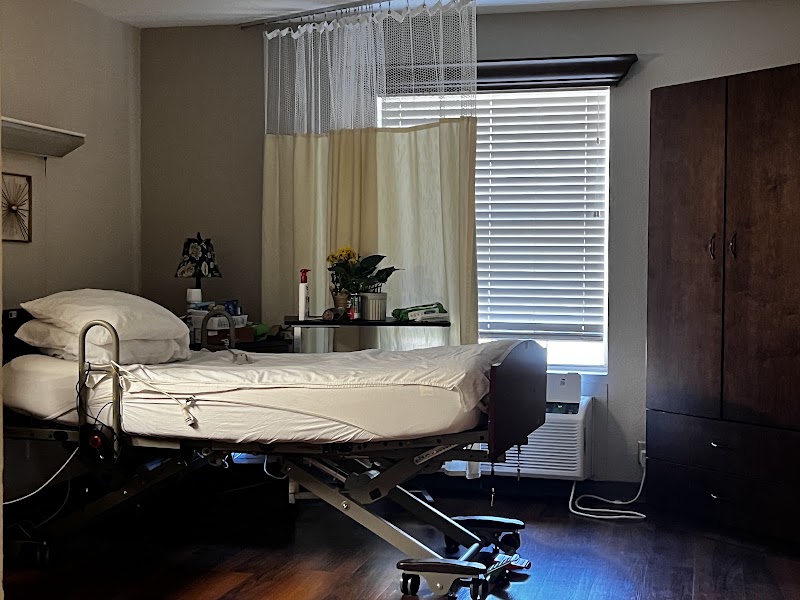
How Does Heritage Nursing & Rehabilitation Compare to Other Texas Nursing Homes?

Compared to the 100 nursing homes in Texas, HERITAGE NURSING & REHABILITATION's overall rating (3 stars) is above the state average of 2.8, staff turnover (50%) is near the state average of 46%, and health inspection rating (3 stars) is at the national benchmark.

What Should Families Ask When Visiting Heritage Nursing & Rehabilitation?

Based on this facility's data, families visiting should ask: "Can you walk me through typical staffing levels on day, evening, and night shifts?" "Can I visit during a mealtime to observe dining assistance and food quality?" "How do you handle medical emergencies, and what is your hospital transfer rate?" "Can I speak with family members of current residents about their experience?" These questions are particularly relevant given the below-average staffing rating.

Is Heritage Nursing & Rehabilitation Safe?

Based on CMS inspection data, HERITAGE NURSING & REHABILITATION has a clean safety record: no substantiated abuse findings (meaning no confirmed cases of resident harm), no Immediate Jeopardy citations (the most serious violation level indicating risk of serious injury or death), and is not on the Special Focus Facility watch list (a federal program monitoring the lowest-performing 1% of nursing homes). The facility has a 3-star overall rating and ranks #1 of 100 nursing homes in Texas. While no facility is perfect, families should still ask about staff-to-resident ratios and recent inspection results during their visit.

Do Nurses at Heritage Nursing & Rehabilitation Stick Around?

HERITAGE NURSING & REHABILITATION has a staff turnover rate of 50%, which is about average for Texas nursing homes (state average: 46%). Moderate turnover is common in nursing homes, but families should still ask about staff tenure and how the facility maintains care continuity when employees leave.

Was Heritage Nursing & Rehabilitation Ever Fined?

HERITAGE NURSING & REHABILITATION has no federal fines on record. CMS issues fines when nursing homes fail to meet care standards or don't correct problems found during inspections. The absence of fines suggests the facility has either maintained compliance or corrected any issues before penalties were assessed. This is a positive indicator, though families should still review recent inspection reports for the full picture.

Is Heritage Nursing & Rehabilitation on Any Federal Watch List?

HERITAGE NURSING & REHABILITATION is not on any federal watch list. The most significant is the Special Focus Facility (SFF) program, which identifies the bottom 1% of nursing homes nationally based on persistent, serious quality problems. Not being on this list means the facility has avoided the pattern of deficiencies that triggers enhanced federal oversight. This is a positive indicator, though families should still review the facility's inspection history directly.