HUEBNER CREEK HEALTH & REHABILITATION CENTER
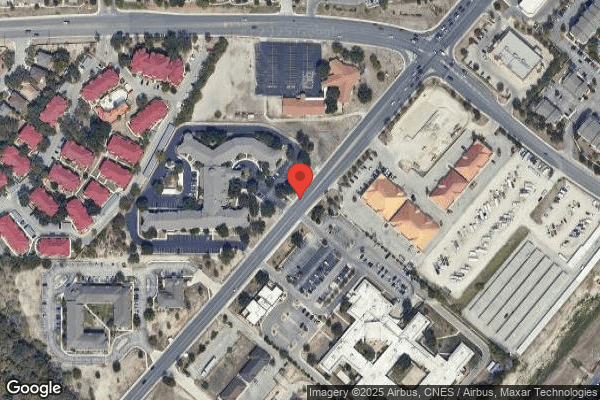

8306 HUEBNER RD, SAN ANTONIO, TX 78240 (210) 691-3111
Government - Hospital district 146 Beds CREATIVE SOLUTIONS IN HEALTHCARE Data: November 2025 1 Immediate Jeopardy citation
Trust Grade
31/100
#734 of 1168 in TX
Last Inspection: January 2025

Within standard 12-15 month inspection cycle. Federal law requires annual inspections.

Overview

Huebner Creek Health & Rehabilitation Center has received a Trust Grade of F, indicating significant concerns about the care provided, placing it among the lowest quality facilities in Texas. The center ranks #734 out of 1168 facilities statewide, meaning it is in the bottom half, and #28 out of 62 in Bexar County, indicating only a few local options are better. Unfortunately, the facility is worsening, with issues increasing from 9 in 2024 to 10 in 2025. Staffing is a notable weakness, receiving just 1 out of 5 stars, with a turnover rate of 61%, which is higher than the state average, signaling instability among caregivers. On a positive note, the nursing coverage is better than 85% of Texas facilities, which is important for monitoring residents' health. There are serious incidents reported, including a critical failure where a resident was left with access to a dangerously high amount of Tylenol, requiring emergency medical intervention for an overdose. Additionally, there were concerns about residents being denied proper communication access and living conditions, as one resident's room was found with a strong urine odor and another had a wobbly toilet that posed safety risks. These findings highlight significant issues with both resident safety and overall care quality.

Trust Score
F
31/100
In Texas
#734/1168
Bottom 38%
Safety Record
High Risk
Review needed
Inspections
Getting Worse
9 → 10 violations
Staff Stability
⚠ Watch
61% turnover. Above average. Higher turnover means staff may not know residents' routines.
Penalties
○ Average
$14,327 in fines. Higher than 71% of Texas facilities. Some compliance issues.
Skilled Nurses
○ Average
Each resident gets 32 minutes of Registered Nurse (RN) attention daily — about average for Texas. RNs are the most trained staff who monitor for health changes.
Violations
⚠ Watch
32 deficiencies on record. Higher than average. Multiple issues found across inspections.
★★☆☆☆
2.0
Overall Rating
★☆☆☆☆
1.0
Staff Levels
★★★★★
5.0
Care Quality
★★☆☆☆
2.0
Inspection Score
Stable
2024: 9 issues
2025: 10 issues

The Good

  • 5-Star Quality Measures · Strong clinical quality outcomes
  • Full Sprinkler Coverage · Fire safety systems throughout facility
  • No fines on record

Facility shows strength in quality measures, fire safety.

The Bad

2-Star Overall Rating

Below Texas average (2.8)

Below average - review inspection findings carefully

Staff Turnover: 61%

15pts above Texas avg (46%)

Frequent staff changes - ask about care continuity

Federal Fines: $14,327

Below median ($33,413)

Minor penalties assessed

Chain: CREATIVE SOLUTIONS IN HEALTHCARE

Part of a multi-facility chain

Ask about local staffing decisions and management

Staff turnover is elevated (61%)

13 points above Texas average of 48%

The Ugly 32 deficiencies on record

1 life-threatening
Jun 2025 2 deficiencies
CONCERN (D) 📢 Someone Reported This

A family member, employee, or ombudsman was alarmed enough to file a formal complaint

Potential for Harm - no one hurt, but risky conditions existed

Medical Records (Tag F0842)

Could have caused harm · This affected 1 resident

**NOTE- TERMS IN BRACKETS HAVE BEEN EDITED TO PROTECT CONFIDENTIALITY** Based on observation, interviews and record reviews, the facility failed to ensure, in accordance with accepted professional sta...

Read full inspector narrative →
**NOTE- TERMS IN BRACKETS HAVE BEEN EDITED TO PROTECT CONFIDENTIALITY** Based on observation, interviews and record reviews, the facility failed to ensure, in accordance with accepted professional standards and practices, medical records were maintained on each resident that were complete and accurately documented for 1 (Resident #1) of 3 residents reviewed for clinical records. The facility failed to ensure Resident #1's wound care treatments were accurately documented on his Wound Administration Record (WAR) for 3 (06/14/2025 ***Ev, 06/15/2025 Day, and 06/15/2025 ***Ev) of 39 treatments scheduled between the day shift of 06/01/2025 through the day shift of 06/20/2025 reviewed. This failure could place residents at risk of not receiving the care and services needed due to inaccurate or incomplete clinical records. Findings included: Record review of Resident #1's admission Record, dated 06/24/2025, reflected a [AGE] year-old male. He was admitted to the facility on [DATE]. Record review of Resident #1's Diagnosis Report, dated 06/24/2025, reflected a primary diagnosis of acute respiratory failure with hypoxia (a sudden condition when the lungs cannot deliver enough oxygen to the blood), and secondary diagnoses of quadriplegia (paralysis of all four limbs), and atelectasis (a condition where the airways or air sacs in the lungs collapse or do not fully expand). Record review of Resident #1's Modified admission MDS, dated [DATE] and signed as completed on 05/23/2025, reflected Resident #1 had a BIMS score of 15, which indicated he was cognitively intact. He had impairment on both sides of his upper and lower extremities and was dependent for all his self-care and mobility needs. He was documented as at risk for developing pressure ulcers/injuries, did not have a pressure ulcer/injury, and had moisture associated skin damage (MASD). Record review of Resident #1's Order Recap Report for Order Date: 05/19/2025- 06/30/2025, dated 06/24/2025, reflected an order Cleanse MASD to the sacral area [area at the base or last bone of the spine] w/wound [sic] cleanser or NS [Normal Saline], pat dry. Apply Triad to the area and leave open to air. every [sic] 8 hours as needed for Wound management AND every day and evening shift for wound management, dated as ordered and started 05/20/2025. Record review of Resident #1's 06/01/2025- 06/30/2025 Wound Administration Record, dated 06/24/2025, revealed the order Cleanse MASD to the sacral area w/wound [sic] cleanser or NS, pat dry. Apply Triad to the area and leave open to air. every day and evening shift for wound management. The WAR indicated the treatment was to be provided twice a day at the hours of Day and ***Ev. The WAR revealed blanks for 06/14/2025 ***Ev, 06/15/2025 Day, and 06/15/2025 ***Ev. Record review of Resident #1's 06/01/2025- 06/30/2025 Treatment Administration Record, dated 06/24/2025, revealed the order May have pressure relieving mattress every shift. The TAR indicated the treatment was to be provided twice a day at the hours of Day, ***Ev, and ***Ni. The TAR revealed LPN D checked off the order as administered on 06/14/2025 ***Ev, LPN C on 06/15/2025 Day, and RN E on 06/15/2025 ***Ev. Observation and interview with Resident #1 on 06/26/2025 at 08:40 a.m., revealed Resident #1 admitted , on 06/20/2025, to a local hospital for pneumonia (a lung infection). Due to his positioning in bed, Resident #1's sacral area was not visible. He revealed he did not know if the wound treatments were provided on the evening of 06/14/2025 (Saturday) or the day and evening of 06/15/2025 (Sunday). He stated due to his long-term nursing facility experience as a resident, he would have only considered a wound care treatment as having been provided if it was done by the wound care nurse and on a Monday, Wednesday, or Friday. He stated he did not recall if a nurse applied any type of cream or ointment to his sacral area on those dates or times. During an interview with LPN B on 06/26/2025 at 10:59 a.m., LPN B revealed she was the facility wound care nurse and she was scheduled to work Monday through Friday. She revealed she did not regularly work on the weekends. She revealed she did not know what a blank in the WAR indicated. She revealed the direct care nurses were expected to provide Resident #1's wound care when she was not in the facility, and they were able to click on the administration record to indicate that the treatment was provided. She revealed she did not believe Resident #1's wound would have been impacted if he missed three treatments because he was also receiving barrier cream applied by the CNAs after each incontinent care episode. LPN B revealed Resident #1 was admitted to the facility with the MASD and his skin did not have a significant change during his admission. During an interview with LPN C on 06/26/2025 at 12:21 p.m., LPN C revealed she worked PRN and was recently scheduled primarily Saturdays and Sundays. LPN C revealed she did recall providing Resident #1 care on 06/15/2025 and administering cream on his rash. She stated she must have just not marked in the administration record that the treatment was done. She stated the impact of not documenting the completion of the treatment would be that it would look on the record as if the treatment was not administered. She stated a treatment marked as not done might result in another nurse believing they needed to also complete the treatment. RN E was attempted to be interviewed via telephone on 06/26/2025 at 04:05 p.m. and 05:07 p.m. A voice mail was left following the first attempt with a request for a return call and contact information. A return phone call was not received. During an interview with LPN D on 06/26/2025 at 04:09 p.m., LPN D revealed she worked double weekends, day and evening shift. She revealed 06/14/2025 was her first day working as a direct care nurse on the floor at the facility. She revealed she did recall providing Resident #1's wound care on 06/14/2025. She revealed the facility's EMR was organized differently than she was used to, and she might have not noticed the wound care order was documented under Wound Administration Record tab. She revealed she probably didn't mark the order as completed. She stated a documentation missed would result in the appearance of a missed treatment. During an interview with the DON on 06/26/2025 at 04:42 p.m., the DON revealed orders scheduled as Day were to be completed between 06:00 a.m. to 02:00 p.m., and those scheduled as ***Ev were to be completed between 02:00 p.m. to 10:00 p.m. She revealed a blank in an administration record would typically indicate a missed administration of a treatment or medication. She revealed if a staff member missed documenting the administration of a treatment or medication, it would impact the monitoring of that order's administration. During an interview with the ADMIN on 06/26/2025 at 05:18 p.m., the ADMIN revealed missed documentation of a treatment or medication would not impact the resident, unless the missed documentation resulted in someone providing the treatment again due to believing the treatment was not done. She revealed the potential double administration of a medication or treatment could be harmful. A facility policy covering treatment documentation was requested. The ADMIN provided the policy, PCU018- Medication Administration and General Guidelines, dated v3-2025. Record review of a facility policy titled PCU018- Medication Administration and General Guidelines, dated v3-2025, reflected 7. Topical medications used in treatments are listed on the treatment administration record (TAR) .9 . only the licensed or legally authorized personnel who prepare a medication may administer it. This person then records the administration on the residents MAR at the time the medication is given .11. The resident's MAR is initialed by the person administering a medication .Or if utilizing an Electronic Medical Record, the initials of the nurse are electronically stamped into the record.
CONCERN (D) 📢 Someone Reported This

A family member, employee, or ombudsman was alarmed enough to file a formal complaint

Potential for Harm - no one hurt, but risky conditions existed

Infection Control (Tag F0880)

Could have caused harm · This affected 1 resident

Based on observation, interview, and record review the facility failed to maintain an infection prevention and control program to help prevent the development and transmission of communicable diseases...

Read full inspector narrative →
Based on observation, interview, and record review the facility failed to maintain an infection prevention and control program to help prevent the development and transmission of communicable diseases and infections for 1 (CNA F) of 5 staff observed for infection control. CNA F failed to perform hand hygiene while serving and assisting residents with their meal on 06/26/2025. These deficient practices placed residents at risk for cross contamination and spread of infection. Findings included: During an observation in the facility 700-hall and facility dining room on 06/26/2025 at 12:06 p.m., CNA F was observed to have left a resident room after delivering a meal tray. She took off and adjusted her eyeglasses, put her glasses back on, grabbed another resident's meal tray, and walked down the hall toward the facility dining room while holding the resident lunch tray. In-route she adjusted her eyeglasses a second time with one hand, placed the meal tray on the table in-front of a resident, sat down, picked up the resident's meal utensils, and while holding the resident's utensils proceeded to cut up the resident's food. CNA F was not observed to sanitize her hands following touching her face and personal glasses, and prior to touching the resident's utensils. Record review of facility in-service training, topic noted as Meal Tray Pass, dated 06/17/2025, revealed 23 nursing staff signatures for attendants. CNA F was not noted as an attendant. During an interview with CNA F on 06/26/2025 at 01:15 p.m., CNA F revealed she was aware she was to sanitize or wash her hands between serving and assisting each resident with their meal. She stated she did not know what the procedure was following touching her glasses. She revealed hand sanitation during meal service was important to ensure the staff were not transferring anything dirty to residents. During an interview with the DON on 06/26/2025 at 04:42 p.m., the DON revealed her expectation for staff was for staff to use hand sanitizer prior to starting tray service and in-between every resident's tray. She revealed she had provided staff training on her expectation, and it was reviewed during the 06/17/2025 staff in-service. During an interview with the ADMIN on 06/26/2025 at 05:18 p.m., the ADMIN revealed her expectation for staff was for staff to use hand sanitizer between every resident tray delivery. She revealed the failure to sanitize might result in possible contamination of the resident's meal tray. She revealed her expectation for staff was the same for if the staff member touches their face or glasses. She revealed in past staff trainings, she had mentioned her expectations for if the staff touch their hair and face. Record review of a facility policy titled Hand Hygiene, undated, reflected Hand hygiene continues to be the primary means of preventing the transmission of infection. Record review of a facility policy titled Nursing Responsibilities at Meal Service, dated 2012, did not reflect information regarding hand hygiene during meal service.
Apr 2025 1 deficiency
CONCERN (D) 📢 Someone Reported This

A family member, employee, or ombudsman was alarmed enough to file a formal complaint

Potential for Harm - no one hurt, but risky conditions existed

Infection Control (Tag F0880)

Could have caused harm · This affected 1 resident

**NOTE- TERMS IN BRACKETS HAVE BEEN EDITED TO PROTECT CONFIDENTIALITY** Based on observation, interview, and record review, the facility failed to maintain an infection prevention and control program ...

Read full inspector narrative →
**NOTE- TERMS IN BRACKETS HAVE BEEN EDITED TO PROTECT CONFIDENTIALITY** Based on observation, interview, and record review, the facility failed to maintain an infection prevention and control program designed to provide a safe, sanitary, and comfortable environment and to help prevent the development and transmission of communicable disease and infection for 1 of 4 residents (Residents #3) reviewed for infection control: The facility failed to ensure CNA A utilized hand hygiene between glove changes during peri-care on Resident #3. This failure could place residents at-risk for infection due to lack of hand hygiene and could result in infection or illness. The findings included: Record review of Resident #3's face sheet dated 4/10/2025 revealed a [AGE] year-old female admitted on [DATE] with diagnoses which included: type 2 diabetes mellitus with diabetic neuropathy, acute on chronic systolic (congestive) heart failure, and generalized muscle weakness. Record review of Resident #3's annual MDS assessment dated [DATE] revealed a BIMS score of 15 which indicated she was cognitively intact. The assessment indicated the resident had total dependence on staff for toilet hygiene. Record review of Resident #3's Care Plan last revised on 3/21/2025 revealed the resident was totally dependent on staff for all aspects of toilet use and the resident was incontinent. During an observation on 4/09/2025 at 1:13 p.m. of peri-care to Resident #3 revealed while CNA A was cleaning and changing the resident's brief which held a large volume of stool. CNA A scooped and removed two handfuls of stool with her gloved hand and placed the stool in the trash can. CNA A's gloves were contaminated with stool. She removed the gloves and put on clean gloves to finish peri-care but failed to utilize any hand hygiene between the glove change. During an interview on 4/09/2025 at 1:31 p.m., CNA A stated she knew she was supposed to use hand sanitizer or wash her hands between glove changes. She stated it had been a long day, but she knew what she was supposed to do. During an interview on 4/11/2025 at 1:14 p.m., the ADON stated she was also the facility's certified Infection Preventionist. She stated her expectation of staff was for them to use hand hygiene anytime they took their gloves off so they could start clean. She stated the staff should wash their hands or use hand sanitizer before putting on clean gloves to prevent contamination. She stated contamination could lead to infections. The ADON stated CNA A told her right away that she did not use hand hygiene during peri care with Resident #3 and they were starting an in-service. During an interview on 4/11/2025 at 1:51 p.m., the DON stated her expectation during per-care for staff to utilize hand hygiene after changing a dirty brief by taking off their gloves and performing hand hygiene, and then they should put on a new set of gloves before touching anything. She stated it was not okay to change gloves without using hand hygiene. The DON stated hand hygiene was important to prevent cross contamination. Record review of CNA A's CNA Proficiency Audit dated 10/14/2024 revealed she had been signed off as satisfactorily completing 11. peri-care of female and 36. Infection Control awareness. Record review of the facility policy titled Hand Hygiene undated, revealed Hand hygiene continues to be the primary means of preventing the transmission of infection. When to perform hand hygiene: before and after assisting a resident with toileting (hand washing with soap and water). Record review of the facility policy titled Perineal Care) last revised 5/11/2022 revealed: Doffing and discarding of gloves are required if visibly soiled. Always perform hand hygiene before and after glove use.
Jan 2025 7 deficiencies
CONCERN (D)

Potential for Harm - no one hurt, but risky conditions existed

Deficiency F0655 (Tag F0655)

Could have caused harm · This affected 1 resident

**NOTE- TERMS IN BRACKETS HAVE BEEN EDITED TO PROTECT CONFIDENTIALITY** Based on interview and record review, the facility failed to develop a baseline care plan which included the minimum healthcare ...

Read full inspector narrative →
**NOTE- TERMS IN BRACKETS HAVE BEEN EDITED TO PROTECT CONFIDENTIALITY** Based on interview and record review, the facility failed to develop a baseline care plan which included the minimum healthcare information necessary to properly care for the resident within 48 hours of the resident's admission, for 2 (Residents #12 and #29) of 8 residents reviewed:: 1) Resident #12's baseline care plan was not completed within 48 hours of admission. 2) Resident #29's baseline care plan was not completed within 48 hours of admission. This failure could place newly admitted residents at risks of not receiving the proper care and continuity of services. The findings were: 1)Record review of Resident #12's face sheet, dated 01/13/2025, revealed she was an [AGE] year-old woman admitted to the facility on [DATE] with diagnoses which included: Dementia (a general term for loss of memory, language, and other cognitive abilities); Dehydration (a dangerous loss of body fluid caused by illness, sweating or inadequate fluid intake); Chronic Respiratory Failure with Hypoxia (condition where lungs are unable to adequately exchange oxygen resulting in low level of oxygen in blood) and Generalized Anxiety Disorder (mental health disorder characterized by feelings of worry, fear and anxiety strong enough to interfere with daily life). Record review of Resident #12's 5-Day MDS assessment dated [DATE] revealed a BIMS score of 13, indicating intact cognition. Further review revealed she was assessed as using a manual wheelchair for mobility and was totally dependent in toileting hygiene and needed maximal assistance for chair/bed to chair transfers. Record review of Resident #12's Care Plans Screen in her clinical record as of 01/14/2025, revealed the initial Care Plan completed for her was the Comprehensive Care Plan initiated on 12/30/2024, 18 days after her admission on [DATE]. 2) Record review of Resident #29's face sheet, dated 01/13/2025 revealed she was a [AGE] year-old woman who was admitted on [DATE] with diagnoses which included: Dementia (a general term for loss of memory, language, and other cognitive abilities); Type 2 Diabetes (chronic condition where the body has trouble regulating blood sugar); Depression (mental health condition involving feelings of sadness, hopelessness and loss of interest), and Anxiety Disorder (mental health disorder characterized by feelings of worry, fear and anxiety strong enough to interfere with daily life. Record review of Resident #29's Quarterly MDS assessment dated [DATE] revealed a BIMS score of 5, indicating severe cognitive impairment. Further review revealed she was assessed as being dependent, where helper does all the effort in toileting hygiene and bathing and personal hygiene. Record review of Resident #29's Care Plans Screen in her clinical record as of 01/13/2025, revealed the initial Care Plan completed for Resident #29 was the Comprehensive Care Plan initiated on 12/02/2024, 11 days after her admission on [DATE]. During an interview with MDS-A on 01/14/2025 at 02:58 p.m., MDS-A acknowledged that Resident #12 and Resident #29's Baseline Care Plans were not initiated within the 48-hour timeframe required, and stated it was the admitting Nurse who was responsible for completing the Baseline Care Plans. MDS-A stated that not having the Baseline Care Plan completed within 48 hours could result in staff not having all the information they needed to provide good care to the newly admitted residents. Interview with the DON, CN and DIR on 01/14/2025 at 4:05 p.m. revealed that all Baseline Care Plans should be implemented within 48 hours of admission, to ensure staff have the information needed to provide for each resident's needs from admission. Record review of the facility policy titled, Base Line Care Plans, undated, revealed, The facility will develop and implement a baseline care plan for each resident that includes the instructions needed to provide effective and person-centered care of the resident that meet professional standards of quality care. The baseline care plan will be developed within 48 hours of a resident's admission.
CONCERN (D)

Potential for Harm - no one hurt, but risky conditions existed

Comprehensive Care Plan (Tag F0656)

Could have caused harm · This affected 1 resident

**NOTE- TERMS IN BRACKETS HAVE BEEN EDITED TO PROTECT CONFIDENTIALITY** Based on interview and record review, the facility failed to develop and implement a comprehensive person-centered care plan for...

Read full inspector narrative →
**NOTE- TERMS IN BRACKETS HAVE BEEN EDITED TO PROTECT CONFIDENTIALITY** Based on interview and record review, the facility failed to develop and implement a comprehensive person-centered care plan for each resident, consistent with resident rights, that include measurable objectives and time frames to meet residents' mental, nursing, and mental and psychosocial needs that are identified in the comprehensive assessment and to ensure that the comprehensive care plan described the services that were to be furnished to attain or maintain the resident's highest practicable physical, mental, and psychosocial well-being, including the right to refuse treatment for 1 of 8 residents (Resident #12) reviewed for care plans. Resident #12's diagnoses of Depression, Generalized Anxiety Disorder and Dementia, along with active orders for anti-anxiety and anti-psychotic medications were not addressed in her comprehensive care plan This failure could affect residents who have care areas not addressed by the care plans by not having their needs met and putting them at risk of not receiving appropriate care. The findings included: Record review of Resident #12's face sheet, dated 01/13/2025, revealed she was an [AGE] year-old woman admitted on [DATE] with diagnoses which included: Dementia (a general term for loss of memory, language, and other cognitive abilities); Generalized Anxiety Disorder (mental health disorder characterized by feelings of worry, fear and anxiety strong enough to interfere with daily life) and Depression (a mood disorder that causes a persistent feeling of sadness and loss of interest). Record review of Resident #12's 5-Day MDS assessment dated [DATE] revealed a BIMS score of 13, indicating intact cognition. Further review revealed she was assessed as feeling down, depressed, or hopeless on 7-11 days over the past 2 weeks and had diagnosis of Non-Alzheimer's Dementia, Anxiety Disorder and Depression. Record review of Resident #12's Order Summary dated 01/13/2025 revealed physician orders which included: - Alprazolam ER Oral Tablet Extended Release 24Hour 1 mg Give 1 tablet by mouth at bedtime for severe anxiety with a start date of 12/19/2024;and -Olanzapine Oral Tablet 5 mg Give 1 tablet by mouth one time a day for Anxiety with an order date of 12/13/2024; and -Rivastigmine Transdermal Patch 24 Hour 13.3 mg/24hr Apply 1 application transdermally one time a day related to depression unspecified, unspecified dementia . With a start date of 12/13/2024. Record review of Resident #12's Comprehensive Care Plan initiated 12/20/2024 revealed there were no focus areas addressing the resident's diagnoses of Generalized Anxiety Disorder, Depression or Dementia, and no focus areas indicating the resident's active orders for anti-anxiety, and anti-psychotic medications. During an interview with MDS-A on 01/14/2025 at 02:58 p.m., MDS-A stated that Resident #12's Comprehensive Care Plan did not address her diagnoses of Anxiety, Depression or Dementia, and did not address her active orders for anti-anxiety and anti-psychotic medications but should have. MDS-A acknowledged that these diagnoses and medications were ordered/documented prior to her Care Plan being completed, so should have been included on her Comprehensive Care Plan. MDS-A stated that these diagnoses and medications should automatically trigger a Care Area Assessment (CAA) area and she did not know why they were not triggered or why they were missed. MDS-A stated that she is responsible for the quarterly and annual assessments of the Comprehensive Care Plan, and noted they used to have two MDS Nurse's, but at the current time, she is the only MDS Nurse here. MDS-A further stated that it was important for these diagnoses and medications be addressed in the Care Plan so staff have the information needed to meet the resident's specific care needs Interview with the DON, CN and DIR on 01/14/2025 at 4:05 p.m. confirmed that Comprehensive Care Plans needed to address and include all of the residents' nursing, mental and psychosocial needs, and contain the interventions and services the resident would need to meet these needs. The DON noted that there has been a recent change in management staff, and this is his first week here as DON, and he would be assessing and in-servicing staff to ensure resident needs are being met to include completion of assessments and Care Plans. Record review of the facility policy titled Comprehensive Care Planning, undated, revealed Each resident will have a person-centered comprehensive care plan developed and implemented to meet his other preferences and goals, and address the resident's medical, physical, mental and psychosocial needs.
CONCERN (D)

Potential for Harm - no one hurt, but risky conditions existed

Deficiency F0657 (Tag F0657)

Could have caused harm · This affected 1 resident

**NOTE- TERMS IN BRACKETS HAVE BEEN EDITED TO PROTECT CONFIDENTIALITY** Based on observations, interviews, and record review, the facility failed to review and revise resident care plans after each as...

Read full inspector narrative →
**NOTE- TERMS IN BRACKETS HAVE BEEN EDITED TO PROTECT CONFIDENTIALITY** Based on observations, interviews, and record review, the facility failed to review and revise resident care plans after each assessment for 1 of 8 residents (Resident #39) reviewed for care plan revision/timing. The facility failed to ensure Resident #39's care plan was revised to reflect 3 falls in a 4-hour time period. This deficient practice could affect residents' care and services and may cause a delay in treatment and/or decline in health. Findings included: Record review of Resident #39's face sheet dated 01/12/2025 revealed he was an [AGE] year old man, who as admitted to the facility on [DATE], with diagnoses which included: Dementia (a general term for loss of memory, language, and other cognitive abilities); Overactive Bladder (a problem with bladder function which causes sudden needs to urinate); Hearing Loss and Unsteadiness on Feet. Record review of Resident #39's Quarterly MDS assessment dated [DATE] revealed a BIMS score of 08, indicating moderate cognitive impairment. Record review of Resident #39's Nursing Progress note dated 01/08/2025 at 12:20a.m. revealed Resident had a fall. Location: Hallway Fall information: Slid out of chair. Patient going down the 500 hall slipped out of his wheelchair and fell on his knees was helped back to his wheelchair taken to his room and helped to bed. No pain. Interventions in place prior to fall: Low bed. Interventions initiated in response to fall: frequent monitoring redirected him to bed. Record review of Resident #39's Nursing Progress note dated 01/08/2025 at 12:31a.m. revealed Resident had a fall. Location: first fall in patients room [ROOM NUMBER]nd fall in hallway. Fall information: Unwitnessed, discovered on floor, next to bed .The fall caused a skin tear to right foot. Size of the skin tear in cm: 0.5. New/bleeding . Further review of the progress notes revealed the wound was cleaned and dressed and he was sent to Methodist ER for evaluation, MD and RP notified. Record review of Resident #39's Nursing Progress Note dated 01/08/2025 at 01:07 a.m. revealed the following entry: [Resident #39] was transferred to a hospital on [DATE] 1:18 AM related to patient falls 3 times in a 4 hour period says he has pain in his left knee sustained a small cut to top of right foot the patient has not had a fall in several months it is abnormal for him to fall this frequently. Further review revealed he was discharged back to the facility by 05:30 a.m. with no new orders and the only noted injury being the skin tear on his right foot. Neuro checks were implemented. Record review of Resident #39's Care Plan initiated 05/03/2021 revealed a focus area for had an actual fall, initiated 05/03/2021 and last revised on 10/18/2022, with the most recent intervention to Refer to PT to eval initiated 07/12/2024. There were no interventions or revisions to this focus area since 07/12/2024. During an interview with MDS A on 01/14/2025 at 2:17p.m., MDS A stated she remembers discussing Resident #39's falls during the morning meeting that next day as they were unusual for him, and stated they did review his Care Plan, noting he was already receiving physical therapy, so agreed to have him evaluated by Occupational Therapy as well. She checked his record and stated that he received an Occupational Therapy evaluation on 01/09/2025. MDS A further stated that the intervention the team discussed should have been added to his Care Plan and stated that the DON is responsible for revising the Care Plan after acute changes such as falls, and that the person who was DON at the time of his falls is no long here, they now have a new DON. Interview on 01/14//2025 at 4:05p.m with the new DON, the CN and the DIR revealed that Resident #39's falls had been reviewed in the morning meeting by the team, and they noted that all 3 of the falls occurred the evening of 01/07/2025, were unusual for him, so he was sent to the Hospital for evaluation. The DIR noted there was no medical cause for the falls found, noting that his vital signs were normal and there were no orders or new findings from the ER. She stated the team agreed that since the cause of the falls was uncertain, they were going to monitor him more closely and ask for continued physical therapy, and an Occupational Therapy evaluation. The DIR admitted that these interventions were not added to Resident #39's Care Plan but should have been so that all staff members have the information needed to provide for his needs. Record review of facility policy titled Comprehensive Care Planning (undated) revealed: the comprehensive care plan will reflect interventions to enable each resident to meet his/her objectives, interventions are the specific care and services that will be implemented Further review of policy revealed: The resident's care plan will be reviewed after each Admission, Quarterly, Annual and/or Significant Change MDS assessment, and revised based on changing goals, preferences and needs of the resident and in response to current interventions.
CONCERN (D)

Potential for Harm - no one hurt, but risky conditions existed

Quality of Care (Tag F0684)

Could have caused harm · This affected 1 resident

**NOTE- TERMS IN BRACKETS HAVE BEEN EDITED TO PROTECT CONFIDENTIALITY** Based on observation, interview, and record review, the facility failed to ensure residents receive treatment and care in accord...

Read full inspector narrative →
**NOTE- TERMS IN BRACKETS HAVE BEEN EDITED TO PROTECT CONFIDENTIALITY** Based on observation, interview, and record review, the facility failed to ensure residents receive treatment and care in accordance with professional standards of practices, the comprehensive care plan, and the residents' choices and based on the comprehensive assessment of a resident for 1 of 2 residents (Resident #37) reviewed for wound care. The facility failed to ensure wound dressings and leg wrapping were applied daily for Resident #37. This failure could place residents at risk of pain and lead to systemic infections. Findings included: Record review of Resident #37's face sheet dated 01/13/2025 revealed the resident was a [AGE] year-old woman who was admitted to the facility on [DATE] with diagnoses which included: Lichen Simplex Chronicus (skin condition that causes chronic itching); Obesity (chronic complex disease defined by excessive fat deposits that can impair health); difficulty in walking and need for assistance with personal care. Review of Resident #37's quarterly MDS assessment dated [DATE], revealed Resident #37 had a BIMS score of 15, indicating intact cognition and was assessed as being dependent in toileting hygiene and needing maximal assistance for bathing and chair/bed-to-chair transfers. Further review revealed she was assessed as being occasionally incontinent of urine and frequently incontinent of bowel, with moisture associated skin damage. Record review of Resident #37's Care Plan initiated 11/23/2022 revealed focus areas which included: -The resident has MASD to Right Posterior Thigh initiated 10/09/2024 which included an intervention to Treat per providers order, notify for non-healing or worsening wounds; and -the resident has a pressure ulcer or potential for pressure ulcer development which had as an intervention to Follow facility policies/protocols for the prevention/treatment of skin breakdown. - Record review of Resident #37's Order Summary dated 01/14/2025 revealed orders for: -Cleanse Right Posterior thigh with wound cleanser; pat dry with 4x4 gauze; Apply triad cream cover with Super Absorbent Adhesive dressing daily every day shift for sound management Start date 12/10//2024; and . -Wrap bilateral lower extremities to help with lymphedema, start date 12/21/2024. Record review of Resident #37's Treatment Administration Record (TAR) for January 2025 revealed wound care and leg wrapping was left blank on the Tar on: 1/9/2025, 1/11/2025 and 1/13/2025. Observation on 01/12/2025 at 11:40 a.m. revealed Resident #37 was sitting in a wheelchair in her room, and there were no wrappings observed on her legs. Observation on 01/14/2025 at 10:35 a.m. of peri-care being done for Resident #37 by CNA B revealed Resident #37 did not have any wrappings on her legs and did not have any dressings in place on her right posterior thigh when the soiled brief was removed during the peri-care observation. Resident #37 was observed to have some reddened areas at base of bilateral buttocks/posterior thigh. During the performance of the peri-care for Resident #37, CNA B asked if she could apply barrier cream on the reddened areas, and then stated she was not aware of any orders for cream and would check first and she then proceeded with peri-care for Resident #37. Interview with LVN C on 01/14/2025 at 11:52 a.m. revealed LVN C was the Treatment Nurse and she confirmed there were orders for Resident #37 for daily wound cleansing and dressing application for the wound on her posterior thigh, and for daily leg wrapping for the lymphedema. When asked about the leg wrappings not being on Resident #37's legs during observations on 01/12/2025 and 01/14/2025, she stated that Resident #37 leg wrappings sometimes fall off. When asked about no dressing in place prior to peri-care being done this morning, LVN C stated she has not done wound care treatment yet today for Resident #37. When asked about the blanks noted on the TAR for 1/9/2025, 1/11/2025 and 1/13//2025, LVN C admitted she was not able to do the dressing change and apply the leg wrappings the day before (1/13/2025) because she ran out of time, noting she is the only treatment Nurse and has a high work load. LVN C stated that she was not on duty on 1/11/2025, so does not know why it was not done then but stated in her absence the Nurse assigned to Resident #37 is supposed to apply the leg wrappings and dressing. During an interview with the DON on 01/14/2025 at 12:42 p.m., the DON stated he had already been made aware of the situation and that the orders for wound care of Resident #37's posterior thigh and the daily leg wrappings were physician orders and needed to be performed as ordered. The DON stated he directed LVN C to notify the physician of treatment not being provided. The DON further stated that by not carrying out the wound care and leg wrapping as ordered, it could result in slow healing and infection. Record review of the facility policy titled Skin Integrity Management revised October 5, 2016, revealed wound care should be performed as ordered.
CONCERN (D)

Potential for Harm - no one hurt, but risky conditions existed

Deficiency F0761 (Tag F0761)

Could have caused harm · This affected 1 resident

**NOTE- TERMS IN BRACKETS HAVE BEEN EDITED TO PROTECT CONFIDENTIALITY** Based on observation, interview, and record review, the facility failed to store all drugs and biologicals in locked compartment...

Read full inspector narrative →
**NOTE- TERMS IN BRACKETS HAVE BEEN EDITED TO PROTECT CONFIDENTIALITY** Based on observation, interview, and record review, the facility failed to store all drugs and biologicals in locked compartments for the only medication room and one of seven nurse medication carts (Hall 500 nurse medication cart) observed for drug storage and usage, as evidenced by: 1. The facility failed to ensure the controlled medication compartment inside the refrigerator of the medication room was locked. 2. The facility failed to ensure three medications for Resident #54 were stored and locked inside the Hall 500 medication cart. These failures could place residents at risk of misappropriation of medication, ingesting medications not prescribed or drug diversion. The findings included: 1. During an observation on 01/14/25 at 10:00 AM of the medication storage room with the DON and LVN D, it was observed that the affixed bin inside the refrigerator for storing controlled substances was unlocked and contained the controlled medication lorazepam. During an interview with the DON on 01/14/25 at 10:05 AM, when asked what could happen if the controlled medication storage compartment was not locked, the DON stated drug diversion could occur and the bin should be locked. Review of the facility's policy titled Storage and Documentation of Controlled Medications dated 2003, listed all controlled medications will be stored under double lock and checked for accountability at each change of shift by the nurse going off duty and the nursing coming on duty. 2. Record review of Resident #54's face sheet dated 01/14/2025 revealed he was a [AGE] year-old man admitted to facility on 02/26/2024, with diagnoses which included: Hemiplegia and Hemiparesis following cerebral infarction affecting left non-dominate side (left side weakness/paralysis due to stroke); and Type 2 Diabetes Mellitus (long-term condition in which the body has trouble controlling blood sugar and using it for energy). Record review of Resident #54's Quarterly MDS assessment dated [DATE] revealed a BIMS score of 12, indicating moderate cognitive impairment. Further review revealed Resident #54 was assessed as being on medications which included: a hypoglycemic (medication to lower blood sugar and control diabetes). Observation and interview on 01/14/2025 at 07:18 a.m. at Nursing Station Two revealed there were medications sitting on top of an unattended Medication Cart (Hall 500) which was parked outside of the circular Nurse's station, near the entrance to Hall 500. There was a Nurse (LVN D) sitting inside the circular Nurse's station, working on paperwork. Review of the medications on top of the unattended 500 Hall Cart revealed the medications were for Resident #54 and consisted of: Tradjenta 5 mg tablets (used to treat Type 2 diabetes), Metformin 500 mg tablets (to treat Type 2 diabetes) and Potassium Chloride 10% (used to prevent or treat low blood levels of potassium) When Surveyor asked LVN D who had the 500 Hall medication cart, LVN D immediately jumped up and went to the medication cart, stated she had forgotten about the medications on top of the cart, grabbed the medications, and gave them to another nurse to place in the medication room. During an interview with LVN D on 01/14/2025 at 7:20 a.m., LVN D stated that she had been going through the medication cart earlier, removing old and discontinued medications and organizing them, and then had been distracted by something that required her attention at the Nurse's desk and she forgot to secure the medications back into the medication cart. LVN D stated that all medications needed to be locked in the medication carts at all times and stated that leaving the medications out on top of the medication cart unattended could result in theft of the medications or misappropriation of the medication by a resident. During an interview with the DON on 01/14/2025 at 12:42 p.m., the DON stated he had been made aware of the medications being left out this morning and confirmed that all medications should be secured and kept locked at all times inside the medication cart. The DON further stated that if left out unsecured and unattended, the medications could be taken by anyone, resident, staff or visitor. The DON stated that he had already started in-servicing all the Nurse's and medication aides about keeping medications locked at all times. Record review of facility policy titled Medication Carts (undated) revealed The carts are to be locked when not in use or under the direct supervision of the designated nurse
CONCERN (D)

Potential for Harm - no one hurt, but risky conditions existed

Deficiency F0940 (Tag F0940)

Could have caused harm · This affected 1 resident

Based on interview and record review the facility failed to develop, implement, and maintain an effective training program for all new and existing staff for 5 (CNA G, LVN H, LVN I, LVN J and PT) of 2...

Read full inspector narrative →
Based on interview and record review the facility failed to develop, implement, and maintain an effective training program for all new and existing staff for 5 (CNA G, LVN H, LVN I, LVN J and PT) of 25 employees reviewed for training requirements. The facility failed to ensure required trainings were provided to CNA G, LVN H, LVN I, LVN J, and PT annually. This failure could place residents at risk of being cared for by staff who have been insufficiently trained. Findings included: Record review of personnel records for CNA G revealed a hire date of 3/21/2018. Further review of a training log, provided by the HR Manager revealed no evidence of annual training for Resident Rights, Dementia, Behavioral Health, HIV, Falls, Restraints and Emergency Preparedness. Record review of personnel records for LVN H revealed a hire date of 6/21/2016. Further review of a training log, provided by the HR Manager revealed no evidence of annual training for Resident Rights, Dementia, QAPI, Ethics, Behavioral Health, HIV, Restraints, Emergency Preparedness Record review of personnel records for LVN I revealed a hire date of 6/16/2021. Further review of a training log, provided by the HR Manager revealed no evidence of annual training for Resident Rights and HIV Record review of personnel records for LVN J revealed a hire date of 8/15/2023. Further review of a training log, provided by the HR Manager revealed no evidence of annual training for Communication, Abuse, QAPI, Infection Control, Ethics, Behavioral Health, HIV, Falls, Restraints, Emergency Preparedness. Record review of personnel records for PT revealed a hire date of 4/4/2023. Further review of a training log, provided by the HR Manager revealed no evidence of annual training for Communication, Resident Rights, Dementia, QAPI, Infection Control, Ethics, Behavioral Health, HIV, Falls, Restraints, Emergency Preparedness Interview on 1/15/2025 at 2:15 pm with HR revealed the facility used an online system, RELIAS, to train staff on their initial and annual trainings. HR stated with recent change in administration, staff and new hires, she missed some of the required training for staff. Review of Nursing Policy and Procedure Manual revised 3/29/18, showed, The facility will train through orientation and on-going in-services on issues related to abuse/neglect prohibition practices regularly.
CONCERN (E) 📢 Someone Reported This

A family member, employee, or ombudsman was alarmed enough to file a formal complaint

Potential for Harm - no one hurt, but risky conditions existed

Safe Environment (Tag F0584)

Could have caused harm · This affected multiple residents

**NOTE- TERMS IN BRACKETS HAVE BEEN EDITED TO PROTECT CONFIDENTIALITY** Based on observation, interview, and record review, the facility failed to ensure the resident had a right to a safe, clean, com...

Read full inspector narrative →
**NOTE- TERMS IN BRACKETS HAVE BEEN EDITED TO PROTECT CONFIDENTIALITY** Based on observation, interview, and record review, the facility failed to ensure the resident had a right to a safe, clean, comfortable, and homelike environment for 2 (Residents #39 and #43's) of 20 resident rooms reviewed for environment, in that: 1. A strong urine odor was coming from from Resident #39's room, and there were urine and feces found on his sheets. 2. The toilet in Resident #43's restroom was loose and wobbled when Resident #43 used the toilet. These failures could result in resident injury and psychosocial harm due to diminished quality of life. The findings were: 1. Record review of Resident #39's face sheet dated 01/12/2025 revealed he was an [AGE] year old man who had an admission date of 05/01/2021, with diagnoses which included: Dementia (a general term for loss of memory, language, problem-solving and other thinking abilities); Overactive bladder (a problem with bladder function that causes the sudden need to urinate); Hearing Loss and Need for assistance with personal care. Record review of Resident #39's quarterly MDS assessment dated [DATE] revealed he had a BIMS score of 08, indicating moderate cognitive impairment. Further review revealed he was assessed as needing substantial/maximal assist with toileting hygiene and bathing self and partial/moderate assistance with chair/bed-to chair transfer and toilet transfer and was frequently incontinent of urine and bowel. Record review of Resident #39's Care Plan initiated 5/03/2021 revealed focus areas which included: - bladder incontinence - with interventions which included incontinent care at least every 2 hours; - bowel incontinence - with interventions which included peri-care after every incontinent episode; and - ADL self-care performance deficit r/t dementia - with interventions which included assist with personal hygiene as required and as needed. Observation on 01/12/2025 at 11:00a.m. revealed the presence of a strong urine smell emanating from Resident #39's room, both the bedroom area and restroom. Resident #39 was observed sleeping in bed. Resident #39's roommate was not in room, is currently admitted to hospital. Observation on 01/12/2025 at 01:18 p.m. revealed continued strong urine and feces smell emanating from Resident #39's room, and observation of a large, soiled area on his bed sheet, containing both urine and feces in the center of the bed sheet. Resident #39 was dressed, sitting up in a wheelchair next to his bed and appeared to be sleeping again, and did not arouse when spoken to. Observation on 01/12/2025 at 1:48 p.m. revealed continued strong urine and feces smell emanating from Resident #39's room, with Resident #39 still napping while sitting in his wheelchair next to the bed and a large, soiled area of urine and feces remained on the sheet. During this observation, he was observed to have an untouched meal tray on his bedside table on the other side of the bed from where he was sitting. During an interview with LVN F on 01/12/2025 at 1:50 p.m., LVN F confirmed the presence of a strong urine and feces smell and the presence of urine and feces on Resident #39's bedsheets. LVN F stated that he was not aware of the soiled sheets and last saw Resident #39 this morning about 8:30 a.m. and no soiled sheets were noted at that time. LVN F stated that there was only one CNA working this morning, and that is most likely why the sheets had not been cleaned earlier. When asked how Resident #39 had gotten dressed, LVN F stated that Resident #39 can walk about his room and into bathroom by holding onto the wall and prefers to dress himself. When asked if Resident #39 would have cleaned himself before getting dressed in his clothes, LVN F stated, probably not. LVN F stated Resident #39 always smelled of urine. Observation and interview on 01/12/2025 at 01:59 p.m. with CNA E in Resident #39's room revealed the soiled bedsheets had been removed from the bed, but a strong urine odor remained. CNA E confirmed there was a strong urine odor and stated she had last checked on Resident #39 this morning about 08:30a.m. and he was sleeping in bed at that time. CNA E stated that Resident #39 can walk to the bathroom on his own and will dress himself without asking for help. When asked if he could and would clean himself before getting dressed, CNA E answered no. CNA E further stated that she was the only CNA assigned to work during the 6a-2p shift this morning for the whole facility, and that is why she never had time to come back and check on Resident #39 later in the day, as she was answering call lights and assisting residents in other areas of the facility. Record review of facility staff schedule sign-in sheet dated 01/12/2025 revealed for shift 6a-2p, there was one LVN assigned to hall 500, one LVN assigned to halls 800 and 700 and just one CNA (CNA E). Observation and interview with the Maintenance Supervisor (MNT-SV) on 01/13/2025 at 01:20 p.m. in Resident #39's room revealed the restroom, and bedsheets were clean, but a strong urine smell remained evident, and was strongest coming from the toilet area. The MNT-SV acknowledged the odor, and stated he believed the odor was due to urine having been absorbed through the vinyl flooring. The MNT-SV stated that about 2 weeks ago, he had his assistant use a special enzymatic cleaner, let it soak on the floor and thoroughly scrub the floor in Resident #39's restroom, which reduced the smell but did not eliminate it. The MNT-SV stated that Resident #39 had flagged him down in the past when he needed something fixed, such as his TV, but has never complained to him about the smell in the bathroom. Observation and interview with the Housekeeping Supervisor (HSK-SV) in Resident #39's room, revealed the HSK-SV and 2 other housekeepers were cleaning the floors, fixtures and flooring in Resident #39's restroom. HSK-SV stated she was the Housekeeping Supervisor at a nearby sister facility and had been asked to come help clean Resident #39's room and remove the smell. HSK- SV explained that they were cleaning the walls and door frames with an enzymatic cleaner thoroughly, pointing out yellow/brown stains on the doorframe, and stated Resident #39 walks by holding onto the wall, and if his hands were not clean, the urine and feces were spread onto the wall. 2. Record review of Resident #43's face sheet revealed she was a [AGE] year-old woman, admitted on [DATE] with diagnoses which included: Cerebral Infarction (stroke); difficulty in walking and legal blindness (term used to describe when a person's vision is so impaired it is considered legally disabling). Record review of Resident #43's Quarterly MDS assessment dated [DATE] revealed a BIMS score of 15, indicating intact cognition. Further review revealed she was assessed as needing use of walker and wheelchair for mobility and needing partial/moderate assistance for toilet transfers. Record review of Resident #43's Care Plan Initiated 07/17/2024 revealed focus areas which included: hemiplegia/hemiparesis r/t CVA (weakness/paralysis of one side of body related to stroke) with intervention to assist with ADL's mobility as needed; and risk for falls r/t impaired mobility with interventions which included keep furniture in locked position. During an interview with Resident #43 on 01/12//2025 at 11:10 a.m., Resident #43 stated that she was concerned about the toilet in her restroom, noting it was always running, had overflowed into the hallway once and that it wobbled when she sat on it and especially when she got up off the toilet. She stated there were handrails on either side of the toilet she could hold onto, but the wobbly toilet still scared her a little. During further interview, Resident #43 stated that the toilet had been loose since her admission and she had told several staff, but nothing ever got fixed, so she stopped asking. Observation of the toilet in Resident #43's restroom on 01/12/2025 at 11:14 a.m. revealed the toilet was running, and was loose at the bottom, and would wobble back and forth when pushed slightly from the side. There did not appear to be any bolts at base of toilet. During an interview on 01/13/2025 at 01:30 p.m. with the MNT-SV and observation of the toilet in Resident #43's restroom, the MNT-SV confirmed that when the toilet was pushed slightly it wobbled back and forth lifting off the floor around the edges and stated he was not aware of it being loose and had not received any work orders regarding the loose toilet. The MNT-SV stated that Resident #43 is usually very good about letting him know if anything was broken and needed to be fixed, noting that about a month ago, Resident #43 had complained of the toilet overflowing into the hallways and he had come and fixed it, finding it stuffed with wipes. The MNT-SV stated he had educated Resident #43 about not placing wipes in the toilet, and there have been no further problems with clogged toilet, He stated he had not observed the toilet to be loose at that time and would have fixed it then if he had. Further interview revealed the MNT-SV stated that work orders should be sent to him via Maintenance Care by the staff if they become aware of something needing to be fixed but stated that most of his work requests come directly from the residents themselves as he walks the halls and talks with them. He stated that if staff do not put in work orders when something is found to need fixing, it increases the safety risk to residents and can result in simple maintenance needs becoming larger problems. Interview on 01/15/2025 at 02:53 p.m. with the ADO and the ADM-2 revealed there was now new management staff in place, and that there was a process in place for maintenance requests, which was a software with a QR code at every Nurse's station where staff can put in work requests, and the ADO stated that when Resident #43 complained of the wobbly toilet, staff should have placed the work request to get it fixed using that system. In addition, the ADO noted that they had a program called Champions Rounds, a process where management staff were assigned different rooms/residents to monitor and check on every day to assess any needs, which did not appear to have been done, but now with the new management staff in place, the process would be implemented to ensure resident's environment are clean and safe and their needs are being met. Record review of facility policy titled Resident Rights (undated), revealed The resident has a right to a safe, clean, comfortable and homelike environment, including but not limited to receiving treatment and supports for daily living safety. The facility must provide - 2. Housekeeping and maintenance services necessary to maintain a sanitary, orderly, and comfortable interior . Record review of facility policy titled Linens (undated) revealed 1. Resident linens must be clean and dry and changed regularly and 7. Collect and remove soiled linens immediately. Soiled linens will be transported to the laundry processing area in a covered laundry hamper. Record review of facility policy titled Resident Rooms - Daily, part of the Housekeeping Policy and Procedure 2022, revealed It is the policy of this facility to maintain cleanliness in an orderly manner. The goal is to keep facilities clean and odor free, while providing the residents, their families and staff with the safest environment possible and projecting a positive image.
Dec 2024 4 deficiencies 1 IJ
CRITICAL (J) 📢 Someone Reported This

A family member, employee, or ombudsman was alarmed enough to file a formal complaint

Immediate Jeopardy (IJ) - the most serious Medicare violation

Accident Prevention (Tag F0689)

Someone could have died · This affected 1 resident

**NOTE- TERMS IN BRACKETS HAVE BEEN EDITED TO PROTECT CONFIDENTIALITY** Based on observation, interview, and record review, the facility failed to ensure the resident environment remained as free of a...

Read full inspector narrative →
**NOTE- TERMS IN BRACKETS HAVE BEEN EDITED TO PROTECT CONFIDENTIALITY** Based on observation, interview, and record review, the facility failed to ensure the resident environment remained as free of accident hazards as possible and each resident received adequate supervision to prevent accidents for 1 of 10 residents (Resident #1) reviewed for medications at the bedside. The facility failed to monitor residents for medications at the bedside when on 02/24/2024 Resident #1 was assessed by RN A as lethargic and difficult to arouse with a Tylenol bottle at the bedside. RN A called 911 and EMS transported Resident #1 to the emergency room for evaluation and treatment. Resident #1 was assessed at with a 12,000mg Tylenol overdose (the harm threshold is 4,000mg over 24-hours) and was treated with an antidote, stabilized, and discharged back to the facility 02/26/2024 without assessing other residents for safety nor educating staff with an in-service for the incident. An IJ was identified on 12/12/2024. The IJ template was provided to the facility on [DATE] at 03:50 PM. While the IJ was removed on 12/13/2024, the facility remained out of compliance at a scope of isolated and a severity level of no actual harm with potential for more than minimal harm that is not immediate jeopardy due to the facility's need to evaluate the effectiveness of the corrective systems that were put into place. This failure could place residents who needed safety monitoring for medications at the bedside, at risk for harm by neglect to include serious injury, or death. The findings included: A record review of Resident #1's admission record dated 12/11/2024 revealed an admission date of 06/27/2023 with diagnoses which included Alzheimer's disease (cause of dementia, causes brain cells to die over time and the brain to shrink), depression, and encephalopathy (A medical term used to describe a disease that affects brain structure or function. It causes altered mental state and confusion). A record review of Resident #1's Quarterly MDS assessment dated [DATE], revealed Resident #1 was a [AGE] year-old male admitted for long term care and assessed with a BIMS score of 13 out of a possible 15 which indicated no cognitive impairment. further review revealed Resident #1 was assessed as independent - Resident completes the activity by themselves with no assistance from a helper. For the daily task of eating, The ability to use suitable utensils to bring food and / or liquid to the mouth and swallow food and / or liquid once the meal is placed before the resident. A record review of Resident #1's physician orders dated 02/24/2024 revealed the physician prescribed Tylenol 325mg, give 2 tablets by mouth every 6 hours as needed for pain DNE (do not exceed) 3,000mg of APAP (Tylenol) per day. A record review of Resident #1's care plan dated 12/11/2024 revealed Resident #1 had, Suicidal ideation. Returned from hospital on [DATE] after taking OTC Tylenol provided by family. Resident stated he swallowed the entire contents of the bottle. Sent to ER. staff to monitor Resident Q15 minutes. A record review of Resident #1's hospital stay summary dated 02/26/2024 revealed, . (Resident Representative and Family) present at bedside. Note that they had spent the day shopping and spending time with patient. Imagine that he felt more depressed after they brought him back to nursing home (first time they had visited in 3 weeks). Plan: as per initial consult note dated 02/25/2024. Agree with continuation of 1:1 given severity of recent suicide attempt. (Resident #1) is a [AGE] year-old male with PMH HTN, HLD, CAD with h/o stent placement x2, seizure disorder with prior unspecified brain surgery x 3. Hx of prior stroke of L posterior occipital, parietal, and temporal lobe, dementia / Alzheimer's disease, and severely hard of hearing who presented to the ED via EMS on 02/24/2024 for a chief complaint of acute acetaminophen (Tylenol) toxic ingestion. patient is currently a Resident of (the facility) since October 2023 after an admission for heat stroke. Per (Resident representative) patient is unable to take care of himself. (Resident representative) visits (Resident #1) as often including taking him out of the facility for meals and shopping as often as he can but reports that the patient frequently is unable to remember that he was visited. Last visit was 2 days ago (02/22/2024) and patient stated to (Resident representative) that he was lonely. Somehow the patient obtained a bottle of acetaminophen (Tylenol) and ingested 24 capsules of 500mg (12,000 mg) at approximately 1300 (1 PM) on 02/24/2024 before staff were able to halt the process. A record review of Resident #1's nursing progress notes revealed, Type: Nursing Progress Note Effective Date: 2/24/2024 19:10:00 (07:10 PM) Department: Nursing Position: Registered Nurse Created By: (RN A) Created Date: 2/24/2024 19:10:24 Note Text: on 2/24/2024 @ 1600 (4 PM) Resident (#1) noted, lethargic and difficult to arouse. Is A/O X 1 to self only, noted empty bottle of Tylenol extra strength on nightstand. Notified MD, DON, and Administrator, call made to (Resident representative). New orders: Transfer to ER for Eval & Tx. Emergency response made to 911, arrived @ 1700 (5 PM). Resident left facility 1708 (05:08 PM). During an interview on 12/11/2024 at 10:59 AM the previous DON stated she was the DON for the facility in February 2024. The DON stated she remembered Resident #1 as a friendly outgoing fellow who routinely was out of bed and participating in meals and activities. The DON stated she recalled Resident #1 was assessed with a Tylenol overdose incident sometime in late February 2024. The previous DON stated she recalled Resident #1 was treated at the hospital and returned to the facility. The previous DON stated although she did not have direct recollection from February 2024, she and the administrator would review all hospital transfers and admissions and was confident she and the previous administrator had reviewed Resident #1's hospital discharge and admission. the previous DON stated she did not recall if she had provided an in-service for the staff specific to Resident #1's suicide attempt. The previous DON stated she could not recall if the facility had assessed peer residents for safety to include reviews for medications at the bedsides. During an interview on 12/11/2024 at 02:56 PM RN A stated he was the RN for Resident #1 from December 2023 to April 2024 and usually worked Monday through Friday from 06:00 AM to 02:00 PM and Resident #1 was usually in a good mood and up out of bed and had meals in the dining room. RN A stated on 02/24/2024 Resident #1 stayed in bed and refused breakfast and lunch as well as his medications. RN A stated he had documented at 4pm that around 3pm resident was found lethargic and hard to arouse, I found a bottle of empty Tylenol and called 911, I continued to provide support with positioning and assisted Resident #1 with 911. I documented and reported to (the MD), and the (Residents' Representative). RN A stated he did not assess peer residents for safety with a sweep for medications at the bedside, nor did he witness other staff assess other residents for safety. RN A stated he recalled the DON was notified of Resident #1's suicide attempt and 911 transfer to the hospital. RN A stated he had no knowledge of how Resident #1 came to possess the Tylenol bottle. RN A stated he had not received an in-service specific to medications at the bedside after resident #1's suicide attempt. During a joint interview on 12/10/2024 at 4:00 PM the Administrator and the DON stated they were not the leadership for the facility in February 2024. The Administrator and the DON stated they began their service in April 2024 . The Administrator and the DON stated they had minimal knowledge of Resident #1's suicide attempt on 02/24/2024 and were not aware if the previous Administrator nor the previous DON had provided an in-service to the staff specific to medications at the bedside and or provided a safety assessment of peer residents for medications at the bedside. The Administrator and the DON stated after Resident #1's suicide attempt the staff should have been in-serviced and peer residents should have been assessed for safety. The Administrator and the DON stated they would research the incident and provide documentation to support the facility's actions surrounding Resident #1's suicide attempt. On 12/11/2024 the administrator and the DON provided in-service records for the date of 02/27/2024 titled Documentation for Change of Condition, Completing Incident Report. No further documentation was provided for evidence of Resident assessments for safety regarding medications at the bedside nor in-services for medications at the bedside. A record review of the facility's in-service was titled, Documentation for Change of Condition, Completing Incident Report dated 02/27/2024 revealed the previous DON provided the in-service to 26 employees. A record review of the facility's undated policy titled Nursing Home List of Items Not Allowed in Residents Room revealed, Medications: (includes all Prescription and Over-the-Counter drugs, except emergency items like nitroglycerin, which must be ordered by the doctor through the Nursing Home.) and in certain situations where the resident is allowed to self-administer as per care plan. NOTE: A good rule of thumb has been established by the Food and Drug Administration whereby any products labeled Keep out of reach of children or carries any type of caution label is merchandise that contains ingredients which are harmful if taken without supervision or used in a way not designated. Many of our residents, due to mental impairments or poor eyesight might inadvertently drink or eat some of the above items causing irreparable harm. A record review of the Tylenol manufactures website TYLENOL® Easy to Swallow Caplets for Fast Pain Relief | TYLENOL® accessed 12/16/2024 revealed, Warnings: Liver warning: This product contains acetaminophen. Severe liver damage may occur if you take more than 4,000 mg of acetaminophen in 24 hours. Keep out of reach of children. Overdose warning: In case of overdose, get medical help or contact a Poison Control Center right away. (1-800-222-1222) Quick medical attention is critical for adults as well as for children even if you do not notice any signs or symptoms. The Administrator was notified on 12/12/24 at 03:50 PM, an IJ situation had been identified due to the above failures. The IJ template was given to the administrator on 12/12/24 at 03:50, PM and a POR was requested. The POR was accepted on 12/12/2024 at 08:01 PM and indicated the following: (the Facility) 12/12/2024 Plan of Removal Problem: IJ F689 Free of Accidents/Hazards/Supervision/Devices called on 12/12/24. Interventions: Facility staff searched through all items in residents' rooms to check for any items not allowed on 12/12/2024. All items identified as not allowed in residents rooms were removed from their rooms on 12/12/2024. On 12/12/2024, in-service initiated for all staff if you see medications at bedside or any other items not allowed in resident rooms, they should notify charge nurse, DON, and Administrator. Administrative staff will keep a log of any medications found at bedside. This log will include the residents name, date, what item was found, and action taken and that resident will be assessed to ensure they are free from harm by the item not allowed in the room. RP will be contacted to discuss facility policy for Items not Allowed in Rooms. On 12/12/2024, the Regional Compliance Nurse In-serviced the DON and administrator on resident overdoses. If a resident overdoses they should search that residents to look for additional items that residents can harm themselves with and remove any items identified. On 12/12/2024, Regional Compliance Nurse in-serviced DON and Administrator to search all other residents' rooms to ensure they don't have any items not allowed in their room / items that they harm themselves with when an incident of an overdose occurs. On 12/12/2024, Regional Compliance Nurse in-serviced DON and Administrator to add incidents that are accidents, hazards, and/or require supervision occur in the facility that they should add to the monthly QAPI Committee meeting for review. On 12/12/2024 nursing staff in-serviced to ask residents that return from being out on pass if they returned with any items that are not allowed in resident's rooms and if they do identify, they will not let resident take to his/her room and notify the DON and/or administrator. Resident out on pass log will be reviewed 5 x a week by DON and/or designee, and DON / designee will confirm the confirm with the nurse that the residents were screen when they returned from out on pass. On 12/12/2024, Facility to provide education/notification in form of an email to all RPs of residents with a list of the items not allowed in residents rooms. E-mails will be sent with a read receipt to ensure they have been reviewed. An audit list will be kept to verify that all current residents RP's read the email. A physical copy of the items not allowed in residents rooms will be mailed out to resident RP's on 12/13/2024. For all future residents, list will be provided upon admission as part of the admission packet. On 12/12/2024, education/in-service to be provided to all staff to reiterate the policy of items not allowed in residents rooms, by phone, COVR (scheduling portal/message board) and in person. Staff will not be able to return to work until education has been provided. In-service will be completed by 12/12/24. Signature or acknowledgement of this in-service will be confirmed by an audit list. On 12/12/2024 Facility will provide a copy of list of items not allowed to residents and keep a signed copy. Resident that are alert but unable to physically sign will be confirmed by two witnesses. On 12/12/2024, a sign was placed at the front door of the facility with the items not allowed in residents rooms. On 12/12/2024 all residents assessed to ensure that no residents voiced any suicidal Ideations On 12/12/2024 MD was notified of IJ F689 Free of Accidents/Hazards/Supervision/Devices On 12/12/2024 Facility to provide care for affected resident as per plan of care. Monitoring: Facility staff will conduct champion rounds 5x a week indefinitely in every resident room and look for items not allowed in residents. They will remove items not allowed if they identify any. Monitoring will start 12/12/2024. Regional Administrator and Regional Compliance Nurse will monitor during weekly visits and ask DON and Administrator what items are not allowed in residents room and what to do if any are identified. Monitoring will start 12/12/2024 and will continue x 8 weeks. Administrator / DON will monitor 5 residents' rooms daily, 5 days a week to ensure residents do not have any items not allowed in room. Regional Administrator and Regional Compliance Nurse will check 5 rooms each once a week to ensure that staff are conducting their champion rounds 5 x week and look for items not allowed in residents rooms. Monitoring will start 12/12/2024 and will continue x 8 weeks. Plan of Removal Verification Facility staff searched through all items in residents' rooms to check for any items not allowed on 12/12/2024. All items identified as not allowed in residents rooms were removed from their rooms on 12/12/2024. o During facility observation on 12/13/24 at 11:00 a.m., observed multiple bagged items in Administrator's office that staff identified as unauthorized items, removed from room, and bagged individually. Interview with the Administrator on 12/13/24 at 1:24 p.m. revealed that responsible parties have already been contacted, and they were picking up unauthorized items. o During facility observation on 12/13/24 at 12:15 p.m., observed Hospitality Aide / Receptionist B greeted a visitor arriving at the facility and provided him with the list of unauthorized items. o During facility observation on 12/13/2024 at 12:45 p.m. Hospitality Aide B monitored a bag a visitor entered the facility with and told the visitor to ensure the resident was safe to have the shakes in the bag. o During facility observation on 12/13/24 at 1:28 p.m., surveyor observed Hospitality aide / Receptionist B on phone with family member explaining the list of unauthorized items. On 12/12/2024, in-service initiated for all staff if you see medications at bedside or any other items not allowed in resident rooms, they should notify charge nurse, DON, and Administrator. Administrative staff will keep a log of any medications found at bedside. This log will include the residents name, date, what item was found, and action taken and that resident will be assessed to ensure they are free from harm by the item not allowed in the room. RP will be contacted to discuss facility policy for Items not Allowed in Rooms. During facility observation of in-service log on 12/13/24 at 1:38 p.m., observed in-service log (on-going) for all staff. In-service reflected medications at bedside or any other items not allowed in resident rooms, notification of charge nurse, DON, and Administrator. On 12/12/2024, the Regional Compliance Nurse In-serviced the DON and administrator on resident overdoses. If a resident overdoses they should search that residents to look for additional items that residents can harm themselves with and remove any items identified. o During facility observation on 12/13/24 at 1:38 p.m., observed in-service given by Regional Compliance Nurse completed 12/12/24 to DON & Administrator. In-service reflected resident overdoses, searching residents' rooms and removing items. In-service was signed by DON and Administrator. On 12/12/2024, Regional Compliance Nurse in-serviced DON and Administrator to search all other residents' rooms to ensure they don't have any items not allowed in their room / items that they harm themselves with when an incident of an overdose occurs. o During facility observation on 12/13/24 at 11:00 a.m., observed multiple bagged items in Administrator's office that staff identified as unauthorized items, removed from room, and bagged individually. Interview with the Administrator on 12/13/24 at 1:24 p.m. revealed that responsible parties have already been contacted, and they were picking up unauthorized items. o Interview with ADON C [shift M-F, days, on-call] on 12/13/24 at 11:11 a.m. revealed she received an in- service from the DON, and she has also been providing the in-service to staff members regarding personal items that residents may not have in their rooms. ADON C stated she has been handing out the lists to staff members and explaining purpose of list and items on the list. She stated she assisted in room check and removing unauthorized items from the rooms, explaining to residents, and calling family members. o Interview with ADON D [M-F, on-call] on 12/13/24 at 12:12 p.m. revealed that she received in-service from DON and has also been giving in-service to facility staff regarding items not allowed in residents' rooms. She stated she assisted in identifying and removing unauthorized items from residents' rooms and educating residents and family members. She stated she will continue to educate staff, residents, and visitors about unauthorized items. She stated she was aware at times that residents could request self-administer medications and if this occurred, she would review with DON to complete self-administration assessments as needed. On 12/12/2024, Regional Compliance Nurse in-serviced DON and Administrator to add incidents that were accidents, hazards, and/or require supervision occur in the facility that they should add to the monthly QAPI Committee meeting for review. o Record review of the POR binder revealed that Regional Compliance Nurse had completed the in-service on 12/12/24 with DON and Administrator to add incidents that are accidents, hazards, and/or require supervision to the QAPI Committee meeting for review. On 12/12/2024 nursing staff in-serviced to ask residents that return from being out on pass if they returned with any items that were not allowed in resident's rooms and if they do identify, they will not let resident take to his/her room and notify the DON and/or administrator. Resident out on pass log will be reviewed 5 x a week by DON and/or designee, and DON / designee will confirm the confirm with the nurse that the residents were screen when they returned from out on pass. o A record review of the facility's Out on Pass Log revealed residents will be screened upon return to the facility. On 12/12/2024, Facility to provide education/notification in form of an email to all RP's of residents with a list of the items not allowed in residents rooms. E-mails will be sent with a read receipt to ensure they have been reviewed. An audit list will be kept to verify that all current residents RP's read the email. A physical copy of the items not allowed in residents rooms will be mailed out to resident RP's on 12/13/2024. For all future residents, list will be provided upon admission as part of the admission packet. o Interview with Admissions Coordinator/Marketing G [1st shift, M-F and varying weekends] on 12/13/24 at 8:14 a.m. revealed that he received in-service from Administrator regarding items residents may not have in their rooms. He stated he has a copy of the list and has incorporated the list with the admission Packet to provide to new admissions/family members. He stated since his office in in the front of the facility, he will watch out for residents and visitors coming in with shopping bags and remind them of the unauthorized list of items. o Interview with BOM on 12/13/24 at 2:45 p.m. revealed that BOM sent email notification to family members who have provided email on 12/12/24 at 5:35 p.m. Email included delivered and read notification. o Interview with BOM on 12/13/24 at 2:45 p.m. revealed the responsible parties who have not provided an email were mailed a letter explaining the List of Items not allowed in facility. BOM stated letters were mailed on 12/13/24. On 12/12/2024, education/in-service to be provided to all staff to reiterate the policy of items not allowed in residents rooms, by phone, COVR (scheduling portal/message board) and in person. Staff will not be able to return to work until education has been provided. In-service will be completed by 12/12/24. Signature or acknowledgement of this in-service will be confirmed by an audit list. o Total staff 117. Review of POR binder revealed 114 out of 117 staff members have been contacted. Nurses: 11 out of 27 nurses interviewed with sample from all three shifts. CNA/MA 7 out of 25 nurse aides interviewed. 16 non-nursing / non-direct care staff interview. o Interview with MA E on 12/13/24 at 8:10 a.m. [1st shift, M-F] revealed that she received in-service from DON regarding items that residents may not have in their rooms. She stated she was provided a list of items to follow. She stated if she found unauthorized items, she would notify the charge nurse or her DON to let them know. o Interview with CNA F on 12/13/24 at 8:12 a.m. [1st shift, M-F] revealed that she received in-service from DON regarding items that residents may not have in their rooms. She stated she was provided a list of items to follow. She stated if she found unauthorized items, she would notify the charge nurse or her DON to let them know. o Interview with Admissions Coordinator/Marketing G [1st shift, M-F and varying weekends] on 12/13/24 at 8:14 a.m. revealed that he received in-service from Administrator regarding items residents may not have in their rooms. He stated he has a copy of the list and has incorporated the list with the admission Packet to provide to new admissions/family members. He stated since his office in in the front of the facility, he will watch out for residents and visitors coming in with shopping bags and remind them of the unauthorized list of items. o Interview with LVN H [PRN Nurse, varying shifts] on 12/13/24 at 8:18 a.m. revealed that she received in- service from DON regarding items that residents may not have in their rooms. She stated she was provided a list of items to follow. She stated if she found unauthorized items, she would inform residents and remove them from the room for safekeeping and notify family members to pick them up. She stated she would notify DON of unauthorized items. o Interview with Housekeeper I on 12/13/24 [1st shift, rotating schedule] at 8:32 a.m. revealed that she received in-service from DON regarding items that residents may not have in their rooms. She stated she was provided a list of items to follow and look for. She stated she would notify her supervisor or the Administrator if she identified unauthorized items. o Interview with Hospitality Aide/Receptionist B [1st Shift M-F] on 12/13/24 at 10:15 a.m. revealed that she received in-service from Administrator about items residents may not have in their rooms. She stated she was provided a copy for herself and has copies available at the receptionist deck to hand out to residents and/or family members. She stated she would watch for residents returning from pass or visitors entering the facility with items and provide them with a list of authorized items and remind them that they need to follow the posted guidelines. She stated she was comfortable asking residents and visitors to follow guidelines. o Interview with RN J, Charge Nurse [1st Shift M-F] on 12/13/24 at 10:40 a.m. revealed that she received in-service on items residents may not have in their rooms and has been provided a list of items to keep for reference. She stated that if she identifies unauthorized items or is told by her aides or other staff members about unauthorized items, she will speak to resident and/or R/P and remove them from the room. She would educate residents and/or R/P and notify DON or Administrator at time of occurrence. o Interview with PT K [1st Shift M-F] on 12/13/24 at 10:48 a.m. revealed that he has received in-service from DON regarding items residents may not have in their rooms. He stated he was given a personal copy of the list. He stated that if he noticed any items in the rooms, he would remove them and notify the DON or Administrator as well as let the resident know why they were not safe to keep in the room. o Interview with COTA L [1st shift M-F] on 12/13/24 at 11:00 a.m. revealed that she received in-service regarding unauthorized items that residents may not have in their rooms. She stated she had a copy of the list of items and if she notices items, she will let the resident know why they cannot have it/them and remove the item(s). She stated she would let the charge nurse know. o Interview with PT M [1st shift M-F] on 12/13/24 at 11:03 a.m. revealed that she received in-service from DON on items not allowed to be in resident's rooms. She stated she would remove unauthorized items and let the resident know why she had to take the items. She stated she would notify the Charge Nurse or DON of found items and give the item to them for safekeeping. o Interview with the SW [1st shift M-F] on 12/13/24 at 11:05 a.m. revealed that she received in-service from DON regarding personal items that residents may not keep in their rooms. She stated she will remove unauthorized items from the room, educate residents and/or family members/visitors as well as keep an eye out for people coming in facility with shopping bags. She stated she will continue to educate. o Interview with the BOM [1st shift M-F] on 12/13/24 at 11:07 a.m. revealed that she received in-service from DON on items that residents may not keep in their rooms. She stated she had a list of the items and if she were to see residents with unauthorized items, she would notify the DON or Administrator. o Interview with LVN/MDS N Coordinator [1st shift M-F] on 12/13/24 at 11:09 a.m. revealed that she received in-service from DON on unauthorized items. She stated she had the list of items and was aware of what to look for in the residents' rooms. S
CONCERN (D) 📢 Someone Reported This

A family member, employee, or ombudsman was alarmed enough to file a formal complaint

Potential for Harm - no one hurt, but risky conditions existed

Report Alleged Abuse (Tag F0609)

Could have caused harm · This affected 1 resident

**NOTE- TERMS IN BRACKETS HAVE BEEN EDITED TO PROTECT CONFIDENTIALITY** Based on interviews and record reviews the facility failed to ensure that all alleged violations involving abuse, neglect, explo...

Read full inspector narrative →
**NOTE- TERMS IN BRACKETS HAVE BEEN EDITED TO PROTECT CONFIDENTIALITY** Based on interviews and record reviews the facility failed to ensure that all alleged violations involving abuse, neglect, exploitation or mistreatment, including injuries of unknown source and misappropriation of resident property, were reported immediately, but not later than 2 hours after the allegation is made, if the events that cause the allegation involve abuse or result in serious bodily injury, or not later than 24 hours if the events that cause the allegation do not involve abuse and do not result in serious bodily injury, to the administrator of the facility and to other officials (including to the State Survey Agency and adult protective services where state law provides for jurisdiction in long-term care facilities) in accordance with State law through established procedures, for 1 of 8 residents (Residents #1) reviewed for reporting allegations of abuse, neglect, and exploitation. The facility failed to report an allegation of neglect to the state agency when on 02/24/2024 Resident #1 was assessed by RN A as lethargic and difficult to arouse with a Tylenol bottle at the bedside. RN A called 911 and EMS transported Resident #1 to the emergency room for evaluation and treatment. Resident #1 was assessed with a 12,000mg Tylenol overdose (the harm threshold is 4,000mg over 24-hours) and was treated with an antidote, stabilized, and discharged back to the facility 02/26/2024. This failure could place residents at risk for not having their allegations of abuse neglect and or exploitation reported. The findings included: A record review of Resident #1's admission record dated 12/11/2024 revealed an admission date of 06/27/2023 with diagnoses which included Alzheimer's disease (cause of dementia, causes brain cells to die over time and the brain to shrink), depression, and encephalopathy (A medical term used to describe a disease that affects brain structure or function. It causes altered mental state and confusion). A record review of Resident #1's Quarterly MDS assessment dated [DATE], revealed Resident #1 was a [AGE] year-old male admitted for long term care and assessed with a BIMS score of 13 out of a possible 15 which indicated no cognitive impairment. Further review revealed Resident #1 was assessed as independent - Resident completes the activity by themselves with no assistance from a helper. For the daily task of eating, The ability to use suitable utensils to bring food and / or liquid to the mouth and swallow food and / or liquid once the meal is placed before the Resident. A record review of Resident #1's physician orders dated 02/24/2024 revealed the physician prescribed Tylenol 325mg, give 2 tablets by mouth every 6 hours as needed for pain DNE (do not exceed) 3,000mg of APAP (Tylenol) per day. A record review of Resident #1's care plan dated 12/11/2024 revealed Resident #1 had, Suicidal ideation. Returned from hospital on [DATE] after taking OTC Tylenol provided by family. Resident stated he swallowed the entire contents of the bottle. Sent to ER. staff to monitor Resident Q15 minutes. A record review of Resident #1's hospital stay summary dated 02/26/2024 revealed, . (Resident Representative and Family) present at bedside. Note that they had spent the day shopping and spending time with patient. Imagine that he felt more depressed after they brought him back to nursing home (first time they had visited in 3 weeks). Plan: as per initial consult note dated 02/25/2024. Agree with continuation of 1:1 given severity of recent suicide attempt. (Resident #1) is a [AGE] year-old male with PMH HTN, HLD, CAD with h/o stent placement x2, seizure disorder with prior unspecified brain surgery x 3. Hx of prior stroke of L posterior occipital, parietal, and temporal lobe, dementia / Alzheimer's disease, and severely hard of hearing who presented to the ED via EMS on 02/24/2024 for a chief complaint of acute acetaminophen (Tylenol) toxic ingestion. patient is currently a Resident of (the facility) since October 2023 after an admission for heat stroke. Per (Resident representative) patient is unable to take care of himself. (Resident representative) visits (Resident #1) as often including taking him out of the facility for meals and shopping as often as he can but reports that the patient frequently is unable to remember that he was visited. Last visit was 2 days ago (02/22/2024) and patient stated to (Resident representative) that he was lonely. Somehow the patient obtained a bottle of acetaminophen (Tylenol) and ingested 24 capsules of 500mg (12,000 mg) at approximately 1300 (1 PM) on 02/24/2024 before staff were able to halt the process. A record review of Resident #1's nursing progress notes revealed, Type: Nursing Progress Note Effective Date: 2/24/2024 19:10:00 (07:10 PM) Department: Nursing Position: Registered Nurse Created By: (RN A) Created Date: 2/24/2024 19:10:24 Note Text: on 2/24/2024 @ 1600 (4 PM) Resident (#1) noted, lethargic and difficult to arouse. Is A/O X 1 to self only, noted empty bottle of Tylenol extra strength on nightstand. Notified MD, DON, and Administrator, call made to (Resident representative). New orders: Transfer to ER for Eval & Tx. Emergency response made to 911, arrived @ 1700 (5 PM). Resident left facility 1708 (05:08 PM). A record review of the Texas Unified Licensure Information Portal website https://txhhs.my.salesforce.com/?ec=302&startURL=%2Fvisualforce%2Fsession%3Furl%3Dhttps%253A%252F%252Ftxhhs.lightning.force.com%252Flightning%252F accessed 12/10/2024 revealed no evidence for a report to the state agency for Resident #1's allegation of neglect regarding Resident #1's suicide attempt on 02/24/2024. During an interview on 12/11/2024 at 10:59 AM the previous DON stated she was the DON for the facility in February 2024. The DON stated she remembered Resident #1 as a friendly outgoing fellow who routinely was out of bed and participating in meals and activities. The DON stated she recalled Resident #1 was assessed with a Tylenol overdose incident sometime in late February 2024. The previous DON stated she recalled Resident #1 was treated at the hospital and returned to the facility. The previous DON stated although she did not have direct recollection from February 2024, she and the administrator would review all hospital transfers and admissions and was confident she and the previous administrator had reviewed Resident #1's hospital discharge and admission. The previous DON stated she did not recall if she or the Administrator had reported Resident #1's suicide attempt to the state agency. During an interview on 12/11/2024 at 02:56 PM RN A stated he was the RN for Resident #1 from December 2023 to April 2024 and usually worked Monday through Friday from 06:00 AM to 02:00 PM and Resident #1 was usually in a good mood and up out of bed and had meals in the dining room. RN A stated on 02/24/2024 Resident #1 stayed in bed and refused breakfast and lunch as well as his medications. RN A stated he had documented at 4pm that around 3pm res was found lethargic and hard to arouse, I found a bottle of empty Tylenol and called 911, I continued to provide support with positioning and assisted Resident #1 with 911. I documented and reported to (the MD), and the (Residents' Representative). RN A Stated he did not assess peer residents for safety with a sweep for medications at the bedside, nor did he witness other staff assess other residents for safety. RN A stated he recalled the DON was notified of Resident #1's suicide attempt and 911 transfer to the hospital. RN A stated he had no knowledge of how Resident #1 came to possess the Tylenol bottle. RN A stated he was not aware if the facility had reported Resident #1's suicide attempt or the Tylenol bottle at his bedside. During a joint interview on 12/10/2024 at 4:00 PM the Administrator and the DON stated they were not the leadership for the facility in February 2024. The Administrator and the DON stated they began their service in April 2024. The Administrator and the DON stated they had minimal knowledge of Resident #1's suicide attempt on 02/24/2024 and were not aware if the previous Administrator nor the previous DON had reported to the state agency specific to medications at the bedside and Resident #1's suicide attempt. The Administrator and the DON stated after Resident #1's suicide attempt the facility should have reported the incident to the state agency. The Administrator and the DON stated they would research the incident and provide documentation to support the facility's actions surrounding Resident #1's suicide attempt. On 12/11/2024 the administrator and the DON provided in-service records for the date of 02/27/2024 titled Documentation for Change of Condition, Completing Incident Report. No further documentation was provided for evidence of reporting to the state agency regarding medications at the bedside nor Resident #1's suicide attempt. A record review of the facility's in-service was titled, Documentation for Change of Condition, Completing Incident Report dated 02/27/2024 revealed the previous DON provided the in-service to 26 employees. A record review of the facility's policy titled Abuse / Neglect dated 03/29/2018, revealed, . It is each individual's responsibility to recognize, report, and promptly investigate actual or alleged abuse, neglect, exploitation, mistreatment of residents or misappropriation of resident property abuse and situations they may constitute abuse or neglect to any resident in the facility. Definitions: . Neglect: is the failure of the facility, its employees or service providers to provide goods and services to a resident that are necessary to avoid physical harm, pain, mental anguish, or emotional distress. Prevention: the facility will provide the residents, families, hands down and environment free from abuse and neglect. all reports of abuse or suspicion of abuse / neglect or potentially criminal behavior will be investigated as per facility protocol. Investigations will be reviewed by the facility administrator and or abuse preventionist within 24 hours of complaint. Reporting: any person having reasonable cause to believe an elderly or incapacitated the dog is suffering from abuse, neglect or exploitation must report this to the DON, administrator, state, and adult Protective Services. State law mandates that citizens report all suspected cases of abuse, neglect, or financial exploitation of the elderly and incapacitated persons. When a suspected abused, neglected, exploited, mistreated or potential victim of misappropriation of property comes to the attention of any employee, that employee will make an immediate verbal report to the abuse preventionist or designee. The administrator or designee will report to HHSC all incidents that meet the criteria of provider letter 19-17 dated July 10th, 2019, if the allegations involve abuse or result in serious out of the injury the report is to be made within 24 hours of the allegation
CONCERN (D) 📢 Someone Reported This

A family member, employee, or ombudsman was alarmed enough to file a formal complaint

Potential for Harm - no one hurt, but risky conditions existed

Investigate Abuse (Tag F0610)

Could have caused harm · This affected 1 resident

**NOTE- TERMS IN BRACKETS HAVE BEEN EDITED TO PROTECT CONFIDENTIALITY** Based on interviews and record reviews the facility failed to ensure allegations of abuse, neglect, exploitation, or mistreatmen...

Read full inspector narrative →
**NOTE- TERMS IN BRACKETS HAVE BEEN EDITED TO PROTECT CONFIDENTIALITY** Based on interviews and record reviews the facility failed to ensure allegations of abuse, neglect, exploitation, or mistreatment have evidence that all alleged violations were thoroughly investigated and prevented further potential abuse, neglect, exploitation, or mistreatment while the investigation was in progress and reported the results of all investigations to the administrator or his or her designated representative and to other officials in accordance with State law, including to the State Survey Agency, within 5 working days of the incident, and if the alleged violation is verified appropriate corrective action were taken, for 1 of 8 residents (Residents #1) reviewed for allegations of abuse, neglect, and exploitation. The facility failed to investigate and report an allegation of neglect when on 02/24/2024 Resident #1 was assessed by RN A as lethargic and difficult to arouse with a Tylenol bottle at the bedside. RN A called 911 and EMS transported Resident #1 to the emergency room for evaluation and treatment. Resident #1 was assessed with a 12,000mg Tylenol overdose (the harm threshold is 4,000mg over 24-hours) and was treated with an antidote, stabilized, and discharged back to the facility 02/26/2024. This failure could place residents at risk for not having their allegations of abuse neglect and or exploitation investigated and reported. The findings included: A record review of Resident #1's admission record dated 12/11/2024 revealed an admission date of 06/27/2023 with diagnoses which included Alzheimer's disease (cause of dementia, causes brain cells to die over time and the brain to shrink), depression, and encephalopathy (A medical term used to describe a disease that affects brain structure or function. It causes altered mental state and confusion). A record review of Resident #1's Quarterly MDS assessment dated [DATE], revealed Resident #1 was a [AGE] year-old male admitted for long term care and assessed with a BIMS score of 13 out of a possible 15 which indicated no cognitive impairment. Further review revealed Resident #1 was assessed as independent - Resident completes the activity by themselves with no assistance from a helper. For the daily task of eating, The ability to use suitable utensils to bring food and / or liquid to the mouth and swallow food and / or liquid once the meal is placed before the resident. A record review of Resident #1's physician orders dated 02/24/2024 revealed the physician prescribed Tylenol 325mg, give 2 tablets by mouth every 6 hours as needed for pain DNE (do not exceed) 3,000mg of APAP (Tylenol) per day. A record review of Resident #1's care plan dated 12/11/2024 revealed Resident #1 had, Suicidal ideation. Returned from hospital on [DATE] after taking OTC Tylenol provided by family. Resident stated he swallowed the entire contents of the bottle. Sent to ER. staff to monitor Resident Q15 minutes. A record review of Resident #1's hospital stay summary dated 02/26/2024 revealed, . (Resident Representative and Family) present at bedside. Note that they had spent the day shopping and spending time with patient. Imagine that he felt more depressed after they brought him back to nursing home (first time they had visited in 3 weeks). Plan: as per initial consult note dated 02/25/2024. Agree with continuation of 1:1 given severity of recent suicide attempt. (Resident #1) is a [AGE] year-old male with PMH HTN, HLD, CAD with h/o stent placement x2, seizure disorder with prior unspecified brain surgery x 3. Hx of prior stroke of L posterior occipital, parietal, and temporal lobe, dementia / Alzheimer's disease, and severely hard of hearing who presented to the ED via EMS on 02/24/2024 for a chief complaint of acute acetaminophen (Tylenol) toxic ingestion. patient is currently a Resident of (the facility) since October 2023 after an admission for heat stroke. Per (Resident representative) patient is unable to take care of himself. (Resident representative) visits (Resident #1) as often including taking him out of the facility for meals and shopping as often as he can but reports that the patient frequently is unable to remember that he was visited. Last visit was 2 days ago (02/22/2024) and patient stated to (Resident representative) that he was lonely. Somehow the patient obtained a bottle of acetaminophen (Tylenol) and ingested 24 capsules of 500mg (12,000 mg) at approximately 1300 (1 PM) on 02/24/2024 before staff were able to halt the process. A record review of Resident #1's nursing progress notes revealed, Type: Nursing Progress Note Effective Date: 2/24/2024 19:10:00 (07:10 PM) Department: Nursing Position: Registered Nurse Created By: (RN A) Created Date: 2/24/2024 19:10:24 Note Text: on 2/24/2024 @ 1600 (4 PM) Resident (#1) noted, lethargic and difficult to arouse. Is A/O X 1 to self only, noted empty bottle of Tylenol extra strength on nightstand. Notified MD, DON, and Administrator, call made to (Resident representative). New orders: Transfer to ER for Eval & Tx. Emergency response made to 911, arrived @ 1700 (5 PM). Resident left facility 1708 (05:08 PM). A record review of the Texas Unified Licensure Information Portal website https://txhhs.my.salesforce.com/?ec=302&startURL=%2Fvisualforce%2Fsession%3Furl%3Dhttps%253A%252F%252Ftxhhs.lightning.force.com%252Flightning%252F accessed 12/10/2024 revealed no evidence for an initial report nor a post incident 5-day report to the state agency for Resident #1's allegation of neglect regarding Resident #1's suicide attempt on 02/24/2024. During an interview on 12/11/2024 at 10:59 AM the previous DON stated she was the DON for the facility in February 2024. The DON stated she remembered Resident #1 as a friendly outgoing fellow who routinely was out of bed and participating in meals and activities. The DON stated she recalled Resident #1 was assessed with a Tylenol overdose incident sometime in late February 2024. The previous DON stated she recalled Resident #1 was treated at the hospital and returned to the facility. The previous DON stated although she did not have direct recollection from February 2024, she and the administrator would review all hospital transfers and admissions and was confident she and the previous administrator had reviewed Resident #1's hospital discharge and admission. The previous DON stated she did not recall if she or the Administrator had investigated and reported Resident #1's suicide attempt to the state agency. During an interview on 12/11/2024 at 02:56 PM RN A stated he was the RN for Resident #1 from December 2023 to April 2024 and usually worked Monday through Friday from 06:00 AM to 02:00 PM and Resident #1 was usually in a good mood and up out of bed and had meals in the dining room. RN A stated on 02/24/2024 Resident #1 stayed in bed and refused breakfast and lunch as well as his medications. RN A stated he had documented at 4pm that around 3pm res was found lethargic and hard to arouse, I found a bottle of empty Tylenol and called 911, I continued to provide support with positioning and assisted Resident #1 with 911. I documented and reported to (the MD), and the (Residents' Representative). RN A Stated he did not assess peer residents for safety with a sweep for medications at the bedside, nor did he witness other staff assess other residents for safety. RN A stated he recalled the DON was notified of Resident #1's suicide attempt and 911 transfer to the hospital. RN A stated he had no knowledge of how Resident #1 came to possess the Tylenol bottle. RN A stated he was not aware if the facility had investigated or reported Resident #1's suicide attempt or the Tylenol bottle at his bedside. During a joint interview on 12/10/2024 at 4:00 PM the Administrator and the DON stated they were not the leadership for the facility in February 2024. The Administrator and the DON stated they began their service in April 2024. The Administrator and the DON stated they had minimal knowledge of Resident #1's suicide attempt on 02/24/2024 and were not aware if the previous Administrator nor the previous DON had reported to the state agency specific to medications at the bedside and Resident #1's suicide attempt. The Administrator and the DON stated after Resident #1's suicide attempt the facility should have been investigated and reported to the state agency. The Administrator and the DON stated they would research the incident and provide documentation to support the facility's actions surrounding Resident #1's suicide attempt. On 12/11/2024 the administrator and the DON provided in-service records for the date of 02/27/2024 titled Documentation for Change of Condition, Completing Incident Report. No further documentation was provided for evidence of reporting to the state agency regarding medications at the bedside nor Resident #1's suicide attempt. A record review of the facility's in-service was titled, Documentation for Change of Condition, Completing Incident Report dated 02/27/2024 revealed the previous DON provided the in-service to 26 employees. A record review of the facility's policy titled Abuse / Neglect dated 03/29/2018, revealed, . It is each individual's responsibility to recognize, report, and promptly investigate actual or alleged abuse, neglect, exploitation, mistreatment of residents or misappropriation of resident property abuse and situations they may constitute abuse or neglect to any resident in the facility. Definitions: . Neglect: is the failure of the facility, its employees or service providers to provide goods and services to a resident that are necessary to avoid physical harm, pain, mental anguish, or emotional distress. Prevention: the facility will provide the residents, families, hands down and environment free from abuse and neglect. all reports of abuse or suspicion of abuse / neglect or potentially criminal behavior will be investigated as per facility protocol. Investigations will be reviewed by the facility administrator and or abuse preventionist within 24 hours of complaint. Reporting: any person having reasonable cause to believe an elderly or incapacitated the dog is suffering from abuse, neglect or exploitation must report this to the DON, administrator, state, and adult Protective Services. State law mandates that citizens report all suspected cases of abuse, neglect, or financial exploitation of the elderly and incapacitated persons. When a suspected abused, neglected, exploited, mistreated or potential victim of misappropriation of property comes to the attention of any employee, that employee will make an immediate verbal report to the abuse preventionist or designee. The administrator or designee will report to HHSC all incidents that meet the criteria of provider letter 19-17 dated July 10th, 2019, if the allegations involve abuse or result in serious out of the injury the report is to be made within 24 hours of the allegation
CONCERN (D) 📢 Someone Reported This

A family member, employee, or ombudsman was alarmed enough to file a formal complaint

Potential for Harm - no one hurt, but risky conditions existed

Medical Records (Tag F0842)

Could have caused harm · This affected 1 resident

**NOTE- TERMS IN BRACKETS HAVE BEEN EDITED TO PROTECT CONFIDENTIALITY** Based on interviews and record reviews the facility failed to record in residents' medical records sufficient information to ide...

Read full inspector narrative →
**NOTE- TERMS IN BRACKETS HAVE BEEN EDITED TO PROTECT CONFIDENTIALITY** Based on interviews and record reviews the facility failed to record in residents' medical records sufficient information to identify the Resident and services provided, for 1 of 8 residents (Residents #2) reviewed for services provided with documentation of nursing services. LVN LL failed to document her skin assessment, report to the physician and Resident's Representative, and detailed physicians order when on 10/23/2024 LVN LL assessed Resident #2 with a rash, communicated with the physician, and the physician prescribed Resident #2 a steroid skin cream. This failure could place residents at risk for inaccurate medical records. The findings included: A record review of Resident #2's admission record revealed an admission date of 06/28/2024 and a discharge date of 10/25/2024 with diagnoses which included hemiplegia and hemiparesis following cerebral infarction, restlessness and agitation, and cognitive communication deficit. A record review of Resident #2's quarterly MDS assessment dated [DATE] revealed Resident #2 was a [AGE] year-old male admitted for long term care and assessed with a BIMS score of 08 out of a possible 15 which indicated moderate cognitive impairment. A record review of Resident #2's care plan dated 12/12/2024 revealed, The Resident requires ant-psychotic medications for behavior management related to agitation s/p CVA. administer medications as orders. Monitor / document for side effects and effectiveness. discuss with MD, family re([NAME]) [sic] ongoing need for use of medication. Educate the Resident and family about risks, benefits, and side effects. A record review of Resident #2's physicians'' order dated 10/23/2024 revealed LVN LL documented a topical skin cream the MD prescribed for Resident #2. The order did not reveal where Resident #1's skin rash was and or directions as to where on Resident #2's body to apply the medication. The order read, Order Summary: hydrocortisone external cream 1% (hydrocortisone topical) Apply to rash on body topically two times a day for rash for 14 days. A record review of Resident #1's medical record revealed no evidence of any documentation regarding Resident #2's rash (location, size, description), report to the physician for the rash, report to Resident #2's Representative regarding the rash and the treatment prescribed. During an interview on 12/12/2024 at PM LVN LL stated she had assessed Resident #2 with a rash to his bilateral forearms due to his behaviors and anxiety when he would rub his forearms, He had thin skin and would rub his forearms and irritate his skin. LVN LL stated she had a lot going on that day, and I did not document my assessment of his rash. LVN LL stated she had not documented the location and quality of Resident #2's forearm rash nor the communication with the physician nor document on the order where the rash was. During an interview on 12/11/2024 at 01:10 PM the DON stated the training and expectation was for all nursing staff to accurately document their assessments and communications with physicians, residents, and their Representatives. A record review of the facility's Documentation dated May 2015 revealed, Documentation is the recording of all information, both objective and subjective, in the clinical record of an individual resident. It includes observations, investigations, and communications of the resident. involving care and treatments. It has legal requirements regarding accuracy and completeness, legibility, and timing. Special forms in the clinical record are utilized in nursing documentation, such as assessment, care plan, nursing progress notes, flow sheets, medication sheets, incident reports, and summary sheets (daily, weekly, monthly, discharge). Documentation also occurs in the clinical software (electronic medical record). All documentation and clinical records are confidential and can be released only with signed permission of the resident or legal representative. Goal 1. The facility will maintain complete and accurate documentation for each resident on all appropriate clinical record sheets. 2. The facility will ensure that information is comprehensive and timely and properly signed.
Nov 2024 3 deficiencies
CONCERN (E) 📢 Someone Reported This

A family member, employee, or ombudsman was alarmed enough to file a formal complaint

Potential for Harm - no one hurt, but risky conditions existed

Deficiency F0583 (Tag F0583)

Could have caused harm · This affected multiple residents

**NOTE- TERMS IN BRACKETS HAVE BEEN EDITED TO PROTECT CONFIDENTIALITY** Based on observation, interview and record review the facility failed to provide personal privacy for 3 of 6 (Resident #2, Resid...

Read full inspector narrative →
**NOTE- TERMS IN BRACKETS HAVE BEEN EDITED TO PROTECT CONFIDENTIALITY** Based on observation, interview and record review the facility failed to provide personal privacy for 3 of 6 (Resident #2, Resident #4, and Resident #6) reviewed for dignity. 1. The facility failed to ensure Resident #2 was provided with privacy during wound care. 2. The facility failed to ensure Resident #4 was provided with privacy during wound care. 3. The facility failed to ensure Resident #6 was provided with privacy during ADLs. These failures could affect residents by contributing to poor self-esteem, decreased self-worth, and quality of life. Findings included: 1. Record review of Resident #2's admission Record, dated 11/13/24, revealed the resident was admitted to the facility on [DATE] with diagnoses that included: chronic ischemic heart disease (heart's blood supply is reduced over time), muscle wasting, malnutrition, hyperlipidemia (high levels of fat in the blood), depression (low mood), anxiety (feeling of dread, fear, or uneasiness), hypertension (high blood pressure), chronic obstructive pulmonary disease (lung diseases that block airflow and make it difficult to breathe), and GERD (digestive disease in which stomach acid or bile irritates the food pipe lining). Record review of Resident #2's quarterly MDS assessment, dated 9/19/24, revealed the resident had a BIMS score of 9, suggesting moderately impaired cognition. Further review of this document revealed Resident #1 had a pressure ulcer. Record review of Resident #2's Order Summary, dated 11/13/24, revealed an order for wound care as follows: .Cleanse pressure ulcer to left hip with NS, apply calcium alginate to wound bed, and cover with dressing. One time a day every Mon, Wed, Fri . Record review of Resident #2's Care Plan revealed: . [Resident #2] has a pressure ulcer to the Left Trochanter-Stage 4 .Administer treatments as ordered . Observation of wound care for Resident #2's pressure ulcer to the left hip, on 11/12/24 beginning at 10:15 am, revealed LVN K entered the resident's room, explained the procedure, performed hand hygiene, and completed wound care without completely closing the door or the privacy curtain. During an interview on 11/12/24 at 11:24 am, LVN K said when providing resident care, she wanted to make sure the resident was always covered, the door was closed, and the privacy curtain was closed. 2. Record review of Resident #4's admission Record, dated 11/13/24, revealed the resident was admitted to the facility on [DATE] with diagnoses that included: atrial fibrillation (an irregular, often rapid heart rate that commonly causes poor blood flow), hypertension (high blood pressure), muscle weakness, type 2 diabetes (condition in which the body has trouble controlling blood sugar and using it for energy), hyperlipidemia (high levels of fat in the blood), acute kidney failure (condition in which kidneys suddenly are unable to filter waste from blood), UTI, and malnutrition. Record review of Resident #4's Care Plan, dated 11/4/24, revealed: The resident has a pressure ulcer .Stage 2 Left Buttock .Administer treatments as ordered . Record review of Resident #4's comprehensive MDS assessment, dated 11/5/24, revealed the resident had a BIMS score of 12, suggesting moderately impaired cognition. Further review of this document revealed Resident #4 had a pressure ulcer. Record review of Resident #4's Order Summary, dated 11/13/24, revealed an order for wound care as follows: .Cleanse wound to buttock with wound cleanser daily; Apply Zinc/collagen; cover with dressing every day shift for wound management . Observation of wound care for Resident #4's pressure ulcer to left buttock, on 11/12/24 beginning at 10:32 am, revealed LVN K entered the resident's room, explained the procedure, performed hand hygiene, and completed wound care without closing the door, privacy curtain, or the blinds. During an interview on 11/12/24 at 11:24 am, LVN K said she had not noticed Resident #4's door was not closed. LVN K further stated it was important the door, privacy curtain, and blinds were closed for resident privacy. LVN K said not providing residents with privacy during care could affect their dignity. LVN K said part of her facility orientation included ensuring the residents' privacy and dignity, which included ensuring the door and privacy curtain was closed during resident care. 3. Record review of Resident #6's admission Record, dated 11/14/24, revealed the resident was admitted to the facility on [DATE] with diagnoses that included: dementia, reduced mobility, cognitive communication deficit, need for assistance with personal care, and ostomy status. Record review of Resident #6's Care Plan, dated 4/12/23, revealed: .Incontinent care after each episode .The resident has an ADL Self Care Performance Deficit .Assist with personal hygiene as required .Toilet use: requires staff x1 for assistance . Record review of Resident #6's quarterly MDS assessment, dated 10/3/24, revealed the resident had a BIMS score of 6, suggesting severely impaired cognition. Observation of perineal care and dressing for Resident #6, on 11/13/24 beginning at 9:57 am, revealed CNA E entered the resident's room, closed the door, explained the procedure, completed perineal care, and placed a new brief and pants on Resident #6 without closing the privacy curtain, or the blinds. Further observation revealed CNA E assisted Resident #6 to sit up on the side of the bed and removed her top without closing the privacy curtain, or the blinds. During an interview on 11/14/24 at 9:15 am, CNA E said when providing resident care, the blinds, curtain, and the door must be closed. CNA E further stated it was important to ensure the resident's decency and privacy. CNA E said it was already embarrassing to have someone else provide the care and to not provide privacy during care could be embarrassing and affect the residents mentally and emotionally. During an interview on 11/13/24 at 10:26 am, RN F said it was important to ensure privacy when care was provided to residents by ensuring the door, blinds, and curtains were closed all the way. RN F further stated this was a lack of trust and if someone walked into the resident's room while care was provided it could be embarrassing for the resident especially if a resident had a wound on their bottom. During an interview on 11/13/24 at 2:10 pm, LVN L said staff were expected to provide resident's privacy during care by pulling the curtain if the resident had a roommate, and ensuring the blinds and the door were closed. LVN L said it was important to provide residents with privacy and not doing so was not honoring the residents' right to privacy. During an interview on 11/13/24 at 3:13 pm, LVN M said her expectation was for staff to ensure when they provided care the privacy curtains were drawn all the way and the door and blinds were closed. LVN M further stated the residents had a right to privacy and it could be embarrassing to them. During an interview on 11/13/24 at 11:22 am, the DON said he expected staff to pull the curtains all the way, especially if the resident had a roommate, and close the blinds when care was provided. The DON further stated not providing privacy to the residents could be embarrassing. The DON said he and the ADONs were responsible for ensuring staff were protecting the residents' privacy and dignity when care was provided. During an interview on 11/14/24 at 2:40 pm, the Administrator said he expected the staff to protect the residents' privacy when care was provided by ensuring privacy curtains were drawn all the way and the doors and blinds were closed as well. The Administrator said this was important for the residents' dignity and could affect them psychologically because it could be embarrassing for them if someone walked in. Record review of the facility's policy titled Perineal Care, effective 5/11/22, revealed: It is essential that residents using various devices, absorbent products .be checked (and changed as needed) on a schedule based on .professional standards of practice .This procedure aims to maintain the resident dignity and self-worth and reduce embarrassment . Record review of the facility's policy titled Resident Rights, revised 11/28/16, revealed: The resident has a right to be treated with respect and dignity .The resident has a right to personal privacy .The resident has a right to a safe .environment, including but not limited to receiving treatment and supports for daily living .
CONCERN (E) 📢 Someone Reported This

A family member, employee, or ombudsman was alarmed enough to file a formal complaint

Potential for Harm - no one hurt, but risky conditions existed

Medical Records (Tag F0842)

Could have caused harm · This affected multiple residents

**NOTE- TERMS IN BRACKETS HAVE BEEN EDITED TO PROTECT CONFIDENTIALITY** Based on observations, interviews, and record review, the facility failed to ensure resident medical records are kept in accorda...

Read full inspector narrative →
**NOTE- TERMS IN BRACKETS HAVE BEEN EDITED TO PROTECT CONFIDENTIALITY** Based on observations, interviews, and record review, the facility failed to ensure resident medical records are kept in accordance with accepted professional standards and practices, the facility must maintain medical records on each resident that are complete and accurately documented for 3 of 4 residents (Residents #1, Resident #3, and Resident#4) reviewed for accuracy of records. 1. The facility failed to ensure Resident #1's treatments were documented per facility policy. 2. The facility failed to ensure Resident #3's treatments were documented per facility policy. 3. The facility failed to ensure Resident #4's treatments were documented per facility policy. These deficient practices could place residents at risk for improper care due to inaccurate records. The findings were: 1. Record review of Resident #1's admission Record, dated 11/13/24, revealed the resident was admitted to the facility on [DATE] with diagnoses that included: sepsis (life-threatening complication of an infection), acute kidney injury (sudden decline in kidney function that may be reversible), hypertension (high blood pressure), obstructive sleep apnea (disorder that occurs when the upper airway partially/completely collapses leading to reduced/absent breathing during sleep), and type 2 diabetes (condition in which the body has trouble controlling blood sugar and using it for energy) . Record review of Resident #1's comprehensive MDS assessment, dated 9/10/24, revealed the resident's BIMS score was 15, suggesting intact cognition. Record review of Resident #1's Care Plan, dated 9/20/24, revealed: . [Resident #1] has a pressure ulcer: Stage 3 Right hip .Administer treatments as ordered . Record review of Resident #1's Order Summary, dated 11/13/24, revealed an order for wound care as follows: .Cleanse Right Hip with wound cleanser. Apply Calcium Alginate; Honey; cover with dressing every day shift for wound management . Record review of Resident #1's November WAR revealed the resident did not have wound care to the right hip documented on the following dates: 11/3/24 and 11/8/24. Record review of Resident #1's Progress Notes revealed there was documentation of wound care treatments on the above-mentioned dates. During an interview on 11/9/24 at 2:58 pm, Resident #1 said he received wound care treatments as ordered. During an interview on 11/13/24 at 2:02 pm, LVN H said he was responsible for wound care on occasion, but the facility usually had someone scheduled to cover for the treatment nurse when she was not there. LVN H further stated he did not do any wound care on 11/8/24. Attempted interview on 11/13/24 at 4:54 pm with PCP O was unsuccessful. 2. Record review of Resident #3's admission Record, dated 11/8/24, revealed the resident was readmitted to the facility on [DATE] with diagnoses that included: dementia, type 2 diabetes, malnutrition, PVD, HTN, Bilateral AKA, need for assistance with personal care, depression, muscle weakness, aphasia, anxiety, OSA, spastic hemiplegia, hearing loss, and spinal stenosis. Record review of Resident #3's Care Plan, dated 9/30/24, revealed: .The resident has a pressure ulcer to the Tight Buttock - stage 4 Sacrum-stag 4 .Administer treatments as ordered Follow facility policies/protocols for the prevention/treatment of skin breakdown . Record review of Resident #3's quarterly MDS assessment, dated 10/4/24, revealed the resident had a BIMS score of 9, suggesting severely impaired cognition. Record review of Resident #3's Order Summary, dated 11/8/24, revealed the following orders: Cleanse Right buttock wound with wound cleanser Apply Santyl, apply calcium Alginate to wound bed; cover with dressing every day shift. Cleanse Right buttock wound with wound cleanser Apply Santyl, apply calcium Alginate to wound bed every day shift. Cleanse Sacrum with wound cleanser; Apply Santyl; Verbal cover with dressing one time a day. Triad to Buttocks every day and evening shift. Santyl External Ointment 250 UNIT/GM (Collagenase) Apply to right buttock topically every day shift every other day for Skin management cleanse right buttock with wound cleanser apply Santyl cover with dressing. Record review of Resident #3's September WAR revealed: Santyl Ointment 250 Unit/GM; apply to right buttock topically every other day for skin management was not documented on 9/21/24. Triad to buttocks every day and evening shift was not documented on: 9/6/24 - day shift, 9/8/24 - day and evening shift, 9/10/24 - day shift, and 9/15/24 - evening shift. Record review of Resident #3's October WAR revealed: Cleanse right buttock wound with wound cleanser; apply Santyl; apply calcium alginate to wound bed every day shift was not documented on: 10/11/24, 10/12/24, 10/13/24, 10/21/24. Cleanse right buttock wound with wound cleanser; apply Santyl; apply calcium alginate to wound bed; cover with dressing every day shift was not documented on: 10/26/24 and 10/27/24. Cleanse sacrum with wound cleanser; apply Santyl; cover with dressing one time a day was not documented on:10/11/24, 10/12/24, 10/13/24, 10/21/24, 10/26/24, and 10/27/24. Santyl Ointment 250 Unit/GM; cleanse right buttock with wound cleanser; apply Santyl; cover with dressing every other day was not documented on:10/11/24, 10/13/24, 10/21/24, and 10/27/24. Record review of Resident #3's November WAR revealed: Cleanse right buttock wound with wound cleanser; apply Santyl; apply calcium alginate to wound bed; cover with dressing every day shift was not documented on 11/3/24. Cleanse sacrum with wound cleanser; apply Santyl; cover with dressing one time a day was not documented on 11/3/24. Record review of Resident #3's Progress Notes revealed there was documentation of wound care treatments on the above-mentioned dates. During an interview on 11/13/24 at 1:02 pm, RN F said the treatment nurse was responsible for wound care during the week. RN F further stated she did not work weekends and did not know who was responsible for wound care on the weekends. RN F said if the wound care did not come in, the floor nurse had to do the treatments; however, they did not have the keys to the treatment nurse's office or the treatment cart and so treatments could not be provided. RN F said she had not had to provide wound care in a long time because there was always someone to cover for the treatment nurse when she was not available. RN F further stated the ADONs, and weekend supervisors covered for the treatment nurse when she was not available, and the floor nurses had not provided wound care in September, October, and November. During a telephone interview on 11/13/24 at 4:32 pm, LVN G said when the treatment nurse was not available the floor nurses were responsible for wound care. LVN G said when he was scheduled to provide wound care, he always did but might not have documented it. LVN G said every time Resident #3 had a bowel movement the wound had to be cleaned and the dressing changed. LVN G said sometimes he forgot to document treatments. LVN G said when treatments were not provided, the reason had to be documented in the progress notes and the WAR. LVN G further stated it was important to document treatments so that if a wound worsened, it was known why it was getting worse. During a telephone interview on 11/13/24 at 4:22 pm, the WC MD said she was not notified when there were missed treatments. Attempted telephone interview on 11/13/24 at 4:44 pm with RN I was unsuccessful. During a telephone interview on 11/13/24 at 4:45 pm, the NP said she had not been notified of any missed treatments for Resident #3. During an interview on 11/13/24 at 3:31 pm, LVN K said she provided Resident #3's treatments faithfully, adding he received them every day. 3. Record review of Resident #4's admission Record, dated 11/13/24, revealed the resident was admitted to the facility on [DATE] with diagnoses that included: atrial fibrillation (an irregular, often rapid heart rate that commonly causes poor blood flow), hypertension (high blood pressure), muscle weakness, type 2 diabetes (condition in which the body has trouble controlling blood sugar and using it for energy), hyperlipidemia (high levels of fat in the blood), acute kidney failure (condition in which kidneys suddenly are unable to filter waste from blood), UTI, and malnutrition. Record review of Resident #4's Care Plan dated 11/4/24, revealed: .The resident has a pressure ulcer or potential for pressure ulcer development: Stage 2 Left Buttock .Administer treatments as ordered . Record review of Resident #4's comprehensive MDS assessment, dated 11/5/24, revealed the resident had a BIMS score of 12, suggesting moderately impaired cognition. Record review of Resident #4's Order Summary, dated 11/13/24, revealed an order for wound care as follows: .Cleanse wound to buttock with wound cleanser daily; Apply Zinc/collagen; cover with dressing every day shift for wound management . Record review of Resident #4's November WAR revealed: Cleanse wound to buttock with wound cleanser daily; Apply Zinc/collagen; cover with dressing every day shift for wound management was not document on 11/2/24 and 11/3/24. During an interview (translated from Spanish) on 11/12/24 at 10:54 am, Resident #4 said he received his treatments as ordered. During an interview on 11/13/24 at 11:22 am, the DON said he was not aware of the missing documentation. The DON further stated he was sure the treatments were completed but were just not documented. The DON said if the treatments were missed, the nurses should have notified the physician. The DON further stated the nurses sometimes provided the treatments but did not document them. The DON said he expected the nurses to document treatments provided in the WAR or progress notes. During an interview on 11/13/24 at 2:10 pm, LVN L said the facility had a treatment nurse Monday - Friday and in the event she was not available she covered for her, but this did not include weekends. LVN L said wound care treatments were documented in the WAR. LVN L further stated the DON or designee were responsible for ensuring treatments were completed. LVN L said she did not provide wound care for Resident #3 on 9/6/ 24, 9/10/24, 9/16/24, 9/21/24, 10/11/24, or 10/21/24. LVN L said she did not provide wound care for Resident #1 on 11/8/24. LVN L further stated if she had provided wound care on the mentioned dates for Resident #1 and Resident #3, she would have documented it. LVN L said either the weekend supervisor or the nurse assigned to the residents were responsible for the wound care. During an interview on 11/13/24 at 3:13 pm, LVN M said the treatment nurse was responsible for wound care and the charge nurses were responsible when she was unavailable. LVN M said she had not provided wound care at the facility. LVN M said wound care should have been documented in the TAR/MAR. LVN M said if the treatments were missed it could affect the resident by delaying the healing process. During an interview on 11/13/24 at 3:31 pm, LVN K said she was responsible for ensuring wound care treatments were completed. LVN K further stated it was her understanding that the ADONs were responsible for wound care during the week and the charge nurses on the weekends when she was not available. LVN K said wound care treatments were documented in the WAR and if treatments were missed, the reason why they were missed should also be documented. LVN K said LVN L completed audits and if there was missing documentation, she would notify her. Attempted telephone interview on 11/13/24 at 4:54 pm with PCP O was unsuccessful. During an interview on 11/14/24 at 2:40 pm, the Administrator said the treatment nurse should document treatments provided and there should be a system in place to monitor that documentation was completed properly. The Administrator further stated one of the ADONs were responsible for ensuring documentation was completed but was not sure how the DON had it arranged. The Administrator said treatments needed to be documented so that the facility staff knew that the treatments were provided and if it they were effective. Record review of the facility's procedure, titled, Pressure Injury: Prevention, Assessment, and Treatment revised 8/12/16, revealed: .6. Nursing Action/Rationale .10 .Sign off on treatment completed (i.e., Stage I through Stage IV) .
CONCERN (E) 📢 Someone Reported This

A family member, employee, or ombudsman was alarmed enough to file a formal complaint

Potential for Harm - no one hurt, but risky conditions existed

Infection Control (Tag F0880)

Could have caused harm · This affected multiple residents

**NOTE- TERMS IN BRACKETS HAVE BEEN EDITED TO PROTECT CONFIDENTIALITY** Based on observations, interviews, and record review the facility failed to maintain an infection prevention and control program...

Read full inspector narrative →
**NOTE- TERMS IN BRACKETS HAVE BEEN EDITED TO PROTECT CONFIDENTIALITY** Based on observations, interviews, and record review the facility failed to maintain an infection prevention and control program designed to provide a safe, sanitary, and comfortable environment and to help prevent the development and transmission of communicable diseases and infections for 5 of 6 residents (Resident #1, Resident #2, Resident #4, Resident #5, and Resident #6) reviewed for infection control. 1. The facility failed to use proper infection control practices during wound care and perineal care for Resident #1. 2. The facility failed to use proper infection control practices during wound care for Resident #2. 3. The facility failed to use proper infection control practices during wound care for Resident #4. 4. The facility failed to use proper infection control practices during toileting for Resident #5. 5. The facility failed to use proper infection control practices during hygiene, dressing, and linen change for Resident #6. 6. The facility failed to ensure staff complied with Enhanced Barrier Precautions when providing resident care for Resident #1, Resident #2, Resident #4, and Resident #6. These deficient practices could place residents at risk for infection and delayed wound healing. Findings included: 1. Record review of Resident #1's admission Record, dated 11/13/24, revealed the resident was admitted to the facility on [DATE] with diagnoses that included: sepsis (life-threatening complication of an infection), acute kidney injury (sudden decline in kidney function that may be reversible), hypertension (high blood pressure), obstructive sleep apnea (disorder that occurs when the upper airway partially/completely collapses leading to reduced/absent breathing during sleep), and type 2 diabetes (condition in which the body has trouble controlling blood sugar and using it for energy) . Record review of Resident #1's comprehensive MDS assessment, dated 9/10/24, revealed the resident's BIMS score was 15, suggesting intact cognition. Further review of this document revealed Resident #1 was occasionally incontinent of the bladder, always incontinent of bowel, was Dependent - Helper does ALL of the effort for toileting hygiene, which included the ability to maintain perineal hygiene, and had a pressure ulcer. Record review of Resident #1's Care Plan, dated 9/20/24, revealed: . [Resident #1] has a pressure ulcer: Stage 3 Right hip .Administer treatments as ordered .The resident has bladder incontinence .The resident has bowel incontinence .Provide pericare after each incontinent episode . Record review of Resident #1's Order Summary, dated 11/13/24, revealed an order for wound care as follows: .Cleanse Right Hip with wound cleanser. Apply Calcium Alginate; Honey; cover with dressing every day shift for wound management . Observation of wound care and perineal care (washing the genitals and anal area) for Resident #1 on 11/9/24 beginning at 2:39 pm, revealed RN P (assisted by LVN K) prepared to provide wound care for Resident #1's right hip. RN P entered the resident's bathroom and washed her hands for 5 seconds. RN P then returned to the treatment cart, donned gloves, gathered the treatment supplies, and placed them on top of the treatment cart without sanitizing the top of the cart. RN P and LVN K entered Resident #1's room without donning PPE, explained the procedure, and placed the treatment supplies on top of the resident's side table without sanitizing it. RN P removed the dressing to Resident #1's right hip, without removing the gloves, performing hand hygiene, or donning clean gloves. RN P cleaned Resident #1's wound using wound cleanser. The wound was patted dry, and the treatments and clean dressing were applied. RN P entered the resident's bathroom and washed her hands for 6 seconds. RN P returned to provide perineal care for Resident #1. RN P wiped Resident #1's bottom three times using the same surface of the wipe. Resident #1 was positioned on to his back. RN P removed additional wipes from the package and proceeded perineal care. RN P wiped under Resident #1's abdominal folds several times due to the resident having feces under the folds. Resident #1 said the CNA must not have cleaned him properly the prior evening. RN P did not clean Resident #1's penis during perineal care despite the resident having white residue visible on the glans. RN P and LVN K placed a clean brief on Resident #1, RN P did not remove the gloves or perform hand hygiene. RN P then disposed of the trash and replaced Resident #1's blanket still wearing the same gloves used for perineal care. RN P removed her gloves and washed her hands for 4 seconds. During an interview on 11/9/24 at 3:11 pm, Resident #1 said some CNAs provided thorough perineal care and others did not. Resident #1 said he last had a bowel movement on 11/8/24 around 8:00 pm and this was when he last received incontinent care. Resident #1 said when he was not provided with proper incontinent/perineal care it made him feel filthy and very uncomfortable. Resident #1 said he liked to be clean, and he always kept himself clean. Resident #1 said he did not like it at all and did not feel good about it all. Resident #1 said he had not mentioned this to the facility staff because he figured he was getting a shower the next day, so he just waited. During an interview on 11/9/24 at 4:35 pm, RN P said she usually cleaned the top of the treatment cart at the beginning and the end of the shift, so she knew it was clean because only the nurses used that cart. RN P further stated it was important to sanitize the top of the treatment cart so that she knew her area was clean. RN P said the process for hand washing was to run the water, get soap, and wash hands for 20 seconds, rinse, dry, and close the faucet with a clean paper towel. RN P further stated she guessed she washed her hands for 20 seconds during Resident #1's care, adding she counted in her head. RN P said it was important to wash hands for the recommended amount of time to get rid of all the possible microbes on the hands. RN P further stated residents could be affected by improper hand washing because it could be a mode of transmission for infection. RN P said hand hygiene should be done before performing a procedure, after you were done with the procedure, when hands were visibly dirty to prevent cross contamination, between residents, and before donning gloves. RN P said it was important to sanitize the table where the treatment supplies were placed to get rid of the microbes. RN P said not sanitizing the table could affect the residents, but the treatment supplies were in the packages. RN P said she did change her gloves when going from dirty to clean but she did not sanitize her hands. RN P further stated it was important to perform hand hygiene when changing gloves to prevent microbes. RN P said she was not supposed to use the same surface of the wipe more than once so the clean area did not get contaminated. RN P said she did not have to clean the residents' penis during perineal care all the time because the CNAs did it. RN P said she did not want to touch Resident #1's penis all the time, adding the CNAs could do it. RN P said Resident #1 was not on Enhanced Barrier Precautions. RN P said she was required to wear PPE if a resident was on EBP, which included a gown, gloves, mask, and eye protection when necessary. 2. Record review of Resident #2's admission Record, dated 11/13/24, revealed the resident was admitted to the facility on [DATE] with diagnoses that included: chronic ischemic heart disease (heart's blood supply is reduced over time), muscle wasting, malnutrition, hyperlipidemia (high levels of fat in the blood), depression (low mood), anxiety (feeling of dread, fear, or uneasiness), hypertension (high blood pressure), chronic obstructive pulmonary disease (lung diseases that block airflow and make it difficult to breathe), and GERD (digestive disease in which stomach acid or bile irritates the food pipe lining). Record review of Resident #2's quarterly MDS assessment, dated 9/19/24, revealed the resident had a BIMS score of 9, suggesting moderately impaired cognition. Further review of this document revealed Resident #1 had a pressure ulcer. Record review of Resident #2's Order Summary, dated 11/13/24, revealed an order for wound care as follows: .Cleanse pressure ulcer to left hip with NS, apply calcium alginate to wound bed, and cover with dressing. One time a day every Mon, Wed, Fri . Record review of Resident #2's Care Plan revealed: .[Resident #2] has a pressure ulcer to the Left Trochanter-Stage 4 .Administer treatments as ordered . Observation of wound care of a pressure ulcer to the left hip for Resident #2 on 11/12/24 beginning at 10:15 am, revealed LVN K gathered treatment supplies, entered Resident #2's room without donning PPE, placed treatment supplies on top of the glove box on the side table, and washed her hands. Further observation revealed LVN K's nails were long. LVN K explained the procedure, removed the old dressing, and placed it in a biohazard bag. LVN K changed her right glove, the glove tore, and LVN K donned another glove without performing hand hygiene. She then cleaned Resident #2's wound, patted it dry, applied the calcium alginate dressing, and outer dressing. 3. Record review of Resident #4's admission Record, dated 11/13/24, revealed the resident was admitted to the facility on [DATE] with diagnoses that included: atrial fibrillation (an irregular, often rapid heart rate that commonly causes poor blood flow), hypertension (high blood pressure), muscle weakness, type 2 diabetes (condition in which the body has trouble controlling blood sugar and using it for energy), hyperlipidemia (high levels of fat in the blood), acute kidney failure (condition in which kidneys suddenly are unable to filter waste from blood), UTI, and malnutrition. Record review of Resident #4's Care Plan, dated, 11/4/24, revealed: The resident has a pressure ulcer .Stage 2 Left Buttock .Administer treatments as ordered . Record review of Resident #4's comprehensive MDS assessment, dated 11/5/24, revealed the resident had a BIMS score of 12, suggesting moderately impaired cognition. Further review of this document revealed Resident #4 had a pressure ulcer. Record review of Resident #4's Order Summary, dated 11/13/24, revealed an order for wound care as follows: .Cleanse wound to buttock with wound cleanser daily; Apply Zinc/collagen; cover with dressing every day shift for wound management . Observation of wound care of a pressure ulcer to the left buttock for Resident #4 on 11/12/24 beginning at 10:32 am, revealed LVN K donned gloves and gathered treatment supplies. LVN K then removed her gloves and washed her hands. LVN K placed the treatment supplies on Resident #4's side table without sanitizing the table. LVN K donned gloves but not a gown, cleaned the Resident #4's wound and placed the wound cleanser bottle on bed with nozzle on Resident #4's dirty brief. LVN K then changed gloves without performing hand hygiene and applied zinc to the wound. LVN K then changed gloves without performing hand hygiene, opened the dressing, while touching the dressing pad with her hand and applied the dressing to Resident #4's wound. After placing the trash in biohazard bag, LVN K removed her right glove, placed the cleanser bottle on the side table with ungloved hand and removed her left glove without perform hand hygiene. LVN K gathered zinc tube and cleanser bottle and placed them on top of the treatment cart, went to disposed of the trash, returned and placed the zinc tube and cleanser bottle in cart and washed her hands. 4. Record review of Resident #5's admission Record, dated 11/14/24, revealed the resident was admitted to the facility on [DATE] with diagnoses that included: hypertension (high blood pressure), cognitive communication deficit (difficulty with thinking and language), muscle weakness, type 2 diabetes (condition in which the body has trouble controlling blood sugar and using it for energy), aphasia (disorder that affects a person's ability to communicate), intellectual disability, UTI, and malnutrition. Record review of Resident #5's quarterly MDS assessment, dated 10/4/24, revealed the resident had a BIMS score of 2, suggesting severely impaired cognition. Further review of this document revealed Resident #4 was Dependent - Helper does ALL of the effort for toileting hygiene and required Substantial/maximal assistance - Helper does MORE THAN HALF the effort for toilet transfer and personal hygiene, which included washing/drying hands. Record review of Resident #5's Care Plan, dated 6/2/21, revealed: .The resident has an ADL Self Care Performance Deficit .PERSONAL HYGIENE: the resident requires physical assistance; complete help with personal hygiene . Observation of toileting for Resident #5 on 11/13/24 beginning at 9:47 am revealed CNA D knocked on the door, wheeled Resident #5 into the restroom, sanitized hands, donned gloves, removed brief, assisted Resident #5 onto the commode, removed gloves, and exited the restroom without performing hand hygiene. CNA D stood outside the restroom door until Resident #5 said she was done. CNA D washed her hands for 11 seconds, donned gloves, wiped Resident #5's right and left vaginal area front to back, removed gloves, donned clean gloves without performing hand hygiene, wiped resident's anal area back to front, wiped a 2nd and 3rd time front to back, and wiped again back to front. CNA D placed a clean brief on Resident #5 without changing gloves, replaced the resident's pants, removed gloves, assisted Resident #5 into her wheelchair, and washed hands for 6 seconds. CNA D did not assist Resident #5 with hand hygiene after using the restroom. During a telephone interview on 11/14/24 at 9:38 am, CNA D said when she performed hand hygiene she sang Happy Birthday like twice. CNA D further stated she did not remember how long she should wash her hands for, adding it was like a minute or 2. CNA D said performing hand hygiene properly was important to kill bacteria on the hands and this could affect the residents due to cross contamination. CNA D said when performing perineal care for residents it was important to wash from clean to dirty, so front to back, because the residents could get an infection. CNA D said she was supposed to have hand sanitizer with her and sanitize her hands between glove changes. CNA D further stated this was important to avoid cross contamination, adding the resident could get an infection. CNA D said gloves should be changed when going from dirty to clean, adding this was important to avoid cross contamination. CNA D further stated she was expected to assist residents to wash their hands after using the restroom, adding this was important for infection control purposes. It could affect the residents because of germs and bacteria on the residents' hands and they will then touch things and eat with dirty hands. 5. Record review of Resident #6's admission Record, dated 11/14/24, revealed the resident was admitted to the facility on [DATE] with diagnoses that included: dementia (group of thinking and social symptoms that interferes with daily functioning), cognitive communication deficit (difficulty with thinking and language), muscle weakness, receptive-expressive language disorder, need for assistance with personal care, depression (low mood), and a colostomy ( surgical procedure creating an opening in the abdomen to redirect stool from the anus). Record review of Resident #6's Care Plan, dated 4/12/23, revealed: .The resident has an ostomy . Record review of Resident #6's quarterly MDS assessment, dated 10/3/24, revealed the resident had a BIMS score of 6, suggesting severely impaired cognition. Further review of this document revealed Resident #6 was Dependent - Helper does ALL of the effort for toileting hygiene, lower body dressing, and putting on footwear, and required Substantial/maximal assistance - Helper does MORE THAN HALF the effort for upper body dressing and personal hygiene, which included combing hair, and bed-to-chair transfer. This document also revealed Resident #6 had an ostomy [surgical procedure creating an opening in the abdomen to allow waste to leave the body] and was always incontinent of the bladder. Observation of perineal care and dressing for Resident #6 on 11/13/24 beginning at 9:57 am revealed CNA E explained procedure, donned gloves without performing hand hygiene and did not wear a gown, uncovered the resident, placed the blanket in a plastic bag, changed gloves without performing hand hygiene, opened clean brief and package of wipes, removed several wipes from package, wipe the left, right side, and middle of Resident #6's vaginal area using the same wipe, removed more wipes from the package, wiped right buttock four times using the same surface, wiped the left buttock three times using the same surface, changed gloves without performing hand hygiene, the right glove tore, and CNA E did not replace it. CNA E placed the new brief on Resident #6, removed gloves, did not perform hand hygiene, went to the linen cart in the hallway to get trash bag and more gloves, returned to Resident #6's room and donned gloves without performing hand hygiene, removed clothes from closet, placed pants on Resident #6, placed pillows and the rest of the dirty linen in a plastic bag, removed the resident's sweater and top and placed them in the plastic bag, removed gloves and donned new gloves without performing hand hygiene, put shoes on the resident and brushed her hair, removed gloves, did not perform hand hygiene, left room the resident's room to get a gait belt, returned to Resident #6's room, did not perform hand hygiene, placed gait belt on Resident #6 and assisted her into her wheelchair, CNA E said her hands were clean. Further observation revealed CNA E had long fingernails. CNA E said Resident #6 was on EBP as a precaution because she had a rash, but it was resolved. CNA E further stated the EBP was precaution for like peri-care and stuff because Resident #6 had a colostomy, so it was there in case staff wanted to wear PPE. CNA E said she did not wear PPE because she did not access the colostomy. During an interview on 11/14/24 at 9:15 am, CNA E said hand hygiene should be performed as soon as she walked into the resident's room. CNA E further stated once she completed perineal care, she should either sanitize or wash her hands, then put on new gloves, and apply the clean brief and clothing. CNA E said this was important to avoid cross contamination, especially when performing perineal care. CNA E said if she wiped the wrong way during perineal care (back to front) the resident could get a yeast infection or bacterial vaginitis. CNA E said hand hygiene should be performed between glove changes. CNA E said the facility had a policy regarding nails and said she knew hers were too long. CNA E further stated dirty bacteria can stay in the nail beds and fake nails tend to hide bacteria underneath. The resident could also be hurt with long nails, so they were supposed to be short, just by the nail bed. CNA E said she should never use the same surface more than once when wiping a resident. CNA E said this was important because she could have transferred bacteria from one surface to another and this could cause an infection. CNA E said when a glove tore, she was supposed to take it off, and replace it because she could get bacteria on her hands. CNA E said EBP was a precaution in case fecal matter got on her or if the resident had an infection in the feces in the colostomy bag. CNA E further stated not following EBP could affect the residents because a lot of bacteria can get into an open area and cause infection. 6. Signs for EBP and PPE were observed outside the rooms of Resident #1 on 11/9/24 at 2:39 pm, Resident #2 on 11/12/24 at 10:15 am, Resident #4 on 11/12/24 at 10:32 am, Resident #5 on 11/13/24 at 9:47 am, and Resident #6 on 11/13/24 at 9:57 am. Further observations revealed CNA E did not wear PPE when care was provided to Resident #6, LVN K did not wear PPE when care was provided to Resident #1, Resident #2, Resident #4, and RN P did not wear PPE when care was provided to Resident #1. During interview on 11/12/24 at 11:24 am, LVN K said she should not have placed the treatment supplies on the bed because she did not know what had been on Resident #2's bed. LVN K said she should have cleaned Resident #4's table for infection control because she did not know what had been on the table and to avoid cross contamination. LVN K said she did not realize she had placed the cleanser bottle on the brief when preforming wound care for Resident #4 which could cause to cross contamination. LVN K said it was important treatment supplies were not placed on a dirty surface because it may be used for more than one resident, and it was placed back in the treatment cart without sanitizing the cleanser bottle and contaminated the treatment cart. LVN K said when she touched the pad on the dressing for Resident #4, she contaminated the dressing that she applied to Resident #4's wound. LVN K said Resident #4 could be affected by this because whatever was on her hands went onto the pad and then onto the wound, which can lead to infection to the wound. LVN K said it was important for nails to be trimmed to prevent infection and for resident safety, so that they were not accidentally scratched, and gloves were not punctured. LVN K further stated residents could be affected due to germs that she may carry from having long nails, possible injuries, or torn gloves. LVN K said she should perform hand hygiene when changing gloves to avoid infection due to cross contamination. LVN K further stated the residents could be affected by this because it could make the bacteria on her hands could contaminate the wound which could lead to infection. LVN K said Resident #2 was on EBP because of his wound. LVN K further stated EBP was to let the staff know that a resident had a wound, indwelling catheter, or feeding tube, in case it was very soiled so that it did not get on your hands or gloves and so that bodily fluids did not get on her. LVN K said PPE was only required if a resident was on droplet or airborne precautions, with MRSA for example, but not for EBP. LVN K said she was just told that a sign had to be outside the door for residents that had a feeding tube, indwelling catheter, or wounds. During an interview on 11/13/24 at 11:22 am, the DON said he was the facility's Infection Preventionist. The DON said he expected staff to complete wound care properly, without cross contamination. The DON further stated staff were expected to perform hand hygiene when they enter the resident's room, dressings were removed, and gloves were changed. The DON said every time staff changed their gloves, they should sanitize their hands with ABG for 15-20 seconds or wash hands for approximately 30 seconds to remove most of the bacteria from their hands. The DON said when a glove tore staff were expected change it because they can get sick themselves from infection. The DON said he could not remember the length of fingernails allowed but said they should be trimmed and well-kept because they could contribute to cross contamination. The DON said standard practice was that staff pull out all the wipes needed when providing care to resident and should not reach into the package of wipes because they may be contaminating the package of wipes even if they were used for one resident. The DON said he expected staff to perform perineal care according to the facility policies/procedures. The DON further stated he expected staff to clean the penis every time they provide perineal care on male residents because there could be build up that may cause infections. The DON said he expected staff to wipe front to back for female residents to avoid cross contamination with feces. The DON said he and the ADONs were responsible for ensuring perineal care was completed according to procedures. The DON said EBP was used when care was provided for residents with wounds. The DON further staff were expected to wear PPE (gloves, gown and mask when needed) when care was provided to avoid contamination. During an interview on 11/13/24 at 2:10 pm, LVN L said she and the DON made observations to ensure staff were following infection control practices. LVN L said following infection control practices were important to minimize the risk for infections. LVN L said staff were required to clean the penis of male residents during perineal care every time care was provided for incontinent residents. LVN L said this was important because it was standard practice and not cleaning the resident properly could lead to infections and skin breakdown. LVN L said when perineal care was provided for a female resident, staff should wipe from front to back because the vagina could potentially become contaminated with feces causing infection. LVN L further stated staff were expected to clean residents thoroughly, including under skin folds, when providing incontinent care for residents. LVN L said EBP were used when a resident had wounds, colostomy, catheters, urostomy, enteral feedings, or tracheostomy, for example. LVN L further stated staff were required to wear a gown and gloves when providing wound care and incontinent care for residents on EBP every time they were providing care, and this was not a choice. LVN L said it was important to wear the PPE to decrease the risk of infection to themselves, the community, and the resident. During an interview on 11/13/24 at 3:13 pm, LVN M said when staff provided perineal care and wound care, they were expected to change gloves when they were soiled. LVN M further stated staff were expected to perform hand hygiene for 20 seconds after removing gloves and before putting on new gloves to prevent the spread of infections. LVN M said staff were expected to clean the penis every time perineal care was provided for male residents. LVN M said when staff provided perineal care for female residents, they were expected to wipe front to back. LVN M said staff were expected to wipe under skin folds when providing incontinent care because bacteria grew were there was warmth and this area needed to be cleaned to prevent infection from starting. LVN M said staff were expected to wear PPE, gown, and gloves, when they provided direct care for residents that had a feeding tube, indwelling catheter, colostomy, urostomy, or wounds to prevent further spread of infections. During an interview on 11/14/24 at 2:40 pm, the Administrator said the DON was the Infection Preventionist. The Administrator further stated it was important for staff to adhere to policies/procedures to prevent the spread of infections. The Administrator said staff were expected to donn PPE (gown, gloves, hand hygiene) when they provided direct care for residents on EBP to ensure the residents were protected from potential infections. Record review of the facility's policy titled, Infection Control Plan: Overview, updated 03/2024, revealed: .The facility will establish and maintain an Infection Control Program designed to provide a safe, sanitary, and comfortable environment and to help prevent the development and transmission of disease and infection .The facility will require staff to wash their hands after each direct resident contact for which hand washing is indicated by accepted professional practice. Hand hygiene continues to be the primary means of preventing the transmission of infection. The following is a list of some situations that require hand hygiene . Before and after entering isolation precaution settings . Before and after assisting a resident with personal care .Before and after changing a dressing; Upon and after coming in contact with a resident's intact skin . Before and after assisting a resident with toileting (hand washing with soap and water) After handling soiled or used linens, dressings, bedpans, catheters, and urinals; After handling soiled equipment . After removing gloves . Recommended techniques for washing hands with soap and water include . rubbing hands together vigorously for at least 20 seconds . Except for situations where hand washing is specifically required, antimicrobial agents such as ABHR are also appropriate for cleaning hands and can be used for direct resident care . Wearing gloves does not replace the need for hand washing because gloves may have small inapparent defects or be torn during use, and hands can become contaminated during removal of gloves .It is important that all staff involved in direct resident contact maintain fingernails that are clean, neat, and trimmed. Staff will wear intact disposable gloves in good condition and change after each use, which helps reduce the spread of microorganisms . Record review of the facility's policy titled, Enhanced Barrier Precautions, dated 4/1/24, revealed: .EBP are used in conjunction with standard precautions and expand the use of PPE to donning of gown and gloves during high-contact resident care activities that provide opportunities for transfer of MDROs to staff hands and clothing . Further review of this policy revealed PPE was necessary when staff performed wound care, transferred a resident, changed briefs, or assisted with toileting, dressed a resident, provided hygiene, and changed linens.
Oct 2024 2 deficiencies
CONCERN (E) 📢 Someone Reported This

A family member, employee, or ombudsman was alarmed enough to file a formal complaint

Potential for Harm - no one hurt, but risky conditions existed

Deficiency F0919 (Tag F0919)

Could have caused harm · This affected multiple residents

**NOTE- TERMS IN BRACKETS HAVE BEEN EDITED TO PROTECT CONFIDENTIALITY** Based on observations, interviews, and record reviews the facility failed to be adequately equipped to allow Residents to call f...

Read full inspector narrative →
**NOTE- TERMS IN BRACKETS HAVE BEEN EDITED TO PROTECT CONFIDENTIALITY** Based on observations, interviews, and record reviews the facility failed to be adequately equipped to allow Residents to call for staff assistance through a communication system which relays the call directly to a staff member or to a centralized staff work area from each resident's bedside for 2 of 6 residents (Residents #2 and #4) reviewed for a nurse call system. 1. Resident #4 was placed in his room on 10/12/2024, without a call light system in place for Resident #4 to alert staff for assistance and or emergencies. 2. Resident #2 used his call light on 10/12/2024 to alert staff however Resident #2's call light system was inoperable due to a malfunctioning illuminator outside of his room. Resident #2 did not receive assistance for 36 minutes until the surveyor intervened and alerted staff Resident #2 needed assistance. These failures could place residents at risk for harm by residents' inability to call for help and staff's inability to respond to residents who ask for assistance. Findings included: 1. Record reviews of Resident #4's admission record dated 10/12/2024 reflected an admission date of 09/09/2024 with diagnoses which included cerebral infarction (stroke), metabolic encephalopathy (a change in how your brain works due to an underlying condition), and anxiety disorder. A record review of Resident #4's quarterly MDS assessment dated [DATE] reflected Resident #4 was an [AGE] year-old male admitted for long term care and assessed with a BIMS score of 99 which indicated severe cognitive impairment. Further review revealed Resident #4 was assessed as a high fall risk with a need for total maximal assistance with activities of daily life. During an observation on 10/12/2024 at 10:56 AM revealed Resident #4 was in his room, in bed, calling out, vocalizing calls sounds Mmm, . Ahooow . Resident #4 was observed without a nurse call light system in place. During an interview on 10/12/2024 at 11:20 AM Resident #4 was asked by the surveyor How would you call for help? and Resident #4 could not effectively participate in a conversation but did reply he would call 911. 2. A record review of Resident #2's admission record dated 10/12/2024 reflected an admission date of 06/21/2023 with diagnoses which included paraplegia (a paralysis of the lower extremities), need for assistance with personal care, and colostomy status (a surgery to create an opening for the colon (large intestine) through the belly / abdomen). A record review of Resident #2's quarterly MDS assessment dated [DATE] reflected Resident #2 was a [AGE] year-old male admitted for long term care, assessed as medically complex, with a need for total assistance with personal hygiene and activities of daily life. Resident #2 was assessed with a BIMS score of 15 out of a possible 15 which indicated intact cognition. During an observation and interview on 10/12/2024 at 10:36 AM Resident #2 stated he needed assistance with his colostomy bag that burst and leaked feces on himself and his bedding. Resident #2 stated, I used my call light 30 minutes ago . no one has come . this happens daily . can you help me? Resident #2 presented in bed semi covered in a feces soiled blanket. Resident #2 was supporting, with his left bare hand, an over filled swollen colostomy bag full of feces which was applied over his stoma on his left side of his abdomen. The colostomy bag had come loose and was spilling watery semi loose stool over Resident #2's abdomen, his hand, his bedding, and mattress. During an observation and interview on 10/12/2024 at 10:36 AM revealed the facility's call light system box, was located at the nurse's station. Further observation revealed Resident #2's room was represented by a light labeled with his room number and was visually and audibly alerting a call for assistance. Further observation revealed the call light light located above Resident #2's room was not illuminated. Further observation revealed nursing staff to include LVN A, RN B, and the Activities Director, who was the Manager on Duty for the day, within the nurse's station and not recognizing nor observing the call alert for Resident #2's room. Continued observation from 10:36 AM to 11:12 AM revealed no staff recognized the alert for Resident #2 until the Surveyor intervened and alerted the DON, who intervened with staff, to attend Resident #2. Total observation revealed he was waiting for help for 36 minutes until the Surveyor intervened and reported the failed illuminator outside of his room. The DON stated he was not aware his staff had not observed the call light and immediately took action to have LVN B assess Resident #2. During an interview on 10/12/2024 at 11:30 AM Resident #2 stated he often waits for colostomy care while soiled. Resident #2 stated staff rarely empty his colostomy bag and waits until his bag bursts and then he uses his call light and waits for prolonged periods of time, usually an hour or longer, Resident stated this practice makes him feel pain due to the prolonged fecal exposure to his stoma and surrounding skin. Resident #2 stated he feels unimportant and a bother to staff and has come to expect prolong wait times where his bag is changed daily and not emptied routinely. During a joint interview on 10/13/2024 at 1:30 PM the DON and the Administrator stated the facility's policy and expectations were for Residents to have their call lights answered in a timely manner. The DON stated the call light light bulb was burned out and the maintenance director had replaced the light as soon as the light was recognized as burnt out. The DON stated Resident #4 was provided a new call light cord and the staff were in-serviced to include to always ensure a Resident is provided a call light within their reach while un-monitored. Record review of the facility's undated policy Answering the Call Light reflected, . Staff need to be sure that the call light is plugged in and functioning at all times
CONCERN (F) 📢 Someone Reported This

A family member, employee, or ombudsman was alarmed enough to file a formal complaint

Potential for Harm - no one hurt, but risky conditions existed

Deficiency F0563 (Tag F0563)

Could have caused harm · This affected most or all residents

Based on observations, interviews, and record reviews the facility failed to protect and facilitate resident's right to communicate with individuals and entities within and external to the facility, i...

Read full inspector narrative →
Based on observations, interviews, and record reviews the facility failed to protect and facilitate resident's right to communicate with individuals and entities within and external to the facility, including reasonable access to a telephone for 1 of 1 facility's phone system reviewed for operation. The facility did not provide a staff member to monitor the facility secured entrance to allow visitors and providers access to residents and only provided a signage with the facility's phone number; however, the phone at the nurse station was unable to ring and alert anyone of an incoming call. This failure could place residents at risk for denying access to the residents to include a physician and or family. The findings included: During an observation on 10/12/2024 at 10:15 AM revealed the facility's main entrance glass door to be secured, there was no doorbell and there was a small sign with the facility's phone number with direction to call for assistance. Observation through the glass door revealed a reception hallway with a receptionist desk and office doors. Continued observation revealed no staff in the vicinity. The surveyor called the telephone number listed and proceeded to ring without anyone answering for more than 5 minutes. The surveyor pulled on the door for longer than 15 seconds and triggered the automatic release mechanism which released the door and allowed for entrance into the facility and simultaneously sounded an audio alarm. During an observation tour on 10/12/2024 at 10:46 AM of the facility revealed the facility's nurse station with LVN B, RN A, and the Manager on Duty (MOD), which was the Activities Director, in and within the nurse station area. The surveyor gave the MOD a report on the inability to call the facility and demonstrated the phone number dialed which the MOD identified as the facility's phone number. The Surveyor dialed the number from their cell phone and the MOD and the Surveyor observed the vicinity and could not identify the sounds and or alerts for the incoming call. The MOD approached the phone on the desk and identified a call was incoming and identified the number as the surveyors. The MOD stated if calls were incoming no one would know to answer the phone. During a joint interview on 10/13/2024 at 1:00 PM the Administrator and the DON stated the facility had no weekend receptionist and expected visitors to call the facility's phone and staff could answer and allow entry for visitors and care providers. The Administrator and the DON were not aware the phone had failed to ring and have since replaced the telephone and provided a doorbell at the front door to alert staff of any visitors. The Administrator stated the facility had hired a weekend receptionist who would report for their first day of work next week (10/19/2024). A record review of the facility's RESIDENT RIGHTS policy dated 11/28/2016, reflected, Exercise of Rights - The resident has the right to exercise his or her rights as a resident of the facility and as a citizen or resident of the United States. The resident has the right to be free of interference, coercion, discrimination, and reprisal from the facility in exercising his or her rights and to be supported by the facility in the exercise of his or her rights as required under this subpart. The right to reside and receive services in the facility with reasonable accommodation of resident needs and preferences except when to do so would endanger the health or safety of the resident or other residents. The resident has a right to interact with members of the community and participate in community activities both inside and outside the facility. The resident has a right to receive visitors of his or her choosing at the time of his or her choosing, subject to the resident's right to deny visitation when applicable, and in a manner that does not impose on the rights of another resident. The resident has a right to have family member(s) or other resident representative(s) meet in the facility with the families or resident representative(s) of other residents in the facility. The resident has the right to have reasonable access to the use of a telephone, including TTY and TDD services, and a place in the facility where calls can be made without being overheard. This includes the right to retain and use a cellular phone at the resident's own expense. The facility must protect and facilitate that resident's right to communicate with individuals and entities within and external to the facility. Contact with external entities: A facility must not prohibit or in any way discourage a resident from communicating with federal, state, or local officials, including, but not limited to, federal and state surveyors, other federal or state health department employees, including representatives of the Office of the State Long-Term Care Ombudsman, and any representative of the agency responsible for the protection and advocacy system for individuals with mental disorder, regarding any matter, whether or not subject to arbitration or any other type of judicial or regulatory action.
Dec 2023 8 deficiencies
CONCERN (D)

Potential for Harm - no one hurt, but risky conditions existed

Deficiency F0558 (Tag F0558)

Could have caused harm · This affected 1 resident

**NOTE- TERMS IN BRACKETS HAVE BEEN EDITED TO PROTECT CONFIDENTIALITY** Based on observation, interview, and record review the facility failed to ensure the residents right to reside and receive servi...

Read full inspector narrative →
**NOTE- TERMS IN BRACKETS HAVE BEEN EDITED TO PROTECT CONFIDENTIALITY** Based on observation, interview, and record review the facility failed to ensure the residents right to reside and receive services in the facility with reasonable accommodation of resident needs and preferences for 1 of 10 residents (Resident #6) reviewed for accommodation of needs, in that: Resident #6's toilet and air conditioner were not working properly. This deficient practice could impact residents ADL's, create feelings of frustration and worthlessness, and could result in a decreased quality of life. The findings were: Record review of Resident #6's face sheet dated 12/6/23 revealed the resident was a [AGE] year-old male who was admitted to the facility on [DATE] and readmitted on [DATE] with diagnoses that included spinal stenosis lumbar region with neurogenic claudication (narrowing of the lumbar spine putting pressure on the spinal cord and nerve roots causing pain, heaviness and weakness to the legs), type 2 diabetes with neuropathy (chronic condition that affects the way the body processes blood sugar and has caused nerve damage most often in the legs and feet), neuromuscular dysfunction of bladder (the nerves and muscles don't work together very well. As a result, the bladder may not fill or empty correctly), and abnormalities of gait and mobility. Record review or Resident #6's quarterly MDS dated [DATE] revealed the resident had a BIMS of 15 indicating the resident was cognitively intact. Resident #6 had a foley catheter, used a wheelchair, and was frequently incontinent of bowel (2 or more episodes of bowel incontinence, but at least one continent bowel movement). Record review of resident #6's undated care plan revealed a focus initiated on 5/31/23 for bowel incontinence with a goal revised on 6/21/23 with a target date of 12/14/23 for the resident to have less than two incontinence episodes per day and interventions included to check resident every two hours and assist with toileting as needed. Further review revealed a focus for ADL self-care performance deficit initiated on 5/31/23 with interventions revised on 7/7/23 the resident requires (1) staff participation to use toilet and requires assistance to wash hands, adjust clothing, clean self, transfer onto toilet, transfer off toilet to use the toilet. Record review of Resident #6's progress notes revealed a note by the SW dated 12/1/23 at 6:20 p.m. that a message was left for Resident #6's family member notifying them of the room change. Observation and interview on 12/3/23 at 10:15 a.m. Resident #6 was sitting in his wheelchair in his room with a bowl of ravioli in front of him and cans of ravioli on counter with other personal snacks. The bathroom was observed with the toilet tank lid sitting on the lid raised seat blocking use of the toilet, greenish water in bowl and no water in tank. There was no toilet paper and no paper towels. Resident #6 stated his toilet was busted and the air conditioner was busted and made a terrible noise when turned on and clanged and banged. Resident stated it did not get too cold or hot in his room but still the rooms were not ready for the residents to move in to. Resident #6, referring to his air conditioner stated, don't turn it on because I'm afraid it's going to catch fire, the noise is really bad. Resident #6 further stated a male staff member had turned on the water to the toilet on Friday when he was moved to this room and something in it busted and he did not remember who it was and nothing had been done since that time. Observation and interview on 12/3/23 at 2:00 p.m. in Resident #6's room with the MD and another unknown person present. The toilet was observed to be the same as the previous observation at 10:15 a.m. The MD stated he would fix it right now but unable to state why the toilet was as it was. The MD turned on the air conditioner and it immediately started making a raucous repeated clanking noise and the MD immediately turned it off and stated he would fix it right now but unable to state why the air conditioner was making that sound or how long it had been making the sound. Observation on 12/4/23 at 2:57 p.m. Resident 6's old room the toilet lid was on the tank and there was no evidence the resident was still residing in the room. In an interview on 12/3/23 at 3:00 p.m. the CADM stated the residents were moved due to family and resident complaints of noise due to renovations and it was done quickly and no residents were supposed to go into the room Resident #6 was in and there had been a miscommunication. The CADM further stated there was no specific staff member that made the decision to move the residents and it was a team decision. The CADM stated there was no specific staff designated for ensuring the rooms were ready for the residents to reside in and it was also a team decision. In an interview on 12/4/23 at 12:35 p.m. the MD stated Resident #6 should have never been moved to that particular room because it was not ready. In an interview on 12/5/23 at 2:50 p.m. the ADON stated Resident #6 was not supposed to go into the room he was in. At some point Resident #6 was unhappy with his roommate and nursing made the decision to move Resident #6 to that room. Resident #6 had since been moved to another room and the resident did not like having a roommate. In an interview on 12/6/23 at 10:30 a.m. CNA B stated she did not use the toilet in Resident #6's bathroom when emptying his foley catheter drainage bag and stated she took it to the shower room to dispose of the urine. Review of facility policy titled Resident Rights revised 11/28/16 under . Respect and Dignity - the resident has a right to be treated with respect and dignity, including: . 3. The right to reside and receive services in the facility with reasonable accommodation of resident needs and preferences except when to do so would endanger the health or safety of the resident or other residents.
CONCERN (D)

Potential for Harm - no one hurt, but risky conditions existed

Incontinence Care (Tag F0690)

Could have caused harm · This affected 1 resident

**NOTE- TERMS IN BRACKETS HAVE BEEN EDITED TO PROTECT CONFIDENTIALITY** Based on observation, interview and record review the facility failed to ensure that a resident who was incontinent of bladder r...

Read full inspector narrative →
**NOTE- TERMS IN BRACKETS HAVE BEEN EDITED TO PROTECT CONFIDENTIALITY** Based on observation, interview and record review the facility failed to ensure that a resident who was incontinent of bladder received appropriate treatment and services for 1 of 1 resident (Resident #20) reviewed for Indwelling urinary catheters in that: Resident #20's indwelling catheter bag was in a basin and the basin had liquid in it. This could affect all residents with an indwelling catheter and could place them at risk for cross contamination and urinary tract infections. The Findings: Record review of Resident #20's admission Record dated 12/6/2023 revealed he was admitted on [DATE] with diagnoses neuromuscular dysfunction of bladder (the name given to a number of urinary conditions in people who lack bladder control due to a brain, spinal cord or nerve problem) and need for assistance of personal care. Record review of Resident #20's Quarterly MDS dated [DATE] revealed for Cognition he was 11/15 (moderately impaired), he had an indwelling catheter, upper body dressing and required maximum assistance from staff for hygiene (ability to maintain personal hygiene). Resident #20 also had functional limitations in range of motion to lower extremities on both sides. Record review of Resident #20's Care Plan dated 8/17/2023 revealed the resident had a suprapubic catheter 18 French and interventions were checking tubing for kinks and maintaining the drainage bag off the floor. Observation on 12/03/2023 at 12:23 PM in Resident #20's room revealed on the side of bed was his indwelling catheter bag. The indwelling catheter bag was in a basin container that had liquid in it. Interview on 12/03/2023 at 12:24 PM Resident #20 stated he was not sure if he had any issues with the indwelling catheter. Resident #20 was not able to see it. Interview on 12/03/23 at 2:05 PM LVN C stated he was not aware of the indwelling catheter bag in a basin, and stated it appeared to be leaking and would get to it. Interview on 12/05/2023 at 2:40 PM the ADON stated the basin was under the indwelling catheter bag because Resident #20's bed was in the low position and would touch the floor. The ADON was not aware that the indwelling catheter was leaking and was made aware by nurse. The ADON stated the risk would be that the indwelling catheter bag would leak more. Interview on 12/06/23 at 4:10 PM the Administrator did not provide an indwelling catheter bag policy that was leaking before the exit. The Administrator stated he had the basin underneath the indwelling catheter due to Resident #20 had a low bed.
CONCERN (D)

Potential for Harm - no one hurt, but risky conditions existed

Deficiency F0692 (Tag F0692)

Could have caused harm · This affected 1 resident

**NOTE- TERMS IN BRACKETS HAVE BEEN EDITED TO PROTECT CONFIDENTIALITY** Based on observation, interview, and record review the facility failed to, based on a resident's comprehensive assessment, ensur...

Read full inspector narrative →
**NOTE- TERMS IN BRACKETS HAVE BEEN EDITED TO PROTECT CONFIDENTIALITY** Based on observation, interview, and record review the facility failed to, based on a resident's comprehensive assessment, ensure that a resident was offered sufficient fluid intake to maintain proper hydration and health for 1 of 6 residents (Resident #26) reviewed for hydration, in that: Resident #26 was not given water when requested for his dry mouth and throat. This failure could place residents at risk of not receiving proper hydration and could result in feelings of frustration, worthlessness, and a decreased quality of life. The findings were: Record review of Resident #26's face sheet dated 12/4/23 revealed the resident was a [AGE] year-old male admitted to the facility on [DATE] with readmission on [DATE]. Diagnoses included other sequelae following unspecified cerebrovascular disease (a group of conditions that affect blood flow and the blood vessels in the brain with residual effects or conditions produced after the acute phase of an illness or injury has ended), contractures to right and left hands (muscles, tendons, joints, or other tissues tighten or shorten causing a deformity and lack of range of motion), and calculus of kidney with calculus of ureter (kidney stones form in kidneys and move into your ureters - the thin tubes that allow urine to pass from your kidneys to your bladder). Record review of Resident #26's quarterly MDS dated [DATE] revealed the resident had a BIMS of 13/15 indicating the resident was cognitively intact. Further review revealed under eating: The ability to use suitable utensils to bring food and/or liquid to the mouth and swallow food and/or liquid once the meal is placed and oral hygiene was marked with a 01: Dependent - Helper does all of the effort. Resident does none of the effort to complete the activity. Section K indicated the resident had a tube feeding (Gastrostomy tube- being fed through a tube directly through his skin into his stomach) and a mechanically PO (by mouth) altered diet. Record review of Resident #26's undated care plan revealed a focus for potential for fluid deficit revised 11/10/18. The goal was revised on 10/17/23 with a target date of 2/8/24 for the resident to be free of symptoms of dehydration and to maintain moist mucous membranes. Interventions included to encourage the resident to drink fluids of choice, ensure the resident had fluids in reach, and to inform the nurse if the resident is refusing to drink fluids. Record review of Resident #26's physician's orders revealed an active order with a start date of 6/30/23 for a Regular diet Mechanical Soft texture, Regular consistency, for pleasure feedings for lunch and dinner . Observation and interview on 12/3/23 at 10:44 a.m. revealed Resident #26 was in bed with the head of the bed elevated and had contractures to both his arms and hands and were in a fixed position against his chest. The resident had a tube feeding with a water flush programmed via a pump running as ordered. The resident stated in a hoarse loud whisper, water several times and when asked if he was saying he wanted water the resident stated yes. The resident's speech was lower in volume but clear. The resident's lips and mouth were slightly dry in appearance and noted small creases in his top and bottom lip. There was no cup or fluids for drinking observed in the resident's area. Observation and interview on 12/3/23 at 10:51 a.m. LVN A stated she was the weekend nurse and currently the nurse for Resident #6. LVN A was notified Resident #26 was asking for water. LVN A entered Resident #26's room and observed the tube feeding from a distance and came back out of the room and stated the resident was on a tube feeding and was NPO (nothing by mouth) and could not have water. LVN A continued stating he got me like that when I was new too, but he cannot have water . Observation and interview on 12/3/23 at 12:30 p.m. revealed Resident #26 was in bed with the head of the bed elevated, tube feeding via pump with water flush as ordered. On the resident's nightstand was a meal tray with sandwiches, water, and tea and both drinks were still covered in plastic wrap. The meal tray slip had Resident #26's name and for pleasure meals. Resident #26 stated water, I need water several times. Observation and interview on 12/3/23 at 12:35 p.m. revealed at Resident #26's bedside LVN A read the meal tray slip and stated the resident got pleasure feedings and when asked if that meant the resident could have water, LVN A stated, I guess he can. Resident #26 was repeating water and LVN A held the cup and the straw and the resident was able to move his mouth slightly forward towards the straw and had no difficulty in drinking the water. Observation and interview on 12/4/23 at 10:25 a.m. revealed Resident #26 was in bed with the head of the bed elevated with his tube feeding running as ordered via a pump. The resident stated, Your name is and repeated the surveyor's name back to surveyor. The resident stated he remembered surveyor. Resident #26 stated he kept asking for water because his mouth and throat were dry and he was uncomfortable. Resident #26 further stated he received water and or food sometimes when he asked for it but not all the time and it depended on who the staff member was. Resident #26 further stated he liked cold water and put emphasis on cold by stretching out the word. In an interview on 12/4/23 at 10:35 a.m. CNA F stated Resident #26 drank water and would ask for it specifically but did not eat but a few bites usually at lunch time and the resident would usually at least try a few bites before saying he was done. CNA F stated the resident had not requested any water as of yet today. Observation and interview on 12/4/23 at 3:00 p.m. revealed Resident #26 was in bed with the head of the bed elevated and his tube feeding running as ordered. The resident stated You're (surveyor name) and Surveyor confirmed. The resident then stated Water, I need water. CNA E was observed entering the resident's room and stated, Where's his cup? and looked around the room. CNA E told the resident she would be back and was observed entering the room a few minutes later with ice water in a small pitcher cup with a lid and straw. CNA E gave the resident water and left the pitcher at the bedside. CNA E stated the resident liked water but usually only ate a few bites of his dinner but was not sure how he did at lunch. Observation on 12/5/23 at 11:00 a.m. revealed Resident #26 was in bed with the head of the bed elevated and had his eyes closed, tube feeding running via pump as ordered. Respirations were even and unlabored. A small pitcher cup was on the bedside table with a small amount of water (approximately 60ml) observed in the cup. In an interview on 12/5/23 at 2:50 p.m. the ADON stated LVN A was a double weekend nurse for the facility. The ADON stated Resident #26 received a tube feeding but also received pleasure feedings for lunch and dinner and could have fluids and water. The ADON stated LVN A should know that Resident #26 was not NPO and could have water and fluids and she was unsure why LVN A would not know but she would in-service the staff. In an interview on 12/6/23 at 12:30 p.m. the DON stated all nurses should be aware Resident #26 received pleasure feedings and was not NPO. The DON further stated the nurses would know by getting report, and the resident's care plan. The DON stated the nurses know where to look. Review of facility nursing policy and procedure manual 2003, policy titled Hydration revised October 5, 2016. The facility provides each resident with sufficient fluid intake to maintain proper hydration and health. The resident will receive sufficient amounts of fluid based on assessed need to prevent dehydration and promote optimum physiological functions daily . 5. The resident will not demonstrate signs or symptoms of dehydration.2. Staff should offer hydration, unless contraindicated, at the following intervals. 1. Direct care interaction with the resident in the resident's room. 2. Prior to, during, and following meals.8. The MDS comprehensive assessment will assist in identifying residents who are potentially at risk for dehydration.
CONCERN (D)

Potential for Harm - no one hurt, but risky conditions existed

Respiratory Care (Tag F0695)

Could have caused harm · This affected 1 resident

**NOTE- TERMS IN BRACKETS HAVE BEEN EDITED TO PROTECT CONFIDENTIALITY** Based on observation, interview and record review the facility failed to ensure a resident who needs respiratory care, including...

Read full inspector narrative →
**NOTE- TERMS IN BRACKETS HAVE BEEN EDITED TO PROTECT CONFIDENTIALITY** Based on observation, interview and record review the facility failed to ensure a resident who needs respiratory care, including tracheostomy care and tracheal suctioning, is provided such care, consistent with professional standards of practice, the comprehensive person-centered care plan, the residents' goals and preferences for 1 of 1 (Resident #31) resident with a tracheotomy in that: Resident #31 had a trach with no AMBU device and the trach collar and plastic over it were dirty with hair. This could affect all resident with tracheostomy and could result in loss of oxygen and infections. The Findings were: Record review of Resident # 31's admission Record dated 9/14/2023, age was 30, revealed she was admitted on [DATE], re-admitted on [DATE] with diagnoses of traumatic cerebral edema (swelling that occurs in the brain) with loss of consciousness of 24 hours, quadriplegia (a symptom of paralysis that affects all a person's limbs and body from the neck down), gastrostomy, tracheostomy (an incision in the windpipe made to relieve an obstruction to breathing., muscle weakness, and need for assistance). Record review of Resident # 31's Quarterly MDS dated [DATE] revealed she scored 00/15 (severe cognitive impact). Her ADL was total assistance by staff, she required a wheelchair, she had impairments on both upper/lower extremity, she had a diagnosis of quadriplegia, traumatic brain injury, gastrostomy, tracheostomy, muscle weakness, and she had suctioning and tracheostomy care. Record review of Resident # 31's care plan dated 11/9/0223 revealed the resident had Tracheostomy, Trach size- shiley 4CFN non-cuff No downsize available. Ensure that trach ties are secured at all times, Give humidified oxygen as prescribed. Use universal precautions. Resident #31 had oxygen therapy, encourage, or assist with ambulation as indicated. Record review of Resident #31's consolidated physician's orders dated December 2023 revealed she had an order for an AMBU bag (a self-inflating bag, a mask or mouthpiece, and a valve to control the flow of air)with an oxygen cylinder at bedside as needed for low oxygen saturation, trach care every shift, Change Tracheostomy Tube Holder/Tie daily every day shift and may change o2 tubing or mask as needed for malfunction or if visibly soiled as needed. Record review of Resident # 31 care plan dated 11/9/0223 revealed the resident had Tracheostomy, Trach size- shiley 4CFN non-cuff No downsize available. Ensure that trach ties are secured at all times, Give humidified oxygen as prescribed. Use universal precautions. Resident #31 had oxygen therapy, encourage, or assist with ambulation as indicated. Observation on 12/03/2023 at 1:43 PM in Resident #31's room revealed she had a trach collar and oxygen mask over the trach tube. Observations revealed the trach collar, and the oxygen mask had a few hairs. Observations of the bedside table revealed no AMBU bag. Interview on 12/03/2023 at 1:44 PM LVN C confirmed Resident #31 had no AMBU bag at her bedside, and that her trach collar and cap are dirty with hair. Interview on 12/05/23 02:29 PM the ADON stated Resident #31 was nonverbal, not interviewable, and she was required to have AMBU bag, suction, collar for her tracheostomy. The ADON stated if she did not have the AMBU bag at her bedside she would be at risk of losing oxygen. The ADON stated she was not sure why Resident #31 did not have an AMBU bag at bedside. The ADON stated they had an extra one on the crash cart and maybe during her room change it was left behind. The ADON stated every shift should look at the trach collar and area to make sure everything was clean, and all things needed were at resident bedside for tracheostomy care. Record review of the Policy Protocol for Resident with a Tracheostomy Tube dated July 2015 revealed to provide the safe and effective respiratory care of a resident with a tracheostomy while providing continuity of care throughout all long-term care facilities. 5. Supplies prior to admission trach mask (collar), AMBU bag with oxygen cylinder. Recommend Emergency Replacement Plan: for severe respiratory distress or apnea, bag the resident with an AMBU bag and oxygen, cover stoma and bag with mask over the mouth and nose. ) Standing orders for Resident with Tracheostomy: 4. Trach care twice a day and as needed, and AMBU bag with oxygen cylinder at bedside.
CONCERN (D)

Potential for Harm - no one hurt, but risky conditions existed

Staffing Information (Tag F0732)

Could have caused harm · This affected 1 resident

Based on observation, interview, and record review the facility failed to post nurse staffing data on a daily basis over two 24 hour time periods for 1 of 1 facility in that, The nurse staffing data ...

Read full inspector narrative →
Based on observation, interview, and record review the facility failed to post nurse staffing data on a daily basis over two 24 hour time periods for 1 of 1 facility in that, The nurse staffing data was not posted for the dates of 12/03/23 and 12/04/23. This deficient practice could place residents at risk by not providing adequate staffing information for the staff and the general public to ensure that resident care needs are met. The findings include: Observation on 12/03/23 at 10:00 a.m., in front of the nurses station revealed nursing staffing information was not posted. Observation on 12/4/23 at 2:45p.m., in front of the nurses station revealed nursing staffing information was not posted. Interview with Clerical Staff-G on 12/3/23 at 1030 a.m., revealed that she had the nursing staffing posting information on top of her desk inside of her cubicle. She stated that it had been taken down due to reconstruction activity inside the facility. Interview with Clerical Staff-G on 12/4/23 at 2:50 p.m., revealed that she still had the nursing staffing posting information on top of her desk inside of her cubicle. She stated that the nursing posting frame was broken due to reconstruction activity inside of the facility. During and interview on 12/4/23 at 10:15 a.m., the DON stated that the nursing staffing posting information should have been posted at the nurses station. She stated that she was responsible overall for ensuring that the posting information was placed. She stated that it was important for staff, families, and visitors to be aware of the level of nursing staffing in the facility to serve the residents. Record review of the nursing staffing posting information for 12/3/23 noted the following: for the 6:00 a.m.-2:00 p.m. shift- 2 LVNs, 1 MA, and 5 CNAs staff working; for the 2:00 p.m. - 10:00 p.m. shift- 1 RN, 2 LVNs, 1 MA , and 2 CNAs staff working, and for the 10:00 p.m. - 6:00 a.m. shift- 2 LVNs and 4 CNAs staff working. Record review of the nursing staffing posting information for 12/4/23 noted the following: for the 6:00 a.m. -2:00 p.m. shift- 1 RN, 3 LVNs, 1 MA , and 5 CNAs staff working; for 2:00 p.m. -10:00 p.m. shift- 1 RN, 1 LVN, 1 MA , and 2 CNAs staff working, and for the 10:00 p.m. - 6:00 a.m. shift - 1 RN, 1 LVN and 4 CNAs staff working. Record review of the facility policy entitled-SNF Clinic: Education for SNF's-Posting Direct Care Daily Staffing Numbers revealed the following: Our Facility will post, on a daily basis for each shift, the number of nursing personnel responsible for providing direct care to residents.
CONCERN (E)

Potential for Harm - no one hurt, but risky conditions existed

Safe Environment (Tag F0584)

Could have caused harm · This affected multiple residents

**NOTE- TERMS IN BRACKETS HAVE BEEN EDITED TO PROTECT CONFIDENTIALITY** Based on observation, interview, and record review the facility failed to provide a safe, clean, comfortable, and homelike envir...

Read full inspector narrative →
**NOTE- TERMS IN BRACKETS HAVE BEEN EDITED TO PROTECT CONFIDENTIALITY** Based on observation, interview, and record review the facility failed to provide a safe, clean, comfortable, and homelike environment, allowing the residents to use his or her personal belongings to the extent possible for 9 of 25 residents (Residents #4, #30, #48, #49, #18, #25, #256, #20, #29) reviewed for homelike environment, in that: 1. Residents #4, #30, #48, and #49 did not have a nightstand for their personal use in their rooms. 2. Residents #18, #25, and #256 did not have their personal televisions or televisions that worked in their rooms for use. 3. Resident #29 and #20 did not have a television in their rooms. These failures could place residents at-risk for not having a setting to store personal items, and use of their personal belongings in a homelike environment and could result in feelings of frustration, loss of independence, and a decreased quality of life. The findings were: 1. Record review of Resident #4's face sheet, dated 12/03/23, revealed a [AGE] year old male with an admission date of 07/20/2023, with diagnoses that included: Hemiplegia (paralysis of one side of the body), Parkinson's (a disorder of the nervous system that affects movement) and Major Depressive Disorder (a mood disorder that causes persistent feelings of sadness) Record review of Resident #30's face sheet, dated 12/3/23 revealed a [AGE] year old male with an admission date of 05/11/2017 with diagnoses that included: Hemiplegia (paralysis of one side of the body), unspecified dementia (a condition in which the person loses the ability to remember and make decisions), and Bipolar Disorder (a condition in which the person has episodes of mood swings). Record review of Resident #48's face sheet, dated 12/3/23 revealed a [AGE] year old male with an admission date of 5/12/23 with diagnoses that included: Diabetes Mellitus (a condition in which the body does not produce enough or respond normally to insulin), Diffuse Traumatic Brain Injury (a condition in which the brain's nerve fibers are injured), and Parkinson's Disease ( a disorder of the central nervous system that affects movement). Record review of Resident # 49's face sheet, dated 12/3/23 revealed a [AGE] year-old male with an admission date of 6/19/23 with diagnoses that included: Nontraumatic intracerebral brain hemorrhage (bleeding in the brain), Dysphagia (a condition in which swallowing is difficult), and Dysphonia (a condition in which it is difficult to speak due to a disorder of the mouth tongue, or vocal cords). Observation on 12/3/23 at 1020 a.m., of the rooms for Resident's # 4, #30, #48, and #49 revealed that the residents did not have a nightstand placed into their rooms to store their personal belongings. During an interview with Resident #48 on 12/3/23 at 10:30 a.m., the resident stated that he had been moved into the room on 12/1/23 and was angry that he had no nightstand for his personal items. During room rounds on 12/3/23 from 1:20-1:30 p.m., with the Maintenance Director and the Consultant Administrator, they stated that there were no nightstands placed in the rooms for Resident # 4, Resident # 30, Resident # 48, and Resident # 49. The Maintenance Director stated that the residents were moved into their current rooms on 12/1/23. He stated that nightstands should have been placed with the residents at the time of the move to allow for storage of their personal items. 2. Record review of Resident #18's face sheet dated 12/6/23 revealed the resident was a [AGE] year-old male admitted to the facility on [DATE] and readmitted on [DATE] with diagnoses that included ESRD (End Stage Renal Disease- medical condition in which the kidneys cease functioning on a permanent basis leading to the need for long-term dialysis or a kidney transplant to maintain life), dependence on renal dialysis (treatment for people whose kidneys are failing to remove waste products and excess fluid from the blood), depression (a common mental disorder that involves a depressed mood or loss of pleasure or interest in activities for long periods of time), generalized anxiety disorder (excessive, ongoing anxiety and worry that interferes with daily activities), and insomnia (trouble falling asleep, staying asleep, or getting good quality sleep). Record review of Resident #18's quarterly MDS dated [DATE] revealed the resident had a BIMS of 15/15 indicating the resident was cognitively intact. Record review of Resident #18's admission MDS dated [DATE] revealed it was 1-very important to the resident to take care of his personal belongings and things, and to keep up with the news. Record review of Resident #18's progress notes revealed a note by the SW dated 12/1/23 at 6:26 p.m. which reflected the resident's POA was contacted to notify of room change and a message was left. Record review of Resident #18's progress notes revealed a note by the SW dated 12/1/23 at 6:43 p.m. which reflected the resident's POA called back and was informed the resident was moved to (room #). Observation and interview on 12/03/23 09:53 a.m. revealed Resident #18 was in bed with his covers over his head. When asked how he was doing the resident stated the television on the wall was not connected and stated You'd think with the moving of residents for the renovations that the rooms would be ready but the TV on wall did not work and his personal television was in his old room but that was all that he was missing. The resident stated the surveyor should check the rest of the resident rooms because the residents were all missing stuff . Record review of Resident #25's face sheet dated 12/6/23 revealed the resident was an [AGE] year-old female admitted to the facility on [DATE] and readmitted on [DATE]. Diagnoses included unspecified dementia unspecified severity with agitation (mental disorder in which a person loses the ability to think, remember, learn, make decisions, and solve problems accompanied by agitation), type 2 diabetes (chronic condition that affects the way the body processes blood sugar), bipolar disorder (mental illness that causes unusual shifts in a person's mood, energy, activity levels, and concentration), mood disorder due to known physiological condition unspecified, and insomnia (trouble falling asleep, staying asleep, or getting good quality sleep). Record review of Resident #25's quarterly MDS dated [DATE] revealed the resident had a BIMS of 15/15 indicating the resident was cognitively intact. Record review of Resident #25's annual MDS dated [DATE] revealed it was 1-very important to the resident to take care of her personal belongings and things, and to keep up with the news. Record review of Resident #25's undated care plan revealed a focus revised on 8/8/17 for the resident was dependent on staff for activities, cognitive stimulation, and social interaction with a goal revised on 3/10/23 with a target date of 12/21/23 the resident would attend/participate in activities of choice. Interventions included when the resident chose not to participate in organized activities, staff was to turn on television, or music in room to provide sensory stimulation. Observation and interview on 12/5/23 at 11:00 a.m. revealed Resident #25 was in bed reading. The resident stated she was told she would be moving on Friday 12/1/23 and stated she told the staff no, and to move her belongings first and then they could move her. The resident stated her bed was unplugged and she was moved anyway. The resident began crying and made a fist with each hand and hit them on her lap and stated she was so angry. The resident began crying and stated she was moved on Friday and did not have a television in her new room until yesterday (Monday 12/4/23). The resident was visibly upset and stated she had feared her belongings would be stolen. Record review of Resident #256's face sheet dated 12/4/23 revealed the resident was a [AGE] year-old female admitted to the facility on [DATE]. Diagnoses included acute cerebrovascular insufficiency (refers to a number of rare conditions that result in obstruction of one or more arteries that supply blood to the brain), insomnia (trouble falling asleep, staying asleep, or getting good quality sleep), depression unspecified (a common mental disorder that involves a depressed mood or loss of pleasure or interest in activities for long periods of time), and anxiety disorder (persistent and excessive worry that interferes with daily activities). Record review of Resident #256's comprehensive MDS dated [DATE] revealed the resident had a BIMS of 12/15 indicating the resident was moderately cognitively impaired. The resident had little interest or pleasure in doing things, and felt down, depressed, or hopeless nearly every day. And it was 1-very important to the resident to take care of her personal belongings and things, and to keep up with the news. Observation and interview on 12/04/23 3:13 p.m. Resident #256 was in bed resting with her eyes closed, respirations were even and unlabored. Resident #256 stated not having her television was like cruel and unusual punishment for 3 whole days for someone like her and her roommate because they were addicted to their shows. Resident #256 stated she is pleased to have her television, and everything works. 3. Observation and interview on 12/03/2023 at 2:33 PM in Resident #29's room revealed he was sitting in his wheelchair and stated the television did not work and was not sure when the staff would fix it. The television had a dark screen and the channels did not work. Interview on 12/3/2023 at 2:34 PM Resident #29 stated his television had not worked since they moved them 2 days ago and was not sure when staff would fix it. Resident #29 stated it did not do any good to complain because they were not going to do anything. Observation on 12/3/2023 at 12:23 PM in Resident #20's room revealed his television and a dark screen. Interview on 12/3/2023 at 12:24 PM with interviewable Resident #20 stated his television did not work and was not sure when staff would fix it. Interview on 12/3/2023 at 12:25 PM LVN C stated he was not sure about the television for Resident #29 and would look into it. LVN C did not have a response as to why it did not work. Interview on 12/03/2023 at 1:39 PM with the Corporate Maintenance Director stated he was not sure about the resident's televisions not working on the halls but would fix it. The Corporate Maintenance Director stated he was not the regular maintenance staff left the facility, but he would try to fix it. In an interview on 12/03/23 at 2:00 p.m. the Maintenance Director stated the residents' televisions weren't brought with the residents during the initial transfer and they were supposed to move the televisions today and tomorrow (Sunday and Monday) but the facility's regular maintenance man got sick. In an interview on 12/3/23 at 3:00 p.m. the CADM stated the residents were moved on Friday 12/1/23 due to family and resident complaints of noise due to renovations and it was done quickly. The CADM further stated there was no specific staff member that made the decision to move the residents and it was a team decision. The CADM stated there was no specific staff designated for ensuring the rooms were ready for the residents to reside in and it was also a team effort. In an interview on 12/5/23 at 12:13 p.m. the Administrator stated she had informed Resident #25 she would be moving rooms due to the construction and stated the resident did not say she did not want to move and said she wanted her belongings. The Administrator stated the resident was informed they would move her belongings when they could. The Administrator stated she did not know what staff moved Resident #25 and stated it was a team effort. Record review of the facility's policy entitled Resident Rights in the Social Services Manual 2003 revised 11/28/16 section SS 03-9.0b revealed, the resident has a right to a safe, clean, comfortable and homelike environment, including but not limited to receiving treatment and supports for daily living safely.
CONCERN (E)

Potential for Harm - no one hurt, but risky conditions existed

ADL Care (Tag F0677)

Could have caused harm · This affected multiple residents

**NOTE- TERMS IN BRACKETS HAVE BEEN EDITED TO PROTECT CONFIDENTIALITY** Based on observation, interview and record review the facility failed to provide residents who were unable to carry out activiti...

Read full inspector narrative →
**NOTE- TERMS IN BRACKETS HAVE BEEN EDITED TO PROTECT CONFIDENTIALITY** Based on observation, interview and record review the facility failed to provide residents who were unable to carry out activities of daily living the necessary services to maintain good personal hygiene to dependent residents for 3 of 3 residents (Resident #20, #27, #29) reviewed for ADL care: 1. Resident #20 had long nails and were not trimmed. 2. Resident #27 had long nails and were not trimmed. 3. Resident #29 was not able to shave himself for 2-3 days due to shaver in his old room. This could affect all residents who require assistance personal hygiene and it could contribute to poor hygiene and dignity. The Findings were: 1. Record review of Resident #20's admission Record dated 12/6/2023 revealed he was admitted on [DATE] with diagnoses of hearing loss, spinal stenosis (narrowing of the spinal canal which causes pressure on your spinal cord or the nerves that go from your spinal cord to your muscles), anxiety disorder, left and right leg above the knee amputation and need for assistance of personal care. Record review of Resident #20's Quarterly MDS dated [DATE] revealed for Cognition he was 11/15 (moderately impaired), he was dependent on showers, upper body dressing and required maximum assistance from staff for hygiene (ability to maintain personal hygiene). Resident #20 also had functional limitations in range of motion to lower extremity on both sides. Record review of Resident #20's Care Plan dated 8/17/2023 revealed Bathing: check nail length and trim and clean on bath day and as necessary. Observation on 12/03/2023 at 12:23 PM in Resident # 20's room revealed his fingernails were over an inch long. Interview on 12/03/2023 at 2:09 PM with Resident # 20 stated he usually gets his nails trimmed when he takes showers, but they did not do it when he last took a shower. Interview on 12/03/23 02:05 PM with LVN C confirmed Resident #20's nails were long and needed trimming. Interview on 12/06/23 at 3:25 PM with DON stated she was told about Resident #20's nails were long and needed to be trimmed. The DON stated Resident #20's last shower was 12/2/2023. 2. Record review of Resident #27's admission Record dated 12/6/2023 revealed he was admitted on [DATE], re-admitted on [DATE] and 1/30/2020 with diagnoses of hemiplegia and hemiparesis (muscle weakness or the inability to move one side of the body), diabetes, cognitive communication deficit, and need for assistance of personal care. Record review of Resident #27's Annual MDS dated [DATE] revealed his cognition was 99, (severely impaired), he was on staff to assist with hygiene and showers. Record review of Resident #27's Care plan dated 10/21/2023 revealed for his ADL Bathing: check nail length and clean on bath day and as necessary. Observation on 12/6/2023 at 9:40 AM in Resident #27's room revealed he was laying down in bed and his fingernails were about an inch long and dirt under the fingernails. Interview on 12/6/2023 at 9:42 AM with the ADON confirmed Resident #27's fingernails were long and dirty. The ADON had no other response. 3. Record review of Resident #29's admission Record dated 10/6/2023 at 2/20/23, re-admitted on [DATE] with diagnoses of abnormal gait and mobility, age-related physical debility, and difficulty walking. Record review of Resident #29's Quarterly MDS dated [DATE] revealed his cognition was 14/15 (cognitively intact), and ADL for hygiene (shaving) he required supervision. Record review of Resident #29's Care plan dated 11/16/2023 revealed for ADL self-care he required assistance with personal hygiene as required for shaving as needed. Observation on 12/03/2023 at 2:36 PM with Resident #29 had a 2-3-inch beard growing on his face. Interview on 12/3/2023 at 2:37 PM with Resident #29 stated he preferred to shave once week, as he touched his beard. Resident #29 stated would like to be cleaned shaven and he used a shaver to shave his facial hair. Resident #29 stated his shaving tools were left in the old room and were not brought with him. Resident #29 stated he had not shaved for 2-3 days. Resident #29 stated he was moved to a different room on 12/1/2023. He was able to shave himself, and was used to being clean shaven. Interview on 12/06/23 at 10:25 AM with LVN D stated Resident # 29 can shave himself and stated they were slowly moving people belongings to rooms from transferring rooms. Interview 12/06/23 at 10:35 AM with Resident # 29 he was without TV 2 days and didn't get to shave 2-3 days he could not shave. Interview on 12/06/23 at 4:10 PM with Administrator stated the day the surveyor observed the long nails for Resident #20 and #27 was a Sunday and this was their shower day. Record review of policy Nail Care dated 2023 revealed Nail management is the regular care of the fingernails to promote cleanliness, and skin integrity of tissues, to prevent infection, and injury form scratching by fingernails . it includes cleaning trimming, smoothing and cuticle care and is usually done during he bath. Goals 1. Nail care will be performed regularly and safely. 4. Remove debris from under the nails with and orange sick while soaking. 7. Trim the nails with clippers.
CONCERN (E)

Potential for Harm - no one hurt, but risky conditions existed

Infection Control (Tag F0880)

Could have caused harm · This affected multiple residents

**NOTE- TERMS IN BRACKETS HAVE BEEN EDITED TO PROTECT CONFIDENTIALITY** Based on observation. interview, and record review, the facility failed to maintain an infection prevention and control program ...

Read full inspector narrative →
**NOTE- TERMS IN BRACKETS HAVE BEEN EDITED TO PROTECT CONFIDENTIALITY** Based on observation. interview, and record review, the facility failed to maintain an infection prevention and control program designed to provide a safe, sanitary, and comfortable environment that included hand hygiene procedures to be followed by staff involved in direct resident contact for 1 of 3 halls (700 hall) reviewed for hand hygiene, in that: The 700-hall had no hand sanitizer in the wall units and rooms [ROOM NUMBER] had no paper towels. This failure could place residents at risk of cross contamination, illness, and infection. The findings were: Observation on 12/3/23 at 9:40 a.m. revealed on 700-hall on the walls in the hallway were large gray sanitizer dispensers that were not functional. The push handles to dispense the hand sanitizer were recessed against the dispenser and were unusable. Observation on 12/3/23 at 9:41 a.m. revealed in room [ROOM NUMBER] there were no paper towels observed in the bathroom. Observation on 12/3/23 at 9:55 a.m. revealed CNA B was observed answering call lights and entering and exiting multiple resident rooms on 700 hall but not observed sanitizing her hands between residents and resident rooms. Observation and interview on 12/3/23 at 10:11 a.m. revealed CNA B was observed coming out of room [ROOM NUMBER] and beginning to walk across the hall to another resident's room. CNA B stated she was in the habit of using the hand sanitizers on the wall but there was none in the wall units. CNA B stated she had been washing her hands in the residents bathrooms but that some resident bathrooms did not have soap and others did not have paper towels. CNA B stated she was washing her hands between the residents and entering another resident's bathroom to use paper towels to dry her hands. CNA B was observed washing her hands in room [ROOM NUMBER]'s bathroom but there were no paper towels in 704's bathroom and went to room [ROOM NUMBER]'s bathroom to get paper towels to dry her hands. CNA B stated there were usually small bottles of hand sanitizer at the nurse's station for use but she did not have any with her at this time. Observation on 12/03/23 10:33 a.m. revealed multiple staff were observed filling the empty hand sanitizers on the walls of 700 hall. Observation on 12/3/23 at 10:44 a.m. revealed there were no paper towels in room [ROOM NUMBER]'s bathroom for drying hands. In an interview on 12/6/23 at 2:50 p.m. the ADON stated the staff had small bottles of hand sanitizer they carried with them and were available. In an interview on 12/6/23 at 3:15 p.m. the Administrator showed the surveyors a small bottle of hand sanitizer and stated the staff had the bottles to carry with them. On 12/5/23 the surveyor requested the Administrator to provide a policy for infection control on hand hygiene and was provided a single printed sheet of paper with no letterhead, policy date, or revision date, titled Hand Hygiene. Review of the document reflected you may use alcohol-based hand cleaner or soap/water for the following: and listed standard precautions. At the bottom of the page reflected You must use soap/water for the following: (alcohol based cleaner not recommended) and did not address hand hygiene procedure, the facility's policy on hand sanitizer availability in the hallways or having paper towels for drying hands before exiting and entering another resident's room.
Aug 2023 1 deficiency
CONCERN (D) 📢 Someone Reported This

A family member, employee, or ombudsman was alarmed enough to file a formal complaint

Potential for Harm - no one hurt, but risky conditions existed

Transfer Notice (Tag F0623)

Could have caused harm · This affected 1 resident

**NOTE- TERMS IN BRACKETS HAVE BEEN EDITED TO PROTECT CONFIDENTIALITY** Based on interview and record review the facility failed to notify the resident and the resident's representative/s of the disch...

Read full inspector narrative →
**NOTE- TERMS IN BRACKETS HAVE BEEN EDITED TO PROTECT CONFIDENTIALITY** Based on interview and record review the facility failed to notify the resident and the resident's representative/s of the discharge and the reasons for the move in writing and in a language and manner they understand and failed to send a copy of the notice to a representative of the Office of the State Long-Term Care Ombudsman at least 30 days before the resident is transferred or discharged for 1 of 4 residents (Resident #1) reviewed for discharge, in that: The facility did not issue a written discharge notice, stating the reason for the transfer/discharge, the location to which the resident would be transferred, or the right of appeal., to Resident #1 at least 30 days prior to her discharge to the local hospital on 8/12/23. The facility did not send a copy of the discharge notice to a representative of the Office of the State Long-Term Care Ombudsman. This deficient practice could place the residents who are transferred and discharged at risk of having their discharge rights violated. The findings were: Record review of Resident #1's face sheet, dated 08/17/2023, revealed Resident #1 was re-admitted to the facility on [DATE] (originally 12/29/2022) with diagnoses that included: diabetes, acute and chronic respiratory failure, need for assistance with personal care, chronic kidney disease, dependence on renal dialysis, stage 3 kidney disease, insomnia, and muscle wasting and atrophy. Record review of Resident #1's entry MDS assessment, dated 05/03/2023, revealed Resident #1 had a BIMS score of 13, which indicated intact cognitive impairment. Record review of Resident #1's MDS assessment history screen, revealed an MDS assessment dated [DATE] that read Discharge return anticipated. Record review of Resident #1's Progress Notes from 12/29/2022 to 08/15/2023, dated 08/15/2023, revealed progress note with effective date 05/18/2023 at 3:35 p.m., which read date of discharge: [DATE]. discharged while at [Hospital Name]. Non-compliant and refusing recommendations regarding dialysis, medications, dietary, POC, podiatry, diabetic foot care, and hygiene. Further record review of progress notes revealed no documentation of a 30-day discharge notice. Record review of Resident's progress notes, dated 08/15/2023, revealed progress note with effective date 04/23/2023 at 6:48 p.m. and entered by LVN C, which read Resident [#1] was requesting bed bath this nurse informed resident [#1] that we would do our best to accommodate her but staff was busy providing pt care when this nurse went in to assist resident[,] resident [#1] stated to come back later [and] that she was still eating[.] i did remind resident [#1] [that] i didn't know when that will be[ and that] i was starting medication pass and i would help [if] time permitted[.] resident [#1] became upset and started yelling and cursing in the middle of the hall in front of other resident[s] [Resident #'s 2-5] and family members[.] she [ Resident #1] called this nurse a stupid bitch and a pendeja[.] she [Resident #1] continued to follow me when i was trying to go into other pts room to provide care, [Resident #1] stating i was hiding from her. This nurse attempted to talk to resident but she [Resident #1] kept yelling and i did tell resident [#1] [that] i couldn't talk to her [Resident #1] until she [Resident #1] calmed down, which she [Resident #1] didn't[.] Management [name of] DON and On call was made aware of situation and that also resident [#1] was blocking me in the nutrition[.] both DON and i didn't feel comfortable taking care of resident [#1] since she [Resident #1] was being so aggressive[.] Nurse [LVN E] [name of] aware of situation was also trying to calm resident down DON spoke with resident bed bath will be given by to 10 to 6 shift also [name of] RN [D] offered to check resident [#1] to check glucose and resident [#1] refused . Record review of Resident #1's hospital paperwork, dated 08/24/2023, revealed on page 7 admit: [DATE] and DISCH[ARGE]: 05/27/23. Continued record review revealed on page 70, dated 05/12/2023, which read The patient [Resident #1] fell backwards today in a transport van and injured her neck and head. She was on her way to dialysis but she came here to be evaluated [ .]. Record review on page 200, dated 05/17/2023, which read patient [Resident #1] will likely discharge back to SNF [Facility Name] when stable [ .]. Record review on page 238, dated 05/19/2023, which read Pt [Resident #1] has been ready for discharge yesterday, her sending facility is not ready to accept her back. Discussed with the case manager, she is trying to communicate with the facility [ .]. Record review on page 270, dated 05/23/2023, which read Patient [Resident #1] seen and examined sitting in bed reports she is homeless and does not have a place to go now. Patient [Resident #1] insists that she cannot be discharged from the hospital if she is homeless, reports she has no family willing to take her. Discussed with case manager assisting for appropriate placement [ .]. Record review on page 276, dated 05/23/2023, which read patient [Resident #1] medically stable for discharge pending placement - she was declined from her previous skilled facility [ .]. Record review on page 946, dated 05/27/2023, titled Discharge Summary which read Patient medically clear for discharge. Discussed with case manager 1 out of 4 for SNF facility finally accepted patient today [ .]. Record review of email, sent from ADMN B to three unknown corporate staff and copied the DON and SW, dated 05/19/2023 at 3:36 p.m., which read [ .] Ombudsman, [Name of] reached out to me and informed me that the hospital was reporting us to the state for patient dumping. She [ombudsman] wants us to be more vigilant before who we accept (young behavioral residents for census) because ultimately, we are responsible for them and can't refuse to take them back from the hospital without giving them a DC notice. She [ombudsman] is aware that we are still not taking her back and that the resident has no accepting physician or medical director to follow her at the facility. I [previous Administrator] emailed her [ombudsman] the immediate DC notice. Record review of Resident #1's electronic miscellaneous documents revealed no documentation of a 30-day discharge notice form or proof that the ombudsman was provided a copy of a 30-day discharge notice. During an interview on 08/16/2023 at 1:57 p.m., Resident #3 stated she was unable to recall if she ever observed or heard another resident yelling and cussing at others. She further stated she had not been scared of a staff member or a resident in the past. Resident #3 was not able to recall a resident blocking staff from exiting a room. During an interview on 08/16/2023 at 2:20 p.m., Resident #2 was not able to recall any specific time he had observed a resident yelled and cussed at those around them because he always hears residents yelling and he will ask someone/staff to just closed his door, so he does not have to hear it. He further stated he had not been scared of a staff member or a resident in the past. Resident #2 was not able to recall a resident blocking staff from exiting a room. During an interview on 08/16/2023 at 2:30 p.m., Resident #4 stated he had not been scared of a staff member or a resident in the past. He was unable to recall if she ever observed or heard another resident yelling and cussing at others. Resident #4 was not able to recall a resident blocking staff from exiting a room. During an interview on 08/17/2023 at 11:36 a.m., the SW stated yes, Resident #1 was discharged while at the hospital. The SW stated this resident was verbally aggressive/threatening to residents and staff. The SW further stated the ambulance staff alleged Resident #1 flipped her wheelchair over, during transport, which was only possible if this resident had unbuckled herself. The SW stated she had interviewed other residents who alleged they were afraid of Resident #1 and needed counseling as a result. This surveyor asked the SW to provide documentation that supported these resident interviews. The SW was not able to provide documentation that confirmed this specific occurrence. During an interview on 08/17/2023 at 11:59 a.m., Resident #5 stated she was only scared of one resident in the past and that resident name was not Resident #1. Resident #5 was not able to recall a different resident who was verbally aggressive and yelling at staff. She further stated she was not able to recall another resident blocking a staff member in the nutrition room. During an interview on 08/17/2023 at 12:22 p.m., the DON stated Resident #1 was making false statements against the staff, she would refuse dialysis, medications, showers, transport after they got to the facility. The DON stated Resident #1 targeted a specific nurse. She stated she attempted to deescalate the resident's behavior by phone, at one point, because Resident #1 was harassing a nurse while yelling out and calling the nurse names. This incident took place in front of other residents who became afraid of Resident #1. The DON stated Resident #1 had requested to go to the hospital during an ambulance transport because of some type of incident. The DON stated she wanted to return to the facility after being gone for 1 ½ weeks. The DON stated her needs were able to be met at home and her doctor refused to accept her back from the hospital. This surveyor asked, during this interview, for proof of resident being gone from the facility for the 1 ½ weeks. During an interview on 08/17/2023 at 4:12 p.m., the SW stated she was unaware of why a 30-day discharge notice was not given to Resident #1. The SW stated ultimately that was the ADMN's decision, and the SW was unable to recall if that was discussed among administration staff. The SW stated she believed there was no potential harm to this resident because the staff had already been communicating with her about her behaviors and being non-complaint. During an interview on 08/17/2023 at 4:47 p.m., the DON stated she was unsure of why a 30-day notice was not issued to Resident #1. The DON stated she believed that decision was made by the SW and the ADMN. The DON stated once Resident #1 discharged to the hospital there was no longer a need for the discussion of a 30-day notice. The DON stated she believed there was not a potential harm to this resident because the resident had other options for lower level care. During an interview on 08/17/2023 at 5:24 p.m., the ADMN stated had she been the administrator at that time, she would have followed what regulation and or their corporate office stated. The ADMN believed the facility did issue an immediate discharge notice to Resident #1. The ADMN believed there was no potential harm to this resident because Resident #1 was at the hospital and was admitted plus the residents in the facility were safe as a result. This surveyor asked for a discharge policy after this interview, which was not provided prior to exiting the facility. Record review of the facility alleged immediate discharge notice to Resident #1 titled Discharge - Unable to Meet Needs - Physician/NP/PA statement, signed 05/18/2023, did not reveal the need for an immediate discharge, nor did it reveal where the resident was being discharged to, nor did it reveal the resident's option for repealing the discharge.
Oct 2022 4 deficiencies
CONCERN (D)

Potential for Harm - no one hurt, but risky conditions existed

Assessment Accuracy (Tag F0641)

Could have caused harm · This affected 1 resident

**NOTE- TERMS IN BRACKETS HAVE BEEN EDITED TO PROTECT CONFIDENTIALITY** Based on record review and interview, the facility failed to ensure the MDS assessments accurately reflected the resident's stat...

Read full inspector narrative →
**NOTE- TERMS IN BRACKETS HAVE BEEN EDITED TO PROTECT CONFIDENTIALITY** Based on record review and interview, the facility failed to ensure the MDS assessments accurately reflected the resident's status for two of 13 active residents (Residents #42 and #50) reviewed for accuracy of assessments. 1. The facility failed to ensure the Quarterly MDS dated [DATE] reflected an accurate assessment of Resident #42's skin. 2. The facility failed to ensure the Quarterly MDS dated [DATE] reflected an accurate assessment of Resident #50's hospice services. This deficient practice could place the residents at risk of not receiving the necessary care and services. The findings included: 1. Review of Resident #42's face sheet revealed an admission date of 12/23/20 with a primary diagnosis of peripheral vascular disease (a circulatory condition in which narrowed blood vessels reduce blood flow to the limbs). Review of the weekly skin assessment dated [DATE] revealed in part, Check if the resident has any of the following: Moisture Associated Skin Damage - yes. MASD noted to sacrum. Treatment order in place. Excoriated and erythematous. Improvement noted . Review of the weekly skin assessment dated [DATE] revealed in part, Check if the resident has any of the following: Moisture Associated Skin Damage - yes. MASD to sacral area. Zinc treatment in place TID . Review of the Quarterly MDS assessment dated [DATE] revealed the section M1040 Other Ulcers, Wounds, and Skin Problems was not checked for MASD. During an interview and record review on 10/20/22 at 11:20 a.m., the MDS Coordinator verified the MDS dated [DATE] coded no for MASD because she stated that the treatment record did not have the reason why the Zinc was applied. The MDS Coordinator stated the reason MASD had to be in the TAR was to be able to code it. She added that the regional consultant told the MDS Coordinator she could not code MASD in the MDS if the orders or treatment record did not state specifically the reason for the treatment such as MASD. During an interview and record review on 10/20/22 at 1:54 p.m., the DON stated the MASD should have been coded. The DON stated Resident #42 had been treated for MASD for a while and the potential negative outcome would be not knowing if it was progressing, and it could affect the coding. 2. Review of Resident #50's face sheet revealed an admission date of 01/03/22 with a primary diagnosis of COPD (chronic obstructive pulmonary disease - diseases that cause airflow blockage and breathing-related problems). Review of the Hospice Election Benefit Form revealed a hospice election date of 01/05/22. Review of Resident #50's quarterly MDS assessment dated [DATE] revealed no documentation that reflected the hospice program. During an interview and record review on 10/18/22 at 2:58 p.m., the MDS Coordinator stated she miscoded the MDS assessment and would submit a corrected MDS. During an interview on 10/20/22 at 1:50 p.m., the DON stated the quarterly MDS assessment should have been coded correctly to ensure staff would know the resident was on hospice. During an interview on 10/20/22 at 2:17 p.m., the Administrator stated the facility did not have a policy on MDS coding and that the facility used the RAI manual .
CONCERN (D)

Potential for Harm - no one hurt, but risky conditions existed

PASARR Coordination (Tag F0644)

Could have caused harm · This affected 1 resident

**NOTE- TERMS IN BRACKETS HAVE BEEN EDITED TO PROTECT CONFIDENTIALITY** Based on record review and interview, the facility failed to ensure all Pre-admission Screening and Resident Review (PASRR) Leve...

Read full inspector narrative →
**NOTE- TERMS IN BRACKETS HAVE BEEN EDITED TO PROTECT CONFIDENTIALITY** Based on record review and interview, the facility failed to ensure all Pre-admission Screening and Resident Review (PASRR) Level I residents with mental illness were provided with a PASRR Evaluation assessment for 2 of 5 residents (Residents #42 and #47) reviewed for PASRR screening, in that: 1. Resident #42 did not have an accurate PASRR Level 1 assessment when he had a diagnosis of major depressive disorder and bipolar disorder which would have triggered Resident #42 for a positive assessment for mental illness. 2. Resident #47 did not have an accurate PASRR Level I assessment when he had a diagnosis of PTSD and a bipolar disorder which would have triggered Resident #47 for a positive assessment for mental illness. This failure could place residents with an inaccurate PASRR Level 1 evaluation at risk for not receiving care and services to meet their needs. The findings were: 1. Review of Resident #42's face sheet revealed an admission date of 12/23/20 with a primary diagnosis of peripheral vascular disease (a circulatory condition in which narrowed blood vessels reduce blood flow to the limbs). The face sheet also included diagnoses of major depressive disorder (a mental health disorder characterized by persistently depressed mood or loss of interest in activities, causing significant impairment in daily life) dated 11/06/20 and bipolar disorder (a disorder associated with episodes of mood swings ranging from depressive lows to manic highs) dated 12/23/20. Review of Resident #42's PASRR assessment Level 1 Screening dated 11/06/20, under Section C0100 revealed documentation indicating Resident #42 did not have a mental illness. The PASRR Level I Screening was also certified by the Assessor on 08/25/22 indicating the information was true and accurate. Resident #42 had the diagnosis of Major Depressive Disorder since 11/06/20 and the Bipolar Disorder since 12/23/20. Review of Resident #42's quarterly MDS assessment dated [DATE], revealed in section A1500 revealed the resident was not currently considered by the state level II PASRR process to have a serious mental illness and/or intellectual disability or related condition. 2. Record review of Resident #47's face sheet, dated 10/19/22, revealed an original admission date of 04/30/22 and a readmission date of 10/07/22 with diagnoses which included Type 2 diabetes, high blood pressure, chronic obstructive pulmonary disease (COPD, sepsis (the body's extreme response to an infection), atrial fibrillation (when the heart beats too slowly, too fast, or in an irregular way), major depressive disorder, single episode, post- traumatic stress disorder (PTSD) and bipolar disorder. Record review of Resident #47's medical record revealed a PASRR level 1, dated 04/29/22, Section C, C0100. Mental Illness which documented no for the question is there evidence or an indicator this is an individual that has a mental illness? Record review of Resident #47's admission MDS, dated [DATE], revealed a BIMS score of 15 which indicated intact cognitive response. Record review of Resident #47's medical records further revealed documentation from Department of Veterans Affairs dated 04/29/22 had documented the resident Service Connection/Rated Disabilities diagnoses has a diagnosis of Post-Traumatic Stress Disorder with 50% disability. Record review of Resident #47's initial psychiatric evaluation dated 07/05/22 revealed the resident had a diagnosis of bipolar disorder. Resident #47 in the initial psychiatric evaluation reported a history of bipolar disorder, anxiety disorder and insomnia. Record review of Resident #47's last psychiatric follow up noted dated 09/22/22 revealed the resident continued to have diagnoses of major depression (one episode), bipolar disorder, anxiety disorder and insomnia. During an interview on 10/20/22 at 10:59 a.m., the MDS Coordinator verified there was no PASSR Evaluation for Resident #42 and stated it was probably because the resident was a VA resident. The MDS Coordinator stated she completed a PASRR for all residents after the facility had a change of ownership in June 2022. During this interview, the MDS Coordinator was asked about mental diagnoses such as PTSD, major depression (single episode) and she stated she was not able to find PTSD or major depression in the SIMPLE program (electronic program) used to check on diagnoses and input information for a PASRR Evaluation. When the MDS Coordinator was asked about bipolar disorder the MDS Coordinator stated yes the diagnosis should have been on the PASRR Level 1. The MDS Coordinator stated the PASRR Level 1 was wrong for Resident #47. The MDS Coordinator further stated if she finds the PASRR 1 was wrong upon admission she would correct it. Review of the facility's PASRR Level 1 Screen Policy and Procedure with a revision date of 03/06/2019 states in part PASRR Program has 3 Goals: 1. To identify individuals with MI . 2. To ensure appropriate placement, whether in a community or in a NF (nursing facility). 3. To ensure individuals receive the required services for their MI .
CONCERN (D)

Potential for Harm - no one hurt, but risky conditions existed

Comprehensive Care Plan (Tag F0656)

Could have caused harm · This affected 1 resident

Based on record review and interview, the facility failed to develop a comprehensive person-centered care plan for 1 of 13 active residents (Resident #50) reviewed for care plans, in that: Resident #5...

Read full inspector narrative →
Based on record review and interview, the facility failed to develop a comprehensive person-centered care plan for 1 of 13 active residents (Resident #50) reviewed for care plans, in that: Resident #50's care plans did not include a plan of care or interventions for hospice. This deficient practice could place the residents at risk of not receiving the necessary end-of-life care and services. The findings included: Review of Resident #50's face sheet revealed an admission date of 01/03/22 with a primary diagnosis of COPD (chronic obstructive pulmonary disease - diseases that cause airflow blockage and breathing-related problems). Review of the Hospice Election Benefit Form revealed a hospice election date of 01/05/22. Review of Resident #50's care plans revealed no documentation of a hospice care plan. During an interview and record review on 10/18/22 at 2:47 p.m., the MDS Coordinator stated Resident #50 had been on hospice services since January 2022 and verified there was no care plan for hospice services. She stated the IDT met quarterly and that every discipline should review the care plans and did not know why there was no care plan for hospice services. The MDS Coordinator stated it may have been overlooked. During an interview on 10/20/22 at 1:49 p.m., the DON stated there should have been a care plan established upon admission for hospice services for Resident #50. The DON stated that without a care plan for hospice, resident's wishes might not be respected. Review of the agency's undated policy titled Comprehensive Care Planning revealed in part, The facility will develop and implement a comprehensive person-centered care plan for each resident .
CONCERN (D)

Potential for Harm - no one hurt, but risky conditions existed

Pharmacy Services (Tag F0755)

Could have caused harm · This affected 1 resident

Based on observation, interview, and record review, the facility failed to provide pharmaceutical services, including procedures to assure the accurate dispensing of all drugs for 1 of 2 Halls (Hall A...

Read full inspector narrative →
Based on observation, interview, and record review, the facility failed to provide pharmaceutical services, including procedures to assure the accurate dispensing of all drugs for 1 of 2 Halls (Hall A) medication carts reviewed for expired medications, in that: LVN B inappropriately disposed of an insulin pen from the Hall A medication cart. This deficient practice could place residents at risk of inaccurate care due to improper procedures. The findings were: During an observation with LVN B on 10/18/22 at 11:20 a.m., the medication cart contained an insulin pen with an opened date of 09/16/22 and this insulin pen belonged to Resident #43. LVN B stated the insulin pens were kept in the medication carts for 28 days after the opened date and added that Resident #43 did not get the insulin anymore. LVN B immediately discarded the insulin pen in the sharps container. LVN B stated that she would only take the PO and liquid medications to the medication room to be documented and discarded and had not been instructed to discard them differently. During an interview on 10/18/22 at 11:36 a.m., the DON stated LVN B should have logged the insulin pen in the Drug Destruction Log and should have placed the insulin pen in the Med Only storage container inside the medication room. The DON stated LVN B was employed at this facility for 4 years and should have been instructed on proper disposal of medications and did not know why LVN B discarded the insulin pen in the sharps container. During an interview and record review on 10/19/22 at 3:55 p.m., the DON verified Resident #43's insulin pen was discontinued on 09/20/22 and stated the nurses should have removed the insulin pen from the medication cart at that time. During an interview on 10/20/22 at 1:55 p.m., the DON stated the nurse discarding the insulin pen in the sharps container would be a HIPAA violation since the identifying information on the sticker was not removed and someone could get to it if they had a key to open the sharps container. Review of Resident #43's physician orders for Insulin Lispro (1 unit dial) solution pen-injector 100 unit/ml with a start date of 03/06/22 and a discontinued date of 09/20/22. Review of the agency's undated policy titled Discontinued Medications revealed in part, 1. The nurse that received the order to discontinue a medication is responsible for: .Removing the medication from the medication storage, filling out the form to be attached to the medication that was discontinued, if applicable, personally giving the form and medication to the DON or ADON.
Understanding Severity Codes (click to expand)
Life-Threatening (Immediate Jeopardy)
J - Isolated K - Pattern L - Widespread
Actual Harm
G - Isolated H - Pattern I - Widespread
Potential for Harm
D - Isolated E - Pattern F - Widespread
No Harm (Minor)
A - Isolated B - Pattern C - Widespread

Questions to Ask on Your Visit

  • "What changes have you made since the serious inspection findings?"
  • "Why is there high staff turnover? How do you retain staff?"
  • "Can I speak with families of current residents?"
  • "What's your RN coverage like on weekends and overnight?"

Our Honest Assessment

Strengths
  • • Licensed and certified facility. Meets minimum state requirements.
Concerns
  • • Multiple safety concerns identified: 1 life-threatening violation(s). Review inspection reports carefully.
  • • 32 deficiencies on record, including 1 critical (life-threatening) violation. These warrant careful review before choosing this facility.
  • • $14,327 in fines. Above average for Texas. Some compliance problems on record.
  • • Grade F (31/100). Below average facility with significant concerns.
Bottom line: Trust Score of 31/100 indicates significant concerns. Thoroughly evaluate alternatives.

About This Facility

What is Huebner Creek Health & Rehabilitation Center's CMS Rating?

CMS assigns HUEBNER CREEK HEALTH & REHABILITATION CENTER an overall rating of 2 out of 5 stars, which is considered below average nationally. Within Texas, this rating places the facility higher than 0% of the state's 100 nursing homes. A rating at this level reflects concerns identified through health inspections, staffing assessments, or quality measures that families should carefully consider.
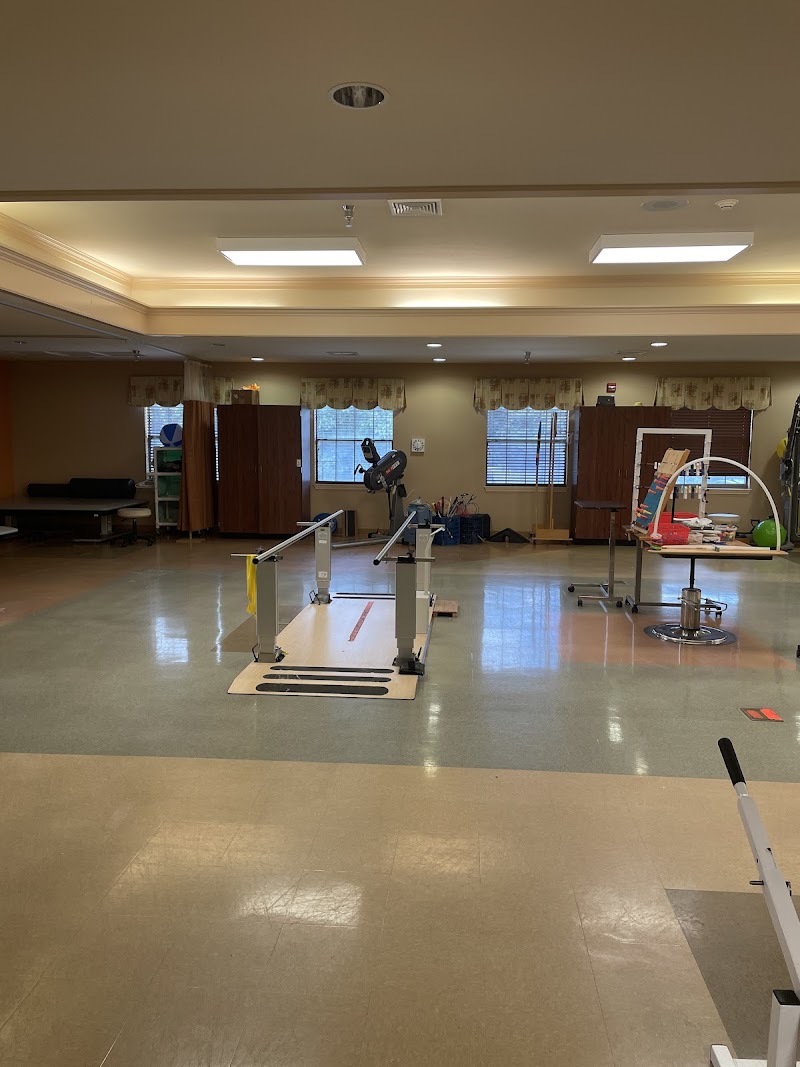
How is Huebner Creek Health & Rehabilitation Center Staffed?

CMS rates HUEBNER CREEK HEALTH & REHABILITATION CENTER's staffing level at 1 out of 5 stars, which is much below average compared to other nursing homes. Staff turnover is 61%, which is 15 percentage points above the Texas average of 46%. High turnover can affect care consistency as new staff learn residents' individual needs.

What Have Inspectors Found at Huebner Creek Health & Rehabilitation Center?

State health inspectors documented 32 deficiencies at HUEBNER CREEK HEALTH & REHABILITATION CENTER during 2022 to 2025. These included: 1 Immediate Jeopardy (the most serious level, indicating potential for serious harm or death) and 31 with potential for harm. Immediate Jeopardy findings are rare and represent the most serious regulatory concerns. They require immediate corrective action.
Who Owns and Operates Huebner Creek Health & Rehabilitation Center?

HUEBNER CREEK HEALTH & REHABILITATION CENTER is owned by a government entity. Government-operated facilities are typically run by state, county, or municipal agencies. The facility is operated by CREATIVE SOLUTIONS IN HEALTHCARE, a chain that manages multiple nursing homes. With 146 certified beds and approximately 74 residents (about 51% occupancy), it is a mid-sized facility located in SAN ANTONIO, Texas.
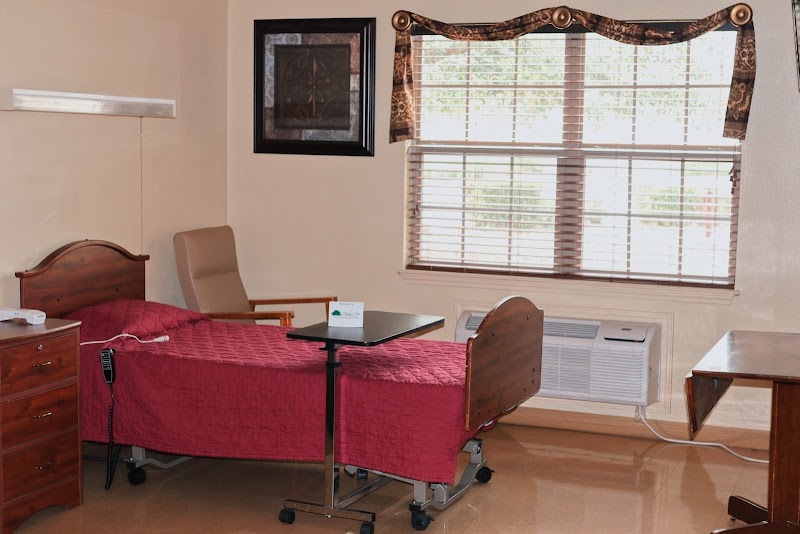
How Does Huebner Creek Health & Rehabilitation Center Compare to Other Texas Nursing Homes?

Compared to the 100 nursing homes in Texas, HUEBNER CREEK HEALTH & REHABILITATION CENTER's overall rating (2 stars) is below the state average of 2.8, staff turnover (61%) is significantly higher than the state average of 46%, and health inspection rating (2 stars) is below the national benchmark.

What Should Families Ask When Visiting Huebner Creek Health & Rehabilitation Center?

Based on this facility's data, families visiting should ask: "What changes have been made since the serious inspection findings, and how are you preventing similar issues?" "How do you ensure continuity of care given staff turnover, and what is your staff retention strategy?" "Can you walk me through typical staffing levels on day, evening, and night shifts?" "Can I visit during a mealtime to observe dining assistance and food quality?" These questions are particularly relevant given the facility's Immediate Jeopardy citations, the facility's high staff turnover rate, and the below-average staffing rating.

Is Huebner Creek Health & Rehabilitation Center Safe?

Based on CMS inspection data, HUEBNER CREEK HEALTH & REHABILITATION CENTER has documented safety concerns. Inspectors have issued 1 Immediate Jeopardy citation (the most serious violation level indicating risk of serious injury or death). The facility has a 2-star overall rating and ranks #100 of 100 nursing homes in Texas. Families considering this facility should ask detailed questions about what corrective actions have been taken since these incidents.

Do Nurses at Huebner Creek Health & Rehabilitation Center Stick Around?

Staff turnover at HUEBNER CREEK HEALTH & REHABILITATION CENTER is high. At 61%, the facility is 15 percentage points above the Texas average of 46%. High turnover means new staff may not know residents' individual needs, medications, or preferences. It can also be disorienting for residents, especially those with dementia who rely on familiar faces. Families should ask: What is causing the turnover? What retention programs are in place? How do you ensure care continuity during staff transitions?

Was Huebner Creek Health & Rehabilitation Center Ever Fined?

HUEBNER CREEK HEALTH & REHABILITATION CENTER has been fined $14,327 across 1 penalty action. This is below the Texas average of $33,222. While any fine indicates a compliance issue, fines under $50,000 are relatively common and typically reflect isolated problems that were subsequently corrected. Families should ask what specific issues led to these fines and confirm they've been resolved.

Is Huebner Creek Health & Rehabilitation Center on Any Federal Watch List?

HUEBNER CREEK HEALTH & REHABILITATION CENTER is not on any federal watch list. The most significant is the Special Focus Facility (SFF) program, which identifies the bottom 1% of nursing homes nationally based on persistent, serious quality problems. Not being on this list means the facility has avoided the pattern of deficiencies that triggers enhanced federal oversight. This is a positive indicator, though families should still review the facility's inspection history directly.