HUNTERS POND REHABILITATION AND HEALTHCARE
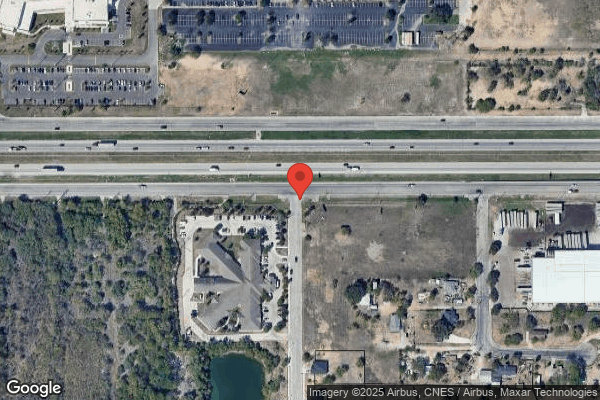
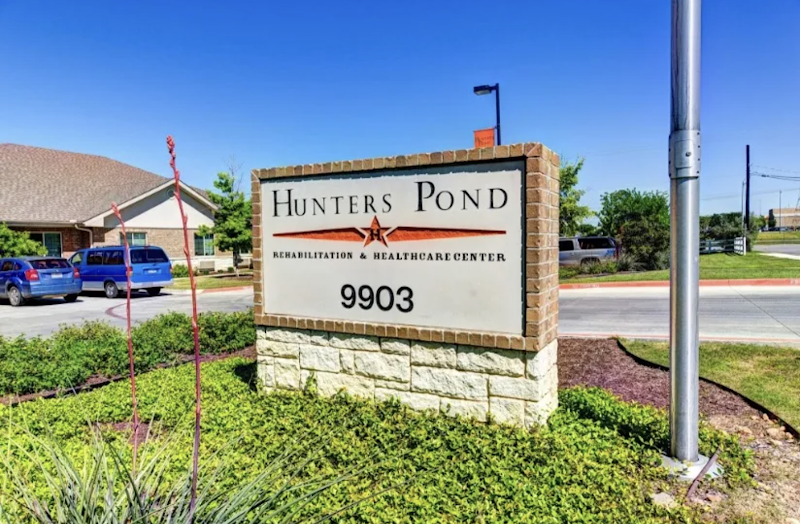
9903 HUNTERS POND, SAN ANTONIO, TX 78224 (210) 477-2200
For profit - Corporation 128 Beds THE ENSIGN GROUP Data: November 2025 4 Immediate Jeopardy citations
Trust Grade
0/100
#735 of 1168 in TX
Last Inspection: August 2025

Inspected within the last 6 months. Data reflects current conditions.

Overview

Hunters Pond Rehabilitation and Healthcare has received a Trust Grade of F, indicating significant concerns about the facility's overall quality and care. Ranking #735 out of 1168 facilities in Texas places it in the bottom half, and at #29 out of 62 in Bexar County, it has limited local competition. Although the facility is improving, having decreased its issues from 17 in 2024 to 11 in 2025, the presence of 43 total deficiencies, including four critical incidents, raises serious red flags. While staffing turnover is relatively low at 44%, the facility has faced severe issues, such as a resident falling from bed due to a lack of supervision and another resident's suicide that could have been prevented with proper mental health interventions. Additionally, the facility has incurred $66,531 in fines, suggesting ongoing compliance problems, even though it has average RN coverage which is crucial for detecting potential issues.

Trust Score
F
0/100
In Texas
#735/1168
Bottom 38%
Safety Record
High Risk
Review needed
Inspections
Getting Better
17 → 11 violations
Staff Stability
○ Average
44% turnover. Near Texas's 48% average. Typical for the industry.
Penalties
⚠ Watch
$66,531 in fines. Higher than 85% of Texas facilities, suggesting repeated compliance issues.
Skilled Nurses
⚠ Watch
Each resident gets only 18 minutes of Registered Nurse (RN) attention daily — below average for Texas. Fewer RN minutes means fewer trained eyes watching for problems.
Violations
⚠ Watch
43 deficiencies on record. Higher than average. Multiple issues found across inspections.
★★☆☆☆
2.0
Overall Rating
★★☆☆☆
2.0
Staff Levels
★★★★☆
4.0
Care Quality
★★☆☆☆
2.0
Inspection Score
Stable
2024: 17 issues
2025: 11 issues

The Good

  • 4-Star Quality Measures · Strong clinical quality outcomes
  • Full Sprinkler Coverage · Fire safety systems throughout facility
  • No fines on record
  • Staff turnover below average (44%)

    4 points below Texas average of 48%

Facility shows strength in quality measures, fire safety.

The Bad

2-Star Overall Rating

Below Texas average (2.8)

Below average - review inspection findings carefully

Staff Turnover: 44%

Near Texas avg (46%)

Typical for the industry

Federal Fines: $66,531

Above median ($33,413)

Moderate penalties - review what triggered them

Chain: THE ENSIGN GROUP

Part of a multi-facility chain

Ask about local staffing decisions and management

The Ugly 43 deficiencies on record

4 life-threatening
Aug 2025 7 deficiencies
CONCERN (D)

Potential for Harm - no one hurt, but risky conditions existed

Deficiency F0558 (Tag F0558)

Could have caused harm · This affected 1 resident

**NOTE- TERMS IN BRACKETS HAVE BEEN EDITED TO PROTECT CONFIDENTIALITY** Based on observation, interview and record review the facility failed to ensure residents had the right to reside and receive se...

Read full inspector narrative →
**NOTE- TERMS IN BRACKETS HAVE BEEN EDITED TO PROTECT CONFIDENTIALITY** Based on observation, interview and record review the facility failed to ensure residents had the right to reside and receive services in the facility with reasonable accommodation of resident needs and preferences except when to do so would endanger the health and safety of the resident or others for 1 of 8 residents (Resident #111) reviewed for call light placement. The facility failed to ensure the call light was within reach for Resident #111.This deficient practice could place residents at risk of not receiving help as needed.The findings were:Record review of Resident #111's face sheet dated 8/13/25 revealed a [AGE] year-old female admitted to the facility on [DATE] and re-admitted on [DATE] with diagnoses that included hemiplegia (paralysis affecting one side of the body) and hemiparesis (weakness affecting one side of the body) following cerebral infarction (type of stroke that occurs when blood flow to the brain is blocked) affecting the left non-dominant side, lack of coordination, and weakness.Record review of Resident #111's most current quarterly MDS assessment dated [DATE] revealed the resident was cognitively intact for daily decision-making skills and was dependent on staff for transfers.Record review of Resident #111's comprehensive care plan with revision date 6/20/23 revealed the resident had an alteration in musculoskeletal status related to left sided hemiparesis and interventions that included to anticipate and meet the resident's needs and to be sure the call light was within reach and to respond promptly. During an observation and interview on 8/11/25 at 1:59 p.m. Resident #111 was sitting in the wheelchair in her room next to the bed. Resident #111 was heard yelling, nurse, help me! several times. Resident #111's call light had not been activated. Resident #111 stated she wanted to be put in bed and did not know where the call light was. Resident #111 stated she did not know how long she had been sitting in the wheelchair. CNA C and CNA D entered Resident #111's room and Resident #111 told them she wanted to get in bed. CNA C and CNA D stated, Resident #111's call light was clipped to the privacy curtain behind the resident, not within Resident #111's reach. Both CNA C and CNA D stated, Resident #111's call light should have been given to her when she was taken to her room. Both CNA C and CNA D stated the resident was probably taken to her room after lunch, which was over about 1:45 p.m. and they did not know who had helped the resident to her room. Both CNA C and D stated when Resident #111 was taken to the room, the call light should have been placed within the resident's reach to use in case she needed help and for safety purposes. CNA D stated, Resident #111's call light was used to notify the staff and instead she started yelling because she could not get hold of us.During a follow up interview on 8/13/25 at 8:28 a.m., CNA C stated she was unable to determine which staff had left Resident #111 sitting in the wheelchair at the bedside the previous day on 8/12/25.During an interview on 8/13/25 at 3:38 p.m., the DON stated Resident #111 liked to be put in bed as soon as lunch was over. The DON stated they could not determine who left the resident at the bedside without the call light on 8/11/25. The DON stated, Resident #111's call light should be within reach, and it was needed to ask for assistance. The DON stated, the call light needed to be accessible to residents in case there was an accident.Record review of the facility document titled, Care and Treatment, ADL's & Staffing with revision date 5/2020 revealed in part, .It is the policy of this facility to ensure the safety and comfort of the resident and to assist in continuity of care and to identify potential change in condition. Staffing is assigned due to the acuity in the facility.Observed Resident for Privacy, Dignity and Safety.Ensure Call Light is within reach or attached to resident (if indicated) .
CONCERN (D)

Potential for Harm - no one hurt, but risky conditions existed

ADL Care (Tag F0677)

Could have caused harm · This affected 1 resident

**NOTE- TERMS IN BRACKETS HAVE BEEN EDITED TO PROTECT CONFIDENTIALITY** Based on observation, interview and record review, the facility failed to ensure residents who were unable to carry out activiti...

Read full inspector narrative →
**NOTE- TERMS IN BRACKETS HAVE BEEN EDITED TO PROTECT CONFIDENTIALITY** Based on observation, interview and record review, the facility failed to ensure residents who were unable to carry out activities of daily living received the necessary services to maintain good nutrition, grooming, and personal and oral hygiene for 1 of 6 residents (Resident #25) reviewed for personal hygiene. The facility failed to provide Resident #25 with scheduled showers between 7/31/25 to 8/4/25, and 8/6/2025 to 8/8/25, and 8/10/25 to 8/13/25. This failure could place residents who require assistance from staff for personal hygiene at risk of not receiving care and services contributing to overall poor hygiene, risk of experiencing a diminished quality of life, and possible skin infections.The findings included:1. Record review of Resident #25's face sheet dated 8/10/25 revealed a [AGE] year-old male admitted to the facility on [DATE] and re-admitted on [DATE] with diagnoses that included urinary tract infection, bacteremia (bacterial, infection in the blood stream), lack of coordination, retention of urine, colostomy status (surgical procedure in which a surgeon brings part of the large intestine [colon] through an opening in the abdominal wall that allows stool to leave the body and be collected in a colostomy bag), and muscle weakness. Record review of Resident #25's most recent quarterly MDS assessment dated [DATE] revealed the resident was cognitively intact for daily decision-making skills and utilized an indwelling urinary catheter (flexible tube that is inserted through the urethra into the bladder to drain urine continuously) and colostomy.Record review of Resident #25's comprehensive care plan with revision date 1/8/25 revealed the resident had an ADL self-care performance deficit related to muscle weakness, poor mobility and endurance, cognitive impairment, colostomy status, depression, anxiety, and bed confinement with interventions that included to provide extensive assistance by one staff to provide a bath as necessary and provide a shower on Monday, and Friday per the resident's request. Resident #25's comprehensive care plan revealed the resident was resistive to care including refusing showers and ADL care with interventions that included to provide the resident with opportunities for choice during care provision.Record review of Resident #25's undated document, titled Task: Tuesday-Thursday-Saturday 6:00 am -2:00 pm revealed the question: What type of bathing activity was completed? The Task document revealed: Not Applicable was checked on 7/31/25 (Thursday), 8/1/25 (Friday), 8/2/25 (Saturday), 8/3/25 (Sunday), 8/4/25 (Monday), 8/6/25 (Wednesday), 8/7/25 (Thursday), 8/8/25 (Friday), 8/10/25 (Sunday), 8/11/25 (Monday), 8/12/25 (Tuesday) and 8/13/25 (Wednesday). The Task document revealed Shower was checked on 8/5/25 (Tuesday) at 6:48 a.m., and Resident Refused was checked on 8/5/25 (Tuesday) at 9:07 p.m.Record review of Resident #25's Skin Observation document revealed the following:- 8/7/25 (Thursday): Refused Wants to shower Friday, cause (sic) he has a birthday party on Saturday. - 8/9/25 (Saturday): Refused- 8/12/25 (Tuesday): ShowerResident #25's Skin Observation documents dated 7/31/25 to 8/4/25 were not provided.During an observation and interview on 8/10/25 at 11:10 a.m. Resident #25 stated he was supposed to get a shower Saturday 8/9/25 but did not know why he was not given a shower. Resident #25 stated his shower days were on Tuesday, Thursday, and Saturday. Resident #25 stated he did not ask for a shower today, Sunday, 8/10/25 because it was not his shower day and stated, they'll probably say no because it's not my shower day. Resident #25 was observed wearing a hospital gown, and an indwelling urinary catheter bag was seen draining urine to gravity on the right side of the bed. Resident #25 was observed with a plastic wrist band on his left wrist. Resident #25 stated he had recently been in the hospital and had been diagnosed with a urinary tract infection. Resident #25 had short cut hair, and it appeared greasy. Resident #25 stated he required help with transfers to get into the shower but was able to shower himself.During a follow up interview on 8/11/25 at 8:33 a.m., Resident #25 stated he did not get a shower yesterday, Sunday 8/10/25 and did not ask for one. Resident #25 stated he was scheduled to get a shower tomorrow, Tuesday 8/12/25.During an interview on 8/12/25 at 9:09 a.m., Resident #25 stated he had not received a shower in four days and wanted to take a shower today, Tuesday 8/12/25. Resident #25 stated he was supposed to get a shower on Saturday 8/9/25 but was told by staff that they had too many to shower that day and did not have time for him. During an interview and record review on 8/12/25 at 11:08 a.m., CNA C stated she was supposed to complete the Task document for bathing activities, which was used to document the type of bath given and whether the resident refused. CNA C stated, in addition to completing the Task document, a shower sheet (Skin Observation Document) was also supposed to be completed. CNA C stated, after she reviewed Resident #25's Task document, the Not Applicable feature was not supposed to be checked because it indicated the task did not occur. CNA C stated, the Task document had a feature that allowed for the aides to document Resident Refused, and checking Not Applicable implied the resident did not get a shower/bath. CNA C stated, the aides needed to document the resident refused if the resident truly refused a shower/bath. CNA C stated, based on the documentation reviewed on Resident #25's Task document, it could not be determined whether the resident received a shower. CNA C stated Resident #25 had shower refusals, but when he did decide to get a shower, he usually did not want to get out and had to be prompted and talked out of the shower. CNA C stated she believed Resident #25 would like to get a shower when he wanted one and if he didn't it probably made him feel dirty. CNA C stated, it appeared Resident #25 last received a shower on 8/5/25 and did not receive a shower on 8/8/25 per the resident's request. During an interview and record review on 8/13/25 at 10:14 a.m., RN F stated, if a resident refused to shower, the CNA staff were supposed to notify the nurse and then the nurse would verbally prompt the resident. If the resident initially refused, and asked to shower later, that information would be passed on to the next shift. RN F stated shower refusals were documented on the shower sheets (Skin Observation Document) and the nurse was supposed to document the refusal in a progress note. RN F stated, after reviewing the Task document for Resident #25, it appeared if the aide marked not applicable on the document it implied the shower wasn't done. During an interview and record review on 8/13/25 at 3:44 p.m., the DON stated, if a resident refused a shower, the aide reported to the nurse and the nurse was supposed to encourage the resident. The DON stated, if the resident did not get a shower, the CNA was supposed to complete the shower sheet and indicate on the shower sheet and the Task document the resident refused. The DON stated, with the bathing task, it had to be assigned, and the task had to be documented otherwise it showed the resident was not getting a shower.Record review of the facility document titled, Care and Treatment, ADL's & Staffing, with revision date 5/2020 revealed in part, .It is the policy of this facility to ensure the safety and comfort of the resident and to assist in continuity of care and to identify potential change in condition, Staffing is assigned due to the acuity in the facility.Note Resident to Ensure Grooming and Dressing has been Completed. Provide ADL Care as Scheduled or Needed.Perform/Provide Showers and Bed Baths as Scheduled/Document as Indicated.
CONCERN (D)

Potential for Harm - no one hurt, but risky conditions existed

Garbage Disposal (Tag F0814)

Could have caused harm · This affected 1 resident

Based on observation, interview and record review, the facility failed to dispose of garbage and refuse properly for 1 of 2 dumpsters (Dumpster #1) reviewed for disposal of garbage. The facility faile...

Read full inspector narrative →
Based on observation, interview and record review, the facility failed to dispose of garbage and refuse properly for 1 of 2 dumpsters (Dumpster #1) reviewed for disposal of garbage. The facility failed to ensure Dumpster #1 was closed and trash was not on the ground outside the dumpster. This deficient practice could place residents at risk for exposure to germs and diseases carried by vermin and rodents. The findings were: During an observation on 8/10/25 at 9:32 a.m. revealed the side door to dumpster #1 was open. On the ground beside the dumpster was a wipe, a used glove, and plastic wrapper. During an interview on 8/13/25 at 9:30 a.m. the Dietary Manager stated the dumpster should not be open because it can attract rodents or pest. During an interview on 8/13 at 4:17 p.m. the Administrator stated staff is expected to keep the dumpster closed and trash off the ground. A trash policy was requested from the DM and the Administrator on 8/13/25 and not provided.
CONCERN (D)

Potential for Harm - no one hurt, but risky conditions existed

Infection Control (Tag F0880)

Could have caused harm · This affected 1 resident

**NOTE- TERMS IN BRACKETS HAVE BEEN EDITED TO PROTECT CONFIDENTIALITY** Based on observation, interview, and record review, the facility failed to maintain an infection prevention and control program ...

Read full inspector narrative →
**NOTE- TERMS IN BRACKETS HAVE BEEN EDITED TO PROTECT CONFIDENTIALITY** Based on observation, interview, and record review, the facility failed to maintain an infection prevention and control program designed to provide a safe, sanitary, and comfortable environment and to help prevent the development and transmission of communicable disease and infection for 1 of 8 residents (Resident #47) reviewed for infection control: The facility failed to ensure the treatment nurse did not touch her personal cell phone and then grab a handful of clean gloves while preparing supplies to clean Resident #47's pressure wound. These failures could place residents at-risk for infection due to improper care practices. The findings included: Record review of Resident #47's Face Sheet, dated 8/13/25, reflected an [AGE] year-old female resident initially admitted to the facility on [DATE] with diagnoses of spinal stenosis (narrowing of spinal canal), type 2 diabetes mellitus (high blood sugar levels due to insulin resistance), and lymphedema (swelling in various areas of the body). Record review of Resident #47's quarterly MDS assessment, dated 4/1/25, reflected her cognition was fully intact for daily decision making. Section M revealed the resident had 1 unhealed pressure ulcer. Record review of Resident #47's Comprehensive Person-Centered Care Plan, revised on 1/7/25, reflected the resident had a stage 4 pressure ulcer to sacrum related to history of ulcers and immobility with interventions to administer treatments as ordered and monitor for effectiveness. Record review of Resident #47’s physician orders, dated 6/23/25, revealed orders for: - Wound care to sacrum Pressure Injury M-W-F and PRN: cleanse with wound cleanser, pat dry with gauze, apply PolyMem (dressing) to wound bed and secure with bordered foam dressing assess for pain pre, mid and post wound care every day shift every Mon, Wed, Fri for stage 4 pressure injury. Record review of Resident #47’s skin assessment, dated 8/8/25, revealed the resident had a stage 4 2.5 cm x 2.5 cm x 2.0 cm with 1.5 cm of undermining (erosion beneath the wound edges) sacrum pressure wound During an observation on 8/13/25 at 10:05 a.m. LVN G prepared supplies to provide wound care to Resident #47. LVN G set up some supplies on a bedside table. LVN G then reached in her pocked and grabbed her cell phone and placed it on the side of the treatment cart. LVN G did not sanitize her hands and then grabbed a handful of gloves from a box and placed them on the bedside table. LVN G then provided wound care to Resident #47’s open pressure wound with the gloves she placed on the bedside table after touching her cell phone. During an interview on 8/13/25 at 10:43 a.m. LVN G stated she thought she sanitized her hands after touching her phone but if she had not then she would have contaminated the gloves she touched after touching her phone. During an interview on 8/13/25 at 3:23 p.m. the DON stated she was not there and could not say if LVN G contaminated the gloves after touching her phone and not sanitizing her hands between. The DON stated it was unlikely that every glove would be contaminated if LVN G had touched her phone, not sanitized her hands, and grabbed a handful of gloves from a box to use for wound care. The DON stated if they were contaminated the resident would be a risk of infection. Record review of the facility's policy titled Infection Control Prevention and Control Program-Hand Hygiene, No date, stated Policy This facility considers hand hygiene the primary means to prevent the spread of infections. 1. All personnel shall be trained and regularly in-serviced on the importance of hand hygiene in preventing the transmission of healthcare-associated infections. 4. Use an alcohol-based hand rub containing at least 62% alcohol; or, alternatively, soap (antimicrobial or non-antimicrobial) and water for the following situations: … c. Before preparing or handling medications; d. Before performing any non-surgical invasive procedures; e. Before and after handling an invasive device (e.g., urinary catheters, IV access sites); … g. Before handling clean or soiled dressings, gauze pads, etc.; …K. After handling used dressings, contaminated equipment, etc.…”
CONCERN (E)

Potential for Harm - no one hurt, but risky conditions existed

Deficiency F0638 (Tag F0638)

Could have caused harm · This affected multiple residents

**NOTE- TERMS IN BRACKETS HAVE BEEN EDITED TO PROTECT CONFIDENTIALITY** Based on interview and record review, the facility failed to assess each resident using the quarterly review instrument specifie...

Read full inspector narrative →
**NOTE- TERMS IN BRACKETS HAVE BEEN EDITED TO PROTECT CONFIDENTIALITY** Based on interview and record review, the facility failed to assess each resident using the quarterly review instrument specified by the State and approved by CMS in a timely manner for 5 of 9 residents (Resident #47, #60, #62, #131, and #153) reviewed for timely completion of MDS assessments.The facility failed to transmit an MDS assessment in a timely manner for Resident #47, #60, #62, #131, and #153This failure could lead to residents not receiving necessary, complete, or correct care due to lack of current information.The findings included: 1. Record review of Resident #47's Face Sheet, dated 8/13/25, reflected an [AGE] year-old female resident initially admitted to the facility on [DATE] with diagnoses of spinal stenosis (narrowing of spinal canal), type 2 diabetes mellitus (high blood sugar levels due to insulin resistance), and lymphedema (swelling in various areas of the body). Record review of Resident #47’s MDS assessments showed an annual MDS was in progress dated 7/31/25 and a Quarterly assessment was in progress dated 8/2/25. 2. Record review of Resident #60’s Face Sheet, dated 8/13/25, reflected an [AGE] year-old male initially admitted [DATE] with the most recent admission on [DATE]. His diagnoses included cerebral infarction (known as ischemic stroke is brain tissue death caused by a blockage of blood flow to the brain), Type 2 Diabetes Mellitus without complications (high blood sugar levels due to insulin resistance) and unspecified dementia without behavioral disturbance (a form of dementia where the specific underlying cause isn’t identified, and the individual does not exhibit behavioral symptoms). Record review of Resident #60’s last completed MDS assessment reflected it was dated 4/05/25 with the next Quarterly MDS assessment due 7/11/25 showing “in progress”. 3. Record review of Resident #62’s Face Sheet, dated 8/13/25, reflected an [AGE] year-old female admitted to facility 12/19/24. Her diagnoses included Alzheimer’s disease (degenerative brain disorder that primarily affects memory, thinking, and cognitive abilities), Type 2 Diabetes Mellitus with unspecified complications (high blood sugar levels due to insulin resistance with secondary health issues which are not specified in medical record), and adult failure to thrive (progressive decline in a person’s physical and functional abilities characterized by poor appetite, weight loss, fatigue, and difficulty with daily activities). Record review of Resident #62’s last completed MDS reflected it was dated 4/11/25 with the next Quarterly Assessment due 7/11/25 showing “in progress.” 4. Record review of Resident #131’s Face Sheet, dated 8/13/25, reflected a [AGE] year-old female resident initially admitted on [DATE] and readmitted on [DATE] with diagnoses including Alzheimer’s disease (degenerative brain disorder that primarily affects memory, thinking, and cognitive abilities) and cognitive communication deficit. Record review of Resident #131’s MDS assessments showed a Quarterly MDS assessment was in progress dated 7/12/25. The last Quarterly MDS was completed on 4/11/25. 5. Record review of Resident #153’s face sheet dated 8/13/25 revealed a [AGE] year-old male admitted to the facility on [DATE] and re-admitted on [DATE] and, 3/27/25 with diagnoses that included heart failure, chronic obstructive pulmonary disease (progressive lung disease that makes it hard to breathe), diabetes (chronic medical condition where the body either does not produce enough insulin or cannot use insulin effectively), acquired absence of left leg above the knee and stage 3 chronic kidney disease (condition in which the kidneys are moderately damaged). Record review of Resident #153’s MDS assessments showed a Quarterly MDS assessment was overdue and dated 7/3/25. Resident #153’s last Quarterly MDS was completed on 4/2/25. During an interview on 08/13/25 at 4:35 PM with the MDS Coordinator, all the MDS dates listed were reviewed. The MDS Coordinator acknowledged that some MDS Assessments had not been completed on time and she stated, “We will make sure they get done immediately.” She said they only had 2 MDS Coordinators and each had taken time off in June and July so the MDSs did not get done on time. They also had a large number of admissions and discharges. Record review of Long-Term Care Facility Resident Assessment Instrument 3.0 User ' s Manual Version 1.19.1, dated October 2024, [ .] Must be submitted within 14 days after the MDS completion date (Z0500B + 14 calendar days).
CONCERN (E)

Potential for Harm - no one hurt, but risky conditions existed

Food Safety (Tag F0812)

Could have caused harm · This affected multiple residents

Based on observation, interview, and record review, the facility failed to store, prepare, distribute, and serve food in accordance with professional standards for food service safety for 1 of 1 kitch...

Read full inspector narrative →
Based on observation, interview, and record review, the facility failed to store, prepare, distribute, and serve food in accordance with professional standards for food service safety for 1 of 1 kitchen, in that: 1. The facility failed to date and label drinks, close sandwich bags and date them, date and label salads, and label and date brown rice. 2. The facility failed to keep boxes of food off the freezer floor. 3. The facility failed to log temperatures for the PM shift of a reach in refrigerator on the 8/7/25, 8/8/25, and 8/9/25. 4. The facility failed to log the sanitizing sink temperature and chemical levels on 8/6/25, 8/7/2, 8/8/25, 8/9/25, and 8/10/25. 5. The facility failed to remove black and brown slimy growth from the ice machine. These failures could place residents who received meals and/or snacks from the kitchen at risk for food borne illness. The findings included:1. During an observation on 8/10/25 at 9:36 a.m. 3 trays of various drinks were in the reach in fridge with no labels. There were two bags with sandwiches in them. The bags were open and not labeled. The walk-in fridge had two prepared salads that were not labeled. The dry food storage had a container labeled brown sugar and in the container was brown rice. 2. During an observation on 8/10/25 at 9:38 a.m. The walk-in freezer had boxes stacked on the floor. Three of the boxes were directly on the floor. 3. During an observation and record review on 8/10/25 at 9:35 a.m. there was a temperature log for the reach in refrigerator. The log did not contain temperature information or staff initials for 8/7/25, 8/8/25, 8/9/25 during the night shift. The temperature of the thermometer of the reach in refrigerator read 40 F at that time. 4. During an observation and record review on 8/10/25 at 9:44 a.m. there was a sanitizing sink log on the wall next to the 3-compartment dish washing sink. The log was not filled out during breakfast, lunch, or dinner shifts on 8/6/25, 8/7/25, 8/8/25, 8/9/25, and breakfast on 8/10/25. 5. During an observation on 8/10/25 at 9:43 a.m. the ice machine contained an unknown black and brown slimy substance inside the top of the ice machine and on the door mechanism. During an interview on 8/10/25 at 11:00 a.m. the Dietary Manager stated staff should have dated the drinks in the reach in fridge. The DM stated staff who prepare the drinks should place a label on them. The DM stated the two bags of sandwiches needed to be sealed and labeled to ensure they were not old or did not get hard. The DM stated all the salads in the walk-in fridge needed to be labeled and dated. The DM stated each day they prepared a few salads and any that were not used were placed in the walk-in fridge for future use. The DM stated if staff did not label the salads, they could mix them up from other days and not be able to tell what date they were prepared. The DM stated staff should not store food on the floor and she already had the staff take the boxes off the floor. The DM stated it was odd that the container of brown rice had a label that stated brown sugar, and she would discard the contents since they were unsure of the date the brown rice was added. The DM stated staff was expected to fill in the temperature and dish washing logs. The DM stated since it was over the weekend, and she was not there she was not able to remind staff to fill out the logs. The DM stated they were checking temps and the sanitizer levels but just forgot to fill out the log. The DM stated the ice machine should be thoroughly cleaned to prevent anything from contaminating the ice the residents used. During an interview on 8/13/25 at 4:17 p.m. the Administrator stated kitchen staff was responsible for cleaning the ice machine. The Administrator stated if the ice machine had some sort of contamination it would get on the ice and passed on to the residents. The Administrator stated boxes should be off the floor because contaminations could get on them. The Administrator stated staff was expected to label and date all foods and complete any logs in the kitchen to ensure equipment was functioning properly. The Administrator stated kitchen staff, and maintenance tried to clean the ice machine but were not able to get to parts under the door. The Administrator stated a company would come out to disassemble the ice machine and clean it. Kitchen policies were requested from the Dietary Manager on 8/13/25 at 2:05 p.m. The DM stated they used the food code for food storage and labeling. The DM stated maintenance could have policies for cleaning equipment. The DM stated they did not have policies for the logs for the refrigerators or the sanitizers logs for the sink. Policies were requested from the Administrator and not provided at the time of exit.
CONCERN (E)

Potential for Harm - no one hurt, but risky conditions existed

Medical Records (Tag F0842)

Could have caused harm · This affected multiple residents

**NOTE- TERMS IN BRACKETS HAVE BEEN EDITED TO PROTECT CONFIDENTIALITY** Based on observation, interview, and record review, the facility failed to maintain medical records, in accordance with accepted...

Read full inspector narrative →
**NOTE- TERMS IN BRACKETS HAVE BEEN EDITED TO PROTECT CONFIDENTIALITY** Based on observation, interview, and record review, the facility failed to maintain medical records, in accordance with accepted professional standards and practices, which are complete; and accurately documented for 3 of 24 residents (Resident #135, #25, and #170) reviewed for documentation.1. Resident #135's MAR did not accurately reflect the nurse administered medications on 5/27/25 at 4:00 AM. 2. Resident #25's shower sheets and Task Bathing document did not accurately reflect the resident received a shower. 3. Resident #170's shower sheets and Task Bathing document did not accurately reflect the resident received a shower.These failures placed residents at risk for delayed or inaccurate medication administration and ADL assistance and could result in a decline in health, dignity, and well-being.The findings included:1. Record review of Resident #135's face sheet, dated 8/12/25, reflected resident was a female age [AGE] admitted on [DATE] with diagnoses that included: COPD (chronic obstructive pulmonary disease (lung disease) (primary), narcolepsy (sleeping disorder), dementia, GERD (digestive disorder resulting in acid reflux), Alzheimer's disease (progressive mental deterioration), acute kidney failure, and hypertension. The RP was listed as: self. Record review of Resident #135's Quarterly MDS dated [DATE] reflected the resident had a BIMS score of 11 indicative of mild impairment in cognition.Record review of Resident #135's MD orders dated August 2025 reflected order for Omeprazole Capsule Delayed Release 40 MG, once per day in the morning for GERD and Levothyroxine Sodium Tablet 175 MCG once in the morning for low thyroid hormone.Record review of Resident #135's MAR dated May 2025 reflected: on May 27,2025 in the early morning medication given were: Levothyroxine (thyroid) was given at 4:00 AM initialed by LVN A and Omeprazole (GERD) at 4:00 AM given by LVN A.Record review of Resident#135's Nurse Statement dated 5/27/25 authored by LVN B reflected: around 4:30-4:50 AM she was contacted by another nurse [LVN A] to help awaken the resident and gave night medications. The resident was difficult to arouse and the medication to be given was for GERD and thyroid. The medication was to be given with apple sauce and not on an empty stomach. The resident took the medication with water. During an interview on 08/10/2025 at 3:59 PM, Resident #135 stated she had narcolepsy and [LVN B] administered medications to her on 5/27/25 at 4:00 AM and she (the resident) took the medication for GERD and thyroid. During an interview on 8/11/25 at 4:10 PM, LVN B stated: she gave the GERD and thyroid medication in a cup to the resident [Resident #135] on 5/27/25 at 4:00 AM and the resident swallowed the medication with water. Observation and interview on 8/12/25 at 11:17 AM, Resident #135 was in her room, eating a fruit and watching TV. Resident was in bed, cleaned and groomed and no injuries, bruises or skin tear present. The resident mood was one of pleasantness. The resident did not reveal any signs or symptoms of fear or anxiety. The resident stated that she suffered from narcolepsy (sleeping disorder), and she had difficulties awakening on 5/27/25 at 4:00 AM. Resident #135 stated that the nurse that gave her the GERD and thyroid medication was LVN B. During an interview on 8/12/25 at 12:05 PM, LVN B stated: LVN [A] tried to awaken the resident at 4:00 AM to give her GERD and thyroid medications as ordered by the MD but the resident would not awaken. LVN B stated that she agreed to awaken the resident and administer the night (early morning) medications. LVN B stated the resident awaken and took the medication herself with cold water. LVN B stated that she physically handed the medication to the resident. LVN B stated that the MAR needed to reflect who administered medications to maintain accuracy of records. LVN B stated that LVN [A] documented the MAR on 5/27/25 when it should have been her [LVN B] as the person documenting the MAR. LVN B stated that LVN [A] documented the MAR because she was the nurse on duty on the day of the incident. During an interview on 8/12/25 at 1:44 PM, the DON stated by nursing practice the MAR was documented by the nurse that gave a medication. The DON stated that on 5/27/25 the LVN B gave the medication to Resident #135, but the administration was documented by LVN A. The DON stated, the scenario changed and the LVN B gave the medication to the resident and needed the resident to take the medication. The DON stated that LVN A documented seeing the resident taking the medication. The DON stated LVN A did document the MAR, but her intent was to document that she saw the resident taking the medication. During an interview on 8/12/25 at 2:12 PM, LVN A stated: she was present on 5/27/25 at 4:00 AM in Resident #135's room. LVN A stated that she had difficulties waking up the resident who had a diagnosis of narcolepsy and needed the resident to take her medication. LVN A stated given that LVN B was on site she requested assistance in trying to awaken the resident. LVN A stated, I was physically present and the resident eventually awaken upset and the medication was put in a cup on the bedside table with pudding and a spoon present. LVN A stated she saw the resident taking the medication with pudding that was handed in cup by LVN B. LVN A stated that by nursing practice the nurse that administered the medication was required to document the MAR and could not delegate to another nurse. LVN A stated that she was the nurse on duty and documented the MAR. LVN A stated I understand [to the question on the need for the MAR to reflect the nurse that gave the medication] During an interview on 8/12/25 at 2:47 PM, the Administrator stated that accuracy of clinical records falls under the purview of the Administrator. The Administrator stated that his expectation was that the person who administered medication was licensed and documented accurately. The Administrator stated he had no explanation why LVN B did not document the MAR on 5/27/25 at 4:00 AM. 2. Record review of Resident #25's face sheet dated 8/10/25 revealed a [AGE] year-old male admitted to the facility on [DATE] and re-admitted on [DATE] with diagnoses that included urinary tract infection, bacteremia (bacterial, infection in the blood stream), lack of coordination, retention of urine, colostomy status (surgical procedure in which a surgeon brings part of the large intestine [colon] through an opening in the abdominal wall that allows stool to leave the body and be collected in a colostomy bag) and muscle weakness. Record review of Resident #25's most recent quarterly MDS assessment dated [DATE] revealed the resident was cognitively intact for daily decision-making skills and utilized an indwelling urinary catheter (flexible tube that is inserted through the urethra into the bladder to drain urine continuously) and colostomy.Record review of Resident #25's comprehensive care plan with revision date 1/8/25 revealed the resident had an ADL self-care performance deficit related to muscle weakness, poor mobility and endurance, cognitive impairment, colostomy status, depression, anxiety, and bed confinement with interventions that included to provide extensive assistance by one staff to provide a bath as necessary and provide a shower on Monday, and Friday per the resident's request. Resident #25's comprehensive care plan revealed the resident was resistive to care including refusing showers and ADL care with interventions that included to provide the resident with opportunities for choice during care provision.Record review of Resident #25's undated document, titled Task: Tuesday-Thursday-Saturday 6:00 pm -2:00 pm revealed the question: What type of bathing activity was completed? The Task document revealed: Not Applicable was checked on 7/31/25 (Thursday), 8/1/25 (Friday), 8/2/25 (Saturday), 8/3/25 (Sunday), 8/4/25 (Monday), 8/6/25 (Wednesday), 8/7/25 (Thursday), 8/8/25 (Friday), 8/10/25 (Sunday), 8/11/25 (Monday), 8/12/25 (Tuesday) and 8/13/25 (Wednesday). The Task document revealed Shower was checked on 8/5/25 (Tuesday) at 6:48 a.m., and Resident Refused was checked on 8/5/25 (Tuesday) at 9:07 p.m.Record review of Resident #25's Skin Observation document revealed the following:- 8/7/25 (Thursday): Refused Wants to shower Friday, cause he has a birthday party on Saturday. - 8/9/25 (Saturday): Refused- 8/12/25 (Tuesday): Shower During an observation and interview on 8/10/25 at 11:10 a.m. Resident #25 stated he was supposed to get a shower Saturday 8/9/25 but did not know why he was not given a shower. Resident #25 stated his shower days were on Tuesday, Thursday, and Saturday. Resident #25 stated he did not ask for a shower today, Sunday, 8/10/25 because it was not his shower day and stated, they'll probably say no because it's not my shower day. Resident #25 was observed wearing a hospital gown, and an indwelling urinary catheter bag was seen draining urine to gravity on the right side of the bed. Resident #25 was observed with a plastic wrist band on his left wrist. Resident #25 stated he had recently been in the hospital and had been diagnosed with a urinary tract infection. Resident #25 had short cut hair, and it appeared greasy. Resident #25 stated he required help with transfers to get into the shower but was able to shower himself.During a follow up interview on 8/11/25 at 8:33 a.m., Resident #25 stated he did not get a shower yesterday, Sunday 8/10/25 and did not ask for one. Resident #25 stated he was scheduled to get a shower tomorrow, Tuesday 8/12/25.During an interview on 8/12/25 at 9:09 a.m., Resident #25 stated he had not received a shower in four days and wanted to take a shower today, Tuesday 8/12/25. Resident #25 stated he was supposed to get a shower on Saturday 8/9/25 but was told by staff that they had too many to shower that day and did not have time for him. During an interview and record review on 8/12/25 at 11:08 a.m., CNA C stated she was supposed to complete the Task document for bathing activities, which was used to document the type of bath given and whether the resident refused. CNA C stated, in addition to completing the Task document, a shower sheet was also supposed to be completed. CNA C stated, after she reviewed Resident #25's Task document, the Not Applicable feature was not supposed to be checked because it indicated the task did not occur. CNA C stated, the Task document had a feature that allowed for the aides to document Resident Refused, and checking Not Applicable implied the resident did not get a shower/bath. CNA C stated, the aides need to document the resident refused if the resident truly refused. CNA C stated, based on the documentation reviewed on Resident #25's Task document, it could not be determined whether the resident received a shower.3. Record review of Resident #170's face sheet dated 8/11/25 revealed a [AGE] year-old female admitted to the facility on [DATE] and re-admitted on [DATE] and 8/2/25 with diagnoses that included diabetes (chronic medical condition where the body has trouble regulating blood sugar levels), transient cerebral ischemic attack (mini-stroke; a temporary episode of neurological dysfunction caused by a brief interruption of blood flow to part of the brain), anxiety disorder (a mental health condition where a person experiences excessive fear, worry, or nervousness that is difficult to control, happens frequently, and interferes with daily life), and rheumatoid arthritis (chronic autoimmune disease that mainly affects the joints which leads to pain, swelling, stiffness, and decreased mobility).Record review of Resident #170's comprehensive care plan with revision date 8/3/25 revealed the resident had an ADL self-care performance deficit and required one staff assistance with bathing/showering three times per week and as necessary. Record review of Resident #170's undated document titled Task: Bathing Monday, Wednesday, Friday 6:00 am -2:00 pm revealed the question: What type of bathing activity was completed? The Task document revealed: Not Applicable was checked on 8/4/25 (Monday), 8/6/25 (Wednesday), 8/8/25 (Friday), and 8/11/25 (Monday). Record review of Resident #170's Skin Observation document revealed the resident received a shower on 8/4/25, 8/8/25, and 8/11/25.During an interview on 8/10/25 at 10:25 a.m., Resident #170 stated she admitted to the facility approximately two weeks ago from the hospital. Resident #170 stated she was supposed to get a shower on Friday (8/8/25) and didn't get it. Resident #170 stated she did not receive a shower for 5 days from the time of admission. During an interview and record review on 8/13/25 at 9:56 a.m., CNA D stated, Resident #170's shower days were Monday, Wednesday, and Friday. CNA D stated she was supposed to complete the Task document for bathing activities and complete a shower sheet. CNA D, after reviewing Resident #170's Task document stated, the Not Applicable section was checked on 8/4/25 (Monday), 8/6/25 (Wednesday), 8/8/25 (Friday), and 8/11/25 (Monday) which implied the resident did not get a shower. CNA D stated, the Task document had an option to check Resident Refused and if the resident refused, then that section should have been checked. CNA D, after reviewing Resident #170's shower sheets stated, the resident received a shower on 8/4/25 (Monday), 8/8/25 (Friday), and 8/11/25 (Monday). CNA D stated, the Task document for Resident #170 checked Not Applicable indicated the resident did not get a shower. CNA D stated, if Resident #170 did not get a shower, it would be wrong, and it might make the resident feel dirty.During an interview and record review on 8/13/25 at 10:14 a.m., RN E stated Resident #170 was previously in the hospital and returned on Saturday 8/2/25. RN E stated, if the resident refused a shower, the aides were supposed to notify the charge nurse and after prompting the resident at least three times, the charge nurse was supposed to write a progress note in the electronic record. RN E, after reviewing Resident #170's Task sheet stated if the aide checked Not Applicable it meant the resident did not get a shower. RN E stated, for Resident #25 there was no record of a shower sheet for 8/4/25 (Monday), 8/5/25 (Tuesday), 8/6/25 (Wednesday), 8/8/25 (Friday), and 8/10/25 (Saturday). During an interview and record review on 8/13/25 at 3:44 p.m., the DON stated, if a resident refused a shower, the aide reported to the nurse and the nurse was supposed to encourage the resident. The DON stated, if the resident did not get a shower, the CNA was supposed to complete the shower sheet and indicate on the shower sheet and the Task document the resident refused. The DON stated, we probably need to clean up our documentation process. The DON stated, with the bathing task, it had to be assigned, and the task had to be documented otherwise it showed the resident was not getting a shower. Record review of facility document titled Charting and Documentation undated, revealed in part, .The resident's clinical record is a concise account of treatment, care, response to care, signs, symptoms and progress of the resident's condition.IMPORTANCE AND USE OF THE RECORD.To the institution it reflects quality of care given to the resident.To the physician, it guides him in his treatment, use and effects of drug and plan for care.To then nurse, it provides a multidisciplinary record of the physical and mental status of the resident.
Jan 2025 4 deficiencies 1 IJ
CRITICAL (J) 📢 Someone Reported This

A family member, employee, or ombudsman was alarmed enough to file a formal complaint

Immediate Jeopardy (IJ) - the most serious Medicare violation

Accident Prevention (Tag F0689)

Someone could have died · This affected 1 resident

**NOTE- TERMS IN BRACKETS HAVE BEEN EDITED TO PROTECT CONFIDENTIALITY** Based on interview, and record review, the facility failed to ensure the resident environment remained as free of accident hazar...

Read full inspector narrative →
**NOTE- TERMS IN BRACKETS HAVE BEEN EDITED TO PROTECT CONFIDENTIALITY** Based on interview, and record review, the facility failed to ensure the resident environment remained as free of accident hazards as was possible and each resident received adequate supervision and assistance devices to prevent accidents for 1 (Resident #1) of 8 residents reviewed for accidents and hazards. MA A failed to have another staff assist while providing care for Resident #1 in the bed on 1/4/25. Resident #1 rolled out of the bed, fell to the floor, landed on her knees, and fractured both knees. Resident #1 was hospitalized after. An IJ was identified on 1/9/25. The IJ template was provided to the facility on 1/9/25 at 5:09 p.m. While the IJ was removed on 1/10/25 the facility remained out of compliance at a scope of isolated and a severity level of no actual harm with potential for more than minimal harm that is not immediate jeopardy because the facility needed to monitor the implementation of the plan of removal. The failure placed residents at risk for serious injury, harm, and/or death. The findings included: Record review of Resident #1's admission record, dated 1/8/25, admitted on [DATE] revealed a [AGE] year-old female with diagnoses that included encephalopathy (any brain disorder or disease that affects the brain's structure or function), gastrostomy status (a surgical procedure that creates an opening in the abdomen and into the stomach. A feeding tube, also known as a G-tube, is inserted through the opening to deliver food, fluids, and medications directly to the stomach.), other cerebral palsy (a group of neurological disorders that affect a person's ability to move, maintain balance, and coordinate muscles), muscle weakness, and cognitive communication deficit. Record review of Resident #1's admission MDS, dated [DATE], revealed she had severely impaired cognition for daily decision making. Section GG showed she was dependent (Helper does ALL of the effort - resident does none of the effort to complete the activity - or the assistance of 2 or more helpers is required for the resident to complete the activity) with rolling left and right. Section H for bladder and bowel showed the resident had a indwelling catheter and was always incontinent of bowel and bladder. Record review of Resident #1's care plan, last revised 12/13/24, revealed she had an ADL self-care performance deficit related to cerebral palsy and she required staff participation to reposition and turn in bed. The care plan did not specify if she was a 1 or 2 person assist. Record review of Resident #1's visual/bedside [NAME] report, dated 1/8/25, showed: Transfers BED MOBILITY(ROLL LEFT AND RIGHT, SIT TOLYING, LYING TO SITTING ON SIDE OF BED):Requires staff participation to reposition and turn in bed. Bed Mobility TRANSFER(CHAIR/BED TO CHAIR TRANSFER,TOILET TRANSFER)): Requires staff participation with transfers. Record review of Resident #1's daily skilled progress notes starting on 11/6/24 through 1/4/25 revealed that she was total assist of 2 with ADLs - bed mobility 2+ physical assist; totally dependent. Record review of Resident #1's nursing progress note, dated 1/4/25, written by LVN B stated: -3:59 p.m. resident s/p witnessed fall. Vital signs are stable at this time. No physical injuries or skin tears noted. Some redness to BLE. Resident does complain of pain. Family and NP. aware. New order to Xray BLE. Resident now resting in bed with call light in reach. Bed is in lowest, locked position. Door remains open for additional observation. -5:49 p.m. Sending to ER to rule out any fractures. [Transport Company] ETA 30-45 minutes from this time. -6:47 p.m. [Transport Company] picked up resident at this time. Resident still alert and oriented upon leaving, No nonverbal indicators of pain noted. Report given to [Hospital] [Nurse] ER RN. -1/5/25 9:45 a.m. Called .hospital and spoke with .RN about plan of care. RN stated resident is still pending consultations with hospitalist, cardiologist, and orthopedic physicians for final say, right now we are just managing her pain and nutrition status. Not discharging at this time. Relocated resident bed against wall for fall precaution and floor mat in place. Pending discharge from hospital. Record review of Resident #1's OT evaluation, dated 11/7/24, written by OT E revealed Patient is current total Ax2 with bed mobility . OT provided demonstration and education with our skilled CNAs on bed mobility during changing of brief . Record review of a written statement, dated 1/4/25, written by MA A revealed she provided incontinent care to Resident #1 by herself, and Resident #1 fell off the bed, landing on her knees. Record review of Resident #1's x-ray results, taken 1/4/25, showed acute, traumatic, impacted supracondylar femoral fracture of the right and left knee. Record review of Resident #1's hospital records, printed 1/10/25, stated she was admitted on [DATE] for witnessed fall, hit both knees and side of head with no loss of consciousness. The doctor noted because the resident was non-ambulatory and also had cancer, they would not provide surgical intervention. The Xray of the left and right knee results stated: 1. Osteoporosis (disease in which your bones become weak and are likely to fracture (break)) and multifocal osseous metastatic disease (when cancer from one part of the body spreads to the bones. These metastases can be osteolytic or osteoblastic, causing bone destruction or new bone formation). 2. Age-indeterminate pathologic fracture of the right acetabulum (break in the socket portion of the hip joint) with involvement of the posterior column (the back part of the hip socket). Consider further characterization with CT. 3. Comminuted (a type of bone fracture that is broken in at least two places or multiple fragments) and displaced fractures (the bone snaps into two or more parts and moves so that the two ends are not lined up straight) of bilateral distal femoral metaphysis (end of the thigh bone) with intra-articular extension into the knee joint (bone fracture in which the break crosses into the surface of a joint. This always results in damage to the cartilage.) bilaterally. 4. Suspected nondisplaced (bone cracks or breaks but retains its proper alignment and position) bilateral inferior patella (knee cap) fractures. 5. Chronic (old) appearing fractures of the left superior pubic ramus (pelvic area) and left proximal (position in a limb that is nearer to the point of attachment) fibular diaphysis (The fibular diaphysis is the shaft of the fibula, which is one of the two bones of the lower leg. It is situated between the knee and ankle and helps keep the ankle joint stable). Record review of fall report, dated 1/4/25, for resident #1 was completed by LVN B, stated .The Resident was observed on the floor next to her bed, laying on her back CNA. stated she was providing incont/peri care During the process on repositioning the resident the residents' legs slipped of the bed onto the side of the bed in which the resident was initially in a praying position Assessed immediately for pain and injuries No physical injuries or skin tears observed at this time, but redness was noted to lower left knee Resident complains to pain to BLE. Stated her head does not hurt only her legs . The report stated the resident was alert and her mobility was bedridden. It stated the predisposing physiological factor was incontinent. During an interview on 1/8/25 at 4:29 p.m. CNA D stated she worked on 1/4/25 with MA A but was showering another resident at the time MA A dropped Resident #1. CNA D stated she always had a second person assist her with Resident #1 because she was a 2 person assist and also because she was on an air mattress and they could be dangerous when turning a resident in bed. During an interview on 1/9/25 at 1:39 p.m., OT E stated Ax2 with bed mobility meant the resident required 2 persons for a brief change. OT E stated she would have shown the CNAs how to safely roll the resident for incontinent care to prevent injury to the resident or bruising. OT E stated she would use Ax2 for resident would need more physical excursion from the CNA to turn and therefore required a second person to safely turn and position the resident. During an interview on 1/8/25 at 4:50 p.m., MA A stated she normally worked as a medication aide but had picked up a shift as a CNA on 1/4/25. MA A stated she believed the resident was a 1-2 person assist for incontinent care and felt confident she could change the resident by herself. The MA stated the resident was squirming and pulling herself during the care and she asked her to stay still and next thing she knew she fell on to the floor on to her knees. MA stated she thought Resident #1 only need one person to assist with turning in bed. MA A stated she had not had any formal in service or coaching as of 1/8/25 related to Resident #1 falling out of bed during incontinent care. During an interview on 1/8/25 at 6:25 p.m., LVN B stated Resident #1 was a 2 person assist when turning in bed. LVN B stated she was informed by MA A that Resident #1 fell during incontinent care. She stated she asked MA A why she did not come get her to assist with turning the resident and MA A stated she did not know. LVN B stated the resident was returned to bed and was able to communicate that she had pain at her knees. A mobile x-ray was done and found possible fractures. LVN B stated she was sent to the hospital, and she later spoke with the nurse at the hospital who stated she had fractures and were pending a decision if she would be cleared for surgery. During an interview on 1/9/25 at 3:12 p.m., with MDS F stated she updated Resident #1's care plan on 12/13/25 in the mobility section. She stated the electronic medical records system gives prepopulated interventions that could apply, and she chose to check off Requires staff participation to reposition and turn in bed for bed mobility because some of the CNA could change Resident #1's brief on their own and some of the CNA's needed assistance and could not change the resident's brief alone. MDS F stated although the MDS section GG noted the resident was dependent for bed mobility it did not mean she required 2 staff because hygiene was also dependent but did not require 2 staff to help her brush her teeth. During an interview on 1/8/25 at 5:39 p.m., the DON stated she received a call from LVN B on 1/4/25 about the fall Resident #1 had. She stated they did not understand the initial x-ray results, so they sent the resident to the hospital. The DON stated they had nothing conclusive from the hospital yet to know if she had fractures. The DON stated the [NAME], or care plan showed the resident required 1 or 2 staff for assistance but upon looking further neither showed how many staff the resident required to assist and this could cause accidents. The DON stated going forward Resident #1 would be a 2 person assist and all residents with pressure reducing mattresses would require 2 staff to assist with turning to prevent falls. The DON stated she did not report the injury to HHSC because it was a witnessed fall. The DON stated she began in servicing staff on Monday 1/6/25 and in serviced MA A after her interview with surveyors on 1/8/25. Record review of facility policy titled Fall Management System. Dated 12/2023, stated It is the policy of this facility to provide an environment that remains as free of accident hazards as possible. It is also the policy of this facility to provide each resident with appropriate assessment and interventions to prevent falls and to minimize complications if a fall occurs . 2. Residents with high risk factors identified on the Fall Risk Evaluation will have an individualized care plan developed that includes measurable objectives and timeframes. a. The care plan interventions will be developed to prevent falls by addressing the risk factors and will consider the particular elements of the evaluation that put the resident at risk . An Immediate Jeopardy was identified on 1/9/25 The Administrator and the DON were notified of the Immediate Jeopardy on 1/9/25 at 5:09 p.m. and were given a copy of the IJ template and a Plan of Removal (POR) was requested. The facility's Plan of Removal for the Immediate Jeopardy was accepted on 1/10/25 at 12:30 p.m. and reflected the following: [Nursing Home] Plan of Removal 1/9/25 Per IJ Template F689- Incidents/Accidents Immediate Action o Medical Director notified of Immediate Jeopardy on 1/9/25 @ 1811 (6:11 p.m.). o Resident RP .was notified of Immediate Jeopardy on 1/9/25 @2002 (8:02 p.m.) o Resident #1 was sent to [Hospital] on 1/4/25 and is no longer in the facility. o The following in-services were conducted: Abuse and Neglect at 100% for all staff, Review of [NAME] to determine who is a 2 person assist with ADL-bed mobility to all licensed nurses, CNA's and CMA' at 100%, OT and PT were in-serviced at 100% on evaluating new admissions to determine ADL-bed mobility status, and all licensed nurses were in-serviced at 100% to refer to special instructions in resident's care profile to ensure ADL-bed mobility documentation is accurate, starting on 1/9/25 and completed on 1/10/25 by 1 pm. Any employee not receiving in-services will not be allowed to work their shift until in-services have been received. In-services will be in person or via phone. o An audit of resident ADL's- bed mobility to identify residents who require 2 persons assist completed at 100% by nursing and therapy services to be completed on 1/10/25 by 1 pm. o Any resident's identified as 2 persons assist for ADL's-bed mobility will be added to the [NAME]/Careplan and Special Instructions in the resident's care profile to be completed on 1/10/25 by 1 pm. o CNA A (CNA A is the same person as MA A) was in-serviced 1:1 on 2 persons assist for ADLs- bed mobility and referring to [NAME] for ADL- bed mobility status to be completed on 1/10/25 by 1pm. o Residents safe surveys were starting on 1/9/25 and to be completed on 1/10/25 by 1pm. o Residents safe surveys were starting on 1/9/25 and to be completed on 1/10/25 by 1pm. Identification of Others Affected All residents who require 2 persons assist with ADLs-bed mobility have the potential to be affected by this alleged deficient practice. Systemic Change to Prevent Re-occurrence. 1. DON/ADON started in-services on Abuse and Neglect at 100% for all staff, Review of [NAME] to determine who is a 2 person assist with ADL-bed mobility to all licensed nurses, CNA's and CMA's at 100%, all licensed nurses were in-serviced at 100% to refer to special instructions in resident's care profile to ensure ADL-bed mobility documentation is accurate to be completed on 1/10/25 by 1pm. Any employee not receiving inservices will not be allowed to work their shift until in-services have been received. In-services will be in person or via phone. 2. Starting on 1/9/25 an audit of resident ADL's- bed mobility to identify residents who require 2 persons assist completed at 100% by nursing and therapy services to be completed on 1/10/25 by 1 pm. 3. Starting on 1/9/25 any resident's identified as 2 persons assist for ADL's-bed mobility will be added to the [NAME]/Careplan and Special Instructions in the resident's care profile. 4. Starting 1/9/25 any new residents will be evaluated by therapy services to determine if a resident requires 2 persons assist with ADL-bed mobility and will ensure it is added to [NAME]/Care Plan and to special instructions in resident's care profile. 5. Starting 1/9/25 any new hires, licensed and certified will receive all in-services before working their assigned shift. 6. Two MDS nurses will verify that all new assessments careplan and [NAME] corelate with the plan of care. A log with 2 verification signatures will be in place starting 01/10/25 and will be on-going. 7. All nurses CNAS and CMAS will complete a Bed mobility competency prior to working the floor. The competencies will be completed by 1-10-25 by 1:00pm. 8. All new hires will receive a bed mobility competency prior to working the floor. Monitoring to ensure on-going compliance. 1. DON/Designee will ensure any resident requiring 2 persons assist with ADL-bed mobility is added to care plan/[NAME] and special instructions of resident's care profile. Starting 1/9/25 and will continue for 90 days to ensure compliance and continued to be reviewed monthly during QAPI. 2. DON/Designee will review new admissions to ensure if a resident requiring 2 persons assist with ADL bed mobility it is added to the [NAME]/Care Plan and special instructions of resident's care profile starting 1/9/24 and will continue for 90 days to ensure on going compliance and continued to be reviewed monthly during QAPI. 3. The plan will be reviewed with all nurse managers who will monitor staff when making rounds to ensure the plan is being followed. The managers will be in-serviced and in-service will be completed on 1-10-25. 4. The DON /Administrator will observe 10 staff members a week for verification of proper use of care plans and [NAME]. A tracking log will be in place showing verification of proper use and which employee was observed this will begin 1-10-25 and will be on going, until substantial compliance established and continue monthly for 90 days to ensure ongoing compliance. 5. The DON/ ADON will verify MDS verification log is accurate by reviewing the log weekly. This process will start on 1-10-2025 and will be on going until substantial compliance established and continue monthly for 90 days to ensure ongoing compliance. 6. DON/designee will observe 5 nursing staff weekly complete proper bed mobility, starting 1-10-25 and will be on going until substantial compliance established and continue monthly for 90 days to ensure ongoing compliance. 7. Summary of IJ and corrective action to be reviewed by QAPI monthly until substantial compliance established and continue monthly for 90 days to ensure ongoing compliance. The facility's POR Verification was as follows: Record review of POR binder note stated Medical Director was notified of Immediate Jeopardy on 1/9/25 at 6:11 PM. Interview on 1/10/25 at 4:19 p.m., the Medical Director stated she had not spoken to the facility about an IJ, and it may have been in her call log. The Medical Director stated there are several reasons a resident might need more assistance with bed mobility and was based on the ability of the patient. She stated for example weight issues could require the resident to need more assistance. She stated the type of assistance needed was dependent on the residents needs and abilities. Interview on 1/10/25 at 7:00 p.m., the DON she left a message on 1/9/25 for the Medical Director. The DON showed her call log and a call lasting 46 seconds at 6:11 p.m. was on the call log. Interview on 1/8/25 at 3:00 PM, Resident #1's RP was interviewed and stated another emergency contact had more information about what happened to the resident the day of the fall and referred the surveyors to speak to that contact. Review of EHR progress notes of Resident #1 stated RP was notified of Immediate Jeopardy on 1/9/25 at 8:02 PM. Interview on 1/10/25 at 7:00 p.m., the DON stated she told the RP what happened and because of what happened and an IJ was called. The RP stated she would pass the message onto the emergency contact #2. Record review of Resident #1's EHR progress notes dated 1/4/25 at 6:47 p.m. stated resident was transferred to [hospital] via EMS. During an Observation on 1/9/25 at 8:53 a.m. Resident #1 was at the hospital. Resident #1 was asleep in bed and non-interviewable. The hospital Case Worker stated the resident had broken bones in her legs and was not a candidate for surgery. The Case Worker stated they were just making the resident comfortable and she would most likely discharge home as the family wanted. Record review of in-service titled Abuse, Neglect, and Exploitation, dated 1/9/25 contained 143 of 143 scheduled staff signatures present in plan of removal binder. Record review of in-service titled 2 Person Assist for ADL/Bed Mobility with Review of [NAME] conducted on 1/9/25 with scheduled staff signatures present (89 total, 56 of 56 CNAs, CMAs, or HA signed the in-service, and 33 Licensed Nurses). Record review of in-service titled [NAME] and Bed Mobility, dated 1/10/25, showed PT, OT, and ST with 25 of 25 scheduled staff signatures present. During an interview on 1/10/25 at 7:00 p.m., the DON stated she participated in training for staff by demonstrating to staff where to locate the [NAME], special instructions, POC, and care plans. During an interview on 1/10/25 at 2:23 p.m., the DON stated they gathered input from rehab department for any residents they had prior PT, OT, ST, evaluations done on, and CNAs input to compile a list of residents who needed +2 assistance with bed mobility. Record review of active resident list was used to audit 115 residents and showed an updated list of residents with clarification of the type of mobility assistance they required. On 1/10/25 a random sample from taken from the Resident audit list. The [NAME] was reviewed of each resident and were updated with ADL-bed mobility status for bed mobility and transfers the following sampled residents: Resident #2 +2, +2 Resident #3 +1, +1 Resident #4 +2, +2 Resident #5 +2, +1 Resident #6 +2, +2 Resident #7 +2, +2 Resident #8 +1, +1 Resident #9 +2, +2 Resident #10 +2, +1 Resident #11 +1, +1. During an interview on 1/10/25 at 7:00 p.m., the DON stated every resident care plan was updated to state how many persons are required for assistance with bed mobility and transfers. Record review of in-service titled 2 Person Assist for ADL/Bed Mobility with Review of [NAME] conducted on 1/9/25 contained MA A's signature. Interview on 1/10/25 with MA A at 6:17 p.m., she said LVN H did the in service with her 1 to 1, and another nurse watched her to the ADL portion. During an interview on 1/10/25 at 7:00 p.m. the DON stated she re-iterated to MA A she should ask for assistance with a resident if she was unsure of the type of assistance the resident required. The DON stated MA A normally worked as a medication aide and may not have been as familiar with the type of assistance the resident needed with mobility. . Record review of POR binder on 1/10/25 revealed 20 resident safe surveys were completed and no concerns were noted. During an interview on 1/10/25 at 7:00 p.m. the DON stated the AITs and DONs came into help complete the safe surveys. Nothing was reported of concern. Record review of POR binder revealed a document, dated 1/10/25, for an Off Cycle QAPI with staff signatures present. Record review on 1/10/25 a sample of residents' EHR [NAME] for Resident #12, Resident #13, Resident #14, Resident #15, and Resident #16 were updated for 2 persons assist for transfers and bed mobility. Previously their [NAME] and care plans had not stated the number of staff needed for transfers. Interview on 1/10/25 at 6:55 p.m., . MDS F stated the facility will determine new admissions mobility needs and document them for staff to reference by looking at the last 3 days of assessment documentation from the nurse after a resident is admitted . MDS F stated the nurse does the documentation for 3 days under the GG assessment then they compared it with therapy assessments. MDS F stated the DOR did a verbal with them during daily meetings and would review the PT and OT documentation. They would verify it is accurate and matches the nurse and PT assessments. MDS F stated typically, PT, OT, or ST would try to see the Resident next day after admission for an assessment or if they were admitted early enough they could complete the assessment the same day. During an interview on 1/10/25 at 7:00 p.m., the DON stated they would verify with MDS new admissions, the DOR will give them updates, and discuss anyone she had done an assessment on and require a 2 person assist. Record review on 1/10/25 showed a log with one upcoming new hire notated to be trained at first shift so far. During an interview on 1/10/25 at 7:00 p.m. the DON stated they had called in mostly everyone who was new to complete the in-service and training. The DON stated any new hires after that would train with HR to do the sit-down orientation. During an interview on 1/10/25 at 6:48 p.m. with MDS F said they started a log with new admissions from 1/9/25. They looked at them to make sure their ADLs were checked, the nurse completed the assessments until therapy was able to evaluate them. All 3 new admission residents had the assessments done. MDS F stated they planned to fill out the audit log weekly. MDS F stated they corrected all the care plans, [NAME], and special instructions to specify if the resident needed one or two people to assist. Record review of report dated 1/9/25, showed a new admission and discharge of residents in the facility with 3 residents on it for new admissions. Record review of document titled new assessment/care plan/[NAME] log, dated January 2025, showed 2 MDS nurses and the DON signed that they looked at the 3 new resident admissions. Interview on 01/10/25 at 4:07 p.m. ADON J stated the bed mobility competency were done by her LVN K, LVN H, and LVN L, and maybe LVN M. ADON J stated they watched staff they were training perform perineal care and would guide them on the correct way as needed. Record review of documents titled Persons Needing Assistance with Bed Mobility, dated 1/9/25-1/10/25, showed 70 direct care staff (LVNs, RNs, CNAs, MAs, and HAs) completed skills check off for this competency on 1/9/25 though 1/10/25. 12 staff from the staff list did not have competency check offs because they were either no longer working at the facility or were PRN staff that were not scheduled to work till after 1/10/25. Interviews conducted on 1/10/25 between 3:49 p.m. to 7:44 p.m. with 20 staff (MA I, CNA S, CNA T, OT U, CNA V, CNA W, CNA Q, CNA Z, CNA D, CNA AA, CNA BB, CNA P, CNA CC, MA A, CNA Y, LVN K, LVN DD, and LVN C) from various shifts who all stated they received the in service and hands on training for residents who needed assistance with mobility and how to locate the information in the medical records. During an interview on 1/10/25 at 7:00 p.m., the DON stated nurse managers will oversee training new hires, but they also planned to hire a staffing developer with a start date of 2.4.25 to assist with training. The DON stated she would review any resident requiring 2 persons assist with ADL-bed mobility was added to care plan/[NAME] and special instructions of resident's care profile and review this in QUAPI meetings. Record review of POR binder with in-services of nurse managers on 01/10/25 given by DON. All topics on the POR were reviewed. 8 staff signed the in service. Record review of document titled verification of care plan and [NAME] log had 4 staff names, 2 staff with additional required teachings, and signed off by the DON. Record review of document titled verification log new assessment/careplan/[NAME] showed a log with the resident, date, and signature for both MDS and DON who verified it. During an interview on 1/10/25 at 7:00 p.m. the DON stated verification of proper bed mobility log was completed by MDS G who observed two CNAs on 1/10/25. The log was filled out with this information and placed in the POR binder. During an interview on 1/10/25 at 7:00 p.m. the DON stated they had an off cycle QAPI and discussed how they were going to move forward. The DON stated they had the meeting on 1/10/25 and a log of this was placed in the POR binder. On 1/10/25 at 8:55 p.m., the Administrator was notified the IJ was removed. While the IJ was removed on 1/10/25 at 8:50 p.m. the facility remained out of compliance at a scope of isolated and a severity of no actual harm with potential for more than minimal harm that is not immediate jeopardy because of the facility's need to monitor the implementation of the plan of removal.
CONCERN (D) 📢 Someone Reported This

A family member, employee, or ombudsman was alarmed enough to file a formal complaint

Potential for Harm - no one hurt, but risky conditions existed

Report Alleged Abuse (Tag F0609)

Could have caused harm · This affected 1 resident

**NOTE- TERMS IN BRACKETS HAVE BEEN EDITED TO PROTECT CONFIDENTIALITY** Based on interviews and record reviews the facility failed to ensure that all alleged violations involving abuse, neglect, explo...

Read full inspector narrative →
**NOTE- TERMS IN BRACKETS HAVE BEEN EDITED TO PROTECT CONFIDENTIALITY** Based on interviews and record reviews the facility failed to ensure that all alleged violations involving abuse, neglect, exploitation or mistreatment, including injuries of unknown source and misappropriation of resident property, were reported immediately, but not later than 2 hours after the allegation is made, if the events that cause the allegation involve abuse or result in serious bodily injury, or not later than 24 hours if the events that cause the allegation do not involve abuse and do not result in serious bodily injury, to the administrator of the facility and to other officials (including to the State Survey Agency and adult protective services where state law provides for jurisdiction in long-term care facilities) in accordance with State law through established procedures, for 1 of 8 residents (Residents #1) reviewed for abuse and neglect. The facility failed to report to the SA when MA A provided incontinent care to Resident #1 alone. Resident #1 required two staff to assist with bed mobility (turning in bed). Resident #1 rolled out of bed during incontinent care with MA A, landed on her knees, broke both knees, and was hospitalized on [DATE]. These failures could place residents at risk for abuse and neglect. The findings included: Record review of Resident #1's admission record, dated 1/8/25, admitted on [DATE] revealed a [AGE] year-old female with diagnoses that included encephalopathy (any brain disorder or disease that affects the brain's structure or function), gastrostomy status (a surgical procedure that creates an opening in the abdomen and into the stomach. A feeding tube, also known as a G-tube, is inserted through the opening to deliver food, fluids, and medications directly to the stomach.), other cerebral palsy (a group of neurological disorders that affect a person's ability to move, maintain balance, and coordinate muscles), pressure ulcer of sacral region stage 4(a severe pressure sore located on the sacrum (the bony area at the base of the spine) where the skin and tissue damage extends deep into the underlying muscle, tendon, and potentially even bone), malignant neoplasm of unspecified site of unspecified female breast (a medical term for breast cancer where the exact location is unknown), muscle weakness, dysphagia (difficulty swallowing), and cognitive communication deficit. Record review of Resident #1's admission MDS, dated [DATE], revealed she had severely impaired cognition for daily decision making. Section GG functional ability showed she was dependent (Helper does ALL of the effort - resident does none of the effort to complete the activity - or, the assistance of 2 or more helpers is required for the resident to complete the activity) with rolling left and right. Record review of Resident #1's care plan, last revised 12/13/24, revealed she had an ADL self-care performance deficit related to cerebral palsy and she required staff participation to reposition and turn in bed. The care plan did not specify if she was a 1 or 2 person assist. Record review of Resident #1's daily skilled progress notes starting on 11/6/24 through 1/4/25 revealed that she was total assist of 2 with ADLs - bed mobility 2+ physical assist; totally dependent. Record review of Resident #1's OT evaluation, dated 11/7/24, written by OT E revealed Patient is current total Ax2 with bed mobility . OT provided demonstration and education with our skilled CNAs on bed mobility during changing of brief . Record review of a written statement, dated 1/4/25, written by MA A revealed she provided incontinent care to Resident #1 by herself, and Resident #1 fell off the bed, landing on her knees. Record review of Resident #1's x-ray results, taken 1/4/25, showed acute, traumatic, impacted supracondylar femoral fracture (break of the thighbone just above the knee joint) of the right and left knee. Record review of fall report, dated 1/4/25, for resident #1 was completed by LVN B, stated .The Resident was observed on the floor next to her bed, laying on her back CNA. stated she was providing incont/peri care During the process on repositioning the resident the residents' legs slipped of the bed onto the side of the bed in which the resident was initially in a praying position Assessed immediately for pain and injuries No physical injuries or skin tears observed at this time, but redness was noted to lower left knee Resident complains to pain to BLE. Stated her head does not hurt only her legs . The report stated the resident was alert and her mobility was bedridden. It stated the predisposing physiological factor was incontinent. Record review of TULIP on 1/8/25 at 5:00 p.m. showed there was no self report from the facility for the incident with Resident #1 on 1/4/25. During an interview on 1/8/25 at 4:29 p.m. CNA D stated she always had a second person assist her with Resident #1 because she was a 2 person assist and also because she was on an air mattress and they could be dangerous when turning a resident in bed. During an interview on 1/8/25 at 5:19 p.m. LVN C stated Resident #1 was a total assist and she would do everything for the resident because she could not do anything for herself. LVN C stated you needed two staff to help with incontinent care or turning. During an interview on 1/9/25 at 1:39 p.m. OT E stated Ax2 with bed mobility meant the resident required 2 persons for a brief change. OT E stated she would have shown the CNAs how to safely roll the resident for incontinent care to prevent injury to the resident or bruising. OT E stated she would use Ax2 for resident would need more physical excursion from the CNA to turn and therefore required a second person to safely turn and position the resident. During an interview on 1/8/25 at 4:50 p.m. MA A, stated she normally worked as a medication aide but had picked up a shift as a CNA on 1/4/25. MA A stated she believed the resident was a 1-2 person assist for incontinent care and felt confident she could change the resident by herself. MA A stated the resident was squirming and pulling herself during the care and she asked her to stay still and next thing she knew she fell on to the floor on to her knees. MA A stated she thought Resident #1 only needed one person to assist with turning in bed. MA A stated she had not had any formal in service or coaching as of 1/8/25 related to Resident #1 falling out of bed during incontinent care. During an interview on 1/8/25 at 6:25 p.m., LVN B stated Resident #1 was a 2 person assist when turning in bed. LVN B stated she was informed by MA A that Resident #1 fell during incontinent care. She stated she asked MA A why she did not come get her to assist with turning the resident and MA A stated I do not know. LVN B stated the resident was returned to bed and was able to communicate that she had pain at her knees. A mobile x-ray was done and found possible fractures. LVN B stated she was sent to the hospital, and she later spoke with the nurse at the hospital who stated she had fractures and were pending a decision if she would be cleared for surgery. During an interview on 1/9/25 at 3:12 p.m., MDS F stated she updated Resident #1's care plan on 12/13/25 in the mobility section. She stated the electronic medical records system gives prepopulated interventions that could apply, and she chose to check off Requires staff participation to reposition and turn in bed for bed mobility because some of the CNAs could change Resident #1's brief on their own and some of the CNAs needed assistance and could not change the resident's brief alone. MDS F stated although the MDS section GG noted the resident was dependent for bed mobility it did not mean she required 2 staff because hygiene was also dependent but did not require 2 staff to help her brush her teeth. During an interview on 1/8/25 at 5:39 p.m., the DON stated she received a call from LVN B on 1/4/25 about the fall Resident #1 had. She stated they did not understand the initial x-ray results, so they sent the resident to the hospital. The DON stated they had nothing conclusive from the hospital yet to know if she had fractures. The DON stated the [NAME] or care plan showed the resident required 1 or 2 staff for assistance but upon looking further neither showed how many staff the resident required to assist and this could cause accidents. The DON stated going forward Resident #1 would be a 2 person assist and all residents with pressure reducing mattresses would require 2 staff to assist with turning to prevent falls. The DON stated she did not report the injury to HHSC because it was a witnessed fall. The DON stated she began in servicing staff on Monday 1/6/25 and in serviced MA A after her interview with surveyors on 1/8/25. The DON stated she had not had a chance to formally in-service MA A but had a conversation with MA A over the phone on 1/4/25. The DON stated MA A was off on 1/5/25 and 1/6/25. The DON did not provide a reason why the in-service was not done on 1/7/25 the day MA A returned to work. The DON stated on 1/8/25 MA A had to run an errand and then was interviewed by surveyors. Record review of the facility's policy titled Reporting Alleged Violations of Abuse, Neglect, Exploitation or Mistreatment, dated 10/2022, stated Procedure: 1. In response to allegations of abuse, neglect, exploitation, or mistreatment, the Facility will: a. Ensure that all alleged violations involving abuse, neglect, exploitation or mistreatment, including injuries of unknown source and misappropriation of resident property, are reported immediately but: No Not later than two (2) hours after the allegation is made if the events that cause the allegation involves abuse or results in serious bodily injury o Not later than twenty-four (24) hours if the events that cause the allegation does not involve abuse and does not result in serious bodily injury 2. Ensure that all alleged violations involving abuse, neglect, exploitation or mistreatment, including injuries of unknown source and misappropriation of resident property, are reported to: a. The Administrator of the Facility b. The State Survey Agency c. Adult Protective Services (as appropriate) 3. Ensure that, after receipt of a report of possible abuse, neglect, mistreatment, exploitation, or misappropriation of resident property, steps are immediately taken to protect the identified resident(s). 4. Ensure that the results of all investigations are reported within five (5) working days of the incident to: a. The Administrator b. The State Survey Agency 5. Ensure that, if the alleged violation is verified, appropriate corrective action is taken .
CONCERN (D) 📢 Someone Reported This

A family member, employee, or ombudsman was alarmed enough to file a formal complaint

Potential for Harm - no one hurt, but risky conditions existed

Comprehensive Care Plan (Tag F0656)

Could have caused harm · This affected 1 resident

**NOTE- TERMS IN BRACKETS HAVE BEEN EDITED TO PROTECT CONFIDENTIALITY** Based on interview and record review, the facility failed to develop and implement a comprehensive person-centered care plan for...

Read full inspector narrative →
**NOTE- TERMS IN BRACKETS HAVE BEEN EDITED TO PROTECT CONFIDENTIALITY** Based on interview and record review, the facility failed to develop and implement a comprehensive person-centered care plan for each resident, consistent with the resident rights, that includes measurable objective and timeframes to meet a resident's medical, nursing, and mental and psychosocial needs that are identified in the comprehensive assessment for 1 of 8 residents (Resident #1) reviewed for care plans: The facility failed to develop a person-centered care plan with interventions that addressed Resident #1's need for 2 staff to assist with bed mobility. This failure could place residents at risk for not having their needs and preferences met. The findings were: Record review of Resident #1's admission record, dated 1/8/25, admitted on [DATE] revealed a [AGE] year-old female with diagnoses that included encephalopathy (any brain disorder or disease that affects the brain's structure or function), gastrostomy status (a surgical procedure that creates an opening in the abdomen and into the stomach. A feeding tube, also known as a G-tube, is inserted through the opening to deliver food, fluids, and medications directly to the stomach.), other cerebral palsy (a group of neurological disorders that affect a person's ability to move, maintain balance, and coordinate muscles), pressure ulcer of sacral region stage 4(a severe pressure sore located on the sacrum, the bony area at the base of the spine, where the skin and tissue damage extends deep into the underlying muscle, tendon, and potentially even bone), malignant neoplasm of unspecified site of unspecified female breast (a medical term for breast cancer where the exact location is unknown), muscle weakness, dysphagia (difficulty swallowing), and cognitive communication deficit. Record review of Resident #1's admission MDS, dated [DATE], revealed she had severely impaired cognition for daily decision making. Section GG showed she was dependent (Helper does ALL of the effort - resident does none of the effort to complete the activity - or the assistance of 2 or more helpers is required for the resident to complete the activity) with rolling left and right. Record review of Resident #1's care plan, last revised 12/13/24, revealed she had an ADL self-care performance deficit related to cerebral palsy and she required staff participation to reposition and turn in bed. The care plan did not specify if she was a 1 or 2 person assist. Record review of Resident #1's daily skilled progress notes starting on 11/6/24 through 1/4/25 revealed that she was total assist of 2 with ADLs - bed mobility 2+ physical assist; totally dependent. Record review of Resident #1's OT evaluation, dated 11/7/24, written by OT E revealed Patient is current total Ax2 with bed mobility . OT provided demonstration and education with our skilled CNAs on bed mobility during changing of brief . During an interview on 1/9/25 at 3:12 p.m., MDS F stated she updated Resident #1's care plan on 12/13/25 in the mobility section. She stated the electronic medical records system gives prepopulated interventions that could apply, and she chose to check off Requires staff participation to reposition and turn in bed for bed mobility because some of the CNAs could change Resident #1's brief on their own and some of the CNA's needed assistance and could not change the resident's brief alone. MDS F stated although the MDS section GG noted the resident was dependent for bed mobility it did not mean she required 2 staff because hygiene was also dependent but did not require 2 staff to help her brush her teeth. During an interview on 1/8/25 at 5:39 p.m., the DON stated the [NAME] (documentation system that enables nurses to write, organize, and easily reference key patient information that shapes their nursing care plan) or care plan showed the resident required 1 or 2 staff for assistance but upon looking further neither showed how many staff the resident required to assist, and this could cause accidents. The DON stated going forward Resident #1 would be a 2 person assist and all residents with pressure reducing mattresses would require 2 staff to assist with turning to prevent falls. Record review of a facility policy, titled Nursing Administration, dated 5/2007, revealed: Section: Care and Treatment Subject: Care Planning POLICY: It is the policy of this facility that the interdisciplinary team (IDT) shall develop a comprehensive care plan for each resident 1. A comprehensive care plan is developed within seven (7) days of completion of the Resident Minimum Data Set (MDS) 2. The care plan is developed by the IDT .
CONCERN (D) 📢 Someone Reported This

A family member, employee, or ombudsman was alarmed enough to file a formal complaint

Potential for Harm - no one hurt, but risky conditions existed

Infection Control (Tag F0880)

Could have caused harm · This affected 1 resident

**NOTE- TERMS IN BRACKETS HAVE BEEN EDITED TO PROTECT CONFIDENTIALITY** Based on observations, interviews, and record reviews, the facility failed to maintain an infection prevention and control progr...

Read full inspector narrative →
**NOTE- TERMS IN BRACKETS HAVE BEEN EDITED TO PROTECT CONFIDENTIALITY** Based on observations, interviews, and record reviews, the facility failed to maintain an infection prevention and control program designed to provide a safe, sanitary, and comfortable environment and to help prevent the development and transmission of communicable disease and infection for 2 of 8 residents (Resident #14 and Resident #16) reviewed for infection control 1. The facility failed to ensure CNA D used appropriate hand hygiene between glove changes when providing incontinent care to Resident #14. 2. The facility failed to ensure Resident #16's catheter bag was not laying on the floor. These deficient practices could place residents at-risk for infection due to improper care practices. The findings included: 1. Record review of the admission Record, dated 1/8/25, reflected Resident #14 was a [AGE] year-old female originally admitted on [DATE] and readmitted on [DATE] with diagnoses that included morbid severe obesity due to excess calories, chronic kidney disease stage 3 (the kidneys are moderately damaged and are not filtering waste and fluid properly), unsteadiness on feet, cognitive communication deficit, and muscle weakness. Record review of Resident #14's annual MDS assessment, dated 12/27/24, showed her memory was moderately impaired for daily decision making. Section H showed the resident was always incontinent of bladder and bowel. Record review of the Resident #14's Care Plan, initiated 1/1/25 and revised 1/7/25, showed she was receiving imipenem (antibiotic) 500 mg three times a day for 7 days for a UTI with interventions to encourage adequate fluid intake, give antibiotics, monitor for side effects, and use enhanced barrier precautions. Resident #14 had bowel/bladder incontinence related to impaired mobility and muscle weakness initiated on 12/8/20 and revised on 12/17/24 with interventions to check as required for incontinence. Wash, rinse, and dry perineum. Change clothing PRN after incontinence episodes. Observe/document for signs and symptoms of UTI: pain, burning, blood-tinged urine, cloudiness, no output, deepening of urine color, increased pulse, increased temp, Urinary frequency, foul smelling urine, fever, chills, altered mental status, change in behavior, change in eating patterns. During an observation on 1/9/25 at 4:43 p.m., CNA D provided incontinent care to Resident #14. CNA D wiped the resident's peri area, removed her gloves, did not perform hand hygiene, and put on new gloves. CNA D wiped Resident #14's buttocks area did not remove her gloves. CNA D then applied medicated cream to the resident's buttocks. With the same gloves still on CNA D then put a new clean brief on Resident #14. During an interview on 1/9/25 at 4:56 p.m., CNA D stated they were provided hand sanitizer to use in the room. CNA D stated she forgot to bring and use hand sanitizer during the incontinent care because she was nervous and wanted to hurry and finish. CNA D stated she was unsure if she should sanitize her hands between each glove change but should change them when going from a dirty to a clean area to prevent infection to the resident. During an interview on 1/10/25 at 10:05 a.m., the DON stated staff should perform hand hygiene between when going from dirty to clean. The DON stated she was unsure if staff needed to perform hand hygiene between each glove change and stated she would need to look at the facility policy. During an interview on 1/10/25 at 10:49 a.m., ADON J stated staff was expected to sanitize their hands between glove changes. ADON J stated one aide should handle the dirty tasks, such as cleaning the resident, while the other remains clean to manage clean tasks. ADON J stated once the resident is cleaned, gloves should be removed, hands sanitized, and new gloves put on before applying a clean brief. ADON J stated infections could occur if staff failed to perform proper hand hygiene. 2. Record review of the admission Record, dated 1/8/25, reflected Resident #16 was a [AGE] year-old male originally admitted on [DATE] and readmitted on [DATE] with diagnoses that included urinary tract infection, bladder neck obstruction (a blockage in the bladder neck that prevents urine from flowing out of the body), obstructive and reflux uropathy (condition in which the flow of urine is blocked), acute kidney injury (a sudden condition that damages the kidneys and reduces their ability to filter waste from the blood), severe sepsis without septic shock (a stage of sepsis that occurs when the body's immune system overreacts to an infection and damages organs, but blood pressure remains normal), abnormalities of gait and mobility, cognitive communication deficit, colostomy status, and muscle weakness. Record review of the Resident #16's Care Plan, initiated on 4/16/21 and revised last on 8/15/24, stated he had a suprapubic catheter with interventions to position catheter bag and tubing below the level of the bladder and away from entrance room door, had suprapubic catheter 16fr/10ml, provide catheter care every shift and as needed, measure urinary output, monitor and document intake and output as per facility policy, Monitor/record/report to MD for signs and symptoms of UTI: pain, burning, blood tinged urine, cloudiness, no output, deepening of urine color, increased pulse, increased temp, Urinary frequency, foul smelling urine, fever, chills, altered mental status, change in behavior, change in eating patterns, and use enhanced barrier precautions. Record review of Resident #16's physician orders, dated 1/8/25, reflected an order for suprapubic catheter cleanse suprapubic site with normal saline or soap and water, pat dry, and secure with split sponge gauze twice a day every shift, with a start date of 6/4/24, and no end date. During an observation on 1/8/25 at 11:21 a.m., Resident #16 was in bed. His catheter bag was laying on the floor and did not have a cover or bag over it. The resident stated he did not know how it got on the floor. The resident stated he needed staffs' assistance to get in and out of bed. During an interview on 1/8/25 at 11:22 a.m., CNA O stated the catheter bag should not be on the floor because it is dirty. CAN O stated she personally had not been in the room to check on Resident #16 that day but knew the other aides CNA P and CNA Q had. CNA O picked the bag up off the floor and emptied the contents. During an interview on 1/8/25 at 11:38 a.m., CNA Q stated she worked as restorative aide and had obtained Resident #16's weight that day. She stated she did move the catheter to obtain his weight but placed it back on the side of the bed off the floor. CNA Q stated she was not sure how the catheter bag got on the floor. During an interview on 1/8/25 at 12:00 p.m., CNA P stated Resident #16 often did not like to be bothered and preferred to call staff for help. CNA P stated she had gone in his room earlier and he refused to let them change his sheet or provide care but did let them weigh him. CNA P stated she would let the nurse know if he continued to refuse care. CNA P stated they usually put a cover over the catheter bags to keep it from being exposed, breaking open, or getting pulled on. CNA P stated the catheter bag should not be on the floor. During an interview on 1/10/25 at 10:08 a.m., the DON stated the catheter should not be on the floor because of infection control. Record review of the facility's policy titled Indwelling Urinary Catheter Care, dated 12/23, stated It is the policy of this facility that each resident with an indwelling catheter will receive catheter care daily and as needed (PRN) to promote hygiene, comfort, and decrease the risk of infection . 13. Maintain the drainage tubing below the level of the bladder. 14. Cover the drainage bag with a privacy bag to maintain dignity . The DON was asked to provide a hand hygiene policy on 1/10/25 at 10:05 a.m. and it was not provided before exit. The facility provided a policy over the steps of hand washing only.
Oct 2024 1 deficiency
CONCERN (D) 📢 Someone Reported This

A family member, employee, or ombudsman was alarmed enough to file a formal complaint

Potential for Harm - no one hurt, but risky conditions existed

Deficiency F0698 (Tag F0698)

Could have caused harm · This affected 1 resident

**NOTE- TERMS IN BRACKETS HAVE BEEN EDITED TO PROTECT CONFIDENTIALITY** Based on interviews and record reviews, the facility failed to ensure that residents who required dialysis received such service...

Read full inspector narrative →
**NOTE- TERMS IN BRACKETS HAVE BEEN EDITED TO PROTECT CONFIDENTIALITY** Based on interviews and record reviews, the facility failed to ensure that residents who required dialysis received such services, consistent with professional standards of practice for 1 of 4 residents (Resident #1) reviewed for dialysis. Resident #1's did not have vital signs checked prior to leaving for dialysis on 10/4/24. This deficient practice could affect residents who received dialysis treatments and could result in inadequate care of dialysis treatment. Findings included: Record review of Resident #1's admission Record, dated 10/22/24, revealed the resident was admitted to the facility on [DATE] with diagnoses that included: Acute Kidney Failure (condition in which kidneys suddenly are unable to filter waste from blood), Type 2 Diabetes (condition in which the body has trouble controlling blood sugar and using it for energy), and Hypertension (high blood pressure). Record review of Resident #1's Order Summary, dated 10/22/24, revealed an order for dialysis treatment on 10/4/24. Further review revealed hemodialysis every Monday, Wednesday, and Friday, chair time 3:15 pm; vital signs pre dialysis. Record review of Resident #1's Blood Pressure Summary, dated 10/22/24, revealed the resident's blood pressure was 156/64 on 10/4/24 at 8:59 am. Record review of Resident #1's Pulse Summary, dated 10/22/24, revealed the resident's heart rate was 84 bmp on 10/4/24 at 8:59 am. Record review of Resident #1's Respiration Summary, dated 10/22/24, revealed the resident's respiratory rate was 18 breaths per minute on 10/4/24 at 10:48 am. Record review of Resident #1's Temperature Summary, dated 10/22/24, revealed the resident's temperature was 97.3 degrees Fahrenheit on 10/4/24 at 10:48 am. Record review of Resident #1's Nursing Dialysis Communication Record, dated 10/4/24 and signed by LVN C, revealed the resident's vital signs were BP 156/64, Temp 97.3, Pulse 84, and Resp 18. Record review of facility's 24-hour report, dated 10/4/24, revealed Resident #1 was picked up for dialysis at 1:30 pm. During an interview on 10/22/24 at 1:19 pm, the DON said there was no specific timeframe for obtaining vital signs before dialysis, but they should be obtained before the resident left. The DON further stated when the nurses filled out the dialysis communication sheet the BP was taken within a reasonable timeframe, approximately 30 minutes to one hour prior to leaving. The DON said Resident #1's dialysis chair time was 3:15 pm. During an interview on 10/22/24 at 1:37 pm, LVN D said she tried to obtain resident vital signs right before they left for dialysis. LVN D further stated she would not use the morning vital signs because they could change and if they were abnormal before they left for dialysis the physician needed to be notified. During an interview on 10/22/24 at 3:14 pm, MA A said she did not obtain Resident #1's blood pressure or heart rate on 10/4/24, another MA who was training her obtained the blood pressure and heart rate and she (MA A) documented them. MA A further stated she did not remember the MA's name who obtained Resident #1's blood pressure and heart rate. During an interview on 10/23/24 at 3:02 pm, LVN C said he used Resident #1's blood pressure and heart rate obtained on the day shift but did not remember at what time they were obtained. LVN C said he did not know if the facility had an expectation regarding when to obtain vital signs prior to dialysis. LVN C said Resident #1 appointment for dialysis was at 3:15 pm, so she was picked up during the second shift. LVN C said he did not think using Resident #1's vital signs from the morning shift was best practice because they can change. During an interview on 10/23/24 at 4:00 pm, MA A said she did not recall Resident #1 or obtaining her blood pressure and heart rate on 10/4/24. Record review of the facility's policy titled, Dialysis (Renal), Pre and Post Care, undated, revealed: .Assist resident in maintaining homeostasis pre- and post-renal dialysis .1. Assess resident's blood pressure .prior to being transported to the dialysis unit .
Jul 2024 6 deficiencies
CONCERN (D)

Potential for Harm - no one hurt, but risky conditions existed

Assessment Accuracy (Tag F0641)

Could have caused harm · This affected 1 resident

**NOTE- TERMS IN BRACKETS HAVE BEEN EDITED TO PROTECT CONFIDENTIALITY** Based on interview and record review, the facility failed to ensure assessments accurately reflected the resident's status for 2...

Read full inspector narrative →
**NOTE- TERMS IN BRACKETS HAVE BEEN EDITED TO PROTECT CONFIDENTIALITY** Based on interview and record review, the facility failed to ensure assessments accurately reflected the resident's status for 2 of 6 Residents (Resident #95 and Resident #104) whose MDS records were reviewed for accuracy. 1. The facility failed to ensure Resident #95's Quarterly MDS assessment dated [DATE] documented that Resident #95 received hospice services. 2. The facility failed to ensure Resident #104 Discharge MDS assessment dated [DATE] documented Resident #104 was discharged home. This failure could place residents at risk of improper or incorrect care or services necessary for their physical, mental, and psychosocial well-being due to inaccurate assessments. The findings included: 1. Record review of Resident #95's face sheet dated 07/10/24, revealed Resident #95 was admitted to the facility on [DATE] with diagnoses that included Type 2 diabetes mellitus with hyperglycemia (chronic health condition that affects how body turns food into energy), sepsis, unspecified organism, (body's extreme response to an infection), cardiac arrest (heart attack), ventricular fibrillation (a life-threatening heart rhythm that results in rapid, inadequate heartbeat), acute respiratory failure with hypoxia (lack of oxygen in the tissues in your body), tracheostomy status (an opening into the trachea (windpipe) from outside the neck to help air and oxygen reach the lungs) and gastrostomy status (surgical opening into the stomach for nutritional support). Record review of undated Care Plan indicated Resident #95 was on hospice services. Record review of hospice Physician Recertification dated 04/30/24 for Resident #95 indicated resident was admitted to hospice on 02/24/24 with a primary diagnosis of cardiac arrest and a secondary diagnosis of anoxic brain injury (condition where brain is completely deprived of oxygen). The physician wrote, The patient is a [AGE] year-old gentleman, admitted to hospice service with a terminal diagnosis of status post cardiac arrest and anoxic brain injury. The patient currently resides in a skilled nursing facility. The patient is nonverbal, in bed with eyes closed during evaluation. Unable to assess orientation. Record review of Resident #95's Quarterly MDS dated [DATE], Section O Section K1 indicated No under hospice services. During an interview on 07/11/24 at 2:00 pm with MDS Coord RN H, she acknowledged that hospice services should have been marked on the MDS under Special Treatments and Procedures for Resident #95 to ensure proper care planning. 2. Record review of Resident #104's face sheet dated 06/12/2024 revealed Resident #104 was admitted to the facility on [DATE] with diagnoses that included: Myocardial Infarction (heart attack), Hypothyroidism (low thyroid hormone), Hyperlipidemia (excess fats in the blood), and Congestive Heart Failure (heart doesn't pump enough blood). Record review of Resident #104's Discharge MDS assessment, dated 05/09/2024, revealed under section for identification, Discharge Status was coded as being discharged to Short-Term General Hospital. Record review of Resident #104's discharge progress note, dated 05/09/2024 3:55PM, showed Patient discharged home with daughter. During an interview with CLS facility staff, CLS verified that the resident was discharged home and not discharged to a Short-Term General Hospital. During an interview on 05/09/2024 at 12:01 pm with RN H, MDS Nurse - she verified the MDS discrepancy and that the MDS was coded incorrectly. She stated it should have reflected that the resident was discharged home. Record review of the CMS MDS 3.0 Manual dated October 2023 revealed in part, .The OBRA regulations require nursing homes that are Medicare certified, Medicaid certified or both, to conduct initial and periodic assessments for all their residents. The Resident Assessment Instrument (RAI) process is the basis for the accurate assessment of each resident. The MDS 3.0 is part of that assessment process and is required by CMS .
CONCERN (D)

Potential for Harm - no one hurt, but risky conditions existed

PASARR Coordination (Tag F0644)

Could have caused harm · This affected 1 resident

**NOTE- TERMS IN BRACKETS HAVE BEEN EDITED TO PROTECT CONFIDENTIALITY** Based on interview and record review, the facility failed to coordinate assessments with the pre-admission screening and residen...

Read full inspector narrative →
**NOTE- TERMS IN BRACKETS HAVE BEEN EDITED TO PROTECT CONFIDENTIALITY** Based on interview and record review, the facility failed to coordinate assessments with the pre-admission screening and resident review (PASARR) program under Medicaid in subpart C of this part to the maximum extent practicable to avoid duplicative testing and effort for 1 of 8 residents reviewed for PASRR (Resident #24). The facility failed to ensure Resident #24 had an accurate PASRR Level 1 Screening indicating diagnoses of mental illness and refer the residents to the state designated authority. This failure could place residents at risk of not receiving needed assessments (PASRR Evaluation), individualized care, and specialized services to meet their needs. Findings included: Record Review of Resident #24's admission record, dated 7/11/24, revealed a [AGE] year-old male initially admitted [DATE] and with diagnoses including depression and insomnia. Record Review of Resident #24's quarterly MDS assessment, dated 5/16/24, reflected Resident #11 had intact cognition for daily decision making and had depression. Record review of Resident #24's a physician's order dated 7/11/24 indicated Resident #24 took venlafaxine for depression. Record review of Resident #24's PASRR Level 1 Screening completed on 6/20/24 indicated in section C0100 there was no evidence of this individual having mental illness. Record review of Resident #24's medical records from a hospital, dated 6/20/24, revealed active diagnosis of major depressive disorder (Mental health disorder having episodes of psychological depression. Major depressive disorder (MDD) is a type of depression. It can be more severe than some other types of depression and requires different treatments.). During an interview on 7/12/24 at 2:03 p.m. the MDS nurse stated the hospital completed the PASRR. The MDS nurse stated if she had noticed the resident had a diagnosis of MDD she would have contacted the hospital to correct the PASRR to indicate yes, he had a mental health illness. The MDS nurse stated he could have missed the opportunity to receive psychiatric services. During an interview on 7/12/24 at 1:48 p.m. the DON stated the MDS nurse was responsible for the PASRR. The DON was unsure of what could happen to the resident if his MDD diagnosis was not listed as an active diagnosis for the resident. The DON stated he had orders for medication to treat his depression. Record review of the facility's policy titled PASRR, dated 1/2022, stated Policy: The facility will designate an individual to follow up on ALL residents that have received a PASRR Level I screening. If the facility serves a resident with a positive PASRR Level I screening, the facility MUST have obtained A PASRR Level II evaluation from the Local Authority or have documented attempts to follow up with the Local Authority to obtain the PASRR Level II evaluation. Procedure: Nursing Individual MUST: A. Coordinate with referring entities to ensure that any person seeking admission to a Medicaid-Certified NF received a PASRR Level I screening for an intellectual disability (ID), related condition (DD) also known as developmental disability or mental illness (MI) prior to or upon admission .
CONCERN (D)

Potential for Harm - no one hurt, but risky conditions existed

Comprehensive Care Plan (Tag F0656)

Could have caused harm · This affected 1 resident

**NOTE- TERMS IN BRACKETS HAVE BEEN EDITED TO PROTECT CONFIDENTIALITY** Based on interview and record review, the facility failed to develop a comprehensive care plan for 1 (Resident #39) of 21 reside...

Read full inspector narrative →
**NOTE- TERMS IN BRACKETS HAVE BEEN EDITED TO PROTECT CONFIDENTIALITY** Based on interview and record review, the facility failed to develop a comprehensive care plan for 1 (Resident #39) of 21 residents reviewed for comprehensive care plans, in that: Resident #39's care plan was missing diagnoses and treatment information. This deficient practice could place residents at risk of receiving inadequate care and could result in a decline in health. The findings were: Record review of Resident #39's face sheet, dated 07/12/2024, revealed the resident was admitted to the facility on [DATE] with diagnoses including: Paraplegia, complete; Hypotension; and Gastro-Esophageal Reflux Disease without Esophagitis. Record review of Resident #39's clinical record, as of 07/12/2024, revealed the resident was re-admitted to the facility on [DATE]. Record review of Resident #39's Quarterly MDS Assessment, dated 06/30/2024, revealed a BIMS score of 15 which indicated intact cognition. Record review of Resident #39's care plan, revised 07/05/2024, revealed the care plan did not address the resident's diagnoses and health conditions: Nephrostomy Catheter, Urinary Catheter, Colostomy Status, Heart Failure, Acute Kidney Disease, Chronic Kidney Disease, Enhanced Barrier Precautions, need for pressure reducing bed and wheelchair, and use of Hydrocodone. During an interview with the MDS Coordinator on 07/12/2024 at 2:14 p.m., the MDS Coordinator confirmed Resident #39's care plan did not include: Nephrostomy Catheter, Urinary Catheter, Colostomy Status, Heart Failure, Acute Kidney Disease, Chronic Kidney Disease, Enhanced Barrier Precautions, need for pressure reducing bed and wheelchair, or use of Hydrocodone. The MDS Coordinator further stated that the resident had recently returned from the hospital and the care plan had not been fully updated since his re-admission. Record review of the facility policy and procedure titled Care Planning, revision date 5/2007 revealed .It is the policy of this facility that the interdisciplinary team (IDT) shall develop a comprehensive care plan for each resident .
CONCERN (D)

Potential for Harm - no one hurt, but risky conditions existed

Unnecessary Medications (Tag F0759)

Could have caused harm · This affected 1 resident

**NOTE- TERMS IN BRACKETS HAVE BEEN EDITED TO PROTECT CONFIDENTIALITY** Based on observation, interview, and record review the facility failed to ensure that it was free of medication error rate of 5 ...

Read full inspector narrative →
**NOTE- TERMS IN BRACKETS HAVE BEEN EDITED TO PROTECT CONFIDENTIALITY** Based on observation, interview, and record review the facility failed to ensure that it was free of medication error rate of 5 percent or greater. The facility had a medication error rate of 8% based on 2 out of 25 opportunities, which involved 2 of 4 Residents (Residents #52 and Resident #69) reviewed for medication administration, in that: 1. The facility failed to ensure CMA A administered Resident #52's isosorbide mononitrate (medication use to prevent chest pain (angina) in patients with certain heart conditions). 2. The facility failed to ensure LVN B administered Resident #69's insulin aspart (fast-acting insulin that starts to work about 15 minutes after injection, peaks in about 1 hour, and keeps working for 2 to 4 hours) correctly. These failures could place residents at risk for not receiving the intended therapeutic effects of their medications and could contribute to possible adverse reactions. The findings included: 1. Record review of Resident #52's face sheet, dated 7/12/24 revealed a [AGE] year-old male admitted to the facility on [DATE] with diagnoses that included chronic systolic (congestive) and diastolic (congestive) heart failure (is a syndrome caused by an impairment in the heart's ability to fill with and pump blood), presence of coronary angioplasty implant and graft (A procedure used to widen the coronary artery/ies that are blocked or narrowed), and hypertension (high blood pressure). Record review of Resident #52's order summary report, dated 7/12/24 revealed the following: - isosorbide mononitrate oral tablet extended release 24 Hour 30 MG, give 1 tablet by mouth one time a day for **DO NOT CRUSH** related to hypertension, with a start date of 6/21/24 with no end date. During an observation and interview on 7/11/24 at 9:12 a.m. CMA A planned to administer medications to Resident #52. CMA A dispensed 5 medications (aspirin, carvedilol, dapagliflozin, furosemide, and losartan) into a medication cup at the medication cart. CMA A stated she needed to wait for one more medication, the apixaban, because they ran out of it in the medication cart. CMA A then clicked on 7 different medications (aspirin, carvedilol, dapagliflozin, furosemide, losartan, apixaban, and isosorbide mononitrate) in the electronic medication record to indicate she was going to administer them. After a few minutes CMA A stated they did not have any more of the apixaban so she would notify the nurse she would not administer it. This state surveyor asked CMA A to see the blister package of isosorbide mononitrate to write down the information because the CMA A never took it out of the cart but clicked the EMR to indicate she planned to administer it. CMA A removed it from her medication cart, this state surveyor wrote down the medication information, checked the pill against what was in the medication cup to see that it was not in the medication cup, and handed the package back to CMA A. CMA A then put it back into the medication cart. This state surveyor then asked CMA A how many medications she was going to administer to Resident #52. CMA A stated she had 5 medications in the medication cup that she would administer. CMA A then counted the medications she indicated she would give on the EMR and counted 6. CMA A stated she would not give the apixaban because they did not have it so that made it a total of 5 pills. CMA A missed counting one medication on the EMR. This state surveyor told CMA A that they counted 7 medications on the EMR, minus the 1 medication they would hold for a total of 6 pills and the medication cup only had 5 pills. CMA A then looked at the EMR and again pulled Resident #52's medications out of the cart. CMA A checked them all and compared what was in the medication cup. CMA A stated she forgot to dispense the isosorbide mononitrate. CMA A then dispensed the isosorbide mononitrate pill. CMA A stated she was distracted because they ran out of the apixaban, did not count the blister packs, and compare them to how many pills were in the medication cup. CMA A stated the resident could have an adverse reaction if she forgot to administer a medication but documented she gave it. 2. Record review of Resident #69's face sheet, dated 7/12/24, revealed a [AGE] year-old female resident admitted on [DATE] with diagnoses of hemiplegia and hemiparesis following cerebral infraction affecting left non dominate side (weakness of the left side after a stroke) and type 2 diabetes mellitus (a chronic condition that affects the way your body processes blood sugar). Record review of Resident #69's order summary report, dated 7/12/24 revealed the following: -insulin aspart inject solution 100 unit/ml, inject as per sliding scale, subcutaneously before meals and at bedtime, with an order date of 3/24/24 and no end date. During an observation on 7/11/24 at 11:01 a.m. LVN B planned to inject 6 units of insulin aspart to Resident #69. LVN B turned the pen to load 6 units of insulin, removed the cap of the pen, did not clean the rubber stopper with an alcohol pad, placed the needle on the pen, did not prime the pen, cleaned the residents left arm, and injected the insulin into the residents' right arm. During an interview on 7/11/24 at 11:10 a.m. LVN B stated he would only prime an insulin the first time it is opened and did not need to be primed after the first use. LVN B stated he was unsure if there would be air in the needle portion that needed to be dispensed prior to administration. LVN B stated he did not think it would affect the resident if the pen was primed prior to the first use. During an interview on 7/12/24 at 1:28 p.m. the DON stated staff should prime the insulin pen prior to each insulin administration to ensure there was no air bubbles. The DON stated if staff did not prime the insulin pen prior to administrator the dosage could be off, and the resident may not get the correct amount of insulin. The DON stated CMA A told her she had not gone into the room to administer the medication therefore she had not truly forgotten the medication. The DON stated the CMA A should have looked at the MAR found the medication, dispensed it, clicked yes on the EMR, and then returned later to save that she administered the medications. The DON stated if she did not verify the medications, she was giving she could miss a resident's dose. Record review of the facility's policy, titled, Medication Administration, no date, revealed, it is the policy of the facility that medications shall be administered as prescribed by the attending physician .2. Medications must be administered in accordance with the written orders of the attending physician .16. Prior to administering the residents medications, the nurse should compare the drug and the dosage schedule on the resident MAR with the drug label . Record review of the facility's policy, titled, Insulin Administration, dated 5/2007, revealed, Policy: it is the policy of this facility to ensure that insulin is utilized to control blood sugar levels in residence with diabetes mellitus procedures: .6. swab rubber stopper with alcohol swab and applying disposable needle onto pen 7. prime pen before injection (dial 2 units on the dose selector point needle up so that air bubbles are forced to top and firmly press plunger until drop of insulin appears, repeat if needed until drop of insulin appears) .
CONCERN (D)

Potential for Harm - no one hurt, but risky conditions existed

Medical Records (Tag F0842)

Could have caused harm · This affected 1 resident

**NOTE- TERMS IN BRACKETS HAVE BEEN EDITED TO PROTECT CONFIDENTIALITY** Based on interviews and record reviews, the facility failed to maintain medical records on each resident that were-accurately do...

Read full inspector narrative →
**NOTE- TERMS IN BRACKETS HAVE BEEN EDITED TO PROTECT CONFIDENTIALITY** Based on interviews and record reviews, the facility failed to maintain medical records on each resident that were-accurately documented for 1 of 8 residents (Resident #24) reviewed for accurate medical records in that: The facility failed to document Resident #24's medical diagnosis of Major Depressive Disorder (MDD) in his medical record. The deficient practices could affect residents who have medical records and could result in misinformation about professional care provided. The findings included: Record Review of Resident #24's admission record, dated 7/11/24, revealed a [AGE] year-old male initially admitted [DATE] and with diagnoses including depression and insomnia. Record Review of Resident #24's quarterly MDS assessment, dated 5/16/24, reflected Resident #24 had intact cognition for daily decision making and had depression. Record review of Resident #24's a physician's order dated 7/11/24 indicated Resident #24 took venlafaxine for depression. Record review of Resident #24's medical records from a hospital, dated 6/20/24, revealed active diagnosis of major depressive disorder (Mental health disorder having episodes of psychological depression. Major depressive disorder (MDD) is a type of depression. It can be more severe than some other types of depression and requires different treatments.). [The resident's medical record indicated a diagnosis of depression and did not list his diagnosis of MDD.] During an interview on 7/12/24 at 2:03 p.m. the MDS nurse stated the charge nurses would enter in the resident's diagnosis information on admission. The MDS stated after she was responsible for checking the information was correct and would edit, update, or fix any errors. The MDS nurse stated she had looked at Resident #24's hospital paperwork with his active diagnosis information but did not recall MDD or she would have added it. The MDS nurse stated the resident could miss out of psychiatric services if his diagnosis were not entered correctly. During an interview on 7/12/24 at 1:48 p.m. the DON stated the charge nurse was responsible for entering medical information and the MDS nurse would have follow up after. The DON was unsure of what could happen to the resident if his MDD diagnosis was not listed as an active diagnosis for the resident. The DON stated he had orders for medication to treat his depression. Record review of the facility's policy titled Designated Record Set, no date, stated Policy: The facility shall maintain a health record for each resident, which shall include: . transfer record (admission and transfer), history and physical, current diagnosis .
CONCERN (D)

Potential for Harm - no one hurt, but risky conditions existed

Infection Control (Tag F0880)

Could have caused harm · This affected 1 resident

**NOTE- TERMS IN BRACKETS HAVE BEEN EDITED TO PROTECT CONFIDENTIALITY** Based on observation, interview, and record review, the facility failed to maintain an infection prevention and control program ...

Read full inspector narrative →
**NOTE- TERMS IN BRACKETS HAVE BEEN EDITED TO PROTECT CONFIDENTIALITY** Based on observation, interview, and record review, the facility failed to maintain an infection prevention and control program designed to provide a safe, sanitary, and comfortable environment to help prevent the development and transmission of infections involving 2 of 6 staff (LVN) reviewed for infection control, in that: 1. The facility failed to ensure LVN B cleaned a rubber stopper on an insulin pen prior to insulin administration for Resident #69. 2. The facility failed to ensure LVN C changed gloves while providing nephrostomy care to Resident #39. These deficient practices could place residents at-risk for infections. The findings included: 1. Record review of Resident #69's face sheet, dated 7/12/24, revealed a [AGE] year-old female, admitted on [DATE] with diagnosis of type 2 diabetes and hemiplegia and hemiparesis following cerebral infarction affecting left non dominate side (Hemiparesis is a common after-effect of stroke that causes weakness on one side of the body). During an observation on 7/11/24 at 11:01 a.m. LVN B planned to inject 6 units of insulin aspart to Resident #69. LVN B turned the pen to load 6 units of insulin, removed the cap of the pen, did not clean the rubber stopper with an alcohol pad, placed the needle on the pen, did not prime the pen, cleaned Resident #69's arm and injected the insulin into the residents' right arm. During an interview on 7/11/24 at 11:10 a.m. LVN B stated he cleaned the pen at the cart prior but should have cleaned it in the room prior to placing the needle on the pen. LVN B stated he should clean the rubber stopper prior to placing the needle on in case there was dust or bacteria it could get infected. This state surveyor never observed LVN B cleaning the rubber stopper on the insulin pen. During an interview on 7/12/24 at 1:28 p.m. the DON stated the insulin pen should be cleaned before placing the needle on it to ensure it was cleaned and to prevent infection for the resident. 2. Record review of Resident #39's face sheet, dated 7/12/24, revealed a [AGE] year-old male, admitted on [DATE] and readmitted on [DATE] with diagnosis of genitourinary system, displacement of nephrostomy catheter (a tube your healthcare provider places to take pee directly from your kidney and channel it into a bag), urinary tract infection, type 2 diabetes, and hydronephrosis with renal and urethral calculous obstruction (A condition of excess urine accumulation in kidney(s) that causes swelling of kidneys. This causes pain during urination, nausea and vomiting.). During an observation on 7/12/24 at 9:47 a.m. LVN C provided nephrostomy care to Resident #39's right nephrostomy site. LVN C sanitized her hands, put on clean gloves, removed the old bandage covering the nephrostomy tube site, did not remove/change her gloves, grabbed regular gauze, cleansed the site with normal saline, and put on a new bandage. LVN C then removed her gloves, sanitized her hands, and put on new gloves. LVN C then provided care to Resident #39's left nephrostomy tube and again did not remove, clean her hands, and put on new gloves after removing the old bandage. During an interview on 7/12/24 at 10:58 a.m. LVN C stated she should have changed gloves between the dirty and clean bandage to prevent infection. LVN C stated the site could become contaminated when the dirty glove touched the clean bandage. During an interview on 7/12/24 at 1:42 p.m. the DON stated LVN C should have changed her gloves after removing the dirty bandage to prevent infection. The DON stated the facility did not have a specific policy for nephrostomy care. The DON stated they did not treat nephrostomy care as a sterile procedure and did not require sterile gauze or sterile gloves when changing the bandage. Record review of the facility's policy, titled, Insulin Administration, dated 5/2007, revealed, Policy: it is the policy of this facility to ensure that insulin is utilized to control blood sugar levels in residence with diabetes mellitus procedures: .6. swab rubber stopper with alcohol swab and applying disposable needle onto pen . Record review of a document titled Nephrostomy Tube Management- Skill Checklist, no date, stated Description: place the underpad beneath the resident, wash your hands and put on clean gloves, carefully remove the wet or soiled dressing, discard the dressing in the disposable waste bag, observe the dressing site for signs of skin breakdown, infection, or drainage, remove gloves and discard in the disposable waste bag, wash and dry your hands, DON (put on) gloves, with .(or 4x4 dipped NSS (normal saline)),cleanse the nephrostomy tube site in outward circles from the insertion site, discard soiled [gauze] in disposable waste bag, allow saline solution to dry, place one to two sterile drain dressings on the nephrostomy tube site, as indicated. Secure with adhesive tape .
Mar 2024 4 deficiencies
CONCERN (D) 📢 Someone Reported This

A family member, employee, or ombudsman was alarmed enough to file a formal complaint

Potential for Harm - no one hurt, but risky conditions existed

Resident Rights (Tag F0550)

Could have caused harm · This affected 1 resident

**NOTE- TERMS IN BRACKETS HAVE BEEN EDITED TO PROTECT CONFIDENTIALITY** Based on observation, interview, and record review, the facility failed to promote and maintain the residents' right to be treat...

Read full inspector narrative →
**NOTE- TERMS IN BRACKETS HAVE BEEN EDITED TO PROTECT CONFIDENTIALITY** Based on observation, interview, and record review, the facility failed to promote and maintain the residents' right to be treated with respect and dignity for 2 of 8 residents (Residents #2 and #3) reviewed for dignity and respect, in that: 1. The facility failed to provide Resident #2 assistance with eating his 03/21/24 lunch service for at least 10 minutes while he was waiting with food that was in front of him and other residents were able to eat. 2. The facility failed to allow Resident #3 to receive her food preferences and Resident #3 felt upset because she was not being heard or accommodated by the facility. This deficient practice could place residents at risk of psychosocial harm due to diminished self-image and could place residents needing assistance at risk for diminished quality of life, loss of dignity, and self-worth. The findings included: 1. Record review of Resident #2's admission record revealed an admission date of 02/23/2024 with diagnoses which included unspecified lack of coordination and muscle weakness. Record review of Resident #2's annual MDS assessment dated [DATE] revealed Resident #2 had a BIMS of 08 out of 15 indicating moderate mental cognition impairment. Record review of Resident #2's care plan, undated, revealed, [Resident #2] ADL self-performance deficit with an intervention of EATING: The resident requires assistance to eat, initiated 02/25/24. And [Resident #2] has a nutritional problem r/t DM 2 with an intervention to include Monitor and report to MD as needed for any s/s of: decreased appetite, N/V, unexpected weight loss, c/o stomach pain ., initiated 02/25/2024. During an observation and interview from 1:02 PM to 1:12 PM on 03/21/24, Resident #2 had his lunch meal tray in front of him without being touched by him. He stated he needed someone to fed him because he cannot feed himself. He further revealed he was hungry and has been waiting. No observation of when the lunch meal tray was placed in front of him, but the first time his lunch meal tray was noted to be in front of Resident #2, untouched, was at 1:02 PM . Observation at 1:12 PM revealed staff assisting Resident #2 with his meal. During an interview on 03/21/24 at 3:15 PM, Resident #2 stated that he waited for someone to come feed him for 15 minutes. He was hungry and was upset that he wanted to eat but needed to wait for someone to help feed him. He revealed that staff members (couldn't identify who) say that he can feed himself. Resident revealed that he wouldn't eat in the dining room or ask for help if he didn't need help. He revealed the last time he tried to feed himself, he got dirty from the foods. During an interview on 03/21/24 at 4:11 PM, the DON revealed she was unaware if Resident #2 needed help being fed. The DON stated reading care plans would need to be reviewed. During an interview and record review on 03/22/24 at 9:10 AM, SLP A revealed she evaluated Resident #2 in February 2024 because Resident #2 reported an issue with his shoulder and could not feed himself. SLP A assessed Resident #2, reflected on 02/24/24 Speech Therapy Evaluation and Plan of Treatment, and found that Resident #2 needed someone to physically feed Resident #2. During an interview on 03/22/24 at 9:35 AM, Director of Rehab (DOR), revealed Resident #2 did need assistance with eating. She further revealed staff were good about sitting down next to resident physically feeding Resident #2 right after the tray was set in front of him. She further revealed this should be the procedure to follow. 2. Record review of Resident #3's admission record revealed an admission date of 08/24/2022 with diagnoses which included cognitive communication deficit (difficulty with communication). Record review of Resident #3's annual MDS assessment dated [DATE] revealed Resident #3 had a BIMS of 15 out of 15 indicating intact cognition. Record review of Resident #3's care plan, undated, revealed, [Resident #3] is at risk for impaired nutrition [related to] variable PO intake, obesity, and comorbidities: with an intervention to include Monitor and report to MD as needed for any s/s of: decreased appetite, N/V, unexpected weight loss, c/o stomach pain ., initiated 09/03/2022. During an observation and interview on 03/22/24 at 1:00 PM, Resident #3 had grill cheese sandwich with potato chips on her 03/22/24 lunch meal tray ticket. However, when her lunch meal came to her room, there were tater tots instead of potato chips. Resident #3 revealed this made her feel bad because she would look forward to food and then not receive the foods she ordered. During an interview on 03/22/24 at 1:44 PM, the Dietary Supervisor revealed potato chips were offered today, however, they ran out of potato chips and had to give tater tots instead. He further revealed it was important to follow residents' preferences to keep them feeling happy and obliging to them in their home. He also revealed it was important for residents to be fed appropriately and encourage intake, so they receive the appropriate nutritional value from the foods, and they did not decline. Record Review of the facility's policy Resident Rights, undated, reflected, Our residents have certain rights and protections under federal and state law that help ensure they receive the care and services necessary. One essential job function is to protect and promote our residents' rights. 1. Be treated with respect and dignity. There was no policy on following meal tray tickets provided prior to exit.
CONCERN (D) 📢 Someone Reported This

A family member, employee, or ombudsman was alarmed enough to file a formal complaint

Potential for Harm - no one hurt, but risky conditions existed

Comprehensive Care Plan (Tag F0656)

Could have caused harm · This affected 1 resident

**NOTE- TERMS IN BRACKETS HAVE BEEN EDITED TO PROTECT CONFIDENTIALITY** Based on observations, interviews, and record reviews the facility failed to develop and implement a comprehensive person-center...

Read full inspector narrative →
**NOTE- TERMS IN BRACKETS HAVE BEEN EDITED TO PROTECT CONFIDENTIALITY** Based on observations, interviews, and record reviews the facility failed to develop and implement a comprehensive person-centered care plan for each resident, that included measurable objectives and timeframes to meet a resident's medical, nursing, and mental and psychosocial needs that are identified in the comprehensive assessment for 2 of 8 residents (Resident #1 and #5) reviewed for care plans. The facility failed to care plan Residents #1 and #5 allergies to lactose. This failure could have placed residents at risk of not having their needs identified and met. The findings included: 1. Record review of Resident #1's admission record revealed an admission date of 02/08/2024 with diagnoses which included gastrointestinal hemorrhage (gastrointestinal bleeding) and gastro-esophageal reflux disease with esophagitis (stomach acid repeatedly flows back into the tube connecting your mouth and stomach). Record review of Resident #1's annual MDS assessment dated [DATE] revealed Resident #1 had a BIMS of 05 out of 15 indicating severe mental cognition impairment. Record Review of Resident #1's care plan and admission record revealed no mention of a Lactose Allergy. Record Review of Resident #1's weight history reflected no weight loss since admission. 2. Record review of Resident #5's admission record revealed an admission date of 05/19/2022 with diagnoses which included moderate protein calorie malnutrition. Record review of Resident #5's annual MDS assessment dated [DATE] revealed Resident #2 had a BIMS of 00 out of 15 indicating severe mental cognition impairment. Record Review of Resident #5's care plan and admission record revealed no mention of a Lactose Allergy. Record Review of Resident #5's weight history reflected no weight loss for approximately 2 years. Record Review of Resident #1's 03/21/24 breakfast meal tray ticket reflected ALLERGY LACTOSE. Record Review of Resident #5's 03/21/24 lunch meal tray ticket reflected ALLERGY LACTOSE. During an interview on 03/21/24 at 04:11 PM, the DON revealed she was not aware if allergies should be listed on care plans. and she would speak with MDS Coordinators to check. During an interview 03/21/24 at 06:16 PM, MDS Coordinator B and MDS Coordinator C revealed dietary allergies needed to be care planned and on the residents' admission record for proper patient care. They further revealed an allergic reaction could occur. During an interview on 03/22/24 at 11:12 AM, CNA/MA D revealed when she was providing care to residents, she looked at the admission Record and allergies should be listed in the allergy category so she did not give anything to the resident that they could be allergic to. She further revealed it was important to be aware of allergies to avoid negative reactions. Record review of the facility's policy Menu Planning, dated 2013, reflected, Significant information pertaining to individual's diets and response to the diets are recorded in the medical record. Record review of the facility's policy Comprehensive Person-Centered Care Planning, revised 08/2017, reflected, The baseline care plan will include minimum healthcare information necessary to properly care for a resident including, but not limited to: b) Physician orders, c) Dietary orders .
CONCERN (D) 📢 Someone Reported This

A family member, employee, or ombudsman was alarmed enough to file a formal complaint

Potential for Harm - no one hurt, but risky conditions existed

Deficiency F0806 (Tag F0806)

Could have caused harm · This affected 1 resident

**NOTE- TERMS IN BRACKETS HAVE BEEN EDITED TO PROTECT CONFIDENTIALITY** Based on observation, interview, and record review, the facility failed to ensure that each resident received and the facility p...

Read full inspector narrative →
**NOTE- TERMS IN BRACKETS HAVE BEEN EDITED TO PROTECT CONFIDENTIALITY** Based on observation, interview, and record review, the facility failed to ensure that each resident received and the facility provided food that accommodated resident allergies, intolerances, and preferences for 2 of 2 residents (Resident #1 and #4) reviewed for dietary services, in that: 1. The facility failed to ensure that Resident #1's breakfast meal on 03/21/24 did not include any products with lactose as was read on her meal tray ticket. 2. The facility failed to ensure that Resident #4's lunch meal on 03/21/24 did not include mixed vegetables as was reflected on his lunch meal tray ticket. This deficient practice could affect residents with preferences/dislikes, and place them at-risk by contributing to poor intake and/or weight loss. The findings included: 1. Record review of Resident #1's admission record revealed an admission date of 02/08/2024 with diagnoses which included gastrointestinal hemorrhage (gastrointestinal bleeding) and gastro-esophageal reflux disease with esophagitis (stomach acid repeatedly flows back into the tube connecting your mouth and stomach). Record review of Resident #1's annual MDS assessment dated [DATE] revealed Resident #1 had a BIMS of 05 out of 15 indicating severe mental cognition impairment. Record Review of Resident #1's care plan and admission record revealed no mention of a Lactose Allergy. Record Review of Resident #1's nursing progress note, authored by RN E, on 03/21/2024 at 09:27 AM read, f/u with resident, pt consumed 1% milk and is lactose intolerant. No adverse reactions noted at this time. Pt states she is feeling well. Will continue to monitor Pt through out my shift and report to oncoming nurses. Record Review of Resident #1's weight history reflected no weight loss since admission. During an interview and observation on 03/21/24 at 08:51 AM, the Resident Care Coordinator confirmed Resident #1 was served 1% low fat milk and she should have not been served the milk. Resident #1's diet on her 03/21/24 breakfast meal tray ticket reflected DIET: MS (Mechanical Soft), NAS (No Added Salt), ALLERGY LACTOSE. Food Likes listed: LACTOSE FREE MILK with Food Dislikes: DAIRY PRODUCTS. During an interview on 03/21/2024 at 10:30 AM, the Dietary Supervisor revealed Resident #1 had sausage with gravy on her 03/21/2024 breakfast tray. He was unaware if the gravy had any dairy products in it as Resident #1 was not allowed to have dairy products at mealtime. Attempted interview of Resident #1 for 03/21/2024 lunch service with no success. During an observation on 03/21/24 at 11:03 AM, the package of gravy that was served for 03/21/24 breakfast meal tray reflected ingredients that included dairy such as nonfat milk, whey (milk), whey protein concentrate (milk), and sodium caseinate (milk). Further observation of the gravy package reflected notation of CONTAINS: WHEAT, MILK, SOY. During an interview on 03/21/24 at 04:11 PM, the DON revealed the nursing staff was following Resident #1 for any adverse effects related to consuming food products with lactose as Resident #1 had an allergy to Lactose. 2. Record review of Resident #4's admission record revealed an admission date of 09/29/2022 with diagnoses which included protein calorie malnutrition. Record review of Resident #4's annual MDS assessment dated [DATE] revealed Resident #4 had a BIMS of 12 out of 15 indicating intact cognition. Record Review of Resident #4's care plan revealed [Resident #4] has a potential nutritional problem . with an intervention of Monitor and report to MD as needed for any s/s of: decreased appetite, N/V, unexpected weight loss, c/o stomach pain . Record Review of Resident #4's weight history reflected relatively stable weight for 9 months, except when due to an amputation. During observation and interview on 03/21/24 at 05:55 PM, Resident #4's 03/21/24 supper meal tray ticket reflected Food Dislikes: MIX VEGETABLES. Resident #4 confirmed he received mixed vegetables and did not like these. The Dietary Supervisor came by and offered Resident #4 a substitute, but Resident #4 declined. During an interview on 03/22/24 at 01:44 PM, the Dietary Supervisor revealed he would sometimes not follow the recipes to make the foods elevated. He stated when he did this, he did pay attention to likes and dislikes. He further revealed it was important to follow residents' preferences to keep them feeling happy and obliging to them in their home. He also revealed it was important for residents to be fed appropriately and encourage intake, so they receive the appropriate nutritional value from the foods, and they did not decline.
MINOR (C) 📢 Someone Reported This

A family member, employee, or ombudsman was alarmed enough to file a formal complaint

Minor Issue - procedural, no safety impact

Menu Adequacy (Tag F0803)

Minor procedural issue · This affected most or all residents

Based on observation, interview, and record review, the facility failed to ensure the menu was followed for 1 of 3 meals observed in that: The lunch meal for 03/21/24 included mushrooms in a Chicken E...

Read full inspector narrative →
Based on observation, interview, and record review, the facility failed to ensure the menu was followed for 1 of 3 meals observed in that: The lunch meal for 03/21/24 included mushrooms in a Chicken Enchilada Casserole that was not called for in this recipe. This failure could affect residents by contributing to dissatisfaction, poor intake, and weight loss. The findings included: Record Review of the recipe for Chicken Enchilada Casserole did not include mushrooms in it's list of Ingredients. Record Review of the facility's menu on 03/21/24 revealed lunch was to include Chicken Quesadilla casserole. During observation and interview on 03/21/24 at 01:30 PM of lunch meal revealed the Chicken Enchilada Casserole had mushrooms in it. The Dietary Supervisor confirmed 03/21/24 included Chicken Enchilada Casserole. During an interview on 03/22/24 at 01:44 PM, the Dietary Supervisor revealed he would sometimes not follow the recipes to make the foods elevated. He also revealed it was important for residents to be fed appropriately and encourage intake, so they receive the appropriate nutritional value from the foods, and they did not decline. Record review of the facility's policy Menu revised 09/2017, reflected, If any meal served varies from the planned menu, the change and the reason for the change are noted on the posted menu in the kitchen and/or in the record book used solely for recording such changes.
Feb 2024 1 deficiency 1 IJ
CRITICAL (J) 📢 Someone Reported This

A family member, employee, or ombudsman was alarmed enough to file a formal complaint

Immediate Jeopardy (IJ) - the most serious Medicare violation

Deficiency F0742 (Tag F0742)

Someone could have died · This affected 1 resident

**NOTE- TERMS IN BRACKETS HAVE BEEN EDITED TO PROTECT CONFIDENTIALITY** Based on interview and record review, the facility failed to ensure a resident who displayed or was diagnosed with a mental diso...

Read full inspector narrative →
**NOTE- TERMS IN BRACKETS HAVE BEEN EDITED TO PROTECT CONFIDENTIALITY** Based on interview and record review, the facility failed to ensure a resident who displayed or was diagnosed with a mental disorder or psychosocial adjustment difficulty received appropriate treatment and services to correct the assessed problem or to attain the highest practicable mental and psychosocial well-being for 1 of 57 Residents (Resident #1) reviewed for psychosocial concerns, in that: The facility failed to put interventions in place or promptly arrange for psychiatric services for Resident #1 after he displayed increased signs of depression on [DATE]. On the evening of [DATE], Resident #1 committed suicide by a firearm. This failure resulted in the identification of an Immediate Jeopardy (IJ) on [DATE] at 5:05 p.m. While the IJ was removed on [DATE] at 3:20 p.m., the facility remained out of compliance at a level of potential harm with a scope identified as isolated until interventions were put in place to ensure residents with signs and/or symptoms of psychiatric illnesses were promptly evaluated for psychiatric treatment. This failure could place residents who need psychiatric services at risk of diminished quality of life, decline in mental health, and self-harm. The findings were: Record review of Resident #1's face sheet, dated [DATE], revealed Resident #1 was admitted to the facility on [DATE] with diagnoses of encounter for other orthopedic [referring to the musculoskeletal system] aftercare, unspecified protein-calorie malnutrition, insomnia, hypotension, unspecified, and acute respiratory failure with hypoxia [low oxygen levels in the blood]. There was no psychiatric-related diagnosis in Resident #1's face sheet. Record review of Resident #1's initial care plan, dated [DATE], revealed the following: Cognition . Intervention: Social Services to provide psychosocial support as needed. Record review of Resident #1's entry MDS assessment, dated [DATE], revealed no documentation of depression or other psychiatric illnesses. Record review of Resident #1's admission MDS assessment, dated [DATE], revealed Resident #1 had a BIMS score of 15, signifying no cognitive impairment. This admission MDS did not contain any documentation of depression or other psychiatric illnesses. Record review of Resident #1's PHQ-9 assessment [an assessment for screening, diagnosing, monitoring, and measuring the severity of depression], dated [DATE] and written by MDS Coordinator D, revealed Resident #1 had a severity score of 8, signifying mild depression. Further record review of this document revealed Resident #1 denied suicidal ideation, but Resident #1 was noted with: - Little interest or pleasure in doing things, with a symptom frequency of 7-11 days. - Trouble falling asleep or staying asleep, or sleeping too much, with a symptom frequency of 12-14 days. - Feeling tired or having little energy, with a symptom frequency of 12-14 days. Further record review of this document revealed a score of 15-19 was Moderately Severe Depression. Record review of Resident #1's Social Services assessment, dated [DATE] and written by Community Liaison Staff C, revealed Resident #1 did not have any psychosocial needs. Record review of Resident #1's inventory sheet, dated [DATE], revealed no firearms in Resident #1's inventory. Record review of Resident #1's nursing progress notes, dated from [DATE] to [DATE], revealed no progress note regarding any notification or coordination of psychiatric services. Record review of Resident #1's Physician Progress Note, dated [DATE] at 9:41 a.m. and written by NP H, revealed no documentation of any depression or referral to psychiatric services. There was no documentation of any physician or nurse practitioner notification for psychiatric-related reason prior to Resident #1's suicide on [DATE]. Record review of Resident #1's PHQ-9 assessment, dated [DATE] at 12:36 p.m. and written by Community Liaison Staff C, revealed Resident #1 did not have a PHQ-9 score. Resident #1 denied suicidal ideation but Resident #1 was noted with: - Feeling down, depressed, or hopeless, with a symptom frequency of 12-14 days (nearly every day [over the last 2 weeks].) This was a new finding that was not noted on Resident #1's previous PHQ-9 assessment on [DATE]. - Trouble falling asleep or staying asleep, with a symptom frequency of 7-11 days (half or more of the days [over the last 2 weeks].) - Feeling tired or having little energy, with a symptom frequency of 12-14 days (nearly every day [over the last 2 weeks]). - Poor appetite or overeating, with symptom frequency of 12-14 days (nearly every day [over the last 2 weeks].) This was a new finding that was not noted on Resident #1's previous PHQ-9 assessment on [DATE]. - Feeling bad about yourself, with a symptom frequency of 7-11 days (half or more of the days [over the last 2 weeks]). This was a new finding that was not noted on Resident #1's previous PHQ-9 assessment on [DATE]. - Trouble concentrating on things, with a symptom frequency of 12-14 days (nearly every day [over the last 2 weeks].) This was a new finding that was not noted on Resident #1's previous PHQ-9 assessment on [DATE]. - Moving or speaking so slowly, with a symptom frequency of 7-11 days (half or more of the days) [over the last 2 weeks]. This was a new finding that was not noted on Resident #1's previous PHQ-9 assessment on [DATE]. Record review of Resident #1's physician orders, obtained on [DATE], revealed no orders for psychiatric services or medications for psychiatric illnesses. Record review of Resident #1's care plan, obtained [DATE], revealed no care plan specifically for psychiatric illnesses such as depression. Record review of an email from this surveyor to the Administrator, dated [DATE], revealed this surveyor requested for the following: Anything and everything related to your [self-reported incident] (even if it's in progress. In-services, photographs, video footage.) During the entrance conference and joint interview on [DATE] at 12:47 p.m., the Administrator stated the facility began their in-services last night, [DATE], and in-serviced staff members on the evening shift (2:00 p.m. - 10:00 p.m.) working on [DATE] and the overnight shift (10:00 p.m. - 6:00 a.m.) working from the evening of [DATE] into the morning of [DATE]. The Administrator stated there was a team of social workers currently in the facility conducting 1:1 interviews with residents. The Director of Nursing stated the facility should be 90% finished with their educational in-services. During this entrance conference, this surveyor requested for everything related to Resident #1's suicide, including educational in-services. During an interview on [DATE] at 2:29 p.m., the DON provided three educational in-services: one educational in-service on social media and resident rights, a second educational in-service on Active Shooter Procedure, and a third educational in-service on Abuse and Neglect. There were no other educational in-services provided to this surveyor prior to the identification of the Immediate Jeopardy on [DATE]. During an interview on [DATE] at 2:35 p.m., LVN B stated he worked with Resident #1 on the evening of [DATE]. LVN B stated Resident #1 went to chemotherapy every day and Resident #1 went to chemotherapy earlier in the morning shift of [DATE] and returned on his shift, which was the afternoon shift. LVN B denied Resident #1 verbalized suicidal ideation. LVN B stated Resident #1 seemed happy that day. LVN B stated, from what I understand, I think [Resident #1] was going into hospice on Wednesday [[DATE]]. I think that was the story but as far as that, I had no knowledge of him being depressed or any of those ideation. LVN B stated, I was doing my last rounds. I was in the room diagonal of the hall. I was flushing the tube-feeding pump [in the other room] and around 8:30 [p.m.] I heard a pop . I walked outside [the room], I looked at [the residents in room [ROOM NUMBER]], I looked if everyone was ok. They were all asleep. I went to [room] 115, which was across [Resident #1's] room, and everyone was asleep. And as soon as I got to [Resident #1's door] I smelled the gunpowder . So I opened up the door and I noticed he had-the gun [a handgun] was in his right hand and it was pointed at him with his thumb on the trigger and a bullet wound in his forehead . And so I stepped out of the room. And I said [to his co-workers] ' you guys aren't allowed to go into that room . I called 911. I got EMS on the scene, 911 on the scene. And I was on the phone with them and I got to explain what happened . I had to stay out there at the front door . They got there within a couple minutes. I want to say 5 to 6 cop cars got there . They had me sit back in the cop car because they said, 'you can't be around your co-workers. You need to be isolated from there.' They had a CSI guy and I did my statement with them. I explained what happened . [Resident #1] had a visitor who I had never seen before. I've never seen anyone enter that room besides us giving him treatment, changing him, things like that. LVN B stated he never saw the gun Resident #1 used before. During an interview on [DATE] at 8:52 a.m., Representative F (social worker from a local hospital) stated Resident #1 did not have any psychiatric diagnoses or psychiatric services during his hospital stay from [DATE] to [DATE] prior to his admission to the facility on [DATE]. During an interview and record review on [DATE] at 10:15 a.m., video footage of Resident #1's hallway was reviewed with the Administrator. The camera angle was from the very end of the hallway and pointed towards the nurses' station at the center of the building, which was near the facility's main entrance. The entire hallway was in view, but the inside of the residents' room were not in view except for the resident's doors. The video did not include sound. The Administrator stated the video footage's clock was ahead by one hour, therefore the timestamps are one hour ahead of the actual time of events. Record review of video footage of Resident #1's hallway revealed at the video timestamp [DATE] at 15:03 [2:03 p.m.] a visitor visited Resident #1 in his room. At the video timestamp [DATE] at 16:47 [3:47 p.m.], Resident #1's visitor pushed Resident #1 out of Resident #1's room on Resident #1's wheelchair. Resident #1 wore a bulky, dark-colored jacket. Resident #1 and his visitor moved towards the nurses' station at the center of the building and then moved off-camera. At the video timestamp [DATE] at 19:44 [6:44 p.m.], Resident #1 and his visitor returned to Resident #1's room. Resident #1 and his visitor did not have any visible packages or bags with them upon their return. Resident #1 did not reappear on the video footage after this. At the video timestamp [DATE] at 20:34 [7:34 p.m.], Resident #1's visitor left Resident #1's room, moved towards the nurses' station at the center of the building, and then moved off-camera. Resident #1's visitor did not reappear on the video footage after this. At the video timestamp [DATE] at 21:24 [8:24 p.m.], LVN B entered another resident's room across the hall from Resident #1's room. At the video timestamp [DATE] at 21:26 [8:26 p.m.], LVN B exited the other resident's room and looked around the hallway and checked the rooms of other residents. The Administrator stated LVN B must have heard the gunshot at this point. At the video timestamp [DATE] at 21:27 [8:27 p.m.], LVN B entered Resident #1's room. At the video timestamp [DATE] at 21:28 [8:28 p.m.], LVN B exited Resident #1's room with his personal phone in one hand and his other palm on his forehead. LVN B paced in front of Resident #1's room and eventually moved towards the nurses' station, speaking to his co-workers as he walked. At the video timestamp [DATE] at 21:33 [8:33 p.m.], LVN B walked to his nurse cart parked in the middle of the hallway. LVN B's phone was in his hand and he was speaking into his phone. Then LVN B left his nurses cart, moved towards the nurses' station at the center of the facility, and then moved off-camera. LVN B did not reappear on the camera footage after this. At the video timestamp [DATE] at 21:40 [8:40 p.m.], local police officers and EMTs arrive at Resident #1's room. At the video timestamp [DATE] at 21:44 [8:44 p.m.], the EMTs leave. Resident #1's remains were not removed by the EMTs. During an interview on [DATE] at 11:33 a.m., Representative G (psychologist from a local hospital) stated Resident #1 did not have a history of suicidal ideation or mental health history. Representative G stated Resident #1 had never been treated for any sort of mental health condition and never called the suicide crisis hotline. During an interview and record review on [DATE] at 11:47 a.m., MDS Coordinator D stated upon admission she typically performed a PHQ-9 assessment on the resident. MDS Coordinator D stated, PHQ-9 entails depression. I want to say anything over 10 is major depression, 9 and under is moderate, mild. After that's done and if it's major [depression] we get psych consult involved. I can't remember what [Resident #1's PHQ-9 score] was off-hand. We do that [assessment] and if [the resident] was still here for more than 20 or 30 days, we do another one. MDS Coordinator D stated Resident #1 never verbalized suicidal ideation. MDS Coordinator D stated she did Resident #1's PHQ-9 assessment on [DATE] and she did not remember what Resident #1's PHQ-9 score was (which was an 8), but stated Resident #1 was not somber or sad. MDS Coordinator D stated if the PHQ-9 score was an 8, she did not notify the physician but she would notify the nurse. MDS Coordinator D stated they discussed the PHQ-9 score in the morning meeting. Resident #1's PHQ-9 score, dated [DATE], was reviewed with MDS Coordinator D. MDS Coordinator D stated Resident #1's score on the PHQ-9, dated [DATE], would have been 16. MDS Coordinator D stated Community Liaison Staff C (who performed the PHQ-9 assessment on [DATE]) would have reported her findings to the SW. The MDS Coordinator stated if the resident had major depression, psychiatric services would have been notified. The MDS Coordinator stated she was not aware if there were any referral to psychiatric services due to Resident #1's latest PHQ-9 score on [DATE]. During an interview on [DATE] at 12:09 p.m., Community Liaison Staff C stated she completed Resident #1's PHQ-9 assessment on [DATE]. Community Liaison Staff C stated she conducted the PHQ-9 assessment on Resident #1 because Resident #1 was going to be discharged . Community Liaison Staff C stated, I asked if he lost motivation with activities, [was he] feeling tired, low energy, [was he] sleeping at night, [was he] feeling depression, and his situation. He did answer yes to a lot of those questions, which signified he was depressed. But he did answer no to self-harm . I asked [Resident #1] if he wanted to talk to somebody and he said maybe. Community Liaison Staff C denied Resident #1 verbalized suicidal ideation. Community Liaison Staff C stated she reported Resident #1's assessment findings to the SW after lunch on [DATE]. Community Liaison Staff C could not recall the specific time. Community Liaison Staff C stated the SW stated a referral for psychiatric services would be sent. Community Liaison Staff C stated she was unsure if the SW sent a referral to psychiatric services for Resident #1. During an interview on [DATE] at 12:30 p.m., the SW stated Community Liaison Staff C helped her conduct the PHQ-9 scale and she oversaw Community Liaison Staff C's work. The SW stated Community Liaison Staff C usually spoke to her [the SW] about any findings on the PHQ-9. The SW stated, [the PHQ-9] is basically assessing for depression. If there's symptoms in mood, behavior, any behavioral changes, if they're [the resident is] having little interest in eating or overeating, sleep hygiene, if they don't have focus or memory, if they're having problems concentrating. It has questions about if they feel bad about themselves or if they want to hurt themselves, if they feel better off dead . It ranges between 1-9 is low. Anything over 9 is a higher number. The SW stated if the resident's PHQ-9 score was over 9, she would refer the resident to the facility's psychiatric service. The psychiatric service would then come and evaluate the patient and see if the resident required counseling or medication. The SW stated she visited Resident #1 frequently and denied Resident #1 verbalized any feelings of depression or suicidal ideation. The SW stated Community Liaison Staff C reported Resident #1's PHQ-9 score, dated [DATE], to her on the afternoon of [DATE]. The SW stated, Community Liaison Staff C] stated it was high and I said I was going to call [Resident #1's] case manager (from a local agency) the next morning. When asked if she notified anyone about Resident #1's PHQ-9 score, the SW stated, No. I'm not sure if I attempted to call [Resident #1's case manager] . I just hadn't gotten to it that day. I usually talk to [Resident #1's case manager] in the morning and we were going to discuss his discharge in the morning. In a follow-up interview on [DATE] at 1:25 p.m., when asked how soon she would notify psychiatric services if a resident required psychiatric evaluation the SW stated she did not know and referred this surveyor to the DON. During an interview on [DATE] at 1:26 p.m., when asked how soon the facility would notify psychiatric services if a resident required psychiatric evaluation, the DON stated the facility would notify psychiatric services immediately if it was an emergent issue such as self harm. The DON stated during the week the facility could contact the on-call psychiatric services within twenty-four hours. The DON stated if the psychiatric services could not see the resident within the same day, the facility would put the resident on a 1:1 observation. During an interview on [DATE] at 1:28 p.m., Resident #1's visitor stated at around 11:00 a.m. on [DATE] Resident #1 texted him [the visitor] that he wanted a tool from his truck. Resident #1's visitor stated, I had an idea . he was probably talking about a gun. He's a gun guy . I got up there right away [at around 3:00 p.m.] and [Resident #1] said he wanted to kill himself. [Resident #1] said, 'I'm done fighting.' [Resident #1] said he could smell his braining burning and he went on to tell me all these things that brought him to his low . So we decided he was going to move to my house on Wednesday [[DATE]] and go to the hospice and not to treatment and just die. Me and him, we talked about the suicide part. I said, 'what are you going to do? Blow your brains out in the [facility]?' We talked about it. We talked about the trauma he's causing innocent people. I said, 'you need to get out of this place. We need fresh air.' And so we left, we signed out. We loaded him in [Resident #1's] truck and the first place we went to was [the visitor's relative's] house . And then we went out to the lake and we sat there and talked about various things . We brought him back to the nursing home and got him in bed . I want to say I left at around 7:49 p.m. Resident #1's visitor stated after Resident #1 was discharged from the hospital to the facility, he drove Resident #1's truck from the hospital and left it at the facility. Resident #1's visitor stated he did not know if Resident #1 had a firearm in his truck and did not check if Resident #1 had a firearm in his vehicle. Resident #1's visitor stated he did not know how Resident #1 obtained the firearm. Resident #1's visitor stated he did not notify the facility or Resident #1's case manager about Resident #1's suicidal ideation. Resident #1's visitor stated, He didn't indicate that he was going to do anything specific to himself. I never heard anything out of his mouth to indicate that he had any depression or mental health issues. And that was the first time I ever heard him talk about wanting to die . If I had any indication he was going to harm himself, I wouldn't tell anybody, but I wouldn't leave him alone. I would have stayed with him. During an interview on [DATE] at 2:42 p.m., NP H stated Resident #1 was admitted to the facility with cancer and was getting outpatient radiation. NP H stated she denied Resident #1 verbalized depression and suicidal ideation to her. NP H stated the PHQ-9 was an assessment for depression. When asked what would be a significant finding on the PHQ-9, NP H stated, I would have to look up the scale and go off what it is. I know it breaks it down for you. NP H stated she did not recall Resident #1's PHQ-9 score. When asked if she would be concerned if Resident #1's PHQ-9 score was an 8, NP H stated, I'd have to pull up the score. NP H stated she did not know Resident #1 had a PHQ-9 score the day he passed away and she would have liked to have been notified of an increase in his PHQ-9 score. NP H stated, normally when something is critical they notify us right away. It would have been within thirty minutes to one hour . I would have asked [Resident #1] more intense questions and then depending on what he would have reported I would have gotten him the needed orders or assistance at that time. During an interview on [DATE] at 4:04 p.m., the DON stated the PHQ-9 assessment was usually completed by the SW, the MDS Coordinators and Community Liaison Staff C. The DON stated the PHQ-9 was an assessment to check a resident's mindset and mental well-being. When asked what would be a significant finding on the PHQ-9, the DON stated, depending on question and how [the resident] answered the question. There's a question on there that says if you're having any suicidal thoughts or if you're trying to kill yourself. If you say yes in any form or fashion it would raise a red flag. When asked what was her expectation if a resident had a high PHQ-9 score, the DON stated, I would like to be made aware. I would like to see if they notified psych services, or if they notified the nurse. Or if they did do any interventions . As soon as you identify it, you would call [psychiatric services.] If you go straight to the doctor, the doctor would ask or the NP would ask if it's immediate harm. Or maybe if it's not immediate, they'll say go ahead and refer to psychiatric services. The DON stated she could not recall if Resident #1 had significant findings on his PHQ-9 scores, but she stated she knew Resident #1 did not verbalize suicidal ideation. The DON stated she was not aware of any interventions put in place following Resident #1's first PHQ-9 score on [DATE] or his second PHQ-9 score on [DATE]. The DON stated she did not know if Resident #1's physician was notified of Resident #1's increased PHQ-9 score on [DATE]. When asked what she would have done if she had known Resident #1's PHQ-9 had increased during his PHQ-9 assessment on [DATE], the DON stated, Based on the questions, I would have asked [the SW] to go and talk to him and see his thoughts . and maybe follow-up from there and see what the outcome was. We would have definitely followed up with the intervention that was needed. When asked if the facility had a quality assurance process to ensure physicians were notified if a resident had an increased or significant PHQ-9 score, the DON stated, I would say reviewing the education with the administrative team. The DON stated the facility would also review changes in the clinical morning meeting. When asked what sort of negative effects could occur to the residents if physicians were not notified of an increase in their PHQ-9 score, the DON stated, increased behaviors. Maybe aggressive behaviors as far as lashing at the staff or verbally aggressive to the staff or verbally aggressive to the residents. Something in the nature of a decline. During an interview on [DATE] at 4:33 p.m., the Administrator stated Resident #1's PHQ-9 score doubled and stated the facility's policy stated psychiatric services will be contacted on elevated PHQ-9 scores within 24 hours. The Administrator stated, the plan with [Resident #1] was to get services for him as quickly as possible or get someone down here and we didn't have any time. [Resident #1] went out at 4:00 [p.m.] When would we have someone come in? Now if we knew he was in danger and he said, 'I'm going to kill myself,' then yes. We would get a 1:1, keep him in his room, get rid of sharp objects. We had nothing to say that this [Resident #1's suicide] was going to happen . The Administrator stated the policy stated psychiatric services will see the resident within 24 to 72 hours. During an interview on [DATE] at 6:53 p.m., Physician E stated she was the Medical Director of the facility. Physician E stated usually the social worker will conduct the PHQ-9 assessment upon admission and frequently. We do have psych services if they [the resident] triggered for BIMS or something. They can refer to behavioral health services. When asked what interventions would she expect if a resident had mild depression, Physician E stated, I would try to engage if there's an immediate risk. I feel if there's an issue that needs no immediate intervention I would prescribe a mild anti-depressant and call psychiatric services. Physician E stated she would expect some interventions if the resident had a PHQ-9 score indicating mild depression and stated the interventions would depend on the situation because sometimes the resident would refuse treatments. Physician E stated on [DATE] at around 9:30 p.m. or 10:00 p.m. (after Resident #1's suicide) she was notified by the Administrator that Resident #1 had moderate depression but denied self-harm. Physician E stated the Administrator also informed her of Resident #1's increased PHQ-9 score. Physician E stated she did not know if Resident #1 had any interventions for his depression. During an interview on [DATE] at 9:23 a.m., the Administrator stated the facility educated their staff members on the PHQ-9 and interventions of the PHQ-9 on [DATE]. The Administrator stated this education was done because of Resident #1's high PHQ-9 score dated on [DATE]. The Administrator stated he didn't know this surveyor was asking for any education on the PHQ-9 and he thought when the surveyor asked for all educational in-services that this surveyor was asking for large educational in-service. In a follow-up interview on [DATE] at 1:07 p.m., LVN B stated he did not know what a PHQ-9 assessment was and he was not made aware Resident #1's PHQ-9 score was high the day he committed suicide. In a follow-up interview on [DATE] at 11:21 a.m., when asked what should have been done when Resident #1 had a PHQ-9 score of 8 on [DATE], considering his new cancer diagnosis and his lack of mental illness history, the SW stated, I could have asked him if he wanted me to refer him to counseling services. I could have coordinated with [the local hospital] if he wanted. I would have just let him know what his score was and ask him if he needed any services or needed to talk to anybody. Record review of the facility's staff roster revealed the facility had 141 staff members. Record review of the facility's educational in-services titled, Social Media - Resident Rights, do not give out information, re-direct to ED/DON, dated [DATE] and provided to this surveyor on [DATE], revealed a total of 131 staff signatures or documentation of verbal education on the educational in-service. However, upon further inspection there were 5 staff members who were noted twice. This brought the actual total number to 126 of 141 (89%) staff members who were educated on how to handle social media and resident rights. Record review of the facility's educational in-service titled, Active Shooter Procedure, dated [DATE] and provided to this surveyor on [DATE], revealed a total of 143 staff signatures or documentation of verbal education on the educational in-service. However, upon further inspection there were 8 staff members who were noted at least twice. This brought the actual total number to 134 of 141 (95%) staff members who were educated on the facility's Active Shooter Procedure. Record review of the facility's educational in-service titled, Abuse & Neglect, dated [DATE] and provided to this surveyor on [DATE], revealed a total of 140 staff signatures or documentation of verbal education on the educational in-service. However, upon further inspection there were 6 staff members who were noted at least twice. This brought the actual total number to 133 of 141 (94%) staff members who were educated on the facility's abuse and neglect policy. Record review of the facility's electronic health record revealed 48 residents did not have a PHQ-9 assessment completed as part of this facility's action plan following Resident #1's suicide until after this surveyor entered the facility on [DATE] at 12:47 p.m. Two of these residents did not have their PHQ-9 assessments completed until after surveyor intervention on [DATE] at 10:57 a.m. Record review of a facility policy titled, Behavior Management, dated 7/2007, revealed, The physician and psychiatric services will be contacted if a resident presents with an elevated PHQ-9 score and or signs and symptoms of behavioral changes. Psychiatric services will perform an assessment within 24-72 hours of notification. There was no verbiage regarding how quickly the facility should contact psychiatric services. Record review of a facility policy titled, Behavior Management and the use of medications, dated 7/2007, revealed: Social Services will make the appropriate referral if needed following agreement from the resident and/or responsible party. There was no verbiage regarding how quickly the facility should contact psychiatric services. Record review of a facility policy titled, Change of Condition Reporting, dated 5/2007, revealed the following: Any sudden or serious change in a resident's condition manifested by a marked change in physical or mental behavior will be communicated to the physician with a request for physician visit promptly and/or acute care evaluation. The Administrator was notified of an IJ on [DATE] at 5:31 p.m. and was given a copy of the IJ Template and a Plan of Removal (POR) was requested. The Plan of Removal accepted on [DATE] and included the following: Immediate Action - Medical Director notified of Immediate Jeopardy on [DATE]. - Resident RP . was notified of incident on [DATE]. - Resident #1 expired. - PHQ9 will be completed on all residents to identify residents with potential depression scores that may require psychosocial treatment to be completed on [DATE]. - Psych services on site on [DATE] and [DATE] to assist with identified issues from PHQ9 assessment. - Inservice on PHQ9 completion and comparing score from current to prior to identify any potential needed intervention, notification to MD and Policy on PHQ9 started on [DATE] and completed on [DATE]. Inservice given by MDS resource. - The following in-services were conducted Abuse and neglect, Resident Rights, Active shooter and Behaviors Management. Started on [DATE] and completed on [DATE]. Any employee not receiving inservices will not be allowed to work their shift until inservices have been received. Inservices will be in person or via phone. - Residents safe surveys were completed on [DATE]. - Staff interviews conducted on [DATE] thru [DATE]. - Off Cycle QAPI completed on [DATE]. Identification of Others Affected All residents have the potential to be affected by this alleged deficient practice. &q[TRUNCATED]
Jan 2024 4 deficiencies 1 IJ
CRITICAL (J) 📢 Someone Reported This

A family member, employee, or ombudsman was alarmed enough to file a formal complaint

Immediate Jeopardy (IJ) - the most serious Medicare violation

Deficiency F0760 (Tag F0760)

Someone could have died · This affected 1 resident

Based on interview and record review, the facility failed to ensure residents were free of significant medication errors for 3 of 16 residents (Resident # 1, #2, and #3) reviewed for significant medic...

Read full inspector narrative →
Based on interview and record review, the facility failed to ensure residents were free of significant medication errors for 3 of 16 residents (Resident # 1, #2, and #3) reviewed for significant medication errors, in that; The facility failed to ensure Resident #1 insulin glargine (a long-acting insulin used to treat high blood sugar from diabetes) was held and not administered for a blood sugar level less than 100 per physician orders which resulted in the resident becoming unresponsive and requiring hospitalization in the ICU. This failure resulted in the identification of an Immediate Jeopardy (IJ) on 1/12/2024 at 3:49 p.m. The IJ template was provided to the facility on 1/12/24 at 3:59 p.m. While the IJ was removed on 1/13/24 the facility remained out of compliance at a level of actual harm with a scope identified as isolated until interventions were put in place to ensure staff members were in compliance with following physician orders for insulin administration. The facility failed to ensure Resident #2's medication; insulin glargine was held for a blood sugar level less than 100 per physician order. The facility failed to ensure Resident #3's medication; insulin glargine was held for a blood sugar level less than 100 per physician order. This failure could place residents at risk for a drop in blood sugar levels, a decline in health, unresponsiveness, hospitalization and/or death. The findings included: Record review of Form 3613-a Provider Investigative Report dated 1/06/2024 revealed the DON self-reported an allegation of neglect when Resident #1's family member alleged negligence after Resident #1 was administered insulin glargine 20u (when her) blood sugar was 77. The report indicated insulin glargine 20 u was administered when Resident #1's blood sugar was 77 with orders that stated not to administer if less than 100. The resident was nonresponsive to verbal stimuli/sternal rub, but vital signs were present. The resident was transferred to a local ER. The investigative findings were confirmed and the document was signed by the DON on 1/12/2024. Record review of Resident #1's face sheet dated 1/11/2024 revealed an admission date of 12/27/2023 with diagnoses which included: type 2 diabetes mellitus with hyperglycemia (blood sugar levels that are elevated and above normal), acute kidney failure and hypertension (high blood pressure). The face sheet indicated Resident #1 was discharged on 1/06/2024 to a local hospital. Record review of Resident #1's baseline care plan dated 1/02/2024 revealed the resident had diabetes mellitus with goals to be free from signs and symptoms of hypoglycemia (blood sugar levels that are below normal) and would not have a re-hospitalization within 30 days with no medication or insulin interventions. Record review of Resident #1's medical record for a comprehensive MDS assessment revealed it had not been completed due to new admission status. Record review of Resident #1's insulin glargine orders dated 12/28/2023 revealed an order for insulin glargine subcutaneous (injection under the skin) solution 100 u/ml, inject 25 units subcutaneously two times a day related to type 2 diabetes mellitus with hyperglycemia, hold if blood sugar less than 100. Record review of Resident #1's January 2024 MAR revealed orders for insulin glargine 100 u/ml, inject 20 units subcutaneously two times a day related to diabetes mellitus, hold if blood sugar less than 100. On -1/06/2024, Resident #1 had a documented BS of 77, insulin was documented as given (instead of held) by RN A. Record review of Resident #1's SBAR documentation dated 1/06/2024 at 10:00 a.m. by the RN Weekend Supervisor revealed Resident #1, who was full code status, had a change of condition of decrease in level of consciousness and was unresponsive. Record review of Resident #1's progress notes dated 1/06/2024 at 12:45 p.m., as documented by RN A revealed: .0700 (7:00 a.m.) I started my morning accuchecks (blood glucose monitoring). Resident (#1) was awake, alert. I asked resident how she was and she stated she was doing fine. I checked her blood sugar, and it was 77. At that time, I administered 20 units of Lantus (insulin glargine) as per MD orders. I mistakenly saw parameters to hold insulin if BS < 70 when the actual order said to hold if BS was < 100 .At 0900 (9:00 a.m. I went to resident's room to check her incision sight (sic) .at this time I noted resident (Resident #1) was nonresponsive to verbal (communication/stimulation) or sternal rub. I immediately checked her vitals .blood sugar machine read lo (sic). At 0910 (9:10 am), I gave resident (Resident #1) glucose oral gel as per MD orders. I stayed with resident and had another nurse call 911. EMS called at 0920 (9:20 a.m.). EMS arrived at 0925 (9:25 a.m.) and transported (Resident #1) to (local hospital) at 0930 (9:30 a.m.). At 0945 (9:45 a.m.), I called the hospital and gave report (to a hospital staff member) and informed her at that time that I had mistakenly given her 20 units of Lantus (insulin glargine). At 1130 (11:30 a.m.), I called to check on Resident #1 and was told she was intubated (required a tube in her airway and mechanical ventilation) but stable and her sugars were up and down .I notified NP C of transfer and medication error, DON and family member . Record review of Resident #1's hospital records dated 1/06/2024 revealed Resident #1 was brought to the emergency department with altered mental status by EMS, after she found unresponsive at the nursing home facility and was given glycogen (medication used to raise blood sugar levels) (at the nursing home). The resident was hypotensive 80/45 (low blood pressure) and hypoglycemic (low blood glucose). EMS checked her blood glucose, and it was also low. She was given D10 (water with 10% sugar via IV) by the paramedic staff and in route her blood sugar improved to 300, however the patient's mental status did not improve. Medical Decision Making: This patient arrived completely unresponsive. Even correcting her glucose with D50 (50% glucose solution via IV), she remained unresponsive. We made the pretty rapid decision to intubate her in order to protect her airway. Normal CT findings (of her brain). Her blood sugar continued to drop despite 2 A (2 doses) of D 50. I think her mental status is due to the hypoglycemia. At this point we will need to admit her to the ICU for further ventilator management. She does not appear to have acute sepsis and her white blood cell count is normal. I am not going to start her on any antibiotics at this point .Her procalcitonin was within normal limits (high levels of procalcitonin indicate sepsis or bacterial infection). Impression/Plan: 1. Altered mental status 2. Acute respiratory failure 3. Acute metabolic encephalopathy due to hypoglycemia (alteration in level of consciousness and global brain function as a result of acute metabolic functions) 4. Acute hypokalemia (low potassium levels) (a documented side effect of insulin administration in medical literature). Record review Resident #1's medication administration time audit for 1/06/2024 revealed insulin glargine 100 u/ml was documented as given on 1/06/2024 at 7:02 a.m. by RN A, which was slightly more than 2 hours before Resident #1 was found unresponsive. During an interview on 1/12/2024 at 8:30 a.m., Resident #1's family member stated Resident #1 was in a local hospital ICU. She stated Resident #1 was found unresponsive and the nursing facility told her they found Resident #1 with a blood sugar of 75. The family member stated 75 was low for Resident #1. The family member stated the nurses should have treated Resident #1 with a sugar pill and they should have made sure she ate and retook her blood sugar level to ensure it improved. She stated she did not understand what happened and had questions that were unanswered. The family member stated Resident #1 was treated at the hospital for low blood sugar, e-coli infection, and flu. During an observation/interview on 1/12/2024 at 8:55 a.m., Resident #1 was observed seated in a chair beside a hospital bed in the ICU. She was alert, oriented x 4 (cognitively intact) and talkative. Resident #1 stated she had a history of low blood sugar levels that had previously led to hospitalization. She stated she could feel when her blood sugar was low and would take a glucose tablet. Resident #1 stated she had not been feeling ill prior to this current hospitalization. She stated she had a runny nose a few days before but was already recovering and had never felt bad. Resident #1 stated on 1/06/2024 she does not remember the day at all. She stated she had no memory of the evening before either. She stated she woke up in the hospital with a sore throat and was told by the hospital she was found unresponsive with a low blood sugar and had to have a tube in her throat. Resident #1 stated the nursing home told her family member they made a medication error, but she had not spoken to anyone from the nursing home facility. Resident #1 stated she was hopeful to be discharged from the hospital soon but did not want to return to the nursing home. During an interview on 1/12/2024 at 9:17 a.m., an RN from the local hospital ICU stated Resident #1's diagnosis was hypoglycemia (low blood glucose). She stated Resident #1 had been intubated and, in the ICU, but was now downgraded, was no longer ICU status and was waiting transfer to a regular hospital room. The RN stated Resident #1 came to the hospital with extremely low blood sugar and altered mental status that required intubation. The RN stated during the course of her hospital stay she was also diagnosed with a UTI and the flu. During an interview on 1/12/2024 at 10:08 a.m., RN A stated she was not familiar with Resident #1 because she only worked on the weekends. She stated she had a routine that she completed when she worked. She stated at 6:15 a.m. she checked on Resident #1 at the start of her shift and noted the resident opened her eyes. RN A stated Resident #1 was her first accucheck (blood glucose monitoring) of the day. RN A stated on the MAR she saw a blood glucose monitor order and a Lantus (insulin glargine) order. She stated she thought the blood glucose monitoring order which had a hold if less than 70 order in it meant to hold Lantus (insulin glargine) if less than 70. RN A stated Resident #1's BS was 77 so she gave the insulin and did not hold the medication. RN A stated she confused the two orders. She stated Resident #1 was a little bit awake at 7:00 a.m. when she administered insulin glargine. RN A stated she knew Resident #1 was a little bit awake because she held her finger out and showed her (RN A) what site she wanted her to use before falling back to sleep. RN A stated she went back into the room at 8:30 a.m. and Resident #1 was asleep but woke up. RN A stated a little after 9:00 a.m. she went into Resident #1's room to check on her surgical incision and found the resident unresponsive. RN A stated she took Resident #1's vitals, which were normal and took a BS reading. RN A stated the BS reading said low. She stated low meant the machine could not register a number and the number was lower than the machine was able to read. RN A stated she gave Resident #1 glucagon gel in her mouth, but because she was unresponsive, she was unable to keep the gel in her mouth. RN A stated she knew she needed to get Resident #1 some sugar, so she gave the resident a glucagon injection in her left arm. RN A stated she asked LVN K to call 911. RN A stated EMS arrived shortly after, and they also checked Resident #1's blood sugar and also got a low reading. She stated EMS took Resident #1 from the facility immediately. RN A stated she determined unresponsiveness because Resident #1 had a different look, she did not open her eyes, did not respond to her name or to touch and when she did a sternal rub there was no response. RN A stated Resident #1's breathing was fine, in fact Resident #1 was snoring a little but otherwise had normal respiration and she had no change in her temperature or other vitals. RN A stated Resident #1 had not complained of feeling ill and other staff had told her it was normal for Resident #1 to sleep in a little. RN A stated at 7:30 a.m. she had put Resident #1's breakfast tray in the room but never checked to see if the resident had eaten. RN A stated she assumed she had eaten. RN A stated she realized she made a medication error when Resident #1's BS read low. RN A stated she went and looked at her actual chart, re-read the order and saw her mistake. RN A stated she then notified the DON and told her she read the order wrong. RN A stated the DON then told her she needed to document what happened in Resident #1's medical record, call the hospital, and tell them what she did. RN A stated she did call the hospital and then Resident #1's NP C. RN A stated NP C stated okay 77 is low, but it is long-acting, not sure why it would drop the sugar so fast: RN A stated she then notified Resident #1's family member. She stated she told the family member she found the resident unresponsive and sent her out (to the hospital). RN A stated the family member came to the facility upset and said she (RN A) was neglectful. RN A stated the Weekend Supervisor had her read the policy on insulin education and read parameters and they had her sign the document. RN A stated she had not yet been called in for her 1:1 education although she had been told it would be done. RN A stated she had training on the 5 Rights of Medication Administration which included the right dose, right patient, right timing and she could not remember the last right. She stated she was trained to read all information on the MAR. She stated the MAR for Resident #1 had more information, but she did not click on it. She stated she should have clicked on it and she should have read the parameters. RN A stated she had never seen parameters in Lantus (insulin glargine) before. She stated since Lantus was a long-acting medicine it was give it and done (meaning she gave the medication without the need for further action). She stated with a short acting insulin she had to make sure the resident ate. RN A stated every facility has their own parameters for low sugar levels. She stated typically normal was 70-110. She stated 70 or lower would be considered critical low. RN A stated she was not concerned about a BS of 77 because she knew Resident #1 was going to eat. RN A stated her mistake was not reading the whole order and confusing two orders. During an observation/interview on 1/12/2024 at 11:50 a.m., LVN N demonstrated on the nurses computerized medical record and medication administration records on the computer how an order for insulin glargine appeared. LVN N clicked on a resident name for medication administration which pulled up the medication insulin glargine. LVN N hovered her curser over the medication name and a short but incomplete order was visible (snip-it of information). Once she clicked on the medication insulin glargine a new screen popped up with the home page which indicated the entire physician order including parameters for holding the medication for blood sugar less than 100. LVN N was then able to navigate from the physician order page to additional tabs that allowed her to document administration. LVN N stated there were several screens to choose from when administering insulin glargine after clicking on the medication name. She stated the first screen that auto populated was the physician order screen with dosage instructions and parameters. She stated she could then click on an additional screen to document actual administration. She stated the snip-it of information might not be complete but once the button was actually pushed the entire order with parameters was visible. LVN N stated she had taken care of Resident #1 in the past (date unknown) and had held insulin glargine for a blood sugar less than 100. LVN N stated to her the order was not confusing. During an interview on 1/12/2024 at 12:15 p.m., the DON stated RN A had a medication error with Resident #1's insulin. The DON stated as a result of the medication error involving Resident #1, the facility had completed an incident report, conducted an audit on insulin to ensure each resident had the right orders and parameters, completed a 1:1 training over the phone with RN A and initiated competencies reviews for licensed staff. The DON stated an in-service training for licensed staff and medication aides had been started on 1/06/2024. The DON said 11 of 42 staff had not completed the in-service training and only 14 of 32 licensed staff had completed skills competencies check offs. During an interview on 1/12/2024 at 2:33 p.m., the DON stated her expectations for medication administration were for staff to follow physician orders, to hold the medication if it was below physician prescribed parameters and to notify the physician of a change of condition. During an interview on 1/12/2024 at 3:49 p.m., the Administrator stated the facility had documentation that the medication error made by RN A was not the facility's fault from the NP (unknown name). The Administrator stated he was unable to locate the document and asked the DON to give the surveyor the document. The DON responded by saying there was no document, only a text conversation between herself and the NP (unknown name). A copy of the text communication was requested but was not received prior to exit. During an interview on 1/12/2024 at 4:10 p.m., the Medical Director stated she was not Resident #1's physician. She stated she had not reviewed Resident #1's medical record and did not have full access to the records. She stated she was told Resident #1's diagnosis at the hospital was metabolic encephalopathy without hypoglycemia by staff (unknown names). The Medical Director stated she thought the findings would be that Resident #1 was septic and her blood sugar was fluctuating from sepsis. The Medical Director, when replying to a question about what staff should do in response to resident illness and fluctuating blood sugars stated staff should call (the physician) to clarify an order if it was below parameters. The Medical Director stated, obviously there was a medication error but the nurse went to monitor the resident as she should have and sent the resident out (to the hospital) as she should have. The Medical Director stated the insulin was long acting and should not have bottomed her (Resident #1) out (caused a rapid decrease in blood sugar) like a short acting . The Medical Director stated she was told there was only a 1-hour window from the time the insulin was administered and her hypoglycemic event. The Medical Director stated she felt like the nurse did what she was supposed to do by getting the resident to the hospital. During an interview on 1/13/2024 at 3:10 p.m., the Weekend Supervisor stated on 1/06/2024, LVN L came and got her for an emergency and stated RN A needed her. The Weekend Supervisor stated she went to Resident #1's room and found the resident unresponsive. She stated they had already tried a sternal rub to wake her up and had tried to raise her blood sugar. The Weekend Supervisor stated they retook Resident #1's BS and it read low, so they called 911. The Weekend Supervisor stated EMS arrived and also took a BS reading but she was not able to see what it read. She stated low meant the blood sugar was too low for the machine to pick up a number. The Weekend Supervisor stated right after Resident #1 left for the hospital, RN A came up to her and said she thought she made a mistake by giving insulin when she was not supposed to. The Weekend Supervisor stated RN A stated she read the order wrong. The Weekend Supervisor stated they completed a risk management/medication error/incident report and RN A called the hospital and informed them she gave the insulin. The Weekend Supervisor stated RN A also notified the RP for Resident #1 and was given a 1:1 in-service by the DON. The Weekend Supervisor stated the DON told her she was to complete blood sugars and insulin for RN A for the rest of the weekend and was told RN A could not give any insulins. The Weekend Supervisor stated RN A was compliant and she (the Weekend Supervisor) completed insulin administration on RN A's residents over the weekend. She stated she did review Resident #1's medical record after the incident and agreed there was a medication error. The Weekend Supervisor stated her job duties did not included auditing or monitoring medical records for accuracy of medication administration. She stated she did not follow up on medication orders because it was not part of her job duties. During an interview on 1/13/2024 at 5:12 p.m., the ADON stated his job duties included medication and medical record audits. He stated he reviews new admissions and ensures medication parameters are in place. He stated he was supposed to review insulin administration by auditing records daily by order listing and review medications. He stated he looked to ensure all residents got all medications. He stated he had not noticed any medication errors prior to the incident with Resident #1 on 1/06/2024. He stated he was not in the facility on that day and had no knowledge of the event. He stated education including medication rights and the right to refuse medications was important to prevent medication errors. He stated he also gave in-service training to staff as part of his job duties but had not given any in-services on medication until 1/06/2024. He stated he reports his finding daily to the DON. During an interview on 1/13/2024 at 6:07 p.m., the DON stated during morning meetings she and the ADON were responsible for running e-mar (electronic medication administration record) reports and reviewing for medication accuracy. The DON stated the ADON should have been reviewing that insulin parameters were followed. The DON stated RN A should have followed Resident #1's physician orders for insulin parameters. The DON stated if the medication was not held when the BS was less than parameters, the RN should notify the physician and the documentation should have clear indicators on why the medication was not held based on the physician order. The DON stated the nurse who administered the medication was responsible for the accuracy of medication administration. The DON stated the ADON and DON were responsible for supervising the nurses. The DON stated when she reviewed reports for medication administration, she was checking for daily medication administration and ensuring new orders were inputted correctly into the computer. The DON stated she thought the medication error occurred because of education. She stated RN A was and old school nurse who was taught that insulin was not held unless blood sugar was less than 70. The DON stated she did not believe RN A intentionally gave the medication (incorrectly). The DON stated she thinks RN A became comfortable and the facility needs to make sure they (nurses) review orders for changes. The DON stated accurate insulin administration was important because the resident could have changes in blood glucose or have an underlying diagnosis which could affect how the body handles insulin. She stated they could result in either hypoglycemia (low blood glucose) or hyperglycemia (high blood glucose) and could lead to unresponsiveness, becoming comatose, and result in a change of condition and/or hospitalization. During an interview on 1/13/2024 at 6:43 p.m., the Administrator stated the DON was responsible for ensuring accuracy of medication administration and reports to him. He stated if the DON found a deficiency, she should report to him so they could collaborate on the best course of action. The Administrator stated he was notified of the medication error late in the morning (1/06/2024) by the DON. He stated he collaborated with the Corporate RN to get a second opinion to ensure they followed guidelines for reporting because Resident #1 went to the hospital. The Administrator stated he ensured in-service training was started. He stated he monitored staff by holding daily meetings with managers, reviewing 24-hour reports, making room rounds and also attending in-depth clinical meetings. He stated they then take action if needed. He stated they address each hallway as reported by the Charge Nurses and PCC documentation, The Administrator stated he thought the medication error occurred because RN A was rushed. He stated he had not solidified a root cause analysis of the event. He stated he thought she was probably rushing and did not take her time. The Administrator stated there were two orders, both with holds for Resident #1 and he thought RN A looked at one order and not the other. The Administrator stated he did not have a policy on management of diabetes. He stated the facility followed physician orders. Attempted interview on 1/12/2024 at 2:15 p.m. with NP C. Left a message with live physician answering service requesting a call back from NP C and the on-call NP, NP J. On 1/12/2024 at 3:49 p.m., the Administrator was informed of surveyor attempt to reach NP C and NP J. The Administrator stated he would have the NP call this surveyor. No call backs were received. Record review of a Counseling/Disciplinary Notice for RN A dated 1/06/2024 revealed RN A was given counseling. Staff member (RN A) failed to correctly read and administer the insulin dosage according to the physician order which resulted in change of condition. The facility corrective action was listed as, Failure to follow the policies and procedures could result in further disciplinary action. The document was signed by the DON on 1/06/2024. RN A wrote I take full responsibility for my mistake and have learned a very valuable lesson for my mistake. RN A also signed the document on 1/06/2024. Record review of RN A Nursing Competency Skills Checklist dated 2/11/2023 and signed off by the DON revealed RN A was marked as competent to perform testing blood glucose, patient assessment, administering subcutaneous injections. Medication administration was not part of the competencies assessed. Record review of a job description for Registered Nurse signed by RN A on 11/18/2022 listed her Essential Job Functions/Drug Administration Functions as prepare and administer medications as ordered by the physician. Record review of a website describing diabetes and the effects of long-acting insulin (such as insulin glargine) as it appeared on 1/19/2024 https://www.healthline.com/health/type-2diabetes/basal-insulin/how-long-for-insulin-to-work#insulin-types revealed: Because every person is different, the way your body responds to insulin may not be the same as someone else's. The type of insulin you take, and many factors can influence how rapidly insulin works in your body and how long it stays. In general, long-acting insulin (insulin glargine) take effect within 2 hours, has no peak level and lasts up to 24 hours. One possible side effect of long-acting insulin (insulin glargine) is low blood sugar (hypoglycemia). Researchers have pointed out that the behavior of insulin after administration may vary. Several factors can influence the absorption of insulin including site of administration, concentration of insulin, frequency of injection site use, and physical factors such as exercise .massaging the injection site .heat exposure. Record review of a drug reference website as it appeared on 1/19/2024 https://www.drugs.com/sfx/insulin-glargine-side-effects.html revealed under the section titled For Healthcare Professionals: Serious Side Effects: metabolic: very common (affecting 10% or more) hypoglycemia. Insulin glargine should not be used if you are having an episode of hypoglycemia or low blood sugar. Record review of insulin glargine side effects as it appeared on 1/19/2024 https://www.lantus.com/how-to-use/insulin-glargine-u100/?utm_source=bing&utm_medium=cpc&utm_campaign=Lantus+-+DTC_MSFT_BRND_General_AWA_SEA_ALLM_US_EN+KW+-+EN+BR_ALL&utm_term=insulin+glargine&gclid=51cebe7a3f971538dfa5dbd0ee11cd89&gclsrc=3p.ds& revealed: The most common side effecting of insulin, including Lantus (brand name for insulin glargine) is low blood sugar (hypoglycemia), which may be serious and life threatening. Other side effects may include .low potassium levels (hypokalemia). Contraindications: Lantus (insulin glargine) is contraindicated during episodes of hypoglycemia .Monitor blood glucose in all patients treated with insulin. Modify insulin regimen only under medical supervision. As with all insulins, Lantus (insulin glargine) use can lead to life-threatening hypokalemia. Record review of a facility policy titled Care and Treatment-Insulin Administration undated revealed: Procedures: 5. Verify medication/dose to order in computer. Record review of a facility policy titled Medication Administration (undated) revealed: It is the policy of this facility that medications shall be administered as prescribed by the attending physician. Procedures: 2. Medications must be administered in accordance with the written orders of the attending physician. The Administrator was notified of an IJ on 1/12/2024 at 3:49 p.m. and was given a copy of the IJ Template and a Plan of Removal (POR) was requested. The Plan of Removal was accepted on 1/12/2024 at 8:02 p.m. and included the following: Immediate Action 1. Medical Director notified of Immediate Jeopardy on 1/12/2024 at 4:33 p.m. 2. Resident #1 no longer in the facility. Resident #1 was discharged to the hospital on 1/06/2024 at 9:30 p.m. 3. Pharmacist was notified on 1/12/2024 at 5:35 p.m. of medication error and facility receiving an IJ for pharmaceutical services. 4. 100% Audit was completed on 1/06/2024 by DON for all residents who require insulin administration and have parameters to ensure all parameters are being followed. 5. In-service began on 1/06/2024 for licensed nurses and CMA's. The importance of reporting medication errors, possible adverse effects to medication errors, review of medication rights and overview of insulin different types and outcomes by 1/12/2024. Abuse and Neglect in-service was started on 1/12/2024 and will be completed by 8:00 am on 1/13/2024. Any employee not in facility will receive in-service via phone, any employee who had not received in-service will not be allowed to work until in-service had been received. 6. A 1:1 in-service was conducted with nurse who administered insulin on 1/06/2024. 7. Insulin administration skill check off for all nurses was started on 1/07/2024 and will be completed at 100% by 8:00 a.m. on 1/13/2024. Any employee who had not been checked off will not be allowed to work. A log will be created for employees who have not received competencies or in-service and will be highlighted. Once received a copy of this log will also be given to the staffing coordinator to ensure no one is placed on schedule prior to training starting 1/12/2024. 8. An off cycle QAPI (meeting) was conducted on 1/12/2024 with the Medical Director, IDT team, clinical resource to review the IJ POR. Identification of others: All residents who have insulin orders with parameters have the potential to be affected by this alleged deficient practice. Systemic Change to prevent re-occurrence: 1. The clinical resource or DON/ADON will verify blood glucose level documentation daily to include the weekend via remote for weekend monitoring to ensure glucose parameters are being followed. This will start on 1/12/2024 at 8:00 pm. Daily review of all insulin parameters will be reviewed in the clinical meeting by the DON/ADON/Administrator. 2. New Admissions with insulin orders with parameters will be reviewed by nurse managers to ensure orders are being followed 1/12/2024. Monitoring to ensure ongoing compliance: 1. DON will share summary of Plan of Removal activity with managers an[TRUNCATED]
CONCERN (D) 📢 Someone Reported This

A family member, employee, or ombudsman was alarmed enough to file a formal complaint

Potential for Harm - no one hurt, but risky conditions existed

Deficiency F0567 (Tag F0567)

Could have caused harm · This affected 1 resident

**NOTE- TERMS IN BRACKETS HAVE BEEN EDITED TO PROTECT CONFIDENTIALITY** Based on interview and record review the facility failed to ensure residents who have authorized the facility in writing to mana...

Read full inspector narrative →
**NOTE- TERMS IN BRACKETS HAVE BEEN EDITED TO PROTECT CONFIDENTIALITY** Based on interview and record review the facility failed to ensure residents who have authorized the facility in writing to manage any personal funds have access to those funds for 2 of 2 residents (Resident #4 and Resident #5) reviewed for personal funds. The facility failed to ensure Resident #4 and Resident #5 had access to their personal funds when requested. This failure could place residents whose funds are managed by the facility at risk of not receiving their personal funds deposited with the facility and not having their rights and preferences honored. Findings included: Record review of Resident #4's face sheet dated 1/19/2024 revealed an admission date of 10/18/2022 with diagnoses which included: schizoaffective disorder (a chronic mental illness involving symptoms of schizophrenia and characterized by symptoms such as delusions and hallucinations), hyperlipidemia (high fat levels in the blood), and type 2 diabetes mellitus (a condition that develops with the way the body regulates and uses sugar as fuel). Record review of Resident #4's Comprehensive MDS assessment dated [DATE], indicated Resident #4 had a BIMS score of 15, which indicated her cognition was intact. Record review of Resident #5's face sheet dated 1/19/2024 revealed an admission date of 8/24/2022 with diagnoses which included: chronic obstructive pulmonary disease (a type of progressive lung disease), morbid (severe) obesity, and hyperlipidemia (high fat levels in the blood). Record review of Resident #5's Comprehensive MDS assessment dated [DATE], indicated Resident #5 had a BIMS score of 15, which indicated her cognition was intact. During an interview on 1/17/2024 at 3:30 p.m., the BOM revealed the facility only held up to $500.00 in petty cash, which could be exhausted quickly due the demand by residents for withdrawals. The BOM revealed the facility had recently completed a transition for the facility trust fund from one financial account to another. The BOM revealed the new trust fund account was initially set up as deposit only, resulting in the administrator becoming incapable of replenishing the petty cash account. The BOM stated that this error occurred in December 2023. The BOM stated that the residents were notified of the banking error but did not seem to comprehend. During an interview on 1/19/2024 at 12:21 p.m., Resident #4 stated she had difficulties withdrawing money from her account because when the administrator goes to the bank, all of the residents try to get money and the amount of money in the petty cash account would be gone immediately. During an interview on 1/19/2024 at 12:25 p.m., Resident #5 stated the facility does not carry enough money to meet the resident's needs and they never know when the administrator was going to go to the bank. Resident #5 revealed she was aware that part of the problems with accessing her money was due to the facility having recently changed the bank account for the facility-managed trust fund. During an interview on 1/19/2024 at 5:10 p.m., Resident #5 stated she was impacted by not having access to her money by not being able to purchase personal items and snack items for her room. During an interview on 1/19/2024 at 5:13 p.m., Resident #4 stated that due to her inability to go shop for herself, she would typically ask friends visiting her to purchase items on her behalf. Resident #4 stated she was unable to do that during the time the facility was having the banking error because she could not reimburse her friends for the expense. Resident #4 revealed the banking error also impacted her ability to give money to her boyfriend for his birthday. Record review of the BOM's email to the facility corporate Cash/Treasury Team, dated 12/13/2023 revealed I have tried twice now to have my ED go to [bank name] to cash petty cash checks printed from [account name] for our resident petty cash. He has been denied because he is not an authorized signer and was also told that our account was not set up for cashing, only for deposits. I need to know what we need to do to get this fixed ASAP. Our residents are really upset that we are out of petty cash. Record review of the BOM's email from the facility corporate Cash/Treasury Team, dated 12/22/2023 revealed The accounts 'deposit only' has been lifted so you should not have any more problems going forward. Record review of a facility report titled Check Listing Report, dated 1/17/2024 and noted for input date range of 10/19/2023 to 1/17/2024. The following checks were noted under Description/Memo as Resident Petty Cash or the Administrator's name, and noted as Void: 11/29/23, 12/04/23, two for 12/11/23, and three for 12/12/23. Record review of a facility policy titled Accounts Receivable Policy and Procedure Resident Trust Fund last revised 3/1/2023 revealed: The Resident Trust Fund (RTF) policy and procedure establishes guidelines to manage and monitor resident's funds in a uniform process that allows residents the appropriate access to their funds while ensuring protection of resident funds in accordance with state and federal regulatory requirements. The policy further stated, 1. Resident will have convenient access to their funds held in the trust account and 2. The amount held in the Resident Trust Petty cash box at the facility will be sufficient to meet the daily needs of the residents.
CONCERN (D) 📢 Someone Reported This

A family member, employee, or ombudsman was alarmed enough to file a formal complaint

Potential for Harm - no one hurt, but risky conditions existed

Deficiency F0726 (Tag F0726)

Could have caused harm · This affected 1 resident

Based on interview and record review the facility failed to ensure licensed nurses had the specific competencies and skill sets necessary to care for residents' needs, as described in the plan of care...

Read full inspector narrative →
Based on interview and record review the facility failed to ensure licensed nurses had the specific competencies and skill sets necessary to care for residents' needs, as described in the plan of care for 1 of 3 staff (RN A) reviewed for nursing competencies, in that: The facility failed to assess medication competencies for RN A prior to 1/06/2024 when RN A failed to follow physician orders for holding insulin glargine for a blood sugar less than 100. This failure could place residents at risk for not having medications accurately dispensed, not receiving the intended therapeutic effects of their medications and could contribute to possible adverse reactions. The findings included: Record review of RN A's Nursing Competency Skills Checklist dated 2/11/2023 and signed off by the DON revealed RN A was marked as competent to perform testing blood glucose, patient assessment, administering subcutaneous injections. Medication administration was not part of the competencies assessed. Record review of Resident #1's face sheet dated 1/11/2024 revealed an admission date of 12/27/2023 with diagnoses which included: type 2 diabetes mellitus with hyperglycemia (elevated blood glucose levels), acute kidney failure and hypertension (high blood pressure). The face sheet indicated Resident #1 was discharged on 1/06/2024 to a local hospital. Record review of Resident #1's baseline care plan dated 1/02/2024 revealed the resident had diabetes mellitus with goals to be free from signs and symptoms of hypoglycemia (blood glucose levels that fall below normal) and would not have a re-hospitalization within 30 days with no medication or insulin interventions. Record review of Resident #1's medical record for a comprehensive MDS assessment revealed it had not been completed due to new admission status. Record review of Resident #1's insulin glargine orders dated 12/28/2023 revealed an order for insulin glargine subcutaneous (injection under the skin) solution 100 u/ml, inject 25 units subcutaneously two times a day related to type 2 diabetes mellitus with hyperglycemia, hold if blood sugar less than 100. Record review of Resident #1's January 2024 MAR revealed orders for insulin glargine 100 u/ml, inject 20 units subcutaneously two times a day related to diabetes mellitus, hold if blood sugar less than 100. On -1/06/2024, Resident #1 had a documented BS of 77, insulin was documented as given (instead of held) by RN A. Record review of Resident #1's SBAR documentation dated 1/06/2024 at 10:00 a.m. by the RN Weekend Supervisor revealed Resident #1 had a change of condition of decrease in level of consciousness and was unresponsive. During an interview on 1/12/2024 at 10:08 a.m., RN A stated she confused two of Resident #1's orders and gave insulin glargine when Resident #1 had a blood sugar of 77 and did not hold the medication. RN A stated she realized her mistake after Resident #1 was found unresponsive with a blood sugar level that read low. RN A stated low meant the machine could not register a number and the number was lower than the machine could read. RN A stated Resident #1 was taken to the hospital with a low blood glucose reading and unresponsiveness by EMS after the facility called 911. During an interview on 1/12/2024 at 12:15 p.m., the DON stated RN A had a medication error with Resident #1's insulin. The DON stated she had a completed a 1:1 training with RN A over the phone and initiated competencies reviews for licensed staff. She stated on 1/06/2024 RN A had completed an in-service training and insulin administration/glucose monitoring skills check off. During an interview on 1/18/2024 at 3:51 p.m., the DON stated the skills competency check off list did not include a medication competency. The DON stated these skill competencies were given during the hiring process for a new nurse and yearly. The DON stated the ADON's were assigned to complete the medication competencies which were separate from the general competencies. The DON stated she was unable to locate the medication competencies for RN A. The DON stated it was important to assess medication competency skills to ensure the nurses have the correct skills for accuracy of administration and to understand the concepts of medication administration. During an interview on 1/18/2024 at 1/18/2024 at 4:48 p.m., the DON stated after reviewing the facility policy for competencies she knew in her mind the medication competencies were completed for RN A. The DON stated she did not know what was done for competencies for RN A when she was hired because they were unable to locate her hire competency skills and she was not the DON at the time. The DON stated she had trusted both her ADONs to get the competencies done but they just had not been able to find the files. The DON stated the pharmacist also came to the facility and completed random audits and watched random nurses give medication pass. The DON stated she did not know if a pharmacist had observed RN A because the pharmacist did not give her the records. The DON stated the pharmacist records were given to ADON M who was terminated for an undisclosed reason. During an interview on 1/18/2024 at 4:51 p.m., ADON L stated he assisted with nurse competencies upon hire and yearly. He stated medication administration was part of the competency, but he had never completed one. ADON L stated it was ADON M's responsibility to complete the medication administration competencies. ADON L stated the medication competencies were kept in a binder, but they had been unable to locate RN A's medication competencies. During an interview on 1/19/2024 at 9:05 a.m., the HR Director stated ADON M was terminated for poor job performance (date unknown). Attempted interview on 1/19/2024 at 9:18 a.m. with ADON M (who had been terminated). Left a voicemail and a text message. No call backs were received prior to exit. Record review of a facility policy titled Nursing Staff Competency last revised 12/2023 revealed: Definition: Competency (by CMS)- measurable pattern of knowledge, skills, abilities, behaviors, and other characteristics that an individual needs to perform work roles or occupational functions successfully. B. Competency in skills and techniques necessary to care for residents' needs include but not limited to: .medication administration .7. Each nursing staff member shall complete an annual competency assessment and additional competency assessments as needed based on the resident population needs in accordance with facility assessment . 10. Records of each staff development program shall be maintained.
CONCERN (D) 📢 Someone Reported This

A family member, employee, or ombudsman was alarmed enough to file a formal complaint

Potential for Harm - no one hurt, but risky conditions existed

Medical Records (Tag F0842)

Could have caused harm · This affected 1 resident

**NOTE- TERMS IN BRACKETS HAVE BEEN EDITED TO PROTECT CONFIDENTIALITY** Based on interview and record review, the facility failed to maintain clinical records in accordance with accepted professional ...

Read full inspector narrative →
**NOTE- TERMS IN BRACKETS HAVE BEEN EDITED TO PROTECT CONFIDENTIALITY** Based on interview and record review, the facility failed to maintain clinical records in accordance with accepted professional standards and practices that are complete and accurately documented for 1 of 4 residents (Resident # 7) reviewed for accuracy of medical records in that: The facility failed to ensure RN A's signature matched her job title and nursing license. This deficient practice could affect residents whose records are maintained by the facility and could place improper identification of staff and role in the resident medical records. The findings included: Record review of the Texas Board of Nursing website at https://www.bon.texas.gov revealed: RN A's nursing license for registered nurse (RN was current with an expiration date of [DATE]. RN A's nursing license for LVN/LPN was delinquent and had expired on [DATE]. Record review of Resident #1's face sheet dated [DATE] revealed an admission date of [DATE] with diagnoses which included: type 2 diabetes mellitus with hyperglycemia (elevated blood glucose levels) , acute kidney failure and hypertension (high blood pressure). The face sheet indicated Resident #1 was discharged on [DATE] to a local hospital. Record review of Resident #1's electronic medical record progress notes including a resident change of condition revealed multiple documentation entries on [DATE] that were electronically signed by RN A as LPN-Licensed Practical Nurse (LPN is a title given to nurses in 48 of 50 states with the exception of California and Texas which use the title LVN) instead of RN (registered nurse) to match her licensing title. During an interview on [DATE] at 3:07 p.m., the DON stated she was not aware RN A's signature on Resident #1's medical record was signed as an LPN instead of RN. The DON stated as long as she had known RN A, she had been a RN. The DON stated she was not certain but believed the HR Director was responsible for changing the way the computer electronically assigned titles for documentation. The DON stated it was important that the medical record reflected the nurse's accurate job title. During an interview on [DATE] at 3:10 p.m., RN A stated she originally began working in the nursing facility as an LVN. She stated when she completed school and became a RN, she notified Human Resources and gave them a copy of her new RN license. RN A stated she was unaware that her documents were signed as LPN. During an interview on [DATE] at 7:22 p.m., the HR Director stated the HR department was responsible for changing status or titles in their records called Workday but did not know who was responsible for ensuring those records were correct in PCC. The HR Director stated she did not have access to PCC, only a program called Workday which synchronized data into PCC. The HR Director stated RN A's information in Workday was listed correctly as RN. She stated she does not know why the information did not synch or how to correct the issue. The HR Director stated no one had informed her (prior to surveyor intervention) that RN A's title in the medical records was inaccurate. Record review of a facility policy titled Charting and Documentation (undated) revealed: The resident's clinical record is a concise account of treatment care, response to care, signs, and symptoms and progress of the resident's condition. The policy did not address how a staff were to sign the medical records.
Jan 2024 1 deficiency
CONCERN (D) 📢 Someone Reported This

A family member, employee, or ombudsman was alarmed enough to file a formal complaint

Potential for Harm - no one hurt, but risky conditions existed

Comprehensive Care Plan (Tag F0656)

Could have caused harm · This affected 1 resident

**NOTE- TERMS IN BRACKETS HAVE BEEN EDITED TO PROTECT CONFIDENTIALITY** Based on interview and record review, the facility failed to develop and implement a person-centered care plan that included mea...

Read full inspector narrative →
**NOTE- TERMS IN BRACKETS HAVE BEEN EDITED TO PROTECT CONFIDENTIALITY** Based on interview and record review, the facility failed to develop and implement a person-centered care plan that included measurable objectives and timeframes to meet a resident's medical, nursing, and mental and psychosocial needs for 1 of 12 residents (Resident #2) reviewed for comprehensive care plans, in that: The facility failed to amend Resident #2's care plan obtained on [DATE] promptly to include the use of a weighted blanket when it was implemented in [DATE]. This deficient practice could affect residents and place them at risk for not receiving appropriate treatment and services or activities. The findings were: Record review of Resident #2's face sheet, dated [DATE], revealed Resident #2 was admitted to the facility on [DATE] with diagnoses of Alzheimer's Disease [a progressive disease that affects memory and other important mental functions], unspecified, Type 2 Diabetes Mellitus with hyperglycemia [high sugar levels in the blood], mild protein-calorie malnutrition, gastrostomy status [an artificial opening to the stomach from the abdominal wall], and dementia [a general term for impaired ability to remember, think, or make decisions] in other diseases classified elsewhere, unspecified severity, with anxiety. Record review of Resident #2's Quarterly MDS, dated [DATE], revealed Resident #2 had a BIMS score of 2, signifying severe cognitive impairment. Record review of Resident #2's progress notes, dated [DATE] and written by LVN D, revealed the following: [local hospice service's hospice nurse] arrived @ 2038 [8:38 p.m.] and pronounced resident deceased @ 2041 [8:40 p.m.]. Record review of Resident #2's care plan, obtained on [DATE] at 9:52 a.m., revealed Resident #2 did not have a care plan for the use of a weighted blanket. Record review of Resident #2's care plan, obtained on [DATE] at 12:18 p.m., revealed the following focus area: [Resident #2] has had an actual fall r/t Poor Balance and poor safety awareness. This focus area had the following intervention: Will initiate Weighted Blanket. This intervention had an initiated date of [DATE]. Further record review of this intervention revealed this intervention was created on [DATE] by the DON. Record review of Resident #2's physician orders revealed no order for a weighted blanket. During an interview on [DATE] at 10:43 a.m., Resident #2's family member stated he did not bring a weighted blanket for Resident #2 and the facility gave Resident #2 the weighted blanket. During an interview on [DATE] at 11:01 a.m., a hospice representative stated Resident #2 had a weighted blanket, but she did not know who brought the blanket for Resident #2. The hospice representative stated she believed the blanket was for comfort reasons. During a follow-up interview on [DATE] at 12:24 p.m. Resident #2's family member stated the facility used the weighted blanket for Resident #2 since about [DATE]. During an interview on [DATE] at 12:35 p.m., RN A stated Resident #2 had a weighted blanket since about mid-[DATE]. During an interview and record review on [DATE] at 10:30 a.m., the Administrator stated he ordered the weighted blankets and the weighed blankets were 15 pounds. The Administrator stated therapy or nursing assessed the resident for use of the weighted blanket. The website the Administrator ordered the blankets from was reviewed and the blankets were 15 pounds and 42 inches by 72 inches. During an interview on [DATE] at 12:00 p.m., the DON stated the purpose of the weighed blanket was for comfort and calming. The DON stated, We would assess to see if the patient can benefit from the blanket and if they can remove the blanket if in use . I am involved, and I review the resident and I assess if the patient can remove the blanket. We use the blankets as an intervention instead of using physical or chemical restraints. During a joint interview and record review on [DATE] at 1:16 p.m., MDS Coordinator B and MDS Coordinator C stated they were both responsible for updated the care plan, but the DON may also add interventions to the care plan. MDS Coordinator C stated when a resident falls, the following updates were made to the care plan: date of the fall, how the resident fell, any fall injuries, and fall interventions. MDS Coordinator C stated the interventions should be reflected in the care plan right after the resident's fall. MDS Coordinator C stated Resident #2's care plan included the intervention for a weighted blanket which was implemented on [DATE]. Resident #2's current care plan was reviewed with MDS Coordinator C and it was revealed the care plan intervention for Resident #2's weighted blanket was created on [DATE]. When asked what the created date of [DATE] meant to her, MDS Coordinator C stated, the only thing I can see is that they opened it to see that it's [the intervention] is in there. Resident #2's care plan, obtained on [DATE] at 9:52 a.m., was reviewed with MDS Coordinator C and MDS Coordinator C could not explain why there was no intervention for the weighted blanket on this care plan version. MDS Coordinator D stated the care plan should have been updated the day after Resident #2 fell on [DATE]. During an interview and record review on [DATE] at 1:40 p.m., the DON stated most of the time the care plan was modified by the two MDS Coordinators, and the rest of the time the care plan was updated by herself and the two ADONS. The DON stated the care plan should be updated within 24-48 hours after the initiation of the fall intervention. The DON stated the weighted blanket was no more than 8-10 pounds. When asked how she evaluated if a resident could tolerate a weighted blanket, the DON stated, I wouldn't put it on a blanket with a resident that can't move. It doesn't make sense for me to put on a resident. I put it regarding the amount of falls that they had. The mobility status in the bed, which they could still move, even though they might have needed assistance. I wouldn't put it on a resident who was falling from a wheelchair. Because the point is to put it on in bed for the comfort. So the assessment is a little hard, but I based on rationale and other reasons. On environmental reasons. Other reasons outside. Mobility status. The DON stated the facility implemented a weighted blanket for Resident #2 as a comfort measure. The DON stated Resident #2's care plan was updated back in [DATE], when Resident #2 had a fall. When asked to explain why the creation date of Resident #2's weighted blanket intervention had a created date on [DATE], the DON stated, That it created it today. I had to change it. That's when I said when we make any kind of changes, or create or what have you. Yes, it will do it. I created it today [The facility's EMR] will, when you start to create something again, it will create the date that you created it . Versus if you already had something in there already and you made changes. It doesn't mean that it wasn't there. Resident #2's care plan, obtained on [DATE] at 9:52 a.m., was reviewed with the DON. When asked to explain why there was no intervention for the weighted blanket on this care plan version, the DON stated, It probably wasn't there. When I did bed modification-or room modification. I did put it on there at the time because she did have a weighted blanket. When asked if the facility had a quality assurance process to ensure fall interventions are added appropriately, the DON stated the facility discussed falls during a weekly and daily meeting. When asked what sort of negative effects could occur to the residents if their care plans weren't updated appropriately, the DON stated, I don't know of any. Record review of a facility policy dated, 05/2007, revealed no verbiage regarding when to update a resident's care plan.
Dec 2023 3 deficiencies
CONCERN (D) 📢 Someone Reported This

A family member, employee, or ombudsman was alarmed enough to file a formal complaint

Potential for Harm - no one hurt, but risky conditions existed

Incontinence Care (Tag F0690)

Could have caused harm · This affected 1 resident

**NOTE- TERMS IN BRACKETS HAVE BEEN EDITED TO PROTECT CONFIDENTIALITY** Based on observation, interview, and record review, the facility failed to ensure each resident who was incontinent of bladder r...

Read full inspector narrative →
**NOTE- TERMS IN BRACKETS HAVE BEEN EDITED TO PROTECT CONFIDENTIALITY** Based on observation, interview, and record review, the facility failed to ensure each resident who was incontinent of bladder received appropriate treatment and services to prevent urinary tract infections and restore continence to the extent possible, for 1 of 1 Residents (Resident #1) reviewed for perineal/incontinent care, in that: CNA A failed to clean between Resident #1's vaginal folds during incontinent/peri care. This deficient practice could place residents at risk of increased urinary tract infections and skin breakdown due to improper care. The findings included: Record review of Resident #76's face sheet, dated 9/22/23 revealed an [AGE] year-old female admitted to the facility on [DATE] and re-admitted on [DATE] with diagnoses that included urinary tract infection, seizures, epilepsy (happens as a result of abnormal electrical brain activity, also known as a seizure, kind of like an electrical storm inside your head.), contracture (condition of shortening and hardening of muscles, tendons, or other tissue, often leading to deformity and rigidity of joints), lack of coordination, and type 2 diabetes mellitus (A chronic condition that affects the way the body processes blood sugar (glucose).). Record review of Resident #1's most recent quarterly MDS assessment, dated 12/02/23 revealed the resident was severely cognitively impaired for daily decision-making skills and was always incontinent of bowel and bladder. Record review of Resident #1's comprehensive care plan, revision date 12/07/22 revealed the resident has Impaired elimination, bowel/bladder, related to physical/cognitive deficits as evidenced by incontinent episodes, use of incontinent products, and requires staff to assist with peri care when needed, with interventions to check as required for incontinence. Wash, rinse, and dry perineum. Change clothing as needed after incontinence episodes. Observation on 12/01/23 at 10:56 a.m., during incontinent/peri care revealed, CNA A slightly opened Resident #1 labia majora (Labia are folds of skin around your vaginal opening. The labia majora (outer lips) are usually fleshy and covered with pubic hair. The labia minora (inner lips) are inside your outer lips. They begin at your clitoris and end under the opening to your vagina), took one wipe and wiped Resident #1's vaginal area from front to back with one pass. CNA A did not open the vaginal fold enough to clean around the clitoris, urethra area, or vaginal opening. During an interview on 12/01/23 at 11:52 a.m., CNA A stated Resident #1 was always incontinent and did not self toilet. CNA A stated she kind of opened and cleaned the vaginal fold area with one wipe. CNA A stated she opened the area of the vaginal folds a little bit and not excessively. CNA A stated she felt the middle area was sensitive and she did not want to open it and clean in there. CNA A stated the resident only had urine in her brief that time and if she had a bowel movement she would have opened it and cleaned the vaginal folds. CNA A stated if she did not clean the vaginal folds properly the resident could end up with an infection. During an interview on 12/01/23 at 3:47 p.m., the DON revealed staff was expected to clean during peri care according to the policy and should be the same every time regardless of if it is urine or a bowel movement. DON stated staff should open the vaginal folds and wipe inside the fold down and back. The DON stated they have training videos staff watched that demonstrates this. The DON stated staff was nervous to clean female residents because the area was sensitive, and they do not want to be reported for wiping too hard. The DON stated no residents have complained about female staff being rough with peri care. The DON stated Resident #1 has had two urinary tract infections. Record review of the competency training titled, CNA Proficiency/Evaluation Tool, Perineal Care, dated 07/14/23 revealed CNA A had satisfied the requirements for completing incontinent/peri care. The document included female peri care which stated Wash perineal area of female from front to back, opening labia to cleanse. Use a new wipe with each contact with skin; wipe from outer side to the side closer to the attendant. (At least 3 wipes to clean perineal area). Record review of the facility's Policy titled, Perennial, dated 05/2007, stated It was the policy of this facility to: cleanse perineum, eliminate odor, prevent irritation or infection, enhance resident's self-esteem .Female without catheter 1. Position resident on back with knees bent and slightly apart. 2. Expose perennial area. 3. Wet washcloth and soap lightly. Fold into a mitt .4. Wash pubic area, including upper, inner aspect of both thighs and frontal portion of perineum. A. Use long strokes from the most anterior down to the base of the labia. (Wash from the cleanest area to the dirtiest area.) B. After each stroke, refold the cloth to allow use of another area. 5. Follow same sequence of rinsing area.
CONCERN (E) 📢 Someone Reported This

A family member, employee, or ombudsman was alarmed enough to file a formal complaint

Potential for Harm - no one hurt, but risky conditions existed

Deficiency F0805 (Tag F0805)

Could have caused harm · This affected multiple residents

Based on observation, interviews, and record reviews, the facility failed to ensure food was prepared in a form designed to meet individual needs for 6 of 6 residents (Residents #2, #3, #4, #5, #6 and...

Read full inspector narrative →
Based on observation, interviews, and record reviews, the facility failed to ensure food was prepared in a form designed to meet individual needs for 6 of 6 residents (Residents #2, #3, #4, #5, #6 and #7) reviewed for food meeting residents' needs, in that: Cook B did not ensure the pureed food placed on a plate was a pudding or mashed potato consistency as required for food served to residents who received a pureed diet. Cook B did not provide enough chicken for the 6 residents receiving pureed diets. This deficient practice could affect residents who received pureed meals from the kitchen by contributing to dissatisfaction, poor intake, choking, and/or weight loss. The findings included: Record review of menu for 11/29/2023 revealed the menu for the pureed meal for residents included pureed beef tips with gravy, pureed green beans, pureed egg noodles, apple sauce, and a beverage. Record review of the electronic health records dated 12/04/2023 revealed for Residents #2, #3, #4, #5, #6 and #7 they all had the following diet order: Regular diet, Pureed texture, Thin Liquids consistency. Observation and interview on 11/29/2023 at 12:00 p.m. in the kitchen revealed a [NAME] B dishing up the puree diets. The puree food was placed on a regular plate- beef tips, buttered noodles, pureed green beans. The food was running into each other on the plate and when the cook placed the pureed noodles on the plate she strung /spilled them across the green beans. When asked if they use divided plates for the purees, the dietitian in turn asked [NAME] B and the cook stated yes. [NAME] B had at least 3 plastic divided plates stacked on top of each other by the plate warmer. As [NAME] B was bringing one of the plates over to use, this surveyor asked [NAME] B what the dark substance was in the corners of the divided plates. [NAME] B stated she was not for sure and the dietitian stated they were dirty and needed to be washed. Observation on 11/30/2023 at 1:12 p.m. with [NAME] B setting up the food processor to puree the meat for the supper meal. [NAME] B took 12 cooked boneless chicken breast and placed them in the food processor and added chicken soup to the chicken. [NAME] B was observed taking a ladle and dipped up several spoons of soup and placed the soup in with the chicken in the food processor. [NAME] A did not measure the amount of liquid needed for the pureed chicken. [NAME] B after pureeing the chicken, took a bowl and dipped a small amount into a bowl and it run so, she proceeded to add thickener to the chicken to make it thicker. [NAME] B did not measure the thickener. Interview on 11/30/23 at 1:10 p.m. [NAME] A stated she had 8 people on puree diets and she always fixed 12 servings and for the juice and then stated she will use either the juice off the chicken or soup. [NAME] A confirmed she did not measure the liquid or the thickener before placing into the food processor. Interview on 11/30/23 at 1:12 p.m. with the Dietary Manager concerning the pureed chicken stated they would correct the situation. When asked who was responsible to ensure the proper portions were provided to the residents. The Dietary Manager stated he was responsible to make sure the residents received the amount required. When asked what can happen if residents do not get the food needed. The Dietary Manager stated residents will start losing weight. Review of the facility, undated, Policy and Procedure Mechanically Altered Foods, Pureed, Liquefied Puree stated in part: Pureed diets: Pureed food should be well seasoned and prepared according to recipe provided. The food should be smooth and void of chunks. The texture should be similar to soft mashed potatoes.
CONCERN (E) 📢 Someone Reported This

A family member, employee, or ombudsman was alarmed enough to file a formal complaint

Potential for Harm - no one hurt, but risky conditions existed

Food Safety (Tag F0812)

Could have caused harm · This affected multiple residents

**NOTE- TERMS IN BRACKETS HAVE BEEN EDITED TO PROTECT CONFIDENTIALITY** Based on observation, interview, and record review, the facility failed to store, prepare, distribute, and serve food in accorda...

Read full inspector narrative →
**NOTE- TERMS IN BRACKETS HAVE BEEN EDITED TO PROTECT CONFIDENTIALITY** Based on observation, interview, and record review, the facility failed to store, prepare, distribute, and serve food in accordance with professional standards for food service safety for 1 of 1 kitchen, in that: The facility failed to ensure proper dating and labeling of dry foods and refrigerator items. The facility failed to ensure residents eating over easy eggs were given pasteurized eggs. This failure could place residents who received meals and/or snacks from the kitchen at risk for food borne illness. The findings were: Observation on 11/28/2023 at 11:45 a. m.- Spices- Found above the preparation area, on the shelf, 3 large containers of onion powder, parsley and cinnamon open but not dated. There were 9 small bottles of spice 16 oz to 21 oz open and not dated. There was ground cumin, dill weed, cayenne pepper, caldo de [NAME], 2 containers of chicken flavored base, 1 container of beef flavored base, 1 bottle of soy sauce not dated or labeled and 1- 16 oz spice container no date and the label was torn off (containing a reddish orange substance). During an interview on 11/28/2023 at 11:48 a.m. with the DM confirmed the spices (3 large containers and 9 small bottles) on the shelf above the prep area were open and not dated and 1 bottle had no label or date. Observation on 11/28/2023 at 11:49 a.m.- Walk in Refrigerator- 1 ½ boxes of whole eggs (18 dozen in a box) revealed there was no P on each egg or on the outside of the box indicating they were pasteurized. During an interview on 11/28/2023 at 11:50 a.m. with the Dietary Manager (DM) when asked about the use of the eggs. The DM stated the eggs are used for cooking and we serve scrambled eggs, fried hard eggs and over easy eggs as well. When this surveyor asked about the eggs in the box if they were being used for over easy eggs and are they pasteurized. DM stated I guess. Observation of the label on the side of the box revealed nothing to indicate the eggs were pasteurized. The DM stated it should be on the invoice. Review of the invoices on 11/19/2023 for November 2023 invoices revealed an invoice dated 11/10/23 and further reviewing of the invoice there was printed on the form under REFRIGERATED 1 case of eggs was ordered with the description EGG, SHL X-LG GRD AA WHT L00s 15 oz from FARMS (interpretation: egg, shell extra- large double A white loose 15 oz from Farms). The second page had ordered 2 cases of EGG, LIQ MIX W/ MILK PASTRD FARMS (interpretation: egg, liquid mixed with milk pasteurized from . Farms). During an interview on 11/30/2023 at 9:03 a.m. with US Foods, Incorporated, service desk and inquired about the whole eggs and how do you know if they are pasteurized? The representative stated the shelled eggs that are pasteurized will have a P stamped on them. The liquid eggs are pasteurized, and the box will say pasteurized on the side. On 11/30/2023 at 9:10 a.m. this surveyor requested the Administrator accompany this surveyor into the kitchen and then with the DM inspected their shelled eggs in the refrigerator. This surveyor asked the DM to pull an egg out of the box. The DM was again asked the question of what the shelled eggs are used for. He stated The eggs are used for cooking and for the residents who requested hard fried eggs and those that want them over easy. This surveyor asked the Administrator to take the egg from the DM and to tell this surveyor what he observed with the egg. The Administrator turned the egg over in his hand and stated Well I am not a farmer, so I don't know what I am supposed to be seeing. This surveyor asked him if he saw a P stamped on the egg and he confirmed there was no letter P stamped on the egg. This surveyor informed the Administrator and the DM that in a nursing home the regulation requires pasteurized eggs to be used for residents who eat over-easy eggs. The Administrator and DM both stated they guessed the over easy eggs could be contaminated and cause residents to get sick. Both the Administrator and DM were not aware of the requirement. Interview on 12/01/23 at 9:10 a.m. with the Administrator revealed he was not aware about pasteurized/over easy eggs. The facility did not have a policy for pasteurized/over easy eggs. The last administrator had not written up a Policy. Review of the Facility Policy and Procedure for Dietary Services, dated 05/2007 stated in part: It is the policy of this facility to prevent contamination of food products and therefore prevent foodborne illness. 1. The Director of Food Service A. Provide safe food services for residents and employees. 6. Proper Food Handling J. Raw eggs are not to be served. They must be cooked. Review of the Texas Food Code Establishment Rules (TFER) dated 08/2021 are regulations for related food establishments in Texas. They are based on the 2017 FDA Food Code, which was adopted by reference in 2021. Parts of the U.S. Food and Drug Administration (FDA) dated 01/18/2023, sections 3-302.13 (Pasteurized Eggs Substitutes for Raw Shell Eggs for Certain Recipes) and 3-202.14 (Eggs and Milk Products, Pasteurized) stated in part: Pasteurized eggs provide an egg product that is free of pathogens and is a ready to eat food. The pasteurized product should be substituted in a recipe that requires raw or undercooked eggs (such as eggs-over easy). Liquid egg Products are especially good growth media for many types of bacteria and other harmful microorganisms likely to be in these time/temperature control for safety foods.
Oct 2023 1 deficiency
CONCERN (E) 📢 Someone Reported This

A family member, employee, or ombudsman was alarmed enough to file a formal complaint

Potential for Harm - no one hurt, but risky conditions existed

Unnecessary Medications (Tag F0759)

Could have caused harm · This affected multiple residents

**NOTE- TERMS IN BRACKETS HAVE BEEN EDITED TO PROTECT CONFIDENTIALITY** Based on observation, interview, and record review the facility failed to ensure that the medication error rate was not five per...

Read full inspector narrative →
**NOTE- TERMS IN BRACKETS HAVE BEEN EDITED TO PROTECT CONFIDENTIALITY** Based on observation, interview, and record review the facility failed to ensure that the medication error rate was not five percent or greater. The facility had a medication error rate of 11% based on 4 errors out of 36 opportunities, which involved 2 of 6 residents (Resident #1 and Resident #2) reviewed for medication errors. - CMA A failed to administer medications as ordered to Resident #1 by administering Baclofen (a treatment for muscle spasms), Lithostat (a treatment for UTI), and Gabapentin (a treatment for nerve pain) 1 hour and 15 minutes after the scheduled time. - CMA A failed to administer a medication as ordered to Resident #2 by administering Protonix (a treatment for GERD) 1 hour and 23 minutes after the scheduled time. These failures could place residents at risk of not receiving the desired therapeutic effect of their medications and uncontrolled pain. Findings included: Resident #1 Record review of Resident #1's admission Record, dated 10/17/2023, revealed the resident was a fifty-four-year-old male admitted to the facility on [DATE] with diagnoses which included: sepsis (a condition in which the body's extreme response to an infection become life-threatening), bacteremia (bacteria in the blood), pressure ulcer (injury to the skin and underlying tissue) of sacral region (the area at the bottom of the spine), urinary tract infection (UTI), and osteomyelitis (bone infection). Record review of Resident #1's Order Summary Report, dated 10/17/2023, revealed an order for Baclofen Oral Tablet 20 mg (Baclofen) was to be given 1 tablet by mouth three times a day for muscle spasms. The Baclofen order was dated as ordered and started on 09/06/2023. Lithostat Oral Tablet 250 mg (Acetohydroxamic Acid) was to be given 1 tablet by mouth three times a day for kidney stone prevention. The Lithostat order was dated as ordered and started on 09/06/2023. Gabapentin Capsule 300 mg was to be given 1 capsule by mouth three times a day for neuropathy. The Gabapentin order was dated as ordered and started on 09/06/2023. Record review of Resident #1's October 2023 MAR revealed, Resident #1's Baclofen, Lithostat, and Gabapentin were scheduled for administration at 08:00 a.m., 12:00 p.m., and 04:00 p.m. An observation and interview on 10/17/2023 beginning at 05:01 p.m. revealed, CMA A preparing medications for administration to Resident #1 with the resident's MAR red for Baclofen, Lithostat, and Gabapentin indicating late medication administrations on the EMR. CMA A confirmed the red in the MAR indicated the medication administration was late. CMA A administered the medications to Resident #1 at 05:15 p.m. Resident #2 Record review of Resident #2's admission Record, dated 10/17/2023, revealed the resident was a fifty-two-year-old female originally admitted to the facility on [DATE] (current admission date 06/07/2022) with diagnoses which included: epilepsy (a brain disorder that causes seizures), diabetes mellitus (a condition that develops with the way the body regulates and uses sugar as fuel), systolic heart disease (heart failure in which the left side of the heart cannot pump blood efficiently), and gastro-esophageal reflux disease (GERD) without esophagitis (inflammation of the esophagus). Record review of Resident #2's Order Summary Report, dated 10/17/2023, revealed an order for Protonix Oral Tablet Delayed Release 40 mg (Pantoprazole Sodium) was to be given 1 tablet by mouth two times a day for GERD/Gastritis (inflammation of the stomach) for 14 days and then to resume daily dosing on day 15 after twice daily dosing competed. The order was dated as ordered and started on 10/12/2023 and to end on 10/26/2023. Record review of Resident #2's October 2023 MAR revealed, Protonix was scheduled for administration at 08:00 a.m. and 04:00 p.m. Administration for the order was shown to have started on 10/12/2023 at 04:00 p.m. An observation and interview on 10/17/2023 beginning at 05:16 p.m. revealed, CMA A preparing medications for administration to Resident #2 with the resident's MAR red for Protonix indicating late medication administration on the EMR. CMA A confirmed the red in the MAR indicated the Protonix medication administration was late. CMA A administered the medication to Resident #2 at 05:23 p.m. In an interview on 10/17/2023 at 05:12 p.m., CMA A stated that the red color on the MAR signified that those medications were late. CMA A revealed that she had not worked as a medication aide since the prior year and her unfamiliarity with the procedures led her to be late. In an interview on 10/18/2023 at 09:34 a.m., Pharmacy Consultant A revealed Baclofen was used for muscle spasms and Lithostat was used to prevent UTIs. Pharmacy Consultant A revealed late administration for the Baclofen, Lithostat, Gabapentin, or Pantoprazole as ordered and scheduled for Resident #1 and Resident #2 would not be impactful to both residents' medication levels. In an interview on 10/18/2023 at 11:24 am., the ADON revealed that a medication was considered late if it was administered over an hour from its scheduled time frame. The ADON stated that certain medications need to be given on an empty stomach and other medications, such as pain medications are scheduled at a specific time to avoid overlapping. The ADON revealed that staff are to normally ask for assistance if they fall behind and to notify the charge nurse if a medication is administered late. In an interview on 10/18/2023 at 12:49 p.m., the DON revealed she would consider a medication to be late if it was administered outside the provided timeframe or an hour after it was scheduled to be administered. The DON stated the facility had adequate staffing to assist, to ensure the medications were not administered late. The DON revealed it was important for medications to be administered at their scheduled time or within the scheduled timeframe because if a medication was scheduled twice or three times per day, the resident could miss a dose and it was important to maintain the level of the medication in the resident's system. Record review of the facility's nursing clinical policy and procedure, section Medication Administration and subject Administration of Drugs, undated, revealed under Procedures:, 7. Medications may not be set up in advance and must be administered within one (1) hour before or after their prescribed time.
Jun 2023 6 deficiencies 1 IJ
CRITICAL (J) 📢 Someone Reported This

A family member, employee, or ombudsman was alarmed enough to file a formal complaint

Immediate Jeopardy (IJ) - the most serious Medicare violation

Accident Prevention (Tag F0689)

Someone could have died · This affected 1 resident

**NOTE- TERMS IN BRACKETS HAVE BEEN EDITED TO PROTECT CONFIDENTIALITY** Based on observation, interview, and record review the facility failed to ensure each resident receives adequate supervision and...

Read full inspector narrative →
**NOTE- TERMS IN BRACKETS HAVE BEEN EDITED TO PROTECT CONFIDENTIALITY** Based on observation, interview, and record review the facility failed to ensure each resident receives adequate supervision and assistance devices to prevent accidents for 1 of 8 residents (Resident #1) reviewed for adequate supervision. Resident #1 was found unresponsive in his room. Facility staff performed CPR and discovered a non identifiable white substance in Resident #1's throat. Resident #1 was pronounced deceased by EMS. Facility did not investigate the choking accident or put in place adequate supervision for other residents with dysphasia. These failures resulted in an Immediate Jeopardy (IJ) on 05/31/23 at 5:45 PM. While the IJ was removed on 06/02/23 at 11:40 AM., the facility remained out of compliance at a level of actual harm that is not immediate jeopardy with a scope of isolated due to facility's need to evaluate the effectiveness of their plan of removal. These failures could result in residents with diagnosis of dysphasia having a diminished quality of life, medical complications, and/or death. The findings included: Record review of Resident #1's face sheet, dated 05/8/23 revealed, resident was admitted on [DATE] diagnoses that included dysphagia oropharyngeal phase (A small pouch that forms and collects food particles in your throat, often just above your esophagus, leads to difficulty swallowing), and cognitive communication deficit (impairment in an individual's mental processes). Record review of Resident #1's admission MDS dated [DATE] revealed: initial (baseline) BIMS of 14 (cognitively intact). The ADLs for eating was independent. Record review of Resident #1's Physician Order Summary dated 01/06/23 read, .Regular diet Regular texture, THIN LIQUIDS .ST to eval and tx (treatment) as indicated . Record review of Resident #1's comprehensive person-centered care plan, revision dated 01/08/23, revealed the resident had a performance deficit for ADLs; and the care plan had missing information such as related diagnosis. The interventions for eating were blank and not completed. Further review revealed the care plan did not capture the SP recommendations made on 01/10/23. Record review of EMT report dated 01/14/23 read: [EMT] dispatched for cardiac arrest. [EMT] arrived on scene to facility to be directed to room [ROOM NUMBER]. Staff performing compressions only cpr on a 42 yom (year old male) who presents [apneic], pulseless, and pale.prior to arrival of fire/ems they [staff] pulled out a large white piece object found in pts (patient's) airway. Staff unsure what white object was that was impeding pts airway . Record review of police report dated 01/14/23 revealed local police officer was dispatched to the listed location for a report. While at the location local police officer met with EMT ; . who informed him (local police) on Resident #1's time of death of 4:20 AM . The EMT also advised the local police officer that Resident #1 had something extracted from his airway while CPR was being performed by LVN A, CNA B, and an unidentified staff member. Upon the local police officer's arrival LVN A was on the phone with the DON and notified her of Resident #1's death. LVN A was told by CNA B, Resident #1 was dying around 4:00 AM. LVN A check if Resident #1 was full code and ran over with CNA B and another unidentified staff member and began CPR. Upon performing breaths with a mask LVN A noticed Resident #1's chest was not rising and falling. LVN A inspected the resident's airway and noticed a gray matter napkins or putty. LVN A told the local police officer she was the one who extracted the object from the resident's airway. The local police officer spoke with CNA B who stated she last saw Resident #1 living around 1:30 AM. during her rounds. CNA B stated she was going to make another round and checked on Resident #1. CNA B entered the room and observed Resident #1 pale and unresponsive. CNA B did not take any lifesaving action until after she notified LVN A and another unidentified staff member. CNA B assisted LVN A and another unidentified staff member and performed CPR. LVN A stated she was sitting at the front office when CNA B ran in and stated she thought Resident #1 had passed. CNA B and LVN A checked Resident #1's chart to verify if he was full code. LVN A then grabbed the crash cart and AED and proceeded to the room. CNA B applied the shock pads for the AED on Resident #1's torso LVN A stated the AED analyzed but did not perform a shock.[Status of AED was not checked by surveyor] The local police officer observed Resident #1 lying on his back with his head turned towards the door. The gray item logged in his throat was adjacent to him. The scene was secured by another local police officer while he conducted a preliminary investigation. Resident #2 was made to exit the crime scene and stay in the immediate area; he was uncooperative at the time. A detective was notified and arrived at the location due to the unusual circumstances of Resident #1's death. A Medical Examiner was notified and made [ documented] location where the body was released with an assigned case number. Crime Scene Investigator made location to process the scene and collect evidence. Resident #1's Representative was notified by LVN A and local police officer. Record review of Resident #1's Autopsy report dated 01/15/23 at 8:00 AM authored by the Deputy Medical Examiner read; It is my opinion that [Resident #1], a [AGE] year old male , died as a result of apparent choking. The decedent was discovered unresponsive with a large portion of chewing gum within his mouth/back of the throat likely occluded his airway. Record review of Resident #1's SP assessment dated [DATE] revealed: mild dysphagia due to lingual (tongue) and poor PO (food by mouth). Recommendations included: monitor severe malnutrition .to regain heath, develop and instruct patient in compensatory strategies (feeding) .and referral to dietician . Record review of facility's Diagnosis Report dated 05/31/2023 revealed 52 residents with a diagnosis of dysphagia (difficulty swallowing foods or liquids). Record review of facility's incident report from January 2023 to May 2023 revealed: no documented incidents of residents choking. During an interview on 05/10/23 at 12:07 PM, LVN A stated CNA B told her she thought Resident #1 was dead. LVN A stated they performed CPR on the resident. LVN A stated she was using the ambu bag (manual resuscitator) LVN A then looked in Resident #1's mouth and observed something white [CPR continued until EMT arrived]. LVN A stated after the incident they recalled a meeting where they told the CNAs and Nurses to do more rounds and check Residents more often. During an interview on 05/10/23 at 11:48 AM, CNA B stated around 4 AM, she looked at Resident #1 and he did not appear to be alive anymore but was still warm to touch. CNA B stated she called the charge nurse over and they began CPR until EMS arrived. CNA B stated when Resident #1 was on the floor he had something in his mouth, and it appeared to be a big wad of gum. CNA B stated it was huge and whatever he had it looked like he was trying to eat a bunch of it together. During an interview on 05/10/23 at 8:27 AM, the DON stated CNA B did her rounds every 2 3 hours, found Resident #1 unresponsive, ran to get the nurse, and started CPR. The DON stated in the process of doing CPR they found something lodged in his throat. The DON stated she was not at the facility when the incident occurred. The DON stated the Resident was not known to have any swallowing issues and he got the gum on his own. The DON stated she did not know if it was gum, and it was white. The DON stated the Resident was on a regular diet. The DON stated they would normally do a risk management if someone choked but because he died, they did not need to do one. The DON stated she did not think the incident needed to be reported to the State Survey Agency because it was an accident. The DON stated they did not do any investigation or additional training because the incident was a choking accident. The DON stated they do risk management if someone chokes. The DON stated they did not do a risk assessment for this resident because he died so there is nothing to prevent for him. The DON stated they did not do anything concerning his death and later stated they did call 911 and did perform CPR. During an interview on 05/10/23 at 9:13 AM, the Administrator stated he was not working for the facility at the time of the incident on 01/15/23 but in hindsight he would have reported the incident to the State Survey Agency. During an interview on 05/30/23 at 12:15 PM, Detective I (Homicide Unit) stated: he participated in the police investigation and a criminal act was not suspected. Based on police interviews of staff the resident likely died from choking on gum. The Homicide Unit (Detective J) would likely close the case given that no foul play was suspected. Detective I added, it was a choking accident that caused the resident's death. During a joint interview on 05/30/23 at 1:20 PM, the DON stated no training was conducted, and no internal investigation was conducted because: the resident died from an accident. The DON stated the resident was alert and oriented, there were no swallowing issues and the resident had a regular diet. The DON stated the resident was assessed by the SP therapist on 06/10/23; and the diet was not changed. The Administrator stated he did not investigate because the resident died from an accident and staff appropriately responded when the resident was found unresponsive. During an interview on 05/31/23 at 8:40 AM, MD H stated: his medical staff only saw the resident twice during the short time Resident #1 was in the facility (01/06/23 to 01/14/23). MD H stated he did not know the cause of death other than Resident #1 died due to choking on a foreign substance. Resident # 1 was alert and oriented and was referred to a speech therapist because the resident was not eating and drinking well. MD H's expectation was that Resident #1 like any other residents with a swallowing issue be closely monitored. After the death of Resident #1, MD H's expectation was close visual monitoring of patients with swallowing issues. MD H added that staff needed to be trained on accidents and hazards involving residents with swallowing issues. MD H stated the facility needed to identify residents that were at risk for choking. During an observation and interview on 05/31/23 at 9:35 AM, Resident #2 (Roommate to Resident #1) was in his room sitting on a wheelchair, alert and oriented. No signs of wounds, skin tears or bruises. The resident was cleaned and groomed. The resident did not reveal signs of anxiety, fear or sadness. The resident stated, I was here when the resident (Resident #1 ) was coughing at night around 4 o'clock in the morning .somehow the nurses arrived .I do not know what he swallowed or drank in the early morning .I saw him around 11:30 PM and he was alive .I woke up and he was choking .I saw him stop breathing .I thought he was just coughing and went back to bed .I do not know what he swallowed .I do not want to talk about it anymore . it is depressing [resident ended the interview]. During a telephone interview on 05/31/23 at 10:00 AM, Detective J stated: Resident #1 died from choking on gum. Detective J stated that the Medical Examiner described the substance that choked the resident as gum. The criminal case would be closed because there was no foul play and the resident died from a choking accident. During an interview on 05/31/23 at 10:21 AM, Speech Therapist stated: a referral was sent to the Rehab Department on 01/10/23 for SP evaluation by the physician. The SP evaluation was completed on 01/10/23 and it revealed: mild dysphagia due to lingual (tongue) and poor PO (food by mouth). The Speech Therapist stated the recommendations for Resident #1 included: [direct quote]monitor severe malnutrition .to regain heath, develop and instruct patient in compensatory strategies (feeding) .and referral to dietician .with focus on dysphasia and eating. The SP Therapist stated her observations revealed the resident was not eating unless he was cued. She was not aware of any in services given on accidents and hazards or choking since the incident on 01/14/23. The SP Therapist stated, based on their assessment Resident #1 was okay to be on a regular diet'. During an interview on 05/31/23 at 10:55 AM, Staff K stated: when a case was closed the ADLs defaulted to being blank. Staff K stated after the SP assessment the CP should have been updated and the family invited to the CP meeting. Per policy a CP needed to be updated if an interdisciplinary team assessment revealed new recommendations for Resident #1. Staff K stated she did not receive an in service on dysphasia or accidents and hazards after the incident on 01/15/25 involving Resident #1. Resident #1 did not receive a 14 day CP because he died on the 9th day of residency. Regarding the Baseline CP dated 01/06/23 the family did not participate. The family was notified of the pending comprehensive CP meeting on 01/11/23 to occur within 14 days of admissions. Family member was notified by telephone by the social worker. Record review of Resident #1's Social Work note dated 01/11/23 revealed: a call was placed to family to discuss discharged plan. The family member [RP]stated that she worked 8 hours per day and would not be home most of the time'. During an interview on 05/31/23 at 11:24 AM, SW stated a call was placed to family on 01/011/23 to discuss the discharged plan. The family member (RP) stated she worked 8 hours per day and would not be home most of the time'. She stated a Discharge Plan was for resident to return home with family after rehab. The SW was not aware of a CP meeting after the SP assessment on 01/10/23. She had not received an in service on accidents and accidents since the death of Resident #1 to the present [05/31/23]. During joint interview on 05/31/23 at 11:45 AM, the Administrator and DON were not aware of family members bringing food or drinks from the outside to the resident (Resident #1). During an interview on 05/31/23 at 1:11 PM, the SP Therapist stated cuing was defined as sending a message to a resident to initiate a response or action to do a targeted task; such as eating. As for Resident #1, the SP Therapist stated, [direct quote]although Resident (#1) was independent in eating and was on a regular diet .he needed messages to initiate the task of eating. The resident had diagnoses of severe protein malnutrition (not enough protein) and dysphagia oropharyngeal phase The SP Therapist stated Resident #1 based on the SP assessment was okay to a on a regular diet'. During an interview on 05/31/23 at 1:25 PM, the DON stated: the residents with dysphasia at the time of the incident on 01/14/23 had care plans in place. Therefore at the time of the incident on 01/14/23 no intervention were required or indicated. The DON stated that at the morning meeting on 01/15/23 the nursing staff discussed whether any other residents were displaying any issues with meals, coughing, and swallowing food or liquids. No resident surfaced on 01/15/23 requiring any further interventions. The morning meeting on 01/15/23 might have been documented on the 24 Communication sheet .but the sheet needs to be found. Record review of 01/15/23 Nurse Morning Report (24 report) revealed the death of Resident #1 was not discussed and no evidence of CP reviews or audits done or discussion of residents with the diagnosis of dysphasia. During an interview on 05/31/23 at 1:36 PM, the Administrator stated he was not present at time of incident but verbally the DON and MDS team stated they audited the CPs residents with dysphasia in April 2023. Record review of the facility's policy tilted Abuse: Prevention of and Prohibition Against, dated 01/2021, stated 5. At the conclusion of the investigation, the facility will take action as necessary in light of the information gathered, which may include but is not limited to: if the allegation is substantiated, analyzing current to determine why abuse, neglect, or misappropriation of resident property, or exploitation occurred, and determine what changes are needed to prevent further occurrences define how care provisions will be changed and or improved to protect residents receiving services, if appropriate, training staff on changes made and demonstration of staff competency after training is implemented, identify staff responsible for the implementation of corrective action, the expected date for implementation, and identify staff responsible for monitoring the implementation of the plan. Record review of facility's Diet Order policy, undated, read: It is the policy of this facility that all changes in dietary orders will be communicated accurately and timely from nursing to dietary .Examples of 'special needs' may include .dysphasia, wight loss . Record review of facility's policy on dysphasia requested by surveyor on 05/30/23 from the DON revealed, at the time of exit on 06/02/23, the said requested policy was not provided to the surveyor. Record review of facility's Incident Reporting policy, undated, read, .It is the policy of this facility to ensure all incidents/accidents occurring on our premises are investigated and reported to the administrator and/or DON. Record review of facility's Comprehensive Plan if Care policy, dated revised 05/2007, read: .The plan of care facilitates continuity of care over time as the Resident moves to various care setting, and is revised as necessary . The Executive Director was given the IJ template and was notified of the Immediate Jeopardy {IJ} on 05/31/23 at 5:45 PM; and a plan of removal (POR) was requested. On 06/01/23 at 9:00 AM the POR was accepted on 06/01/23 at 10:44 AM. It was documented as follows: [Faciliy] Plan of Removal 5/31/23 Immediate Action o Medical Director notified of Immediate Jeopardy. o Resident #1 expired o A complete audit will be completed to identify residents with the diagnosis of dysphagia on 5/31/23. o Care plans for residents identified with the diagnosis of dysphagia will have care plans reviewed for appropriate Intervention and will be completed on 6/1/23. o Residents with a diagnosis of dysphagia who received a swallow study or evaluation will have results reviewed to ensure all recommendations are being followed to be completed on 6/1/23. o Residents with diagnosis of Dysphagia families were called to Inform of the process of bringing food into the facility and will be asked to speak with a charge nurse or designee before taking any food to room and will be educated on the possible outcomes such as choking, aspiration pneumonia and other issues with choking. We will contact all families and completed on 6/1/23 and this will be documented in PCC in a progress note. o An audit was completed on all incident reports for the past 6 months to identify any residents with choking episodes this was completed on 6/1/23. oClinical Resource will in service the ED/DON/ADONS on completing investigations after incidents, to include root cause analysis, interviews and training on prevention of further issues and needed assessments. This will be completed on 6/1/23. o The following in services will be conducted Abuse and neglect, how to care for a resident with dysphagia, choking review of common causes and signs and symptoms and completing a risk management report on residents with a choking episode the in services listed will be completed by 6/1/23. o All Staff including administrative staff will be trained on any changes made to plan of care for residents with dysphagia training will be completed on 6/1/23. o All Staff including administrative staff will be trained on Supervision measures for residents with dysphagia who require special measures and will be completed on 6/1/23. Identification of Others Affected All residents have the potential to be affected by this alleged deficient practice Currently there are 52 residents with a diagnosis of dysphagia. Systemic Change to Prevent Re occurrence 1.DON / ADON started in service on 5/31/23 with all staff on staff on Choking review of common causes and signs and symptoms, and abuse and neglect and will be completed on 6/1/23. 2. Don/ADON started an Inservice on 5/31/23 with all license nurses and CNAS on How to care for a resident with dysphagia, choking review of common causes and signs and symptoms and on completing a risk management report for residents with a choking episode will be completed on 6/1/23. 3. All residents receiving a swallow study or evaluation will be reviewed by the IDT team for proper interventions for recommendations and will be communicated to all staff through a communication binder which will identify interventions for the recommendations. All staff will be in serviced on the binder and this will be completed on 6/1/23. 4.Daily monitoring will occur by DON /DESIGNEE on all new admissions for diagnosis of dysphagia for proper intervention, for orders for swallow studies and proper intervention of any interventions which will then be added to communication binder this will be initiated with all new admissions effective 6/1/23 and will continue to be part of the admission process as of 6/1/23. Monitoring 1.Audit completed for dysphagia and interventions will be presented to QAPI. 2.Daily monitoring will occur by DON /DESIGNEE on all new admissions for diagnosis of dysphagia for proper intervention and risk management reports will be reviewed daily for episodes of choking this will begin on 6/1/23. Daily monitoring will be done for 90 days and will continue with all new admissions. 4. Staff will not be allowed to take a shift until all in services have been received. [5.] Summary of IJ and corrective action to be reviewed by QAPI monthly until substantial compliance established and continue monthly for 90 days to ensure ongoing compliance Respectfully Submitted, Administrator Verification of the Plan of Removal: POR Item: Immediate Action Record review of Resident #1's Nurse Progress Note dated 06/01/23 at 8:55 AM authored by the DON, Medical Director was notified of the Immediate Jeopardy. During telephone interview at 06/01/23 at 12:43 PM, Medical Director confirmed she was notified of the IJ in the facility today (01/06/23). POR Item: Identification of Others Affected Record review of facility's Diagnosis Report dated 05/31/2023 [requested by surveyor on 05/31/23] revealed 52 residents with a diagnosis of dysphagia (difficulty swallowing foods or liquids). Record review of 52 residents diagnosed with dysphasia revealed: Care Plans were reviewed by RN K and Director of Rehab . Record review of 52 CPs of residents with a diagnosis of dysphasia revealed: 12 CPs were updated with new interventions involving nursing care and not needing a medical order. The new nursing intervention for the 12 Residents (Resident # 4 through Resident #14) was monitor meals for any changes in swallowing. During an interview on 06/01/23 at 1:09 PM, RN K stated: she completed CP audits for 52 residents and only 12 CPs needed an update for a nursing care intervention involving more monitoring before, during and after meals. Record review of 52 SLP (speech language pathologist) assessments revealed the assessments were reviewed and completed and no resident required any new SLP interventions. During an interview on 06/01/23 at 12:57 PM, the Rehab Director stated, a complete audit was done on 05/31/23 by her and no resident with a diagnosis of dysphagia required any new interventions, or new MD orders, or no need to contact families. Record review of facility binder for contact with families of residents with dysphasia revealed: 22 families had been contacted. The message sent to family basically entailed informing families to get approval from nursing station before bringing gum, snacks, foods or liquids from the outside to give to resident or residents. During an interview on 06/01/23 at 1:24 PM, the SW stated: she was contacting families and informing them of the need to check in with the charge before bringing gum, snacks, foods or liquids from the outside to give to resident or residents.[SW did not address the issue of Resident Rights if a family still wanted to bring a resident food from the outside.] During an interview on 06/01/23 at 1:30 PM, RN F (6A 2P) stated: the process had always been to monitor families/visitors on bringing snacks, food and drinks from the outside. If something is inappropriate the item is rejected, and the family/visitor is educated. During an interview on 6/01/23 at 1:35 PM, LVN L (10P 6A) stated: the procedure is to check that gum, snacks, foods or liquids from the outside need to be approved by the nursing staff based upon the MD and diet order. During an interview on 06/01/23 at 1:40 PM, LVN M stated (2P 10P) stated: the process is to check and verify what the family/visitor is bringing is compatible with diet and MD orders. Record review of facility's incident report from January 2023 to May 2023 revealed: no documented incidents of residents choking. During an interview on 06/01/23 at 1:47 PM, the DON stated except for Resident #1 there have been no choking incidents in the past 6 months. POR Item: Training: During an interview on 06/01/23 at 1:49 PM, DON stated she received training from the Clinical Resource POC, and the highlight was to investigate anything that looks suspicious and do a root cause analysis. During a joint interview on 06/01/23 at 1:58 PM, the LVN M and LVN N and the ED stated: the training from the Clinical Resource POC involved to investigate any suspicious incidents to include deaths and to do root a cause analysis. ED added, to develop any appropriate interventions. Record review of sign in sheet dated 06/01/23 revealed: DON, 2 ADONs (LVN M and LVN N), and ED received the training on investigation and root cause analysis. Record review of in service training sheets on the topic of dysphagia revealed: that 72 nursing staff had attended the training (N=72 nursing staff (100%). Record review of in service training sheets revealed 126 signatures (100%) for abuse/neglect. Observation on 06/02/23 at 8:00 AM revealed a dysphagia binder located at the Nurse Station and the same binder located at the outside door of the kitchen. The binder contained the list of dysphasia residents and their special diets. Record review of the facility's staff list revealed a total staff of 126; to include 72 nursing staff . Record review of facility's in service sign in sheets revealed: 72 nursing staff received the training on dysphasia; 100%. Record review of facility's in service sign in sheets revealed: 126 staff received the training on abuse/neglect; 100% . 1. During an interview on 6/01/23 at 1:35 PM, LVN L (10P 6A (all halls) stated: the highlight of the dysphasia training was to control substances that could lead to swallowing accidents. The highlight of the training on abuse and neglect to report immediately. 2. During an interview on 06/01/23 at 1:40 PM, LVN M stated (2P 10P (all halls) stated: the high light was to know the signs and symptoms of dysphasia. The highlight of the training was to know the signs and symptoms of abuse and neglect and report any incidents to the Administrator. 3. During an interview on 06/01/23 at 1:30 PM, RN F (6A 2P (all halls) stated:. the highlight of the training on dysphasia was to understand the sighs and symptom and to monitor; and to report swallowing issues. The highlight of the neglect training to report neglect immediately. 4. During an interview on 06/01/23 at 8:18 PM, LVN O (PRN), (2P 10P (all halls) stated the highlight of the dysphasia training was to be checking the resident when feeding, know the right, and inform families/visitors about food restrictions. She was informed of the update of 12 CPs of dysphagia basically to monitor more often. The highlight for the abuse/neglect training was to report any suspicious abuse/neglect to the Administrator immediately. 5. During an interview on 06/01/23 at 8:23 PM, LVN C , (2P 10P (hall 400) stated the highlight of the dysphasia training was to make sure resident was on the correct diet and monitor for signs and symptoms of choking. She was informed of the update of 12 CPs of dysphagia; basically to monitor more often. Also there is a dysphasia book at the nurse station listing residents with dysphasia and their diet. The highlight for the abuse/neglect training was to contact Administration or the DON for suspicion of abuse or neglect. 6. During an interview on 06/01/23 at 8:25 PM, Medication Aide P, 2P 10P (halls 200 and 300) stated the highlight of the dysphasia training was to check coughing call the nurse immediately; and make sure residents got the correct diet. The highlight for the abuse/neglect training was to contact the Administrator or the DON when there is an incident of abuse or neglect. 7. During an interview on 06/01/23 at 8:30 PM, CNA Q , (2P 10P (hall 400) stated the highlight of the dysphasia training was to check for choking, check for diet, and monitor when the resident is eating. Also the DON covered: How to care for a resident with dysphagia, choking review of common causes and signs and symptoms and on completing a risk management report for residents with a choking episode. The highlight for the abuse/neglect training was to report any suspicion of abuse or neglect. 8. During an interview on 06/01/23 at 8:32 PM, LVN R , 2P 10P (hall 100) stated the highlight of the dysphasia training was to make sure the residents that are on dysphagia, monitor when they are eating, and check the correct diet. She was informed of the update of 12 CPs of dysphagia residents; basically to monitor more often. There is a special book in the nurse in the nurse that states the list the dysphasia residents; and diet. The highlight for the abuse/neglect training was to report immediately to the ED. [staff made the latter comment throughout the interviews. 9. During an interview on 06/01/23 at 8:36 PM, LVN S 2P 10P (hall 300) stated the highlight of the dysphasia training was to check the signs and symptoms of dysphagia, choking and the resident was eating the correct diet; and to control families/visitors from bringing outside foods , snacks, or liquids and provide education. She was informed of the update of 12 CPs of dysphagia; basically to monitor more often. Also there is a dysphasia book at the nurse station listing residents with dysphasia and their diet. The highlight for the abuse/neglect training was to report immediately to the ED. 10. During an interview on 06/01/23 at 8:39 PM, CNA T 2P 10P (all halls) stated the highlight of the dysphasia training was to monitor eating and look for signs of choking. The DON trained on how to care for a resident with dysphagia, choking review of common causes and signs and symptoms and on completing a risk management report for residents with a choking episode. A resident could choke on anything he had trouble swallowing. The highlight for the abuse/neglect training was to report immediately to the DON or ED. 11. During an interview on 06/01/23 at 10:05 PM, CNA U (in Spanish), 10P 6A (100 hall) stated the highlight of the dysphasia training was to inform nurses if resident was choking, check how they eat. The highlight for the abuse/neglect training[TRUNCATED]
CONCERN (D) 📢 Someone Reported This

A family member, employee, or ombudsman was alarmed enough to file a formal complaint

Potential for Harm - no one hurt, but risky conditions existed

Abuse Prevention Policies (Tag F0607)

Could have caused harm · This affected 1 resident

**NOTE- TERMS IN BRACKETS HAVE BEEN EDITED TO PROTECT CONFIDENTIALITY** Based on interview and record review, the facility failed to implement written policies and procedures that prohibit and prevent...

Read full inspector narrative →
**NOTE- TERMS IN BRACKETS HAVE BEEN EDITED TO PROTECT CONFIDENTIALITY** Based on interview and record review, the facility failed to implement written policies and procedures that prohibit and prevent abuse/ neglect of residents for 1 of 8 residents (Residents #1) and 1 of 1 facility reviewed, in that: Resident #1 was found unresponsive in his room. Facility staff performed CPR and discovered a non-identifiable white substance in Resident #1's throat. Resident #1 was pronounced dead by EMS and the facility failed to report the incident to the State Survey Agency. This failure could place the residents at risk for unreported allegations of abuse, neglect, and injuries of unknown origin. The findings were: Record review of the facility's policy tilted Abuse: Prevention of and Prohibition Against, dated 01/2021, stated Policy: it is the policy of the facility that each resident has the right to be free from abuse, neglect, misappropriation of resident property, and expectation. This facility will provide oversight and monitoring to ensure that it's, who are agents of the facility, deliver care and services in a way that promotes and respects the rights of residents to be brief and abuse, neglect, misappropriation of resident property, and exploitation D. Prevention .2. We will take action to protect and prevent abuse and neglect from occurring within the facility by: . is showing that residents are free from neglect by having structures and processes to provide needed care and services to all residents, which includes, but is not limited to, the completion of a facility assessment to determine what resources are necessary to care for it's residents competently; H. Reporting/Response 1. All allegations of abuse, neglect, misappropriation of resident property, or exploitation should be reported immediately to administrator. 2. Allegation of abuse, neglect, misappropriation of resident property, or exploitation should be reported outside the facility and to the appropriate state or federal agencies in the applicable timeframes, as per this policy and applicable regulations .5. At the conclusion of the investigation, the facility will take action as necessary in light of the information gathered, which may include but is not limited to: if the allegation is substantiated, analyzing current to determine why abuse, neglect, or misappropriation of resident property, or exploitation occurred, and determine what changes are needed to prevent further occurrences define how care provisions will be changed and or improved to protect residents receiving services, if appropriate, training staff on changes made and demonstration of staff competency after training is implemented, identify staff responsible for the implementation of corrective action, the expected date for implementation, and identify staff responsible for monitoring the implementation of the plan. Record review of Resident #1's face sheet, dated 05/8/23 revealed a [AGE] year old male admitted on [DATE] with diagnoses that included severe protein malnutrition (not enough protein), abnormal gait (deviation in the pattern of walking), type 2 diabetes (high blood sugar, insulin resistance, and relative lack of insulin), dysphagia oropharyngeal phase (A small pouch that forms and collects food particles in your throat, often just above your esophagus, leads to difficulty swallowing, gurgling sounds, bad breath, and repeated throat clearing or coughing), and cognitive communication deficit (impairment in an individual's mental processes that lead to impairment in information processing, mental operation, or intellectual activity such as thinking, reasoning, remembering, imagining, or learning, and drive, including how an individual understands and acts in the world). Record review of Resident #1's comprehensive person-centered care plan, revision date 01/08/23 revealed the resident was at risk for impaired cognitive function/dementia or impaired thought processes related to. The related to diagnosis was not included in the care plan. Further review of the comprehensive person-centered care plan revealed Resident #1 required interventions that included, Identify yourself at each interaction. Face when speaking and make eye contact. Reduce any distractions- turn off TV, radio, close door etc. Use simple, directive sentences. Provide with necessary cues- stop and return if agitated and Social Services to provide psychosocial support as needed. The care plan also revealed the resident had a performance deficit for ADLs and was missing a related diagnosis. The Interventions for eating were blank and not completed. Record review of Resident #1's most recent admission MDS assessment, dated 01/06/23 revealed no pertinent information. Record review of Nursing Progress note, written by LVN A dated 01/14/2023, at 4:36 a.m. stated Resident found cold and unresponsive by 4 am during CNA rounds. Resident was last observed breathing and sleeping at 1:30 am by CNA on duty. Nurses notified of Resident's status. CPR Initiated. 911 Called by 4:07 am. During chest compressions, a white hard substance was found lounged in resident's throat, blocking airway. Item removed, CPR continued, EMS and Fire dept arrived by 4:18 am. Resident pronounced dead by 4:20 am by local police officer. [Resident Representative] notified by 4:32 am. Local Police Officer .arrived by 4:40 am. Resident is full code, A/OX4 , able to feed self, able to make needs known. Needs 2 person assist with brief changes due to wound on hips Record review of police report dated 01/14/23 revealed local police officer was dispatched to the listed location for a DOA report. While making the location local police officer met with EMT . who informed him on Resident #1's time of death of 4:20 a.m. The EMT also advised the local police officer that Resident #1 had something extracted from his airway while CPR was being performed by LVN A, CNA B, and an unidentified staff member. Upon the local police officer's arrival LVN A was on the phone with the DON and notified her of Resident #1's death. LVN A was told by CNA B, Resident #1 was dying around 4:00 a.m. LVN A check if Resident #1 was full code and ran over with CNA B and another unidentified staff member and began CPR. Upon performing breaths with a mask LVN A noticed Resident #1's chest was not rising and falling. LVN A inspected the resident's airway and noticed a gray matter napkins or putty. LVN A told the local police officer she was the one who extracted the object from the resident's airway. The local police officer spoke with CNA B who stated she last saw Resident #1 living around 1:30 a.m. during her rounds. CNA B stated she was going to make another round and check on Resident #1. CNA B entered the room and observed Resident #1 pale and unresponsive. CNA B did not take any lifesaving action until after she notified LVN A and another unidentified staff member. CNA B assisted LVN A and another unidentified staff member and performed CPR. LVN A stated she was sitting at the front office when CNA B ran in and stated she thought Resident #1 had passed. CNA B and LVN A checked Resident #1's chart to verify if he was full code. LVN A then grabbed the crash cart and AED and proceeded to the room. CNA B applied the shock pads for the AED on Resident #1's torso LVN A stated the AED analyzed but did not perform a shock. The local police officer observed Resident #1 lying on his back with his head turned towards the door. The gray item logged in his throat was adjacent to him. The scene was secured by another local police officer while he conducted a preliminary investigation. Resident #2 was made to exit the crime scene and stay in the immediate area; he was uncooperative at the time. A detective was notified and made location due to the unusual circumstances of Resident #1's death. A Medical Examiner was notified and made location where the body was released with an assigned case number. Crime Scene Investigator made location to process the scene and collect evidence. Resident #1's Representative was notified by LVN A and local police officer. During an interview on 05/10/23 at 12:07 p.m. LVN A stated CNA B told her she thought Resident #1 was dead. LVN A stated they performed CPR on the resident. LVN A stated she was using the ambu bag (hand-held device commonly used to provide positive pressure ventilation to patients who are not breathing or not breathing adequately) and his chest was not rising and falling. LVN A then looked in Resident #1's mouth and observed something white. LVN A stated she removed it from his mouth, and it felt like paper and maybe he was chewing gum, but it felt like a paper towel. LVN A stated after the incident recalled a meeting where they told the CNAs and Nurses to do more rounds and check residents more often. During an interview on 05/10/23 at 11:48 a.m. CNA B stated she checked on Resident #1 throughout her 10 p.m. to 6 a.m. shift. CNA B stated that Resident #1 and Resident #2 were never observed awake during her shift. CNA B stated Resident #1 would normally call for pain medication but did not that night. CNA B stated around 4 a.m. she looked at Resident #1 and he did not appear to be alive anymore but was still warm to touch. CNA B stated she called the charge nurse over and they began CPR until EMS arrived. CNA B stated EMS took over CPR and took the residents vitals. CNA B stated after doing CPR for a while they said he was dead. CNA B stated the resident always had a full cup of water at his bedside and his cell phone. CNA B stated she never observed the resident with any gum, paper towels, or other paper objects at his bedside. CNA B stated the facility did have white paper towels for use. CNA B stated when Resident #1 was on the floor he had something in his mouth, and it appeared to be a big wad of gum. CNA B stated it was huge and whatever he had it looked like he was trying to eat a bunch of it together. During an interview on 05/10/23 at 8:27 a.m. the DON stated CNA B did her rounds every 2-3 hours, found Resident #1 unresponsive, ran to get the nurse, and started CPR. The DON stated in the process of doing CPR they found something lodged in his throat. The DON stated she was not at the facility when the incident occurred. The DON stated the resident was not known to have any swallowing issues and he got the gum on his own. The DON stated she did not know if it was gum, and it was white. The DON stated the resident was on a regular diet. The DON stated they would normally do a risk management if someone choked but because he died, they did not need to do one. The DON stated she did not think the incident needed to be reported to the State Survey Agency because it was an accident. The DON stated they called 911 and performed CPR. The DON stated they did not do any investigation or additional training because the incident was a choking accident. During an interview on 05/10/23 at 9:13 a.m. the Administrator stated he was not working for the facility at the time but in hindsight he would have reported the incident to the State Survey Agency.
CONCERN (D) 📢 Someone Reported This

A family member, employee, or ombudsman was alarmed enough to file a formal complaint

Potential for Harm - no one hurt, but risky conditions existed

Report Alleged Abuse (Tag F0609)

Could have caused harm · This affected 1 resident

**NOTE- TERMS IN BRACKETS HAVE BEEN EDITED TO PROTECT CONFIDENTIALITY** Based on observation, interview and record review the facility failed to ensure that all alleged violations involving abuse, neg...

Read full inspector narrative →
**NOTE- TERMS IN BRACKETS HAVE BEEN EDITED TO PROTECT CONFIDENTIALITY** Based on observation, interview and record review the facility failed to ensure that all alleged violations involving abuse, neglect, exploitation, or mistreatment, including injuries of unknown source and misappropriation of resident property, are reported immediately, but not later than 2 hours after the allegation is made, if the events that cause the allegation involve abuse or result in serious bodily injury, for 1 of 8 residents (Resident #1) reviewed for neglect in that: Resident #1 was found unresponsive in his room. Facility staff performed CPR and discovered a non-identifiable white substance in Resident #1's throat. Resident #1 was pronounced dead by EMS and the facility failed to report the incident to the State Survey Agency. This failure could place the residents at risk for unreported allegations of abuse, neglect, and injuries of unknown origin. The findings were: Record review of Resident #1's face sheet, dated 05/8/23 revealed a [AGE] year old male admitted on [DATE] with diagnoses that included severe protein malnutrition (not enough protein), abnormal gait (deviation in the pattern of walking), type 2 diabetes (high blood sugar, insulin resistance, and relative lack of insulin), dysphagia oropharyngeal phase (A small pouch that forms and collects food particles in your throat, often just above your esophagus, leads to difficulty swallowing, gurgling sounds, bad breath, and repeated throat clearing or coughing), and cognitive communication deficit (impairment in an individual's mental processes that lead to impairment in information processing, mental operation, or intellectual activity such as thinking, reasoning, remembering, imagining, or learning, and drive, including how an individual understands and acts in the world). Record review of Resident #1's comprehensive person-centered care plan, revision date 01/08/23 revealed the resident was at risk for impaired cognitive function/dementia or impaired thought processes related to. The related to diagnosis was not included in the care plan. Further review of the comprehensive person-centered care plan revealed Resident #1 required interventions that included, Identify yourself at each interaction. Face when speaking and make eye contact. Reduce any distractions- turn off TV, radio, close door etc. Use simple, directive sentences. Provide with necessary cues- stop and return if agitated and Social Services to provide psychosocial support as needed. The care plan also revealed the resident had a performance deficit for ADLs and was missing a related diagnosis. The Interventions for eating were blank and not completed. Record review of Resident #1's most recent admission MDS assessment, dated 01/06/23 revealed no pertinent information. Record review of Nursing Progress note, written by LVN A dated 01/14/2023, at 4:36 a.m. stated Resident found cold and unresponsive by 4 am during CNA rounds. Resident was last observed breathing and sleeping at 1:30 am by CNA on duty. Nurses notified of Resident's status. CPR Initiated. 911 Called by 4:07 am. During chest compressions, a white hard substance was found lounged in resident's throat, blocking airway. Item removed, CPR continued, EMS and Fire dept arrived by 4:18 am. Resident pronounced dead by 4:20 am by local police officer. [Resident Representative] notified by 4:32 am. Local Police Officer .arrived by 4:40 am. Resident is full code, A/OX4 , able to feed self, able to make needs known. Needs 2 person assist with brief changes due to wound on hips Record review of police report dated 01/14/23 revealed local police officer was dispatched to the listed location for a DOA report. While making the location local police officer met with EMT . who informed him on Resident #1's time of death of 4:20 a.m. The EMT also advised the local police officer that Resident #1 had something extracted from his airway while CPR was being performed by LVN A, CNA B, and an unidentified staff member. Upon the local police officer's arrival LVN A was on the phone with the DON and notified her of Resident #1's death. LVN A was told by CNA B, Resident #1 was dying around 4:00 a.m. LVN A check if Resident #1 was full code and ran over with CNA B and another unidentified staff member and began CPR. Upon performing breaths with a mask LVN A noticed Resident #1's chest was not rising and falling. LVN A inspected the resident's airway and noticed a gray matter napkins or putty. LVN A told the local police officer she was the one who extracted the object from the resident's airway. The local police officer spoke with CNA B who stated she last saw Resident #1 living around 1:30 a.m. during her rounds. CNA B stated she was going to make another round and check on Resident #1. CNA B entered the room and observed Resident #1 pale and unresponsive. CNA B did not take any lifesaving action until after she notified LVN A and another unidentified staff member. CNA B assisted LVN A and another unidentified staff member and performed CPR. LVN A stated she was sitting at the front office when CNA B ran in and stated she thought Resident #1 had passed. CNA B and LVN A checked Resident #1's chart to verify if he was full code. LVN A then grabbed the crash cart and AED and proceeded to the room. CNA B applied the shock pads for the AED on Resident #1's torso LVN A stated the AED analyzed but did not perform a shock. The local police officer observed Resident #1 lying on his back with his head turned towards the door. The gray item logged in his throat was adjacent to him. The scene was secured by another local police officer while he conducted a preliminary investigation. Resident #2 was made to exit the crime scene and stay in the immediate area; he was uncooperative at the time. A detective was notified and made location due to the unusual circumstances of Resident #1's death. A Medical Examiner was notified and made location where the body was released with an assigned case number. Crime Scene Investigator made location to process the scene and collect evidence. Resident #1's Representative was notified by LVN A and local police officer. During an interview on 05/10/23 at 12:07 p.m. LVN A stated CNA B told her she thought Resident #1 was dead. LVN A stated they performed CPR on the resident. LVN A stated she was using the ambu bag (hand-held device commonly used to provide positive pressure ventilation to patients who are not breathing or not breathing adequately) and his chest was not rising and falling. LVN A then looked in Resident #1's mouth and observed something white. LVN A stated she removed it from his mouth, and it felt like paper and maybe he was chewing gum, but it felt like a paper towel. LVN A stated after the incident recalled a meeting where they told the CNAs and Nurses to do more rounds and check residents more often. During an interview on 05/10/23 at 11:48 a.m. CNA B stated she checked on Resident #1 throughout her 10 p.m. to 6 a.m. shift. CNA B stated that Resident #1 and Resident #2 were never observed awake during her shift. CNA B stated Resident #1 would normally call for pain medication but did not that night. CNA B stated around 4 a.m. she looked at Resident #1 and he did not appear to be alive anymore but was still warm to touch. CNA B stated she called the charge nurse over and they began CPR until EMS arrived. CNA B stated EMS took over CPR and took the residents vitals. CNA B stated after doing CPR for a while they said he was dead. CNA B stated the resident always had a full cup of water at his bedside and his cell phone. CNA B stated she never observed the resident with any gum, paper towels, or other paper objects at his bedside. CNA B stated the facility did have white paper towels for use. CNA B stated when Resident #1 was on the floor he had something in his mouth, and it appeared to be a big wad of gum. CNA B stated it was huge and whatever he had it looked like he was trying to eat a bunch of it together. During an interview on 05/10/23 at 8:27 a.m. the DON stated CNA B did her rounds every 2-3 hours, found Resident #1 unresponsive, ran to get the nurse, and started CPR. The DON stated in the process of doing CPR they found something lodged in his throat. The DON stated she was not at the facility when the incident occurred. The DON stated the resident was not known to have any swallowing issues and he got the gum on his own. The DON stated she did not know if it was gum, and it was white. The DON stated the resident was on a regular diet. The DON stated they would normally do a risk management if someone choked but because he died, they did not need to do one. The DON stated she did not think the incident needed to be reported to the State Survey Agency because it was an accident. The DON stated they called 911 and performed CPR. The DON stated they did not do any investigation or additional training because the incident was a choking accident. During an interview on 05/10/23 at 9:13 a.m. the Administrator stated he was not working for the facility at the time but in hindsight he would have reported the incident to the State Survey Agency. Record review of the facility's policy tilted Abuse: Prevention of and Prohibition Against, dated 01/2021, stated Policy: it is the policy of the facility that each resident has the right to be free from abuse, neglect, misappropriation of resident property, and expectation. This facility will provide oversight and monitoring to ensure that it's, who are agents of the facility, deliver care and services in a way that promotes and respects the rights of residents to be brief and abuse, neglect, misappropriation of resident property, and exploitation D. Prevention .2. We will take action to protect and prevent abuse and neglect from occurring within the facility by: . is showing that residents are free from neglect by having structures and processes to provide needed care and services to all residents, which includes, but is not limited to, the completion of a facility assessment to determine what resources are necessary to care for it's residents competently; H. Reporting/Response 1. All allegations of abuse, neglect, misappropriation of resident property, or exploitation should be reported immediately to administrator. 2. Allegation of abuse, neglect, misappropriation of resident property, or exploitation should be reported outside the facility and to the appropriate state or federal agencies in the applicable timeframes, as per this policy and applicable regulations .5. At the conclusion of the investigation, the facility will take action as necessary in light of the information gathered, which may include but is not limited to: if the allegation is substantiated, analyzing current to determine why abuse, neglect, or misappropriation of resident property, or exploitation occurred, and determine what changes are needed to prevent further occurrences define how care provisions will be changed and or improved to protect residents receiving services, if appropriate, training staff on changes made and demonstration of staff competency after training is implemented, identify staff responsible for the implementation of corrective action, the expected date for implementation, and identify staff responsible for monitoring the implementation of the plan.
CONCERN (D) 📢 Someone Reported This

A family member, employee, or ombudsman was alarmed enough to file a formal complaint

Potential for Harm - no one hurt, but risky conditions existed

Investigate Abuse (Tag F0610)

Could have caused harm · This affected 1 resident

**NOTE- TERMS IN BRACKETS HAVE BEEN EDITED TO PROTECT CONFIDENTIALITY** Based on observation, interview and record review, the facility failed to ensure allegations of abuse, neglect exploitation or m...

Read full inspector narrative →
**NOTE- TERMS IN BRACKETS HAVE BEEN EDITED TO PROTECT CONFIDENTIALITY** Based on observation, interview and record review, the facility failed to ensure allegations of abuse, neglect exploitation or mistreatment were thoroughly investigated and reported to the state agency 1 of 8 residents (Residents #1) reviewed for abuse and neglect, in that: Resident #1 was found unresponsive in his room. Facility staff performed CPR and discovered a non-identifiable white substance in Resident'1 throat. Resident #1 was pronounced dead by EMS and the facility failed to investigate or report the incident to the State Survey Agency. This deficient practice could place residents at risk for not having their allegations of abuse and neglect investigated timely and reported. The findings were: Record review of Resident #1's face sheet, dated 05/8/23 revealed a [AGE] year old male admitted on [DATE] with diagnoses that included severe protein malnutrition (not enough protein), abnormal gait (deviation in the pattern of walking), type 2 diabetes (high blood sugar, insulin resistance, and relative lack of insulin), dysphagia oropharyngeal phase (A small pouch that forms and collects food particles in your throat, often just above your esophagus, leads to difficulty swallowing, gurgling sounds, bad breath, and repeated throat clearing or coughing), and cognitive communication deficit (impairment in an individual's mental processes that lead to impairment in information processing, mental operation, or intellectual activity such as thinking, reasoning, remembering, imagining, or learning, and drive, including how an individual understands and acts in the world). Record review of Resident #1's comprehensive person-centered care plan, revision date 01/08/23 revealed the resident was at risk for impaired cognitive function/dementia or impaired thought processes related to. The related to diagnosis was not included in the care plan. Further review of the comprehensive person-centered care plan revealed Resident #1 required interventions that included, Identify yourself at each interaction. Face when speaking and make eye contact. Reduce any distractions- turn off TV, radio, close door etc. Use simple, directive sentences. Provide with necessary cues- stop and return if agitated and Social Services to provide psychosocial support as needed. The care plan also revealed the resident had a performance deficit for ADLs and was missing a related diagnosis. The Interventions for eating were blank and not completed. Record review of Resident #1's most recent admission MDS assessment, dated 01/06/23 revealed no pertinent information. Record review of Nursing Progress note, written by LVN A dated 01/14/2023, at 4:36 a.m. stated Resident found cold and unresponsive by 4am during CNA rounds. resident was last observed breathing and sleeping by 1:30amby CNA on duty. Nurses notified of Resident's status. CPR Initiated.911 Called by 4;07 am. During chest compressions, a white hard substance was found lounged in resident's throat, blocking airway. Item removed, CPR continued, EMS and Fire dept arrived by 4:18am. Resident pronounced dead by 4:20am by Officer [NAME] badge number 1107. [Resident Representative] notified by 4:32am. SAPD Officer .arrived by 4:40am. Resident is full code, A/OX4 , able to feed self, able to make needs known. Needs 2 person assist with brief changes due to wound on hips Record review of police report dated 01/14/23 revealed SAPD dispatched to the listed location for a DOA report. While making the location SPAD met with EMT . who informed him on Resident #1's time of death of 4:20 a.m. The EMT also advised the SAPD officer that Resident #1 had something extracted from his airway while CPR was being performed by LVN A, CNA B, and an unidentified staff member. Upon the SAPD officer's arrival LVN A was on the phone with the DON and notified her of Resident #1's death. LVN A was told by CNA B, Resident #1 was dying around 4:00 a.m. LVN A check if Resident #1 was full code and ran over with CNA B and another unidentified staff member and began CPR. Upon performing breaths with a mask LVN A noticed Resident #1's chest was not rising and falling. LVN A inspected the resident's airway and noticed a gray matter napkins or putty. LVN A told the SAPD officer she was the one who extracted the object from the resident's airway. The SAPD officer spoke with CNA B who stated she last saw Resident #1 living around 1:30 a.m. during her rounds. CNA B stated she was going to make another round and check on resident #1. CNA B entered the room and observed resident #1 pale and unresponsive. CNA B did not take any lifesaving action until after she notified LVN A and another unidentified staff member. CNA B assisted LVN A and another unidentified staff member and performed CPR. LVN A stated she was sitting at the front office when CNA B ran in and stated she thought Resident #1 had passed. CNA B and LVN A checked Resident #1's chart to verify if he was full code. LVN A then grabbed the crash cart and AED and proceeded to the room. CNA B applied the shock pads for the AED on Resident #1's torso LVN A stated the AED analyzed but did not perform a shock. The SAPD officer observed Resident #1 lying on his back with his head turned towards the door. The gray item logged in his throat was adjacent to him. The scene was secured by another SAPD officer while he conducted a preliminary investigation. Resident #2 was made to exit the crime scene and stay in the immediate area; he was uncooperative at the time. A detective was notified and made location due to the unusual circumstances of Resident #1's death. A Medical Examiner was notified and made location where the body was released with an assigned case number. Crime Scene Investigator made location to process the scene and collect evidence. Resident #1's Representative was notified by LNA A and SAPD. During an interview on 05/10/23 at 12:07 p.m. LVN A stated CNA B told her she thought Resident #1 was dead. LVN A stated they performed CPR on the resident. LVN A stated she was using the ambu bag (hand-held device commonly used to provide positive pressure ventilation to patients who are not breathing or not breathing adequately) and his chest was not rising and falling. LVN A then looked in Resident #1's mouth and observed something white. LVN A stated she removed it from his mouth, and it felt like paper and maybe he was chewing gum, but it felt like a paper towel. LNV A stated she was not aware of any issues with Resident #1's blood glucose levels and stated she never observed him with signs of confusion. LVN A stated after the incident recalled a meeting where they told the CNAs and Nurses to do more rounds and check Residents more often. During an interview on 05/10/23 at 11:48 a.m. CNA B stated she checked on Resident #1 throughout her 10 p.m. to 6 a.m. shift. CNA B stated that Resident #1 and Resident #2 were never observed awake during her shift. CNA B stated Resident #1 would normally call for pain medication but did not that night. CNA B stated around 4 a.m. she looked at Resident #1 and he did not appear to be alive anymore but was still warm to touch. CNA B stated she called the charge nurse over and they began CPR until EMS arrived. CNA B stated EMS took over CPR and took the residents vitals. CNA B stated after doing CPR for a while they said he was dead. CNA B stated the Resident always had a full cup of water at his bedside and his cell phone. CNA B stated she never observed the resident with any gum, paper towels, or other paper objects at his bedside. CNA B stated the facility did have white paper towels for use. CNA B stated when Resident #1 was on the floor he had something in his mouth, and it appeared to be a big wad of gum. CNA B stated it was huge and whatever he had it looked like he was trying to eat a bunch of it together. During an interview on 05/10/23 at 8:27 a.m. the DON stated CNA B did her rounds every 2-3 hours, found Resident #1 unresponsive, ran to get the nurse, and started CPR. The DON stated in the process of doing CPR they found something logged in his throat. The DON stated she was not at the facility when the incident occurred. The DON stated the Resident was not known to have any swallowing issues and he got the gum on his own. The DON stated she did not know if it was gum, and it was white. The DON stated the Resident was on a regular diet. The DON stated they would normally do a risk management if someone choked but because he died, they did not need to do one. The DON stated she did not think the incident needed to be reported to the State Survey Agency because it was an accident. The DON stated they did not do any investigation or additional training because the incident was a choking accident. The DON stated they do risk management if someone chokes. The DON stated they did not do a risk assessment for this resident because he died so there is nothing to prevent for him. The DON stated they did not do anything concerning his death and later stated they did call 911 and did perform CPR. During an interview on 05/10/23 at 9:13 a.m. the Administrator stated he was not working for the facility at the time but in hindsight he would have reported the incident to the State Survey Agency. Record review of the facility's policy tilted Abuse: Prevention of and Prohibition Against, dated 01/2021, stated Policy: it is the policy of the facility that each resident has the right to be free from abuse, neglect, misappropriation of resident property, and expectation. This facility will provide oversight and monitoring to ensure that it's, who are agents of the facility, deliver care and services in a way that promotes and respects the rights of residents to be brief and abuse, neglect, misappropriation of resident property, and exploitation D. Prevention .2. We will take action to protect and prevent abuse and neglect from occurring within the facility by: . is showing that residents are free from neglect by having structures and processes to provide needed care and services to all residents, which includes, but is not limited to, the completion of a facility assessment to determine what resources are necessary to care for it's residents competently; H. Reporting/Response 1. All allegations of abuse, neglect, misappropriation of resident property, or exploitation should be reported immediately to administrator. 2. Allegation of abuse, neglect, misappropriation of resident property, or exploitation should be reported outside the facility and to the appropriate state or federal agencies in the applicable timeframes, as per this policy and applicable regulations .5. At the conclusion of the investigation, the facility will take action as necessary in light of the information gathered, which may include but is not limited to: if the allegation is substantiated, analyzing current to determine why abuse, neglect, or misappropriation of resident property, or exploitation occurred, and determine what changes are needed to prevent further occurrences define how care provisions will be changed and or improved to protect residents receiving services, if appropriate, training staff on changes made and demonstration of staff competency after training is implemented, identify staff responsible for the implementation of corrective action, the expected date for implementation, and identify staff responsible for monitoring the implementation of the plan.
CONCERN (D) 📢 Someone Reported This

A family member, employee, or ombudsman was alarmed enough to file a formal complaint

Potential for Harm - no one hurt, but risky conditions existed

Comprehensive Care Plan (Tag F0656)

Could have caused harm · This affected 1 resident

**NOTE- TERMS IN BRACKETS HAVE BEEN EDITED TO PROTECT CONFIDENTIALITY** Based on observation, interview and record review the facility failed to develop and implement a person-centered comprehensive c...

Read full inspector narrative →
**NOTE- TERMS IN BRACKETS HAVE BEEN EDITED TO PROTECT CONFIDENTIALITY** Based on observation, interview and record review the facility failed to develop and implement a person-centered comprehensive care plan for the resident, with no interventions to attain or maintain the resident's highest practical physical, mental and psychosocial well-being, for 1 of 8 residents (Resident #1) reviewed for comprehensive care plans in that: The facility failed to develop a comprehensive care plan that addressed Resident #1's performance deficits for ADLs; missing information related to diagnosis and did not capture the SP recommendations made on 01/10/23. These deficient practices could affect residents at the facility who require a care plan and place them at risk for not receiving the appropriate care and services needed to maintain optimal health. The findings included: Record review of Resident #1's face sheet, dated 05/8/23 revealed, resident was admitted on [DATE] diagnoses that included dysphagia oropharyngeal phase (A small pouch that forms and collects food particles in your throat, often just above your esophagus, leads to difficulty swallowing), and cognitive communication deficit (impairment in an individual's mental processes). Record review of Resident #1's admission MDS dated [DATE] revealed: initial (baseline) BIMS of 14 (cognitively intact). The ADLs for eating was independent. Record review of Resident #1's Physician Order Summary dated 01/06/23 read, .Regular diet Regular texture, THIN LIQUIDS .ST to eval and tx (treatment) as indicated . Record review of Resident #1's comprehensive person-centered care plan, revision dated 01/08/23, revealed the resident had a performance deficit for ADLs; and the care plan had missing information such as related diagnosis. The interventions for eating were blank and not completed. Further review revealed the care plan did not capture the SP recommendations made on 01/10/23. Record review of EMT report dated 01/14/23 read: [EMT] dispatched for cardiac arrest. [EMT] arrived on scene to facility to be directed to room [ROOM NUMBER]. Staff performing compressions only cpr on a 42 yom (year old male) who presents [apneic], pulseless, and pale.prior to arrival of fire/ems they [staff] pulled out a large white piece object found in pts (patient's) airway. Staff unsure what white object was that was impeding pts airway . Record review of police report dated 01/14/23 revealed local police officer was dispatched to the listed location for a report. While at the location local police officer met with EMT ; . who informed him (local police) on Resident #1's time of death of 4:20 AM . The EMT also advised the local police officer that Resident #1 had something extracted from his airway while CPR was being performed by LVN A, CNA B, and an unidentified staff member. Upon the local police officer's arrival LVN A was on the phone with the DON and notified her of Resident #1's death. LVN A was told by CNA B, Resident #1 was dying around 4:00 AM. LVN A check if Resident #1 was full code and ran over with CNA B and another unidentified staff member and began CPR. Upon performing breaths with a mask LVN A noticed Resident #1's chest was not rising and falling. LVN A inspected the resident's airway and noticed a gray matter napkins or putty. LVN A told the local police officer she was the one who extracted the object from the resident's airway. The local police officer spoke with CNA B who stated she last saw Resident #1 living around 1:30 AM. during her rounds. CNA B stated she was going to make another round and checked on Resident #1. CNA B entered the room and observed Resident #1 pale and unresponsive. CNA B did not take any lifesaving action until after she notified LVN A and another unidentified staff member. CNA B assisted LVN A and another unidentified staff member and performed CPR. LVN A stated she was sitting at the front office when CNA B ran in and stated she thought Resident #1 had passed. CNA B and LVN A checked Resident #1's chart to verify if he was full code. LVN A then grabbed the crash cart and AED and proceeded to the room. CNA B applied the shock pads for the AED on Resident #1's torso LVN A stated the AED analyzed but did not perform a shock.[Status of AED was not checked by surveyor] The local police officer observed Resident #1 lying on his back with his head turned towards the door. The gray item logged in his throat was adjacent to him. The scene was secured by another local police officer while he conducted a preliminary investigation. Resident #2 was made to exit the crime scene and stay in the immediate area; he was uncooperative at the time. A detective was notified and arrived at the location due to the unusual circumstances of Resident #1's death. A Medical Examiner was notified and made [ documented] location where the body was released with an assigned case number. Crime Scene Investigator made location to process the scene and collect evidence. Resident #1's Representative was notified by LVN A and local police officer. Record review of Resident #1's Autopsy report dated 01/15/23 at 8:00 AM authored by the Deputy Medical Examiner read; It is my opinion that [Resident #1], a [AGE] year old male , died as a result of apparent choking. The decedent was discovered unresponsive with a large portion of chewing gum within his mouth/back of the throat likely occluded his airway. Record review of Resident #1's SP assessment dated [DATE] revealed: mild dysphagia due to lingual (tongue) and poor PO (food by mouth). Recommendations included: monitor severe malnutrition .to regain heath, develop and instruct patient in compensatory strategies (feeding) .and referral to dietician . Record review of facility's Diagnosis Report dated 05/31/2023 revealed 52 residents with a diagnosis of dysphagia (difficulty swallowing foods or liquids). Record review of facility's incident report from January 2023 to May 2023 revealed: no documented incidents of residents choking. During an interview on 05/10/23 at 12:07 PM, LVN A stated CNA B told her she thought Resident #1 was dead. LVN A stated they performed CPR on the resident. LVN A stated she was using the ambu bag (manual resuscitator) LVN A then looked in Resident #1's mouth and observed something white [CPR continued until EMT arrived]. LVN A stated after the incident they recalled a meeting where they told the CNAs and Nurses to do more rounds and check Residents more often. During an interview on 05/10/23 at 11:48 AM, CNA B stated around 4 AM, she looked at Resident #1 and he did not appear to be alive anymore but was still warm to touch. CNA B stated she called the charge nurse over and they began CPR until EMS arrived. CNA B stated when Resident #1 was on the floor he had something in his mouth, and it appeared to be a big wad of gum. CNA B stated it was huge and whatever he had it looked like he was trying to eat a bunch of it together. During an interview on 05/10/23 at 8:27 AM, the DON stated CNA B did her rounds every 2-3 hours, found Resident #1 unresponsive, ran to get the nurse, and started CPR. The DON stated in the process of doing CPR they found something lodged in his throat. The DON stated she was not at the facility when the incident occurred. The DON stated the Resident was not known to have any swallowing issues and he got the gum on his own. The DON stated she did not know if it was gum, and it was white. The DON stated the Resident was on a regular diet. The DON stated they would normally do a risk management if someone choked but because he died, they did not need to do one. The DON stated she did not think the incident needed to be reported to the State Survey Agency because it was an accident. The DON stated they did not do any investigation or additional training because the incident was a choking accident. The DON stated they do risk management if someone chokes. The DON stated they did not do a risk assessment for this resident because he died so there is nothing to prevent for him. The DON stated they did not do anything concerning his death and later stated they did call 911 and did perform CPR. During an interview on 05/10/23 at 9:13 AM, the Administrator stated he was not working for the facility at the time of the incident on 01/15/23 but in hindsight he would have reported the incident to the State Survey Agency. During an interview on 05/30/23 at 12:15 PM, Detective I (Homicide Unit) stated: he participated in the police investigation and a criminal act was not suspected. Based on police interviews of staff the resident likely died from choking on gum. The Homicide Unit (Detective J) would likely close the case given that no foul play was suspected. Detective I added , it was a choking accident that caused the resident's death. During a joint interview on 05/30/23 at 1:20 PM, the DON stated no training was conducted, and no internal investigation was conducted because: the resident died from an accident. The DON stated the resident was alert and oriented, there were no swallowing issues and the resident had a regular diet. The DON stated the resident was assessed by the SP therapist on 06/10/23; and the diet was not changed. The Administrator stated he did not investigate because the resident died from an accident and staff appropriately responded when the resident was found unresponsive. During an interview on 05/31/23 at 8:40 AM, MD H stated: his medical staff only saw the resident twice during the short time Resident #1 was in the facility (01/06/23 to 01/14/23). MD H stated he did not know the cause of death other than Resident #1 died due to choking on a foreign substance. Resident # 1 was alert and oriented and was referred to a speech therapist because the resident was not eating and drinking well. MD H's expectation was that Resident #1 like any other residents with a swallowing issue be closely monitored. After the death of Resident #1, MD H's expectation was close visual monitoring of patients with swallowing issues. MD H added that staff needed to be trained on accidents and hazards involving residents with swallowing issues. MD H stated the facility needed to identify residents that were at risk for choking. During an observation and interview on 05/31/23 at 9:35 AM, Resident #2 (Roommate to Resident #1) was in his room sitting on a wheelchair, alert and oriented. No signs of wounds, skin tears or bruises. The resident was cleaned and groomed. The resident did not reveal signs of anxiety, fear or sadness. The resident stated, I was here when the resident (Resident #1 ) was coughing at night around 4 o'clock in the morning .somehow the nurses arrived .I do not know what he swallowed or drank in the early morning .I saw him around 11:30 PM and he was alive .I woke up and he was choking .I saw him stop breathing .I thought he was just coughing and went back to bed .I do not know what he swallowed .I do not want to talk about it anymore . it is depressing [resident ended the interview]. During a telephone interview on 05/31/23 at 10:00 AM, Detective J stated: Resident #1 died from choking on gum. Detective J stated that the Medical Examiner described the substance that choked the resident as gum. The criminal case would be closed because there was no foul play and the resident died from a choking accident. During an interview on 05/31/23 at 10:21 AM, Speech Therapist stated: a referral was sent to the Rehab Department on 01/10/23 for SP evaluation by the physician. The SP evaluation was completed on 01/10/23 and it revealed: mild dysphagia due to lingual (tongue) and poor PO (food by mouth). The Speech Therapist stated the recommendations for Resident #1 included: [direct quote]monitor severe malnutrition .to regain heath, develop and instruct patient in compensatory strategies (feeding) .and referral to dietician .with focus on dysphasia and eating. The SP Therapist stated her observations revealed the resident was not eating unless he was cued. She was not aware of any in-services given on accidents and hazards or choking since the incident on 01/14/23. The SP Therapist stated, based on their assessment Resident #1 was okay to be on a regular diet'. During an interview on 05/31/23 at 10:55 AM, Staff K stated: when a case was closed the ADLs defaulted to being blank. Staff K stated after the SP assessment the CP should have been updated and the family invited to the CP meeting. Per policy a CP needed to be updated if an interdisciplinary team assessment revealed new recommendations for Resident #1. Staff K stated she did not receive an in-service on dysphasia or accidents and hazards after the incident on 01/15/25 involving Resident #1. Resident #1 did not receive a 14-day CP because he died on the 9th day of residency. Regarding the Baseline CP dated 01/06/23 the family did not participate. The family was notified of the pending comprehensive CP meeting on 01/11/23 to occur within 14 days of admissions. Family member was notified by telephone by the social worker. Record review of Resident #1's Social Work note dated 01/11/23 revealed: a call was placed to family to discuss discharged plan. The family member [RP]stated that she worked 8 hours per day and would not be home most of the time'. During an interview on 05/31/23 at 11:24 AM, SW stated a call was placed to family on 01/011/23 to discuss the discharged plan. The family member (RP) stated she worked 8 hours per day and would not be home most of the time'. She stated a Discharge Plan was for resident to return home with family after rehab. The SW was not aware of a CP meeting after the SP assessment on 01/10/23. She had not received an in-service on accidents and accidents since the death of Resident #1 to the present [05/31/23]. During joint interview on 05/31/23 at 11:45 AM, the Administrator and DON were not aware of family members bringing food or drinks from the outside to the resident (Resident #1). During an interview on 05/31/23 at 1:11 PM, the SP Therapist stated cuing was defined as sending a message to a resident to initiate a response or action to do a targeted task; such as eating. As for Resident #1, the SP Therapist stated, [direct quote]although Resident (#1) was independent in eating and was on a regular diet .he needed messages to initiate the task of eating. The resident had diagnoses of severe protein malnutrition (not enough protein) and dysphagia oropharyngeal phase The SP Therapist stated Resident #1 based on the SP assessment was okay to a on a regular diet'. During an interview on 05/31/23 at 1:25 PM, the DON stated: the residents with dysphasia at the time of the incident on 01/14/23 had care plans in place. Therefore at the time of the incident on 01/14/23 no intervention were required or indicated. The DON stated that at the morning meeting on 01/15/23 the nursing staff discussed whether any other residents were displaying any issues with meals, coughing, and swallowing food or liquids. No resident surfaced on 01/15/23 requiring any further interventions. The morning meeting on 01/15/23 might have been documented on the 24 Communication sheet .but the sheet needs to be found. Record review of 01/15/23 Nurse Morning Report (24 report) revealed the death of Resident #1 was not discussed and no evidence of CP reviews or audits done or discussion of residents with the diagnosis of dysphasia. During an interview on 05/31/23 at 1:36 PM, the Administrator stated he was not present at time of incident but verbally the DON and MDS team stated they audited the CPs residents with dysphasia in April 2023. Record review of the facility's policy tilted Abuse: Prevention of and Prohibition Against, dated 01/2021, stated 5. At the conclusion of the investigation, the facility will take action as necessary in light of the information gathered, which may include but is not limited to: if the allegation is substantiated, analyzing current to determine why abuse, neglect, or misappropriation of resident property, or exploitation occurred, and determine what changes are needed to prevent further occurrences define how care provisions will be changed and or improved to protect residents receiving services, if appropriate, training staff on changes made and demonstration of staff competency after training is implemented, identify staff responsible for the implementation of corrective action, the expected date for implementation, and identify staff responsible for monitoring the implementation of the plan. Record review of facility's Diet Order policy, undated, read: It is the policy of this facility that all changes in dietary orders will be communicated accurately and timely from nursing to dietary .Examples of 'special needs' may include .dysphasia, wight loss . Record review of facility's policy on dysphasia requested by surveyor on 05/30/23 from the DON revealed, at the time of exit on 06/02/23, the said requested policy was not provided to the surveyor. Record review of facility's Incident Reporting policy, undated, read, .It is the policy of this facility to ensure all incidents/accidents occurring on our premises are investigated and reported to the administrator and/or DON. Record review of facility's Comprehensive Plan if Care policy, dated revised 05/2007, read: .The plan of care facilitates continuity of care over time as the Resident moves to various care setting, and is revised as necessary .
CONCERN (D) 📢 Someone Reported This

A family member, employee, or ombudsman was alarmed enough to file a formal complaint

Potential for Harm - no one hurt, but risky conditions existed

Quality of Care (Tag F0684)

Could have caused harm · This affected 1 resident

Based on interview and record review, the facility failed to provide treatment and care in accordance with professional standards of practice for 1 (Resident #3) of 8 reviewed for quality of care. LV...

Read full inspector narrative →
Based on interview and record review, the facility failed to provide treatment and care in accordance with professional standards of practice for 1 (Resident #3) of 8 reviewed for quality of care. LVN C failed to provide intervention to Resident #3 once she identified the Resident was experiencing a hypoglycemic (when a person's blood sugar is low) episode. This deficient practice could affect residents requiring assistance from staff for diabetic management and could place them at risk for harm and not attaining the highest practicable well-being. The findings included: Record review of Resident #3's admission record, dated 05/10/23, revealed an admission date of 02/28/20 and a readmission date of 02/09/22. Resident #3 had diagnoses of type 2 diabetes mellitus, chronic kidney disease, and hypertension. Record review of Resident #3's physician orders, dated 05/10/23, revealed an order BS check @ 0200. one time a day related to TYPE 2 DIABETES MELLITUS start date 02/04/2023 and no end date. Record review of Resident #3's care plan, with revision date of 12/13/22, revealed the resident had diabetes mellitus and included intervention of Monitor/document/report to MD PRN s/sx of hypoglycemia: Sweating, Tremor, Increased heart rate (Tachycardia), Pallor, Nervousness, Confusion, slurred speech, lack of coordination, Staggering gait. Monitor/document/report to MD PRN for s/sx of hyperglycemia: increased thirst and appetite, frequent urination, weight loss, fatigue (tired), dry skin, poor wound healing, muscle cramps, abdominal pain, Kussmaul breathing (Deep, labored breathing that is seen when the body or organs have become too acidic), acetone breath (smells fruity), stupor, coma. Record review of Resident #3's blood sugar summary, dated 05/09/23, revealed blood glucose readings of 63 on 04/11/23 at 4:52 p.m. and 57 on 4/17/23 at 8:02 p.m. recorded by LVN C. Record review of Nursing Progress note, written by LVN E dated 04/11/23 at 4:52 p.m. stated glucose reading at 63, held insulin. No nursing progress noted was found for 04/17/23. Record review of Resident #3's MAR, dated 05/09/23, revealed an order for 100 UNIT/ML Insulin Aspart Inject 10 unit subcutaneously with meals related to diabetes mellitus with a start date of 09/17/22 and an end date of 04/21/23. The MAR showed the medication was held on 04/11/23 at 1700 and stated to see nurses note. Another order Insulin Aspart for Subcutaneous Solution Pen-injector 100 UNIT/ML Inject as per sliding scale: if 151 - 175 = 1 unit; 176 - 200 = 2 units; 201 - 225 = 3 units; 226 - 250 = 4 units; 251 - 275 = 5 units; 276 - 300 = 6 units; 301 - 325 = 7 units; 326 - 350 = 8 units; 351 - 375 = 9 units; 376 - 400 = 10 units > 400, notify MD, subcutaneously at bedtime related to TYPE 2 DIABETES MELLITUS with a start date of 03/22/23 and no end date. The MAR showed insulin was not given at bedtime with a glucose reading of 57. During an interview on 05/09/23 at 4:44 p.m. LVN C stated if a resident's blood glucose is high (hyperglycemia), they contact the provider and see if they will give any new orders for insulin. LVN C stated the intervention for a resident who is experiencing hypoglycemia (low blood sugar) depends on if they are responsive or not. LVN C stated she will provide a resident whose blood glucose is low a snack and recheck their blood glucose in an hour depending on the type of glucose given. LVN C stated they document the blood glucose levels under the nursing notes and blood glucose vitals. LVN C stated she used her nursing judgement to know when to hold insulin for a resident. LVN C stated she will hold insulin if the resident's blood glucose is under 100. LVN C stated when she holds insulin, she documents it was held in a progress note. LVN C stated Resident #3 bottomed out and she had to call for a glucagon order to have as needed. LVN C stated she knew she went back to check on Resident #3 on 04/17/23 but it was possible she did not document it. LVN C stated she had never been told she had to notify an MD or NP if she held an order. LVN C stated if a Resident was experiencing hypoglycemia they could go into a coma, become confused, become unresponsive. LVN C stated she did not know if she contacted the providers for the low blood glucose readings, but she did keep in contact with the providers when they are in the building. LVN C stated she would document held per nursing judgment when she holds a medication. LVN C stated Resident #3 started seeing a different provider to manage her diabetes because she had been having issues with low blood sugars. During an interview on 05/10/23 at 10:51 a.m. the DON stated they do not have skills check off for insulin administration. The DON stated the training was hands on with other nursing staff when they have a new nurse. The DON stated nurses learn about insulin and hyperglycemia and hypoglycemia in school. The DON stated they did have a nursing reference book on the treatment carts, but it did not have parameters or guidelines for contacting the providers for low blood glucose readings. The DON stated they did not have a policy or protocol with parameters for hypoglycemia and interventions the staff are expected to implement. The DON stated they were now in the process of discussing this with the MD and NP. The DON stated residents who are either hypoglycemic or hyperglycemic can experience diabetic ketoacidosis (DKA) which was a complication of diabetes that results from increased levels of a chemical called ketones in the blood. It caused excessive thirst, frequent urination, fatigue, and vomiting., become unresponsive, not as alert, or have a change in condition. The DON stated she had never seen confusion as a symptom in a hypoglycemic resident. The DON stated if a resident was hypoglycemic staff should have provided a snack, glucose gel (gels are meant to be taken when someone is having a low blood sugar), notify the MD or NP, and document. The DON stated if it was not documented then it was not done. Record review of documents titled Nursing Reference Book, no date, contained a document titled TCP Standing Orders under diagnosis of diabetes: check blood glucose AC/HS (morning and night), notify the MD/NP if the blood glucose is more than 400, diabetic diet. Record review of document titled Notification of MD/NP, dated 05/09/23, stated changes in medical, physical, mental condition, abnormal labs, abnormal chest X-ray, risk management (all categories), refusal of medications, changes in blood sugar/insulin being held, refusal dialysis. Documentation (based on the situation above) complete and E interactive change in condition, complete in nursing progress. all interventions/orders need to be documented, if no order is given, documentation is still required, RP/family member should be notified and documentation completed, notification of the MD/NP should be included in the documentation, document on the 24-hour communication report sheet. The document contained staff signatures including LVN C. Record review of the facility's policy titled Administration of Drugs, no date, stated Policy: It is the policy of this facility that medications shall be administered as prescribed by the attending physician. 1. Only licensed medical and nursing personnel or other lawful authorized staff members may prepare, administer, and record medications. 2. Medications must be administered in accordance with the written orders of the attending physician. Note: if a dose seems excessive consider the residence age and condition, or a drug order seems to be unrelated to a resident's current diagnosis or condition, the nurse should contact the physician .12. Should a drug be withheld, refused, or given other than at scheduled time, the nurse must know it on the MAR for that particular drug. 13. The nurse must enter an explanatory no on the MAR when drugs are withheld, refused, or given other than at scheduled times. Note: The director of nursing services and attending physician must be notified when two (2) doses of a medication or refused or withheld. Record review of the facility's policy titled Blood Glucose Monitoring, dated 05/2007, stated Policy: It is the policy of this facility to conduct glucose monitoring for diabetic residents who have orders for blood glucose checks. Purpose: to ensure residents are within a normal blood glucose level and report any signs and symptoms of hypo/hyperglycemia physician. Procedures: 1 .12. Notify physician if not within parameters.
May 2023 4 deficiencies
CONCERN (D)

Potential for Harm - no one hurt, but risky conditions existed

Incontinence Care (Tag F0690)

Could have caused harm · This affected 1 resident

**NOTE- TERMS IN BRACKETS HAVE BEEN EDITED TO PROTECT CONFIDENTIALITY** Based on observation, interview, and record review, the facility failed to ensure a resident who is incontinent of bladder recei...

Read full inspector narrative →
**NOTE- TERMS IN BRACKETS HAVE BEEN EDITED TO PROTECT CONFIDENTIALITY** Based on observation, interview, and record review, the facility failed to ensure a resident who is incontinent of bladder receives appropriate treatment and services to prevent urinary tract infections and to restore continence to the extent possible for 1 of 2 residents (Resident #44) reviewed for catheter/perineal care, in that: CNA F used multiple passes with the same wipe while providing catheter/perineal care to Resident #44. This deficient practice could place residents at-risk for infection and skin break down due to improper care practices. The findings were: Record review of Resident #44's face sheet, dated 5/19/23 revealed a [AGE] year-old male admitted on [DATE] and re-admitted on [DATE] with diagnoses that included type 2 diabetes (a chronic, long-lasting health condition that affects how your body turns food into energy), heart failure, colostomy status (an opening created for the colon or large intestine through the abdomen wall) and urinary tract infection. Record review of Resident #44's most recent quarterly MDS assessment, dated 4/27/23 revealed the resident was cognitively intact for daily decision-making skills and had an indwelling urinary catheter and a colostomy. Record review of Resident #44's comprehensive care plan, revision date 2/9/23 revealed the resident had an ADL deficit related to muscle weakness and paraplegia (paralysis of the legs and lower body) with interventions that included total assistance with colostomy and catheter care. Observation on 5/19/23 at 9:35 a.m., during catheter/perineal care, CNA F pulled back the foreskin to Resident #44's penis and made multiple passes with the same wipe before throwing the wipe away. CNA F then took another wipe and made multiple passes with the same wipe when providing catheter care before throwing the wipe away. CNA F then took another wipe and made multiple passes with the same wipe when providing peri care to Resident #44 before throwing the wipe away. During an interview on 5/19/23 at 9:52 a.m., CNA F revealed she had received competency training on catheter/perineal care and had been taught to wipe once, toss and repeat when providing catheter/perineal care. CNA F further revealed she did not realize she had been making multiple passes with the same wipe during catheter/perineal care to Resident #44, and revealed she was nervous. CNA F revealed, it was not allowed to make multiple passes with the same wipe because germs could be spread, and it was considered cross contamination and could make the resident sick. During an interview on 5/19/23 at 10:18 a.m., the DON revealed, when providing catheter/peri care it was required to wipe from front to back and wipe once and throw the wipe away. The DON revealed, if the same wipe was used multiple times, especially in the buttock area, it was a very contaminated place and could cause some form of infection or a rash to the resident because the wipe was dirty. Record review of the competency training titled Peri-Care Checkoff List, dated 3/9/23 revealed CNA F had satisfied the requirements for performing perineal care. Further review of the Peri-Care Checkoff List revealed in part, .Use a new wipe with each contact with skin . Record review of the facility policy and procedure, titled Incontinence Care, undated, revealed in part, .It is the policy of this facility to provide incontinence care for those residents requiring assistance with bladder and/or bowel incontinence. Staff providing incontinence care . Record review of the facility policy and procedure, titled Catheter Care, Indwelling, undated, revealed in part, .It is the policy of this facility that each resident with an indwelling catheter will receive catheter care daily and PRN for soiling .
CONCERN (D)

Potential for Harm - no one hurt, but risky conditions existed

Deficiency F0698 (Tag F0698)

Could have caused harm · This affected 1 resident

**NOTE- TERMS IN BRACKETS HAVE BEEN EDITED TO PROTECT CONFIDENTIALITY** Based on observation, interview and record review, the facility failed to ensure that residents who required dialysis received s...

Read full inspector narrative →
**NOTE- TERMS IN BRACKETS HAVE BEEN EDITED TO PROTECT CONFIDENTIALITY** Based on observation, interview and record review, the facility failed to ensure that residents who required dialysis received such services, consistent with professional standards of practice for 1 of 2 residents (Resident #33) reviewed for dialysis in that: The facility did not maintain communication, coordination and collaboration with the dialysis facility for Resident #33. This deficient practice could affect residents who received dialysis treatments and place them at risk for complications and not receiving proper care and treatment to meet their needs. The findings were: Record review of Resident #33's face sheet, dated 5/19/23 revealed a [AGE] year old female admitted on [DATE] and re-admitted on [DATE] with diagnoses that included end stage renal disease (condition in which the kidneys cease functioning on a permanent basis), acute angle-closure glaucoma (an ocular emergency that results from a rapid decrease in intraocular pressure due to outflow obstruction), type 2 diabetes (a chronic, long-lasting health condition that affects how your body turns food into energy), acquired absence of left and right leg below knee and dependence on renal dialysis. Record review of Resident #33's most recent quarterly MDS assessment, dated 4/15/23 revealed the resident was cognitively intact for daily decision-making skills and required dialysis treatments. Record review of Resident #33's Order Summary Report, dated 5/18/23 revealed an order for the following: -Hemodialysis every Tuesday, Thursday and Saturday with order related to end stage renal disease with order date 5/9/23 and no end date -Hemodialysis dialysis paperwork needed for every visit/send with Resident complete a dialysis communication sheet, current medication list one time a day every Tuesday, Thursday and Saturday for dialysis paperwork related to end stage renal disease with order date 2/16/23 and no end date -Hemodialysis access located on right upper extremity, no blood pressure, labs or IV's to right upper extremity related to end stage renal disease with order date 2/16/23 and no end date Record review of the facility Nursing Dialysis Communication Record revealed 2 sections on the form with the following instructions: NOTE: NURSING FACILITY DIALYSIS TREATMENT SHEET TO BE FILLED OUT PRIOR TO DIALYSIS TREATMENT. DIALYSIS CENTER TO COMPLETE LOWER HALF OF FORM AT END OF TREATMENT AND SEND BACK TO NURSING FACILITY. Record review of Resident #33's Nursing Dialysis Communication Record, dated 4/25/23, 4/27/23 and 5/4/23 were incomplete. Resident #33's Nursing Dialysis Communication Record dated 5/18/23 was missing. During an observation and interview on 5/16/23 at 1:24 p.m., Resident #33 revealed she received dialysis treatments on Tuesdays, Thursdays and Saturdays and identified a bandaged area to the right upper extremity as the area used for dialysis treatments. Resident #33 revealed the facility provided her with a folder to give to the dialysis staff and after the dialysis treatment was given the folder to return to the facility. Resident #33 revealed she often returned the folder to LVN H. During an interview on 5/18/23 at 3:31 p.m., LVN H revealed Resident #33 would often return from dialysis without the Nursing Dialysis Communication Record. LVN H stated, today (5/18/23) there was no Nursing Dialysis Communication Record in the folder. LVN H revealed she would normally inform the DON that Resident #33 returned to the facility without the Nursing Dialysis Communication Record but got busy working on an admission. LVN H revealed she did not call the dialysis clinic asking about the Nursing Dialysis Communication Record and it was important to obtain the record because the information on the record provided information on how Resident #44 tolerated the treatment and if she was stable. LVN H revealed because Resident #33 was alert, the resident would be able to tell her if anything went wrong during the dialysis treatment. During a follow up interview on 5/18/23 at 3:50 p.m., LVN H revealed she had obtained information from the dialysis clinic regarding Resident #33's dialysis treatment on 5/18/23, but was uncertain if the resident even went to the dialysis clinic with the Nursing Dialysis Communication Record. During an interview on 5/19/23 at 10:34 a.m., the DON revealed the Nursing Dialysis Communication Record should have been completed for Resident #33 and other residents who received dialysis treatments and revealed the floor nurse was responsible for providing the Nursing Dialysis Communication Record and was supposed to follow up with the dialysis clinic if the Nursing Dialysis Communication Record was incomplete or not returned to the facility. The DON revealed, the importance of the Nursing Dialysis Communication Record was to track changes such as with weight, new medications, labs or changes in the resident's condition during the dialysis treatment. Record review of the facility policy and procedure titled, Dialysis (Renal), Pre and Post Care, undated, revealed in part, .It is the policy of this facility to: Assist resident in maintaining homeostasis pre- and post-renal dialysis .Assess resident daily for function related to renal dialysis .Documentation: 1. Assess care given and condition of renal dialysis access .2. All assessments are documented in the clinical records .
CONCERN (D)

Potential for Harm - no one hurt, but risky conditions existed

Infection Control (Tag F0880)

Could have caused harm · This affected 1 resident

**NOTE- TERMS IN BRACKETS HAVE BEEN EDITED TO PROTECT CONFIDENTIALITY** Based on observation, interview, and record review, the facility failed to establish and maintain an infection prevention and co...

Read full inspector narrative →
**NOTE- TERMS IN BRACKETS HAVE BEEN EDITED TO PROTECT CONFIDENTIALITY** Based on observation, interview, and record review, the facility failed to establish and maintain an infection prevention and control program designed to provide a safe, sanitary and comfortable environment and to help prevent the development and transmission of communicable diseases and infections for 1 of 2 residents (Resident #44) reviewed for infection control practices, in that: CNA F and CNA G failed to utilize appropriate hand hygiene and infection control practices during catheter/perineal care to Resident #44. These failures could place residents who required catheter/perineal care at risk for infection and or a decline in health. The findings were: Record review of Resident #44's face sheet, dated 5/19/23 revealed a [AGE] year-old male admitted on [DATE] and re-admitted on [DATE] with diagnoses that included type 2 diabetes (a chronic, long-lasting health condition that affects how your body turns food into energy), heart failure, colostomy status (an opening created for the colon or large intestine through the abdomen wall) and urinary tract infection. Record review of Resident #44's most recent quarterly MDS assessment, dated 4/27/23 revealed the resident was cognitively intact for daily decision-making skills and had an indwelling urinary catheter and a colostomy. Record review of Resident #44's comprehensive care plan, revision date 2/9/23 revealed the resident had an ADL deficit related to muscle weakness and paraplegia (paralysis of the legs and lower body) with interventions that included total assistance with colostomy and catheter care. Observation on 5/19/23 at 9:35 a.m., during catheter/perineal care, CNA F removed the soiled linens from Resident #44's bed, removed her gloves, did not perform hand hygiene, and put on a new pair of gloves. CNA G, after assisting Resident #44 onto his right side, removed her gloves, did not perform hand hygiene and put on a new pair of gloves. After catheter/perineal care was completed, CNA F emptied Resident #44's indwelling catheter urine bag, removed her gloves but did not perform hand hygiene and put on a new pair of gloves. CNA F and CNA G left the bedside to place soiled linens in a dirty linen bin and the trash in a trash bin, returned to the bedside and removed their gloves. CNA F, after removing her gloves, did not perform hand hygiene and proceeded to pull back Resident #44's privacy curtain and placed the resident's bedside table next to the resident's bed. During an interview on 5/19/23 at 9:52 a.m., CNA F revealed she had completed in-service training every month including return demonstration of catheter/perineal care and infection control practices. CNA F revealed hand hygiene should be performed before and after using gloves to prevent cross contamination and was part of infection control practices because it could cause the resident to get sick. CNA F had not realized she had not been performing hand hygiene between gloves changes or cross contamination had occurred during catheter/perineal care to Resident #44. During an interview on 5/19/23 at 9:53 a.m., CNA G revealed she had completed in-service training on infection control practices at least monthly on the computer. CNA G revealed not performing hand hygiene between glove changes was considered cross contamination and an infection control issue because they could be spreading germs. CNA G revealed she had not realized she was not performing hand hygiene between gloves changes and stated, I was nervous. During an interview on 5/19/23 at 10:18 a.m., the DON revealed, it was the expectation that staff must sanitize or wash their hands before and after glove changes for infection control purposes. The DON stated, the risk of giving the resident an infection would be very low risk, even though hands were not sanitized because we are putting on clean gloves. Record review of the competency training for CNA F, dated 3/9/23 revealed CNA F had satisfied the requirements for following infection control protocol, including hand hygiene. Record review of the competency training for CNA G, dated 3/9/23 revealed CNA F had satisfied the requirement for following infection control protocol, including hand hygiene. Record review of the facility policy and procedure titled, Hand Washing, undated, revealed in part, .It is the policy of this facility to cleanse hands to prevent transmission of possible infectious material and to provide clean, healthy environment for residents and staff . Record review of the facility policy and procedure titled, Infection Control Policy, undated, revealed in part, .Wash hands or Sanitize .Put gloves on .Remove gloves and wash hands or sanitize .
CONCERN (E)

Potential for Harm - no one hurt, but risky conditions existed

Food Safety (Tag F0812)

Could have caused harm · This affected multiple residents

Based on observation, interviews and record review, the facility failed to store, prepare, distribute, and serve food in accordance with professional standards for food service safety for 1 of 1 kitch...

Read full inspector narrative →
Based on observation, interviews and record review, the facility failed to store, prepare, distribute, and serve food in accordance with professional standards for food service safety for 1 of 1 kitchen and 1 of 3 food carts reviewed for kitchen sanitation in that: 1. The kitchen was soiled, dietary staff did not properly wash their hands, and food was not appropriately stored. 2. The 100-hall food cart had two lunch trays with food that was uncovered. These deficient practices could place residents who received meals from the main kitchen at risk for foodborne illness. The findings were: 1. Observation in the facility kitchen on 05/19/2023 between 11:45 a.m. and 12:10 p.m. revealed: *a container of powdered potatoes was located on a shelf above the sink in the food preparation are. The container was open and undated. *a buildup of a substance which appeared to be sand or dirt was located under the sink in the food preparation area. *caulking behind the sink and counter in the food preparation area was soiled and appeared black in color. *the frying station in the food preparation area was soiled with oil on both sides of the machine. *a ten-pound roll of ground beef was thawing on a refrigerator shelf above an open container of individual milk cartons. The ground beef was sitting on a baking sheet with approximately ½ inch of the roll filled with blood and protruding over the edge of the baking sheet, directly above the open container of individual milk cartons. *four members of dietary staff washed their hands, dried their hands with a paper towel, bypassed the foot pedal-operated trash can, and disposed of the paper towels in a trash barrel - touching the side and lid of the trash barrel with their bare hands. During an interview with the Dietary Supervisor on 05/19/2023 at 12:10 p.m., the Dietary Supervisor confirmed the above observations, stated food should not be uncovered, stated meat should thaw on the bottom shelf, stated the caulking, floor, and fry machine should have been cleaned, stated staff should not touch a trash barrel after washing their hands, and stated he would create an in-service training for staff regarding proper handwashing procedures. 2. Observation on 5/17/23 at 1:04 p.m. revealed Supervisor [NAME] D transferred the food cart from the kitchen, past the 200 hall, past the nurse's station and went into the 100 hall to deliver the lunch trays. Two lunch trays were observed on the cart with food that was uncovered. During an observation and interview on 5/17/23 at 1:04 p.m., Supervisor [NAME] D revealed there were two trays on the food cart with food that were uncovered. Supervisor [NAME] D stated, the trays should have been covered because it was considered cross contamination. During an observation and interview on 5/17/23 a 1:05 p.m., LVN E revealed the two lunch trays left uncovered on the food cart delivered to the 100 hall were supposed to be covered and should not be served because it was considered cross contamination. During an observation and interview on 5/17/23 at 1:06 p.m., the DON revealed the two lunch trays on the 100 hall cart were uncovered and should have not been delivered that way because it was considered an infection control issue. The DON revealed it was the responsibility of the Dietary Supervisor to ensure the plates coming out of the kitchen were covered. During an interview on 5/17/23 at 2:43 p.m., the Dietary Supervisor revealed, it was the responsibility of the Dietary Aides, who were actually putting the plates on the cart to ensure the plates with food, including the drinks, were covered before leaving the kitchen. The Dietary Supervisor stated, the plates with food had to be covered because it helped present cross contamination. The Dietary Supervisor stated, if cross contamination occurred the resident could get sick. Record review of the facility policy and procedure titled, Meals and Food, undated, revealed in part, .It is the policy of this facility to ensure dietary services are provided to our residents operating within the confine of Texas state regulations .Hall trays will be delivered warm and covered .
Jan 2023 1 deficiency
CONCERN (D) 📢 Someone Reported This

A family member, employee, or ombudsman was alarmed enough to file a formal complaint

Potential for Harm - no one hurt, but risky conditions existed

Food Safety (Tag F0812)

Could have caused harm · This affected 1 resident

Based on observation, interview, and record review, the facility failed to store, prepare, distribute, and serve food in accordance with professional standards for food service safety for 1 of 1 kitch...

Read full inspector narrative →
Based on observation, interview, and record review, the facility failed to store, prepare, distribute, and serve food in accordance with professional standards for food service safety for 1 of 1 kitchen, in that: Cook D handled sliced bread with his bare hands while preparing the meal trays for Resident #6 and one unidentified resident. This deficient practice could place residents who ate food from the kitchen at risk for foodborne illness. The findings were: Observation on 1/26/23 at 5:17 p.m. revealed [NAME] D prepared the meal tray for Resident #6. [NAME] D picked up a slice of bread with his bare hands and placed it on Resident #6's meal tray. The meal tray was then passed to Resident #6. Observation on 1/26/23 at 5:21 p.m. revealed [NAME] D prepared the meal tray for an unidentified resident. [NAME] D picked up a slice of bread with his bare hands and placed it on the unidentified resident's meal tray. The meal tray was then passed to the unidentified resident. During an interview on 1/26/23 at 5:22 p.m., Dietary Supervisor C stated [NAME] D should not be handling sliced bread with his bare hands. During a follow-up interview on 1/27/23 at 8:53 a.m., Dietary Supervisor C stated gloves should be worn when you're working with ready-to-eat food.On the line, if we're serving sandwiches, you can use gloves. Dietary Supervisor C stated dietary staff members should not be using their bare hands to touch food. When asked if there was a quality assurance program to ensure dietary staff members were using gloves appropriately, Dietary Supervisor C stated, I will have to do an in-service. I'll do an in-service with them [the dietary staff] and talk to them. Record review of the facility's policy titled, Meals and Food, undated, revealed the following: proper hand washing techniques and handling food are critical for prevention of foodborne illness . food prepared for consumption by our residents is prepared according to all applicable food service regulations. Record review of the Food Code, U.S. Public Health Service, U.S. FDA, 2017, U.S. Department of H&HS, 3-501.17, revealed the following: 'Ready-to-Eat Food' includes: .a bakery item such as bread, cakes, pies, fillings, or icing for which further cooking is not required for food safety . Food employees may not contact exposed, ready-to-eat food with their bare hands and shall use suitable utensils such as deli tissue, spatulas, tongs, single-use gloves, or dispensing equipment.
Understanding Severity Codes (click to expand)
Life-Threatening (Immediate Jeopardy)
J - Isolated K - Pattern L - Widespread
Actual Harm
G - Isolated H - Pattern I - Widespread
Potential for Harm
D - Isolated E - Pattern F - Widespread
No Harm (Minor)
A - Isolated B - Pattern C - Widespread

Questions to Ask on Your Visit

  • "What changes have you made since the serious inspection findings?"
  • "Can I speak with families of current residents?"
  • "What's your RN coverage like on weekends and overnight?"

Our Honest Assessment

Strengths
  • • 44% turnover. Below Texas's 48% average. Good staff retention means consistent care.
Concerns
  • • Multiple safety concerns identified: 4 life-threatening violation(s), $66,531 in fines. Review inspection reports carefully.
  • • 43 deficiencies on record, including 4 critical (life-threatening) violations. These warrant careful review before choosing this facility.
  • • $66,531 in fines. Extremely high, among the most fined facilities in Texas. Major compliance failures.
  • • Grade F (0/100). Below average facility with significant concerns.
Bottom line: This facility has 4 Immediate Jeopardy findings. Serious concerns require careful evaluation.

About This Facility

What is Hunters Pond Rehabilitation And Healthcare's CMS Rating?

CMS assigns HUNTERS POND REHABILITATION AND HEALTHCARE an overall rating of 2 out of 5 stars, which is considered below average nationally. Within Texas, this rating places the facility higher than 0% of the state's 100 nursing homes. A rating at this level reflects concerns identified through health inspections, staffing assessments, or quality measures that families should carefully consider.
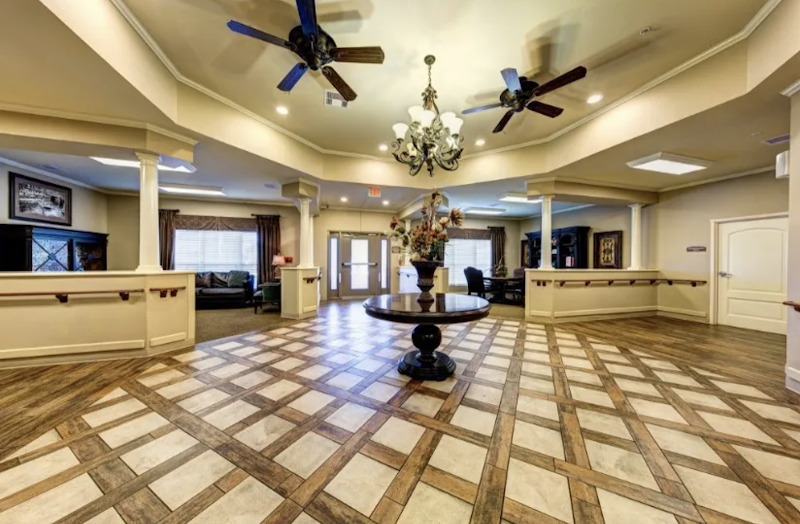
How is Hunters Pond Rehabilitation And Healthcare Staffed?

CMS rates HUNTERS POND REHABILITATION AND HEALTHCARE's staffing level at 2 out of 5 stars, which is below average compared to other nursing homes. Staff turnover is 44%, compared to the Texas average of 46%. This relatively stable workforce can support continuity of care.

What Have Inspectors Found at Hunters Pond Rehabilitation And Healthcare?

State health inspectors documented 43 deficiencies at HUNTERS POND REHABILITATION AND HEALTHCARE during 2023 to 2025. These included: 4 Immediate Jeopardy (the most serious level, indicating potential for serious harm or death), 38 with potential for harm, and 1 minor or isolated issues. Immediate Jeopardy findings are rare and represent the most serious regulatory concerns. They require immediate corrective action.

Who Owns and Operates Hunters Pond Rehabilitation And Healthcare?

HUNTERS POND REHABILITATION AND HEALTHCARE is owned by a for-profit company. For-profit facilities operate as businesses with obligations to shareholders or private owners. The facility is operated by THE ENSIGN GROUP, a chain that manages multiple nursing homes. With 128 certified beds and approximately 119 residents (about 93% occupancy), it is a mid-sized facility located in SAN ANTONIO, Texas.
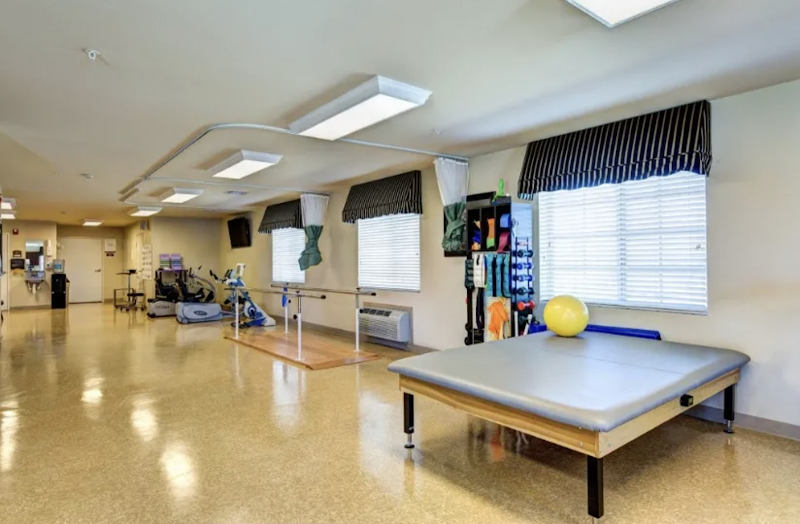
How Does Hunters Pond Rehabilitation And Healthcare Compare to Other Texas Nursing Homes?

Compared to the 100 nursing homes in Texas, HUNTERS POND REHABILITATION AND HEALTHCARE's overall rating (2 stars) is below the state average of 2.8, staff turnover (44%) is near the state average of 46%, and health inspection rating (2 stars) is below the national benchmark.

What Should Families Ask When Visiting Hunters Pond Rehabilitation And Healthcare?

Based on this facility's data, families visiting should ask: "What changes have been made since the serious inspection findings, and how are you preventing similar issues?" "Can you walk me through typical staffing levels on day, evening, and night shifts?" "Can I visit during a mealtime to observe dining assistance and food quality?" "How do you handle medical emergencies, and what is your hospital transfer rate?" These questions are particularly relevant given the facility's Immediate Jeopardy citations and the below-average staffing rating.

Is Hunters Pond Rehabilitation And Healthcare Safe?

Based on CMS inspection data, HUNTERS POND REHABILITATION AND HEALTHCARE has documented safety concerns. Inspectors have issued 4 Immediate Jeopardy citations (the most serious violation level indicating risk of serious injury or death). The facility has a 2-star overall rating and ranks #100 of 100 nursing homes in Texas. Families considering this facility should ask detailed questions about what corrective actions have been taken since these incidents.

Do Nurses at Hunters Pond Rehabilitation And Healthcare Stick Around?

HUNTERS POND REHABILITATION AND HEALTHCARE has a staff turnover rate of 44%, which is about average for Texas nursing homes (state average: 46%). Moderate turnover is common in nursing homes, but families should still ask about staff tenure and how the facility maintains care continuity when employees leave.

Was Hunters Pond Rehabilitation And Healthcare Ever Fined?

HUNTERS POND REHABILITATION AND HEALTHCARE has been fined $66,531 across 3 penalty actions. This is above the Texas average of $33,744. Fines in this range indicate compliance issues significant enough for CMS to impose meaningful financial consequences. Common causes include delayed correction of deficiencies, repeat violations, or care failures affecting resident safety. Families should ask facility leadership what changes have been made since these penalties.

Is Hunters Pond Rehabilitation And Healthcare on Any Federal Watch List?

HUNTERS POND REHABILITATION AND HEALTHCARE is not on any federal watch list. The most significant is the Special Focus Facility (SFF) program, which identifies the bottom 1% of nursing homes nationally based on persistent, serious quality problems. Not being on this list means the facility has avoided the pattern of deficiencies that triggers enhanced federal oversight. This is a positive indicator, though families should still review the facility's inspection history directly.