INSPIRATION HILLS REHABILITATION CENTER
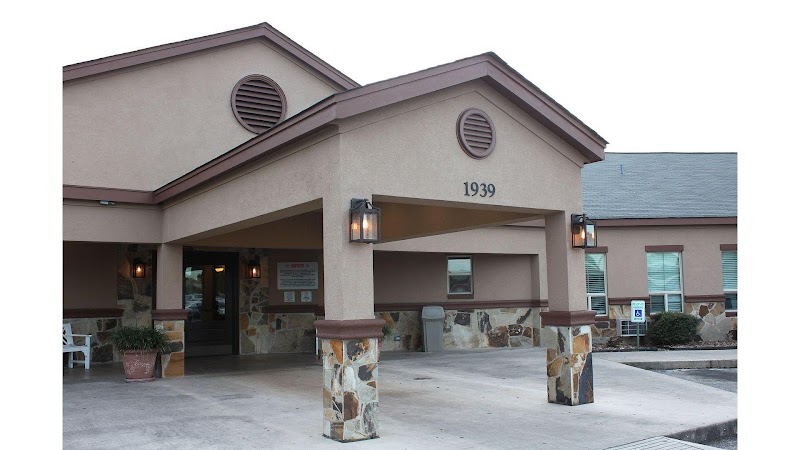
1939 BANDERA RD, SAN ANTONIO, TX 78228 (210) 434-0671
For profit - Individual 134 Beds PARAMOUNT HEALTHCARE Data: November 2025
Trust Grade
60/100
#494 of 1168 in TX
Last Inspection: April 2025

Within standard 12-15 month inspection cycle. Federal law requires annual inspections.

Overview

Inspiration Hills Rehabilitation Center has a Trust Grade of C+, indicating it is slightly above average but not without issues. It ranks #494 out of 1,168 facilities in Texas, placing it in the top half, and is #17 out of 62 in Bexar County, meaning only 16 local options are better. The facility is experiencing a worsening trend, with issues increasing from 7 in 2024 to 10 in 2025. Staffing is rated at 2 out of 5 stars, which is below average, and while turnover is lower than the state average at 44%, there is concerningly less RN coverage than 91% of Texas facilities. On a positive note, the facility has not incurred any fines, which is a good sign, but there are serious concerns identified by inspectors. For instance, the facility failed to maintain food safety standards, with unclean ice makers and unlabeled food items, posing a risk for foodborne illnesses. Additionally, residents reported being restricted from having visitors during late hours, which could lead to feelings of isolation. Furthermore, care plans for some residents were incomplete, lacking necessary interventions for their medical and psychosocial needs. Overall, while there are strengths, such as the absence of fines, families should carefully consider the areas of concern before making a decision.

Trust Score
C+
60/100
In Texas
#494/1168
Top 42%
Safety Record
Low Risk
No red flags
Inspections
Getting Worse
7 → 10 violations
Staff Stability
○ Average
44% turnover. Near Texas's 48% average. Typical for the industry.
Penalties
✓ Good
No fines on record. Clean compliance history, better than most Texas facilities.
Skilled Nurses
⚠ Watch
Each resident gets only 11 minutes of Registered Nurse (RN) attention daily — below average for Texas. Fewer RN minutes means fewer trained eyes watching for problems.
Violations
⚠ Watch
24 deficiencies on record. Higher than average. Multiple issues found across inspections.
★★★☆☆
3.0
Overall Rating
★★☆☆☆
2.0
Staff Levels
★★★☆☆
3.0
Care Quality
★★★☆☆
3.0
Inspection Score
Stable
2024: 7 issues
2025: 10 issues

The Good

  • Full Sprinkler Coverage · Fire safety systems throughout facility
  • No fines on record
  • Staff turnover below average (44%)

    4 points below Texas average of 48%

Facility shows strength in fire safety.

The Bad

3-Star Overall Rating

Near Texas average (2.8)

Meets federal standards, typical of most facilities

Staff Turnover: 44%

Near Texas avg (46%)

Typical for the industry

Chain: PARAMOUNT HEALTHCARE

Part of a multi-facility chain

Ask about local staffing decisions and management

The Ugly 24 deficiencies on record

Apr 2025 10 deficiencies
CONCERN (D)

Potential for Harm - no one hurt, but risky conditions existed

Deficiency F0657 (Tag F0657)

Could have caused harm · This affected 1 resident

**NOTE- TERMS IN BRACKETS HAVE BEEN EDITED TO PROTECT CONFIDENTIALITY** Based on observations, interviews, and record reviews, the facility failed to revise the comprehensive care plan after each asse...

Read full inspector narrative →
**NOTE- TERMS IN BRACKETS HAVE BEEN EDITED TO PROTECT CONFIDENTIALITY** Based on observations, interviews, and record reviews, the facility failed to revise the comprehensive care plan after each assessment for 1 (Resident #64) out of 8 residents reviewed for care planning. The facility failed to revise the care plan after investigating a fall sustained by Resident #64. The facility investigation included planned interventions that were not included care plan revision. This failure could result in the resident not receiving planned care or additional falls. The findings included: Review of Resident #64's face sheet, dated 4/04/2025, reflected a [AGE] year-old female with an initial admission date of 8/08/2024. Relevant diagnoses included muscle wasting and atrophy, other lack of coordination, unspecified dementia (a progressive disorder that affects a person's thinking skills), unsteadiness on feet, weakness, and muscle weakness. Review of the quarterly MDS for Resident #64 submitted on 3/11/2025 revealed a BIMS score of 04, indicating severe cognitive impairment . On 2/28/2025, the facility self-reported an incident regarding a fall sustained by Resident #64. Per the provider report, the resident fell from the bed, causing a facial injury. An initial x-ray indicated a possible right-sided orbital fracture (the bone surrounding the eye area), and the facility transferred the resident to the hospital for treatment. The hospital determined that the resident did not have a fracture through additional diagnostic testing, and the resident returned to the facility. The facility reported an investigation process that included the planned interventions of bed was lowered, call light w/in [within] reach, fall mats. Resident #64 was interviewed on 4/02/2025 at 08:20 AM. The resident recalled the fall and stated she was trying to reach an object that had fallen from the bed at the time of the fall. The resident denied concerns with care provided by the facility. At the time of the interview, the resident was observed in bed with the call light within her reach, and the bed was lowered. Fall mats were not observed to be present next to the bed. Resident #64 was again observed on 4/03/2025 at 1:02 PM. The resident was in bed, the bed was lowered, and the call light was in the bed near the resident. Fall mats were not present next to the bed. Resident #64 was observed a third time on 4/04/2025 at 7:40 AM. At that time, the resident was asleep in the low-positioned bed. The location of the call light could not be determined due to the position of the resident and the blankets covering her. Fall mats were not present next to the bed. A record review of Resident #64's current care plan, date printed 4/03/2025, reflected an update signifying the fall occurrence in the focus area of I am at risk for falls r/t [related to] NEED FOR ASSISTANCE WITH PERSONAL CARE, MUSCLE WASTING AND ATROPHY, NOT ELSEWHERE CLASSIFIED MULTIPLE SITES [sic]. The interventions/tasks associated with the focus area showed most recent updates on 8/08/2024. Fall mats were not listed as an associated intervention, nor was bed in lowered position. An interview was conducted with the DON on 4/4/2025 at 1:55 PM. The DON was asked to review the investigation process for the fall incident for Resident #64. The DON stated staff were educated to make sure that beds were low, to make sure that call lights were within reach, residents should be wearing non-skin socks, and decluttering rooms. The DON also reported changes were made because of the investigation, and she reported instituting a fall mat when she was in bed and ensuring that the resident had an electric bed that could be easily lowered. The DON was then asked if the care was updated to reflect these changes, and the DON reported that yes, it should be updated .
CONCERN (D)

Potential for Harm - no one hurt, but risky conditions existed

Deficiency F0685 (Tag F0685)

Could have caused harm · This affected 1 resident

**NOTE- TERMS IN BRACKETS HAVE BEEN EDITED TO PROTECT CONFIDENTIALITY** Based on observation , interview and record review, the facility failed to ensure that residents receive proper treatment to mai...

Read full inspector narrative →
**NOTE- TERMS IN BRACKETS HAVE BEEN EDITED TO PROTECT CONFIDENTIALITY** Based on observation , interview and record review, the facility failed to ensure that residents receive proper treatment to maintain vision abilities and assist the resident in making appointments for 1 (Resident #18) of 6 residents reviewed for communication and sensory problems. The facility failed to reschedule an ophthalmology appointment for Resident #18 to evaluate and treat the resident's medical condition affecting her eyesight. This failure could lead to diminished or loss of vision and decreased quality of life. The findings included : Record review of Resident #18's face sheet reflected she was an [AGE] year-old female originally admitted on [DATE]. Relevant diagnoses included type 2 diabetes mellitus without complication (a medical disorder that causes difficulty in regulating blood sugar levels), dementia (a progressive disorder that impairs thought processes such as memory, thinking, and reasoning), and cognitive social or emotional deficit following unspecified cerebrovascular disease. A review of the resident's Quarterly MDS submitted 11/11/2024 reflected a BIMS score of 08, indicating moderately impaired cognition . In an interview and observation conducted on 4/01/2025 at 3:25 PM, Resident #18 reported difficulty participating in facility hosted activities due to vision problems. The resident was wearing glasses at the time of interview and stated that even with the glasses, she had difficulty seeing. She was unsure if she had seen an optometrist or if she had any diagnoses related to her vision other than requiring glasses . A record review of Resident #18's current orders indicated a standing order for ophthalmology to evaluate and treat, effective 2/18/2025. A scanned photocopy of an evaluation by an optometrist dated 10/03/2024 was located within the medical record . This document indicated that Resident #18 complained of blurred vision to both eyes and watery eyes. The optometrist included a diagnosis of cataracts to both eyes as well as prolif diab rtnop with macular edema [sic] (proliferative diabetic retinopathy with macular edema, or damage to the nerves of the eye from diabetes causing vision loss) to both eyes. The note from the optometrist indicates refer to an ophthalmologist for retinal evaluation and cataract evaluation. A list of referrals for ophthalmology physicians was included with instructions to schedule an appointment. Further record review of Resident #18's medical record revealed a progress note documented by LVN L on 9/25/2024 that reflected: Resident was sent to eye doctor appointment with arrangements for [family member] to go meet her at her appointment. The family member was reminded of this appointment and out it on her phone on her last visit to see resident. Eye dr office called back stating the family member did not show up and they will have to reschedule appointment. This nurse called RP to inform her of the no show and she stated she didn't know if her car would be working and couldn't go. This nurse told her eye dr will reschedule and call her back with new appointment [sic]. No additional progress notes or scanned documents regarding the rescheduled appointment were located within the entirety of the electronic medical record. In an interview with LSW K on 4/04/2025 at 09:28 AM, LSW K recalled the need for an appointment relating to vision services for Resident #18. Written documentation was in LSW K's files reflecting the ophthalmology appointment on 9/25/2024. LSW K was unaware that the resident was not able to be evaluated at theis appointment and the need for a rescheduled appointment. LSW K stated that she would research the issue further and discuss again when she had obtained more information. In an interview on 4/04/2025 at 11:20 with LVN L recalled the unsuccessful ophthalmology appointment and was unsure if the appointment had been rescheduled . LVN L felt that Resident #18's vision had been declining and that it was affecting her (the resident's) ability to do things. LVN L stated she was going to call the physician's office to see if the appointment had been rescheduled and would schedule an appointment if one had not been created. On 4/04/2025 at 01:02 PM, LVN L provided an update to survey team regarding the opthalmology appointment appointment. LVN L reported that after speaking with surveyor, she called the opthalmology office and scheduled a new appointment for the end of April. She had arranged for facility staff to accompany the resident to ensure that she was evaluated successfully. Documentation from the ophthalmology office was provided by LVN L on 4/04/2025 at 2:00 PM. Review of the document reflected the missed appointment on 9/25/2024 with rationale Patient was note seen due to family member not present for exam to assist the patient. Transport was called to pick-up.
CONCERN (D)

Potential for Harm - no one hurt, but risky conditions existed

Deficiency F0688 (Tag F0688)

Could have caused harm · This affected 1 resident

**NOTE- TERMS IN BRACKETS HAVE BEEN EDITED TO PROTECT CONFIDENTIALITY** Based on observation, interview, and record review, the facility failed to ensure residents with limited range of motion receive...

Read full inspector narrative →
**NOTE- TERMS IN BRACKETS HAVE BEEN EDITED TO PROTECT CONFIDENTIALITY** Based on observation, interview, and record review, the facility failed to ensure residents with limited range of motion received appropriate treatment and services to increase range of motion and/or prevent further decrease in range of motion for two of two (Resident #8 & Resident #31) residents reviewed for range of motion. The facility failed to ensure Resident #8's left palm protector (medical device used to treat hand contractures, permanent tightening of the muscles, tendons, skin and surrounding tissues that causes stiffness, placed in the hands to help improve range of motion) was in place to her left hand. The facility failed to identify a medical device for Resident #31's right hand to help improve range of motion. The failures could place residents at increased risk for decrease in mobility and range of motion and contribute to worsening of contractures. Findings included: Record review of Resident #8's face sheet revealed a [AGE] year-old female admitted [DATE] and readmitted [DATE]. Resident #8's diagnoses include paranoid schizophrenia (a type of brain disorder than can cause a person to experience paranoia), anxiety, MDD (a mental disorder characterized by persistent low mood, loss of interest), glaucoma (a group of eye diseases that can lead to damage of the optic nerve), osteoporosis (a condition that causes bones to become weak and brittle, making them more susceptible to fractures), dysphagia (difficulty swallowing), cerebral palsy (a group of disorders that affect movement and muscle tone or posture), dementia (a group of symptoms affecting memory, thinking and social abilities). Record review of Resident #8's Quarterly MDS dated [DATE] Section C revealed BIMS Score 99 indicating severe cognitive impairment. Section GG revealed impairment to one side upper extremity and bilateral (left and right side) impairment of lower extremity and total dependence in all areas of ADL concern. Section O revealed resident is not receiving a Restorative Nursing Program and did not indicate use of splint or brace assistance. Record review of Resident #8's OT Evaluation & Plan of Treatment dated 1/14/25 revealed the resident had contracture of muscle, multiple sites to include left hand flexion contracture of all digits with pain upon attempting passive stretch. Record review of Resident #8's physician's order dated 3/22/25 revealed Patient may wear Left palm protector to patient tolerance, and order dated 4/2/25 Patient may wear left hand palm protector. Record review of Resident #8's care plan focus problem dated 1/10/25, revised 1/24/25 revealed impaired physical mobility related to contractures to bilateral lower extremities, left upper extremity, let hand, right ankle secondary to Cerebral Palsy. Interventions/Tasks revealed splints may be applied per physicians' orders dated 1/10/25. Focus problem dated 3/14/25 revealed resident will wear left palm protector. Record review of Resident #8's Restorative Nursing Program Communication Form dated 3/26/25 revealed application of palm protector to left hand 5 times per week. In observation of Resident #8 on 4/1/25 at 11:40 a.m., 4/2/25 at 2:30 p.m., 4/3/25 at 10:11 a.m., 4/3/25 at 2:23 p.m., 4/4/25 at 8:49 a.m., and 4/4/25 at 1:48 p.m. revealed no palm protector to left hand. Interview with CNA B on 4/3/25 at 10:29 a.m. revealed she but does not put anything in Resident #8's hand to prevent further contracture. Interview with CNA J on 4/3/25 at 10:29 a.m. revealed she will clean inside Resident #8's hand with a wipe but does not put anything in hand to prevent further contracture. Interview with CNA H, Rehabilitation Technician on 4/4/25 at 2:14 p.m. revealed he applies left hand palm protector to Resident #8, Monday-Friday, 4 hours / day. CNA H stated he applied left hand palm protector for Resident #8 after lunch. CNA H stated he applied palm protector on 4/2/25. In an interview with CNA G on 4/4/25 at 8:47 a.m., CNA G revealed she will utilize positioning pillows under Resident #8's lower back or side to help relieve pressure but does not put anything on her hand to prevent contracture. In an interview with DON on 4/4/25 at 10:12 a.m., the DON revealed therapy identifies contractures and puts interventions in place. DON stated she will review with the DOR to see if nursing should monitor. In an iterview with DOR I on 4/4/25 at 10:46 a.m., DOR I revealed the RNP for Resident #8 was initiated on 3/26/25 and includes application of palm protector to left hand. Record review of Resident #31's face sheet revealed a [AGE] year-old male admitted [DATE] and readmitted [DATE]. Resident #31's diagnoses include apraxia (difficulty with movements even when a person has the ability to do them) follow intracranial hemorrhage (brain bleeding), Hypertension, anemia (a condition in which the blood does not have enough healthy red blood cells to carry oxygen all through the body), CVA (Cerebovascular accident or stroke, damage to the brain from interruption of its blood supply), seizure disorder, psychotic disorder with delusions, mood disorder with depressive features, anxiety. Record review of Resident #31's Quarterly MDS dated [DATE] of Section C revealed resident unable to complete cognitive testing indicating severe cognitive deficit. Record review of Resident #31's Quarterly MDS dated [DATE] of Section GG revealed impairment to upper and lower extremity and resident was dependent in toileting, bathing, UB/LB dressing, required maximum assistance in bed mobility and set-up assistance with ambulation. Record review of Quarterly MDS dated [DATE] of Section O, revealed resident was not receiving a Restorative Nursing Program for range of motion or splint/brace assistance. Record review of Resident #31's Restprative Restorative Nursing Program revealed no Occupation Therapy program implemented for contracture management. Record review of Resident #31's physician's orders printed 4/3/25 revealed no orders in place for contracture management / prevention device or monitoring. Record review of Resident #31's Care Plan printed 4/3/25 revealed impaired physical mobility related to contracture(s) to left arm .secondary to CVA with interventions to include PROM (passive range of motion)and AROM (active range of motion) joint exercises to prevent contractures, stimulate circulation and build endurance. In an observation of Resident #31 on 4/1/25 at 10:32 a.m., 4/3/25 at 8:20 a.m., 4/3/25 at 12:20 p.m. revealed the resident's right hand contracture with no assistive device in place. In an iterview with DOR I on 4/4/25 at 10:46 a.m. revealed she will complete spot checks to ensure RNP programs are implemented and she is responsible for ensuring RNP program is initiated and on-going. In an iterview 4/4/25 at 10:12 a.m. with the DON revealed that not utilizing a palm protector for Resident #8 could increase contractures. In an iterview on 4/4/25 at 10:24 a.m. with the DON revealed that request for contracture management device for Resident #31 had been requested thru Medicaid and denied. The DON stated she advised the DOR to identify the appropriate device for Resident #31 and purchase / implement device for the resident. The DON stated that failure to address contractures could lead to increase of contractures, pain concerns and potential alteration in skin integrity. Review of Contracture Prevention Policy and Procedure, revised 7/5/24, revealed a 1. Contracture Risk Assessment will be performed . to determine a residents' risk score for having contractures, 3. Plan of care established by physical therapy or nursing .and physician's orders obtained, 9. Contracture prevention programs may include .A. positioning .E. splints, F. prevented by exercise.
CONCERN (D)

Potential for Harm - no one hurt, but risky conditions existed

Unnecessary Medications (Tag F0759)

Could have caused harm · This affected 1 resident

**NOTE- TERMS IN BRACKETS HAVE BEEN EDITED TO PROTECT CONFIDENTIALITY** Based on observations, interview, and record review, the facility failed to ensure that the medication error rate was not five p...

Read full inspector narrative →
**NOTE- TERMS IN BRACKETS HAVE BEEN EDITED TO PROTECT CONFIDENTIALITY** Based on observations, interview, and record review, the facility failed to ensure that the medication error rate was not five percent or greater. The facility had a medication error rate of 8.11% based on 3 errors out of 37 opportunities, which involved two residents (Resident #22 and Resident #3) of four reviewed for medication administration. 1. CMA B administered Fingolimod HCl oral capsule 0.5mg 1 capsule for personality disorder to Resident #2 at 09:34 AM that was ordered for administration at 08:00 AM. CMA B administered Sertraline HCl oral tablet 25mg 1 tablet for anxiety to Resident #22 at 09:34 AM that was ordered for administration at 08:00 AM. 2. CMA B documented administration of medication Cholecalciferol Tablet 1000 units 1 tab for vitamin deficiency during medication administration at 09:49 AM. However, this medication was not observed as administered at this time . These failures could place residents at risk of not receiving the intended therapeutic benefits of their medications or not receiving them as prescribed, per physician orders. The findings included: 1. Review of Resident #2's face sheet reflected she was a [AGE] year-old female admitted to the facility on [DATE]. Relevant diagnoses included anxiety, schizoaffective bipolar disorder (mental health condition that combines symptoms of schizophrenia- a condition causing difficulty distinguishing reality from their own thoughts- and bipolar disorder- a condition characterized by periods of extreme depression and elevated mood). Record review of Resident #2's electronic medical record reflected physician orders for the following medications: 1. Fingolimod HCl oral capsule 0.5mg 1 capsule, give 1 capsule by mouth one time a day for personality disorder. Start date 9/24/2024 with scheduled administration time of 08:00 AM. 2. Sertraline HCl oral tablet 25mg, give one tablet by mouth one time a day for anxiety. Start date 9/24/2024 with scheduled administration time of 08:00 AM. In an observation on 4/03/2025 at 09:34, CMA B was observed preparing ten total medications for administration to Resident #2, including the above-named medications. Resident #2 accepted the morning medications without complication. A record review of Resident #2's MAR after the observation reflected that two of the ten medications were scheduled for 08:00 AM administration, thus equating to the medications being administered 1 hour and 34 minutes late. The remaining eight medications that were administered had scheduled 09:00 AM administration times. In an interview with the DON on 4/02/2025 at 07:15 AM, the DON explained that routine morning medications are timed for administration at 09:00 AM due to the working schedules of the CMAs, which are 09:00 AM to 06:00 PM. She also explained that the physician's have agreed to this practice and that any medications with scheduled administration times outside of this window will be administered as ordered, by the nursing staff. In an interview on 4/03/2025 at 09:34 AM, CMA B explained that there are two medication aides at the facility assigned to administer oral medications for 1 hall and half of another hall, which can occasionally cause a delay in medication administration. In an interview on 4/04/2025 at 1:55 PM, the Admin was asked about the morning medication administration, as the CMAs do not begin work hours until the medications are already due. The Admin reported an expectation of nursing staff assisting if there are anticipated delays. She also explained that the CMAs administer medications to 1 hallway and an additional half hallway due to budgetary constraints. 2. Review of Resident #3's face sheet reflected he was an [AGE] year-old male admitted on [DATE] with relevant diagnoses of vitamin deficiency, type 2 diabetes mellitus (a disorder requiring medication to regulate blood sugar levels), and moderate intellectual disabilities. Review of Resident #3's reflected an order for the medication Cholecalciferol tablet 1000 units, give 1 tablet by mouth one a day for vitamin deficiency with start date of 3/21/2024 with a scheduled administration time of 09:00 AM. In an observation on 4/03/2025, CMA B was observed preparing six total medications for administration. During the observation, CMA B removed each package of medication from the locked cart drawers individually prior to removing the individual tablet(s)/capsules(s) for surveyor review. After reviewing all medications, the CMA then removed the appropriate tablet(s)/capsules(s) from the package and then returned the packages to the locked drawers. The medications were documented by the surveyor as they were presented. After preparation and review, resident #3 accepted the medications without complication. Immediately following the medication administration observation, Resident #3's MAR was reviewed, and it was discovered that the medication Cholecalciferol tablet 1000 units (1 tablet) was documented as administered. However, this medication was not one of the six medications that were reviewed with CMA B and observed as administered. There was no additional notation on this medication. Record review of facility policy Medication Administration General Guidelines dated 12/24 item #2. reflected if a dose of regularly scheduled is withheld, refused, or given at other than the scheduled time . the eMAR for that dosage administration is notated with the appropriate code and an explanatory note is entered in the resident's Progress Notes. Record review of facility policy titled Medication Administration General Guidelines dated 12/24 reflected item #14. medications are administered within 60 minutes of scheduled time, except before or after meal orders .
CONCERN (D)

Potential for Harm - no one hurt, but risky conditions existed

Deficiency F0760 (Tag F0760)

Could have caused harm · This affected 1 resident

**NOTE- TERMS IN BRACKETS HAVE BEEN EDITED TO PROTECT CONFIDENTIALITY** Based on interview and record review, the facility failed to ensure residents were free of any significant medication errors for...

Read full inspector narrative →
**NOTE- TERMS IN BRACKETS HAVE BEEN EDITED TO PROTECT CONFIDENTIALITY** Based on interview and record review, the facility failed to ensure residents were free of any significant medication errors for 1 of 8 residents (Resident #24) reviewed for medication administration. The facility provided Resident #24 with the medication Carvedilol outside of physician parameters. This failure could place residents at risk for not receiving the therapeutic effects of their prescribed medications. The findings included: Record review of Resident #24's admission Record, dated 04/04/2025, reflected a [AGE] year-old resident with diagnosis including dysphagia (difficulty swallowing), cerebral infarction (the pathologic process that results in an area of necrotic tissue in the brain), and human immunodeficiency virus [HIV] disease (a virus that attacks cells that help the body fight infection). Record review of Resident #24's quarterly MDS assessment, dated signed 03/09/2025, reflected Resident #24 was assessed with a BIMS score of 0, indicating the resident was severely cognitively impaired. Record review of Resident #24's comprehensive person-centered care plan, dated printer 04/03/2025, reflected that Resident #24 had hypertension and interventions to, Monitor/record medication side effects. Report to MD as necessary. Record review of Resident #24's Order Summary Report, dated 04/04/2025, reflected an order for Coreg Tablet 25 MG (Carvedilol) Give 1 tablet via PEG-Tube two times a day for htn Hold if SBP is <110 or HR is <60, indicating the medication should not be provided to the resident if their systolic blood pressure (the top number, which measures the pressure in your arteries when your heart beats) was over 110 or when the residents heart rate was under 60 beats per minute with a start date of 11/16/2024. Record review of Resident #24's Medication Administration Record for March 2025, dated 04/03/2025, reflected that Resident #24 could have been provided Carvedilol 62 times from 03/01/2025 through 03/31/2025 and was administered Carvidelol outside of parameters as follows: 1. On 03/05/2025, LVN N administered Carvedilol to Resident #24 while his SBP was 109 at 4:00 PM. 2. On 03/28/2025, LVN O administered Carvedilol to Resident #24 while his SBP was 108 at 9:00 AM. 3. On 03/29/2025, LVN P administered Carvedilol to Resident #24 while his HR was 58 at 4:00 PM. Interview on 04/04/2025 at 12:28 PM, the ADON stated that all medications that have parameters should be given within parameters and that if the medication was given out of parameters, the physician would have to be notified. The ADON stated she was not aware of medications being given out of parameters. Interview on 04/04/2025 at 2:12 PM, the DON stated that if a blood pressure is out of parameters, it should be checked manually and if it was still out of parameters, a nurse could use their best nursing judgement to provide the medication. The DON stated that if this occurred, the physician would need to be notified. The DON stated that the risk to residents for their medications being given out of parameters is the risk of not receiving the therapeutic effects of the medication or adverse side effects. Record review of facility policy titled, Medication Administration General Guidelines, dated, 12/24 reflected, Medications are administered in accordance with written orders of the prescriber .Obtain and record any vital signs as necessary prior to medication administration.
CONCERN (D)

Potential for Harm - no one hurt, but risky conditions existed

Infection Control (Tag F0880)

Could have caused harm · This affected 1 resident

Based on observation, interview, and record review, the facility failed to maintain an infection prevention and control program designed to provide a safe, sanity, and comfortable environment and to h...

Read full inspector narrative →
Based on observation, interview, and record review, the facility failed to maintain an infection prevention and control program designed to provide a safe, sanity, and comfortable environment and to help prevent the development and transmission of communicable diseases and infections for 1 (Resident #69) of 4 residents reviewed for medication administration. The facility also failed to handle and transport linens so as to prevent the spread of infections for infection control practices in 1 of 3 resident hallways observed for infection control. 1. The facility failed to ensure CNA A removed soiled gloves prior to exiting a room, as well as securing soiled linen in a bagged or contained method at the point of collection prior to transporting. 2. The facility failed to ensure CMA B sanitized a reusable blood pressure cuff between residents while obtaining vital signs needed for medication administration. These failures could lead to the spread of infection. The findings included: 1. While performing initial tour of the facility on 4/01/2025, CNA A was observed at 09:53 AM exiting a resident's room into the hallway while carrying unbagged, soiled linen with gloved hands. In an interview conducted on 4/01/2025 at 10:08 AM, CNA A acknowledged and confirmed the observation made by the surveyor. CAN A reported working at the facility for three years. CNA A stated that he was freaked out by the presence of state survey team and had exited the room quickly to avoid interaction. CNA A reported that the facility process regarding transporting soiled linen is to put the used linens in a trash bag prior to exiting the resident's room. He always stated that the facility's policy is to not wear soiled gloves in the hallway, but he explained that he was wearing them because he was carrying unbagged, soiled linen. CNA A stated that the potential harm to residents from transporting unbagged, soiled linen and wearing soiled gloves is contamination to other residents. In an interview with the DON on 4/04/2025 at 1:55 PM, the observation of CNA A was reviewed, and the DON was asked what the facility's expectation is regarding transporting linen. The DON stated linen needs to be bagged prior to exiting a resident's room. The DON informed the survey team that she was aware of the breach in infection control and that CNA A was still new and required reminders of proper infection control practices. The DON reaffirmed that she considered three years of employment history as still new. 2. On 4/03/2025 beginning at 09:45 AM, CMA B was observed obtaining a blood pressure on Resident #22 using a reusable electronic blood pressure monitoring device. CMA B was then observed obtaining a blood pressure on Resident #69 using the same device. CMA B was continuously observed during this time, and CMA B did not clean/sanitize the device between the two residents. In an interview conducted during medication administration observations, CMA B was asked how frequently she cleans the device between residents. CMA B answered that she usually cleans every two to three residents. CMA B was unsure what the facility policy was is regarding cleaning equipment between residents but stated they could probably want [her] to clean between every resident. CMA B identified the risk to residents of not cleaning equipment between residents is that you will spread whatever they have to others. CMA B was asked if she stores sanitizing wipes inside of the medication cart for this purpose, and she answered yes. However, observation of the medication cart did not reveal the presence of any cleaning agent for the device. In an interview with the ADON, who also serves as the Infection Preventionist for the facility, on 4/04/2025 at 11:15 AM, the observation was reviewed, and the ADON explained that her expectation is that staff will clean equipment between every resident and allow the equipment to dry before being used again. The ADON stated wipes are available to the staff and should be stored in the medication carts. Record review of the facility policy titled Standard Precautions (undated) reflected item 5.b. ensure that reusable equipment is not used for the care of another resident until it has been appropriately cleaned and reprocessed and single use items are properly discarded. Record review of facility policy titled Standard Precautions (undated) reflected item 2.g. remove gloves promptly after use, before touching non-contaminated items and environmental surfaces . The policy also revealed item 7.a. handle, transport, and process used linen . in a manner that prevents skin and mucous membrane exposures, contamination of clothing, and avoids transfer of microorganisms to other residents and environments.
CONCERN (E)

Potential for Harm - no one hurt, but risky conditions existed

Comprehensive Care Plan (Tag F0656)

Could have caused harm · This affected multiple residents

**NOTE- TERMS IN BRACKETS HAVE BEEN EDITED TO PROTECT CONFIDENTIALITY** Based on observations, interviews, and record reviews, the facility failed to develop and implement a comprehensive person-cente...

Read full inspector narrative →
**NOTE- TERMS IN BRACKETS HAVE BEEN EDITED TO PROTECT CONFIDENTIALITY** Based on observations, interviews, and record reviews, the facility failed to develop and implement a comprehensive person-centered care plan for each resident, consistent with resident rights, that included measurable objectives and time frames to meet a resident's medical, nursing, mental, and psychosocial needs that were identified in the comprehensive assessment for 5 (Residents #8, #15, #31, #62, and #77) of 18 residents reviewed for care plans. 1. The facility failed to develop care plan interventions for Resident #77's hospice services. 2. The facility failed to develop care planning related to Resident #15's ordered Wanderguard device and known tendencies to wander the facility in attempts to elope. The care planning for this resident also did not include monitoring for the resident's ordered, psychotropic medications. 3. The facility failed to develop care planning related to Resident #62's known tendency to wander the facility in attempts to elope as well as care planning monitoring the resident's specific medication regimen. 4. The facility failed to implement care plan interventions for Resident #8 and identify interventions for Resident #31 for contractures. These failures could place residents at risk of not receiving care and services related to their identified needs to maintain or reach their highest practicable physical, mental, and psychosocial wellbeing. The findings included: 1. Record review of Resident #77's admission Record, dated 04/04/2025, reflected a [AGE] year-old resident with an initial admission date of 07/30/2024 and diagnoses including parkinsonism (a clinical syndrome characterized by tremor, bradykinesia, rigidity, and postural instability), cerebral infarction (the pathologic process that results in an area of necrotic tissue in the brain), and type 2 diabetes. Further review revealed Resident #77 was on hospice and expired on 02/23/2025. Record review of Resident #77's Order Summary Report, dated 04/04/2025, reflected, Resident has been admitted to Hospice Services with an order date of 01/27/2025. Record review of Resident #77's Comprehensive Person-Centered Care Plan, dated printed 04/04/2025, did not reflect a focus area relating to Resident #77's hospice care, goals for the hospice care, or interventions/tasks related to hospice care. Interview on 04/04/2025 at 1:55 PM, the DON stated that care plans should have hospice care included. The DON stated that the care plan including hospice should describe and include how to ensure a resident on hospice remains comfortable. 2. Review of Resident #15's face sheet reflected an [AGE] year-old female admitted on [DATE]. Relevant diagnoses included psychotic disorder with delusions due to known physiological condition, vascular dementia (a progressive disorder that affects a person's cognition), mood disorder due to known physiological condition with depressive features, anorexia (lack of food intake related to low appetite), and history of falling. Review of the resident's quarterly MDS submitted on 12/08/2024 reflected that a BIMS score was unable to be assessed as the resident was unable to be understood during interviews. A review of the resident's active orders on 4/02/2025 revealed that the following orders: a. May have wander guard bracelet (order date 12/04/2024) b. Ativan gel 0.5mg/mL Gel, apply to wrist topically every 8 hours as needed for anxiety (order date 2/27/2025) c. Dronabinol capsule 2.5mg, give 1 capsule by mouth two times a day for appetite stimulant/store in locked narcotic box in refrigerator (order date 12/13/2024) d. Hydroxyzine Hcl Oral tablet 25 mg, give 1 tablet by mouth three times a day for anxiety (order date 3/06/2025) e. Sertraline HCl tablet 100mg, give 1 tablet by mouth one time a day for MDD [major depressive disorder] (order date 3/06/2025) f. Trazodone HCl oral tablet 50mg, give 1 tablet by mouth at bedtime for insomnia (order date 12/05/2024) Resident #15 was observed with Wanderguard bracelet in place on her right wrist on 4/05/2025 at 11:50 AM. In an interview on 4/05/2025 at 11:54 AM, LVN L was questioned about Resident #15's wandering tendencies. LVN L explained that Resident #15 has days where she is good and didn't wander and some nights where she was confused, tell staff that she needed to leave, and moved in her wheelchair to the exit. LVN L was then asked how the wander guard is monitored for placement on every shift. LVN L stated it is checked during skin assessments. A record review revealed 7 total documented skin assessments between the dates of 2/14/2025 and 4/10/2025. None of the 7 assessments contained documentation describing the Wandergard device. Additionally, all 7 assessments included the statement resident does not have an external device. A record review of the TAR on for April 2025 did not reveal any documentation of the wander guard device nor a task requesting staff to ensure placement. A record review of Resident #15's active care plan, date printed 4/03/2025, also did not reveal any care planning related to the Wanderguard or safety measures related to wandering. The care plan contains planning for falls (last revised 2/17/2025) and cognitive loss/alteration (last revised 10/06/2022), but neither of these focus areas mention the Wanderguard or tendency to wander. It was also noted during record review of the care plan that the areas related to psychotropic medication failed to specifically state the medications, related diagnosis, and symptoms for monitoring. Examples included: a. I use psychotropic medications (specify medications) r/t [no additional text] date initiated: 12/05/2024 b. Monitor/record occurrence of for target behavior symptoms (Specify: pacing, wandering, disrobing, inappropriate response to verbal communication, violence/aggression towards staff/others, etc.) and document per facility protocol. Date initiated 12/05/2024 c. I use antidepressant medication (Specify medications) r/t [no additional text] date initiated 12/05/2024 2. Review of Resident #62's face sheet reflected a [AGE] year-old female admitted on [DATE]. Relevant diagnoses included unspecified dementia, unspecified severity, with other behavioral disturbance; major depressive disorder, recurrent, unspecified; anxiety disorder; Alzheimer's disease (a progressive brain disorder that primary affects memory, thinking, and behavior); unsteadiness on feet; and unspecified abnormalities of gait and mobility. Resident #62 was observed on 4/01/2025 at 9:40 AM resting in her wheelchair in the hallway near the nurse's station. CNA A was present at the time of observation and stated Resident #62 has a tendency to wander and needed continuous monitoring. Similar observations of Resident #62 at the nurse's station were also made on 4/01/2025 at 2:57 PM and 4/03/2025 at 4:26 PM. Record review on 4/04/2025 of the resident's quarterly MDS submitted on 12/16/2024 reflected that a BIMS score was unable to be assessed as the resident was unable to be understood during interviews. Section E of the MDS indicated that Resident #62 exhibited wandering behavior 1-3 days of the 2 week period included in the evaluation period. Record review of Resident #62's current care plan, date printed 4/03/2025, did not reveal care planning related to wandering or the need for increased observation. Focus areas were noted for fall risk planning (last revised 12/6/2024) and cognitive loss (last revised 4/01/2025), but interventions did not include the interventions reflected in the aforementioned CNA interview (increased observation). Furthermore, review of the care plan reflected care areas and planning without specific details related to the resident. Examples included: a. I have (acute/chronic) pain r/t [no additional text] date initiated: 11/07/2024 b. I use anti-anxiety medications (Specify medications) r/t [no additional text] date initiated: 11/07/204 c. I use antidepressant medication (Specify medications) r/t [no additional text] date initiated 11/07/2024 An interview was conducted on 4/04/2025 at 1:55 PM with the Admin and the DON. They were asked how staff are expected to ensure placement of the wander guard. The DON responded that it is a task documented on the TAR. When told that Resident #15 does not have the task on the TAR, the Admin explained that the front door receptionist will often serve as an added alert to notify staff that a resident is attempting to leave the facility. The Admin also stated that the need for the wander guard was being re-evaluated during care plan meetings as the resident no longer exhibited wandering tendencies. The interview with LVN L describing the resident's continued wandering behavior was recounted to the Admin. The DON and the Admin were then asked if the wander guard should be included on the care plan, and they both stated yes, wander guard planning and wander risks should both be on the care plan. The DON and the Admin were also notified of the non-specificity of care plans reviewed by the survey team. The DON and Admin stated care plans should include medication names and symptoms specific to the resident. 4. Record review of Resident #8's face sheet revealed a [AGE] year-old female admitted [DATE] and readmitted [DATE]. Resident 38's diagnoses include paranoid schizophrenia (a type of brain disorder than can cause a person to experience paranoia), anxiety, MDD (a mental disorder characterized by persistent low mood, loss of interest), glaucoma (a group of eye diseases that can lead to damage of the optic nerve), osteoporosis (a condition that causes bones to become weak and brittle, making them more susceptible to fractures), dysphagia (difficulty swallowing), cerebral palsy (a group of disorders that affect movement and muscle tone or posture), dementia (a group of symptoms affecting memory, thinking and social abilities). Record review of Resident #8's Quarterly MDS dated [DATE], of Section C revealed BIMS Score 99 indicating severe cognitive impairment. Section GG revealed impairment to one side upper extremity and bilateral (both left and right side) impairment of lower extremity and total dependence in all areas of ADL concern. Section O revealed the resident was not receiving a Restorative Nursing Program and did not indicate use of splint or brace assistance. Record review of Resident #8's OT Evaluation & Plan of Treatment dated 1/14/25 revealed the resident had contracture of the muscle, multiple sites to include left hand flexion contracture of all digits with pain upon attempting passive stretch. Record review of Resident #8's physician's order dated 3/22/25 revealed Patient may wear Left palm protector to patient tolerance, and order dated 4/2/25 Patient may wear left hand palm protector. Record review of Resident #8's care plan focus problem dated 1/10/25, revised 1/24/25 revealed impaired physical mobility related to contractures to bilateral lower extremities, left upper extremity, let hand, right ankle secondary to Cerebral Palsy. Interventions/Tasks revealed splints may be applied per physicians' orders dated 1/10/25. Focus problem dated 3/14/25 revealed resident will wear left palm protector. Record review of Resident #8's Restorative Nursing Program Communication Form dated 3/26/25 revealed application of palm protector to left hand 5 times per week. In an interview with CNA B on 4/3/25 at 10:29 a.m. revealed she does not put anything in Resident #8's hand to prevent further contracture. In an interview with CNA J on 4/3/25 at 10:29 a.m. revealed she will clean inside Resident #8's hand with a wipe but does not put anything in hand to prevent further contracture. In an interview with CNA H, Rehabilitation Technician on 4/4/25 at 2:14 p.m. revealed he applies left hand palm protector to Resident #8, Monday-Friday, 4 hours / day. CNA H stated he applied left hand palm protector for Resident #8 after lunch. Stated he applied palm protector on 4/2/25. Interview with CNA G on 4/4/25 at 8:47 a.m. revealed she will utilize positioning pillows under Resident #8's lower back or side to help relieve pressure but does not put anything on her hand to prevent contracture. In an interview with DON on 4/4/25 at 10:12 a.m. revealed therapy identifies contractures and puts interventions in place. DON stated she will review with DOR to see if nursing should monitor. In an interview with DOR I on 4/4/25 at 10:46 a.m. revealed the RNP for Resident #8 was initiated on 3/26/25 and includes application of palm protector to left hand. Record review of Resident #31's face sheet revealed a [AGE] year-old male admitted [DATE] and readmitted [DATE]. Diagnoses include apraxia (difficulty with movements even when a person has the ability to do them) follow intracranial hemorrhage (bleeding in the brain), Hypertension, anemia (a condition in which the blood does not have enough healthy red blood cells to carry oxygen all through the body), CVA (Cerebrovascular accident or stroke, damage to the brain from interruption of its blood supply), seizure disorder, psychotic disorder with delusions, mood disorder with depressive features, anxiety. Record review of Resident #31's Quarterly MDS dated [DATE] of Section C revealed resident unable to complete cognitive testing indicating severe cognitive deficit. Section GG revealed impairment to upper and lower extremity and resident was dependent in toileting, bathing, UB/LB dressing, required maximum assistance in bed mobility and set-up assistance with ambulation. Review of Resident #31's Quarterly MDS dated [DATE] of Section O, revealed resident was not receiving a Restorative Nursing Program for range of motion or splint/brace assistance. Record review of Resident #31's Restorative Nursing Program revealed no Occupational Therapy Restorative Nursing Program was implemented. Record review of Resident #31's physician's orders printed 4/3/25 revealed no orders in place for contracture management / prevention device or monitoring. Record review of Resident #31's Care Plan printed 4/3/25 revealed impaired physical mobility related to contracture(s) to left arm .secondary to CVA with interventions to include PROM and AROM joint exercises to prevent contractures, stimulate circulation and build endurance. In observation of Resident #31 on 4/1/25 at 10:32 a.m., 4/3/25 at 8:20 a.m., 4/3/25 at 12:20 p.m. revealed resident right hand contracture with no assistive device in place. In an interview with DOR I on 4/4/25 at 10:46 a.m., DOR stated she completed spot checks to ensure the RNP programs were implemented and she was responsible for ensuring RNP program were initiated and on-going. In an iterview with the DON on 4/4/25 at 10:12 a.m. revealed that not utilizing palm protector for Resident #8 could increase contractures. In an interview on 4/4/25 at 10:24 a.m. the DON revealed that request for contracture management device for Resident #31 had been requested thru Medicaid and denied. The DON stated she advised the DOR to identify the appropriate device for Resident #31 and purchase / implement the device for the resident. DON stated that failure to address contractures could lead to increase of contractures, pain concerns and potential alteration in skin integrity. Review of Contracture Prevention Policy and Procedure, revised 7/5/24, revealed a 1. Contracture Risk Assessment will be performed . to determine a residents risk score for having contractures, 3. Plan of care established by physical therapy or nursing .and physician's orders obtained, 9. Contracture prevention programs may include .A. positioning .E. splints, F. prevented by exercise. Record review of Facility Policy titled, Care Planning - Interdisciplinary Team, dated reviewed December 2024, reflected, Our facility's Care Planning/Interdisciplinary Team is responsible for the development of an individualized comprehensive care plan for each resident.
CONCERN (E)

Potential for Harm - no one hurt, but risky conditions existed

ADL Care (Tag F0677)

Could have caused harm · This affected multiple residents

**NOTE- TERMS IN BRACKETS HAVE BEEN EDITED TO PROTECT CONFIDENTIALITY** Based on interview and record review, the facility failed to ensure residents who were unable to carry out activities of daily l...

Read full inspector narrative →
**NOTE- TERMS IN BRACKETS HAVE BEEN EDITED TO PROTECT CONFIDENTIALITY** Based on interview and record review, the facility failed to ensure residents who were unable to carry out activities of daily living received the necessary services to maintain good nutrition, grooming, and personal and oral hygiene for 3 of 8 residents (Resident #9, #28, and #40) reviewed for personal hygiene. 1. The facility failed to provide Resident #9, 8 of 13 scheduled showers between 03/04/2025 and 04/03/2025. 2. The facility failed to provide Resident #28, 8 of 13 scheduled showers between 03/04/2025 and 04/03/2025. 3. The facility failed to provide Resident #40, 4 of 14 scheduled showers between 03/04/2025 and 04/03/2025. This failure could place residents who require assistance from staff for personal hygiene at risk of not receiving care and services contributing to overall poor hygiene, risk of experiencing a diminished quality of life, and possible skin infections. The findings included: 1. Record review of Resident #9's admission Record, dated 04/04/2025, reflected a [AGE] year-old resident with an initial admission date of 11/12/2023. Resident #9 had diagnoses that included dysphagia (difficulty swallowing), cerebral infarction (the pathologic process that results in an area of necrotic (dead) tissue in the brain) and need for assistance with personal care. Record review of Resident #9's Quarterly MDS Assessment, signed and completed on 02/03/2025, reflected Resident #9 had a BIMS score of 4, indicating the resident was severely cognitively impaired. Resident #9's MDS assessment indicated that Resident #9 was Dependent (helper does ALL of the effort) for showering/bathing. Record review of Resident #9's Comprehensive Person-Centered Care Plan, undated, reflected I have an ADL Self Care Performance Deficit Cerebral Infarction, abnormalities in gait and mobility, with interventions, I require (X1) staff participation with bathing. Resident #9's Comprehensive Person-Centered Care Plan does not describe behaviors of refusals of showers, or refusals of any other type of care. Record review of Resident #9's tasks in his electronic health record reflected that the resident's shower days were Monday, Wednesday, and Friday in the evening. Further review revealed Resident #9 did not receive 8 of the 13 showers scheduled. Between 03/04/2025 and 04/03/2025, Resident #9 received showers on the following dates: 03/08/2025, 03/22/2025, 03/25/2025, 03/29/2025, and 04/01/2025. There were no other showers documented on the resident's electronic health record. An interview was attempted on 04/04/2025 at 10:47 AM with Resident #9, who was unable to answer questions relating to their showers due to their cognitive status. 2. Record review of Resident #28's admission Record, dated 04/04/2025, reflected a [AGE] year-old resident with an initial admission date of 02/07/2015. Resident #28 had diagnosis of cerebral infarction (the pathological process that results in an area of necrotic tissue in the brain), contractures (shortening and hardening of muscles, tendons, or other tissue, often leading to deformity and rigidity of joints) of the right hand, right thigh, right knee, left knee, left shoulder, left elbow, and multiple other sites. Record review of Resident #28's Quarterly MDS, signed and completed on 02/14/2025, reflected Resident #28 had a BIMS score of 0, indicating the resident was severely cognitively impaired. Resident #28's MDS assessment indicated that Resident #28 was Dependent (helper does ALL of the effort) for showering/bathing. Record review of Resident #28's Comprehensive Person-Centered Care Plan, undated, reflected, I have an ADL Self Care Performance Deficit r/t chronic pain syndrome, dyspnea/resp. abnormalities, seizure d/o, muscle weakness, lack of cord. And contractures to BLE, with interventions, I require extensive total assistance from staff participation with bathing. Resident #28's Comprehensive Person-Centered Care Plan does not describe behaviors of refusals of showers, or refusals of any other type of care. Record review of Resident #28's tasks in her electronic health record reflected that the resident's shower days were Monday, Wednesday, and Friday in the evening. Further review revealed Resident #28 did not receive 8 of the 13 showers scheduled. Between 03/04/2025 and 04/03/2025, Resident #28 received showers on the following dates: 03/08/2025, 03/15/2025, 03/17/2025, 03/27/2025, and 04/02/2025. There were no other showers documented on the resident's electronic health record. An interview was attempted on 04/04/2025 at 11:14 AM with Resident #28, who was unable to answer questions relating to their showers due to their cognitive status. 3. Record review of Resident #40's admission Record, dated 04/04/2025, reflected a [AGE] year-old resident with an initial admission date of 08/24/2024. Resident #40 had diagnoses that included dementia (a group of thinking and social symptoms that interferes with daily functioning), transient cerebral ischemic attack (a brief stroke-like attack that is caused by a brief blockage of blood flow to the brain), and need for assistance with personal care. Record review of Resident #40's Quarterly MDS Assessment, signed and completed on 03/22/2025, reflected Resident #40 had a BIMS score of 4, indicating the resident was severely cognitively impaired. Resident #40's MDS assessment indicated that Resident #40 was Dependent (helper does ALL of the effort) for showering/bathing. Record review of Resident #40's Comprehensive Person-Centered Care Plan, undated, reflected I have an ADL Self Care Performance Deficit r/t OTHER LACK OF COORDINATION, with interventions, I require (X) staff participation with bathing. Resident #40's Comprehensive Person-Centered Care Plan does not describe behaviors of refusals of showers, or refusals of any other type of care. Record review of Resident #40's tasks in his electronic health record reflected that the resident's shower days were Tuesday, Thursday, and Saturday in the evening. Further review revealed Resident #40 did not receive 4 of the 14 showers scheduled. Between 03/04/2025 and 04/03/2025, Resident #40 received showers on the following dates: 03/07/2025, 03/17/2025, 03/19/2025, 03/21/2025, 03/24/2025, 03/26/2025, 03/28/2025, 04/02/2025, and 04/03/2025. There were no other showers documented on the resident's electronic health record. An interview was attempted on 04/04/2025 at 11:20 AM with Resident #28, who was unable to answer questions relating to their showers due to their cognitive status. Interview on 04/04/2025 at 12:23 PM, CNA M stated he works any shift at the facility that was available for him to pick up, and that he was able to see when each resident showers by going into their task schedule in PCC, the facilities electronic health record. CNA M stated there was also a paper schedule at the nurse's station. CNA M stated that if any CNA is not able to bathe a scheduled resident on their shift, they will discuss it with the nurse and typically it is assigned to the next shift to complete. Interview on 04/04/2025 at 12:26 PM, the ADON stated that typically if a CNA does not have time to complete any assigned and scheduled showers on their shift, it should be communicated to the nurse and a progress note would be written. Interview on 04/04/2025 at 1:59 PM with the ADM and DON, the DON stated she was not aware residents were not receiving showers as scheduled, and that while it was unlikely the residents did not receive a shower, they did not have documentation apart from what was in each residents Electronic Health Record. The DON stated her expectation for if a resident refuses a shower is for it to be documented by the CNA and Nurse. The DON stated the risk to residents could include breakdown in skin integrity. The DON stated that all residents who were listed as not having a shower have a long history of refusals which is care planned and documented. The ADM stated that in their morning rounds that are completed on residents as administration staff, they sometimes have to tell nursing staff that a resident needs to be showered. Record review of facility policy, dated reviewed December 2024, titled, Shower/Tub Bath reflected The following information should be recorded on the resident's ADL record and/or in the resident's medical record: 1. The date and time the shower/tub bath was performed. 2. The name and title of the individual(s) who assisted the resident with the shower/tub bath.
CONCERN (E) 📢 Someone Reported This

A family member, employee, or ombudsman was alarmed enough to file a formal complaint

Potential for Harm - no one hurt, but risky conditions existed

Accident Prevention (Tag F0689)

Could have caused harm · This affected multiple residents

**NOTE- TERMS IN BRACKETS HAVE BEEN EDITED TO PROTECT CONFIDENTIALITY** Based on observations, interviews, and records review, the facility failed to ensure that the resident environment remained as f...

Read full inspector narrative →
**NOTE- TERMS IN BRACKETS HAVE BEEN EDITED TO PROTECT CONFIDENTIALITY** Based on observations, interviews, and records review, the facility failed to ensure that the resident environment remained as free of accident hazards as is possible and each resident receives adequate assistance devices to prevent accidents for 3 of 3 resident halls reviewed for infection control and 1 resident (Resident #64) of 3 residents reviewed for accidents and hazards. 1. The facility failed to store hand sanitizer in a way that prevented residents to access the hazardous substance without supervision. 2.The facility failed to ensure that fall mats were in place for Resident #64. These failures could place resident at risk for injuries due to not having adequate supervision or devices. 1.Observation and interview during the initial facility tour on 4/01/2025 beginning at 09:49 AM, it was observed that hand sanitizer dispensers were not present outside of resident rooms in Hall B or within the PPE cart located in front of room B7. Surveyors on Halls A and C confirmed that dispensers were not present on their respective halls at this time. LVN L was present during this observation and asked about the availability of hand sanitizer. LVN L stated hand sanitizer was kept at the nurse's station and provided a bottle for surveyor use. LVN L was overheard notifying the DON that the surveyor was asking about hand sanitizer. At 10:21 , full bottles of hand sanitizer were noted to be present on top of the EBP carts in Hall B. The DON was present during this observation stocking hand sanitizer. Surveyors on Halls and C confirmed similar observations at this time. An interview was conducted with the DON and the Admin on 4/04/2025 at 1:55 PM. When asked about the availability of hand sanitizer, the DON and the Admin both confirmed that storing individual bottles of hand sanitizer on top of the EBP carts for staff and visitor use is the usual storage method for the facility. The Admin clarified that on Hall C, staff will hide the sanitizer within the EBP drawers because there are several residents residing in the hall that have altered cognition and will steal supplies. As the EBP carts at the facility consisted of unlocked, plastic drawers, the Admin was asked how residents who are at risk for misusing the substance are kept safe from obtaining the hand sanitizer. The Admin stated that staff will monitor the residents and act as physical barriers between the hand sanitizers and the drawers, if necessary. At the conclusion of the interview, the facility MSDS book was reviewed to ensure that the hand sanitizer was included, in the event of ingestion. The information was not contained within the book. 2.Review of Resident #64's face sheet, dated 4/04/2025, reflected a [AGE] year-old female with an initial admission date of 8/08/2024. Relevant diagnoses included muscle wasting and atrophy (the loss and breakdown of muscle), other lack of coordination, unspecified dementia (a progressive disorder that affects a person's thinking skills), unsteadiness on feet, weakness, and muscle weakness. Review of the quarterly MDS submitted on 3/11/2025 reported a BIMS score of 04, indicating severe cognitive impairment. On 2/28/2025, the facility self-reported an incident regarding a fall sustained by Resident #64. P ER the provider report, reviewed 3/31/2025, the resident fell from bed, causing a facial injury. An initial x-ray indicated a possible right-sided orbital fracture (the bone surrounding the eye area), and the facility transferred the resident to the hospital for treatment. The hospital determined that the resident did not have a fracture through additional diagnostic testing, and the resident returned to the facility. The facility reported an investigation process that included the planned interventions of bed was lowered, call light w/in [within] reach, fall mats. The resident was interviewed on 4/02/2025 at 08:20 AM. The resident recalled the fall and stated she was trying to reach an object that had fallen from the bed at the time of the fall. The resident denied concerns with care provided by the facility. At this time, the resident was observed in bed with the call light within her reach, and the bed was lowered. Fall mats were not observed to be present next to the bed. The resident was again observed on 4/03/2025 at 1:02 PM. The resident was in bed, the bed was lowered, and the call light was in the bed near the resident. Fall mats were not present next to the bed. The resident was observed a third time on 4/04/2025 at 7:40 AM. At that time, the resident was asleep in the low-positioned bed. The location of the call light could not be determined due to the position of the resident and the blankets covering her. Fall mats were not present next to the bed. An interview was conducted with the DON on 4/4/2025 at 1:55 PM. The DON was asked to review the investigation process for the fall incident for Resident #64. The DON stated staff was educated to make sure that beds are low, to make sure that call lights are within reach, residents should be wearing non-skin socks, and decluttering rooms. The DON also reported changes were made because of the investigation, and she reported instituting a fall mat when she was in bed and ensuring that the resident had an electric bed that could be easily lowered.
CONCERN (F)

Potential for Harm - no one hurt, but risky conditions existed

Food Safety (Tag F0812)

Could have caused harm · This affected most or all residents

Based on observation, interview, and record review, the facility failed to store, prepare, distribute, and serve food in accordance with professional standards for 1 of 1 facility reviewed for food se...

Read full inspector narrative →
Based on observation, interview, and record review, the facility failed to store, prepare, distribute, and serve food in accordance with professional standards for 1 of 1 facility reviewed for food service safety. 1. The facility failed to maintain the cleanliness of the facility ice maker. 2. Two open food items were observed in the medication storage fridge, undated and unlabeled. 3. Three open and unrefrigerated containers of fluid drinks intended for residents were observed on two medication carts. This failure could place residents who receive food and/or snacks from the facility at risk for food borne illness. The findings included: 1. Observation on 04/03/2025 at 11:32 AM revealed a black substance build-up within the ice maker. The ice machine was observed to have a sticker on it stating the contracted cleaning company had last cleaned the ice machine in March of 2025, and it would next be cleaned in September of 2025. Observation on 04/03/2025 at 11:45 AM revealed water pitchers with ice in them and an ice chest in the hallway with ice in it for staff to provide to residents with water and/or ice when requested. Interview on 04/04/2025 at 2:19 PM, the DON stated that all she saw in the photo of the ice machine was condensation. The DON stated the risk to residents with having ice from a dirty ice machine was illness. Interview on 04/04/2025 at 2:19 PM, the ADM was shown a photo of the ice machine and stated that it was dirty and she expected it to be cleaner, since the contracted cleaning company had recently come to clean it. The ADM stated the facility had a company who was contracted to clean the ice machine every 6 months. The ADM stated that other than the contracted cleaning service every 6 months, there was not a schedule for cleaning the facility ice machine, and that if they notice the machine needs to be cleaned then maintenance will clean it. The ADM stated the risk to residents with having ice from a dirty ice machine is the possibility of residents becoming sick. 2. During an observation and interview on 04/02/2025 at 1:55 pm, the medication refrigerator in Hall C was observed to have two opened food containers on the top shelf - a Styrofoam container of red liquid and a clear, plastic container with orange liquid. No medications were located on this shelf. Neither item was labeled with a date indicating when it was opened. The DON stated the food items should not be stored in the medication refrigerator. The DON then disposed of the items into a nearby trashcan. 3. During an observation on 04/03/2025 at 11:3 am, an open container of Sysco brand thickened lemon flavor water was observed on the medication cart for Hall C. This container was labelled with an open date of 2/17/2025. On the back of the carton, the manufacturer label stated: Refrigerate prior to serving. Shake well before using. Twist the cap to open, then pour and serve. After opening, may be kept up to 7 days under refrigeration. The carton was warm to the touch, and no ice or cooling method was observed on the cart. Observation on 04/05/2025 at 11:35 AM revealed an additional carton of the same thickened lemon flavor water within a locked drawer of the medication cart in Hall B with an open date of 03/31/2025. The carton was warm to the touch, and no ice or cooling method was observed on the cart. An interview was conducted with CMA C on 4/03/2025 at 11:35 AM. CMA C stated she was unaware that the thickened lemon flavor water required refrigeration. She was unsure when it should be discarded after opening. CMA C also reported that it was routine practice at the facility to keep the thickened lemon flavor water stored in the medication carts, unrefrigerated after opening. A third observation was made on 4/02/2025 at 07:35 AM of Sysco brand Med Plus 2.0 Vanilla flavored nutritional drink on top of the medication cart in hall B. The carton was warm to the touch, and no ice or refrigeration method was observed. The carton was labelled as opened on 4/3. An interview was conducted with RN D on 4/02/2025 at 07:25 AM. RN D stated that the carton was present when he arrived for his shift at 06:00 AM and was likely put there by the overnight staff from the previous shift. RN D stated that the facility practice is to store these cartons on ice on top of the medication cart. An interview was conducted with the DON and the Admin on 4/04/2025 at 1:55PM, and the observations made by the survey team of the thickened water and nutritional supplement were reviewed. The DON disagreed with the surveyor assessment that the cartons required refrigeration after opening and stated that she would consult with the facility pharmacist. A review of the manufacturer's website (www.sysco.com) indicated the following: 1. Med Plus 2.0 Vanilla: refrigerate after opening and use within three days 2. Thickened lemon flavored water: refrigerate for up to 7 days after opening No follow-up information from the facility pharmacist was offered by the DON or Admin before the survey team exited. Record review of facility policy titled, Production, Storage, and Dispensing of Ice, undated, reflected, The ice dispenser will be cleaned and sanitized at least monthly and/or as needed. Inside and outside of the machine and the area around the machine will be cleaned.
Feb 2024 6 deficiencies
CONCERN (D)

Potential for Harm - no one hurt, but risky conditions existed

Comprehensive Care Plan (Tag F0656)

Could have caused harm · This affected 1 resident

**NOTE- TERMS IN BRACKETS HAVE BEEN EDITED TO PROTECT CONFIDENTIALITY** Based on interviews and record reviews the facility failed to develop and implement a comprehensive person-centered care plan fo...

Read full inspector narrative →
**NOTE- TERMS IN BRACKETS HAVE BEEN EDITED TO PROTECT CONFIDENTIALITY** Based on interviews and record reviews the facility failed to develop and implement a comprehensive person-centered care plan for each resident, that includes measurable objectives and timeframes to meet a resident's medical, nursing, and mental and psychosocial needs that are identified in the comprehensive assessment for 1 of 8 residents (Residents #17) reviewed for care plans. The facility failed to care plan Resident #17's use of Clopidogrel 75 mg (blood thinner). This failures could have placed residents at risk of not having their needs met. Record review of Resident #17's face sheet dated 2/21/2024 revealed a [AGE] year-old female admitted to the facility on [DATE] with the diagnosis that included: Alzheimer's disease (is a brain disorder that slowly destroys memory and thinking skills). Hepatitis C( is an inflammation of the liver caused by the hepatitis C virus.) Right hemiplegia( indicates paralysis on the right side of the body). Record review of Resident's # 17's Quarterly MDS Assessment , dated 2/21/2024, revealed a BIMS score of 12, which indicated moderate impaired cognition. Record review of Rresident 17's the Order Summary Report dated February 21, 2024, revealed the order Clopidogrel 75 mg, administer one tablet by mouth daily for hypertension. Record review of Care Plan, dated February 2024, did not reveal a care plan addressing use of medication Clopidogrel. In an Interview with the MDS Coord. on 2/22/2024 at 115 PM, she stated that clopidogrel was a blood thinner and not used for hypertension; She believes the original admitting nurse must have made a transcriber error when the resident was originally admitted in 2020, and no one had caught it. The MDS nurse added that the facility follows an interdisciplinary approach to care plans and the medication clopidogrel should be care planned. So the nursing team is on the same page in regard to resident's needs. In an interview with the DON on 2/23/2024 at 210 p.m., The DON stated that by the care plan not being updated on Resident # 17 to reflect that the Resident was on clopidogrel, a blood thinner, she risked not all team members being aware of the resident's needs. She added she was unaware that the care plan for Clopidogrel was not available but would ensure it was corrected. Record review of facility policy titled Care Planning Comprehensive, dated December 2023, revealed, Care Plan must reflect current recognized standards of practice for problem areas and condition.
CONCERN (D)

Potential for Harm - no one hurt, but risky conditions existed

Deficiency F0760 (Tag F0760)

Could have caused harm · This affected 1 resident

**NOTE- TERMS IN BRACKETS HAVE BEEN EDITED TO PROTECT CONFIDENTIALITY** Based on interviews and record reviews, the facility failed to ensure residents are free of any significant medication errors fo...

Read full inspector narrative →
**NOTE- TERMS IN BRACKETS HAVE BEEN EDITED TO PROTECT CONFIDENTIALITY** Based on interviews and record reviews, the facility failed to ensure residents are free of any significant medication errors for 1 of 3 residents (Resident #63) reviewed for medication administration, in that: The facility failed to prevent Resident #63 from being provided Midodrine, a medication designed to raise a person's blood pressure, while Resident #63 was assessed with blood pressure higher than the physician recommended parameters for providing the medication. This failure could place residents at risk for not receiving therapeutic effects of their medications and possible adverse reactions. The findings included: Record review of Resident #63's face sheet dated 2/23/2024 reflected a [AGE] year-old resident with an initial admission date of 1/01/2024 and diagnoses including major depressive disorder, and seizures. Record review of Resident #63's most recent MDS assessment, dated 1/08/2024, reflected a resident with a BIMS summary score of 15 , indicative of intact cognition. Record review of Resident #63's Order Summary Report, dated 2/23/2024, reflected an order that read Midodrine HCl Oral Tablet 5 MG (Midodrine HCl) Give 1 tablet by mouth three times a day for hypotension [low blood pressure] hold for SBP> [greater than]120, [indicating to nursing staff that the resident should not receive the Midodrine if their systolic blood pressure was above 120]. Record review of Resident #63's Medication Administration Record, dated 2/23/2024, reflected that of the 64 times the resident was scheduled to be administered midodrine, 23 doses were administered out of physician parameters with Resident #63's systolic blood pressure being over 120: 1/06/2024 at 1:00 PM when Resident #63's systolic blood pressure was 129 administered by MA F; 1/12/2024 at 5:00 PM when Resident #63's systolic blood pressure was 148 administered by MA A; 1/20/2024 at 5:00 PM when Resident #63's systolic blood pressure was 128 administered by MA G; 1/29/2024 at 5:00 PM when Resident #63's systolic blood pressure was 131 administered by MA H ; 2/02/2024 at 9:00 AM when Resident #63's systolic blood pressure was 121 administered by LVN I; 2/03/2024 at 9:00 AM when Resident #63's systolic blood pressure was 135 administered by MA F; 2/03/2024 at 5:00 PM when Resident #63's systolic blood pressure was 146 administered by LVN J; 2/04/2024 at 9:00 AM when Resident #63's systolic blood pressure was 133 administered by MA G; 2/04/2024 at 1:00 PM when Resident #63's systolic blood pressure was 133 administered by MA G; 2/04/2024 at 5:00 PM when Resident #63's systolic blood pressure was 146 administered by MA G; 2/06/2024 at 9:00 AM when Resident #63's systolic blood pressure was 133 administered by MA A; 2/08/2024 at 1:00 PM when Resident #63's systolic blood pressure was 127 administered by MA A; 2/10/2024 at 9:00 AM when Resident #63's systolic blood pressure was 124 administered by MA G; 2/10/2024 at 1:00 PM when Resident #63's systolic blood pressure was 124 administered by MA G; 2/11/2024 at 9:00 AM when Resident #63's systolic blood pressure was 128 administered by MA G; 2/11/2024 at 1:00 PM when Resident #63's systolic blood pressure was 124 administered by MA G; 2/13/2024 at 9:00 AM when Resident #63's systolic blood pressure was 121 administered by MA A; 2/13/2024 at 1:00 PM when Resident #63's systolic blood pressure was 121 administered by MA A; 2/15/2024 at 9:00 AM when Resident #63's systolic blood pressure was 121 administered by MA A; 2/15/2024 at 1:00 PM when Resident #63's systolic blood pressure was 121 administered by MA A; 2/20/2024 at 9:00 AM when Resident #63's systolic blood pressure was 125 administered by MA A; 2/20/2024 at 1:00 PM when Resident #63's systolic blood pressure was 125 administered by MA A; 2/20/2024 at 5:00 PM when Resident #63's systolic blood pressure was 125 administered by MA A; Interview on 2/23/2024 at 2:34 PM, MA A stated she was not sure how the midodrine could have been given to Resident #63 out of parameters, and stated it was likely incorrect documentation of blood pressure due to keys on their keyboard sticking. MA A stated a risk to the resident for the medication being given out of parameters was that the resident could go to the hospital. Interview on 2/22/2024 at 5:00 PM in a group interview with the DON present, the Administrator stated that their expectation was for medications to be administered as ordered by the physician. Record review of facility policy, undated, titled Medication and Treatment Orders, reflected, Orders for medications and treatments will be consistent with principles of safe and effective order writing. Review of Lippincott procedures, Oral Drug Administration, revised 5/19/2022, accessed 11/27/2023, from: https://procedures.lww.com/lnp/view.do?pId=4420477, revealed, under the subheading Special Considerations, Assess parameters, such as blood pressure and pulse, as necessary before administering a medication with dose-holding parameters.
CONCERN (D)

Potential for Harm - no one hurt, but risky conditions existed

Laboratory Services (Tag F0770)

Could have caused harm · This affected 1 resident

**NOTE- TERMS IN BRACKETS HAVE BEEN EDITED TO PROTECT CONFIDENTIALITY** Based on interview and record review, the facility failed to provide or obtain laboratory services, to meet the needs of its res...

Read full inspector narrative →
**NOTE- TERMS IN BRACKETS HAVE BEEN EDITED TO PROTECT CONFIDENTIALITY** Based on interview and record review, the facility failed to provide or obtain laboratory services, to meet the needs of its residents for 2 of 12 residents (Resident #32 and #60) reviewed for laboratory services, in that: 1.) The facility failed to obtain the ordered labs for Resident #32 on 11/23/2023 in a timely manner. 2.) The facility failed to obtain the ordered lab for Resident #60 on 11/22/2023 in a timely manner. This failure could place residents at risk of not receiving timely diagnosis and treatment, and not receiving appropriate monitoring for health and well-being. Findings included: 1.) Record review of the admission Record printed 2/23/2024, revealed Resident #32 was an [AGE] year-old female originally admitted on [DATE] with an admitting diagnosis of chronic kidney disease, stage 4. Record review of the quarterly MDS assessment dated [DATE], revealed Resident #32 had a BIMS summary score of 6, indicative of severe cognitive impairment. Resident #32 was coded as moderate assistance [helper does more than half the effort] related to toileting. Resident #32 was documented as occasionally incontinent of both bowel and bladder. Active diagnoses included renal [kidney] insufficiency, renal failure, or end stage renal disease. Record review of Resident #32's Care Plan dated 10/19/2023, revealed a focus area of antibiotic therapy related to UTI as of 12/31/2023; with the following associated interventions: administer medications as ordered; report pertinent lab results to MD (revised 1/04/2024). Record review of Order Details revealed Resident #32 had a physician's order for a routine collection of urine to rule out UTI dated 11/23/2023 at 12:40 PM. Record review of the Progress Note for Resident #32 dated 11/29/2023 at 8:30 AM, authored by the MD, revealed, Resident #32 had some confusion, pending UA, and was status post fall. Record review of the Progress Note for Resident #32, authored by the NP dated 12/04/2024 at 9:00 AM, revealed: UA still pending for AMS . rounded with RN. Record review of the 24-Hour Report/Change of Condition Report dated 12/01/2023 revealed Resident #32 threw away UA. Review of the 24-Hour Report/Change of Condition Report dated 12/05/2023 revealed Resident #32 continues to throw away urine. No entries for any other dates for Resident #32 found. Record review of the final Laboratory Report revealed the sample for Resident #32 was collected on [Wednesday] 12/06/2023 which was 13 days after the original laboratory ordered date. The report indicated the sample was high for E. coli bacteria. 2.) Record review of the admission Record printed 2/23/2024, revealed Resident #60 was an [AGE] year-old female originally admitted on [DATE]. Record review of the quarterly MDS assessment dated [DATE], revealed Resident #60 had short- and long-term memory problems and disorganized thinking. Resident #60 was coded as supervision or touching assistance [helper provides verbal cues and/or touching/steadying and/or contact guard assistance] related to toileting. Resident #60 was documented as occasionally incontinent of both bowel and bladder. Active diagnoses included lack of coordination. Record review of Resident #60's Care Plan printed 2/21/2024, revealed a focus area of ADL Self Care Performance Deficit, with a date initiated of 3/30/2023, revision on 1/15/2024; with the following associated interventions: require supervision with stand by assistance of 1 staff participation to use the toilet, initiated 3/30/2023. Care Plan did not address urinary tract infection. Record review of Order Details revealed Resident #60 had a physician's order for a routine collection of urine to rule out UTI dated 11/22/2023 at 1:29 PM. Record review of the Lab Results Report revealed the sample for Resident #60 was collected on [Monday] 11/27/2023 which was 5 days after the original laboratory ordered date. Report included: Originally Reported on [Tuesday] 11/28/2023 at 6:51 PM. The report indicated the sample was high for E. coli bacteria. Record review of progress note dated 11/29/2023 at 8:50 AM, authored by the MD, revealed, Resident #60 had positive urinalysis for E. coli and was stable after a mechanical fall with no signs of injury; at baseline; continue to monitor. Record review of Order Details revealed Resident #60 had a physician's order for nitrofurantoin [Macrobid] for urinary tract infection with an order date of 11/29/2023 at 10:03 AM, which was 7 days after the original laboratory order date. In an interview on 2/21/2024 at 5:16 PM, the DON stated the lab company the facility used would pick up the sample by the end of the next day after the order was written between Sundays through Thursdays. The DON stated when a physician ordered a routine lab the expectation was for it to be collected by the end of the next day. The DON stated on weekends, the staff were trained to enter the orders as a STAT [immediate] order, and collect the sample as soon as possible, and the lab company would pick up the sample the same day, within a few hours. The DON stated she would have to look into the reason why Resident #32's sample was not collected by the end of the next day after it was ordered. The DON stated a delay in collecting the sample could result in a delay in the physician being able to appropriately treat a potential illness. In an interview on 2/21/2023 at 5:46 PM, the ADON A stated Resident #32 had dementia, was independently toileting and ambulatory. ADON A stated Resident #32 would empty the collection hat of urine in the toilet despite repeated attempts at education and reminders. ADON A stated collecting the sample for Resident #32 was discussed at each shift change. ADON A stated it was luck that we were able to eventually able to collect the sample before Resident #32 dumped the collection hat of urine into the toilet. In an interview on 2/23/2024 at 11:44 AM, with the MDS Coord. present, ADON A stated, Residents #32 and #60 were both ambulatory and independent with toileting and would dump out the collection hat of urine into the toilet as both were easily confused and would not follow instructions or remember that staff had told them the nurses needed the urine. ADON A stated both Resident #32 and #60 would not be candidates for alternative collection methods such as straight catheterization. ADON A stated Resident #60 was also frequently combative during the provision of care and would not have submitted to an alternative testing method. Review of Lab and Diagnostic Test Results - Clinical Protocol, reviewed December 2023, revealed under the heading Assessment and Recognition: physician will identify, and order lab testing based on diagnostic and monitoring needs; staff will process test requisitions and arrange for test; testing source will report test results to the facility. Under the heading Deciding How Urgently to Contact the Physician: nurse will identify the urgency of communicating with the attending physician based on physician request, the seriousness of the abnormality, and the individuals current condition; should proceed as though the tests were ordered to assess the condition change or a recent onset of signs and symptoms. Under the heading Physician Responses: physicians will respond within an appropriate time frame . By end of next office day to a non-emergency message regarding a non-immediate lab test notification (for example, by late Wednesday afternoon for a call made on Tuesday). When necessary to help explain clinical decisions, a physician or mid-level practitioner should document the basis for conclusions about how the results were addressed. Review of Lippincott procedures, Urine Specimen Collection, Random, revised 12/10/2023, accessed 2/27/2024, from https://procedures.lww.com/lnp/view.do?pId=4419392&hits=urinalysis&a=true&ad=false&q=urinalysis revealed under the heading Introduction, Urine specimen allows screening for urinary and systemic disorders; a first-voided morning specimen should be used, if possible. Under the heading Implementation, review the practitioner's order; explain the procedure .according to their individual communication and learning needs to increase their understanding .and enhance cooperation.; instruct an ambulatory patient to void into .collection hat .send it immediately to the laboratory; document the procedure.
CONCERN (D)

Potential for Harm - no one hurt, but risky conditions existed

Deficiency F0773 (Tag F0773)

Could have caused harm · This affected 1 resident

**NOTE- TERMS IN BRACKETS HAVE BEEN EDITED TO PROTECT CONFIDENTIALITY** Based on interview and record review, the facility failed to provide or obtain laboratory services ordered by physician assistan...

Read full inspector narrative →
**NOTE- TERMS IN BRACKETS HAVE BEEN EDITED TO PROTECT CONFIDENTIALITY** Based on interview and record review, the facility failed to provide or obtain laboratory services ordered by physician assistant, nurse practitioner or clinical nurse specialist in accordance with state law, including scope of practice laws, to meet the needs of its residents for 1 of 12 residents (Resident #32) reviewed for laboratory services, in that: The facility failed to report laboratory results received on 12/08/2023 for Resident #32 in a timely manner to the physician. This failure could place residents at risk of not receiving timely diagnosis and treatment, and not receiving appropriate monitoring for health and well-being. Findings included: 1.) Record review of the admission Record printed 2/23/2024, revealed Resident #32 was an [AGE] year-old female originally admitted on [DATE] with an admitting diagnosis of chronic kidney disease, stage 4. Record review of the quarterly MDS assessment dated [DATE], revealed Resident #32 had a BIMS summary score of 6, indicative of severe cognitive impairment. Resident #32 was coded as moderate assistance [helper does more than half the effort] related to toileting. Resident #32 was documented as occasionally incontinent of both bowel and bladder. Active diagnoses included renal [kidney] insufficiency, renal failure, or end stage renal disease. Record review of Resident #32's Care Plan dated 10/19/2023, revealed a focus area of antibiotic therapy related to UTI as of 12/31/2023; with the following associated interventions: administer medications as ordered; report pertinent lab results to MD (revised 1/04/2024). Record review of Order Details revealed Resident #32 had a physician's order for a routine collection of urine to rule out UTI dated 11/23/2023 at 12:40 PM. Record review of the final Laboratory Report revealed the sample for Resident #32 included: Originally Reported on [Friday] 12/08/2023 at 6:35 PM. The report indicated the sample was high for E. coli bacteria. Record review of progress note for Resident #32, with an effective date of [Sunday] 12/10/2023 at 7:06 PM which was 2 days after the original laboratory report date, authored by LVN E revealed, UA results sent to doctor [MD]. New orders received and noted. Record review of Order Details revealed Resident #32 had a physician's order for nitrofurantoin [Macrobid] for urinary tract infection with the start date of 12/11/2023, which was 3 days after the results were communicated to the facility. Record review of the MAR revealed Resident #32 received a twice daily course of nitrofurantoin starting 12/11/2023 at 9:00 AM through 12/17/2023 at 5:00 PM. In an interview on 2/21/2024 at 5:16 PM, the DON stated the lab company the facility used would pick up the sample by the end of the next day after the order was written between Sundays through Thursdays. The DON stated when a physician ordered a routine lab the expectation is for it to be collected by the end of the next day. The DON stated on weekends, the staff were trained to enter the orders as a stat [immediate] order, and collect the sample as soon as possible, and the lab company would pick up the sample the same day, within a few hours. The DON stated she would have to look into the reason why Resident #32's sample was not collected by the end of the next day after it was ordered. The DON stated a delay in collecting the sample could result in a delay in the physician being able to appropriately treat a potential illness. In an interview on 2/21/2023 at 5:46 PM ADON A stated Resident #32 had dementia, was independently toileting and ambulatory. ADON A stated Resident #32 would empty the collection hat of urine in the toilet despite repeated attempts at education and reminders. ADON A stated collecting the sample for Resident #32 was discussed at each shift change. ADON A stated it was luck that we were able to eventually able to collect the sample before Resident #32 dumped the collection hat of urine into the toilet. In an interview on 2/23/2024 at 11:44 AM, with the MDS Coord. present, ADON A stated, Residents #32 was ambulatory and independent with toileting and would dump out the collection hat of urine into the toilet as she easily confused and would not follow instructions or remember that staff had told her the nurses needed the urine. ADON A stated Resident #32 would not be candidate for alternative collection methods such as straight catheterization. Review of Lab and Diagnostic Test Results - Clinical Protocol, reviewed December 2023, revealed under the heading Assessment and Recognition: physician will identify, and order lab testing based on diagnostic and monitoring needs; staff will process test requisitions and arrange for test; testing source will report test results to the facility. Under the heading Deciding How Urgently to Contact the Physician: nurse will identify the urgency of communicating with the attending physician based on physician request, the seriousness of the abnormality, and the individuals current condition; should proceed as though the tests were ordered to assess the condition change or a recent onset of signs and symptoms. Under the heading Physician Responses: physicians will respond within an appropriate time frame . By end of next office day to a non-emergency message regarding a non-immediate lab test notification (for example, by late Wednesday afternoon for a call made on Tuesday). When necessary to help explain clinical decisions, a physician or mid-level practitioner should document the basis for conclusions about how the results were addressed. Review of Lippincott procedures, Urine Specimen Collection, Random, revised 12/10/2023, accessed 2/27/2024, from https://procedures.lww.com/lnp/view.do?pId=4419392&hits=urinalysis&a=true&ad=false&q=urinalysis revealed under the heading Introduction, Urine specimen allows screening for urinary and systemic disorders; a first-voided morning specimen should be used, if possible. Under the heading Implementation, review the practitioner's order; explain the procedure .according to their individual communication and learning needs to increase their understanding .and enhance cooperation.; instruct an ambulatory patient to void into .collection hat .send it immediately to the laboratory; document the procedure.
CONCERN (D)

Potential for Harm - no one hurt, but risky conditions existed

Medical Records (Tag F0842)

Could have caused harm · This affected 1 resident

**NOTE- TERMS IN BRACKETS HAVE BEEN EDITED TO PROTECT CONFIDENTIALITY** Based on interview and record review, the facility failed to maintain clinical records in accordance with accepted professional ...

Read full inspector narrative →
**NOTE- TERMS IN BRACKETS HAVE BEEN EDITED TO PROTECT CONFIDENTIALITY** Based on interview and record review, the facility failed to maintain clinical records in accordance with accepted professional standards and practices that are complete and accurately documented for 1 of 4 residents (Resident #17) reviewed for accuracy of medical records in that: The facility failed to ensure Resident # 17's medication, Clopidogrel 75 mg, was correctly listed on Face sheet , for use for hypertension instead of a blood thinner. This deficient practice could affect residents whose records are maintained by the facility and could place them at risk for errors in care and treatment. The findings included: Based on interview and record review, the facility failed to maintain clinical records in accordance with accepted professional standards and practices that are complete and accurately documented for 1 of 4 residents (Resident #17) reviewed for accuracy of medical records in that: Resident # 17's medication, Clopidogrel 75 mg, was incorrectly listed for use for hypertension instead of a blood thinner. This deficient practice could affect residents whose records are maintained by the facility and could place them at risk for errors in care and treatment. The findings included: Record review of Resident #17's face sheet dated 2/21/24 revealed a [AGE] year-old female admitted to the facility on [DATE] with the diagnosis that included: Alzheimer's disease( is a brain disorder that slowly destroys memory and thinking skills). Hepatitis C) is an inflammation of the liver caused by the hepatitis C virus). Right hemiplegia( indicates paralysis on the right side of the body). Record review of Resident's # 17's Quarterly MDS Assessment , dated 2/21/24, revealed a BIMS score of 12, which indicated moderate impaired cognition. Record review of the Order Summary Report dated February 21, 2024, revealed the order Clopidogrel 75 mg, administer one tablet by mouth daily for hypertension. During an interview with the DON on 02/22/23 at 1120 a.m., the DON stated that she was unaware that the medication profile for Resident # 17 listed clopidogrel for hypertension; She added that the intended listing for clopidogrel was a blood thinner and that she would ensure the error was corrected. Record review of facility policy titled Medication and Treatment Order, dated December 2023, Revealed Order for medicine must include clinical symptom or condition.
CONCERN (F)

Potential for Harm - no one hurt, but risky conditions existed

Deficiency F0563 (Tag F0563)

Could have caused harm · This affected most or all residents

Based on interview and record review, the facility failed to ensure residents maintained the right to receive visitors of his or her choosing at the time of his or her choosing for 1 of 1 facility rev...

Read full inspector narrative →
Based on interview and record review, the facility failed to ensure residents maintained the right to receive visitors of his or her choosing at the time of his or her choosing for 1 of 1 facility reviewed for resident rights. The facility failed to ensure all residents had the right to receive visitors between 8:00 PM and 8:00 AM. This failure placed residents at risk of isolation, decreased emotional well-being, and diminished quality of life. The findings included: During a confidential interview on 2/22/2024 at 2:30 PM, residents stated that staff members came into their rooms at 8:00 PM and informed the resident and their visitors that it was time for visitors to leave. The residents also stated that if a family member came to the facility after 8:00 PM and called or tried to ring the doorbell the family members were ignored by staff. Interview on 2/23/2024 at 12:10 PM, the Administrator stated there was a policy for visiting hours, and that visiting hours were generally from 8:00 AM until 8:00 PM, but they usually let residents have visitors later if it did not disrupt other residents. Interview on 2/23/2024 at 12:22 PM, CNA C stated CNA C was aware that visiting hours at the facility were from 8:00 AM until 8:00 PM, and that CNA C generally did not work in the evenings. CNA C was unaware if resident family members or other visitors were told to leave at 8:00 PM. Interview on 2/23/2024 at 12:25 PM, MA A stated visiting hours were from 8:00 AM until 8:00 PM, and MA A was unaware if visitors were made to leave at 8:00 PM. Interview and record review on 2/23/2024 at 2:15 PM, the Administrator stated facility policy allowed 24-hour access unless there was a safety concern, but generally visiting hours were known to be 8:00 AM until 8:00 PM. She also stated that there was a sign on the door that stated visiting hours were from 8:00 AM until 8:00 PM. The Administrator then provided a photocopy of the sign on the door, which read, Visiting Hours 8:00 am to 8:00 pm. Interview on 2/23/2024 at 2:34 PM, LVN D stated she knew visiting hours were from 8:00 AM until 8:00 PM, and that LVN D had not asked family members to leave after 8:00 PM. Record review of facility policy dated 12/2023, titled Visitation, reflected The facility provides 24-hour access to all individuals visiting with the consent of the resident.
Jan 2024 1 deficiency
MINOR (B) 📢 Someone Reported This

A family member, employee, or ombudsman was alarmed enough to file a formal complaint

Minor Issue - procedural, no safety impact

MDS Data Transmission (Tag F0640)

Minor procedural issue · This affected multiple residents

**NOTE- TERMS IN BRACKETS HAVE BEEN EDITED TO PROTECT CONFIDENTIALITY** Based on interviews and record reviews, the facility failed to ensure an encoded, accurate and complete discharge MDS was electr...

Read full inspector narrative →
**NOTE- TERMS IN BRACKETS HAVE BEEN EDITED TO PROTECT CONFIDENTIALITY** Based on interviews and record reviews, the facility failed to ensure an encoded, accurate and complete discharge MDS was electronically completed and transmitted to the CMS System within 14 days after completion for 4 of 4 residents (Resident #1, #2, #3, and #4) reviewed for discharge MDS assessments. 1. The facility failed to ensure Resident #1's discharge MDS was completed and transmitted. 2. The facility failed to ensure Resident #2's discharge MDS was completed and transmitted. 3. The facility failed to ensure Resident #3's discharge MDS was completed and transmitted. 4. The facility failed to ensure Resident #4's discharge MDS was completed and transmitted. These deficient practices placed residents at risk of not having assessments completed and submitted in a timely manner as required. The findings included: 1. Record review of Resident #1's face sheet accessed on [DATE] revealed the resident was a [AGE] year old female admitted on [DATE] and readmitted [DATE] with diagnoses that included cerebral infarction with hemiplegia and hemiparesis affecting right dominant side (stroke resulting in weakness and paralysis), Type II diabetes (a problem in the way the body regulates and uses blood sugar), and local infection of the skin and subcutaneous (under the skin) tissue. Record review of Resident #1's EMR revealed a discharge summary signed by MD C indicating the resident's discharge date was [DATE]. Resident #1's disposition was Acute care hospital. Record review of Resident #1's EMR revealed a progress note signed by the DON dated [DATE] indicating Resident #1 was still in the hospital and would not be returning to the facility. Record review of Resident #1's electronic MDS assessments revealed no documented evidence of a discharge MDS was completed or transmitted to CMS. 2. Record review of Resident #2's face sheet accessed on [DATE] revealed the resident was a [AGE] year old female admitted on [DATE] with diagnoses that included cerebral infarction (stroke), encephalopathy (a disease affecting the brain structure or function, causing altered mental state and confusion), and end-stage renal disease (a condition in which the kidneys do not function normally and require external support to meet the daily requirements of life). Record review of Resident #2's EMR revealed a progress note signed by LVN D dated [DATE] indicating Resident #2 was picked up by transport ambulance and taken to the hospital for evaluation and treatment. There were no additional progress notes in Resident #2's EMR. Record review of Resident #2's electronic MDS assessments revealed no documented evidence of a discharge MDS was completed or transmitted to CMS. 3. Record review of Resident #3's face sheet accessed on [DATE] revealed the resident was [AGE] year old male admitted on [DATE] with diagnoses that included COVID-19 (a disease caused by a virus named SARS-CoV-2) and Type II diabetes. Record review of Resident #3's EMR revealed a progress noted dated [DATE] signed by LVN D that stated Resident #3 was discharged to home in a personal vehicle accompanied by his spouse and another family member with all his belongings and medications. Record review of Resident #3's electronic MDS assessments revealed no documented evidence of a discharge MDS was completed or transmitted to CMS. 4. Record review of Resident #4's face sheet accessed [DATE] revealed the resident was a [AGE] year old female admitted on [DATE] with diagnoses that included chronic obstructive pulmonary disease (a chronic inflammatory lung disease that causes obstructed airflow from the lungs), Type II diabetes and acute kidney failure. Record review of Resident #4's EMR revealed the last note in the resident's progress note was dated [DATE] and signed by LVN E, indicating Resident #4 expired and a call was placed to the resident's hospice provider. Record review of Resident #4's electronic MDS assessments revealed no documented evidence of a discharge MDS was completed or transmitted to CMS. During an interview on [DATE] at 2:02 PM with the Administrator, she stated LVN A left this facility to go to a sister facility on [DATE]. Prior to his departure he had been the MDS LVN at this facility for 9 years. The ADON took over the position of the MDS nurse on [DATE]. During an interview on [DATE] at 3:51 PM with LVN B she stated she had only been doing MDS work for one week. She had been trained by her predecessor and the corporate office. LVN B stated she knew she was supposed to submit an MDS for residents who were newly admitted , had a significant change, quarterly, and upon their discharge. During an interview on [DATE] at 4:05 PM with the DON she stated she knew the facility was cited in the past for MDS assessments not being transmitted in a timely manner. She stated the LVN responsible for their transmission at that time stated there wasn't a trigger in the EMR for him to submit the discharge MDS for a resident who passed away. The DON further stated she was responsible for ensuring MDS assessments were submitted on time. During an interview on [DATE] at 4:20 PM with the Administrator and DON, they acknowledged Residents #1, #2, #3 and #4 had all discharged from the facility on [DATE], [DATE], [DATE] and [DATE] respectively. They further acknowledgeed a discharge MDS should have been completed on all four residents, the discharge MDS assessments had not been completed, and the LVN responsible for their completion no longer worked at the facility. The Administrator and DON both stated it was important to properly close out the records of residents who had been discharged from the facility. The facility did not have a policy on the submission of discharge MDS assessments. Record review of the RAI Manual OBRA Assessment Summary, dated [DATE], revealed, Discharge refers to the date a resident leaves the facility or the date the resident ' s Medicare Part A stay ends but the resident remains in the facility. A day begins at 12:00 a.m. and ends at 11:59 p.m. Regardless of whether discharge occurs at 12:00 a.m. or 11:59 p.m., this date is considered the actual date of discharge. There are three types of discharges: two are OBRA required-return anticipated and return not anticipated; the third is Medicare required-Part A PPS Discharge. A Discharge assessment is required with all three types of discharges. Further review revealed Discharge Assessment refers to an assessment required on resident discharge from the facility, or when a resident ' s Medicare Part A stay ends, but the resident remains in the facility (unless it is an instance of an interrupted stay, as defined below). This assessment includes clinical items for quality monitoring as well as discharge tracking information. Continued review revealed OBRA Discharge assessments consist of discharge return anticipated and discharge return not anticipated. [ .] Must be completed (item Z0500B) within 14 days after the discharge date (A2000 + 14 calendar days).
Jan 2023 7 deficiencies
CONCERN (D)

Potential for Harm - no one hurt, but risky conditions existed

Deficiency F0558 (Tag F0558)

Could have caused harm · This affected 1 resident

**NOTE- TERMS IN BRACKETS HAVE BEEN EDITED TO PROTECT CONFIDENTIALITY** Based on observations, interviews, and record review, the facility failed to ensure residents receive services in the facility w...

Read full inspector narrative →
**NOTE- TERMS IN BRACKETS HAVE BEEN EDITED TO PROTECT CONFIDENTIALITY** Based on observations, interviews, and record review, the facility failed to ensure residents receive services in the facility with reasonable accommodation of resident needs for 2 of 6 residents (Residents #72, and #6) reviewed for accommodation of needs. The facility failed to ensure assistance with oral intake at mealtimes was provided promptly in that: 1. Resident #72 waited 60 minutes to be assisted with his meal. 2. Resident #6 waited 67 minutes to be assisted with her meal. This deficient practice could place residents who require assistance with oral intake at risk for poor nutrition and at risk for decreased quality of life. Findings included: 1. Record review of admission Record revealed Resident #72 was an [AGE] year-old male admitted [DATE] with the following diagnoses: dysphagia following nontraumatic intracerebral hemorrhage; hemiplegia and hemiparesis affecting right dominant side. Record review. Of care plan initiated 01/06/2023 revealed Resident #72 had a focus area of: ADL [Activities of Daily Living] self-care deficit; with associated interventions: require staff participation to eat and encourage participation to fullest extent possible. Record review of progress note dated 01/17/2023 at 7:35 AM, written by LVN A revealed Resident #72 is a maximum assist for ADL's and requires help with feeding self. In an observation on 01/16/2023 at 11:25 AM, the lunch tray cart was available on Resident #72's hallway. In an observation on 01/16/2023 at 11:40 AM, the lunch tray was placed on Resident #72's bedside table. In an observation on 01/16/2023 at 12:25 PM, CNA B entered Resident #72's room to assist him with breakfast. This constituted a delay of 60 minutes from the time the meal was available on the hallway, to the time Resident #72 could partake of his meal. In an interview on 01/16/2023 at 12:45 PM Resident #72 stated the food was okay and the food was warm-ish. Resident #72 stated he was really hungry and would eat lunch even if it were cold. In an interview on 01/16/2023 at 12:48 PM CNA B stated meal trays are inspected when the cart arrives on the wing by the nurse; Once released the two CNAs will distribute trays and provide set up assistance to the residents who need it; One CNA will report to the dining area to assist the residents who participate in communal dining while the other CNA assists the residents in their room with eating. CNA B stated the two CNAs will alternate which CNA reports to the dining room versus assisting residents in the room with eating. CNA B stated there are two residents on B wing hallway who eat in room and require assistance with eating. When asked for a rationale as to which resident gets fed 1st, CNA B stated she alternates who goes first at each meal. CNA B stated the all the food items were warm enough. 2. Record review of admission Record revealed Resident #6 was admitted on [DATE]with the following diagnoses: feeding difficulties, unspecified; anorexia; and other symptoms and signs involving cognitive functions following unspecified cerebrovascular disease. Record review of the quarterly MDS dated [DATE] revealed Resident #6 was coded as dependent, meaning the helper does all of the effort; resident does none of the effort required to complete the activity for the activity of eating, which was defined as the ability to use suitable utensils to bring food/liquid to the mouth and swallow once the meal is placed before the resident. Record review of the Care Plan initiated 08/10/2022, and revised 10/19/2022, revealed Resident #6 had a focus area of: ADL [Activities of Daily Living] self-care deficit; with associated interventions: require staff participation to eat and need assistance on eating. Resident #6 had a focus area of impaired nutrition; with associated interventions: assist with meals (feed/set-up) as needed. Record review of Dietary Progress Note written 01/09/2023 at 4:32 PM, by RD, revealed Resident #6 had an unfavorable weight loss of 11% since 07/05/2022 most likely due to reduced PO intake; PO intake is poor at 26-50%. In an observation on 01/17/2023 at 7:35 AM, the breakfast tray cart was available on Resident #6's hallway. In an observation on 01/17/2023 at 8:42 AM, CNA B entered Resident #6's room to assist the resident with her breakfast. This constituted a delay of 67 minutes from the time the meal was available on the hallway, to the time Resident #6 could partake of her meal. In an interview on 01/18/2023 at 11:35 AM the Medical Director (MD), stated if the meal was intended to be hot it should be hot and if the meal was intended to be cold it should be cold. After 67 minutes the meal most likely would not be hot. MD stated Resident #6 has been recommended for end-of-life palliative care and receiving a hot meal would be comforting for Resident #6. The MD stated an hour lag time is not acceptable for a meal tray. The MD stated he was especially concerned as palliative care is his specialty and not having a hot meal for what could be one of a residents' last meals at the end of his or her life was distressing to him. In a group interview on 01/18/2023 at 12:40 PM with the DON and the ADON stated residents who need assistance with eating should be assisted with their meal as soon as possible. The DON stated being assisted with eating a meal 67 minutes after it was served was not within her expectations, I would not want a meal after 67 minutes (of being served). The ADON stated each hall has 2 CNAs and during meals residents are assisted to the dining room and 1 CNA stays in the dining room to assist residents with the meal service and the other CNA stays in the hall and is responsible to deliver the meal to residents who choose to stay in their rooms and then assist residents who need help eating their meal. The DON stated she was unaware of any residents having to wait a protracted amount of time for assistance with eating; The ADON stated 67 minutes is too long for a resident to wait to be fed. ADON stated that staffing distribution would be reviewed to determine if adjustments were necessary. Record review of Grievance/Complaint Report dated 11/08/2022, written by SS, revealed, Residents in resident council meeting .described concerns related to 'trays sit on hall and food gets cold. An In-Service was provided on 11/25/2022, that included the highlighted statement, Provide trays in a timely manner. Review of Policy entitled, Assistance with Meals, revised July 2017 revealed that for Residents Requiring Full Assistance: 2. Residents who cannot feed themselves will be fed with attention to safety, comfort and dignity. All residents: 1. Hot foods shall be held at a temperature of 136 degrees or above until served. Cold foods shall be held at 40 degrees or below until served. Nursing and Dietary Services will establish procedures such that delivery of food to serving areas accommodates this requirement. 2. Foods that are left on trays with out a source of heat (for hot foods) or refrigeration (for cold foods) longer than 2 hours will be discarded. 3. All employees who provide resident assistance with meals will be trained and shall demonstrate competency in the prevention of foodborne illness.
CONCERN (D)

Potential for Harm - no one hurt, but risky conditions existed

MDS Data Transmission (Tag F0640)

Could have caused harm · This affected 1 resident

**NOTE- TERMS IN BRACKETS HAVE BEEN EDITED TO PROTECT CONFIDENTIALITY** Based on interviews and record reviews the facility failed to encode and transmit to CMS a subset of items upon a resident's dea...

Read full inspector narrative →
**NOTE- TERMS IN BRACKETS HAVE BEEN EDITED TO PROTECT CONFIDENTIALITY** Based on interviews and record reviews the facility failed to encode and transmit to CMS a subset of items upon a resident's death for 1 of 1 Resident(s) (Resident #19) reviewed for encoding and transmitting a subset of items upon a resident's death, in that; Resident #19 passed away in the facility without the facility transmitting to CMS the event assessment. This deficient practice placed residents at risk for harm by denying the CMS accurate data and placing the facility at risk for fraud and/or financial hardship. The findings include: A record review of Resident #19's admission record revealed an admission date of [DATE] and a discharge date of [DATE] with diagnoses which included atherosclerotic heart disease (a type of thickening or hardening of the arteries caused by a buildup of plaque in the inner lining of arteries). A record review of Resident #19's medical record revealed the most recent MDS dated [DATE], coordinated by LVN C . The MDS was a significant change of status MDS assessment. The MDS revealed Resident #19 was a [AGE] year-old female without mental cognition impairment receiving hospice services. A record review of Resident #19's Nurse Progress notes revealed an [DATE] note Authored by LVN D, Resident pronounced expired by Hospice Nurse E at 07:59 PM. Family present in room during passing. Resident medication had been discontinued prior shift due to retention of medication and inability to swallow, continued on morphine, lorazepam, and atropine drops until time of passing. Director of Nursing notified of passing . Medical Examiner . in building. At 2230 [10:30 PM] exited building with the Resident accompanied by family at 2306 [11:06 PM]. Family exited building with all Resident's belongings. A record review on [DATE] of Resident #19's medical record revealed no MDS assessment and/or transmittal to CMS to reflect Resident #19's death in the facility on [DATE]. During an interview on [DATE] at 01:22 PM LVN C stated he was the facility's MDS nurse responsible for assessing residents and coordinating and transmitting to CMS the MDS assessments for residents. LVN C stated there was no MDS assessment or transmittal to CMS with a subset of items to reflect Resident #19's death. LVN C stated there should be an assessment or transmittal, for Resident #19, to CMS with a subset of items to reflect Resident #19's death. LVN C stated the assessment or transmittal to reflect Resident #19's death was not completed because he was not alerted by the medical records computer program to perform one. When asked what consequences this lack of assessment could produce LVN C stated there could be inaccurate information held by CMS. During an interview on [DATE] at 04:58 PM with the DON and the Administrator, the DON stated the MDS nurse should report to CMS a resident's death in the facility via the MDS system. The DON stated she would review the record for accuracy. A policy for the MDS discharge was requested from the facility on [DATE] from LVN C and again from The Administrator on [DATE] at 5:32 PM and as of the exit at 7:00 PM the policy was not provided. A record review of Centers for Medicare and Medicaid Services website, accessed [DATE], https://www.cms.gov/Medicare/Quality-Initiatives-Patient-Assessment-Instruments/NursingHomeQualityInits/MDS30RAIManual long term care facility resident assessment instrument 3.0 user's manual, version one point 17.1, dated [DATE], titled chapter 2 assessment for the RAI revealed instructions for the MDS coordinator specific for when a Resident died in the facility, death in a facility tracking record section, AO31OF equals 12, must be completed when the resident dies in the facility .must be completed within seven days after the Resident's death which is recorded in item A2000 .discharge date A2000 plus seven calendar days must be submitted within 14 days after the residence death.
CONCERN (D)

Potential for Harm - no one hurt, but risky conditions existed

Comprehensive Care Plan (Tag F0656)

Could have caused harm · This affected 1 resident

**NOTE- TERMS IN BRACKETS HAVE BEEN EDITED TO PROTECT CONFIDENTIALITY** Based on interview, and record review, the facility failed to develop and implement a comprehensive person-centered care plan fo...

Read full inspector narrative →
**NOTE- TERMS IN BRACKETS HAVE BEEN EDITED TO PROTECT CONFIDENTIALITY** Based on interview, and record review, the facility failed to develop and implement a comprehensive person-centered care plan for each resident, consistent with resident rights, that include measurable objectives and time frames to meet residents' mental and psychosocial needs for 2 of 15 Residents (Resident #12 and Resident #35) reviewed for comprehensive care plans, in that: 1. Resident #12's pressure relieving device for his wheelchair was not addressed in the resident's care plan. 2. Resident #35's gastrostomy tube (a tube inserted through the belly that brings nutrition directly to the stomach) and enteral feedings (intake of food through the gastrostomy tube) were not addressed in the resident's care plan. This failure could place residents who had gastrostomy tubes and enteral feedings at risk of not receiving care needed; This deficient practice could place residents at risk for developing pressure injuries at risk for a decline in health, infection or diminished quality of life. The findings were: 1. Record review of admission Record revealed Resident #12 was a [AGE] year-old male, admitted [DATE] with the following diagnoses: pressure ulcer, dermatitis, rash and other nonspecific skin eruption. Record review of annual MDS, dated [DATE], Section G - Functional Status, Resident #12 normally utilized a wheelchair as a mobility device. In Section M - Skin Conditions, Resident #12 was at risk for developing pressure injuries; had 2 Stage II pressure injuries, and 2 Stage III pressure injuries; and utilized a pressure reducing device for chair and a pressure reducing device for bed. Record review of Care Plan initiated 04/21/2019, revised on 1/16/2023 and printed by this surveyor on 1/18/2023 at 1:32 PM, revealed Resident #12 had a Focus Area of potential/actual impairment to skin integrity due to immobility; with the associated interventions: air mattress due to impaired skin integrity to protect the skin while in bed; however, the Care Plan did not address a pressure reducing device for his wheelchair. This section also revealed the resident was admitted [DATE] with Stage II pressure injury to left buttock, resolved 6/5/2019; Stage II pressure injury 8/12/2019 to right ischium, resolved 01/03/2020; Stage II pressure injury 12/6/2019 to right proximal ischium, resolved 1/3/2020; reoccurring Stage III pressure injury 4/13/2022 to right ischium, marked resolved but undated; Stage II pressure injury 4/20/2022 to right and left buttocks, marked resolved, but undated; Stage II pressure injury 12/22/2022 to right ischium and right medial ischium, not marked as resolved. Focus Area also included, Air mattress in place due to impaired skin integrity, and Q [every] 2 hours repositioning order in plcae(sp) [place]. Record review of Skin/Wound Note dated 12/28/2022 at 10:16 AM written by LVN I revealed Resident #12 was seen by the wound care practitioner for stage II pressure injury to right and right medial ischium for which orders included: cleanse with wound cleanser, pat dry, and apply triad BID [twice a day] and PRN [as needed]; and Educated resident on limiting time on wheelchair to relieve pressure. Orders did not include pressure relieving device for wheelchair. In an interview on 01/15/2023 at 1:47 pm, Resident #12 stated that approximately 5 months ago, over the summer, or maybe in July, the ROHO cushion that he had prior to admission, sprung an air leak. Resident #12 stated he was advised there was no money for a replacement by the facility, and he was given a gel mat for the wheelchair seat. Resident #12 stated he recently developed a pressure ulcer on his backside. Resident #12 stated that late last month, [December] someone in the rehab department found him a ROHO replacement cushion. Resident #12 stated the pressure ulcer is just about healed now after being on the new ROHO cushion only 3 weeks or so. In an interview on 01/18/2023 at 1:08 PM, LVN I stated resident had a damaged ROHO cushion. LVN I stated that the cushion had recently been replaced. LVN I stated Resident #12's wound is intact and if it remains so the Wound Care Physician will most likely diagnose it as resolved sometime next week. In an interview on 01/18/2023 at 7:32 PM, the DON stated that Resident #12 did have instructions for a ROHO cushion but under the Focus area, and not under the Interventions area of the Care Plan. Further review of the EHR Care Plan correlates with this information. This surveyor advised the DON that information was not on the Care Plan printed earlier in the day [1:32 PM]. The DON stated the Care Plan showed a revision date of 01/18/2023 but did not indicate a time or who updated the Care Plan. Record review of policy entitled Prevention of Pressure Ulcers/Injuries, revised December 2021, revealed the following interventions: Risk Assessment .4. Inspect the skin daily; Mobility/Repositioning .4. Reposition more frequently as needed, based on the condition of the skin and the resident's comfort; and 5. Provide support devices and assistance as needed; Support Surfaces and Pressure Redistribution: Select appropriate support surfaces based on resident's .[condition]. 2. Review of Resident #35's face sheet dated 1/16/2023 revealed she was admitted to the facility on [DATE] and had diagnoses that included type 2 diabetes mellitus (a chronic condition that affects the way the body processes blood sugar, either by the body not producing enough insulin or it resists insulin) without complications, hypertensive heart disease (heart problems that occur because high blood pressure that is present over a long time) with heart failure, unspecified dementia (a group of conditions characterized by impairment of at least two brain functions, such as memory loss and judgement), schizophrenia unspecified (a serious mental disorder in which people interpret reality abnormally, impairing daily functioning, but do not meet full diagnostic criteria for the disease), squamous cell carcinoma of skin (a common form of skin cancer that develops in the squamous cells that make up the middle and outer layer of the skin) and gastrotomy status (a tube inserted through the wall of the abdomen directly into the stomach). Review of Resident #35's physician orders, last reviewed 1/9/2023, revealed orders to flush gastrostomy tube every 6 hours and to cleanse peg tube site every shift, dated 7/15/2022. Further review of the resident's record revealed enteral feed FiberSource HN (tube feeding formula) 250 ml carton 5 times a day, with a start date of 12/2/2022. Further review of the physician orders revealed the resident had an order for fortified diet regular texture with a start date of 1/23/2023. Review of Resident #35's Significant Change in Status MDS dated [DATE], revealed the resident had a BIMS score of 3, severely impaired cognitive status and required extensive to total assistance of 2 person for bed mobility, transfers, toileting and personal hygiene. Review of Resident #35's care plans revealed a nutritional status care plan with an initiation date of 10/19/2022 with a goal of consuming 75% of ordered diet each day and a care plan that addressed the resident was on a modified diabetic diet with intervention the dietary department would offer varied menu with choices. Further review of Resident #35's care plan did not reveal a care plan that addressed the resident's gastrostomy tube and enteral feedings. In an interview with the MDS Coordinator on 1/16/2023 at 12:47 p.m. he revealed he should have addressed Resident #35's gastrostomy tube in the nutritional care plan whether she had been receiving enteral feedings or not. The MDS Coordinator also reported he should have updated the resident's care plan when she began enteral feedings. The MDS Coordinator stated he was not sure how he missed Resident #35's gastrostomy tube. He stated the computer program would usually alert him when a resident has something such as a gastrostomy tube, especially when it was part of the resident's diagnosis. He stated he possibly missed the gastrostomy tube because the computer program did not alert him. In an interview with the DON on 1/18/2023 at 3:21 p.m. she reported the care was being provided to Resident #35 regarding her gastrostomy tube and enteral feedings and the only potential outcome was the care plan was not updated. Review of the facility policy, Comprehensive Assessments and the Care Delivery Process, reviewed December 2020, revealed the comprehensive assessments, care planning and the care delivery process involve collecting and analyzing information, choosing and initiating interventions, and then monitoring results and adjusting interventions.
CONCERN (D)

Potential for Harm - no one hurt, but risky conditions existed

Pressure Ulcer Prevention (Tag F0686)

Could have caused harm · This affected 1 resident

**NOTE- TERMS IN BRACKETS HAVE BEEN EDITED TO PROTECT CONFIDENTIALITY** Based on interview and record review, the facility failed to ensure that a resident with pressure injuries received necessary tr...

Read full inspector narrative →
**NOTE- TERMS IN BRACKETS HAVE BEEN EDITED TO PROTECT CONFIDENTIALITY** Based on interview and record review, the facility failed to ensure that a resident with pressure injuries received necessary treatment and services, consistent with professional standards of practice, to promote healing, prevent infection and prevent new injuries from developing for one of three residents (Resident #12) reviewed for pressure sores, in that, The facility failed to ensure Resident #12 received all appropriate wound care treatments, specifically, a pressure relieving device for his wheelchair. This deficient practice could place residents at risk for pressure injuries at risk for a decline in health, infection or diminished quality of life. The findings included: Record review of admission Record revealed Resident #12 was a [AGE] year-old male, admitted [DATE] with the following diagnoses: pressure ulcer, dermatitis, rash and other nonspecific skin eruption. Record review of annual MDS, dated [DATE], Section G - Functional Status, Resident #12 normally utilized a wheelchair as a mobility device. In Section M - Skin Conditions, Resident #12 was at risk for developing pressure injuries; had 2 Stage II pressure injuries, and 2 Stage III pressure injuries; and utilized a pressure reducing device for chair and a pressure reducing device for bed. Record review of Care Plan initiated 04/21/2019, revised on 1/16/2023 and printed by this surveyor on 1/18/2023 at 1:32 PM, revealed Resident #12 had a Focus Area of potential/actual impairment to skin integrity due to immobility; with the associated interventions: air mattress due to impaired skin integrity to protect the skin while in bed; however, the Care Plan did not address a pressure reducing device for his wheelchair. This section also revealed the resident was admitted [DATE] with Stage II pressure injury to left buttock, resolved 6/5/2019; Stage II pressure injury 8/12/2019 to right ischium, resolved 01/03/2020; Stage II pressure injury 12/6/2019 to right proximal ischium, resolved 1/3/2020; reoccurring Stage III pressure injury 4/13/2022 to right ischium, marked resolved but undated; Stage II pressure injury 4/20/2022 to right and left buttocks, marked resolved, but undated; Stage II pressure injury 12/22/2022 to right ischium and right medial ischium, not marked as resolved. Focus Area also included, Air mattress in place due to impaired skin integrity, and Q [every] 2 hours repositioning order in plcae(sp) [place]. Record review of Skin/Wound Note dated 12/28/2022 at 10:16 AM written by LVN I revealed Resident #12 was seen by the wound care practitioner for stage II pressure injury to right and right medial ischium for which orders included: cleanse with wound cleanser, pat dry, and apply triad BID [twice a day] and PRN [as needed]; and Educated resident on limiting time on wheelchair to relieve pressure. Orders did not include pressure relieving device for wheelchair. In an interview on 01/15/2023 at 1:47 pm, Resident #12 stated that approximately 5 months ago, over the summer, or maybe in July, the ROHO cushion that he had prior to admission, sprung an air leak. Resident #12 stated he was advised there was no money for a replacement by the facility, and he was given a gel mat for the wheelchair seat. Resident #12 stated he recently developed a pressure ulcer on his backside. Resident #12 stated that late last month, [December] someone in the rehab department found him a ROHO replacement cushion. Resident #12 stated the pressure ulcer is just about healed now after being on the new ROHO cushion only 3 weeks or so. In an interview on 01/18/2023 at 1:08 PM, LVN I stated resident had a damaged ROHO cushion. LVN I stated that the cushion had recently been replaced. LVN I stated Resident #12's wound is intact and if it remains so the Wound Care Physician will most likely diagnose it as resolved sometime next week. In an interview on 01/18/2023 at 7:32 PM, the DON stated that Resident #12 did have instructions for a ROHO cushion but under the Focus area, and not under the Interventions area of the Care Plan. Further review of the EHR Care Plan correlates with this information. This surveyor advised the DON that information was not on the Care Plan printed earlier in the day [1:32 PM]. The DON stated the Care Plan showed a revision date of 01/18/2023 but did not indicate a time or who updated the Care Plan. Record review of policy entitled Prevention of Pressure Ulcers/Injuries, revised December 2021, revealed the following interventions: Risk Assessment .4. Inspect the skin daily; Mobility/Repositioning .4. Reposition more frequently as needed, based on the condition of the skin and the resident's comfort; and 5. Provide support devices and assistance as needed; Support Surfaces and Pressure Redistribution: Select appropriate support surfaces based on resident's .[condition].
CONCERN (D)

Potential for Harm - no one hurt, but risky conditions existed

Pharmacy Services (Tag F0755)

Could have caused harm · This affected 1 resident

**NOTE- TERMS IN BRACKETS HAVE BEEN EDITED TO PROTECT CONFIDENTIALITY** Based on interviews, and record reviews the facility failed to provide pharmaceutical services (including procedures that assure...

Read full inspector narrative →
**NOTE- TERMS IN BRACKETS HAVE BEEN EDITED TO PROTECT CONFIDENTIALITY** Based on interviews, and record reviews the facility failed to provide pharmaceutical services (including procedures that assure the accurate acquiring, receiving, dispensing, and administering of all drugs and biologicals) to meet the needs of each Resident for 1 of 4 residents (Resident #17) reviewed medications, in that; Resident #17 received a medication with the wrong administration instructions contrary to the manufacturing pharmacy's guidelines, after the pharmacist reviewed the order for accuracy. This failure could have placed residents at risk for harm by not receiving the therapeutic effects of the medications prescribed and/or received adverse effects from the medication. The findings included: A record review of Resident #17's admission record revealed an admission date of 04/07/2022 with diagnoses which included osteoporosis [a bone disease that develops when bone mineral density and bone mass decreases]. A record review of Resident #17's quarterly MDS dated [DATE] revealed Resident #17 was a [AGE] year-old female with mild cognitive impairment. The assessment revealed Resident #17 was admitted with a primary diagnosis of Other Orthopedic Conditions [conditions involving the musculoskeletal system]. A record review of Resident #17's medication order, dated 06/29/2022, revealed Resident #17 was to receive the medication alendronate 70mg once every 7 days for osteoporosis. The order stated, give with 8 oz. of water on an empty stomach, to lay down for 30 minutes after med given. Further review revealed the order was reviewed by the ADON. A record review of Resident #17's medication card for the drug alendronate revealed the medication card had printed on the card from the manufacturer which read, take tablets with 6-8oz. of water before first food, beverage, or medication of day. Do not lay down for at least 30 minutes and until after first food. Further review revealed the pharmacy placed a printed label on the medication card which read, give 1 tablet by mouth in the morning every 7 days **give with 8oz of water on empty stomach to lay down for 30 minutes after med given. A record review of Resident #17's monthly November 2022 Pharmacist Drug Regiment Review titled, Consultant Pharmacist Medication Regimen Review: Listing of Residents Reviewed with No Recommendations, For Recommendation Created Between November 7th, and November 8th, 2022, revealed Resident #17 on the list. A record review of Resident #17's monthly December 2022 Pharmacist Drug Regiment Review titled, Consultant Pharmacist Medication Regimen Review: Listing of Residents Reviewed with No Recommendations, For Recommendation Created Between December 8th, and December 9th, 2022, revealed Resident #17 on the list. During an interview on 01/16/2022 at 08:00 Am Resident #17 stated she has been receiving the drug alendronate early in the morning, they wake me up around 6 AM and give me the med once a week. Resident #17 stated she has learned to stay awake and upright, for about an hour afterwards due to, If I lay down, I throw up. When asked if anyone has taught her the medications manufacturer's guideline to not lay down for at least 30 minutes after receiving the medication, Resident #17 stated no one from the facility taught her but she learned from trial and error. I stay up so I don't get sick, I'll read or watch television and then I will go back to bed for a nap. During an interview on 01/17/2023 at 02:11 PM the ADON stated the drug order procedure begins with the nurse who receives the medication order from the physician. The nurse transcribes the order into the resident's electronic medical record. The order is then reviewed by the ADON and the DON for accuracy and safety. The order is electronically sent to the facility's pharmacy where a pharmacist reviews the order for safety and then dispenses the medication which is delivered to the facility for administration to the intended Resident. The ADON stated the medication alendronate was an esophageal irritant (irritates the throat) and should be given with the instructions to not lay down for at least 30 minutes after administration. The ADON reviewed Resident #17 alendronate order and recognized the error in administration instructions and stated the instructions should have read do not lay down for 30 minutes. The ADON stated the pharmacist comes to the facility monthly and reviews all medications for all residents. The ADON stated the pharmacist was responsible for reviewing all medications for errors. The ADON stated the pharmacists did not alert the facility to the administration instruction error. The ADON stated the error could have caused administration confusion and possible adverse outcomes for residents. A record review of the facility's Medication Regiment Reviews policy, dated April 2017, revealed, the primary purpose of this review is to help the facility maintain each residence highest practicable level of functioning by helping them utilize medications appropriately and prevent or minimize adverse consequences related to medication therapy to the extent possible. A record review of the National Library of Medicine's website: https://medlineplus.gov/druginfo/meds/a601011.html . Accessed 01/24/2023. Revealed, Alendronate is used to treat and prevent osteoporosis (a condition in which the bones become thin and weak and break easily) in women who have undergone menopause . Alendronate comes as a tablet, .to take by mouth. The .70-mg tablets are usually taken on an empty stomach once a week in the morning . Alendronate may not work properly and may damage the esophagus (tube between the mouth and stomach) or cause sores in the mouth if it is not taken according to the following instructions. Tell your doctor if you do not understand, you do not think you will remember, or you are unable to follow these instructions: You must take alendronate just after you get out of bed in the morning, before you eat or drink anything. Never take alendronate at bedtime or before you wake up and get out of bed for the day. After you take alendronate, do not eat, drink, or take any other medications (including vitamins or antacids) for at least 30 minutes. Do not lie down for at least 30 minutes after you take alendronate. Sit upright or stand upright until at least 30 minutes have passed and you have eaten your first food of the day.
CONCERN (E)

Potential for Harm - no one hurt, but risky conditions existed

Deficiency F0761 (Tag F0761)

Could have caused harm · This affected multiple residents

**NOTE- TERMS IN BRACKETS HAVE BEEN EDITED TO PROTECT CONFIDENTIALITY** Based on observations, interviews, and record reviews the facility failed to store all drugs and biologicals in locked compartme...

Read full inspector narrative →
**NOTE- TERMS IN BRACKETS HAVE BEEN EDITED TO PROTECT CONFIDENTIALITY** Based on observations, interviews, and record reviews the facility failed to store all drugs and biologicals in locked compartments and permit only authorized personnel to have access, for 2 of 3 medication storage rooms (A-hall and B-hall medication store rooms), reviewed for security access, in that; Medication storerooms for A-hall and B-hall, were discovered unattended and unsecured. This failure could place residents at risk for harm by misappropriation of property and/or not receiving the therapeutic effects of their medications. The finding include: A record review of Resident #11's MDS Quarterly assessment, dated 12/16/2022, revealed Resident #11 was an [AGE] year-old female who was admitted to the facility on [DATE]. The assessment revealed Resident #11 had moderately impaired cognition skills for daily decision making and utilized a wheelchair. A record review of Resident #54's MDS admission assessment, dated 12/16/2022, revealed Resident #54 was a [AGE] year-old male admitted to the facility on [DATE] with diagnoses of schizophrenia [a serious mental disorder in which people interpret reality abnormally. Schizophrenia may result in some combination of hallucinations, delusions, and extremely disordered thinking and behavior that impairs daily functioning] and dementia [an impaired ability to remember, think, or make decisions that interferes with doing everyday activities]. During an observation on 01/15/2023 at 12:30 PM revealed Resident #54 walking at leisure by the A-hall nurse station and Resident #11 was seated in her wheelchair by the A-hall nurse's station. During an observation on 01/15/2023 at 12:32 PM revealed the medication storage room for the facility's A-hall was located within the A-hall nurses' station. Further review revealed the door to the medication room was unlocked and allowed anyone access to the medications stored within. Further review of the medication storage room revealed medications stored in cabinets and in a medication refrigerator. During an interview on 01/15/2023 at 12:37 PM LVN F stated the medication room was left unattended and unsecured and was likely left unsecured by the ADON G who was the last person in the medication room. LVN F stated the medication storage room should always be locked for safety of property and Resident safety. During an observation on 01/16/2023 at 04:59 PM revealed the medication storage room for the facility's B-hall was located within the B-hall nurses' station. Further review revealed the door to the medication room was unlocked and allowed anyone access to the medications stored within. Further review of the medication storage room revealed medications stored in cabinets and in a medication refrigerator. During an interview on 01/16/2023 MA H stated she observed this surveyor exit the unlocked medication storage room. MA H stated the room should always be locked and was surprised it was not locked. MA H stated the unlocked room could have allowed for resident's medications to have been misappropriated and/or could have caused harm to residents. During an interview on 1/18/2023 at 12:40 PM with the Administrator and the DON, the DON stated the facility has 3 medication rooms and was made aware of the unattended and unsecured medication rooms on 1/15/2023 and 1/16/2023. The DON stated the medication rooms should always locked when not in use. A record review of the facility's Storage of Medications policy, dated April 2018, revealed, policy statement: the facility shall store all drugs and biologicals in a safe, secure, and orderly manner. Policy interpretation and implementation: . compartments (including, but not limited to, drawers, cabinets, rooms, refrigerators, carts, and boxes) containing drugs and biologicals shall be locked when not in use, . only persons authorized to prepare and administer medications shall have access to the medication room .
MINOR (B)

Minor Issue - procedural, no safety impact

Deficiency F0912 (Tag F0912)

Minor procedural issue · This affected multiple residents

Based on observation, interview and record review the facility failed to provide a minimum of 80 square feet per resident in 6 of 54 multiple resident rooms as required (Room A9, A18, B9, B18, C5 and ...

Read full inspector narrative →
Based on observation, interview and record review the facility failed to provide a minimum of 80 square feet per resident in 6 of 54 multiple resident rooms as required (Room A9, A18, B9, B18, C5 and C10) in that: Rooms A9, A18, B9, B18, C5 and C10 were 2 bed resident rooms with less than 80 square feet per resident. This could affect residents who resided in multiple resident bedrooms and decrease their ability to carry out their activities of daily living. The findings were: Review of the previous year's survey dated 10/22/2021 revealed: Room A-9 measured 12.336 x 11.223 = 138.45 for 69.22 square feet per resident. Room A-18 measured 11.210 x 12.317 = 138.07 for 69.03 square feet per resident. Room B-9 measured 11.236 x 112.340 = 138.65 for 69.33 square feet per resident. Room B-18 measured 11.240 x 12.332 = 138.61 for 69.31 square feet per resident. Room C-5 measured 12 X 4 X 11 X 3 = 141.5 for 70.5 square feet per resident. Room C-10 measured 11.216 x 12.303 = 137.99 for 68.99 square feet per resident. Review of the Bed Classification form, completed by the facility, signed and dated 1/16/2023, revealed rooms A-9, A-18, B-9, B-18, C-5 and C-10 were each identified as double occupancy rooms. Observation on 1/18/2023 at approximately 2:30 pm revealed multiple resident rooms A-9, A-18, B-9, B-18, C-5 and C-10 each currently had 1 bed in the room. Interview with the Administrator on 1/15/23 at 10:33 am upon entrance to the facility confirmed the facility was requesting a room waiver for resident rooms that were less than minimum square footage. Interview with the Maintenance Director on 1/18/23 at 10:30 a.m. confirmed there had been no changes to the rooms or floor plan since the prior year's survey.
Understanding Severity Codes (click to expand)
Life-Threatening (Immediate Jeopardy)
J - Isolated K - Pattern L - Widespread
Actual Harm
G - Isolated H - Pattern I - Widespread
Potential for Harm
D - Isolated E - Pattern F - Widespread
No Harm (Minor)
A - Isolated B - Pattern C - Widespread

Questions to Ask on Your Visit

  • "Can I speak with families of current residents?"
  • "What's your RN coverage like on weekends and overnight?"

Our Honest Assessment

Strengths
  • • No major safety red flags. No abuse findings, life-threatening violations, or SFF status.
  • • No fines on record. Clean compliance history, better than most Texas facilities.
  • • 44% turnover. Below Texas's 48% average. Good staff retention means consistent care.
Concerns
  • • 24 deficiencies on record. Higher than average. Multiple issues found across inspections.
Bottom line: Mixed indicators with Trust Score of 60/100. Visit in person and ask pointed questions.

About This Facility

What is Inspiration Hills Rehabilitation Center's CMS Rating?

CMS assigns INSPIRATION HILLS REHABILITATION CENTER an overall rating of 3 out of 5 stars, which is considered average nationally. Within Texas, this rating places the facility higher than 99% of the state's 100 nursing homes. This mid-range rating indicates the facility meets federal standards but may have areas for improvement.
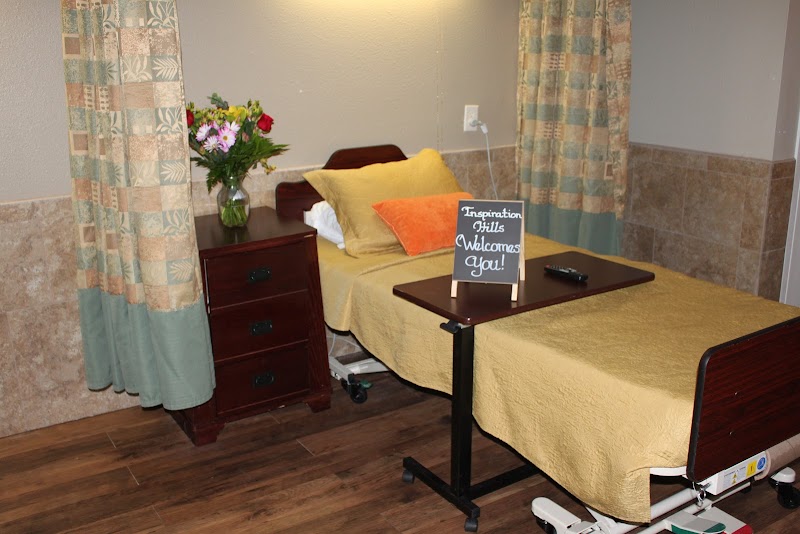
How is Inspiration Hills Rehabilitation Center Staffed?

CMS rates INSPIRATION HILLS REHABILITATION CENTER's staffing level at 2 out of 5 stars, which is below average compared to other nursing homes. Staff turnover is 44%, compared to the Texas average of 46%. This relatively stable workforce can support continuity of care.

What Have Inspectors Found at Inspiration Hills Rehabilitation Center?

State health inspectors documented 24 deficiencies at INSPIRATION HILLS REHABILITATION CENTER during 2023 to 2025. These included: 22 with potential for harm and 2 minor or isolated issues.

Who Owns and Operates Inspiration Hills Rehabilitation Center?

INSPIRATION HILLS REHABILITATION CENTER is owned by a for-profit company. For-profit facilities operate as businesses with obligations to shareholders or private owners. The facility is operated by PARAMOUNT HEALTHCARE, a chain that manages multiple nursing homes. With 134 certified beds and approximately 75 residents (about 56% occupancy), it is a mid-sized facility located in SAN ANTONIO, Texas.
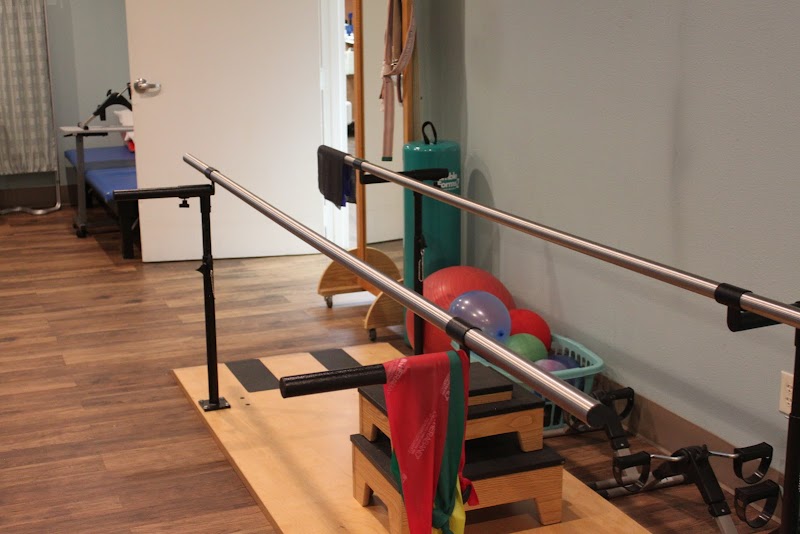
How Does Inspiration Hills Rehabilitation Center Compare to Other Texas Nursing Homes?

Compared to the 100 nursing homes in Texas, INSPIRATION HILLS REHABILITATION CENTER's overall rating (3 stars) is above the state average of 2.8, staff turnover (44%) is near the state average of 46%, and health inspection rating (3 stars) is at the national benchmark.

What Should Families Ask When Visiting Inspiration Hills Rehabilitation Center?

Based on this facility's data, families visiting should ask: "Can you walk me through typical staffing levels on day, evening, and night shifts?" "Can I visit during a mealtime to observe dining assistance and food quality?" "How do you handle medical emergencies, and what is your hospital transfer rate?" "Can I speak with family members of current residents about their experience?" These questions are particularly relevant given the below-average staffing rating.

Is Inspiration Hills Rehabilitation Center Safe?

Based on CMS inspection data, INSPIRATION HILLS REHABILITATION CENTER has a clean safety record: no substantiated abuse findings (meaning no confirmed cases of resident harm), no Immediate Jeopardy citations (the most serious violation level indicating risk of serious injury or death), and is not on the Special Focus Facility watch list (a federal program monitoring the lowest-performing 1% of nursing homes). The facility has a 3-star overall rating and ranks #1 of 100 nursing homes in Texas. While no facility is perfect, families should still ask about staff-to-resident ratios and recent inspection results during their visit.

Do Nurses at Inspiration Hills Rehabilitation Center Stick Around?

INSPIRATION HILLS REHABILITATION CENTER has a staff turnover rate of 44%, which is about average for Texas nursing homes (state average: 46%). Moderate turnover is common in nursing homes, but families should still ask about staff tenure and how the facility maintains care continuity when employees leave.

Was Inspiration Hills Rehabilitation Center Ever Fined?

INSPIRATION HILLS REHABILITATION CENTER has no federal fines on record. CMS issues fines when nursing homes fail to meet care standards or don't correct problems found during inspections. The absence of fines suggests the facility has either maintained compliance or corrected any issues before penalties were assessed. This is a positive indicator, though families should still review recent inspection reports for the full picture.

Is Inspiration Hills Rehabilitation Center on Any Federal Watch List?

INSPIRATION HILLS REHABILITATION CENTER is not on any federal watch list. The most significant is the Special Focus Facility (SFF) program, which identifies the bottom 1% of nursing homes nationally based on persistent, serious quality problems. Not being on this list means the facility has avoided the pattern of deficiencies that triggers enhanced federal oversight. This is a positive indicator, though families should still review the facility's inspection history directly.