JUNIPER VILLAGE AT LINCOLN HEIGHTS
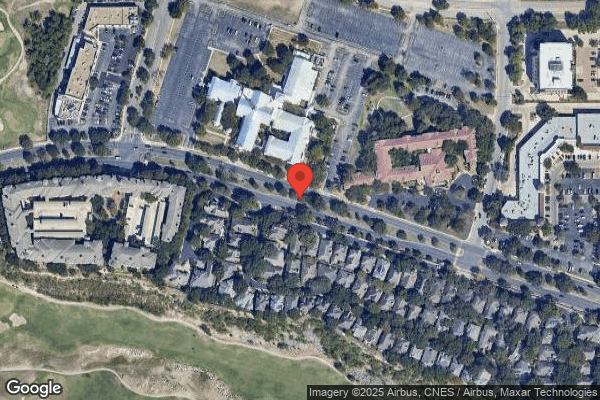
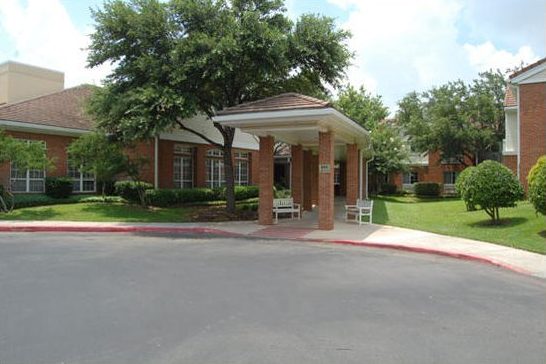
855 E BASSE RD, SAN ANTONIO, TX 78209 (210) 930-1040
For profit - Corporation 46 Beds Independent Data: November 2025 1 Immediate Jeopardy citation
Trust Grade
48/100
#263 of 1168 in TX
Last Inspection: October 2024

Within standard 12-15 month inspection cycle. Federal law requires annual inspections.

Overview

Juniper Village at Lincoln Heights has a Trust Grade of D, which means it is below average, indicating some concerns about the facility. It ranks #263 out of 1,168 nursing homes in Texas, placing it in the top half of the state, and #10 out of 62 in Bexar County, suggesting that only nine local facilities perform better. Unfortunately, the facility shows a worsening trend, increasing the number of issues from 6 in 2023 to 10 in 2024. Staffing is a strong point, with a 5 out of 5 star rating and a turnover rate of 42%, which is below the Texas average, indicating that staff are likely to stay and provide consistent care. However, the facility has concerning fines of $121,976, which are higher than 96% of Texas facilities and suggest repeated compliance issues. Specific incidents include a critical failure to provide appropriate respiratory care, where a resident was not connected to continuous oxygen as ordered by a physician, risking serious health complications. Additionally, there were issues in food safety practices, with items in the kitchen not being dated or properly cleaned, potentially putting residents at risk for foodborne illnesses. Furthermore, the assessments of several residents were inaccurately documented, failing to reflect their actual health status, which could lead to inadequate care. Overall, while there are strengths in staffing, the significant fines and critical care failures raise serious concerns for families considering this facility.

Trust Score
D
48/100
In Texas
#263/1168
Top 22%
Safety Record
High Risk
Review needed
Inspections
Getting Worse
6 → 10 violations
Staff Stability
○ Average
42% turnover. Near Texas's 48% average. Typical for the industry.
Penalties
✓ Good
$121,976 in fines. Lower than most Texas facilities. Relatively clean record.
Skilled Nurses
✓ Good
Each resident gets 45 minutes of Registered Nurse (RN) attention daily — more than average for Texas. RNs are trained to catch health problems early.
Violations
⚠ Watch
18 deficiencies on record. Higher than average. Multiple issues found across inspections.
★★★★☆
4.0
Overall Rating
★★★★★
5.0
Staff Levels
★★★★☆
4.0
Care Quality
★★★☆☆
3.0
Inspection Score
Stable
2023: 6 issues
2024: 10 issues

The Good

  • 5-Star Staffing Rating · Excellent nurse staffing levels
  • 4-Star Quality Measures · Strong clinical quality outcomes
  • Full Sprinkler Coverage · Fire safety systems throughout facility
  • No fines on record
  • Staff turnover below average (42%)

    6 points below Texas average of 48%

Facility shows strength in staffing levels, quality measures, fire safety.

The Bad

Staff Turnover: 42%

Near Texas avg (46%)

Typical for the industry

Federal Fines: $121,976

Well above median ($33,413)

Significant penalties indicating serious issues

The Ugly 18 deficiencies on record

1 life-threatening
Oct 2024 9 deficiencies
CONCERN (D)

Potential for Harm - no one hurt, but risky conditions existed

Deficiency F0655 (Tag F0655)

Could have caused harm · This affected 1 resident

**NOTE- TERMS IN BRACKETS HAVE BEEN EDITED TO PROTECT CONFIDENTIALITY** Based on observation, interview, and record review, the facility failed to ensure the baseline care plan that included the instr...

Read full inspector narrative →
**NOTE- TERMS IN BRACKETS HAVE BEEN EDITED TO PROTECT CONFIDENTIALITY** Based on observation, interview, and record review, the facility failed to ensure the baseline care plan that included the instructions for resident care needed to provide effective and person-centered care was completed and provided to the resident and/or their representative for 1 of 5 residents reviewed for new admissions. (Resident #78) The facility failed to develop Resident #78's baseline care plan dated 10/01/2024 regarding the resident's physician order dated 10/01/2024 for colostomy care within 48 hours of admission on [DATE]. These failures could place residents at risk of not receiving care and services to meet their needs. Findings included: Record review of Resident #78's face sheet, dated 10/10/2024, reflected the resident was [AGE] years old female and admitted to the facility on [DATE] with diagnosis of laceration of sigmoid colon (injury that can occur after penetrating trauma to the abdomen), type 2 diabetes mellitus (not properly use insulin to process sugar for energy), colostomy status (artificial opening in the abdominal wall to allows stool to be excreted through the skin), anemia (not have enough red blood cells), hypertension (high blood pressures), and dysphagia (swallowing difficulty). Record review Resident #78's baseline care plan, dated initiated 10/01/2024, reflected there was no baseline care plan regarding Resident #78's colostomy care. Record review of Resident #78's physician order, dated 10/01/2024, reflected the resident had the order of Change colostomy bag every day 72 hours and as needed, colostomy care, and colostomy appliance change weekly and as needed. Observed on 10/10/2024 at 11:37 a.m. revealed Resident #78 had colostomy as evidence by LVN-A emptied Resident #78's colostomy bag in the resident's room. Interview on 10/10/2024 at 11:37 a.m. LVN-A stated Resident #78 was admitted to the facility on [DATE] and had a colostomy when admitted . Interview on 10/10/2024 at 4:45 p.m. MDS nurse (LVN-B) acknowledged Resident #78 had colostomy when the resident was admitted to the facility on [DATE]. Further interview with the MDS nurse LVN-B stated she should have developed Resident #78's baseline care plan within 48 hours regarding the resident's colostomy care because the resident was admitted with colostomy. The MDS nurse LVN-B said she might think not developing baseline care plan related to colostomy was fine because Resident #78 had physician orders related to colostomy. Interview on 10/11/2024 at 1:58 p.m. DON stated the MDS nurse should have developed Resident #78's baseline care plan within 48 hours regarding the resident's colostomy care because the resident was admitted with colostomy, and baseline care plans affected [NAME] through which CNAs knew how to provide care appropriately to Resident #78; therefore, no baseline care plan might affect inappropriate care to the resident. Record review of the facility policy, titled Care Planning, undated, reflected To write activity goals and approaches based on MDS triggers and current needs of the resident.
CONCERN (D)

Potential for Harm - no one hurt, but risky conditions existed

Deficiency F0657 (Tag F0657)

Could have caused harm · This affected 1 resident

**NOTE- TERMS IN BRACKETS HAVE BEEN EDITED TO PROTECT CONFIDENTIALITY** Based on observation, interview, and record review, the facility failed to review and revise Resident Care Plans after each asse...

Read full inspector narrative →
**NOTE- TERMS IN BRACKETS HAVE BEEN EDITED TO PROTECT CONFIDENTIALITY** Based on observation, interview, and record review, the facility failed to review and revise Resident Care Plans after each assessment for 1 of 12 Residents (Resident #1) whose records were reviewed for care plan revision/timing, in that: Resident #1's care plan dated 08/25/2022 was not updated after her quarterly MDS assessment, dated 09/05/2024, reflected she was always incontinence to bowel. These deficient practices could affect any resident and contribute to Residents not receiving the care and services they needed. The findings included: Record review of Resident #1's face sheet, dated 10/10/2024, revealed the resident was [AGE] years old female and admitted to the facility on [DATE] and re-admitted to the facility on [DATE] with the diagnosis of atherosclerotic hear disease of native coronary artery without angina pectoris (heart disease caused by the buildup of plaque in the arteries), cerebral infarction (disrupted blood flow to the brain), epilepsy (chronic brain disorder that causes recuring seizures), major depressive disorder (mental health disorder characterized by persistently depressed mood or loss of interest in activities, causing significant impairment in daily life), and hypertension (high blood pressure). Record review of Resident #1's quarterly MDS, dated [DATE], revealed her BIMS score was 9 of 15 reflecting she had moderate cognitive impairment. Further record review of Resident #1's quarterly MDS, dated [DATE], indicated the resident was always incontinence to bowel and for toilet transfer, the resident was not attempted due to medical condition or safety concerns. Record review of Resident #1's care plan, date revised 08/25/2022, revealed Resident #1 required one staff participation to use toilet. Observation on 10/10/2024 at 2:04 p.m. revealed CNAs provided incontinence care, including changing a brief, for bladder and bowel to Resident #1. Interview on 10/11/2024 at 8:35 a.m. with LVN-A stated Resident #1 could not use toilet anymore. The resident was always incontinence to bladder and bowel. Interview on 10/11/2024 at 8:38 a.m. with the MDS nurse LVN-B acknowledged the MDS nurse did not update Resident #1's care plan regarding the resident's incontinence care to bowel because the resident could not use toilet anymore for her bowel movement. Further interview with the MDS nurse said when she revised Resident #1's care plan on 08/25/2022, the resident could use toilet with one staff's assist when she had bowl movement, but when she assessed Resident #1 on 09/05/2024 for quarterly MDS, the resident could not use toilet anymore. The resident was incontinence to bowel all the time. The MDS nurse should have updated Resident #1's care plan after quarterly MDS dated [DATE]. Interview on 10/11/2024 at 9:00 a.m. with the DON said the MDS nurse should have updated Resident #1's care plan after quarterly MDS dated [DATE] because the resident was incontinence to bowel all the time and could not use toilet anymore. The potential harm was staff might provide incorrect care to Resident #1. Record review of the facility policy, titled Care Planning Assessment, undated, revealed . 2. When a comprehensive MDS assessment is done, the CAA's will be completed for each triggered area. From the CAA, it is determined which area need to be care planned to provide the necessary care for the resident.
CONCERN (D)

Potential for Harm - no one hurt, but risky conditions existed

Accident Prevention (Tag F0689)

Could have caused harm · This affected 1 resident

**NOTE- TERMS IN BRACKETS HAVE BEEN EDITED TO PROTECT CONFIDENTIALITY** Based on observations, interviews, and record reviews, the facility failed to ensure residents received adequate supervision and...

Read full inspector narrative →
**NOTE- TERMS IN BRACKETS HAVE BEEN EDITED TO PROTECT CONFIDENTIALITY** Based on observations, interviews, and record reviews, the facility failed to ensure residents received adequate supervision and safe environment to prevent accidents for 1 of 12 residents (Residents #20) reviewed for environment. The facility failed on 10/08/2024 when there was one used disposable razor found on the sink faucet of Resident # 20's bathroom. This deficient practice cause infection or other physical injuries to residents and even staff. Findings included: Record review of Resident #20's face sheet, dated 10/10/2024, revealed the resident was [AGE] years old male and admitted to the facility 08/21/2024 and re-admitted to the facility on [DATE] with diagnosis of acute respiratory failure (lung cannot release enough oxygen into blood), anemia (not have enough red blood cells), type 2 diabetes mellitus (not properly use insulin to process sugar for energy), pressure ulcer of sacral region-stage 3 (bed sore to buttock area), hypertension (high blood pressure), and spinal stenosis (narrowing of the spinal canal). Record review of Resident #20's admission MDS, dated [DATE], revealed his BIMS score was 12 of 15 reflecting he had moderate cognitive impairment. Further record review of Resident #20's admission MDS, dated [DATE], indicated the resident required dependent to staff for shower/bathe self and chair-to-bed transfer and required substantial/maximal assistance (helper does more than half the efforts) to personal hygiene. Record review of Resident #20's care plan, dated revised 09/17/2024, revealed [Resident #20] has an activities of daily livings self-care performance deficit related to left sided hand contractor and weakness. For interventions, assist personal hygiene. Observation on 10/08/2024 at 9:50 a.m. revealed one old disposable razor was on the sink faucets in Resident #20's bathroom. Interview on 10/08/2024 at 10:21 a.m. with LVN-A acknowledged she saw one old disposable razor was on the sink faucet in Resident #20's bathroom. Further interview with the LVN-A stated Resident #20 could not use the razor by himself. The resident's family might bring and use it for him. However, staff had responsibility to discard any used disposable razor to a sharp container after using it to prevent infection and for safety. The potential harm was other confused residents might use it and could cause physical injury or infection. Interview on 10/11/2024 at 1:58 p.m. with the DON stated staff should have discarded the old disposable razor to a sharp container after every use to prevent infection and physical injury. Record review of the facility policy, titled Infectious waste, handling of, undated, revealed 4. Disposable items, contaminated with resident excretions or secretions must be placed in red plastic bags, sealed, and placed in biohazard storage until removal from the premises.
CONCERN (D)

Potential for Harm - no one hurt, but risky conditions existed

Pharmacy Services (Tag F0755)

Could have caused harm · This affected 1 resident

Based on observation, interview, and record review, the facility failed to provide pharmaceutical services (including procedures that assure the accurate acquiring, receiving, dispensing, and administ...

Read full inspector narrative →
Based on observation, interview, and record review, the facility failed to provide pharmaceutical services (including procedures that assure the accurate acquiring, receiving, dispensing, and administering of all drugs and biologicals) to meet the needs of each resident for 1 of 3 medication carts (A and B hall nursing cart) reviewed for pharmacy services. There was one medication (Benadryl itching stopping gel topical for skin use only) expired on 05/2021 found inside A and B hall nursing cart on 10/9/2024. This failure could place residents at risk of inaccurate drug administration and not having appropriate therapeutic effects. The findings included: Observation on 10/09/2024 at 1:54 p.m. revealed one gel of Benadryl itching stopping gel topical for skin use only was found inside A and B hall nursing cart, and it was expired 05/2021. Interview on 10/09/2024 at 2:00 p.m. with ADON acknowledged one gel of Benadryl itching stopping gel topical for skin use only was found inside A and B hall nursing cart, and it was expired 05/2021. Further interview with the ADON said she did not know what reason the expired medication was inside the nursing cart, and nurses should discard all expired medications from the medication carts as the facility policy. Potential harm was nurses might use the expired medication, and the expired medication might not have therapeutic effects. Record review of the facility policy, titled Medication Storage, undated, reflected 7. Expired, discontinued and/or contaminated medications will be removed from the medication storage area and disposed of in accordance with community policy.
CONCERN (D)

Potential for Harm - no one hurt, but risky conditions existed

Deficiency F0761 (Tag F0761)

Could have caused harm · This affected 1 resident

**NOTE- TERMS IN BRACKETS HAVE BEEN EDITED TO PROTECT CONFIDENTIALITY** Based on observations, interviews, and record reviews, the facility failed to store all drugs and biologicals in locked compartm...

Read full inspector narrative →
**NOTE- TERMS IN BRACKETS HAVE BEEN EDITED TO PROTECT CONFIDENTIALITY** Based on observations, interviews, and record reviews, the facility failed to store all drugs and biologicals in locked compartments under proper temperature controls and permit only authorized personnel to have access to the keys to 1 of 12 residents (Resident #9) reviewed for medications at the bedside. Resident #9's ear wax remove kit was left unattended and unsecured on the nightstand at the resident's bedside on 10/08/2024. These failures could place residents at risk for misappropriation of property and could place residents at risk for accidents, hazards, and not receiving therapeutic effects. The findings included: Record review of Resident #9's face sheet, dated 10/10/2024, reflected the resident was initially admitted to the facility on [DATE] and re-admitted on [DATE] with diagnoses included: pneumonia (lung infection), hypomagnesemia (low magnesium in the blood), cerebral vascular disease (problems with blood flow to the brain), heart failure (heart unable to pump enough blood), dementia (decline in mental abilities), and hypertension (high blood pressures). Record review of Resident #9's admission MDS, dated [DATE], reflected her BIMS score was 3 of 15 reflecting she had severe cognitive impairment. Further record review of Resident #9's admission MDS, dated [DATE], indicated the resident required supervision or touching assistance (helper provides verbal clues or touching assistance as resident completes activity) to eating and substantial/maximal assistance (helper does more than half the effort) to chair/bed-to-chair transfer. Observation on 10/08/2024 at 10:44 a.m. revealed in Resident #9's room, one box of the ear wax remove kit was on the nightstand at the resident's bedside unattended. Resident #9 was not in her room. Interview on 10/08/2024 at 10:49 a.m. with LVN-D stated Resident #9's ear wax remove kit was on the nightstand at the resident's bedside unattended. Further interview with the LVN-D stated it might be medication, and all medications should not be in resident's room. They did not know the reason the medication was on the nightstand unattended in Resident #9's room. The resident's family might bring it. The potential harm was that Resident #9 or other residents might use the medication incorrectly. Interview on 10/11/2024 at 1:58 p.m. the DON stated all medications should not be in resident's room unattended per the facility policy. Record review of the facility policy, titled Medication Storage, undated, revealed 1. Medications, prescriptions, over the counter and CAM (complementary and alternative medicine) will be stored in a locked cabinet, cart or medication room accessible to authorized personnel.
CONCERN (D)

Potential for Harm - no one hurt, but risky conditions existed

Medical Records (Tag F0842)

Could have caused harm · This affected 1 resident

**NOTE- TERMS IN BRACKETS HAVE BEEN EDITED TO PROTECT CONFIDENTIALITY** Based on observation, interviews, and record review, the facility failed to maintain clinical records on each resident that were...

Read full inspector narrative →
**NOTE- TERMS IN BRACKETS HAVE BEEN EDITED TO PROTECT CONFIDENTIALITY** Based on observation, interviews, and record review, the facility failed to maintain clinical records on each resident that were complete and accurately documented in accordance with accepted professional standards and practices for 1 (Resident #20) of 12 residents reviewed for accuracy and completeness of clinical records. Wound care nurse RN-C documented on the skin evaluation, dated 08/21/2024 Resident #20's deep tissue injury was to the resident's right heel, when the resident had deep tissue injury to his left heel on 10/10/2024. This failure placed facility residents at risk for lack of wound care or incorrect wound care due to misinformation by incomplete and inaccurate medical record. Findings included: Record review of Resident #20's face sheet, dated 10/10/2024, revealed the resident was [AGE] years old male and admitted to the facility 08/21/2024 and re-admitted to the facility on [DATE] with diagnosis of acute respiratory failure (lung cannot release enough oxygen into blood), anemia (not have enough red blood cells), type 2 diabetes mellitus (not properly use insulin to process sugar for energy), pressure ulcer of sacral region-stage 3 (bed sore to buttock area), hypertension (high blood pressure), and spinal stenosis (narrowing of the spinal canal). Record review of Resident #20's care plan, dated initiated 08/21/2024, revealed Resident #20 had pressure injury to sacrum and left heel. For intervention, administering treatments as ordered and monitor for effectiveness. Record review of Resident #20's physician order, dated 09/30/2024, revealed the resident had the order of Wound care to left heel - cleanse with normal saline, pat dry, apply skin prep to peri-wound, then apply nickel thick Santyl ointment to wound bed, then calcium alginate, and cover with dry dressing every day and as needed. Record review of Resident #20's admission MDS, dated [DATE], revealed his BIMS score was 12 of 15 reflecting he had moderate cognitive impairment. Further record review of Resident #20's admission MDS, dated [DATE], indicated the resident required dependent to staff for put on/take off footwear and chair/bed-to-chair transfer. Record review of Resident #20's skin evaluation, dated 08/21/2024, revealed the resident had pressure injury to sacrum and deep tissue injury to right heel. Observation on 10/10/2024 at 12:12 p.m. revealed wound care nurse RN-C provided wound care as ordered to Resident #20. There were two pressure injuries. One was sacrum area (buttock area), and the other was left heel. Interview on 10/10/2024 at 12:12 p.m. with wound care nurse RN-C acknowledged Resident #20 had pressure injury presenting as deep tissue injury to the resident's left heel. There was no skin problem to the resident's right heel. The wound care nurse assessed Resident #20's skin on 08/21/2024 and documented the resident had deep tissue injury to his right heel on the skin evaluation form. It was incorrect because Resident #20 had deep tissue injury to his left heel. Further interview with the wound care nurse said she was mistaken when she documented, and the potential harm was Resident #20 might have resulted in lack of wound care or incorrect wound care due to misinformation by inaccurate medical record. Interview on 10/11/2024 at 3:00 p.m. with the DON said the facility did not have policy regarding medical record, but medical records should be accurate to reflect correct medical status for residents.
CONCERN (D)

Potential for Harm - no one hurt, but risky conditions existed

Infection Control (Tag F0880)

Could have caused harm · This affected 1 resident

**NOTE- TERMS IN BRACKETS HAVE BEEN EDITED TO PROTECT CONFIDENTIALITY** Based on observations, interviews, and record reviews, the facility failed to establish and maintain an infection control progra...

Read full inspector narrative →
**NOTE- TERMS IN BRACKETS HAVE BEEN EDITED TO PROTECT CONFIDENTIALITY** Based on observations, interviews, and record reviews, the facility failed to establish and maintain an infection control program designed to provide a safe, sanitary, and comfortable environment and to help prevent the development of communicable diseases and infections for 1 resident (Residents #1) of 12 residents reviewed for infection control. The facility failed on 10/08/2024 to discard in a red plastic bag, sealed, and placed in biohazard storage a Suction tube Yankauer (oral suction tool used in medical procedure) that was found opened, covered in the plastic bag, connected to the suction machine and was on Resident #1's nightstand. The Yankauer appeared to be dirty with brown colored residual. These deficient practices affect residents who require suction and could place residents at risk for cross contamination and infections. The findings included: Record review of Resident #1's face sheet, dated 10/10/2024, revealed the resident was [AGE] years old female and admitted to the facility on [DATE] and re-admitted to the facility on [DATE] with the diagnosis of atherosclerotic hear disease of native coronary artery without angina pectoris (heart disease caused by the buildup of plaque in the arteries), cerebral infarction (disrupted blood flow to the brain), epilepsy (chronic brain disorder that causes recuring seizures), major depressive disorder (mental health disorder characterized by persistently depressed mood or loss of interest in activities, causing significant impairment in daily life), and hypertension (high blood pressure). Record review of Resident #1's quarterly MDS, dated [DATE], revealed her BIMS score was 9 of 15 reflecting she had moderate cognitive impairment. Further record review of Resident #1's quarterly MDS, dated [DATE], indicated the resident required partial/moderate assistance 9helper does less than half for the effort) to oral hygiene. Record review of Resident #1's care plan, date initiated 02/19/2020, revealed [Resident #1] has a potential for aspiration. For intervention - suction as needed and ordered. Observation on 10/08/2024 at 10:01 a.m. revealed a suction tube Yankauer opened covered in the plastic bag connected to the suction machine was on Resident #1's nightstand, and the Yankauer was dirty with brown colored residual. Interview on 10/08/2024 at 10:25 a.m. with LVN-A stated Yankauer opened covered in the plastic bag connected to the suction machine was on Resident #1's nightstand, and the Yankauer was dirty with brown colored residual. Further interview with the LVN-A said nurses should discard the Yankauer after every using it to prevent infection. The nurse did not know what reason the Yankauer was on Resident #1's nightstand. The potential harm was the resident could have infection. Interview on 10/11/2024 at 1:58 p.m. with the DON stated nurses should discard the Yankauer after every using it to prevent infection. Record review of the facility policy, titled Infectious waste, handling of, undated, revealed 4. Disposable items, contaminated with resident excretions or secretions must be placed in red plastic bags, sealed, and placed in biohazard storage until removal from the premises.
CONCERN (E)

Potential for Harm - no one hurt, but risky conditions existed

Assessment Accuracy (Tag F0641)

Could have caused harm · This affected multiple residents

**NOTE- TERMS IN BRACKETS HAVE BEEN EDITED TO PROTECT CONFIDENTIALITY** Based on observation, interviews, and record reviews, the facility failed to ensure the assessment accurately reflected the resi...

Read full inspector narrative →
**NOTE- TERMS IN BRACKETS HAVE BEEN EDITED TO PROTECT CONFIDENTIALITY** Based on observation, interviews, and record reviews, the facility failed to ensure the assessment accurately reflected the resident's status for 5 of 12 residents (Residents #15, #18, #5, #1, and #20) whose assessments were reviewed, in that: 1. Resident #15 had falls on 8/30/2024 and 9/5/2024 but Resident #15's Quarterly MDS dated [DATE] revealed falls after admission was not coded for falls after admissioon or readmission. 2. Resident #18 had been using oxygen per nasal canula at 2 liters continuously since admission, but the admission MDS dated [DATE] was not coded for oxygen use. 3. Resident #5 had a fall on 9/8/2021 but Resident #5's QMDS dated [DATE] revealed falls after admission was not coded for falls after admission or readmission. 4. Resident #1 had been receiving hospice care since 11/30/2022, but Resident #1's quarterly MDS, dated [DATE], indicated regarding the question of if or not resident was receiving hospice care, the answer was marked as no. 5. Resident #20 had deep tissue injury to his left heel, but Resident #20's admission MDS, dated [DATE], indicated the resident did not have any deep tissue injury. This failure could place residents at-risk for inadequate care and services due to inaccurate MDS assessment. The findings included: 1.Record review of Resident #15's face sheet revealed the resident was a [AGE] year-old male with an admission date of 06/21/2023 and readmitted on [DATE] with diagnoses that included: abdominal aortic aneurysm (enlargement of the aorta), muscle weakness, traumatic subdural hemorrhage (blood clot that forms in the brain after an injury) with out loss of consciousness. Record review of Resident #15's Quarterly MDS 9/20/2024 revealed the resident had a BIMS score of 4. Resident #15 had falls on 08/30/2024 and 09/05/2024 per Care Plan dated 10/8/2024 that were not reflected on the Quarterly MDS. Record review of Resident #15's Care Plan dated 10/8/2024 revealed falls dated 08/30/2024 and 09/05/2024 that were care planned with interventions. 2. Record review of Resident #18's face sheet revealed the resident was a [AGE] year-old female with an admission date of 4/22/2024 and readmitted [DATE] with diagnoses that included: acute pulmonary edema (build up of fluid in the lungs), prosthetic left knee joint ( knee joint replacement), and hypertension (high blood pressure). Record review of Resident #18's admission MDS dated [DATE] revealed the resident had a BIMS score of 13. Resident #18 had an order for oxygen on admission, per physician orders, but was not reflected on the admission MDS. Record review of Resident 18's Care Plan dated 9/30/2024 revealed oxygen therapy was care planned with interventions. 3.Record review of Resident #5's face sheet revealed the resident was a [AGE] year-old female with an admission date 1/18/2018 and was readmitted [DATE] with diagnoses that included: hypothyroidism (thyroid gland does not produce enough thyroid hormone), aphasia (disorder that affects a person's ability to understand or understand written or spoken language), muscle weakness. Record review of Resident #5's Quarterly MDS dated [DATE] revealed the resident had a BIMS score that was not obtainable. Resident #5 had a fall on 09/08/2021 per Care Plan dated 8/10/2024 that was not reflected on the Quarterly MDS. Record review of Resident #5's Care Plan dated 8/10/2024 revealed a fall on 09/08/2021 that was care planned with interventions in place. Interview on 10/10/2024 at 3:45PM MDS nurse LVN-B stated she acknowledged Resident #18's admission MDS dated [DATE] was inaccurate for the oxygen therapy not coded and that it did not affect the resident because Resident #18 received the oxygen per physician orders. LVN B stated the purpose of the MDS is for financial reimbursement. LVN B agreed the MDS and the Care Plan should reflect each other. Interview on 10/10/2024 at 3:54PM the Administrator stated the MDS should be correct and accurate because it explained the correct care that should be provided as well as financial reimbursements for the facility. The Administrator agreed the Care Plan and the MDS should have the same information. Interview on 10/10/2024 at 3:57PM the DON stated the MDS should be accurately coded to reflect the residents' needs and the care needed to provide, that it should match the residents' needs-the MDS drives the CP. The DON reviewed the MDS for Resident #15 for falls that was not coded on the MDS and acknowledged the error for falls not coded. The DON reviewed Resident #5's MDS for falls was not coded and agreed with the error and stated the fall should have been coded. The DON also reviewed the MDS for Resident #18 for oxygen not coded and acknowledged the error. The DON agreed the MDS, and the CP should match one another. 4. Record review of Resident #1's face sheet, dated 10/10/2024, revealed the resident was [AGE] years old female and admitted to the facility on [DATE] and re-admitted to the facility on [DATE] with the diagnosis of atherosclerotic hear disease of native coronary artery without angina pectoris (heart disease caused by the buildup of plaque in the arteries), cerebral infarction (disrupted blood flow to the brain), epilepsy (chronic brain disorder that causes recuring seizures), major depressive disorder (mental health disorder characterized by persistently depressed mood or loss of interest in activities, causing significant impairment in daily life), and hypertension (high blood pressure). Record review of Resident #1's hospice informed consent, dated 11/29/2022, revealed the resident started receiving hospice care on 11/30/2022. Record review of Resident #1's care plan, dated revised 06/13/2023, revealed the resident had the care plan of 11-30-2022, the resident was admitted to hospice care services; intervention - consult with physician and social services to have hospice care for resident in the facility and contact [hospice care company] before any x-ray for any change in conditions, transfer, or death. Record review of Resident #1's quarterly MDS, dated [DATE], revealed her BIMS score was 9 of 15 reflecting she had moderate cognitive impairment. Further record review of Resident #1's quarterly MDS, dated [DATE], indicated the question of Hospice care in the Section 0 (Special Treatments and Program) was answered No. Interview on 10/09/2024 at 9:36 a.m. with LVN-A stated Resident #1 had been receiving hospice care since 11/30/2022. Interview on 10/11/2024 at 9:06 a.m. with MDS nurse LVN-B acknowledged Resident #1's quarterly MDS, dated [DATE], was inaccurate regarding the resident's hospice in the Section 0 (Special Treatments and Program) because the resident had been receiving hospice care since 11/30/2022. The question of Hospice care should had been answered Yes. Further interview with the MDS nurse LVN-B stated she did not know what reason she answered inaccurately to the resident quarterly MDS. Interview on 10/11/2024 at 9:14 a.m. with DON acknowledged Resident #1's quarterly MDS, dated [DATE], was inaccurate. It should had been answered Yes because the resident had been receiving hospice care since 11/30/2022. The potential harm was inaccurate MDS might affect inaccurate plan of care, and staff could provide inaccurate care to Resident #1. 5. Record review of Resident #20's face sheet, dated 10/10/2024, revealed the resident was [AGE] years old male and admitted to the facility 08/21/2024 and re-admitted to the facility on [DATE] with diagnosis of acute respiratory failure (lung cannot release enough oxygen into blood), anemia (not have enough red blood cells), type 2 diabetes mellitus (not properly use insulin to process sugar for energy), pressure ulcer of sacral region-stage 3 (bed sore to buttock area), hypertension (high blood pressure), and spinal stenosis (narrowing of the spinal canal). Record review of Resident #20's care plan, dated initiated 08/21/2024, revealed Resident #20 had pressure injury to sacrum and left heel. For intervention, administering treatments as ordered and monitor for effectiveness. Record review of Resident #20's physician order, dated 09/30/2024, revealed the resident had the order of Wound care to left heel - cleanse with normal saline, pat dry, apply skin prep to peri-wound, then apply nickel thick Santyl ointment to wound bed, then calcium alginate, and cover with dry dressing every day and as needed. Record review of Resident #20's admission MDS, dated [DATE], revealed his BIMS score was 12 of 15 reflecting he had moderate cognitive impairment. Further record review of Resident #20's admission MDS, dated [DATE], indicated the question of number of unstageable pressure injuries presenting as deep tissue injury in the Section M (Skin Conditions) was answered 0. Observation on 10/10/2024 at 12:12 p.m. revealed wound care nurse RN-C provided wound care as ordered to Resident #20. There were two pressure injuries. One was sacrum area (buttock area), and the other was left heel. Interview on 10/10/2024 at 12:12 p.m. with wound care nurse RN-C acknowledged Resident #20 had pressure injury presenting as deep tissue injury to the resident's left heel. Interview on 10/10/2024 at 3:42 p.m. with MDS nurse LVN-B acknowledged Resident #20's admission MDS, dated [DATE], was inaccurate regarding the resident's skin condition because the resident had one pressure injury presenting as deep tissue injury to the resident's left heel. The question of number of unstageable pressure injuries presenting as deep tissue injury should had been answered one. Further interview with the MDS nurse LVN-B stated she did not know what reason she answered inaccurately to the resident's annual MDS. The potential harm was Resident #20 might not receive correct wound care because of inaccurate MDS assessments. Interview on 10/10/2024 at 3:45PM MDS nurse LVN-B stated she acknowledged Resident #18's admission MDS dated [DATE] was inaccurate for the oxygen therapy not coded and that it did not affect the resident because Resident #18 received the oxygen per physician orders. LVN B stated the purpose of the MDS is for financial reimbursement. LVN B agreed the MDS and the Care Plan should reflect each other. Interview on 10/10/2024 at 3:54PM the Administrator stated the MDS should be correct and accurate because it explained the correct care that should be provided as well as financial reimbursements for the facility. The Administrator agreed the Care Plan and the MDS should have the same information. Interview on 10/10/2024 at 3:57PM the DON stated the MDS should be accurately coded to reflect the residents' needs and the care needed to provide, that it should match the residents' needs. The DON reviewed the MDS for Resident #15 for falls that was not coded and the MDS for Resident #5 for falls not coded. The DON also reviewed the MDS for Resident #18 for oxygen not coded. The DON agreed the MDS, and the CP should match one another. Interview on 10/11/2024 at 3:00 p.m. with DON stated the facility did not have specific policies regarding MDS assessments. The facility was following the CMS guidelines for MDS assessments. Record review of the CMS MDS 3.0 Manual dated October 2023 revealed in part, .The OBRA regulations require nursing homes that are Medicare certified, Medicaid certified or both, to conduct initial and periodic assessments for all their residents. The Resident Assessment Instrument (RAI) process is the basis for the accurate assessment of each resident. The MDS 3.0 is part of that assessment process and is required by CMS .
CONCERN (E)

Potential for Harm - no one hurt, but risky conditions existed

Food Safety (Tag F0812)

Could have caused harm · This affected multiple residents

Based on observation, interview, and record review, the facility failed to store, prepare, distribute, and serve food in accordance with professional standards for food service safety for 1 of 1 kitch...

Read full inspector narrative →
Based on observation, interview, and record review, the facility failed to store, prepare, distribute, and serve food in accordance with professional standards for food service safety for 1 of 1 kitchen, in that: During observation of the kitchen on 10/08/2024 at 10:01AM with the DM revealed: 1. There was a bag of kernel corn left open in the walk-in freezer. 2. There was container with slices of turkey not labeled or dated in the walk-in cooler. 3. There was a bag with two rolls left open in the dry storage room. 4. There was a box of oatmeal with the top off in the dry storage room. 5. There were six containers of seasoning not closed in the dry storage room. 6. There were two backpacks stored on a shelf next to food in the dry storage room. These failures could place residents who received meals and/or snacks from the kitchen at risk for food borne illness. The findings included: Observation and interview on 10/08/2024 at 10:01AM revealed there was a bag of kernel corn in a box left open on a shelf in the walk-in freezer. The DM stated they should not be left open in the freezer and should have been placed in a zip lock bag. Observation and interview on 10/08/2024 at 10:02AM revealed a container with turkey not labeled or dated in the walk-in cooler. The DM stated he did not know the sliced turkey was in the cooler in the container and he did not know how long it had been there. Observation on 10/08/2024 at 10:03AM revealed a bag with two rolls open in the dry storage room. Observation on 10/08/2024 at 10:03AM revealed a box of oatmeal with the lid off in the dry storage room. Observation and interview on 10/08/2024 at 10:04AM revealed two backpacks that belonged to employees on the shelf next to foods. The DM stated the staff did not have anywhere to place their belongings but in the dry storage room was not the place to put them. Observation on 10/08/2024 at 10:04AM revealed six bottles of seasoning left open. During an interview on 10/09/2024 at 10:10AM the DM stated the foods that were found open in the freezer and the seasoning containers that were open would cause bacteria to enter the food and could cause food borne infection. He stated the food in the freezer that was opened could decrease the quality of the food with freezer burn as well as food borne illness. He stated the 2 backpacks that belonged to the staff that was in the dry storage area on the shelf next to food was not the appropriate place to be stored. He stated, once again, that would not be good infection control. During an interview on 10/09/2024 at 12:13PM DA stated it was important to serve the residents in a clean environment because the residents could easily get an illness if the food was not served in a clean manner. She stated personal items should not be stored near the food whether cooked or not because it could pass bacteria to the food. Record review of facility policy titled Storage- Dry Goods undated revealed 2. Food storage areas are to be used for food and paper products only; 6. Opened packages are resealed to prevent contamination. Review of facility policy 3-17 Food Storage, 2013, revealed, 14. Refrigerated Food Storage: f. All foods should be covered, labeled and dated.
May 2024 1 deficiency 1 IJ (1 affecting multiple)
CRITICAL (K) 📢 Someone Reported This

A family member, employee, or ombudsman was alarmed enough to file a formal complaint

Immediate Jeopardy (IJ) - the most serious Medicare violation

Respiratory Care (Tag F0695)

Someone could have died · This affected multiple residents

**NOTE- TERMS IN BRACKETS HAVE BEEN EDITED TO PROTECT CONFIDENTIALITY** Based on observation, interview and record review, the facility failed to ensure that respiratory care was provided consistent w...

Read full inspector narrative →
**NOTE- TERMS IN BRACKETS HAVE BEEN EDITED TO PROTECT CONFIDENTIALITY** Based on observation, interview and record review, the facility failed to ensure that respiratory care was provided consistent with professional standards of practice for 1 of 6 residents (Resident #1) reviewed for respiratory care, in that: 1. The facility failed to monitor Resident #1 to ensure she was connected to continuous oxygen in accordance with her physician's order. 2. The facility failed to accurately document Resident #1's oxygen saturation levels when they were discovered to be in the 60s as a result of not being connected to continuous oxygen in accordance with her physician's order. 3. The facility failed to accurately document Resident #1's change of condition in her progress notes upon discovering Resident #1 was not connected to continuous oxygen in accordance with her physician's order. 4. The facility failed to ensure Resident #1 was connected to an oxygen concentrator with a functioning humidifier upon being transferred to a different location within the facility. These failures resulted in the identification of an Immediate Jeopardy (IJ) on [DATE] at 4:45 p.m. While the IJ was removed on [DATE] at 4:02 p.m., the facility remained out of compliance at a scope of pattern and a severity level of potential for more than minimal harm due to the facility's need to monitor and evaluate the effectiveness of the plan of removal and corrective actions. These failures could place residents at risk of respiratory complications, injury to vital organs, or death. Findings included: Record review of a document titled, Monthly Grievance Log, for 2/2024, stated, Date of Grievance [DATE], (Resident #1) - PT connected to empty e-cylinder . Record review of Resident #1's electronic face sheet revealed Resident #1 was admitted [DATE] and was [AGE] years old at the time of admission and died on [DATE]. Resident #1's diagnoses included: altered mental status, muscle weakness, depression, post covid-19 condition (unspecified), acute respiratory failure with hypoxia. Record review of Resident #1's electronic chart revealed no care plan or MDS. Record review of Resident #1's physician orders stated, O2: Oxygen at 5 liters per nasal cannula every shift for Dyspnea/Shortness of Breath - Start [DATE]. Record review of Resident #1's February 2024 TAR stated, Oxygen at 5 liters per nasal cannula every shift for Dyspnea/SOB (Order date [DATE] at 1:01 PM) Record review of Resident #1's physician orders stated, Check Oxygen Saturation Q2 hours. (Start Date [DATE] at 6:00 PM - End Date [DATE]) Record review of Resident #1's electronic chart, section, Weights and Vitals, revealed the following oxygen saturation readings and times (note: Oxygen saturation level of 67% that occurred on [DATE] at 1:45 PM was not recorded. Additionally, label, Room Air was inaccurately labeled). [DATE] @ 12:14 PM - 96% (Oxygen Via Nasal Cannula) [DATE] @ 12:20 AM - 95% (Room Air) [DATE] @ 2:27 PM - 83% (Oxygen via Mask) [DATE] @ 5:58 PM - 93% (Oxygen via Mask) [DATE] @ 12:12 AM - 91% (Room Air) [DATE] @ 2:13 AM - 92% (High Flow Oxygen) [DATE] @ 5:26 AM - 91% (High Flow Oxygen) [DATE] @ 6:41 AM - 90 % (Room Air) [DATE] @ 2:49 PM - 93% (Oxygen Nasal Cannula) [DATE] @ 5:51 PM - 96% (Oxygen Via Mask) [DATE] @ 5:52 PM - 96 % (Oxygen Via Mask) Record review of Resident #1's MAR/TAR (page 12 and 13 of 28) for February 2024, stated, Check oxygen saturation Q 2 hours. Every 2 hours - Order Date- [DATE] at 4:15 PM -D/C Date - [DATE] at 1:34 PM. Further review revealed missed Oxygen Saturation level recording the following dates and shifts: 12:00 AM on [DATE] and [DATE], 2:00 AM [DATE], [DATE], [DATE] 4:00 AM [DATE], [DATE], [DATE] 6:00 AM [DATE], [DATE], [DATE] 8:00 AM [DATE], [DATE], [DATE] 10:00 AM [DATE], [DATE], [DATE] 12:00 PM [DATE], [DATE] 2:00 PM [DATE] 4:00 PM 6:00 PM [DATE] 8:00 PM [DATE] 10:00 PM [DATE] Record review of Resident #1's MAR/TAR (page 18 of 28) for February 2024 revealed the following: O2: Oxygen at 5 liters per nasal cannula every shift for Dyspnea/SOB. Order date [DATE] at 1:01 PM. -D/C Date - [DATE] at 5:34 PM. Record review of Resident #1's Progress note dated [DATE] at 3:02 PM: .Nursing observations, evaluation, and recommendations are: (Resident #1) continues with respiratory distress with hypoxia. Caregiver stated that (Resident #1) has been less responsive and was not waking up. E-cylinder noted to be empty, (Resident #1) placed on concentrator at 6L/min, and was beginning to stir and open eyes. (Resident #1) die (sic) respond verbally once. Request scheduled Duonebs until O2 stabilizes, continue O2 6L/min via mask until O2 90% or greater. Record review of Resident #1's Progress note dated [DATE] at 7:55 AM: .Note Text: Resident resting in bed, eyes open but no verbal response. Skin warm/ dry. Resp shallow and rapid with accessory muscle use. SpO2 is 67-71%. Resident repositioned in bed and HOB elevated. Caregiver education on keeping HOB elevated to help with breathing. DuoNeb administered with no significant improvement in oxygen saturation. SpO2 71-78%. Call placed to hospice nurse, voice message re: decreased SpO2 in spite of repositioning and Bx treatment. Return call pending). Record review of Resident #1's electronic chart, titled, SBAR Communication Form, dated [DATE], stated, Situation: The change of condition, symptoms, signs observed and evaluated is/are: Shortness of breath: This started on [DATE] . Further review revealed, 1. Mental Status Evaluation (compared to baseline; check all changes that you observe) - Altered level of consciousness (hyperalert, drowsy but easily aroused, difficult to arouse). Record review of an in-service in response to Resident #1's change of condition, a document titled, Oxygen Administration, dated, [DATE] revealed the signatures of 10 facility staff which did not include all facility nursing staff. Record review of a list of Facility Staff, full time and part time, revealed a total of 47 staff. Record review of a written statement, dated [DATE] written by LVN D (2:00 PM to 10:00 PM on [DATE]) stated, .This nurse did apply portable o2 tank to (Resident #1) @ 4 liters. This was around 3:30 PM. LVN D's statement indicated Resident #1's hospice nurse had assisted Resident #1 from her wheel chair to her bed which resulted in a skin tare at around 4pm and was assessed and treated at 4:15 PM by RN F. LVN D further stated she reconnected Resident #1 to her oxygen concentrator .@ 4 liters ., and that she, .did leave O2 tank in room for future use . (Note, Resident #1's order was for 5 liters - see Resident #1's order in above record review). Record review of a written statement, dated [DATE], authored by LVN B, stated, .On [DATE] the sitter for (Resident #1) in room [resident's room] approached my workstation at 1345 stating that she had not been able to get (Resident #1) to wake up or talk the whole day. I went to [resident's room], (Resident #1) was lying in bed head of bed was slightly elevated. She had an oxygen cannula in place, but her breathing appeared more labored than it had earlier in the shift. During my morning shift the oxygen saturation was 93% and (Resident #1) appeared comfortable. Upon checking her oxygen, it was in the upper 60s- lower 70's. I realized that she was not on her concentrator and looked at the E cylinder her cannula was connected to and saw that it was empty. I changed her cannula to the concentrator, the sitter assisted me with repositioning her in the bed and I raised the head of the bed. I increased the liters per minute of oxygen from 5 to 6. Her saturation improved only to 70-73% . I was instructing the sitter to please communicate soon ER when she observed a change in the resident when she told me that she told the girl who brought her tray at lunch. I requested in the future she come get me or the other nurse or a director rather than relaying the information through the CNA's . Record review of written statement, dated [DATE], Author, LVN E (10:00 PM - 6:00 AM for shift [DATE]-[DATE]), stated, . I do not recall if (Resident #1) was using a concentrator or O2 tank. Record review of a Resident #1's Hospice Documentation (regarding [DATE] incident), Author, HRN A, received via email on [DATE], page 18 of 22, stated, .Facility Nurse (LVN B) notified this RN that (Resident #1) had been lethargic the whole morning and when staff took pts vitals, they notified the pt oxygen saturation was in the 60%. Facility nurse (LVN B) noticed the pts NC was connected to a oxygen tank that was empty. They placed the NC tubbing to oxygen concentrator and pts oxygen saturation increased to 85% at 6 LPM. Upon RN assessment, pt lung sounds are diminished to all lobes. Pt has RR 35. Lorazepam .5 mg .[sic] Telephone interview on [DATE] at 1:16 PM, Hospice RN (HRN A) stated she was familiar with Resident #1 as she was her Hospice Case Manager. HRN A said she was informed by the Resident #1's caretaker, Caretaker A, that Resident #1's nurse forgot to reconnect Resident #1 to her oxygen concentrator after Resident #1 returned to her bedroom following a tour of the facility while utilizing an e-cylinder as her oxygen source. HRN A said Caretaker A told her Resident #1 was still discovered to be connected to her oxygen e-cylinder, which was empty, the following afternoon ([DATE]) after approximately 21 hours had passed and that her oxygen . HRN A said the Resident #1 was receiving 4-5 liters of continuous oxygen which would have caused her oxygen tank to run out of oxygen within 2-3 hours. HRN A said Caretaker A informed her Resident #1 was lethargic the next day and her oxygen saturation was in the 60s. HRN A said she saw Resident #1 the day before and then again the day after she was without her oxygen and observed her to have a major decline in that she was very talkative and eating popcorn on [DATE] and then bedbound and lethargic when she saw her on [DATE]. HRN A was asked if Resident #1 was hospitalized as a result but responded that she was not as she was already on hospice services and being treated with comfort measures. Interview on [DATE] at 2:50 PM, RN C stated the only interaction she had with Resident #1 was when she discovered Resident #1 deceased in her bed. RN C was asked if she had knowledge of Resident #1 being without oxygen and said she heard LVN C mention Resident #1 had gone without her oxygen for an extended period of time which resulted in a change of condition and responded that she had heard various staff say Resident #1 had been connected to an empty oxygen e-cylinder overnight which resulted in a major change of condition. Telephone interview on [DATE] at 3:04 PM, Care Manager B said he was very familiar with Resident #1 and would see her weekly. Care Manager B stated he was made aware Resident #1 was disconnected from her oxygen for an extended period of time and, .experienced a major decline as a result up until her death. Care Manager B said he went to the DON regarding this incident and was told the DON and the Administrator were investigating the incident but would not divulge any additional information. Telephone interview on [DATE] at 10:43 AM, Caretaker A stated she and CGRN B were with Resident #1 when she admitted to the facility on [DATE] and said Resident #1 had a caretaker with her 24 hours per day. Caretaker A said she and CGRN B elected to show the Resident #1 around the facility via wheelchair and said facility staff removed her from her oxygen concentrator and placed her on a portable oxygen tank affixed to her wheelchair so that she could tour the facility while remaining on continuous oxygen. The Caretaker A said that she, the CGRN B, and Resident #1 returned to her room approximately an hour later and said CGRN B notified staff Resident #1 needed to be placed back on her oxygen concentrator. Caretaker A said she left the facility around 5:00 PM or 5:30 PM that evening when relieved by the overnight Caretaker and then returned to the facility around 8:00 AM on [DATE]. Caretaker A said that at around 1:00 PM, she asked LVN B why Resident #1 was not connected to her oxygen concentrator as she had the same oxygen tank next to her from the day before. Caretaker A said at that point LVN B indicated that an oversight had occurred in that they were unaware, and then proceeded to connect Resident #1 back onto her oxygen concentrator. Caretaker A said Resident #1 had a significant change in condition from one day to another in that Resident #1, was eating popcorn and able to change her own clothing one day to almost being in a damn coma the next. Caretaker A explained that there was another similar incident several days later when staff moved Resident #1 to a private room and connected her to an oxygen concentrator that was broken. Caretaker A said that she noticed the oxygen concentrator was not functioning the way her previous oxygen concentrator had functioned, specifically, the humidifier reservoir had no condensation, and alerted LVN B who then agreed Resident #1's oxygen condenser was not adequately functioning and said, 'How strange, that never happens.' Caretaker A said that on that occasion, Resident #1 had gone at least 20 minutes without oxygen. Caretaker A confirmed during this interview that she never connected or disconnected Resident #1 to her oxygen concentrator or oxygen cylinder. Caretaker A stated she had no clinical background or licensure and that she and Resident #1's other caretakers were primarily tasked with keeping Resident #1 company as she had not immediate family in the area. Caretaker A stated she had known and worked with Resident #1 for multiple years and were very close. Telephone interview on [DATE] at 11:27 AM, Hospice Director of Clinical Services (HD), said HRN A observed Resident #1 at the facility on [DATE] at 11:00 AM and again on [DATE] at approximately 5:05 PM, because Resident #1 had a change in condition. During this interview, HD reviewed her agency's documentation and which she said stated Resident #1 was discovered to be attached to an empty oxygen tank and her oxygen saturation was in the 60s. HD further stated Resident #1 was subsequently placed on her oxygen concentrator which brought her oxygen saturation levels up to the 80s. Interview on [DATE] at 1:35 PM, the DON revealed she was aware Resident #1 was discovered connected to an empty oxygen e-cylinder on the afternoon of [DATE]. The DON also confirmed that Caretaker A informed nursing staff Resident #1 was in distress at around 1:35 PM on [DATE] and was assessed to have an oxygen saturation in the upper 60s. The DON said she was unsure how long Resident #1 could have gone without being connected to continuous oxygen but said LVN D wrote a statement saying she had connected the resident to her oxygen concentrator on the evening of [DATE] during her shift. The DON confirmed Resident #1's care takers were unlicensed said indicated they should have been responsible for ensuring Resident #1 was having her needs being medically met. The DON opined that perhaps Resident #1's caretaker could have removed her from her oxygen concentrator and connected her to an empty tank to take her out on her wheelchair again but agreed there were no witnesses of such activities. The DON agreed that it was ultimately the facility's responsibility to ensure Resident #1 was receiving adequate medical care even if she had paid caretakers, 24 hours a day. The DON was asked why staff did not document Resident #1's oxygen saturation on [DATE] when it was in the 60s percentage range but did not have an answer and agreed that it should have been documented. The DON indicated Resident #1 must have been ok until the time she was discovered to be hypoxic in that Resident #1's caretaker had not bring any concerns to her staff until then. The DON was asked why Resident #1's oxygen saturation levels were only documented at 12:20 AM (95%) and again after Resident #1's oxygen saturation was brought back up on [DATE] at 2:27 PM (83%),but did not include the readings in the 60s and responded that she was unsure. The DON was asked if she had reported this incident to HHS and responded that she had not. When asked why, the DON said that she conducted an investigation with inconclusive findings and that there had been no harm. At this time, this investigator confirmed with the DON that Resident #1 was documented to have had a change of condition and was hypoxic, with oxygen saturation levels in the 60s, as a result of not being attached to continuous oxygen per her physician's orders. Interview on [DATE] at 3:10 PM, LVN D stated she was on the 2pm-10pm shift on [DATE] and said she was providing care for Resident #1. LVN D said Resident #1 was attached to a portable oxygen cylinder that evening and that she had placed Resident #1 back on her oxygen concentrator but was unsure why the oncoming staff could not recall Resident #1 being attached to the oxygen concentrator per their written statements. LVN D was asked which staff relieved her on the evening of [DATE] but responded that she could not recall. LVN D was asked once more if that staff was LVN E and responded that yes, it was LVN E. When asked if LVN E still worked at the facility LVN D responded that he did not as she hadn't seen him for a while. LVN D was asked how she knew for certain that she had attached Resident #1 to her oxygen concentrator and responded that she had wheeled it into her room, and connected Resident #1 to the oxygen concentrator and then took her vitals according to her physician's orders, which included her oxygen saturation levels as she did near the end of every shift (Note: Resident #1 had already been connected to her oxygen concentrator in her room prior to being connected to the e-cylinder). LVN D was asked when and where the documentation would have occurred and responded that it would have been documented in Resident #1's electronic chart under weights and vitals at around 9:45 PM on [DATE]. LVN D was shown the Resident #1's electronic chart and confirmed the Resident #1's oxygen saturation levels were not documented at or around that time but were only documented once on [DATE] at 12:14 PM (96 % @ 5 L/Min). LVN D then insisted on checking Resident #1's electronic chart via her own computer access and again could not locate where she had documented Resident #'1s oxygen saturation levels. LVN D said Resident #1 had a caretaker in her room at the time of her shift, Caretaker A and then another Caretaker, Caretaker B when she left her shift that evening. LVN D was asked once more if there may have been an oversight on her part, specific to reattaching Resident #1 back to her oxygen concentrator and responded that it might have been possible in that she was very busy that day and a lot was going on. Telephone interview on [DATE] at 10:31 AM, Caretaker A stated when she arrived to the facility around 8:00 AM on [DATE], the overnight caretaker informed her Resident #1 was still sleeping and difficult to arouse, implying Resident #1 was just really tired. Caretaker A said she could not recall who the overnight Caretaker was given that several months had passed. Caretaker A said she allowed Resident #1 to continue sleeping for several hours until she finally attempted to wake her at around lunch time and discovered at that time, she was non-responsive. Caretaker A said neither she nor the CGRN B made any adjustments to Resident #1's oxygen and said that was the responsibility of the facility staff. Caretaker A said she was unlicensed, and her primary responsibility was to keep Resident #1 company and would never provide any type of medical interventions. Caretaker A said before leaving Resident #1 on [DATE], CGRN B informed facility staff Resident #1 needed to be placed back onto her oxygen concentrator. Caretaker A said she arrived at the facility on the morning of [DATE], the oxygen concentrator was not on because it was not making any noise and said it was located behind the portable oxygen tank. Caretaker A said Resident #1 was still attached to the portable oxygen tank as opposed to the oxygen concentrator at that time. Telephone interview on [DATE] at 11:05 AM, Caretaker C said her first time seeing Resident #1 was on the evening of [DATE] when she relieved Caretaker A. Caretaker C said that when she arrived, Resident #1 was connected to her oxygen concentrator but said Resident #1 would not open her eyes and she could not get the resident to eat. Telephone interview on [DATE] at 1:56 PM, Caretaker D said she initially met Resident #1 at the hospital before Resident #1 was discharged to the facility. Caretaker D said Resident #1 was much more alert and talkative while at the hospital. Caretaker D said she stayed with Resident #1 at around the time of her 103rd birthday ([DATE]) and said Resident #1 would only sleep, would not talk, and would not eat. Caretaker D said she could never have guessed Resident #1 would have been given a tour of the facility in her wheelchair as she appeared bedbound and would only sleep at the time she saw Resident #1. Interview and record review on [DATE] at 3:03 PM, LVN B stated she checked on Resident #1 during her morning rounds on [DATE] between 7:00 AM and 8:00 AM. She stated the resident was a bit sleepier than normal but said she measured the Resident #1's oxygen saturation and that it was 93%. LVN B was asked why she did not document Resident #1's oxygen saturation at that time responded that she did not as she would typically document by exception. LVN B was asked if she Resident #1 was connected to her oxygen concentrator at that time but said she could not recall. LVN B said she then checked on Resident #1 once more around lunch time and said the resident was still sleeping. LVN B said she was alerted by Caretaker A at around 1:30 PM that Resident #1 could not be awoken and was not eating. LVN B said at that time she noticed Resident #1 was still connected to an empty oxygen e-cylinder as opposed to her oxygen concentrator so she said she then attached Resident #1 to her oxygen concentrator and was able to bring her oxygen saturation up to the 80s. LVN B was asked why she did not notice Resident #1 was not connected to her oxygen concentrator during her morning round, she responded that she was likely preoccupied and distracted as another resident in the hall was requesting her attention. LVN B was asked why she hadn't documented Resident #1's oxygen saturation when it was in the 60s at the time of that observation but did not have an answer. LVN B was asked if there was ever a time Resident #1's oxygen concentrator was not functioning adequately, LVN B denied knowledge of this incident. When asked once more, LVN B confirmed that several days later, Resident #1 had moved to a private room and said Caretaker A brought to her attention that the humidifier on the oxygen concentrator was not working so LVN B said she replaced Resident #1s oxygen concentrator at that time because she wanted to ensure the tension Caretaker A was experiencing was diffused given the recent trauma Resident #1 had experienced and wanted to make her happy. LVN B said Resident #1's oxygen saturation levels went back up to the 90s once she connected Resident #1 to the new oxygen concentrator. LVN B was asked once more why Resident #1's oxygen saturation levels were not documented to be in the 60s on [DATE] upon discovery and then reviewed Resident #1's progress notes with this investigator. During this record review, LVN B confirmed Resident #1's progress note for [DATE] at 7:55 AM, .SpO2 is 67-71%, was documented on the wrong date and said, that's strange, it doesn't even say it is a late entry. Telephone interview on [DATE] at 4:40 PM, CGRN B stated she and Caretaker A asked facility staff on [DATE] if they could place Resident #1 on a portable oxygen cylinder so she could tour the facility with them. CGRN B said after this occurred, she and Caretaker A took Resident #1 on a tour of the facility and enjoyed some popcorn with her. She said Resident #1 was talkative and in good spirits. CGRN B said that up returning Resident #1 to her bed an hour later, Resident #1 attempted to self-transfer at which time CGRN B indicated Resident #1 looked as though she could fall so CGRN B said she attempted to assist Resident #1 by catching her and pivoting her to her bed but said Resident #1 caught her foot on a footrest located on her wheelchair and sustained a cut which required treatment by the facility's wound care nurse. After the treatment, CGRN B said she informed LVN D that Resident #1 needed to be placed back onto her oxygen condenser and said the wound care nurse, RN F, was present when she said this. CGRN B said upon leaving, she told another nurse at the nurse's station that Resident #1 still had not been transferred to her oxygen condenser and was told that staff would soon reattach Resident #1 to her oxygen condenser. CGRN B said she was informed the following day that Resident #1 had a change of condition after LVN B discovered Resident #1 was still connected to the portable oxygen cylinder and had never been reconnected to her oxygen condenser. CGRN B said several days later Resident #1 had a room change and was connected to a non-functioning oxygen concentrator and again experienced a drop in her oxygen saturation levels until Caretaker A brought it to LVN B's attention and was issued a functioning oxygen concentrator. CGRN B confirmed during this interview that she never connected or disconnected Resident #1 to her oxygen concentrator or oxygen cylinder and that it was not policy for her nor other staff within her agency to do so. Interview and record review on [DATE] at 3:10 PM, LVN B confirmed Resident #1's electronic TAR for February [DATE] did not reflect Resident #1's oxygen saturation levels every two hours per her physician's order. Attempted telephone interview on [DATE] at 2:48 PM, with LVN E. The call went directly to voicemail and voice message was left requesting a returned telephone call. Interview on [DATE] at 3:05 PM, the DON was asked why only 10 staff were listed as having received in-servicing regarding this incident. The DON responded that, some staff are PRN, and that only staff directly involved with the incident had been in-serviced but she would work on getting all other staff in-serviced. Interview on [DATE] at 12:17 PM, RN F stated Resident #1 sustained a large skin tear to her left lower extremity on the afternoon of [DATE] when her Hospice RN attempted to assist her to her bed which resulted in Resident #1 catching her foot on the footrest leading to the wound. RN F stated she treated Resident #1's wound at that time and then again treated Resident #1's wound shortly after lunchtime on [DATE]. RN F said she was concerned because Resident #1 was unable to be aroused and slept through her wound treatment at that time. RN F said she was told by Resident #1's caretaker, Caretaker A, that Resident #1 had slept through both breakfast and lunch. RN F said she asked if Resident #1 had been placed on any new medications that would have caused her to be so unresponsive but was told that she had not. RN F said she then approached LVN B and said soon after it was determined Resident #1 was connected to an empty oxygen cylinder which caused her oxygen saturation to be so low. RN F was asked if she had checked to see if Resident #1 was connected to her oxygen concentrator at the time, she was treating the resident's wound and responded that she had not as she was preoccupied with the wound treatment. Telephone interview on [DATE] at 1:30 PM, the facility's Medical Director and Resident #1's physician stated an individual requires supplemental oxygen if and when that person's oxygen saturation levels drop below 90%. Resident #1's physician stated that if an individual experiences hypoxia it can lead to damage of vital organs in that they require oxygen to adequately function. Review of an article title Hypoxia by The Cleveland Clinic, https://my.clevelandclinic.org/health/diseases/23063-hypoxia, and was accessed on [DATE] indicated, Hypoxia is low levels of oxygen in your body tissues. It causes symptoms like confusion, restlessness, difficulty breathing, rapid heart rate, and bluish skin. Many chronic heart and lung conditions can put you at risk for hypoxia. Hypoxia can be life-threatening. If you are experiencing symptoms of hypoxia, call 911 or go to the nearest ER . The treatment for hypoxia depends on the underlying cause. The cause might be a one-time event, or it could be an ongoing condition. The Administrator was notified of an IJ on [DATE] at 4:45 PM and was given a copy of the IJ template and a Plan of Removal (POR) was requested. The Plan of Removal was accepted on [DATE] at 4:02 PM and included the following: [DATE], Plan of Removal F695 All residents have been assessed to ensure respiratory needs are in place. A facility-wide audit was completed by Regional Nurse on [DATE] and identified all residents in need of oxygen. Resident's responsible party, Residents care management provider Hospice Agency A and primary physician were notified February 21, 2024. A facility wide audit of residents in need of oxygen concentrators, e-tanks, etc. have been assessed to ensure respiratory needs are in place. There were no residents identified to have an issue with oxygen devices on [DATE]. In-service training that includes checking the levels of the e-tanks, the source of O2, O2 saturation rates and method of O2 delivery began [DATE] with all licensed staff. CNA's will be in-service on the basic principles of O2, able identify e-cylinder levels, and notify charge nurse immediately if there are any in discrepancies. The Administrator, all will ensure all in-serviced prior to working shift going forward. Monitoring will be completed by all residents on O2 that have O2 saturation, method of oxygen delivery, source of O2 delivery, and liters per minute will be added to their physicians' orders and documented on the MAR/TAR q shift by the licensed nurse. DON and/or designee will conduct routine checks on MARs/TARs daily to ensure compliance. Each shift, the charge nurse will visually check the source (i.e. E-Cylinder) of O2 delivery and document on the MAR/TAR daily. Facility will ensure that ensure that staff receive any in-service training to address the issues prior to the start of their next shift if a staff member is unavailable due to leave, FMLA, new hire, or agency by attending required in-servicing on ensuring that respiratory care is provided consistent with professional standards of practice. This will be via required new hire orientation before working their first shift, required in-servicing via Relias Training have been assigned to those that may be out FMLA, leave, agency, etc. Going forward, the facility will intervene as needed through daily rounds conducted by The Director of Nursing or designee; daily standups meeting conducted by the Administrator or designee; and reviewed by Quality Assurance Committee conducted on [DATE], monthly or as needed for the next 3 months and/or as needed. The verfication of the Plan of Removal was completed as follow: Record review of a typed statement dated [DATE] and signed by the Corporate RN revealed he had reviewed/assessed all residents at the facility for respiratory needs. His statement indicated he reviewed oxygen orders in the electronic medical records for oxygen route, amount, source and meth[TRUNCATED]
Sept 2023 6 deficiencies
CONCERN (D) 📢 Someone Reported This

A family member, employee, or ombudsman was alarmed enough to file a formal complaint

Potential for Harm - no one hurt, but risky conditions existed

Comprehensive Care Plan (Tag F0656)

Could have caused harm · This affected 1 resident

**NOTE- TERMS IN BRACKETS HAVE BEEN EDITED TO PROTECT CONFIDENTIALITY** Based on interview, and record review, the facility failed to develop a comprehensive person-centered care plan for each that in...

Read full inspector narrative →
**NOTE- TERMS IN BRACKETS HAVE BEEN EDITED TO PROTECT CONFIDENTIALITY** Based on interview, and record review, the facility failed to develop a comprehensive person-centered care plan for each that includes measurable objectives and timeframes to meet a resident's medical, nursing, and mental needs that are identified in the comprehensive assessment, and services that are to be furnished to attain or maintain the resident's highest practicable physical, mental, and psychosocial well-being for 1 of 8 resident (Residents #121) reviewed for care plans, in that: The facility failed to ensure Resident #121 Full code status was care planned. This deficient practice place residents at risk for not receiving proper care and services due to inaccurate care plans. The findings included: Record review of Resident #121's face sheet, dated 09/08/2023, revealed the resident was admitted on [DATE] with diagnoses that included: chronic kidney disease, adult failure to thrive, and severe protein-calorie malnutrition. Record review of Resident #121's Quarterly MDS assessment, dated 08/01/2023, revealed the resident had a BIMS score of 15, which indicated intact cognition. Record review of Resident #121's care plan revealed care plan was initiated 08/09/2023. Further review revealed code status was not listed on the care plan. Record review of Resident #121's physician orders, dated 09/08/2023 revealed and order entered on 07/28/2023 that read AD: Full Code. During a record review and an interview on 09/08/2023 at 5:31 p.m., MDS Coordinator confirmed and stated Resident #121's code status was not listed on her care plan. She further stated the SW was responsible for a resident's code status. The MDS Coordinator believed there was no potential harm to the resident because the code status showed up on the top bar in the EHR. During a record review and an interview on 09/08/2023 at 5:42 p.m., the SW confirmed and stated there was not a code status on Resident #121's care plan. The SW stated she might have missed it because she was focused on the actual DNR's being completed accurately. The SW stated she was responsible for a resident's code status. The SW stated she believed there was no potential harm to the resident because it was updated in other areas like at the top bar in the resident's EHR and on the crash cart. The SW stated she updated the code status' weekly on the crash cart. During an interview on 09/08/2023 at 6:15 p.m., the DON stated the SW was responsible for resident's code status being completed on the care plans. The DON stated she believed there was not a potential harm to the resident because it was Resident #121's status bar in the EHR and it was updated periodically on the crash cart too. During an interview on 09/08/2023 at 6:17 p.m., the ADMN stated the SW was responsible for resident's code status being completed on the care plans. The ADMN stated she believed there was not a potential harm to the resident because it was Resident #121's status bar in the EHR and it was updated periodically on the crash cart too. Record review of the facility policy titled Care Planning, undated, revealed, Policy: An activity related problem, goal and approach will be formulated for residents who have an activity problem, need or strength within seven (7) days of move-in, quarterly, and as needed, corresponding with the care plan conference date. Activities shall have active approaches on other care plans throughout the comprehensive care plan for each resident.
CONCERN (D) 📢 Someone Reported This

A family member, employee, or ombudsman was alarmed enough to file a formal complaint

Potential for Harm - no one hurt, but risky conditions existed

Deficiency F0805 (Tag F0805)

Could have caused harm · This affected 1 resident

Based on observation, interview, and record reviews, the facility failed to ensure food was prepared in a form designed to meet individual needs for 1 or 2 meals (lunch) reviewed for food meeting resi...

Read full inspector narrative →
Based on observation, interview, and record reviews, the facility failed to ensure food was prepared in a form designed to meet individual needs for 1 or 2 meals (lunch) reviewed for food meeting residents' needs, in that: The facility failed to ensure the pureed mashed potatoes and pureed chicken cutlet was a pudding consistency as required for food served to residents who received a pureed diet. This deficient practice could affect residents who received pureed meals from the kitchen by contributing to dissatisfaction, poor intake, choking, and/or weight loss. The findings included: Record review of posted menu, dated 09/06/2023, revealed the menu for the lunch service was Chicken Cutlet with pasta, and Garlic Mashed Potatoes [ .] During an observation and interview on 09/06/2023 beginning at 11:07 a.m., revealed the pureed chicken cutlet was too thick in the serving dish after [NAME] Q had just made it. [NAME] R walked over to [NAME] Q and instructed her to puree the chicken more consistently. The DM stated she was told the pureed items were supposed to be the consistency of mashed potatoes. The DM further stated the previous DM was who told her this. During an observation of test tray on 09/06/2023 beginning at 1:20 p.m., the test tray included the regular textured menu items and the pureed menu items. The regular and pureed Garlic mashed potatoes were the same, which included the potato skins. The pureed Chicken Cutlet still had undetermined small pieces or lumps throughout the pureed chicken. During an observation and interview on 09/06/2023 at 2:58 p.m., the DM stated the pureed Garlic mashed potatoes were not a pudding texture because of the potato skins that were included. The DM looked through the pureed Chicken Cutlet but was not able to state it still had lumps in it and was unable to taste test it because she was currently not feeling well. The DM stated the potential harm to residents was aspiration. During an interview on 09/08/2023 at 06:18 p.m., the DON stated the cook and DM were responsible for ensuring the pureed items were a pudding consistency. She stated the potential harm to residents was chocking. During an interview on 09/08/2023 at 6:22 p.m., The ADMN stated the DM was responsible for the kitchen area. He stated the potential harm to residents was the possibility of chocking. Record review of facility policy titled, Mechanically Altered Diets, undated, revealed Purpose: To provide safely prepared mechanically altered meals per IDDS [International Dysphagia Diet Standard]. [ .] 7. Pureed/Extremely Thick (#4): Should be cooked to the same standard as our regular textured foods. Usually eaten with a spoon. Cannot drink from cup. Cannot be sucked through a straw. Does not require chewing. Can be piped, layered or molded. Falls off spoon in a single spoonful when tilted. No lumps. Not sticky. Liquid must be separated. No biting or chewing is required. 8. Testing for Pureed/Extremely Thick[:] Fork Pressure: the prongs of a fork can make a clear pattern on the surface/no lumps. Fork Drip Test: Sample sits in a mound/pile above the fork with small tail. Should not be firm or sticky.
CONCERN (E) 📢 Someone Reported This

A family member, employee, or ombudsman was alarmed enough to file a formal complaint

Potential for Harm - no one hurt, but risky conditions existed

Infection Control (Tag F0880)

Could have caused harm · This affected multiple residents

Based on observation, interview, and record review, the facility failed to establish and maintain an Infection prevention and control program designed to provide a safe, sanitary and comfortable envir...

Read full inspector narrative →
Based on observation, interview, and record review, the facility failed to establish and maintain an Infection prevention and control program designed to provide a safe, sanitary and comfortable environment and to help prevent the development and transmission of communicable diseases and infection for 1 of 2 isolation rooms and 3 of 7 residents (Resident #4, #78 and, #130) reviewed for infection control, in that: 1. Resident #4's room had personal protective equipment on the door but no sign to indicate the type of isolation the resident was under. 2. CNA B failed to wash or sanitize her hands or change her gloves after touching the privacy curtain and before starting perineal care. 3. RN C failed to wash or sanitize her hands and change gloves after cleaning a wound. These deficient practices could place residents at-risk for infection due to improper care practices. The findings included: 1. Record review of Resident #4's face sheet, dated 09/07/2023, revealed an admission date of 02/23/2023 and, a readmission date of 07/22/2023, with diagnoses which included: Hypertension(High blood pressure), Chronic obstructive pulmonary disease(progressive lung disease characterized by airflow limitation), Dementia(decline in cognitive abilities) and, Urinary tract infection(an infection in any part of the urinary system) Record review of Resident #4's physician orders, dated 07/09/2023, revealed an order for, Contact Isolation for VRE in the urine every shift (VRE- vancomycin resistant enterococci, an antibiotic resistant infection). Observation on 09/05/23 at 11:20 a.m. of Resident #4's door revealed personal protective equipment was on the door but there was no signage revealing the type of isolation the resident was under or the equipment to use was seen. During an interview with LVN A on 09/05/2023 at 11:49 a.m., LVN A confirmed Resident #4 was on contact isolation and confirmed the signs indicating isolation and the type of isolation were missing and should have been on the door. LVN A asked if she could go get the signs and place them on the door. LVN A stated she did not know why the signs were missing. During an interview with the DON on 09/08/2023 at 4:30 p.m., the DON confirmed the signs should have been at the door to indicate the type of isolation and informed staff and visitor. The DON stated there was a risk somebody would enter the room without wearing the appropriate protective equipment, and further stated the ADON was in charge to place the signs on isolation room and if she was on leave the charge nurse for the resident was in charge of placing the signage on the doors. Record review of the facility policy, titled Isolation notices, undated, revealed Appropriate color-coded isolation notices will be used to alert associates of the implementation of isolation precautions, while protecting the privacy of the resident. When isolation precautions are implemented, an appropriate isolation sign that states Visitors: please report to the wellness station before entering printed on it, will be placed at the entrance/doorway of the resident's room. 2. Record review of Resident #78's face sheet, dated 09/08/2023, revealed an admission date of 04/12/2019 and, a readmission date of 08/19/2023, with diagnoses which included: Multiple myeloma (type of cancer), Type 2 diabetes mellitus(high level of sugar in the blood), Hypertension(High blood pressure) and, Fatty liver(excess fat build up in the liver) Record review of Resident #78's admission MDS assessment, dated 08/22/2023, revealed the resident had a BIMS score of 15, indicating no cognitive impairment and, the resident required extensive assistance. Resident #78 was coded as having an indwelling catheter and frequently incontinent of bowel. Observation on 09/07/23 at 11:51 a.m. revealed while providing incontinent care and catheter care for Resident # 78, CNA B, after washing her hands, touched the privacy curtain with her bare hands to close it. CNA B then, put her gloves on without sanitizing or washing her hands and started providing care for the resident. During an interview with CNA B, on 09/07/2023 at 12:00 p.m., CNA B confirmed she touched the privacy curtain with her bare hands after washing her hands and did not sanitize or wash again before putting her gloves on and starting care. CNA B stated she did not realize the privacy curtain was considered to be dirty and asked what she should have done differently. CNA B confirmed receiving infection training within the current year. Review of peri care check off for CNA B revealed she had passed her check off on 08/11/2023. During an interview with the DON on 09/07/2023 at 4:30 p.m., the DON confirmed the CNA should have sanitized her hands after touching the privacy curtain and prior to put her gloves on and start care. The DON confirmed infection control training was provided to the staff. The DON stated The ADON was in charge to provide the training to the staff and,The DON and ADON would spot check the skills of the staff. Review of facility policy titled hand washing/hand hygiene, undated, revealed Associate will wash their hands after contact with furnishing or medical equipment in immediate vicinity of resident 3. Record review of Resident #130's face sheet, dated 09/08/2023, revealed an admission date of 08/18/2023 with diagnoses which included: Cellulitis(skin infection), Chronic kidney disease (gradual loss of kidney function), Non-Hodgkin lymphoma (blood cancer). Record review of Resident #130's admission MDS assessment, dated 08/22/2023, revealed the resident had a BIMS score of 15, indicating no cognitive impairment and, the resident required extensive assistance. Resident #130 was coded as being frequently incontinent of bowel and bladder. Observation on 09/07/23 01:47 p.m., revealed while providing wound care for Resident #130, RN C, after cleaning the resident's wounds, did not change her gloves or wash or sanitize her hands. RN C then applied treatment and the new dressing. During an interview with RN C, on 09/07/2023 at 2:11 p.m., RN C confirmed she washed her hands after removing the dressing but not after washing the wounds and prior to apply treatment and place new dressings. RN C confirmed she should have changed her gloves and wash her hands after cleaning the wounds to prevent re-contamination of the clean wound. RN C stated she forgot to change her gloves. RN C confirmed receiving infection control within the year. Review of Wellness nurse competency appraisal for RN C revealed she had passed competency on infection control on 05/05/2023. During an interview with the DON on 09/07/2023 at 4:30 p.m., the DON confirmed the nurse should have change gloves and wash her hands after cleaning the wound to prevent re-contamination of the wound. The DON confirmed infection control training was provided to the staff. The DON stated The ADON was in charge to provide the training to the staff and, The DON and ADON would spot check the skills of the staff. Review of facility policy titled hand washing/hand hygiene, undated, revealed Associate will wash their hands any time hands have possibly become contaminated
CONCERN (E) 📢 Someone Reported This

A family member, employee, or ombudsman was alarmed enough to file a formal complaint

Potential for Harm - no one hurt, but risky conditions existed

Safe Environment (Tag F0921)

Could have caused harm · This affected multiple residents

Based on observation, interview, and record review, the facility failed to provide a safe, functional, sanitary, and comfortable environment for residents for 1 of 1 shower room observed for environme...

Read full inspector narrative →
Based on observation, interview, and record review, the facility failed to provide a safe, functional, sanitary, and comfortable environment for residents for 1 of 1 shower room observed for environment, in that: The facility failed to ensure potential hazards were locked up in the shower room. This deficient practice could place residents at risk of a diminished quality of life due to an unsafe environment. The findings included: Observation on 09/05/23 11:00 a.m. revealed the shower room's door was open. A closet seen in the room had a lock but the lock was opened as well. Inside the closet, two bottle of peroxide multi surface cleanser and disinfectant were observed. The bottles had precautionary statements hazards to humans and domestic animals on them. During an interview on 09/05/2023 at 11:05 a.m. with the DON, she confirmed the bottles were in the closet and both the closet and room's doors were open. The DON confirmed the bottles had precautionary statement and confirmed she had residents with dementia who self propel who could be put at risk by accessing the bottles. The DON did not know who had left the door open or why it was left open. Review of facility policy, titled Safety requirements, undated, revealed Chemicals (detergents, softeners, and stain removers) will be stored in a locked area.
CONCERN (E) 📢 Someone Reported This

A family member, employee, or ombudsman was alarmed enough to file a formal complaint

Potential for Harm - no one hurt, but risky conditions existed

Deficiency F0944 (Tag F0944)

Could have caused harm · This affected multiple residents

Based on interviews and record reviews, the facility failed to ensure Quality Assurance and Performance Improvement (QAPI) training that outlines and informs staff of the elements and goals of the fac...

Read full inspector narrative →
Based on interviews and record reviews, the facility failed to ensure Quality Assurance and Performance Improvement (QAPI) training that outlines and informs staff of the elements and goals of the facility's QAPI program for 5 of 18 employees (CNA E, CNA F, CNA H, CNA J, LVN K, and RN M) reviewed for training, in that: The facility failed to ensure CNA E, CNA F, CNA H, CNA J, LVN K, and RN M completed QAPI training within the last year. These failures could affect residents and place them at risk of poor care or victimization due to lack of staff training. Findings included: 1. Record review of Staff Roster, undated, revealed CNA F was hired on 12/14/2021 Record review of CNA F's training history revealed CNA F had not completed QAPI training in the last year. 2. Record review of Staff Roster, undated, revealed the CNA H was hired on 01/18/2022 Record review of CNA H's training history revealed CNA H had not completed QAPI training in the last year. 3. Record review of Staff Roster, undated, revealed CNA J was hired on 12/28/2021 Record review of CNA J's training history revealed CNA J had not completed QAPI training in the last year. 4. Record review of Staff Roster, undated, revealed LVN K was hired on 01/18/2018 Record review of LVN K's training history revealed LVN K had not completed QAPI training in the last year. 5. Record review of Staff Roster, undated, revealed RN M was hired on 11/08/2017 Record review of RN M's staff records revealed RN M had not completed QAPI training in the last year. During an interview on 09/08/2023 at 5:04 p.m., HR stated he was not aware that all staff needed QAPI training. He stated he was responsible for ensuring staff completed all the required training. HR stated the potential harm to residents was quality of life. During an interview on 09/08/2023 at 6:15 p.m., the DON stated it was a team effort but that she was ultimately responsible for all required training to be completed. The DON stated the potential harm to residents was staff skills not being proficient. During an interview on 09/08/2023 at 6:17 p.m., the ADMN stated it was a team effort but that the DON was ultimately responsible for all required training to be completed. The ADMN stated the potential harm to residents was staff skills not being proficient. Record review of facility policy titled Training and Competency Documentation, undated, revealed To ensure the appropriate records are kept to ensure proper documentation of all training and competency skills.
CONCERN (F) 📢 Someone Reported This

A family member, employee, or ombudsman was alarmed enough to file a formal complaint

Potential for Harm - no one hurt, but risky conditions existed

Food Safety (Tag F0812)

Could have caused harm · This affected most or all residents

Based on observation, interview, and record review, the facility failed to store, prepare, distribute, and serve food in accordance with professional standards for food service safety for 1 of 1 kitch...

Read full inspector narrative →
Based on observation, interview, and record review, the facility failed to store, prepare, distribute, and serve food in accordance with professional standards for food service safety for 1 of 1 kitchen (Main Kitchen), in that: 1. The facility failed to ensure an items in the walk-in refrigerator and dry storage areas were dated and or discarded correctly 2. The facility failed to ensure equipment used to cook were properly and thoroughly cleaned. These deficient practices could place residents who ate food from the kitchen at risk for foodborne illness. The findings included: 1. During an observation and interview on 09/06/2023 beginning at 11:21 a.m., revealed in the walk-in refrigerator a 5 lb. bag of opened mozzarella with no received or opened date; two each of 1 lb. butter with no received date; five each of 1 lb. [brand name] sliced Monterey jack cheese with no received dates; three each of 5 lb. shredded mild cheddar cheese with no received date; a 5 lb. shredded Monterey [NAME] cheese with no received date, seven each of 1 lb. [brand name] mozzarella cheese with no received date and a 1 lb. bag of opened parmesan with no received or opened date. The DM stated some of the items came from the truck yesterday and these items were supposed to be dated after it was delivered. During an observation and interview on 09/06/2023 beginning at 11:38 a.m., revealed in the dry storage area an opened package of six English muffins were not dated with a received date or opened date; two opened packages of Marble Rye Sourdough bread with a date of 09/01/2023 and unable to determine if this was an opened date or the received date; one opened package of wheat bread that had mold on one of the slices. The DM stated some of the items came from the truck yesterday and these items were supposed to be dated after it was delivered. 2. During an observation and interview on 09/06/2023 at 11:23 a.m., revealed there was a dirty grill on both sides with caked and burnt food particles still on it. The DM stated it was not in a long while and was unable to recall how long ago it was used. Further observation revealed the sides and front of the fryer unit and the oven/stove/flat top grill were dirty food particles and or running grease. The DM stated it should have been cleaned. The DM was unable to recall the last time the kitchen was deep cleaned but stated it was deep cleaned monthly. During an interview on 09/06/2023 at 2:58 p.m., the DM stated the potential harm to residents by not having cooking equipment cleaned was cross contamination. The DM further stated the potential harm to residents by items in the refrigerator and storage areas were knowing if the items were healthy enough to serve. During an interview on 09/08/2023 at 06:18 p.m., the DON the DM was responsible for ensuring the kitchen was cleaned and or items were dated correctly. The DON further stated the potential harm to residents was infection control. During an interview on 09/08/2023 at 06:22 p.m., the ADMN stated the DM was responsible for the kitchen area. He further stated yes there was a potential to harm to residents for minimal harm. Record review of facility policy titled Labeling and Dating of Food, undated, revealed purpose: To provide procedures to properly store food that is made in house, ordered in from approved vender. Procedure: 1. All food removed from original package must have product name, receive date and use by date. Record review of the Food Code, U.S. Public Health Service, U.S. FDA, 2022, U.S. Department of H&HS, revealed 4-601.11 Equipment, Food-Contact Surfaces, Nonfood-Contact Surfaces, and Utensils. (A) EQUIPMENT FOOD-CONTACT SURFACES and UTENSILS shall be clean to sight and touch. (B) The FOOD-CONTACT SURFACES of cooking EQUIPMENT and pans shall be kept free of encrusted grease deposits and other soil accumulations. (C) NonFOOD-CONTACT SURFACES of EQUIPMENT shall be kept free of an accumulation of dust, dirt, FOOD residue, and other debris. Record review of the Food Code, U.S. Public Health Service, U.S. FDA, 2022, U.S. Department of H&HS, revealed 3-501.17 Ready -to-Eat, Time/Temperature Control for Safety Food, Date Marking. (B) Except as specified in (E) - (G) of this section, refrigerated, READY-TO-EAT TIME/TEMPERATURE CONTROL FOR SAFETY FOOD prepared and PACKAGED by a FOOD PROCESSING PLANT shall be clearly marked, at the time the original container is opened in a FOOD ESTABLISHMENT and if the FOOD is held for more than 24 hours, to indicate the date or day by which the FOOD shall be consumed on the PREMISES, sold, or discarded, based on the temperature and time combinations specified in (A) of this section and: (1) The day the original container is opened in the FOOD ESTABLISHMENT shall be counted as Day 1; and (2) The day or date marked by the FOOD ESTABLISHMENT may not exceed a manufacturer's use-by date if the manufacturer determined the use-by date based on FOOD safety.
Jul 2022 2 deficiencies
CONCERN (D)

Potential for Harm - no one hurt, but risky conditions existed

Deficiency F0700 (Tag F0700)

Could have caused harm · This affected 1 resident

**NOTE- TERMS IN BRACKETS HAVE BEEN EDITED TO PROTECT CONFIDENTIALITY** . Based on observation, interview, and record review the facility failed to ensure residents were assessed, and reviewed the ris...

Read full inspector narrative →
**NOTE- TERMS IN BRACKETS HAVE BEEN EDITED TO PROTECT CONFIDENTIALITY** . Based on observation, interview, and record review the facility failed to ensure residents were assessed, and reviewed the risks and benefits of bed rails with the resident or resident representative and obtain informed consent prior to installation of bed rails for 1 of 1 resident (Resident #1) reviewed for bed rails in that: The facility did not assess or get consent for Resident #1's use of bed rails. This failure could put the residents at risk for potential injuries. The findings were: Record review of Resident #1's undated face sheet revealed she was admitted to the facility on [DATE] with diagnoses which included shortness of breath, muscle weakness and unsteadiness on feet. Record review of Resident #1's admission MDS, dated 06/24//2022, revealed the resident's BIMS score was 14 which indicated intact cognitive skills for daily decision making, required limited assistance of one-person for bed mobility and transfers; and bed rails were not used as a restraint. Record review of Resident #1's clinical record revealed no bed rail assessment or bed rail consent. Observation on 7/12/22 at 3:10 p.m. revealed Resident #1 was lying in bed with quarter bed rails on both sides of the bed about two feet from the head of the bed. Observation and interview on 7/13/22 at 9:24 a.m. revealed Resident #1 was lying in bed with quarter bed rails on both sides of the bed. Resident #1 stated she used the bed rails to assist with getting out of bed and did not remember signing a consent form for the bed rails. In an interview on 7/15/22 at 9:27 a.m. with LVN A after she observed Resident #1's bed with the bed rails, stated Resident #1 had quarter bed rails on her bed and the facility did not have to get consent for the bed rails. In an interview on 7/15/22 at 9:56 a.m., the DON stated the facility did not have any bed rails in the facility; the facility only had halo bars (enabler bars) on resident's beds. The DON stated the facility did not need a consent for the halo bars as they were not considered a restraint. The DON stated if a resident had bed rails on their bed, the therapist would do the assessment for the bed rail. The surveyor read CMS's definition of bed rails from the interpretive guidelines for F700 to the DON. The DON, then read over CMS's definition for bed rail herself which was 'Bed rails' are adjustable metal or rigid plastic bars that attach to the bed. They are available in a variety of types, shapes, and sizes ranging from full to one-half, one-quarter, or one-eighth lengths. Also, some bed rails are not designed as part of the bed by the manufacturer and may be installed on or used along the side of a bed. Examples of bed rails include, but are not limited to: Side rails, bed side rails, and safety rails; and Grab bars and assist bars. The DON stated based on CMS's definition for bed rails then yes the halo bars and enabler bars would be a bed rail and confirmed the enabler bars and halo bars were considered bed rails. The DON stated she was not aware a consent and assessment were required for enabler bars, only thought it was required if the bed rail was a restraint. The DON verified Resident #1 did not have a consent for the quarter bed rails and did not have a bed rail assessment. In an interview on 7/15/22 at 2:10 p.m., the Administrator stated the facility should have a consent for the enabler bars, halo bars, and quarter bed rails. He stated the therapy staff would do the assessment to determine if a resident needed the bed rails/enabler bars and did not state who was responsible for obtaining the consent for the bed rails/enabler bars. The Administrator stated the risk of not having the consent completed could result in the resident or their responsible party would not be aware the bed rails/enabler bar was used on the bed. In an interview on 7/15/22 at 2:40 p.m., Physical Therapist (PT) B stated the physical therapist would assess a resident to determine if the resident needed an enabler bar/halo bar on their bed and verbally notify the DON the enabler bar was needed. PT B stated the physical therapist does not complete a form when they assess a resident for the use of an enabler bar/halo bar on resident's bed and stated an assessment was not completed for Resident #1's bed rails. Observation and interview on 7/15/22 at 2:45 p.m. with PT B, after he viewed the bed rails on Resident #1's bed, he stated Resident #1 had quarter bed rails on her bed which the therapy department did not complete assessments for that type of bed rail, only for the halo bars. Record review of the facility's policy Proper Use of Enabler Bars - SNF, dated 7/7/21, revealed The purpose of this procedure is to ensure the safe use of enabler bars as resident mobility aids and to prohibit the use of enabler bars as restraints, unless necessary to treat a resident's medical symptoms. Under Procedure was 9. The use of enabler bars will be evaluated in terms of risks and benefits for each individual resident on move in, quarterly and as needed. 10. Informed consent for the enabler bars will be obtained from the resident or legal representative. Potential negative outcomes and benefits will be discussed with the resident and/or legal representative. .
MINOR (B)

Minor Issue - procedural, no safety impact

Garbage Disposal (Tag F0814)

Minor procedural issue · This affected multiple residents

. Based on observation, interviews, and record review, the facility failed to dispose of garbage and refuse properly for 1 of 1 dumpster, in that: The dumpster did not have a drain plug for 3 of 4 da...

Read full inspector narrative →
. Based on observation, interviews, and record review, the facility failed to dispose of garbage and refuse properly for 1 of 1 dumpster, in that: The dumpster did not have a drain plug for 3 of 4 days. This deficient practice could place residents at risk for exposure to germs and diseases carried by vermin and rodents. The findings were: Observation on 7/12/22 at 9:14 a.m. with Lead Server A revealed the facility had one dumpster which did not have a drain plug. Lead Server A stated she did not know how long the drain plug had been missing from the dumpster and stated the Maintenance Director might know. Observation on 7/13/22 at 5:01 p.m. revealed the dumpster did not have a drain plug. Observation on 7/14/22 at 11:48 a.m. revealed the dumpster did not have a drain plug. In an interview on 7/14/22 at 3:04 p.m., the Maintenance Director stated he was responsible for monitoring the dumpsters and stated he had replaced the missing drain plug today (7/14/22) after the Life Safety Code Surveyor had pointed out to him it was missing on the dumpster. The Maintenance Director stated if the dumpster did not have a drain plug, rodents could get into the dumpster and fluids could leak out of the dumpster onto the ground. In an interview on 7/14/22 at 3:42 p.m., the Administrator stated the Maintenance Director would monitor the dumpsters to ensure they were shut and had drain plugs. The Administrator stated the Maintenance Director replaced the missing drain plug on the dumpster today (7/14/22). Record review of the facility's policy Waste Removal revised 2/1/2018, revealed The Community shall arrange for all solid or liquid waste, garbage and trash to be collected, stored, and disposed of in accordance with the rules of the applicable state department of environmental protection. Under Procedure was 4. Waste shall be stored in insect-proof, rodent-proof, fireproof non-absorbent, watertight containers with tight fitting covers. Record review of the Texas Food Establishment Rules (TFER) 2015, page 129, section §228.152(o) revealed drains in receptacles and waste handling units for refuse, recyclables, and returnables shall have drain plugs in place. Record review of the Food Code, U.S. Public Health Services, U.S. FDA, 2017, U.S. Department of H&HS, 5-501.110 Storing Refuse, Recyclables, and Returnables, revealed Refuse, recyclables, and returnables shall be stored in receptacles or waste handling units so that they are inaccessible to insects and rodents. .
Understanding Severity Codes (click to expand)
Life-Threatening (Immediate Jeopardy)
J - Isolated K - Pattern L - Widespread
Actual Harm
G - Isolated H - Pattern I - Widespread
Potential for Harm
D - Isolated E - Pattern F - Widespread
No Harm (Minor)
A - Isolated B - Pattern C - Widespread

Questions to Ask on Your Visit

  • "What changes have you made since the serious inspection findings?"
  • "Can I speak with families of current residents?"
  • "What's your RN coverage like on weekends and overnight?"

Our Honest Assessment

Strengths
  • • 42% turnover. Below Texas's 48% average. Good staff retention means consistent care.
Concerns
  • • Multiple safety concerns identified: 1 life-threatening violation(s), $121,976 in fines. Review inspection reports carefully.
  • • 18 deficiencies on record, including 1 critical (life-threatening) violation. These warrant careful review before choosing this facility.
  • • $121,976 in fines. Extremely high, among the most fined facilities in Texas. Major compliance failures.
  • • Grade D (48/100). Below average facility with significant concerns.
Bottom line: Trust Score of 48/100 indicates significant concerns. Thoroughly evaluate alternatives.

About This Facility

What is Juniper Village At Lincoln Heights's CMS Rating?

CMS assigns JUNIPER VILLAGE AT LINCOLN HEIGHTS an overall rating of 4 out of 5 stars, which is considered above average nationally. Within Texas, this rating places the facility higher than 99% of the state's 100 nursing homes. This rating reflects solid performance across the metrics CMS uses to evaluate nursing home quality.
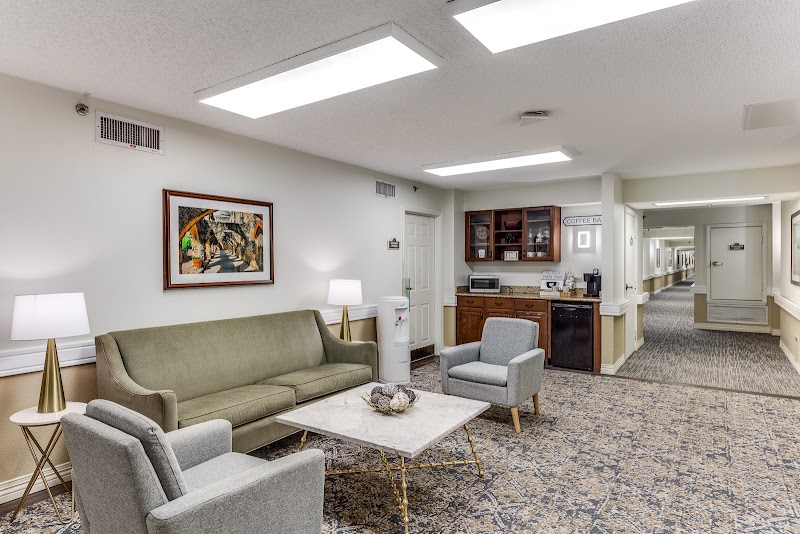
How is Juniper Village At Lincoln Heights Staffed?

CMS rates JUNIPER VILLAGE AT LINCOLN HEIGHTS's staffing level at 5 out of 5 stars, which is much above average compared to other nursing homes. Staff turnover is 42%, compared to the Texas average of 46%. This relatively stable workforce can support continuity of care.

What Have Inspectors Found at Juniper Village At Lincoln Heights?

State health inspectors documented 18 deficiencies at JUNIPER VILLAGE AT LINCOLN HEIGHTS during 2022 to 2024. These included: 1 Immediate Jeopardy (the most serious level, indicating potential for serious harm or death), 16 with potential for harm, and 1 minor or isolated issues. Immediate Jeopardy findings are rare and represent the most serious regulatory concerns. They require immediate corrective action.

Who Owns and Operates Juniper Village At Lincoln Heights?

JUNIPER VILLAGE AT LINCOLN HEIGHTS is owned by a for-profit company. For-profit facilities operate as businesses with obligations to shareholders or private owners. The facility operates independently rather than as part of a larger chain. With 46 certified beds and approximately 27 residents (about 59% occupancy), it is a smaller facility located in SAN ANTONIO, Texas.
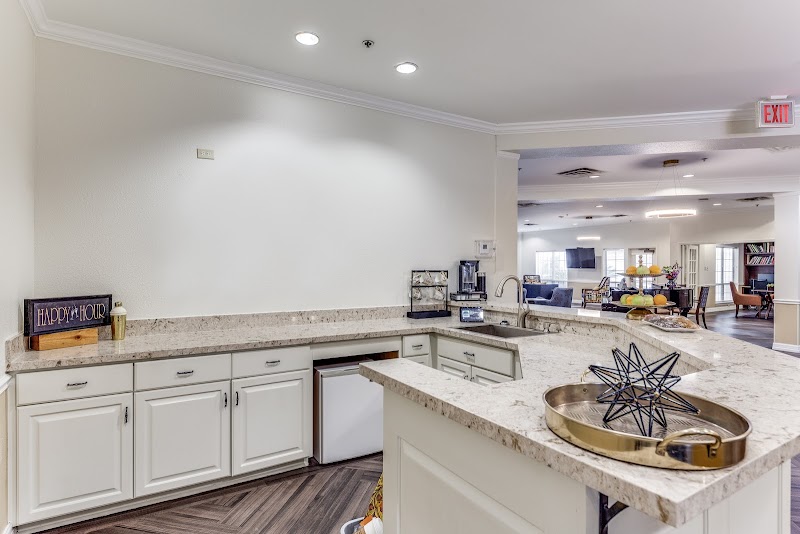
How Does Juniper Village At Lincoln Heights Compare to Other Texas Nursing Homes?

Compared to the 100 nursing homes in Texas, JUNIPER VILLAGE AT LINCOLN HEIGHTS's overall rating (4 stars) is above the state average of 2.8, staff turnover (42%) is near the state average of 46%, and health inspection rating (3 stars) is at the national benchmark.

What Should Families Ask When Visiting Juniper Village At Lincoln Heights?

Based on this facility's data, families visiting should ask: "What changes have been made since the serious inspection findings, and how are you preventing similar issues?" "Can I visit during a mealtime to observe dining assistance and food quality?" "How do you handle medical emergencies, and what is your hospital transfer rate?" "Can I speak with family members of current residents about their experience?" These questions are particularly relevant given the facility's Immediate Jeopardy citations.

Is Juniper Village At Lincoln Heights Safe?

Based on CMS inspection data, JUNIPER VILLAGE AT LINCOLN HEIGHTS has documented safety concerns. Inspectors have issued 1 Immediate Jeopardy citation (the most serious violation level indicating risk of serious injury or death). The facility has a 4-star overall rating and ranks #1 of 100 nursing homes in Texas. Families considering this facility should ask detailed questions about what corrective actions have been taken since these incidents.

Do Nurses at Juniper Village At Lincoln Heights Stick Around?

JUNIPER VILLAGE AT LINCOLN HEIGHTS has a staff turnover rate of 42%, which is about average for Texas nursing homes (state average: 46%). Moderate turnover is common in nursing homes, but families should still ask about staff tenure and how the facility maintains care continuity when employees leave.

Was Juniper Village At Lincoln Heights Ever Fined?

JUNIPER VILLAGE AT LINCOLN HEIGHTS has been fined $121,976 across 1 penalty action. This is 3.6x the Texas average of $34,299. Fines at this level are uncommon and typically indicate a pattern of serious deficiencies, repeated violations, or failure to correct problems promptly. CMS reserves penalties of this magnitude for facilities that pose significant, documented risk to resident health or safety. Families should request specific documentation of what issues led to these fines and what systemic changes have been implemented.

Is Juniper Village At Lincoln Heights on Any Federal Watch List?

JUNIPER VILLAGE AT LINCOLN HEIGHTS is not on any federal watch list. The most significant is the Special Focus Facility (SFF) program, which identifies the bottom 1% of nursing homes nationally based on persistent, serious quality problems. Not being on this list means the facility has avoided the pattern of deficiencies that triggers enhanced federal oversight. This is a positive indicator, though families should still review the facility's inspection history directly.