LAS COLINAS OF WESTOVER
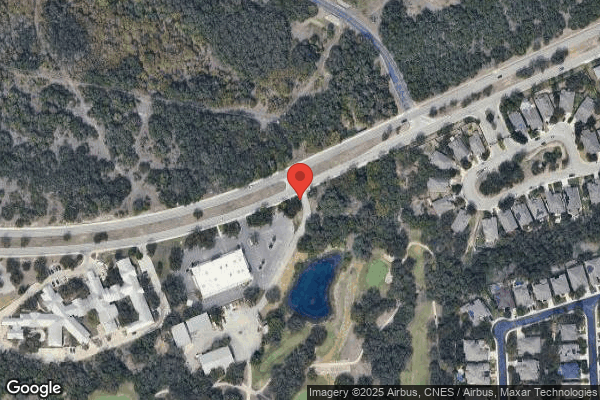
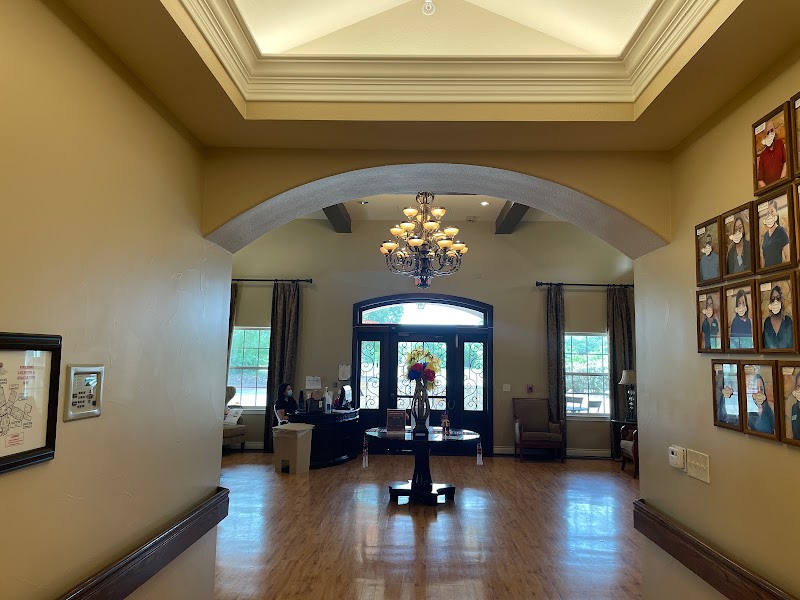
9738 WESTOVER HILLS BLVD, SAN ANTONIO, TX 78251 (210) 305-5730
For profit - Corporation 140 Beds CARING HEALTHCARE GROUP Data: November 2025 4 Immediate Jeopardy citations
Trust Grade
12/100
#273 of 1168 in TX
Last Inspection: October 2025

Inspected within the last 6 months. Data reflects current conditions.

Overview

Las Colinas of Westover has received a Trust Grade of F, indicating significant concerns about the facility's operations and care quality. They rank #273 out of 1168 facilities in Texas, placing them in the top half, and #12 out of 62 in Bexar County, meaning only eleven local options are better. The facility is currently improving, as issues decreased from 14 in 2024 to 0 in 2025. Staffing is a strong point with a rating of 4 out of 5 stars and a turnover rate of 47%, which is below the Texas average, suggesting that staff are stable and familiar with residents. However, the facility has faced serious incidents, including a critical failure to prevent a resident from a methadone overdose due to incorrect medication and not notifying a physician about a resident's change in condition, which could have delayed necessary medical treatment. Overall, while there are strengths in staffing and recent improvements, significant concerns remain regarding medication management and response to residents' health issues.

Trust Score
F
12/100
In Texas
#273/1168
Top 23%
Safety Record
High Risk
Review needed
Inspections
Getting Better
14 → 0 violations
Staff Stability
⚠ Watch
47% turnover. Above average. Higher turnover means staff may not know residents' routines.
Penalties
⚠ Watch
$38,630 in fines. Higher than 85% of Texas facilities, suggesting repeated compliance issues.
Skilled Nurses
⚠ Watch
Each resident gets only 27 minutes of Registered Nurse (RN) attention daily — below average for Texas. Fewer RN minutes means fewer trained eyes watching for problems.
Violations
⚠ Watch
29 deficiencies on record. Higher than average. Multiple issues found across inspections.
★★★★☆
4.0
Overall Rating
★★★★☆
4.0
Staff Levels
★★★★★
5.0
Care Quality
★★★☆☆
3.0
Inspection Score
Stable
2024: 14 issues
2025: 0 issues

The Good

  • 4-Star Staffing Rating · Above-average nurse staffing levels
  • 5-Star Quality Measures · Strong clinical quality outcomes
  • Full Sprinkler Coverage · Fire safety systems throughout facility
  • No fines on record

Facility shows strength in staffing levels, quality measures, fire safety.

The Bad

Staff Turnover: 47%

Near Texas avg (46%)

Higher turnover may affect care consistency

Federal Fines: $38,630

Above median ($33,413)

Moderate penalties - review what triggered them

Chain: CARING HEALTHCARE GROUP

Part of a multi-facility chain

Ask about local staffing decisions and management

The Ugly 29 deficiencies on record

4 life-threatening 1 actual harm
Sept 2024 11 deficiencies
CONCERN (D)

Potential for Harm - no one hurt, but risky conditions existed

PASARR Coordination (Tag F0644)

Could have caused harm · This affected 1 resident

**NOTE- TERMS IN BRACKETS HAVE BEEN EDITED TO PROTECT CONFIDENTIALITY** Based on interviews and record reviews, the facility failed to ensure all Pre-admission Screening and Resident Review (PASARR) L...

Read full inspector narrative →
**NOTE- TERMS IN BRACKETS HAVE BEEN EDITED TO PROTECT CONFIDENTIALITY** Based on interviews and record reviews, the facility failed to ensure all Pre-admission Screening and Resident Review (PASARR) Level 1 residents with mental illness were provided with a PASARR Level II Evaluation and Assessment for 1 of 3 residents (#71) reviewed for PASARR services. The facility failed to identify Resident #71 as having diagnoses indicative of Mental Illness including Schizoaffective Disorder and Major Depressive Disorder on the PASARR screening which would require a PASARR Level II assessment. This deficient practices could place residents at risk to a diminished quality of life related to not receiving or benefiting from specialized services. Review of Resident #71's face sheet, dated 9/27/24, revealed she was admitted to the facility on [DATE] with diagnosis including Dementia, Schizoaffective Disorder and Major Depressive Disorder, all dated 4/17/23. Review of Resident #71's quarterly MDS assessment, dated 7/25/24, revealed her BIMS was 0 meaning she was unable to complete the Brief Interview for Mental Status. Further review revealed she had a diagnosis of Depression and Schizophrenia. Review of Resident #71's Care Plan, revised 4/22/24, , revealed she had a diagnosis of Schizophrenia and Major Depressive Disorder. One of the interventions included Give medications as ordered. Monitor/document for side effects and effectiveness. Review of Resident #71's PASARR Level 1 Screening, dated 4/17/23, revealed she did not have a mental illness. Interview on 09/27/24 at 04:13 PM with the MDS Coordinator revealed Resident #71 had diagnoses including Schizoaffective Disorder and Major Depressive Disorder; however, had not re-submitted a Level I screening because she understood that she would not qualify for services because she had a primary diagnosis of Dementia. The MDS Coordinator stated she understood she was still required to submit a Level I screening to update them on Resident #71's diagnoses. Review of facility policy, Preadmission Screening and Resident Review (PASARR), undated, read: All persons who reside in a nursing facility are subject to Resident Review. If there is a substantial change in their mental status (receive a new mental health diagnosis) a new Level I will be performed and a Level II would be initiated by the Local Authority if deemed appropriate per their guidelines.
CONCERN (D)

Potential for Harm - no one hurt, but risky conditions existed

Deficiency F0655 (Tag F0655)

Could have caused harm · This affected 1 resident

**NOTE- TERMS IN BRACKETS HAVE BEEN EDITED TO PROTECT CONFIDENTIALITY** Based on observation, interview and record review the facility failed to ensure the resident's baseline Care Plan to include the...

Read full inspector narrative →
**NOTE- TERMS IN BRACKETS HAVE BEEN EDITED TO PROTECT CONFIDENTIALITY** Based on observation, interview and record review the facility failed to ensure the resident's baseline Care Plan to include the minimum healthcare information necessary to properly care for a resident for 1 of 6 Residents (Resident #160) whose records were reviewed. Nursing staff failed to include Resident #160 used two 1/4 side rails while in bed for mobility. This deficient practice could affect residents who used side rails and could result in residents not receiving the equipment they needed for mobility. The frindings were: Review of Resident #160's face sheet, dated 9/27/24, revealed she was admitted to the facility on [DATE] with diagnoses including Other Malaise. Further review revealed Resident #160 had been in the facility 9 days. Review of Resident #160's EHR revealed an MDS had not been completed because it was not due until day 14 per RAI. Review of Resident #160's Baseline Care Plan, dated 9/18/24, revealed she was cognitively intact. Further review revealed under section H., Resident #160 did not use any safety devices. Review of Resident #160's Bed Rail Evaluation, dated 9/18/24, revealed bed rails are indicated and serve as an enabler. Review of Resident #160's Bed Rail Consent, dated 9/18/24, revealed it was signed. However, the signer did not check off in the check box confirming the use of side rail. Observation on 09/24/24 at 10:04 AM revealed Resident #160 was lying in bed with two 1/4 side rail's up. Observation on 09/26/24 at 9:55 AM revealed Resident #160 sitting in a recliner with oxygen infusing at 2L. Further observation revealed two side rails were up on the bed. Interview with Resident #160 stated she asked for the use of side rails upon admission because she was very weak. She stated they helped her for bed mobility and to assist in sitting up in bed to prepare for transfers out of bed. Interview on 09/27/24 at 04:13 PM with the MDS Coordinator and the DON revealed Resident #160's Baseline Care Plan should reflect the use of side rails as an enabler to ensure they were available for Resident #160. Review of a facility policy, Care Plans-Baseline, revised December 2016, read: A baseline plan of care to meet the resident's immediate needs shall be developed for each resident within forty-eight (48) hours of admission. 1. To assure that the resident's immediate care needs are met and maintained, a baseline care plan will be developed within forty-eight (48) hours of the resident's admission. 3. The baseline care plan will be used until the staff can conduct the comprehensive assessment and develop an interdisciplinary person-centered care plan.
CONCERN (D)

Potential for Harm - no one hurt, but risky conditions existed

Deficiency F0687 (Tag F0687)

Could have caused harm · This affected 1 resident

**NOTE- TERMS IN BRACKETS HAVE BEEN EDITED TO PROTECT CONFIDENTIALITY** Based on observation, interview, and record review the facility failed to ensure a resident received proper treatment and care t...

Read full inspector narrative →
**NOTE- TERMS IN BRACKETS HAVE BEEN EDITED TO PROTECT CONFIDENTIALITY** Based on observation, interview, and record review the facility failed to ensure a resident received proper treatment and care to maintain mobility and good foot health, and provide foot care and treatment, in accordance with professional standards of practice, including to prevent complications from the resident's medical condition(s) and assist the resident in making appointments with a qualified person for 1 of 5 residents (Resident #52) reviewed for quality of care. Resident #52 did not see a podiatrist despite having thickened toenails and other foot concerns and the request of the resident's RP. This failure could place residents at risk of pain, difficulty wearing socks and or shoes, and could result in embarrassment, frustration, anxiety, and a decreased quality of life. The findings were: Record review of Resident #52's face sheet dated 9/27/24 revealed the resident was a [AGE] year-old male admitted to the facility on [DATE] with readmission on [DATE]. His diagnoses included cerebral infarction (also known as a stroke-refers to damage to tissues in the brain due to a loss of oxygen to the area), Dysarthria following cerebral infarction (a motor speech disorder that makes it difficult to form and pronounce words after a stroke), unspecified protein-calorie malnutrition (a disorder caused by a lack of proper nutrition or an inability to absorb nutrients from food), and unsteadiness of feet. Record review of Resident #52's undated care plan revealed a focus initiated on 6/14/24 and revised on 9/24/24 the resident had a right great toe arterial ulcer (open area due to inadequate blood supply to the affected area) with a goal target date of 11/23/24 to be free of infection or complications. Interventions included to avoid mechanical trauma: Constrictive shoes, Vigorous massage, and to inspect and notify the physician of changes. Record review of Resident #52's quarterly MDS assessment dated [DATE] indicated the resident was usually understood and usually understands others, had a BIMS score of 3 out of 15 indicating the resident was severely cognitively impaired. The resident had felt down, depressed, or hopeless 2-6 days of the previous 2 weeks. The resident used a wheelchair and required substantial-maximal assistance for putting on or taking off socks and shoes where the helper does more than half of the effort and partial-moderate assistance where the helper does less than half of the effort for lying to sitting on the side of the bed, sit to stand, chair/bed to chair transfers, shower, tub, toilet transfers, and walking was not attempted due to medical conditions. The resident was always incontinent of bowel and bladder. The resident had one open area on his foot from an arterial or venous ulcer and family was involved in his care and goal setting. Record review of Resident #52's Physician orders revealed an order with a start date of 6/13/24 for Right Great Toe Arterial Wound: Cleanse area with wound cleanser or NS (Normal Saline), pat dry with 4x4 gauze, paint with betadine and LOTA (Leave Open To Air) daily every day shift for wound care. Record review of Resident #52's Physician orders revealed an order with a start date of 9/11/24 for Right 4th Toe Arterial Wound: Cleanse area with wound cleanser or NS, pat dry with 4x4 gauze, paint with betadine, and LOTA daily every day shift for arterial wound. Record review of Resident #52's weekly skin assessment dated [DATE] revealed the resident had an existing arterial ulcer to his right great toe measuring 1.0cm by 0.5cm (centimeters) and a new arterial wound to his right 4th toe measuring 0.3cm by 1.0cm. The question were the nails cleaned and trimmed was answered with a no. There was no documentation of nail thickness or overgrowth. Record review of Resident #52's EHR revealed no documentation, orders, appointments, or recommendations for Podiatry or toenail trimming or general foot and nail care. Record review of facility contracted Podiatry visit and treatment lists from 8/5/24 and 9/25/24 revealed Resident #52 was not on the list to be seen by the podiatrist and was not seen by the podiatrist. In an observation and interview on 9/24/24 at 10:14 a.m. Resident #52 was lying in bed resting and he was covered with a sheet but his feet, ankles, and lower calves uncovered. The resident stated he was doing okay but needed his toenails trimmed and gestured with his hand to his feet in frustration. The resident stated he had no pain but the nail trimming not being done was his only concern. Observed the resident right great toe with a red open area on the tip of the toe but was not bleeding. The right great toenail had grown up and folded back over itself making the toenail approximately ½ to ¾ inch thick in different areas. The right great toenail was yellow and whitish in different areas and had the appearance of a glob of bubbles on top of his toe but was not clear. The residents right 4th toe was turned slightly towards the great toe and the toenail was thin but approximately ¼ - ½ inch out from the end of the toe and was in need of trimming. The resident's left great toenail had a similar appearance but was approximately ¼ inch thick. The rest of the resident's toenails had a normal appearance and were only slightly in need of trimming. The toes and feet of the right foot were tinted reddish brown from the dried betadine ordered. The resident stated he needed them all trimmed and it had been too long but he was unable to answer how long. The resident was unable to answer all questions appropriately. In an interview on 9/25/24 at 10:28 a.m. Resident #52's RP (Responsible Party) stated the resident had thick long toenails, and he was not happy about it because the facility told him they have podiatry visits monthly and he had been asking for the resident to have his nail care done since January 2024 and he kept getting told the resident had been put on the podiatry list but still had not seen one. The RP stated the resident used to live with him and he used to cut his nails at home when he was living with him and has trimmed his nails at the facility once so far because he felt he could not wait any longer but the resident really needed a professional like a podiatrist to trim his great toenails. The RP was unsure of which staff members have told him that the resident had been put on the podiatry list but it was multiple nurses and the RP had discussed it with previous SW as well. In an observation and interview on 9/27/24 at 3:20 p.m. the DON stated she was unsure why Resident #52 had not been seen by a podiatrist. The DON was looked on the computer and was unable to locate podiatry visit records or notes. The DON stated it would be important for the resident to see a podiatrist especially with his arterial wounds to his toes. The DON stated without treatment the toenails could continue thickening or growing back over into the skin and could cause an infection. The facility policy on podiatry care for residents was requested in an email to the Administrator on 9/27/24 at 2:01 p.m. and was not received by time of exit.
CONCERN (D)

Potential for Harm - no one hurt, but risky conditions existed

Incontinence Care (Tag F0690)

Could have caused harm · This affected 1 resident

**NOTE- TERMS IN BRACKETS HAVE BEEN EDITED TO PROTECT CONFIDENTIALITY** Based on observation, interview, and record review the facility failed to ensure a resident received appropriate treatment and s...

Read full inspector narrative →
**NOTE- TERMS IN BRACKETS HAVE BEEN EDITED TO PROTECT CONFIDENTIALITY** Based on observation, interview, and record review the facility failed to ensure a resident received appropriate treatment and services to prevent urinary tract infections for 1 of 4 residents (Resident #94), reviewed for quality of care. Resident #94's catheter care was not provided according to facility policy or standards of care. This failure could place resident's at risk of pain, anxiety, and could result in infection, illness, and a general decline in health. The findings were: Record review of Resident #94's face sheet dated 9/27/24 revealed the resident was a [AGE] year-old male admitted to the facility on [DATE]. His diagnoses included retention of urine (a condition in which you are unable to empty all the urine from your bladder), hydronephrosis (a condition where one or both kidneys become stretched and swollen as the result of a build-up of urine inside them), obstructive uropathy (disorder of the urinary tract that occurs due to obstructed urinary flow and can be either structural or functional), and Vascular dementia (refers to changes to memory, thinking, and behavior resulting from conditions that affect the blood vessels in the brain). Record review of Resident #94's quarterly MDS assessment dated [DATE] revealed the resident usually understands and was usually understood by others, had a BIMS score of 12 of 15 indicating the resident was moderately cognitively impaired. The resident used a wheelchair and had an indwelling catheter and was frequently incontinent of bowel. Section J0200 indicated the pain assessment interview should not be conducted due to the resident never or rarely being understood and the staff assessment for pain indicated the resident had no indicators of pain. Record review of Resident #94's Physician orders revealed an order with a start date of 4/30/24 for Foley Catheter Care: provide catheter care every shift and as needed every shift. In an observation on 9/27/24 at 11:25 a.m. CNA E provided catheter care for Resident #94, assisted by CNA F and CNA H. CNA E using a warm water basin with soap in a bottle on the side of the basin. Resident #94 stated he hurts where the catheter enters and staff stated they would notify the nurse. CNA E wet a washcloth and applied soap to the washcloth then immediately grabbed the catheter at the urinary meatus with his left hand and took the soapy washcloth with his right hand and wrapped a portion around the catheter tubing starting at the urinary meatus and wiped all the way to wear the catheter connected to the drainage tubing, turned the washcloth and did the same thing again, CNA E repeated this process 4 times. He then disposed of the washcloth, and gloves, sanitized his hands and donned new gloves. He got a new washcloth with plain warm water and proceeded to do the same procedure for rinsing. The CNA's assisting him then coached him slightly and he sanitized his hands and donned new gloves and a warm wet washcloth with soap and cleaned the residents groin area on both sides. At no time during his catheter care was the urinary meatus or surrounding area cleaned. During the catheter care the resident gasped twice and stated he hurts down there and was sensitive. There were no issues with hand sanitizing, glove usage, or EBP. In an interview on 9/27/24 at 11:45 a.m. CNA F and CNA H stated they usually do clean the urinary meatus first prior to the catheter and were unsure of why that was not completed but should have been. CNA E then joined the interview and CNA F and CNA H explained we were discussing cleaning the urinary meatus and surrounding area during catheter care and CNA E stated okay. In an interview on 9/27/24 at 3:20 p.m. the DON stated the staff should have cleaned the area during catheter care per the facility policy to prevent cross contamination and infection and she was unsure why it was not and the staff were trained on catheter care. Review of CNA E's competency validation for care of an indwelling catheter dated 8/27/24 revealed CNA E passed and had met all of the critical elements including . 8. Washes perineal area with no rinse perineal cleanser and pats area dry. B. Male- washes area around catheter insertion site and then from tip of the penis down to the body. Includes the scrotum and the skin folds around and underneath the scrotum. 9. Cleanses the proximal (nearer to the center or trunk of the body or to the point of attachment to the body) third of the catheter with soap and water, washing away from the insertion site . Review of the facility policy on urinary catheter care revised September 2014 indicated the steps in the procedure . 7. Wash the resident's genitalia and perineum thoroughly with soap and water. Rinse the area well and towel dry.16. For a male resident: Use a washcloth with warm water and soap to cleanse around the meatus. Cleanse the glans using circular strokes from the meatus outward . 17. Use a clean washcloth with warm water and soap to cleanse and rinse the catheter from the insertion site to approximately 4 inches outward.
CONCERN (D)

Potential for Harm - no one hurt, but risky conditions existed

Respiratory Care (Tag F0695)

Could have caused harm · This affected 1 resident

**NOTE- TERMS IN BRACKETS HAVE BEEN EDITED TO PROTECT CONFIDENTIALITY** Based on observation, interview, and record review the facility failed to ensure a resident who needed respiratory care, was pro...

Read full inspector narrative →
**NOTE- TERMS IN BRACKETS HAVE BEEN EDITED TO PROTECT CONFIDENTIALITY** Based on observation, interview, and record review the facility failed to ensure a resident who needed respiratory care, was provided such care, consistent with professional standards of practice, the comprehensive person-centered care plan, the residents' goals and preferences for 1 of 3 residents (Resident #79), reviewed for quality of care. Resident #79's oxygen nasal cannula was on the floor and not covered or protected from the elements. This failure could result in cross contamination and could result in infection, and illness. The findings were: Record review of Resident #79's face sheet dated 9/27/24 revealed the resident was a [AGE] year-old female admitted to the facility on [DATE] with readmission on [DATE]. Her diagnoses included cerebral infarction (also known as a stroke-refers to damage to tissues in the brain due to a loss of oxygen to the area), acute cough, and wheezing. Record review of Resident #79's annual MDS assessment dated [DATE] indicated the resident had clear speech, understood other and able to make herself understood, had a BIMS score of 14 of 15 indicating the resident was cognitively intact. The resident had shortness of breath or trouble breathing with exertion (walking, transferring, bathing etc.) and when lying flat and the resident was on oxygen. Record review of Resident #79's care plan last reviewed on 8/18/24 revealed no focus or problems relating to the resident receiving oxygen. Record review of Resident #79's Physician's orders revealed an order with a start date of 5/7/24 for Oxygen at 2 liters per minute via nasal cannula, or as needed for shortness of breath as needed. Record review of Resident #79's Physician's orders revealed an order with an order date of 7/9/24 for referral to Pulmonologist for a mass in lung for evaluation and treatment. (an appointment was scheduled for 10/9/24). In an observation on 9/24/24 at 10:28 a.m. Resident #79 was being assisted by staff leaving her room in her wheelchair. The resident had on a nasal cannula and portable oxygen. In Resident #79's room her oxygen concentrator was against the far wall by the window and her oxygen tubing and nasal cannula were on the floor with the nasal prongs touching the floor. In an observation and interview on 9/24/24 at 10:30 a.m. LVN I stated the resident wears oxygen at 2 liters per minute and stated the nasal cannula and tubing should not be on the floor and was usually in a bag when the resident was on her portable oxygen. LVN I stated therapy just came and got the resident and she was unsure of why the tubing was not placed in a bag properly. LVN I then disconnected the tubing from the oxygen concentrator and picked up the oxygen tubing and nasal cannula and disposed of them in the trash. In an interview on 9/27/24 at 3:20 p.m. the DON stated the oxygen tubing should be in a respiratory bag when not in use and being on the floor could cause infection. Review of the facility policy on respiratory therapy for preventing infection revised November 2011 indicated . 8. Keep the oxygen cannulae and tubing used PRN (as needed) in a plastic bag when note in use.
CONCERN (D)

Potential for Harm - no one hurt, but risky conditions existed

Deficiency F0700 (Tag F0700)

Could have caused harm · This affected 1 resident

**NOTE- TERMS IN BRACKETS HAVE BEEN EDITED TO PROTECT CONFIDENTIALITY** Based on observation, interview and record review revealed the facility failed to ensure correct use of bed rails including but ...

Read full inspector narrative →
**NOTE- TERMS IN BRACKETS HAVE BEEN EDITED TO PROTECT CONFIDENTIALITY** Based on observation, interview and record review revealed the facility failed to ensure correct use of bed rails including but not limited to the following elements. Assess the resident for risk of entrapment from bed rails prior to installation and obtain informed consent prior to installation for 2 of 6 Residents (Resident #71 and Resident #160) whose records were reviewed. 1. Nursing staff failed to obtain an informed consent for the use of 1/4 bed rails for Resident #71. 2. Nursing staff failed to designate the reason for the use of the 1/4 bed rails on the bed evaluation for Resident #160 and failed to obtain an informed consent for the use the bed rails. These deficient practices could affect residents who used bed rails and could result residents not having required documentation in place for the use of bed rails. The findings were: 1. Review of Resident #71's face sheet, dated 9/27/24, revealed she was admitted to the facility on [DATE] with diagnosis including Dementia, Schizoaffective Disorder and Major Depressive Disorder, all dated 4/17/23. Review of Resident #71's quarterly MDS assessment, dated 7/25/24, revealed her BIMS was 0 meaning she was unable to complete the Brief Interview for Mental Status. Further review revealed Resident #71 was able to roll from side to side and sit up in bed independently. Review of Resident #71's Care Plan, revised 4/24/23, revealed, The resident is at risk for limited physical mobility r/t lack of coordination, generalized weakness, muscle wasting and atrophy, Muscle weakness and May utilize 1/4 side rail on bilateral sides of bed as mobility enabler. Review of Resident #71's Bed Rail Evaluation dated, 7/19/24, revealed the bed rails were used as enablers. Review of Resident #71's EHR/miscellaneous section revealed there was not a consent for the use of bed rails Observation on 09/24/24 at 10:46 AM revealed Resident #71's bed had two 1/4 bed rails up. Attempted interview with Resident #71 revealed she did not engage in conversation; was not interviewable. Interview on 09/27/24 at 04:13 PM with MDS Coordinator and the DON revealed when Resident's used bed rails as enablers staff should ensure they completed an evaluation, obtain a consent, a physician's order and the use of the bed rails should be implemented into the CP. The MDS Coordinator and the DON stated staff did not have a family representative sign a consent for the use of side rails; therefore, technically Resident #71 could not sue them until one was obtained. 2. Review of Resident #160's face sheet, dated 9/27/24, revealed she was admitted to the facility on [DATE] with diagnoses including Other Malaise. Further review revealed Resident #160 had been in the facility 9 days. Review of Resident #160's EHR revealed an MDS had not been completed because it was not due until day 14 per RAI. Review of Resident #160's Baseline Care Plan, dated 9/18/24, revealed she was cognitively intact. Further review revealed under section H., Resident #160 did not use any safety devices. Review of Resident #160's Bed Rail Evaluation, dated 9/18/24, revealed bed rails are indicated and serve as an enabler. Review of Resident #160's Bed Rail Consent, dated 9/18/24, revealed it was signed. However, the signer did not check off in the check box confirming the use of side rail. Observation on 09/24/24 at 10:04 AM revealed Resident #160 was lying in bed with two 1/4 side rail's up. Observation on 09/26/24 at 9:55 AM revealed Resident #160 sitting in a recliner with oxygen infusing at 2L. Further observation revealed two side rails were up on the bed. Interview with Resident #160 stated she asked for the use of side rails upon admission because she was very weak. She stated they helped her for bed mobility and to assist in sitting up in bed to prepare for transfers out of bed. Interview on 09/27/24 at 04:13 PM with the MDS Coordinator and the DON revealed when Resident's used bed rails as enables staff should ensure they completed an evaluation, obtain a consent, a physician's order and the use of the bed rails should be implemented into CP. The MDS Coordinator and the DON stated all of these components were not completed for Resident #160. Review of facility policy, Proper Use of Side Rails revised December 2016 read: The purposes of these guidelines are to ensure the safe use of side rails as resident mobility aids and to prohibit the use of side rails as restraints unless necessary to treat a resident's medical symptoms. General Guidelines 2. Side rails are only permissible if they are used to treat a resident's medical symptoms or to assist with mobility and transfer of residents. 3. An assessment will be made to determine the resident's symptoms, risk of entrapment and reason for using side rails. When used for mobility or transfer, an assessment will include a review of the resident's: a. Bed mobility; b. Ability to change positions, transfer to and from bed or chair, and to stand and toilet; c. Risk of entrapment from the use of side rails; and d. That the bed's dimensions are appropriative for the resident's size and weight. 4. The use of side rails as an assistive device will be addressed in the resident care plan. 5. Consent for using restrictive devices will be obtained from the resident or legal representative per facility protocol.
CONCERN (E)

Potential for Harm - no one hurt, but risky conditions existed

Resident Rights (Tag F0550)

Could have caused harm · This affected multiple residents

**NOTE- TERMS IN BRACKETS HAVE BEEN EDITED TO PROTECT CONFIDENTIALITY** Based on observation, interview and record review the facility failed to treat each resident with respect and dignity and care f...

Read full inspector narrative →
**NOTE- TERMS IN BRACKETS HAVE BEEN EDITED TO PROTECT CONFIDENTIALITY** Based on observation, interview and record review the facility failed to treat each resident with respect and dignity and care for each resident in a manner and in an environment that promotes enhancement of his or her quality of life, recognizing each resident's individuality for 3 of 7 Residents (Resident #71, Resident #101 and Resident #64) who were observed for ADL care. 1. LVN A stood while feeding Resident #71 her lunch meal on 9/24/24 and on 9/25/24. 2. LVN A stood while feeding Resident #101 her lunch meal on 9/25/24. 3. LVN B held the door open while a CNA was talking to him about Resident #64 exposing him to anyone walking down the hallway on 9/26/24. These deficient practices could affect dependent residents and contribute to feelings of shame or feeling uncomfortable. The findings were: 1. Review of Resident #71's face sheet, dated 9/27/24, revealed she was admitted to the facility on [DATE] with diagnosis including Dementia, Schizoaffective Disorder and Major Depressive Disorder, all dated 4/17/23. Review of Resident #71's quarterly MDS assessment, dated 07/25/24, revealed her BIMS was 0 meaning she was unable to complete the Brief Interview for Mental Status. Further review revealed she had a diagnosis of Depression and Schizophrenia and required supervision or touching assistance with eating. Review of Resident #71's Care Plan, revised 04/24/23, , revealed she had a nutritional problem or potential nutritional problem and staff was to encourage meal intake and provide and serve diet as ordered. Further review revealed there was no mention of whether Resident #71 required assistance with feeding. Observation on 09/24/24 at 12:00 to 12:13 PM revealed LVN A standing while feeding Resident #71. Resident #71 was eating her meal while periodically looking up at LVN A. Observation on 09/25/24 from 12:01 PM revealed LVN A feeding Resident #71 while standing up. Resident #71 was eating all of her food while periodically looking up at LVN A. 2. Review of Resident #101's face sheet, dated 9/27/24, revealed she was admitted to the facility on [DATE] with diagnoses including Dementia and Major Depressive Disorder. Review of Resident #101's quarterly MDS assessment, dated 08/16/24, revealed her BIMS was 0 meaning she was unable to complete the Brief Interview for Mental Status. Further review revealed she required partial or moderate assistance with eating. Review of Resident #71's Care Plan, revised 04/24/23, , revealed she had State of nourishment; less than body requirement characterized by weight Loss, inadequate intake, decreased appetite related to: Cognitive Impairment and staff was to Serve large protein portions with all meals. However, there was no mention of whether or not she required assistance with feeding. Observation on 09/25/24 at 12:10 PM revealed LVN A feeding Resident #101 while standing up. Resident #101 was eating her food; constantly talking and grabbing at the spoon. Resident #101 was looking up at LVN A. LVN A sat the lunch tray on a bedside table away from Resident #101. Interview on 09/27/24 at 12:08 PM with LVN A revealed she usually stood while she fed the Residents because she would move from Resident to Resident and sometimes had to intervene related to behaviors. LVN A stated she had to be ready in case anything happened but stated she understood it was a dignity issue because she did not sit at the Resident's eye level and she looked down at them while feeding the Resident's. This caused the Resident's to look up at her. LVN A stated she had not received any formal training for feeding Residents but stated it made sense that she should sit so it allowed for a comfortable experience. 3. Review of Resident #64's face sheet, dated 09/27/24, revealed he was admitted to the facility on [DATE] with diagnoses including Parkinson's with Dyskinesia, with fluctuations and generalized muscle weakness. Review of Resident #64's annual MDS assessment, dated 9/14/24, revealed his BIMS was 4 indicating severe cognitive impairment. Further review revealed Resident #64 was dependent on staff for all ADL's. Review of Resident #64's Care Plan, dated 10/23/23, revealed, The resident has impaired cognitive function/impaired thought processes r/t Parkinson's, aging and The resident requires approaches that maximize involvement in daily decision making and activity. Observation and interview on 09/26/24 at 03:51 PM revealed LVN B at Resident #64's doorway holding the door open. There was a female staff member standing at Resident #64's bedside talking with LVN B. Resident #64 was turned on his right side. The linens were turned down and Resident #64 was lying in his brief exposed to anyone walking down the hallway. Further observation revealed the privacy curtain was not drawn around the bed exposing Resident #64. Interview with LVN B revealed the CNA was talking to him about Resident #64. He stated he did not completely close the door and the CNA had not drawn the privacy curtain. LVN B stated they should provide Resident #64 with privacy and dignity during care. Interview on 09/27/24 at 04:20 PM with the DON revealed staff should pull privacy curtain and close the door during Resident care. If staff were having a discussion, then they should either come out into the hallway or stay in the room and have their discussion without exposing the Resident and violating his dignity. Review of a facility policy, Quality of Life--Dignity, revised February 2020) read: Each resident shall be cared for in a manner that promotes and enhances his or her sense of well-being, level of satisfaction with life, feeling of self -worth and self-esteem. 1. Residents are treated with dignity and respect at all times.
CONCERN (E)

Potential for Harm - no one hurt, but risky conditions existed

Deficiency F0577 (Tag F0577)

Could have caused harm · This affected multiple residents

Based on observation, interview and record review the facility failed to post a notice of the availability of such reports (surveys, certifications, and complaint investigations) in areas of the facil...

Read full inspector narrative →
Based on observation, interview and record review the facility failed to post a notice of the availability of such reports (surveys, certifications, and complaint investigations) in areas of the facility that are prominent and accessible to the public for 3 of 4 days observed for required postings. The facility did not post a sign providing the location of the survey results binder. This deficient practice could affect any resident and result in residents not being informed of the survey results. The findings were: Interview with 8 residents during a group meeting on 09/26/24 at 01:37 PM revealed they were not familiar with the survey results and where they were stored. All 8 residents stated they had not seen a sign or a binder labeled survey results. Observation on 09/26/24 at 02:18 PM in the facility lobby area revealed a group of binders on the shelf on the right-hand side. Amongst the binders there was 1 binder labeled Survey Results; it was not easily visible. Further observation revealed there was not a sign letting the residents and the public know of the location of the survey results binder. Interview on 09/26/24 at 03:06 PM with the AD revealed she had not shared the location of the survey results binder with the resident's. She stated she thought it was up front in the lobby area. Observation and interview on 09/26/24 at 03:23 PM with the ADM revealed the survey binder was available with last survey results. The ADM stated he did not know he needed to post sign providing the locations of the survey result. He stated there was not a sign posted.
CONCERN (E)

Potential for Harm - no one hurt, but risky conditions existed

Food Safety (Tag F0812)

Could have caused harm · This affected multiple residents

Based on observation, interview, and record review, the facility failed to store, prepare, distribute, and serve food in accordance with professional standards for 1 of 1 kitchen observed for food ser...

Read full inspector narrative →
Based on observation, interview, and record review, the facility failed to store, prepare, distribute, and serve food in accordance with professional standards for 1 of 1 kitchen observed for food service. The facility failed to ensure that items stored in the walk-in in refrigerator were labeled. The Dietary Manager and Dietary Aide failed to wear beard restraints while working in the kitchen. Cook and Dietary Aide did not properly wear hair restraints in a way that covered all their hair. This failure could place residents who receive food prepared in the facility's only kitchen by placing them at risk for food-borne illness and food contamination. The findings were: Observation of the facility's kitchen on 09/24/2024 at 8:40 AM revealed Dietary Manager not wearing beard restraint over his facial hair while in the kitchen. Observation of the walk-in refrigerator on 09/24/2024 at 8:44 AM revealed 13 trays of pre-portioned drinks, cakes, and bowls of cereal and unlabeled. Observation of the facility kitchen on 09/26/2024 at 10:24 AM revealed Cook's hair restraint not covering all her hair while preparing pureed foods for lunch. Further observation revealed the Dietary Aide's hair restraint not covering all his hair while doing dishes. Interview with [NAME] on 09/26/2024 at 10:52 AM revealed the [NAME] received training from the dietary manager on appropriate hygiene when first hired. The [NAME] stated hair restraints are to cover all hair to prevent hair from falling into food. The [NAME] stated that hair falling into food could cause foodborne illness in the residents. The [NAME] stated all open food in the walk-in refrigerator needed to be labeled with the date open. The [NAME] also stated that it was the responsibility of whoever was putting open items in the walk-in to label it. Interview with Dietary Aide on 09/26/2024 at 10:54 AM revealed he had worked at the facility since January of 2024 and received training on appropriate hygiene when he started. The Dietary Aide stated hair restraints should cover all hair on top the head. Dietary Aide stated any hair not in the hair restraint could fall into the food and cause foodborne illness in those who ate food from the kitchen. Dietary Aide stated food stored in the walk-in refrigerator was to be labeled with the date opened. Dietary Aide stated any staff placing open items in the walk-in refrigerator was responsible to label it. Interview with Dietary Manager on 09/26/2024 at 10:58 AM revealed staff are trained on appropriate hygiene when they start and all hair, including facial hair, was to be in a hair restraint when in the kitchen. Dietary manager stated hair that was not in a hair restraint could fall into food being prepared causing it to be contaminated. Dietary Manager stated contaminated food could cause foodborne illness in the residents. Dietary Manager stated all staff are responsible for labeling open items being placed in the walk-in refrigerator. Dietary Manager stated he checks the walk-in daily before the end of his shift to ensure all items are labeled. Dietary manager stated by not labeling items in the walk-in refrigerator there is potential to serve expired foods to residents causing foodborne illness. Record review of the facility policy named Preventing Foodborne Illness-Employee Hygiene and Sanitary Practice, not dated, revealed 11. Hair nets or caps and/or beard restraints must be worn to keep hair from contacting exposed food, clean equipment, utensils and linens. Record review of the facility policy named Receiving, not dated, revealed 6. All food items will be appropriately labeled and dated either through manufacturer packaging or staff notation. Record review of the Food Code, U.S. Public Health Service, U.S. FDA, 2022 states Except as provided in, (B) of this section, FOOD EMPLOYEES shall wear hair restraints such as hats, hair coverings or nets, beard restraints, and clothing that covers body hair, that are designed and worn to effectively keep their hair from contacting exposed FOOD; clean EQUIPMENT, UTENSILS, and LINENS; and unwrapped SINGLE-SERVICE and SINGLE-USE ARTICLES. Record review of the Food Code, U.S. Public Health Service, U.S. FDA, 2022, U.S. Department of H&HS, revealed 3-501.17 Ready-to-Eat/Time Temperature Control for Safety Food, Date Marking. (B) Except as specified in (E) -(G) of this section, refrigerated, ready-to-eat, time/temperature control for safety food prepared and packaged by a food processing plant shall be clearly marked, at the time the original container is opened in a food establishment and if the food is held for more than 24 hours, to indicate the date or day by which the food shall be consumed on the premises, sold, or discarded, based on the temperature and time combinations specified in (A) of this section and: (1) The day the original container is opened in the food establishment shall be counted as Day 1; and (2) The day or date marked by the food establishment may not exceed a manufacturer's use-by date if the manufacturer determined the use-by date based on food safety.
CONCERN (E)

Potential for Harm - no one hurt, but risky conditions existed

Infection Control (Tag F0880)

Could have caused harm · This affected multiple residents

**NOTE- TERMS IN BRACKETS HAVE BEEN EDITED TO PROTECT CONFIDENTIALITY** Based on observations, interviews, and record reviews, the facility failed to maintain an infection prevention and control progr...

Read full inspector narrative →
**NOTE- TERMS IN BRACKETS HAVE BEEN EDITED TO PROTECT CONFIDENTIALITY** Based on observations, interviews, and record reviews, the facility failed to maintain an infection prevention and control program designed to provide a safe, sanitary, and comfortable environment and to help prevent the development and transmission of communicable diseases and infections for 2 of 5 residents (Residents #69, #90) and 1 of 1 rooms (room [ROOM NUMBER]), reviewed for infection control. 1. Resident #69 was provided wound care without EBP being used 2. Resident #90 was provided wound care from supplies that were open and kept in the same baggie, the staff made direct contact with the and gloves were not changed after, and the padding in the soiled brief contacted the wound when applying the dressing, and after the wound care was completed, the wound dressing was covered with the soiled brief while turning the resident. 3. Nursing staff failed to ensure the shower chair in room [ROOM NUMBER] was cleaned and sanitized when soiled with feces. These failures could place residents at risk of cross contamination, infection, and illness. The findings were: 1. Record review of Resident #69's face sheet dated 9/27/24 revealed the resident was an [AGE] year-old female admitted to the facility on [DATE] with readmission on [DATE]. Her diagnoses included Parkinson's disease (brain disorder that causes unintended or uncontrollable movements, such as shaking, stiffness, and difficulty with balance and coordination), and muscle wasting, and atrophy not elsewhere classified multiple sites (wasting or loss of muscle tissue). Record review of Resident #69's quarterly MDS assessment dated [DATE] indicated the resident rarely or never understands or was understood and had a BIMS score of 0 indicating the resident was severely cognitively impaired. The resident required Substantial/maximal assistance or was dependent for mobility. The resident was always incontinent of bowel and bladder and had no wounds. Record review of Resident #69's care plan last reviewed 7/19/24 revealed a focus initiated on 9/2/24 and revised on 9/18/24 for pressure ulcer to coccyx that was unstageable. Interventions included to administer treatments as ordered and to follow facility policies/protocols for the treatment of skin breakdown. Record review of Resident #69's Physician's orders revealed an order with a start date of 1/4/23 for hospice services. Record review of Resident #69's Physician's orders revealed an order with a start date of 9/18/24 for Coccyx Unstageable Pressure Injury: cleanse with NS (Normal Saline) or wound cleanser, pat dry with 4x4 gauze, apply Medi honey and calcium alginate, and cover with bordered foam dressing daily and PRN every day shift for wound care. In an observation on 9/27/24 at 9:50 a.m. Resident #69 was provided wound care by RN C and was assisted by ADON D. An EBP (Enhanced Barrier Precautions) sign was on the resident's room door. RN C and ADON D completed the resident's wound care as ordered but did not utilize EBP by using PPE (Personal Protective Equipment) during the wound care. In an interview on 9/27/24 at 10:00 a.m. RN C and ADON D stated PPE for EBP should have been utilized. RN C stated not using EBP could cause cross contamination and infection control issues. 2. Record review of Resident # 90's face sheet dated 9/27/24 revealed the resident was a [AGE] year-old male admitted to the facility on [DATE]. His diagnoses included paraplegia (Severe or complete loss of motor function in the lower extremities and lower portions of the trunk), and pressure ulcer of the sacral region unspecified stage (pressure ulcer is a localized injury to the skin or underlying tissue, usually over a bony prominence, as a result of unrelieved pressure). Record review of Resident # 90's quarterly MDS assessment dated [DATE] indicated the resident had a BIMS score of 15 of 15 indicating the resident was cognitively intact. The resident had one stage 4 pressure ulcer. Record review of Resident # 90's care plan last reviewed on 7/30/24 revealed a focus revised on 1/2/24 for multiple pressure ulcers with a goal revised on 7/30/24 to be free from infection with a target date of 10/25/24. Interventions included to administer treatments as ordered. Record review of Resident # 90's Physician orders revealed an order with a start date of 8/29/24 for Left lateral buttocks stage 4 pressure injury: cleanse wound with NS, pat dry with 4x4 gauze, apply Santyl to wound bed, and calcium alginate, apply zinc to peri wound, and cover with bordered dressing daily and PRN. The wound care orders were for the Coccyx wound. In an observation on 9/27/24 at 9:10 a.m. RN C was prepping her supplies wound care and pulled a plastic baggie out of the treatment cart. Inside the plastic zip-loc bag was: * calcium alginate that was open and had been cut in to smaller pieces, *A previously opened and used tube of Santyl ointment inside the original box, and *a tube of zinc oxide ointment that had previously been opened. RN C pulled the items out one at a time with her bare hands and placed them back in the baggie when she was finished dispensing a certain amount of the ointments into clear plastic medicine cups. Further observation revealed during the wound care to the Resident #90's sacral region, RN C pushed the calcium alginate in and around the wound with her gloved finger then without changing gloves put her finger in the zinc oxide ointment and applied it around the wound edge. The smaller dressing to buttock was applied and overlapped the sacral wound slightly and did not stick due to the tape being applied over the zinc oxide. There was a pad inside a brief and the pad was slightly under the sacral dressing when applied and RN C had to pull the brief down slightly to free the brief. The pad inside the brief was observed to be slightly damp with urine and the resident wanted to turn prior changing his brief. The nurse then covered the dressings with the damp brief and pad and the resident and was then changed. In an interview on 9/27/24 at 9:35 a.m. RN C stated she should have changed gloves after putting her finger in the wound and prior to putting her glove inside the plastic cup. RN C stated the resident wanted to keep his brief and pad on and turn then staff could provide incontinent care. RN C stated the issues with wound care observations could cause infection control and cross contamination. In an interview on 9/27/24 at 3:20 p.m. the DON stated EBP should have been used for wound care and not using EBP could cause infection by way of cross contamination. The DON further stated the calcium alginate and creams should be in separate bags to prevent cross contamination, the soiled brief should have been changed prior to wound care and or not replaced over the clean wound dressings. 3. Observation on 09/24/24 at 10:41 AM in room [ROOM NUMBER] in the memory care unit revealed a shower chair beside the sink. There was dried brown substance on the seat. Observation and interview on 09/24/24 at 10:50 AM with LVN A revealed she walked in to the room and stated she was making sure no one was in the room. LVN A looked at the shower chair and stated the brown substance was BM, bowel movement. She stated the CNAs should be wiping down, cleaning the resident's equipment; shower chair after each shower, with disinfectant wipes. Interview on 9/27/24 at 12:08 PM with LVN A revealed both Residents in room [ROOM NUMBER] were cognitively impaired; anxious, would become easily agitated and wandered. She stated it was important for nursing staff to keep resident equipment clean to maintain good sanitation and infection control. LVN A stated she made rounds throughout the shift; however, on 09/24/2024, she did not go into the bathroom in room [ROOM NUMBER]. Review of the facility policy for wound care revised October 2010 indicated . The following equipment and supplies will be necessary when performing this procedure. 4. Personal protective equipment (eg., gowns, gloves, mask, etc., as needed).
CONCERN (E)

Potential for Harm - no one hurt, but risky conditions existed

Deficiency F0925 (Tag F0925)

Could have caused harm · This affected multiple residents

**NOTE- TERMS IN BRACKETS HAVE BEEN EDITED TO PROTECT CONFIDENTIALITY** Based on observations, interviews, and record review, the facility failed to maintain an effective pest control program so that ...

Read full inspector narrative →
**NOTE- TERMS IN BRACKETS HAVE BEEN EDITED TO PROTECT CONFIDENTIALITY** Based on observations, interviews, and record review, the facility failed to maintain an effective pest control program so that the facility is free of pests for 1 of 1 facility reviewed for physical environment. Multiple gnats were observed on resident food containers and flying around the facility. This failure places residents at risk of frustration, anxiety, and could result in the resident's not having a safe, sanitary environment. The findings were: In an observation of room [ROOM NUMBER] A on 9/24/24 at 9:45 a.m. on a bedside table next to bed held a tumbler and on top of the tumbler was a small snack sized Styrofoam bowl of fruit, possibly diced pears or peaches sealed with plastic wrap. On top of the plastic wrap was 8 to 10 gnats, and multiple flying around the tumbler and around surveyor's head at doorway. There was no loose food or open containers were observed. In an observation of room [ROOM NUMBER] A on 9/24/24 at 9:25 a.m. revealed a sticky fly trap tape hanging from the light above the bed on each side of the bed hanging down approximately 2.5 feet on each side. Approximately 7 gnats/fruit flies observed stuck to each tape. In an observation on 9/27/24 at 9:10 a.m. gnats were flying near a wound care treatment cart on 100 hall as the nurse was preparing supplies. In a group resident council meeting during the survey, the residents stated there was a pest control problem at the facility to include gnats and roaches. In an interview on 9/27/24 at 10:15 a.m. a resident expressed concerns about roaches, gnats, and flies in his room periodically throughout his stay at the facility. The resident stated he had seen the exterminator one time and the pest control man was not intending on spraying his room until the resident intervened. The resident stated he had told the previous SW and the Administrator but continued to have problems about the following areas: roaches, gnats and flies in his room periodically throughout his stay at the NF. In an interview on 9/27/24 at 3:10 p.m. the DON stated there was a gnat problem at times and the pest control comes. In an interview on 9/27/24 at 3:45 p.m. the Administrator stated pest control has treated for gnats and treats regularly. The Administrator stated that some residents hoard food and leftovers in their rooms and even in drawers but the facility continues to encourage the residents not to hoard food and leftovers in their rooms. He further stated that a resident had complained about gnats today and he had already contacted the pest control company and they will be coming to treat his room. Review of facility pest prevention service reports are as follows: *7 /26/24 room [ROOM NUMBER] for drain flies in bathroom, *8/5/24 inspected and treated all common areas and rooms 215, and 212. Target pests roaches, ants, crickets, and rodent, *8/30/24 inspected and treated all common areas and rooms 101, 110, 310, 200 for target pests ants, wasps, roaches, crickets, *9/3/24 all common areas and target pests roaches and rodent, and *9/19/24 all common areas and room [ROOM NUMBER]. Review of facility pest control service log indicated the facility had pest control visits on the following dates: * 7/26/24 for gnats, *8/5/24 for roaches and general pests, *8/21/24 general and roaches in 100, 200, 300. * 8/27/24, general pests. *8/30/24 general pests. *9/3/24 general pests, and *9/19/24 general pests. Review of facility pest control policy revised August 2008 indicated Our facility shall maintain an effective pest control program. 1. This facility maintains an on-going pest control program to ensure that the building is kept free of insects and rodents.
Aug 2024 2 deficiencies 2 IJ
CRITICAL (J) 📢 Someone Reported This

A family member, employee, or ombudsman was alarmed enough to file a formal complaint

Immediate Jeopardy (IJ) - the most serious Medicare violation

Pharmacy Services (Tag F0755)

Someone could have died · This affected 1 resident

Based on interviews, and record reviews,the facility failed to provide pharmaceutical services including procedures that assure the accurate dispensing and administering of all drugs and biologicals t...

Read full inspector narrative →
Based on interviews, and record reviews,the facility failed to provide pharmaceutical services including procedures that assure the accurate dispensing and administering of all drugs and biologicals to meet the needs of 1 of 2 residents (Resident #1). The facility failed to prevent Resident #1 from having a methadone overdose due to receiving incorrect medications. An IJ was identified on 8/4/2024. The IJ template was presented to the facility on 8/4/2024 at 7:02 PM. While the IJ was removed on 8/6/2024 at 8:03 PM, the facility remained out of compliance at a scope of isolated and a severity level of no actual harm due to the facilities need to continue to monitor the effectiveness of their plan. This deficient practice could place residents at risk of receiving incorrect medications resulting in hospitalization or death. The findings included: Record review of Resident #1's eMAR (electronic Medication Administration Record) revealed an admission date of 3/30/2023 with diagnoses that included: coronary artery disease, heart failure, Parkinson's, and dementia with behaviors. Resident #1 had a BIMS score of 3. Record review of Resident #1's physician orders and MARS revealed no order for Methadone. Record reviews of facility physician orders revealed the only resident in the facility receiving Methadone was Resident #2, who resided across the hall from Resident #1. Record review Resident #2's eMar revealed LVN F (4:00 PM); Med Aide B1 (10:00 PM), and Med Aide A1 (10:00 AM) administered Methadone to resident on 8/2/2024. During an interview on 8/4/2024 at 12:28 PM, LVN A stated Resident #1 on 8/3/2024 at 2:53 PM was becoming less active and falling asleep and not his normal behavior. LVN A stated she took his vitals and his O2 saturation was low at 87%-91%. She stated she gave him oxygen and put him back to bed, called the NP, and got the order to send him to the hospital. During an interview on 8/4/2024 1:10 PM, the RN at a local hospital stated Resident #1 displayed all the signs of drug overdose. The hospital RN stated he was blue and had 3 breaths per minute (agonal breaths). She stated he received Narcan and tested positive for Methadone overdose. She stated after he received the Narcan, he woke up but needed another dose of Narcan. She stated she Resident #1 eventually admitted to ICU and he woke up again. During an interview on 8/4/2024 at 6:30 PM, the DON stated Resident #1 could have received the Methadone because someone pre-pulled the medication that caused a medication error because they did not remember what pills belonged to which resident. She stated medications are to be pulled using the 5 rights of medication administration. The individual administering the medication checks the label 3 times the right resident, right medication, right dosage, right time, and right method (route) of administration before giving the medication to the resident. During an interview 8/5/2024 at 4:35 PM, the Pharmacist that was contracted with the facility stated the effects of methadone overdose was confusion, disorientation, fatigue, and sleepiness. She stated the dosage that would cause an overdose would depend on the dosage and depend on how fast they metabolized it. Record Review of the facility's policy titled Administering Medications dated April 2019 stated in part; Medications are administered in a safe and timely manner, and as prescribed. (9). The individual administering medications verifies the resident's identity before giving the resident medication. Methods of identifying the resident include checking identification band, photograph attached to medical record, and if necessary, verify resident identification with other facility personnel.(10). The individual administering the medication checks the label 3 times to verify the right resident, right medication, right dosage, right time, and right method (route) of administration before giving the medication. On on 8/4/2024 at 7:02 PM, an Immediate Jeopardy (IJ) was identified. The Administrator and the DON were notified. The Administrator and the DON was provided with the IJ template, and a Plan of Removal (POR) was requested at that time. The POR was accepted on 8/5/2024 and verification began on 8/6/2024: IJ Component: F 755 Pharmaceutical Services Facility failed to ensure resident was receiving the appropriate medication. Immediate Actions: 1. DON/designee reviewed all resident narcotic administration records to ensure residents are receiving the correct medication as ordered by the physician. All counts were correct. Initiated on 8/4/2024. Completed 8/5/2024 2. DON/designee moved all scheduled and PRN narcotic medications from the certified medication aide cart to the licensed nurse medication cart-this will be permanent. Only Licensed Nurses will be administering routine ordered and PRN ordered narcotics. The CMA's will not have access or keys to the Nurses medication carts. Initiated on 8/4/2024. Completed 8/4/2024 Facility Plan to ensure compliance: 1. DON/designee to re-educate licensed nurses and certified medication aides in the process of medication administration with an emphasis of verifying the resident's identity before giving the resident his/her medications and adverse consequences of medication errors. The Regional Nurse Consultant and [NAME] President of Operations provided in-service to DON and administrator on 8/4/2024. Staff that are on leave from the facility, as well as newly hired staff in the future will be given medication administration education by the same individuals noted above before starting their next shift. This facility does not employ the use of agency personnel. Initiated on 8/4/2024. Completed 8/5/2024. 2. DON/designee to educate licensed nurses that all narcotics given will require 2 licensed nurses to initial administration to ensure administration of medication to the correct resident. The Regional Nurse Consultant and [NAME] President of Operations provided in-service to DON and administrator on 8/4/2024. Staff that are on leave from the facility, as well as newly hired staff will be given medication administration education by the same individuals noted above before starting their next shift. This facility does not employ the use of agency personnel. This training will be on an ongoing basis for all new hires. Initiated on 8/4/2024. Completed 8/5/2024. 3. The Medical Director was notified by the Administrator on 8/4/2024 at 7:20 pm on the immediate jeopardy citation. 4. An Ad-hoc QAPI meeting was held on 8/4/2024 by the interdisciplinary team to discuss the immediate jeopardies and review the plan of removal. Monitoring 1. DON/designee will perform medication administration observations on the licensed nurses and certified medication aides twice a week beginning 8/4/2024 and ongoing to ensure medications are administered to the correct resident. A medication observation tool will be used to document compliance with the medication administration beginning 8/4/2024 for 60 days. The pharmacy consultant will perform medication observation monthly during her routine monthly visit on an ongoing basis. 2. The above will be reviewed in the monthly facility QAPI meeting for no less than 60 days or until the Administrator determines substantial compliance has been achieved and maintained. Monitoring of the Plan of Removal from 8/6/2024 to 8/6/2024 included the following: Interviews with 27 out of 28 were done with 27 nurses and 2 Medication Aides were done (one terminated). 4 nurses for day and evening; 5 nurses for day shift; 7 nurses and 1 Medication Aide for evening; 4 nurses for all shifts (PRN); 4 nurses for overnight; and 3 RN Managers. The one nurse that was PRN (as needed) would receive the in-service before she can start her shift. All that received the in-service stated the carts were audited and the narcotics were only on the nurses' carts, not to be administered by Medication Aides any longer. They were in-serviced on medication rights of administration: right resident, right time, right dose, and right route and right documentation. During an interview on 8/6/2024 at 9:38 AM LVN A who worked day shift stated she had been a nurse 5 years. She stated she had in-service on passing medication. She stated she was told that they had to have another person to witness narcotics being passed for at least 60 days. She stated they would be checked weekly on medication passed and it was done yesterday. She stated Med Aides no longer have access to narcotics and only nurses would administer as needed narcotics and scheduled narcotics. She stated they went over the 5 rights of administering medication; nursing assessment and when medication should be held and call doctor to inform of reason of holding medication and document. She stated before passing medication they did a count of the narcotics with the previous shift nurse or Med Aide. She stated if there was an error with the narcotics, she would not take the keys and immediately inform the DON. She stated she would take vitals on her residents when needed before administering her medications. She stated pre-pulling medications could cause confusion and it would be better to do the medications one resident at a time. During an interview on 8/6/2024 at 9:50 AM LVN U who worked day shift stated he had in-service on narcotics administration that now needed 2 signatures as a witness. He stated he did not pre-pull medication, take vitals, assessment for pain and makes sure he does the 5 rights order, patient, time, dose, and medication. He stated that there was no Med Aide on the unit he worked and was not aware there would be random medication observations. During an interview on 8/6/2024 at 9:58 AM LVN C who worked day shift stated she had the in-service on nurses passed narcotics for scheduled and as needed and 2 nurses had to sign off on the narcotics. She stated DON audited her narcotics on her cart and moved all narcotics to her cart. She stated she did not pre-pull her medications because it would be easy to make a mistake with administering medication. She stated she did one resident at a time, even if it was over the counter medications. She stated that administering someone the wrong medication may have an allergic reaction. She stated she would check MAR, resident, blood pressure and document, check name of medication, dose, frequency, time and day using 5 rights of medication administration. She stated when there had been times, she found medications on the cart that had been pre-pulled she would notify the ADON and they would discard the medications. During an interview on 8/6/2024 at 10:16 AM Med Aide A1 stated she had the in-service on medication pass. She stated she was taught the 5 rights of medication pass and taking vitals. She stated she was told to pass medication one resident at a time. She stated it was important not to pre-pull medication because a mistake could happen, giving the wrong medication to a resident. She stated she pre-pulled today and was terminated. She stated the last time she gave Resident #1 was Friday at 10 or 11 in the morning. She stated she would have to buy him a cupcake or a soda for him to take his medications. She stated he would agree to take it after an hour or so without buying him anything. She stated she had not seen anyone else pre-pull medications. During an interview on 8/6/2024 at 10:41 AM LVN D who worked day shift stated she had in-service on medication pass. She stated she was informed not to pre-pull, medication rights. She stated only the nurses would pass out medication with 2 nurses' signatures. She stated pre-pulling medication could cause a medication error. She stated her cart was audited by the DON and all the narcotic sheets and keys were now on her cart and not the Med Aide's cart. She stated she had not seen anyone pre-pull medications but if she had seen it, she would report it to the DON. During an interview on 8/6/2024 at 10:53 AM LVN E who worked day shift new hired nurse and had been a nurse since 2004. She stated she had an in-service on Monday. She stated she was off on the weekend and the training was about the rights of the resident with medication pass. She stated she always kept the rights on her. She stated she did not pre-pull because it could cause confusion and med pass error. She stated it should be done one resident at a time. She stated she had not seen anyone pre- pulling medication but if she had seen it, she would inform them of the issues with doing that and then notify the DON. She stated only the nurses passed the narcotics with 2 signatures each time a narcotic was pulled. She stated she did not know how long the 2-signature process would last. During an interview on 8/6/2024 at 11:48 AM LVN G who worked overnight shift stated the in-service was about medication pass and narcotics. He stated it was about the 6 rights, counting and documentation: not giving unprescribed medications. He stated only nurses were to administer narcotics. He stated he had not seen anyone pre-pull medication. He stated pre-pull medication can be a safety hazard, it would be loose medication in the cart. He stated pre-pulled medication could cause a medication error. He stated 2 nurses were to sign out narcotics. During an interview on 8/6/2024 at 12:20 PM LVN K who worked evening shift stated she had been at the facility for 4 days. She was called to the DON's office to discuss medication administration with the 5 rights and another nurse to sign off for narcotics. She stated only the nurses were allowed to pass narcotics. She stated she was in the Memory Care Unit and she did not have a MA. She stated pre-pulling medications can cause medication error and she would only do one resident at a time. She stated she was unaware if the cart was audited because yesterday was her first day working alone. She stated there was no issue with the narcotic count and when she ended her shift, she and the other nurse both signed out. She stated if there was an issue with the narcotic count, she would not accept the keys and inform the DON. She stated if she saw if someone pre-pulled medication, she would inform a supervisor. During an interview on 8/6/2024 at 12:35 PM RN Weekend Supervisor (P) she stated that 2 nurses were to sign off on narcotics. She stated as the supervisor to enforce the new policy, she would do a medication pass audit/in-service because she only worked on the weekend. She stated she would be more adamant about checking carts for pre-pulled medications on each shift. Most times there were shift changes but most of them worked doubles. During an interview on 8/6/2024 at 12:44 PM LVN W who worked day and evening shifts stated she had the in-service Sunday about medication pass, and verifying with the 5 rights of medication pass. She stated she would not pre-pull medication because it could cause medication error and she only does one medication at time. She stated she had not seen anyone pre-pull medication. She stated she would report it to a supervisor. She stated the narcotics were the only one to give out narcotics and the process is for 2 nurses to verify and sign. She stated she would not give medications to a resident that was drowsy. She would take vitals, check medications given previously, and call the doctor. During an interview on 8/6/2024 at 12:57 PM LVN L who worked day and evening shifts stated she had the in-service and were told Med Aides were not allowed to pass the narcotics and 2 nurses were to verify and sign out narcotics. She stated she noticed that all of the narcotics and the keys were on her cart. She stated pre-pulling medications were not allowed and medications were not allowed to be administered before the scheduled time. She stated pre-pulling medication could cause medication error. She stated she used the 6 rights of the residents to pass her medication. She stated she had not seen anyone pre-pulled medication and if she had seen it, she would notify the supervisor. She stated she would not allow the medication to be passed and immediately call a supervisor. She stated if she observed someone drowsy, she would take vitals and call the doctor to get an order to hold a medication that may cause drowsiness she would also notify a supervisor. She states she only worked on the weekends. During an interview on 8/6/2024 at 1:05 PM RN X who worked evening shift stated she had an in-service on Sunday about medication pass and the 5 rights of medication pass. She stated the narcotics were not to be administered by Medication Aides and all the narcotics were moved to her cart with the keys given to her. She stated 2 nurses now need to verify and sign for narcotic administration. She stated she did not pre pull her medications because it could cause medication error- giving the wrong medication to a resident, confusing medications. If she saw someone drowsy, she would take vitals and call the physician to hold the medication, or any other orders given. She stated if she saw someone had pre pulled medication she would notify the supervisor. During an interview on 8/6/2024 at 1:40 PM LVN O who worked day and evening shifts worked on the weekends. He stated he had the in-service on the 5 rights of medication administration and was also observed doing a medication pass. He stated all the narcotics were on the nurses' carts and no longer on the Med Aide's carts. He stated he was informed that the narcotics were to be signed by 2 nurses for verification. He stated medications should not be pre pulled because the medication could be given to the wrong resident. He stated he was newly hired at the facility and had not seen anyone pre pull medication. If he were to see it, he would notify the supervisor. He stated he had been observed by the DON doing medication pass. During an interview on 8/6/2024 at 1:49 PM LVN I who worked overnight shift stated she had an in-service this morning about medication administration and the 5 rights. She stated 2 nurses needed to confirm and sign for narcotics. She stated the med aides would not be passing narcotics any longer. She stated she had not seen any pre pulled medications. She stated she would ask about the medication if it was left in the cart and she would call the supervisor. She stated pre pulled medications could result in a medication error. During an interview on 8/6/2024 at 2:00 PM LVN H who worked overnight shift stated he had received the in-services about drug administration and the 5 rights. He stated he did not pre-pull medication because it could result in a medication error. He stated he had not seen any pre pulled medications in the cart and if he had seen it, he would report it to the DON. He stated 2 nurses needed to verify and sign off for the administration of narcotics. He was informed that med aides would not be allowed to pass narcotics. He stated if he saw someone very drowsy, he would take a set of vitals, notify the doctor, and hold the medication until he spoke with the doctor. During an interview on 8/6/2024 at 2:06 PM LVN N who worked as needed and weekends stated she had the in-service and was informed only nurses would administer narcotics, all the narcotics were removed from the med aides' carts, and 2 nurses would be needed to administer the narcotics to verify and sign. She stated it was important to not pre pull medications because it would be easy to make a medication error giving the medication to the wrong resident. She stated they also discussed the 5 rights of medication administration. She stated if she saw pre pulled medication on the cart, she would report it to the DON or ADON. During an interview on 8/6/2024 at 2:07 PM LVN M who worked evening shift stated she had the in-service yesterday and was told the nurses would administer the narcotic. She stated she was told to use the 5 rights to administer medications. She stated that 2 nurses needed to sign out narcotics to verify the correct medication was administered. She stated all the narcotics and the books with the sheets were put into the nurses' carts. She stated it was important not to pre pull medications because it could cause a medication error- by forgetting who the medication belonged to. She stated she had not seen medication pre pulled on a cart. She stated she would question who or what the medication was for, she would discard it and inform the supervisor. She stated if she saw a resident groggy, she would do an assessment, take vitals, notify the supervisor, notify the physician, and hold the medication until further orders from the doctor. During an interview on 8/6/2024 at 2:16 PM Med Aide B1 who worked evening shift stated she had the in service about medication process using 5 rights and not to pre pull medications. She stated narcotics were removed from her cart and would be administer by the nurses only to prevent too many people handling the narcotics. She stated it was important not to pre pull medication to prevent medication error. She stated she had not seen anyone pre pulling medications. She stated if she had seen it, she would report it to the charge nurse and if nothing was done about it, she would report it to the DON. She stated there had been times that Resident #2 had been very drowsy and she reported it the nurse and she did not give the medication to him. During an interview on 8/6/2024 at 2:29 PM RN R who worked evening shift stated she had the in-service of medication administration and the 5 rights of medication administration. She stated there would need to be 2 nurses to sign for a delivery of a narcotic and to administer to a resident. She stated it was important not to pre pull to prevent medication error- wrong time, wrong med, wrong resident. She stated she had seen medication pre pulled medication and she informed the person that did it not to do it and she told the ADON about it. She stated if she saw that a resident was very drowsy, she would do an assessment with a set of vitals, hold the medication, notify the doctor, the DON, family, and wait for further orders from the doctor. During an interview on 8/6/2024 at 2:49PM RN J worked all shifts stated she had the in service yesterday. She stated they discussed 5 rights of medication administration. 2 nurses were needed to administer narcotics. She stated the carts were audited and is aware Med Aides were no longer able to pass narcotics. She stated she had not seen anyone pre pull medications. She stated pre pulled medications could cause medication error. She stated if she had seen someone who pre pulled, she would stop the administration first and notify a supervisor immediately. During an interview on 8/6/2024 at 2:58 PM RN V who worked evening shift stated she had the in-service on medication administration on the 7 rights of administration. She stated that narcotics required 2 nurses to verify and sign. She stated pre pulled medications-ask the resident first if it was needed before pulling a narcotic. She stated pre pulled medications could result in medication error that could have dangerous results. She stated Med Aides were no longer allowed to administer narcotics. She stated she had not seen anyone pre pull medications and she had only been employed with the facility for 2 months. She stated if she saw someone pre pulled medications, she would inquire to the person who had done it, she stated it would be best to report it to the supervisor. She stated if she saw someone groggy, she would not administer a narcotic and do an assessment with vitals, report it to the doctor, the supervisor, and the family await further instructions from the doctor. During an interview on 8/6/2024 at 3:06 PM LVN Y who worked overnight shift stated she had the in-service this morning about resident 7 rights of medication administration. She stated she was informed that 2 nurses would need to sign out narcotics to verify. She stated the cart and narcotic book was audited. She stated she was informed that the Med Aides were not allowed to pass narcotics. She stated she had not seen anyone pre pull medications, and pre pulled med errors could cause a medication error. She stated she would do an assessment with vital signs, hold the medication, and notify the doctor. She stated if she would see someone with pre pulled medications, she would advise them to discard the medications and assist them if needed. She stated if the person were to do it more than once, she would then go to the DON. During an interview on 8/6/2024 at 3:21 PM LVN T who worked overnight shift stated she had the in- service about medication administration that now required 2 nurses to sign for verification. She stated that medications should not be pre pulled and use the 7 rights of medication administration. She stated it was important not to pre pull to prevent medication error. She stated she had not seen anyone pre pull medications, but had she seen it, she would inform the person not to do that and then report. She stated if she saw someone drowsy, she would not administer a narcotic because it could mask another problem. She stated she would call the supervisor, the doctor, and the family and wait for further orders from the doctor. During an observation on 8/6/2024 at 3:50 PM, the medication carts on the 100-hall unit had all the narcotics on the nurses' carts and no narcotics on the Medication Aide's cart. Observed LVN F on 100 hall passed medication and LVN F verified a narcotic he pulled with RN V. During an interview on 8/6/2024 at 10:10 AM, the DON stated she did not want staff to know she would do random medication observations because she wanted to ensure they were doing the medication pass per facility policy. She stated she did an in-service with Med Aide A1 that morning and she was informed not to pre-pull medication. She stated she allowed her to prepare for medication pass and decided to do a random observation with her. She stated she found that the Med Aide A1 was about to enter a residents' room with 2 cups of medication- one cup for each resident. The Med Aide was terminated. During an interview on 8/6/2024 at 1:40 PM LVN O who worked day and evening shifts worked on the weekends. He stated he had the in-service on the 5 rights of medication administration and was also observed doing a medication pass. He stated all the narcotics were on the nurses' carts and no longer on the Med Aide's carts. He stated he was informed that the narcotics were to be signed by 2 nurses for verification. He stated medications should not be pre pulled because the medication could be given to the wrong resident. He stated he was newly hired at the facility and had not seen anyone pre pull medication. If he were to see it, he would notify the supervisor. He stated he had been observed by the DON doing medication pass. Record review of QAPI signature page dated 8/4/2024 revealed the Medical Director gave verbal approval over the phone and email due to being on vacation. The Administrator stated the Medical Director also received a scanned copy of the signed IJ template. During an interview on 8/6/2024 at 6:56 PM LVN S stated he had in-service on medication right of medication administration. He stated he was told not to pre pull medication because it could cause a medication error. He stated he had not seen anyone pre pull medication. He stated if he saw anyone pre pull medication he would advise them not to administer medication that way and inform the DON. He stated that 2 nurses were to sign off on any narcotic to be given. He stated he would not give narcotics to anyone who would be drowsy, but instead hold it and call the doctor and notify the supervisor. Observation on 8/6/2024 at 7:03 PM revealed LVN F removed a Norco for Resident #3 and LVN M verified and signed off with LVN F before medication was administered. There were no pre pulled pills in the top drawer of the cart. He administered the medication to the resident using the 5 rights of medication administration. Observation on 8/6/2024 at 7:08 PM revealed Med Aide B1 administered to Resident #3 -Cymbalta 20 mg, Atorvastatin 40mg, and Trazadone 50 mg using the 5 rights of medication administration. There were no pre pulled pills in the top drawer. An IJ was identified on 8/4/2024. The IJ template was presented to the facility on 8/4/2024 at 7:02 PM. While the IJ was removed on 8/6/2024 at 8:03 PM, the facility remained out of compliance at a scope of isolated and a severity level of no actual harm due to the facilities need to continue to monitor the effectiveness of their plan.
CRITICAL (J) 📢 Someone Reported This

A family member, employee, or ombudsman was alarmed enough to file a formal complaint

Immediate Jeopardy (IJ) - the most serious Medicare violation

Deficiency F0760 (Tag F0760)

Someone could have died · This affected 1 resident

Based on interviews, and record reviews,the facility failed to ensure residents are free of any significant medication error for 1 of 2 residents (Resident #1). The facility failed to prevent Resident...

Read full inspector narrative →
Based on interviews, and record reviews,the facility failed to ensure residents are free of any significant medication error for 1 of 2 residents (Resident #1). The facility failed to prevent Resident #1 from having a methadone overdose due to receiving incorrect medications. An IJ was identified on 8/4/2024. The IJ template was presented to the facility on 8/4/2024 at 7:02PM. While the IJ was removed on 8/6/2024 at 8:03PM, the facility remained out of compliance at a scope of isolated and a severity level of no actual harm due to the facilities need to continue to monitor the effectiveness of their plan. This deficient practice could place residents at risk of receiving incorrect medications resulting in hospitalization or death. The findings included: Record review of Resident #1's eMAR (electronic Medication Administration Record) revealed an admission date of 3/30/2023 with diagnoses that included: coronary artery disease, heart failure, Parkinson's, and dementia with behaviors. Resident #1 had a BIMS score of 3. Record review of Resident #1's physician orders and MARS revealed no order for Methadone. Record reviews of facility physician orders revealed the only resident in the facility receiving Methadone was Resident #2, who resided across the hall from Resident #1. Record review Resident #2's eMar revealed LVN F (4:00PM); Med Aide B1 (10:00PM), and Med Aide A1 (10:00AM) administered Methadone to resident on 8/2/2024. During an interview on 8/4/2024 at 12:28 PM, LVN A stated Resident #1 on 8/3/2024 at 2:53PM was becoming less active and falling asleep and not his normal behavior. LVN A stated she took his vitals and his O2 saturation was low at 87%-91%. She stated she gave him oxygen and put him back to bed, called the NP, and got the order to send him to the hospital. During an interview on 8/4/2024 1:10 PM, the RN at a local hospital stated Resident #1 displayed all the signs of drug overdose. The hospital RN stated he was blue and had 3 breaths per minute (agonal breaths). She stated he received Narcan and tested positive for Methadone overdose. She stated after he received the Narcan, he woke up but needed another dose of Narcan. She stated she Resident #1 eventually admitted to ICU and he woke up again. During an interview on 8/4/2024 at 6:30 PM, the DON stated Resident #1 could have received the Methadone because someone pre-pulled the medication that caused a medication error because they did not remember what pills belonged to which resident. She stated medications are to be pulled using the 5 rights of medication administration. The individual administering the medication checks the label 3 times the right resident, right medication, right dosage, right time, and right method (route) of administration before giving the medication to the resident. During an interview 8/5/2024 at 4:35 PM, the Pharmacist that was contracted with the facility stated the effects of methadone overdose was confusion, disorientation, fatigue, and sleepiness. She stated the dosage that would cause an overdose would depend on the dosage and depend on how fast they metabolized it. Record Review of the facility's policy titled Administering Medications dated April 2019 stated in part; Medications are administered in a safe and timely manner, and as prescribed. (9). The individual administering medications verifies the resident's identity before giving the resident medication. Methods of identifying the resident include checking identification band, photograph attached to medical record, and if necessary, verify resident identification with other facility personnel.(10). The individual administering the medication checks the label 3 times to verify the right resident, right medication, right dosage, right time, and right method (route) of administration before giving the medication. On on 8/4/2024 at 7:02PM, an Immediate Jeopardy (IJ) was identified. The Administrator and the DON were notified. The Administrator and the DON was provided with the IJ template, and a Plan of Removal (POR) was requested at that time. The POR was accepted on 8/5/2024 and verification began on 8/6/2024: IJ Component: F 755 Pharmaceutical Services Facility failed to ensure resident was receiving the appropriate medication. Immediate Actions: 1. DON/designee reviewed all resident narcotic administration records to ensure residents are receiving the correct medication as ordered by the physician. All counts were correct. Initiated on 8/4/2024. Completed 8/5/2024 2. DON/designee moved all scheduled and PRN narcotic medications from the certified medication aide cart to the licensed nurse medication cart-this will be permanent. Only Licensed Nurses will be administering routine ordered and PRN ordered narcotics. The CMA's will not have access or keys to the Nurses medication carts. Initiated on 8/4/2024. Completed 8/4/2024 Facility Plan to ensure compliance: 1. DON/designee to re-educate licensed nurses and certified medication aides in the process of medication administration with an emphasis of verifying the resident's identity before giving the resident his/her medications and adverse consequences of medication errors. The Regional Nurse Consultant and [NAME] President of Operations provided in-service to DON and administrator on 8/4/2024. Staff that are on leave from the facility, as well as newly hired staff in the future will be given medication administration education by the same individuals noted above before starting their next shift. This facility does not employ the use of agency personnel. Initiated on 8/4/2024. Completed 8/5/2024. 2. DON/designee to educate licensed nurses that all narcotics given will require 2 licensed nurses to initial administration to ensure administration of medication to the correct resident. The Regional Nurse Consultant and [NAME] President of Operations provided in-service to DON and administrator on 8/4/2024. Staff that are on leave from the facility, as well as newly hired staff will be given medication administration education by the same individuals noted above before starting their next shift. This facility does not employ the use of agency personnel. This training will be on an ongoing basis for all new hires. Initiated on 8/4/2024. Completed 8/5/2024. 3. The Medical Director was notified by the Administrator on 8/4/2024 at 7:20 pm on the immediate jeopardy citation. 4. An Ad-hoc QAPI meeting was held on 8/4/2024 by the interdisciplinary team to discuss the immediate jeopardies and review the plan of removal. Monitoring 1. DON/designee will perform medication administration observations on the licensed nurses and certified medication aides twice a week beginning 8/4/2024 and ongoing to ensure medications are administered to the correct resident. A medication observation tool will be used to document compliance with the medication administration beginning 8/4/2024 for 60 days. The pharmacy consultant will perform medication observation monthly during her routine monthly visit on an ongoing basis. 2. The above will be reviewed in the monthly facility QAPI meeting for no less than 60 days or until the Administrator determines substantial compliance has been achieved and maintained. Monitoring of the Plan of Removal from 8/6/2024 to 8/6/2024 included the following: Interviews with 27 out of 28 were done with 27 nurses and 2 Medication Aides were done (one terminated). 4 nurses for day and evening; 5 nurses for day shift; 7 nurses and 1 Medication Aide for evening; 4 nurses for all shifts (PRN); 4 nurses for overnight; and 3 RN Managers. The one nurse that was PRN (as needed) would receive the in-service before she can start her shift. All that received the in-service stated the carts were audited and the narcotics were only on the nurses' carts, not to be administered by Medication Aides any longer. They were in-serviced on medication rights of administration: right resident, right time, right dose, and right route and right documentation. During an interview on 8/6/2024 at 9:38 AM LVN A who worked day shift stated she had been a nurse 5 years. She stated she had in-service on passing medication. She stated she was told that they had to have another person to witness narcotics being passed for at least 60 days. She stated they would be checked weekly on medication passed and it was done yesterday. She stated Med Aides no longer have access to narcotics and only nurses would administer as needed narcotics and scheduled narcotics. She stated they went over the 5 rights of administering medication; nursing assessment and when medication should be held and call doctor to inform of reason of holding medication and document. She stated before passing medication they did a count of the narcotics with the previous shift nurse or Med Aide. She stated if there was an error with the narcotics, she would not take the keys and immediately inform the DON. She stated she would take vitals on her residents when needed before administering her medications. She stated pre-pulling medications could cause confusion and it would be better to do the medications one resident at a time. During an interview on 8/6/2024 at 9:50 AM LVN U who worked day shift stated he had in-service on narcotics administration that now needed 2 signatures as a witness. He stated he did not pre-pull medication, take vitals, assessment for pain and makes sure he does the 5 rights order, patient, time, dose, and medication. He stated that there was no Med Aide on the unit he worked and was not aware there would be random medication observations. During an interview on 8/6/2024 at 9:58 AM LVN C who worked day shift stated she had the in-service on nurses passed narcotics for scheduled and as needed and 2 nurses had to sign off on the narcotics. She stated DON audited her narcotics on her cart and moved all narcotics to her cart. She stated she did not pre-pull her medications because it would be easy to make a mistake with administering medication. She stated she did one resident at a time, even if it was over the counter medications. She stated that administering someone the wrong medication may have an allergic reaction. She stated she would check MAR, resident, blood pressure and document, check name of medication, dose, frequency, time and day using 5 rights of medication administration. She stated when there had been times, she found medications on the cart that had been pre-pulled she would notify the ADON and they would discard the medications. During an interview on 8/6/2024 at 10:16 AM Med Aide A1 stated she had the in-service on medication pass. She stated she was taught the 5 rights of medication pass and taking vitals. She stated she was told to pass medication one resident at a time. She stated it was important not to pre-pull medication because a mistake could happen, giving the wrong medication to a resident. She stated she pre-pulled today and was terminated. She stated the last time she gave Resident #1 was Friday at 10 or 11 in the morning. She stated she would have to buy him a cupcake or a soda for him to take his medications. She stated he would agree to take it after an hour or so without buying him anything. She stated she had not seen anyone else pre-pull medications. During an interview on 8/6/2024 at 10:41 AM LVN D who worked day shift stated she had in-service on medication pass. She stated she was informed not to pre-pull, medication rights. She stated only the nurses would pass out medication with 2 nurses' signatures. She stated pre-pulling medication could cause a medication error. She stated her cart was audited by the DON and all the narcotic sheets and keys were now on her cart and not the Med Aide's cart. She stated she had not seen anyone pre-pull medications but if she had seen it, she would report it to the DON. During an interview on 8/6/2024 at 10:53 AM LVN E who worked day shift new hired nurse and had been a nurse since 2004. She stated she had an in-service on Monday. She stated she was off on the weekend and the training was about the rights of the resident with medication pass. She stated she always kept the rights on her. She stated she did not pre-pull because it could cause confusion and med pass error. She stated it should be done one resident at a time. She stated she had not seen anyone pre- pulling medication but if she had seen it, she would inform them of the issues with doing that and then notify the DON. She stated only the nurses passed the narcotics with 2 signatures each time a narcotic was pulled. She stated she did not know how long the 2-signature process would last. During an interview on 8/6/2024 at 11:48 AM LVN G who worked overnight shift stated the in-service was about medication pass and narcotics. He stated it was about the 6 rights, counting and documentation: not giving unprescribed medications. He stated only nurses were to administer narcotics. He stated he had not seen anyone pre-pull medication. He stated pre-pull medication can be a safety hazard, it would be loose medication in the cart. He stated pre-pulled medication could cause a medication error. He stated 2 nurses were to sign out narcotics. During an interview on 8/6/2024 at 12:20 PM LVN K who worked evening shift stated she had been at the facility for 4 days. She was called to the DON's office to discuss medication administration with the 5 rights and another nurse to sign off for narcotics. She stated only the nurses were allowed to pass narcotics. She stated she was in the Memory Care Unit and she did not have a MA. She stated pre-pulling medications can cause medication error and she would only do one resident at a time. She stated she was unaware if the cart was audited because yesterday was her first day working alone. She stated there was no issue with the narcotic count and when she ended her shift, she and the other nurse both signed out. She stated if there was an issue with the narcotic count, she would not accept the keys and inform the DON. She stated if she saw if someone pre-pulled medication, she would inform a supervisor. During an interview on 8/6/2024 at 12:35 PM RN Weekend Supervisor (P) she stated that 2 nurses were to sign off on narcotics. She stated as the supervisor to enforce the new policy, she would do a medication pass audit/in-service because she only worked on the weekend. She stated she would be more adamant about checking carts for pre-pulled medications on each shift. Most times there were shift changes but most of them worked doubles. During an interview on 8/6/2024 at 12:44 PM LVN W who worked day and evening shifts stated she had the in-service Sunday about medication pass, and verifying with the 5 rights of medication pass. She stated she would not pre-pull medication because it could cause medication error and she only does one medication at time. She stated she had not seen anyone pre-pull medication. She stated she would report it to a supervisor. She stated the narcotics were the only one to give out narcotics and the process is for 2 nurses to verify and sign. She stated she would not give medications to a resident that was drowsy. She would take vitals, check medications given previously, and call the doctor. During an interview on 8/6/2024 at 12:57 PM LVN L who worked day and evening shifts stated she had the in-service and were told Med Aides were not allowed to pass the narcotics and 2 nurses were to verify and sign out narcotics. She stated she noticed that all of the narcotics and the keys were on her cart. She stated pre-pulling medications were not allowed and medications were not allowed to be administered before the scheduled time. She stated pre-pulling medication could cause medication error. She stated she used the 6 rights of the residents to pass her medication. She stated she had not seen anyone pre-pulled medication and if she had seen it, she would notify the supervisor. She stated she would not allow the medication to be passed and immediately call a supervisor. She stated if she observed someone drowsy, she would take vitals and call the doctor to get an order to hold a medication that may cause drowsiness she would also notify a supervisor. She states she only worked on the weekends. During an interview on 8/6/2024 at 1:05 PM RN X who worked evening shift stated she had an in-service on Sunday about medication pass and the 5 rights of medication pass. She stated the narcotics were not to be administered by Medication Aides and all the narcotics were moved to her cart with the keys given to her. She stated 2 nurses now need to verify and sign for narcotic administration. She stated she did not pre pull her medications because it could cause medication error- giving the wrong medication to a resident, confusing medications. If she saw someone drowsy, she would take vitals and call the physician to hold the medication, or any other orders given. She stated if she saw someone had pre pulled medication she would notify the supervisor. During an interview on 8/6/2024 at 1:40 PM LVN O who worked day and evening shifts worked on the weekends. He stated he had the in-service on the 5 rights of medication administration and was also observed doing a medication pass. He stated all the narcotics were on the nurses' carts and no longer on the Med Aide's carts. He stated he was informed that the narcotics were to be signed by 2 nurses for verification. He stated medications should not be pre pulled because the medication could be given to the wrong resident. He stated he was newly hired at the facility and had not seen anyone pre pull medication. If he were to see it, he would notify the supervisor. He stated he had been observed by the DON doing medication pass. During an interview on 8/6/2024 at 1:49 PM LVN I who worked overnight shift stated she had an in-service this morning about medication administration and the 5 rights. She stated 2 nurses needed to confirm and sign for narcotics. She stated the med aides would not be passing narcotics any longer. She stated she had not seen any pre pulled medications. She stated she would ask about the medication if it was left in the cart and she would call the supervisor. She stated pre pulled medications could result in a medication error. During an interview on 8/6/2024 at 2:00 PM LVN H who worked overnight shift stated he had received the in-services about drug administration and the 5 rights. He stated he did not pre-pull medication because it could result in a medication error. He stated he had not seen any pre pulled medications in the cart and if he had seen it, he would report it to the DON. He stated 2 nurses needed to verify and sign off for the administration of narcotics. He was informed that med aides would not be allowed to pass narcotics. He stated if he saw someone very drowsy, he would take a set of vitals, notify the doctor, and hold the medication until he spoke with the doctor. During an interview on 8/6/2024 at 2:06 PM LVN N who worked as needed and weekends stated she had the in-service and was informed only nurses would administer narcotics, all the narcotics were removed from the med aides' carts, and 2 nurses would be needed to administer the narcotics to verify and sign. She stated it was important to not pre pull medications because it would be easy to make a medication error giving the medication to the wrong resident. She stated they also discussed the 5 rights of medication administration. She stated if she saw pre pulled medication on the cart, she would report it to the DON or ADON. During an interview on 8/6/2024 at 2:07 PM LVN M who worked evening shift stated she had the in-service yesterday and was told the nurses would administer the narcotic. She stated she was told to use the 5 rights to administer medications. She stated that 2 nurses needed to sign out narcotics to verify the correct medication was administered. She stated all the narcotics and the books with the sheets were put into the nurses' carts. She stated it was important not to pre pull medications because it could cause a medication error- by forgetting who the medication belonged to. She stated she had not seen medication pre pulled on a cart. She stated she would question who or what the medication was for, she would discard it and inform the supervisor. She stated if she saw a resident groggy, she would do an assessment, take vitals, notify the supervisor, notify the physician, and hold the medication until further orders from the doctor. During an interview on 8/6/2024 at 2:16 PM Med Aide B1 who worked evening shift stated she had the in service about medication process using 5 rights and not to pre pull medications. She stated narcotics were removed from her cart and would be administer by the nurses only to prevent too many people handling the narcotics. She stated it was important not to pre pull medication to prevent medication error. She stated she had not seen anyone pre pulling medications. She stated if she had seen it, she would report it to the charge nurse and if nothing was done about it, she would report it to the DON. She stated there had been times that Resident #2 had been very drowsy and she reported it the nurse and she did not give the medication to him. During an interview on 8/6/2024 at 2:29 PM RN R who worked evening shift stated she had the in-service of medication administration and the 5 rights of medication administration. She stated there would need to be 2 nurses to sign for a delivery of a narcotic and to administer to a resident. She stated it was important not to pre pull to prevent medication error- wrong time, wrong med, wrong resident. She stated she had seen medication pre pulled medication and she informed the person that did it not to do it and she told the ADON about it. She stated if she saw that a resident was very drowsy, she would do an assessment with a set of vitals, hold the medication, notify the doctor, the DON, family, and wait for further orders from the doctor. During an interview on 8/6/2024 at 2:49PM RN J worked all shifts stated she had the in service yesterday. She stated they discussed 5 rights of medication administration. 2 nurses were needed to administer narcotics. She stated the carts were audited and is aware Med Aides were no longer able to pass narcotics. She stated she had not seen anyone pre pull medications. She stated pre pulled medications could cause medication error. She stated if she had seen someone who pre pulled, she would stop the administration first and notify a supervisor immediately. During an interview on 8/6/2024 at 2:58 PM RN V who worked evening shift stated she had the in-service on medication administration on the 7 rights of administration. She stated that narcotics required 2 nurses to verify and sign. She stated pre pulled medications-ask the resident first if it was needed before pulling a narcotic. She stated pre pulled medications could result in medication error that could have dangerous results. She stated Med Aides were no longer allowed to administer narcotics. She stated she had not seen anyone pre pull medications and she had only been employed with the facility for 2 months. She stated if she saw someone pre pulled medications, she would inquire to the person who had done it, she stated it would be best to report it to the supervisor. She stated if she saw someone groggy, she would not administer a narcotic and do an assessment with vitals, report it to the doctor, the supervisor, and the family await further instructions from the doctor. During an interview on 8/6/2024 at 3:06 PM LVN Y who worked overnight shift stated she had the in-service this morning about resident 7 rights of medication administration. She stated she was informed that 2 nurses would need to sign out narcotics to verify. She stated the cart and narcotic book was audited. She stated she was informed that the Med Aides were not allowed to pass narcotics. She stated she had not seen anyone pre pull medications, and pre pulled med errors could cause a medication error. She stated she would do an assessment with vital signs, hold the medication, and notify the doctor. She stated if she would see someone with pre pulled medications, she would advise them to discard the medications and assist them if needed. She stated if the person were to do it more than once, she would then go to the DON. During an interview on 8/6/2024 at 3:21 PM LVN T who worked overnight shift stated she had the in- service about medication administration that now required 2 nurses to sign for verification. She stated that medications should not be pre pulled and use the 7 rights of medication administration. She stated it was important not to pre pull to prevent medication error. She stated she had not seen anyone pre pull medications, but had she seen it, she would inform the person not to do that and then report. She stated if she saw someone drowsy, she would not administer a narcotic because it could mask another problem. She stated she would call the supervisor, the doctor, and the family and wait for further orders from the doctor. During an observation on 8/6/2024 at 3:50 PM, the medication carts on the 100-hall unit had all the narcotics on the nurses' carts and no narcotics on the Medication Aide's cart. Observed LVN F on 100 hall passed medication and LVN F verified a narcotic he pulled with RN V. During an interview on 8/6/2024 at 10:10 AM, the DON stated she did not want staff to know she would do random medication observations because she wanted to ensure they were doing the medication pass per facility policy. She stated she did an in-service with Med Aide A1 that morning and she was informed not to pre-pull medication. She stated she allowed her to prepare for medication pass and decided to do a random observation with her. She stated she found that the Med Aide A1 was about to enter a residents' room with 2 cups of medication- one cup for each resident. The Med Aide was terminated. During an interview on 8/6/2024 at 1:40 PM LVN O who worked day and evening shifts worked on the weekends. He stated he had the in-service on the 5 rights of medication administration and was also observed doing a medication pass. He stated all the narcotics were on the nurses' carts and no longer on the Med Aide's carts. He stated he was informed that the narcotics were to be signed by 2 nurses for verification. He stated medications should not be pre pulled because the medication could be given to the wrong resident. He stated he was newly hired at the facility and had not seen anyone pre pull medication. If he were to see it, he would notify the supervisor. He stated he had been observed by the DON doing medication pass. Record review of QAPI signature page dated 8/4/2024 revealed the Medical Director gave verbal approval over the phone and email due to being on vacation. The Administrator stated the Medical Director also received a scanned copy of the signed IJ template. During an interview on 8/6/2024 at 6:56 PM LVN S stated he had in-service on medication right of medication administration. He stated he was told not to pre pull medication because it could cause a medication error. He stated he had not seen anyone pre pull medication. He stated if he saw anyone pre pull medication he would advise them not to administer medication that way and inform the DON. He stated that 2 nurses were to sign off on any narcotic to be given. He stated he would not give narcotics to anyone who would be drowsy, but instead hold it and call the doctor and notify the supervisor. Observation on 8/6/2024 at 7:03 PM revealed LVN F removed a Norco for Resident #3 and LVN M verified and signed off with LVN F before medication was administered. There were no pre pulled pills in the top drawer of the cart. He administered the medication to the resident using the 5 rights of medication administration. Observation on 8/6/2024 at 7:08 PM revealed Med Aide B1 administered to Resident #3 -Cymbalta 20mg, Atorvastatin 40mg, and Trazadone 50mg using the 5 rights of medication administration. There were no pre pulled pills in the top drawer. An IJ was identified on 8/4/2024. The IJ template was presented to the facility on 8/4/2024 at 7:02PM. While the IJ was removed on 8/6/2024 at 8:03PM, the facility remained out of compliance at a scope of isolated and a severity level of no actual harm due to the facilities need to continue to monitor the effectiveness of their plan.
Apr 2024 1 deficiency
CONCERN (D) 📢 Someone Reported This

A family member, employee, or ombudsman was alarmed enough to file a formal complaint

Potential for Harm - no one hurt, but risky conditions existed

Comprehensive Care Plan (Tag F0656)

Could have caused harm · This affected 1 resident

**NOTE- TERMS IN BRACKETS HAVE BEEN EDITED TO PROTECT CONFIDENTIALITY** Based on interview and record review the facility failed to provide services that are furnished to maintain the resident's highe...

Read full inspector narrative →
**NOTE- TERMS IN BRACKETS HAVE BEEN EDITED TO PROTECT CONFIDENTIALITY** Based on interview and record review the facility failed to provide services that are furnished to maintain the resident's highest practicable physical, mental, and psychosocial well-being for 2 of 9 residents (#1 and #2) reviewed for care plans in that: 1. Resident #1's care plan did not indicate that she had a fall resulting in a shoulder fracture with interventions to include a sling to her left arm, fall mats and an orthopedic consult. 2. Resident #2's care plan did not indicate that she had a fall resulting in a finger fracture with interventions to include a finger splint. This deficient practice could place residents at risk of not having needs identified and interventions established. The findings were: 1. Review of resident #1's face sheet revealed she was a [AGE] year-old female admitted to the facility on [DATE] with diagnoses which included Alzheimer's Disease (a progressive disease that affects memory and other important mental functions) and Ataxic Gait (impaired balance or coordination). Review of Resident #1's quarterly MDS, dated [DATE], revealed a BIMS of 3, indicating severe cognitive impairment. Review of Resident #1's care plan, dated 04/12/2024 and revised 04/23/2024, revealed that the care plan did not address a fall on 04/24/2024, resulting in a left shoulder fracture with interventions of a left arm sling, orthopedic consult and fall mats. Review of Resident #1's Fall Risk Assessment, dated 04/19/2024, revealed a score of 18 indicating Resident #1 was a high fall risk. Review of Resident #1's radiological x-ray report, conducted on 04/24/2024, revealed the bones were osteoporotic (brittle and fragile bones) and a left humeral neck nonunion fracture (shoulder fracture) was visualized. Review of Resident #1's April 2024 Physician orders revealed an order from the physician on 04/24/2024 for a left arm sling and an order for an orthopedic consult. Observation of Resident #1, on 04/26/2024 at 1:45pm, revealed Resident #1 with a sling on her left arm. Interview with the DON on 04/30/2024 at 10:05am confirmed that Resident #1 did not have a care plan that addressed her fall which resulted in a shoulder fracture on 4/24/2024 with interventions that included a left arm sling, fall mats and an orthopedic consult placing the resident at risk for potential injuries or additional falls. During the interview, the DON stated she was responsible for updating resident care plans related to incidents and accidents. 2. Review of Resident #2's face sheet revealed she was a [AGE] year-old female admitted to the facility on [DATE] with diagnoses which include Cerebral Infarction (a disruption in the brain's blood flow), Dementia (a general term for impaired ability to remember, think, or make decisions) and Osteoporosis (brittle and fragile bones). Review of Resident #2's quarterly MDS, dated [DATE], revealed a BIMS score of 0 indicating a severe cognitive impairment. Review of Resident #2's care plan, dated 01/22/2024 and revised 04/22/2024, completed on 04/26/2024 did not address a hip fracture and non-displaced fracture of the middle finger resulting from a fall on 04/13/2024 with interventions to include a finger splint. Review of Resident #2's hospital Discharge summary dated [DATE] revealed an order for alumifoam finger splint to right hand. An observation of Resident #2 on 04/26/2024 at 1:10pm revealed a splint to her right middle finger. Interview with LVN A, 04/26/2024 at 1:22pm, revealed she had received training on fall prevention and stated interventions used to prevent further falls would be located in the resident's plan of care. She stated it is important to follow the residents plan of care because it is what is safe for the resident. Interview with RN A, 04/29/2024 at 10:40am, revealed she had received training on fall prevention and stated that she did have access to the resident's plan of care. She stated it is important to follow a resident's plan of care because for resident's who are a fall risk, they could get hurt or decline if we do not follow their plan of care. Interview with the DON, 04/30/2024 at 10:05am, revealed Resident #2 had a finger splint and confirmed the care plan had not been updated to reflect the changes in Resident #2's plan of care. The DON stated the care plan should be updated by the following day of a change in the resident's plan of care. She stated the staff have received training on abuse and neglect and fall prevention. Furthermore, when asked what harm could come to a resident who's care plan is not updated timely and followed, she stated possible injuries to the resident. Review of facility in-services on 04/30/2024 revealed staff had received education on fall risk prevention, including the addition of interventions to prevent further falls, on 03/31/2024 and 04/14/2024. Review of facility policy titled Falls and Fall Risk, Managing dated 2001 and revised March 2018, revealed the policy statement is based on previous evaluations and current data, the staff will identify interventions related to the resident's specific risks and causes to try to prevent the resident from falling and to try and minimize complications from falling. Review of the facility policy titled Care Plans, Comprehensive Person-Centered dated 2001 and revised March 2018, stated the comprehensive, person center care plan will: include measurable objectives and timeframes; describe the services that are to be furnished to attain or maintain the resident's highest practicable physical, mental, and psychosocial well-being; incorporate identified problem areas; incorporate risk factors associated with identified problems; aide in preventing or reducing decline in the resident's functional status and/or functional levels.
Dec 2023 2 deficiencies 2 IJ
CRITICAL (J) 📢 Someone Reported This

A family member, employee, or ombudsman was alarmed enough to file a formal complaint

Immediate Jeopardy (IJ) - the most serious Medicare violation

Notification of Changes (Tag F0580)

Someone could have died · This affected 1 resident

Based on interview, and record review the facility failed to consult with the physician when the resident experienced a change in condition for 1 of 1 resident (Residents #1) reviewed for a notificati...

Read full inspector narrative →
Based on interview, and record review the facility failed to consult with the physician when the resident experienced a change in condition for 1 of 1 resident (Residents #1) reviewed for a notification of a change of condition, in that; LVN A did not assess Resident #1 or notify the Physician of Resident #1's change in condition on 12/15/23 when Resident # 1's family member came to LVN A with concerns about the resident's catheter being plugged and abnormal confusion. On 12/22/2023 at 4:31 p.m., an Immediate Jeopardy (IJ) was Identified. While the IJ was removed on 12/23/2023, the facility remained out of compliance at a severity of actual harm but with potential for more than minimal harm and with a scope isolated due to the facility continuing to monitor the implementation and effectiveness of their plan of removal. This deficient practice could place residents at risks of not having the physician contacted when they have a change of condition and it could result in delay of medical treatment and hospitalization. Findings included: Record review of Resident #1's face sheet, dated 12/22/23, revealed a male resident with an admission date of 12/7/23 and diagnosis that included [Shortness of Breath] the frightening sensation of being unable to breathe normally or feeling suffocated, [Bladder Cancer] rare form of cancer that starts in the lining of your bladder, and [Severe Protein Calorie Malnutrition] significant muscle wasting, and loss of subcutaneous fat. Record review of Resident #1's admission MDS assessment, dated 12/13/2023, revealed no BIMS score as the Cognitive assessment was not completed with the resident. Further review revealed a staff assessment for mental status had been completed that revealed short-term and long-term memory problems. Memory/Recall ability indicated resident is unable to recall the current season, the location of their own room, staff names and faces, that the resident in a nursing home and noted resident's cognitive skills to be severely impaired. No behavior issues, such as refusal of care, were identified on the MDS. Further review revealed under section H that Resident # 1 was noted to have an indwelling catheter. Record review of Resident # 1's care plan dated 12/13/23 revealed a focus area for an indwelling catheter with interventions to flush and assess each shift. Record review of Resident #1's assessments for 12/15/23 did not reveal LVN A reassessed resident or progress note regarding family members concerns. Record review of Resident #1's vital signs taken on 12/15/23 documented at 3:55 p.m., revealed normal vital signs, no further vital signs noted reflecting nursing assessment. Record review of Resident #1's assessment for 12/15/23 documented on 12/15/23 at 3:55 p.m., revealed a normal assessment. Record review of Resident #1's progress note for 12/15/23 revealed the catheter showed urine in the drainage bag was clear and draining via gravity. Recoard review of Resident #1's Treatment Administrator Record for 12/15/23 day shift documentation revealed the catheter was flushed. Record review of [Name of Hospital] records for Resident #1, provided by family member, revealed an admission date of 12/15/2023 and he was admitted for [ Septic Shock ] a life-threatening condition that happens when your blood pressure drops to a dangerously low level after an infection and [intubation] procedure that's used when you can't breathe on your own. In an interview with LVN A on 12/22/23 at 10:45 a.m., stated she was the assigned nurse for Resident #1 on 12/15/23, 6:00 a.m. - 2:00 p.m., and took vital signs of Resident # 1 at the start of her shift on 12/15/23 at 7:15 a.m. LVN A stated she did not repeat vital signs as she did not see a change in condition, or reason to reassess Resident # 1. LVN A was asked why her assessment of Resident # 1 was started on 12/15/23 at 3:55 p.m., after her shift was over and why the assessment did not include a change of condition, abnormal vital signs or conversation had with family member. LVN A responded that she documented what she saw in the morning around 7:15 a.m., and she replied she did not do a second set of vital signs as Resident # 1 was stable on her shift and did not have a change of condition. In an interview with the DON on 12/22/23 at 10:45 a.m., the DON stated the family member of Resident #1 notified her of a change of condition on 12/15/23 at 2:04 p.m. at that time was when she looked up vital signs on the electronic medical record and no vital signs for Resident # 1 were listed at that time. The DON stated she ordered RN B to take vital signs. They were respirations - 32, Oxygen - 78% and Blood pressure of 74/45. This was when the family called 911 and Resident #1 was sent to the hospital via ambulance. The DON stated that it was her expectation that licensed nurses follow policy and procedure to notify physician of any change and document accurate vital signs. In an interview with RN B on 12/22/23 at 11:30 am she stated that she was the evening nurse for Resident # 1 on 12/15/23 from 2:00 p.m. - 10:00 p.m., shift, she recalled in the nursing report from LVN A on 12/15/23 she was told that family of Resident # 1 wanted him sent to the hospital for a change of condition. RN B stated that after the report, she went to do rounds on her residents. When the DON asked her to do a set of vital signs on Resident # 1, she recalled vital signs were abnormal, and family member was asking for them and writing them down. RN B was asked why there was no change of the condition assessment completed or nursing notes on her shift. RN B stated, it all happened so fast that day her only thought was to send the resident out as he did not look like himself and probably forgot. RN B stated Resident #1 was sent via ambulance to the hospital and family member called 911 In an interview with the family member of Resident #1 on 12/22/23 at 3:15 p.m. revealed she came to LVN A various times on 12/15/23 starting at 12:00 p.m., 12:20 p.m. and 1:00 p.m. with concerns that Resident #1 was more confused, and the resident's catheter was clogged. Resident #1's family member stated not once did LVN A take vital signs of a Resident #1. The family member recalled LVN A telling her that Resident #1 was, fine and not to worry. In an interview with Resident #1's physician on 12/22/23 at 3:30 p.m., he stated that he assessed Resident #1 on 12/14/23 and did not have any concerns at that time. However, it was his expectation that licensed nurses contact him on any change of condition on any of his residents. In an interview with CNA A on 12/22/23 at 3:45 p.m., she stated she was the assigned CNA on 12/15/23 for the day shift (6:00 a.m. - 2:00 p.m.). She recalled speaking to LVN A on one occasion that day at 11:20 a.m. and telling LVN A that Resident #1 was not eating his lunch and not himself. Record review of Facility policy title Acute Condition Changes, dated 2001 , revised March 2018 revealed The Nursing staff will contact the physician based on urgency of the situation, The Physician should request information to clarify the situation for example vital signs and physical findings . This was determined to be an Immediate Jeopardy (IJ) on 12/22/2023 at 4:25 p.m. The Administrator was notified at 4:35 p.m. The Administrator was provided with an IJ template on 12/22/23 at 4:35 p.m. The following Plan of Removal (POR) was submitted by the facility on 12/22/2023 at 7:47 p.m. The following plan of action outlines immediate interventions employed by the facility to remove any further concerns surrounding the issues: Regional Director of Operations re-educated the Administrator on ensuring residents were receiving necessary and accurate follow through with change of condition, notification, and implementation on 12/22/2023. Regional Nurse Consultant for the facility reinforced and re-educated the Director of Nursing on identification, assessment, and notification of change in condition to be maintained consistently following facility policies and monitored for effective and successful outcomes on 12/22/2023. Licensed facility personnel to perform audit of all resident charts to include identification, assessment, outcome, and communication for the past 14 days to assess for proper implementation of change in condition policy with interventions performed accordingly by 12/23/2023. The DON/designee to have completion of change in condition to include identification, assessment, and notification competencies on all licensed nursing personnel by 12/23/2023. Re-education of all licensed staff members began per the DON/ADON and/or designees on abuse/neglect, change in condition to include identification, assessment, documentation, notification, and outcome of resident status per facility policies. Integrity checks by educators began 12/22/2023 and to continue to completion 12/23/2023 with posttest as noted below in interventions and monitoring. Interventions and Monitoring Plan to Ensure Compliance Quickly: The Director of Nursing/Designee educated all licensed nursing staff on abuse/neglect, change in condition to include identification, assessment, documentation, notification, and outcome of resident status including discharge procedures and documentation. Initiated: 12/22/2023 Completion: 12/23/2023 Reeducation to be completed by 12/23/2023 with licensed nurses regarding change of condition, immediate notification, and responsible party integration in care to include notification and follow through with findings. Initiated: 12/22/2023 Completion: 12/23/2023 All resident changes in conditions were to be reported to the Director of Nursing/designee to ensure monitoring all acute change of condition documentation and notification of physician and responsible party with appropriate interventions and actions daily. Initiated: 12/22/2023 Completion: 12/23/2023 Immediate action to notify the physician and receive new orders on any residents identified through audit findings for potential change in condition with appropriate documentation at such time of notification. Initiated: 12/22/2023 Completion: 12/23/2023 100% of the licensed staff that were currently scheduled performed return demonstration of understanding will be noted by post competency check for each person educated with a written post-test administered by the Director of Nursing, the Assistant Director of Nursing, and/or designee for all the nursing staff receiving training on change in condition and appropriate documentation and notification. Staff that are not scheduled or on leave from the facility will perform return demonstration of understanding and will be noted by post competency check for each person educated with a written post-test administered by Director of Nursing, Assistant Director of Nursing, and/or designee before starting their next shift. This facility does not employ the use of agency personnel. Initiated: 12/22/2023 Completion: 12/23/2023. The facility DON/ADON will act as monitoring liaison to coordinate completion of audits and communication of any issues in weekly clinical at risk (CAR) meetings which include the Administrator and interdisciplinary team for continuum of care to be documented through signed attendance sheet. Initiated: 12/22/2023 Completed: 12/23/2023 The policy and procedure for abuse/neglect and change in condition were reviewed by the Regional [NAME] President of Operations and the Regional Nurse Consultant with no changes to policies to be implemented. Continue to follow policies as implemented and monitor compliance as noted above. Initiated: 12/22/2023 Completed: 12/23/2023 The QAPI Team, led by the Administrator, will meet weekly for 3 weeks to discuss that coordination and completion of all education, assessments, and interventions are utilized to ensure that appropriate change of condition procedures and protocol are followed and maintained per current facility policies. The Medical Director was notified of Immediate Jeopardy and QAPI meetings on 12/22/2023 and will be part of the QAPI intervention meetings. Abuse/neglect and change of condition protocols and policies to be added to the QAPI monthly for 3 months following the initial 3 weeks to monitor program progress. Verification: Interview with the Regional [NAME] President of Operations and Regional Nurse Consultant on 12/23/23 at 2:30 p.m. They stated they have reviewed the change of condition and the Abuse/Neglect policy, and no changes will be implemented. Interview with Administrator on 12/23/23 at 12:10 p.m., the Administrator stated the Regional Director of Operations re-educated him on ensuring residents were receiving necessary and accurate follow through with change of condition, notification, and implementation. Verified, via records review signed by the Administrator on 12/22/23 where he acknowledged re-education by the Regional Director of Operations on ensuring residents were receiving necessary and accurate follow through with change of condition, notification, and implementation. Interview with the DON on 12/23/23 at 12:30 p.m., the DON stated she was re-educated by the Regional Nurse Consultant on identification, assessment, and notification of change in condition to be maintained consistently following facility policies and monitored for effective and successful outcomes. Verified, via records review signed by the DON on 12/22/23, where she acknowledges re-education by the Regional Nurse Consultant identification, assessment, and notification of change in condition to be maintained consistently following facility policies and monitored for effective and successful outcomes, Record review of 56 residents' charts, of which 56 charts revealed compliance. Interviews with the DON and ADON revealed the ADON was immediately trained on 12/22/23 in the change of condition procedures to ensure they were able to train other staff. Verified via inservice titled Change of Condition. and post-test for Change of Condition reflecting all licensed nurses employed by facility. Interviewed 3 day shift licensed Nurses, 3 evening shift licensed nurses and 2 night shift licensed nurses all stated they had received recent in-service regarding change of condition identification, assessment, and notification competencies. Interviews with the DON and ADON revealed the ADON was immediately trained on 12/22/23 in the abuse/neglect procedures to ensure they were able to train other staff. Verified inservice titled Abuse/neglect. reflecting all staff employed by facility. Interviewed 3 day shift licensed Nurses, 2 CNA's, 3 evening shift licensed nurses, 3 CNA's and 2 night shift licensed nurses , 1 CNA , night shift; all stated they had received recent in-service regarding change of condition identification, assessment, and notification competencies. Interview with the DON,on 12/23 /23 at 2:00 p.m., the DON was asked , what was the facility's monitoring or oversight process for ensuring residents were assessed timely upon being informed of concerns for a change of condition. She responded her plan was for this to be a continuous quality measure; she planned to utilize the 72-hour report in point-click care to identify any changes of condition and have the ADON ensure proper steps were completed. Interview with the Clinical Regional Nurse on 12/23/2023 at 1:45 p.m. revealed all staff training began on 12/22/2023. Employees who have not worked since the incident have been in-serviced via phone however all will be trained in person on a one-to-one basis by the DON/designee before they are allowed to work their next shift. Of the employees in-serviced via telephone currently; 13 were nursing/direct care staff, 2 were therapy/activities staff, 1 was administrative/office staff, and 4 were ancillary staff. Interviews with 11 employees were conducted on 12/23/2023 by state surveyor, all were able to verbalize an understanding of neglect and change of condition and stated they were provided handouts to reference as needed. Of the employees interviewed all shifts were covered, including: (3) 6 am - 2 pm, (2) 2 pm - 10 pm, (2) 10 pm - 6 pm, (1) 6 am - 6 pm (12-hour shift), (1) 6 am - 10 pm (doubles), (5) 8 am - 5 pm/8 pm (office staff). The Administrator was informed the Immediate Jeopardy was removed on 12/23/2023 at 5:54 p.m. The facility remained out of compliance at a severity level of actual harm that was not an Immediate Jeopardy and a scope of isolated due to the facility's need to evaluate the effectiveness of the corrective systems that were put into place.
CRITICAL (J) 📢 Someone Reported This

A family member, employee, or ombudsman was alarmed enough to file a formal complaint

Immediate Jeopardy (IJ) - the most serious Medicare violation

Quality of Care (Tag F0684)

Someone could have died · This affected 1 resident

Based on interview and record review, the facility failed to ensure residents received treatment and care in accordance with professional standards of practice for 1 of 1 residents (Resident #1) revie...

Read full inspector narrative →
Based on interview and record review, the facility failed to ensure residents received treatment and care in accordance with professional standards of practice for 1 of 1 residents (Resident #1) reviewed quality of care in that: The facility failed to immediately assess Resident #1 or notify the physician when a change of condition was voiced by Resident #1's family member. On 12/22/2023 at 4:31 p.m., an Immediate Jeopardy (IJ) was Identified. While the IJ was removed on 12/23/2023, the facility remained out of compliance at a severity of actual harm but with potential for more than minimal harm and with a scope isolated due to the facility continuing to monitor the implementation and effectiveness of their plan of removal. This failure could place residents at risk for not receiving the appropriate care and treatment. Findings included: Record review of Resident #1's face sheet, dated 12/22/23, revealed a male resident with an admission date of 12/7/23 and diagnosis that included [Shortness of Breath] the frightening sensation of being unable to breathe normally or feeling suffocated, [Bladder Cancer] rare form of cancer that starts in the lining of your bladder, and [Severe Protein Calorie Malnutrition] significant muscle wasting, and loss of subcutaneous fat. Record review of Resident #1's admission MDS assessment, dated 12/13/2023, revealed no BIMS score as the Cognitive assessment was not completed with the resident. Further review revealed a staff assessment for mental status had been completed that revealed short-term and long-term memory problems. Memory/Recall ability indicated resident is unable to recall the current season, the location of their own room, staff names and faces, that the resident in a nursing home and noted resident's cognitive skills to be severely impaired. No behavior issues, such as refusal of care, were identified on the MDS. Further review revealed under section H that Resident # 1 was noted to have an indwelling catheter. Record review of Resident # 1's care plan dated 12/13/23 revealed a focus area for an indwelling catheter with interventions to flush and assess each shift. Record review of Resident #1's assessments for 12/15/23 did not reveal LVN A reassessed resident or progress note regarding family members concerns. Record review of Resident #1's vital signs taken on 12/15/23 documented at 3:55 p.m., revealed normal vital signs, no further vital signs noted reflecting nursing assessment. Record review of Resident #1's assessment for 12/15/23 documented on 12/15/23 at 3:55 p.m., revealed a normal assessment. Record review of Resident #1's progress note for 12/15/23 revealed the catheter showed urine in the drainage bag was clear and draining via gravity. Recoard review of Resident #1's Treatment Administrator Record for 12/15/23 day shift documentation revealed the catheter was flushed. Record review of [Name of Hospital] records for Resident #1, provided by family member, revealed an admission date of 12/15/2023 and he was admitted for [ Septic Shock ] a life-threatening condition that happens when your blood pressure drops to a dangerously low level after an infection and [intubation] procedure that's used when you can't breathe on your own. In an interview with LVN A on 12/22/23 at 10:45 a.m., stated she was the assigned nurse for Resident #1 on 12/15/23, 6:00 a.m. - 2:00 p.m., and took vital signs of Resident # 1 at the start of her shift on 12/15/23 at 7:15 a.m. LVN A stated she did not repeat vital signs as she did not see a change in condition, or reason to reassess Resident # 1. LVN A was asked why her assessment of Resident # 1 was started on 12/15/23 at 3:55 p.m., after her shift was over and why the assessment did not include a change of condition, abnormal vital signs or conversation had with family member. LVN A responded that she documented what she saw in the morning around 7:15 a.m., and she replied she did not do a second set of vital signs as Resident # 1 was stable on her shift and did not have a change of condition. In an interview with the DON on 12/22/23 at 10:45 a.m., the DON stated the family member of Resident #1 notified her of a change of condition on 12/15/23 at 2:04 p.m. at that time was when she looked up vital signs on the electronic medical record and no vital signs for Resident # 1 were listed at that time. The DON stated she ordered RN B to take vital signs. They were respirations - 32, Oxygen - 78% and Blood pressure of 74/45. This was when the family called 911 and Resident #1 was sent to the hospital via ambulance. The DON stated that it was her expectation that licensed nurses follow policy and procedure to notify physician of any change and document accurate vital signs. In an interview with RN B on 12/22/23 at 11:30 am she stated that she was the evening nurse for Resident # 1 on 12/15/23 from 2:00 p.m. - 10:00 p.m., shift, she recalled in the nursing report from LVN A on 12/15/23 she was told that family of Resident # 1 wanted him sent to the hospital for a change of condition. RN B stated that after the report, she went to do rounds on her residents. When the DON asked her to do a set of vital signs on Resident # 1, she recalled vital signs were abnormal, and family member was asking for them and writing them down. RN B was asked why there was no change of the condition assessment completed or nursing notes on her shift. RN B stated, it all happened so fast that day her only thought was to send the resident out as he did not look like himself and probably forgot. RN B stated Resident #1 was sent via ambulance to the hospital and family member called 911 In an interview with the family member of Resident #1 on 12/22/23 at 3:15 p.m. revealed she came to LVN A various times on 12/15/23 starting at 12:00 p.m., 12:20 p.m. and 1:00 p.m. with concerns that Resident #1 was more confused, and the resident's catheter was clogged. Resident #1's family member stated not once did LVN A take vital signs of a Resident #1. The family member recalled LVN A telling her that Resident #1 was, fine and not to worry. In an interview with Resident #1's physician on 12/22/23 at 3:30 p.m., he stated that he assessed Resident #1 on 12/14/23 and did not have any concerns at that time. However, it was his expectation that licensed nurses contact him on any change of condition on any of his residents. In an interview with CNA A on 12/22/23 at 3:45 p.m., she stated she was the assigned CNA on 12/15/23 for the day shift (6:00 a.m. - 2:00 p.m.). She recalled speaking to LVN A on one occasion that day at 11:20 a.m. and telling LVN A that Resident #1 was not eating his lunch and not himself. Record review of Facility policy title Acute Condition Changes, dated 2001 , revised March 2018 revealed The Nursing staff will contact the physician based on urgency of the situation, The Physician should request information to clarify the situation for example vital signs and physical findings . This was determined to be an Immediate Jeopardy (IJ) on 12/22/2023 at 4:25 p.m. The Administrator was notified at 4:35 p.m. The Administrator was provided with an IJ template on 12/22/23 at 4:35 p.m. The following Plan of Removal (POR) was submitted by the facility on 12/22/2023 at 7:47 p.m. The following plan of action outlines immediate interventions employed by the facility to remove any further concerns surrounding the issues: Regional Director of Operations re-educated the Administrator on ensuring residents were receiving necessary and accurate follow through with change of condition, notification, and implementation on 12/22/2023. Regional Nurse Consultant for the facility reinforced and re-educated the Director of Nursing on identification, assessment, and notification of change in condition to be maintained consistently following facility policies and monitored for effective and successful outcomes on 12/22/2023. Licensed facility personnel to perform audit of all resident charts to include identification, assessment, outcome, and communication for the past 14 days to assess for proper implementation of change in condition policy with interventions performed accordingly by 12/23/2023. The DON/designee to have completion of change in condition to include identification, assessment, and notification competencies on all licensed nursing personnel by 12/23/2023. Re-education of all licensed staff members began per the DON/ADON and/or designees on abuse/neglect, change in condition to include identification, assessment, documentation, notification, and outcome of resident status per facility policies. Integrity checks by educators began 12/22/2023 and to continue to completion 12/23/2023 with posttest as noted below in interventions and monitoring. Interventions and Monitoring Plan to Ensure Compliance Quickly: The Director of Nursing/Designee educated all licensed nursing staff on abuse/neglect, change in condition to include identification, assessment, documentation, notification, and outcome of resident status including discharge procedures and documentation. Initiated: 12/22/2023 Completion: 12/23/2023 Reeducation to be completed by 12/23/2023 with licensed nurses regarding change of condition, immediate notification, and responsible party integration in care to include notification and follow through with findings. Initiated: 12/22/2023 Completion: 12/23/2023 All resident changes in conditions were to be reported to the Director of Nursing/designee to ensure monitoring all acute change of condition documentation and notification of physician and responsible party with appropriate interventions and actions daily. Initiated: 12/22/2023 Completion: 12/23/2023 Immediate action to notify the physician and receive new orders on any residents identified through audit findings for potential change in condition with appropriate documentation at such time of notification. Initiated: 12/22/2023 Completion: 12/23/2023 100% of the licensed staff that were currently scheduled performed return demonstration of understanding will be noted by post competency check for each person educated with a written post-test administered by the Director of Nursing, the Assistant Director of Nursing, and/or designee for all the nursing staff receiving training on change in condition and appropriate documentation and notification. Staff that are not scheduled or on leave from the facility will perform return demonstration of understanding and will be noted by post competency check for each person educated with a written post-test administered by Director of Nursing, Assistant Director of Nursing, and/or designee before starting their next shift. This facility does not employ the use of agency personnel. Initiated: 12/22/2023 Completion: 12/23/2023. The facility DON/ADON will act as monitoring liaison to coordinate completion of audits and communication of any issues in weekly clinical at risk (CAR) meetings which include the Administrator and interdisciplinary team for continuum of care to be documented through signed attendance sheet. Initiated: 12/22/2023 Completed: 12/23/2023 The policy and procedure for abuse/neglect and change in condition were reviewed by the Regional [NAME] President of Operations and the Regional Nurse Consultant with no changes to policies to be implemented. Continue to follow policies as implemented and monitor compliance as noted above. Initiated: 12/22/2023 Completed: 12/23/2023 The QAPI Team, led by the Administrator, will meet weekly for 3 weeks to discuss that coordination and completion of all education, assessments, and interventions are utilized to ensure that appropriate change of condition procedures and protocol are followed and maintained per current facility policies. The Medical Director was notified of Immediate Jeopardy and QAPI meetings on 12/22/2023 and will be part of the QAPI intervention meetings. Abuse/neglect and change of condition protocols and policies to be added to the QAPI monthly for 3 months following the initial 3 weeks to monitor program progress. Verification: Interview with the Regional [NAME] President of Operations and Regional Nurse Consultant on 12/23/23 at 2:30 p.m. They stated they have reviewed the change of condition and the Abuse/Neglect policy, and no changes will be implemented. Interview with Administrator on 12/23/23 at 12:10 p.m., the Administrator stated the Regional Director of Operations re-educated him on ensuring residents were receiving necessary and accurate follow through with change of condition, notification, and implementation. Verified, via records review signed by the Administrator on 12/22/23 where he acknowledged re-education by the Regional Director of Operations on ensuring residents were receiving necessary and accurate follow through with change of condition, notification, and implementation. Interview with the DON on 12/23/23 at 12:30 p.m., the DON stated she was re-educated by the Regional Nurse Consultant on identification, assessment, and notification of change in condition to be maintained consistently following facility policies and monitored for effective and successful outcomes. Verified, via records review signed by the DON on 12/22/23, where she acknowledges re-education by the Regional Nurse Consultant identification, assessment, and notification of change in condition to be maintained consistently following facility policies and monitored for effective and successful outcomes, Record review of 56 residents' charts, of which 56 charts revealed compliance. Interviews with the DON and ADON revealed the ADON was immediately trained on 12/22/23 in the change of condition procedures to ensure they were able to train other staff. Verified via inservice titled Change of Condition. and post-test for Change of Condition reflecting all licensed nurses employed by facility. Interviewed 3 day shift licensed Nurses, 3 evening shift licensed nurses and 2 night shift licensed nurses all stated they had received recent in-service regarding change of condition identification, assessment, and notification competencies. Interviews with the DON and ADON revealed the ADON was immediately trained on 12/22/23 in the abuse/neglect procedures to ensure they were able to train other staff. Verified inservice titled Abuse/neglect. reflecting all staff employed by facility. Interviewed 3 day shift licensed Nurses, 2 CNA's, 3 evening shift licensed nurses, 3 CNA's and 2 night shift licensed nurses , 1 CNA , night shift; all stated they had received recent in-service regarding change of condition identification, assessment, and notification competencies. Interview with the DON,on 12/23 /23 at 2:00 p.m., the DON was asked , what was the facility's monitoring or oversight process for ensuring residents were assessed timely upon being informed of concerns for a change of condition. She responded her plan was for this to be a continuous quality measure; she planned to utilize the 72-hour report in point-click care to identify any changes of condition and have the ADON ensure proper steps were completed. Interview with the Clinical Regional Nurse on 12/23/2023 at 1:45 p.m. revealed all staff training began on 12/22/2023. Employees who have not worked since the incident have been in-serviced via phone however all will be trained in person on a one-to-one basis by the DON/designee before they are allowed to work their next shift. Of the employees in-serviced via telephone currently; 13 were nursing/direct care staff, 2 were therapy/activities staff, 1 was administrative/office staff, and 4 were ancillary staff. Interviews with 11 employees were conducted on 12/23/2023 by state surveyor, all were able to verbalize an understanding of neglect and change of condition and stated they were provided handouts to reference as needed. Of the employees interviewed all shifts were covered, including: (3) 6 am - 2 pm, (2) 2 pm - 10 pm, (2) 10 pm - 6 pm, (1) 6 am - 6 pm (12-hour shift), (1) 6 am - 10 pm (doubles), (5) 8 am - 5 pm/8 pm (office staff). The Administrator was informed the Immediate Jeopardy was removed on 12/23/2023 at 5:54 p.m. The facility remained out of compliance at a severity level of actual harm that was not an Immediate Jeopardy and a scope of isolated due to the facility's need to evaluate the effectiveness of the corrective systems that were put into place.
Dec 2023 3 deficiencies
CONCERN (D) 📢 Someone Reported This

A family member, employee, or ombudsman was alarmed enough to file a formal complaint

Potential for Harm - no one hurt, but risky conditions existed

Deficiency F0558 (Tag F0558)

Could have caused harm · This affected 1 resident

**NOTE- TERMS IN BRACKETS HAVE BEEN EDITED TO PROTECT CONFIDENTIALITY** Based on observations, interviews and record reviews the facility failed to ensure the right to reside and receive services in t...

Read full inspector narrative →
**NOTE- TERMS IN BRACKETS HAVE BEEN EDITED TO PROTECT CONFIDENTIALITY** Based on observations, interviews and record reviews the facility failed to ensure the right to reside and receive services in the facility with reasonable accommodation of resident needs and preferences except when to do so would endanger the health or safety of the resident or other residents for 1 of 16 (Resident #10) residents reviewed in that: The facility failed to ensure that Resident #10's call light was within reach while she was in bed, on 12/05/2023 and 12/06/2023. This could affect residents who used their call light or desire to use the call light and place them at risk of not being able to notify staff of their needs. The findings included: Record review of Resident #10's admission Record, dated 12/05/2023 reflected a resident initially admitted to the facility on [DATE] and readmitted [DATE] with diagnosis including: generalized muscle weakness, other abnormalities of gait (a person's manner of walking) and mobility, repeated falls, age-related cognitive decline, and personal history of traumatic fracture. Record review of Resident #10's quarterly MDS, dated [DATE], revealed a BIMS score of 1/15, reflected severe cognitive impairment. The MDS revealed that Resident #10 needed one-person physical assist with bed mobility, transfers, dressing, toilet use, and personal hygiene. The MDS further revealed that the resident has had 2 or more falls with no injury since prior assessment. Record Review of Resident #10's care plan revealed Resident #10 was at risk for falls with an intervention of Keep call light within reach and Remind resident to use call light for assistance. During an observation on 12/05/2023 at 3:04 PM, the call light was not within reach of the resident. The call light was located against the wall, underneath where the call light cable plugged into the wall. During an observation and interview on 12/05/2023 at 3:08 PM, RN I revealed that Resident #10's call light was not within reach and should have been within reach. RN I revealed that the nursing staff followed residents' care plans for resident care. During an observation and interview on 12/05/2023 at 3:15 PM, CNA G came into Resident #10's room and revealed Resident #10's call light was not within reach of the resident. CNA G picked up the call light and placed it within reach of the resident. During an observation and interview on 12/06/2023 at 2:12 PM, CNA L revealed that Resident #10's call light was not within reach and should be within reach. During an interview on 12/06/2023 at 2:19 PM, RN I revealed that all staff should be aware of having call lights within reach of the residents. RN I further revealed that care plans should be followed by everyone. RN I confirmed that family has requested that Resident #10's night stand edges be padded for resident's safety. During an interview on 12/11/2023 at 10:21 AM, CNA J revealed that Resident #10 needed to be monitored frequently as she would crawl out of bed, leaned forward in bed, etc. CNA J reported reading care plans to know how to care for her residents. CNA J reported that for Resident #10 she needed to make sure that her call light was within reach and fall mats were on both sides of the bed to prevent falls. During an interview on 12/11/2023 at 11:26 AM, the Administrator reported that staff did rounds several times a day to ensure that call lights are within reach of the resident and were working. During an interview on 12/11/2023 at 11:33 AM, the DON reported that every shift call lights should be checked that they were within reach of the resident and were working. During an interview on 12/11/2023 at 11:39 AM, the Housekeeping Supervisor revealed that call lights were supposed to be within reach of the resident and falls mats were supposed to be placed next to the residents' bed when applicable. (There was an attempt to interview a housekeeper, however, they refused to be interviewed) Record review of the facility's policy, titled Answering the Call Light, revised March 2021, revealed When the resident is in bed or confined to a chair be sure the call light is within easy reach of the resident.
CONCERN (D) 📢 Someone Reported This

A family member, employee, or ombudsman was alarmed enough to file a formal complaint

Potential for Harm - no one hurt, but risky conditions existed

Deficiency F0657 (Tag F0657)

Could have caused harm · This affected 1 resident

**NOTE- TERMS IN BRACKETS HAVE BEEN EDITED TO PROTECT CONFIDENTIALITY** Based on observation, interviews, and record reviews the facility failed to ensure the comprehensive care plan was reviewed and ...

Read full inspector narrative →
**NOTE- TERMS IN BRACKETS HAVE BEEN EDITED TO PROTECT CONFIDENTIALITY** Based on observation, interviews, and record reviews the facility failed to ensure the comprehensive care plan was reviewed and revised by the interdisciplinary team after each assessment, including both the comprehensive and quarterly review assessments for 1 of 16 residents (Resident #10), reviewed for care plan revisions, in that: The facility failed to ensure that Resident #10's care plan included an intervention, that was requested by Resident #10's Responsible Party (RP) to prevent further injury with falls. This deficient practice could place residents at risk for lack of coordination of services. The finding included: Record review of Resident #10's admission Record dated 12/05/2023 reflected a resident initially admitted to the facility on [DATE] and readmitted [DATE] with diagnosis including: generalized muscle weakness, other abnormalities of gait (a person's manner of walking) and mobility, repeated falls, age-related cognitive decline, and personal history of traumatic fracture. Record review of Resident #10's quarterly MDS, dated [DATE], revealed a BIMS score of 1/15, reflected severe cognitive impairment. The MDS revealed that Resident #10 needed one-person physical assist with bed mobility, transfers, dressing, toilet use, and personal hygiene. The MDS further revealed that the resident has had 2 or more falls with no injury since prior quarterly assessment. Record Review of Resident #10's care plan, printed 12/5/2023, revealed Resident #10 was at risk for falls with interventions after each documented fall. There was not an intervention that included padding sharp edges of the resident's nightstand and [NAME]. Resident #10's care plan, printed 12/11/2023 revealed an intervention of sharp edges on nightstand and [NAME] to be padded, initiated 12/08/2023 by the DON. During observations on 12/05/2023 at 3:04 PM and 12/06/2023 at 2:19 PM, there was no padding to cover the sharp edges of the resident's nightstand and [NAME]. During an interview on 12/05/2023 at 3:58 PM, RN I revealed that Resident #10 would grab snacks from the drawers in her night stand that is to the right of her bed. RN I further revealed that Resident #10 had a minor injury from an unwitnessed fall that could have been caused by the resident's head hitting the edge of the night stand. During an interview on 12/05/2023 at 4:18 PM, Resident #10's responsible party (RP) revealed that resident falls frequently, having to have stitches and even surgery for a fractured right hip. The RP brought up that the resident bumped herself on the drawer of he nightstand when she got snacks. The RP requested padding to be on the edges of the nightstand about 3 months ago to prevent further injury. During an interview on 12/06/2023 at 2:19 PM, RN I revealed that family has requested that Resident #10's nightstand edges be padded for resident's safety. During an interview on 12/06/2023 at 2:26 PM, the Maintenance Director revealed that for about 3 months, the nursing staff requests to have padding on Resident #10's nightstand to prevent injury for when the resident falls, as this was requested by the family. The Maintenance Director reports that this probably should be documented in the care plan so that nursing staff knows to contact him to replace the padding as needed. When asked to replace the padding on the nightstand for Resident #10, the Maintenance Director could put on more padding right away. The Maintenance Director reported that the padding was currently not on the nightstand, and he was in process of padding the resident's night stand and [NAME]. During an interview on 12/08/2023 at 10:06 AM, the Social Worker revealed that the family asked for padding on the nightstand. The SW reported that this request by Resident #10's family was to prevent more injury if the resident bumps into the nightstand during a fall. The SW further revealed that this should be care planned because the nursing staff used the residents' care plan to provide care to the residents. During an interview on 12/11/2023 at 10:21 AM, CNA J revealed that Resident #10 needed to be monitored frequently as she would crawl out of bed, leaned forward in bed, etc. CNA J revealed that there should be padding on the nightstand edges as this could hurt the resident. CNA J further revealed that she has bumped into the edge of a nightstand, and it hurt CNA J. CNA J reported reading care plans to know how to care for her residents. During an interview on 12/11/2023 at 11:33 AM, the DON revealed that it should be care planned that padding should be on the edges of the nightstand, but the DON was only told last week about the family requesting the nightstand edges being padded. The DON further revealed that this intervention was important to prevent injury. The DON reported that she care planned on falls and skin impairment. The DON reported that they would be working on improving communication so that the care plans were updated accordingly. Record review showed that the DON updated the care plan on 12/08/023 to add the intervention: Sharp edges on nightstand and [NAME] to be padded. With the focus of The resident is at risk for falls During an interview on 12/11/2023 at 12:02 PM, the MDS nurse K revealed that care plans were important for staff to reference for resident continuity of care. MDS nurse K revealed that any nurse was able to update care plans and when family told nursing staff to add padding to nightstand edges that someone could have added that as an intervention to prevent injuries. The MDS nurse K further revealed that communication could be improved in order to keep care plans updated accordingly. Record review of facility's policy Care Planning-Interdisciplinary Team, revised September 2013, revealed The resident, the resident's family and/or the resident's legal representative/guardian or surrogate are encouraged to participate in the development of and revisions to the resident's care plan. Record review of facility's policy Care Plans, Comprehensive Person-Centered, revised December 2016, revealed a Policy statement of A comprehensive, person-centered care plan that includes measurable objectives and timetables to meet the resident's physical, psychosocial and functional needs is developed and implemented for each resident. and the following: 8. The care plan interventions are derived from a thorough analysis of the information gathered as part of the comprehensive assessment. 10. The comprehensive, person-centered care plan will: Describe the services that are to be furnished to attain or maintain the resident's highest practicable physical, mental, and psychosocial well-being Identifying problem areas and their causes, and developing interventions that are targeted and meaningful to the resident, are the endpoint of an interdisciplinary process. 13. Assessments of the residents are ongoing and care plans are revised as information about the residents and the residents' conditions change.
CONCERN (E) 📢 Someone Reported This

A family member, employee, or ombudsman was alarmed enough to file a formal complaint

Potential for Harm - no one hurt, but risky conditions existed

Comprehensive Care Plan (Tag F0656)

Could have caused harm · This affected multiple residents

**NOTE- TERMS IN BRACKETS HAVE BEEN EDITED TO PROTECT CONFIDENTIALITY** Based on observation, interview and record review the facility failed to develop and implement a comprehensive person centered c...

Read full inspector narrative →
**NOTE- TERMS IN BRACKETS HAVE BEEN EDITED TO PROTECT CONFIDENTIALITY** Based on observation, interview and record review the facility failed to develop and implement a comprehensive person centered care plan that includes measurable objectives and time frames to meet a resident's medical and nursing needs to be furnished to attain or maintain the resident's highest practicable physical, mental, and psychosocial well-being for 2 of 16 residents (Resident #8 and Resident #10) reviewed for care plans in that: 1. Resident #8's comprehensive care plan did not address the residents past medical history of Diabetes Mellitus 2. (Type 2 diabetes is a condition that happens because of a problem in the way the body regulates and uses sugar as a fuel. That sugar also is called glucose. This long-term condition results in too much sugar circulating in the blood. Eventually, high blood sugar levels can lead to disorders of the circulatory, nervous, and immune systems.) 2. Resident #10's comprehensive care plan's interventions were not implemented regarding the focus of Resident #10 being at risk for falls, including making sure that call light was within reach and fall mats were in place on 12/05/2023 and 12/06/2023. This failure could affect residents at the facility who require a care plan and place them at risk for not receiving the appropriate care and services needed to maintain optimal health. The findings were: 1. Record review of Resident #8's face sheet, undated revealed a 87 year female with initial admission date of with readmission of , with diagnoses to include Type 2 diabetes mellitus, atrial fibrillation(is a heart condition that makes your heartbeat irregular and fast, sometimes causing palpitations or fluttering sensations.), dementia(is not a single disease, but a term for a range of conditions that affect the brain's ability to think, remember, and function normally.), hypothyroidism(is a common disorder that affects your thyroid gland, a butterfly-shaped organ in your neck that regulates your metabolism.),hypertension(High pressure in the arteries (vessels that carry blood from the heart to the rest of the body). Symptoms varies from person to person and generally include unexplained fatigue and headache), congestive heart disease(A progressive heart disease that affects pumping action of the heart muscles. This causes fatigue, shortness of breath.),and peripheral vascular disease(a slow and progressive circulation disorder. Narrowing, blockage, or spasms in a blood vessel can cause PVD. PVD may affect any blood vessel outside of the heart including the arteries, veins, or lymphatic vessels.) Record review of Resident #8's MDS(Minimum Data Set) is part of a federally mandated process for clinical assessment of all residents in Medicare or Medicaid certified nursing homes.), dated 10/28/2023 revealed a BIMS(Brief Interview for Mental Status),(The total BIMS score ranges between zero to fifteen points and is categorized into three cognitive groups: Intact, Moderate, and Severe.) score of 8 , which indicated cognitively impaired. Section I for active diagnosis Diabetes Mellitus 2 which was indicated in physician admission note and progress notes. Record review of Resident #8's Care plan dated 8/28/23 with revision date 10/28/23 revealed no documentation of Diabetes Mellitus 2 which was indicated in physician admission note and progress notes. Record review of Resident #8's physician notes written by primary physician, on 10/9/2023 revealed Diabetes Mellitus due to hyperglycemia, active diagnosis. During an interview on 12/6/2023 at 1:24 pm, the Care plan coordinator revealed she was responsible for making sure a comprehensive care plan was met for each resident. She further revealed Resident #8 did not have Diabetes Mellitus 2 documented in her care plan. She stated this could lead to inconsistent care. During an interview on 12/6/2023 at 1:45 pm, the DON confirmed the care plan coordinator was responsible for developing the comprehensive care plan for each resident . She further confirmed Resident #8 did not have a care plan which reflected Resident #8's medical history of Diabetes Mellitus 2 documented in her electronic medical record. She further revealed this could lead to inconsistent care for the resident. 2. Record review of Resident #10's admission Record dated 12/05/2023 reflected a resident initially admitted to the facility on [DATE] and readmitted [DATE] with diagnosis including: generalized muscle weakness, other abnormalities of gait (a person's manner of walking) and mobility, repeated falls, age-related cognitive decline, and personal history of traumatic fracture. Record review of Resident #10's quarterly MDS, dated [DATE], revealed a BIMS score of 1/15, reflected severe cognitive impairment. The MDS revealed that Resident #10 needed one-person physical assist with bed mobility, transfers, dressing, toilet use, and personal hygiene. The MDS further revealed that the resident has had 2 or more falls with no injury since prior assessment. Record Review of Resident #10's care plan revealed Resident #10 was at risk for falls with interventions of Provide resident with fall mats next to bed and Keep call light within reach and Remind resident to use call light for assistance. During an observation on 12/05/2023 at 3:04 PM, the fall mat that was supposed to be present on the right-hand side of Resident #10 was not present and call light was not within reach of the resident. The call light was against the wall, underneath where the call light cable plugged into the wall. During an observation and interview on 12/05/2023 at 3:08 PM, RN I revealed that Resident #10 should have fall mats on both sides of her bed. RN I revealed that the fall mat on the resident's right-hand side was not present. RN I also confirmed Resident #10's call light was not within reach and should be within reach. RN I put the resident's right hand side fall mat back but left the call light not within reach as CNA G was going to come to Resident #10's room. RN I revealed that the nursing staff followed residents' care plans for resident care. During an observation and interview on 12/05/2023 at 3:15 PM, CNA G revealed Resident #10's call light was not within reach of the resident. CNA G picked up the call light and placed it within reach of the resident. During an interview on 12/05/2023 at 3:58 PM, RN I revealed that housekeeping may have taken the fall mats away from the side of Resident #10's bed to clean and did not put it back. RN I confirmed that Resident #10 would grab snacks from the drawers in her night stand and may have fallen and hit the edges of the night stand. During an observation and interview on 12/06/2023 at 2:12 PM, CNA L revealed that the fall mat on the resident's right-hand side was not present and Resident #10's call light was not within reach of the resident and should be within reach. During an interview on 12/06/2023 at 2:19 PM, RN I revealed that all staff should be aware of having call lights within reach of the residents. RN I further revealed that care plans should be followed by everyone. During an interview on 12/11/2023 at 10:21 AM, CNA J revealed that Resident #10 needed to be monitored frequently as she would crawl out of bed, leaned forward in bed, etc. CNA J revealed that there should be padding on the nightstand edges as this could hurt the resident. CNA J further revealed that she has bumped into the edge of a nightstand and it hurt CNA J. CNA J reported reading care plans to know how to care for her residents. CNA J reported that for Resident #10 she needed to make sure that her call light was within reach and fall mats were on both sides of the bed to prevent falls. Record review of the facility policy and procedure, titled Care Planning- Interdisciplinary Team, dated 2001 with revision date of September 2013 ; Policy statement: Our facility's Care Planning/Interdisciplinary Team is responsible for the development of an individualized comprehensive care plan for each resident. Policy interpretation, 1. A comprehensive care plan for each resident is developed within 7 days of completion of the resident assessment (MDS). Record review of facility's policy Care Plans, Comprehensive Person-Centered, revised December 2016, revealed a Policy statement of A comprehensive, person-centered care plan that includes measurable objectives and timetables to meet the resident's physical, psychosocial and functional needs is developed and implemented for each resident. Each resident's comprehensive person-centered care plan will be consistent with the resident's rights to participate in the development and implementation of his or her plan of care, including the right to: receive the services and/or items included in the plan of care.
Jul 2023 5 deficiencies
CONCERN (D)

Potential for Harm - no one hurt, but risky conditions existed

Deficiency F0839 (Tag F0839)

Could have caused harm · This affected 1 resident

**NOTE- TERMS IN BRACKETS HAVE BEEN EDITED TO PROTECT CONFIDENTIALITY** Based on interview and record review, the facility failed to ensure the nursing staff were licensed for 1 of 7 staff (LVN H) rev...

Read full inspector narrative →
**NOTE- TERMS IN BRACKETS HAVE BEEN EDITED TO PROTECT CONFIDENTIALITY** Based on interview and record review, the facility failed to ensure the nursing staff were licensed for 1 of 7 staff (LVN H) reviewed for competencies. The facility failed to ensure LVN H was permitted to practice as a licensed vocational nurse. This failure could place residents at the facility at risk of not receiving care and services from staff who are properly trained. The findings were: Record review of the staff list provided by the facility revealed LVN H, as an LVN, with a hire date of [DATE]. Record review of the employee file for LVN H, revealed that LVN H had no documentation of a permit to practice nursing. Record review of the website on [DATE] https://txbn.boardsofnursing.org/licenselookup revealed that LVN H was listed on the board of nursing as having an expired license as of [DATE]. Interview with LVN H by telephone on [DATE] at 12:03 p.m., LVN H stated, Yes, I have worked here about 2 years, on 200 hall Monday through Friday and helping out where I am able to help out. LVN H stated, his license was in good standing and had not expired. LVN H further stated he took the NCLEX (National Council Licensure Exam) less than a year ago. LVN H stated he did not know when his license would expire. Interview on [DATE] at 3:39 p.m. with the Administrator revealed the Administrator did not know LVN H was working with an expired license. The Administrator stated, LVN H should not be working in the facility with an expired LVN license and further stated it was HR G's responsibility to ensure all licenses for professional staff were run. Interview on [DATE] at 5:09 p.m. in a telephone interview with HR G, HR G stated, I check all the nurses license through the Board of Nursing, verify them and then print them and put them in their file. She said LVN H's license was not expired and she knew that because she looked it up after she had been asked about it that morning. HR G stated she had seen a print out from the Texas Board of Nursing in LVN H's file when she was at the facility that day and it was good. HR G said she did look at LVN H's license renewal on this day and it was good, HR G said she did not look to see what date it was renewed. HR G said it is not just her responsibility to ensure the nurses licenses are valid and went on to say the ADONs are supposed to put information in their system but HR G does not check behind them. During an interview with ADON F on [DATE] at 6:02 p.m., ADON F stated she was not aware LVN H's license was expired. She stated he was a current employee of the facility and had been working as a nurse. ADON F said it is not her responsibility nor has it ever been her responsibility to ensure any nurses license at the facility is in good standing. ADON F said LVN H should not be working without a license. During an interview on [DATE] at 6:19 p.m. with the DON, the DON stated she was not aware LVN H's license was expired, that HR usually checks for that and it is not nursing staff's responsibility to verify licenses at the facility. The DON stated, if they have the knowledge of how to work as a nurse there would not be any danger to the residents, when asked if LVN H should be working with an expired license in the facility. Prior to exit on [DATE] at 8:07 p.m. the Administrator provided the following statement when asked for the facility policy, It is the policy of [facility] for the HR Manager to enter licensure checks into NURSYS (Tracking system for nurse licensure renewals) upon hire, rehire, and annually.
CONCERN (E) 📢 Someone Reported This

A family member, employee, or ombudsman was alarmed enough to file a formal complaint

Potential for Harm - no one hurt, but risky conditions existed

Medical Records (Tag F0842)

Could have caused harm · This affected multiple residents

**NOTE- TERMS IN BRACKETS HAVE BEEN EDITED TO PROTECT CONFIDENTIALITY** Based on interview and record review, the facility failed to maintain clinical records in accordance with accepted professional ...

Read full inspector narrative →
**NOTE- TERMS IN BRACKETS HAVE BEEN EDITED TO PROTECT CONFIDENTIALITY** Based on interview and record review, the facility failed to maintain clinical records in accordance with accepted professional standards and practices that are complete and accurately documented for 15 (Resident #2, Resident #4, Resident #13, Resident #22, Resident #24, Resident #29, Resident #35, Resident #39, Resident #44, Resident #47, Resident #48, Resident #49, Resident #62, Resident #92, Resident #152) of 15 reviewed for accuracy of medical records in that: Facility staff failed to accurately assess wounds and provide and/or document wound care for 15 residents with wounds. All 15 residents had blanks (not completed) on their treatment records (TAR) for physician wound care orders in the month of [DATE]. This deficient practice could affect residents requiring assistance from staff for wounds and could place them at risk for harm and not attaining the highest practicable well-being. The findings included: Record review of Resident #2's admission record, dated [DATE], revealed an admission date of [DATE]. Resident #2 had diagnosis that included age related cognitive decline, vitamin B12 deficiency, vitamin D deficiency, atherosclerosis (thickening, hardening, and loss of elasticity of the walls of arteries) of native arteries of right leg with ulcerations of other part of foot, non-pressure chronic ulcer of other part of unspecified foot with unspecified severity, and repeated falls. Record review of Resident #2's TAR, dated [DATE], revealed a physician order for right distal lower extremity trauma wound, clean with normal saline, pat dry with gauze, apply Xeroform dressing, then cover with gauze roll in the morning for wound care, with an order date of [DATE] and an end date of [DATE]. The TAR was blank on [DATE], [DATE], [DATE], [DATE], and [DATE] for this order. Record review of Resident #2's TAR, dated [DATE], revealed a physician order for clean wound to right lower with normal saline using 4x4. pat dry using 4x4. apply dry dressing. wrap with kerlix daily. until healed every day shift for wound care, with an order date of [DATE] and an end date of [DATE]. The TAR was blank on [DATE] for this order. Record review of Resident #2's TAR, dated [DATE], revealed a physician order for Cleanse stage 2 pressure wound to coccyx with wound cleanser or normal saline, pat dry, mix 1 Gm of collagen powder with Triad Cream, apply to wound bed and cover with bordered gauze dressing, every day shift, with an order start date of [DATE] and an end date of [DATE]. The TAR was blank on [DATE], [DATE], [DATE], and [DATE] for this order. Record review of Resident #2's TAR, dated [DATE], revealed a physician order for Cleanse stage 2 pressure wound to sacrum with wound cleanser or normal saline, pat dry, mix 1 Gm of collagen powder with Triad Cream, apply to wound bed and cover with bordered gauze dressing, every day shift, with an order start date of [DATE] and an end date of [DATE]. The TAR was blank on [DATE], [DATE], [DATE], and [DATE] for this order. Record review of Resident #2's TAR, dated [DATE], revealed a physician order for Cleanse unstageable wound to right bunion with wound cleanser or normal saline, pat dry and apply skin prep, every day shift, with a start date of [DATE] and no end date. The TAR was blank on [DATE], [DATE], [DATE], [DATE], and [DATE] for this order. Record review of Resident #2's TAR, dated [DATE], revealed a physician order for left heel: cleanse w/normal saline or wound cleanser pat dry apply skin prep every day shift for DTI, with a start date of [DATE] and no end date. The TAR was blank on [DATE], [DATE], [DATE], [DATE], [DATE], [DATE], [DATE], [DATE], [DATE], and [DATE] for this order. Record review of Resident #2's TAR, dated [DATE], revealed a physician order for right 1st toe: cleanse with normal saline or wound cleanser pat dry apply skin prep every day shift for stage 1 pressure ulcer, with a start date of [DATE] and no end date. The TAR was blank on [DATE], [DATE], [DATE], [DATE], [DATE], [DATE], [DATE], [DATE], [DATE], and [DATE] for this order. Record review of Resident #2's TAR, dated [DATE], revealed a physician order for right heel: cleanse with normal saline or wound cleanser pat dry apply skin prep every day shift for DTI, with a start date of [DATE] and no end date. The TAR was blank on [DATE], [DATE], [DATE], [DATE], [DATE], [DATE], [DATE], [DATE], [DATE], and [DATE] for this order. Record review of Resident #2's TAR, dated [DATE], revealed a physician order for right lower leg distal: cleanse with normal saline or wound cleanser pat dry apply collagen & calcium alginate and cover w/ dry dressing daily or as needed, every day shift for skin tear, with a start date of [DATE] and an end date of [DATE]. The TAR was blank on [DATE] for this order. Record review of Resident #2's TAR, dated [DATE], revealed a physician order for Right lower leg distal- Large laceration with stitches. Clean around site with normal saline, pat dry, cover with a non-adhesive dressing, then cover with a gauze roll in the morning for Wound Care, with an order date of [DATE] and an end date of [DATE]. The TAR was blank on [DATE], [DATE], [DATE], [DATE], [DATE], and [DATE] for this order. Record review of Resident #2's TAR, dated [DATE], revealed a physician order for right lower leg distal- Large laceration with stitches. Clean around site with normal saline, pat dry, cover with abdominal pad, then cover with a gauze roll. in the morning for Wound Care, with a start date of [DATE] and an end date of [DATE]. The TAR was blank on [DATE], [DATE], [DATE], [DATE], [DATE], and [DATE] for this order. Record review of Resident #4's admission record, dated [DATE], revealed an admission date of [DATE]. Resident #4 had diagnosis that included nontraumatic intracerebral hemorrhage (bleeding in the brain), muscle wasting and atrophy (loss of muscle), not elsewhere classified, multiple sites, type 2 diabetes, history of falling, and altered mental status. Record review of Resident #4's TAR, dated [DATE], revealed a physician order for left underarm: Cleanse with normal saline, pat dry and apply antifungal powder, every day shift for Wound care, with an order date of [DATE] and an end date of [DATE]. The TAR was blank on [DATE] and [DATE], for this order. Record review of Resident #4's TAR, dated [DATE], revealed a physician order for left lateral ankle cleanse with normal saline or wound cleanser pat dry cover with calcium alginate cover with super absorbent dressing daily and as needed (use abdominal pad and wrap w/gauze wrap) every day shift for surgical appliance, with an order date of [DATE] and no end date. The TAR was blank on [DATE], [DATE], [DATE], [DATE], [DATE], and [DATE] for this order. Record review of Resident #4's TAR, dated [DATE], revealed a physician order for sacrum and buttocks: cleanse with normal saline or wound cleanser pat dry apply triad daily, every day shift for excoriation (a raw irritated lesion), with an order date of [DATE] and no end date. The TAR was blank on [DATE], [DATE], [DATE], [DATE], [DATE], and [DATE] for this order. Record review of Resident #13's admission record, dated [DATE], revealed an initial admission date of [DATE] and admission date of [DATE]. Resident #13 had diagnosis that included cerebral infarction, type 2 diabetes, unspecified protein calorie malnutrition, and peripheral vascular disease. Record review of Resident 13's TAR, dated [DATE], revealed a physician order for left 1st toe trauma cleanse with normal saline or wound cleanser pat dry apply skin prep QD every day shift for trauma, with a start date of [DATE], and not end date. The TAR was blank on [DATE], [DATE], [DATE], [DATE], and [DATE] for this order. Record review of Resident 13's TAR, dated [DATE], revealed a physician order for sacrum & between buttocks: cleanse with normal saline or wound cleanser pat dry apply triad daily every day shift for excoriation, with a start date of [DATE], and no end date. The TAR was blank on [DATE], [DATE], [DATE], [DATE], and [DATE] for this order. Record review of Resident #22's quarterly MDS assessment, dated [DATE], revealed an admission date of [DATE]. Resident #22 had diagnosis that included non-traumatic brain dysfunction, heart failure, peripheral vascular disease, and dementia. The MDS indicated under section M skin conditions included pressure ulcers and 1 deep tissue pressure ulcer. Record review of Resident #22's TAR, dated [DATE], revealed a physician order for Apply A and D ointment to bilateral lower extremities for dryness and scaling, every day shift, with a start date of [DATE], and no end date. The TAR was blank on [DATE] and [DATE] for this order. Record review of Resident #22's TAR, dated [DATE], revealed a physician order for bilateral buttocks: cleanse with normal saline or wound cleanser pat dry and apply triad daily, every day shift for wound care, with a start date of [DATE], and no end date. The TAR was blank on [DATE] and [DATE] for this order. Record review of Resident #22's TAR, dated [DATE], revealed a physician order for scrotum and groin cleanse with normal saline or wound cleanser pat dry apply barrier cream daily and as needed every day shift for excoriation, with a start date of [DATE], and no end date. The TAR was blank on [DATE] and [DATE] for this order. Record review of Resident #22's TAR, dated [DATE], revealed a physician order for Wound Care: left knee (Surgical) cleanse with normal saline or wound cleanser and pat dry apply skin prep to peri wound then cover w/ hydro fiber alginate & superabsorbent silicone border daily and as needed, every day shift for wound care, with a start date of [DATE], and no end date. The TAR was blank on [DATE] and [DATE] for this order. Record review of Resident #24's admission record, dated [DATE], revealed an initial admission date of [DATE] and a readmission date of [DATE]. Resident #24 had diagnosis that included cerebral infarction, atherosclerotic heart disease of native coronary artery without angina pectoris, peripheral vascular disease, non pressure chronic ulcer of other part of right foot with unspecified severity and non pressure chronic ulcer of other part of left foot with unspecified severity. Record review of Resident #24's TAR, dated [DATE], revealed a physician order for Arterial Wound of the right Great Toe- Apply Betadine daily in the morning for Wound Care, with an order date of [DATE] and no end date. The TAR was blank on [DATE], [DATE], [DATE], [DATE], [DATE], [DATE], and [DATE] for this order. Record review of Resident #24's TAR, dated [DATE], revealed a physician order for left lower 3rd toe: cleanse w/normal saline or wound cleanser, pat dry apply calcium alginate w/silver and cover w/dry absorbent dressing wrap w/gauze wrap secure w/tape daily and as needed every day shift for wound care, with an order date of [DATE] and no end date. The TAR was blank on [DATE], [DATE], [DATE], [DATE], [DATE], [DATE], and [DATE] for this order. Record review of Resident #24's TAR, dated [DATE], revealed a physician order for right 1st toe: cleanse w/normal saline or wound cleanser, pat dry apply calcium alginate w/silver and cover w/dry absorbent dressing wrap w/kerlix secure w/tape daily and as needed every day shift for arterial wound, with an order date of [DATE] and an end date of [DATE]. The TAR was blank on [DATE], [DATE], and [DATE] for this order. Record review of Resident #24's TAR, dated [DATE], revealed a physician order for Wound care: bilateral lower extremities (Dermatitis/Eczema) - cleanse and apply A&D ointment every day shift for Wound care, with an order date of [DATE] and no end date. The TAR was blank on [DATE], [DATE], [DATE], and [DATE] for this order. Record review of Resident #24's TAR, dated [DATE], revealed a physician order for Wound Care: left Palm: cleanse w/normal saline or wound cleanser pat dry, apply barrier cream to palm and fingers w/ rolled gauze or wash cloth in contracted hand every day shift for fungal rash, with an order date of [DATE] and no end date. The TAR was blank on [DATE], [DATE], [DATE], [DATE], [DATE], [DATE], and [DATE] for this order. Record review of Resident #29's admission record, dated [DATE], revealed an initial admission date of [DATE] and a readmission date of [DATE]. Resident #2 had diagnoses that included dementia, atherosclerotic heart disease of native coronary artery without angina pectoris, and type 2 diabetes. Record review of Resident #29's TAR, dated [DATE], revealed a physician order for Wound care:(Arterial) Left Great toe- Apply Skin Prep daily, in the morning for Wound Care, with an order date of [DATE] and an end date of [DATE]. The TAR was blank on [DATE], [DATE], [DATE], [DATE], and [DATE] for this order. Record review of Resident #29's TAR, dated [DATE], revealed a physician order for Wound care:(Arterial) Left Great toe. Cleanse with wound cleanser or normal saline, pat dry, apply collagen and calcium alginate then, cover w/4x4 gauze wrap w/kerlix secure w/tape daily and as needed, every day shift for Wound care, with an order date of [DATE] and an end date of [DATE]. The TAR was blank on [DATE] and [DATE] for this order. Record review of Resident #35's quarterly MDS assessment, dated [DATE], revealed an admission date of [DATE]. Resident #35 had diagnosis that included Encephalopathy (any disorder or disease of the brain, especially chronic degenerative conditions), coronary artery disease, and hypertension (high blood pressure). Record review of Resident #35's TAR, dated [DATE], revealed a physician order for Non-Pressure Wound to the right 2nd toe due to trauma. Apply Skin Prep daily, in the morning, with an order date of [DATE] and an end date of [DATE]. The TAR was blank on [DATE], [DATE], [DATE], [DATE], [DATE], and [DATE] for this order. Record review of Resident #39's admission record, dated [DATE], revealed an initial admission date of [DATE] and a readmission date of [DATE]. Resident #39 had diagnosis that included acute posthemorrhagic anemia, history of falling, type 2 diabetes. Record review of Resident #39's TAR, dated [DATE], revealed a physician order for Cleanse trauma wound to right distal lateral foot with wound cleanser, pat dry, apply collagen powder, apply calcium alginate, & cover with a bordered gauze daily & as needed, in the morning for Wound Care, every day shift for Wound care, with an order date of [DATE] and an end date of [DATE]. The TAR was blank on [DATE], [DATE], [DATE], [DATE], and [DATE] for this order. Record review of Resident #39's TAR, dated [DATE], revealed a physician order for Cleanse trauma wound to right distal lateral foot with wound cleanser, pat dry, apply collagen powder, apply calcium alginate, & cover with a bordered gauze daily & as needed, in the morning for Wound Care, every day shift for Wound care, with an order date of [DATE] and an end date of [DATE]. The TAR was blank on [DATE], [DATE], [DATE], [DATE], and [DATE] for this order. Record review of Resident #39's TAR, dated [DATE], revealed a physician order for Cleanse trauma wound to right distal lateral foot with wound cleanser, pat dry, apply Xeroform dressing and cover with gauze island dressing with border daily, every day shift for Trauma injury, with an order date of [DATE] and an end date of [DATE]. The TAR was blank on [DATE] for this order. Record review of Resident #39's TAR, dated [DATE], revealed a physician order for right outer 5th toe: cleanse with normal saline or wound cleanser pat dry apply skin prep daily and left open to air every day shift for DTI, with an order date of [DATE] and an end date of [DATE]. The TAR was blank on [DATE], [DATE], [DATE], [DATE], [DATE], and [DATE] for this order. Record review of Resident #39's TAR, dated [DATE], revealed a physician order for Right lateral foot: cleanse w/normal saline or wound cleanser, pat dry, apply skin prep and left open to air daily, every day shift for Wound Care, with an order date of [DATE] and an end date of [DATE]. The TAR was blank on [DATE] and [DATE] for this order. Record review of Resident #44's admission record, dated [DATE], revealed an admission date of [DATE]. Resident #44 had diagnoses that included Alzheimer's disease, personal history of (healed) traumatic fracture, and hypertension (high blood pressure). Record review of Resident #44's TAR, dated [DATE], revealed a physician order for left upper arm: cleanse w/ normal saline or wound cleanser pat dry apply xeroform and cover w/dry dressing every Monday, Wednesday, and Friday and as needed every day shift every Mon, Wed, Fri for skin tear, with an order date of [DATE] and no end date. The TAR was blank on [DATE], [DATE], [DATE], and [DATE] for this order. Record review of Resident #44's TAR, dated [DATE], revealed a physician order for right distal lower leg: cleanse w/normal saline or wound cleanser pat dry apply xeroform cover w/ dry dressing every Monday, Wednesday, and Friday and as needed every day shift every Mon, Wed, Fri for skin tear, with an order date of [DATE] and no end date. The TAR was blank on [DATE], [DATE], [DATE], and [DATE] for this order. Record review of Resident #47's admission record, dated [DATE], revealed an admission date of [DATE]. Resident #47 had diagnosis that included cerebral atherosclerosis, contracture of right hand and left hand, type 2 diabetes, and pressure ulcer of left hip stage 4. Record review of Resident #47's TAR, dated [DATE], revealed a physician order for right wrist: cleanse w/ normal saline or wound cleanser pat dry apply xeroform and cover w/ dry dressing every Monday, Wednesday, and Friday and as needed every day shift every Mon, Wed, Fri for skin tear, with an order date of [DATE] and no end date. The TAR was blank on [DATE] for this order. Record review of Resident #47's TAR, dated [DATE], revealed a physician order for collagenase topical Ointment 250 UNIT/GM Apply to left HIP topically every day shift for Wound Care pack w/packing strip cover w/super absorbent dressing, with an order date of [DATE] and an end date of [DATE]. The TAR was blank on [DATE] and [DATE] for this order. Record review of Resident #48's admission record, dated [DATE], revealed an initial admission date of [DATE] and a readmission date of [DATE]. Resident #48 had diagnosis that included type 2 diabetes, history of falling, vitamin D deficiency, and mild cognitive impairment. Record review of Resident #48's TAR, dated [DATE], revealed a physician order for cleanse between butt cheeks and apply barrier cream daily and as needed, every day shift for dermatitis, with an order date of [DATE] and no end date. The TAR was blank on [DATE], [DATE], [DATE], [DATE], [DATE], [DATE], [DATE], [DATE] and [DATE] for this order. Record review of Resident #48's TAR, dated [DATE], revealed a physician order for right lower leg front: cleanse w/normal saline or wound cleanser pat dry, apply A & D ointment daily every day shift for wound care, with an order date of [DATE] and no end date. The TAR was blank on [DATE], [DATE], [DATE], [DATE], [DATE], [DATE], [DATE], [DATE] and [DATE] for this order. Record review of Resident #49's admission record, dated [DATE], revealed an original admission date of [DATE] and a readmission date of [DATE]. Resident #49 had diagnosis that included unspecified dementia, weakness, end stage renal disease, dependence on renal dialysis, and atherosclerotic heart disease of native coronary artery without angina pectoris. Record review of Resident #49's TAR, dated [DATE], revealed a physician order for diabetes mellitus Wound to left lateral foot-Apply Skin Prep daily, in the morning for Wound Care, with an order date of [DATE] and no end date. The TAR was blank on [DATE], [DATE], [DATE], [DATE], [DATE], [DATE] and [DATE] for this order. Record review of Resident #62's admission record, dated [DATE], revealed an original admission date of [DATE] and a readmission date of [DATE]. Resident #62 had diagnosis that included chronic obstructive pulmonary disease, plural effusion and other conditions classified elsewhere, type 2 diabetes mellitus, other idiopathic peripheral autonomic neuropathy, essential hypertension (high blood pressure), and peripheral vascular disease. Record review of Resident #62's TAR, dated [DATE], revealed a physician order for lower sternum: cleanse w/normal saline or wound cleanser pat dry cover w/dry dressing every 3 days and prn if drainage apply xeroform w/ dry dressing every 3 days and as needed every day shift every 3 day(s) for abrasion, with an order date of [DATE] and an end date of [DATE]. The TAR was blank on [DATE] and [DATE] for this order. Record review of Resident #62's TAR, dated [DATE], revealed a physician order for right front lower leg: cleanse w/normal saline or wound cleanser pat dry apply xeroform and cover w/ super absorbent dry dressing every Monday, Wednesday, and Friday and as needed every day shift every Mon, Wed, Fri for abrasion, with an order date of [DATE] and an end date of [DATE]. The TAR was blank on [DATE] and [DATE] for this order. Record review of Resident #92's admission record, dated [DATE], revealed an admission date of [DATE]. Resident #92 had diagnoses that included muscle weakness, anemia, essential hypertension (high blood pressure), abnormalities of gait and mobility, and altered mental status. Record review of Resident #92's TAR, dated [DATE], revealed a physician order for cleanse between butt cheeks and groin area w/normal saline pat dry and apply barrier cream daily and as needed every day shift for excoriation, with an order date of [DATE] and no end date. The TAR was blank on [DATE], [DATE], [DATE], [DATE], [DATE], and [DATE] for this order. Record review of Resident #92's TAR, dated [DATE], revealed a physician order for Cleanse Stage 3 pressure wound of Right medial heel with wound cleanser or normal saline, pat dry and apply super absorbent dressing, every day shift, with an order date of [DATE] and no end date. The TAR was blank on [DATE], [DATE], [DATE], [DATE], [DATE], and [DATE] for this order. Record review of Resident #92's TAR, dated [DATE], revealed a physician order for right medial heel: cleanse w/ normal saline or wound cleanser pat dry apply collagen, cover w/calcium alginate and super absorbent dry dressing daily and as needed every day shift for stage 3, with an order date of [DATE] and an end date of [DATE]. The TAR was blank on [DATE], [DATE], [DATE], and [DATE] for this order. Record review of Resident #152's admission record, dated [DATE], revealed an admission date of [DATE]. Resident #152 had diagnosis that included dementia, morbid obesity due to excess calories, type 2 diabetes mellitus, client obstructive pulmonary disease, kidney disease, and heart disease of native coronary artery without angina pectoris. Record review of Resident #152's TAR, dated [DATE], revealed a physician order for clean area to right shin with normal saline using 4 x 4 gauze. Pat dry using 4 x 4 gauze, apply a thin layer of triple antibiotic ointment and apply dry dressing. Wrap with gauze roll everyday until healed, every day shift for wound care, with an order date of [DATE] and an end date of [DATE]. The TAR was blank on [DATE] and [DATE] for this order. Record review of Resident #152's TAR, dated [DATE], revealed a physician order for Cleanse wound to mid abdomen with normal saline, pat dry with gauze, apply collagen, apply calcium alginate, then cover with super absorbent dressing daily/as needed, in the morning for Wound Care, with an order date of [DATE] and no end date. The TAR was blank on [DATE] for this order. Record review of Resident #152's TAR, dated [DATE], revealed a physician order for Keep the splint to the left arm with ace wrapped at all times. Check for circulation every day shift for fracture left arm, with an order date of [DATE] and no end date. The TAR was blank on [DATE], [DATE], and [DATE] for this order. Record review of Resident #152's TAR, dated [DATE], revealed a physician order for Skin Tear to right lower extremity- Clean with normal saline, pat dry using gauze, cover with Calcium Alginate, cover with collagen powder, then cover with super absorbent dressing, in the morning for Wound Care, with an order date of [DATE] and an end date of [DATE]. The TAR was blank on [DATE], [DATE], [DATE], [DATE], [DATE], and [DATE] for this order. During an interview on [DATE] at 2:20 p.m. the DON stated they had not done wound care on Resident #92 today because they were waiting and hoping the provider would come to discontinue the order. During an observation on [DATE] at 03:18 PM Resident #92 had a bandage on her right heel of her foot. The bandage had illegible writing on it. Next to the bandage was a raised blister with serous fluid (pale yellow and transparent body fluid) in the middle. During an interview on [DATE] at 03:21 PM LVN A stated she had started working at the facility the day before. LVN A stated she provided wound care to resident#92 on [DATE]. LVN A described the area as reddened and stated there were no other wounds noted to her foot. LVN A stated she notified ADON F of the status of the old wound. LVN A stated she did not document anything in the residents medical record for wound notes. LVN A stated she checks the TAR off as completed for the residents and notifies ADON F verbally or with written notes about any new wounds she observed. During an interview on [DATE] at 3:00 p.m. ADON F stated LVN A did not provide her with any written notes. Record review of Resident #92's skin assessment completed by ADON F, dated [DATE], revealed a new pressure ulcer to the right medial heel and measured 1.4 x 1.2, it was bright red with no drainage. The assessment stated the MD and a resident representative were notified. The document contained the letter E under the description of the wound. During an interview on [DATE] at 03:30 p.m. the ADON stated the E on the assessment could mean the assessment was edited. Record review of Resident #92's physician orders dated [DATE] revealed no orders for a blister to the R heel. During an interview on [DATE] at 11:31 a.m. LVN I stated LVN H was on an outing with residents and would return later. LVN I stated in the past week or two she has had to provide wound care to residents on the 200 and 300 hallways where she works Monday through Friday 6 a.m. until 2 p.m LVN I stated she had not done wound care for any residents that day. LVN I stated the ADON and DON assisted with wound care too. LVN stated she provided wound care to resident #4 in the past week or two. LVN I stated she was not sure who was assigned to wound care for resident #4 on [DATE] and [DATE] and this surveyor should ask ADON F because it was not her who left the TAR blank on those days. During follow up interview on [DATE] at 3:23 p.m. the DON stated they have not had a treatment nurse for 2-3 weeks. The DON stated they split the wound assessments between her and the ADONs. The DON stated the floor nurses are responsible for the wound care of the residents on their assigned halls. The DON stated RN B was responsible for the wound care for Resident #92 on [DATE] and on [DATE]. The DON stated if there was a hole in the TAR it meant it was not done. During an interview on [DATE] at 3:44 p.m. RN B stated she works 6 a.m. to 2 p.m. RN B stated she splits the wound care up for the residents with the 2 p.m. to 10 p.m. nurse so she does not have to do them all in the mornings. RN B stated she leaves Resident #92 for the afternoon nurse to complete. RN B stated if she did the wound care for resident #92 it would be documented. RN B stated if the TAR is blank then she was not responsible for the wound care and the afternoon nurse was. During an interview on [DATE] at 3:45 p.m. RN C stated she provided wound care to Resident #92 one time, but she could not recall the exact day. RN C stated she did not document the wound care for Resident #92 the one time she did provide wound care. RN C stated she made RN B aware that she was having trouble documenting the wound care and RN B documented it for her. RN C stated RN B was responsible for wound care for Resident #92 on the other days wound care was not documented on the TAR. During an interview on [DATE] 12:08 PM LVN H stated he worked at the facility for about 2 years. LVN H stated he worked in the 200 hall, Monday through Friday. LVN H stated he had provided wound care to Resident #24 and Resident #4. LVN H stated he last worked as a charge nurse on [DATE]. LVN H stated he administered medications and performed duties as a charge nurse would. LVN H stated he had a current nursing license but he did not know when it expired. During an interview on [DATE] at 01:17 p.m. the DON stated did not know LVN H's license was expired. The DON stated HR is responsible, and the nurse is responsible, for knowing if a license is expired. The DON stated they had scheduled him as an LVN. The DON stated LVN H did do wound care when she first started at the facility but she had to take him off in [DATE] or January of 2023. The DON stated LVN H was not following through with the things he needed to do. The DON stated LVN H had been doing wound care from May-[DATE]. During an interview on [DATE] at 1:18 p.m. the wound MD stated she was aware the facility did not have a wound treatment nurse. The MD stated she had not been notified of any new wound on Resident #92. Record review of document titled weekly non pressure wound log, dated [DATE], revealed Resident #24 right first toe wound was 0.5 cm x 0.9 cm and his left 3rd toe was 0.6 cm x 0.6 cm x 0.2 cm. The log also showed Resident #2's Right leg wound measured 13 cm x 0.5 cm. Record review of document titled weekly pressure wound log, dated [DATE], revealed Resident #92's right medial heel wound measured 0.4 cm x 0.6 cm. The log also showed Resident #2's sacral wound measured 2.5 cm x 3 cm, coccyx wound measured 1cm x1 cm, and bunion measured 1 cm x 1cm. Record review of document titled weekly non pressure wound log, dated [DATE], revealed Resident #24's right 1st toe and 3rd toe had no changes in measurements. The log also showed Resident #2's right leg wound also had no changes in measurement. Record review of the document titled weekly pressure wound log, dated [DATE], revealed Resident #92's right medial heel wound measured 0.4 cm x 0.6 cm with no change in measurement and list another wound right medial heel #2 measured as 0.4 cm x 0.6 cm, the same measurements as the 1st wound. The log also showed Resident #2 measurements were unchanged for her pressure wounds. During observations and interview on [DATE] between 11:10 a.m. and 12:07 p.m. RN D measured wounds on Resident #2, #24, and #92. Resident #92 had no measurement for the 1st right medial heel done, there was no wound visible. The right medial heel # 2 wound measured as 0.75 x 0.5 cm. Resident #24's left 3rd toe measured as 1 cm x 1.5 cm, right 1st toe measured as 0.9 cm x 1.5 cm, and right 2nd toe had a wound measuring 0.5 cm x 0.5 cm which was not documented in a current assessment or on the wound log. Resident #2's right leg wound measured 15.5 cm x[TRUNCATED]
CONCERN (E)

Potential for Harm - no one hurt, but risky conditions existed

Deficiency F0849 (Tag F0849)

Could have caused harm · This affected multiple residents

**NOTE- TERMS IN BRACKETS HAVE BEEN EDITED TO PROTECT CONFIDENTIALITY** Based on interview and record review, the facility failed to collaborate with hospice representatives and coordinate the hospice...

Read full inspector narrative →
**NOTE- TERMS IN BRACKETS HAVE BEEN EDITED TO PROTECT CONFIDENTIALITY** Based on interview and record review, the facility failed to collaborate with hospice representatives and coordinate the hospice care planning process for each resident receiving hospice services, to ensure quality of care for the resident, ensuring communication with the hospice medical director, the resident's attending physician and others participating in the provision of care for 3 of 3 residents (Resident # 11, Resident # 15, and Resident # 23) reviewed for hospice services in that: The facility failed to maintain required hospice forms and documentation to ensure residents received adequate end-of-life care. This failure could place the residents who receive hospice services at-risk of receiving inadequate end-of-life care due to a lack of documentation, coordination of care and communication of resident needs. The findings were: Record review of Resident #11's face sheet dated 07/28/2023 revealed a 79- year- old female who initially admitted on [DATE] with diagnoses that included but not limited to senile degeneration of brain, dementia without behavioral disturbance, anxiety, depression, and a history of falling. The face sheet also noted the resident was on hospice services. Record review of Resident #15's face sheet dated 07/28/2023 revealed a 81- year- old female who originally admitted on [DATE] with diagnoses that included but not limited to Alzheimer's disease, unspecified dementia, type 2 diabetes (high blood sugar), muscle wasting, lack of coordination, depression, anxiety and cognitive communication deficit. The face sheet also noted the resident was on hospice. Record review of Resident # 23's face sheet dated 07/28/2023 revealed a [AGE] year-old female who initially admitted on [DATE] and a readmission date of 10/14/2022 with diagnoses that included but not limited to aphasia, repeated falls, insomnia, panic disorder, muscle wasting, lack of coordination, age related physical debility, schizoaffective disorder, bipolar type and unspecified dementia. The face sheet also noted the resident was on hospice services. During an interview with ADON F on 07/26/2023 at 11:00 a.m., ADON F stated Resident # 11, Resident # 15, and Resident #23 had Hospice Binders in the facility and she would find them for the surveyor. She stated the Hospice documents were not in the electronic health record and were kept separately in a binder. During an interview with ADON F on 07/27/2023 at 1:00 p.m., ADON F stated Hospice must have the Hospice binders for Resident #11, Resident #15, and Resident #23 as they were not in the facility at the time of the initial request. ADON F stated each Hospice company for the residents had been called to request the corresponding Hospice binder for each resident. During an interview with the DON on 07/28/2023 at 3:06 p.m., the DON stated it was ADON F's responsibility to maintain the Hospice charts. The DON further stated she was aware of the requirements for the contents of Hospice binders and was also aware there was not a Hospice binder with the required documentation in the facility for Resident #11, Resident #15, or Resident # 23 upon initial request from the surveyor. The DON explained the binders with the required forms and information should have been in the facility but were not, and that the Hospice company had to be called to request the necessary information for Resident #11, Resident #15, and Resident #23 but the information received from the Hospice company was either missing or incomplete. The DON said, the Hospice forms should be completed because that could affect resident funding. She declined to further comment about how the lack of documentation could affect resident care while on hospice services in the facility. During an interview with ADON F on 07/28/2023 at 3:21 p.m., ADON F stated she did receive some information from the Hospice company, however she did not really know what goes in a Hospice chart, what the requirements are or how it affects the resident if the forms are not complete. She stated, monitoring the Hospice forms and binders is a new responsibility for her and she did not know how that would or could affect the residents. Record review of Form 3074 for Resident #11 revealed the recertification box was checked but without the attending physician's signature and dated 07/27/2023, a date after the facility's annual survey began. Record review of Form 2189 for Resident #15 revealed no signature for the attending physician. Record review of Form 2189 for Resident #23 revealed a signature for the attending physician on 07/28/2023, a date after the facility's annual survey began.
CONCERN (E)

Potential for Harm - no one hurt, but risky conditions existed

Infection Control (Tag F0880)

Could have caused harm · This affected multiple residents

**NOTE- TERMS IN BRACKETS HAVE BEEN EDITED TO PROTECT CONFIDENTIALITY** Based on observation, interviews and record reviews, the facility failed to establish and maintain an infection control program ...

Read full inspector narrative →
**NOTE- TERMS IN BRACKETS HAVE BEEN EDITED TO PROTECT CONFIDENTIALITY** Based on observation, interviews and record reviews, the facility failed to establish and maintain an infection control program designed to provide a safe, sanitary, and comfortable environment and to help prevent the development and transmission of communicable diseases and infections for 1 of 1 resident (Resident #155) observed for peri care and catheter care and 1 of 7 staff (MA OO) observed for infection control: 1. CNA H failed to follow infection control requirements while performing peri care for Resident #155. 2. MA OO failed to sanitized the blood pressure cuff between 3 residents (Resident #27, Resident #37, and Resident #65) during medication administration. This deficient practice could affect residents who receive peri care and medication administration and could result in cross contamination of germs and could result in a urinary tract infection (a painful infection of the urinary system, which includes the kidneys, bladder, urethra, and ureters) or other skin infections. The findings were: 1. Record Review of Resident #155's electronic MDS assessment sheet dated 06/01/2023 revealed she was admitted to the facility on [DATE] with diagnoses of Neurogenic bladder (lack of bladder control due to brain, spinal cord, or nerve problems), Renal insufficiency (poor function of the kidneys), Diabetes mellitus (a disorder in which the body does not produce enough or respond normally to insulin), Hyperlipidemia (an excess of lipids or fats in your blood) Record Review of Resident #155's quarterly MDS assessment with an ARD (Assessment Reference Date) of 06/01/2023 revealed Resident #71 was frequently incontinent of bowel and had an indwelling catheter. Further review of the MDS revealed Resident #155's BIMS score was 15 indicating the resident is cognitively intact. Observation on 07/27/2023 at 11:22 a.m. of CNA H performing peri care and catheter care for Resident #155 assisted by CNA G and CNA I revealed that during peri care, CNA H did not sanitize or wash her hands between glove changes. Also observed during peri care performed on Resident #155's backside, CNA H did not change her soiled gloves as she grabbed new wipes to clean the residents' buttocks area and used the same soiled gloves to put a new brief onto the resident. Interview on 07/27/2023 at 11:32 a.m. with CNA's G, H and I revealed they had training on hand hygiene and perineal care. CNA I stated CNA H should have sanitized her hands and changed gloves prior to managing the new brief. She stated not sanitizing her hands and donning new gloves could cause cross contamination and could result in the resident getting an infection. Interview on 07/28/23 09:20 AM with the DON regarding peri care performed by CNA H, the DON stated, CNA H should have changed her gloves to prevent cross contamination. The DON stated that Resident #155 could have gotten an infection. The DON stated that staff has had training for hand hygiene, facility policy/procedure, in-service. Review of the facility policy and procedure guide titled Perineal Care and Catheter Care dated 2/2018, revealed wash and dry hands thoroughly. Put on clean gloves. Wash the resident's genitalia and perineum. Remove gloves and discard into a designated container. Wash and dry your hands thoroughly. 2. During an observation on 07/26/23 between 9:36 a.m. and 10:01 a.m. MA OO took blood pressures on Resident #27, Resident #37, and Resident #65 and was not observed sanitized the blood pressure cuff between residents. During an interview on 07/26/23 at 10:15 a.m. MA OO stated she had never been trained to sanitize the blood pressure cuff between residents. MA OO stated she only cleans the blood pressure cuff once at the beginning of her shift. MA OO stated she had only been at the facility for one month and was never told to clean it between residents. During an interview on 07/28/23 at 3:20 p.m. The DON stated the blood pressure cuff should be sanitized between each resident because you take a risk on transmission of germs. The DON stated one resident might have an open area and you can transfer an organism not cleaning the equipment. The DON stated MA OO had recently become a MA but worked for the facility prior as a CNA and was trained to clean the blood pressure cuff between residents. Record review of document titled Medication Administration Check Off, dated 06/19/23, revealed MA OO name and signature on the document. The document stated .5. Necessary vital signs are taken and recorded prior to preparing and administering meds. Any parameters ordered are followed and reported to be charged. All equipment (blood glucose monitor, blood pressure cuff, temperature pro) are sanitized between each use. A check mark for yes was present indicating MA OO had been checked off on this portion of the training. Record review of the facility's policy titled Cleaning and Disinfection of Resident-Care Items and Equipment, dated 07/14, stated Policy Statement: resident care equipment, including reusable items and durable medical equipment will be cleaned and disinfected according to the CDC recommendation for disinfection and the OSHA bloodborne pathogen standard. Policy interpretation and implementation: 1. the following categories are used to distinguish the levels of sterilization/disinfection necessary for items used in resident care areas: .(1) Non physical resident care items including bedpans, blood pressure cuff, crutches, and computers. reusable items are cleaned and disinfected or sterilized between resident .4. Reusable resident care equipment will be decontaminated and or sterilized between residents according to manufacturer's instructions .
CONCERN (F)

Potential for Harm - no one hurt, but risky conditions existed

Food Safety (Tag F0812)

Could have caused harm · This affected most or all residents

Based on observation, interview, and record review, the facility failed to store prepare, distribute, and serve food in accordance with professional standards for food safety in the facility's only ki...

Read full inspector narrative →
Based on observation, interview, and record review, the facility failed to store prepare, distribute, and serve food in accordance with professional standards for food safety in the facility's only kitchen and one of two nourishment refrigerators. The facility failed to ensure food items were properly labeled and dated in one of one walk in refrigerator, one of one walk in freezer, one of one freezer portion of the nourishment refrigerator, the dry storage area and under the steam table. The facility also failed to have trash cans with foot pedals to ensure kitchen staff members were not touching items in the kitchen after they touched the trash can lid. These failures could affect Residents who received their meals from the facility's only kitchen and one of two nourishment pantries. Finding included: During an observation and interview in the facility kitchen on 07/25/2023 at 10:10 a.m. revealed the DM washing his hands and the removable lid to one of two large gray trash cans and then proceeding to touch items on the steam table. During the same observation and interview, the DM said he previously removed the trash cans with foot pedals, utilized to open the trash can lids, because they were too small for the trash bags provided by the facility and they filled up too fast. The DM further explained he removed all of the trash cans with foot pedals and purchased the large gray trash cans several months ago. The DM said, I guess we shouldn't touch the lids after we wash our hands, because of infection control. The DM did not answer when asked how that could affect residents served food from the facilities kitchen and walked to another area of the kitchen at that time. During an observation and interview in the facility's kitchen on 07/28/2023 at 10:40 a.m. the DM entered the kitchen, touched the lid to the large gray trash can, opened it and placed items that appeared to be trash in it, moved the lid back on top of the trash can to cover the top open portion, then walked to the steam table and opened a binder sitting on the metal portion of the table and a package of gloves and began turning pages and looked at this surveyor and said I am going to wash my hands. During an observation of one large gray trash can in the facility kitchen and interview with DA Z on 07/28/2023 at 11:03 a.m., DA Z said she had used the gray trash cans in the kitchen and they seemed redundant, you had to wash your hand and then touch the lid to throw away the paper towel after you wash your hands and touch the lid again. DA Z further stated, that is not good, you are not supposed to touch stuff in the kitchen after you touch the trash because that could cause cross contamination for the food are making. During an observation on 07/26/23 at 5:02 p.m. of 1 of 2 nourishment refrigerators, nearest the memory care unit, there was a half-gallon carton of ice cream opened and partially used, unlabeled and undated. During an observation and interview on 07/26/2023 at 5:02 p.m. with DA Z in the nourishment refrigerator, nearest the memory care unit, DA Z said, the kitchen staff does not maintain the refrigerators on the units; it is the nursing department's responsibility to monitor the refrigerators in the nourishment pantries. DA Z went on to say all items in the nourishment refrigerators are supposed to be labeled with a name and an open date, so staff knows if it is good or not so the residents did not get sick. DA Z left the nourishment area leaving the unlabeled and undated partially used half gallon of ice cream in the refrigerator after viewing it. During an interview and observation on 07/26/2023 at 5:05 p.m. with LVN J, while looking at the half gallon carton of opened and partially used, unlabeled and undated ice cream, LVN J stated, that should be labeled and dated with a name of the resident and the date the item was opened, so it will have to be thrown out. LVN J went on to say food items in the refrigerators must be labeled because that is the rule. During an observation and interview with the DM on 07/25/2023 at 10:13 a.m. in the facility walk-in freezer, the following items were observed: - One partially used 15 pound box of bacon, opened and not labeled with an open date - One partially used plastic bag that was unidentified and undated containing what the DM identified as zucchini - Two 10 inch Pumpkin pies with no date of any type covered in a hard white substance on the outer portion of the packaging; the DM identified the hard white substance as ice - One opened and unsealed package of 7 items identified by the DM as chicken breasts During an observation and interview with the DM on 07/25/2023 at 10:20 a.m. in the dry food storage area the following items were observed: - Five large packages of an unlabeled hard white substance in clear plastic bags, identified as a type of breakfast cereal by the DM, that were dated with only one date with no identifying information to reveal the contents of the bags - Two packages of what was identified as bread by the DM labeled 07/21/2023 with no way to distinguish what the significance of the date was or the ingredients in the item identified as bread - One partially opened and partially used bag of what the DM identified as breakfast cereal opened and partially used with a date of 4/3 with no way to distinguish the ingredients in the item - Three (5) pound boxes of basic muffin mix with one date placed on the box by the facility 07/14/2023 with no manufacturers date of any kind on the boxes - One opened and partially used resealed package of what was identified as cookies by the DM labeled prep date 6/25 and use by date 8/28 with no manufacturer's label or date - Six packages of what was identified as bread by the DM labeled 07/24/2023 with no way to distinguish what the significance of the date was or the ingredients in the items identified as bread - One 24 count box of 9 inch pie crusts with a date of 03/08/2022 on the outside of the box with the plastic torn on the top portion of one section of 12 of the pie crusts, leaving 12 of the pie crusts opened and not completely sealed. During an observation and interview with the DM on 07/25/2023 at 10:36 am. in the facility walk-in refrigerator the following items were observed: - One 32 ounce package of oven shaved turkey breast lunch meat opened and partially used with no open date - One quart container of mildly thick nectar consistency opened and partially used dated 06/16/2023 by the facility During a subsequent observation and interview with the DM in the dry storage area of the kitchen on 07/28/2023 at 11:32 a.m. the following items were viewed: - Four clear plastic bags of what was identified as a raisin bran type of cereal labeled by the manufacturer with a best by date of 12/03/2022 and a date written by the facility of 12/14/2022 - One opened and partially used resealed bag of what was identified as raisin bran type cereal by the DM with a manufacturer best by date of 12/03/2022 and only one date of 12/14/2022 written by the facility with no open date During the same observation and interview the DM said, I will just say I work with what they give me and followed with the items should be labeled with several dates including a manufacturer's expiration date, a facility receive date, an open date if items have been opened here. The DM said, it is important to make sure the residents receive good food and not expired stuff. I just work with what they give me, that is all I can do. During an interview on 07/28/2023 at 5:19 p.m. with the Administrator, the Administrator said, the bread should have had more than one date on it and items in the kitchen should be identified, food items should be labeled according to policy to ensure residents only receive food items they are supposed to receive. Undated policy provided by the Administrator prior to exit titled Preventing Foodborne Illness-Food Handling revealed: Food will be stored, prepared, handled and served so that the risk of foodborne illness is minimized. 1. The facility recognizes that the critical factors implicated in foodborne illness are: a. Poor personal hygiene of food service employees; b. Contaminated equipment c. Unsafe food sources Undated policy provided by the Administrator prior to exit titled Food Receiving and Storage Policy Statement revealed: (1.) When food is delivered to the facility it will be inspected for safe transport and quality before being accepted. (6.) Dry food that are stored in bins will be removed from original packaging, labeled and dated (use by date). (7.) All food stored in the refrigerator or freezer will be covered, labeled and dated (use bydate). (10.) Wrappers of frozen food must stay intact until thawing. (13.) b. All foods belonging to a resident must be labeled with the resident's name, the item and the use by date. d. Beverages must be dated when opened and discarded after twenty-four (24) hours. e. Other opened containers must be dated and sealed or covered during storage
Nov 2022 5 deficiencies 1 Harm
SERIOUS (G) 📢 Someone Reported This

A family member, employee, or ombudsman was alarmed enough to file a formal complaint

Actual Harm - a resident was hurt due to facility failures

Pressure Ulcer Prevention (Tag F0686)

A resident was harmed · This affected 1 resident

**NOTE- TERMS IN BRACKETS HAVE BEEN EDITED TO PROTECT CONFIDENTIALITY** Based on interview and record review, the facility failed to ensure that a resident with pressure ulcers received necessary trea...

Read full inspector narrative →
**NOTE- TERMS IN BRACKETS HAVE BEEN EDITED TO PROTECT CONFIDENTIALITY** Based on interview and record review, the facility failed to ensure that a resident with pressure ulcers received necessary treatment and services, consistent with professional standards of practice, to promote healing, prevent infection and prevent new ulcers from developing for one of three residents (Resident # 2) reviewed for pressure sores. The facility failed to ensure Resident #2 received wound care treatment for four days, did not assess or evaluate the wound at readmission, failed to obtain orders for wound care, and failed to perform wound care. This failure could place additional residents at risk for a delay in treatment, a decline in health, hospitalization, or in a significant decline in health. The findings included: Closed record review of Resident #2's admission record revealed an admission date of 05/04/22 with a diagnosis of Unspecified fracture of the left femur. Further review revealed a re-admission date of 06/11/22 with a diagnosis of Sepsis (the body's extreme response to an infection). Review of Resident #2's Weekly Pressure Ulcer Report dated 05/19/22 revealed the resident had a new Stage II pressure ulcer (partial thickness loss of the skin) to the sacrum (a triangular bone wedged into the rear section of the pelvis) measuring 0.2 cm x 0.5 cm x 0. Review of Resident #2's Weekly Pressure Ulcer Report dated 06/16/22 revealed the resident had a new Stage IV (full thickness tissue loss) pressure ulcer to the sacrum measuring 4 cm x 3 cm x 0.1 cm. Review of Resident #2's progress notes revealed in part: 1. 06/03/22 - 12:53 pm - [Ambulance] arrived to pick up resident via stretcher. Pt is lethargic, very minimal response .3:49 pm - IDT meeting held to discuss the following onset of pressure to sacrum .new order for wound care MD to follow-up with resident next week . 2. 06/12/22 with admission date of 06/11/22 - Assessment/Plan: .BL UE [sic] weeping (clear oozing fluid from the wound) edema .no wound care orders in chart. Will inquire about wound care consult .Rsd (resident) returned from hospital during the 2-10 shift .Rsd refused all cares, yelling at staff to get out each time we entered the room to attempt . Further review revealed no documentation of an assessment to resident's sacrum area. 3. 06/13/22 - Resident present w/ weeping edema to the bilateral upper extremities . Further review revealed no assessment of the resident's sacrum area. 4. 06/14/22 - [Physician] in house to assess progression of the following wounds sacrum 4.2 cm x 3.5 cm x 0.1 cm, heavy exudate (drainage), 90% necrotic, wound deteriorating post hospitalization 6/3-6/10 . Further review revealed no documentation of wound assessment or treatment to Resident #2 between 06/11/22 and 06/14/22. Review of Resident #2's physician orders revealed no documentation of an order for wound care treatment after she returned from the hospital on [DATE]. Review of the physician orders start date 06/15/22 revealed orders to Wound Care: Sacrum: cleanse with wound cleanser, pat dry, apply derma blue and cover with dressing. Review of the TAR for June 2022 revealed Resident #2 began to receive wound care treatment on 06/15/22. Further review revealed no documentation that Resident #2 received wound care treatment on 06/11/22 through 06/14/22, after she was re-admitted from the hospital on [DATE]. During an interview and record review on 11/16/22 at 9:20 a.m., the ADON verified there was no assessment, wound care order or treatment upon Resident #2's readmission from the hospital. She stated if the resident had a pressure ulcer upon re-admission the nurse should have called the doctor to get an order for wound care. The ADON sated she could not speak as to why there was no assessment, wound care order or treatment for those days. During an interview on 11/16/22 at 10:40 a.m., the Administrator stated the potential resident negative outcome is no continuity of care. He stated the staff expectations would be to have received orders from the hospital and follow them and that the nurse should have called the doctor to initiate an order based on assessment. During an interview on 11/17/22 at 10:55 a.m., LVN E stated Resident #2 was fragile, had wounds, and was on hospice. He stated the resident went to the hospital with a Stage II wound and returned with a Stage III to IV wound.
CONCERN (D) 📢 Someone Reported This

A family member, employee, or ombudsman was alarmed enough to file a formal complaint

Potential for Harm - no one hurt, but risky conditions existed

Grievances (Tag F0585)

Could have caused harm · This affected 1 resident

Based on interview and record review, the facility failed to ensure grievances were resolved for one of three residents (Resident #1) reviewed for grievances, in that: Resident #1 filed two grievances...

Read full inspector narrative →
Based on interview and record review, the facility failed to ensure grievances were resolved for one of three residents (Resident #1) reviewed for grievances, in that: Resident #1 filed two grievances that were not followed up upon. This deficient practice could place the residents at risk of unresolved grievances and decreased quality of life. The findings included: Review of Resident #1's admission record revealed an admission date of 04/01/22 with a primary diagnosis of Encephalopathy (a disease in which the functioning of the brain is affected by some agent or condition such as viral infection or toxins in the blood). Review of Resident #1's Grievance/Concern Form dated 06/25/22 revealed in part, Resident states she pressed the call light, CNA came into the room, turned off the call light, turned around and said 'I'll be back in 30 minute' and never came back . Further review revealed the sections Describe actions taken to investigate grievance/concern and Findings/Conclusion of investigation were left blank. Review of Resident #1's Grievance/Concern Form dated 06/30/22 revealed in part, Resident states that she needed changing at 2 pm, .pressed call light and CNA .turns call light off and says 'I have others before you, it's going to be 30-45 minutes' .They never changed me. Further review revealed the sections Describe actions taken to investigate grievance/concern and Findings/Conclusion of investigation were left blank. During an interview on 11/15/22 at 12:40 p.m., Resident #1 stated she had no concerns regarding the staff and did not remember if she filed a grievance. During an interview and record review on 11/15/22 at 2:54 p.m., the Administrator stated the two grievances were supposed to have been addressed by the previous Social Worker and did not know why they were not followed-up on. The Administrator stated the grievances should have been addressed. During an interview on 11/16/22 at 10:39 a.m., the Administrator stated the potential resident negative outcome would be not having guest satisfaction and the staff expectations would be for the social worker to initiate the grievance and distribute to the department and informing the administrator of the resolution. Review of the policy titled Grievance/Complaint, Filing revised April 2017, revealed in part, 8. Upon receipt of a grievance and/or complaint, the Grievance Officer will review and investigate the allegations and submit a written report of such findings to the Administrator .12. The resident, or person filing the grievance .will be informed (verbally and in writing) of the findings of the investigation and the actions that will be taken to correct any identified problems .
CONCERN (D) 📢 Someone Reported This

A family member, employee, or ombudsman was alarmed enough to file a formal complaint

Potential for Harm - no one hurt, but risky conditions existed

Comprehensive Care Plan (Tag F0656)

Could have caused harm · This affected 1 resident

Based on interview and record review, the facility failed to implement a comprehensive person-centered care plan for one of three residents (Resident #3) reviewed for comprehensive person-centered car...

Read full inspector narrative →
Based on interview and record review, the facility failed to implement a comprehensive person-centered care plan for one of three residents (Resident #3) reviewed for comprehensive person-centered care plans. 1. The facility failed to perform weekly skin assessments for Resident #3. This deficient practice could affect residents who require care at the facility and result in missed or inadequate care. The findings were: Review of Resident #3's admission record revealed an admission date of 04/15/22 with a primary diagnosis of COVID-19. Review of Resident #3's care plans revised date 10/03/22 revealed in part, The residents has potential/actual impairment to skin integrity R/T fragile skin . Interventions: .weekly skin assessments. Review of Resident #3 weekly skin assessments for September 2022 to October 2022 revealed skin assessments dated 09/19/22 and 10/20/22. Further review no documentation of weekly skin assessments between 09/20/22 and 10/20/22. During an interview and record review on 11/17/22 at 9:32 a.m., the ADON stated the weekly skin assessments were probably not completed between 09/19/22 and 10/20/22 because there was no treatment nurse during that timeframe. During an interview on 11/17/22 at 9:35 a.m., the Administrator stated he did not know what the potential negative resident outcome would be and that the staff expectations would be that the ADONs would complete the skin assessments. During an interview on 11/17/22 at 10:18 a.m., the Administrator stated the facility conducted weekly skin assessment for tracking progress. Review of the policy titled Care Plans, Comprehensive Person-Centered revised December 2016 revealed in part, A comprehensive, person-centered care plan that includes measurable objectives and timetables to meet the resident's physical, psychological and functional needs is developed and implemented for each resident .
CONCERN (D) 📢 Someone Reported This

A family member, employee, or ombudsman was alarmed enough to file a formal complaint

Potential for Harm - no one hurt, but risky conditions existed

Deficiency F0839 (Tag F0839)

Could have caused harm · This affected 1 resident

Based on observation, interview, and record review, the facility failed to ensure the nursing staff were licensed to provide nursing and related services to assure resident safety and attain or mainta...

Read full inspector narrative →
Based on observation, interview, and record review, the facility failed to ensure the nursing staff were licensed to provide nursing and related services to assure resident safety and attain or maintain the highest practicable physical, mental, and psychosocial well-being of each resident, for 1 of 3 staff reviewed for competencies. The facility failed to ensure staff member was permitted to practice as graduate vocational nurse. These failures placed residents at the facility at risk of not receiving care and services from staff who are properly trained. The findings were: Record review of the staff list provided by the facility revealed Staff A, as a GVN/LVN, with a hire date of 2/18/2022. Record review of the employee file, reviewed on 11/15/2022, revealed that Staff A had no documentation of a permit to practice nursing. Further review of the employee file revealed no job description for Staff A to work as a graduate vocational nurse. Record review of the website on 11/15/2022 https://txbn.boardsofnursing.org/licenselookup revealed that Staff A was not listed on the board of nursing as a graduate nurse. Interview with Staff A on 11/15/2022 at 11:30 AM revealed she always worked in the same hall and always had a nurse available if she had questions. Individual did not know she had to register for boards to be given a permit number allowing her to practice as a graduate nurse. She states she started to work as a graduate nurse soon after graduation in September 2022. She states that no harm came to any patients while in her care. In observation and interview with ADON on 11/15/2022 at 5:30 PM revealed that the previous DON hired the graduate nurse, and she was unaware of any protocols for graduate vocational nurses to secure employment. The ADON recalled asking Staff A weekly to provide a test date which Staff A did not provide. The ADON provided a work schedule for Staff A, revealing she worked the weekends on the night shift. The ADON also revealed that Staff A had been removed from the staffing schedule until a GVN permit was issued. Interview with the HR/Payroll Manager on 11/15/2022 at 4:20 PM revealed that Staff A was hired on 2/18/2022 as a receptionist. When she was transitioned as a Graduate vocational nurse, only the pay rate was changed, as the previous DON ordered her. HR/Payroll Manager revealed she was unaware of any protocol to verify graduate vocational nurses. Interview with the Administrator on 11/15/2022 @ 5:10 PM revealed that Staff A was hired by the previous DON and that he was unaware of any verification for graduate vocational nurses permits to be hired. Record review of licensed vocational nurse job description revealed Requirements *A graduate of an approved school for practical nursing is required and must be currently licensed as a LPN/LVN by the state board of Nursing.
CONCERN (E) 📢 Someone Reported This

A family member, employee, or ombudsman was alarmed enough to file a formal complaint

Potential for Harm - no one hurt, but risky conditions existed

Assessment Accuracy (Tag F0641)

Could have caused harm · This affected multiple residents

Based on interview and record review, the facility failed to ensure the MDS assessments accurately reflected the resident's status for two of three residents (Residents #2 and #3) reviewed for accurac...

Read full inspector narrative →
Based on interview and record review, the facility failed to ensure the MDS assessments accurately reflected the resident's status for two of three residents (Residents #2 and #3) reviewed for accuracy of assessments. 1. The facility failed to ensure the MDS assessments reflected Resident #2's wounds. 2. The facility failed to ensure the Quarterly MDS assessment reflected a fracture for Resident #3. These deficient practices could place the residents at risk of not receiving the necessary care and services. The findings included: 1. Closed record review of Resident #2's admission record revealed an admission date of 05/04/22 with a diagnosis of Unspecified fracture of the left femur. Further review revealed a re-admission date of 06/11/22 with a diagnosis of Sepsis (the body's extreme response to an infection). Review of Resident #2's Weekly Pressure Ulcer Report dated 05/19/22 revealed the resident had a new Stage II pressure ulcer (partial thickness loss of the skin) to the sacrum (a triangular bone wedged into the rear section of the pelvis) measuring 0.2 cm x 0.5 cm x 0. Review of Resident #2's Quarterly MDS with ARD of 05/21/22 revealed the Section M. Skin Conditions did not include Resident #2's Stage II pressure ulcer. Review of Resident #2's TAR dated June 2022 revealed the resident received the following wound care treatment, Wound care: Sacrum: cleanse with wound cleanser, pat dry, apply derma blue and cover with secure dressing every day shift for wound care. Order date: 06/15/22, D/C (discontinue) date: 06/21/22. Review of Resident #2's Weekly Pressure Ulcer Report dated 06/16/22 revealed the resident had a new Stage IV (full thickness tissue loss) pressure ulcer to the sacrum measuring 4 cm x 3 cm x 0.1 cm. Review of Resident #2's Significant Change MDS with ARD date of 06/18/22 revealed Section M. Skin Conditions did not include Resident #2's Stage IV pressure ulcer. Review of Resident #2's Weekly Pressure Ulcer Reports dated 06/23/22 and 06/30/22 revealed the resident had a Stage IV pressure ulcer to the sacrum measuring 4 cm x 3 cm x 1.5 cm. Review of Resident #2's TAR for June 2022 revealed the resident received the following wound care treatment, Wound care: cleanse with wound cleanser, pat dry, apply collangenase paste and wet to dry dressing every day and evening shift for wound care. Order date: 06/21/22, D/C date: 06/30/22. Further review revealed Wound care: Sacrum: clean with wound cleanser, pat dry, apply collagenase paste, with collagen particles and apply derma blue every day and evening shift for wound care. Order date: 06/30/22. D/C date: 07/01/22. Review of the End of PPS Part A Stay MDS with ARD date of 06/30/22 revealed the Section M. Skin Conditions did not include Resident #2's Stage IV pressure ulcer. During an interview and record review on 11/16/22 at 8:58 a.m., MDS Coordinator B stated the wounds were not included in the MDS assessments because the skin assessment the floor nurse completed did not label it as a pressure ulcer and that it was just noted as an abnormality. She stated she does not know why the wound was not included in the MDS assessments and that the MDS assessment were completed by a different MDS Coordinator who was not in the facility. MDS Coordinator B stated that Resident #2's wound should have been included in the MDS assessments. 2. Review of Resident #3's admission record revealed an original admission date of 04/15/22 with a primary diagnosis of COVID-19. Review of Resident #3's progress note dated 09/20/22 revealed in part, 09/20/22 - Per DON of facility, X-ray results show Fx (fracture) left elbow . Review of Resident #3's X-ray report dated 09/20/22 revealed in part Impression: Nondisplaced fracture (fractures that are often closed and do not move out of alignment) of the radial head (a fracture in the section of the radius near the elbow) . Review of the Quarterly MDS with ARD date 09/22/22 revealed Section I.4000 Other Fracture did not include Resident #3's fracture. During an interview and record review on 11/16/22 at 12:57 p.m., MDS Coordinator C verified the quarterly MDS did not include Resident #3's fracture. He stated he did not know why it was coded as no and that the fracture should have been coded. During an interview and record review on 11/16/22 at 10:43 a.m., the Administrator stated the potential resident negative outcome for not completing the MDS accurately is the lack of documentation. He stated expectation was for the staff to complete the MDS accurately. 3. Review of the policy titled Electronic Transmission of the MDS revised September 2010 revealed in part, All MDS assessments .will be completed and electronically encoded into our facility's MDS information system .6. The MDS Coordinator is responsible for ensuring that appropriate edits are made prior to transmitting MDS data .
Understanding Severity Codes (click to expand)
Life-Threatening (Immediate Jeopardy)
J - Isolated K - Pattern L - Widespread
Actual Harm
G - Isolated H - Pattern I - Widespread
Potential for Harm
D - Isolated E - Pattern F - Widespread
No Harm (Minor)
A - Isolated B - Pattern C - Widespread

Questions to Ask on Your Visit

  • "What changes have you made since the serious inspection findings?"
  • "Can I speak with families of current residents?"
  • "What's your RN coverage like on weekends and overnight?"

Our Honest Assessment

Strengths
  • • Licensed and certified facility. Meets minimum state requirements.
Concerns
  • • Multiple safety concerns identified: 4 life-threatening violation(s), 1 harm violation(s), $38,630 in fines. Review inspection reports carefully.
  • • 29 deficiencies on record, including 4 critical (life-threatening) violations. These warrant careful review before choosing this facility.
  • • $38,630 in fines. Higher than 94% of Texas facilities, suggesting repeated compliance issues.
  • • Grade F (12/100). Below average facility with significant concerns.
Bottom line: This facility has 4 Immediate Jeopardy findings. Serious concerns require careful evaluation.

About This Facility

What is Las Colinas Of Westover's CMS Rating?

CMS assigns LAS COLINAS OF WESTOVER an overall rating of 4 out of 5 stars, which is considered above average nationally. Within Texas, this rating places the facility higher than 99% of the state's 100 nursing homes. This rating reflects solid performance across the metrics CMS uses to evaluate nursing home quality.
How is Las Colinas Of Westover Staffed?

CMS rates LAS COLINAS OF WESTOVER's staffing level at 4 out of 5 stars, which is above average compared to other nursing homes. Staff turnover is 47%, compared to the Texas average of 46%.

What Have Inspectors Found at Las Colinas Of Westover?

State health inspectors documented 29 deficiencies at LAS COLINAS OF WESTOVER during 2022 to 2024. These included: 4 Immediate Jeopardy (the most serious level, indicating potential for serious harm or death), 1 that caused actual resident harm, and 24 with potential for harm. Immediate Jeopardy findings are rare and represent the most serious regulatory concerns. They require immediate corrective action.
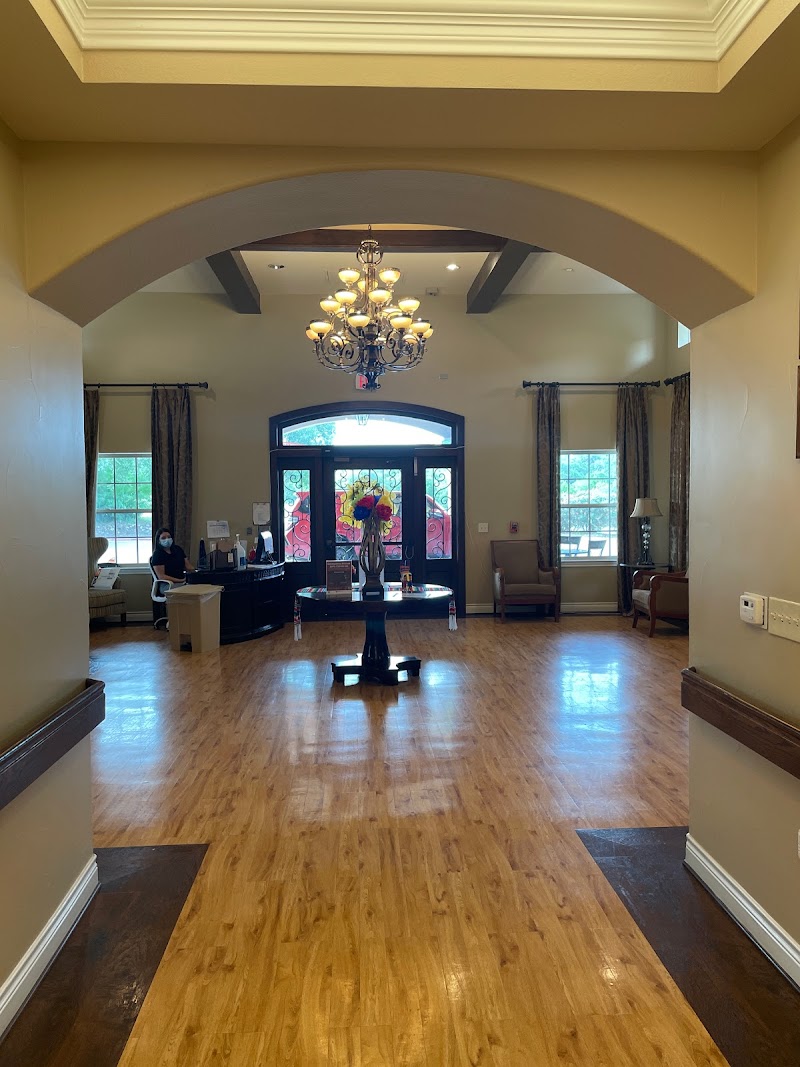
Who Owns and Operates Las Colinas Of Westover?

LAS COLINAS OF WESTOVER is owned by a for-profit company. For-profit facilities operate as businesses with obligations to shareholders or private owners. The facility is operated by CARING HEALTHCARE GROUP, a chain that manages multiple nursing homes. With 140 certified beds and approximately 101 residents (about 72% occupancy), it is a mid-sized facility located in SAN ANTONIO, Texas.
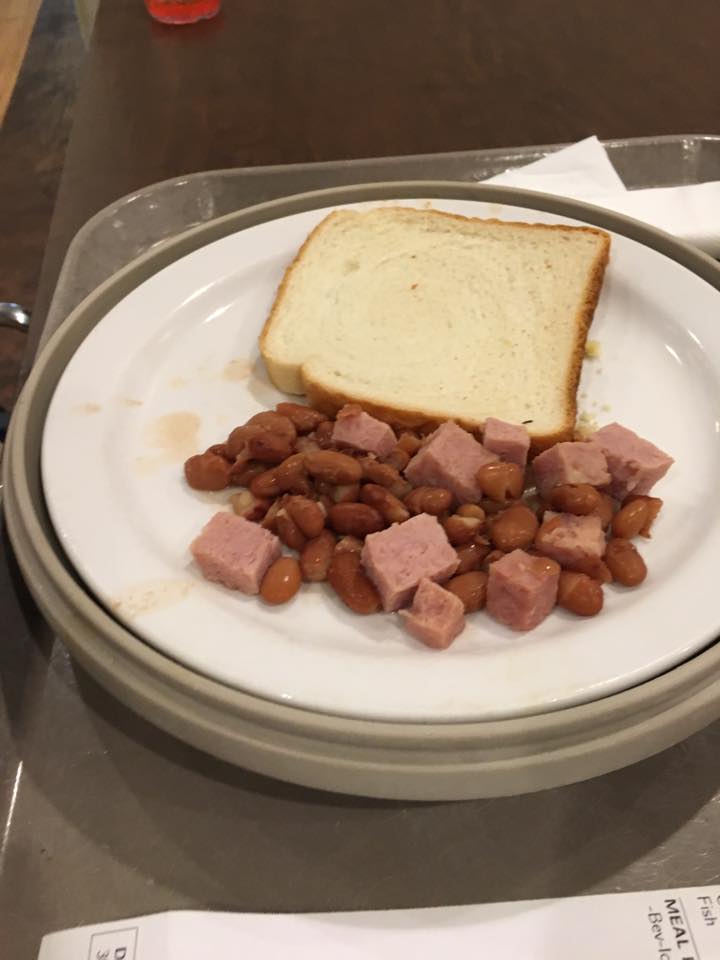
How Does Las Colinas Of Westover Compare to Other Texas Nursing Homes?

Compared to the 100 nursing homes in Texas, LAS COLINAS OF WESTOVER's overall rating (4 stars) is above the state average of 2.8, staff turnover (47%) is near the state average of 46%, and health inspection rating (3 stars) is at the national benchmark.

What Should Families Ask When Visiting Las Colinas Of Westover?

Based on this facility's data, families visiting should ask: "What changes have been made since the serious inspection findings, and how are you preventing similar issues?" "Can I visit during a mealtime to observe dining assistance and food quality?" "How do you handle medical emergencies, and what is your hospital transfer rate?" "Can I speak with family members of current residents about their experience?" These questions are particularly relevant given the facility's Immediate Jeopardy citations.

Is Las Colinas Of Westover Safe?

Based on CMS inspection data, LAS COLINAS OF WESTOVER has documented safety concerns. Inspectors have issued 4 Immediate Jeopardy citations (the most serious violation level indicating risk of serious injury or death). The facility has a 4-star overall rating and ranks #1 of 100 nursing homes in Texas. Families considering this facility should ask detailed questions about what corrective actions have been taken since these incidents.

Do Nurses at Las Colinas Of Westover Stick Around?

LAS COLINAS OF WESTOVER has a staff turnover rate of 47%, which is about average for Texas nursing homes (state average: 46%). Moderate turnover is common in nursing homes, but families should still ask about staff tenure and how the facility maintains care continuity when employees leave.

Was Las Colinas Of Westover Ever Fined?

LAS COLINAS OF WESTOVER has been fined $38,630 across 2 penalty actions. The Texas average is $33,465. While any fine indicates a compliance issue, fines under $50,000 are relatively common and typically reflect isolated problems that were subsequently corrected. Families should ask what specific issues led to these fines and confirm they've been resolved.

Is Las Colinas Of Westover on Any Federal Watch List?

LAS COLINAS OF WESTOVER is not on any federal watch list. The most significant is the Special Focus Facility (SFF) program, which identifies the bottom 1% of nursing homes nationally based on persistent, serious quality problems. Not being on this list means the facility has avoided the pattern of deficiencies that triggers enhanced federal oversight. This is a positive indicator, though families should still review the facility's inspection history directly.