LEGEND OAKS HEALTHCARE AND REHABILITATION - WEST S
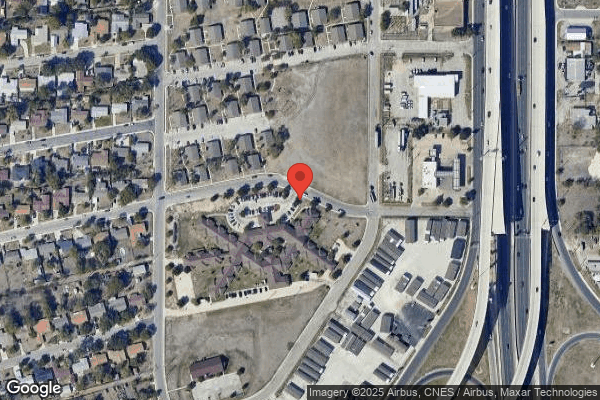
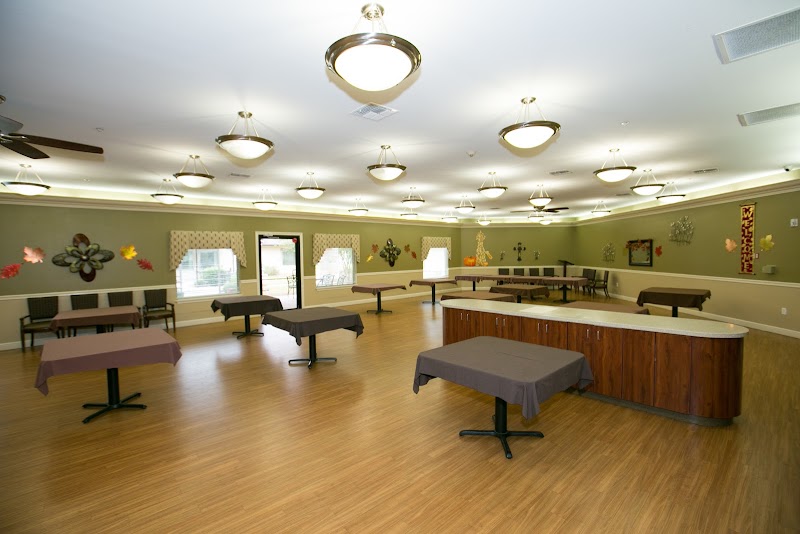
222 BERTETTI DR, SAN ANTONIO, TX 78227 (210) 673-1700
For profit - Corporation 124 Beds THE ENSIGN GROUP Data: November 2025 1 Immediate Jeopardy citation
Trust Grade
79/100
#86 of 1168 in TX
Last Inspection: October 2024

Within standard 12-15 month inspection cycle. Federal law requires annual inspections.

Overview

Legend Oaks Healthcare and Rehabilitation - West S has received a Trust Grade of B, indicating it is a good and solid choice among nursing homes. It ranks #86 out of 1,168 facilities in Texas, placing it in the top half, and #2 out of 62 in Bexar County, suggesting it's one of the better local options available. The facility is improving, with issues declining from five in 2023 to four in 2024. Staffing is a strength here, with a turnover rate of 30%, significantly better than the Texas average of 50%, and RN coverage is at average levels. However, recent inspections found serious concerns, including a critical incident where inadequate supervision allowed a resident with suicidal ideation to attempt self-harm and another issue where residents were not receiving their mail on Saturdays, potentially affecting their quality of life. Overall, while there are notable strengths, families should consider these significant weaknesses when researching this facility.

Trust Score
B
79/100
In Texas
#86/1168
Top 7%
Safety Record
High Risk
Review needed
Inspections
Getting Better
5 → 4 violations
Staff Stability
✓ Good
30% annual turnover. Excellent stability, 18 points below Texas's 48% average. Staff who stay learn residents' needs.
Penalties
⚠ Watch
$8,632 in fines. Higher than 84% of Texas facilities, suggesting repeated compliance issues.
Skilled Nurses
⚠ Watch
Each resident gets only 27 minutes of Registered Nurse (RN) attention daily — below average for Texas. Fewer RN minutes means fewer trained eyes watching for problems.
Violations
⚠ Watch
11 deficiencies on record. Higher than average. Multiple issues found across inspections.
★★★★★
5.0
Overall Rating
★★★★☆
4.0
Staff Levels
★★★★★
5.0
Care Quality
★★★★☆
4.0
Inspection Score
Stable
2023: 5 issues
2024: 4 issues

The Good

  • 4-Star Staffing Rating · Above-average nurse staffing levels
  • 5-Star Quality Measures · Strong clinical quality outcomes
  • Low Staff Turnover (30%) · Staff stability means consistent care
  • Full Sprinkler Coverage · Fire safety systems throughout facility
  • No fines on record
  • Staff turnover is low (30%)

    18 points below Texas average of 48%

Facility shows strength in staffing levels, quality measures, staff retention, fire safety.

The Bad

Federal Fines: $8,632

Below median ($33,413)

Minor penalties assessed

Chain: THE ENSIGN GROUP

Part of a multi-facility chain

Ask about local staffing decisions and management

The Ugly 11 deficiencies on record

1 life-threatening
Oct 2024 2 deficiencies
CONCERN (D)

Potential for Harm - no one hurt, but risky conditions existed

Deficiency F0657 (Tag F0657)

Could have caused harm · This affected 1 resident

**NOTE- TERMS IN BRACKETS HAVE BEEN EDITED TO PROTECT CONFIDENTIALITY** Based on observation's, interview's, and record review, the facility failed to review and revise Resident Care Plans after each ...

Read full inspector narrative →
**NOTE- TERMS IN BRACKETS HAVE BEEN EDITED TO PROTECT CONFIDENTIALITY** Based on observation's, interview's, and record review, the facility failed to review and revise Resident Care Plans after each assessment for 1 of 12 Residents (Resident #28) whose records were reviewed for care plan revision/timing: The facility failed to ensure Resident #28's care plan was revised the reflect use of locked box. These deficient practices could affect any resident and contribute to Residents not receiving the care and services they needed. The findings included: Record review of Resident #'s 28 face sheet , dated 10/29/24 , a 65 - year old male admitted to the facility on [DATE] with diagnoses that included Heart Failure ( occurs when the heart muscle doesn't pump blood as well as it should) , Type II Diabetes (condition that happens because of a problem in the way the body regulates and uses sugar as a fuel and Unspecified Dementia ( a term used to describe a group of symptoms affecting memory, thinking and social abilities), Record review of Resident #28's quarterly MDS, dated [DATE], revealed a BIMS score of 15 which indicated cognition was intact. In an interview and Observation on 10/29/2024 at 10:35 a.m. Resident # 28 he stated that he is allowed to keep his money in his personal safe as he pointed to a locked box on his bed side table. In an interview on 10/29/2024 at 11:31 a.m. the MDS nurse she acknowledged she did not update Resident #28's care plan reflecting his use of a personal lock box as she was unaware that he was given a personal lock box. She added that the staff risked possibly not all being aware that Resident # 28 had a personal lock box by her not adding it to the care plan. In an interview on 10/29/2024 at 9:00 a.m. the DON said the MDS nurse should have updated Resident #28's care plan after quarterly MDS dated [DATE] because resident # 28 was provided a locked box prior to the quarterly MDS 9/4/24. She added the potential harm was staff might provide incorrect care to Resident #28. She stated her ADON was responsible for overseeing care plans and she audited them at random. Record review of the facility policy Care Planning, 5/2007 , revealed the interdisciplinary team shall develop a comprehensive person - centered care plan for each resident that includes measurable objectives and time frames.
CONCERN (F)

Potential for Harm - no one hurt, but risky conditions existed

Deficiency F0576 (Tag F0576)

Could have caused harm · This affected most or all residents

Based on interview and record review, the facility failed to promote the residents' right to receive mail, for all facility residents, in that: Facility staff did not distribute mail received on Satu...

Read full inspector narrative →
Based on interview and record review, the facility failed to promote the residents' right to receive mail, for all facility residents, in that: Facility staff did not distribute mail received on Saturdays to the residents. This deficient practice could result in residents not receiving mail in a timely manner and a diminished quality of life. The findings were: During a confidential group meeting on 10/30/24 at 2:30 p.m., members of the resident group stated that they do not receive mail on Saturdays and stated they feel this practice was disrespectful. During an interview with the ADON on 10/31/2024 at 9:30 a.m., the ADON stated mail was not delivered to resident's on Saturdays, unless they came up to the receptionist and asked for their mail. During an interview with the ABOM on 10/31/2024 at 1:18 p.m., the ABOM stated he and the BOM did not work on Saturdays, and that the mail received at the facility on Saturdays were left for them to sort and was given to the residents on Mondays, unless the residents asked for their mail. During an interview with the Weekend Receptionist on 10/31/2024 at 1:22 p.m., the Weekend Receptionist stated she received the mail from the postman/woman on Saturdays and was instructed to leave all of it, including the residents mail, for the ABOM and the BOM to sort and distribute on Mondays, unless a specific resident came and requested their mail. During an interview with the DON on 10/31/2024 at 1:34 p.m., the DON stated that residents should receive their mail on Saturdays. Record review of the facility policy, Resident Mail Delivery, undated, revealed Business office will receive residents mail and will hand deliver it to resident's rooms day of delivery or next business day. .
Apr 2024 2 deficiencies 1 IJ
CRITICAL (J) 📢 Someone Reported This

A family member, employee, or ombudsman was alarmed enough to file a formal complaint

Immediate Jeopardy (IJ) - the most serious Medicare violation

Accident Prevention (Tag F0689)

Someone could have died · This affected 1 resident

**NOTE- TERMS IN BRACKETS HAVE BEEN EDITED TO PROTECT CONFIDENTIALITY** Based on observation, interviews, and record reviews, the facility failed to ensure each resident received adequate supervision ...

Read full inspector narrative →
**NOTE- TERMS IN BRACKETS HAVE BEEN EDITED TO PROTECT CONFIDENTIALITY** Based on observation, interviews, and record reviews, the facility failed to ensure each resident received adequate supervision to prevent accidents for 2 of 5 residents (Resident #1 and Resident #2) reviewed for adequate supervision in that: The facility did not put in place adequate supervision for Resident #1 who had a history of suicidal ideations and a Major Depression diagnosis. On 03/21/24 at 10:30 AM, he was found slumped over on a W/C in his room after he tried to commit suicide by ingesting mouthwash. He was sent to the ER before law enforcement did an emergency detention for suicide attempt. The facility did not put in place adequate supervision for Resident #2 with a diagnosis of Major Depression and was not aware of items brought in from the outside that could pose a danger of self-harm for Resident #2. These failures resulted in the identification of an Immediate Jeopardy (IJ) on 04/10/24 at 6:25 PM. While the immediacy was removed on 04/12/24, the facility remained out of compliance at a scope of isolated and a severity level of potential for more than minimal harm due to the facility's need to monitor the implementation of the plan of removal. This failure to not take immediate action to ensure that residents with suicidal history and/or major depression did not have access to items from the outside could cause injury, harm, impairment, or death to self. The findings included: Record review of Resident #1's face sheet dated 4/09/24 revealed diagnoses of Parkinson's disease, suicidal ideation, and COPD (chronic obstructive pulmonary disease). Record review of Resident #1's face sheet dated 4/09/24 revealed no diagnosis for PICA (an eating disorder. (The medical term comes from the Latin for magpie (Pica pica), a bird that by folklore incessantly gathers objects to satiate its curiosity). Record review of Resident #1's MDS dated [DATE] revealed BIMS of 11 (moderately impaired) and independence with ADLs in the areas of eating and drinking. Record review of Resident #1's comprehensive person-centered care plan, dated 5/01/23, revealed the resident's interventions for depression included Monitor Behavior for Depression Withdrawn/Depressed. Record review of Resident#1's Physician Orders, dated March 2024, revealed an order for Remeron 7.5 mgs bedtime - Monitor for depression Q shift. Record review of Resident #1's PHQ9 revealed 12/01/23 score was 8 (moderate depression) and 3/03/24 score was 9 (moderate depression). Record review of Resident #1's Hospital H&P dated 4/13/23 revealed resident was admitted for suicidal ideation which included smothering himself with a bag and licking a roll of deodorant. The resident was frustrated over payments to the nursing home. Resident was admitted for SI. [Resident was discharged to the facility on 5/8/23 with a diagnosis of SI.] Record review of Resident#1's Nurse Note, dated 3/21/24 at 10:57 AM and authored by RN B revealed resident was found in his room .shaking uncontrollably stated 'I tried to kill myself'. Assessment and vitals taken and MD, NP (Nurse Practitioner)A, family member notified. [EMS and law enforcement called.] Record review of Resident #1's Nurse Note, dated 3/21/24 at 1:21 PM and authored by RN B revealed resident was found in his room by CNA C approximately at 10:30 AM shaking and the resident stated, I know what's wrong with me, I tried to kill myself, I drank that whole bottle. A large empty mouthwash bottle was noted at bedside. EMS arrived approximately at 10:50 AM. Record review of Resident #1's EMS run report dated 3/21/24 at 11:44 AM read: Arrived on scene to find SQ44 assessing 90YOM (EMS crew member assessing a [AGE] year old male)who had ingested approximately 100-200ml [mouthwash]in attempt to end his life .stable vitals .PT admitted to the suicide attempt .PT has history of SI. Record review of Resident #1's ER report dated 3/21/24 reflected the resident wanted to commit suicide by ingesting one-third bottle of [mouthwash] and other cleaning agents. Recommendation: inpatient psychiatric hospital. Record review of Resident#1's hospital lab, dated 3/21/24 revealed no abnormalities. Record review of Resident #1's detention order dated 3/21/24 at 11:55 PM revealed emergency detention for SI. Record review of Resident #1's law enforcement report, Report #SAPD24062237 dated 3/21/24 at 12:05 PM, read .When I (Law Enforcement H) made contact with [Resident #1], he stated he didn't want to live anymore and wants to die due to conditions of the nursing home, his life and he confirmed he ingested items. I assessed that [Resident #1] had to be emergency detained or he would do more harm to himself if left alone. Record review of Resident #1's psychiatric notes from date range 1/04/24 to 3/14/24 and authored by Psychiatric NP G revealed treatment plan was reviewed and no recommendations made to update the CP. NP G stated that, in the weekly sessions, the resident did not expressed SI or a plan of suicide. NP G stated the dates of weekly sessions were: 1/04, 1/11, 1/18, 1/25, 2/01, 2/08, 2/15, 2/22, 2/29, 3/07 and 3/14/24. Record review of facility's Census List revealed that Resident #1 was discharged on 3/21/24. During an interview on 4/09/24 at 11:12 AM, NP A stated that, given the resident had a suicidal history, she should have been informed of the mouthwash or any other substance that could create harm to the resident. The NP stated that she was aware of the resident's suicide history. During an interview on 4/09/24 at 11:52 PM, RN B stated she saw an empty mouthwash bottle on 3/21/24 around 10:30 AM; the resident was shaking and not himself and slumped over in the W/C in his room .roommate was sleeping . RN B stated Resident #1 pointed to the empty bottle and said, I know what is wrong with me .I drank the bottle. RN B stated that she was not aware whether an assessment was done when the [family member] brought the mouthwash to the resident. RN B stated that she was aware the resident had a suicidal history. RN B stated, as a nurse I would want to know what was brought to the resident from the outside to prevent any harm to the resident. RN B was not aware of any audit or inventory done on Resident#1's room given he had a suicidal history. During an interview on 4/09/24 at 12:32 PM, CNA C (6A-2P) stated she provided ADL care to Resident #1 for over one year and was not aware of his suicidal history. The CNA stated that if she was aware of the resident's suicidal history, she would check more often for items that they could use to harm themselves. During interview on 4/09/24 at 2:16 PM with CNA D (2P-10P shift) and at 2:39 PM with CNA E (10P-6A shift), they revealed they were not aware that Resident #1 had a suicidal ideation history. Both CNA D and CNA E stated that, if they had knowledge of the resident's history, they would have closely monitored the resident and observed for objects in the room that could lead to the resident harming himself. During telephone interview on 4/09/24 at 3:50 PM, Resident #1 stated he attempted suicide on 3/21/24 around 10:30 AM by drinking two swallows of mouthwash. The resident stated he had attempted suicide one time before at the nursing home. The resident stated the suicide attempt on 3/21/24 was spontaneous and he had not planned the attempt. Resident #1 stated that items from the outside were not checked and nursing staff had not inventoried his room. During an interview on 4/09/24 at 4:27 PM, LVN F stated she attended training on suicidal prevention and the highlights were to monitor and report and make sure the resident was safe. During interview on 4/09/24 at 4:50 PM, Psychiatric NP G stated she was aware Resident #1 had a suicidal history and referral was made to her about one year ago. The NP stated that definitely yes a resident with suicidal ideations needed for the facility to check items coming in his room. Also, the NP stated that an inventory should have been done of the resident's room for items that belonged and items that did not belong in the room. Record review of Resident #2's face sheet, dated 4/10/24, and EMR (electronic medical record) revealed the resident was re-admitted on [DATE] with diagnoses of end-stage renal disease, diabetes 2, and Major Depression. Resident was a female, age [AGE]. RP was listed as the resident. BIMS score of 11 dated 1/08/24. PHQ9 score of 8 (moderate depression) dated 1/04/24. Observation of Resident #2's room and interview on 4/10/24 at 9:45 AM revealed 1 shampoo bottle, 2 lotion bottles, and a mouthwash bottle one-third empty. The resident stated she felt sad sometimes .yes, sometimes I feel like killing myself .don't remember when .and don't know why .no plans to hurt myself today .don't know how to hurt myself .the mouthwash and shampoos were brought by my [family] .no problems today. During an interview on 4/10/24 at 9:10 AM, the DON stated the only item found in Resident #1's room was an empty bottle of mouthwash in the trash can. The DON stated that on 3/20/24 and 03/21/24, the CNA assignment sheet did not specifically direct the CNAs to check for signs and symptoms of suicide ideation involving Resident #1. The DON stated that the mouthwash came in from the outside. The DON stated that [family member] did not tell the facility of items brought in from the outside that could have been in the resident's drawer. The DON stated there was no specific policy to inventory items that came in from the outside for residents that had suicidal ideations, homicidal ideations, or substance use disorders. The DON stated, based on recent PHQ9 for 25 residents with Major Depression, none had a severe score requiring higher levels of supervision or interventions. The DON stated that all 22 rooms housing where the 25 residents resided were inventoried on 3/21/24 and no items that could create harm to the residents were found. The DON stated that the facility only did an informal investigation of the incident on 3/21/24 and the investigation included checking the rooms of all LTC residents, in-service on suicidal ideation, call law enforcement, EMS, RP, and MD. During telephone interview on 4/10/24 at 10:10 AM, the Medical Director stated Resident #1 attempted suicide by drinking a small amount of mouthwash to get attention. The MD stated the residents with Major Depression diagnosis needed to be screened and preventative measures put in place. The MD stated that preventative measures for a high risk resident with depression should include room closer to nurse station, frequent vital signs and monitoring, and checking items brought in from the outside. The MD stated that he was not aware of any high risk residents for depression with suicidal ideations or history in the facility as of 3/21/24 after Resident #1's transfer to the ER. Attempted telephone interview on 4/10/24 at 10:27 AM, message left for Resident#1's family member to call Surveyor I. During an interview on 4/09/24 at 10:30 AM, the DON stated Resident #1 was still in a psychiatric hospital in another city. The DON stated the police was present on the day of the incident, 3/21/24. The DON stated Resident #1 was not anticipated to return to the facility because the VA contractor informed her that placement should be at a nursing home with a psychiatric unit. The DON stated Resident #1 was sent to the ER on [DATE] and was discharged from the nursing home. During an interview on 4/10/24 at 12:30 PM, the Administrator stated that Resident #1's room was checked as part of daily nursing routine [rounds every two hours] and nursing staff did rounds every two hours. During an interview on 4/11/24 at 2:01 PM, LVN F stated monitoring meant looking for changes and S/S of depression and SI. LVN F stated, it is a standard practice to make sure the resident had no harmful items .we did not have a practice to check items coming from the outside. Regarding Resident #2, LVN F stated she worked with Resident #2 since admissions and the resident had never voiced SI or revealed any signs or symptoms of SI. During an interview on 4/11/24 at 2:29 PM, the DON stated that Resident #2 never voiced SI and no nursing staff member ever informed her that the resident was depressed or suicidal. Record review of facility's SI in-services, date range 3/21/24 to 3/27/24, revealed 100% signatures for a total staff number of 127. Record review of facility's list dated 4/09/24 revealed 25 residents with a diagnosis of Major Depression residing in 22 rooms. Record review of facility's Abuse policy, revised 10/2022, reflected .Neglect is the failure of the facility, its employees or service providers to provide goods and services to a resident that are necessary to avoid physical harm, pain, mental anguish, or emotional distress . Record review of the facility's Suicide Threats policy, undated, read Resident suicide threats shall be taken seriously and addressed appropriately .If the resident remains in the facility, staff will monitor the resident's mood and behavior and update care plans accordingly, until a physician has determined that a risk of suicide does not appear to be present . The facility did not have a policy on checking for items or inventory of resident rooms for residents that were at risk suicidal ideation, homicidal ideation, or substance use disorder or other highs risk diagnoses. The Administrator was given the IJ template and was notified of the IJ on 4/10/24 at 6:25 PM and a POR was requested. On 04/11/24 at 3:18 PM, the POR was accepted. It was documented as follows: [Facility] Plan of Removal 4/10/2024 Per lJ Template- F689 Immediate Action oMedical Director notified of Immediate Jeopardy on 4/10/2024 at 7:30 pm. oResident RP [family member] was notified of incident on 3/21/2024. oResident #1 is no longer in the facility. oAll rooms for residents with History of Suicidal ideations and a Major depression Diagnosis were searched on 4/11/24 and completed for any items that can be ingested any items found will be removed. oResidents #2 RP [ family member] was notified of comment made by Resident #2 The resident stated she felt sad sometimes . yes, sometimes I feel like killing myself .don't remember when . and don't know why . no plans to hurt myself today . don't know how to hurt myself . the mouthwash and shampoos were brought by my family. oResident # 2 was interviewed on 4/10/24 by the DON, did not voice any suicidal ideations. Room searched for any items that can be ingested and removed on 4/10/24. oCall was placed to Psych (Psychological )Services for Resident #2 on 4/10/24 at 8:15 Pm for evaluation and will be evaluated no later than 4/11/24, 5PM. oFamily members for the residents with History of Suicidal ideations and a Major depression Diagnosis were notified on 4/11/24 of room search and of any items that can be ingested and removed. oFamilies of identified residents were asked to please inform facility of items being brought into the facility. Notification started on 4/10/24 and will be completed no later than 4/11/24 by noon. oThe following in-services were conducted Abuse and neglect, Removal of potential harmful items, Suicide ideations Policy on Suicide threats, Change of Condition, and Assignment sheets will indicate residents with Suicidal ideations and a Major depression. In-services will be completed by noon on 4/11/2024. Any employee not receiving in-services will not be allowed to work their shift until in-services have been received. In-services will be in person or via (by) phone. oAll trainings will be verified for completion by the DON/Designee on going starting 4/11/24. oOff Cycle QAPI completed on 4/11/2024 10am. Identification of Others Affected: All residents with History of Suicidal ideations and a Major depression Diagnosis have the potential to be affected by this alleged deficient practice. Systemic Change to Prevent Re-occurrence. 1.DON / ADON in-services were conducted Abuse and neglect, Removal of potential harmful items , Suicide [ideation] Policy on Suicide threats, Change of Condition, and Assignment sheets will indicate residents with Suicidal ideations and a Major depression .in-services will be completed no later than 4/11/24 by noon. Any employee not receiving in services will not be allowed to work until ln-service was received . 2.Starting 4/11/24 any new admissions with History of Suicidal ideations and a Major depression Diagnosis will be reviewed to ensure any needed intervention was initiated. Families will be asked upon admission to please inform facility of items being brought into the facility this will be in the admission packet. Nurse Manager on weekend duty will contact DON /designee of new admissions 3.All new hired employees beginning 4/11/2024 will receive the following in-services : Abuse and neglect, Removal of potential harmful items, Suicide [ideation] Policy on Suicide threats , Change of Condition and Assignment sheets will indicate residents with Suicidal ideations and a Major depression before starting on the floor. Monitoring: 1.DON /Designee will review all admissions and readmissions starting 4/11/2024 with History of Suicidal ideations and a Major depression to ensure proper interventions are initiated. Nurse Manager on weekend duty will contact DON of new admission and readmission on the weekend. 2.Summary of IJ and corrective action to be reviewed by QAPI monthly until substantial compliance established and continue monthly for 90 days to ensure ongoing compliance. Verification of Plan of Removal: Observation on 4/11/24 at 4:10 PM revealed items of shampoo, lotion and perfume were removed from Resident #2's room and bagged. Observation on 4/12/24 at 10:00 AM of the front desk check-in kiosk revealed the added question I acknowledge that I will check in with the designated nurse, at the nurse's station if I am bringing in personal need items in order to verify all items are approved. Observation on 4/12/24 from 2:00 PM to 2:30 PM of residents [25] with Major Depression diagnoses rooms revealed that 22 rooms had no items that could pose a danger to the residents. During an interview on 4/11/24 at 10:00 AM, RP for Resident #5 stated he was informed of the room inventory, items removed, and the need to check with nursing when bringing items from the outside. During an interview on 4/11/24 at 4:30 PM, the DON stated Designee will review all admissions and readmissions starting 4/11/2024 with history of suicidal ideations and a Major Depression diagnosis to ensure proper interventions are initiated. Nurse Manager on weekend duty will contact DON of new admissions and readmissions on the weekend. During an interview on 4/11/24 at 4:35 PM, the HR Manager stated, All new hired employees beginning 4/11/2024 will receive the following in services: Abuse and neglect, Removal of potential harmful items, Suicide ideation policy on suicide threats, Change of condition and assignment sheets will indicate residents with suicidal ideations and a Major Depression diagnosis before starting on the floor. During an interview on 4/11/24 at 4:45 PM, RP for Resident #2 stated that he was informed of the room inventory, items removed, and the need to check with nursing when bringing items from the outside. In interviews on 4/11/24 to 4/12/24 from 10:00 PM to 11:45 AM with 5 day shift (6 AM to 2 PM) nursing staff (1 LVNs, 2 CNAs, 2 Other (1 cook and 1 maintenance)), 5 night shift (2 PM to 10 PM) nursing staff (2 RNs, 1 CNA, 1 NA, and 1 Other (laundry)), and 5 night shift (10 PM to 6 AM) nursing staff (1 RN, 2 LVNs, and 2 CNAs), they confirmed they had been in-serviced on reporting abuse and neglect, harmful items to remove from a resident's room with SI history or Major Depression, familiarization with the Suicide Threat policy, signs and symptoms of change of condition, and the nurse aide assignment sheet containing the check box for SI/Major Depression monitoring. Record review of text message sent to MD on 4/10/2024 at 7:30 PM revealed the MD was contacted. Record review of Resident #1's progress note dated 3/21/24 at 13:21 revealed Resident #1's emergency contact was notified of the incident. Record review of facility census dated 4/11/24 revealed Resident #1 was discharged from the facility on 3/21/24. Record review of Resident #2's progress note, authored by the DON, revealed the RP was notified to check whether the resident made statements of SI in the past. There were no current plans to harm herself or SI. Record review of Resident #2's progress note dated 4/10/24 revealed referral to psychiatric services for 4/11/24. Record review of Resident#2's NP G psychiatry noted dated 4/11/24 revealed Resident #2 was assessed and found not to be suicidal or have a suicide plan. NP G's recommendation was to continue with psychiatric services. Record review facility's checklist of notification dated 4/10/24 revealed all affected resident RPs were notified and the notifications were captured in each resident's progress note. Record review of off cycle QAPI meeting was done on 4/11/24 at 10:00 AM and included administrator, MD, and DON. The pharmacy representative was briefed on the meeting on 4/12/24. Record review of facility's new admission log revealed no admissions on 4/11/24 for residents with Major depression or SI. Record review of facility's new hire log revealed no new hires on 4/11/24 and included the in-services the new employee had to complete. Record review of facility's new admission packet revealed a section on list of items to be checked if brought into the facility. An IJ was identified on 4/10/24. While the IJ was removed on 04/12/24, the facility remained out of compliance at a scope of isolated and a severity level of potential for more than minimal harm due to the facility's need to monitor the implementation of the plan of removal.
CONCERN (D) 📢 Someone Reported This

A family member, employee, or ombudsman was alarmed enough to file a formal complaint

Potential for Harm - no one hurt, but risky conditions existed

Report Alleged Abuse (Tag F0609)

Could have caused harm · This affected 1 resident

**NOTE- TERMS IN BRACKETS HAVE BEEN EDITED TO PROTECT CONFIDENTIALITY** Based on interview and record review, the facility failed to ensure that all allegations involving abuse, neglect, and misapprop...

Read full inspector narrative →
**NOTE- TERMS IN BRACKETS HAVE BEEN EDITED TO PROTECT CONFIDENTIALITY** Based on interview and record review, the facility failed to ensure that all allegations involving abuse, neglect, and misappropriation were reported immediately, but no later than 2 hours after the allegation was made to the State Survey Agency for 1 of 5 residents (Resident #1) reviewed for reporting of suicidal attempt, in that: On 03/21/24, the facility did not report to the State Survey Agency (HHSC) (Health and Human Services Commission) a complaint of Resident #1 attempting suicide in the facility by ingesting mouthwash. This failure could place residents at risk for harm to include neglect, a diminished quality of life, and possible death. The findings included: Record review of facility's Abuse policy dated revised 10/2022 reflected: .Neglect is the failure of the facility, its employees or service providers to provide goods and services to a resident that are necessary to avoid physical harm, pain, mental anguish, or emotional distress . Record review of facility's Reporting policy dated revised 10/2022 reflected: .1. In response to allegations of abuse, neglect, exploitation, or mistreatment, the facility will .[report] . Not later than tow (2) hours after the allegation if made if the events that cause the allegation involves abuse or results in serious bodily injury .Not later than twenty-four (24) hours if the events that cause the allegation does not involve abuse and does not result in serious bodily injury . Record review of Resident #1's face sheet dated 4/09/24 revealed diagnoses of Parkinson's disease, suicidal ideation, and COPD (chronic obstructive pulmonary disease). Record review of Resident #1's MDS dated [DATE] revealed BIMS of 11 (moderately impaired) and independence with ADLs in the areas of eating and drinking. Record review of Resident#1's Physician Orders, dated March 2024, revealed an order for Remeron 7.5 mgs bedtime - Monitor for depression Q shift. Record review of Resident #1's PHQ9 revealed 12/01/23 score was 8 (moderate depression) and 3/03/24 score was 9 (moderate depression). Record review of Resident #1's Hospital H&P dated 4/13/23 revealed resident was admitted for suicidal ideation which included smothering himself with a bag and licking a roll of deodorant. The resident was frustrated over payments to the nursing home. Resident was admitted for SI. [Resident was discharged to the facility on 5/8/23 with a diagnosis of SI.] Record review of Resident#1's Nurse Note, dated 3/21/24 at 10:57 AM and authored by RN B revealed resident was found in his room .shaking uncontrollably stated 'I tried to kill myself'. Assessment and vitals taken and MD, NP A, family member notified. [EMS and law enforcement called.] Record review of Resident #1's Nurse Note, dated 3/21/24 at 1:21 PM and authored by RN B revealed resident was found in his room by CNA C approximately at 10:30 AM shaking and the resident stated, I know what's wrong with me, I tried to kill myself, I drank that whole bottle. A large empty mouthwash bottle was noted at bedside. EMS arrived approximately at 10:50 AM. Record review of Resident #1's EMS run report dated 3/21/24 at 11:44 AM read: Arrived on scene to find SQ44 assessing 90YOM who had ingested approximately 100-200ml [mouthwash]in attempt to end his life .stable vitals .PT admitted to the suicide attempt .PT has history of SI. Record review of Resident #1's ER report dated 3/21/24 reflected the resident wanted to commit suicide by ingesting one-third bottle of [mouthwash] and other cleaning agents. Recommendation: inpatient psychiatric hospital. Record review of Resident #1's detention order dated 3/21/24 at 11:55 PM revealed emergency detention for SI. Record review of Resident #1's law enforcement report, Report #SAPD24062237 dated 3/21/24 at 12:05 PM, read .When I (Law Enforcement H) made contact with [Resident #1], he stated he didn't want to live anymore and wants to die due to conditions of the nursing home, his life and he confirmed he ingested items. I assessed that [Resident #1] had to be emergency detained or he would do more harm to himself if left alone. Record review of facility's Census List revealed that Resident #1 was discharged on 3/21/24. During an interview on 4/09/24 at 11:52 PM, RN B stated she saw an empty mouthwash bottle on 3/21/24 around 10:30 AM; the resident was shaking and not himself and slumped over in the W/C in his room .roommate was sleeping . RN B stated Resident #1 pointed to the empty bottle and said, I know what is wrong with me .I drank the bottle. During telephone interview on 4/09/24 at 3:50 PM, Resident #1 stated he attempted suicide on 3/21/24 around 10:30 AM by drinking two swallows of mouthwash. The resident stated he had attempted suicide one time before at the nursing home. The resident stated the suicide attempt on 3/21/24 was spontaneous and he had not planned the attempt. During telephone interview on 4/10/24 at 10:10 AM, the Medical Director stated Resident #1 attempted suicide by drinking a small amount of mouthwash to get attention. The MD stated the residents with Major Depression diagnosis needed to be screened and preventative measures put in place. The MD stated that preventative measures for a high risk resident with depression should include room closer to nurse station, frequent vital signs and monitoring, and checking items brought in from the outside. Attempted telephone interview on 4/10/24 at 10:27 AM, message left for Resident#1's family member to call the Surveyor I. During an interview on 4/09/24 at 10:30 AM, the DON stated Resident #1 was still in a psychiatric hospital in another city. The DON stated the police was present on the day of the incident, 3/21/24. The DON stated Resident #1 was sent to the ER on [DATE] for a suicide attempt ; and was discharged from the nursing home census sheet. During an interview on 4/10/24 at 9:10 AM, the DON stated that she felt the incident did not rise to a level of submitting a report to HHS, because there was no neglect of Resident #1. The DON stated, it was a lesson learned not to report when she had doubts about reporting to HHS. During an interview on 4/10/24 at 12:30 PM, the Administrator stated: the incident was not reportable to HHS based on the Provider Letter [PL 2019-17 dated July 10th, 2019]on Abuse and Neglect, because there was no neglect. The Administrator stated that the facility's conclusion was that the resident's attempted suicide was due to family dynamics. The Administrator stated that EMS, Law Enforcement, the Medical Director , and the Emergency Contact person were notified of the incident on 3/21/24; and no need existed to contact HHS within the two hours of the incident. Record review of the facility's Suicide Threats policy, undated, read Resident suicide threats shall be taken seriously and addressed appropriately .
Sept 2023 5 deficiencies
CONCERN (D)

Potential for Harm - no one hurt, but risky conditions existed

Deficiency F0638 (Tag F0638)

Could have caused harm · This affected 1 resident

**NOTE- TERMS IN BRACKETS HAVE BEEN EDITED TO PROTECT CONFIDENTIALITY** Based on interview and record review, the facility failed to assess each resident quarterly (every 3 months) using the Minimum D...

Read full inspector narrative →
**NOTE- TERMS IN BRACKETS HAVE BEEN EDITED TO PROTECT CONFIDENTIALITY** Based on interview and record review, the facility failed to assess each resident quarterly (every 3 months) using the Minimum Data Set form specified by the state and approved by CMS for 1 of 36 residents (Resident #10) reviewed reviewed for quarterly assessments, in that: Resident #10's Quarterly MDS Assessment was not completed within 92 days of the previous quarterly assessment. This failure could place residents at-risk of not having their assessments completed timely. The findings were: Record review of Resident #10's face sheet, with a report date of 09/15/2022, reflected Resident #10 was admitted on [DATE] with diagnoses that included: muscle atrophy of left shoulder (breakdown of muscle in the left shoulder), dementia (A group of thinking and social symptoms that interferes with daily functioning), and pulmonary hypertension (A type of high blood pressure that affects arteries in the lungs and in the heart.) Record review of Resident #10's last MDS assessment revealed it was completed on 05/10/2023. The proceeding MDS assessment was due dated 8/10/2023, however it was completed on 09/03/2023. Interview on 09/14/2023 at 1:33 PM, the MDS Coordinator stated Resident #10's MDS, dated [DATE], was the last MDS completed for Resident #10. The MDS Coordinator stated Resident #10 should have this last assessment completed on or before 08/10/2023. The MDS Coordinator stated the MDS assessment was completed on 09/03/2023 due to a late response and inability to complete the assessment on time. The MDS Coordinator stated the risk associated with a late MDS assessment was that a resident could have a change of condition go unnoticed or unrecorded. Interview on 09/14/2023 at 5:24 PM, the ADM stated he was not aware of the completion date of the most recent MDS assessment for Resident #10. The ADM stated it is his expectation that MDS assessments be completed within their required timeframes according to the RAI Manual. The ADM stated the risk associated with not completing the MDS assessments timely would be that residents may have changes that would not be noticed or recorded. Record review of the RAI (Resident Assessment Instrument) Manual OBRA Assessment Summary, dated 10/2019, reflected, The Quarterly assessment is an OBRA non-comprehensive assessment for a resident that must be completed at least every 92 days following the previous OBRA assessment of any type.
CONCERN (D)

Potential for Harm - no one hurt, but risky conditions existed

PASARR Coordination (Tag F0644)

Could have caused harm · This affected 1 resident

**NOTE- TERMS IN BRACKETS HAVE BEEN EDITED TO PROTECT CONFIDENTIALITY** Based on interview and record review the facility failed to refer a resident with newly evident or possible serious mental disor...

Read full inspector narrative →
**NOTE- TERMS IN BRACKETS HAVE BEEN EDITED TO PROTECT CONFIDENTIALITY** Based on interview and record review the facility failed to refer a resident with newly evident or possible serious mental disorder for a PASRR Level II resident review upon a significant change of condition for 1 of 2 Residents (Resident #59) reviewed for PASRR (Preadmission Screening and Resident Review Services). The MDS Coordinator failed to refer Resident #59 for a resident review after being diagnosed with major depression, recurrent (04/02/21), major depressive disorder, recurrent, severe with psychotic symptoms (12/29/21) and schizoaffective disorder, (03/18/22). This deficient practice could place residents at risk of not receiving the needed PASRR services. The findings were: Review of Resident #59's Face Sheet dated 09/14/21 revealed Resident #59 was admitted to the facility on [DATE] with diagnoses which included Type 2 Diabetes (a chronic (long-lasting) health condition that affects how your body turns food into energy), schizoaffective disorder (a mental illness that can affect your thoughts, mood and behavior), major depressive disorder, recurrent, severe with psychotic symptoms (a common, chronic, treatable mood disorder that typically follows a remitting and relapsing course of depressive episodes), frontal lobe and executive function deficit following CVA a cognitive dysfunction resulting in a reduced ability to initiate, control and monitor targeted behavior), chronic kidney disease, stage 3 (your kidneys have mild to moderate damage, and they are less able to filter waste and fluid out of your blood), major depressive disorder, recurrent (a mental health disorder characterized by persistently depressed mood or loss of interest in activities, causing significant impairment in daily life ). Review of Resident #59's Annual MDS dated [DATE] revealed in Section A (Identification Information), A1500 (Preadmission Screening and Resident Review (PASRR), Is the resident currently considered by state level II PASRR process to have a serious mental illness and/or intellectual disability or a related condition? The area has documented 0. No. Further review revealed Resident #59 had a BIMS of 05 indicating severe cognitive impact, Mood was 10 indicating the resident feels down, depressed or hopeless, poor appetite or overeating, feeling bad about herself, trouble concentrating and or behaviors the resident according to the documentation revealed no behaviors. Review of Resident #59's older Annual MDS dated [DATE] revealed in Section A, A1500 has documented the same 0. No. Review of Resident #59's PASRR Level I Screening, completed on 11/04/20, by the hospital. Section C PASRR Screen questions C0100 asks is there evidence or an indicator this individual has Mental Illness? The answer was 0 (0. No). The PASRR Level I Screening. was correct until a change in condition revealed a diagnoses for major depression, recurrent on 04/02/21. Review of Resident #59's Comprehensive Care Plan dated 11/28/20 to 08/10/23 had documented for Potential to demonstrate verbally abusive behaviors due to schizoaffective disorder with date initiated on 11/28/20 and last revision on 08/22/23. Further review of the Comprehensive Care Plan revealed a care plan initiated on 03/14/22 and last revision was 05/11/23 which addresses Resident #59's diagnosis major depressive disorder with delusions and to administer medications as ordered (Risperidone). Monitor/document for side effects and effectiveness initiated 03/13/22. Review of Resident #59's Physician's Orders dated 09/14/23 revealed the resident was taking Risperidone 1mg tab give 1 po bid for schizoaffective disorder (started 04/28/23), and also taking Remeron 15mg tab give 0.5mg (7.5mg) po at bedtime (started 1/09/23) for Depression and Doxepin Hcl cap 100mg give 1 cap po at bedtime (started 06/18/23) for major depression. Interview on 09/15/23 at 1:25 p.m. with the MDS Coordinator revealed a PASRR Level I on 11/05/20 and the PASRR was negative. When the MDS Coordinator was asked to review Resident #59's diagnoses, she stated a new PASRR Level I positive for MI should have been done and then a referral on over to PASRR services to review to see if Resident #59 really needed any services. No, I did not realize it and Resident #59 was receiving psych services, which if Resident #59 had been referred on over could have not only received psych services but, possibly other benefits. Interview on 09/15/23 at 1:50 p.m. with the DON revealed she was not aware of Resident #59's PASRR and not aware the resident might have qualified for more services if Resident #59 had been referred over. The DON stated, since she has not been seen by PASRR she could be missing out on services she qualifies for. Interview on 09/15/23 at 2:00 p.m. with the Administrator revealed he does not deal with PASRR. The Administrator stated no, I was not aware Resident #59 was not possibly provided with services Resident #59 could have benefited from. Review of the facility PASRR Policy and Procedure dated 11/2016 with revision 01/22 stated in part: The facility will designate an individual to follow up on ALL residents have received PASRR Level I screening. If facility serves a resident with a positive PASRR Level 1 screening, the facility MUST have obtained A PASRR Level II evaluation from the Local Authority or have documented attempts to follow up with the Local Authority to obtain the PASRR Level II evaluation.
CONCERN (D)

Potential for Harm - no one hurt, but risky conditions existed

Deficiency F0645 (Tag F0645)

Could have caused harm · This affected 1 resident

**NOTE- TERMS IN BRACKETS HAVE BEEN EDITED TO PROTECT CONFIDENTIALITY** Based on interview and record review, the facility failed to ensure they transmitted a PASSR evaluation on newly admitted reside...

Read full inspector narrative →
**NOTE- TERMS IN BRACKETS HAVE BEEN EDITED TO PROTECT CONFIDENTIALITY** Based on interview and record review, the facility failed to ensure they transmitted a PASSR evaluation on newly admitted resident for 1 of 4 residents (Resident #69) reviewed for PASRR screenings. The facility failed to ensure that the initial PASRR screening (Level 1 Screening) was transmitted to the Local Mental Health Authority: This failure could place the residents at risk of not receiving specialized and/or habilitative services as need to meet their needs. Findings included: Record review of the clinical record for Resident #69 revealed he was a [AGE] year old male admitted on [DATE] with the diagnosis that included but not limited to the following: Major Depressive Disorder, recurrent, unspecified (feelings of low or depressed mood and/or decreased interest in pleasurable activities for prolonged and persistent time period), anxiety disorder (excessive anxiety and worry for more days than not maybe uncontrollable and for no specific rationale), post-traumatic stress disorder (may experience feelings of isolation, irritability and/or guilt, may have problems with sleep, difficulty concentrating , may have nightmares and find concentrating difficult). Record review of Resident #69's MDS dated [DATE] revealed a BIMS of 12 indicating the resident had mildly impaired cognition. Record review of Resident #69's care plan, dated 12/15/2023, revealed in part: Resident #69 will show decreased episodes of symptoms of depression and is at risk for re-traumatization r/t history of trauma Post-traumatic stress disorder. Record review of Resident #69's chart revealed there was not a prescreening for PASRR eligibility in the electronic health record, prior to the admission (PL-1, form utilized to determine whether an individual could possibly have a diagnosis which could make them eligible for additional services in relation to a mental health or intellectual and developmental disability). Interview on 09/14/2023 at 2:43 p.m. the DOA stated, the Admissions department was responsible for obtaining the PASSR level 1 (PL-1) screenings from the referring entity for all admitted residents. The DOA stated, Resident #69 did have a positive PL-1 but it must have been overlooked by the previous DOA, therefore Resident #69 did not have a screening by the Local Authority after admission as he should have, to determine whether he would qualify for services. Interview with MDS on 09/14/2023 at 2:48 p.m., MDS stated it appeared Resident #69's positive PL-1 was sent with Resident #69 at the time of admission but was not entered by the facility as it should have been. Therefore Resident #69 was not screened for service eligibility by the Local Authority as the resident should have been. Further stating, The admission Coordinator that was responsible for making sure those are sent to me is no longer employed by the facility. Those are important because of the services residents may get. Interview with on 09/14/2023 at 4:00 p.m., the Administrator stated the PASSR for Resident #69 was overlooked a few years ago and it should have been entered but it was not. The Administrator further stated he did not know why it was not completed, but the resident is getting other mental health services. Record review of the facility PASRR policy and procedure document, dated 11.2016, with a revised date of 1.2022, provided prior to exit revealed: The facility will designate an individual to follow up on all residents have received a PASRR Level 1 screening. A. Coordinate with the local Intellectual/Developmental Disability and/or Local Mental Health Authority (Local Authority to ensure a PASRR Level II Evaluation is conducted when an individual's PASRR Level 1 screening indicates the individual may have an ID, DD or MI).
CONCERN (D)

Potential for Harm - no one hurt, but risky conditions existed

Accident Prevention (Tag F0689)

Could have caused harm · This affected 1 resident

**NOTE- TERMS IN BRACKETS HAVE BEEN EDITED TO PROTECT CONFIDENTIALITY** Based on observation, interview and record review, the facility failed to ensure the resident environment remained as free of ac...

Read full inspector narrative →
**NOTE- TERMS IN BRACKETS HAVE BEEN EDITED TO PROTECT CONFIDENTIALITY** Based on observation, interview and record review, the facility failed to ensure the resident environment remained as free of accident hazards as was possible for 1 of 32 residents (Resident # 5) reviewed for accidents and hazards. The facility failed to ensure Resident #5 did not have four disposable razors in the room. The failure could place residents at risk of harm or injury and contribute to avoidable accidents. The findings were: Record review of Resident #5's Face Sheet dated 09/14/2023, revealed an admission date of 12/05/2022 and readmission date of 09/11/2022 with diagnoses which included but not limited to the following: after care following joint replacement surgery, presence of left artificial knee joint, muscle wasting and atrophy(the wasting or thinning of muscle mass), not elsewhere classified, multiple sites, pain in the left knee, (the resident had a left knee replacement and required assistance to complete daily tasks for himself); unspecified dementia, mild with other behavioral disturbance (dementia is a term used to describe a group of symptoms affecting memory, thinking and social abilities severely enough to interfere with daily life), depression (feeling of sadness or loneliness) , essential hypertension (high blood pressure), and presence of a cardiac pacemaker (has a cardiac pace maker). Record review of Resident #5's Quarterly MDS dated [DATE] revealed the resident had a BIMS of 14 which indicated the resident was cognitively intact. Record review of Resident # 5's Care Plan with a print date of 09/15/2023 revealed the resident had impaired immunity related to a life threatening illness and was at risk for contracting infections due to impaired immune status, keep the environment clean and people with infection away. During an observation and interview on 09/12/2023 at 4:35 p.m. Resident #5 said the 4 disposable razors on his side table were razors he used to shave himself. During an observation and interview on 09/14/2023 at 1:41 p.m , while looking at the 4 personal disposable razors, Resident #5 stated I keep them on that table and I shave myself, staff gives them to me. When asked if he would be able to get to the razors to prevent anyone resident from taking them from his room if needed, he replied, no I would not. During an interview on 9/14/2023 at 2:01 p.m., CNA B said, sometimes Resident #5 will let us take the razors and sometimes he will not. CNA B explained the razors should not be left in the room and should be disposed of in a special container made for used razors to prevent anyone from getting hurt and to make sure there was no cross contamination. During an interview and observation with the DON on 09/15/2023 at 3:35 p.m., the DON said Resident #5 curses at staff and will throw things when he is upset. The razors are not in his care plan and they are a risk, anyone could go in the room and cut themselves. During an interview and observation with the Administrator, the Administrator stated the razors should not be in Resident #5's room. Resident #5 is very noncompliant with services at time. They should not be in the room, there is an infectious disease issue with them being there. They should be disposed of properly. The Administrator went on to explain Resident #5 has a history of aggressive behaviors when he does not get what he wants and it makes it difficult for staff. Policy Provided by the facility prior to exit Subject: Accident Intervention, with the revised date of 05/2007, revealed the following: it is the policy of this facility that the resident environment remains free of accident hazards as is possible and that each resident receives adequate supervision and assistance devices to prevent accidents.
CONCERN (D)

Potential for Harm - no one hurt, but risky conditions existed

Food Safety (Tag F0812)

Could have caused harm · This affected 1 resident

**NOTE- TERMS IN BRACKETS HAVE BEEN EDITED TO PROTECT CONFIDENTIALITY** Based on observation, interview, and record review, the facility failed to store, prepare, distribute and serve food in accordan...

Read full inspector narrative →
**NOTE- TERMS IN BRACKETS HAVE BEEN EDITED TO PROTECT CONFIDENTIALITY** Based on observation, interview, and record review, the facility failed to store, prepare, distribute and serve food in accordance with professional standards for food service safety for 2 of 2 nourishment rooms reviewed for dietary sanitation in that: The facility failed to maintain the cleanliness of the ice maker found within the nourishment rooms. These failures could place residents at risk for foodborne illnesses such as norovirus. The findings included: Observation on 9/14/2023 at 1:39 PM, revealed Nourishment room [ROOM NUMBER] located by halls 100-400 to have contained an ice maker with white, grey, and black mass accumulation in and around the ice dispensing components. Observation on 9/14/2023 at 1:50 PM, revealed Nourishment room [ROOM NUMBER] located by halls 500-800 to have contained an ice maker with white, grey, and black mass accumulation in and around the ice dispensing components. Interview and observation on 9/14/2023 at 1:55 PM, the DM stated the Dietary Department shared the responsibility of the cleanliness of the ice makers with the Maintenance Department. The DM stated routine inspections and deep cleanings were only completed by the Maintenance Department. The DM stated the Dietary Department had begun a cleaning schedule for the main ice maker located in the kitchen but had not began a routine cleaning schedule for the ice makers within the nourishment rooms due to the DM not believing the nourishment rooms required them. The DM stated the white, grey, and black masses looked like calcium or hard water buildup. The DM stated the risk associated with an unclean ice maker can result in poor taste and unclean ice consumption by residents. Interview and observation on 9/14/2023 at 2:05 PM, the Maintenance Supervisor stated her routine for cleaning the nourishment room ice makers was every three months. The MS stated she was responsible for cleaning the machines. The MS stated the white, grey, and black masses looked like calcium or hard water buildup. The MS stated that the cleaning frequency was quarterly, but if this level of uncleanliness was observed then a monthly schedule should have been enacted. Interview on 9/14/2023 at 5:24 PM, the ADM stated he was not aware of the level of cleanliness of the ice makers in the nourishment rooms. The ADM stated that it was his expectation that ice makers intended for resident use be cleaned on a frequent basis in order to prevent potential contamination spreading to residents. Record review of document titled, Ice Machine Maintenance Log, undated, reflected the last cleaning was on 8/12/2023. A policy specific to ice machine cleanliness was not provided upon exit. Record review of US FDA Food Code, dated 2022, revealed Surfaces of utensils and equipment contacting food that is not time/temperature control for safety food such as . ice makers, and ice bins must be cleaned on a routine basis to prevent the development of slime, mold, or soil residues that may contribute to an accumulation of microorganisms. Some equipment manufacturers and industry associations, e.g., within the tea industry, develop guidelines for regular cleaning and sanitizing of equipment . and 3-304.11 Food Contact with Equipment and Utensils. FOOD shall only contact surfaces of: (A) EQUIPMENT and UTENSILS that are cleaned as specified under Part 4-6 of this Code and SANITIZED as specified under Part 4-7 of this Code; P (B) Single-service and single-use articles.
Jul 2022 2 deficiencies
CONCERN (D)

Potential for Harm - no one hurt, but risky conditions existed

Deficiency F0578 (Tag F0578)

Could have caused harm · This affected 1 resident

**NOTE- TERMS IN BRACKETS HAVE BEEN EDITED TO PROTECT CONFIDENTIALITY** Based on interview and record review, the facility failed to ensure residents' had the right to formulate an advanced directive ...

Read full inspector narrative →
**NOTE- TERMS IN BRACKETS HAVE BEEN EDITED TO PROTECT CONFIDENTIALITY** Based on interview and record review, the facility failed to ensure residents' had the right to formulate an advanced directive for 2 of 20 residents (Resident #322 and Resident #303) reviewed for advance directives. 1. Resident #322's OOH-DNR form was invalid because the attending physician's signature and date signed were missing from the form. 2. Resident #303's OOH-DNR form was invalid because the attending physician's signature and date signed were missing from the form. These deficient practice could place residents at-risk of having their end of life wishes dishonored, and of having CPR performed against their wishes. The findings were: Record review of Resident #322's face sheet, dated [DATE], revealed the resident was admitted to the facility on [DATE] with diagnoses which included Other Specified Fracture of Left Pubis Subsequent Encounter for Fracture with Routine Healing (a fracture in one of the bone that make of the bones of the pelvis), Type 2 Diabetes Mellitus Without Complications (a disease that prevents someone from properly regulating their blood glucose levels), and Hyperlipidemia (your blood has too many fats). Record review of Resident #322's admission MDS, dated [DATE], revealed a BIMS score of 15 which indicated intact cognition. Record review of Resident #322's care plan as of [DATE], revealed code status had not yet been entered because the resident was newly admitted . Record review of Resident #322's facility clinical record revealed a physician order dated [DATE], which stated DNR:: Advance Directives: OOH DNR. Record review of Resident #322's facility electronic clinical record as of [DATE] revealed, Code Status:: Advance Directives: OOH DNR Order Form. Record review of Resident #322's OOH-DNR, dated [DATE], revealed the physician's signature and date signed were missing from the document. During an interview with the Director of Social Services on [DATE] at 2:32 p.m., the Director of Social Services confirmed Resident #322's facility electronic clinical record indicated the resident was not to be resuscitated and also confirmed the physician had not signed or dated Resident #322's OOH-DNR form. The Director of Social Services indicated she was responsible for obtaining physician signatures for OOH-DNR forms. 2. Record review of Resident #303's face sheet, dated [DATE], revealed the resident was admitted to the facility on [DATE] with diagnoses which included Anemia Unspecified (a condition in which the blood does not have enough healthy red blood cells), Type 2 Diabetes Mellitus Without Complications (a disease that prevents someone from properly regulating their blood glucose levels), and Acute Kidney Failure (a condition in which the kidneys cannot filter waste from the blood). Record review of Resident #303's facility clinical record revealed an MDS had not yet been completed because the resident was newly admitted . Record review of Resident #303's care plan as of [DATE], revealed code status had not yet been entered because the resident was newly admitted . Record review of Resident #303's facility clinical record revealed a physician order dated [DATE], DNR:: Advance Directives: OOH DNR Order Form. Record review of Resident #303's OOH-DNR, dated [DATE], revealed the physician's signature and date signed were missing from the document. During an interview with the Director of Social Services on [DATE] at 2:32 p.m., the Director of Social Services confirmed Resident #303's facility electronic clinical record indicated the resident was not to be resuscitated and also confirmed the physician had not signed or dated Resident #303's OOH-DNR form. During an interview with the DON on [DATE] at 9:36 a.m., the DON confirmed Resident #322's and Resident #303's OOH-DNR forms were invalid because the physician had not signed or dated the forms. During an interview with the Administrator and DON on [DATE] at 12:48 p.m., the Administrator and DON confirmed that when presented with an OOH-DNR form that had not been signed by the physician, EMS may perform CPR against the residents' wishes. Record review of the Texas Health and Safety Code Title 2 Health, Subtitle H Public Health Provisions, Chapter 166 Advance Directives, Sec. 166.083. Form of Out-Of-Hospital DNR Order. (a) A written out-of-hospital DNR order shall be in the standard form specified by department rule as recommended by the department. (b) The standard form of an out-of-hospital DNR order specified by department rule must, at a minimum, contain the following: . (4) a statement that the physician signing the document is the attending physician of the person . 6) places for the printed names and signatures of the witnesses or the notary public's acknowledgment and for the printed name and signature of the attending physician of the person and the medical license number of the attending physician . Record review of the Texas Health and Human Services webpage titled, Out of Hospital Do Not Resuscitate Program, updated [DATE], accessed [DATE], revealed, Filling out the Out-of-Hospital Do-Not-Resuscitate Form . Physician's Statement: The patient's attending physician must sign and date the form, print or type his/her name and give his/her license number. Further review of the Texas Health and Human Services webpage titled, Out of Hospital Do Not Resuscitate Program, updated [DATE], accessed [DATE], revealed, Frequently Asked Questions for DNR: --What happens if the form is not filled out correctly or EMS has doubts about any of the information? Health professionals can refuse to honor a DNR if they think: The form is not signed twice by all who need to sign it or is filled out incorrectly. Record review of the Texas Health and Human Services webpage titled, Out of Hospital Do Not Resuscitate Program, updated [DATE], accessed [DATE], revealed, Filling out the Out-of-Hospital Do-Not-Resuscitate Form . Physician's Statement: The patient's attending physician must sign and date the form, print or type his/her name and give his/her license number. Record review of the facility policy, Advance Directives, revised 11/2016, revealed, It is the policy of this facility that a resident's choice about advance directives will be recognized and respected.
CONCERN (D)

Potential for Harm - no one hurt, but risky conditions existed

Infection Control (Tag F0880)

Could have caused harm · This affected 1 resident

**NOTE- TERMS IN BRACKETS HAVE BEEN EDITED TO PROTECT CONFIDENTIALITY** Based on observation, interview, and record review the facility failed to establish and maintain an infection prevention and con...

Read full inspector narrative →
**NOTE- TERMS IN BRACKETS HAVE BEEN EDITED TO PROTECT CONFIDENTIALITY** Based on observation, interview, and record review the facility failed to establish and maintain an infection prevention and control program designed to provide a safe, sanitary and comfortable environment and to help prevent the development and transmission of communicable diseases and infections for 2 of 2 residents (Residents #320 and #321) reviewed for infection control. CNA A failed to put on PPE (personal protective equipment) prior to entering Resident #320 and #321's room who were on quarantine and contact isolation for exposure to COVID 19 and sanitizing her hands after leaving the room. This failure could place residents at risk for infections. The Findings include: 1. Record review of Resident #320's face sheet, dated 07/13/2022, revealed the resident was admitted to the facility on [DATE] with diagnoses which included a fracture of the left femur (broken hip), diabetes (a chronic (long-lasting) health condition that affects how your body turns food into energy), high blood pressure, chronic obstructive pulmonary disease (COPD) (a group of diseases that cause airflow blockage and breathing-related problems), chronic respiratory failure (condition related to the COPD indicating the resident has the lungs are failing) and depression ( A group of conditions associated with the elevation or lowering of a person's mood). Record review of Resident #320's care plan dated 07/08/2022 does not reflect a care plan for transmission-based precautions/contact isolation. Record review of Resident #320's Electronic Physician's Orders dated 07/13/2022 revealed there were no orders for quarantine or contact isolation. Record review of Resident #320's nursing progress notes dated 07/13/2022 at 08:22 a.m. revealed a COVID 19 progress note revealed the resident was being monitored for close personal exposure to a COVID 19 positive individual requiring the resident to be quarantined for transmission- based precautions (TBP) and elevated monitoring and evaluation. 2. Record review of Resident #321's face sheet, dated 07/13/2022, revealed the resident was admitted to the facility on [DATE] with diagnoses which included a mechanical complication of internal left knee prosthesis the device used to fix the left knee is not working correctly), diabetes (a chronic (long-lasting) health condition that affects how your body turns food into energy), cirrhosis of the liver (a late-stage liver disease in which healthy liver tissue is replaced with scar tissue and the liver is permanently damaged) and sepsis (the body's extreme response to an infection). Record review of Resident #321's care plan dated 07/02/2022 does not reflect a care plan for transmission-based precautions/contact isolation. Record review of Resident #321's Electronic Physician's Orders dated 07/13/2022 revealed there were no orders for quarantine or contact isolation. Record review of Resident #321's nursing progress notes dated 07/13/2022 at 08:18 a.m. revealed a COVID 19 progress note revealed the resident was being monitored for close personal exposure to a COVID 19 positive individual requiring the resident to be quarantined for transmission- based precautions and elevated monitoring and evaluation. Observation on 07/12/2022 at 10:17 a.m. during initial observations revealed room [ROOM NUMBER] had a sign posted on the wall next to the door showing how to don PPE (personal protective equipment) which included, mask, gloves and gowns. Sitting underneath the sign was a plastic cabinet with masks (N95), gloves and gowns and on top was a container with hand sanitizer. During an interview on 07/12/22 at 10:17 a.m. with LVN B revealed both residents in room [ROOM NUMBER] were on contact isolation due to not being vaccinated. Observations on 07/12/2022 at 12:27 p.m. during the noon meal revealed a food cart down the 500 hall delivering trays. Observation and interview on 12/17/2022 at 12:28 p.m. revealed CNA A in room [ROOM NUMBER] delivering food trays for Residents #320 and # 321. CNA A was observed without a gown and gloves and came out of the room without sanitizing her hands and went directly to the food cart to obtain another tray for another resident and the state surveyor stopped her and asked about going into the rooms without a gown and gloves on and walking out of the room without sanitizing her hands to pick up another resident's food tray. The state surveyor also asked her about the sign on the wall outside the rooms concerning how to don gloves, gown and mask and the plastic container right under the sign with PPE items inside and hand sanitizer sitting on top of the plastic container. (NOTE: There were no other residents on the 500 hall on quarantine.] During an interview on 07/12/2022 at 12:29 p.m. with CNA A revealed while delivering the food trays to both residents in room [ROOM NUMBER] A and 506 B, CNA A did not wear a gown and gloves. CNA A also revealed she had not sanitized her hands when she came out of Resident's #320 and #321's room and went directly to the food cart to pick up a food tray and deliver to another resident. The CNA A revealed she did not know she needed a gown and gloves to go into Resident #320 and #321's room. CNA A stated by not putting on PPE, someone could get sick. During an interview on 07/12/2022 at 12:47 p.m., with the Director of Nurses (DON) revealed Resident #320 and #321 were quarantined and on contact precautions. The DON stated if anyone went into their room they needed to wear a gown and gloves. After exiting the room staff needed to sanitize their hands. CNA A knew better. She had been in-serviced on infection control. Record review of the facility's undated, Transmission Based Precaution and Isolation Policy and Procedure stated in part on page 2, A. Standard Precautions including Contact Precautions. 1. Handwashing- before and after resident contact, and after removing gloves is the single most effective infection control measure known to reduce the potential for transmission of microorganisms 2. Protective Barriers: i. Gloves: Put gloves on immediately prior to anticipated contact ii. Gowns: wear disposable gowns when entering room or cubical When contact with soiled surfaces such as siderails or bed linens of an infected person . Record review of 2007 CDC Guidelines, Updated 07/2019 for Isolation Precautions: Preventing Transmission of Infectious Agents in Healthcare Settings states in part: Transmission-Based Precautions are the second tier of basic infection control and are to be used in addition to Standard Precautions for patients who may be infected or colonized with certain infectious agents for which additional precautions are needed to prevent infection transmission Use personal protective equipment (PPE) appropriately, including gloves and gown. Wear a gown and gloves for all interactions that may involve contact with the patient or the patient's environment. Donning PPE upon room entry and properly discarding before exiting the patient room is done to contain pathogens (a bacterium, virus, or other microorganism that can cause disease) .
Understanding Severity Codes (click to expand)
Life-Threatening (Immediate Jeopardy)
J - Isolated K - Pattern L - Widespread
Actual Harm
G - Isolated H - Pattern I - Widespread
Potential for Harm
D - Isolated E - Pattern F - Widespread
No Harm (Minor)
A - Isolated B - Pattern C - Widespread

Questions to Ask on Your Visit

  • "What changes have you made since the serious inspection findings?"
  • "Can I speak with families of current residents?"
  • "What's your RN coverage like on weekends and overnight?"

Our Honest Assessment

Strengths
  • • 30% annual turnover. Excellent stability, 18 points below Texas's 48% average. Staff who stay learn residents' needs.
Concerns
  • • Multiple safety concerns identified: 1 life-threatening violation(s). Review inspection reports carefully.
  • • 11 deficiencies on record, including 1 critical (life-threatening) violation. These warrant careful review before choosing this facility.
Bottom line: Generally positive indicators. Standard due diligence and a personal visit recommended.

About This Facility

What is Legend Oaks Healthcare And Rehabilitation - West S's CMS Rating?

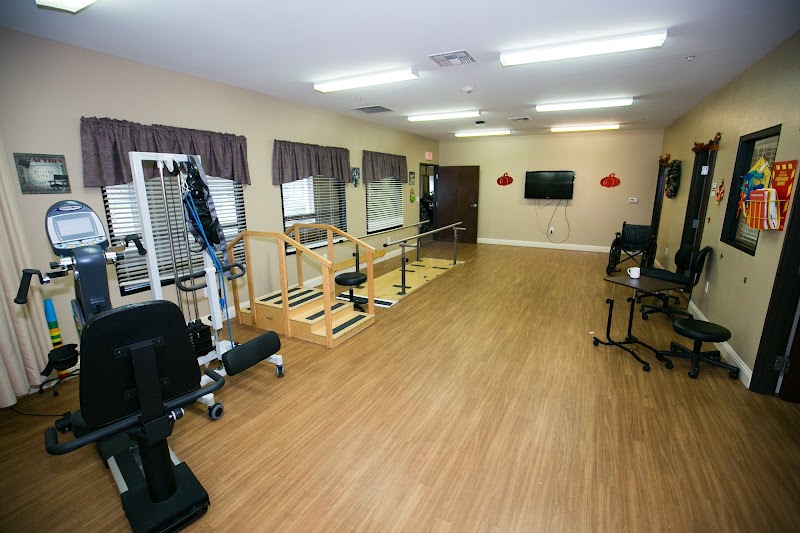
CMS assigns LEGEND OAKS HEALTHCARE AND REHABILITATION - WEST S an overall rating of 5 out of 5 stars, which is considered much above average nationally. Within Texas, this rating places the facility higher than 99% of the state's 100 nursing homes. This rating reflects solid performance across the metrics CMS uses to evaluate nursing home quality.
How is Legend Oaks Healthcare And Rehabilitation - West S Staffed?

CMS rates LEGEND OAKS HEALTHCARE AND REHABILITATION - WEST S's staffing level at 4 out of 5 stars, which is above average compared to other nursing homes. Staff turnover is 30%, compared to the Texas average of 46%. This relatively stable workforce can support continuity of care.

What Have Inspectors Found at Legend Oaks Healthcare And Rehabilitation - West S?

State health inspectors documented 11 deficiencies at LEGEND OAKS HEALTHCARE AND REHABILITATION - WEST S during 2022 to 2024. These included: 1 Immediate Jeopardy (the most serious level, indicating potential for serious harm or death) and 10 with potential for harm. Immediate Jeopardy findings are rare and represent the most serious regulatory concerns. They require immediate corrective action.
Who Owns and Operates Legend Oaks Healthcare And Rehabilitation - West S?

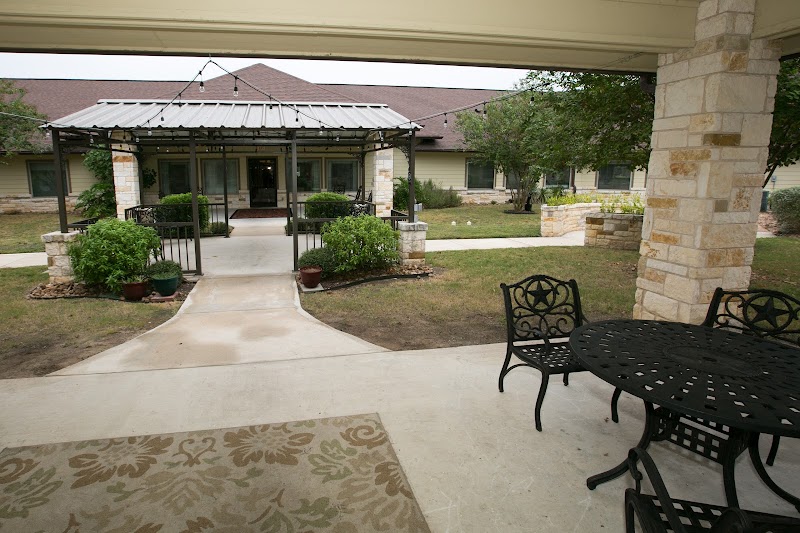
LEGEND OAKS HEALTHCARE AND REHABILITATION - WEST S is owned by a for-profit company. For-profit facilities operate as businesses with obligations to shareholders or private owners. The facility is operated by THE ENSIGN GROUP, a chain that manages multiple nursing homes. With 124 certified beds and approximately 109 residents (about 88% occupancy), it is a mid-sized facility located in SAN ANTONIO, Texas.
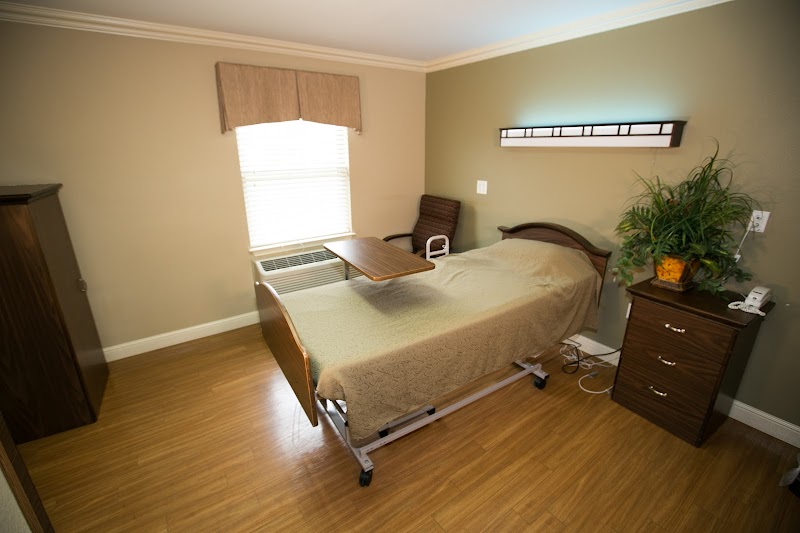
How Does Legend Oaks Healthcare And Rehabilitation - West S Compare to Other Texas Nursing Homes?

Compared to the 100 nursing homes in Texas, LEGEND OAKS HEALTHCARE AND REHABILITATION - WEST S's overall rating (5 stars) is above the state average of 2.8, staff turnover (30%) is significantly lower than the state average of 46%, and health inspection rating (4 stars) is above the national benchmark.

What Should Families Ask When Visiting Legend Oaks Healthcare And Rehabilitation - West S?

Based on this facility's data, families visiting should ask: "What changes have been made since the serious inspection findings, and how are you preventing similar issues?" "Can I visit during a mealtime to observe dining assistance and food quality?" "How do you handle medical emergencies, and what is your hospital transfer rate?" "Can I speak with family members of current residents about their experience?" These questions are particularly relevant given the facility's Immediate Jeopardy citations.

Is Legend Oaks Healthcare And Rehabilitation - West S Safe?

Based on CMS inspection data, LEGEND OAKS HEALTHCARE AND REHABILITATION - WEST S has documented safety concerns. Inspectors have issued 1 Immediate Jeopardy citation (the most serious violation level indicating risk of serious injury or death). The facility has a 5-star overall rating and ranks #1 of 100 nursing homes in Texas. Families considering this facility should ask detailed questions about what corrective actions have been taken since these incidents.

Do Nurses at Legend Oaks Healthcare And Rehabilitation - West S Stick Around?

Staff at LEGEND OAKS HEALTHCARE AND REHABILITATION - WEST S tend to stick around. With a turnover rate of 30%, the facility is 16 percentage points below the Texas average of 46%. Low turnover is a positive sign. It means caregivers have time to learn each resident's needs, medications, and personal preferences. Consistent staff also notice subtle changes in a resident's condition more quickly. Registered Nurse turnover is also low at 21%, meaning experienced RNs are available to handle complex medical needs.

Was Legend Oaks Healthcare And Rehabilitation - West S Ever Fined?

LEGEND OAKS HEALTHCARE AND REHABILITATION - WEST S has been fined $8,632 across 1 penalty action. This is below the Texas average of $33,165. While any fine indicates a compliance issue, fines under $50,000 are relatively common and typically reflect isolated problems that were subsequently corrected. Families should ask what specific issues led to these fines and confirm they've been resolved.

Is Legend Oaks Healthcare And Rehabilitation - West S on Any Federal Watch List?

LEGEND OAKS HEALTHCARE AND REHABILITATION - WEST S is not on any federal watch list. The most significant is the Special Focus Facility (SFF) program, which identifies the bottom 1% of nursing homes nationally based on persistent, serious quality problems. Not being on this list means the facility has avoided the pattern of deficiencies that triggers enhanced federal oversight. This is a positive indicator, though families should still review the facility's inspection history directly.