MEMORIAL MEDICAL NURSING CENTER
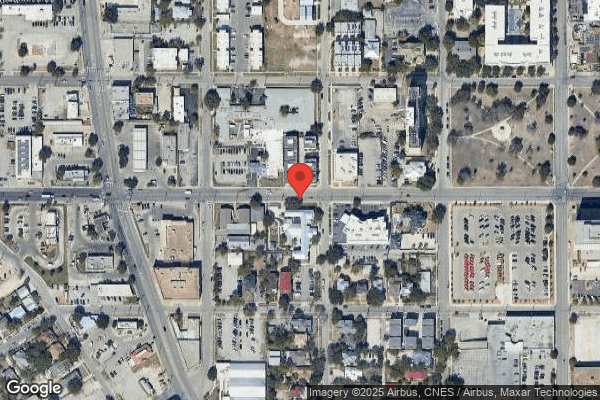

307 W CYPRESS ST, SAN ANTONIO, TX 78212 (210) 223-5521
Government - Hospital district 135 Beds EDURO HEALTHCARE Data: November 2025 2 Immediate Jeopardy citations
Trust Grade
6/100
#1039 of 1168 in TX
Last Inspection: June 2025

Inspected within the last 6 months. Data reflects current conditions.

Overview

Memorial Medical Nursing Center in San Antonio, Texas, has a Trust Grade of F, indicating poor performance with significant concerns about care. They rank #1039 of 1168 facilities in Texas, placing them in the bottom half, and #47 out of 62 in Bexar County, meaning there are only a few local options that are better. The facility is showing signs of improvement, having reduced issues from 25 in 2024 to 16 in 2025, but it still faces serious challenges. Staffing is a concern with a low rating of 1 out of 5 stars and a high turnover rate of 63%, which is above the state average of 50%. Additionally, the facility has incurred $35,396 in fines, which is average but still raises red flags about compliance issues. Specific incidents include a cognitively impaired resident who was not adequately supervised and eloped from the facility, resulting in a serious safety breach. Another critical finding involved a resident suffering multiple rib fractures, which indicated potential risks for falls and injuries. On a less critical note, there were also issues with food safety in the kitchen, including unlabelled food items and improper temperature control, which could lead to foodborne illnesses. These factors reveal both the strengths and weaknesses of the facility, making it essential for families to carefully weigh their options.

Trust Score
F
6/100
In Texas
#1039/1168
Bottom 12%
Safety Record
High Risk
Review needed
Inspections
Getting Better
25 → 16 violations
Staff Stability
⚠ Watch
63% turnover. Above average. Higher turnover means staff may not know residents' routines.
Penalties
✓ Good
$35,396 in fines. Lower than most Texas facilities. Relatively clean record.
Skilled Nurses
⚠ Watch
Each resident gets only 17 minutes of Registered Nurse (RN) attention daily — below average for Texas. Fewer RN minutes means fewer trained eyes watching for problems.
Violations
⚠ Watch
48 deficiencies on record. Higher than average. Multiple issues found across inspections.
★☆☆☆☆
1.0
Overall Rating
★☆☆☆☆
1.0
Staff Levels
★★☆☆☆
2.0
Care Quality
★★☆☆☆
2.0
Inspection Score
Stable
2024: 25 issues
2025: 16 issues

The Good

  • Full Sprinkler Coverage · Fire safety systems throughout facility
  • No fines on record

Facility shows strength in fire safety.

The Bad

1-Star Overall Rating

Below Texas average (2.8)

Significant quality concerns identified by CMS

Staff Turnover: 63%

17pts above Texas avg (46%)

Frequent staff changes - ask about care continuity

Federal Fines: $35,396

Above median ($33,413)

Moderate penalties - review what triggered them

Chain: EDURO HEALTHCARE

Part of a multi-facility chain

Ask about local staffing decisions and management

Staff turnover is elevated (63%)

15 points above Texas average of 48%

The Ugly 48 deficiencies on record

2 life-threatening
Jun 2025 12 deficiencies
CONCERN (D) 📢 Someone Reported This

A family member, employee, or ombudsman was alarmed enough to file a formal complaint

Potential for Harm - no one hurt, but risky conditions existed

Deficiency F0583 (Tag F0583)

Could have caused harm · This affected 1 resident

Based on observation, interview, record review, the facility failed to ensure residents have a right to personal privacy for 1 of 6 residents (Resident #71) reviewed for privacy, in that: LVN A did no...

Read full inspector narrative →
Based on observation, interview, record review, the facility failed to ensure residents have a right to personal privacy for 1 of 6 residents (Resident #71) reviewed for privacy, in that: LVN A did not close Resident #71's privacy curtain while providing wound care on 06/10/2025. This deficient practice could place residents at-risk of loss of dignity due to lack of privacy. The findings included: Record review of Resident #71's face sheet, dated 06/10/2025, revealed an admission date of 03/19/2024 and, a readmission date of 10/08/2024, with diagnoses which included: Chronic kidney disease (gradual loss of kidney function), Aphasia (result of a Stroke or Brain injury, and affects a person's ability to communicate), Type 2 diabetes mellitus (high level of sugar in the blood), Hemiplegia (Paralysis of one side of the body), Hyperlipidemia (Elevated level of any or all lipids(fat) in the blood), Hypertension (High blood pressure) and, Major depressive disorder (mental disorder characterized by at least two weeks of pervasive low mood, low self-esteem, and loss of interest or pleasure). Record review of Resident #71's Quarterly MDS assessment, dated 04/29/2025, revealed the resident had a BIMS score of 11, indicating he was cognitively moderately impaired. Resident #71 was always incontinent of bladder and bowel and, required extensive assistance to total care with his activities of daily living. Resident #71 had two pressure ulcer (wound caused by prolonged pressure on the skin). Record review of Resident #71's care plan, dated 04/18/2024, revealed a problem of Skin integrity impaired r/t chronic sacral stage 4 pressure injury,, with a goal of will show s/s of healing wound by next review date. Observation on 06/10/2025 at 9:58 a.m. revealed LVN A did not completely close the privacy curtain while she provided wound care for Resident #71, exposing the resident's buttocks area during care. The resident's end of the bed was completely uncovered and anybody entering the room could have seen the resident. During an interview with LVN A on 06/10/2025 at 10:05 a.m., LVN A confirmed the privacy curtain was not completely closed while she provided care for Resident #71 but it should have been. She stated the resident had a right of privacy during care. She confirmed she received resident rights training within the year. During an interview with the DON on 06/11/2025 at 1:20 p.m., the DON confirmed privacy must be provided during nursing care and Resident #71's privacy curtain should have been closed completely to provide privacy and protect the dignity of the resident. He confirmed the staff had received training on resident rights within the year and the training was provided by the ADON and himself. They also checked the staff skills annually and as needed. Review of the facility's policy titled Resident Rights, dated October 3, 2022, revealed, Federal and state laws guarantee certain basic rights to all residents of this facility. These rights include the resident's right to: [ .] privacy and confidentiality
CONCERN (D) 📢 Someone Reported This

A family member, employee, or ombudsman was alarmed enough to file a formal complaint

Potential for Harm - no one hurt, but risky conditions existed

Assessment Accuracy (Tag F0641)

Could have caused harm · This affected 1 resident

**NOTE- TERMS IN BRACKETS HAVE BEEN EDITED TO PROTECT CONFIDENTIALITY** Based on interview and record review, the facility failed to ensure the assessment accurately reflected the resident's status fo...

Read full inspector narrative →
**NOTE- TERMS IN BRACKETS HAVE BEEN EDITED TO PROTECT CONFIDENTIALITY** Based on interview and record review, the facility failed to ensure the assessment accurately reflected the resident's status for 1 of 20 residents (Resident #75) whose assessments were reviewed. The facility failed to indicate Resident #75's current tobacco use on his significant change MDS dated [DATE]. This failure could place residents at risk for inadequate care due to inaccurate assessments. The findings included: Record review of Resident #75's face sheet dated 06/08/2025 revealed the resident was admitted to the facility 02/10/2024 and readmitted on [DATE] with diagnoses that included: Hemiplegia and hemiparesis following cerebral infarction (paralysis or weakness on one side of the body following a stroke), chronic heart failure, schizoaffective disorder bipolar type (a mental health condition involving psychotic symptoms like hallucinations and delusions alongside mood episodes of mania and sometimes depression), and acute respiratory failure with hypoxia (a critical condition where the lungs cannot adequately oxygenate the blood, leading to low blood oxygen levels and potentially affecting other organs). Record review of Resident #75's significant change MDS assessment dated [DATE] revealed a BIMS score of 09/15, indicating moderate cognitive impairment. In Section J13.00, Current Tobacco Use, the code 0 for No was marked. Record review of Resident #75's comprehensive care plan dated 01/31/2025 revealed there was no focus area indicating the resident's use of smokeless tobacco. Observation on 06/09/2025 at 10:13 AM revealed five 1.2 oz. cans of smokeless tobacco on Resident #75's bedside table. During an interview on 06/09/2025 at 10:15 AM, RN E stated she was unaware Resident #75 used smokeless tobacco. During an interview on 06/09/2025 at 10:20 AM, Resident #75 stated he had used smokeless tobacco since he was nine years old. Of the five cans on his bedside table, three were empty and two contained some tobacco in them. He had used smokeless tobacco since his admission to the facility. He purchased the cans of tobacco from the nearby convenience store. During an interview on 06/09/2025 at 11:00 AM, the DON stated he was unaware Resident #75 used smokeless tobacco, and the resident's significant change MDS was not accurate and should have indicated Resident #75's use of tobacco. A possible reason for the error was this assessment was completed by the corporate RN who served as the interim MDS nurse between the departure of the previous MDS nurse and the hire of the present MDS nurse. Record review of Long-Term Care Facility Resident Assessment Instrument 3.0 User's Manual, Version 1.19.11, October 2024 revealed, J1300: Current Tobacco Use. Steps for Assessment 1. Ask the resident if they used tobacco in any form during the 7-day look-back period. 2. If the resident states that they used tobacco in some form during the 7-day look-back period, code 1, yes. DEFINITION: TOBACCO USE Includes tobacco used in any form.
CONCERN (D) 📢 Someone Reported This

A family member, employee, or ombudsman was alarmed enough to file a formal complaint

Potential for Harm - no one hurt, but risky conditions existed

PASARR Coordination (Tag F0644)

Could have caused harm · This affected 1 resident

**NOTE- TERMS IN BRACKETS HAVE BEEN EDITED TO PROTECT CONFIDENTIALITY** Based on interviews and record review, the facility failed to refer all residents with newly evident or possible serious mental ...

Read full inspector narrative →
**NOTE- TERMS IN BRACKETS HAVE BEEN EDITED TO PROTECT CONFIDENTIALITY** Based on interviews and record review, the facility failed to refer all residents with newly evident or possible serious mental disorder for level II resident review upon a significant change in status assessment for 1 (Resident #75) of 20 residents reviewed for resident assessments. The facility failed to refer Resident #75 for a level II resident review following a new diagnosis of schizoaffective disorder-bipolar type, added on 12/17/2024. This failure could place residents at risk of not having their mental health needs met by the facility and could place all residents at risk of harm by mentally unstable residents. Findings included: Record review of Resident #75's face sheet dated 06/08/2025 revealed the resident was admitted to the facility 02/10/2024 and readmitted on [DATE] with diagnoses that included: Hemiplegia and hemiparesis following cerebral infarction (paralysis or weakness on one side of the body following a stroke), chronic heart failure, schizoaffective disorder bipolar type (a mental health condition involving psychotic symptoms like hallucinations and delusions alongside mood episodes of mania and sometimes depression), and acute respiratory failure with hypoxia (a critical condition where the lungs cannot adequately oxygenate the blood, leading to low blood oxygen levels and potentially affecting other organs). Record review of Resident #75's quarterly MDS assessment dated completed on 04/07/2025, Section C, revealed a BIMS score of 09/15, indicating moderate cognitive impairment. Section I (Active Diagnoses) indicated Resident #75 had diagnoses including Psychotic Disorder (other than schizophrenia) and schizophrenia (e.g., schizoaffective and schizophreniform disorders). Section N (Medications) indicated Resident #75 was taking antipsychotic medications. Record review of Resident #75's care plan, dated 01/31/2025, revealed Resident #75 exhibits/reports mood problem related to mood disturbance and Psychosis. He was receiving the antipsychotic medication Seroquel, and the interventions included monitoring for increase in depression/anxiety and address accordingly and to reassure patient about the progress he is making towards goals. Record review of the documents in Resident #75's electronic health record revealed a PASRR 1 evaluation dated 02/10/2024 indicating the resident did not have a primary diagnosis of dementia, mental illness, intellectual disability or developmental disability. Record review of Resident #75's diagnosis report dated 06/11/2025 revealed a diagnosis of schizoaffective disorder, unspecified, with an onset date of 04/30/2024. This diagnosis was noted as resolved on 12/17/2024, and the diagnosis of schizoaffective disorder, bipolar type was noted with an onset date of 12/17/2024. Record review of Resident #75's physician order, dated 06/08/2025, revealed an order for, Quetiapine Fumarate Oral Tablet, 200 MG, give 1 tablet by mouth at bedtime related to schizoaffective disorder, bipolar type. Order date and start date was 04/05/2025. Record review of Resident #75's medical record from 02/10/2024 to 06/08/2025 revealed there was no referral to a local mental health authority regarding re-evaluation of PASRR due to the resident's new mental status (new diagnosis of schizoaffective disorder-bipolar type). During an interview on 06/10/2025 at 2:48 PM, the DON stated Resident #75's diagnosis of schizoaffective disorder should have triggered a referral to a local mental health authority for a Level II PASRR evaluation. The resident was diagnosed with schizoaffective disorder in December 2024 by the corporate MDS coordinator in the absence of the facility's MDS coordinator. This MDS coordinator did not inform the facility of this diagnosis and failed to submit the H&HS Form 1012 to determine whether Resident #75 needed further evaluation for mental illness. Record review of facility policy admission Criteria updated 12/2016 revealed, 8. Nursing and medical needs of individuals with mental disorders or intellectual disabilities will be determined by coordination with the Medicaid Pre-admission Screening and Resident Review program (PASRR) to the extent possible. Resident #75
CONCERN (D) 📢 Someone Reported This

A family member, employee, or ombudsman was alarmed enough to file a formal complaint

Potential for Harm - no one hurt, but risky conditions existed

Deficiency F0657 (Tag F0657)

Could have caused harm · This affected 1 resident

**NOTE- TERMS IN BRACKETS HAVE BEEN EDITED TO PROTECT CONFIDENTIALITY** Based on interview and record review, the facility failed to ensure a comprehensive care plan was reviewed and revised by the in...

Read full inspector narrative →
**NOTE- TERMS IN BRACKETS HAVE BEEN EDITED TO PROTECT CONFIDENTIALITY** Based on interview and record review, the facility failed to ensure a comprehensive care plan was reviewed and revised by the interdisciplinary team after each assessment, including both the comprehensive and quarterly review assessments for 1 of 20 residents (Resident #11) reviewed for care plans. The facility failed to revise Resident #11's comprehensive care plan to reflect the resident's refusal to have her weight taken. This deficient practice could cause confusion for staff members responsible for providing direct care for residents and result in staff not respecting residents' wishes regarding care. The findings were: 1. Record review of Resident #11's face sheet dated 06/09/2025 revealed the resident was an [AGE] year old female with diagnoses that included: cerebral infarction (a serious condition that occurs when blood flow to the brain is blocked, causing brain tissue to die), cerebral palsy (a group of neurological disorders that affect movement, posture, and muscle coordination), schizophrenia (a serious mental health condition that affects how people think, feel and behave), epilepsy (a neurological disorder characterized by recurring seizures due to abnormal electrical activity in the brain) and dysphagia (difficulty swallowing foods or liquids). Record review of Resident #11's quarterly MDS assessment dated [DATE] revealed a BIMS of 03/15, indicating the resident had severely impaired cognition. She was incontinent of bowel and bladder and completely dependent on staff for all ADL care. Record review of Resident #11's comprehensive care plan, revised 05/17/2025, revealed Resident #11 had an ADL self-care performance deficit related to impaired mobility from a stroke. The resident required substantial/maximal assistance with toileting, bathing, dressing, personal hygiene, and mobility. Resident #11 at times refused medications, ADL care and showers (initiated on 11/04/2021). Resident #11 had an unplanned/unexpected weight loss related to diuretic use, poor intake, and dysphagia (initiated on 05/04/2023). Interventions included: Consulting the dietitian if consumption was poor for more than 48 hours; if weight decline persisted, contact the physician and dietitian immediately; observe and evaluate any weight loss by determining percentage lost and following facility protocol for weight loss. There was no indication in the comprehensive care plan Resident #11 refused to be weighed. Record review of Resident #11's Order Summary Report dated 06/09/2025 revealed the order, Weekly weight x4 on admission, then monthly, if gain/loss >3#, reweigh, notify MD. The start date of the order was 09/11/2024. Record review of Monthly Weight Report provided by the facility on 06/08/2024 revealed there were weight measurements for Resident #11 for 12/2024 (133.0 lbs.), 01/2025 (133.5 lbs.), 02/2025 (132.0 lbs.), no weight noted for 03/2025, a weight for 04/2025 (137.0 lbs.) and no weight measurements noted for 05/2025 and 06/2025. During an interview on 06/10/2025 at 2:46 PM, CNA F stated she attempted to weigh Resident #11 on 06/03/2025 but the resident refused to be weighed. She noted the resident's refusal in the Tasks section of the resident's EHR. During an interview on 06/10/2025 at 3:00 PM, the DON stated Resident #11's occasional refusal to be weighed was not noted in the resident's comprehensive care plan and should have been noted. The EHR system used by the facility only allowed a 30-day look back. The procedure when a resident refused to be weighed was the CNA noted the refusal in the Tasks section of the resident's EHR. This triggered a nurse to note the refusal in the Weights section of the resident's EHR and alerted the MDS nurse to document this behavior in the resident's comprehensive care plan. Nursing staff failed to act on the information noted by the CNA, and more education was required to ensure it would not happen again. During an interview on 06/11/2025 at 3:20 PM, the MDS LVN stated she assumed the position on 05/01/2025 and was not aware of the missing weight measurements. Record review of facility policy, Care Plans, Comprehensive Person-Centered dated 10/02/2022 revealed, Policy Statement: Measurable objectives and timetables to meet the resident's physical, psychosocial and functional needs is developed and implemented for each resident. 7. The comprehensive, person-centered care plan will: j. Reflect the resident's expressed wishes regarding care and treatment goals; 15. The resident has the right to refuse to participate in the development of his/her care plan and medical and nursing treatments. Such refusals will be documented in the resident's clinical record in accordance with established policies.
CONCERN (D) 📢 Someone Reported This

A family member, employee, or ombudsman was alarmed enough to file a formal complaint

Potential for Harm - no one hurt, but risky conditions existed

Respiratory Care (Tag F0695)

Could have caused harm · This affected 1 resident

**NOTE- TERMS IN BRACKETS HAVE BEEN EDITED TO PROTECT CONFIDENTIALITY** Based on observation, interview and record review, the facility failed to ensure residents who needed tracheostomy care were pro...

Read full inspector narrative →
**NOTE- TERMS IN BRACKETS HAVE BEEN EDITED TO PROTECT CONFIDENTIALITY** Based on observation, interview and record review, the facility failed to ensure residents who needed tracheostomy care were provided such care, consistent with professional standards of practice, for 1 of 1 residents (Resident #76) reviewed for tracheostomy care. The facility failed to provide tracheal care and suctioning according to professional standards for Resident #76. These deficient practices could result in the resident's not receiving the care and services ordered by the physician and a decline in health status and respiratory infection. Findings included: Record review of Resident #76's face sheet, dated 06/10/2025, revealed an admission date of 07/25/2024 with diagnoses that included: Anoxic brain damage (damage caused to the brain due to a lack of oxygen), Contractures (shortening of muscles, tendons, skin, and nearby soft tissues that causes the joints to shorten and become very stiff, preventing normal movement), Aphasia (result of a Stroke or Brain injury that affects a person's ability to communicate) and, Dysphagia (Difficulty swallowing). Record review of Resident # 76's Quarterly MDS assessment dated [DATE], revealed Resident #76 was non verbal. Resident #76 required extensive assistance for all of her activities of daily living. Resident #76 was coded as receiving tracheostomy (opening in the trachea (windpipe) to facilitate breathing) care. Record review of Resident #76's care plan, dated 08/12/2024, revealed a problem of has a tracheostomy and is at risk for respiratory distress, aspiration and infections. and, an intervention of Sterile Tracheostomy care as ordered and PRN to help prevent infection. Record review of Resident #76's physician orders for June 2025 revealed Tracheostomy care: Cleanse tracheostomy site with normal saline, pat dry; apply split tracheostomy gauze twice daily every shift-Start Date-01/22/2025. Observation on 06/10/25 at 11:25 a.m. revealed while providing tracheostomy care for Resident # 76, RN B placed the sterile field on the side table and positioned the box containing the normal saline and gauze used to clean the tracheostomy of the resident on the top of the sterile field. By doing so every time she reached for saline and gauze the non sterile part of her arms crossed over the sterile field, as a result breaking the sterile field. During an interview with RN B, on 06/10/2025 at 11:35 a.m., RN B confirmed breaking the sterile field but did not realize she was doing it. She stated she had received training for tracheostomy care and infection control with the year. During an interview with the DON, on 6/11/25 at 1:20 p.m., the DON stated tracheostomy care should be done using sterile procedure and not maintaining sterile technique could result in respiratory tract infection. The DON stated crossing the sterile field with the non sterile part of the arms constitute breaking the sterile field. The RN was qualified to do tracheostomy care and her skills were checked annually by the DON. Record review of the facility policy, titled tracheostomy care, dated 10/03/2018, revealed Set up supplies on sterile field.[ .] Maintaining sterile field, pour equal parts hydrogen peroxide and normal saline in one compartment of opened kit. Pour normal saline in another compartment. Review of Nursing Skills - 2e Copyright © 2023 by WisTech at https://wtcs.pressbooks.pub/nursingskills/chapter/4-4-sterile-fields/ revealed Open sterile kits away from your body first, touching only the very edge of the opening flap. Using the same technique, open each of the side flaps one at a time using only one hand, being careful not to allow your body or arms to be directly above the opened drape. Take care not to allow already-opened corners to flip back into the sterile area again.
CONCERN (D) 📢 Someone Reported This

A family member, employee, or ombudsman was alarmed enough to file a formal complaint

Potential for Harm - no one hurt, but risky conditions existed

Deficiency F0726 (Tag F0726)

Could have caused harm · This affected 1 resident

**NOTE- TERMS IN BRACKETS HAVE BEEN EDITED TO PROTECT CONFIDENTIALITY** Based on observations, interviews and record reviews the facility failed to ensure that nurses were able to demonstrate competen...

Read full inspector narrative →
**NOTE- TERMS IN BRACKETS HAVE BEEN EDITED TO PROTECT CONFIDENTIALITY** Based on observations, interviews and record reviews the facility failed to ensure that nurses were able to demonstrate competency in skills and techniques to provide nursing and related services for 1 of 6 residents (Resident #76 ) by 1 of 3 nurses (RN B) reviewed for competent staff, in that: The facility failed to provide tracheal care and suctioning according to professional standards for Resident #76. The failure could place residents at risk for not receiving nursing services by adequately trained and licenses nurses and could result in a decline in health and infection. The findings included: Record review of Resident #76's face sheet, dated 06/10/2025, revealed an admission date of 07/25/2024 with diagnoses that included: Anoxic brain damage (damage caused to the brain due to a lack of oxygen), Contractures (shortening of muscles, tendons, skin, and nearby soft tissues that causes the joints to shorten and become very stiff, preventing normal movement), Aphasia (result of a Stroke or Brain injury that affects a person's ability to communicate) and, Dysphagia (Difficulty swallowing). Record review of Resident # 76's Quarterly MDS assessment dated [DATE], revealed Resident #76 was non verbal. Resident #76 required extensive assistance for all of her activities of daily living. Resident #76 was coded as receiving tracheostomy (opening in the trachea (windpipe) to facilitate breathing) care. Record review of Resident #76's care plan, dated 08/12/2024, revealed a problem of has a tracheostomy and is at risk for respiratory distress, aspiration and infections. and, an intervention of Sterile Tracheostomy care as ordered and PRN to help prevent infection. Record review of Resident #76's physician orders for June 2025 revealed Tracheostomy care: Cleanse tracheostomy site with normal saline, pat dry; apply split tracheostomy gauze twice daily every shift-Start Date-01/22/2025 1800. Observation on 06/10/25 at 11:25 a.m. revealed while providing tracheostomy care for Resident # 76, RN B placed the sterile field on the side table and positioned the box containing the normal saline and gauze used to clean the tracheostomy of the resident on the top of the sterile field. By doing so every time she reached for saline and gauze the non sterile part of her arms crossed over the sterile field, as a result breaking the sterile field. During an interview with RN B, on 06/10/2025 at 11:35 a.m., RN B confirmed breaking the sterile field but did not realize she was doing it. She stated she had received training for tracheostomy care and infection control with the year. During an interview with the DON, on 6/11/25 at 1:20 p.m., the DON stated tracheostomy care should be done using sterile procedure and not maintaining sterile technique could result in a respiratory tract infection. The DON stated crossing the sterile field with the non sterile part of the arms constituted breaking the sterile field. The RN was qualified to do tracheostomy care and her skills were checked annually by the DON. Record review of the Facility's Licensed Nurse orientation/Annual Skills/Competency Checklist, dated 04/15/2025, revealed RN B met competency for tracheostomy care. Record review of the facility policy, titled tracheostomy care, dated 10/03/2018, revealed Set up supplies on sterile field.[ .] Maintaining sterile field, pour equal parts hydrogen peroxide and normal saline in one compartment of opened kit. Pour normal saline in another compartment. Review of Nursing Skills - 2e Copyright © 2023 by WisTech at https://wtcs.pressbooks.pub/nursingskills/chapter/4-4-sterile-fields/ revealed Open sterile kits away from your body first, touching only the very edge of the opening flap. Using the same technique, open each of the side flaps one at a time using only one hand, being careful not to allow your body or arms to be directly above the opened drape. Take care not to allow already-opened corners to flip back into the sterile area again.
CONCERN (D) 📢 Someone Reported This

A family member, employee, or ombudsman was alarmed enough to file a formal complaint

Potential for Harm - no one hurt, but risky conditions existed

Deficiency F0813 (Tag F0813)

Could have caused harm · This affected 1 resident

**NOTE- TERMS IN BRACKETS HAVE BEEN EDITED TO PROTECT CONFIDENTIALITY** Based on observation, interview, and record review, the facility failed to enact a policy regarding use and storage of foods bro...

Read full inspector narrative →
**NOTE- TERMS IN BRACKETS HAVE BEEN EDITED TO PROTECT CONFIDENTIALITY** Based on observation, interview, and record review, the facility failed to enact a policy regarding use and storage of foods brought to residents by family and other visitors to ensure safe and sanitary storage, handling, and consumption, for 1 of 1 residents (Resident #5) reviewed, in that: The facility failed to ensure food items stored in Resident #5's personal refrigerator was labeled and dated. This deficient practice could place residents at risk of foodborne illness due to consuming foods which might be spoiled. The findings included: Record review of Resident #5's face sheet, dated 06/09/2025, reflected the resident was an [AGE] year old female and was initially admitted to the facility on [DATE] and readmitted on [DATE] with diagnoses included: Schizoaffective Disorder a chronic mental illness that combines symptoms of both schizophrenia and a mood disorder, such as depression or mania), Muscle Weakness (loss of muscle tissue and strength), Dementia (group of symptoms that affect memory, thinking, and other cognitive functions, significantly impacting daily life), and Hypertension (high blood pressure). Observation and interview on 06/09/2025,at 10:00 AM in Resident #5's room revealed in her personal refrigerator there was a covered plastic container that was not labeled or dated. Cooked sausage was in the container. Resident #5 was unable to tell Surveyor how long it had been in there. There was also a disposable bowl with canned peaches in it, covered with clear plastic wrap. There was no label or date on the bowl. There was one peanut butter and jelly sandwich wrapped and labeled with the resident's name. There was no date. There were two pieces of bread wrapped in clear plastic. There was no date or label. There was a jar of dill relish that had a best by date of May 2025. Interview on 06/11/2025 at 11:18 am with the DON confirmed that the food in the resident's refrigerator should be labeled and dated. The DON was asked what could happen if someone ate spoiled or old food. He said they could get sick. The DON was asked who was responsible for checking temperatures and food being labeled and dated. He told me they have advocate rounds where the staff checked but that sometimes the resident will refuse to let staff open her refrigerator. Record review of the Facility's policy titled Food: Safe Handling for Foods from Visitors revealed 4. When food items are intended for later consumption, the responsible facility staff member will: Label foods with the resident name and the current date. 5. Refrigerators for storage of foods brought in by visitors will be properly maintained and daily monitoring for refrigerated storage duration and discard of any items that have been stored for more than 7 days.
CONCERN (D) 📢 Someone Reported This

A family member, employee, or ombudsman was alarmed enough to file a formal complaint

Potential for Harm - no one hurt, but risky conditions existed

Deficiency F0925 (Tag F0925)

Could have caused harm · This affected 1 resident

Based on observation, record review, and interview the facility failed to have an ongoing and effective pest control program for 1 of 4 halls (West hall) reviewed for pest control. The facility did no...

Read full inspector narrative →
Based on observation, record review, and interview the facility failed to have an ongoing and effective pest control program for 1 of 4 halls (West hall) reviewed for pest control. The facility did not have an effective pest control program to eradicate the gnats in the facility. The facility failure placed residents at risk for infections and diminished quality of life. Findings included: Observation on 06/10/25 at 10:30 a.m. revealed while observing transfer care provided for Resident # 64 by CNA F, this surveyor observed 11-12 small flying black insects that looked like gnats on one of the side table in the room During an interview with CNA F on 06/10/2025 at 10:32 a.m., CNA F stated the flying black insect were present in the room and she added it happened often. She stated they reported to housekeeping every time they noted a problem with insects. During an interview on 06/10/2025 at 10:40 a.m., the DON stated the insects were present and alive in Resident #64's room. He added it was one of the thing they were working on and they were going to change the pest control company they were using. During an interview on 6/11/2025 at 2:55 p.m., the Maintenance supervisor stated the pest control company was coming every other week and as needed. He added the staff reported to housekeeping if they were seeing pest in the facility and housekeeping reported to him. He was made aware of the gnats and the pest control company came on the same day. He was told by the pest control company that gnats and flies were hard to treat because it was usually a sanitary issue and Resident #64 urinated all over the room and even in the AC vent. He stated they were trying to fix the problem by changing pest control company and he made rounds as often as he could. He was the only maintenance staff working at the facility. Further interview revealed the Maintenance Supervisor stated pests in the facility was a risk for infection. Record review of contracts, dated 11/01/2023, revealed the facility had a contract with a professional company for pest control, and they were contracted to come twice monthly and as needed if called. Record review of service log form for the last 6 months revealed the pest control company did a visit on 5/14/2025 but treated the facility for roaches and ants not gnats. Review of facility's policy, titled pest control, dated May 2008, revealed This facility maintains an on-going pest control program to ensure that the building is kept free of insects and rodents.
CONCERN (E) 📢 Someone Reported This

A family member, employee, or ombudsman was alarmed enough to file a formal complaint

Potential for Harm - no one hurt, but risky conditions existed

Comprehensive Care Plan (Tag F0656)

Could have caused harm · This affected multiple residents

**NOTE- TERMS IN BRACKETS HAVE BEEN EDITED TO PROTECT CONFIDENTIALITY** Based on observation, interview, and record review, the facility failed to develop and implement a comprehensive person-centered...

Read full inspector narrative →
**NOTE- TERMS IN BRACKETS HAVE BEEN EDITED TO PROTECT CONFIDENTIALITY** Based on observation, interview, and record review, the facility failed to develop and implement a comprehensive person-centered care plan for each resident, consistent with resident rights, that includes measurable objectives and timeframes to meet a resident's medical, nursing, and mental and psychosocial needs that are identified in the comprehensive assessment and described the services that were to be furnished to attain or maintain the resident's highest practicable physical, mental, and psychosocial well-being, for 3 of 20 residents (Residents #52, #75 and #80) reviewed for comprehensive care plans. 1. The facility failed to develop a comprehensive person-centered care plan to address Resident #52's admission MDS assessment triggered care area. 2. The facility failed to develop a comprehensive, person-centered care plan to address Resident #75's use of smokeless tobacco. 3. The facility failed to ensure that Resident #80's comprehensive care plan was completed. These failures could affect residents who have care areas not addressed by the care plans by not having their needs met and putting them at risk of not receiving appropriate care. The findings included: 1. Record review of Resident #52's face sheet, dated 06/09/2025, revealed the resident was admitted to the facility on [DATE] with diagnoses that included: Urinary tract infection (an infection in any part of the urinary system), Sepsis (blood poisoning), Type 2 Diabetes mellitus (high level of sugar in the blood), Chronic kidney disease stage 3 (gradual loss of kidney function), Hypertension (High blood pressure) and, Myocardial infarction (Heart attack). Record review of Resident #52's admission MDS assessment, dated 05/01/2025 and, completed 05/07/2025, revealed the resident had a BIMS score of 13, which indicated mild cognitive impairment. The resident required limited to moderate assistance with her activities of daily living. Further review revealed Resident #52 was occasionally incontinent of bladder and was frequently incontinent of bowel. Section V (care area assessment) coded for Resident #52 to be care planned for ADL functional/rehabilitation potential, Urinary incontinence and indwelling catheter, Nutritional status, Dehydration/fluid maintenance and, Pressure ulcer. Record review of Resident #52's Care Plan, dated 04/29/2025, revealed the resident was not care planned for any any of the care areas triggered by the MDS and was only care planned for activities. Record review of Resident #52's care plan dated 06/10/2025 revealed a comprehensive care plan had been completed on 6/10/2025. During an interview with MDS Nurse G on 06/11/2025 at 3:20 p.m., MDS nurse G stated Resident #52's comprehensive care was not written until 06/10/2025 and did not contained the area triggered by the care area assessment. MDS Nurse G confirmed a Comprehensive care plan must be done by day 21 after admission or 7 days after MDS admission. She stated the comprehensive care plan should have been done by 5/14/25 and was late. She stated the risk of having no comprehensive care plan or a late comprehensive care plan was for the resident to not receive appropriate care. She stated she used the RAI manual as a resource and could access it on her computer. Review of Long-Term Care Facility Resident Assessment Instrument 3.0 User ' s Manual Version 1.19.1 October 2024 revealed The care plan completion date (item V0200C2) must be no later than 7 calendar days after the CAA(s) completion date (item V0200B2) (CAA(s) completion date + 7 calendar days). 2. Record review of Resident #75's face sheet dated 06/08/2025 revealed the resident was admitted to the facility 02/10/2024 and readmitted on [DATE] with diagnoses that included: Hemiplegia and hemiparesis following cerebral infarction (paralysis or weakness on one side of the body following a stroke), chronic heart failure, schizoaffective disorder bipolar type (a mental health condition involving psychotic symptoms like hallucinations and delusions alongside mood episodes of mania and sometimes depression), and acute respiratory failure with hypoxia (a critical condition where the lungs cannot adequately oxygenate the blood, leading to low blood oxygen levels and potentially affecting other organs). Record review of Resident #75's quarterly MDS assessment dated [DATE] revealed a BIMS score of 09/15, indicating moderate cognitive impairment. Record review of Resident #75's comprehensive care plan dated 01/31/2025 revealed there was no focus area indicating the resident's use of smokeless tobacco. Observation on 06/09/2025 at 10:13 AM revealed five 1.2 oz. cans of smokeless tobacco on Resident #75's bedside table. During an interview on 06/09/2025 at 10:15 AM, RN E stated she was unaware Resident #75 used smokeless tobacco. During an interview on 06/09/2025 at 10:20 AM, Resident #75 stated he had used smokeless tobacco since he was nine years old. Of the five cans on his bedside table, three were empty and two contained some tobacco. He had used smokeless tobacco since his admission to the facility. He purchased the cans of tobacco from the nearby convenience store. During an interview on 06/09/2025 at 11:00 AM, the DON stated he was unaware Resident #75 used smokeless tobacco in his room, and the resident's Comprehensive Care Plan should have a focus area indicating the resident's use of smokeless tobacco. A possible reason for this omission might be it was not carried over from a recent discharge and readmission. Record review of facility policy, Care Plans, Comprehensive Person-Centered dated 10/02/2022 revealed, Policy Statement: Measurable objectives and timetables to meet the resident's physical, psychosocial and functional needs is developed and implemented for each resident. 1. The Interdisciplinary Team (IDT), in conjunction with the resident and his/her family or legal representative, develops and implements a comprehensive, person-centered care plan for each resident. 2. The care plan interventions are derived from a thorough analysis of the information gathered as part of the comprehensive assessment. 7. The comprehensive, person-centered care plan will: Incorporate identified problem areas; h. Incorporate risk factors associated with identified problems. 3. Record review of Resident #80's face sheet dated 06/09/2025, revealed the resident was a [AGE] year-old male admitted to the facility on [DATE] with diagnoses including: Alzheimer's Disease with Early Onset (destroy memory and other important functions), chronic kidney disease (kidneys are not filtering correctly) Record review of Resident #80's admission MDS dated [DATE] revealed a BIMS score of 02, indicating severely impaired cognition. Record review of Resident #80's comprehensive care plan, updated 04/23/2025, revealed the only area addressed was Preference to participate in group activities and Code status. The resident was not care planned for any of the care areas triggered by the MDS which included dental, discharge plans, diet, medication, specialized equipment, behaviors or ADLs. Record review of Resident # 80's care plan dated 06/11/2025 revealed a comprehensive care plan had been updated on 06/11/2025. During an interview on 06/11/2025 at 8:00 AM, with MDS Nurse G confirmed that a comprehensive care plan should be completed within 48 hours of returning from the hospital. MDS Nurse G said the comprehensive care plan should include everything that was required to take care of a resident. She confirmed that if a comprehensive care plan was not completed or filled out correctly things can be missed on how to take care of the resident. During an interview on 6/11/2025 at 10:00 AM DON confirmed that a comprehensive care plan should be completed within 48 hours of returning from the hospital . The DON confirmed the comprehensive care plan should include everything that was required to take care of a resident. He confirmed that if a comprehensive care plan was not completed or filled out correctly things can be missed on how to take care of the resident. Record Review of the facility's policy Care Plans, Comprehensive Person-Centered Policy dated 10/02/2022, revealed The comprehensive, person-centered care plan is developed within (7) days of the completion of the required comprehensive assessment (MDS) . Assessments of residents are ongoing and care plans are revised as information about the resident and the residents' conditions change. When there has been a significant change in the resident's condition; b. When the desired outcome is not met. c. When the resident has been readmitted to the facility from a hospital stay, and d. At least quarterly, in conjunction with the required MDS assessment.
CONCERN (E) 📢 Someone Reported This

A family member, employee, or ombudsman was alarmed enough to file a formal complaint

Potential for Harm - no one hurt, but risky conditions existed

Food Safety (Tag F0812)

Could have caused harm · This affected multiple residents

Based on observation, interviews and record review, the facility failed to store, prepare, distribute, and serve food in accordance with professional standards for food service safety for 1 of 1 kitch...

Read full inspector narrative →
Based on observation, interviews and record review, the facility failed to store, prepare, distribute, and serve food in accordance with professional standards for food service safety for 1 of 1 kitchen reviewed for kitchen sanitation. 1. The facility failed to store clean cups properly to allow for air-drying. 2. The facility failed to store a mop and a broom in a sanitary manner in the utility closet. These deficient practices could place residents who received meals and snacks from the kitchen at risk for food borne illness. The findings included: 1. Observation on 06/08/2025 at 11:52 AM in the dish room revealed there was one tray of 19 plastic mugs stored face-down on a wet tray. There were also two trays of ceramic mugs, each with approximately ten mugs, stored face down on a wet tray. There were no air-drying nets separating the plastic or ceramic mugs from the trays. During an interview on 06/08/2025 at 11:54 AM, the DM stated the trays were missing air-drying nets separating the bowls and cups from the trays. She had several such nets that were in use on other trays and needed to purchase more. It was important to ensure clean dishes were air-dried to prevent the potential accumulation of germs and bacteria which could lead to foodborne illness. 2. Observation on 06/08/2025 at 12:05 PM revealed a soiled mop and a broom were stored head-side down inside a plastic storage crate in the utility closet. The mop was not in use at the time of the observation. During an interview on 06/08/2025 at 12:05 PM, the DM stated she had just used the mop and should have stored it in an upright position on one of the hooks inside the utility closet to ensure it dried properly and did not harbor bacteria. Mop heads were sent to laundry for cleaning and sanitizing. Record review of the facility's policy Warewashing, undated, revealed, Procedures: 4. All dishware will be air dried and properly stored. Record review of the facility's policy, Cleaning Instructions, Cleaning Cloths, Pads, Mops and Buckets, undated, revealed, Policy: Cleaning tools will be maintained in clean, fresh, odor-free condition. Procedure: 4. Mop buckets and wringers will be washed out after each use and stored inverted to allow drainage. Record review of the Food Code, U.S. Public Health Service, U.S. FDA, 2022, U.S. Department of H&HS, revealed: 6-501.16 Drying Mops. After use, mops shall be placed in a position that allows them to air-dry without soiling walls, equipment, or supplies. 4-903.11 Equipment, Utensils, Linens, and Single-Service and Single-Use Articles. (B) Clean EQUIPMENT and UTENSILS shall be stored as specified under (A) of this section and shall be stored: (1) In a self-draining position that allows air drying; and (2) Covered or inverted.
CONCERN (E) 📢 Someone Reported This

A family member, employee, or ombudsman was alarmed enough to file a formal complaint

Potential for Harm - no one hurt, but risky conditions existed

Infection Control (Tag F0880)

Could have caused harm · This affected multiple residents

Based on observation, interviews, and record reviews, the facility failed to maintain an infection prevention and control program designed to provide a safe, sanitary, and comfortable environment and ...

Read full inspector narrative →
Based on observation, interviews, and record reviews, the facility failed to maintain an infection prevention and control program designed to provide a safe, sanitary, and comfortable environment and to help prevent the development and transmission of communicable disease and infection for 2 of 6 residents (Resident #10 and 71) reviewed for infection control, in that: 1. While providing colostomy care for Resident #10, LVN C did not change his gloves or sanitize his hands after touching the privacy curtain and before starting the care. 2. a. While providing wound care for Resident #71, LVN A did not change her gloves or sanitize her hands after touching the privacy curtain and before starting the care. 2.b. While providing incontinent care for Resident #71, CNA D did not change his gloves or sanitize his hands during care. These deficient practices could place residents at-risk for infection due to improper care practices. These findings included: 1. Record review of Resident #10's face sheet, dated 06/10/2025, revealed an admission date of 05/28/2020, and a readmission date of 05/21/2025, with diagnoses which included: Alzheimer's disease (brain disorder that slowly destroys memory and thinking skills), Ileostomy status (surgery that makes an opening in the belly, or abdominal wall, for stool (poop) to leave the body), Malignant neoplasm of colon (Cancer of part of the intestine), Hypertension (High blood pressure), Hypothyroidism (under active thyroid), and Hyperlipidemia (Elevated level of any or all lipids(fat) in the blood). Record review of Resident #10's MDS Quarterly assessment, dated 05/28/2025, revealed the resident had a BIMS score of 15, indicating no cognitive impairment. Resident #10 required extensive to total care with his activities of daily living, and had an indwelling catheter and an ostomy. Record review of Resident #10's care plan revealed a care plan initiated 06/14/2022 with a problem of requires the use of a Ileostomy.* at times res prefers to care for and manage his own ostomy care.and, an intervention of Provide ostomy care per order to prevent odors and keep ostomy (surgically created opening) patent. Observation on 06/10/25 at 10:45 a.m. revealed while providing colostomy care for Resident # 10, LVN C touched the privacy curtain to closed it with his gloved hands but did not change gloves and sanitized or washed his hands before starting to provide care for the resident. During an interview on 06/10/2025 at 11 a.m. LVN C stated he touched the privacy curtain and did not change his gloves afterward before starting care. He did not realize there was a risk of cross contamination. He confirmed receiving infection control training with the year. 2. Record review of Resident #71's face sheet, dated 06/10/2025, revealed an admission date of 03/19/2024 and, a readmission date of 10/08/2024, with diagnoses which included: Chronic kidney disease (gradual loss of kidney function), Aphasia (result of a Stroke or Brain injury, and affects a person's ability to communicate), Type 2 diabetes mellitus (high level of sugar in the blood), Hemiplegia (Paralysis of one side of the body), Hyperlipidemia (Elevated level of any or all lipids(fat) in the blood), Hypertension (High blood pressure) and, Major depressive disorder (mental disorder characterized by at least two weeks of pervasive low mood, low self-esteem, and loss of interest or pleasure). Record review of Resident #71's Quarterly MDS assessment, dated 04/29/2025, revealed the resident had a BIMS score of 11, indicating he was moderately impaired. Resident #71 was always incontinent of bladder and bowel and, required extensive assistance to total care with his activities of daily living. Resident #71 had two pressure ulcer (wound caused by prolonged pressure on the skin). Record review of Resident #71's care plan, dated 04/18/2024, revealed a problem of Skin integrity impaired r/t chronic sacral stage 4 pressure injury (deep, open wound that extends through the skin, underlying tissue, muscle, and bone at the base of the spine),, with a goal of will show s/s of healing wound by next review date. Further review revealed a problem of has potential for complications r/t bowel and bladder incontinence and, a goal of Resident will be free from complications r/t incontinence as evidence by intact skin, no rash or redness to pericare, no s/s of infection daily through next 90 day review. 2.a. Observation on 06/10/25 at 09:58 p.m. revealed while providing wound care for Resident # 71, LVN A touched the privacy curtain with her gloved hands and did not change her gloves or sanitized or washed her hands prior to start the wound care for the resident. During an interview on 06/10/2025 at 10:05 a.m. LVN A A stated she should have changed gloves and washed her hands because the privacy curtain was part of the resident's environment and was considered dirty and there was a risk for cross contamination. She stated she received training for infection control within the year. 2.b. Observation on 06/10/2025 at 12 p.m. revealed during incontinent care provided by CNA D for Resident # 71, CNA D did not change his gloves or sanitize his hands during the whole time he provided incontinent care to the resident. He did not changed his gloves after cleaning Resident #71's genital area and before cleaning the resident's buttocks. CNA D did not change his gloves after cleaning Resident #71's buttocks and before touching the clean brief. During an interview with CNA D on 06/10/2025 at 12:15 p.m. CNA D stated he did not change gloves and thought he did not need to. He stated he received Infection control training within the year. During an interview with the DON, on 06/11/2025 at 1:20 p.m., the DON stated the staff should change their gloves after touching the privacy curtain, which was considered dirty as part of the resident's environment. Further interview revealed the DON stated the CNA should have changed his gloves during incontinent care and washed or sanitized his hands to prevent cross contamination and infection. He revealed they provided training on infection control at least once a year and as needed. He revealed they checked the skills of the staff annually and as needed with the assistance of his ADONs. Review of facility policy. titled Hand washing/Hand hygiene, dated August 2019, revealed Before and after direct contact with resident, [ .] before moving from a contaminated body site to a clean body site during resident care, [ .] after contact with blood or bodily fluid [ .] after contact with objects in the immediate vicinity of the resident.
MINOR (B) 📢 Someone Reported This

A family member, employee, or ombudsman was alarmed enough to file a formal complaint

Minor Issue - procedural, no safety impact

Garbage Disposal (Tag F0814)

Minor procedural issue · This affected multiple residents

Based on observation, interview and record review, the facility failed a to dispose of garbage and refuse properly for 1 of 2 Dumpsters (Dumpster #1) reviewed for garbage and refuse disposal. The fac...

Read full inspector narrative →
Based on observation, interview and record review, the facility failed a to dispose of garbage and refuse properly for 1 of 2 Dumpsters (Dumpster #1) reviewed for garbage and refuse disposal. The facility failed to ensure Dumpster #1 had a drain plug. This deficient practice could place residents at risk for exposure to germs and diseases carried by vermin and rodents. The findings included: Observation on 06/08/2025 at 11:58 AM revealed Dumpster #1 did not have drainage plug. During an interview on 06/08/2025 at 11:58 AM, the DM stated she was unaware Dumpster #1 was missing a drain plug, and it was important for the dumpster to have one as it presented an unsanitary condition and an opportunity for the proliferation of rodents. During an interview on 06/11/2025 at 2:55 PM, the Maintenance Director stated the drain plug was missing from Dumpster #1 and he would ensure it was replaced. Dumpster #1 replaced the previous dumpster one month ago, and the previous dumpster did not require a drain plug. He was aware a plug was necessary to keep water and pests out of the dumpster. Record review of facility policy Food-Related Garbage and Refuse Disposal revised 10/17 revealed, Policy Statement: Food-related garbage and refuse are disposed of in accordance with current state laws. 5. Garbage and refuse containing food wastes will be stored in a manner that is inaccessible to pests. 7. Outside dumpsters provided by garbage pickup services will be kept closed and free of surrounding litter. Record review of the Food Code, U.S. Public Health Service, U.S. FDA, 2022, U.S. Department of H&HS, revealed, 5-501.114 Using Drain Plugs. Drains in receptacles and waste handling units for refuse, recyclables, and returnables shall have drain plugs in place.
May 2025 2 deficiencies
CONCERN (D) 📢 Someone Reported This

A family member, employee, or ombudsman was alarmed enough to file a formal complaint

Potential for Harm - no one hurt, but risky conditions existed

Pharmacy Services (Tag F0755)

Could have caused harm · This affected 1 resident

**NOTE- TERMS IN BRACKETS HAVE BEEN EDITED TO PROTECT CONFIDENTIALITY** Based on interview and record review, the facility failed to ensure drug records were in order and that an account of all contro...

Read full inspector narrative →
**NOTE- TERMS IN BRACKETS HAVE BEEN EDITED TO PROTECT CONFIDENTIALITY** Based on interview and record review, the facility failed to ensure drug records were in order and that an account of all controlled drugs was maintained and periodically reconciled for 1 of 3 residents (Resident #2) reviewed for pharmacy services. The facility failed to ensure Resident #2's medication reconciliation log for the Schedule II medication (substances with a high potential for abuse, with use potentially leading to severe psychological or physical dependence) Hydromorphone accurately reflected the number of doses administered. This failure could place residents at risk of not receiving their prescribed medications, experiencing untreated pain, and a decreased quality of life. The findings included: Record review of the facility provider investigation report written by the facility administrator dated 3/19/25, documented there were incomplete signatures on a residents narcotic log. The report further documented while RN D was counting narcotics with RN E a medication Hydromorphone 1 mg/ml, there was an approximately 18 ml discrepancy on the count. Further review of the provider investigation report documented RN D noted RN E looked at the system and started filling out the narcotic sheet and signed the dosages and left few blank spaces and instructed him to notify some nurses to sign on the blank spaces. Record review of Resident #2's admission sheet dated 5/14/25 documented a [AGE] year-old female originally admitted to the facility on [DATE] and re-admitted on [DATE] with diagnoses that included cerebral infarction (when blood flow to a part of the brain is obstructed, typically by a blood clot), high blood pressure, epilepsy (seizure disorder), and high cholesterol. Record review of Resident #2's most recent quarterly MDS assessment dated [DATE] documented the resident was severely cognitively impaired for daily decision-making skills and had received scheduled pain medication regimen in the last five days. Record review of Resident #2's comprehensive care plan dated 4/3/25 documented the resident received pain medication related to muscle spasms and had potential for altered comfort related to generalized pain with interventions that included to administer analgesic medications as ordered by physician, observe/document/report adverse reactions to analgesic therapy, and review for medication efficacy. Record review of Resident #2's MAR (Medication Administration Record) for February 2025 included the following: -Hydromorphone HCl Oral Liquid 1MG/ML, give 1mL by mouth every 4 hours as needed for severe pain. Further review of the MAR noted the resident received one dose on 2/1/25 at 8:15 AM and one dose on 2/2/25 at 9:32 AM each administered by RN E. Record review of Resident #2's MAR for March 2025 included the following: -Hydromorphone HCl Oral Liquid 1MG/ML, give 1mL by mouth every 4 hours as needed for severe pain. Further review of the MAR noted the resident received one dose administered by LVN F on 3/4/25 at 9:47 AM. Record review of Resident #2's narcotic reconciliation log for Hydromorphone noted a remaining balance of 83mLs of medication after a 1mL dose was administered and signed out by LVN F on 3/4/25 on the reconciliation log and documented on the March MAR. Further review of the reconciliation log and the March MAR noted ten 1mL doses of Hydromorphone were administered and signed out by RN E on the reconciliation log (five doses from 3/4/25 to 3/6/25 and five doses from 3/10/25 to 3/11/25) but were not documented on the March MAR. Further review of the reconciliation log and the March MAR noted eight 1mL doses were administered but not signed out on the reconciliation log or documented on the March MAR from 3/7/25 to 3/9/25. During an interview on 5/15/25 at 10:59 AM, RN D stated RN E was the outgoing nurse he received the medication cart from on the day of the Hydromorphone discrepancy. RN D stated he was hesitant to receive control of the medication cart from RN E because of the discrepancy of the count. RN D stated RN E began to sign for some of the missing doses of Hydromorphone on the reconciliation log and then handed off the cart to RN D. RN D stated RN E told him LVN F administered some of the doses to Resident #2 and forgot to sign them out of the log. RN D stated RN E asked him to ask other nurses if they were going to come the next morning to sign the remaining empty spaces on the log. RN D stated when he asked LVN F if he gave the doses of Hydromorphone to Resident #2 and forgot to sign the log, LVN F told him he did not give the doses. RN D stated LVN F told the managers about the discrepancy. During an interview on 5/15/25 at 3:25 PM, LVN F stated there were 84mLs of medication in the Hydromorphone bottle before he gave a dose to Resident #2 on 3/4/25. LVN F stated RN D relayed a message to him that RN E wanted him to sign off on the empty spaces on the reconciliation log for Resident #2's Hydromorphone to make the count right. LVN F stated he looked at the log and saw that RN E had initialed several dates on the log and had left several dates blank for LVN F to initial. LVN F stated the bottle of Hydromorphone contained 65mLs of medication when he received control of the cart from RN D. LVN F stated, Resident #2 did not take the Hydromorphone very often and that it looked suspicious to him that so much was missing. During an interview on 5/15/25 at 4:30 PM, the Administrator stated RN D was counting Resident #2's Hydromorphone with RN E during shift change and there was a discrepancy between the amount of medication in the bottle and the amount signed out on the control reconciliation log. The Administrator stated RN E started signing out doses on the blank spaces of the log. The Administrator stated RN E instructed RN D to tell LVN F to initial on the remaining blank spaces to fix the discrepancy. The Administrator stated when RN D told LVN F that RN E wanted him to sign off on the remaining blank spaces, LVN F refused. The Administrator stated LVN F reported the discrepancy to the managers. The Administrator stated as soon as the discrepancy was reported, they printed the March MAR to verify the administration of the Hydromorphone. The Administrator stated she did not see any documentation on the March MAR that the Hydromorphone had been administered to Resident #2 after the dose given by LVN F on 3/4/25. The Administrator stated she started an investigation and had staff who worked in the unit undergo drug testing. The Administrator stated RN E admitted she had initialed several blank spaces on the Hydromorphone reconciliation log and had asked RN D to ask LVN F to do the same. The Administrator stated when she asked RN E why she would sign out doses of Hydromorphone that were not given, RN E insisted they had given the medication but did not sign it out on the log. The Administrator stated RN E said she knew it was wrong to sign off on the blank spaces of the reconciliation log. The Administrator stated the drug screen test was negative for RN E, but RN E was terminated based on falsification of the reconciliation log. The Administrator stated education was given on timely reporting of any discrepancy and reporting suspicious behavior. The Administrator stated she reported the discrepancy to the corporate resource department and to the Medical Director. The Administrator stated her expectation for nurses and medication aides was that they sign the reconciliation log immediately after administering a dose of a controlled medication. The Administrator stated the ADONs were supposed to be checking the integrity of the medication carts at a minimum of once or twice a week, and that medication aides and nurses should be checking the accuracy of the reconciliation logs every shift. Record review of the facility policy titled Documentation of Medication Administration, dated Quarter 3, 2024, noted Administration of medication must be documented immediately after it is given. Record review of the facility policy titled Controlled Substances, dated Quarter 3, 2018, noted Nursing staff must count controlled medications at the end of each shift. The nurse coming on duty and the nurse going off duty must make the count together. They must document and report any discrepancies to the Director of Nursing Services.
CONCERN (D) 📢 Someone Reported This

A family member, employee, or ombudsman was alarmed enough to file a formal complaint

Potential for Harm - no one hurt, but risky conditions existed

Medical Records (Tag F0842)

Could have caused harm · This affected 1 resident

**NOTE- TERMS IN BRACKETS HAVE BEEN EDITED TO PROTECT CONFIDENTIALITY** Based on interview and record review, the facility failed to maintain resident medical records that were complete and accurately...

Read full inspector narrative →
**NOTE- TERMS IN BRACKETS HAVE BEEN EDITED TO PROTECT CONFIDENTIALITY** Based on interview and record review, the facility failed to maintain resident medical records that were complete and accurately documented for 1 of 2 residents (Resident #1) reviewed for clinical records. Resident #1 was administered supplemental oxygen via nasal cannula, Continuous Positive Airway Pressure (CPAP) and Bilevel Positive Airway Pressure (BiPAP) without a physician's order. These failures could place residents at risk of not having accurate medical records and could create confusion in services provided or needed to be provided. Findings included: Record review of Resident #1's face sheet, dated 05/13/2025, indicated Resident #1 was a [AGE] year-old male admitted to the facility on [DATE] with diagnoses including cellulitis (a bacterial skin infection that can cause pain, redness, swelling, and warmth in the affected area), peripheral vascular disease (a condition that affects the blood vessels outside the heart and brain), congestive heart failure (a condition where the heart muscle is unable to pump blood effectively enough to meet the body's needs), Type II diabetes (a chronic condition where the body does not use insulin effectively or does not produce enough insulin to regulate blood sugar levels) and morbid severe obesity with alveolar hypoventilation (a condition characterized by severe obesity and a condition whereby the lungs do not adequately remove carbon dioxide from the blood). Record review of Resident #1's admission MDS assessment dated [DATE] revealed a BIMS score of 15 indicating the resident's cognition was intact. Record review of Resident #1's Baseline Care Plan dated 05/02/2025 indicated under section 3. Vitals, 7. Most Recent 02 sats: 79.0%, Method: BiPAP. Record review of Resident #1's TAR revealed supplemental oxygen, a CPAP or BiPAP were not listed as treatments on the TAR. Record review of Resident #1's consolidated physician orders as of 05/13/2025 revealed there were no orders for supplemental oxygen via an oxygen concentrator, a CPAP or BiPAP machine. Record review of Resident #1's hospital discharge orders dated 05/02/2025 revealed the resident was receiving supplemental oxygen at a rate of 2 L/min and a CPAP while sleeping to treat his morbid obesity with hypoventilation. Record review of Resident #1's progress notes in his electronic health record revealed a nursing progress note dated 05/04/2025 at 4:15 AM by RN C indicating Resident #1's oxygen status fluctuated between 95% - 88% during movement on BiPAP and oxygen via nasal cannula at 3-4 L/min. A nursing progress note dated 05/04/2025 at 11:22 AM by RN B indicated Resident #1 used a CPAP at night or when sleeping and received oxygen via nasal cannula at 5 L/min. A nursing progress note dated 05/09/2025 at 3:53 PM by LVN A indicated Resident #1 received oxygen via nasal cannula at 3 L/min and used a CPAP at night or when sleeping. During an interview on 05/15/2025 at 2:41 PM, LVN A stated she went by the doctor's orders to determine what the resident was supposed to receive, and sometimes residents tell the nurses what they were supposed to get. If there wasn't a doctor's order, she would call the doctor to get an order and put the order in the resident orders section of the resident's electronic health record for approval by the resident's physician. The lack of an order for oxygen for Resident #1 must have been overlooked. LVN A did not know why it was overlooked. During an interview on 05/15/2025 at 3:11 PM, RN B stated Resident #1 had an oxygen concentrator with a CPAP machine in his room. The oxygen concentrator was set at 5 L/min. When she admitted residents, she verified orders that came with the residents. If there wasn't an order, she called the doctor to obtain an order. Typically, the doctor would order oxygen at a rate of 2-4 L/min to allow for fluctuations and the order would be put into the resident's electronic health record as a physician's order. RN B assumed the nurse got an order for a higher level of oxygen because the hospital did not keep him overnight and she was informed he was a higher L/min level. During an interview on 05/14/2025 at 4:30 PM, the DON stated Resident #1 admitted to the facility on supplemental oxygen 05/02/2025 from the hospital. The facility's nurses reported their findings to the physician, the physician gave verbal orders, and the nurses transcribed the orders in the resident's progress notes. At that point they needed to transcribe the orders into the resident's orders, especially if they were verbal orders, and failed to do so. He did not know why they had not properly transcribed the verbal orders, but it was important for verbal orders to be properly transcribed and signed by the physician. During an interview on 05/14/2025 at 4:35PM, the Administrator stated it appeared the staff missed getting the physician's orders for supplemental oxygen and use of a CPAP machine into the resident's consolidated physician's orders and having the orders signed by the physician. Record review of facility policy Telephone Orders revised February 2014 revealed, I. Verbal telephone orders may only be received by licensed personnel ( e.g., RN, LPN/LVN, pharmacist, physician, etc.). Orders must be reduced to writing, by the person receiving the order, and recorded in the resident's medical record. 2. The entry must contain the instructions from the physician, date, time, and the signature and title of the person transcribing the information. 3. Telephone orders must be countersigned by the physician during his or her next visit. Record review of facility policy Verbal Orders revised February 2014 revealed, 4. The individual receiving the verbal order must write it on the physician's order sheet as v.o. (verbal order) or t.o. (telephone order). 5. The individual receiving the verbal order will: a. Read the order back to the practitioner to ensure that the information is clearly understood and correctly transcribed; b. Record the ordering practitioner's last name and his or her credentials (MD, NP, PA, etc.); and c. Record the date and time of the order. 6. The practitioner will review and countersign verbal orders during his or her next visit.
Jan 2025 2 deficiencies
CONCERN (D) 📢 Someone Reported This

A family member, employee, or ombudsman was alarmed enough to file a formal complaint

Potential for Harm - no one hurt, but risky conditions existed

Deficiency F0919 (Tag F0919)

Could have caused harm · This affected 1 resident

**NOTE- TERMS IN BRACKETS HAVE BEEN EDITED TO PROTECT CONFIDENTIALITY** Based on observation, interview, and record review, the facility failed to ensure an adequate communication system to allow resi...

Read full inspector narrative →
**NOTE- TERMS IN BRACKETS HAVE BEEN EDITED TO PROTECT CONFIDENTIALITY** Based on observation, interview, and record review, the facility failed to ensure an adequate communication system to allow residents to call for staff assistance for 1 of 6 rooms (Room # 1's room) on the PCC hallway reviewed for an operating call light system. The facility failed to ensure Resident #1's room had an operating call light system. This deficient practice could place residents at-risk of not being able to call for staff assistance to meet care needs. The findings include: Record review of (Resident #1's) face sheet, dated 1/22/25, revealed an admission date of 3/5/24 for the [AGE] year male with diagnoses which included: type 2 diabetes( a condition in which the body does not control blood sugar), essential hypertension( a condition in which high blood pressure develops), and unspecified gout (a painful form of arthritis). Record review of (Resident #1's) Quarterly MDS assessment, dated 11/29/24, revealed the resident had a BIMS score of 13, which indicated intact cognition. Resident #1 needed moderate assistance with ADL care. Record review of (Resident #1's) care plan, initiated on 2/1/24 revealed the resident was at risk for injury due to a history of falls and that call light accessibility was monitored. Observation on 1/21/25 at 2:40 p.m., revealed that the call light for Resident #1 was not working with a visible light above the resident room when the call light was engaged and an audible call signal was not heard at the nurses station During an interview on 1/21/25 at 2:45 p.m., Resident #1 stated that he does use his call light sometimes to request nursing assistance. Resident #1 stated he was not aware the call light was not working. During an interview on 1/21/25 at 3:10 p.m., with the Maintenance Director he stated that Resident #1's call light was not working with a visible light above the resident room or an audible call signal heard at the nurses station when the call light was engaged. He stated that he was not made aware of the call light malfunction and would repair it immediately. During an interview on 1/21/25 at 3:20pm with LVN-B she stated that she was not aware of the call light malfunction. LVN-B stated that a working call light system was necessary in order for resident care needs to be met. Review of Facility's policy titled Answering the Call Light dated 07/23 revealed the call light is to be plugged in and operating at all times.
CONCERN (D) 📢 Someone Reported This

A family member, employee, or ombudsman was alarmed enough to file a formal complaint

Potential for Harm - no one hurt, but risky conditions existed

Safe Environment (Tag F0921)

Could have caused harm · This affected 1 resident

**NOTE- TERMS IN BRACKETS HAVE BEEN EDITED TO PROTECT CONFIDENTIALITY** Based on observations, interviews, and record review, the facility failed to provide a safe, functional, sanitary, and comfortab...

Read full inspector narrative →
**NOTE- TERMS IN BRACKETS HAVE BEEN EDITED TO PROTECT CONFIDENTIALITY** Based on observations, interviews, and record review, the facility failed to provide a safe, functional, sanitary, and comfortable environment for residents, staff, and the public on 1 (West Hall Downstairs) of 4 resident hallways reviewed for environmental concerns. On [NAME] Hallway Downstairs- the facility failed to repair the overhead 5x2 ft light in the unmarked resident shower room on the right side of the resident hallway between resident rooms [ROOM NUMBERS] which was not operable and the overhead 1 ft circular ceiling heater in the unmarked resident shower room on the left side of the resident hallway between rooms [ROOM NUMBERS] was not operable. These failures could place residents at risk of a diminished quality of life due to exposure to an environment that was unpleasant and unsafe. The findings included: During an observation on 01/22/25 from 10:20 a.m to 10:30 a.m. with the Maintenance Director and the Assistant Director of Nurses(ADON-A) revealed the following: a- in the unmarked resident shower room on the right side of the resident hallway between resident rooms [ROOM NUMBERS] the overhead ceiling light which measured approximately 5x2 ft would not turn on when the light switch was engaged. b-in the unmarked resident shower room on the left side of the resident hallway between resident rooms [ROOM NUMBERS] the overhead ceiling heater which measured approximately 1 foot in diameter would not turn on when the on/off switch was engaged. During an interview with the Maintenance Director and the ADON-A on 01/22/25 at 10:35 a.m. the Maintenance Director stated that he was not made aware by staff that the overhead ceiling light and heater in the resident shower rooms which were being used were in-operable. He stated that that diminished lighting in the resident shower room could affect resident safety. The Maintenance Director stated he would repair the overhead light and overhead heater. The Assistant Director of Nurses stated that she was not aware that the overhead light and heater in the resident shower rooms which were being used were inoperable. She stated that the diminished lighting in the resident shower room could affect resident safety. Record review of the facility's policy on Maintenance Service dated 12/2009 revealed the buildings, grounds, and equipment would be maintained in a safe and operable manner at all times.
Sept 2024 2 deficiencies 1 IJ
CRITICAL (J) 📢 Someone Reported This

A family member, employee, or ombudsman was alarmed enough to file a formal complaint

Immediate Jeopardy (IJ) - the most serious Medicare violation

Accident Prevention (Tag F0689)

Someone could have died · This affected 1 resident

**NOTE- TERMS IN BRACKETS HAVE BEEN EDITED TO PROTECT CONFIDENTIALITY** Based on observation, interview, and record review, the facility failed to ensure the resident environment remained free of acci...

Read full inspector narrative →
**NOTE- TERMS IN BRACKETS HAVE BEEN EDITED TO PROTECT CONFIDENTIALITY** Based on observation, interview, and record review, the facility failed to ensure the resident environment remained free of accident hazards as possible, and each resident received adequate supervision to prevent elopement for one (1) of four (4) residents (Resident #1) reviewed for accident hazards and supervision. The facility failed to ensure a cognitively impaired resident (Resident #1) had adequate supervision on 09/01/2024 which allowed him to elope from the facility from an unknown door after lunch on 09/01/2024 and was not located until 02:40 a.m. on 09/02/2024 at a local hospital. This failure resulted in the identification of an Immediate Jeopardy (IJ) on 09/05/2024 at 04:24 p.m. The IJ template was provided to the facility on [DATE] at 05:17 p.m. While the IJ was removed on 09/08/2024 at 02:14 p.m., the facility remained out of compliance at a scope of isolated and a severity level of no actual harm with the potential for more than minimal harm that is not immediate jeopardy due to the facility's need to evaluate the effectiveness of their corrective systems. These failures could place residents at risk for serious injuries and accidents. Findings included: Record review of Resident #1's admission Record, dated 09/04/2024, revealed Resident #1 was a [AGE] year-old male admitted on [DATE] from an acute care hospital. Record review of Resident #1's Diagnosis Report, dated 09/04/2024, revealed Resident #1 was diagnosed with dementia (a general term for impaired ability to remember, think, or make decisions) during his stay at the facility, the onset of the diagnosis was dated 08/16/2024. Resident #1 had additional diagnoses which included: hypertension (a condition of high pressure in the vessels that carry blood from the heart to the rest of the body), muscle weakness, and alcohol use. Record review of Resident #1's MDS BIMS assessment, dated 07/02/2024, revealed a score of 2.0, indicating the resident had severe cognitive impairment. A second MDS BIMS assessment, dated 07/18/2024, revealed a score of 2.0, indicating the resident had severe cognitive impairment. Record review of Resident #1's Order Recap Report, order date: 06/26/2024 - 09/30/2024, revealed the following orders: - Add Dementia with Behaviors to diagnosis list, ordered date 07/09/2024 - May go on leave of absence with medications and responsible party, ordered date 06/26/2024 - q1hr (every one hour) checks monitoring for elopement risk every hour for elopement risk, ordered date 09/03/2024 Record review of Resident #1's Community Safety Awareness Summary assessment, dated 06/26/2024, revealed Resident #1 was moderately impaired for his ability to make decisions regarding tasks of daily living. Resident #1 was indicated to be unsafe for being capable of safely crossing the street without or without light, was not safe to leave the facility on pass, and was easily confused and could become lost. Record review of Resident #1's Elopement Risk Assessment, dated 06/26/2024, indicated Resident #1 had dementia and ambulated independently. He was cognitively impaired with poor decision-making skills, had a substance use disorder, and was at risk for elopement. He was indicated as at risk for elopement. Record review of Resident #1's Psychiatry Initial Evaluation, dated 07/09/2024, revealed Nurse reports pt (patient) with attempts to elope last week, however none this week. He was easily redirectable by staff at times of elopement attempts. He is ambulatory with no recent falls. Under Assessment and Plan, revealed 1. Dementia with behaviors: Noted recall issues and memory impairment .Pt with recent elopement attempts from facility Provide supportive cues and redirection Expect further decline secondary to disease course Orders written to add diagnosis to medical diagnosis list. Record review of Resident #1's Care Plan, accessed 09/04/2024, revealed Resident #1 with focus for having been at risk for elopement and had left the faciity on [DATE]. Focus initiated on 07/01/2024 and revised on 09/04/2024. Interventions included: Assess for risk of elopement per living center policy, initiated 07/01/2024; Involve patient in preferred activities, initiated 09/04/2024; and Redirect patients from doors, initiated 09/04/2024. Record review of Resident #1's Out of Facility Release of Responsibility Sheet, undated, revealed a document with two main columns titled, 'SIGNING OUT' and 'SIGNING IN', with each column having a location to document the date, time, and signature. Above the columns revealed, Authorization must be signed by the resident, or by the nearest relative in the case of a minor or when resident is physically or mentally incompetent. Resident #1's sheet revealed no documented dates, times, or signatures for Resident #1 signing out or signing in. Record review of Resident #1's Progress Notes, dated 09/01/2024 at 07:24 p.m. by LPN A, revealed Resident left out of building has not returned, Resident known to ask if he can go outside and be easily redirected and told only with a staff or family member. Today resident did not ask and has not been seen since eating lunch in dining room. Record review of a police report, dated 09/01/2024 at 07:47 p.m., revealed at 06:38 p.m. on 09/01/2024 the PO was dispatched to the facility for a report of a missing person and a city-wide [NAME] (be on the lookout) was issued for Resident #1. The PO spoke to LPN A, who stated Resident #1 had last been seen around 11:00 a.m. The PO contacted missing persons and a silver alert (missing persons alert for an older adult) was entered. Record review of Resident #1's Progress Notes, dated 09/02/2024 at 02:40 a.m. by LPN B, revealed Received call from [hospital staff member at local hospital] stating resident was currently in the ED (emergency department). He was brought in @ 2000 (at 08:00 p.m.) for disorientation (confused and unable to think clearly), dehydration (condition of having not enough water in the body) and intoxication (state of having an altered mood and abilities caused by alcohol or drugs). Resident underwent testing that was WNL (testing results were within normal limits or ranges). 1L (liter) IV (intravenous) fluids given. Resident will be discharged . Record review of Resident #1's Hospital Notes, dated 09/04/2024, revealed Resident #1 arrived at the emergency room on [DATE] at 08:26 p.m. via EMS (emergency medical services) with complaints of weakness prior to arrival. Resident #1's stated complaint was noted as weakness with a chief complaint of fall, trauma. Per the initial comments, .patient was a poor historian and had a very confusing story where he was walking outside possibly fell and had urinated oneself. Patient states he was walking outside felt weak as though he was about to fall but was able to catch himself. Resident #1's skin was noted as warm, non-mottled (not patchy or with irregular colors), no rashes. Resident #1's laboratory results, dated 09/01/2024 at 08:57 p.m. revealed an ethyl alcohol level of 24 (a level less than 50 mg/dL would not be considered not intoxicated). A chest x-ray (a type of scan to create detailed images of your bones) and head or brain CT (a type of scan to create detailed images of your bones and soft tissues) revealed no acute injuries. Resident #1's clinical impression was noted as dehydration after exertion. Record review of Resident #1's Progress Notes, dated 09/02/2024 at 04:05 a.m. by LPN B, revealed Resident arrived to facility via EMS x 2 in stable condition via stretcher. No N/O (new orders) per discharge papers. During an interview on 09/04/2024 at 04:10 p.m. with the DON and the RECPST, the DON revealed the front facility door was unlocked on weekdays (Monday through Friday) from 08:00 a.m. to 05:00 p.m. and monitored by the RECPST. The DON stated the doorbell outside the front doors was to be used for anyone wanting to enter the facility after those hours or on the weekend and the weekend supervisor or nurses stationed at the South Nursing Station could hear the doorbell and respond. The RECPST revealed the nurses had the code to the front door alarm if the alarm was triggered and stated the alarm would automatically go off after two to three minutes. During an observation and interview with the DON on 09/04/2024 of the facility doors from 04:10 p.m. to 04:32 p.m., the facility was observed to have fourteen (14) exterior or exit doors. The front access doors and the laundry access doors each consisted of two doors for access. Additional exterior doors were noted in several resident rooms, but those doors did not have exterior access due to installed deadbolts on the doors with no handle available to operate or attempt to open. The laundry access double doors and a side access door, labeled Door #5, were observed to have a push button or push pad next to the door to disable the door's alarm. The DON revealed Door #5 had the side button and a clicker that allowed staff to disable the door's alarm. The DON revealed Door #5 was used by EMS, resident transport services including to dialysis appointments, and by the facility driver to pick up and return residents into and out of the facility. During an interview on 09/04/2024 at 04:28 p.m. with the ADMIN and the DON, they revealed it was unknown what door Resident #1 eloped from. The ADMIN revealed she did not yet have access to the facility's camera system, due to having been a new employee, and had therefore been unable to review the camera footage of the doors during her incident investigation. During an interview on 09/04/2024 at 03:18 p.m. with Resident #1, he revealed he believed he had lived at the facility for about four years and liked to leave. Resident #1 stated he left the faciity on Saturday or Sunday (he was not sure on the day of the week) with the intention of going to the bank. Resident #1 stated that he just went outside without telling anyone, through a door on the side of the building that one could go through. Resident #1 stated his bank was closed because it was a Sunday, and also stated that he couldn't find his bank or his bank's entrance. Resident #1 stated he was picked up by an ambulance and brought to a hospital. During an interview on 09/05/2024 at 09:15 a.m. and record review of the facility Incident Summary, dated 09/01/2024, the ADMIN read through the facility's Incident Summary. The Incident Summary revealed LPN A notified the ADMIN at 06:15 p.m. on 09/01/2024 that the staff were unable to locate Resident #1 and he was not present for the 05:45 p.m. medication pass. The ADMIN revealed the facility was not a locked facility but upon after-action review and to achieve the safest possible environment for the residents, the facility must secure the doors in such a way that residents that refused to follow facility protocols could be identified, alerting nursing as having left without signing out. The other solution was that noncompliant residents may be reviewed on a case-by-case basis to determine the at-risk nature of that specific resident and if the facility was capable of meeting their needs successfully. During an interview on 09/05/2024 at 10:46 a.m. with CNA C, she stated she worked Sunday, 09/01/2024 between 06:57 a.m. to 03:00 p.m. CNA C stated she did not recall seeing Resident #1 on Sunday and did not recall hearing any door alarms sounding during her shift. During an interview on 09/05/2024 at 01:34 p.m. with MA D, she stated she worked Sunday, 09/01/2024 from 02:00 p.m. to 10:00 p.m. MA D stated she provided Resident #1 with his medications on Sunday morning and remembered seeing him during the day walking to the dining room for coffee. MA D revealed she noticed around 5:30 p.m. to 6:00 p.m., while taking her assigned residents' blood pressures and issuing medications that she could not find Resident #1. MA D stated she checked Resident #1's room, the smoking area, and the dining area, the three areas Resident #1 was typically at but couldn't find him. MA D stated she then notified LPN A. MA D stated LPN A started directing staff to complete a facility search and had called the ADMIN. MA D stated she could not remember any door alarms sounding during the time Resident #1 was suspected as having gone missing. MA D revealed prior to Resident #1's elopement, he would sometimes ask her if he could check out and leave the facility, but he was easily redirected (change his focus to something else). MA D stated Resident #1 was initially antsy (anxious) when first admitted to the facility but had seemed to have calmed down. During an interview on 09/05/2024 at 01:48 p.m. with CNA E, she stated she worked Sunday, 09/01/2024 between 03:00 p.m. and 11:00 p.m. on Resident #1's hall. CNA E stated she did not recall seeing Resident #1 on Sunday and did not recall hearing any door alarms sounding during her shift. CNA E stated she observed an untouched lunch tray in Resident #1's room at the start of her shift (03:00 p.m.) and had notified the nurse, LPN A. CNA E stated she did not follow up with LPN A concerning the lunch tray because she had just started her shift and had left the follow up to the nurse. CNA E stated she believed Resident #1 was already missing at the time her shift began, 03:00 p.m. During a phone interview on 09/05/2024 at 02:13 p.m. with the Maint Dir, he stated due to having been out sick since prior to Resident #1's elopement, he had not been to the facility and had not had a chance to review the facility camera footage. He stated he was unaware of what door Resident #1 eloped from. The Maint Dir stated to his knowledge all the facility doors locked when closed and had alarms. The Maint Dir stated the only exception was the front door, which was open for visitors during work hours (Monday to Friday, 08:00 a.m. to 05:00 p.m.) and was scheduled to automatically lock and alarm at 05:00 p.m. The Maint Dir stated he would complete daily door checks during his morning rounds during the week and would sometimes check the building on Saturdays. During an observation on 09/05/2024 at 02:39 p.m. to 02:41 p.m., two facility staff were observed to separately push the button located next to Door #5, to disable the door's alarm, to exit the facility. A third staff member was observed pushing the button located next to Door #5 to let two individuals into the facility. The staff members were observed disabling the door's alarm in the view of a facility resident. During an interview on 09/05/2024 at 03:28 p.m. with CNA F, she stated she worked Sunday, 09/01/2024 between 03:00 p.m. and 11:00 p.m. on Resident #1's hall. CNA F stated she did not recall seeing Resident #1 on Sunday and was unsure of when Resident #1 had left the facility. CNA F stated she found out Resident #1 was missing around dinner time. CNA F stated during dinner tray delivery, CNA E had mentioned Resident #1's lunch tray was still in his room and untouched. CNA F stated that she had previously observed that Resident #1 would occasionally eat in the dining room. CNA F stated that she and CNA E told LPN A about Resident #1's lunch tray at that time and LPN A started making phone calls and asking staff to start searching the facility. CNA F stated she did not hear any door alarms sounding during her Sunday shift. During an interview on 09/06/2024 at 08:05 a.m. with LPN A, she stated she worked Sunday, 09/01/2024 between 07:00 a.m. and 07:00 p.m. LPN A stated she was covering the shift for another nurse and her assigned residents on Sunday were not her typical residents. LPN A stated she typically worked night shift. LPN A stated she had been assigned to Resident #1 before, but it was usually at night and he was either asleep or if he did get up, it was to go smoke. LPN A stated that the last time she recalled seeing Resident #1 on Sunday was around lunch time. She stated that he was walking the opposite way down the hall from her, and then she saw him again on her way back, eating lunch in the dining room. LPN A stated around 06:00 p.m. MA D notified her that she couldn't locate Resident #1, and Resident #1 was not supposed to be able to sign himself out without family because he had dementia. LPN A stated MA D had told her several times during the day that she was looking for Resident #1 but did not say anything about him not being able to sign himself out. LPN A stated she had known that the staff couldn't find Resident #1 but was not aware that he was not supposed to be able to sign himself out like the rest of the residents. LPN A stated she first checked the facility sign-out book and observed that Resident #1's page was blank. LPN A revealed she had not seen any interventions in place for staff to be able to identify which residents were not supposed to be able to sign themselves out. LPN A stated it was not until a shift following the incident that she observed a notice on the communication sheet that identified a different resident as not being allowed to sign himself out without family or other. LPN A stated that that was the first time she had seen a warning such as that. LPN A stated she had not considered Resident #1 an elopement risk because he would usually ask a staff member about signing out and he would allow the staff member to redirect him. LPN A stated prior to Resident #1's elopement, she had not seen any facility procedures in place to let the nursing staff know which residents were considered safe to sign themselves out. Record review of facility policy, Wandering and Elopements, dated revised March 2019, revealed, The facility will identify residents who are at risk of unsafe wandering and strive to prevent harm while maintaining the least restrictive environment for residents .1. If identified as at risk for wandering, elopement, or other safety issues, the resident's care plan will include strategies and interventions to maintain the resident's safety. An Immediate Jeopardy (IJ) was identified on 09/05/2024 at 04:24 p.m. The IJ template was provided to the facility's ADMIN, DON, and RNC on 09/05/2024 at 05:17 p.m. A plan of removal was requested. On 09/06/2024, the facility provided a plan of removal titled: Plan of Removal for Immediate Jeopardy. The following plan of removal (POR) was accepted on 09/06/2024 at 03:16 p.m. PLAN OF REMOVAL FOR IMMEDIATE JEOPARDY To Whom it May Concern, Summary of details which leads to outcomes. On September 4, 2024, an investigation was initiated at [facility name and address]. At approximately 5:15p.m on September 5, 2024, a surveyor provided verbal notification that [state name] Health and Human Services had determined the conditions at [facility name] constitute immediate jeopardy to resident health and safety. The Immediate Jeopardy findings were identified in the following areas: F-0689 - Free of Accident Hazards/Supervision/Devices Immediate Corrections Implemented for Removal of Immediate Jeopardy. On September 2, 2024, at approximately 4:05am Resident#1 returned to the facility from the Emergency Department. Action: Resident #1 is a current resident and was brought back to facility on 9/2/2024. The resident was immediately assessed by the charge nurse and a head-to-toe assessment was completed. The responsible party, physician, DON and Administrator were notified of the resident's safe return. Resident#1 was placed on 15 minutes monitor checks for safety. A community safety awareness assessment for Resident #1 was completed by the DON. IDT reviewed and interventions initiated, and care plan updated reflect elopement risk. On September 1, 2024, at approximately 9:20pm the following action was taken: Action: Education initiated Elopement risk, Abuse/Neglect/Exploitation, Signs to watch for with residents exhibiting potential for elopement, increased wandering, exit seeking, increased behaviors. Start Date: 9/1/2024 Completion Date: 9/4/2024 Responsible: Administrator Action: Signs were posted on all doors, that were not already marked as emergency exit only, instructing all visitors and residents to enter and exit through main facility entrance only. Start Date: 9/1/2024 Completion Date: 9/1/2024 Responsible: Administrator 0n September 5, 2024, at approximately 6:00pm the following actions were taken: Action: Education initiated with all staff on Elopement, Abuse and Neglect, Resident Rights, Environment Free from Accident Hazards Start Date: 9/5/2024 Completion Date: 9/5/2024 Responsible: Administrator Action: Ad hoc QAPI meeting held with IDT team and MD to review policy on Elopement, Abuse and neglect, and Plan of removal/response to Immediate Jeopardy Citation on 9/5/2024 Start Date: 9/5/2024 Completion Date: 9/5/2024 Responsible: Administrator IDENTIFICATION OF OTHER AFFECTED: All residents have the potential to be affected. Action: Facility reviewed and ensured Elopement Risk Assessments were complete and current for all residents. 96 of 96 residents were reviewed. All residents identified as at risk of elopement were reviewed to have appropriate interventions and plan of care in place per risk assessment. 38 of 96 residents were newly identified as at risk for elopement. Physician and responsible parties were notified of assessment results and care plan interventions. Start Date: 9/5/2024 Completion Date: 9/5/2024 Responsible: Director of nursing/designee SYSTEMIC CHANGES AND/OR MEASURES: Action: In-service and education was provided to facility staff regarding the process for residents who have been identified as an elopement risk and proper steps to take to assure residents remain safe without risk for elopement, including monitoring, and care plan updates. Start Date: 9/5/2024 Completion Date: 9/5/2024 Responsible Party: Director of Nursing/Designee Action: Education was provided to all staff on Elopement policy, Abuse/Neglect/Exploitation, Resident Rights, Free from Hazards, Notification of behaviors, wandering or elopement attempts, Start Date: 9/5/2024 Completion Date: 9/5/2024. Responsible Party: Director of Nursing/Designee Action: New position opened and assigned for evening and weekend monitoring by additional receptionist or security guard. Weekend receptionist or security guard will have access to resident list that will include photo of resident for identification and will verify any resident who has orders to sign self out on pass without accompaniment. Start Date: 09/06/2024 Completion Date: ongoing until position is filled Responsible Party: Administrator Action: Scheduled installation for alarms for 14 of 14 doors Start Date: 09/06/2024 Completion Date: 09/06/2024 Responsible Party: Maintenance Director/designee Action: Front doors to facility will be alarmed at all times. Access to front door will be monitored by receptionist Monday through Friday from 8am to 5pm. The South Nurses station will monitor access to the front entrance after hours and on the weekend. The receptionist will receive a current list of residents, that will include photo of resident for who may sign out without supervision, from the Director of Nurses. The list will be updated upon resident's admission, discharge, and change in status of resident condition after IDT and physician review. A copy will be available at each nurses' station. Start Date: 09/06/2024 Completion Date: 09/06/2024 Responsible Party: Administrator, Director of Nursing/Designee Tracking and Monitoring - Director of Nursing/Designee will review residents with At Risk for wandering or elopement identified or newly admitted with history of elopements to assure appropriate interventions and plan of care are in place 5 times per week beginning 9/5/2024 for 12 weeks or until sufficient compliance if found. This will be documented in daily clinical meeting with use of electronic log and reviewed monthly in QAPI meeting. - Administrator/designee will complete random audit every shift for 7 days, beginning 9/6/2024 for appropriate staff response to wandering or potentially exit seeking residents, immediate education will be provided, if necessary, then will monitor random shifts, 5 times a week for 12 weeks or until sufficient compliance if found. This will be documented on log to be reviewed in QAPI Meeting Monthly. - Administrator/designee will complete audit of exits for proper functioning of doors and alarms for proper functioning every shift for 7 days, beginning 9/5/2024 then will monitor random shifts, 5 times a week for 12 weeks or until sufficient compliance if found. This will be documented on log to be reviewed monthly in QAPI. - Any trends or concerns were/will be addressed with Quality Assurance Performance Committee and continue until a lessor frequency deemed appropriate through QAPI review The facility's POR Verification was as follows: During an observation on 09/06/2024 at 10:00 a.m., the R Maint Dir was observed installing new alarms on the facility front entry and exit doors. During an observation on 09/06/2024 from 10:00 a.m. to 08:00 p.m. multiple observations of observing and hearing the facility new door alarms sounding. Observations included staff and facility guests attempting to either enter or exit the facility, without the RECPST or a nurse with a door key disarming the door alarm. During an observation on 09/06/2024 at 04:33 p.m., a binder labeled Residents that may go out on pass without supervision, dated as edited on 09/06/2024 by the ADON was observed. The binder included the names and pictures of 23 residents. During an interview with the R Maint Dir on 09/06/2024 at 04:36 p.m., he stated he ordered fourteen (14) new door alarms for the facility and installed the alarms on ten (10) doors. He stated the additional four (4) doors already had a key alarm. He stated the new alarms required a key to deactivate and/or turn off the alarm and that the alarms would not stop sounding until they were deactivated. He stated that he was told the keys were to only be issued to the nurses, to put on their key rings, the charge nurse, the administrator, and the maintenance director. He stated the doors were to be alarmed at all times and they were battery powered, with the battery expected to only require replacement every 6 months to one year. During an observation and interview with the interim ADMIN on 09/06/2024 at 04:45 p.m., she showed the new job posting for a Receptionist on [a job posting website]. The job was noted to have been just posted. The job duties listed included: This position is for evening/Weekend Receptionist., Monitor the front door of the facility- who comes in/who leaves., and Complete the incident log on a daily basis. Record review of the facility POR Binder on 09/06/2024 at 06:52 p.m. revealed: a. A copy of the AD Hoc QAPI Meeting dated 09/05/2024 and noted with an agenda: IJ 6869 [sic] Review and Review Plan of Removal. Attendees were noted as: the DON, the MD, the ADMIN, and the RNC. b. A document labeled with five (5) areas to notate Staff Response to wandering or potentially exit seeking resident: 1. Have you identified any residents with new exit seeking behavior? 2. Have you identified any residents newly at risk for elopement? 3. Is any additional education needed at this time? Shift:______ Time:______ c. Seven (7) copies of the facility map, labeled Door Check and each subsequently dated from 09/05/2024 to 09/11/2024. The documents dated 09/05/2024 and 09/06/2024 reflected a X marked next to each location on the map where an exterior or exit door was located. The 09/05/2024 document was noted as completed on 09/05/2024 at 09:00 p.m. by the ADMIN. The 09/06/2024 document was noted as completed on 09/06/2024 at 11:00 a.m. and 03:00 p.m. by the interim ADMIN. d. Copies of the facility Daily Census Report, dated 09/05/2024 and 09/06/2024 with each resident named checked off. The documents were observed to be labeled by hand on each first page, Review at risk with an additional label stuck to the initial document, titled Review of residents at risk for Wandering or Elopement. e. A document labeled QAPI Addendum with the following noted under Agenda: Review facility plan of removal for Immediate Jeopardy Verification of audit completion: - DON review at risk for wandering or elopement identified or newly admitted with history of elopements to ensure appropriate interventions and plan of care are in place - 5 times a week beginning 09/05/2024 for 12 weeks - Staff response log to wandering or potentially exit seeking residents - Every shift for 7 days, beginning 09/06/2024 - 5 times a week for 12 weeks - Exit audits completed - Every shift for 7 days beginning 09/05/2024 - 5 times a week for 12 weeks Review for trends identified: Record review of in-service documents included: - Document dated 09/05/2024 at 06:52 p.m. with topic CNA's will document new behaviors in POC (Plan of Care), notify charge nurse, DON, and administrator. The in-service had 29 CNA names as having received training. - Document dated 09/05/2024 at 06:52 p.m. with topic Nurses will document in [Electronic Medical Record, EMR] new behaviors, notify DON, Administrator, and MD Immediately. Document with 6 RN names and 9 LVN names (15 total licensed nurses) noted as having received training. - Document dated 09/05/2024 at 06:52 p.m. with topic Wandering and Elopements. The in-service had 52 nursing and therapy staff names noted as having received training. - Document dated 09/05/2024 at 06:52 p.m. with topic Wandering and Elopements. The in-service had 58 administrative, dietary, plant (housekeeping, laundry, maintenance, driver), and therapy staff names noted as having received training. - Document dated 09/05/2024 at 06:52 p.m. with topic Abuse and Neglect. The in-service had 52 nursing and therapy staff names noted as having received training. - Document dated 09/05/2024 at 06:52 p.m. with topics Abuse and Neglect and Resident Rights. The in-service had 58 administrative, dietary, plant, and therapy staff names noted as having received training. - Document dated 09/05/2024 at 06:52 p.m. with topic Safety and Supervision of Residents. The in-service had 58 administrative, dietary, plant, and therapy staff names noted as having received training. - Document dated 09/05/2024 at 06:53 p.m. with topic Safety and Supervision of Residents. The in-service had 51 nursing and therapy staff names noted as having received training. - Document dated 09/05/2024 at 06:53 p.m. with topic Resident Rights. The in-service had 51 nursing and therapy staff names noted as having received training. - Document dated 09/06/2024 with topic Residents who can sign out on pass without being accompanied by supervision will be placed in a Binder which will be at Receptionist desk and each Nurses station. This will be maintained and updated by Nursing management when new admissions/discharges/ changes in condition or risk status change. The in-service had 111 facility staff names noted as having received training. Record review and interview with the DON and Th Dir on 09/06/2024 at an unknown time, of an undated listing of employee names divided per department and with each employee member's phone number and job title, revealed a total of 106 facility employees with an additional four (4) identified by the DON or Th Dir as gone or no longer employed. Of the four, three (3) were therapy staff and one (1) was an administrative staff. Twenty-two (22) staff were identified as not expected to be present in the facility for multiple days. Seven (7) therapy employees were identified as on vacation. Three (3) employees were out sick, one (1) from the plant department and two (2) from therapy. Elev[TRUNCATED]
MINOR (C) 📢 Someone Reported This

A family member, employee, or ombudsman was alarmed enough to file a formal complaint

Minor Issue - procedural, no safety impact

Deficiency F0577 (Tag F0577)

Minor procedural issue · This affected most or all residents

Based on observations, interviews, and record review the facility failed to post in a place readily accessible to residents, family members, and legal representatives of residents, the results of the ...

Read full inspector narrative →
Based on observations, interviews, and record review the facility failed to post in a place readily accessible to residents, family members, and legal representatives of residents, the results of the most recent survey of the facility for 1 of 4 days (09/04/2024), observed for postings. The facility failed to ensure the survey results were available and accessible to residents and visitors without having to ask for them on 09/04/2024. This failure resulted in residents, family members, and legal representatives of residents being unable to access prior survey results without having to ask to see them. The findings were: During an observation on 09/04/2024 at 12:43 p.m. during a facility tour, revealed no survey results binder or sign indicating the location of the survey results was posted anywhere in the facility. During an interview on 09/04/2024 at 12:57 p.m. with the RECPST, she stated that she thought that the facility survey results book was in the facility copy room but was not sure. She stated that she would go ask the DON. During an interview on 09/04/2024 at 01:03 p.m. with the ADMIN, she stated that everything was recently moved during the facility's administration transition, so they were looking for the location of the survey results book. During an interview and observation on 09/04/2024 at 01:45 p.m. with the RECPST, she stated she located the facility survey results book in the Medical Records office. The RECPST was holding the facility survey results book, a white binder during the interview. During an interview on 09/05/2024 at 02:55 p.m. with the ADMIN, she stated she was not sure if the facility had a policy for ensuring that the survey results were available and accessible to residents and facility visitors but knew that it was a regulation or requirement. During an interview on 09/07/2024 at 04:25 p.m. with the DON, she stated that she knew the prior administrator had the survey book moved due to a facility renovation. She stated that after the prior administrator left, the facility staff had difficulty locating some of the items moved. The DON stated the survey book was supposed to be available to anyone that would want to review what the facility had been cited on, that the survey results were public access, and that the survey results were available to ensure that the facility did not appear as if they were hiding anything. Record review of the facility policy, Examination of Survey Results, dated revised April 2017, revealed Survey reports and plans of correction are readily accessible to the resident, family members, resident representatives and to the public .2. A copy of the most recent survey report and any plans of correction are kept in visible site and easily accessible.
Aug 2024 1 deficiency
CONCERN (D) 📢 Someone Reported This

A family member, employee, or ombudsman was alarmed enough to file a formal complaint

Potential for Harm - no one hurt, but risky conditions existed

Food Safety (Tag F0812)

Could have caused harm · This affected 1 resident

Based on observation, interview and record review, the facility failed to store, prepare, distribute, and serve food under sanitary conditions in accordance with professional standards for food safety...

Read full inspector narrative →
Based on observation, interview and record review, the facility failed to store, prepare, distribute, and serve food under sanitary conditions in accordance with professional standards for food safety in the facility kitchen. 1) CNA A failed to put on a hair net before entering the facility kitchen. This failure could place residents receiving food from the facility kitchen at risk for cross contamination. The findings included: During an observation on 08/08/2024 at 9:45 a.m., no hair nets were observed in the wall mounted container labeled hair nets on the outside of the facility kitchen entrance. During an observation during kitchen rounds on, 08/08/2024 at 9:50 a.m., CNA A was observed entering the kitchen and walking approximately 4 feet to the ice machine without a hair net covering her hair. Dietary Aide A was observed approaching CNA A and asked her to leave the kitchen. During an interview with the Dietary Manager on, 08/08/2024 at 9:52 a.m., the Dietary Manager stated it was mandatory for all employees to wear a hair net in the kitchen. The Dietary Manager said the expectation was for non-dietary employees to ring the bell outside of the door and a dietary employee would answer the bell. The Dietary Manager stated staff had received training on wearing hair nets in the kitchen a few months ago. During an interview with Dietary Aide A on, 08/08/2024 at 9:56 a.m., Dietary Aide A stated she asked CNA A to step out of the kitchen when she noticed CNA A did not have on a hair net. Dietary Aide A said the staff had received training on wearing hair nets in the kitchen and said it was important to wear a hair net because hair can fall into the resident's food, drinks or appliances. During an interview with CNA A on, 08/08/2024 at 11:25 a.m., CNA A confirmed she entered the kitchen without a hair net covering her hair and stated she had received training prior to 08/08/2024 about the importance of wearing hair nets in the kitchen. CNA A stated hair nets should be worn in the kitchen for sanitary reasons and to keep hair out of patient's food. During an interview with the DON on, 08/09/2024 at 11:00 a.m., the DON said facility staff had received education on not entering the kitchen without a hair net and the DON's expectation was only dietary staff enter the kitchen. The DON said the importance of employees wearing hairnets was so hair does not get into the food and to prevent cross contamination. Record review of a facility policy titled Staff Attire, undated, stated 1. All staff members will have their hair off the shoulders, confined in a hair net or cap, and facial hair properly restrained.
Jul 2024 1 deficiency
MINOR (B) 📢 Someone Reported This

A family member, employee, or ombudsman was alarmed enough to file a formal complaint

Minor Issue - procedural, no safety impact

Staffing Information (Tag F0732)

Minor procedural issue · This affected multiple residents

Based on observation, interview, and record review the facility failed to post daily information that included the actual hours worked by registered nurses, licensed practical or licensed vocational n...

Read full inspector narrative →
Based on observation, interview, and record review the facility failed to post daily information that included the actual hours worked by registered nurses, licensed practical or licensed vocational nurses, and certified nurse aides directly responsible for resident care per shift and readily accessible in a prominent place. The facility failed to ensure the daily staffing information was posted per shift and in a prominent place on two (07/15/2024 and 07/16/2024) of three days observed. This failure could place all residents, their families, and facility visitors at risk of not having access to information regarding staffing data. Findings included: Observation on 07/15/2024 at 05:43 p.m., revealed a document labeled [facility name] dated 07/15/2024, was posted on a wall after the facility entry and prior to entering the resident living spaces. The document included the following data: Current census: 104, Nursing Department 24-hour Coverage, RN coverage: 3, LPN/LVN Coverage: 6, CMA Coverage: 6, and CNA Coverage: 18. The document reflected the total number and type of licensed staff scheduled for a 24-hour period but did not break down the number and type of licensed staff scheduled per shift. Observation on 07/16/2024 at 08:00 a.m., revealed a document labeled [facility name] dated 07/16/2024, was posted on a wall after the facility entry and prior to entering the resident living spaces. The document included the following data: Current census: 104, Nursing Department 24-hour Coverage, RN coverage: 2, LPN/LVN Coverage: 8, CMA Coverage: 6, and CNA Coverage: 18. The document reflected the total number and type of licensed staff scheduled for a 24-hour period but did not break down the number and type of licensed staff scheduled per shift. Observation on 07/17/2024 at 05:07 p.m., revealed the nurse staffing document, Daily Assignment Sheet dated 07/17/2024, was posted next to the facility staff clock-in machine on a wall of a side hall, located off the main hall and not in an area with resident rooms or in an area in which resident services were provided. The posting was on a wall that residents and facility visitors would most likely not see or need to bypass. The document included the following data: Census: [blank], MEDICATION AIDE 6A-2P with three (3) names noted as CMAs listed, CNA 7A-3P with seven (7) names listed, NURSES 7A-7P with three (3) names noted as LVNs listed, MEDICATION AIDE 2P-10P with three (3) names noted as CMAs listed, CNA 3P-11P with five (5) names noted but one (1) name was crossed out and two (2) additional names were written onto the document, NURSES 7P-7A with two (2) names noted as LVNs, one (1) name noted as a RN, and one (1) name noted as LVN written onto the document; and CNA 11P-7A with three (3) names noted, one (1) name crossed out, and two (2) additional names were written onto the document. During an interview on 07/16/2024 at 03:27 p.m., the DON confirmed the posted daily census and licensed nurse staffing document was located at the front of the building next to the facility entry lobby. The DON revealed she was responsible for posting the document. The DON revealed she maintained the format of the document per how it was done when she started in her position, early March 2024. The posted daily census and nurse staffing document format was written with the total number of licensed staff scheduled for a 24-hour period and not broken down into the number of licensed staff scheduled per shift. The DON revealed the staffing schedule with the names of nursing staff scheduled per shift was posted in a public space next to the time clock further down the hall, adjacent to the employee time clock. The DON revealed residents and facility guests were able to view the nursing staff schedule for access to shift information. Record review of facility policy, Staffing, Sufficient and Competent Nursing, revised August 2022, revealed 6. Direct care daily staffing numbers (the number of nursing personnel responsible for providing direct care to residents) are posted in the facility for every shift.
Jun 2024 1 deficiency
CONCERN (D) 📢 Someone Reported This

A family member, employee, or ombudsman was alarmed enough to file a formal complaint

Potential for Harm - no one hurt, but risky conditions existed

Report Alleged Abuse (Tag F0609)

Could have caused harm · This affected 1 resident

**NOTE- TERMS IN BRACKETS HAVE BEEN EDITED TO PROTECT CONFIDENTIALITY** Based on interviews and record review, the facility failed to ensure that all alleged violations involving abuse, neglect, explo...

Read full inspector narrative →
**NOTE- TERMS IN BRACKETS HAVE BEEN EDITED TO PROTECT CONFIDENTIALITY** Based on interviews and record review, the facility failed to ensure that all alleged violations involving abuse, neglect, exploitation, or mistreatment are reported immediately, but not later than 2 hours after the allegation was made to the State agency for 1 of 7 staff (Resident #1) reviewed for failure to report. in that: 1. CNA B did not report an allegation of abuse at the time of the suspected abuse for Resident #1 on 05/31/2024. 2. CNA C did not report an allegation of abuse at the time of the suspected abuse for Resident #1 on 05/31/2024. This failure could place residents at risk of abuse or neglect. Findings included: Record review of Resident #1's face sheet revealed she was a [AGE] year-old female who was originally admitted to the facility on [DATE] with diagnoses which included: type 2 diabetes (a condition resulting from insufficient production of insulin, causing high blood sugar), depression, and anxiety. Record review of Resident #1's annual MDS, dated [DATE], revealed Resident #1 had a BIMS score of 2, indicating severe cognitive impairment. Resident #1's MDS also revealed Resident #1 was usually able to make self-understood and was usually able to understand others and comprehends most conversations. Record review of Resident #1's care plan, initiated 09/17/2020 and revised on 10/27/2021, revealed Resident #1 was resistive to care and at times refuses to shower, at times refuses facial hair to be trimmed, at times refuses meds, at times refuses meals/supplements, refused PNA shot, at times refuses treatment/wound care, at times refuses to be weighed. Record review of Resident #1's care plan, initiated 01/06/2022, revealed Resident #1 had bladder incontinence. Resident #1's care plan, initiated 07/10/2020, Resident #1 had bowel incontinence. Record review of Resident #1's June 2024 MAR revealed an order for Ativan oral tablet 1mg. Give 1 tablet by mouth two times a day related to anxiety disorder. During an interview with a previous facility employee, on 06/01/2024 at 11:00a.m., the previous employee stated she received a call at 6:12 am on 06/01/2024 from CNA C and an unnamed employee who reported they thought they might have seen semen on Resident #1's vagina. The former employee stated she called and spoke to the Administrator and reported the allegation to her at 6:21a.m on 06/01/2024. During an interview with the facility Administrator, on 06/01/2024 at 12:25p.m., the Administrator stated she received a call from the former employee on the morning of 06/01/2024 and was notified of the allegation. The Administrator took immediate steps to investigate the allegation. During this time, she called and spoke to CNA C who confirmed she did call the former employee because something was not right between her legs. The Administrator stated CNA C then stated she had changed Resident #1 three times over the night and noticed what she thought was semen in Resident #1's brief. The Administrator stated she asked CNA C if she reported the incident to the charge nurse at the time of the alleged sighting and she said no, I didn't know what to do. The Administrator stated she asked CNA C why she did not report it immediately and CNA C said, I wasn't sure it was anything that needed to be reported. The Administrator stated she asked CNA B and CNA C to write a statement and remain at the facility until she arrived so they could discuss the incident further. The Administrator stated she called the Charge Nurse, LVN A, who was still at the facility, and he was not aware of the allegation. The Administrator stated she asked LVN A to go into Resident #1's room and complete an assessment of Resident #1. LVN A called the Administrator back and reported that Resident #1 had some vaginal discharge and a BM in her brief. LVN A stated Resident #1 was not exhibiting any sign of distress and had no redness, bruising, discolorations, or marks in her vaginal area. The Administrator stated when she and the DON arrived at the facility, CNA B and CNA C were no longer at the facility. The Administrator said the DON completed a head-to-toe assessment and found no signs of bruising, discolorations, or marks on Resident #1. The DON did observe Resident #1's bladder distended and obtained a urine sample with a catheter to test for a urinary tract infection. The Administrator stated the police department, the physician, and Resident #1's representative, and health and human services had been notified of the allegation and the facility was sending Resident #1 to the hospital for a SANE exam. During an interview with Resident #1, on 06/01/2024 at 1:15p.m., Resident #1 appeared alert and calm and was exhibiting no signs or symptoms of distress or fear. Resident #1 was able to answer questions appropriately and did not exhibit any signs of distress during the interview. Resident #1 denied any pain or discomfort at the time of the interview. Resident #1 reported being happy with the staff and the care and treatment of the facility staff. Resident #1 denied anyone had harmed her, touched her inappropriately, raped her, or mistreated her. Resident #1 denied any fear or concern with male employees. When asked what she would do if anyone tried to harm her or touch her inappropriately, she said I would report it to the front office or my nurse. Resident #1 reported feeling safe at the facility and stated she felt safe reporting an incident if something happened to her. During an interview with a police officer, on 06/01/2024 at 1:45p.m., the police officer stated he interviewed Resident #1, and Resident #1 expressed no concerns and made no outcry of abuse or sexual assault. The officer stated the police department would not be filing a formal report or sending the resident for a SANE exam based on the information he gathered. The officer stated the facility could send the resident to the hospital for a SANE exam. During an interview with CNA B on 06/01/2024 at 2:40p.m., CNA B stated she was working a double shift on 05/31/2024 and usually does not work in the evenings. She said she changed Resident #1's brief around 5:30p.m. and then passed out dinner trays to the other residents. She said she was going back in Resident #1's room around 8:30p.m. and she was told by CNA C that CMA D said not to go in Resident #1's room because he already took care of her and fed her. CNA B said she did not go in there but heard Resident #1 yelling and making noises. CNA B said she does not like CMA D and that CMA D acts like he is in charge of everyone. CNA B said she glanced in Resident #1's room at 8:45p.m. and she looked fine, and she was kind of screaming out like she does when she wants something. CNA B stated after CMA D left the facility at the end of his shift, she went into Resident #1's room to change her brief. CNA B said when she changed Resident #1, she noticed a vaginal discharge that looked like semen to me and it was soaked in urine. CNA B said she cleaned Resident #1 but left a little bit of it just in case it needed to be tested. CNA B said she didn't know what to do or what to think about what she witnessed, and she knew she should have told someone but she just didn't know what to think. CNA B stated a little while later I went and got CNA C and took her into the room and showed her. CNA B said CNA C then asked Resident #1 if that black guy touched her and if he was doing something to her and Resident #1 said yes. CNA B said she called the rape crisis center around 3:00a.m. and asked them what to do and they told her to notify the police. CNA B said she called the police, and they told her to notify the Abuse Coordinator at the facility. When asked who the Abuse Coordinator was at the facility, CNA B stated the Administrator's name. When asked why she did not report the allegation when she first suspected abuse she stated, I just didn't know what I was seeing and didn't know what to think. CNA B said she and CNA C started looking around the facility for the phone numbers to call that morning and called the number to the Administrator and no one answered. They then called another number they found and reached the ex-employee around 6:00a.m. When CNA B was asked if she had received training on abuse and neglect, she stated, yes. During an interview with CNA C on 06/01/2024 at 4:40p.m., CNA C stated she observed CMA D go into Resident #1's room to feed her dinner and then observed him come out of the room. CNA C said she was feeding another resident dinner and could hear Resident #1 yelling out. She said she was going to the room to check on her and when she got to the room CMA D told her to leave Resident #1 alone, so she did. CNA C said sometime after 11pm CNA B came and got her and asked her to go to Resident #1's room with her. CNA C said CNA B opened Resident #1's brief and CNA C saw her vagina spitting out semen. CNA C said she asked Resident #1 did that black man put his pee pee in you and Resident #1 said yes. CNA C said she did not report it to anyone at that time and said, I got busy doing showers and I don't know what CNA B did about it. CNA C stated in the early morning of 06/01/2024, CNA C and CNA B started looking around the facility for a phone number of someone to call and stated CNA C called the Administrator and the DON and got no answer. CNA C said she then called the ex-employee and reported the allegation. When CNA C was asked why she did not report it immediately she replied, because I got busy and did not know who to call. When CNA C was asked why she did not report it to the Charge Nurse she stated, I did not think he would do anything. CNA C was asked if she had received any training on abuse and neglect and she said, no. During an interview with CMA D on 06/01/2024 at 5:08p.m., CMA D stated he fed Resident #1 dinner the previous night in her room around 6:30p.m. CMA D said he was in the room approximately ten to fifteen minutes while feeding Resident #1 and said Resident #1 was calm during dinner. CMA D said he had fed her dinner at least four times over the last week. CMA D said after feeding her dinner he continued with his medication pass. CMA D said he overheard Resident #1 yelling out and observed CNA B and CNA C in front of her room. CMA D stated he did not and has never provided any brief changes or peri care to Resident #1 and denied any accusations. CMA D stated he had received training on abuse, when to report abuse, and named the Administrator as the Abuse Coordinator. During an interview with LVN A on 06/02/2024 at 7:00a.m., LVN A stated he was not aware of an allegation until he received a call from the DON on the morning of 06/01/2024. LVN A stated he went to the room to assess Resident #1 and observed Resident #1 in no distress. LVN A stated he removed her brief and observed Resident #1 had no bleeding, her vaginal area was slightly pink, and she had a little bit of vaginal discharge. It was white or grayish and looked like vaginal discharge. It looked like a discharge a female gets when they have a UTI. LVN A said Resident #1 returned from the hospital during his shift on the evening of 06/01/2024 and Resident #1 was not making any allegations and was exhibiting no distress. During an interview with the hospital SANE nurse on 06/02/2024 at 10:51a.m., the SANE nurse stated Resident #1 arrived at the hospital for a SANE exam but Resident #1 was not making an outcry of sexual assault and was denying the allegation. The SANE Nurse said she could not conduct the SANE exam due to the police department not authorizing the SANE exam. The SANE nurse said she spoke to the police department, and they were not investigating the allegation and therefore the SANE kit could not be collected or submitted for evidence. The SANE nurse stated she spoke to Resident #1 at length and Resident #1 was able to answer all of her questions appropriately. She stated Resident #1 stated nothing happened to her, no one had hurt her, and she felt safe at the facility. The SANE Nurse said Resident #1 asked to be sent back to the facility and called it her home. The SANE Nurse stated I know someone said they thought they saw semen in her brief, but I can tell you, I have been a SANE Nurse and investigated sexual assaults for a long time and it is impossible to tell the difference between semen and other types of vaginal discharge without the use of a microscope. There is no other way to make that determination The SANE Nurse said she did perform an exam of Resident #1's vaginal area with the emergency room physician and said Resident #1's peri area was not red, swollen, no discolorations, no tears, bruising, or pain. The SANE Nurse said there were no signs of trauma or sexual intercourse. The SANE Nurse also stated they conducted a test for sexually transmitted disease and the results were negative. The SANE Nurse stated, I firmly do not believe anything happened to Resident #1 based on the exam and her interview. During an interview with the DON on 06/02/2024 at 11:34a.m., The DON stated her expectation was for staff to report allegations of abuse immediately. She stated staff had received education on reporting abuse and neglect. The DON stated she had received a call on the night of 05/31/2024 around 5:30p.m. from CNA B about another matter and asked CNA B why she did not call and report the allegation to her at 11pm when she had called the DON earlier in the night. She said CNA B said, I didn't want to bother you and stated CNA B stated as the night went on she kept seeing more sperm in Resident #1's vagina so that was when she decided to report it, at the end of her shift. During an interview with the Administrator on 06/02/2024 at 1:39p.m., The Administrator stated it was her expectation that staff report abuse and neglect immediately to her and to the Charge Nurse so the allegation can be investigated. The Administrator stated signs were posted within the facility at the nurse's stations identifying the Administrator as the Abuse Coordinator with her phone number and the Social Worker as a backup phone number. Observation during initial rounds on 06/01/2024 at 12:45p.m. revealed signs in the front common area listing the Abuse Coordinator as the Administrator, resident rights posters, Ombudsman posters, and compliance and hotline posters. Observation at three nurses' stations revealed a sign listing the name and number of the Administrator as the Abuse Coordinator and also listed the Social Workers name and number. Observation of Resident #1, 06/01/2024 at 3:52p.m., revealed Resident #1 on a stretcher with two EMS personnel taking her through a large open common area of the facility and overheard Resident #1 say can you spin me around. Observed the EMS personnel laugh and spun Resident #1 in a gentle circle on the stretcher. Record review of Resident #1 progress note, dated 06/01/2024 at 9:37a.m., revealed a noted by the DON stating Resident #1 received a head-to-toe assessment and no bruising or discoloration were noted to breast, abdomen, thighs, or groin. Note also stated and in and out catheter was performed, and the DON collected about 200ml of urine that appeared yellow, cloudy, and with a foul odor. Record review of Resident #1's progress notes, dated 06/01/2024 at 5:57p.m., 01/01/2024 at 8:15p.m., 01/01/2024 at 8:30p.m., and 06/02/2024 at 1:47a.m., revealed resident had returned from the hospital and was calm, at baseline, and in no distress. Record review of a form titled in-service attendance form, dated 06/01/2024-06/02/2024, revealed an in-service that stated the Administrator was the Abuse Coordinator, staff should report immediately, and listed the Administrator's phone number. Record review of facility policy titled Abuse, Neglect, Exploitation, and Misappropriation Prevention Program, dated 04/2021, revealed residents have the right to be free from abuse neglect, misappropriation of resident property, and exploitation. This includes but is not limited to freedom from corporal punishment, involuntary seclusion, verbal, mental sexual or physical abuse and physical or chemical restrain not required to treat the resident's symptoms. The policy also stated, investigate and report any allegations within timeframes required by federal requirements. Record review of a facility form Job Title: Certified Nursing Assistant, revision date 05/2019, revealed report immediately to the proper legal authorities if you have reason to believe a resident has been physically, emotionally, or sexually abused, or been a victim of theft of their personal property. The job description is signed by CNA B on 04/17/2024. Record review of a facility form Job Title: Certified Nursing Assistant, revision date 05/2019, revealed report immediately to the proper legal authorities if you have reason to believe a resident has been physically, emotionally, or sexually abused, or been a victim of theft of their personal property. The job description is signed by CNA C on 04/17/2024.
Apr 2024 11 deficiencies
CONCERN (D) 📢 Someone Reported This

A family member, employee, or ombudsman was alarmed enough to file a formal complaint

Potential for Harm - no one hurt, but risky conditions existed

Deficiency F0657 (Tag F0657)

Could have caused harm · This affected 1 resident

**NOTE- TERMS IN BRACKETS HAVE BEEN EDITED TO PROTECT CONFIDENTIALITY** Based on interviews and record reviews the facility failed to develop, implement, and revise a comprehensive person-centered car...

Read full inspector narrative →
**NOTE- TERMS IN BRACKETS HAVE BEEN EDITED TO PROTECT CONFIDENTIALITY** Based on interviews and record reviews the facility failed to develop, implement, and revise a comprehensive person-centered care plan for each resident, consistent with the resident rights, that included measurable objectives and timeframes to meet a resident's medical, nursing, and mental and psychosocial needs that were identified in the comprehensive assessment for 2 of 33 residents (Residents #43 and #55) reviewed for care plans, in that: 1. The facility failed to include insulin administration on Resident #43's Care Plan. 2. The facility failed to revise a care plan to address Resident #55's insulin administration on the care plan dated 3/29/24. This failure could have placed residents at risk of not having their needs identified and met. The findings included: 1. Record review of the quarterly MDS assessment dated [DATE] revealed Resident #43 was a [AGE] year-old male admitted on [DATE]. Resident #43 had a BIMS summary score of 11, indicative of moderate cognitive impairment. Resident #43 was coded as independent with eating (the ability to use suitable utensils to bring food and/or liquid to the mouth and swallow food and/or liquid once a meal is placed before the resident). Resident #43's primary medical condition category that best described the primary reason for admission was stroke [occurs when the supply of blood to the brain is reduced or blocked completely, which prevents brain tissue from getting oxygen and nutrients]. Other active diagnoses included diabetes mellitus, unspecified polyneuropathy. Resident #43's Swallowing/Nutritional Status was coded as 25% or less of total calories the resident received through parenteral or tube feeding; Average fluid intake was coded as 500 cc per day or less. Resident #43 was coded as having received 7 insulin injections in the last 7 days. Resident #43 was coded as taking with an indication noted for hypoglycemic (including insulin) high-risk drug classes. Record review of Order Summary Report, printed 4/26/2024 at 9:27 AM, revealed Resident #43 had active physician orders for: finger stick check [of blood glucose] at breakfast and bedtime per resident request with a start date of 1/02/2024; Basaglar KwikPen subcutaneous solution pen-injector 100 unit[s] per milliliter inject 35 unit[s] subcutaneously at bedtime for diabetes with a start date of 11/28/2023; NovoLog flex pen subcutaneous solution pen-injector 100 unit[s] per milliliter (insulin aspart) inject 10 units subcutaneously as needed, give NovoLog 10 units subcutaneously if glucose greater than 400 at breakfast or hour of sleep with a start date of 11/11/2023. Record review of Resident #43's Care Plan with a last review completed date of 3/29/2024 revealed a diagnosis of type 2 diabetes mellitus with diabetic neuropathy. The care plan did not include interventions, goals, or focus areas related to type 2 diabetes or insulin administration. 2. Record review of Resident #55's face sheet, dated 4/25/24, revealed an admission date of 2/1/24 with diagnosis that included: congestive heart failure (a chronic condition in which the heart does not pump blood as well as it should), type 2 diabetes (a condition in which the body's blood sugar was not controlled), and anxiety disorder (a condition of strong feelings of worry, anxiety, or fear that interferes with daily activities). Record review of Resident's #55's Quarterly MDS assessment, dated 4/2/24, revealed a BIMS score of 15 which indicated intact cognition. Record review of Resident #55's physician's order summary dated 4/25/24 revealed an order for Novolin 70/30 100ML insulin with a start date of 2/1/24. Record review on 4/25/24 of Resident #88's care plan revised on 2/15/24 with a target date of 4/2/24 revealed that insulin administration was not included in the care plan. During an interview with Resident #55 on 4/25/24 at ____ revealed the resident stated she had diabetes. During an interview with the DON on 4/25/24 at 11:50 a.m., the DON stated several nursing staff take part in the completion of the resident's care plan. She stated that insulin administration should have been included in Resident # 55's care plan so that all of the resident's treatment interventions are noted. During an interview with the RN/MDS-E on 4/25/24 at 12:05 p.m., RN/MDS-E stated Resident # 55's care plan should have included insulin administration for staff to be aware of blood sugar monitoring. Record review of the facility's policy on Care Planning-Interdisciplinary Team dated 03/2022 stated the resident care plans are developed according to time frames for comprehensive care plans and are based on resident assessments.
CONCERN (E) 📢 Someone Reported This

A family member, employee, or ombudsman was alarmed enough to file a formal complaint

Potential for Harm - no one hurt, but risky conditions existed

Deficiency F0553 (Tag F0553)

Could have caused harm · This affected multiple residents

**NOTE- TERMS IN BRACKETS HAVE BEEN EDITED TO PROTECT CONFIDENTIALITY** Based on interviews and record review, the facility failed to ensure residents and/or the residents' representatives the right t...

Read full inspector narrative →
**NOTE- TERMS IN BRACKETS HAVE BEEN EDITED TO PROTECT CONFIDENTIALITY** Based on interviews and record review, the facility failed to ensure residents and/or the residents' representatives the right to participate in the development and implementation of his or her person-centered plan of care for 4 of 8 residents (Residents #20, #8, #3, and #29 ) reviewed for care plans. The facility failed to invite and include the input of the resident (Resident #20, #8, #3, and #29 ) and/or residents' representatives as members of the interdisciplinary team in Care Plan Conference meetings. This failure could place residents at risk of not receiving the interventions, treatments and care necessary for the resident to reach their highest practicable physical, mental, and psychosocial well-being by not involving the resident and/or residents' representatives in Care Plan Conference meetings. The findings included: 1. Record review of the admission Record revealed Resident #20 was a [AGE] year-old female originally admitted on 7/09/2020. Record review of the comprehensive MDS dated [DATE], revealed Resident #20 had a BIMS summary score of 2, indicative of severe cognitive impairment. Resident #20's primary medical condition category that best described the primary reason for admission was medically complex condition related to type two diabetes mellitus. Other active diagnoses included moderate intellectual disabilities, contracture of an unspecified foot, morbid (severe) obesity due to excess calories and abnormal weight loss. Resident #20 had a formal, clinical assessment that determined she was at risk of developing pressure ulcers/injuries but did not receive any skin and ulcer/injury treatment. Resident #20 source of information regarding participation in assessment and goal setting was coded as family. In an interview on 4/23/2024 at 11:30 AM, a family member of Resident #20 stated that the family member had not been informed of any care plan meetings for Resident #20. The family member stated the facility will notify the family member when there was a change in condition, an urgent situation, or when there was COVID-19 in the building. The family member stated having a care plan meeting periodically would have been something the family member wanted. The family member stated, maybe that could have prevented some of Resident #20's physical decline. The family member stated Resident #20 had new wounds to her shin and that the family member had not been informed of before the family member visited that morning [4/23/2024]. The family member stated Resident #20 had developed contractures on her lower legs since her admission to the facility. The family member stated Resident #20 had been able to feed herself when she first arrived at the facility with minimal verbal prompts but now had to be fed and had lost weight at one point. Record review revealed Resident #20's last Care Plan was dated 2/27/2024. The Care Plan document did not include information regarding the date or time the Care Plan Conference meeting was held, who was invited, nor who attended. 2. Record review of the admission record revealed Resident #8 was a [AGE] year-old male originally admitted on 11/23/2015. Record review of the quarterly MDS assessment, dated 3/13/2024, revealed Resident #8 had a BIMS summary score of nine, indicative of moderate cognitive impairment. Resident #8's primary medical condition category that best describe the primary reason for admission was coded as a stroke. Other active diagnosis included hemiplegia or hemiparesis, seizure disorder or epilepsy, schizophrenia, human immunodeficiency virus personal history of COVID-19. Under section Q - participation in assessment and goal setting only the resident was coded as active participant in the assessment process. Record review revealed Resident #8's last Care Plan was dated 12/19/2023. The Care Plan document did not include information regarding the date or time the Care Plan Conference meeting was held, who was invited, nor who attended. In an interview on 4/23/2024 at 2:39 PM, Resident #8 stated he did not know what a care plan meeting was. Resident #8 stated he had not been invited to a care plan meeting that he could recall. Resident #8 stated he did not have family that would be willing to attend the meeting for him. Resident #8 stated he would attend a meeting if he were feeling up to it at the time. Resident #8 stated he goes out of the facility to see special doctors sometimes, and that might mess up a meeting in the building. 3. Record review of the admission Record revealed Resident #3 was a [AGE] year-old female. Resident #3 was originally admitted on [DATE]. Record review of the quarterly MDS assessment, dated 4/03/2024, revealed Resident #3 had a BIMS summary score of 14, indicative of intact cognition. Resident #3's primary medical condition category that best described the primary reason for admission was coded as debility, cardiorespiratory conditions related to obstructive sleep apnea [characterized by recurrent episodes of complete or partial obstruction of the upper airway leading to reduced or absent breathing during sleep]. Other active diagnoses included asthma, chronic obstructive pulmonary disease, or chronic lung disease. Under section O, Special Treatments, Resident #3 received Oxygen therapy while a resident of the facility and within the last 14 days. Record review revealed Resident #3's last Care Plan was undated. However, the Goals column included revisions dated 12/23/2023. The Care Plan document did not include information regarding the date or time the Care Plan Conference meeting was held, who was invited, nor who attended. In an interview on 4/24/2024 and at 12:05 PM, Resident #3 stated she had not been invited to any care plan meetings since she admitted to this facility. Resident #3 stated, Oh, that would be a good idea. I would like to attend that kind of meeting. Resident #3 stated she could not imagine that a family member would be invited to a care plan meeting in her place, and she would not be invited to the meeting as well. Resident #3 stated the staff members do a pretty good job in communicating what was going on around the facility, such as COVID-19, events like local [NAME] and festivals, and when the dentist was expected, as far as she could tell. 4. Record review of admission record revealed Resident #29 was a [AGE] year-old male originally admitted on [DATE]. Record review of the quarterly MDS assessment dated [DATE] revealed Resident #29 had a BIMS summary score of 10, indicative of moderate cognitive impairment. Resident #29's primary medical condition category that best described the primary reason for admission was coded as other orthopedic conditions related to cervical disc disorder with myelopathy [a nervous system disorder that can permanently affect the spinal cord; Cause a loss of sensation, loss of function, and pain or discomfort]. Resident #29 was coded as the only active participant in the assessment process in Section Q, Participation in Assessment and Goal Setting. Record review revealed Resident #29's last Care Plan was dated 2/01/2024. The Care Plan document did not include information regarding the date or time the Care Plan Conference meeting was held, who was invited, nor who attended. In an interview on 4/24/2024 at 10:28 AM, Resident #29 stated he cannot recall ever being included in a care plan meeting. Resident #29 stated he did not have family to attend in his place. Resident #29 stated, he might attend a care plan meeting depending how often it was schedule and what was talked about. In an interview on 4/25/2024 at 9:46 AM, ADON F, stated she could only speak to what had occurred since she started at the facility in March 2024. ADON F stated that she had initiated care plan conferences to be done correctly when she started; she stated she did not think they had been done correctly prior to her start at the facility. ADON F stated she would function as a participant and submit information for the care plan conference, but she was not facilitator nor the responsible staff member for the meeting itself. ADON F stated care plan conferences were held typically twice a week. ADON F stated some family members, and some residents choose to participate in the care plan conference, and some do not participate in the care plan conference. In an interview on 4/25/2024 at 10:50 AM, the SW stated he had only worked at the facility for the last month. The SW stated he keeps an office 360 excel spreadsheet of scheduled care plan conferences which he now updates with care plan conference attendees. The SW stated mandatory attendees include an ADON, DOR, ADOR, the SW, a family member and/or resident. The SW stated he was holding care plan conferences biweekly to ensure that all residents are having timely care plan conferences. The SW stated when he has called family members to invite them to a care plan conference, they seem unaware of the concept of periodic care plan meetings. In an interview on 4/25/2024 at 10:16 AM, the ADM stated the previous social worker entered progress notes in the EHR for each resident after a care plan conference meeting was held. The ADM stated she believed the previous social worker held care plan conferences once a week. The ADM stated care plan conferences were held upon admission, and with a change of condition. The ADM stated she was unsure how often care plan conferences were required for long term residents. The ADM stated that there was just a couple of weeks gap between the end of the previous social workers employment and the start of the current social worker. The ADM stated care plan conferences were held much more regularly with the current social worker. The ADM stated she did not believe care plan meetings were being conducted correctly under the previous social worker. The ADM stated the process for care plan conferences had improved recently. The ADM stated she would check on her computer for any information on dates for care plan meetings, who was invited, and who attended over the last few months and would provide that information if she found it. In an interview on 4/26/2024 at 2:53 PM, the DON stated she has worked for the facility for a little less than a year at this point. The DON stated that care plan meetings were the responsibility of the social worker. The DON stated an ADON, or direct care nurse would attend depending on which resident the care plan meeting was for. The DON stated that many of the processes were a work in progress. The DON stated that since the ADM, the DON and SW started along with the two ADONs, compliance had improved significantly with things like documentation, accountability, care plans, and communication. Record review of Care Planning - The Interdisciplinary Team policy, revised March 2022, revealed Policy statement reflecting that the interdisciplinary team was responsible for development of resident care plans. Under the heading policy interpretation and implementation, the IDT included the registered nurse, a nursing assessment, nutrition services staff, and the resident and or the residents' representative. Further, the resident, residents' family member, residents' legal representative or guardian or surrogate are encouraged to participate. In step 6.) If it is determined that participation of the resident or representative is not practicable for development of the care plan, an explanation is documented in the medical record. Record review of the facilities Charting and Documentation policy revised July 2017, revealed under Policy Interpretation and Implementation, step 2. Information to be documented in the resident medical record: f.) progress toward or changes in the care plan goals and objectives.
CONCERN (E) 📢 Someone Reported This

A family member, employee, or ombudsman was alarmed enough to file a formal complaint

Potential for Harm - no one hurt, but risky conditions existed

Comprehensive Care Plan (Tag F0656)

Could have caused harm · This affected multiple residents

**NOTE- TERMS IN BRACKETS HAVE BEEN EDITED TO PROTECT CONFIDENTIALITY** Based on observation, interview, and record review, the facility failed to develop and implement a comprehensive person-centered...

Read full inspector narrative →
**NOTE- TERMS IN BRACKETS HAVE BEEN EDITED TO PROTECT CONFIDENTIALITY** Based on observation, interview, and record review, the facility failed to develop and implement a comprehensive person-centered care plan that included services furnished to attain or maintain the resident's highest practicable physical, mental, and psychosocial well-being for 3 of 30 residents (Residents #46, #53, and #85) reviewed for comprehensive person-centered care plans, in that: 1. Resident #46's care plan did not address the resident's broken and missing teeth. 2. Resident #53's care plan did not address the resident's diet, need for assistance with activities of daily living, or discharge plans, and contained incomplete sentences/incomplete care information. 3. Resident #85's care plan did not address the resident's diet, advance directive, wounds, medication, need for assistance with activities of daily living, specialized medical equipment, or discharge plans. This deficient practice could place residents at risk of illness or injury due inadequate care. The findings were: 1. Record review of Resident #46's facesheet, dated 04/26/2024, revealed the resident was admitted to the facility on [DATE] with diagnoses including: Type 2 Diabetes Mellitus, Generalized Anxiety Disorder, and Colostomy Status. Record review of Resident #46's Quarterly MDS, dated [DATE], revealed a BIMS score of 13 which indicated intact cognition Record review of Resident #46's care plan, revised 04/15/2024, revealed the care plan did not address the resident's broken and missing teeth. Observation on 04/23/2024 at 10:30 a.m. revealed Resident #46 appeared to have broken and missing teeth. During an interview with Resident #46, at the same time as the observation, Resident #46 stated that all of his teeth were either missing or broken and stated that the facility had not offered dental care to him. 2. Record review of Resident #53's facesheet, dated 04/26/2024, revealed the resident was admitted to the facility on [DATE] with diagnoses including: Other Cystitis without Hematuria, Sepsis, and Rheumatoid Arthritis. Record review of Resident #53's admission MDS, dated [DATE], revealed a BIMS score of 12 which indicated moderately impaired cognition. Record review of Resident #53's care plan, revised 04/22/2024, revealed it did not address the resident's diet, need for assistance with activities of daily living, or discharge plans. Further review of Resident #53's care plan revealed incomplete sentences, including: Impaired Communication due to ., Resident forgets things and [sic] (INDIVIDUALIZE HERE) ., Needs pain management and monitoring related to ., Pressure ulcer actual or at risk due to ., and Resident has physical functioning deficit related to . 3. Record review of Resident #85's facesheet, dated 04/26/2024, revealed the resident was admitted to the facility on [DATE] with diagnoses including: Peripheral Vascular Disease, Pressure Ulcer of Sacral Region, and Chronic Kidney Disease. Record review of Resident #85's admission MDS, dated [DATE], revealed a BIMS score of 13 which indicated moderately cognitive cognition. Record review of Resident #85's care plan, dated 04/23/2024, did not address the resident's diet, advance directive, wounds, medication, need for assistance with activities of daily living, specialized medical equipment, or discharge plans. During an interview with MDS Coordinator L on 04/26/2024 at 3:45 p.m., MDS Coordinator L confirmed Resident #46's care plan did not address the resident's broken and missing teeth, Resident #53's care plan did not address the resident's diet, need for assistance with activities of daily living, or discharge plans, and contained incomplete sentences/incomplete care information, and Resident #85's care plan did not address the resident's diet, advance directive, wounds, medication, need for assistance with activities of daily living, specialized medical equipment, or discharge plans. MDS Coordinator L confirmed that the absence of such information could lead to shortfalls in the care provided and confirmed that ensuring the care plans were completed accurately was the responsibility of the MDS/Care Plan Coordinator. MDS Coordinator L stated the facility did not have their own MDS/Care Plan Coordinator, that she was employed by another facility and was providing short-term assistance until an MDS/Care Plan Coordinator was hired. Record review of the facility's Comprehensive Person-Centered Care Plan policy, revised December 2016, revealed, A comprehensive person-centered care plan that includes measurable objectives and timetables to meet the resident's physical, psychosocial and functional needs is developed and implemented for reach resident. The care plan should meet the resident's psycho-social and functional needs and build on the resident's strengths.
CONCERN (E) 📢 Someone Reported This

A family member, employee, or ombudsman was alarmed enough to file a formal complaint

Potential for Harm - no one hurt, but risky conditions existed

Quality of Care (Tag F0684)

Could have caused harm · This affected multiple residents

**NOTE- TERMS IN BRACKETS HAVE BEEN EDITED TO PROTECT CONFIDENTIALITY** Based on observations, interviews, and record reviews the facility failed to ensure that residents receive treatment and care in...

Read full inspector narrative →
**NOTE- TERMS IN BRACKETS HAVE BEEN EDITED TO PROTECT CONFIDENTIALITY** Based on observations, interviews, and record reviews the facility failed to ensure that residents receive treatment and care in accordance with professional standards of practice, the comprehensive person-centered care plan, and the residents' choices for 1 of 8 (Resident #20) reviewed for quality of care in that: Resident #20 did not receive ordered weekly skin assessments between 2/23/2024 and 4/22/2024. This failure could place residents at risk of not receiving the necessary interventions to reach their highest practicable physical, mental, and psychosocial well-being. The findings included: Record review of the admission Record revealed Resident #20 was a [AGE] year-old female originally admitted on [DATE]. Record review of Resident #20's comprehensive MDS, dated [DATE], revealed the resident had a BIMS summary score of 2, indicative of severe cognitive impairment. Resident #20's primary medical condition category that best described the primary reason for admission was medically complex condition related to type two diabetes mellitus. Other active diagnoses included moderate intellectual disabilities, contracture of an unspecified foot, morbid (severe) obesity due to excess calories and abnormal weight loss. Resident #20 had a formal, clinical assessment that determined she was at risk of developing pressure ulcers/injuries but did not receive any skin and ulcer/injury treatment. Resident #20 source of information regarding participation in assessment and goal setting was coded as family. Record review of Resident #20's Order Details revealed the resident had physician orders for weekly skin assessment every Monday with an order date of 2/23/2024. Record review of Resident #20's physician progress note, dated 4/05/2024, revealed the resident was documented as having scabbing to her left side of face, left great toe knuckle with eschar-like area, but no skin issues documented for lower extremities. Record review of Resident #20's nurse practitioner progress note, dated 4/10/2024, revealed the resident was documented as having left leg abrasion times 2 under the skin assessment review of systems section. Record review of the treatment administration record revealed Resident #20 was checked off as having weekly skin assessment on the following dates: 3/04/2024 by the DON 3/11/2024 by LVN H 3/18/2024 by LVN I 3/25/2024 by LVN H 4/01/2024 by LVN J 4/08/2024 by LVN H 4/15/2024 by LVN C 4/22/2024 by LVN I. Record review of Resident #20's electronic health record assessments tab revealed the resident had weekly head to toe skin checks documented on 1/12/2024 [prior to the order], 3/18/2024, and 4/22/2024. Record review of the Weekly Head to Toe Skin Check, authored by LVN K dated 1/12/2024 revealed Resident #20 was documented as having no skin issues at that time. Record review of the Weekly Head to Toe Skin Check, authored by LVN I dated 3/18/2024 revealed Resident #20 was documented as having no skin issues at that time. Record review of the Weekly Head to Toe Skin Check, authored by LVN I dated 4/22/2024 revealed Resident #20 was documented as having skin tears to left shin area; scabbed around edges. In an interview on 4/23/2024 at 11:30 AM, a family member of Resident #20 stated Resident #20 had new wounds to her shin and that the family member had not been informed of those wounds before the family member visited that morning [4/23/2024]. The family member stated a treatment provider had been by and provided care while the family member was there that morning [4/23/2024]. The family member stated she did not know when the wounds developed but did not believe the wounds were present at her last weekly visit. The family member stated that she was a former certified nursing assistant and would provide care to Resident #20 when she visited that included feeding or incontinence care as necessary to Resident #20 when the family member was in the building. The family member stated Resident #20 had developed contractures in her feet and was worried that the new wounds were caused by the position [legs tightly crossed, with the heel of the top leg pressed to the shin of the lower leg when side lying] Resident #20 would adopt when left to her own devices. In an interview on 4/25/2024 at 11:11 AM, ADON G stated she had started working as the Treatment Nurse ADON on 3/18/2024. ADON G stated it was her responsibility to perform all skin and wound treatments during the week; on weekends the direct care nurses had tasks that would pop-up reminders for those tasks to be completed. ADON G stated that if weekly skin assessments were not performed as scheduled, risk to residents could be significant if there were ever any missed or untreated wounds. ADON G stated she had not been checking that weekly skin assessments were done on residents without known skin issues and had only been checking the weekly skin assessments were performed on residents with known skin issues or wounds. ADON G stated she would be responsible for checking that residents all get a weekly skin assessment; she checks all residents that have known wounds to ensure that wound care was being performed and documented correctly. ADON G stated she would ensure that weekly skin assessments were performed for all residents going forward. In an interview on 4/25/2024 at 4:50 PM, the DON stated she did not have a policy on non-pressure injury wound prevention. The DON stated the guidelines provided in the policy for Prevention of Pressure Injuries could also be applied to non-pressure injury wounds. The DON stated LVN I was working, and she would have her stop by for an interview. DON stated that LVN H no longer worked for the facility. The DON stated she would provide contact information for LVN C and LVN J. In an interview on 4/26/2024 at 1:58 PM, via telephone, LVN C stated she had worked at the facility for the previous few months before being hired on as a regular employee within the last three weeks. LVN C stated she had performed weekly skin assessments on Resident #20 on occasion in the past and could not recall that Resident #20 had any issues such as skin breakdown, pressure injuries or rashes. LVN C stated that EHR had a pop-up reminder for things that were scheduled weekly or monthly on your shift for that day. LVN C stated she knew Resident #20 recently developed a skin tear to the shin, but LVN C had not been involved in the resident's care since that occurred. LVN C stated that she knew weekly skin care assessments were to be documented as per facility protocol. LVN C stated she could not recall if that training was included when she was brought on board as an agency nurse. LVN C stated performing and documenting weekly skin assessments was included in the onboarding training for new employees as she had gone through that within the last few weeks. LVN C stated there was a possibility she forgot to document on the correct EHR form. In an interview on 4/26/2024 at 2:53 PM, the DON stated that weekly skin assessments should be performed as scheduled as per MD orders. The DON stated that her expectation was that weekly skin assessments should be performed as scheduled as per the MD orders. The DON stated the risk of weekly assessments skin assessments not being performed or documented would be a missed or delayed assessment and intervention and could result in harm to the resident. The DON stated the provision of care should be documented immediately upon completion in the EHR. The DON stated the facility trains the nurses upon hire, at annual competencies and in in servicing trainings periodically on an as needed basis. The DON stated that she was confident provision of care was being done, but perhaps the documentation of the provision of care was lacking. The DON stated that since she had started, along with many new team members and management she felt the facility was improving, but that it was still a, work in progress on many areas. Record review of the facility's policy titled, Charting and Documentation, revised July 2017, revealed, a policy statement that progress towards the care plan goals or any changes in the residence condition shall be documented in the residence medical record regarding the resident's condition and response to care. Under the heading Policy Interpretation and Implementation, Step 2.) the following information is to be documented in the resident's medical record: c.) treatments or services performed; d.) changes in condition. Record review of the facility's policy titled, Care Planning - Interdisciplinary Team, revised March 2022, revealed under the heading Policy Interpretation and Implementation, resident care plans are based on resident assessments and developed by an interdisciplinary team. Record review of the facility's policy titled, Prevention of Pressure Injuries, revised April 2020, revealed under the heading Skin Assessment, 1.) conduct a comprehensive skin assessment . as indicated according to the residents' risk factors. 3.) inspect the skin on a daily basis when performing or assisting with personal care. Under the heading Monitoring 1.) evaluate, report, and document potential changes in the skin; 2.) review the interventions and strategies for effectiveness on an ongoing basis.
CONCERN (E) 📢 Someone Reported This

A family member, employee, or ombudsman was alarmed enough to file a formal complaint

Potential for Harm - no one hurt, but risky conditions existed

Accident Prevention (Tag F0689)

Could have caused harm · This affected multiple residents

**NOTE- TERMS IN BRACKETS HAVE BEEN EDITED TO PROTECT CONFIDENTIALITY** Based on observation, interview, and record review, the facility failed to ensure that the resident environment remained as free...

Read full inspector narrative →
**NOTE- TERMS IN BRACKETS HAVE BEEN EDITED TO PROTECT CONFIDENTIALITY** Based on observation, interview, and record review, the facility failed to ensure that the resident environment remained as free of accident hazards as is possible and that each resident received adequate supervision to prevent accidents for 2 (Residents #68 and #87) of 30 residents, and in 1 of 5 hallways (Hall 100) reviewed for accident hazards, in that: 1. Resident #68 was observed with a package of cigarettes and a cigarette lighter in the facility dining room. 2. Resident #87 was observed with a package of cigarettes and utilizing a cigarette lighter and pair of scissors in the facility courtyard. 3. A storage room on Hall 100 was marked, Clean Linen was open and unlocked and contained bathing supplies including razors. 4. Shower room [ROOM NUMBER] on Hall 100 was open and unlocked and container bathing supplies including razors. This deficient practice could place residents at risk of injury due to accidents. The findings were: 1. Observation on 04/23/2024 at 12:48 p.m. revealed Resident #68 self-propelled in his wheelchair to a table in the Main Dining Room, retrieved a package of cigarettes and a cigarette lighter from his pocket and placed them on the table within reach of any other resident who may sit at ambulate near the table. Further observation at the same time revealed the presence of approximately 15 residents in the Main Dining Room. During an interview with the Administrator on 04/23/2024 at 12:53 p.m., the Administrator confirmed that a package of cigarettes and a cigarette lighter were sitting on a resident table in the Main Dining Room and should not have been. 2. Observation on 04/24/2024 at 11:48 a.m. revealed Resident #87 self-propelled in his wheelchair to the facility courtyard, retrieved a package of cigarettes and a cigarette lighter from a pocket attached to his wheelchair. Further observation revealed Resident #87 retrieved a pair of scissors from a pocket attached to his wheelchair and cut open his package of cigarettes. Further observation revealed the presence of 4 other residents in the courtyard and no members of staff. Record review of Resident #87's Smoking Assessment, dated 02/16/2024, revealed the resident was safe to smoke without supervision. Record review of the facility Accident/Incident log from January 2024 to the time of the investigation, no accidents involving cigarette lighters were noted. During an attempted interview with Resident #87, on 04/24/2024 at 11:52 a.m., Resident #87 declined to participate. During an interview with COTA N on 04/24/2024 at 11:54 a.m., COTA N confirmed that Resident #87 had a package of cigarettes, a cigarette lighter, and a pair of scissors in a pocket on his wheelchair. 3. Observation on 04/23/2024 at 10:30 a.m. revealed a storage room on Hall 100, marked, Clean Linen, was open and unlocked and contained bathing supplies including approximately 10 razors, 10 bottles of mouthwash, and 10 bottles of shampoo, and 15 tubes of toothpaste. Further observation revealed residents routinely ambulated past the open storage room. During an interview with Housekeeper M 04/23/2024 at 10:31 a.m., Housekeeper M confirmed the storage room was open and unlocked and contained bathing supplies including razors and should not have been. 4. In an observation on 4/23/2024 at approximately 10:15 AM of Shower room [ROOM NUMBER] on 100 hallway, the door was unlocked. On the back of the sink was an opened package containing approximately 6-8 disposable razors [see P1]. On the shower handrail, were 2 shaving cream canisters, and 2 deodorant spray canisters [see P2]. On the shower handrail, near the faucet, was a bottle of cleanser [see p3]. This shower room appeared to have been recently used as evidence by the humidity in the room, and small water droplets on the shower walls. The shower room door had a keypad coded lock on it, however upon approach the door opened just by pushing on the door. There were ambulatory residents and residents who self-mobilized their assistive devices in the immediate vicinity, along with staff and visitors. During an interview with the Administrator on 04/25/2024 at 4:30 p.m., the Administrator stated that while some residents had been assessed to safely smoke independently, none were meant to keep cigarettes or cigarette lighters in their possession. The Administartor stated that no residents had injured themselves or others with a cigarette lighter but confirmed that the potential for injury existed. The Administrator further stated that residents should not have sharp objects such as scissors in their possession, and confirmed that bathing supplies such as razors, shaving cream, soaps, and sprays should be secured when not in use. Record review of the facility policy, Safety and Supervision of Residents, dated July 2017, revealed, Our facility strives to make the environment as free from accident hazards as possible.
CONCERN (E) 📢 Someone Reported This

A family member, employee, or ombudsman was alarmed enough to file a formal complaint

Potential for Harm - no one hurt, but risky conditions existed

Respiratory Care (Tag F0695)

Could have caused harm · This affected multiple residents

**NOTE- TERMS IN BRACKETS HAVE BEEN EDITED TO PROTECT CONFIDENTIALITY** Based on observation, interview, and record review, the facility failed to ensure that residents who needed respiratory care wer...

Read full inspector narrative →
**NOTE- TERMS IN BRACKETS HAVE BEEN EDITED TO PROTECT CONFIDENTIALITY** Based on observation, interview, and record review, the facility failed to ensure that residents who needed respiratory care were provided such care, consistent with professional standards of practice, for 4 of 4 residents (Residents #3, #12, #42, and #63) reviewed for oxygen, in that: 1. The facility failed to ensure orders were in place to manage Resident #3's supplemental oxygen support devices. 2. The facility failed to ensure oxygen humidifier bottles were changed for Residents #12, #42, and #63 when empty. This deficient practice could place residents who received oxygen therapy at risk for an increase in respiratory complications. The findings were: 1. Record review of the admission Record revealed Resident #3 was a [AGE] year-old female. Resident #3 was original admitted on [DATE]. Record review of Resident #3's quarterly MDS assessment, dated 4/03/2024, revealed Resident #3 had a BIMS summary score of 14, indicative of intact cognition. Resident #3's primary medical condition category that best described the primary reason for admission was coded as debility, cardiorespiratory conditions related to obstructive sleep apnea [characterized by recurrent episodes of complete or partial obstruction of the upper airway leading to reduced or absent breathing during sleep]. Other active diagnoses included asthma, chronic obstructive pulmonary disease, or chronic lung disease. Under section O, Special Treatments, Resident #3 received Oxygen therapy while a resident of the facility and within the last 14 days. Record review of Resident #3's Care Plan revealed a focus area of supplemental oxygen with the following interventions: monitor for complications; Monitor oxygen saturation levels; Oxygen for nasal cannula at 3 liters per minute; Oxygen tubing changed per facility protocol; date initiated 8/23/2023. Record review of Resident #3's order details revealed Resident #3 how to physicians' order to change oxygen tubing as needed for when visibly soiled with the start date of 4/01/2024. Record review of Resident #3's Treatment Administration Record for March 2024 printed 4/26/2024 at 11:26 AM revealed Resident #3 had the oxygen tubing, bottle, and clean filter changed every Sunday night on the following dates: 3/03/2024, 3/10/2024, and 3/17/2024. No further dates were indicated for tubing change in March 2024. Record review of Resident #3's Treatment Administration Record printed 4/26/2024 at 11:24 AM, for Resident #3 revealed no entries for the order Change Oxygen Tubing as needed for when visibly soiled for April 2024. Observation on 4/23/2024 at 3:02 PM revealed Resident #3 was lying supine in bed with her eyes closed and the nasal cannula placed correctly and the oxygen concentrator running at 2.5 liters per minute. Resident #3 did not respond to verbal stimuli and could be heard softly snoring. In an observation and interview on 04/24/24 at 12:03 PM, Resident #3 removed her nasal canula and stated, no one here will change out the nasal cannula. I can not remember when it was last changed. The nasal canula prongs were a discolored yellow tint, whereas most of the tubing was transparent. Resident #3 stated she would like the nasal canula to be replaced now, but also, before it becomes yellow. Resident #3 stated she felt she should not have to ask for the nasal canula to be changed. 2. Record review of Resident #12's face sheet, dated 4/23/24, revealed a [AGE] year-old female admitted to the facility on [DATE], readmitted on [DATE] with the diagnosis that included: anxiety disorder (a condition in which a person has excessive worry and feelings of fear, dread, and uneasiness), Hepatic encephalopathy( is the deterioration of brain function that occurs in people with severe liver disease) and neuralgia (is a particular type of pain that often feels like shooting, stabbing or burning sensation). Record review of Residents #12's Physician monthly orders dated , April 2024 revealed an order start date of 10/17/22, Change oxygen tubing, humidifier bottle every week on Sunday. Record review of Resident #12's Quarterly MDS dated [DATE], revealed a BIMS score of 7 which indicated severe impairment. Record review of Resident #12's care plan, dated 8/25/23, revealed the resident required oxygen change 02 tubing and concentrator bottle weekly on Sunday. Observation on 4/23/24 at 10:35 a.m. revealed Resident #12 oxygen concentrator at the bedside, with the humidifier bottle empty, dated 4/14/24. During an interview with Resident #12 on 4/23/24 at 10:36 a.m., the resident was unable to respond to any questions by surveyor due to disease process. During an interview with LVN A on 4/23/24 at 10:55 a.m., it was revealed that oxygen tubing and humidifier bottles were changed and dated by the night shift. 3. Record review of Resident #42's face sheet dated, 4/23/24 revealed a [AGE] year-old male admitted to the facility on [DATE], readmitted on [DATE] with diagnosis that included: Heart Failure (a condition that develops when your heart does not pump enough blood for your body's needs), Benign prostatic hyperplasia,( a noncancerous enlargement of the prostate gland), and Type 2 diabetes (a condition that happens because of a problem in the way the body regulates and uses sugar as a fuel). Record review of Resident's #42's Physician monthly orders dated April 2024, revealed an order start date of 2/20/22. Change oxygen tubing, humidifier bottle every week on Sunday. Record review of Resident #42's Quarterly MDS dated [DATE] revealed a BIMS score of 11, indicating cognition was mildly impaired. Record review of Resident #42's care plan, dated 02/22/23, revealed the resident required oxygen change 02 tubing and concentrator bottle weekly on Sunday. Observation on 4/23/24 at 10:40 a.m. revealed Resident #42 was in bed wearing oxygen tubing on their nose and an oxygen concentrator at the bedside, with the humidifier bottle empty, dated 4/14/24. During an interview with Resident #42 on 4/23/24 at 10:42 a.m., the resident stated, I keep telling the nurse that my nose is dry, but no one listens around here. During an interview with LVN A on 4/23/24 at 10:55 a.m., LVN A stated oxygen tubing and humidifier bottles were changed and dated by the night shift. 4. Record review of Resident #63's face sheet dated 4/23/24 revealed a [AGE] year old female admitted to the facility on [DATE], with the diagnosis that included: Insomnia (a common sleep disorder that can make it hard to fall asleep or stay asleep), Schizophrenia (is a mental disorder characterized by disruptions in thought processes, perceptions, emotional responsiveness, and social interactions), and Epilepsy (is a brain condition that causes recurring seizures). Record review of Resident #63's Physician monthly orders dated April 2024 revealed an order start date of 6/01/23, Change oxygen tubing and humidifier bottle every week on Sunday. Record review of Resident #63's Quarterly MDS dated [DATE] revealed a BIMS score of 9, which indicated moderate cognitive impairment. Record review of Resident #63's care plan, dated 06/1/23, revealed the resident required oxygen change 02 tubing and concentrator bottle weekly on Sunday. Observation on 4/23/24 at 10:45 a.m. revealed Resident #63 in wheelchair sitting wearing oxygen tubing on their nose and an oxygen concentrator at the bedside, with the humidifier bottle empty, dated 3/19/24. During an interview with LVN A on 4/23/24 at 10:55 a.m., LVN A stated oxygen tubing and humidifier bottles were changed and dated by the night shift. During an interview with Resident #63 on 4/23/24 at 10:45 a.m., the resident was unable to respond to any questions by surveyor due to disease process. During an interview with the DON on 4/23/24 at 11:05 AM, the DON stated revealed Residents #12's, #42's, and #63's oxygen concentrator bottles should have been changed by the night shift weekly. The DON stated the facility currently used agency night shift nurses, and they must have forgotten to change the humidifier bottles on Residents #12, #42, and #63. The DON further stated the ADON oversaw this task. The DON stated Residents #12, #42, and #63 risked possible dry nasal passages due to having their oxygen humidifier bottles empty. Record review of the facility's policy titled, Respiratory Therapy, dated 2001 and revised November 2011, revealed: Change pre-filled humidifier when water becomes low.
CONCERN (E) 📢 Someone Reported This

A family member, employee, or ombudsman was alarmed enough to file a formal complaint

Potential for Harm - no one hurt, but risky conditions existed

Deficiency F0813 (Tag F0813)

Could have caused harm · This affected multiple residents

**NOTE- TERMS IN BRACKETS HAVE BEEN EDITED TO PROTECT CONFIDENTIALITY** Based on observation, interview, and record review, the facility failed to maintain and ensure safe and sanitary storage of resi...

Read full inspector narrative →
**NOTE- TERMS IN BRACKETS HAVE BEEN EDITED TO PROTECT CONFIDENTIALITY** Based on observation, interview, and record review, the facility failed to maintain and ensure safe and sanitary storage of residents' food items for 2 of 5 residents' refrigerators (refrigerators in resident room [ROOM NUMBER] and room [ROOM NUMBER]) reviewed in that: The personal refrigerators in residents' rooms [ROOM NUMBERS] contained food items which were unlabeled and undated. This deficient practice could place residents at risk of foodborne illness due to consuming foods which are spoiled. The findings were: Observation on 04/23/2024 at 10:02 a.m. revealed the personal refrigerator in resident room [ROOM NUMBER] contained scrambled eggs with cactus, which was unlabeled and undated. Observation in room [ROOM NUMBER] on 04/24/2024 at 10:32 a.m. revealed a container with scrambled eggs and cactus was still present. During an interview with CNA B on 04/23/2024 at 10:35 a.m., CNA B confirmed that the personal refrigerator in resident room [ROOM NUMBER] contained a container with scrambled eggs and cactus which was unlabeled and undated. Observation on 04/23/2024 at 10:44 a.m. revealed the personal refrigerator in resident room [ROOM NUMBER] contained a frozen meal which had thawed and was unlabeled and undated. Observation in room [ROOM NUMBER] on 04/23/2024 at 10:54 a.m. revealed the frozen meal which had thawed was still present. During an interview with CNA B on 04/23/2024 at 11:35 a.m., CNA B confirmed that the personal refrigerator in resident room [ROOM NUMBER] contained a frozen meal which had thawed and was unlabeled and undated. During an interview with the DON and ADON on 04/24/2024 at 11:47 a.m., the DON and ADON confirmed perishable food and drinks in residents' personal refrigerators should be labeled and dated to prevent residents from consuming spoiled foods. The DON stated the night shift nurses were responsible for overseeing this task and this was not being monitored. Record review of the facility's policy titled, Foods Brought by Family/Visitors, dated 2001 and revised March 2012, revealed, .Food brought to the facility by visitors and family is permitted. The nursing staff will discard perishable foods on or before the use by date .
CONCERN (E) 📢 Someone Reported This

A family member, employee, or ombudsman was alarmed enough to file a formal complaint

Potential for Harm - no one hurt, but risky conditions existed

Infection Control (Tag F0880)

Could have caused harm · This affected multiple residents

**NOTE- TERMS IN BRACKETS HAVE BEEN EDITED TO PROTECT CONFIDENTIALITY** Based on observation, interview, and record review, the facility failed to maintain an Infection prevention and control program ...

Read full inspector narrative →
**NOTE- TERMS IN BRACKETS HAVE BEEN EDITED TO PROTECT CONFIDENTIALITY** Based on observation, interview, and record review, the facility failed to maintain an Infection prevention and control program designed to provide a safe, sanitary and comfortable environment and to help prevent the development and transmission of communicable disease and infection for 1 of 2 residents (Resident #2) reviewed for infection control, in that: The Sharps container in Resident # 2's room was overfilled. These deficient practices could place residents at risk for infection due to improper care practices. The findings include: Record review of Resident #2's face sheet dated 4/26/24, revealed a [AGE] year old female admitted to the facility on [DATE], with diagnosis which included: Diabetes mellitus (is a disease of inadequate control of blood levels of glucose, Cerebral arteriosclerosis (is a disease that occurs when the arteries in the brain become hard, thick, and narrow due to the buildup of plaque inside the artery walls) and cerebral infarction (appears as a result of disrupted blood flow to the brain due to problems with the blood vessels that supply it). Record review of Resident #2's Quarterly MDS, dated [DATE], revealed that the resident had a BIMS of 00, which indicated severe impairment. Further review revealed the resident was nonverbal, had memory problem and was severely impaired. Resident #2 required total care and was always incontinent of bowel and bladder. Observation during blood sugar check on 4/25/24 at 11:35 a.m. revealed LVN C checked Resident #2's blood sugar and could not dispose of used sharp supplies in the sharps container in the resident's room. During an interview with LVN C on 04/25/204 at 11:35 a.m., LVN C stated central supply was responsible for replacing sharps containers and nurses risked getting punctured by used equipment. During an interview with the DON on 04/25/2024 at 3:50 p.m., the DON stated all nurses had a key to the central supply room and had the ability to replace full sharps containers. The DON stated staff risked getting punctured by a sharps container being full. The DON stated she was responsible for overseeing infection control in the building. Record review of the facility's policy titled, Sharps disposal, dated 2001 and revised January 2012, revealed, Designated individuals will be responsible for sealing and replacing containers which are 75 % to 80 % full, to protect employees from puncture.
CONCERN (E) 📢 Someone Reported This

A family member, employee, or ombudsman was alarmed enough to file a formal complaint

Potential for Harm - no one hurt, but risky conditions existed

Smoking Policies (Tag F0926)

Could have caused harm · This affected multiple residents

Based on observation, interview, and record review, the facility failed to establish and enforce policies regarding smoking for 1 of 1 facility reviewed for smoking, in that: Residents #43, #198, and...

Read full inspector narrative →
Based on observation, interview, and record review, the facility failed to establish and enforce policies regarding smoking for 1 of 1 facility reviewed for smoking, in that: Residents #43, #198, and #199 were observed smoking in the facility courtyard and all stated that they kept their own cigarettes and lighters in their rooms. This failure could place residents at risk of dwelling within an unsafe smoking environment. The findings were: Observation on 04/23/2024 at 12:05 p.m. revealed Residents #43, #198, and #199 were smoking in the facility courtyard. During interviews with Residents #43, #198, and #199, at the same time as the observation, Residents #43, #198, and #199 each stated that they keep their cigarettes and cigarette lighters in their rooms. Record review of Residents #43, #198, and #199's smoking assessments revealed they all have been assessed as safe to smoke independently. During an interview with the Administrator on 04/25/2024 at 4:30 p.m., the Administrator stated that while some residents had been assessed to safely smoke independently, none were meant to keep cigarettes or cigarette lighters in their possession. Record review of the facility policy, Smoking Policy - Residents, revised 2022, revealed, Residents who have independent smoking privileges are not permitted to keep cigarettes, e-cigarettes, pipes, tobacco, and other smoking articles in their possession.
CONCERN (F) 📢 Someone Reported This

A family member, employee, or ombudsman was alarmed enough to file a formal complaint

Potential for Harm - no one hurt, but risky conditions existed

Food Safety (Tag F0812)

Could have caused harm · This affected most or all residents

Based on observations, interviews, and record review, the facility failed to store, prepare, distribute, and serve food in accordance with professional standards for food service safety for 1 of 1 kit...

Read full inspector narrative →
Based on observations, interviews, and record review, the facility failed to store, prepare, distribute, and serve food in accordance with professional standards for food service safety for 1 of 1 kitchen, in that: 1. There were 10 slices of bread in the refrigerator that were not labeled or dated. 2. There was a box of 400 coffee creamers in the refrigerator that were not labeled or dated. 3. An ice cream freezer had an internal temperature of 70 degrees with 20 4 -ounce packets of melted ice cream. 4. A bag of 12 waffles in an outside freezer was not labeled or dated. 5. Three boxes of 3-gallon containers of apple juice concentrates in the storeroom were not labeled or dated. 6. The ceiling vent across from the dish machine had dirt and grease on the vent slats. 7. A Dietary Aide, DA D was observed in the kitchen not wearing a hair restraint. These deficient practices could place residents who received meals and snacks from the kitchen at risk for food borne illness from improper infection control, from a lack of food label date monitoring, from a lack of equipment maintenance, and improper sanitation in the kitchen area. The findings included: Observation on 04/23/24 from 9:20 a.m. to 9:50 a.m. during the kitchen tour with the Dietary Manager revealed the following: a. There was a bag containing 10 slices of bread in the refrigerator that was not labeled or dated. b. There was a box of 400 coffee creamers in the refrigerator that was not labeled or dated. c. There was a freezer in the kitchen that had an internal temperature of 70 degrees; it contained 20 4 ounce packets of ice cream that were melted. d. There were 3 boxes with each containing a 3 gallon container of apple juice concentrate in the store room that were not labeled or dated. e. There was a ceiling vent in the dish machine room measuring approximately 1x1 foot that had visible dirt particles and grease on the vent slats. f. There was a dietary aide, DA D, observed on 04/24/24 at 12:10p.m., in the kitchen not wearing a hair restraint. During an interview with the Dietary Manager on 04/23/24 at 9:55 a.m., the Dietary Manager stated it was important for food to be labeled and dated to know when it was out of date. She stated the ice cream freezer had been working and should have been functioning properly. The Dietary Manager stated that having the dish machine ceiling vent clean was important for kitchen sanitation purposes. During an interview with the Dietary Manager on 4/24/24 at 3:15 p.m., the Dietary Manager stated wearing hair restraints in the kitchen is important to keep hair from falling onto the floor. During an interview with the Maintenance Director on 4/25/24 at 8:10 a.m., Maintenance Director stated = he was not aware that the kitchen ice cream freezer was not operating properly and it had been taken out of service. He stated that he was not aware the dirty dish room ceiling vent and it had been cleaned. Record review of facility's Dining Services Policy and Procedure Manual Policy 018 for Food Storage Dry Goods dated 09/2017 stated all dry goods will be appropriately stored in accordance with the FDA food code. Record review of the facility's Dining Services Policy and Procedure Manual Policy 019 for Cold Foods dated 04/2018 stated all foods will be stored in covered container, labeled and dated. Record review of the facility's policy of Sanitation dated 11/2022 stated that the food service area was to be maintained in a clean and sanitary manner. Record review of the Food Code, U.S. Public Health Service, U.S. Food Drug Administration (FDA), 2017, U.S. Department of H&HS, revealed 3-501.17 Ready-to-Eat/Time Temperature Control for Safety Food, Date Marking. (A) Except as specified in (E) -(G) of this section, refrigerated, ready-to-eat, time/temperature control for safety food prepared held in a food establishment for more than 24 hours shall be clearly marked to indicate the date or day by which the food shall be consumed on the premises, sold, or discarded when held at a temperature of 5ºC (41ºF) or less for a maximum of 7 days. The day of preparation shall be counted as Day 1. FOOD CODE - Commercially prepared food (B) Except as specified in (E) -(G) of this section, refrigerated, , ready-to-eat, time/temperature control for safety food prepared and packaged by a food processing plant shall be clearly marked, at the time the original container is opened in a food establishment and if the food is held for more than 24 hours, to indicate the date or day by which the food shall be consumed on the premises, sold, or discarded, based on the temperature and time combinations specified in (A) of this section and: (1) The day the original container is opened in the food establishment shall be counted as Day 1; and (2) The day or date marked by the food establishment may not exceed a manufacturer's use-by date if the manufacturer determined the use-by date based on food safety. Record review of the Food Code, U.S. Public Health Service, U.S. FDA, 2017, U.S. Department of H&HS, revealed 4-601.11 Equipment, Food-Contact Surfaces, Non-food-Contact Surfaces, and Utensils. (A) EQUIPMENT FOOD-CONTACT SURFACES and UTENSILS shall be clean to sight and touch. (B) The FOOD-CONTACT SURFACES of cooking EQUIPMENT and pans shall be kept free of encrusted grease deposits and other soil accumulations. (C) Non-FOOD-CONTACT SURFACES of EQUIPMENT shall be kept free of an accumulation of dust, dirt, FOOD residue, and other debris.
CONCERN (F) 📢 Someone Reported This

A family member, employee, or ombudsman was alarmed enough to file a formal complaint

Potential for Harm - no one hurt, but risky conditions existed

Deficiency F0925 (Tag F0925)

Could have caused harm · This affected most or all residents

Based on observation, interview, and record review, the facility failed to maintain an effective pest control program for 1 (Main Dining Room) of 2 dining rooms reviewed and 1 (Hall 100) of 5 hallways...

Read full inspector narrative →
Based on observation, interview, and record review, the facility failed to maintain an effective pest control program for 1 (Main Dining Room) of 2 dining rooms reviewed and 1 (Hall 100) of 5 hallways reviewed for pests, in that: 1. Numerous flies were observed in a resident room on Hall 100. 2. Numerous flies were observed near a trash can and on Resident #53's food and drink in the Main Dining Room. This deficient practice could place residents at risk of residing in an environment with pests. The findings were: 1. Observation on 04/23/2024 at 10:30 a.m. revealed the presence of numerous flies in Resident #46's room on Hall 100. During an interview with Resident #46, at the same time as the observation, Resident #46 stated flies were in his room daily, often land on him, and stated, They drive me crazy. 2. Observation on 04/23/2024 at 12:50 p.m. revealed the presence of flies in and around a large trash can in the Main Dining Room. Further observation at 12:57 p.m. revealed flies landed on Resident #53's food and drink in the Main Dining Room. During an attempted interview with Resident #53 on 04/23/2024 at 12:50 p.m., at the same time as the observation, Resident #53 was unable to converse. During an interview with the Marketer on 04/23/2024 at 12:59 p.m., the Marketer confirmed the presence of flies on Resident #53's food and drink and stated she would replace the items. During an interview with the Administrator on 04/25/2024 at 4:30 p.m., the Administrator stated the facility should be free of pests and provided documentation of pest control service. Record review of the pest control provider's visit logbook revealed the provider serviced the facility three times during the month of April. Record review of the facility's policy titled, Pest Control, revised May 2008, revealed, Our facility shall maintain an effective pest control program.
Feb 2024 4 deficiencies 1 IJ
CRITICAL (J) 📢 Someone Reported This

A family member, employee, or ombudsman was alarmed enough to file a formal complaint

Immediate Jeopardy (IJ) - the most serious Medicare violation

Accident Prevention (Tag F0689)

Someone could have died · This affected 1 resident

**NOTE- TERMS IN BRACKETS HAVE BEEN EDITED TO PROTECT CONFIDENTIALITY** Based on interview and record review the facility failed to ensure the resident environment remained as free of accident hazards...

Read full inspector narrative →
**NOTE- TERMS IN BRACKETS HAVE BEEN EDITED TO PROTECT CONFIDENTIALITY** Based on interview and record review the facility failed to ensure the resident environment remained as free of accident hazards as was possible and each resident received adequate supervision and assistance devices to prevent accidents for 1 of 5 residents (Resident #1) reviewed for accidents and hazards. Resident #1 was moved rooms within the facility. Nursing staff failed to ensure the bed in the new room had side rails for bed mobility and positioning. Resident #1 rolled out of bed during care and fell to the floor hitting her head. Resident #1 was hospitalized for evaluation and treatment and diagnosed with thoracic spine compression fractures, multiple rib fractures, and subsequently expired. An Immediate Jeopardy (IJ) situation was identified on [DATE]. While the IJ was removed on [DATE], the facility remained out of compliance at a severity level of potential for more than minimal harm at a scope of isolated. This deficient practice could place residents at risk of falls with major injuries. The findings were: Review of Resident #1's face sheet, dated [DATE], revealed she was admitted to the facility on [DATE] with diagnoses including Sepsis (potentially life-threatening condition that arises when the body's response to infection causes injury to its own tissues and organs), Systolic Congestive Heart Failure, Alcoholic Cirrhosis of liver w/ascites (end-stage liver disease, is the impaired liver function), and Lack of Coordination. Review of Resident #1's 5-day MDS assessment, dated [DATE], revealed her BIMS was 11 reflective of moderate cognitive impairment; she required extensive assistance by 1 person for bed mobility and transfers; did not have a history of falls prior to her admission to the facility and had not had any falls while at the facility. Review of Resident #1's Care Plan initiated [DATE] revealed she was at risk for falls/injuries related to impaired mobility. One of the staff interventions was to assess Resident #1 for any adaptive equipment needed and to encourage its use if necessary. Review of Resident #1's Siderail Enabler Assessment/Consent, dated [DATE], revealed Resident #1 requested to use side rails related to physical weakness and balance deficit, would assist with bed mobility and transfers and provided a sense of security. Resident #1 elected to use two ¼ side rails and expressed a desire to have the side rails up while in bed. Further review revealed there were no risk identified related to the use of siderails. The family member consented to the use of the Siderails. Review of Resident #1's census revealed she was moved to a room on S. Hall on [DATE]. Review of Resident #1's nurses progress note, dated [DATE], revealed The CNA yelled out for this nurse that the resident was on the floor. Resident stated she was trying to hold on to the siderail while getting changed and there was no siderail there when she reached and ended up rolling too far causing her to fall off the bed. Upon entering the resident's room this nurse assessed the resident while on the floor for injuries. A hematoma about quarter size noted to the right temple and one on the right hairline. Skin tear to R arm. Resident stated pain to the R shoulder and to the back of the head. Further review revealed Resident #1 was picked up soon after and transported to the hospital. Review of Resident #1's pain assessment post-incident, dated [DATE], revealed she was experiencing pain to her right shoulder after the fall and the pain increased with movement. Her level of pain was 6. Review of Resident #1's nurses progress note, dated [DATE], revealed an IDT meeting was held related to Resident #1's fall. The root cause analysis was identified as poor staff positioning, no side rails for mobility. Review of hospital physician progress note, dated [DATE], revealed Assessment: Status post fall from bed with right sided rib fractures. Plan: Continue to monitor on medical/surgical floor. Neurosurgery input much appreciated. Continue conservative medical management. No need for brace Analgesics as needed for pain control. T3, T8, Til thoracic spine compression fractures [(A T3 compression fracture is a type of vertebral fracture that occurs in the upper part of the spine, at the level of the third thoracic vertebra. This type of fracture is typically caused by a fall or a direct blow to the spine, and can lead to severe pain and disability. Compression fractures usually happen in the thoracic (middle) part of the spine, especially in the lower thoracic area. Providers also call them vertebral compression fractures (VCF).] Review of hospital Discharge summary, dated [DATE], revealed Yesterday evening, RN called me stating patient deteriorating, pale, using accessory muscles, short of breath, desaturated and hypoxic, decreased responsiveness. I instructed RN to place patient on BiPAP, transferred to PCU, Lasix 40 mg IV x 1, and get chest x-ray. RRT called 2147 (9:47 PM), blood gas was ordered. This was relayed to the family who made patient DNR/DNI. Patient subsequently expired. Interview on [DATE] at 10:16 AM with LVN B revealed she was an Agency nurse and worked a couple of shifts at the facility through the temporary agency. She stated she started working full time at the facility 1 week ago. LVN B stated on the day Resident #1 fell, CNA C came out of the Resident's room or she yelled out. She entered Resident #1's room and the Resident was on the floor lying on her left side by the bed. The bedside table was positioned on the opposite side of the Resident. LVN B stated Resident #1 told her she was not in pain but stated she hit her head. LVN B stated she assessed Resident #1 and did not note any major injuries. Resident #1 had a hematoma to the right temple, on the hair line and red area to the back of her head. LVN B stated she called the physician and asked for a skull series. She mentioned she was not sure or could not remember if she sent Resident #1 out to the hospital. LVN B stated CNA C told her, she was providing pericare and Resident #1 turned to the left side to reach for side rail and the side rail was not there. The Resident rolled off the bed. LVN B stated Resident #1 was moved to S.hall and the bed in her new room did not have side rails. Resident #1 told LVN B her previous bed had side rails. LVN B confirmed she did not see side rails on Resident #1's bed. She stated she did not know if Resident #1 was a one or two person assist. LVN B reviewed the nurse's progress note, dated [DATE], and stated Resident #1 fell at night and she sent the Resident out after midnight. Telephone interview on [DATE] at 12:29 PM with CNAQ revealed she worked the 11PM to 7AM shift. She stated she learned Resident #1 had a fall during the 3:00 PM to 11PM shift. She reported CNA C told her Resident #1 had fallen during care. Resident #1 complained her body hurt when she was in the room. Resident #1 told her the aid who changed her needed more training because she did not know what she was doing. CNA Q stated she was in the room when CNA C was giving report to LVN B about what happened. CNA C stated she rolled Resident #1 towards the left side away from her. Resident #1 hit the bedside table and then the floor. CNA C told LVN B Resident #1 was used to having a side rail and turned to grab the side rail and it was not there. CNA C stated she turned/rolled Resident #1 from behind (her backside) and did not realize she had used that much force. CNA Q again stated Resident #1 kept complaining of pain that her body was hurting. She stated Resident #1 was sent to the hospital around midnight on the night of the fall. VM for RP, family member, requesting she return the call. Interview on [DATE] at 12:55 PM with the previous ADON R, stated the beds were typically not equipped with side rails. They installed side rails upon a Resident/family's request to use for positioning and mobility. She stated the side rail was considered an adaptive piece of equipment. It required a nursing assessment, consent, physician order and an update of the Care Plan reflecting the implementation of the side rails prior to their use. The previous ADON R stated the nursing staff who moved Resident #1 was responsible for ensuring all equipment was transferred to their new location. She stated she did not remember Resident #1 having a fall and could not provide any additional information. Interview on [DATE] at 1:10 PM with the ADM revealed she confirmed the side rails were an adaptive piece of equipment which required a physician order. She stated the previous DON S moved Resident #1 and she would have been responsible for transferring all adaptive equipment with the Resident. She stated LVN B told her CNA C rolled Resident #1 away from her (rolled the Resident from behind) while in bed, while providing care. Resident #1 fell to the other side. Interview on [DATE] at 1:15 PM with the ADM and the DOR revealed he demonstrated proper bed positioning and safe technique when rolling a resident side to side in bed during the fall in-service dated [DATE]. The ADM stated they had not provided an in-service for the use of side rails since Resident #1's fall. Interview on [DATE] at 1:21 PM with the MS stated the previous DON S would tell him when to install side rails on a bed. It required an assessment and consent prior to installation. He stated the previous DON S would also let him know when a resident was moving. He would have to remove the side rails if moving the bed to the Resident's new location because the bed did not fit through the doorway with the side rails attached. The MS stated since they did not have a DON, it would be either someone in authority to provide him instructions or he would confirm with the ADM and make sure it was ok to install the side rails. The MS stated he did not know Resident #1 was moved and learned afterwards that she needed side rails on her bed but had already been sent out to the hospital. He stated she did not return to the facility. The MS stated either she was moved after he left for the day which was after 3:30 PM or over the weekend when he was not working. This was determined to be an Immediate Jeopardy (IJ) on [DATE] at 4:15 PM and the Administrator was notified. The Administrator was provided with the IJ template on [DATE]. The following Plan of Removal was accepted on [DATE] at 6:15 PM and it included: LETTER OF CREDIBLE ALLEGATION FOR REMOVAL OF IMMEDIATE JEOPARDY Preparation and submission of this Plan of removal does not constitute an admission of agreement by the provider of the truth of the facts alleged or the correctness of the conclusions set forth in the statement of deficiencies. The Plan of removal is prepared and submitted solely because of requirements under state and federal laws. Verification Plan of Removal: IMMEDIATE CORRECTIVE ACTIONS FOR REMOVAL OF IMMEDIATE JEPOARDY: On February 9, 2024, at approximately 4:15 p.m. the following actions were initiated upon facility identification of concern: Resident #1 was discharged from the facility on [DATE] immediately after the fall. IDENTIFICATION OF OTHERS AFFECTED: The Clinical Corporate Resource conducted a chart review and visual audit to determine if side rails were ordered or care planned for any residents who have experienced a room change in the last 90 days to validate that the side rails were in place, orders and consents were present and care plans were up to date. A visual audit of all rooms/beds was conducted by the administrator/designee to determine which residents had bed rails. There was a total of 57 residents with beds that had side rails installed. Need for these rails would be further assessed by Therapy and Nursing for appropriate number and type of rail(s) needed and rails would be removed if deemed unnecessary. Consents and orders would be obtained, and care plans updated for applicable Residents by the Corporate Clinical Resource/designee. Maintenance would install or remove rails as indicated by assessments/orders. The above would be completed by [DATE]. SYSTEMIC CHANGES AND/OR MEASURES: The Administrator/Designee would provide and document education on [DATE] to staff responsible for moving beds which would include IDT (Interdisciplinary Team) members, Nursing staff and Maintenance department on the process for ensuring that fall prevention/assistive mobility rails that were in place prior were transferred or remain in place after any room change. Education included the beds should be moved with the resident to ensure continuity of care associated with mobility rails, and who to notify if a discrepancy related to mobility rails was identified. The Administrator/Designee would educate Social Services on the requirement to communicate the need for bed rails, if applicable, on any resident for whom a bed was ordered to be provided from hospice. An Ad Hoc QAPI meeting was held with the IDT team and Medical Director to review policy on Assistive Devices and Equipment and to review the Plan of Removal/response to the Immediate Jeopardy citation on [DATE] at 5:30 p.m. Those not in attendance at education sessions due to vacation, sick leave, or casual work status would be educated upon their return, prior to their first shift worked. TRACKING AND MONITORING: The Administrator/designee would conduct audits of residents who have had a room change and/or of those who have been provided a bed from an outside agency daily for seven days, then five times per week beginning [DATE] to validate that fall prevention/assistive mobility rails that were in place prior have been transferred or remain in place after any room change and that staff were moving the bed to the new room. Any trends or concerns were/would be addressed with the Quality Assurance Performance Committee and monitoring would continue until a lessor frequency was deemed appropriate. Results of audits would be presented by the Administrator or designee at the monthly QAPI meeting with the IDT and Medical Director on or before [DATE], then monthly and as needed thereafter to identify trends and sustainability. If ongoing deficiencies or concerns were noted through the audits, resident interventions and staff education would be implemented immediately. Monitoring would not be discontinued until the facility completed three consecutive rounds of monthly monitoring that demonstrated sustained compliance as approved by the QAPI committee and Medical Director. Additional interventions, education, and monitoring would be implemented, as needed, based on the recommendations of the QAPI committee for any negative trends identified to ensure sustainability. Verification of the Plan of Removal: In an interview on [DATE] at 12:30 p.m., the Maintenance Supervisor stated he was recently in-serviced on when residents were moved from their room to a new room, staff were to make sure the resident's bed rails were moved to the new room and the resident's bed was moved with the resident. The Maintenance Supervisor stated he verified the beds that were supposed to have bed rails had rails and the beds that were not to have bed rails did not have a bed rail on the bed. The Maintenance Supervisor stated when a resident was discharged from the facility, he would remove the bed rails from the bed. When a new resident was admitted and placed in that bed, they would be assessed to see if they needed a bed rail. Then he would receive a work order to place the bed rails on the bed. The Maintenance Supervisor stated he would inspect the bed rails once a year with an audit and the bed rails would also be checked by the department heads when they did advocate rounds in the residents' rooms to ensure the bed rail was installed correctly. In an interview on [DATE] at 12:36 p.m., the Social Worker stated he was recently in-serviced on when a resident was moved from their room to a new room, a member of the IDT needed to be present to ensure the resident's old bed was moved to their new room, and to make sure the bed rails were attached if there were bed rails on the bed. The Social Worker sated if a member of the IDT was not in the facility when staff moved a resident to a new room, the nurse was to call the Administrator before the resident and their bed was moved. The Social Worker stated before bed rails were placed on a bed, he would get the consent from the resident or their responsible party, a side rail assessment would be done by the nursing staff. The Social Worker said he attended the QAPI meeting held on [DATE], the IDT team was present and the IJ situation was discussed which included the department heads, the administrator, the MDS Coordinator, the Assistant MDS Coordinator, the DOR, and the Assistant DOR. The Social Worker stated at the QAPI meeting the IJ situation was discussed and the facility's POR. In an interview on [DATE] at 12:50 p.m., the DOR stated he was recently in-serviced on making sure when a resident was moved to a new room, a member of the IDT was present to ensure the resident's bed and bed rails were moved to the new room. If the room change occurred after hours, the DOR said the nursing staff were to call the Administrator before the resident was moved. The DOR stated bed rail assessments would be done when a resident was admitted to the facility by the nursing staff, then the therapy staff would do a physical assessment to determine if the resident needed the bed rail, to make sure the bed rail did not restrict the resident's range of motion and the bed rail was correctly installed. The DOR said he attended the Ad Hoc QAPI meeting held on [DATE] around 5 p.m. The DOR stated the Social Worker, the Activity Director, the Administrator, the Maintenance Supervisor, the Assistant Director of Rehabilitation were present in person, and the Medical Director was present via telephone. The DOR said they discussed at the Ad Hoc QAPI meeting the IJ situation, to make sure the resident's adaptive equipment was transferred was transferred with the resident to their new room, the bed rails were moved with the bed to the new room, nursing staff completed their required documentation for the bed rails [bed rail assessment, bed rail consent] and the therapy department would assess the resident to determine if the bed rail was appropriate for the resident. In a telephone interview on [DATE] at 3:41 p.m., the Medical Director stated she was informed of the IJ situation on [DATE] after it was called and was present via telephone for the Ad Hoc QAPI meeting which the IJ situation was discussed and the facility's POR. In an interview on [DATE] at 4:22 p.m., the Administrator stated the nursing staff was in-serviced on the changes to the procedure for when a resident was moved into another room in the facility. The Administrator said any resident room changes would be discussed in the morning meetings and a member of the IDT would be present when the resident was moved to a new room to ensure the resident's belongings and bed with the bed rails was moved to the new room. The Administrator stated she conducted an audit on residents who had room changes that were made in the past 90 days; she checked the resident's care plan and did a visual audit to make sure that everything was moved from the residents' old room to the new room. The Administrator stated an Ad Hoc QAPI meeting was held at 5:30 p.m. on [DATE] with the Medical Director in attendance, the DOR, the Social Worker and all the department heads. The Administrator said the Ad Hoc QAPI meeting topic of discussion was the IJ situation, to discuss the process that failed, what led to the process, and what was going to be changed to ensure this did not happen again. The Administrator stated she reviewed the charts of the residents who had a room change in the past 90 days to verify if they had an assistant device, if it was moved to their new room if the resident had bed rails previously and if the resident currently had bed rails. The Administrator said she used a resident census sheet and went into each resident's room on [DATE] and documented with an x beside their name if they had bed rails. Then on [DATE] they went through the visual audit that she had done on [DATE] and looked at every resident who had bed rails, at the resident's care plans, if they had a consent and if a bed rail assessment had been completed. The Administrator stated the MDS Nurse and Therapy staff visited every resident who had a bed rail to see if the bed rail was needed or wanted. If the resident did not need or want the bed rail, it was removed by the Maintenance Director. The Administrator said she printed an audit report from the electronic clinical record system for residents who had a bed rail care plan and each resident with a bed rail was seen by the therapy staff to determine if it was safe for the resident to have them. The Administrator stated she created a spread sheet for every resident who has a bed rail to verify they had a consent, a bed rail assessment, and a care plan. The Administrator said she created another spread sheet that lists all the residents in the facility and indicates if they have a bed rail or not. The Administrator stated the IDT, the nursing staff, and the Social Worker were in-serviced on the new changes that were made when a resident is moved into a new room. The Administrator stated she created a tracking sheet for the daily monitoring that would be done in the next seven days and another tracking sheet for the monitoring that would be done five times per week. In a telephone interview on [DATE] at 5:42 p.m., the Clinical Corporate Resource stated she conducted a chart audit of every resident who had a room change to verify if the resident had a bed rail, then checked the resident's clinical record to verify they had a bed rail assessment and a care plan for the bed rail. The Clinical Corporate Resource said she assisted with the bed rail audits, with evaluation of the residents who had bed rails which was completed [DATE] and the therapy staff placed a note in the resident's progress notes for residents who had a bed rail. The Clinical Corporate Resource stated when she was in the facility she would conduct an audit to ensure the monitoring of the POR was conducted and she would visit the facility at least twice a month or more frequently if needed. Interviews with 8 day staff (3 nurses and 5 CNAs) and 5 night staff (1 nurse and 4 CNAs) on [DATE] from 2:18 p.m. to 4:05 p.m. revealed they had been in-serviced on to not move a resident to another room without notifying a member of the management staff first and a member of the IDT must be present when the resident was moved from the old room to the new room. The resident's bed from the old room, along with any other assistive devices and personal items, would be moved to the new room. They stated if a member of the management team was not in the facility and an emergency move needed to be made, they would contact the administrator before the resident was moved. Record review of the facility's POR binder revealed the following documents: 1. Under the tab labeled chart review was an undated list of residents (22) who had a recent room change, if they had a bed rail or enabler bar in place, a completed bed rail assessment, a consent, and a care plan for the bed rail. At the bottom of the page was the Director of Clinical Operations name. 2. Under the tab labeled visual audit was a resident room roster dated [DATE] with an x by the resident's name if they had a bed rail or enabler bar and the administrator's name/title was hand-written at the top. 3. Under the tab labeled Therapy/Nursing was a document dated [DATE] labeled Care Plan Item/Task Listing Report that listed residents with care plans for side rails. 4. Under the tab labeled Consent Order was an untitled, undated document with resident's name, if they had side rails, a bed rail assessment, a consent for the bed rail, and a care plan. Also under this tab was a document titled Siderail Enabler Assessment, dated [DATE] which listed residents with side rails. 5. Under the tab labeled Ad Hoc QAPI was an AD Hoc QAPI Meeting/Root Cause Analysis Agenda and Summary dated [DATE], indicated the Administrator, the DOR, the Medical Director, the Maintenance Director, the Social Worker had attended the meeting. The form indicated the facility would strive to ensure that the residents' environment was free of accident hazards, as possible, and each resident received adequate supervision in assistive devices to prevent accidents. 6. Under the tab labeled Documented Education was an in-service training done on [DATE] with 10 of 10 IDT managers; the IDT was educated on the process for ensuring that fall prevention/assistive mobility rails that were in place prior were transferred or remain in place after any room changes, the bed should be moved with the resident to ensure continuity of care associated with mobility rails and to notify the Administrator if a discrepancy related to mobility rails was identified. 7. Under the tab labeled Documented Education was an in-service training done on [DATE] with the Social Worker which indicated the social worker was educated on the requirement to communicate the need for side rails if applicable, on any resident for whom a bed is ordered to be provided by hospice, per the Hospice Plan of Care. 8. Under the labeled Documented Education was an in-service training done on [DATE] with 39 of 42 nursing staff (1 nursing staff was on medical leave and 2 nursing staff were PRN and had not worked in facility in past 30 days - which was noted next to their names) were in-serviced on the process for ensuring that fall prevention/assistive mobility rails that were in place prior are transferred or remain in place after any room change, the resident's bed should be moved with the resident to ensure continuity of care associated with mobility rails, and to notify the Administrator if a discrepancy related to mobility [NAME] was identified. Nursing staff were educated that room moves were conducted by the IDT team with the help of the nursing staff. In the event a room move was emergent, the Administrator/Designee would be notified. 9. Under the last tab that was unlabeled was an undated excel sheet with a list of residents who had recent room changes since [DATE], if they had bed rails/enabler bars, a bed rail assessment, a care plan for the bed rail, a consent for the bed rail, and a place for follow-up daily monitoring for 7 days and then further follow-up in five days. All residents on the list who had bed rails or enabler bars where follow-up on [DATE]. Also under this tab was an undated, untitled sheet that had resident's name, date of their room changes, and columns for day 1 through day 7 with the administrator's initials in the column for day 1 and day 2. Observation on [DATE] at 10:43 a.m. revealed Resident #13 was lying in a bariatric bed with ¼ bed rails on both sides of the bed. Record review of Resident #13's face sheet, dated [DATE], revealed she was admitted to the facility on [DATE] with diagnoses which included morbid obesity and high blood pressure. Record review of Resident #13's electronic clinical record revealed a bed rail assessment was completed on [DATE]. Record review of Resident #13's electronic clinical record revealed a Physical Therapy note dated [DATE] by PTA P which indicated the resident demonstrated appropriate use of the bed rails. Observation on [DATE] at 10:36 a.m. revealed Resident #7 was lying in bed with ¼ bed rails on both sides of the bed. Record review of Resident #7's face sheet, dated [DATE], revealed she was admitted to the facility on [DATE] with diagnoses which included morbid obesity and high blood pressure. Record review of Resident #7's electronic clinical record revealed a bed rail assessment was completed on [DATE]. Record review of Resident #7's electronic clinical record revealed a Physical Therapy note dated [DATE] by PTA P which indicated the resident demonstrated appropriate use of the bed rails. On [DATE] at 6:15 p.m. the facility's POR verification had been approved. On [DATE] at 6:29 p.m., the Administrator was informed the POR was validated and the immediacy was removed. However, the facility remained out of compliance at a severity of potential for more than minimal harm and a scope of isolated due to the facility's need to monitor the implementation and effectiveness of its Plan of Removal.
CONCERN (E) 📢 Someone Reported This

A family member, employee, or ombudsman was alarmed enough to file a formal complaint

Potential for Harm - no one hurt, but risky conditions existed

ADL Care (Tag F0677)

Could have caused harm · This affected multiple residents

**NOTE- TERMS IN BRACKETS HAVE BEEN EDITED TO PROTECT CONFIDENTIALITY** Based on observation, interview and record review the facility failed to ensure residents were provided with the necessary care ...

Read full inspector narrative →
**NOTE- TERMS IN BRACKETS HAVE BEEN EDITED TO PROTECT CONFIDENTIALITY** Based on observation, interview and record review the facility failed to ensure residents were provided with the necessary care and services to maintain good personal hygiene for 2 of 5 Residents (Residents #7 and #10) whose records were reviewed for ADL care. 1. Nursing staff failed to ensure Resident #7 received incontinent care for over 2 hours after she urinated and had an episode of diarrhea. 2. Nursing staff failed to ensure Resident #10 received incontinent care as needed for at least 6 hours during the morning shift. These deficient practices could affect residents who required assistance with toileting and could contribute to feelings of discomfort and skin break down. The findings were: 1. Review of Resident #7's face sheet, dated 2/8/24, revealed she was admitted into the facility on [DATE] with diagnoses including Type 2 Diabetes Mellitus (characterized by high blood sugar, insulin resistance, and relative lack of insulin) without complications and other recurrent Depressive Disorders (classified as a mood disorder). Review of Resident #7's admission MDS assessment, dated 11/22/23, revealed her BIMS was ten reflective of moderate cognitive impairment; she was dependent for toileting hygiene and was always incontinent of bowel and bladder. Review of Resident #7's Care Plan, revised 11/28/23, revealed she had a potential for altered skin integrity r/t incontinence & impaired mobility and one of the interventions was to keep Resident #7 clean, dry, and moisturize skin, especially over bony prominences, twice daily or as indicated by incontinence or sweating. Review of Resident #7's toileting task documentation revealed she was dependent for toileting hygiene meaning Helper does all the effort. Resident does none of the effort to complete the activity or the assistance of two or more helpers is required for the resident to complete the activity. Observation and interview on 2/6/24 at 3:10 PM with Resident #7 revealed she was lying in bed. She stated she was doing well but needed to get changed because she had urinated on herself and had diarrhea. Resident #7 stated she let a staff member know but could not remember their name. She stated she had been waiting over an hour and was very uncomfortable. Further observation revealed Resident #7's call light was draped on the lower rail of the bed. Resident #7 stated she could not see or find the call light. Surveyor triggered the call light. Observation and interview on 2/6/24 at 3:20 PM revealed Agency CNA T came into the room; 10 minutes after call light was triggered). Resident #7 told CNA T she had 2 accidents; she was wet and soiled. CNA T explained to Resident #7 she would gather the necessary supplies and change her. CNA T drew Resident #7's covers back and there was a gold/brown ring on the sheets surrounding Resident #7's bottom extending to her back. Her gown was not covering the front of her brief and she had a substantial amount of diarrhea between her legs coming through her brief. CNA T stated it looked like Resident #7 had not been changed for a long time, but at least not in the last 2 hours. She stated they were supposed to check in on the residents every 2 hours and provide care as needed. CNA T again told Resident #7 she was going to gather linens, get her up from bed and then change her but, she had to find out what area she was assigned to work because she had just reported for her shift at 3:00 PM. She stated she would be back afterwards. Observation and interview on 2/6/24 at 3:30 PM with Agency LVN U revealed she and another nurse, LVN V, were on duty but LVN V was on break. LVN U stated she had been busy for the last several hours completing paperwork for a resident who went out to the hospital, and she was preparing for a new admission as well. LVN U stated she had not rounded on the residents and the aides had not said anything to her about needing assistance with providing residents with care. She stated she did not know of any residents who had been waiting for incontinent care. LVN U stated all nursing staff was responsible for rounding on the residents every 2 hours to ensure their needs were being met. Observation and interview on 2/6/24 at 4:05 PM revealed CNA T walking down the main hall on W. Hall with another CNA. She stated she was still receiving change of shift report and had not changed Resident #7. She stated she had to receive report before she started her rounds. Observation and interview on 2/7/24 at 2:20 PM with Resident #7 revealed she was lying in bed. She stated CNA T came back yesterday within 5 minutes to change her. She stated she did not have diarrhea on this date and was clean and dry. Interview on 2/13/24 at 9:49 AM with CNA T revealed she did not know who was in charge when she arrived for her shift on 2/6/24. She stated no one could tell her what hall she was assigned to work. CNA T stated she changed Resident #7 about 15 minutes or so after she passed Surveyor on the hallway. 2. Review of Resident #10's face sheet, dated 2/8/24 revealed she was admitted to the facility on [DATE] with diagnoses including Alzheimer's Disease and Anxiety Disorder. Review of Resident #10's annual MDS assessment, dated 1/24/24, revealed her BIMS was 0 reflecting severe cognitive impairment; she was dependent for toileting hygiene and was always incontinent of bowel and bladder. Review of Resident #10's Care Plan, revised 1/23/24 revealed she had an ADL self-care performance deficit related to Dementia and limited mobility and required extensive assistance by (1) staff for toileting. Observation and interview on 2/6/24 at 3:10 PM while talking with Resident #7 revealed Resident #10 kept saying I need help, someone help me, I don't need much help she pulled the covers back on her bed and motioned to get up from the wheelchair. Surveyor encouraged her to wait for Staff and instructed her told to hold on. Resident #10 kept motioning like she was going to stand up. Resident #10 presented as being very confused. Surveyor looked out of the room and there were no visible staff. Then CNA/Central Supply AA came around the corner about 3:15 PM. Surveyor flagged him down and he talked with Resident #10 for about 5 minutes and got her to agree not to get up until he found a staff to help her. Observation and interview at 3:20 PM revealed CNA T came into the room. CNA T approached Resident #10 who was visibly becoming more and more anxious and fidgety. CNA T kept telling Resident #10 to wait and she was going to get help. Then CNA W entered the room and told CNA T she needed a gait belt to transfer Resident #10. CNA W exited the room. CNA W then walked back into the room and transferred Resident #10 into bed. Observation during the transfer revealed Resident #10 had a wet stain on the back of her sweat bottoms. CNA W did not change Resident #10. She left the room. CNA T stated she would change Resident #10 after she returned. Observation and interview on 2/6/24 at 4:05 PM revealed CNA T walking down the main hall on W. Hall with another CNA. She stated she was still receiving change of shift report and had not changed Resident #10 because she had to receive report before she started her rounds. Interview on 2/7/24 at 12:28 PM with CNA W revealed she had worked at the facility for 19 years mostly on W. Hall from 7:00 AM to 3:00 PM. She stated she was trained that whatever tasks were pending at the time of shift change then the next shift would get it done. CNA W stated four aides were scheduled to work the 7:00 AM to 3:00 PM shift on 2/6/24. One CNA called in and another CNA went home shortly after breakfast related to a personal emergency. Another CNA came in sometime before lunch, but she did not see who. CNA W stated it was very busy on 2/6/24 and she got behind because they were short staffed. She stated she changed all the residents and made their beds during her first round at 7:00 AM but did not change any residents for the rest of the shift because she did not have time. CNA W stated, I don't like it, Residents are not getting the care they should be getting. She further stated the residents could get skin breakdown and was sure they were uncomfortable when left wet and or soiled for long periods of time. CNA W stated they had a lot of agency staff who did not know the residents very well. She stated the nurses did not help to answer call lights, assist with changing or feeding the residents making it even more difficult to ensure the residents were changed timely. She stated it was very difficult to manage the workload and there was not enough time in the day to do all of what management expected them to do during their shift. Interview on 2/13/24 at 9:49 AM with CNA T revealed she did not know who was in charge when she arrived for her shift on 2/6/24 at 3:00 PM. She stated no one could tell her what hall she was assigned to work. CNA T stated Resident #10 was wet through her sweatpants and her shirt was also wet. She stated she changed Resident #10's brief and clothes. She further stated she had to change most residents' sheets during her first round because their sheets were wet. CNA T stated she filled an open shift on 2/6/24 at the facility and it would be her last because there was no teamwork amongst nursing staff. Interview on 2/15/24 at 5:10 PM with the ADM revealed the nurses should be rounding and monitoring the CNAs to ensure they completed their tasks like incontinent care and showers. She stated typically the DON and ADON would provide oversight but both were no longer working at the facility so she was responsible until the positions were filled. The ADM stated the nurses should help the CNA's as needed or report to her if tasks were not completed. The ADM stated CNAs should pass down in report during shift change any tasks they did not complete so the next shift could complete them. She stated CNAs should also be communicating with her. She stated she was not aware residents were only changed once during the 7:00 AM to 3:00 PM shift on 2/6/24. Review of facility policy, Activities of Daily Living, Supporting, revised March 2018 read: Resident who are unable to carry out activities of daily living on independently will receive the services necessary to maintain good nutrition, grooming and personal and oral hygiene. 2. Appropriate care and services will be provided for residents who are unable to carry out ADLs independently, with the consent of the resident and in accordance with the plan of care including appropriate support and assistance with: elimination (toileting).
CONCERN (E) 📢 Someone Reported This

A family member, employee, or ombudsman was alarmed enough to file a formal complaint

Potential for Harm - no one hurt, but risky conditions existed

Pharmacy Services (Tag F0755)

Could have caused harm · This affected multiple residents

**NOTE- TERMS IN BRACKETS HAVE BEEN EDITED TO PROTECT CONFIDENTIALITY** Based on interviews and record reviews, the facility failed to provide pharmaceutical services that assured the accurate acquiri...

Read full inspector narrative →
**NOTE- TERMS IN BRACKETS HAVE BEEN EDITED TO PROTECT CONFIDENTIALITY** Based on interviews and record reviews, the facility failed to provide pharmaceutical services that assured the accurate acquiring, receiving, dispensing, and administering of medications for 19 of 49 residents (Residents #2, #3, #4, #5, #6, #7, #8, #9, #10, #12, #14, #15, #16, #17, #18, #19, #20, #11, #21) reviewed for pharmacy services, in that: The facility failed to ensure residents received medications as ordered by the physician for Residents #2, #3, #4, #5, #6, #7, #8, #9, #10, #12, #14, #15, #16, #17, #18, #19, #20, #11, and #21. This deficient practice could place residents at risk of not receiving the intended therapeutic benefit of the medication, resulting in worsening or exacerbation of chronic medical conditions, hospitalization, and/or death. The findings were: 1. Record review of Resident #2's admission Record, dated 02/09/24, reflected an original admission date of 08/30/19 with diagnoses that included chronic pain, conversion disorder (a mental condition that causes physical symptoms without a clear medical cause) with seizures or convulsions, hypercholesterolemia (high cholesterol accumulation in the body), and insomnia (trouble falling and/or staying asleep). Record review of Resident #2's Quarterly MDS, dated [DATE], revealed a BIMS score of 11 out of 15, which indicated moderate cognitive impairment. Record review of Resident #2's physician orders, active orders as of: 02/09/24, revealed the following orders: - Aspirin Tablet Chewable 81 MG. Give 1 tablet by mouth one time a day for Heart health, with a start date of 10/26/22. - Depakote Tablet Delayed Release 250 MG. Give 1 tablet by mouth three times a day related to CONVERSION DISORDER WITH SEIZURES OR CONVULSIONS, with a start date of 08/31/19. - Gabapentin Tablet. Give 200 mg by mouth three times a day related to OTHER CHRONIC PAIN, with a start date of 03/02/21. - Lyrica Capsule 75 MG. Give 1 capsule by mouth three times a day for Pain, with a start date of 06/08/20. - Thiamine HCl Tablet 100 MG. Give 1 tablet by mouth one time a day for Health Supplement, with a start date of 08/31/19. - Pravachol Tablet 20 MG. Give 1 tablet by mouth at bedtime related to PURE HYPERCHOLESTEROLEMIA, UNSPECIFIED, with a start date of 08/30/19. - Mirtazapine Oral Tablet 15 MG. Give 1 tablet by mouth at bedtime for insomnia, with a start date of 05/01/23. Record review of the facility's Medication Admin Audit Report for 01/28/24, dated 02/08/24, revealed: the following medications (1 dose each) for Resident #2 were not given on 01/28/24 at 09:00 AM: - Depakote Tablet Delayed Release 250 MG - Thiamine HCl Tablet 100 MG - Gabapentin Tablet 200 MG - Lyrica Capsule 75 MG - Aspirin Tablet Chewable 81 MG the following medications (1 dose each) for Resident #2 were given late on 01/28/24 at 02:14 PM instead of on 01/28/24 at 01:00 PM: - Depakote Table Delayed Release 250 MG - Lyrica Capsule 75 MG - Gabapentin Tablet 200 MG The following medications (1 dose each) for Resident #2 were given late on 01/28/24 at 11:28 PM instead of on 01/28/24 at 09:00 PM: - Pravachol Tablet 20 MG - Mirtazapine Oral Tablet 15 MG - Lyrica Capsule 75 MG - Gabapentin Tablet Record review of the facility's Medication Admin Audit Report for 02/11/24, dated 02/12/24, revealed: the following medications (1 dose each) for Resident #2 were given late on 02/11/24 at 12:43 PM instead of at 09:00 AM: - Thiamine HCl Tablet 100 MG - Aspirin Tablet Chewable 81 MG the following medication (1 dose) for Resident #2 was given late on 02/11/24 at 12:47 PM instead of at 09:00 AM: - Depakote Tablet Delayed Release 250 MG the following medication (1 dose) for Resident #2 was given late on 02/11/24 at 12:48 PM instead of at 09:00 AM: - Gabapentin Tablet 200 MG the following medication (1 dose) for Resident #2 was given late on 02/11/24 at 12:49 PM instead of at 09:00 AM: - Lyrica Capsule 75 MG During an interview on 02/14/24 at 01:05 PM, Resident #2 revealed the nursing staff gave his medications late a few times. He further revealed missing medications last month. He stated the nursing staff had to come in and apologize for giving his medications late. He further revealed when he asked for his medications, he would get them. Resident #2 was not able to reveal why his medications were late. 2. Record review of Resident #3's admission Record, dated 02/14/24, reflected an original admission date of 06/30/22 with diagnoses that included hypertension (high blood pressure), cerebral infarction (stroke), and hyperlipidemia (high cholesterol). Record review of Resident #3's Quarterly MDS, dated [DATE], revealed a BIMS score of 10 out of 15, which indicated moderate cognitive impairment. Record review of Resident #3's physician orders, active orders as of: 02/09/24, revealed the following orders: - Amlodipine Besylate Tablet 10 MG. give 1 tablet orally one time a day for may crush medication given PO related to HYPERTENSION SECONDARY TO OTHER RENAL DISORDERS. HOLD IF BP LESS THAN 110 OR PULSE LESS THAN 60, with a start date of 04/28/23. - Probiotic Product Kit. Give 1 capsule orally one time a day for may crush medication given PO, with a start date of 04/28/23. - Multivitamin Tablet. Give 1 tablet orally one time a day for may crush medication given PO related to UNSPECIFIED SEQUELAE OF CEREBRAL INFARCTION, with a start date of 04/28/23. - Carvedilol Tablet 12.5 MG. Give 1 tablet orally two times a day for may crush medication given PO related to HYPERTENSION SECONDARY TO OTHER RENAL DISORDERS. HOLD IF BP LESS THAN 110 OR PULSE LESS THAN 60, with a start date of 04/27/23. - Aspirin Tablet Chewable 81 MG. Give 1 tablet orally one time a day for may crush medication given PO related to UNSPECIFIED SEQUELAE OF CEREBRAL INFARCTION, with a start date of 04/28/23. - Atorvastatin Calcium Tablet 10 MG. Give 1 tablet orally in the evening for may crush medication given PO related to HYPERLIPIDEMIA, UNSPECIFIED, with a start date of 08/19/23. Record review of the facility's Medication Admin Audit Report for 01/28/24, dated 02/08/24, revealed: the following medications (1 dose each) for Resident #3 were not given on 01/28/24 at 09:00 AM: - Amlodipine Besylate Tablet 10 MG - Probiotic Product Kit - Multivitamin Tablet - Carvedilol Tablet 12.5 MG - Aspirin Tablet Chewable 81 MG the following medication (1 dose) for Resident #3 was given late on 01/28/24 at 07:37 PM instead of at 06:00 PM: - Atorvastatin Calcium Tablet 10 MG Record review of the facility's Medication Admin Audit Report for 02/11/24, dated 02/12/24, revealed: the following medications (1 dose each) for Resident #3 were given late on 02/11/24 at 12:57 PM instead of at 09:00 AM: - Probiotic Product Kit - Aspirin Tablet Chewable 81 MG - Multivitamin Tablet - Carvedilol Tablet 12.5 MG the following medication (1 dose) for Resident #3 was given late on 02/11/24 at 12:58 PM instead of at 09:00 AM: - Amlodipine Besylate Tablet 10 MG 3. Record review of Resident #4's admission Record, dated 02/14/24, reflected an original admission date of 03/10/22 with diagnoses that included iron deficiency anemia (when blood lacks adequate healthy red blood cells), depression, gastro-esophageal reflux disease. Record review of Resident #4's Quarterly MDS, dated [DATE], revealed no BIMS score with short-term and long-term memory problems. It further revealed she had severely impaired cognitive skills for daily decision making. Record review of Resident #4's physician orders, active orders as of: 02/14/24, revealed the following orders: - Tums Tablet Chewable 500 MG. Give 1 tablet by mouth with meals related to GASTRO-ESOPHOGEAL REFLUX DISEASE WITHOUT ESOPHAGITIS, with a start date of 03/11/22. - Calcium Tablet 500 MG. Give 1 tablet by mouth two times a day for Health Supplement, with a start date of 03/11/22. - Multivitamin-Minerals Tablet. Give 1 tablet by mouth one time a day for vitamin, with a start date of 03/11/22. - Docusate Sodium Tablet. Give 100 mg by mouth one time a day for constipation, with a start date of 07/31/22. - Iron Oral Tablet 90 MG. Give 1 tablet by mouth one time a day related to IRON DEFICIENCY ANEMIA, UNSPECIFIED, with a start date of 10/10/23. - Fluoxetine HCl Capsule 40 MG. Give 1 capsule by mouth one time a day for depression, with a start date of 05/19/23. Record review of the facility's Medication Admin Audit Report for 01/28/24, dated 02/08/24, revealed: the following medications (1 dose each) for Resident #4 were not given on 01/28/24: - Tums Tablet Chewable 500 MG (2 doses) at 08:00 AM and 12:00 PM - Calcium Tablet 500 MG at 08:00 AM - Multivitamin-Minerals Tablet at 09:00 AM - Docusate Sodium Tablet 100 MG at 09:00 AM - Iron Oral Tablet 90 MG at 09:00 AM - Fluoxetine HCl Capsule 40 MG at 09:00 AM the following medication (1 dose) for Resident #4 was given late on 01/28/24 at 11:01 PM instead of at 08:00 PM: - Calcium Tablet 500 MG the following medication (1 dose) for Resident #4 was given on 01/28/24 at 11:01 PM instead of at 06:00 PM: - Tums Tablet Chewable 500 MG Record review of the facility's Medication Admin Audit Report for 02/11/24, dated 02/12/24, revealed: the following medications (1 dose each) for Resident #4 were given on 02/11/24 at 12:07 PM instead of on 02/11/24 at 08:00 AM: - Calcium Tablet 500 MG - Tums Tablet Chewable 500 MG - Docusate Sodium Tablet 100 MG - Fluoxetine HCl Capsule 40 MG - Iron Oral Tablet 90 MG - Multivitamin-Minerals Tablet the following medication for Resident #4 was given on 02/11/24 at 01:41 PM instead of on 02/11/24 at 12:00 PM: - Tums Tablet Chewable 500 MG During an interview on 02/14/24 at 01:19 PM, Resident #3 revealed he received his medications late just about every day. 4. Record review of Resident #5's admission Record, dated 02/14/24, reflected an original admission date of 07/09/20 with diagnoses that included Type 2 Diabetes, anxiety disorder, insomnia (trouble falling and/or staying asleep), and depression. Record review of Resident #5's Quarterly MDS, dated [DATE], revealed a BIMS score of 02 out of 15, which indicated severe cognitive impairment. Record review of Resident #5's physician orders, active orders as of: 02/09/24, revealed the following orders: - Ativan Oral Tablet 1 MG. Give 1 tablet by mouth two times a day for Agitation: ANXIOUS, with a start date of 12/15/23. - Colace Capsule 100 MG. Give 1 capsule by mouth two times a day for Bowel Management, with a start date of 01/02/22. - Potassium Chloride Packet 20 MEQ. Give 2 packet by mouth one time a day for hypokalemia (low levels of potassium) give with 4oz of water or juice, with a start date of 11/30/22. - Valproic Acid Solution 250 MG/5ML. Give 2.5 ml by mouth one time a day for mood stabilizer, with a start date of 12/08/22. - Senna Tablet 8.6 MG. Give 1 tablet by mouth two times a day for Bowel Protocol, with a start date of 08/29/22. - Magnesium Oxide Tablet 400 MG. Give 1 tablet by mouth two times a day for supplement, with a start date of 11/03/21. - glipizide Tablet 5MG. Give 1 tablet by mouth one time a day related to TYPE 2 DIABETES MELLITUS WITH DIABETIC NEUROPATHY, UNSPECIFIED, with a start date of 11/03/21. - Escitalopram Oxalate Tablet 20 MG. Give 1 tablet by mouth one time a day for depression, with a start date of 11/03/21. - Melatonin Tablet 3 MG. Give 1 tablet by mouth at bedtime for insomnia, with a start date of 03/07/22. - Gabapentin Capsule. Give 300 mg orally at bedtime for pain, with a start date of 11/02/21. Record review of the facility's Medication Admin Audit Report for 01/28/24, dated 02/08/24, revealed: the following medications (1 dose each) for Resident #5 were not given on 01/28/24 at 09:00 AM: - except, Ativan Oral Tablet 1 MG was not given at 08:00 AM - Potassium Chloride Packet 20 MEQ - Valporic Acid Solution 250 MG/5ML - Senna Tablet 8.6 MG - Magnesium Oxide Tablet 400 MG - glipizide Tablet 5 MG - Escitalopram Oxalate Tablet 20 MG the following medication (1 dose) for Resident #5 was given late on 01/28/24 at 11:51 AM instead of at 09:00 AM: - Colace Capsule 100 MG The following medication (1 dose) for Resident #5 was given late on 01/28/24 at 10:54 PM instead of at 05:00 PM: - Colace Capsule 100 MG The following medications (1 dose each) for Resident #5 were given late on 01/28/24 at 10:55 PM instead of at 05:00 PM: - Senna Tablet 8.6 MG - Magnesium Oxide Tablet 400 MG The following medications (1 dose each) for Resident #5 were given late on 01/28/24 at 10:56 PM instead of at 09:00 PM: - Melatonin Tablet 3 MG - Gabapentin Capsule 300 MG Record review of the facility's Medication Admin Audit Report for 02/11/24, dated 02/12/24, revealed: the following medication (1 dose) for Resident #5 was given on 02/11/24 at 11:50 AM instead of at 08:00 AM: - Ativan Oral Tablet 1 MG the following medications (1 dose each) for Resident #5 were given on 02/11/24 at 11:51 AM instead of at 09:00 AM: - Magnesium Oxide Tablet 400 MG - glipizide Tablet 5 MG - Colace Capsule 100 MG - Escitalopram Oxalate Tablet 20 MG the following medication (1 dose) for Resident #5 was given on 02/11/24 at 11:52 AM instead of at 09:00 AM: - Senna Tablet 8.6 MG the following medications (1 dose each) for Resident #5 were given on 02/11/24 at 11:54 AM instead of at 09:00 AM: - Potassium Chloride Packet 20 MEQ - Valporic Acid Solution 250 MG/5ML 5. Record review of Resident #6's admission Record, dated 02/15/24, reflected an original admission date of 11/19/19 with diagnoses that included history of COVID-19, schizoaffective disorder (a mental health disorder that is marked by a combination of schizophrenia symptoms and mood disorder symptoms), insomnia, epilepsy (a neurological disorder that causes seizures or unusual sensations and behaviors), and hypertension (high blood pressure). [Polyneuropathy was not listed] Record review of Resident #6's Quarterly MDS, dated [DATE], revealed a BIMS score of 11 out of 15, which indicated moderate cognitive impairment. Record review of Resident #6's physician orders, active orders as of: 02/09/24, revealed the following orders: - Aspirin Tablet Chewable 81 MG. Give 1 tablet by mouth one time a day for Covid 19, with a start date of 07/31/20. - Atripia Tablet 600-200-300 MG, Give 1 tablet by mouth one time a day for Antiviral, with a start date 11/27/20. - Baclofen Tablet 20 MG. Give 1 tablet by mouth four times a day for muscle spasms, with a start date of 02/14/24. - Gabapentin Oral Tablet 600 MG. Give 1 tablet by mouth three times a day related to POLYNEUROPATHY, UNSPECIFIED, with a start date of 02/14/24. - Latuda Oral Tablet 120 MG. Give 1 tablet by mouth in the morning give with minimum of 350 calories related to SCHIZOAFFECTIVE DISORDER, BIPOLAR TYPE, with a start date of 02/21/23. - Levetiracetam Tablet 1000 MG. Give 1 tablet by mouth every 12 hours for seizures, with a start date of 03/22/21. - Lisinopril Tablet 30 MG. Give 1 tablet by mouth in the morning for htn HOLD if SBP LESS THAN 110 and/or hr less 60, with a start date of 01/12/23. - Multivitamin-Minerals Oral Tablet. Give 1 tablet by mouth one time a day for supplement, with a start date of 12/12/23. - Oxcarbazepine Tablet 600 MG. Give 1 tablet by mouth two times a day for seizure, with a start date of 11/26/20. - Selzentry Tablet 300 MG. Give 1 tablet by mouth two times a day for antiviral, with a start date of 11/26/20. - Trazadone HCl Tablet 150 MG. Give 1 tablet by mouth at bedtime for insomnia, with a start date of 08/28/21. Record review of the facility's Medication Admin Audit Report for 01/28/24, dated 02/08/24, revealed: the following medications (1 dose each) for Resident #6 were not given on 01/28/24 at 09:00 AM: - Atripia Tablet 600-200-300 MG - Selzentry Tablet 300 MG - Aspirin Tablet Chewable 81 MG - Lisinopril Tablet 30 MG - Baclofen Tablet 20 MG - Multivitamin-Minerals Oral Tablet the following medications (1 dose each) for Resident #6 were given on 01/28/24 at 02:05 PM instead of at 09:00 AM: - Levetiracetam Tablet 1000 MG - Oxcarbazepine Tablet 600 MG The following medication (1 dose) for Resident #6 was given on 01/28/24 at 02:06 PM instead of at 09:00 AM: - Latuda Oral Tablet 120 MG The following medication (1 dose) for Resident #6 was given on 01/28/24 at 02:05 PM instead of at 11:30 AM: - Gabapentin Oral Tablet 600 MG The following medications (1 dose each) for Resident #6 were given on 01/28/24 at 11:39 PM instead of at 05:00 PM: - Gabapentin Oral Tablet 600 MG - Baclofen Tablet 20 MG The following medications (1 dose each) for Resident #6 were given on 01/28/24 at 11:39 PM instead of at 08:00 PM: - Selzentry Tablet 300 MG - Oxcarbazepine Tablet 600 MG The following medications (1 dose each) for Resident #6 were given on 01/28/24 at 11:40 PM instead of at 09:00 PM: - Levetiracetam Tablet 1000 MG - Trazadone HCl Tablet 150 MG - Gabapentin Oral Tablet 600 MG - Baclofen Tablet 20 MG Record review of the facility's Medication Admin Audit Report for 02/11/24, dated 02/12/24, revealed: the following medications (1 dose each) for Resident #6 were given on 02/11/24 at 12:11 PM instead of at 09:00 AM: - Latuda Oral Tablet 120 MG - Multivitamin-Minerals Oral Tablet - Baclofen Tablet 20 MG the following medications (1 dose each) for Resident #6 were given on 02/11/24 at 12:12 PM instead of at 09:00 AM: - Levetiracetam Tablet 1000 MG - Oxcarbazepine Tablet 600 MG the following medications (1 dose each) for Resident #6 were given on 02/11/24 at 12:13 PM instead of at 09:00 AM: - Atripia Tablet 600-200-300 MG - Selzentry Tablet 300 MG - Aspirin Tablet Chewable 81 MG the following medication (1 dose) for Resident #6 was given on 02/11/24 at 12:14 PM instead of at 09:00 AM: - Lisinopril Tablet 30 MG the following medication (1 dose) for Resident #6 was given on 02/11/24 at 01:11 PM instead of at 11:30 AM: - Gabapentin Oral Tablet 600 MG the following medications (1 dose each) for Resident #6 were given on 02/11/24 at 06:16 PM instead of at 05:00 PM: - Gabapentin Oral Tablet 600 MG - Baclofen Tablet 20 MG 6. Record review of Resident #7's admission Record, dated 02/09/24, reflected an original admission date of 11/15/23 with diagnoses that included type 2 diabetes, gastro-esophageal reflux disease, and hypertension. [Hyperlipidemia (HLD) was not listed] Record review of Resident #7's Quarterly MDS, dated [DATE], revealed a BIMS score of 10 out of 15, which indicated moderate cognitive impairment. Record review of Resident #7's physician orders, active orders as of: 02/09/24, revealed the following orders: - Aspirin 81 Oral Tablet Delayed Release 81 MG. Give 1 tablet by mouth one time a day for HEART HEALTH, with a start date of 02/06/24. - Atorvastatin Calcium Oral Tablet 40 MG. Give 1 tablet by mouth at bedtime for HLD, with a start date of 11/15/23. - Cetirizine HCl Oral Tablet 10 MG. Give 1 tablet by mouth one time a day for Allergies, with a start date of 11/16/23. - Famotidine Oral Tablet 40 MG. Give 1 tablet by mouth at bedtime related to GASTRO-ESOPHOGEAL REFLUX DISEASE WITHOUT ESOPHAGITIS, with a start date of 11/16/23. - Insulin Glargine Subcutaneous Solution 100 UNIT/ML. Inject 42 unit subcutaneously two times a day for DM related to TYPE 2 DIABETES MELLITUS WITHOUT COMPLICATIONS, with a start date of 12/05/23. - Torsemide Oral Tablet. Give 20 mg by mouth one time a day for excess fluid, with a start date of 01/27/24. Record review of the facility's Medication Admin Audit Report for 01/28/24, dated 02/08/24, revealed: the following medications (1 dose each) for Resident #7 were not given on 01/28/24: - Insulin Glargine Subcutaneous Solution 100 UNIT/ML at 08:00 AM - Aspirin Oral Capsule 81 MG at 09:00 AM - Cetrizine HCl Oral Tablet 10 MG at 09:00 AM - Torsemide Oral Tablet 20 MG at 09:00 AM The following medications (1 dose each) for Resident #7 were given on 01/28/24 at 11:02 PM instead of on 01/28/24 at 09:00 PM: - Atorvastatin Calcium Oral Tablet 40 MG - Famotidine Oral Tablet 40 MG Record review of the facility's Medication Admin Audit Report for 02/11/24, dated 02/12/24, revealed: the following medication (1 dose) for Resident #7 was given on 02/11/24 at 11:55 AM instead of on 02/11/24 at 09:00 AM: - Aspirin 81 Oral Tablet Delayed Release 81 MG the following medications (1 dose each) for Resident #7 were given on 02/11/24 at 11:56 AM instead of on 02/11/24 at 09:00 AM: - Torsemide Oral Tablet 20 MG - Cetrizine HCl Oral Tablet 10 MG the following medication (1 dose) for Resident #7 was given on 02/11/24 at 12:05 PM instead of on 02/11/24 at 08:00 AM: - Insulin Glargine Subcutaneous Solution 100 UNIT/ML 7. Record review of Resident #8's admission Record, dated 02/15/24, reflected an original admission date of 07/04/21 with diagnoses that included hypertension, benign prostatic hyperplasia (enlarged prostate), and dementia (progressive or persistent loss of intellectual functioning). [hyperlipidemia was not listed] Record review of Resident #8's Quarterly MDS, dated [DATE], revealed a BIMS score of 13 out of 15, which indicated intact cognition. Record review of Resident #8's physician orders, active orders as of: 02/09/24, revealed the following orders: - Aspirin EC Low Dose Oral Tablet Delayed Release 81 MG. Give 81 mg by mouth in the morning for cardiovascular prophylaxis, with a start date of 04/02/23. - Cholecalciferol Capsule 50 MCG. Give 1 capsule by mouth one time a day for supplement, with a start date of 10/28/22. - Colace Capsule 100 MG. Give 1 capsule by mouth two times a day for Bowel Protocol, with a start date of 02/14/24. - Ferrous Sulfate Tablet 325 MG. Give 1 tablet by mouth one time a day for supplement with breakfast, with a start date of 10/16/21. - Finasteride Tablet 5 MG. Give 1 tablet by mouth at bedtime related to BENIGN PROSTATIC HYPERPLASIA WITH LOWER URINARY TRACT SYMPTOMS . - Fludrocortisone Acetate Tablet 0.1 MG. Give 2 tablet by mouth one time a day for Prophylaxis, with a start date of 10/23/21. - Lipitor Tablet 10 MG. Give 1 tablet by mouth at bedtime for Hyperlipidemia, with a start date of 11/16/21. - Memantine HCl Tablet 5 MG. Give 5 mg by mouth two times a day related to VASCULAR DEMENTIA WITHOUT BEHAVIORAL DISTURBANCE, with a start date of 01/23/24. - Potassium Chloride ER Tablet Extended Release 10 MEQ. Give 1 tablet by mouth one time a day for hypokalemia. TAKE WITH FOOD AND 4-8 OZ OF WATER &DO NOT CRUSH, with a start date of 09/03/22. - Tamsulosin HCl Capsule 0.4 MG. Give 1 capsule by mouth in the evening related to BENIGN PROSTATIC HYPERPLASIA WITH LOWER URINARY TRACT SYMPTOMS, with a start date of 11/05/21. Record review of the facility's Medication Admin Audit Report for 01/28/24, dated 02/08/24, revealed: the following medications (1 dose each) for Resident #8 were not given on 01/28/24 at 09:00 AM (unless otherwise stated): - Memantine HCl Tablet 5 MG was not given at 08:00 AM - Aspirin EC Low Dose Oral Tablet Delayed Release 81 MG - Cholecalciferol Capsule 50 MCG - Colace Capsule 100 MG - Potassium Chloride ER Tablet Extended Released 10 MEQ - Ferrous Sulfate Tablet 325 MG - Fludrocortisone Acetate Tablet 0.1 MG The following medications (1 dose each) for Resident #8 were given on 01/28/24 at 11:43 PM instead of on 01/28/24 at 08:00 PM: - Tamsulosin HCl Capsule 0.4 MG - Memantine HCl Tablet 5 MG The following medications (1 dose each) for Resident #8 were given on 01/28/24 at 11:43 PM instead of on 01/28/24 at 09:00 PM: - Lipitor Tablet 10 MG - Colace Capsule 100 MG - Finasteride Tablet 5 MG Record review of the facility's Medication Admin Audit Report for 02/11/24, dated 02/12/24, revealed: the following medication (1 dose) for Resident #8 was given on 02/11/24 at 12:29 PM instead of on 02/11/24 at 08:00 AM: - Memantine HCl Tablet 5 MG the following medications (1 dose each) for Resident #8 were given on 02/11/24 at 12:29 PM instead of on 02/11/24 at 09:00 AM: - Aspirin EC Low Dose Oral Tablet Delayed Release 81 MG - Ferrous Sulfate Tablet 325 MG - Cholecalciferol Capsule 50 MCG - Colace Capsule 100 MG - Potassium Chloride ER Tablet Extended Release 10 MEQ 8. Record review of Resident #9's admission Record, dated 02/15/24, reflected an original admission date of 09/24/21 with diagnoses that included depression, insomnia, and chronic obstructive pulmonary disease with exacerbation (a chronic inflammatory lung disease that causes obstructed airflow from the lungs). Record review of Resident #9's Quarterly MDS, dated [DATE], revealed a BIMS score of 12 out of 15, which indicated moderate cognitive impairment. Record review of Resident #9's physician orders, active orders as of: 02/15/24, revealed the following orders: - Calcium-Vitamin D-Minerals Oral Tablet Chewable 600-800 MG-UNIT. Give 1 tablet by mouth every morning and at bedtime for low vitamin d, with a start date of 09/19/23. - Claritin Oral Tablet 10 MG. Give 1 tablet by mouth one time a day for allergies for 30 Days, with a start date of 01/24/24. - Docusate Sodium Tablet 100 MG. Give 1 tablet by mouth every morning and at bedtime for constipation. - Ergocalciferol Capsule 50000 UNIT. Give 1 capsule by mouth one time a day every 7 day(s) for low vitamin d, with a start date of 08/20/23. - Melatonin Oral Tablet 5 MG. Give 1 tablet by mouth at bedtime for insomnia, with a start date of 11/27/23. - Trazadone HCl Tablet 100 MG. Give 1 tablet by mouth at bedtime related to INSOMNIA, UNSPECIFIED, with a start date of 12/03/21. - Venlafaxine HCl ER Tablet Extended Release 24 Hour 150 MG. Give 1 tablet by mouth one time a day related to OTHER RECURRENT DEPRESSIVE DISORDERS, with a start date of 12/04/21. Record review of the facility's Medication Admin Audit Report for 01/28/24, dated 02/08/24, revealed: the following medications (1 dose each) for Resident #9 were not given on 01/28/24 at 09:00 AM: - Venlafaxine HCl ER Tablet Extended Release 24 Hour 150 MG - Docusate Sodium Tablet 100 MG - Claritin Oral Tablet 10 MG - Ergocalciferol Capsule 50000 UNIT - Calcium-Vitamin D- Minerals Oral Tablet Chewable 600-800 MG-UNIT The following medications (1 dose each) for Resident #9 were given on 01/28/24 at 11:09 PM instead of on 01/28/24 at 09:00 PM: - Trazadone HCl Tablet 100 MG - Docusate Sodium Tablet 100 MG - Calcium-Vitamin D-Minerals Oral Tablet Chewable 600-800 MG-UNIT - Melatonin Oral Tablet 5 MG Record review of the facility's Medication Admin Audit Report for 02/11/24, dated 02/12/24, revealed: the following medications (1 dose each) for Resident #9 were given on 02/11/24 at 12:06 PM instead of on 02/11/24 at 09:00 AM: - Venlafaxine HCl ER Tablet Extended Release 24 Hour 150 MG - Docusate Sodium Tablet 100 MG - Claritin Oral Tablet 10 MG - Ergocalciferol Capsule 50000 UNIT - Calcium-Vitamin D- Minerals Oral Tablet Chewable 600-800 MG-UNIT 9. Record review of Resident #10's admission Record, dated 02/09/24, reflected an original admission date of 02/14/22 with diagnoses that included hypertension, glaucoma (a group of eye conditions that damage the optic nerve), depression, anorexia (an eating disorder), and gastro-esophageal reflux disease. Record review of Resident #10's Quarterly MDS, dated [DATE], revealed a BIMS score of 00 out of 15, which indicated severe cognitive impairment. Record review of Resident #10's physician orders, active orders as of: 02/09/24, revealed the following orders: - Aspirin Tablet Chewable 81 MG. Give 1 tablet by mouth one time a day for Prophylaxis (action taken to prevent disease), with a start date of 05/13/22. - Brimonidine Tartrate Solution 0.2%. Instill 1 drop in both eyes two times a day related to UNSPECIFIED GLAUCOMA, with a start date of 02/15/22. - Calcium Tablet 600 MG. Give 1 tablet by mouth one time a day for supplement, with a start date of 04/04/22. - Dronabinol Capsule 2.5 MG. Give 1 capsule by mouth two times a day for weight loss related to ANOREXIA, with a start date of 07/17/23 - Hydralazine HCl Tablet 25 MG. Give 1 tablet by mouth four times a day related to SECONDARY HYPERTENSION, UNSPECIFIED, HOLD IF SBP LESS THAN 110 with a start date of 09/02/22. - Klor-Con M20 Tablet Extended Release. Give 1 tablet by mouth two times a day related to HYPOKALEMIA **take with food &4-8oz of water, do NOT crush. - Losartan Potassium Tablet 25 MG. Give 1 tablet by mouth one time a day related to SECONDARY HYPERTENSION, UNSPECIFIED Hold for SBP<110, with a start date of 08/25/22. - Magnesium Tablet 400 MG. Give 1 tablet by mouth in the morning related to UNSPECIFIED GLAUCOMA. - Metoprolol Succinate ER Tablet Extended Release 24 Hour 50 MG. Give 2 tablet enterally in the morning related to SECONDARY HYPERTENSION, UNSPECIFIED HOLD IF SBP LESS THAN 100 or <60. -Miralax Packet 17 GM. Give 1 packet by mouth one time a day for Bowel Management. Administer 4-8 ounces fluid, MAY HOLD FOR LOOSE STOOL. - Mirtazapine Tablet 15 MG. Give 1 tablet by mouth at bedtime related to OTHER RECURRENT DEPRESSIVE DISORDERS, with a start date of 02/15/22. - Sertraline HCl Tablet 100 MG. Give 1 tablet by mouth one time a day for depression, with a start date of 07/02/22. - Simethicone Tablet 80 MG. Give 1 tablet by mouth three times a day related to GASTRO-ESOPHAGEAL REFLUX DISEASE WITHOUT ESOPHAGITIS, with a start date of 02/15/22. Record review of the facility's Medication Admin Audit Report for 01/28/24, dated 02/08/24, revealed: the following medications (1 dose each) for Resident #10 were not given on 01/28/24 at 09:00 AM (unless otherwise stated): - Dronabinol Capsule 2.5 MG at 08:00 AM - Calcium Tablet 600 MG - Brimonidine Tartrate Sodium 0.2 % - Simethicone Tablet 80 MG - Magnesium Tablet 400 MG - Klor-Con M20 Tablet Extended Release - Aspirin Tablet Chewable 81 MG - Sertraline HCl Tablet 100 MG - Losartan Potassium Tablet 25 MG - Metoprolol Succinate ER Tablet Extended release 24 Hour 50 MG - Miralax Packet 17 GM - Hydralazine HCl Tablet 25 MG The following medication (1 dose each) for Resident #10 was given on 01/28/24 at 10:50 PM instead of on 01/28/24 at 04:00 PM: - Dronabinol Capsule 2.5 MG The following medications (1 dose each) for Resident #10 were given on 01/28/24 at 10:50 PM instead of on 01/28/24 at 05:00 PM: - Klor-Con M20 Tablet Extended Release - Brimonidine Tartrate Sodium 0.2 % The following medications (1 dose each) for Resident #10 were given on 01/28/24 at 10:53 PM instead of on 01/28/24 at 08:00 PM: - Simethicone Tablet 80 MG - Mirtazapine Tablet 15 MG Record review of the facility's Medication Admin Audit Report for 02/11/24, dated 02/12/24, revealed: the following medications (1 dose each) for Resident #10 were given on 02/11/24 at 10:32 AM instead of on 02/11/24 at 09:00 AM: - Metoprolol Succinate ER Tablet Extended Release 24 Hour 50 MG - Magnesium Tablet 400 MG - Brimonidine Tartrate Sodium 0.2 % the following medications (1 dose each) for Resident #10 were given on 02/11/24 at 10:33 AM instead of on 02/11/24 at 09:00 AM: - Klor-Con M20 Tablet Extended Release - Losartan Potassium Tablet 25 MG - Sertraline HCl Tablet 100 MG - Miralax Packet 17 GM - Calcium Tablet 600 MG - Simethicone Tablet 80 MG the following medication (1 dose each) for Resident #3 was given on 02/11/24 at 05:35 PM instead of on 02/11/24 at 04:00 PM: - Dronabinol Capsule
CONCERN (F) 📢 Someone Reported This

A family member, employee, or ombudsman was alarmed enough to file a formal complaint

Potential for Harm - no one hurt, but risky conditions existed

Infection Control (Tag F0880)

Could have caused harm · This affected most or all residents

Based on observations, interviews, and record reviews the facility failed to maintain an infection prevention and control program designed to provide a safe, sanitary, and comfortable environment and ...

Read full inspector narrative →
Based on observations, interviews, and record reviews the facility failed to maintain an infection prevention and control program designed to provide a safe, sanitary, and comfortable environment and to help prevent the development and transmission of communicable diseases and infections for 1 of 1 facility, reviewed for infection control in that: 1. There was no signage on the front door of the facility to let visitors know the facility was in outbreak mode due to COVID. 2. Staff of multiple disciplines (the SW, Agency LPN Z, LPN B, RN X) were not utilizing appropriate PPE while the facility was experiencing a COVID outbreak. These failures placed all residents at risk for the spread of infection through cross-contamination of pathogens and illness which could result in a decline in health and well-being or even death. Findings included: 1. Observation and interview with the receptionist on 02/06/24 at 09:15 AM revealed there was not a sign on the facility front door stating the facility had someone with active COVID. The receptionist stated they usually had a sign to let visitors and others entering the building know that there was active COVID in the facility. She stated she would make sure they put up a sign. 2. Observation and interview on 02/06/24 at 02:35 PM, on PCC hall revealed there were 2 staff, LPN B and RN X sitting next to each other, less than 6 feet apart, without a mask on, at the nurse's station. LPN B stated she returned from break about 10 minutes prior. RN X stated she removed her mask to take a drink from her cup. LPN B stated Resident #22 on the PCC hall was on isolation due to having COVID. She stated two of their defenses against COVID was to practice good hand hygiene and wearing a mask in the facility. When entering Resident #22's room staff would wear full PPE to prevent contracting and spreading the infection. LPN B and RN X confirmed they were required to always wear a mask while in the building due to having COVID. They also confirmed they were not wearing their mask per protocol. Observation and interview on 02/06/24 at 03:32 PM, revealed the SW sitting in his office across his desk from a resident. Both individuals were observed not wearing their masks. The SW stated he was helping the resident with his SSI application. Interview on 02/06/24 at 03:36 PM, with the SW revealed he was required to always wear a mask while in the facility. He stated he was on the phone and having a difficult time communicating effectively with the other party, so he removed his mask. The SW stated one of the strongest defenses against contracting and spreading COVID was to wear a mask because the virus was airborne. Interview on 02/09/24 at 09:23 AM, with corporate RN Y revealed the facility was in outbreak status so everyone in the facility should be wearing PPE and there should be a sign on the door to let visitors know the facility is in outbreak status. Interview on 02/10/24 at 03:16 PM, revealed Agency LPN Z sitting at the nurse's station. She was not wearing a mask. LPN Z stated there was not a sign on the front door when she reported for her shift at 7:00 AM on this date. She stated she saw other staff in the building with a mask on but the 2 night staff on [NAME] Hall were not wearing a mask. LPN Z stated staff still had not told her that anyone tested positive for COVID. Interview on 02/15/24 at 05:22 PM, the Administrator revealed everyone should be wearing a mask. She further revealed there should be a sign on the door that tells visitors that the facility is in outbreak mode. She also revealed during an outbreak, visitors had the choice to come in or not and it was in our COVID plan. The Administrator guessed that signage was put on the door between Sunday and Tuesday because the interim DON said that the signage was on the door on 02/13/24 morning (Tuesday). Observation from 02/06/24 to 02/12/24 revealed no signage on the front door stating the facility was in outbreak mode. Observation on 02/13/24 at 11:37 AM revealed signage on the front door of the facility that stated the following: WELCOME VISITORS AND STAFF DATE: [no date on sign] Our community is currently in COVID-19 outbreak. Current mask recommendation: N95 or KN95 If the community COVID-19 hospitalization rate is high or if the facility is in Outbreak Status, all staff and visitors will need to wear a well fitted mask for source control Record Review of the facility's COVID-19 Plan 2023-2024, updated 10/2023, revealed the following: Ensure everyone is aware of recommended IPC (Infection Prevention Control) practices in the facility. We post visual alerts at the entrance and in strategic places. These alerts should include instructions about IPC recommendations. Dating these alerts can help ensure people know that they reflect current recommendations.
Jan 2024 5 deficiencies
CONCERN (D) 📢 Someone Reported This

A family member, employee, or ombudsman was alarmed enough to file a formal complaint

Potential for Harm - no one hurt, but risky conditions existed

Abuse Prevention Policies (Tag F0607)

Could have caused harm · This affected 1 resident

Based on observation, interview, and record review the facility failed to implement written policies and procedures to prohibit and prevent abuse, neglect, and exploitation for 1 of 6 staff (Agency LV...

Read full inspector narrative →
Based on observation, interview, and record review the facility failed to implement written policies and procedures to prohibit and prevent abuse, neglect, and exploitation for 1 of 6 staff (Agency LVN A) reviewed for background screenings, in that: The facility had failed to ensure an Employee Misconduct Registry search was completed for Agency LVN A. This failure could place residents at risk for abuse, neglect, exploitation, and misappropriation of property. The findings included: Record review of the Agency LVN A's agency personnel file revealed a criminal background check and EMR were completed in 11/2022. There was no evidence that a yearly EMR search had been completed since 2022. During an observation on 1/23/2024 at 8:15 a.m. Agency LVN A was observed behind the nurses' station on the north hallway. During an interview on 1/23/2024 at 1:40 p.m., Agency LVN A stated she was working for the facility for the second time. She stated she could not remember the date of the last time she worked before today (1/23/2024). She stated she was employed by a local staffing nursing agency. During an interview on 1/23/2024 at 12:02 p.m., the Administrator stated she was not familiar with the EMR search review. During an interview on 1/23/2024 at 12:38 p.m., the HR Director stated he verified employability for agency staff by reviewing their agency profile. He stated he was able to review the profile until they worked a shift and after they worked he was no longer able to access their files. He stated he was not running EMR searches for agency staff and relied on the agency to do it. He stated he did not have a verification process in place to ensure the agency was running the EMR search. The HR Director stated he was under the impression since it was an agency the EMR search was already in place. During an interview on 1/24/2024 at 5:00 p.m., the HR Director stated EMR's were run upon hire and annually for facility staff but there were different levels of HR, and he was not at the level to have the knowledge or access to the EMR records. During an interview on 1/24/2024 at 5:06 p.m., the Administrator stated as far as she had been told, EMR searches were for unlicensed staff only, such as housekeepers and CNA's. Record review of the Abuse Prevention Program policy (undated) revealed: As part of the resident abuse prevention, the administrator will: 2. Conduct employee background checks and will not knowingly employ or otherwise engage any individual who has a. Have been found guilty of abuse, neglect, exploitation, misappropriation of property, or mistreatment by a court of law. B. Have had a finding entered into the State nurse aide registry concerning abuse, neglect, exploitation, mistreatment of residents or misappropriation of their property .
CONCERN (D) 📢 Someone Reported This

A family member, employee, or ombudsman was alarmed enough to file a formal complaint

Potential for Harm - no one hurt, but risky conditions existed

Administration (Tag F0835)

Could have caused harm · This affected 1 resident

**NOTE- TERMS IN BRACKETS HAVE BEEN EDITED TO PROTECT CONFIDENTIALITY** Based on interview, and record review, the facility failed to be administered in a manner that enabled it to use its resources e...

Read full inspector narrative →
**NOTE- TERMS IN BRACKETS HAVE BEEN EDITED TO PROTECT CONFIDENTIALITY** Based on interview, and record review, the facility failed to be administered in a manner that enabled it to use its resources effectively and efficiently to maintain the highest practicable well-being of each resident for monitoring and implementing the facility policy and procedures for 1 of 1 facility reviewed for Administration. The facility failed to develop and implement a written policy for nursing student. The facility failed to supervise and provide oversight to nursing students and their instructor. These deficient practices could place residents at risk for infection. The findings included: Record review of Resident #1's face sheet dated 1/23/2024 revealed an admission date of 8/23/2016 with readmission date of 1/19/2024 with diagnoses which included: cerebral infarction, type 2 diabetes mellitus and dementia. Record review of Resident #1's Care Plan initiated on 12/04/2023 and last revised on 12/13/2023 revealed Resident #1 had impaired skin integrity related to DTI to left inner foot with no plan of care for the left heel DTI. Record review of Resident #1's significant change in status MDS dated [DATE] revealed a BIMS score of 3 which indicated a severe cognitive impairment. The MDS indicate the resident required pressure ulcer injury care. Record review of Resident #1's physician order summary for January 2024 revealed orders for wound care which included: -Left heel DTI, cleanse with wound cleanser, pat dry, apply betadine cover with heel foam and wrap with kerlix every day and PRN with a start date of 1/12/2023. During an observation on 1/26/2024 at 11:20 a.m. a Nursing School Instructor and a vocational nursing student (Student D) were observed performing wound care to Resident #1's left heel DTI. The instructor brought community wound care supplies directly into the room and placed them on an unprepped bedside table that also held the residents air boot which was removed from Resident #1's left foot by the student. The instructor brought in a large community bottle of betadine, large community bottle of wound cleanser with spray nozzle and community or shared bottle of medi-honey placing them directly on the bedside table. The instructor left the room, leaving the students briefly unsupervised to bring back additional supplies on two occasions while wearing gloves. She did not change the gloves after returning to the room or perform hand hygiene. During wound care Student D placed clean gauze directly onto the bedside table before using it on the resident. The instructor did not correct the student. Student D removed the old dressing and placed it on the bedside table with the other clean supplies and another one of the students (name unknown) removed the old dressing and placed it in the trash. Student D did not change her gloves or perform hand hygiene after removing the old dressing before proceeding with wound care. While wrapping Resident #1's left heel in kerlix gauze, the student placed the kerlix on the bed while wrapping the heel. The instructor did not correct or instruct her students during wound care. Following wound care, the instructor removed the community bottle of wound cleanser, community bottle of betadine and community bottle of medi-honey and placed them back into the medication cart without sanitizing any of the items. During an interview on 1/24/2024 at 11:39 a.m. Student D stated she was a vocational nursing student in a local nursing school program. She stated she had been a student for almost a year. The student stated she was trained to review the physician order for wound care, follow the order, rewrap the foot and initial and date the dressing. She stated she was trained to wash her hands at the beginning, put on gloves and then remove the gloves and sanitize her hands after wound care was complete. Student D stated she could not recall if she had been trained to use hand hygiene during the wound care procedure. Student D stated the instructor gathered the supplies from the cart and they reviewed the wound care order together before the procedure began. During an interview on 1/24/2024 at 11:45 a.m., the instructor stated she was a RN for the local nursing school that trained future LVN's. She stated this was the first time the student had ever performed wound care on a human. She stated prior to wound care on Resident #1 the students had only practiced wound care in a lab. The instructor stated Student D should have washed her hands after touching the dirty dressing. The instructor stated she was very nervous because she had never been watched before and stated she made errors. The instructor stated she did not seek out advice or assistance from staff before beginning wound care. She stated she read the physician orders directly as the order was written. The instructor stated the students had been trained with pre-filled wound care kits and they were not used to individual supplies, so she had to keep going to the cart to get supplies. The instructor stated she should have put small amounts of the medications into medication cups before taking them into the room and she should not have placed the community bottles back into the treatment cart without wiping them down to sanitize. The instructor stated she had to take the whole bottle of wound cleanser because it had a spray nozzle. She stated she could have wiped it down (with sanitizer) to prevent infection. The instructor stated, you probably didn't hear me, but I growled at my students. She stated she growled don't put that on the table referencing the gauze put directly on the bedside table. The instructor stated she did not think it was that big of a deal because the bedside table and the resident's bed where gauze had been placed had the resident's own biome (community of microorganisms) on it. She followed up by stating, but we do not know what was on the table. The instructor stated the student should not have put the dirty dressing on the bedside table. She stated one of her other students did pick up the old dressing and place it in the trash. She stated it was important for her to show her students the correct way to perform wound care, but she got scared because it was the first time anyone had ever watched her. During an interview on 1/24/2024 at 12:17 p.m., the ADON stated it was the responsibility of the ADON, DON and the Administrator to monitor the students and instructor. The ADON stated she had never observed the instructor or students perform wound care. During an interview on 1/24/2024 at 12:32 p.m., the Wound Care Nurse stated she does not supervise the instructor or the students during wound care. She stated she had observed the student and instructor perform wound care before and they were learning. She declined to comment further. The Wound Care Nurse stated she felt confident in the instructor. She stated she told the students and instructor where things were located in the treatment cart before she gave the cart to them, but she does not supervise them. The Wound Care Nurse stated the gauze should not be placed directly on the table. She stated, no, that's dirty. She stated it was important not to do that to not spread infection. The Wound Care Nurse stated the community supplies should be placed in little amounts in medication cups and the supplies should be placed on wax paper on prepped table. She stated this was important to keep a sterile environment. The Wound Care Nurse stated the instructor should have sanitized the bottles with the purple sanitizing wipes before putting the community supplies back in the medication cart. The Wound Care Nurse said this was import so as not to spread infection. The Wound Care Nurse stated hand hygiene should be performed before treatment, after taking off the dirty dressing and after wound care. She stated this was important so as not to spread infection. During an interview on 1/24/2024 at 3:17 p.m., the DON stated the instructor was supposed to supervise students and the facility staff was available if needed. The DON stated the instructor told the DON one of her students did not wash her hands after the dressing change. The DON stated the facility was providing a learning environment for the students and the instructor should have stopped and reassessed during wound care. The DON stated the nursing students and instructor were in the facility under contract. She stated the Dean of Schools (head of nursing program) was responsible for supervision of the students and instructor. The DON stated if she had any concerns about them, she would notify the Dean which she planned to do after surveyor intervention. During an interview on 1/24/2024 at 5:13 p.m., the Administrator stated she provided oversight of the nursing students and instructor by ensuring the instructor was qualified enough to perform the duties. She stated she based the qualification on the instructor being a RN (registered nurse). She stated a RN had training, knowledge, and ability to perform the tasks. The Administrator stated since the instructor was with the school, she (Administrator) hoped the instructor had been deemed competent enough to teach nursing students to complete the tasks. The Administrator stated nursing school instructors had the ability to teach and train and are held to a higher standard. The Administrator stated the floor nurses and DON were available for resident specific questions. She stated the instructor should have been assessed as a trainer by the nursing school. The Administrator stated the facility had an agreement (written) between the school and the facility. The Administrator stated she was ultimately responsible for people who come into the facility. The Administrator stated she had met with the instructor 1:1 multiple times and the DON had also met with the instructor 1:1. The Administrator stated they talked about her history, nursing school and training that she had received. The Administrator stated the DON and herself decided the instructor was qualified because she was a registered nurse and had the knowledge, skills and ability. The Administrator stated she monitor the students and instructor while they were in the facility by frequently checking in with them, asking what patients they were visiting. The Administrator stated she had not received any complaints about the students or instructor. During an interview on 1/24/2024 at 5:24 p.m., the DON stated it was important to understand the students and instructor are in a learning environment. She stated oversight of the students and instructor meant that she talked to them and asked them if there were any problems. During an interview on 1/25/2024 at 5:31 p.m., the Administrator stated the facility did not have a policy for student nurses. During an interview on 1/25/2024 at 9:26 a.m., the Infection Preventionist (who was also the ADON) stated she had not had the opportunity to observe wound care with the students and instructor. She stated the expectations for the students and the instructor were the same as the regular staff regarding infection control. The Infection Preventionist stated the instructor was a registered nurse, so she was qualified based on her nursing license. She stated the instructor was compassionate and book smart. She stated as a professional courtesy we (the facility) extend, we assume the instructor will make the right decisions. She stated this professional courtesy would be the same that she extended to a pharmacist or Nurse Practitioner and was based on trust. The Infection Preventionist stated if she had observed something that she was doing (that was incorrect) she would not have an issue discussing with her the concerns. The Infection Preventionist stated the instructor had completed a background check and went to school prior to coming to the facility. The Infection Preventionist stated to prevent infection during wound care, hands should be washed her hands and completed gloves changes with hand hygiene between gloves changes frequently because it was the primary way to prevent infection. The Infection Preventionist stated making sure the equipment was clean was also important. Record review of a contract with the local nursing school and the facility signed by the facility on 11/20/2023 by the Administrator revealed: 4. Responsibilities of the Clinical Agency (Facility): b. provide opportunities for program participants, under the supervision of the (school) and clinical agency (facility) to observe and assist in various aspects of patient care to the extent permitted by applicable law and without disruption of patient care or the clinical agencies (facility) operations. d. Retain, at all times, ultimate control of the Clinical Agency (facility) and responsibility of patient care. Record review of a facility policy, titled Wound Care (undated) revealed: 1. Use disposable cloth (paper towel is adequate) to establish clean field on resident's overbed table. Place all items to be used during procedure on the clean field .2. Wash and dry your hands thoroughly 4. Put on exam glove. Loosen tape and remove dressing 5. Pull glove over dressing and discard into appropriate receptacle. Wash and dry your hands thoroughly. 6. Put on gloves .7. Use no-touch technique. Use sterile tongue blades and applicators to remove ointments and creams from containers 8. Pour liquid solutions directly on gauze sponges on their papers (gauze comes wrapped in plastic papers) 12. Remove dry gauze. Apply treatments as indicated 13. Dress wound. Pick up sponge with paper and apply directly to area. Be certain all items are on clean field. 16. Discharge disposable items .remove disposable gloves .wash and dry hands thoroughly. 21. Wipe reusable supplies with alcohol as indicated.
CONCERN (D) 📢 Someone Reported This

A family member, employee, or ombudsman was alarmed enough to file a formal complaint

Potential for Harm - no one hurt, but risky conditions existed

Infection Control (Tag F0880)

Could have caused harm · This affected 1 resident

**NOTE- TERMS IN BRACKETS HAVE BEEN EDITED TO PROTECT CONFIDENTIALITY** Based on observation, interview, and record review, the facility failed to maintain an infection prevention and control program ...

Read full inspector narrative →
**NOTE- TERMS IN BRACKETS HAVE BEEN EDITED TO PROTECT CONFIDENTIALITY** Based on observation, interview, and record review, the facility failed to maintain an infection prevention and control program designed to provide a safe, sanitary, and comfortable environment to help prevent the development and transmission of communicable diseases and infections for 1 of 4 residents (Resident #1) reviewed for infection control, in that: The facility failed to ensure Resident #1 received wound care to her left heel DTI using appropriate hand hygiene and infection control principles. This deficient practice could place residents at risk of infection for transmission of communicable diseases and a decline in health. The findings were: Record review of Resident #1's face sheet dated 1/23/2024 revealed an admission date of 8/23/2016 with readmission date of 1/19/2024 with diagnoses which included: cerebral infarction, type 2 diabetes mellitus and dementia. Record review of Resident #1's Care Plan initiated on 12/04/2023 and last revised on 12/13/2023 revealed Resident #1 had impaired skin integrity related to DTI to left inner foot with no plan of care for the left heel DTI. Record review of Resident #1's significant change in status MDS dated [DATE] revealed a BIMS score of 3 which indicated a severe cognitive impairment. The MDS indicate the resident required pressure ulcer injury care. Record review of Resident #1's physician order summary for January 2024 revealed orders for wound care which included: - Left heel DTI, cleanse with wound cleanser, pat dry, apply betadine cover with heel foam and wrap with kerlix every day and PRN with a start date of 1/12/2023. During an observation on 1/26/2024 at 11:20 a.m. a Nursing School Instructor and a vocational nursing student (Student D) were observed performing wound care to Resident #1's left heel DTI. The instructor brought community wound care supplies directly into the room and placed them on an unprepped bedside table that also held the residents air boot which was removed from Resident #1's left foot by the student. The instructor brought in a large community bottle of betadine, large community bottle of wound cleanser with spray nozzle and community or shared bottle of medi-honey placing them directly on the bedside table. The instructor left the room, leaving the students briefly unsupervised to bring back additional supplies on two occasions while wearing gloves. She did not change the gloves after returning to the room or perform hand hygiene. During wound care Student D placed clean gauze directly onto the bedside table before using it on the resident. The instructor did not correct the student. Student D removed the old dressing and placed it on the bedside table with the other clean supplies and another one of the students (name unknown) removed the old dressing and placed it in the trash. Student D did not change her gloves or perform hand hygiene after removing the old dressing before proceeding with wound care. While wrapping Resident #1's left heel in kerlix gauze, the student placed the kerlix on the bed while wrapping the heel. The instructor did not correct or instruct her students during wound care. Following wound care, the instructor removed the community bottle of wound cleanser, community bottle of betadine and community bottle of medi-honey and placed them back into the medication cart without sanitizing any of the items. During an interview on 1/24/2024 at 11:39 a.m. Student D stated she was a vocational nursing student in a local nursing school program. She stated she had been a student for almost a year and would graduate in March 2024. The student stated she was trained to review the physician order for wound care, follow the order, rewrap the foot and initial and date the dressing. She stated she was trained to wash her hands at the beginning, put on gloves and then remove the gloves and sanitize her hands after wound care was complete. Student D stated she could not recall if she had been trained to use hand hygiene during the wound care procedure. Student D stated the instructor gathered the supplies from the cart and they reviewed the wound care order together before the procedure began. During an interview on 1/24/2024 at 11:45 a.m., the instructor stated she was a RN for the local nursing school that trained future LVN's. She stated this was the first time the student had ever performed wound care on a human. She stated prior to wound care on Resident #1 the students had only practiced wound care in a lab. The instructor stated Student D should have washed her hands after touching the dirty dressing. The instructor stated she was very nervous because she had never been watched before and acknowledged she made errors. The instructor stated she did not seek out advice or assistance from staff before beginning wound care. She stated she read the physician orders directly as the order was written. The instructor stated the students had been trained with pre-filled wound care kits and they were not used to individual supplies, so she had to keep going to the cart to get supplies. The instructor stated she should have put small amounts of the medications into medication cups before taking them into the room and she should not have placed the community bottles back into the treatment cart without wiping them down to sanitize. The instructor stated she had to take the whole bottle of wound cleanser because it had a spray nozzle. She stated she could have wiped it down (with sanitizer) to prevent infection. The instructor stated, you probably didn't hear me, but I growled at my students. She stated she growled don't put that on the table referencing the gauze put directly on the bedside table. The instructor stated she did not think it was that big of a deal because the bedside table and the resident's bed where gauze had been placed had the resident's own biome on it. She followed up by stating, but we do not know what was on the table. The instructor stated the student should not have put the dirty dressing on the bedside table. She stated one of her other students did pick up the old dressing and place it in the trash. She stated it was important for her to show her students the correct way to perform wound care, but she got scared because it was the first time anyone had ever watched her. During an interview on 1/24/2024 at 12:32 p.m., the Wound Care Nurse stated she does not supervise the instructor or the students during wound care. She stated she tells them where things are located in the nursing cart before she gives the cart to them. The Wound Care Nurse stated the gauze should not be placed directly on the table. She stated, no, that's dirty. She stated it was important not to do that to not spread infection. The Wound Care Nurse stated the community supplies should be placed in little amounts in medication cups and the supplies should be placed on wax paper on prepped table. She stated this was important to keep a sterile environment. The Wound Care Nurse stated the instructor should have sanitized the bottles with the purple sanitizing wipes before putting the community supplies back in the medication cart. The Wound Care Nurse said this was important so as not to spread infection. The Wound Care Nurse stated hand hygiene should be performed before treatment, after taking off the dirty dressing and after wound care. She stated this was important so as not to spread infection. During an interview on 1/24/2024 at 3:17 p.m., the DON stated the instructor was supposed to supervene students and the facility staff was available if needed. The DON stated the instructor told the DON one of her students did not wash her hands after the dressing change. The DON stated the facility was providing a learning environment for the students and the instructor should have stopped and reassessed during wound care. During an interview on 1/25/2024 at 9:26 a.m., the Infection Preventionist stated she had not had the opportunity to observe wound care with the students and instructor. The Infection Preventionist stated the instructor was a registered nurse, so she was qualified. The Infection Preventionist stated to prevent infection during wound care, hands should be washed her hands and completed gloves changes with hand hygiene between gloves changes frequently because it was the primary way to prevent infection. The Infection Preventionist stated making sure the equipment was clean was also important. Record review of a facility policy, titled Wound Care (undated) revealed: 1. Use disposable cloth (paper towel is adequate) to establish clean field on resident's over bed table. Place all items to be used during procedure on the clean field .2. Wash and dry your hands thoroughly 4. Put on exam glove. Loosen tape and remove dressing 5. Pull glove over dressing and discard into appropriate receptacle. Wash and dry your hands thoroughly. 6. Put on gloves .7. Use no-touch technique. Use sterile tongue blades and applicators to remove ointments and creams from containers 8. Pour liquid solutions directly on gauze sponges on their papers (gauze comes wrapped in plastic papers) 12. Remove dry gauze. Apply treatments as indicated 13. Dress wound. Pick up sponge with paper and apply directly to area. Be certain all items are on clean field. 16. Discharge disposable items .remove disposable gloves .wash and dry hands thoroughly. 21. Wipe reusable supplies with alcohol as indicated.
CONCERN (E) 📢 Someone Reported This

A family member, employee, or ombudsman was alarmed enough to file a formal complaint

Potential for Harm - no one hurt, but risky conditions existed

Comprehensive Care Plan (Tag F0656)

Could have caused harm · This affected multiple residents

**NOTE- TERMS IN BRACKETS HAVE BEEN EDITED TO PROTECT CONFIDENTIALITY** Based on observation, interview and record review the facility failed to develop and implement a comprehensive person-centered c...

Read full inspector narrative →
**NOTE- TERMS IN BRACKETS HAVE BEEN EDITED TO PROTECT CONFIDENTIALITY** Based on observation, interview and record review the facility failed to develop and implement a comprehensive person-centered care plan that includes measurable objectives and time frames to meet a resident's medical and nursing needs to be furnished to attain or maintain the resident's highest practicable physical, mental, and psychosocial well-being for 2 of 4 residents (Residents #1 and #2) reviewed for comprehensive care plans in that: 1. The facility failed to develop a plan of care to address Resident #1's multiple wounds. 2. The facility failed to develop a plan of care to address Resident #2's wounds. This deficient practice could place residents at risk of not being provided with the necessary care or services and having personalized plans developed to address their specific needs. The findings included: 1. Record review of Resident #1's face sheet dated 1/23/2024 revealed an admission date of 8/23/2016 with readmission date of 1/19/2024 with diagnoses which included: cerebral infarction, type 2 diabetes mellitus and dementia. Record review of Resident #1's significant change in status MDS dated [DATE] revealed a BIMS score of 3 which indicated a severe cognitive impairment. The MDS indicate the resident required pressure ulcer injury care. Record review of Resident #1's physician order summary for January 2024 revealed orders for wound care which included: - Left heel DTI, cleanse with wound cleanser, pat dry, apply betadine cover with heel foam and wrap with kerlix every day and prn with a start date of 1/12/2023. - Left gluteal fold, cleanse pressure ulcer with wound cleanser, pat dry, apply medi-honey, alginate to cover with foam dressing every day and prn with a start date of 12/28/2023. - Right gluteal fold, cleanse pressure ulcer with wound cleanser, pat dry, apply medi-honey, alginate cover with foam dressing every day and prn with a start date of 12/28/2023. - Left inner foot DTI, cleanse with wound cleanser, pat dry, apply betadine, cover with abdominal pad and wrap with kerlix every day and prn with a start date of 1/12/2024 - Right inner heel DTI, apply betadine, leave open to air every day with a start date of 1/22/2024 - Right outer ankle, stage 1 pressure injury, apply sure prep, leave open to air every day with a start date of 1/22/202 Record review of Resident #1's Care Plan initiated on 12/04/2023 and last revised on 12/13/2023 revealed Resident #1 had impaired skin integrity related to DTI to left inner foot with interventions which included: medications as ordered, treatment per MD orders, daily assessment, monitor signs and symptoms of infection, notify MD as needed, preventative care, turn and reposition frequently. The care plan did not address the pressure injuries to the left heel, left or right gluteal fold, right inner heel, or right outer ankle. 2. Record review of Resident #2's face sheet dated 1/23/2024 revealed an admission date of 12/08/2023 with a readmission date of 1/04/2024 with diagnoses which included; heart failure, severe protein-calorie malnutrition and muscle weakness. Record review of Resident #2's quarterly MDS dated [DATE] revealed a BIMS score of 11 which indicated a moderate cognitive impairment. The MDS assessment indicated the resident required treatment for pressure ulcer injury. Record review of Resident #2's physician order summary for January 2024 revealed orders for wound care which included: - Sacrum (DTI), cleanse open area with wound cleanser and apply triad and cover with dry dressing every day with an order date of 1/09/2024. - Right heel, cleanse DTI with sure-prep and leave open to air every day with an order date of 1/09/2024 Record review of Resident #2's Care Plan initiated on 12/12/2023 revealed there was no plan of care to address actual DTI to the sacrum or right heel. During an interview on 1/24/2024 at 3:25 p.m., the MDS Coordinator stated the care plans start immediately upon admission with a head-to-toe assessment. He stated Resident #1 went out to the hospital for treatment and returned on 1/19/2024 with additional pressure ulcers. He stated Resident #1's care plan would be updated with the new pressure wounds when she had an updated MDS assessment in the next 6 days. The MDS Coordinator stated most of Resident #1's pressure ulcers were not included on the care plan because he was waiting on the next assessment. The MDS Coordinator stated he still needed to update Resident #2's care plan to reflect new pressure wounds including the sacrum. He stated the new wounds were also from a recent hospital stay where Resident #2 returned on 1/04/2024. He stated the expectation was to complete the care plan as soon as the resident was re-admitted . He stated every nurse in the facility was capable of updating the care plan. During an interview on 1/24/2024 at 3:55 p.m., the DON stated the MDS Coordinator was usually responsible for updating the care plans. The DON stated during morning meetings they talk about incidents, interventions and the MDS Coordinator will add things to the care plan here or there. She stated the floor nurses did not update care plans. The DON stated she updated care plans upon resident re-admission. The DON stated there was an admission assessment that should prompt a care plan unless the question was not answered or answered incorrectly. She stated she expected the care plan to be updated the next business day after re-admission. The DON stated an accurate care plan was important because it individualized the resident's care. Record review of a facility policy, titled Care Plan, Comprehensive Person-Centered (undated) revealed: a comprehensive, person-centered care plan that includes measurable objectives and timetables to meet the resident's physical, psychosocial and functional needs is developed and implemented for each resident. 11. Assessments of residents are ongoing and care plans are revised as information about the resident's and the residents condition change.
CONCERN (E) 📢 Someone Reported This

A family member, employee, or ombudsman was alarmed enough to file a formal complaint

Potential for Harm - no one hurt, but risky conditions existed

Medical Records (Tag F0842)

Could have caused harm · This affected multiple residents

**NOTE- TERMS IN BRACKETS HAVE BEEN EDITED TO PROTECT CONFIDENTIALITY** Based on interview and record review, the facility failed to maintain clinical records in accordance with accepted professional ...

Read full inspector narrative →
**NOTE- TERMS IN BRACKETS HAVE BEEN EDITED TO PROTECT CONFIDENTIALITY** Based on interview and record review, the facility failed to maintain clinical records in accordance with accepted professional standards and practices that are complete and accurately documented for 2 of 4 residents (Residents #1 and #2) reviewed for accuracy of medical records in that: 1. The facility failed to ensure Resident #1's wound care was documented on the TAR for multiple dates in January. 2. The facility failed to ensure Resident #2's wound care was documented on the TAR for multiple dates in January. This deficient practice could affect residents whose records are maintained by the facility and could place improper identification of staff and role in the resident medical records. The findings included: 1. Record review of Resident #1's face sheet dated 1/23/2024 revealed an admission date of 8/23/2016 with readmission date of 1/19/2024 with diagnoses which included: cerebral infarction, type 2 diabetes mellitus and dementia. Record review of Resident #1's Care Plan initiated on 12/04/2023 and last revised on 12/13/2023 revealed Resident #1 had impaired skin integrity related to DTI to left inner foot with interventions which included: medications as ordered, treatment per MD orders, daily assessment, monitor signs and symptoms of infection, notify MD as needed, preventative care, turn and reposition frequently. The care plan did not address the pressure injuries to the left heel, left or right gluteal fold, right inner heel, or right outer ankle. Record review of Resident #1's significant change in status MDS dated [DATE] revealed a BIMS score of 3 which indicated a severe cognitive impairment. The MDS indicate the resident required pressure ulcer injury care. Record review of Resident #1's physician order summary for January 2024 revealed orders for wound care which included: - Left heel DTI, cleanse with wound cleanser, pat dry, apply betadine cover with heel foam and wrap with kerlix every day and prn with a start date of 1/12/2023. - Left gluteal fold, cleanse pressure ulcer with wound cleanser, pat dry, apply medi-honey, alginate to cover with foam dressing every day and prn with a start date of 12/28/2023. - Right gluteal fold, cleanse pressure ulcer with wound cleanser, pat dry, apply medi-honey, alginate cover with foam dressing every day and prn with a start date of 12/28/2023. - Left inner foot DTI, cleanse with wound cleanser, pat dry, apply betadine, cover with abdominal pad and wrap with kerlix every day and prn with a start date of 1/12/2024 - Right inner heel DTI, apply betadine, leave open to air every day with a start date of 1/22/2024 Record review of Resident #1's TAR revealed missing documentation on the January 2024 TAR for: - Left heel DTI, cleanse with wound cleanser, pat dry, apply betadine, cover with heel foam and wrap with kerlix every day with a start date of 1/13/204 revealed no documentation the wound was treated on 1/20/24, 1/21/24. - Pressure ulcer to left and right gluteal fold, cleanse with wound cleanser, pat dry, apply medi honey, alginate cover with foam dressing daily with a start date of 12/29/24 revealed no documentation the wound was treated on 1/01/2024, 1/06/24, 1/07/24, 1/20/24, 1/21/24 - Left inner foot, cleanse with wound cleanser, pat dry apply betadine, and leave open to air daily with a start date of 12/07/2024 and stop date of 1/12/2024 revealed no documentation the wound was treated on 1/01/2024, 1/07/24 or 1/0724. - Left inner foot, cleanse with wound cleanser, pat dry, apply betadine, cover with abdominal pad, wrap with kerlix wrap daily with a start date of 1/13/24 revealed no documentation the wound was treated on 1/20/24 and 1/21/2024 2. Record review of Resident #2's face sheet dated 1/23/2024 revealed an admission date of 12/08/2023 with a readmission date of 1/04/2024 with diagnoses which included heart failure, severe protein-calorie malnutrition and muscle weakness. Record review of Resident #2's Care Plan initiated on 12/12/2023 revealed there was no plan of care to address actual DTI to the sacrum or right heel. Record review of Resident #2's quarterly MDS dated [DATE] revealed a BIMS score of 11 which indicated a moderate cognitive impairment. The MDS assessment indicated the resident required treatment for pressure ulcer injury. Record review of Resident #2's physician order summary for January 2024 revealed orders for wound care which included: - Sacrum (DTI), cleanse open area with wound cleanser and apply triad and cover with dry dressing every day with a revised order date of 1/09/2024. - Right heel, cleanse DTI with sure-prep and leave open to air every day with revised order date of 1/09/2024 Record review of Resident #2's TAR revealed missing documentation on the January 2024 TAR for: - Sacrum open area, cleans with wound cleanser, apply medi-honey and cover with dry dressing from 1/06/2024-1/09/2024 revealed no documentation the wound was treated on: 1/06/2024, 1/07/2024 and 1/09/2024 - Sacrum open area, cleanse with wound cleanser and apply triad, cover with dry dressing every day with start date of 1/09/2024 revealed no documentation the wound was treated on 1/10/2024, 1/11/2024, 1/13/2024, 1/15/2024, 1/19/2024 and 1/24/2024. - Right heel DTI, cleanse with betadine and leave open to air daily with no documentation the wound was treated from 1/05/2024-1/09/2025 revealed no documentation the wound was treated on 1/06/2024, 1/07/2024 and 1/09/2024 - Right heel DTI, cleanse with sure-prep and leave open to air daily with a start date 1/102/2024 revealed no documentation the wound was treated on 1/10/24, 1/11/24, 1/13/24, 1/14/24, 1/15/24, 1/19/24 and 1/22/24. During an interview on 1/23/2024 at 11:16 am., the Wound Care Nurse stated she worked a Monday thru Friday schedule and does not provide wound care on the weekends. She stated when she was not in the facility the floor nurse were responsible for providing the wound care. She stated she had been pulled to work the floor a lot lately and was unavailable to provide wound care on those days even during her scheduled days. She stated the ADON or DON would communicate with staff that wound care was their responsibility on those days. The Wound Care Nurse stated on 1/01/2023 she was pulled to work the floor and did not provide wound care and on 1/06/24 and 1/07/24 it was the weekend. The Wound Care Nurse verified the missing wound care dates as days she was pulled from wound care to work the floor. The Wound Care Nurse stated on 1/19/2024 she documented on her personal calendar the wound care was completed but she forgot to document in the medical record. During an interview on 1/24/2024 at 12:17 p.m., the ADON stated when she sees a whole in documentation, she will go look at the resident to ensure it (wound care) was done. She stated she has no concerns that wound care was not completed. The ADON stated they have had some computer issues that have been identified that have prevented access to computer documentation, but that issue has now been resolved. During an interview on 1/24/2024 at 2:59 p.m. LVN C stated she was the floor nurse for both Resident #1 and Resident #2 on most of the days with missing wound documentation as verified by the schedule. She stated she always did the wound care and knew it was done. She stated it was not documented because she was too busy, and they were shorted staffed. LVN C stated the wound care was performed she simply forgot to document. She stated she was trained to document right away but things sometimes got in the way. LVN C stated it was important to document wound care to show it was done. During an interview on 1/24/2024 at 3:22 p.m. the DON stated her expectation was for staff to document as soon as possible and if they forget she calls them back in to remind them. She stated the expectation was to document as soon as wound care was done. The DON stated the Wound Care Nurse, ADON and herself were monitoring the TAR for missing documentations but she was not aware of any missing documentation until surveyor intervention. Record review of a facility policy titled Wound Care (undated) revealed: Documentation: The following information should be records in the resident's medical record: 2. The date and time the wound care was provided 4. The name and title of the individual performing the wound care.
Mar 2023 7 deficiencies
CONCERN (D)

Potential for Harm - no one hurt, but risky conditions existed

Assessment Accuracy (Tag F0641)

Could have caused harm · This affected 1 resident

**NOTE- TERMS IN BRACKETS HAVE BEEN EDITED TO PROTECT CONFIDENTIALITY** Based on observation, interview and record review the facility failed to ensure assessments accurately reflected the resident's ...

Read full inspector narrative →
**NOTE- TERMS IN BRACKETS HAVE BEEN EDITED TO PROTECT CONFIDENTIALITY** Based on observation, interview and record review the facility failed to ensure assessments accurately reflected the resident's status for 1 of 6 Residents (Resident #8) reviewed for assessments. MDS Coordinator did not code that Resident #8 had missing teeth on her admission assessment. This deficient practice could place residents at risk of not receiving needed services. The findings were: Review of Resident #8's face sheet, dated 3/2/23, revealed she was admitted to the facility on [DATE] with diagnosis including Alzheimer's Disease (a type of dementia that damages the brain and affects memory, thinking, and behavior). Review of Resident #8's admission MDS, dated [DATE], revealed Resident #8's BIMS was 0 (out of 15) which was indicative of severe cognitive impairment. She required extensive assistance by 1 staff for eating and the oral/dental status reflected Resident #8 did not have dental problems. Review of Resident #8's Care Plan, dated 2/8/23, revealed she required limited assistance by 1 staff for eating and she was at risk for nutritional problems related to Diabetes and Cardiovascular Disease (disorders of the heart or blood vessels that can cause death or disability). Review of Resident #8's physician progress note, dated 3/6/23, revealed the PCP conducted a physical exam and noted she had multiple missing teeth. Observation on 03/07/23 at 12:43 PM revealed Resident #8 sat on a chair in the hallway. Further observation revealed most of her natural teeth were missing. Resident #8 presented as being very confused. Interview on 03/10/23 at 09:51 AM the MDS Coordinator confirmed he did not include Resident #8 had multiple missing teeth on her admission MDS. He stated he was responsible for including all resident identifying information. The MDS Coordinator stated Resident #8 was on a puree diet for the fact she was edentulous (tooth loss). The MDS Coordinator stated it was important to accurately reflect the Resident's functional status so she received the necessary care and services. Review of the facility policy: Certifying Accuracy of the Resident Assessment, revised December 2009, read in part, All personnel who complete any portion of the Resident Assessment (MDS) must sign and certify the accuracy of that portion of the assessment. 6. Interventions to improve or minimize a resident's functional abilities will be in accordance with the resident's assessed needs, preferences, stated goals and recognized standards of practice.
CONCERN (D)

Potential for Harm - no one hurt, but risky conditions existed

ADL Care (Tag F0677)

Could have caused harm · This affected 1 resident

**NOTE- TERMS IN BRACKETS HAVE BEEN EDITED TO PROTECT CONFIDENTIALITY** Based on observation, interview and record review the facility failed to ensure a resident who was unable to carry out activitie...

Read full inspector narrative →
**NOTE- TERMS IN BRACKETS HAVE BEEN EDITED TO PROTECT CONFIDENTIALITY** Based on observation, interview and record review the facility failed to ensure a resident who was unable to carry out activities of daily living received the necessary services to maintain good nutrition for 1 of 6 Residents (Resident #8) reviewed for adl care. Nursing staff failed to ensure Resident #8 was assisted with feeding during a lunch meal. This deficient practice could place residents at risk of experiencing a decline in their physical condition. The findings were: Review of Resident #8's face sheet, dated 3/2/23, revealed she was admitted to the facility on [DATE] with diagnosis including Alzheimer's Disease (a type of dementia that damages the brain and affects memory, thinking, and behavior). Review of Resident #8's admission MDS, dated [DATE], revealed Resident #8's BIMS was 0 (out of 15) which was indicative of severe cognitive impairment. She required extensive assistance by 1 staff for eating and the oral/dental status reflected Resident #8 did not have dental problems. Review of Resident #8's Care Plan, dated 2/8/23, revealed she required limited assistance by 1 staff for eating and she was at risk for nutritional problems related to Diabetes and Cardiovascular Disease (disorders of the heart or blood vessels that can cause death or disability). Observation and interview on 03/08/23 at 1:15 PM revealed Resident #8 sitting in a chair with her lunch tray in front of her. She had smeared food around her mouth and hands. She raised her arms, opened her hands which were dirty with food residue. Resident #8 asked for paper towels. Resident #8 presented as being extremely confused. She did not engage in conversation. Further observation revealed a stool placed beside Resident #8. Her tray had about 50% left on it. Observation and interview on 03/08/23 at 1:20 PM revealed LVN B was sitting at the nurses station. Interview with LVN B revealed CNA C was feeding Resident #8 but did not know the whereabouts of the CNA. She stated CNA C should stay with Resident #8 until she finished eating so she could assist her as needed. LVN B yelled down the hallway. CNA C peeked out of a residents room and stated she was helping another resident because Resident #8 was eating on her own. LVN B proceeded to get paper towels, she sat on the stool beside Resident #8 and started feeding the Resident. Interview on 03/09/23 at 1:27 PM with CNA C revealed she was assisting Resident #8 with her lunch meal on 03/08/23. She stated Resident #8 could assist with feeding herself so she went to assist another resident. CNA C stated she should have let LVN B that she was going to assist another resident but she did not. CNA C reviewed Resident #8's medical record and stated Resident #8 required total assistance by 1 staff for eating. CNA C stated she should have stayed with Resident #8 to feed her and to monitor in the event she choked. Interview on 03/10/23 at 3:00 PM with the DON revealed nursing staff should stay with a dependent resident during the entire meal to assist and ensure the resident ate as much of the meal as possible and to monitor the resident in the event the resident choked. Review of the facility policy, Activities of Daily Living (ADL's), Supporting, dated 2021, read in part, Residents who are unable to carry out activities of daily living independently will receive the services necessary to maintain good nutrition. 2. Appropriate care and services will be provided for residents who are unable to carry out ADL's independently, with the consent of the resident and inn accordance with the plan of care, including appropriate support and assistance with: d. Dining (meals and snacks).
CONCERN (E)

Potential for Harm - no one hurt, but risky conditions existed

PASARR Coordination (Tag F0644)

Could have caused harm · This affected multiple residents

**NOTE- TERMS IN BRACKETS HAVE BEEN EDITED TO PROTECT CONFIDENTIALITY** Based on interview and record review the facility failed to refer all Level II residents with newly evident or possible serious ...

Read full inspector narrative →
**NOTE- TERMS IN BRACKETS HAVE BEEN EDITED TO PROTECT CONFIDENTIALITY** Based on interview and record review the facility failed to refer all Level II residents with newly evident or possible serious mental disorder, intellectual disability, or a related condition for level II resident review upon a significant change of condition for 1 of 5 Residents (Resident #9) reviewed for PASSAR services. The MDS Coordinator failed to refer Resident #9 for a resident review after being diagnosed with bipolar disorder current episode manic severe with psychotic features and Manic depressive disorder. The onset of both diagnoses was during 2021. This deficient practice could place residents at risk of not receiving the needed PASSAR services. The findings were: Review of Resident #9's face sheet, dated 3/9/23, revealed he was admitted to the facility on [DATE] with diagnoses including bipolar disorder current episode manic severe with psychotic features (psychiatric disorder in which the principal feature is mood disturbance) and diffuse traumatic brain injury without loss of consciousness (most common type of head injury), subsequent encounter. Review of Resident #9's order summary report, dated 3/9/23, revealed an order for Divalproex Sodium Tablet Delayed Release 500 MG (Depakote anti-seizure medication also used as a mood stabilizer), Give 3 tablet by mouth one time a day related to Major Depressive Disorder Single Episode, unspecified with start date of 10/25/21. Review of Resident #9's medical record revealed a level II PASSAR assessment had not been completed since he was diagnosed with bipolar disorder current episode manic severe with psychotic features on 10/22/21. Interview on 03/09/23 at 11:37 AM with the MDS Coordinator revealed he was responsible for ensuring residents had a PL I and PL II assessment as needed. He stated he did not know to contact the local authority to request PL II review after Resident #9 was diagnosed with bipolar (mood disorder). He stated Resident #9 was receiving psychiatric services and on a weekly basis. The MDS Coordinator reviewed the Resident #9's medication summary and stated he did not know Resident #9 was receiving Depakote for Major Depressive Disorder which was also a qualifying diagnosis warranting a PL II review. He stated he understood Resident #9 had a seizure disorder and maybe the diagnosis was an error but he did not know for sure. The MDS Coordinator stated it was important he refer residents for PL II assessment so the resident received services as needed. Review of a facility document, untitled and undated, provided by facility staff did not reveal evidence outlining facility protocol when a resident was newly diagnosed with a mental disorder warranting a PL II assessment.
CONCERN (E)

Potential for Harm - no one hurt, but risky conditions existed

Comprehensive Care Plan (Tag F0656)

Could have caused harm · This affected multiple residents

**NOTE- TERMS IN BRACKETS HAVE BEEN EDITED TO PROTECT CONFIDENTIALITY** Based on interview and record review, the facility failed to develop and implement a comprehensive person-centered care plan for...

Read full inspector narrative →
**NOTE- TERMS IN BRACKETS HAVE BEEN EDITED TO PROTECT CONFIDENTIALITY** Based on interview and record review, the facility failed to develop and implement a comprehensive person-centered care plan for each resident, consistent with the residents rights, that included measurable objectives and timeframe's to meet a resident's medical, nursing, and mental, and psychosocial needs for 5 of 17 residents (Residents #6, #8, #34, #44 & # 65) reviewed for care plans. 1. Resident #6's comprehensive care plan did not address the resident's use of scheduled pain medication. 2. Resident #8's comprehensive care plan did not address the resident's multiple missing teeth. 3. Resident #34's comprehensive care plan did not address the resident receiving rehabilitation services. 4. Resident #44's comprehensive care plan did not address the resident's behavior of leaving the facility independently in his electric wheelchair. 5. Resident #65's comprehensive care plan did not address that the resdient has a G-tube in place. These deficient practices could place residents at risk of receiving inadequate interventions that were not individualized to their care needs. The findings were: 1. Review of Resident #6's face sheet, dated 3/10/23, revealed he was admitted to the facility on [DATE] with diagnoses including Schizophrenia (a serious mental disorder in which people interpret reality abnormally), Anxiety (the mind and body's reaction to stressful, dangerous, or unfamiliar situations) and Seizure Disorder (Sudden, uncontrolled electrical disturbance in the brain). Review of Resident #6's admission MDS, dated [DATE], revealed his BIMS was 11 (out of 15) which indicated some cognitive impairment. Resident #6 received PRN pain medication for occasional pain at a moderate level. Review of Resident #6's Care Plan, dated 12/27/22, did not reveal he received Norco PRN medication for pain. Review of Resident #6's progress notes for January 2023 revealed the order for Norco increased to 5/325 mg. every 6 hours as needed for pain. Interview on 03/09/23 at 03:30 PM with Resident #6 revealed he was involved in a MVA while on a motorcycle years ago. He stated he had a number of surgeries and still had pain to his left leg, back and neck. He stated he also had phantom pain on his right stump. Resident #6 stated that pain was controlled at this time after Norco was increased. Interview on 03/10/23 at 09:54 AM with MDS Coordinator revealed he was responsible for completing all Care Plans. He stated Resident #6's Care Plan did not include he received Norco PRN pain medication and it should because pain affected his every day quality of life. He stated Resident #6 also received Lyrica and he should have updated the Care Plan to reflect the new order. The MDS Coordinator stated all resident needs should be included in the Care Plan and he was to update the Care Plan with any changes. 2. Review of Resident #8's face sheet, dated 3/2/23, revealed she was admitted to the facility on [DATE] with diagnosis including Alzheimer's Disease (a type of dementia that damages the brain and affects memory, thinking, and behavior). Review of Resident #8's admission MDS, dated [DATE], revealed Resident #8's BIMS was 0 (out of 15) which was indicative of severe cognitive impairment. She required extensive assistance by 1 staff for eating and the oral/dental status reflected Resident #8 did not have dental problems. Review of Resident #8's Care Plan, dated 2/8/23, did not reveal she had multiple missing teeth. Review of Resident #8's physician progress note, dated 3/6/23, revealed the PCP conducted a physical exam and noted she had multiple missing teeth. Observation on 03/07/23 at 12:43 PM revealed Resident #8 sitting on a chair in the hallway. Further observation revealed most of her natural teeth were missing. Resident #8 presented as being very confused. Interview on 03/10/23 at 09:51 AM with the MDS Coordinator confirmed he did not include Resident #8 had multiple missing teeth on her Care Plan. He stated he was responsible for including all resident care information. The MDS Coordinator stated Resident #8 was on a puree diet for the fact she was edentulous (tooth loss). The MDS Coordinator stated it was important to accurately reflect the Resident's functional status so she received the necessary care and services. 3. Review of Resident #34's face sheet, dated 3/10/23, revealed she was admitted to the facility on [DATE] with diagnoses including Alzheimer's Disease (a type of dementia that damages the brain and affects memory, thinking, and behavior) and Arthritis (the swelling and tenderness of one or more joints). Review of Resident #34's quarterly MDS, dated [DATE] revealed she was receiving OT and PT. Review of Resident #34's Care Plan, dated 1/3/23, did not reveal she was receiving rehabilitation services. Interview on 3/7/23 at 12:10 PM with Resident #34 revealed she presented as being alert and oriented. She stated she transferred in from another facility a couple months ago and was receiving therapy. Interview on 3/10/23 at 3:45 PM with the MDS Coordinator confirmed he did not include Resident #34 was receiving rehabilitation services. He stated it was important to capture the care needs of the residents to ensure they received the needed care and services. 4. Record review of Resident #44's face sheet, dated 3/8/23, revealed the [AGE] year old male resident who was admitted to the facility on [DATE] with diagnoses which included: cerebrovascular disease with hemiplegia (a condition affecting blood flow and blood vessels in the brain with paralysis of one side of the body) and aphasia (a language disorder affecting the ability to communicate). Record review of Resident #44's MDS, dated [DATE], revealed a BIMS score of 12, which indicated moderate cognitive impairment. Record review of Resident #44's care plan with the last review completed on 2/8/23 revealed there was not a care plan for the resident leaving the facility independently in his electric wheelchair. During an interview with Resident #44 on 3/8/23 at 10:15 a.m., he stated he had gone to the 711 store near the facility in his electric wheelchair earlier in the morning to buy a soda. He stated he had been going on his own to the store for about five years. During an interview with the MDS Coordinator on 3/9/23 at 11:10 a.m., he stated Resident #44's independent behavior of leaving the facility in his electric wheelchair is not care planned. He stated it would be helpful for staff to have this care plan information. During an interview with the DON on 3/9/23 at 11:30 a.m., she stated there was not a care plan for Resident #44's behavior of going outside the facility independently. She stated there should be a care plan to address this independent behavior because that's what he does. 5. Review of Resident #65's face sheet, dated 3/10/23, revealed he was admitted to the facility on [DATE] with diagnoses including Other Pulmonary Embolism (A pulmonary embolism is a blood clot that blocks and stops blood flow to an artery in the lung) without Acute Cor pulmonale (enlarged right ventricle which cannot effectively pump blood), fusion of spine, Cervical, Personal History of Other Infectious and Parasitic Disease (disorders caused by organisms such as bacteria, viruses, fungi or parasites) and Acute Transverse Myelitis in Emyelinating Disease of Central Nervous System (any condition that causes damage to the protective covering [myelin sheath] that surrounds nerve fibers in your brain, the nerves leading to the eyes [optic nerves]) and spinal cord Review of Resident #65's quarterly MDS, dated [DATE], revealed his BIMS was 10 (out of 15) which indicated moderate cognitive impairment. Resident #65 was impaired on both his upper and lower extremities, he used a wheelchair for mobility and he received OT and PT. Review of Resident #65's physician consolidated orders, for March 2023, revealed he had a G-tube placement. Review of MAR/TAR for March 2023 revealed No site of administration data found for enteral orders. Review of Resident #65' Care Plan, dated, 1/25/23, revealed it did not identify the following care areas: G-tube placement, rehabilitation services, use of motorized wheelchair and left wrist contracture. Interview on 03/10/23 at 10:00 AM with the MDS Coordinator confirmed Resident #65 had a G-tube placement, but it was not being used for feeding or medication administration. He stated Resident #65's Care Plan did not identify that he had a G-tube placement, that he was receiving rehabilitation services, that he used a motorized wheelchair and that he had a contracture on his left wrist. The MDS Coordinator stated all of Resident #65's care information was available on the facility computerized program. The CNA's used this system to learn about the resident's level of care and assistance they required which was why it was important to include all care areas and services provided in the Care Plan. Record review of the facility's Comprehensive Person-Centered Care Plan policy revised December 2016 read in part: A comprehensive person-centered care plan that includes measurable objectives and timetables to meet the resident's physical, psychosocial and functional needs is developed and implemented for reach resident. The care plan should meet the resident's psycho-social and functional needs and build on the resident's strengths.
CONCERN (E)

Potential for Harm - no one hurt, but risky conditions existed

Quality of Care (Tag F0684)

Could have caused harm · This affected multiple residents

**NOTE- TERMS IN BRACKETS HAVE BEEN EDITED TO PROTECT CONFIDENTIALITY** Based on observation, interview and record review based on the comprehensive assessment of a resident, the facility failed to en...

Read full inspector narrative →
**NOTE- TERMS IN BRACKETS HAVE BEEN EDITED TO PROTECT CONFIDENTIALITY** Based on observation, interview and record review based on the comprehensive assessment of a resident, the facility failed to ensure that residents received treatment and care in accordance with professional standards of practice, the comprehensive person-centered care plan and the resident choices for 3 of 3 residents (Resident #59, #64 and #80) reviewed for quality of care. The facility failed to accurately assess and develop care plans for Residents #59, #64, and #80 for the residents' use of pacemakers, and did not complete daily checks for the residents' pacemakers. These deficient practices could place residents at risk of cardiac complications or pacemaker malfunctioning due lack of treatment and services. The findings were: 1. Record review of Resident #59' s face sheet, a [AGE] year old female, dated 3/10/2023, revealed an admission date of 12/13/2017 with diagnoses which included: hypothyroidism (the thyroid gland can't make enough thyroid hormone to keep the body running normally), morbid obesity (condition in which you have a body mass index (BMI) higher than 35) due to excess calories, constipation (having hard, dry bowel movements or passing stool fewer than three times a week), and presence of a working implanted cardiac pacemaker (an electric medical device that's generally about the size of a matchbox. A surgeon implants it under your skin to help manage irregular heartbeats called arrhythmias. Pacemakers can also be used to treat some types of heart failure). Record review of Resident #59's physician orders summary for March 2023, revealed an order dated 10/27/2022 for, Follow up in 6 months Thursday April 27, 2023, at 8:15 AM with Dr. [address, phone number, fax number] Record review of Order, written 12/3/2021, stated Pacemaker Info and nothing else written. There was an absence of documentation related to daily six-month follow-up for pacemaker checks. Record review of Resident #59's Quarterly MDS, Section I - Active Diagnosis: I8000D: Presence of Cardiac Pacemaker. dated 1/28/2023, revealed the resident had a BIMS score of 10, which indicated the resident was moderately cognitively impaired. Record review of Resident #59's care plan, revised 1/31/2023, revealed the resident had a potential for complications related to a cardiac pacemaker. The care plan goal documented the resident would have a heart rate maintained within prescribed limits and be free from signs and symptoms of infection daily through next 90-day review (5/2/2023). The care plan Interventions listed to avoid electromechanical interference i.e.: TENS units, MRI magnets, Ultrasonic cleaning equipment, electric razors. Additionally, to do labs as ordered and medications as ordered; monitor for signs of failure to sense patient's own rhythm, and correct problem; monitor patient for complaints of dizziness, weakness fatigue, syncope, edema, chest pain, palpitations, pulsations in neck veins, or dyspnea (some refer to as shortness of breath, is a feeling that you cannot breathe enough air into your lungs. During this, you may also experience tightness in your chest); monitor vital signs; notify physician as needed. Care plan failed to address the name, address and telephone number of the cardiologist; type of pacemaker; type of leads; manufacturer and model; serial number; date of implant; and paced rate. Record review of Resident # 59's Medication Administration Record failed to include documentation related to monitor patient for complaints of dizziness, weakness, fatigue, syncope, edema, chest pain, palpitations, pulsations in neck veins, or dyspnea (Dyspnea, which some refer to as shortness of breath, is a feeling that you cannot breathe enough air into your lungs. During this, you may also experience tightness in your chest); monitor vital signs; notify physician as needed. 2. Record review of Resident #64's face sheet, a [AGE] year-old female, dated 03/10/2023, revealed an admission date of 5/27/2021 and readmission date of 8/20/2022 with diagnoses which included: quadriplegia (paralysis of all four limbs); epilepsy (a neurological condition that causes unprovoked, recurrent seizures. A seizure is a sudden rush of abnormal electrical activity in your brain); Schizoaffective Disorder, Bipolar Type (The condition involves symptoms of mania or depression (sometimes both) as well as symptoms of psychosis, which could be described as a disconnect or break from reality); and presence of cardiac pacemaker (an electric medical device that's generally about the size of a matchbox. A surgeon implants it under your skin to help manage irregular heartbeats called arrhythmias. Pacemakers can also be used to treat some types of heart failure). Record review of Resident #64's physician orders summary for March 2023 revealed an order for, Presence of Cardiac Pacemaker, with no other descriptive information. Record review of Resident #64's Quarterly MDS, Section I - Active Diagnosis: I8000D: Presence of Cardiac Pacemaker dated 1/30/2023, revealed the resident had a BIMS score of 14, which indicated the resident was not cognitively impaired. Record review of Resident #64's care plan, dated 3/27/2023, revealed the resident had altered cardiovascular status related to diagnoses of hypotension and Pacemaker. The care plan addressed Medtronic Leadless Pacemaker Patient IV Implant date 3/15/2021, .Implant site RV-Septum, Medtronic . The care plan goal stated the resident would be free from cardiac problems through the review date. Interventions included to encourage low fat, low salt intake; observe vital signs as ordered and PRN. Notify physician of significant abnormalities. Observe/document/report PRN any changes in lung sounds on auscultation (i.e., crackles), edema and changes in weight. Observe/document/report PRN signs/symptoms of coronary artery disease: chest pain or pressure especially with activity, heartburn, nausea and vomiting, shortness of breath, excessive sweating, dependent edema, changes in capillary refill, color/warmth of extremities. 3. Record review of Resident #80, a [AGE] year-old male's, face sheet, dated 03/10/2021, revealed an admission date of 12/19/2022 with diagnoses which included: unspecified atrial fibrillation (an abnormal heart rhythm (arrhythmia) characterized by rapid and irregular beating of the atrial chambers of the heart), heart failure (Heart failure happens when the heart cannot pump enough blood and oxygen to support other organs in your body. Heart failure is a serious condition, but it does not mean that the heart has stopped beating), unspecified, and presence of cardiac pacemaker (an electric medical device that's generally about the size of a matchbox. A surgeon implants it under your skin to help manage irregular heartbeats called arrhythmias. Pacemakers can also be used to treat some types of heart failure). Record review of Resident #80's physician orders summary for January 2023 revealed there was no physician order for the resident's pacemaker. Record review of Resident #80's Quarterly MDS, Section I - Active Diagnosis: I8000D: Presence of Cardiac Pacemaker, dated 12/24/2022, revealed there was no documentation of a Brief Interview for Mental Status (BIMS) score. Record review of Resident #80's care plan, dated 02/2021, revealed the resident's care plan addressed potential of complications related to cardiac pacemaker. The goal revealed the resident would have a heart rate maintained within prescribed limits and be free from signs/symptoms of infection daily through the next 90-day review. The interventions included: to avoid electromechanical interference i.e.: TENS units, MRI magnets, Ultrasonic cleaning equipment, electric razors. The resident's Brief Interview for Mental Status (BIMS) score was not documented. During a joint interview with the MDS Coordinator, Director of Nurses, and Assistant Director of Nurses on 03/10/2021 at 1:18 p.m., the MDS Coordinator stated Residents #59, #64, #80 had a cardiac pacemaker. Inconsistencies included failure to document the name, address, and telephone number of the cardiologist; type of pacemaker; type of leads; manufacturer and model; serial number; date of implant; and paced rate, as required by the facility policy on Pacemaker. Only Residents #59 and #64 had documentation of the pacemaker information. There was a failure to document pacemaker information on Residents #80. Per the Director of Nurses on the joint interview, the care plan interventions on all three were inconsistent. During an interview with the Director of Nurses on 03/12021 at 3:04 p.m., the Director of Nurses stated the nurse was responsible for the admission of Resident #80 was out of the country for one-month and unavailable for interview. The Director of Nurses could not recall when the licensed nurses last received formal training on cardiac pacemakers. Record review of the facility's policy on Pacemaker, Care of a Resident with a, dated Quarter 3, 2018. The policy described definitions, complications, items which will not interfere with pacemaker functioning, and documentation required on the electronic medical record, as well as documentation by the physician, to document the date and results of the pacemaker surveillance.
CONCERN (E)

Potential for Harm - no one hurt, but risky conditions existed

Respiratory Care (Tag F0695)

Could have caused harm · This affected multiple residents

**NOTE- TERMS IN BRACKETS HAVE BEEN EDITED TO PROTECT CONFIDENTIALITY** Based on observation, interview and record review the facility failed to ensure that a resident who needed respiratory care, was...

Read full inspector narrative →
**NOTE- TERMS IN BRACKETS HAVE BEEN EDITED TO PROTECT CONFIDENTIALITY** Based on observation, interview and record review the facility failed to ensure that a resident who needed respiratory care, was provided such care, consistent with professional standards of practice, the comprehensive person-centered care plan and the residents' goals and preferences for 1 of 1 resident (Resident #14) reviewed for oxygen care. Nursing staff did not ensure Resident #14 received 3 liters of oxygen per physician orders for at least 3 days. This deficient practice could place residents at risk for experiencing breathing complications. The findings were: 1. Review of Resident #14's face sheet, dated 3/10/23, revealed she was admitted to the facility on [DATE] with diagnoses including seizure disorder (episodes of uncontrolled electrical activity in the brain), neuralgia (severe pain due to damaged nerves that causes severe burning pain) and neuritis (inflammation of one or more nerves) unspecified and personal history of other infectious (of a disease or disease-causing organism) and parasitic diseases (organisms that live in or on another organism [the host] and harm it). Review of Resident #14's quarterly MDS, dated [DATE], revealed her BIMS was 8 (out of 15) which indicated moderate cognitive impairment. Further review revealed Resident #14 did not receive oxygen therapy during the assessment review period. Review of Resident #14's Care Plan, revised 3/9/23, revealed Resident #14 required supplemental oxygen for respiratory status. Interventions included Monitor Sp O 2 levels as ordered and Oxygen per nasal cannula at 3 Liters/Min. Review of Resident #14's consolidated physician orders for March 2023 revealed orders which included Oxygen at 3 L/min via nasal cannula as needed for SOB, start date 9/6/22; May remove oxygen for transports and showers, start date, 12/22/22. Observation on 03/07/23 at 11:16 AM and at 03:25 PM revealed Resident #14 lying in bed receiving oxygen at 2.5 L/min via nasal cannula. Observation on 03/08/23 at 12:40 PM revealed Resident #14 sitting in a wheelchair receiving oxygen via nasal cannula at 2.5 liters/min. Observation and interview on 03/10/23 at 12:27 PM revealed Resident #14 sitting in wheelchair receiving oxygen via nasal cannula at 2.5 liters/min. Interview with LVN A revealed Resident #14 was receiving oxygen via nasal cannula at 2.5 liters/min She stated Resident #14 was supposed to receive oxygen at 3 liters/min to maintain her saturation levels per physician orders. LVN A stated it was her responsibility to ensure Resident #14 was receiving oxygen per physician orders. She stated she usually checked it during her first round upon starting her shift. LVN A stated she had not checked the oxygen concentrator. LVN A stated Resident #14 was sometimes non-compliant and would remove the nasal cannula. She stated Resident #14 complained of feeling dizzy when receiving oxygen. LVN A stated she reported it to the NP but had not received new orders. LVN A stated she educated Resident #14 on the importance of keeping the nasal cannula on especially during therapy because the Resident's SATs would drop during/after therapy. Interview on 03/10/23 at 01:40 PM with the DON and ADON both confirmed Resident #14 had an order for oxygen therapy at L/min via nasal cannula PRN. The ADON stated she noted Resident #14 required oxygen on a more regular basis and she would be calling her doctor to ask for a continuous order. The ADON stated and the DON confirmed that regardless of whether or not the order was PRN or whether or not Resident #14 was not compliant at times, she should receive it at 3 L/min per physician orders. Review of facility policy, Oxygen Administration, dated 2020, read in part, Preparation: 1. Verify that there is a physician's order for this procedure. Review the physician's orders or facility protocol for oxygen administration. 2. Review the resident's care plan to assess for any special needs of the resident.
MINOR (B)

Minor Issue - procedural, no safety impact

Deficiency F0912 (Tag F0912)

Minor procedural issue · This affected multiple residents

**NOTE- TERMS IN BRACKETS HAVE BEEN EDITED TO PROTECT CONFIDENTIALITY** Based on observation, interview and record review, the facility failed to ensure that resident bedrooms measured at least 80 squ...

Read full inspector narrative →
**NOTE- TERMS IN BRACKETS HAVE BEEN EDITED TO PROTECT CONFIDENTIALITY** Based on observation, interview and record review, the facility failed to ensure that resident bedrooms measured at least 80 square feet per resident in multiple resident bedrooms, and at least 100 square feet in single resident rooms for 8 of 12 resident rooms (Rooms 107, 109, 110, 111, 112, 113, 114 & 115) on 1 of 4 units (South hall) reviewed for environment. The facility failed to ensure eight of twelve (8 of 12) semiprivate resident rooms on the South hall had at least 80 square feet per resident (Rooms 107, 109, 110, 111, 112, 113, 114 and 115). This deficient practice could place residents at risk of being crowded and could compromise resident privacy. The findings were: Review of the HHS Bed Classification form 3740 dated 3/9/23 revealed that all rooms were documented as licensed semiprivate rooms. Review of a facility document titled, room size waiver for Facilities, dated 3/7/23 revealed rooms 107, 109, 110, 111, 112, 113, 114 and 115 did not measure 80 square feet per resident. Record review of a written document provided by the MS, undated, revealed the room measurements as follows: room [ROOM NUMBER] - 127.765 square feet equaling 63.882 square feet for each resident room [ROOM NUMBER] - 127.543 square feet equaling 63.7715 square feet for each resident room [ROOM NUMBER] - 122.550 square feet equaling 61.275 square feet for each resident room [ROOM NUMBER] - 128.623 square feet equaling 64.3115 square feet for each resident room [ROOM NUMBER] - 125.462 square feet equaling 62.731 square feet for each resident room [ROOM NUMBER] - 120.782 square feet equaling 60.391 square feet for each resident room [ROOM NUMBER] - 108.781 square feet equaling 54.3905 square feet for each resident room [ROOM NUMBER] - 128.054 square feet equaling 64.027 square feet for each resident Observation on 3/7/23 at 9:00 AM revealed resident rooms which included 107, 109, 110, 111, 112, 113, 114 and 115 on the South hall were smaller than other resident rooms in the facility. Further observation revealed the rooms were vacant. Interview on 3/7/23 at 10:56 AM with the ADM and DON revealed there had not been any changes to rooms 107, 109 through 115 on the South hall. The ADM stated he would be completing a room size waiver even though the rooms were not being used in the event the rooms were occupied by residents. The ADM and DON stated there was not a policy on the square footage requirement for resident rooms. Interview on 3/9/23 at 3:45 PM with the MS revealed all rooms on the waiver were located on the South hall entering the facility but were occupied.
Understanding Severity Codes (click to expand)
Life-Threatening (Immediate Jeopardy)
J - Isolated K - Pattern L - Widespread
Actual Harm
G - Isolated H - Pattern I - Widespread
Potential for Harm
D - Isolated E - Pattern F - Widespread
No Harm (Minor)
A - Isolated B - Pattern C - Widespread

Questions to Ask on Your Visit

  • "What changes have you made since the serious inspection findings?"
  • "Why is there high staff turnover? How do you retain staff?"
  • "Can I speak with families of current residents?"
  • "What's your RN coverage like on weekends and overnight?"

Our Honest Assessment

Strengths
  • • Licensed and certified facility. Meets minimum state requirements.
Concerns
  • • Multiple safety concerns identified: 2 life-threatening violation(s), $35,396 in fines. Review inspection reports carefully.
  • • 48 deficiencies on record, including 2 critical (life-threatening) violations. These warrant careful review before choosing this facility.
  • • $35,396 in fines. Higher than 94% of Texas facilities, suggesting repeated compliance issues.
  • • Grade F (6/100). Below average facility with significant concerns.
Bottom line: Trust Score of 6/100 indicates significant concerns. Thoroughly evaluate alternatives.

About This Facility

What is Memorial Medical Nursing Center's CMS Rating?

CMS assigns MEMORIAL MEDICAL NURSING CENTER an overall rating of 1 out of 5 stars, which is considered much below average nationally. Within Texas, this rating places the facility higher than 0% of the state's 100 nursing homes. A rating at this level reflects concerns identified through health inspections, staffing assessments, or quality measures that families should carefully consider.
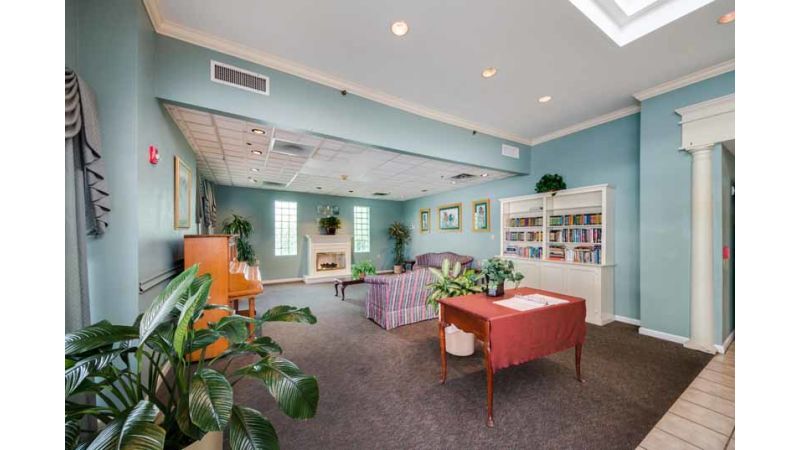
How is Memorial Medical Nursing Center Staffed?

CMS rates MEMORIAL MEDICAL NURSING CENTER's staffing level at 1 out of 5 stars, which is much below average compared to other nursing homes. Staff turnover is 63%, which is 17 percentage points above the Texas average of 46%. High turnover can affect care consistency as new staff learn residents' individual needs. RN turnover specifically is 90%, which is notably high. RNs provide skilled clinical oversight, so turnover in this role can affect medical care quality.

What Have Inspectors Found at Memorial Medical Nursing Center?

State health inspectors documented 48 deficiencies at MEMORIAL MEDICAL NURSING CENTER during 2023 to 2025. These included: 2 Immediate Jeopardy (the most serious level, indicating potential for serious harm or death), 42 with potential for harm, and 4 minor or isolated issues. Immediate Jeopardy findings are rare and represent the most serious regulatory concerns. They require immediate corrective action.
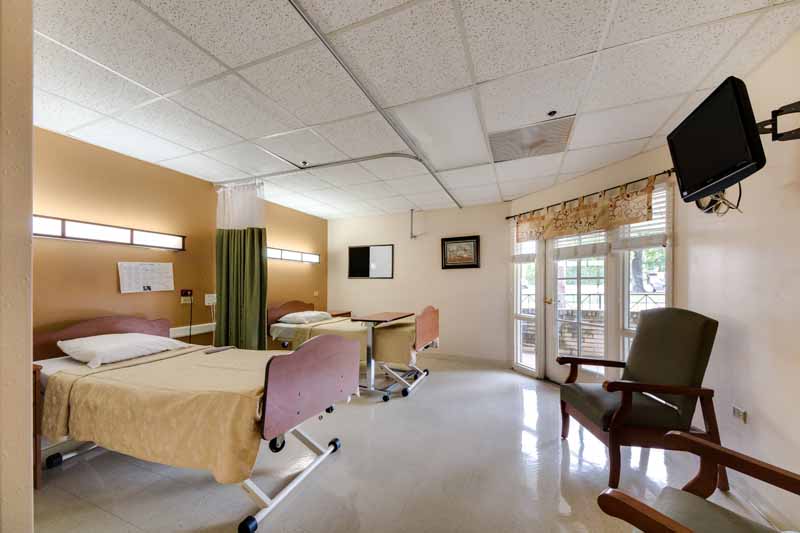
Who Owns and Operates Memorial Medical Nursing Center?

MEMORIAL MEDICAL NURSING CENTER is owned by a government entity. Government-operated facilities are typically run by state, county, or municipal agencies. The facility is operated by EDURO HEALTHCARE, a chain that manages multiple nursing homes. With 135 certified beds and approximately 84 residents (about 62% occupancy), it is a mid-sized facility located in SAN ANTONIO, Texas.

How Does Memorial Medical Nursing Center Compare to Other Texas Nursing Homes?

Compared to the 100 nursing homes in Texas, MEMORIAL MEDICAL NURSING CENTER's overall rating (1 stars) is below the state average of 2.8, staff turnover (63%) is significantly higher than the state average of 46%, and health inspection rating (2 stars) is below the national benchmark.

What Should Families Ask When Visiting Memorial Medical Nursing Center?

Based on this facility's data, families visiting should ask: "What changes have been made since the serious inspection findings, and how are you preventing similar issues?" "How do you ensure continuity of care given staff turnover, and what is your staff retention strategy?" "Can you walk me through typical staffing levels on day, evening, and night shifts?" "Can I visit during a mealtime to observe dining assistance and food quality?" These questions are particularly relevant given the facility's Immediate Jeopardy citations, the facility's high staff turnover rate, and the below-average staffing rating.

Is Memorial Medical Nursing Center Safe?

Based on CMS inspection data, MEMORIAL MEDICAL NURSING CENTER has documented safety concerns. Inspectors have issued 2 Immediate Jeopardy citations (the most serious violation level indicating risk of serious injury or death). The facility has a 1-star overall rating and ranks #100 of 100 nursing homes in Texas. Families considering this facility should ask detailed questions about what corrective actions have been taken since these incidents.

Do Nurses at Memorial Medical Nursing Center Stick Around?

Staff turnover at MEMORIAL MEDICAL NURSING CENTER is high. At 63%, the facility is 17 percentage points above the Texas average of 46%. Registered Nurse turnover is particularly concerning at 90%. RNs handle complex medical decisions and coordinate care — frequent RN changes can directly impact care quality. High turnover means new staff may not know residents' individual needs, medications, or preferences. It can also be disorienting for residents, especially those with dementia who rely on familiar faces. Families should ask: What is causing the turnover? What retention programs are in place? How do you ensure care continuity during staff transitions?

Was Memorial Medical Nursing Center Ever Fined?

MEMORIAL MEDICAL NURSING CENTER has been fined $35,396 across 2 penalty actions. The Texas average is $33,433. While any fine indicates a compliance issue, fines under $50,000 are relatively common and typically reflect isolated problems that were subsequently corrected. Families should ask what specific issues led to these fines and confirm they've been resolved.

Is Memorial Medical Nursing Center on Any Federal Watch List?

MEMORIAL MEDICAL NURSING CENTER is not on any federal watch list. The most significant is the Special Focus Facility (SFF) program, which identifies the bottom 1% of nursing homes nationally based on persistent, serious quality problems. Not being on this list means the facility has avoided the pattern of deficiencies that triggers enhanced federal oversight. This is a positive indicator, though families should still review the facility's inspection history directly.